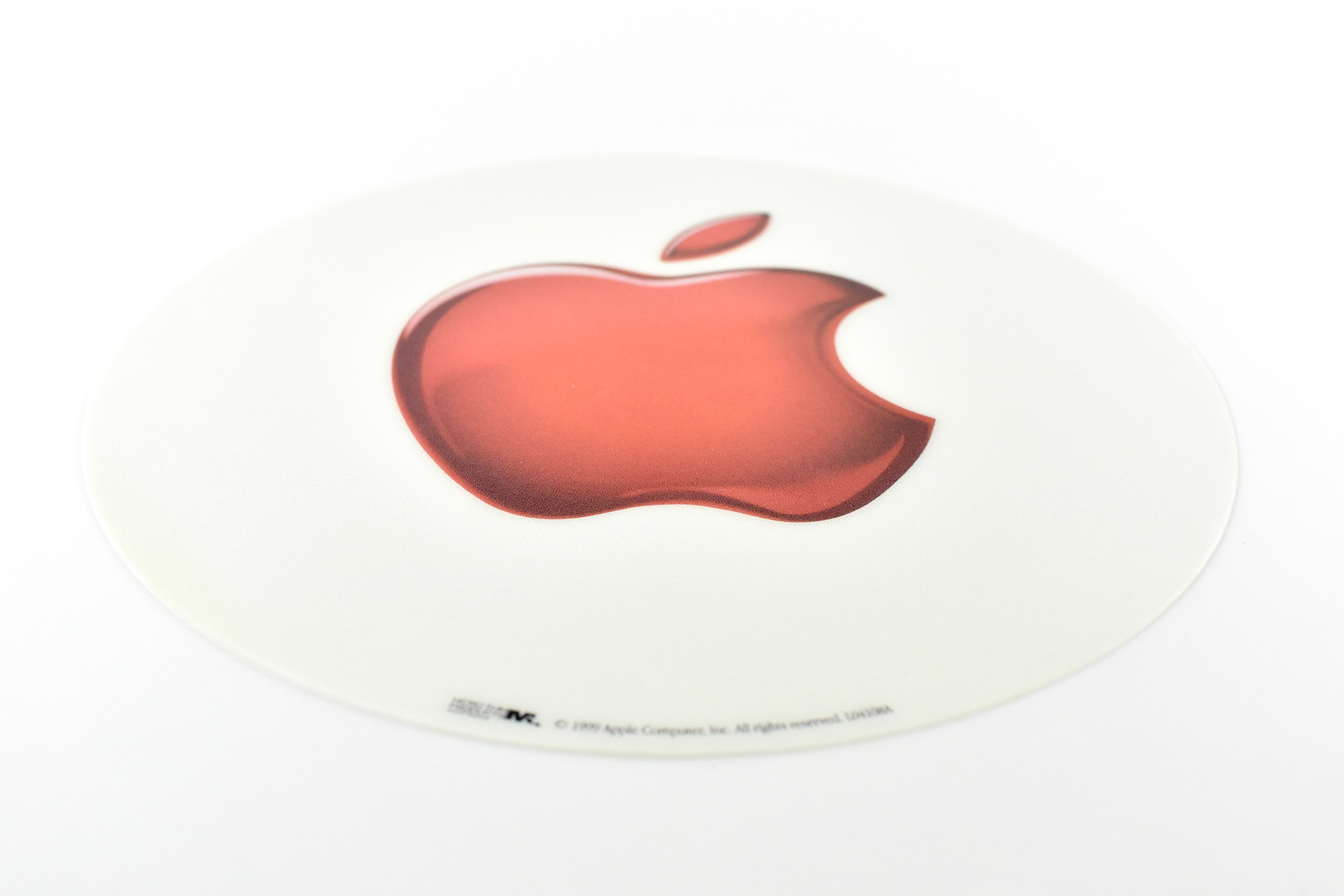
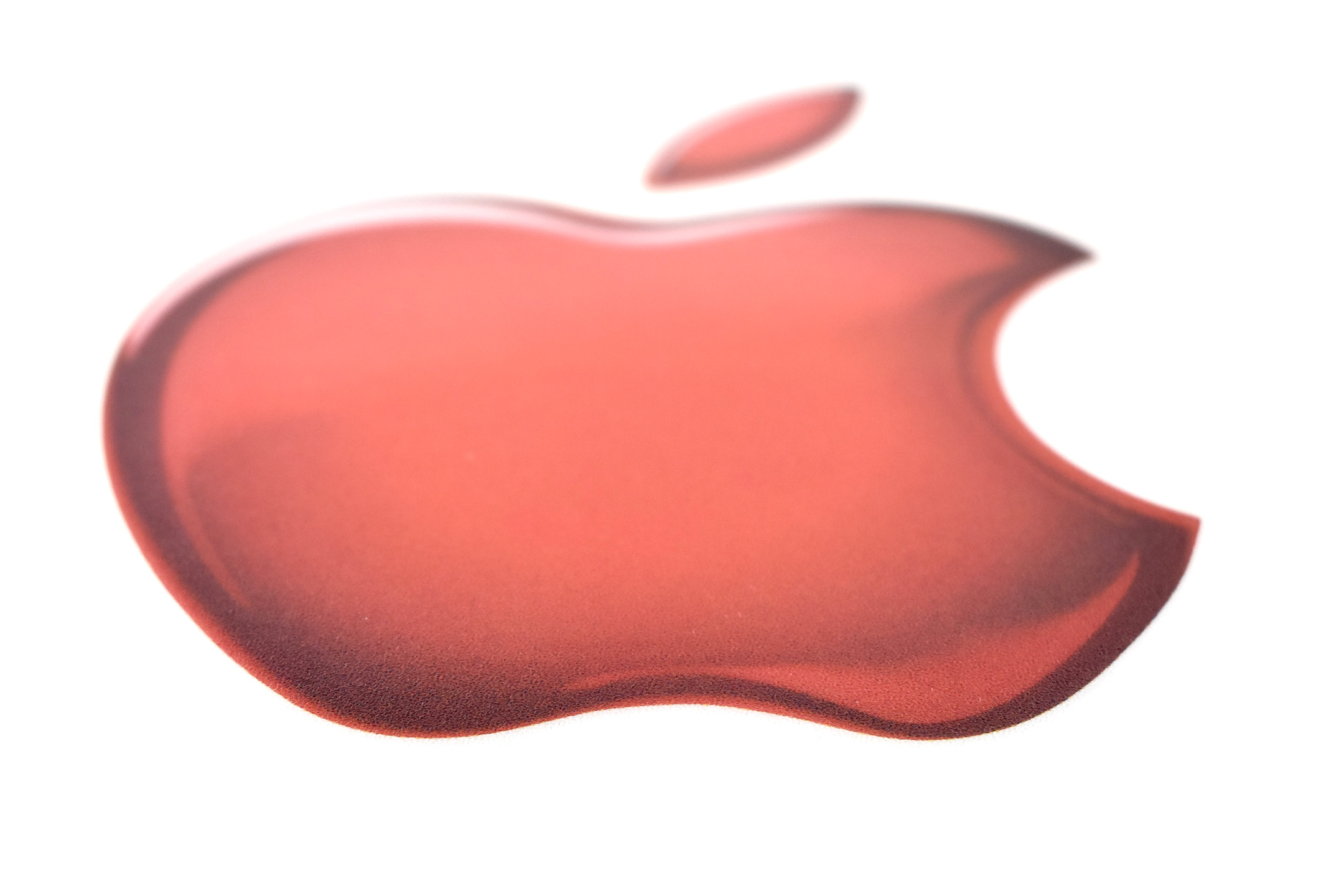
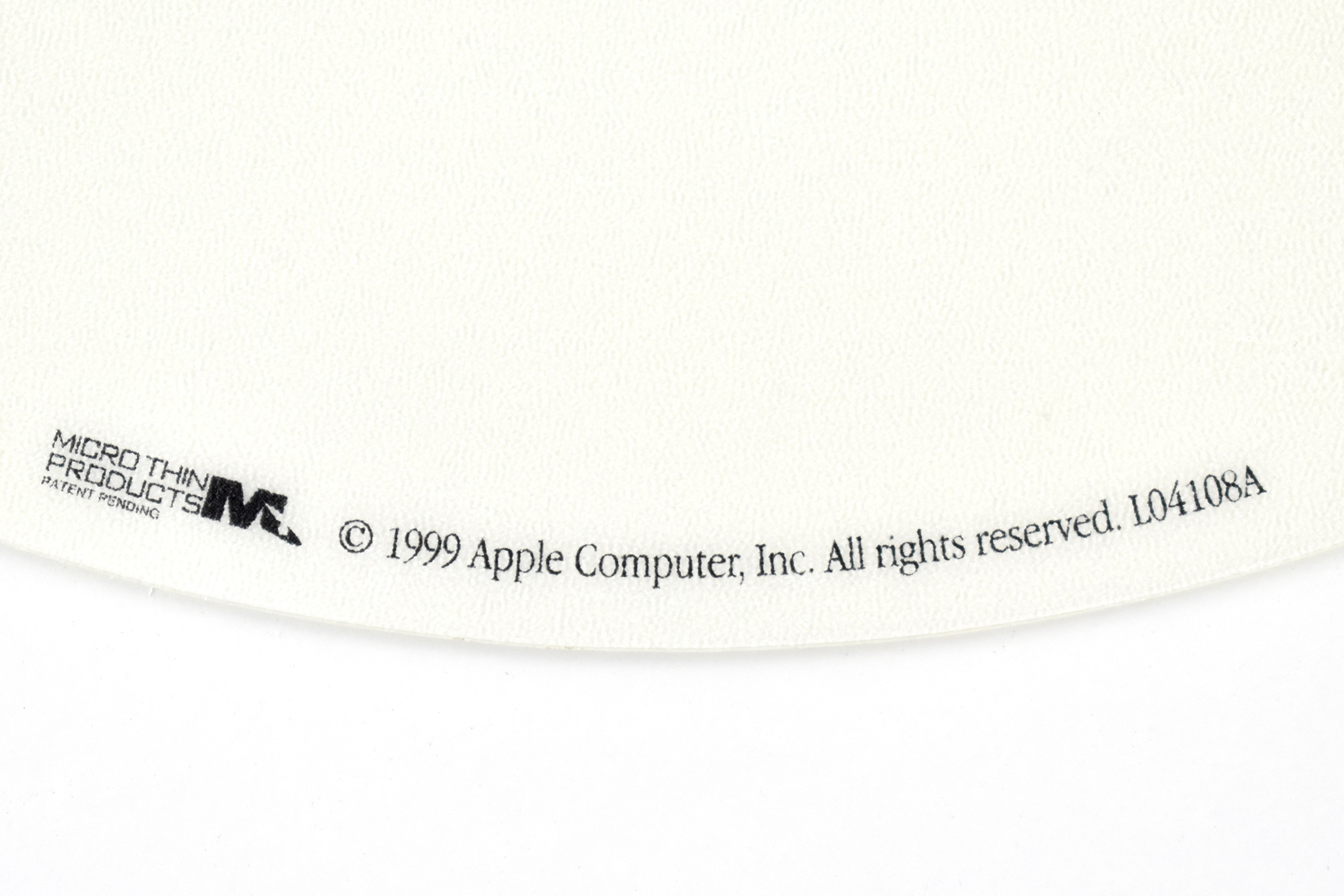
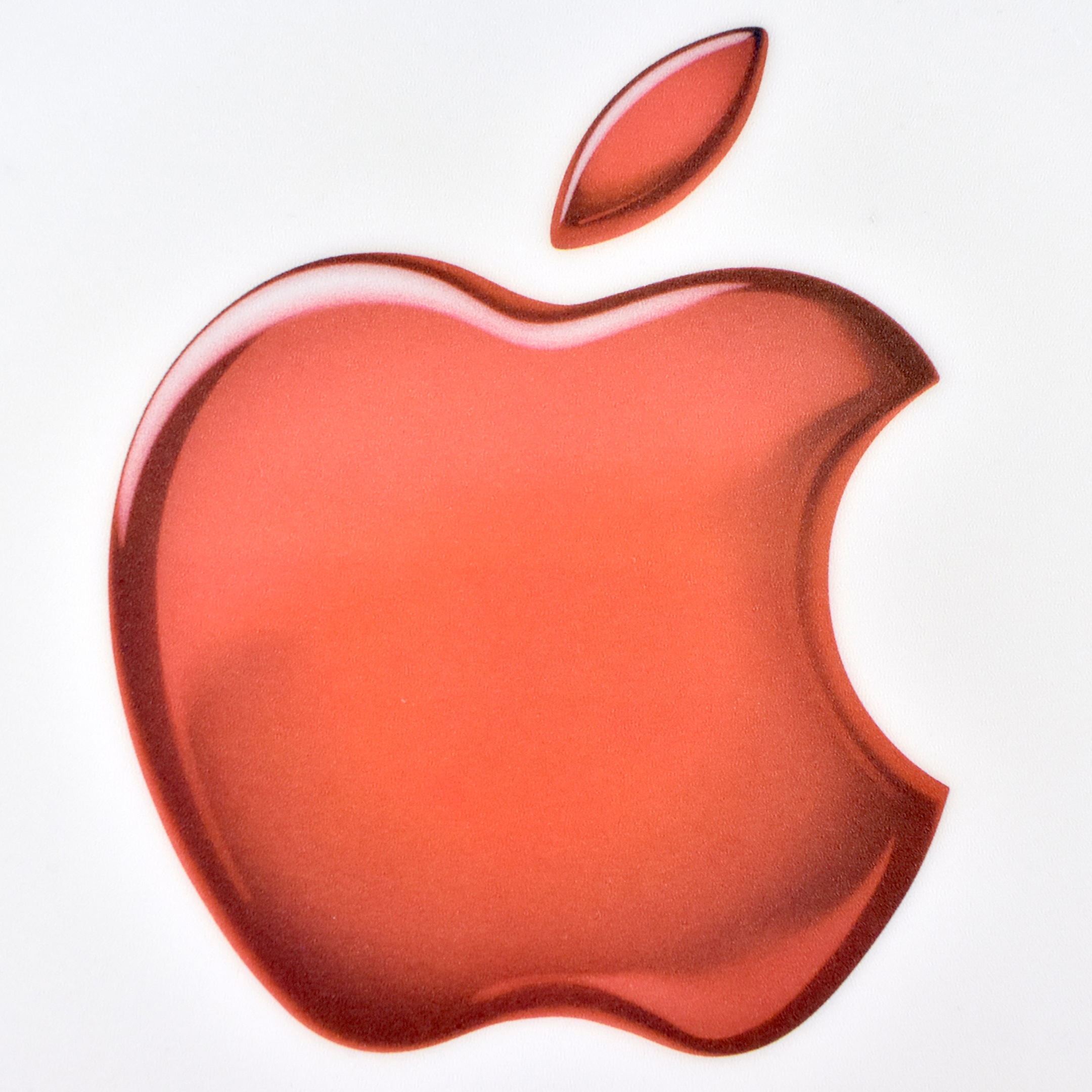
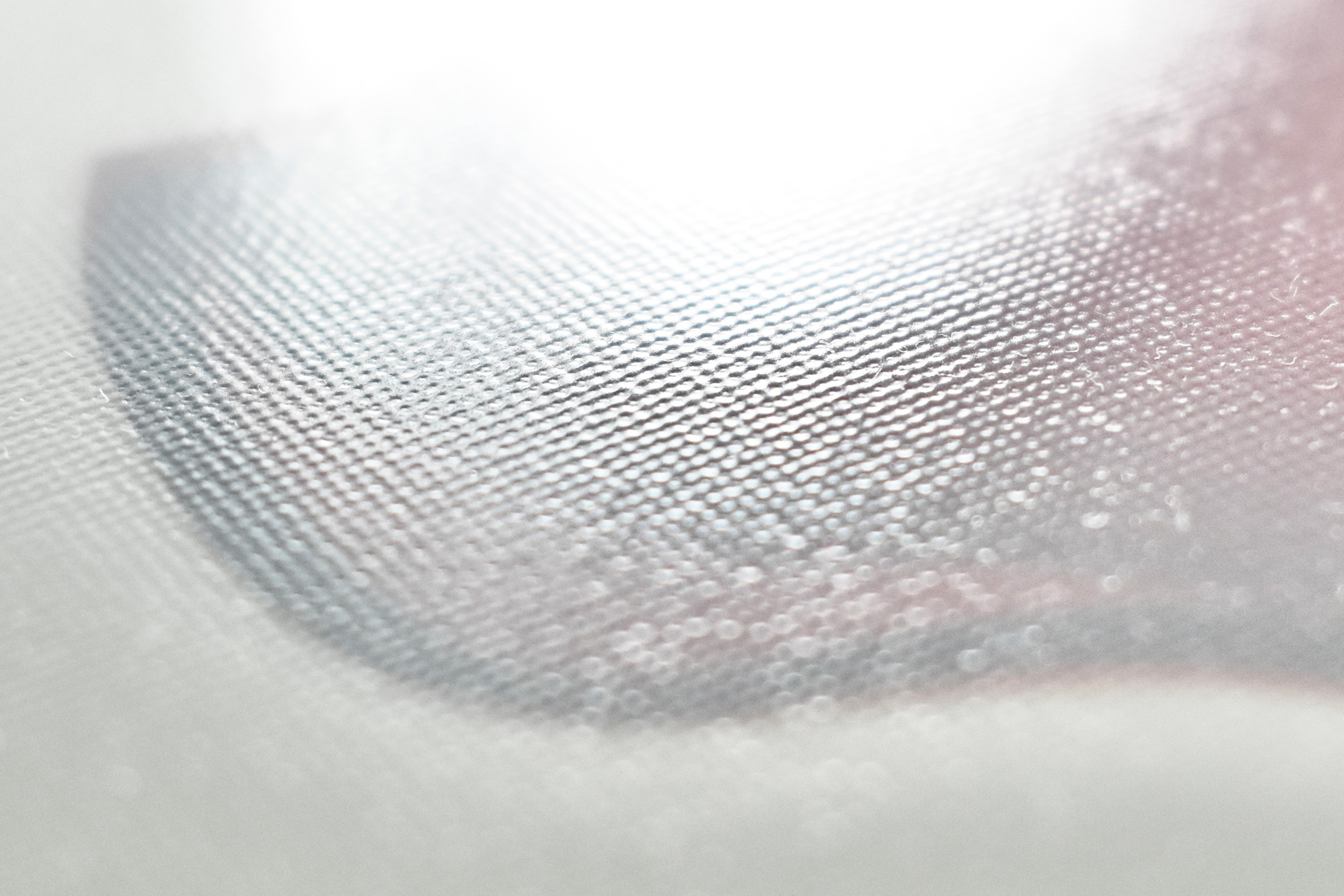
This thin plastic mousepad was made by the company Microthin and features the strawberry (red) Apple logo printed in a manner to simulate the translucent plastic Apple logo used in the iMac line of computers at the time. This mousepad is red to match the strawberry iMac. The iMac colors of the time included tangerine, lime, blueberry, grape, strawberry, and graphite.
The back of the mousepad is covered in a sticky material that provides traction to prevent slippage. The tackiness of the material is still viable after over 20 years and can be reactivated by rinsing accumulated dust with water. However, the entire mousepad is beginning to show signs of yellowing.
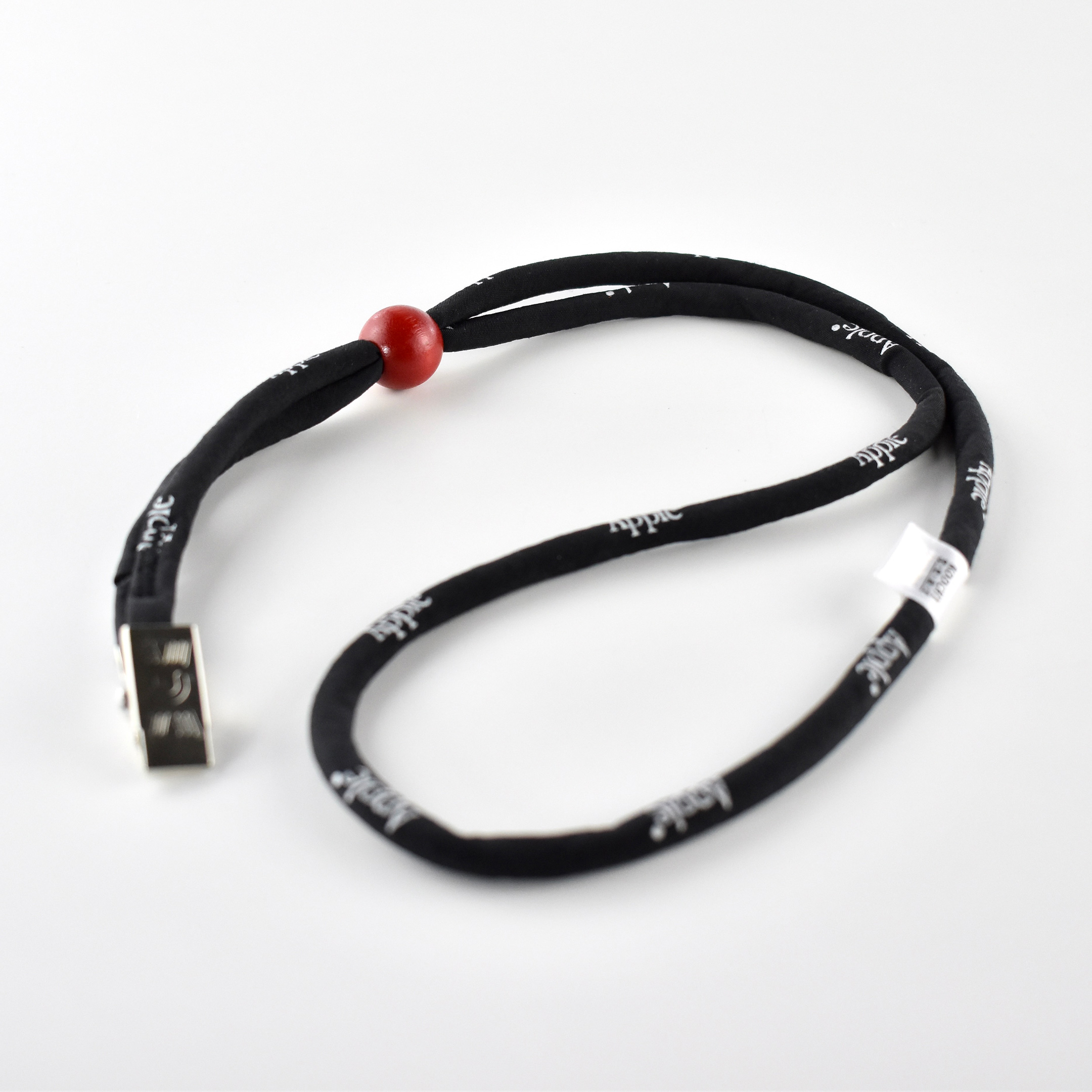
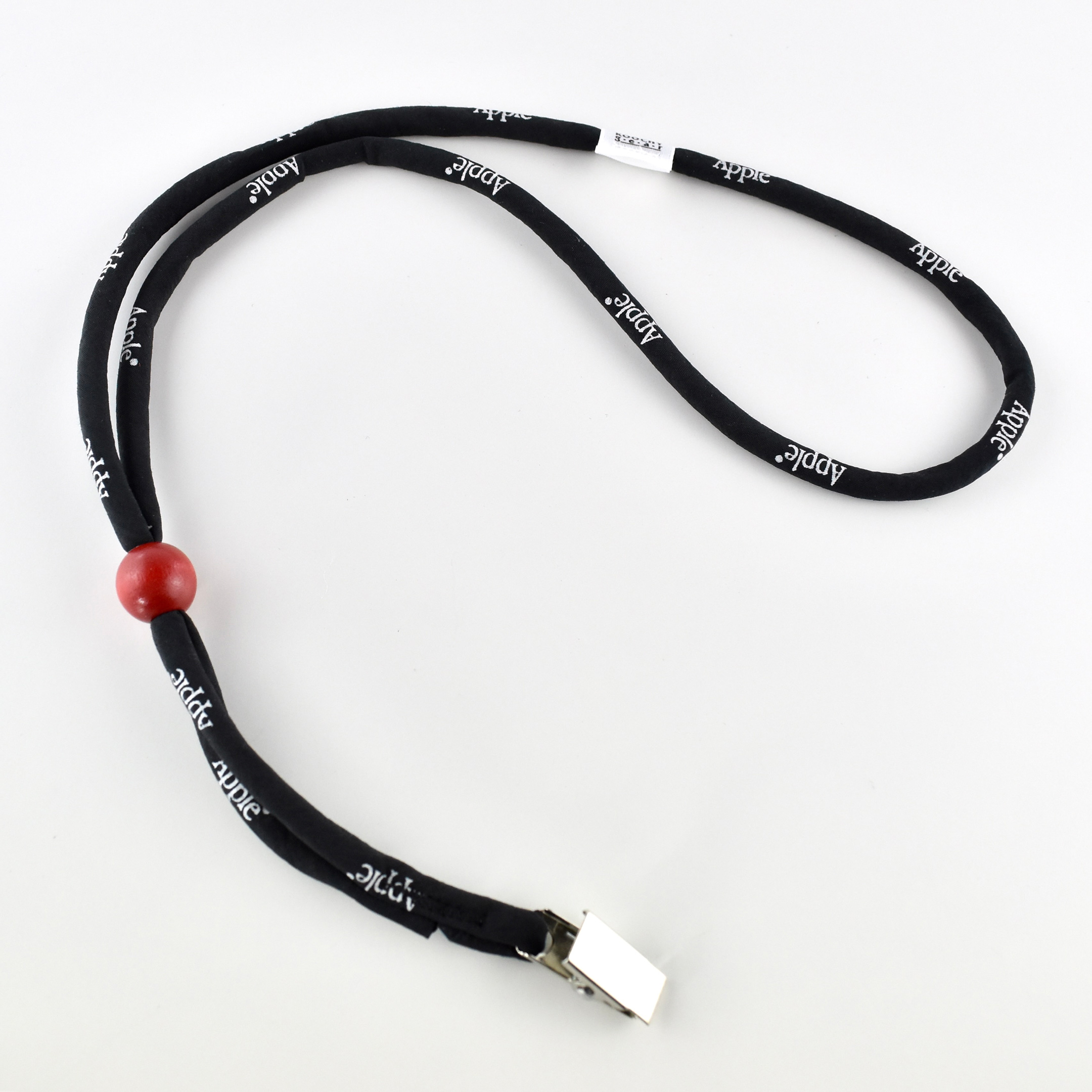
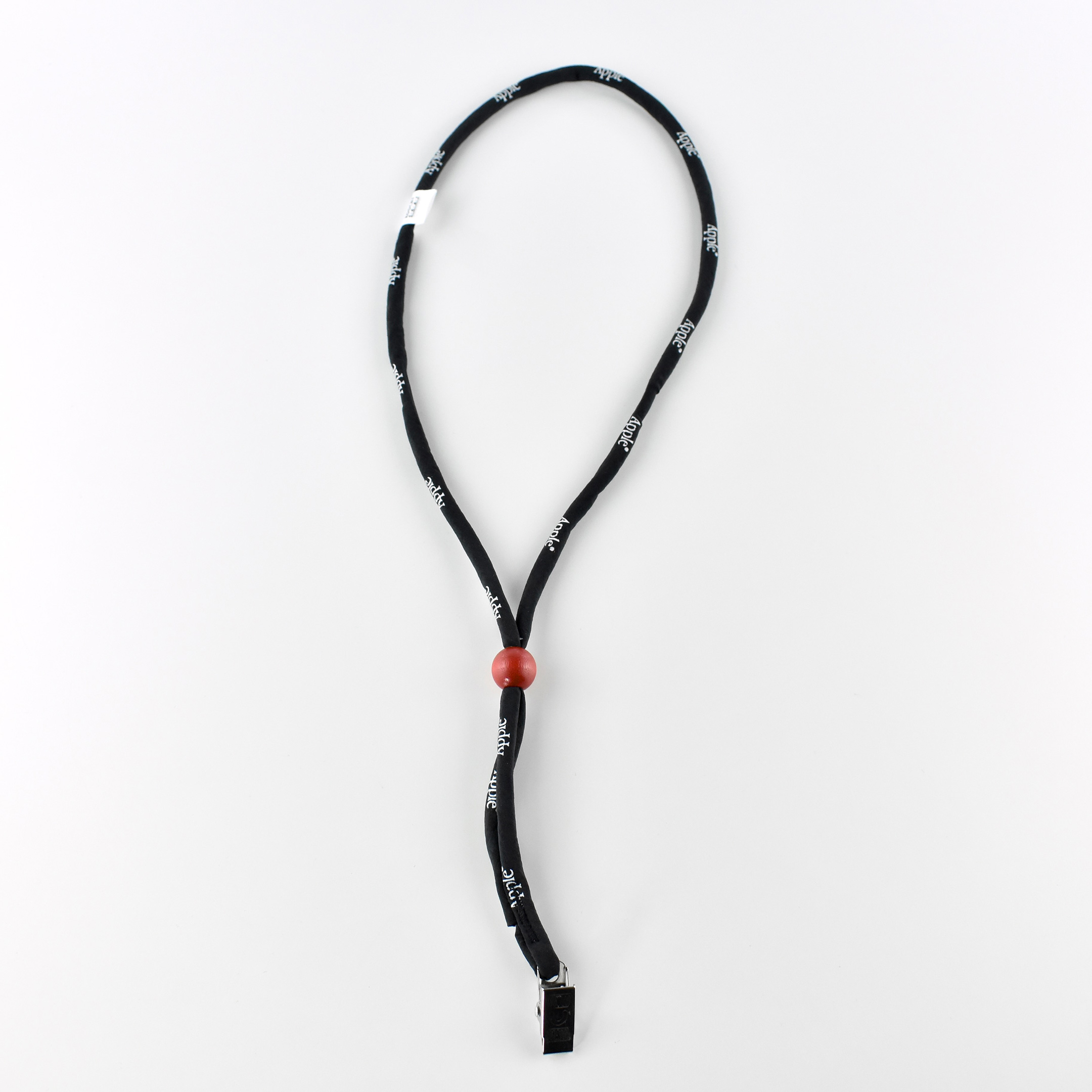
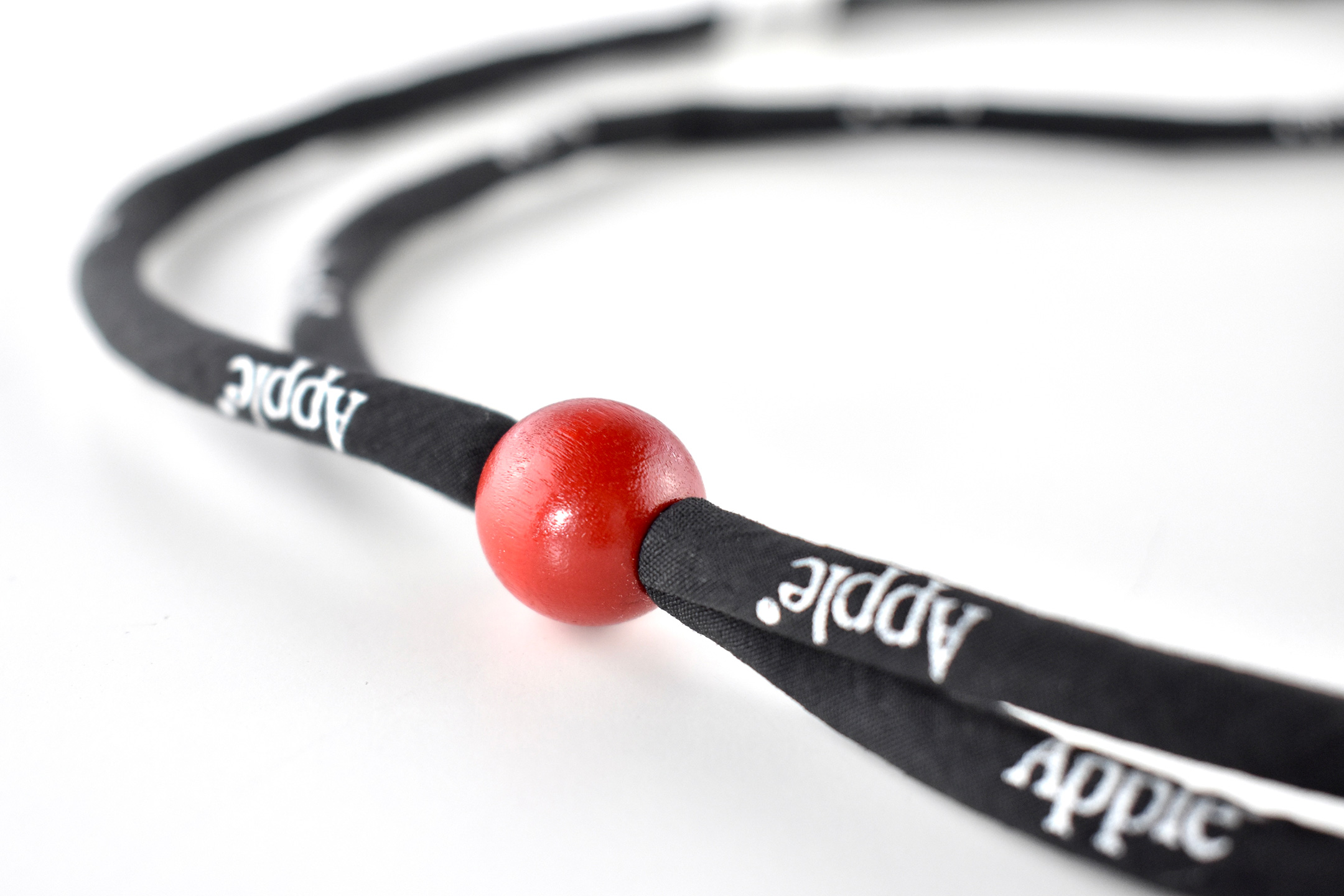
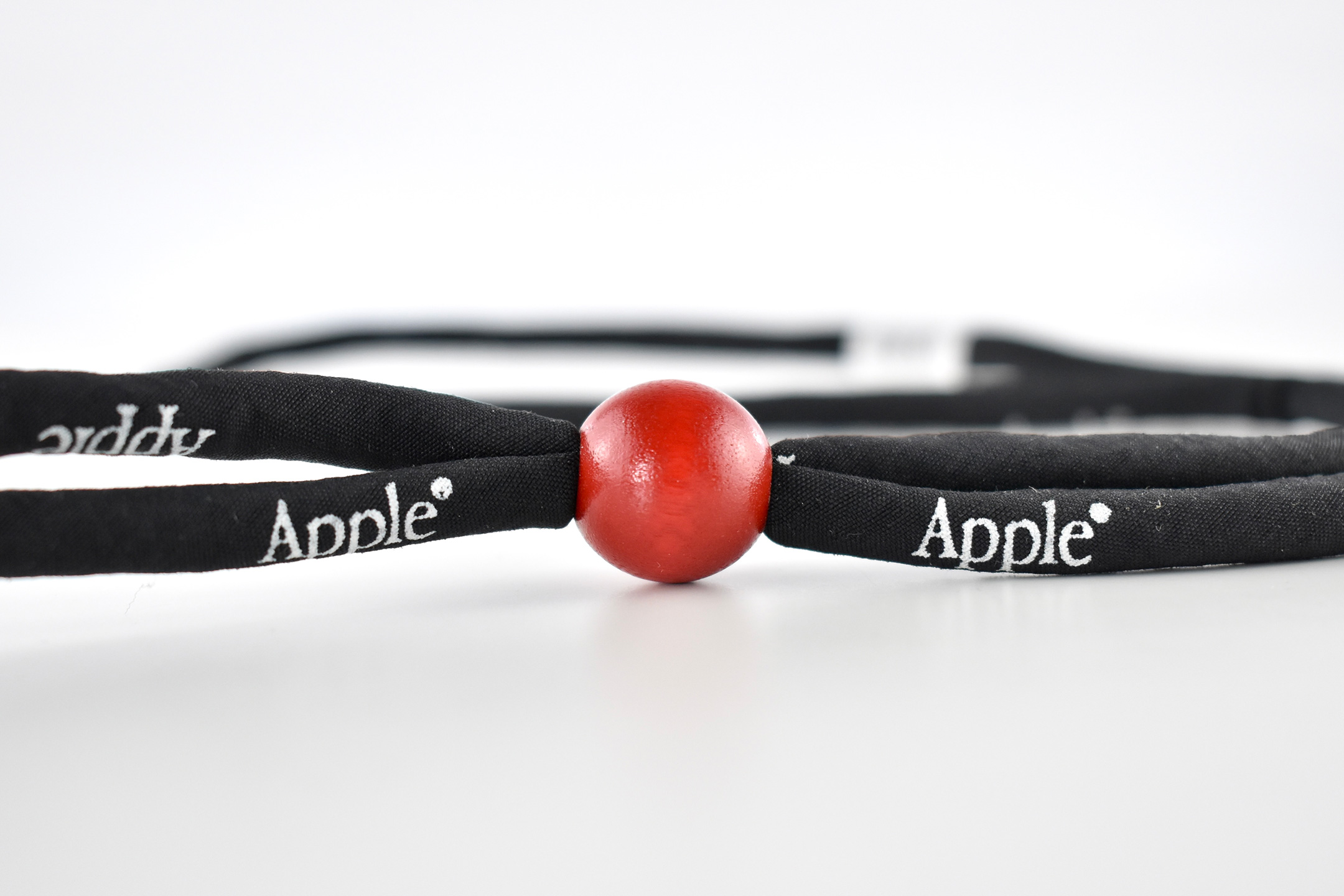
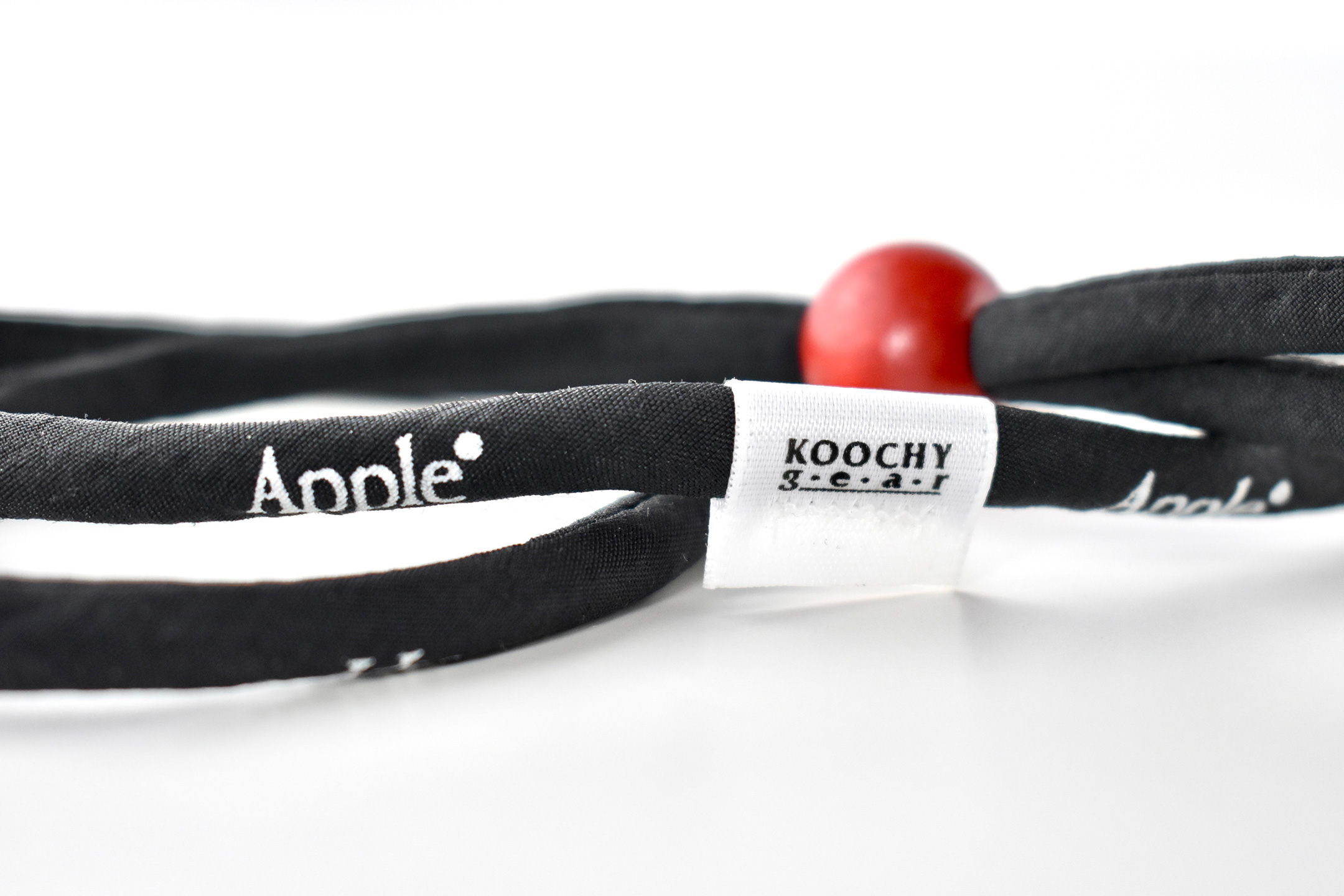
This lanyard is black with a red wooden bead accent. Its style appears to place it in the 1990s. This lanyard was acquired from the estate of a former Apple Education employee and was likely used in the 1990s at education events.
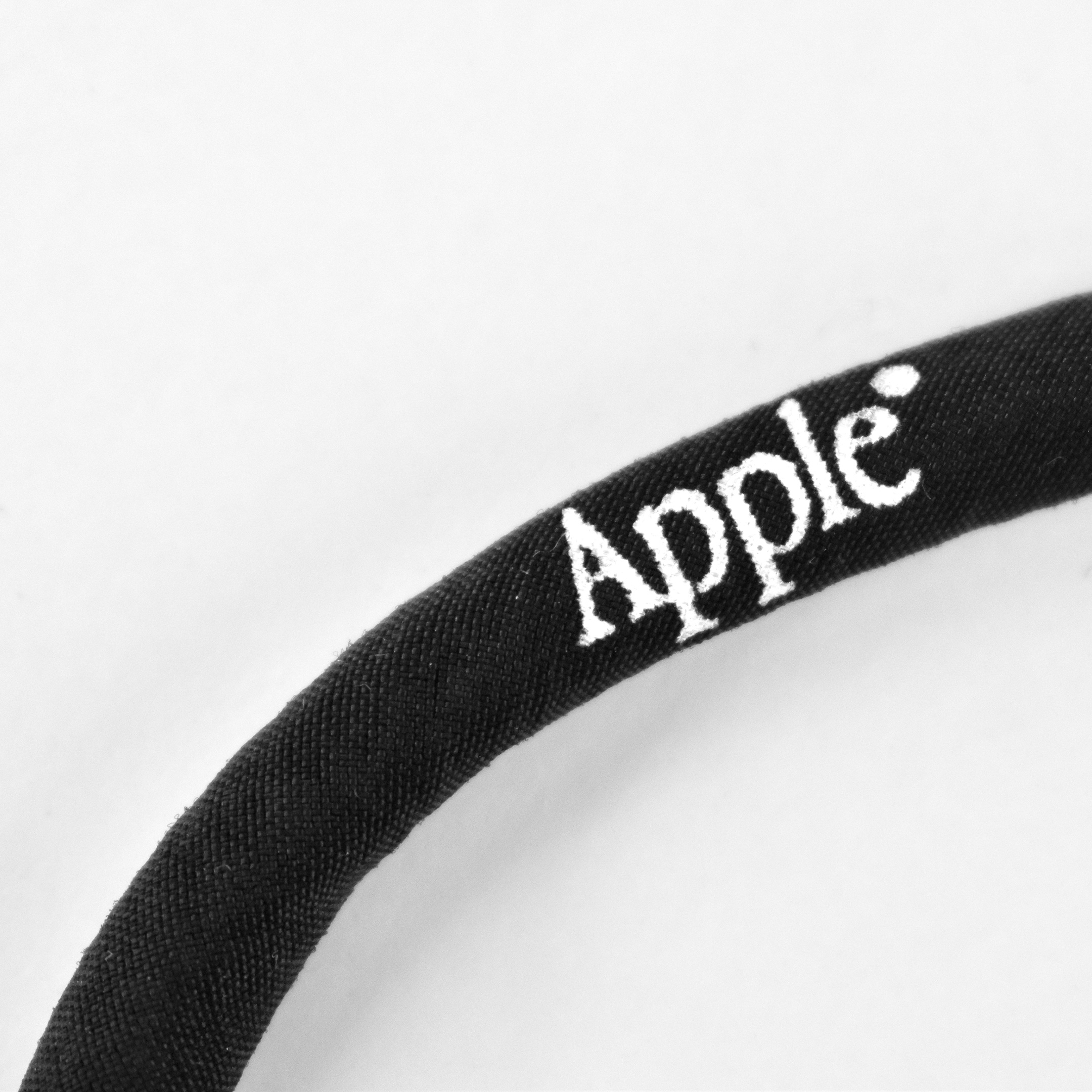
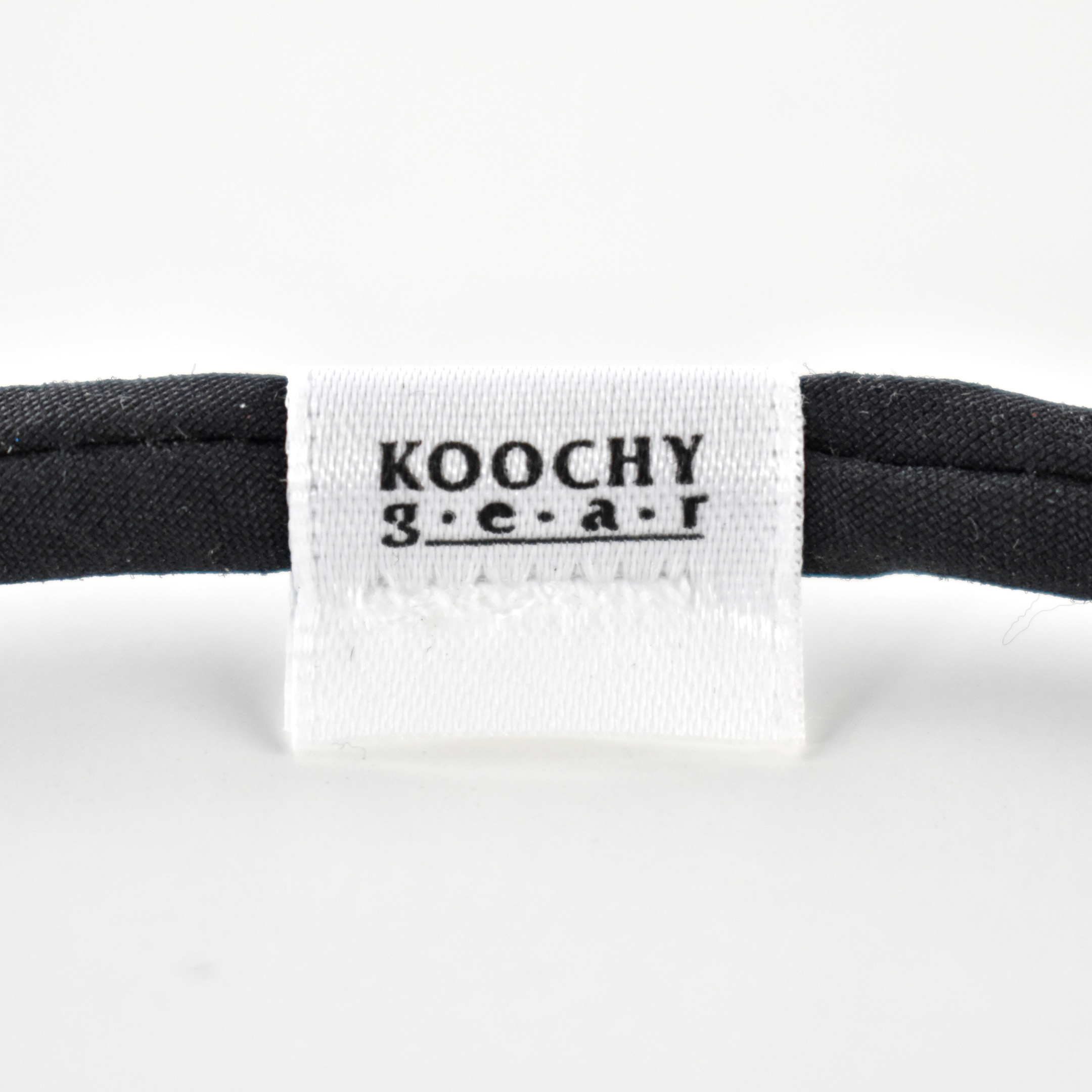
The cord of the lanyard features a white Apple logotype in Apple Garamond, Apple’s corporate font used between 1984 and 2003. The manufacturer is shown on a white tag printed with he name KOOCHY gear.
I have found similarly designed items by this manufacturer on eBay branded with other company logos. Although the company is no longer active, it now appears to be associated with the company PROMOVISION, specializing in custom lanyards.
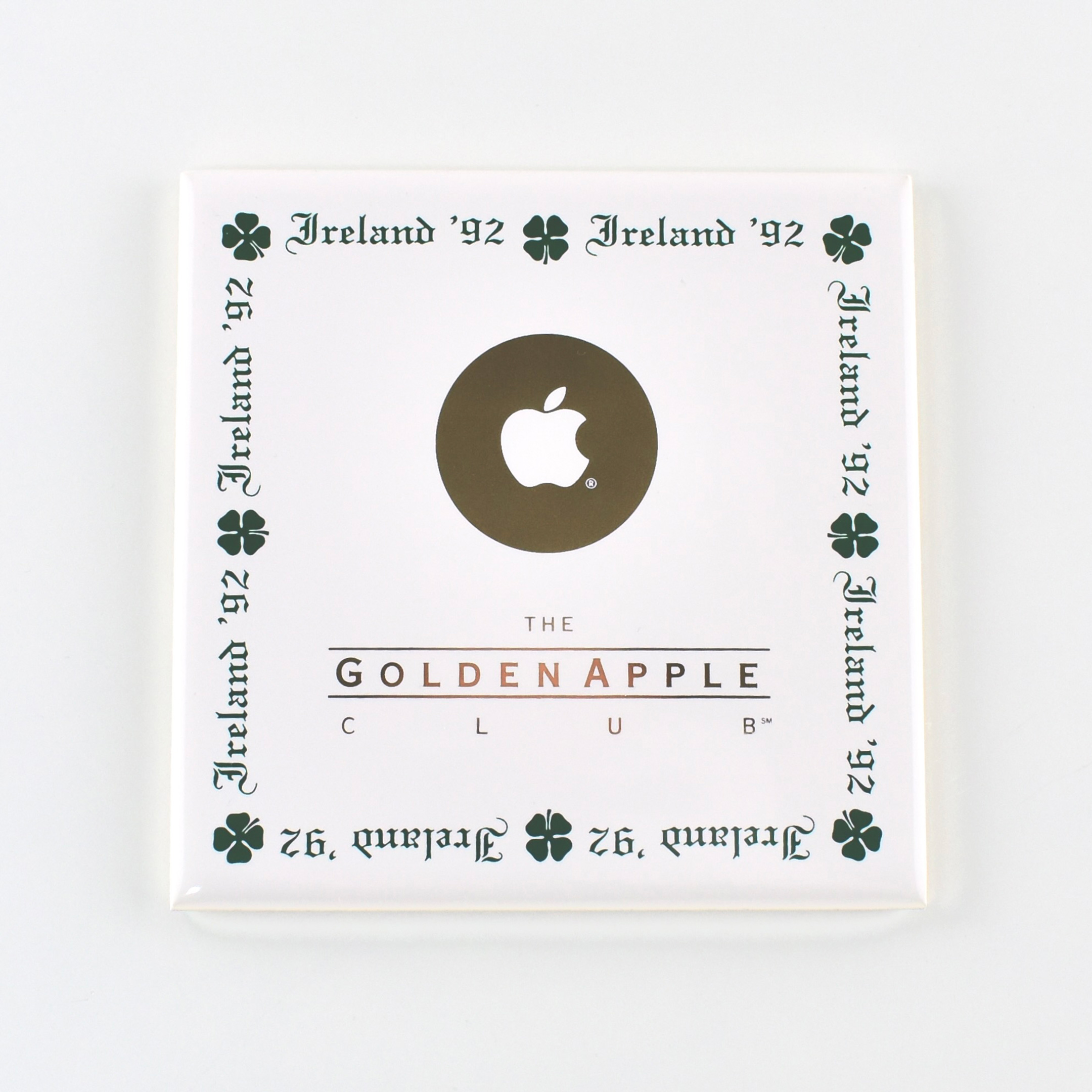
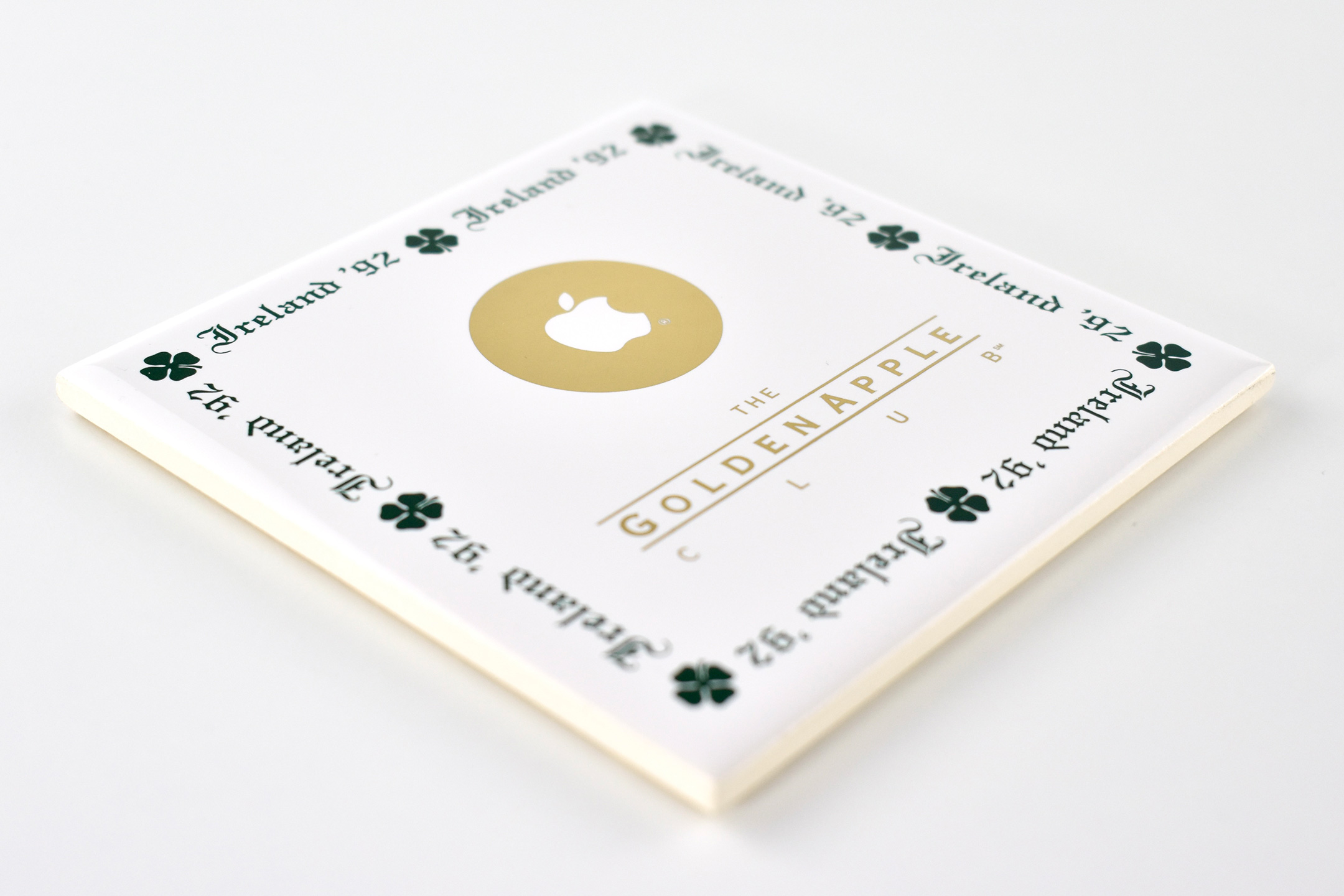
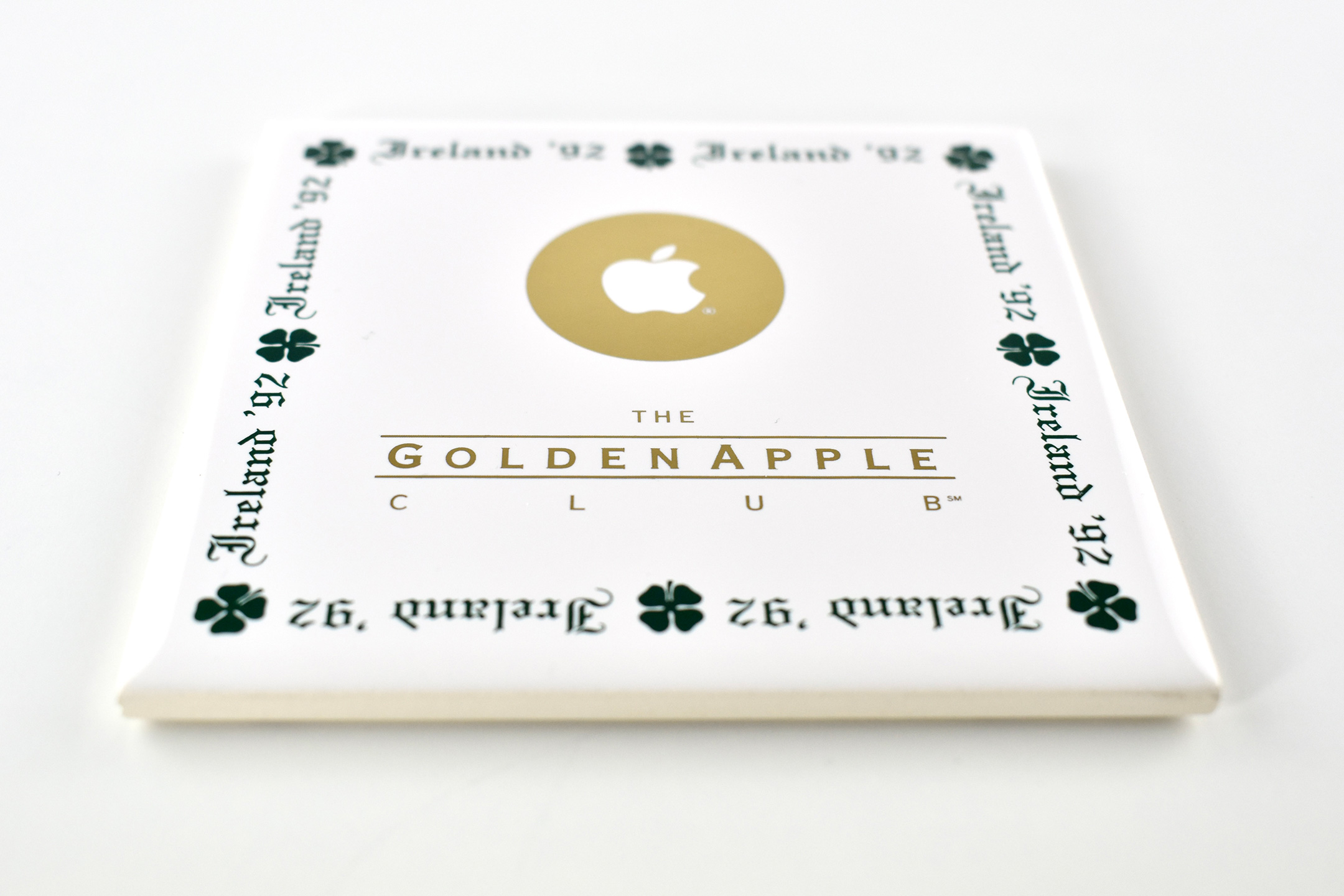
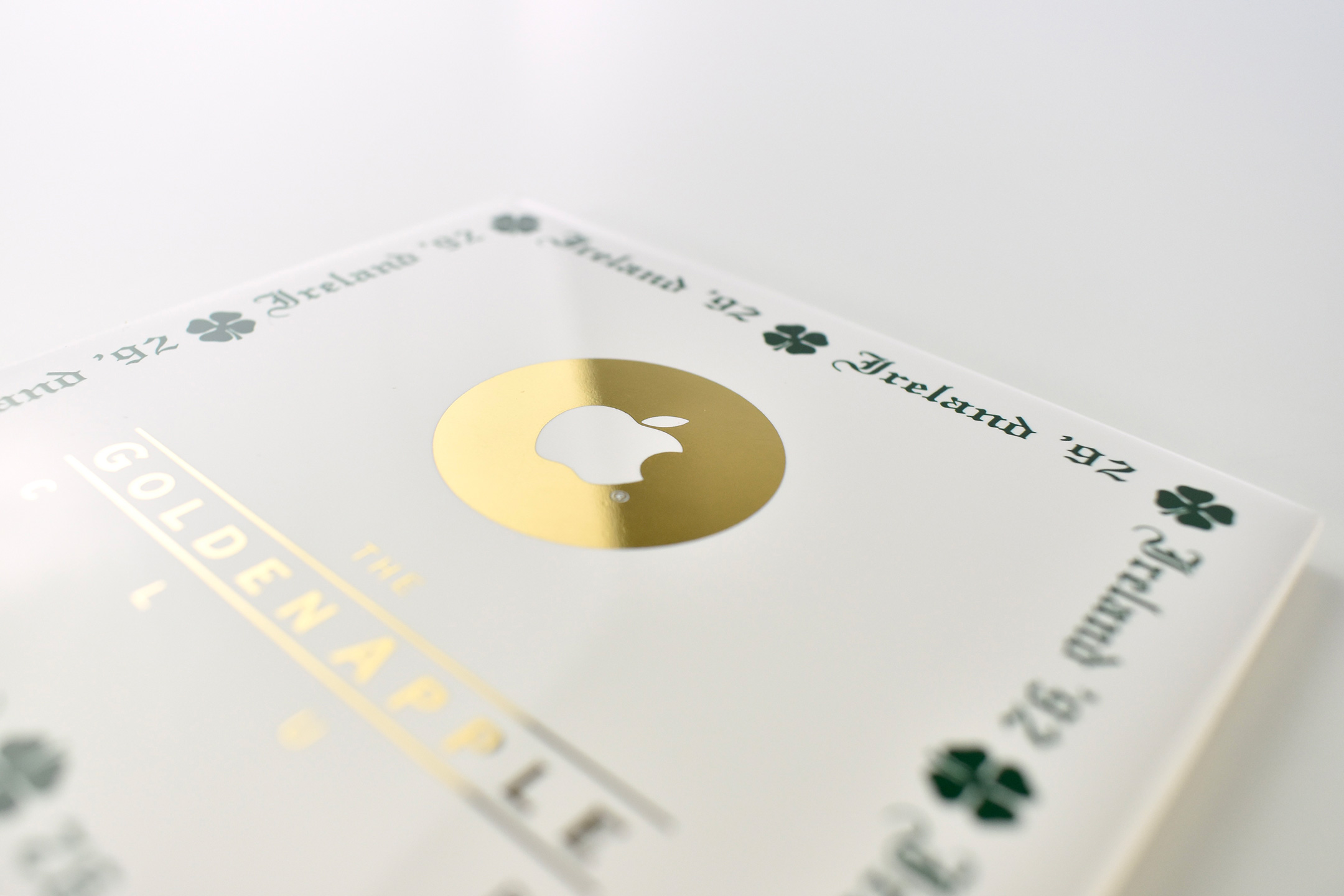
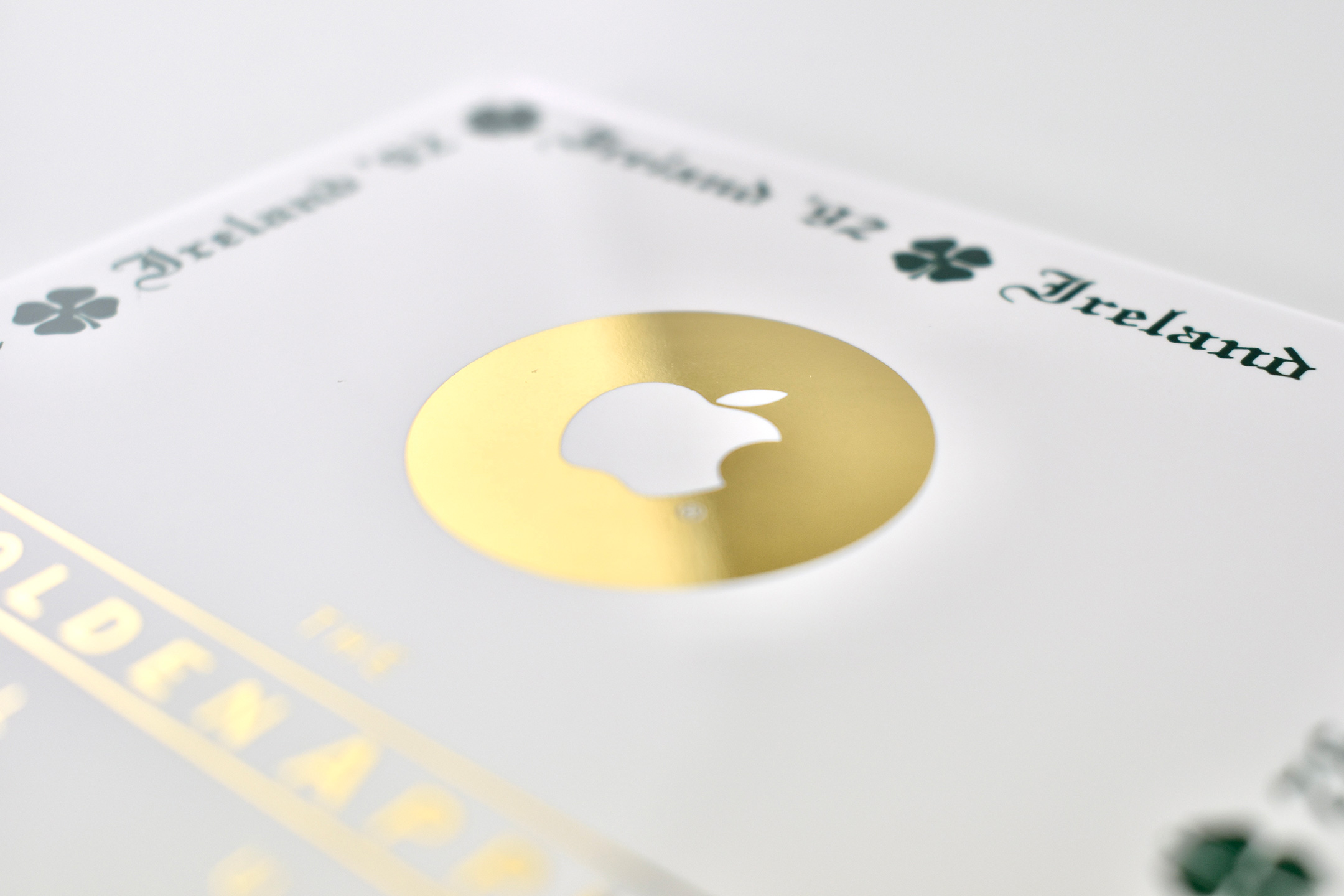
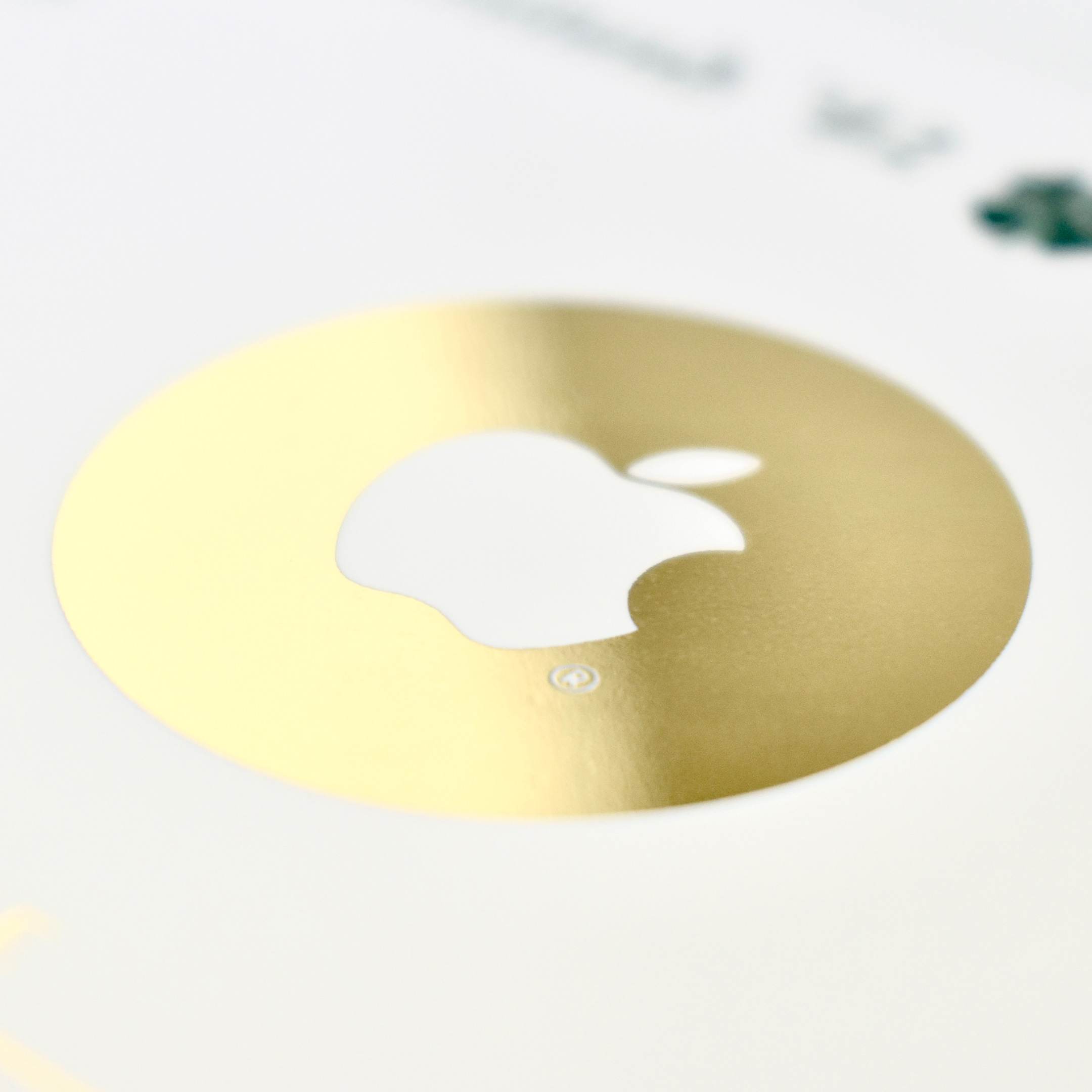
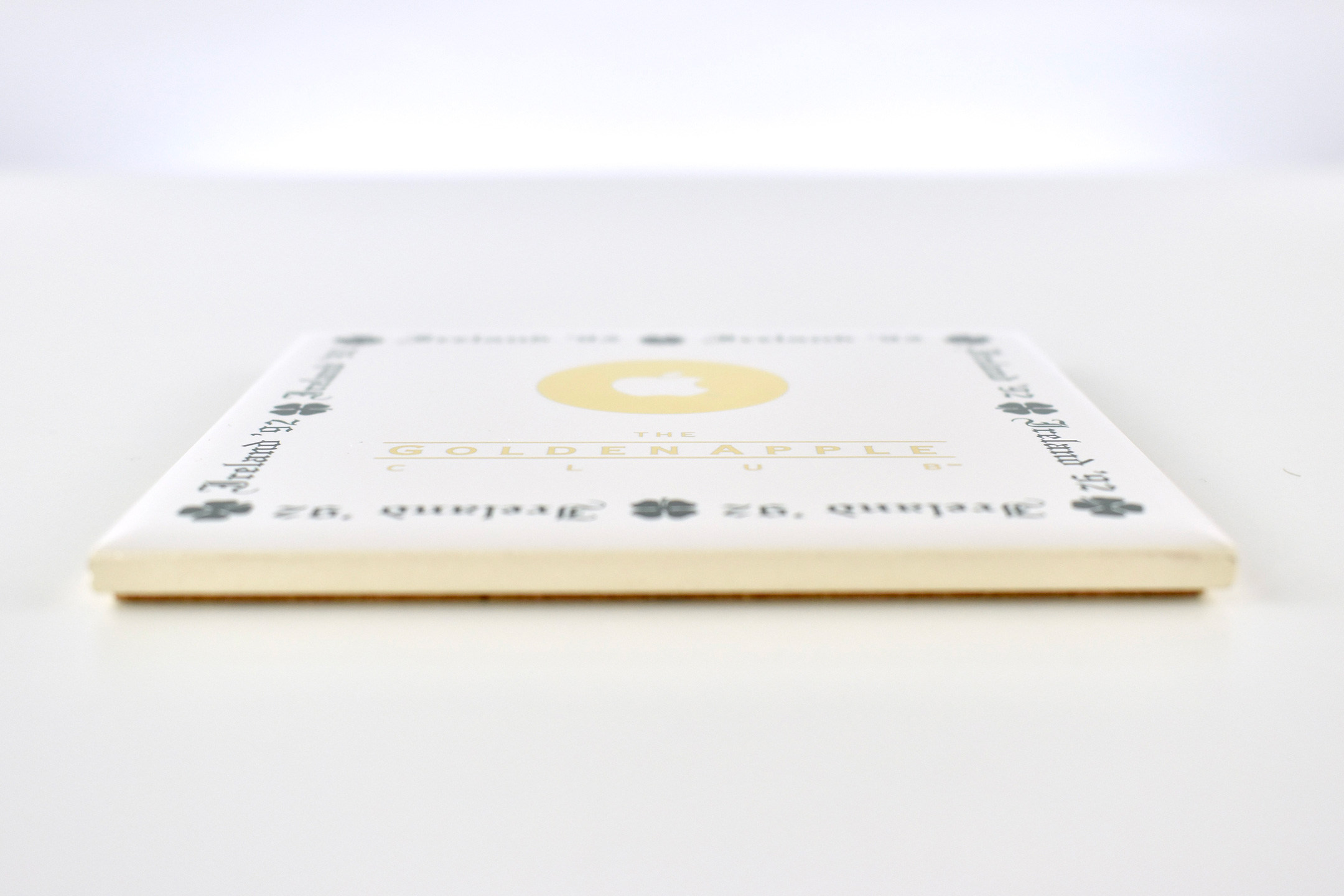
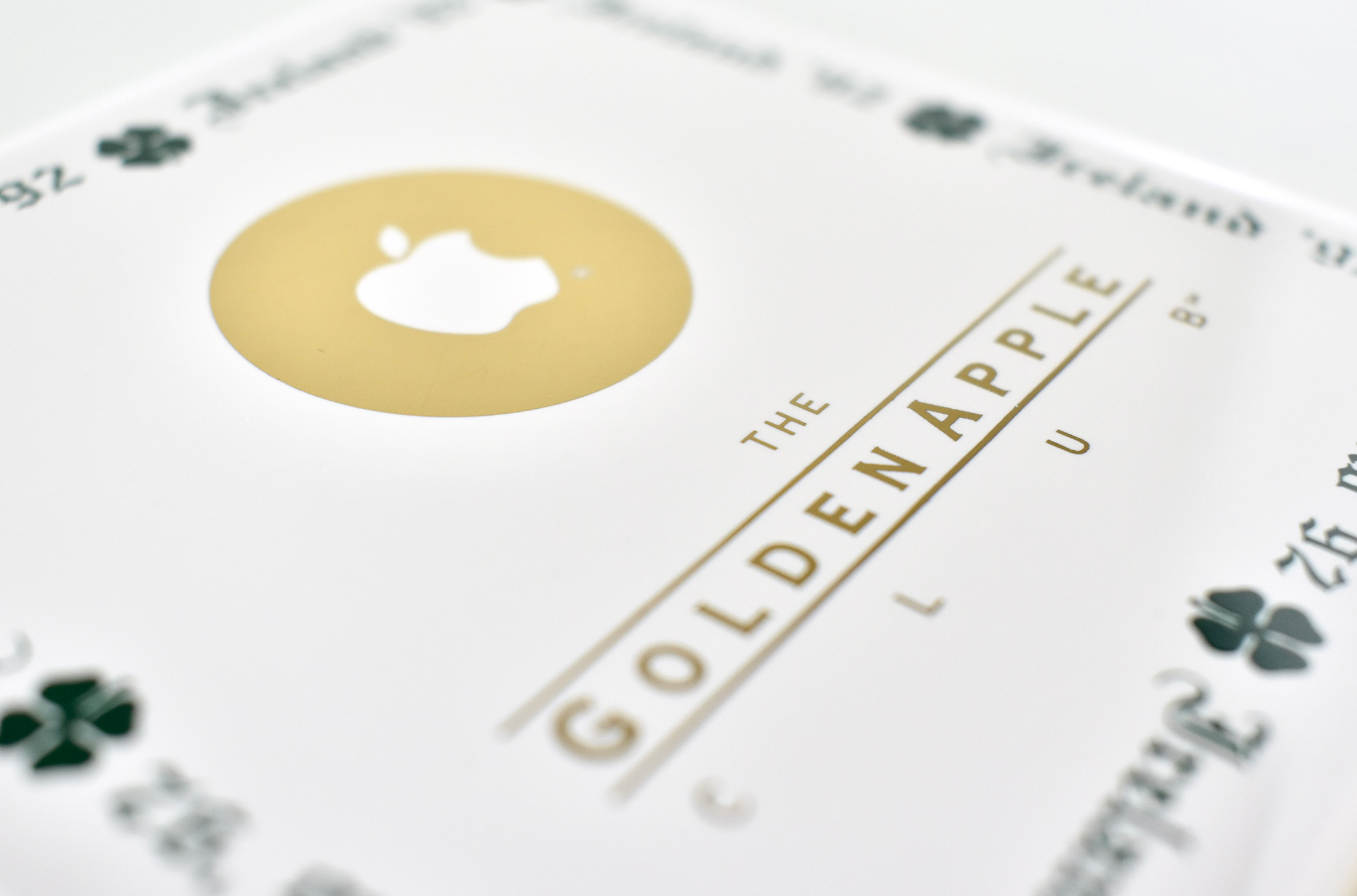
This white ceramic tile was acquired from the estate of a former Apple Education employee. It is printed with a negative-space white Apple logo on a shimmering, metallic gold circle with the words “THE GOLDEN APPLE CLUB,” also printed in metallic gold. The tile’s border is surrounded with dark-green-printed shamrocks and the words “Ireland ’92” in an Old English typeface.
I was able to find a few references to the “The Golden Apple Club” in my research. One source in the Online Archive of California in the Department of Special Collections and University Archives at Stanford shows a listing in a collection archive titled, “Guide to the Apple Computer, Inc. Records M1007” (1998). The reference catalogs the item as “Vanity Press Items” with the entry: The Golden Apple Club: the best of the best., 1991. The complete record specifies that the university collection includes approximately 600 linear feet of items from 1977–1998 including: “organizational charts, annual reports, company directories, internal communications, engineering reports, design materials, press releases, manuals, public relations materials, human resource information, videotapes, audiotapes, software, hardware, and corporate memorabilia.”
A former Apple Regional Sales Manager on LinkedIn lists that he was a “Golden Apple Sales Award Winner” in 1998.
The long-running podcast RetroMacCast Episode 261 (October 21, 2012): “Frito Residue,” includes a reference to a 18K gold Golden Apple Club pin (selling for $1,049.99) and later included a conversation about the Golden Apple Club program. The podcast host discussed several Golden Apple Club items he had purchased in a kit, including a deck of cards, heavy-duty black plastic luggage tags, a neck pillow in a gray vinyl pouch, and a small portfolio—all with the Golden Apple Club logo. The “Club” was described as a program for sales representatives who had exceeded planned sales goals for a fiscal year. Reportedly, one of the “prizes” for Golden Apple Club members included a trip.
Based upon this information, this tile may have been received by a Golden Apple Club award winner on a trip to Ireland in 1992.
Perhaps worth noting, Apple has had facilities in Cork, Ireland, since 1980 and specifies that Cork “serves as Apple’s European headquarters, supporting customers across the continent and beyond.” There is no indication that this trip was to Cork, and this connection is pure speculation.
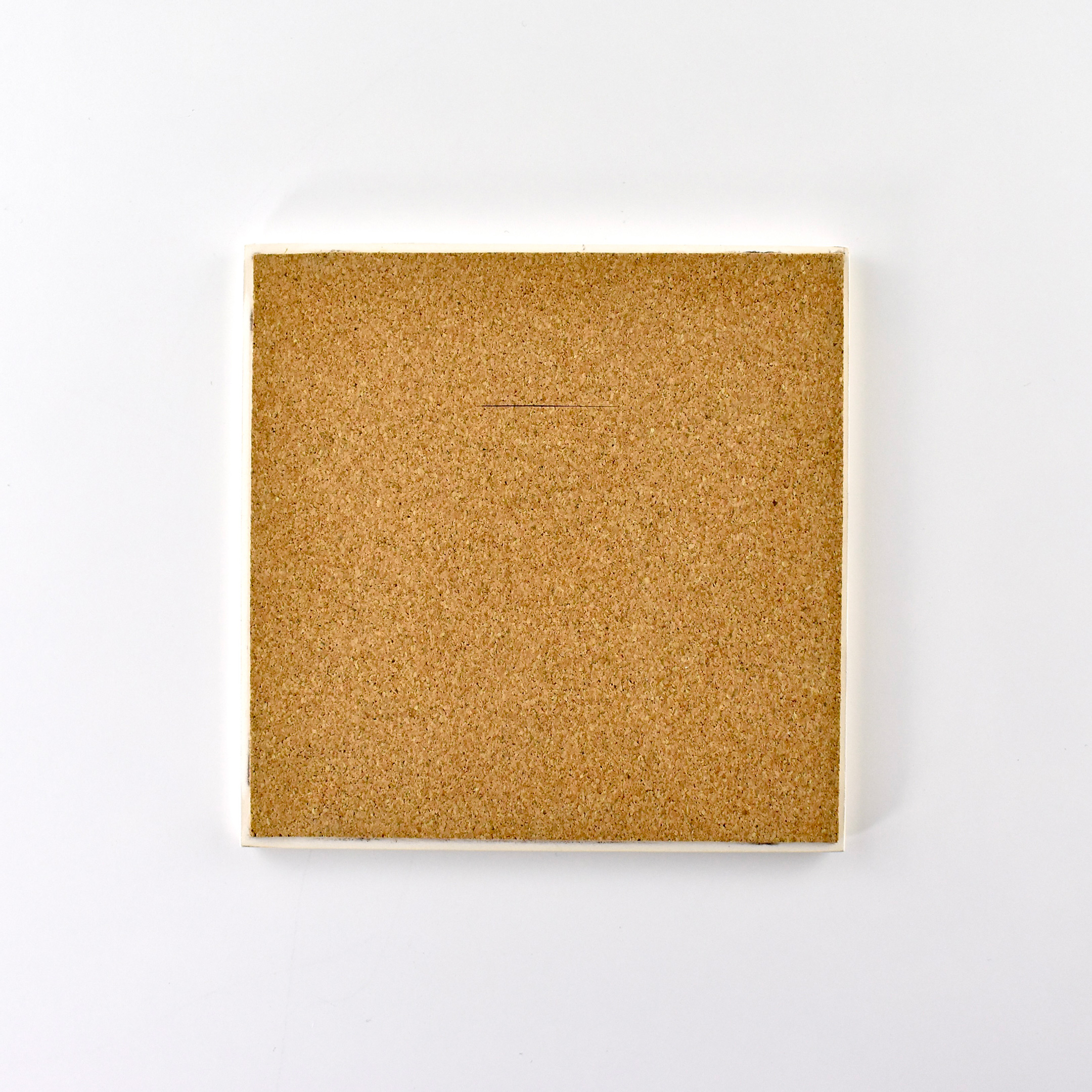
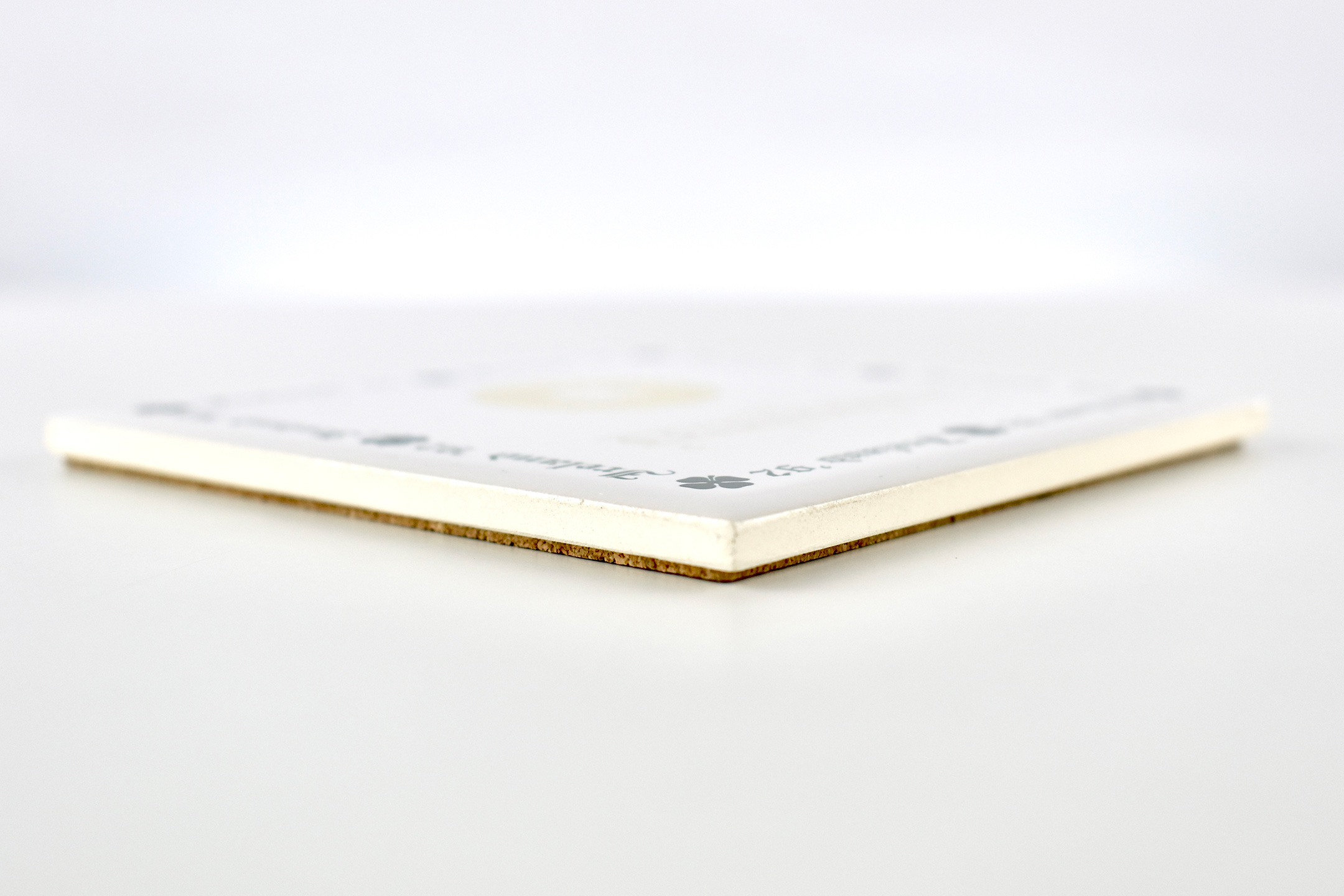
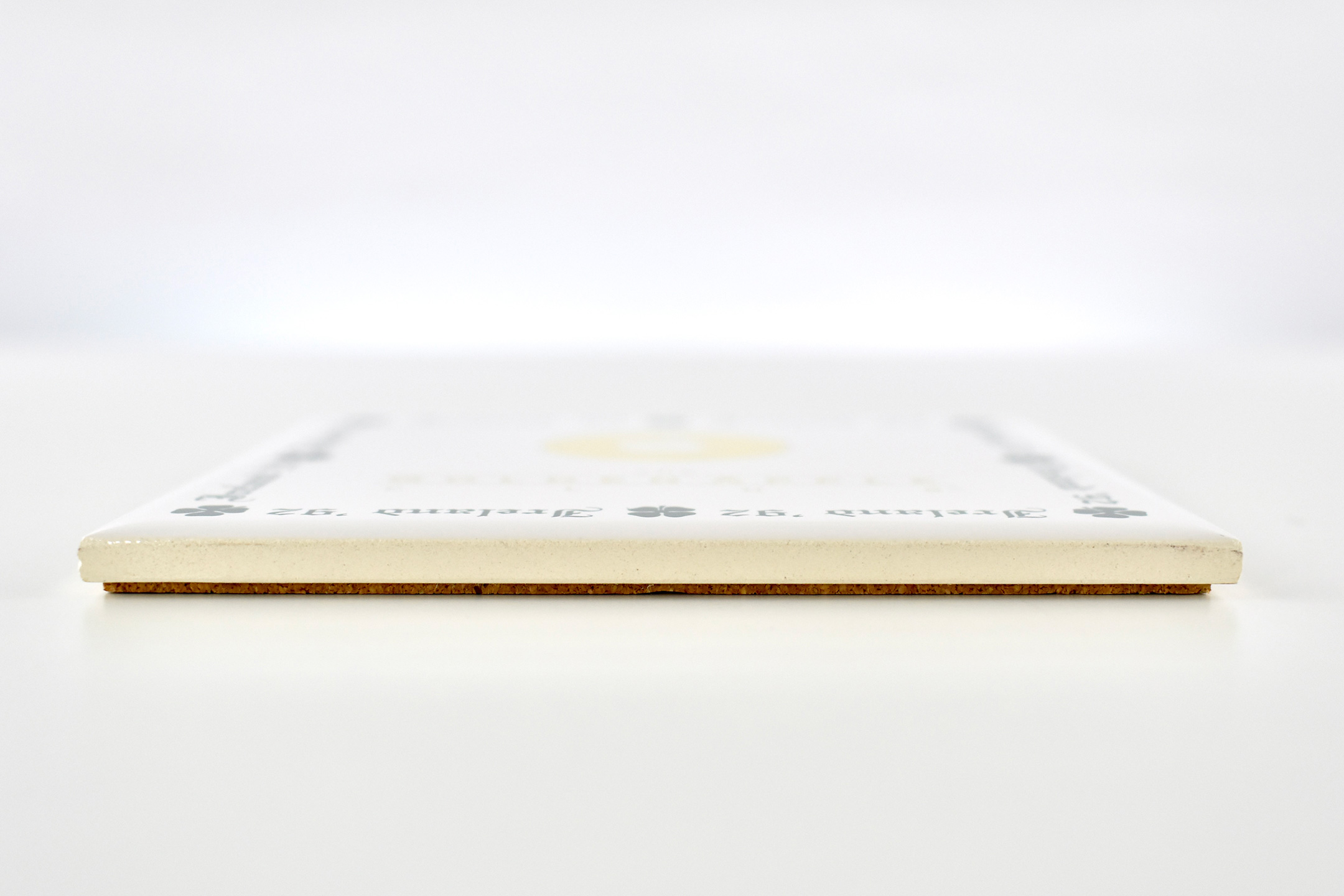
The tile measures 4.25 x 4.25 inches, 3/16-inch thick, and has a cork bottom.
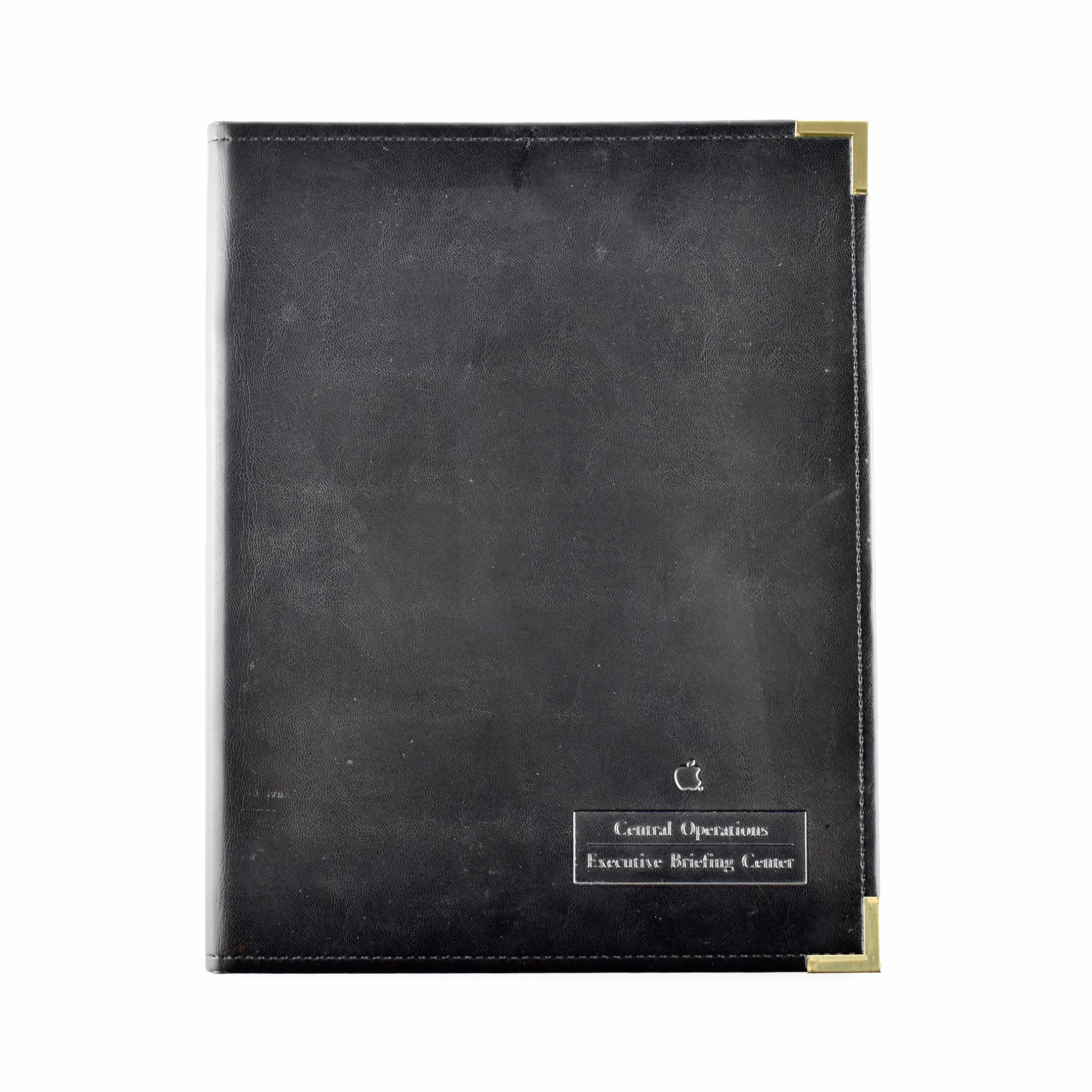
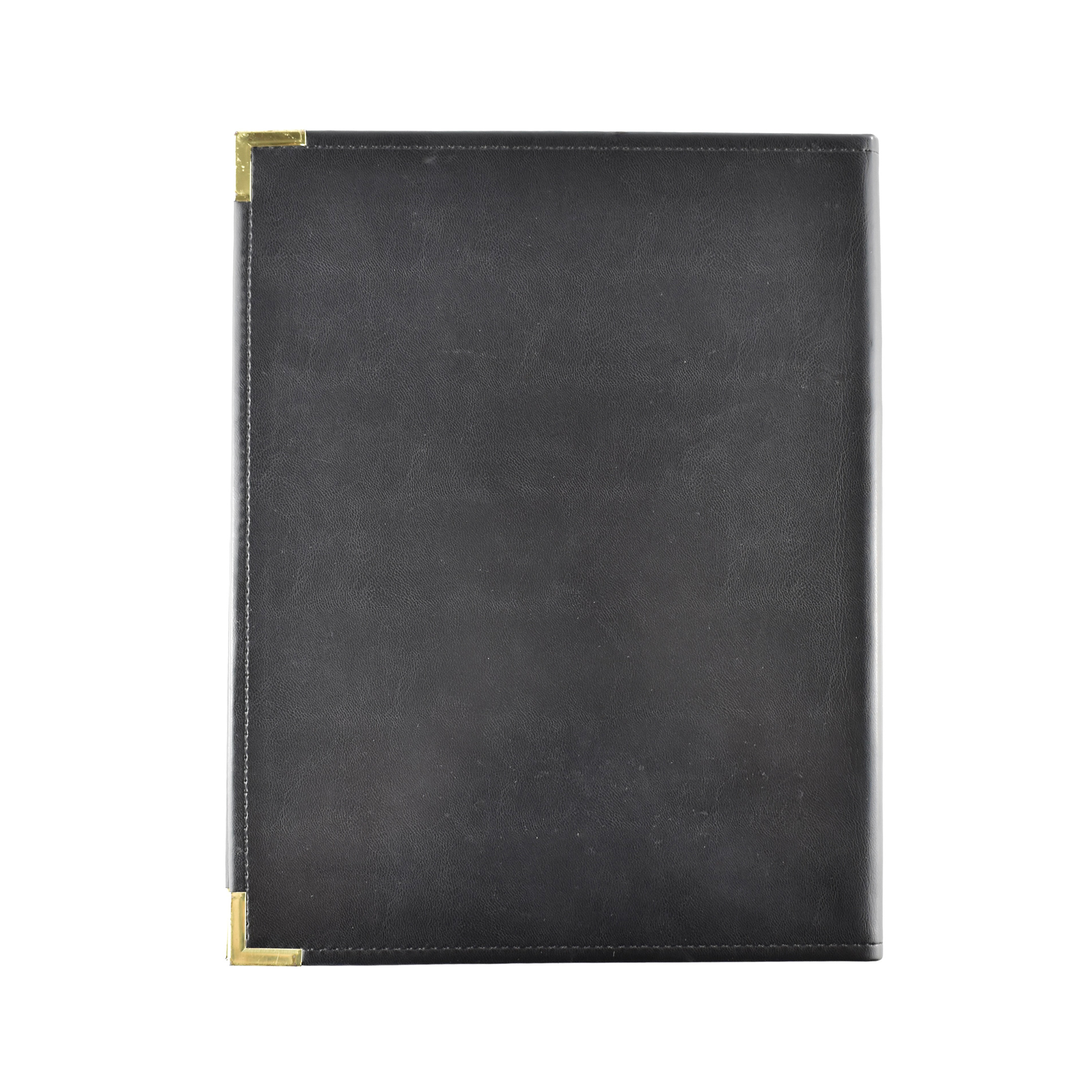
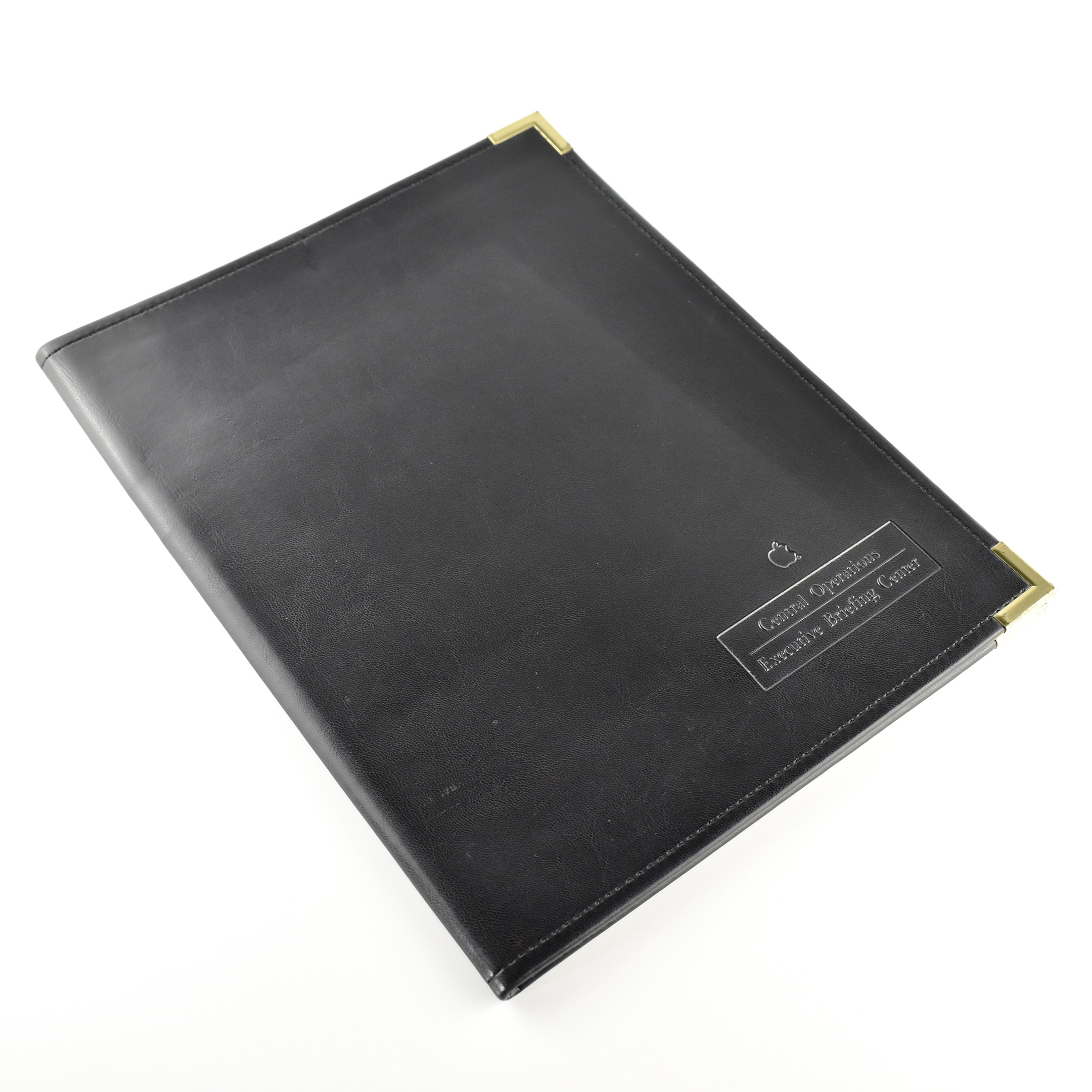
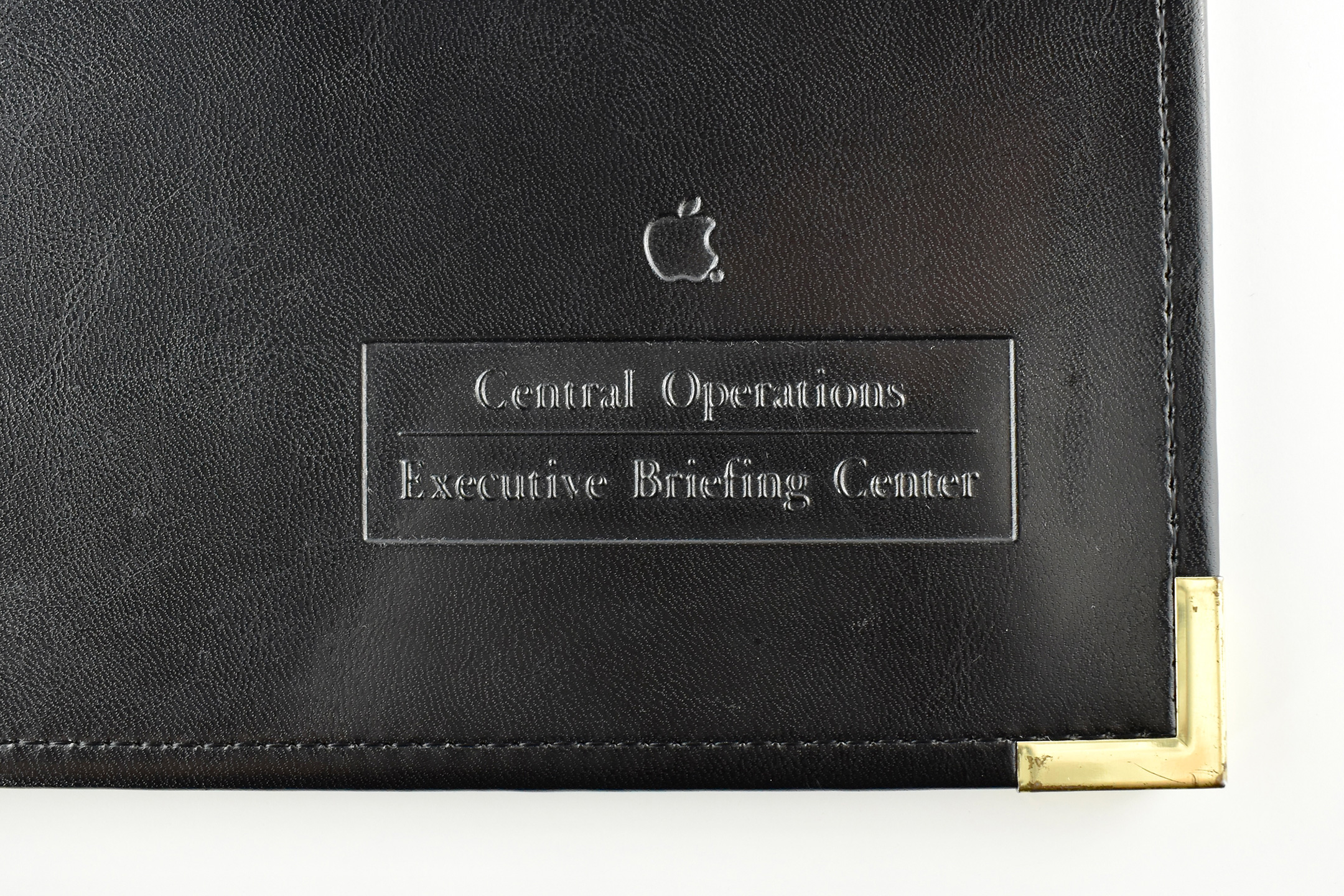
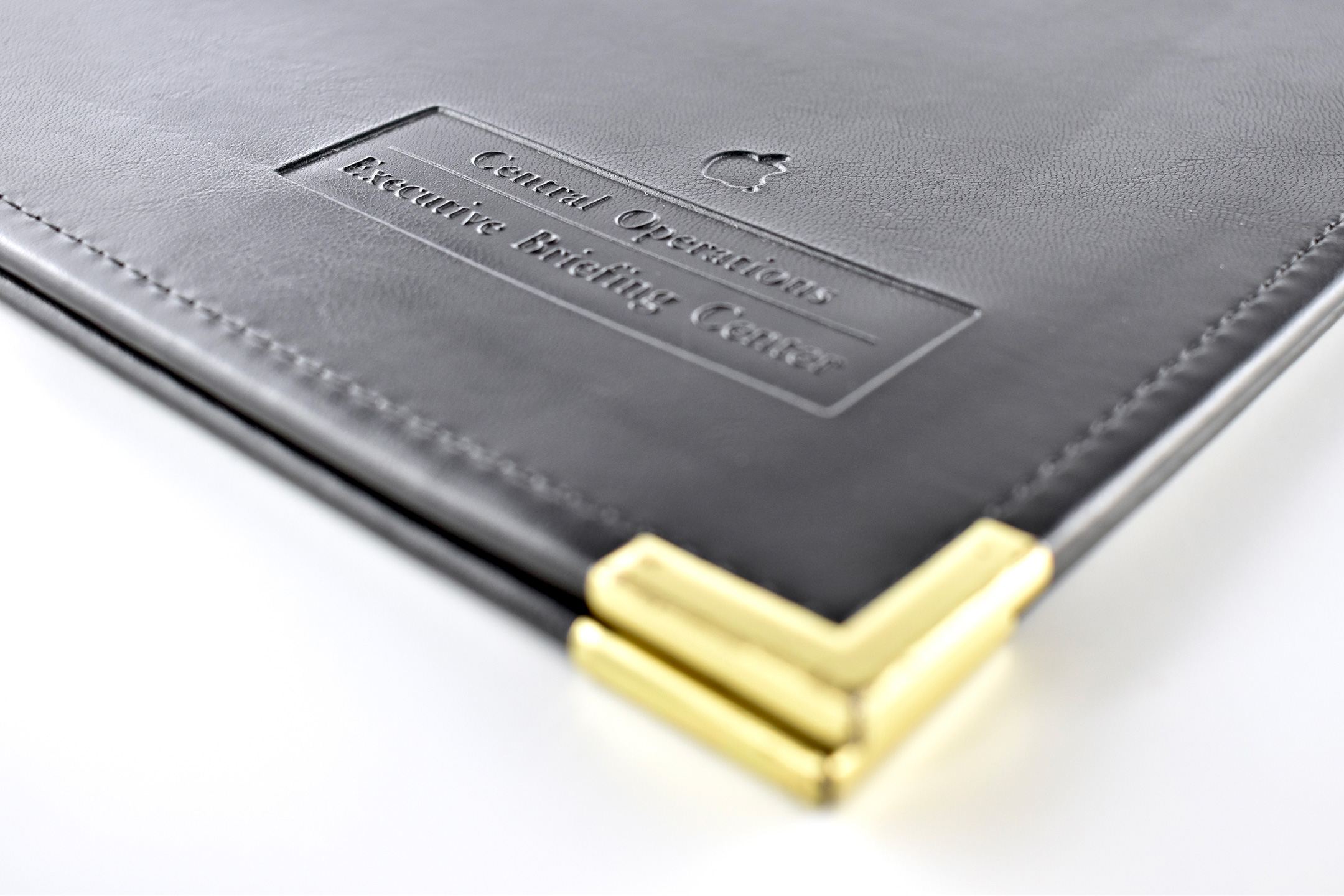
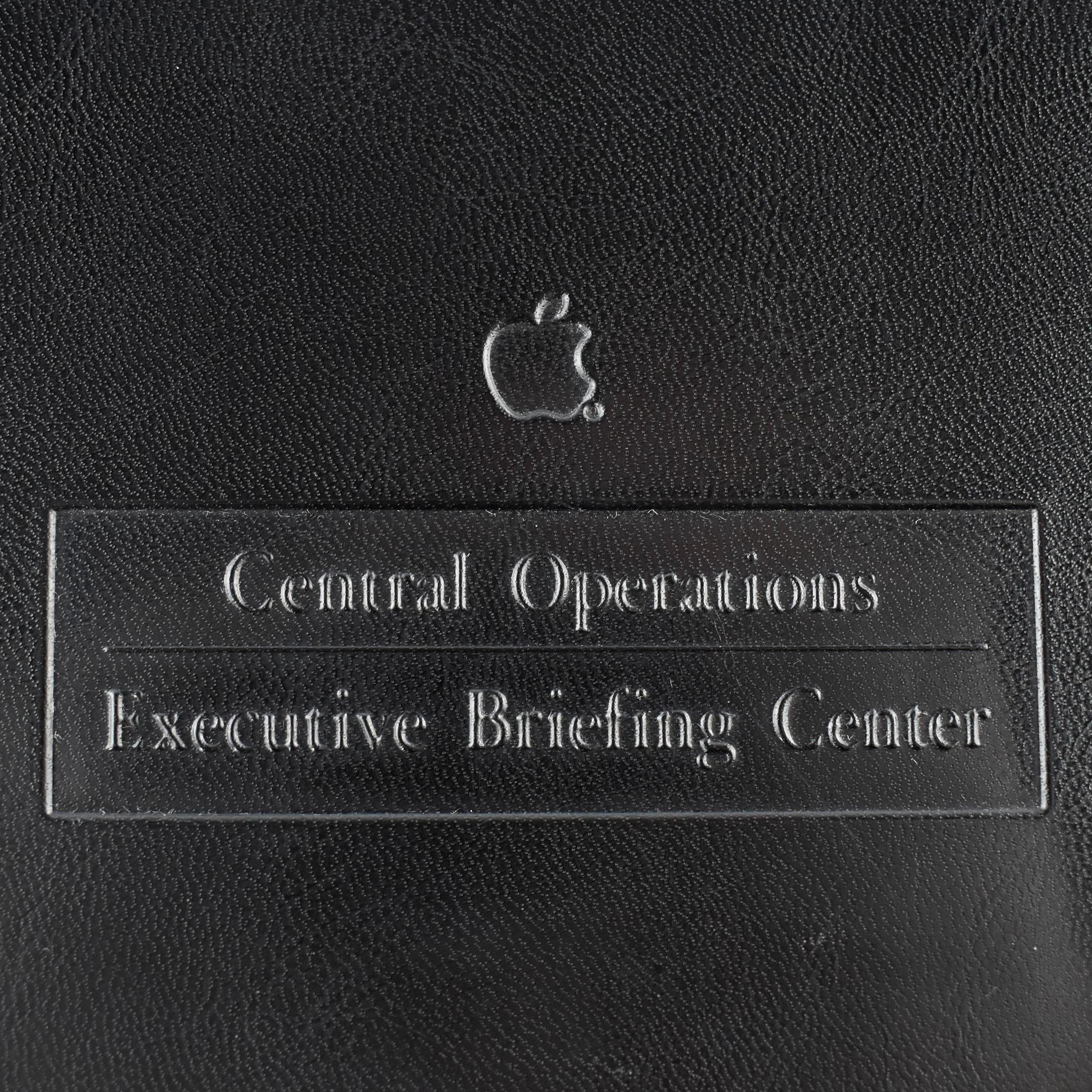
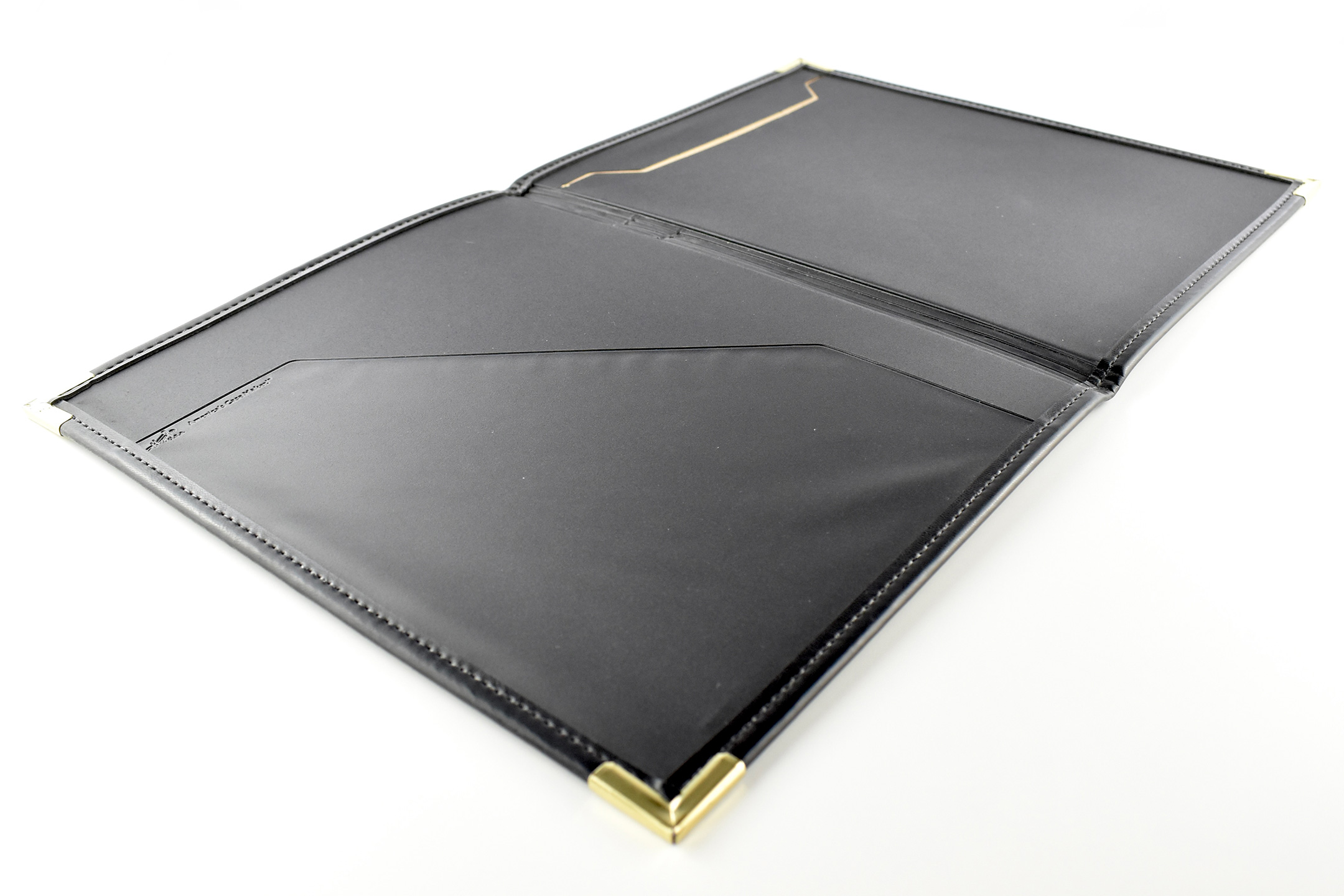
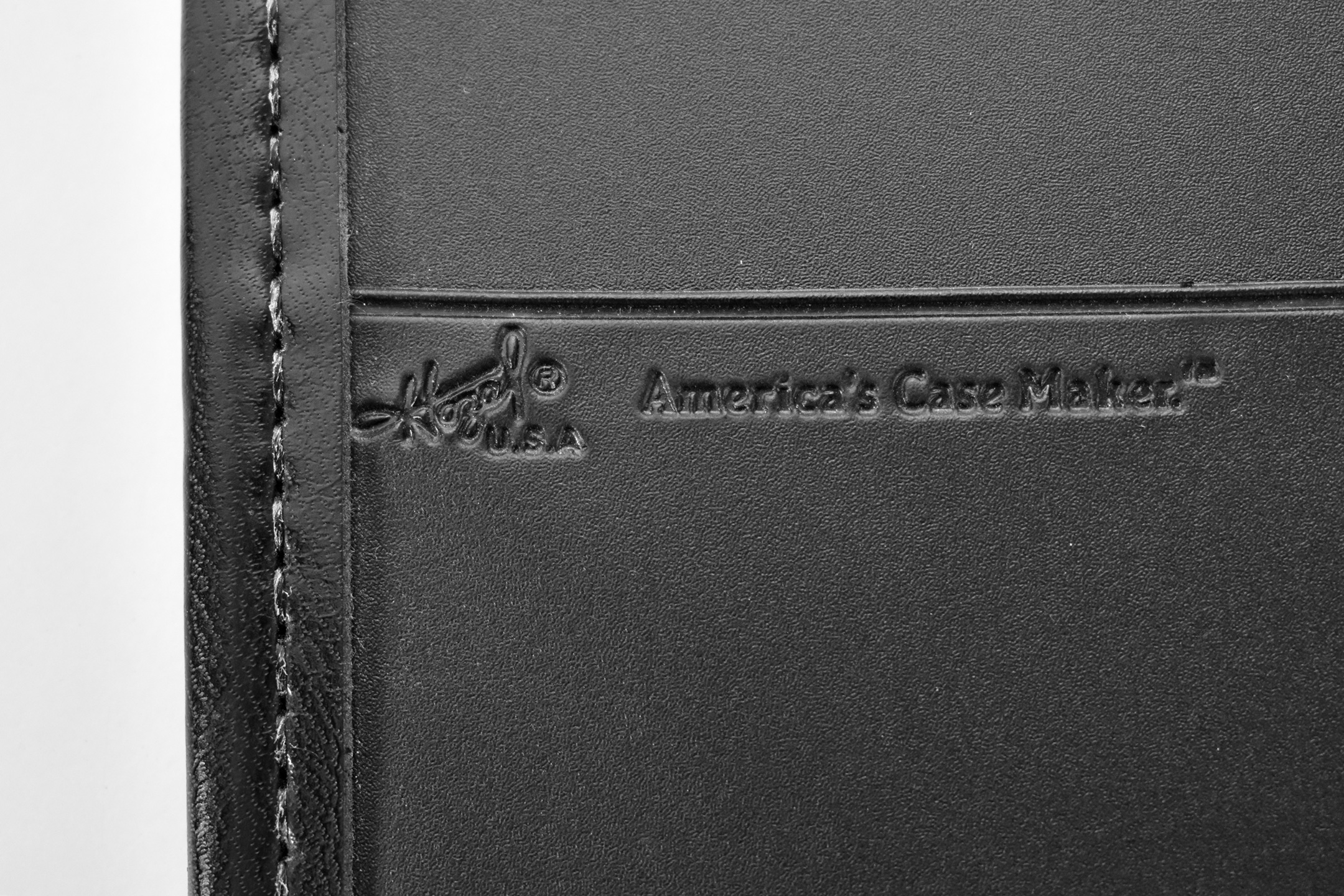
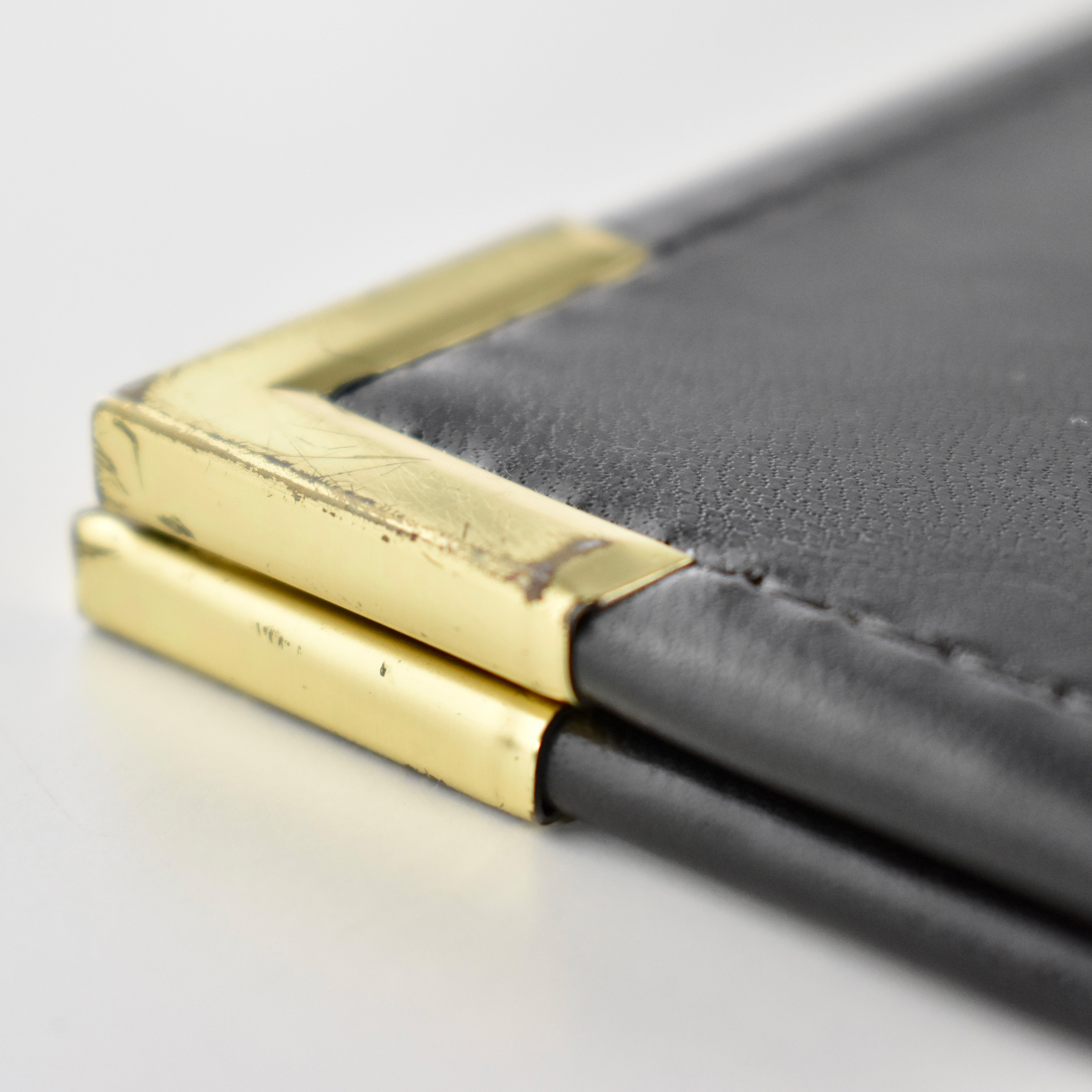
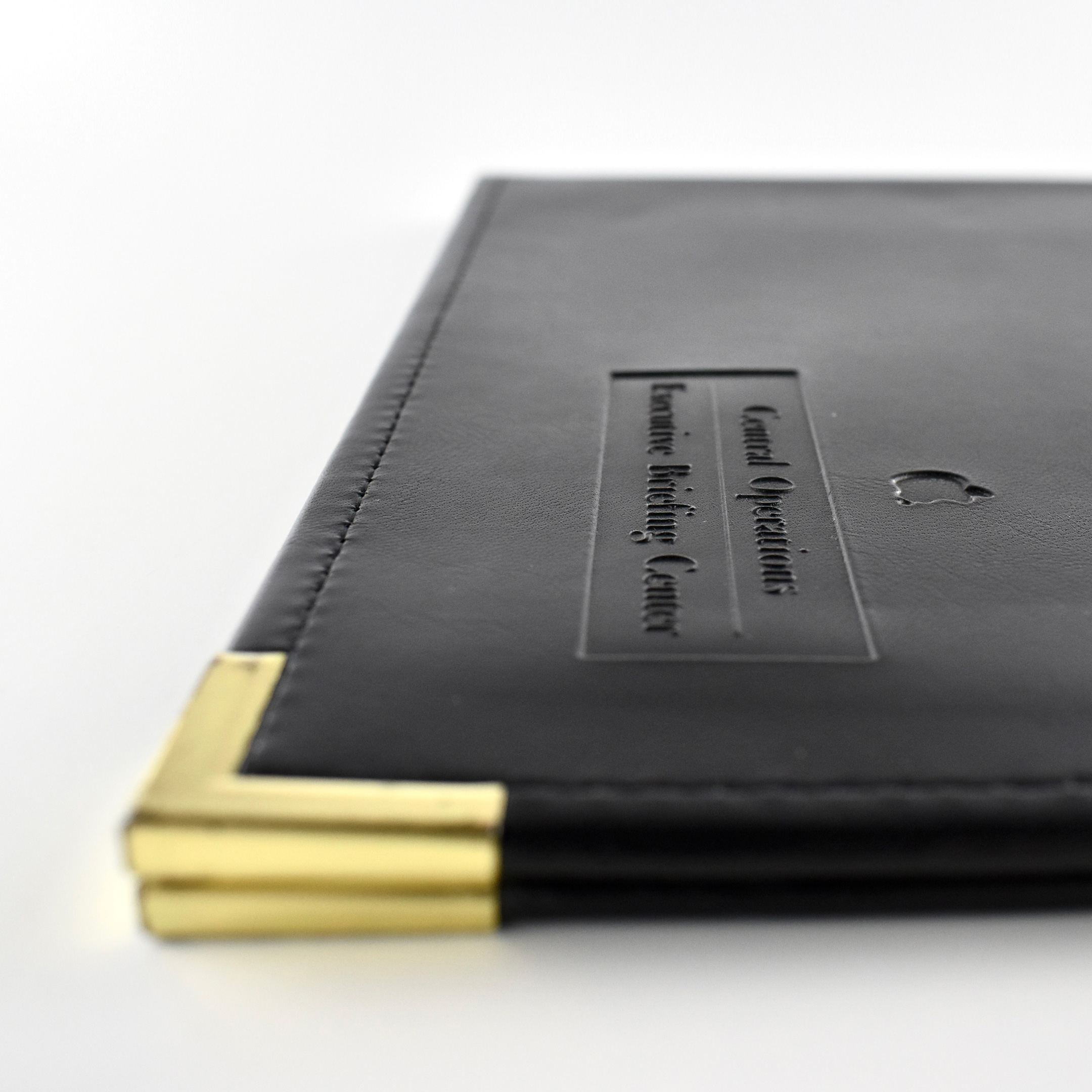
This black leather portfolio was made by the company Hazel CID (America’s Case Maker). The corners of the portfolio are made from gold-colored metal, and the lower-right corner of the cover is embossed with an Apple logo and then words “Central Operations Executive Briefing Center.”
Apple’s “Central Operations Executive Briefing Center” was located in Chicago. It is now located in a different building in Chicago and is known as the Chicago Executive Briefing Center.
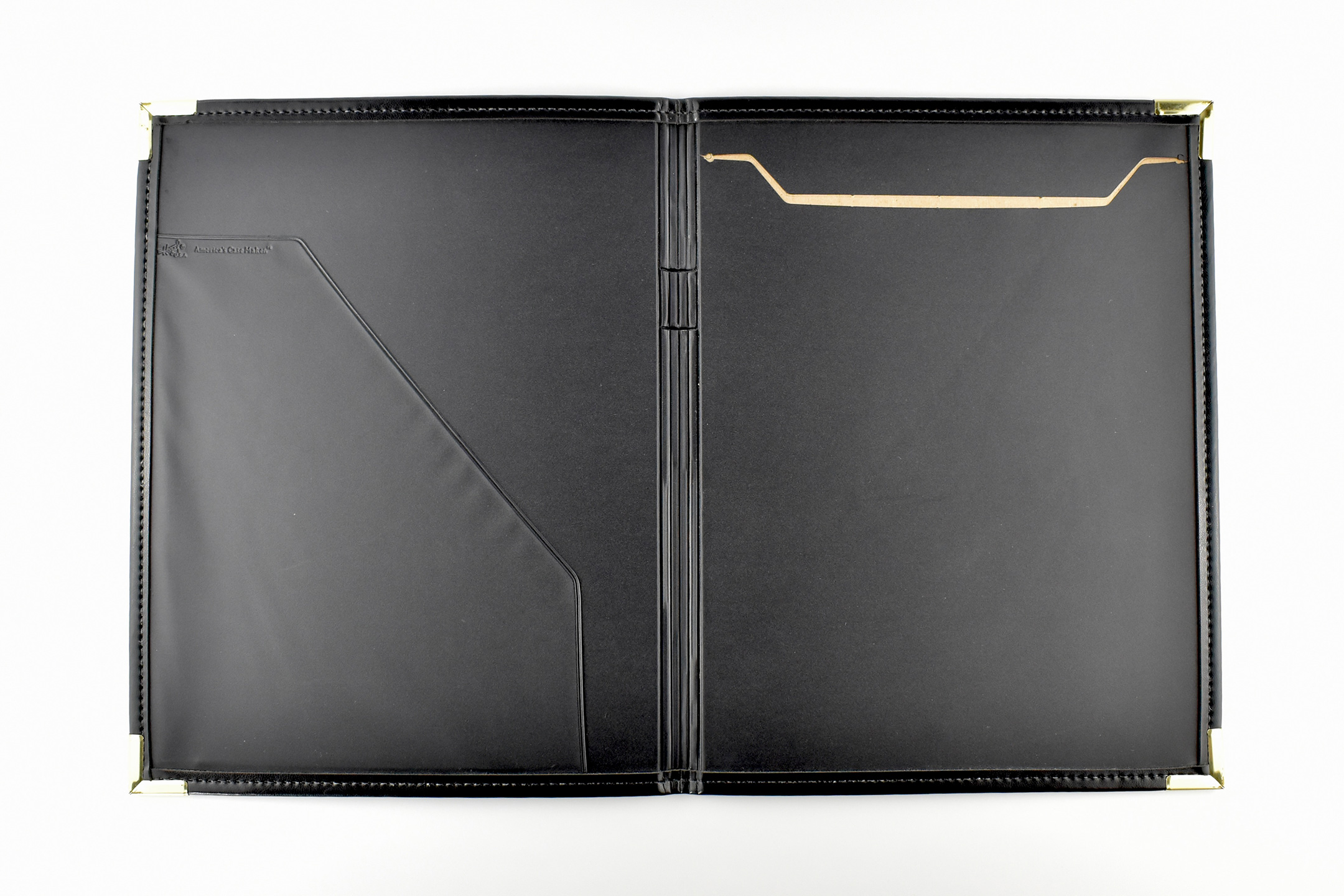
The interior of the portfolio includes a vinyl pocket on the left side and a slot on the right side to hold a pad of paper. The center of the portfolio includes a cutout tab to hold a pen.
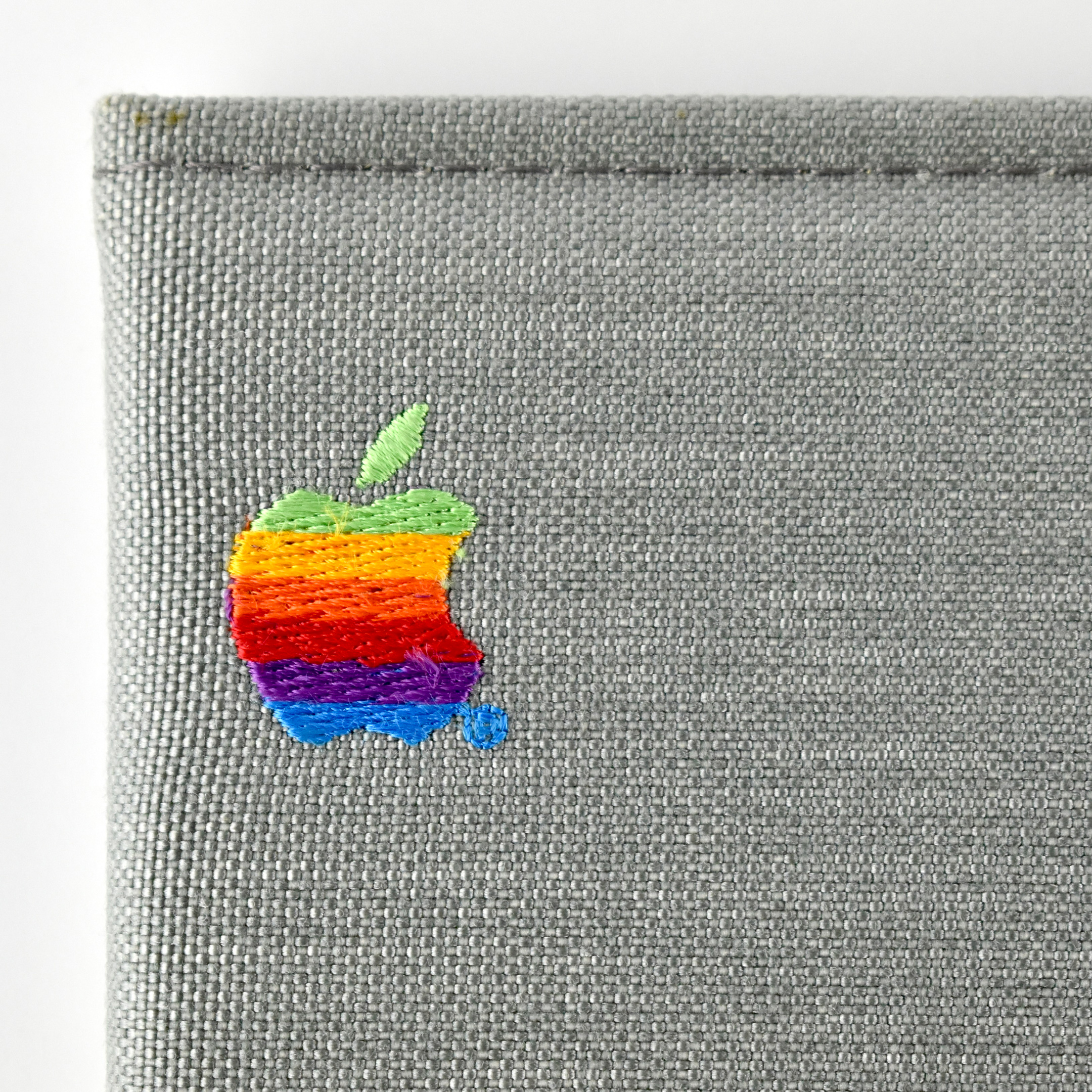
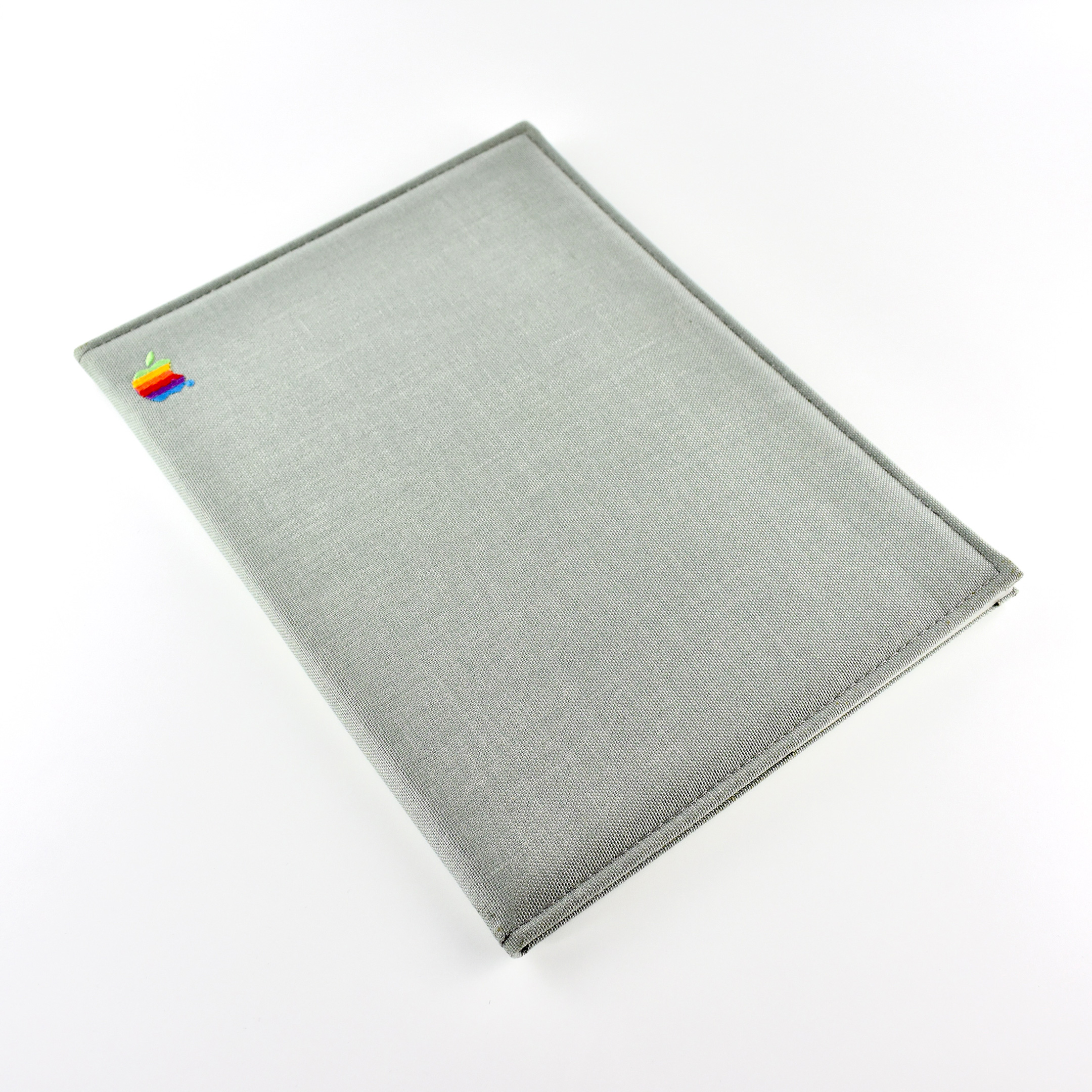
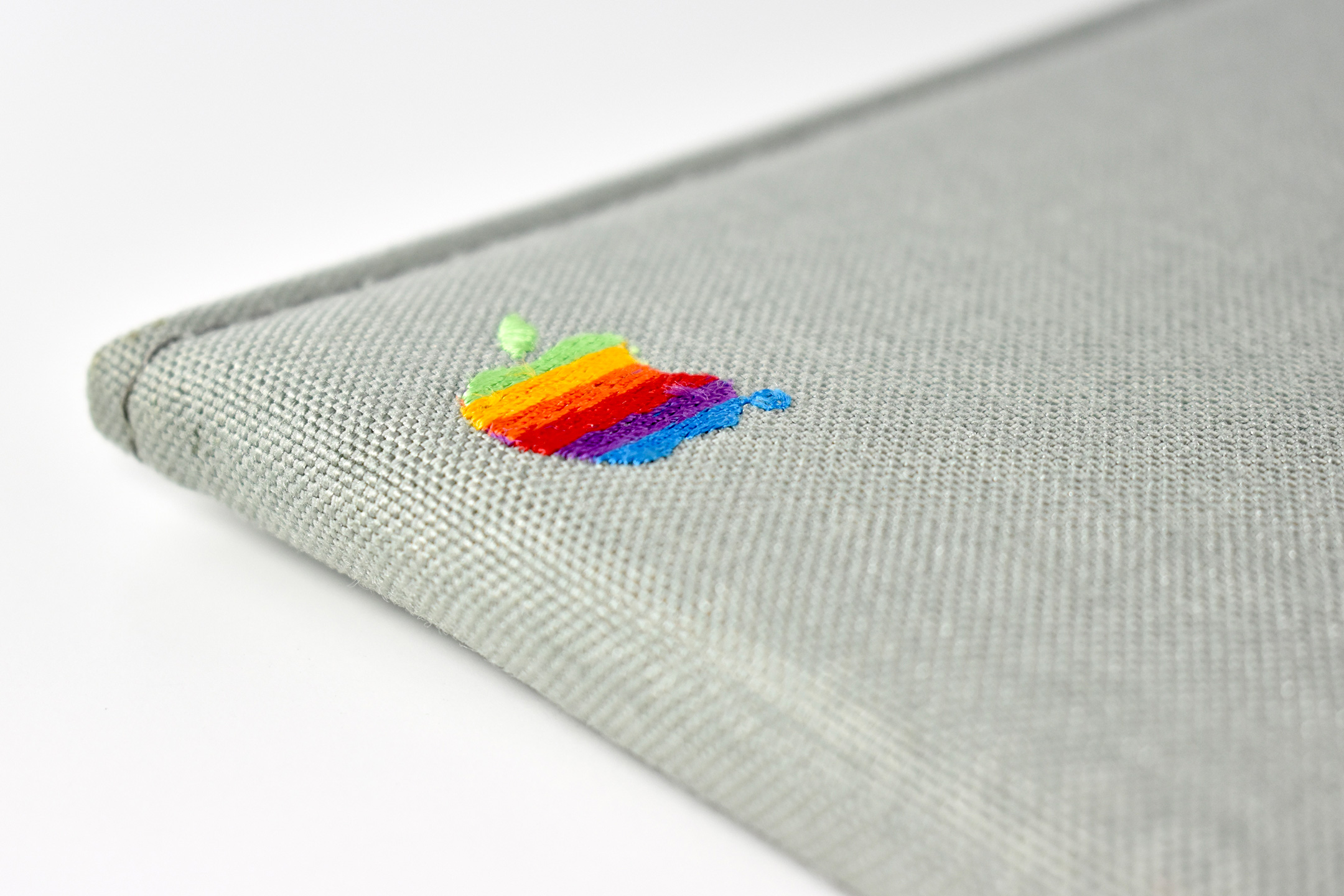
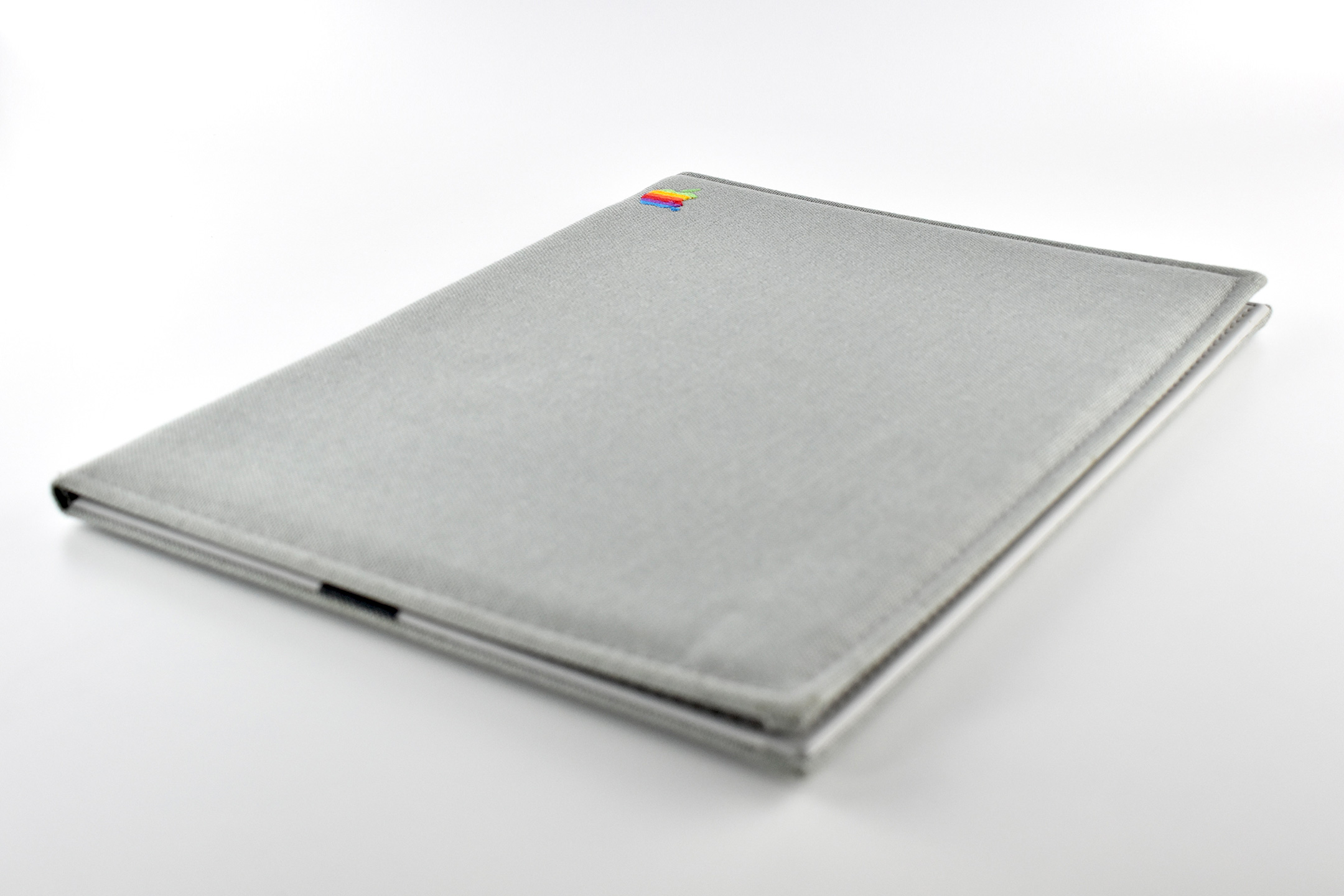
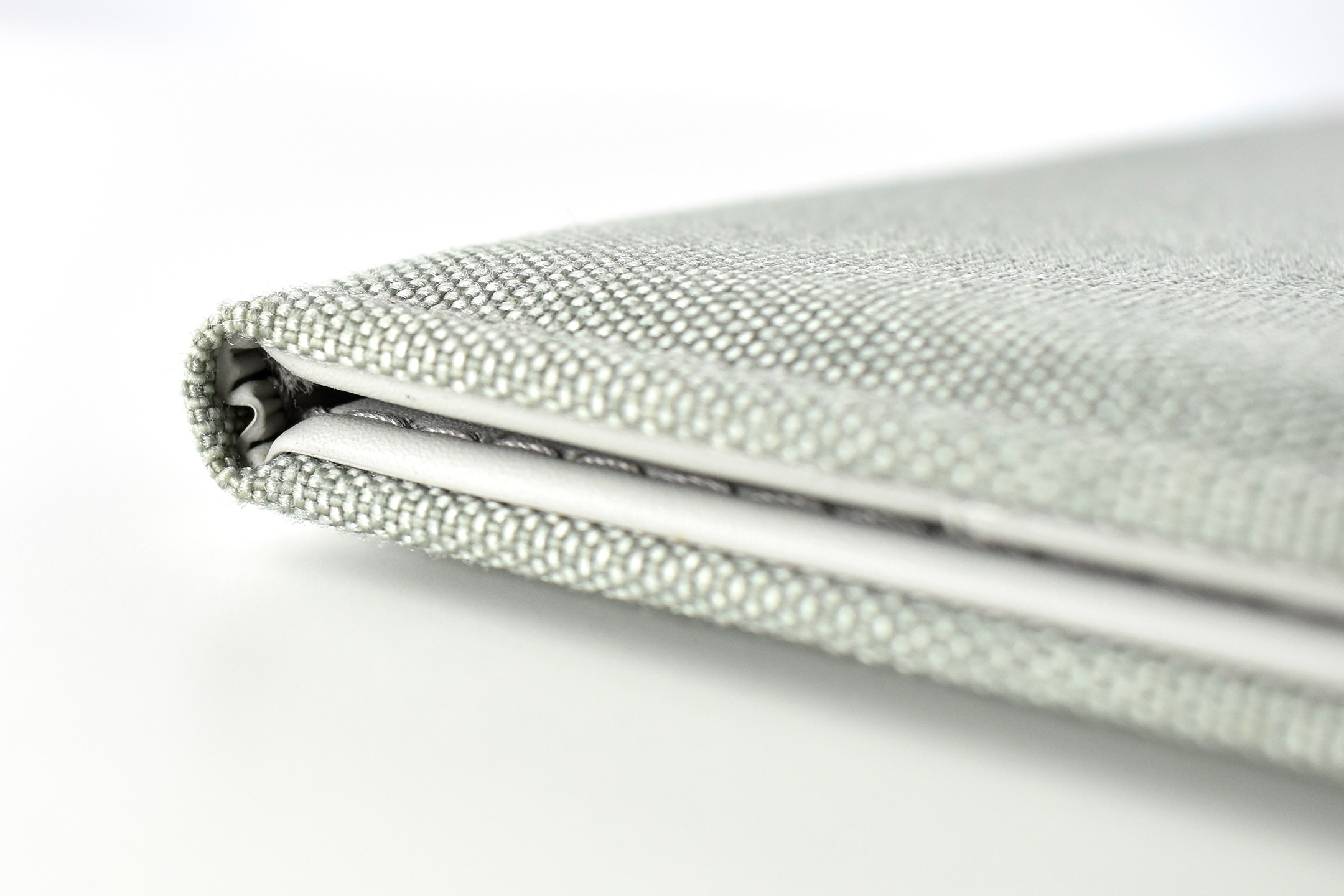
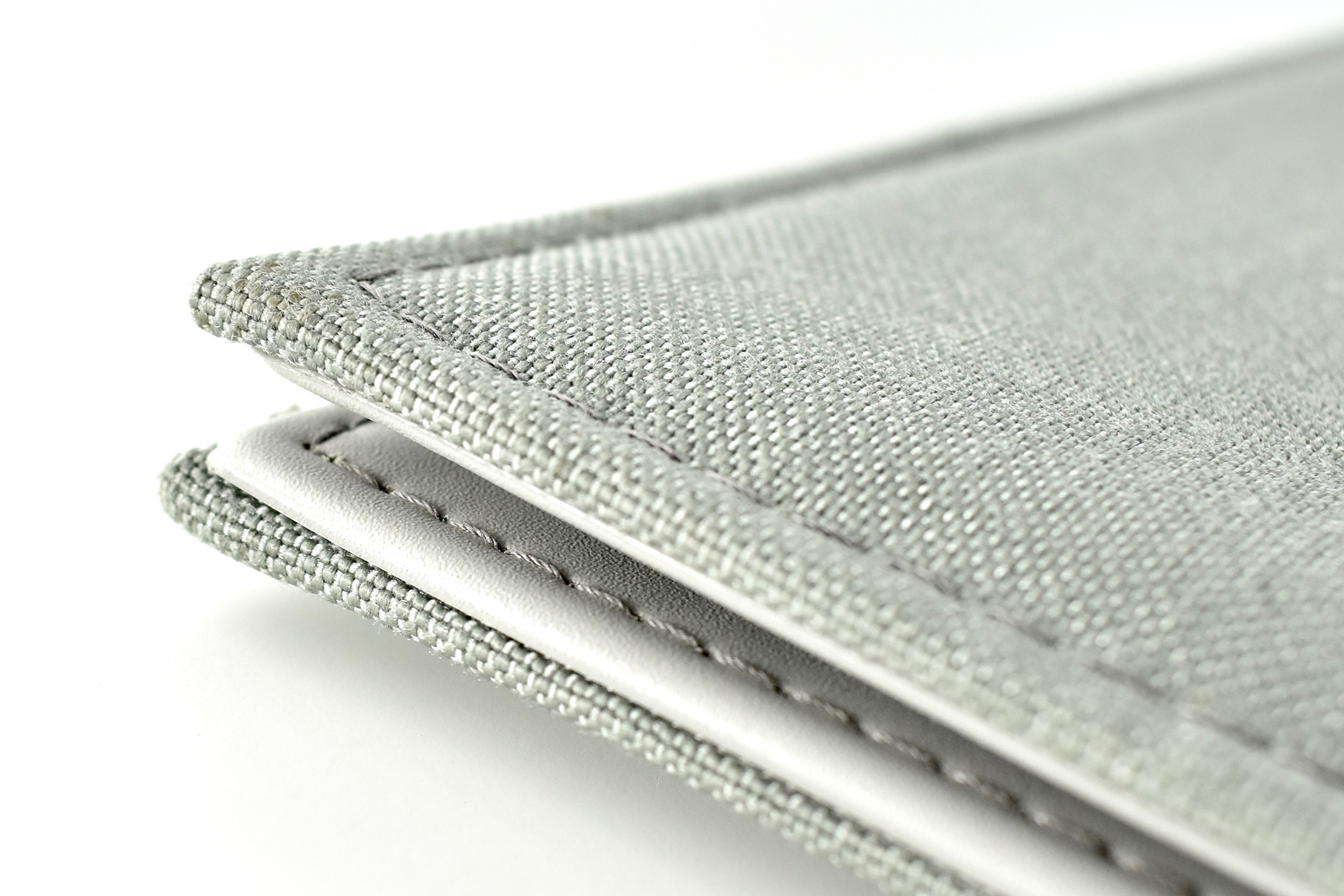
This gray portfolio features a textured linen outer finish with a multicolor embroidery Apple logo on the upper-left front cover. The outer edges are stitched.
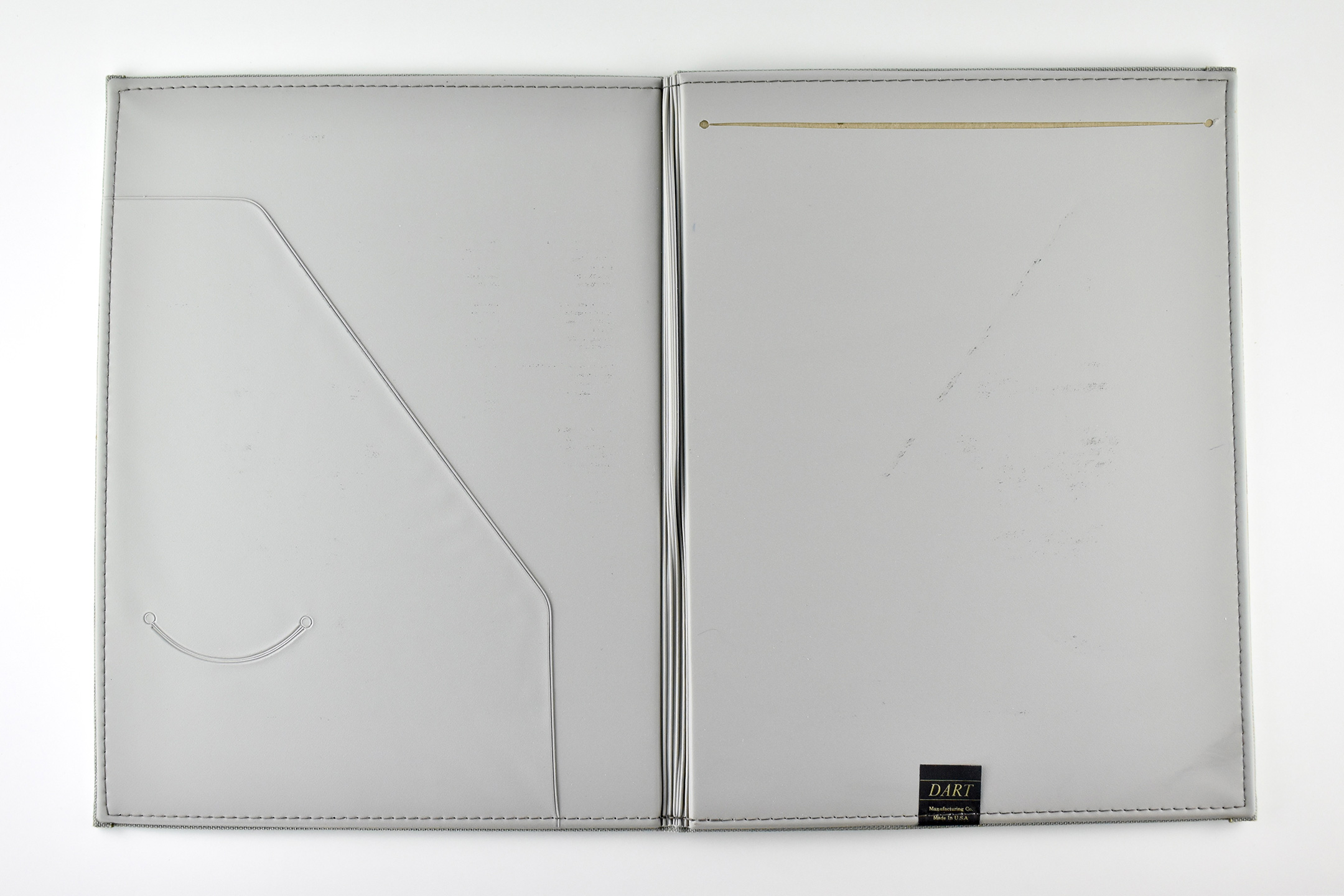
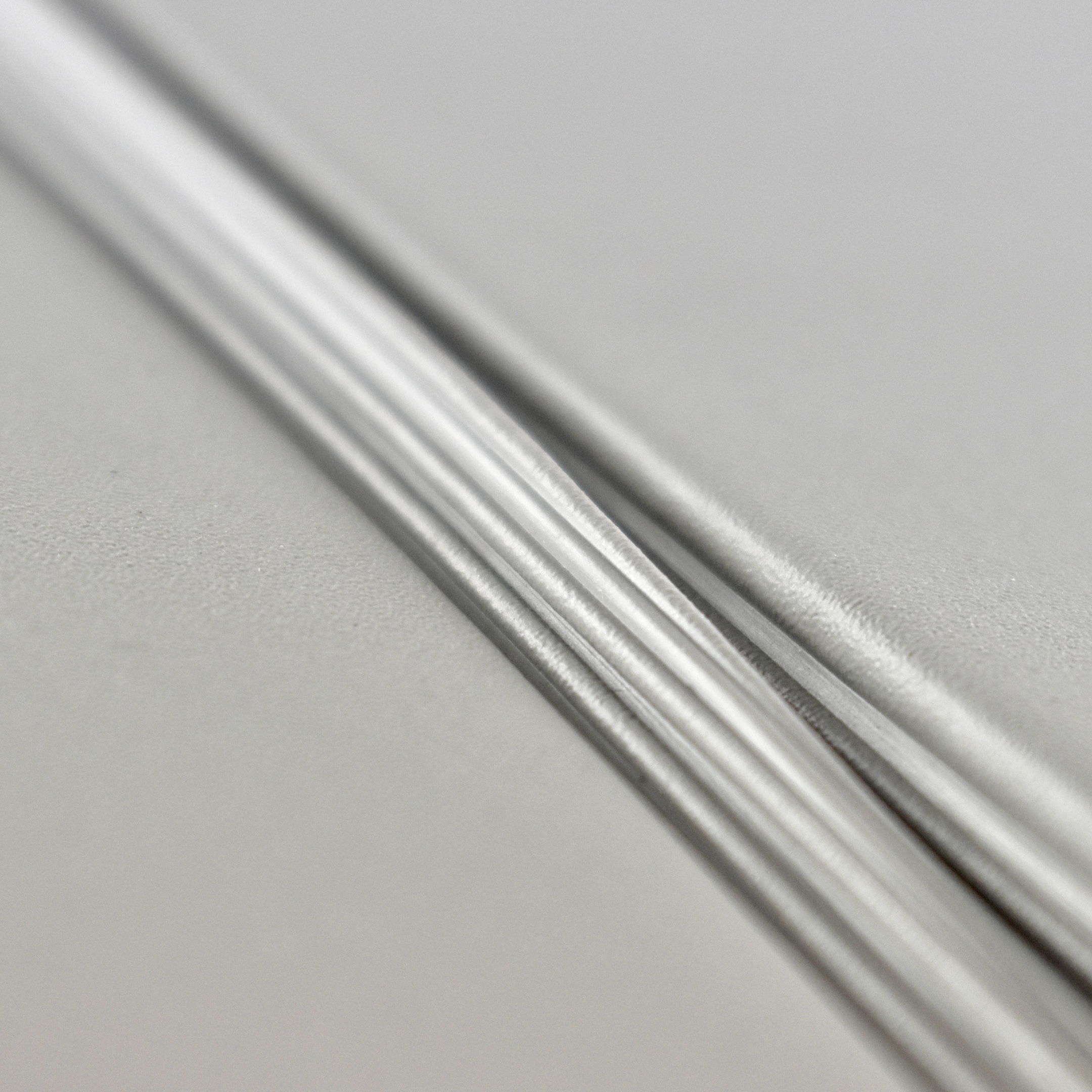
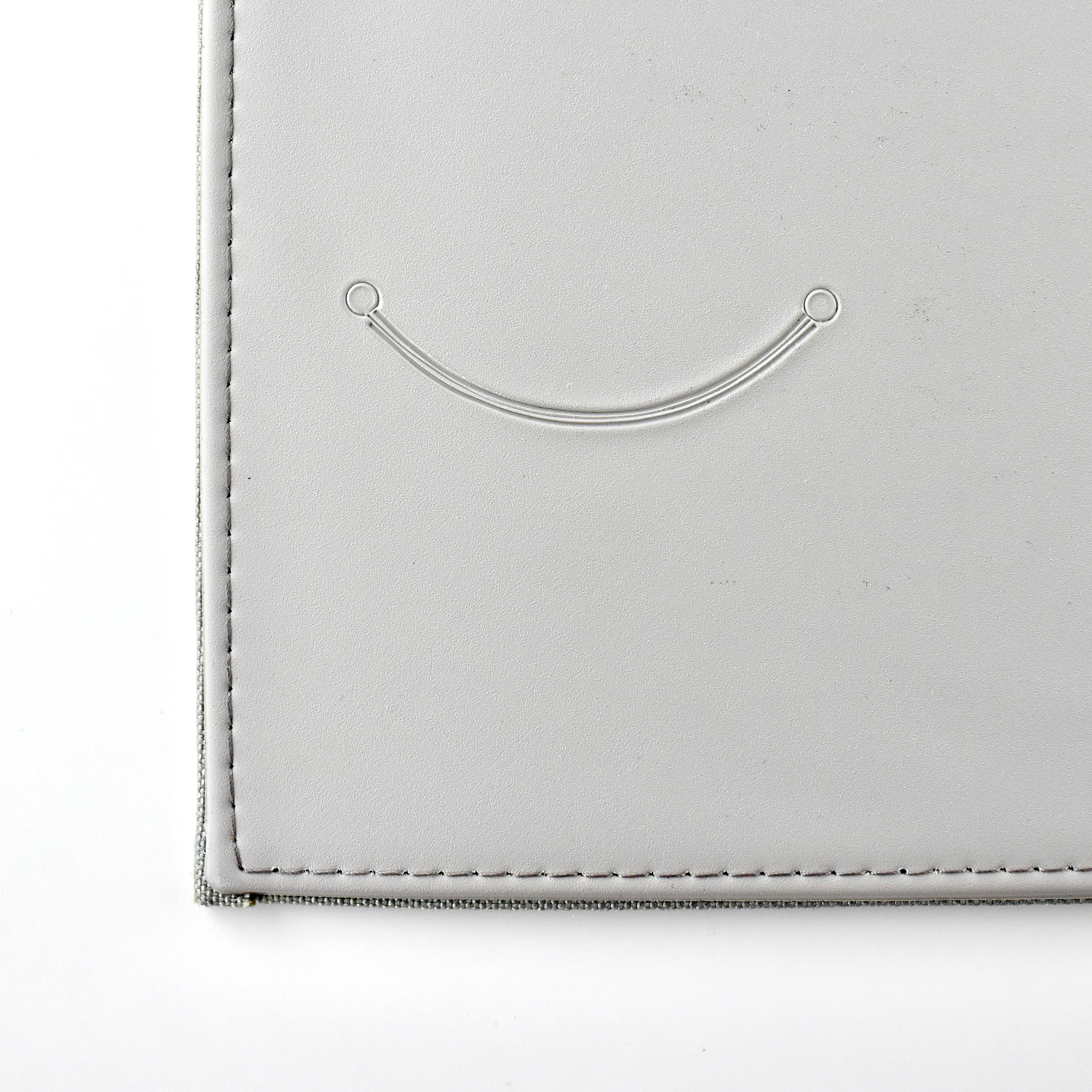
The inside of the portfolio is made from gray vinyl. The left side has a gray vinyl pocket, and the right side has a slot to hold a pad of paper. The left side also includes a curved slot to hold a business card vertically.
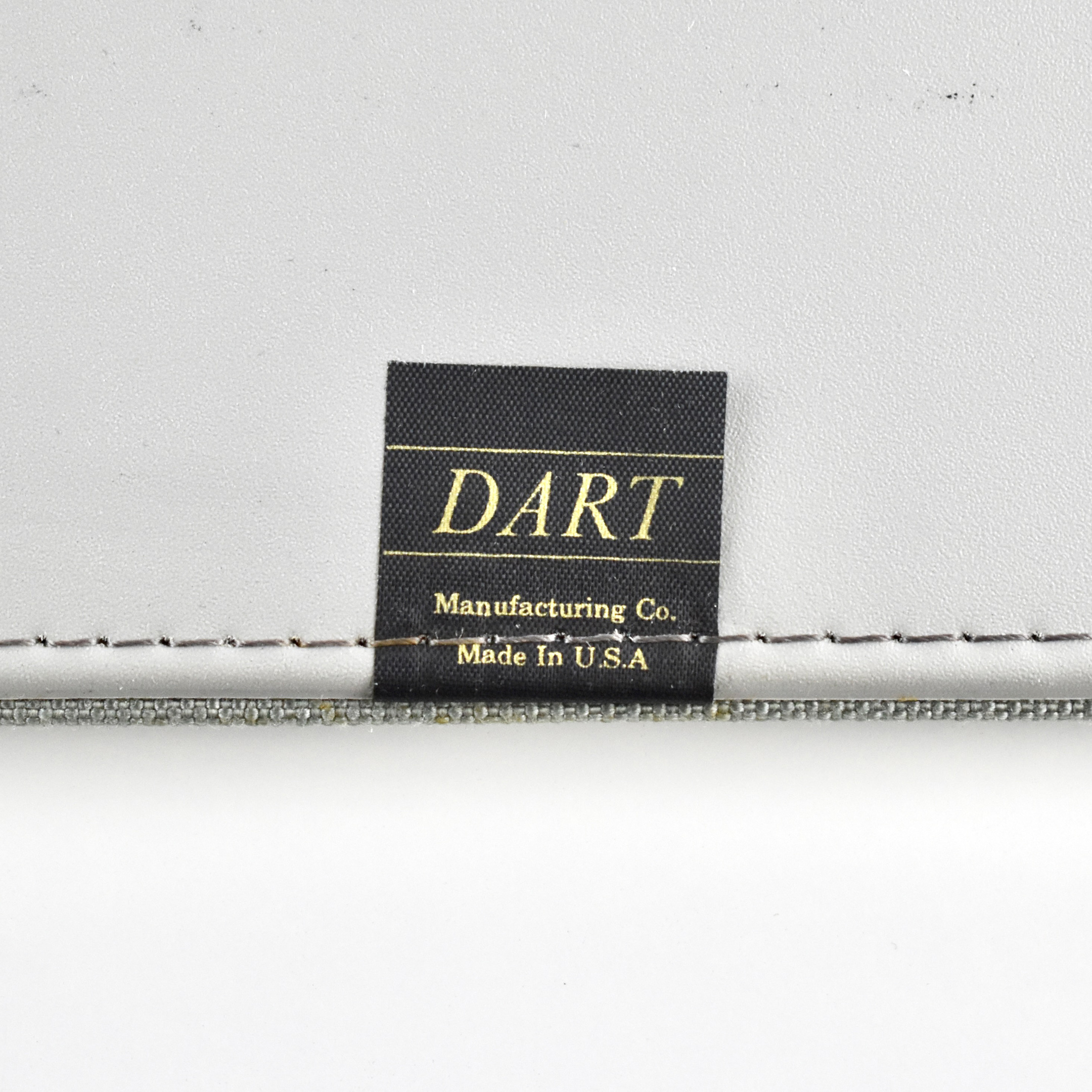
The left-bottom-center of the interior has a black tag with the words DART Manufacturing Co. Made In U.S.A. According to my research, DART merged with Senator USA in 2007. Both companies made promotional items and Senator is still in operation.
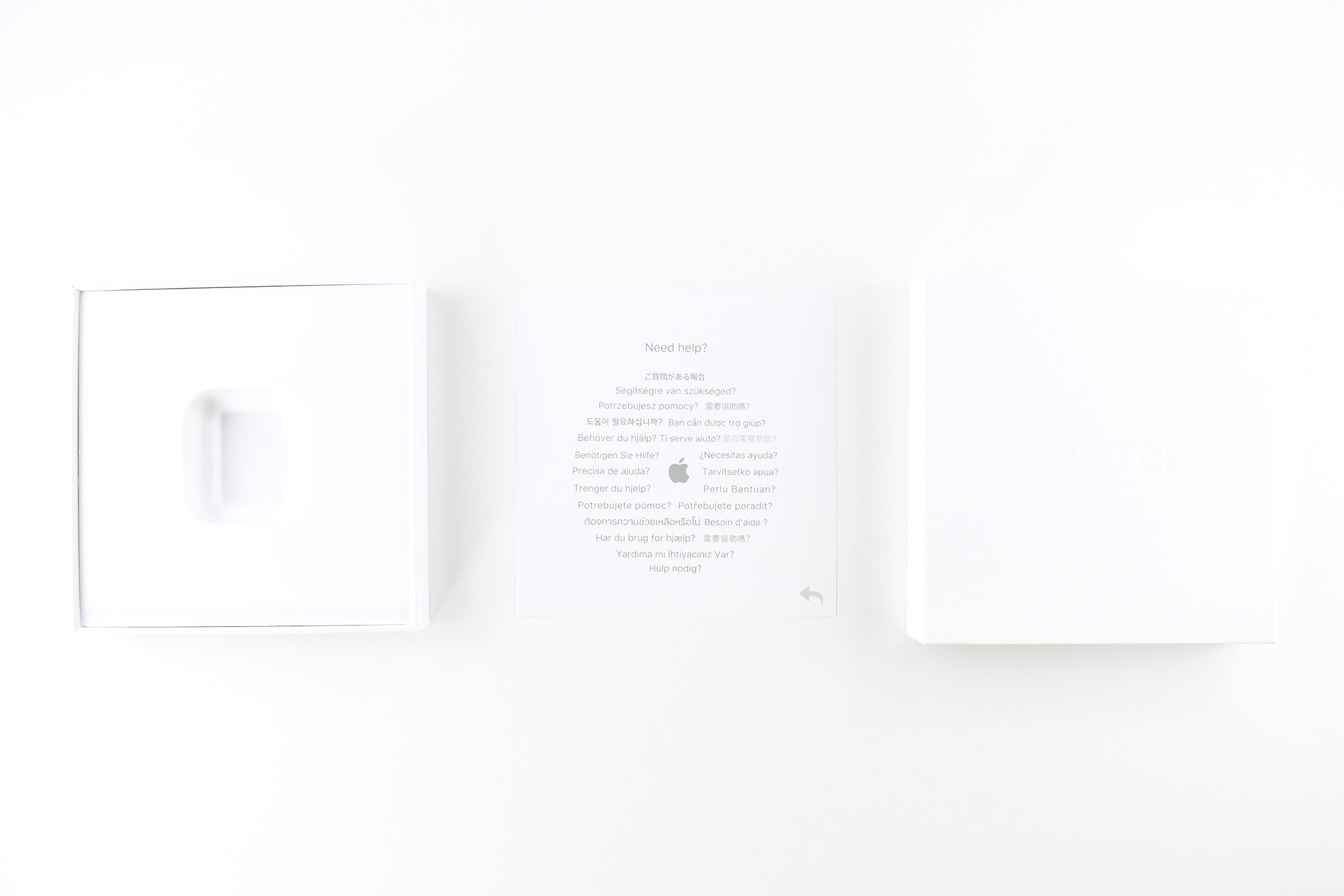
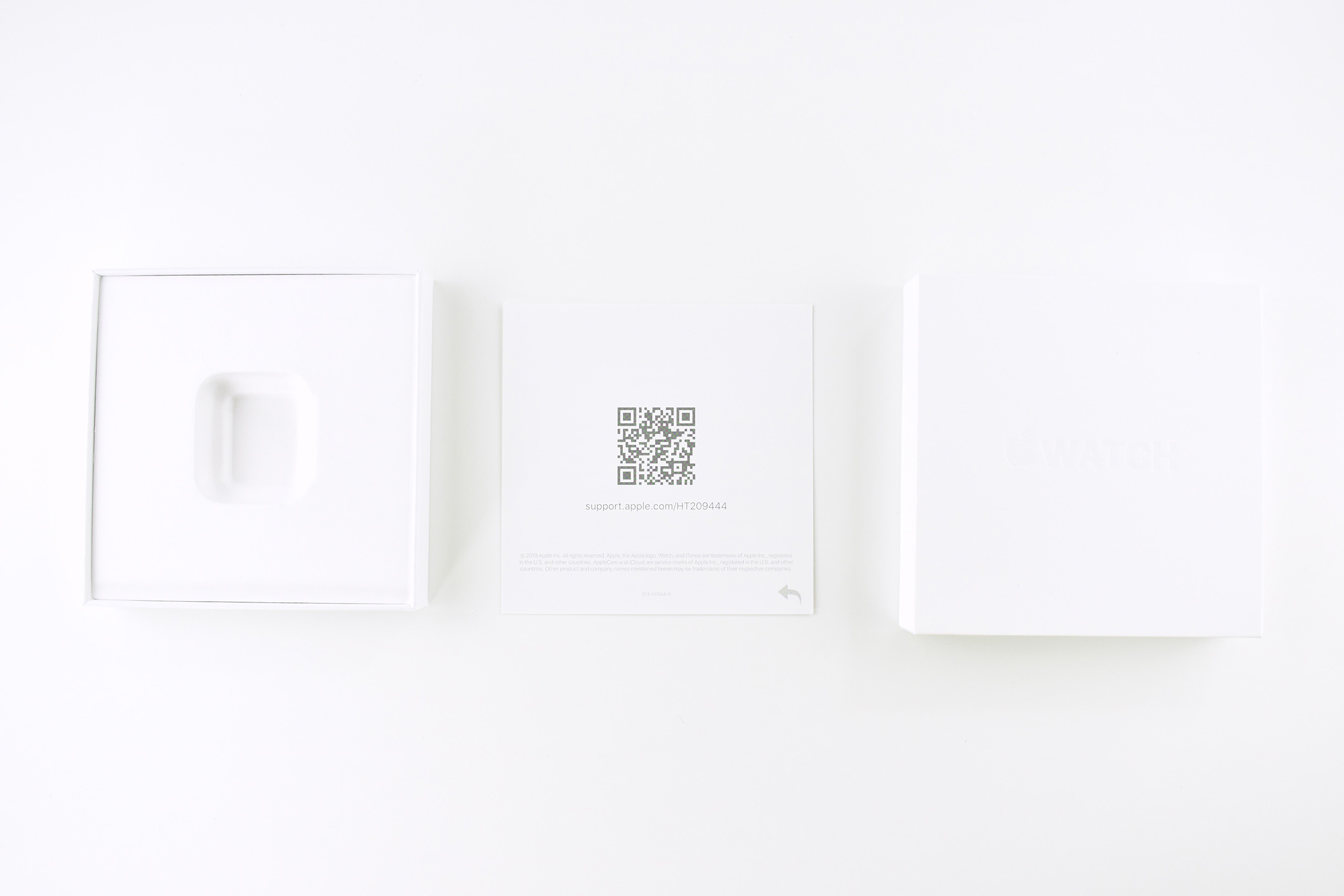
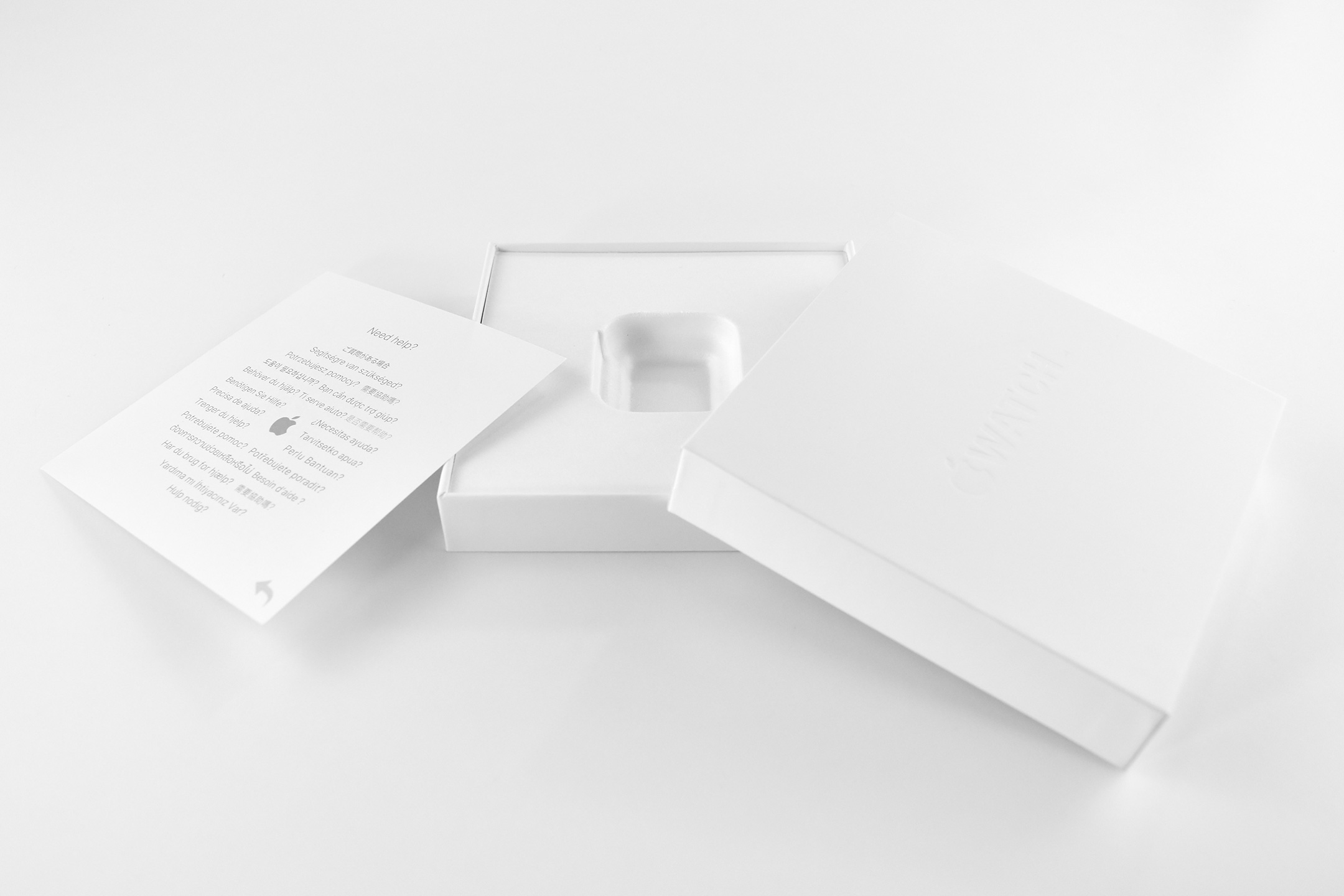
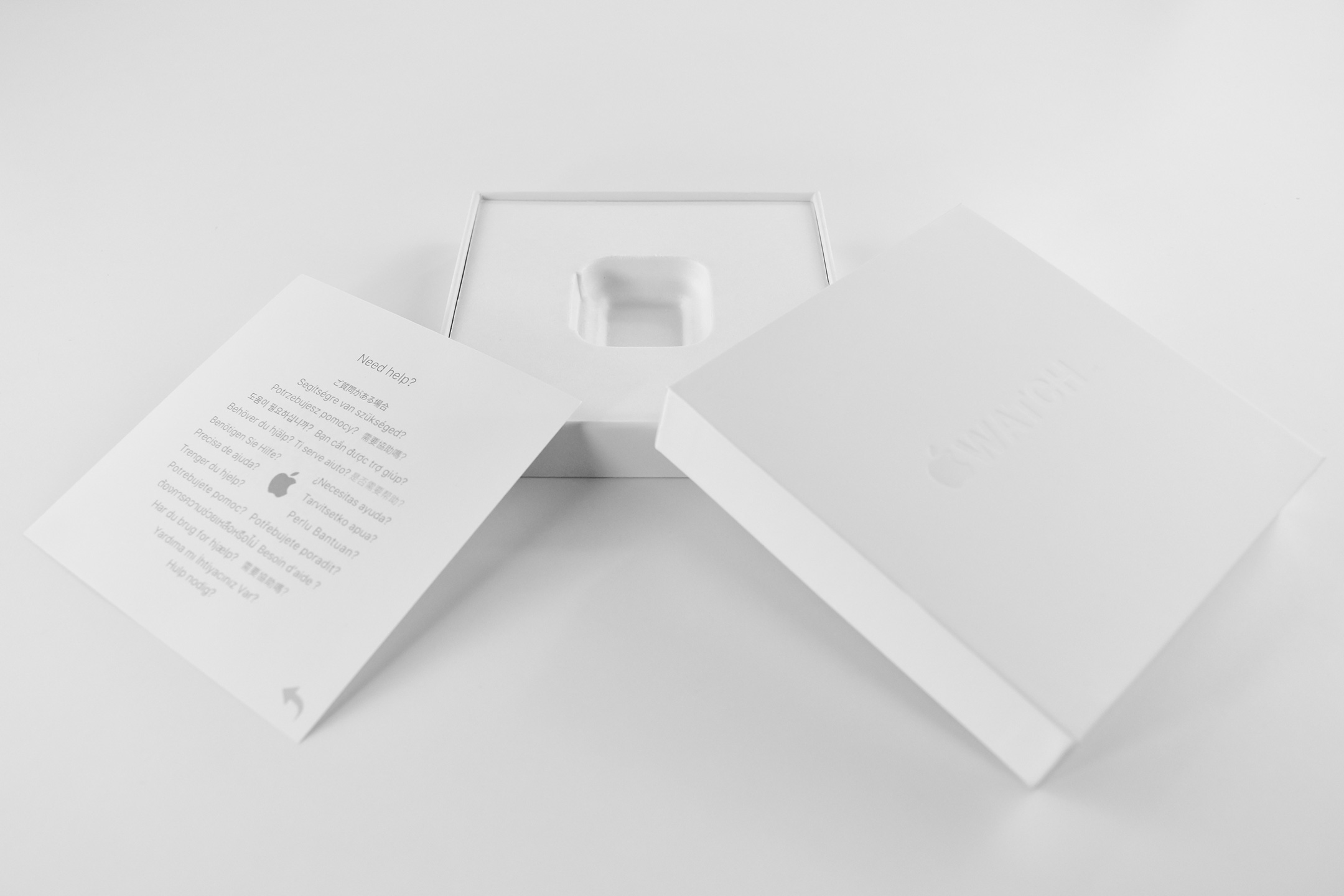
This Apple Watch box contained a replacement Apple watch. The box is sized to only hold the watch body and lacks space for the band, charging cable, and other items in the typical Apple Watch retail packaging.
The box contains a single sheet that shows the words “Need Help?” in several languages on one side and a QR COde on the other side that directs the user to a Support Article, “Use your Apple Watch after service.”
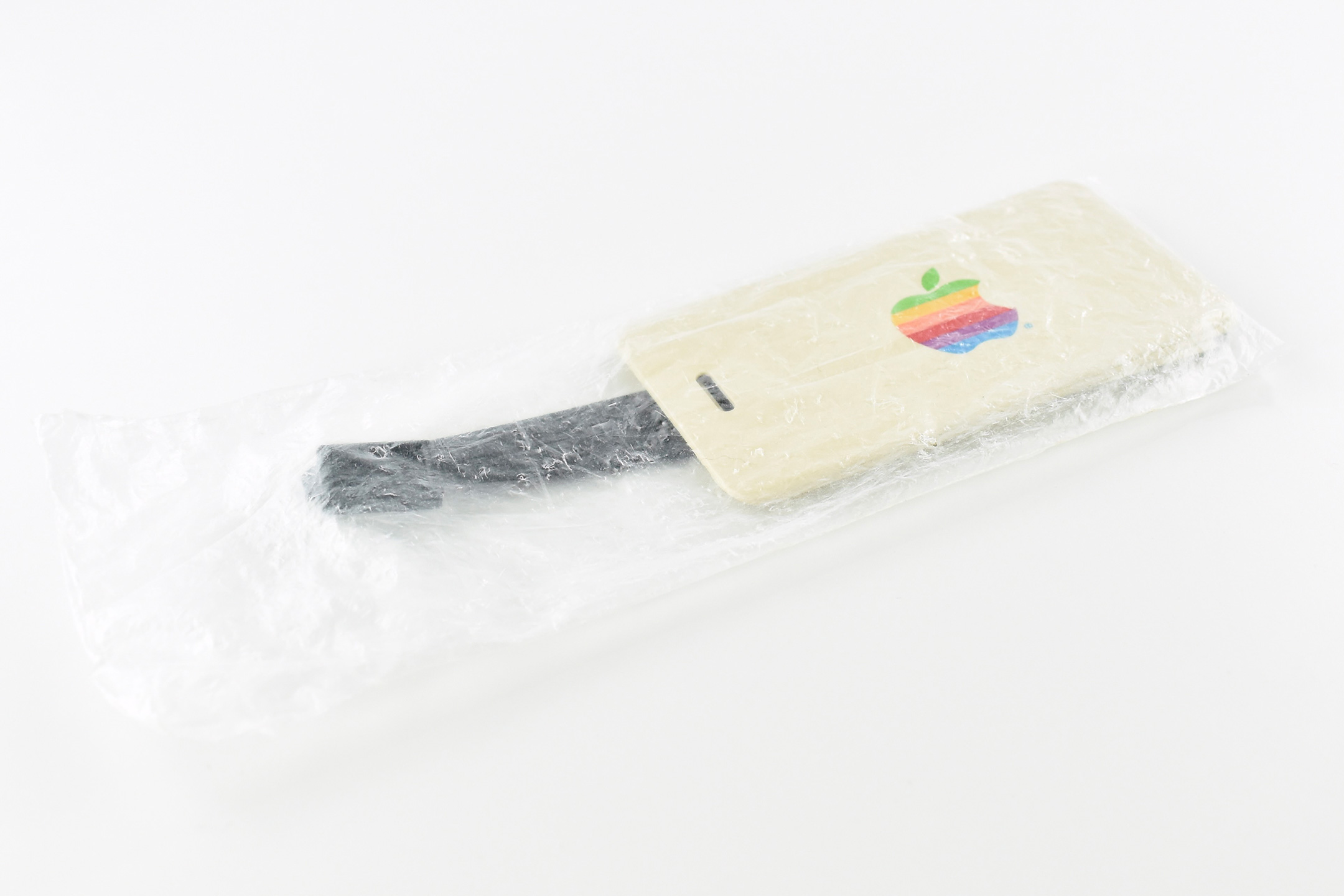
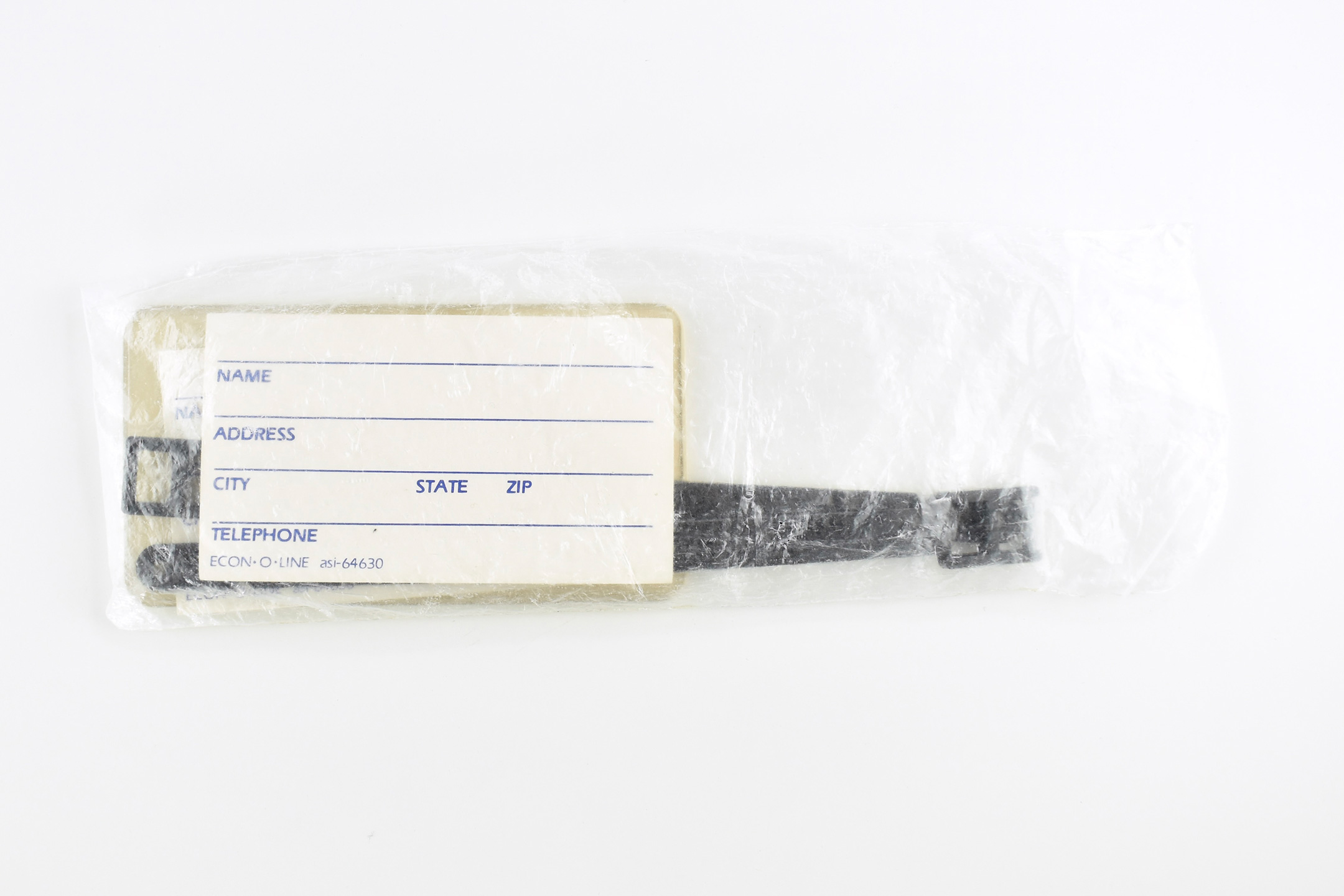
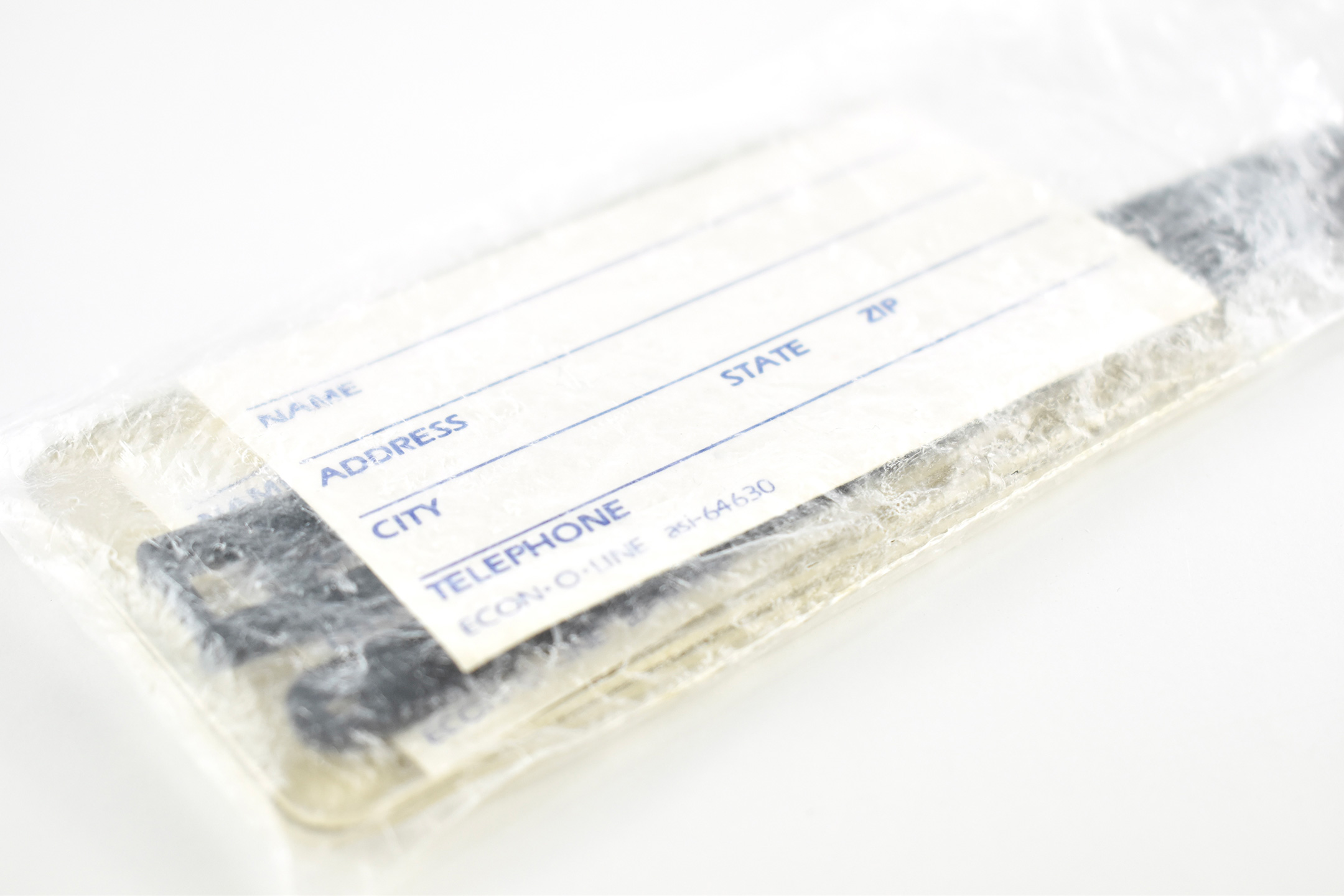
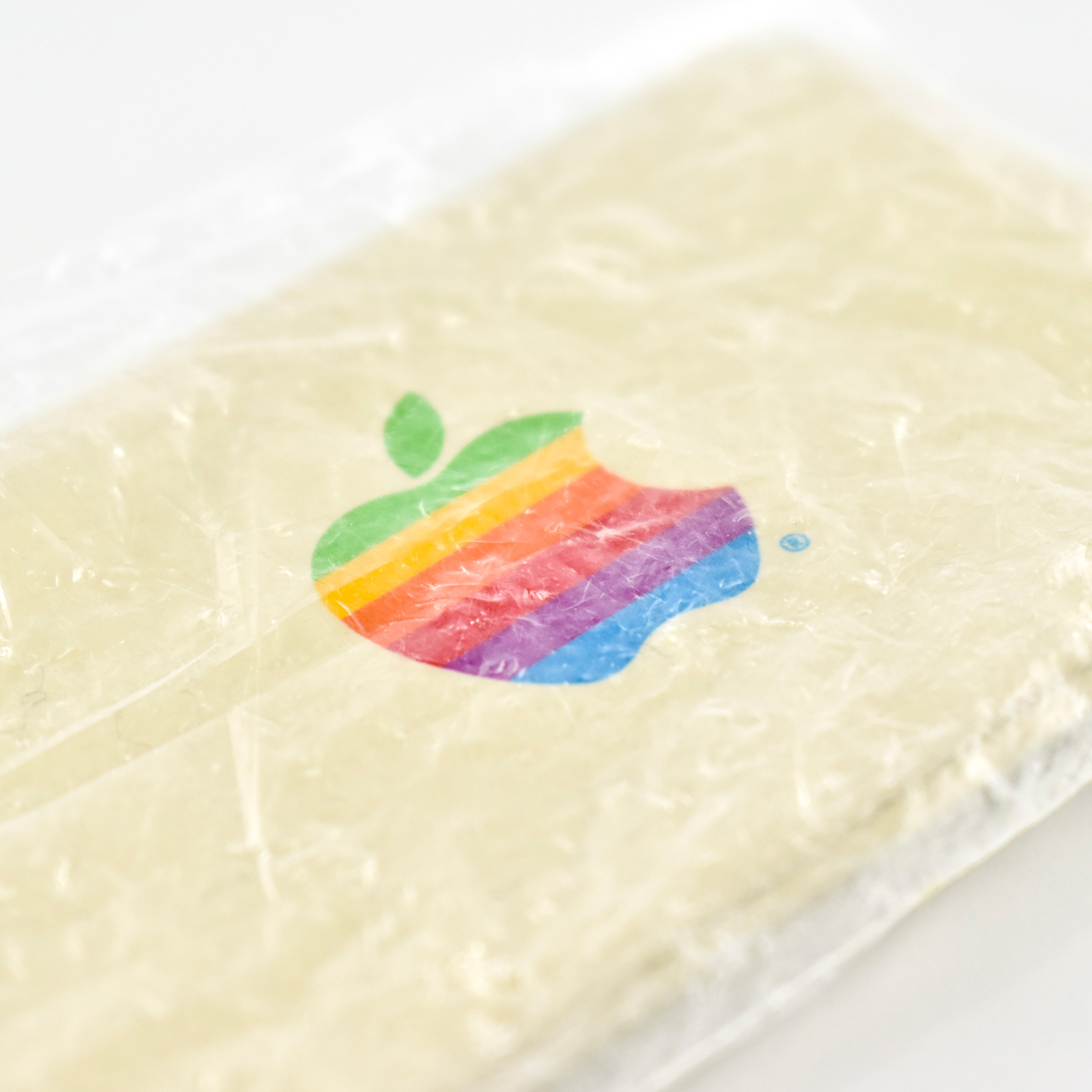
This set contains two luggage tags that feature the 6-color Apple logo on one side and a window for identification on the other side. The tags were originally white, but discolored over time.
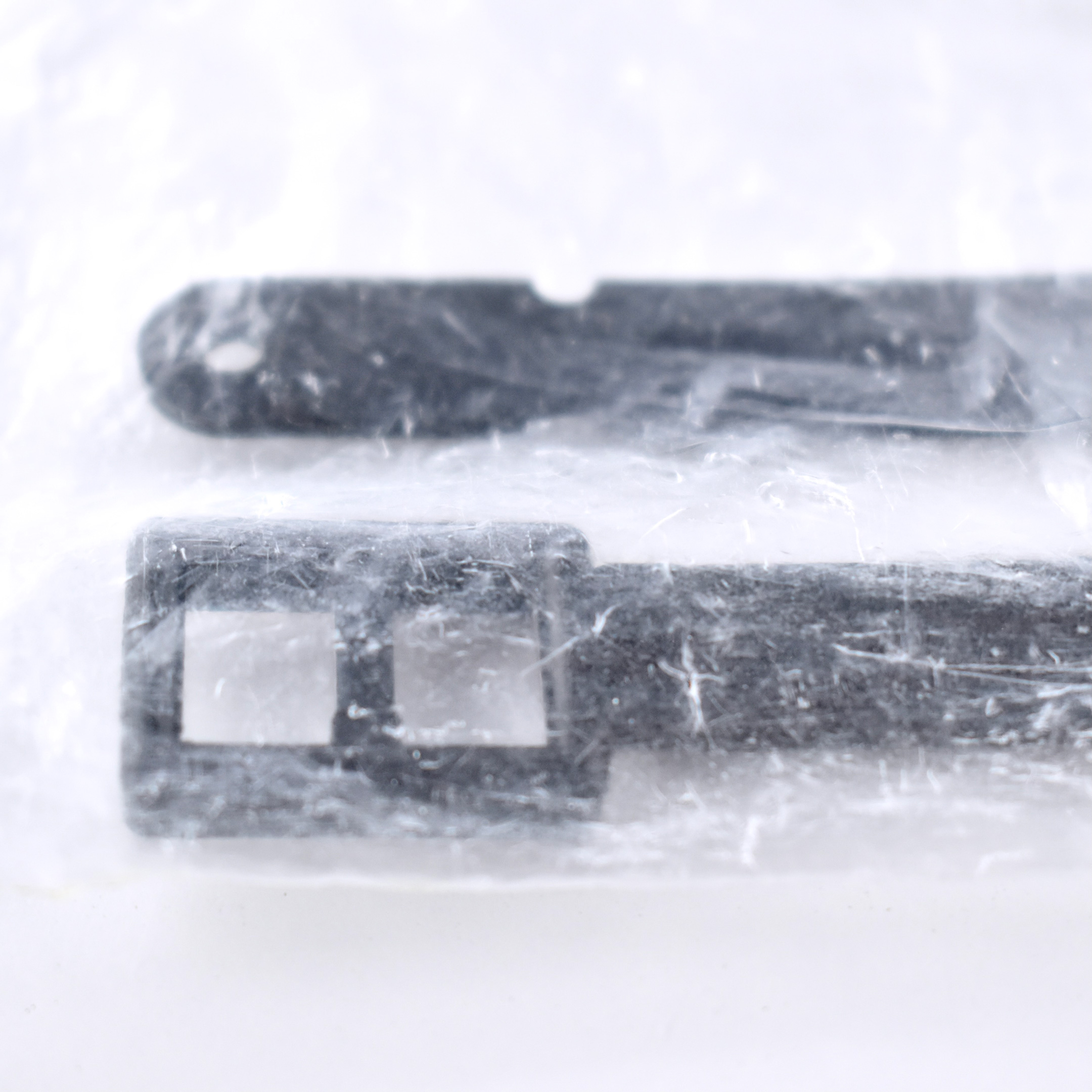
The package includes two blank identification cards and two black plastic straps. The set is sealed in the original plastic.
This product is featured on page 61 of the Spring 1993 Starting Line: Apple Marketing Communications Catalog. Its description reads:
Luggage Tag No more lost luggage. This tag has a clear slot that allows you to slip in your business card, home address, or the address of your destination. The strap is detachable, making it easy to put the tag on another piece of luggage Two tags per package. Dimensions 4 1/2” x 2 1/2” APL344
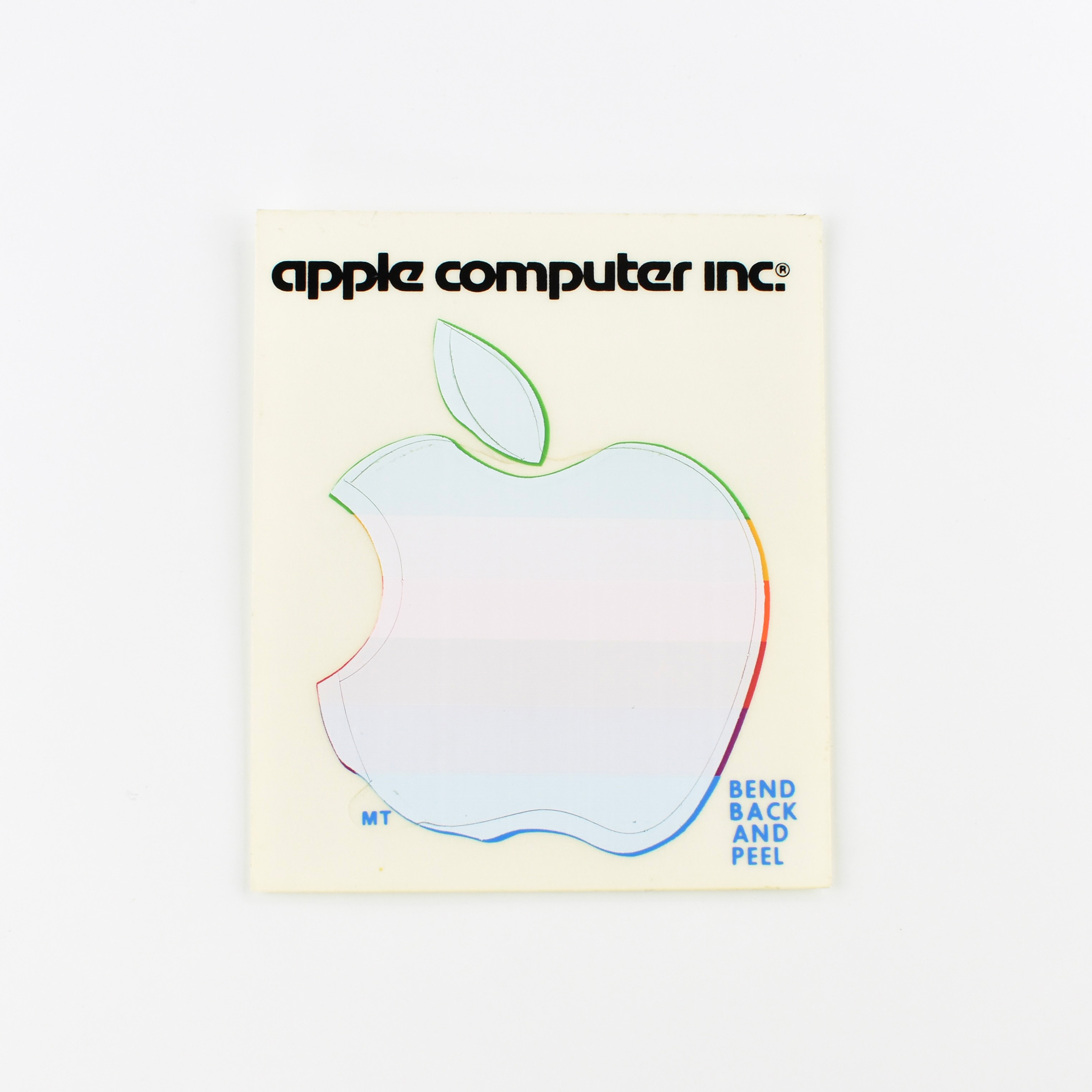
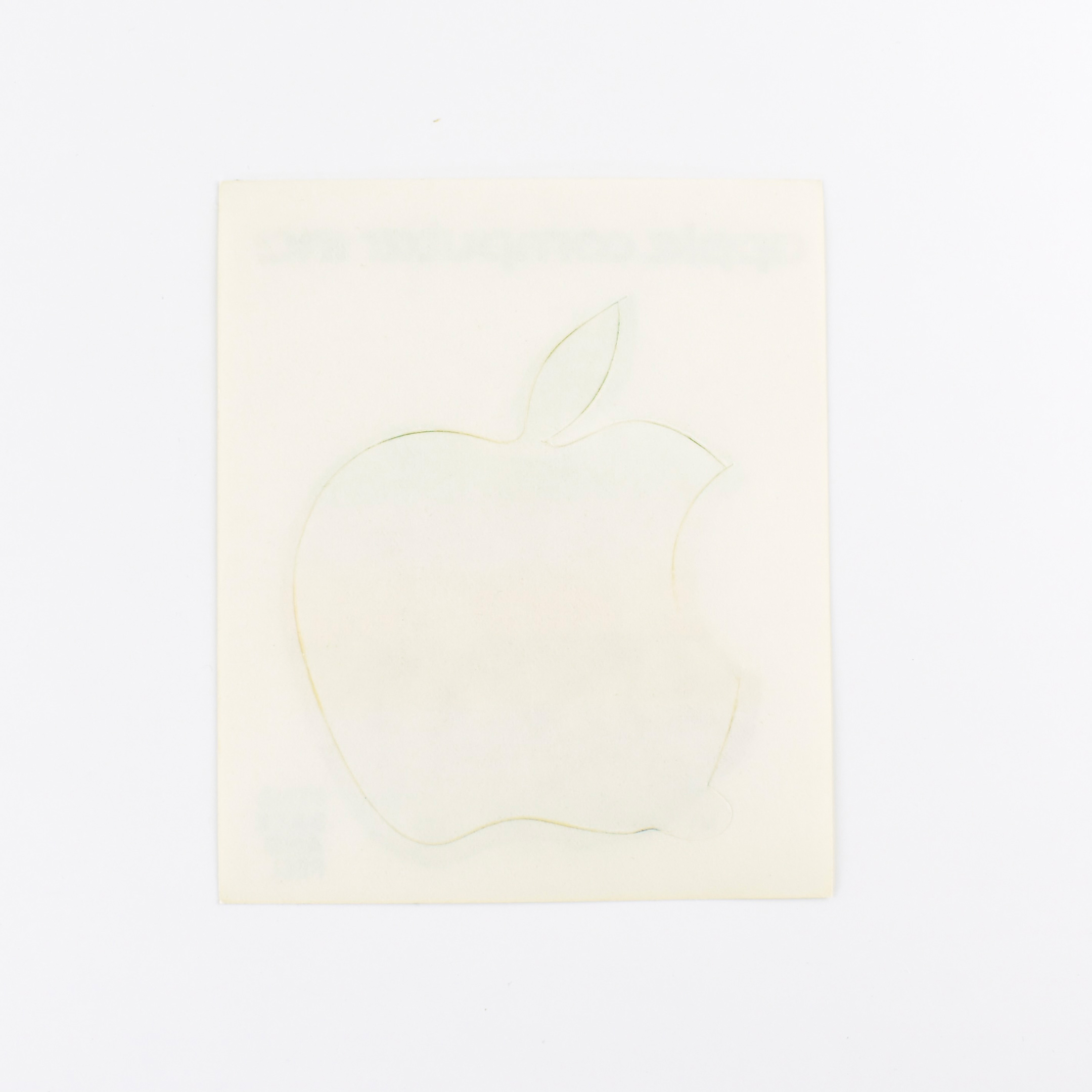
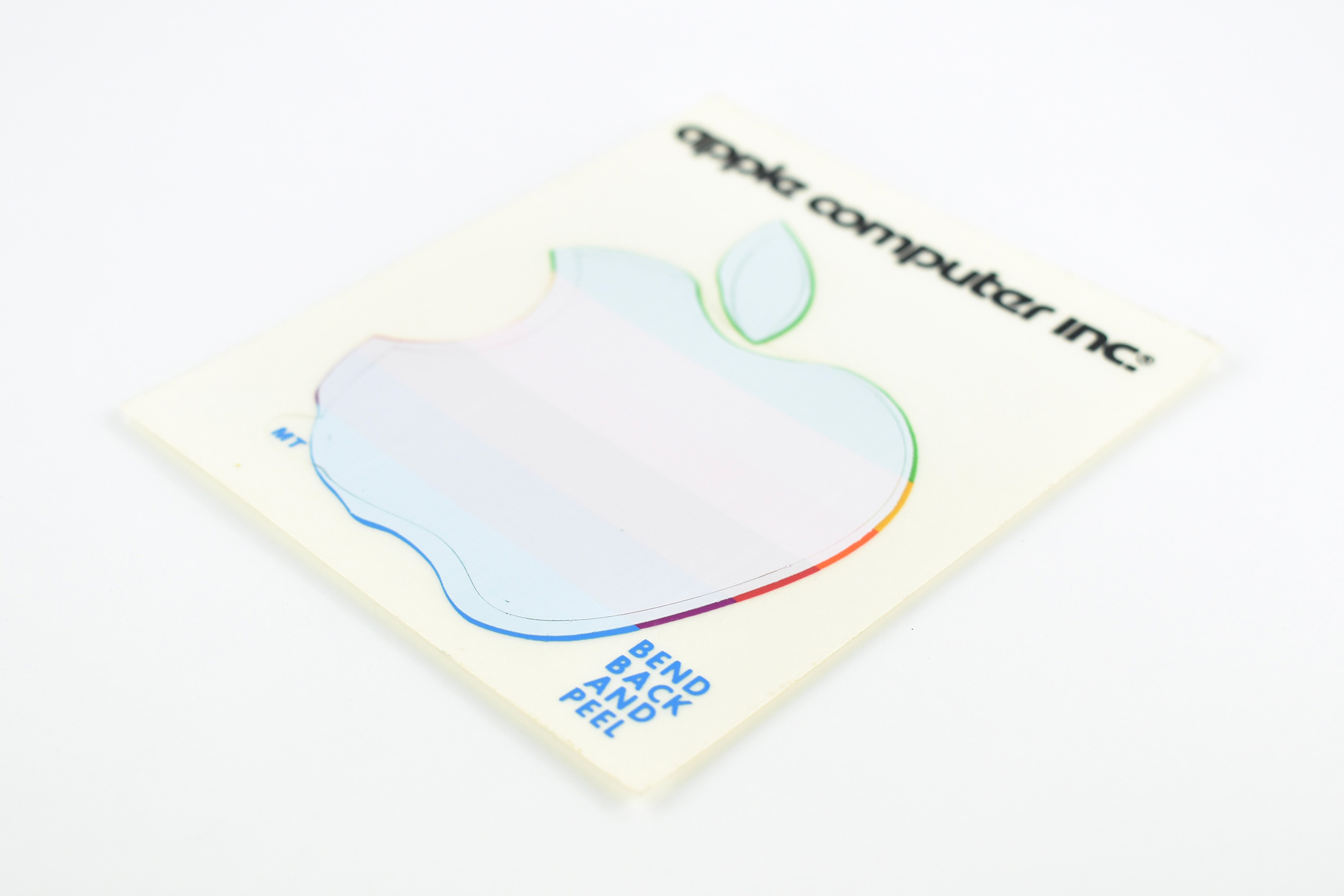
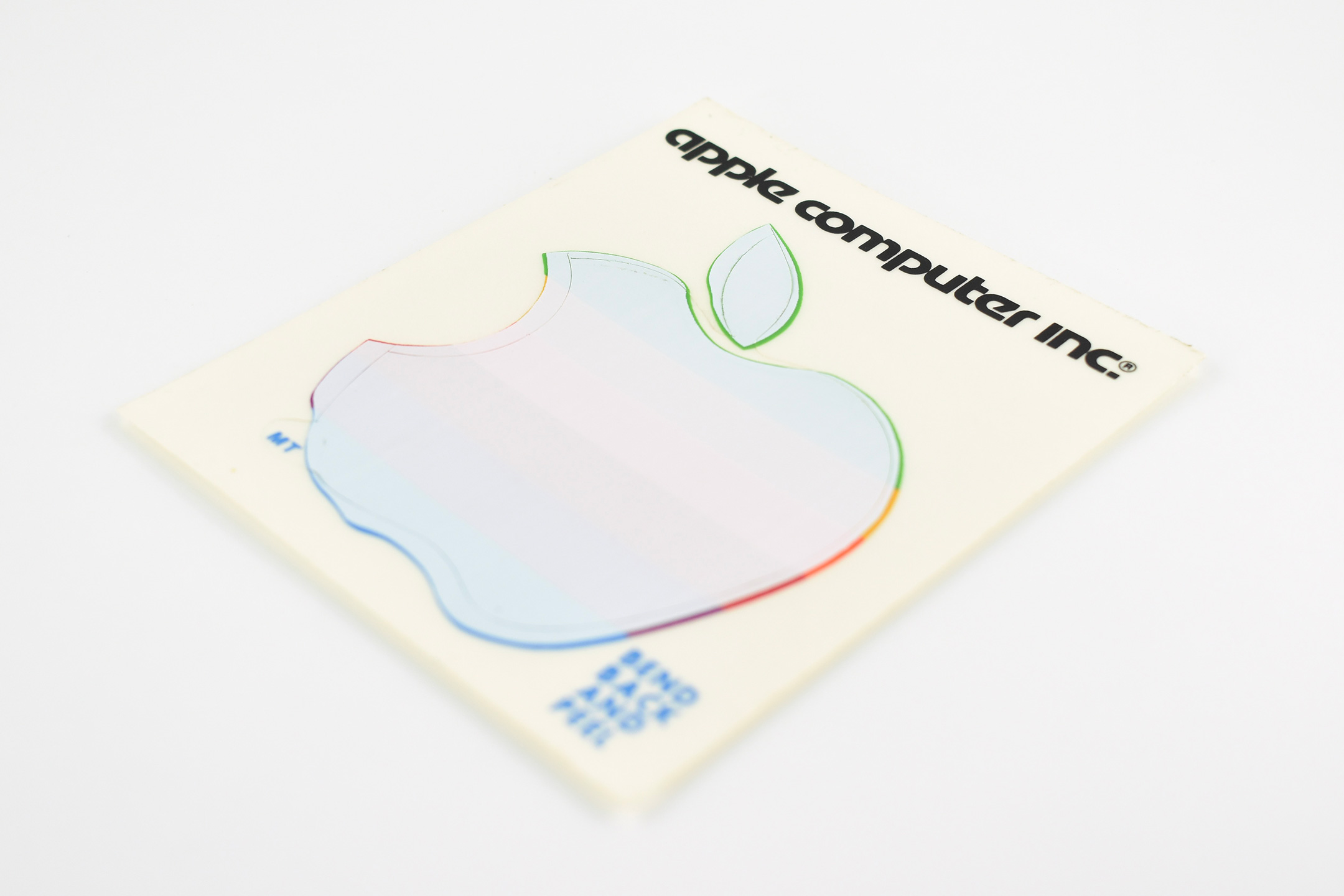
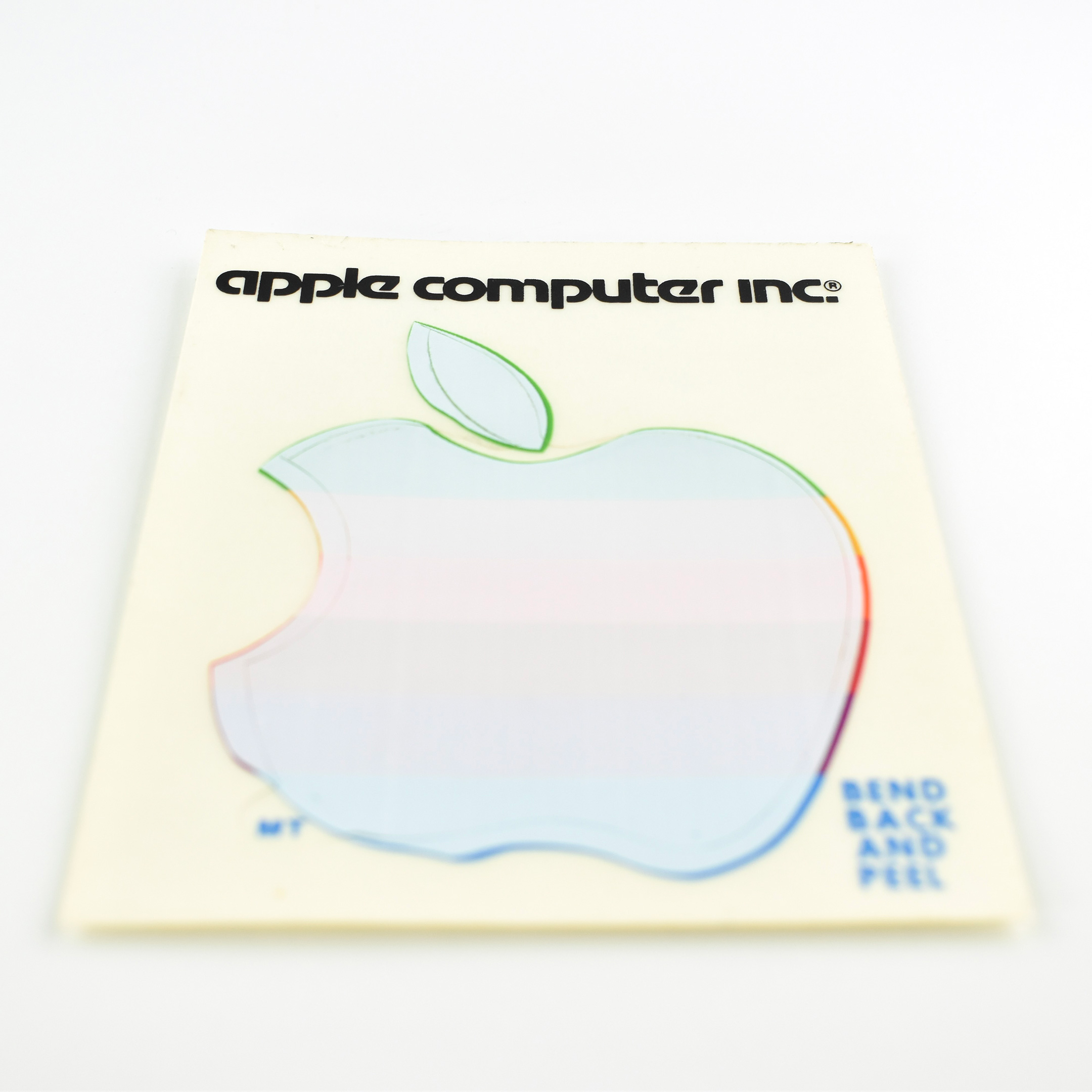
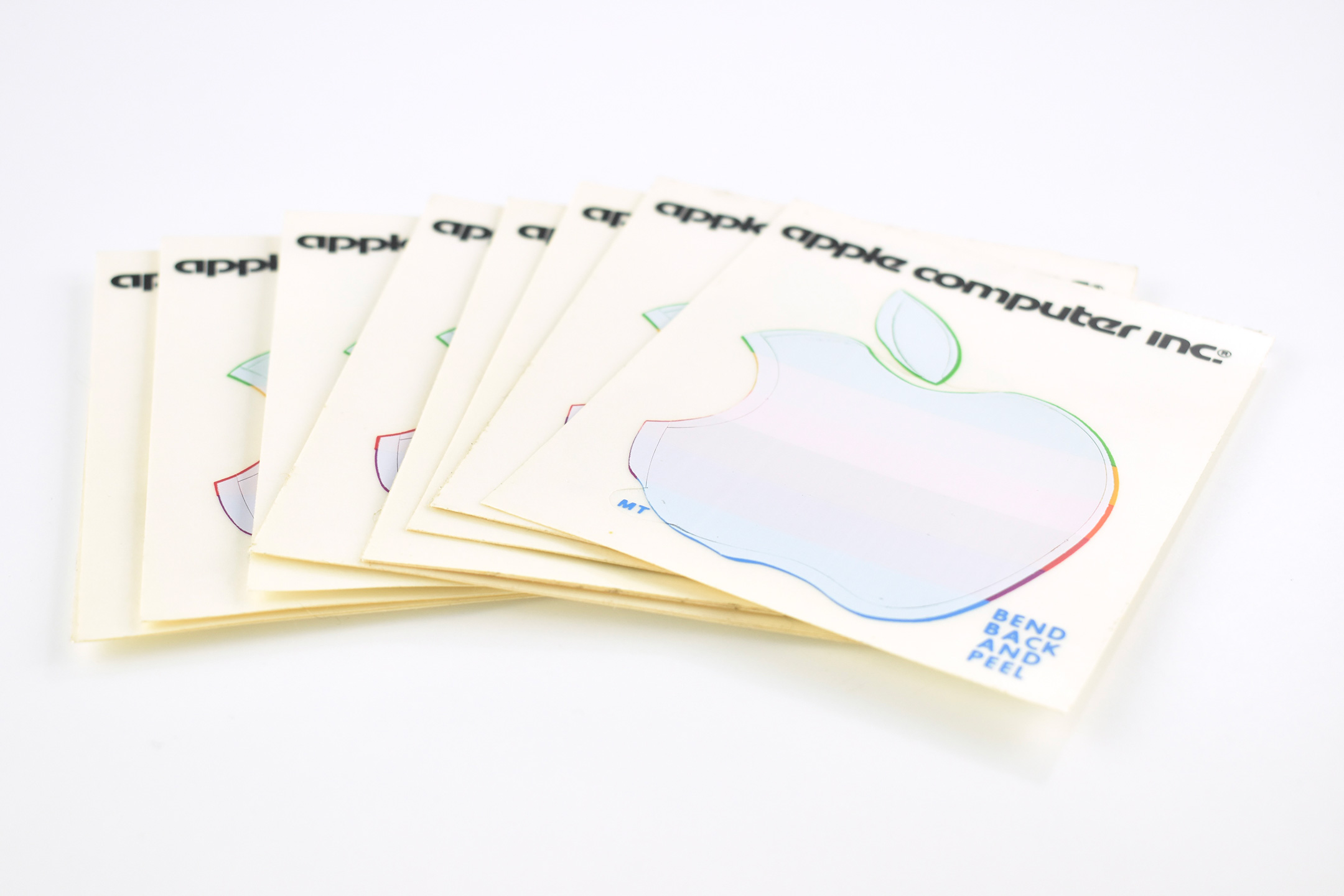
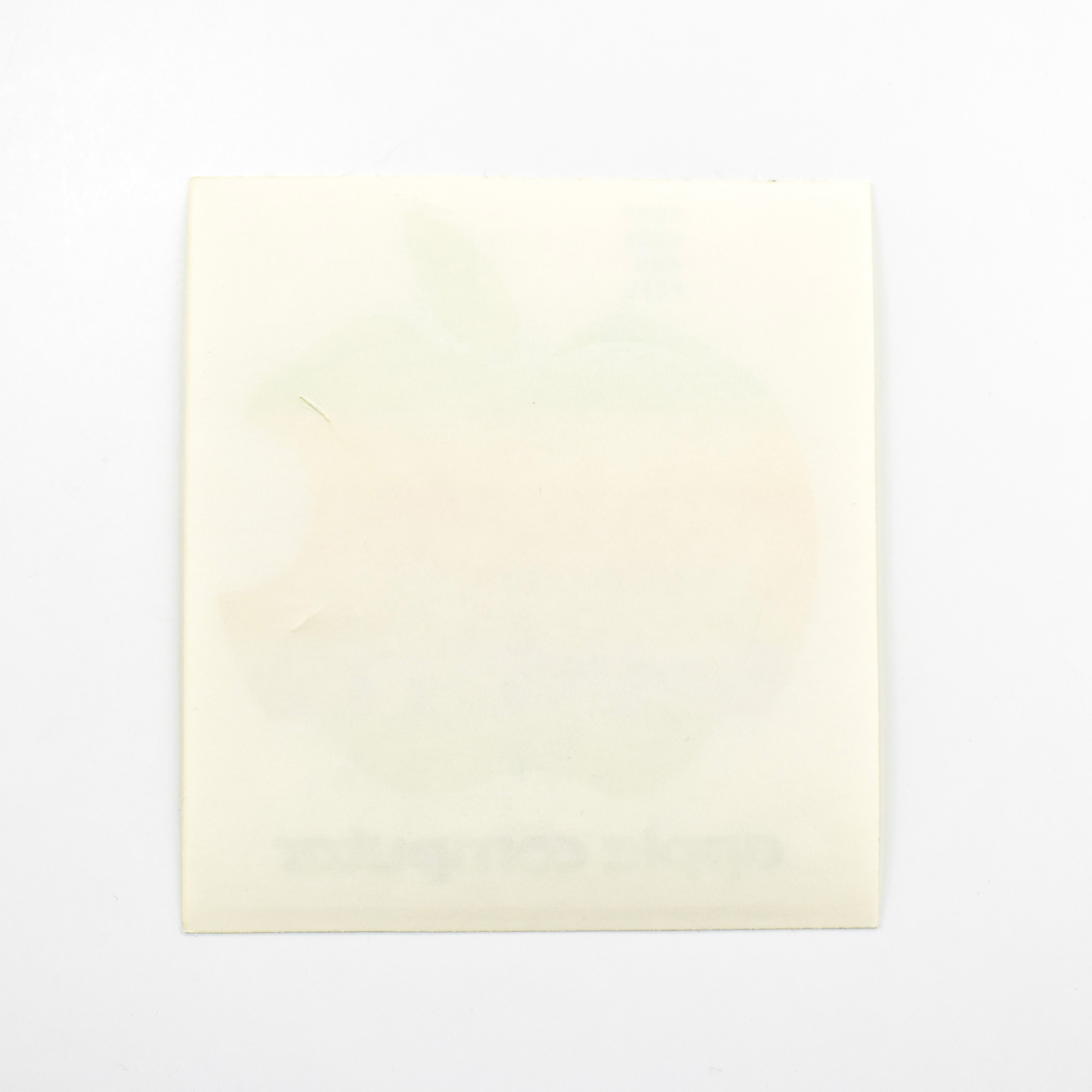
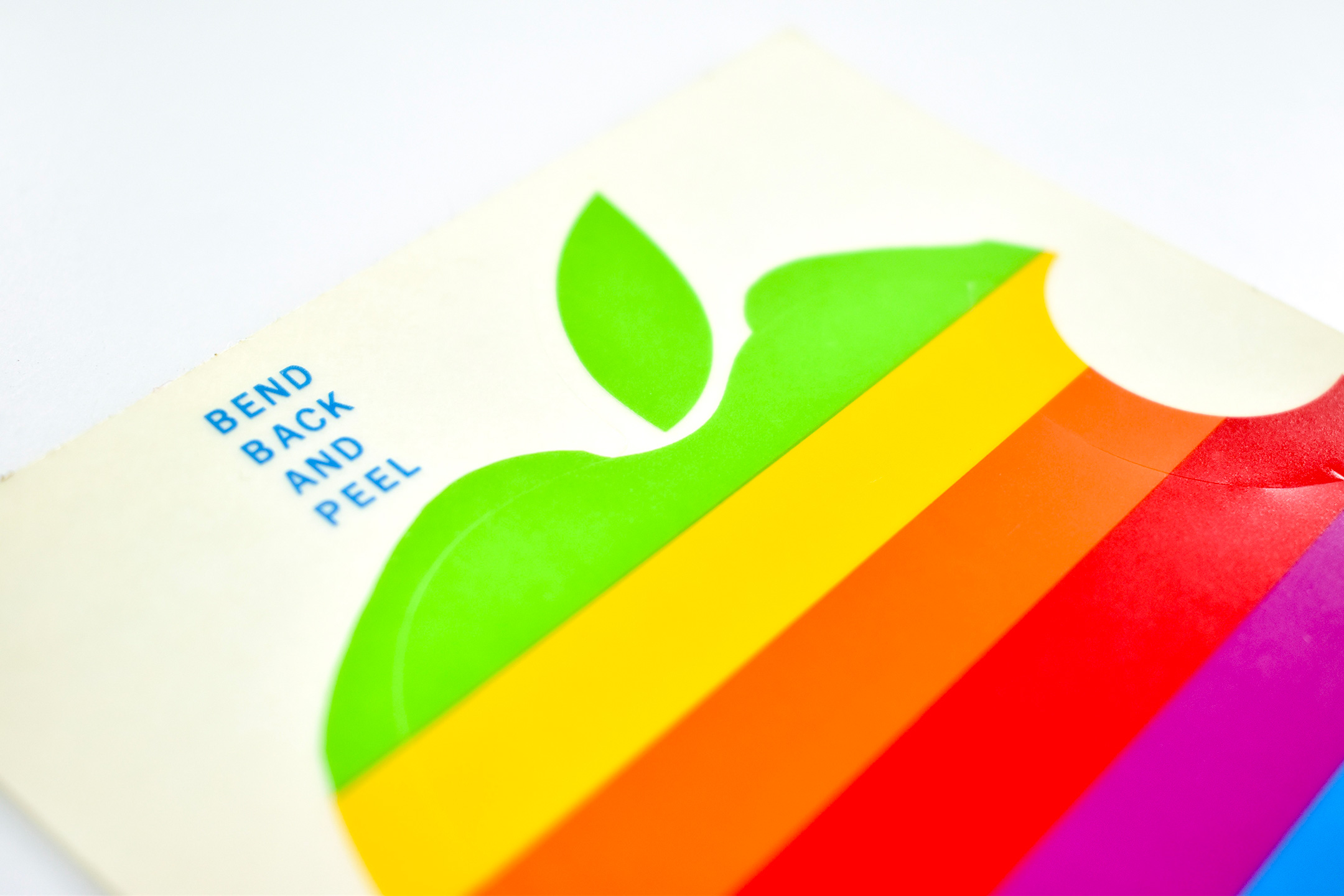
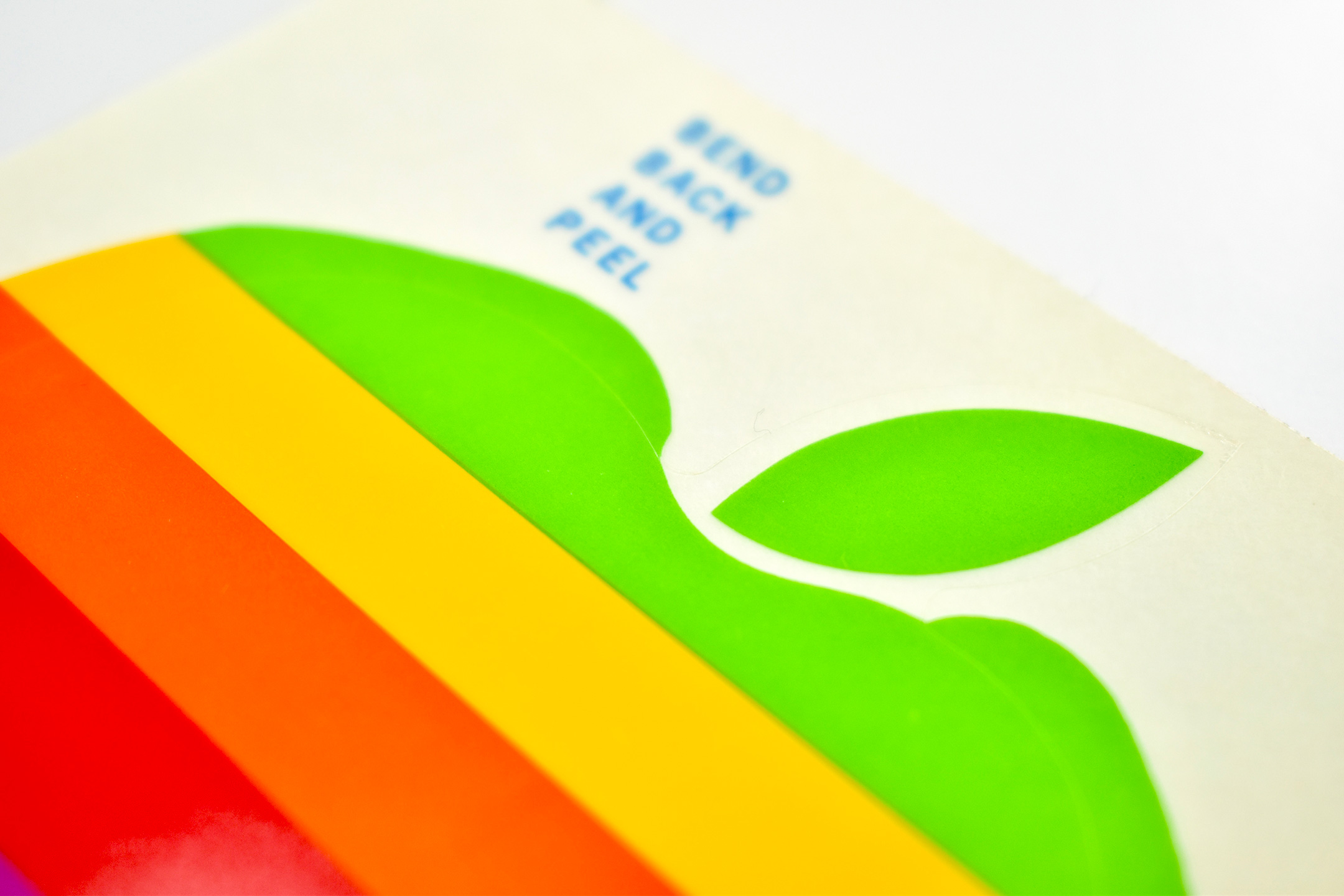
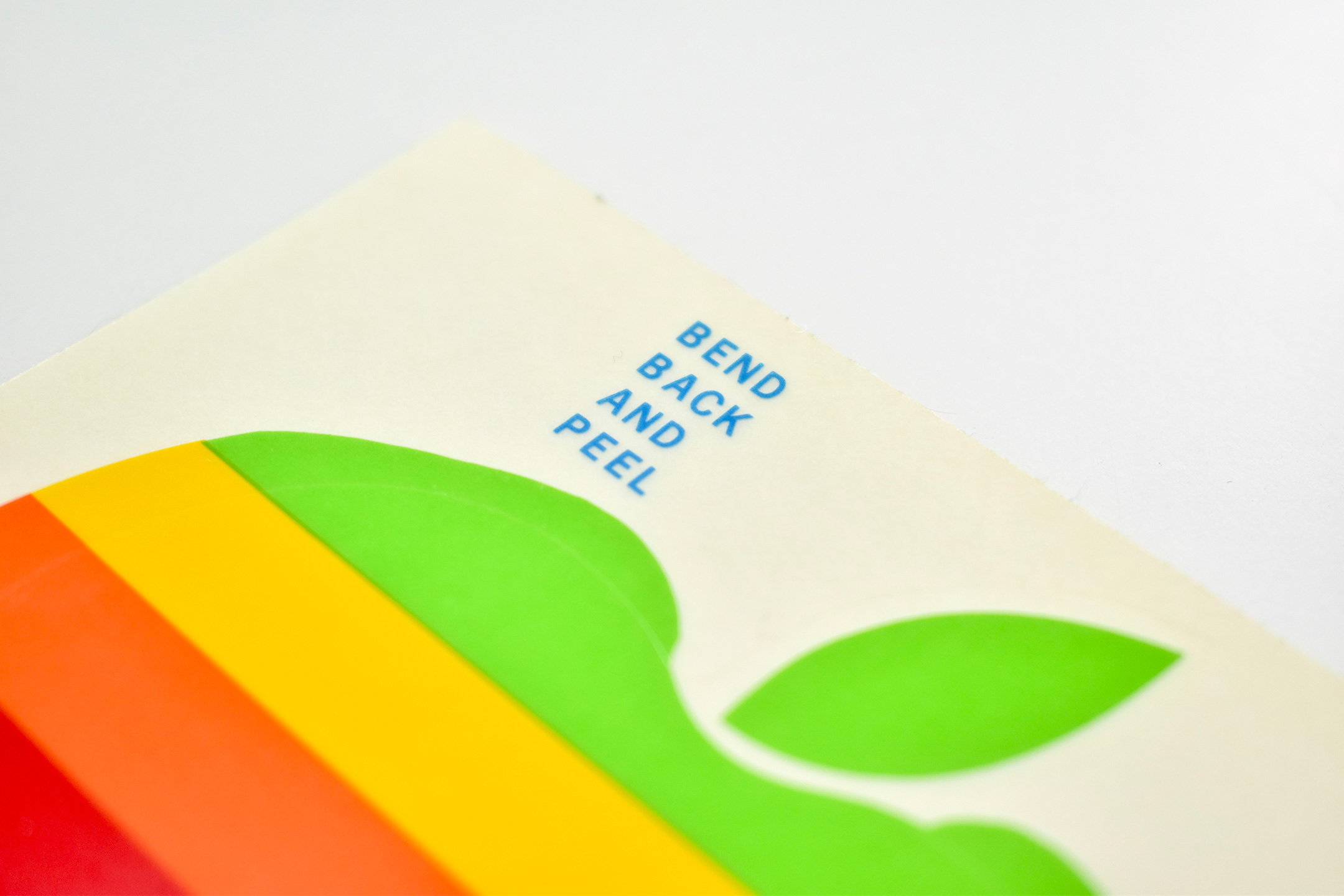
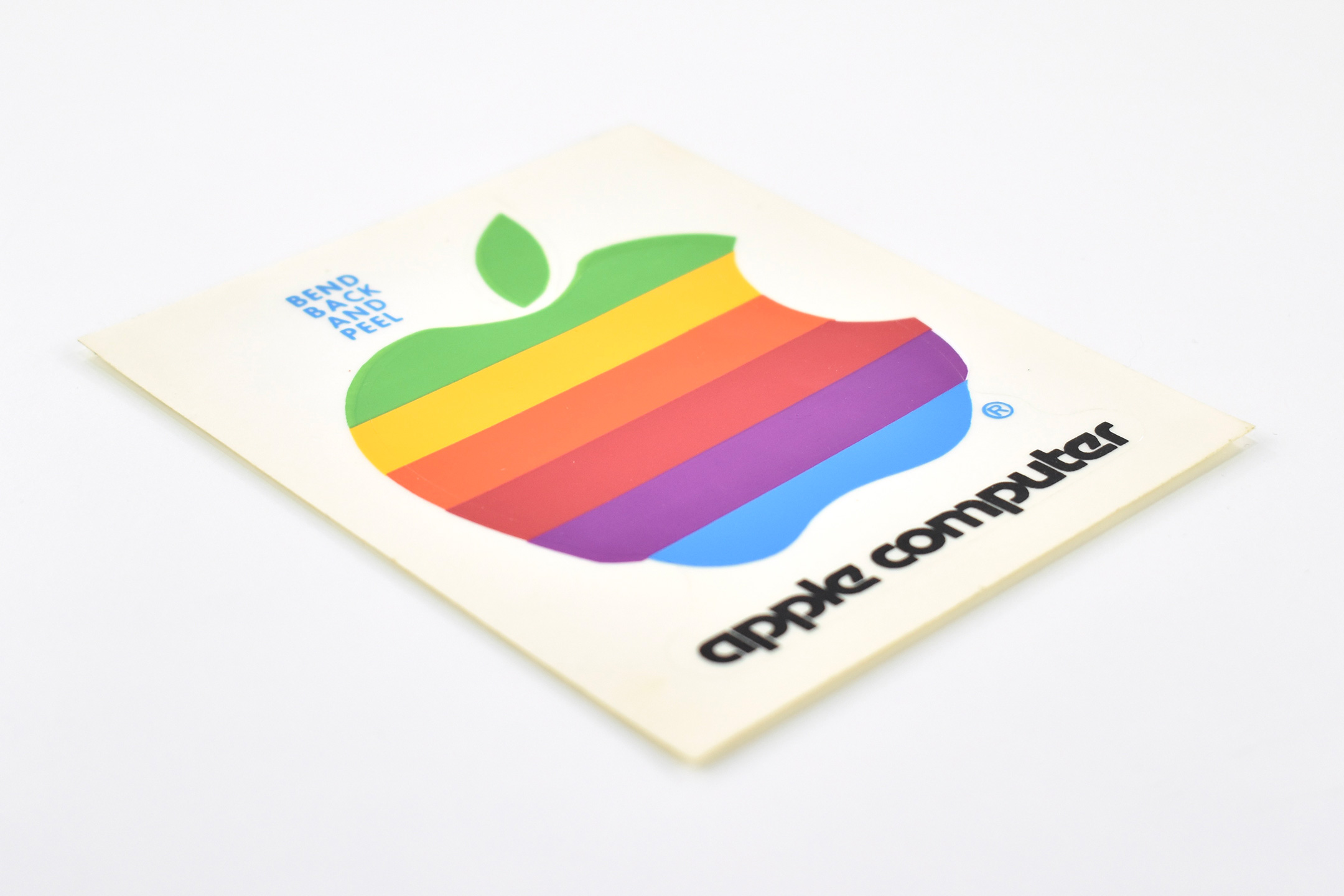
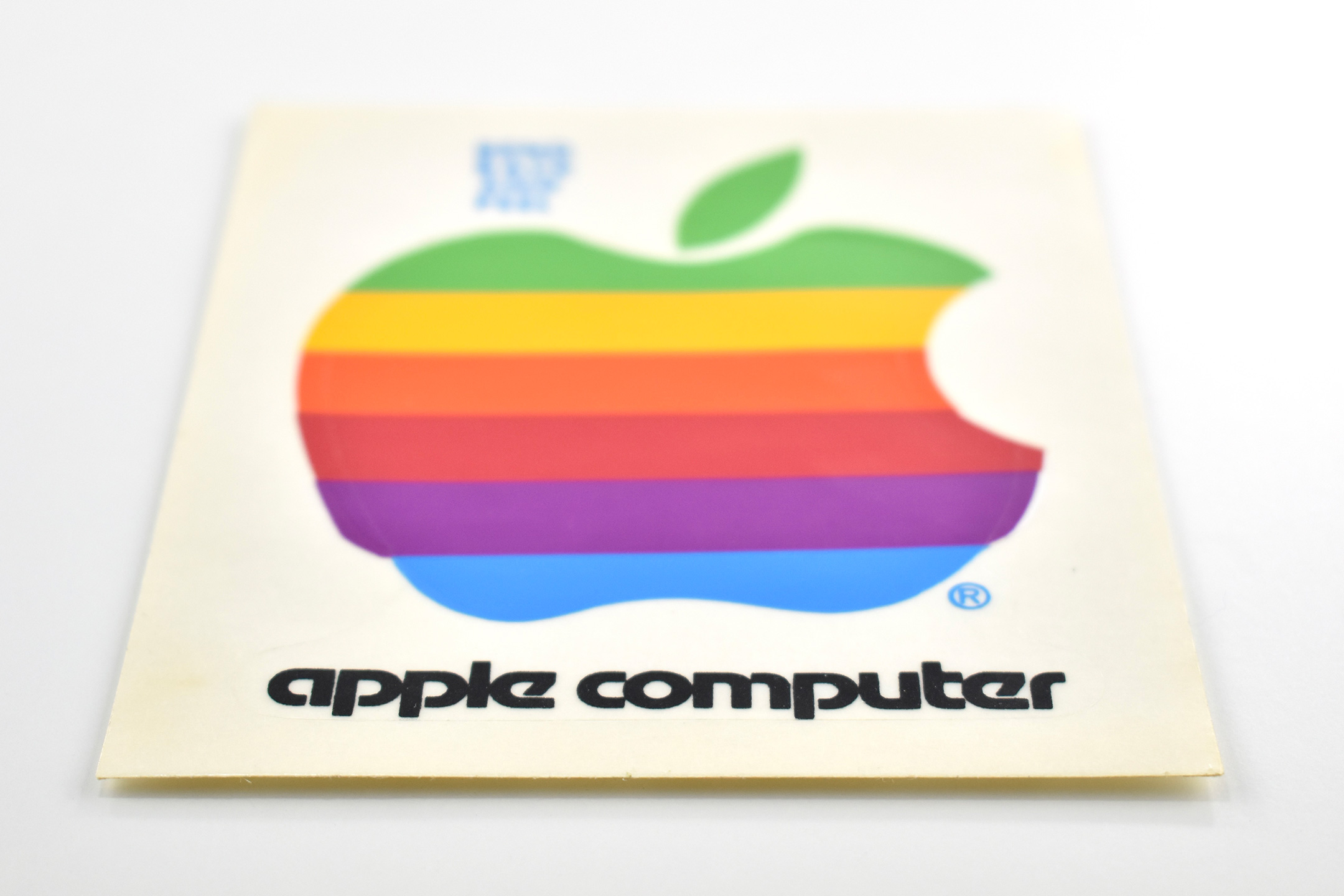
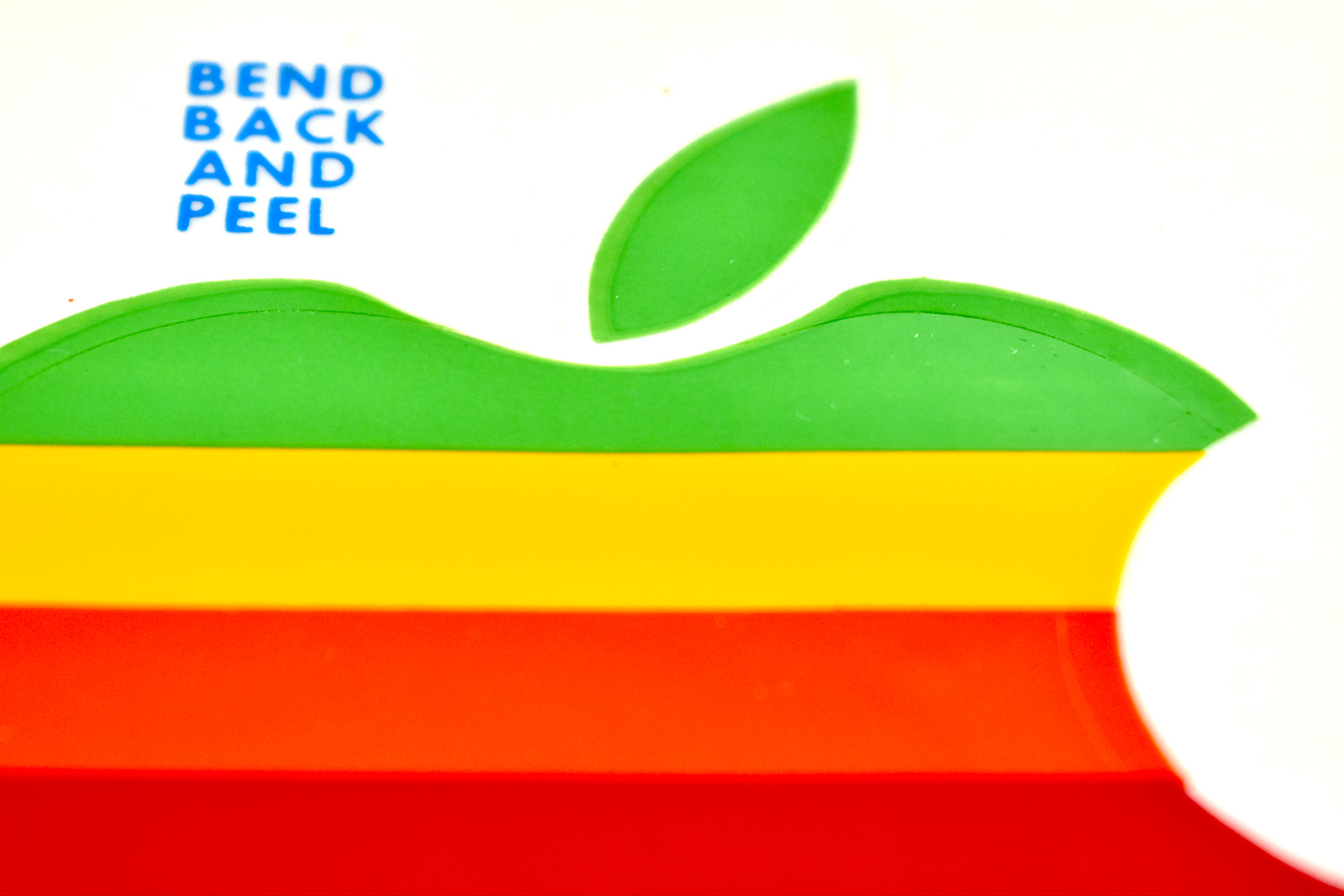
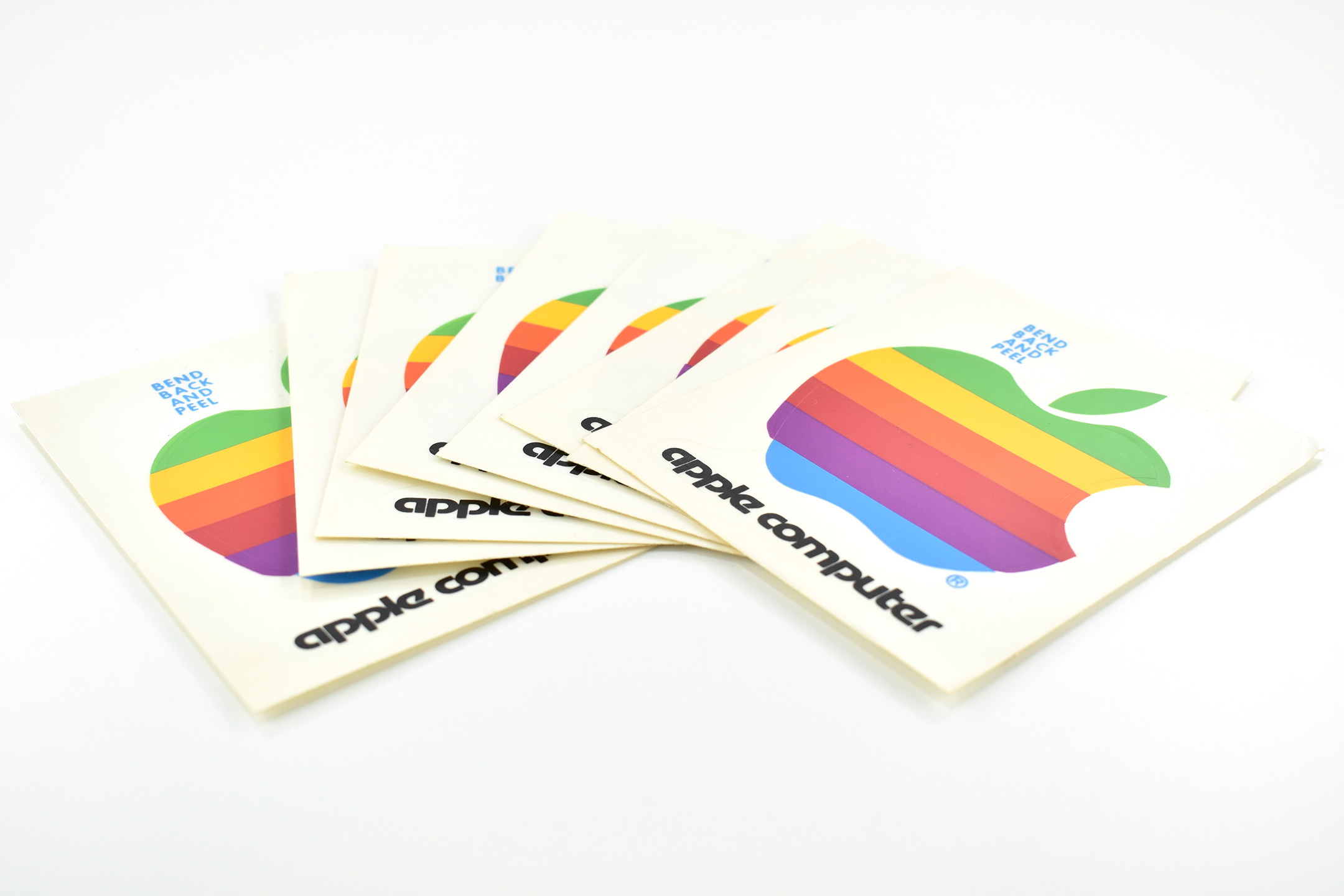
These Apple stickers are printed with the logo and adhesive on the same side, allowing them to stick on the inside of a window. The white backing measures 4 x 4.75 inches.
The stickers use the Motter Tekura font and feature the 6-color Apple logo. Between 1977 and approximately 1984, Apple used the font Motter Tekura in their logo in all lowercase type (altered only by the removal of the dot over the “i” in “inc.”). When peeled off the backing, the logotype is not included with the sticker—only the logo.
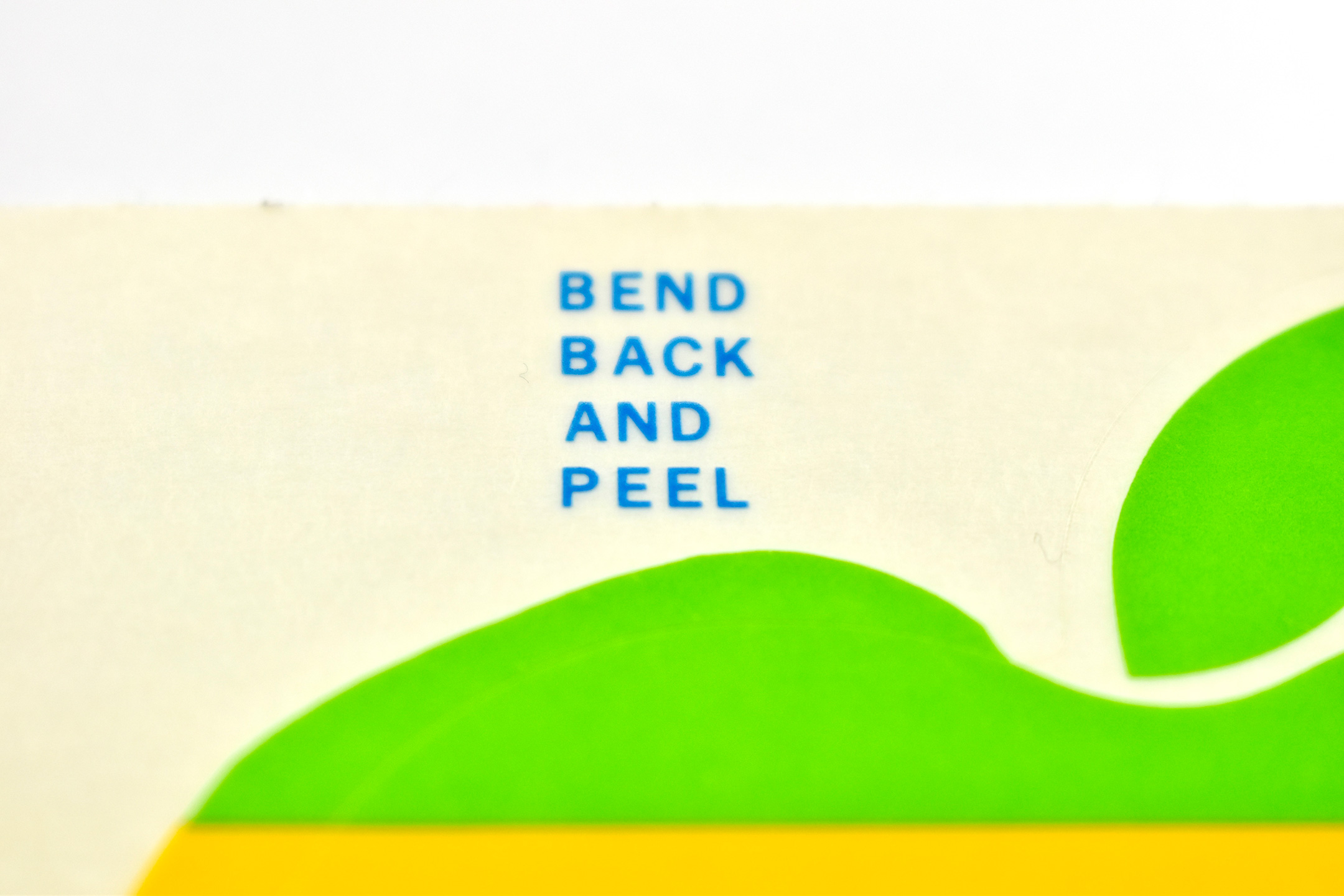
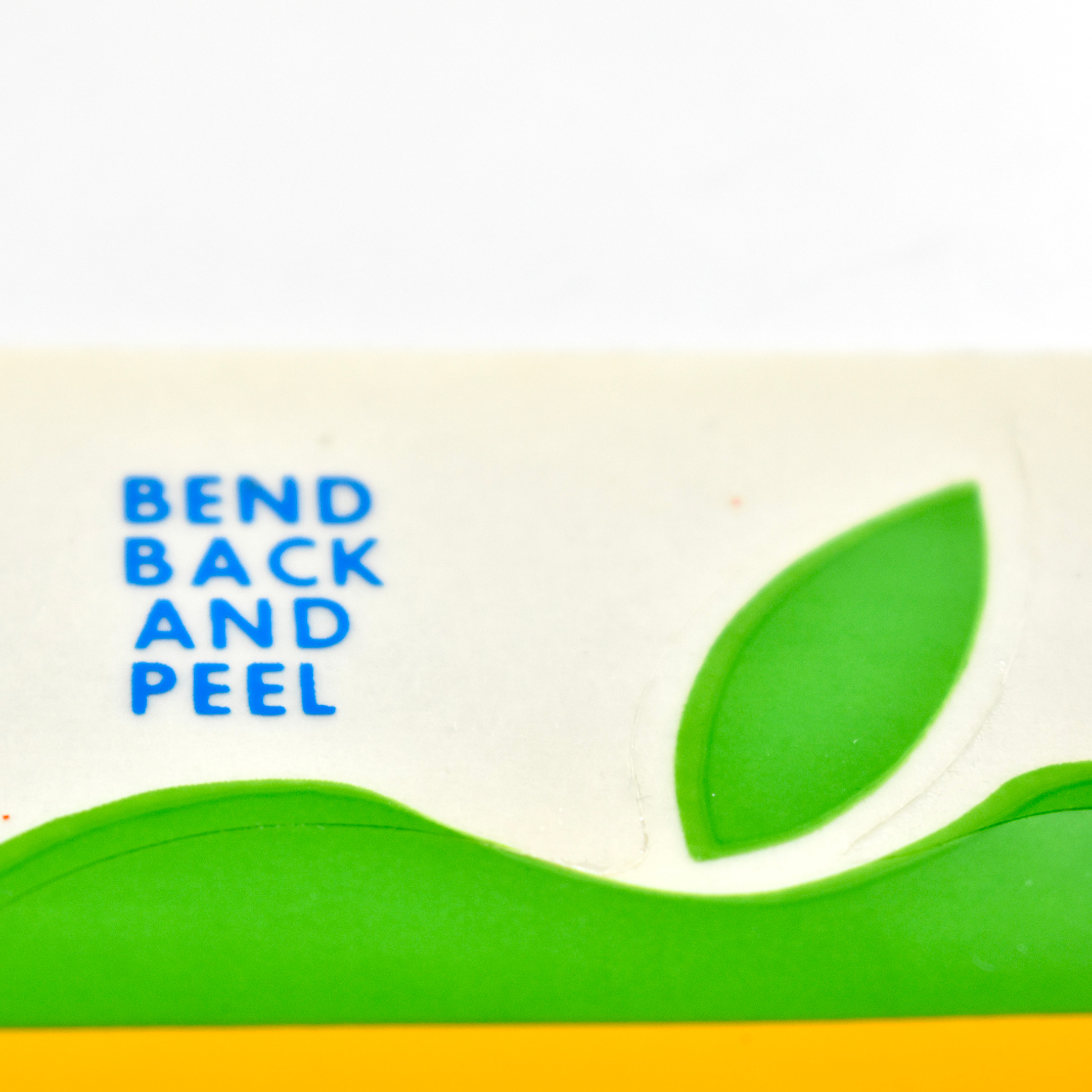
The stickers also include the helpful direction in all caps to “BEND PACK AND PEEL” to release the sticker.
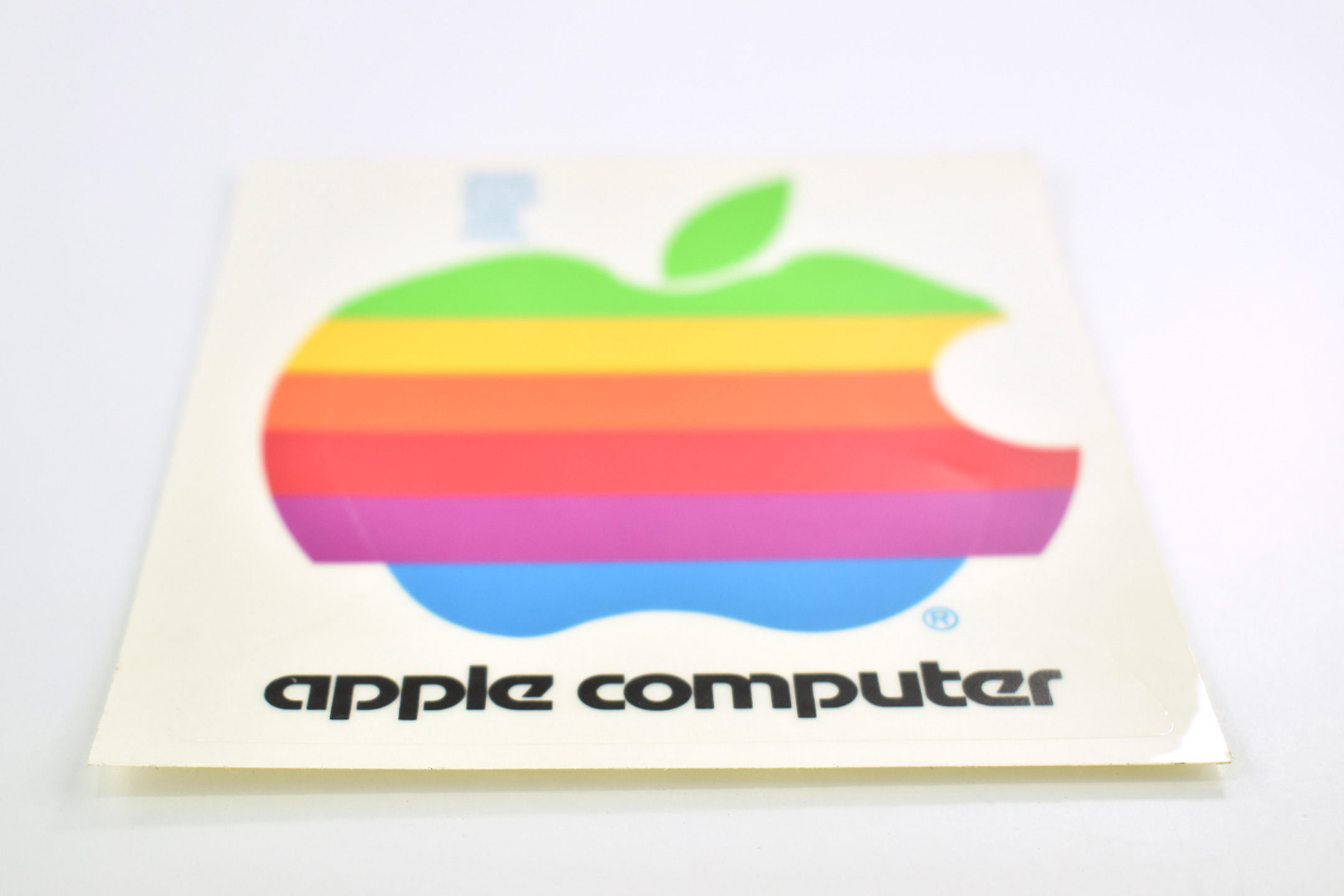
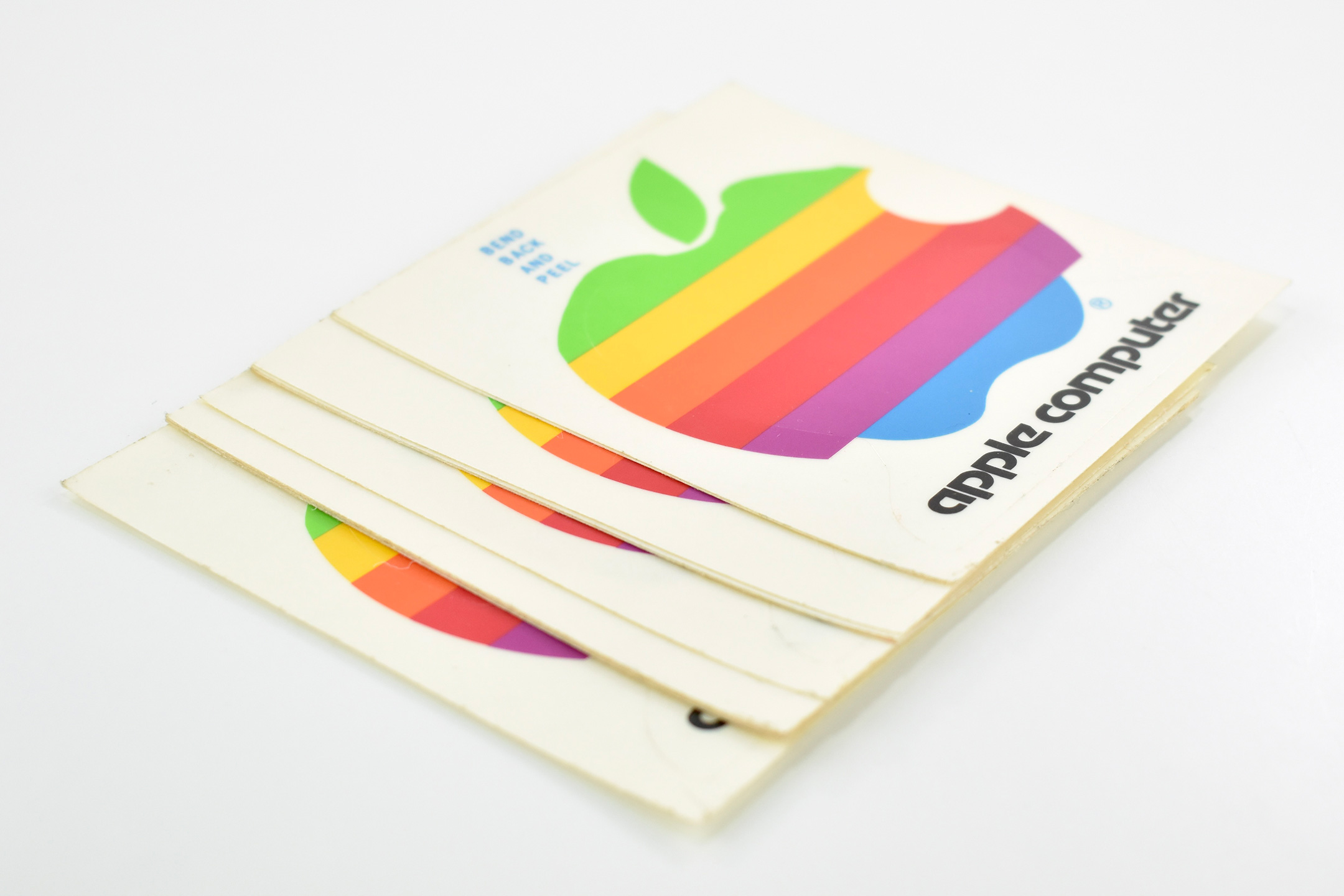
These Apple stickers are on a white backing and measure measure 4.75 x 4 inches.
The stickers use the Motter Tekura font and feature the 6-color Apple logo. Between 1977 and approximately 1984, Apple used the font Motter Tekura in their logo in all lowercase type.
The somewhat odd look of the stickers is due to the “bleed” of the ink off the outer edges. When peeled off the sticker, the logos have the typical logo shape and the extra color that “bleeds” off the edges is left on the backing.
The stickers also include the helpful direction in all caps to “BEND PACK AND PEEL” to release the sticker.
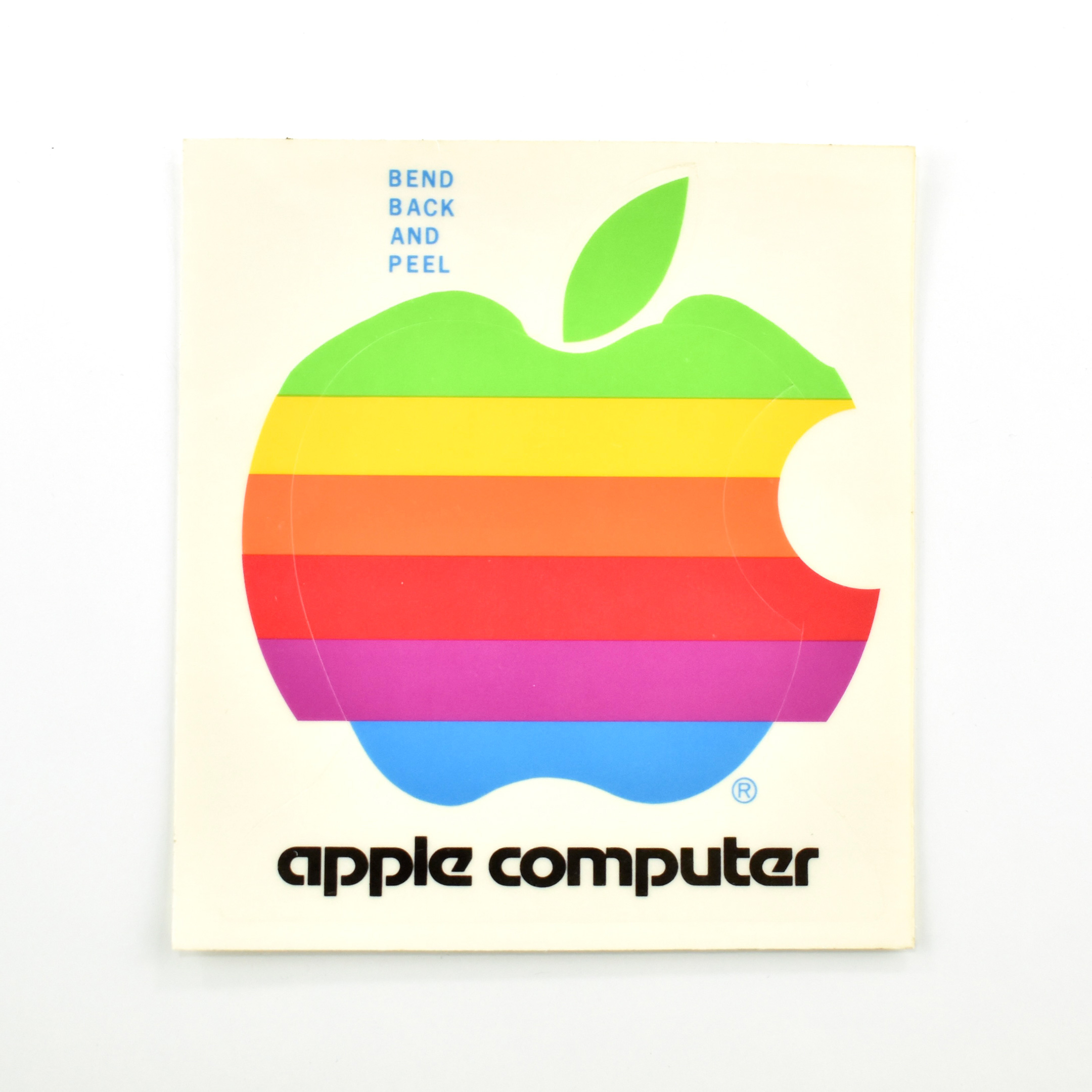
These Apple stickers are on a white backing and measure measure 4 3/8 x 4 inches.
The stickers use the Motter Tekura font and feature the 6-color Apple logo. Between 1977 and approximately 1984, Apple used the font Motter Tekura in their logo in all lowercase type.
The somewhat odd look of the stickers is due to the “bleed” of the ink off the outer edges. When peeled off the sticker, the logos have the typical logo shape and the extra color that “bleeds” off the edges is left on the backing.
The stickers also include the helpful direction in all caps to “BEND PACK AND PEEL” to release the sticker.