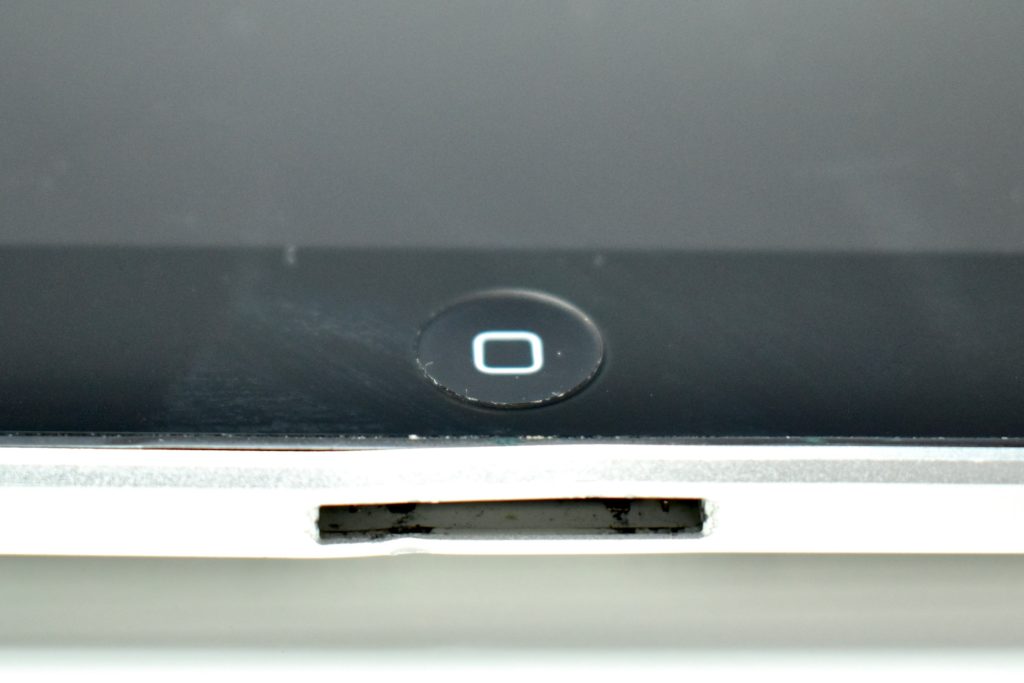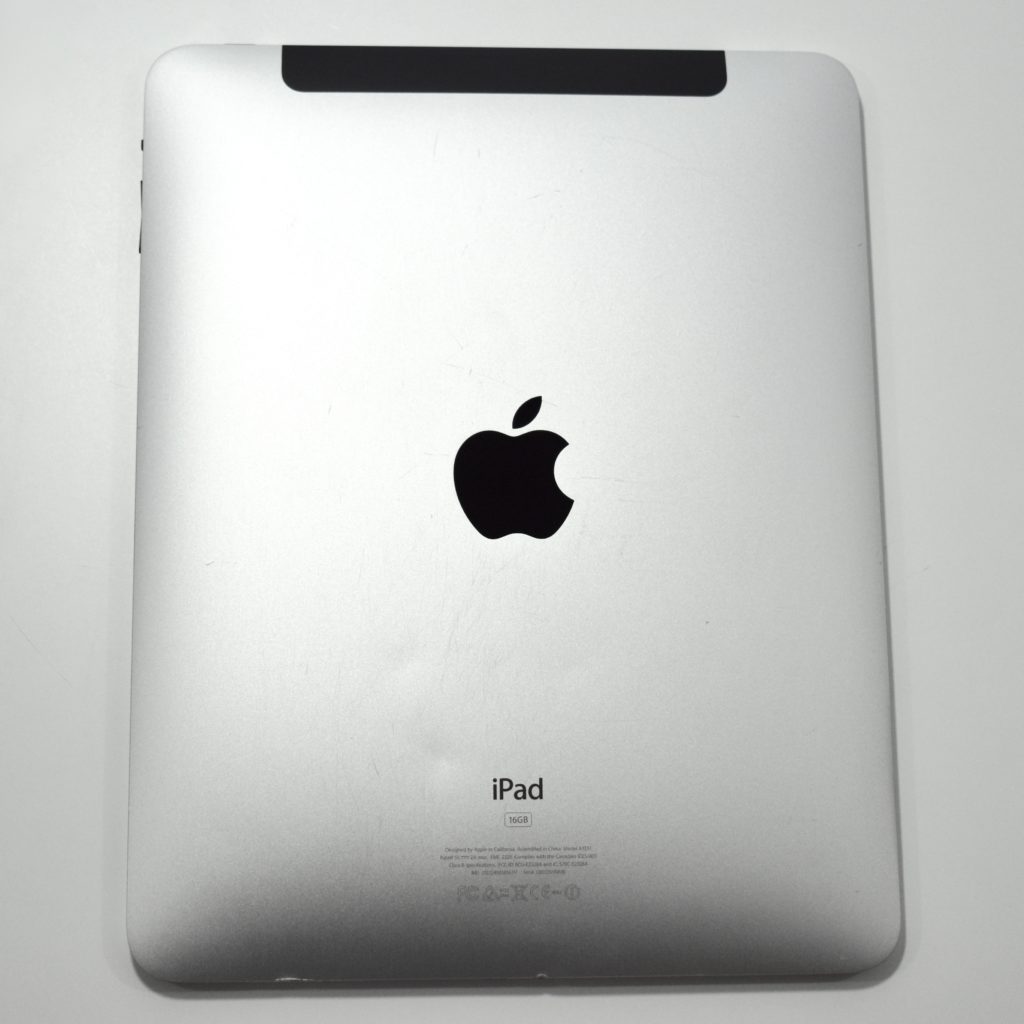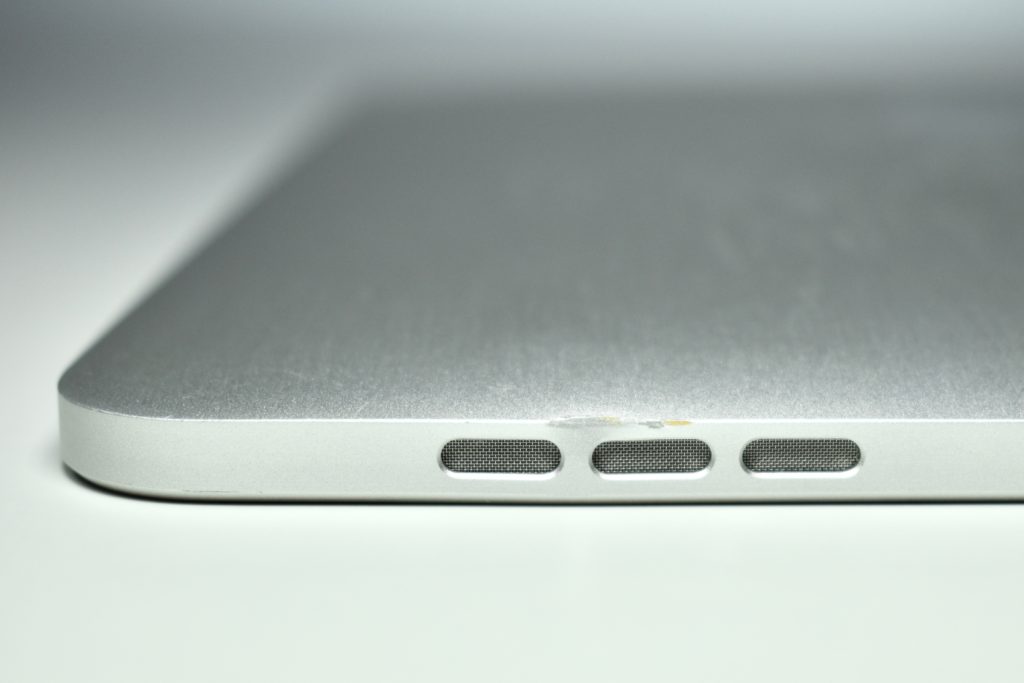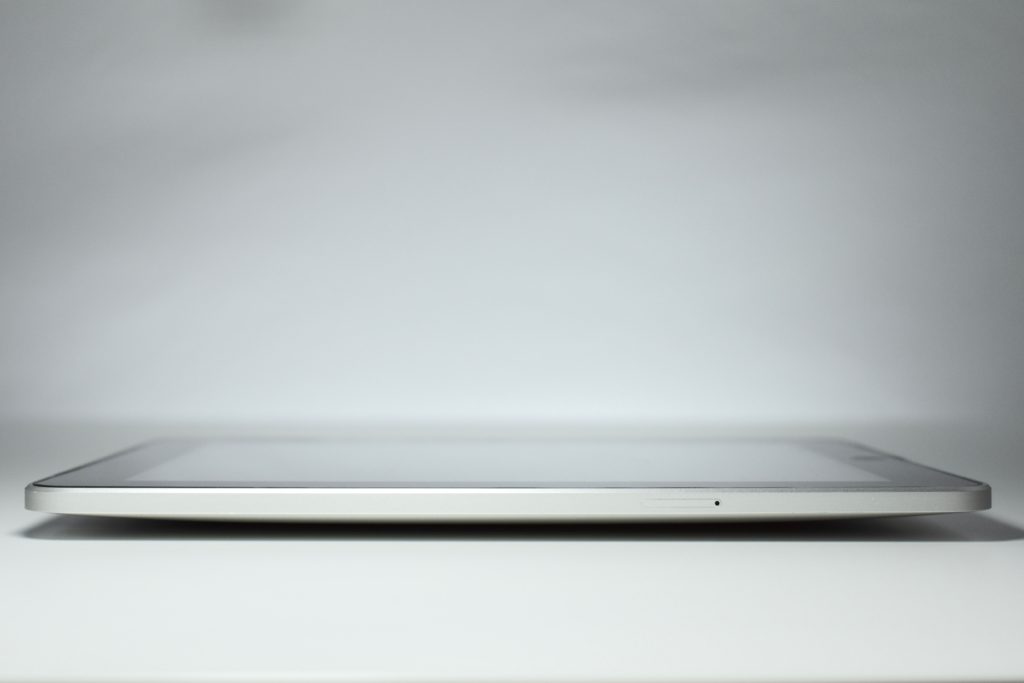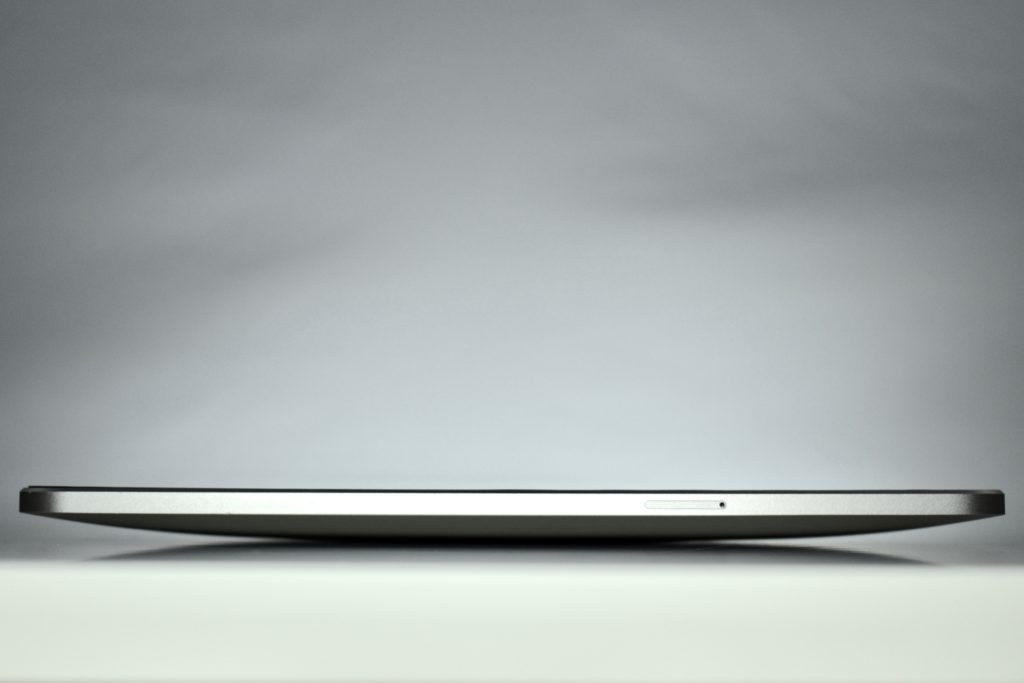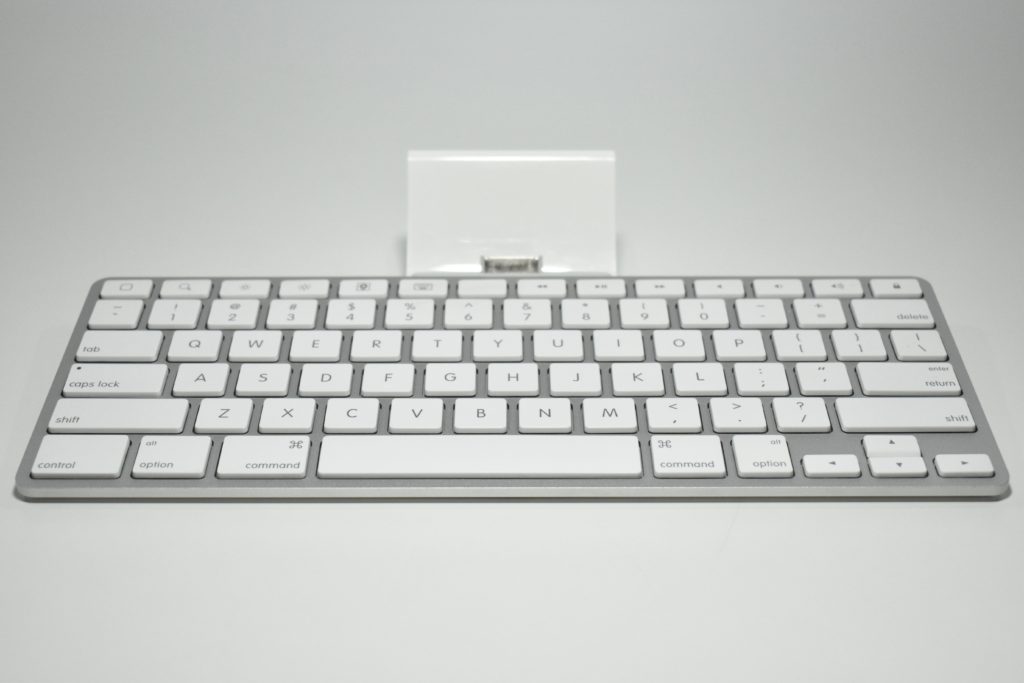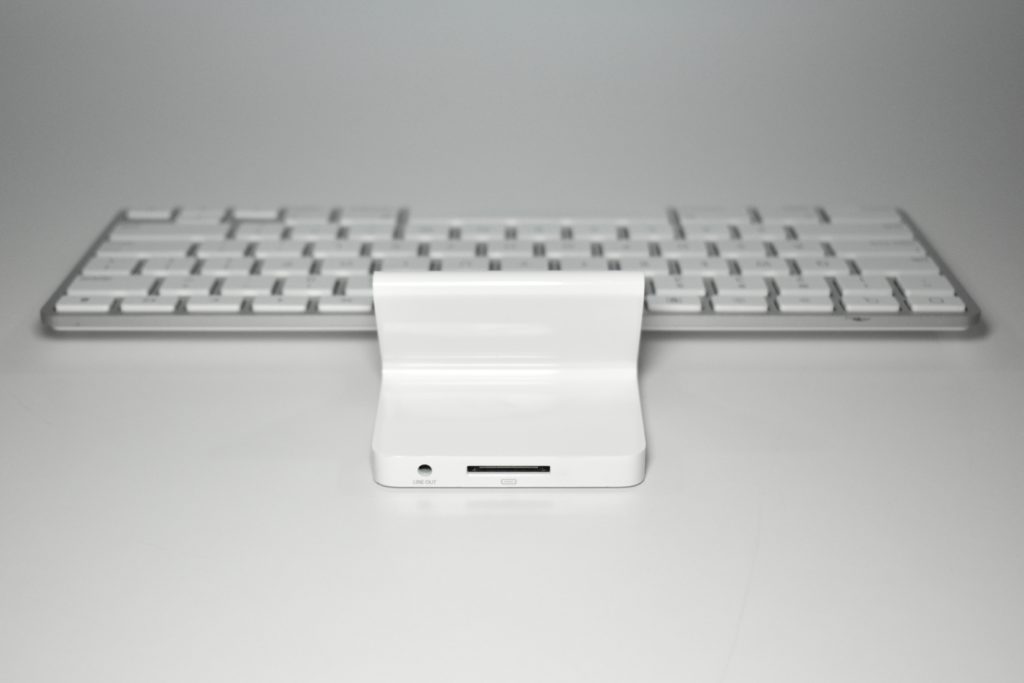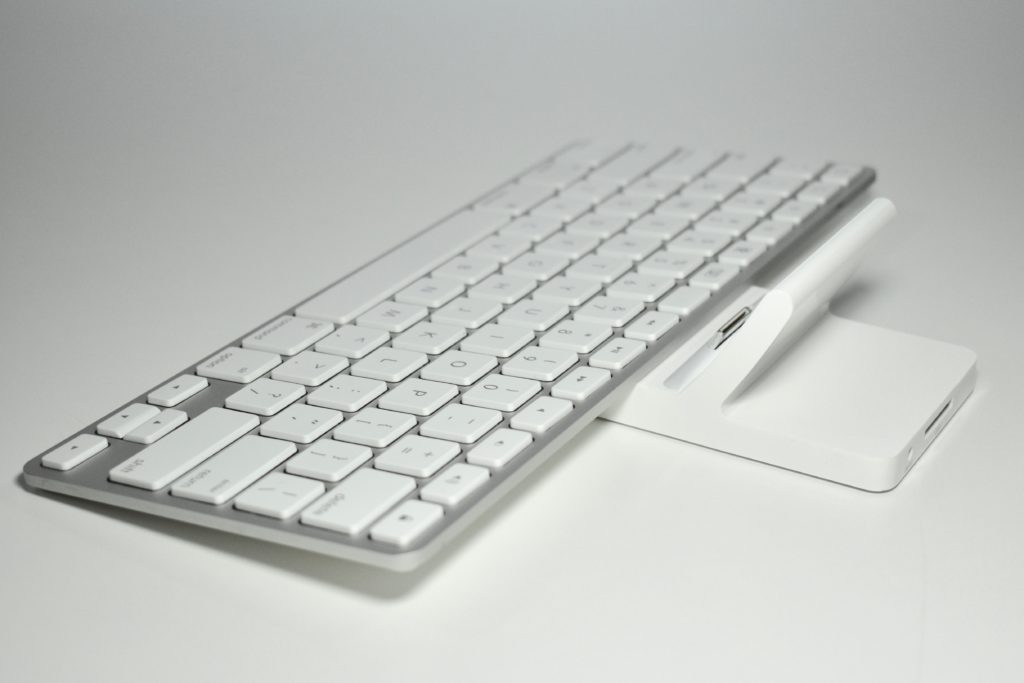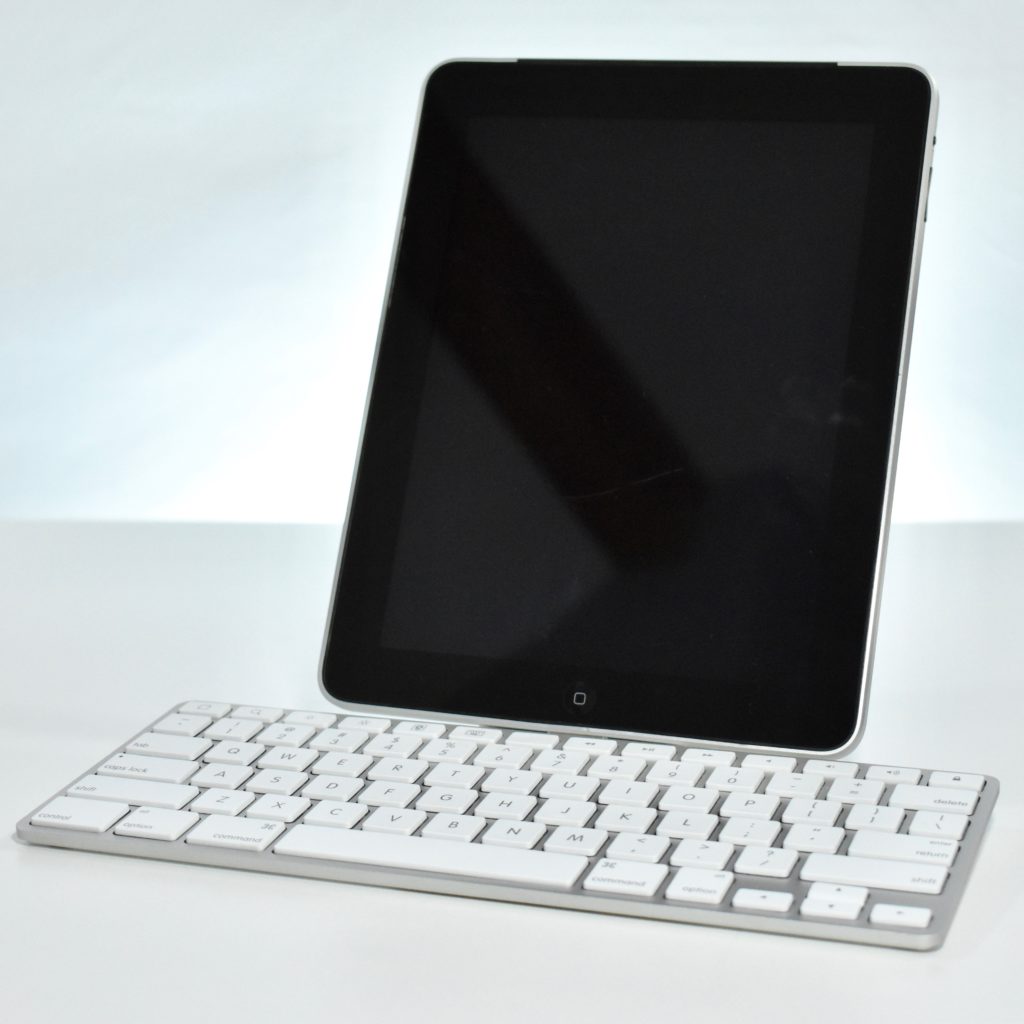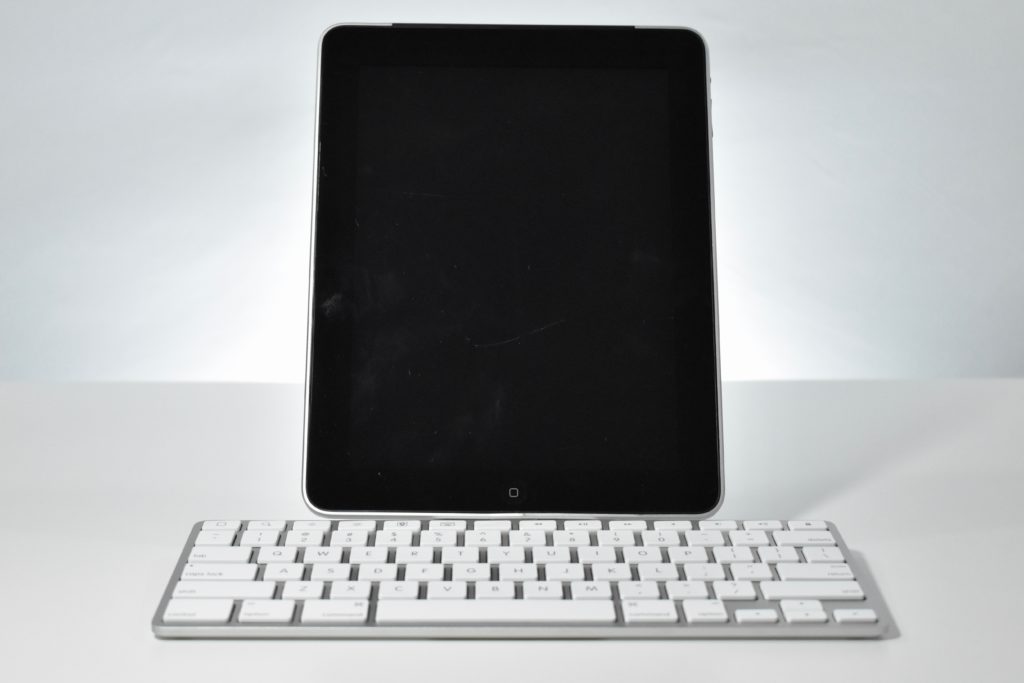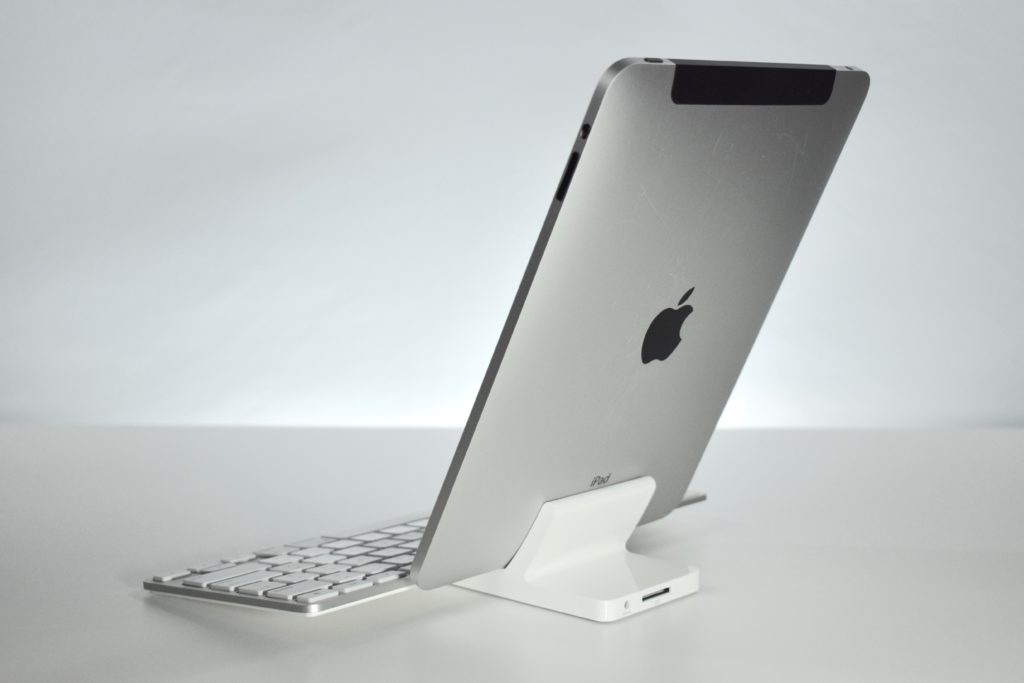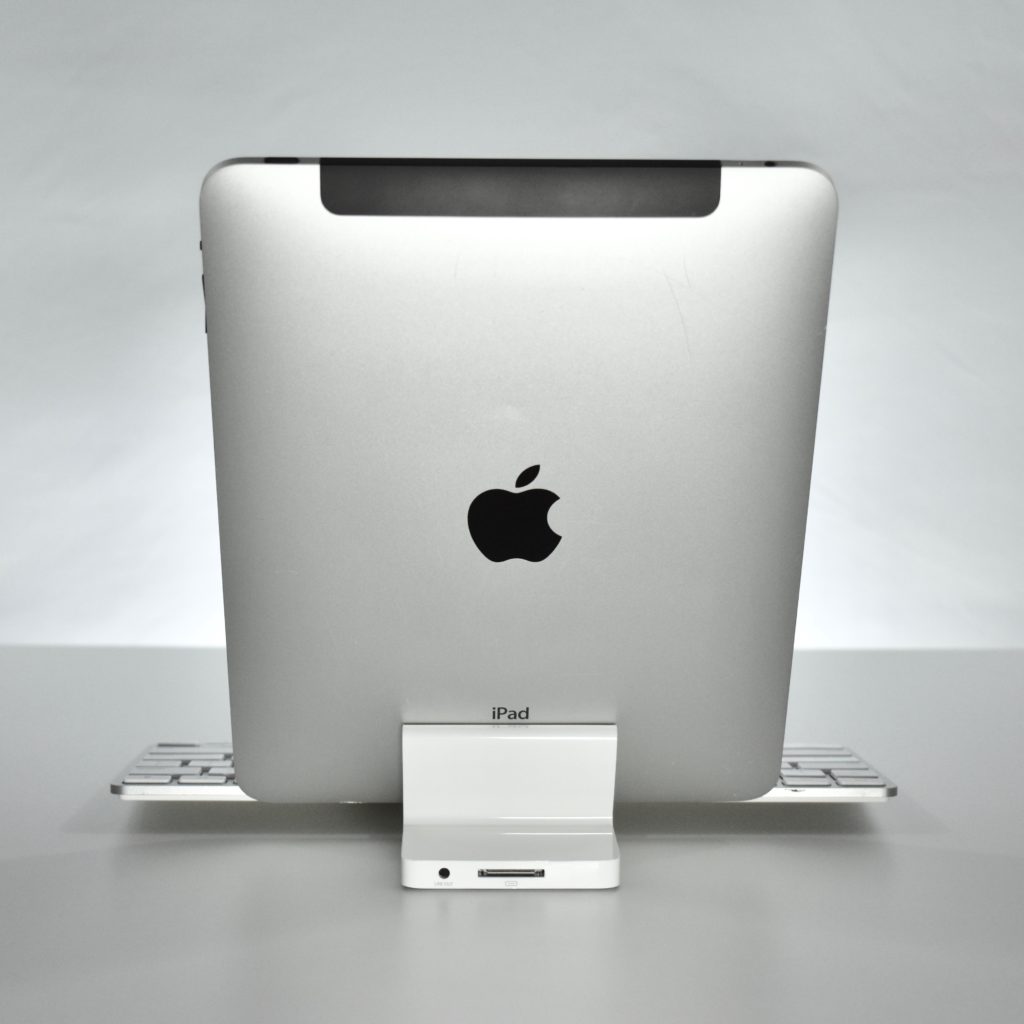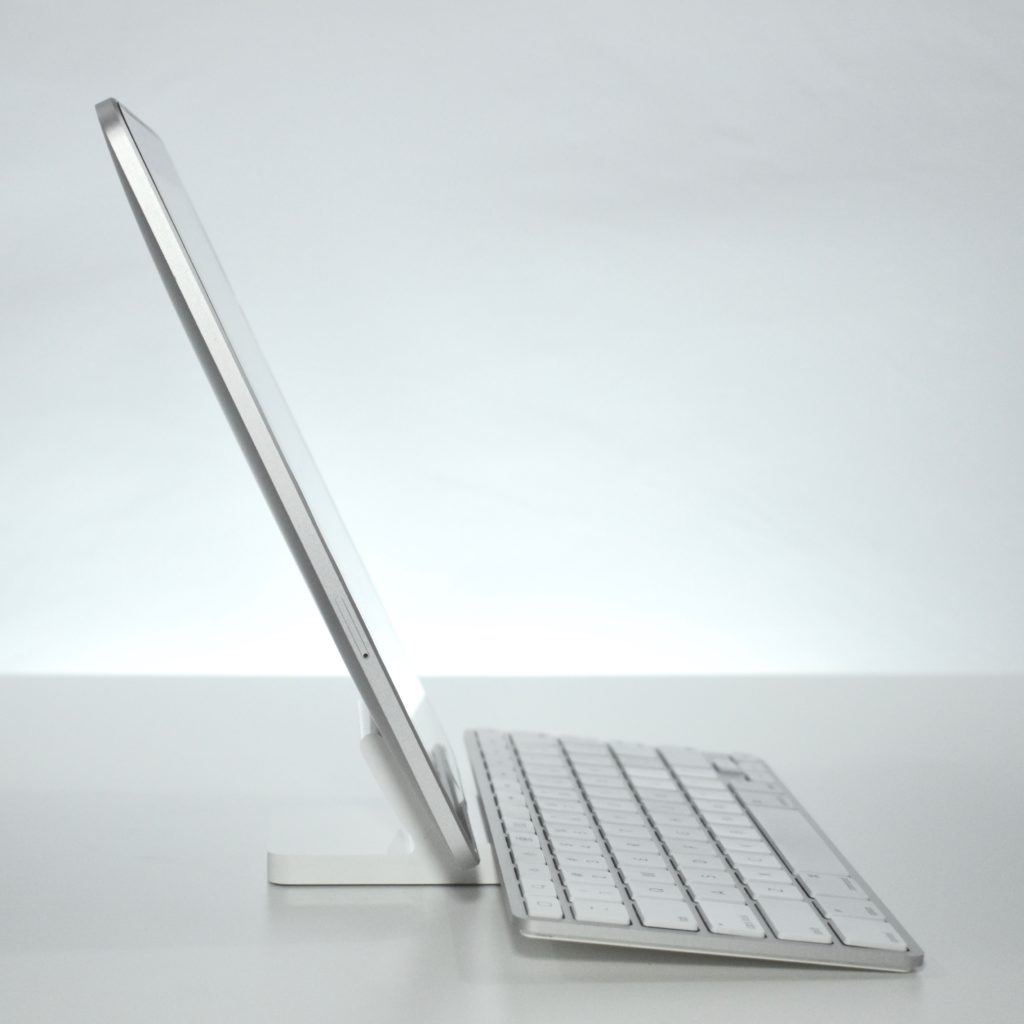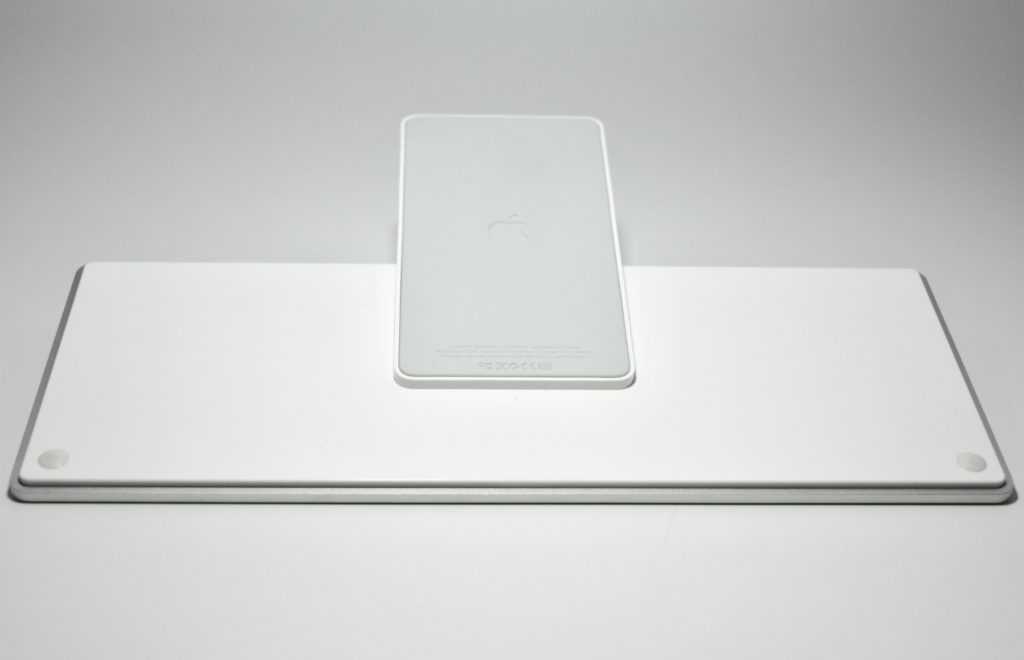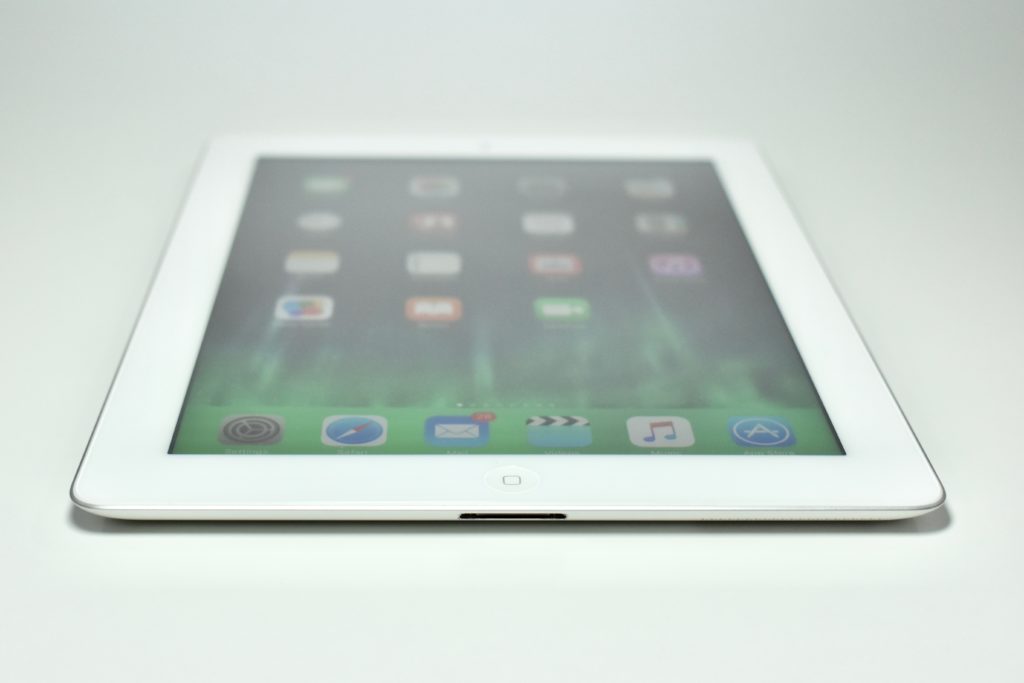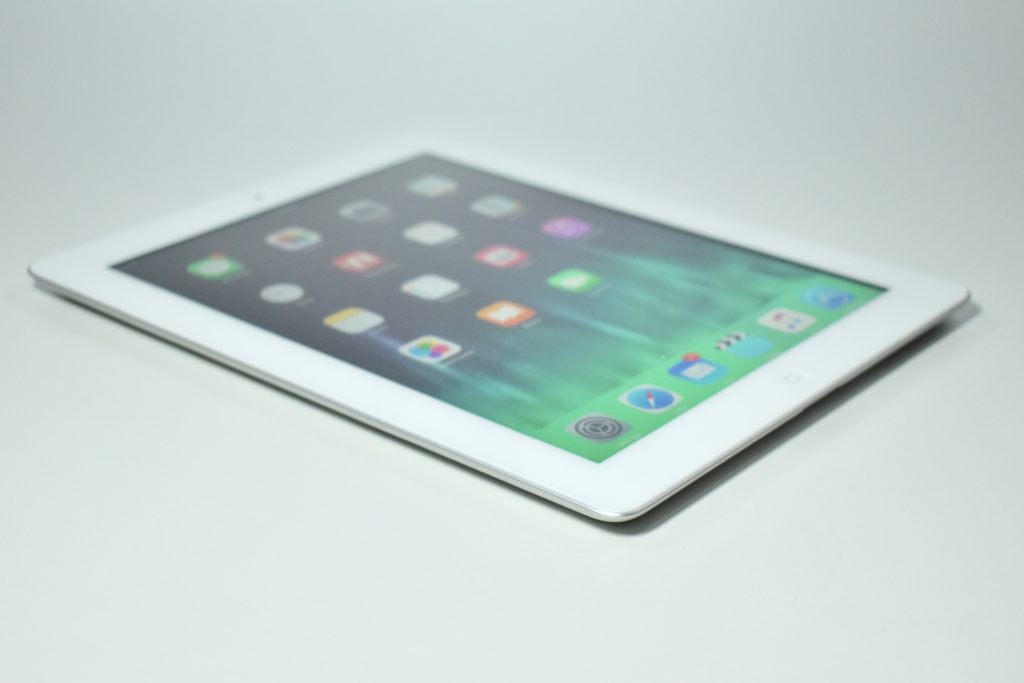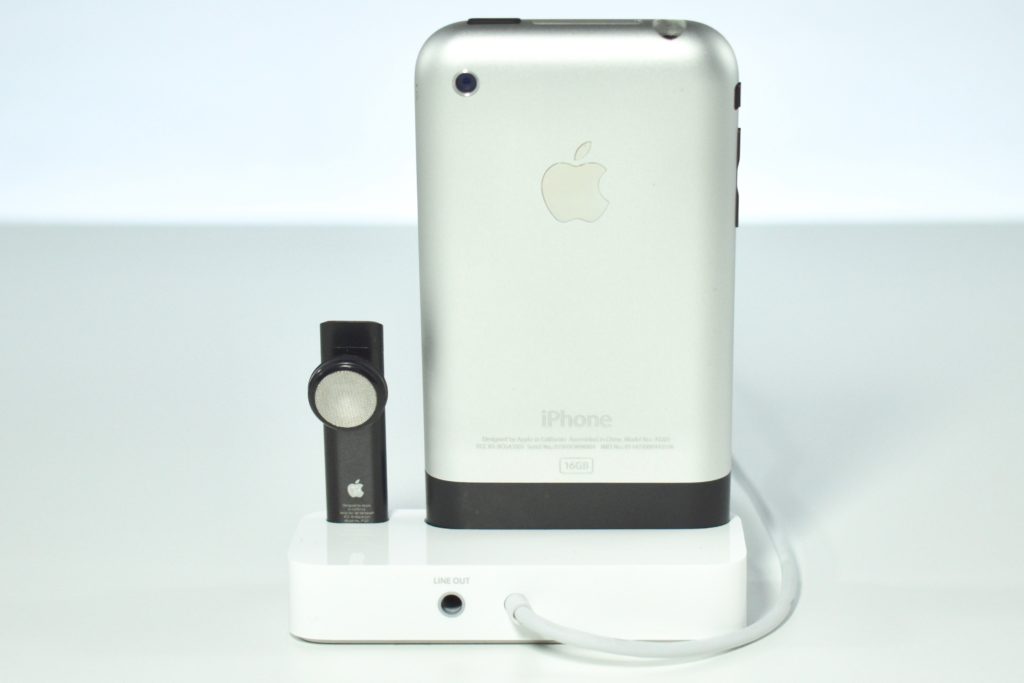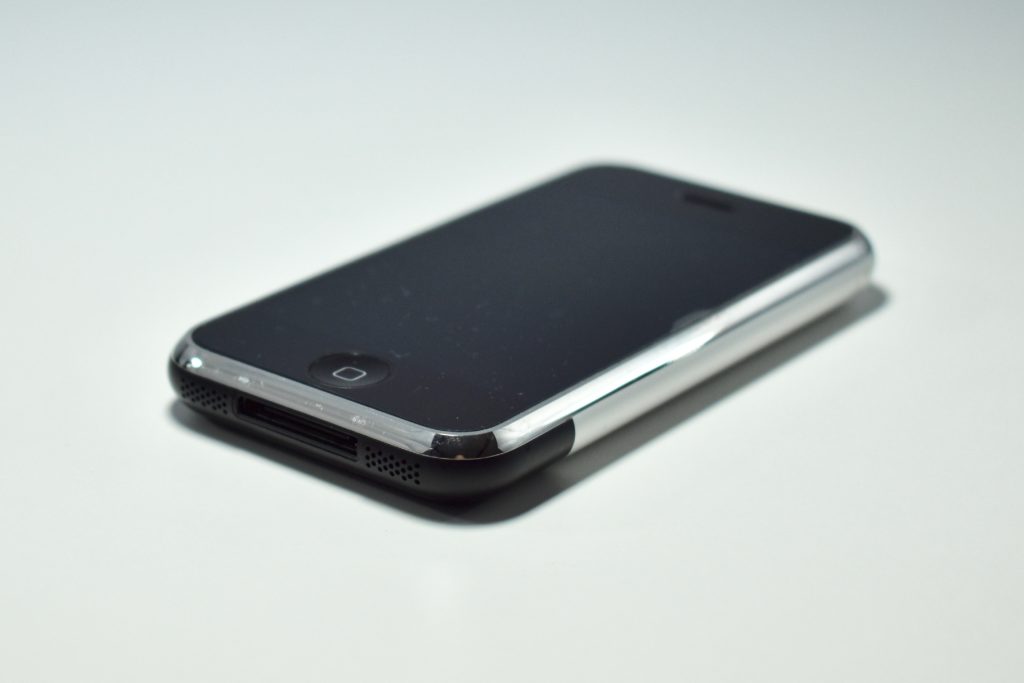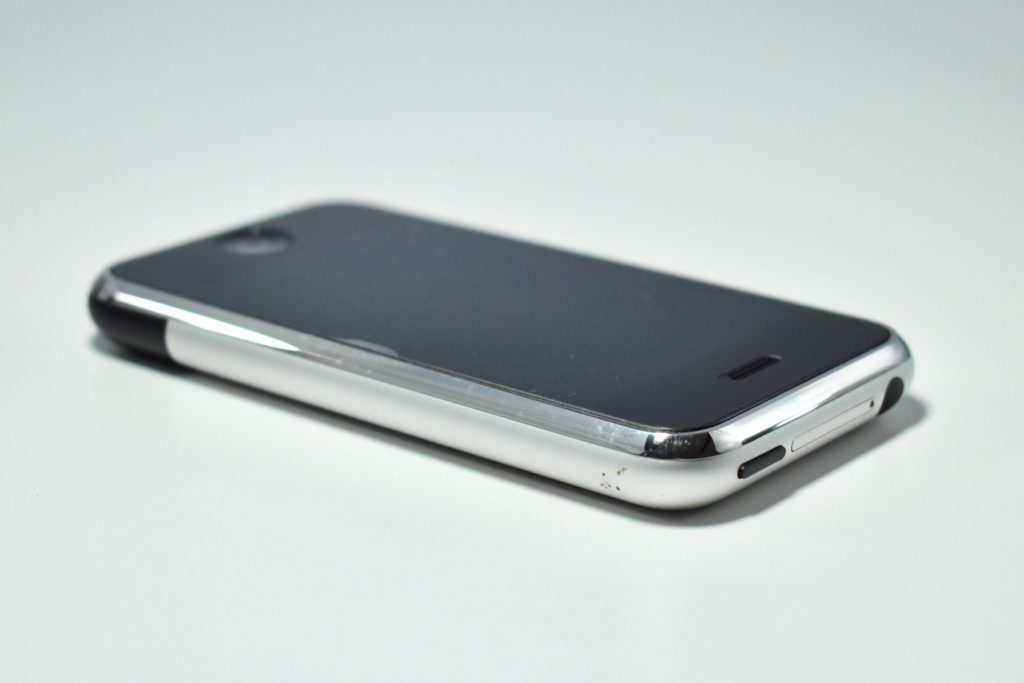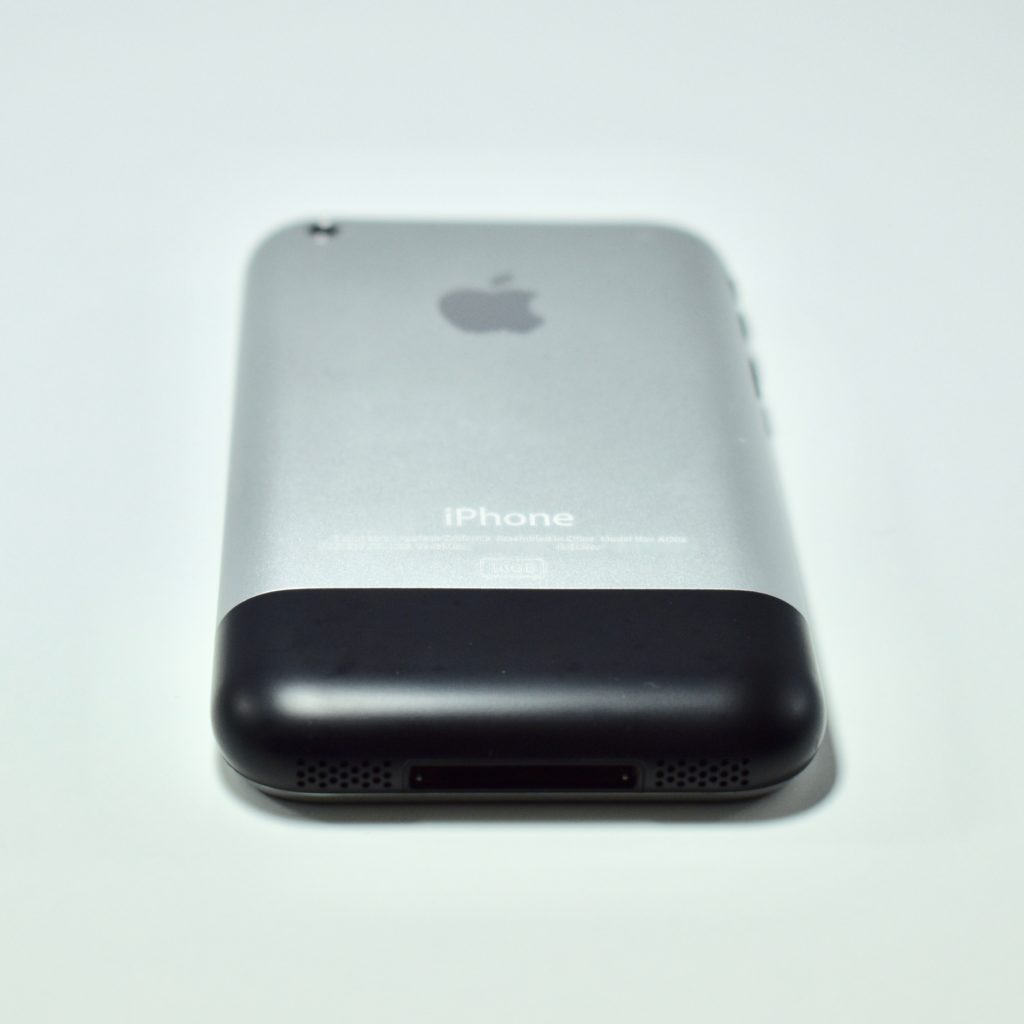
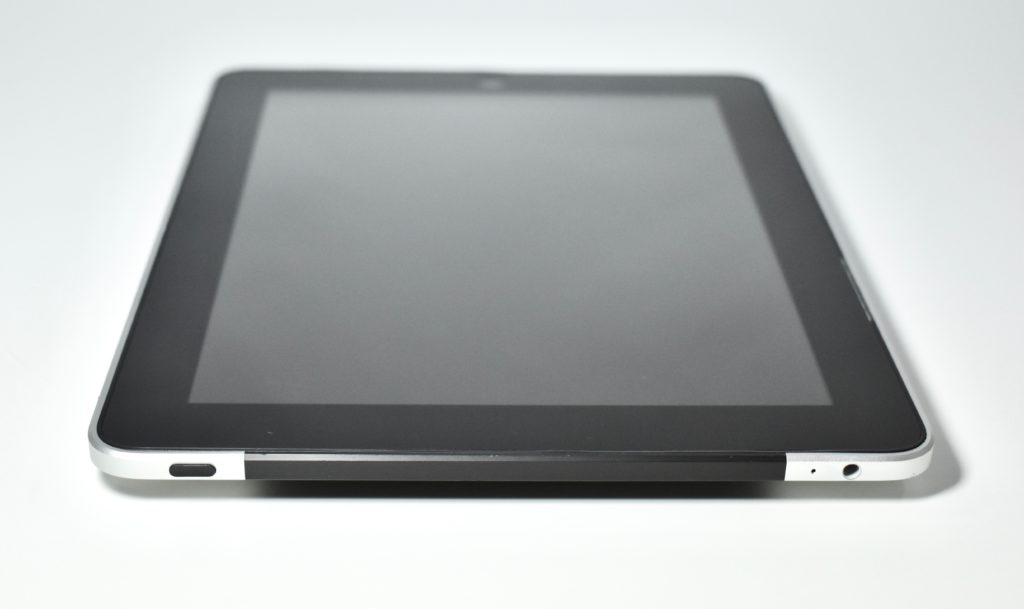
iPad (original, 3G, 16 GB, 2010) and iPad Keyboard Dock

In a January 27, 2010 press release issued by Apple, the company announced the iPad and described it as, “a revolutionary device for browsing the web, reading and sending email, enjoying photos, watching videos, listening to music, playing games, reading e-books and much more.” It was described by Steve Jobs as, “a magical and revolutionary device at an unbelievable price” that “defines an entirely new category of devices that will connect users with their apps and content in a much more intimate, intuitive and fun way than ever before.”

At the time of its release, the iPad could run the 140,000 apps on the App Store and iTunes content including 11 million songs, 50,000 TV episodes, and over 8,000 films. Apple had also recently announced the iBookstore (now called Apple Books) and a new version of iWork for iPad (including Pages, Keynote, and Numbers).

The original iPad used a 9.7-inch multitouch display (1024×768 at 132 ppi) and ran the same operating system as iPhone, which at the time was referred to as iPhone OS 3.2.

Internally, the original iPad had a 1 GHz Apple A4 processor; 16, 32, or 64 GB of storage; 802.11a/b/g/n Wi-Fi; an accelerometer; an ambient light sensor; a digital compass; GPS; two mono speakers; and a built-in microphone. The iPad was 0.5 inches thick and weighed 1.6 pounds.

This iPad model also had 3G wireless data support. The Wi-Fi version of the iPad was released in March 2010, and this 3G wireless data version was released a month later in April 2010.

The keyboard on the iPad Keyboard Dock measures 11 inches wide, 4.5 inches deep, and stands 0.65 inch tall toward the back, sloping to 0.25 inch at the spacebar. A white plastic dock is fused to the back of the keyboard making the device a total depth of 7.25 inches and 2 inches tall. The dock weighs 1.4 pounds.

Although the keyboard resembles the Mac keyboards of the time, the escape and function buttons found at the top of a Mac keyboard were replaced with 13 keys that control iPad-specific features, including: home screen, search, brightness, picture frame, onscreen keyboard toggle, music track control, volume, and screen lock. Each function is represented by an icon.

Sources: EveryMac.com, Apple.com, Cnet.com
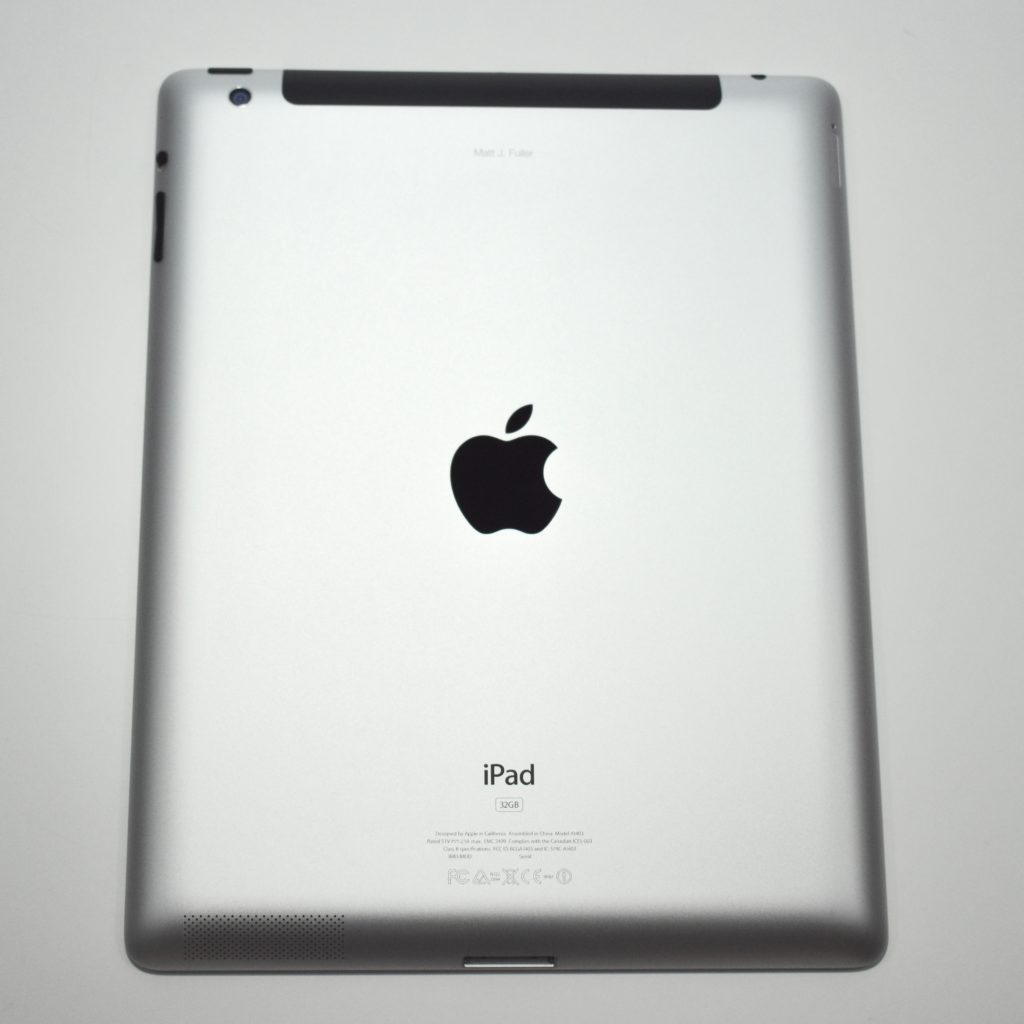
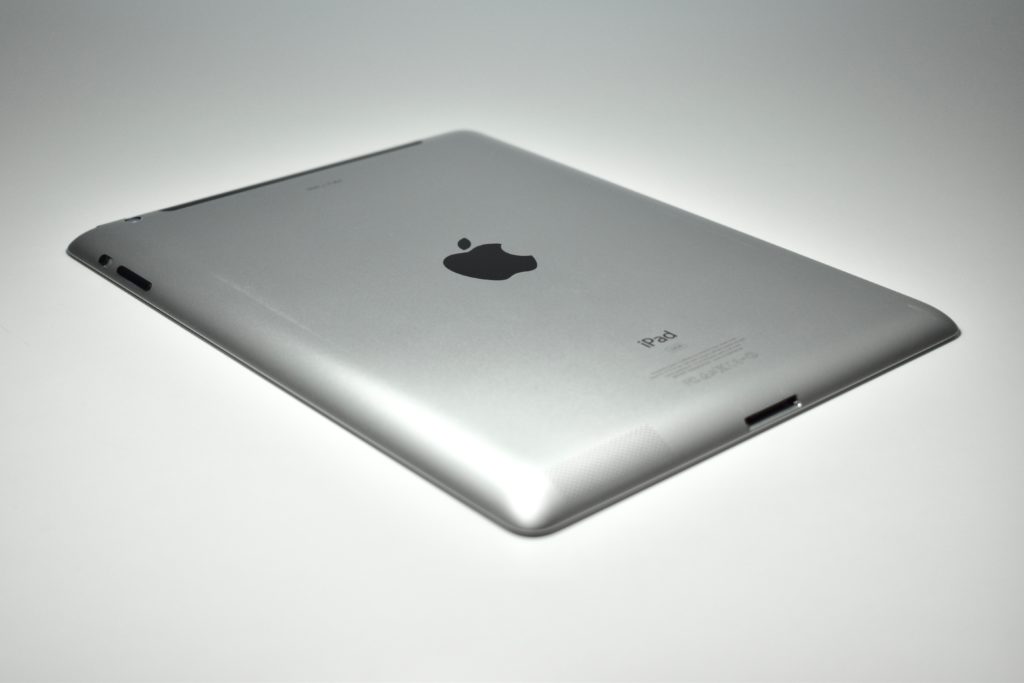
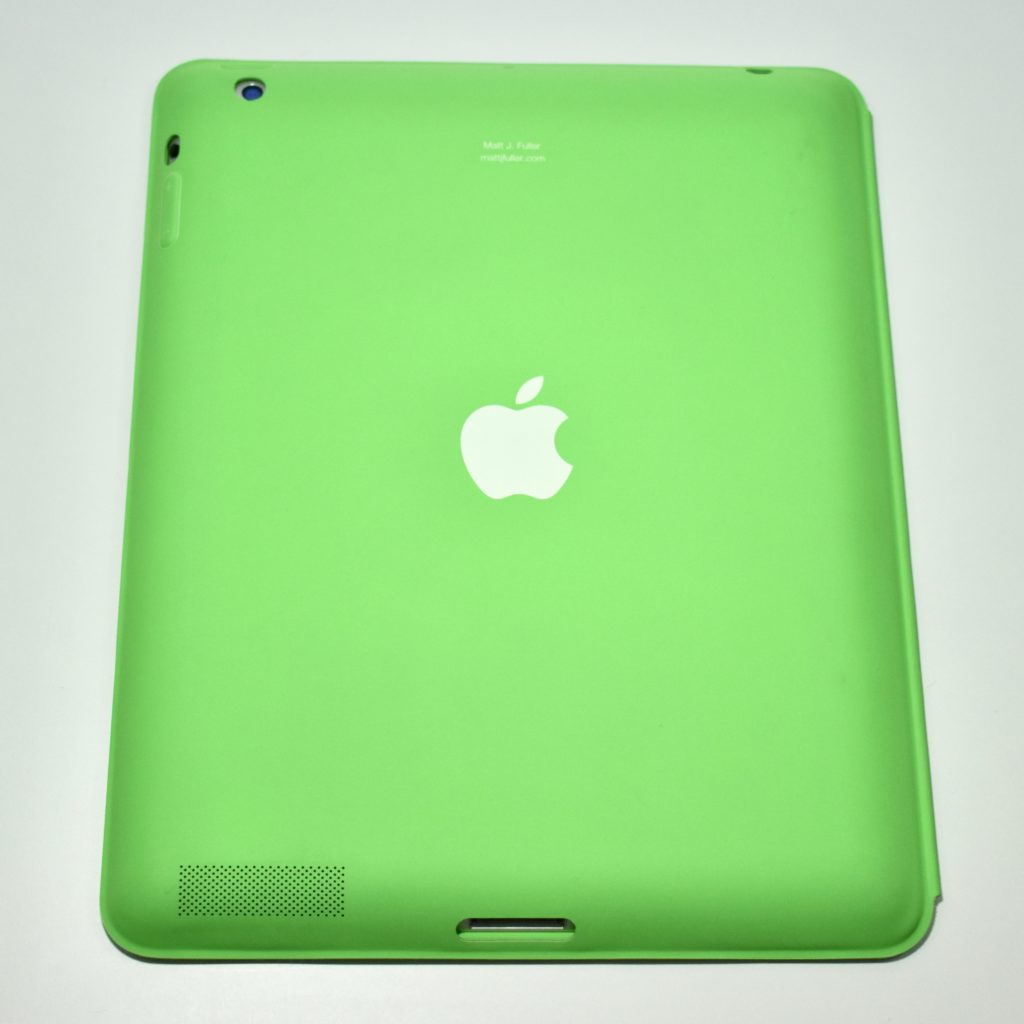
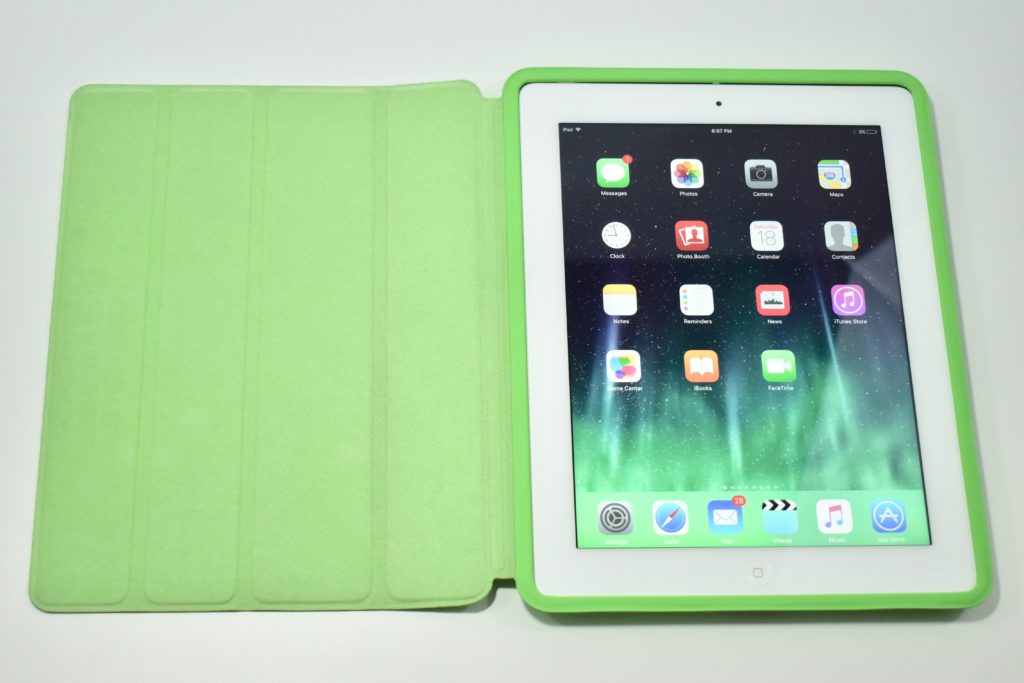
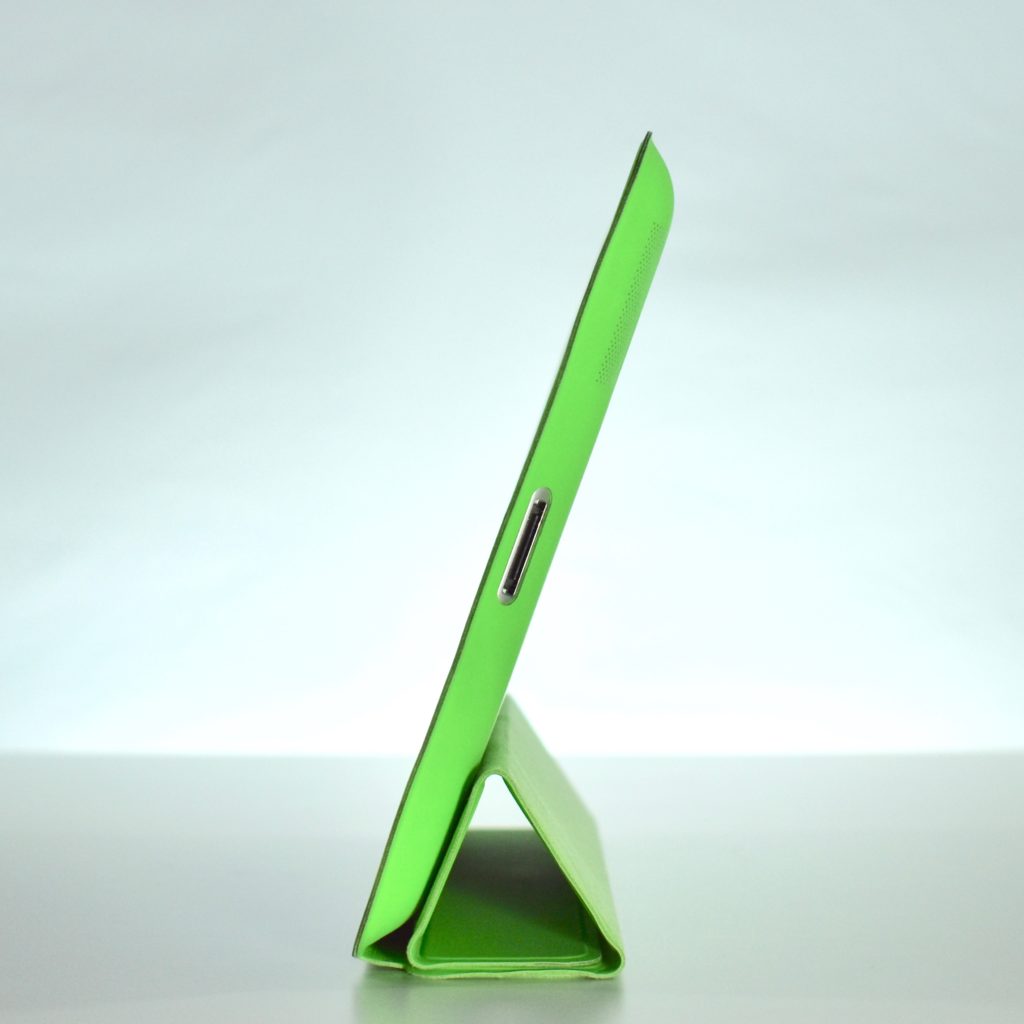
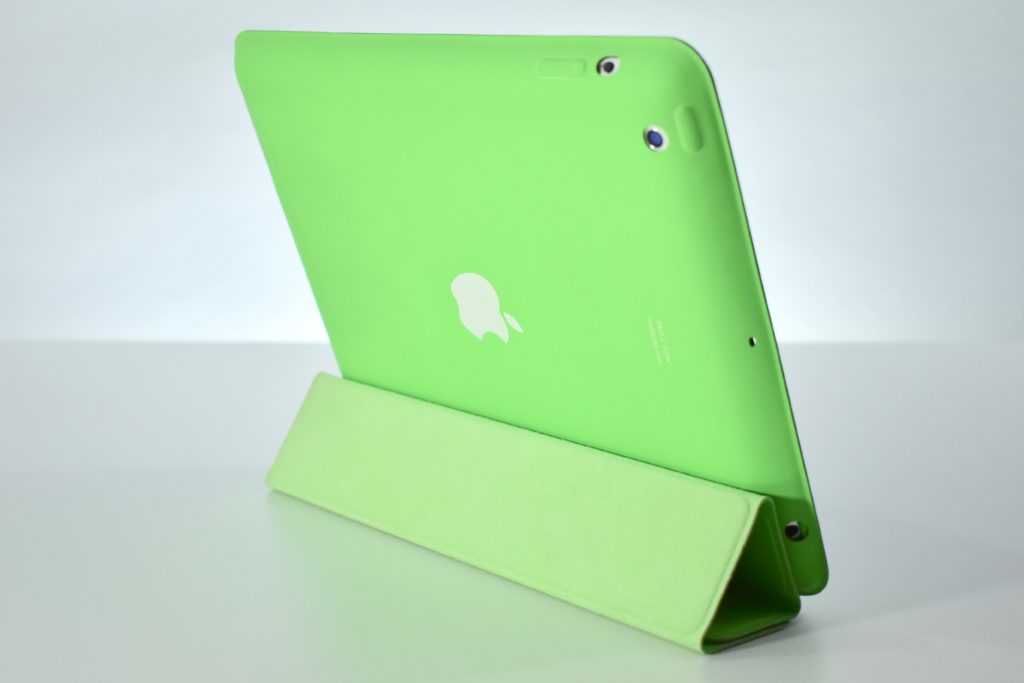
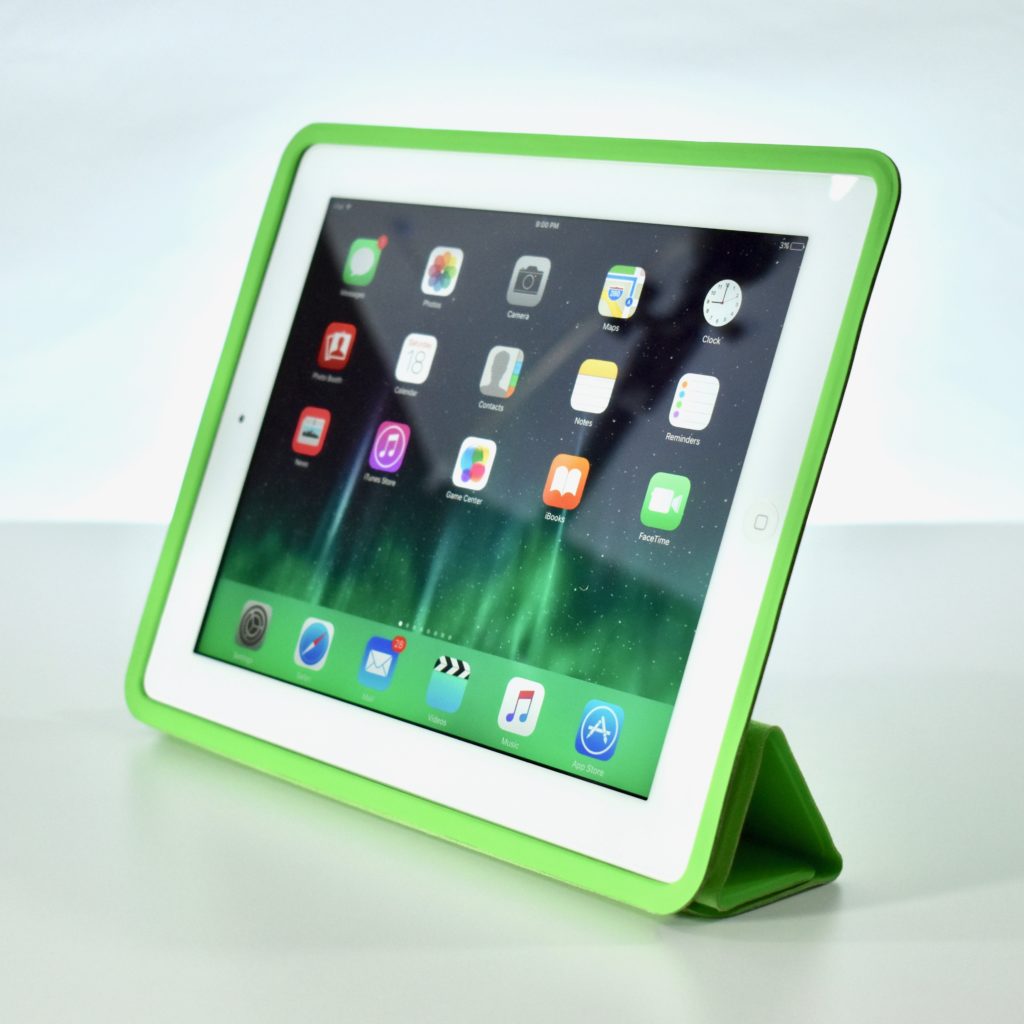
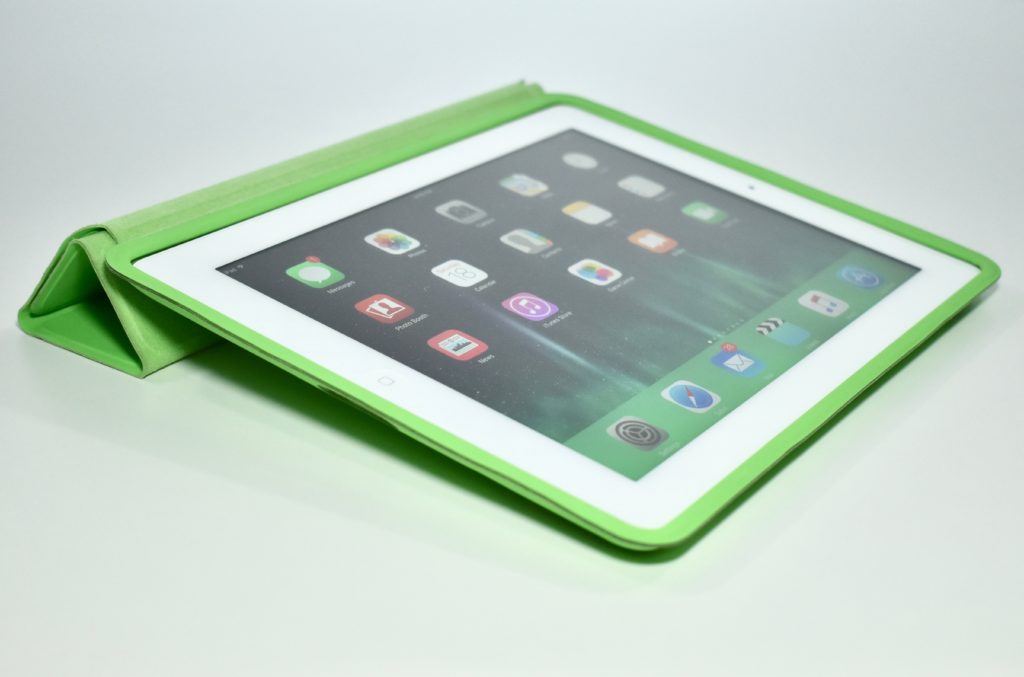
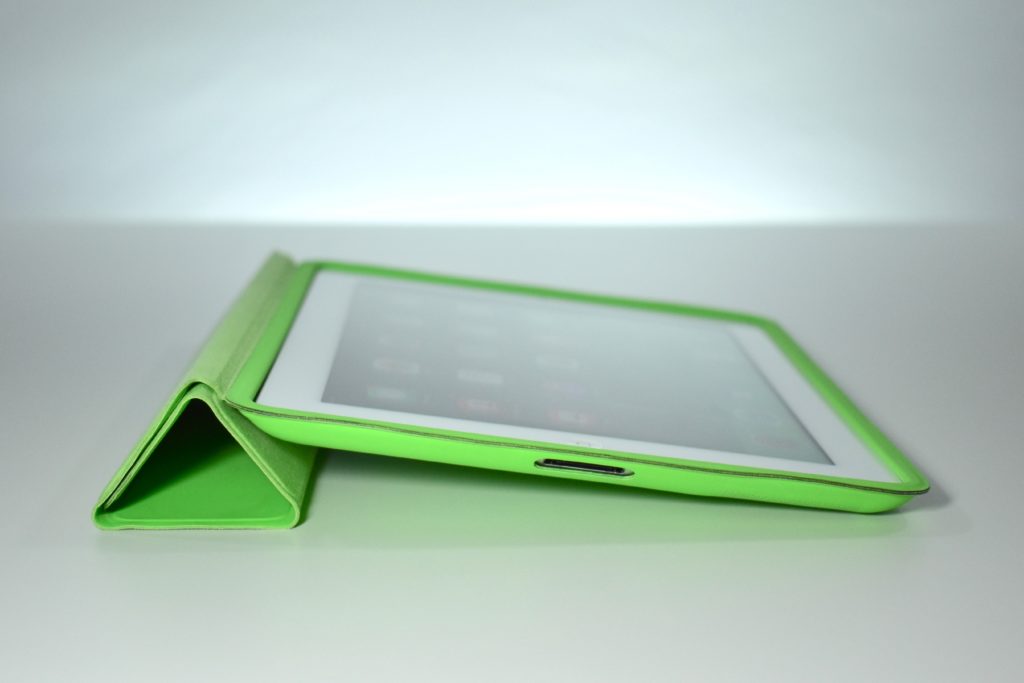
iPad (Generation 3, cellular, 32 GB, white, 2012) with iPad Smart Case (green)

The iPad Generation 3 was significantly more powerful than the two previous iPad models and introduced the “Retina” display, a 9.7-inch multitouch screen at 2048×1536 (264 ppi). Internally it used a dual-core 1 GHz Apple A5X processor with quad core graphics; 1 GB of RAM; 16, 32, or 64 GB of storage; a rear-mounted 5 megapixel iSight camera (1080p); a front-mounted FaceTime camera; 802.11n Wi-Fi, and Bluetooth 4.0.

This specific iPad model supported 4G LTE connectivity on Verizon’s network in the US.

According to Cult of Mac, the iPad Generation 3 had the “shortest lifespan of any iPad in history. Apple debuted the fourth-gen model just 221 days after the iPad 3 went on sale. The iPad 4 added the Lightning connector, making the iPad 3 the last iPad to support the old 30-pin dock connector.”

The Smart Case for was made of polyurethane and fit several iPad models including iPad 2 (2nd generation), iPad (3rd generation), and iPad with retina display. The Smart Case offered full protection and the cover was magnetic so when the case was open the iPad woke up and automatically went to sleep when closed.

The interior of the case was made of a soft, color-matched microfiber lining that helped keep the display clean. By folding the cover into a triangle, Apple advertised the case positions as a “FaceTime and movie stand” while upright and a keyboard stand to “tilt iPad into a comfortable typing position” when flat.

Sources: EveryMac.com, Cult of Mac

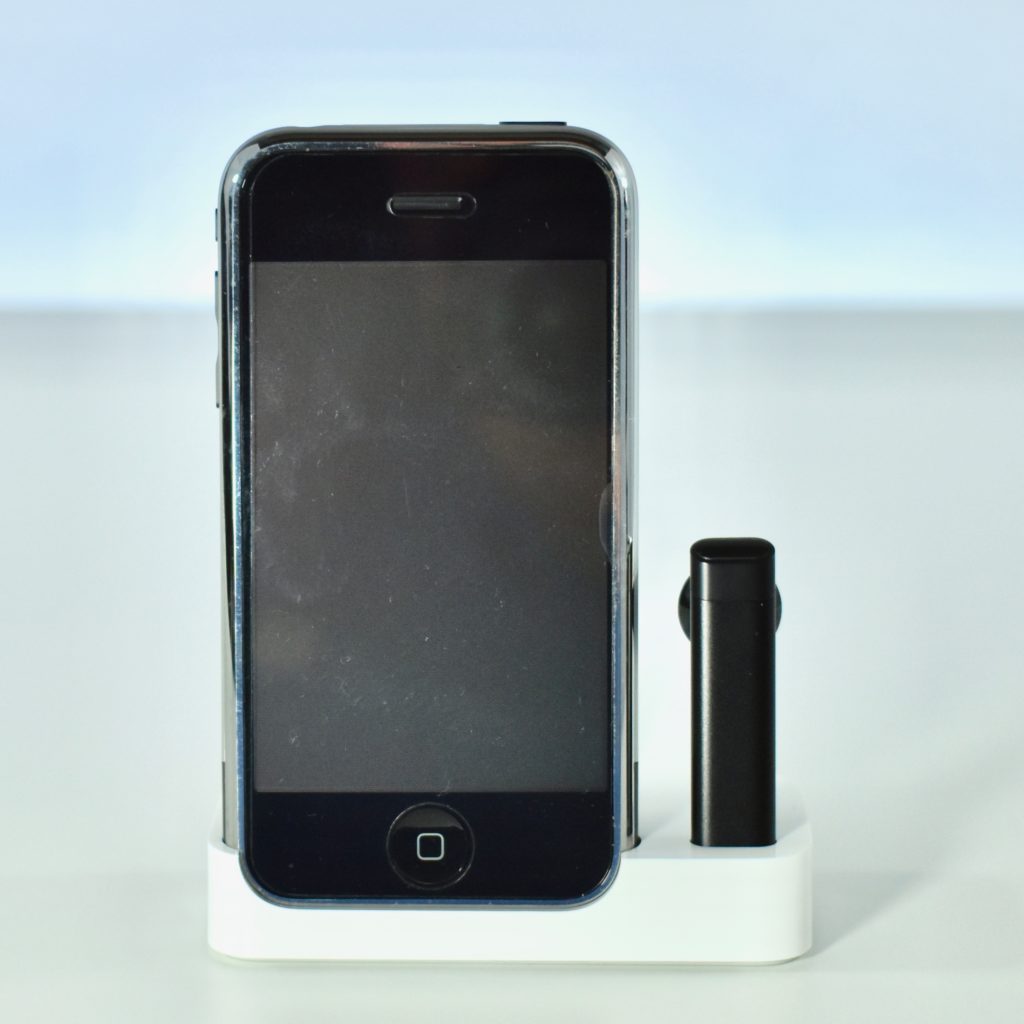
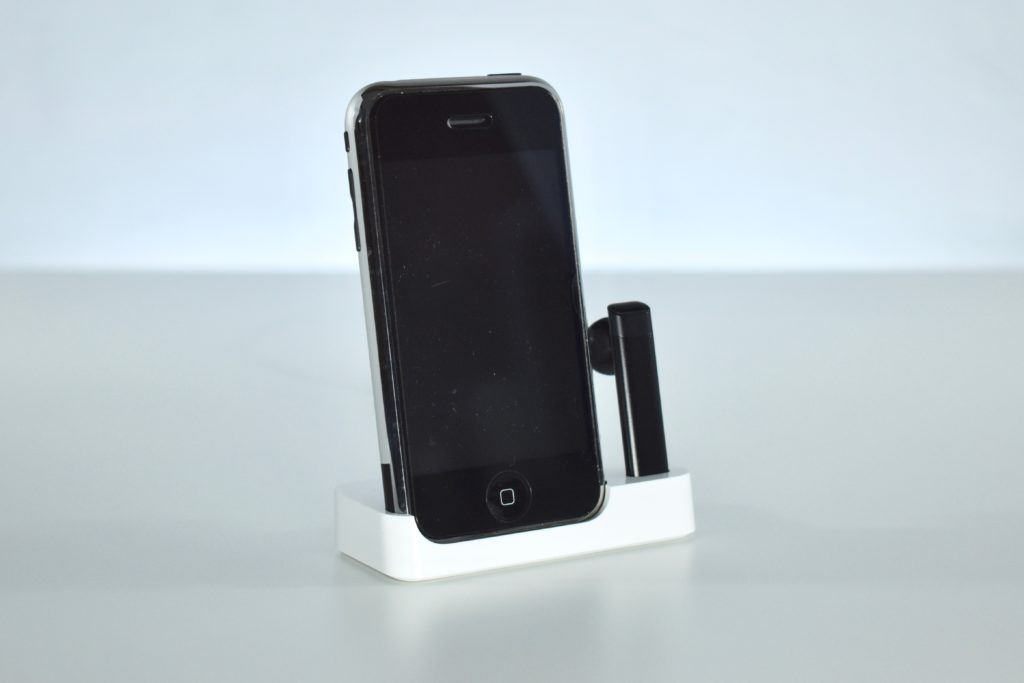
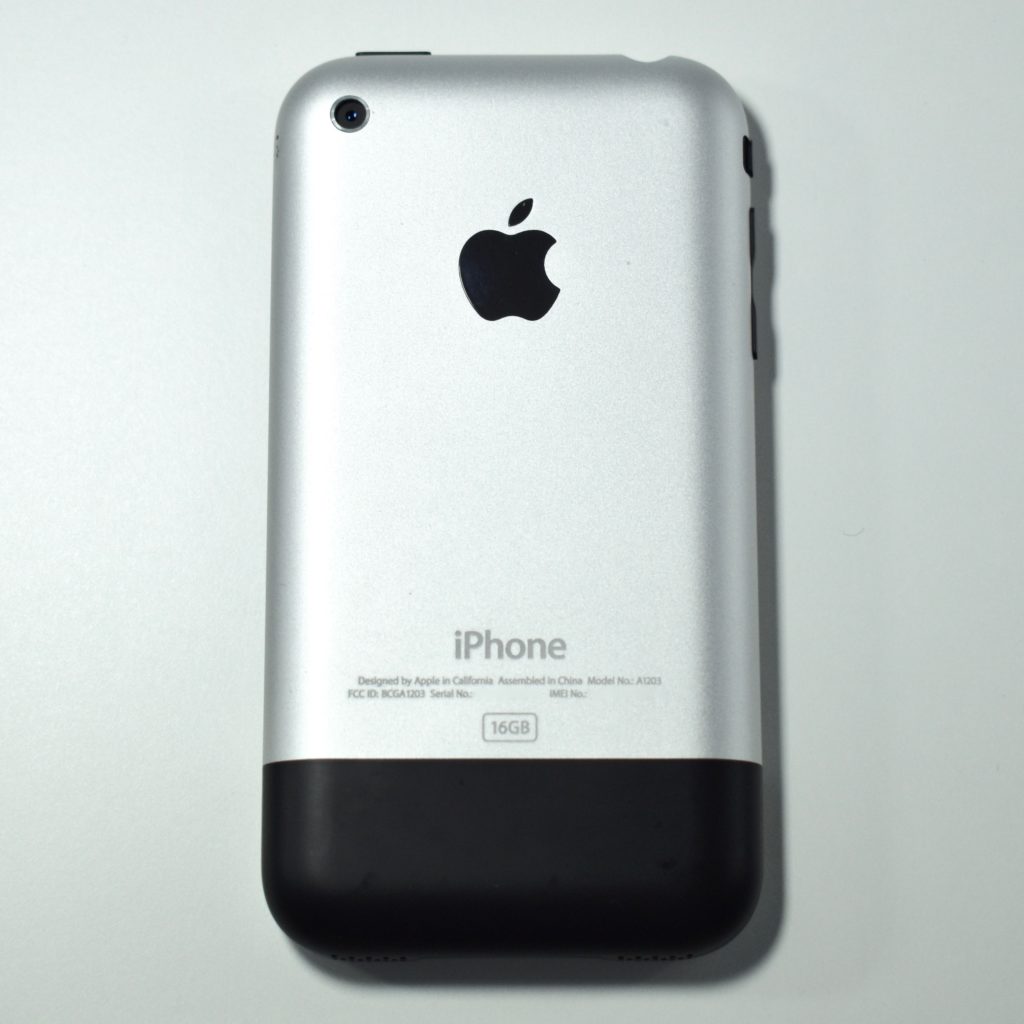
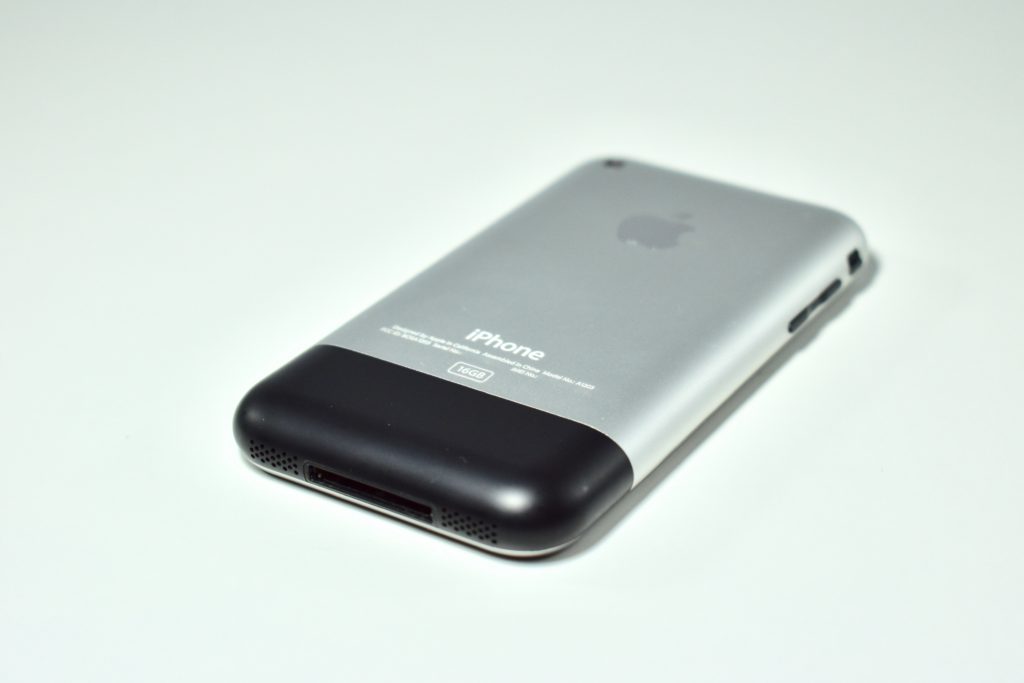
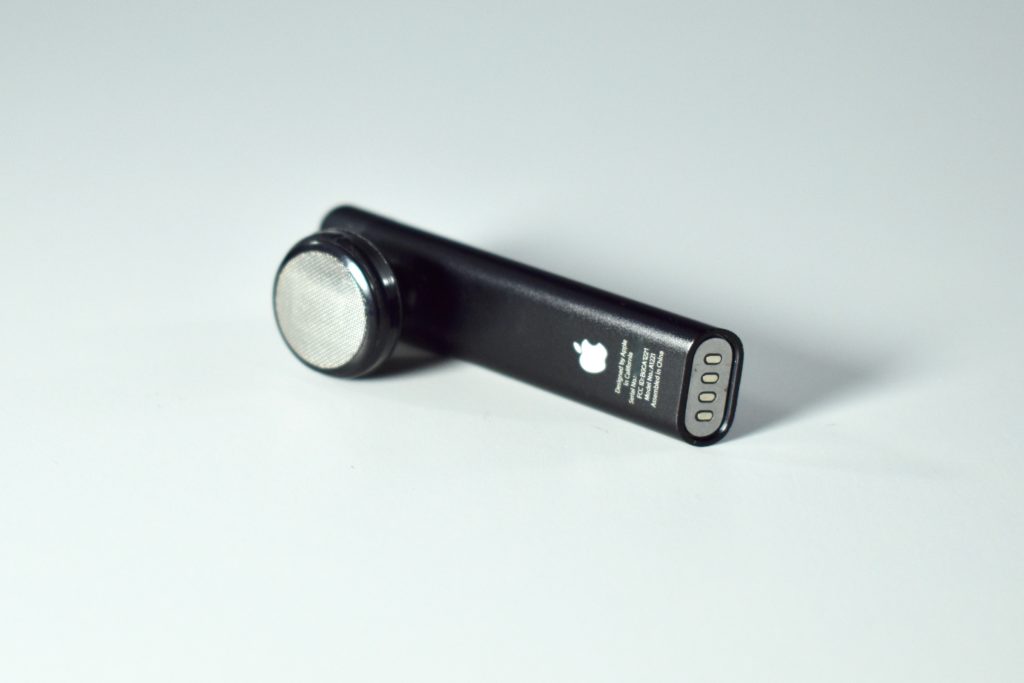
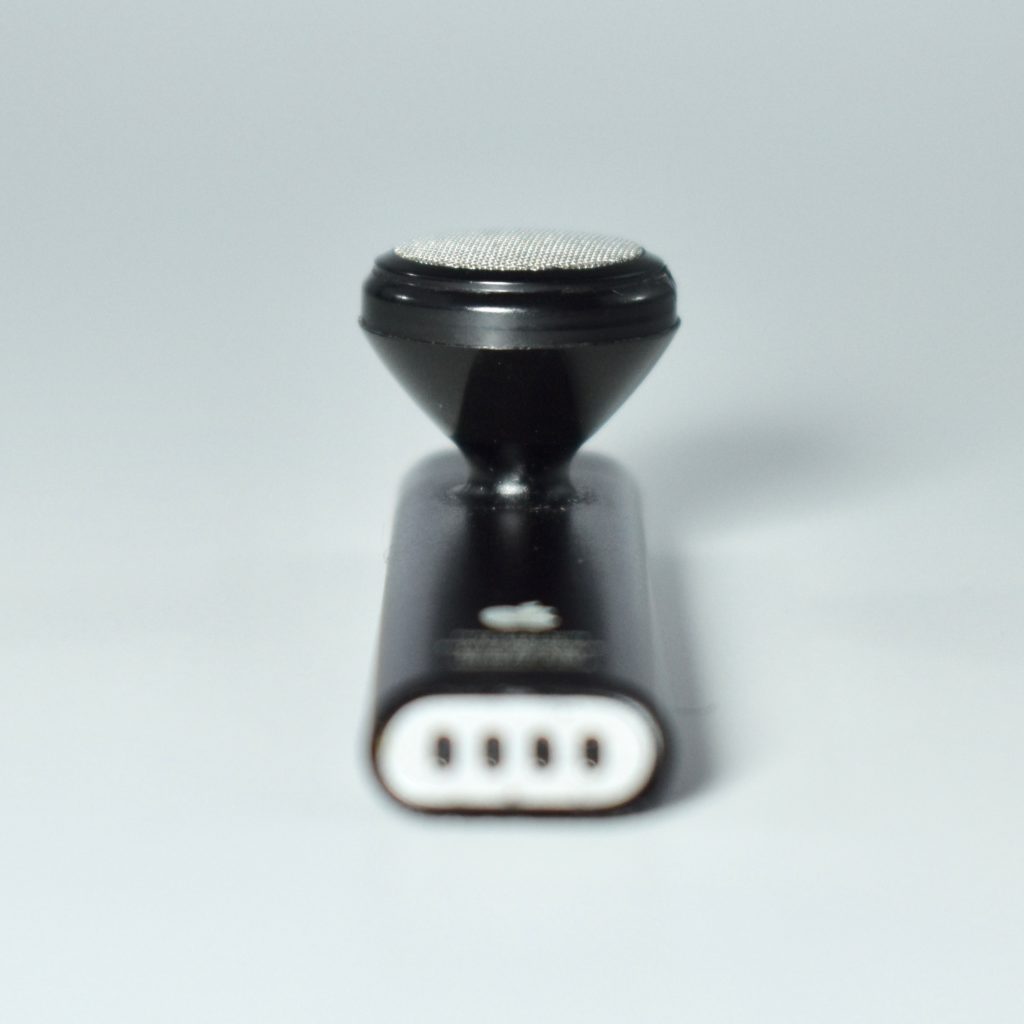
iPhone (original, 16 GB, 2007) and iPhone Bluetooth Headset (2007) and Dock

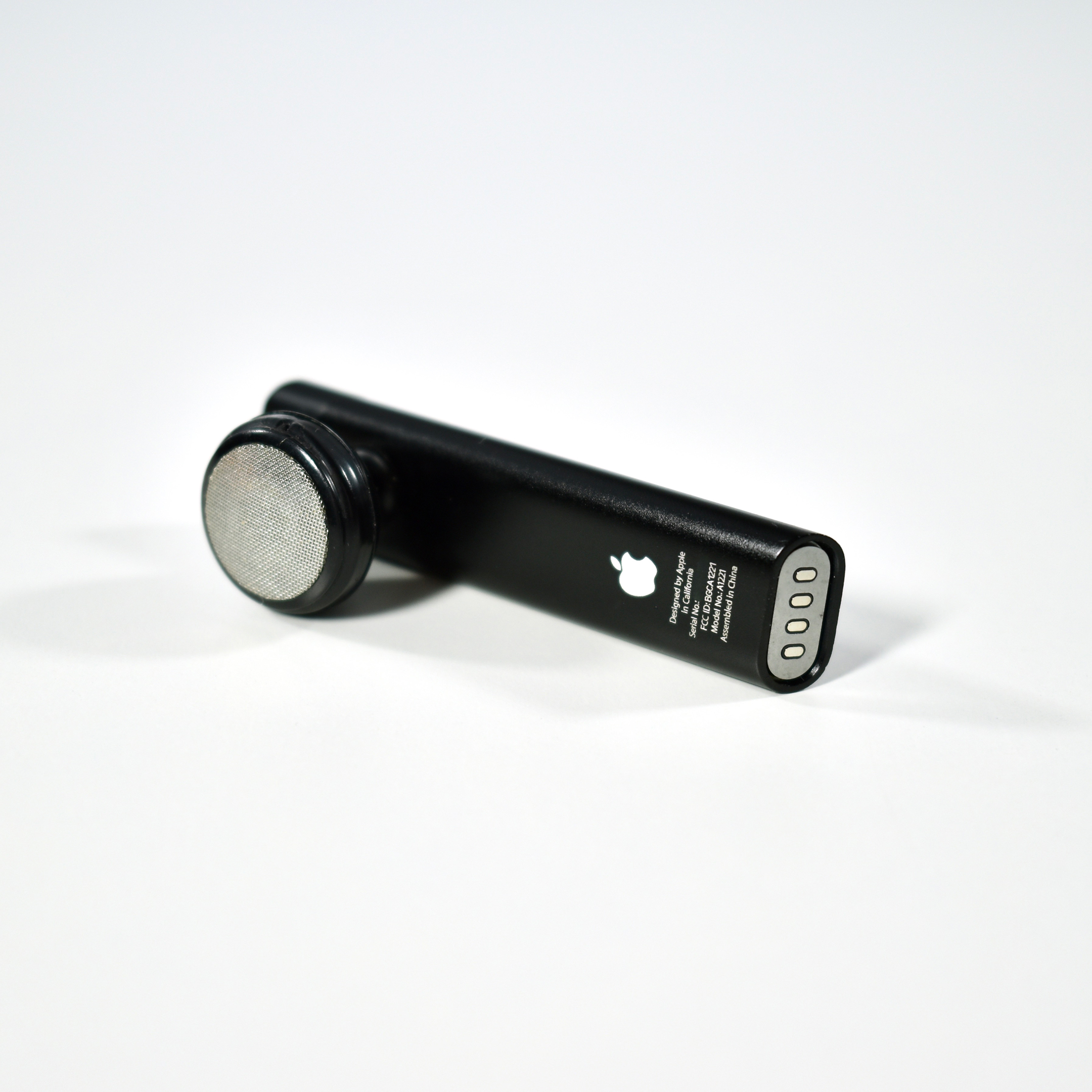
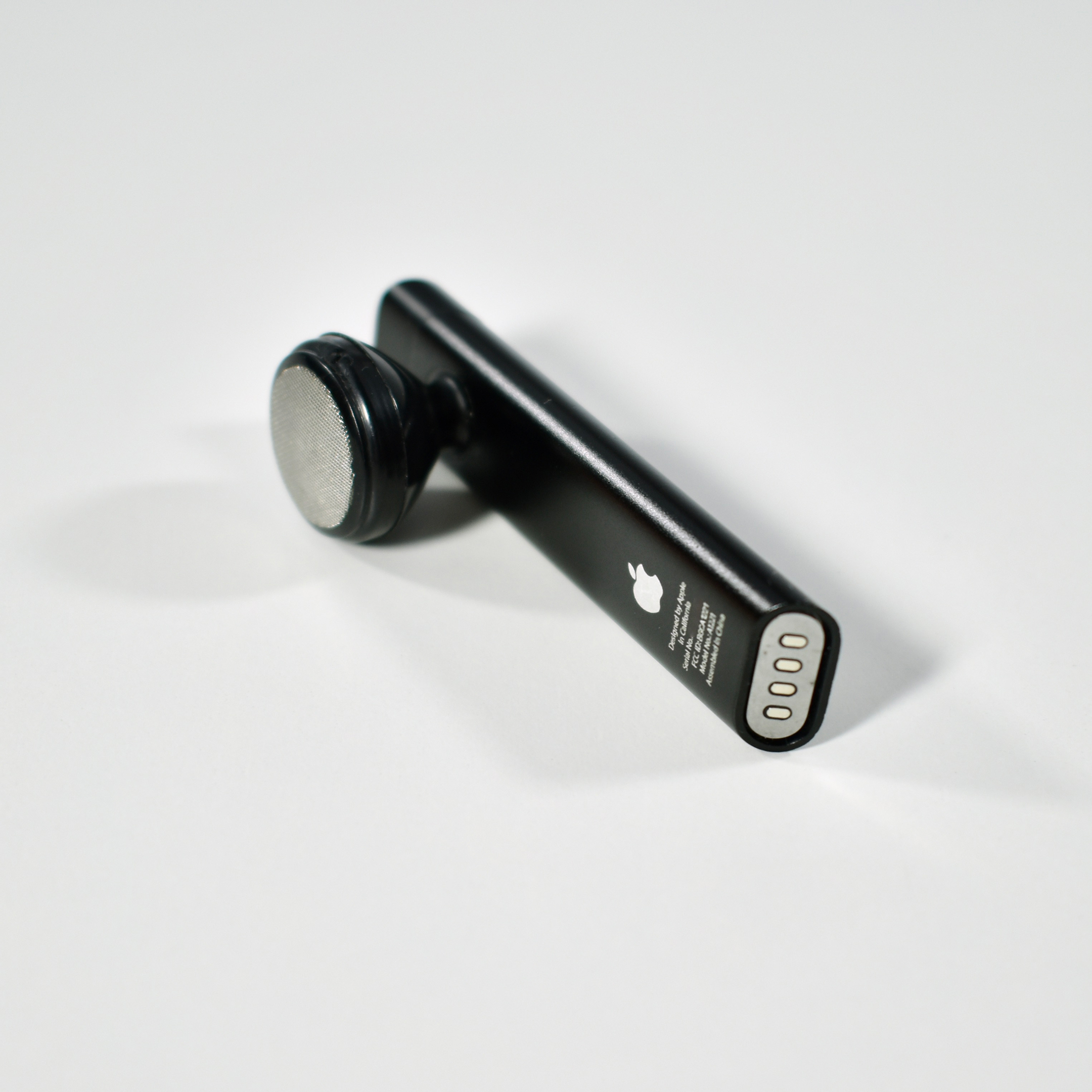
The original iPhone was officially announced on January 9, 2007, and was released on June 29, 2007. The original iPhone was available in 4, and 8 GB capacities, with a 16 GB capacity released on February 5, 2008. Soon after the original release, Apple dropped iPhone prices by $100. As a concession to early adopters (after criticism), Apple offered a $100 store credit. I used my store credit to purchase the $99 Apple Bluetooth Headset.

The original iPhone introduced the “multi-touch” display that allowed control by dragging one or more fingers across the glass display, although no interface controls required multiple fingers in the iPhone OS 1.0. This iPhone has sensors including an accelerometer (to detect landscape or portrait orientation), an ambient light sensor (to control screen brightness), and a proximity sensor (to turn off the display when held to the ear).

Other features include Wi-Fi (802.11b/g), EDGE, Bluetooth 2.0, and a 2.0 megapixel camera. The case is 2.4 inches by 4.5 inches, is 0.46-inch thick, and weighs 4.8 ounces.

Source: EveryMac.com and AppleInsider.