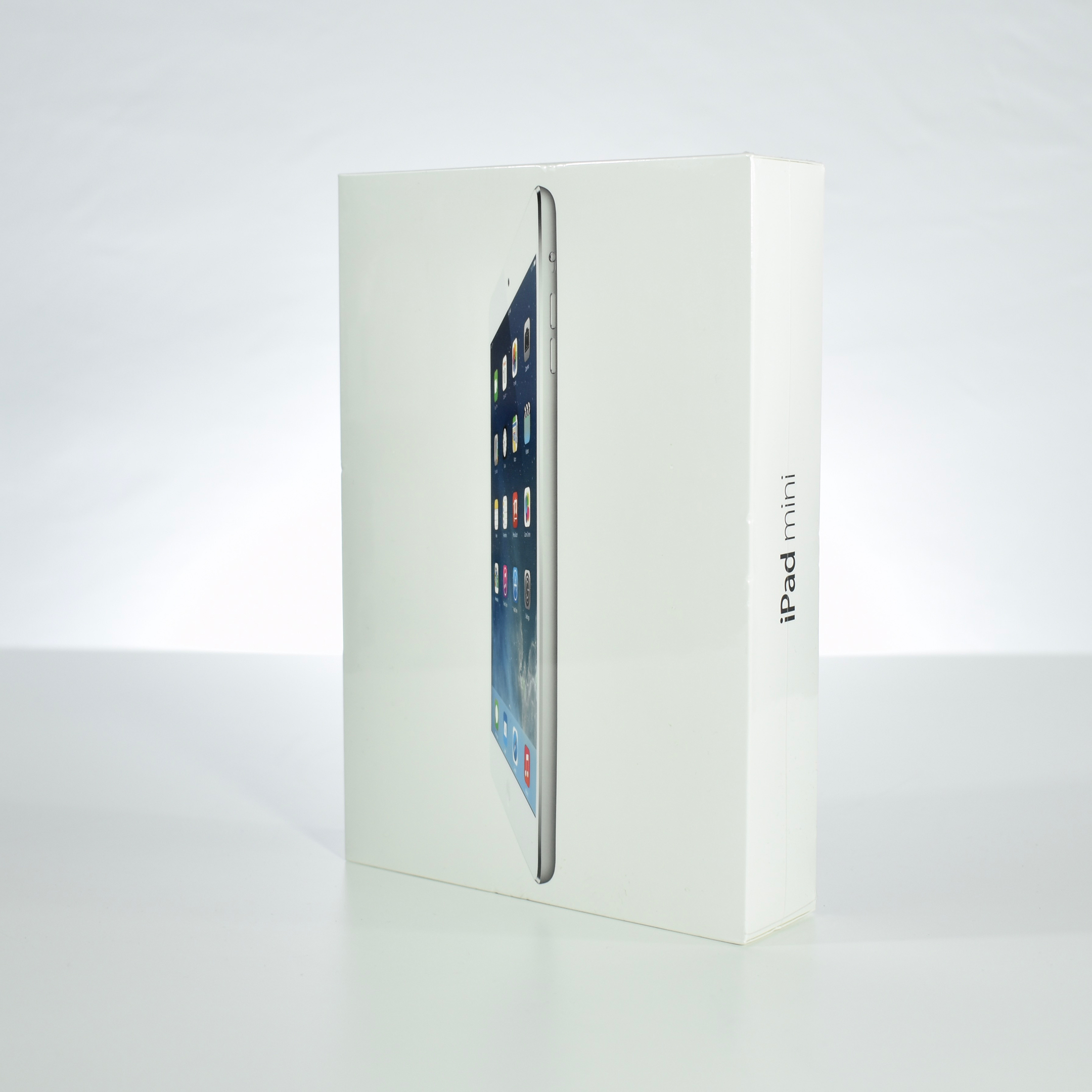
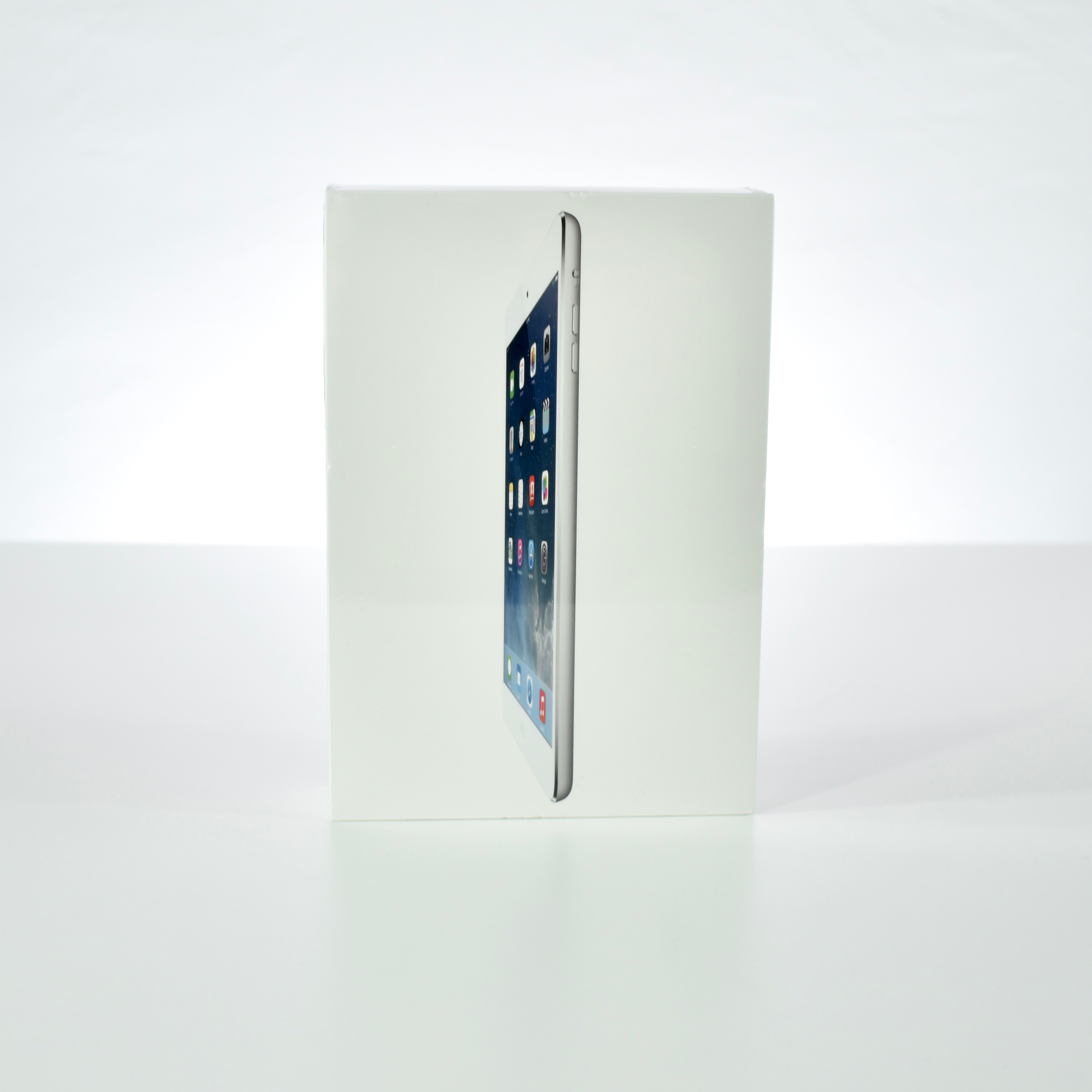
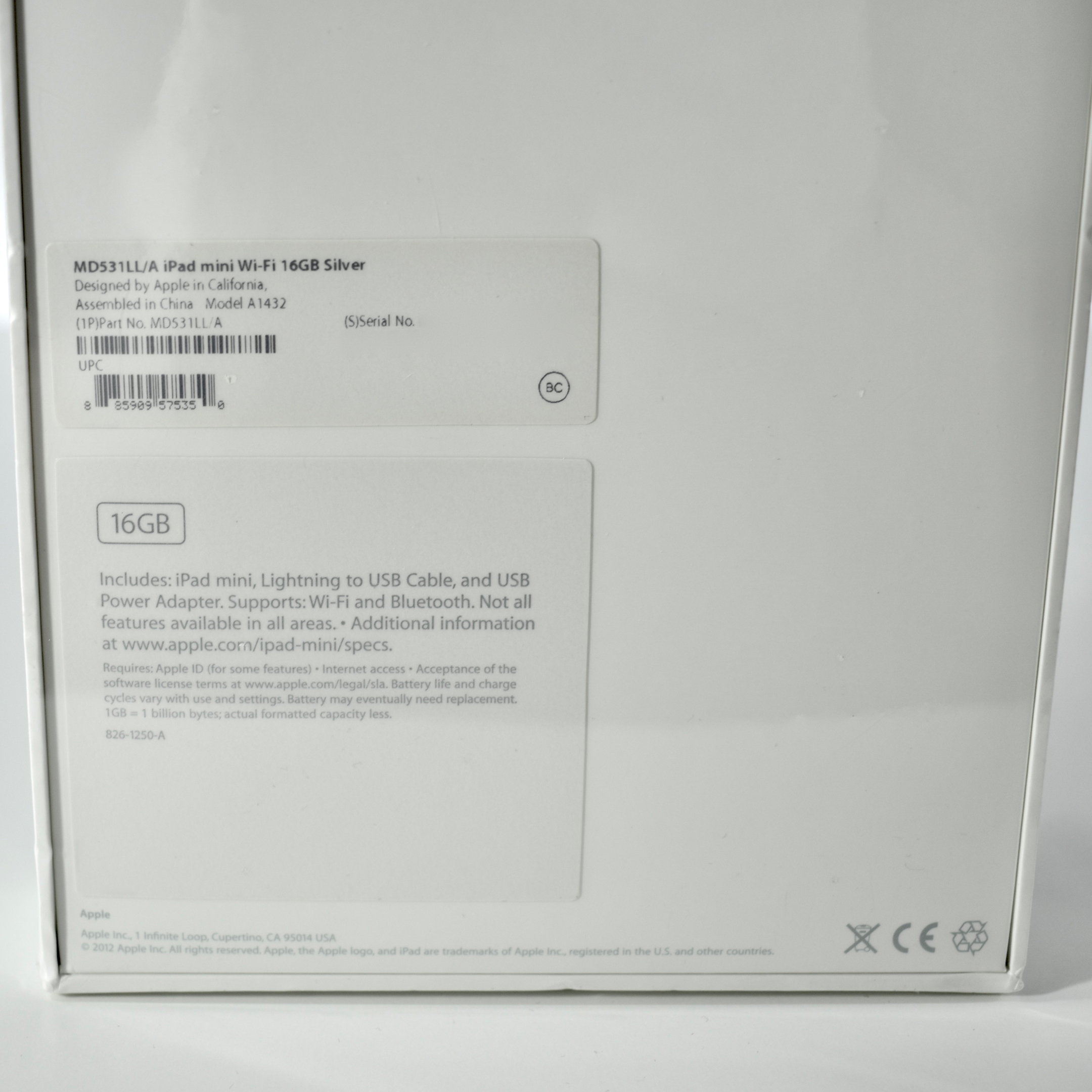
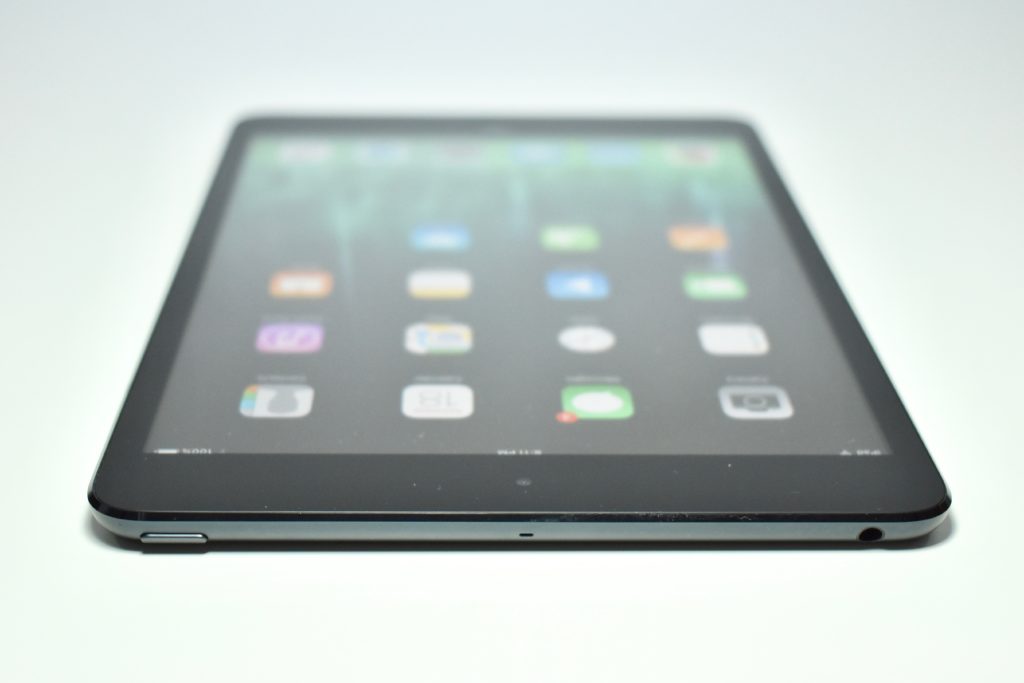
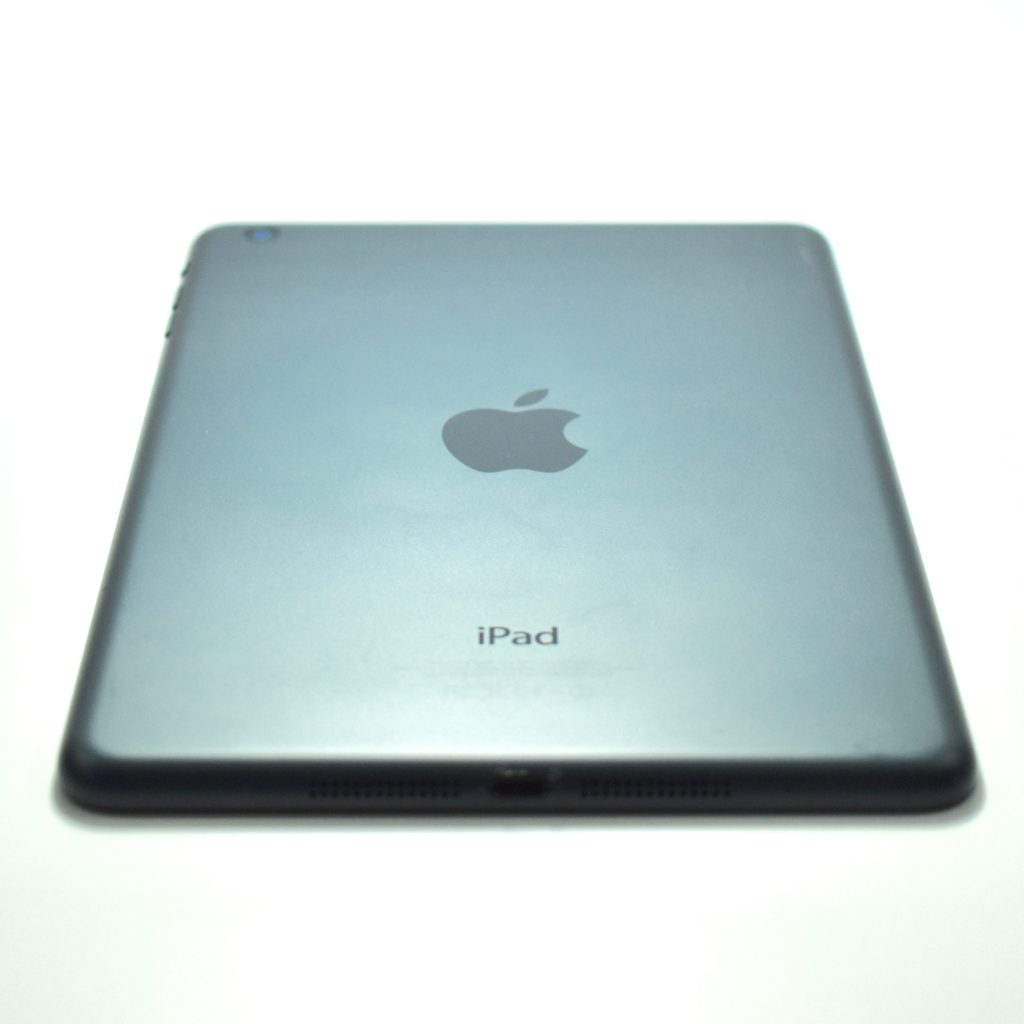
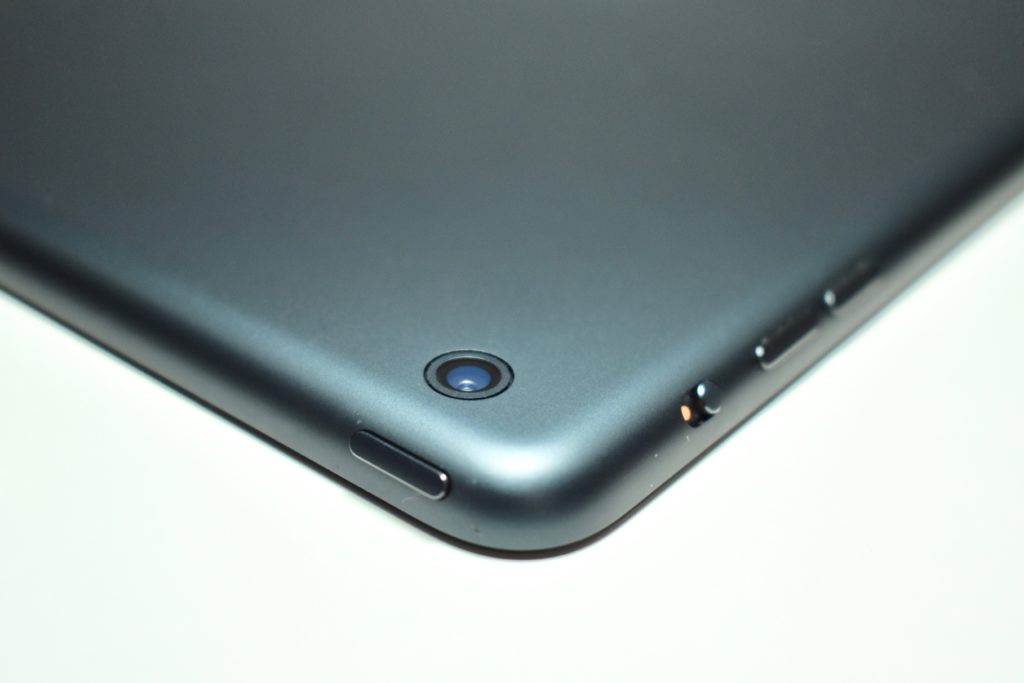
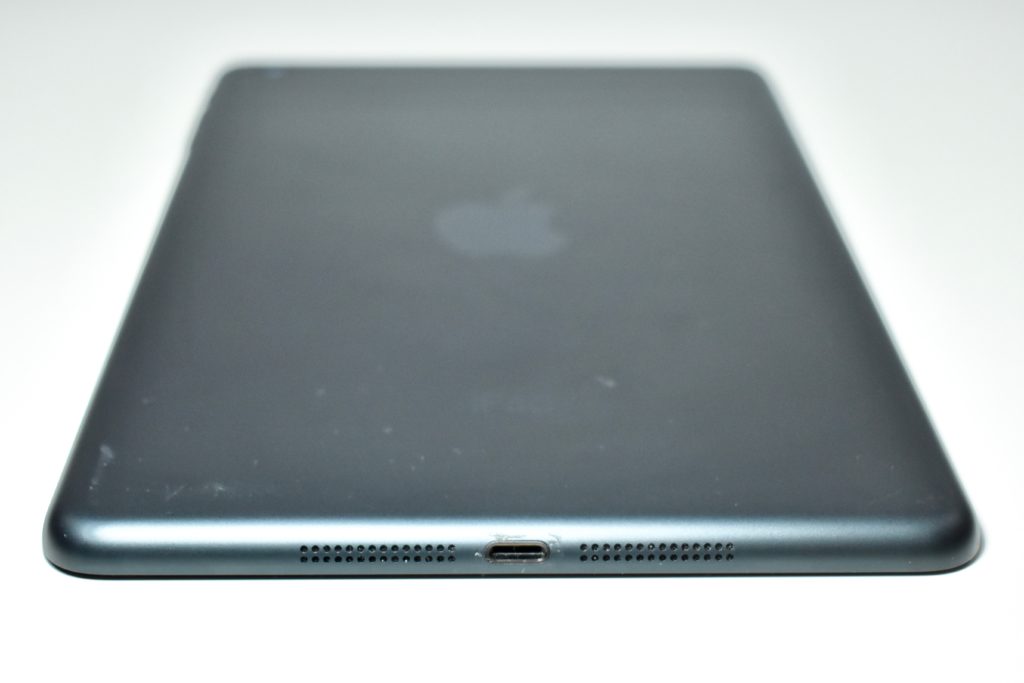
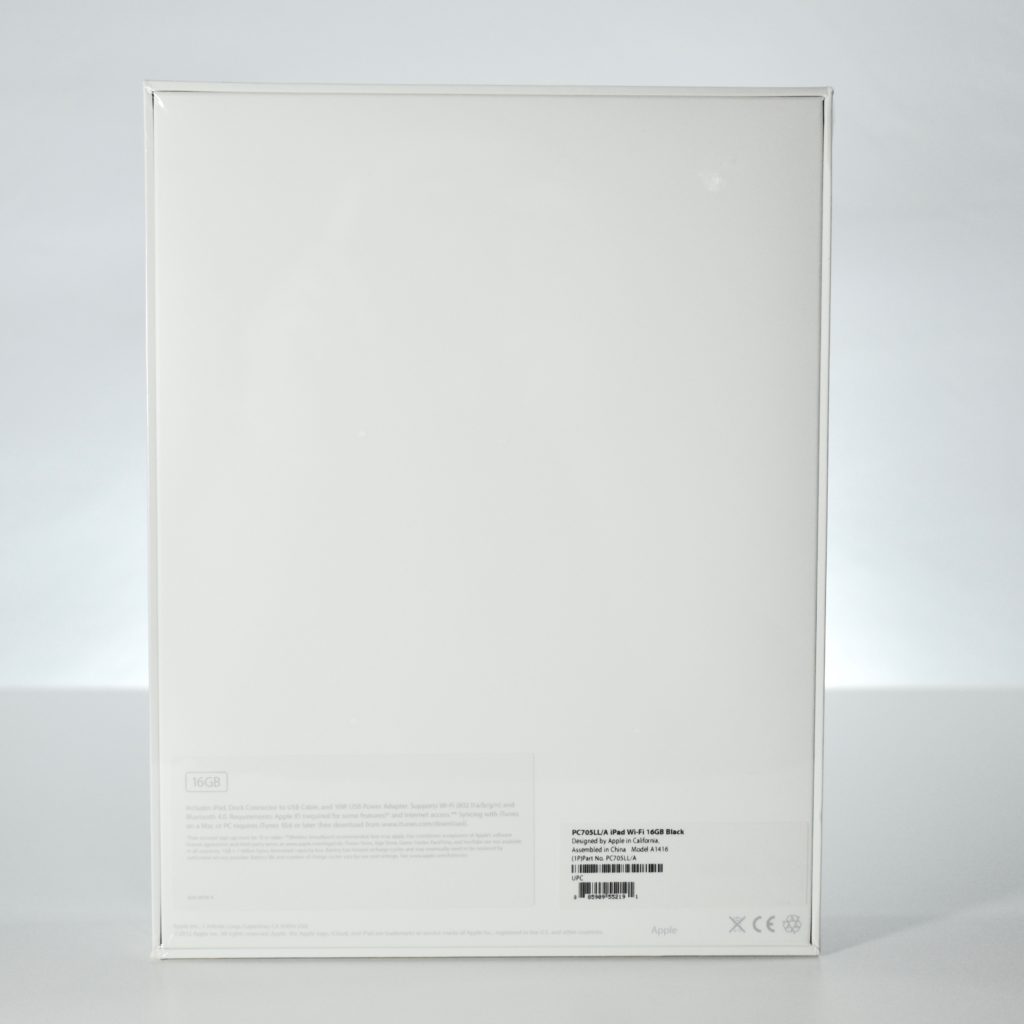
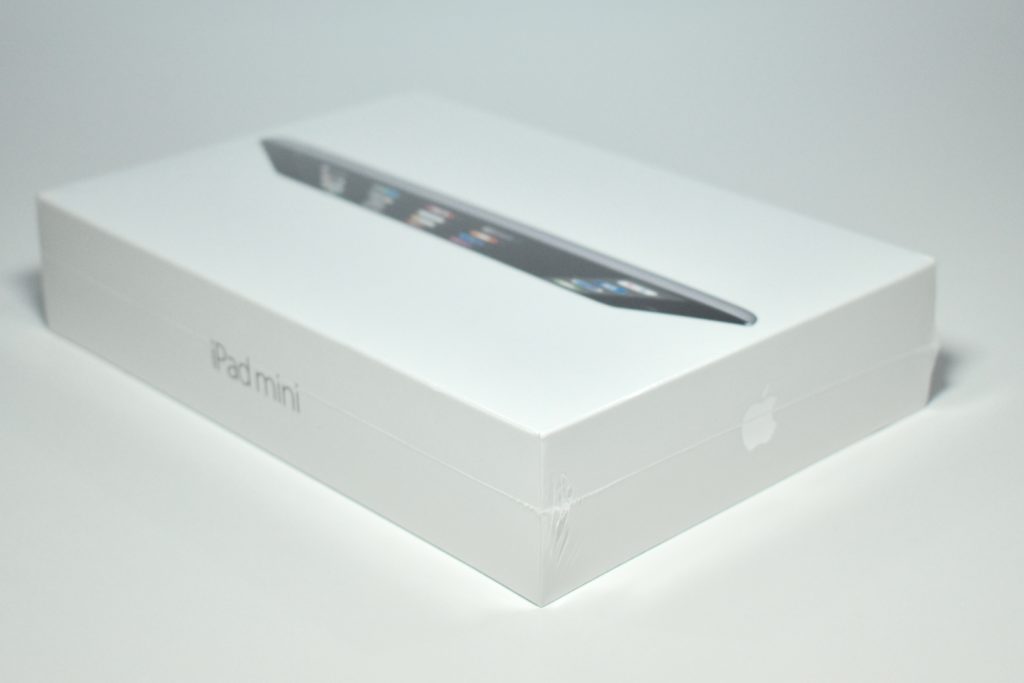
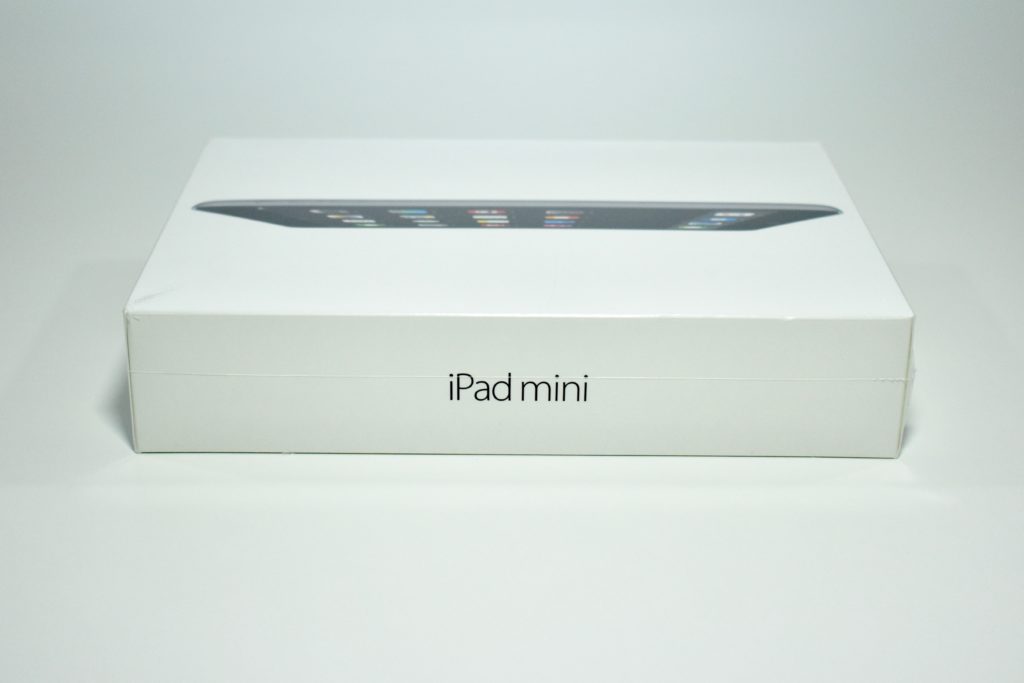
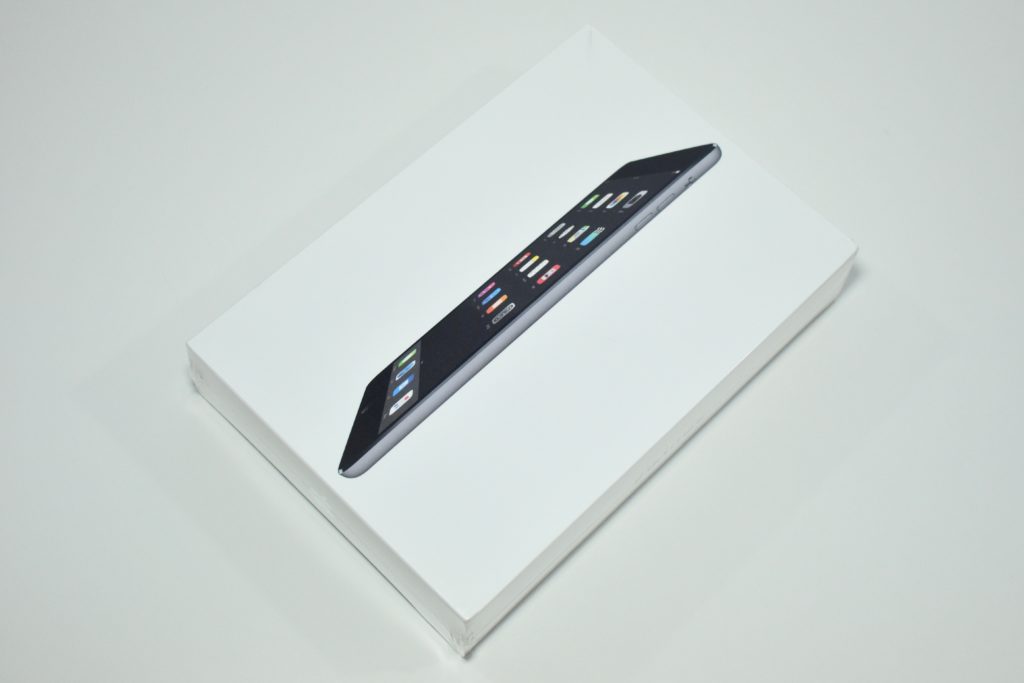
The original iPad mini featured a 7.9-inch screen at 1024×768 (163 ppi). Internally, it had a dual core 1 GHz Apple A5 processor; 512 MB of RAM; and 16, 32, or 64 GB of storage. It had two cameras: a rear-mounted 5 megapixel iSight camera (1080p) and a front-mounted 1.2 megapixel FaceTime HD camera (720p). The original iPad mini used a Lightning port.
I kept my original iPad mini in my daily backpack for a very long time due to its near perfect size and weight as a truly mobile device with the same 1024×768 screen as a standard iPad of the time (just with smaller pixels). I purchased this additional iPad mini as an example for my collection and never unboxed it. This version has a silver back and white front.
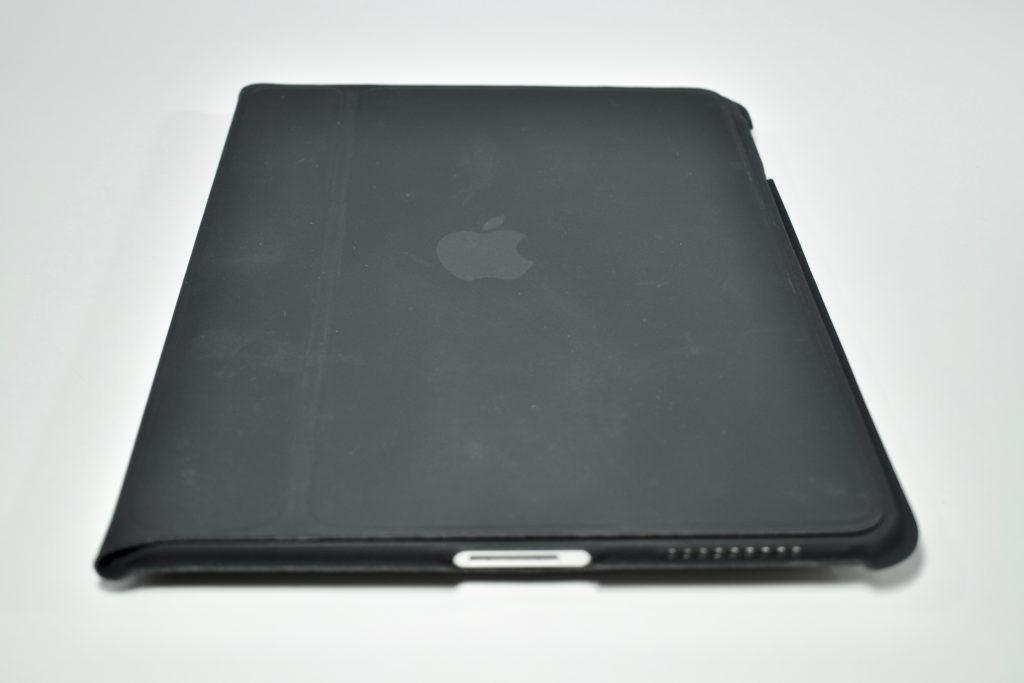
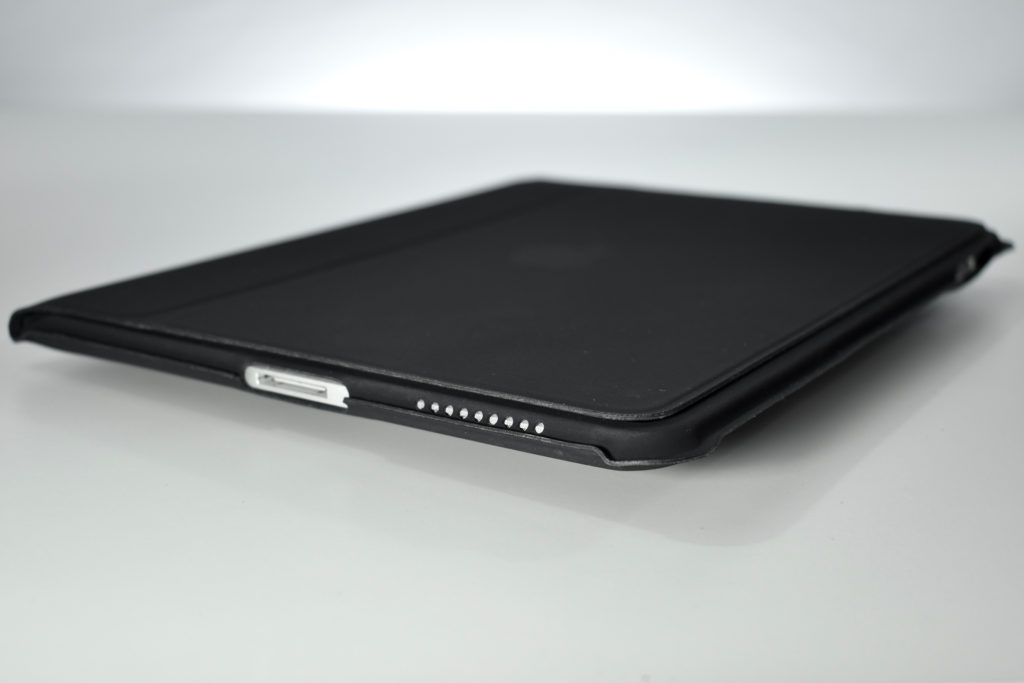
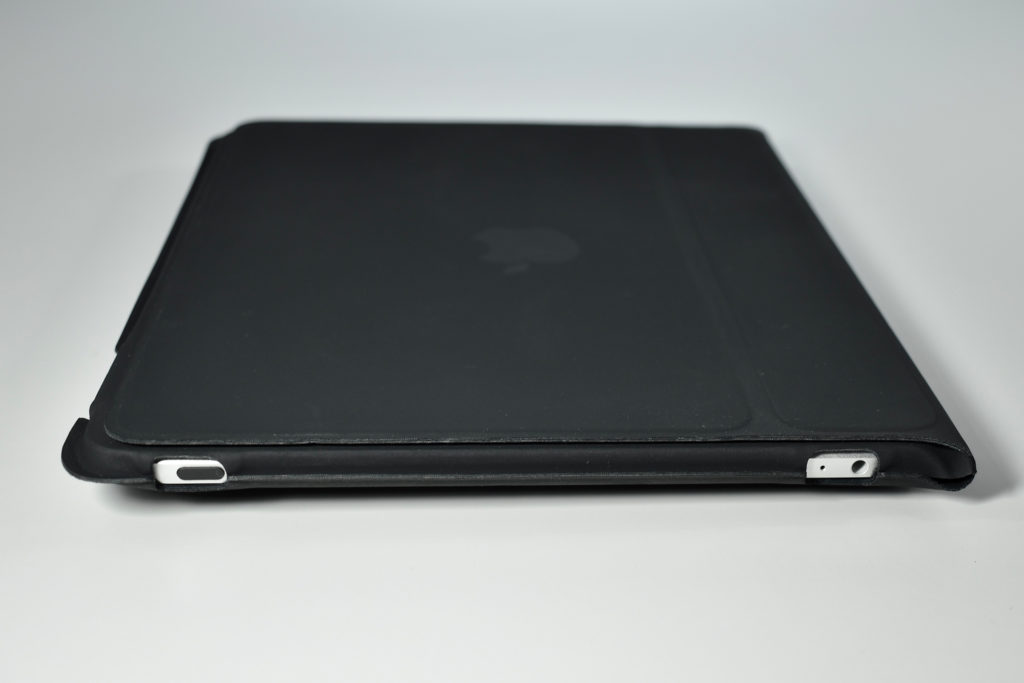
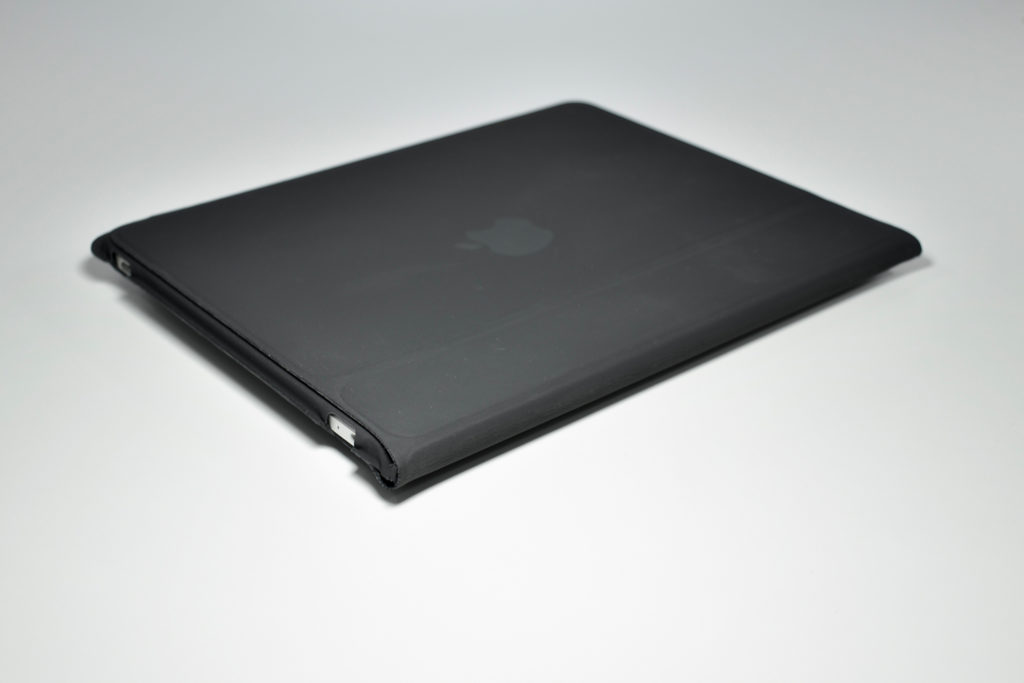
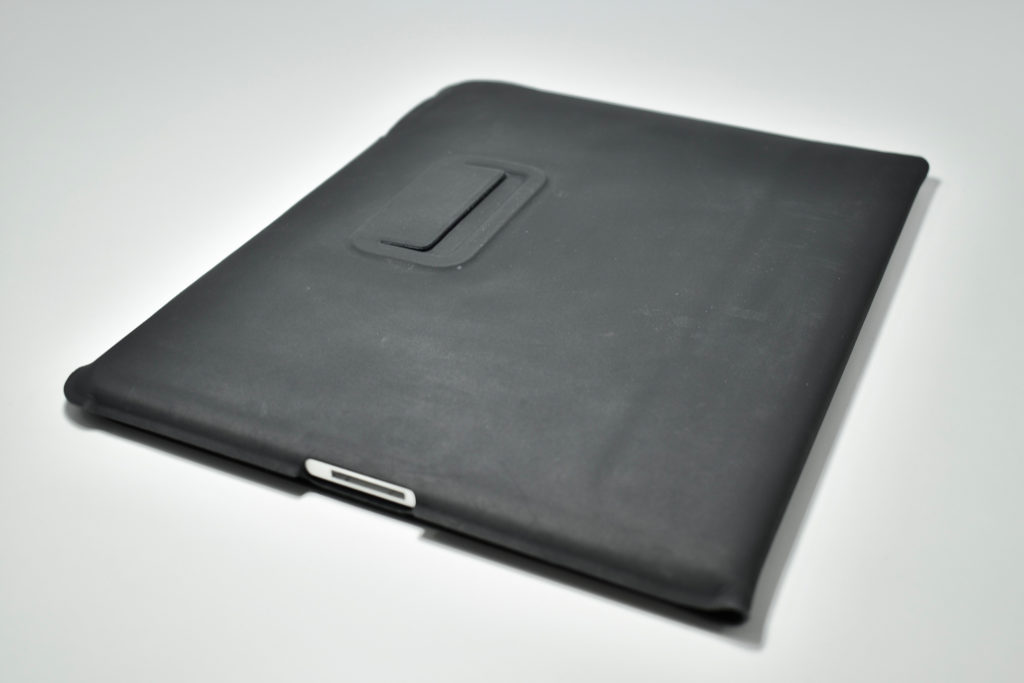
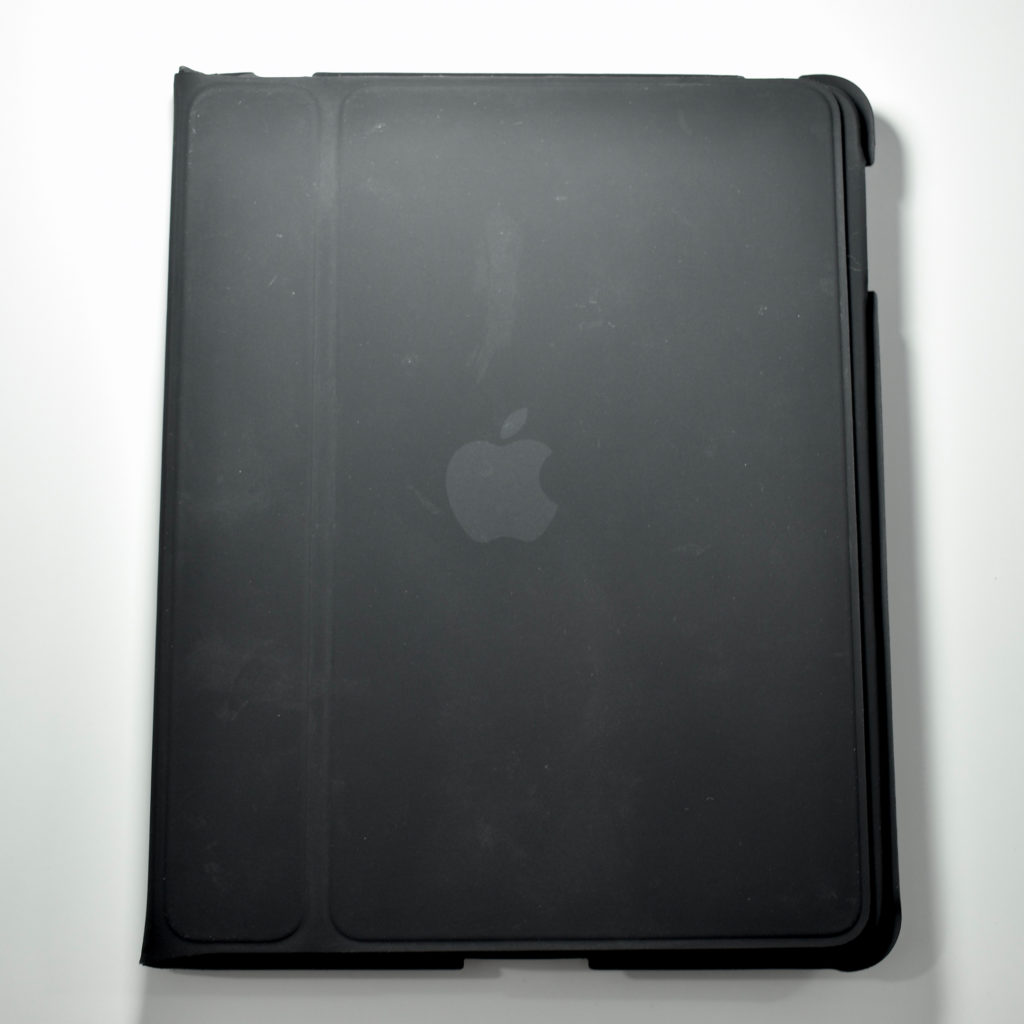
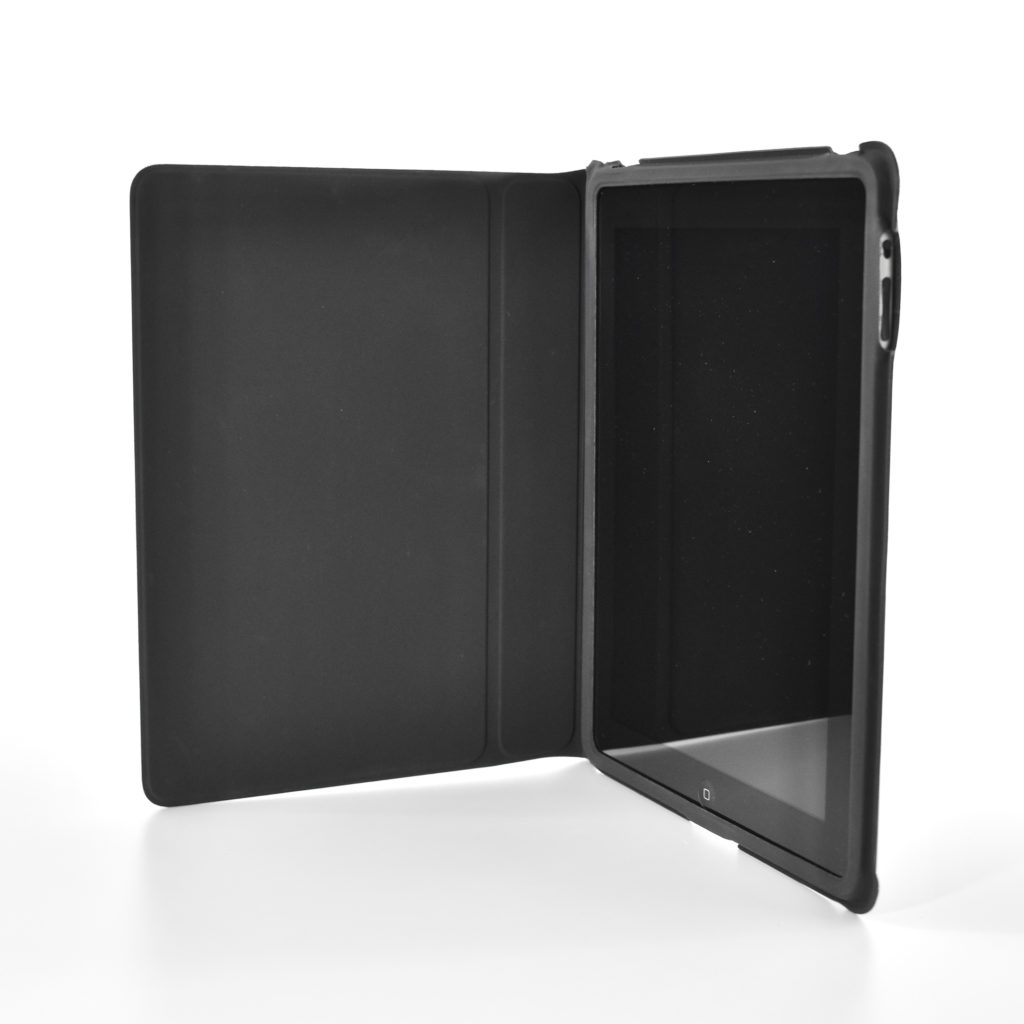
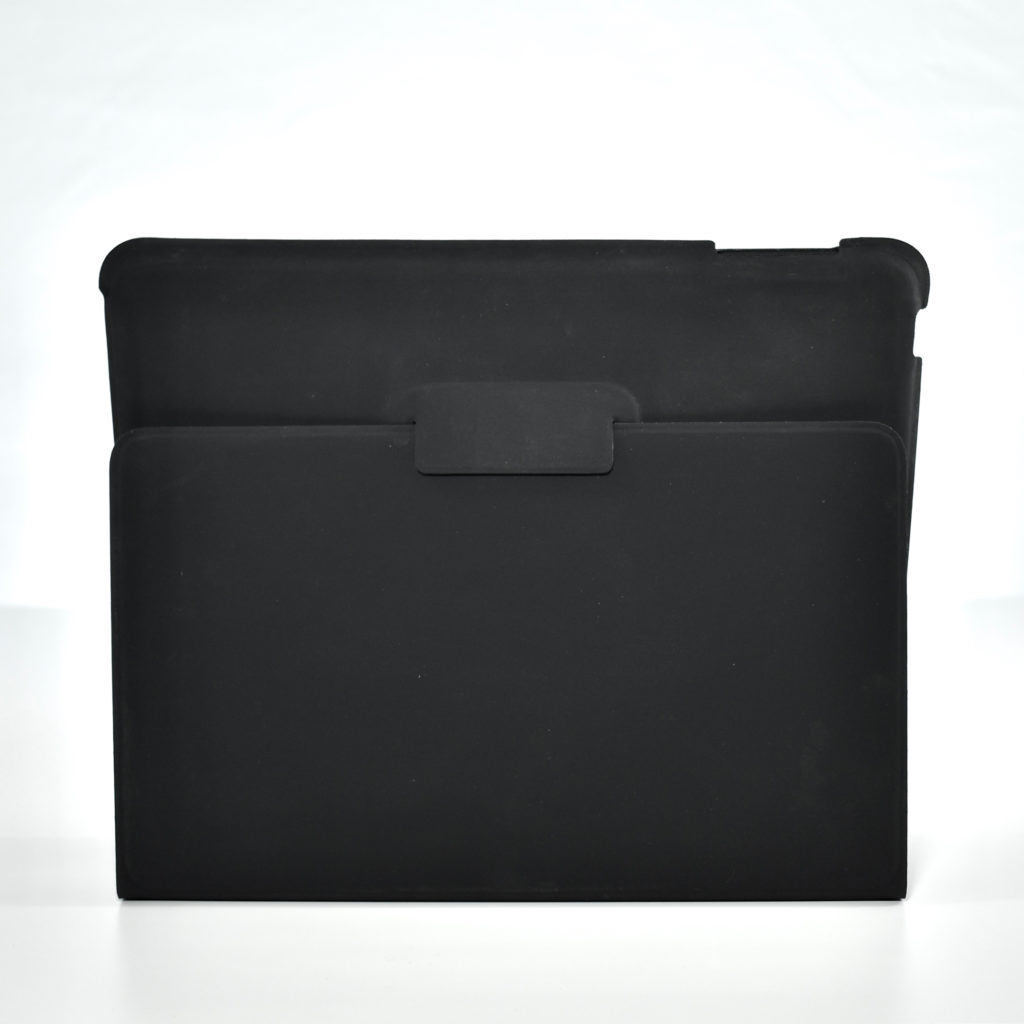
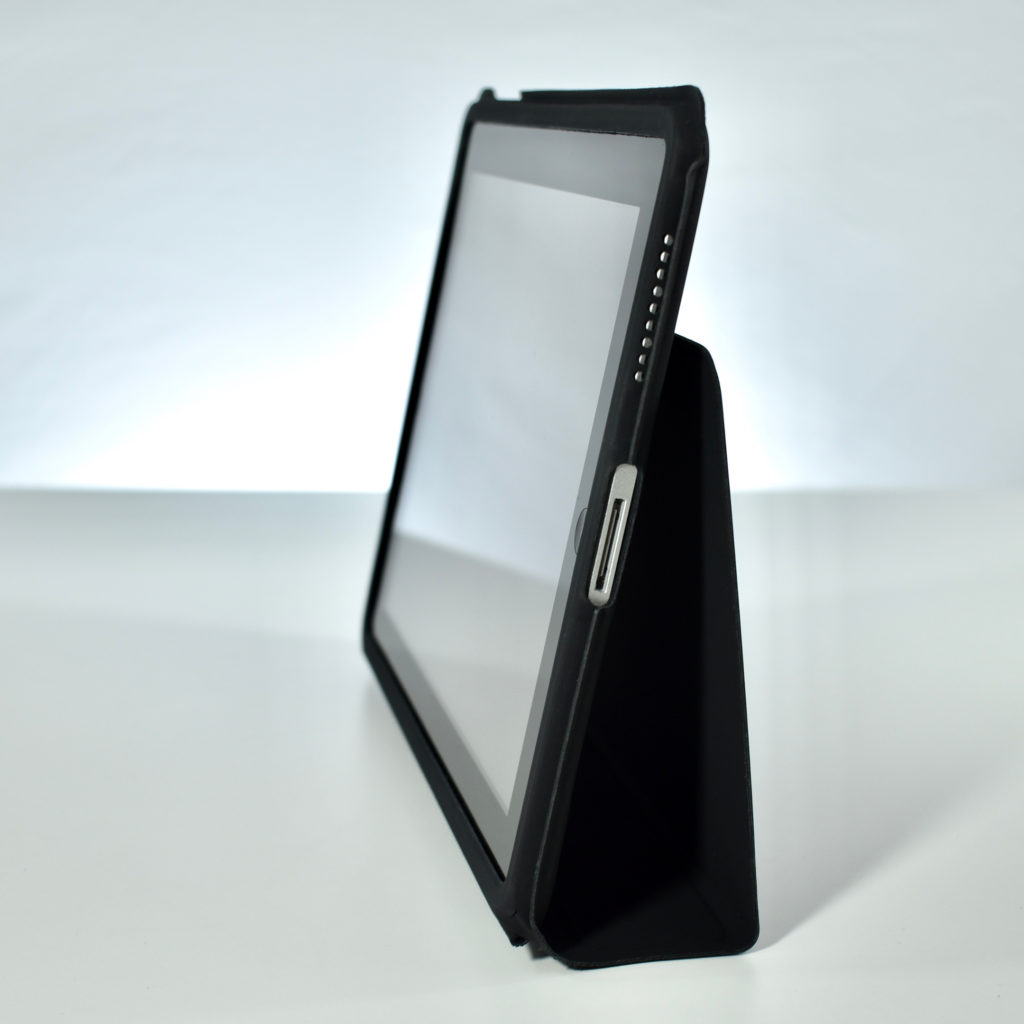
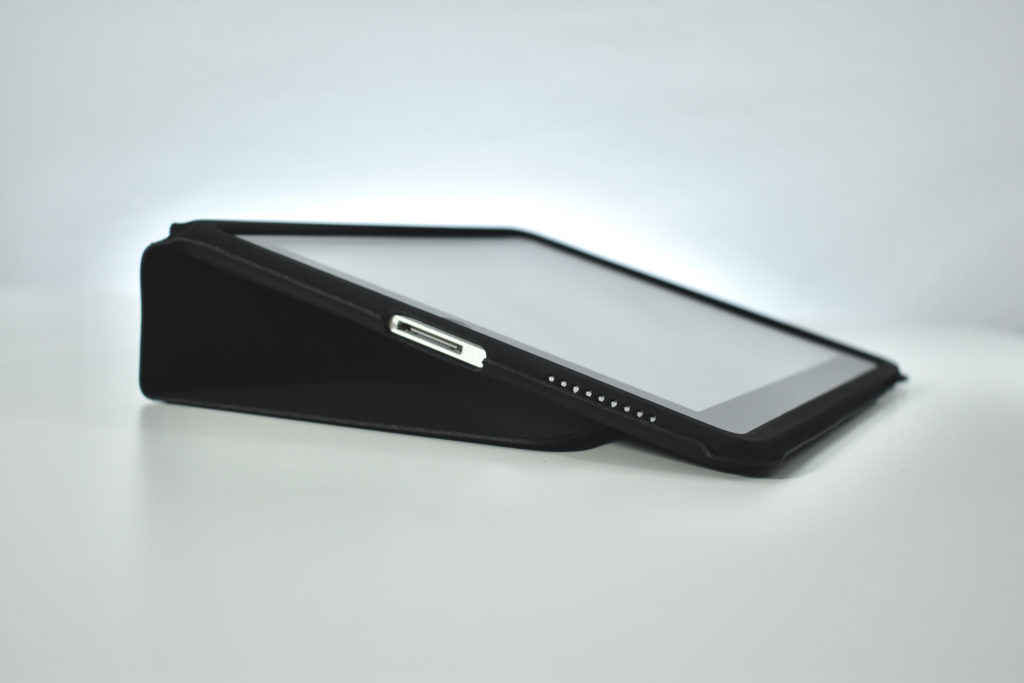
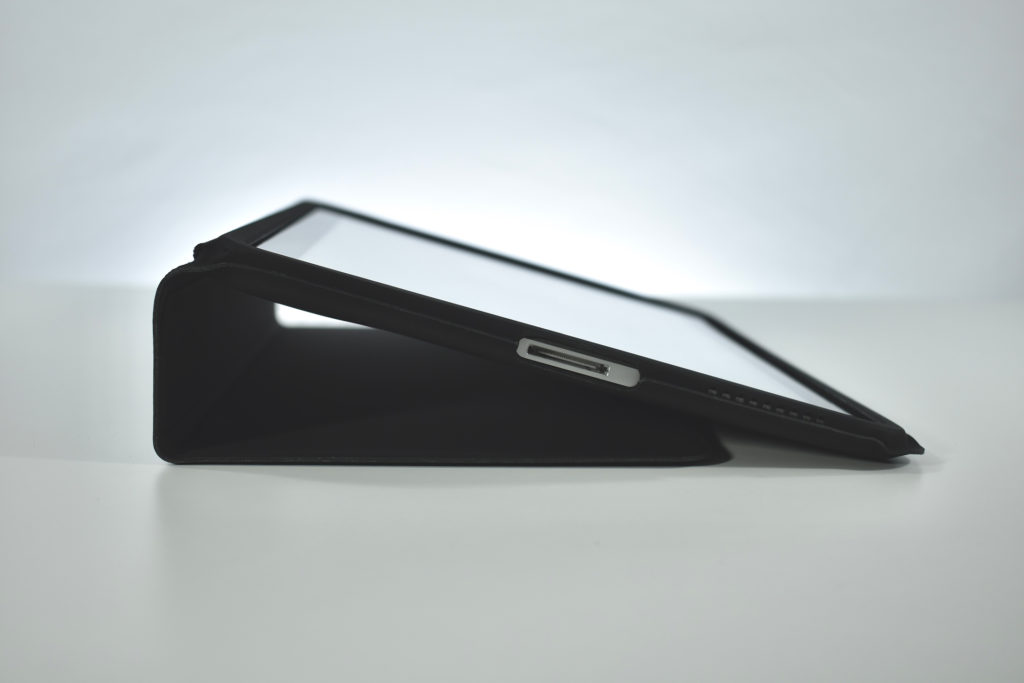
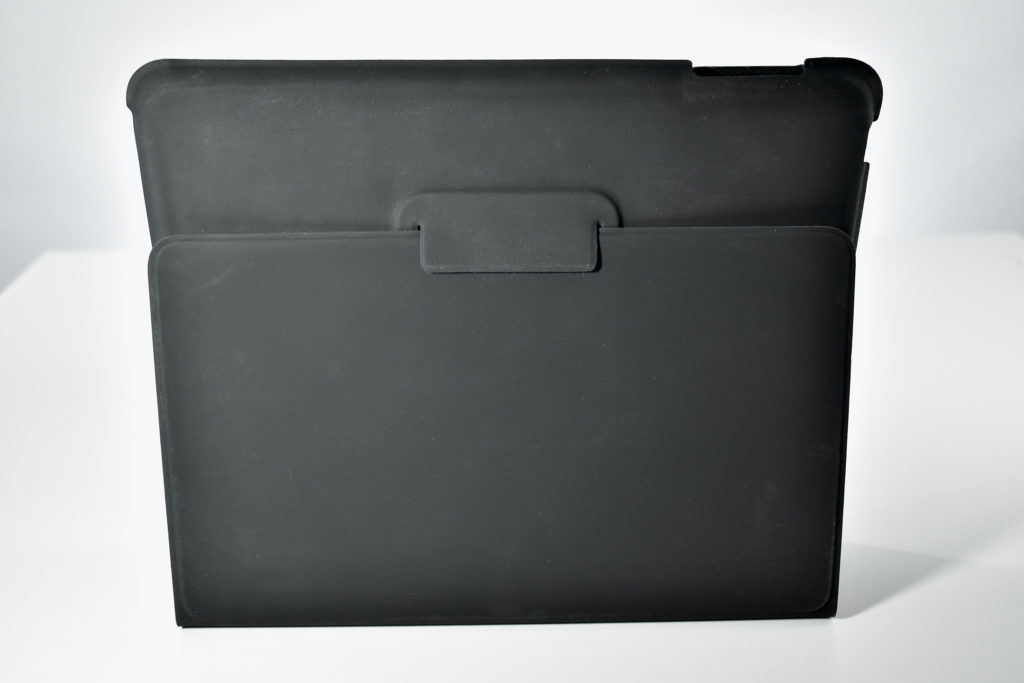
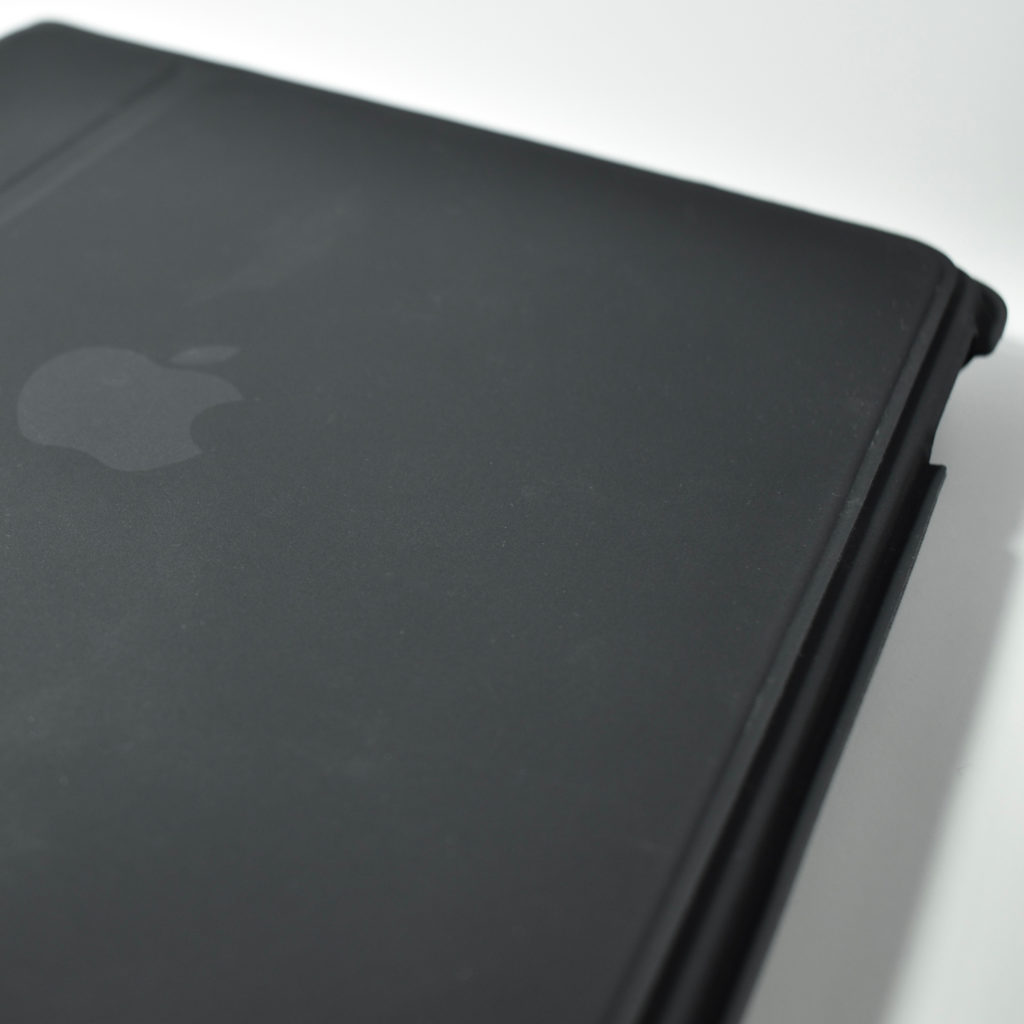
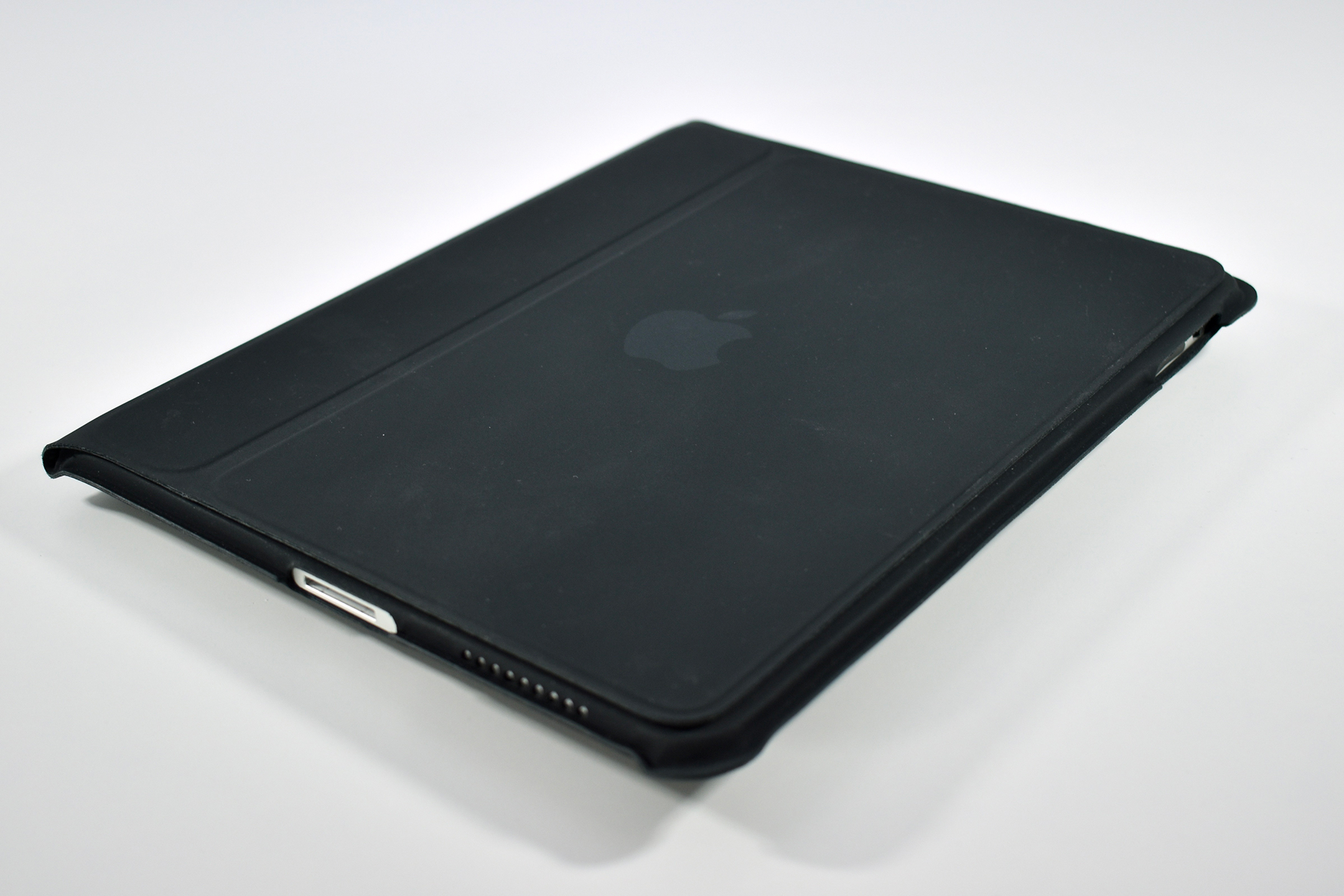
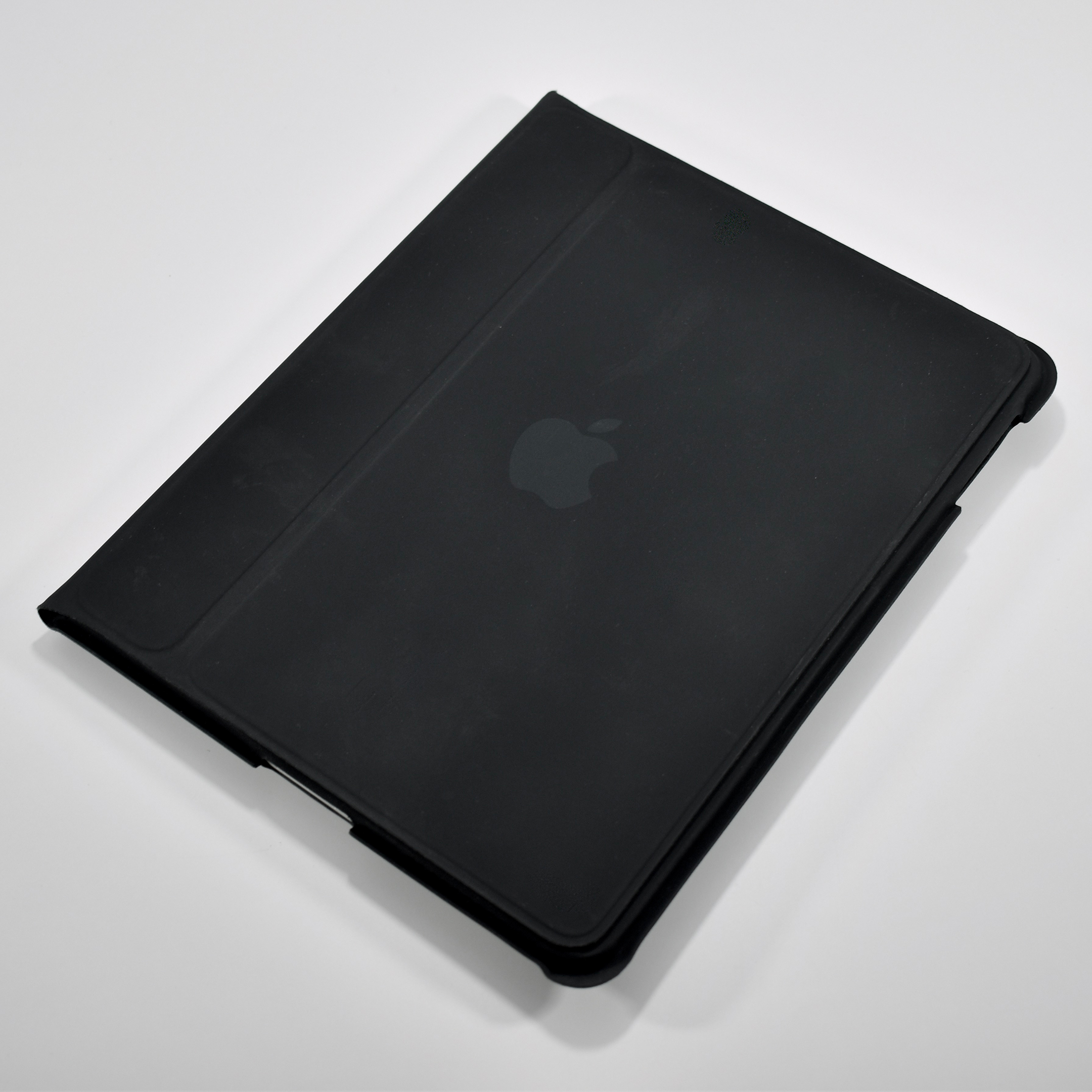
This iPad Case was the only case made by Apple upon release of the original iPad in 2010. Like the iPhone case market, iPad cases became—and continue to be—a major business for both Apple and third-party manufacturers. Then and now, Apple’s case offerings vary in reviewer reception.
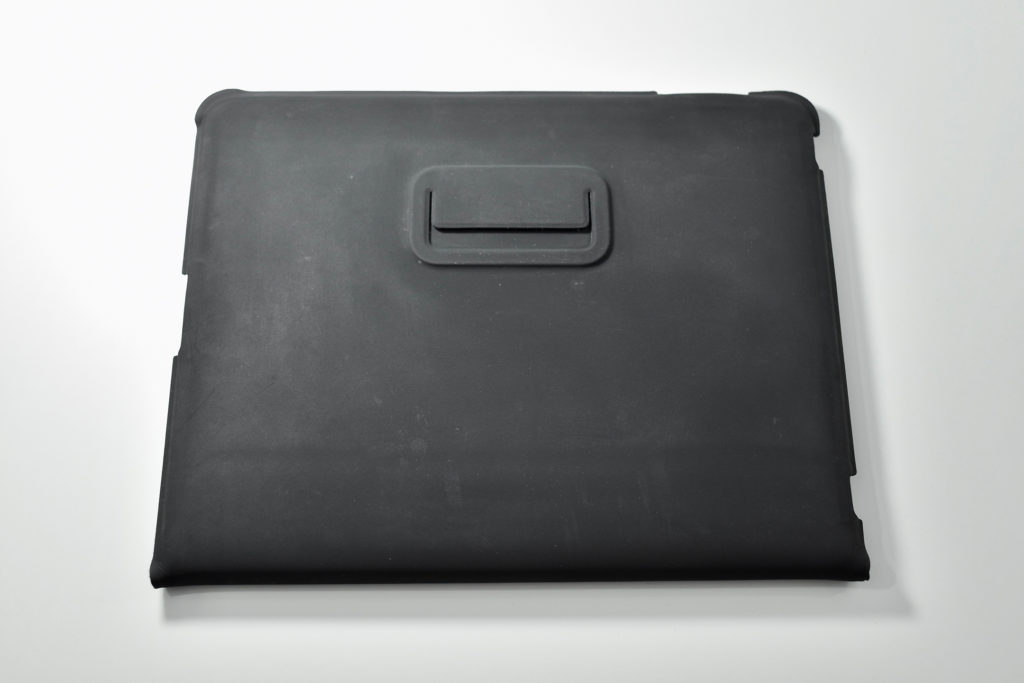
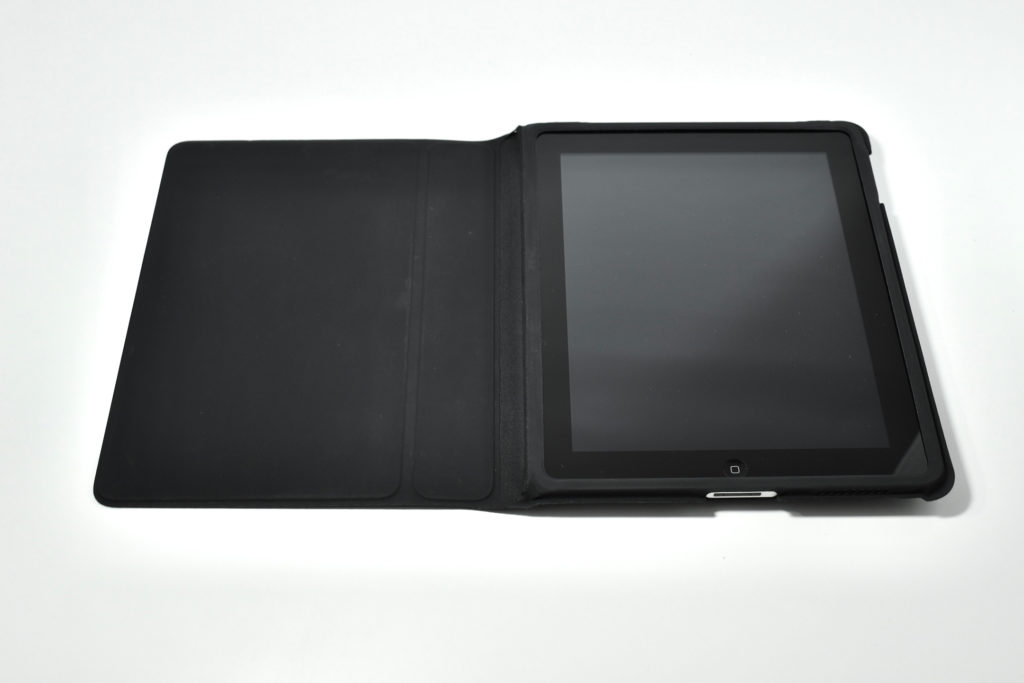
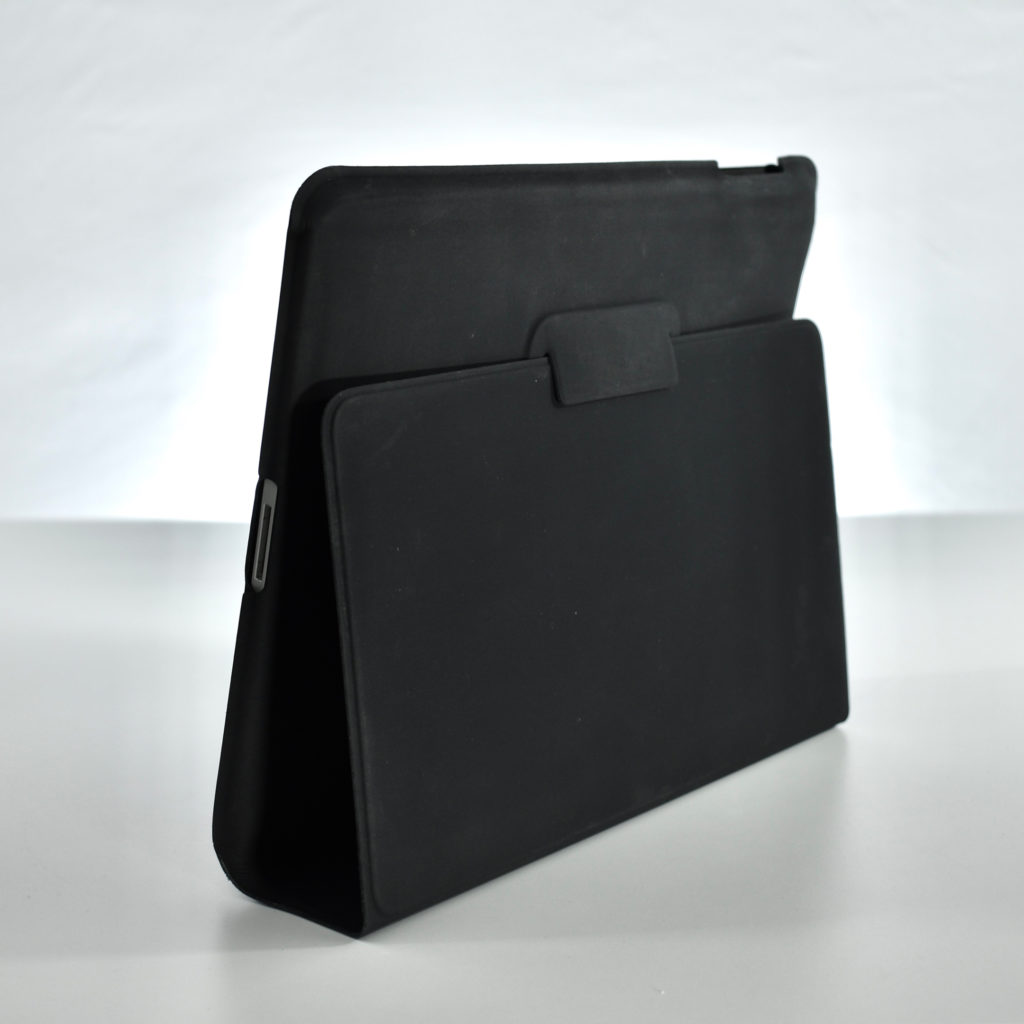
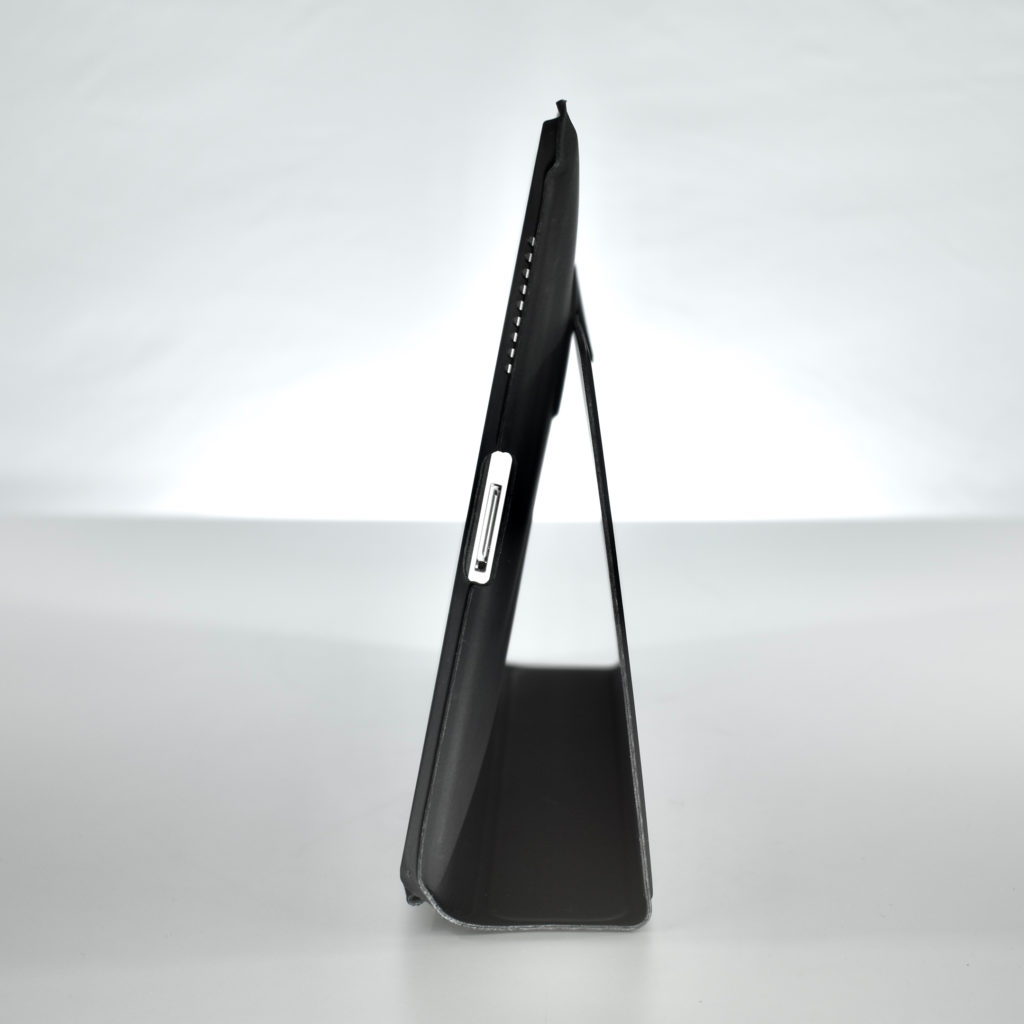
This original iPad Case was described by iLounge as a design in the middle of the pack. Specifically they state, “Using a protective lid…that folds around the back to become a prop-up video stand, the case is made from vinyl-like PVC plastic and has a microfiber interior. It’s designed to provide access to the device’s side buttons, headphone port…exposing the screen when you want to flip the lid open.” iLounge also correctly points out that the material “gathers marks and dirt in ways that no other case does, and the flip-closed front isn’t secured to the rest of the case in any way.”
This case, despite my best efforts at cleaning it, indeed suffers from marks that could not be removed. However, the original iPad that it was protecting was in perfect condition, thus speaking to its effectiveness at protecting the device.
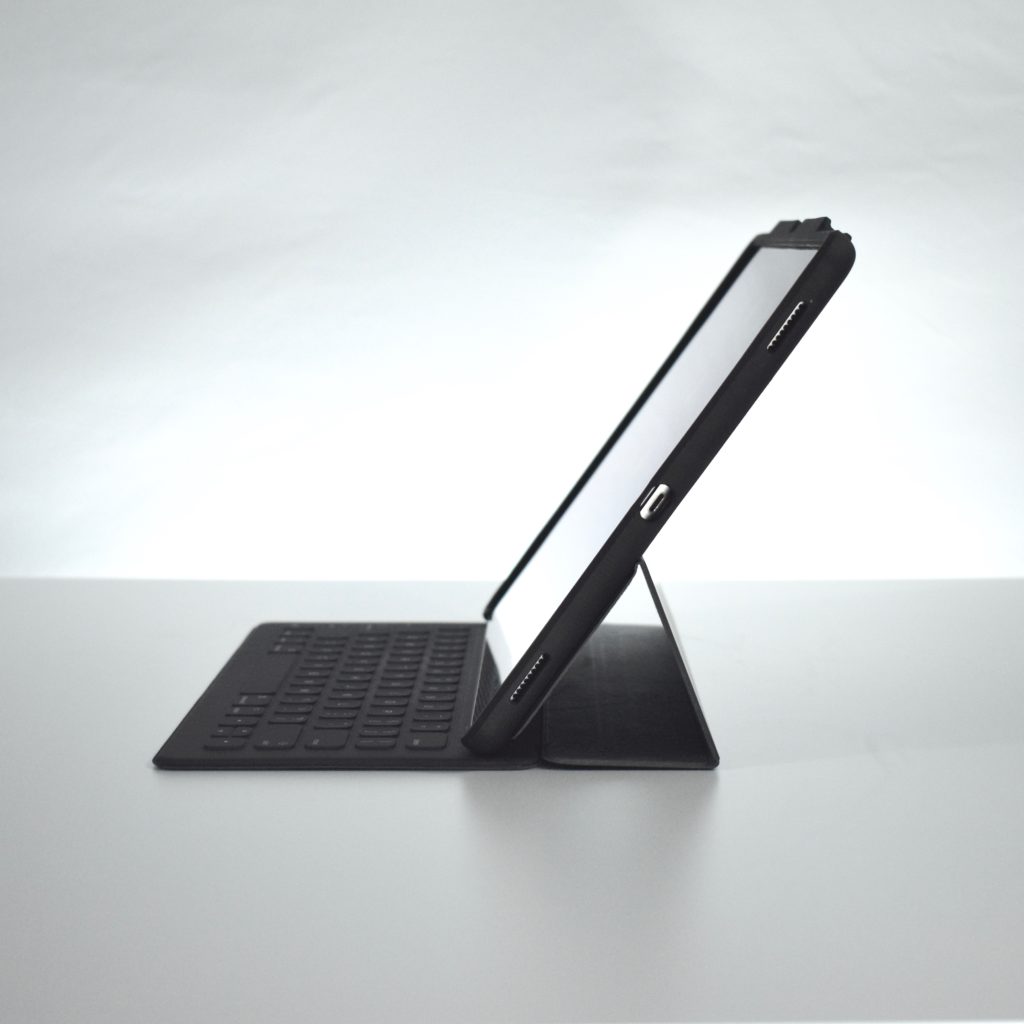
The iLounge reviewer likes the case’s ability to fold and become a stand for viewing video. Interestingly, the reviewer overlooks the case’s ability to be flipped and set at a lower angle to make typing easier. This oversight is not unusual for 2010 when the iPad was often viewed only as a content consumption device, rather than acknowledging that it could also be used effectively for content creation.
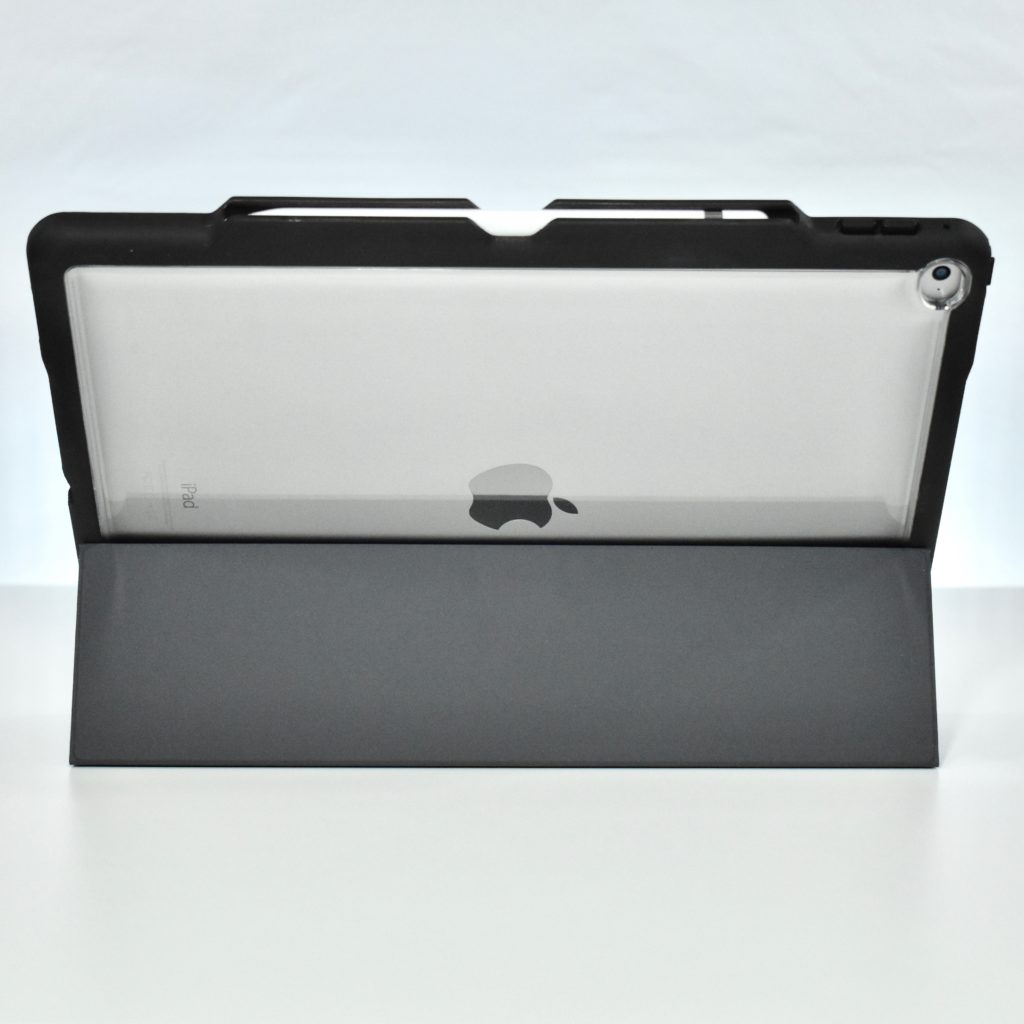
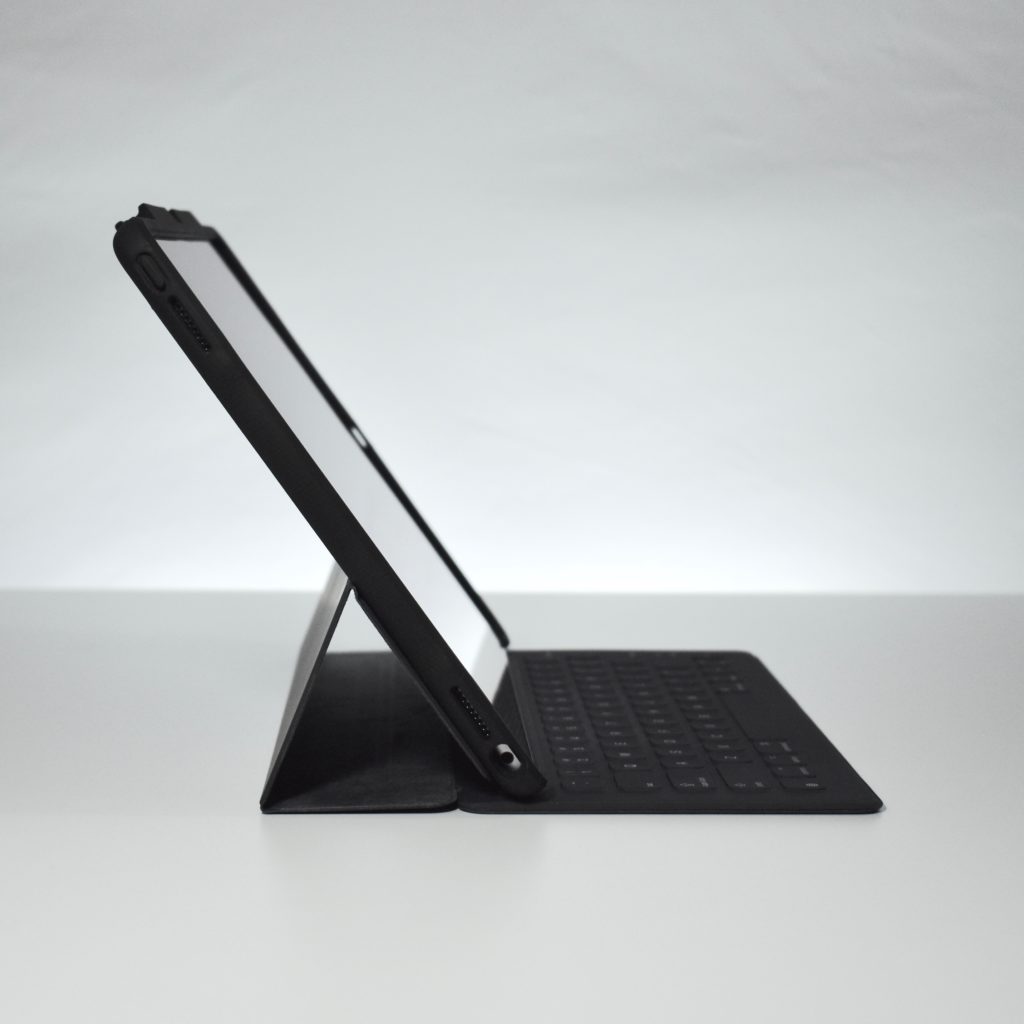
The 12.9-inch iPad Pro was powered by an Apple A9X processor and had 4 GB of RAM; 32, 128, or 256 GB of storage; a rear-mounted 8 megapixel iSight camera (1080p); a front-mounted 1.2 megapixel FaceTime HD camera (720p); 802.11a/b/g/n/ac Wi-Fi; Bluetooth 4.2; dual microphones; two sets of stereo speakers; and a Lightning port. The screen was a 12.9-inch TFT touch-sensitive Retina display with 5.6 million pixels (2732×2048 at 264 ppi) and included an antireflective coating. A cellular-equipped model was also available.
The 12.9-inch iPad Pro was available in silver with a white front, gold with a white front, and space gray with a black front. This model is space gray.
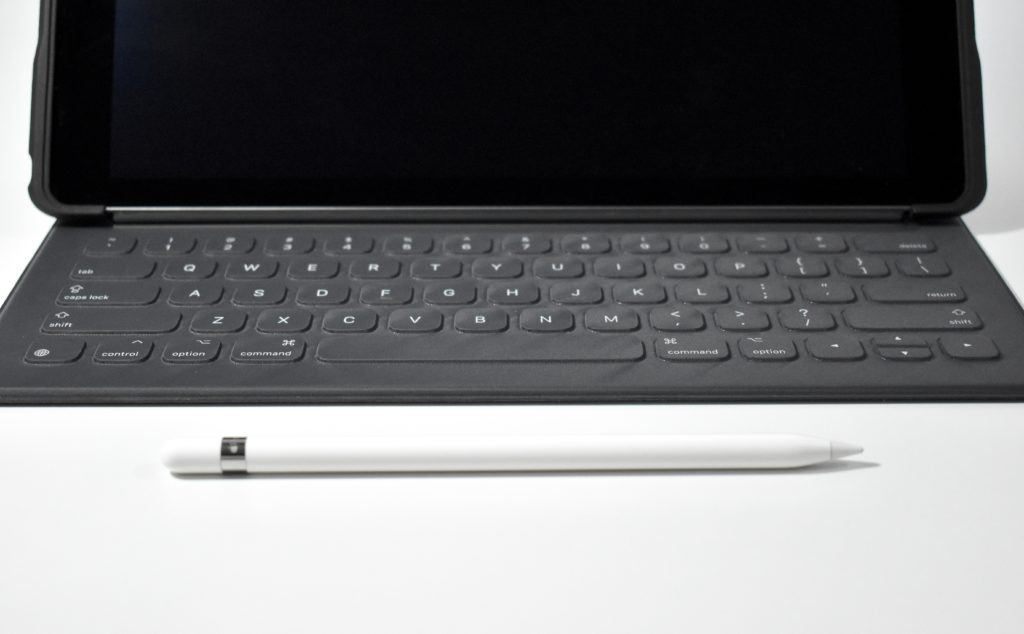
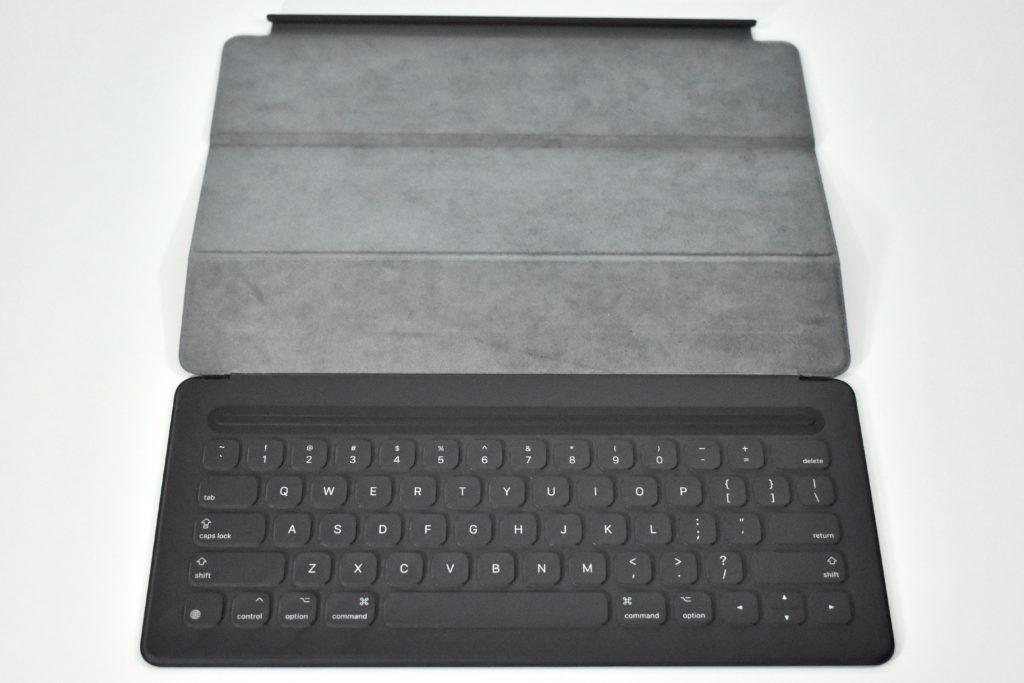
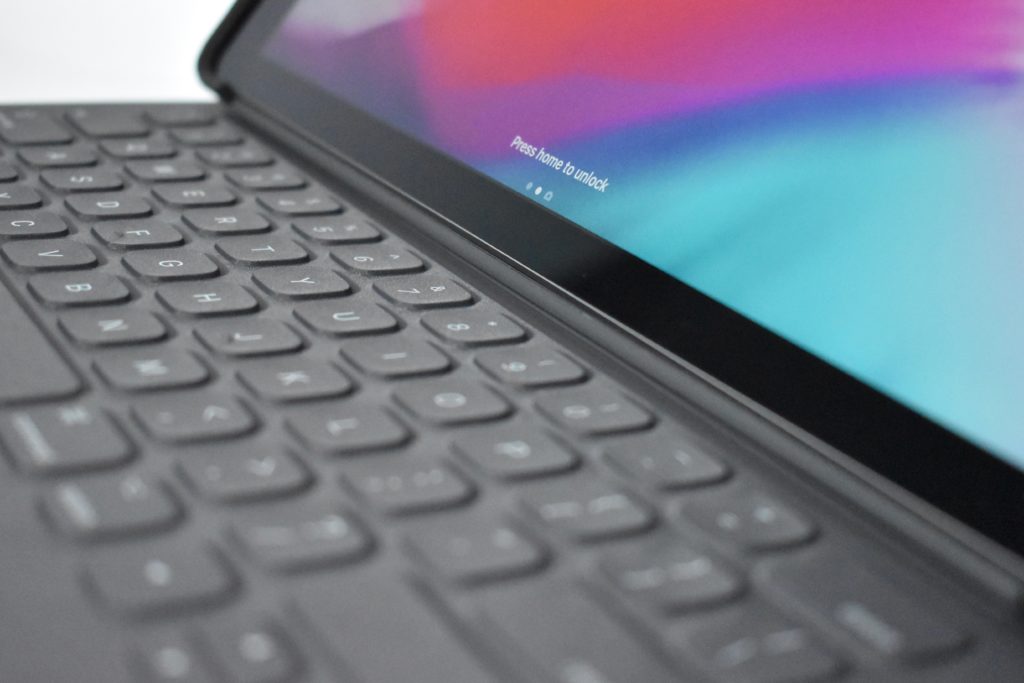
This iPad Pro included a new Smart Connector that provided connectivity and power for the Apple Smart Keyboard.
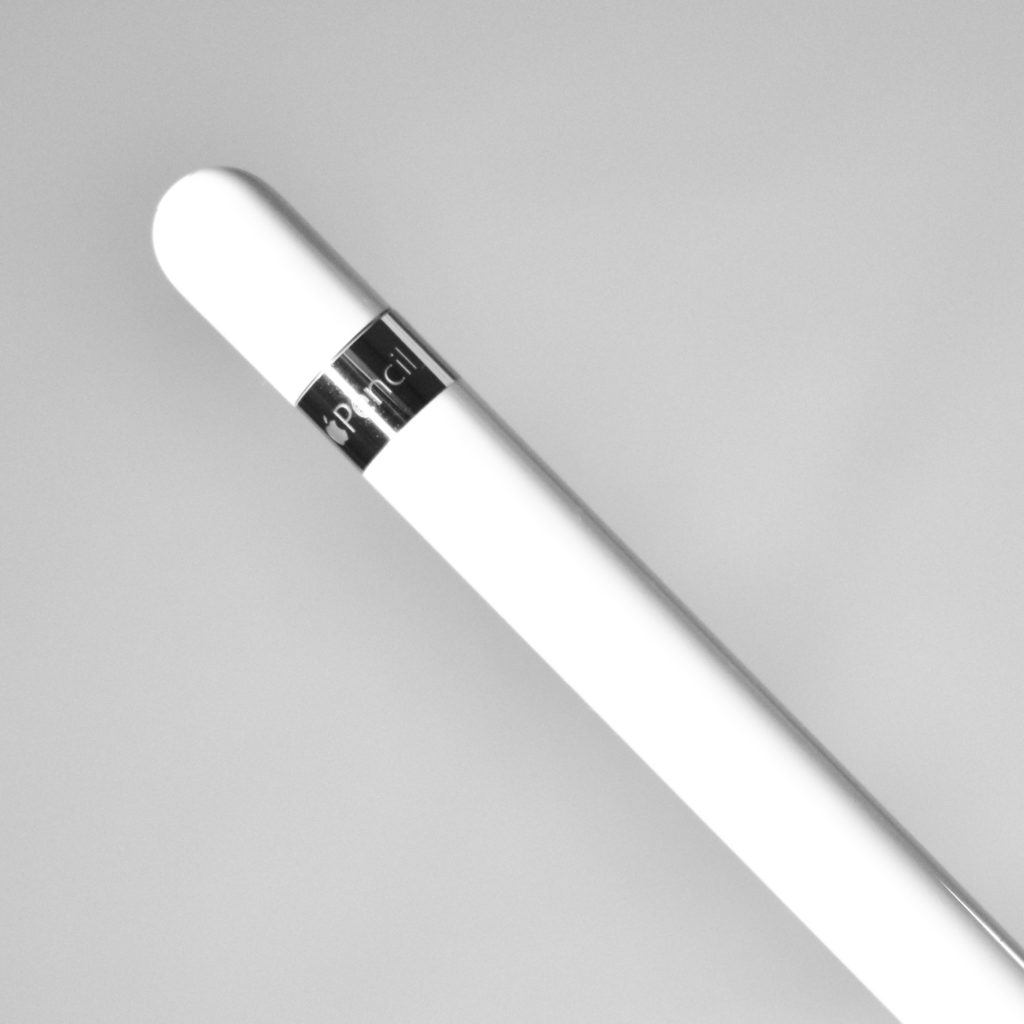
The Apple Pencil was announced with this first-generation iPad Pro on September 9, 2015. The Pencil could be used with the first and second generation iPad Pro models. It connected wirelessly using Bluetooth and had a removable cap that concealed a Lightning connector for charging. It used pressure sensitivity and angle detection and had very low latency, making it function like a real pencil with no delay.
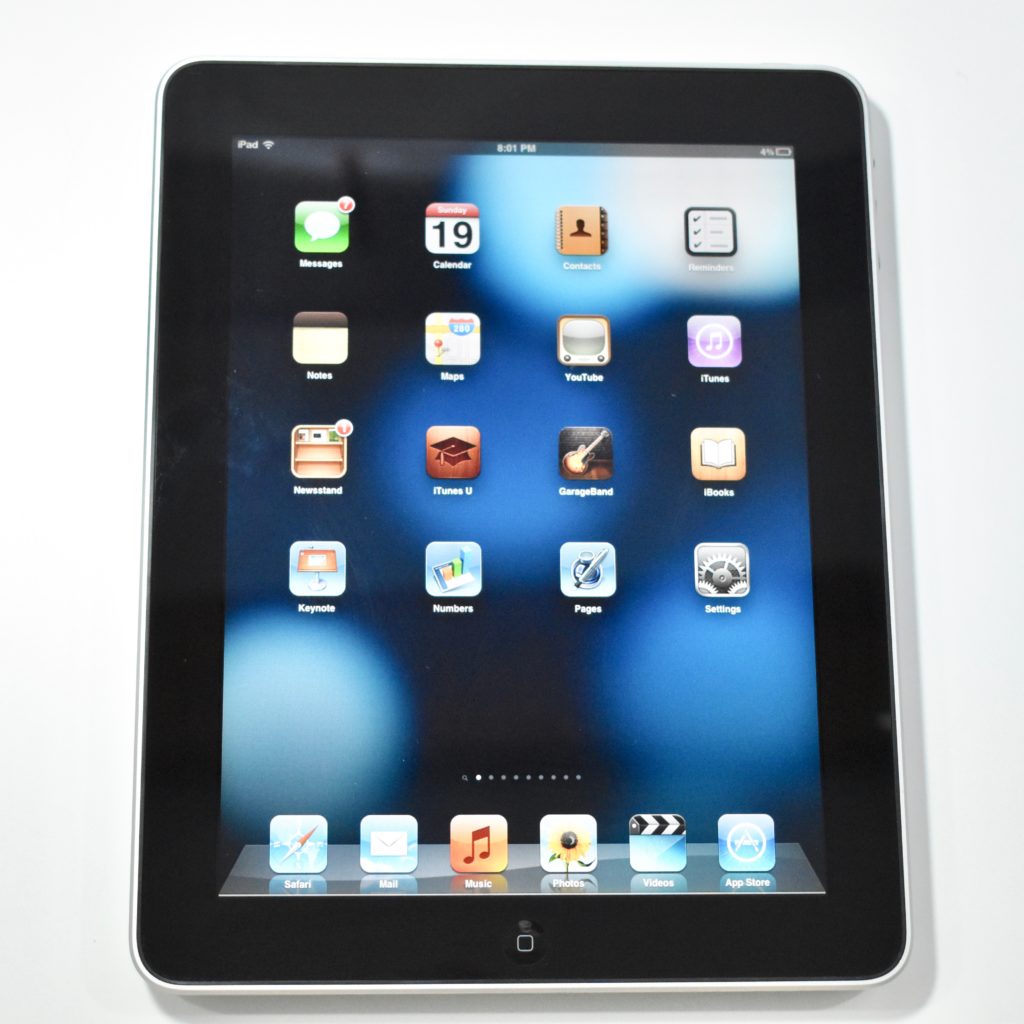
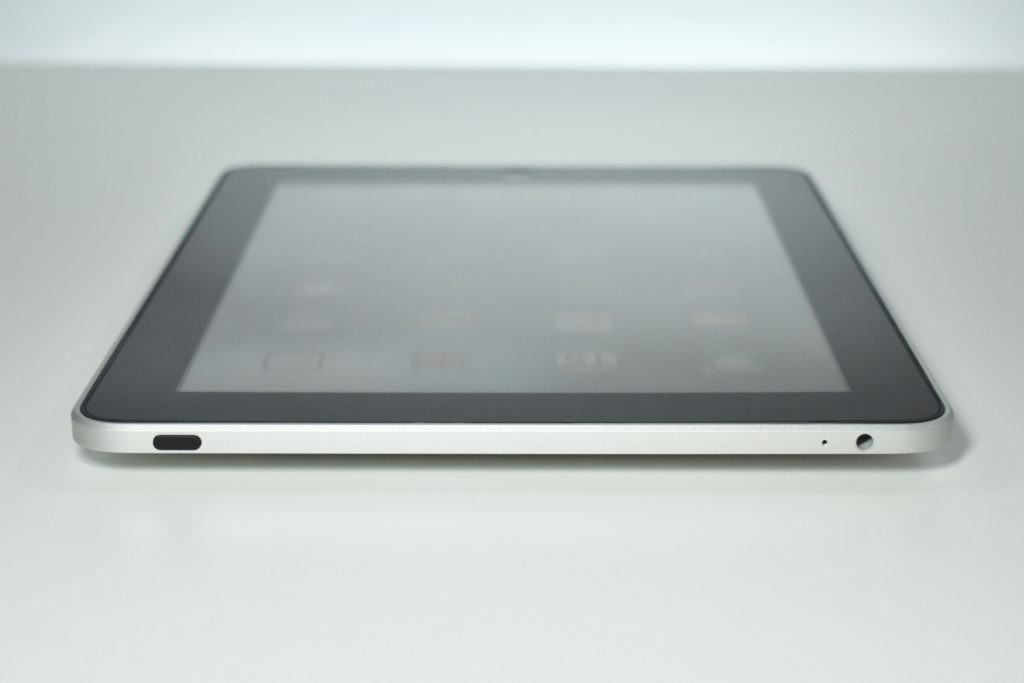
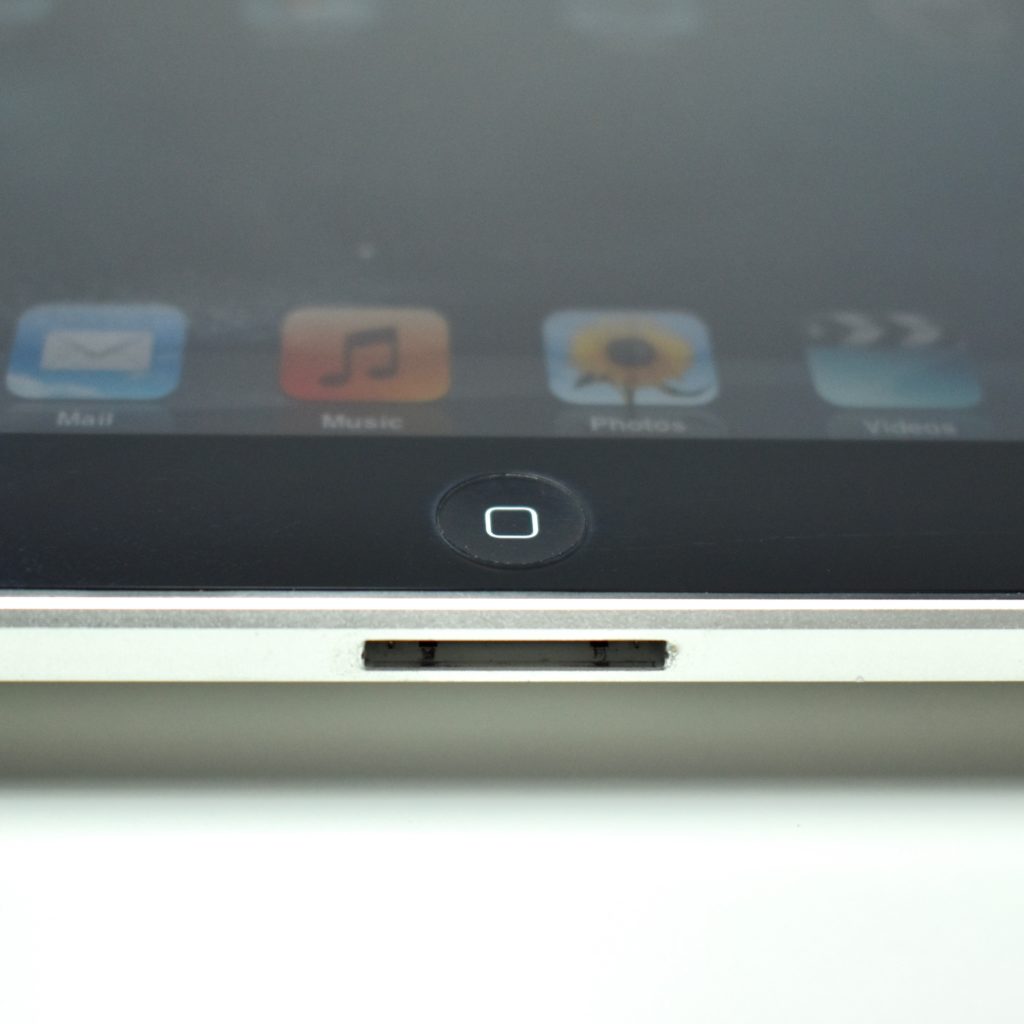
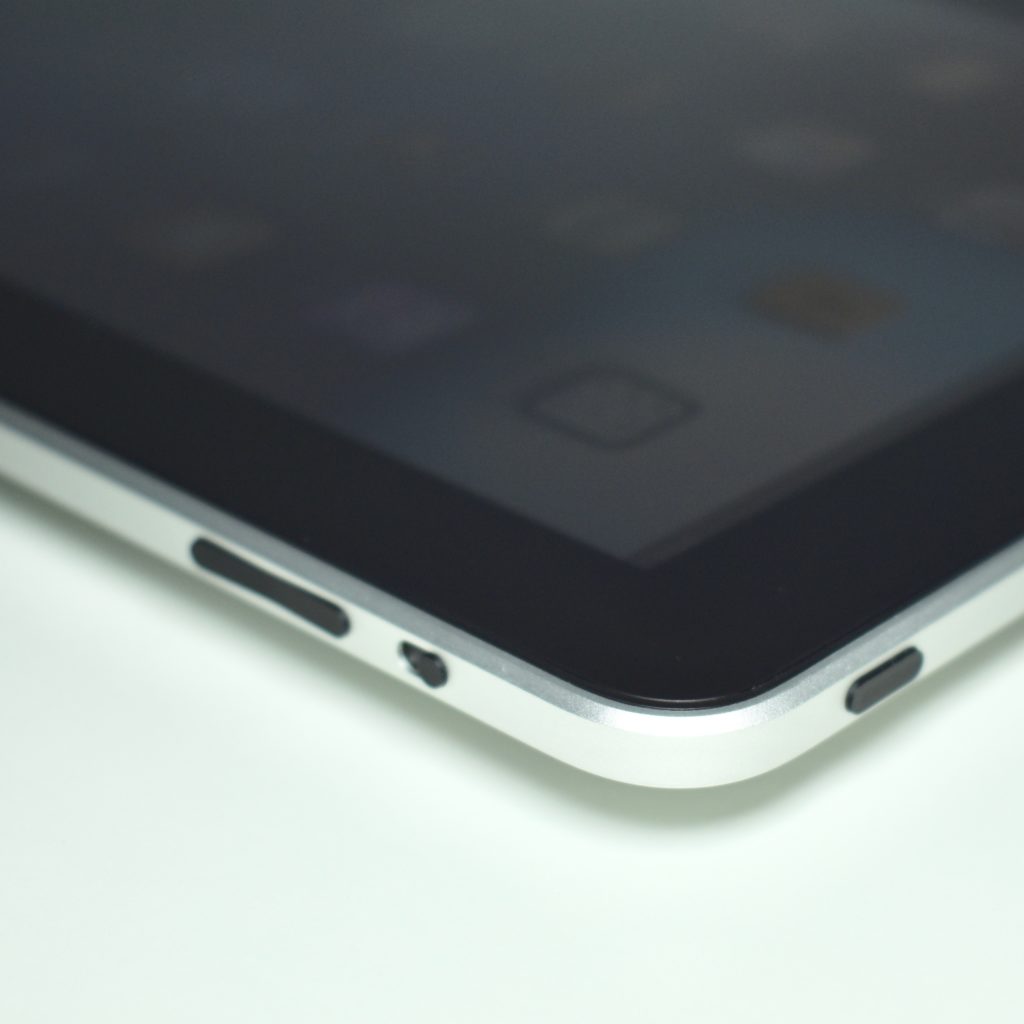
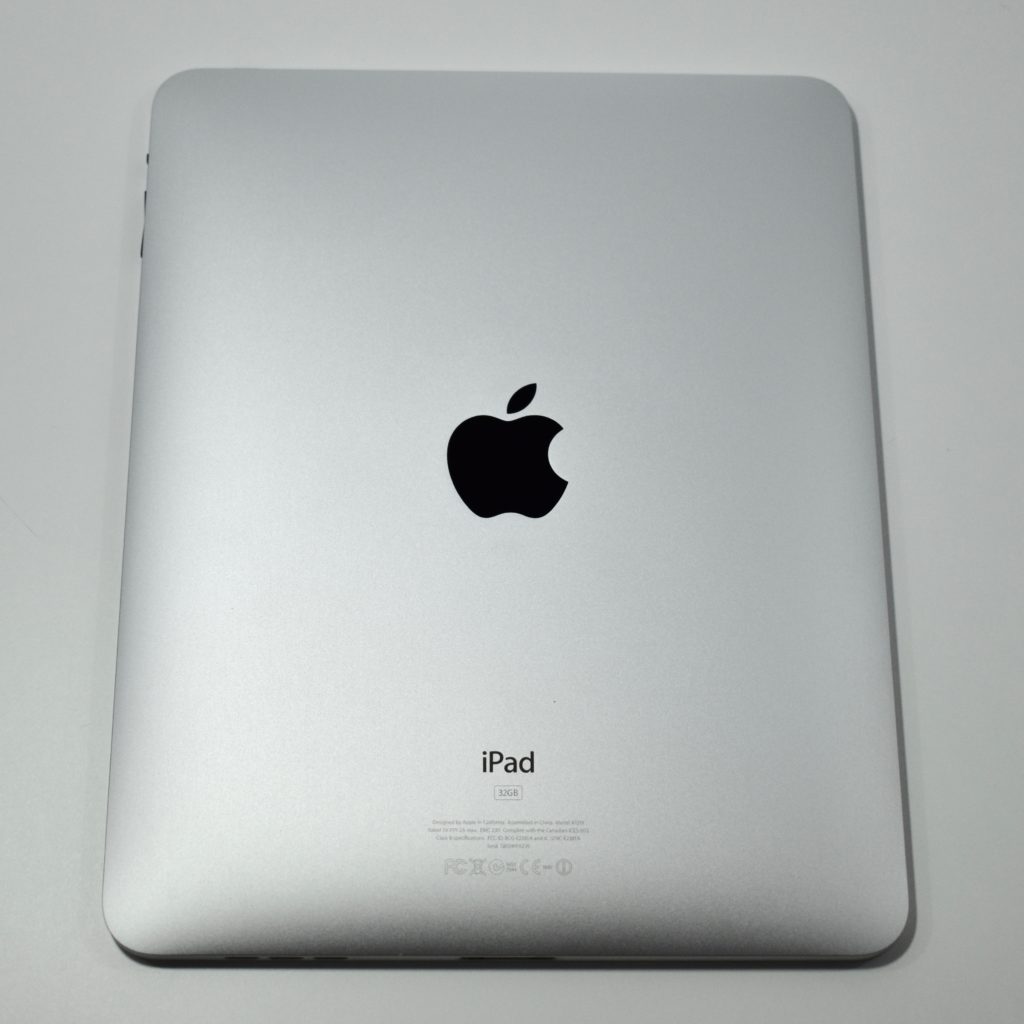
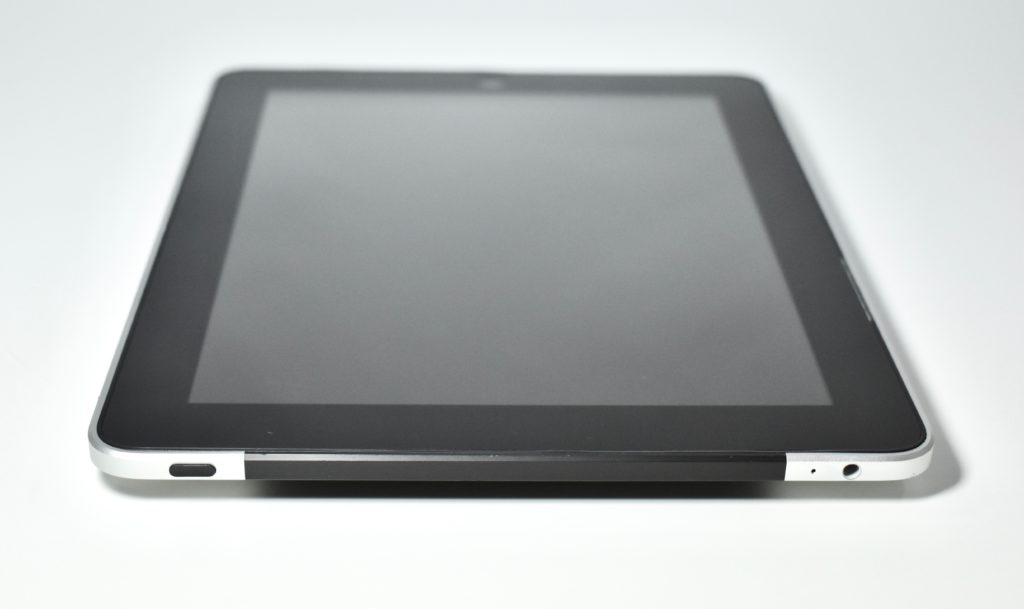
The original iPad announcement was outlined in a January 27, 2010, press release issued by Apple. The iPad was described as, “a revolutionary device for browsing the web, reading and sending email, enjoying photos, watching videos, listening to music, playing games, reading e-books and much more.” Steve Jobs said it was, “a magical and revolutionary device…[that] defines an entirely new category of devices that will connect users with their apps and content in a much more intimate, intuitive and fun way than ever before.”
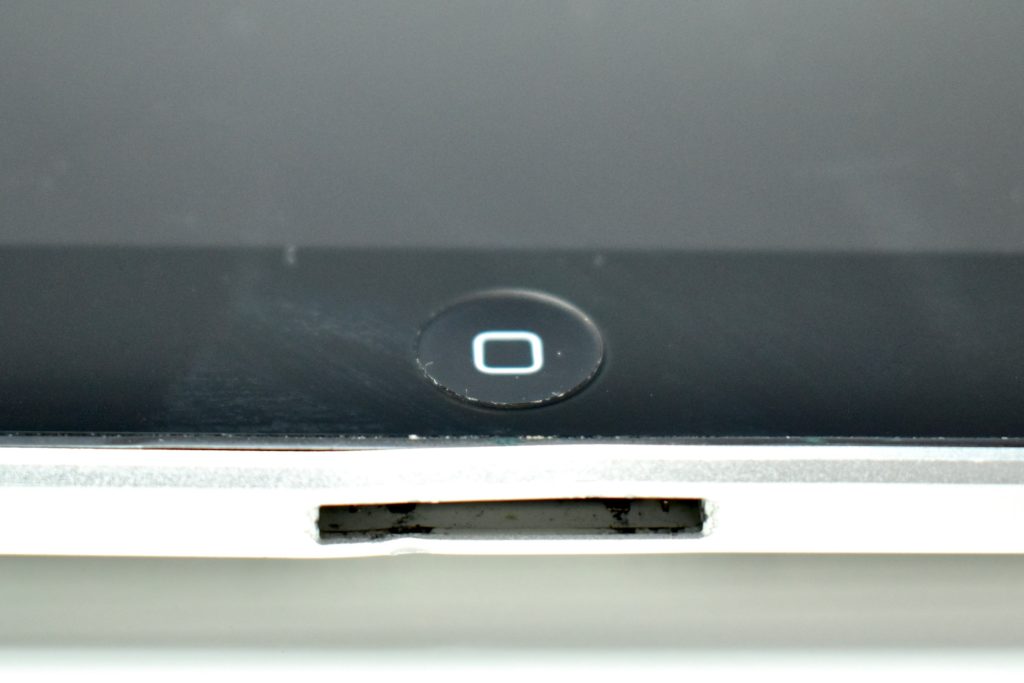
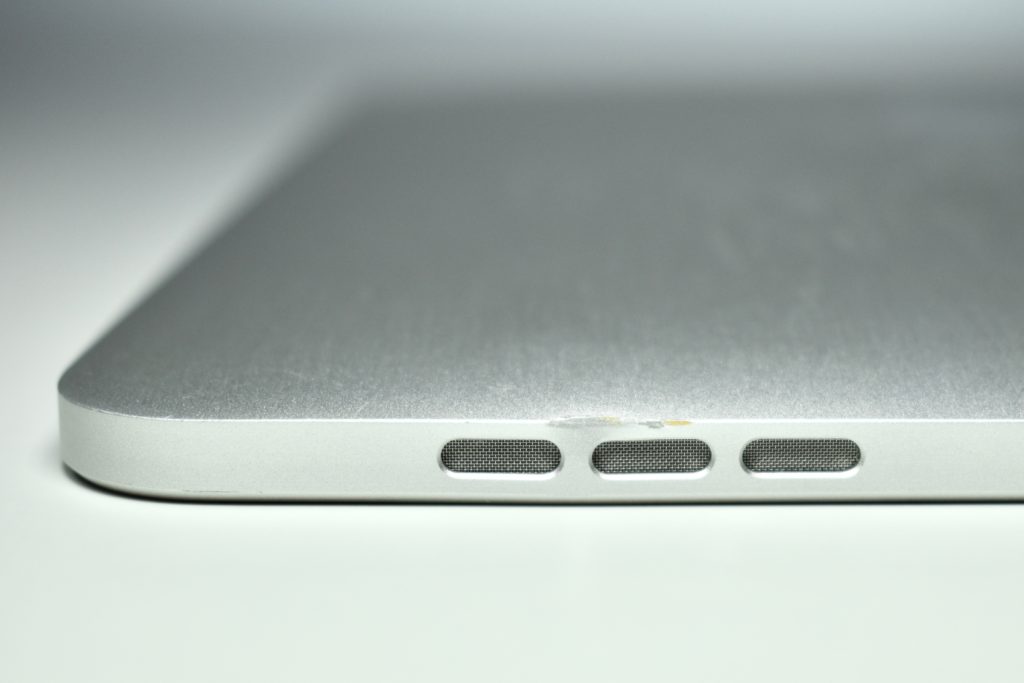
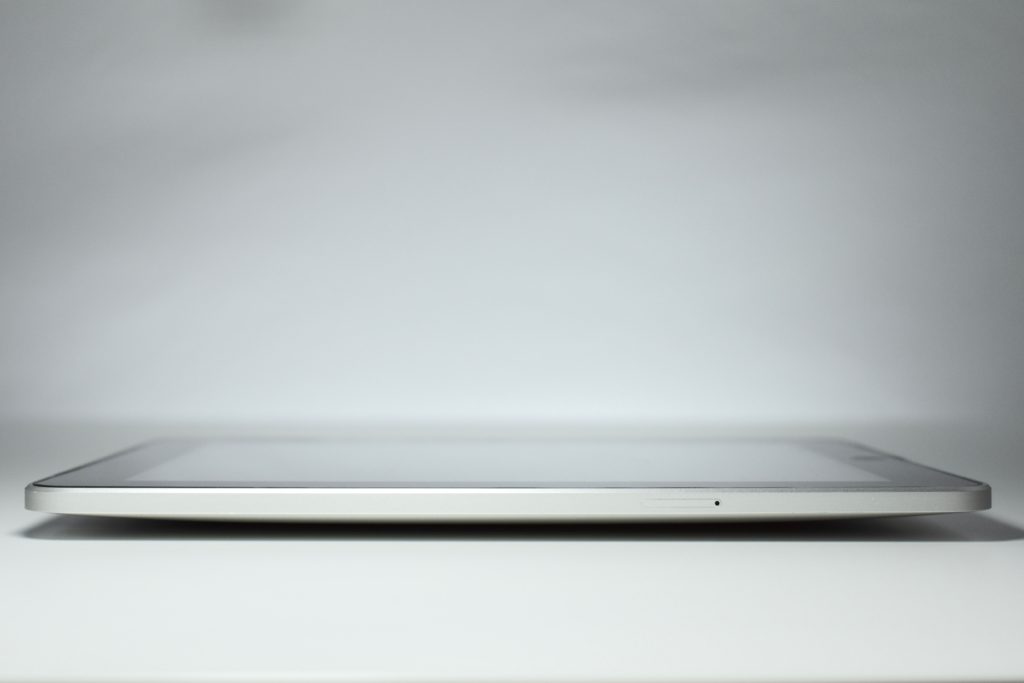
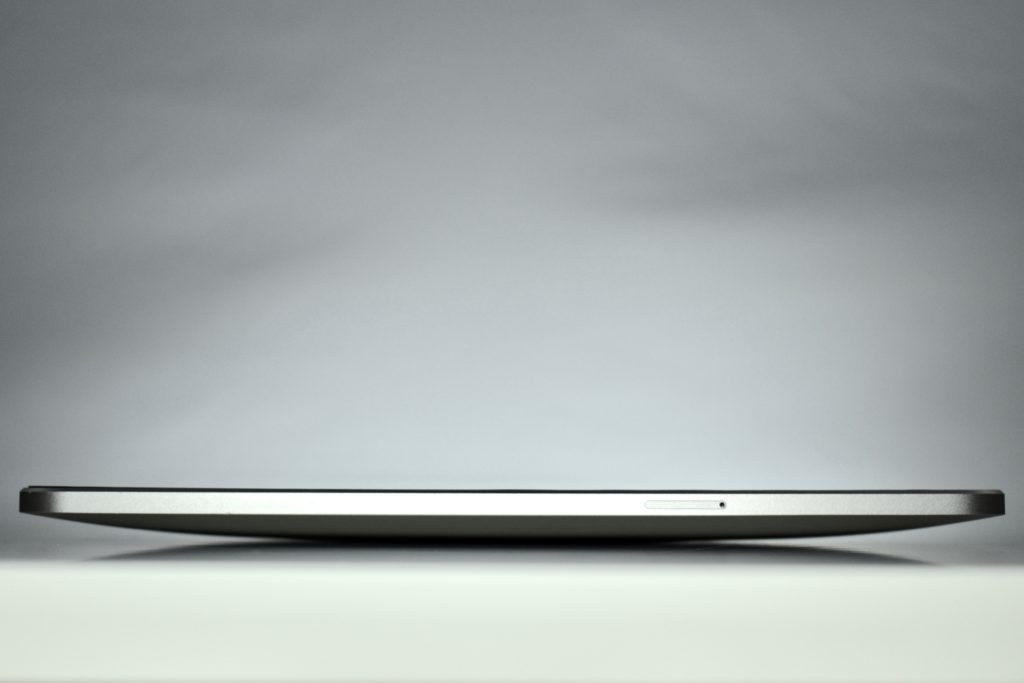
The original iPad used a 9.7-inch multitouch display (1024×768 at 132 ppi). It ran the same operating system as iPhone, which at the time was referred to as iPhone OS 3.2 (the name “iOS” would not be used until June 2010).
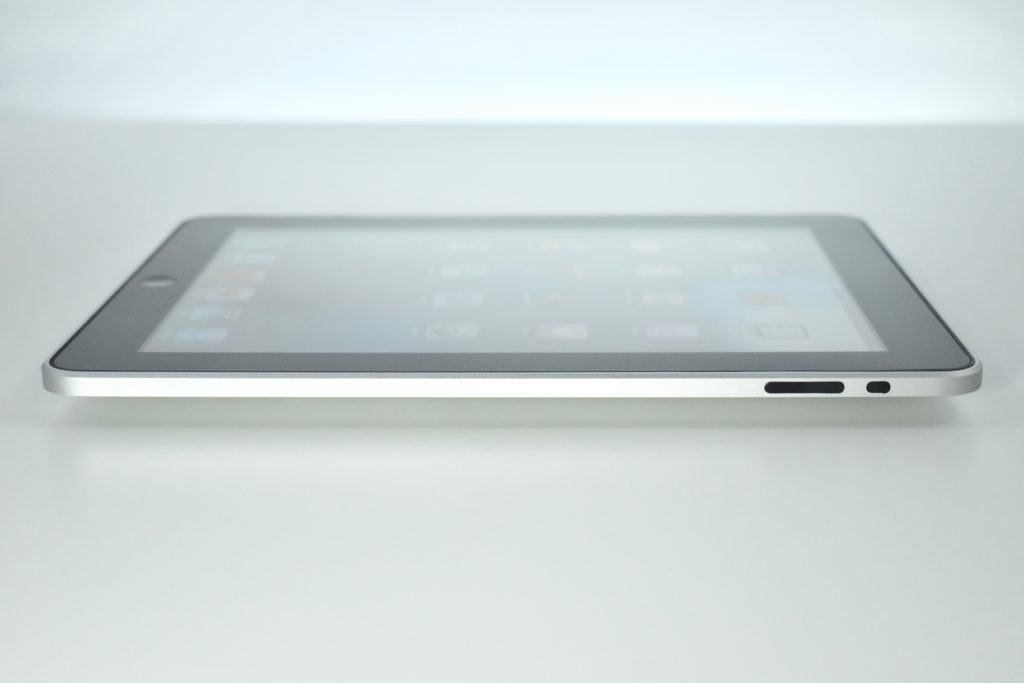
Internally, the original iPad had a 1 GHz Apple A4 processor; 16, 32, or 64 GB of storage; 802.11a/b/g/n Wi-Fi; an accelerometer; an ambient light sensor; a digital compass; GPS; two mono speakers; and a built-in microphone. The iPad was 0.5 inches thick and weighed 1.6 pounds.
The original iPad mini featured a 7.9-inch screen at 1024×768 (163 ppi). Internally, it had a dual core 1 GHz Apple A5 processor; 512 MB of RAM; and 16, 32, or 64 GB of storage. It had two cameras: a rear-mounted 5 megapixel iSight camera (1080p) and a front-mounted 1.2 megapixel FaceTime HD camera (720p). The original iPad mini used a Lightning port.
I found the iPad mini perfect for travel due to its small size, reduced weight, high-quality display, and 10-hour battery.
In a January 27, 2010 press release issued by Apple, the company announced the iPad and described it as, “a revolutionary device for browsing the web, reading and sending email, enjoying photos, watching videos, listening to music, playing games, reading e-books and much more.” It was described by Steve Jobs as, “a magical and revolutionary device at an unbelievable price” that “defines an entirely new category of devices that will connect users with their apps and content in a much more intimate, intuitive and fun way than ever before.”
At the time of its release, the iPad could run the 140,000 apps on the App Store and iTunes content including 11 million songs, 50,000 TV episodes, and over 8,000 films. Apple had also recently announced the iBookstore (now called Apple Books) and a new version of iWork for iPad (including Pages, Keynote, and Numbers).
The original iPad used a 9.7-inch multitouch display (1024×768 at 132 ppi) and ran the same operating system as iPhone, which at the time was referred to as iPhone OS 3.2.
Internally, the original iPad had a 1 GHz Apple A4 processor; 16, 32, or 64 GB of storage; 802.11a/b/g/n Wi-Fi; an accelerometer; an ambient light sensor; a digital compass; GPS; two mono speakers; and a built-in microphone. The iPad was 0.5 inches thick and weighed 1.6 pounds.
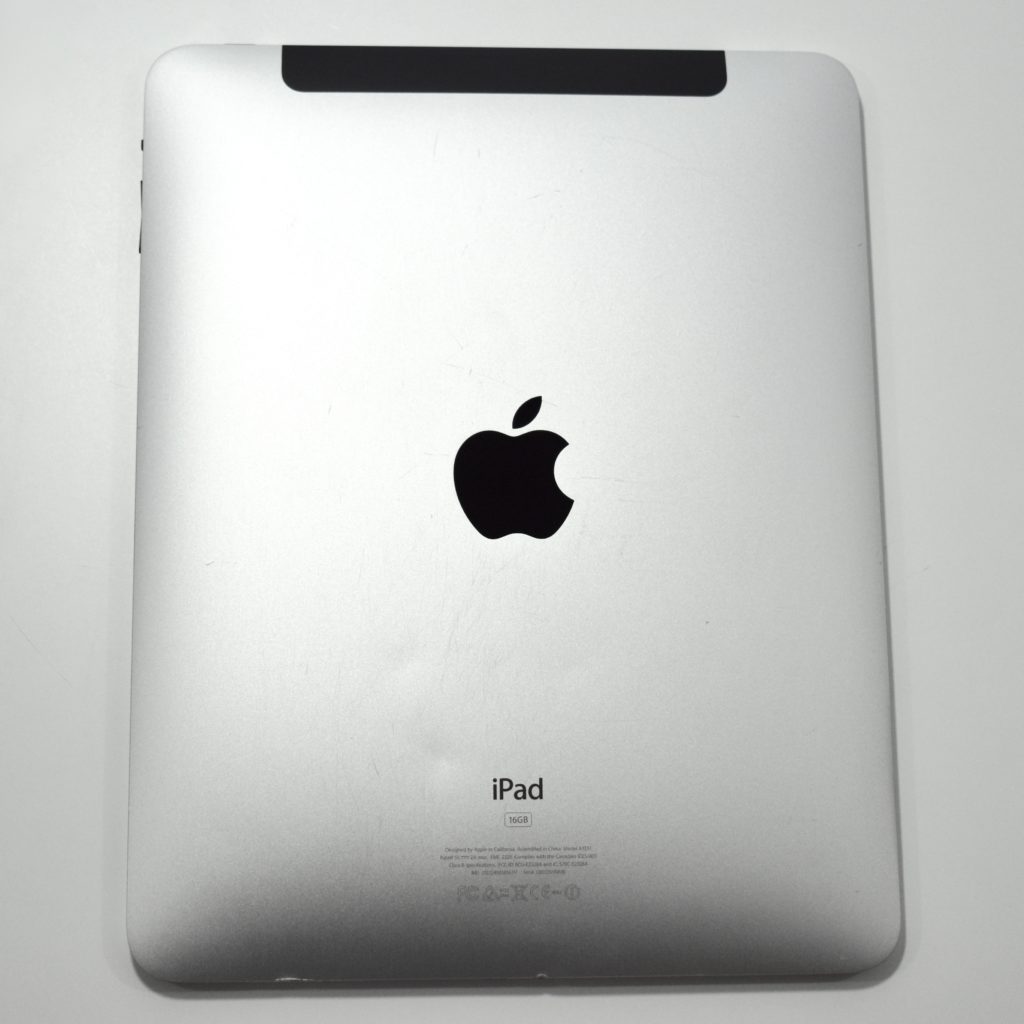
This iPad model also had 3G wireless data support. The Wi-Fi version of the iPad was released in March 2010, and this 3G wireless data version was released a month later in April 2010.
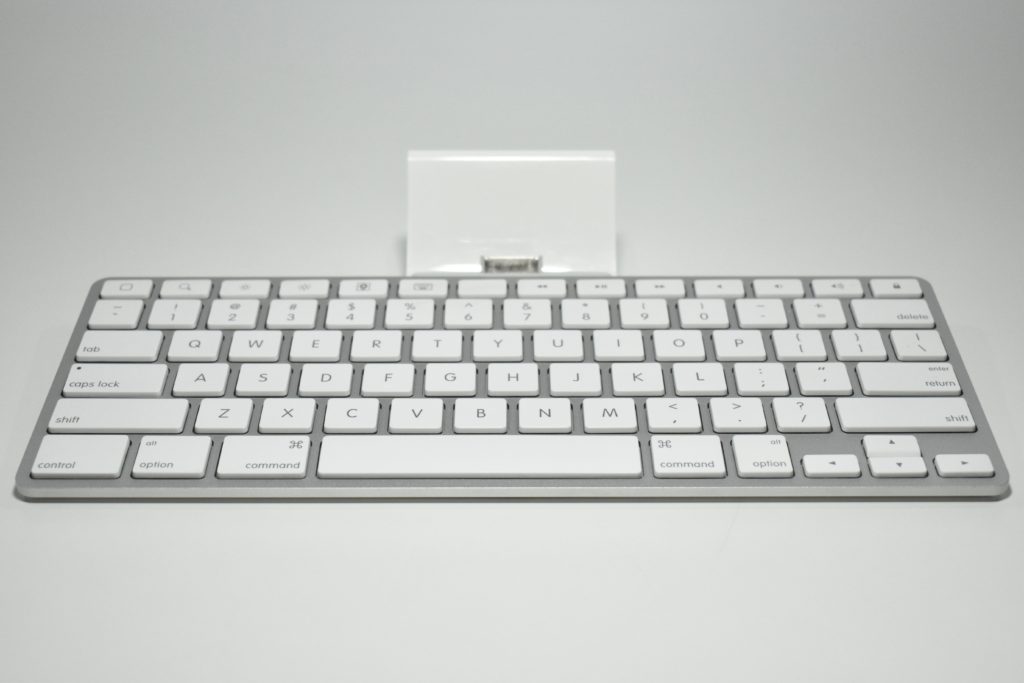
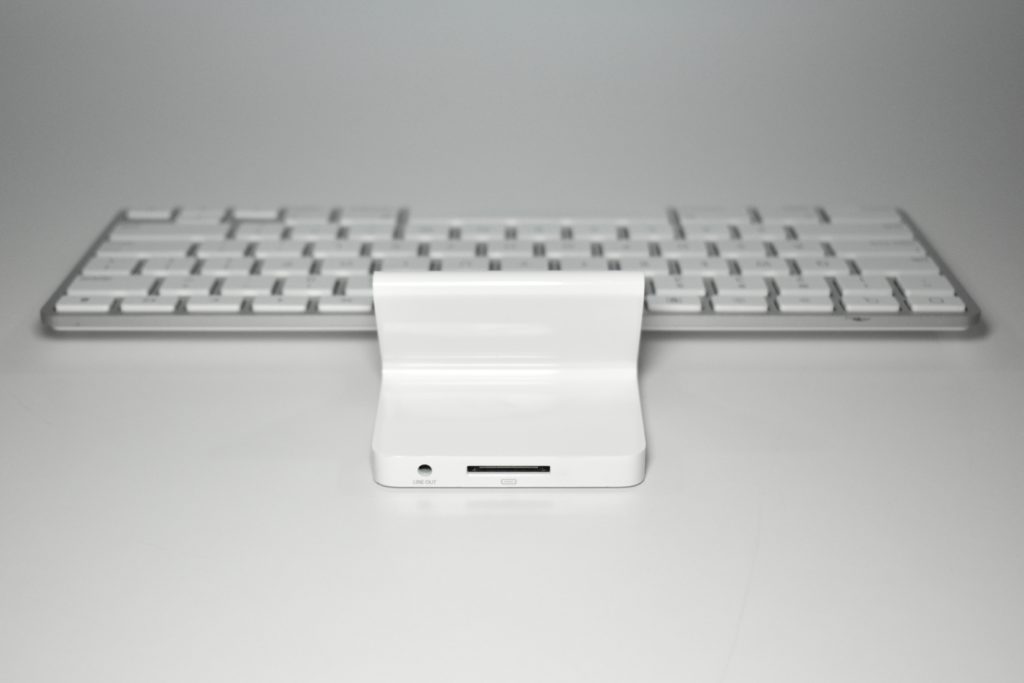
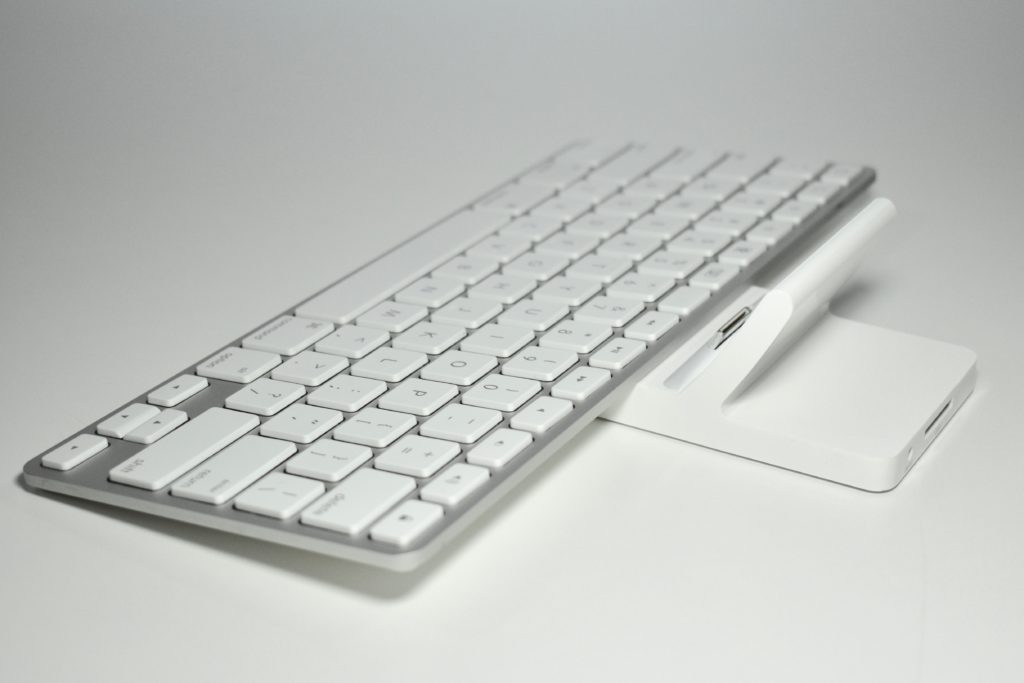
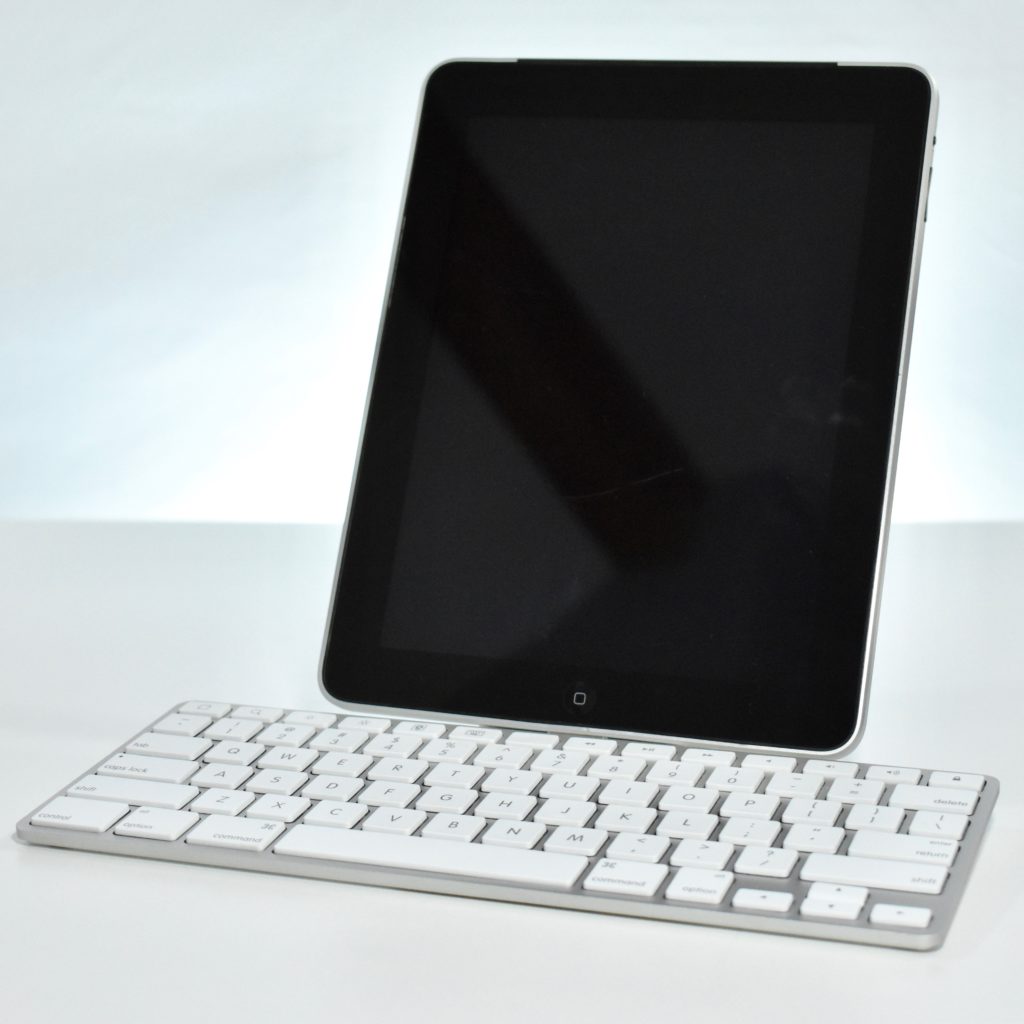
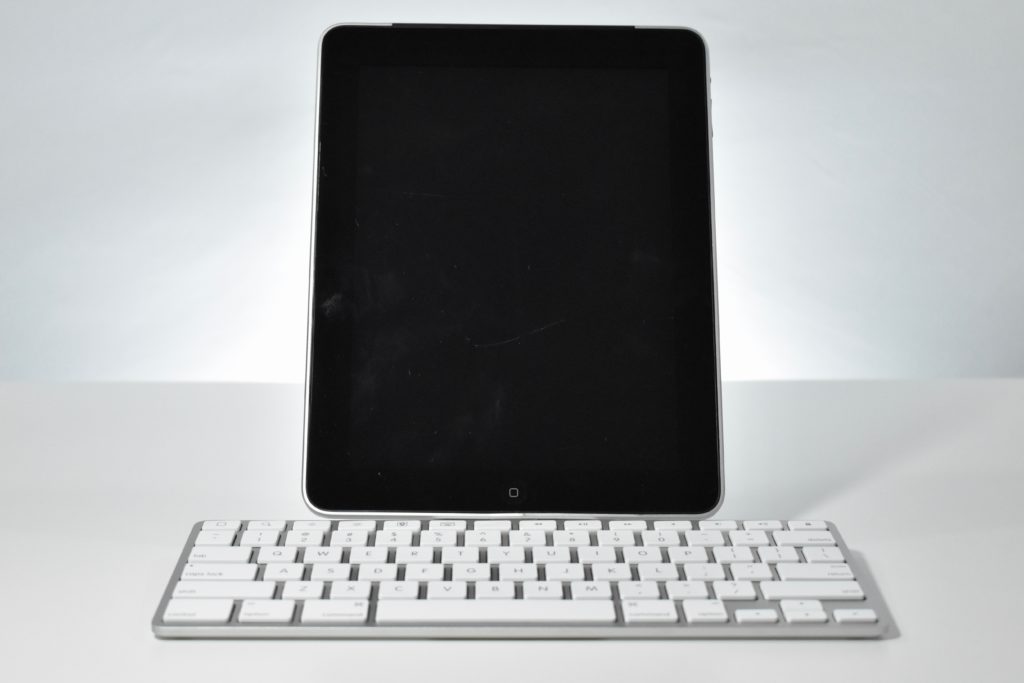
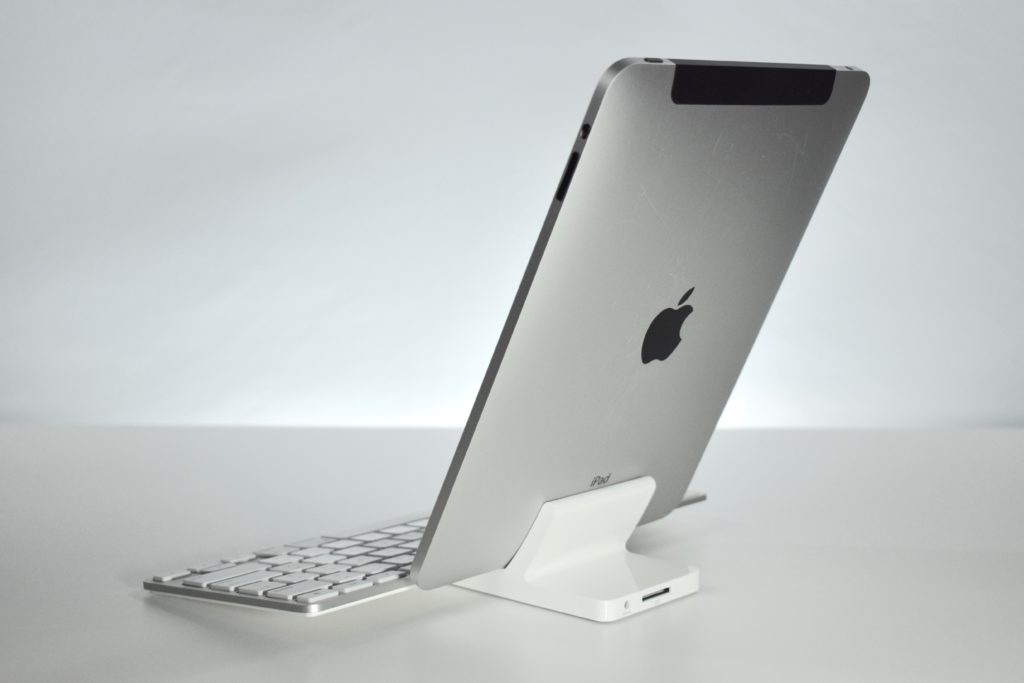
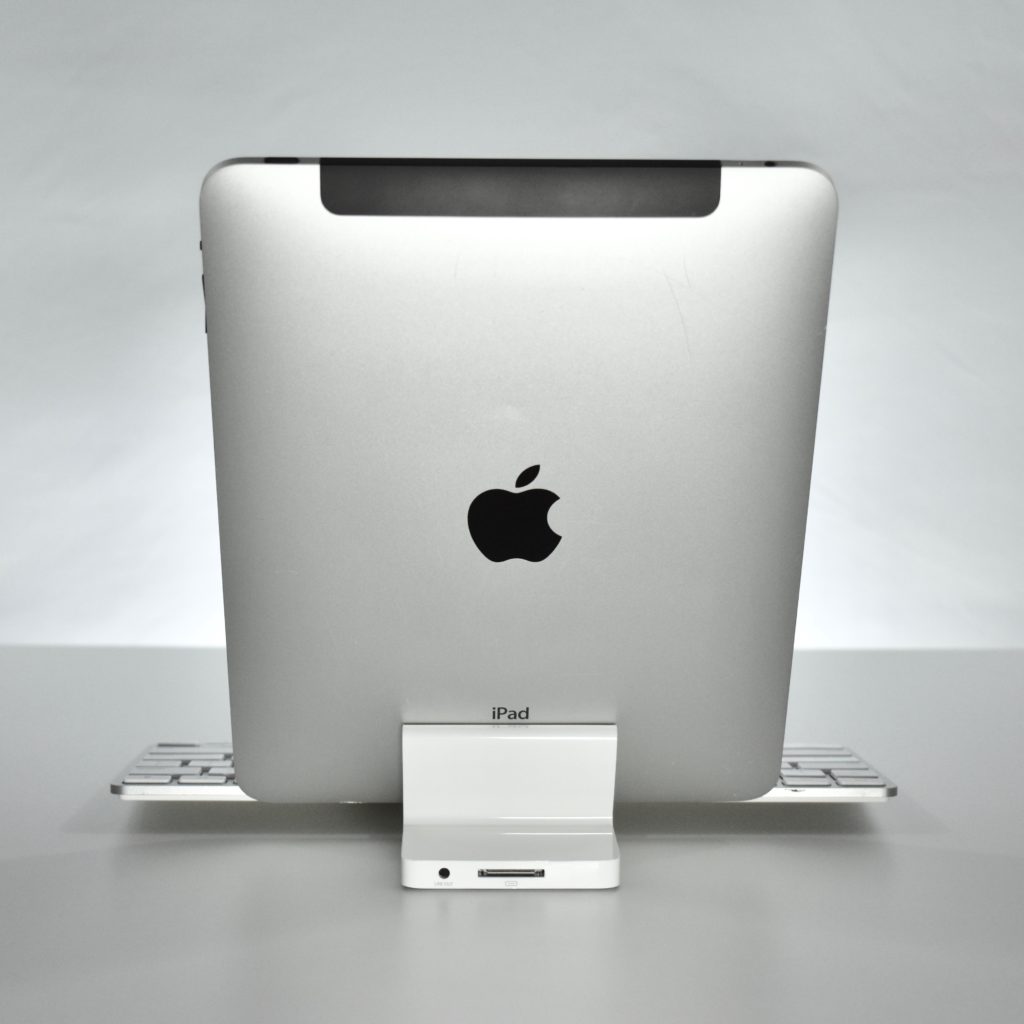
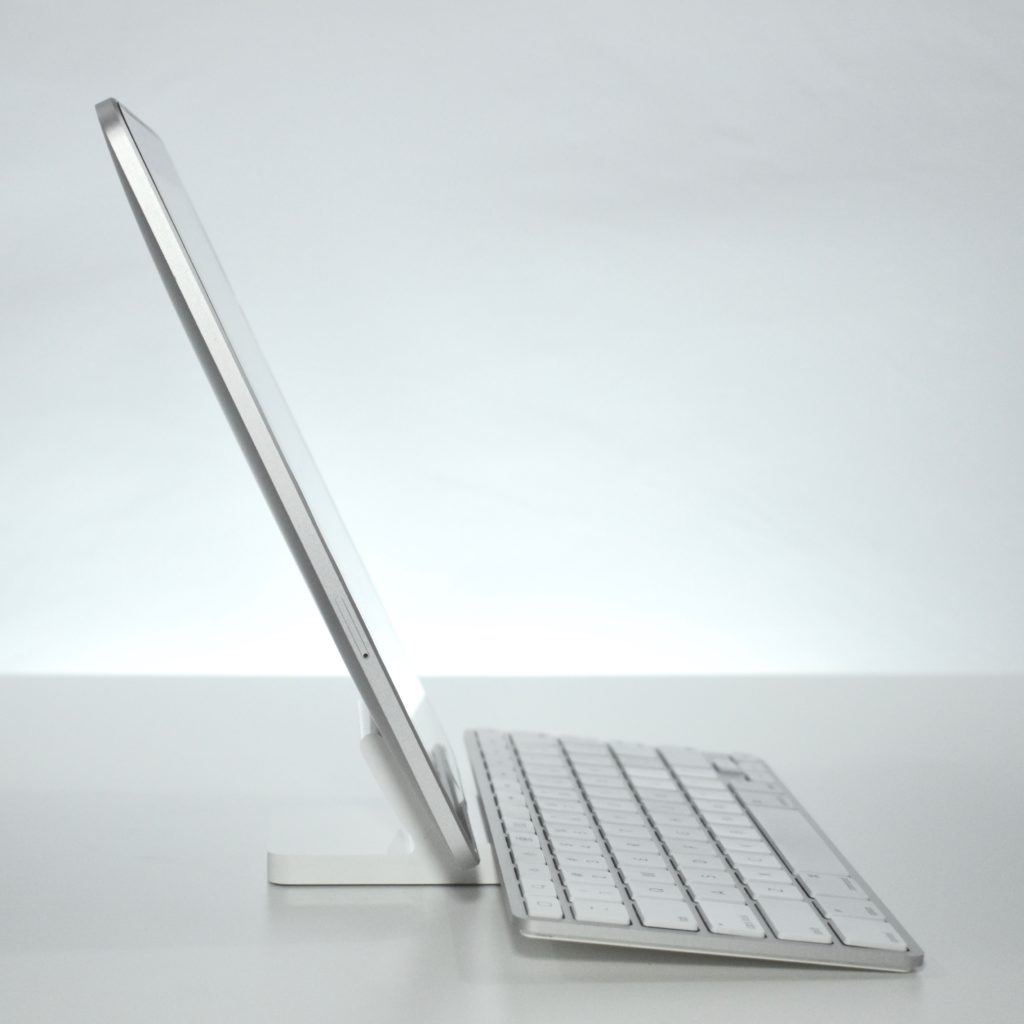
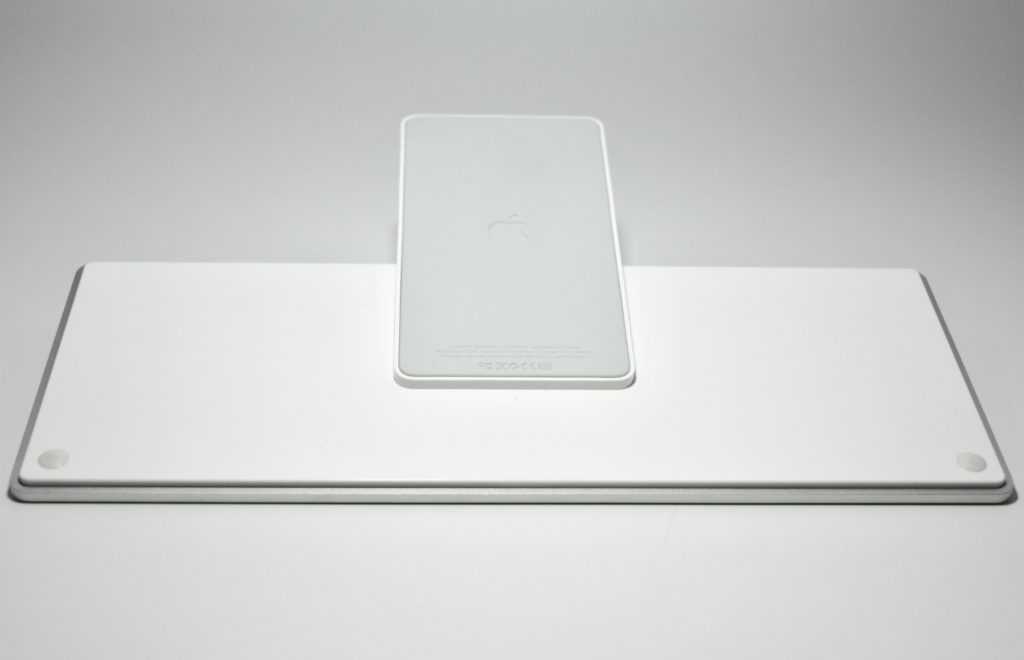
The keyboard on the iPad Keyboard Dock measures 11 inches wide, 4.5 inches deep, and stands 0.65 inch tall toward the back, sloping to 0.25 inch at the spacebar. A white plastic dock is fused to the back of the keyboard making the device a total depth of 7.25 inches and 2 inches tall. The dock weighs 1.4 pounds.
Although the keyboard resembles the Mac keyboards of the time, the escape and function buttons found at the top of a Mac keyboard were replaced with 13 keys that control iPad-specific features, including: home screen, search, brightness, picture frame, onscreen keyboard toggle, music track control, volume, and screen lock. Each function is represented by an icon.
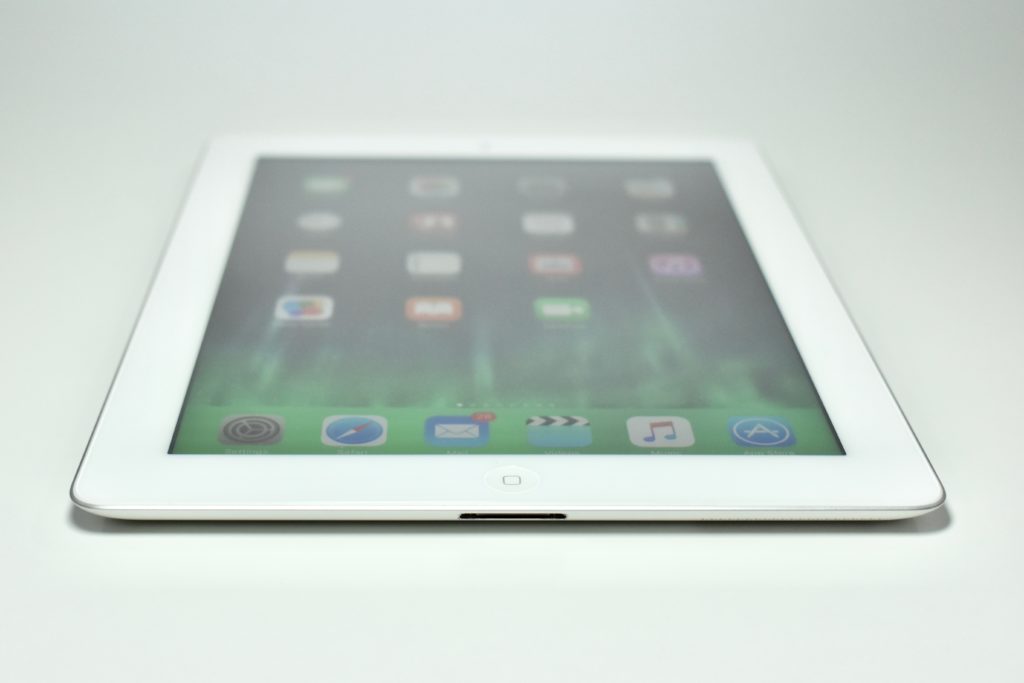
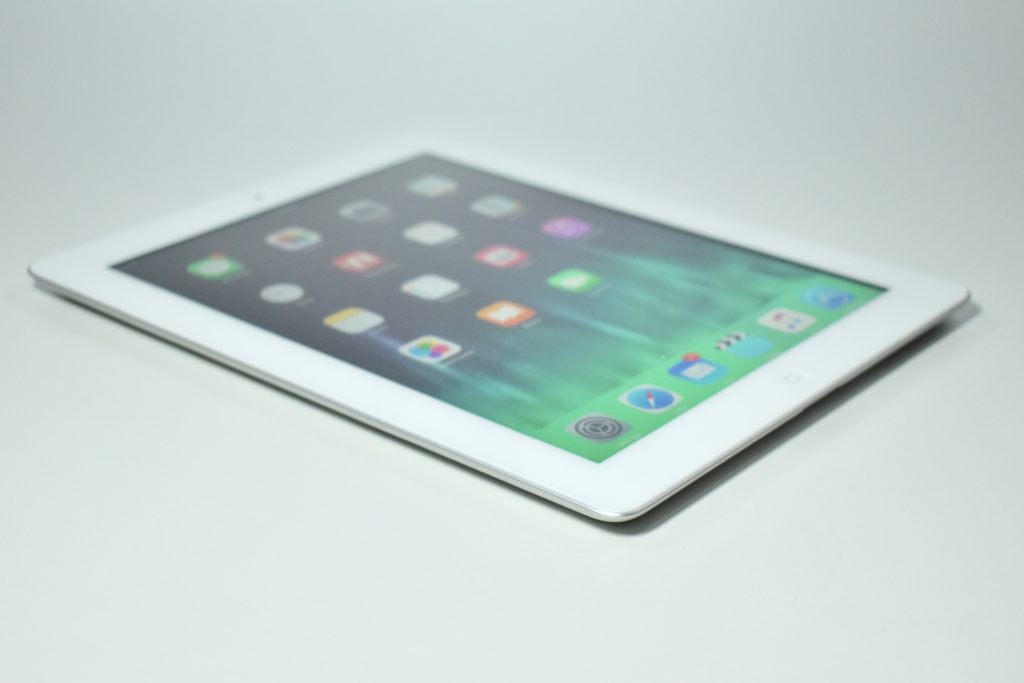
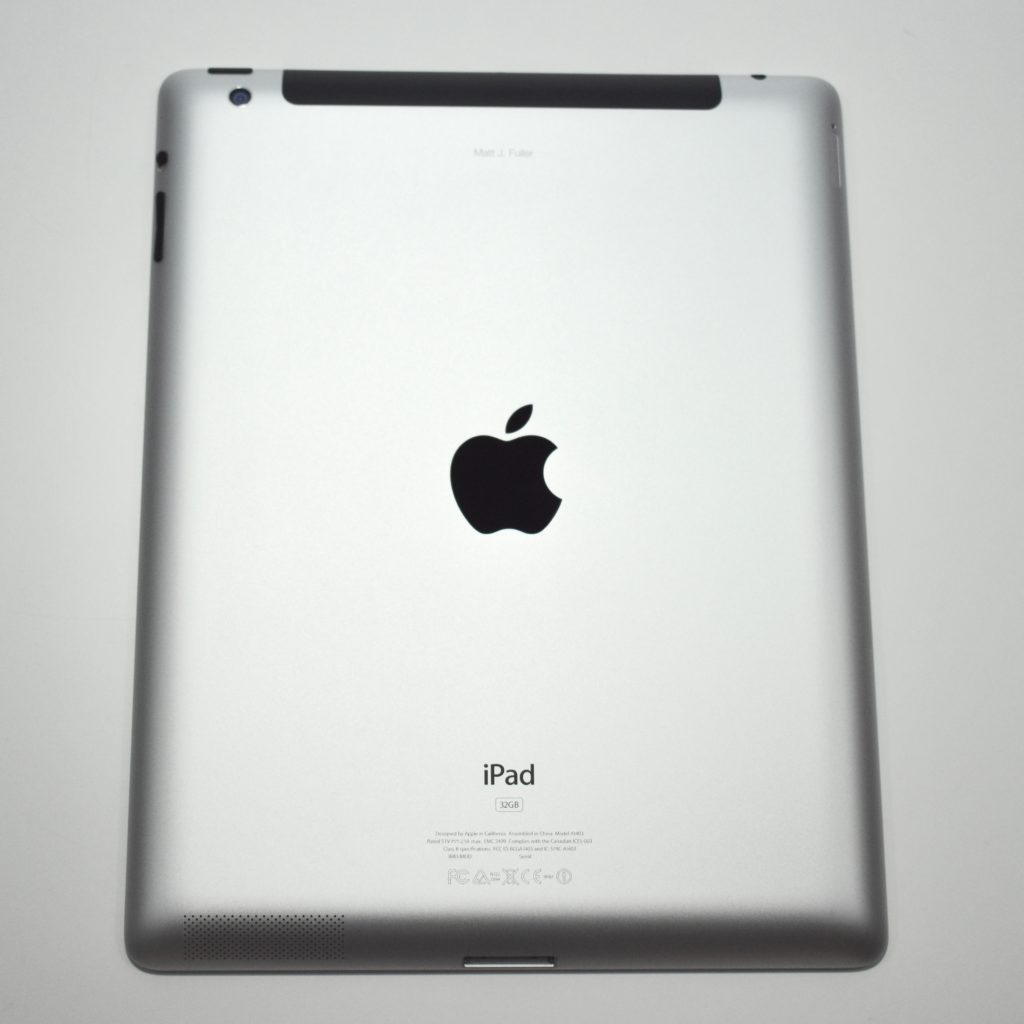
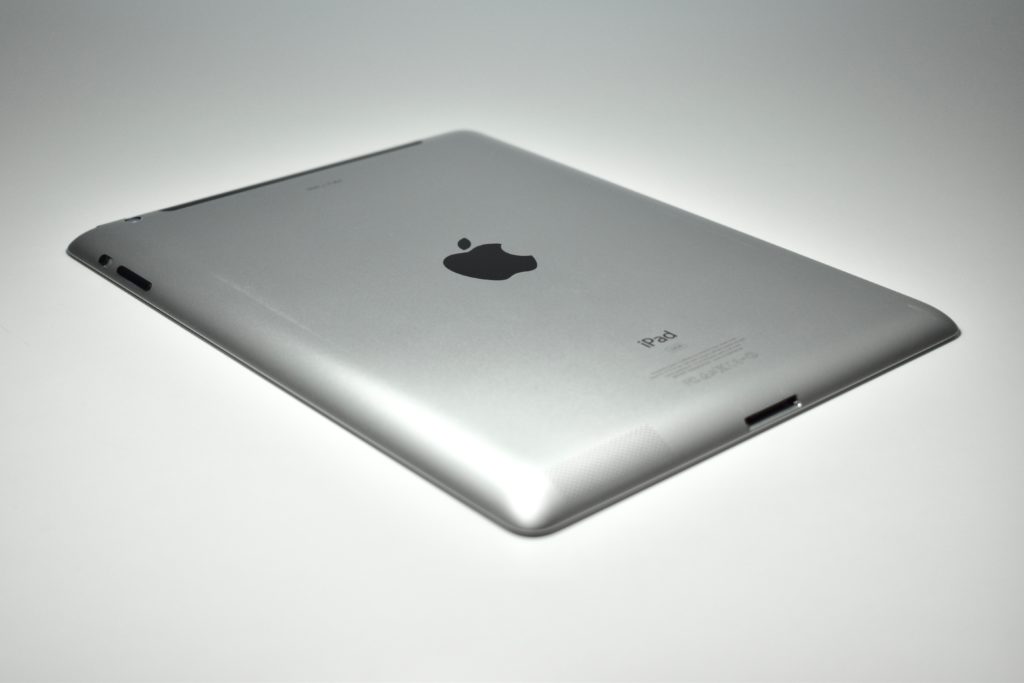
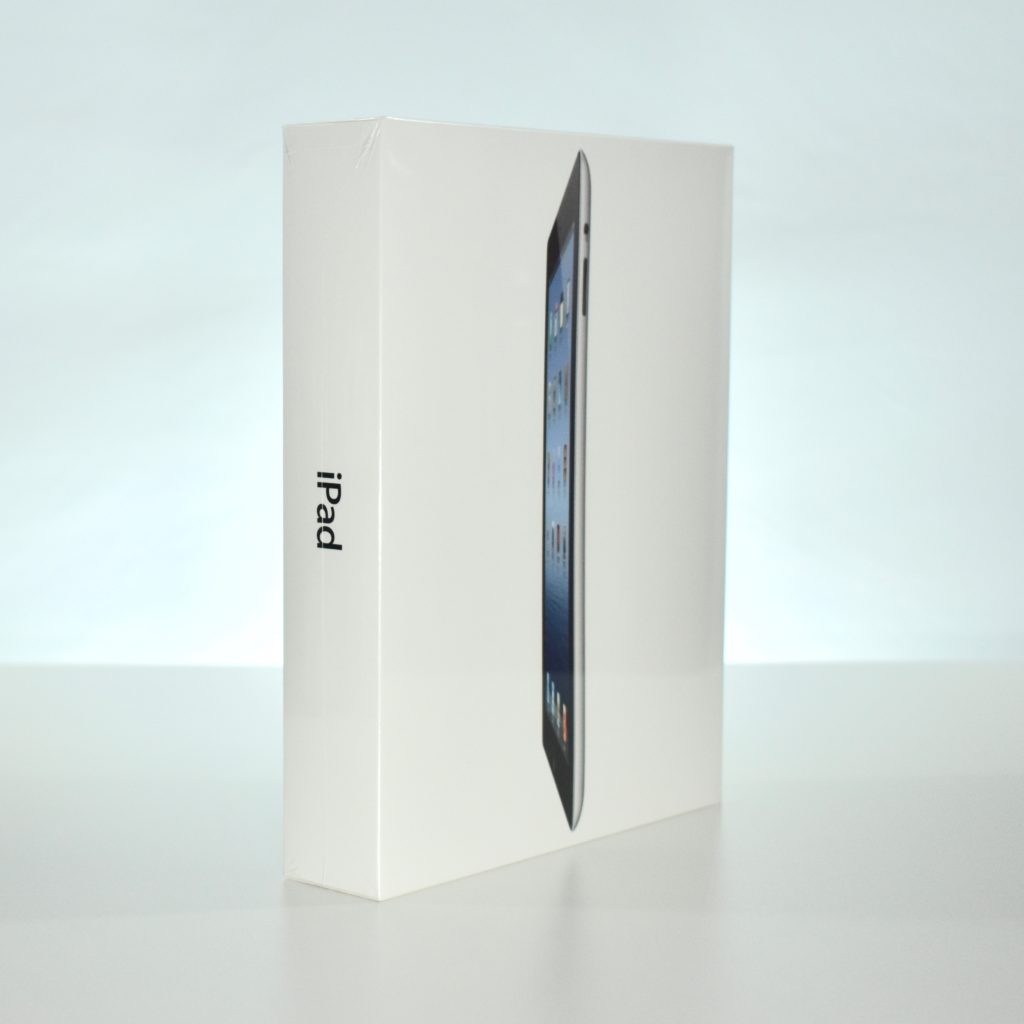
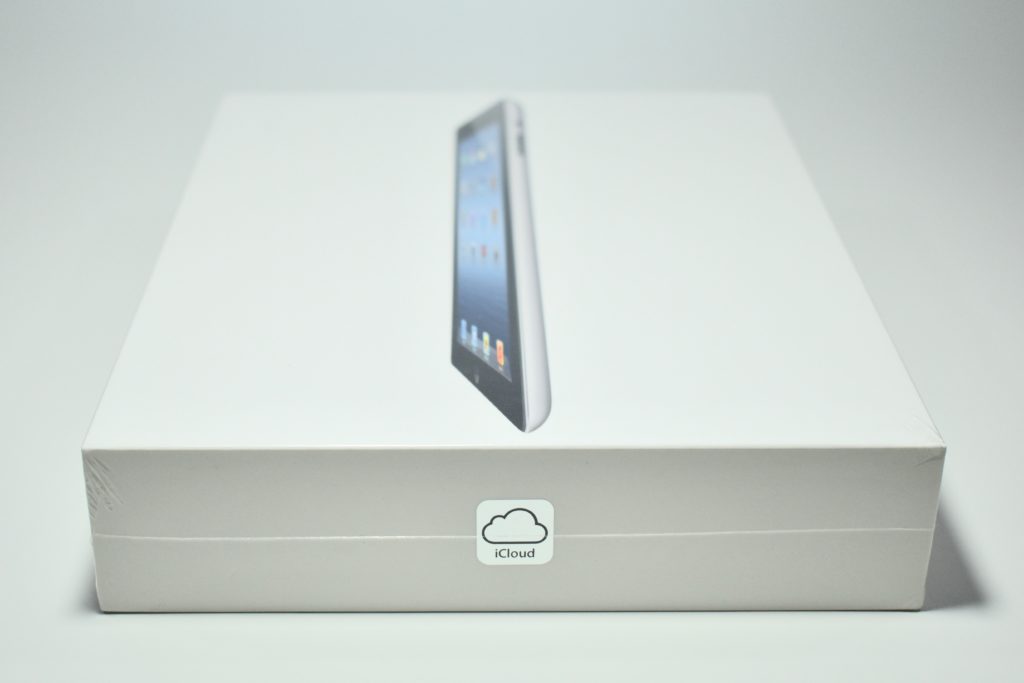
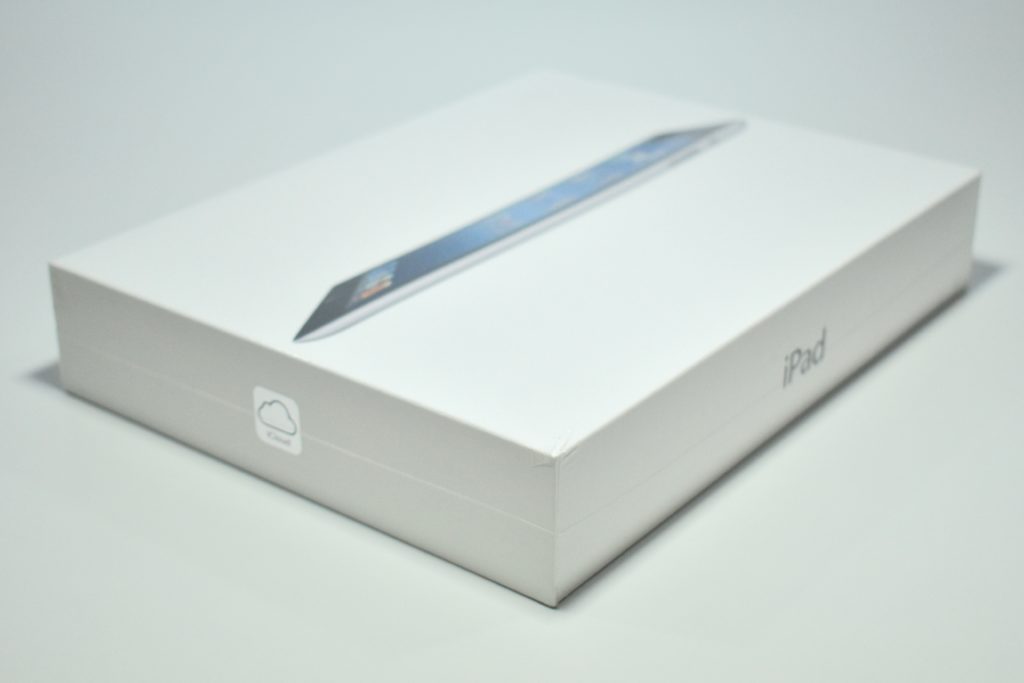
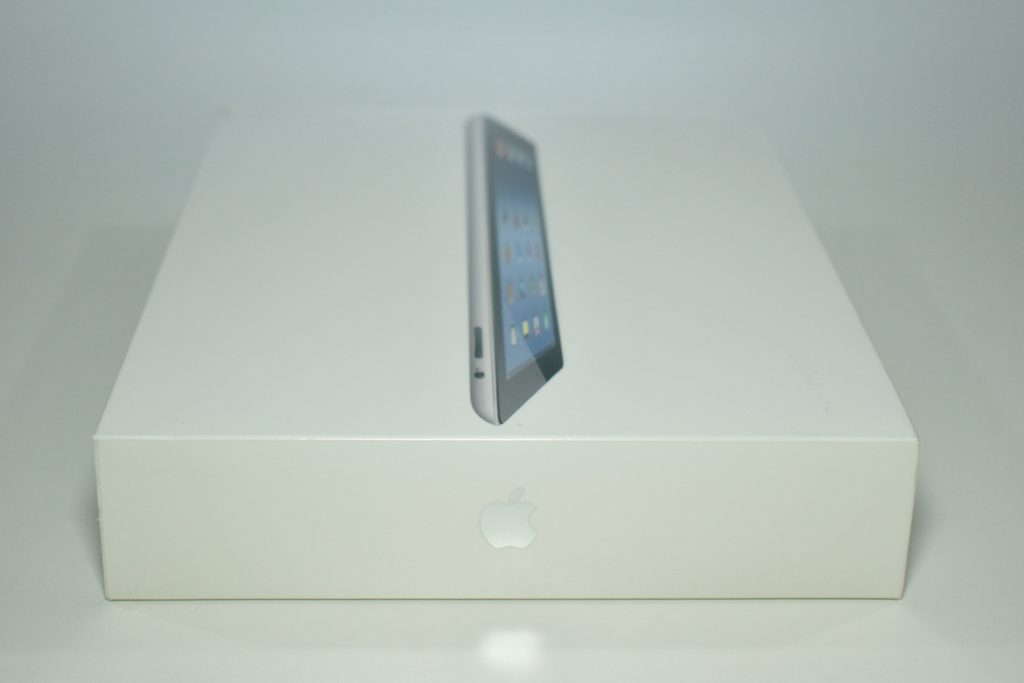
The iPad Generation 3 was significantly more powerful than the two previous iPad models and introduced the “Retina” display, a 9.7-inch multitouch screen at 2048×1536 (264 ppi). Internally it used a dual-core 1 GHz Apple A5X processor with quad core graphics; 1 GB of RAM; 16, 32, or 64 GB of storage; a rear-mounted 5 megapixel iSight camera (1080p); a front-mounted FaceTime camera; 802.11n Wi-Fi, and Bluetooth 4.0.
This specific iPad model supported 4G LTE connectivity on Verizon’s network in the US.
According to Cult of Mac, the iPad Generation 3 had the “shortest lifespan of any iPad in history. Apple debuted the fourth-gen model just 221 days after the iPad 3 went on sale. The iPad 4 added the Lightning connector, making the iPad 3 the last iPad to support the old 30-pin dock connector.”
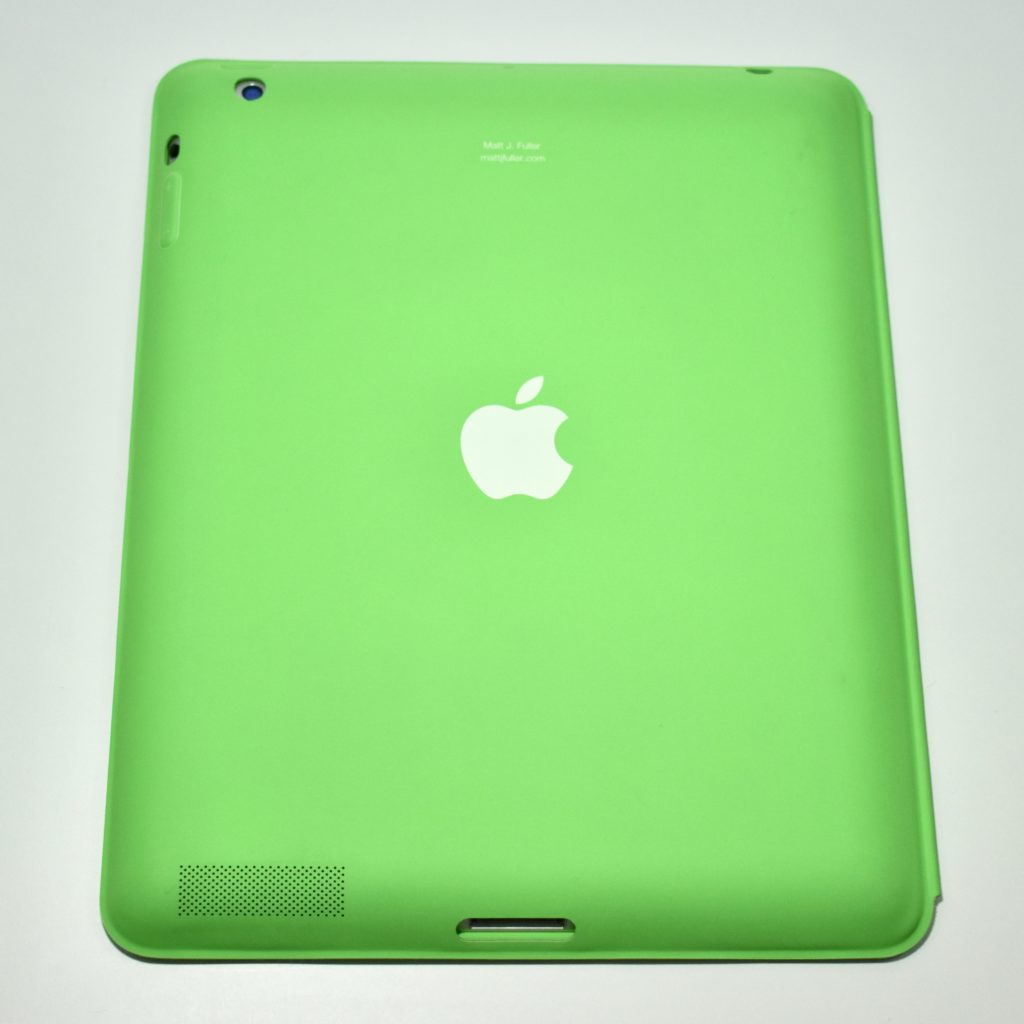
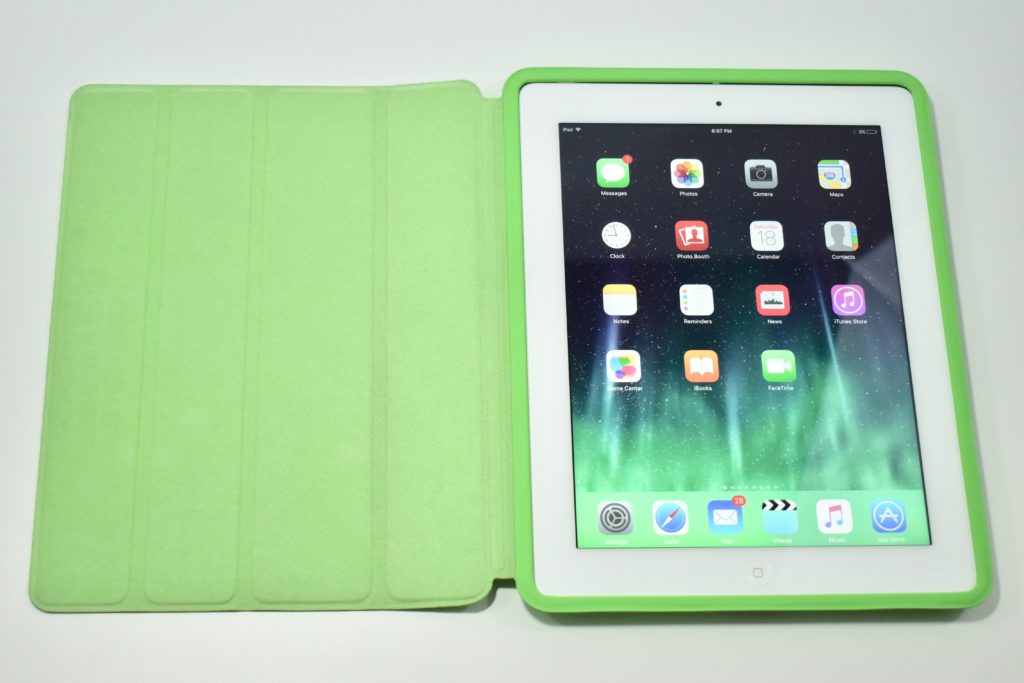
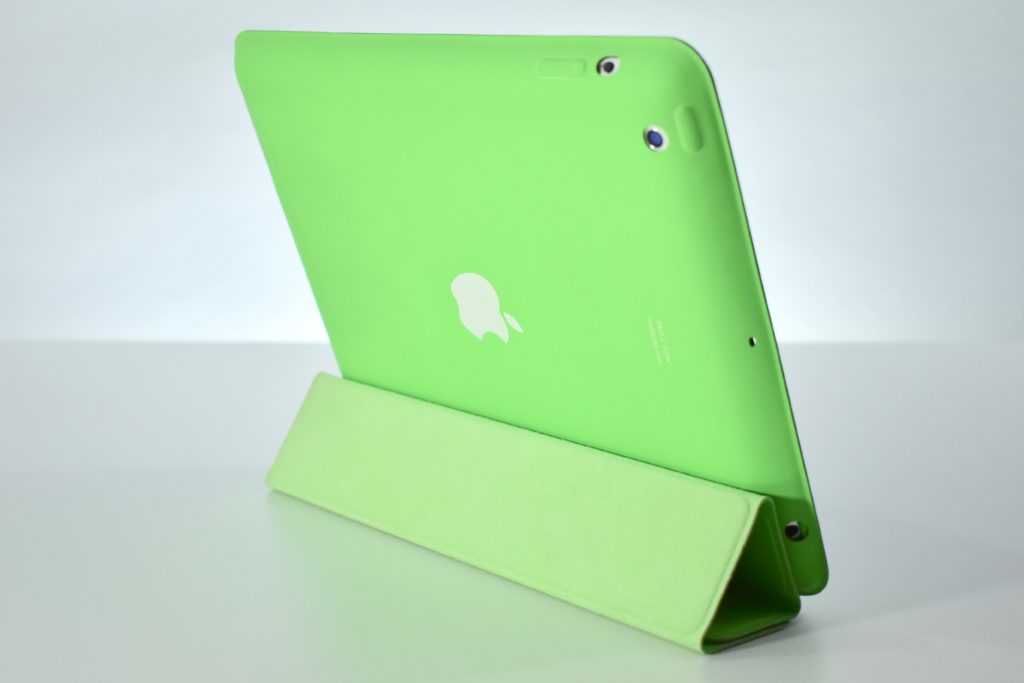
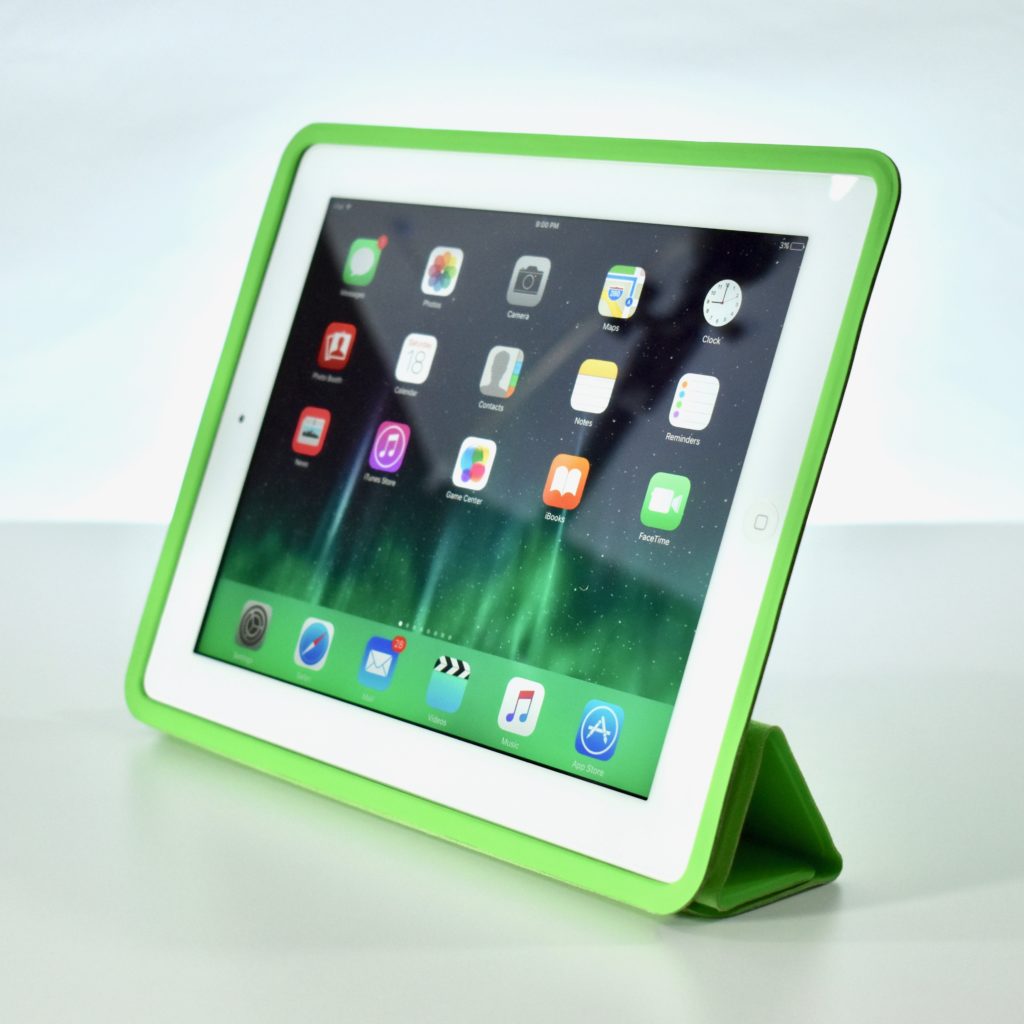
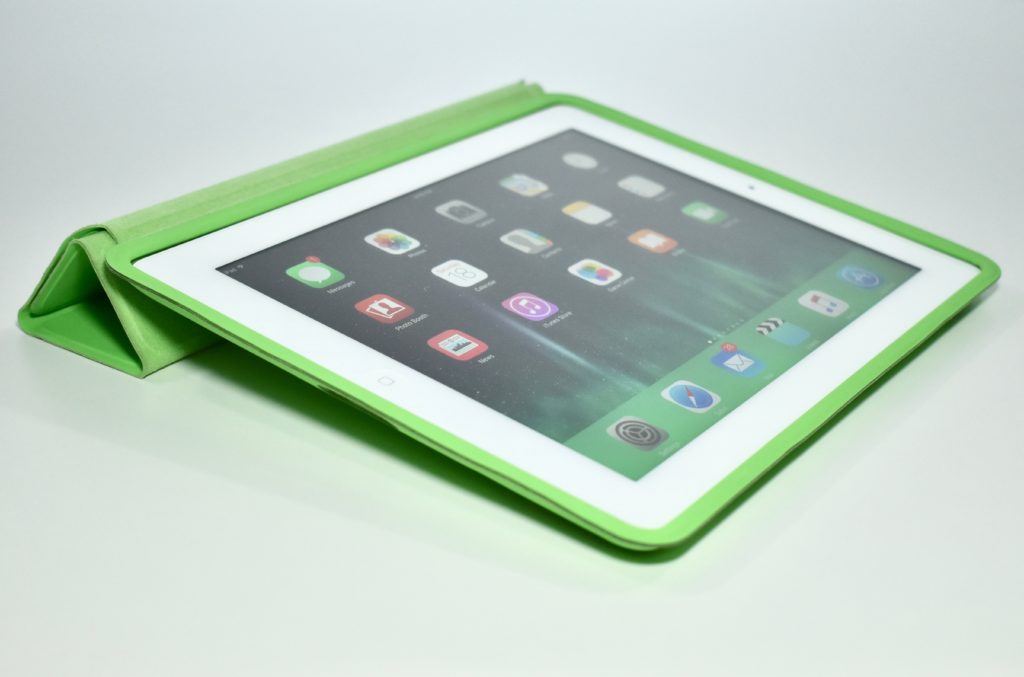
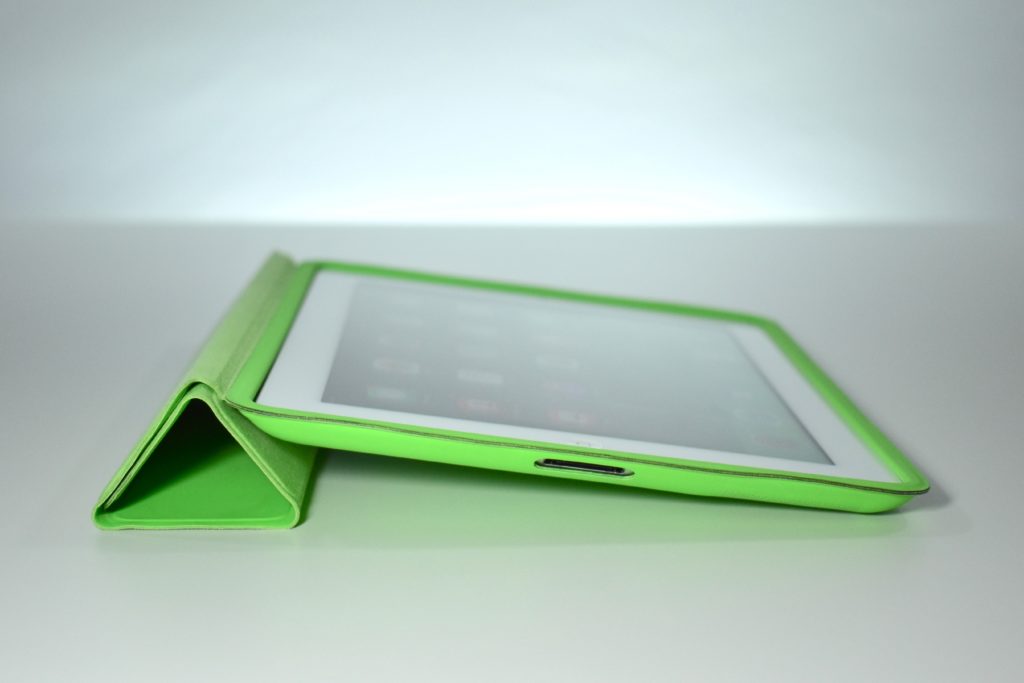
The Smart Case for was made of polyurethane and fit several iPad models including iPad 2 (2nd generation), iPad (3rd generation), and iPad with retina display. The Smart Case offered full protection and the cover was magnetic so when the case was open the iPad woke up and automatically went to sleep when closed.
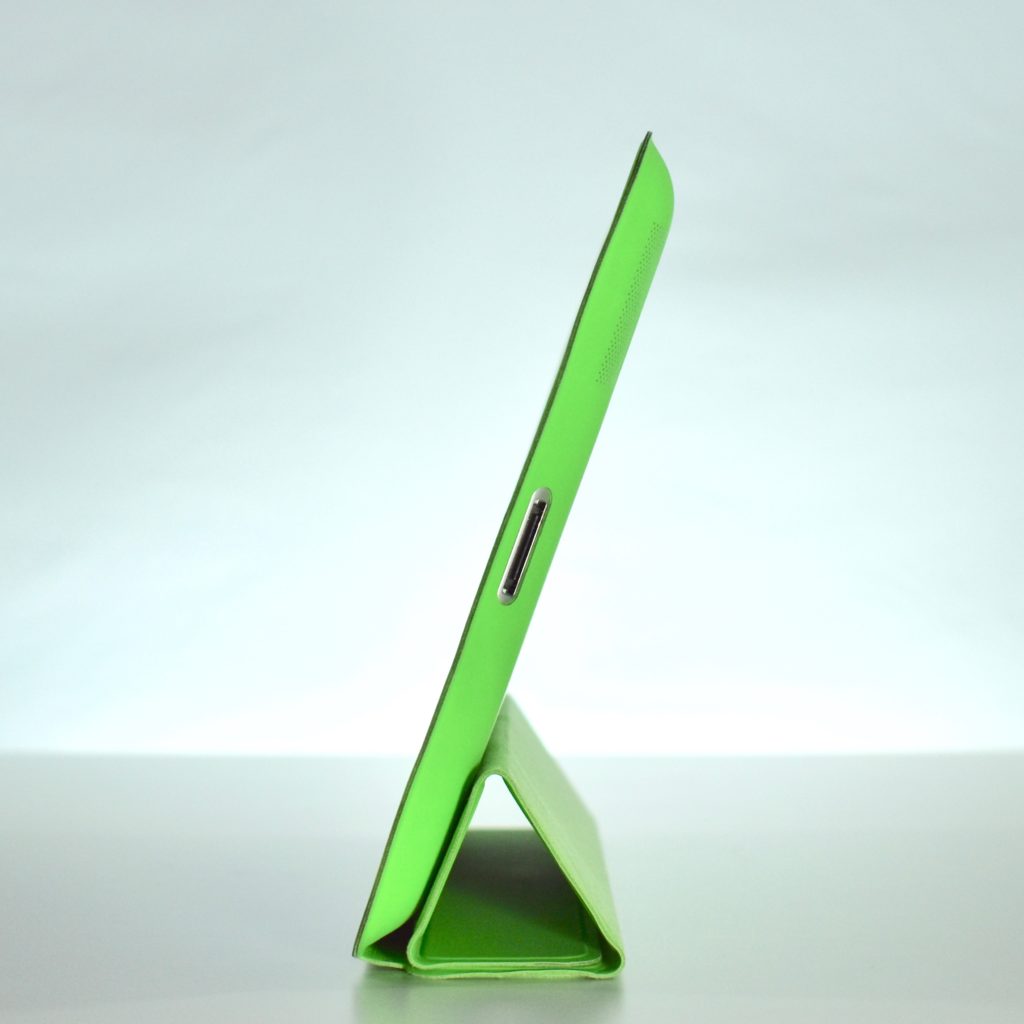
The interior of the case was made of a soft, color-matched microfiber lining that helped keep the display clean. By folding the cover into a triangle, Apple advertised the case positions as a “FaceTime and movie stand” while upright and a keyboard stand to “tilt iPad into a comfortable typing position” when flat.
The iPad Generation 3 was significantly more powerful than the two previous iPad models and introduced the “Retina” display, a 9.7-inch multitouch screen at 2048×1536 (264 ppi). Internally it used a dual-core 1 GHz Apple A5X processor with quad core graphics; 1 GB of RAM; 16, 32, or 64 GB of storage; a rear-mounted 5 megapixel iSight camera (1080p); a front-mounted FaceTime camera; 802.11n Wi-Fi, and Bluetooth 4.0.
In my experience as a school Technology Director, the iPad Generation 3 began a shift in thinking that the iPad was not just a content-consumption device, but also a content-creation device. The iPad Generation 3 built upon the iWork apps introduced with he original iPad and camera introduced with the iPad Generation 2 by adding a considerably faster processor and better screen. Soon after the release of the iPad Generation 3, many schools began implementing multiple iPad devices eventually leading to 1:1 initiatives where each student is issued an iPad for learning.
According to Cult of Mac, the iPad Generation 3 had the “shortest lifespan of any iPad in history. Apple debuted the fourth-gen model just 221 days after the iPad 3 went on sale. The iPad 4 added the Lightning connector, making the iPad 3 the last iPad to support the old 30-pin dock connector.”
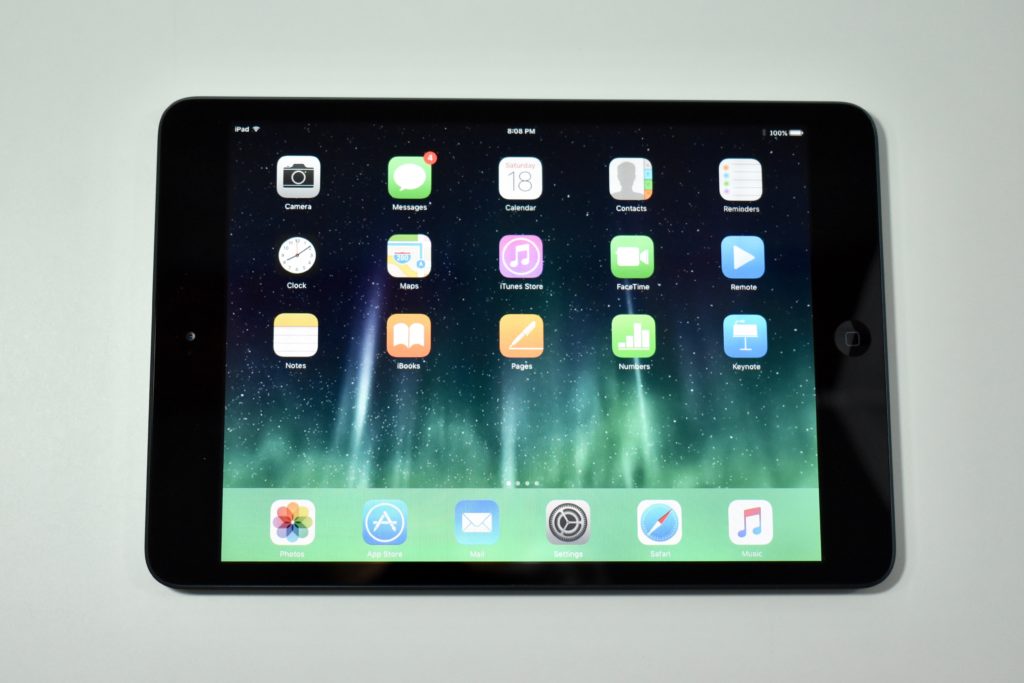
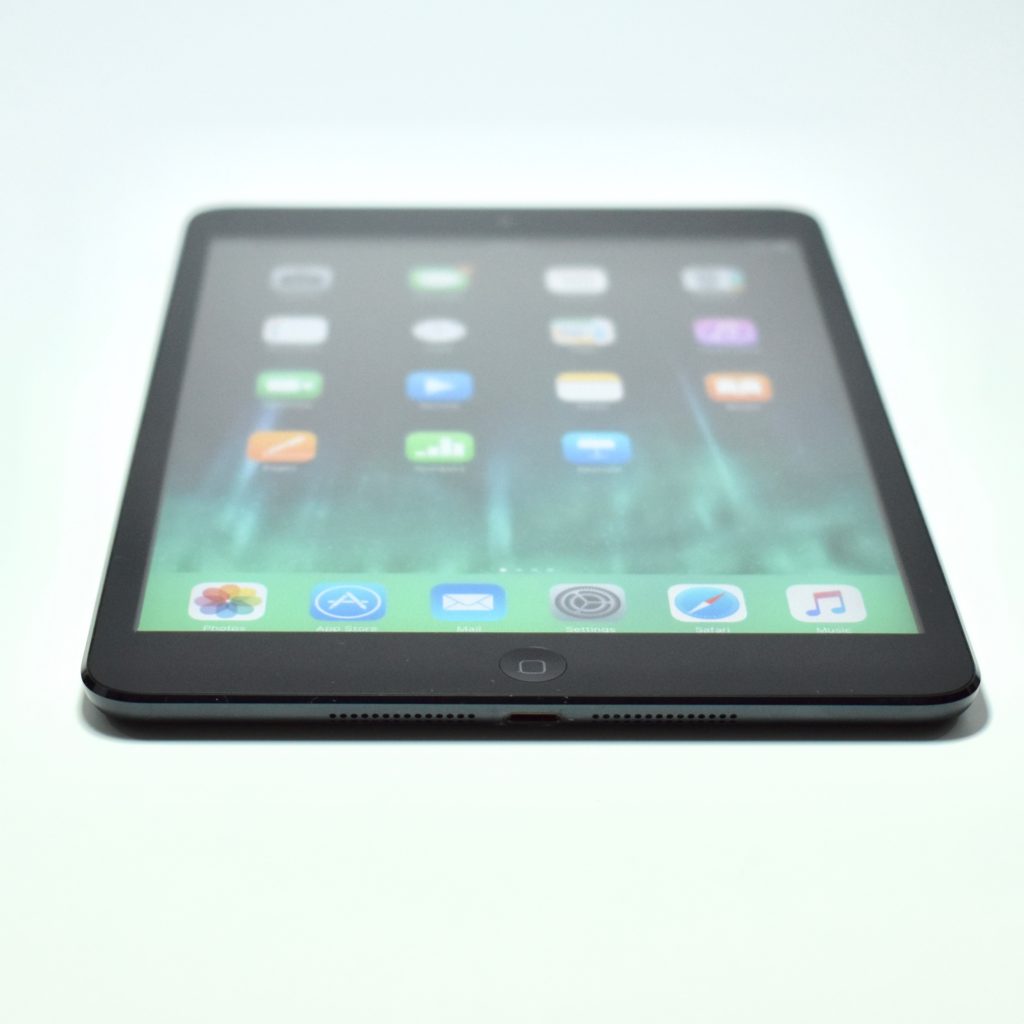
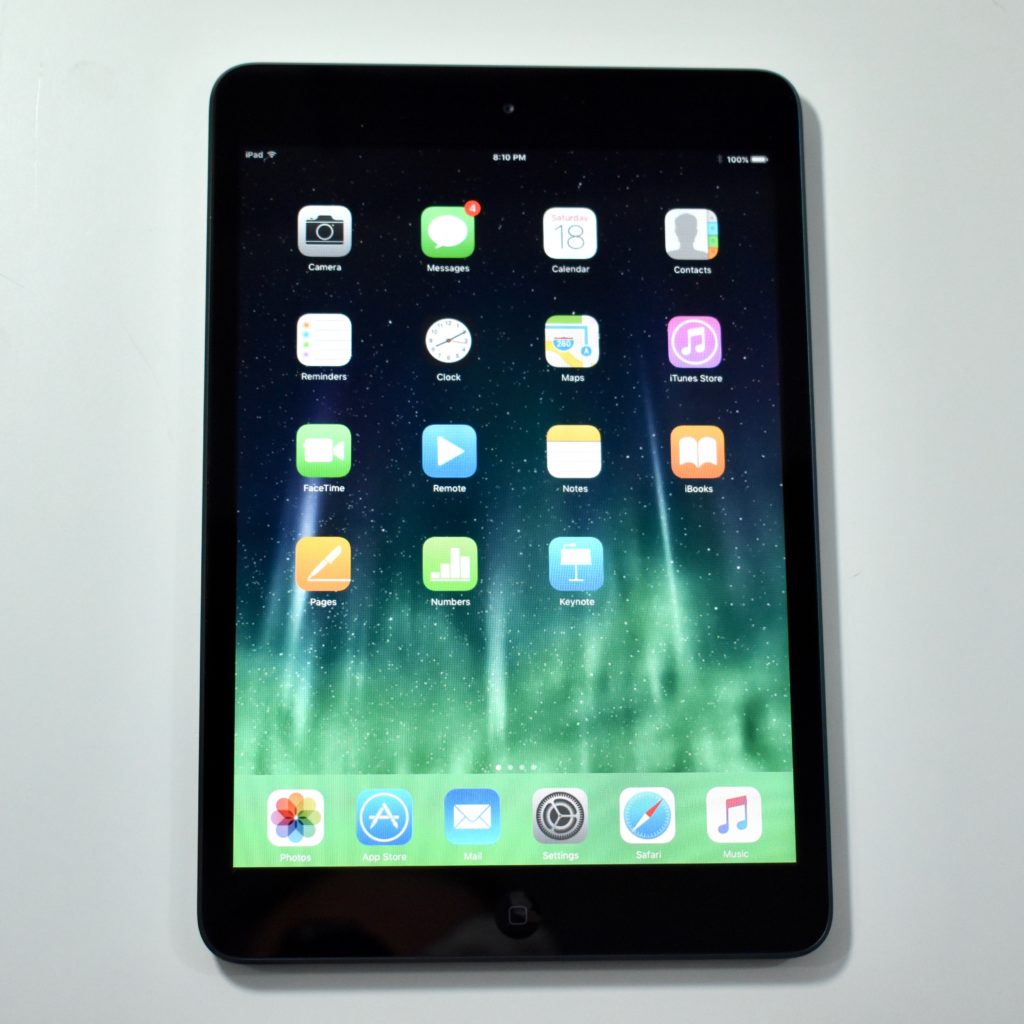
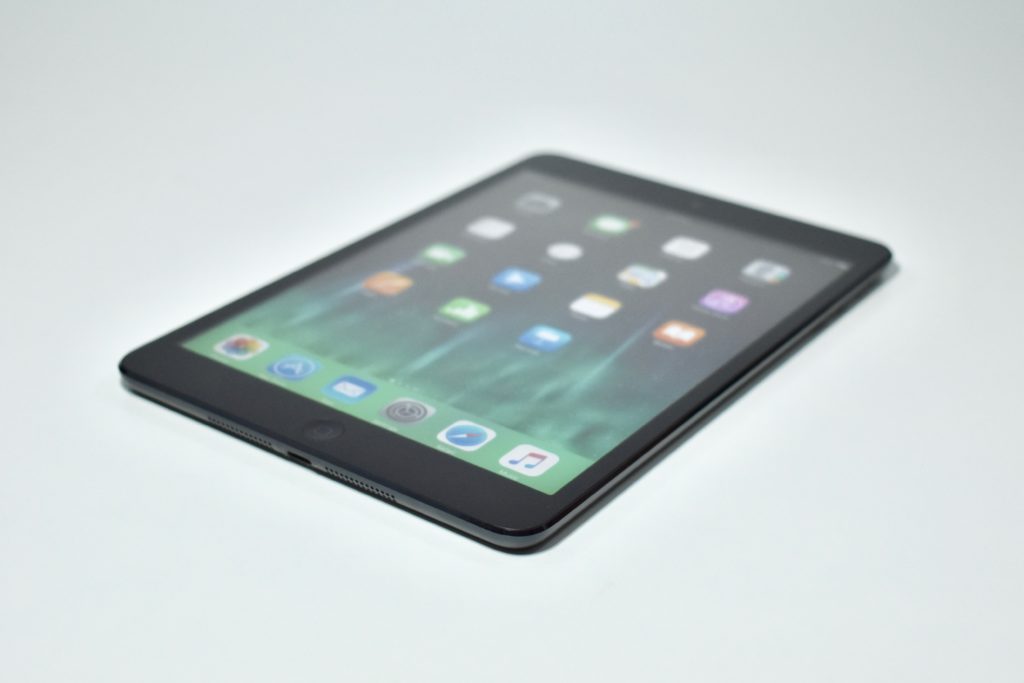
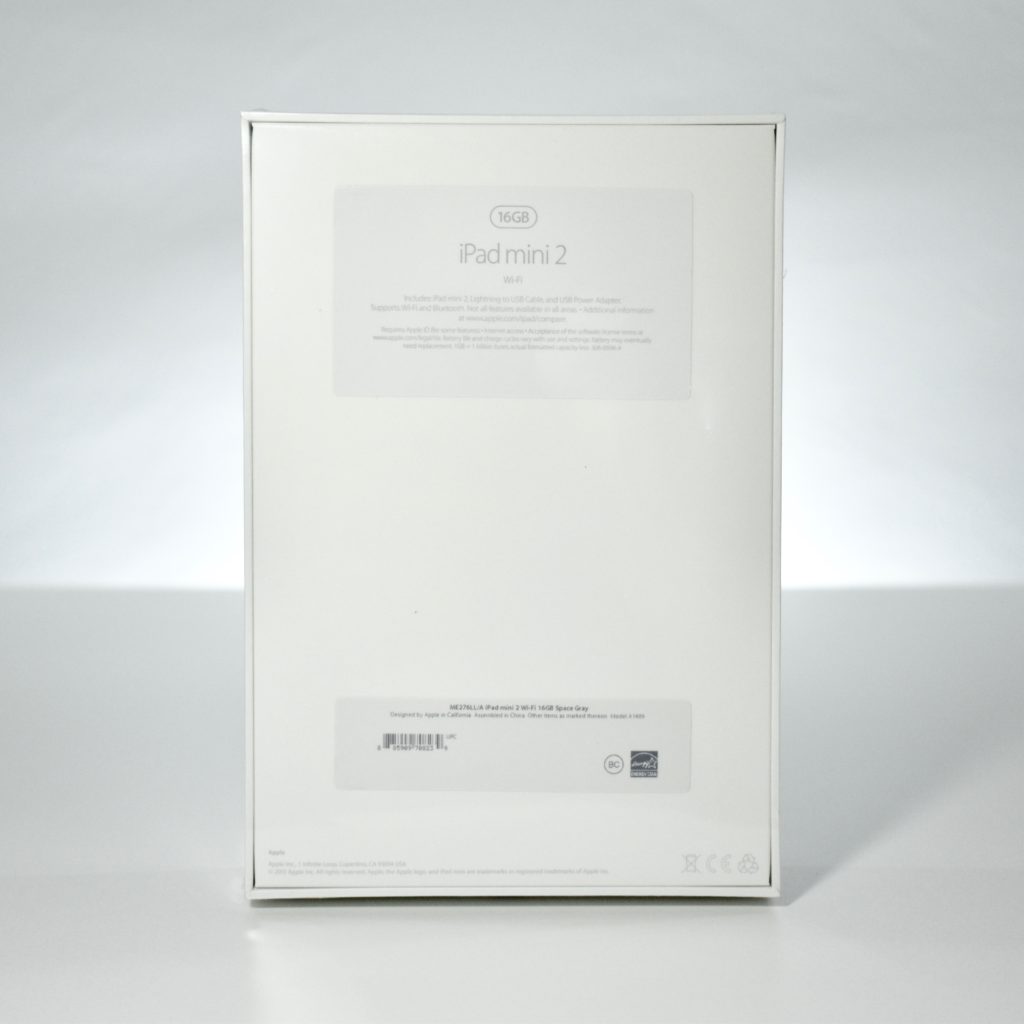
The iPad mini 2 was originally referred to as “iPad mini with Retina Display.” It featured a 7.9-inch 2048×1536 (326 ppi) display; a dual core 1.3 GHz Apple A7 processor; 1 GB of RAM; and 16, 32, 64, or 128 GB of storage. The iPad mini 2 was available in white (with a silver back) or black (with a medium gray gunmetal back).
The iPad mini 2 included two cameras: a rear-mounted 5 megapixel iSight camera (1080p) and a front-mounted 1.2 megapixel FaceTime HD camera (720p), dual-band 802.11a/b/g/n Wi-Fi, Bluetooth 4.0, two microphones, and two speakers. This iPad used a Lightning port and included a headphone jack.