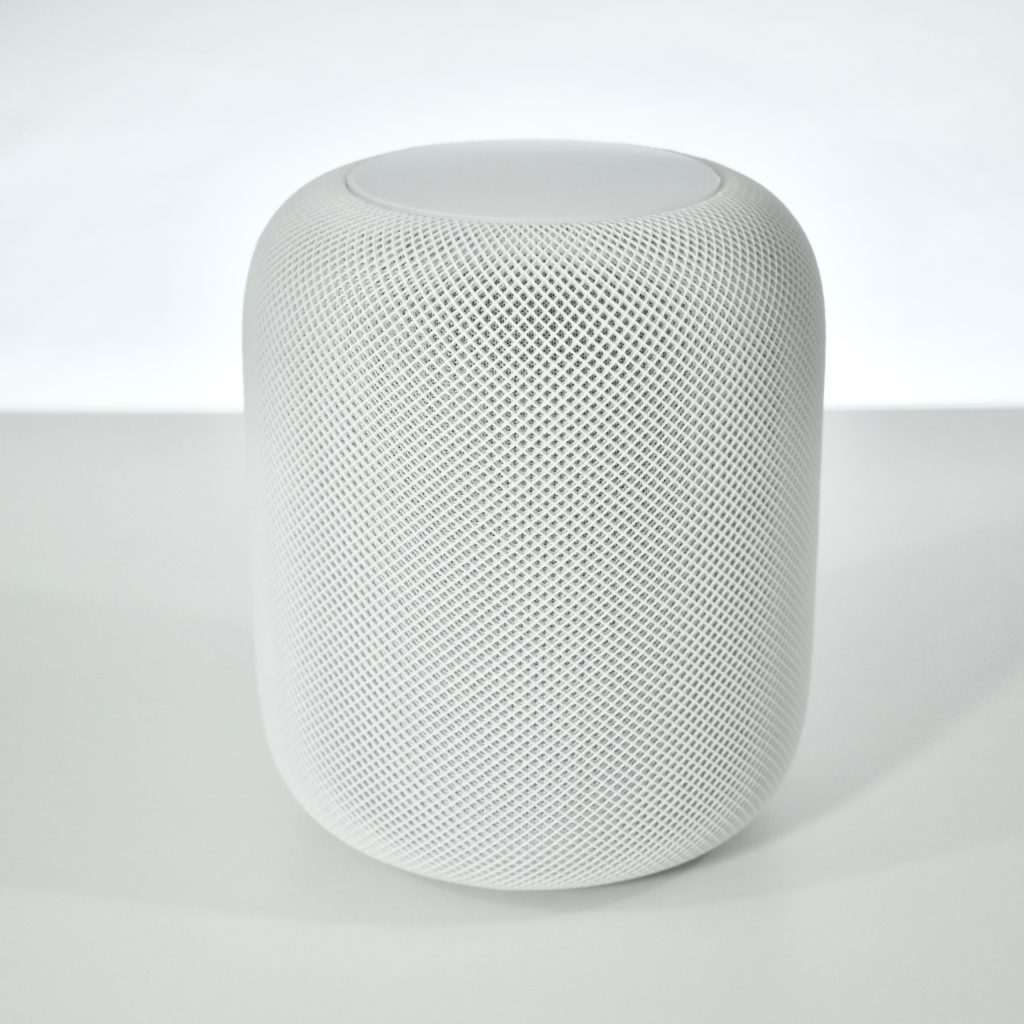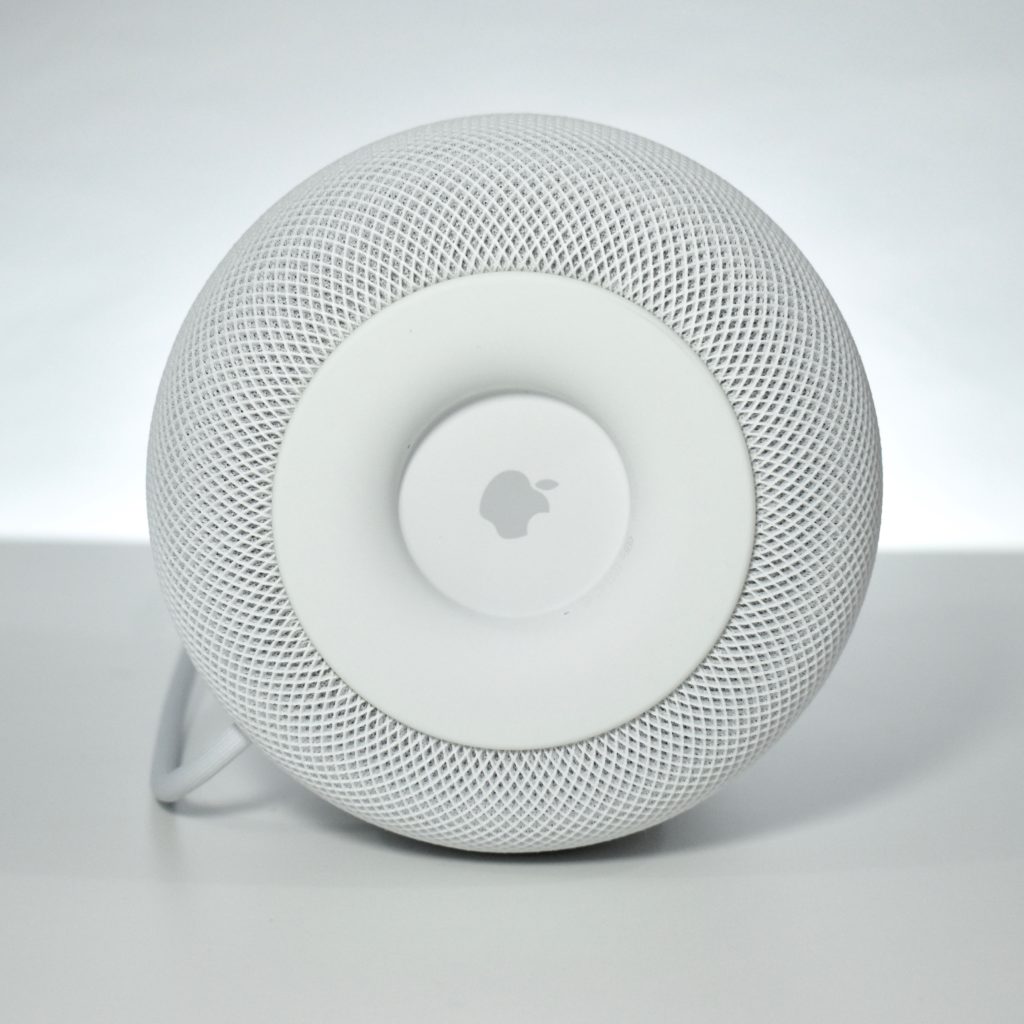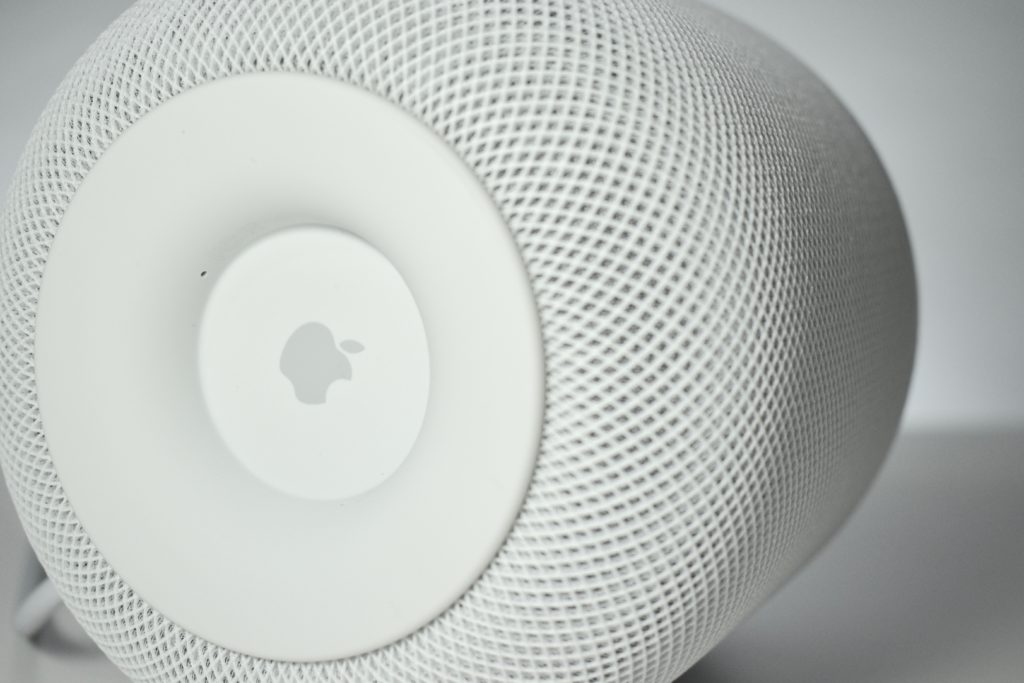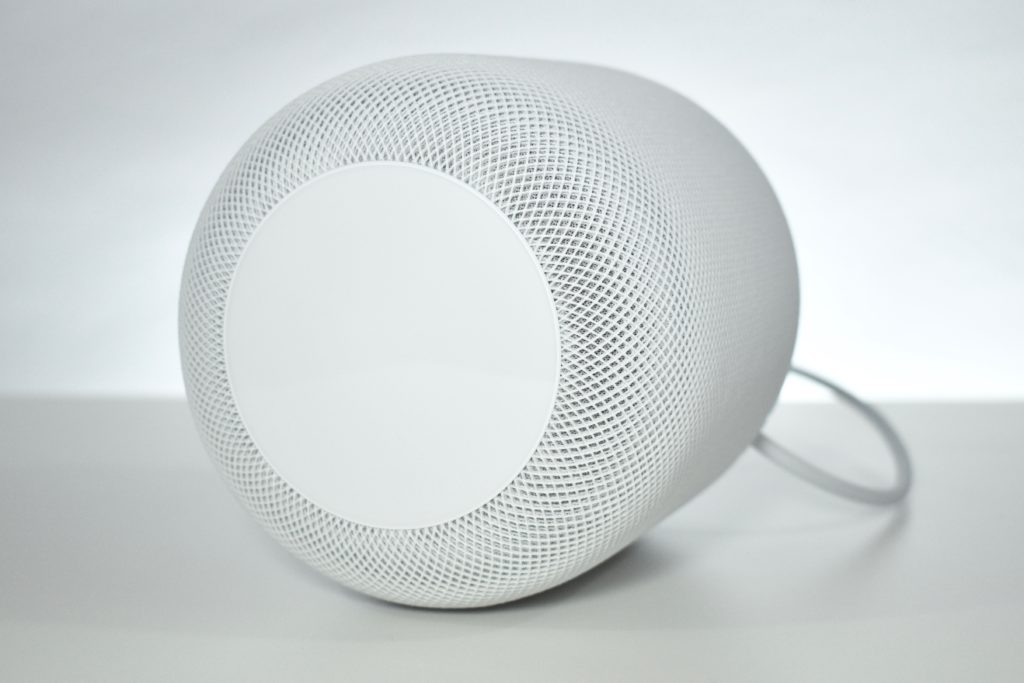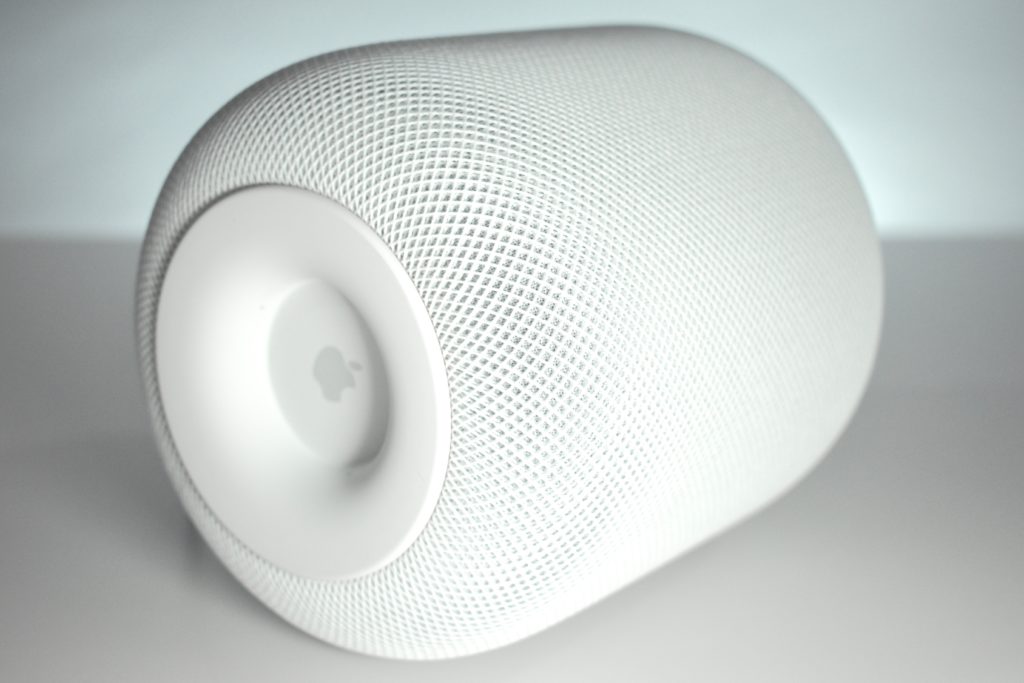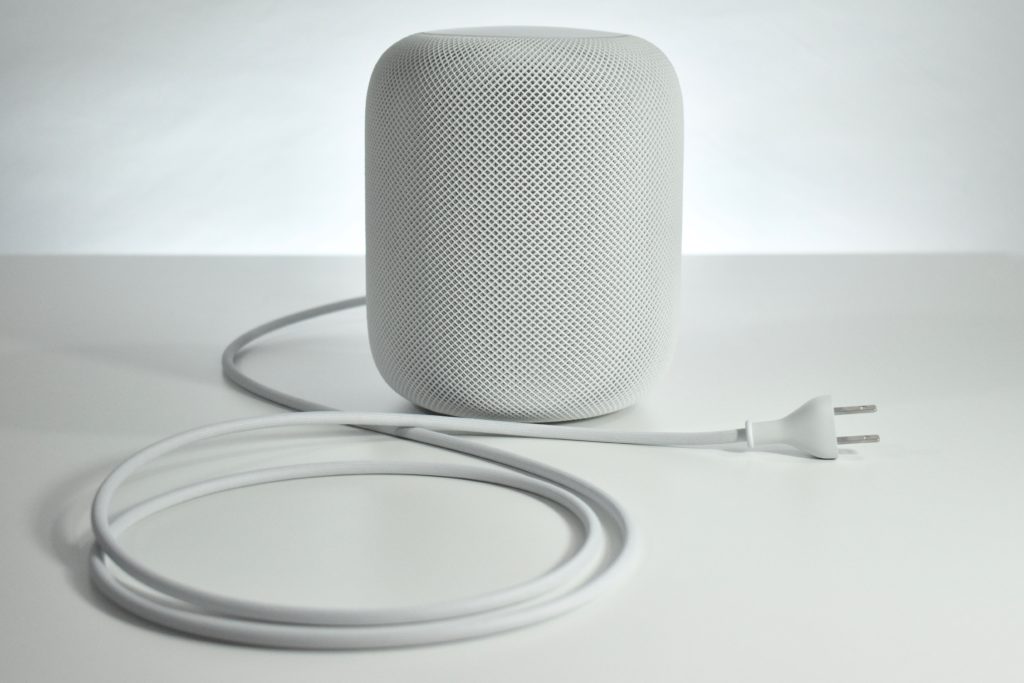
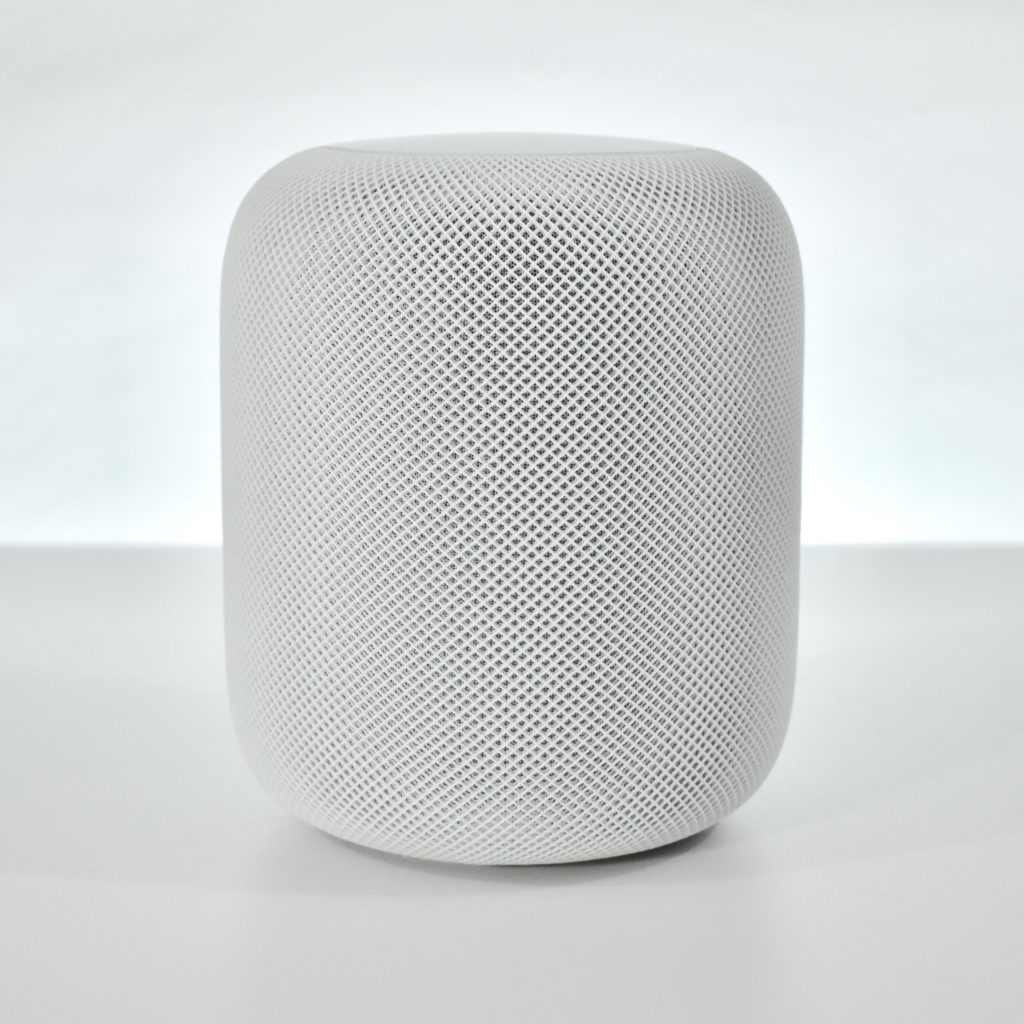
HomePod (white, 2017)

Apple described the HomePod a “breakthrough wireless speaker for the home that delivers amazing audio quality.” HomePod can be controlled using Siri, “with an array of six microphones…users can interact with it from across the room, even while loud music is playing.”

HomePod’s features include an upward-facing woofer, a custom A8 chip, seven beam-forming tweeters (each with an independent amplifier), automatic room-sensing technology to optimize sound, and a six-microphone array with advanced echo cancellation. When Siri is in use, a multicolor waveform appears on the top of the HomePod using a round 272×340 display. In addition, touch controls are also available on the top of the HomePod.

The HomePod was available in white and space gray. Inside, the HomePod was powered by a 1.4 GHz Apple A8 processor and used 1 GB of RAM, 16 GB of storage, 802.11ac Wi-Fi, and Bluetooth 5.0.

The device runs an operating system that Apple refers to as audioOS (based upon iOS). The audioOS is specifically designed for the HomePod to play audio, run Siri, and control the custom round screen.

When the HomePod was announced in February 2018, multi-speaker support was demonstrated, but the feature was not released until September 2018 along with AirPlay 2. The September 2018 update also added support for multiple timers, Find my Phone, Siri short-cuts, phone calls (while in proximity to iPhone), and music search by lyrics.

I am a fan of the HomePod. I use two in my living room as my primary way of accessing Apple Music and controlling smart home devices. I also added a single HomePod to my bedroom.

Sources: EveryMac.com, Apple.com, Wikipedia.com
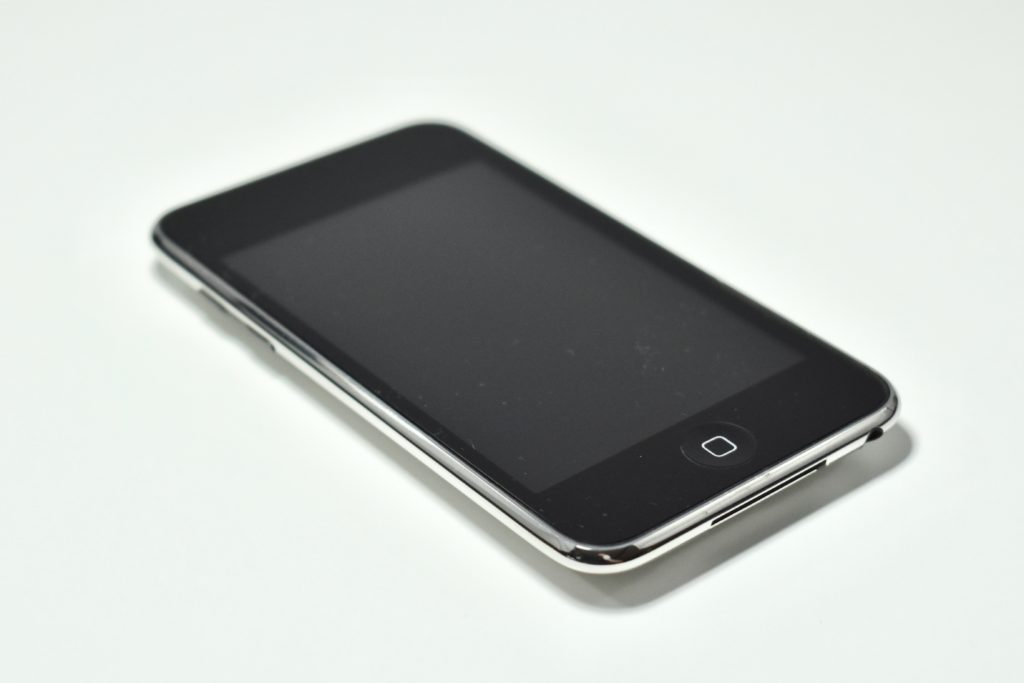
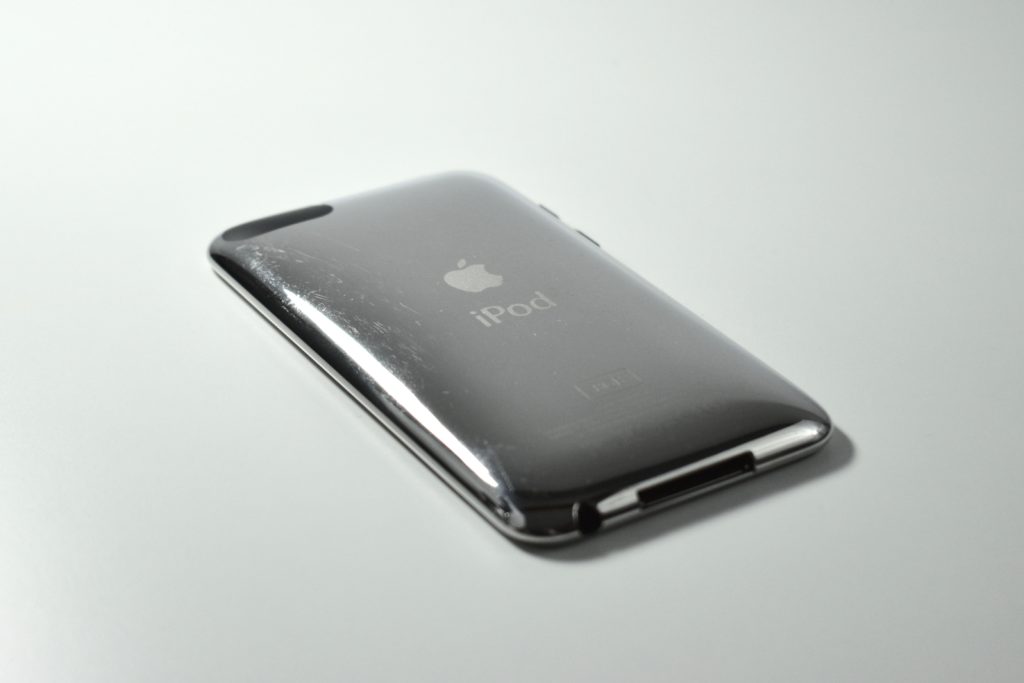
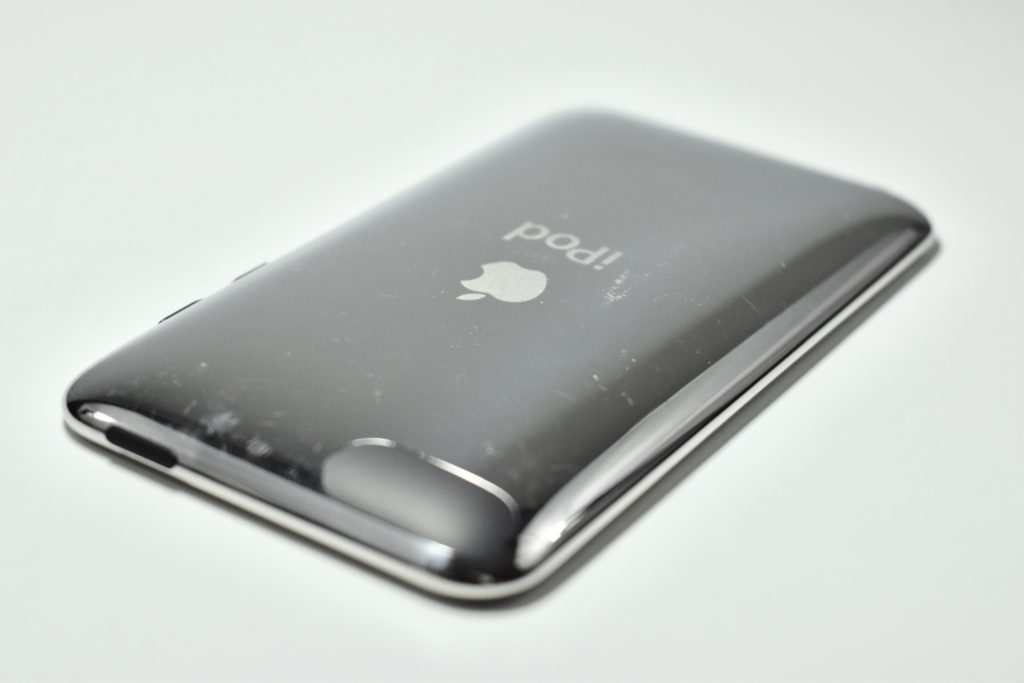
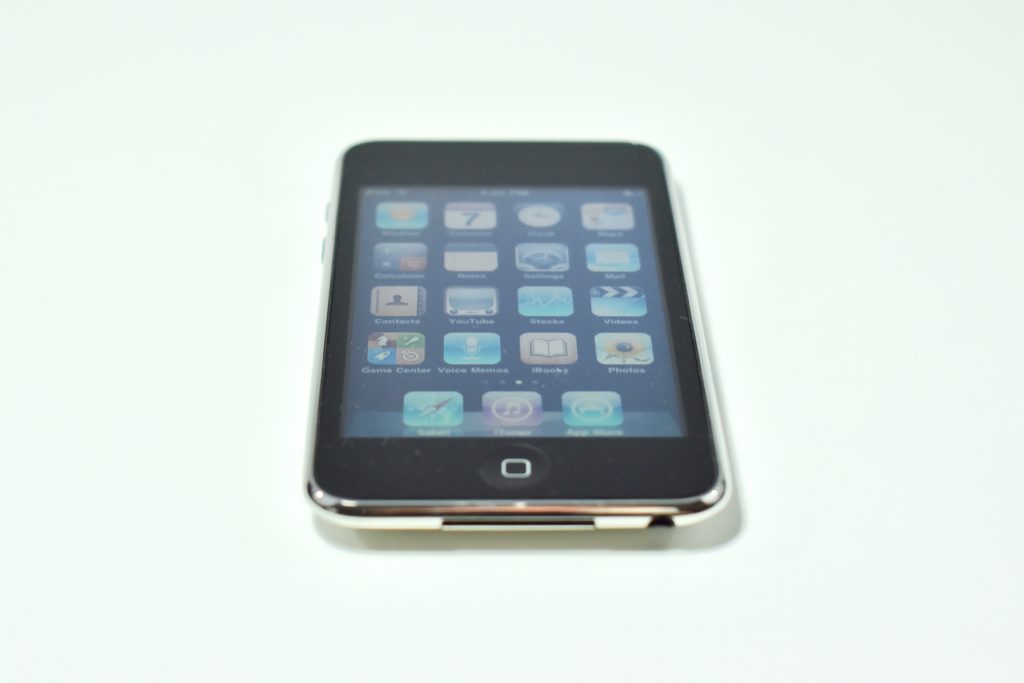
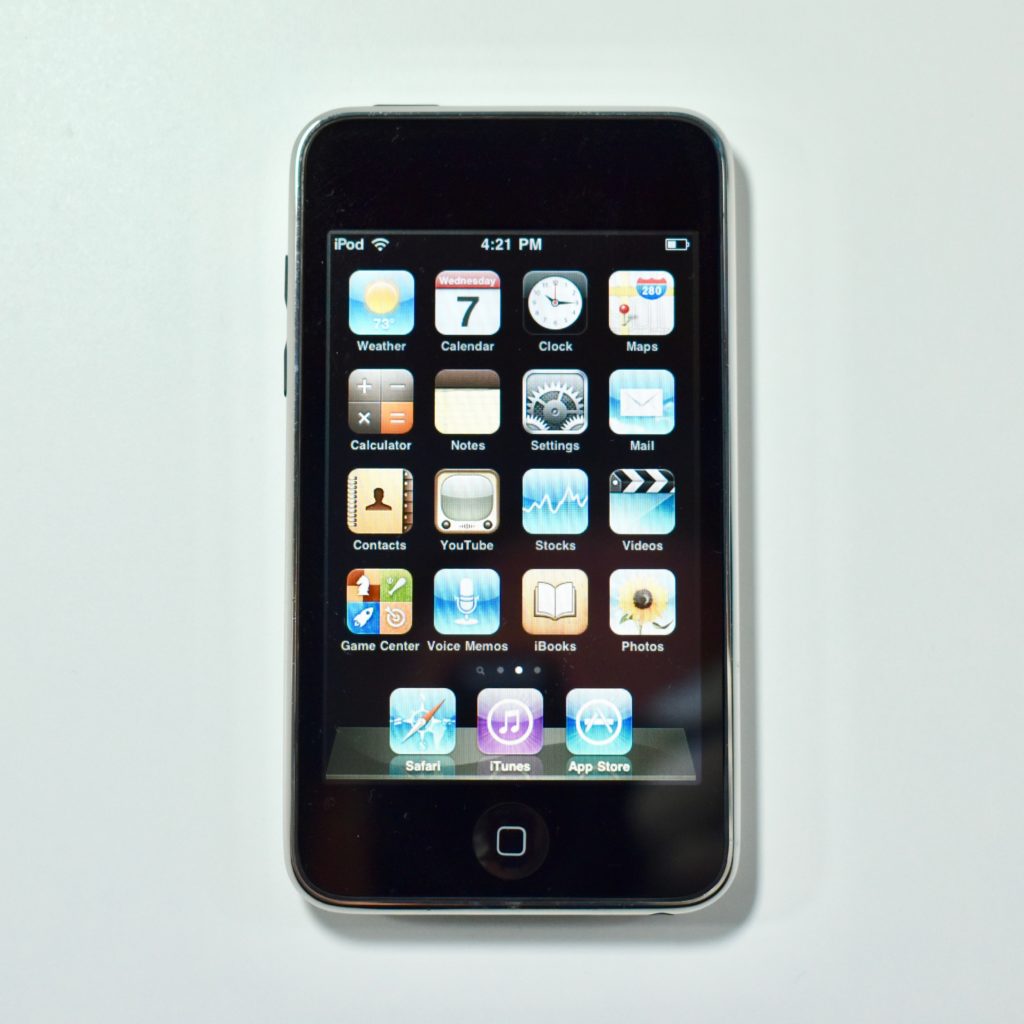
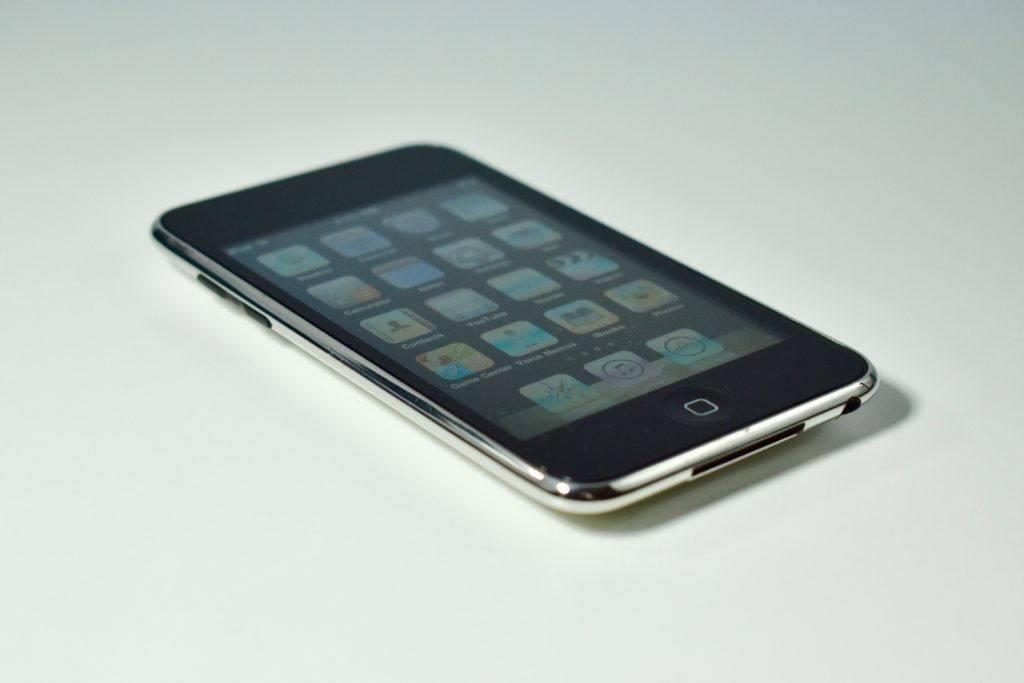
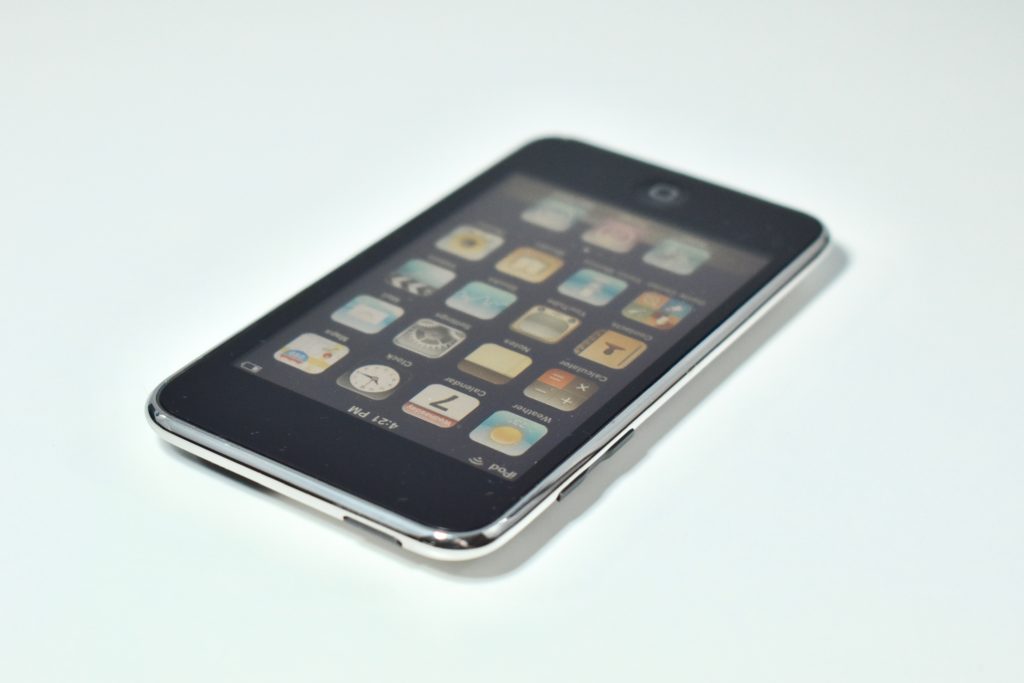
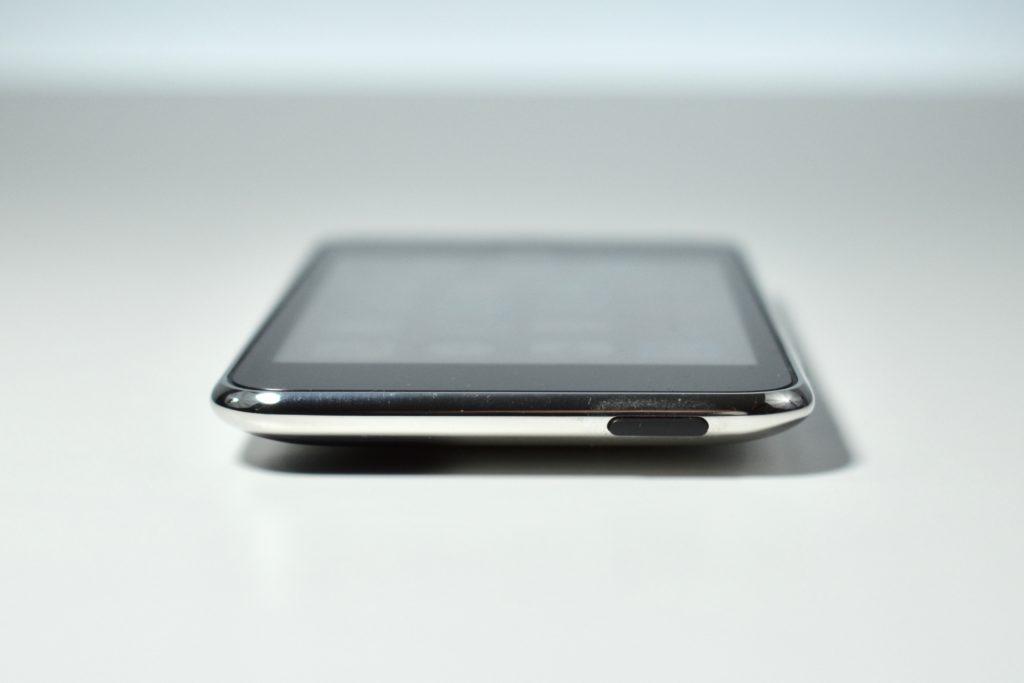
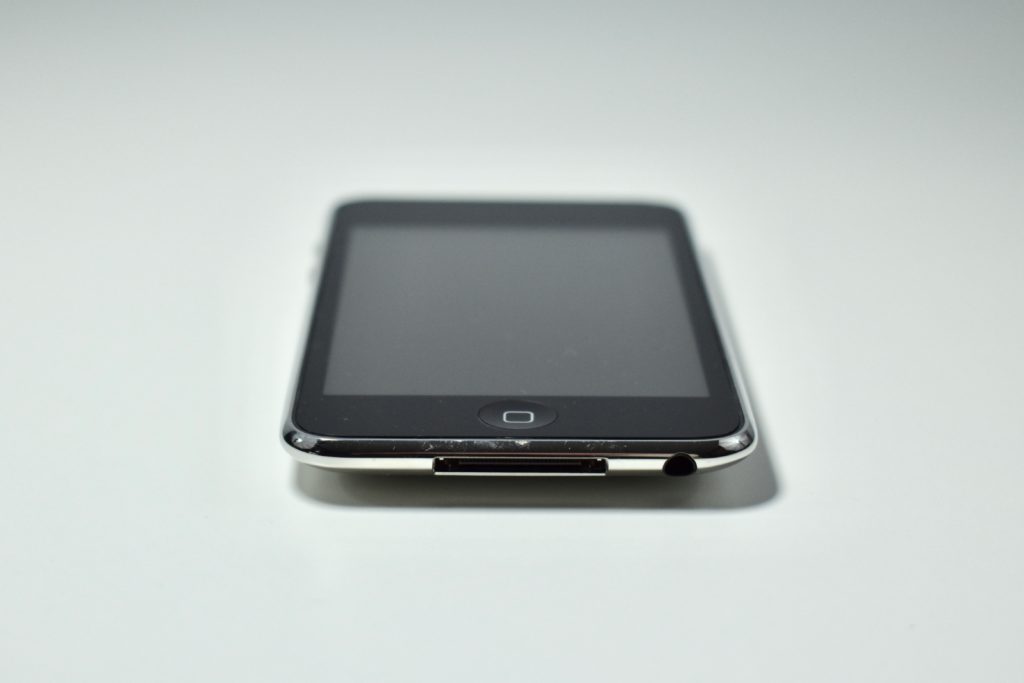
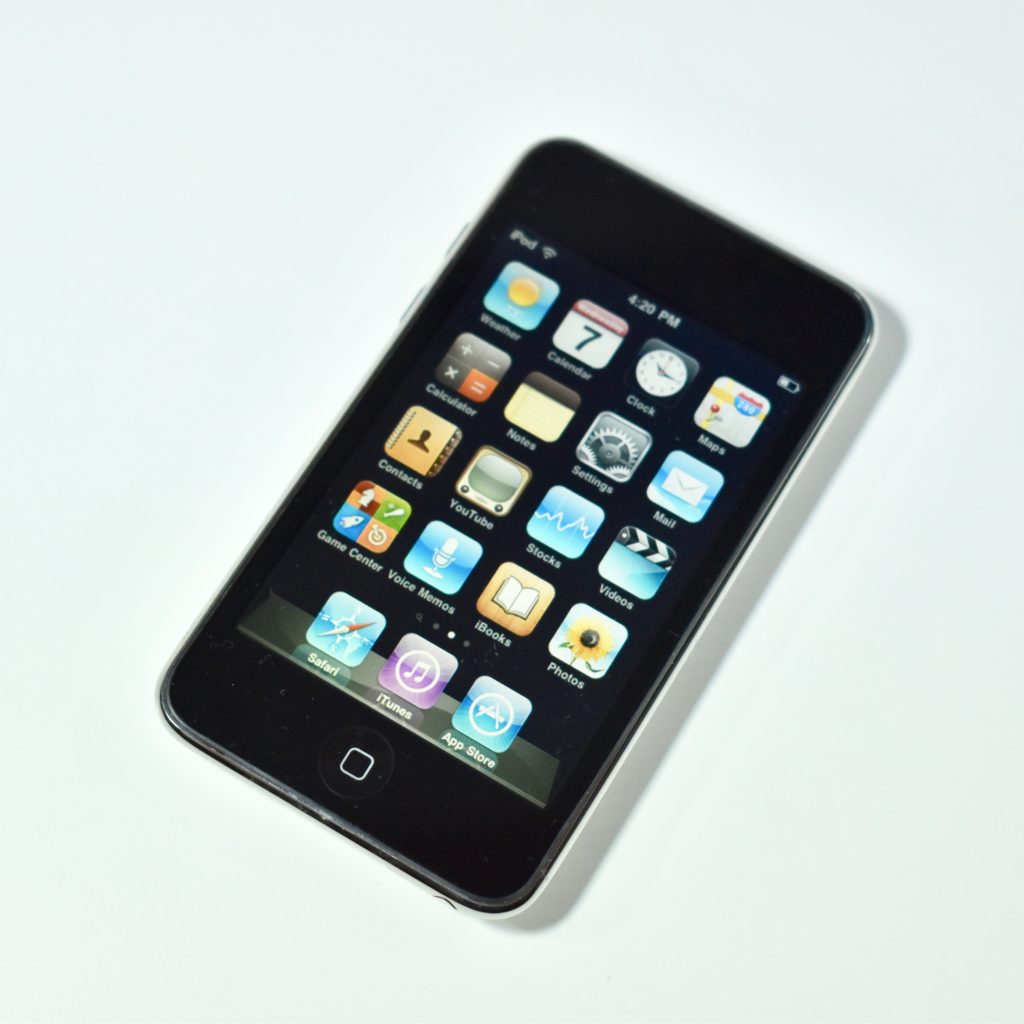
iPod touch Generation 2 (8 GB, 2008)

The iPod touch Generation 2 is similar in features to the iPhone 3G, but lacks phone features, mobile phone networking, GPS, and a camera. While the back of the iPod touch Generation 2 is made of stainless steel (instead of plastic), its shape is similar to the iPhone 3G.

The iPod touch Generation 2 featured a multi-touch 3.5-inch display with 320×480 resolution, an accelerometer, ambient light sensor, Wi-Fi (802.11b/g), and 8, 16, or 32 GB of flash memory.

Compared to the original iPod touch, the Generation 2 model adds external volume controls on the left side of the device, an integrated speaker, external microphone (supported via the Apple Earphones with Remote and Mic), support for the Nike+iPod Sport Kit, a Genius feature to dynamically create playlists, and shaking the device to shuffle songs.

Source: EveryMac.com
iPod Hi-Fi (2006)

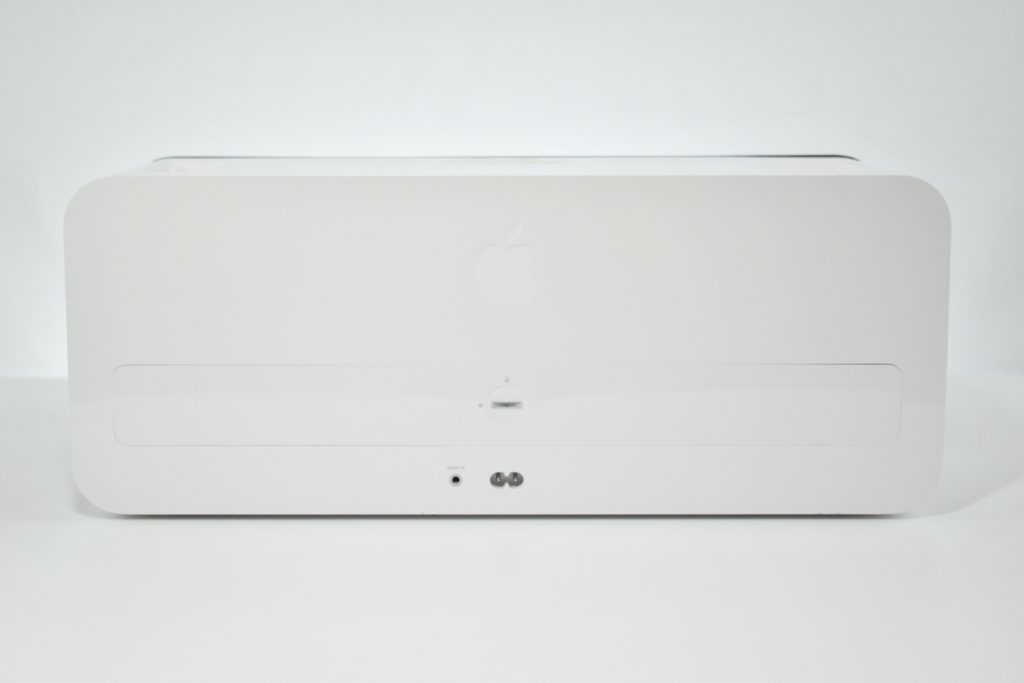
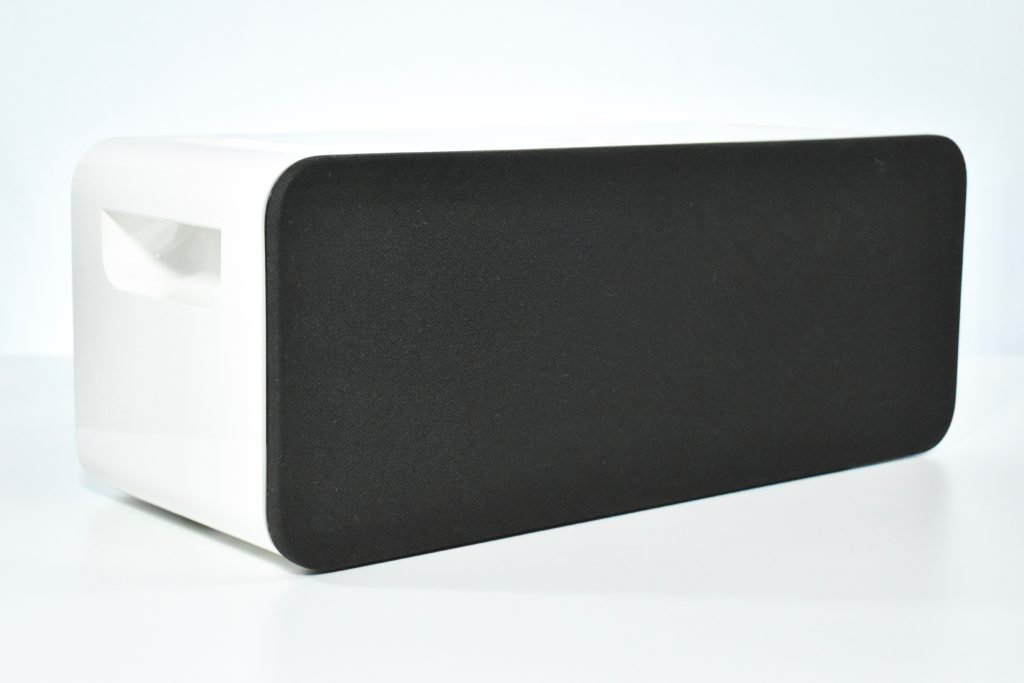
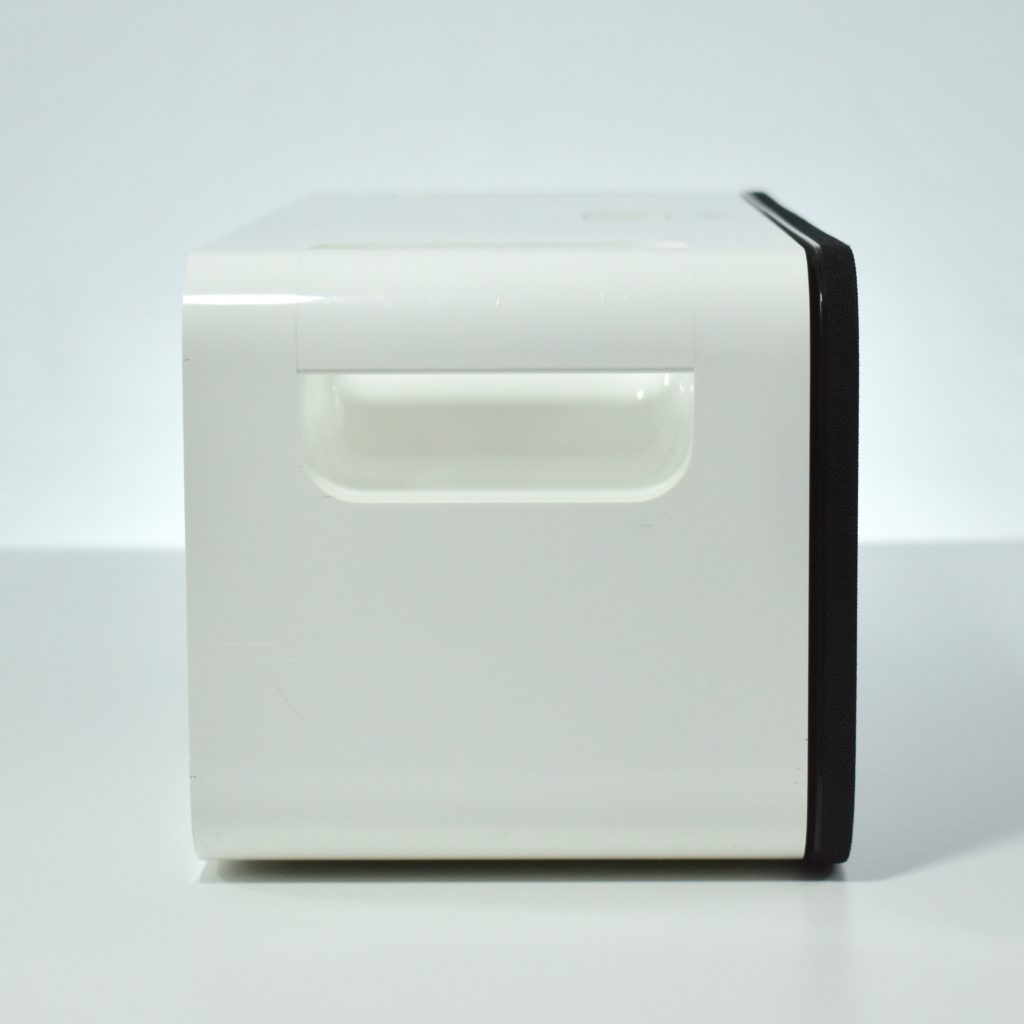
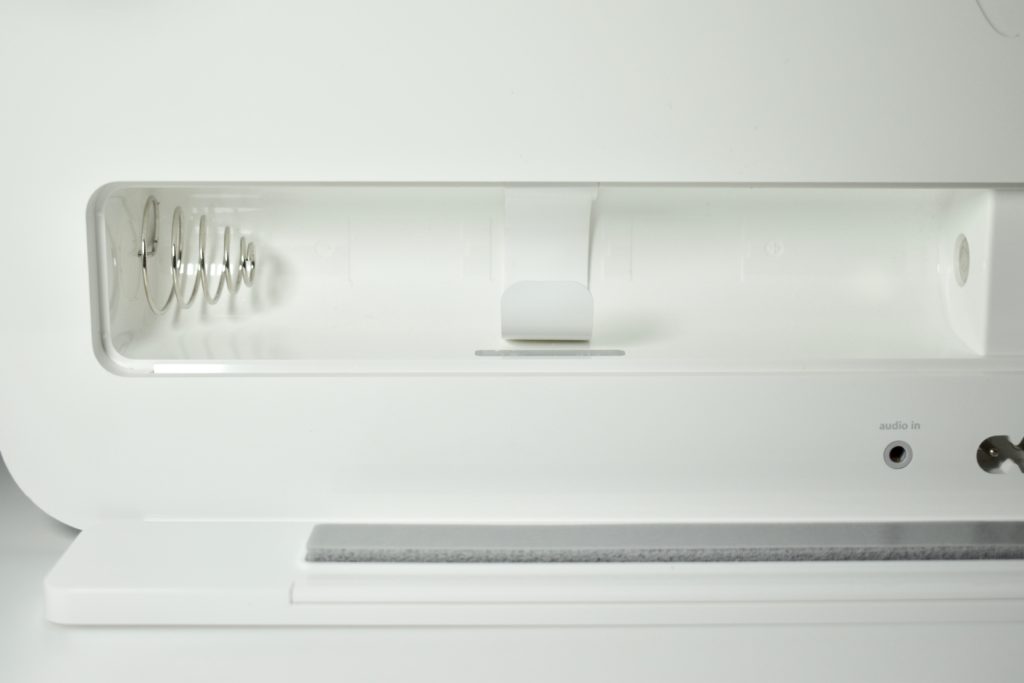
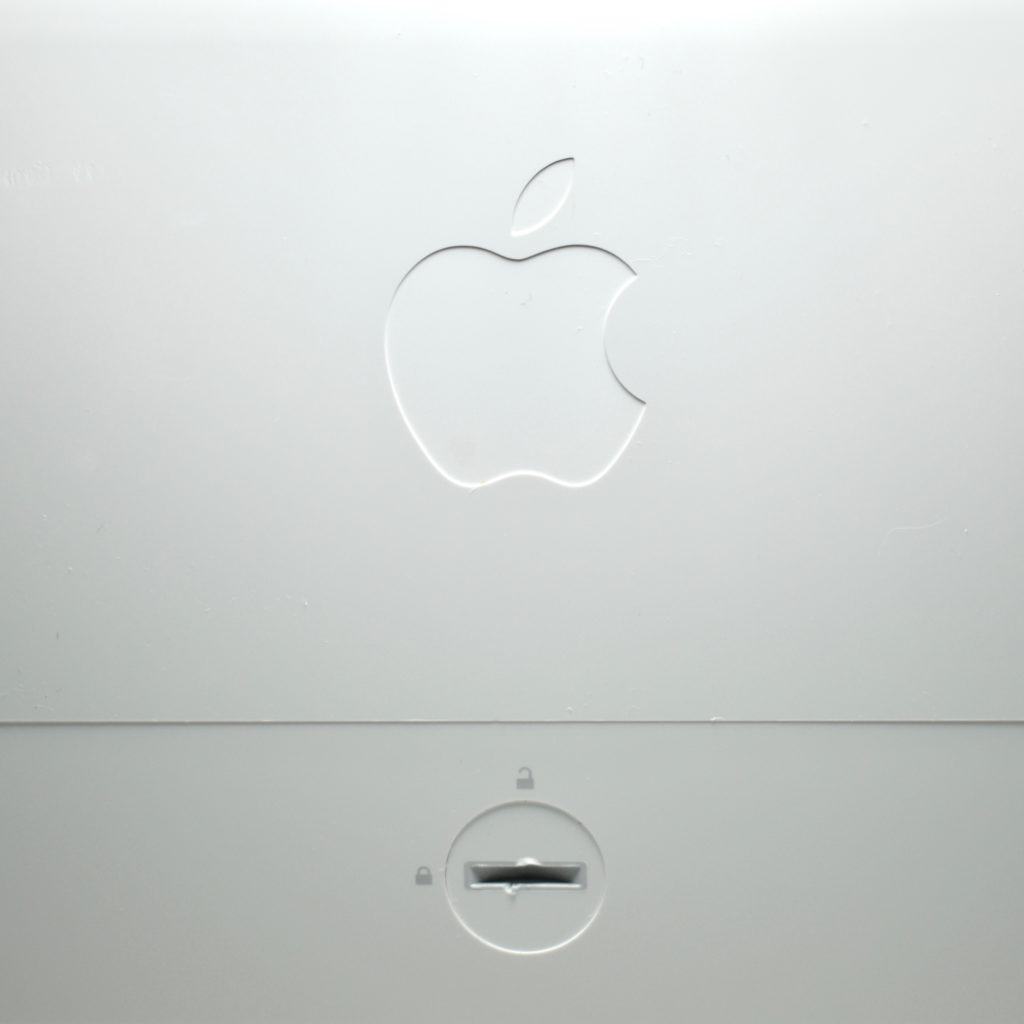
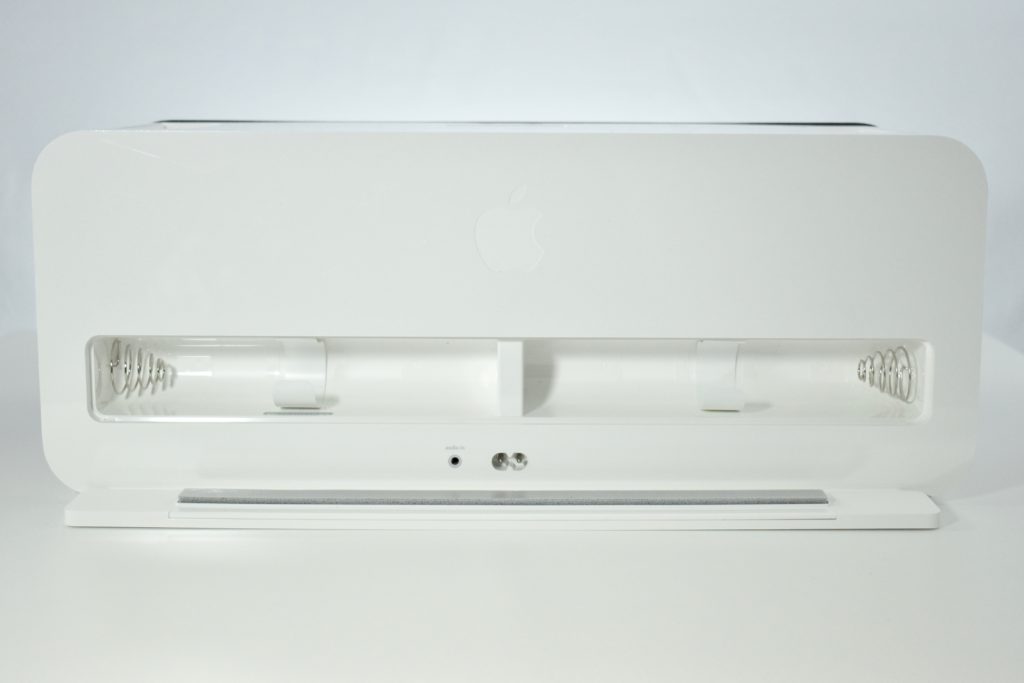
The iPod Hi-Fi was announced by Steve Jobs on February 28, 2006, in a keynote where he introduced the device as “Home stereo. Reinvented.” The speaker system included a 30-pin iPod connector on top and shipped with inserts for every iPod with a dock connector it has shipped until that time. The back of the iPod Hi-Fi included a 3.5mm stereo input so users with an iPod shuffle (or other device) could connect to the device.

The remote control that shipped with the iPod Hi-Fi, the same remote that shipped with iMac models at the time, could only control volume and skip between tracks within the selected playlist. The menu button switched between the dock and the audio-in port and could not control the functions of the iPod in the dock. Also, the iPod Hi-Fi can be used with all iPods with a dock connector, but will only charge iPods that support Firewire charging.

My example iPod Hi-Fi unfortunately has crushed speaker cones on the two smaller speakers. I’ve attempted a few remedies unsuccessfully.

The iPod Hi-Fi retailed at the Apple Store for $349. This price was higher than similar high-end iPod speaker systems at the time, including a then-popular system from Bose priced at $299. The iPod Hi-Fi was discontinued on September 5, 2007.
Source: Wikipedia

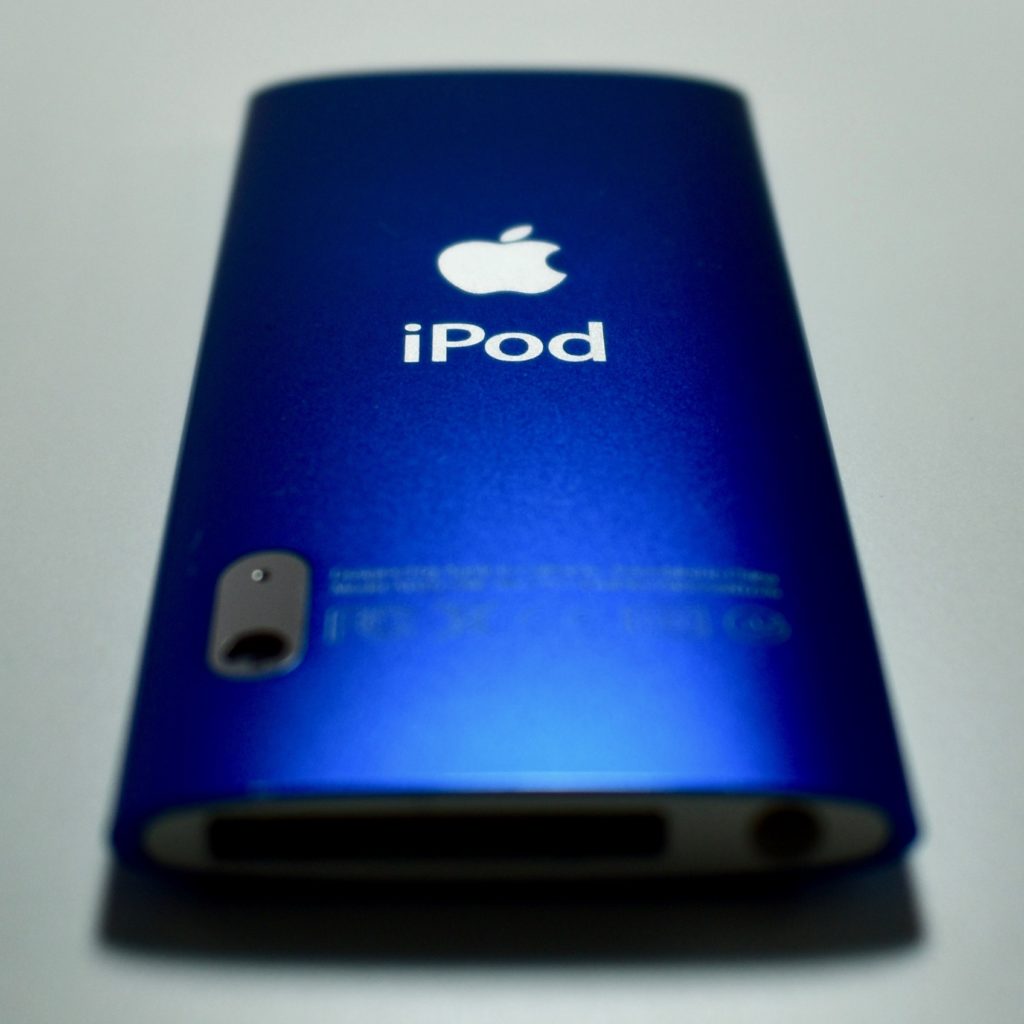
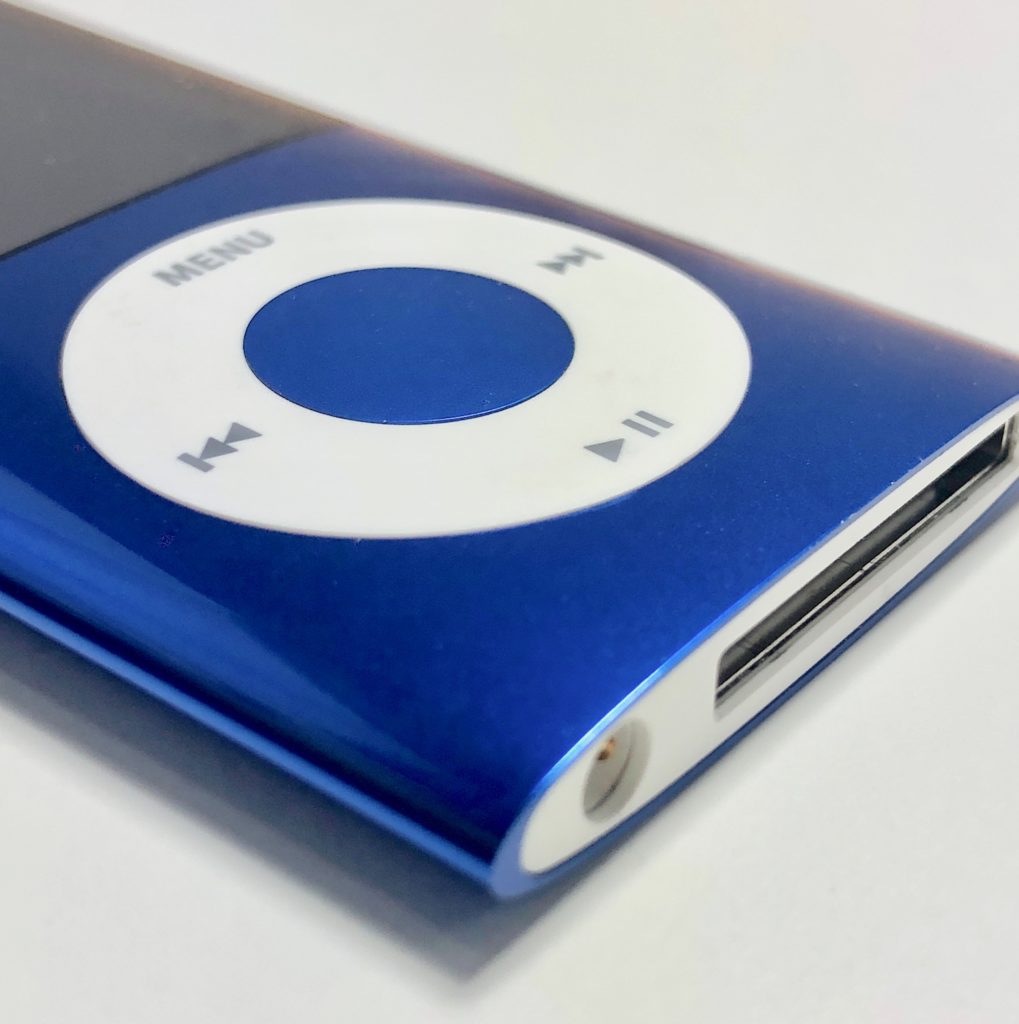
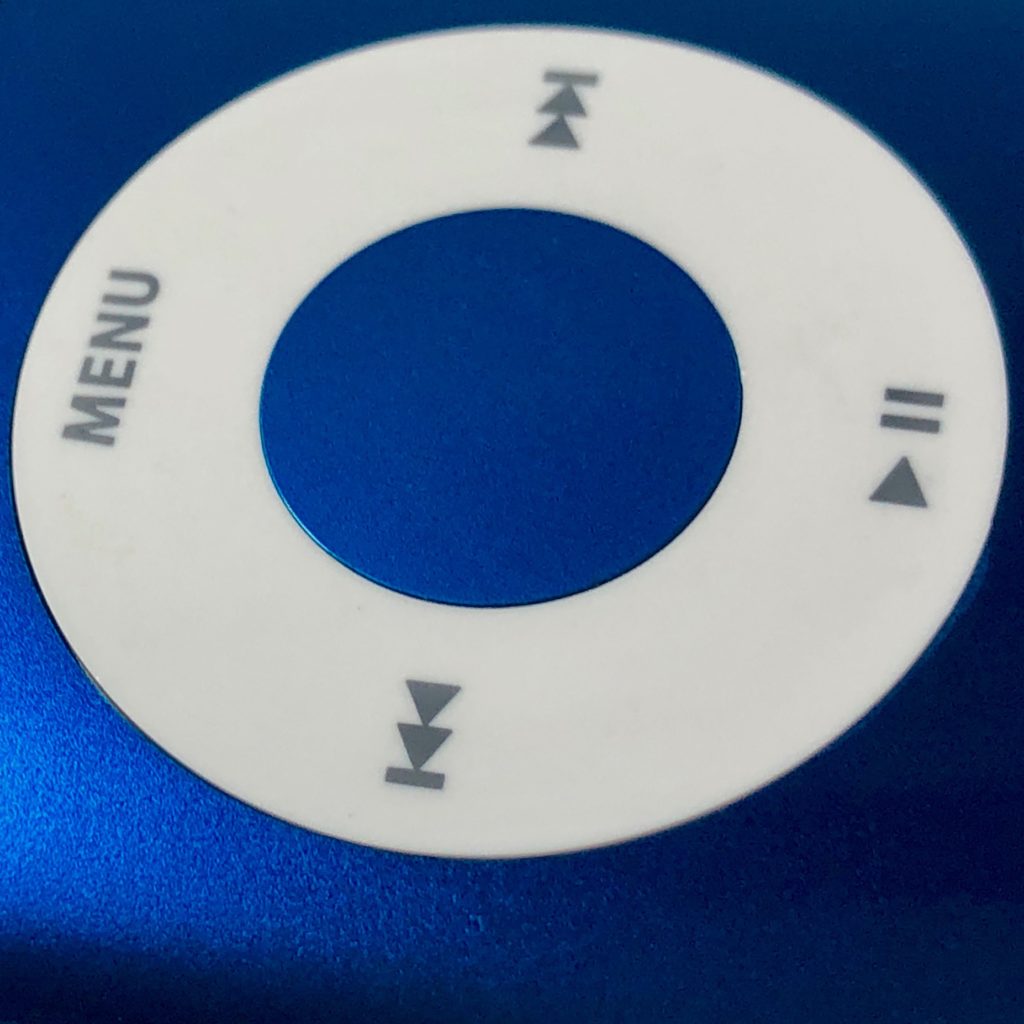
iPod nano Generation 5 (16 GB, blue, 2009)

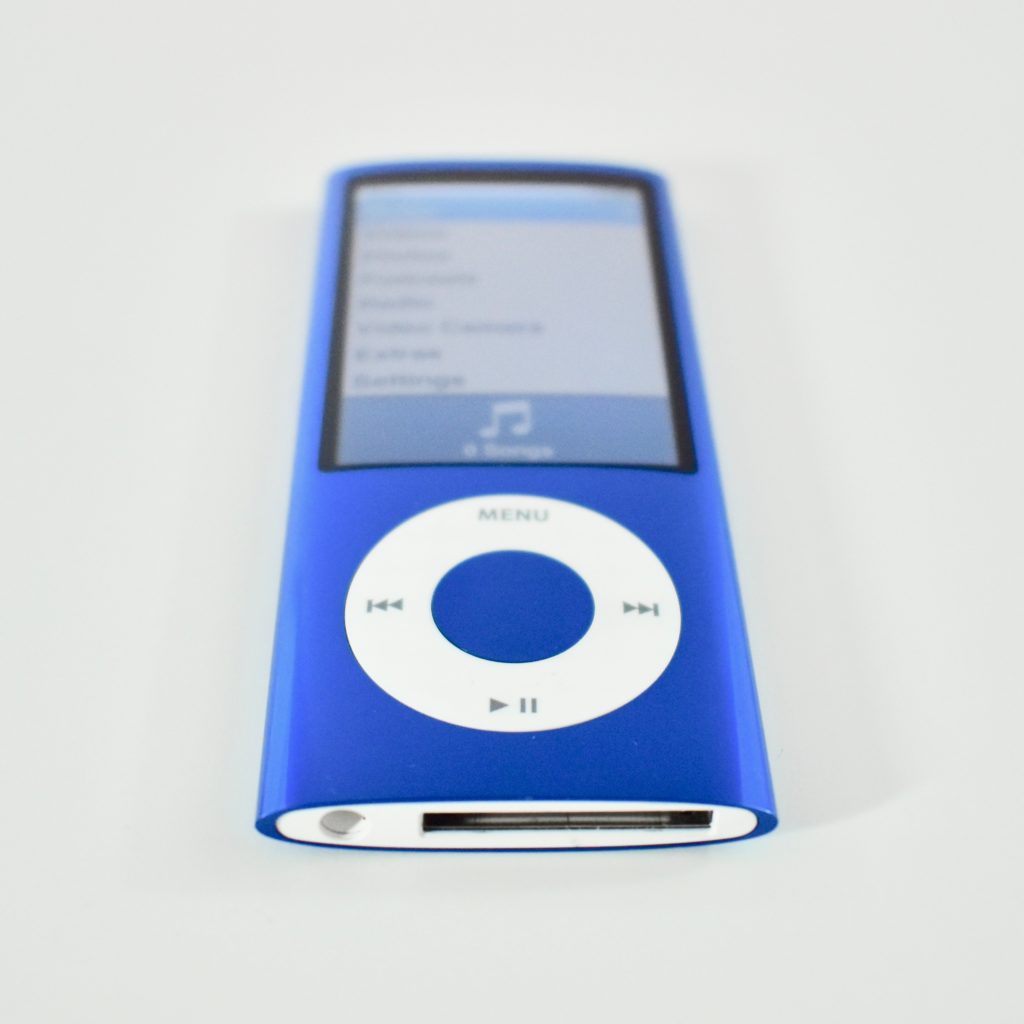
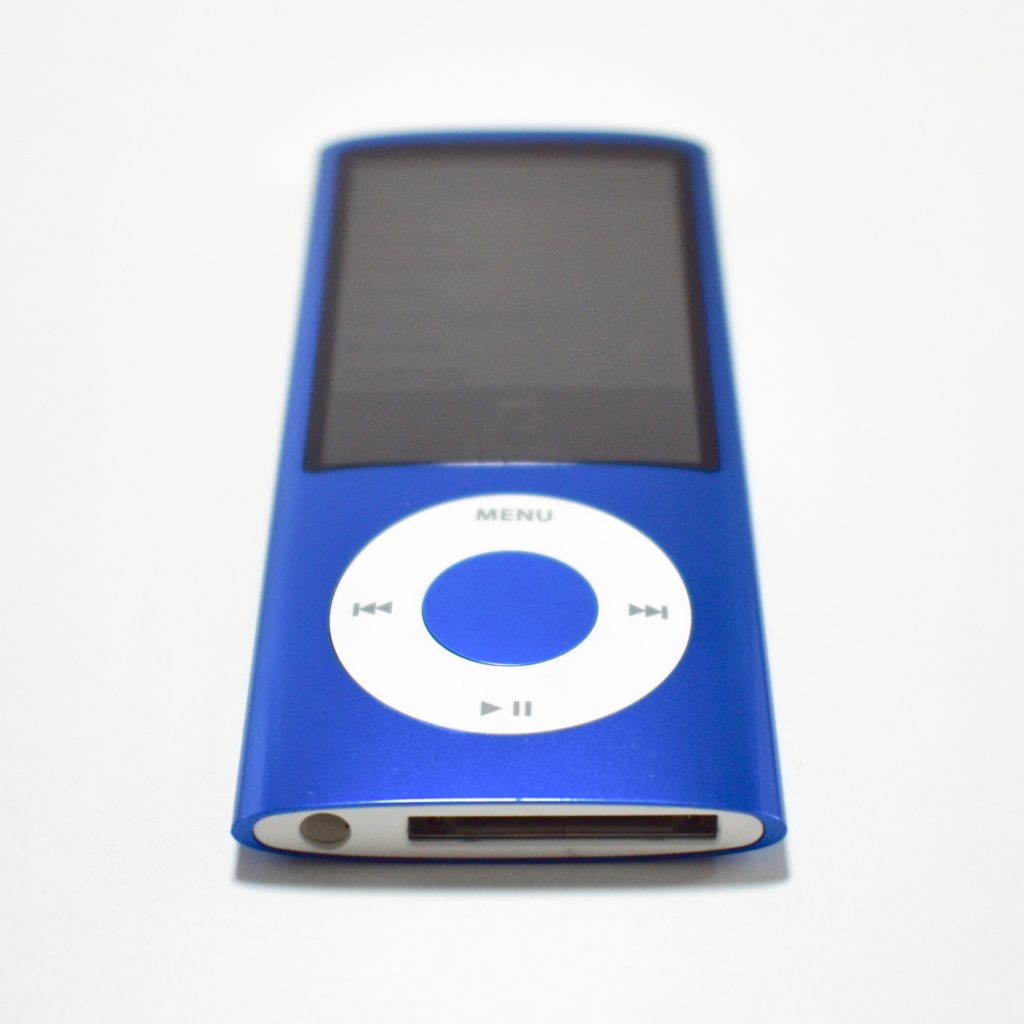
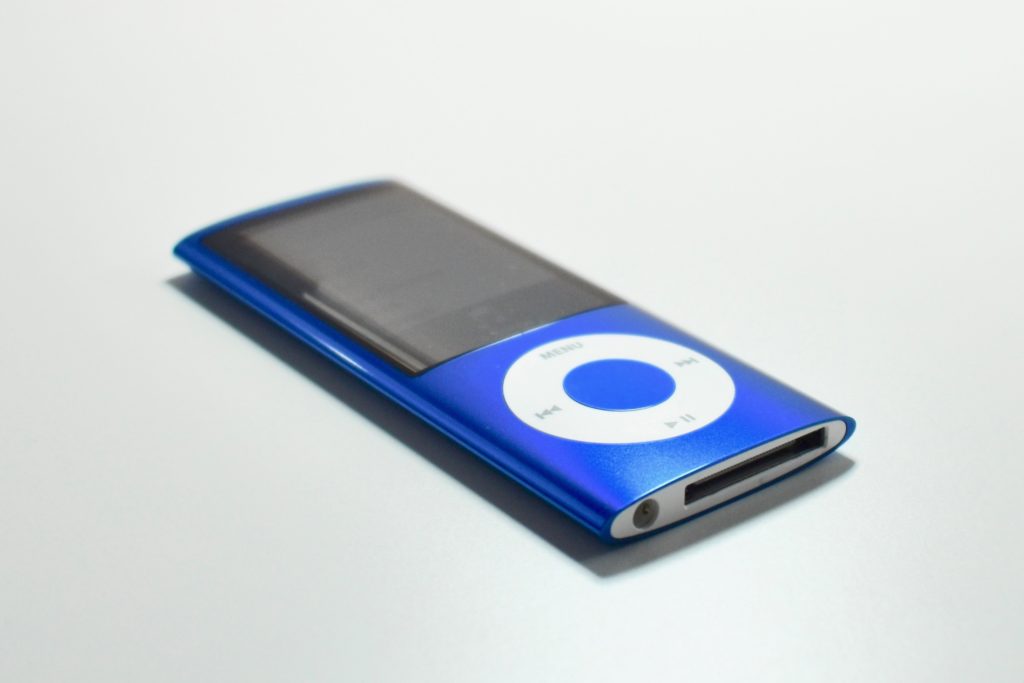
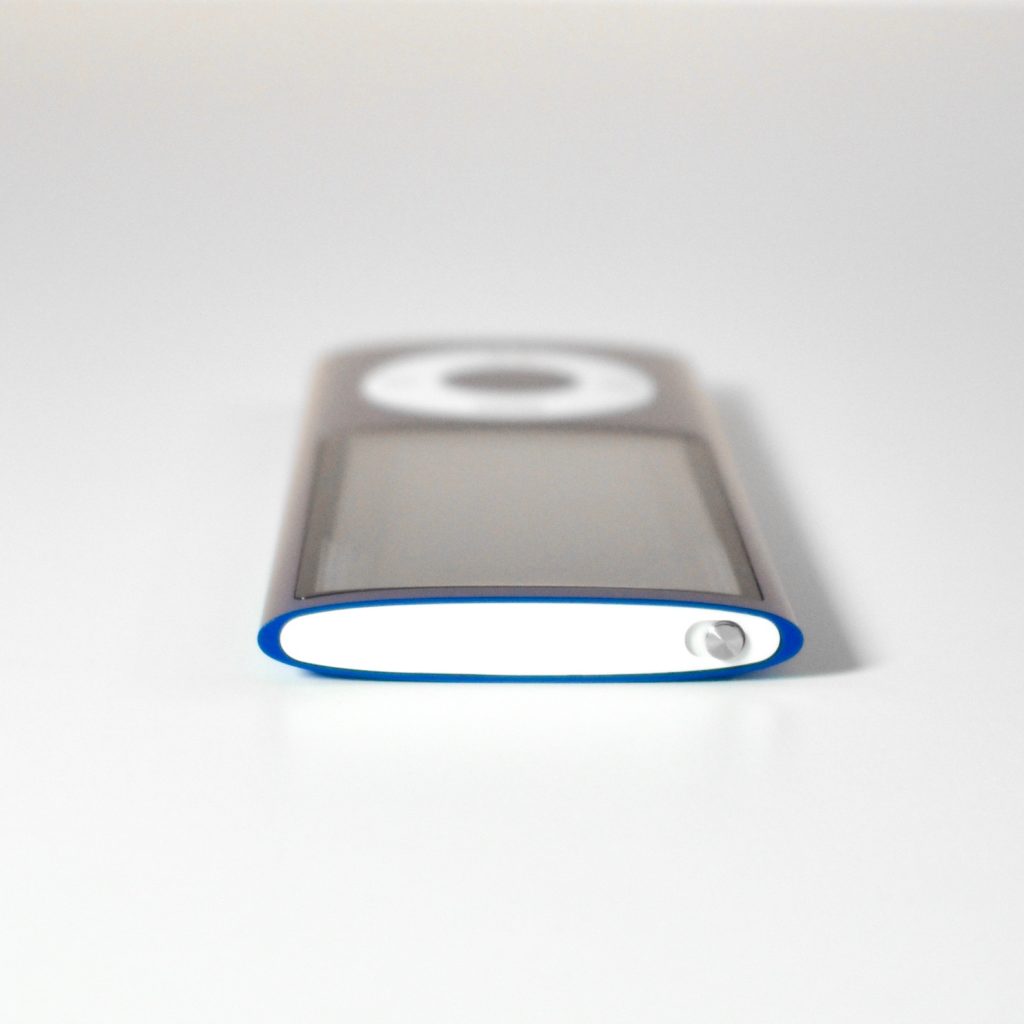
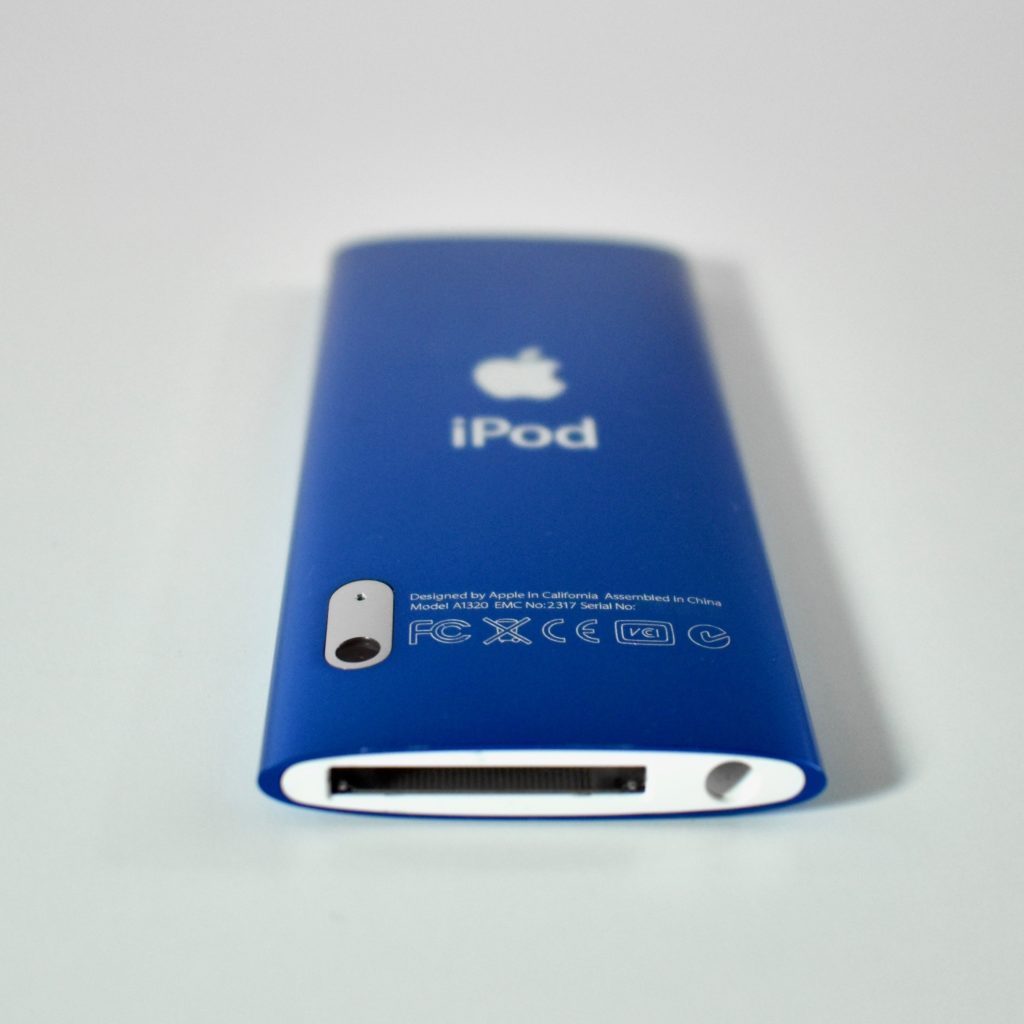
The iPod nano Generation 5 was notable because of its impressive color choices. This model was available in nine colors: (PRODUCT) RED Special Edition, pink, orange, yellow, green, blue, purple, silver, and black. The finish for the generation 5 nano is glossy and the case is made of aluminum and glass. It was available with 8 GB or 16 GB of flash memory (2000 or 4000 songs).
This iPod nano also features a video camera with an integrated microphone and speaker that takes advantage of its high-quality 2.2″ TFT display (240×376, 204 ppi). The video quality is H.264 VGA 640×480 at 30 FPS with AAC audio, but it cannot take still photographs. This iPod also has a built-in FM Radio with “live pause,” allowing pause and rewind up to 15 minutes.

My example is blue, and I remember using it as a back-up/additional video camera that had surprisingly good audio for its size.

Source: EveryMac.com