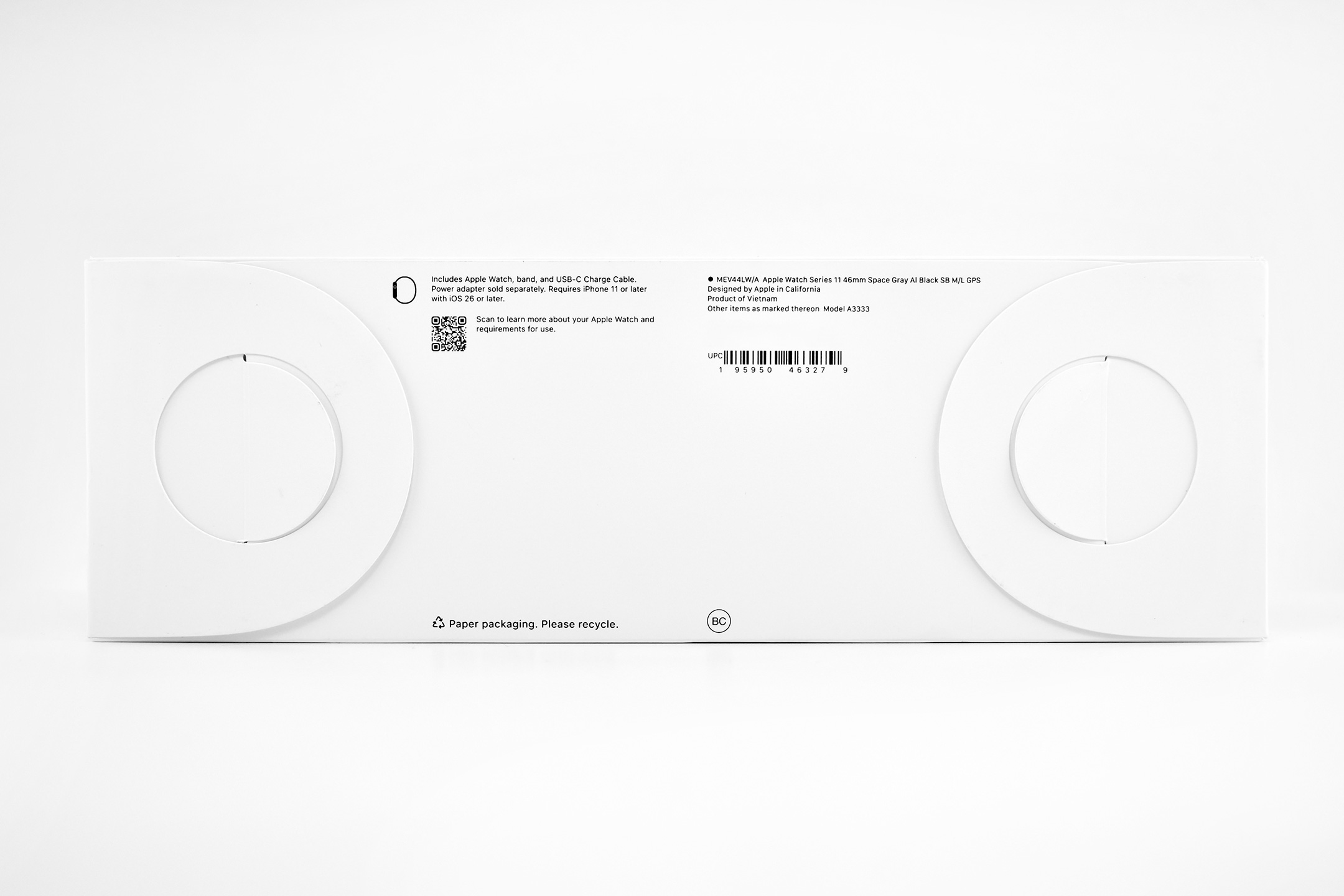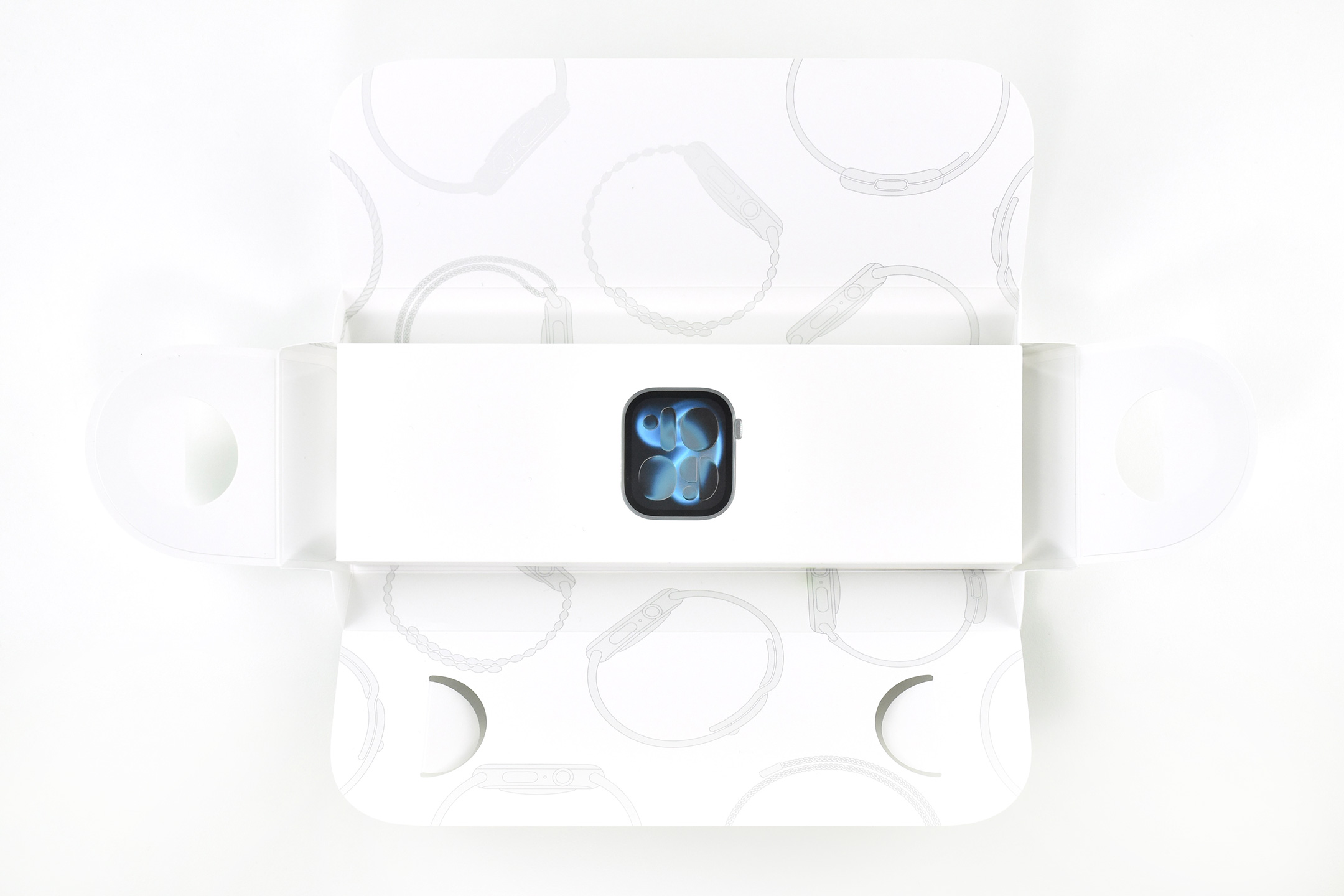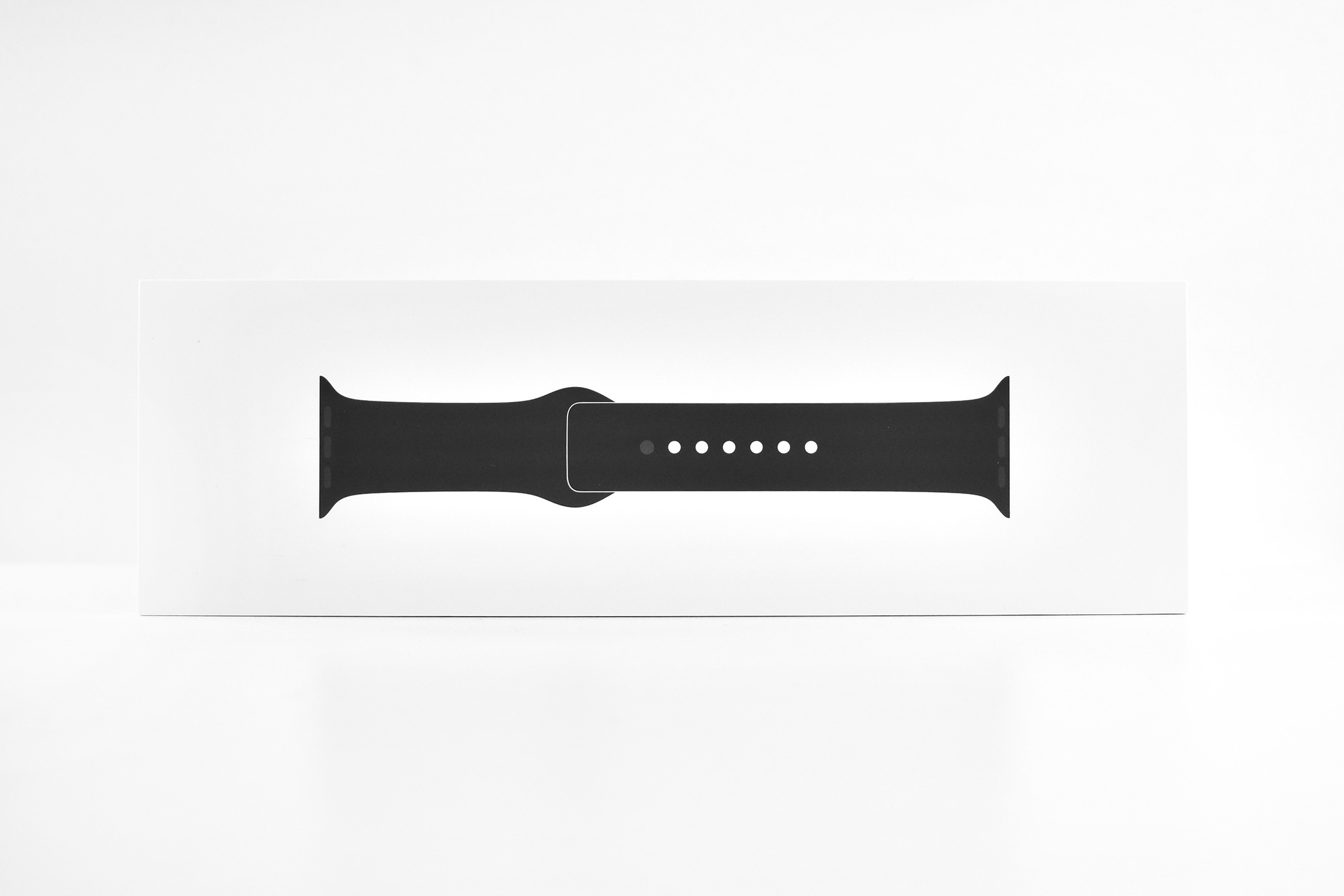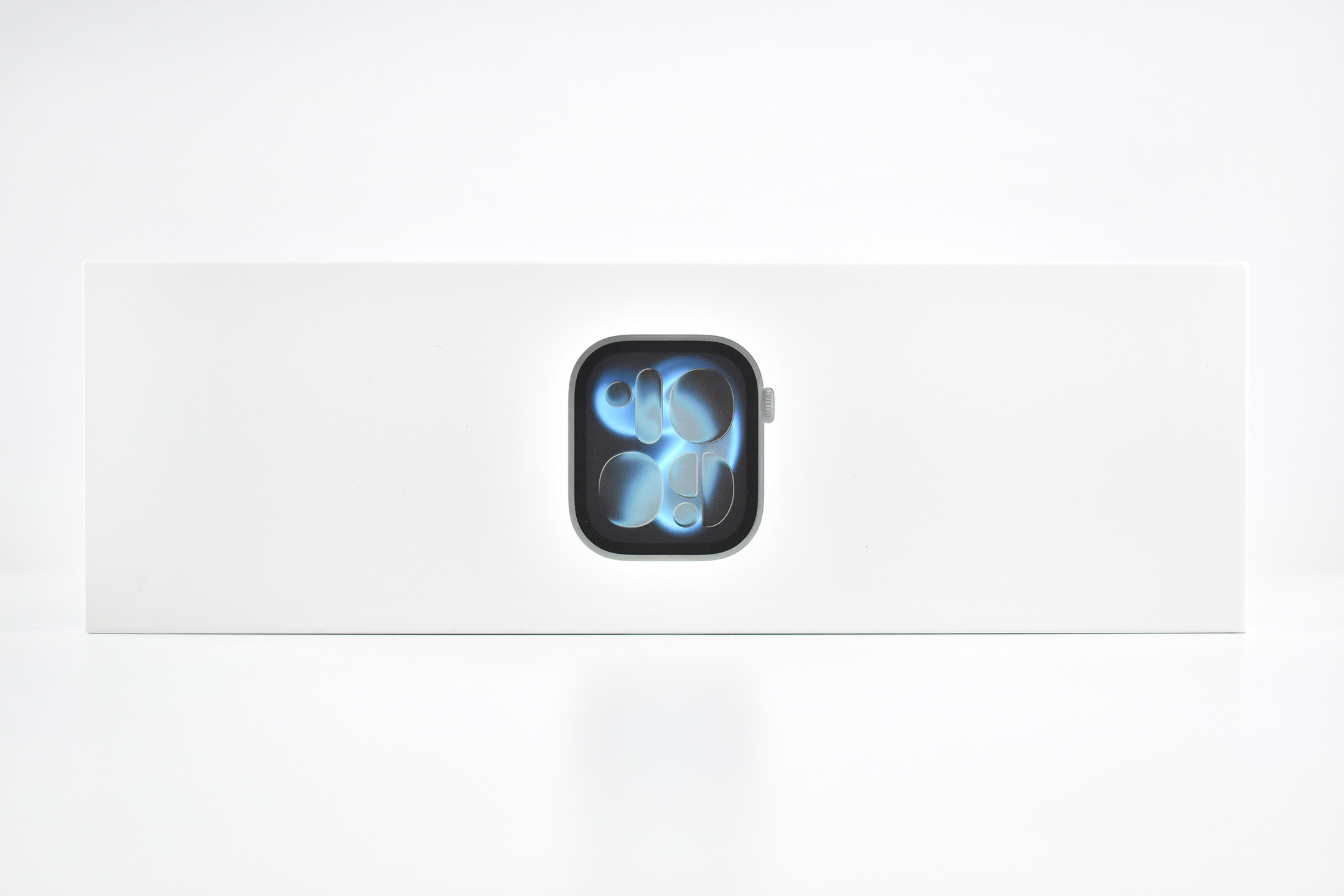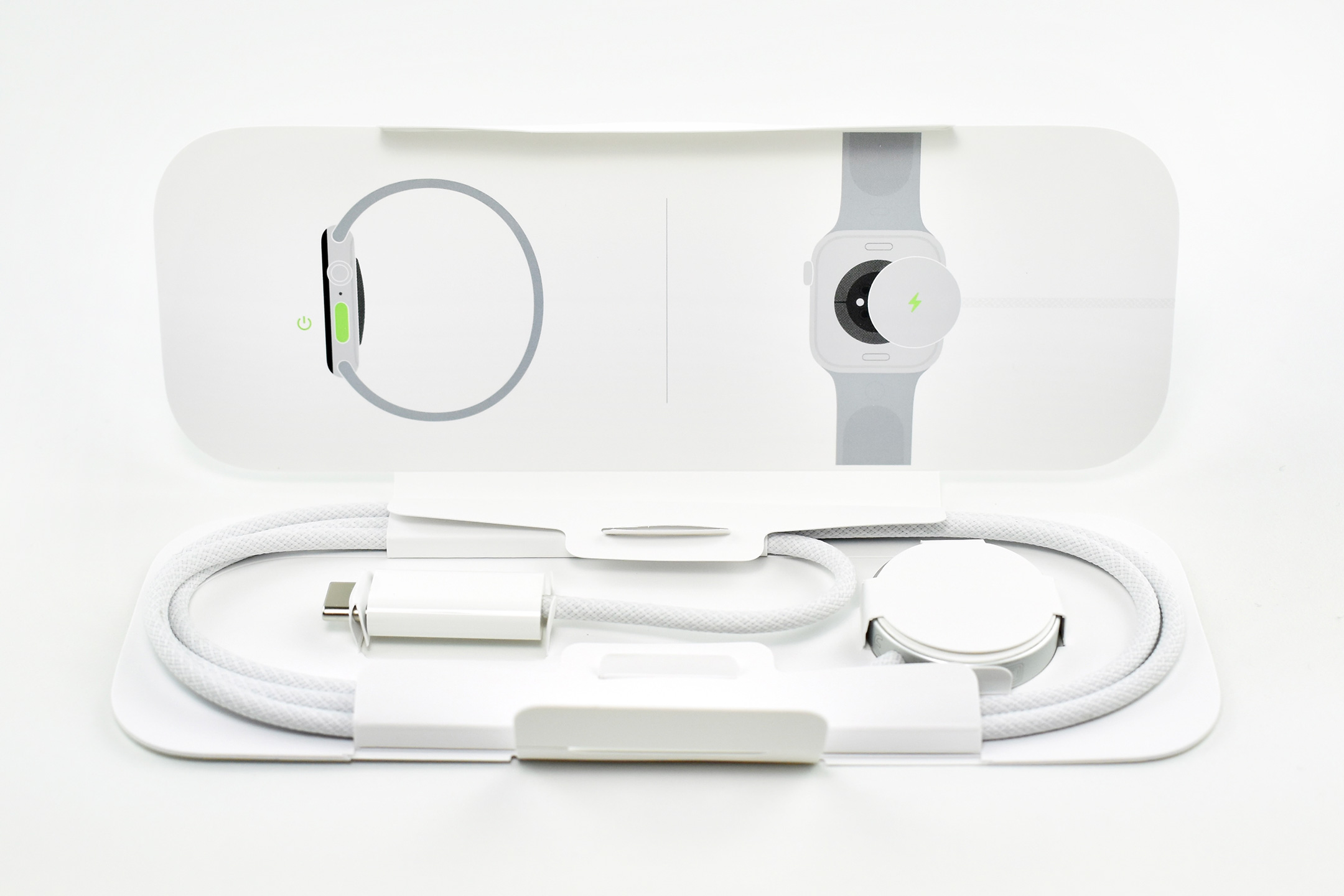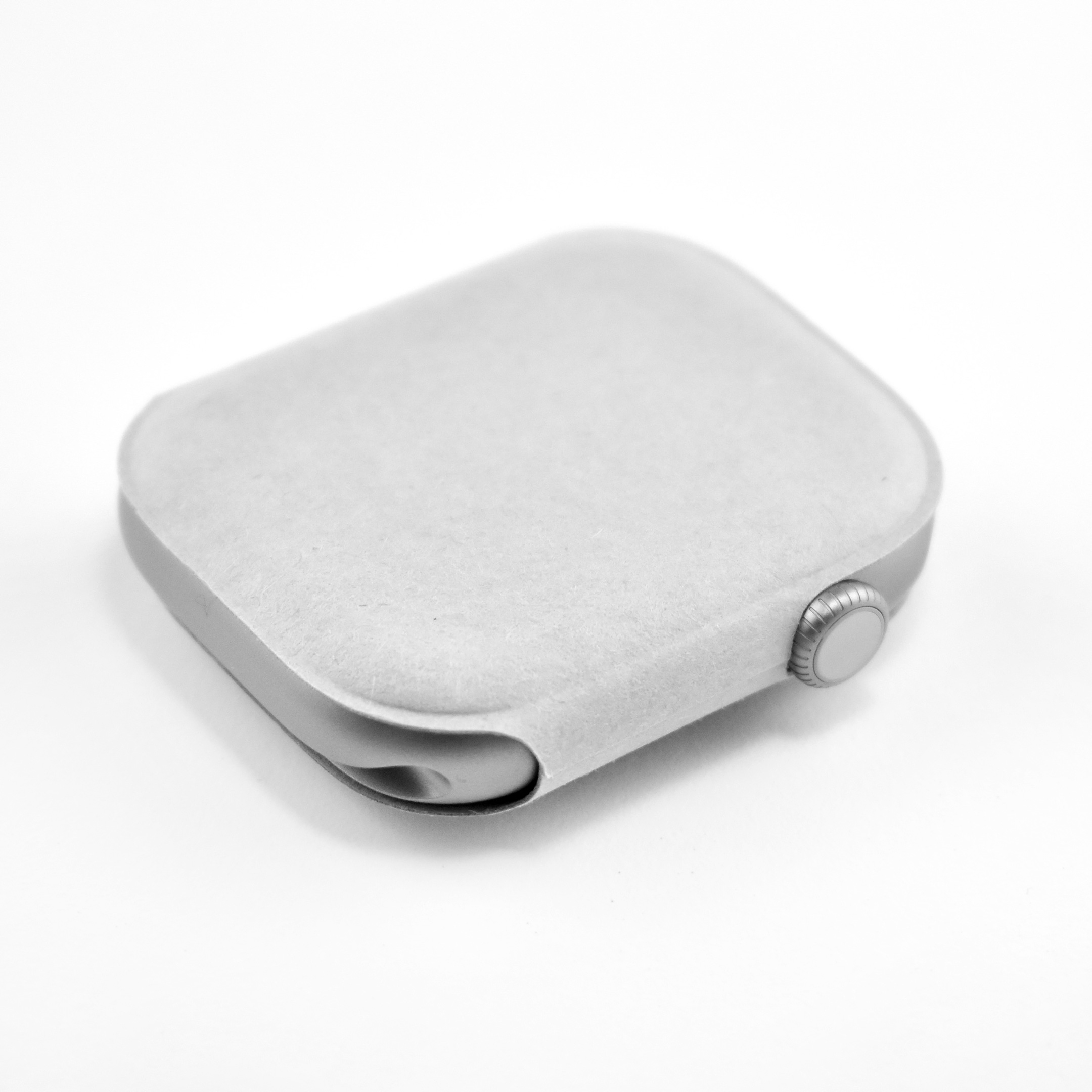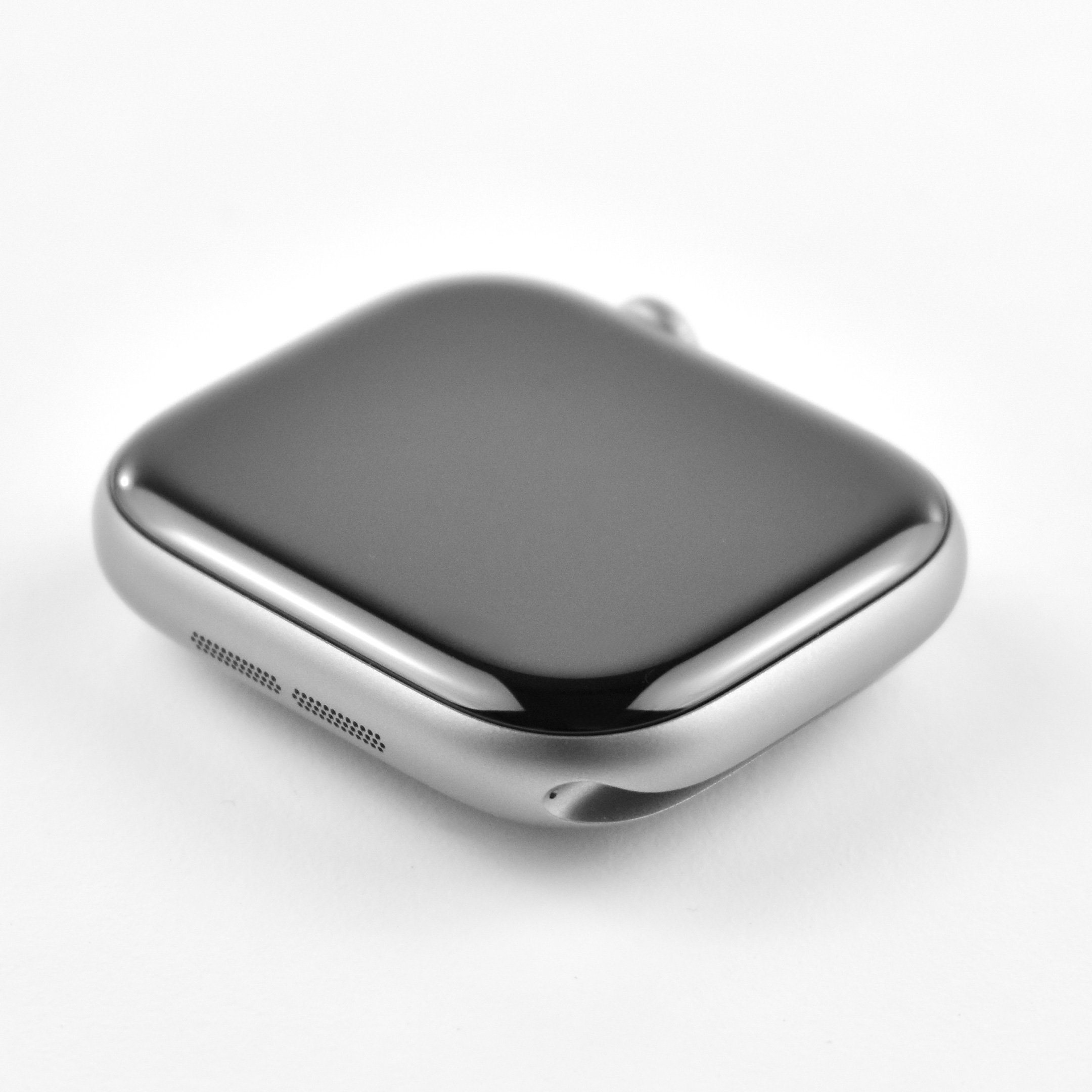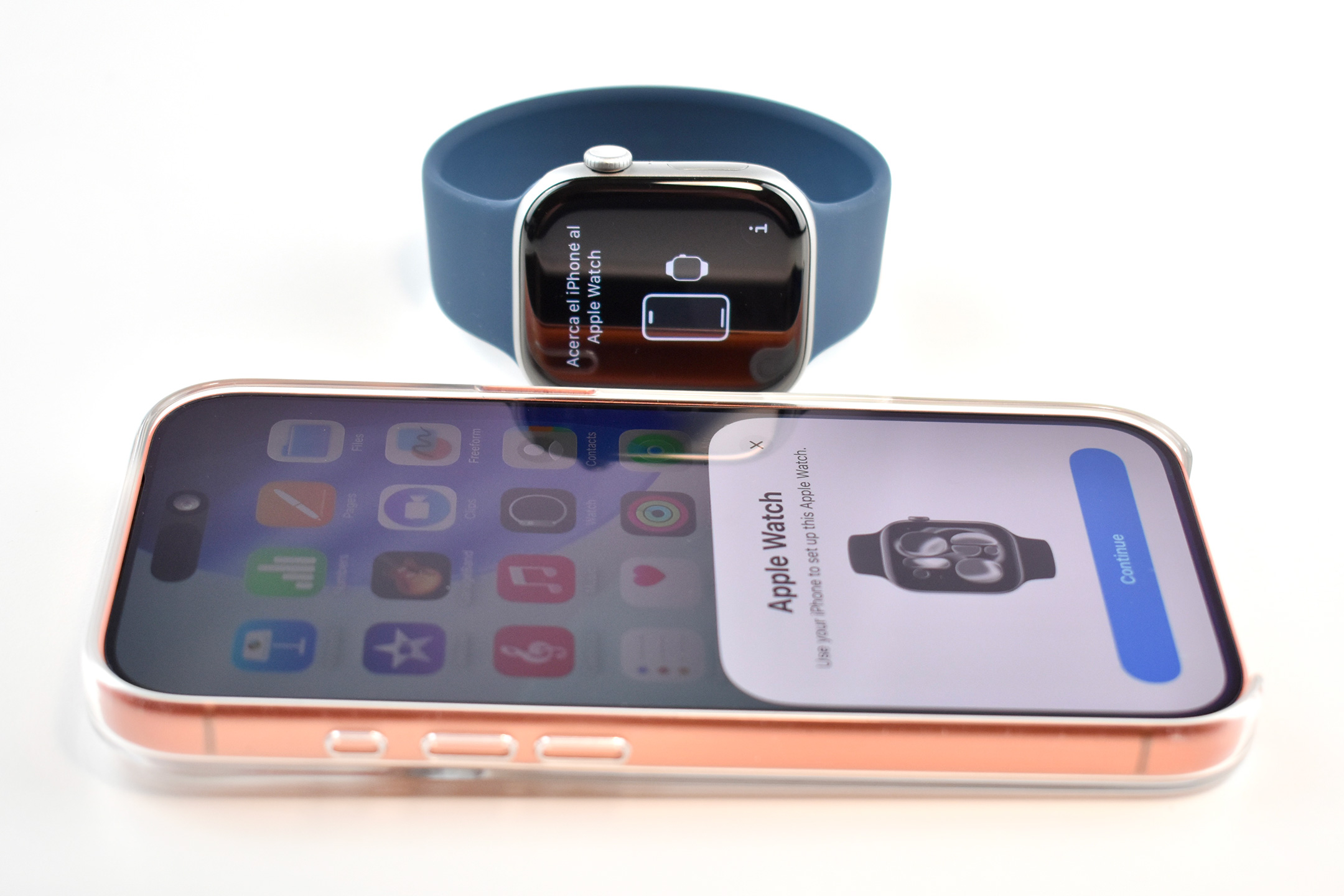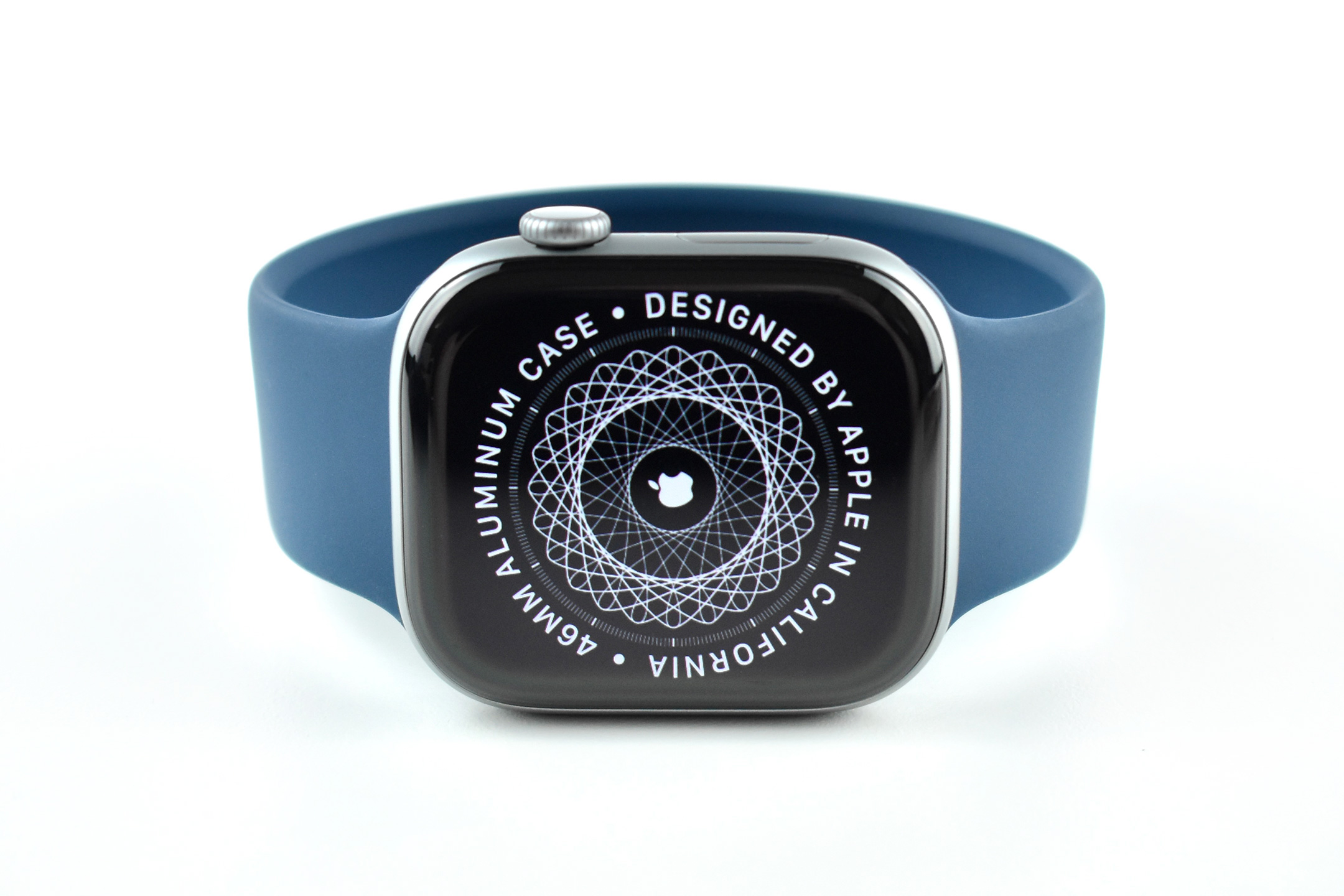
Apple Watch Series 11 (46 mm, aluminum, GPS, space gray, 2025)

Among the 12 press releases of the “base” Apple Watch models (original Apple Watch through the Series 11), 7 of the 12 have mentioned health and/or fitness features in the headline (or subhead). The Apple Watch Series 11 press release leads with “groundbreaking health insights” and specified hypertension notifications and sleep score as its primary new features along with battery improvements and a more scratch-resistant display.

Stan Ng, Apple’s vice president of Apple Watch and Health Product Marketing, said in the press release that “Apple Watch is the world’s most popular watch, using advanced sensing capabilities to empower millions of people around the world to better understand their health simply by wearing it, while also serving as a fitness coach, message center, mobile wallet, and beautiful timepiece.” He added that the “Apple Watch Series 11 is an indispensable companion that supports users’ health, fitness, safety, and connectivity throughout the day and night.”

The durability of the screen is described in more detail, noting that it is “Made from a unique Ion-X (ion-exchanged strengthened) glass…treated with a breakthrough Apple-designed ceramic coating that bonds to the glass at an atomic level through a physical vapor deposition process, significantly hardening the surface.”

The Apple Watch Series 11 was released with watchOS 26, using the Liquid Glass design also available on all Apple devices as of late 2025. Some of the new features added:

  • 2 new watch faces (Flow and Exactograph)
  • A new one-handed wrist flick gesture to easily dismiss notifications
  • Live Translation in Messages with Apple Intelligence
  • A Watch version of the Notes app (finally!!)

The Aluminum case options for Apple Watch Series 11 were available in Rose Gold, Silver, Jet Black, and a new Space Gray option. Titanium case options included Gold, Natural, and Slate.

The 46 mm model measured 46mm x 39 mm and was 9.7 mm thick. The aluminum/GPS model weighed 37.8 grams.

The screen was 416 x 496 pixels at 326 pixels per inch with an always‑On Retina display with wide‑angle OLEDs. It could display up to 2000 nits peak brightness down to 1 nit minimum brightness.

The Series 11 had an impressive list of sensors:

  • Electrical heart sensor
  • Third‑generation optical heart sensor
  • Blood oxygen sensor
  • Temperature sensor
  • Compass
  • Always‑on altimeter
  • High‑g accelerometer
  • High dynamic range gyroscope
  • Ambient light sensor
  • Depth gauge to 6 meters
  • Water temperature sensor

Connectivity options included support for 2.4GHz and 5GHz Wi-Fi networks with Wi-Fi 4 (802.11n); Bluetooth 5.3; GPS systems including L1, GLONASS, Galileo, QZSS, and BeiDou. It used a second-generation Ultra Wideband chip.

This example is in the Aluminum Space Gray option in the 46 mm size. It shipped with a black M/L Sport Band.

Sources: Apple (newsroom, specs)
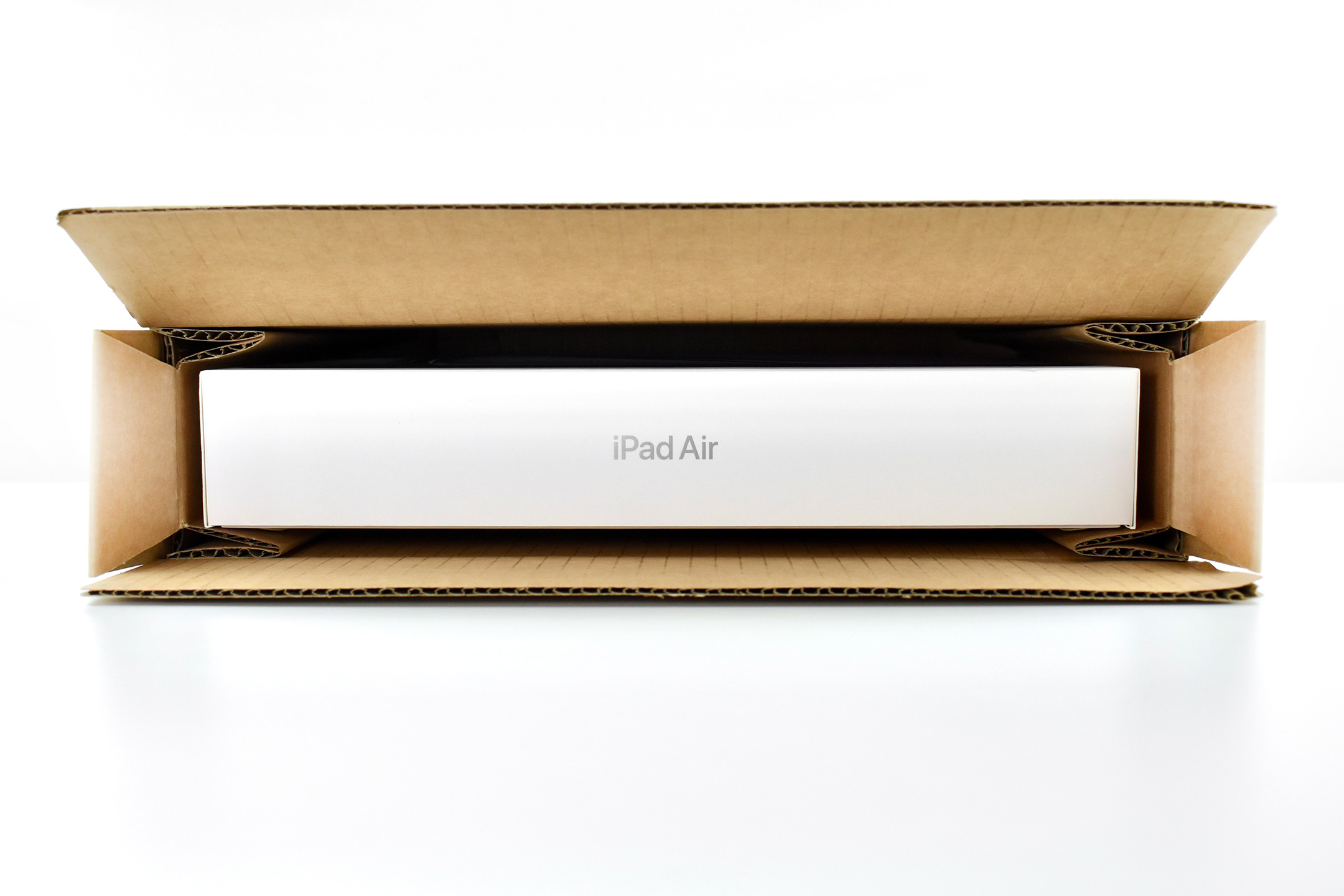
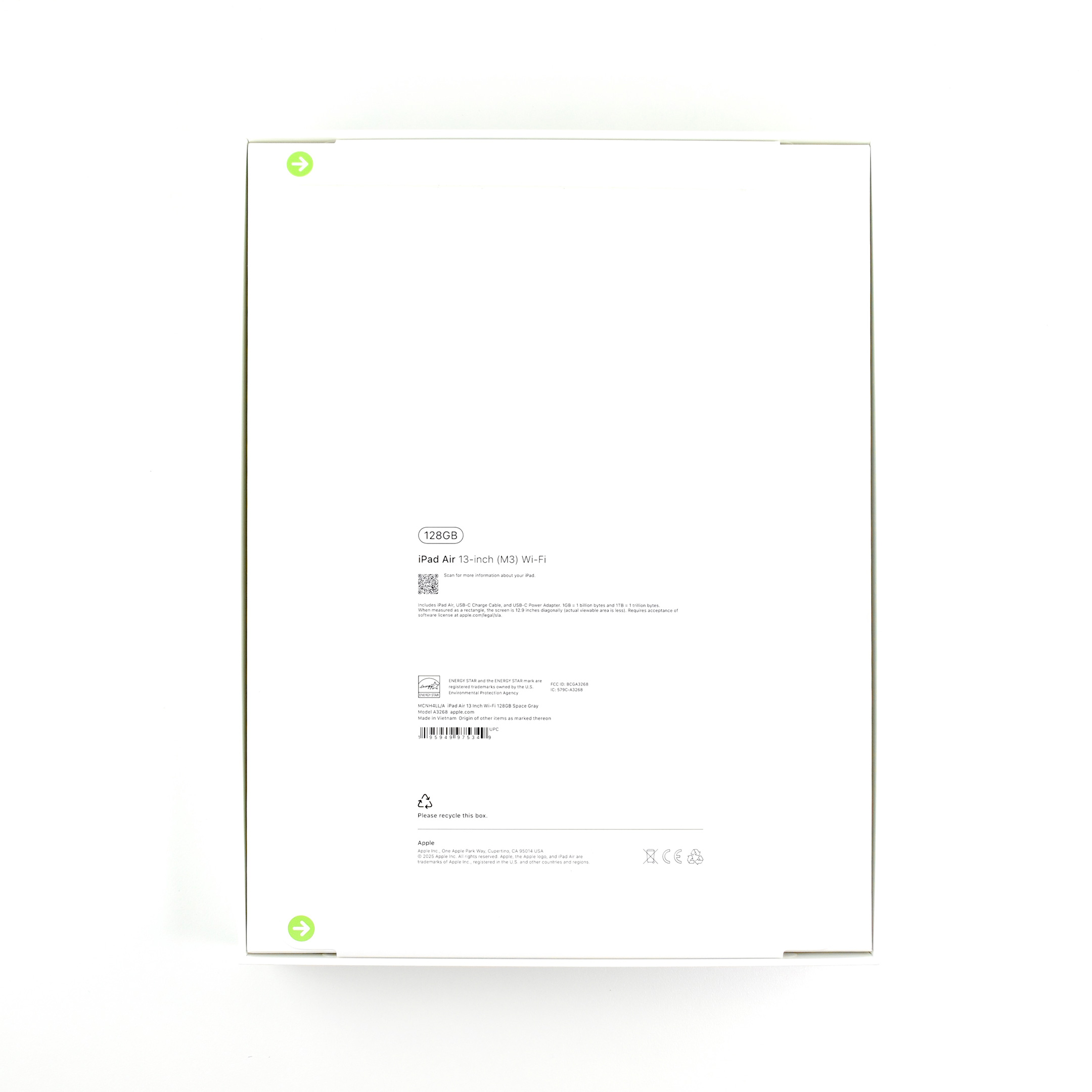
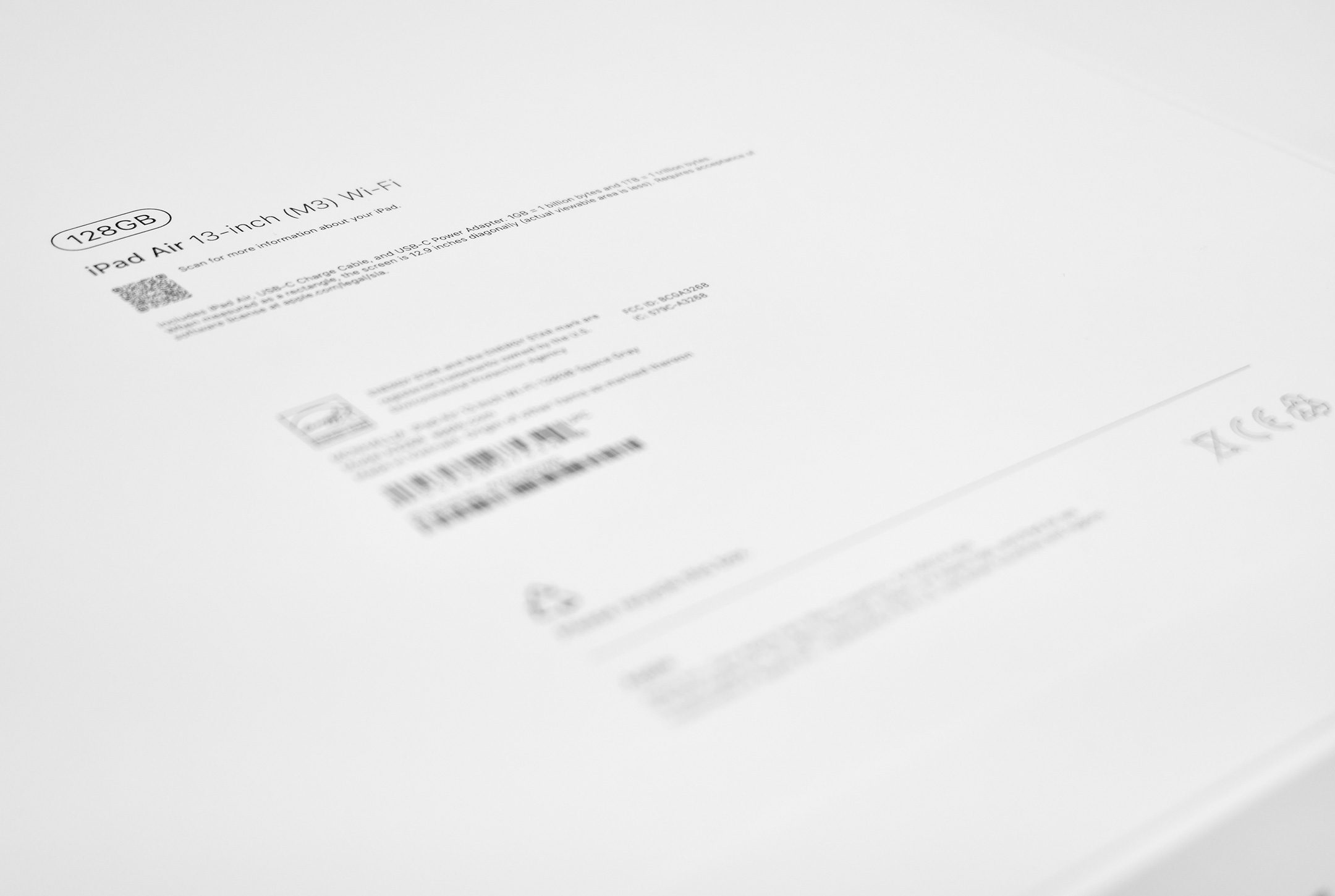
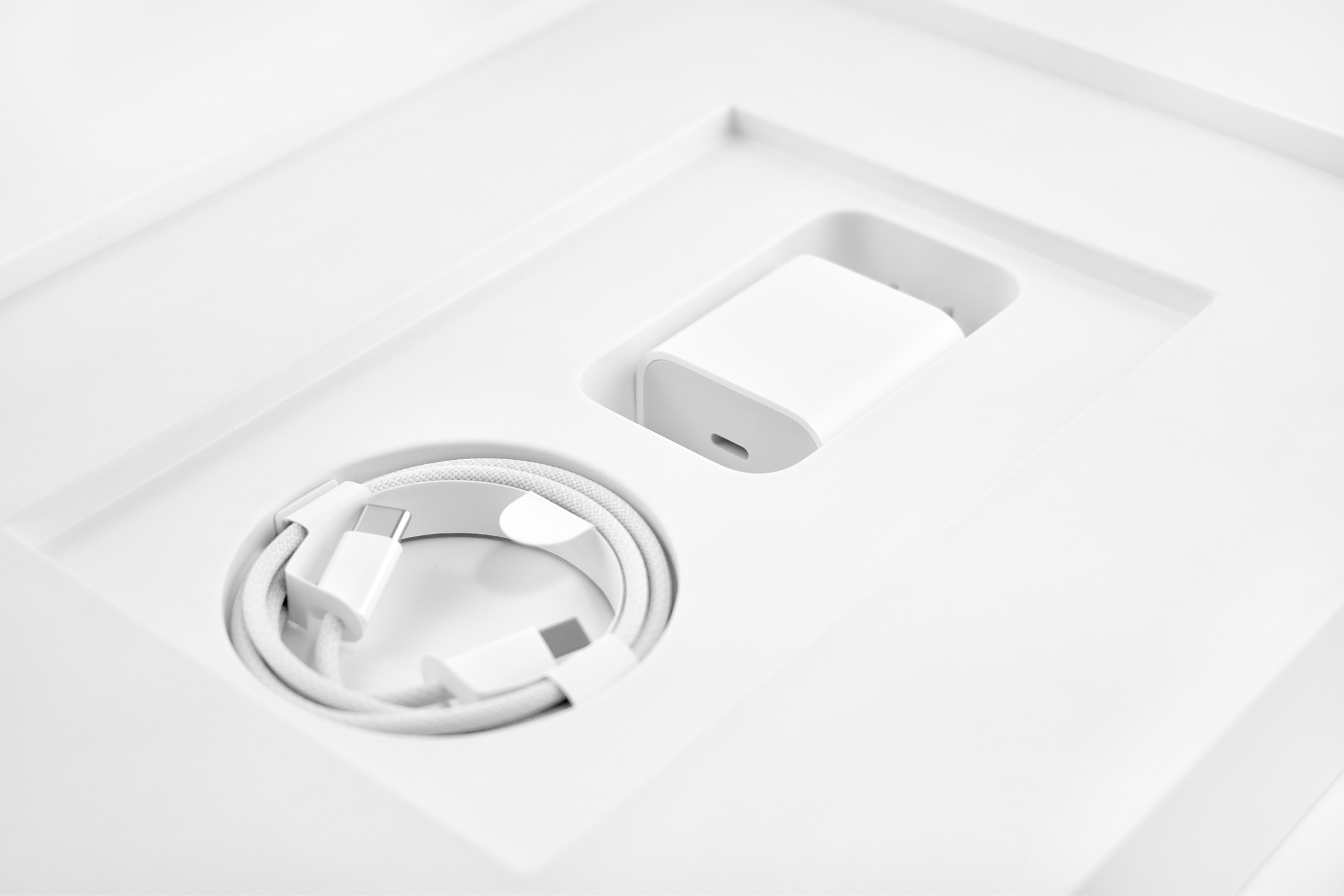
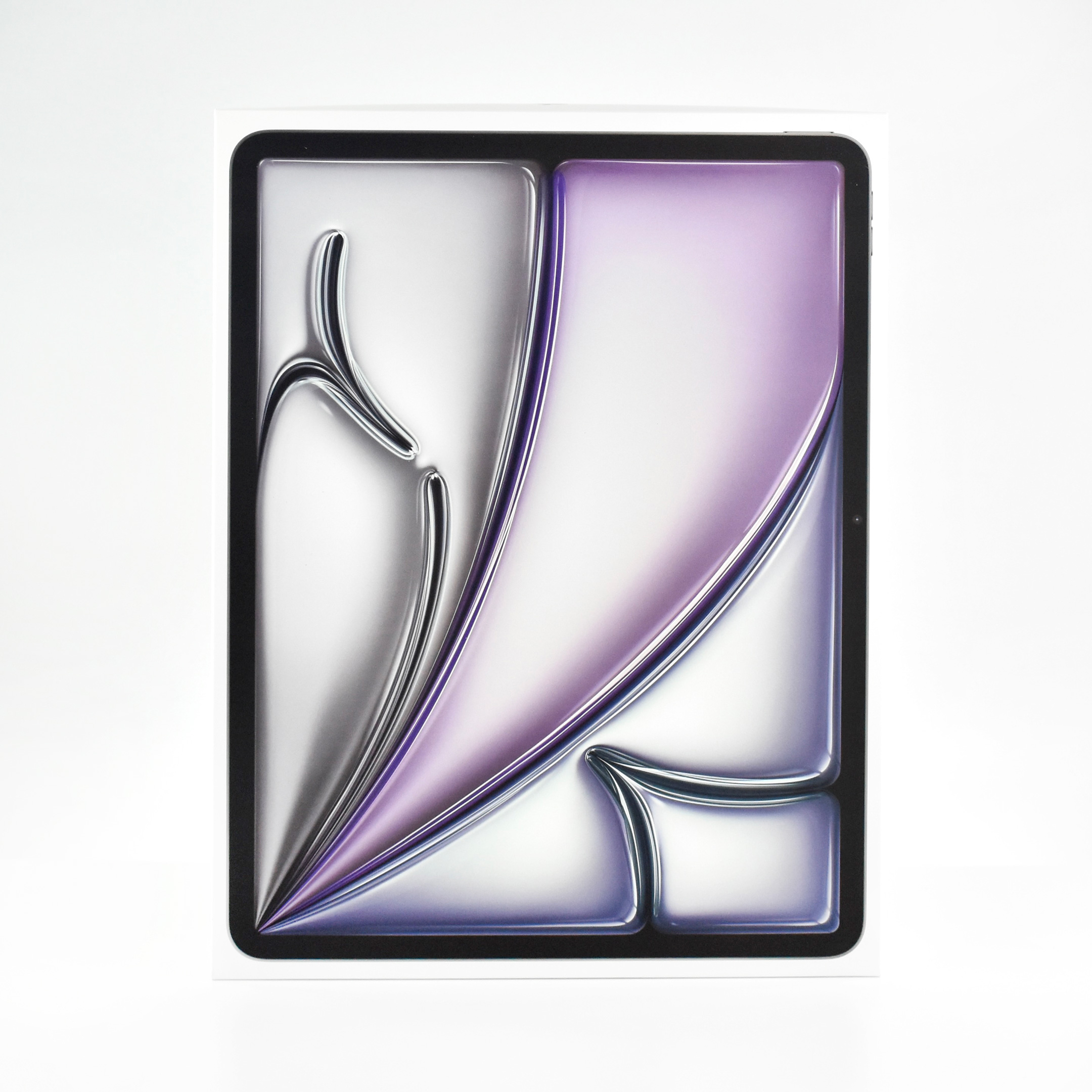
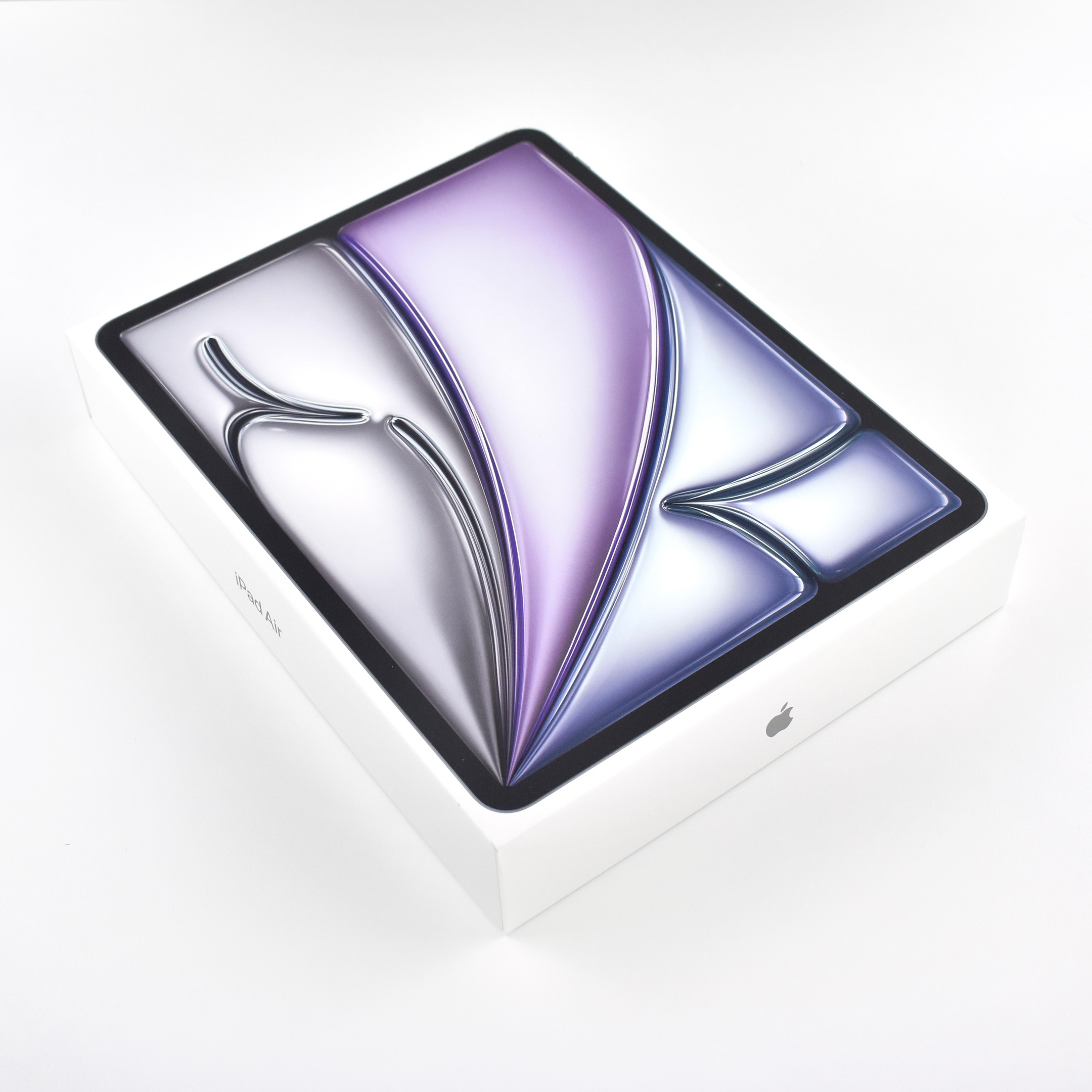
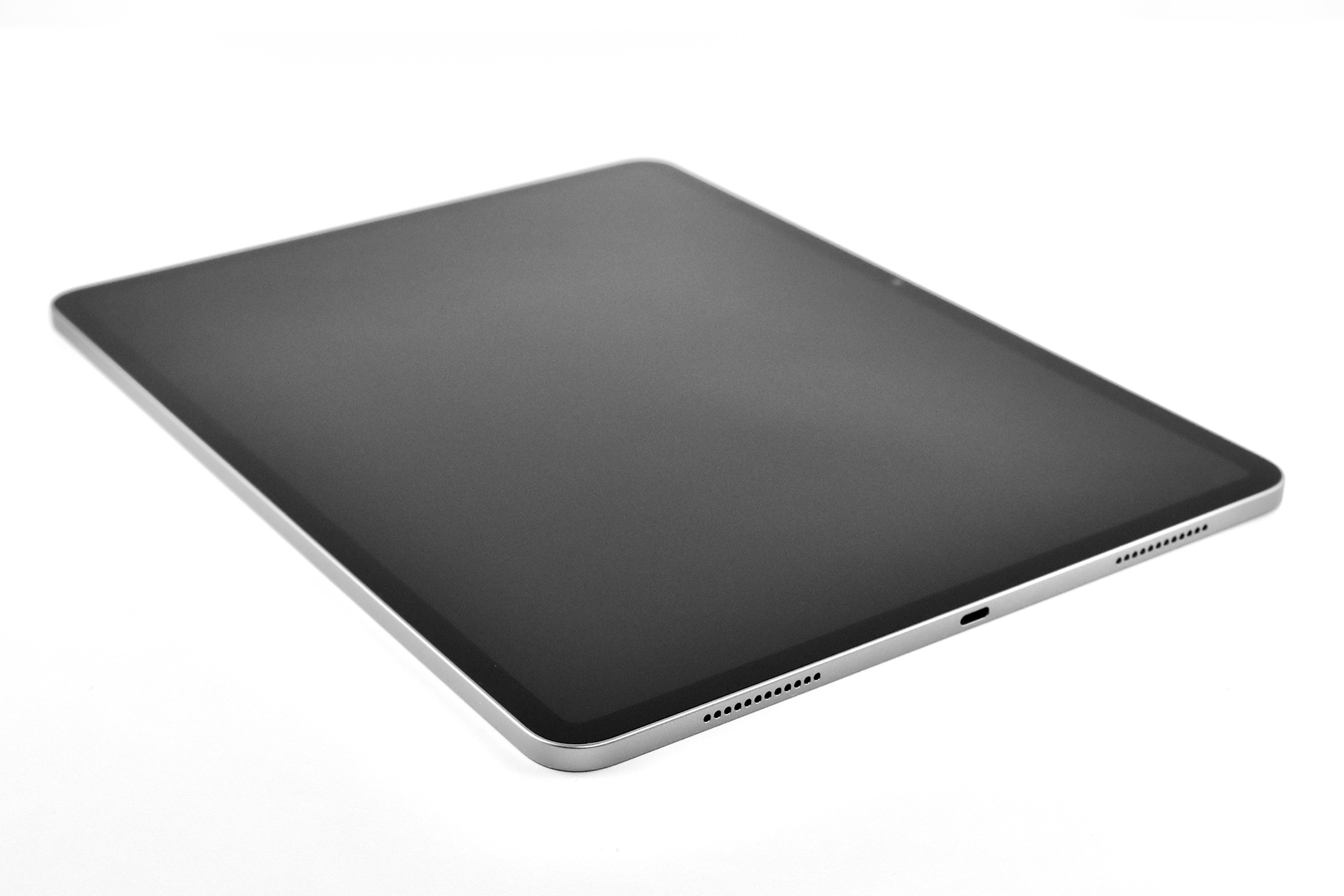
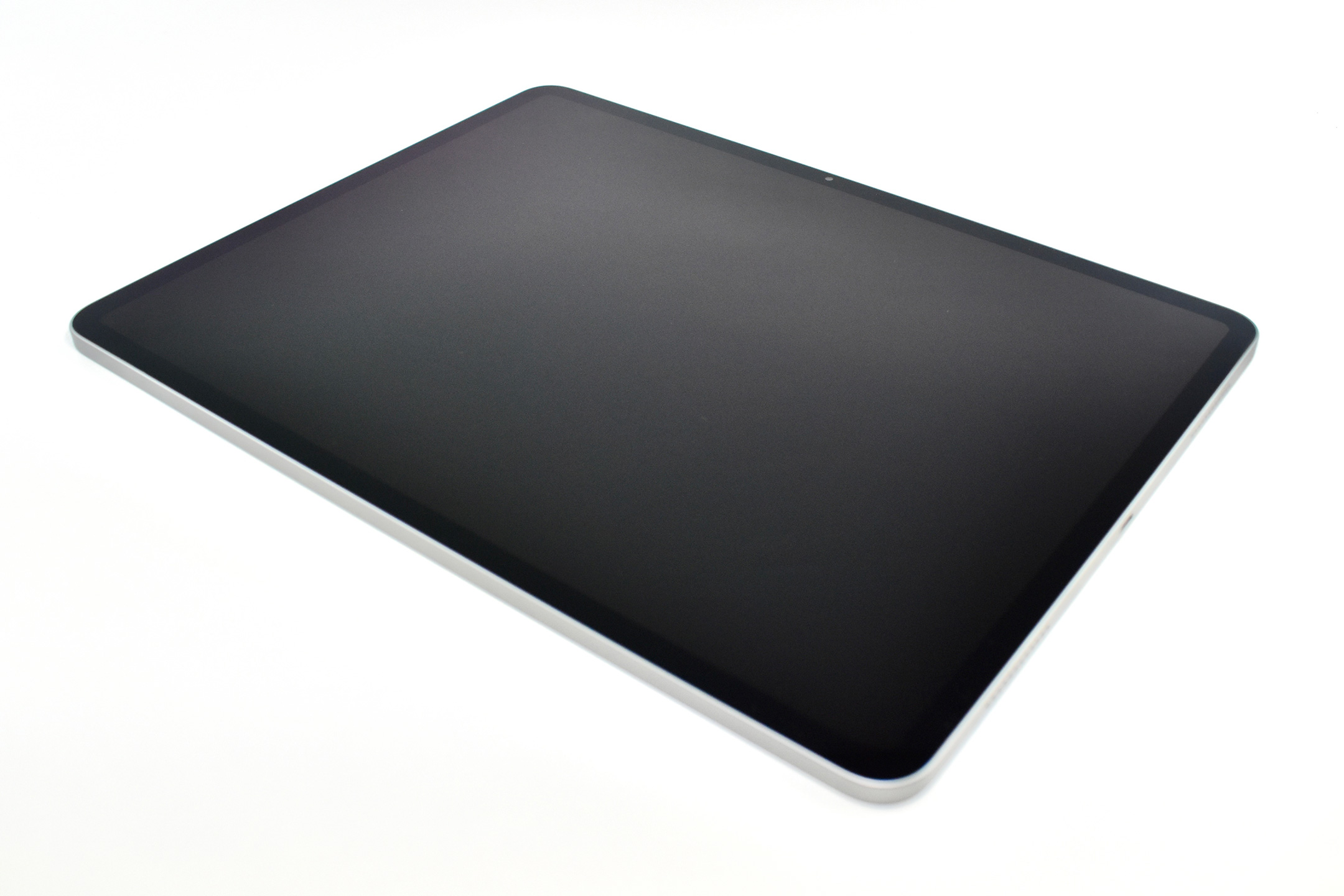
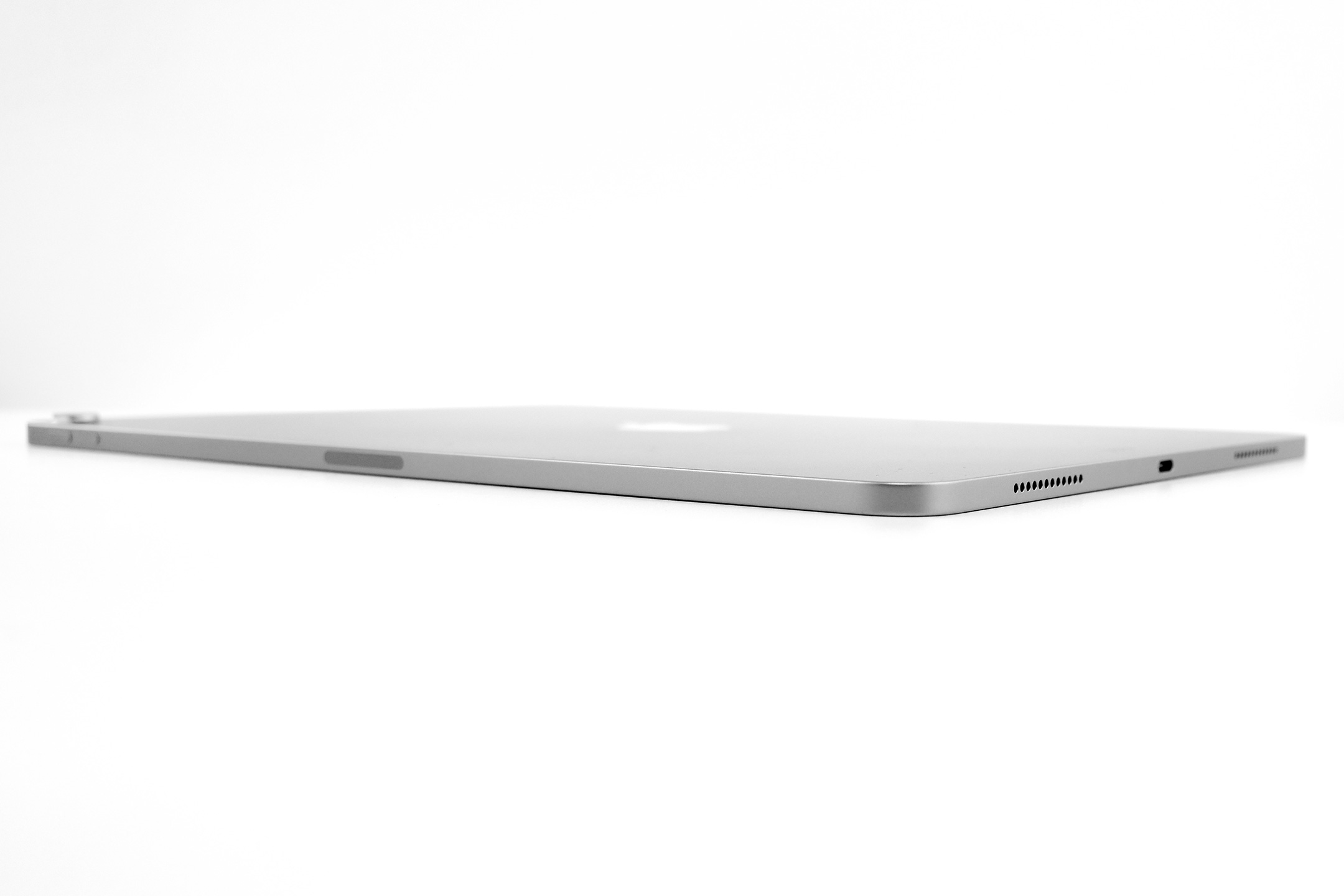
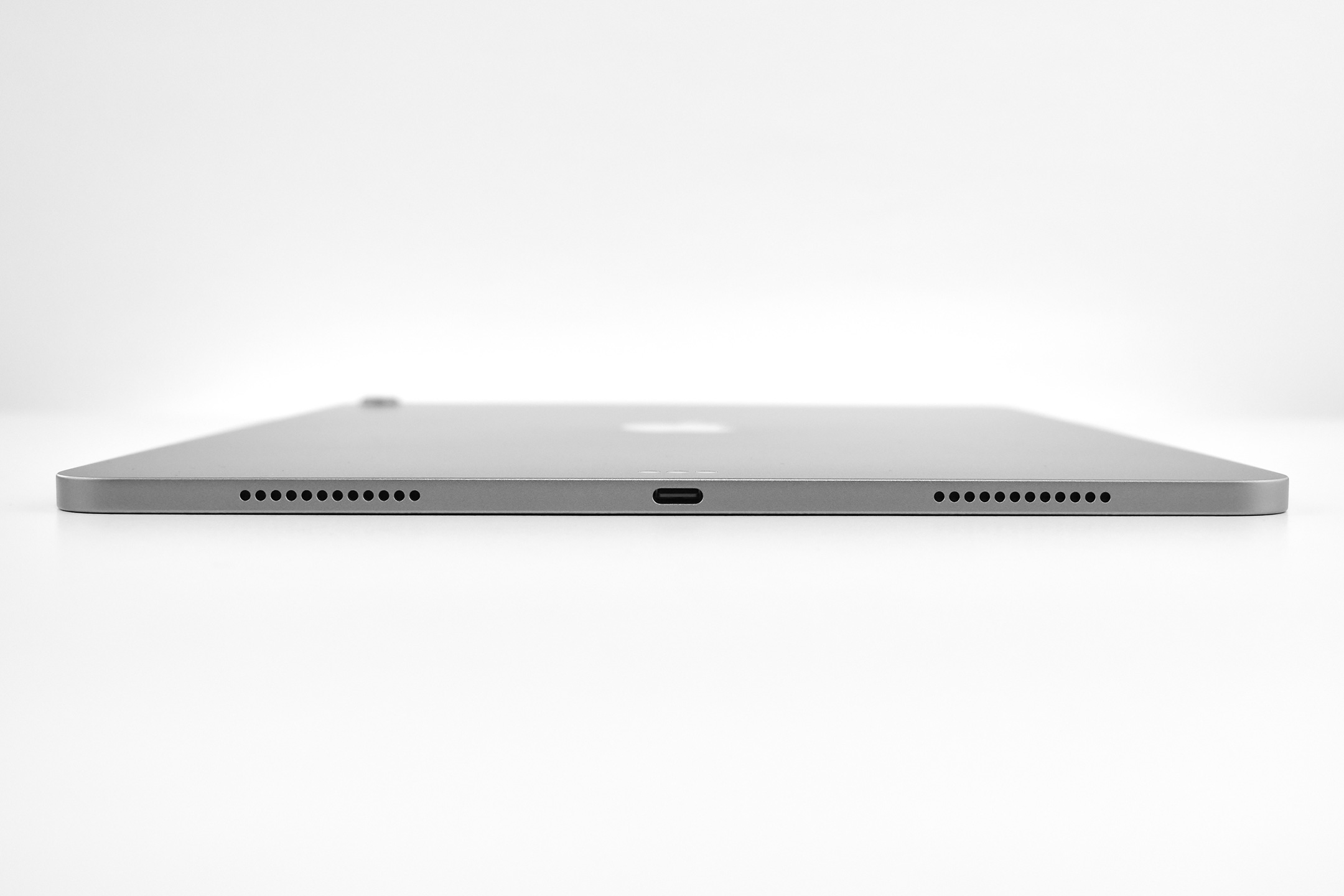
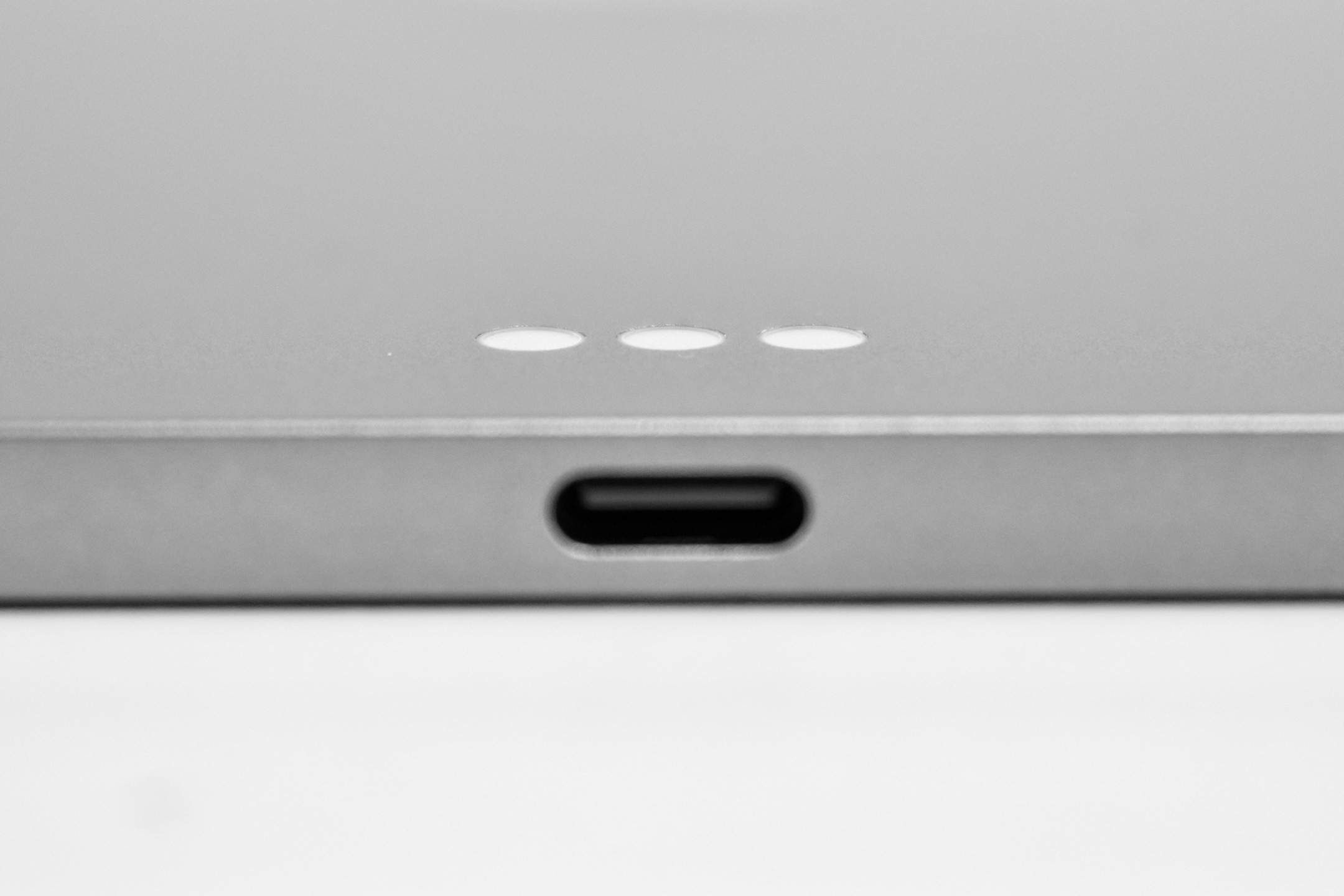
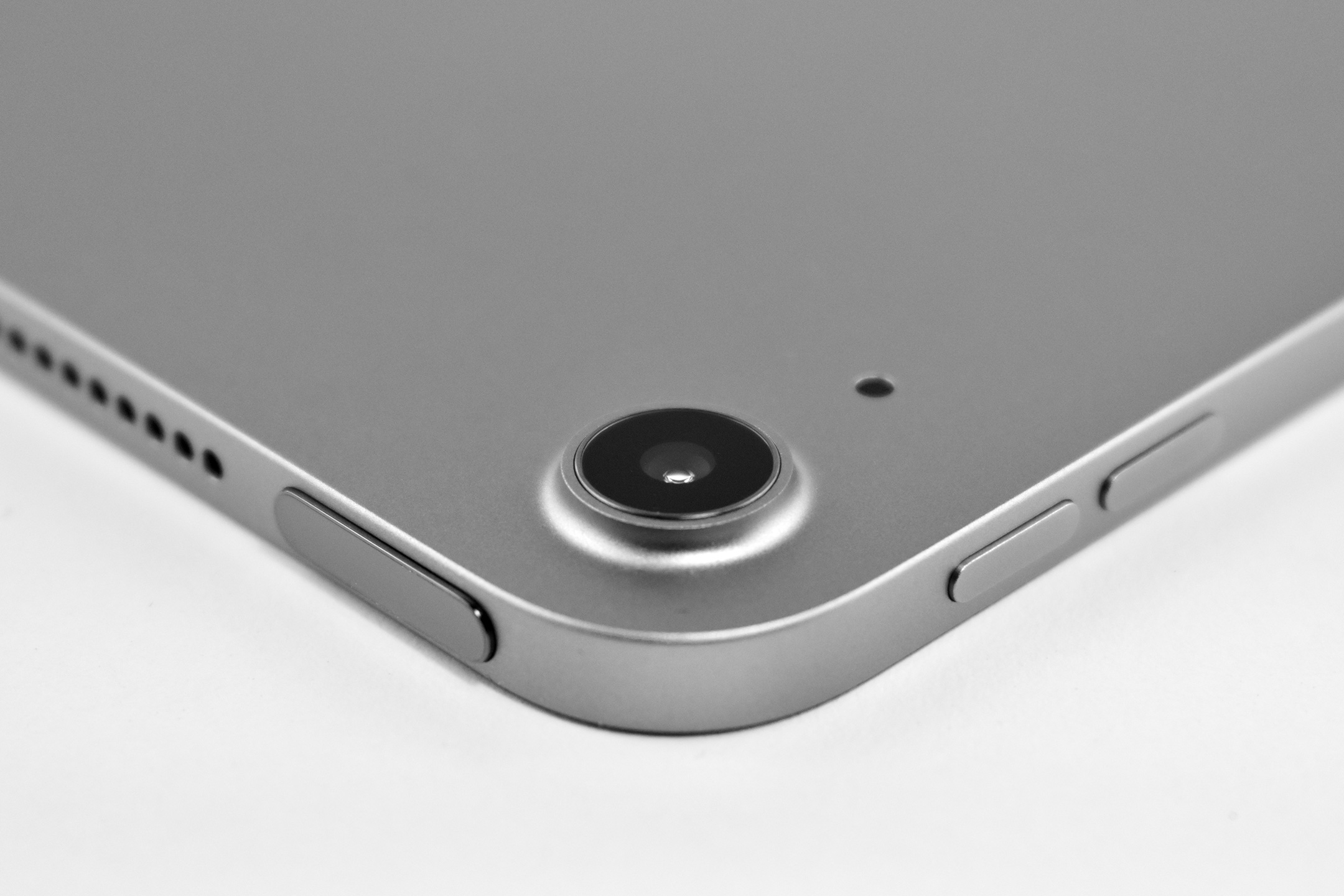
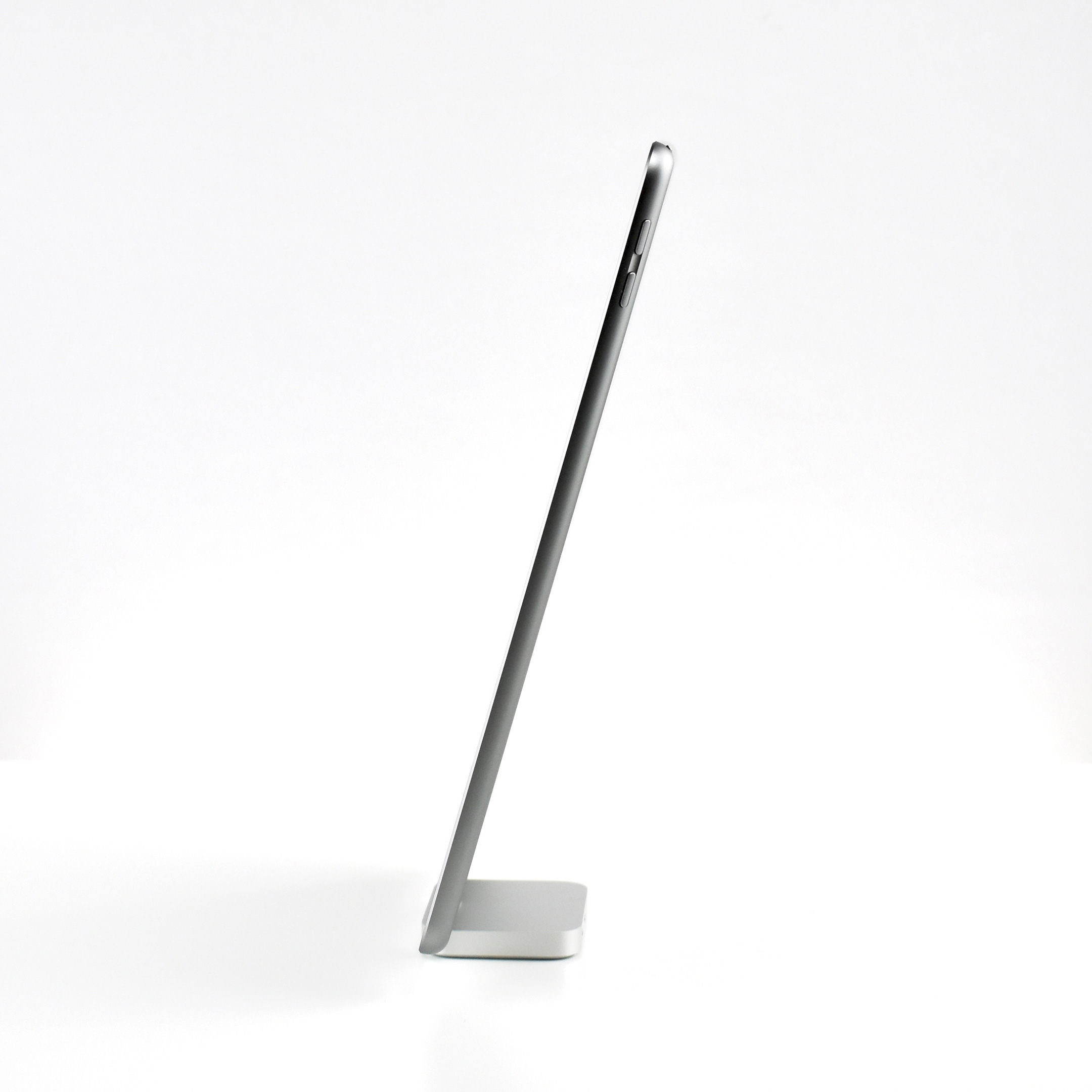
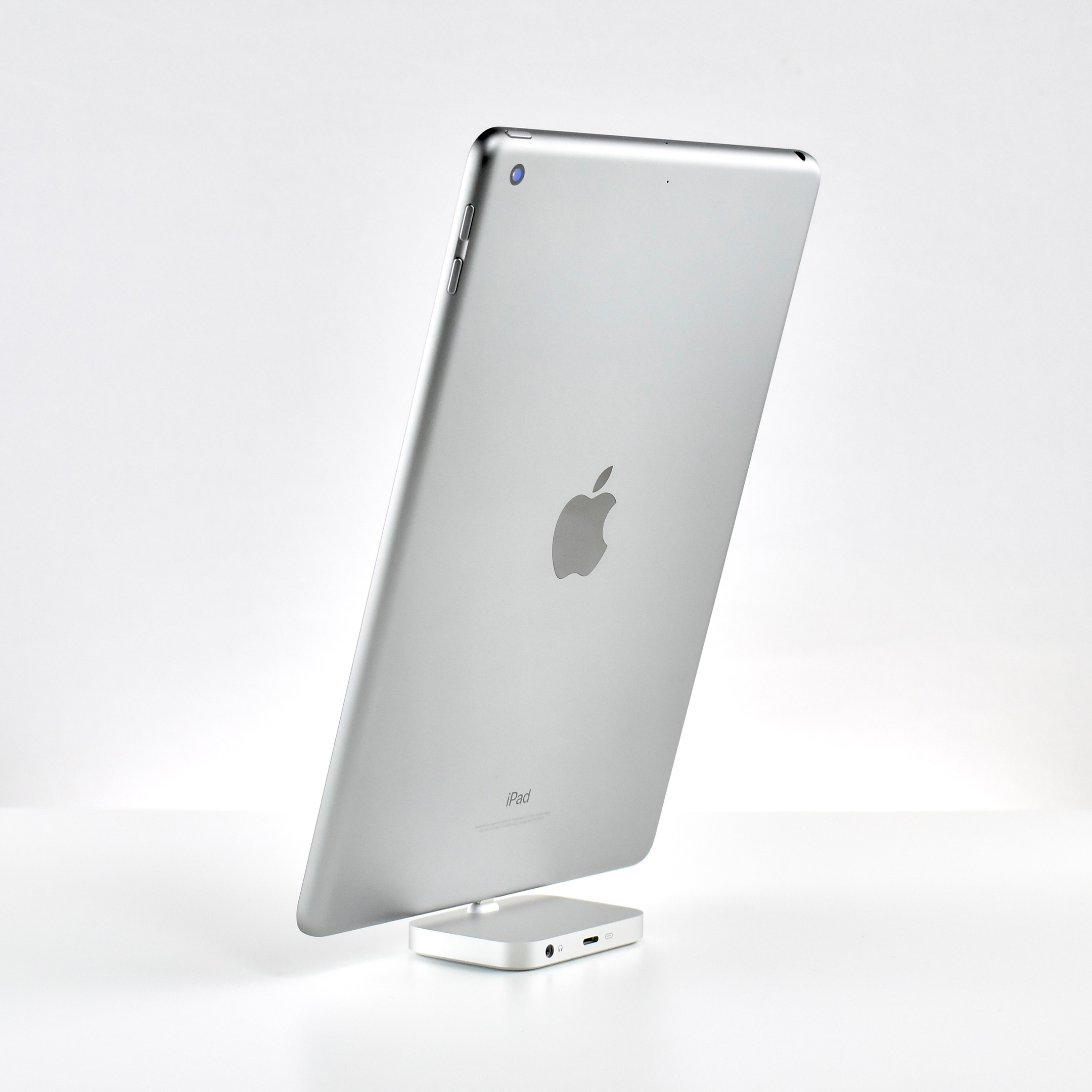
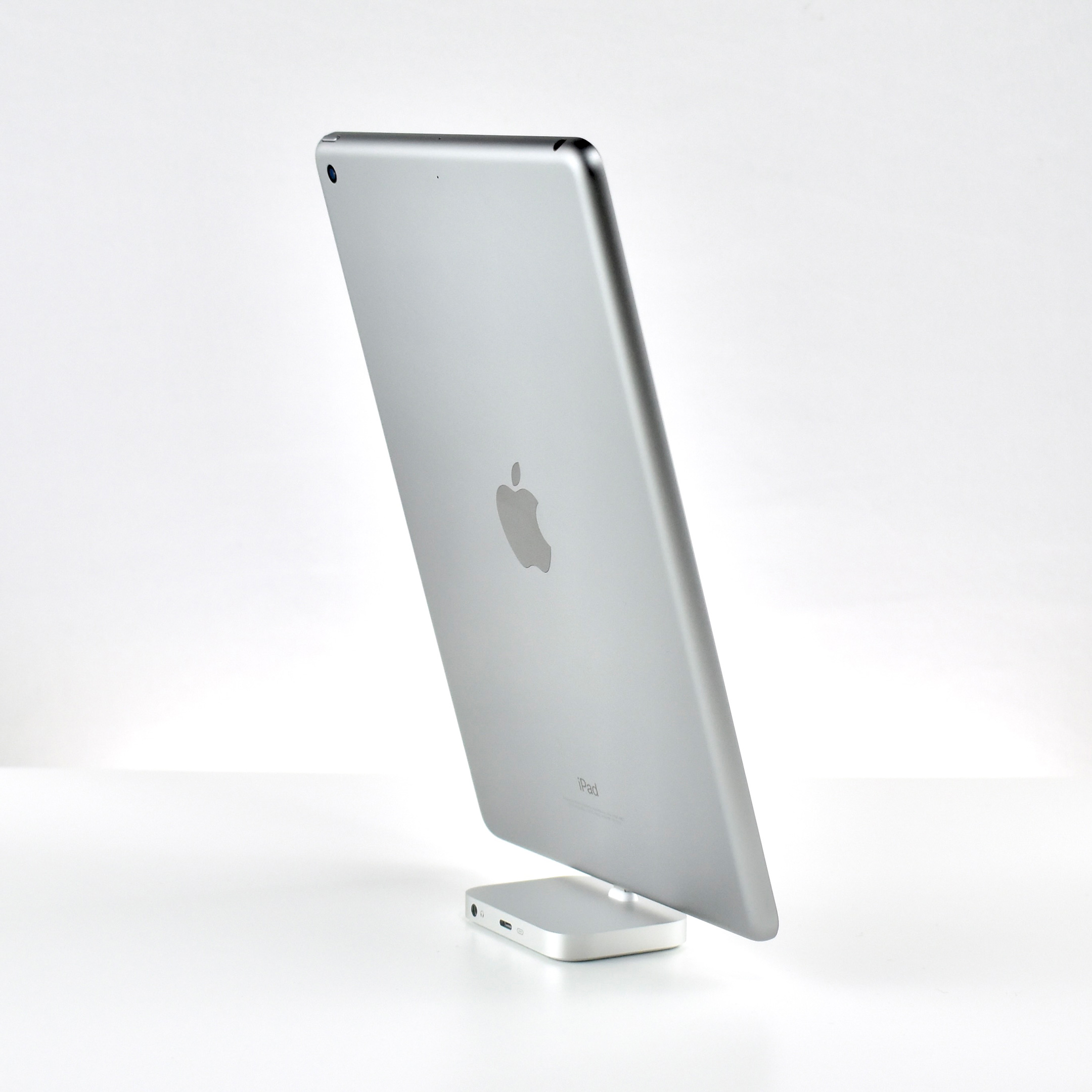
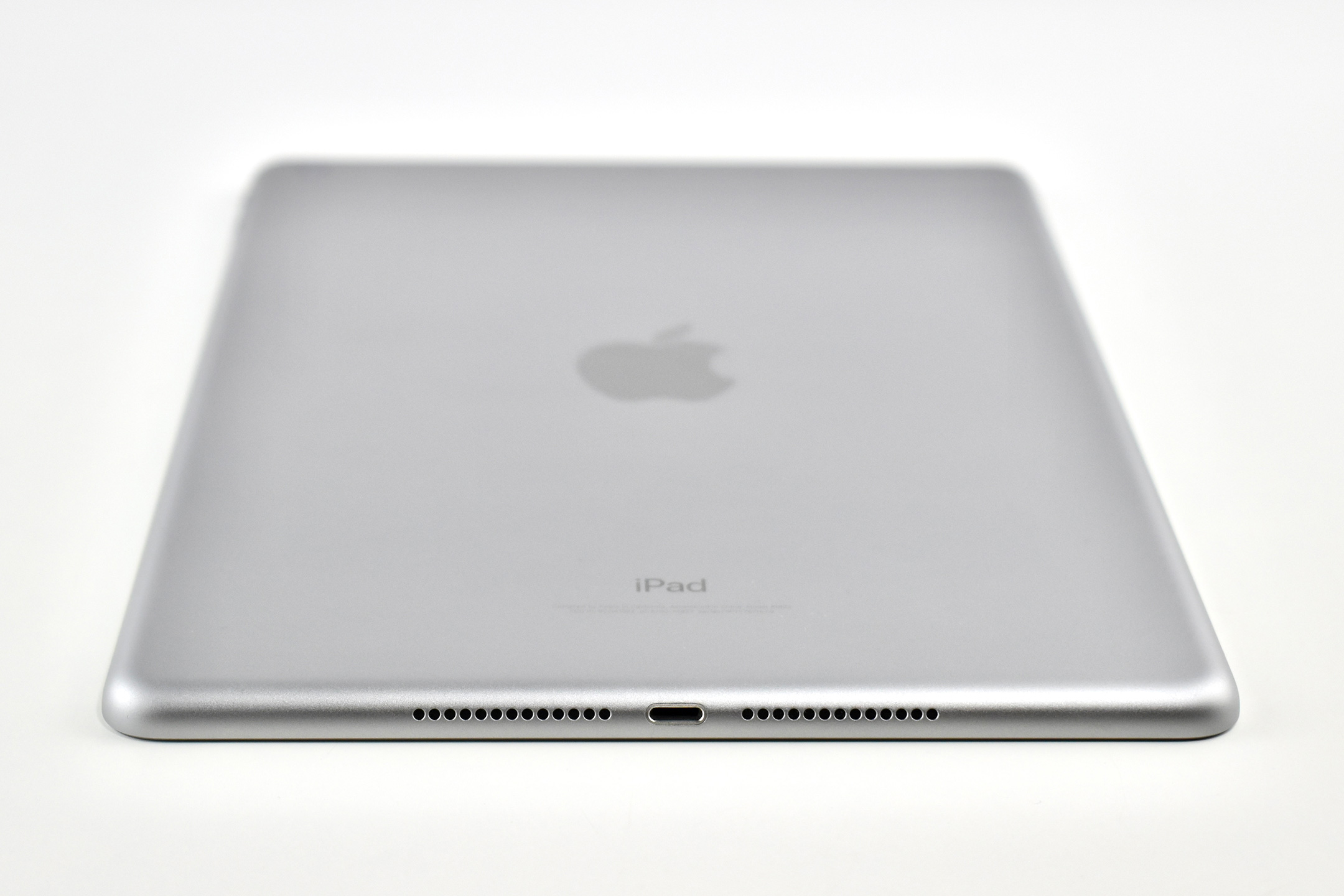
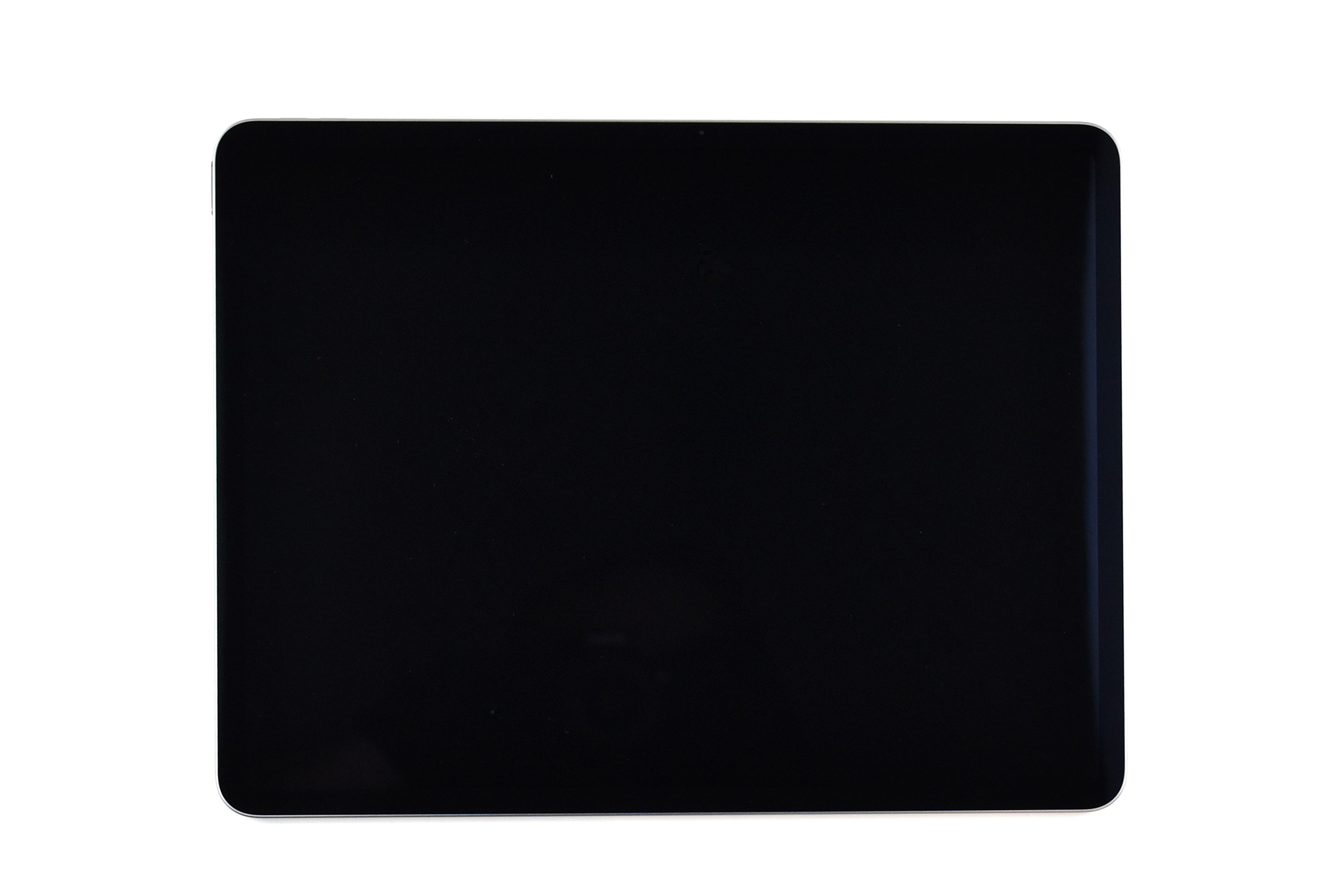
iPad Air 13-inch (Space Gray, M3, Wi-Fi, 128 GB, 2025)
The M3 iPad Air 13-inch was announced on March 4, 2025, and was described as being up to 2x faster than the M1 iPad Air. The press release also touted:

“iPad Air with M3 brings Apple’s advanced graphics architecture to iPad Air for the first time—taking its incredible combination of power-efficient performance and portability to a new level… Available in two sizes and four gorgeous finishes that users love, the 11-inch iPad Air is super portable while on the go, and the 13-inch model provides an even larger display for more room to be creative and productive.”

Apple mentioned that “The faster Neural Engine in M3 means iPad Air [is]…up to 60 percent faster for AI-based workloads…and support for advanced accessories, including the new Magic Keyboard and Apple Pencil Pro.”

The 11-inch and 13-inch M3 iPad Air devices were available in blue, purple, starlight, and space gray, with 128 GB, 256 GB, 512 GB, and 1 TB configurations. This example is the 13-inch version of the iPad Air in Space Gray with 128 GB storage.

This 13-inch iPad Air Wi-Fi is 11.04 inches (280.6 mm) x 8.46 inches (214.9 mm), is 0.24 inch (6.1 mm) thick, and weighs 1.36 pounds (616 grams).

The Liquid Retina display is 2732 x 2048 pixels at 264 ppi and can display up to 600 nits brightness. It is powered by Apple’s M3 chip (8-core CPU with 4 performance cores; 4 efficiency cores; 9-core GPU). It has a 16-core Neural Engine.

The back camera is a 12MP Wide camera with ƒ/1.8 aperture that allows digital zoom up to 5x using a 5-element lens. It can capture Panorama photos up to 63 MP. It can record video up to 4K at 24, 25, 30, or 60 fps. The front camera is a landscape 12 MP Center Stage camera with ƒ/2.0 aperture that can record video at up to 1080p (HD) at 25, 30, or 60 fps.

Its dual microphones can be used for calls, video recording, and audio recording and has landscape stereo speakers.

Wireless connectivity includes Wi-Fi 6E (802.11ax) with 2×2 MIMO5 and Bluetooth 5.3. Its sensors include Touch ID, 3‐axis gyro, accelerometer, barometer, and an ambient light sensor.

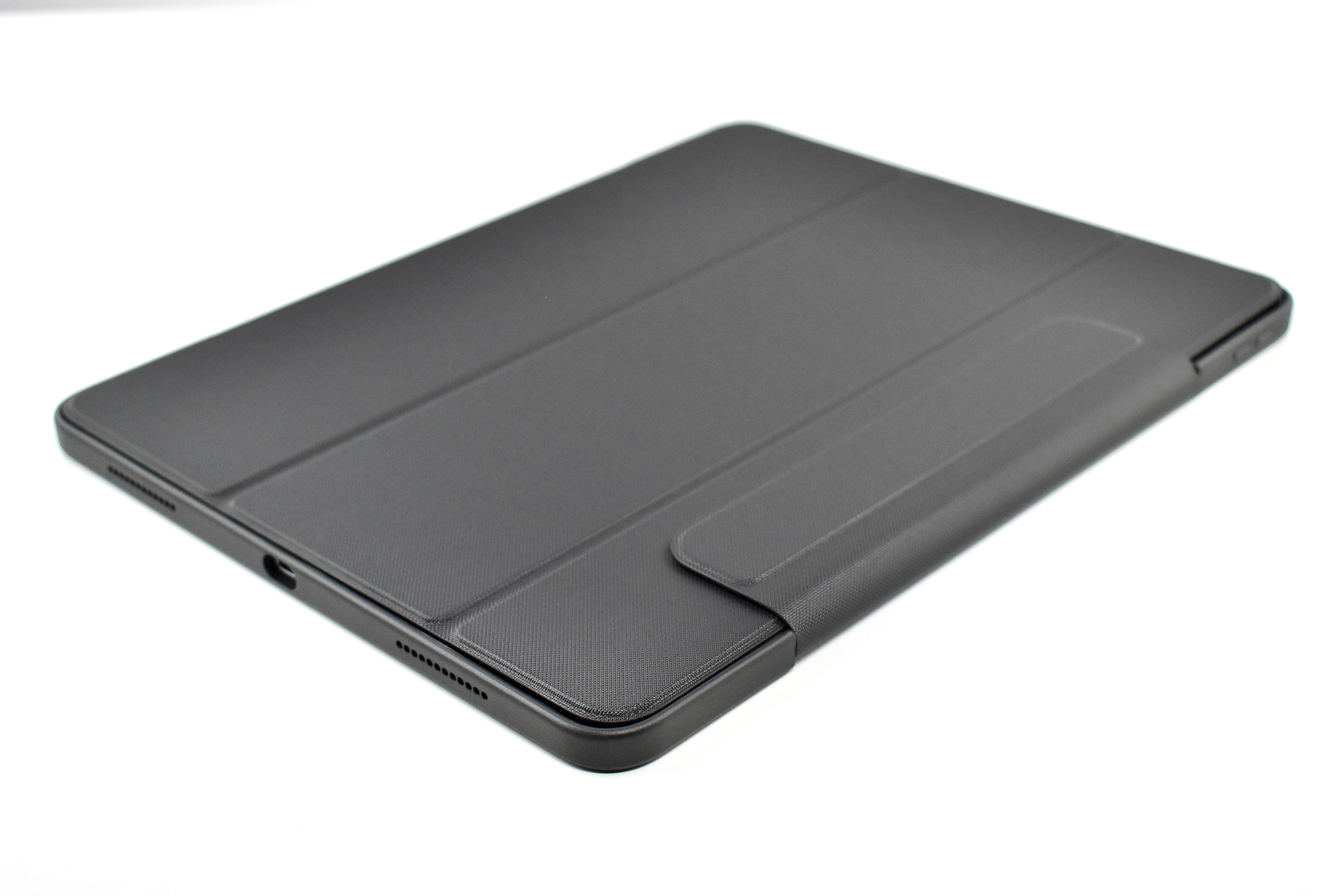
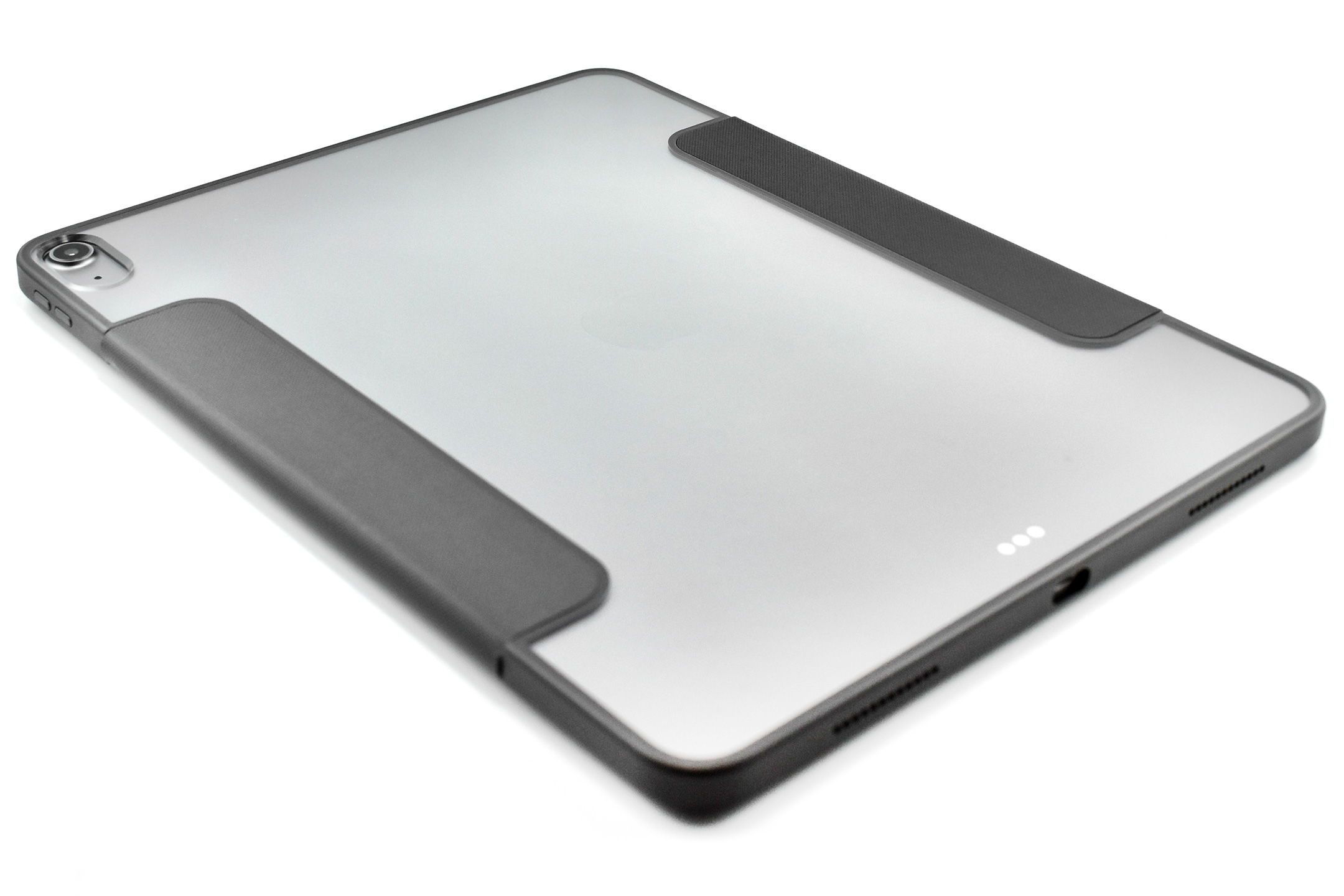
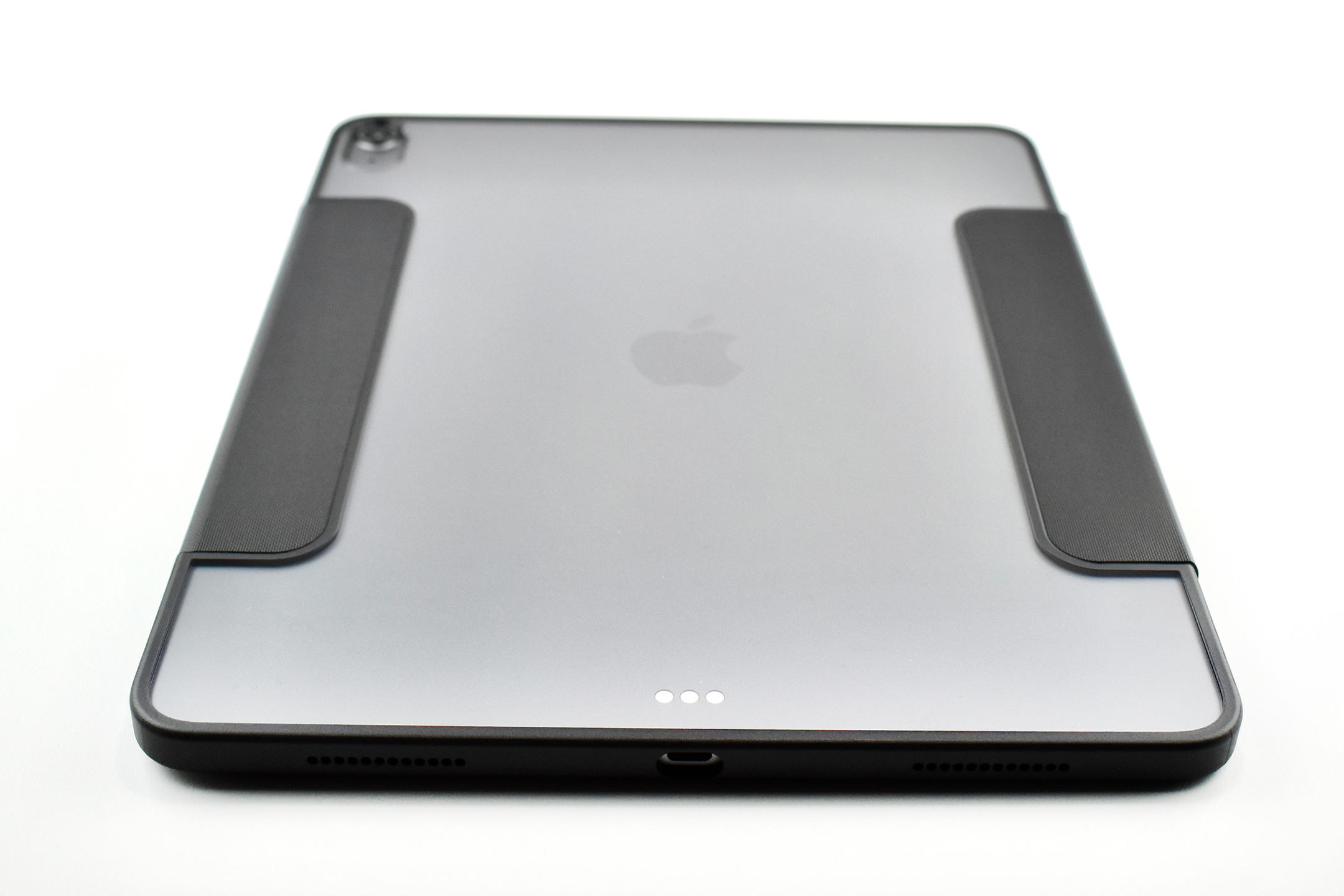
This iPad Air is using the Symmetry Series Folio case (for iPad Air 13-inch M2 and M3) by OtterBox in their “Starry Night” (black, clear, grey) color. The hinged folio design provides an adjustable stand, screen protection, magnetic sleep/wake, and protects the Apple Pencil while allowing charging while in storage.

Sources: Apple (newsroom, specs, product page), OtterBox

Apple Watch Series 3 (42mm, GPS, Space Gray aluminum case, 2017)

The Apple Watch Series 3 models looked identical to the Apple Watch models before them (original, Series 1, and Series 2), were available in the same sizes (38 mm and 42 mm), but were more powerful. The Series 3 had a faster processor, GPS, a barometric altimeter, and Siri support. This Apple Watch Series 3 is a Space Gray, 42 mm model.

The Series 3 Apple watch was the first to offer cellular service as an option, although this model is the GPS-only version. Apple described the Series 3 Watch in a press release:

“The third-generation Apple Watch is an amazing health and fitness companion with intelligent coaching features, water resistance 50 meters and a new barometric altimeter that measures relative elevation. Apple Watch Series 3 comes in two models, one with GPS and cellular, and one with GPS, both featuring a 70 percent faster dual-core processor and new wireless chip.”

This Apple Watch had a 312×390 OLED screen with Ion-X glass and a 7000 series anodized aluminum housing. Apple estimated the battery life at “up to 18 hours.”

The Apple Watch Series 3 used Apple’s S3 processor, “which allows for quicker app launch times and smoother graphics, and, for the first time, enables Siri to speak using the built-in speaker.” It also included a new W2 wireless chip that made Wi-Fi 85% faster and Bluetooth and Wi-Fi 50% more power efficient. The watch shipped with watchOS 4.

Source: EveryMac, Apple

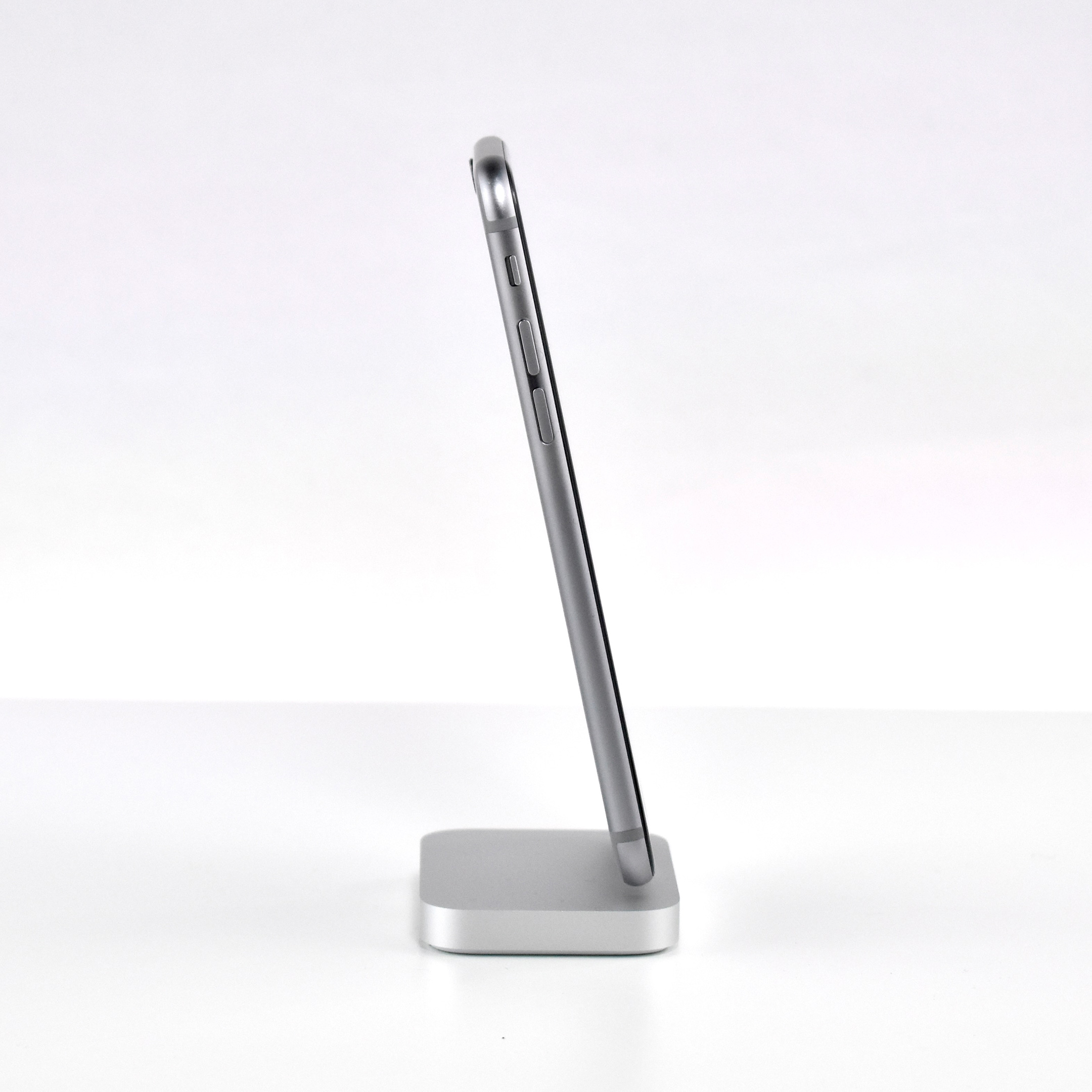
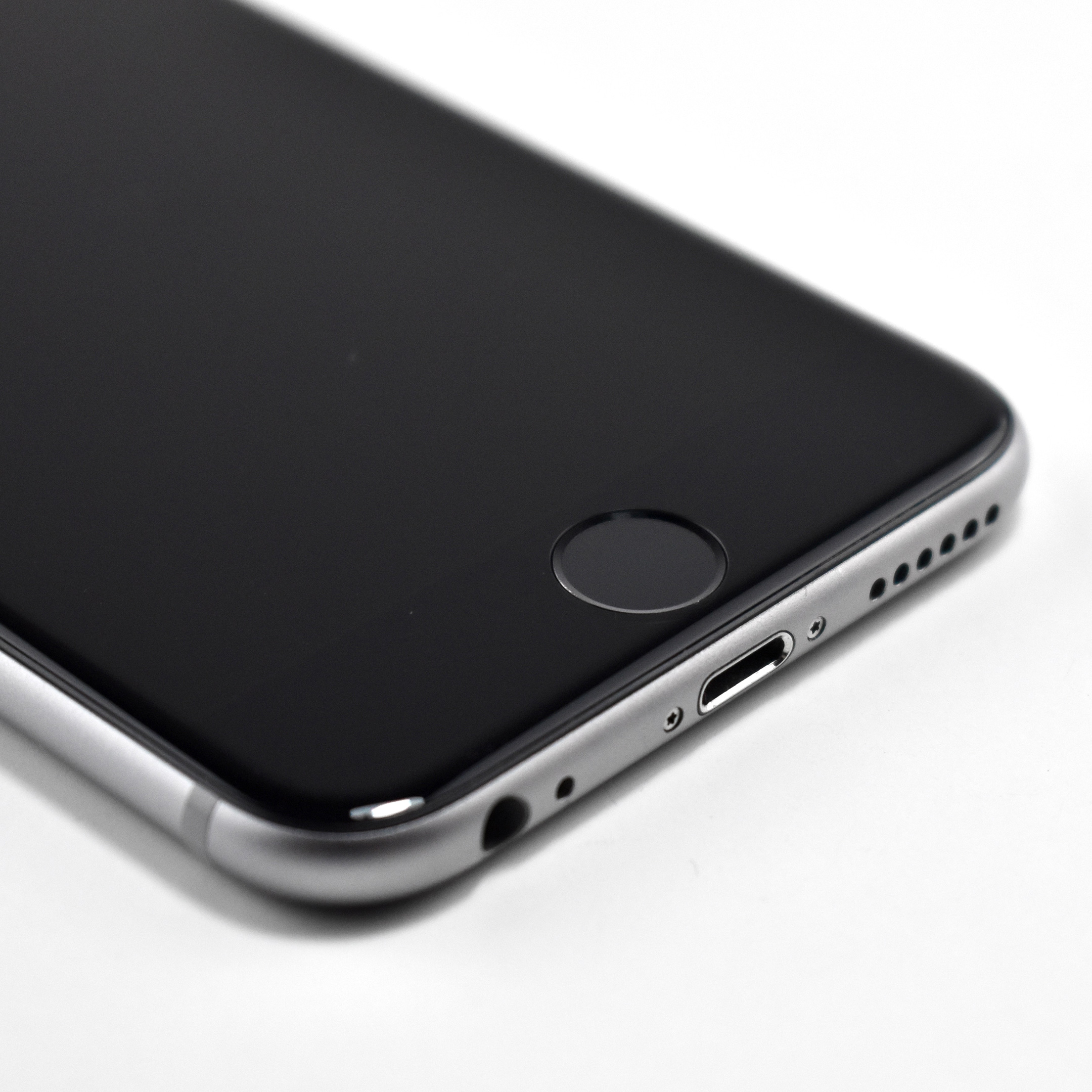
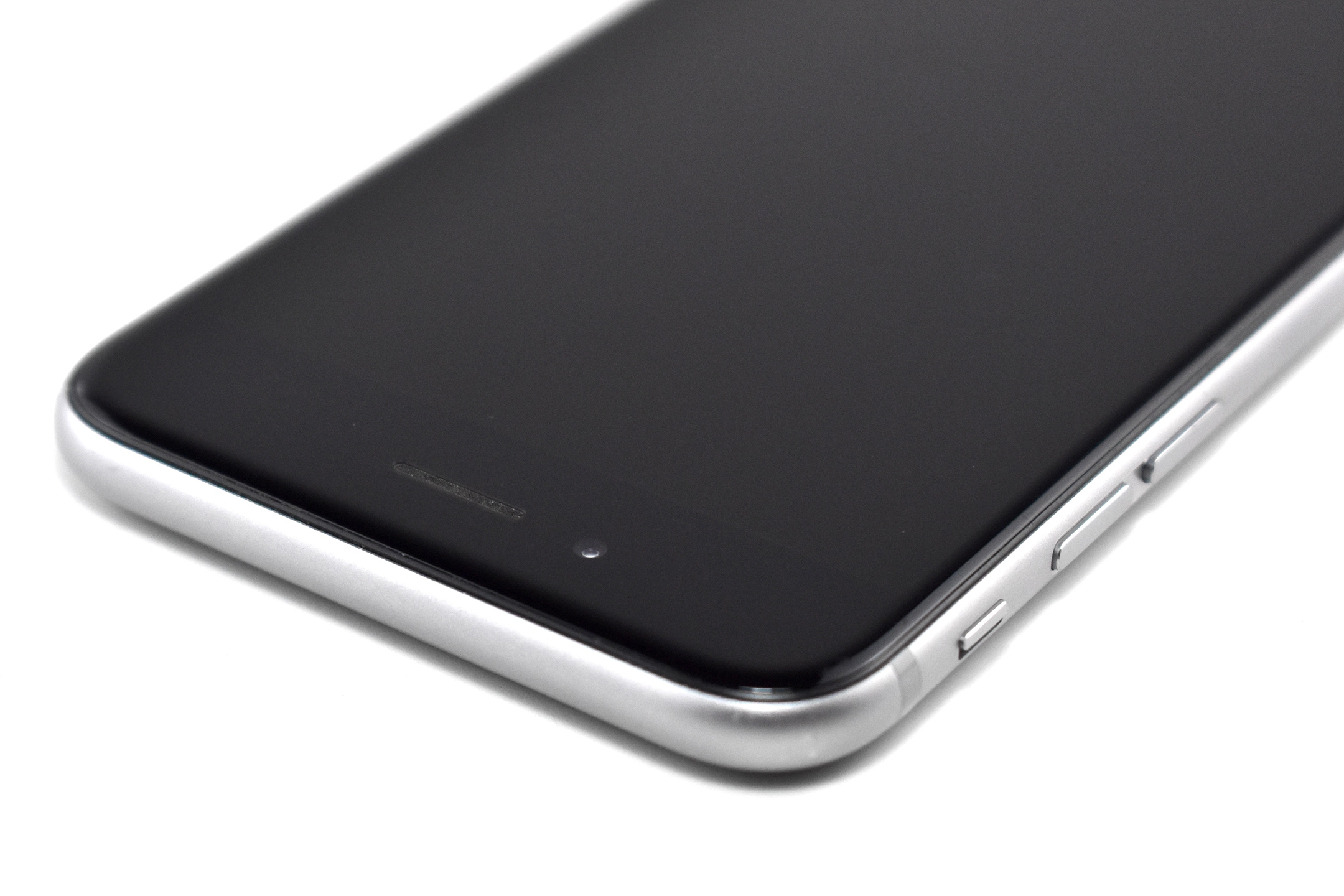
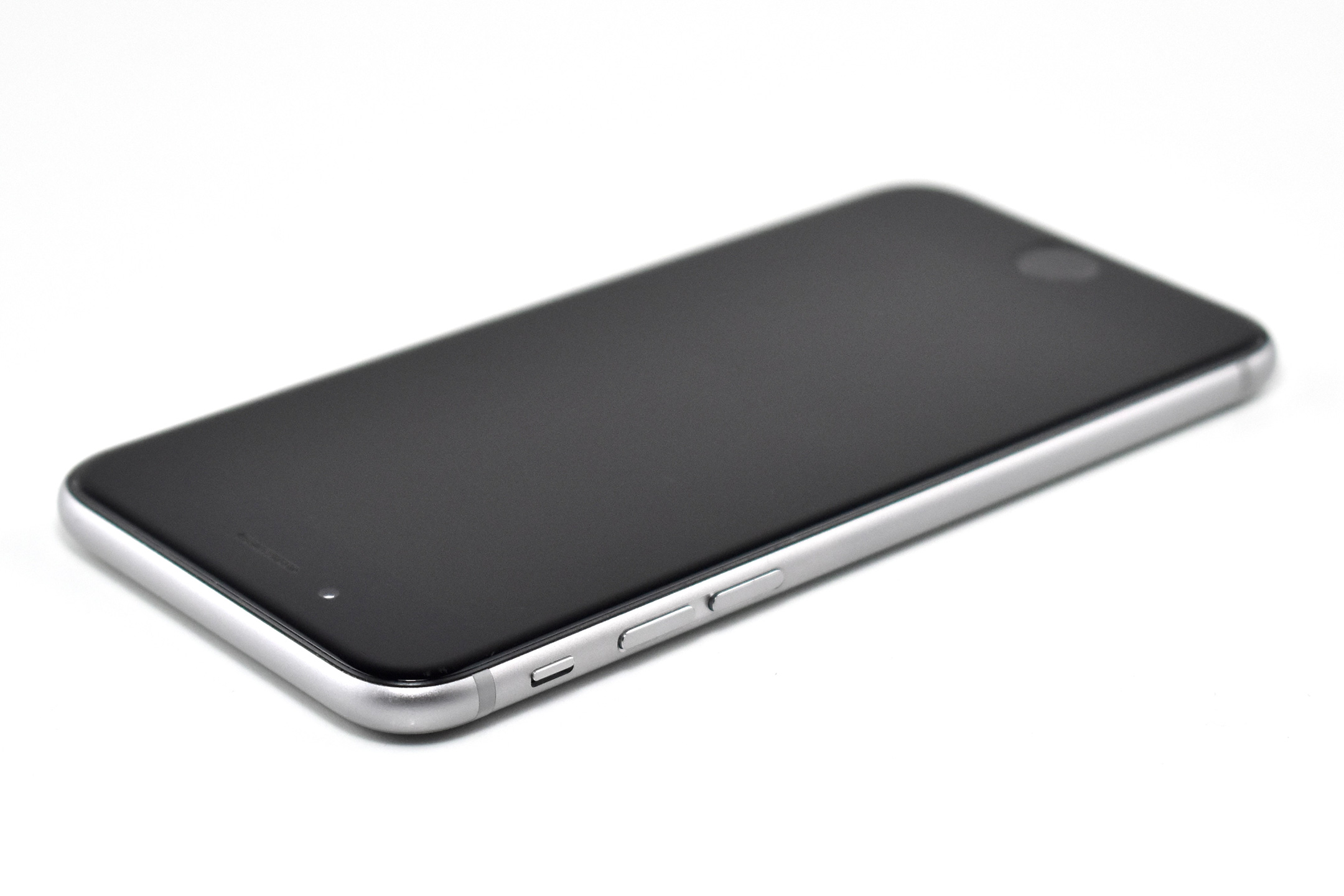
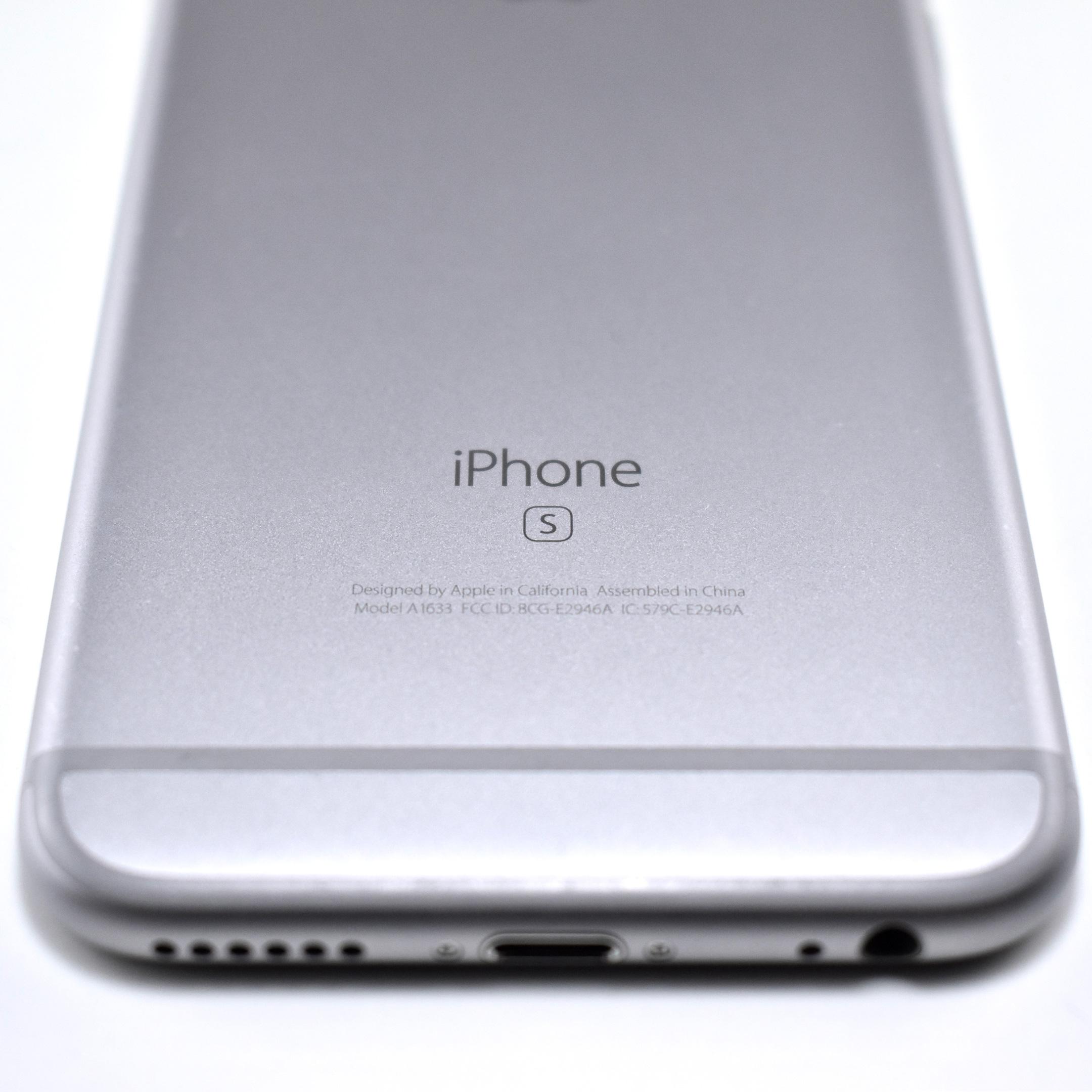
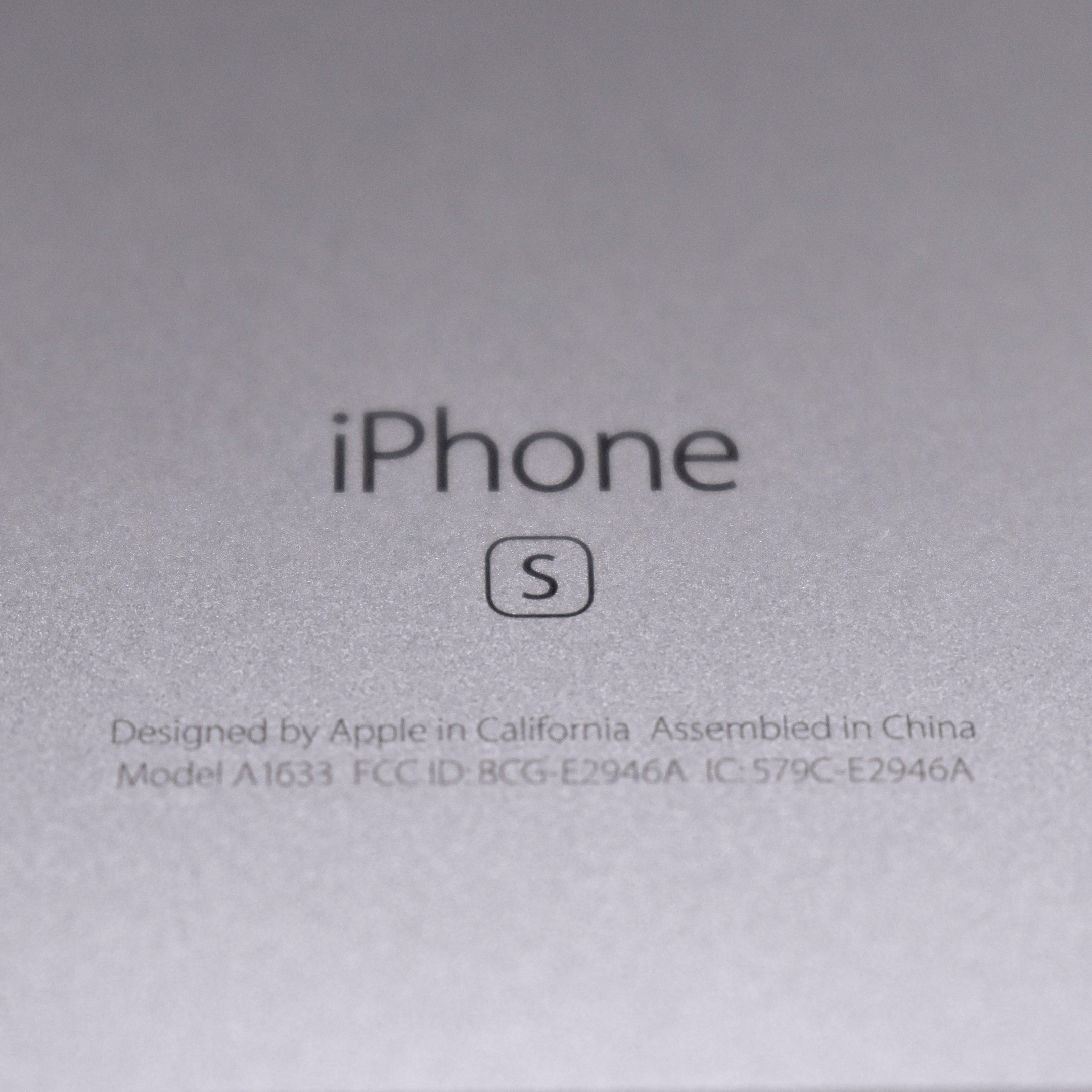
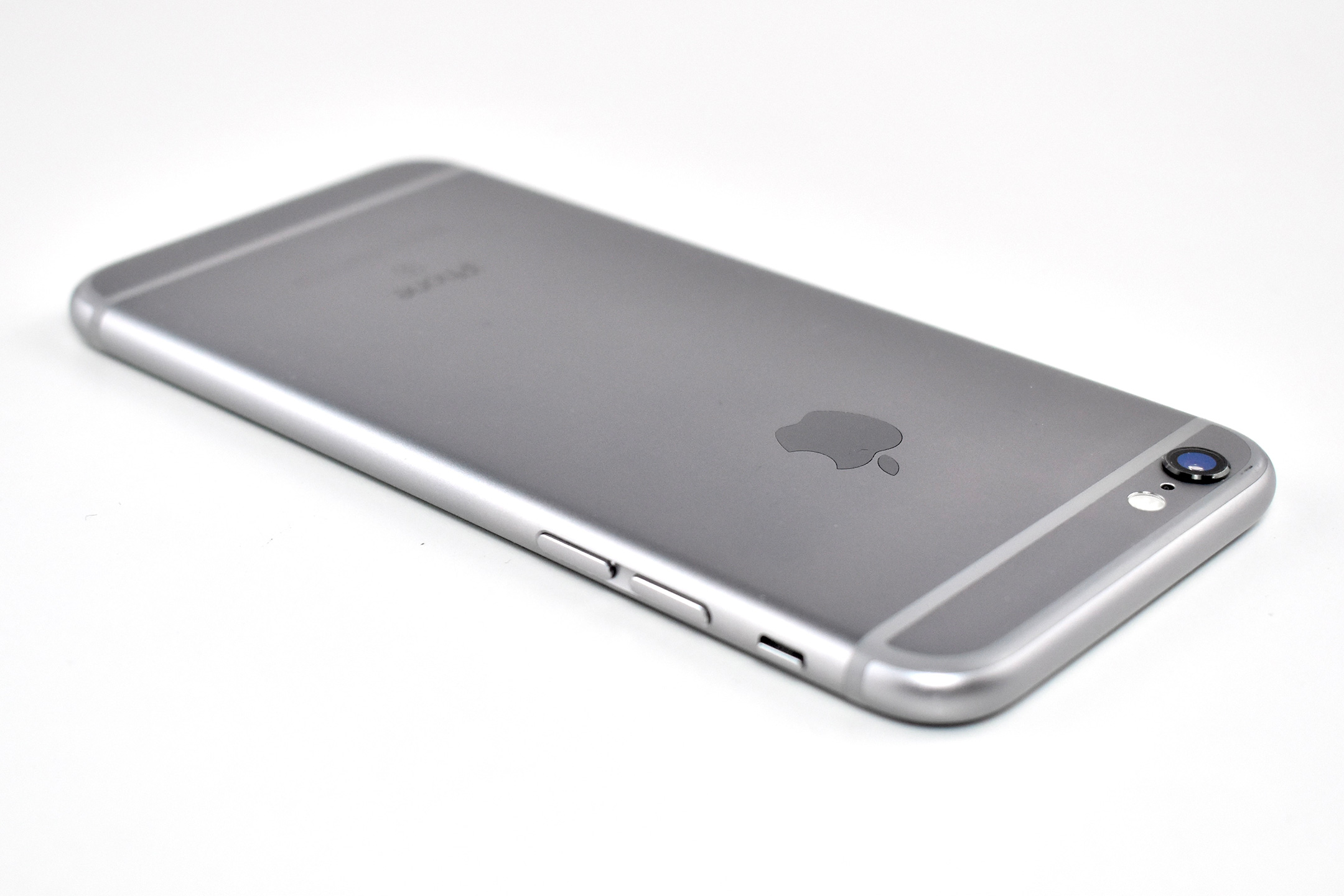
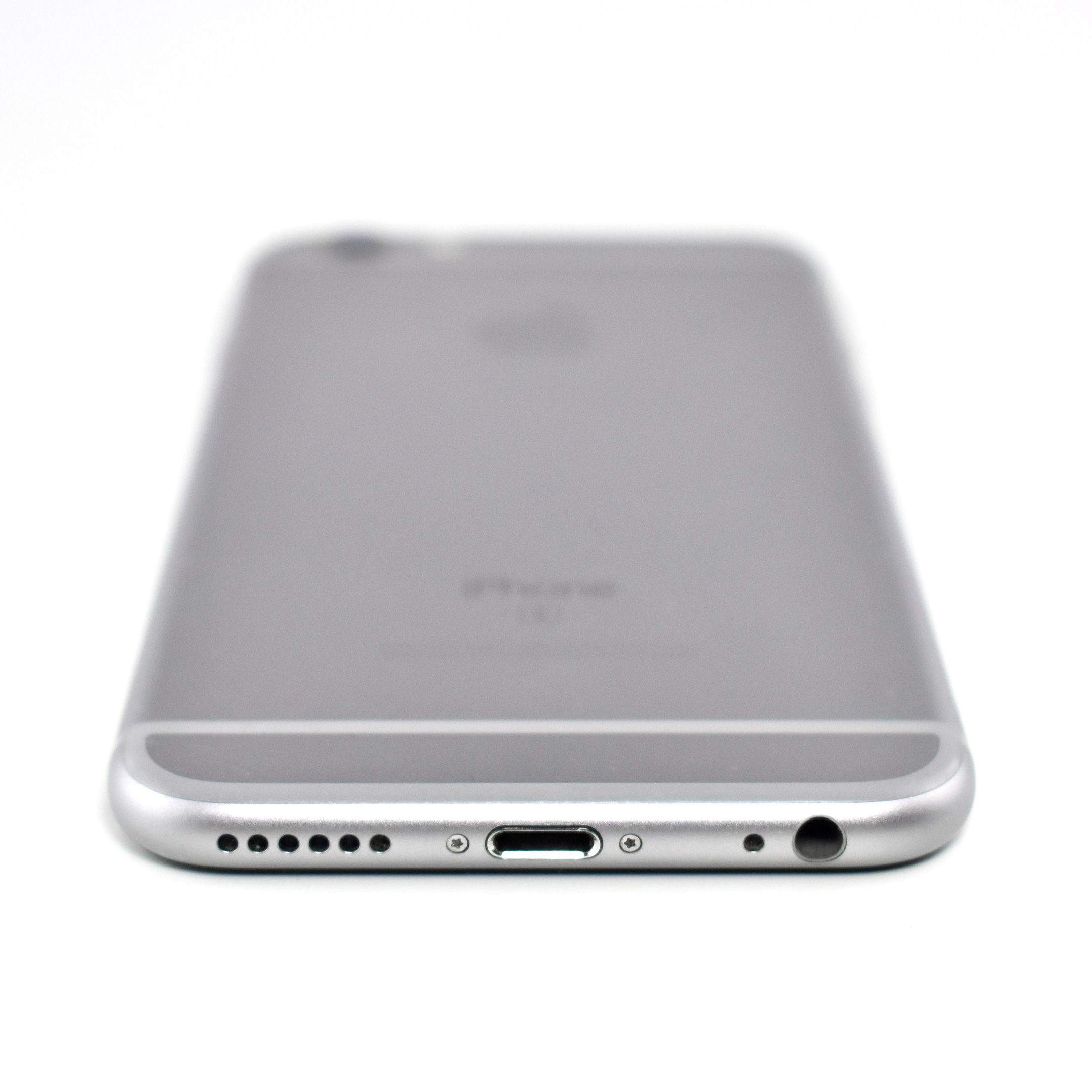
iPhone 6s (Space Gray, 2015)

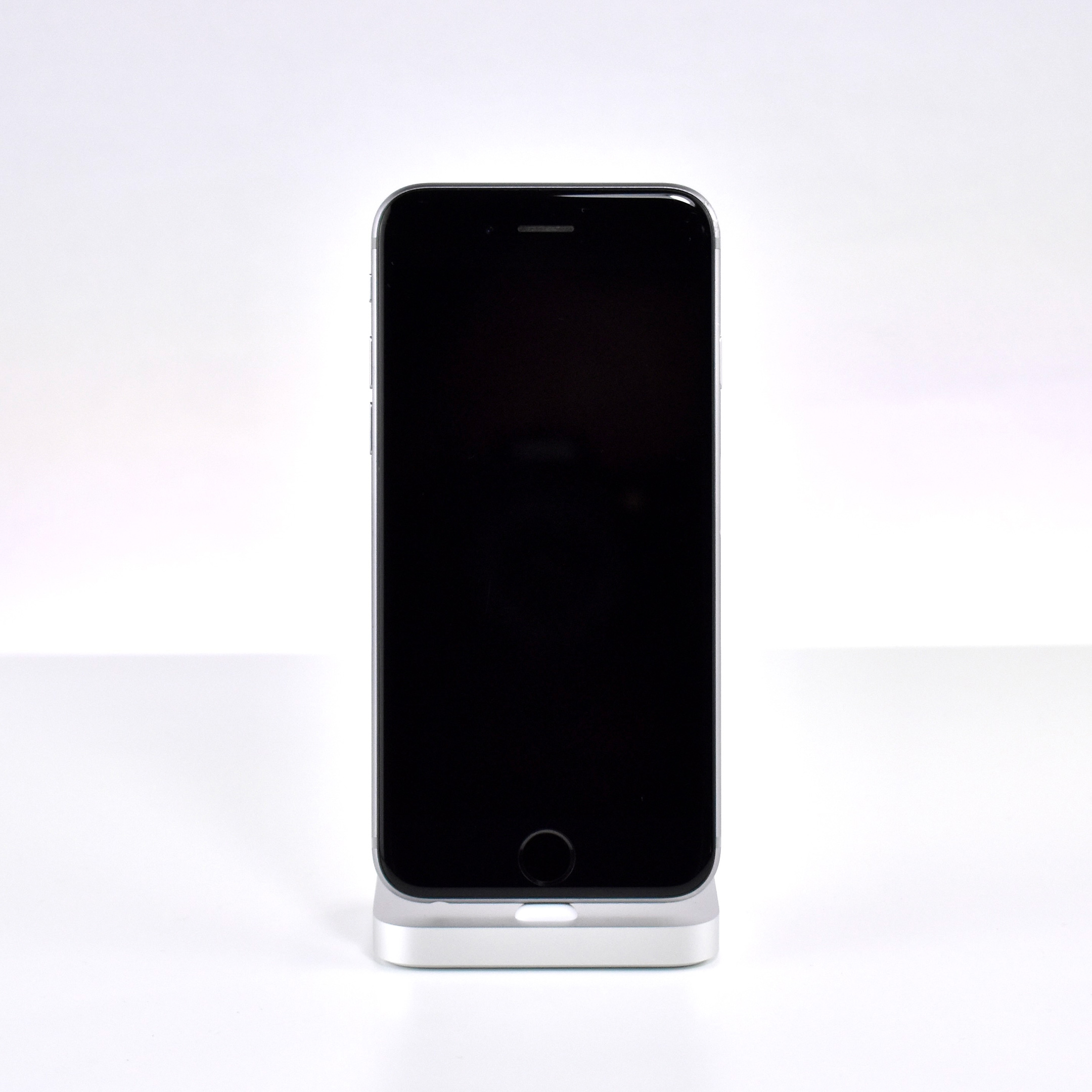
The iPhone 6s had a 4.7-inch “3D Touch” Retina HD screen at 1334 × 750 (326 ppi). The iPhone 6s cameras were vastly improved over the iPhone 6 that preceded it: a rear 12-megapixel 4K iSight camera and a front 5-megapixel FaceTime camera in 720p (the iPhone 6 used a, 8-megapixel back camera and 1.2-megapixel front camera).

The iPhone 6s was available in four colors: silver (white glass front, silver back); gold (white glass front, gold back); space gray (black glass front, medium-gray back); and rose gold (white glass front, pink-tinted gold back).

The iPhone 6s did not use a physical Home button, but used its Taptic engine to simulate the click. It also used a Touch ID fingerprint sensor in the Home button.

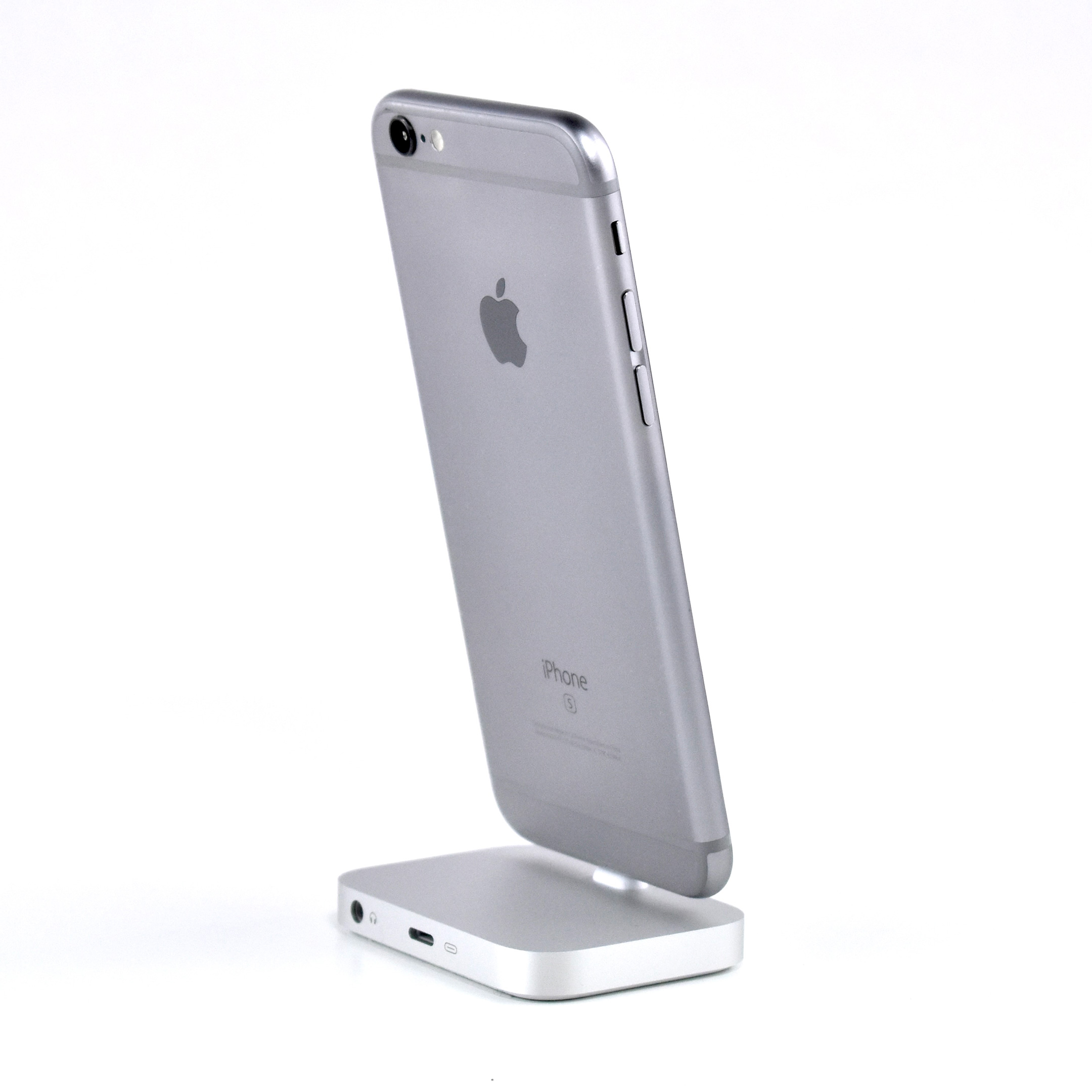
Inside, the iPhone 6s used the Apple A9 processor with 2 GB of RAM and was available in 16 GB, 32 GB, 64 GB, or 128 GB of flash storage. The iPhone 6s was the last iPhone to include a headphone jack (located on the bottom) and used the Lightning port to connect to computer, dock, or power adapter.

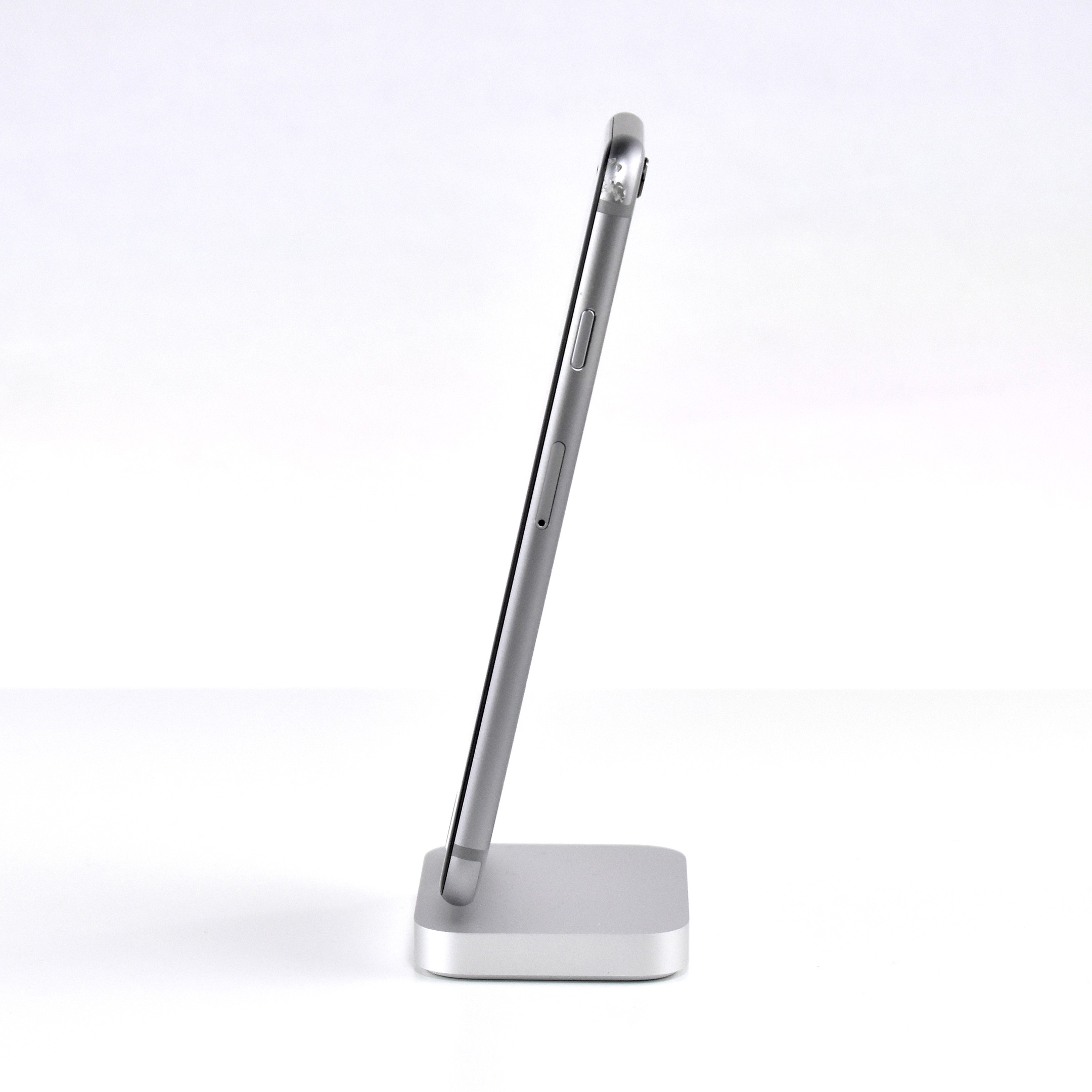
This iPhone 6s example is Space Gray, a shade of dark gray with a black glass front.

Source: EveryMac

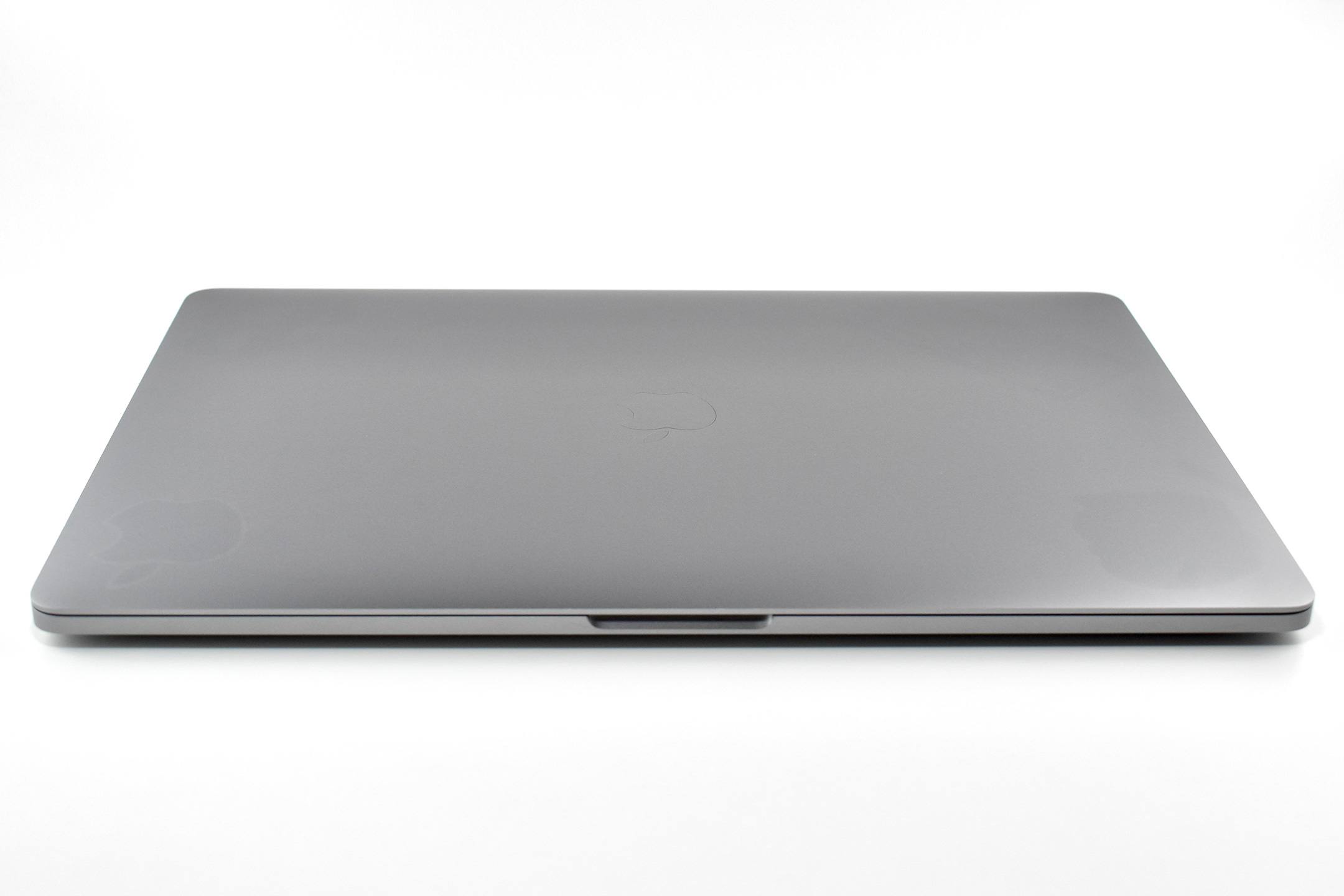
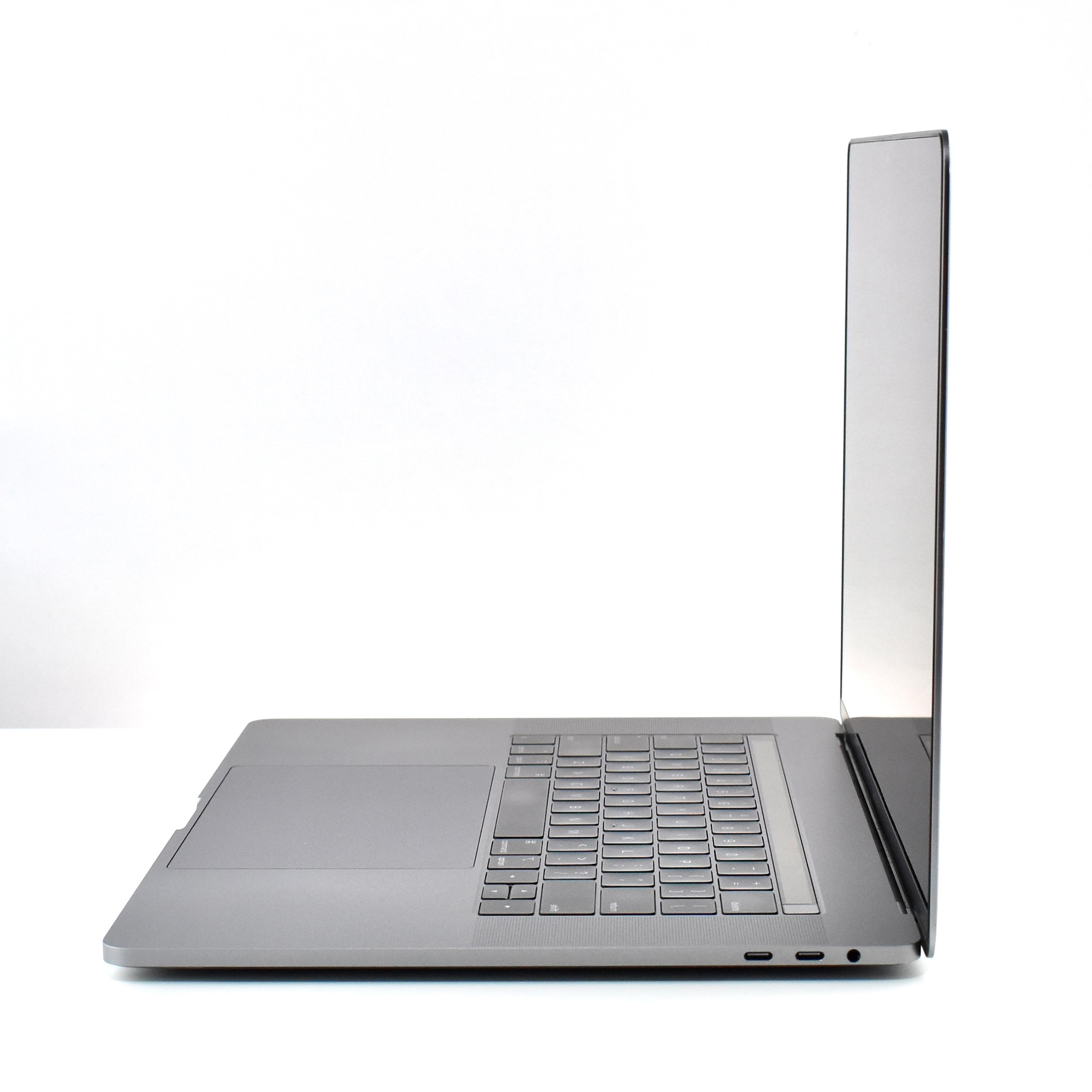
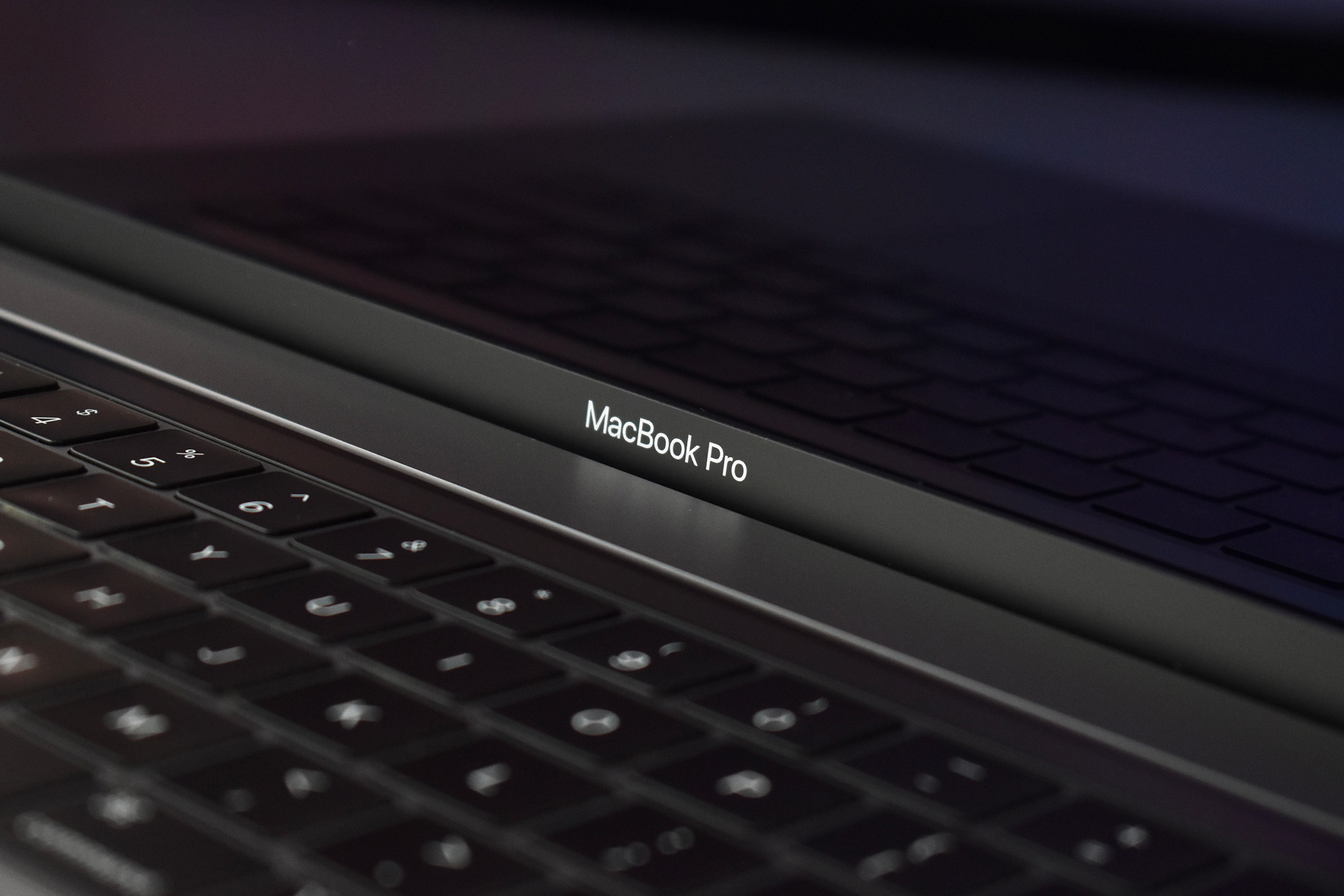
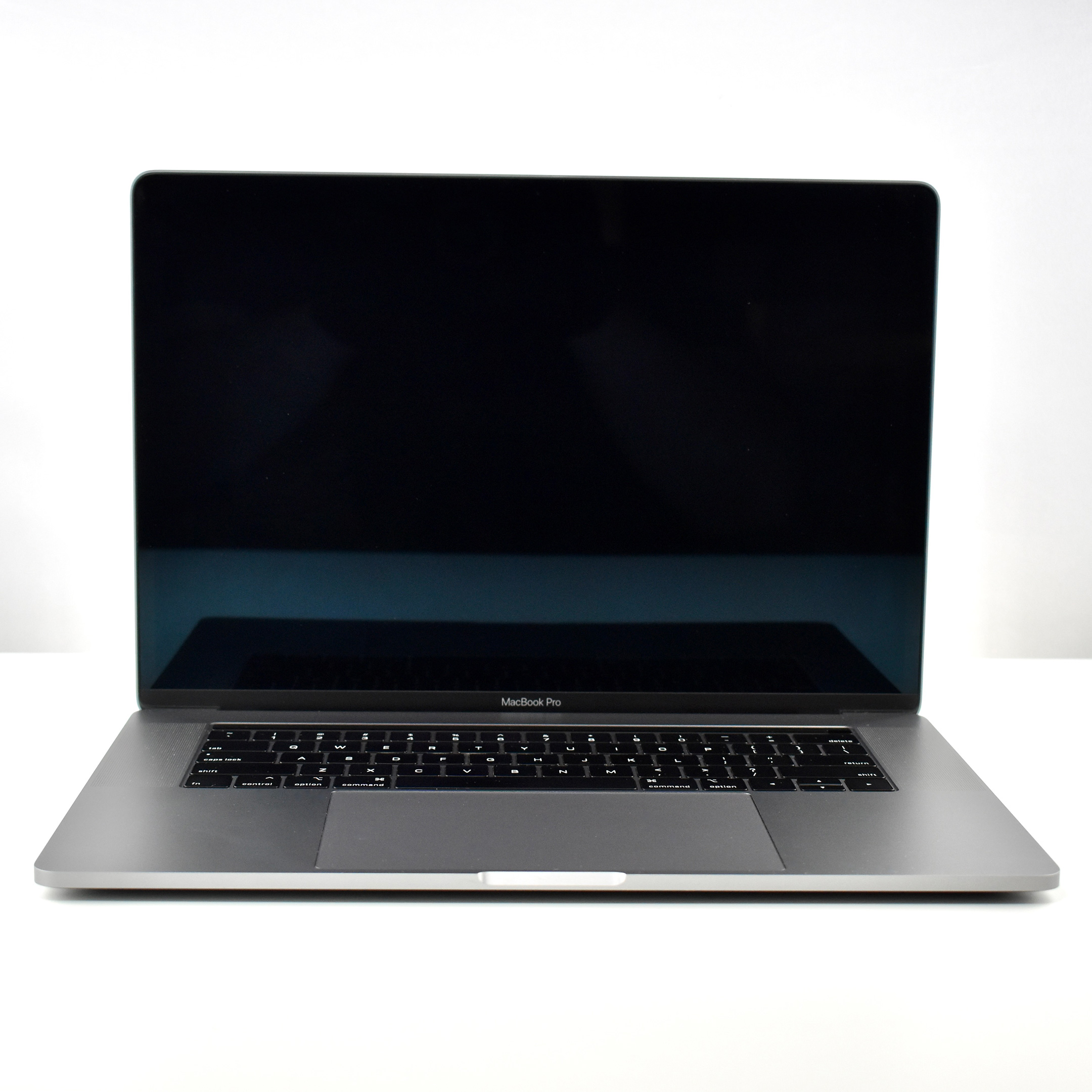
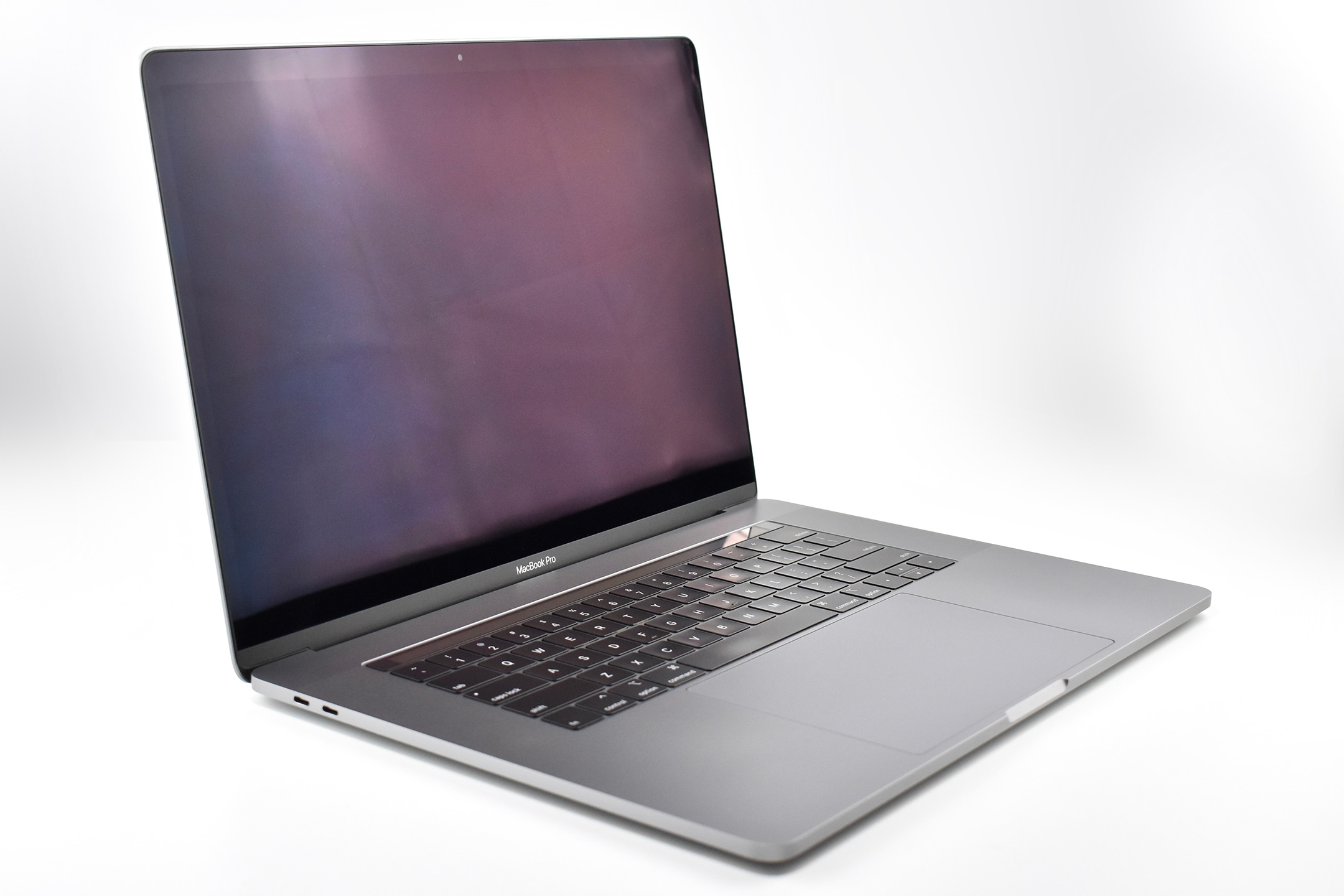
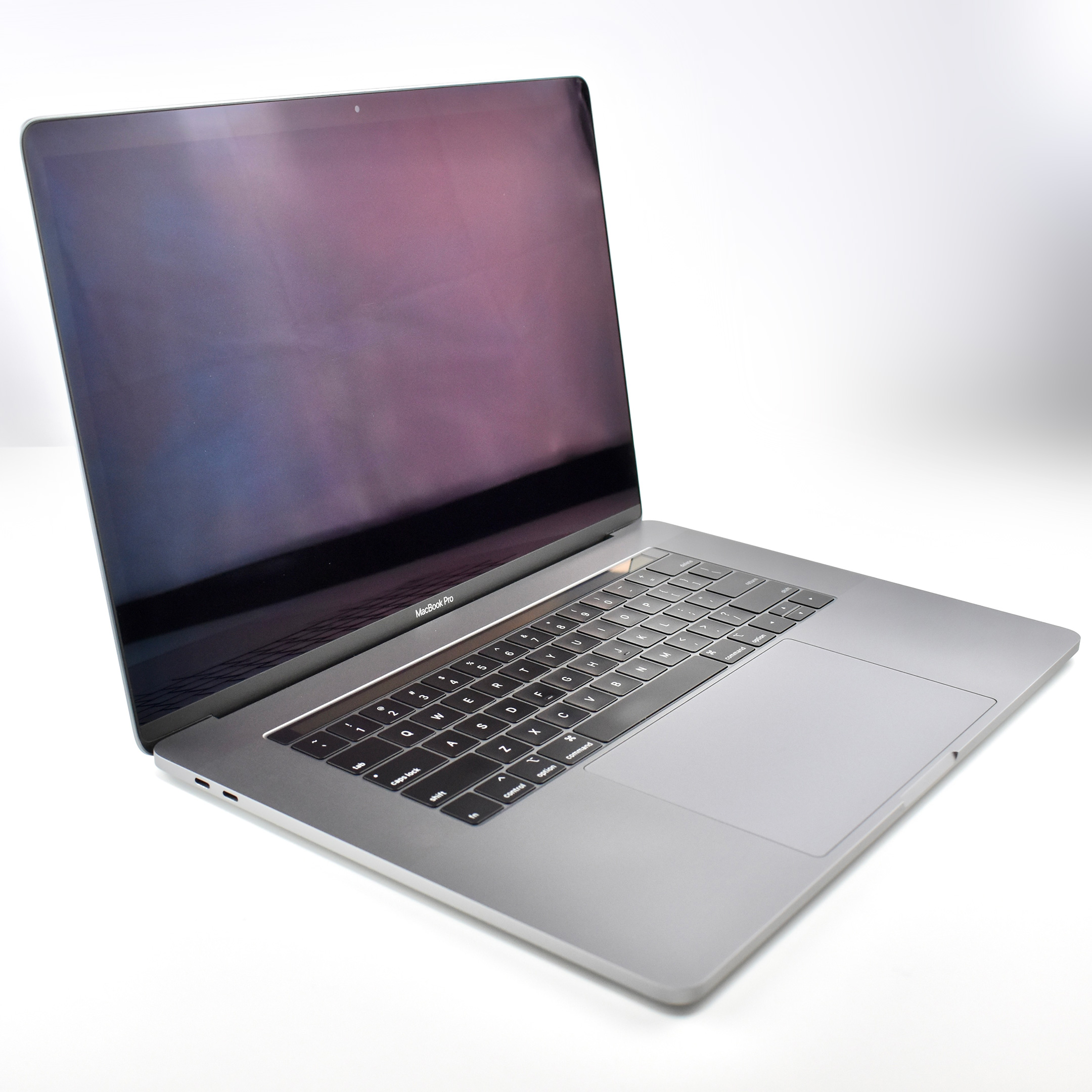
MacBook Pro (15-inch, 2019)

The 15-inch MacBook Pro (2019) model was the first to offer an 8-core processor in a MacBook. Apple’s press release announced:

“Apple updated MacBook Pro with faster 8th- and 9th-generation Intel Core processors, bringing eight cores to MacBook Pro for the first time. MacBook Pro now delivers two times faster performance than a quad-core MacBook Pro and 40 percent more performance than a 6-core MacBook Pro, making it the fastest Mac notebook ever. These new processors, combined with powerful graphics, the brilliant and colorful Retina display, super-fast SSDs, the Apple T2 Security Chip, all-day battery life and macOS, make MacBook Pro the world’s best pro notebook.”

Both a 6-core and 8-core version of this MacBook Pro was available.

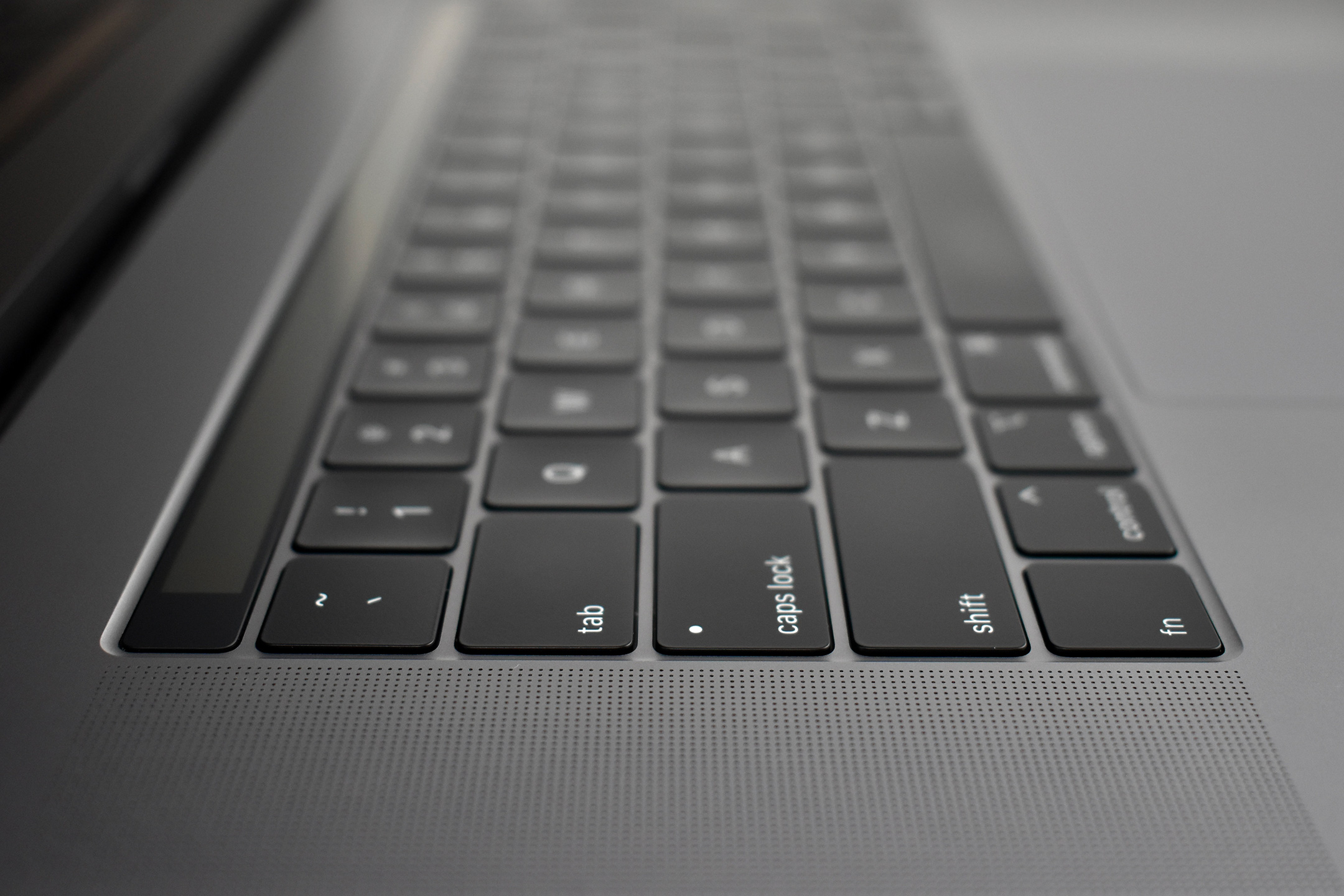
This MacBook Pro was available in both Silver and Space Gray. It had a Touch Bar with integrated Touch ID sensor. Apple describes the Touch Bar:

“If your Mac has a Touch Bar, you can use familiar gestures—like tap, swipe, or slide—directly on the Touch Bar to adjust settings, use Siri, access function keys, and do tasks in different apps.”

The 15.4-inch Retina display was 2880 x 1800 (at 220ppi). This MacBook Pro was offered with a 256GB or 512GB SSD as standards, but was configurable to up to 4TB SSD. All models had 16GB of RAM. The front camera was a 720p FaceTime HD camera.

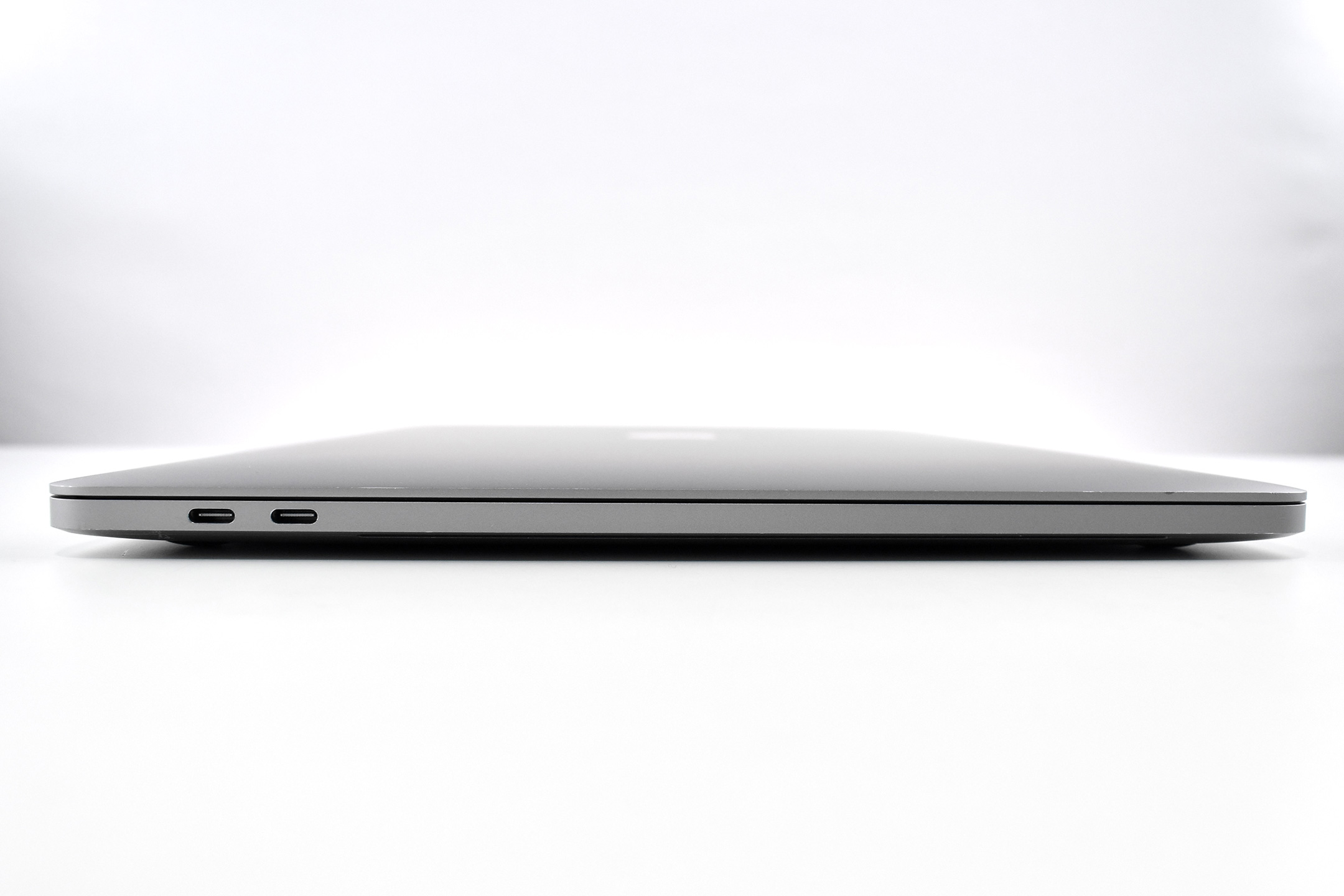
Physical ports included 4 USB-C ports (all had Thunderbolt 3 capability) and a headphone jack. Wireless interfaces included 802.11ac and Bluetooth 5.0.

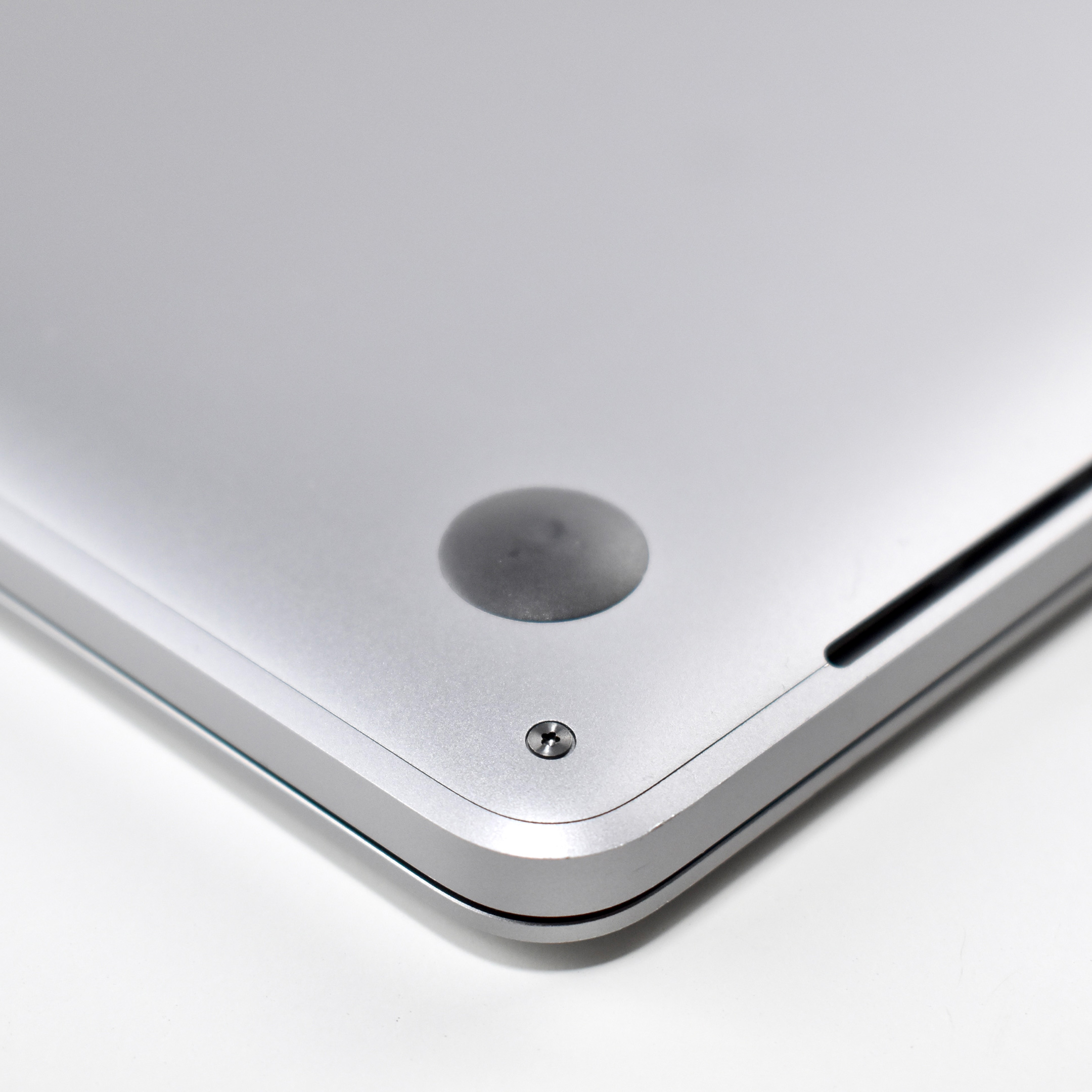
This MacBook Pro was 0.61 inch (1.55 cm) thick, and measured 13.75 inches (34.93 cm) wide x 9.48 inches (24.07 cm) deep. It weighed 4.02 pounds (1.83 kg).

Its 10-hour battery charged with an 87W USB-C Power Adapter.

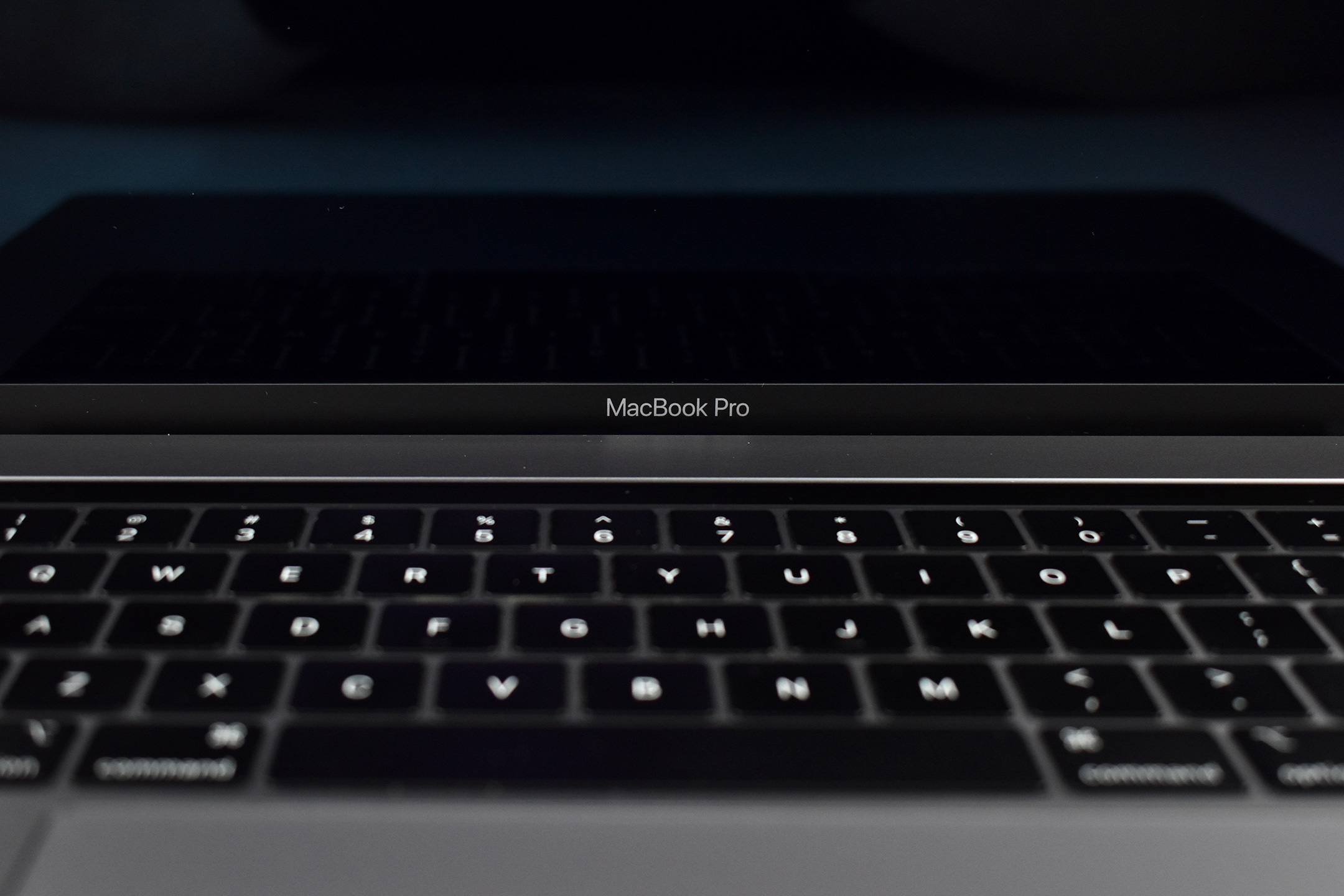
This MacBook Pro featured what Ars Technica referred to as the “new new new butterfly keyboard…which Apple believes will be more reliable than its problem-laden predecessors.” Later in the review, the author adds that “the touchpad is enormous” and describes it as “luxuriously large.”

Although Apple’s press focuses on the 8-core version of this laptop, this particular MacBook Pro (2019) is the 6-core version in Space Gray.

Sources: Apple (Newsroom, Tech Specs, Touch Bar), Ars Technica

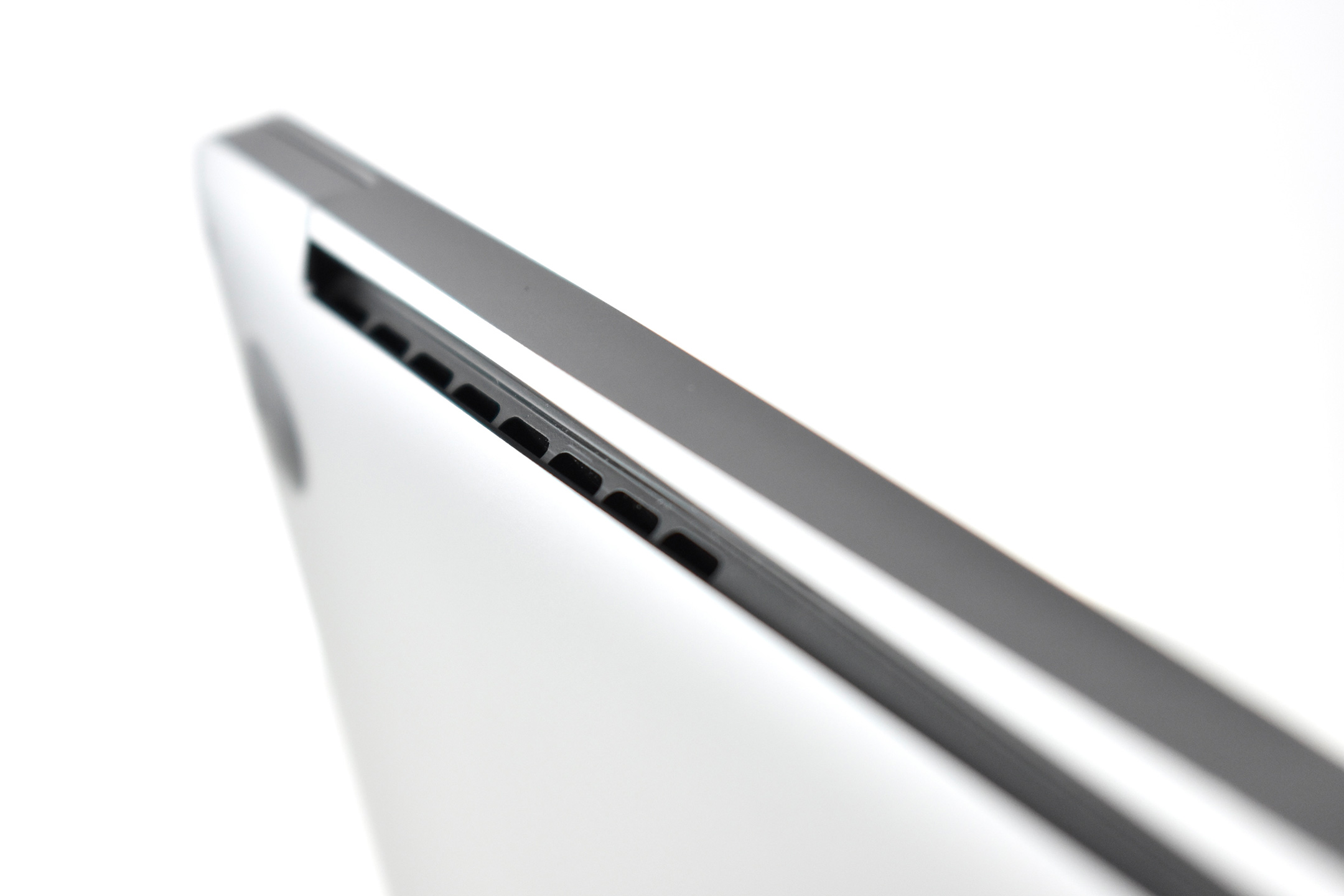
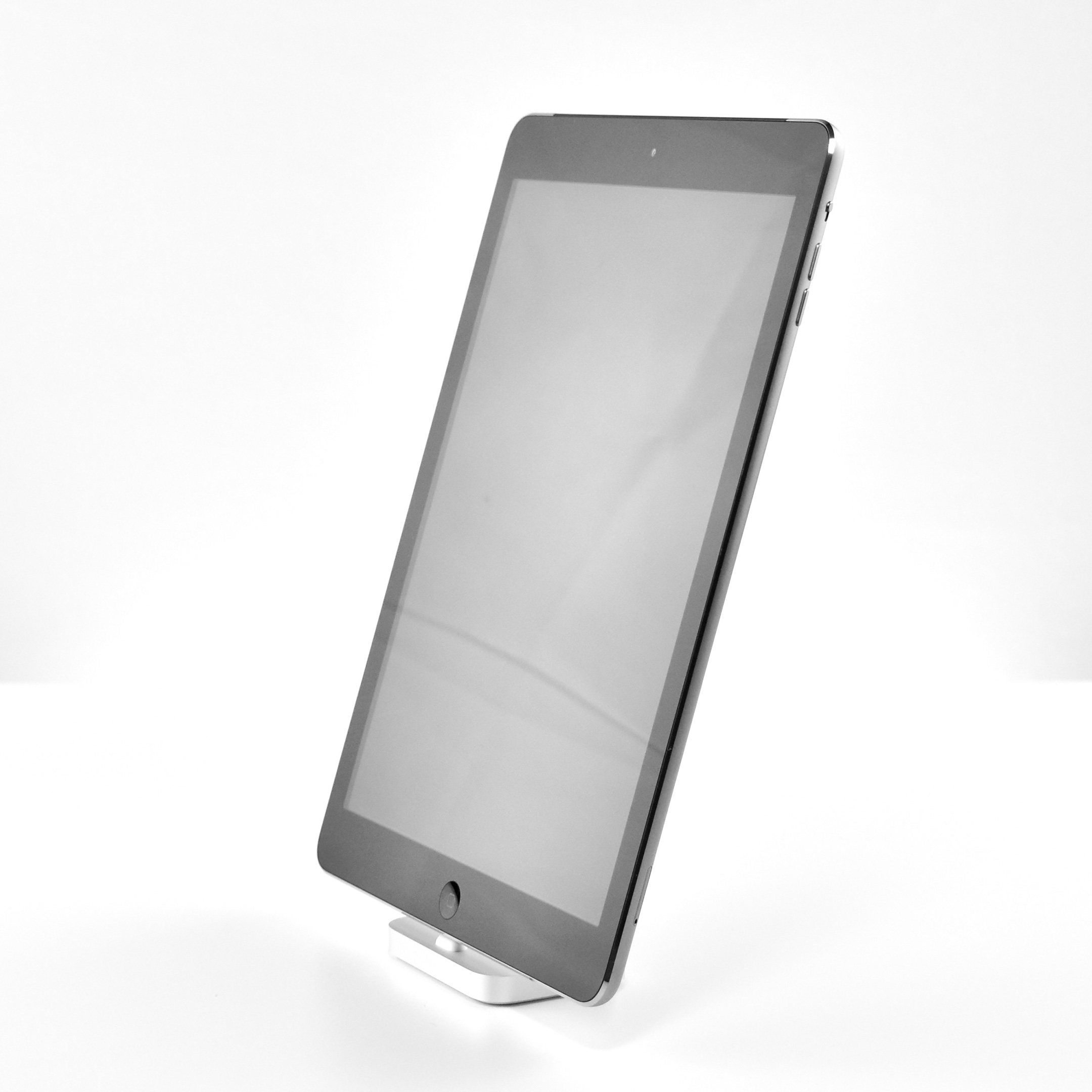
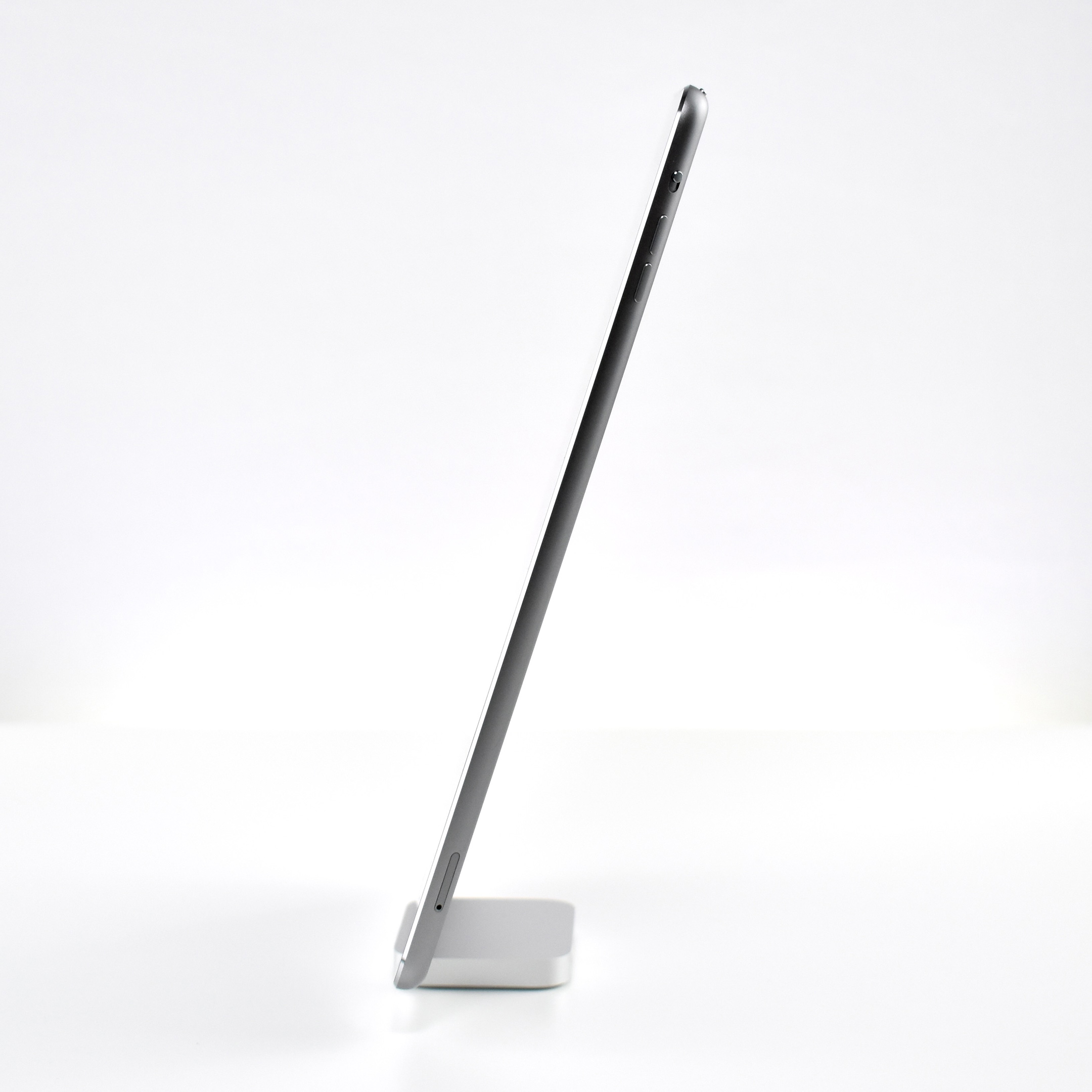
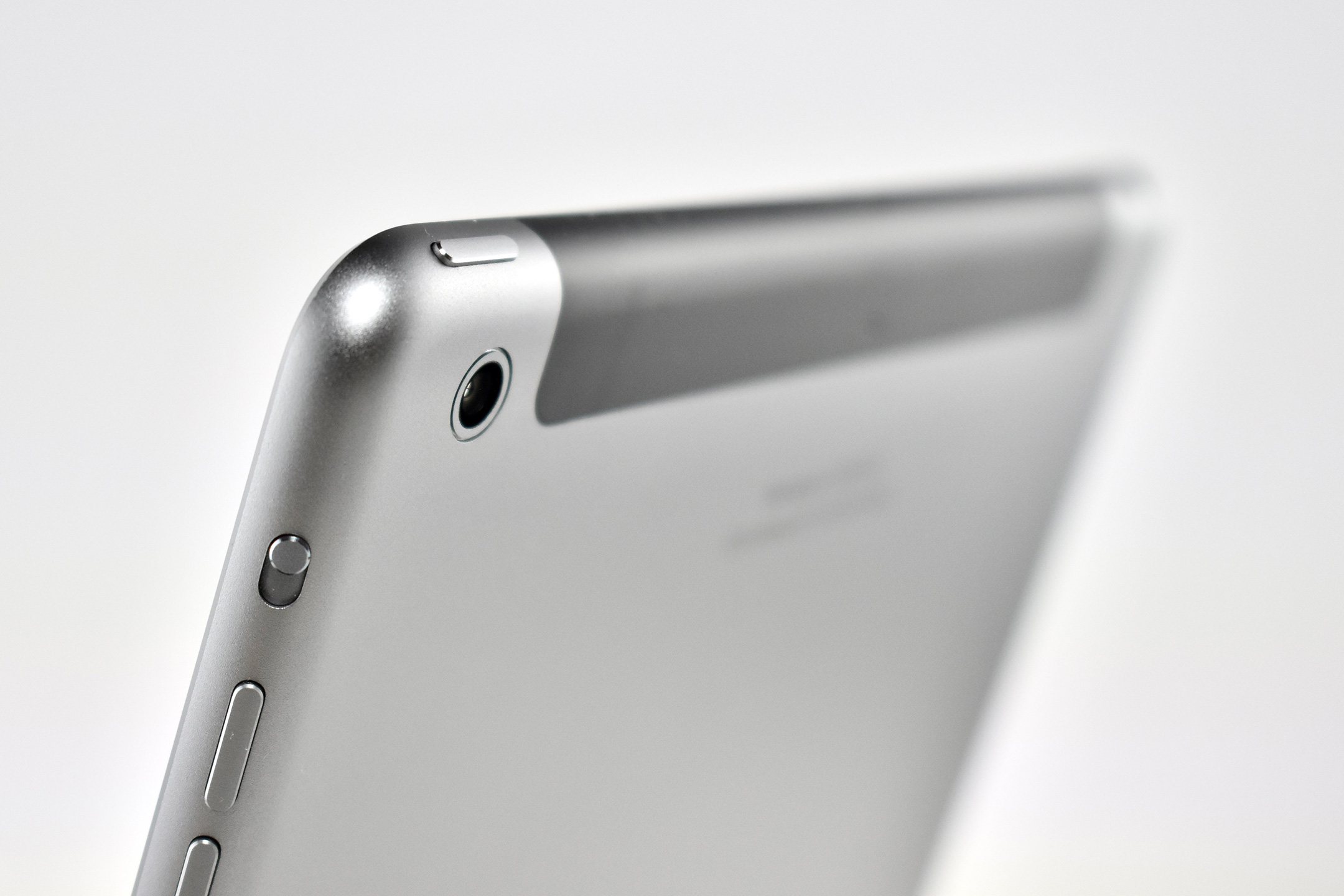
iPad Air (original, WiFi+Cellular, 2013)

When the iPad Air was released, Phil Schiller, Apple’s senior vice president of Worldwide Marketing, commented:

“…the new iPad Air is another big leap ahead. It is so thin, light and powerful, once you hold one in your hand you will understand what a tremendous advancement this is. iPad Air with its 9.7-inch Retina display weighs just one pound and packs the incredible performance of iOS 7 running on a 64-bit desktop-class Apple A7 chip, and delivers all-day battery life in the lightest full-sized tablet in the world.”

Apple described the iPad Air as 20% thinner and 28% lighter than the iPad Generation 4 (the base iPad at the time).

The iPad Air had many available configurations with 2 colors (Space Gray and Silver), 2 wireless connectivity options (Wi-Fi and Wi-Fi+Cellular), and 4 storage capacities (16GB, 32GB, 64GB, 128GB). This model is Space Gray, has Wi-Fi+Cellular, and 16GB of storage.

The iPad Air is 9.4 inches (240 mm) wide x 6.6 inches (169.5 mm) tall, and 0.29 inch (7.5 mm) thick. It weighed 1.05 pounds (478 g). Its Retina Display was 9.7 inches with 2048 x 1536 resolution (at 264ppi).

Wireless technologies included Wi-Fi (802.11a/b/g/n), Bluetooth 4.0, and this model allowed cellular service including LTE.

The front camera was a 1.2 Megapixel FaceTime HD Camera that could record 720p HD video. The back camera was a 5 Megapixel iSight Camera with features including autofocus, face detection, tap to focus, tap to control exposure, geotagging, and HDR.

Sources: Apple, (Newsroom, Tech Specs), EveryMac

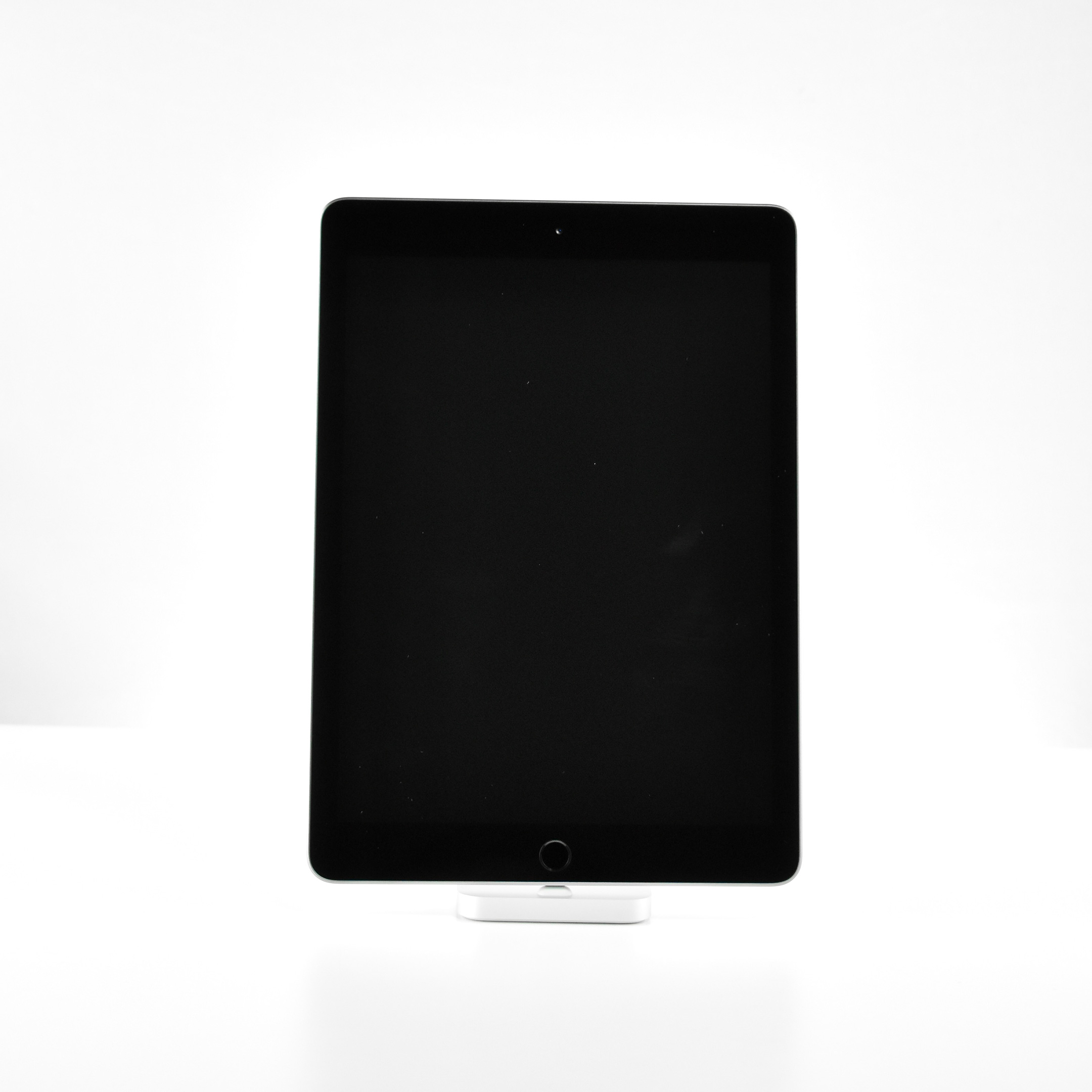
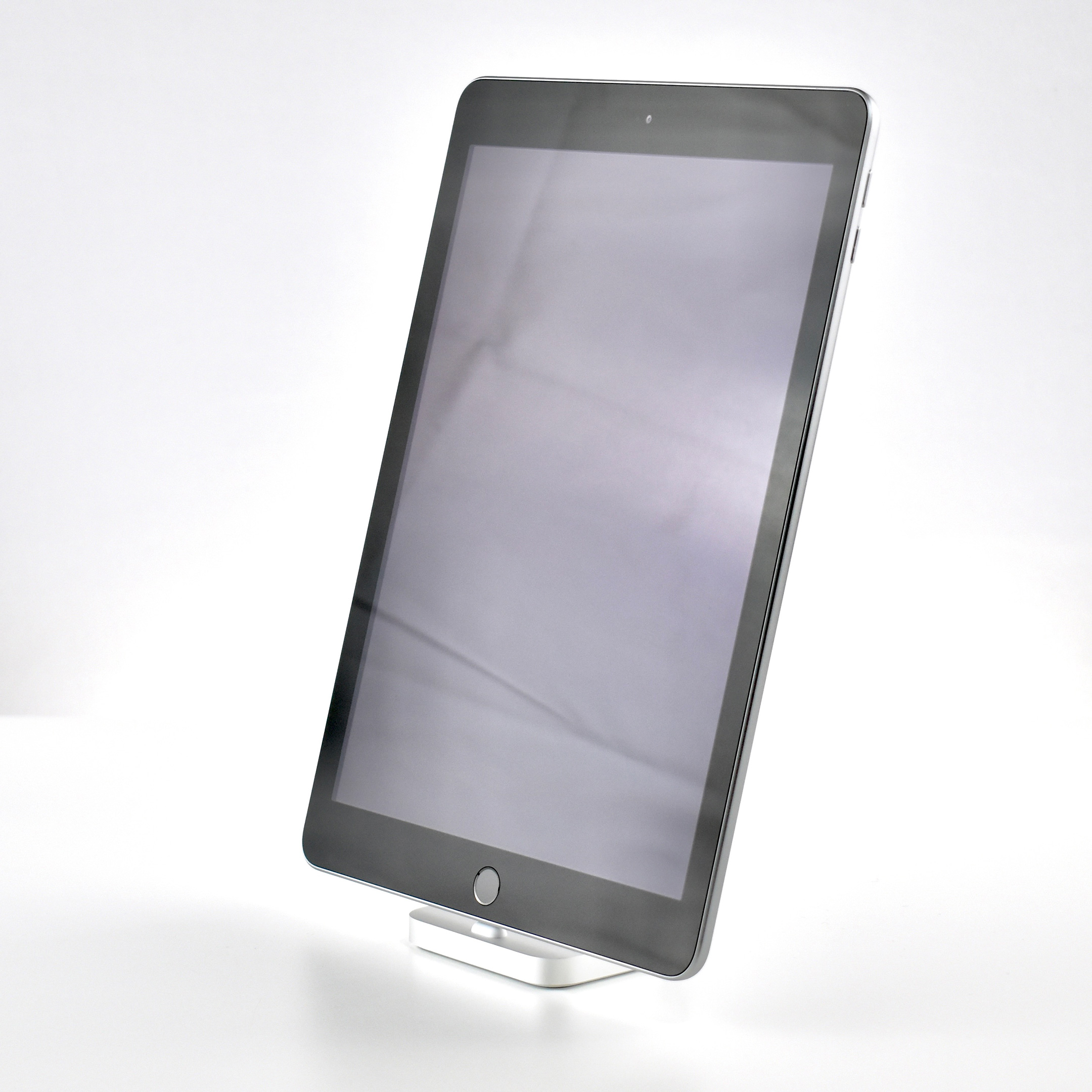
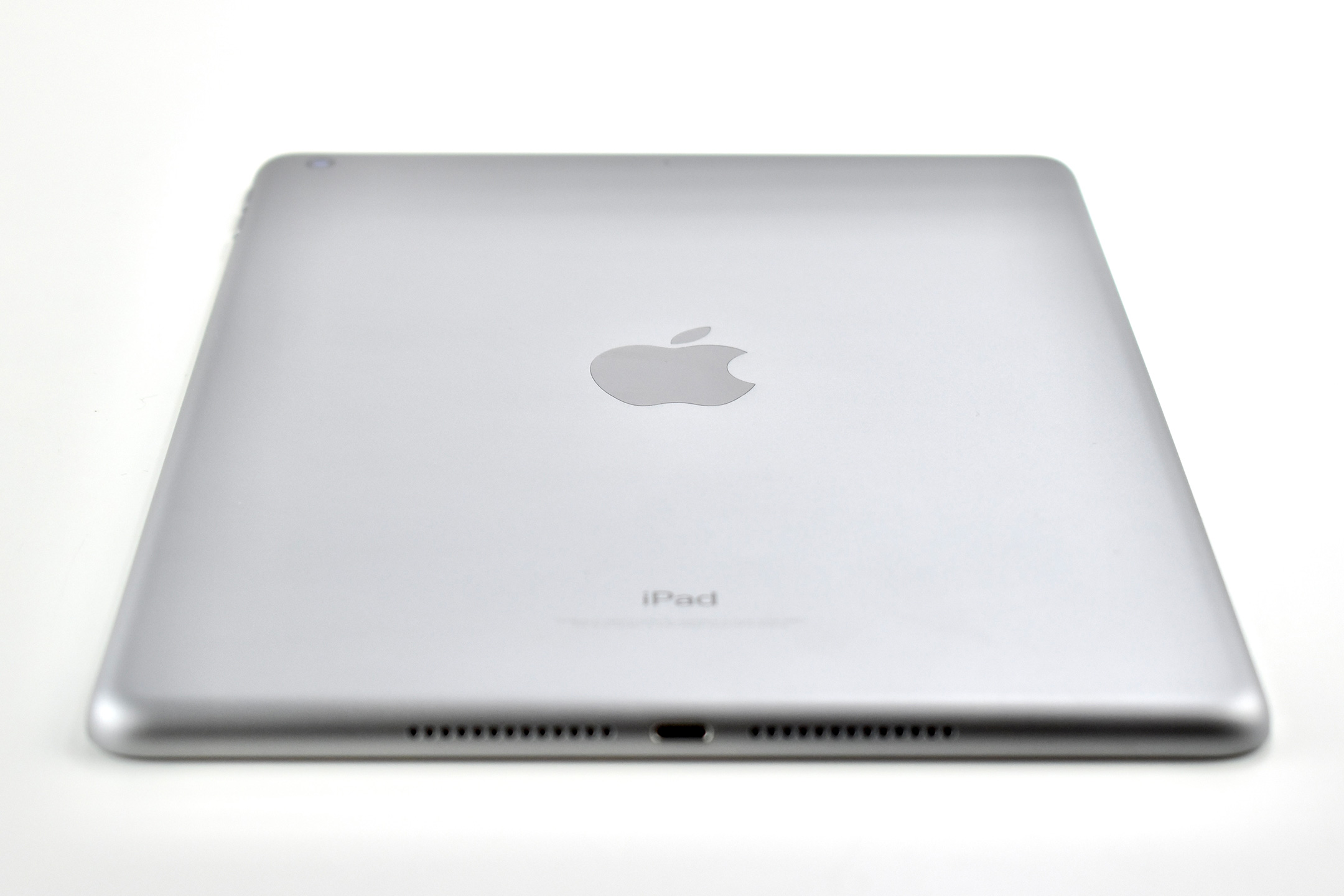
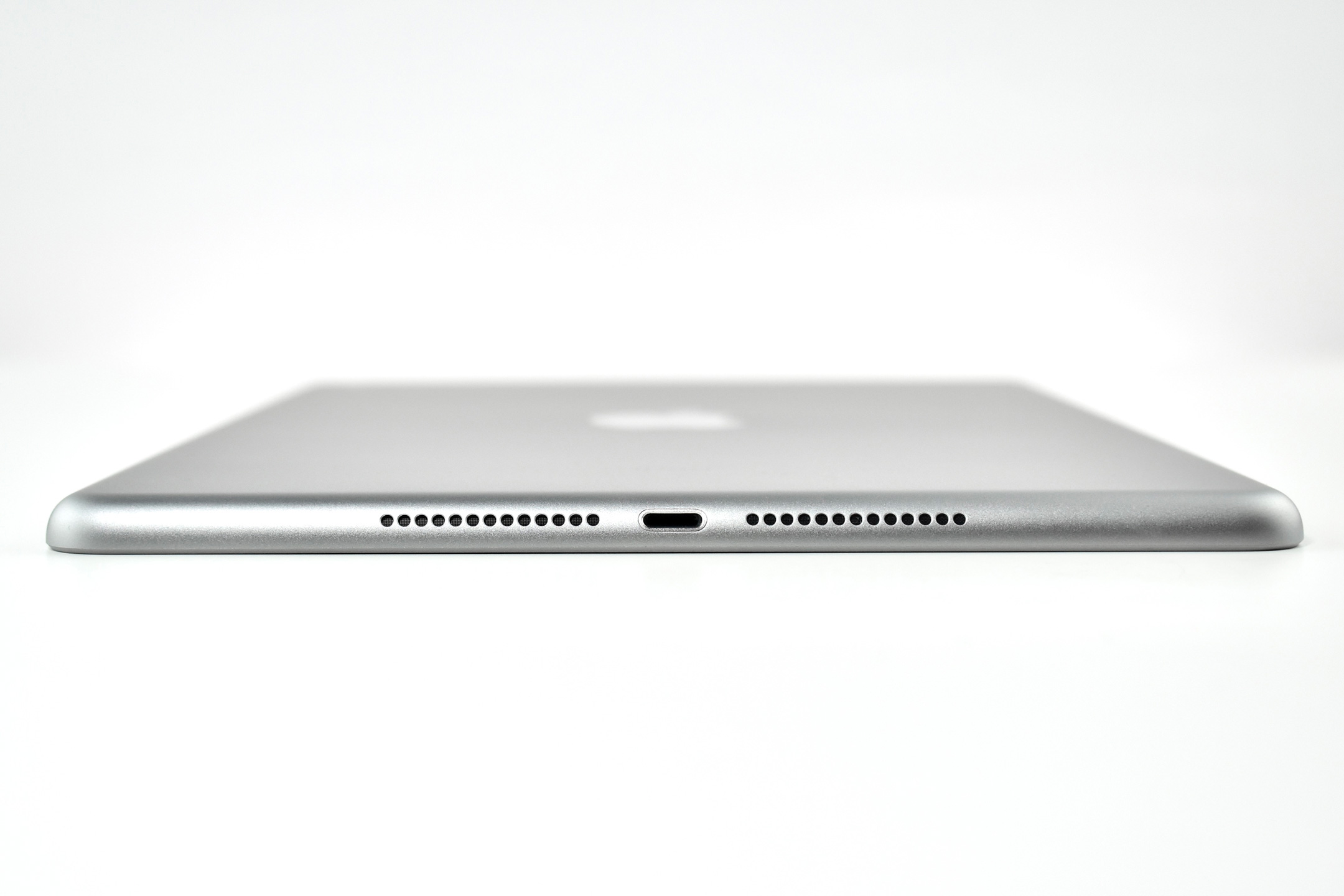
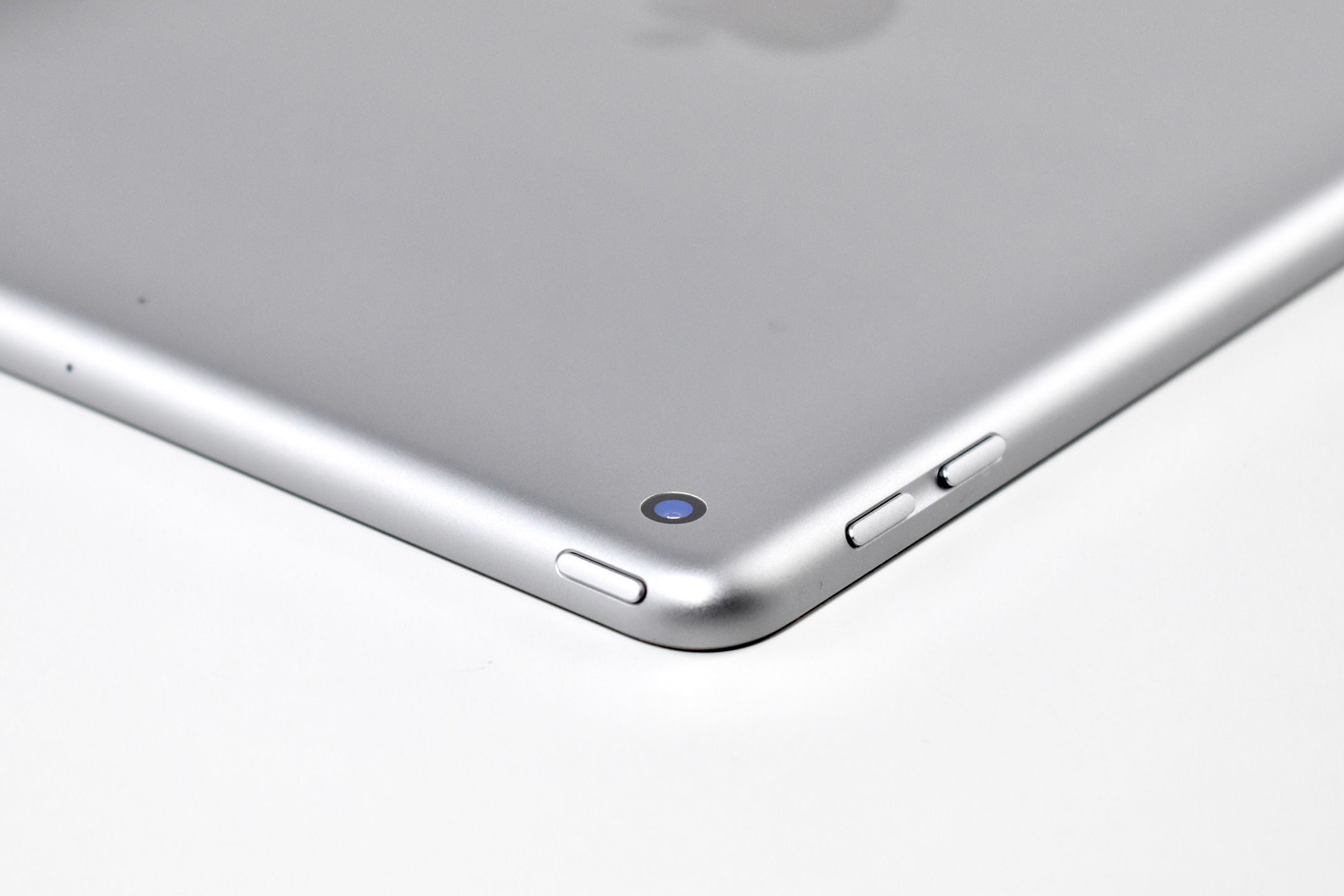
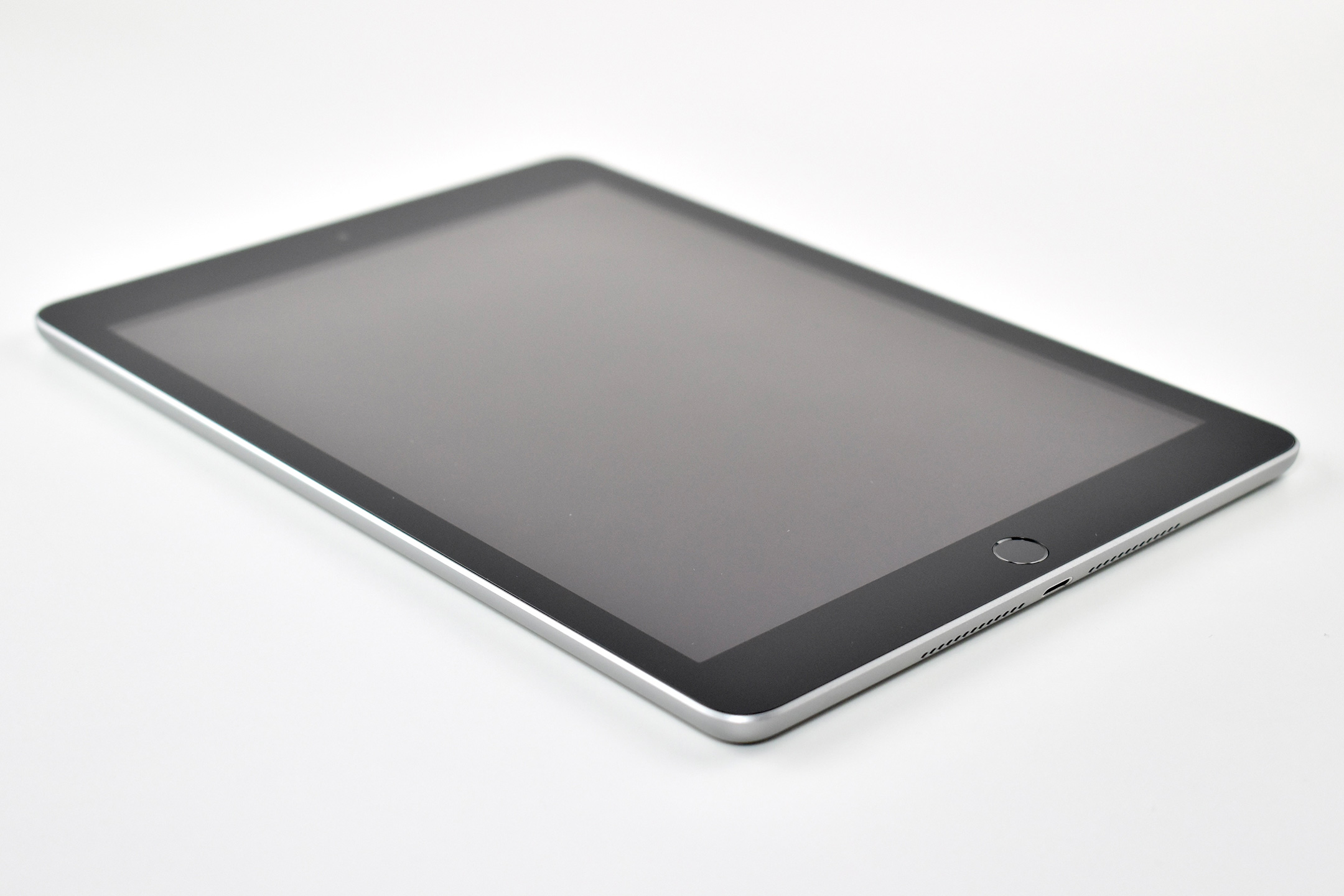
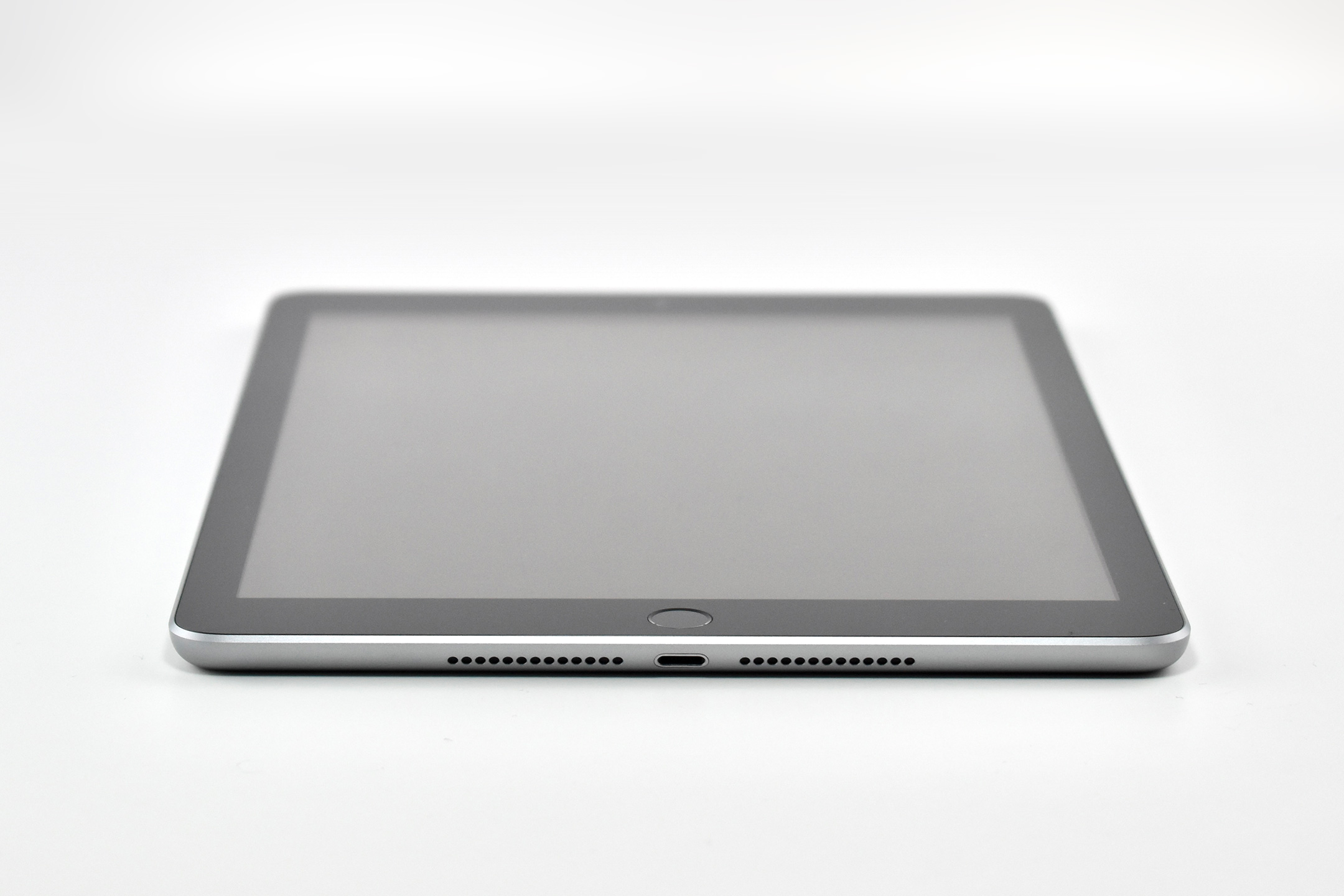
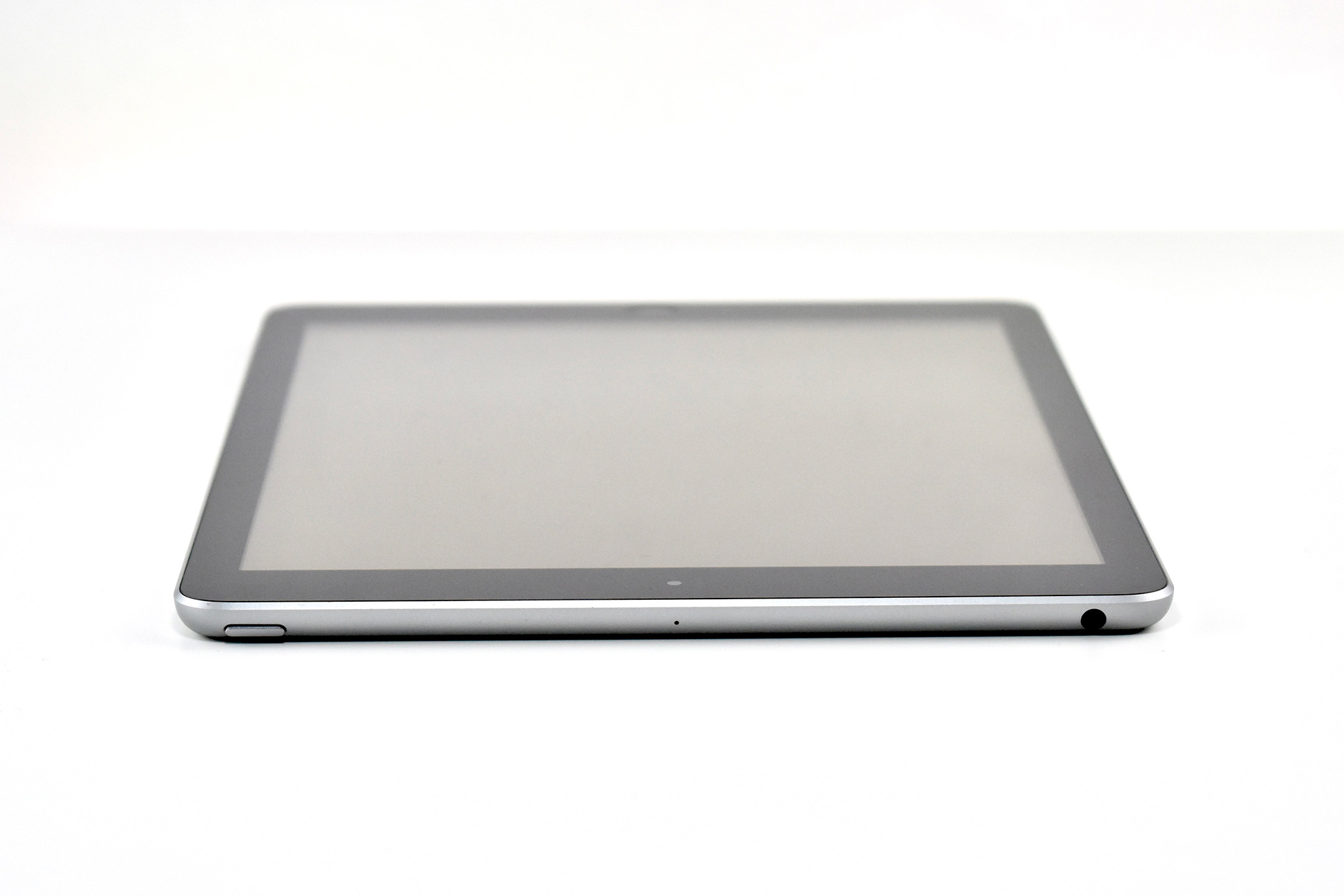
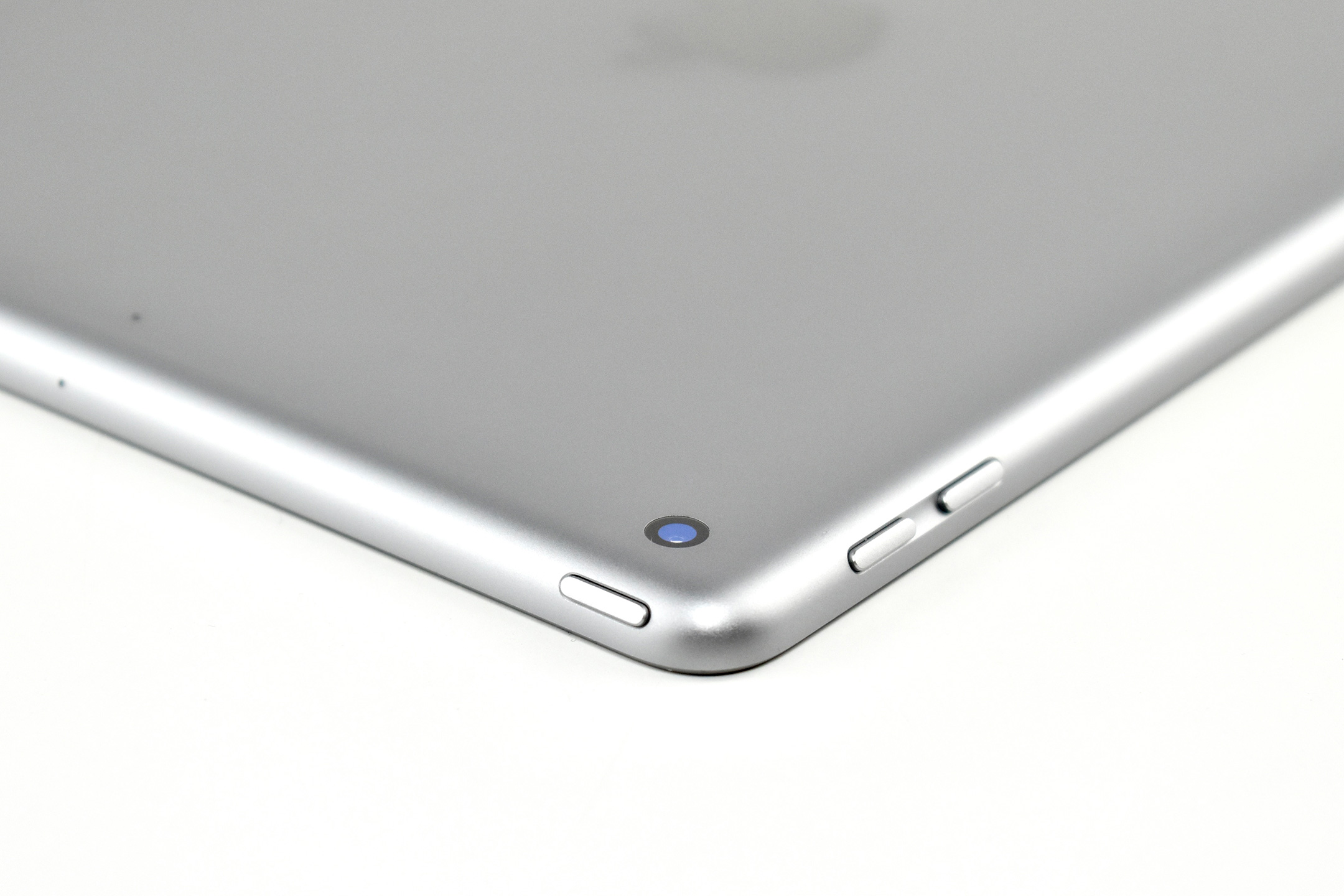
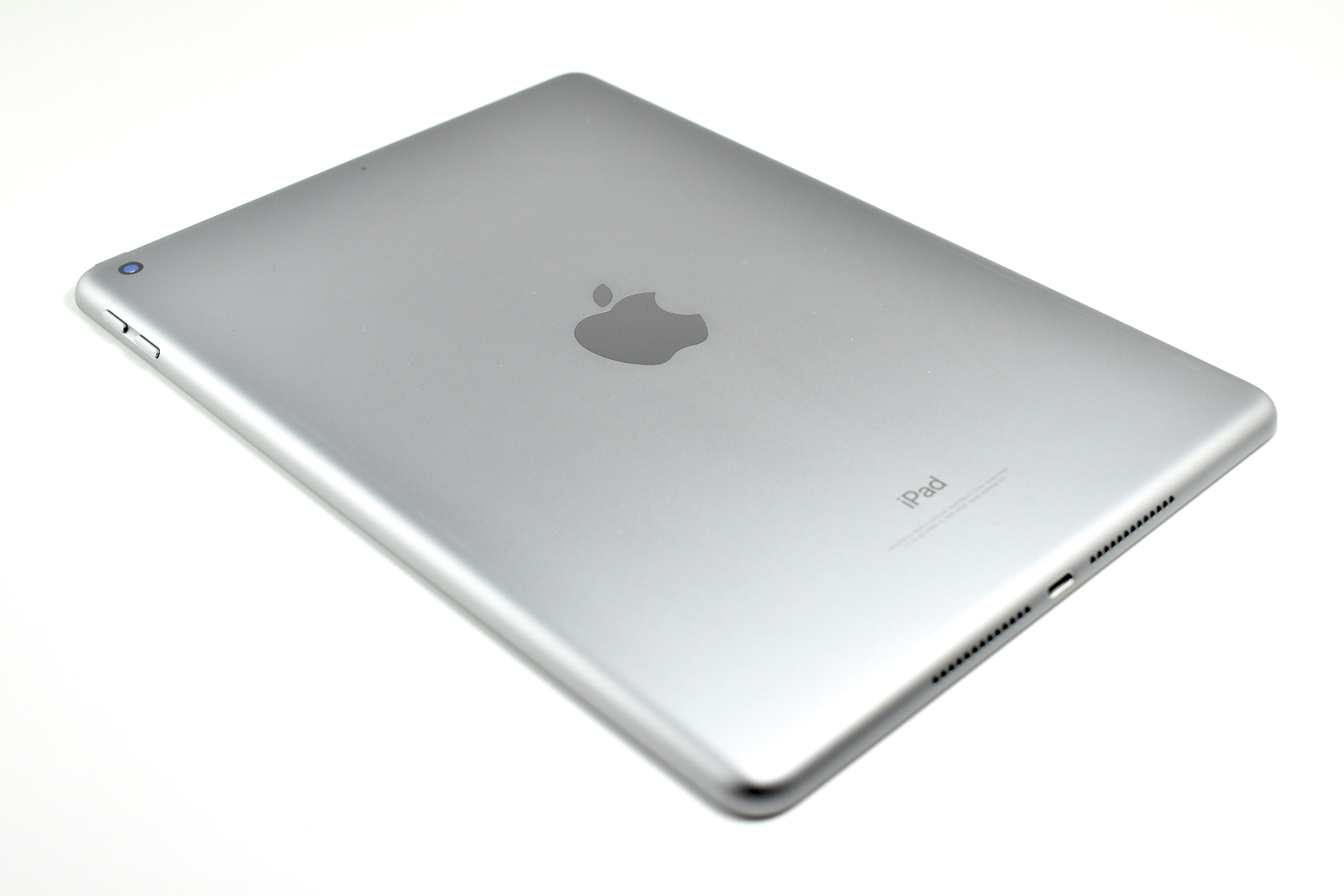
iPad (Generation 5, 2017)

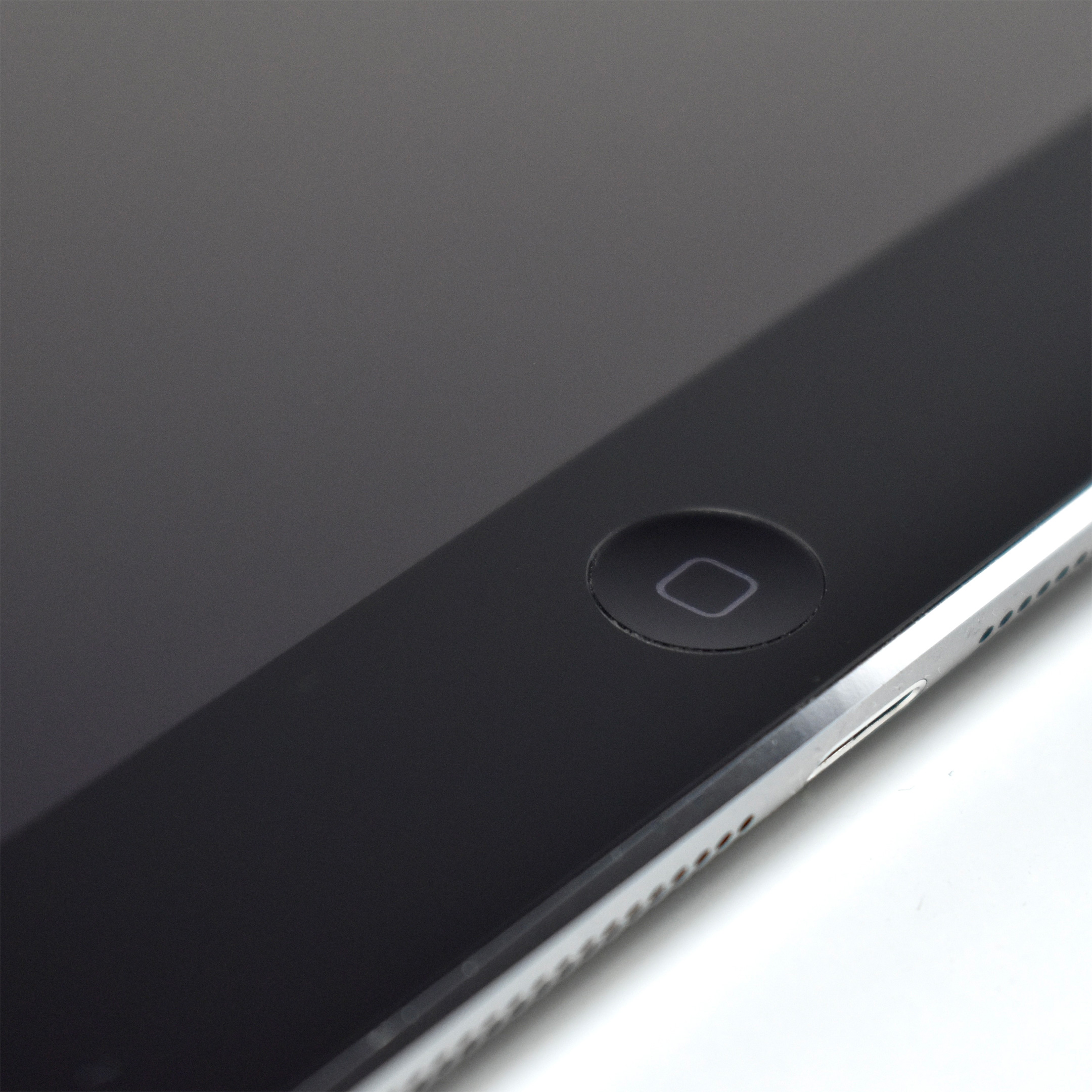
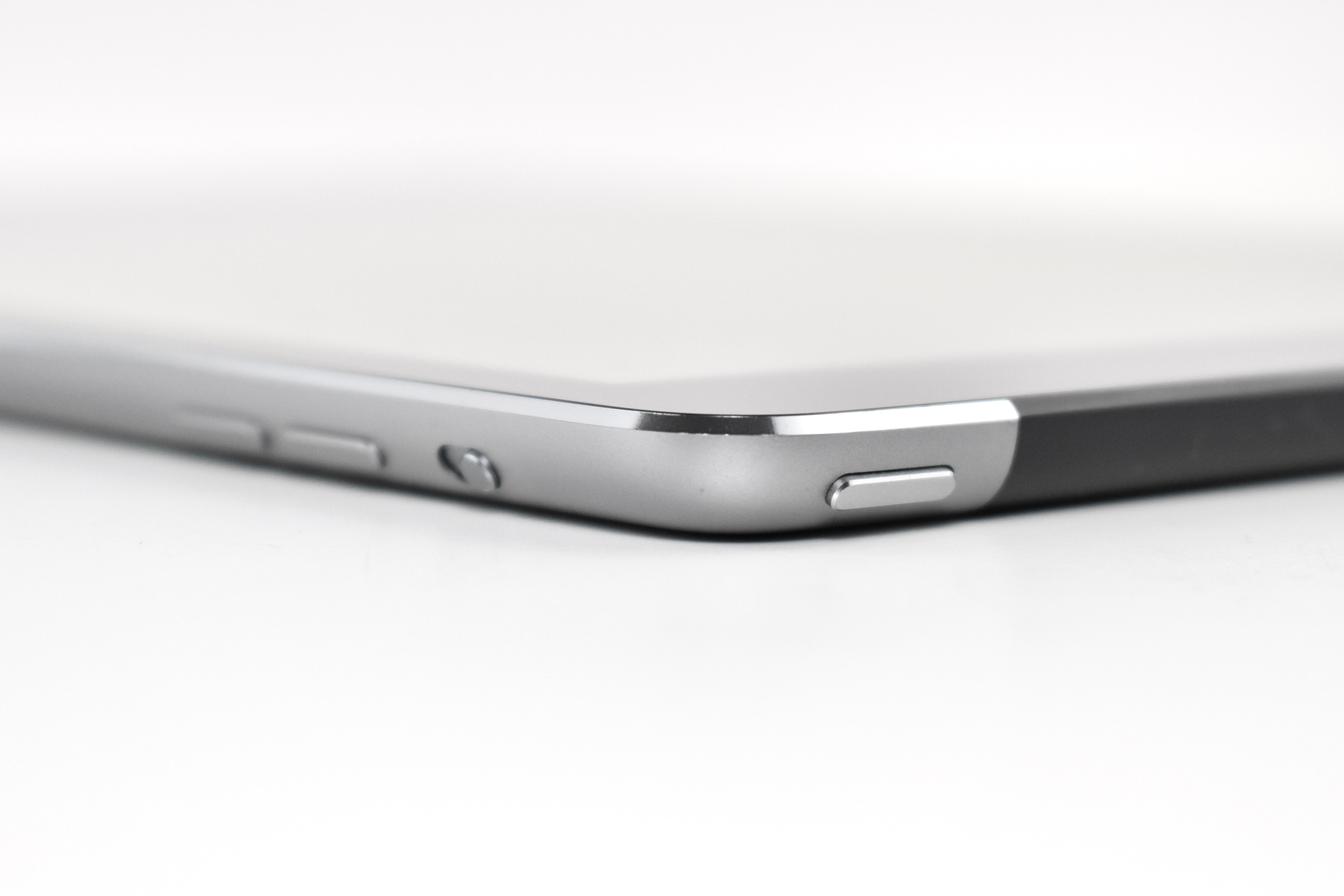
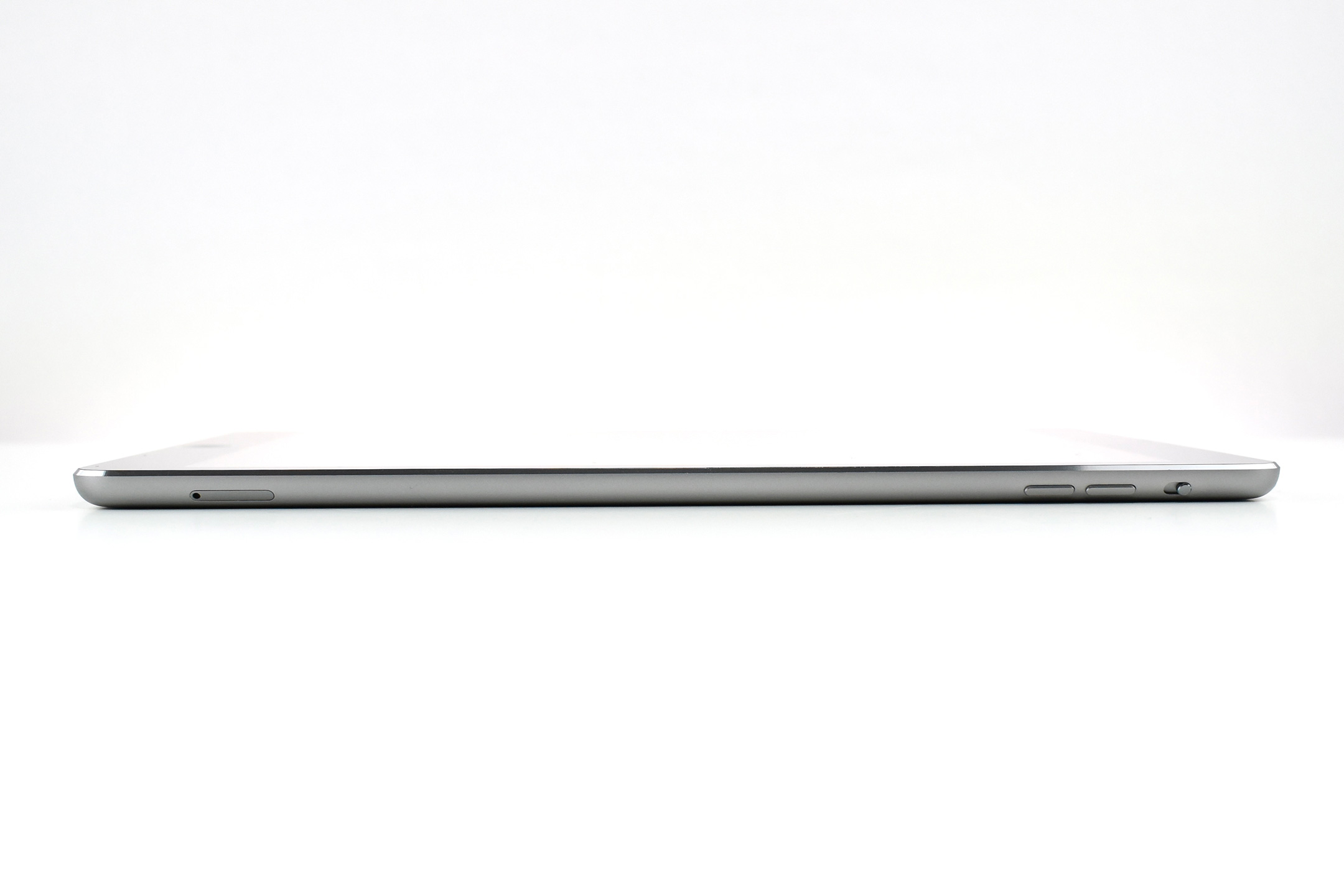
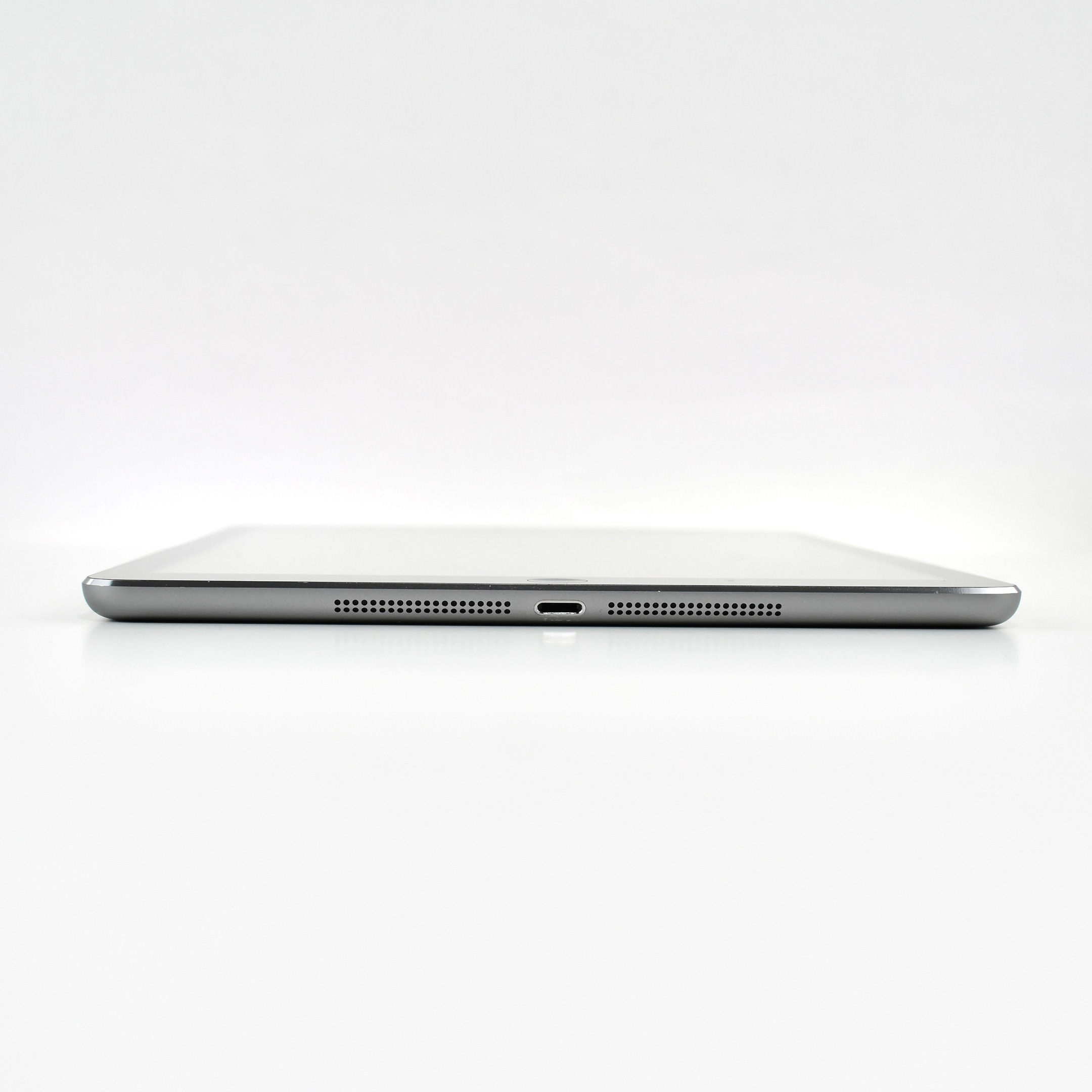
The iPad Generation 5 was released on March 21, 2017, and was described as having a “stunning Retina display and incredible performance.” It was offered in Silver, Gold, and Space Gray. It was available in 32GB and 128GB configurations with WI-Fi-only or with Wi-Fi+Cellular capabilities. This example is a 32GB Space Gray Wi-Fi-only model.

In a press release, Phil Schiller, Apple’s senior vice president of Worldwide Marketing, said:

“iPad is the world’s most popular tablet. Customers love the large, 9.7-inch display for everything from watching TV and movies, to surfing the web, making FaceTime calls, and enjoying photos… New customers and anyone looking to upgrade will love this new iPad for use at home, in school, and for work, with its gorgeous Retina display, our powerful A9 chip, and access to the more than 1.3 million apps designed specifically for it.”

It used a 9.7-inch LED-backlit Multi-Touch Retina display at 2048 x 1536-pixel resolution (264 ppi). This iPad measured 9.4 inches (240 mm) x 6.6 inches (169.5 mm), and was 0.29 inch (7.5 mm) thick. It weighed 1.03 pounds (469 g). This iPad was powered by the A9 Fusion chip.

The back camera was 8 Megapixels with features such as Autofocus, Panorama (up to 43 megapixels), and HDR. The front FaceTime HD Camera was 1.2 Megapixels.

It used five sensors including Touch ID, a 3-axis gyro, accelerometer, barometer, and an ambient light sensor. Its Home button used the Touch ID fingerprint identity sensor.

The iPad Generation 5 originally shipped with iOS 11.

Source: Apple (Tech Specs, Newsroom)

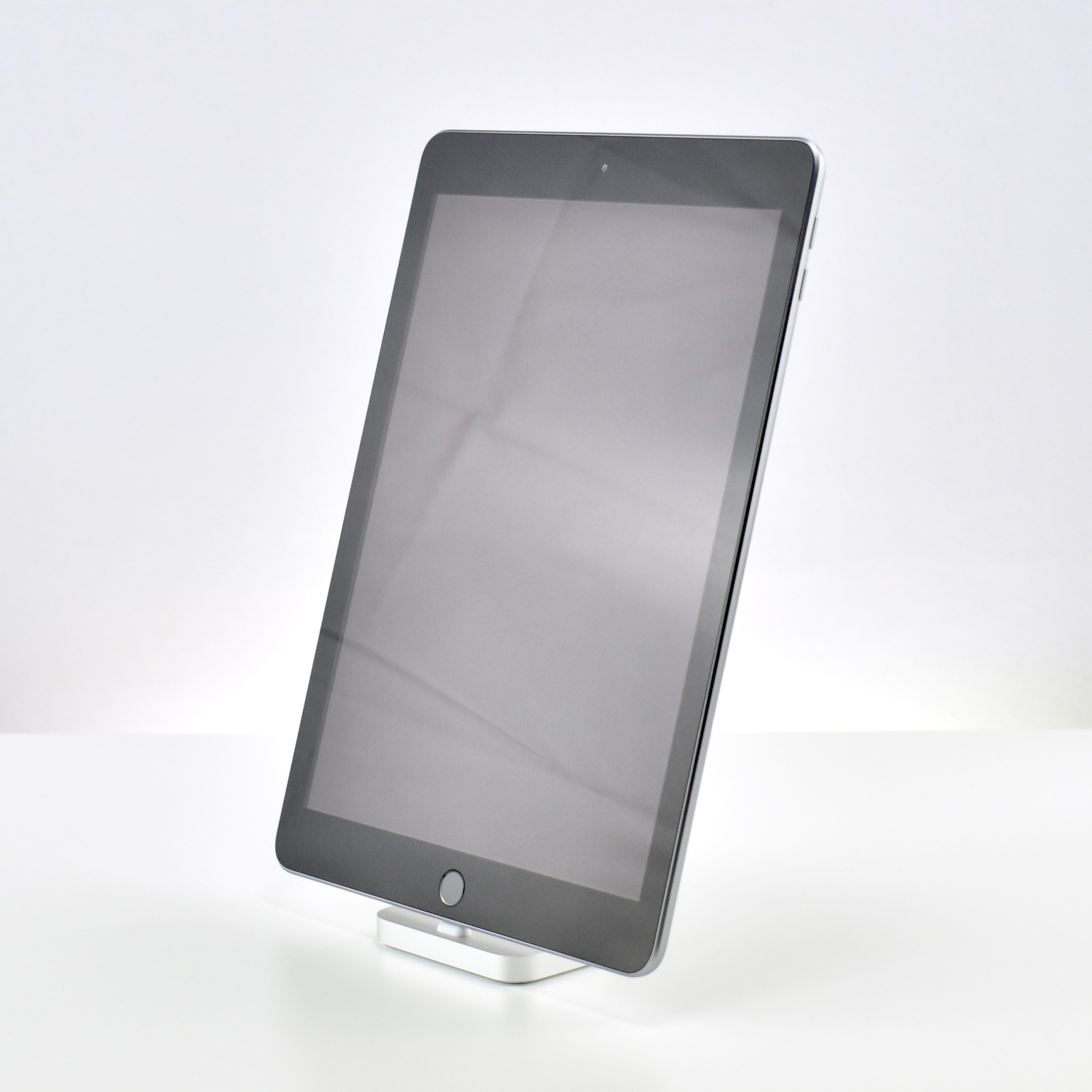
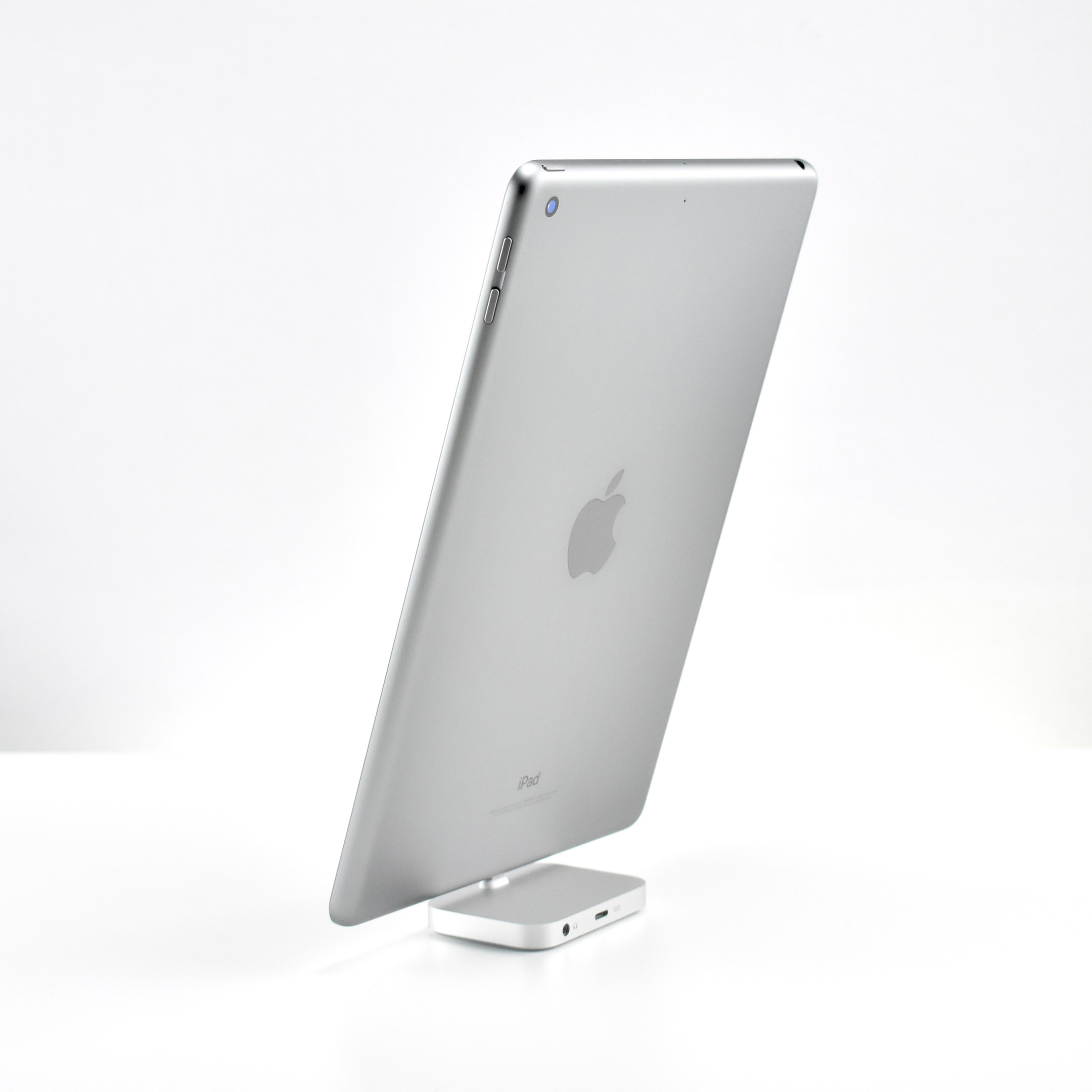
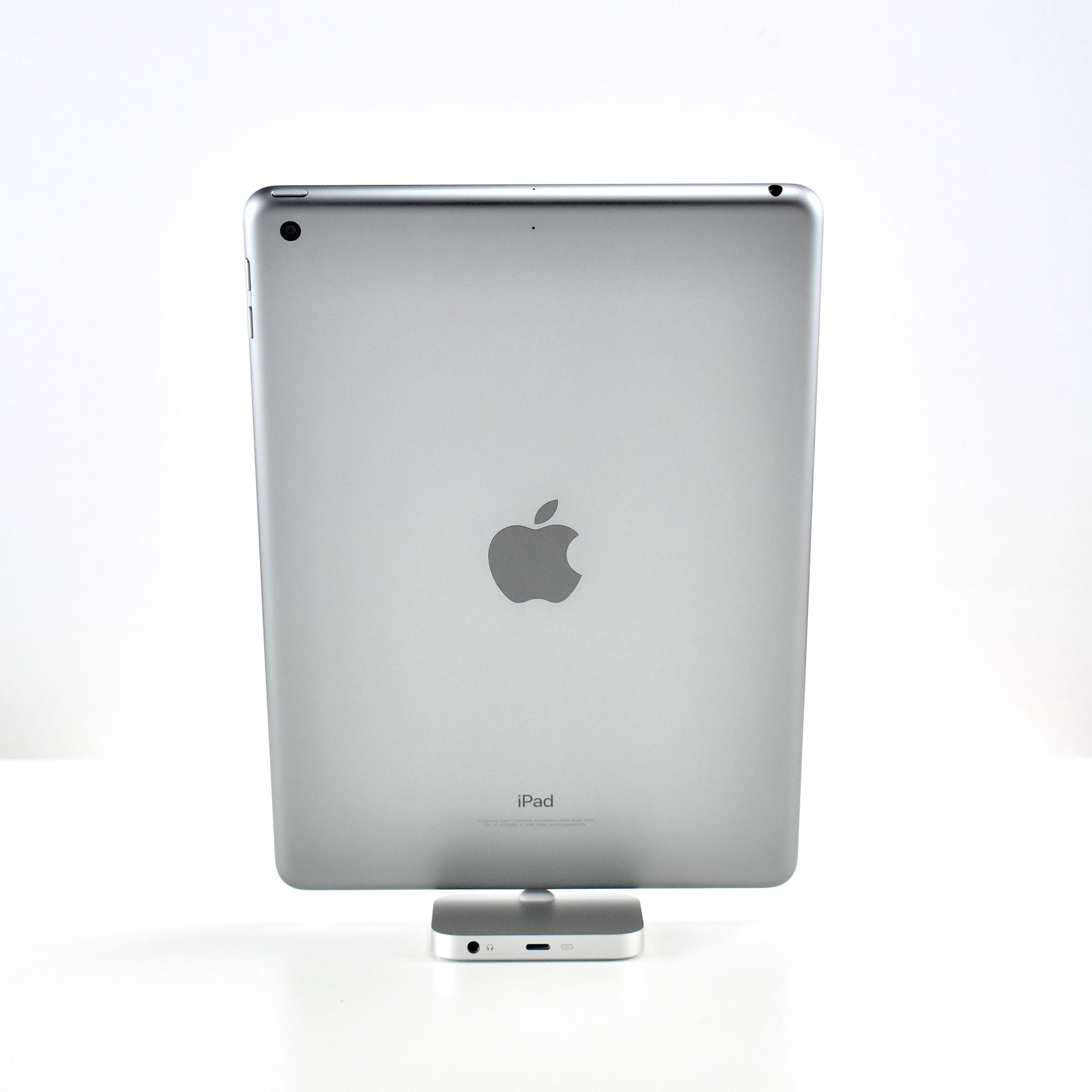
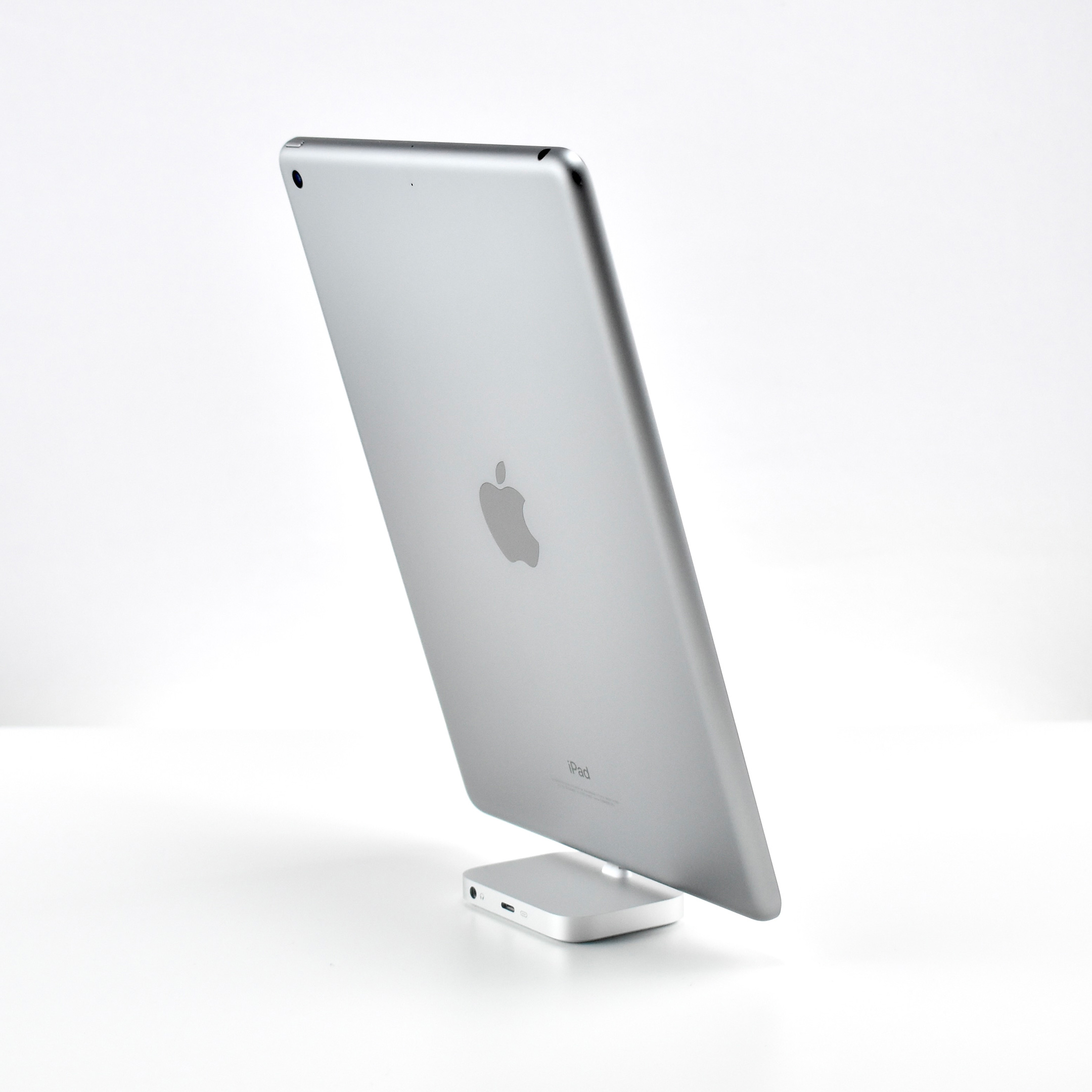
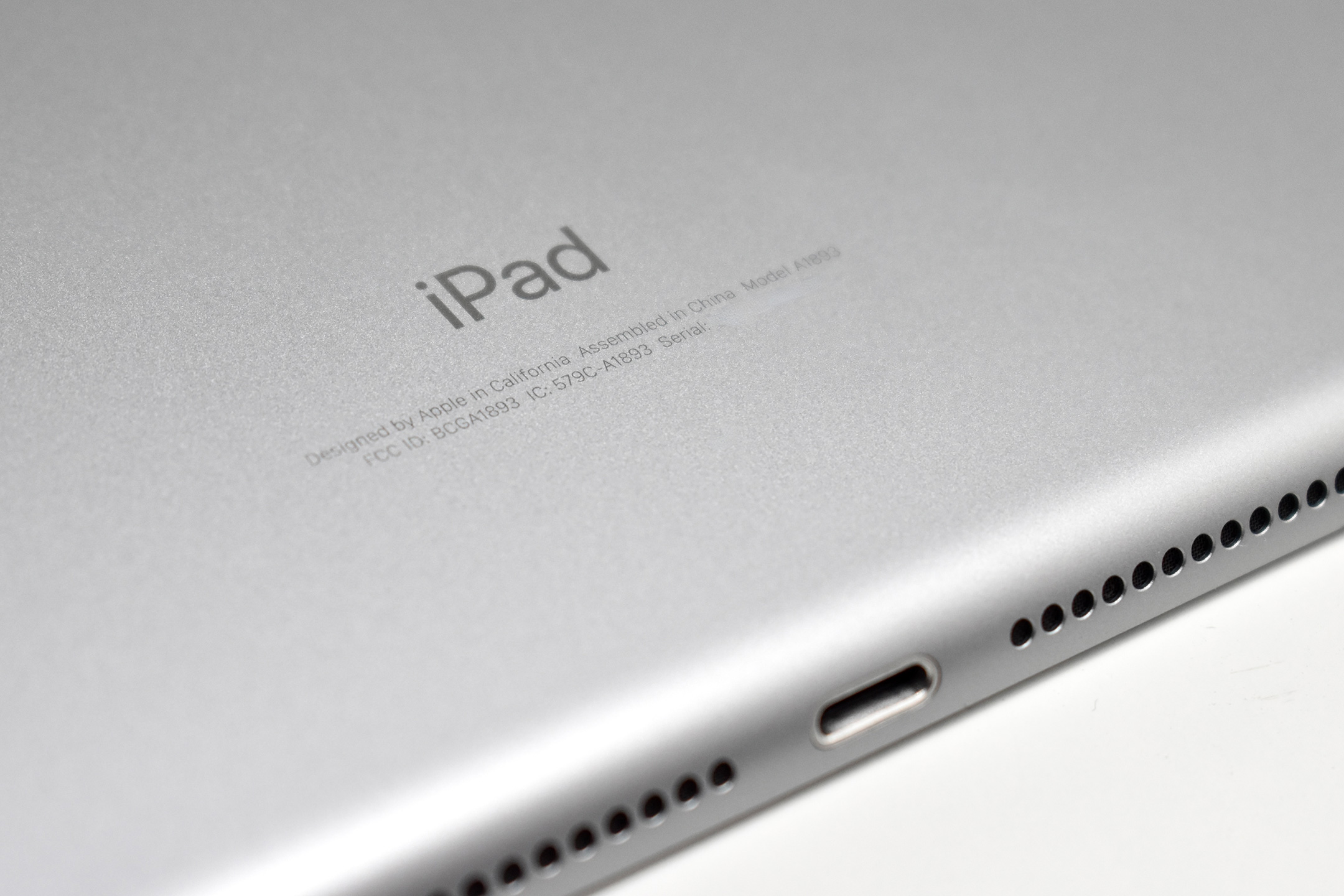
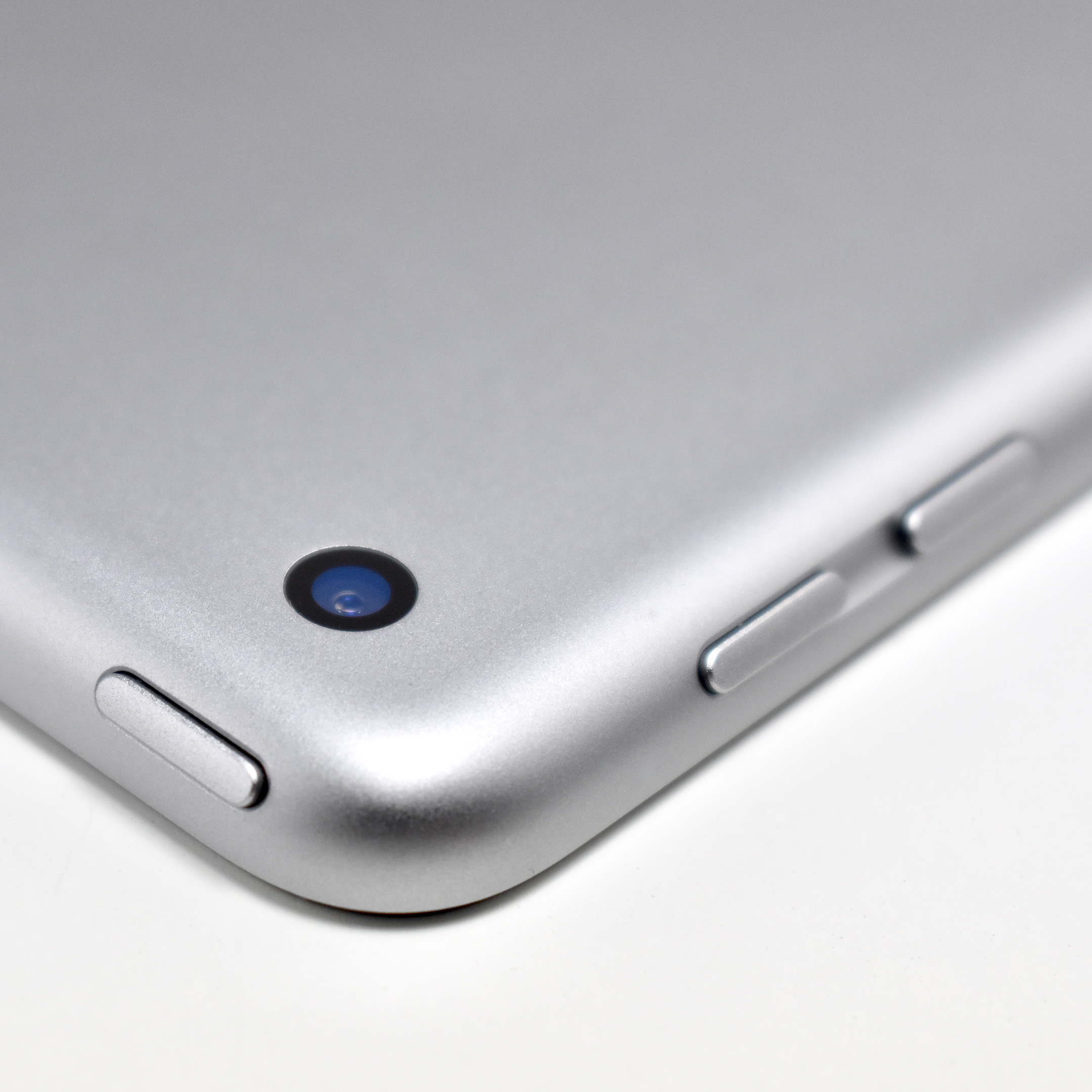
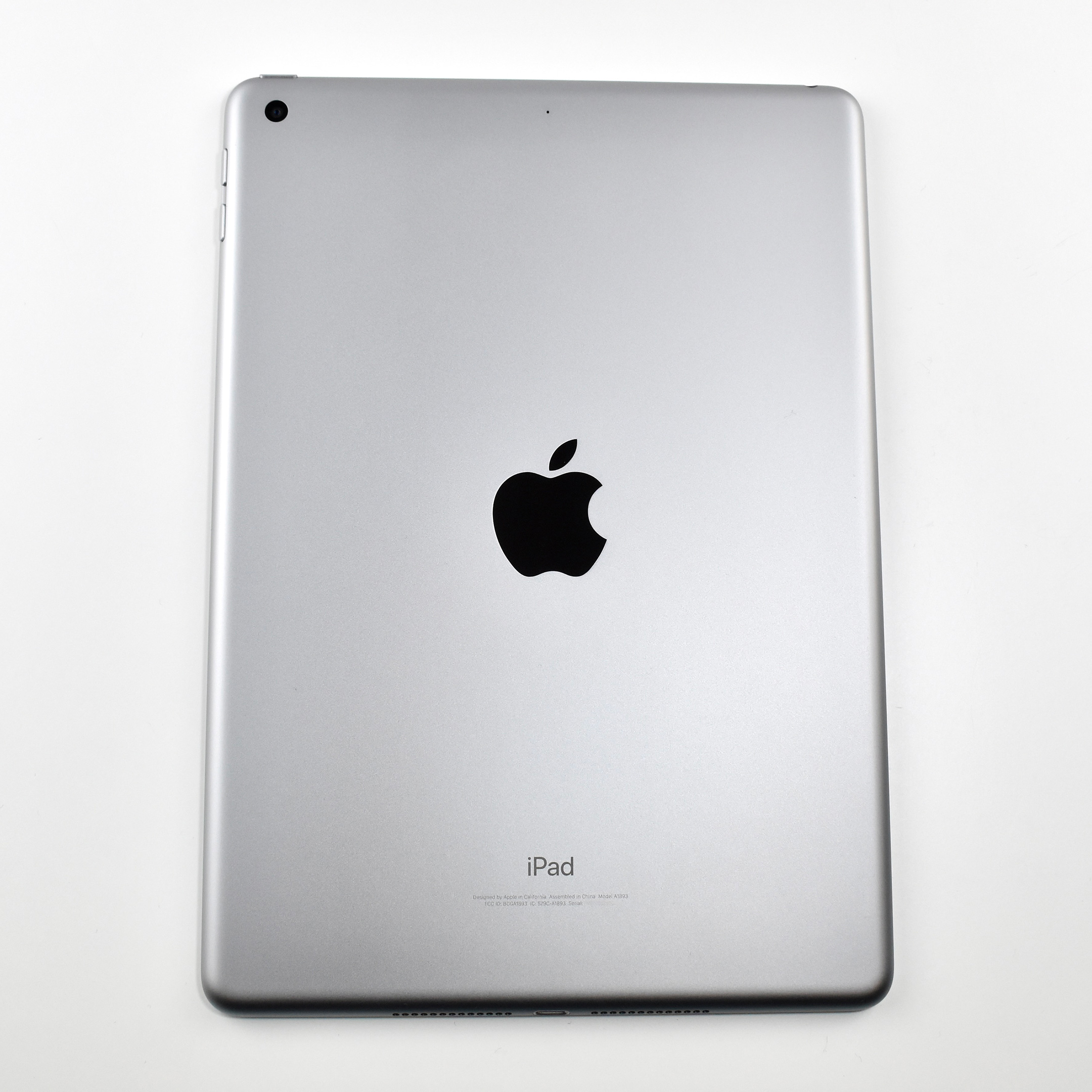
iPad (Generation 6, 2018)

The iPad Generation 6 was considered Apple’s “base” iPad when it was released on March 27, 2018. It was offered in Silver, Gold, and Space Gray. It was available in 32GB and 128GB configurations with Wi-Fi-only or with Wi-Fi+Cellular capabilities. This example is a 32GB Space Gray Wi-Fi-only model.

This iPad was announced in Chicago at an education-focused event at Lane Tech High School. An Apple Press Release stated:

“The new 9.7-inch iPad and Apple Pencil give users the ability to be even more creative and productive, from sketching ideas and jotting down handwritten notes to marking up screenshots. The new iPad is more versatile and capable than ever, features a large Retina display, the A10 Fusion chip and advanced sensors that help deliver immersive augmented reality, and provides unmatched portability, ease of use and all-day battery life.”

The iPad generation 6 used a 9.7-inch LED-backlit Multi-Touch Retina display at 2048 x 1536-pixel resolution (264 ppi). This iPad measured 9.4 inches (240 mm) x 6.6 inches (169.5 mm), and was 0.29 inch (7.5 mm) thick. It weighed 1.03 pounds (469 g). This iPad was powered by the A10 Fusion chip.

The back camera was 8 Megapixels with features such as Autofocus, Panorama (up to 43 megapixels), and HDR. The front FaceTime HD Camera was 1.2 Megapixels.

This iPad used five sensors including a 3-axis gyro, accelerometer, barometer, and an ambient light sensor. Its Home button included the Touch ID fingerprint identity sensor.

This was the first base-model iPad to support the Apple Pencil and the Logitech Crayon, and it originally shipped with iOS 12.

Source: Apple (Tech Specs, Newsroom)

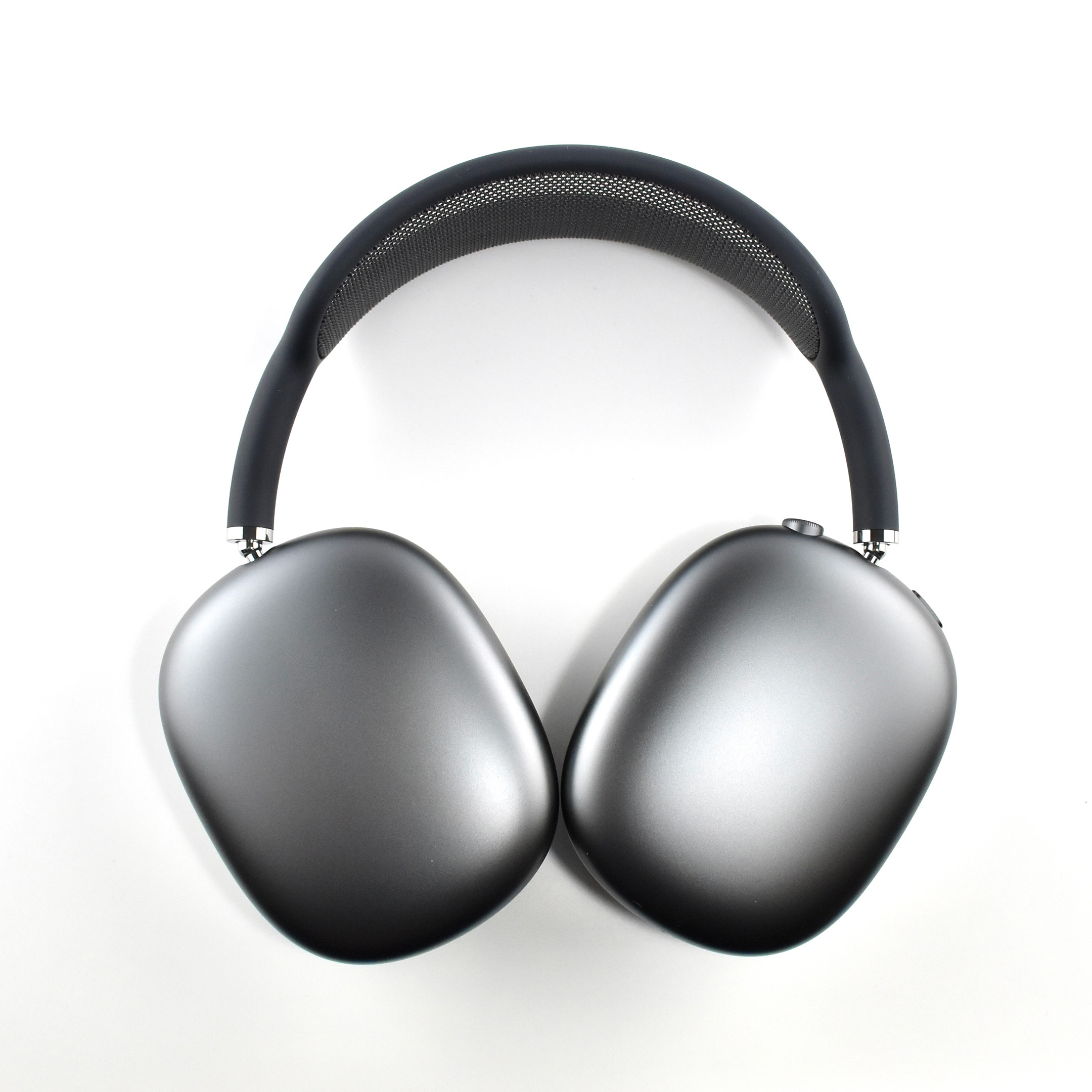
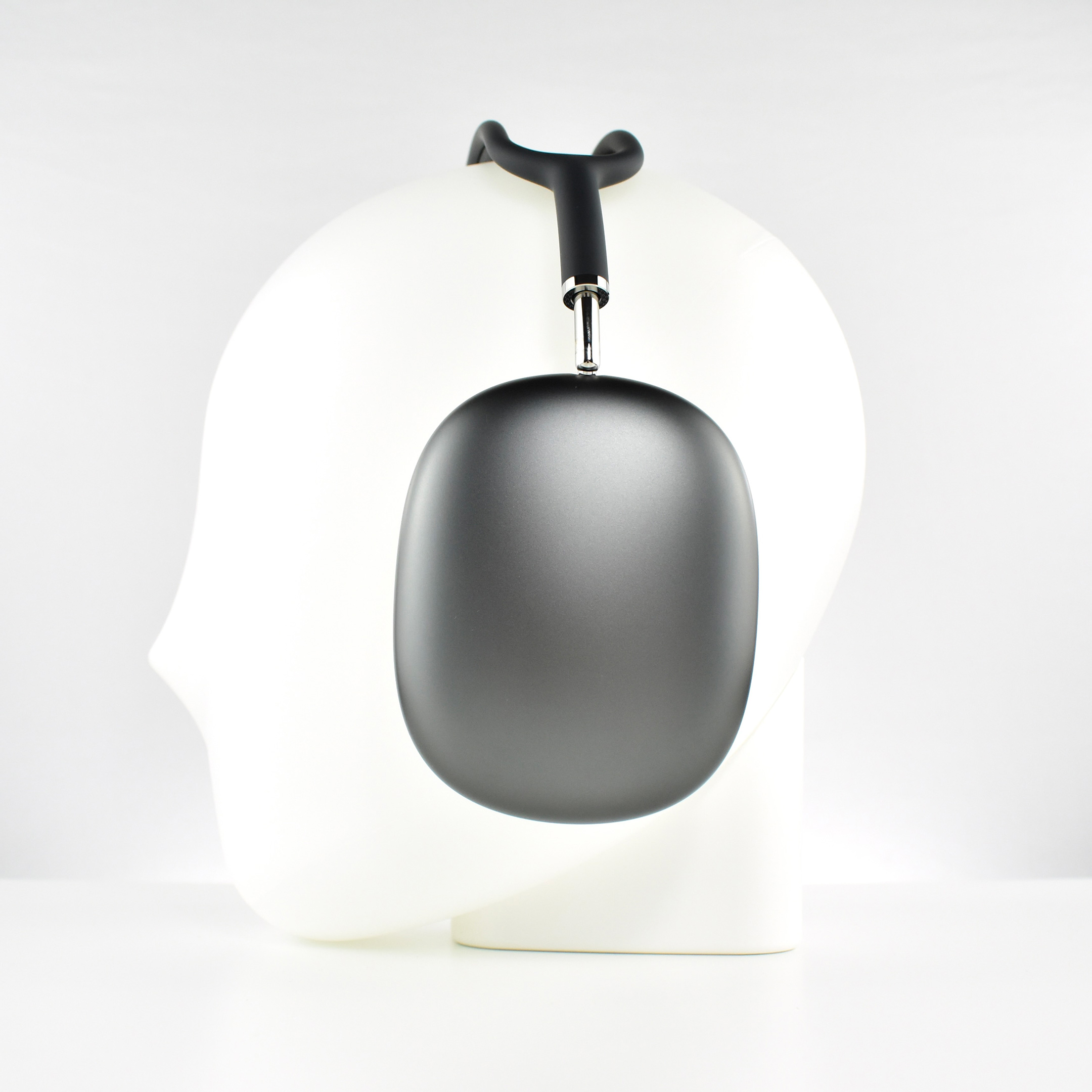
AirPods Max (space gray, 2020)

Apple announced their AirPods Max over-ear headphones on December 8, 2020, and they shipped one week later on December 15. The original press release touted:

“AirPods Max feature incredible high-fidelity audio, Adaptive EQ, Active Noise Cancellation, and spatial audio”

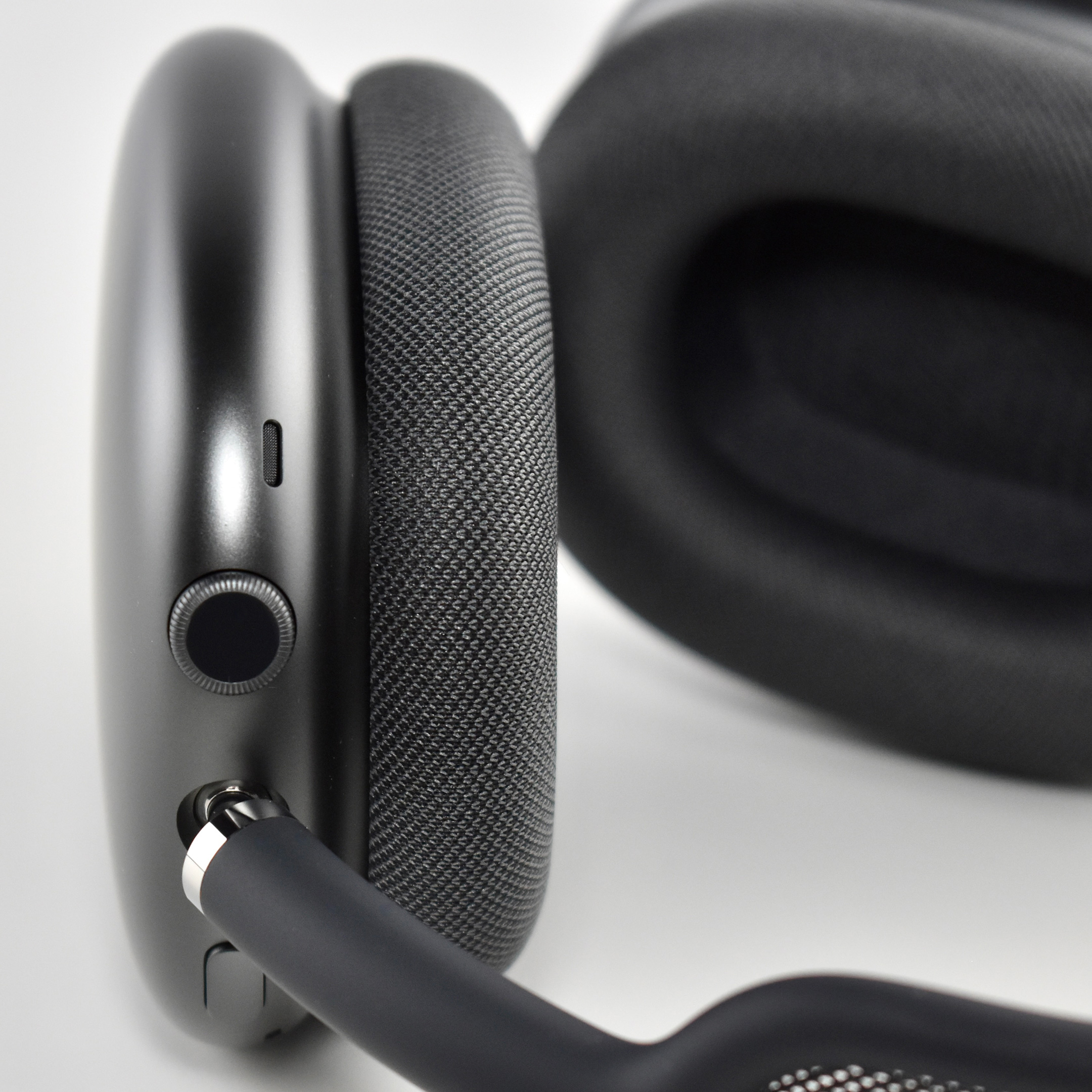
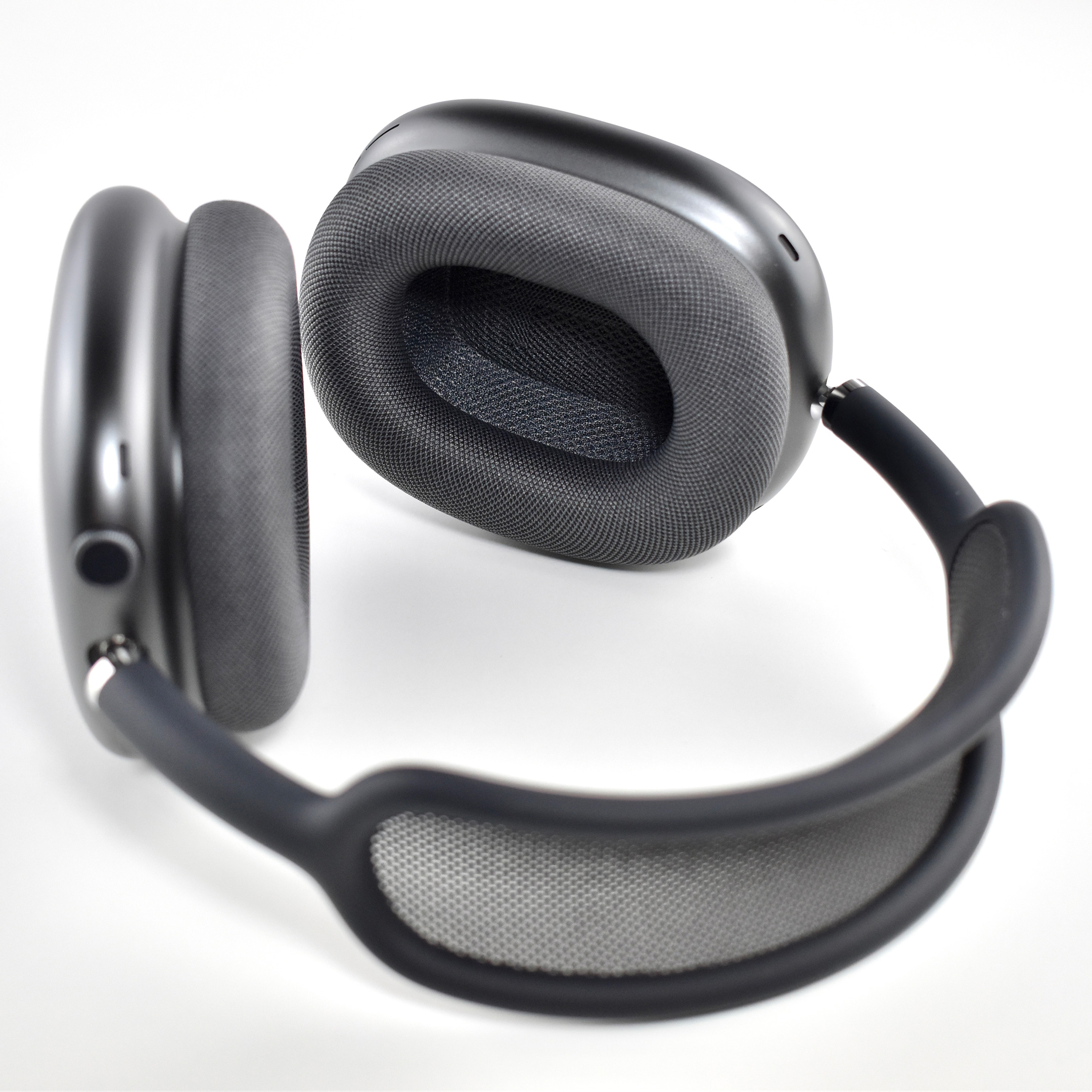
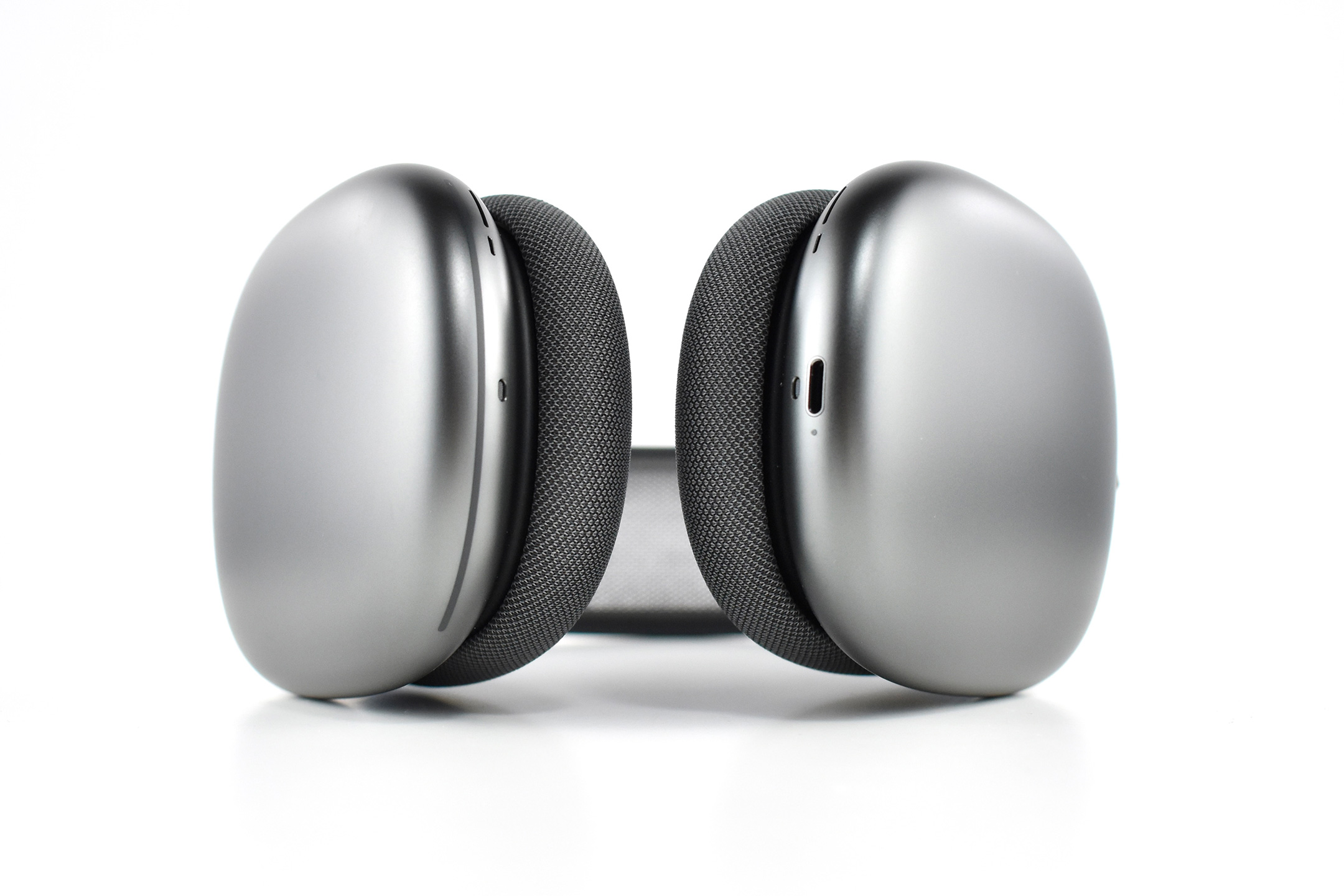
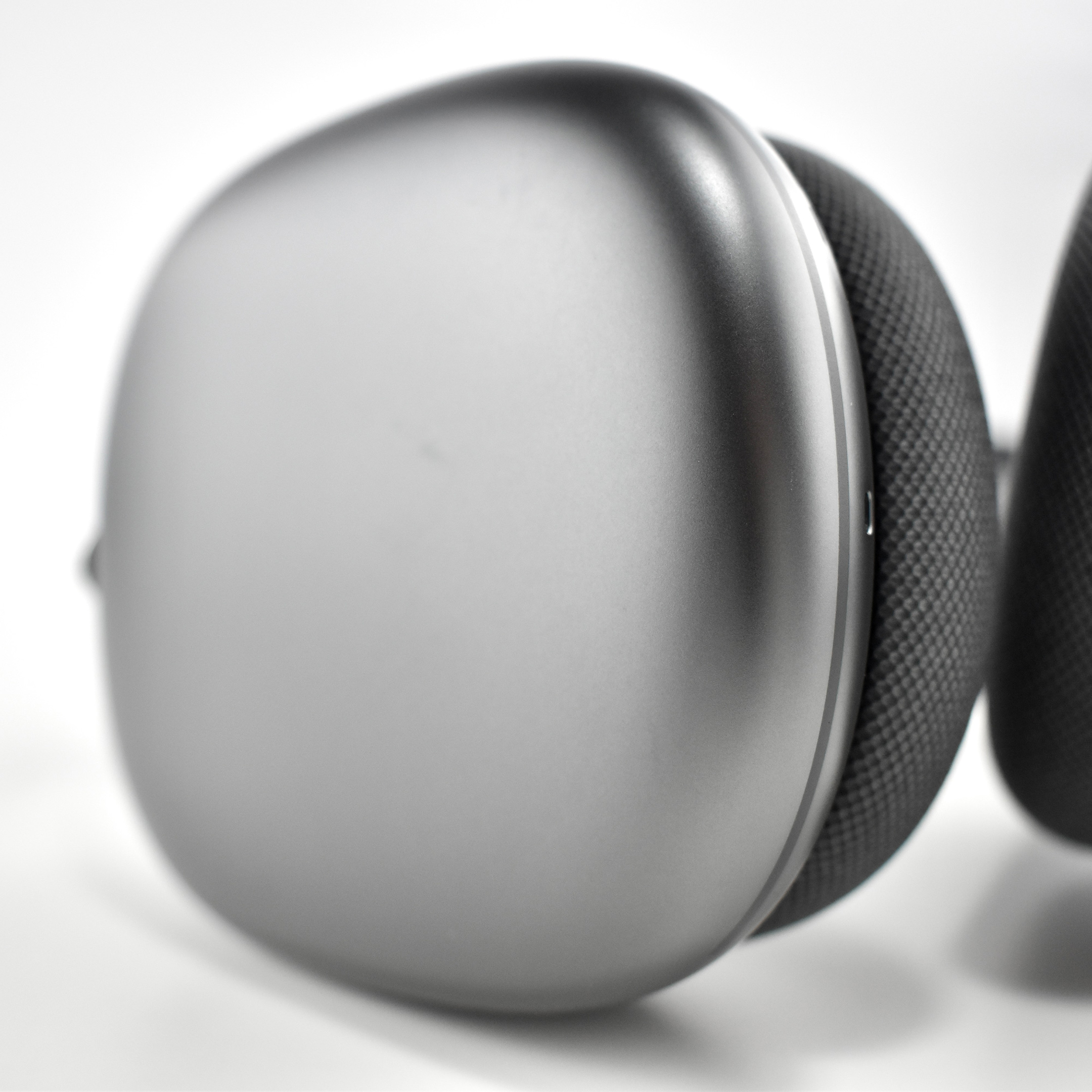
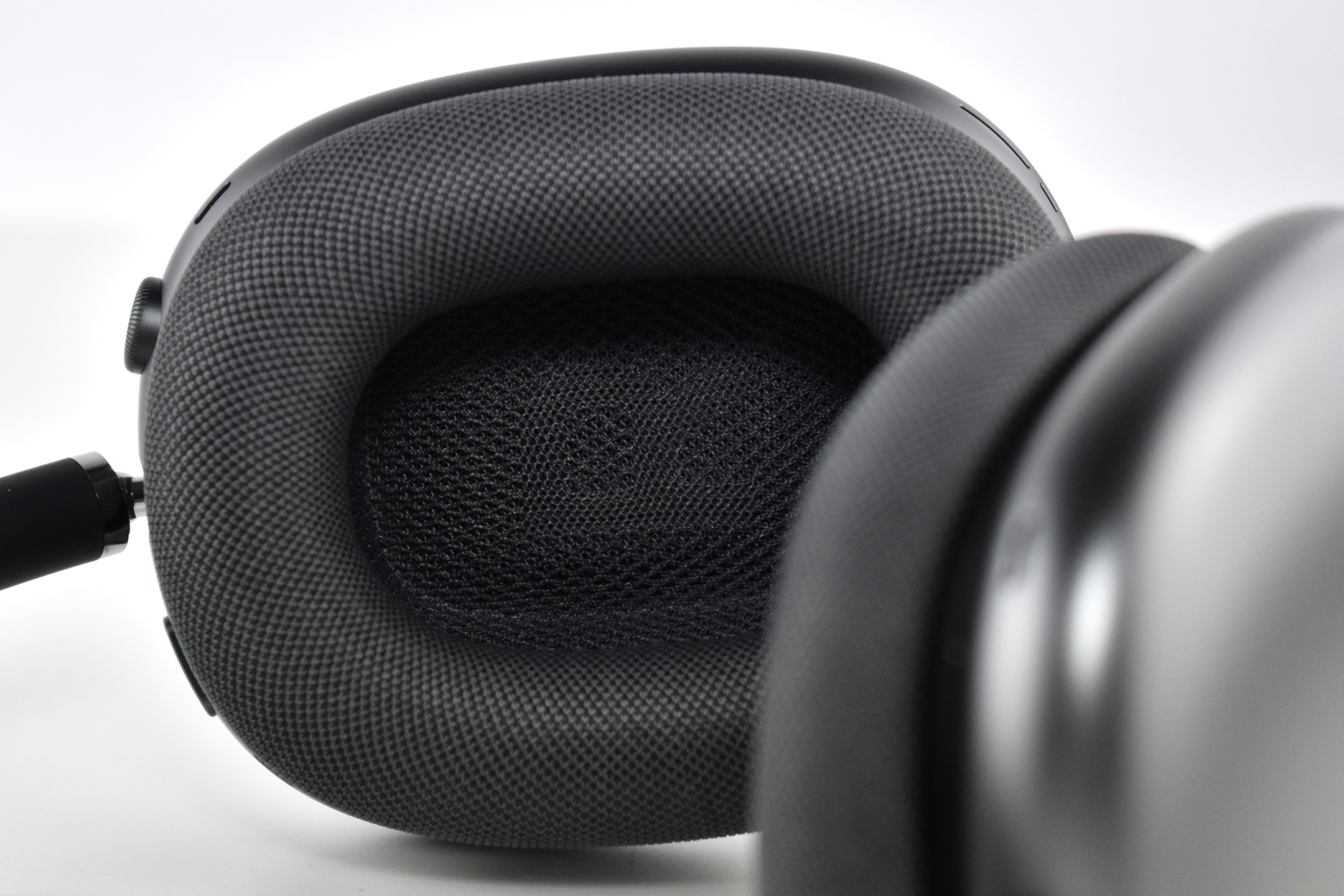
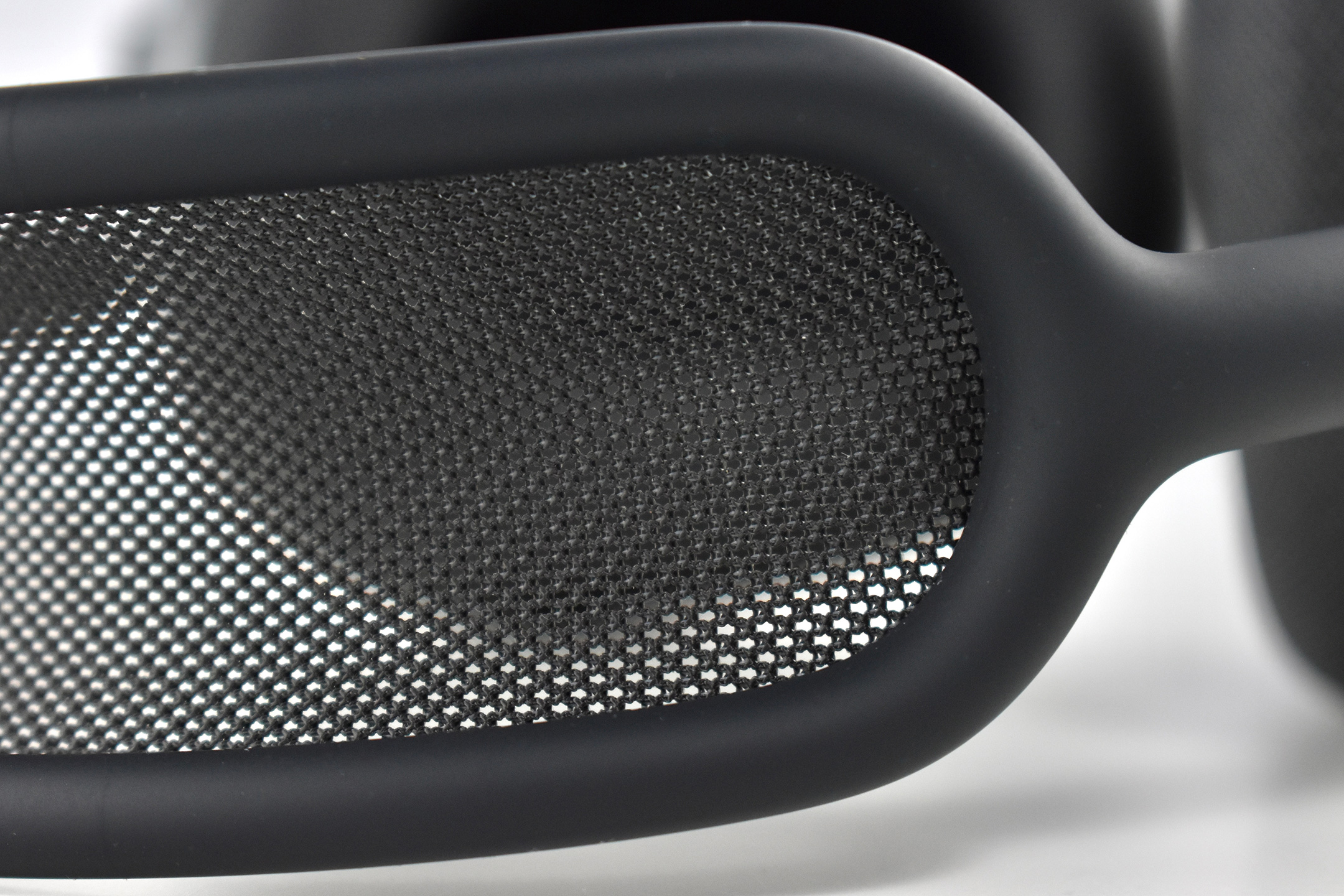
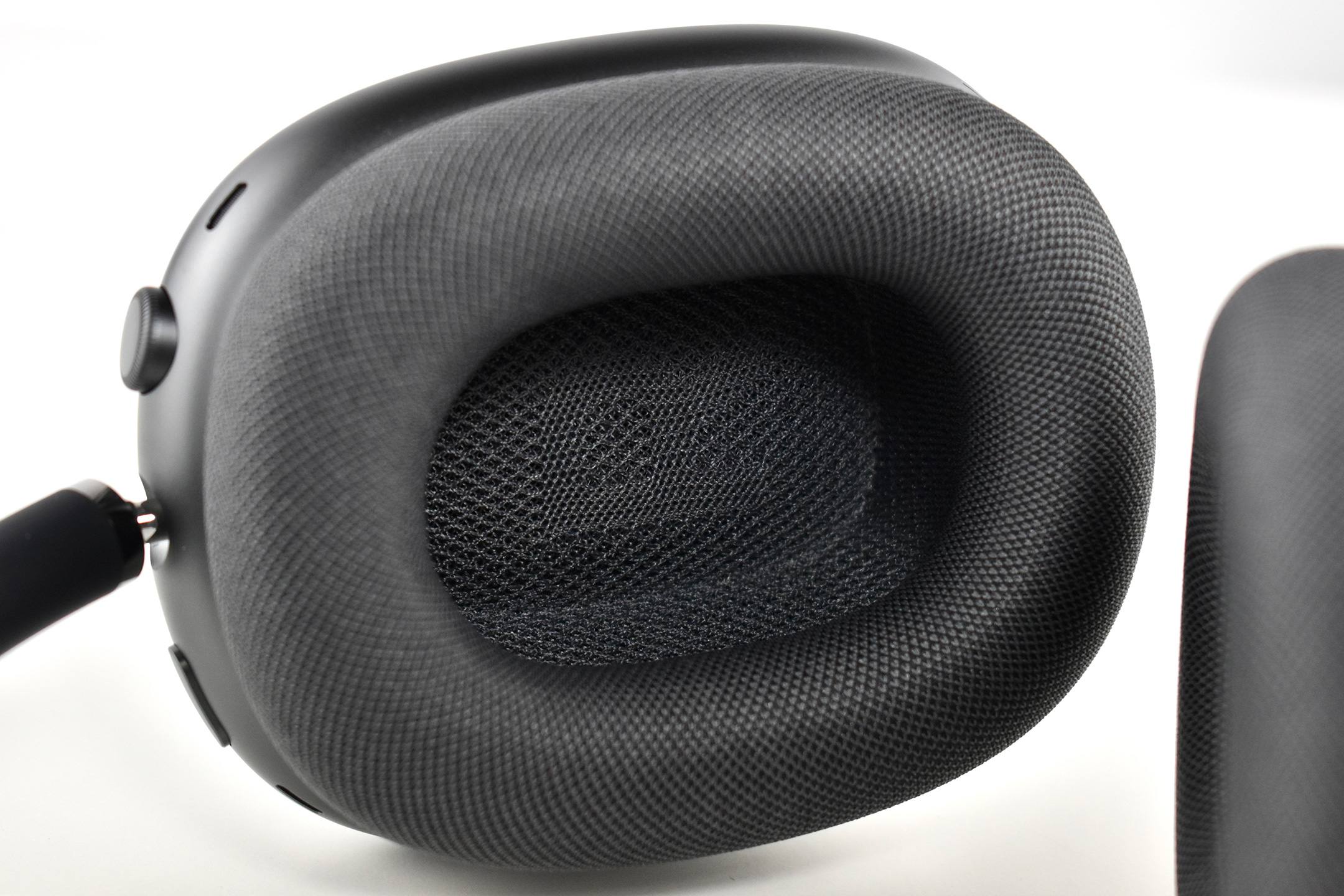
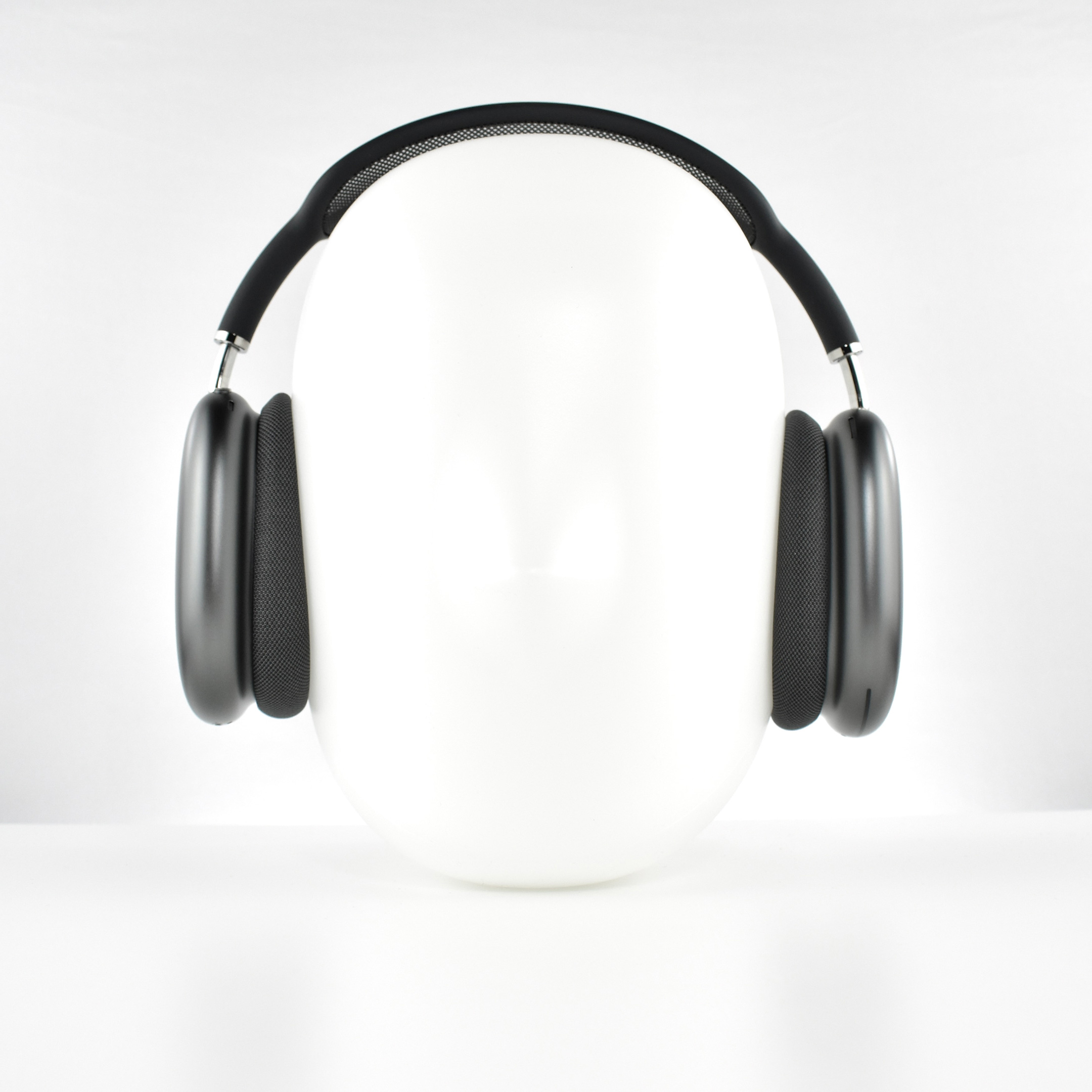
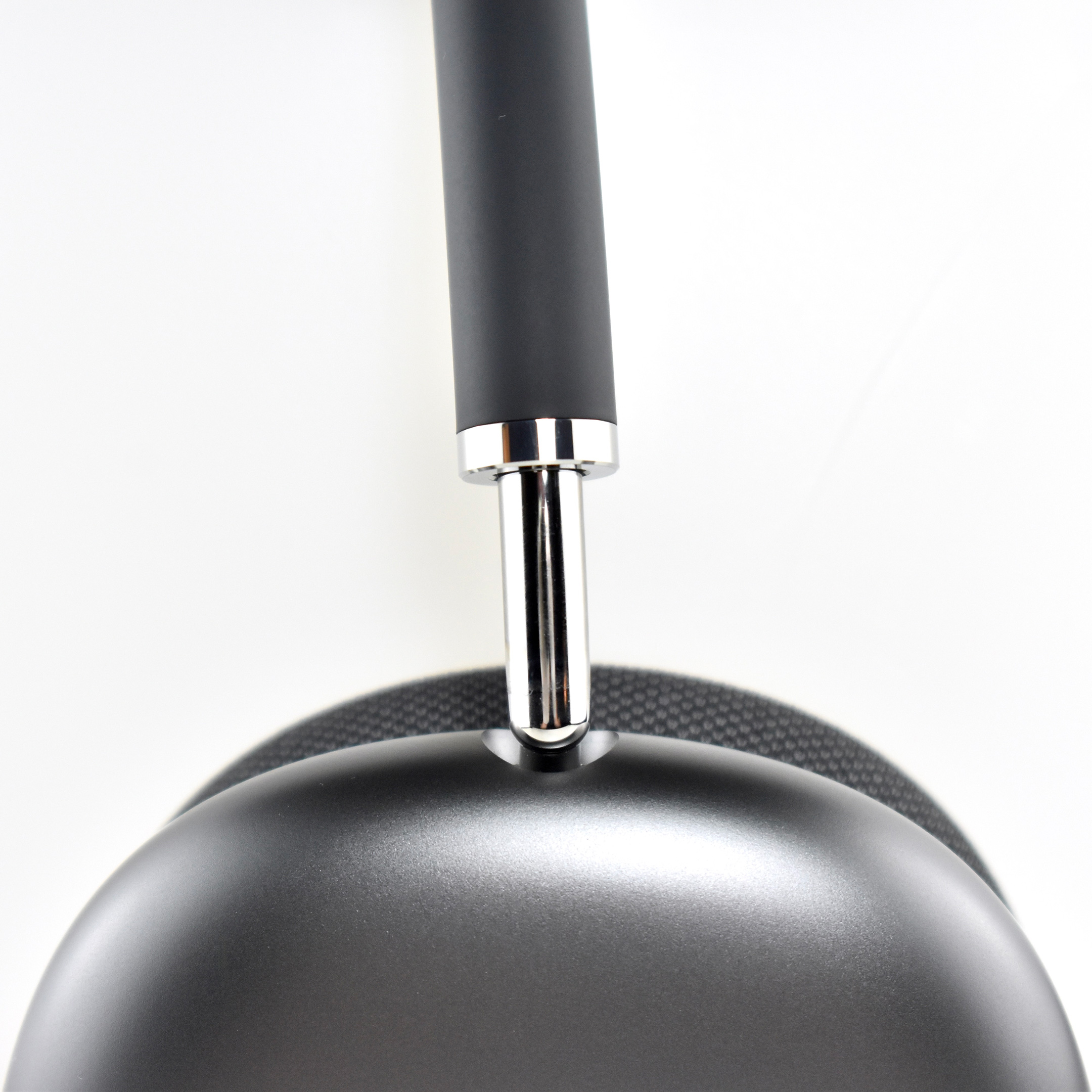
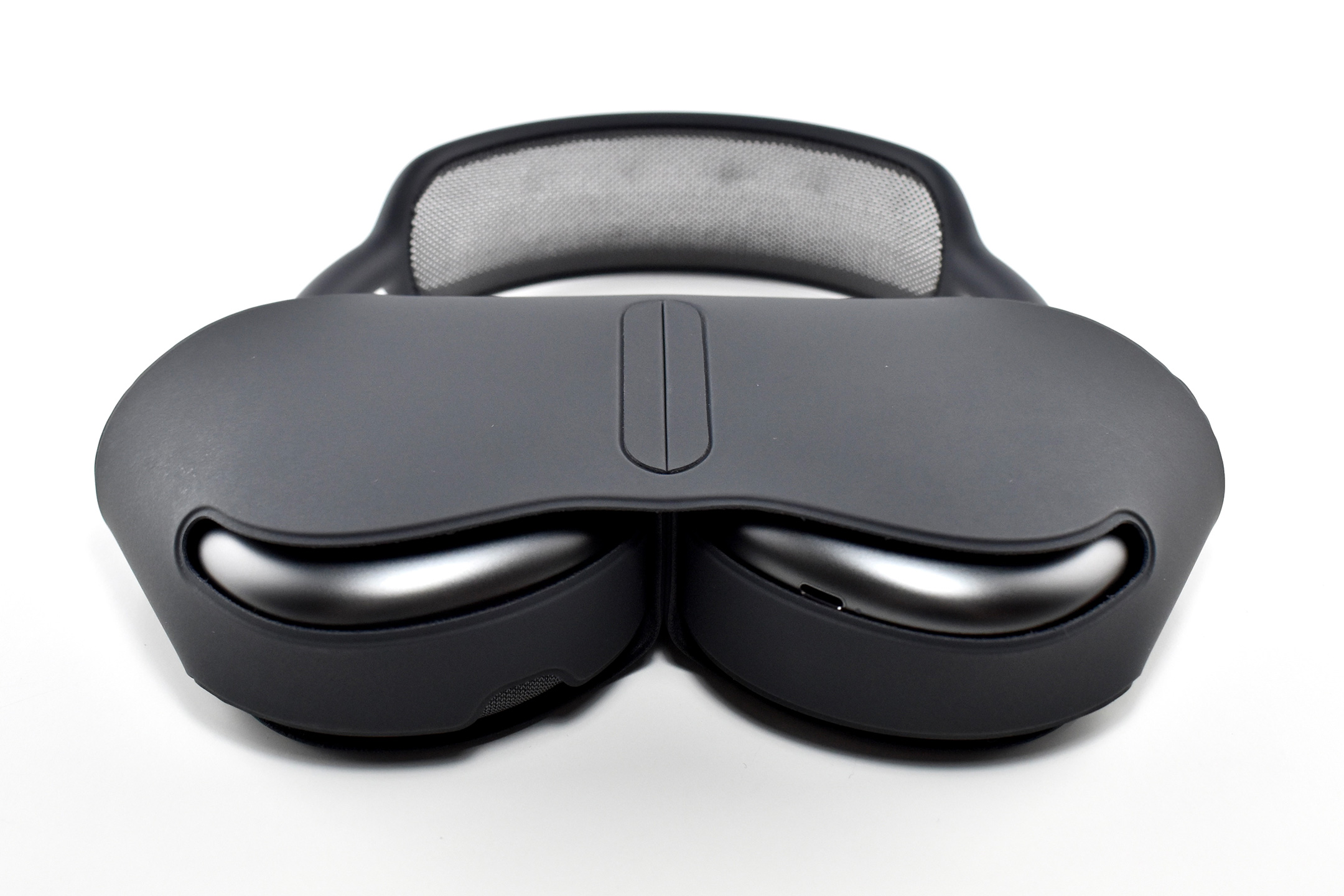
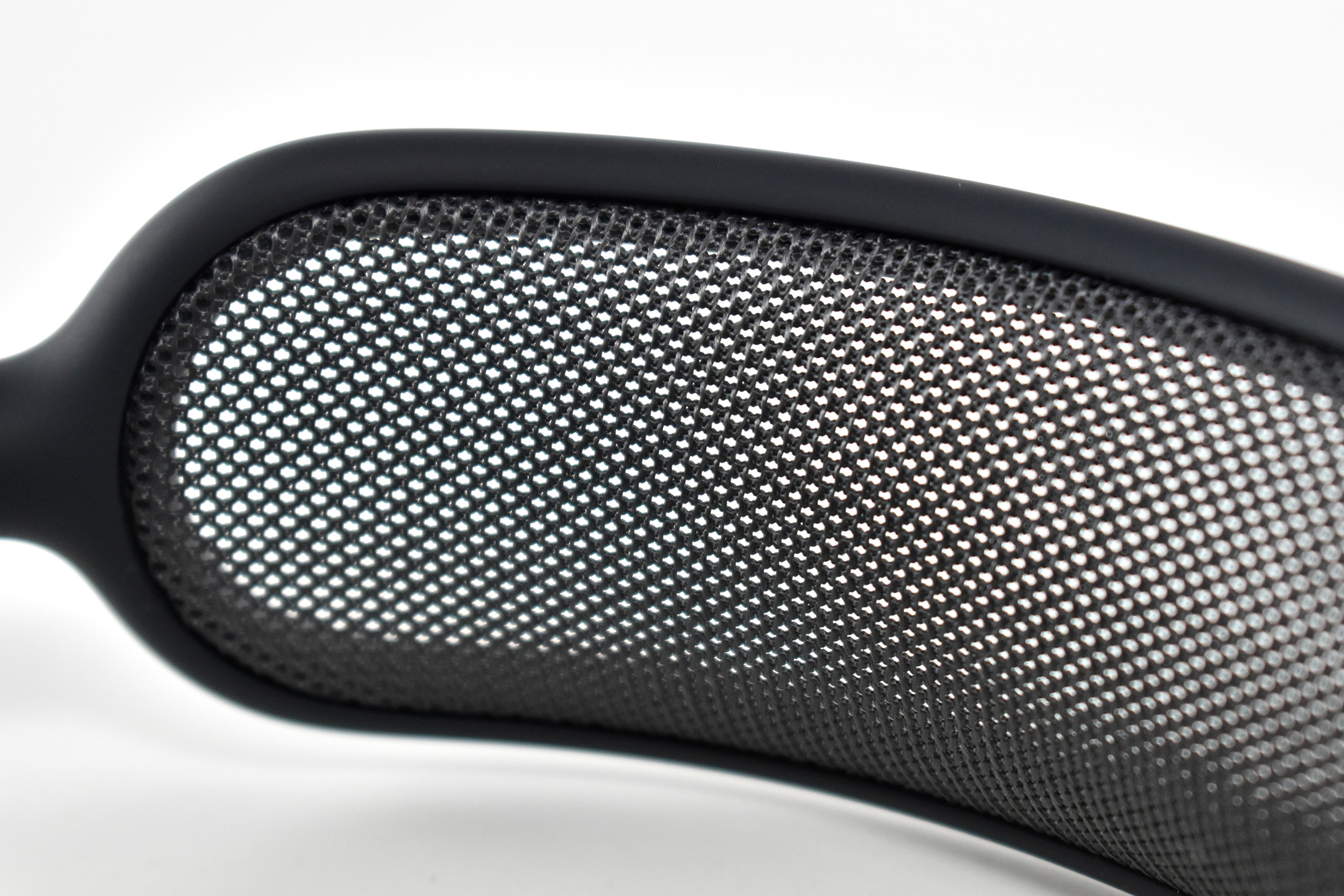
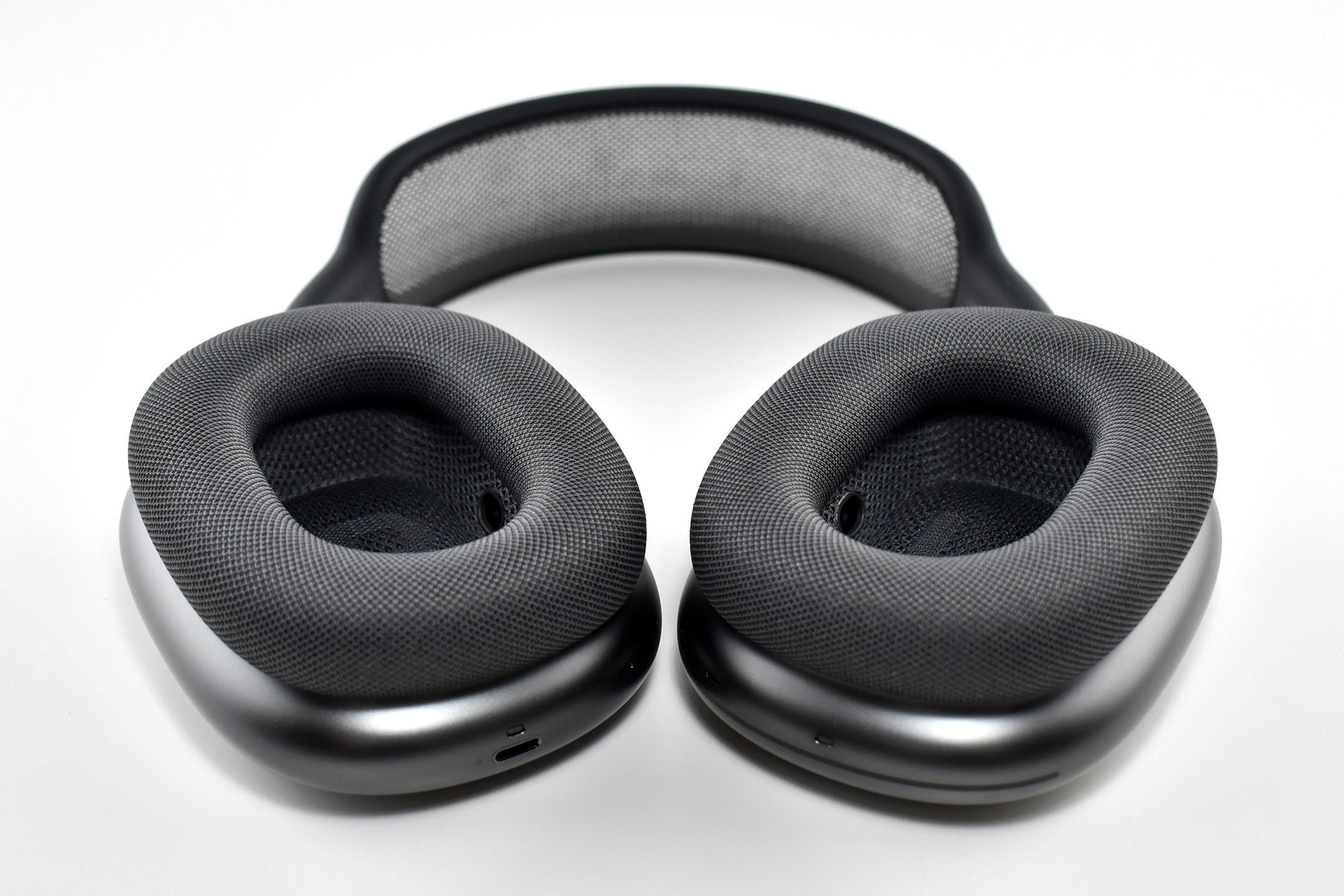
The headphones featured a brand new design and included the Digital Crown from the Apple Watch as the primary control interface. Materials included a “breathable knit mesh canopy” that spanned the headband to reduce pressure on the head while wearing the headphones for extended periods. The headband frame was made from stainless steel and telescoped to allow a custom fit. The ear cushions were made from a “custom-designed mesh textile [that] wraps the ear cushions to provide pillow-like softness while listening.” The outer ear cup was aluminum in a rectangular shape with rounded corners (as opposed to a round or oval design seen on other over-the-ear headphone designs).

The audio technology included “H1 chips, and advanced software to power computational audio for a breakthrough listening experience with Adaptive EQ, Active Noise Cancellation, Transparency mode, and spatial audio.” The battery on AirPods Max was advertised at 20 hours.

AirPods Max headphones were available in five colors: space gray, silver, sky blue, green, and pink. The colors consistently referred to the color of the outer ear cup of the AirPods Max—since each color option used a different combination of accent colors. Space gray used space gray outer ear cups with black ear cushions and headband. Silver used silver outer ear cups with white ear cushions and headband. Sky blue used light blue outer ear cups with light blue ear cushions and a dark blue headband. Green used light green outer ear cups with light green ear cushions and a pale green (white tinted with green) headband. Pink used pale pink (similar to Apple’s rose gold) outer ear cups with dark pink ear cushions and a red headband.

AirPods Max Ear Cushions were also sold separately by Apple as replacements—or to allow users to customize their headphone style. By mixing and matching the Ear Cushions, 25 color combinations were possible, or 125 combinations if two different ear cushion colors were used.

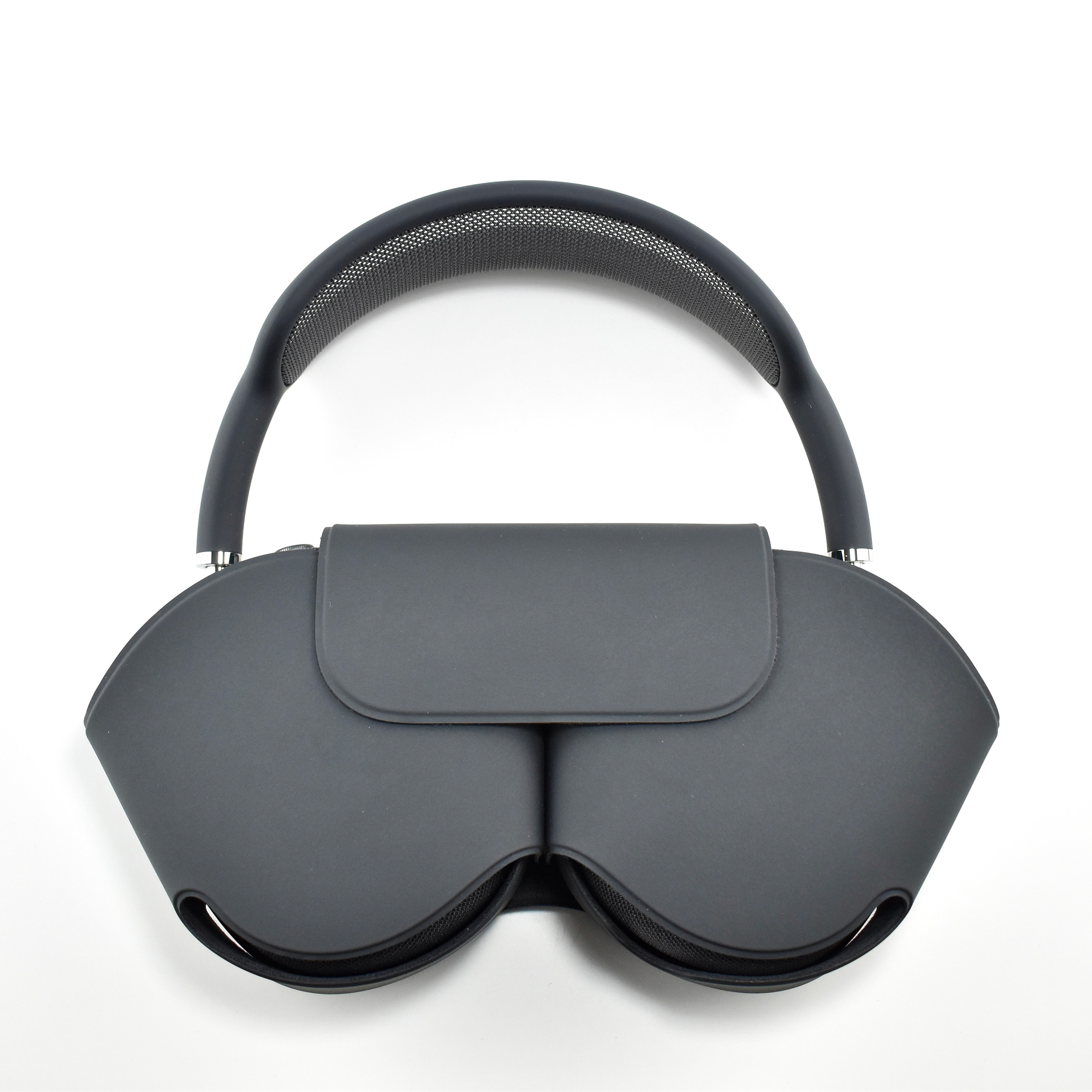
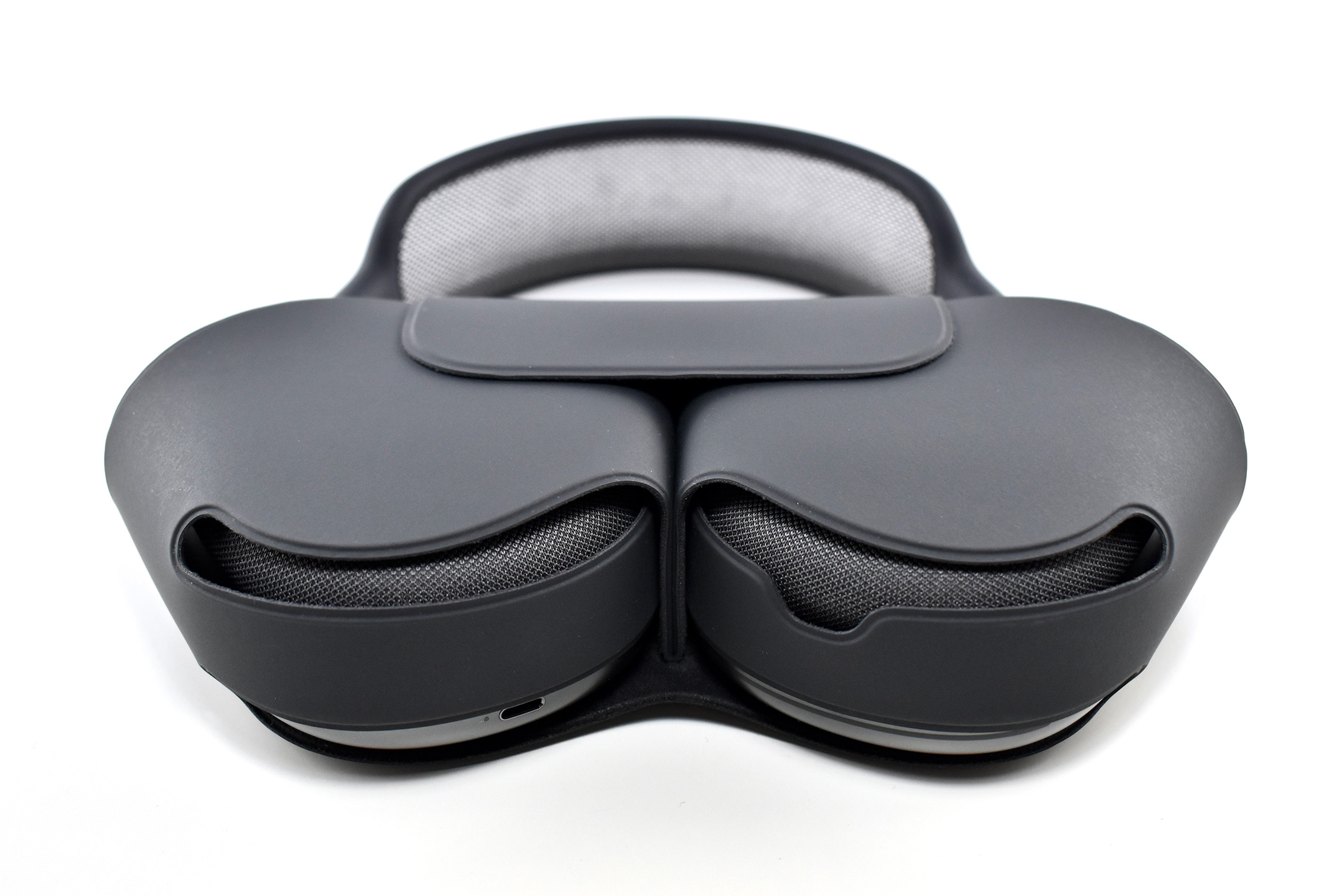
The AirPods Max shipped with an arguably unusual case design that provided little protection, but allowed the headphones to go into “an ultralow power state that helps to preserve battery charge when not in use.” The case was frequently maligned by critics.

When AirPods Max were released, they were almost universally praised for their superior sound quality and noise-cancelling features, but panned for their high price of $549. The primary technical issue shared by some reviewers was the tendency for AirPods Max to “form condensation under the earcups and the water that is formed gets inside the drivers causing ear detection problems.”

This set of AirPods Max headphones is Space Gray.

Sources: Apple (Newsroom, AirPods Max, ear cushions), Wikipedia

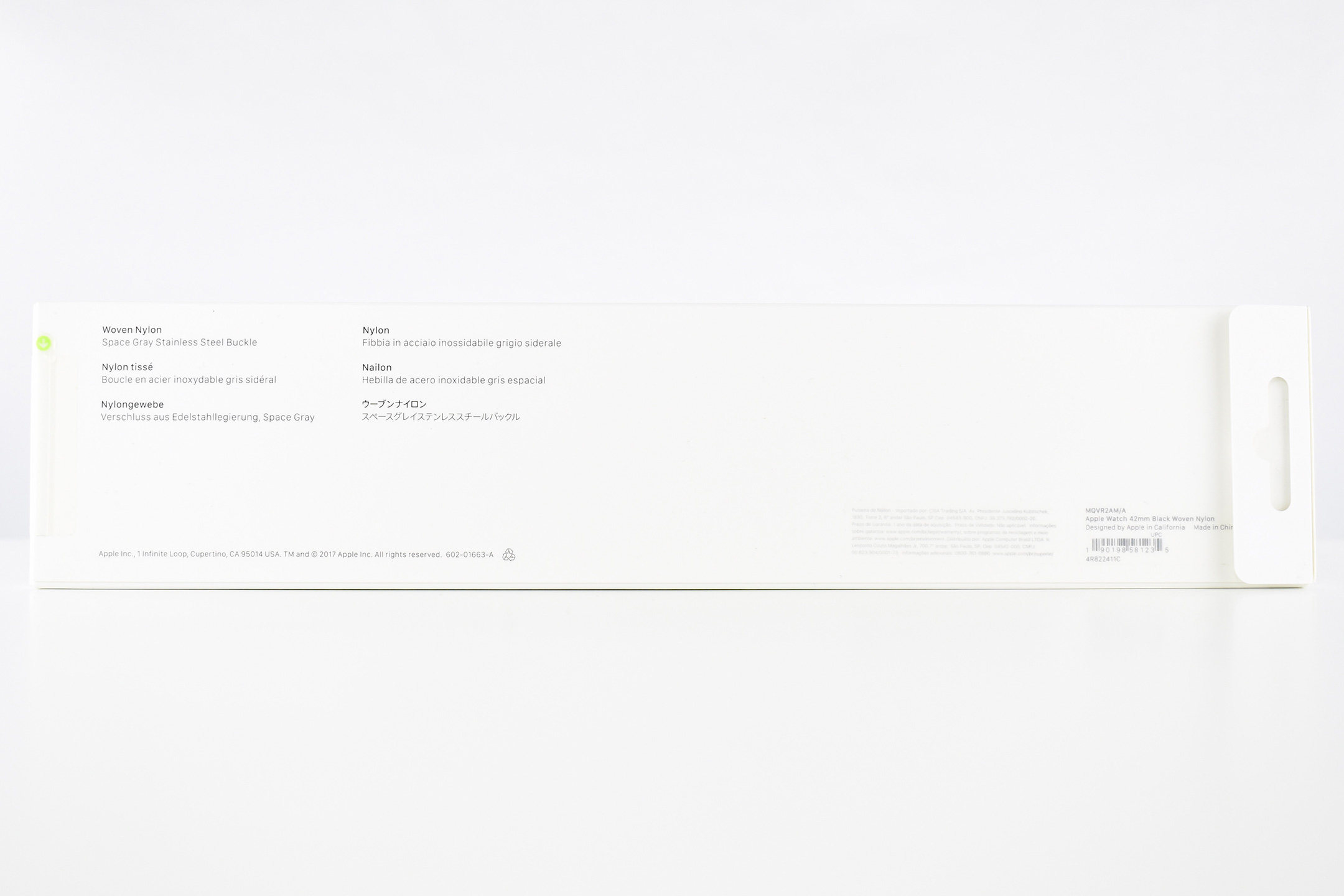
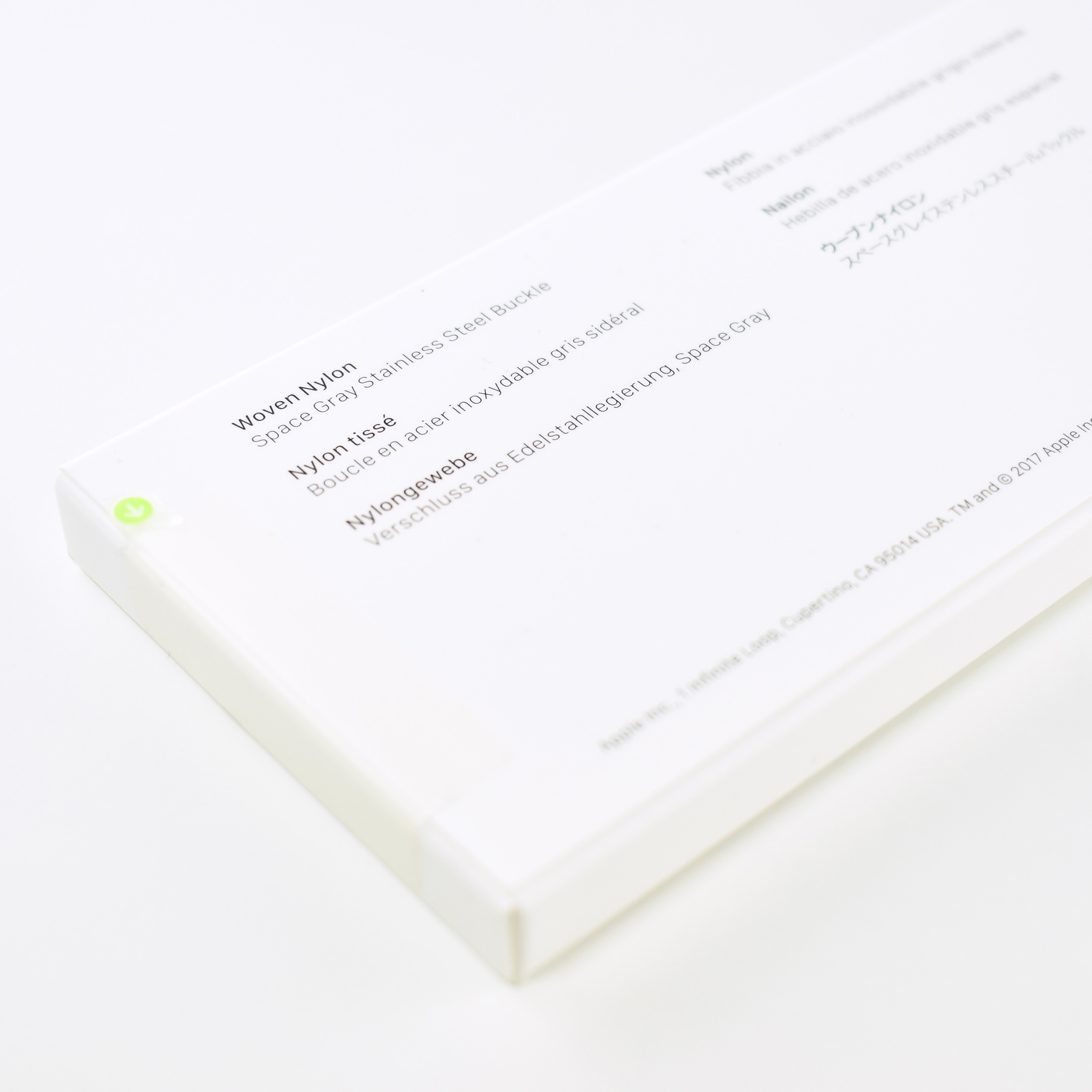
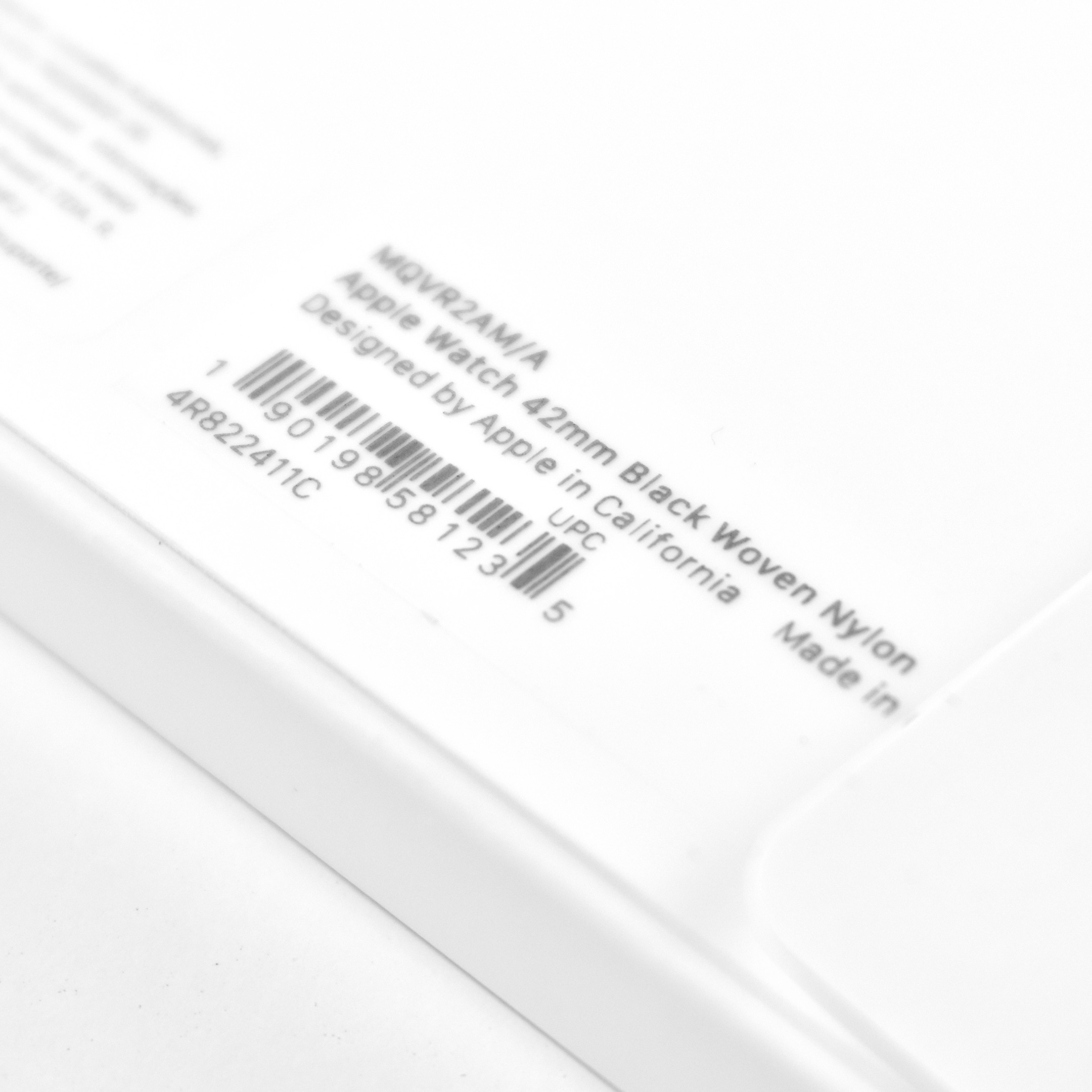
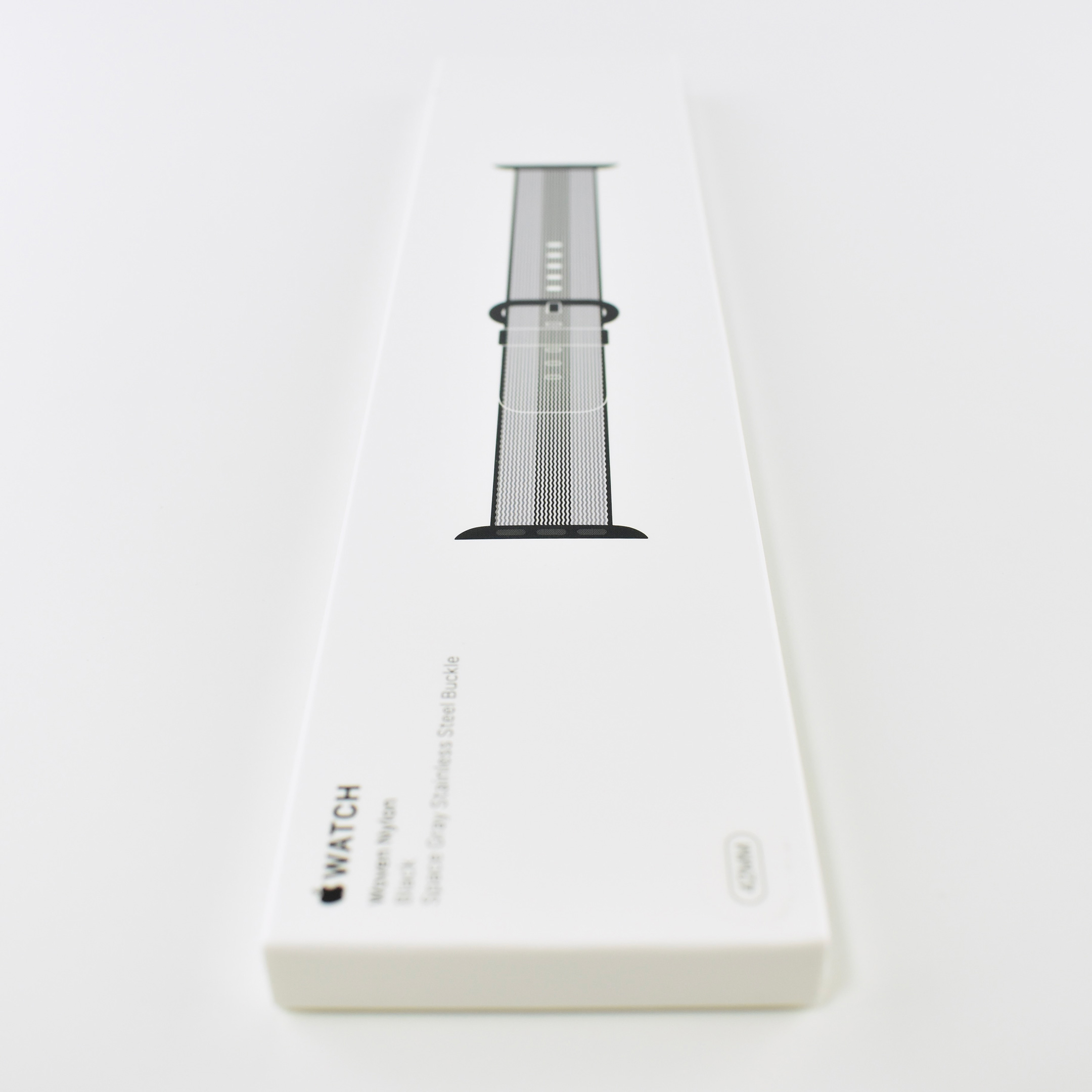
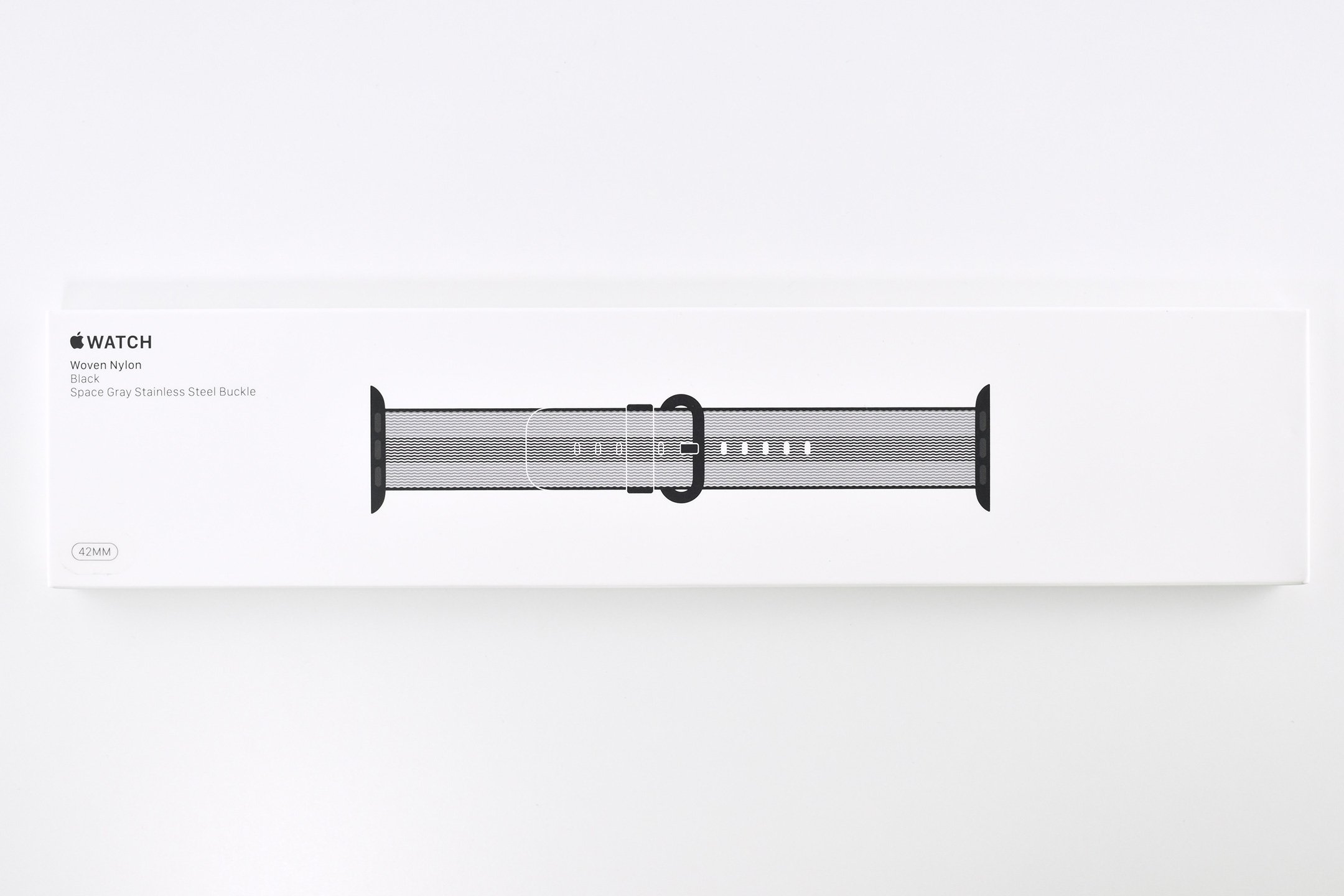
Apple Watch Woven Nylon Band (42 mm, Black, Space Gray Stainless Steel Buckle, 2017)

The Apple Watch Woven Nylon Band was available from 2016–2019. This band design was the first to include plastic connecting “lugs” to attach to the watch.

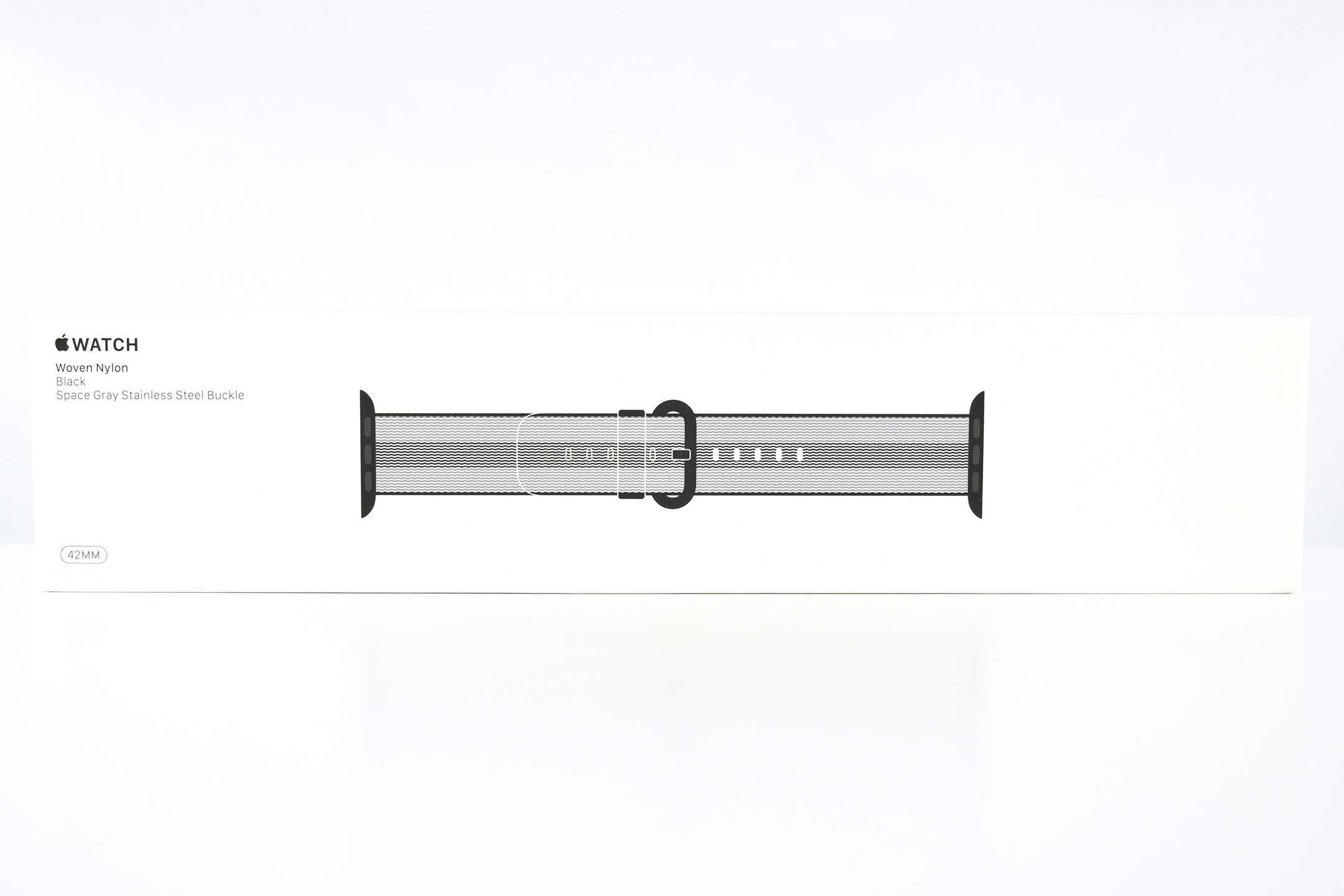
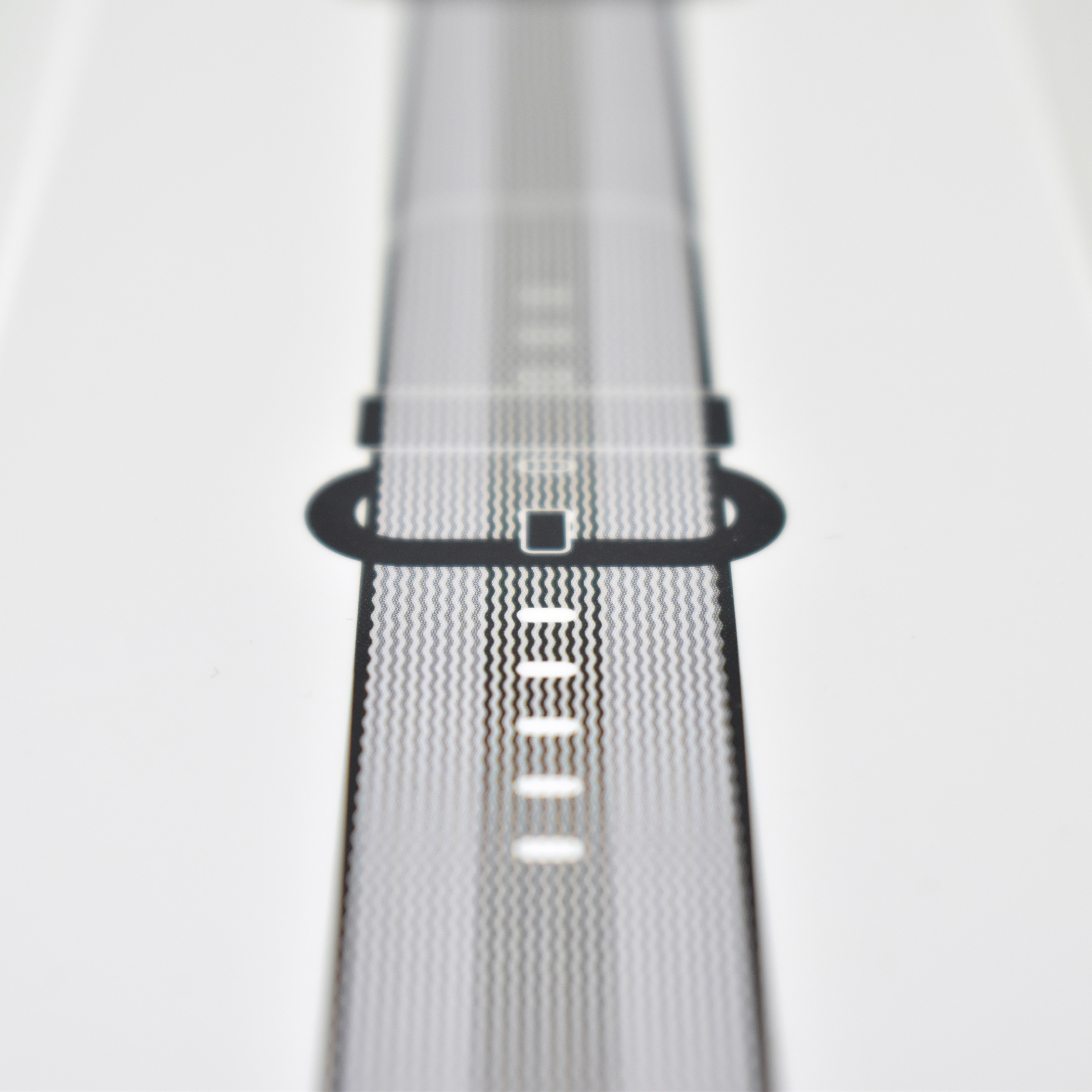
This Black Apple Watch Woven Nylon Band was available beginning in Fall 2017. This example fits the 42 mm Apple Watch. Although this band is called “black,” it is primarily gray. It has a Space Gray Stainless Steel Buckle and features three thick stripes in gray and dark gray with the edges in black.

According to Apple:

“Every Woven Nylon band is made from over 500 threads woven together in a unique, colorful pattern. Monofilaments connect four layers of the weave to create a single durable band with a comfortable, fabric-like feel. Available in seven vibrant colors”

Unlike the Apple Sport Loop bands that shipped with two sizes in one box, each Woven Nylon box included one size band with twelve notches. The 38 mm version was designed to fit wrists 125–195 mm, and the 42 mm fit 145–215 mm wrists.

No new Apple Watch Woven Nylon band styles were introduced after Summer 2018.

Source: 9to5mac, Bandbreite app