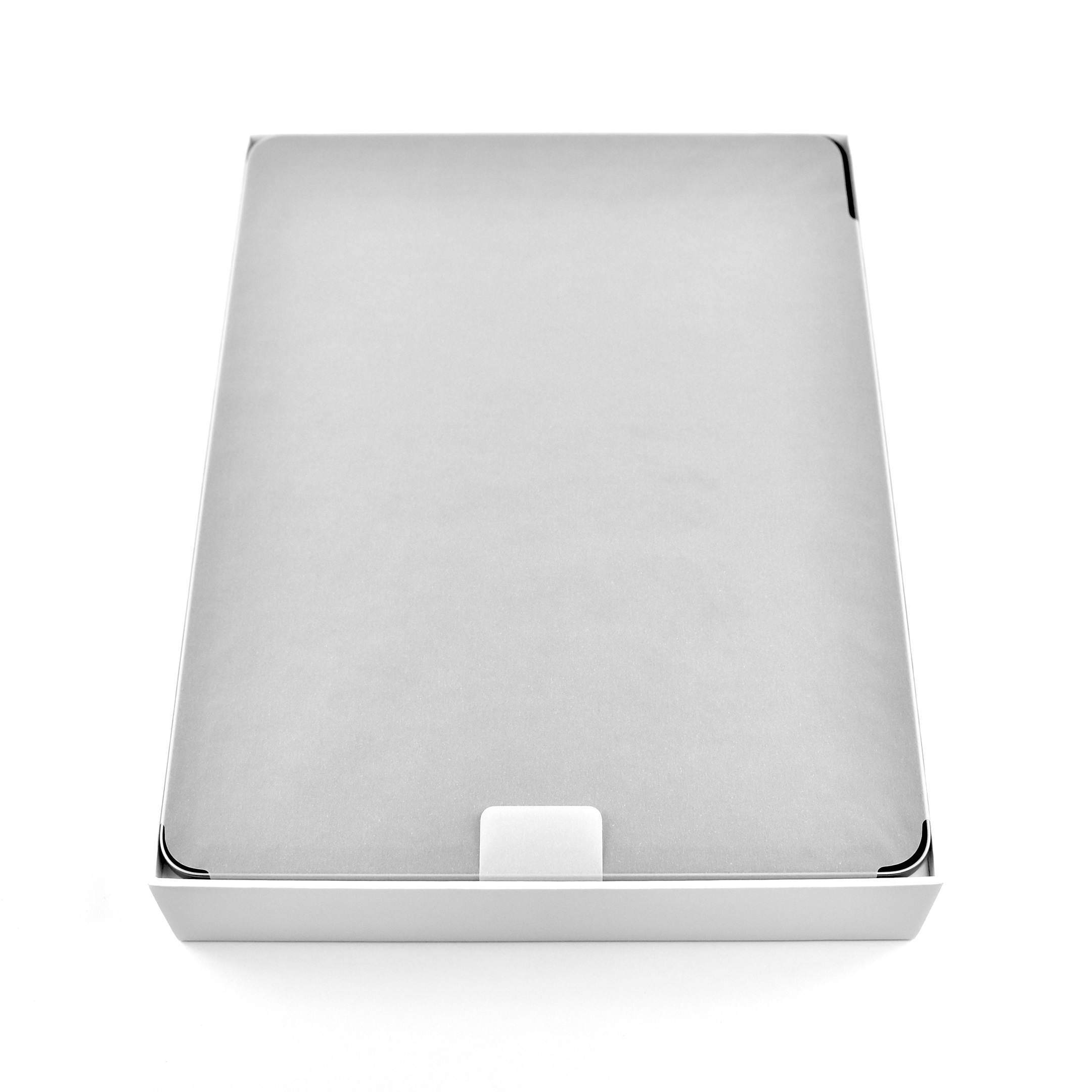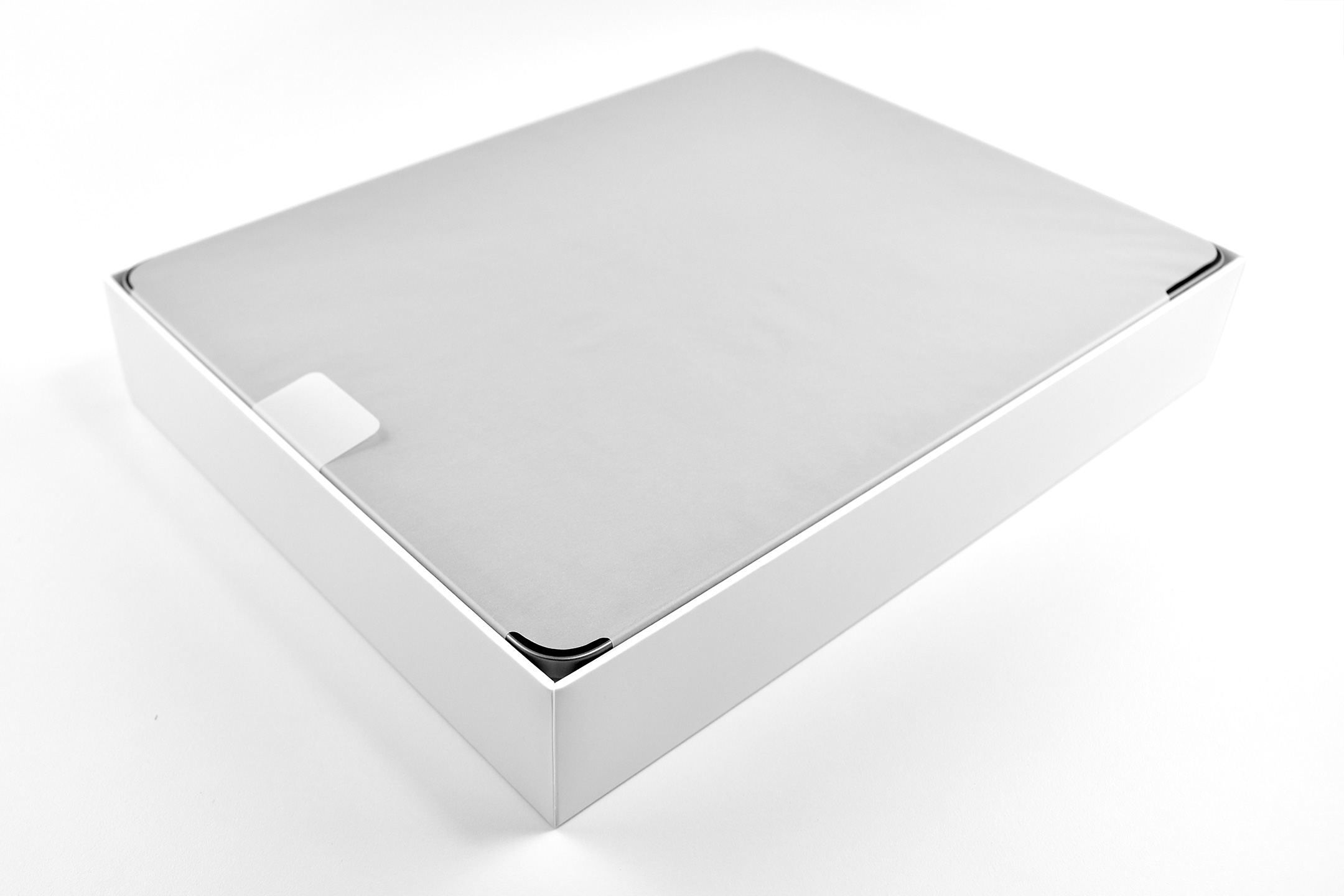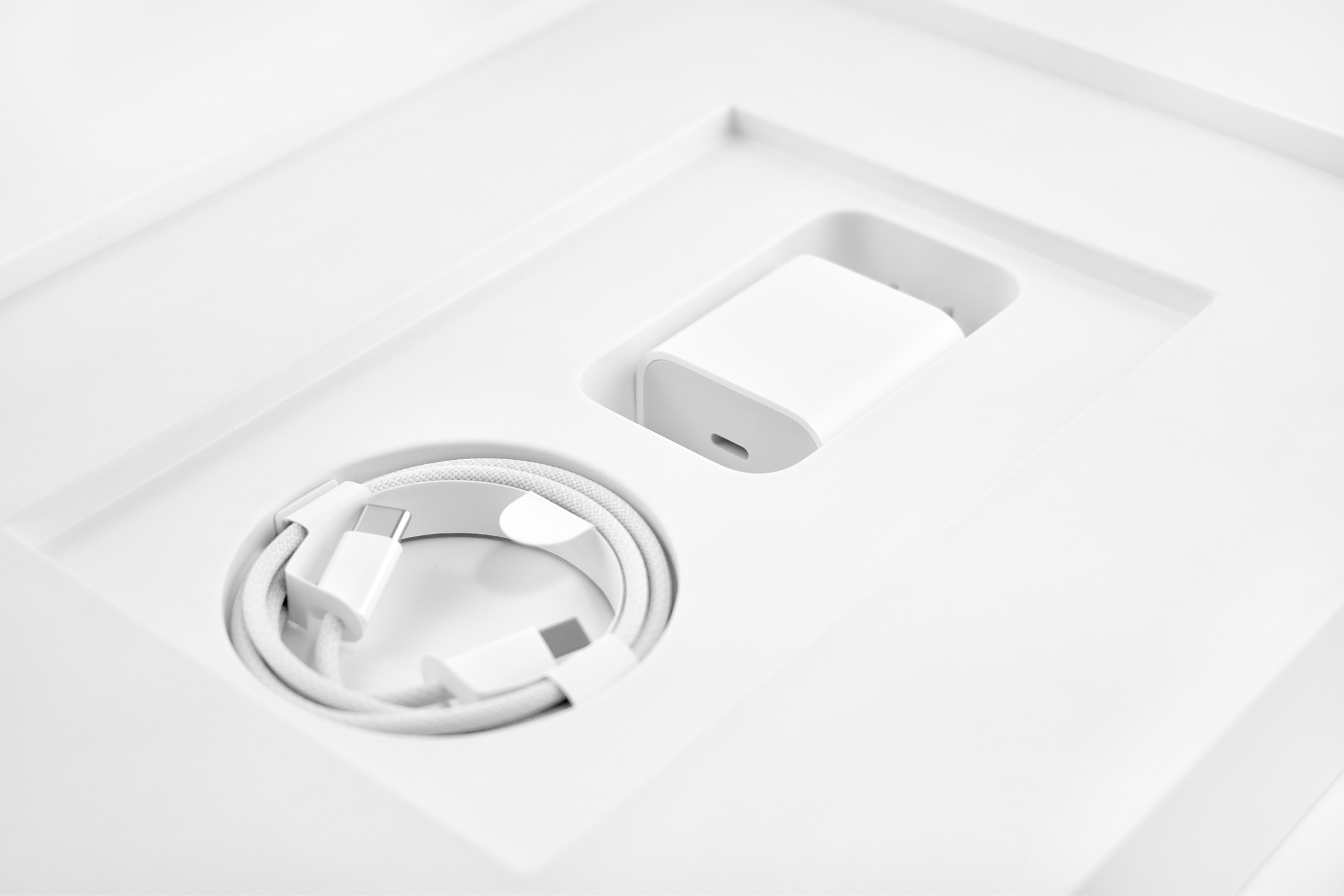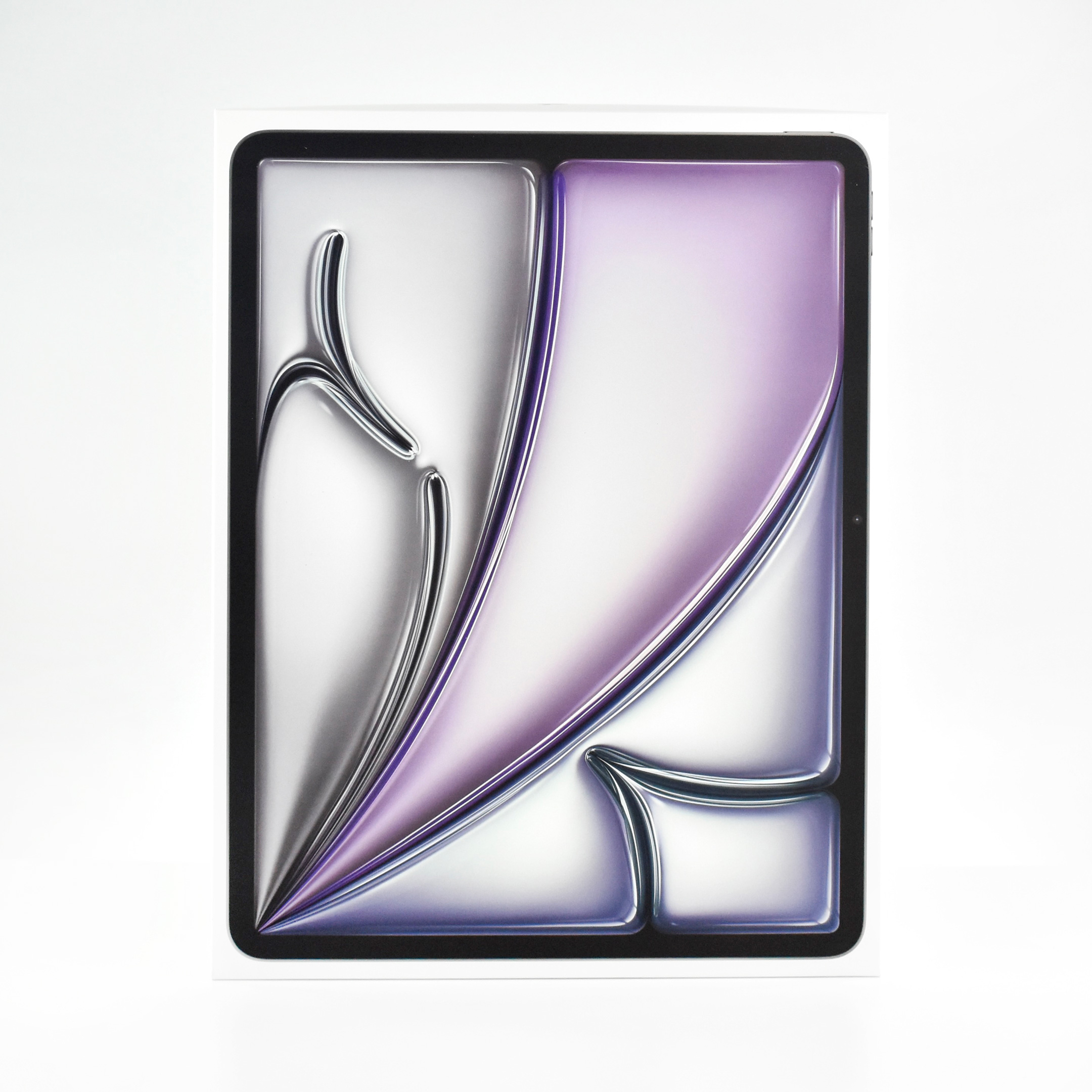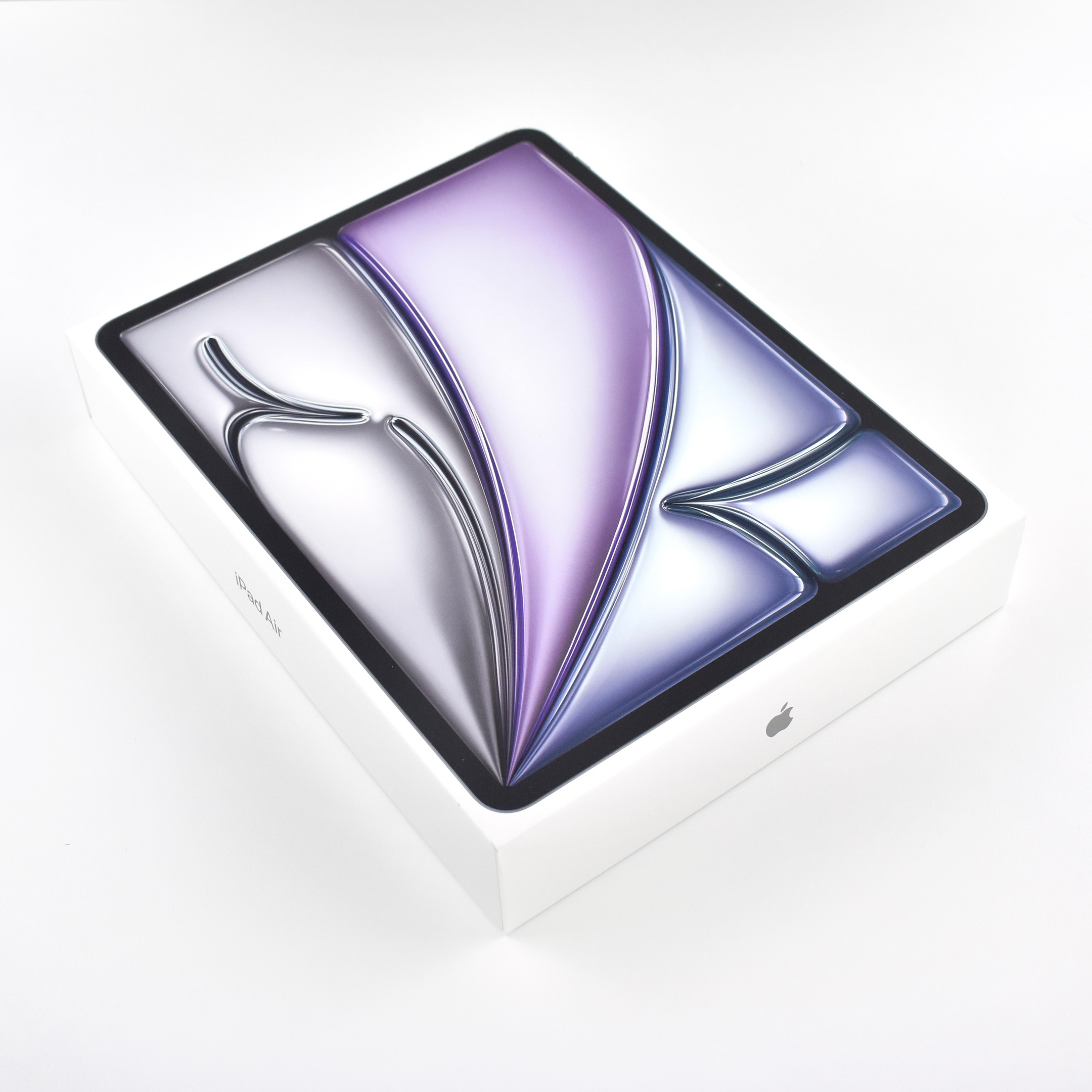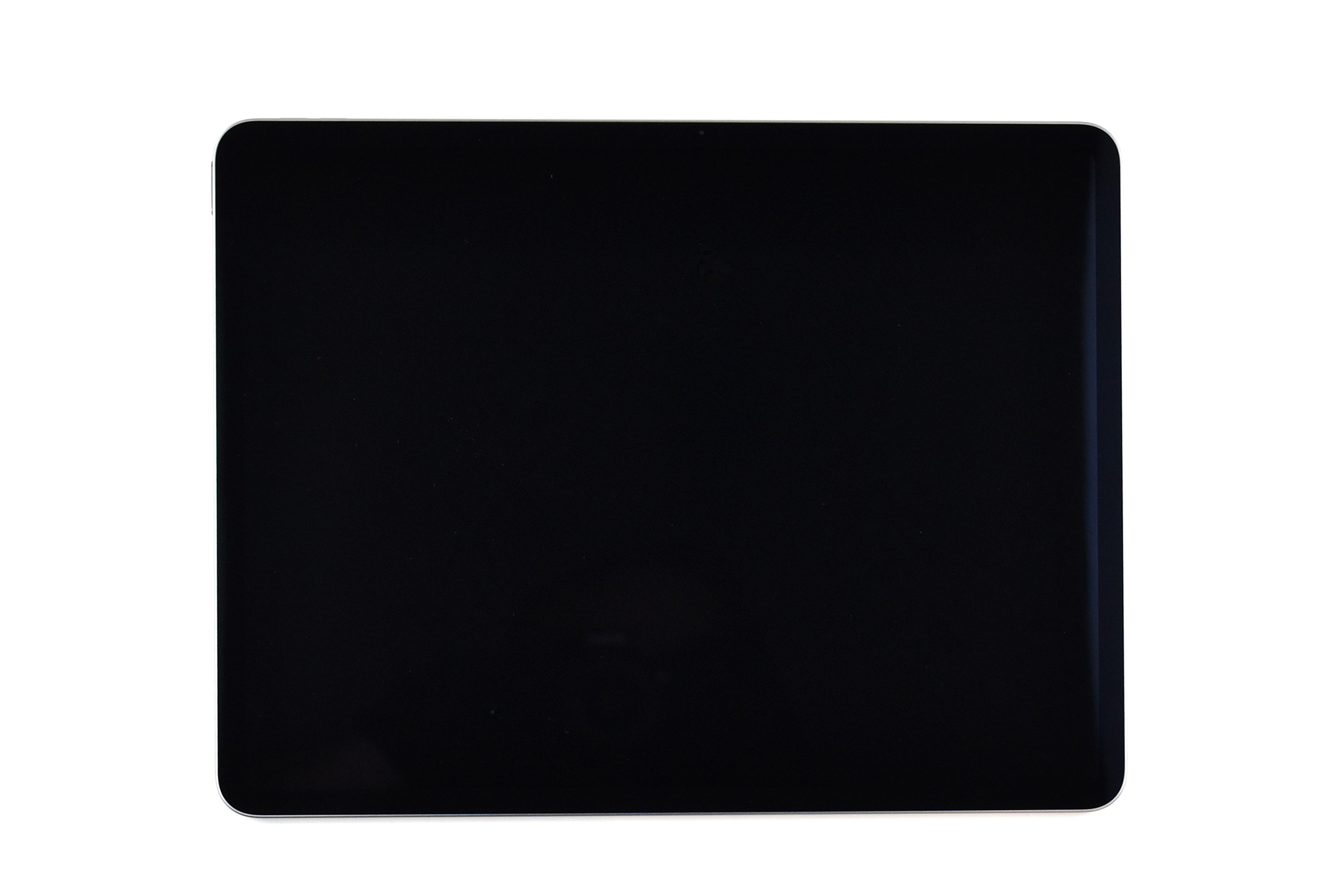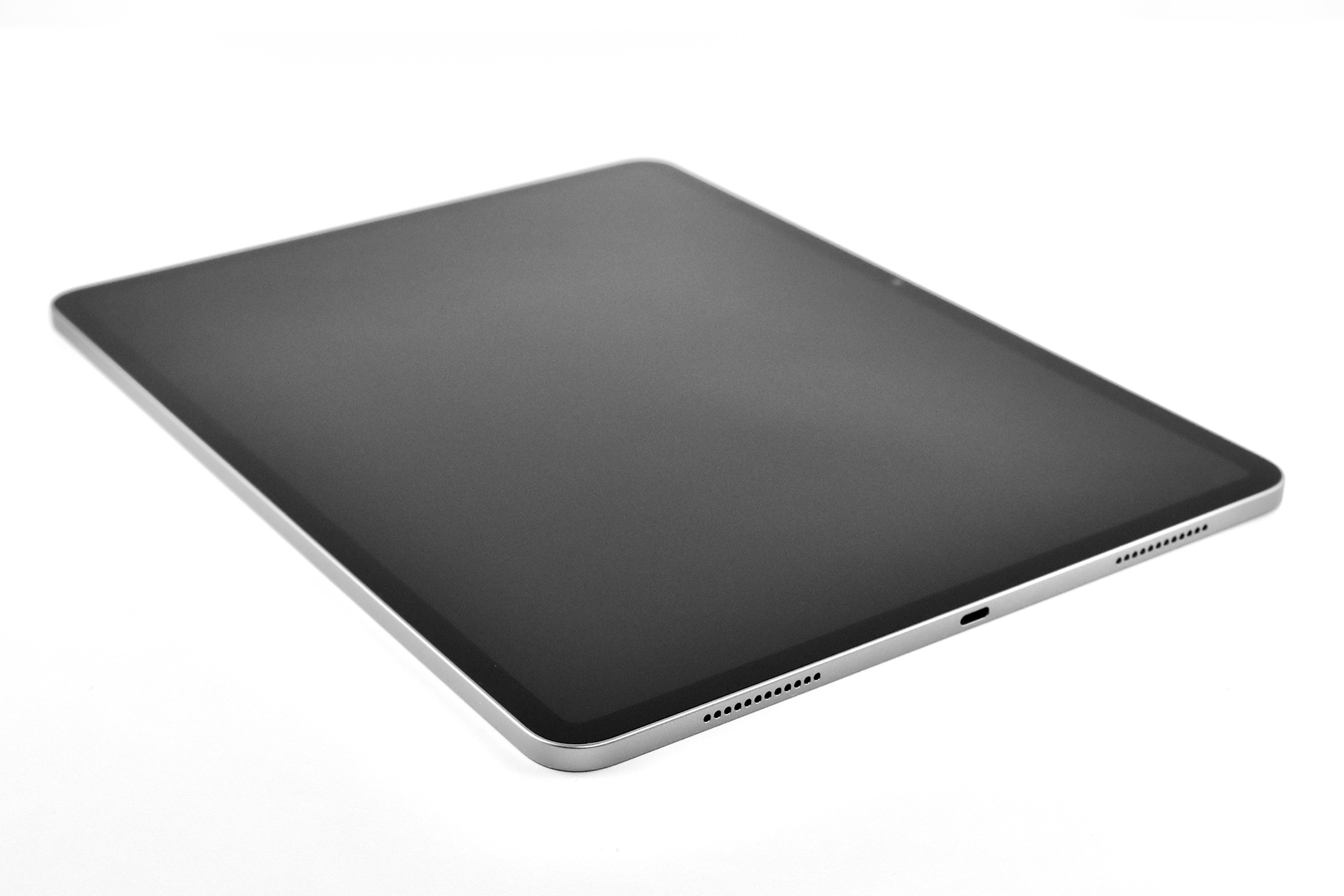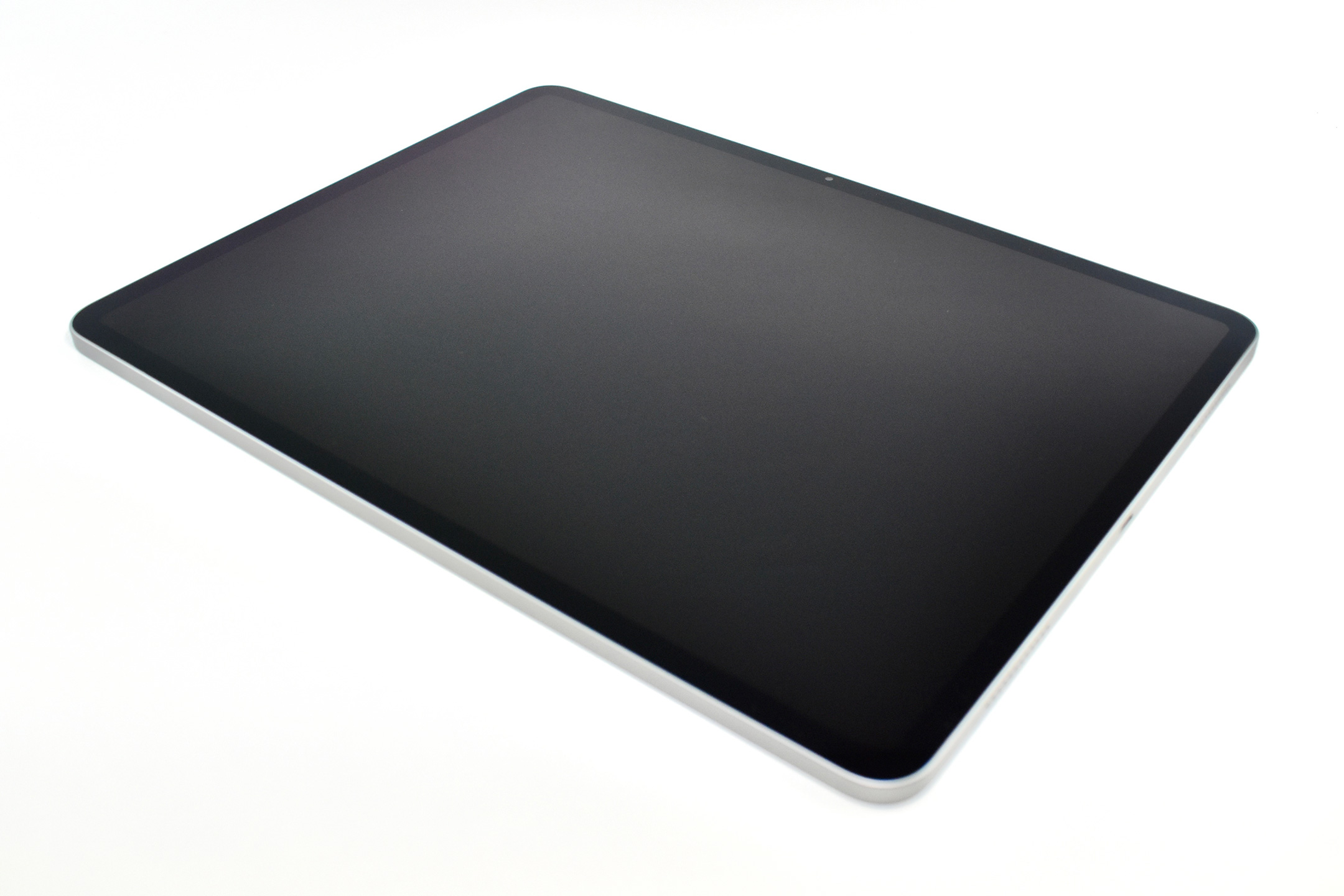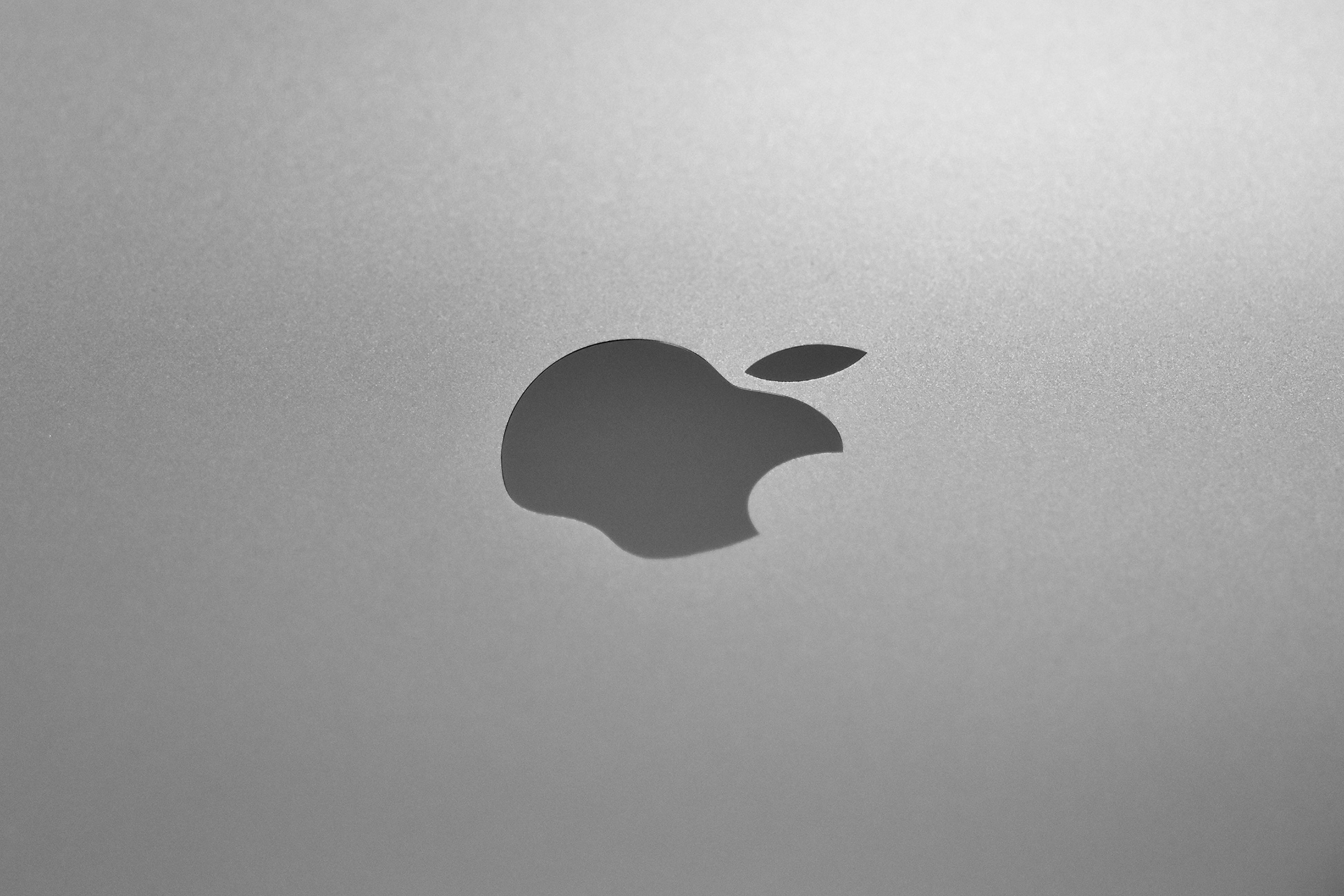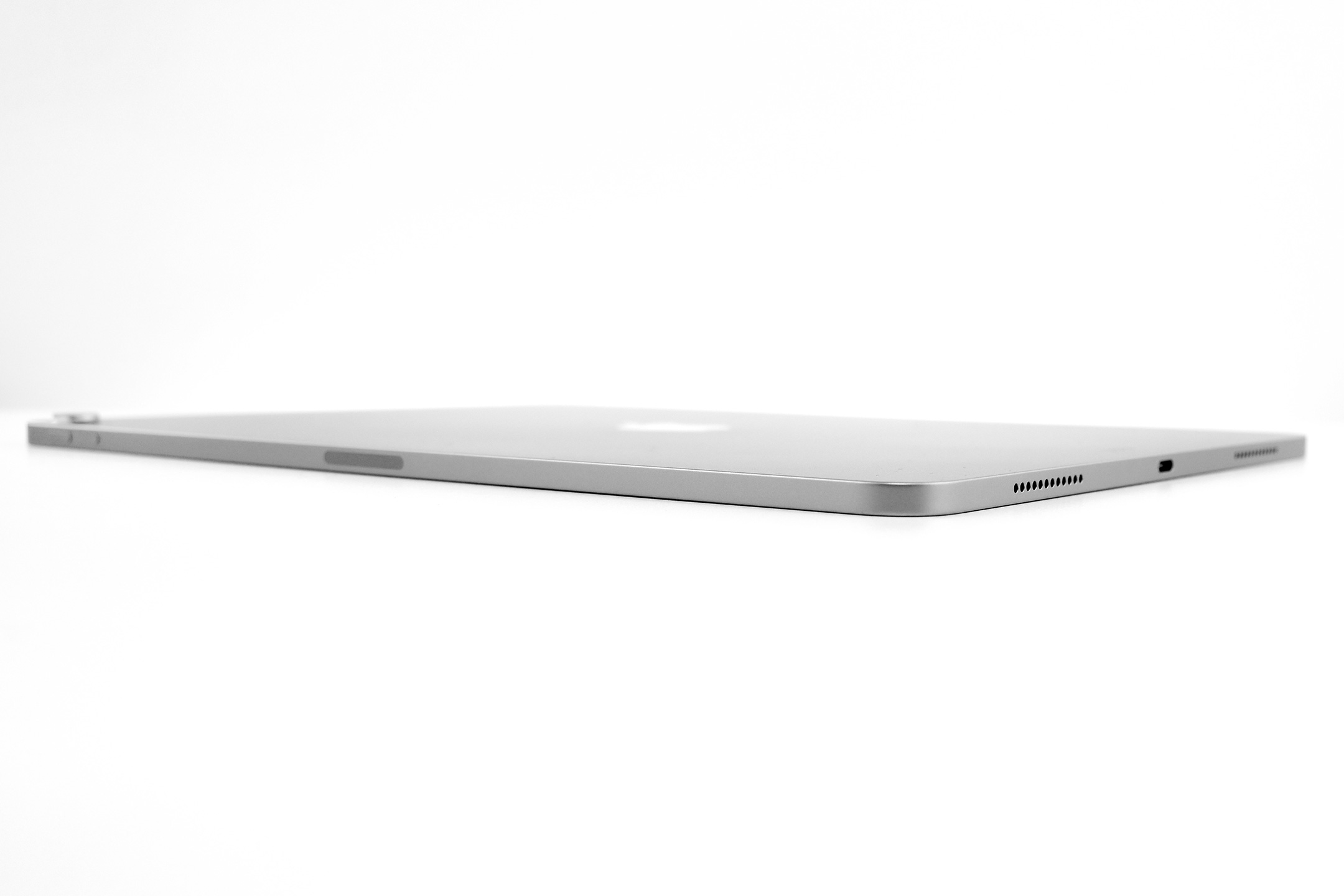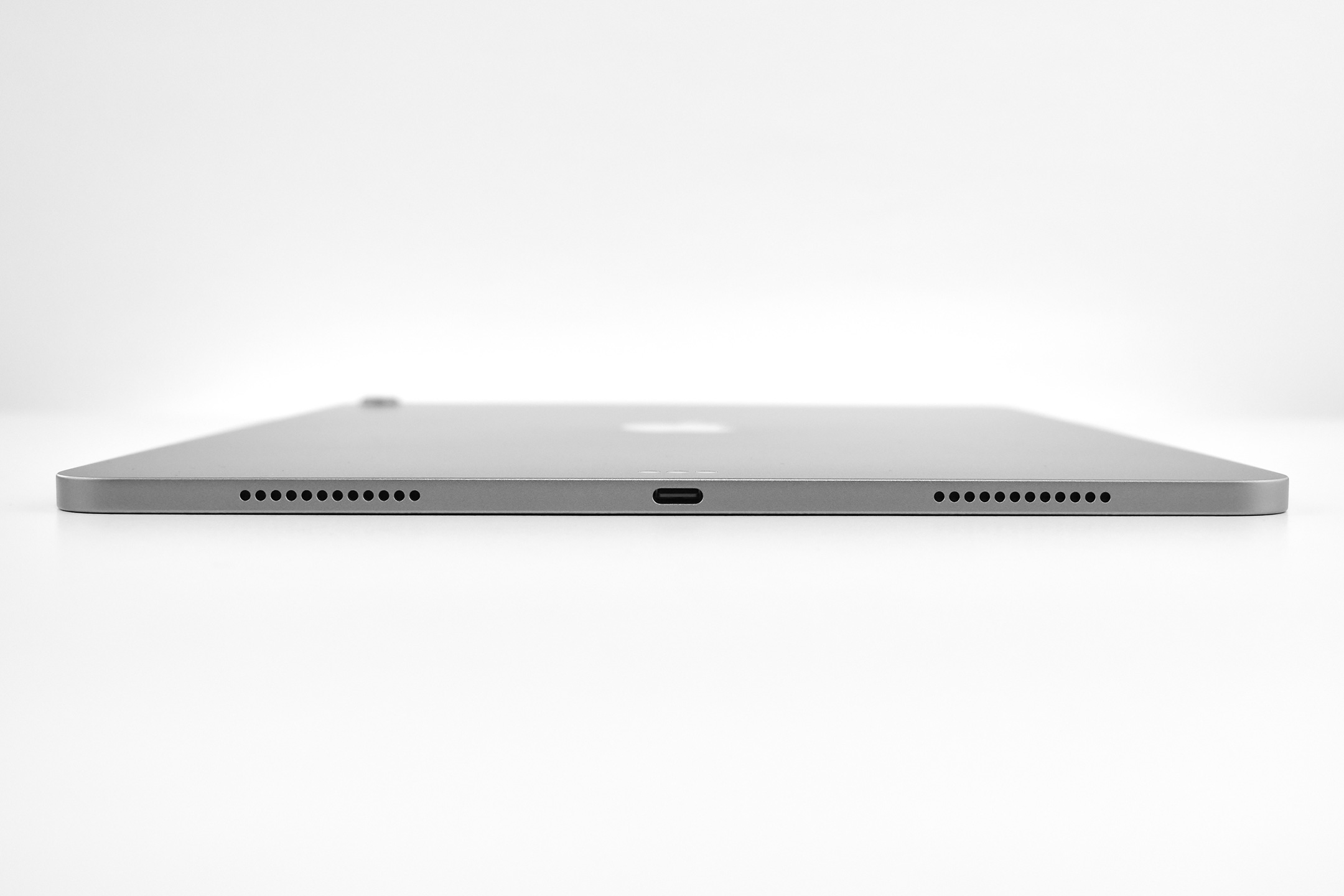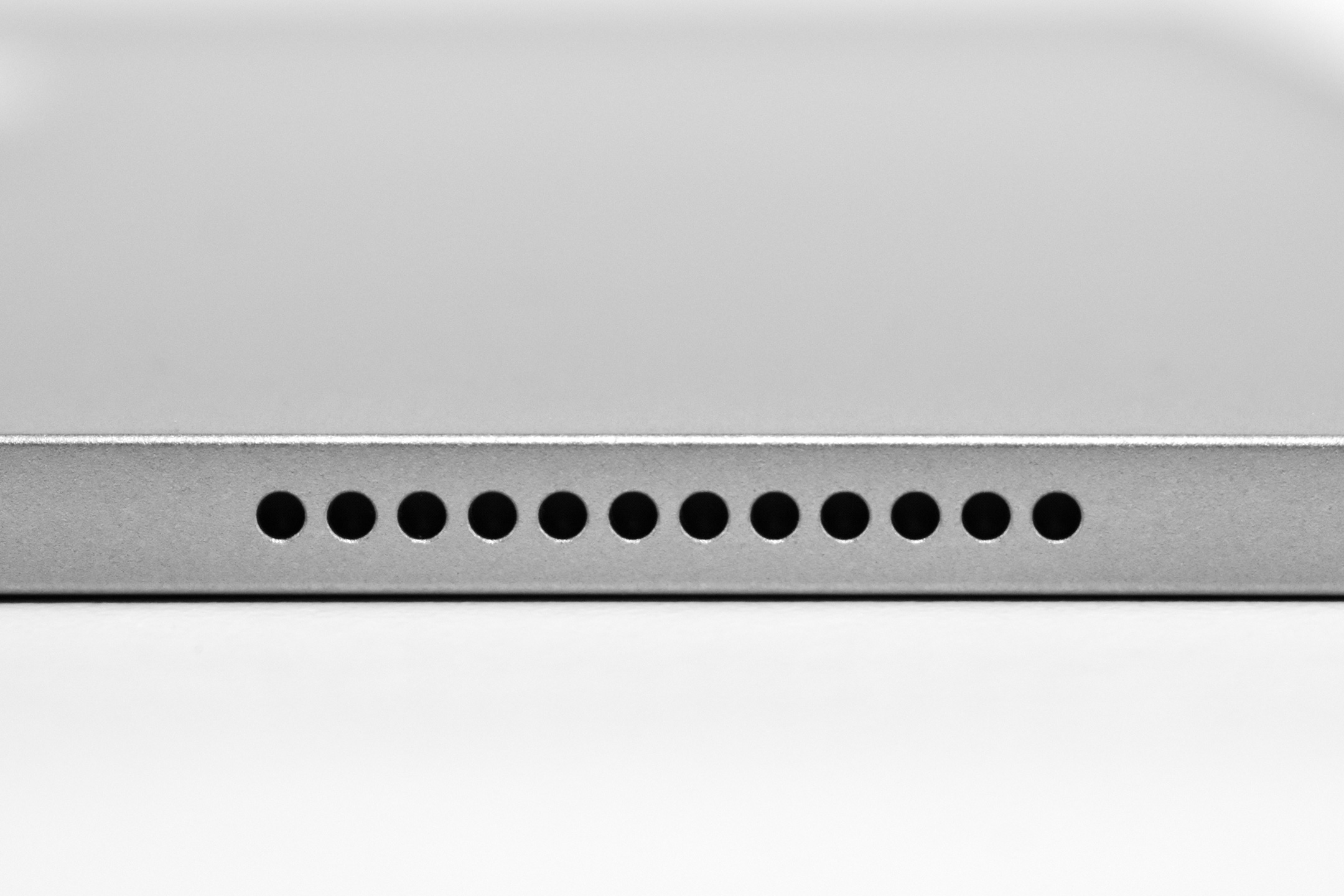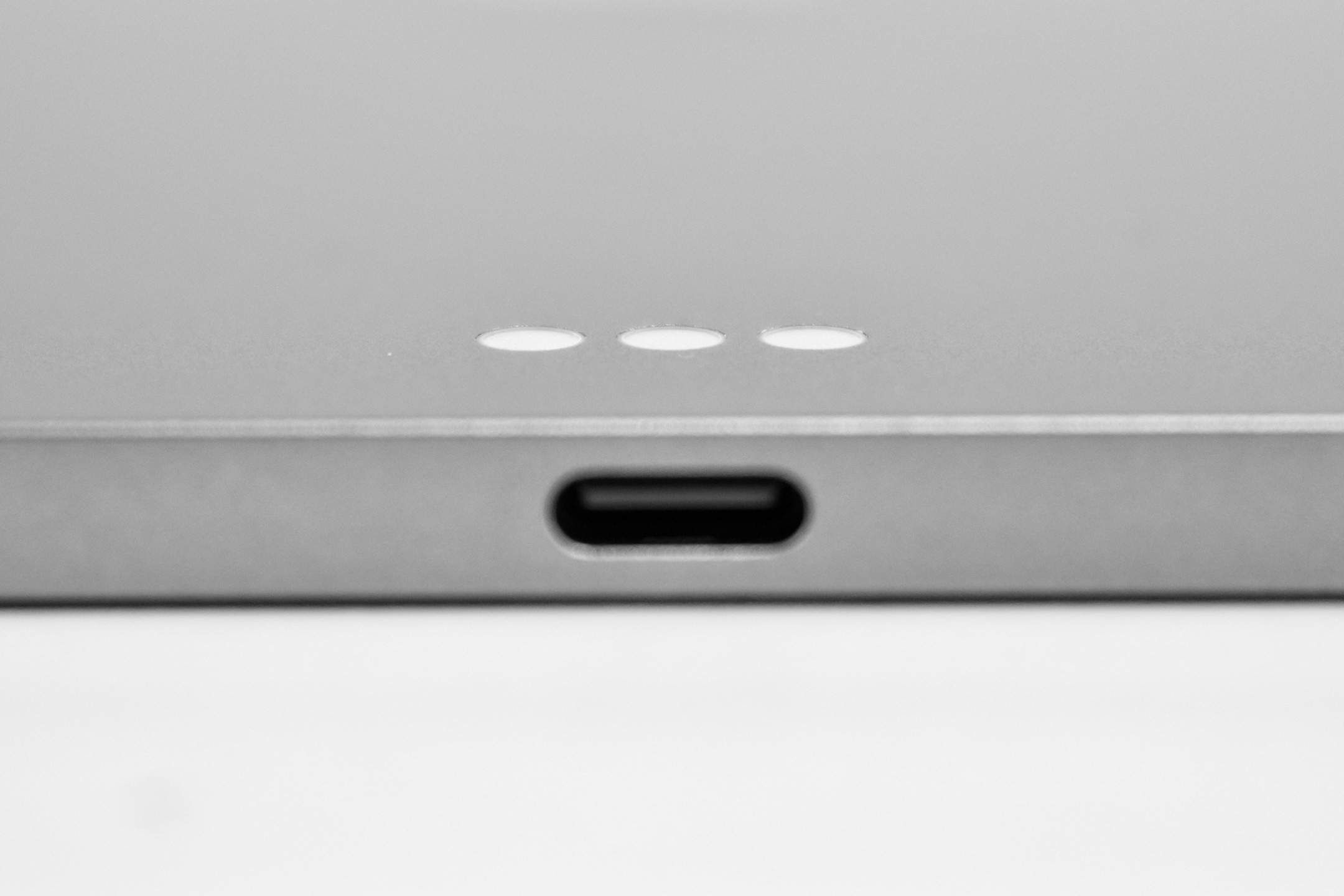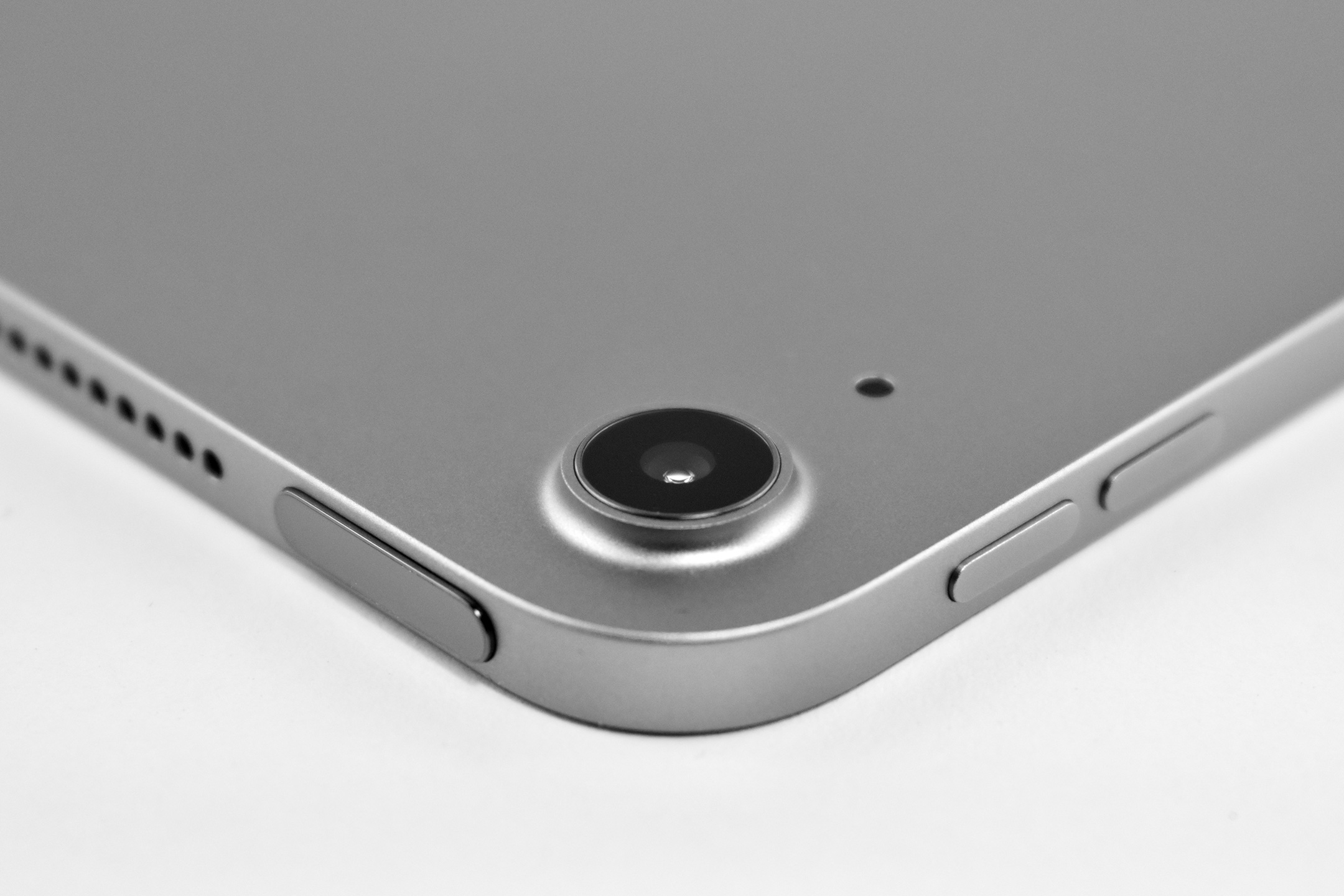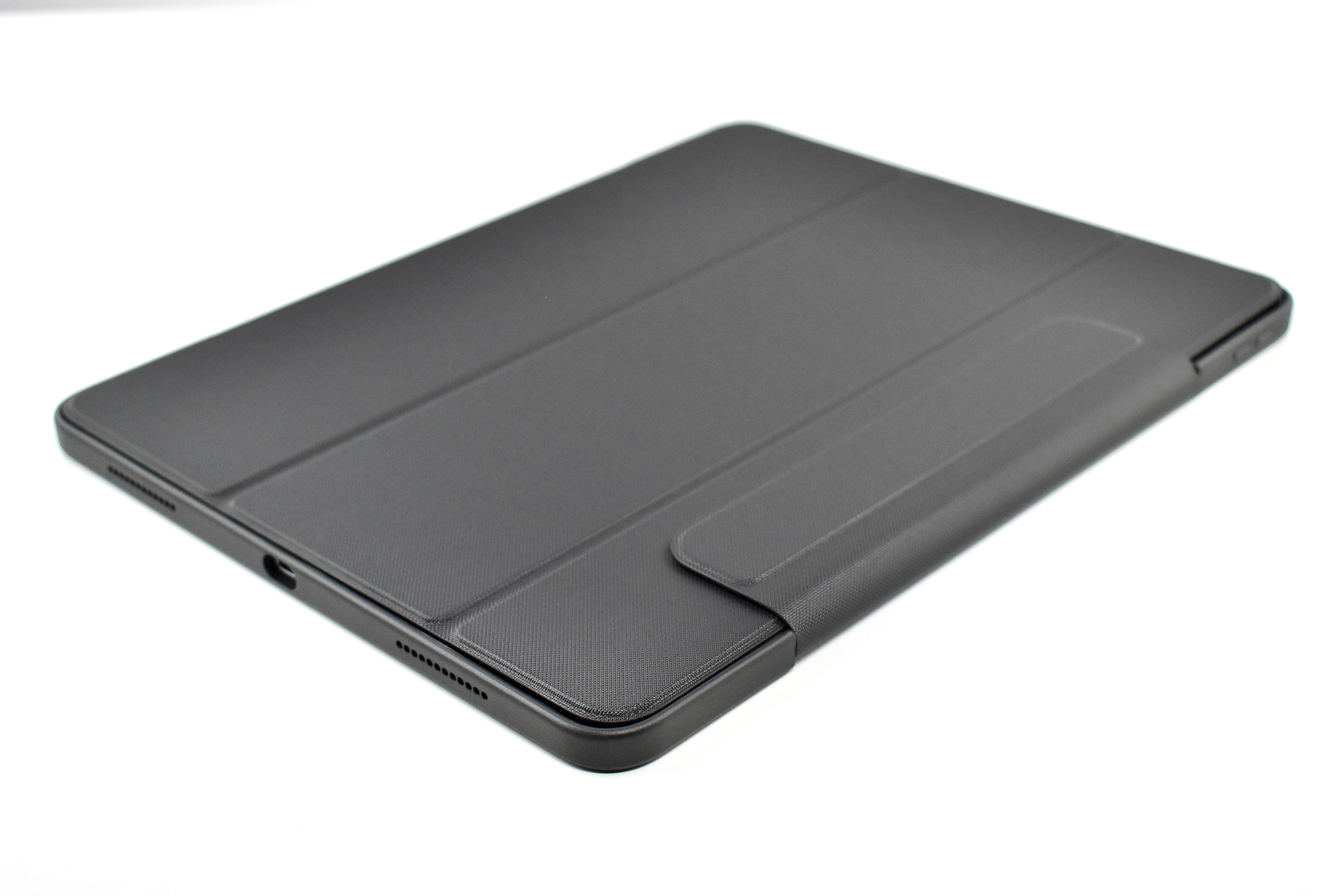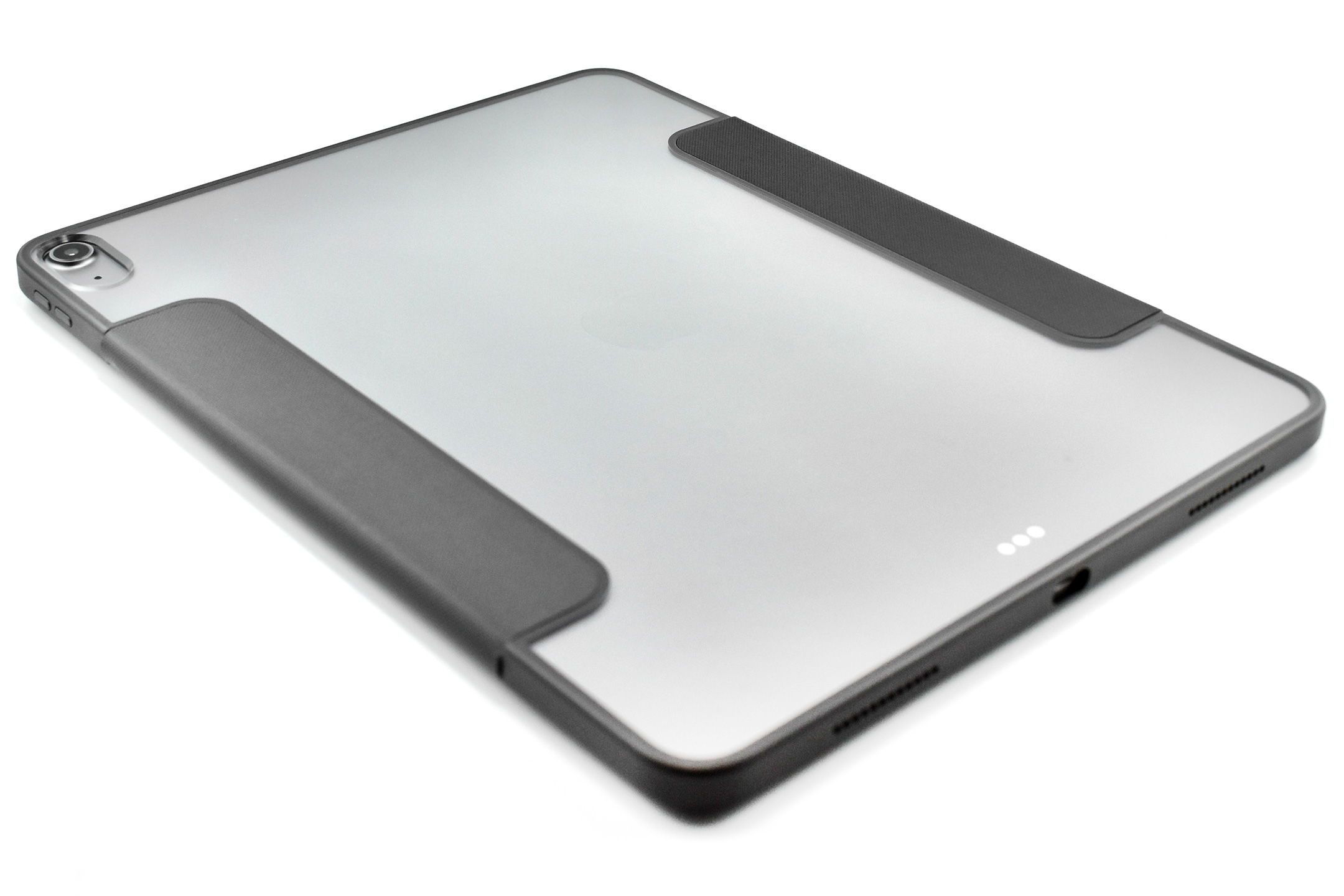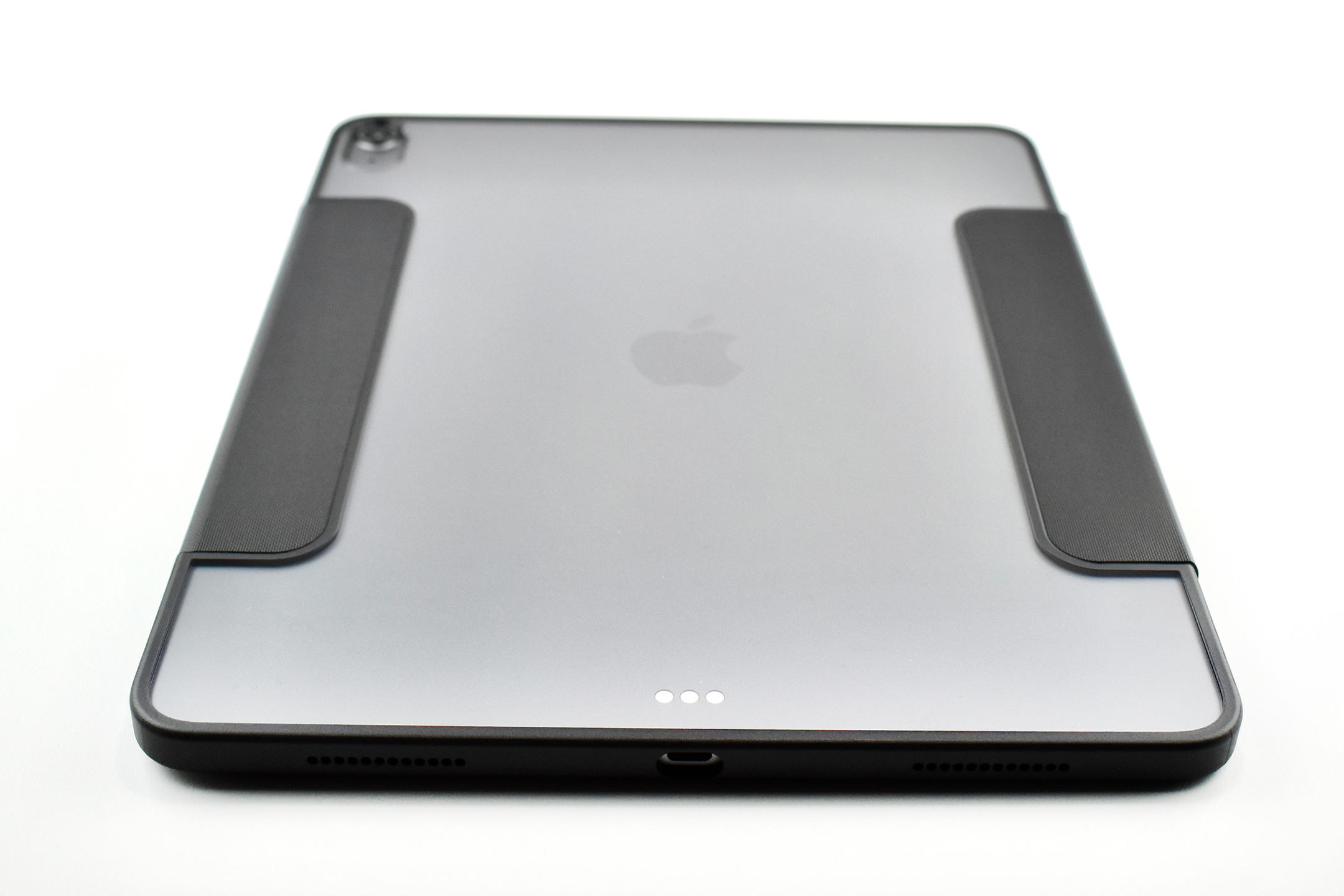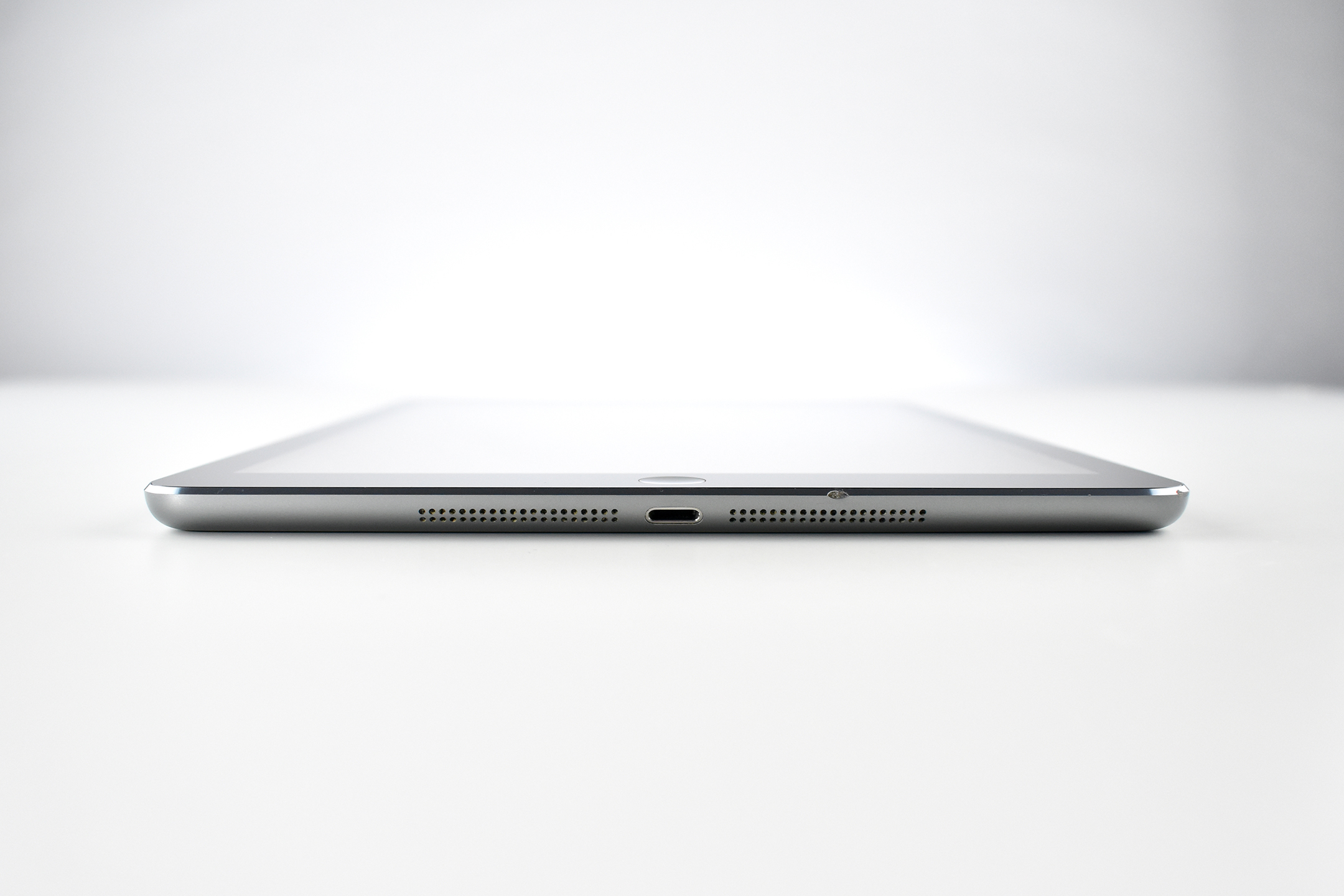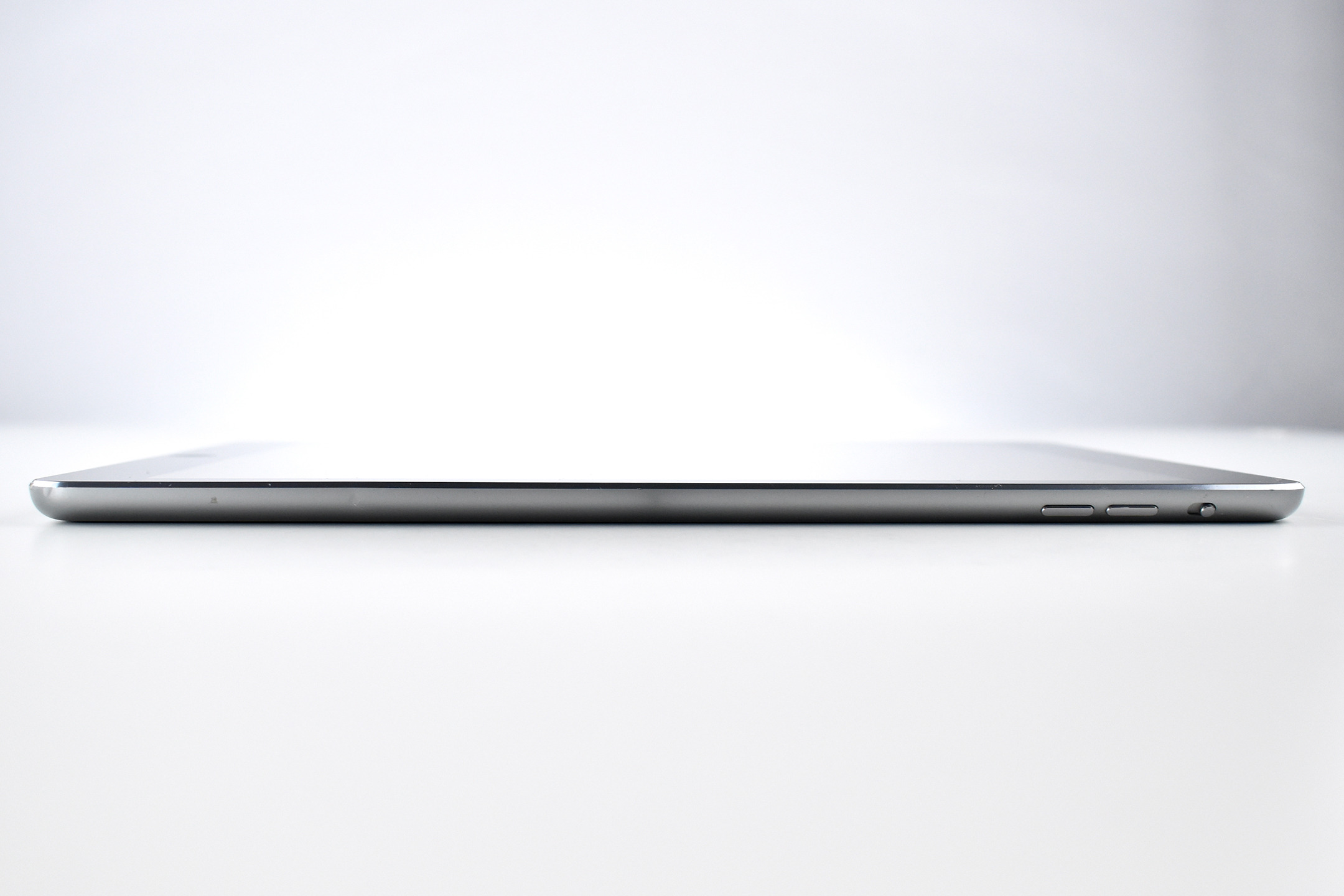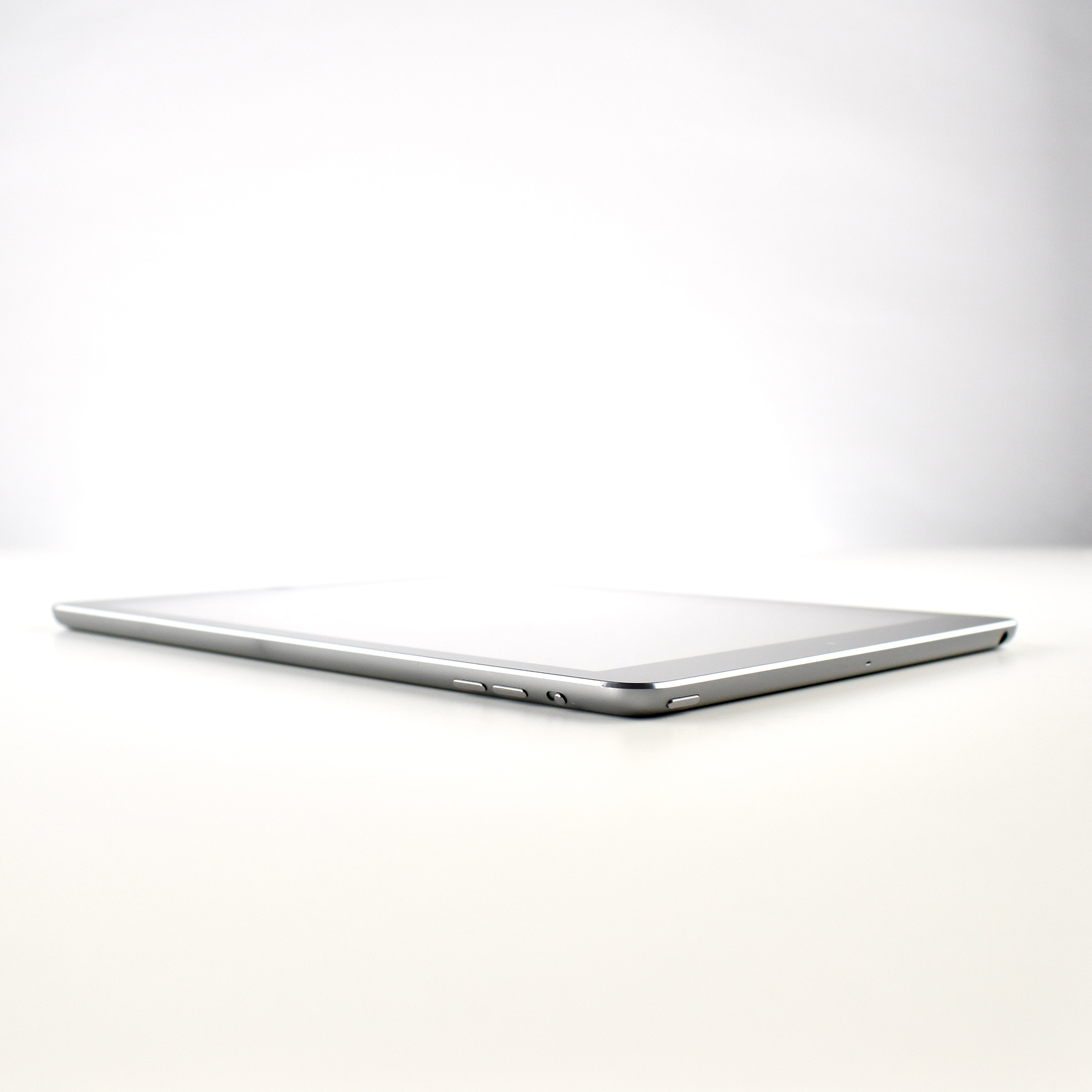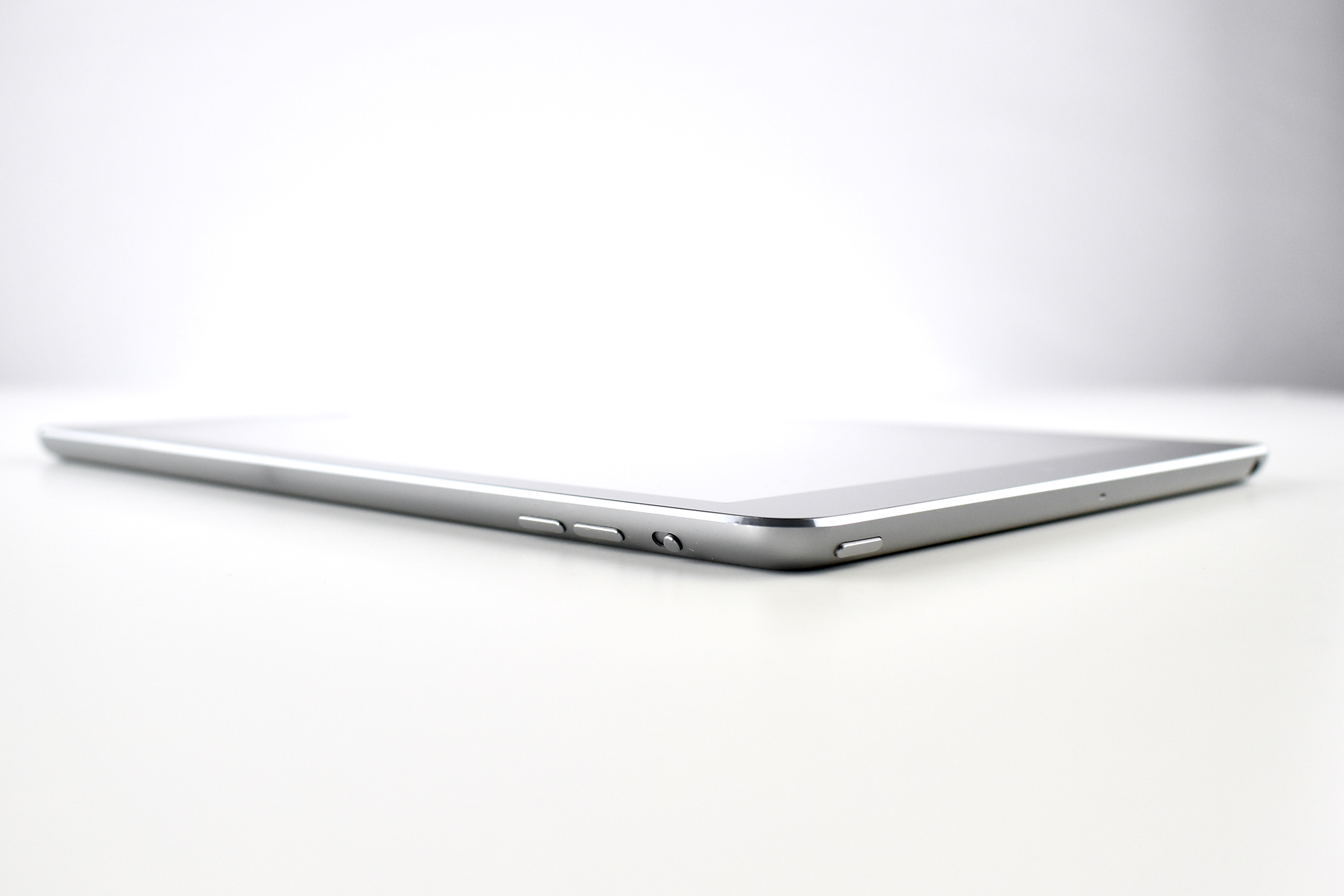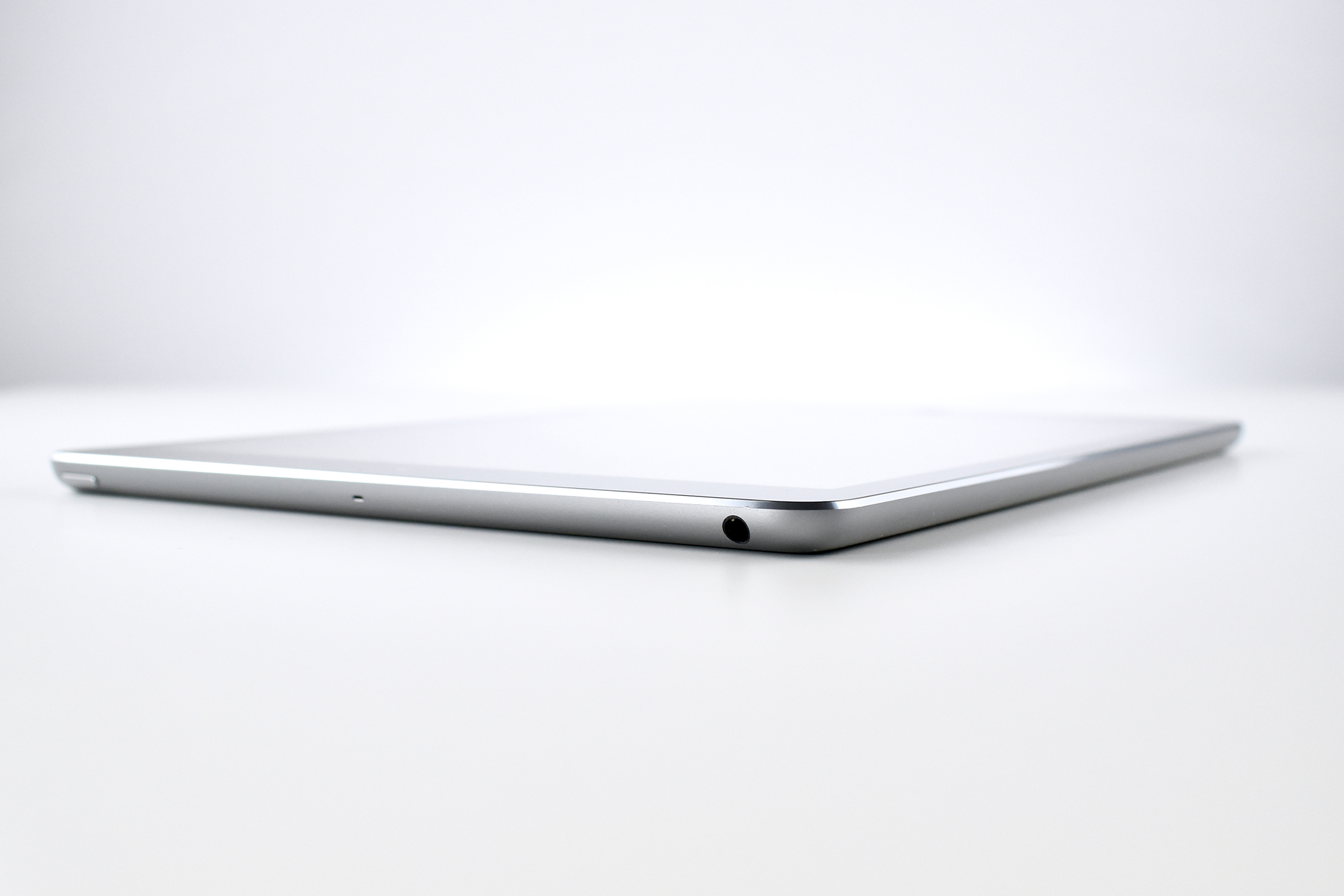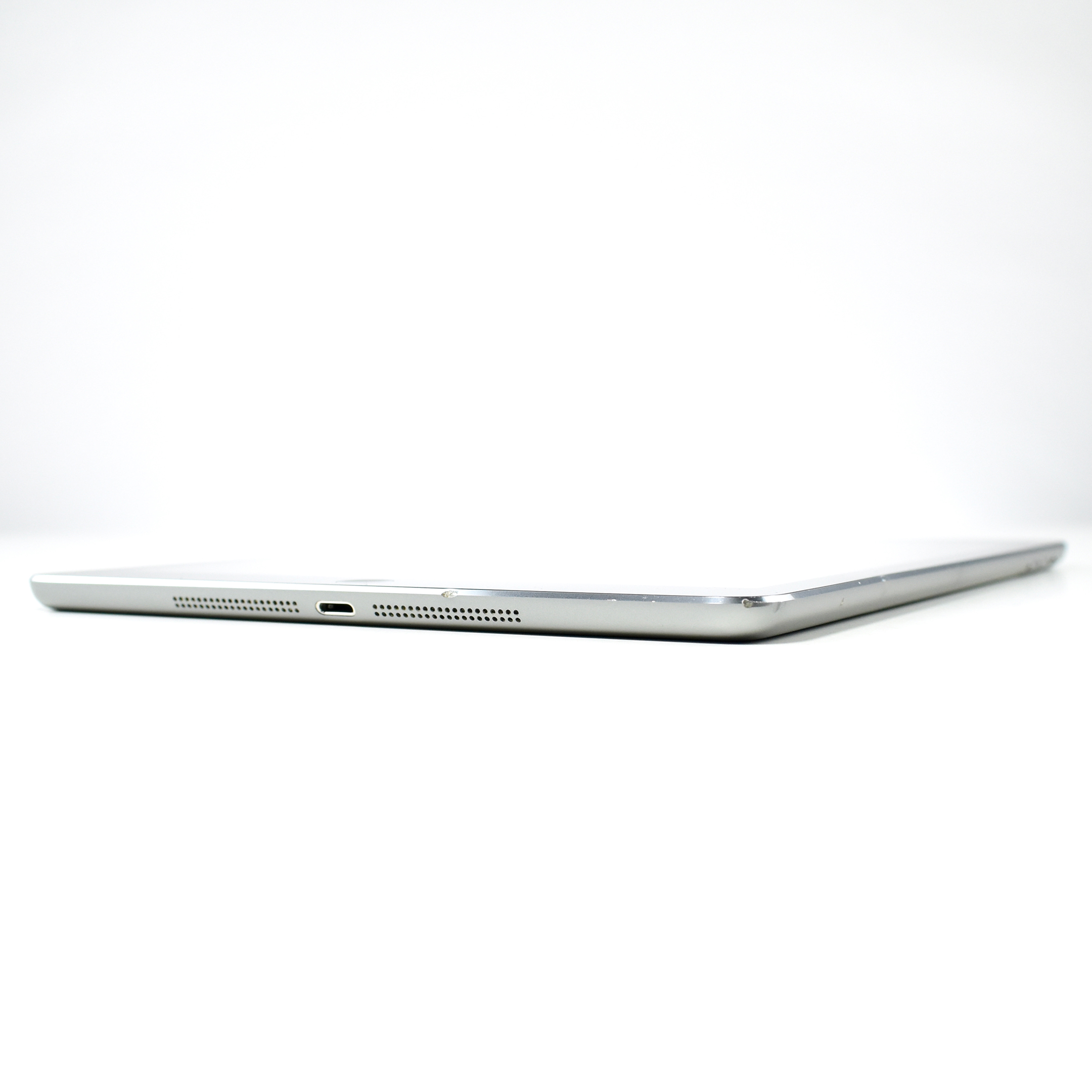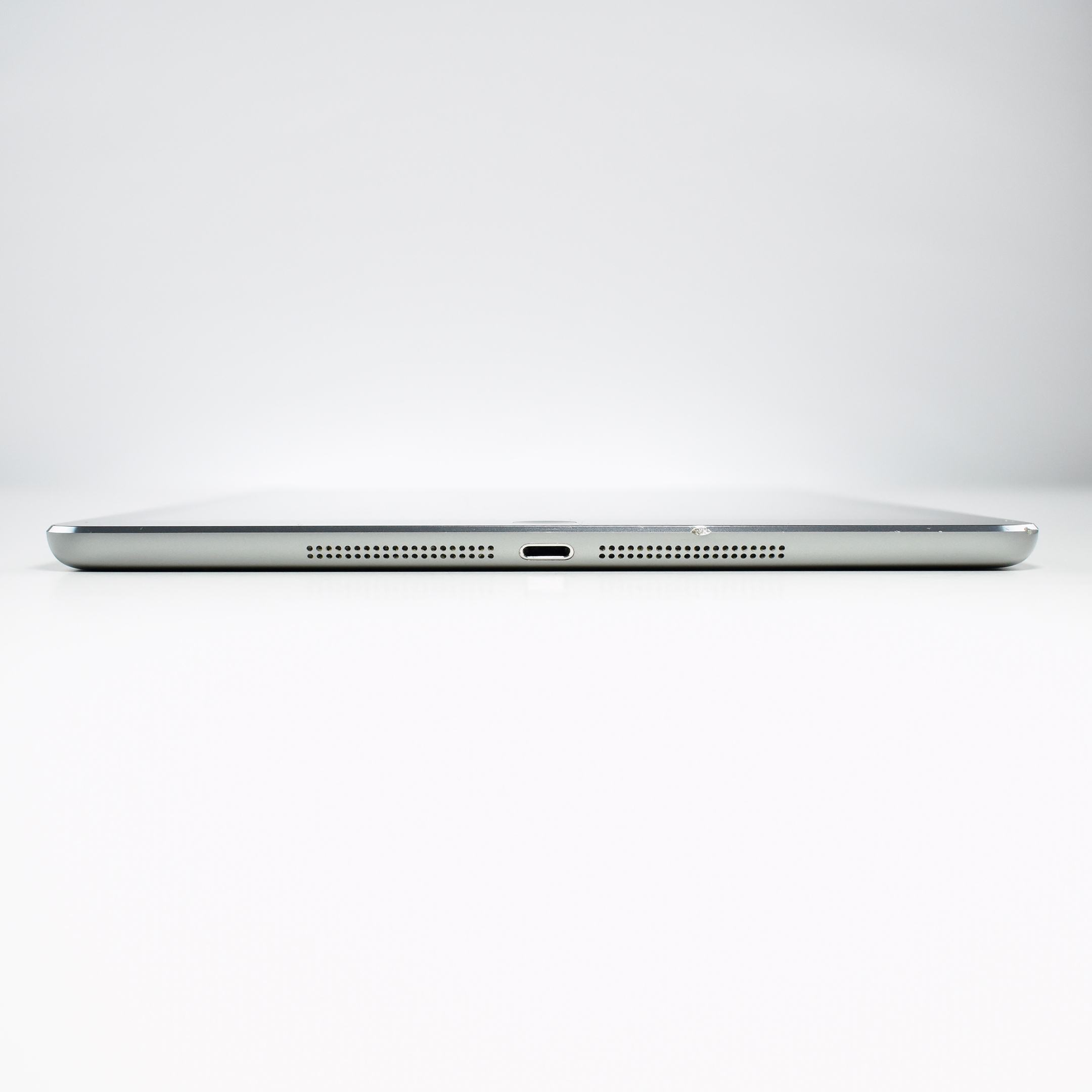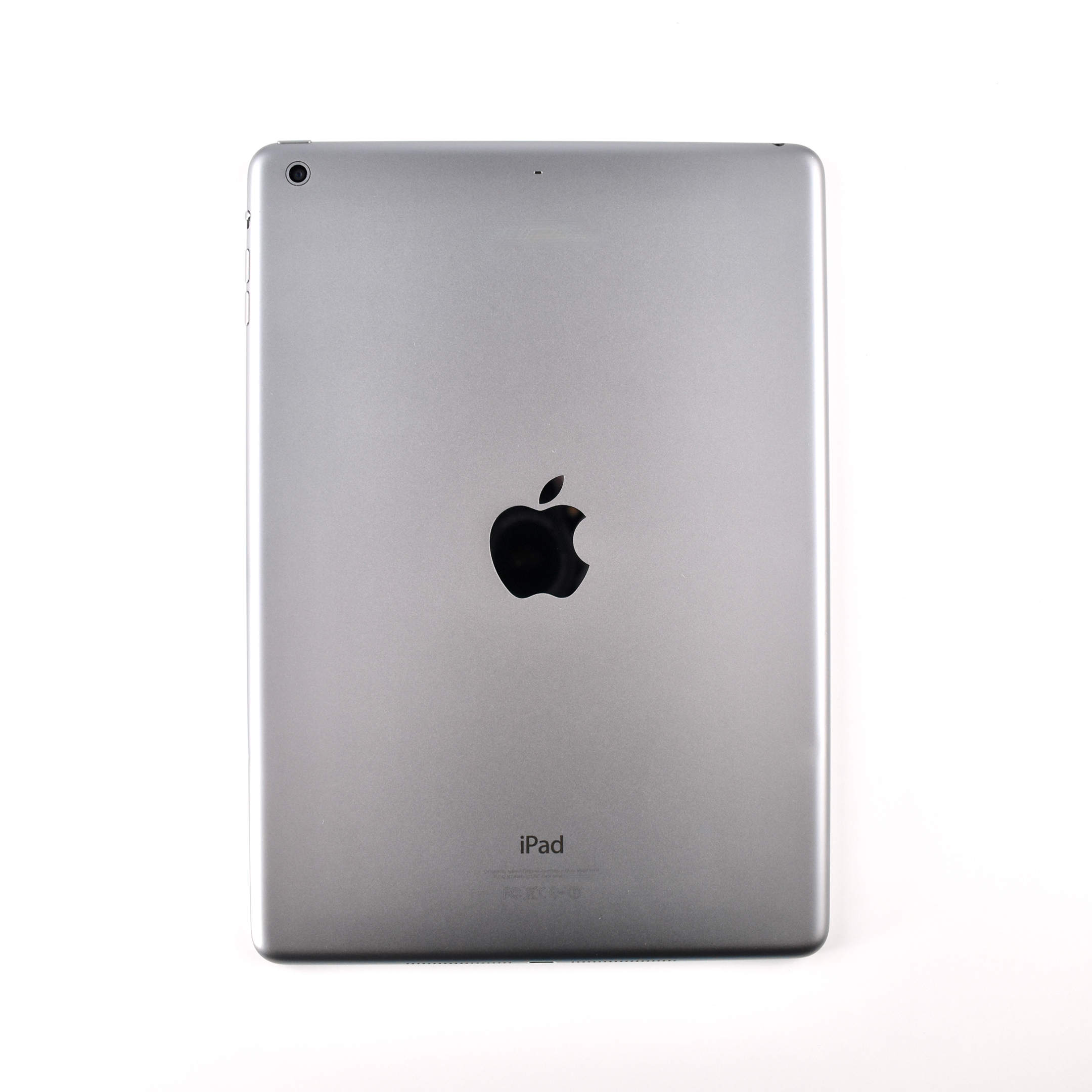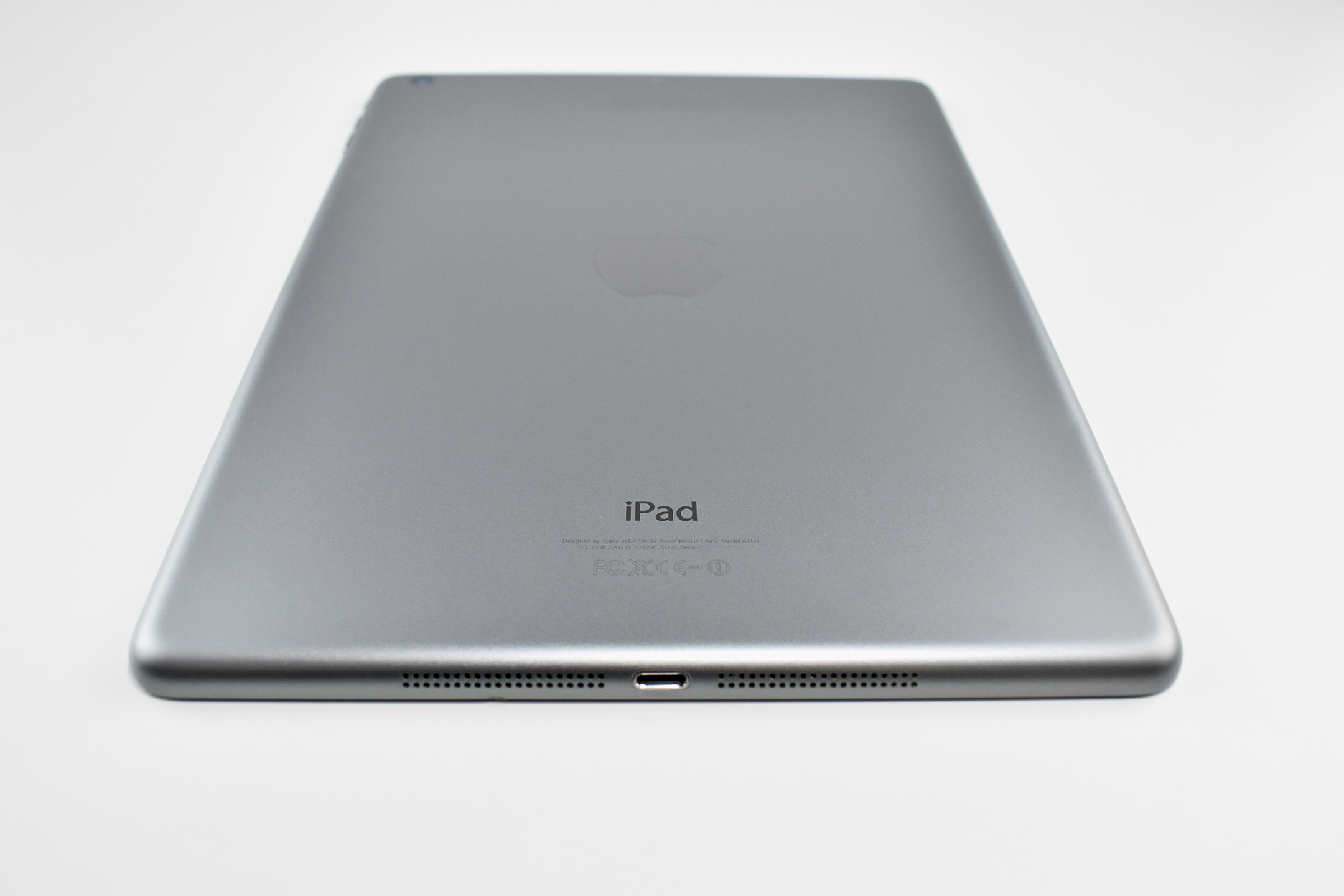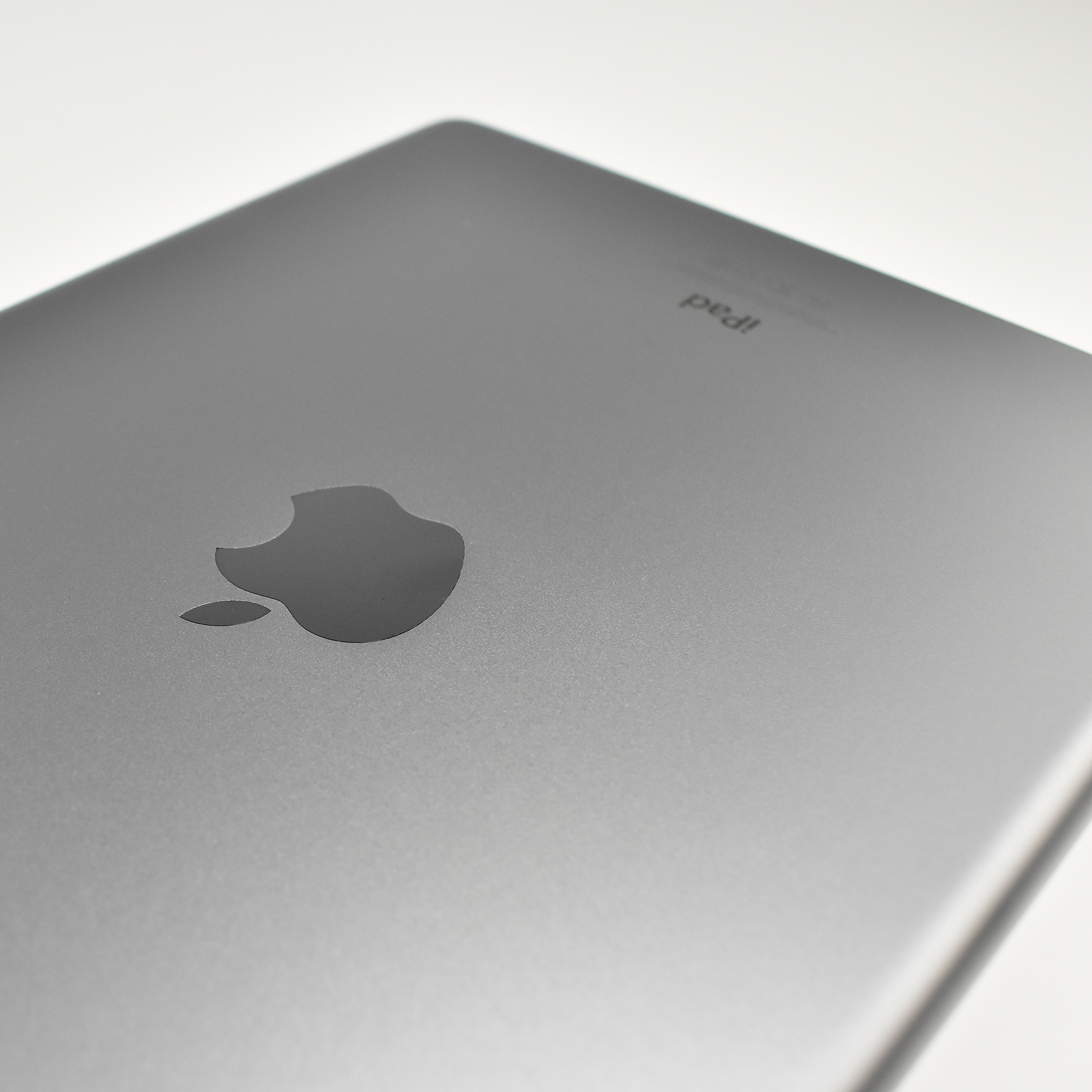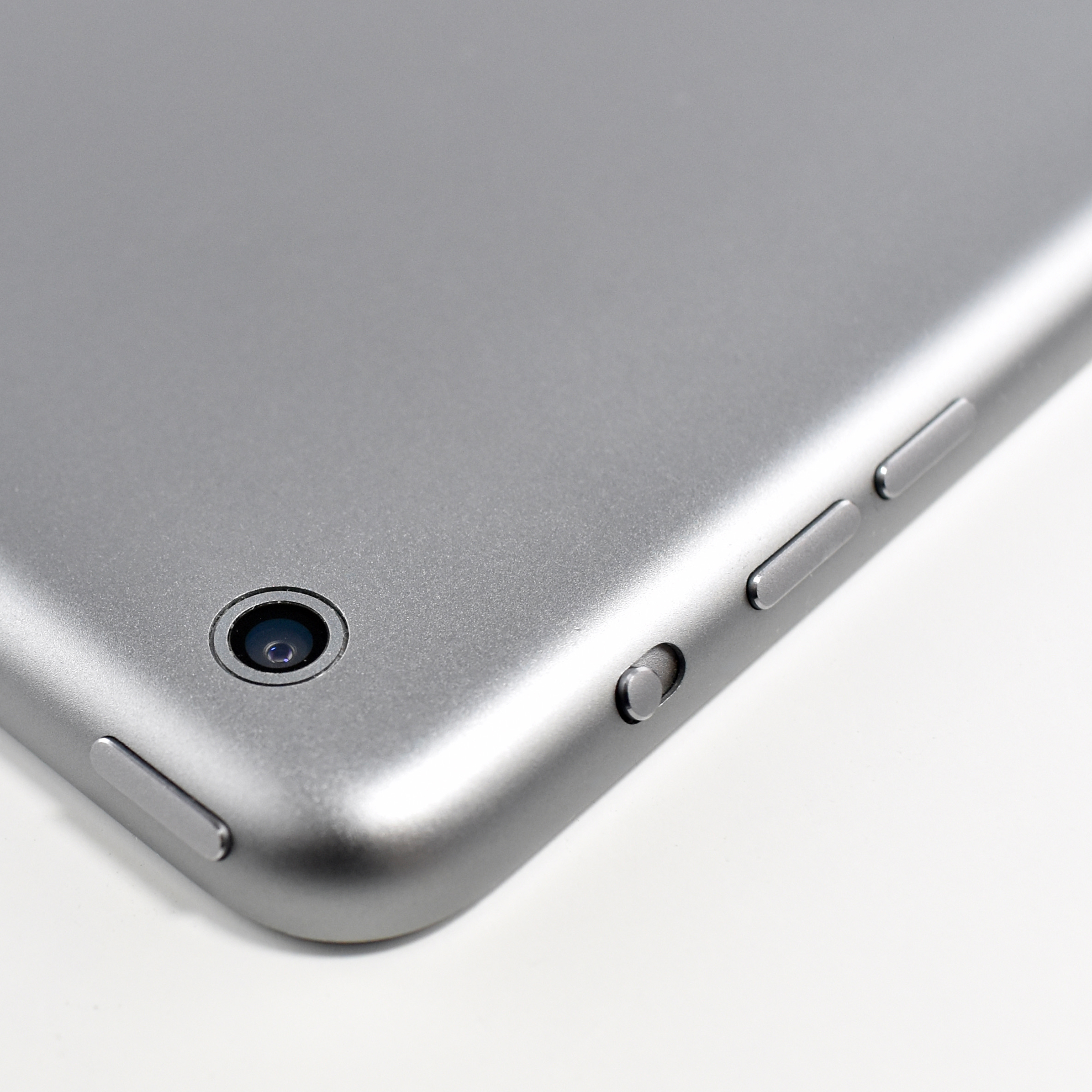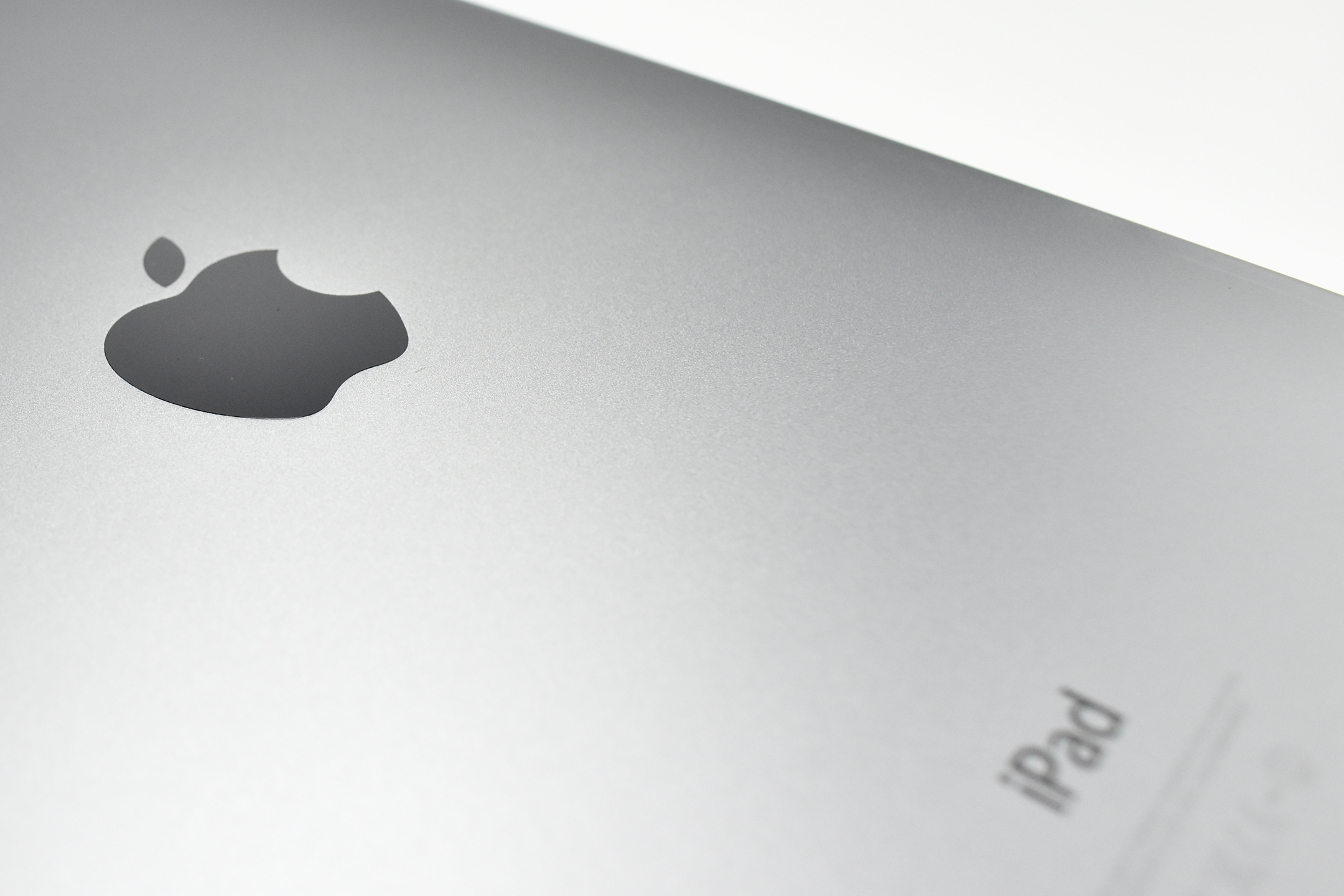
iPad Air 13-inch (Space Gray, M3, Wi-Fi, 128 GB, 2025)

The M3 iPad Air 13-inch was announced on March 4, 2025, and was described as being up to 2x faster than the M1 iPad Air. The press release also touted:

“iPad Air with M3 brings Apple’s advanced graphics architecture to iPad Air for the first time—taking its incredible combination of power-efficient performance and portability to a new level… Available in two sizes and four gorgeous finishes that users love, the 11-inch iPad Air is super portable while on the go, and the 13-inch model provides an even larger display for more room to be creative and productive.”

Apple mentioned that “The faster Neural Engine in M3 means iPad Air [is]…up to 60 percent faster for AI-based workloads…and support for advanced accessories, including the new Magic Keyboard and Apple Pencil Pro.”

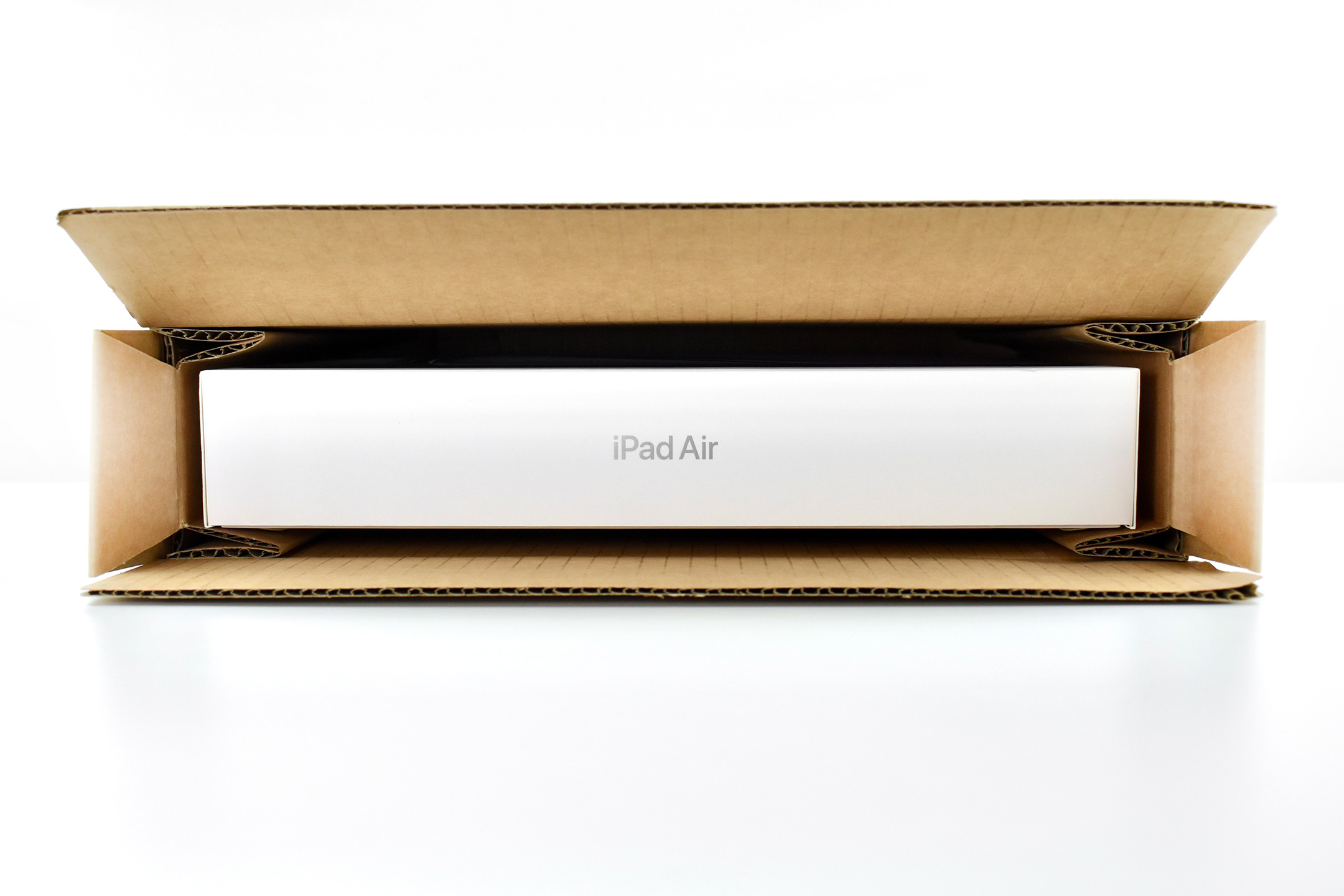
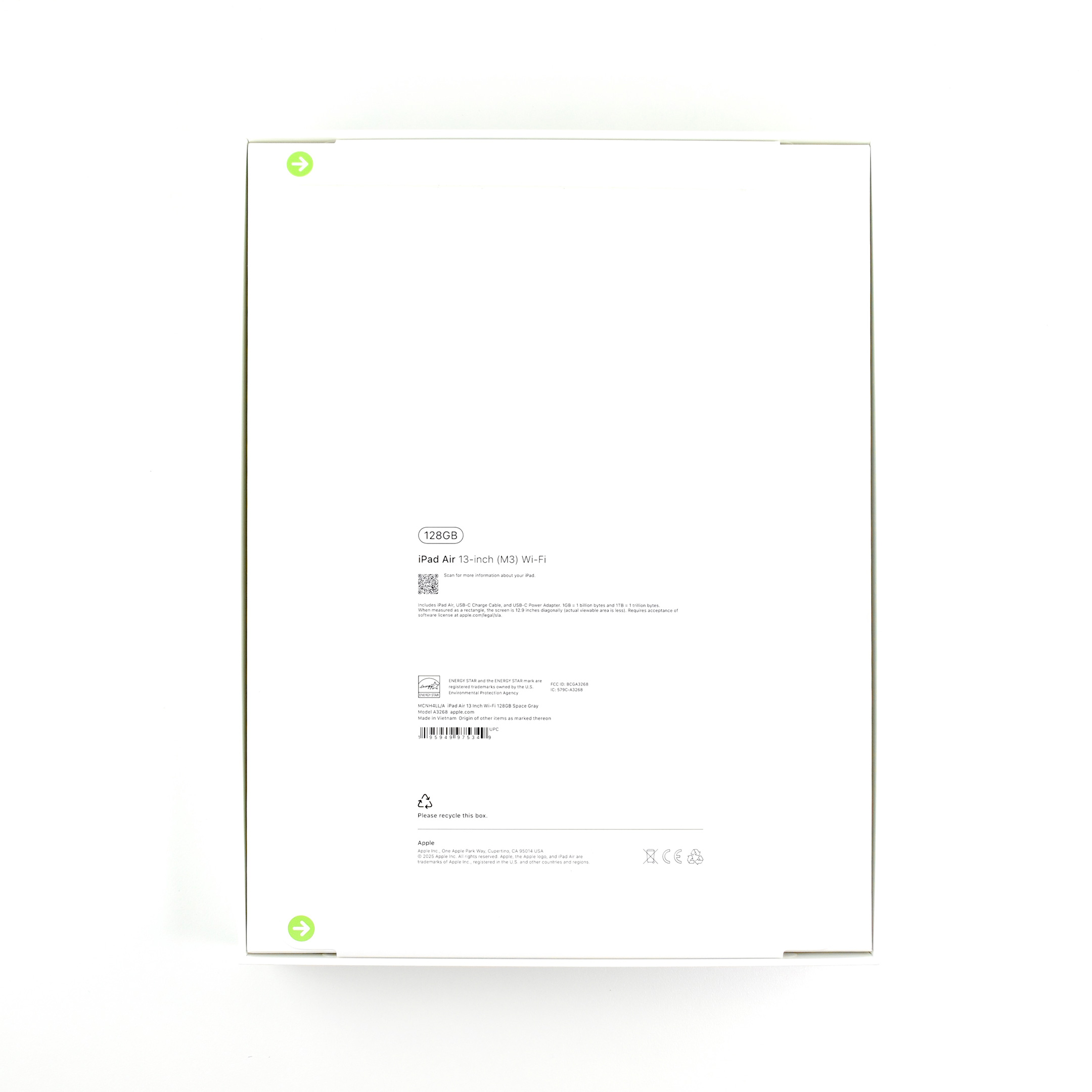
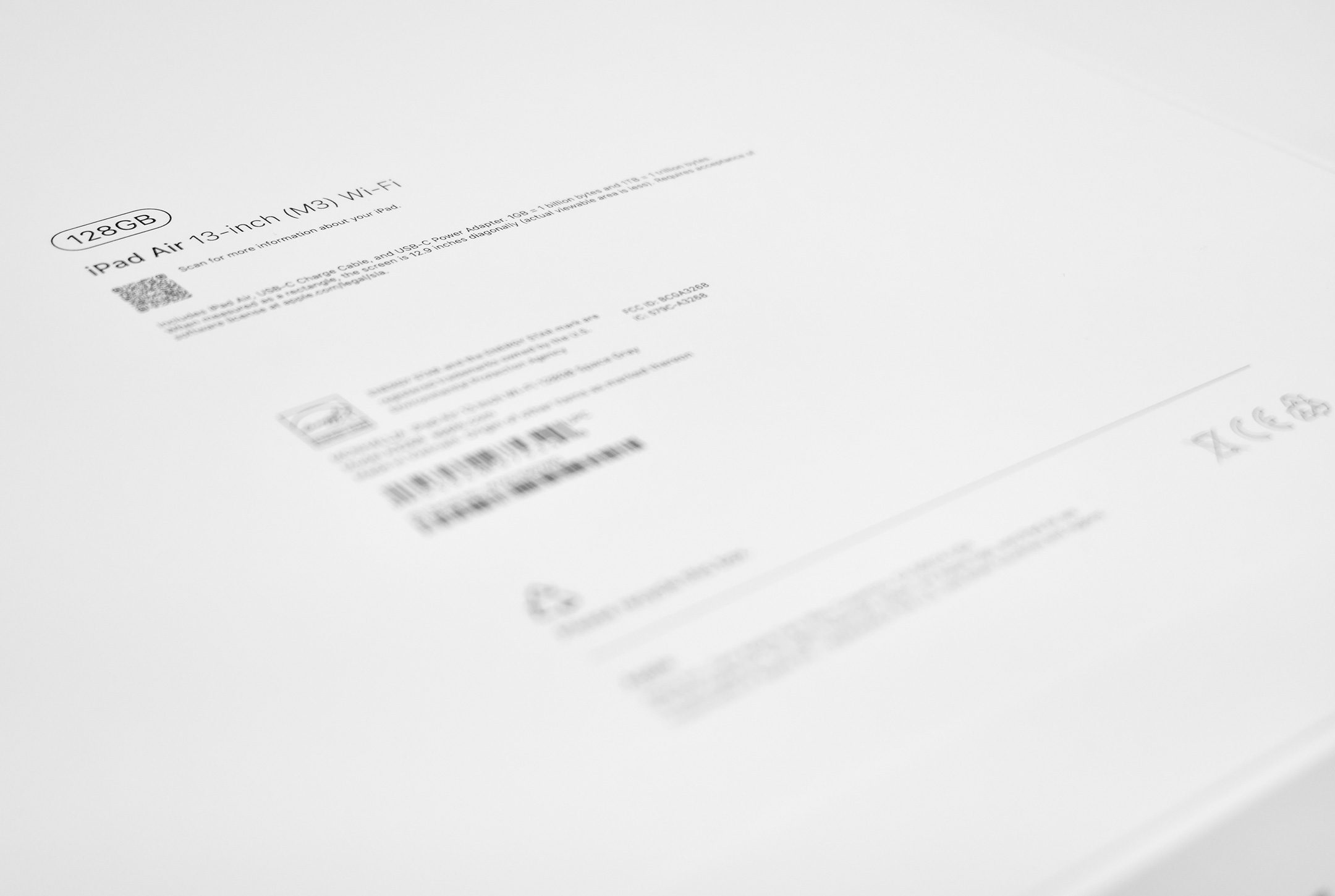
The 11-inch and 13-inch M3 iPad Air devices were available in blue, purple, starlight, and space gray, with 128 GB, 256 GB, 512 GB, and 1 TB configurations. This example is the 13-inch version of the iPad Air in Space Gray with 128 GB storage.

This 13-inch iPad Air Wi-Fi is 11.04 inches (280.6 mm) x 8.46 inches (214.9 mm), is 0.24 inch (6.1 mm) thick, and weighs 1.36 pounds (616 grams).

The Liquid Retina display is 2732 x 2048 pixels at 264 ppi and can display up to 600 nits brightness. It is powered by Apple’s M3 chip (8-core CPU with 4 performance cores; 4 efficiency cores; 9-core GPU). It has a 16-core Neural Engine.

The back camera is a 12MP Wide camera with ƒ/1.8 aperture that allows digital zoom up to 5x using a 5-element lens. It can capture Panorama photos up to 63 MP. It can record video up to 4K at 24, 25, 30, or 60 fps. The front camera is a landscape 12 MP Center Stage camera with ƒ/2.0 aperture that can record video at up to 1080p (HD) at 25, 30, or 60 fps.

Its dual microphones can be used for calls, video recording, and audio recording and has landscape stereo speakers.

Wireless connectivity includes Wi-Fi 6E (802.11ax) with 2×2 MIMO5 and Bluetooth 5.3. Its sensors include Touch ID, 3‐axis gyro, accelerometer, barometer, and an ambient light sensor.

This iPad Air is using the Symmetry Series Folio case (for iPad Air 13-inch M2 and M3) by OtterBox in their “Starry Night” (black, clear, grey) color. The hinged folio design provides an adjustable stand, screen protection, magnetic sleep/wake, and protects the Apple Pencil while allowing charging while in storage.

Sources: Apple (newsroom, specs, product page), OtterBox

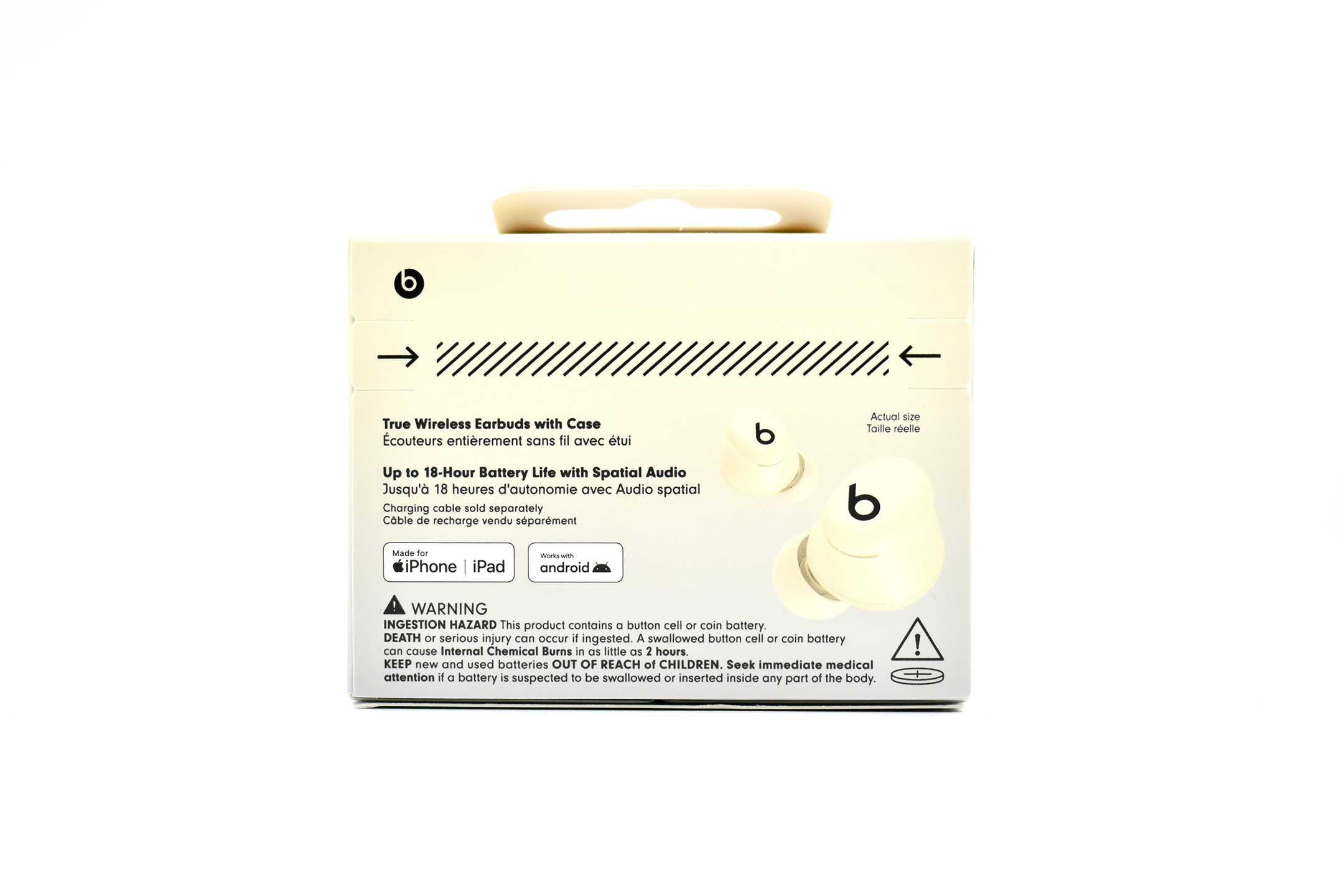
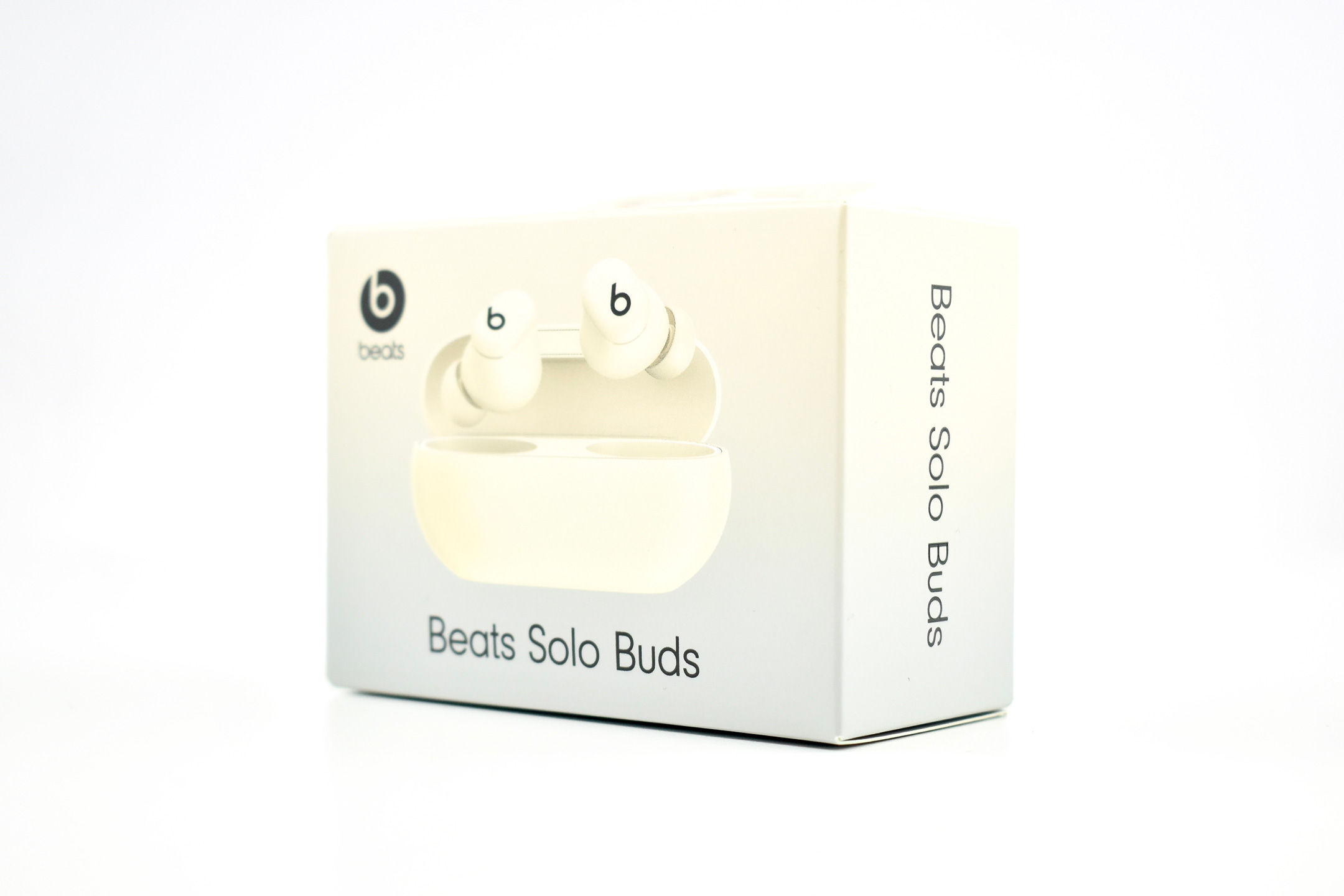
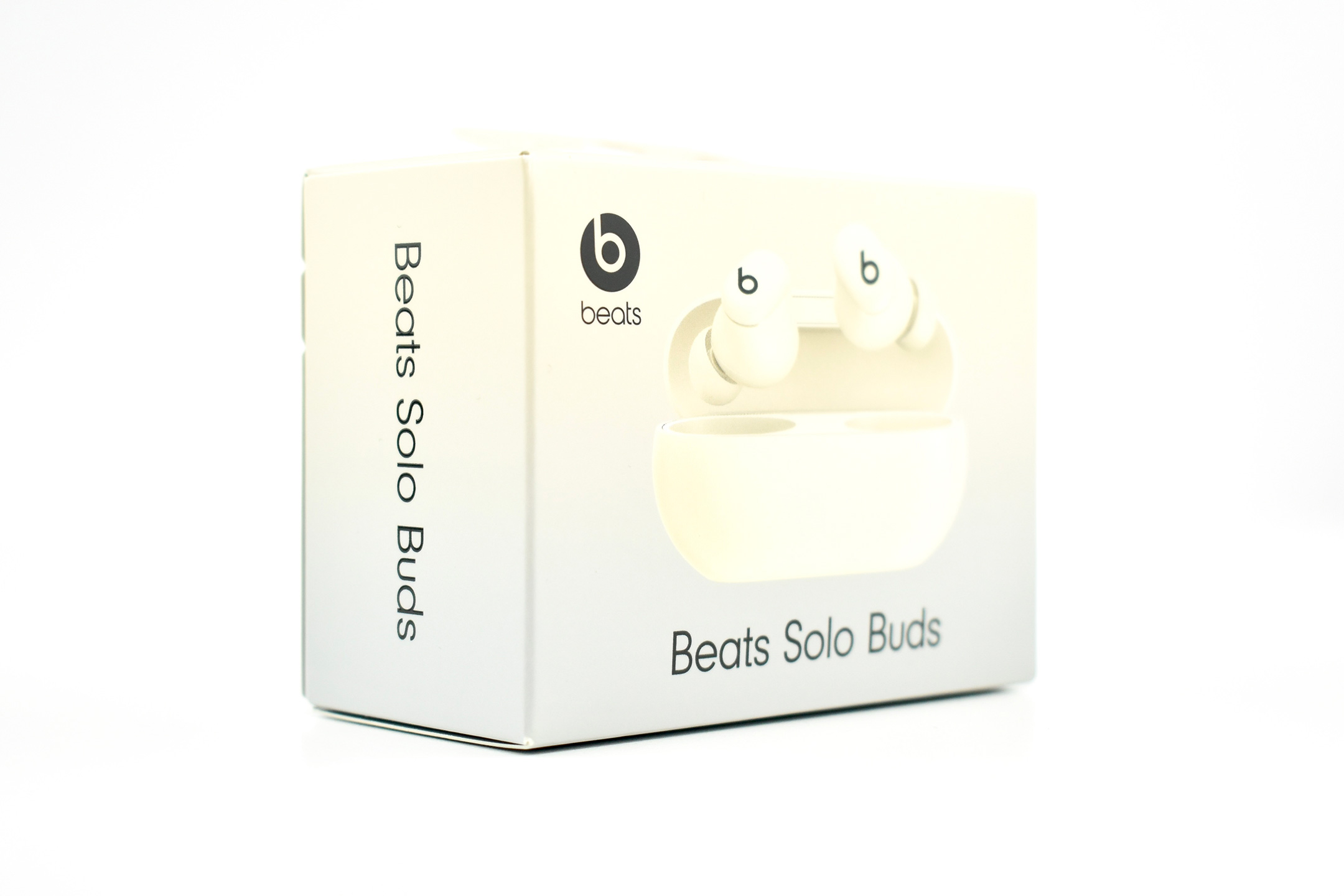
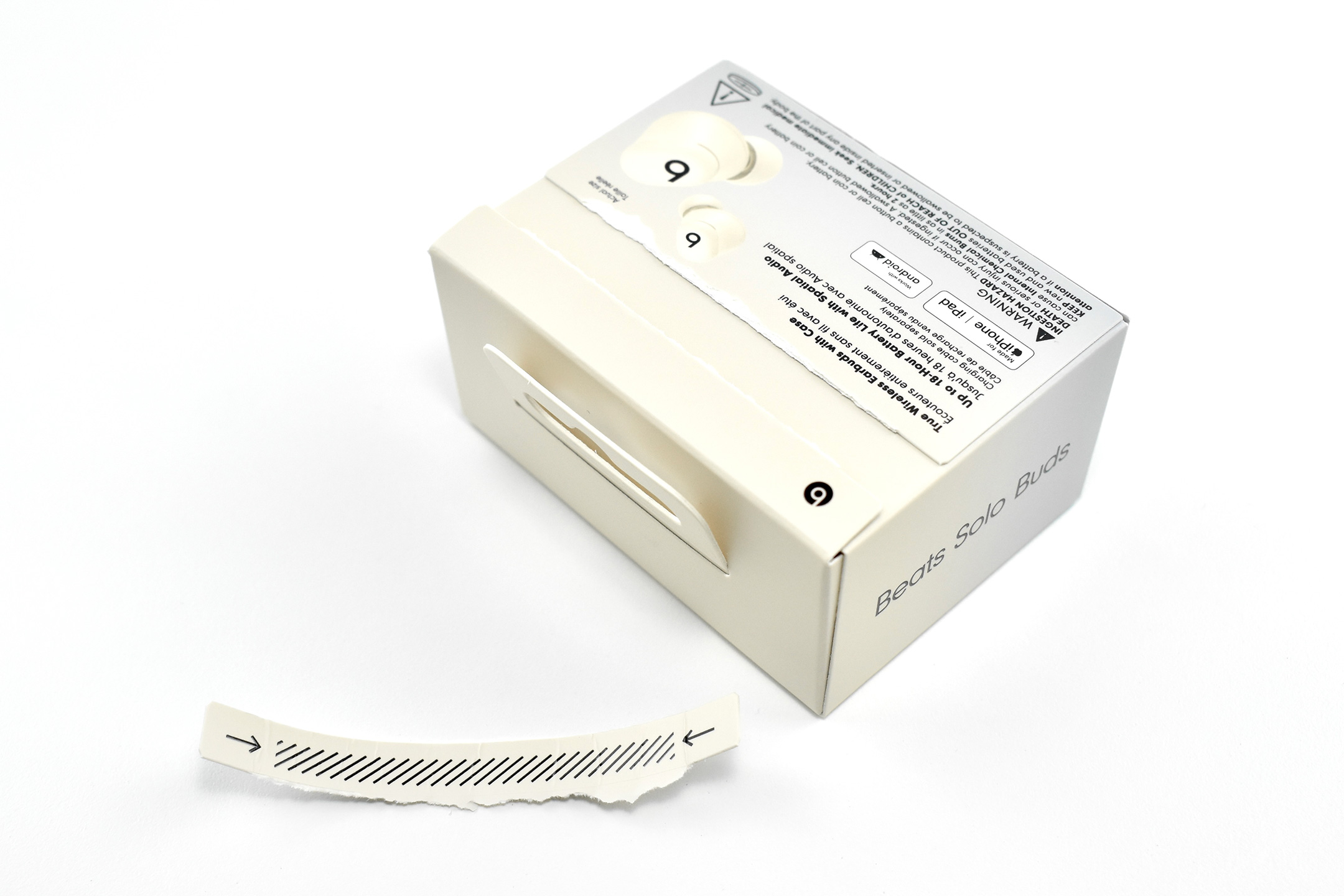
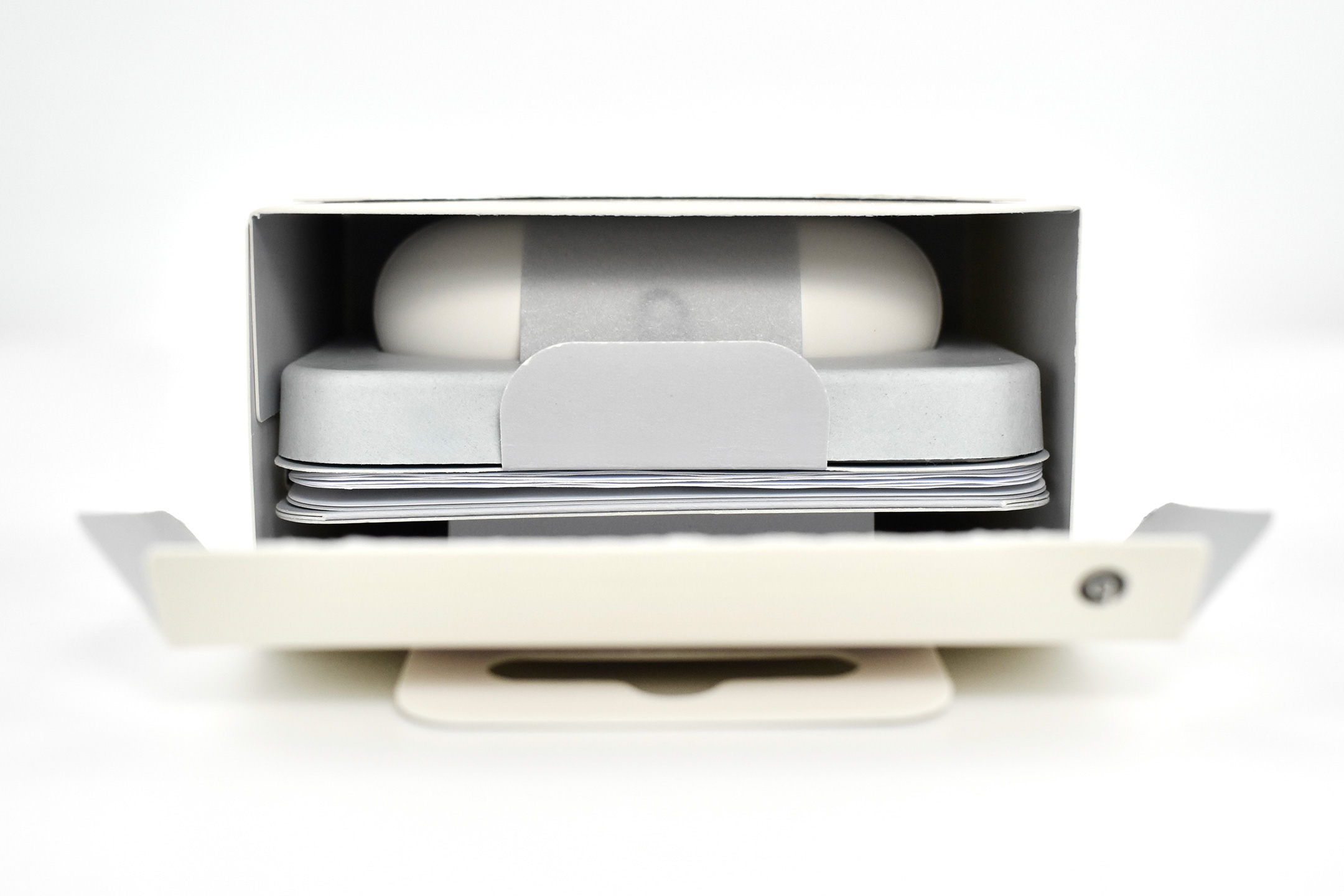
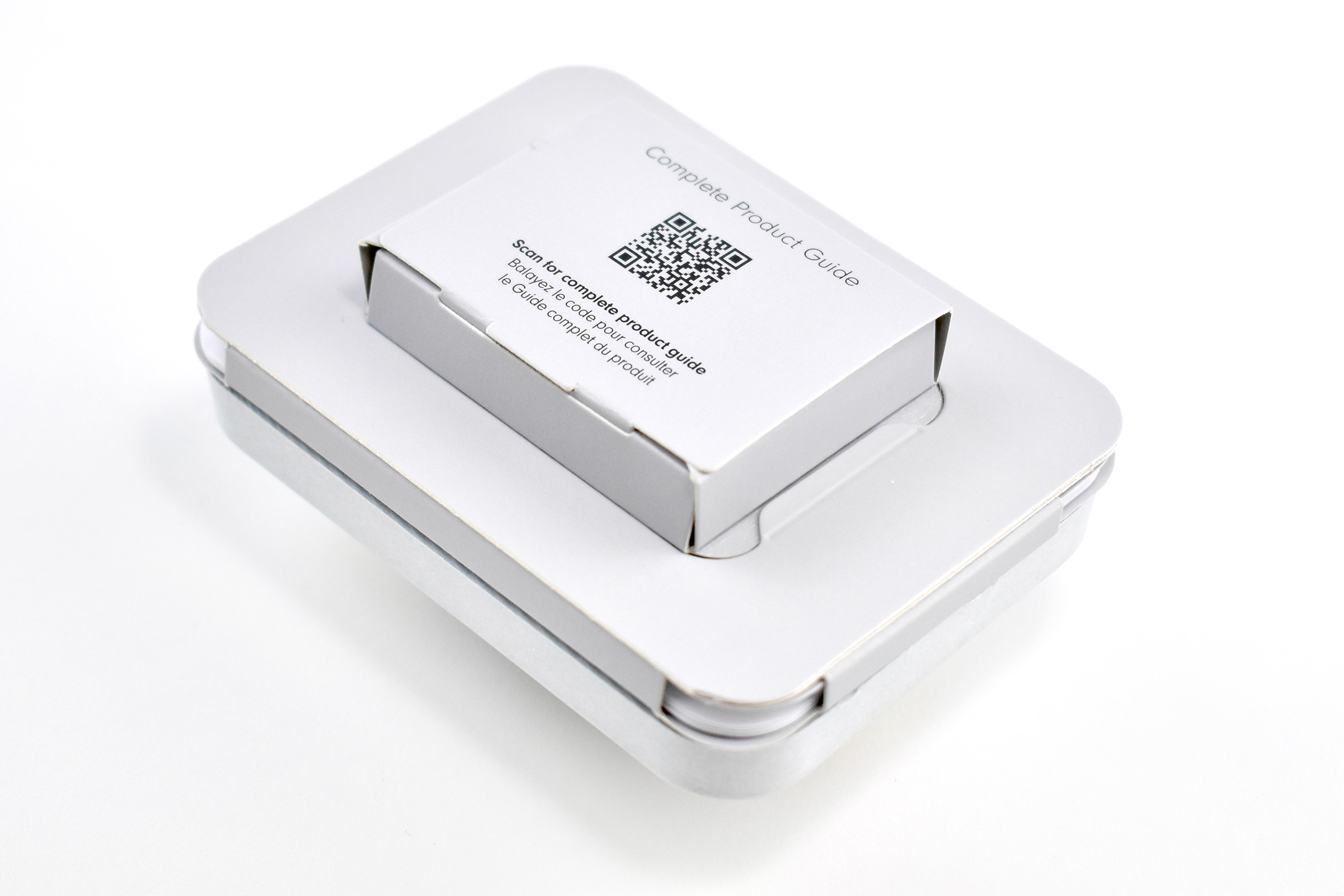
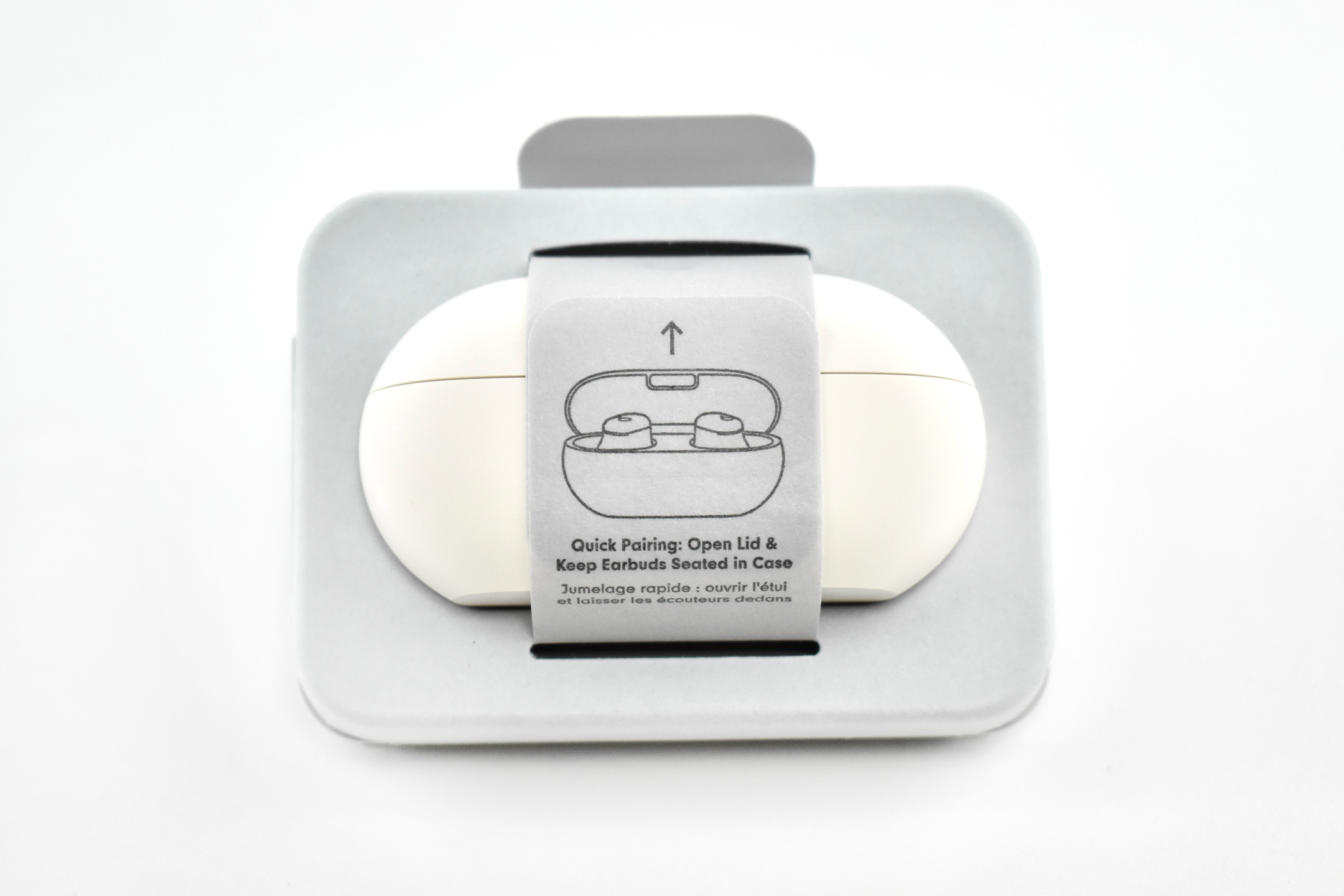
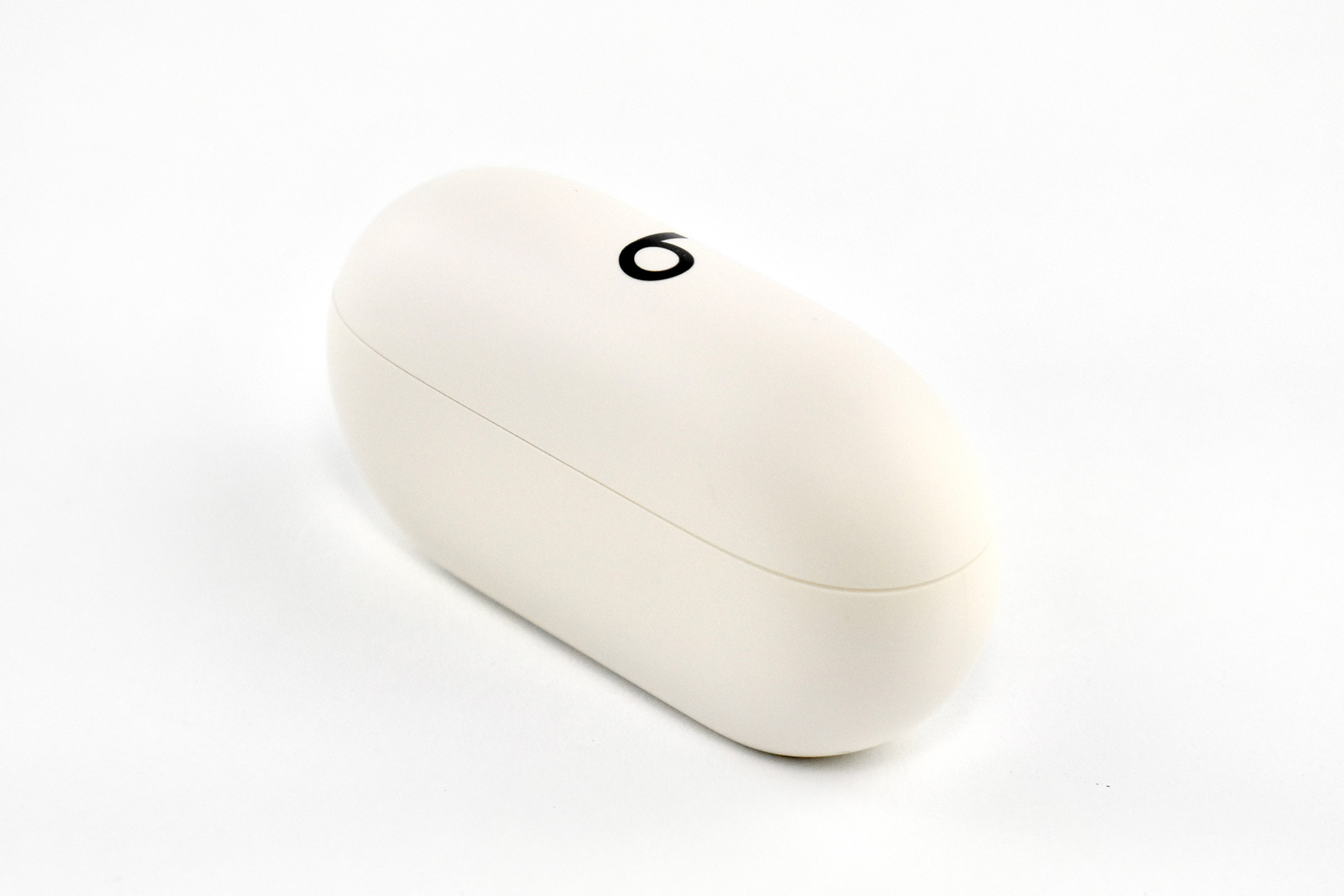
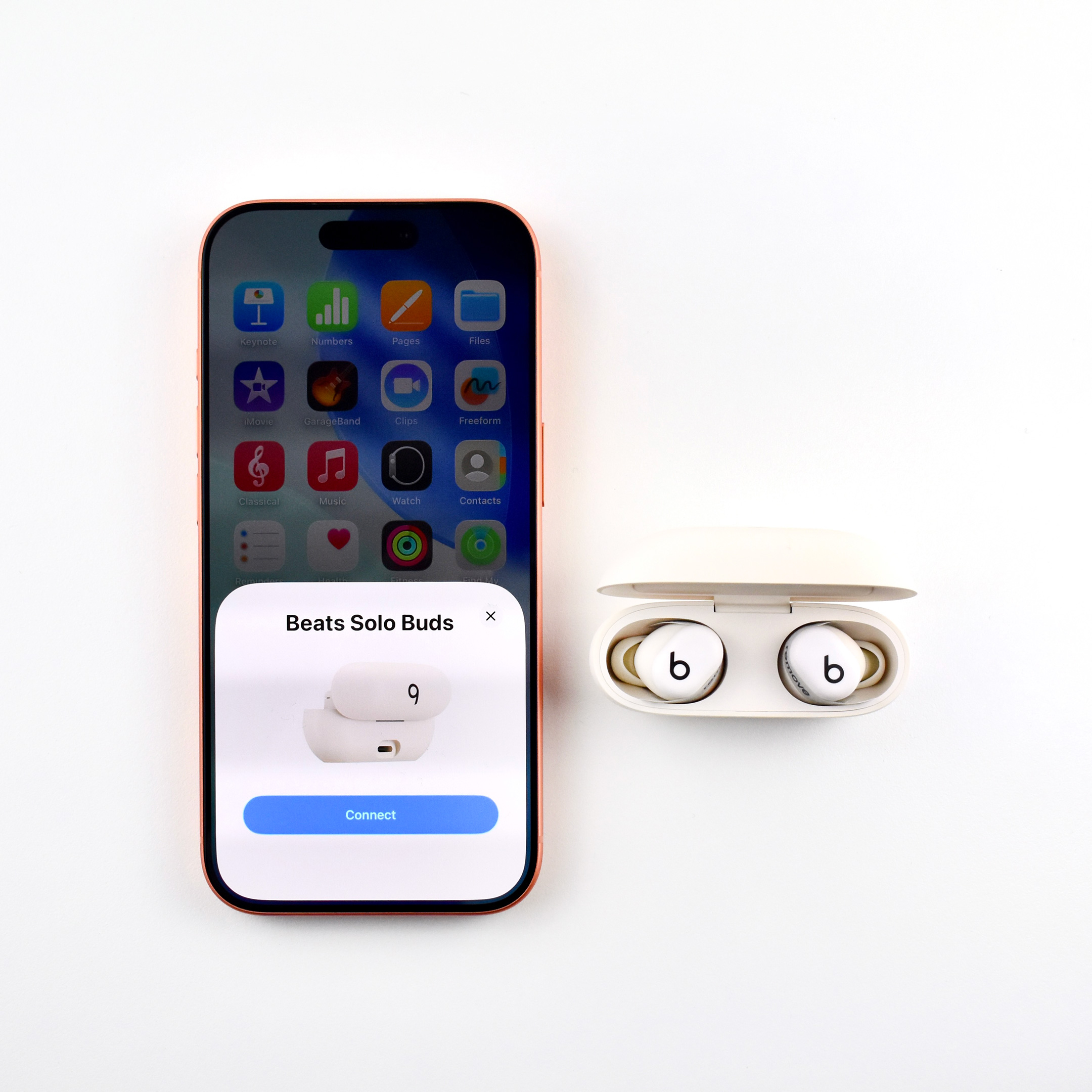
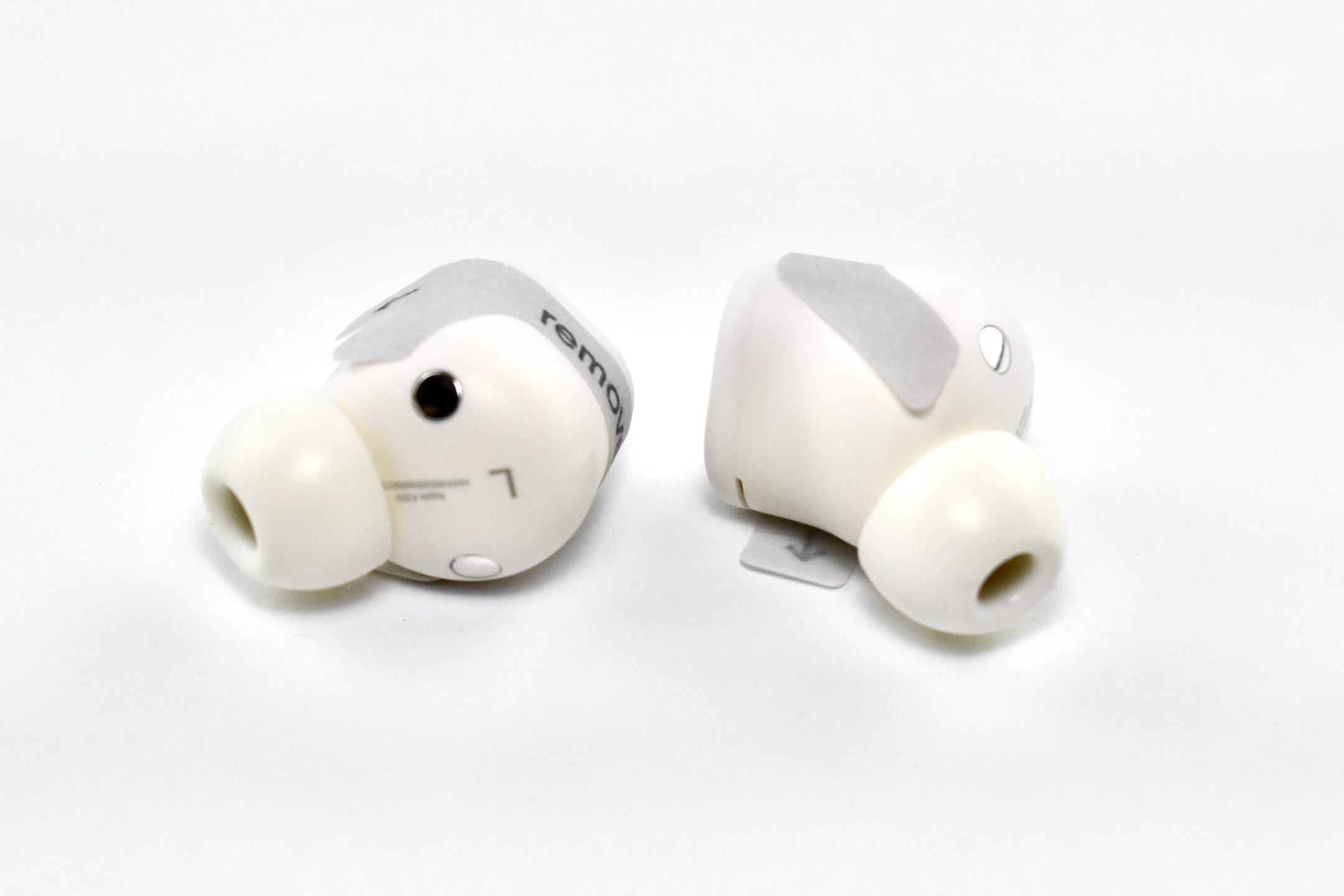
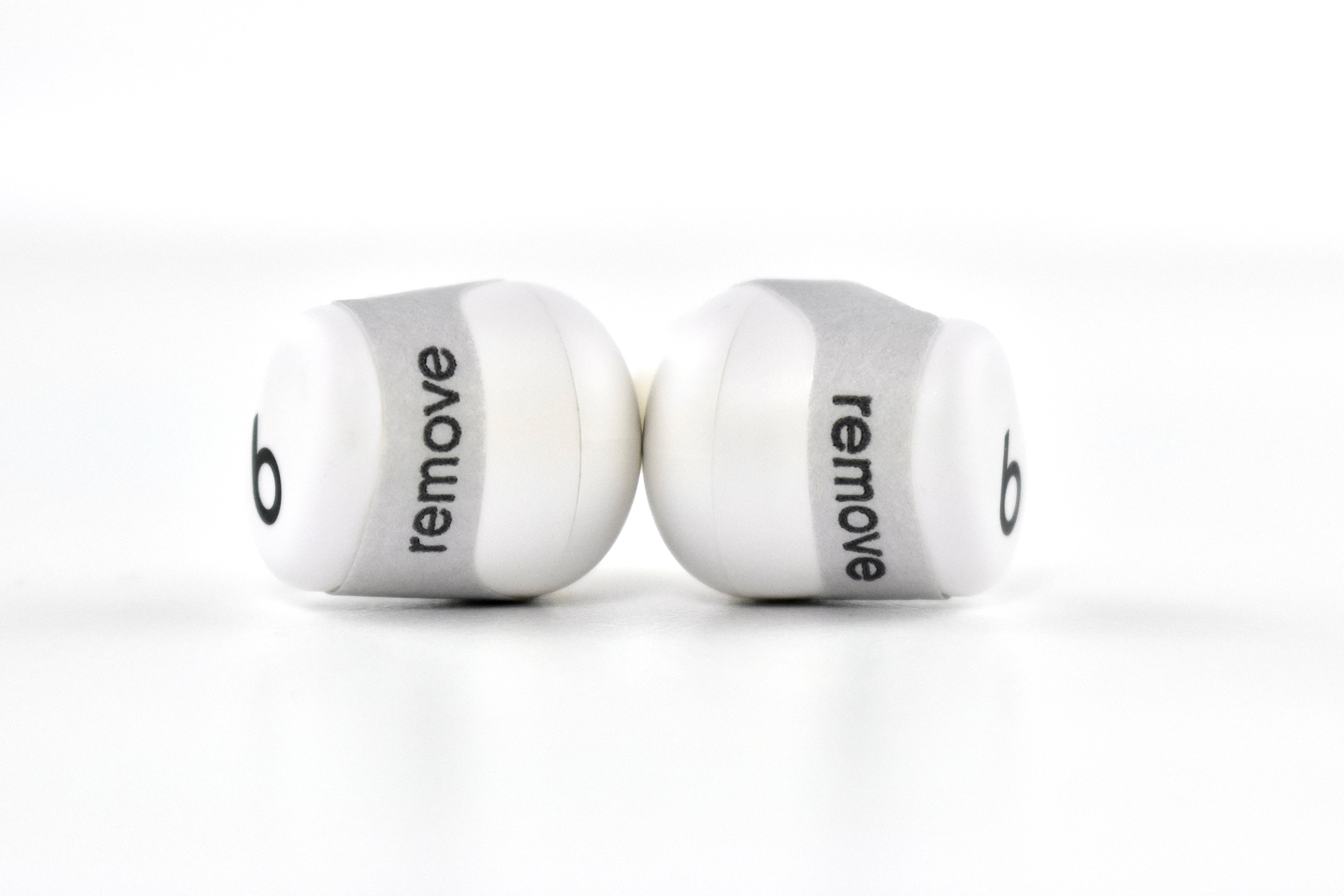
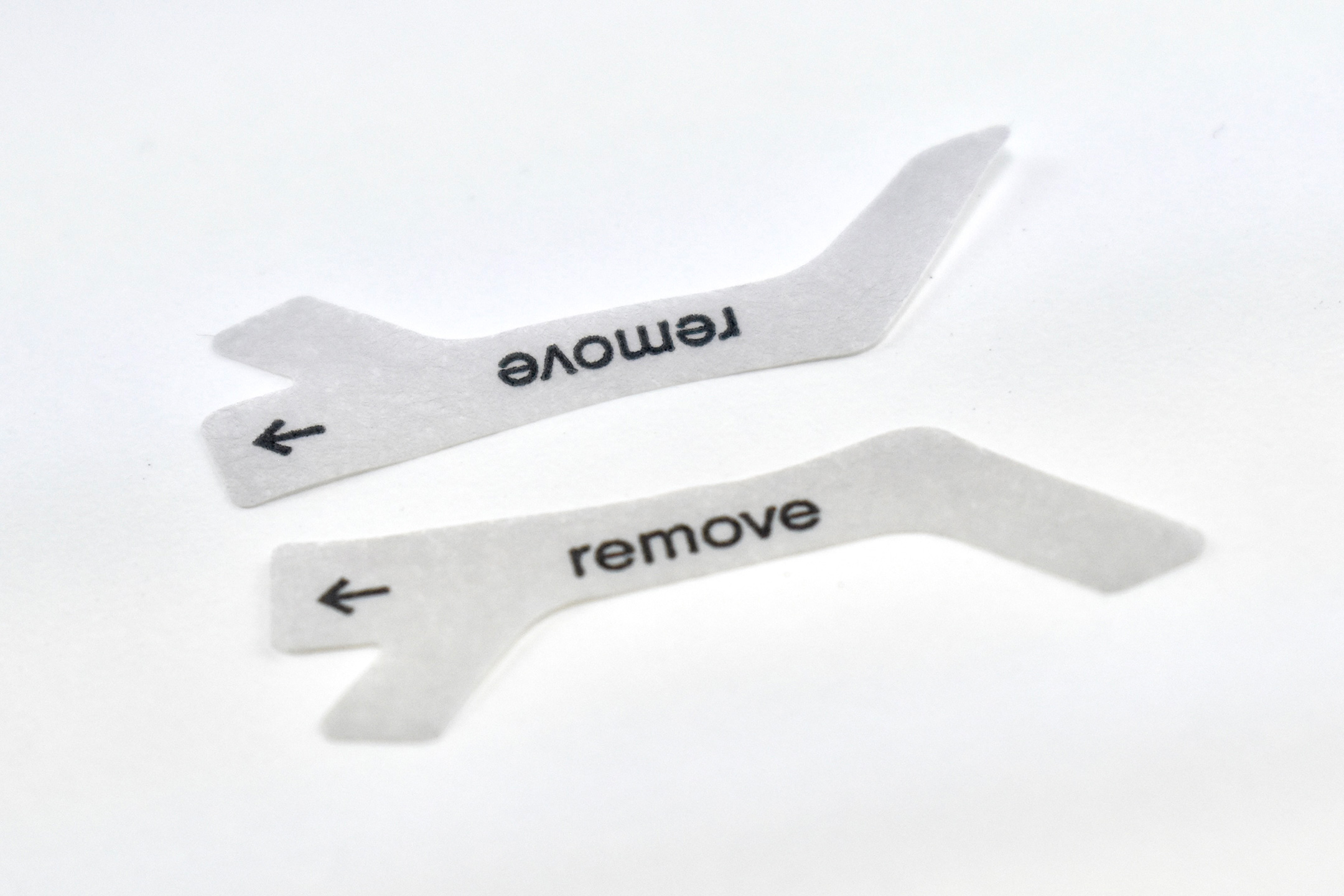
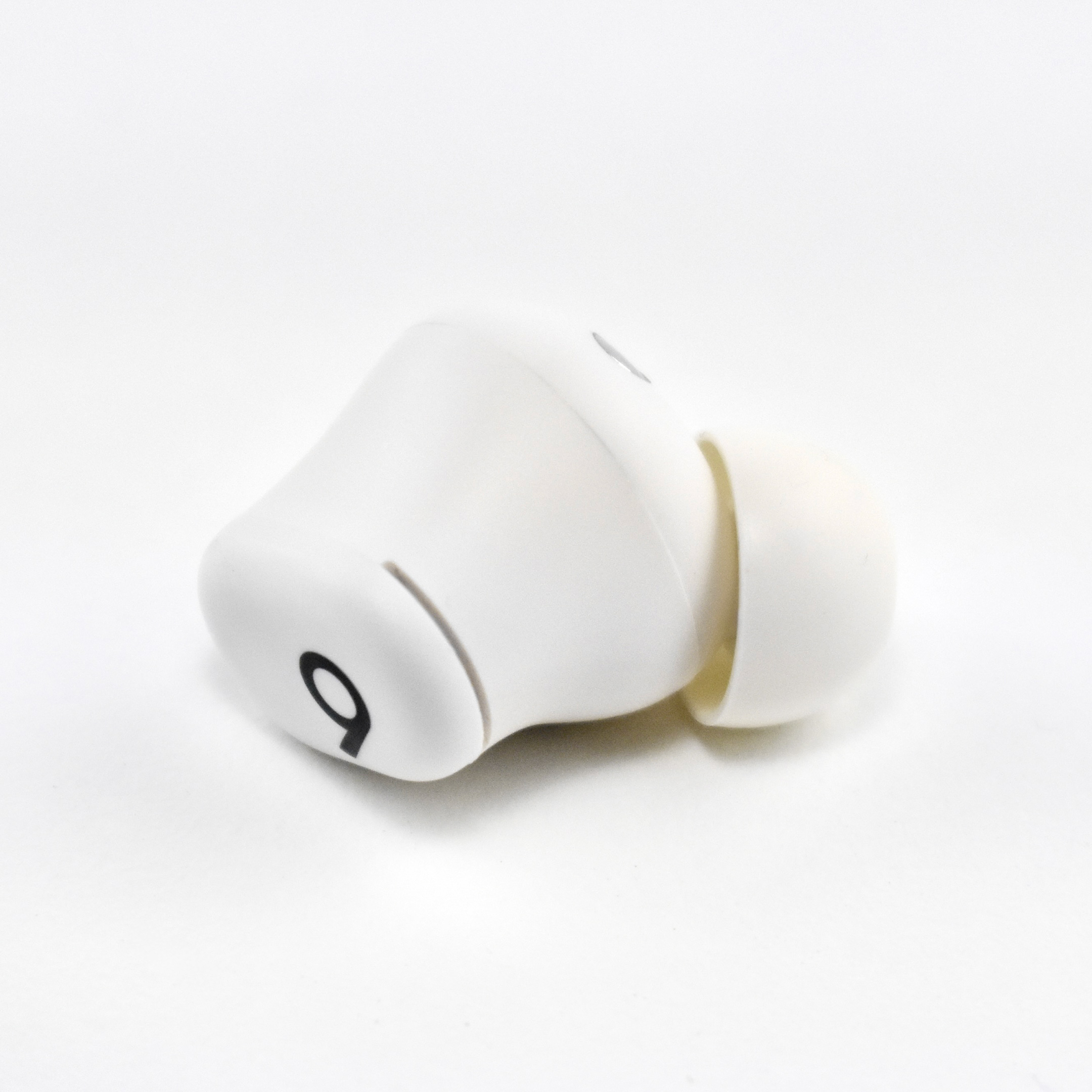
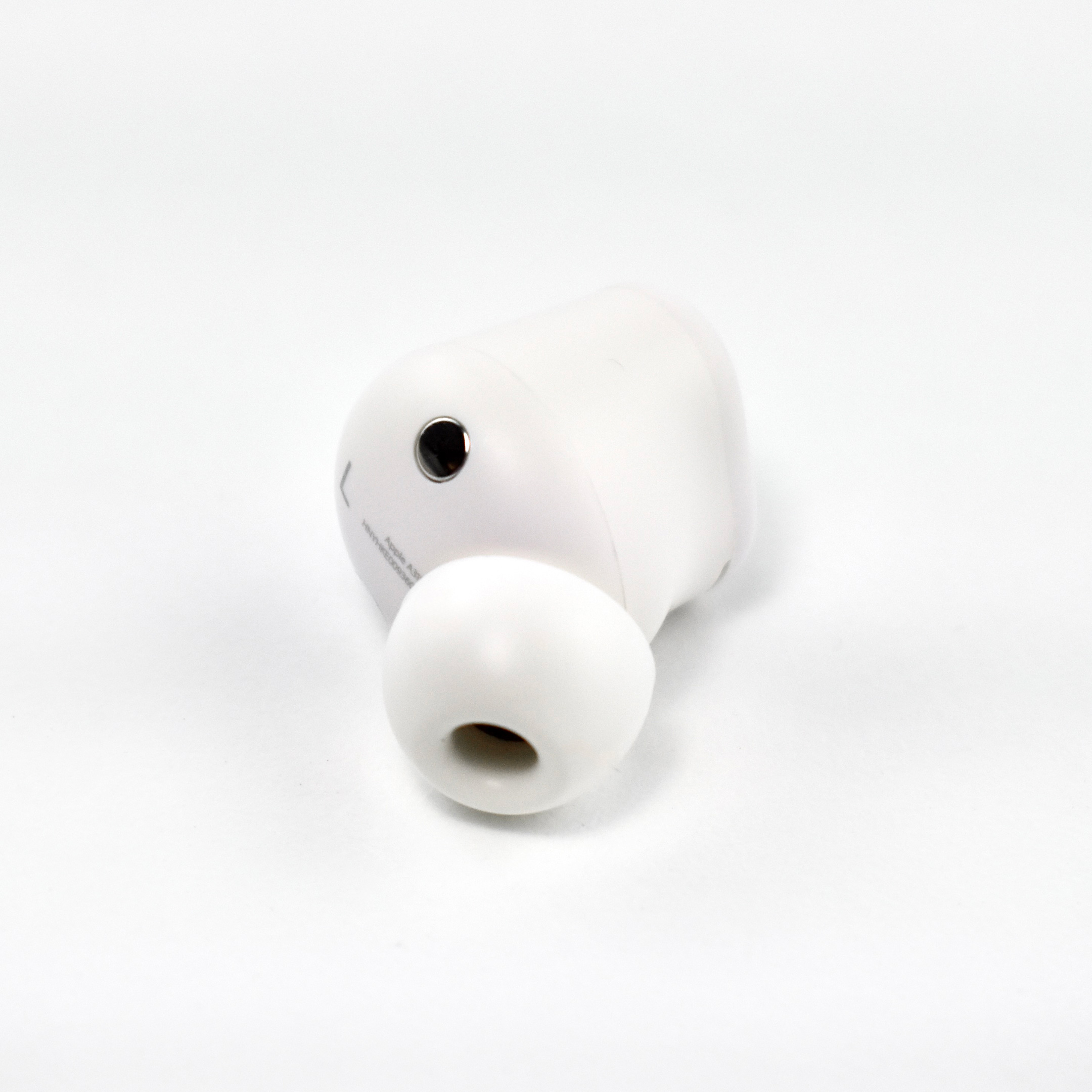
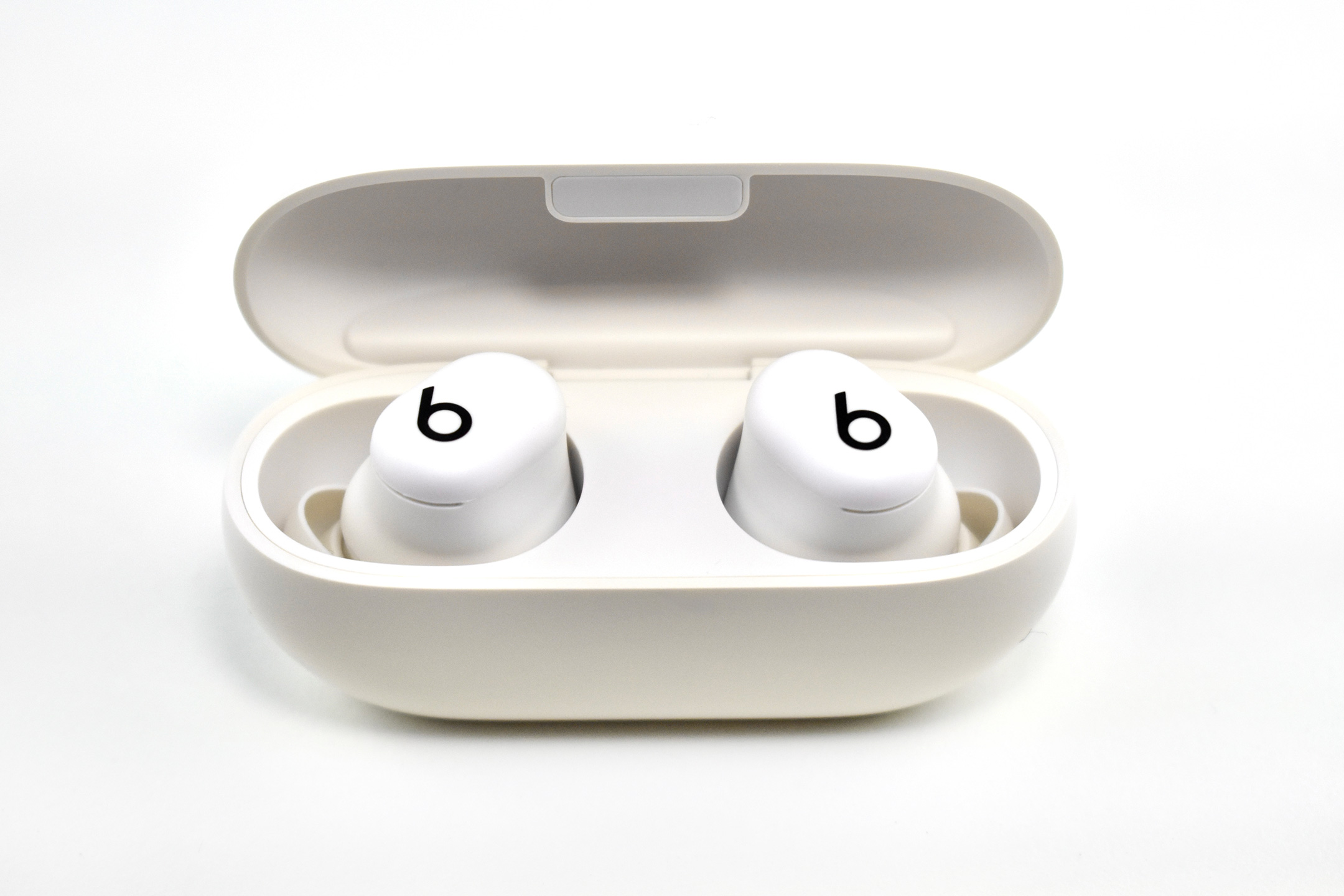
Beats Solo Buds (Matte Ivory, 2025)

This is a somewhat rare example in my collection of a Beats accessory. Beats has been owned by Apple since 2014 as “a leading audio brand founded in 2006 by Dr. Dre and Jimmy Iovine” that primarily sells “premium consumer headphones, earphones, and speakers.”

The Beats website offers the headline for the Beats Solo Buds: Designed for music first. They describe that “Every design decision was focused on accurate music reproduction—from the drivers to the vents to the position of each intricate component inside…[resulting in] cleanly balanced tuning that gives you the full range and emotion of all your music, as the artists intended.”

Apple’s website describes these headphones as the “tiniest case we’ve ever made” and touts that “these mighty small earbuds are packed with incredibly big sound.” Each of the product’s features are outlined:

  • Designed for music first
  • Custom dual-layer drivers
  • Laser-cut venting
  • Four eartip sizes
  • Battery all day
  • iOS and Android friendly
  • Crystal-clear calls

The case measures 2.6 x 1.4 inches and is 0.9 inch thick. The case weighs 22 grams. Each earbud measures 0.75 x 0.81 inch and is 0.73 inch deep. Each earbud weighs 5.7 grams. The entire product including the case and 2 earbuds weighs 33.4 grams.

Wireless connectivity includes Class 1 Wireless Bluetooth.

The Apple and Beats websites offer the Beats Solo Buds in 4 colors: Matte Black, Storm Gray, Arctic Purple, and Transparent Red. However, this Matte Ivory color is available exclusively at Walmart in the United States.

Sources: Beats (About, product page), Apple (product page), Walmart

Beats Studio Pro Wireless Headphones (black, 2023)

Beats by Dr. Dre (“Beats”) was founded in 2006 by Dr. Dre and Jimmy lovine. Beats makes a collection of headphones, earphones, and speakers, and aims to “bring the energy, emotion and excitement of playback in the recording studio back to the listening experience for music lovers worldwide.” Beats was acquired by Apple in July 2014.

As a company owned by Apple, Beats have many of the same features found in Apple-branded audio products, but Beats seems to more prominently feature Android compatibility in product specifications (compared to Apple’s AirPods products). The Beats product overview notes:

“The Beats Studio Pro custom acoustic platform delivers an immersive listening experience. Each custom 40mm driver has been engineered for optimal clarity, with near-zero distortion even at high volume – an improvement of up to 80% compared to Beats Studio3, providing increased audio fidelity. An integrated digital processor optimizes the final frequency response for a powerful, yet balanced sound profile crafted to bring out the subtle details of whatever you’re listening to.”

The product packaging touts the following features:

  • Sound that surrounds you with Personalized Spatial Audio and dynamic head tracking
  • Active Noise Cancelling (ANC) for immersive listening
  • Transparency mode blends your listening experience with the world around you
  • Two additional EQ-optimized sound profiles while using USB-C audio
  • Voice targeting mics for clear call performance
  • UltraPlush engineered leather cushions for extended comfort and durability

The “Enhanced Apple Compatibility” features of Beats Studio Pro Wireless Headphones include one-touch pairing with every device in your iCloud account, “Hey Siri” compatibility, Find My suport, and Over-the-air updates.

“Enhanced Android Compatibility” features include Google Fast Pair to all Android or Chrome devices registered to a Gmail account, Audio Switch between Android and Chromebook devices, Google Find My Device support, and a Beats app for Android to “unlock access to product customization, software updates, and new features to get the most out of your headphones.”

The headphones measure 7.125 inches high, by 7 inches long, by 3.1 inches wide, and weigh 9.17 ounces. They include a custom-fitted carrying case, USB-C-to-USB-C cable (charging and audio), and a 3.5 mm analog audio cable. Bluetooth (version 5.3) delivers up to 40 hours of listening time and offers a “Fast Fuel” charge that delivers up to 4 hours of playback from a 10-minute charge.

Sources: Beats, Apple

AirTag (engraved, 2021)

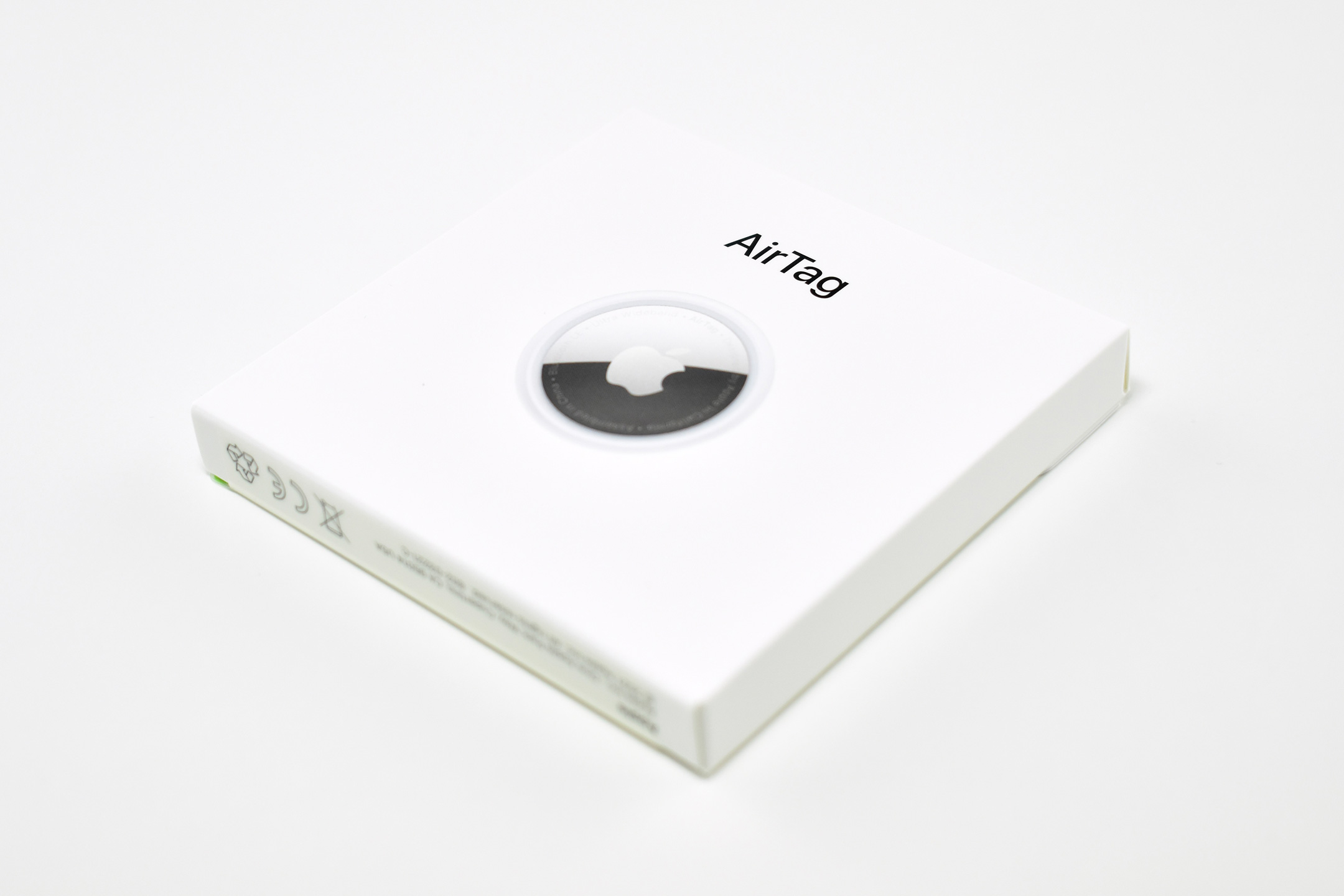
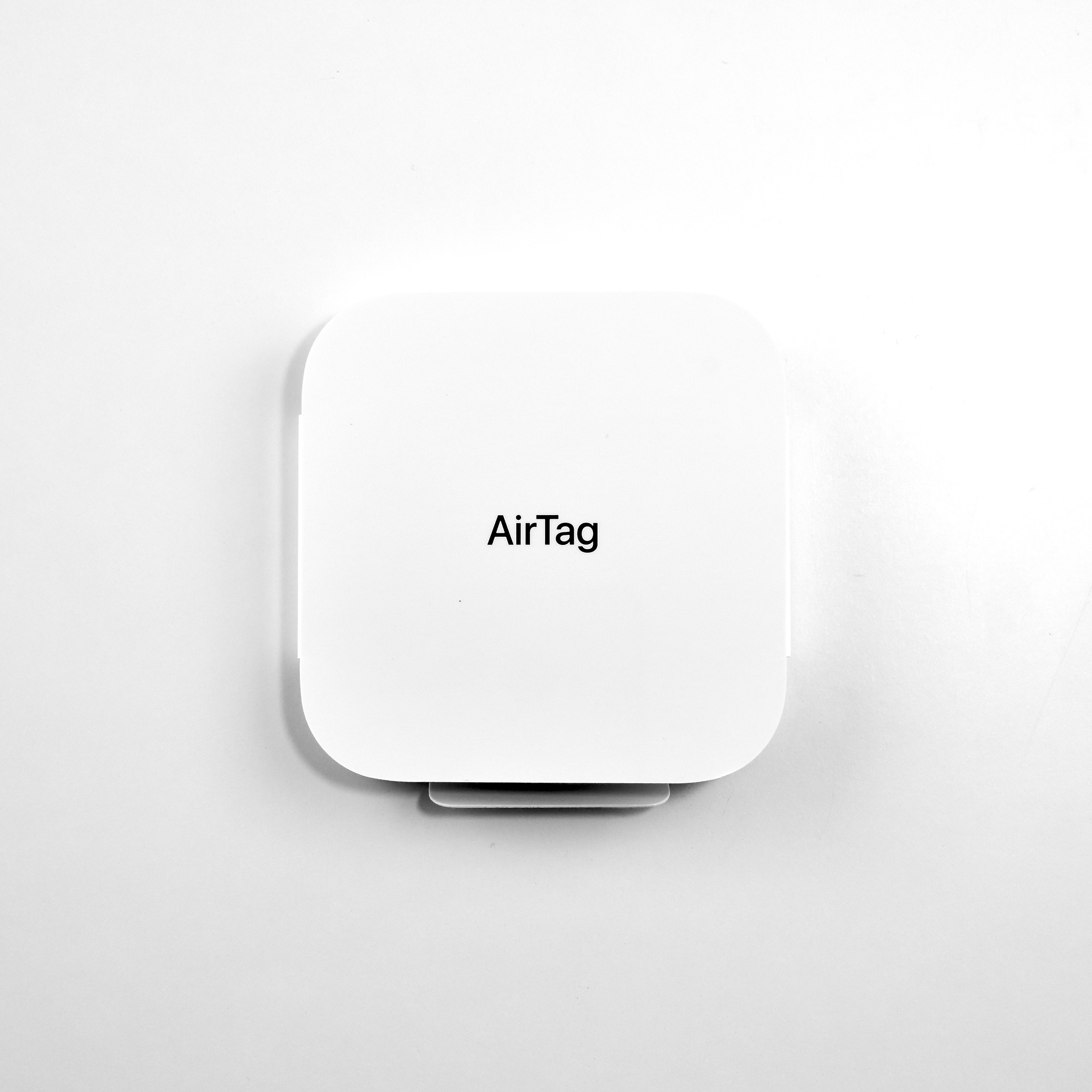
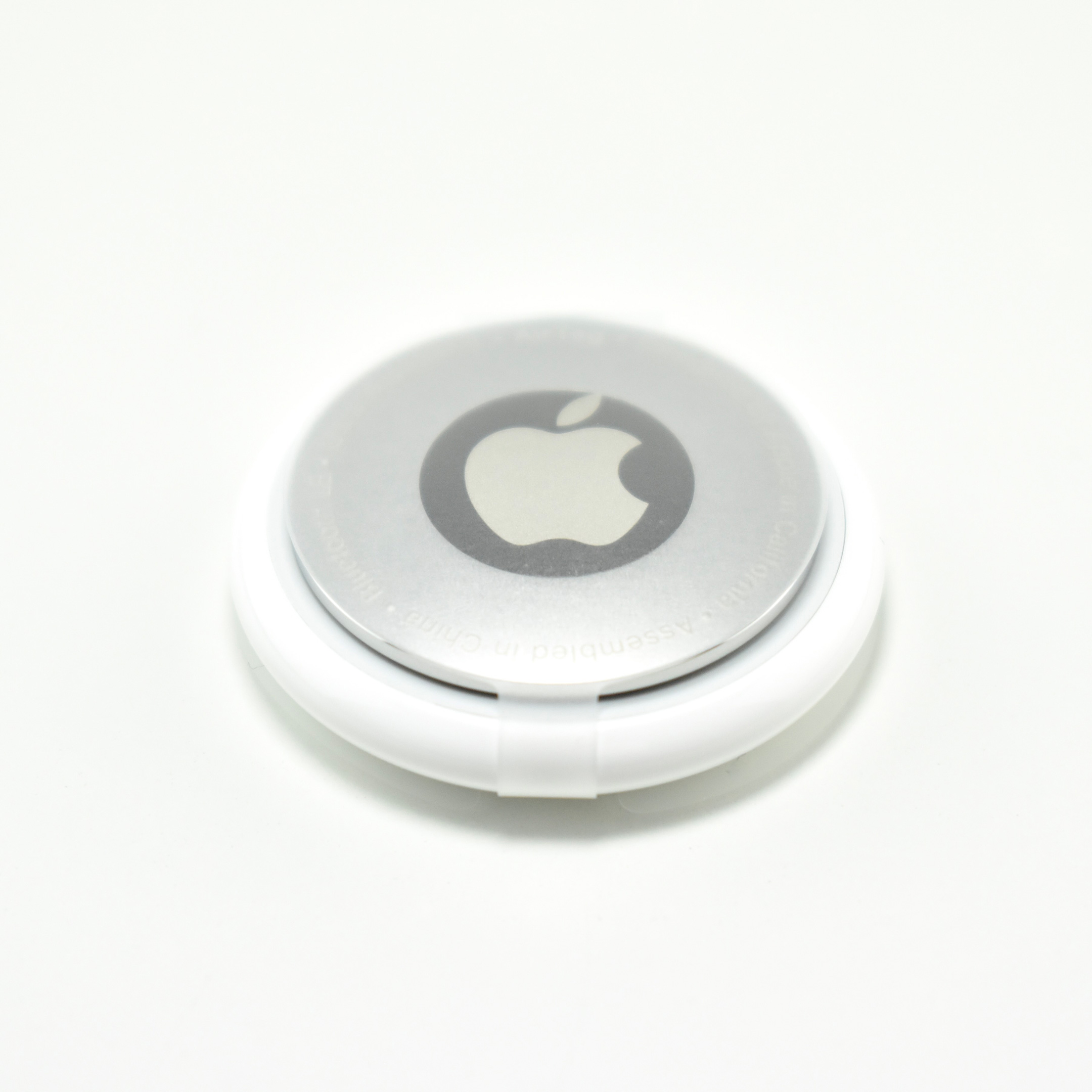
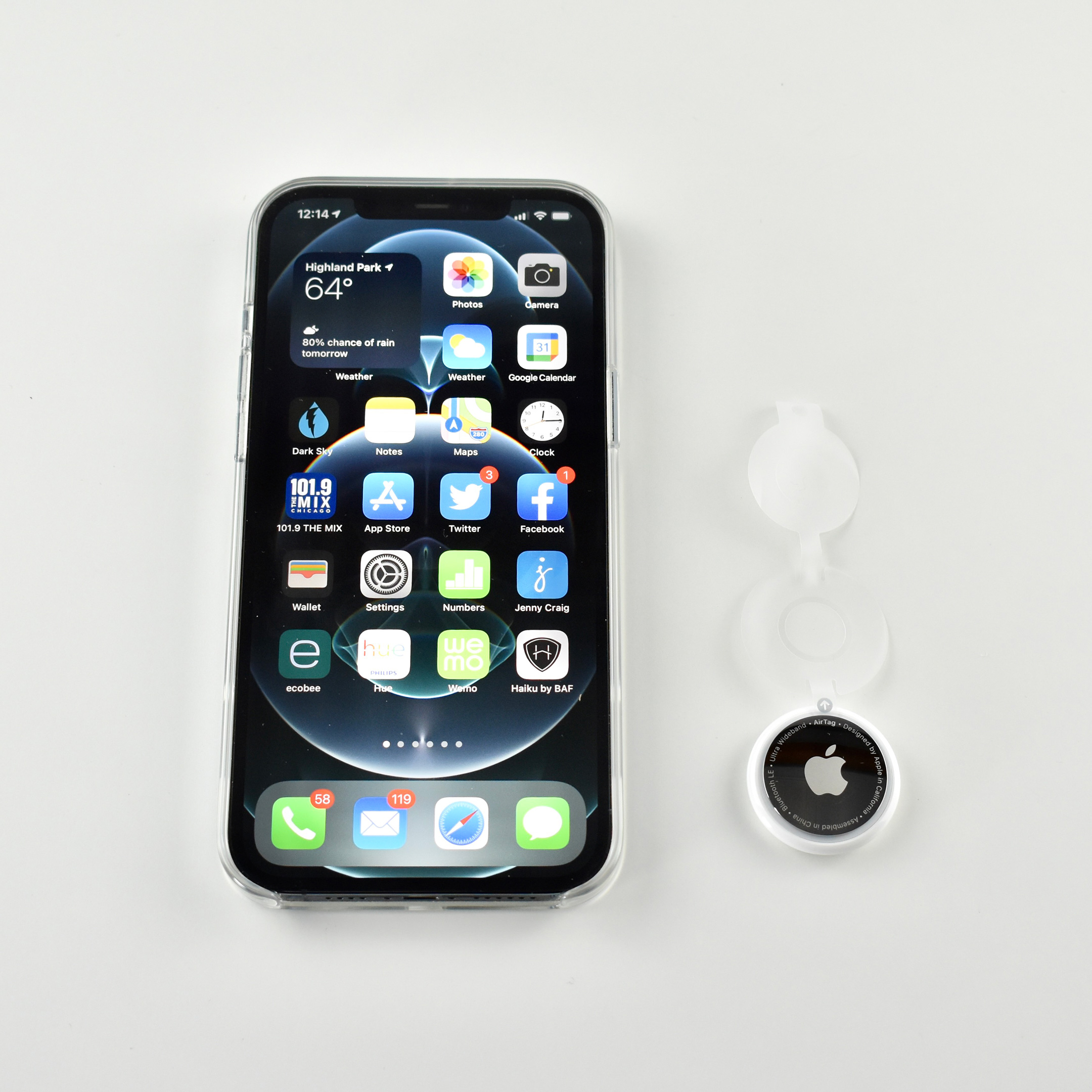
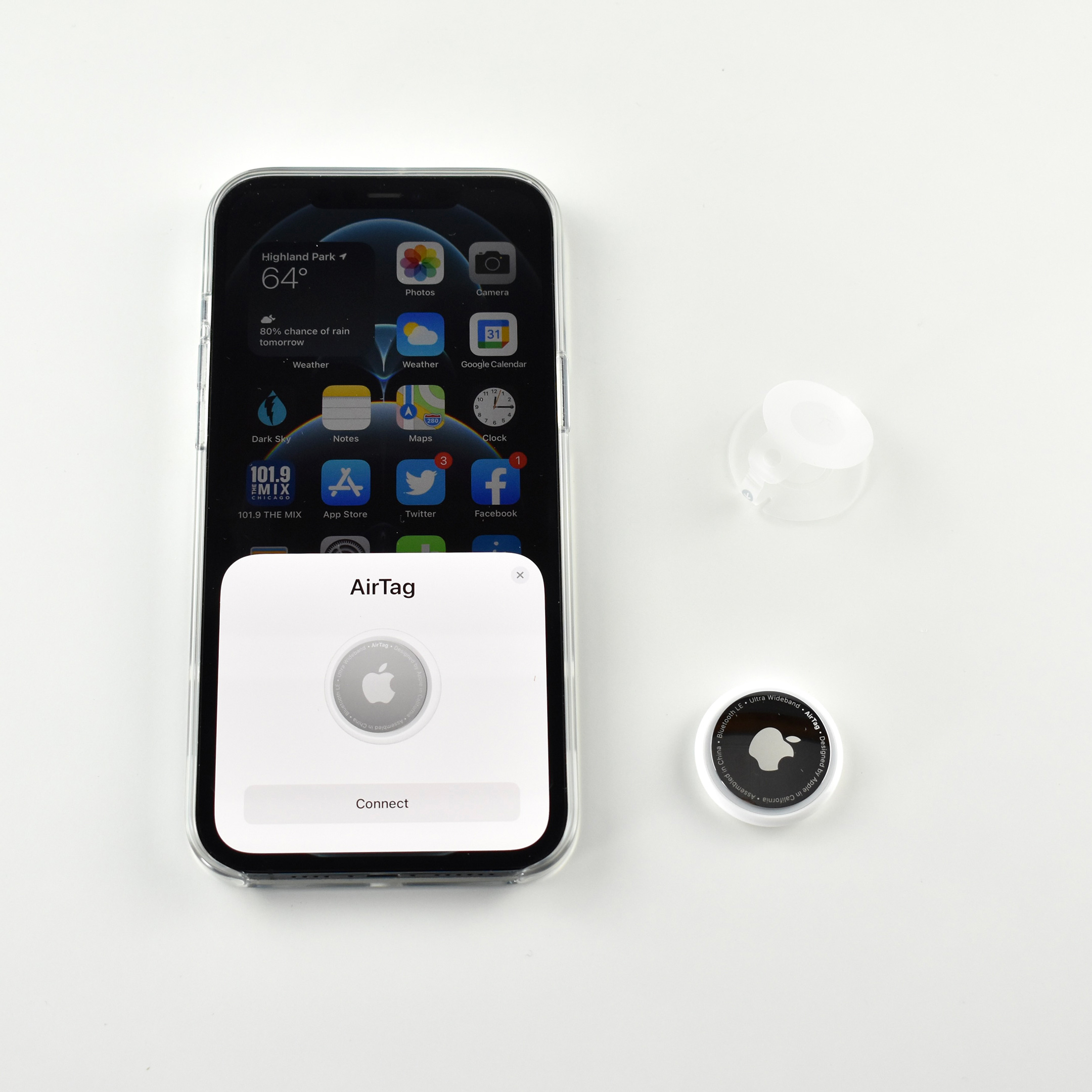
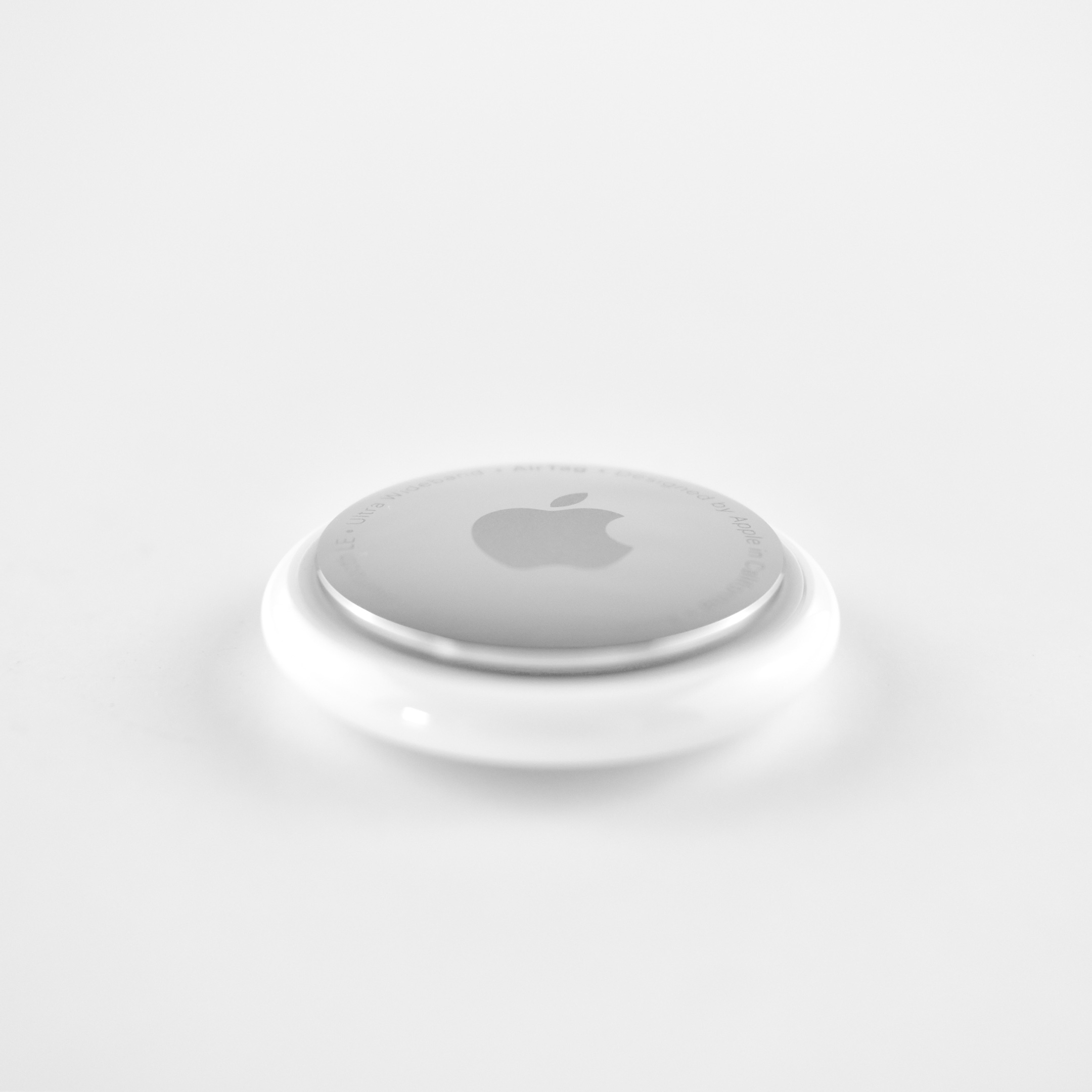
The AirTag is a small, disc-shaped accessory that used Apple’s Find My network to easily locate items. Apple described AirTag as “a supereasy way to keep track of your stuff. Attach one to your keys, slip another in your backpack. And just like that, they’re on your radar in the Find My app.”

The AirTag measures 1.26 inches (31.9 mm) diameter and is 0.31 inch (8.0 mm) high. It weighs 0.39 ounce (11 grams). It contains a CR2032 coin cell battery that can be replaced by the user. The AirTag uses wireless connectivity including Bluetooth, an Apple U1 chip (Ultra Wideband and Precision Finding), and NFC (Lost Mode). It is splash, water, and dust resistant (IP67 with a maximum depth of 1 meter up to 30 minutes).

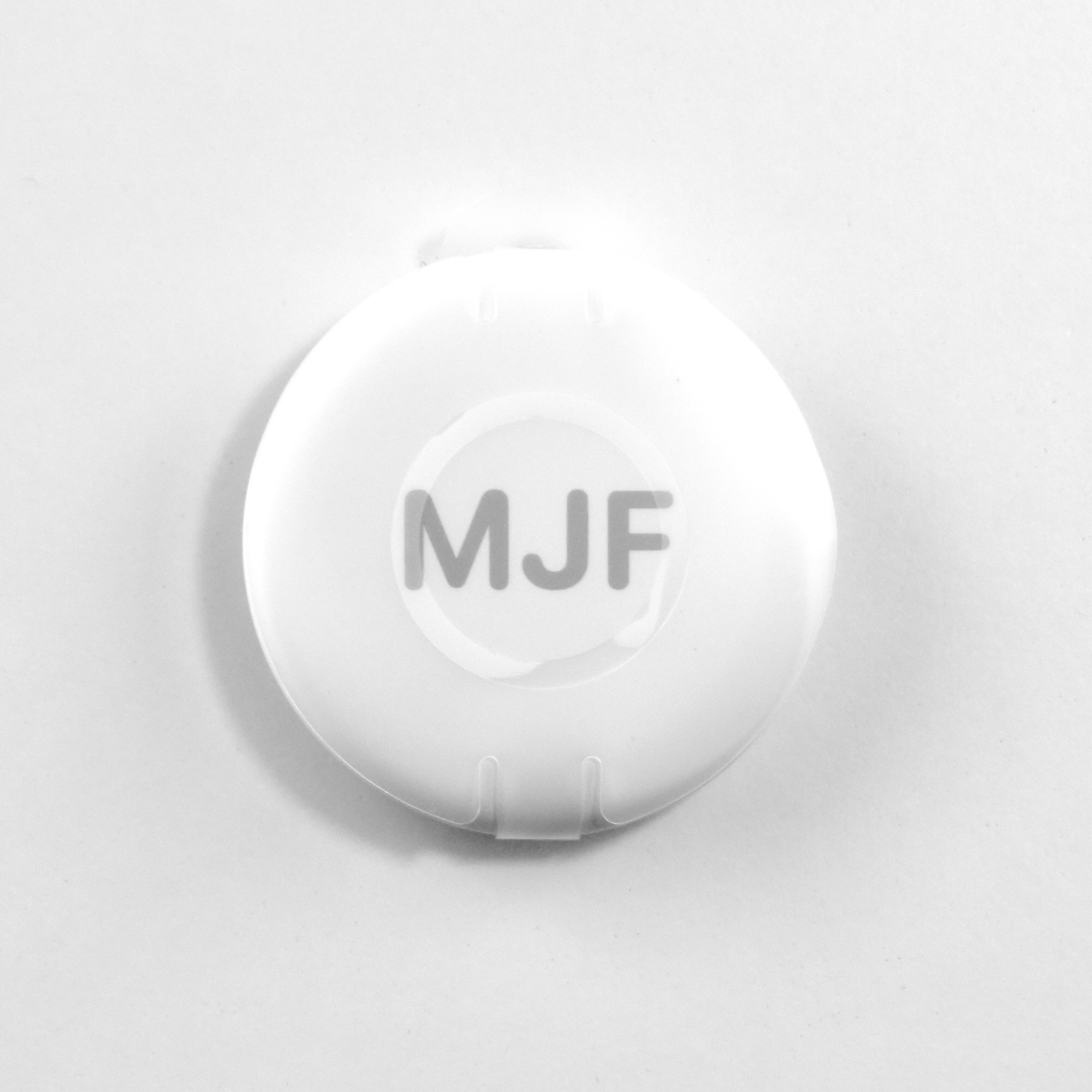
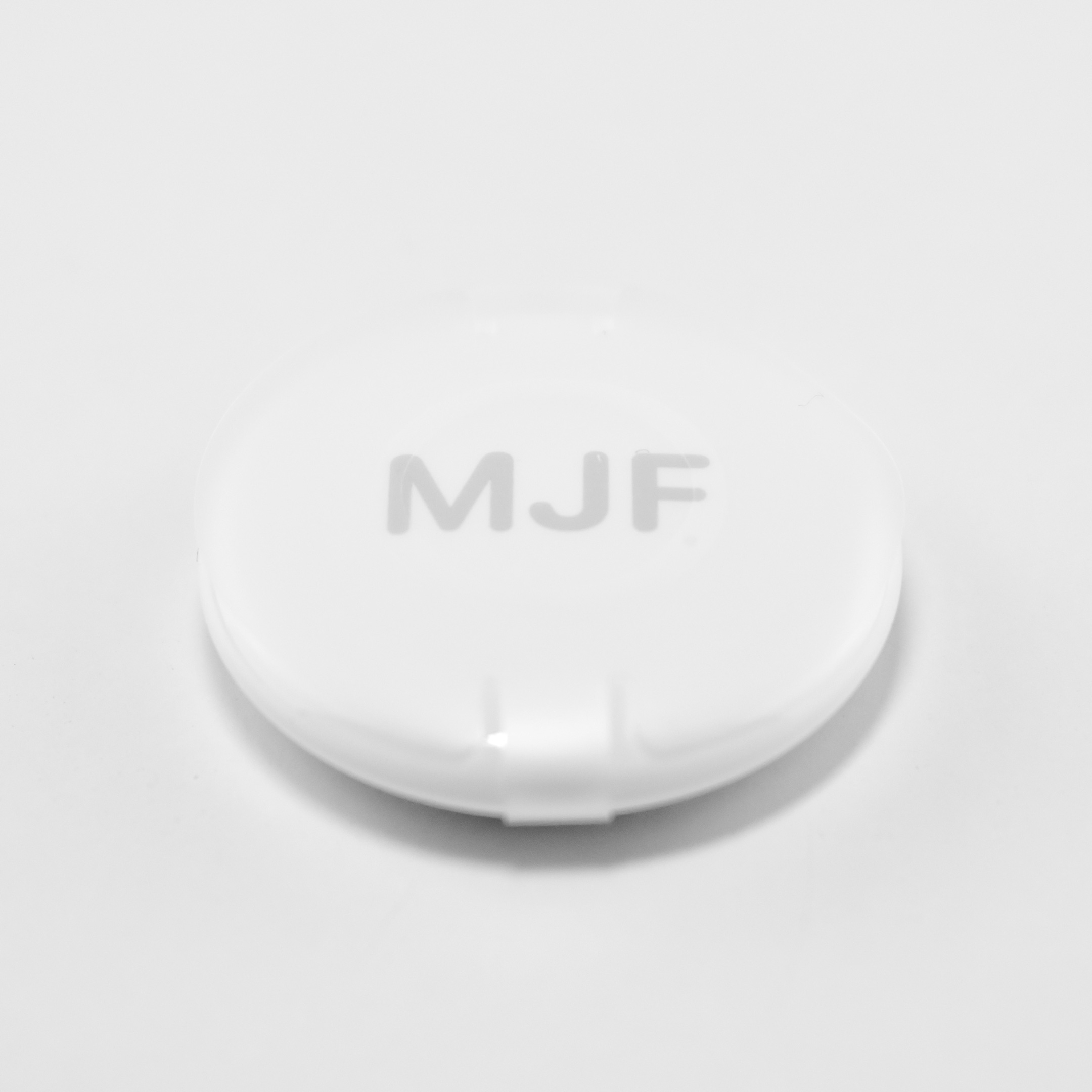
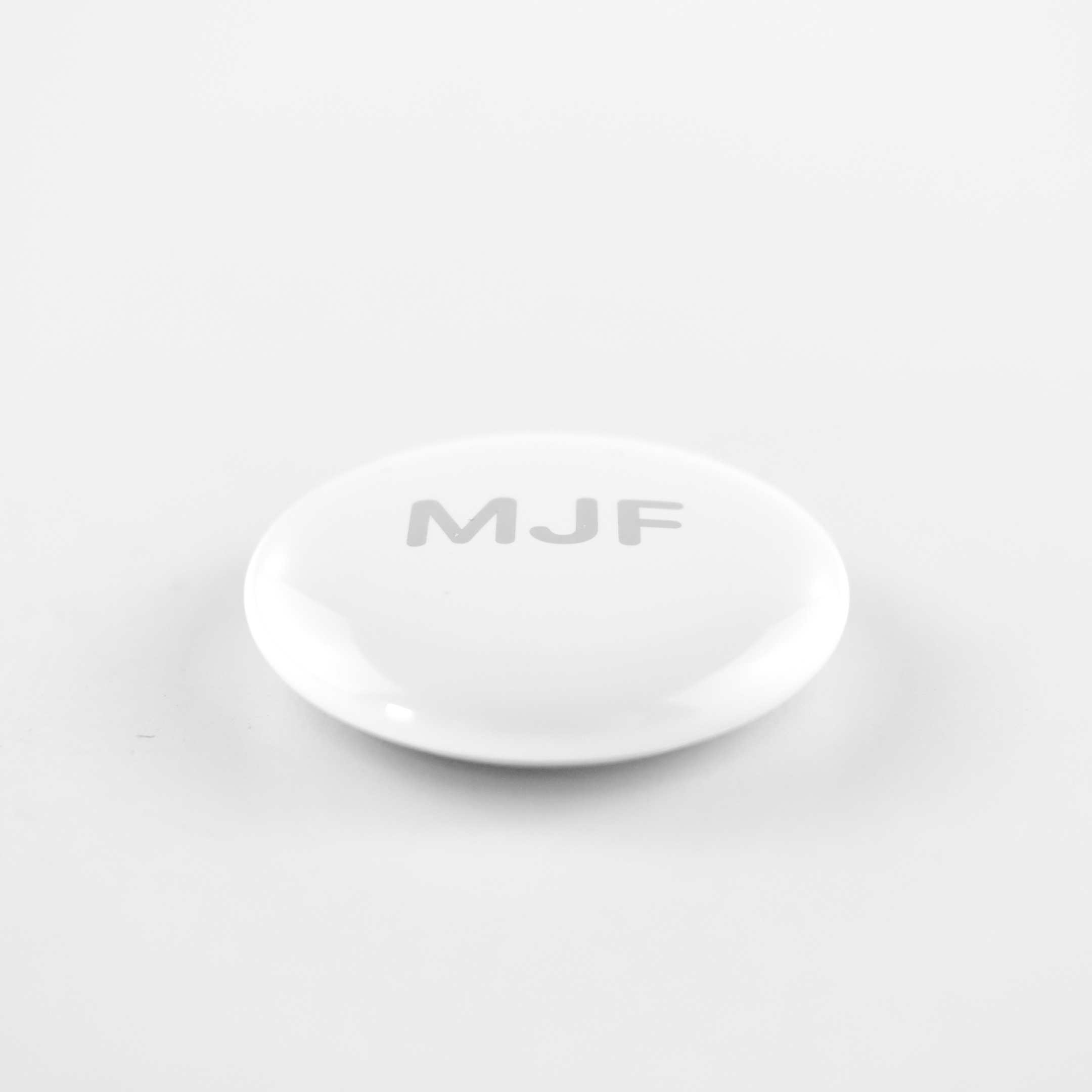
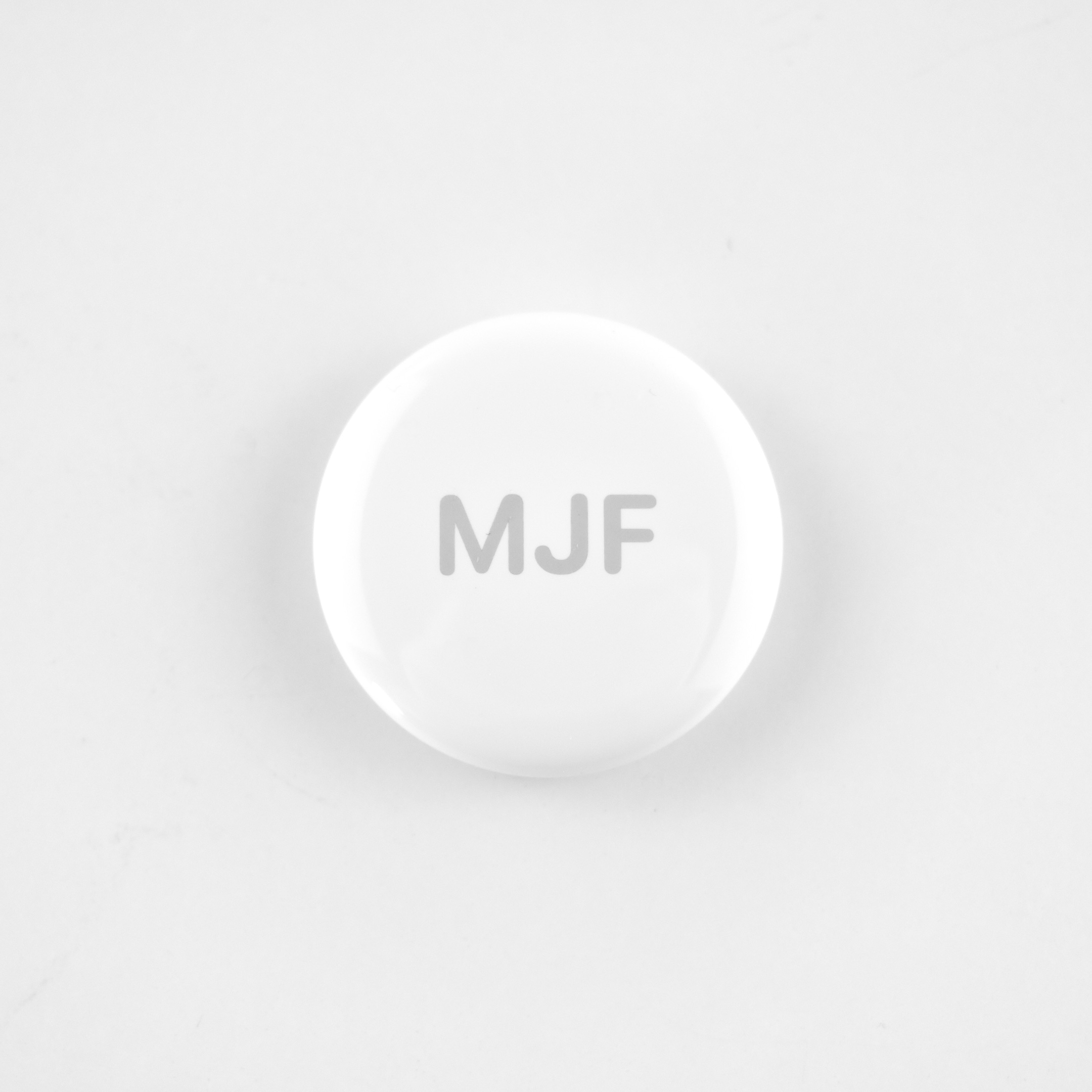
The AirTag was offered with free engraving featuring a selection of 31 Apple-designed one-color emoji, text, or numbers. Up to 4 characters could be added. This example is engraved with my initials, “MJF.”

The Air Tag “requires iPhone SE, iPhone 6s or later, or iPod touch (7th generation) with iOS 14.5 or later, or iPad Pro, iPad (5th generation or later), iPad Air 2 or later, or iPad mini 4 or later with iPadOS 14.5 or later.”

Sources: Apple

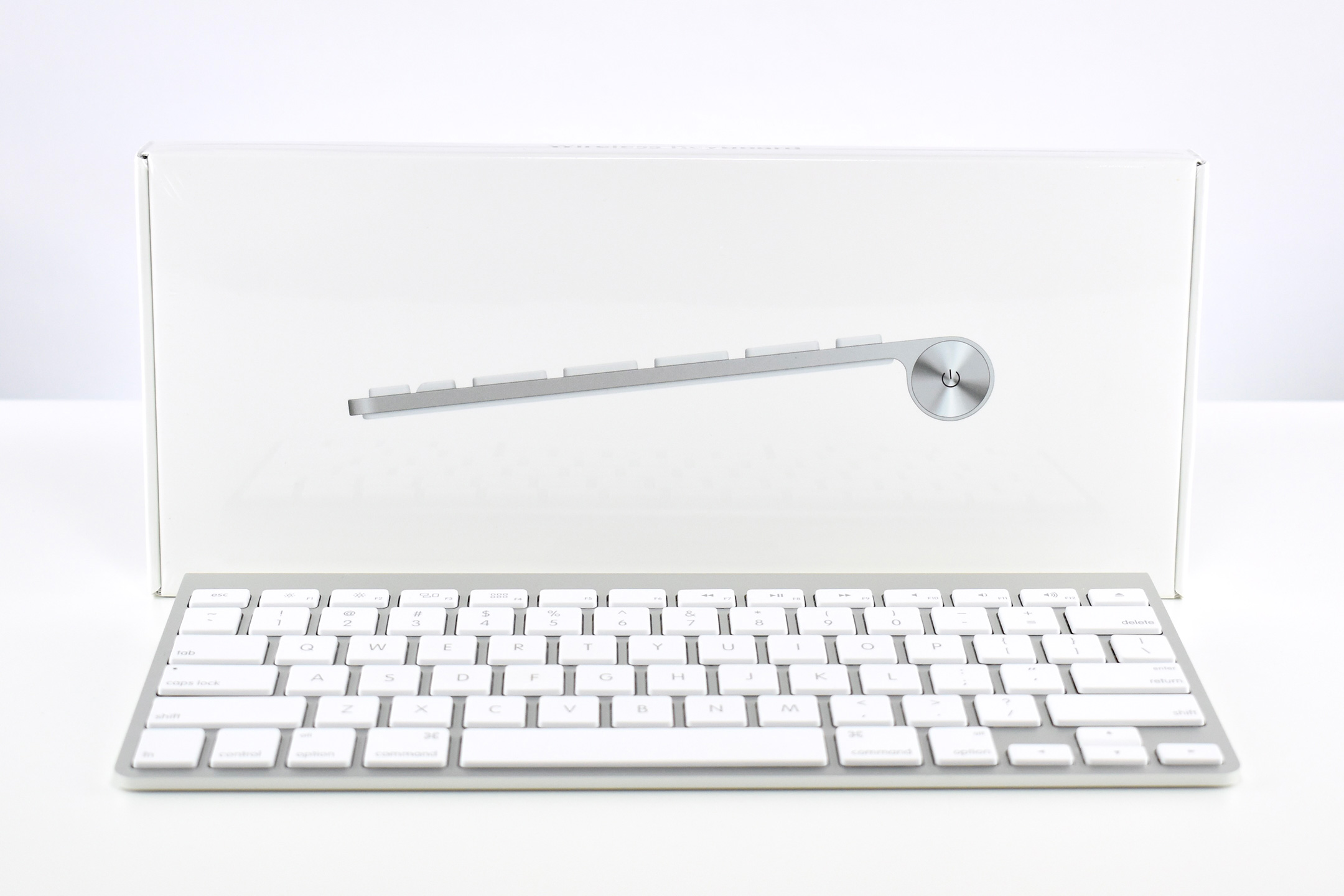
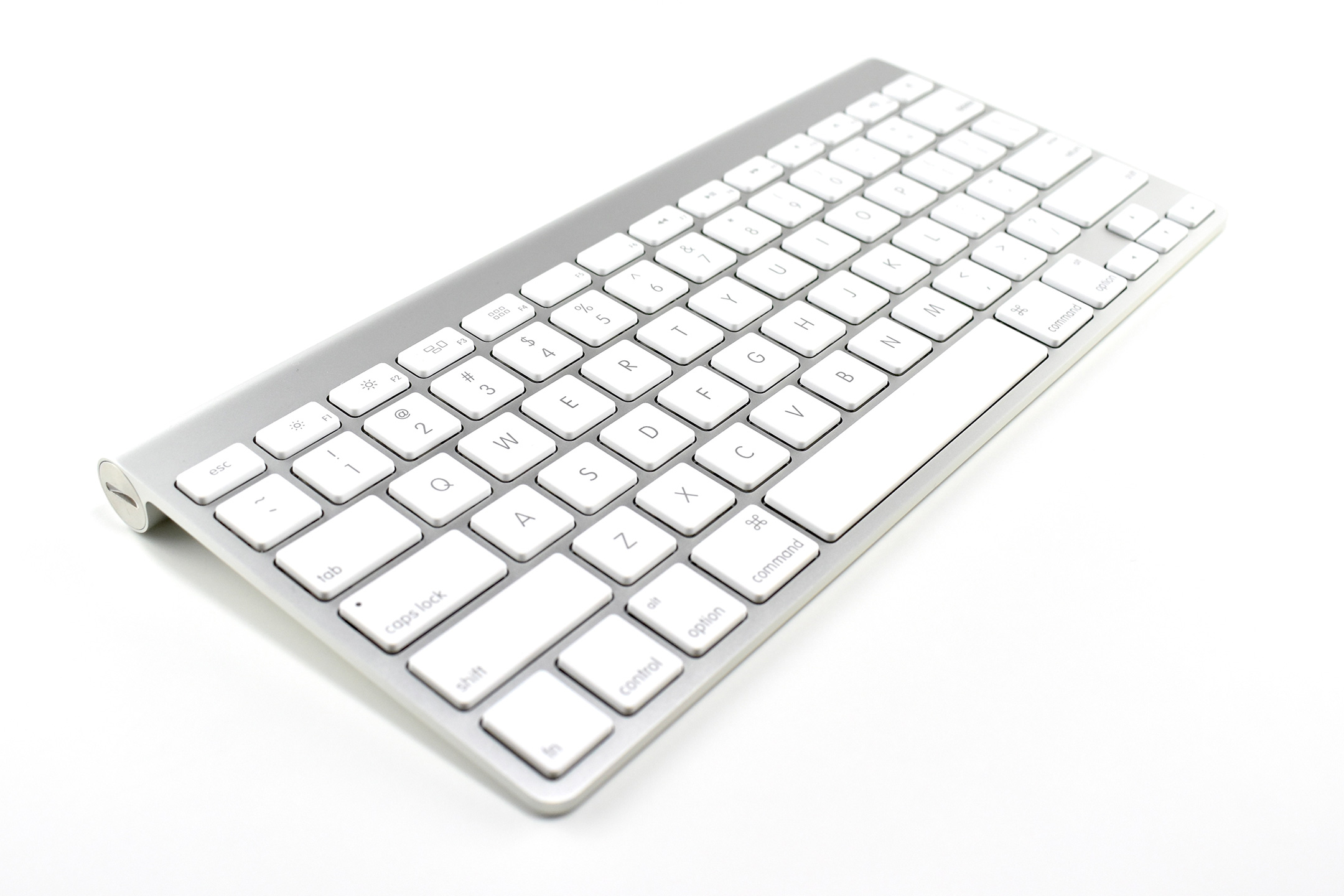
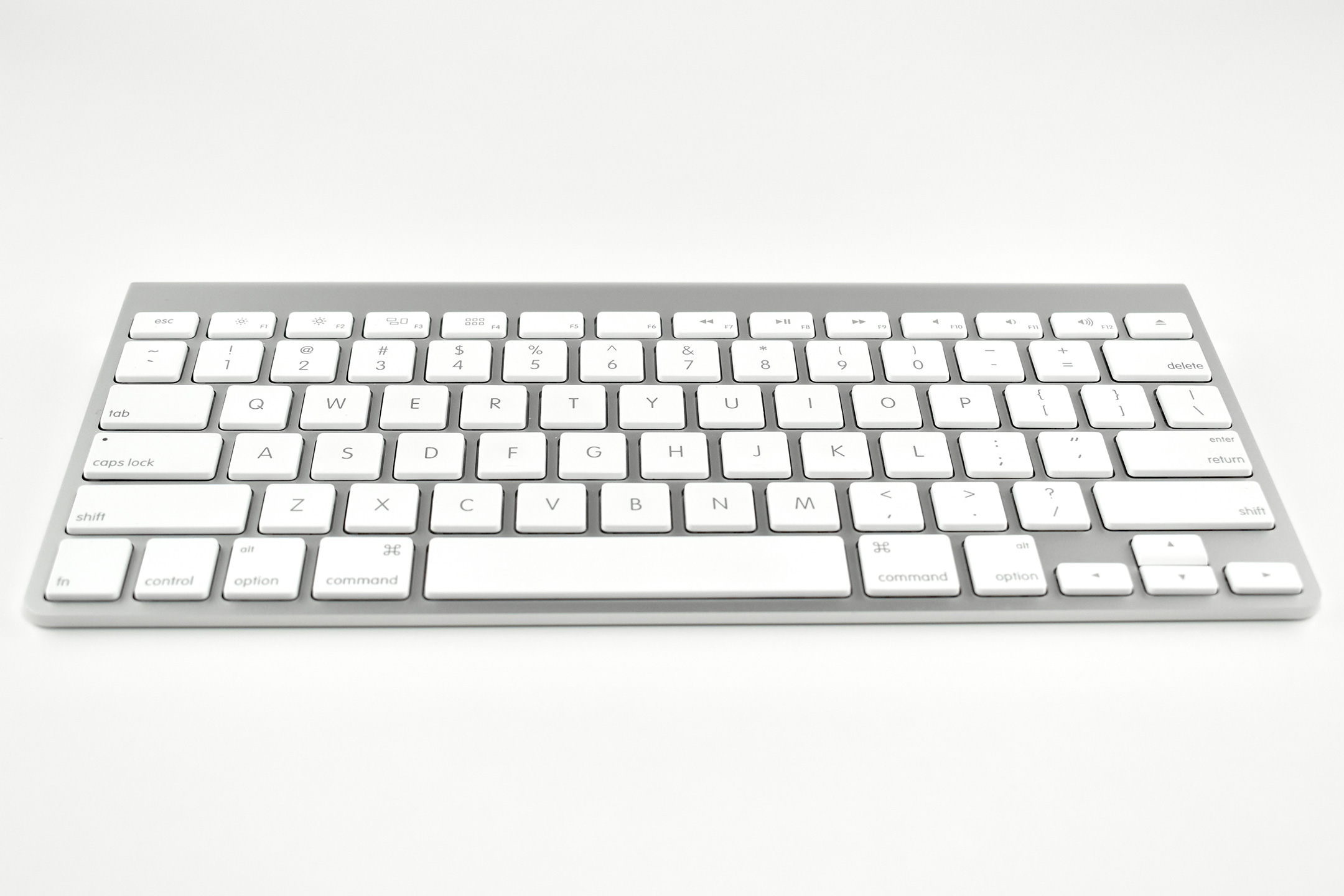
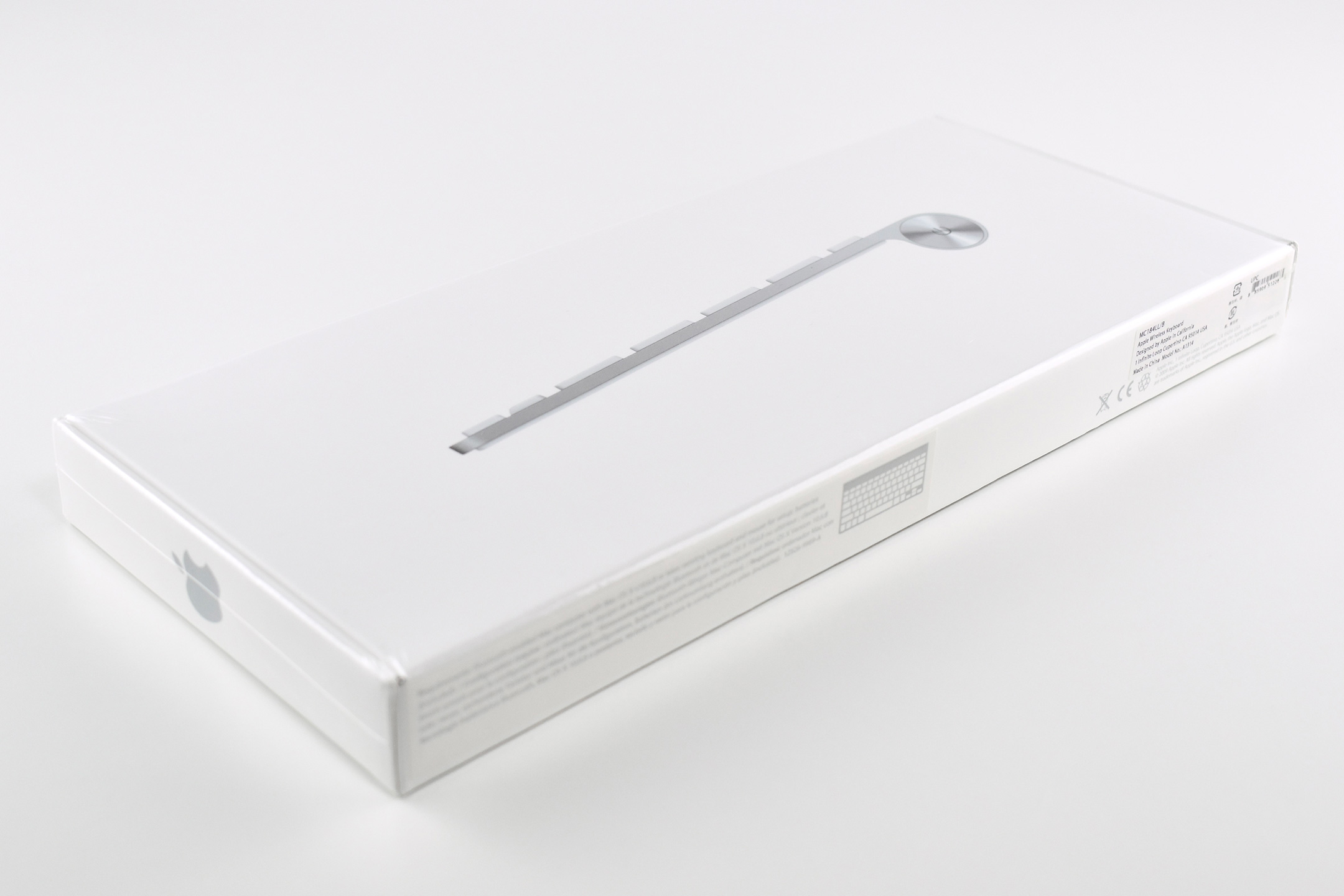
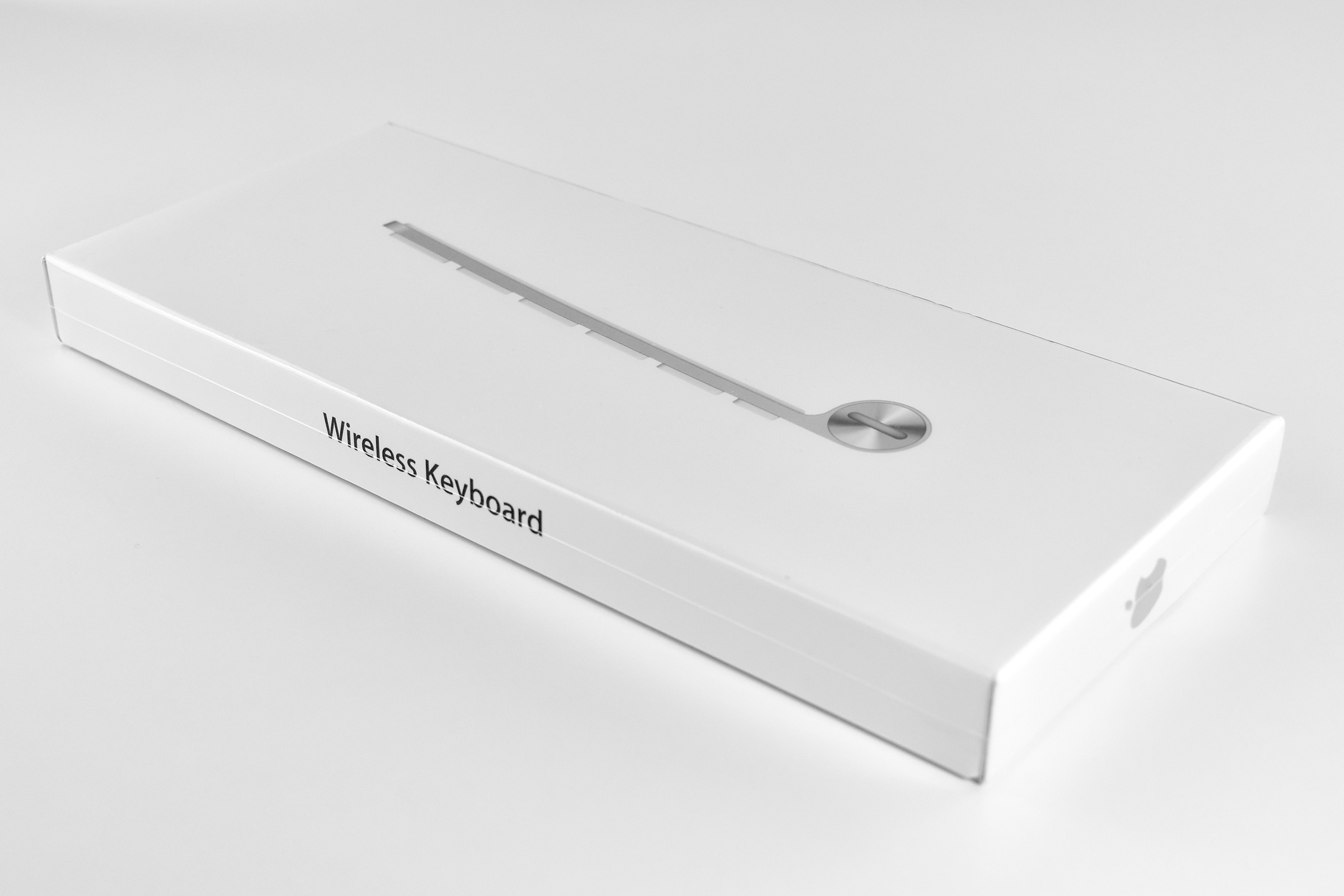
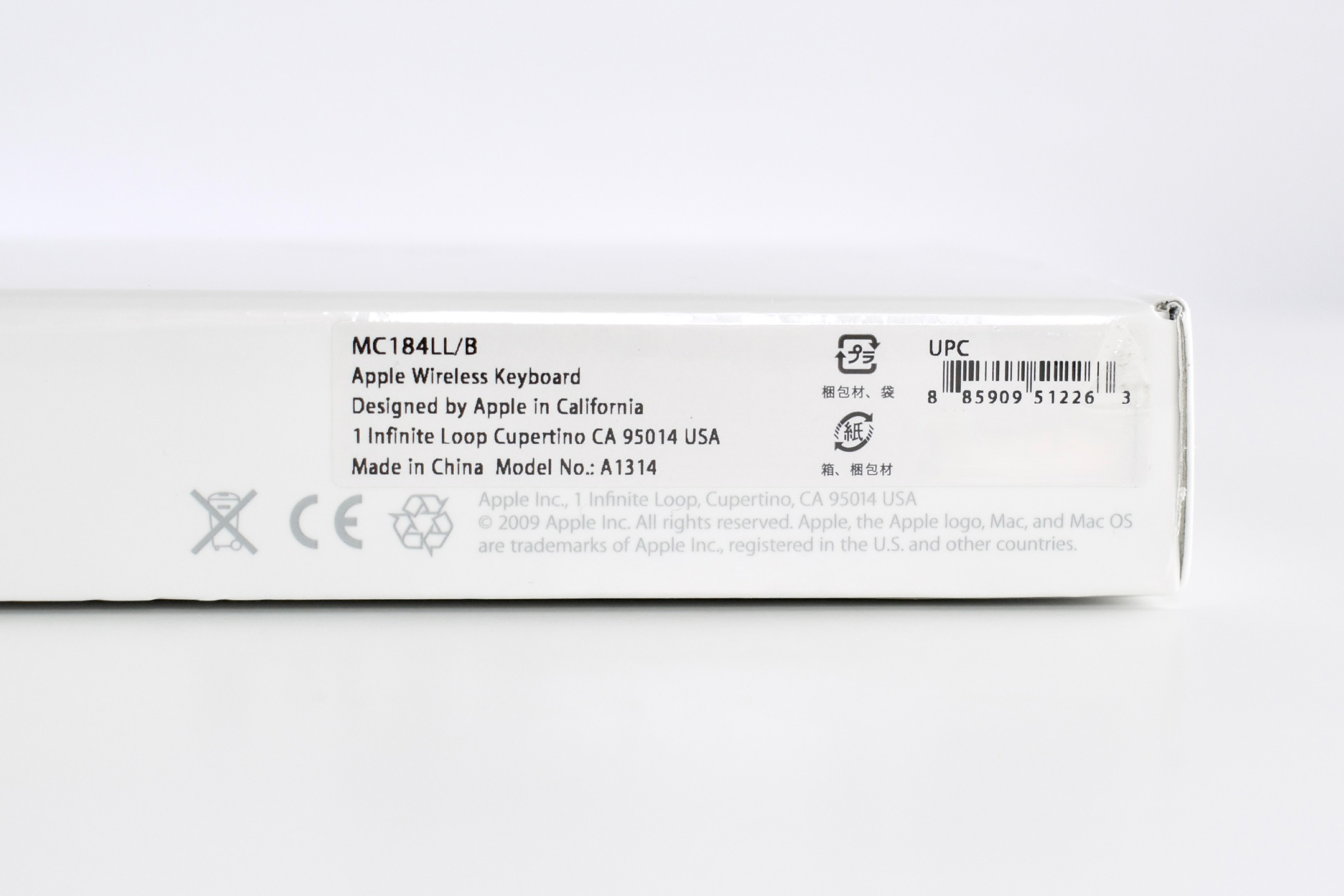
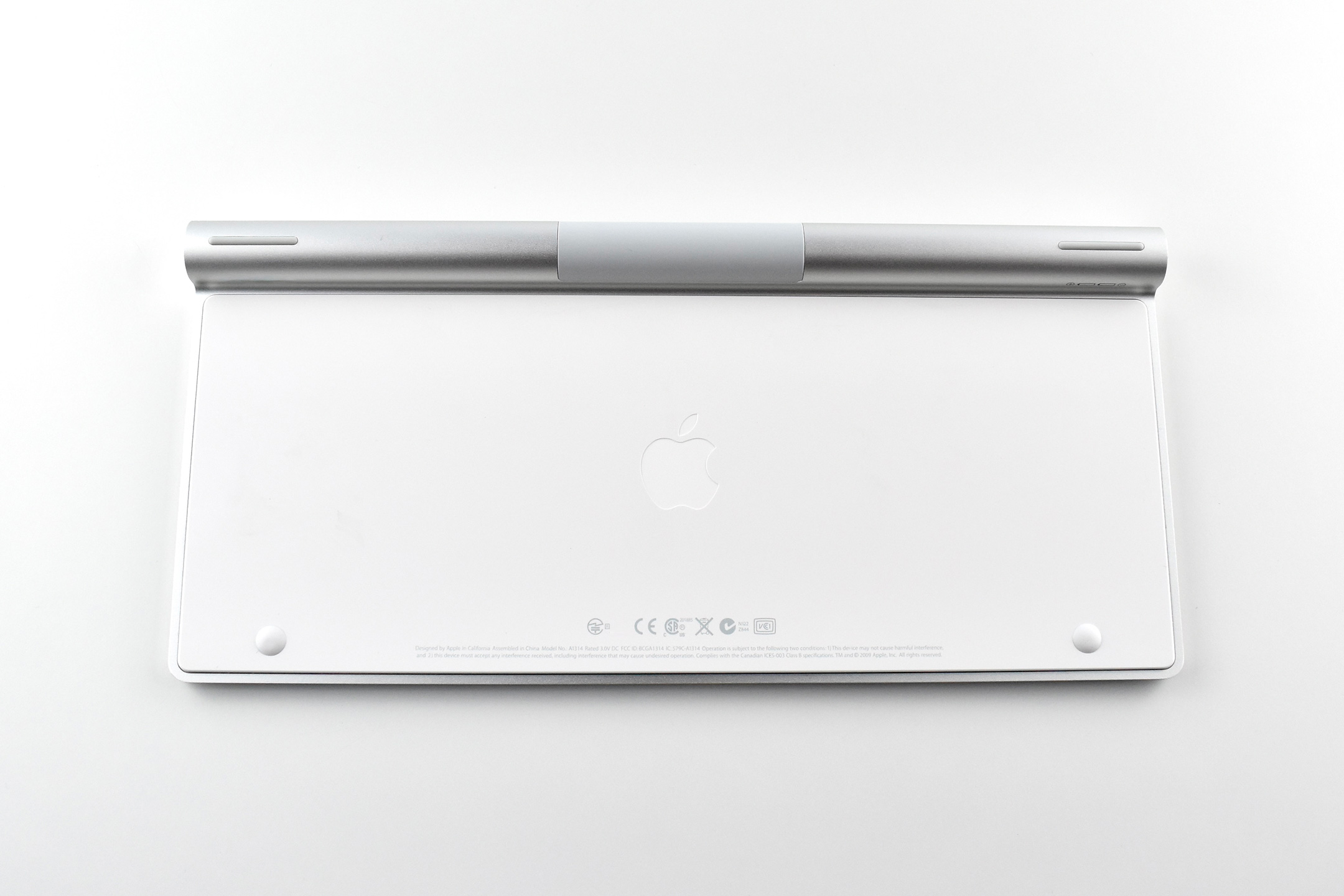
Wireless Keyboard (Generation 3, 2009)

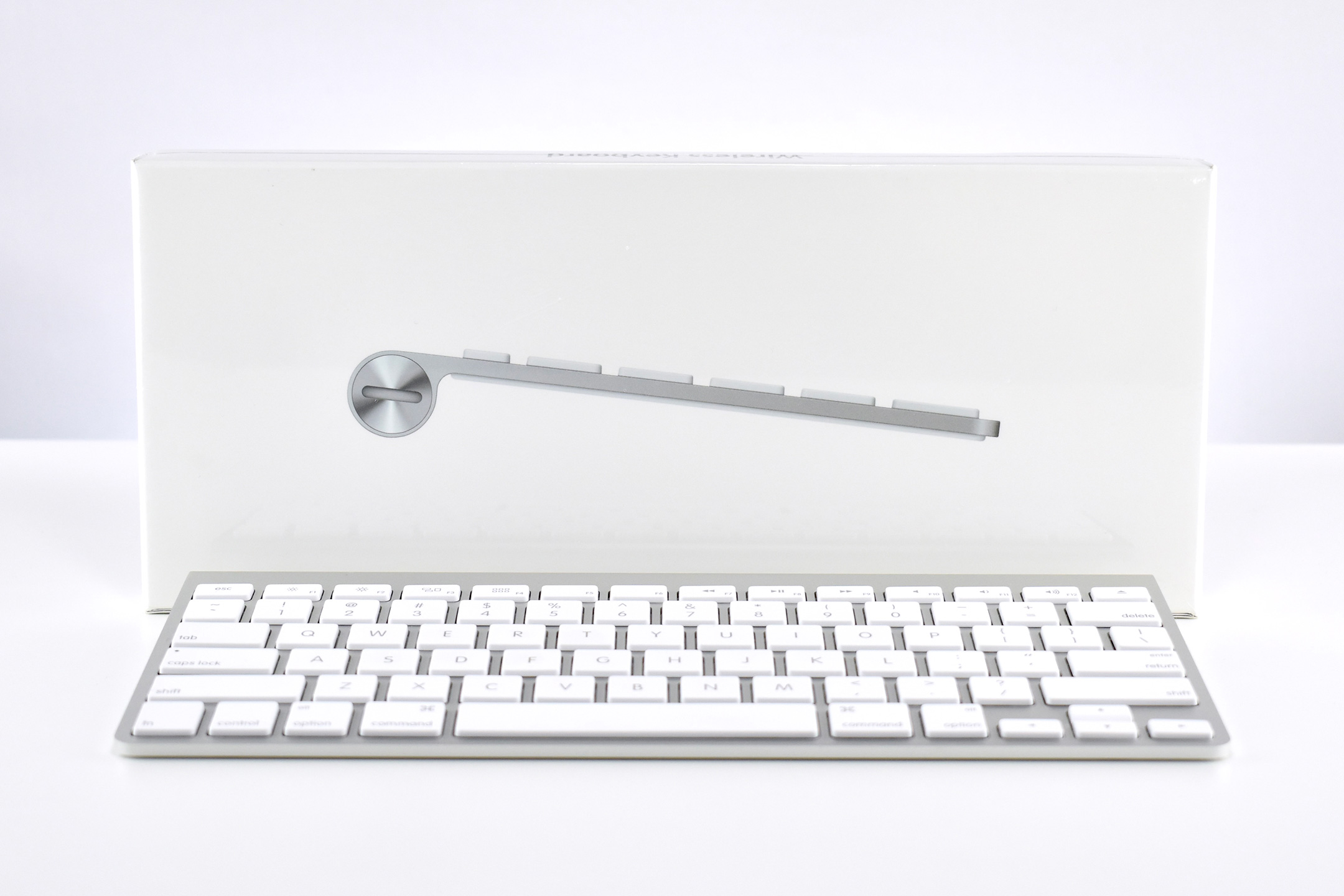
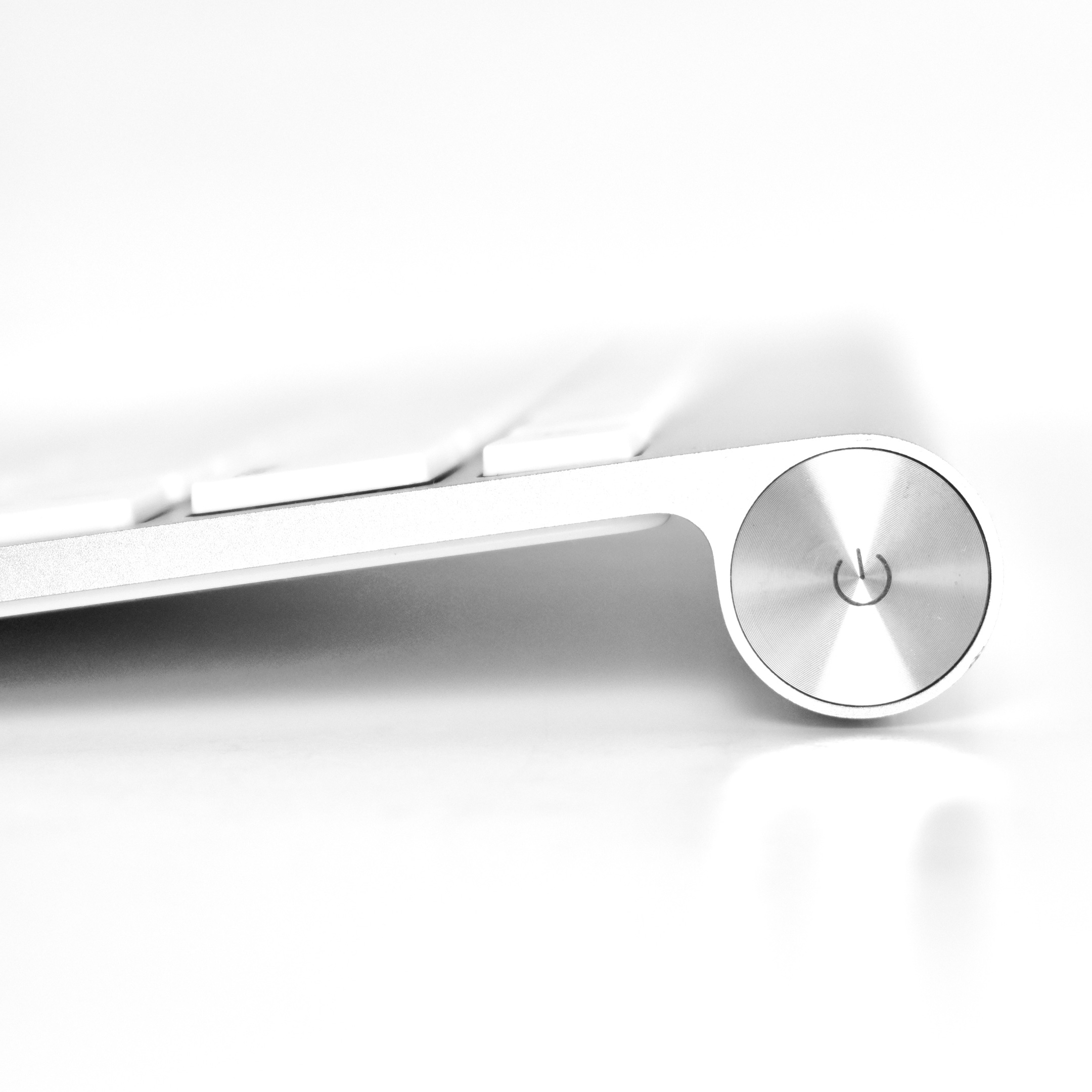
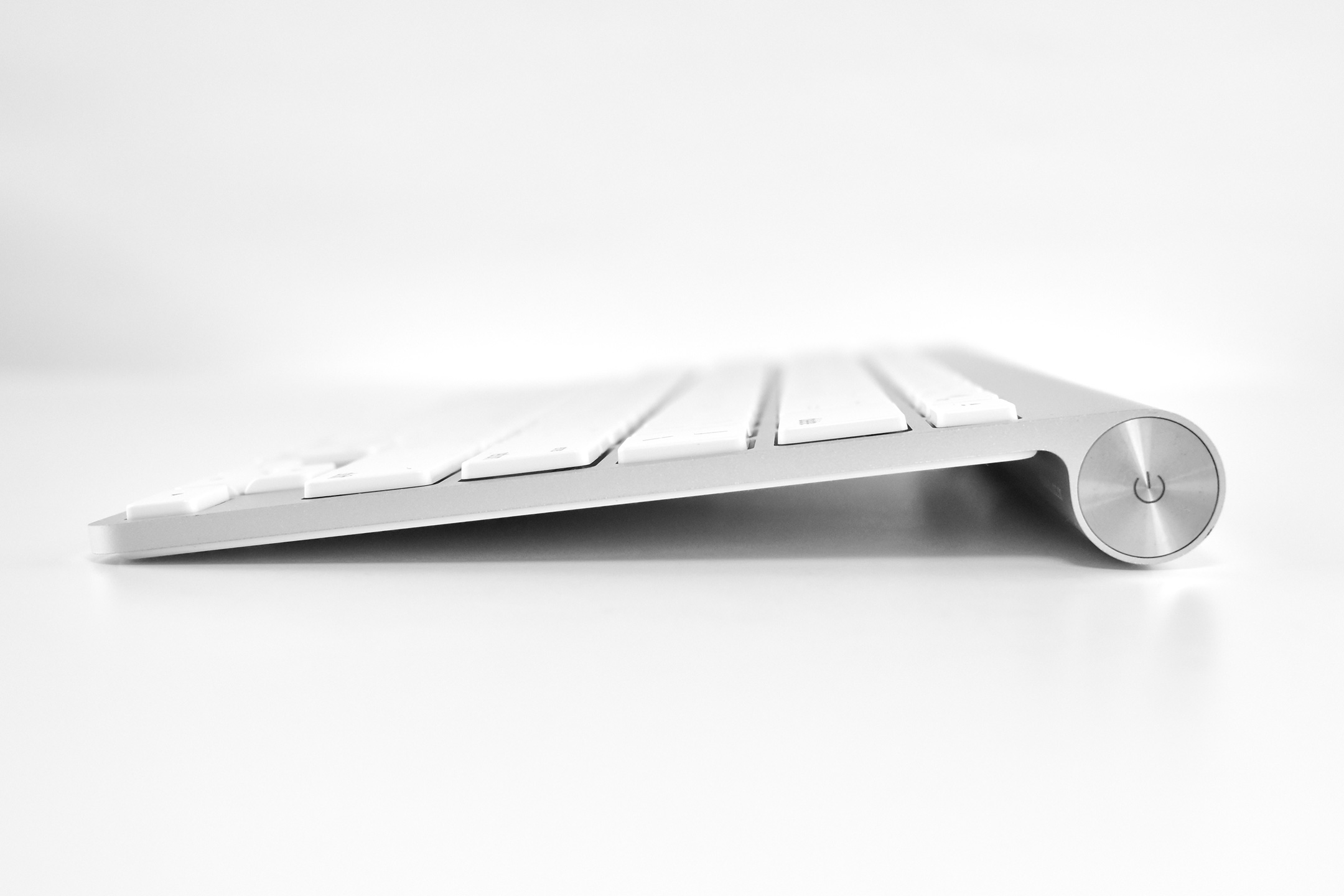
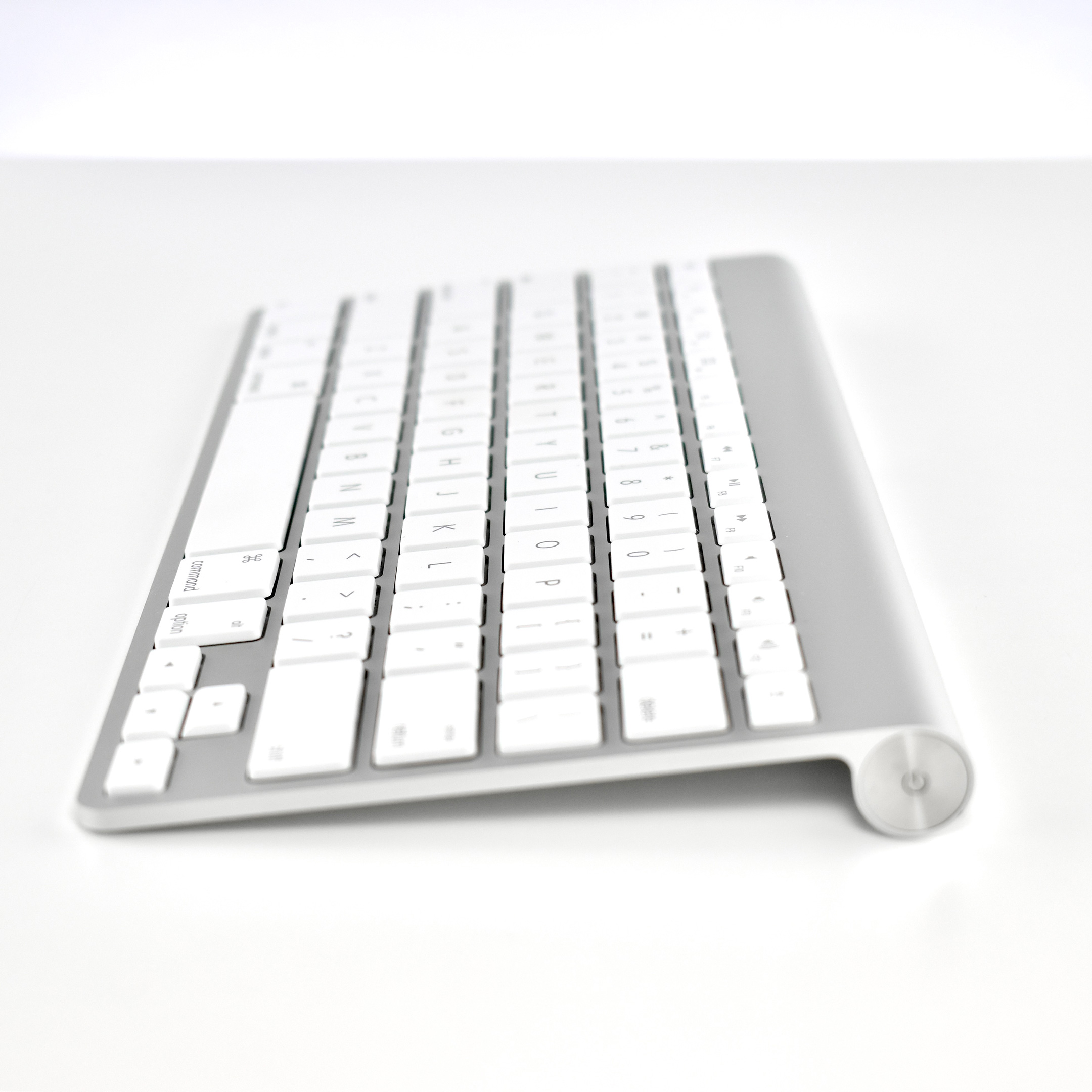
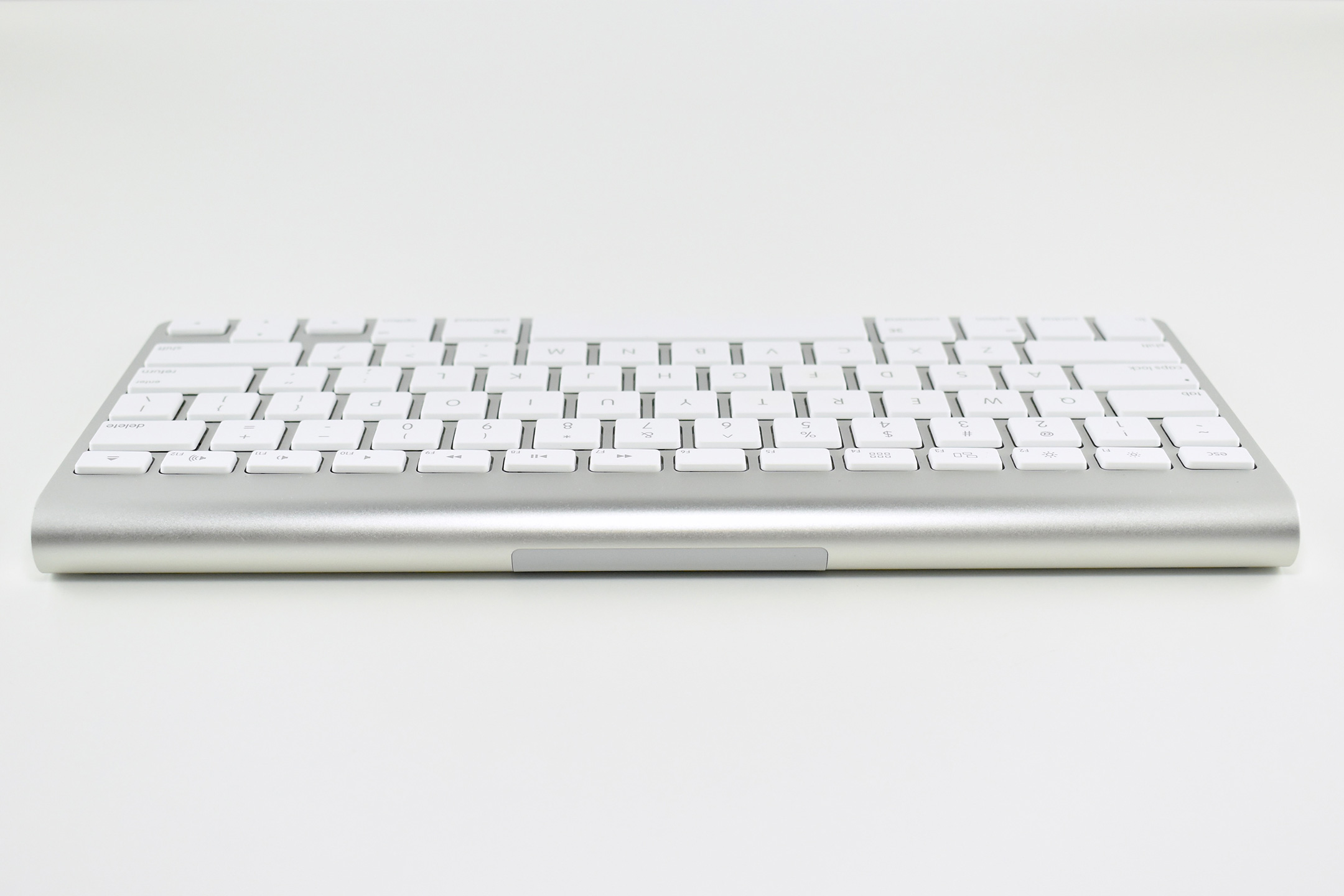
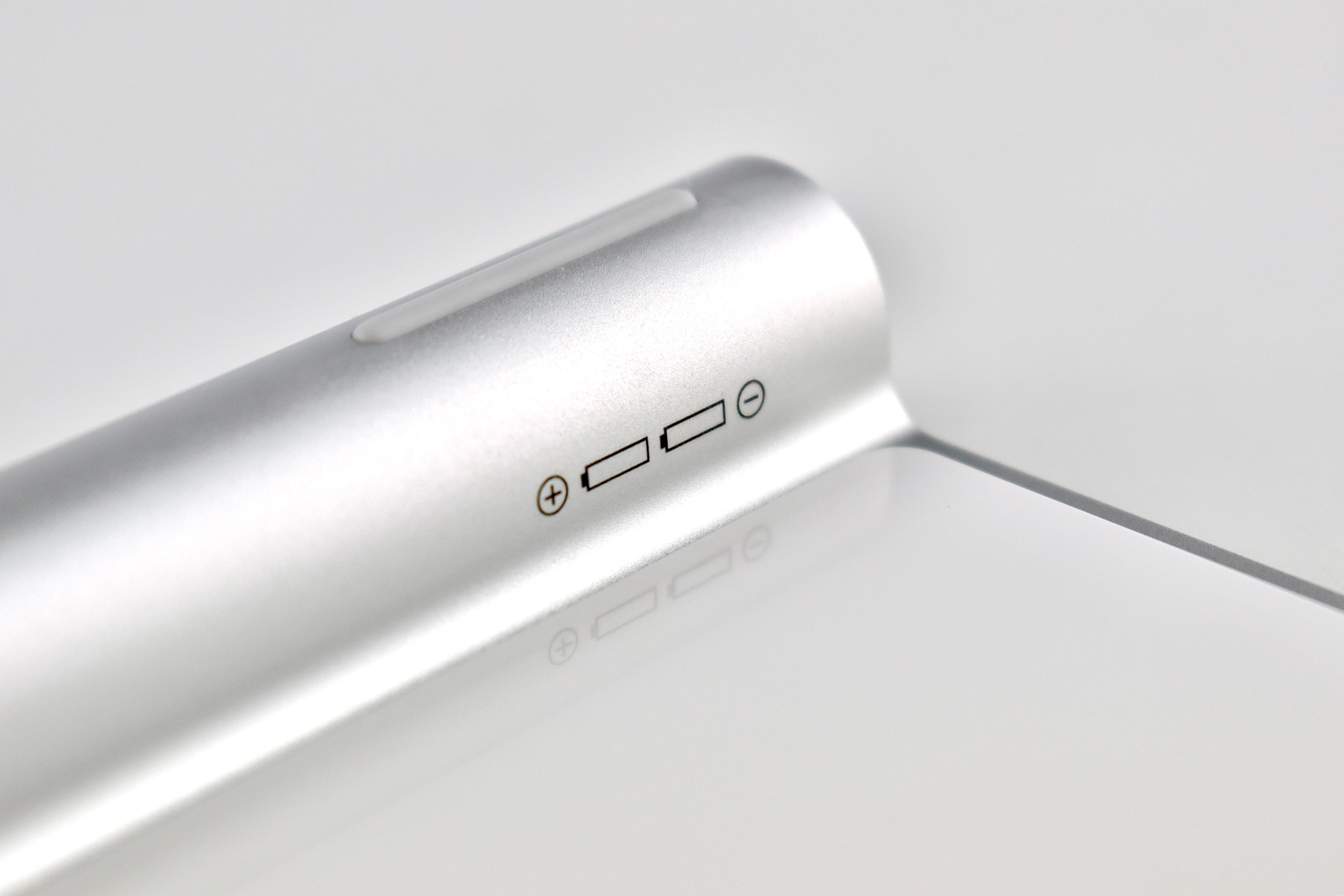
Apple’s Wireless Keyboard, Generation 3, was released in October 2009 and was a slight revision to the Generation 2 version. The Generation 3 version used only two AA batteries (instead of three) and became Apple’s new standard, shipping with iMac computers released the same day.

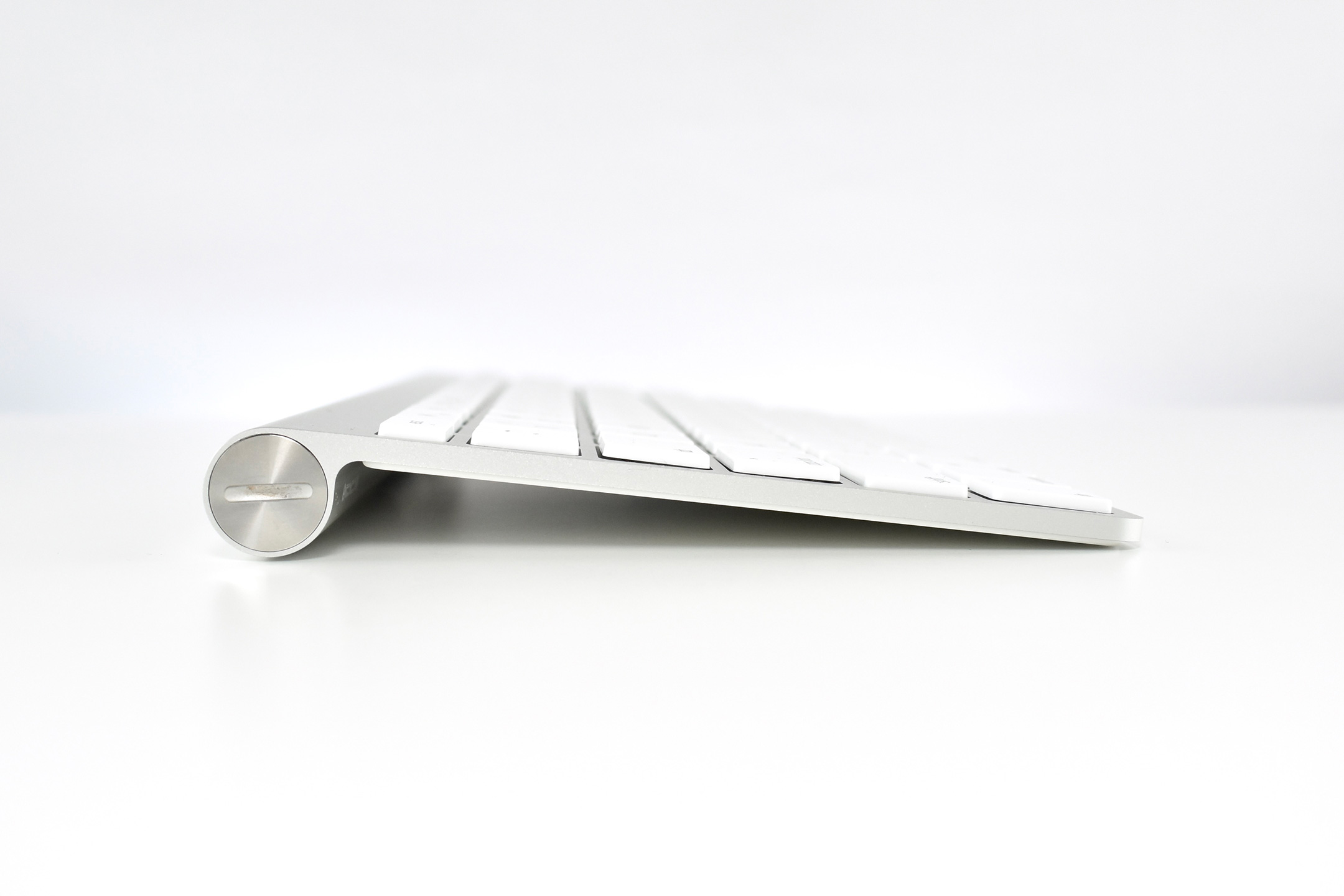
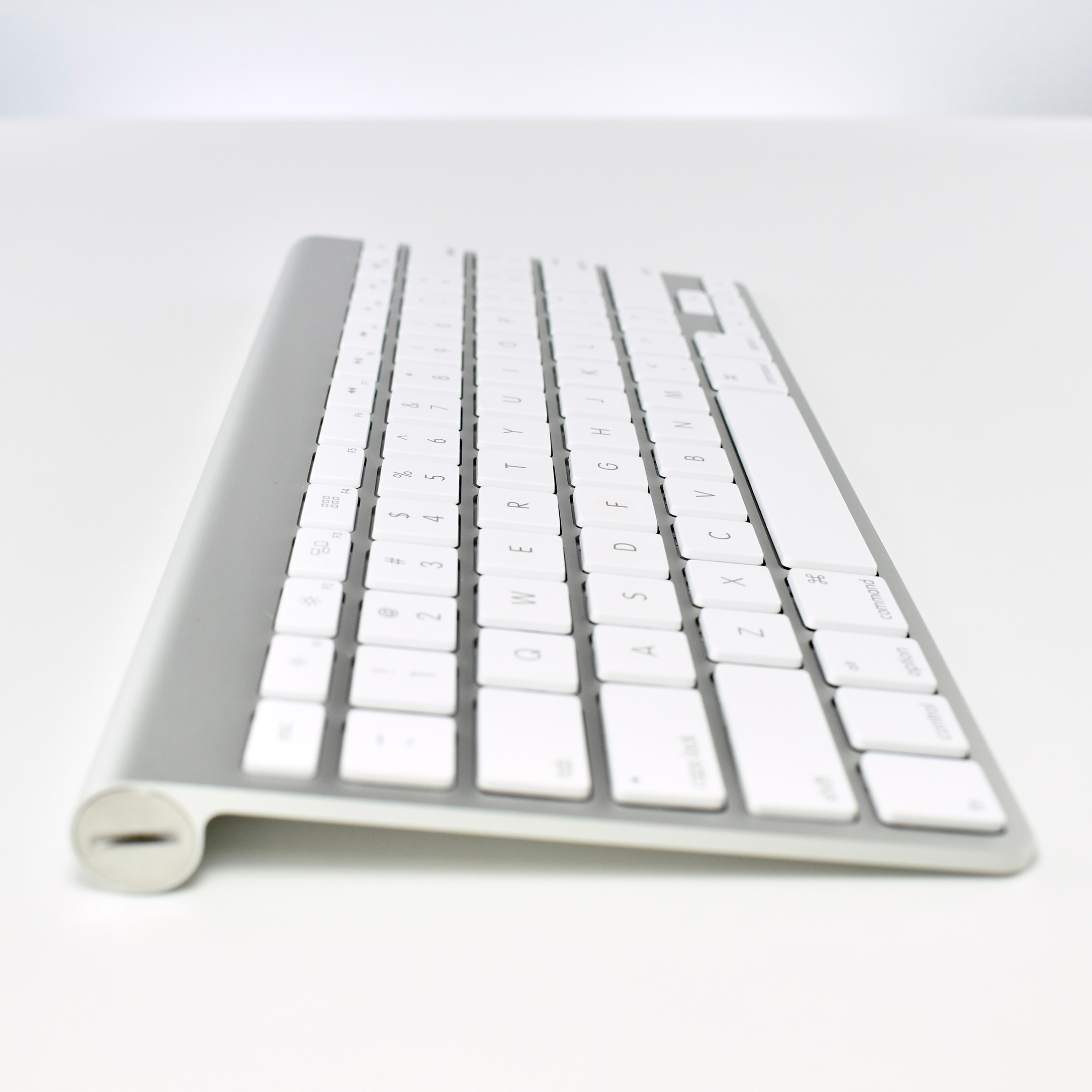
Like its Generation 2 predecessor, this keyboard was thin and had an aluminum enclosure with thin white keys, similar to the laptops of the time. In addition, functions were added to the function keys such as media controls. Its round power button was found on the right side of the keyboard—opposite the cylindrical battery enclosure. It connected via Bluetooth.

This keyboard style was updated one more time to a Generation 4 version when Mac OS X Lion (10.7) was released. The Generation 4 version updated two function keys: the Exposé key was changed to a Mission Control key, and the Dashboard key changed to a Launchpad key.

This keyboard design was replaced entirely on October 13, 2015, with the Apple Magic Keyboard.

Source: Wikipedia

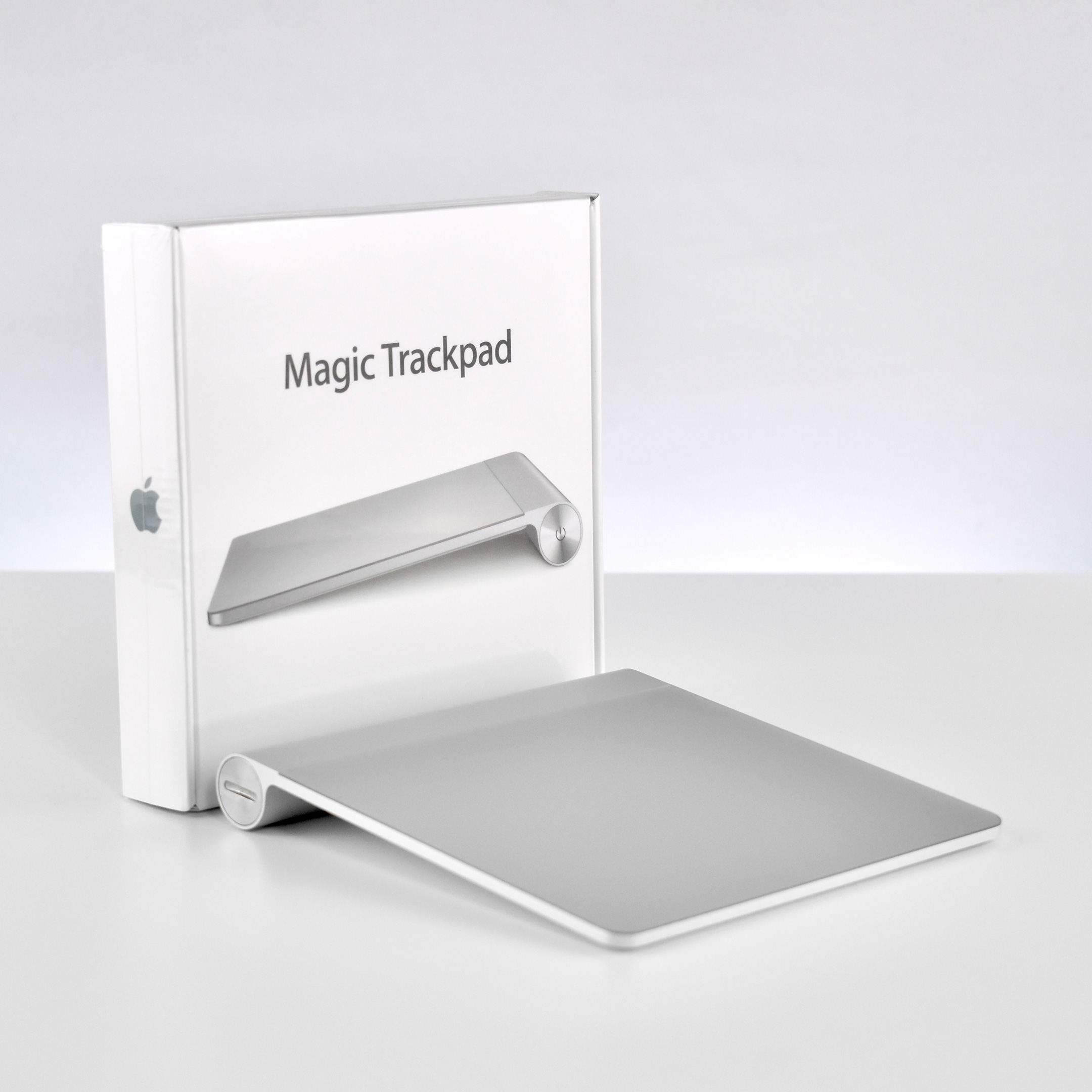
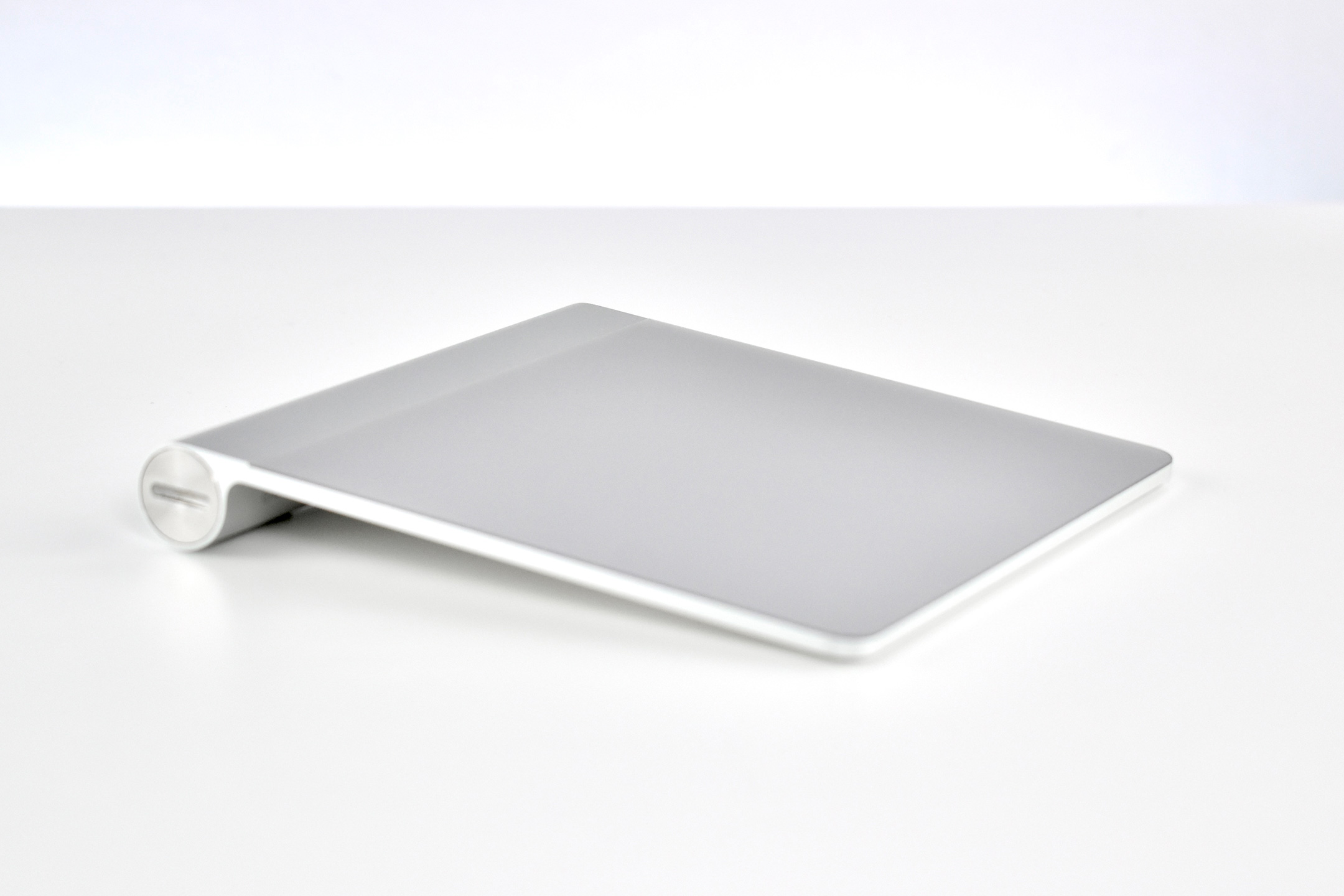
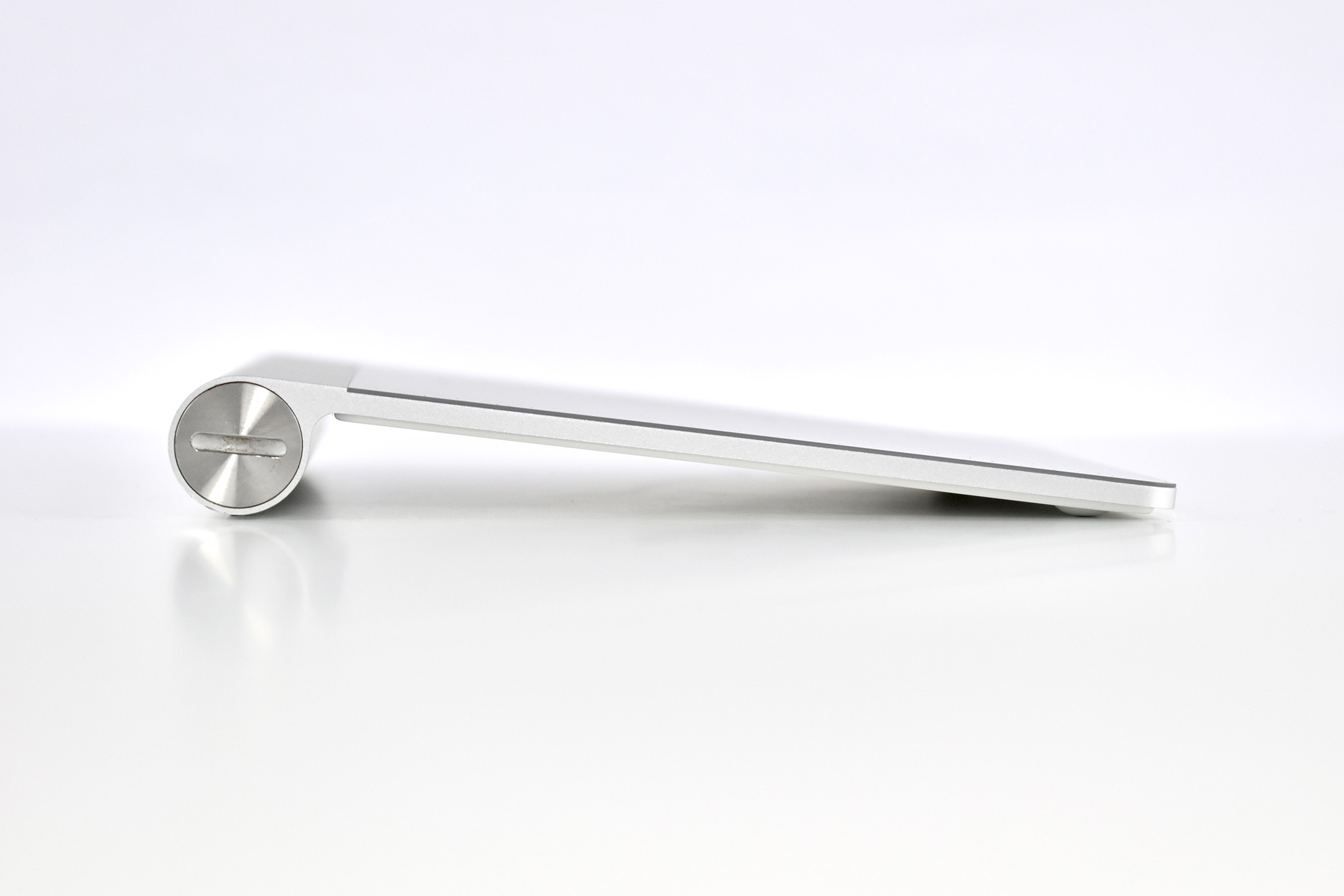
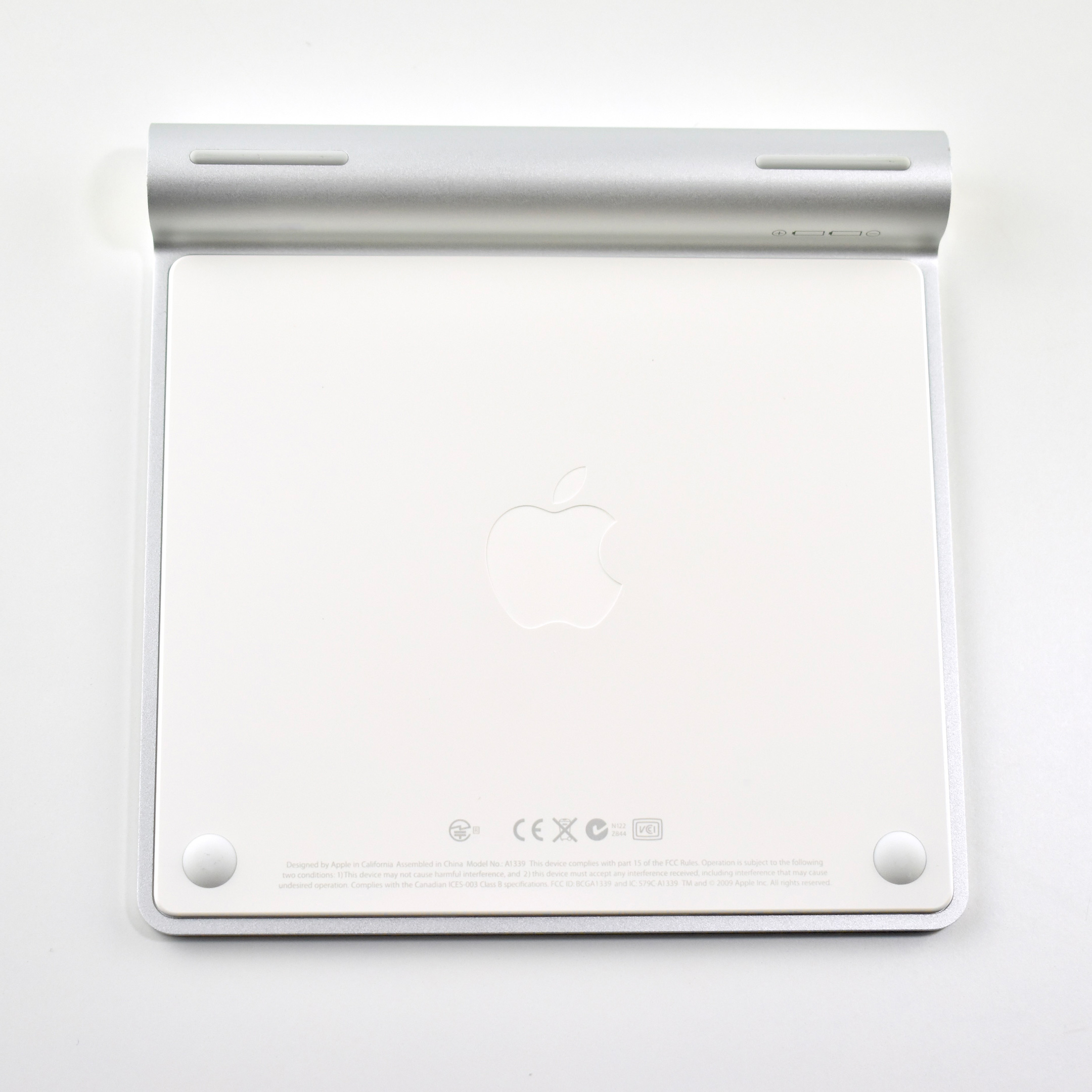
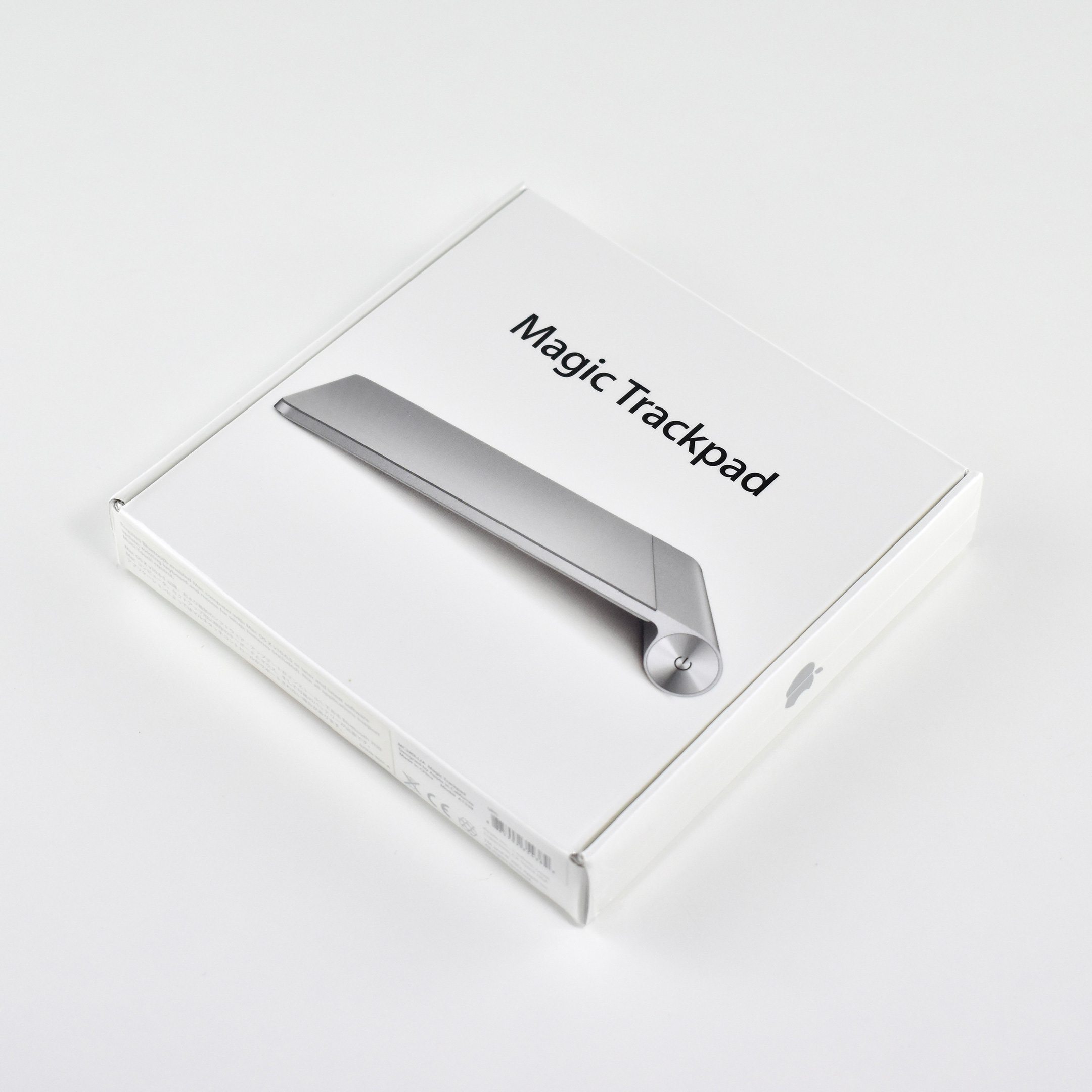
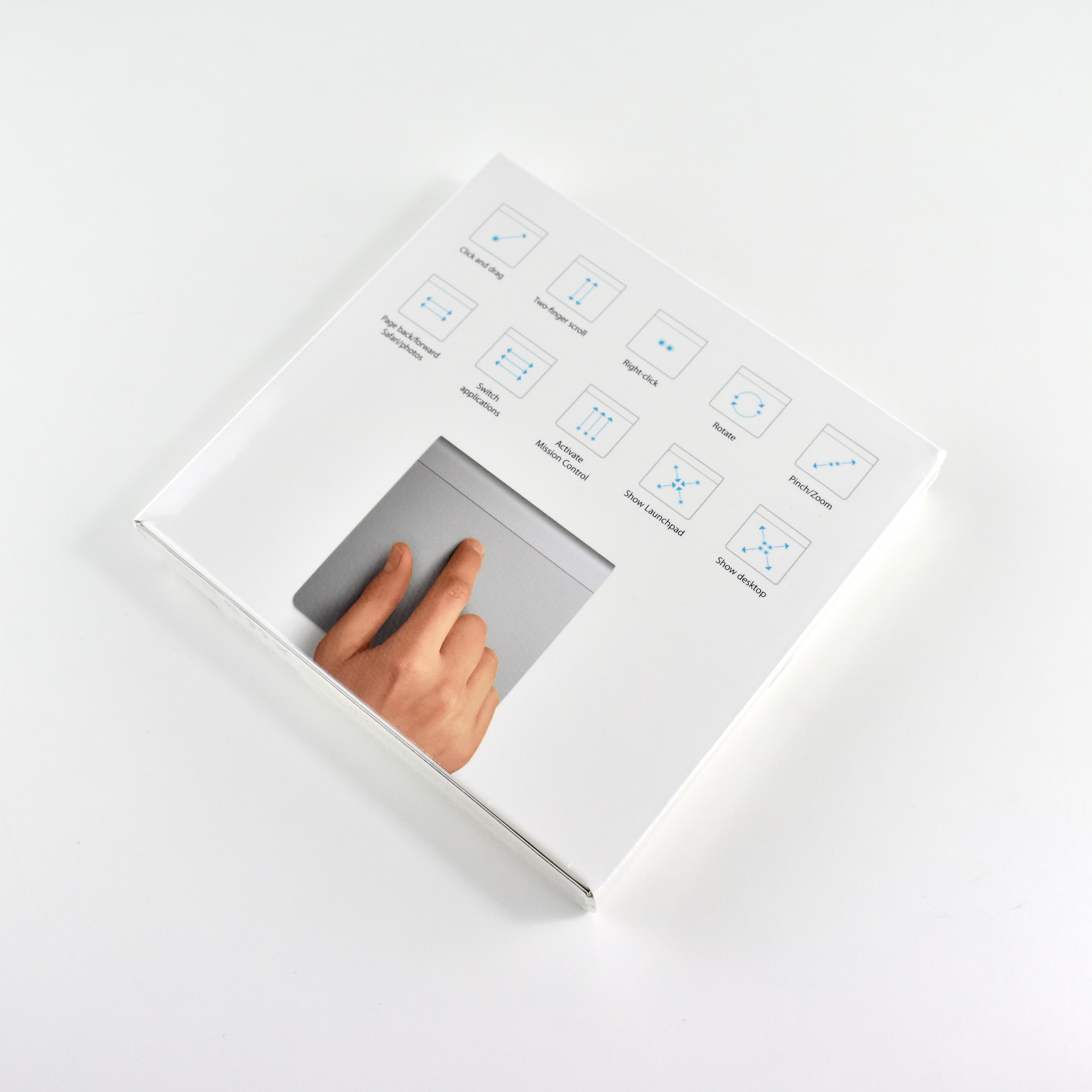
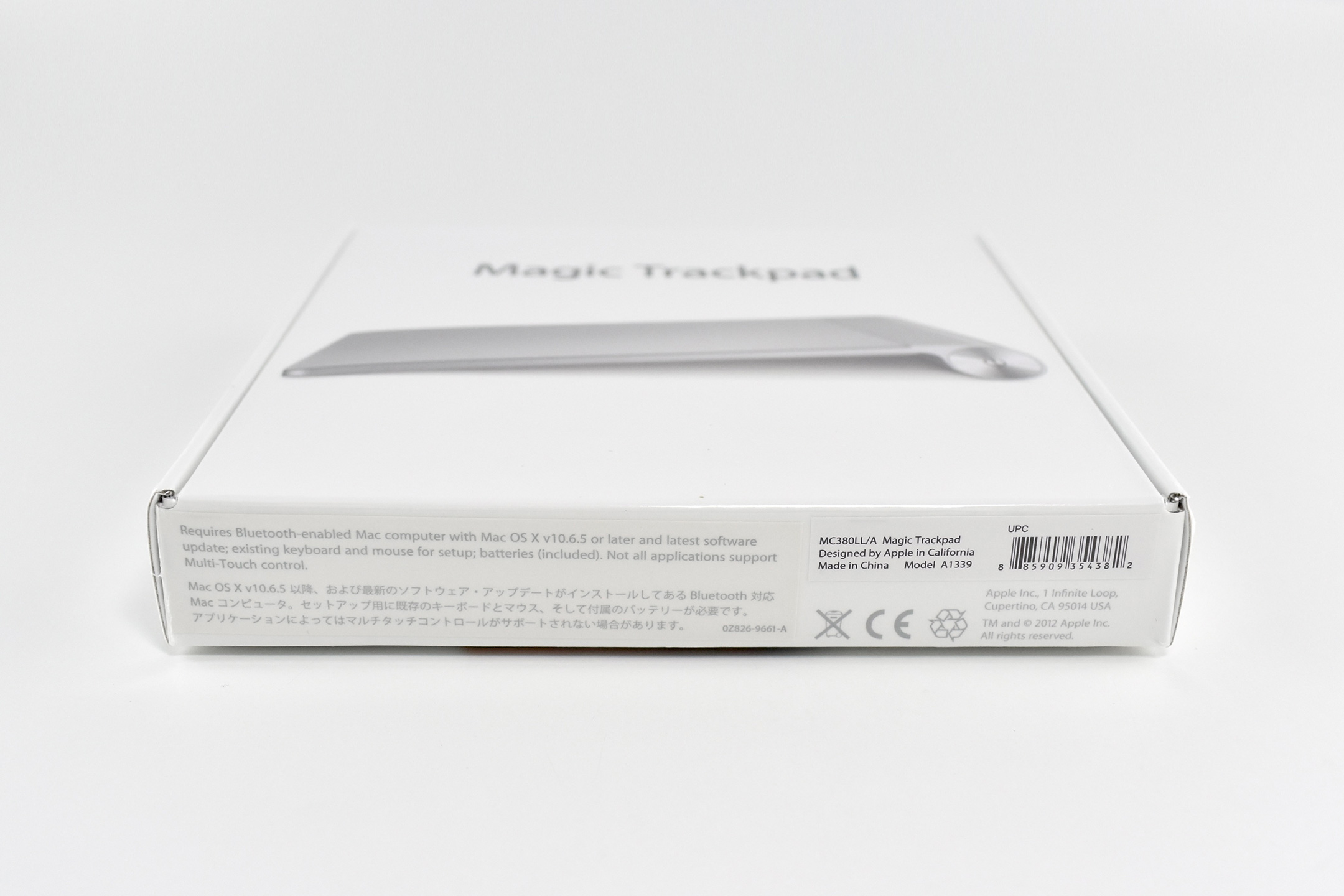
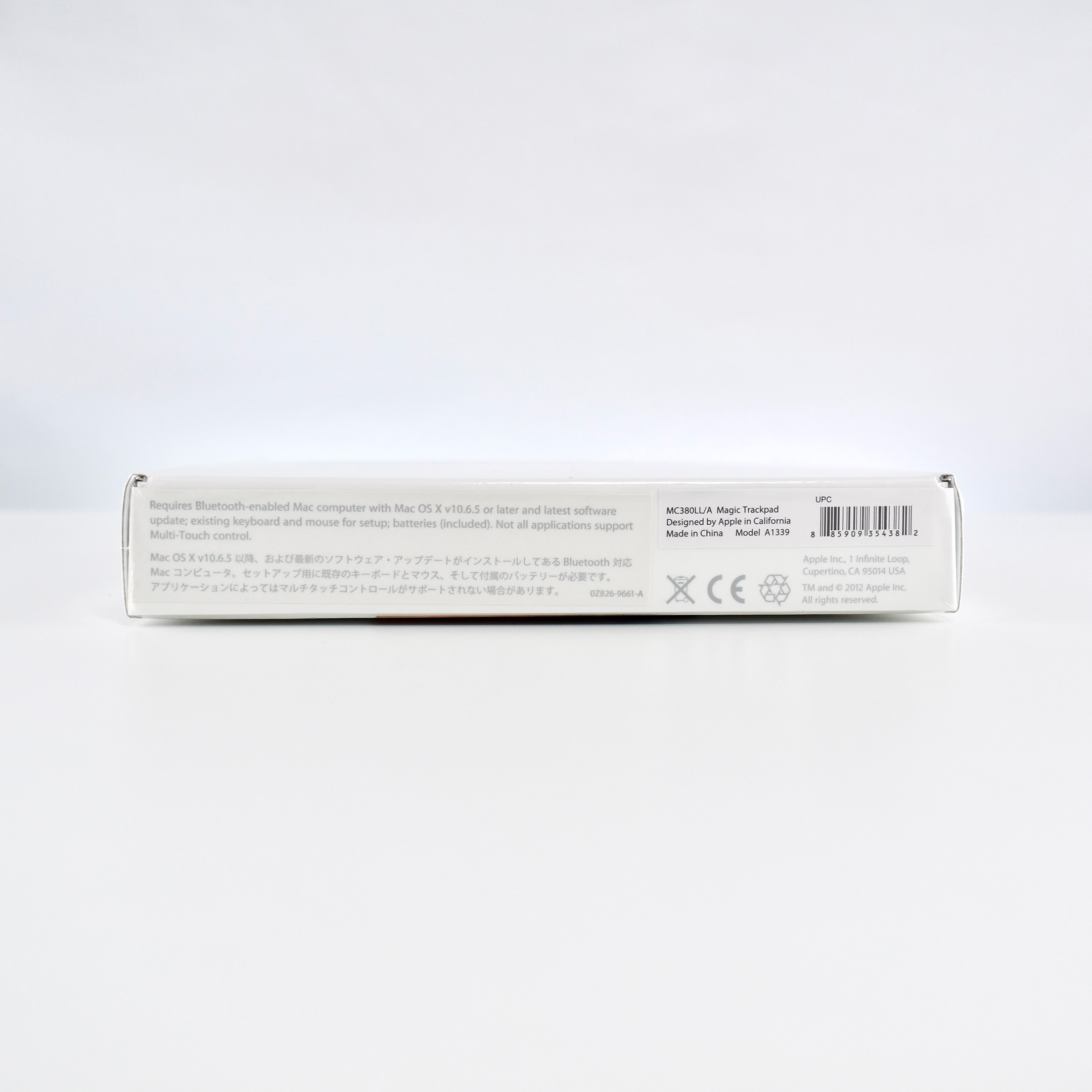
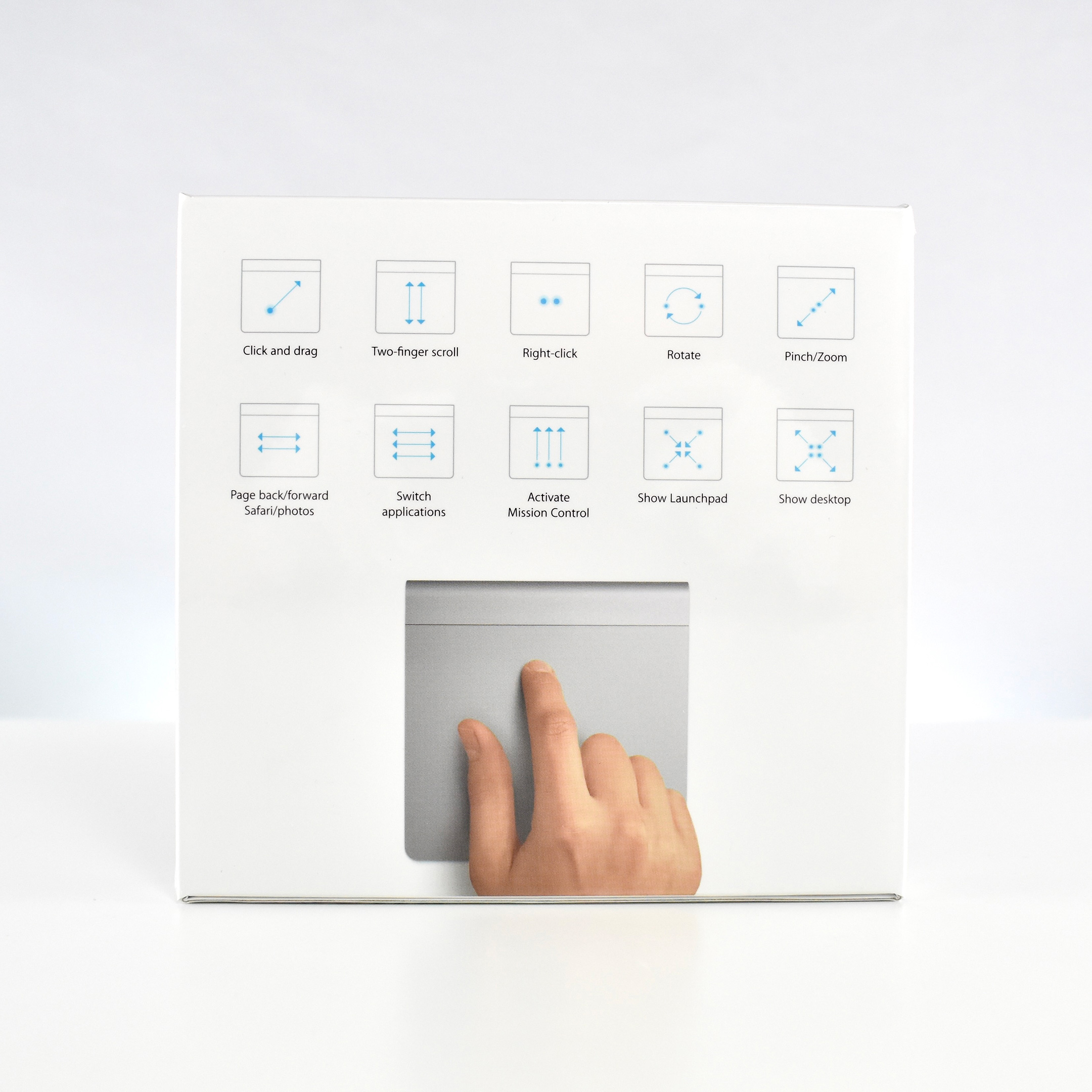
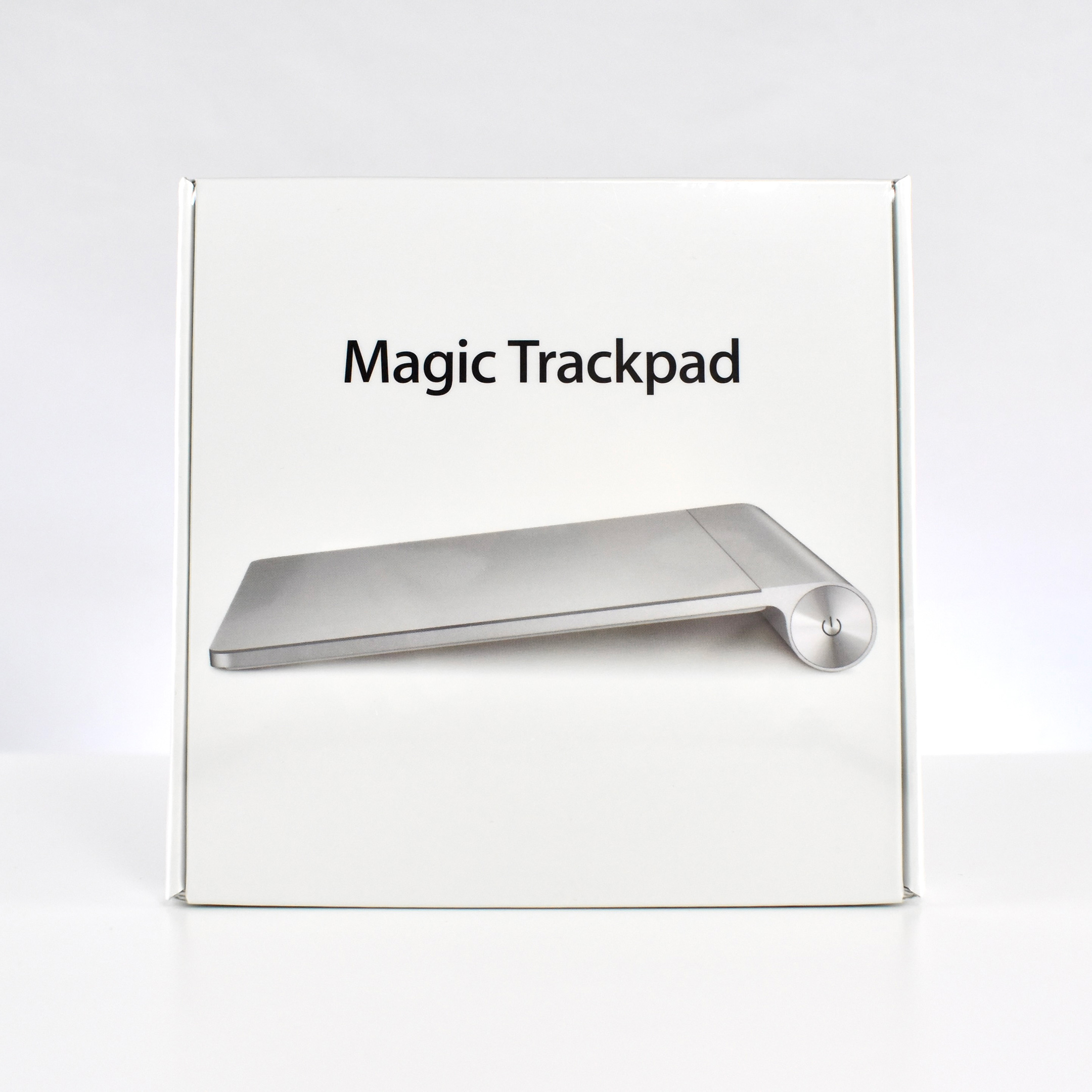
Magic Trackpad (original, 2010)

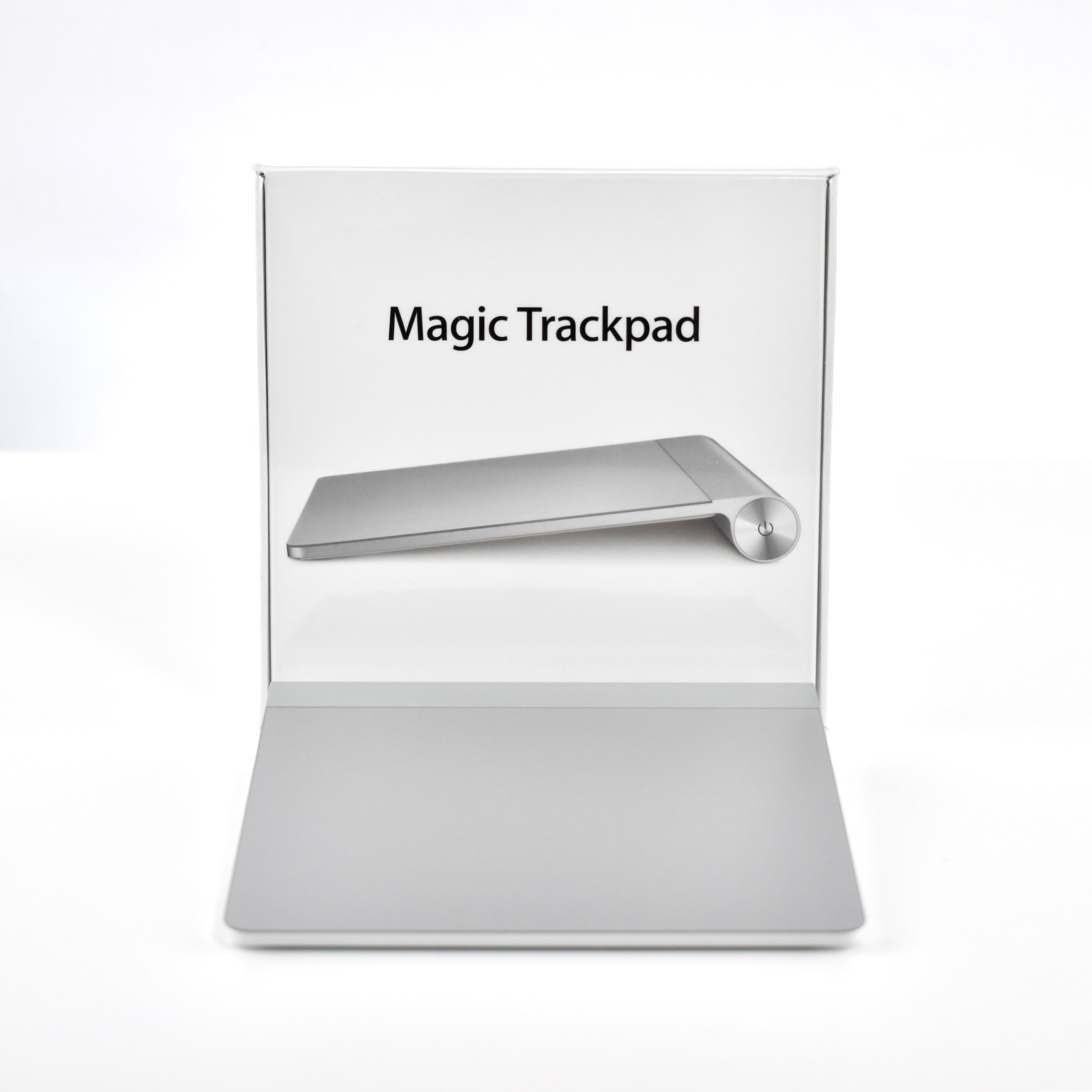
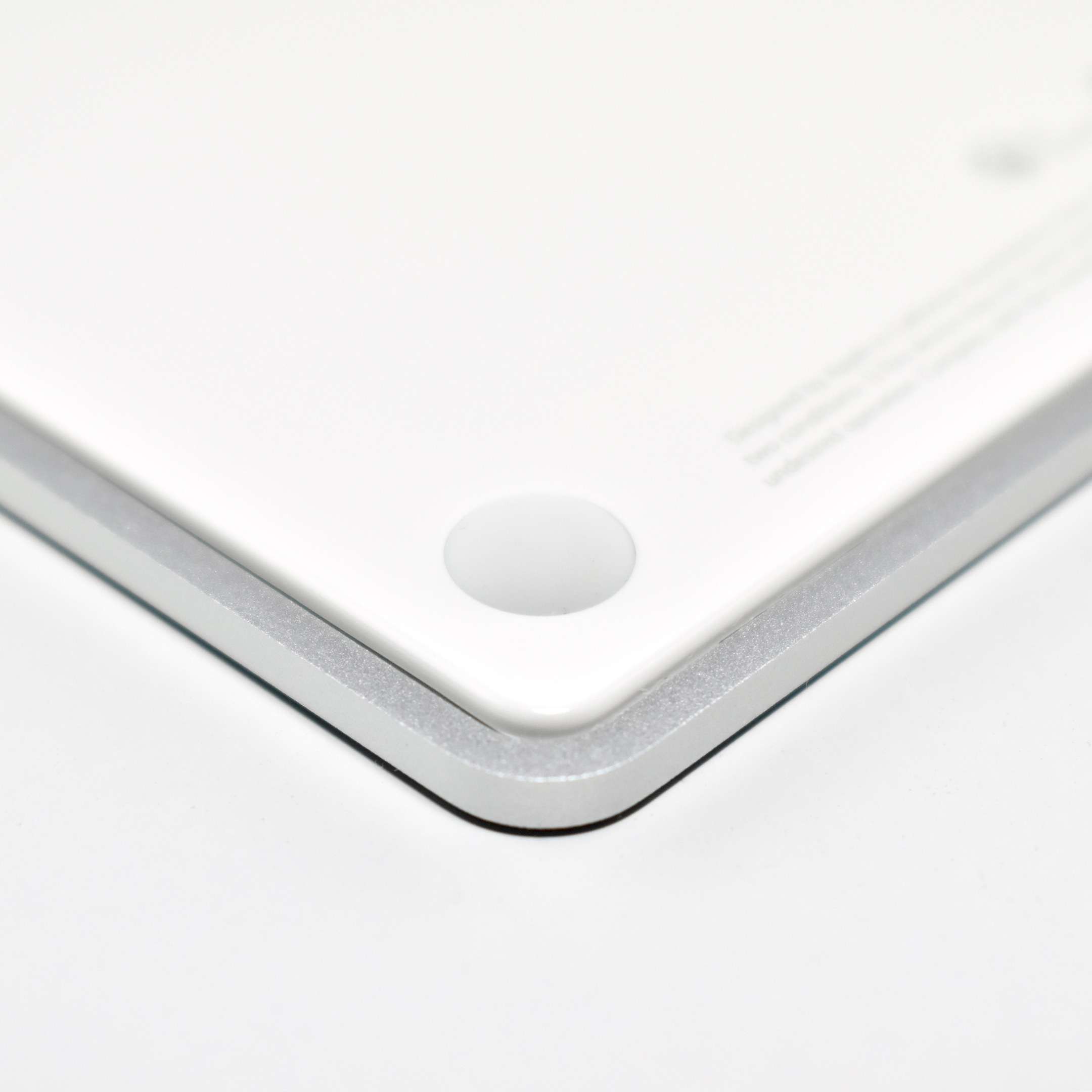
Apple’s Magic Trackpad was made of glass and aluminum and was announced on July 27, 2010. It used a matching design and angle to the Apple Wireless Keyboard, and the two devices could sit side by side and function well together. The Magic Trackpad release corresponded to an update of the iMac line of desktop computers and could be ordered along with a new iMac as a Mouse replacement.

Apple described the Magic Trackpad:

“The Magic Trackpad brings the intuitive Multi-Touch gestures of Mac notebook trackpads to the desktop. With its glass surface, the wireless Magic Trackpad enables users to scroll smoothly up and down a page with inertial scrolling, pinch to zoom in and out, rotate an image with their fingertips and swipe three fingers to flip through a collection of web pages or photos. The Magic Trackpad can be configured to support single button or two button commands and supports tap-to-click as well as a physical click.”

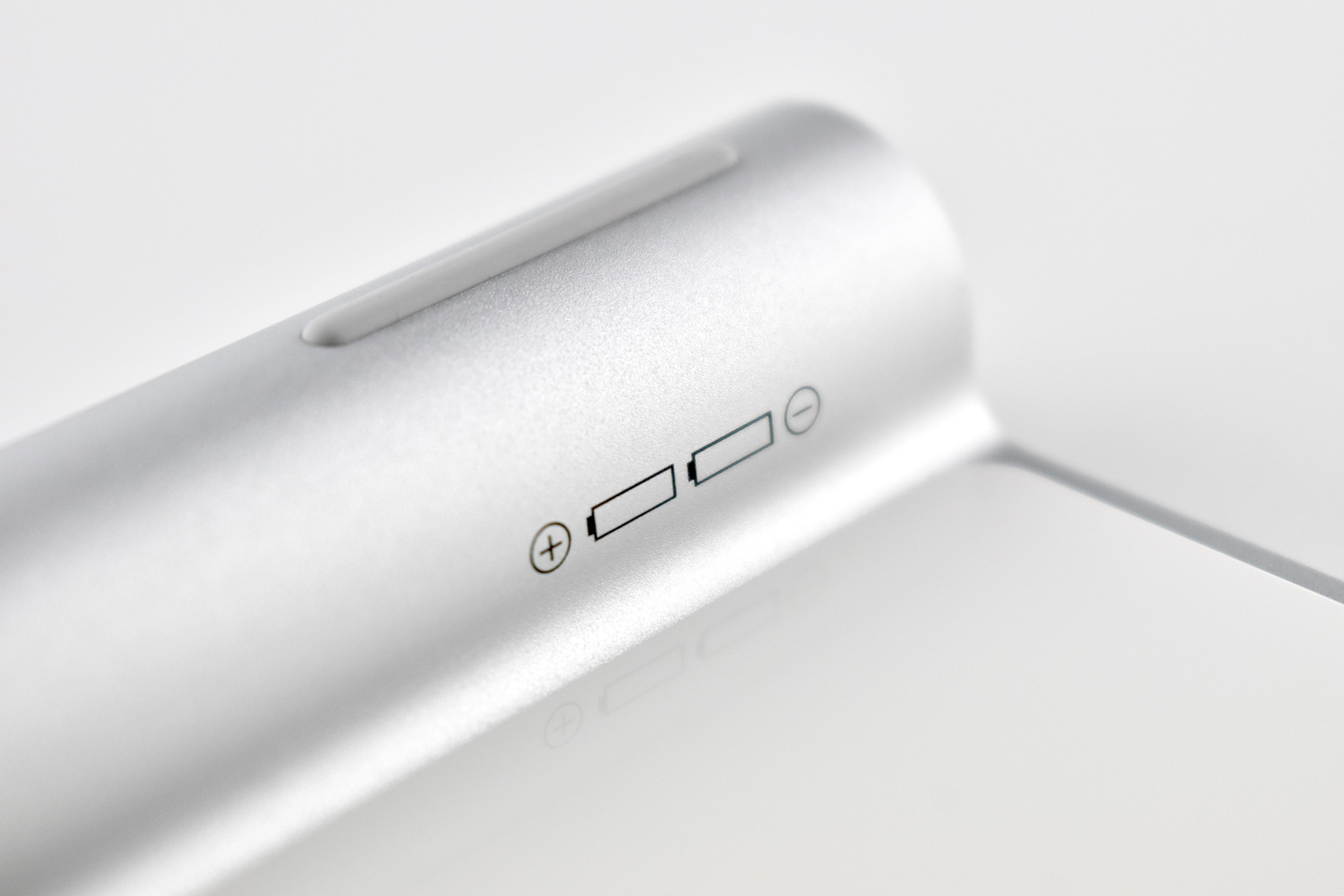
The Magic Trackpad used a Bluetooth connection and was powered by two AA batteries.

This version of the Magic Trackpad was replaced with the Magic Trackpad 2, released on October 13, 2015.

Sources: Apple, Wikipedia

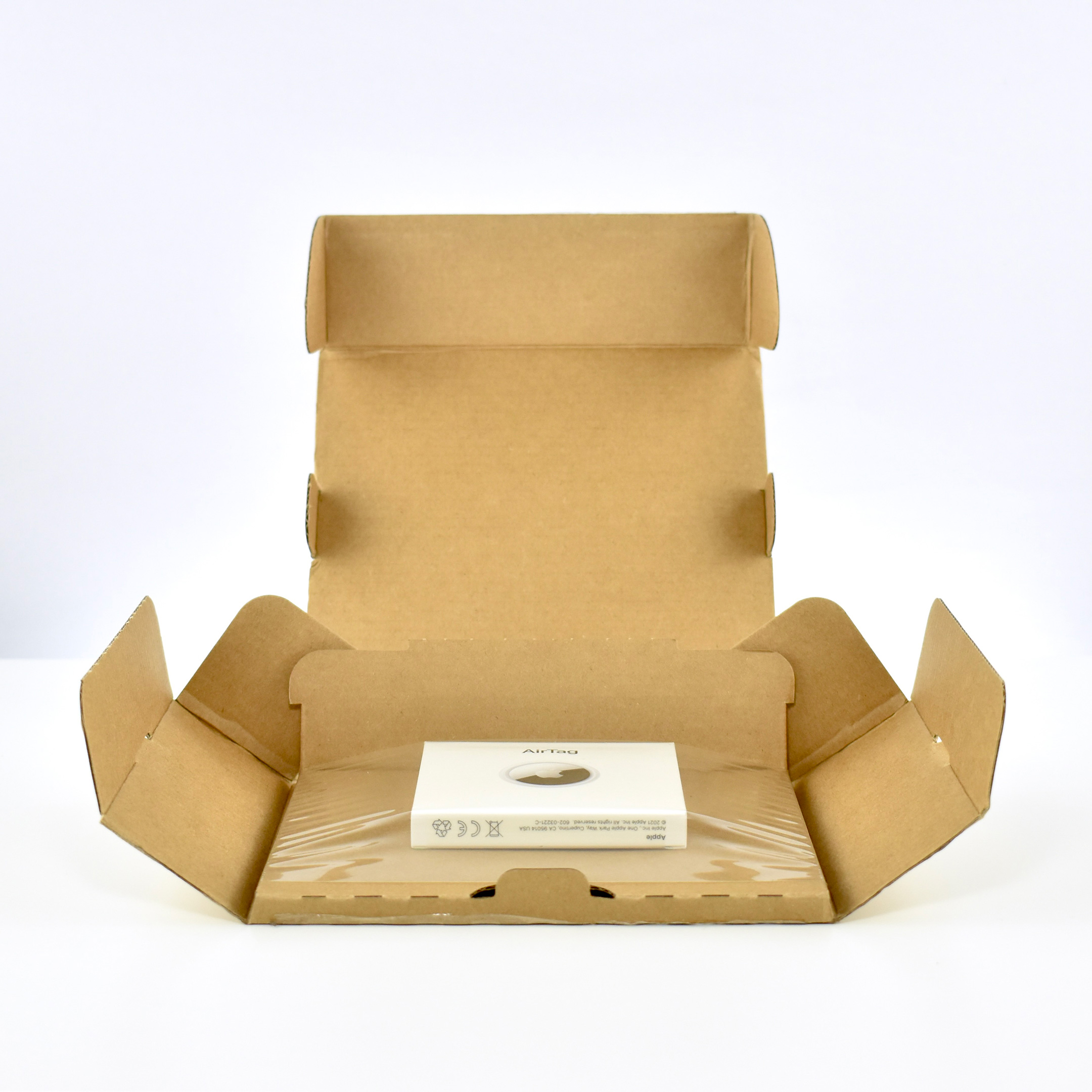
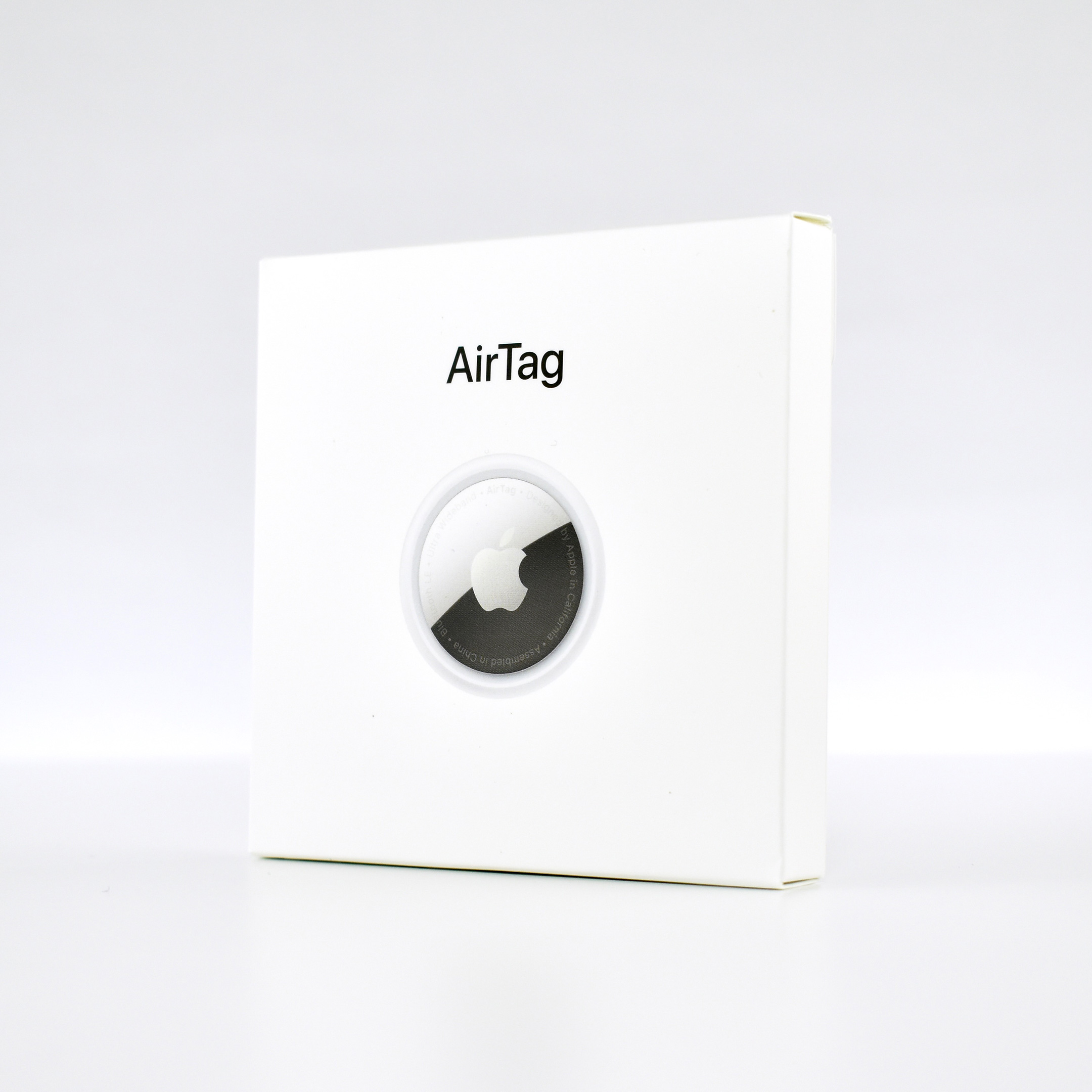
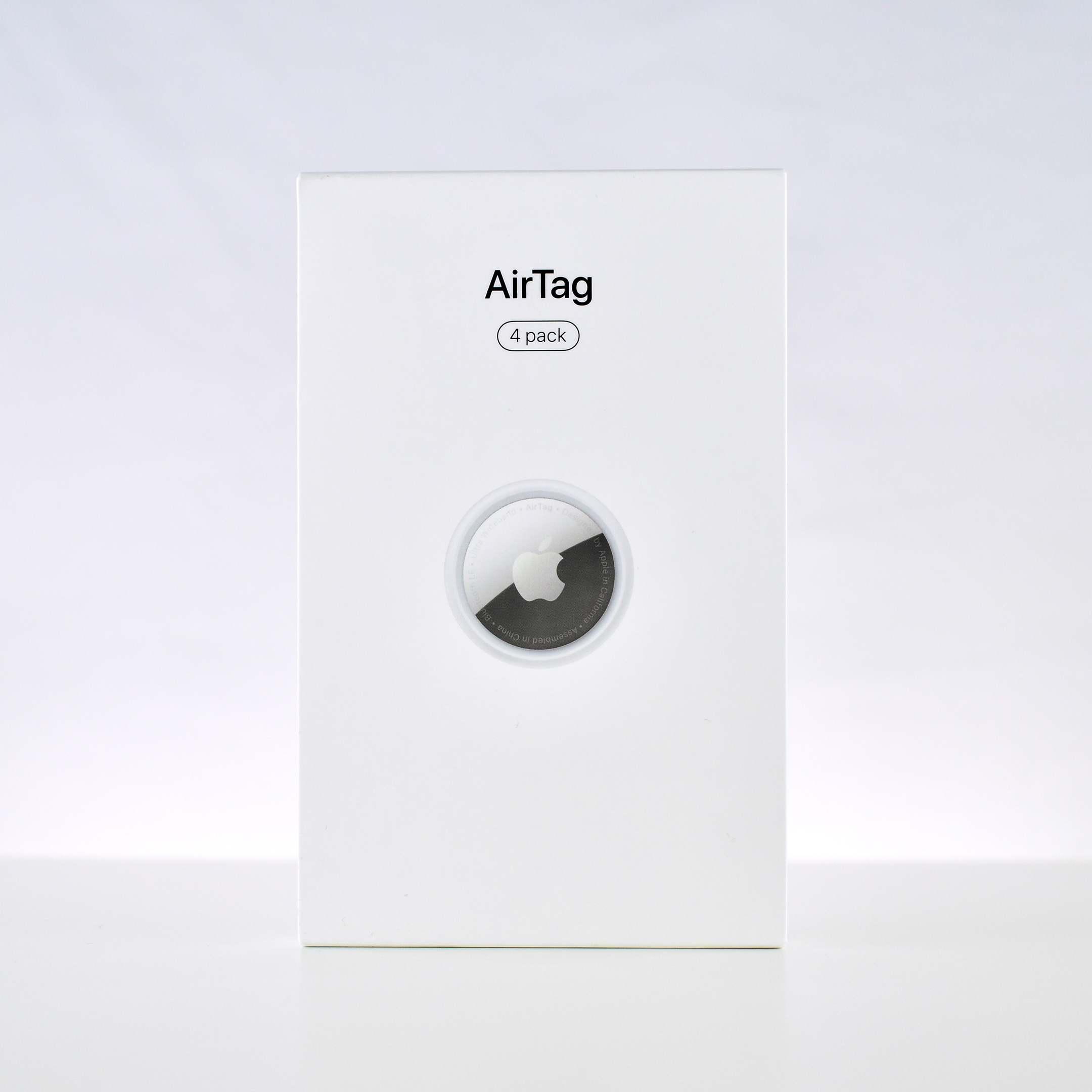
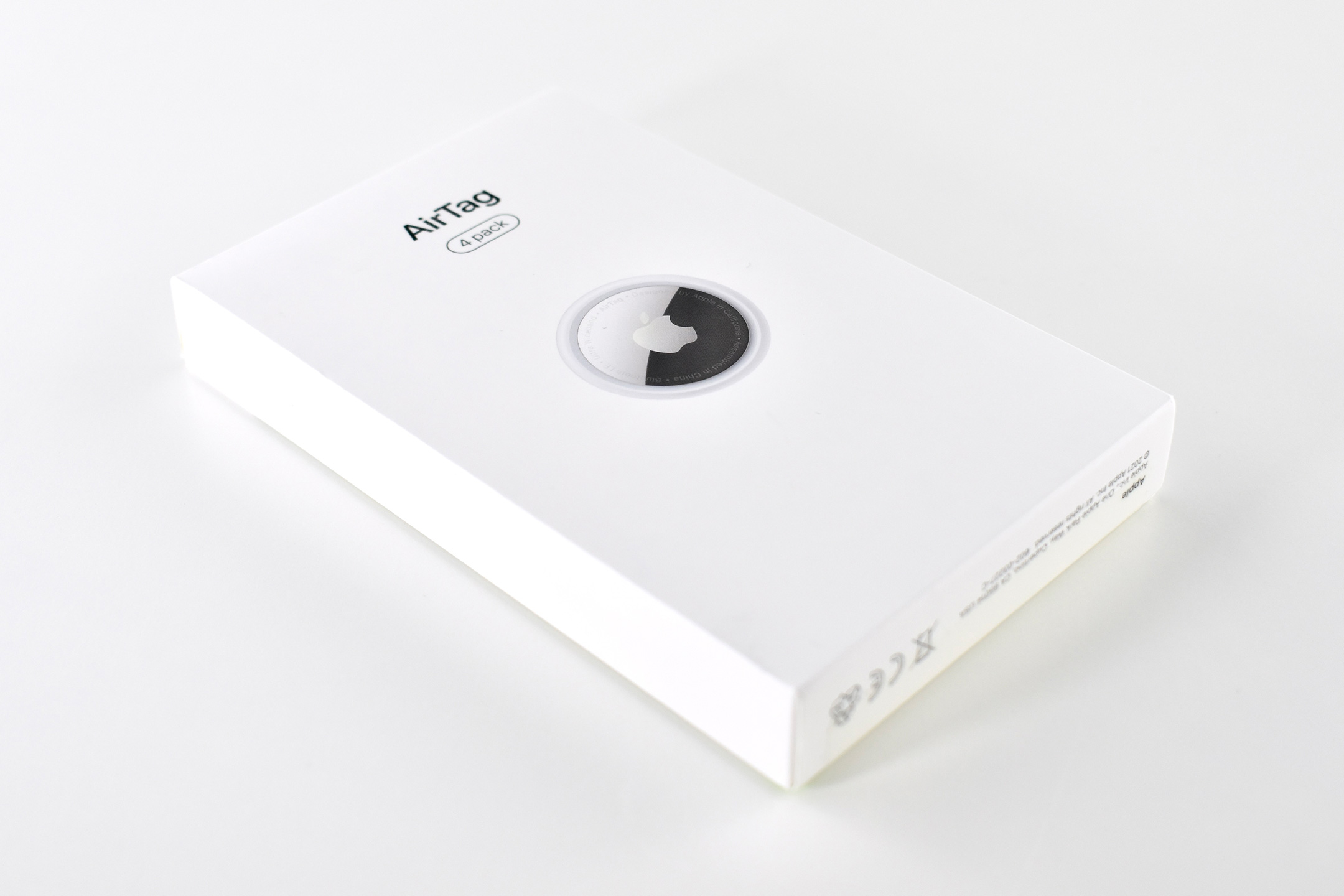
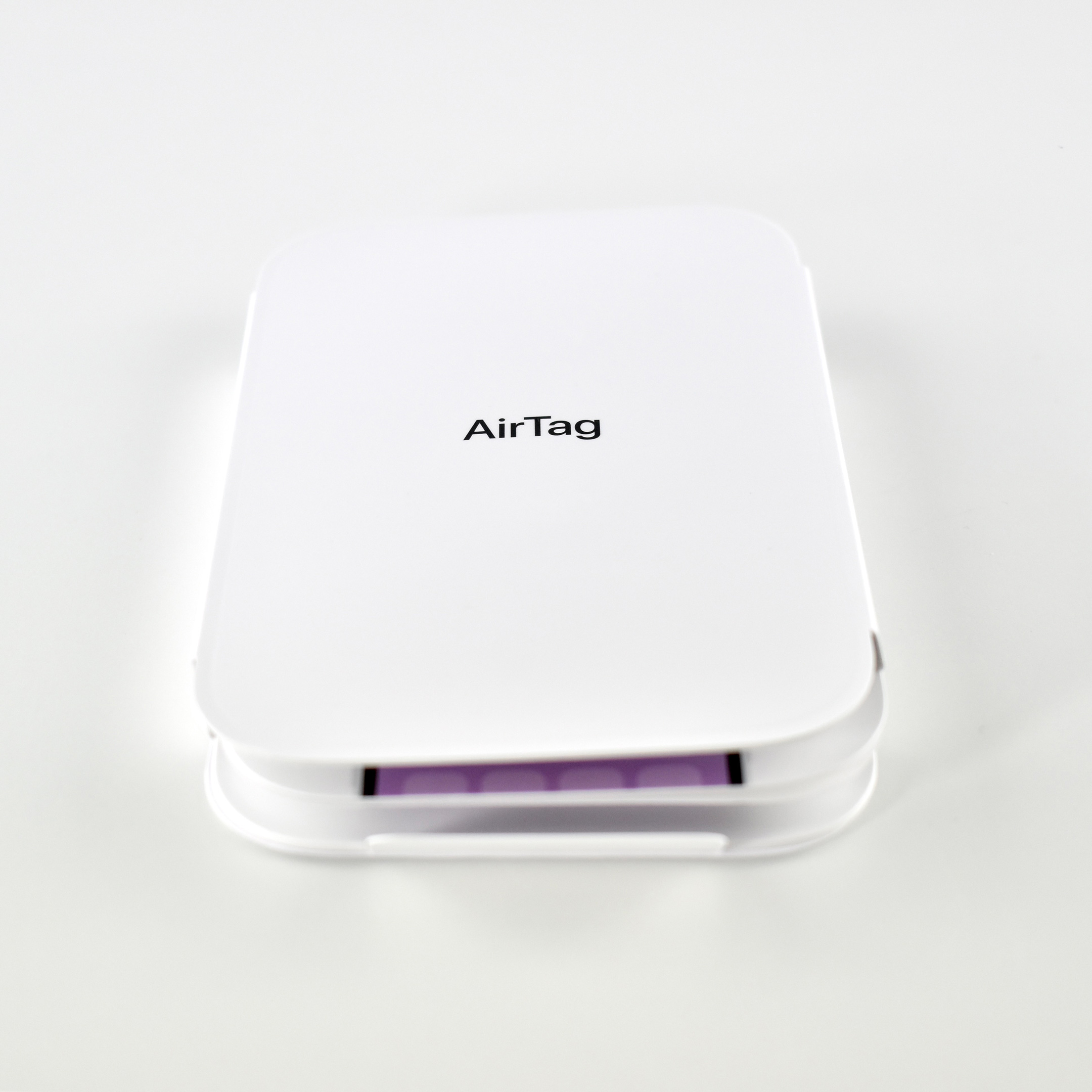
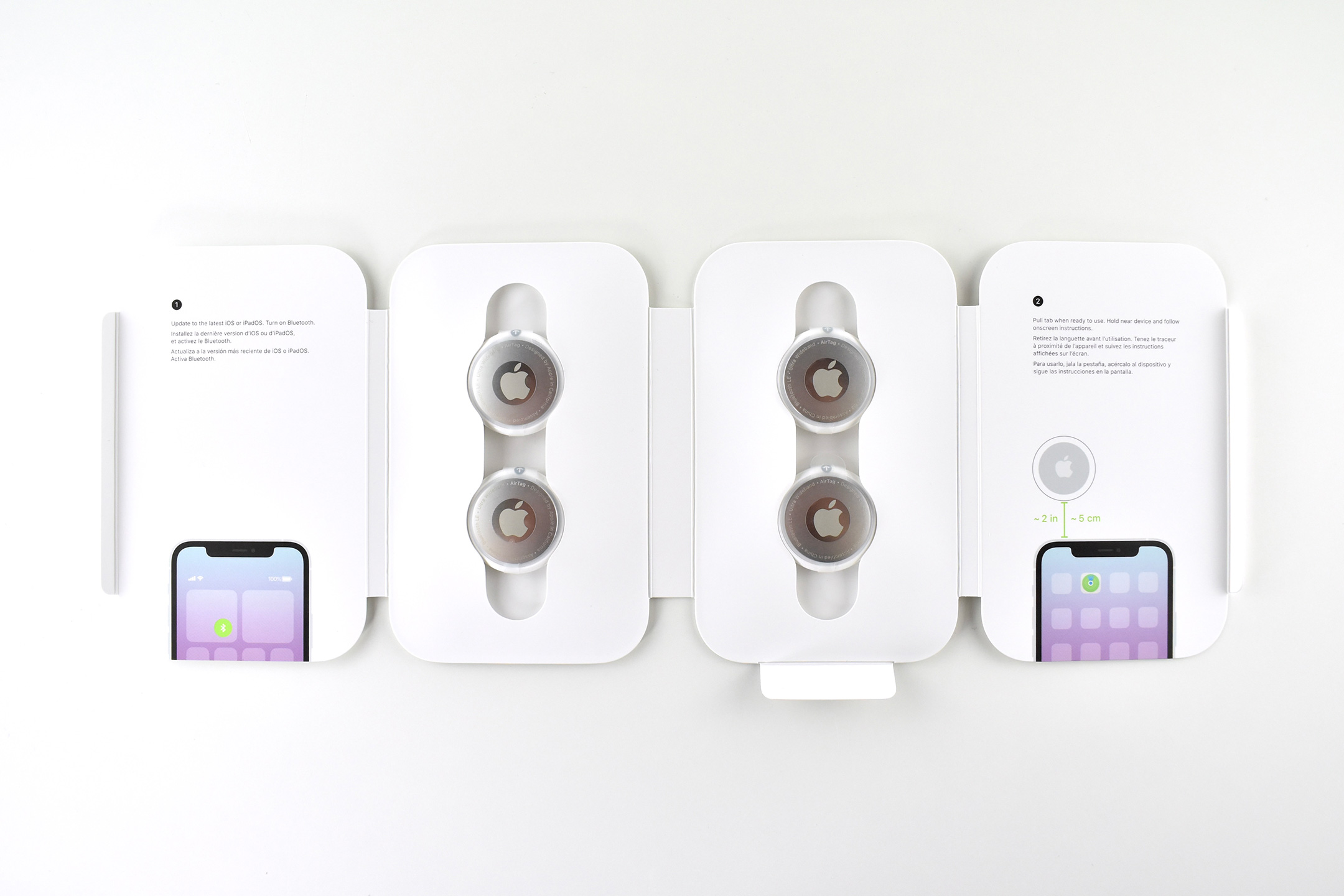
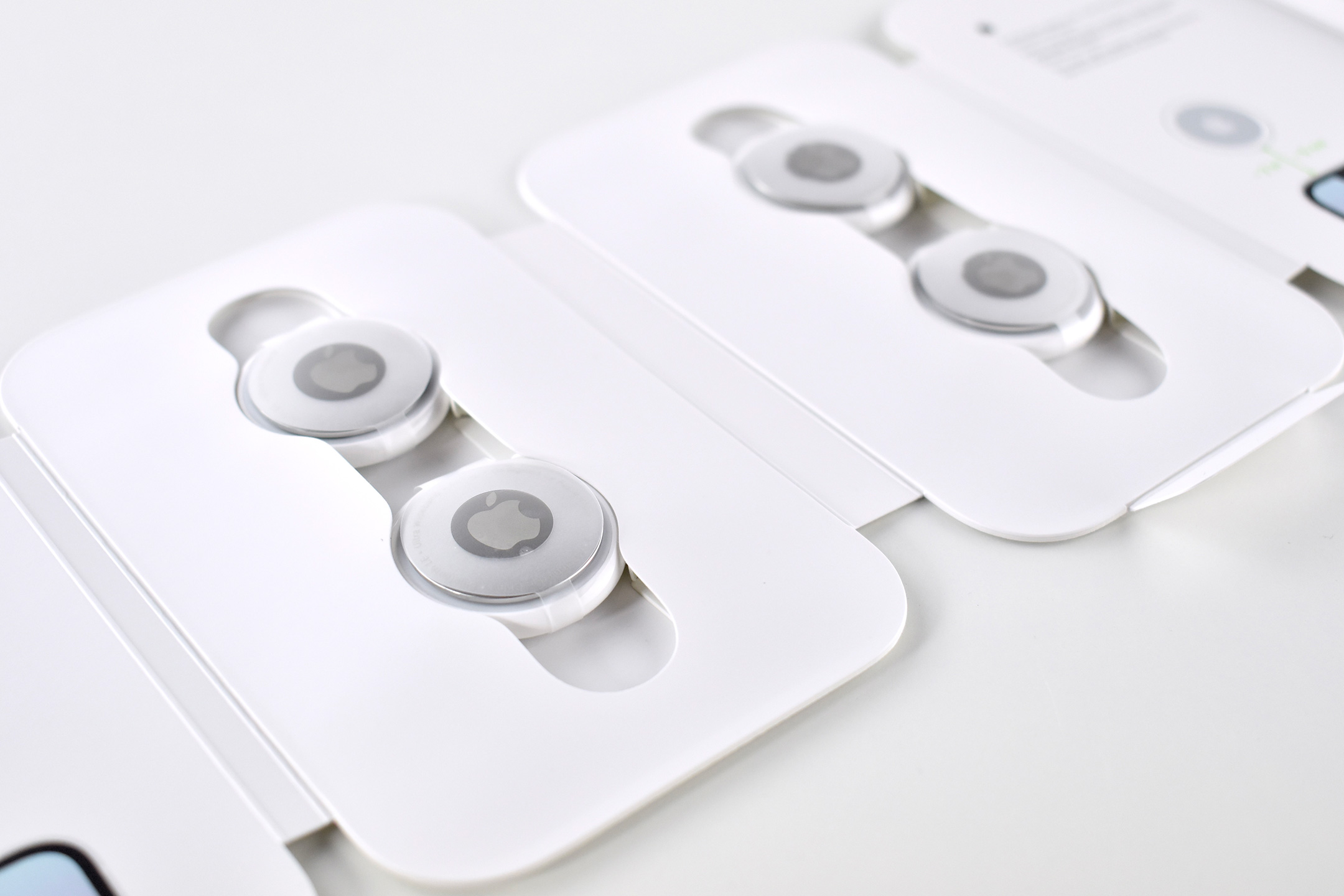
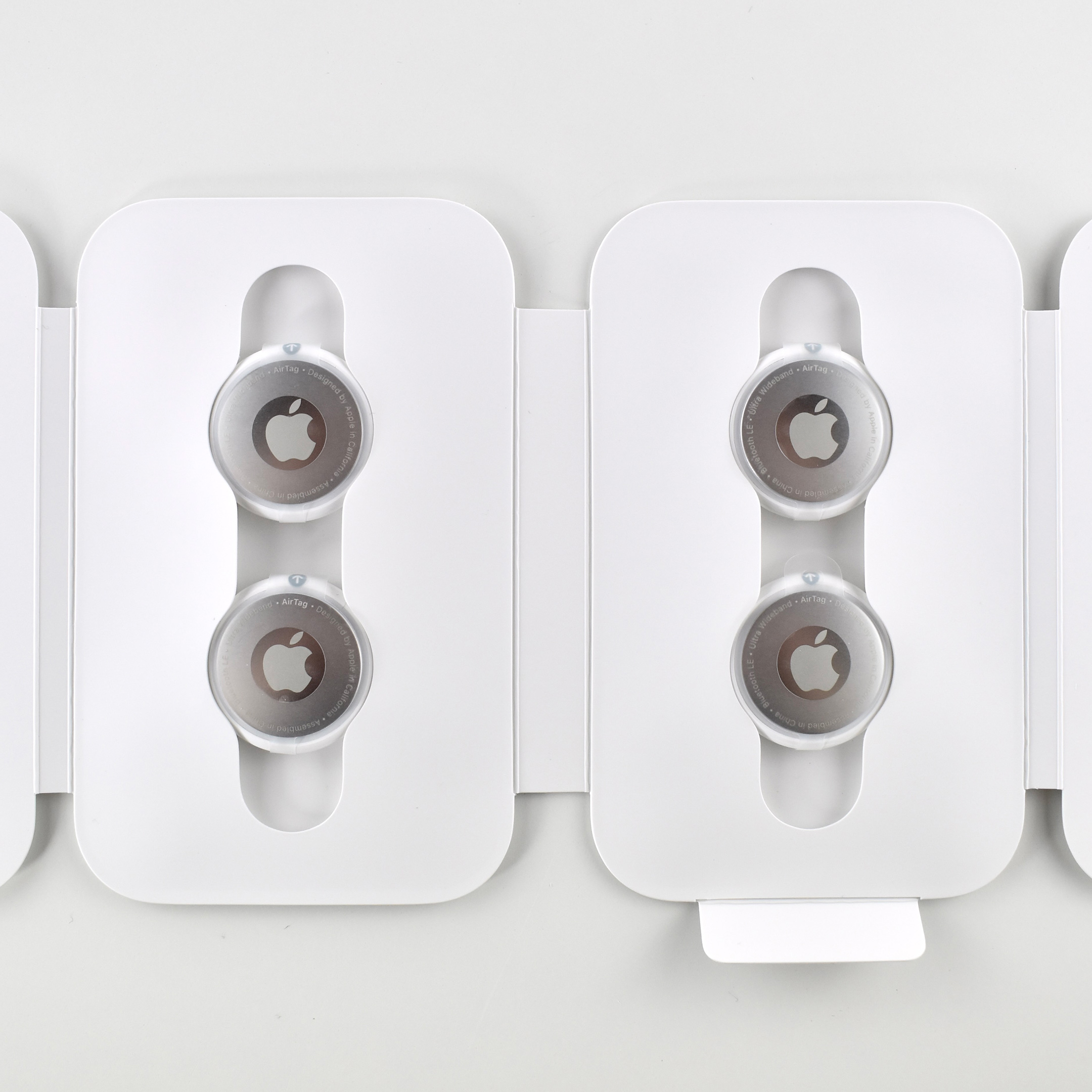
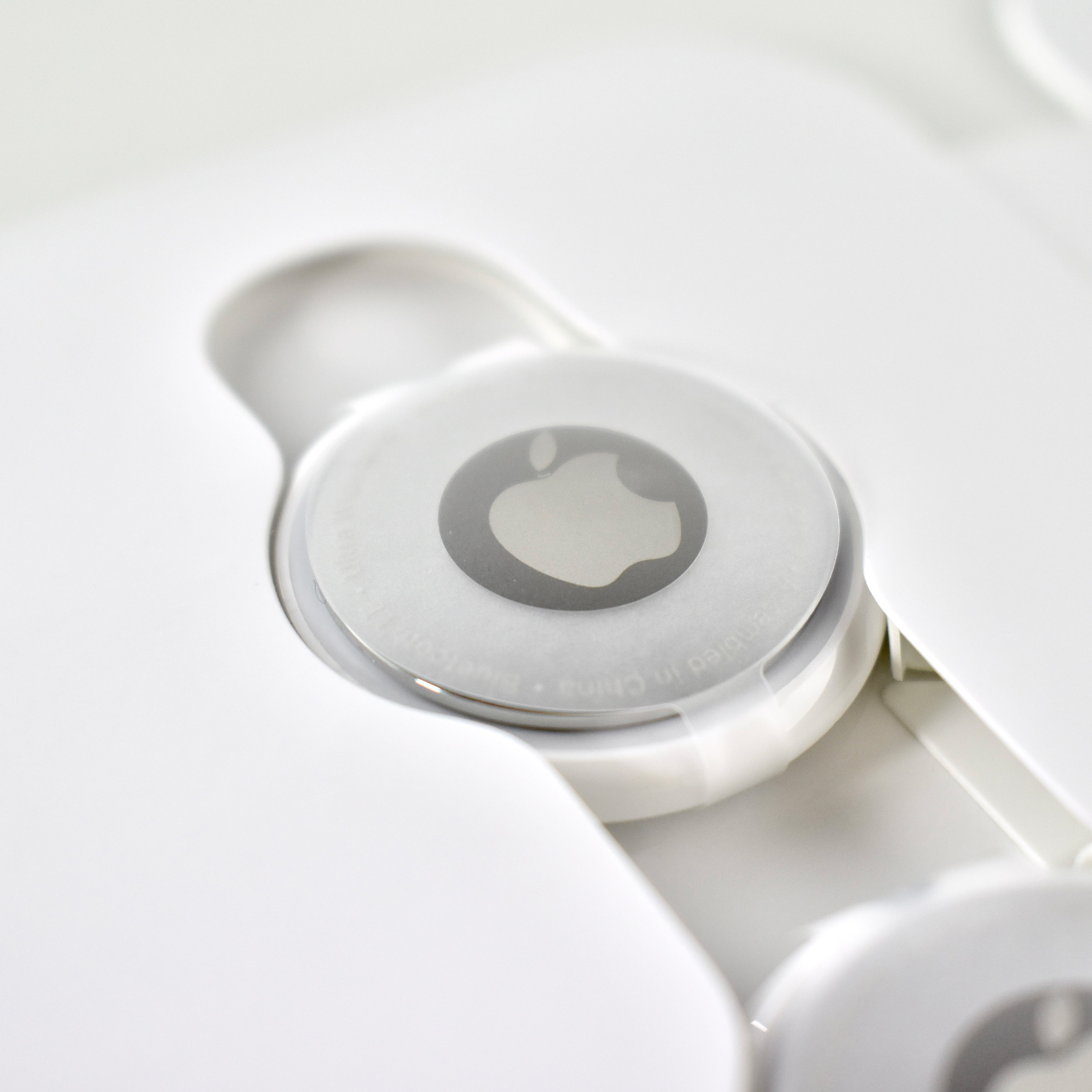
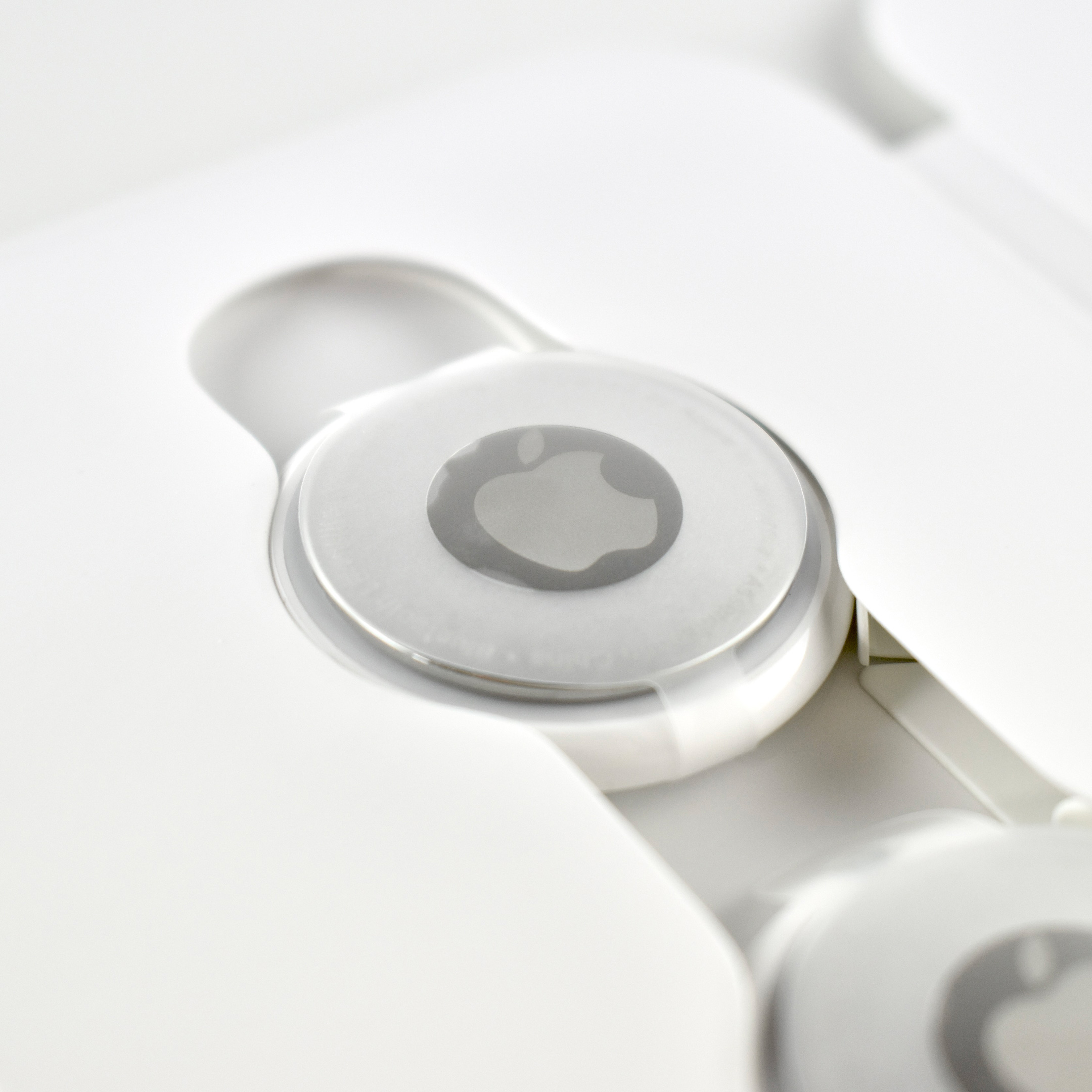
AirTag 4 Pack (2021)

The AirTag is a small, disc-shaped accessory that used Apple’s Find My network to easily locate items. Apple described AirTag as “a supereasy way to keep track of your stuff. Attach one to your keys, slip another in your backpack. And just like that, they’re on your radar in the Find My app.” 

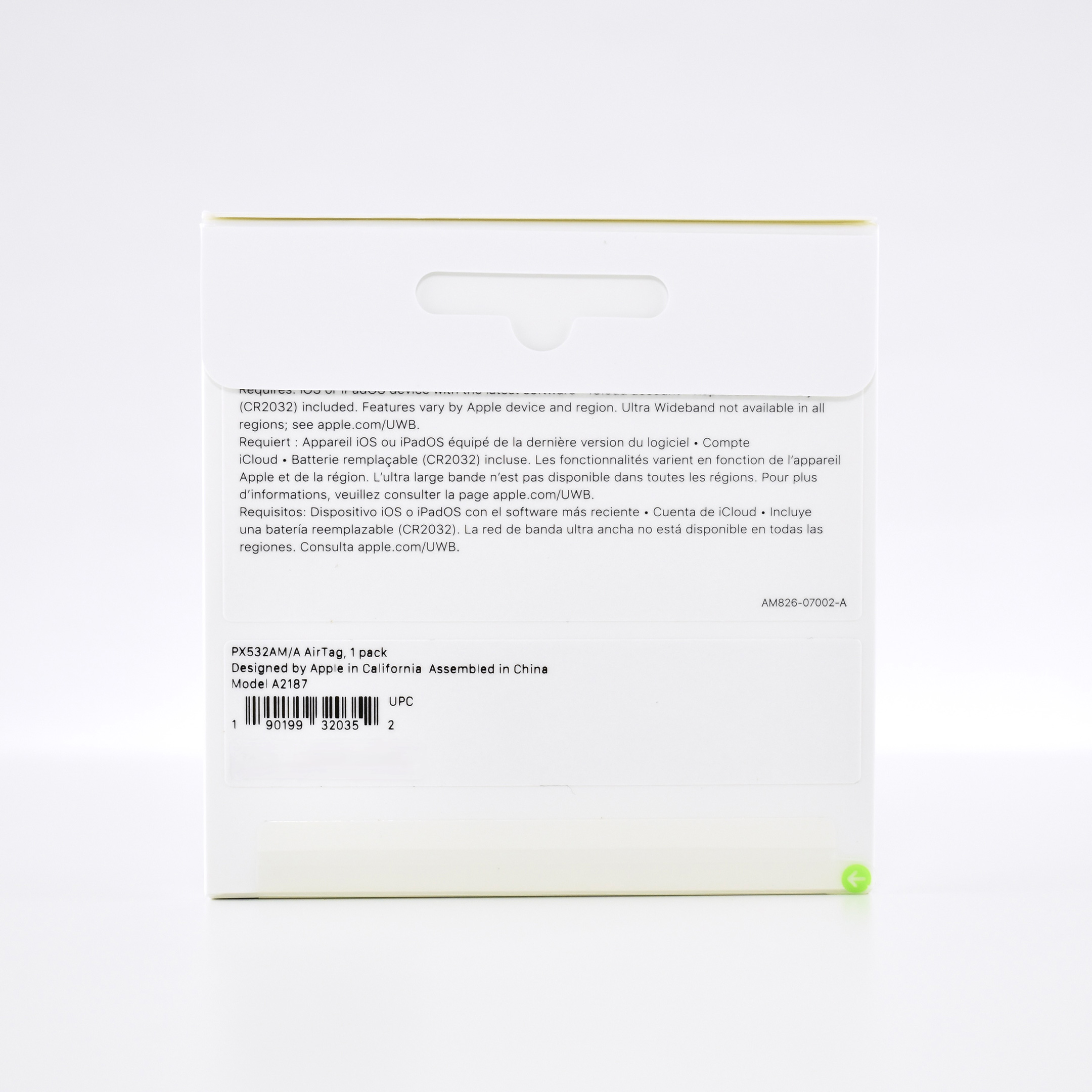
The AirTag measures 1.26 inches (31.9 mm) diameter and is 0.31 inch (8.0 mm) high. It weighs 0.39 ounce (11 grams). It contains a CR2032 coin cell battery that can be replaced by the user. The AirTag uses wireless connectivity including Bluetooth, an Apple U1 chip (Ultra Wideband and Precision Finding), and NFC (Lost Mode). It is splash, water, and dust resistant (IP67 with a maximum depth of 1 meter up to 30 minutes).

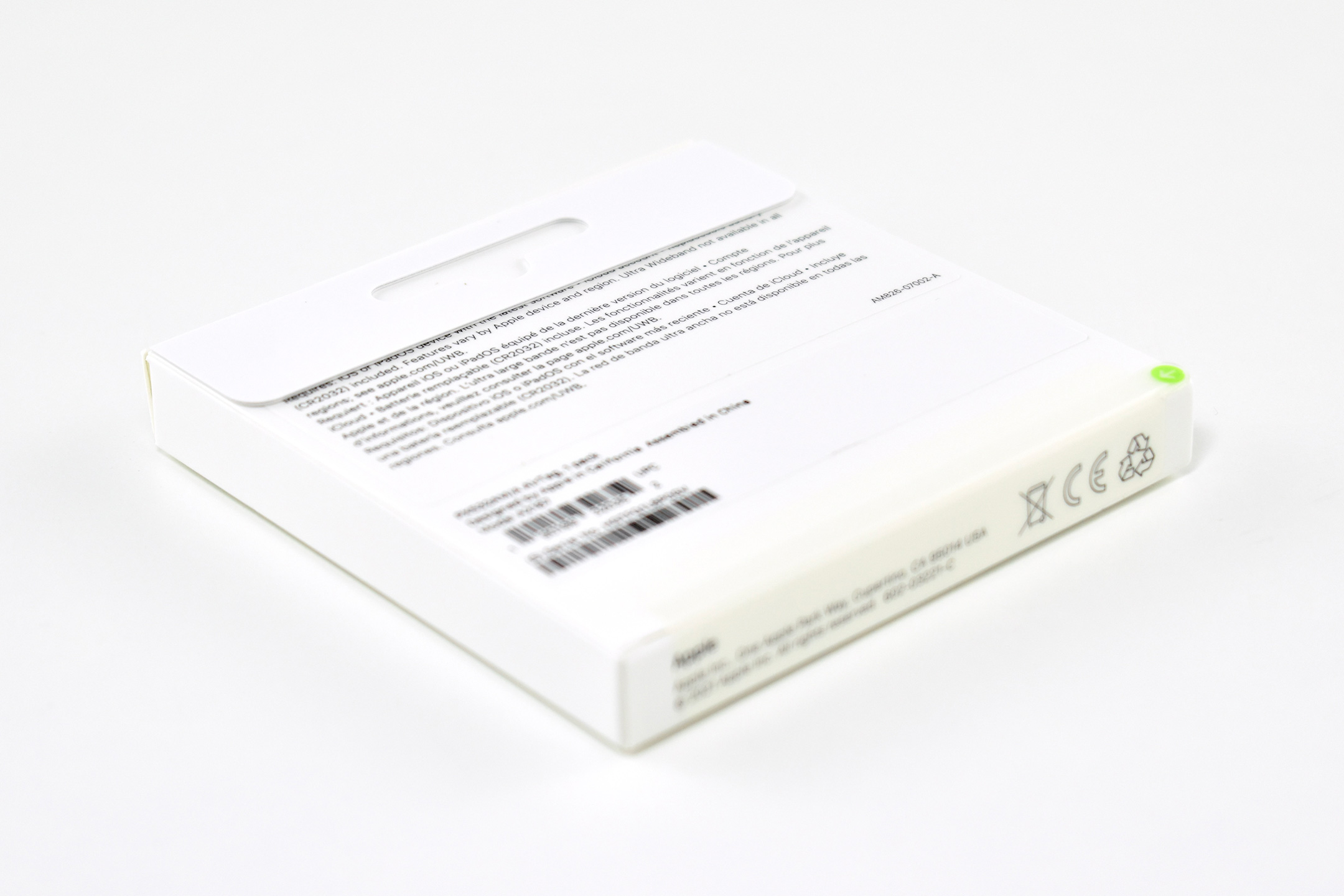
The Air Tag “requires iPhone SE, iPhone 6s or later, or iPod touch (7th generation) with iOS 14.5 or later, or iPad Pro, iPad (5th generation or later), iPad Air 2 or later, or iPad mini 4 or later with iPadOS 14.5 or later.”

Apple described the AirTag’s functionality:

“If AirTag is separated from its owner and out of Bluetooth range, the Find My network can help track it down. The Find My network is approaching a billion Apple devices and can detect Bluetooth signals from a lost AirTag and relay the location back to its owner…Users can also place AirTag into Lost Mode and be notified when it is in range or has been located by the vast Find My network. If a lost AirTag is found by someone, they can tap it using their iPhone or any NFC-capable device and be taken to a website that will display a contact phone number for the owner, if they have provided one.”

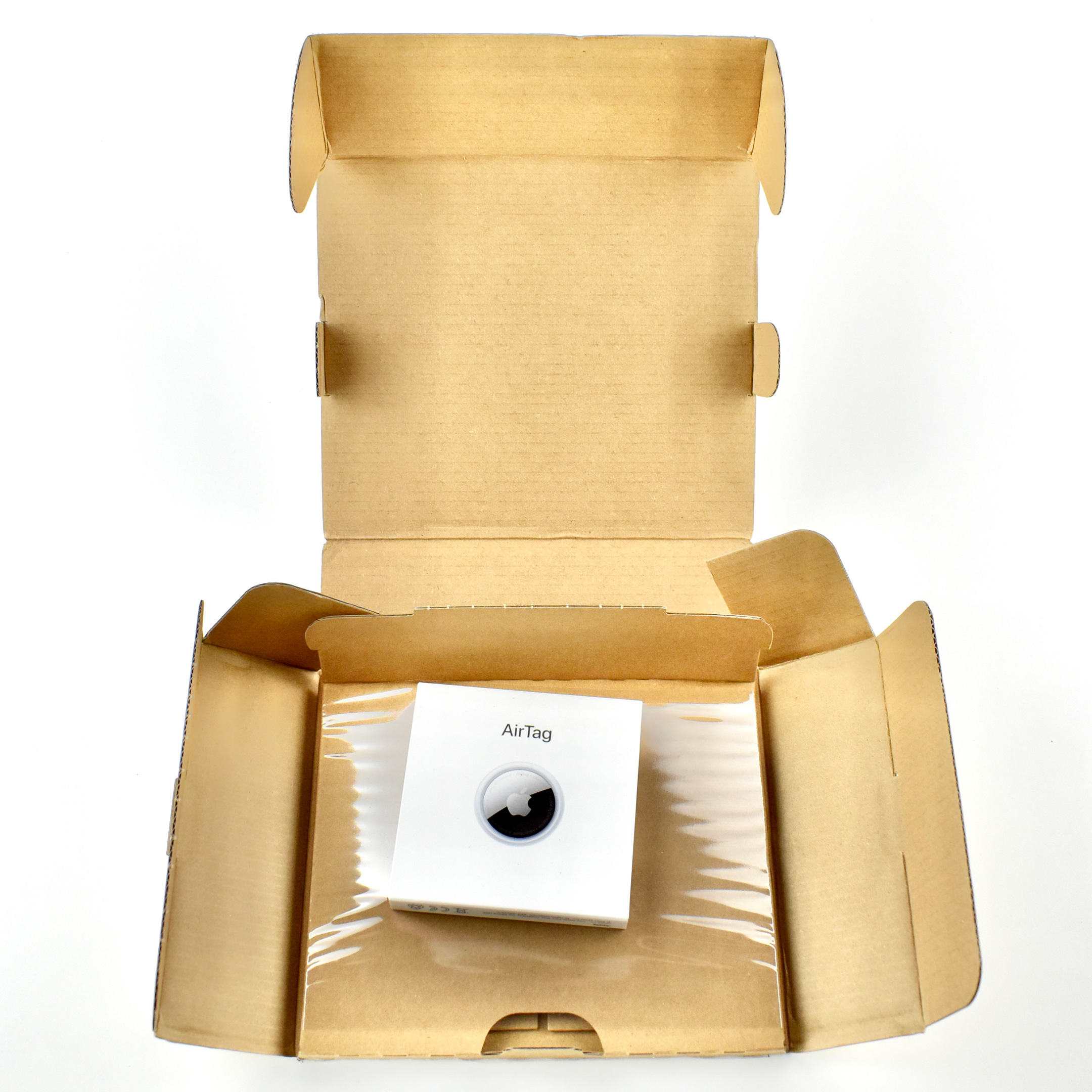
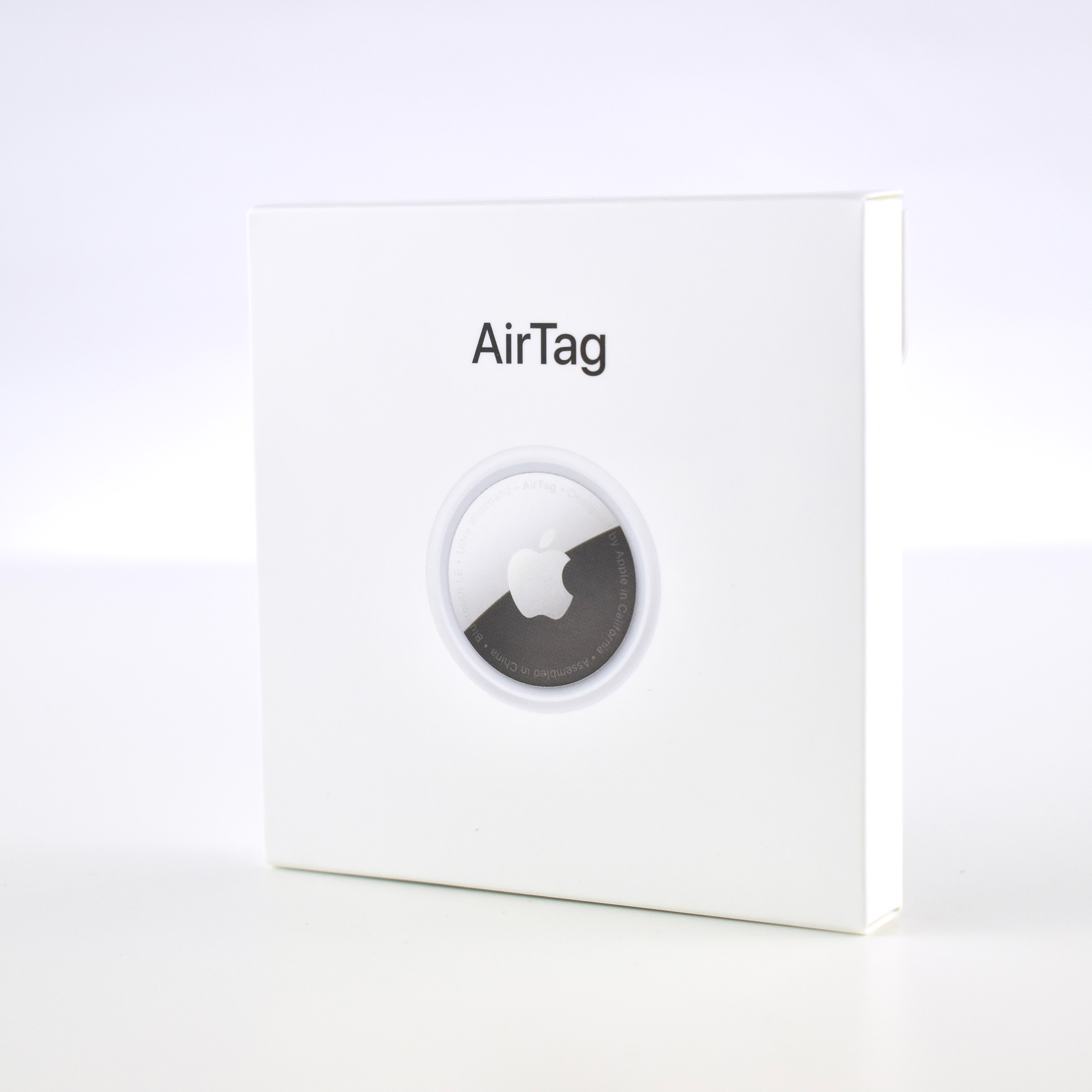
This set AirTag devices was sold in a single box as a 4 pack. As of 2022 a single AirTag was $29 and a 4-pack was sold for $99.

Sources: Apple (Store, AirTag 4 pack, Support)

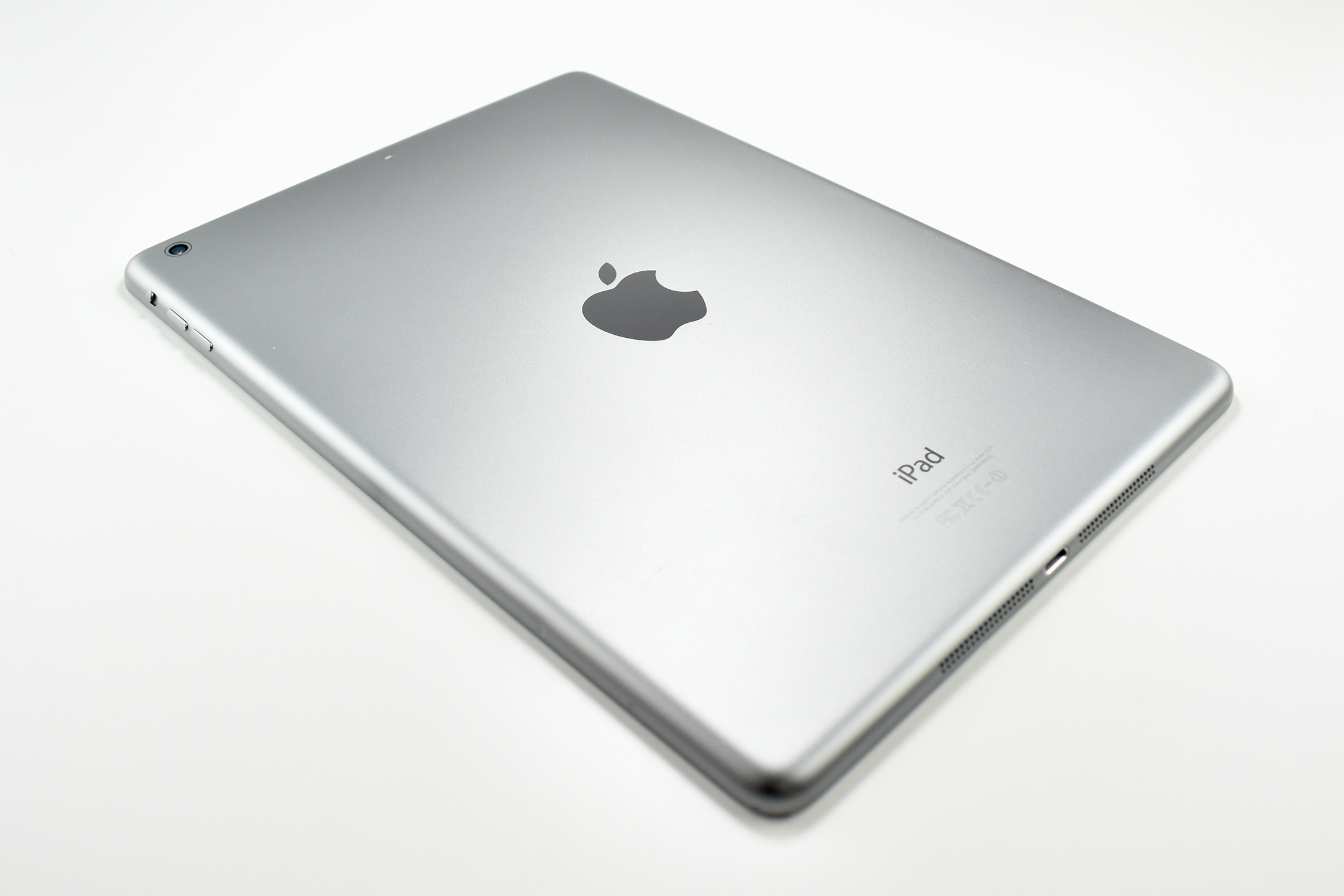
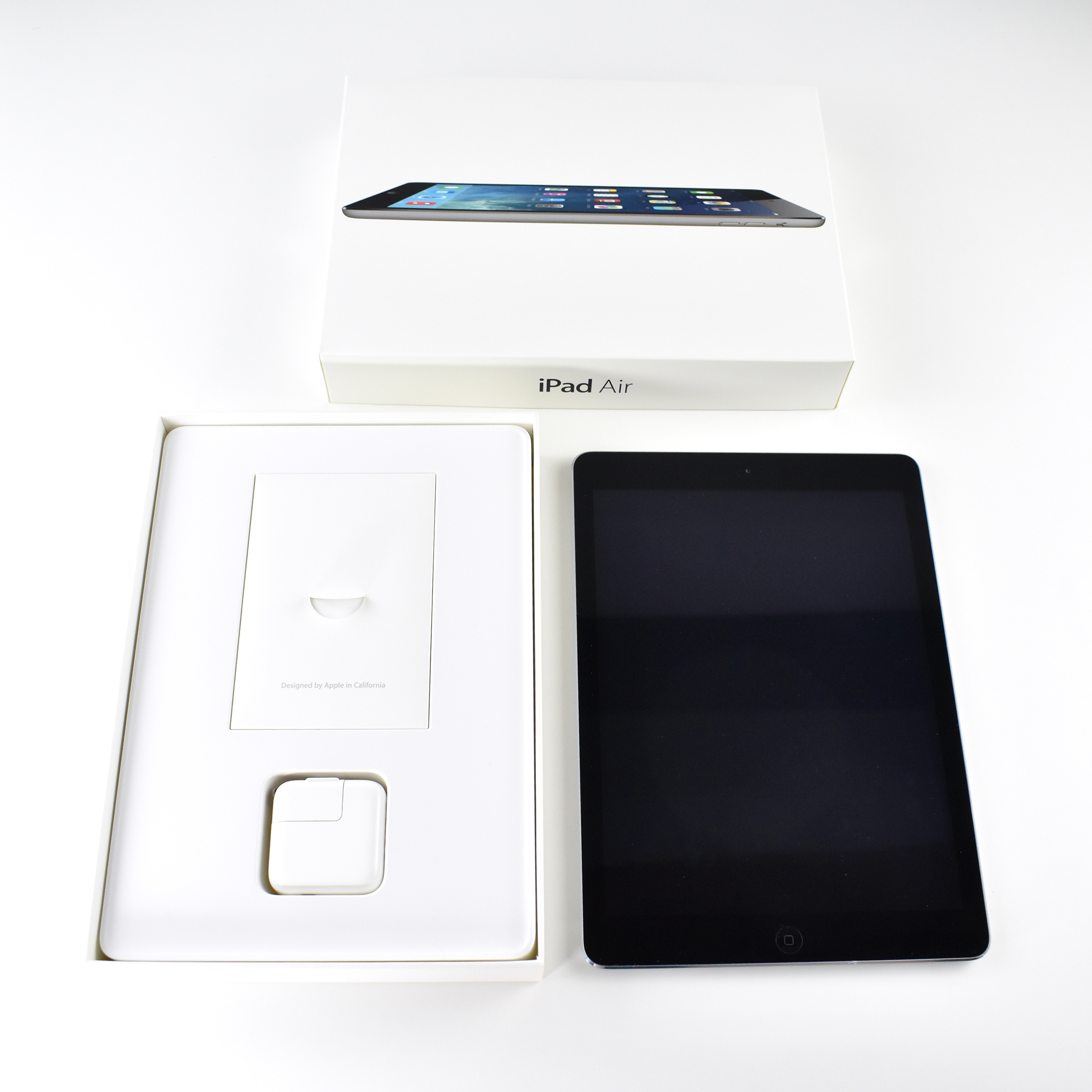
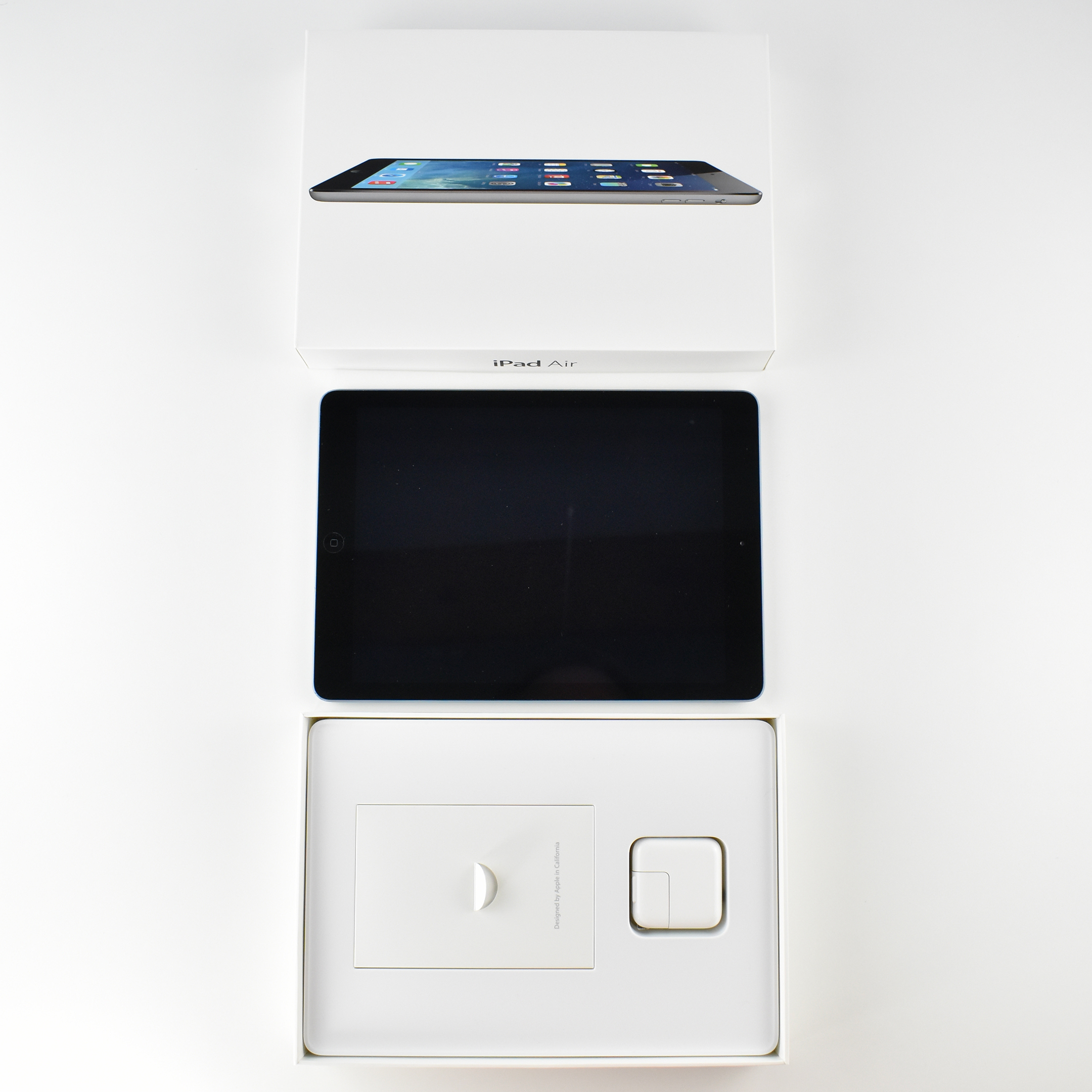
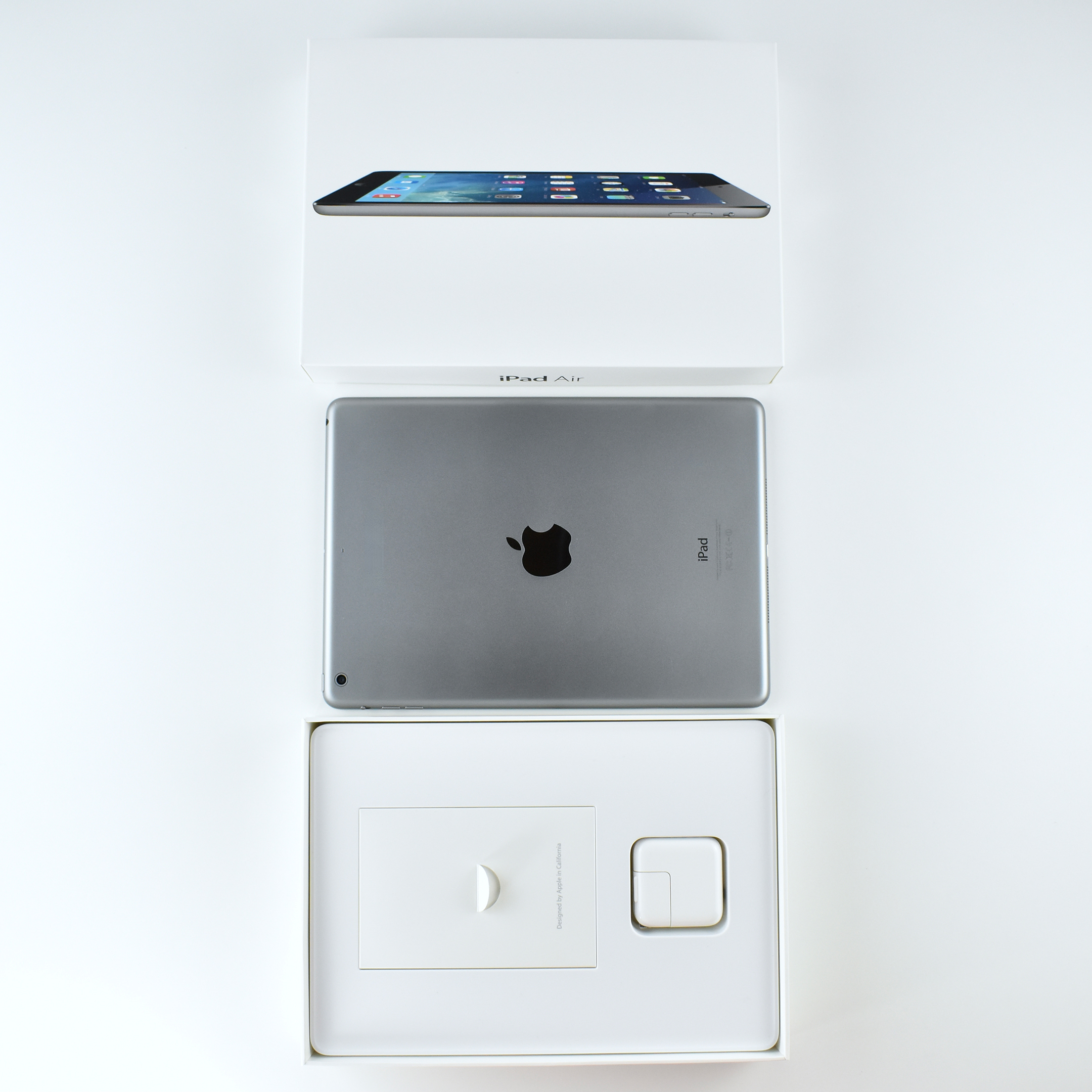
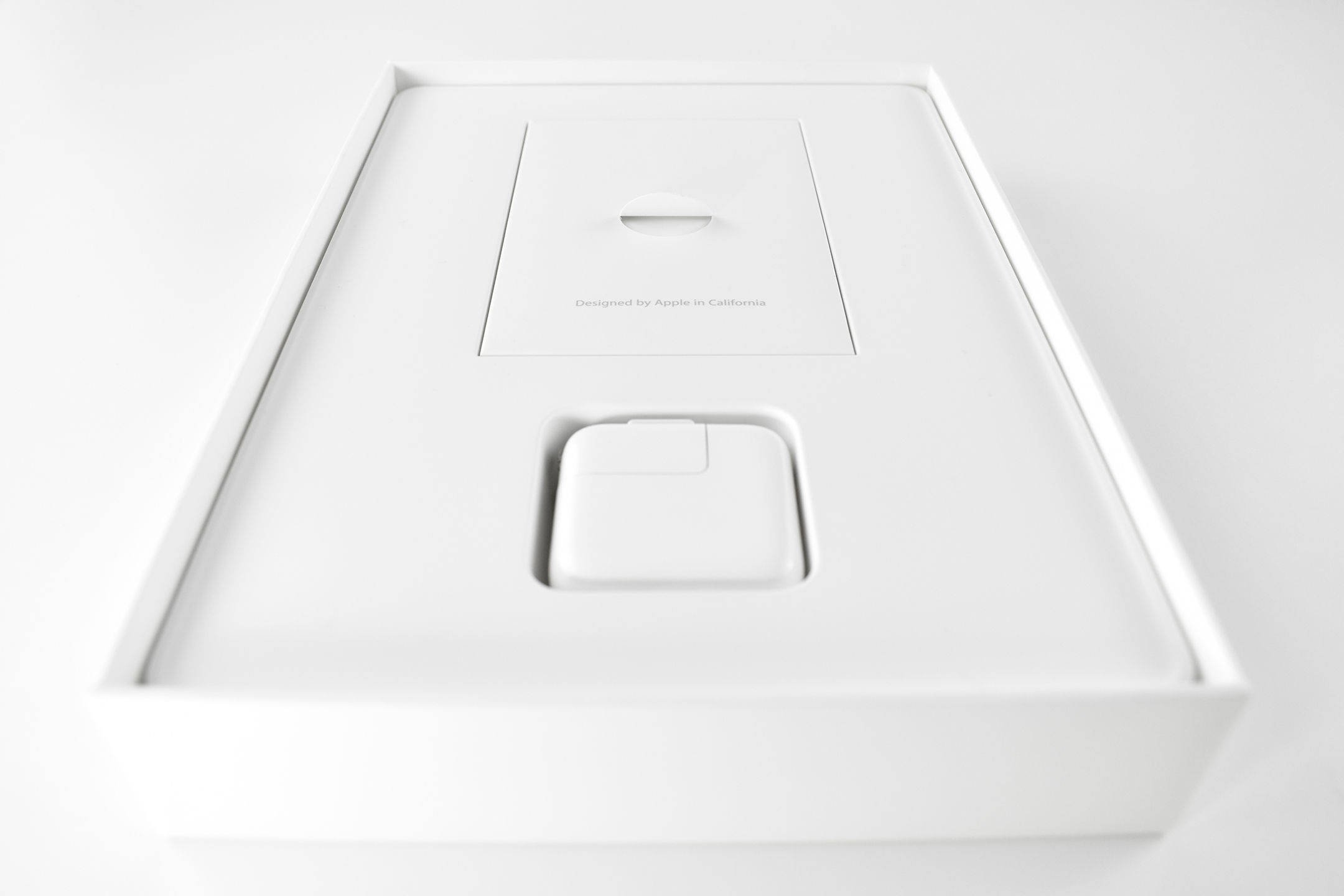
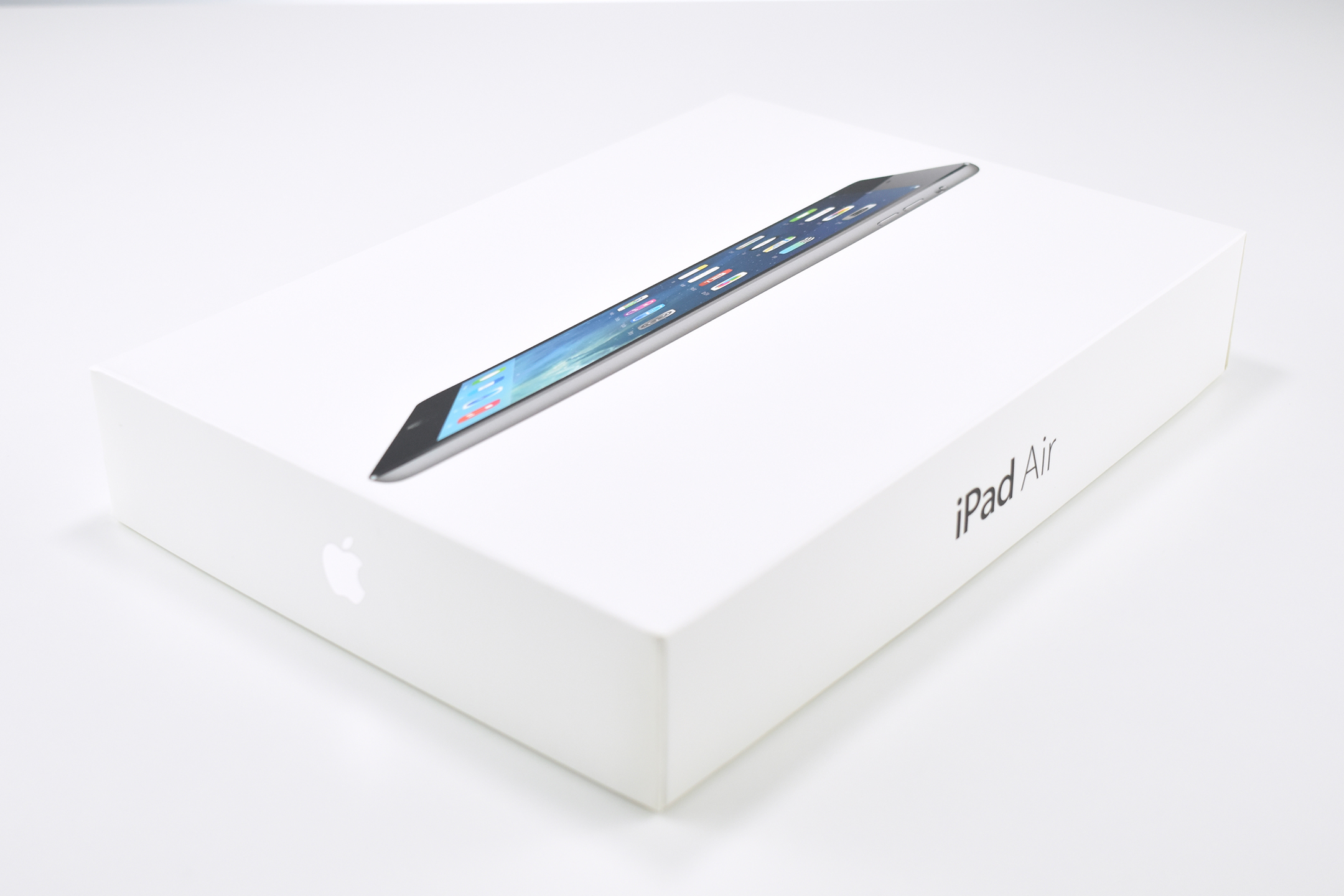
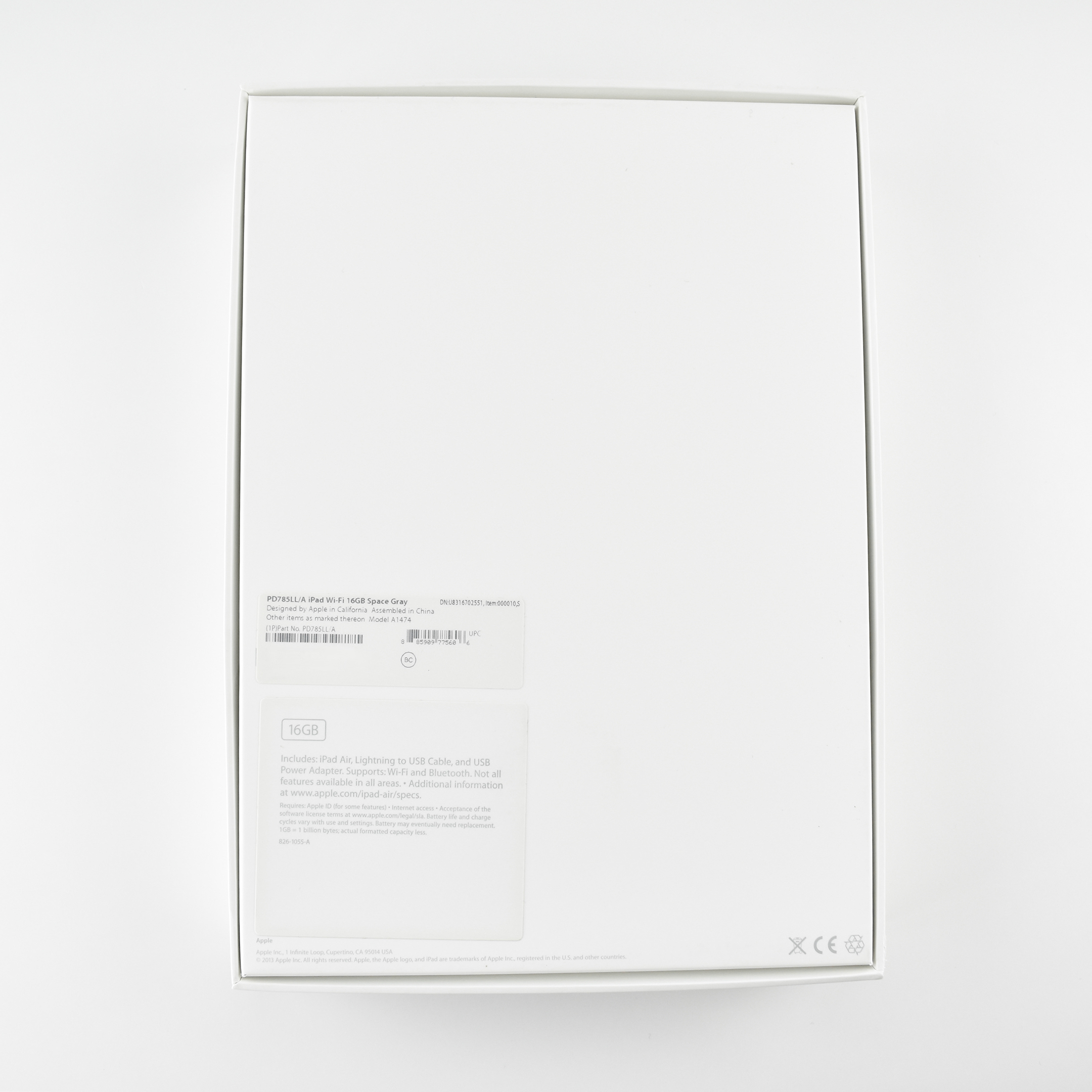
iPad Air (original, Wi-Fi, 32 GB, space gray, 2013)

The original iPad Air used a 9.7-inch Retina display. According to Apple’s press release at the time, the iPad Air was “20 percent thinner and 28 percent lighter than the fourth generation iPad, and with a narrower bezel the borders of iPad Air are dramatically thinner.”

The original iPad Air’s display was 2048×1536 (at 264 ppi). Internally, it used a dual-core 1.4 GHz A7 processor, 1 GB of RAM, and was available with 16, 32, 64, or 128 GB of internal storage. Wireless connectivity included 802.11a/b/g/n Wi-Fi and Bluetooth 4.0.

Its rear 5-megapixel iSight camera recorded video at 1080p, and its front 1.2-megapixel FaceTime HD camera recorded video at 720p.

The original iPad Air was available in silver (silver back with white front) and space gray (dark gray back with black front). This is a 16GB space gray example that includes the original box.

Sources: Everymac, Apple

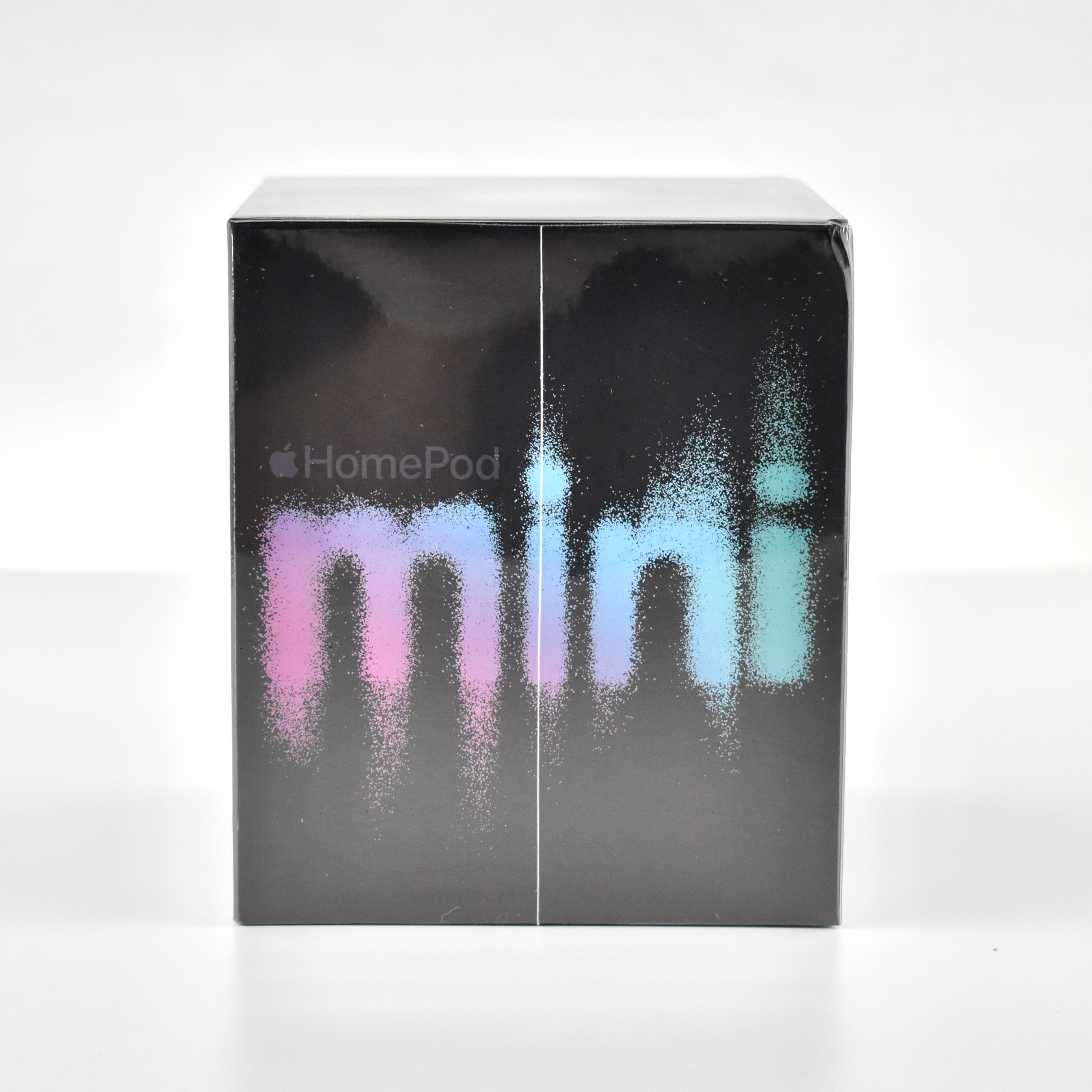
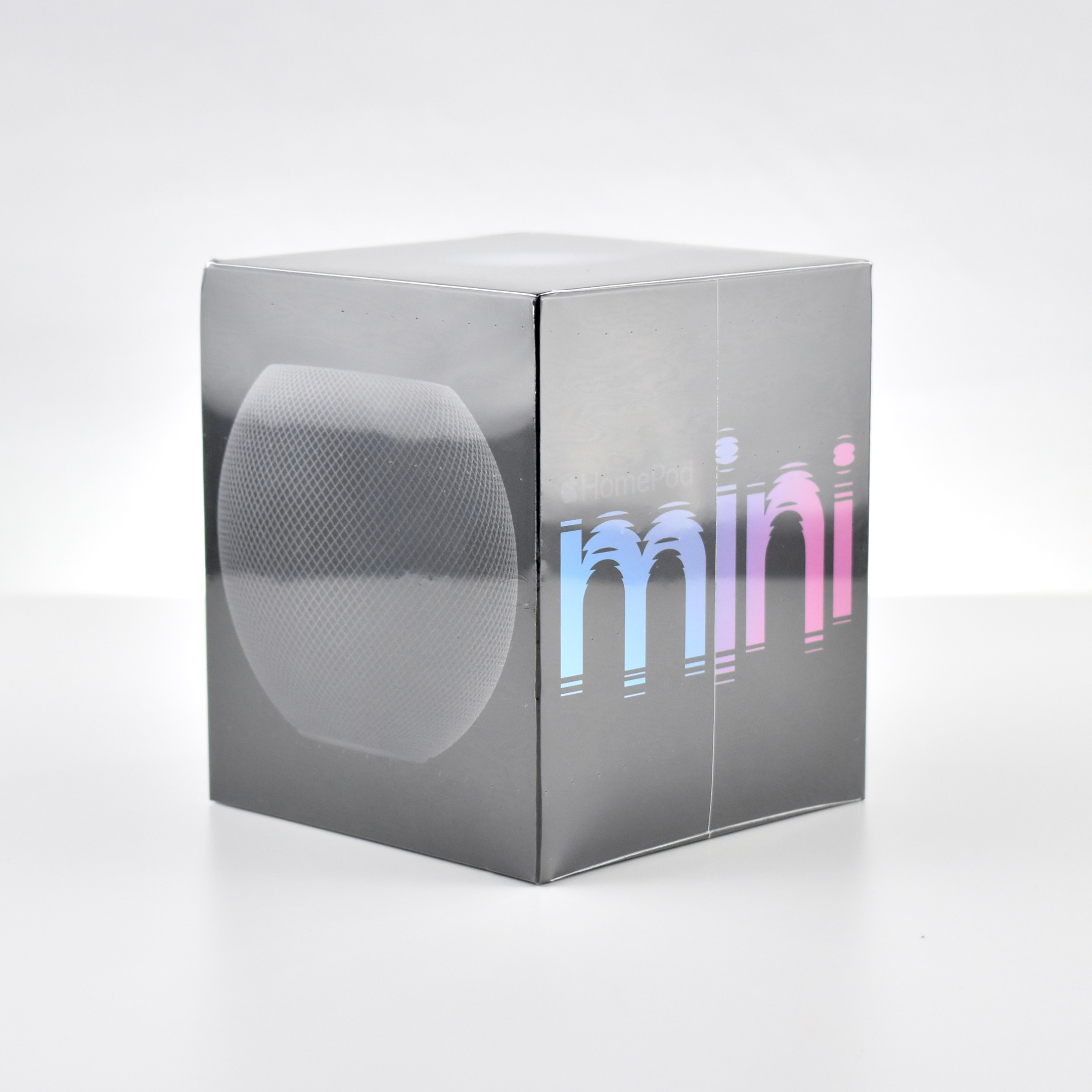
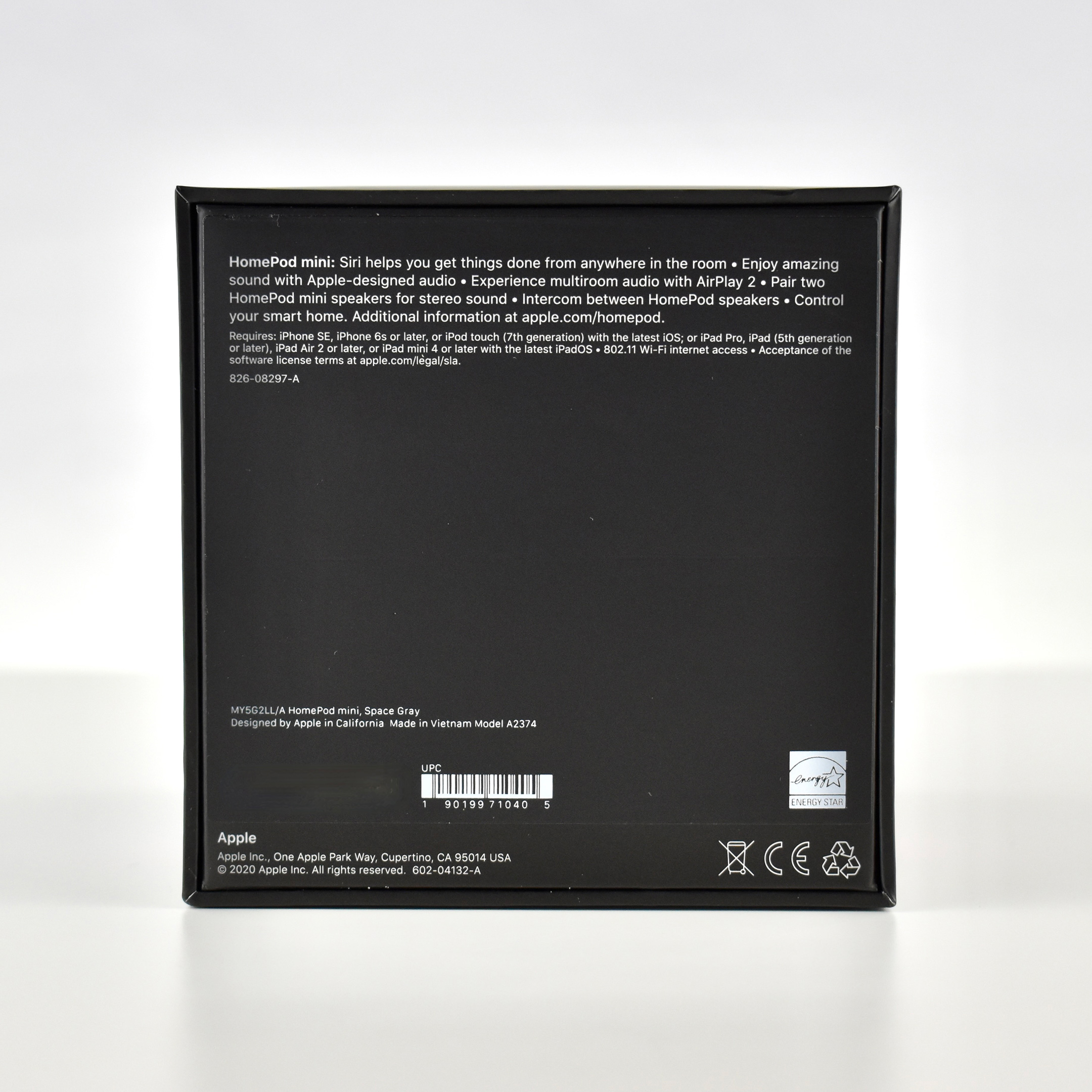
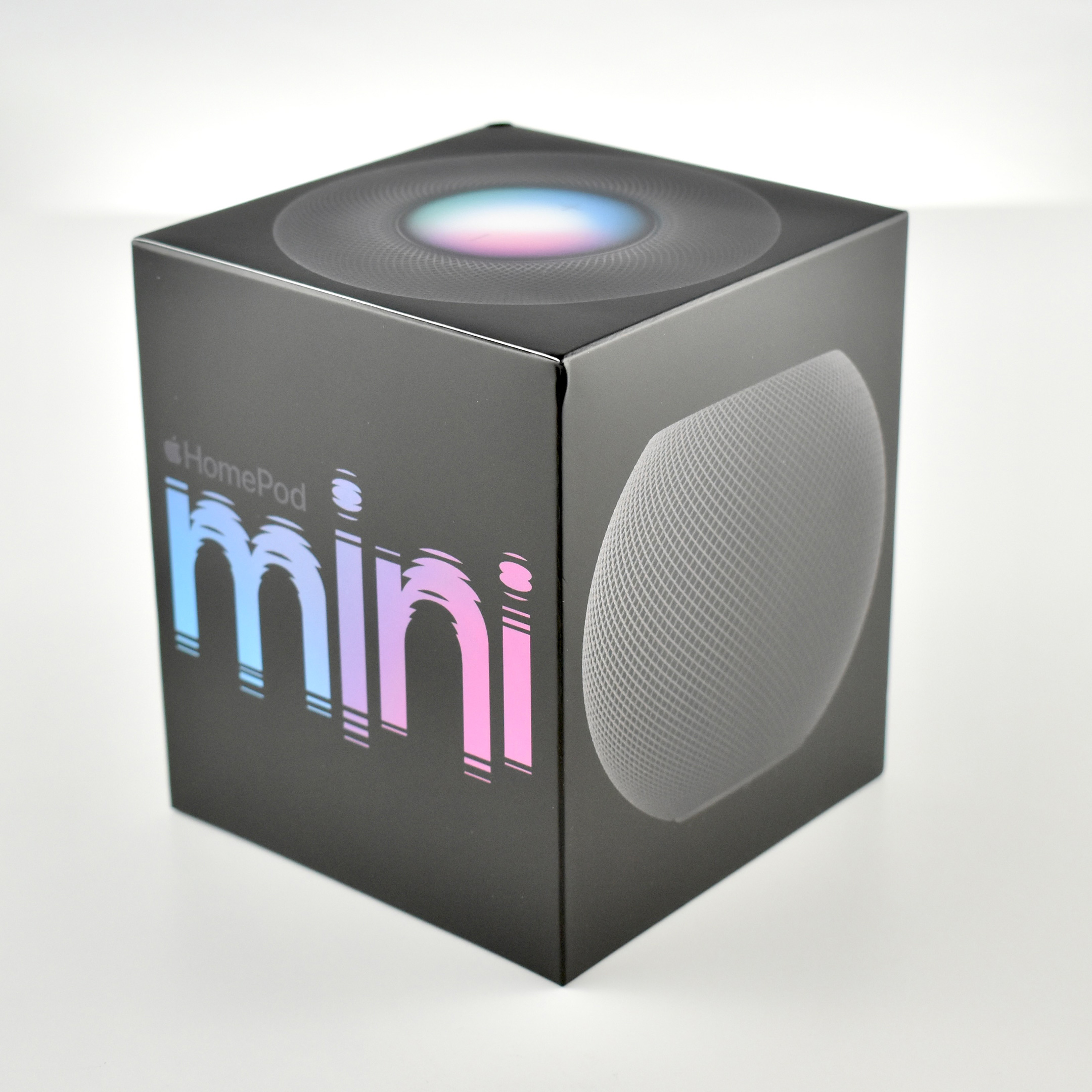
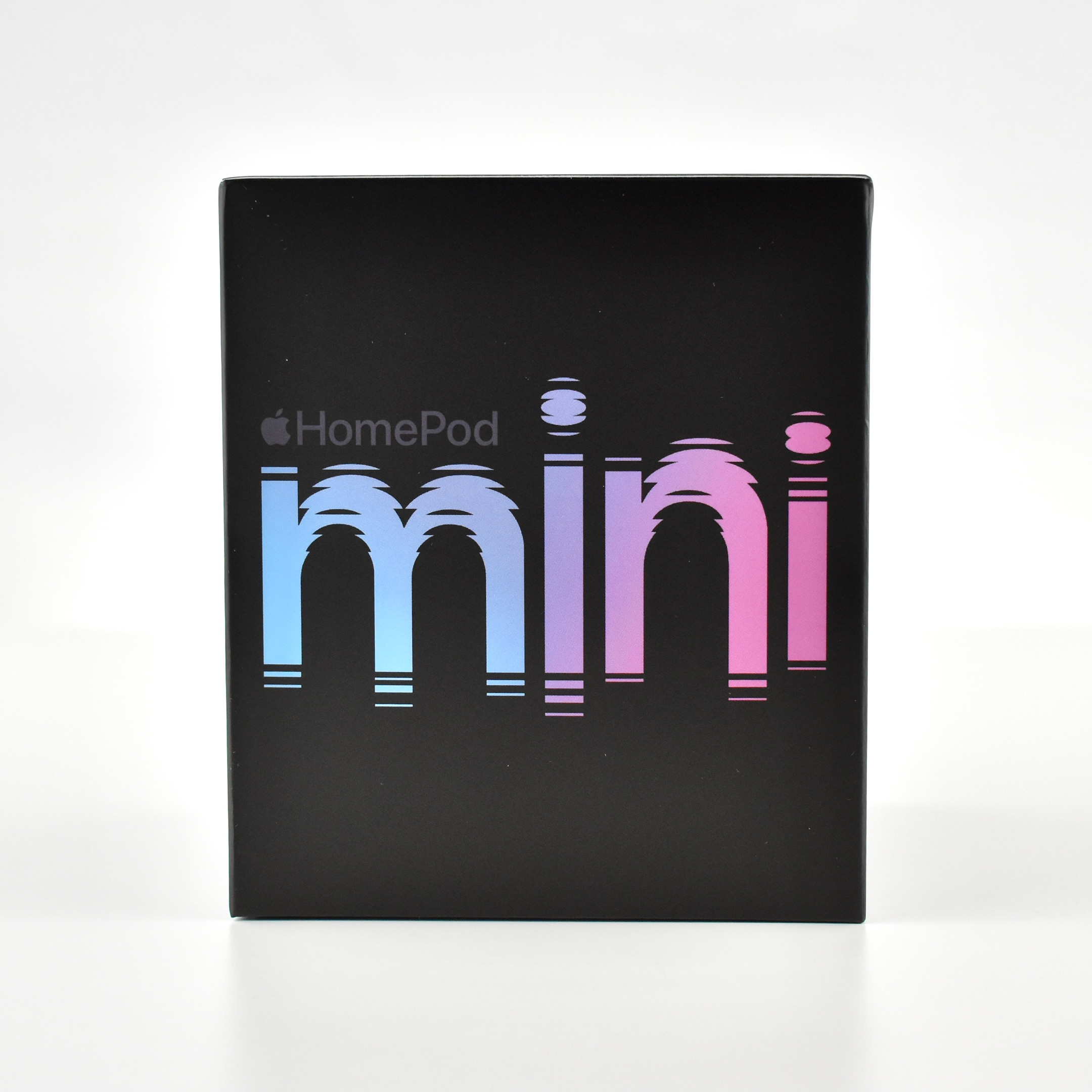
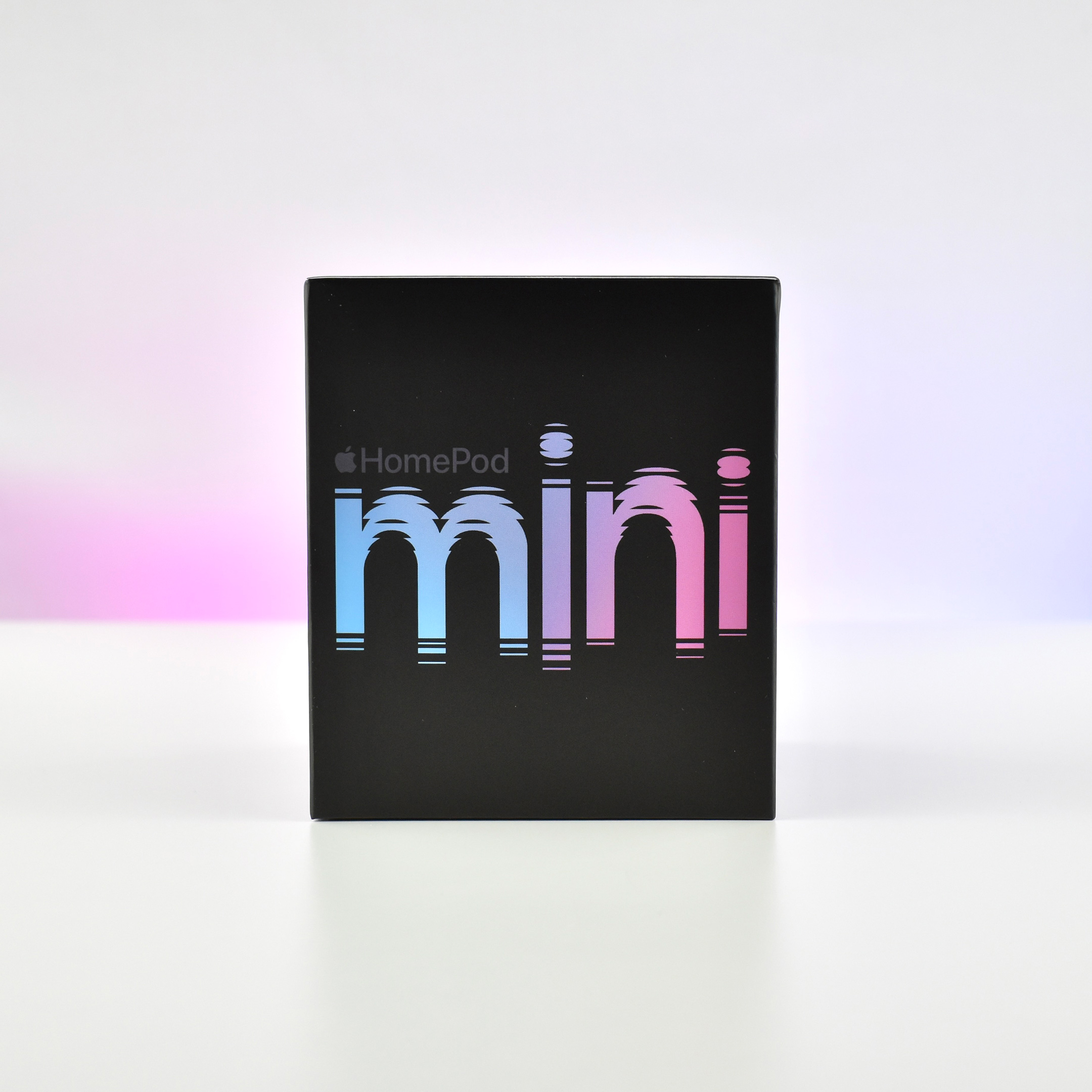
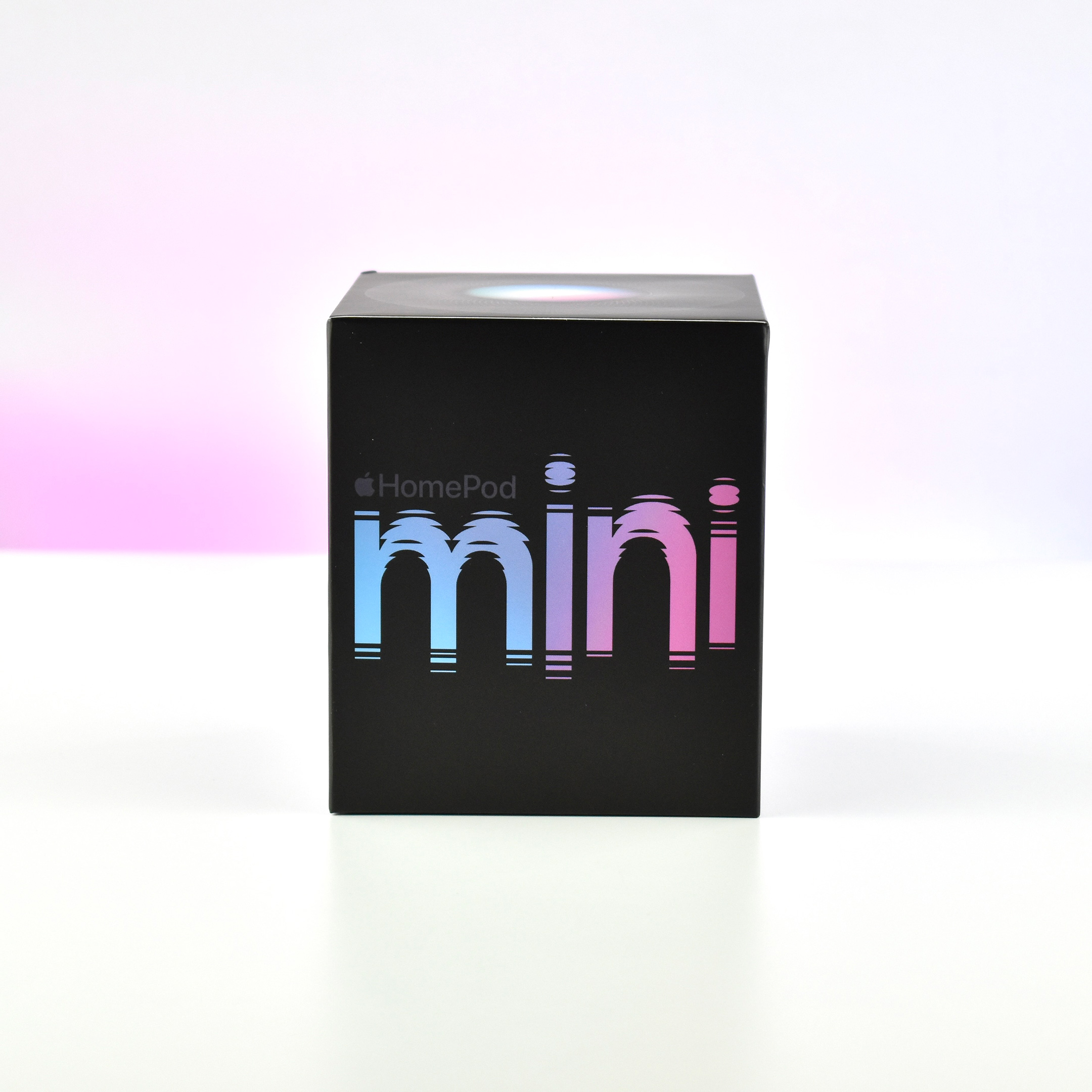
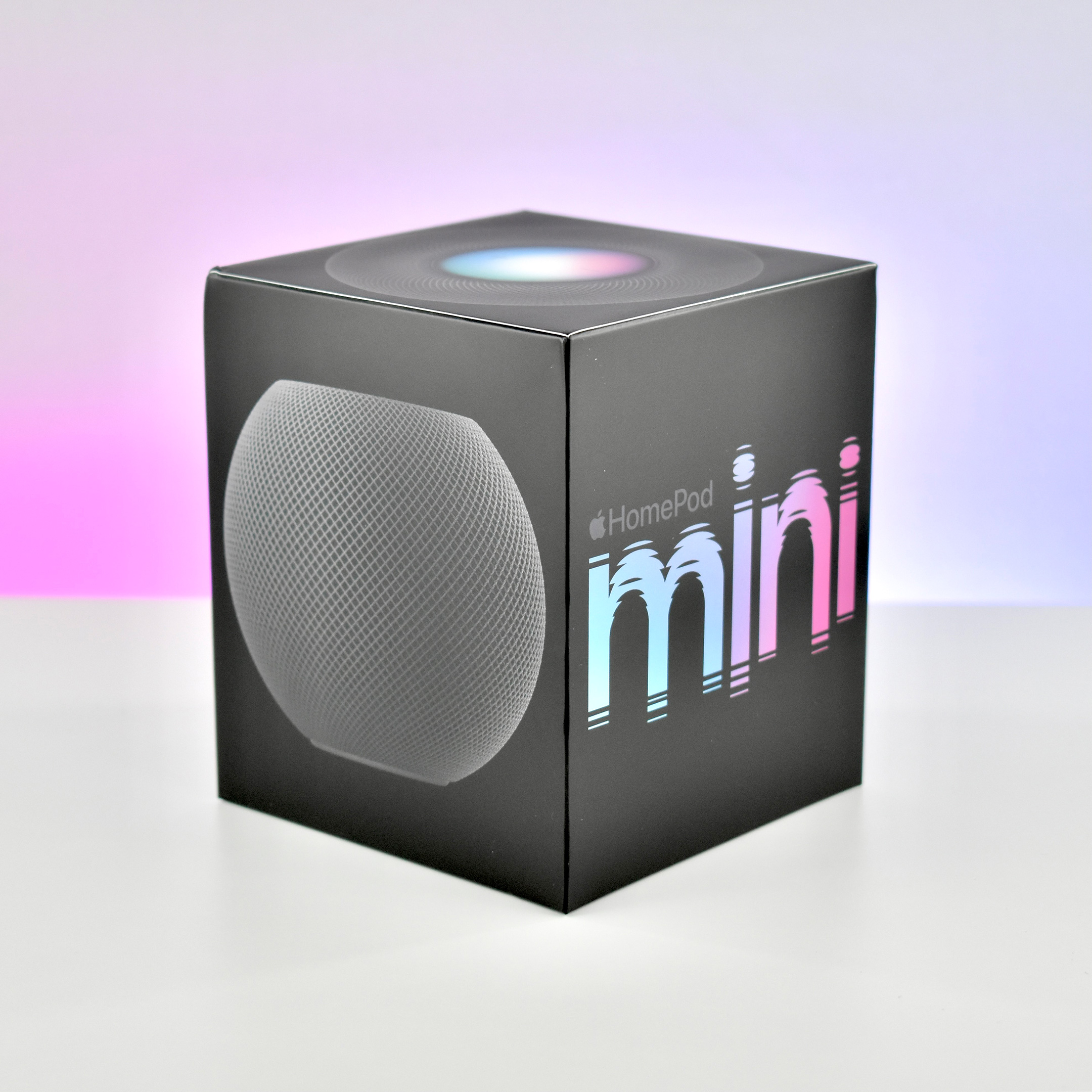
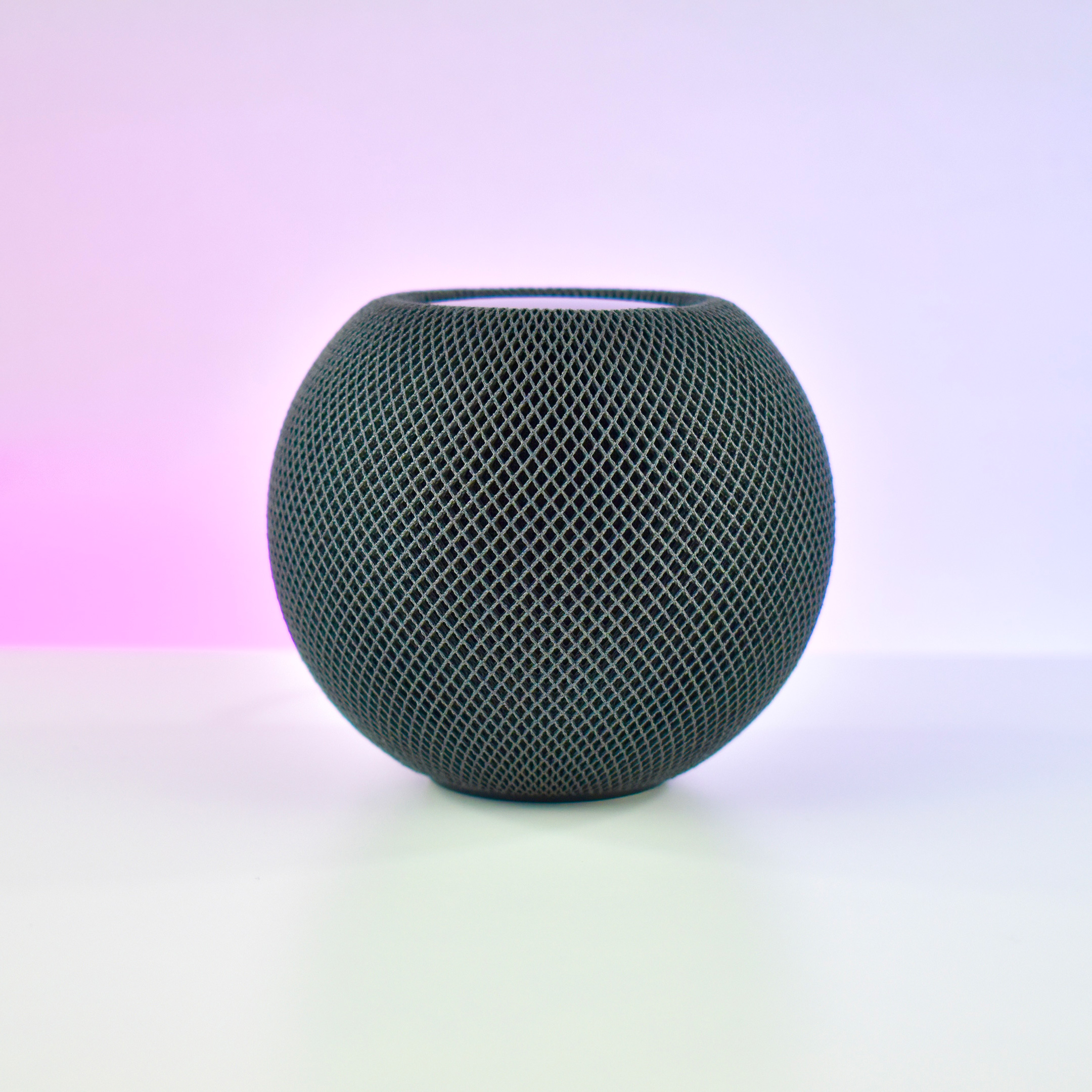
HomePod mini (black, 2020)

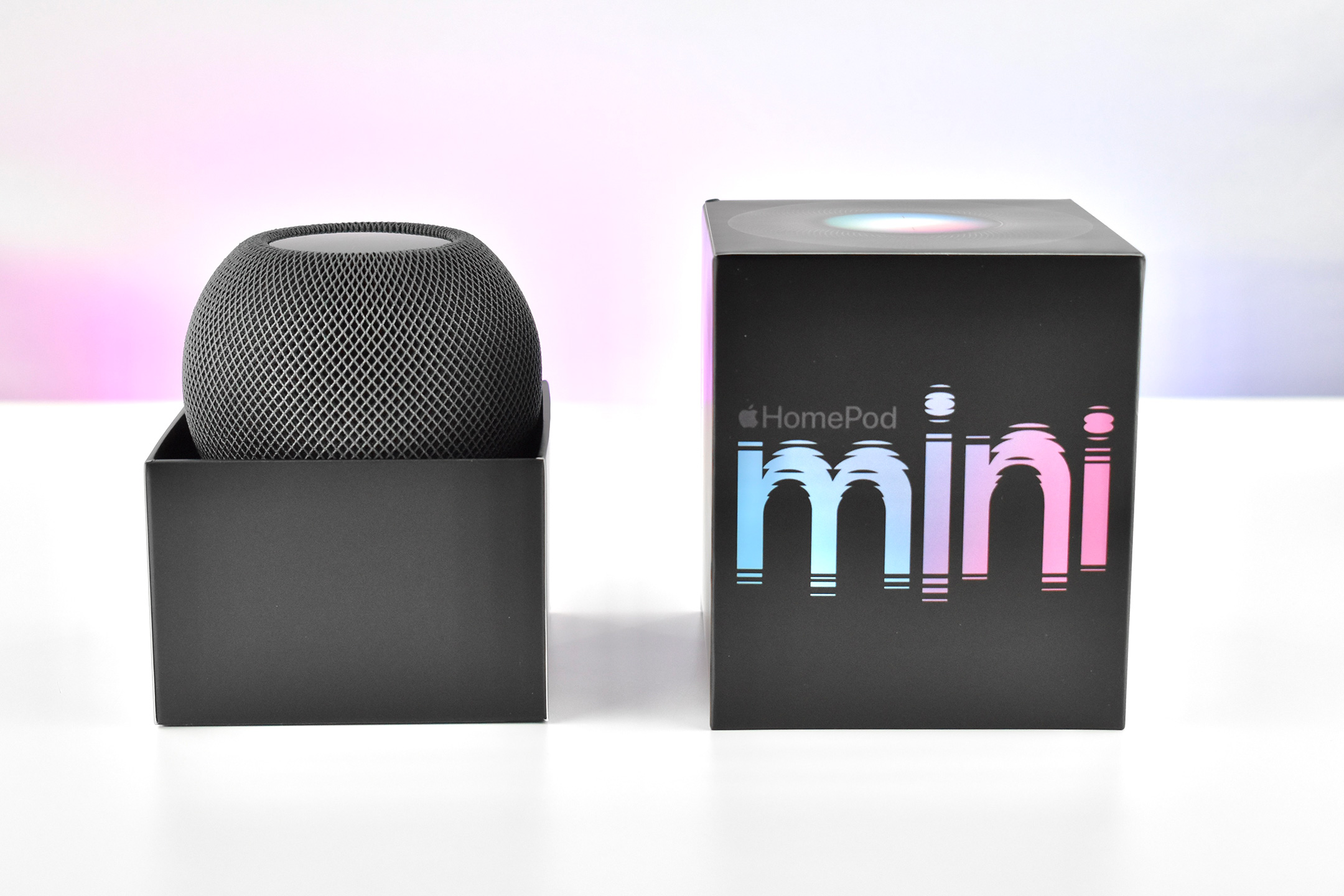
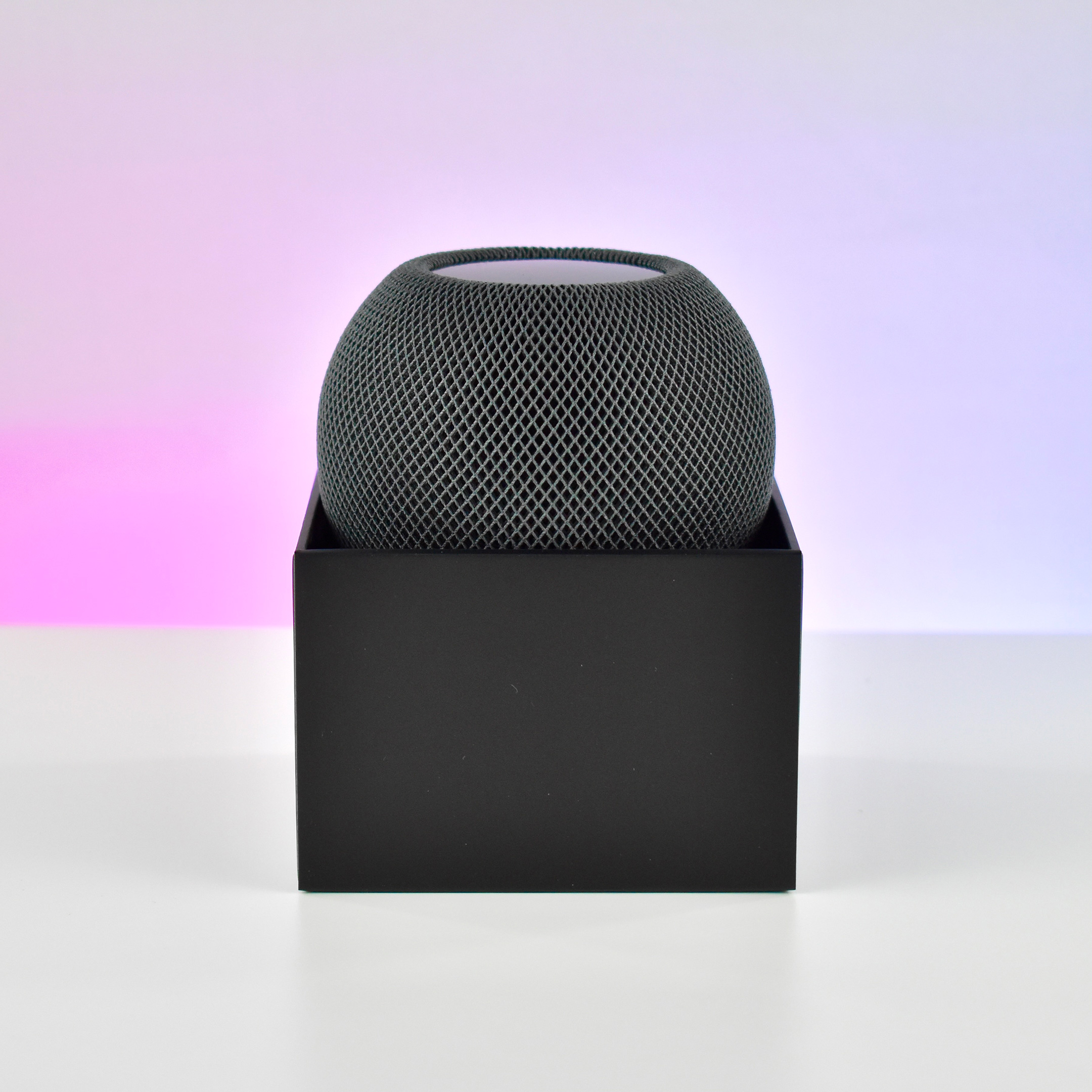
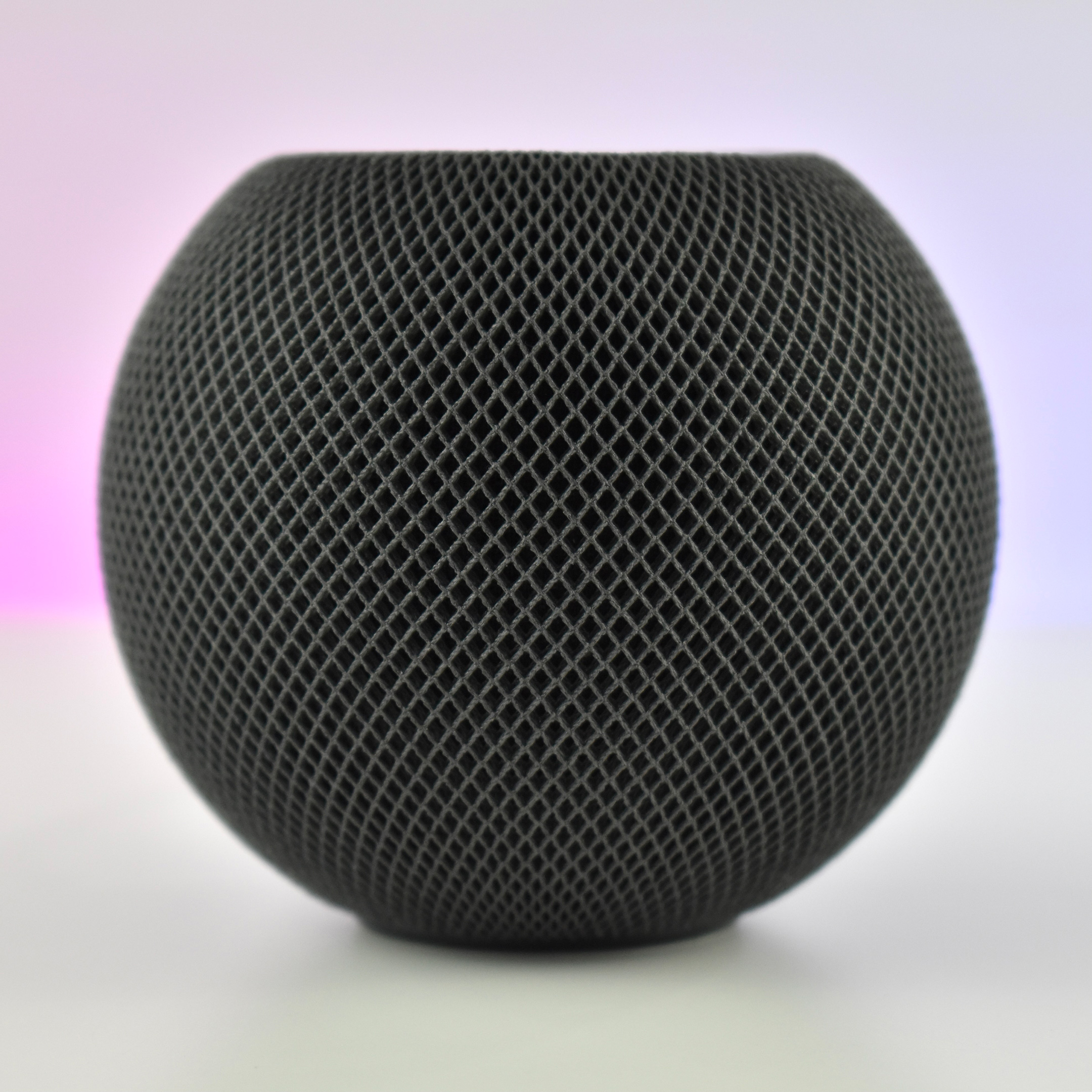
The HomePod mini was the second device in Apple’s HomePod line of intelligent, Siri-controlled speakers. Despite its small size and relatively low price, the HomePod mini offered impressive sound quality. Apple described the HomePod mini: “Jam-packed with innovation, HomePod mini delivers unexpectedly big sound for a speaker of its size. At just 3.3 inches tall, it takes up almost no space but fills the entire room with rich 360‑degree audio that sounds amazing from every angle.”

Apple designed the HomePod mini to allow homes to use multiple devices:

“With multiple HomePod mini speakers placed around the house, you can have a connected sound system for your whole home. Ask Siri to play one song everywhere or, just as easily, a different song in each room. And HomePod mini works with HomePod for multiroom audio and features like Intercom. If you want to take the amazing sound experience of HomePod mini even further, you can create a stereo pair. Two HomePod mini speakers paired in the same room create left and right channels for an immersive soundstage.”

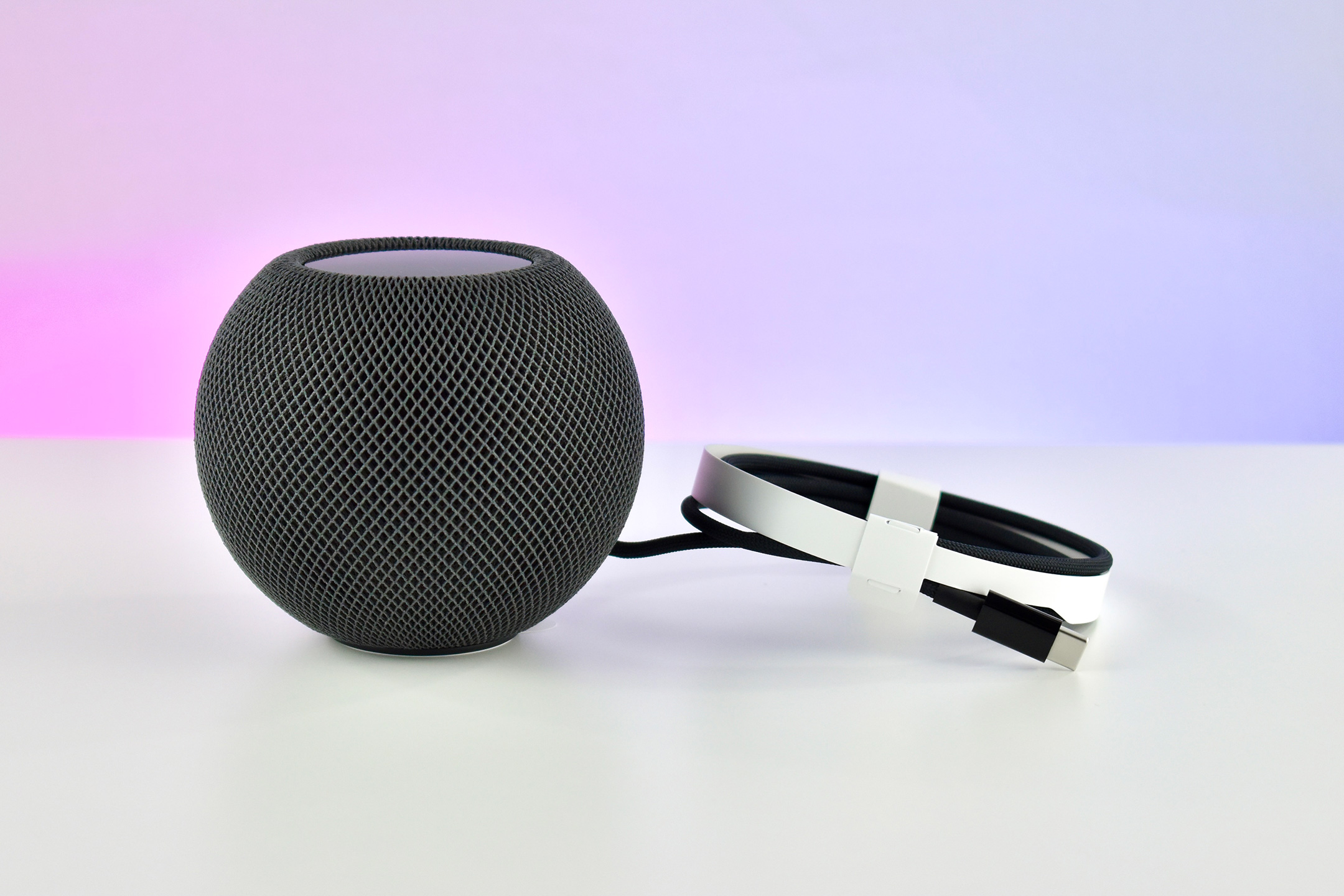
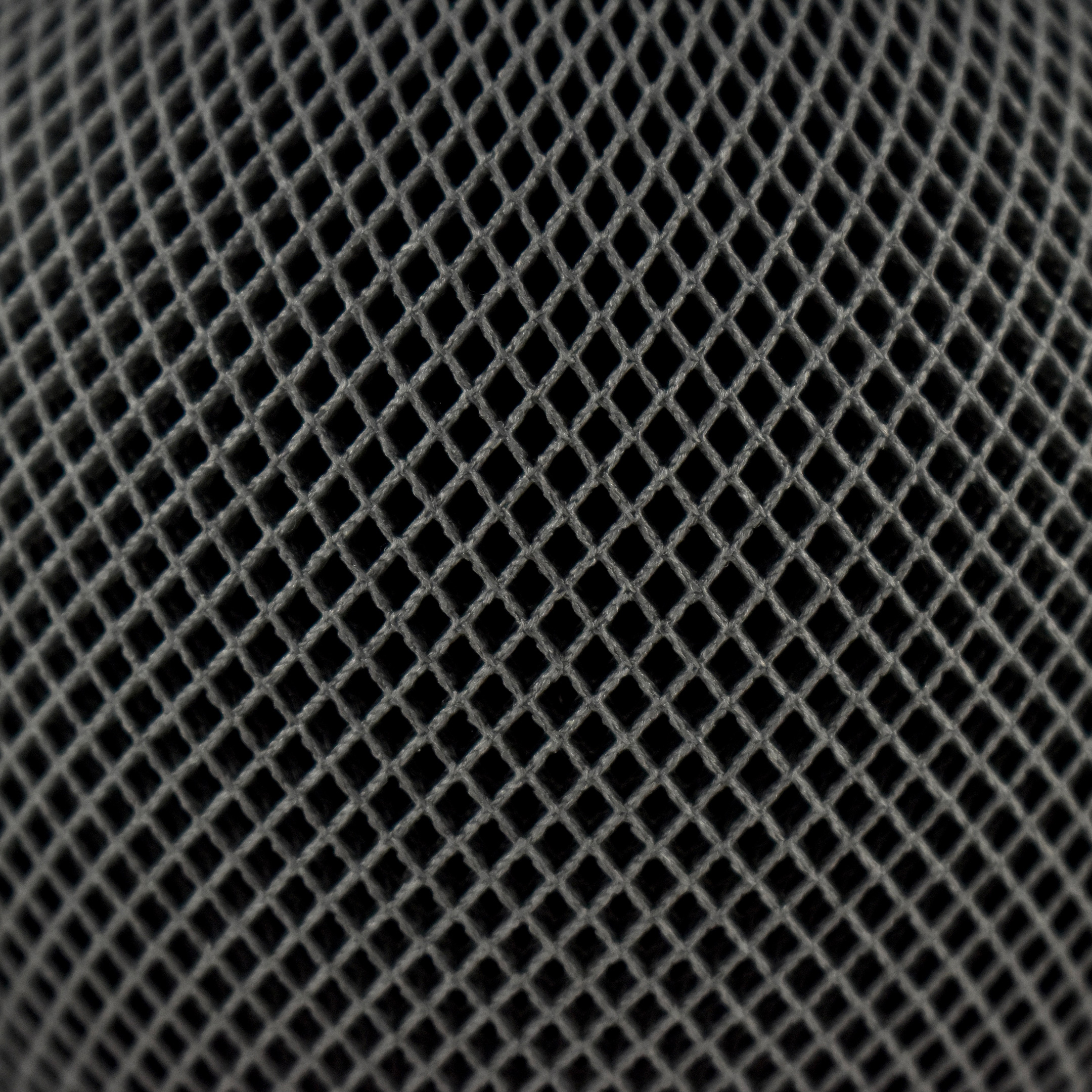
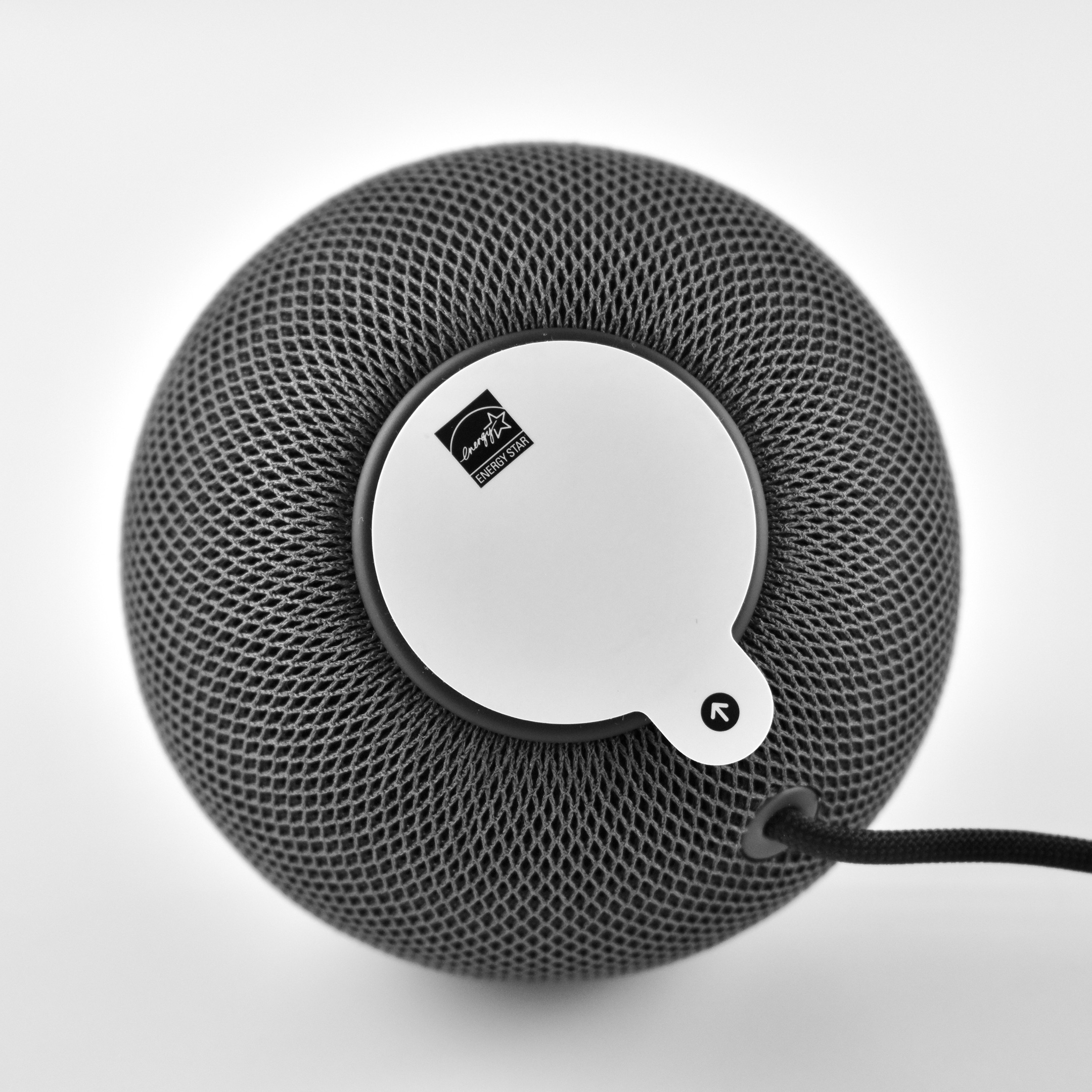
The HomePod mini was spherical with a flat top and bottom. It measured 3.3 inches high and 3.9 inches wide. Internally, it used four microphones and allowed real-time tuning through computational audio. The HomePod mini had no ports and connected wirelessly to audio sources including Apple Music, iTunes music purchases, iCloud Music Library with an Apple Music or iTunes Match subscription, and some third-party services. In addition, it could play content from any device that allowed AirPlay streaming (AirPlay 2). Wireless technology included 802.11n Wi-Fi and Bluetooth 5.0.

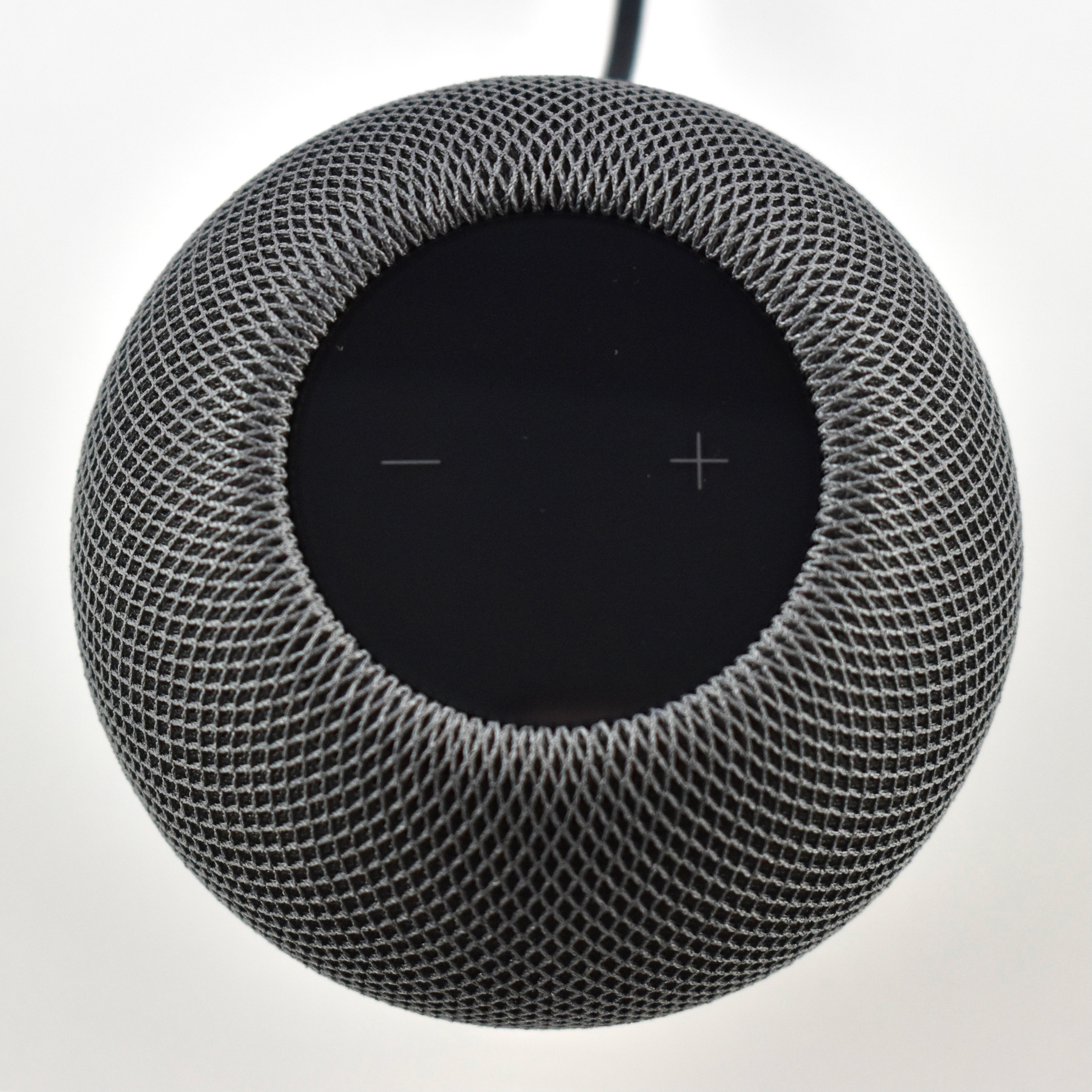
The top of the device provided a backlit touch surface for certain controls: tap to play/pause music or Siri; double-tap to skip; triple-tap to skip back; touch and hold to access Siri; and tap or hold + or – to control volume up/down.

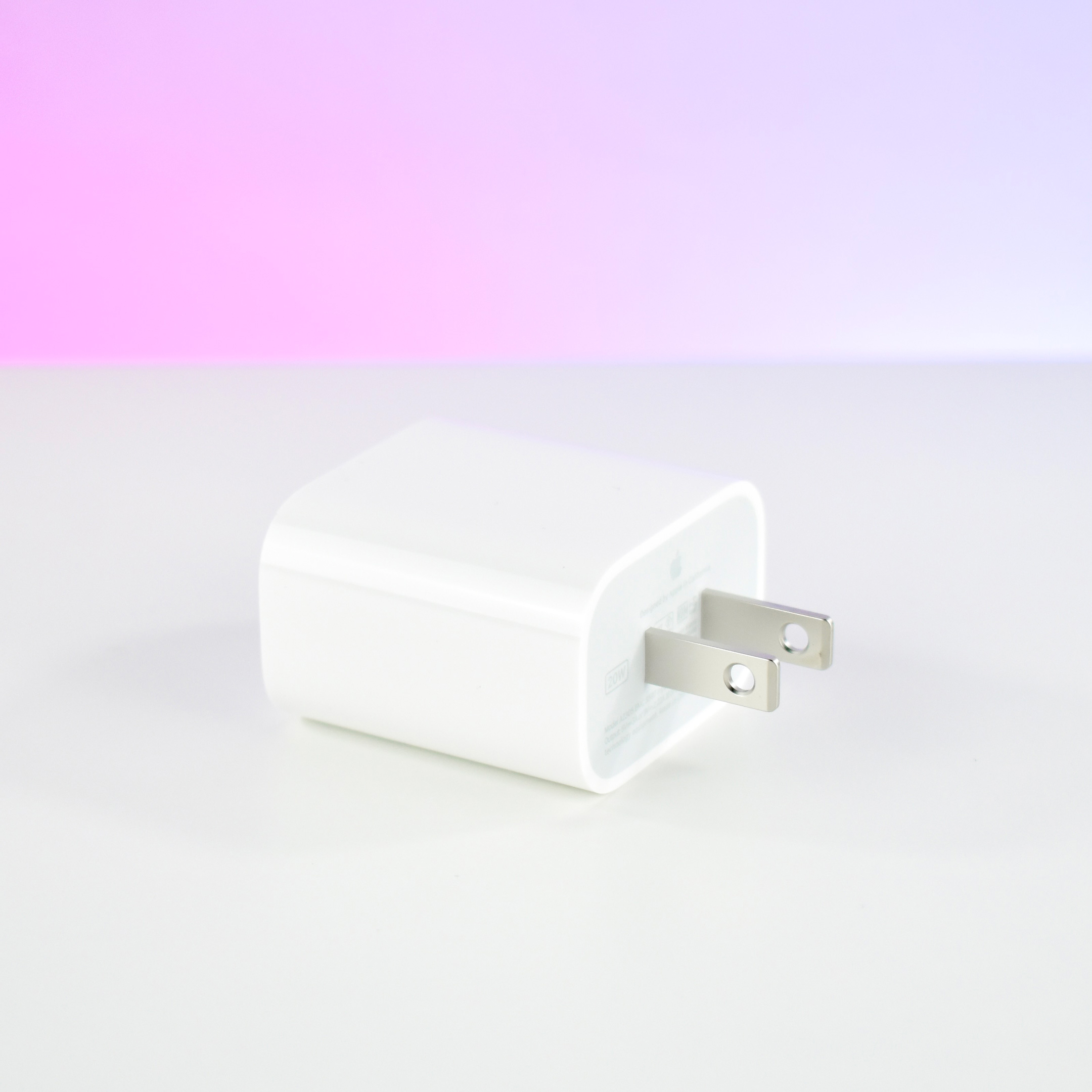
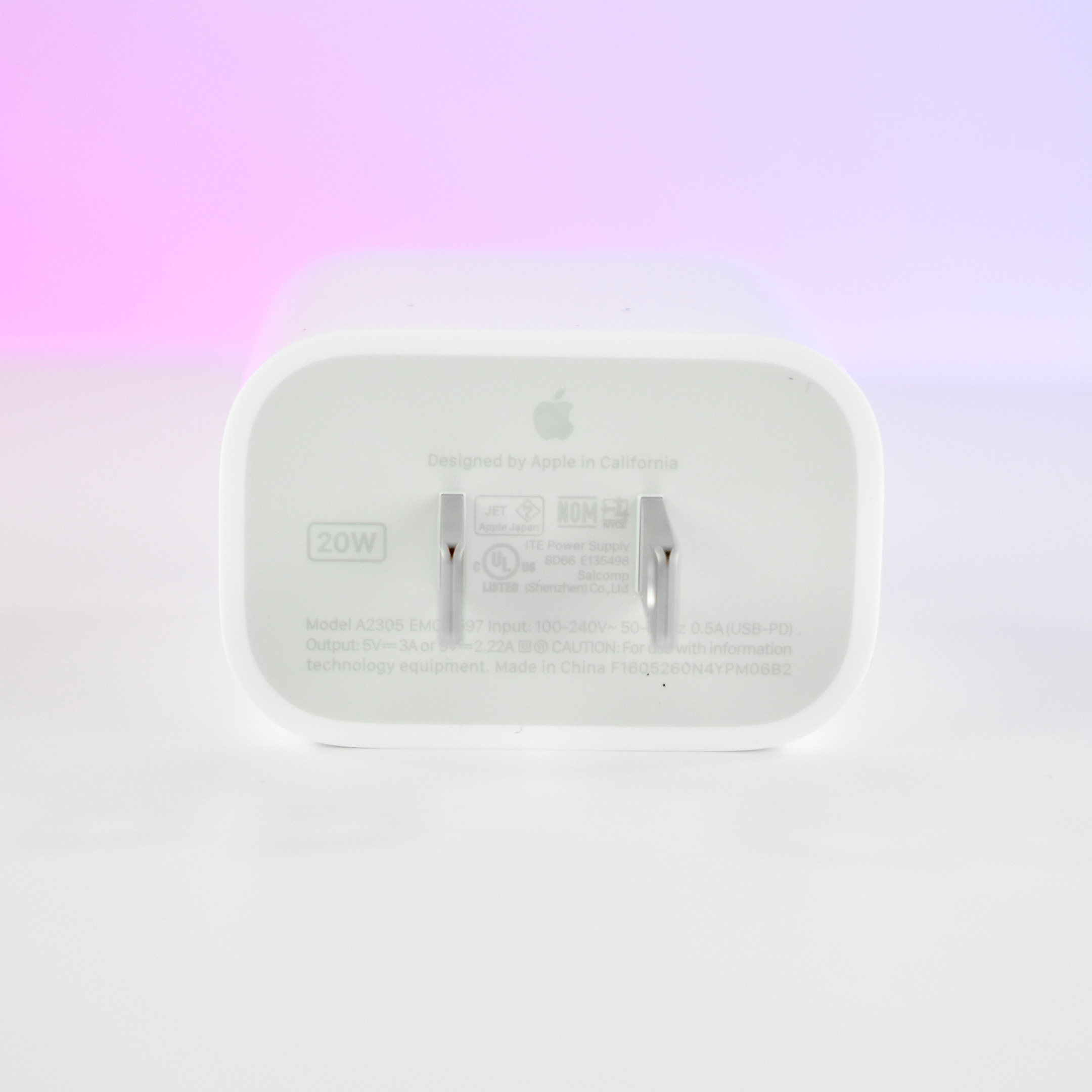
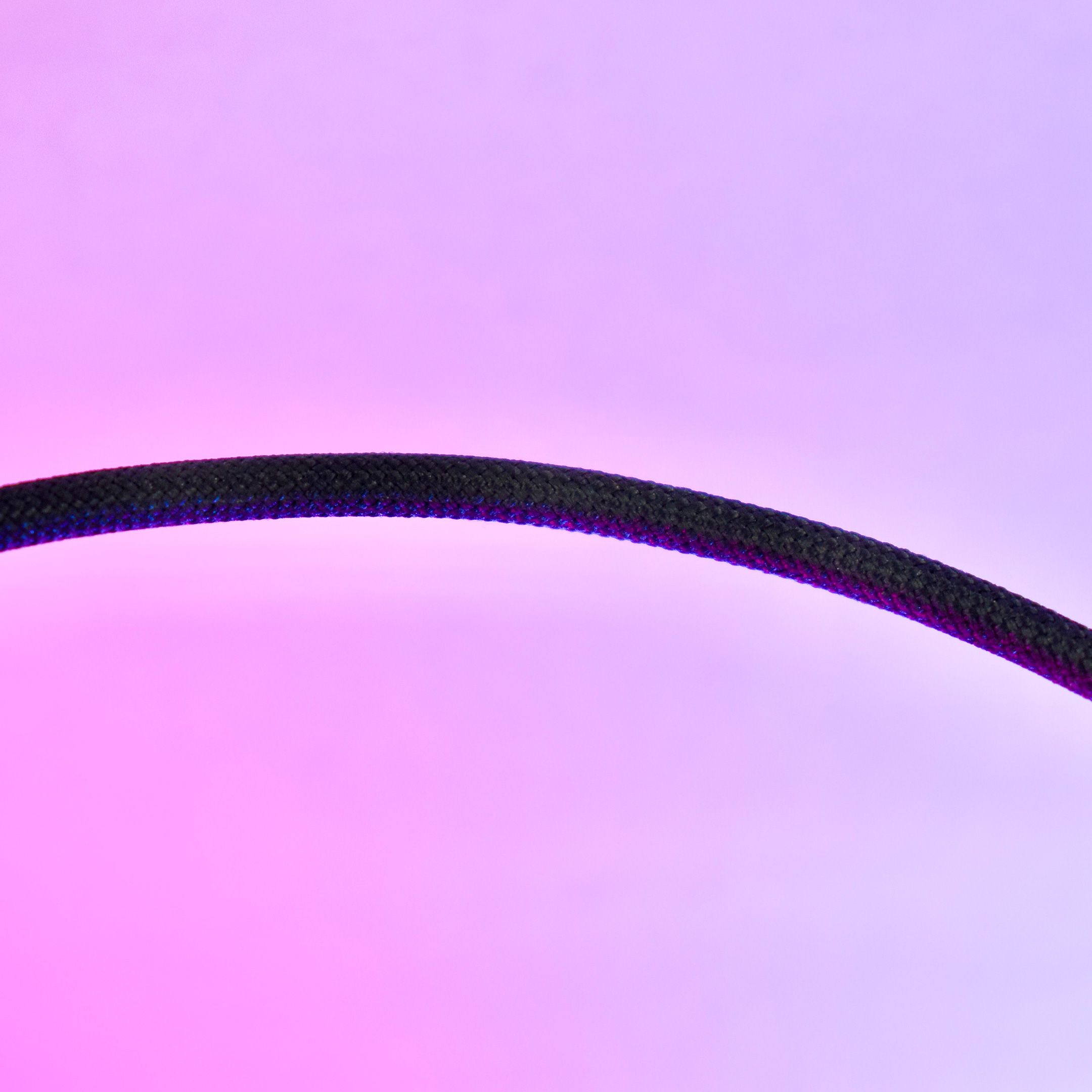
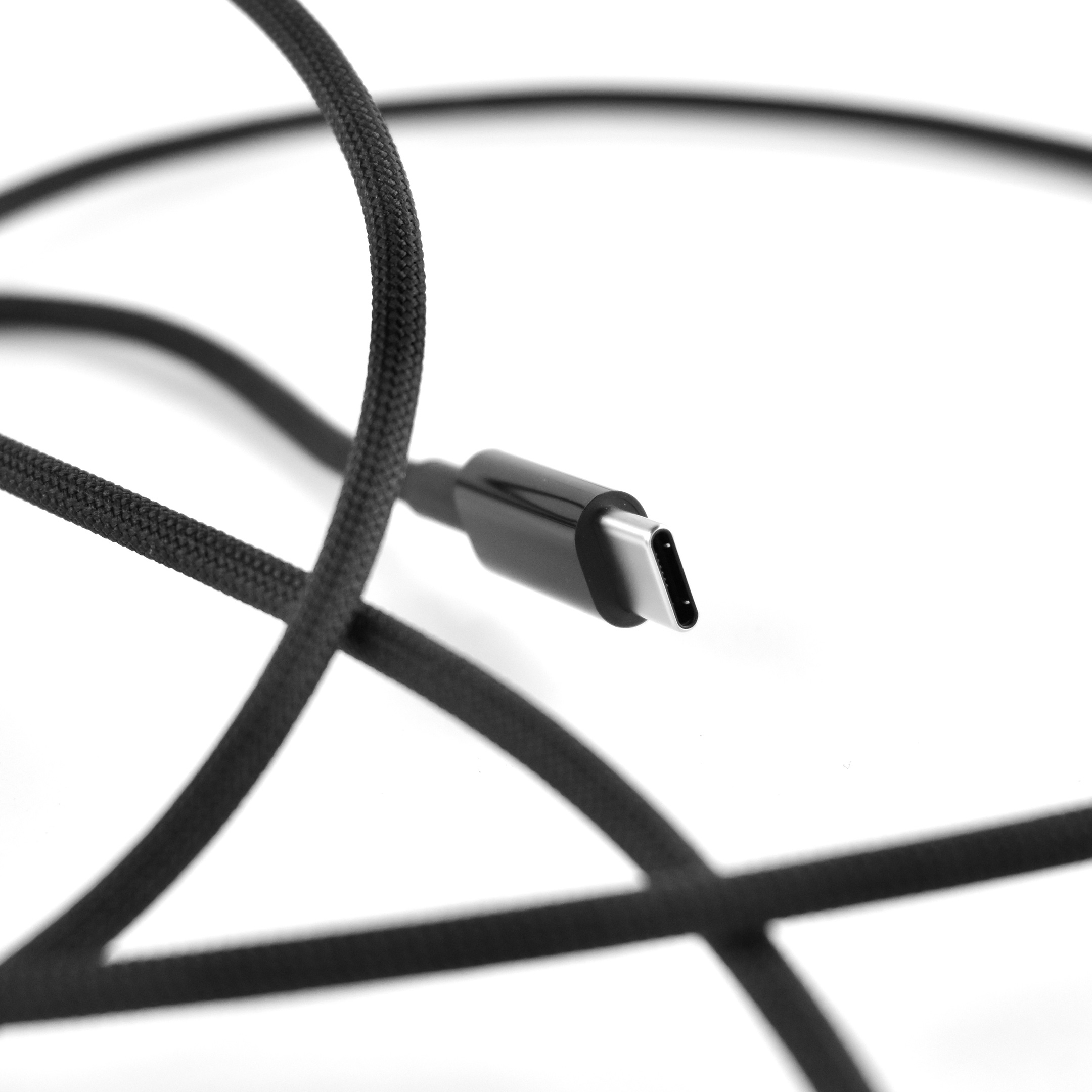
The HomePod mini was available in black and white. It used a permanently affixed USB-C cable and a provided a 20W USB-C power adapter was included in the box.

This is my second HomePod mini. I purchased it in black, and I’m using it in my kitchen so I now have a HomePod in every main living area.

Photography note: Since a few people have asked, I have 2 Hue LCD color lights that are part of my photography table. The 2 IKEA lights are clipped to the bottom of the table and are positioned up. Most of my photos use these lights set to a pure white color for the background, but occasionally I use the Hue app to add a color wash to the white sheet backdrop. In this case, I used the HomePod mini box colors as inspiration.

Source: Apple (Overview, Tech Specs)

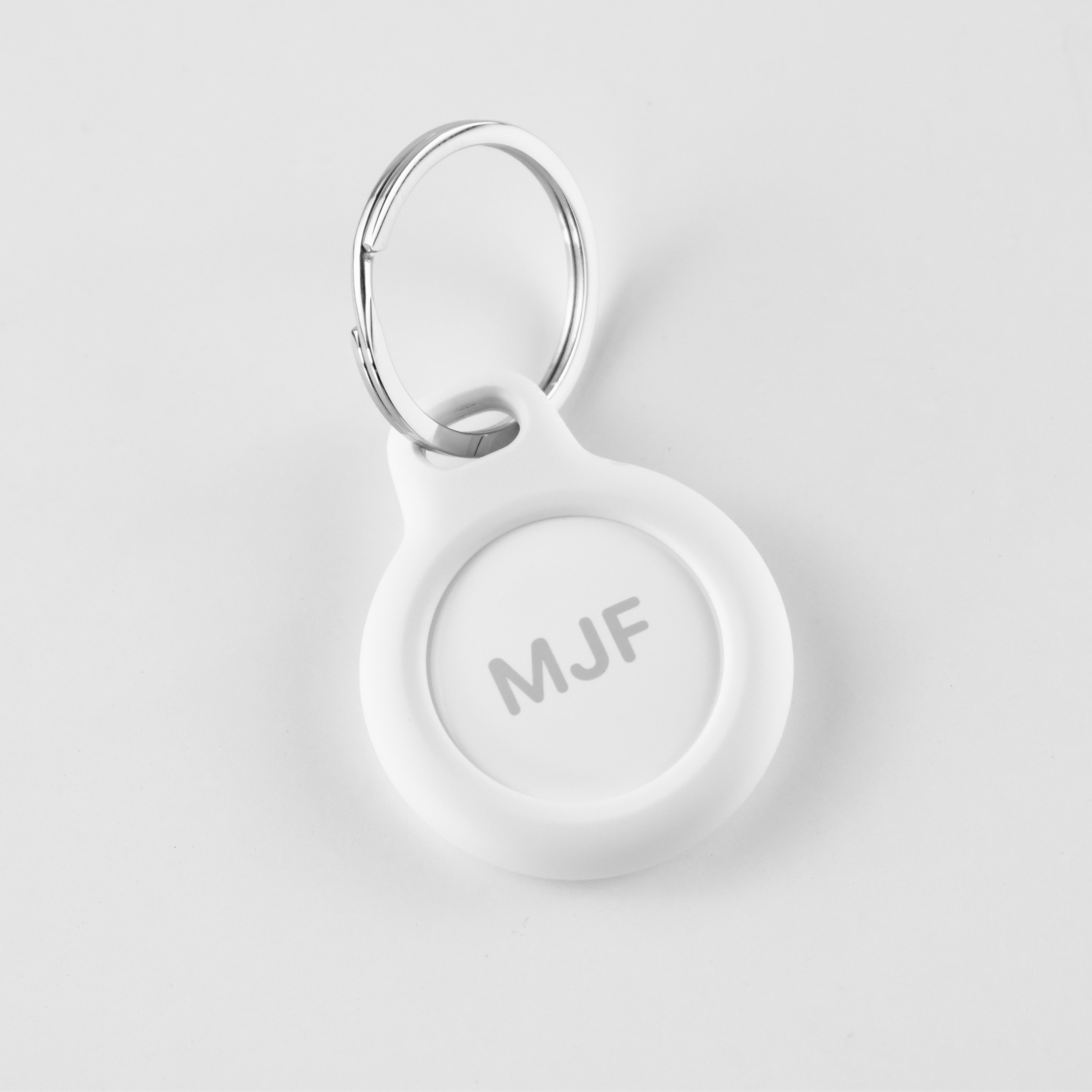
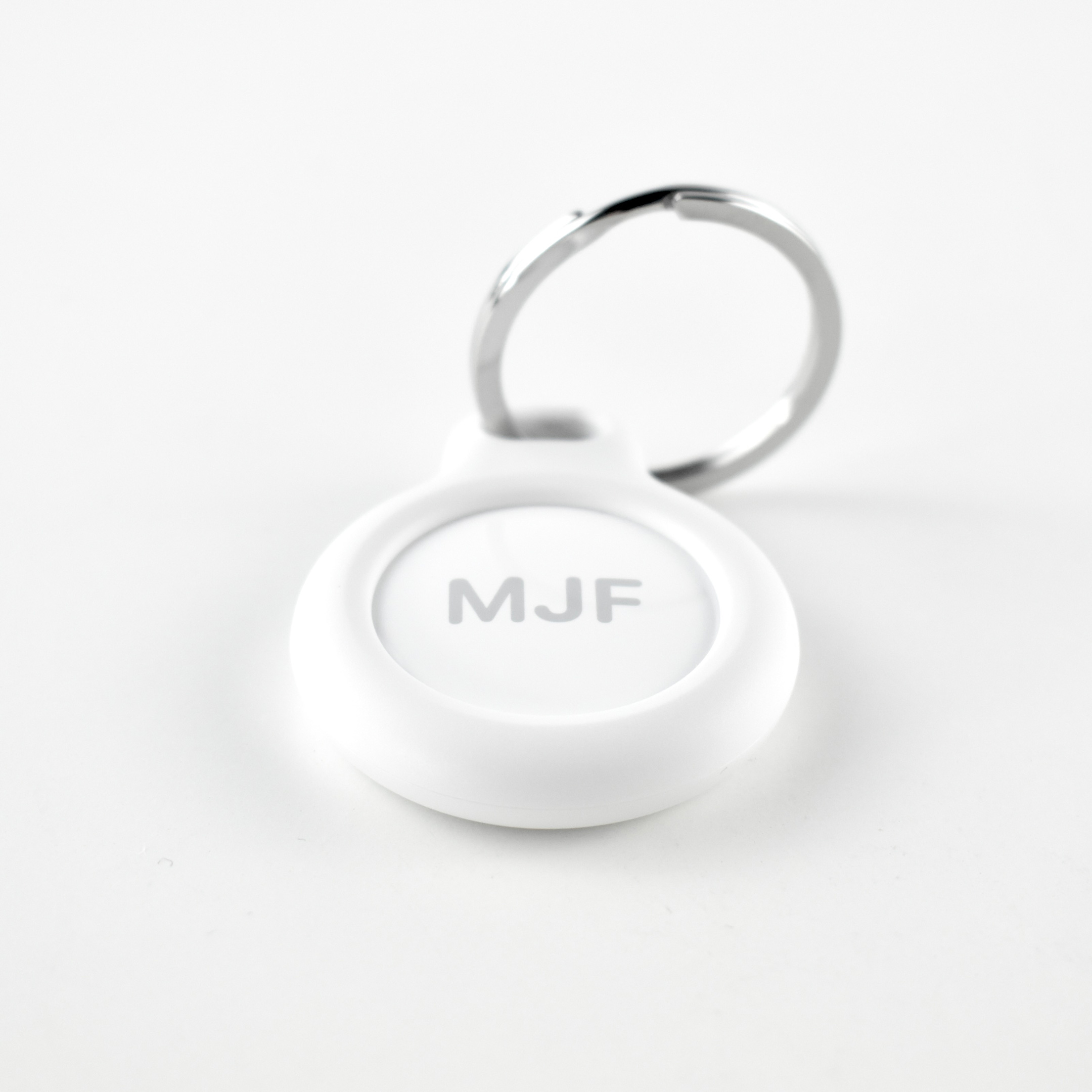
AirTag (engraved, 2021)

The AirTag is a small, disc-shaped accessory that used Apple’s Find My network to easily locate items. Apple described AirTag as “a supereasy way to keep track of your stuff. Attach one to your keys, slip another in your backpack. And just like that, they’re on your radar in the Find My app.”

The AirTag measures 1.26 inches (31.9 mm) diameter and is 0.31 inch (8.0 mm) high. It weighs 0.39 ounce (11 grams). It contains a CR2032 coin cell battery that can be replaced by the user. The AirTag uses wireless connectivity including Bluetooth, an Apple U1 chip (Ultra Wideband and Precision Finding), and NFC (Lost Mode). It is splash, water, and dust resistant (IP67 with a maximum depth of 1 meter up to 30 minutes).

The AirTag was offered with free engraving featuring a selection of 31 Apple-designed one-color emoji, text, or numbers. Up to 4 characters could be added. This example is engraved with my initials, “MJF.”

The Air Tag “requires iPhone SE, iPhone 6s or later, or iPod touch (7th generation) with iOS 14.5 or later, or iPad Pro, iPad (5th generation or later), iPad Air 2 or later, or iPad mini 4 or later with iPadOS 14.5 or later.”

Apple described the AirTag’s functionality:

Upon release, the AirTag was offered with several Apple-designed accessories. “Users can easily place AirTag into a bag or pocket on its own, or utilize a wide range of Apple-designed AirTag accessories, including the Polyurethane Loop, which is both lightweight and durable, and the Leather Loop and Leather Key Ring,4 featuring specially tanned European leather.”

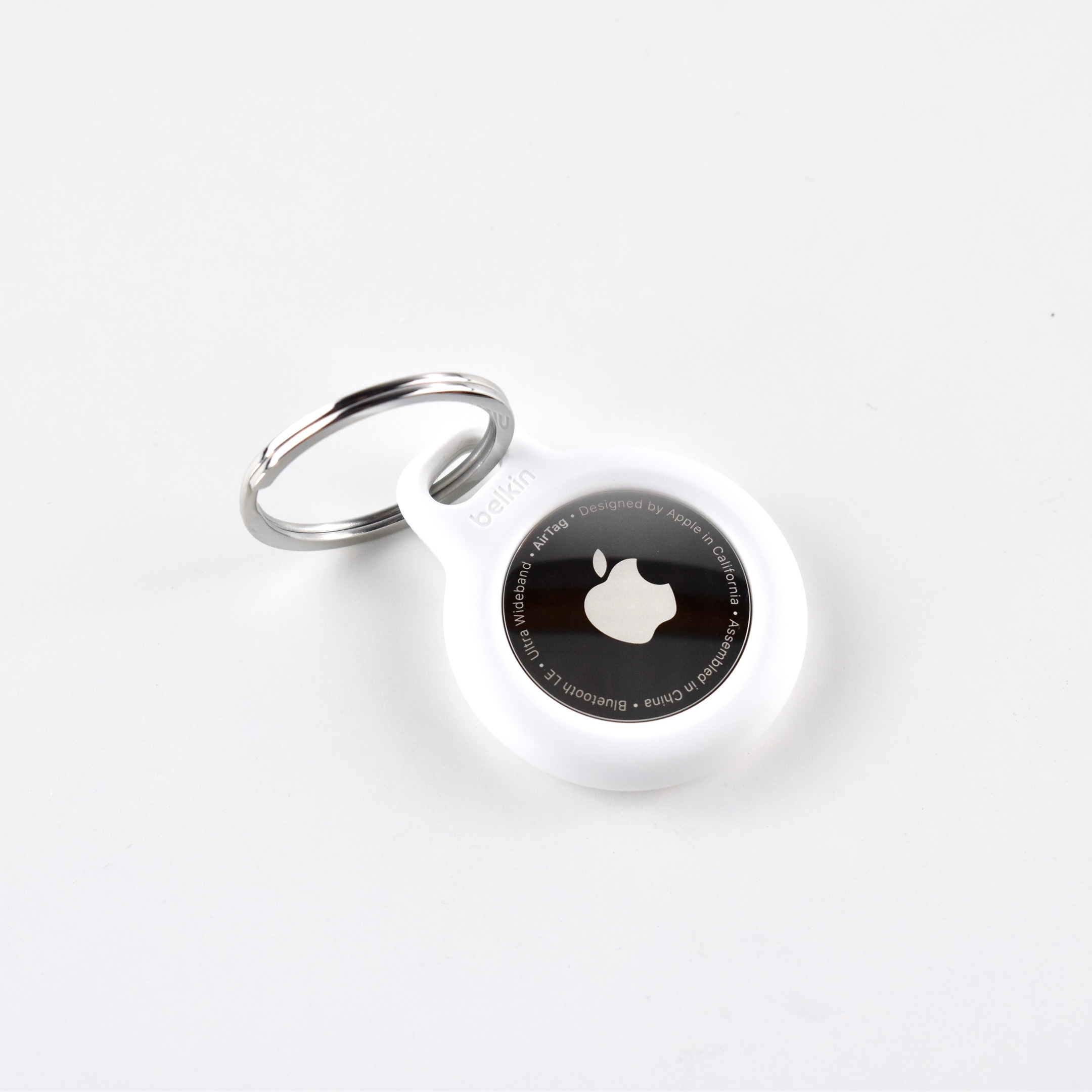
This example shows a rare non-Apple accessory in use: the Belkin Secure Holder with Key Ring for AirTag. I preferred this keyring to Apple’s due to its smaller size.

Sources: Apple, Belkin