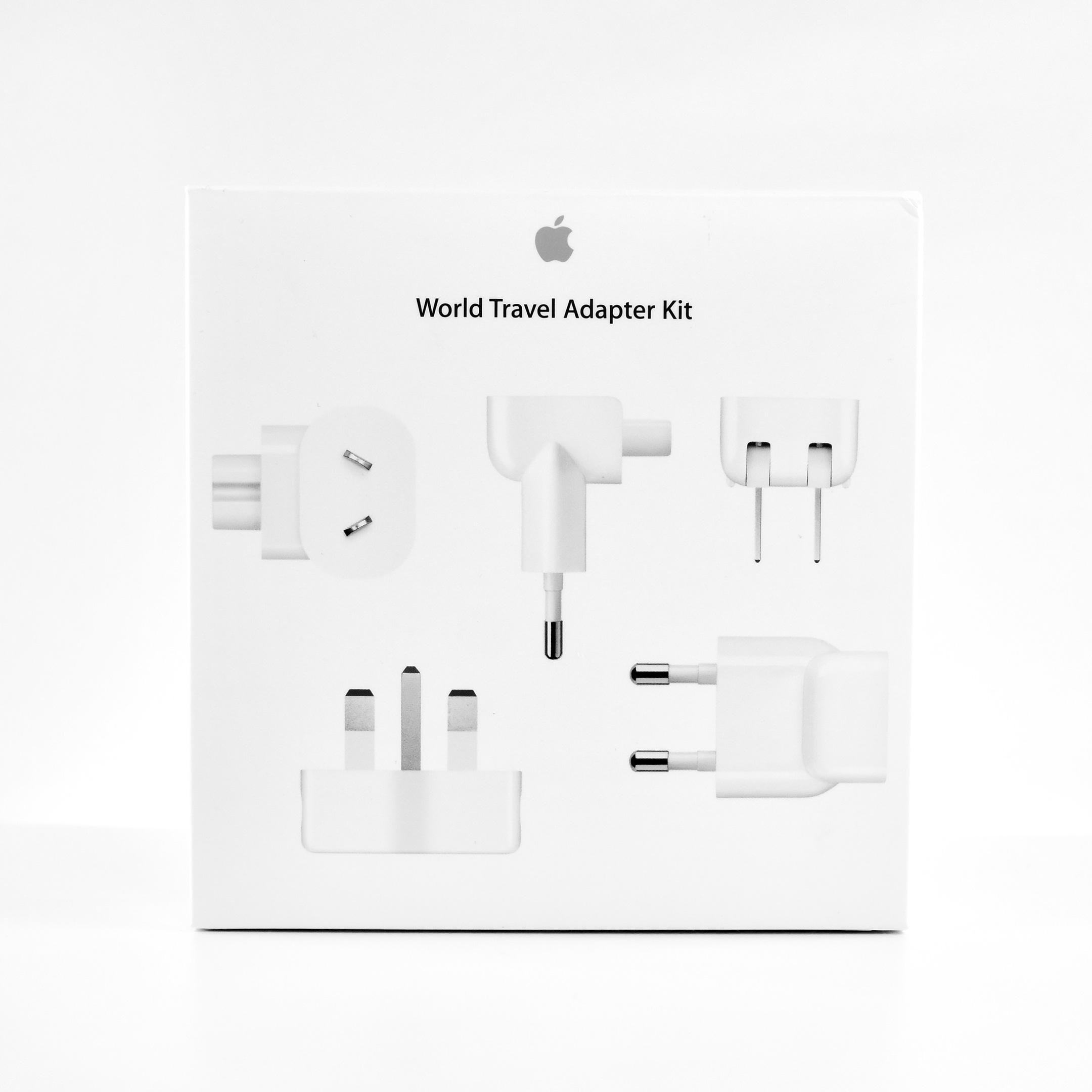
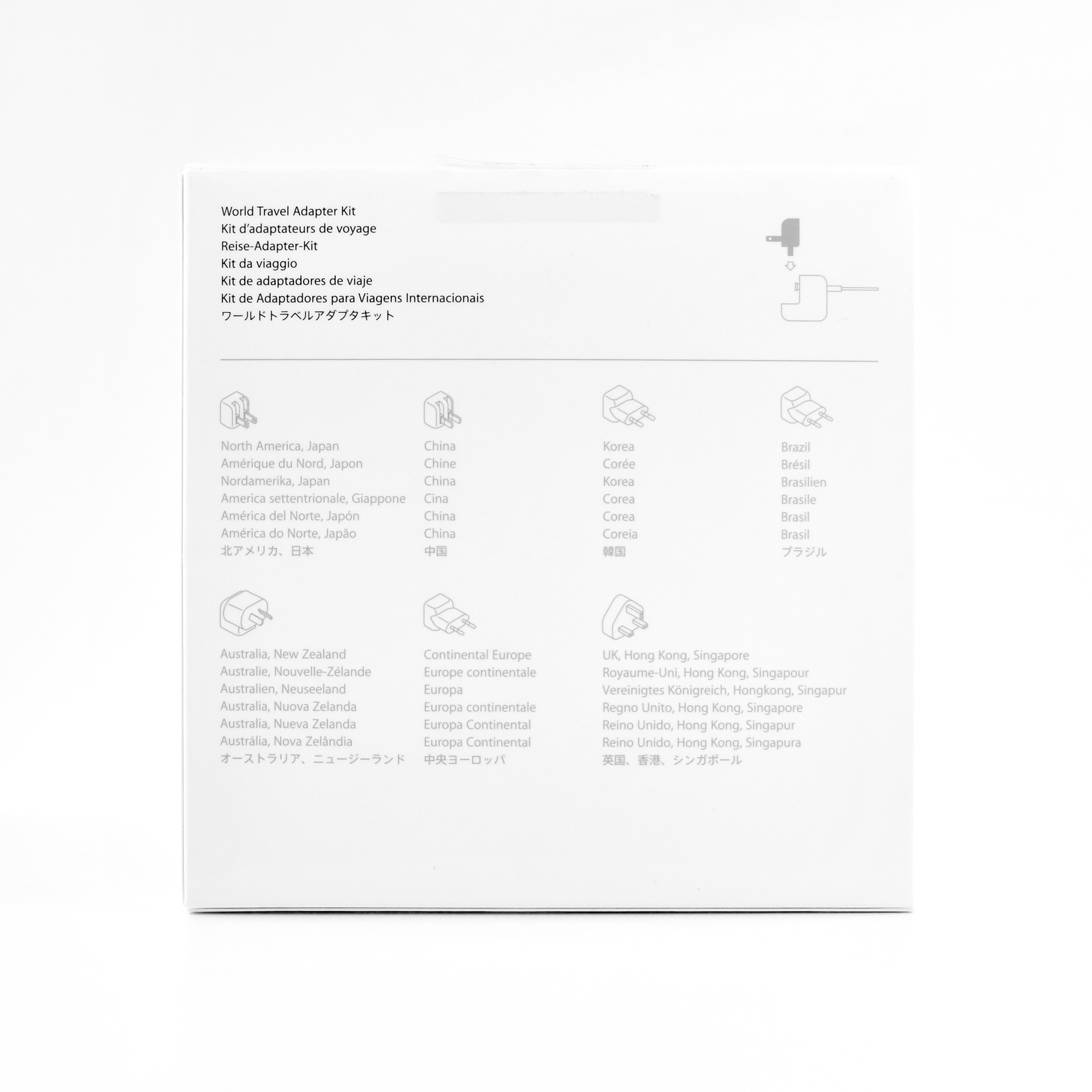
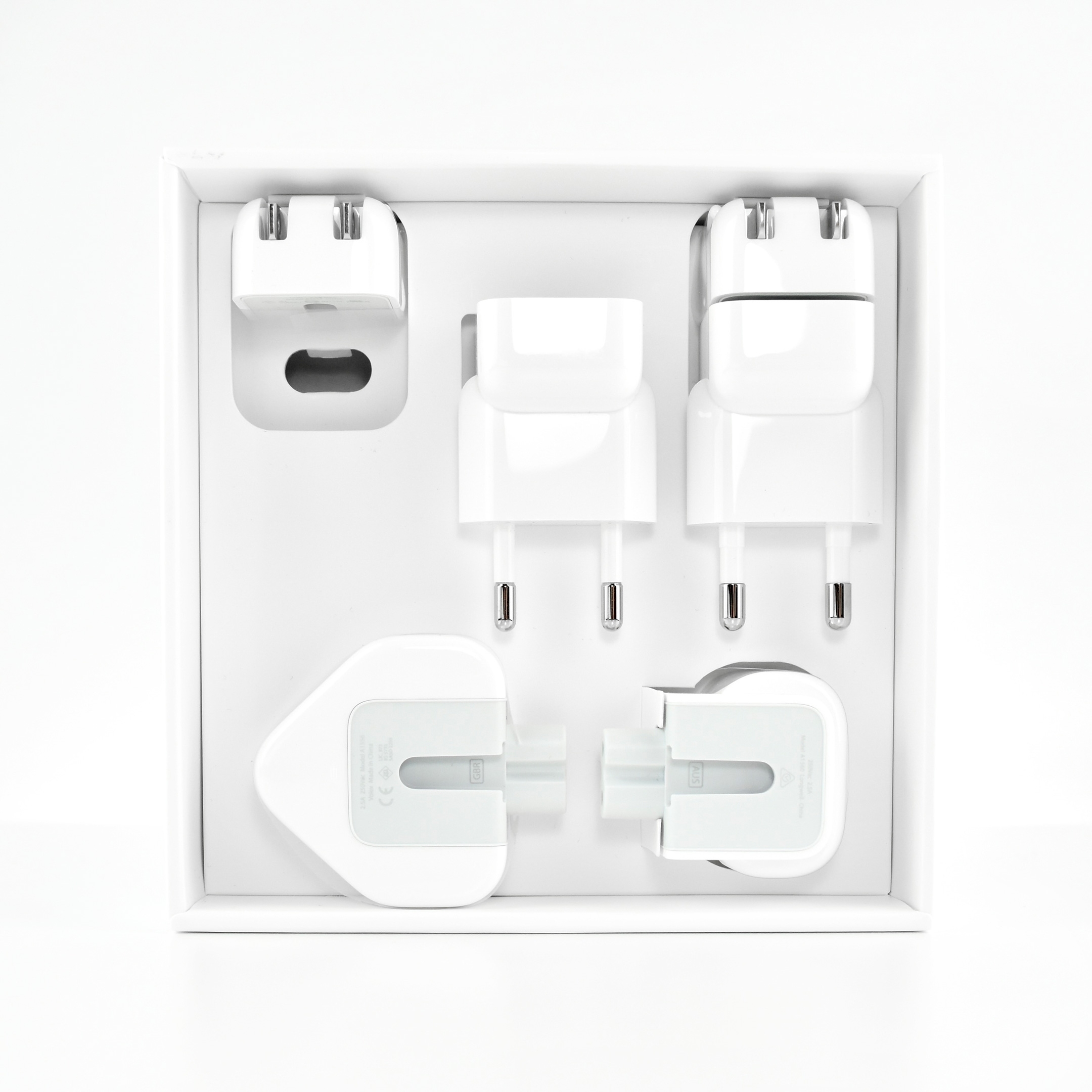
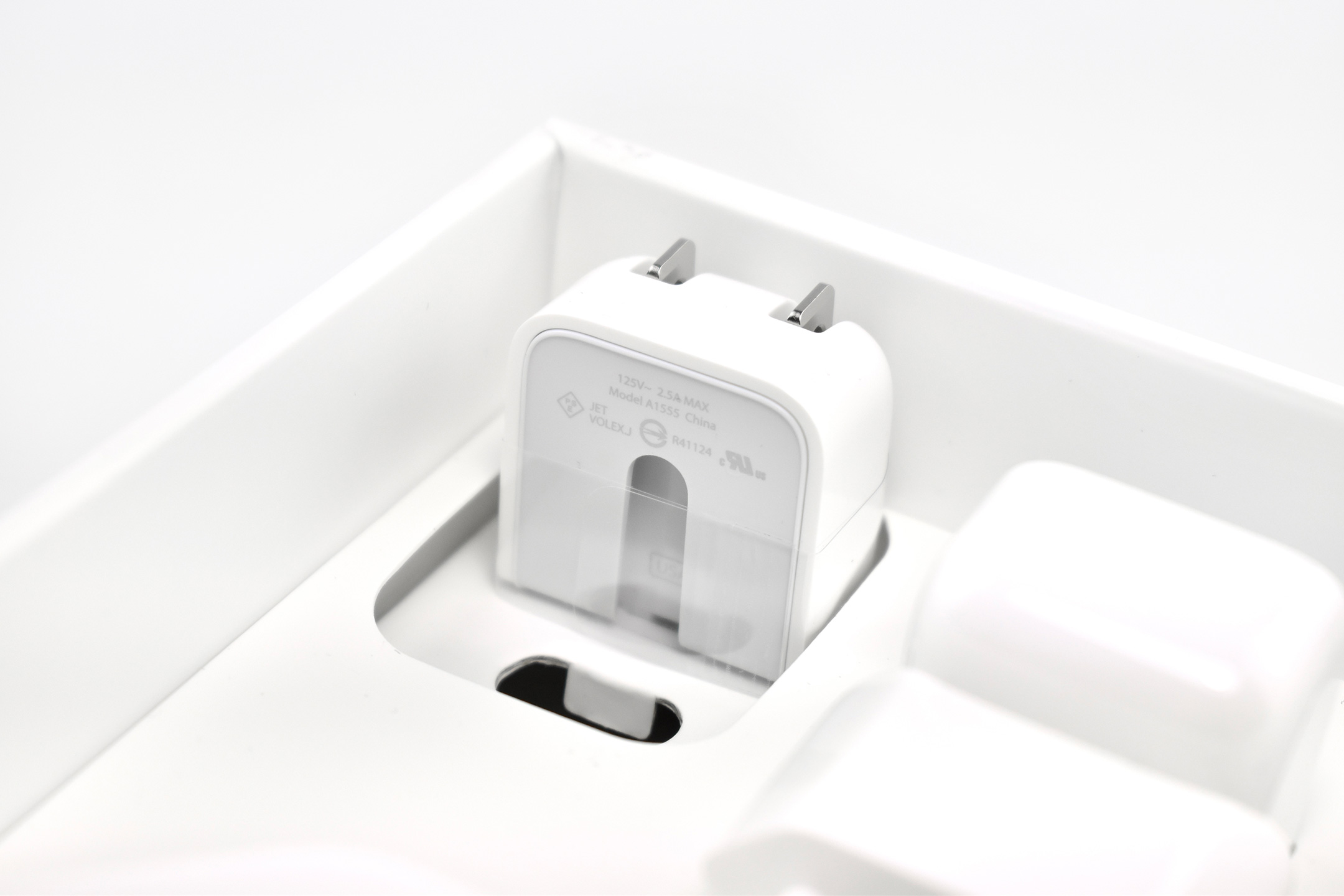
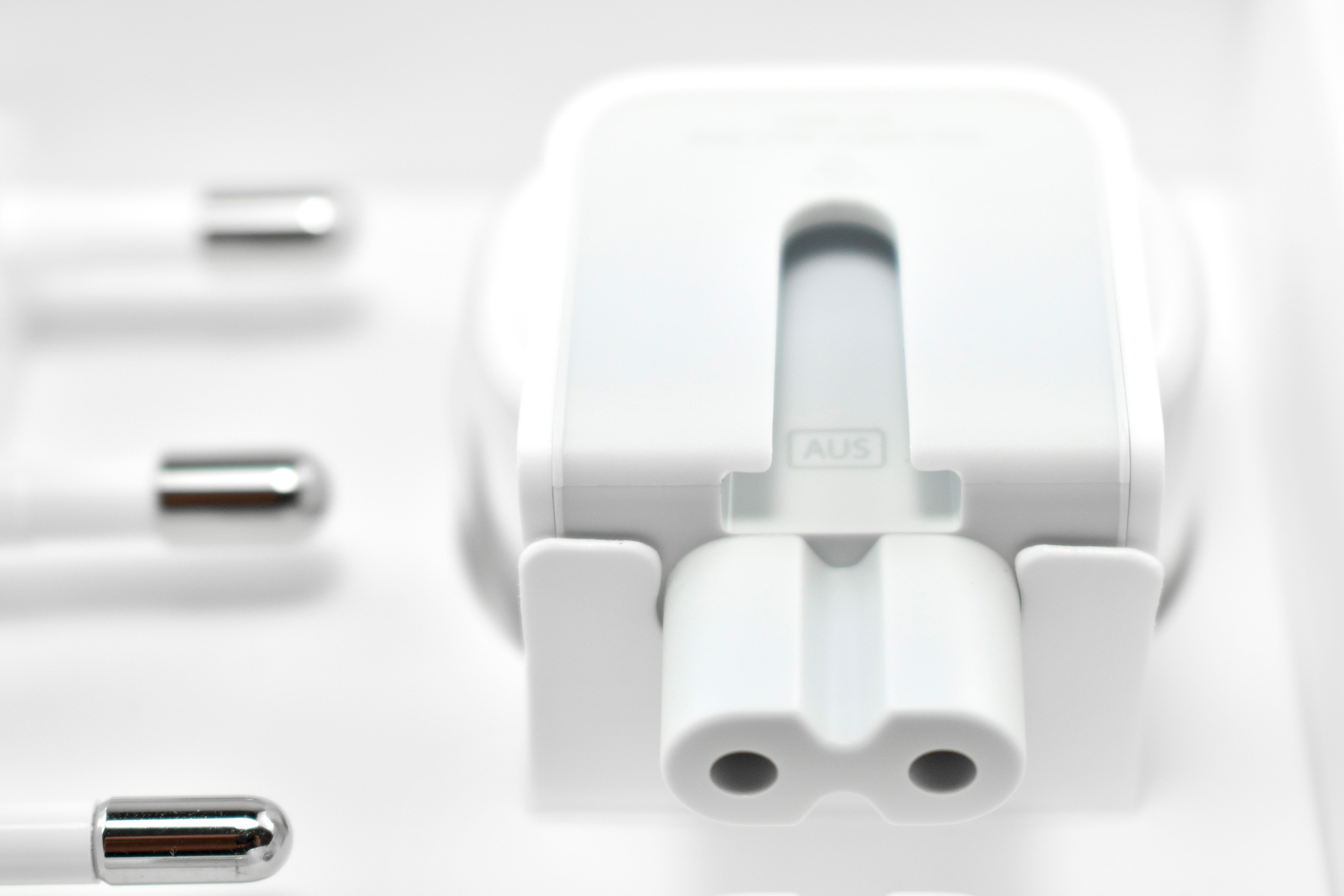
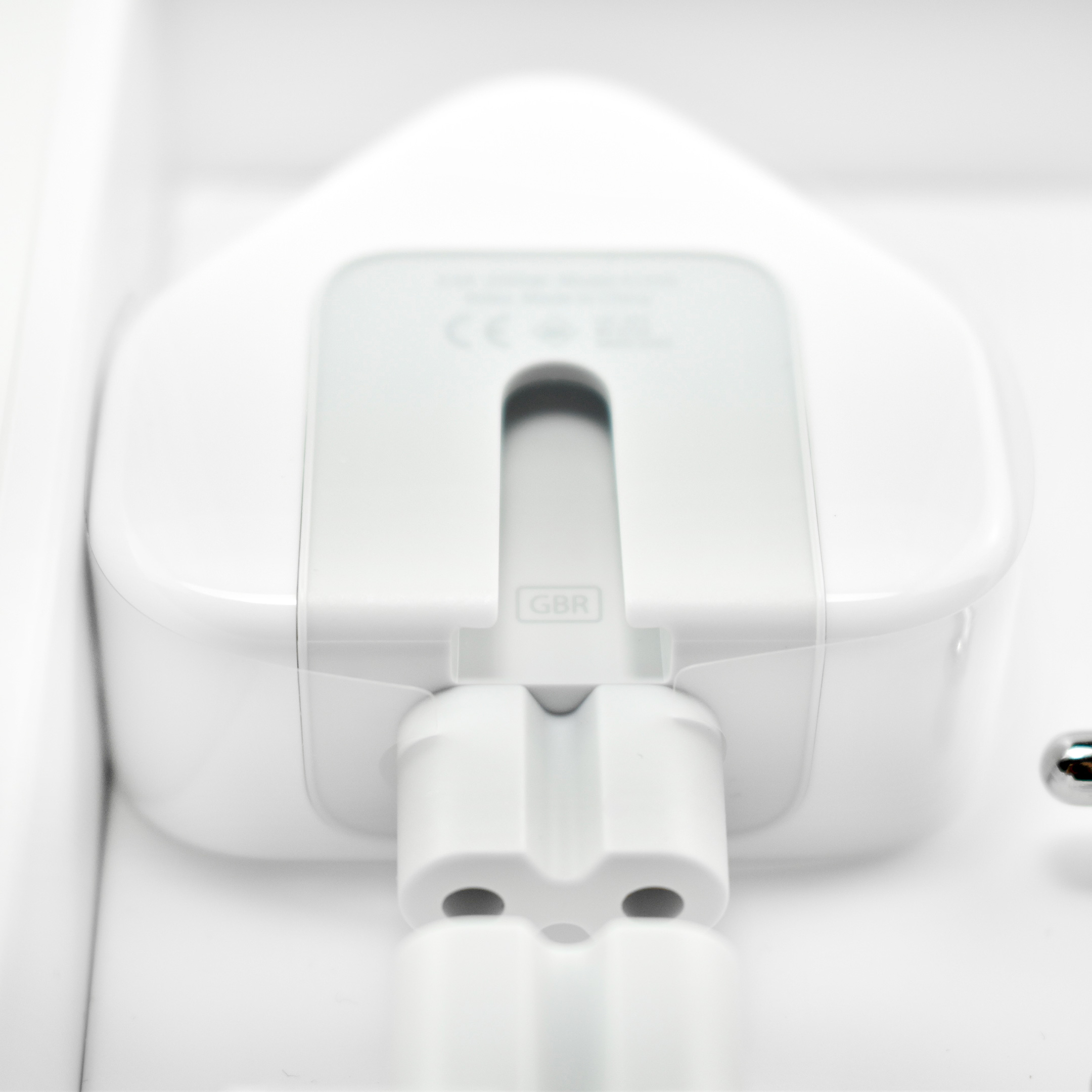
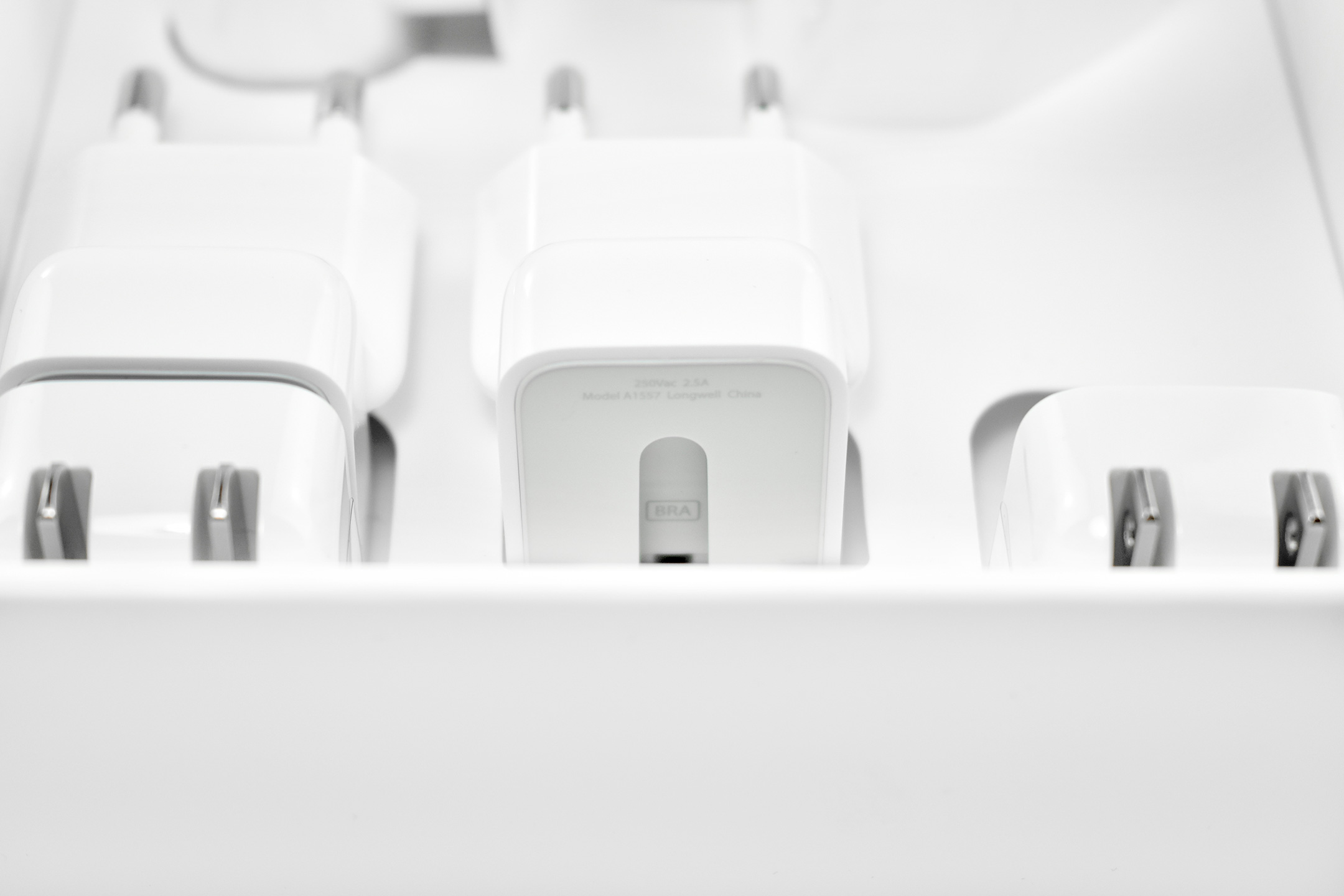
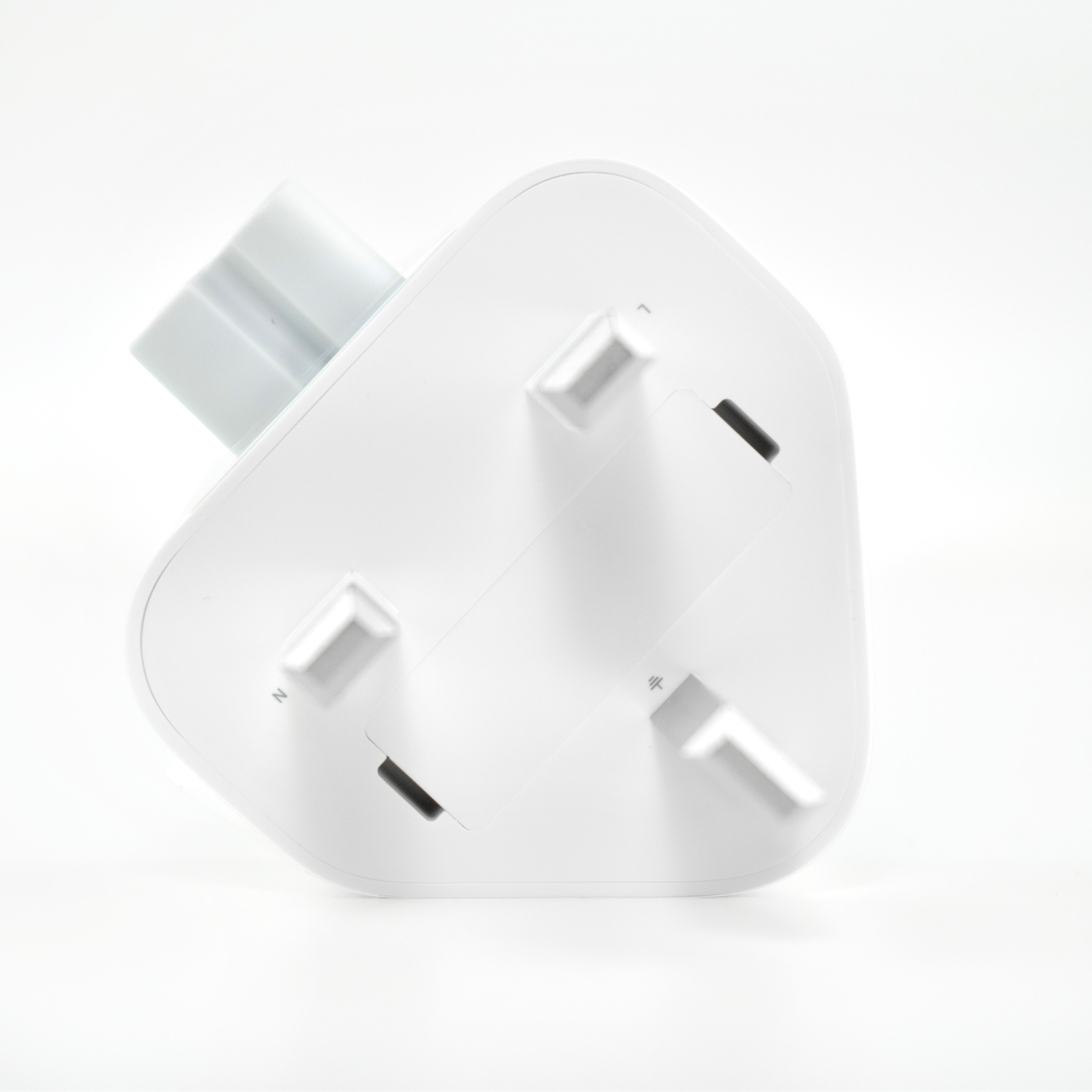
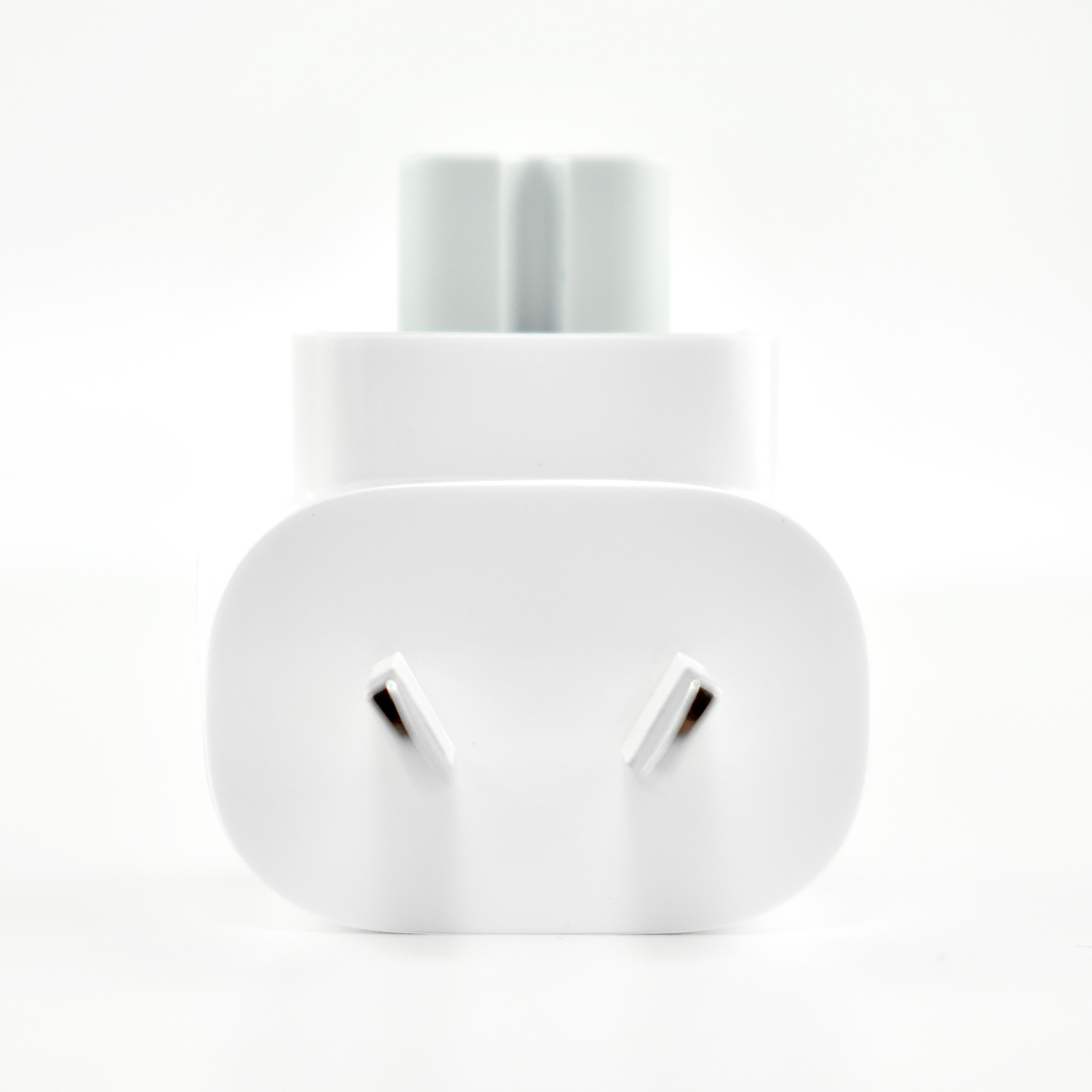
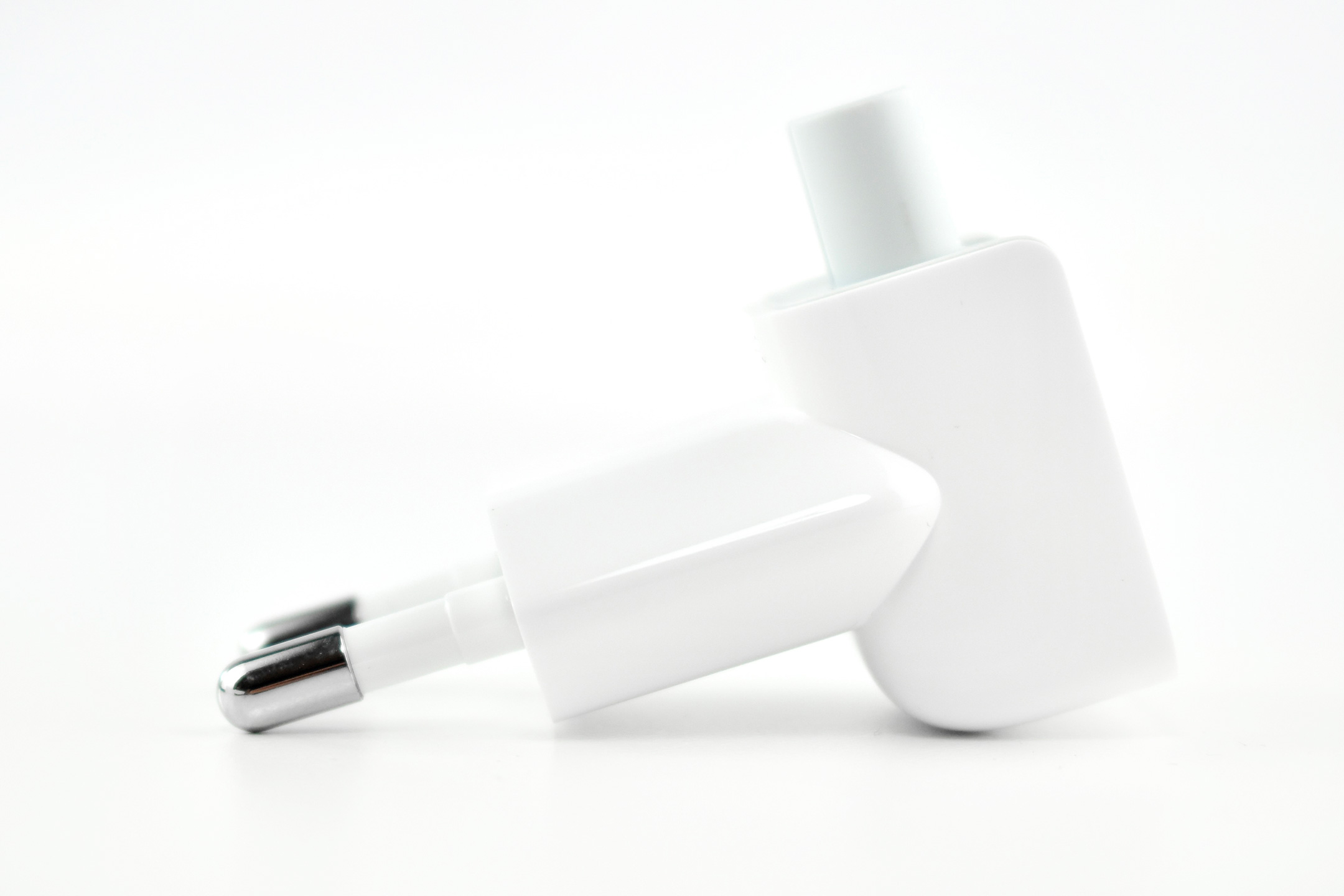
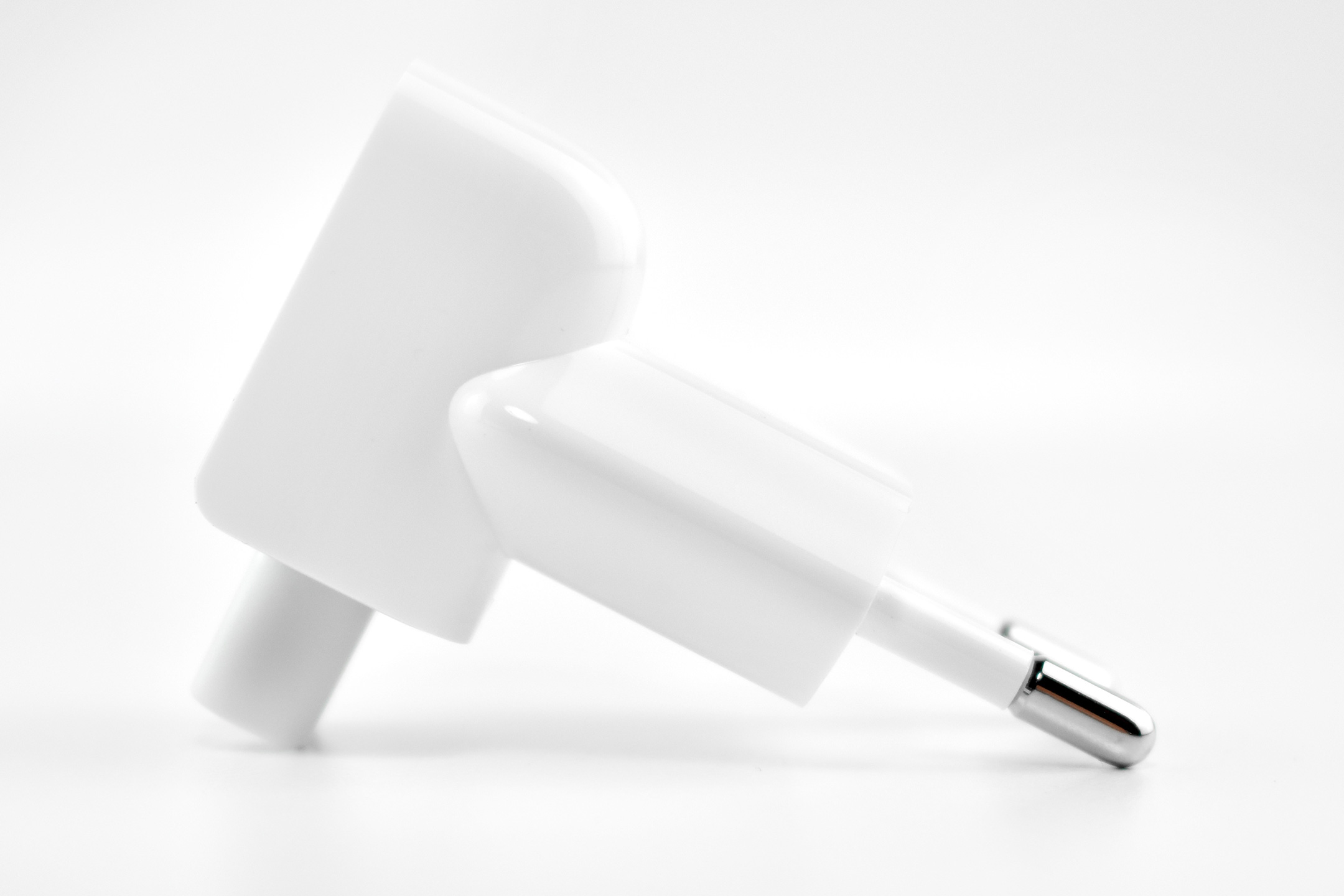
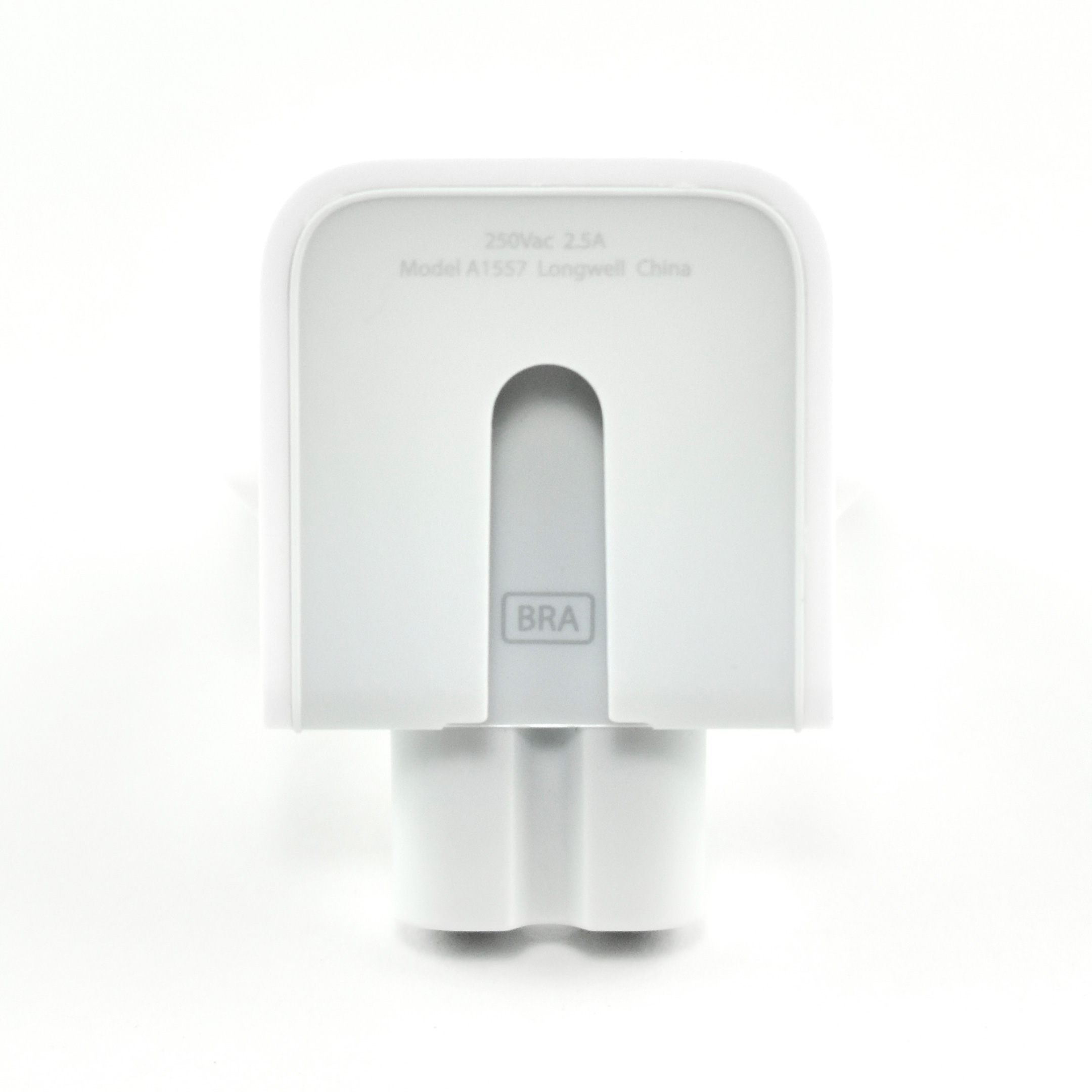
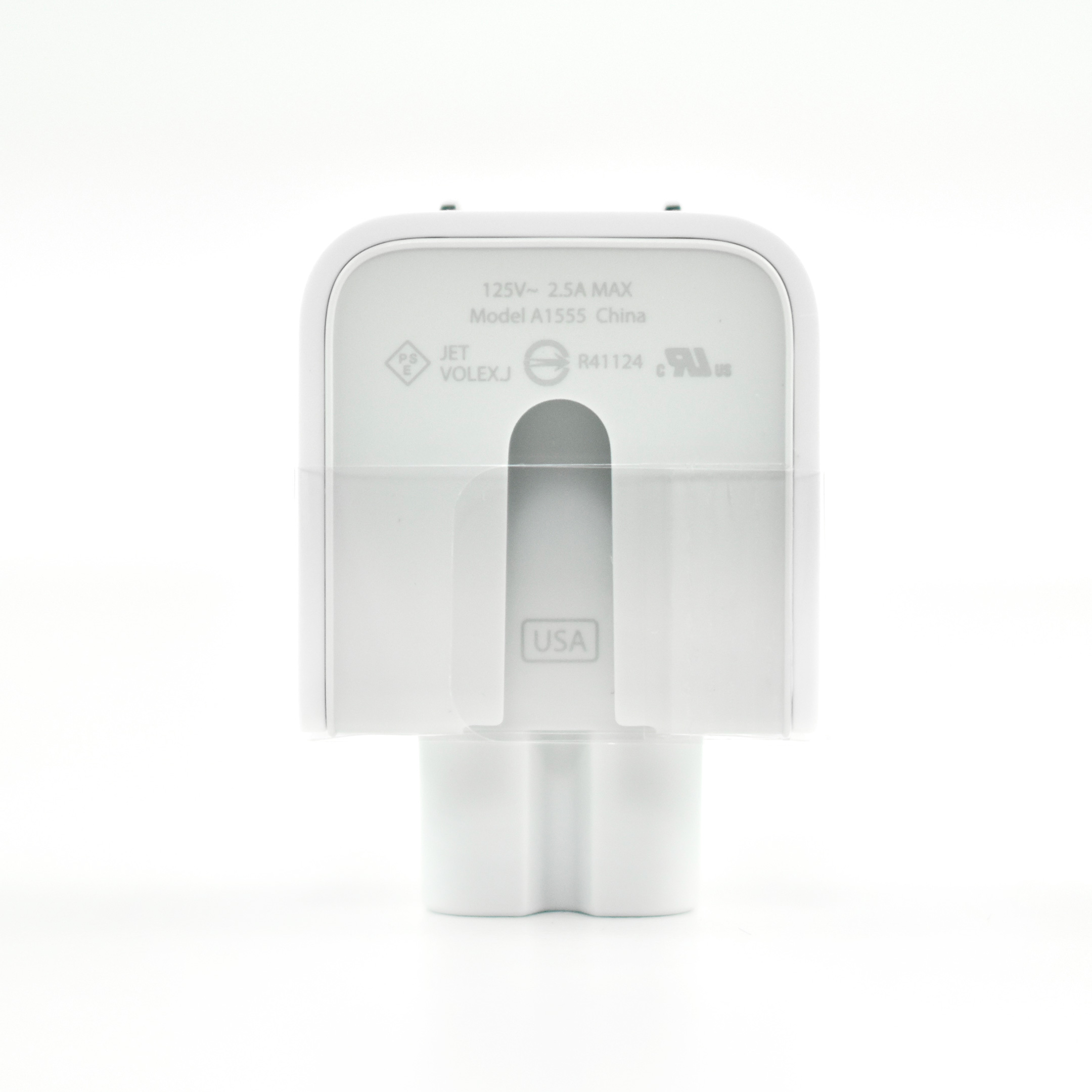
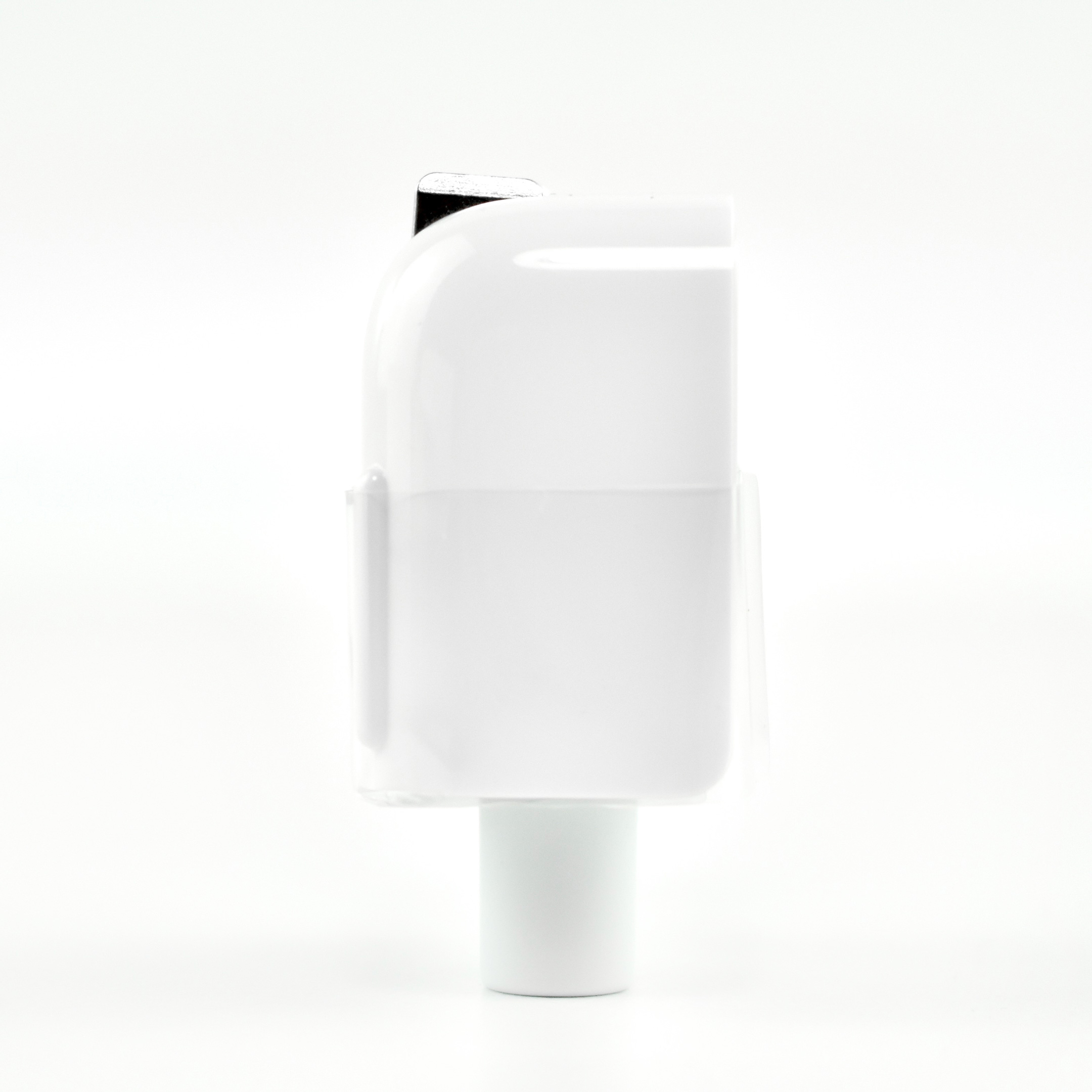
The World Travel Adapter Kit includes seven plugs with prongs that fit the different electrical outlet types found around the world. The plugs work with iPod, iPhone, iPad, and Mac laptops using Apple USB-C Power Adapters; MagSafe/MagSafe 2 Power Adapters; 10W and 12W USB Power Adapters; and Portable Power Adapters.
AC power outlets supported include: North America, Japan, China, United Kingdom, Continental Europe, Korea, Australia, Hong Kong, and Brazil.
This World Travel Adapter Kit is model MD837AM/A. The box measures 5.276 x 5.276 inches and is 1.93 deep.
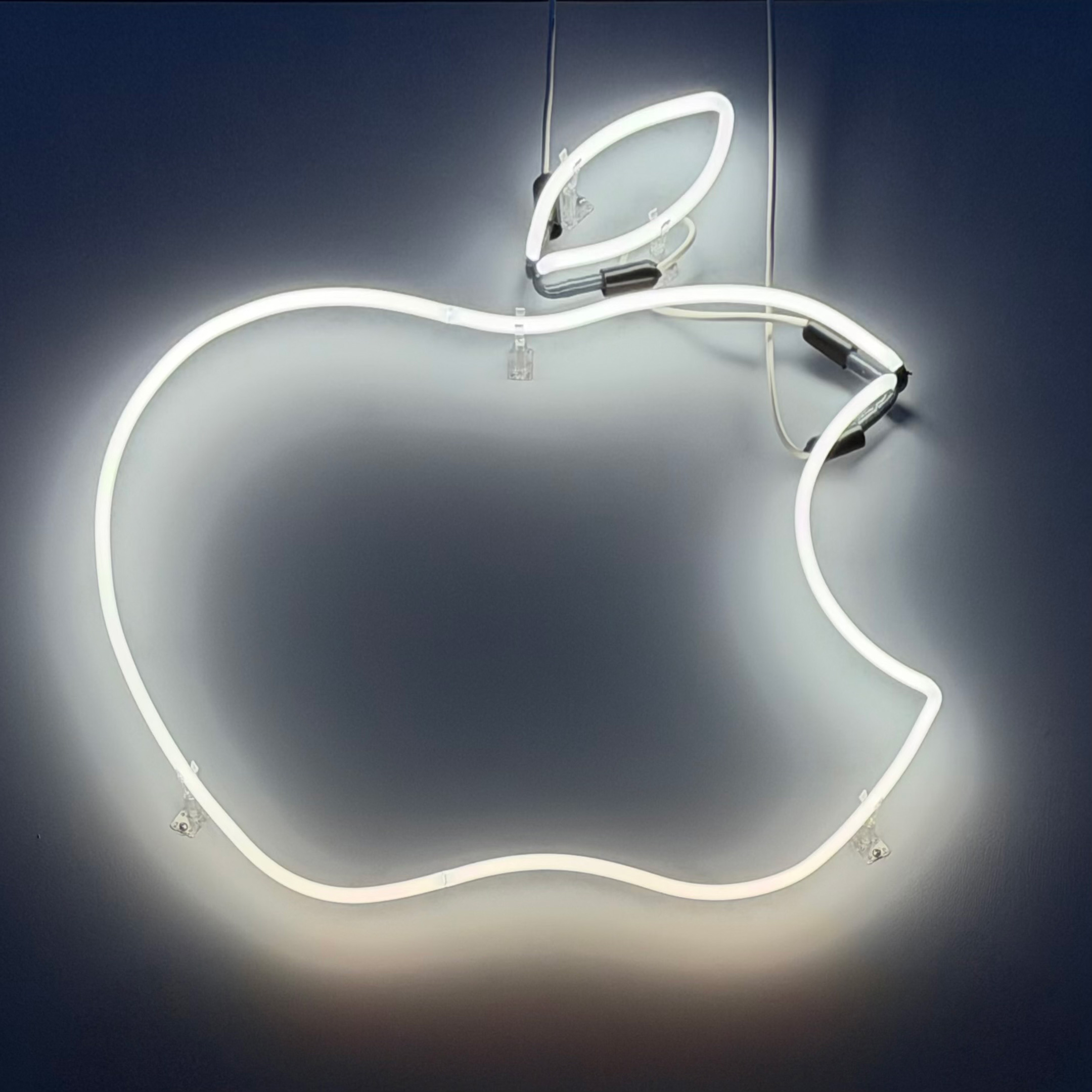
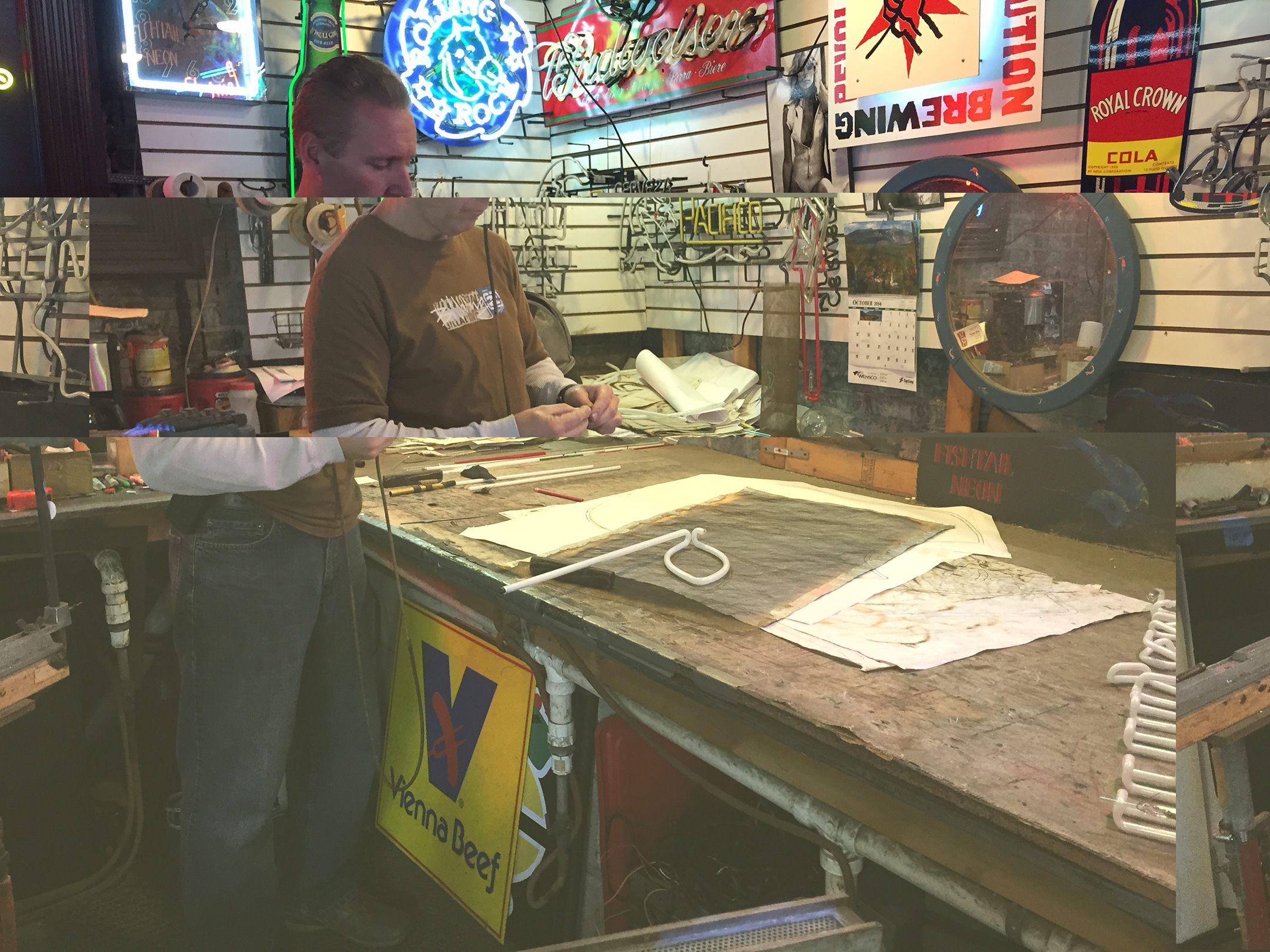
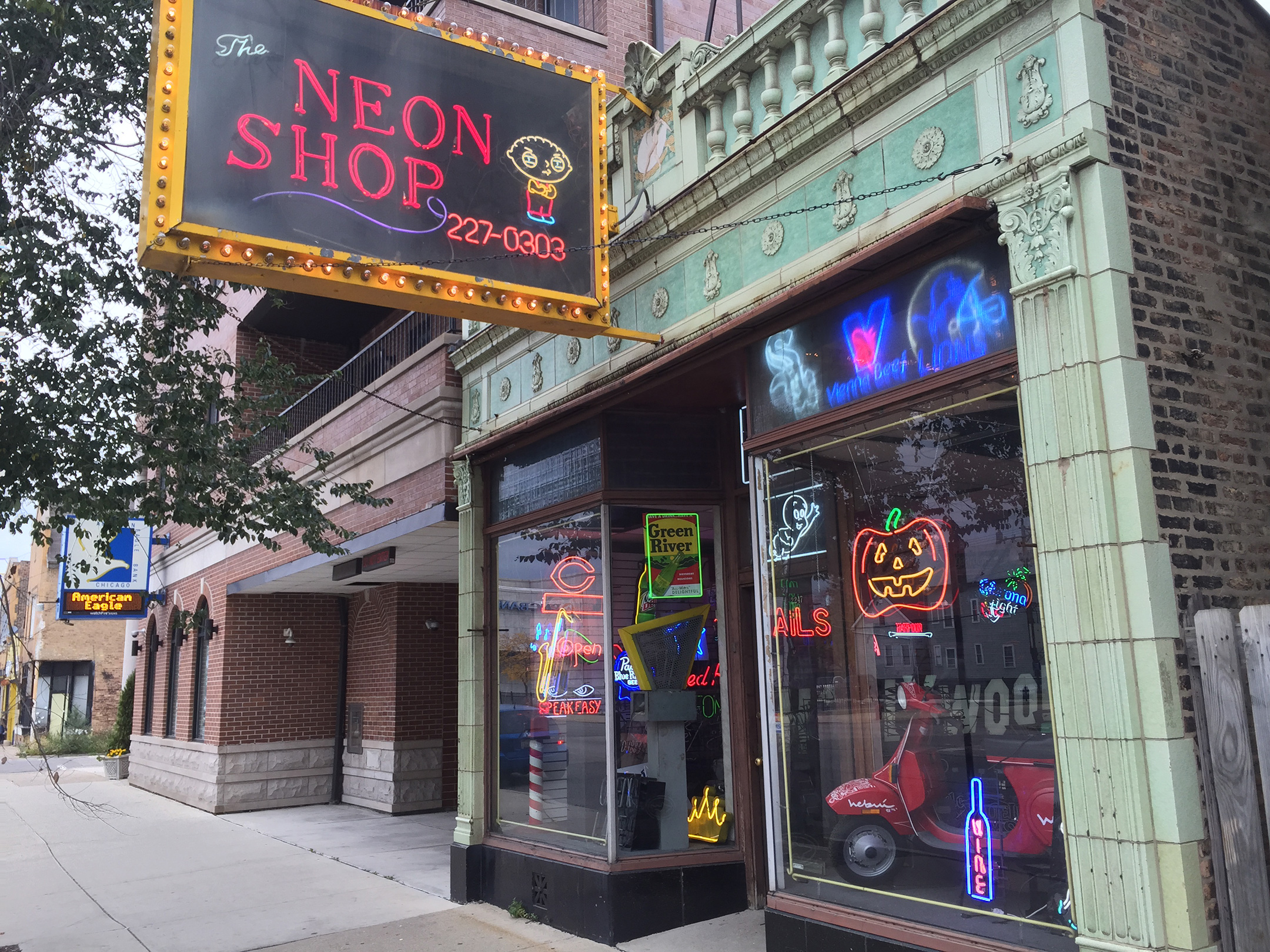
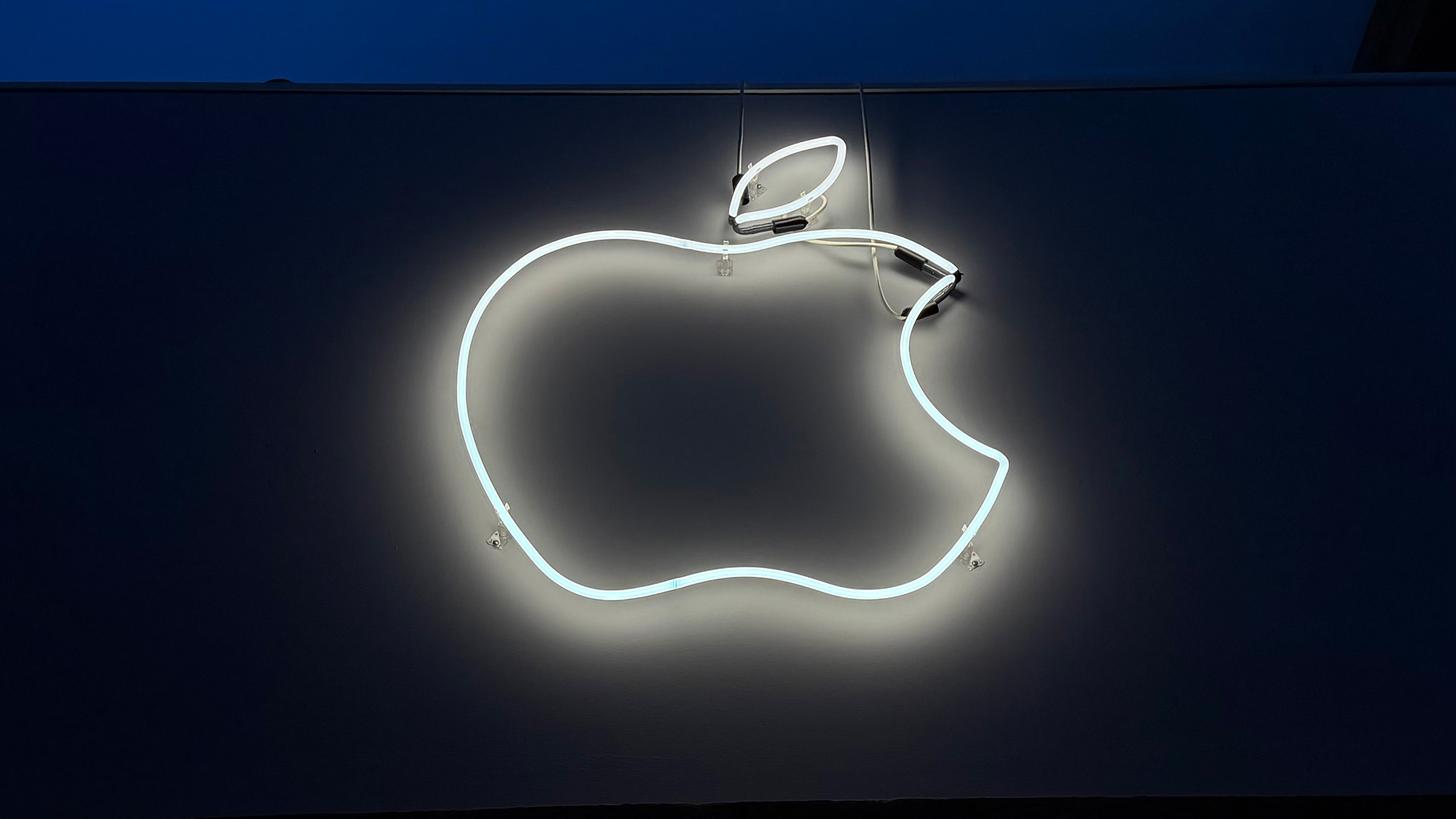
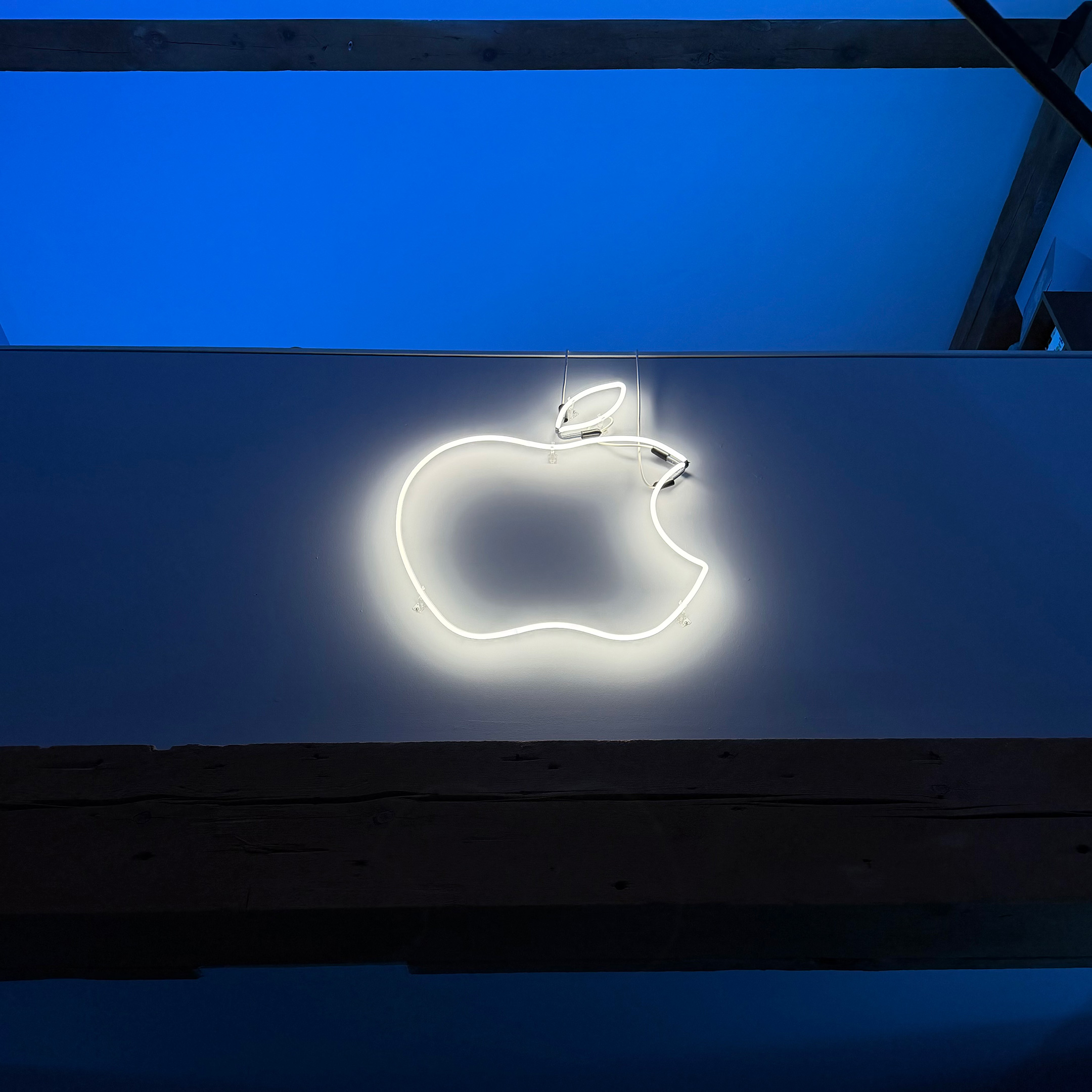
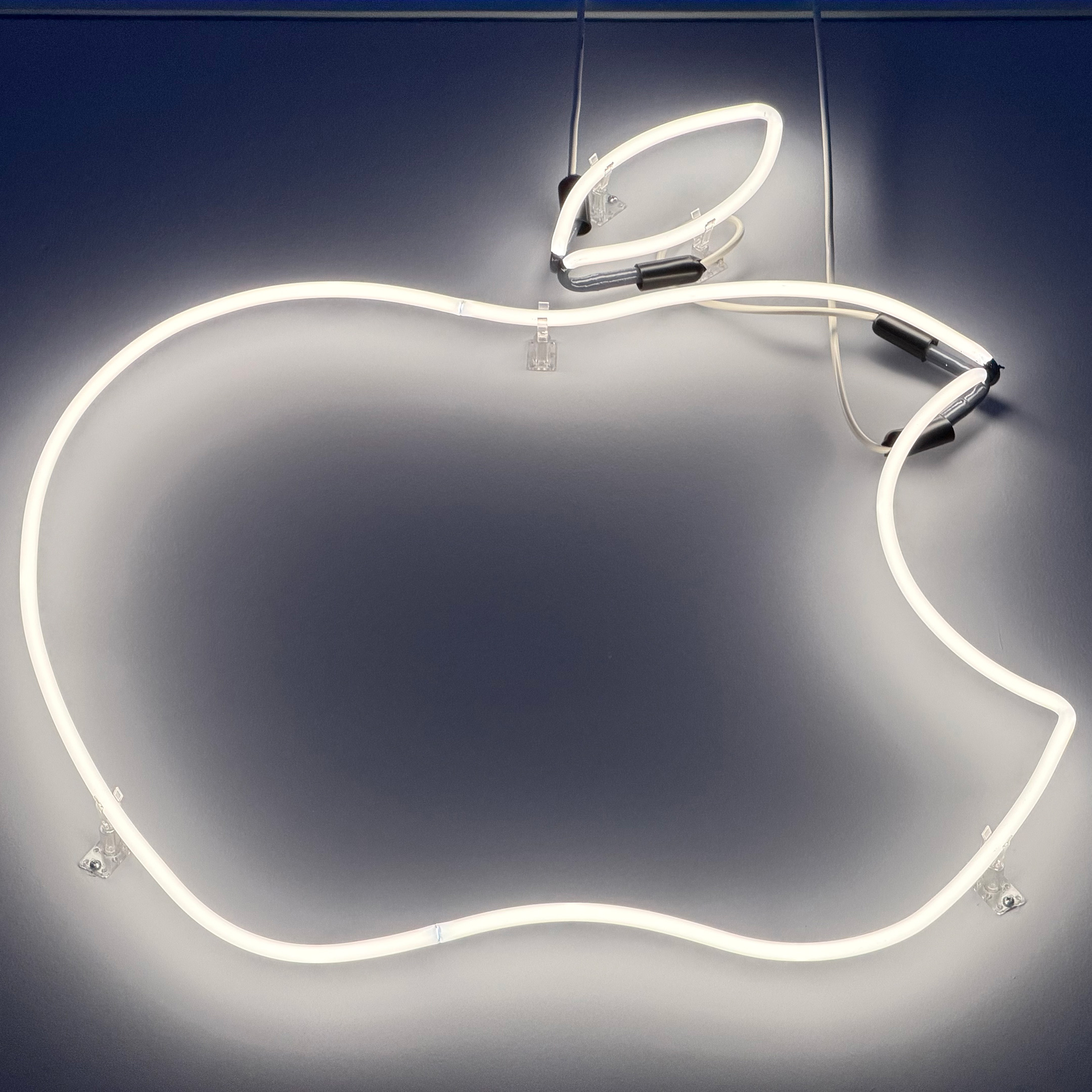
Back in 2014, I contacted Neon Shop Fishtail, a well-known neon shop in Chicago, and inquired about the possibility of fabricating a neon Apple logo for my home.
I contacted the general email address on the website and quickly received a response from Tom Brickler, whom I later learned is the owner of the shop. I sent a Photoshop mockup of the idea I was envisioning. He told me that he liked the project and that he could start it later that week.
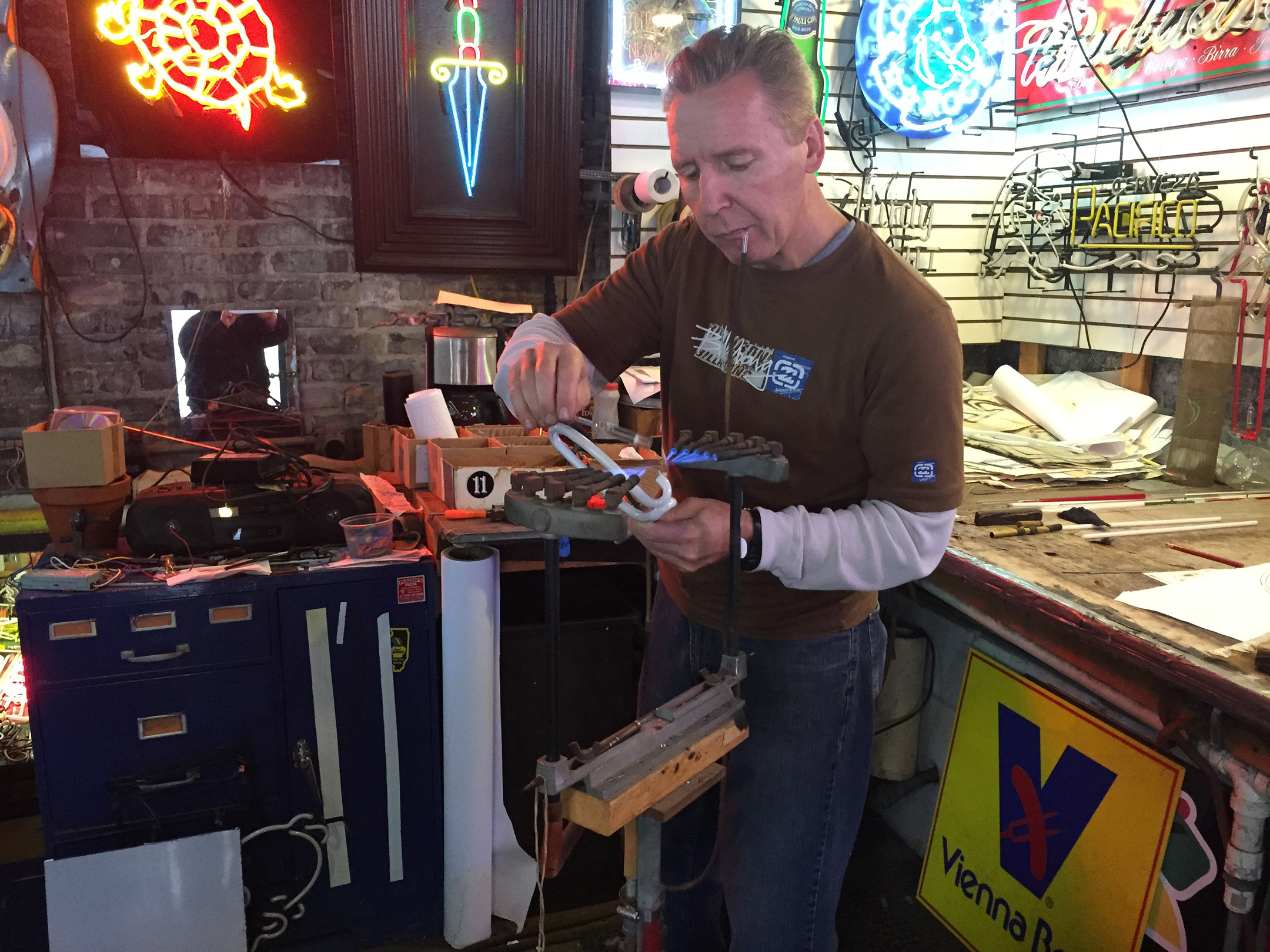
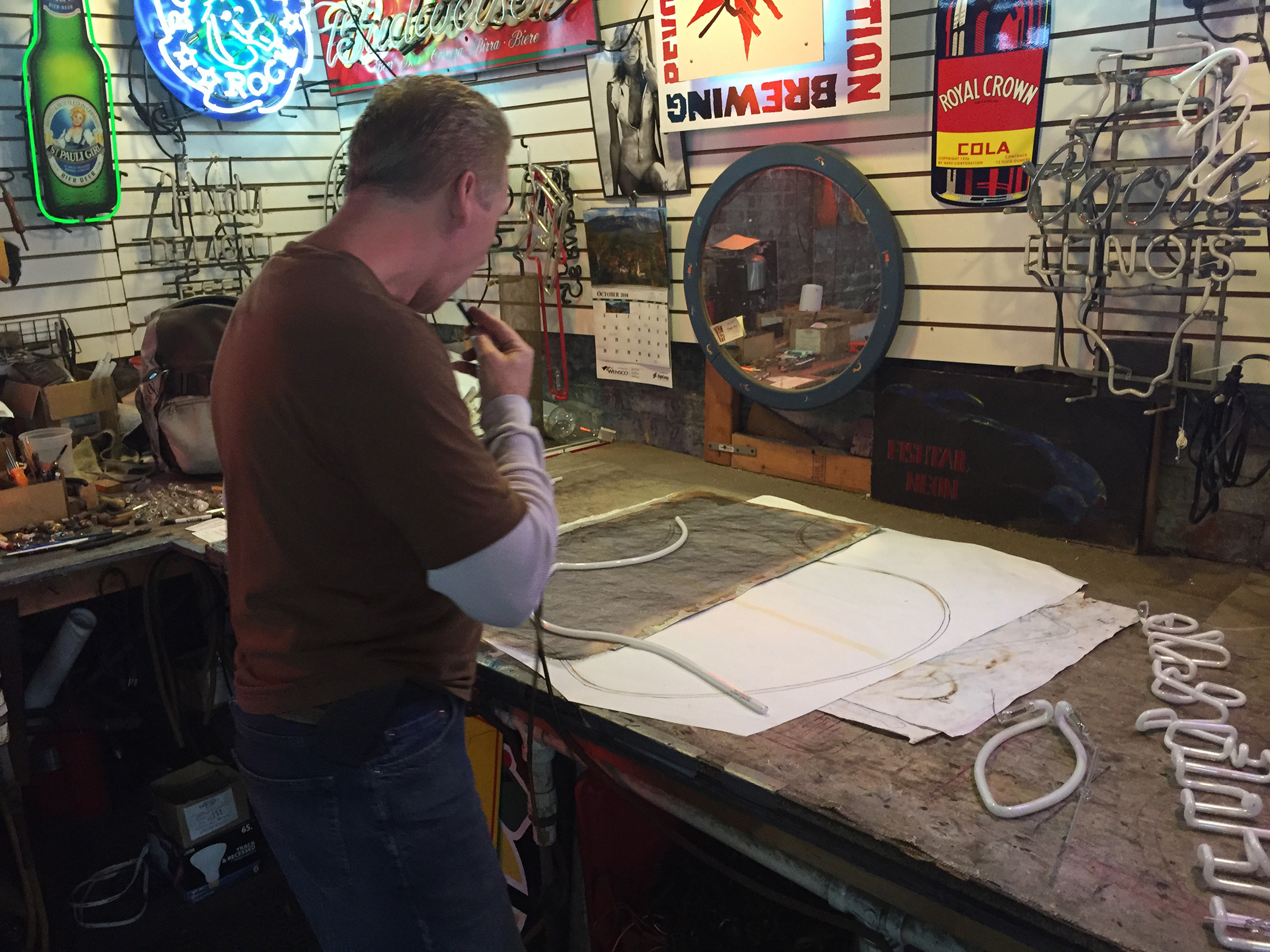
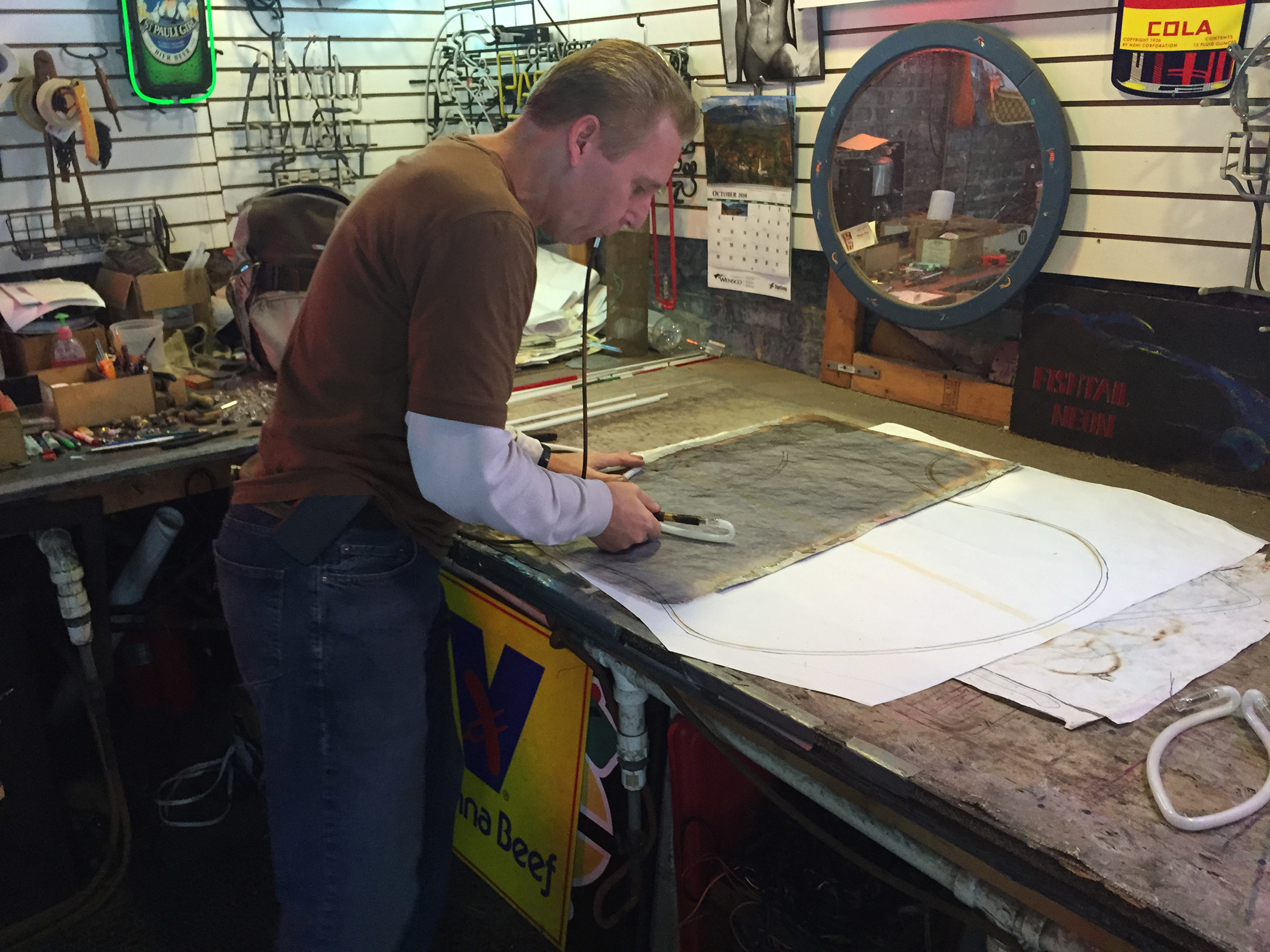
On a whim, I asked if the shop allowed customers to watch the fabrication of projects. I was very surprised when he invited me the next Friday afternoon. They not only allowed me to watch the fabrication, but they very generously allowed me to take photos and video, all captured on my iPhone 6—my personal iPhone at the time.
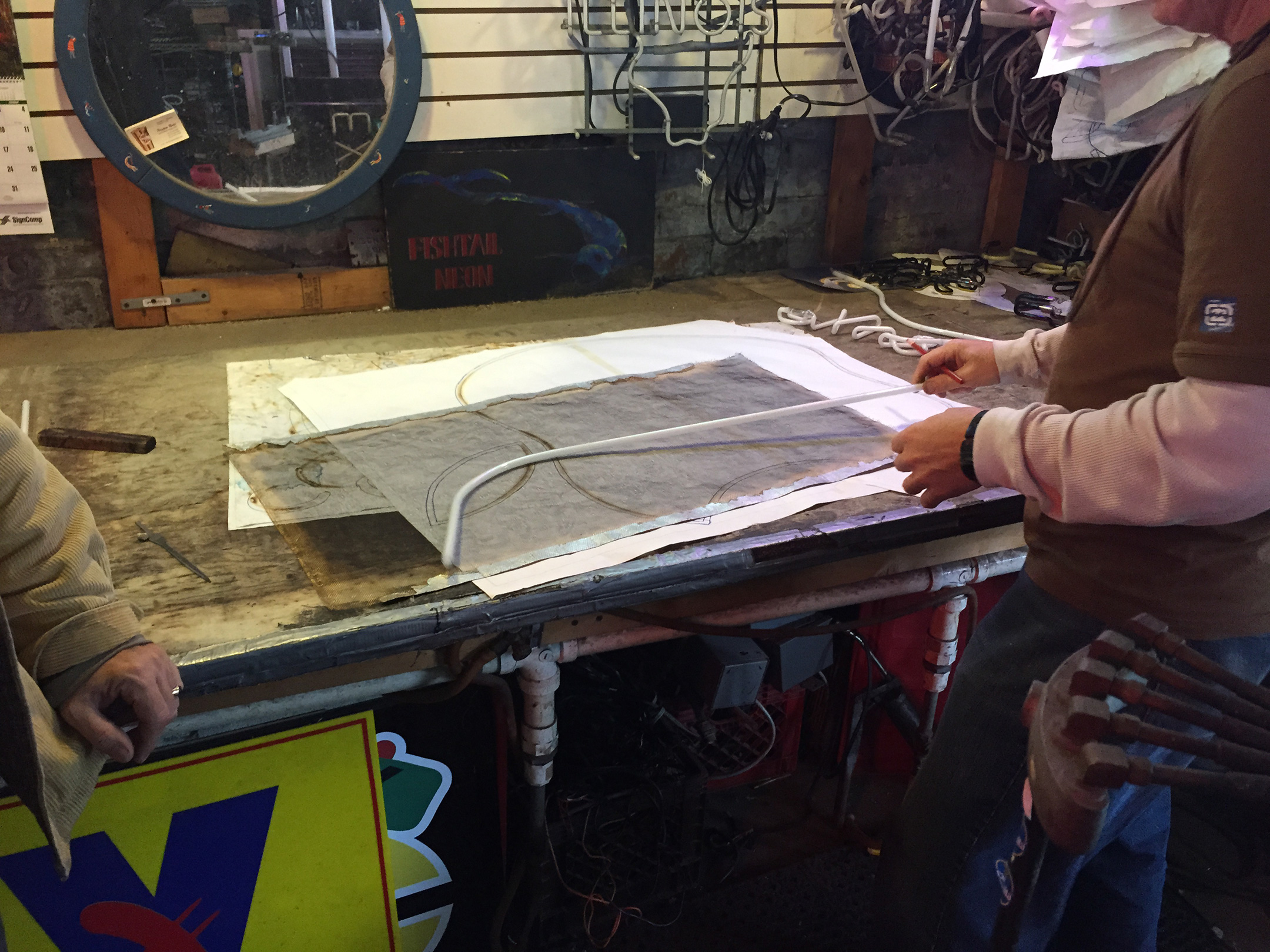
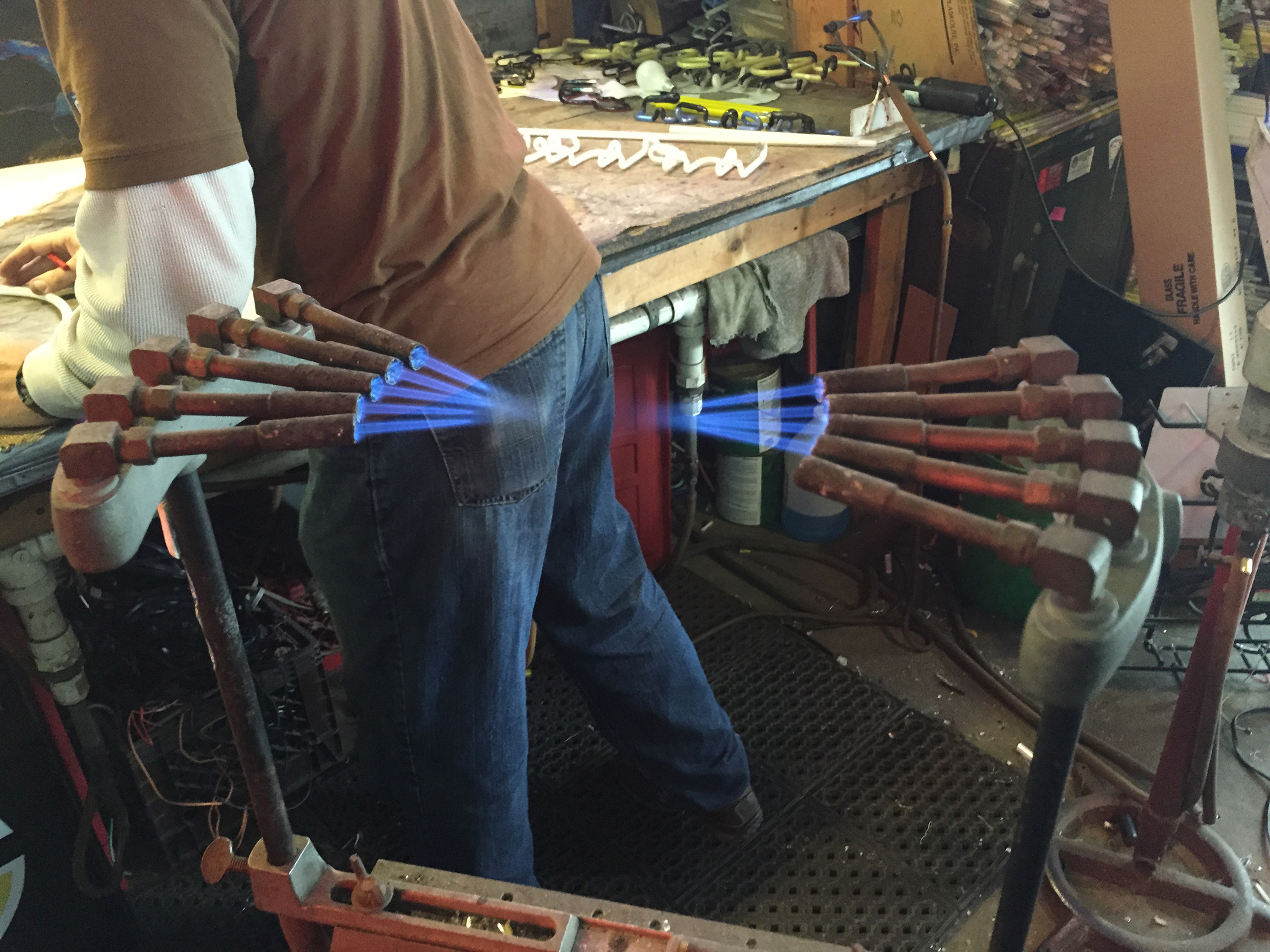
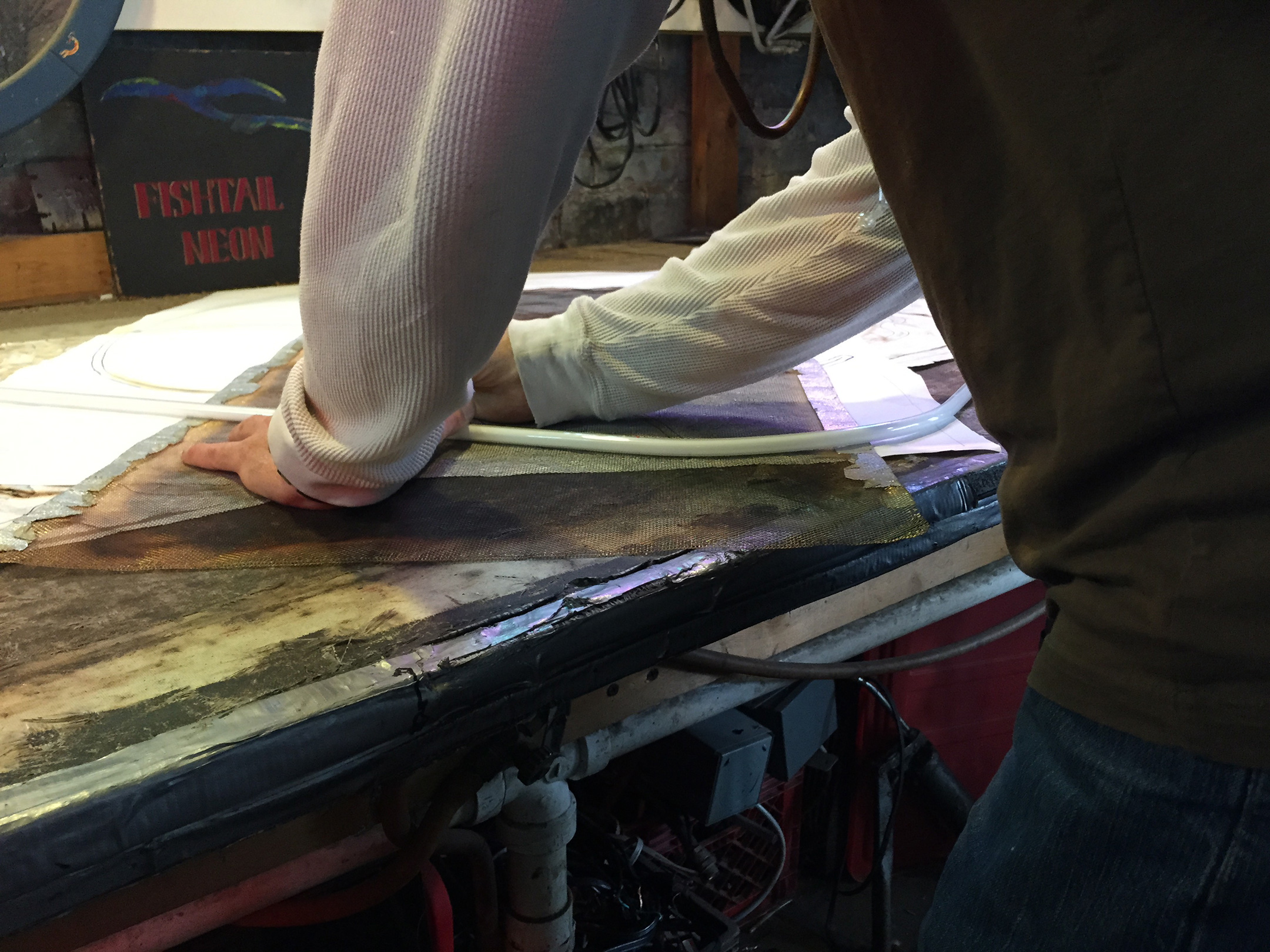
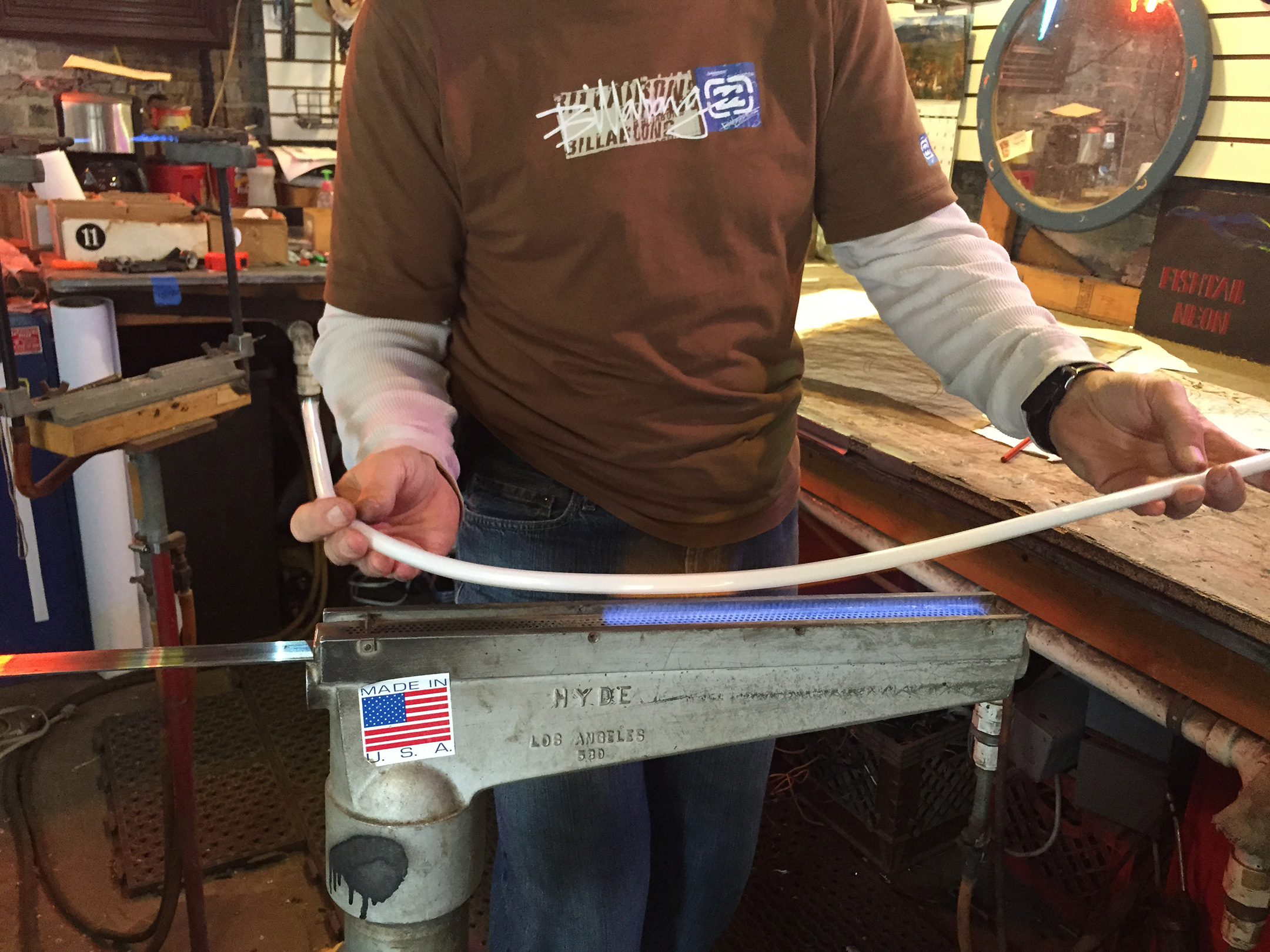
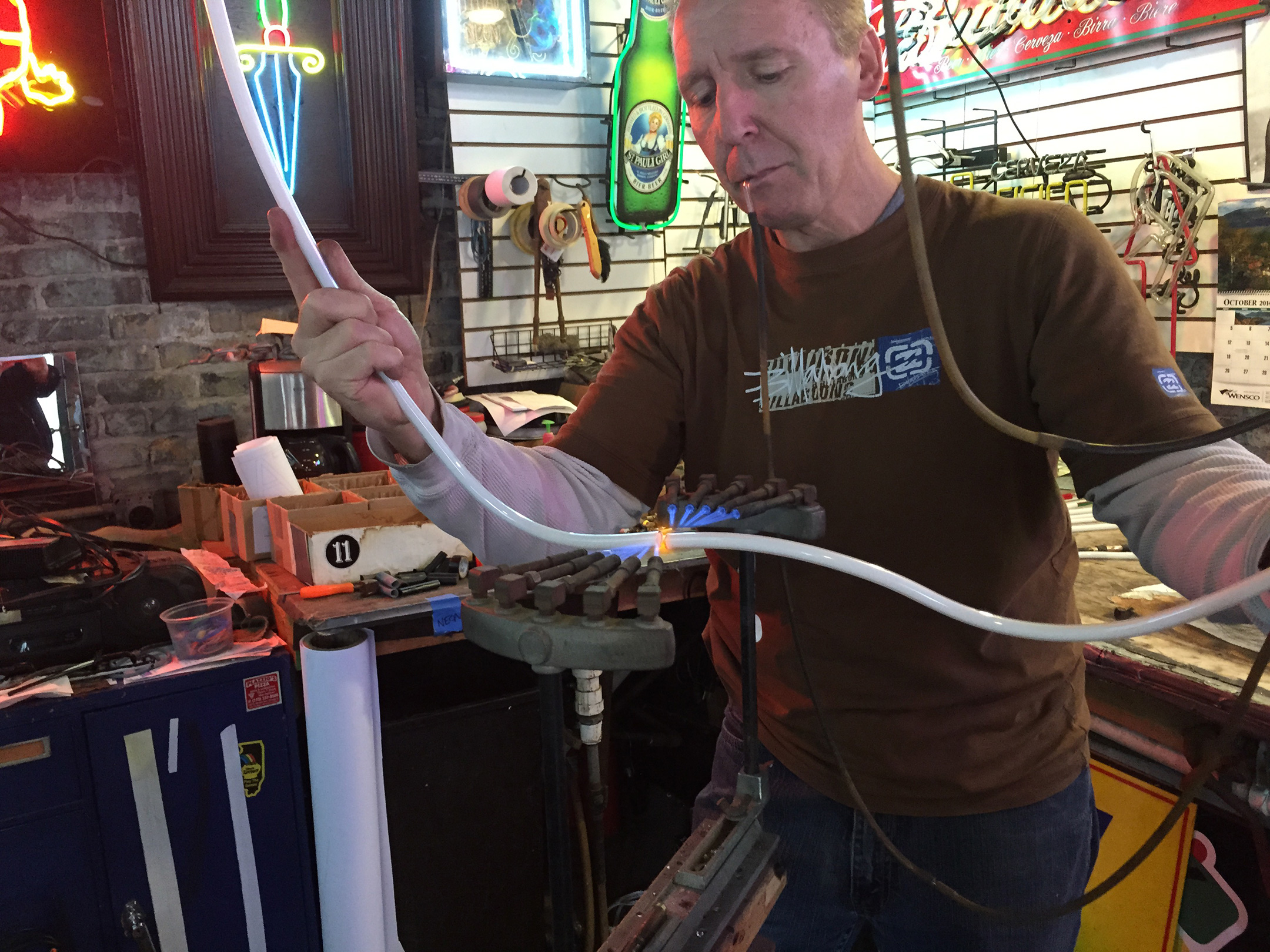
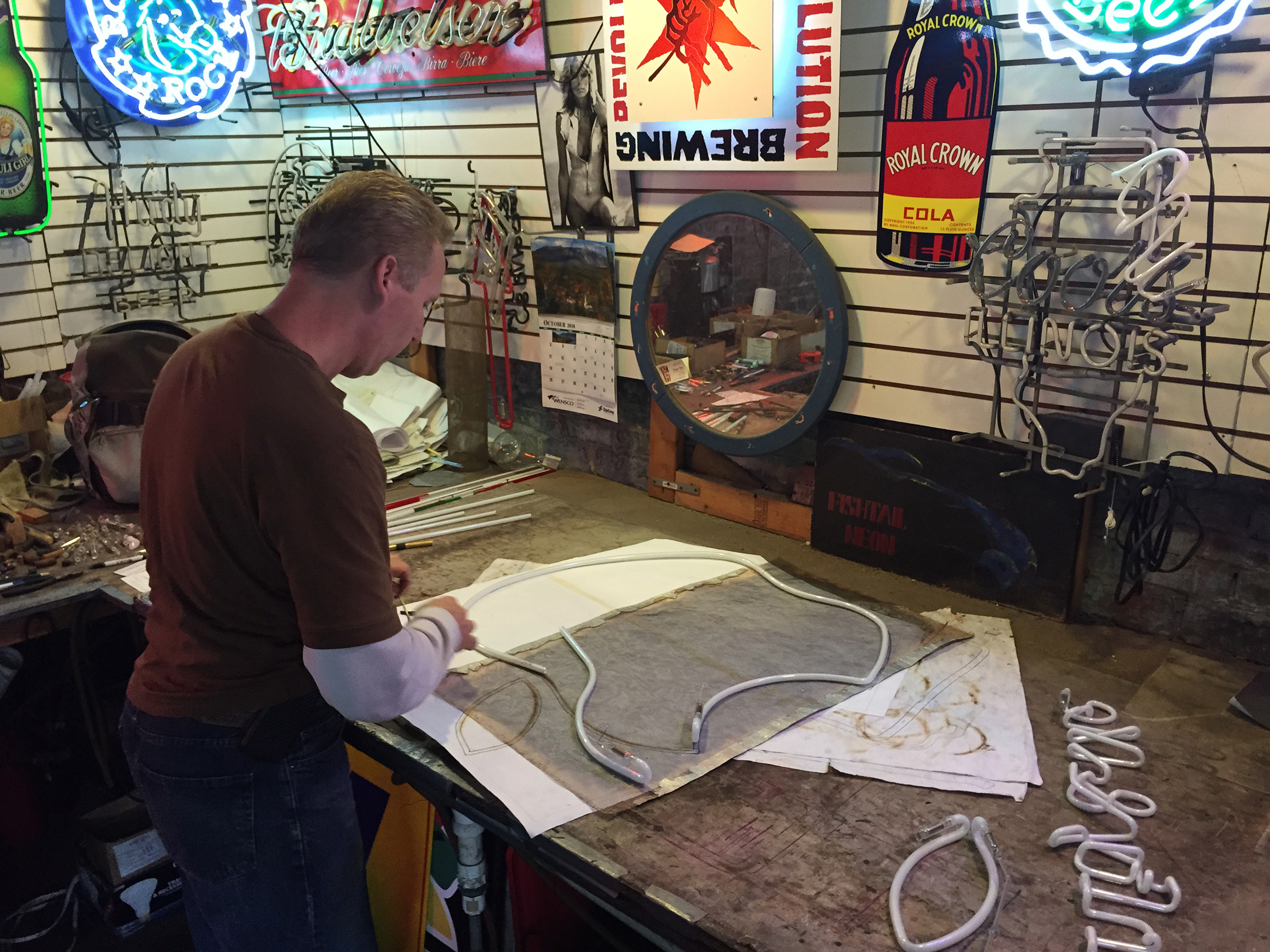
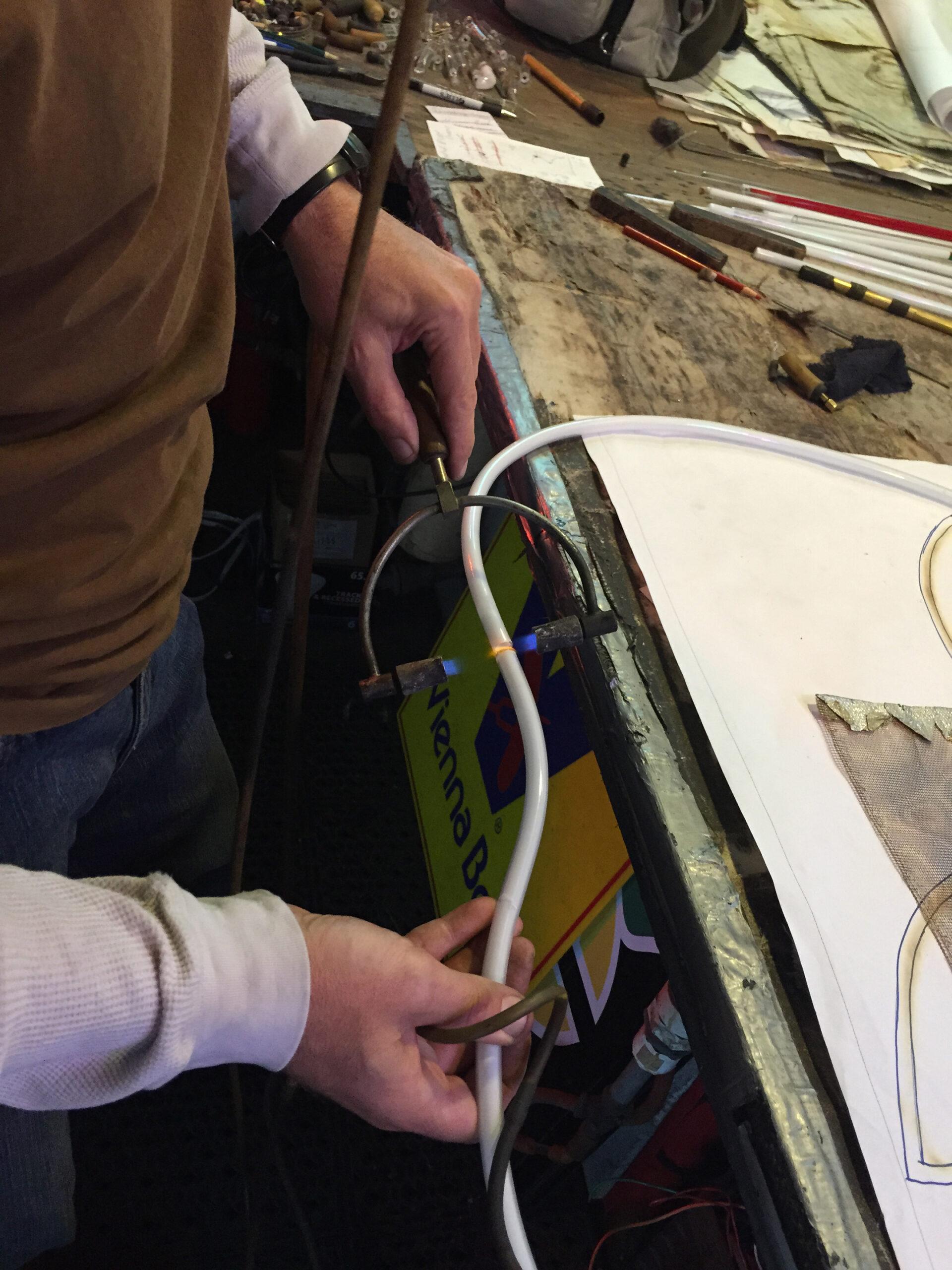
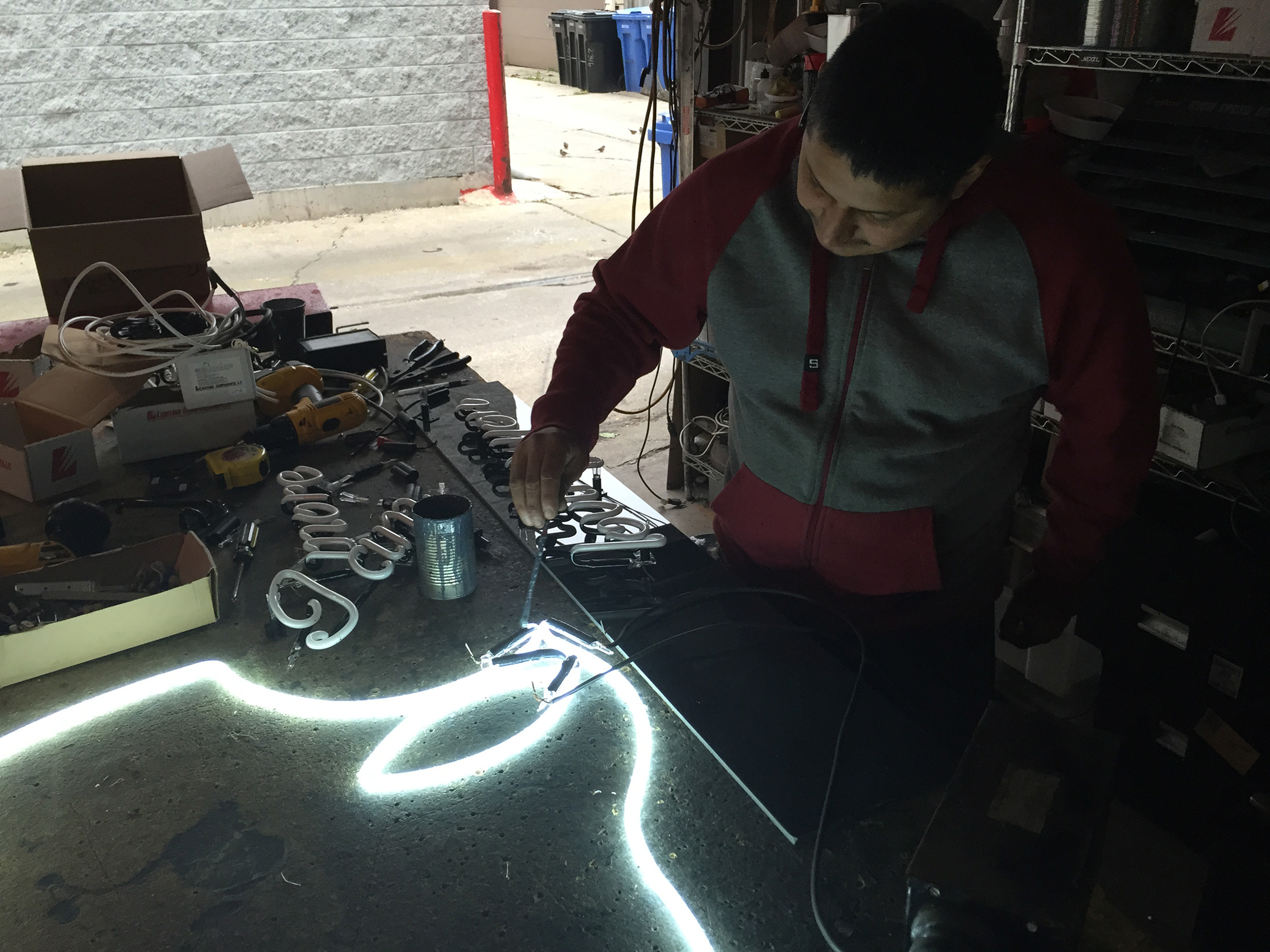
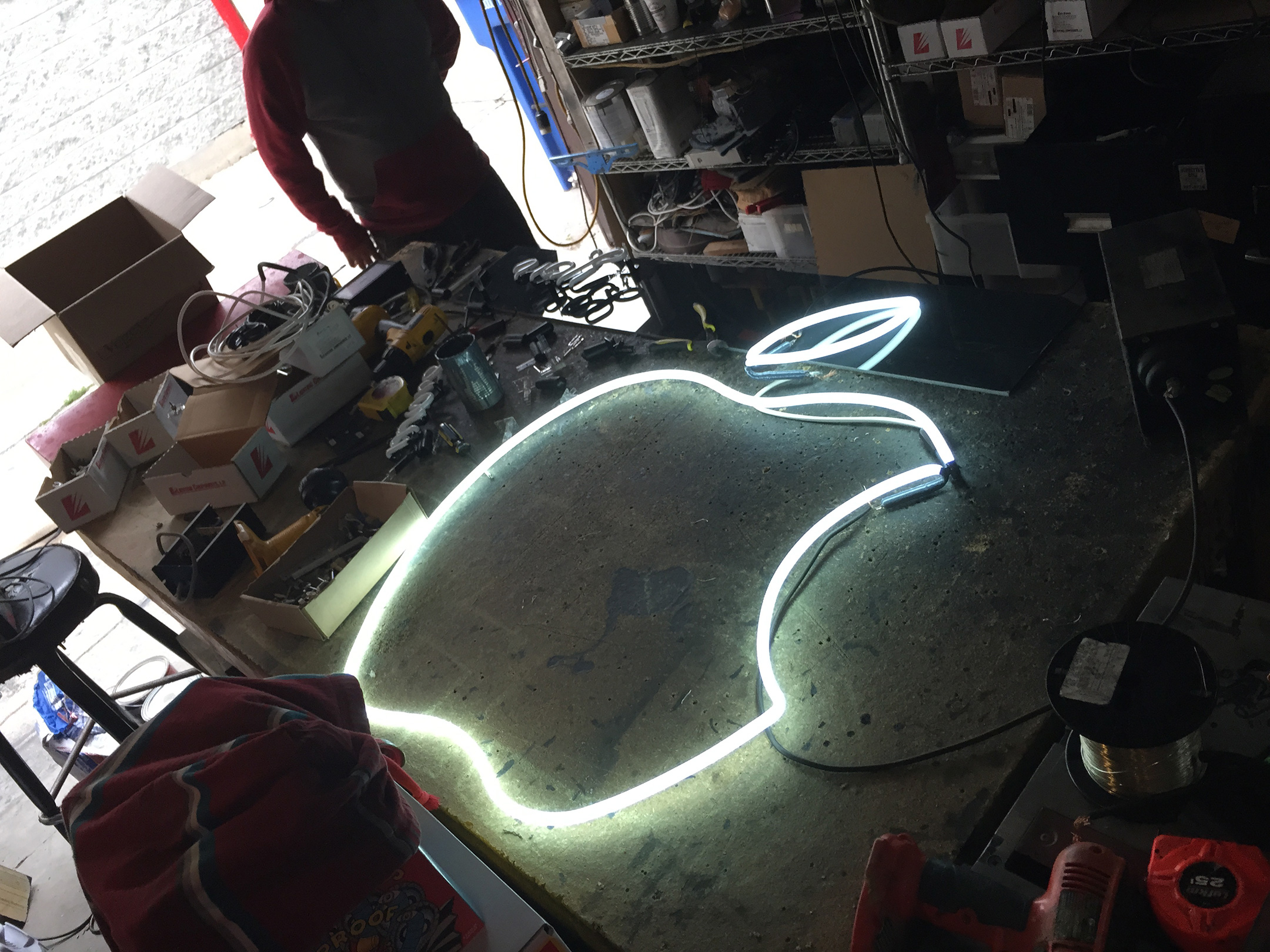
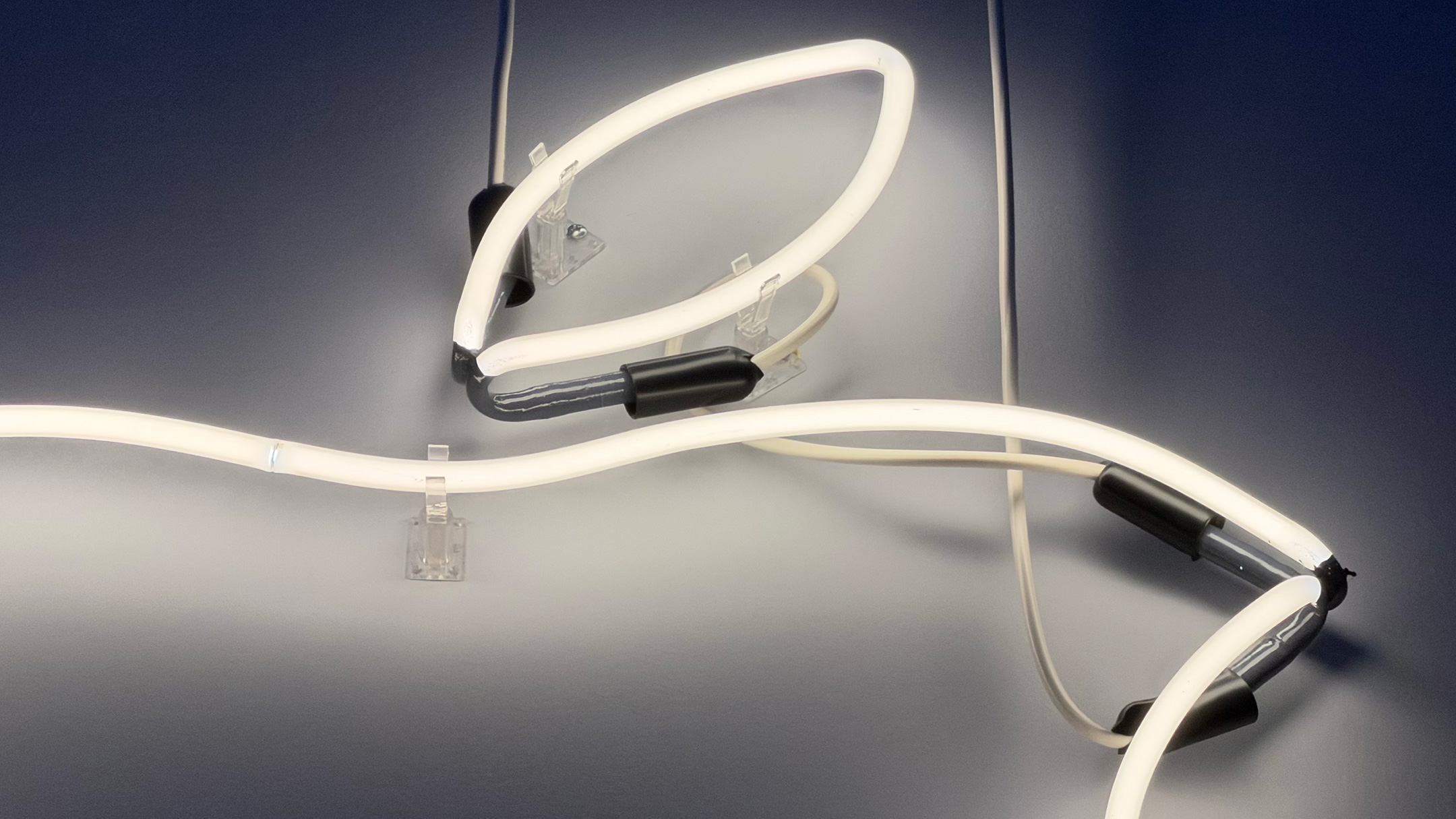
The experience was fascinating to watch, and it became immediately clear that the three men involved in the project were extremely skilled craftsmen. Before I arrived, neon artist John Noga had already shaped three pieces of the logo, but he had not yet fused them together. I was able to watch him create the leaf part of the logo from a straight white glass tube. He then trimmed and joined the larger pieces to form the lower apple part of the logo with the top, bottom, and “bite.”
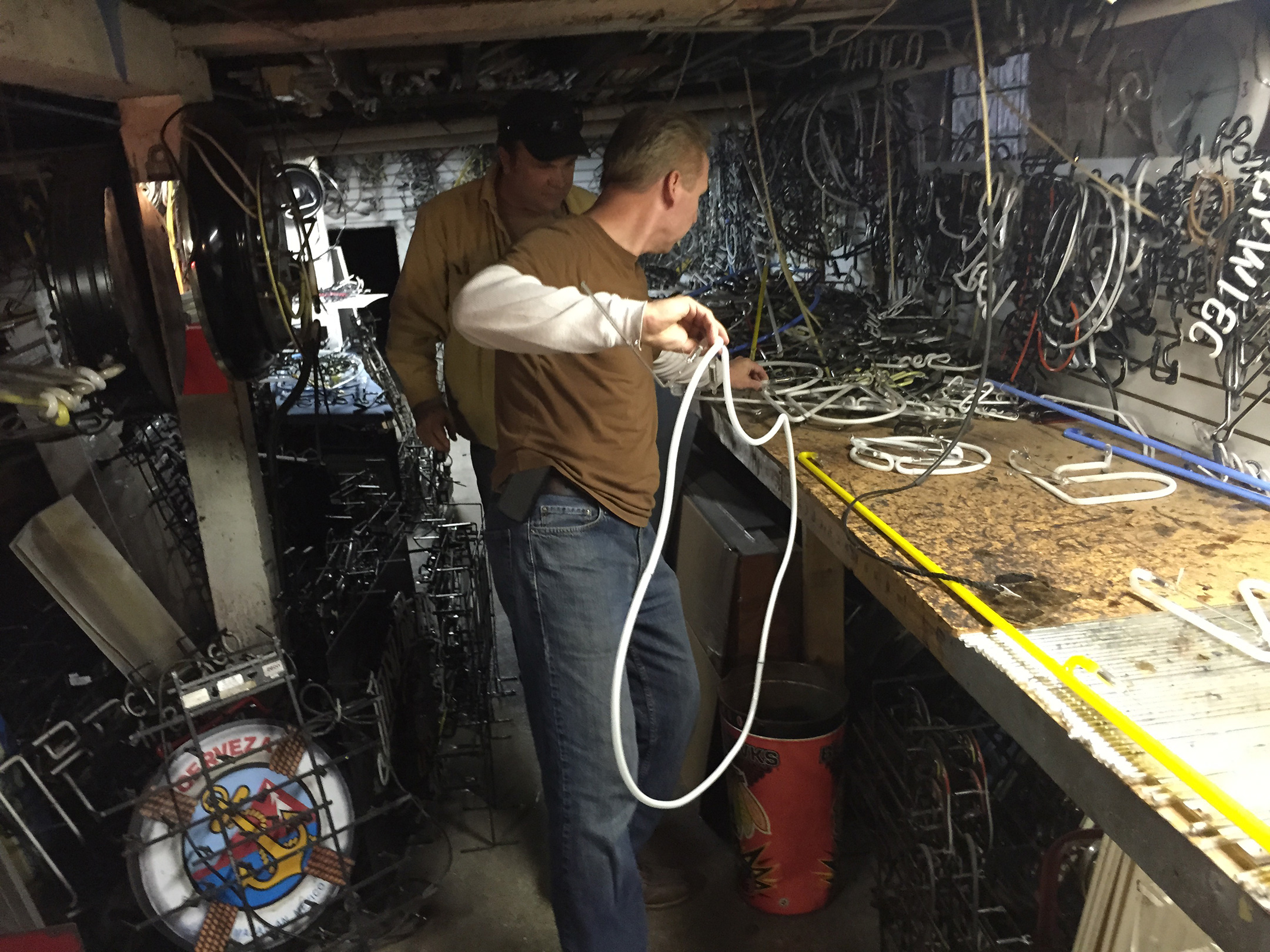
The next step was to bring the project to the shop basement where the two pieces were electrified with 15,000 volts of electricity, heating them to 550˚F to burn out the impurities inside the glass. The white tubes were then pressure-filled with argon gas so, when electrified, the piece would produce a white glow.
The last two steps, completed by Chevo Carreño, included “burning in” the tubes with electricity so the entire shape would glow evenly. As the burning-in commenced, it was easy to follow the path of the glow getting brighter until the entire piece was even. He finished the project by painting the non-glowing parts of the tubes with a foul-smelling substance that effectively blocked out the light. He let me select the color, and I went with gray. I was also able to select the wire color and chose white.
I took the logo home that day.
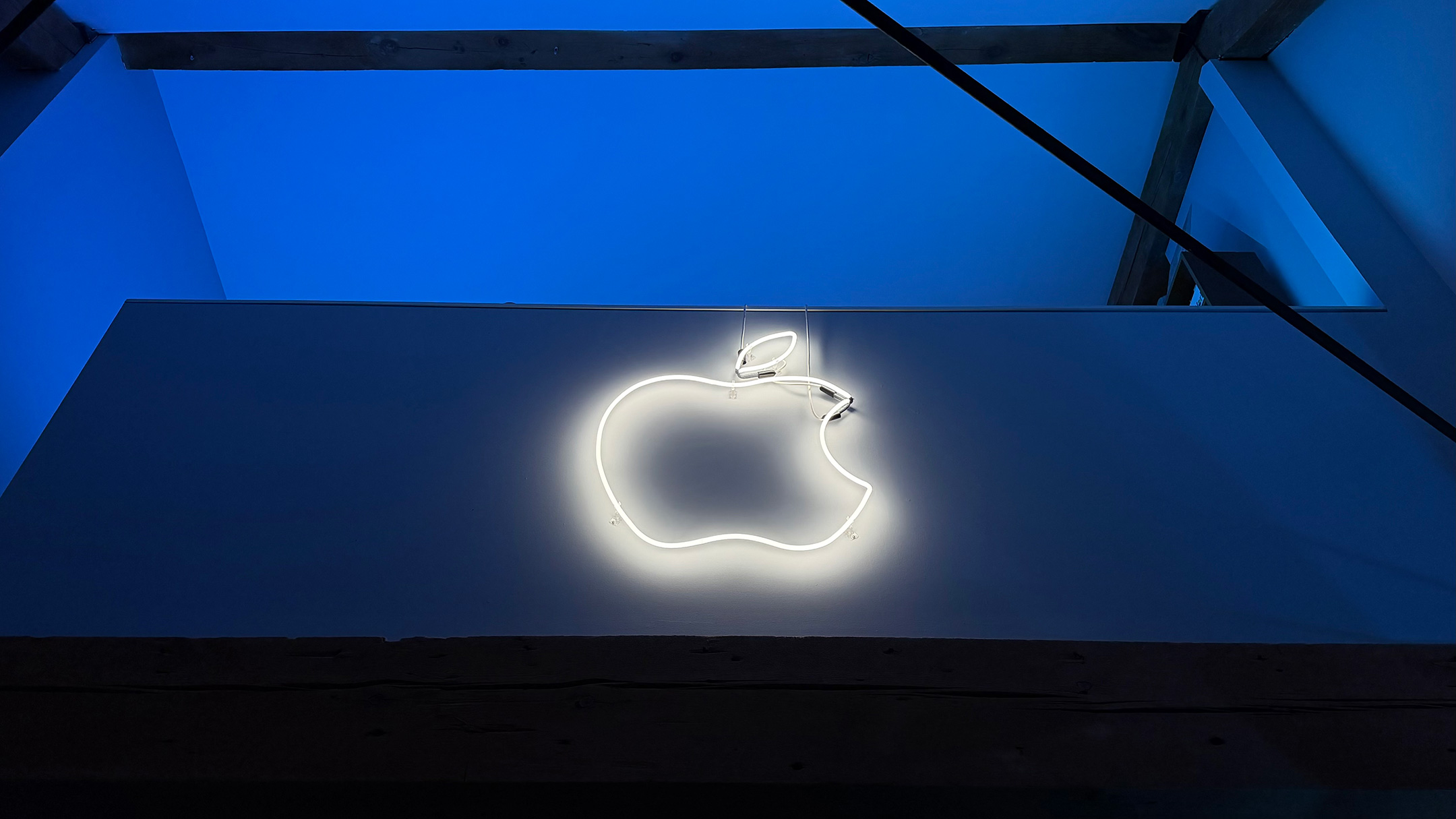
About one month later, I finished the installation with help from my then-neighbor and owner of a painting company, Alex Tenuta. The logo is supported by clear plastic clips attached to the wall, and the wiring is a simple series circuit that attaches to a dimmable transformer that plugs into a standard outlet. The logo is mounted on the half-wall of my loft, about 15 feet up.
Tom Brickler, also known as “Neon Tom,” named Neon Shop Fishtail after a fishtail ribbon burner used for making sweeping curved bends with glass over fire. After nearly 40 years, he describes his business as strong with “work in the major motion picture industry, business signs, custom art for residential, and signage for the industry.” The website adds, “We specialize in making our own signs in the handmade custom way neon is made and take great pride in what we do!”
Neon Shop Fishtail is located at 2247 North Western Avenue on Chicago’s north side, and handmade work can be viewed in the store. Brickler invites anyone to visit, “even if you are not in the market for a neon sign…after coming in, you will now be noticing neon everywhere, and hopefully you will come up with an idea that we can create in light.”
I distinctly remember recording the process at Neon Shop Fishtail, and to this day I very much appreciate that they timed the completion so I could watch and learn part of the process. I still remember how effortless they made process seem and the obvious experience and artistry in every step. I also remember being surprised by the specialized tools and open flames that were burning around the shop in unexpected locations.
Using my many clips, I created a “making of” video back in 2014 and posted it on YouTube. Neon Shop Fishtail has included on the front page of their website since I sent them the link in 2014. Over 10 years later, my video has well over 14,000 views—BY FAR the most views of any video I have ever made!
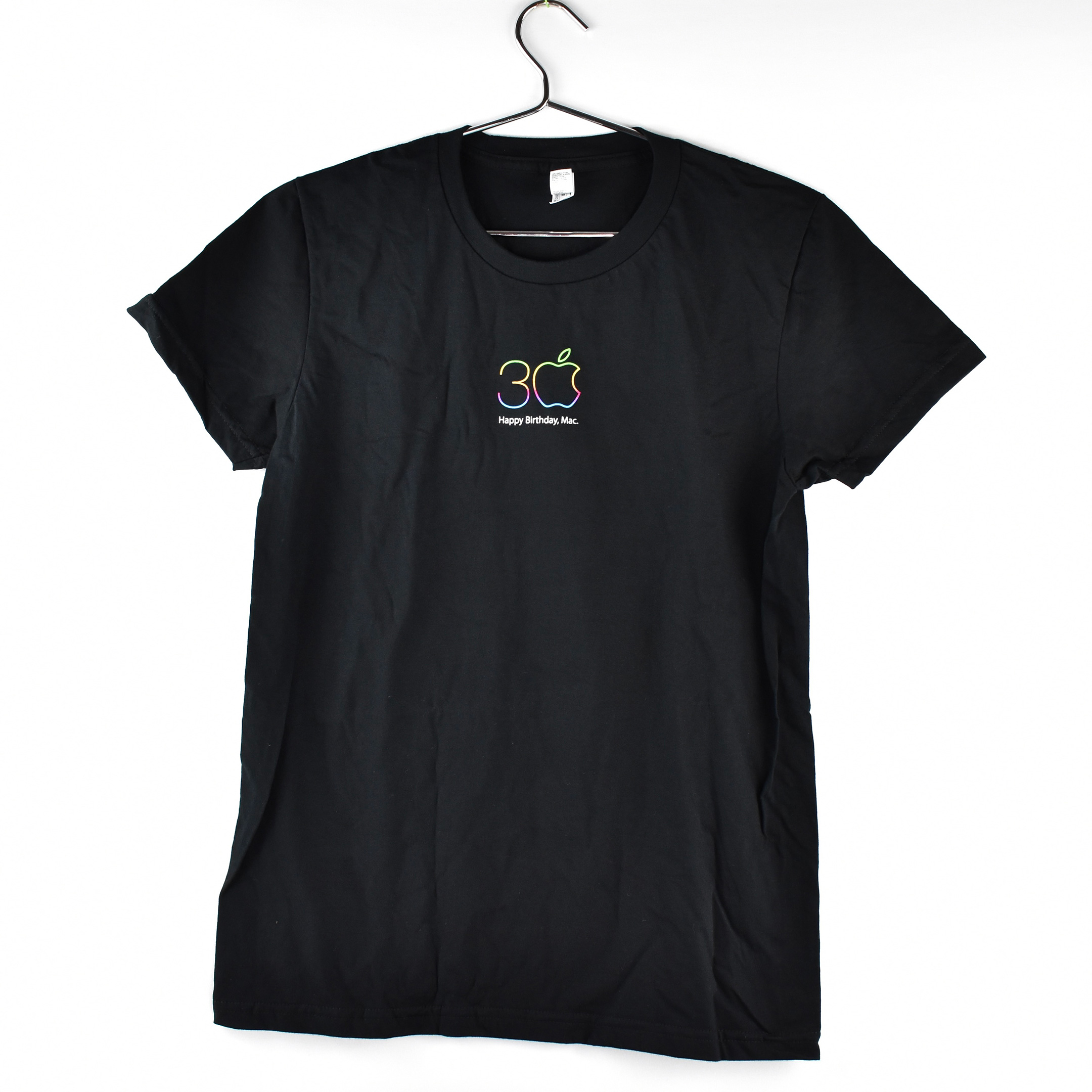
This black t-shirt commemorates the 30th birthday of Apple’s Macintosh computer brand.
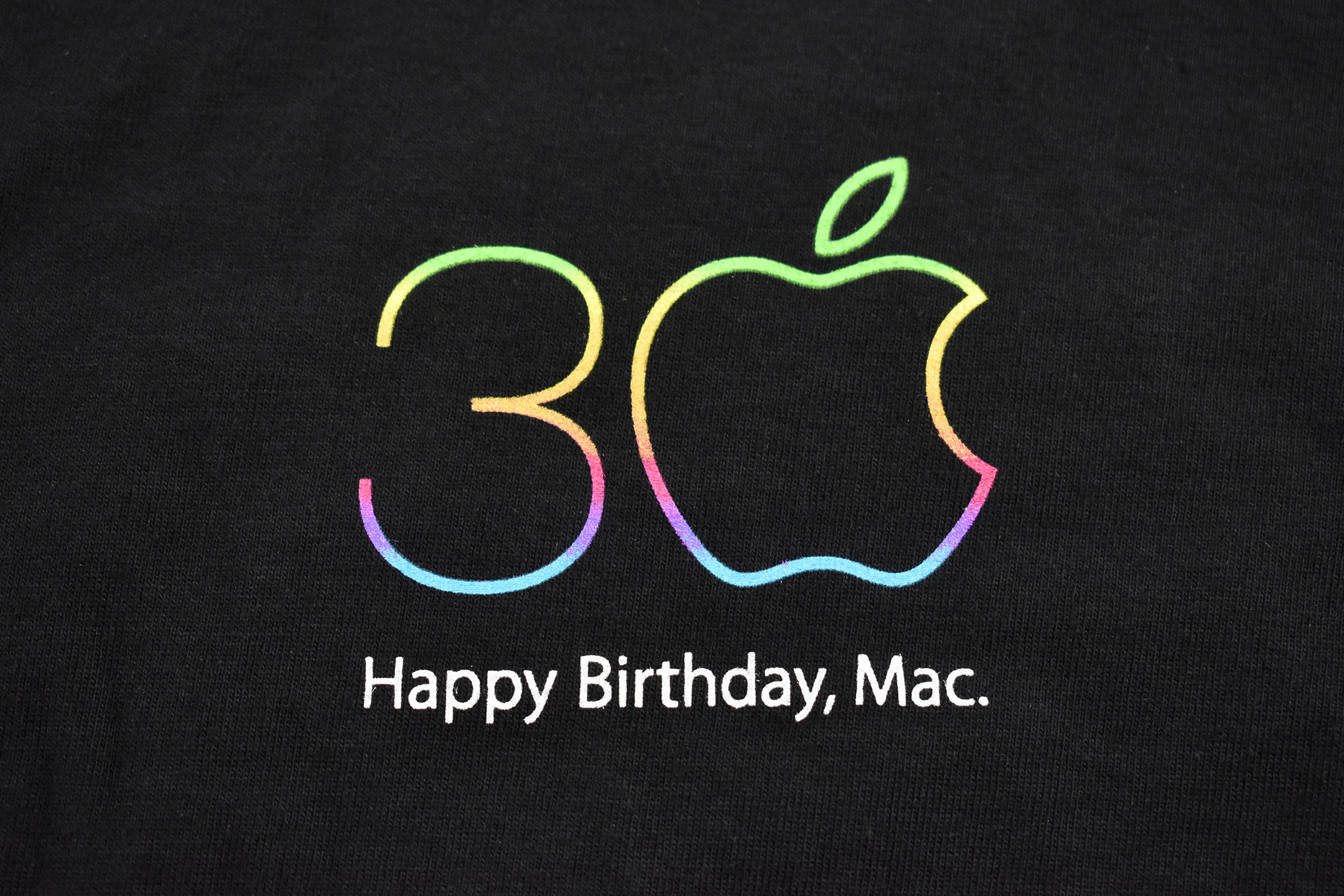
The front of the shirt features a stylized “30” logo in a thin version of Apple Myriad, but with the “0” replaced by an outline of the Apple logo. The “30” part of the logo is printed in a gradient version of Apple’s classic 6-color logo. Under the “30” is printed “Happy Birthday, Mac.”
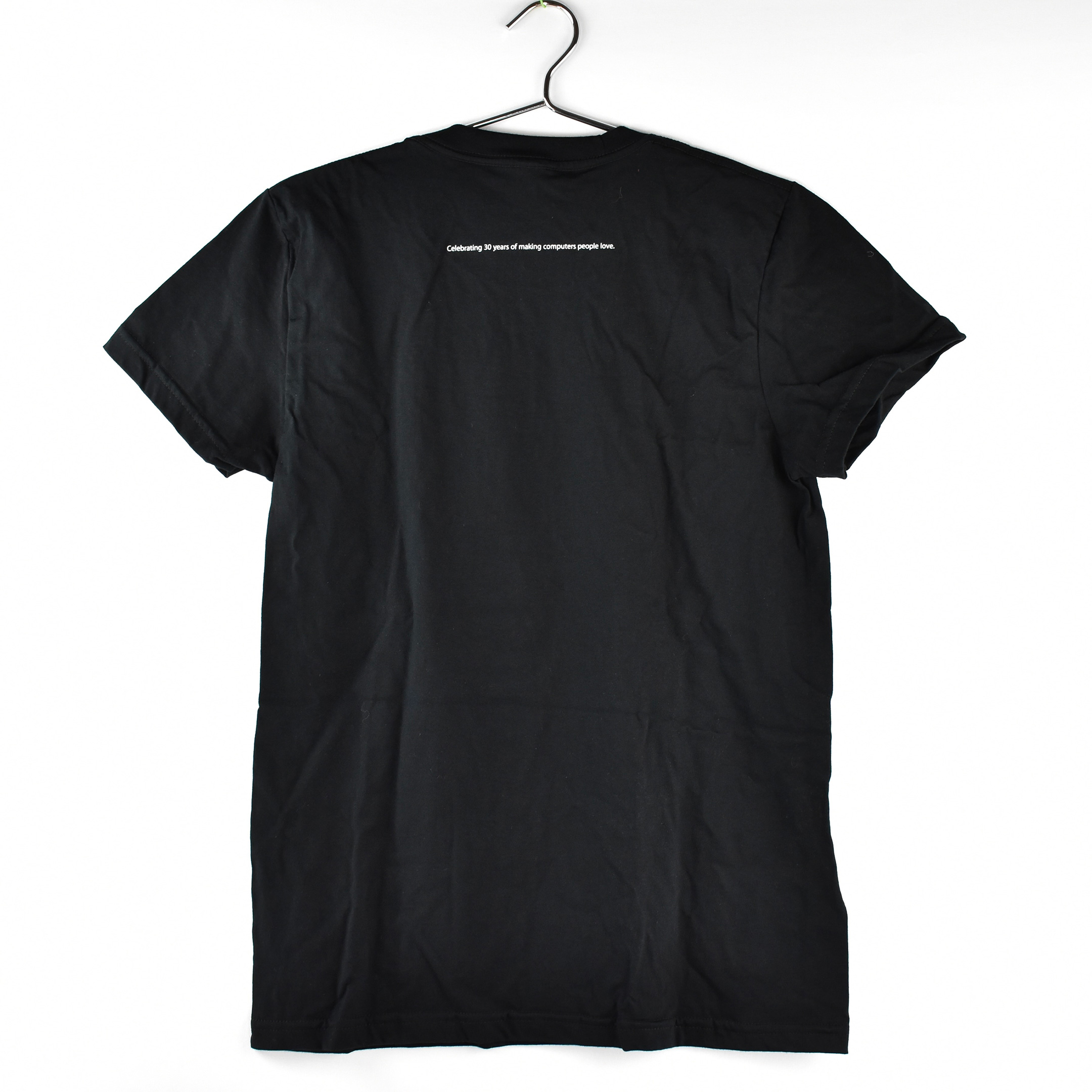
The back of the shirt features the words “Celebrating 30 years of making computers people love” printed in Apple Myriad, centered at the top. Apple Myriad was Apple’s corporate font used approximately between 2003–2017.
The shirt is made by American Apparel, a brand “that stands for inclusiveness, equality and empowerment.” The shirt is a Women’s XL size.
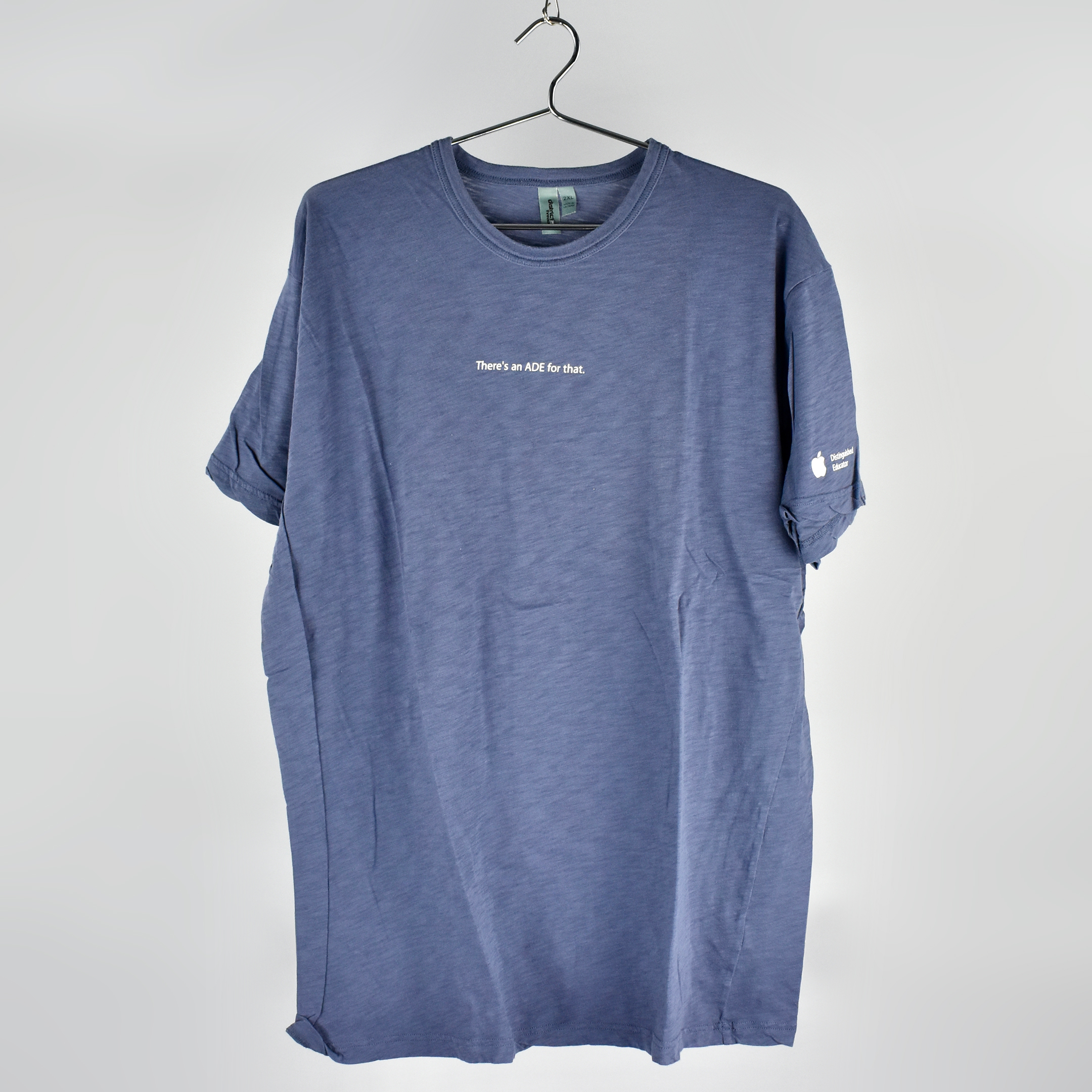
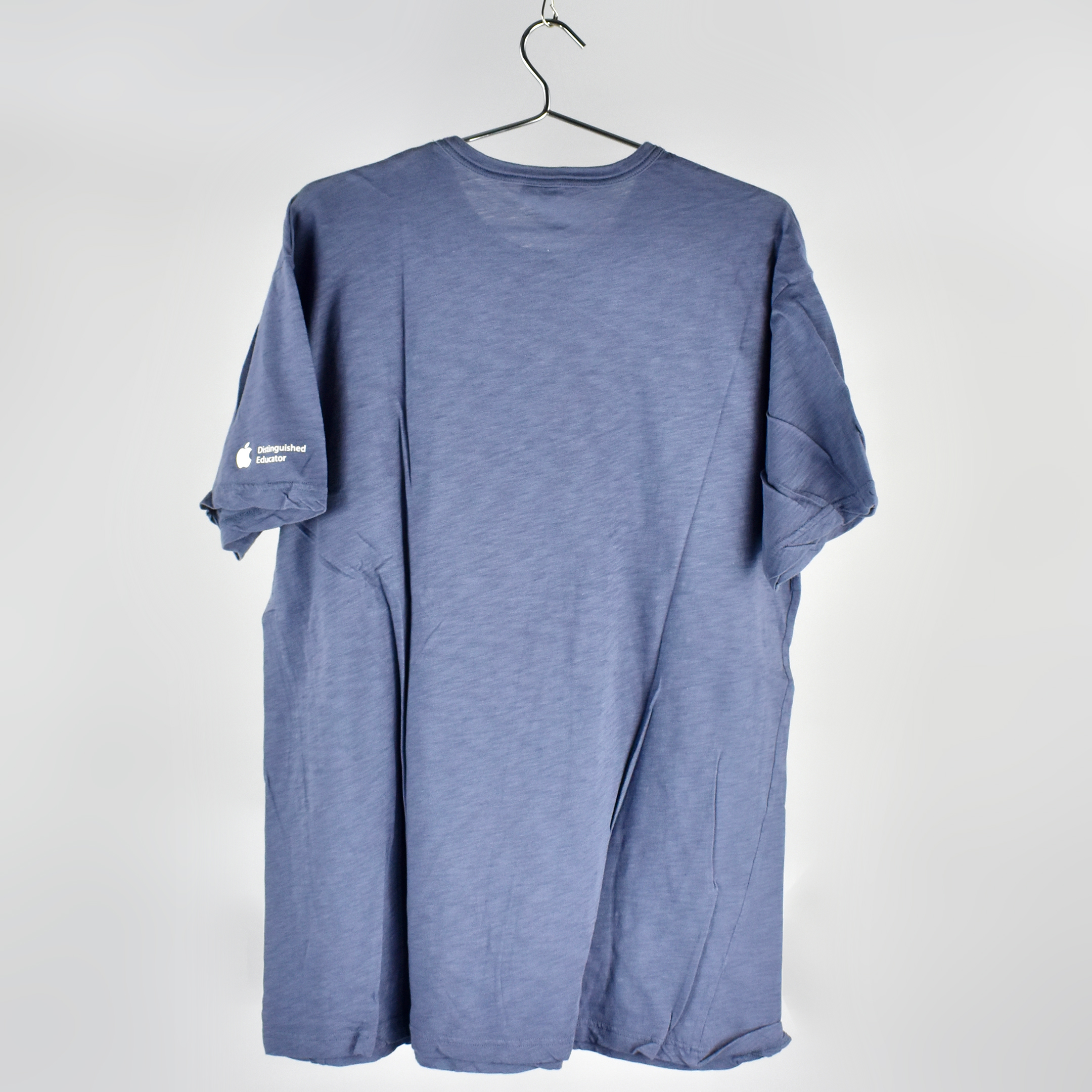
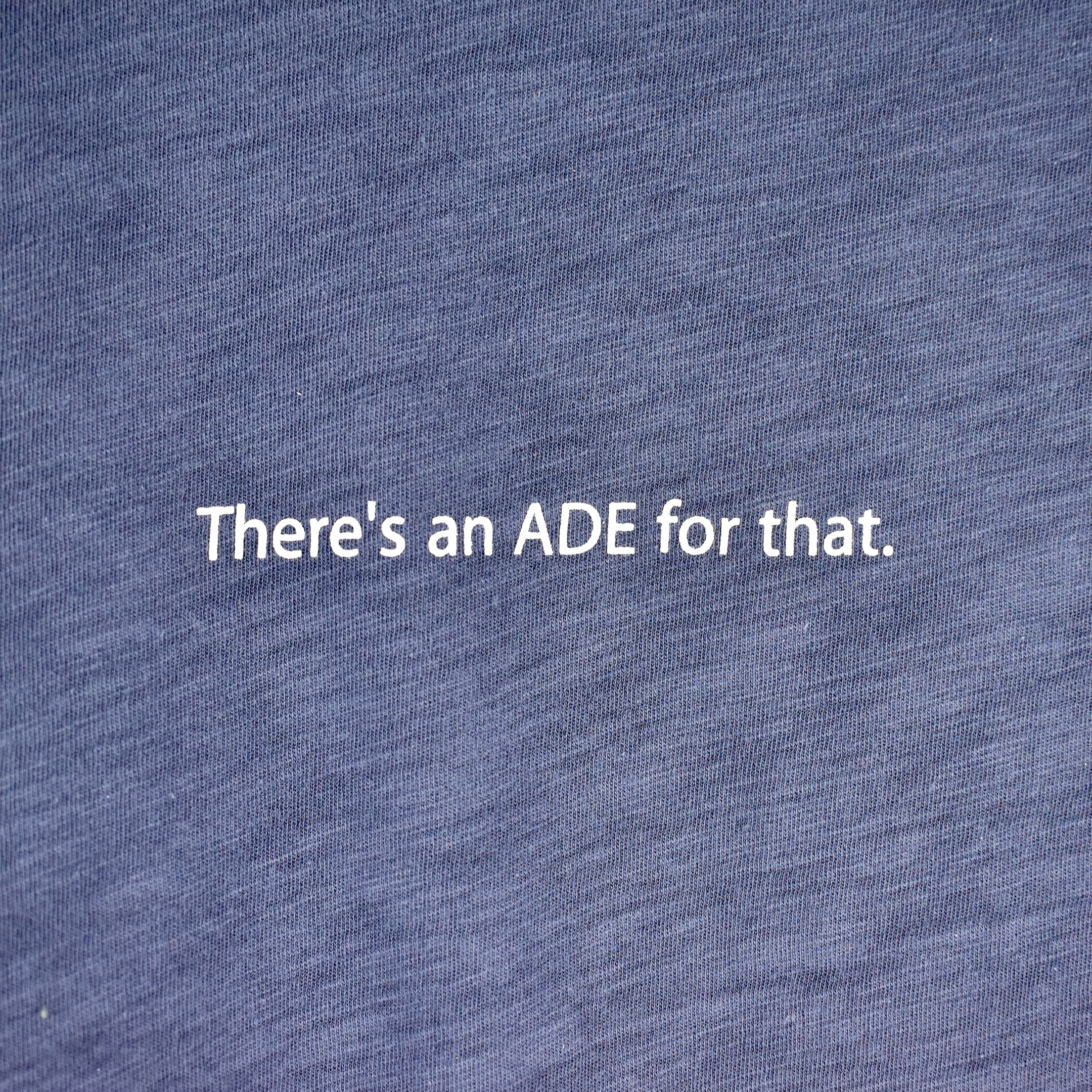
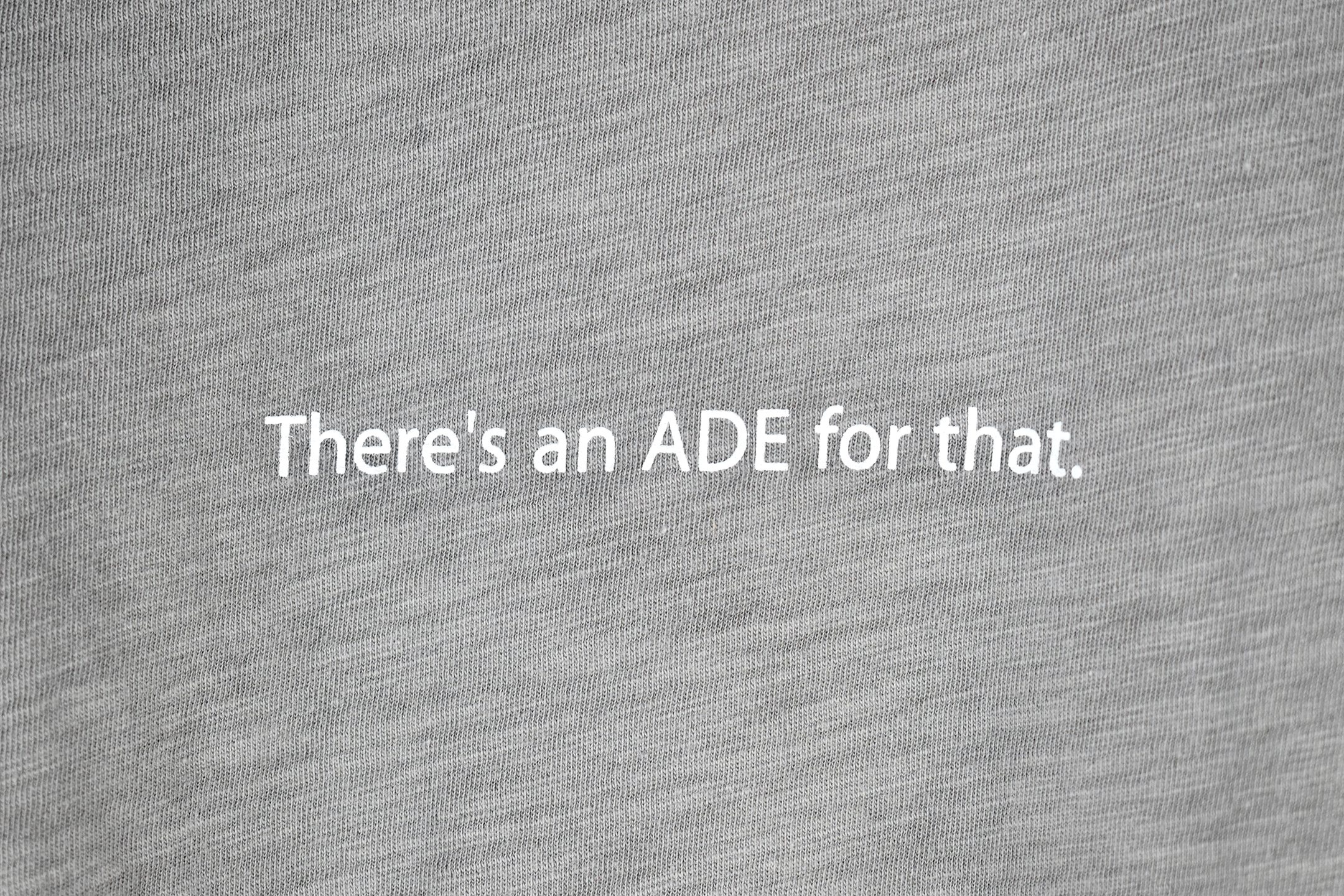
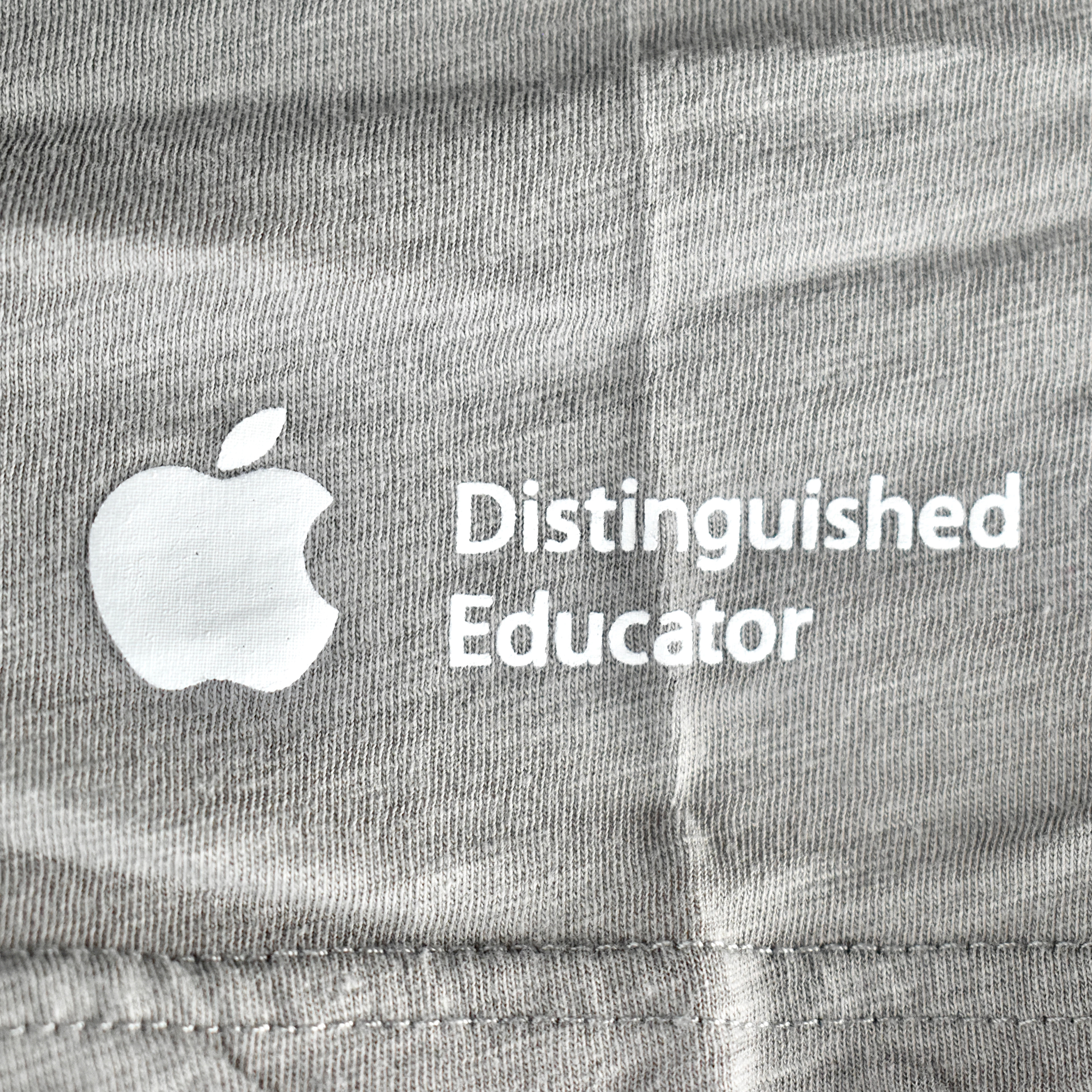
This heather blue t-shirt was given to Apple Distinguished Educators and features the phrase “There’s an ADE for that.” printed on the front centered in white text in the Apple Myriad font. The left sleeve features the Apple Distinguished Educator logo.
The featured phrase is a reference to the Apple ad campaign, “There’s an app for that.” The tagline was first used in a 2009 TV commercial for the iPhone 3G that depicts a user scrolling across iPhone screens selecting various apps for specific tasks. In 2010 Apple was awarded a trademark for the phrase.
The Apple Distinguished Educator program co-opted the phrase to describe and showcase the diversity, knowledge, and expertise brought by the members of the ADE program.
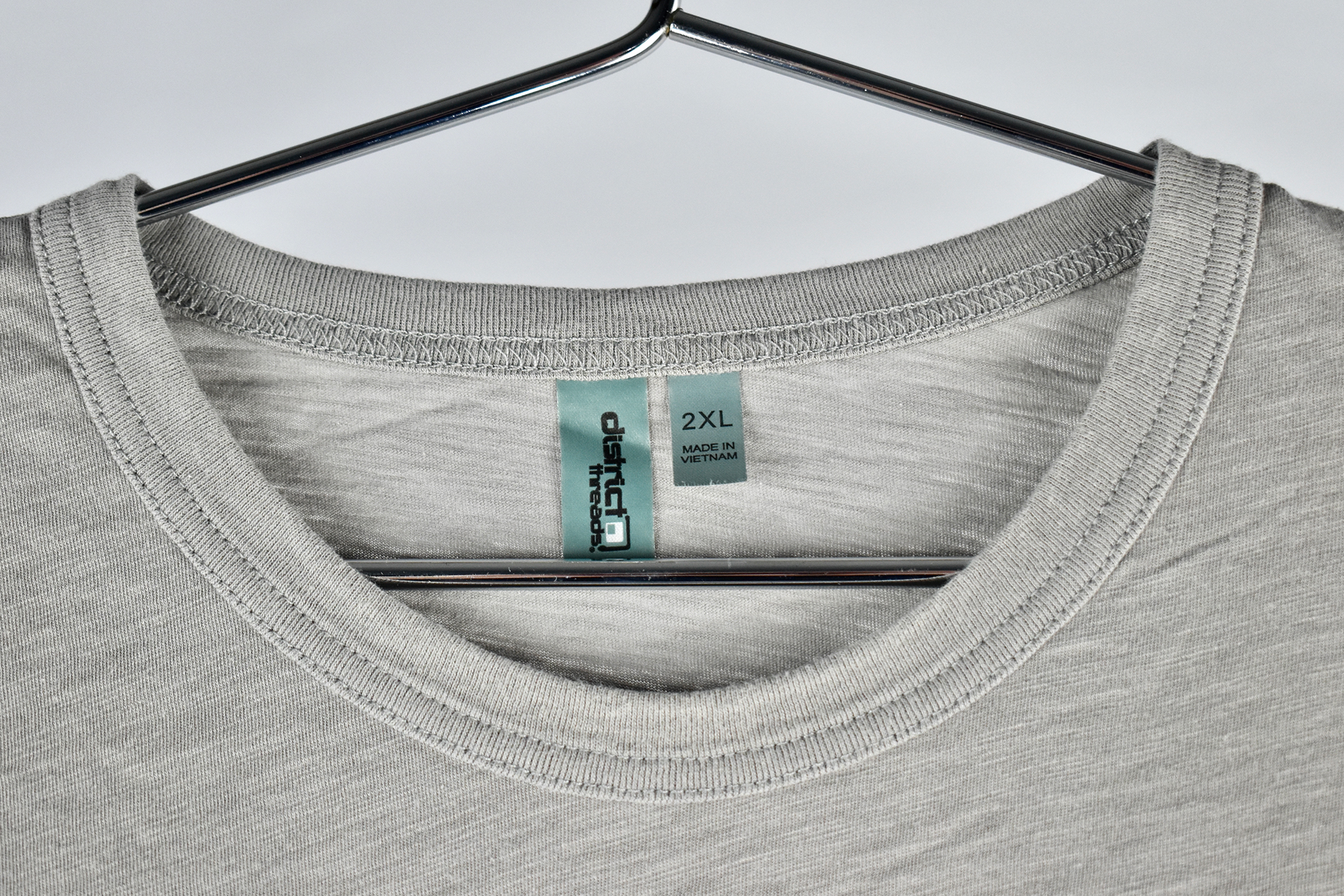
This shirt was made in Vietnam for District Threads. The size is 2XL.
I was honored to receive this shirt as member of the Apple Distinguished Educator program. I am in the ADE Class of 2007.
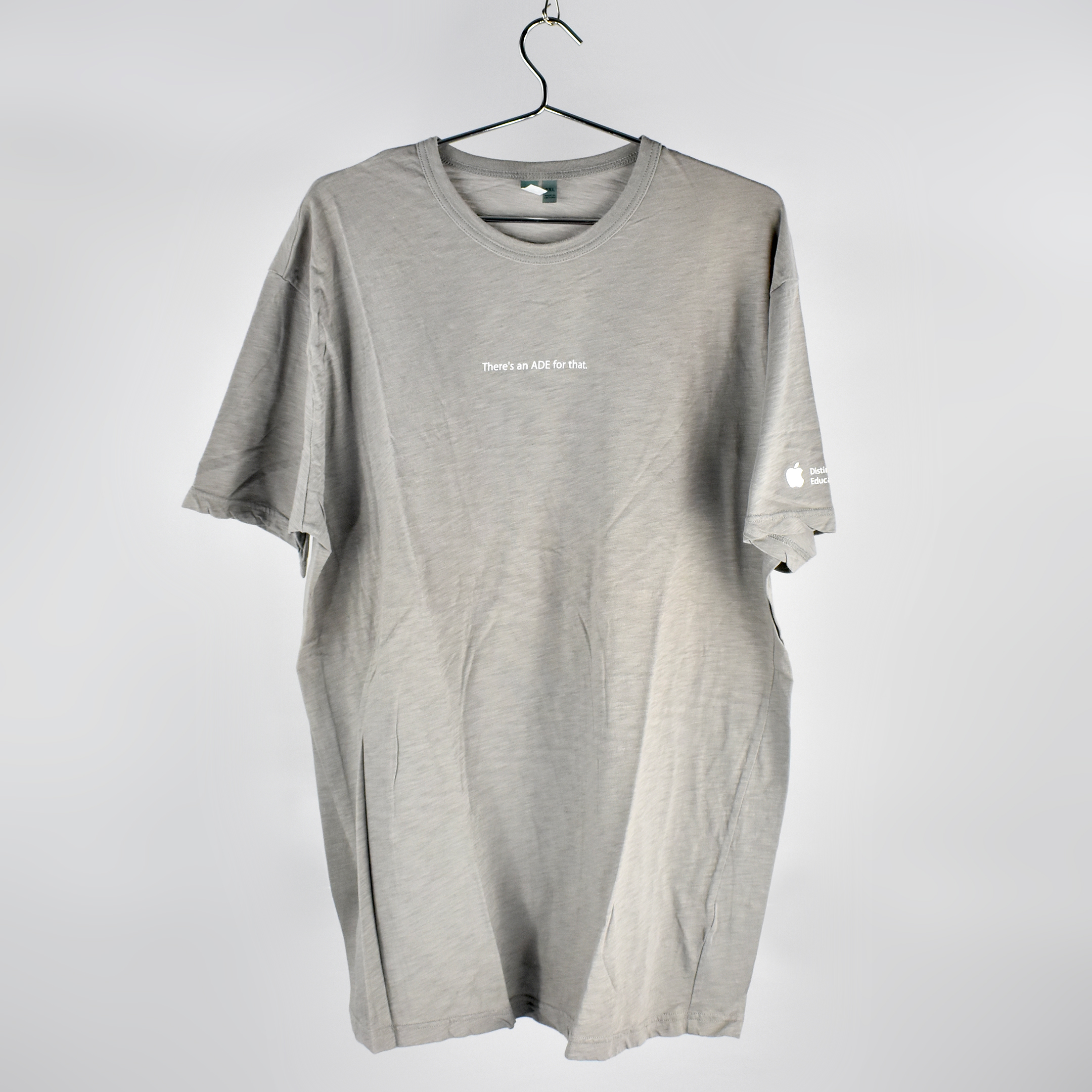
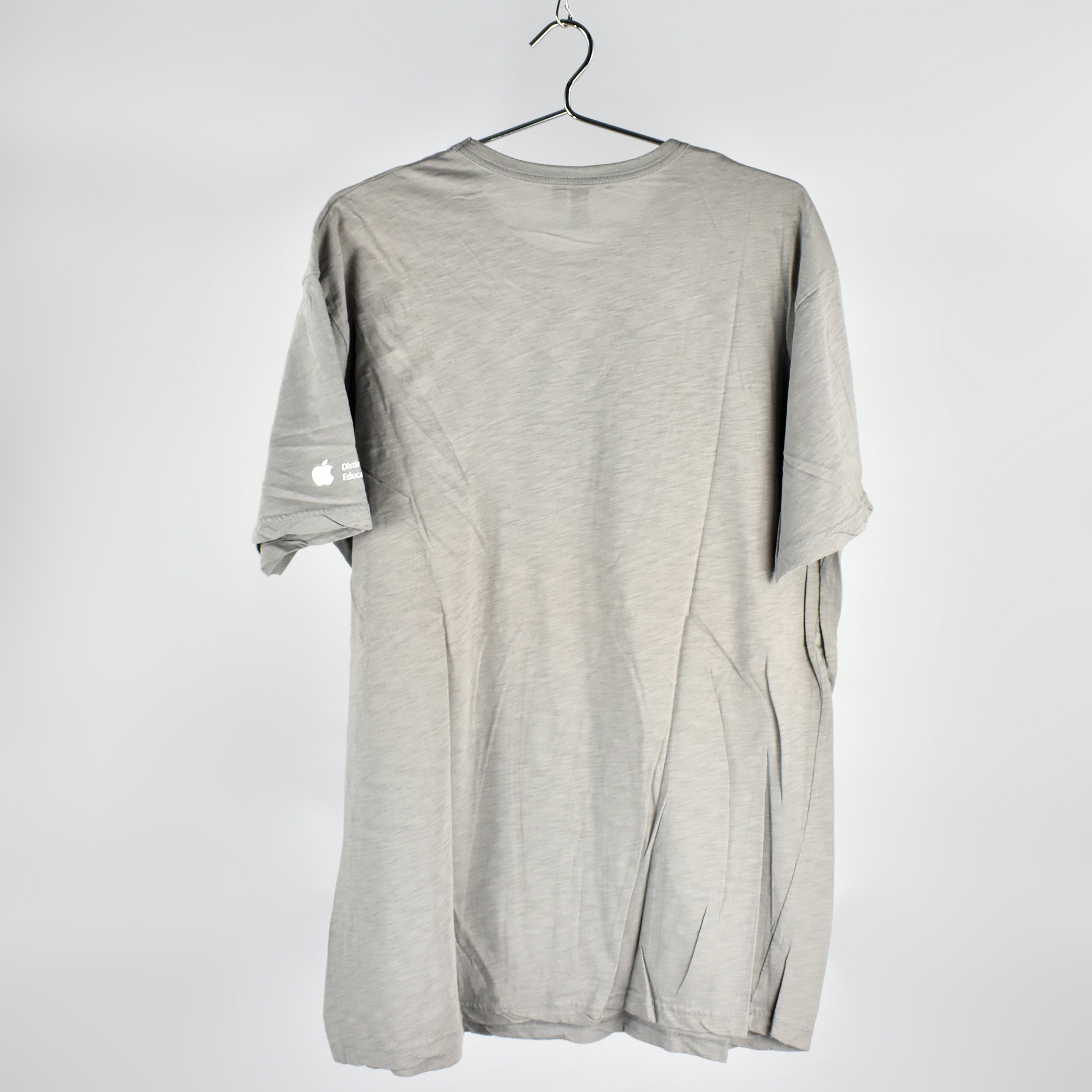
This heather gray t-shirt was given to Apple Distinguished Educators and features the phrase “There’s an ADE for that.” printed on the front centered in white text in the Apple Myriad font. The left sleeve features the Apple Distinguished Educator logo.
The featured phrase is a reference to the Apple ad campaign, “There’s an app for that.” The tagline was first used in a 2009 TV commercial for the iPhone 3G that depicts a user scrolling across iPhone screens and selecting various apps for specific tasks. In 2010 Apple was awarded a trademark for the phrase.
The Apple Distinguished Educator program co-opted the phrase to describe and showcase the diversity, knowledge, and expertise brought by the members of the ADE program.
This shirt was made in Vietnam for District Threads. The size is 2XL.
I was honored to receive this shirt as member of the Apple Distinguished Educator program. I am in the ADE Class of 2007.
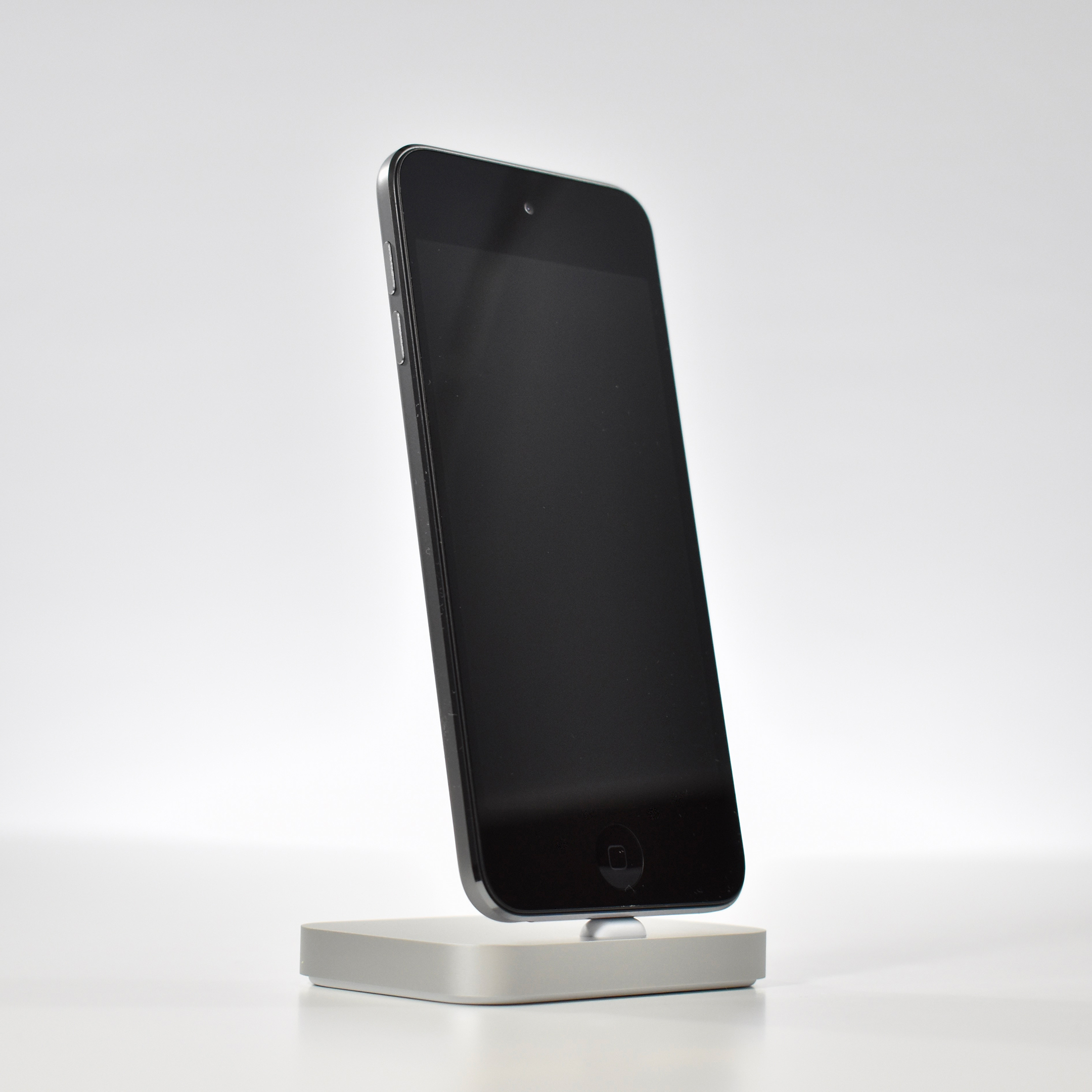
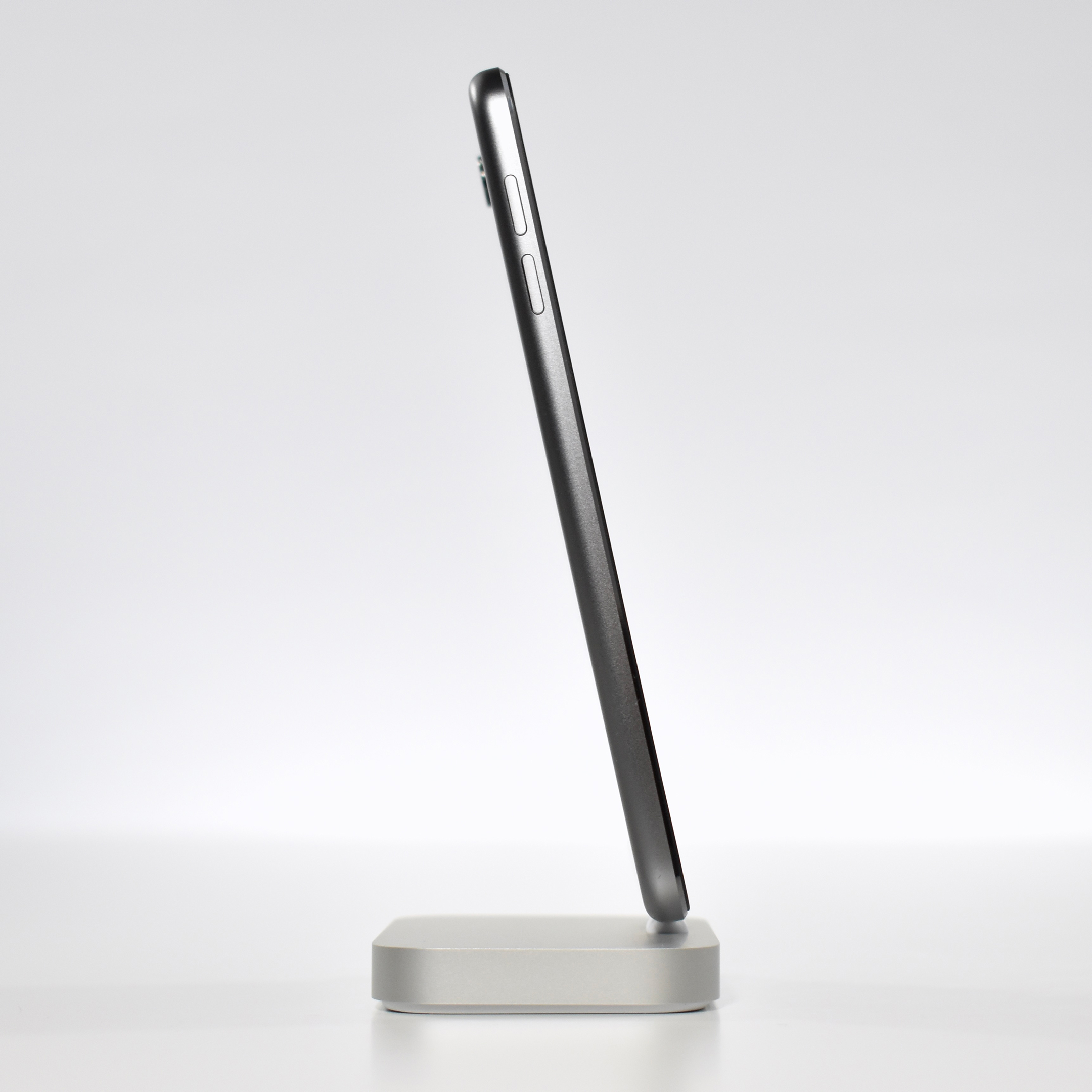
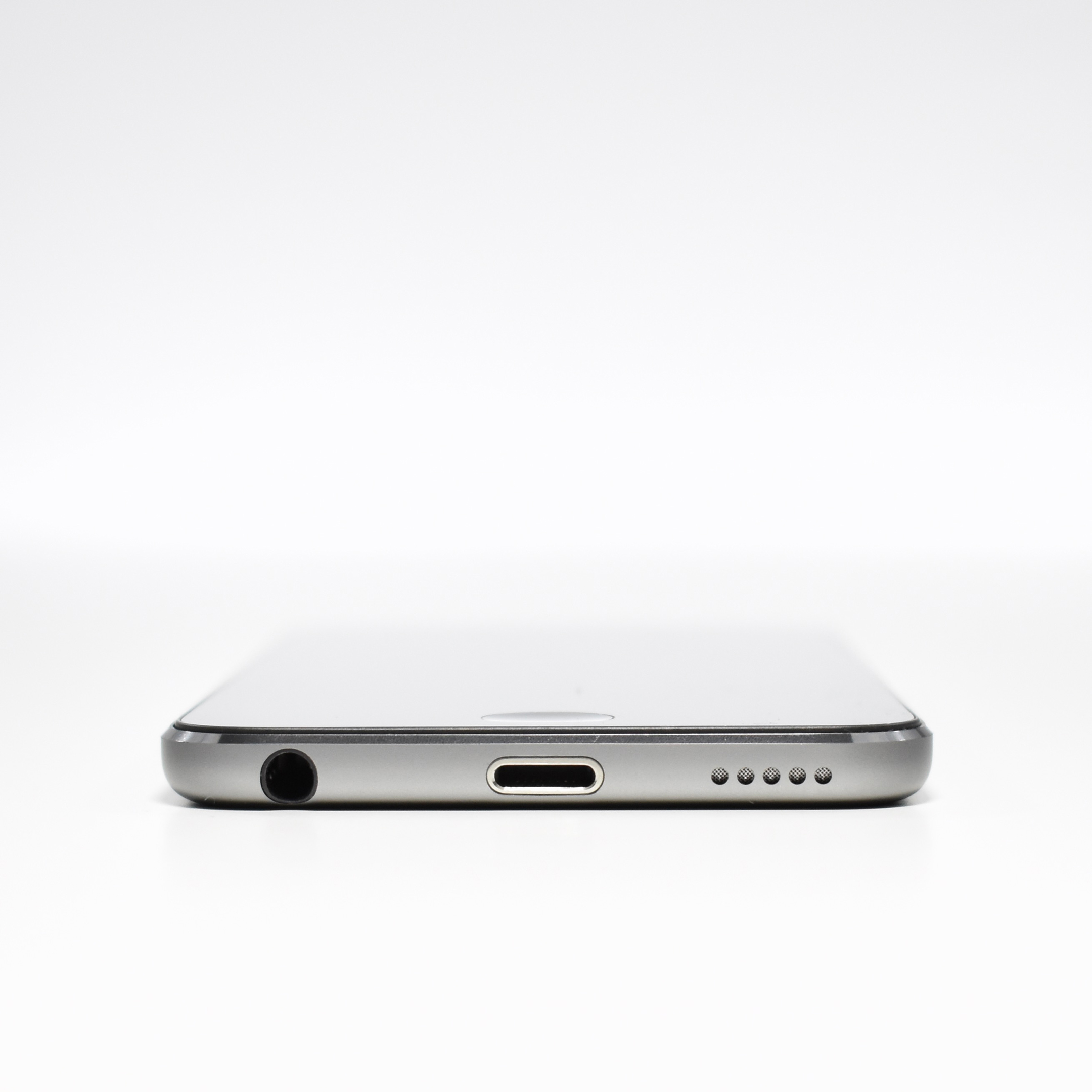
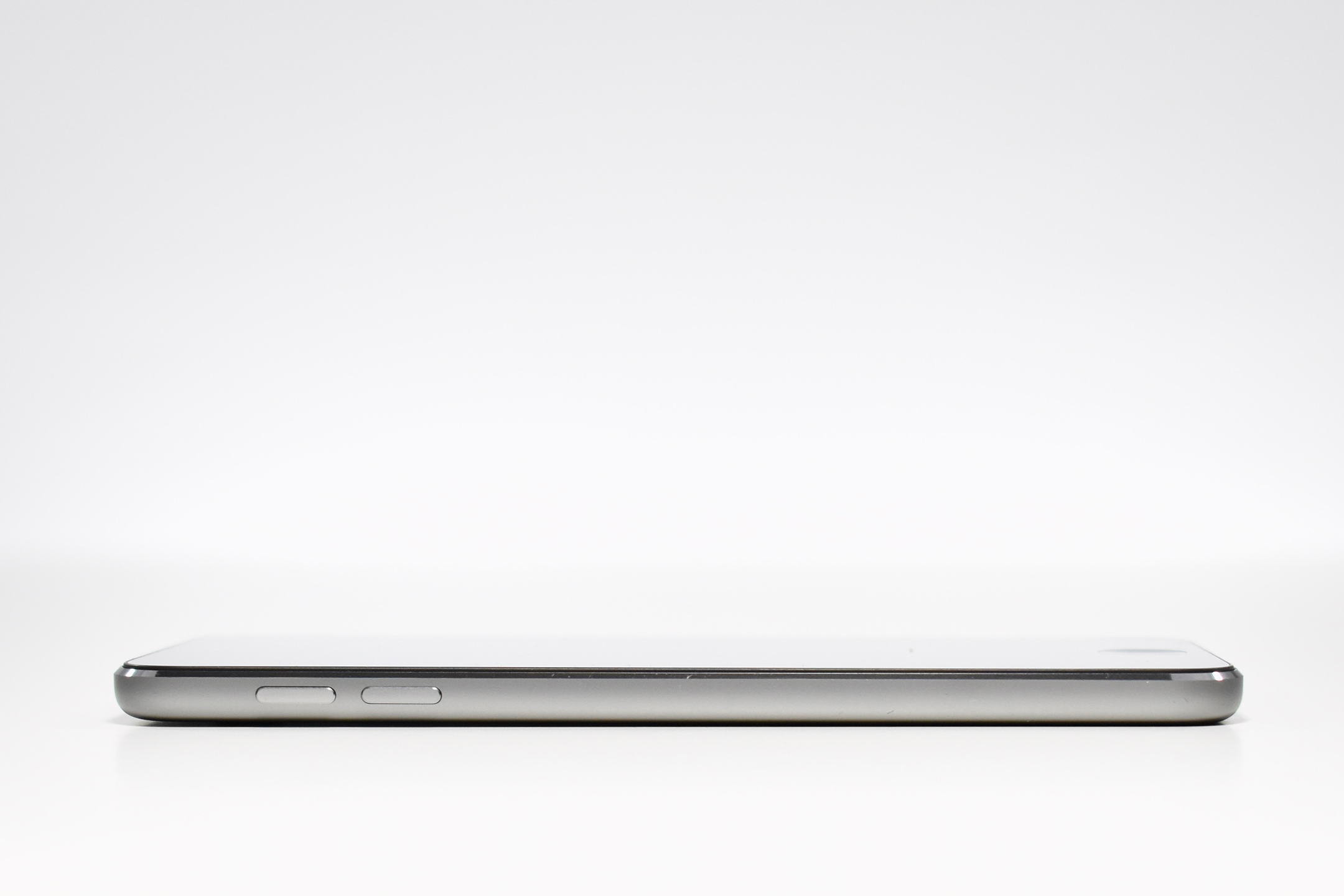
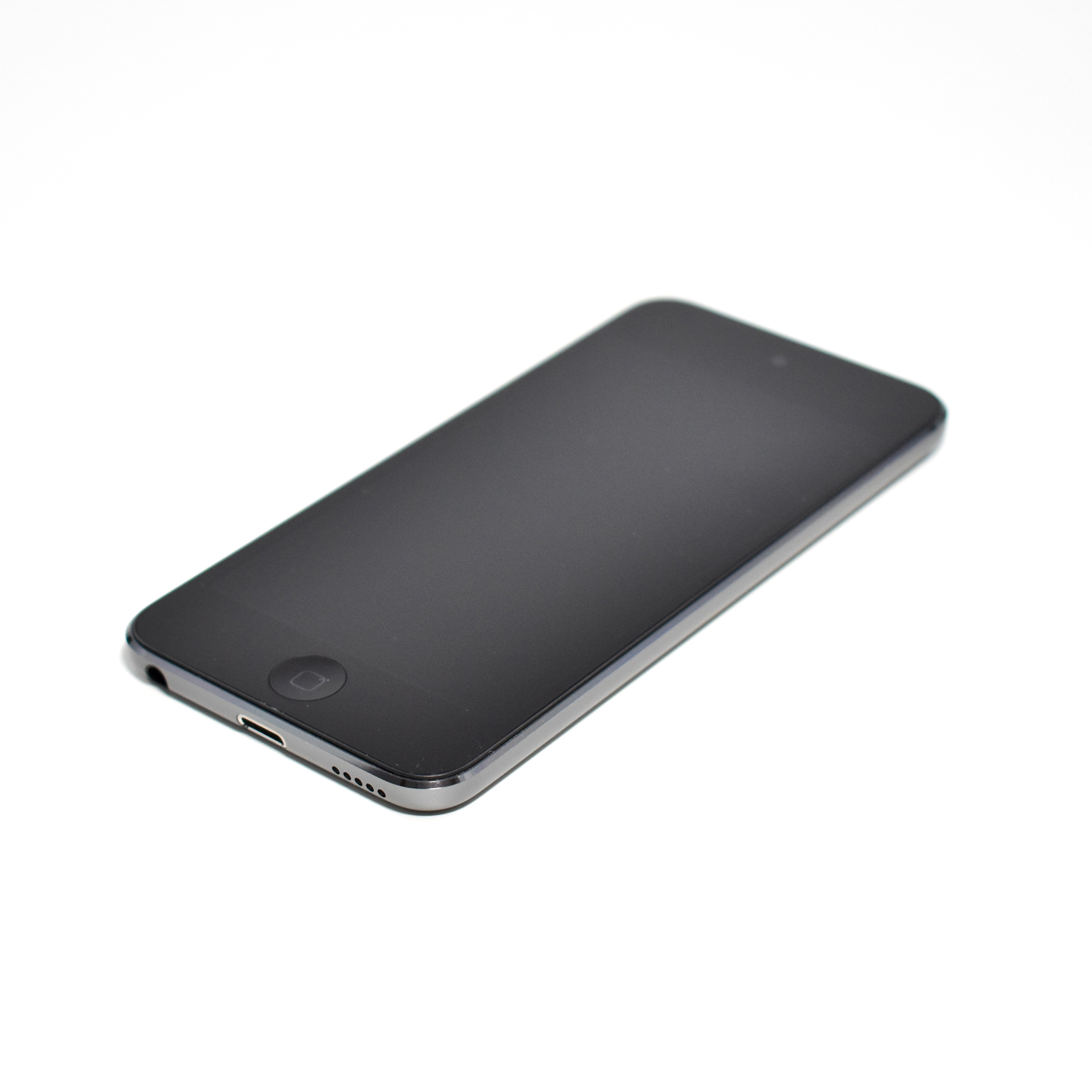
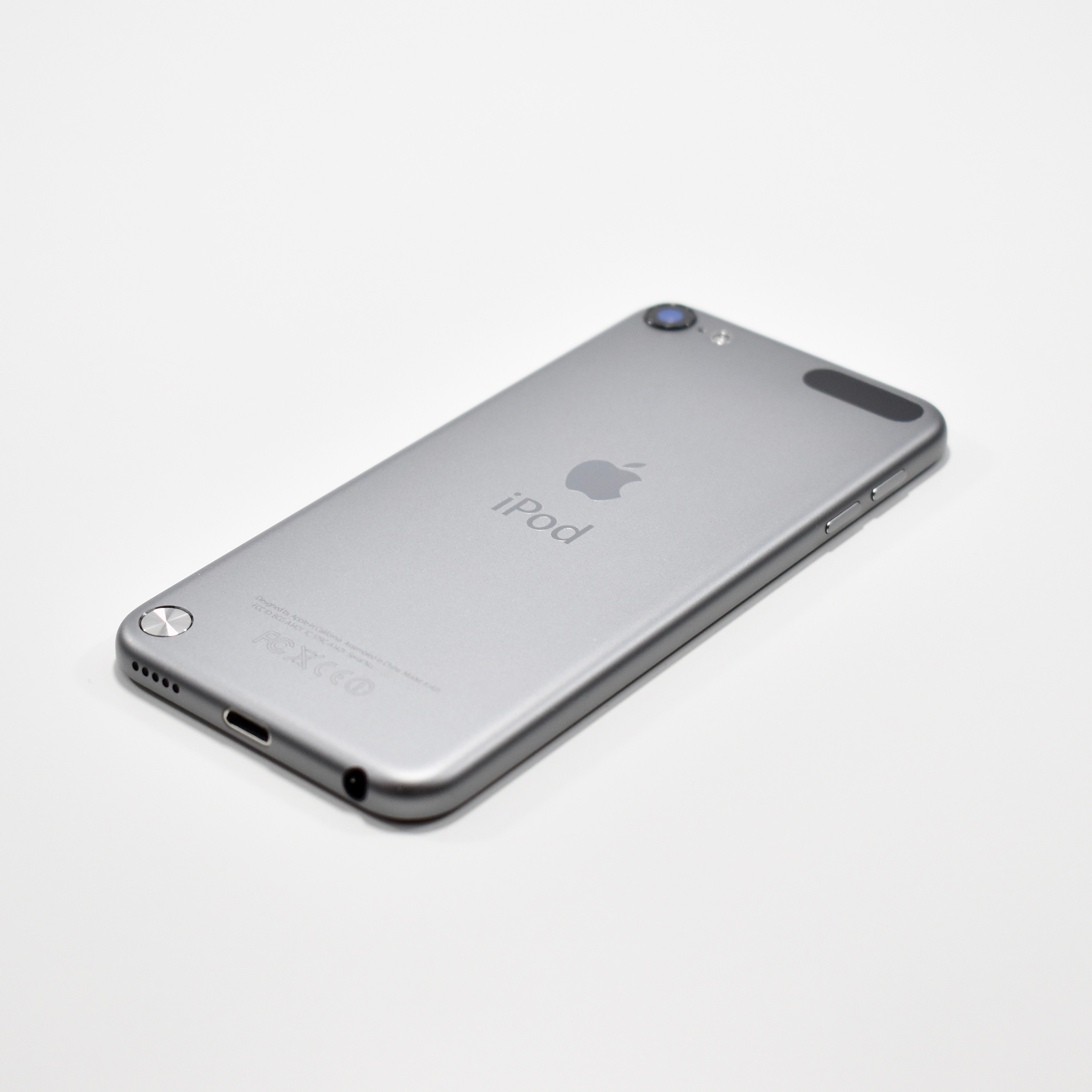
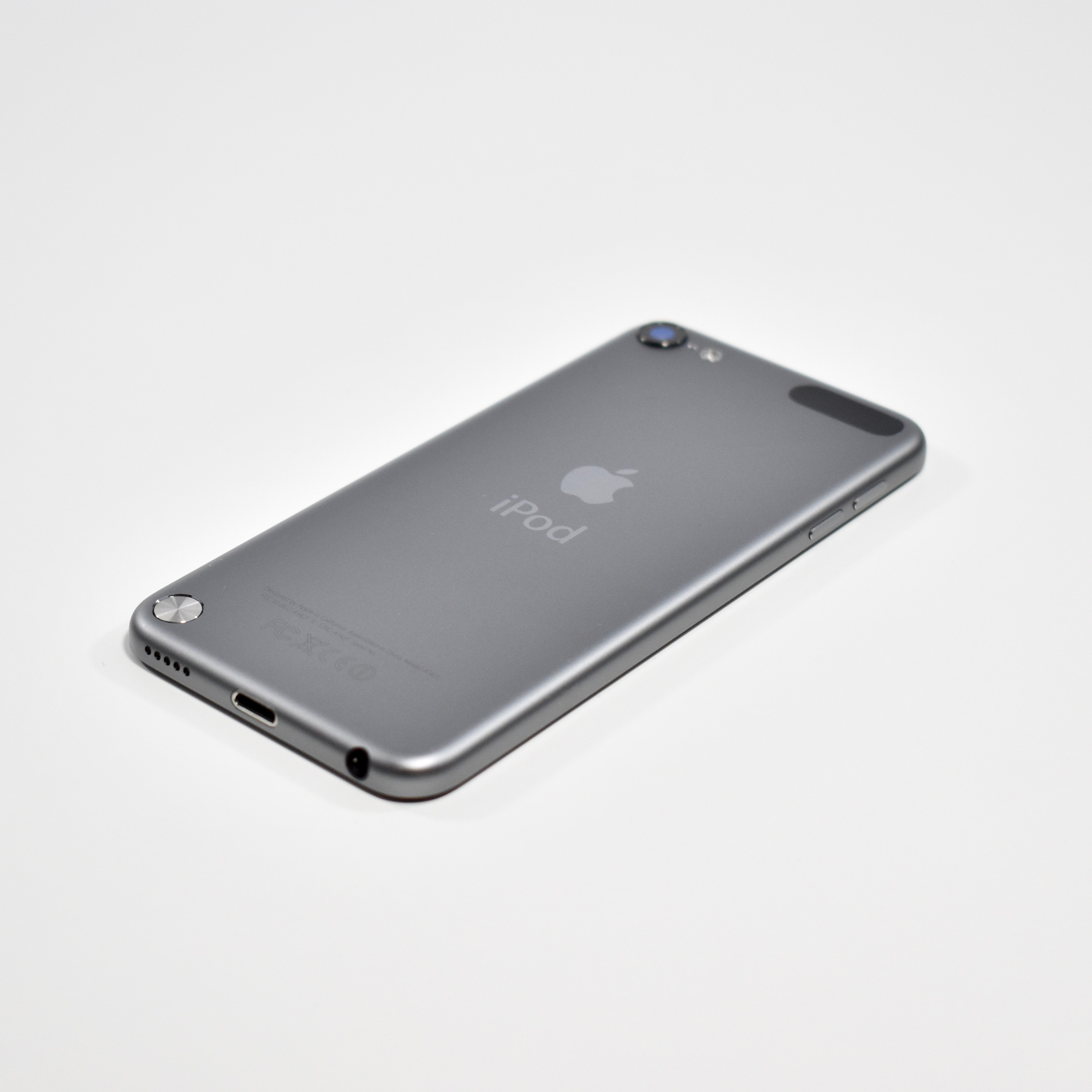
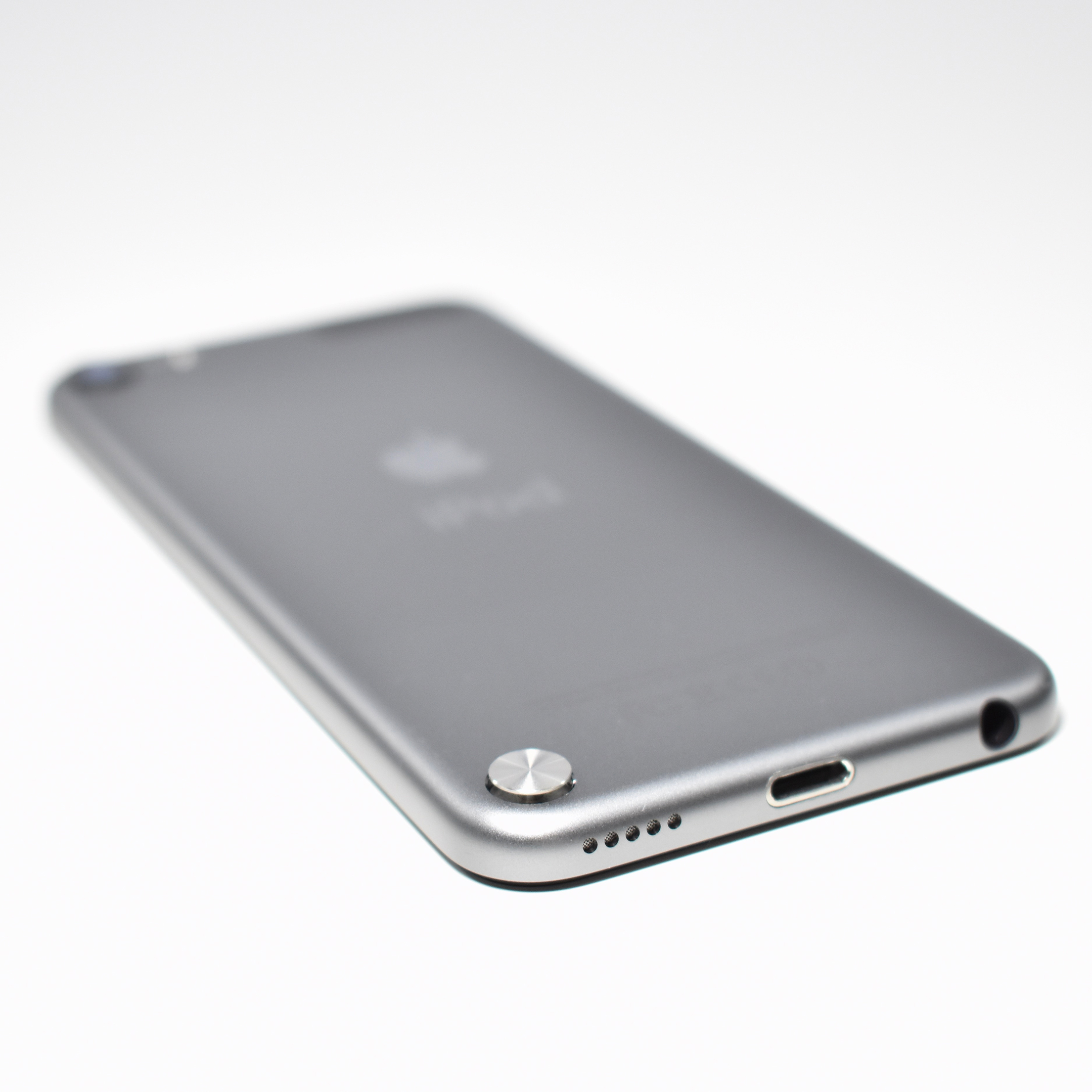
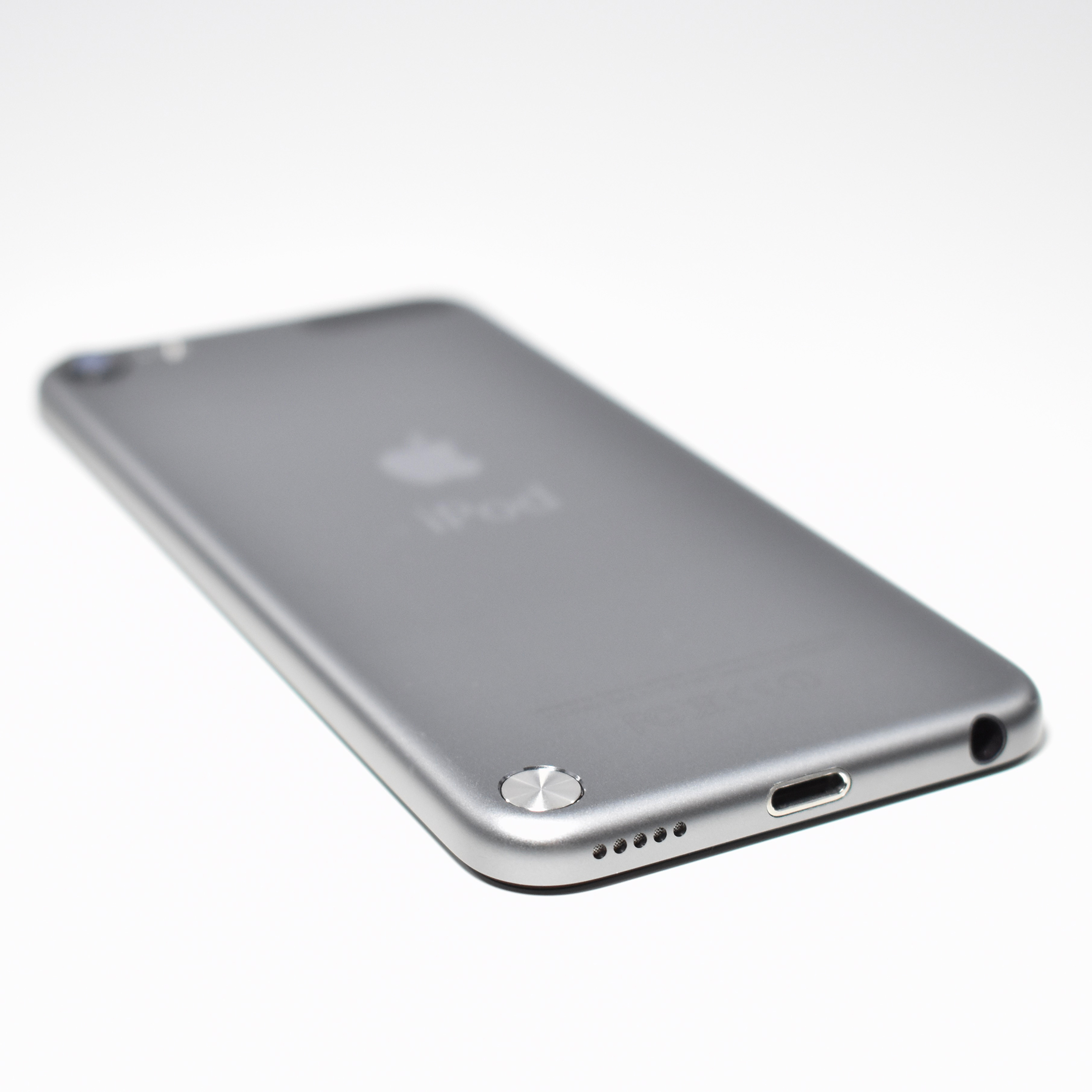
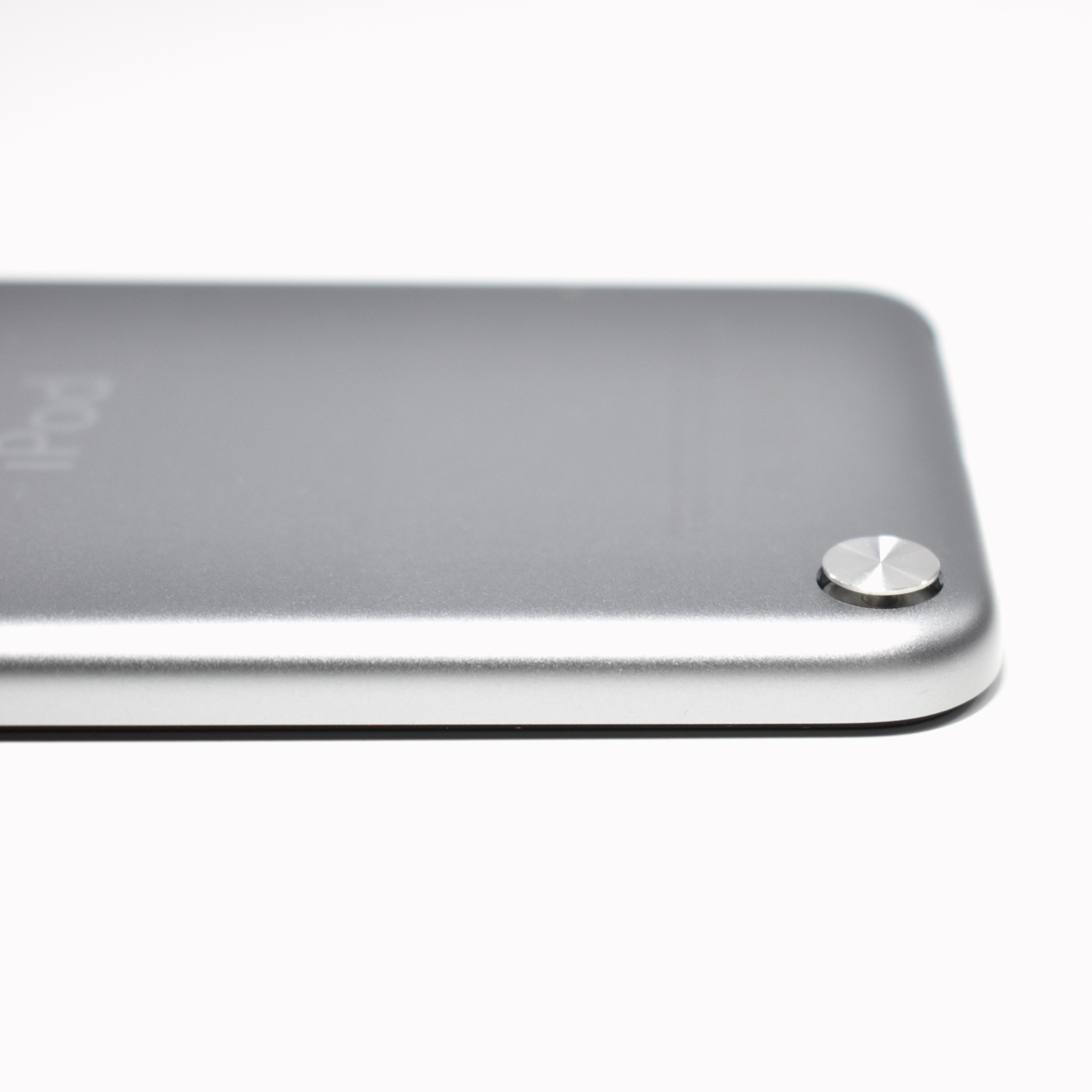
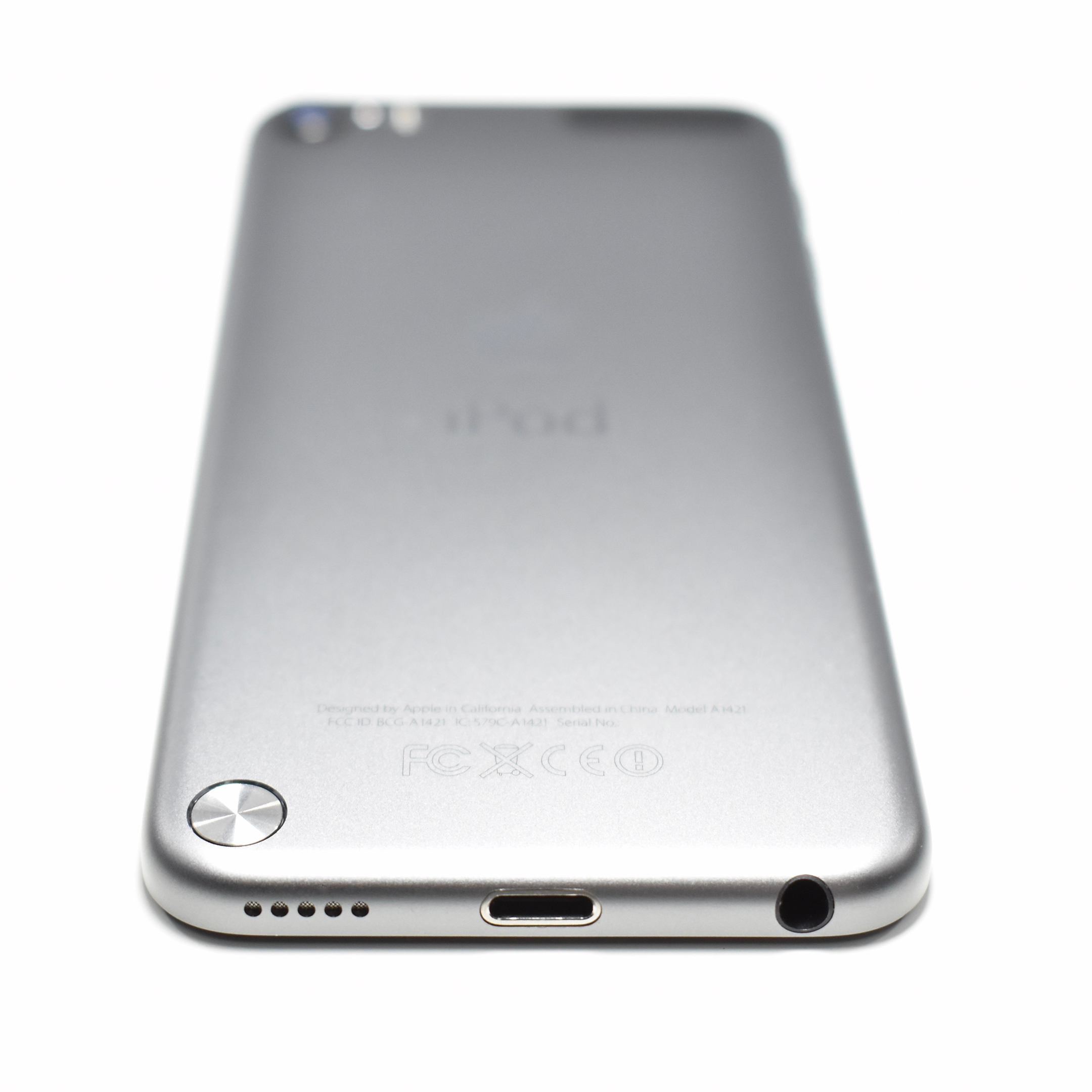
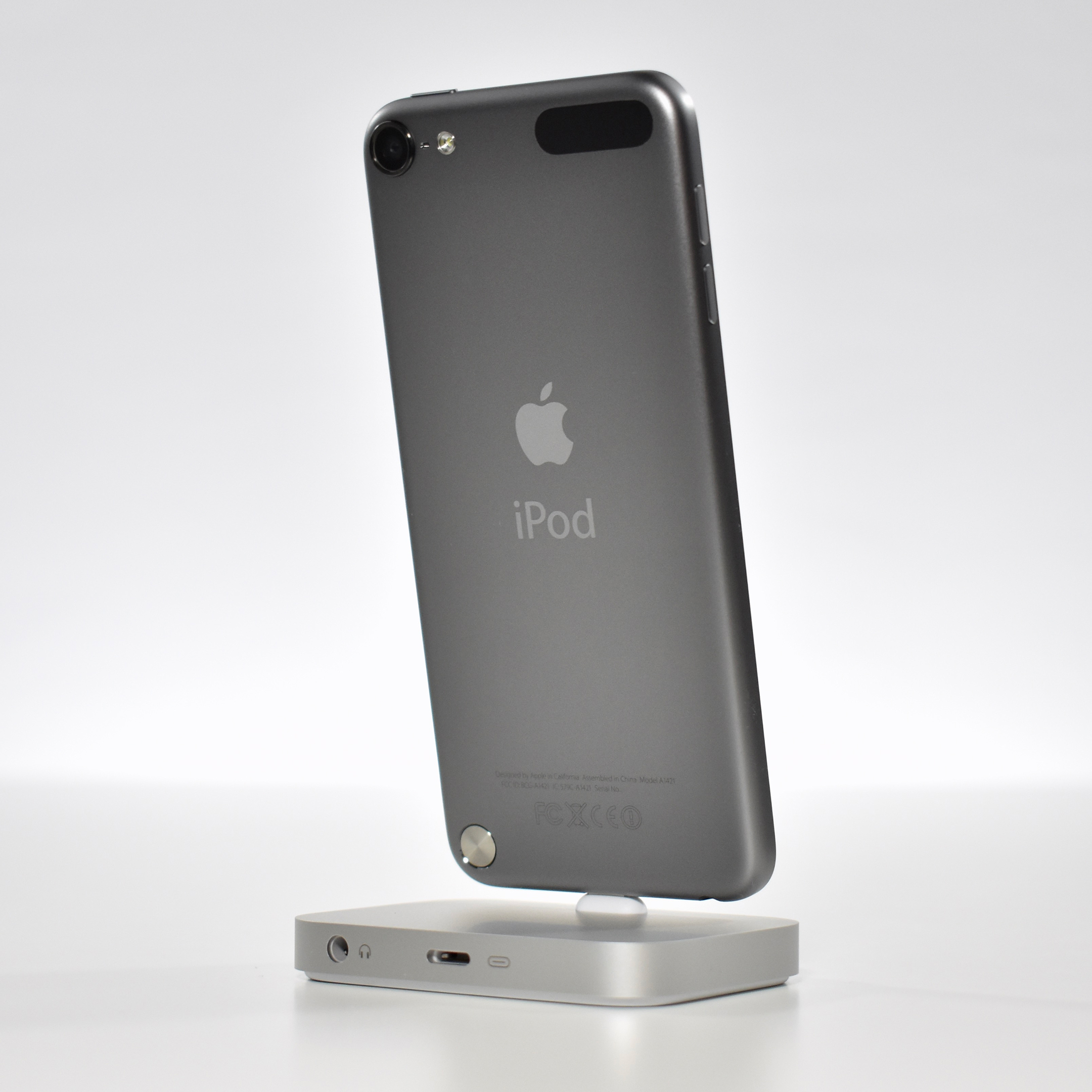
The iPod touch Generation 5 featured a new design from previous models. It was thinner, smaller, and available in space gray (dark gray back with a black glass front), and silver, pink, yellow, blue, and red (color back with a white glass front). The back of the case included a spring-loaded protruding metal circle that allowed an iPod touch loop wrist strap to be attached. The iPod touch loop shipped with the 32 and 64 GB models, but not this 16 GB model.
The iPod touch Generation 5 had a 4-inch Retina Display (1136×640 at 326 ppi). Its rear camera was a 5-megapixel iSight camera with and LED flash that could record video at 1080p. The front-facing 1.2-megapixel FaceTime HD camera could record video at 720p. Wireless connections included Bluetooth 4.0, 802.11n Wi-Fi, and it allowed AirPlay.
This iPod touch used a 1 GHz dual-core A5 processor with 512 MB of RAM. Internal storage options included 16, 32, or 64 GB. It could run iOS 9.3.5 and supported Siri.
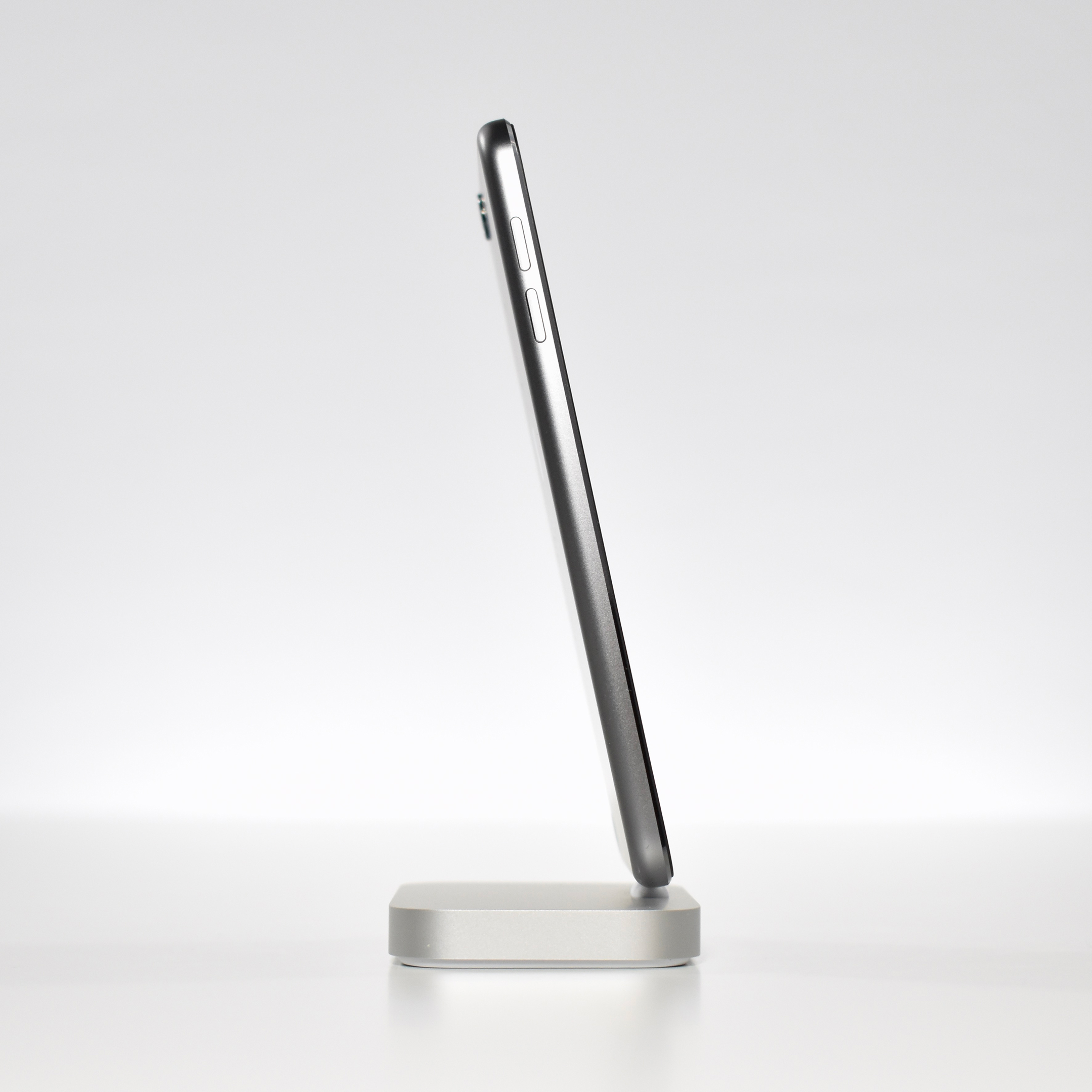
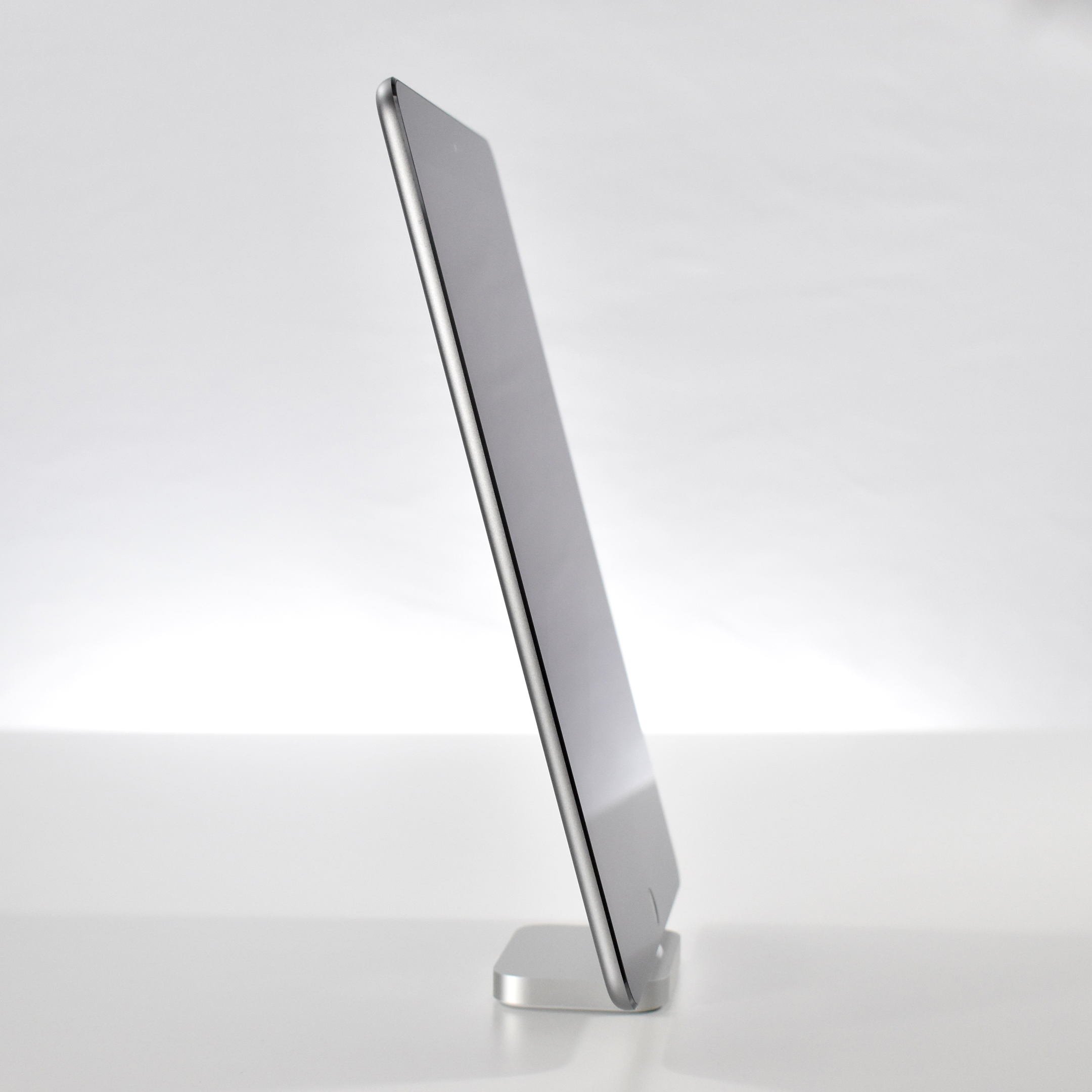
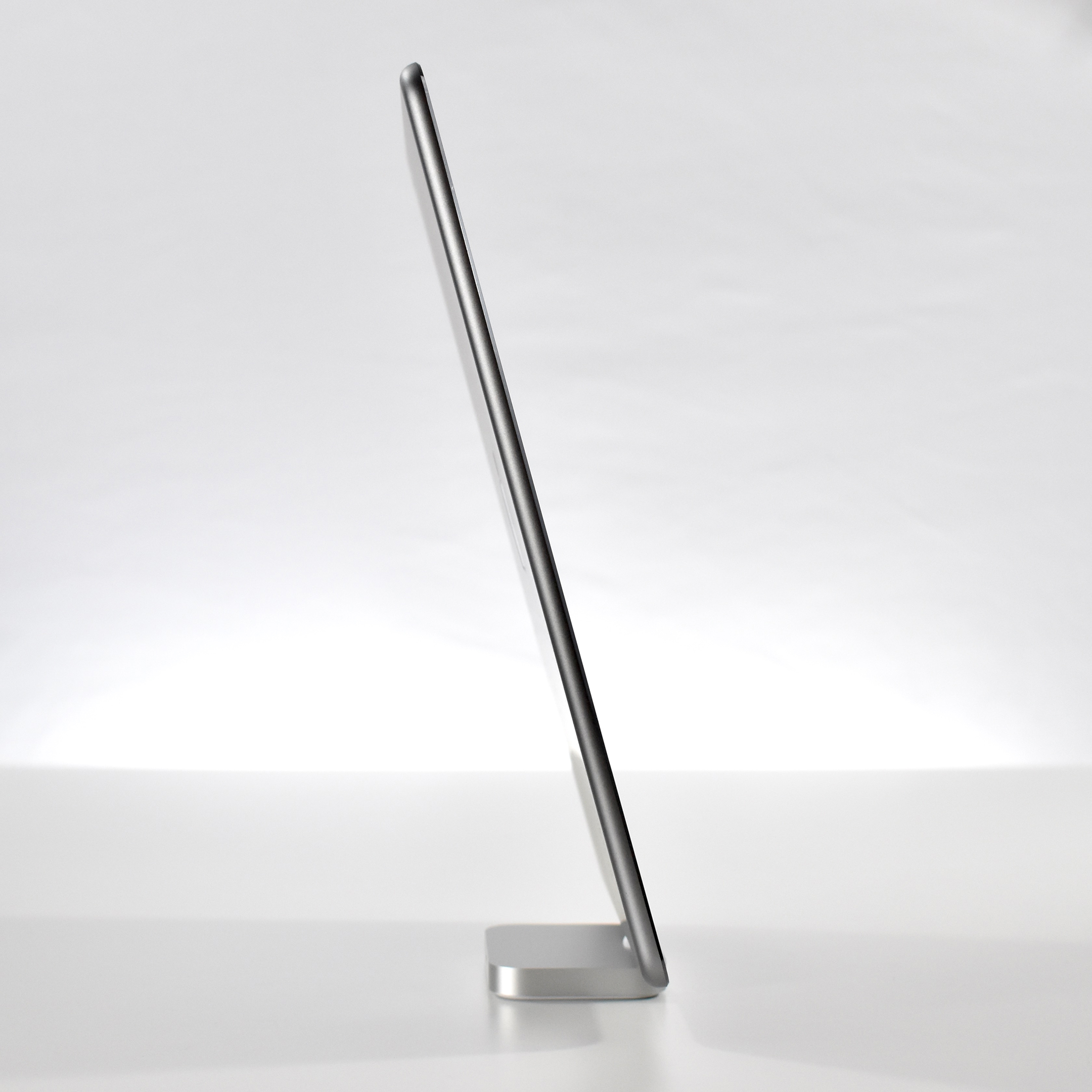
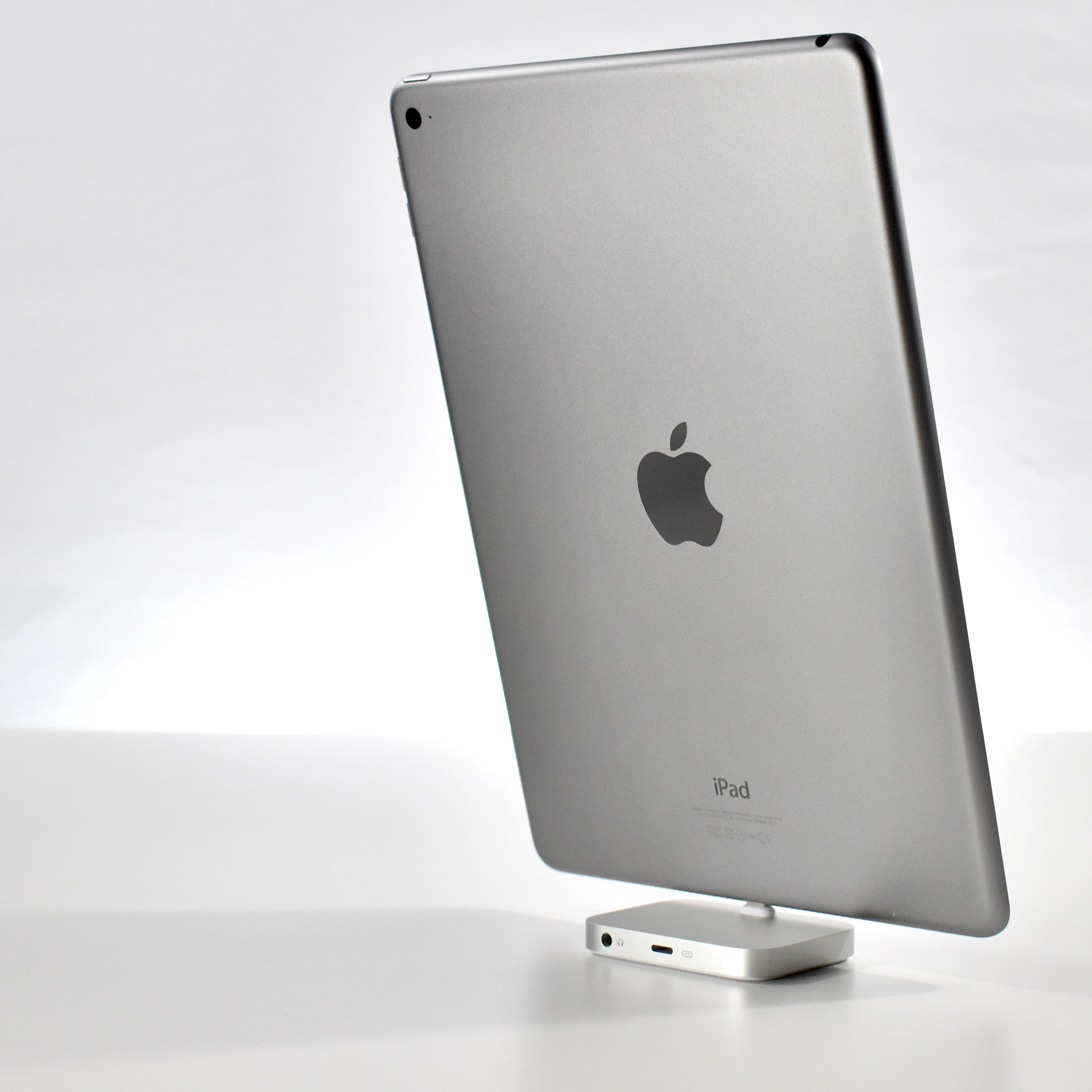
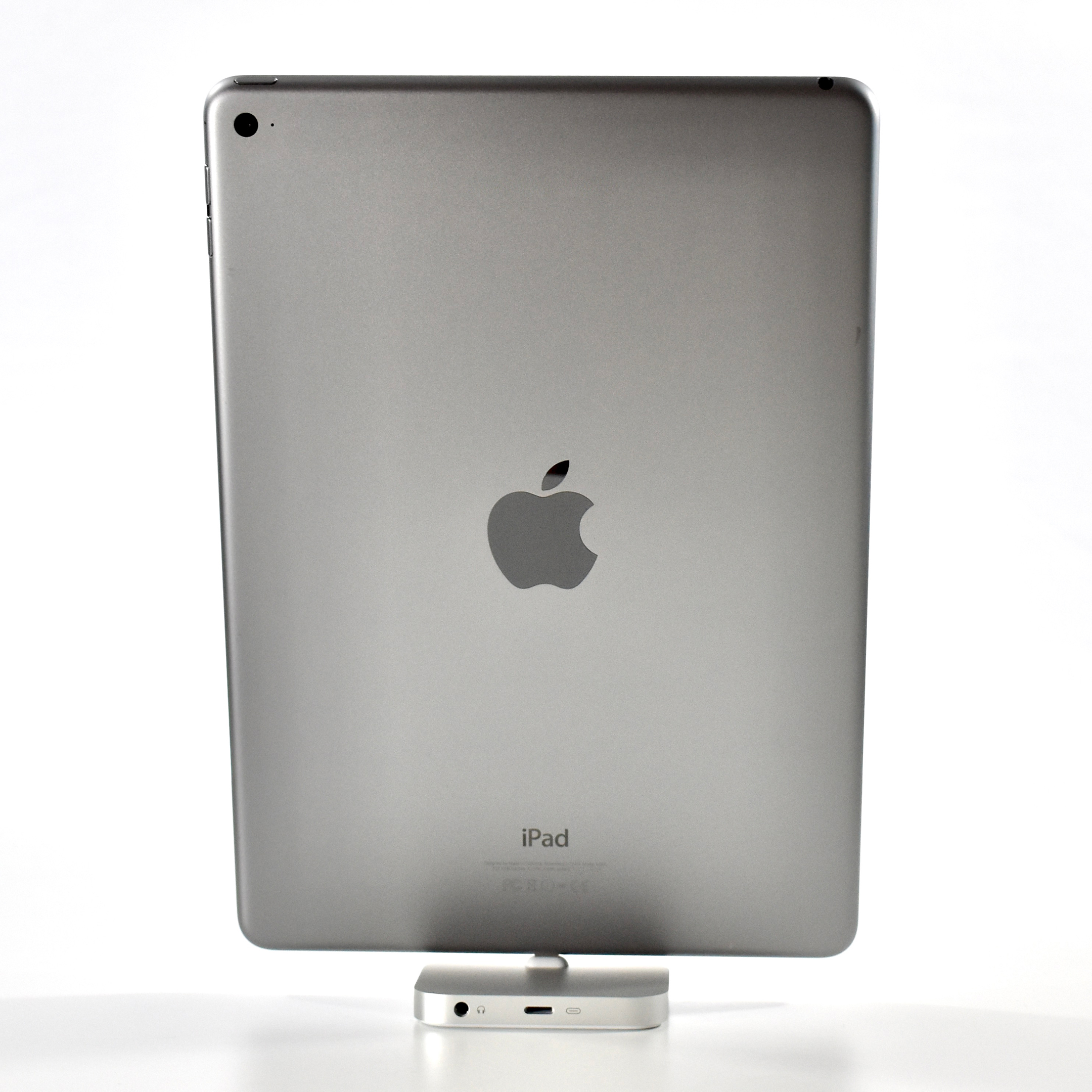
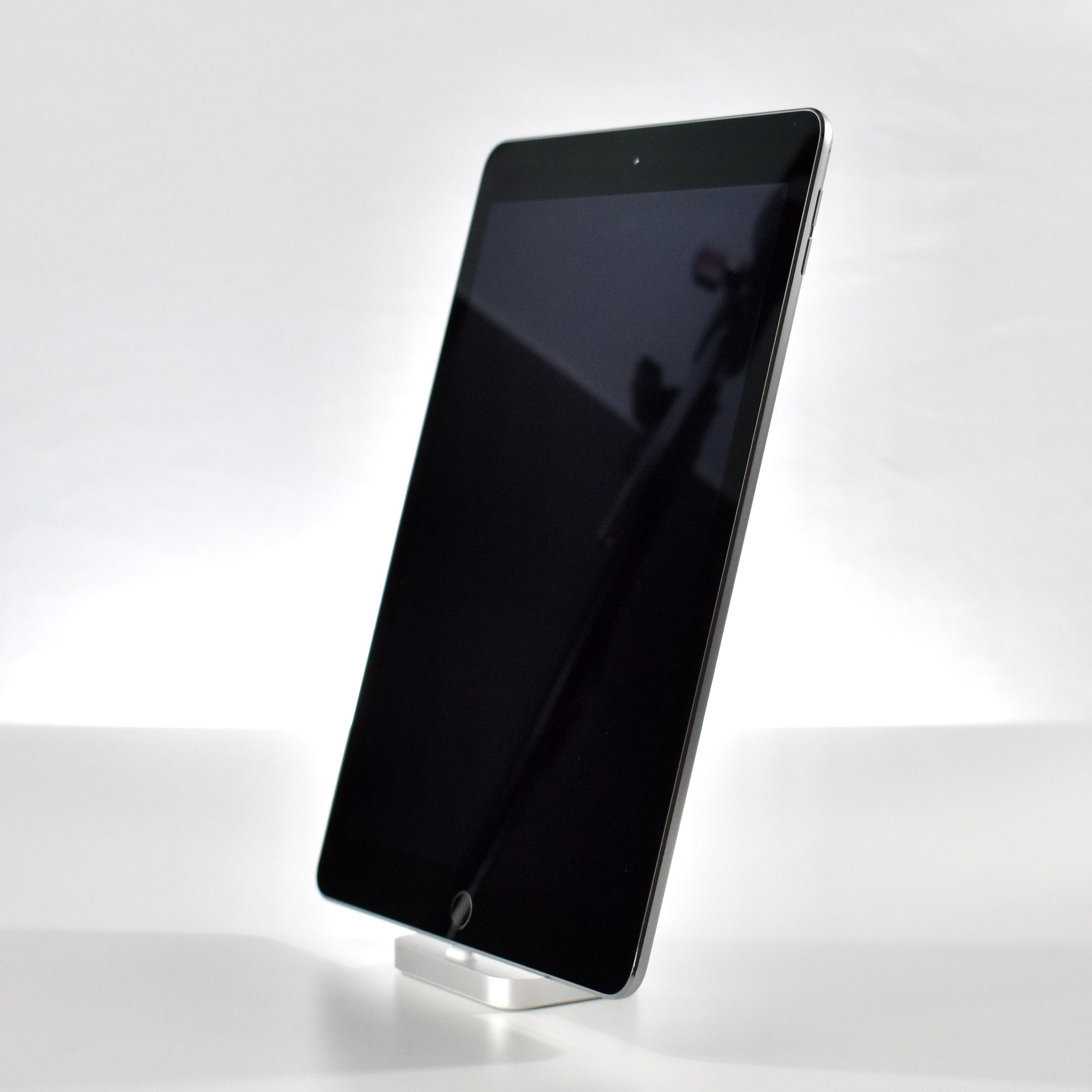
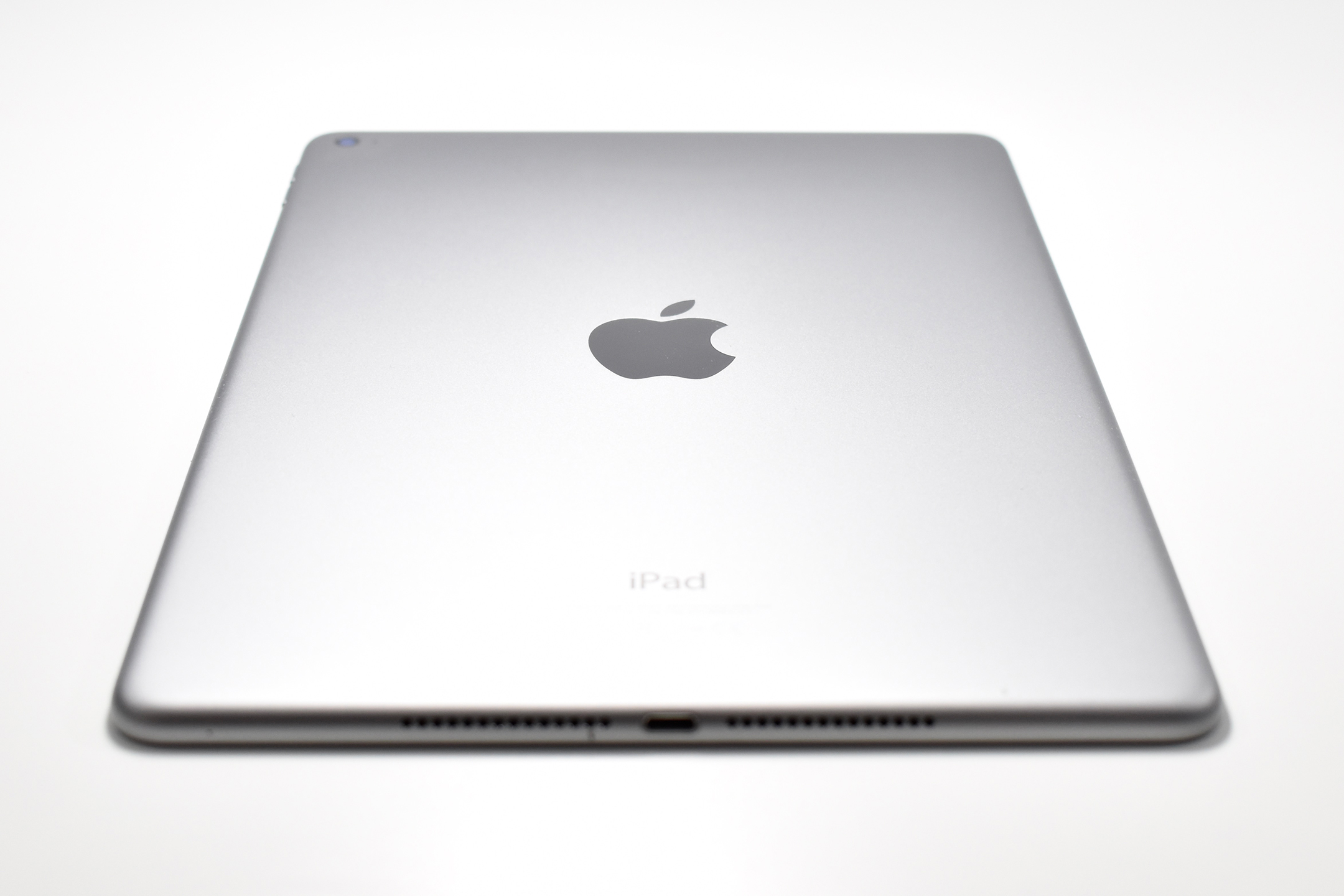
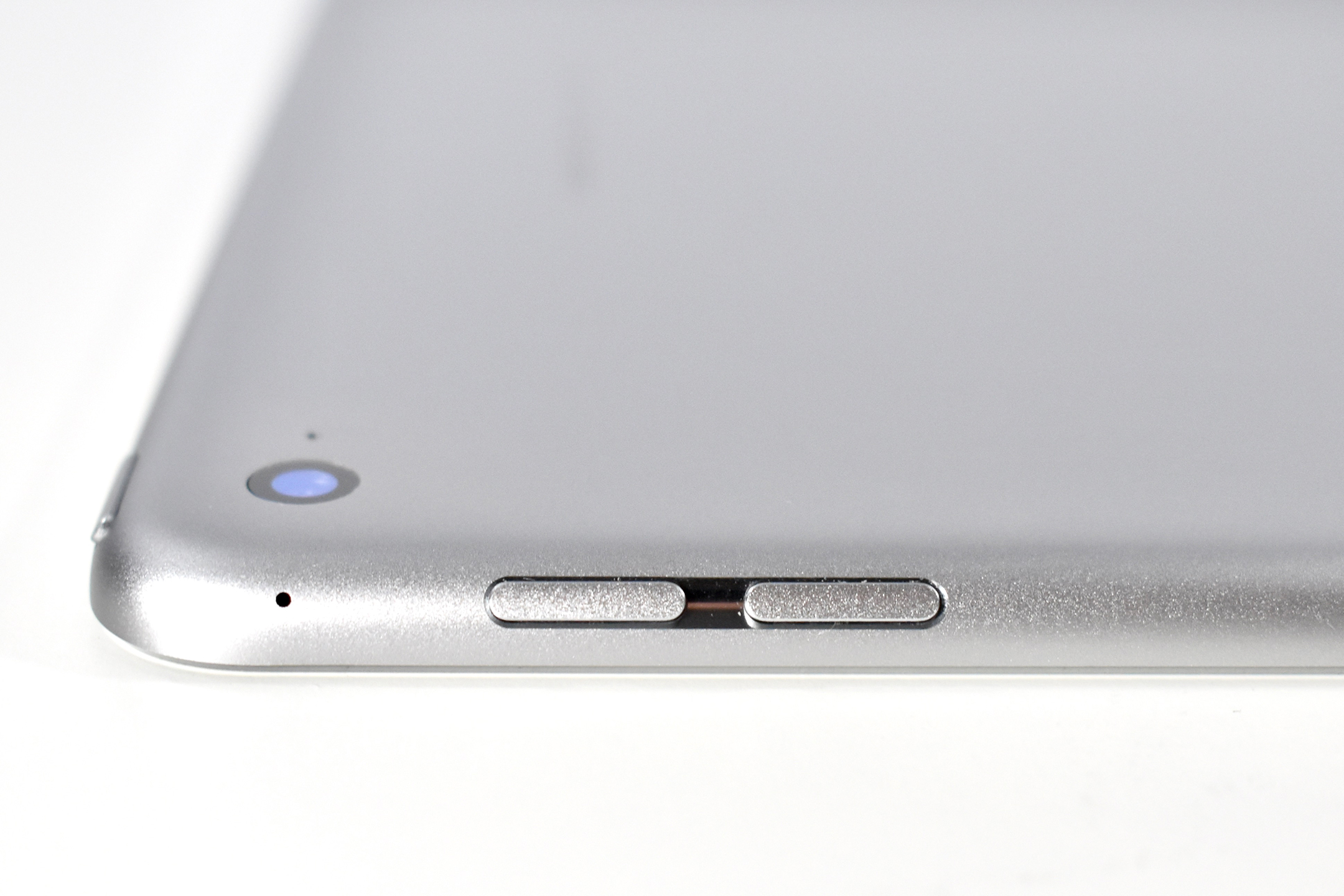
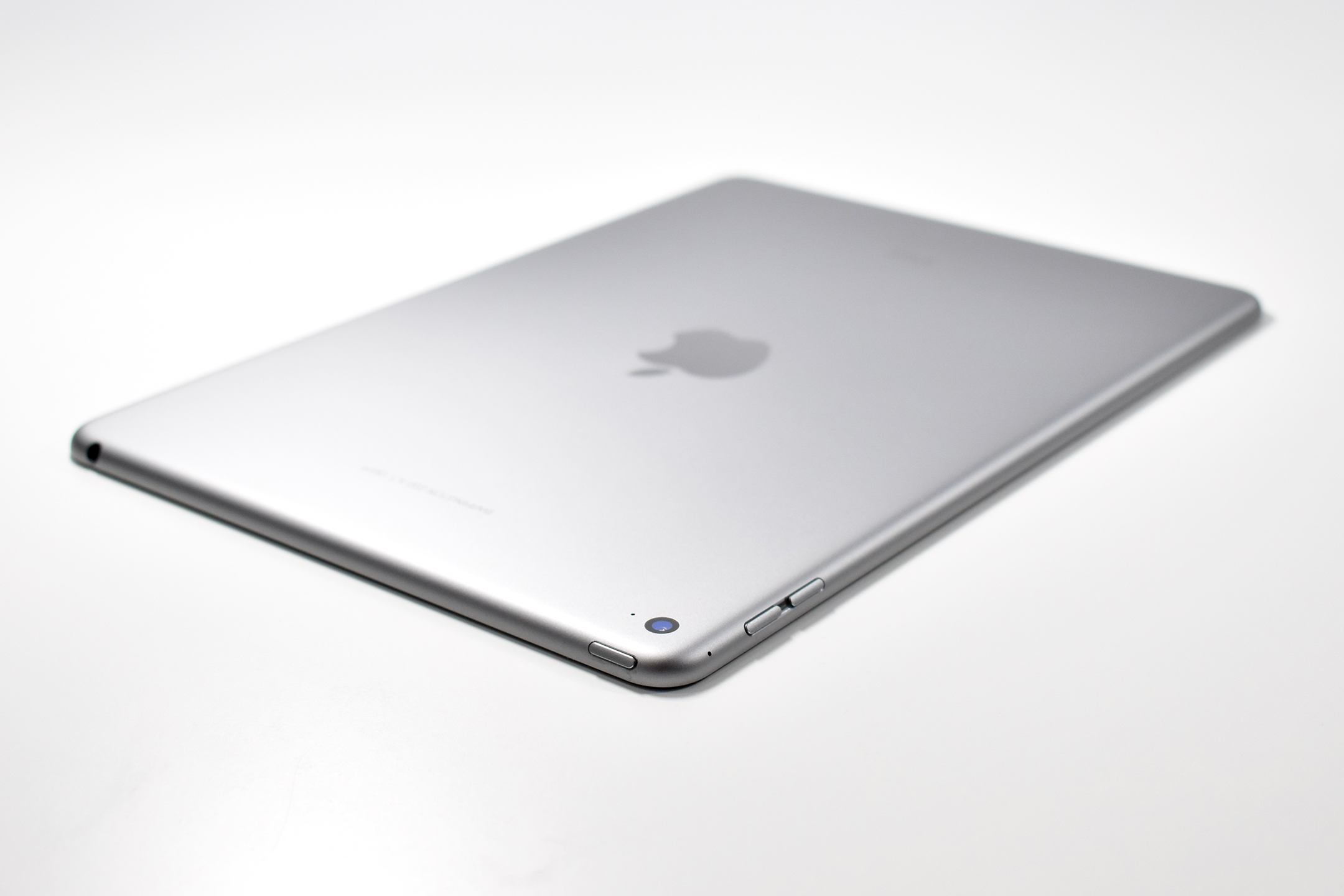
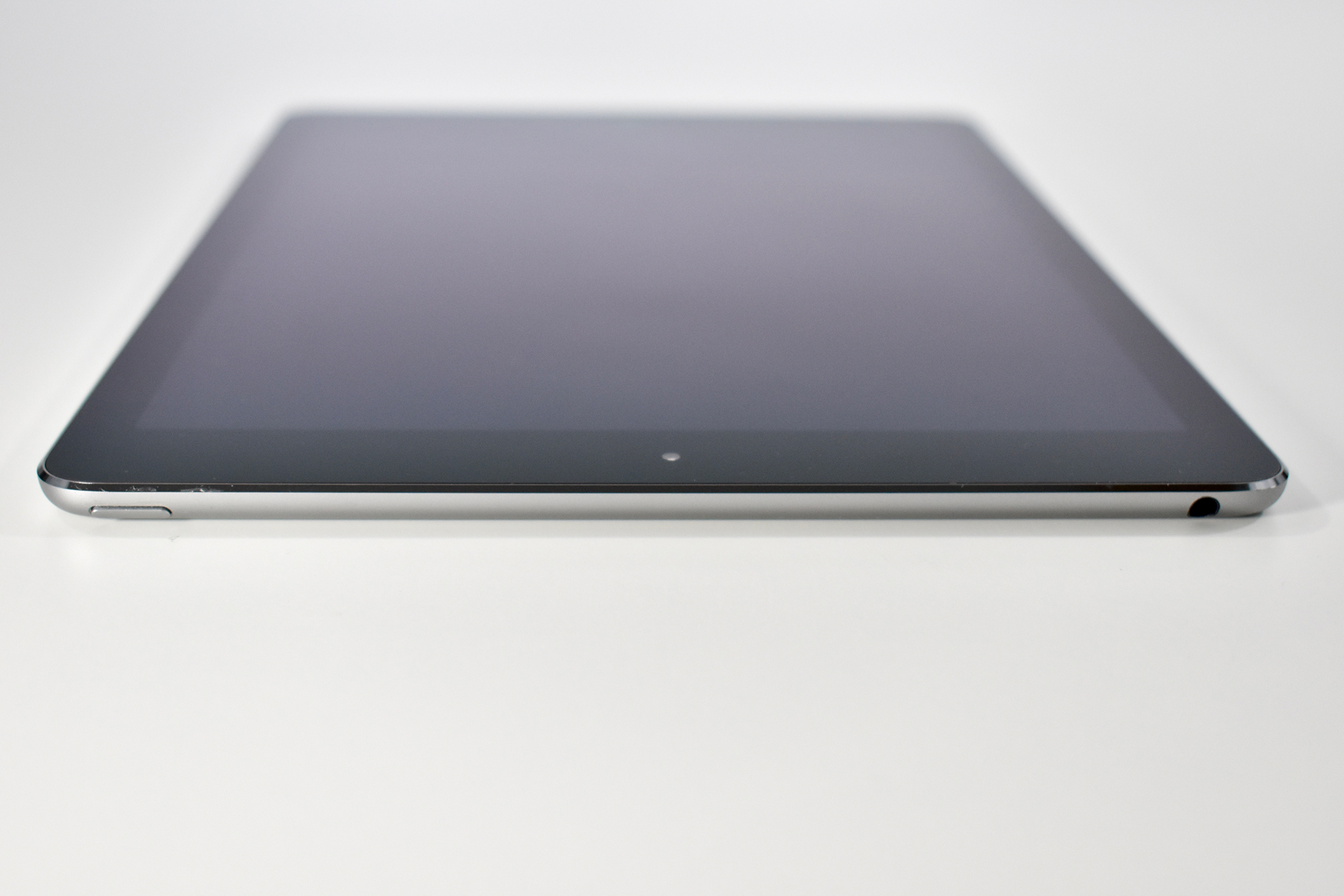
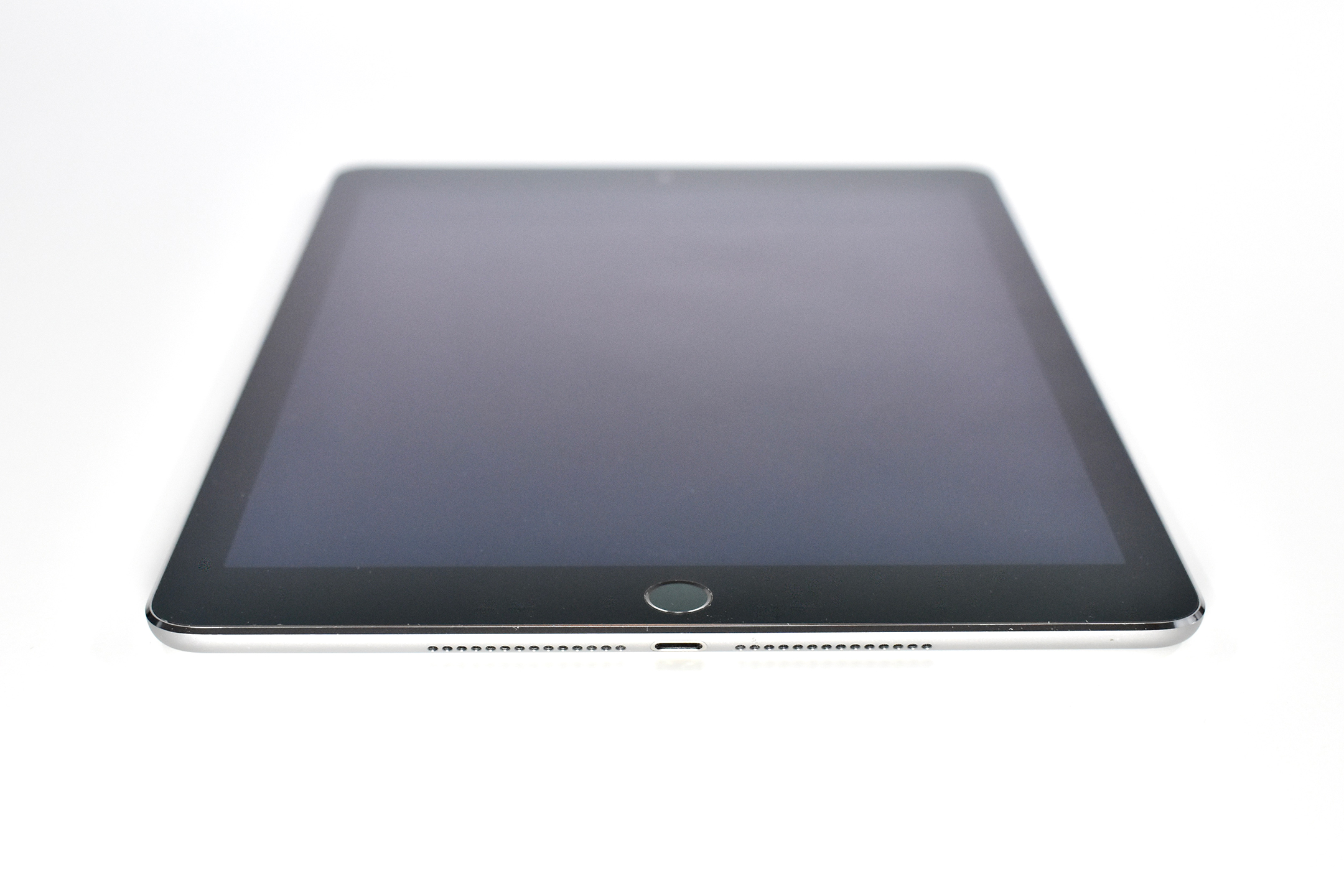
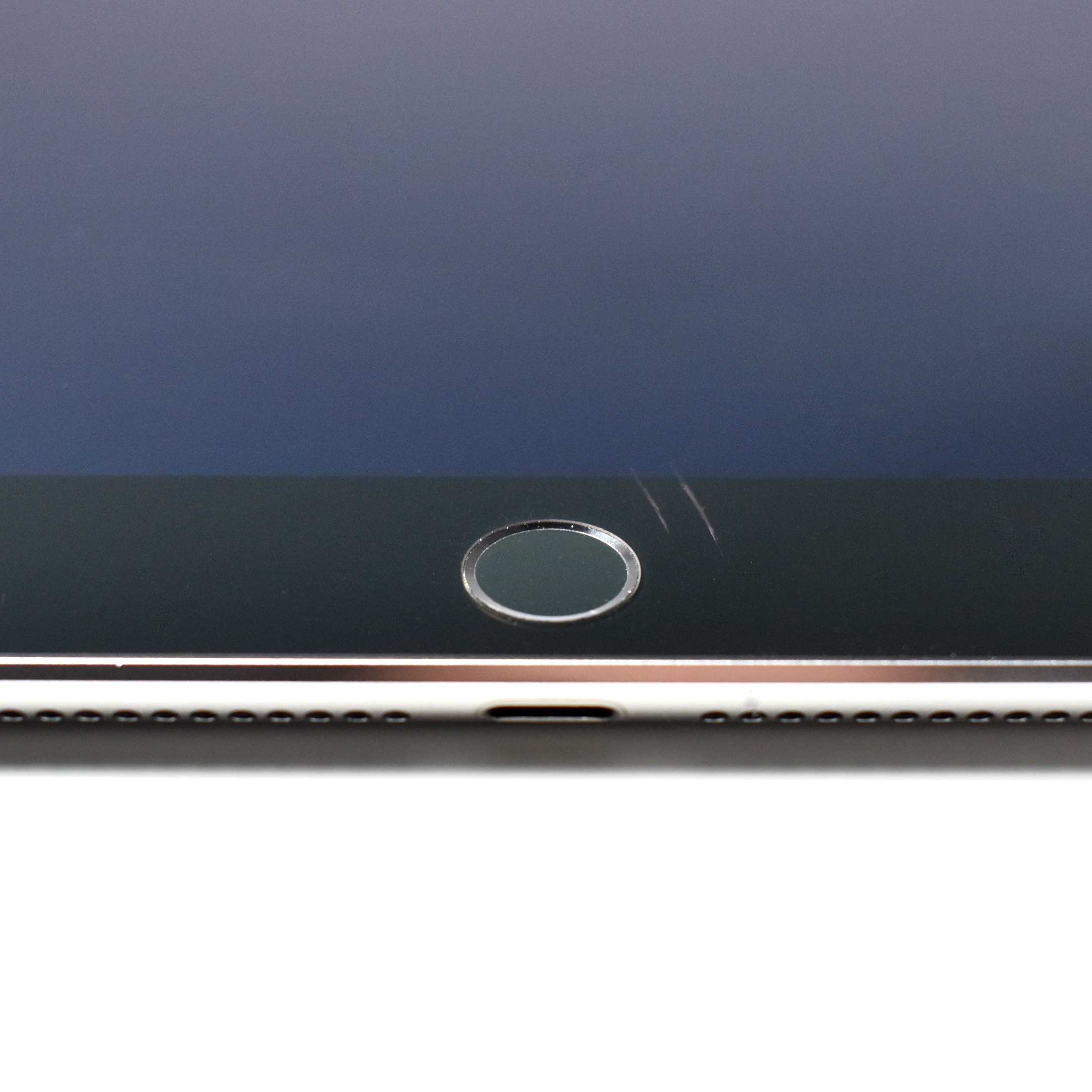
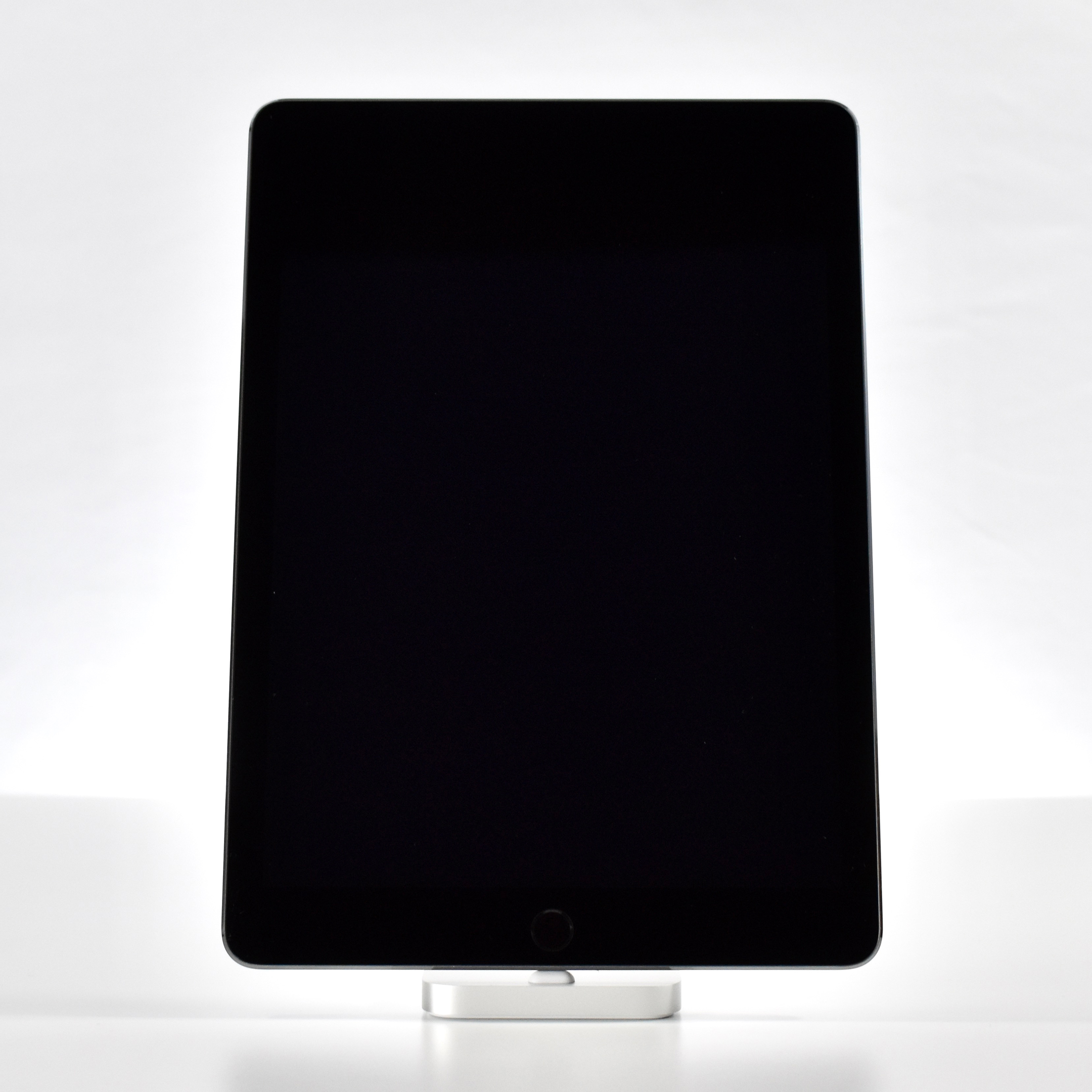
The iPad Air 2 was the first iPad to use Touch ID. It was announced at an October 2014 Apple event titled, “Change Is in the Air.” This iPad was available in three colors: gold (gold aluminum back with a white glass front), silver (silver aluminum back with a white glass front), and space gray (dark gray aluminum back with a black glass front).
The 9.7-inch touchscreen Retina Display was 2048×1536 (at 264 ppi) and featured an antireflective coating. Internally, it used a three-core 1.5 GHz A8X processor, 2 GB of RAM, and was available with 16, 32, 64, or 128 GB of storage.
Its rear 8-megapixel iSight camera recorded video at 1080p (30 fps), and its front 1.2-megapixel FaceTime HD camera recoded video at 720p.
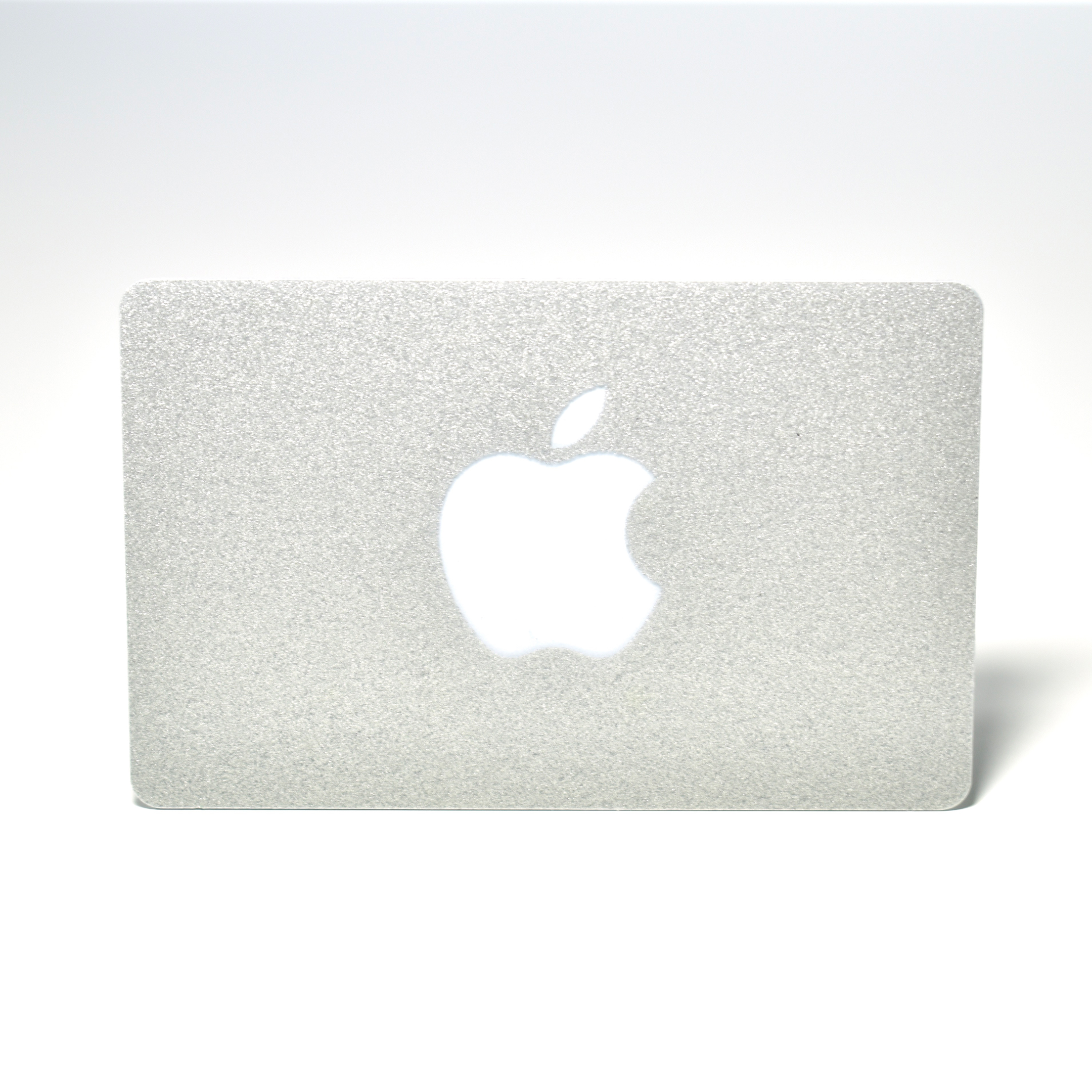
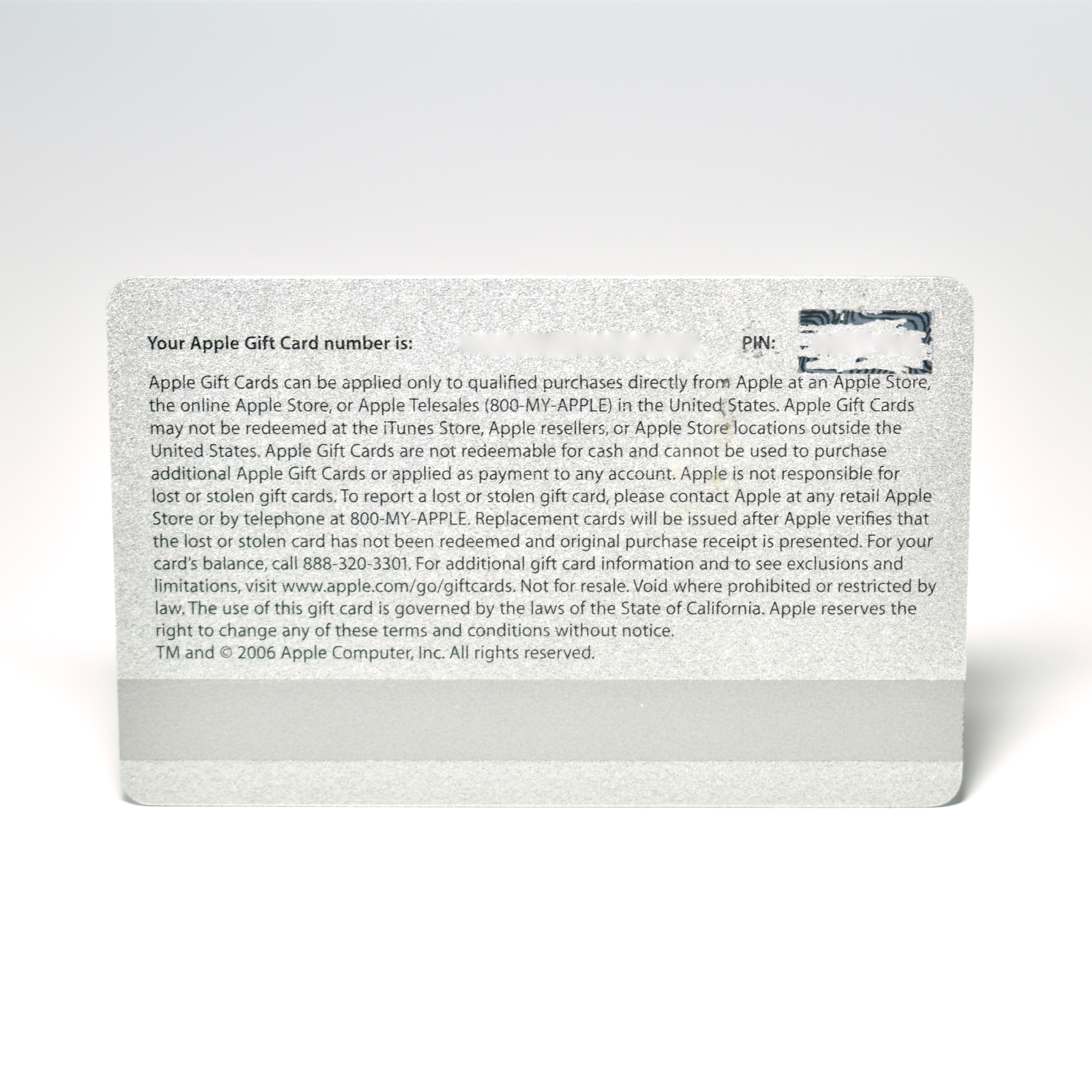
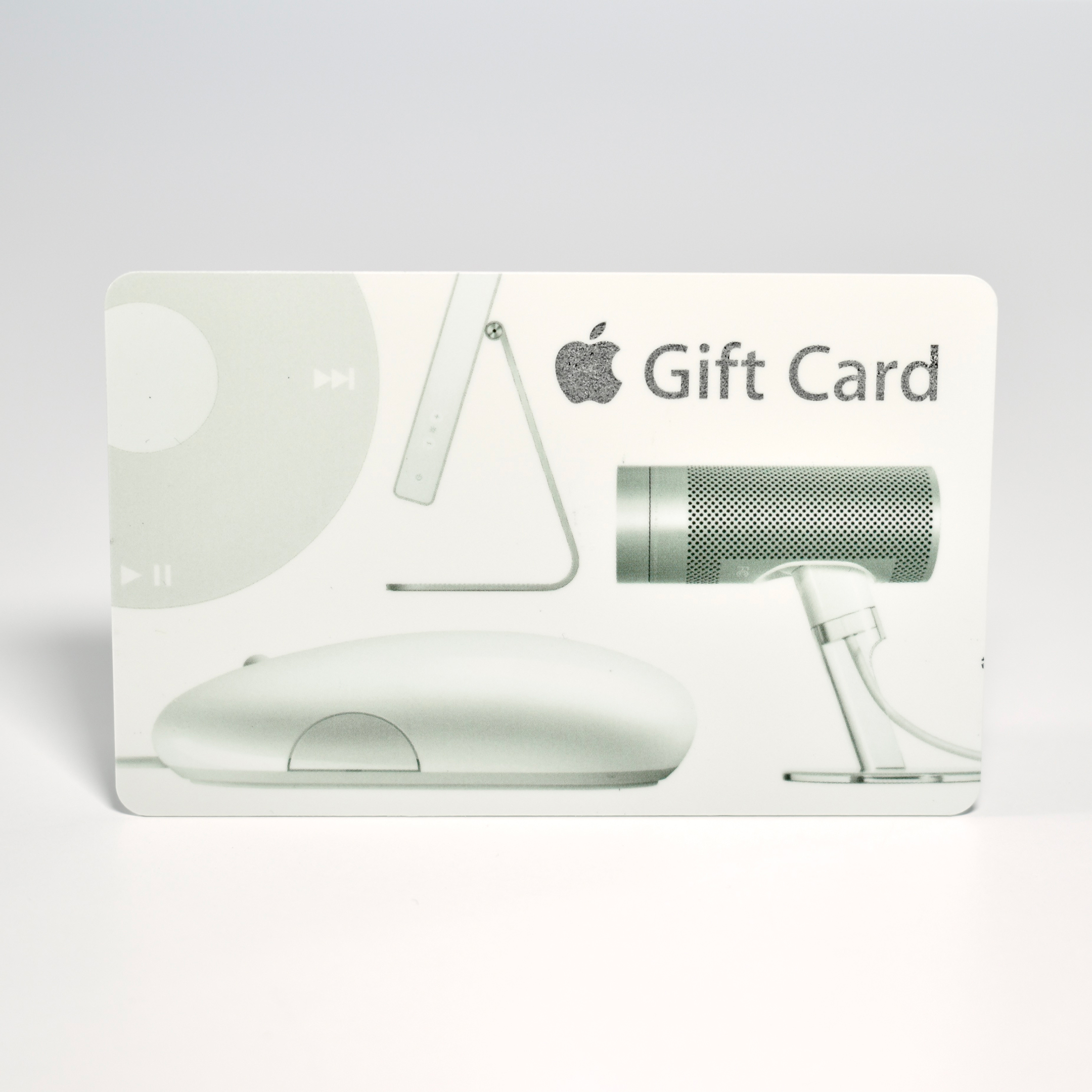
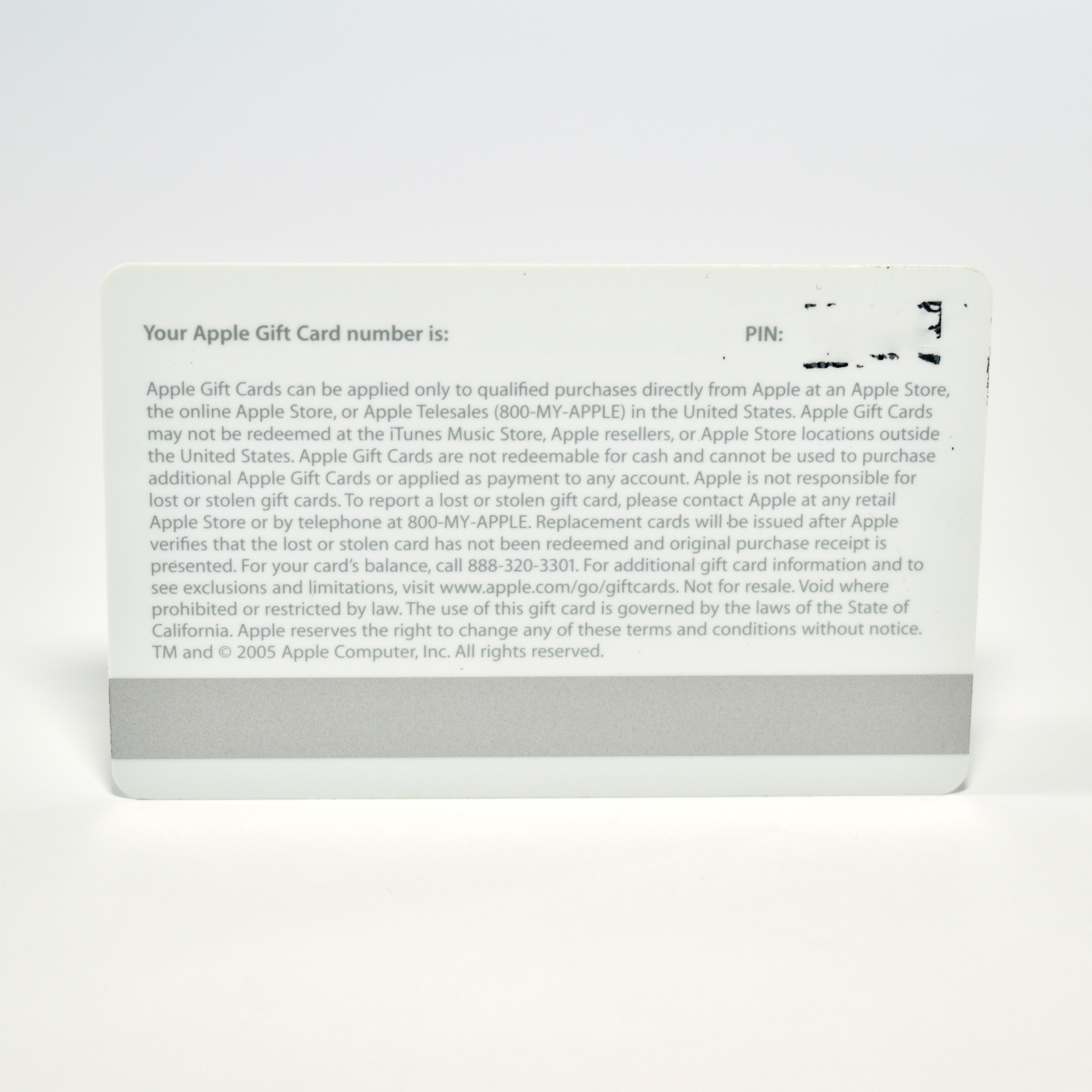
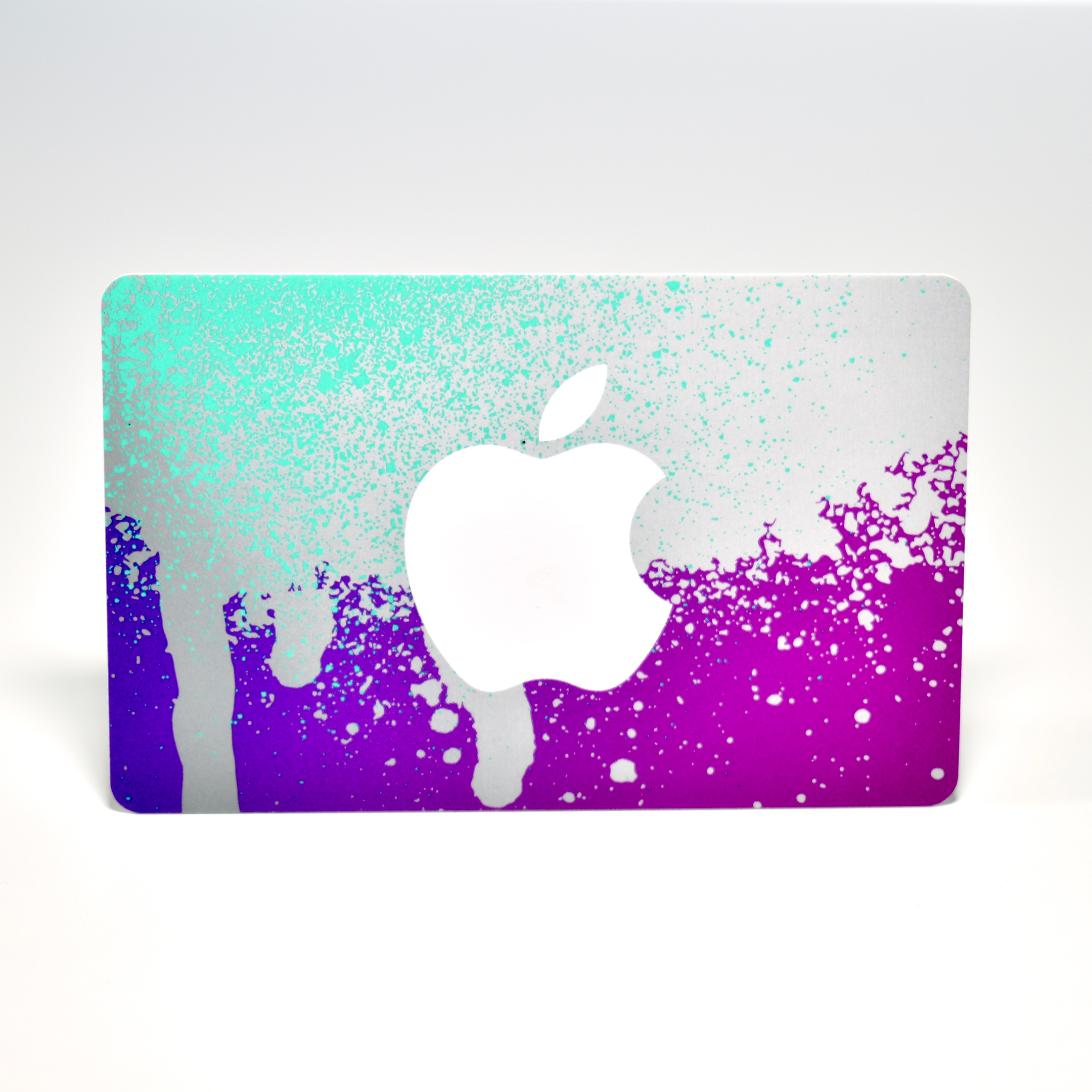
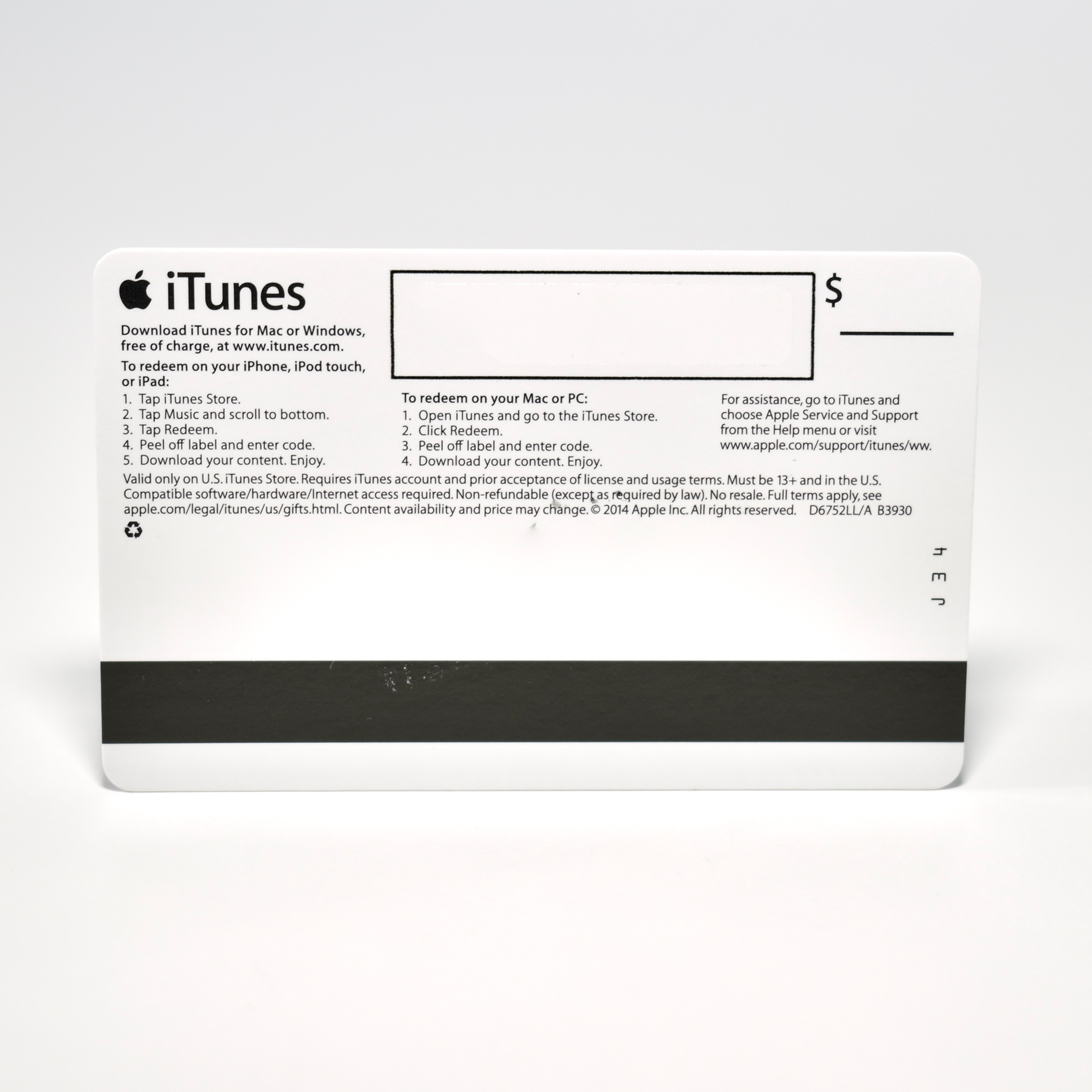
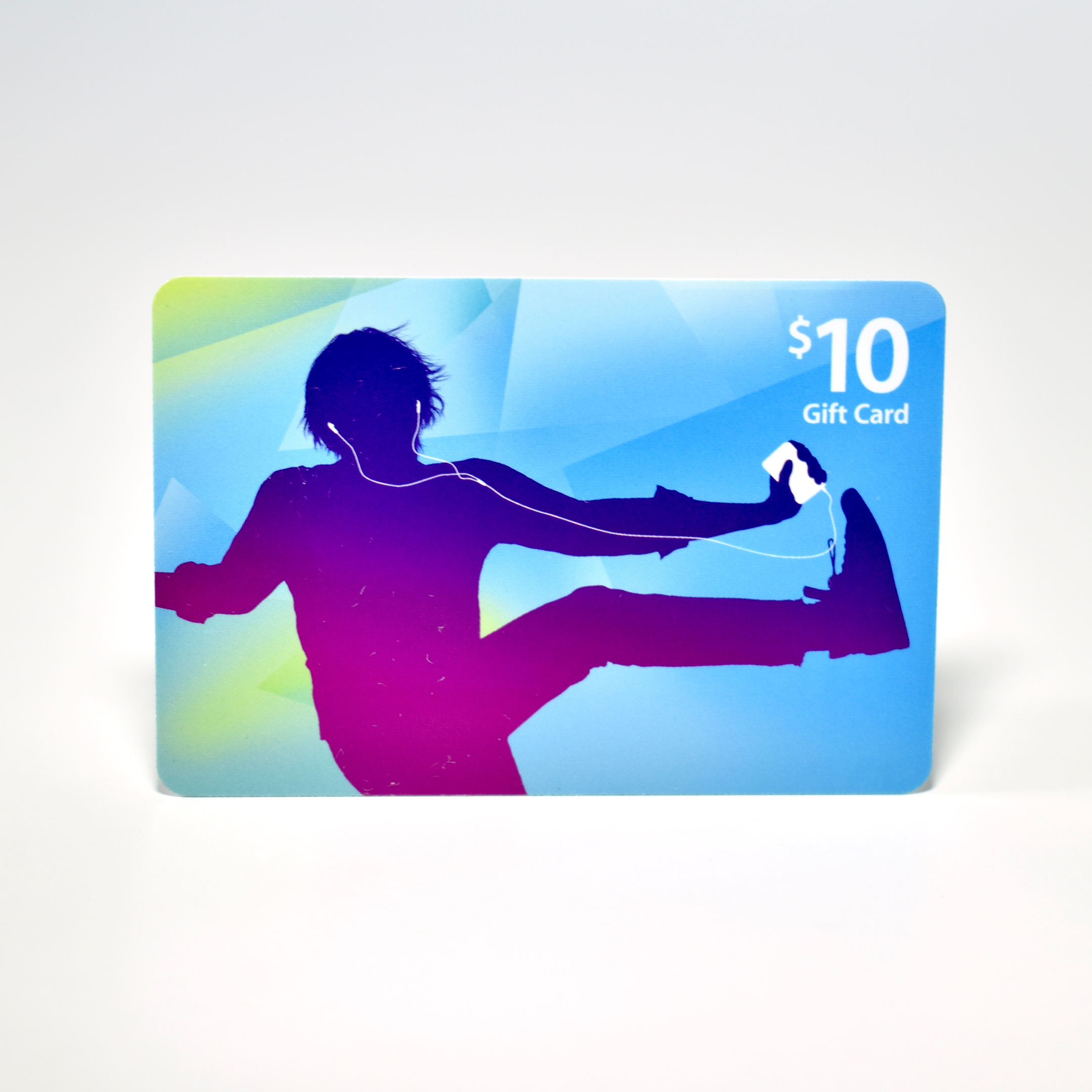
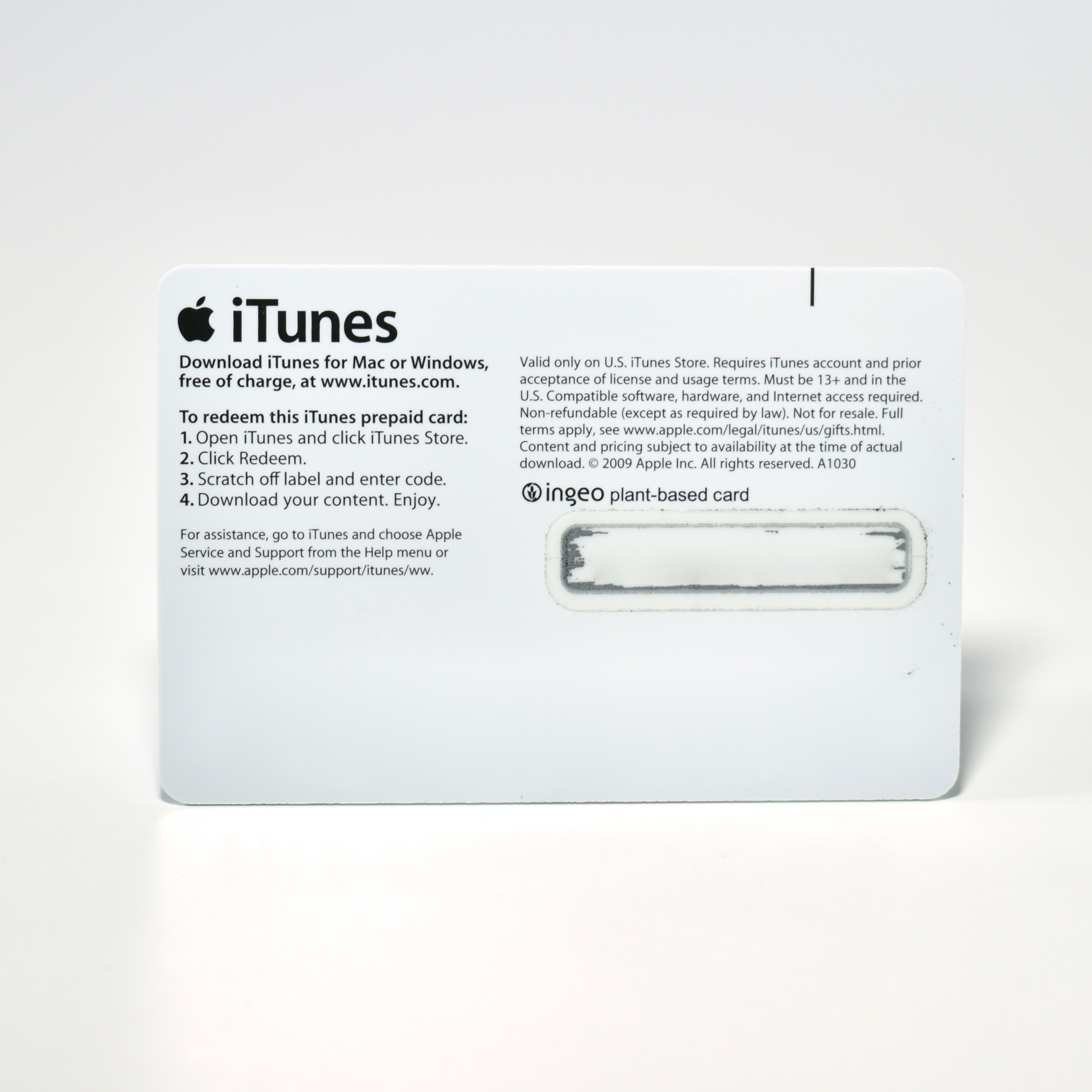
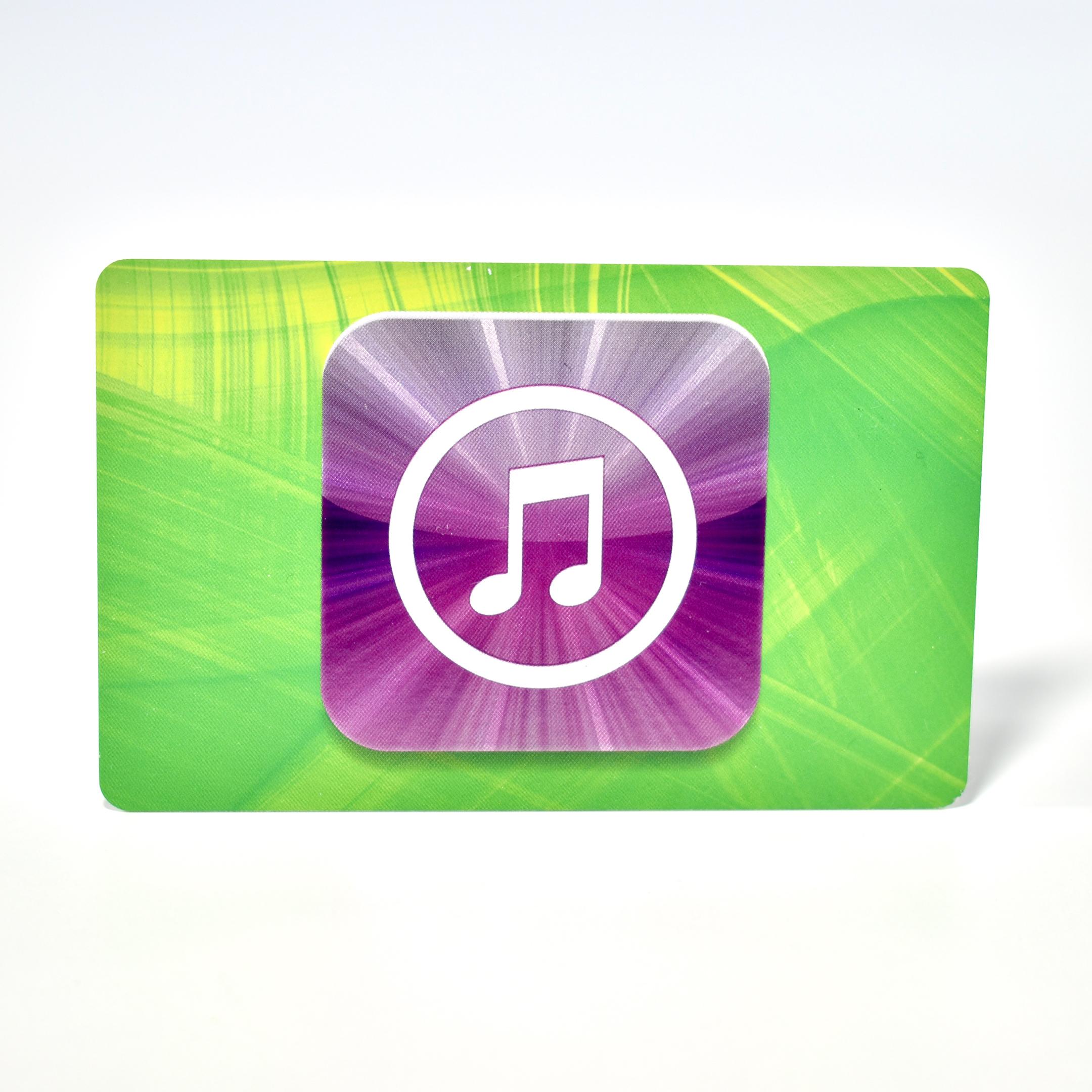
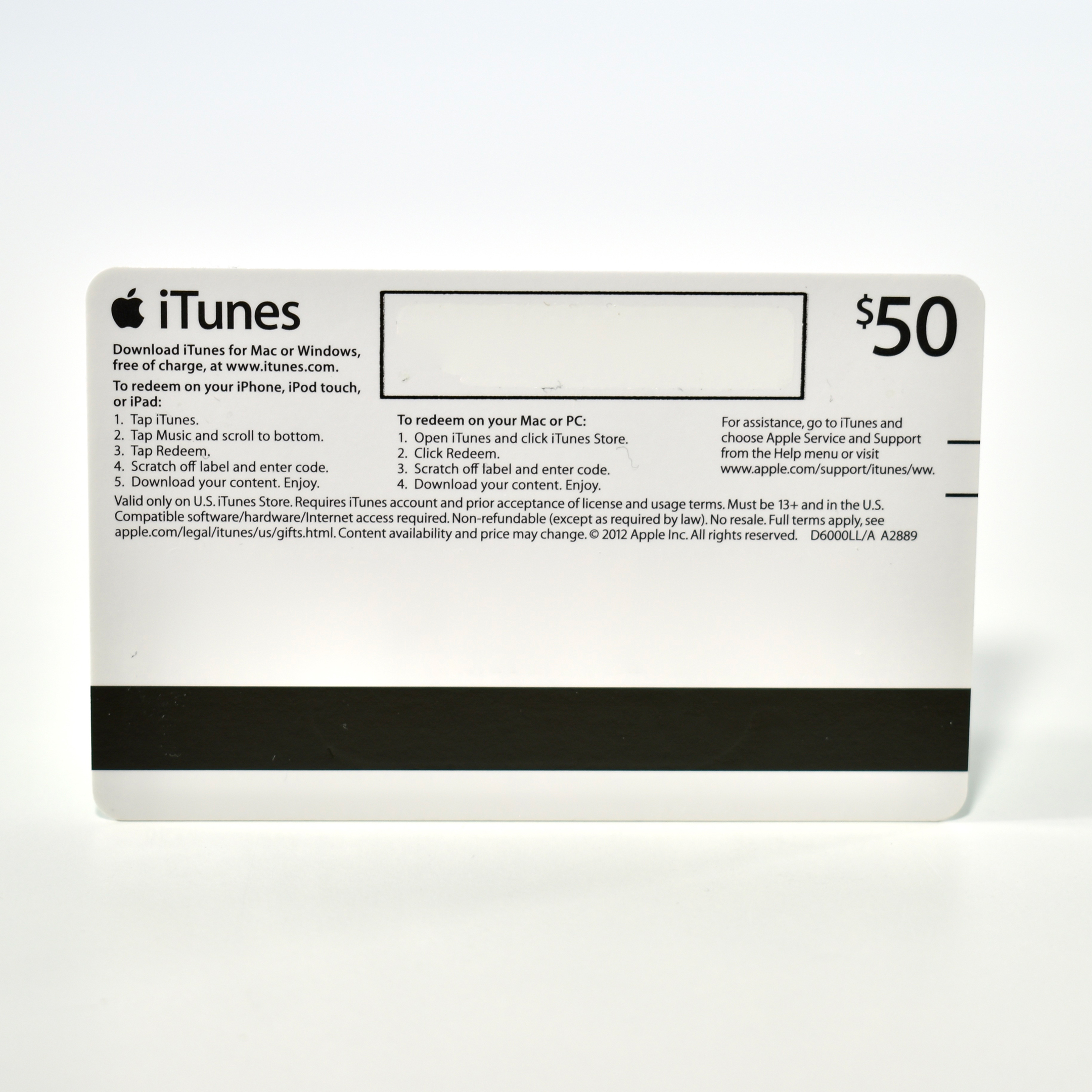
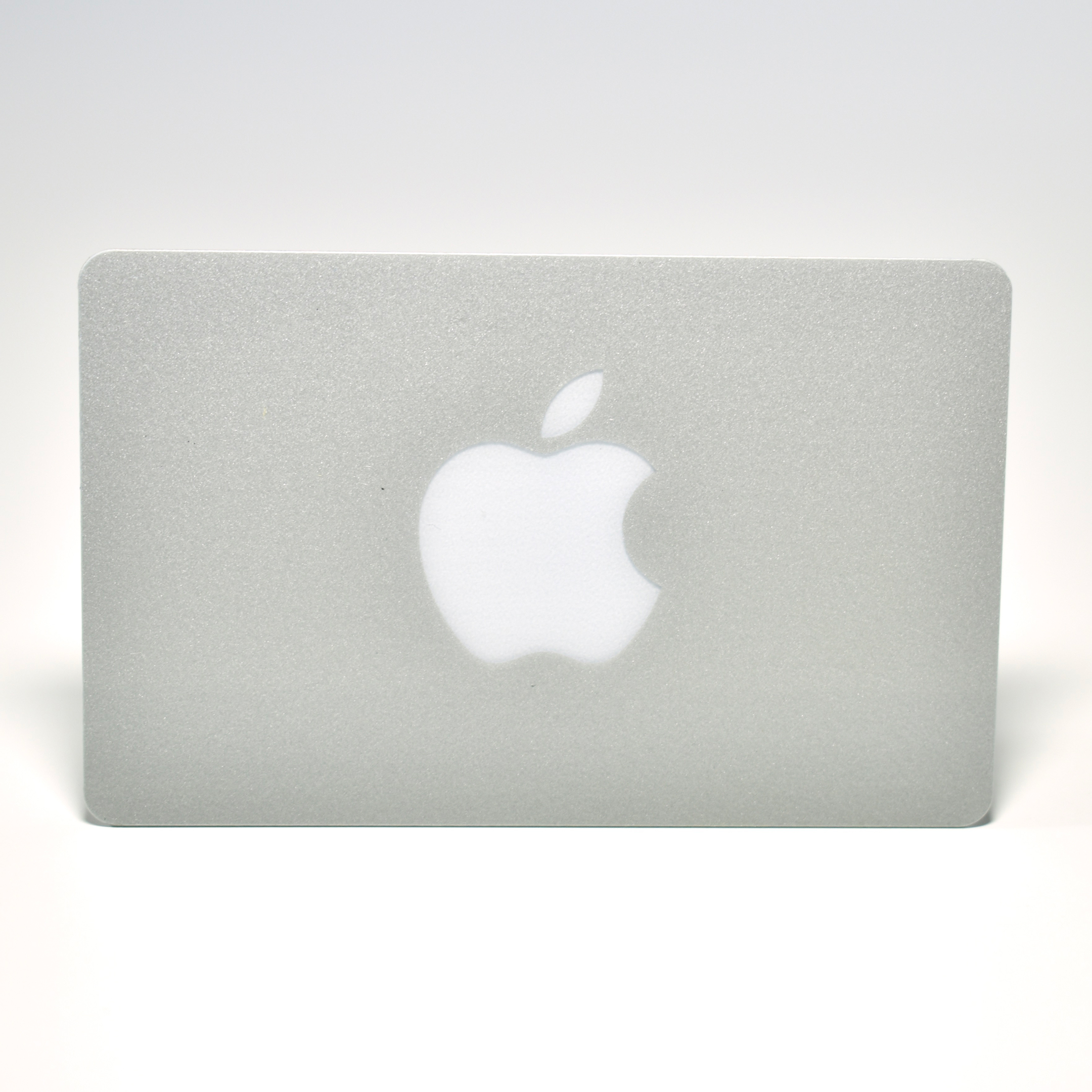
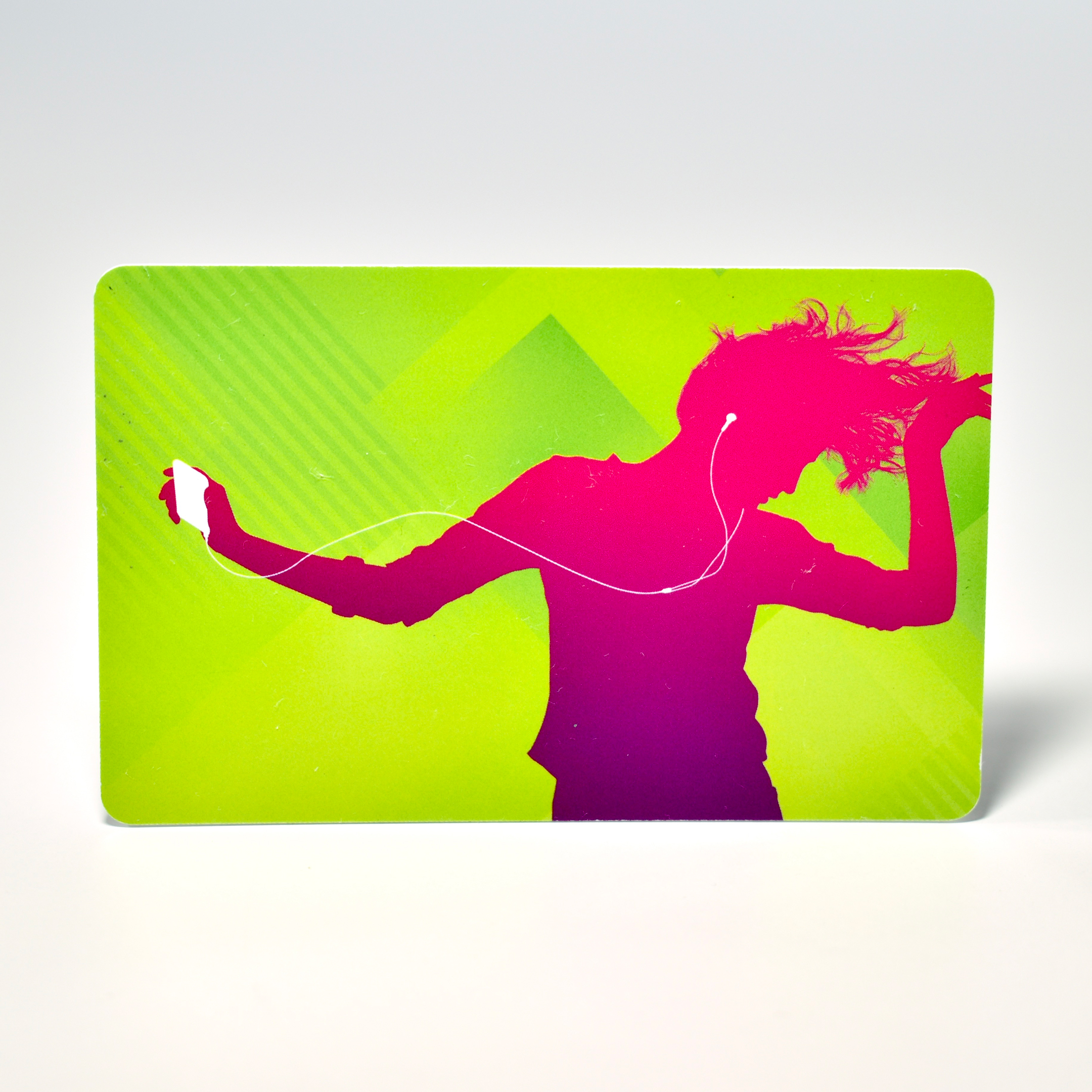
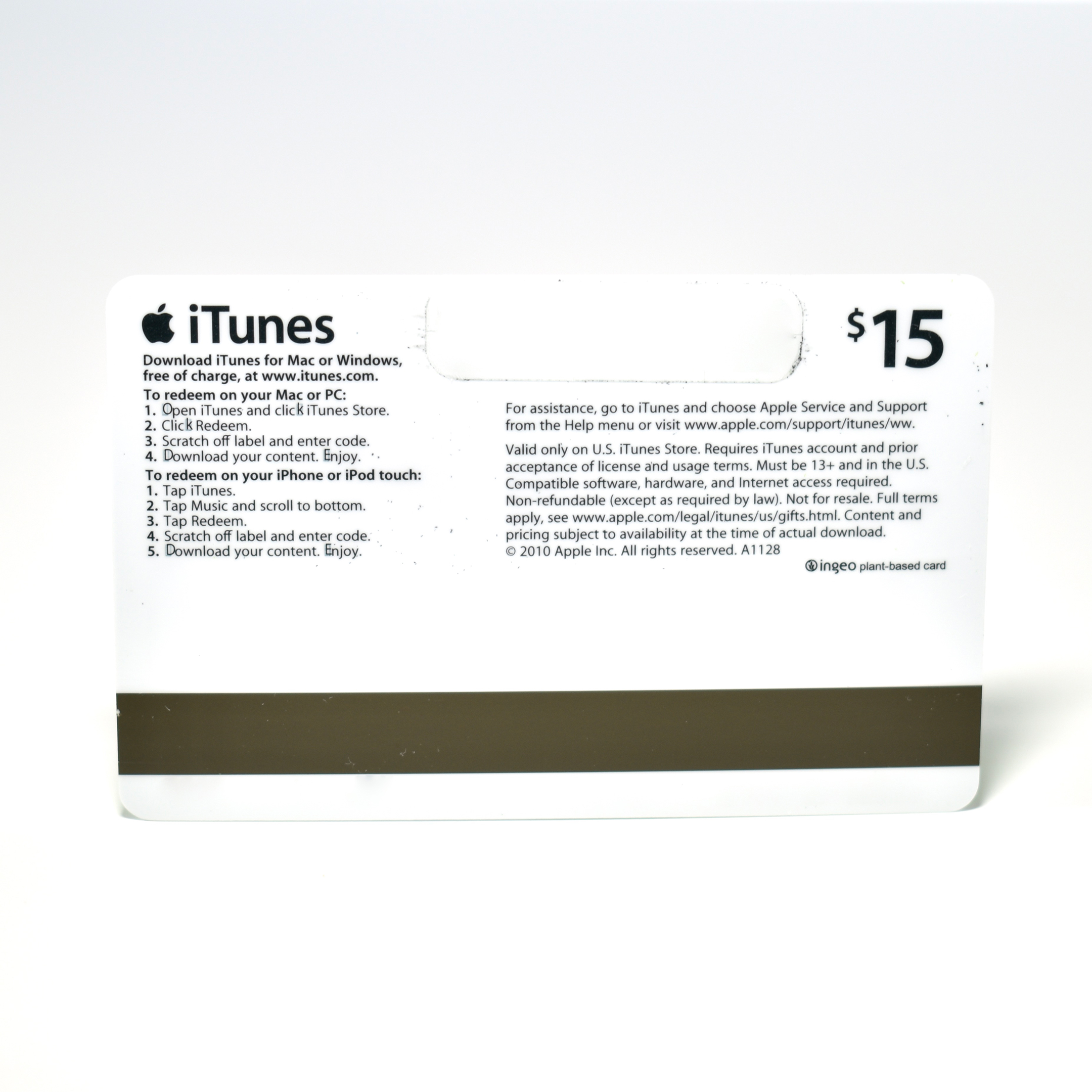
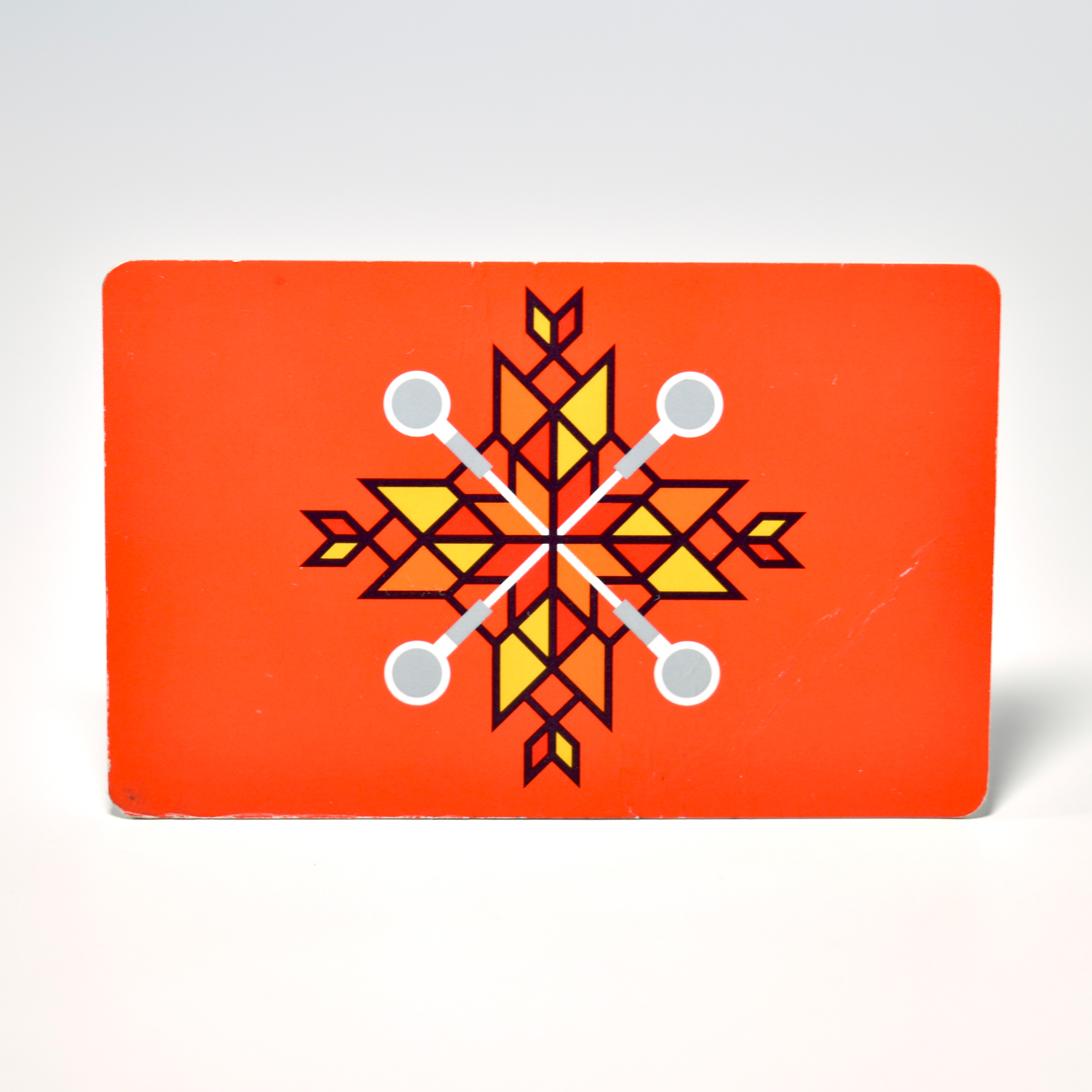
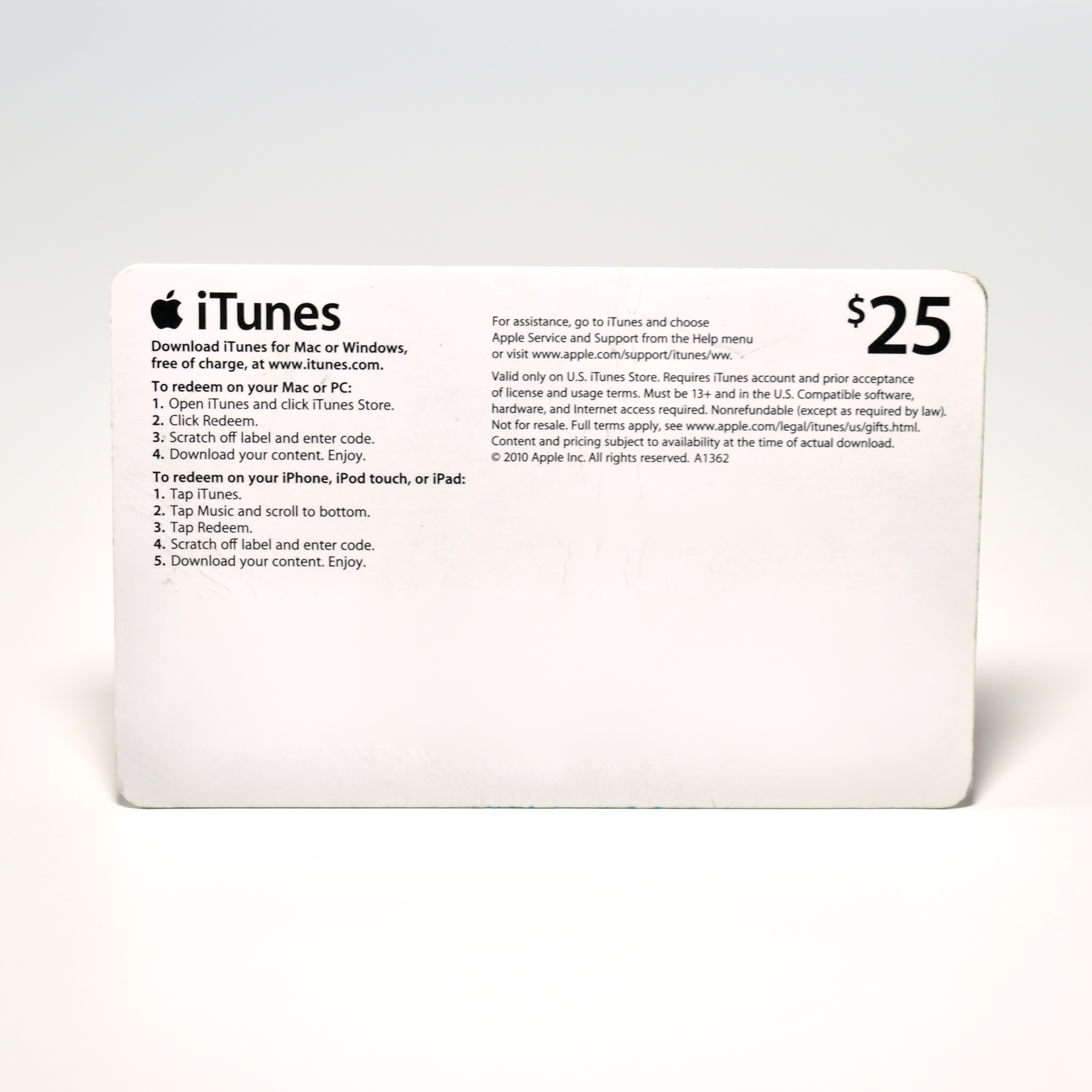
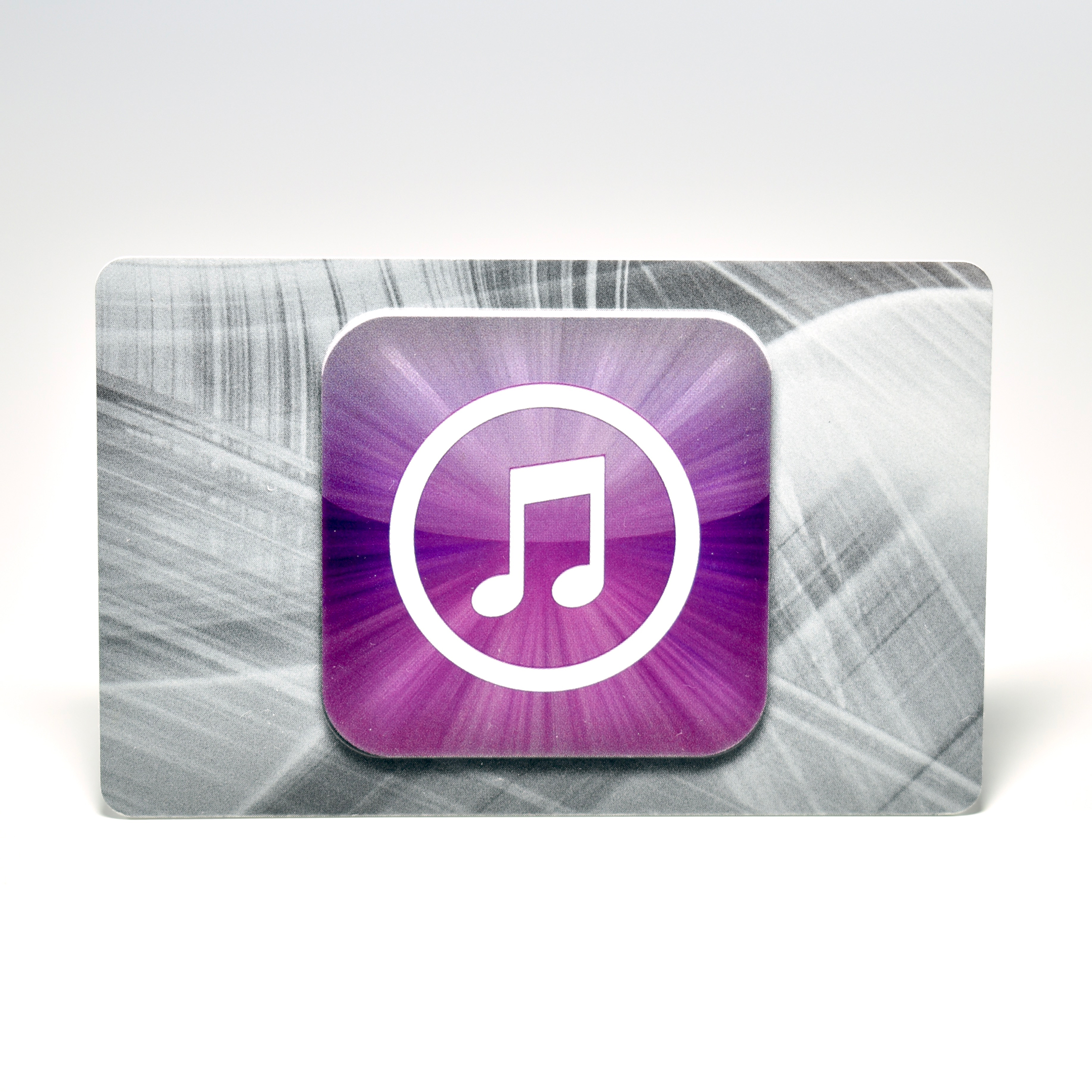
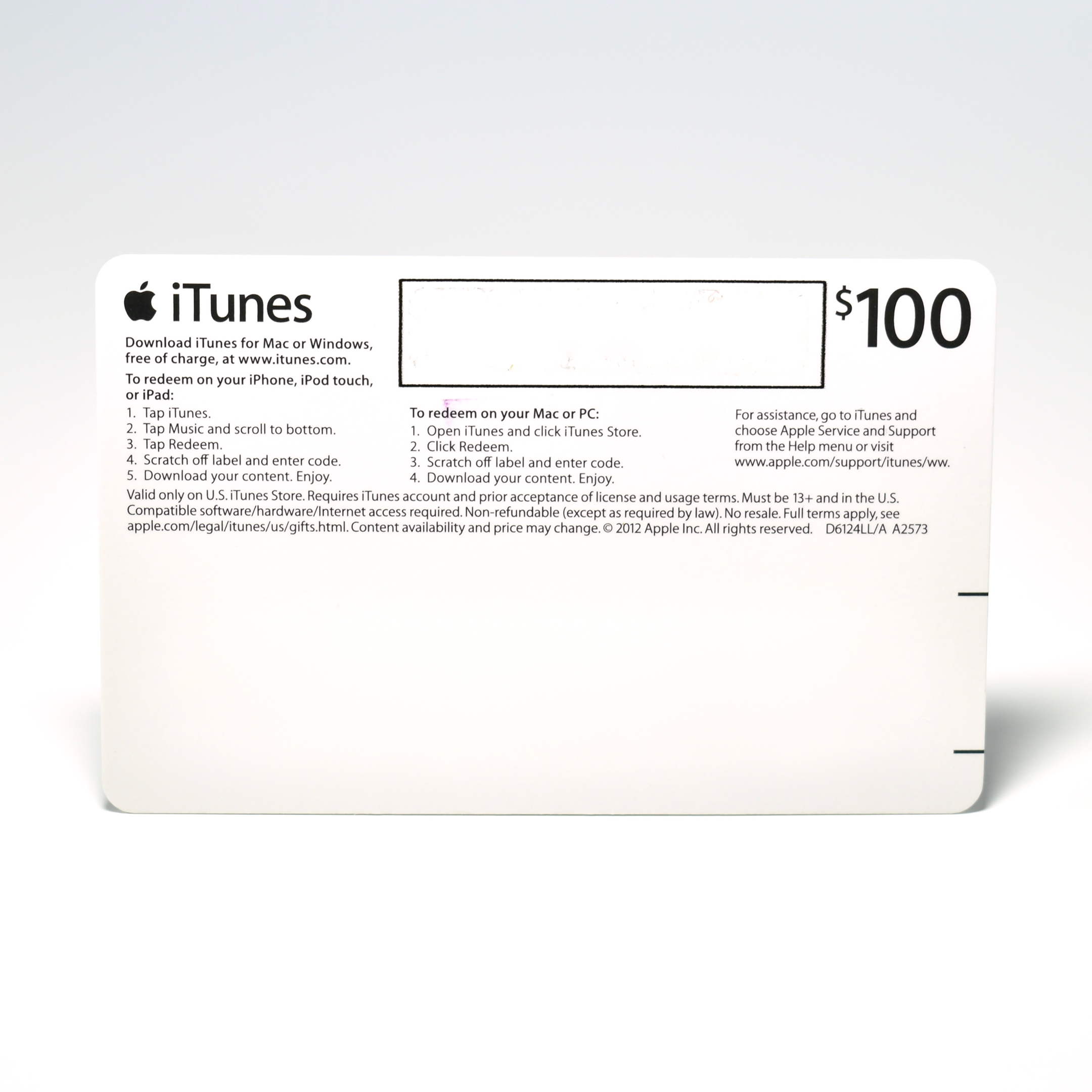
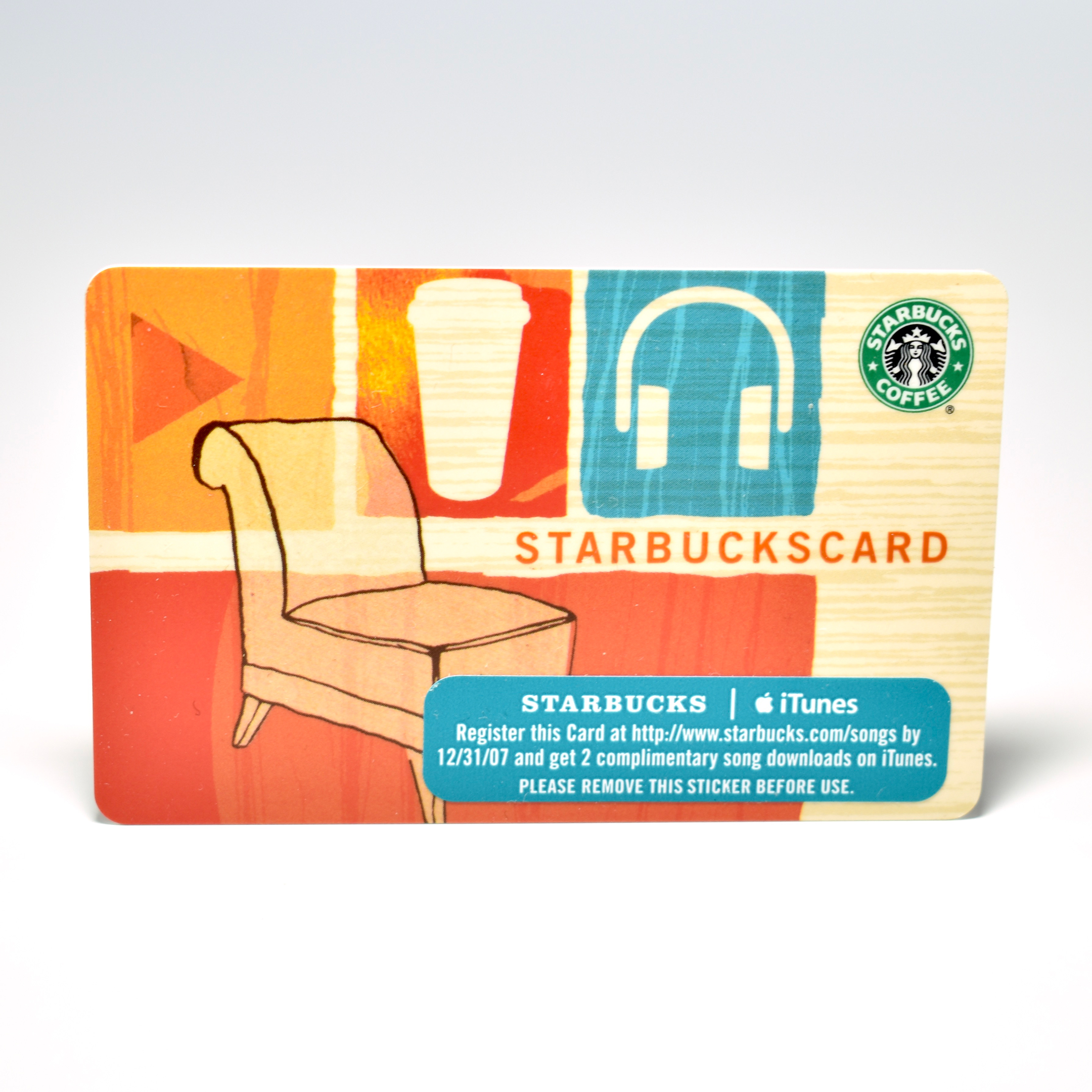
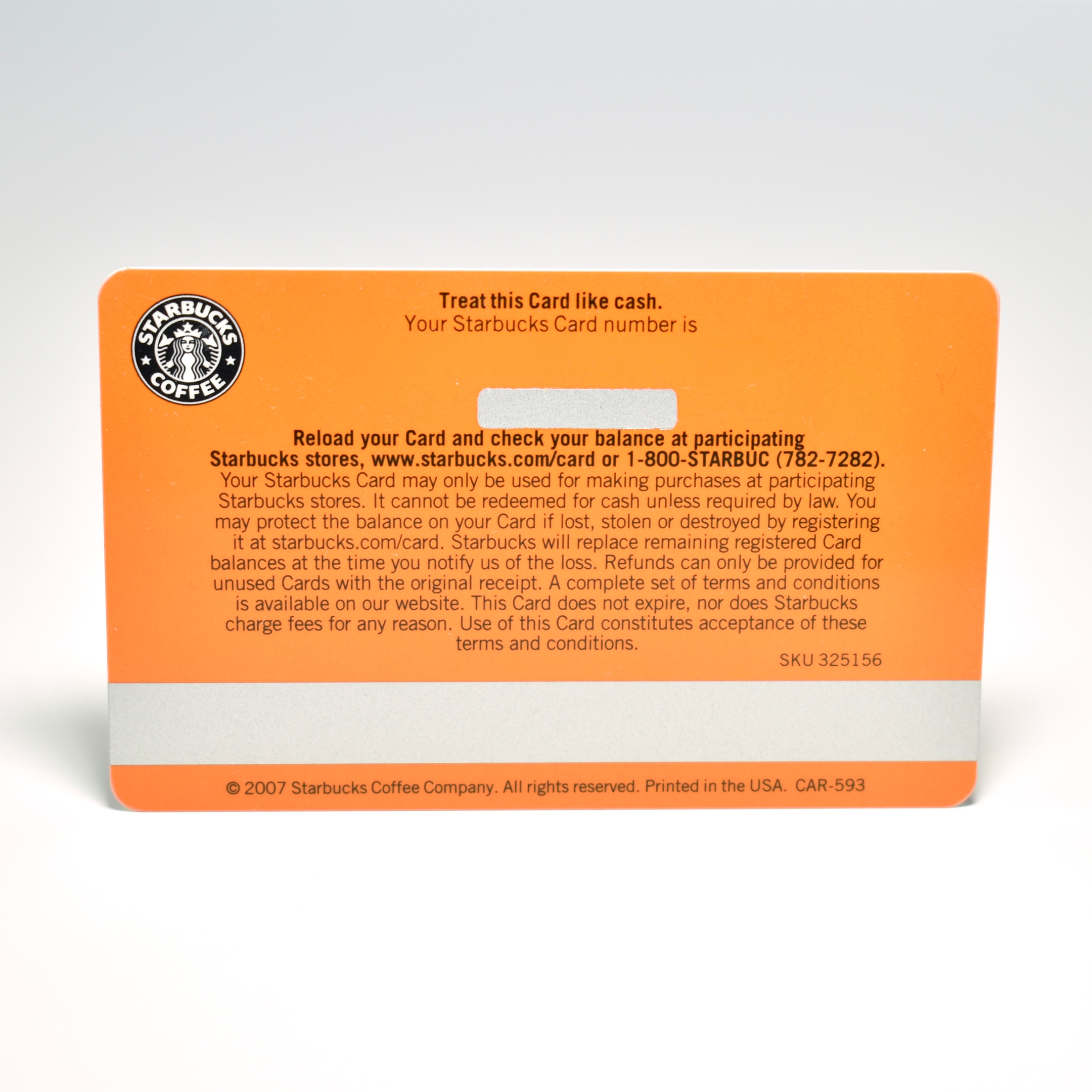
This collection of Apple gift cards spans the years 2005–2014, and includes gift cards for use in Apple Stores, the iTunes Store, and Starbucks. Apple Store gift cards can be redeemed in brick-and-mortar or online Apple Stores for purchases. iTunes Store gift cards can only be used at the iTunes Store for digital music, video, app, or downloaded purchases.
The special Starbucks card in this collection was sold as a standard Starbucks gift card, but it also allowed two free song downloads in the iTunes Store. When I learned about this offer in 2007, I purchased 25 of these cards at $5 each (the minimum amount allowed for this promotion) and received 50 free song downloads on iTunes (and $125 in Starbucks purchases).
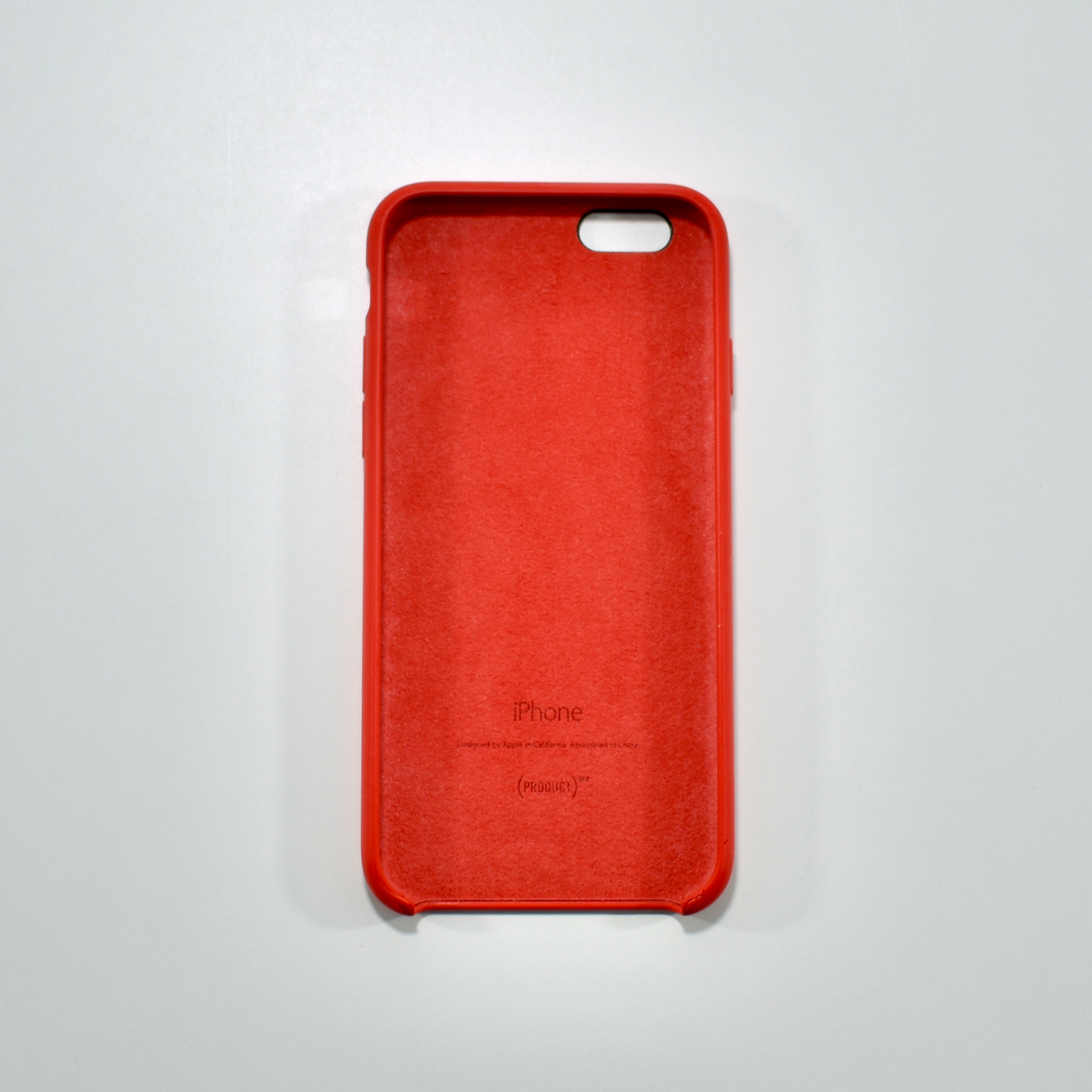
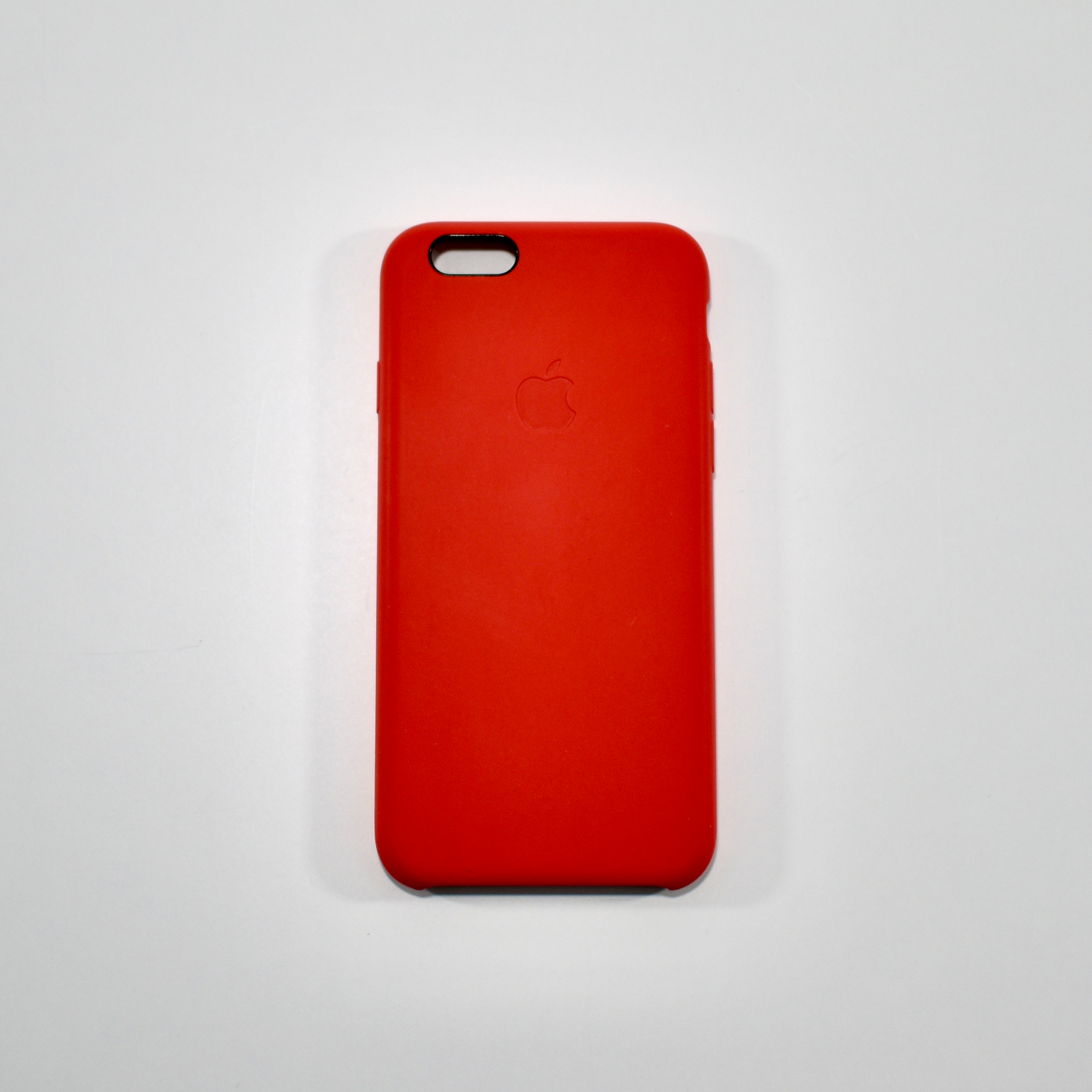
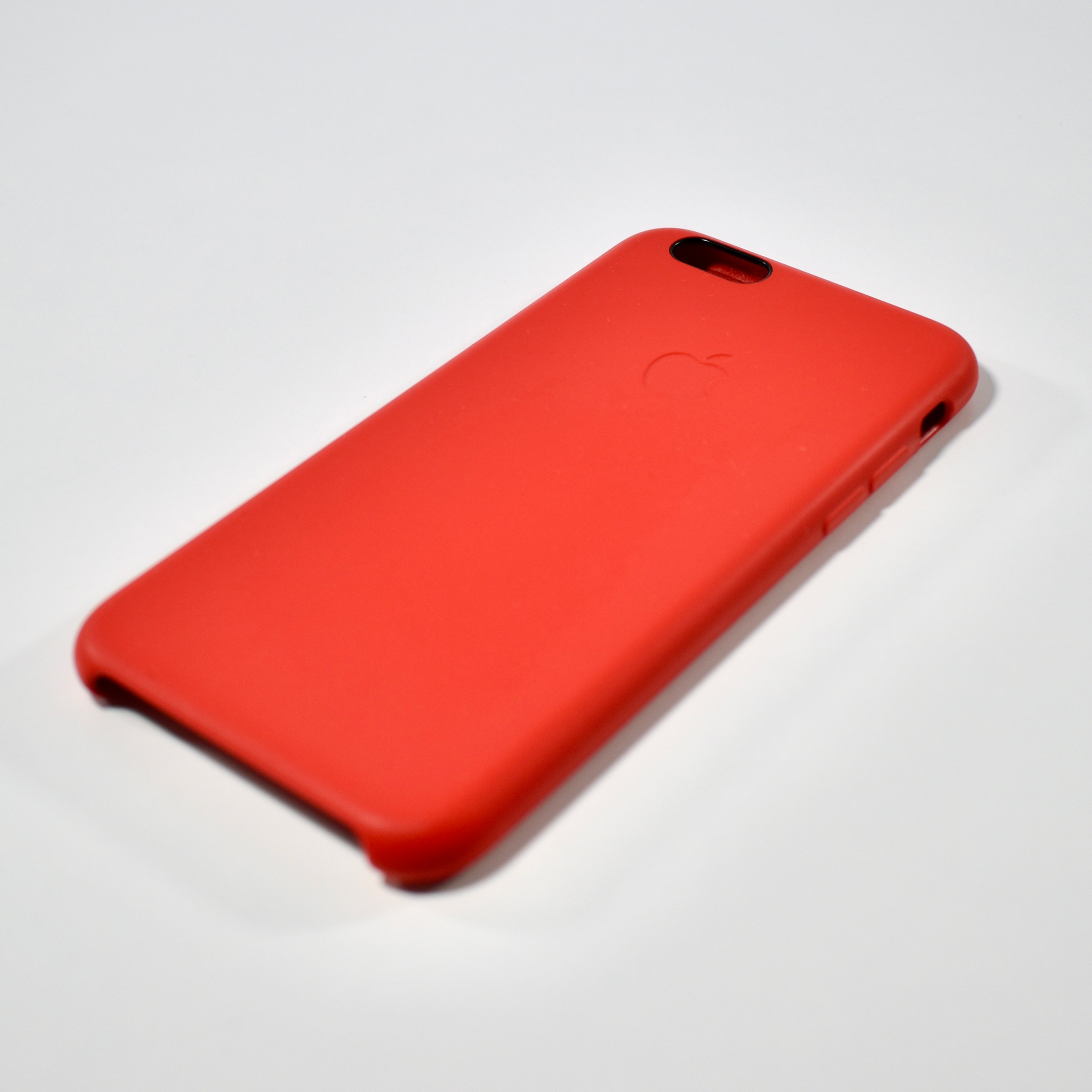
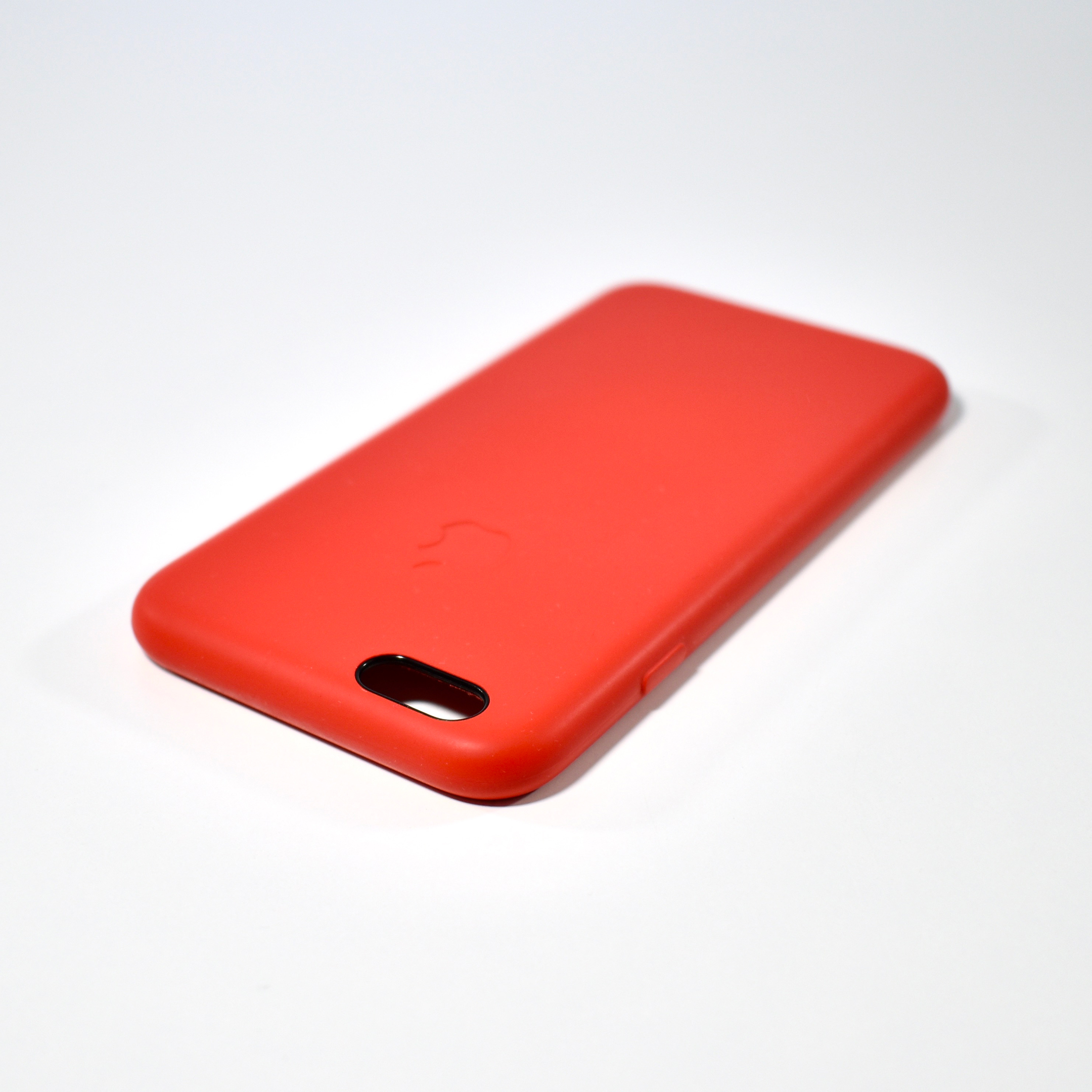
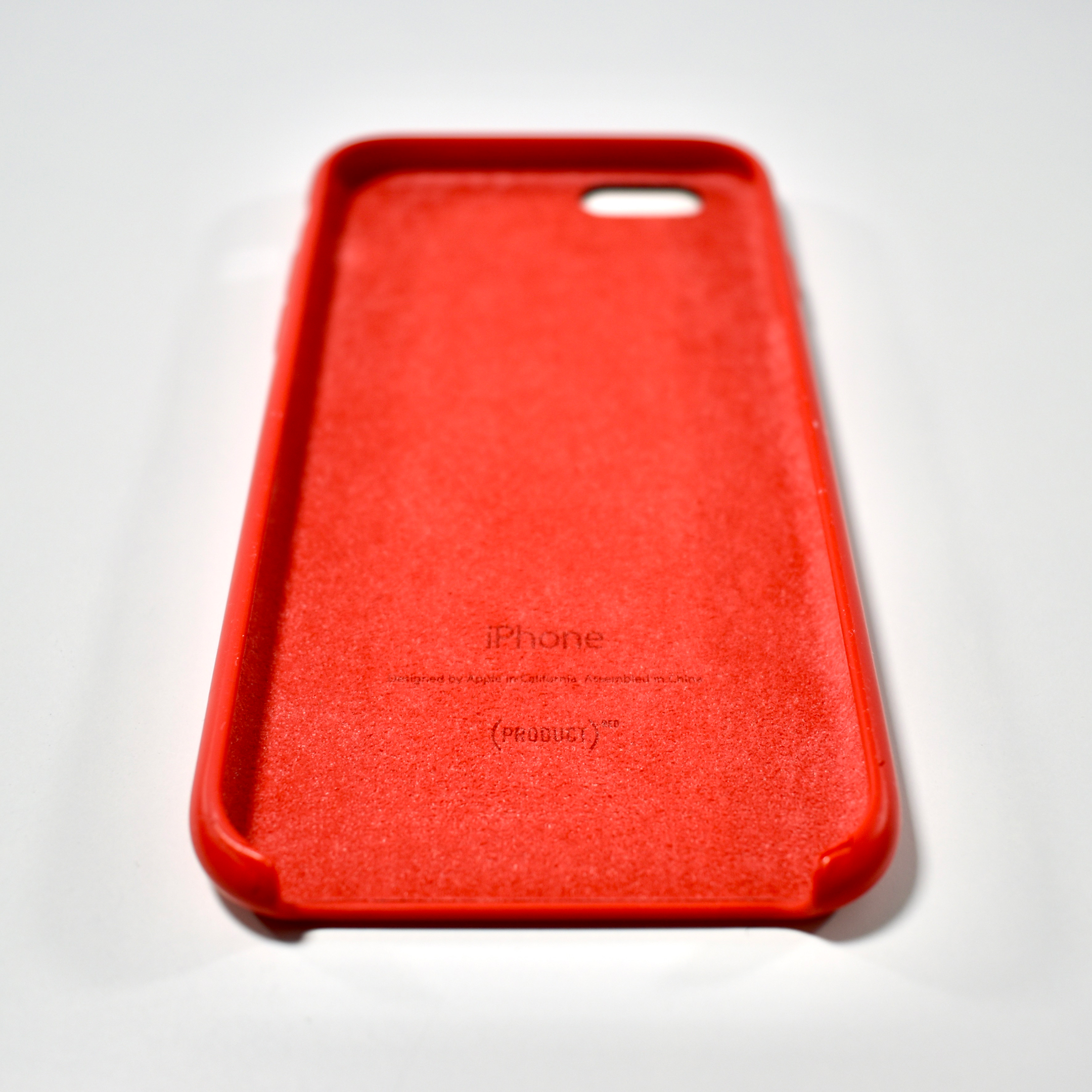
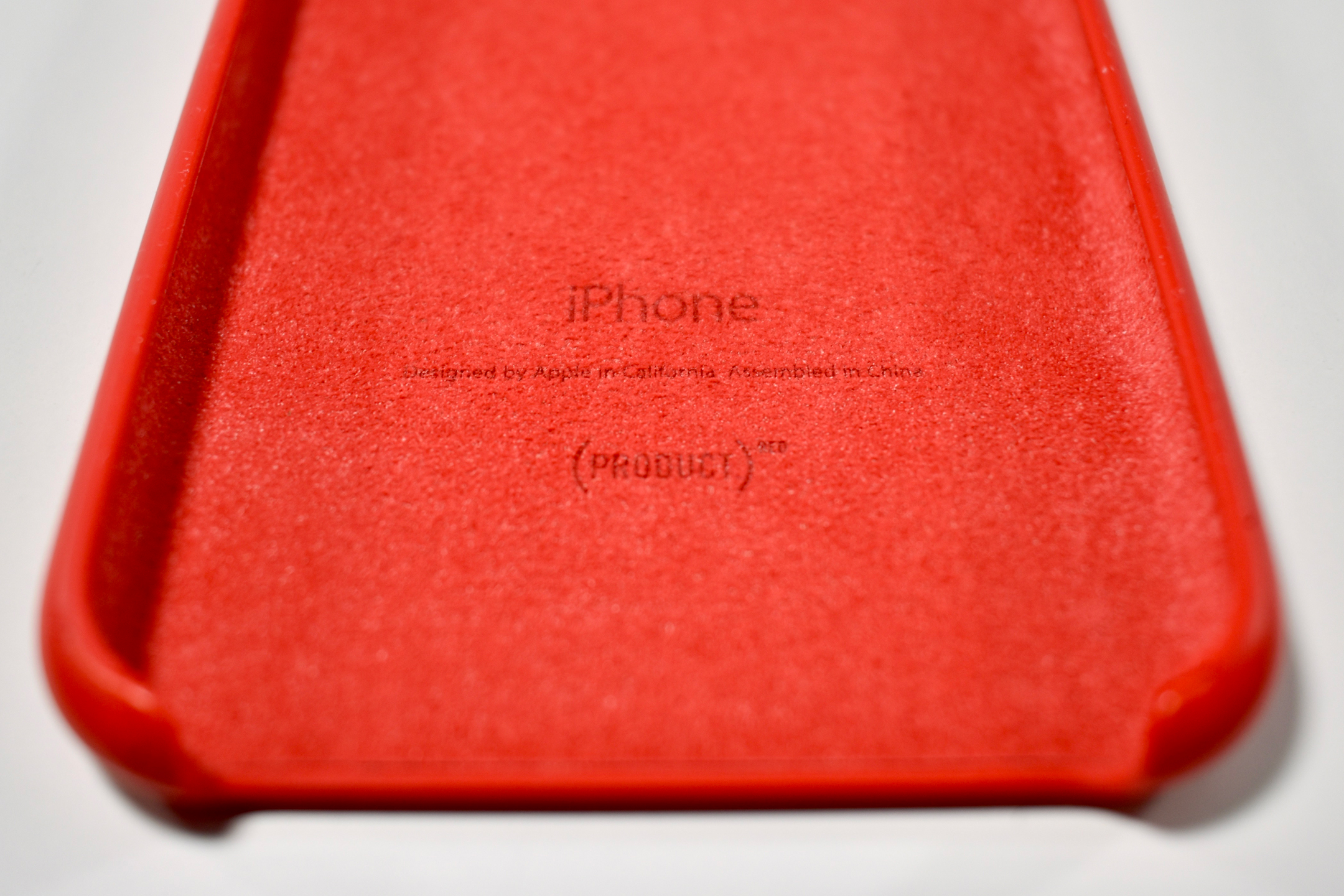
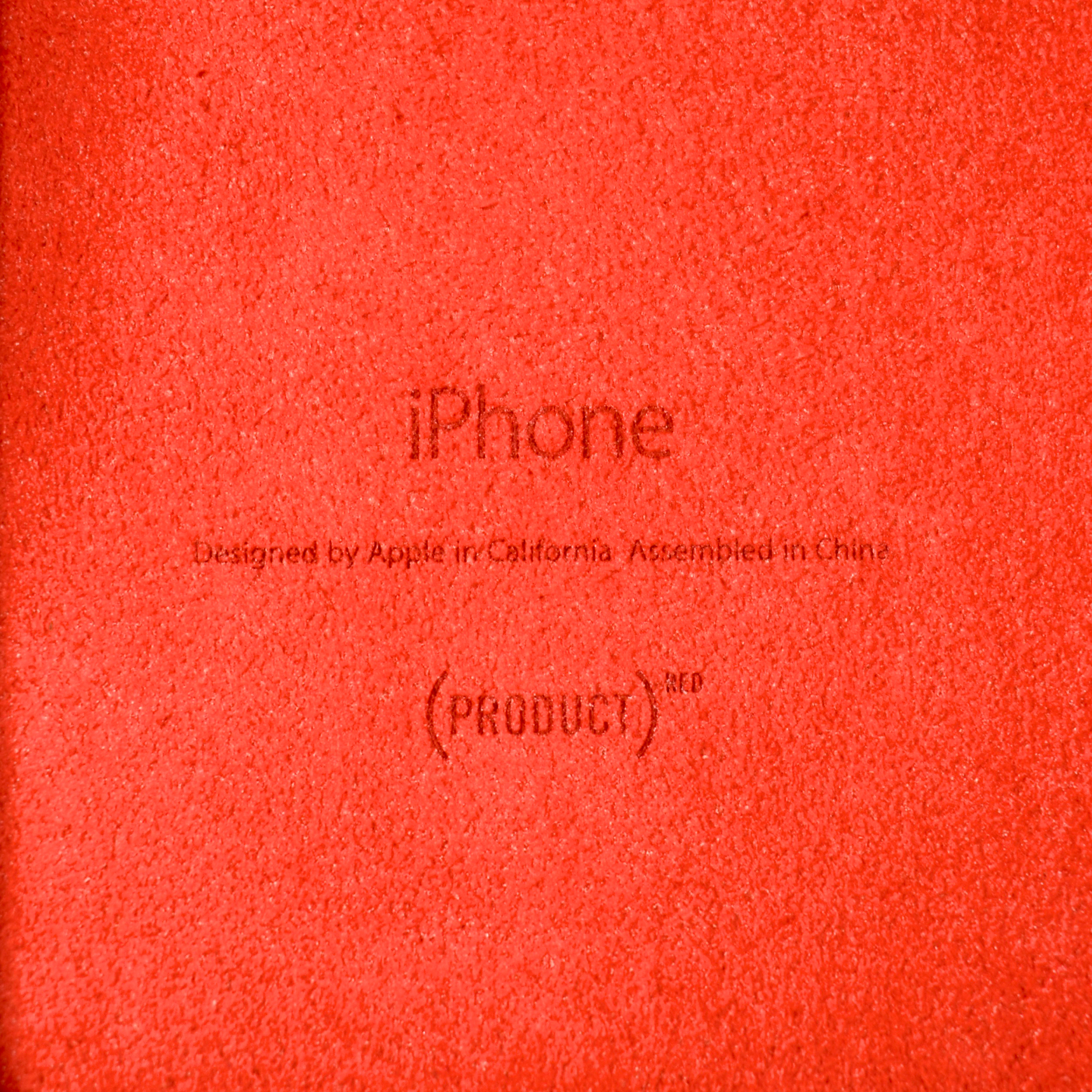
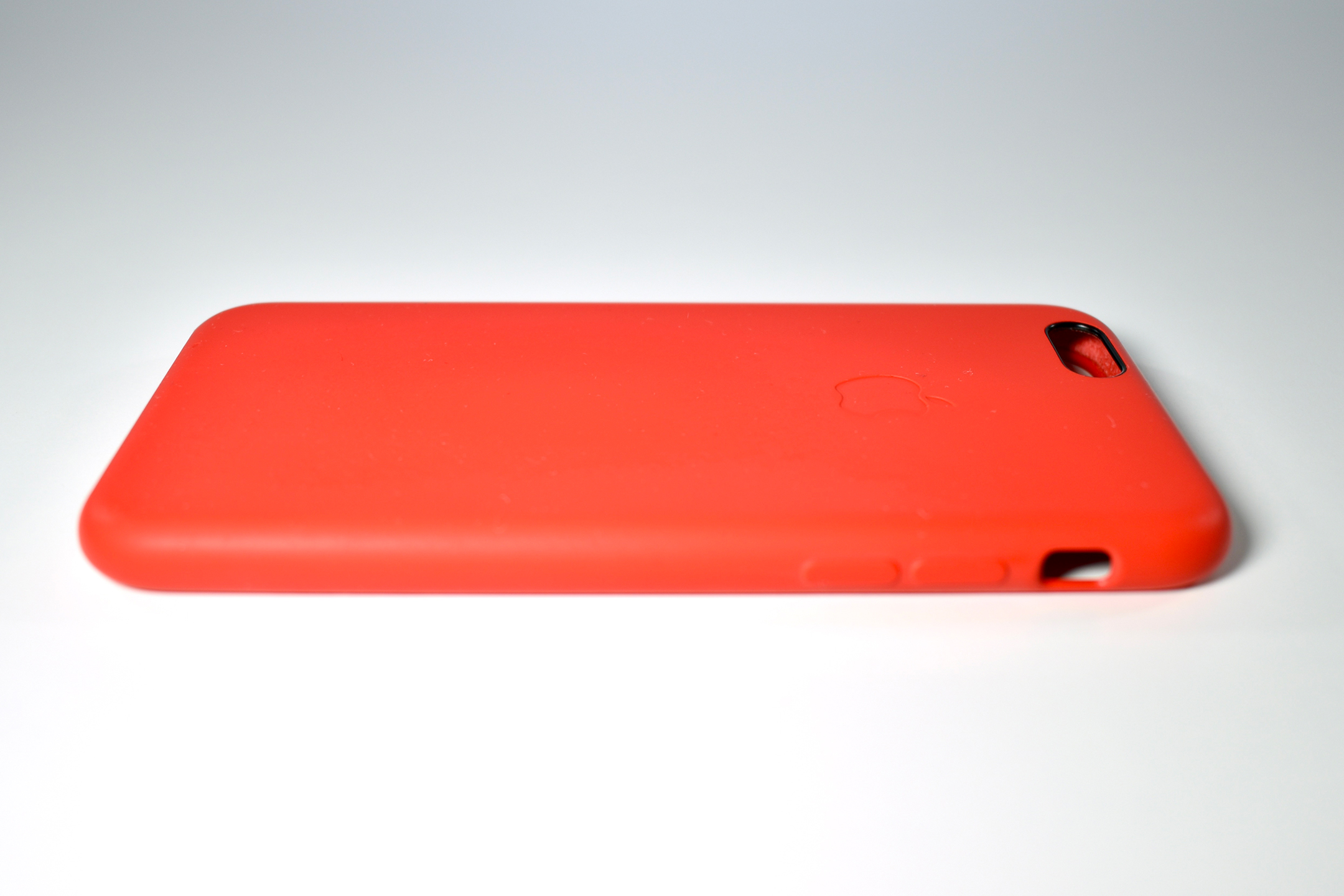
The iPhone 6 Silicone Case fit both the iPhone 6 and 6s, it featured contoured silicone buttons over the volume and Sleep/Wake buttons, and a microfiber lining.
This case was available in a variety of colors, including Mint, Lavender, Turquoise, Antique White, Roal Blue, Apricot, Light Pink, Midnight Blue, Charcoal Gray, Stone, Orange, Blue, Pink Sand, White, Yellow, and (PRODUCT)RED.
This example is in (PRODUCT)RED. As of 2020, Apple reports, “For 13 years, supporters of our partnership with (RED) have raised more than $220 million in funding for HIV/AIDS programs. Every (PRODUCT)RED purchase gets us closer to ending AIDS.”
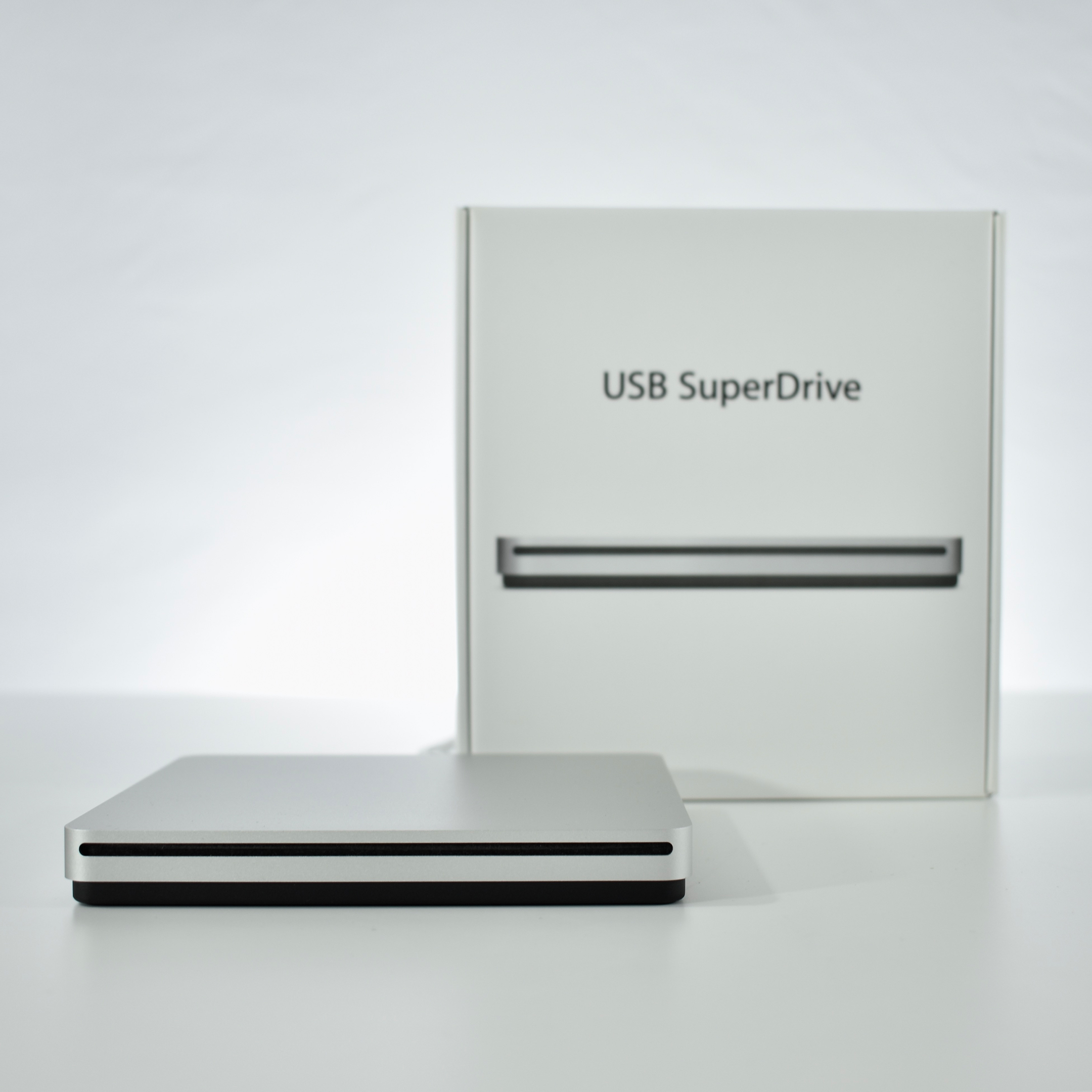
According to Apple, “The Apple USB SuperDrive is compatible with Mac models from 2008 and later that don’t have a built-in optical drive.” This includes MacBook, MacBook Air with Retina display, MacBook Pro with Retina display, MacBook Air, iMac (late 2012) and later, Mac mini (late 2009) and later, and Mac Pro (late 2013).
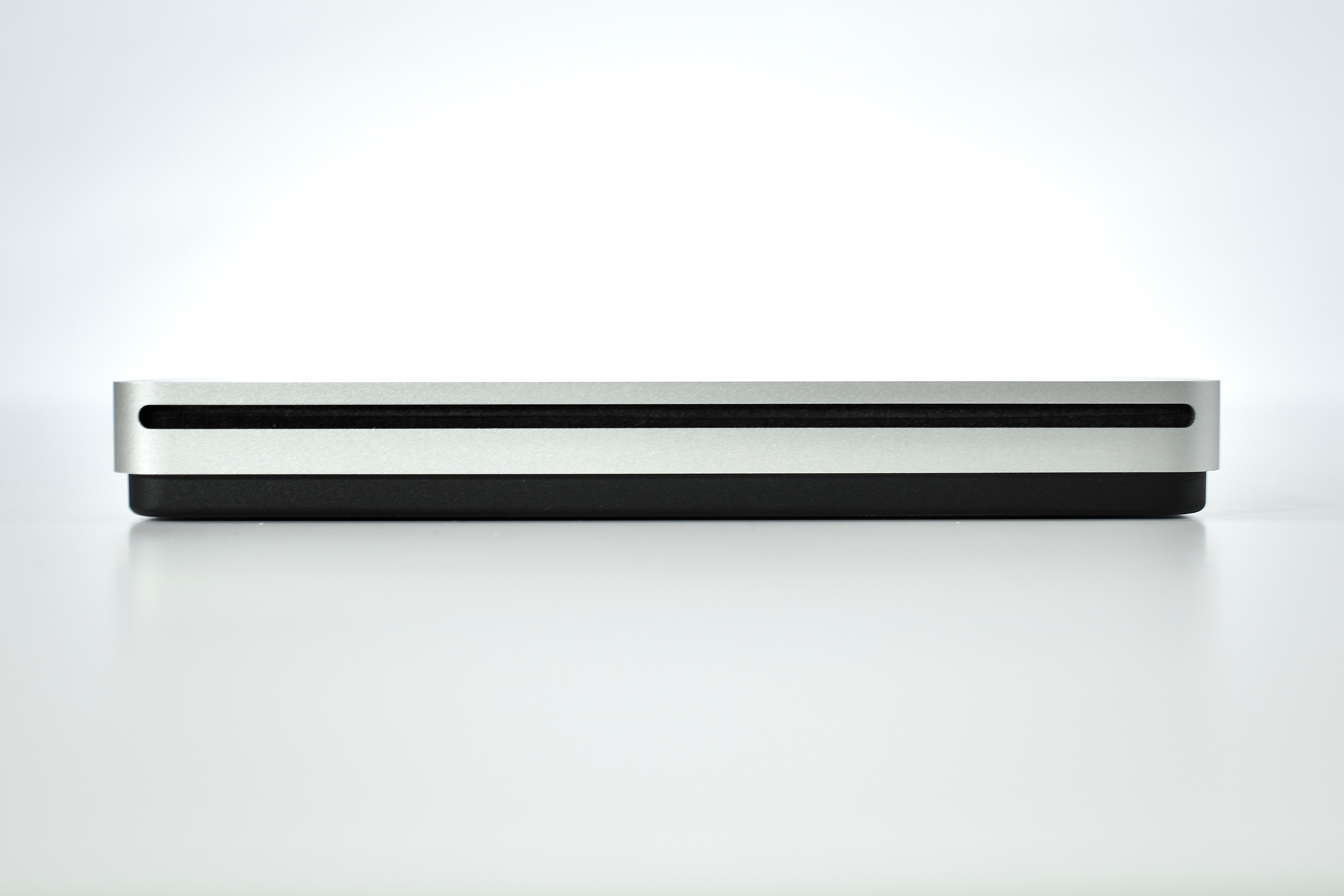
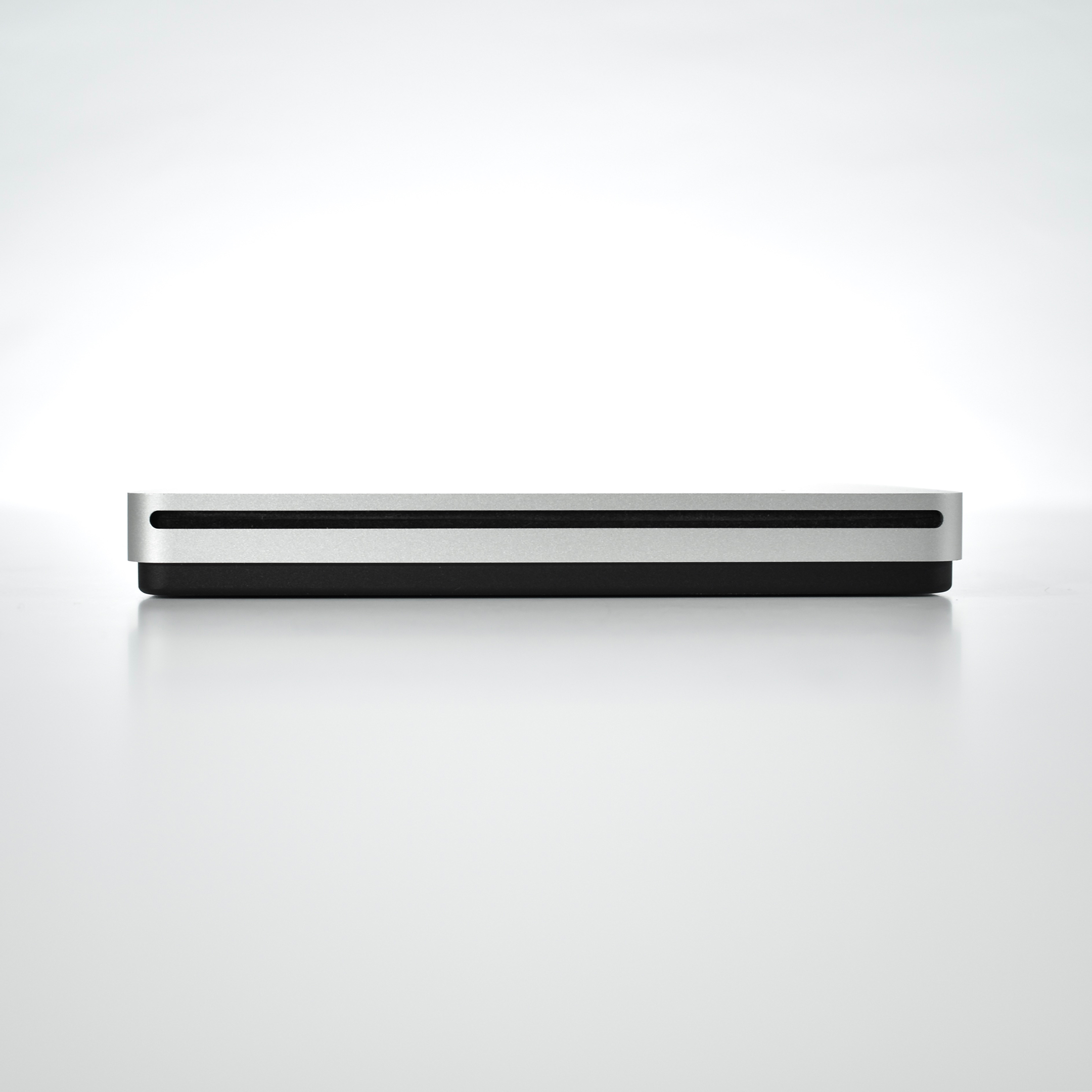
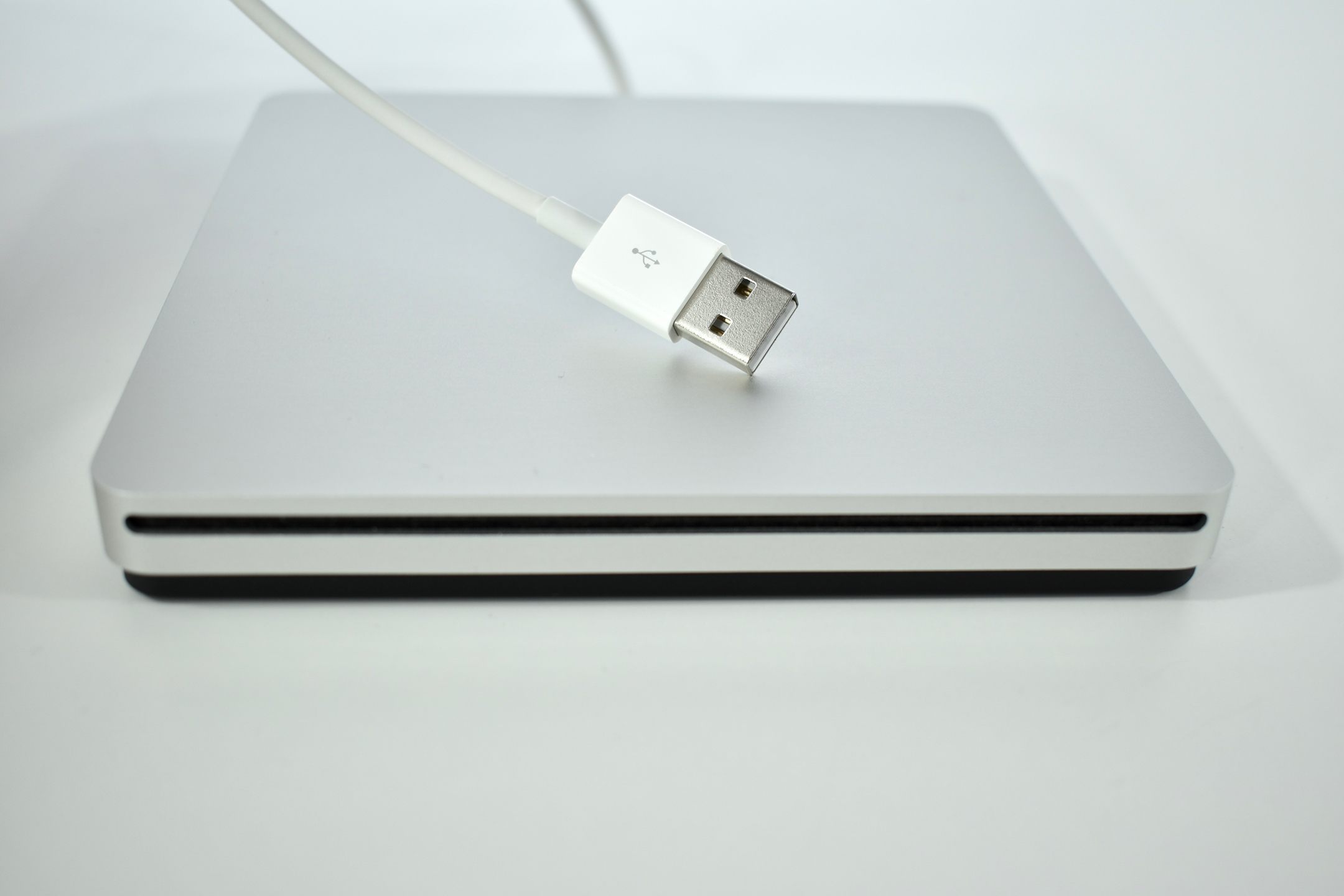
The drive is compact at 0.67 inches by 5.47 inches by 5.47 inches, and weighs 0.74 pounds. The drive includes a USB-A port, making an adapter necessary to use it with newer Macs that only include USB-C ports; however, no separate power adapter is required.
Apple proclaims that this drive is “Everything you need in an optical drive. Whether you’re at the office or on the road, you can play and burn both CDs and DVDs with the Apple USB SuperDrive. It’s perfect when you want to watch a DVD movie, install software, create backup discs, and more.”