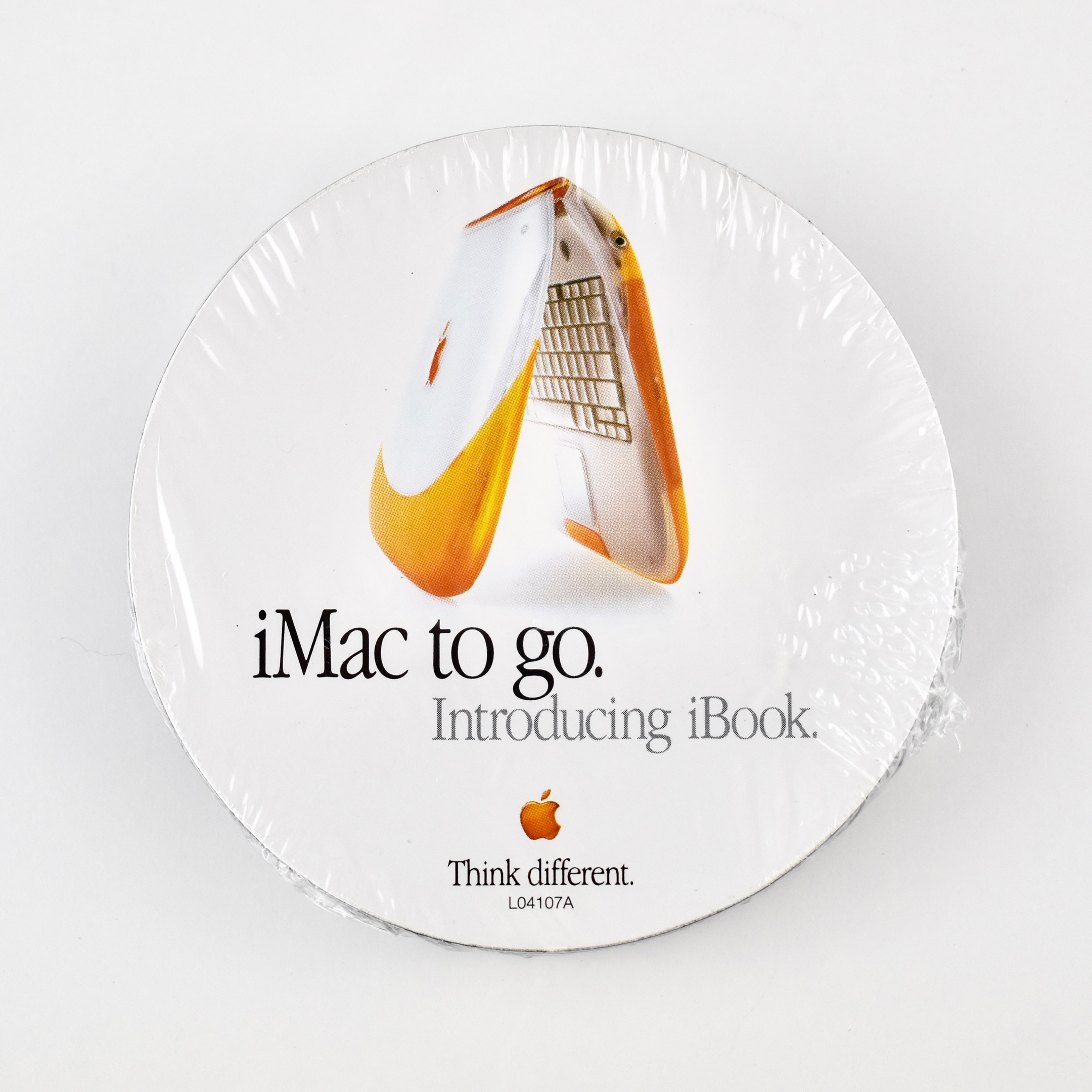
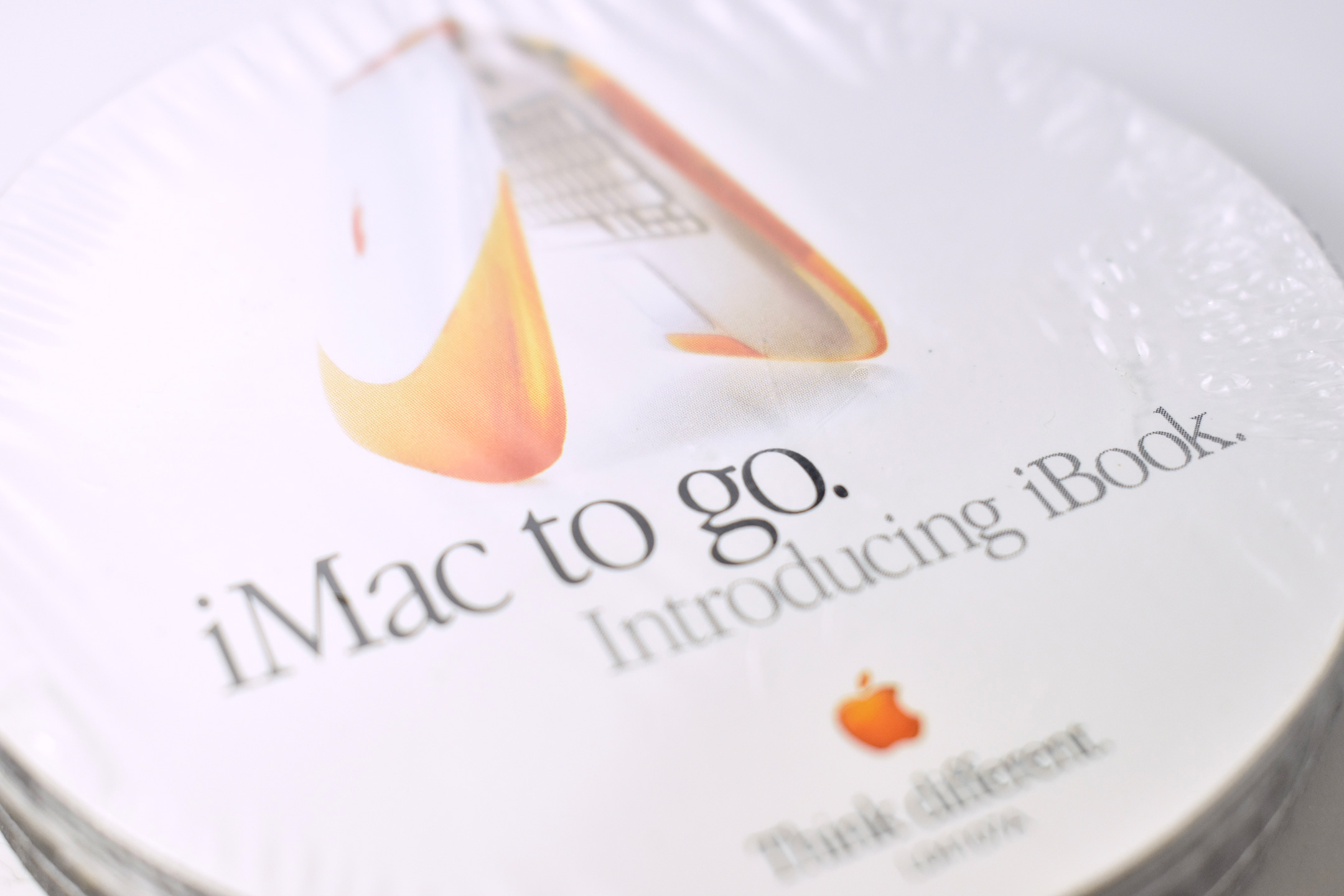
This shrink-wrapped package of round magnets feature an image of the original tangerine iBook and the words, “iMac to go. Introducing the iBook.” The magnet also includes the “Think Different” tagline used at the time along with a color-matched tangerine Apple logo.
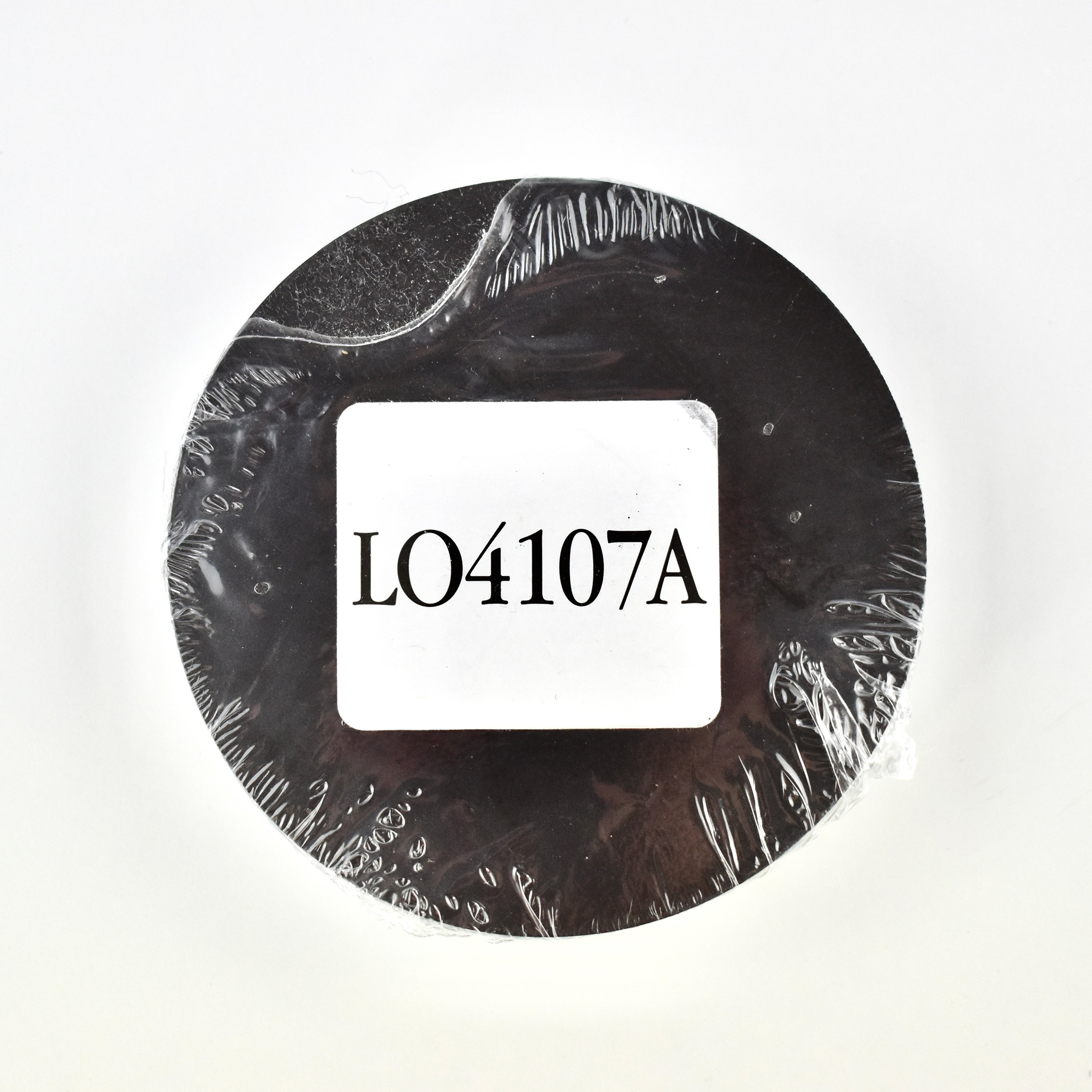
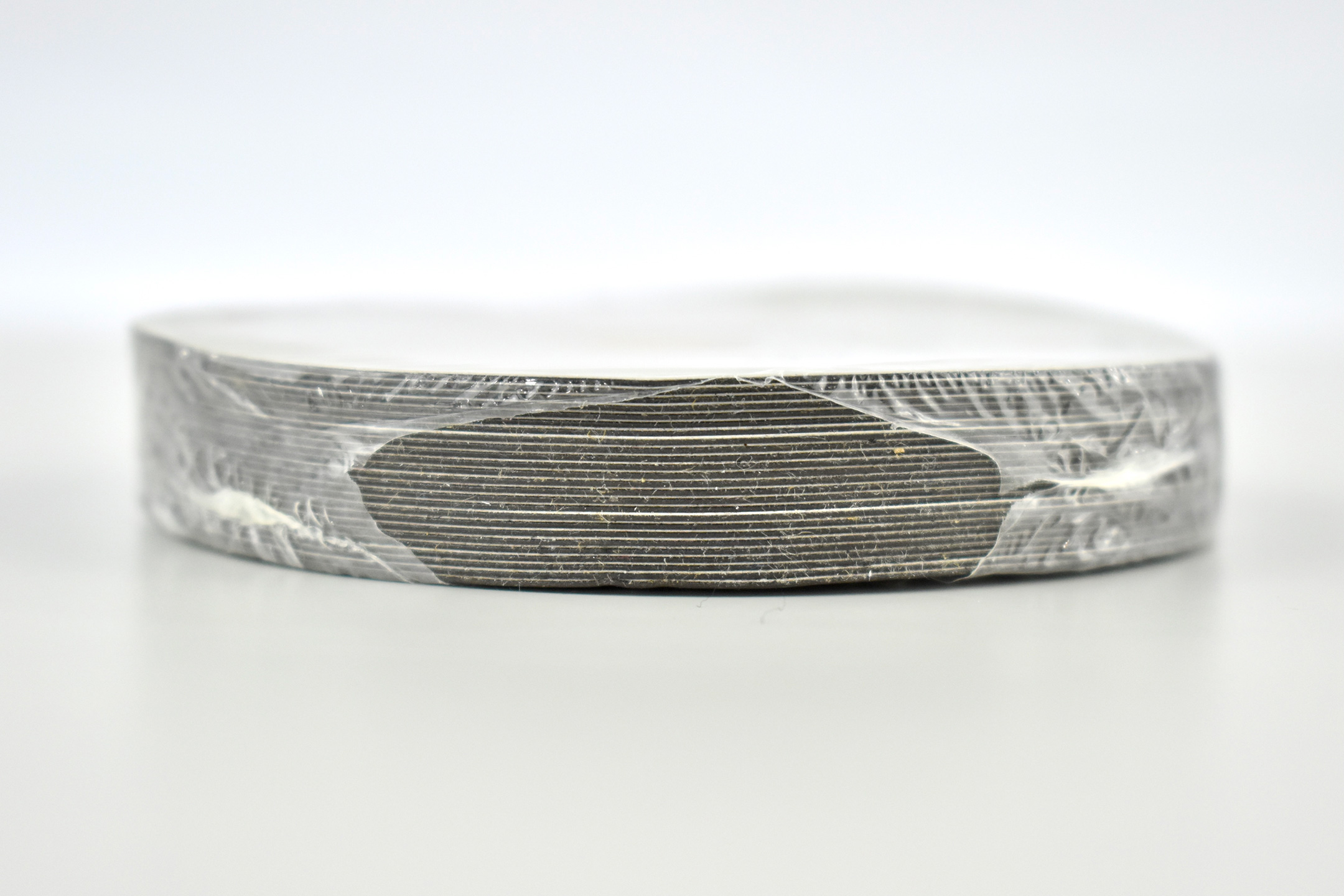
The magnets are 3.5 inches diameter and there are 25 magnets in the package. The package also includes the original internal part number, L04107A (also printed on each magnet).
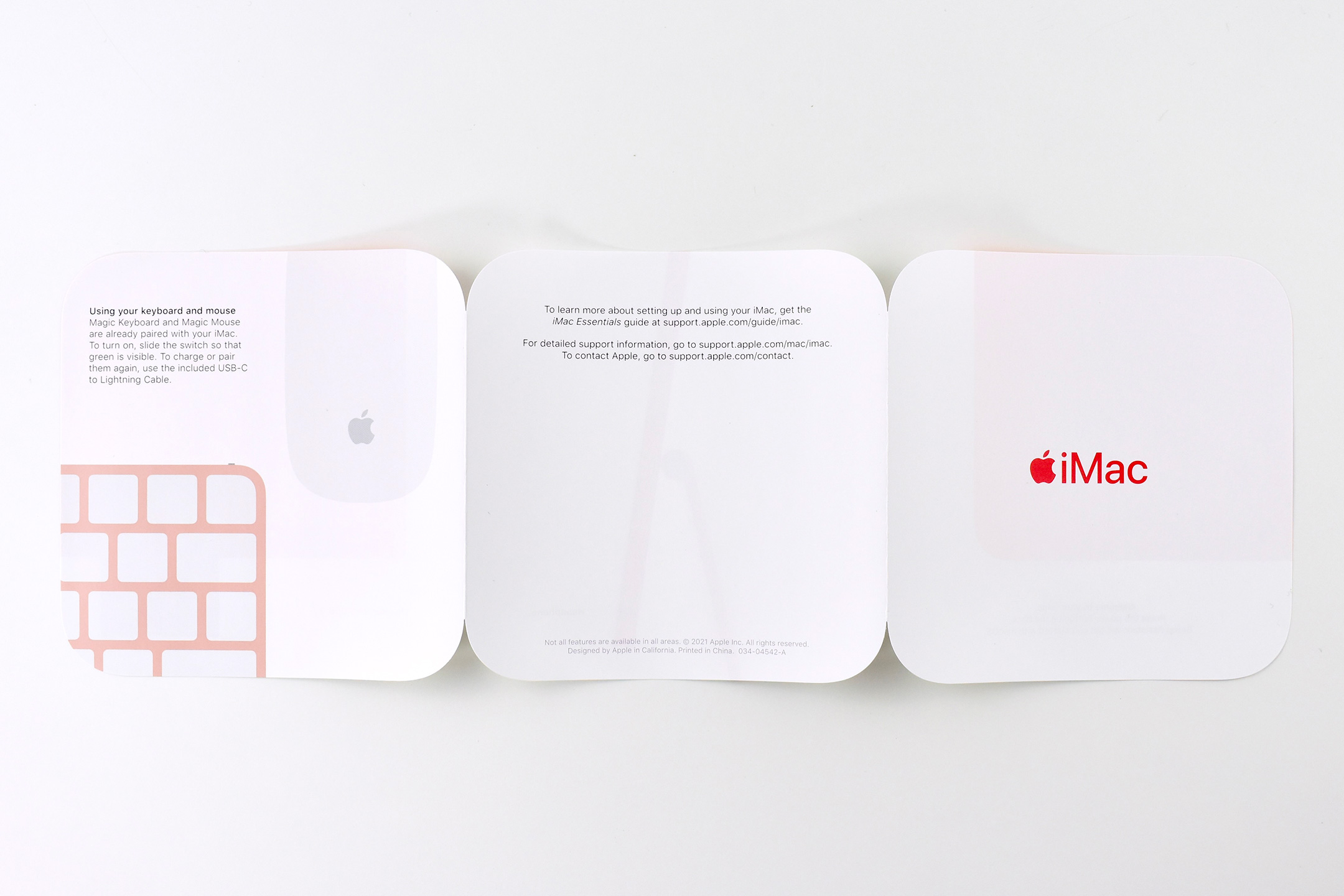
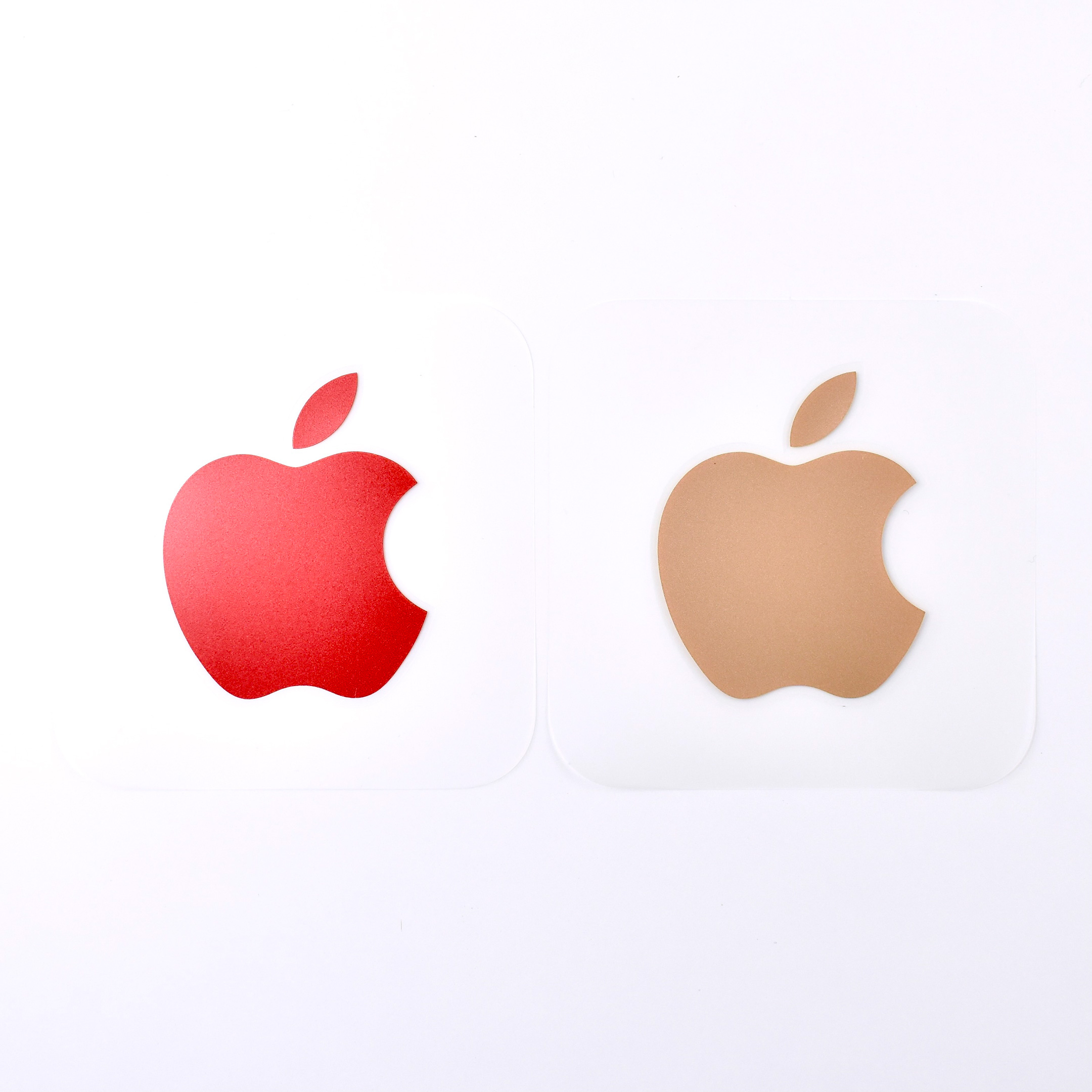
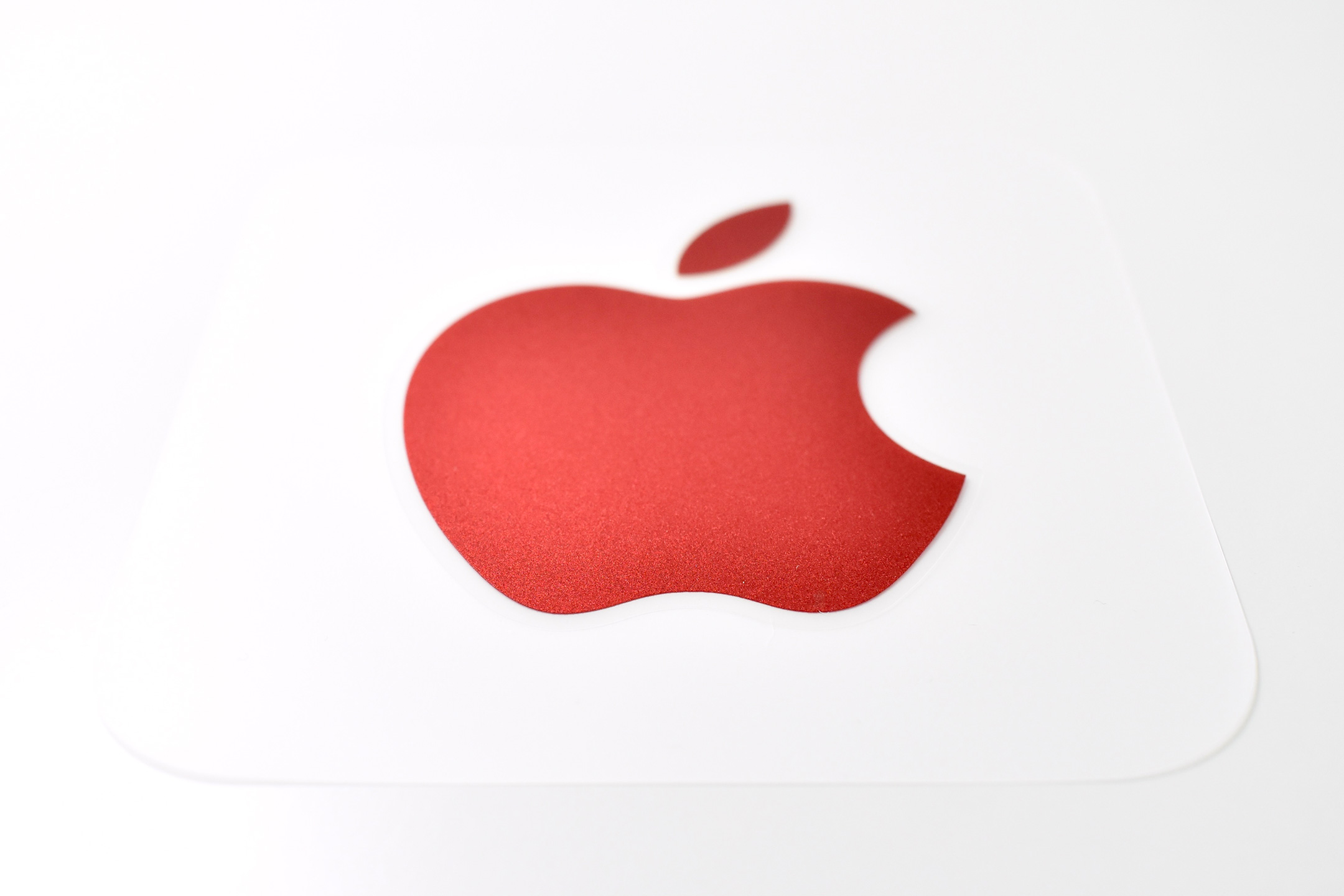
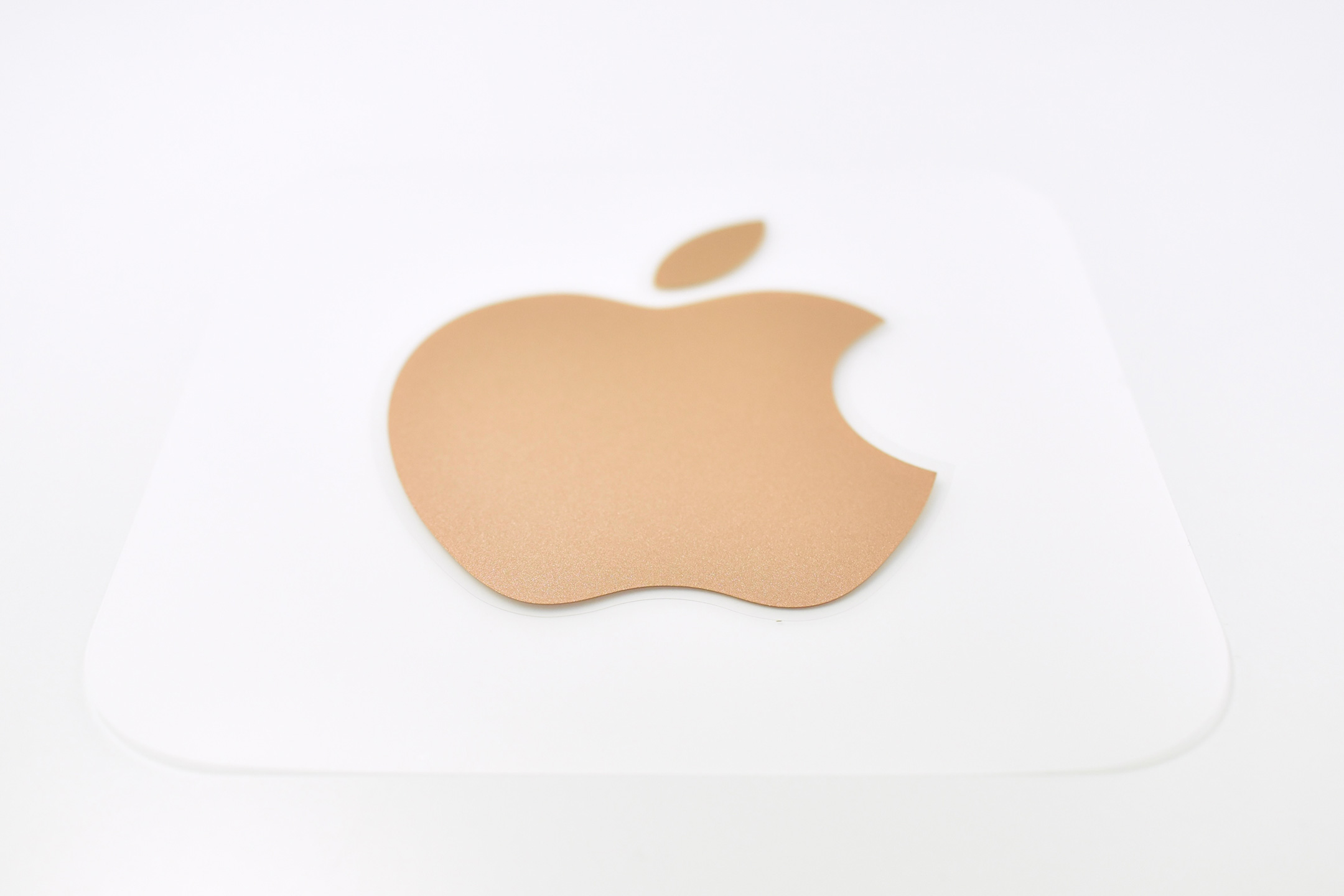
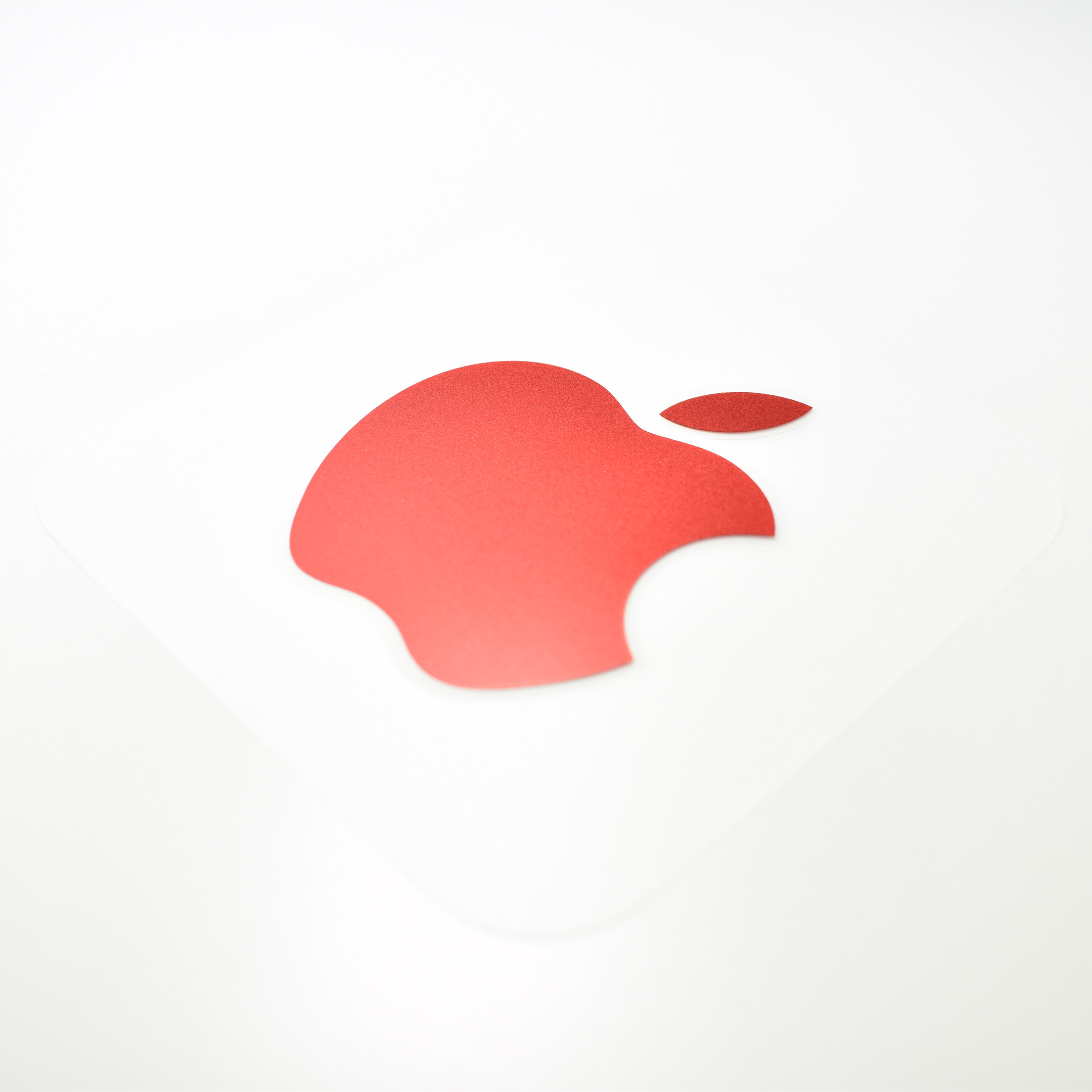
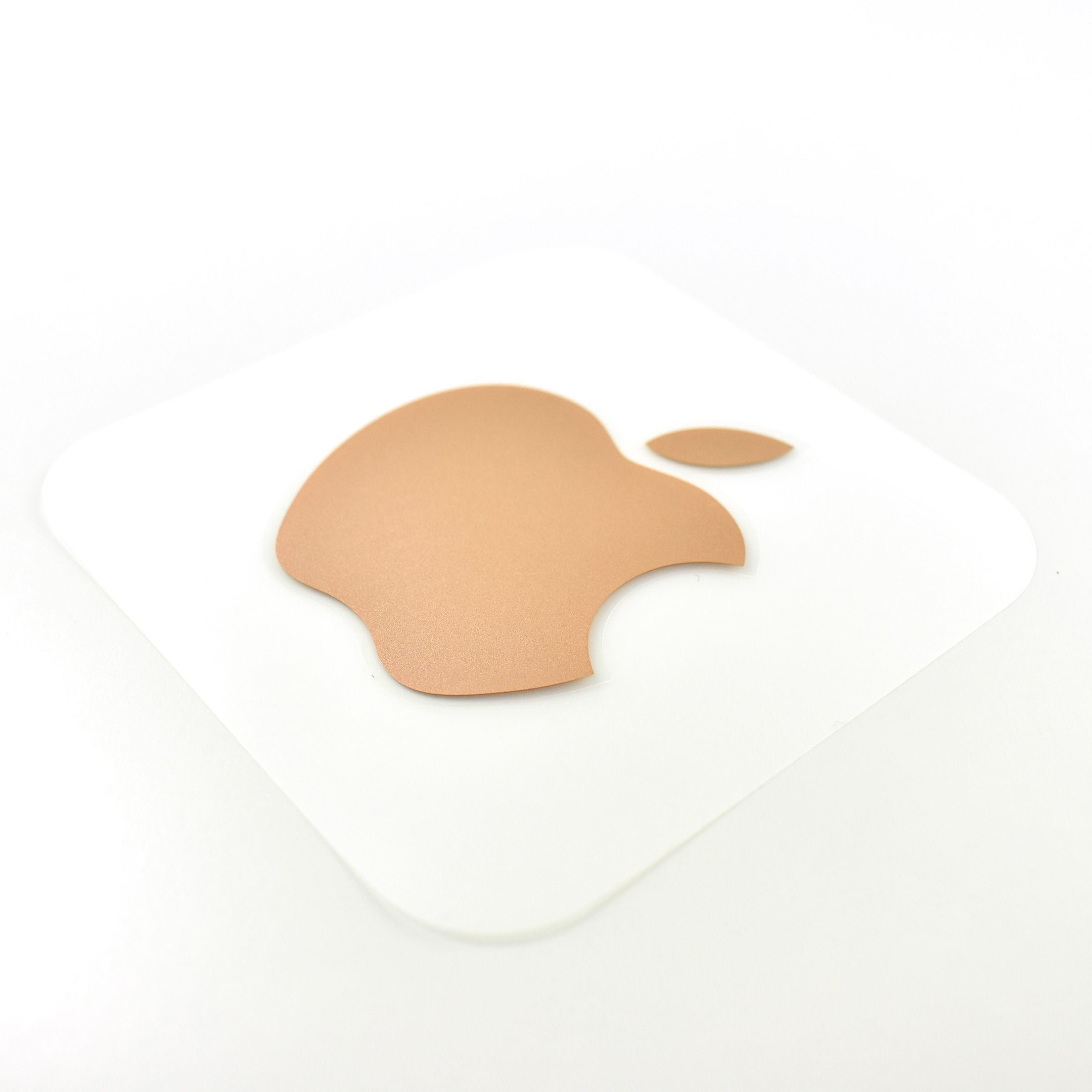
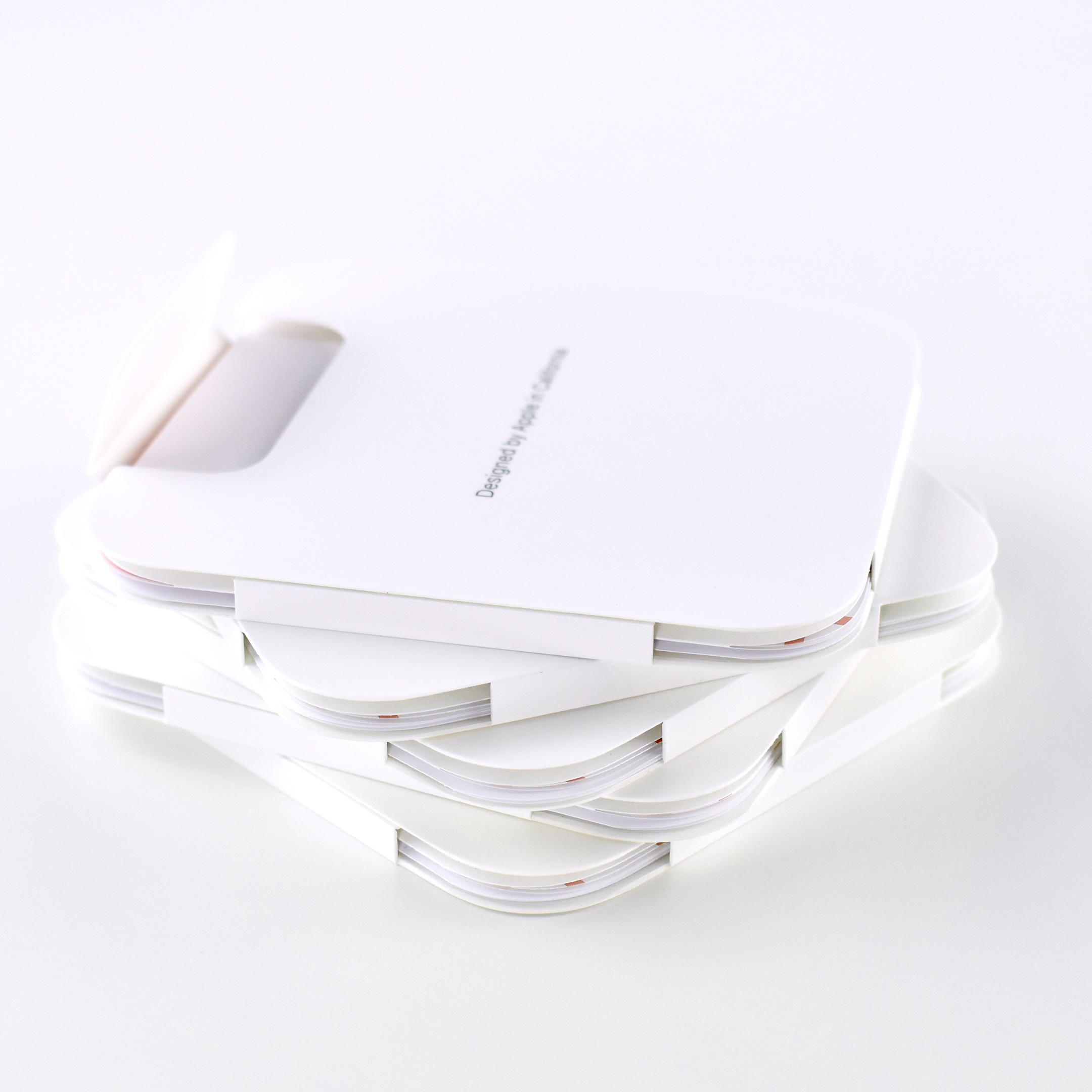
Like all original M1 iMac models, the pink option ships with a color-matched Getting Started booklet and two stickers that match the exterior colors of the iMac. In this case, the stickers are pink and red. Both sticker colors have a slight metallic look.
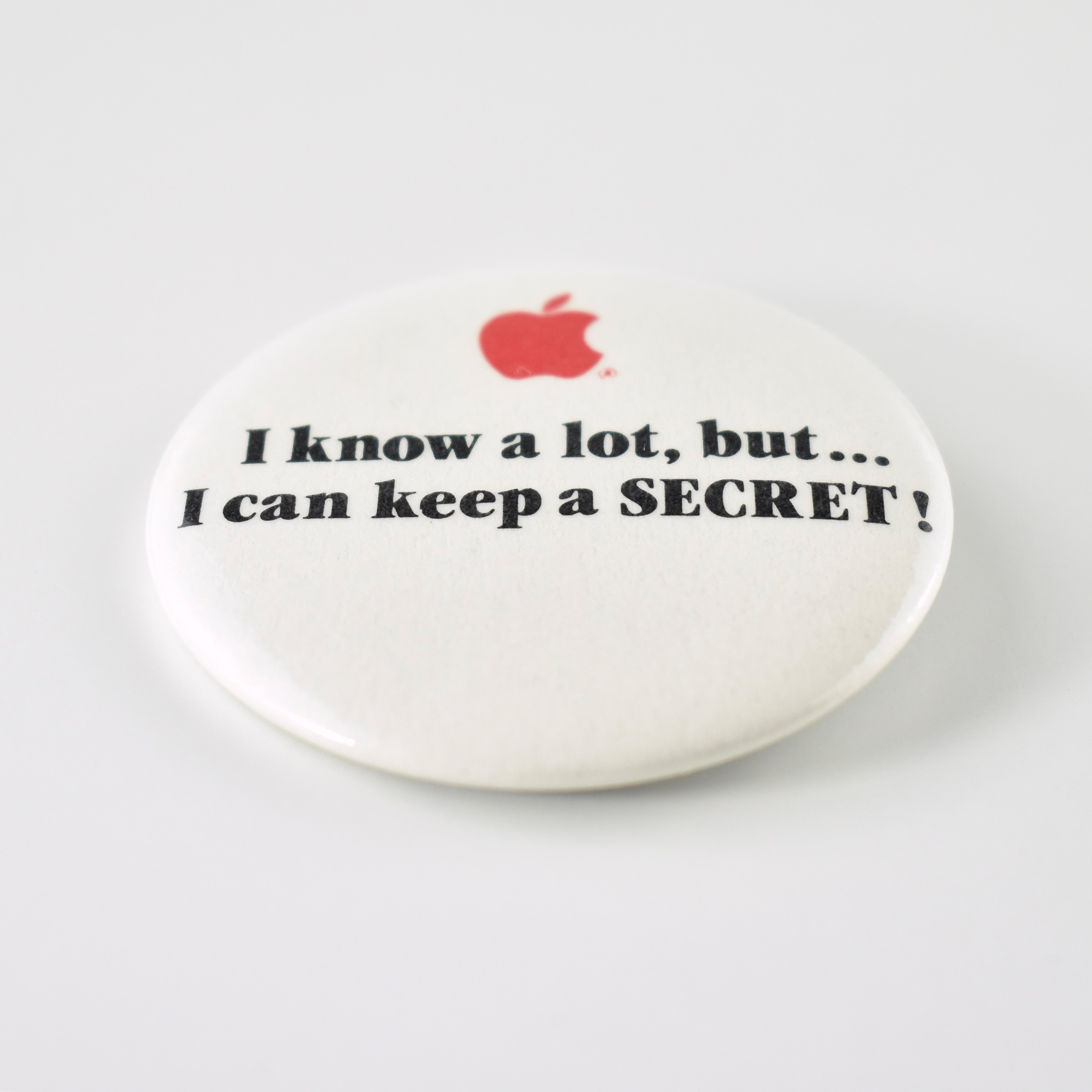
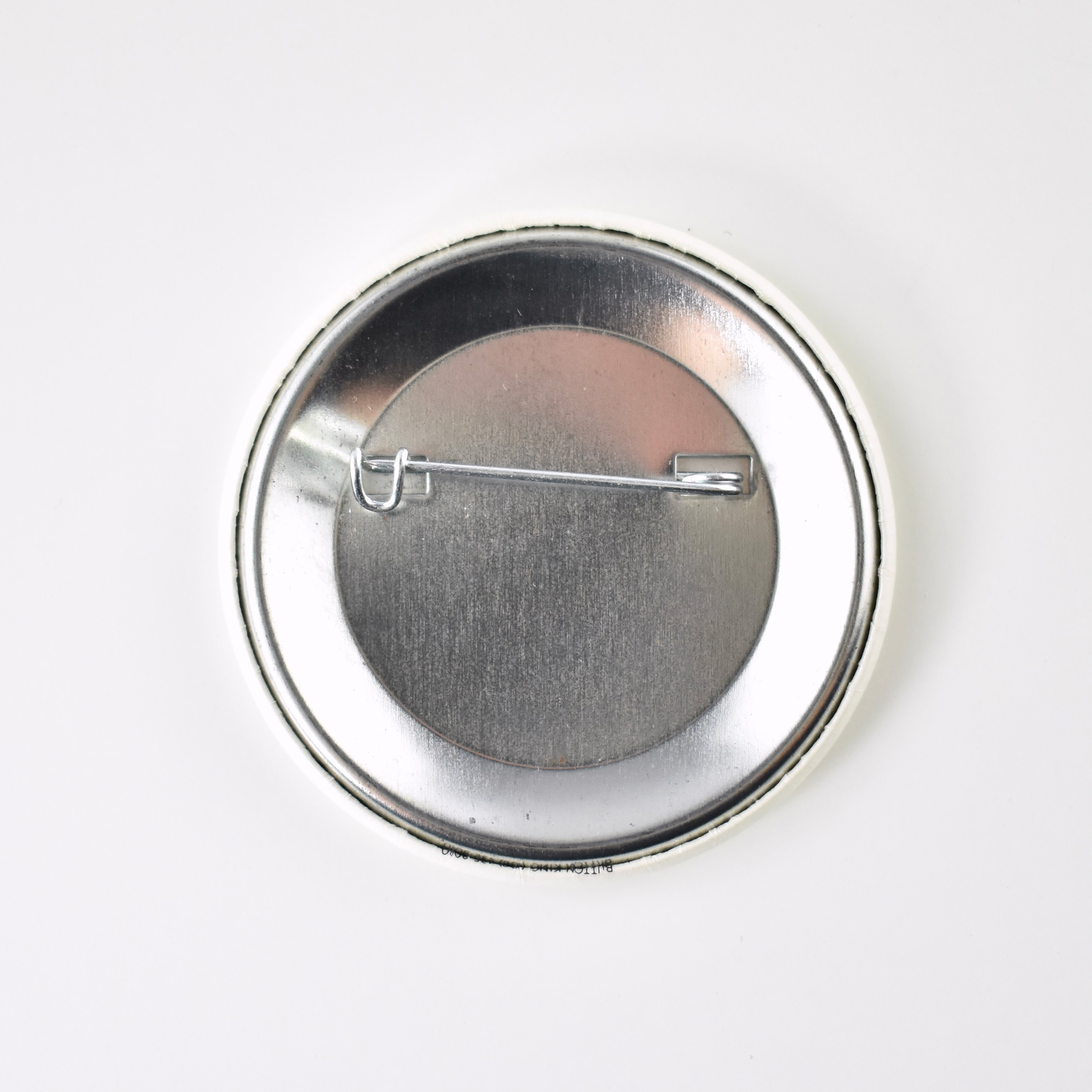
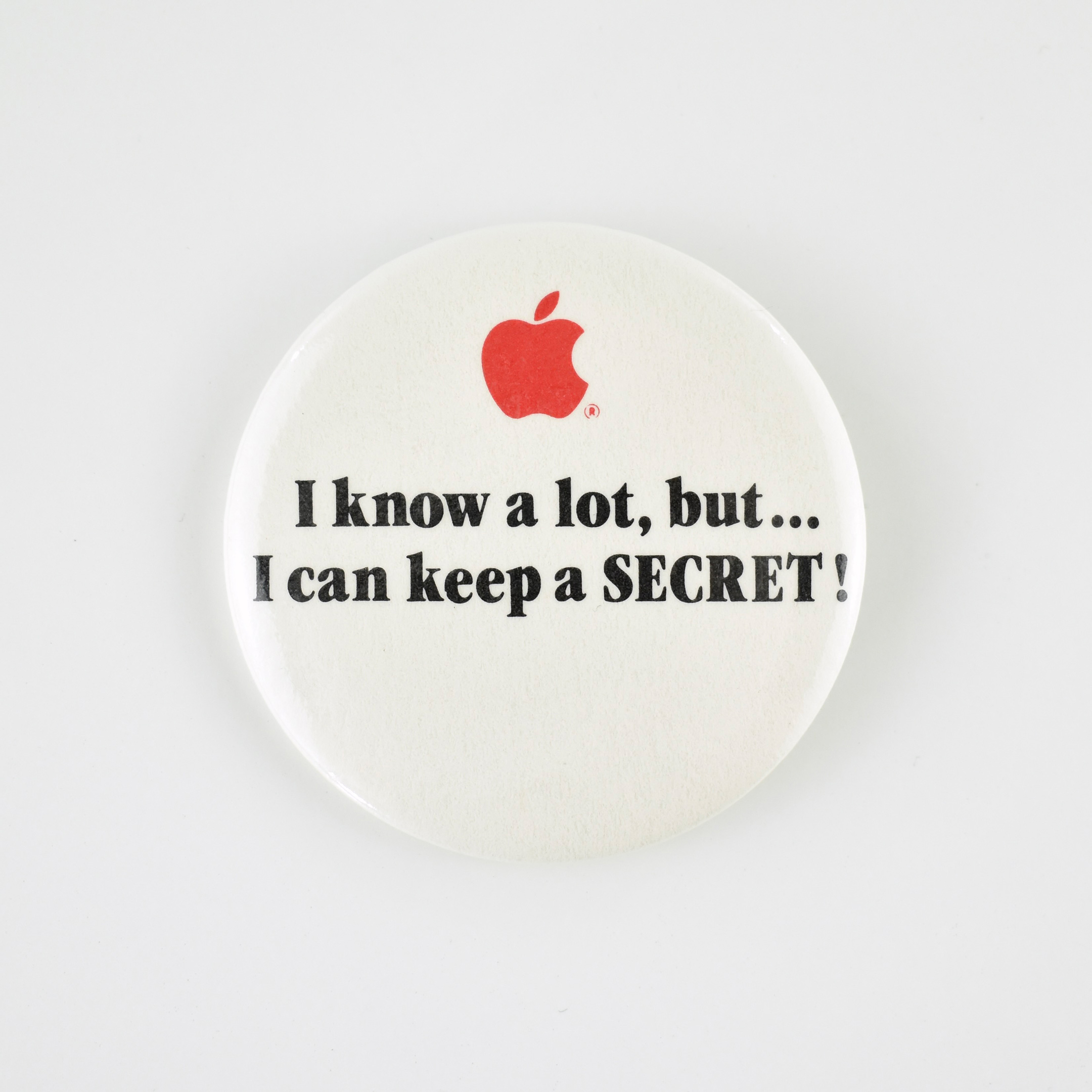
This button, manufactured by Button King, is 2 3/16 inches diameter and displays a red Apple logo and the text “I know a lot, but…I can keep a SECRET!”
The text is printed in a version of the Garamond Narrow Bold font, but it does not appear to be Apple’s official Apple Garamond font.
This button was presumably provided to employees at an event or time when NDA-type (non-disclosure agreement) information was shared.
As of 2021, Apple is still famous for their secrecy.
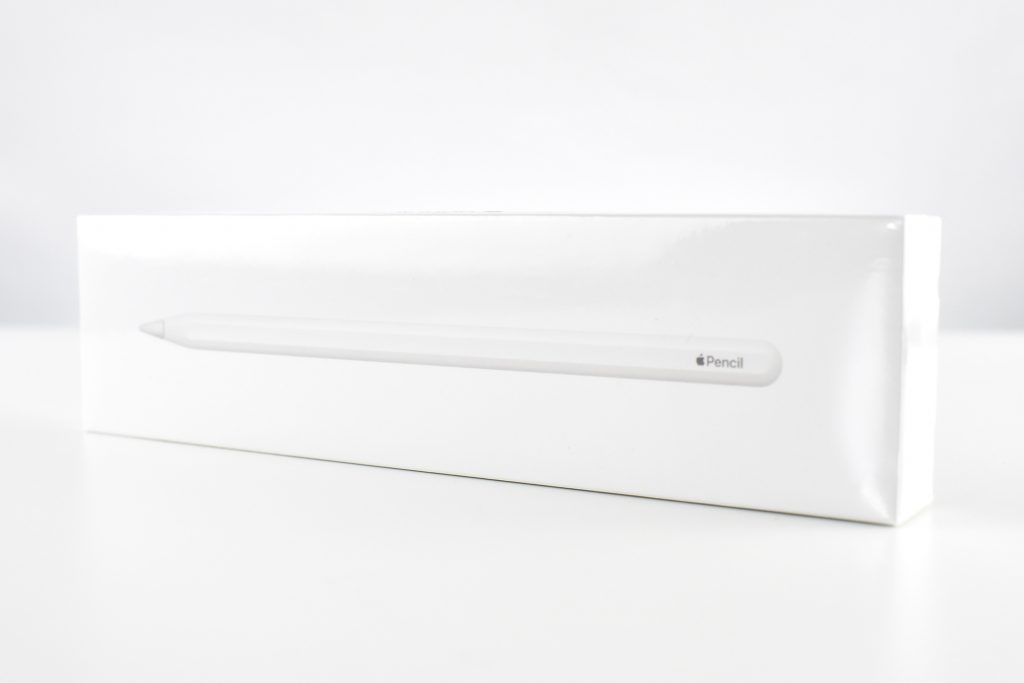
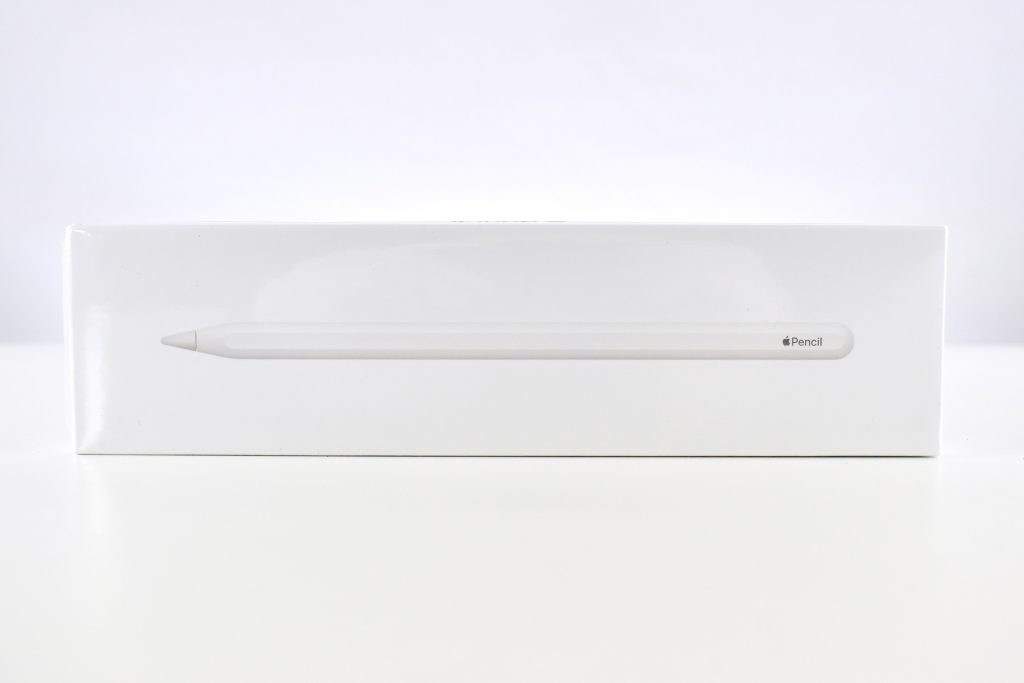
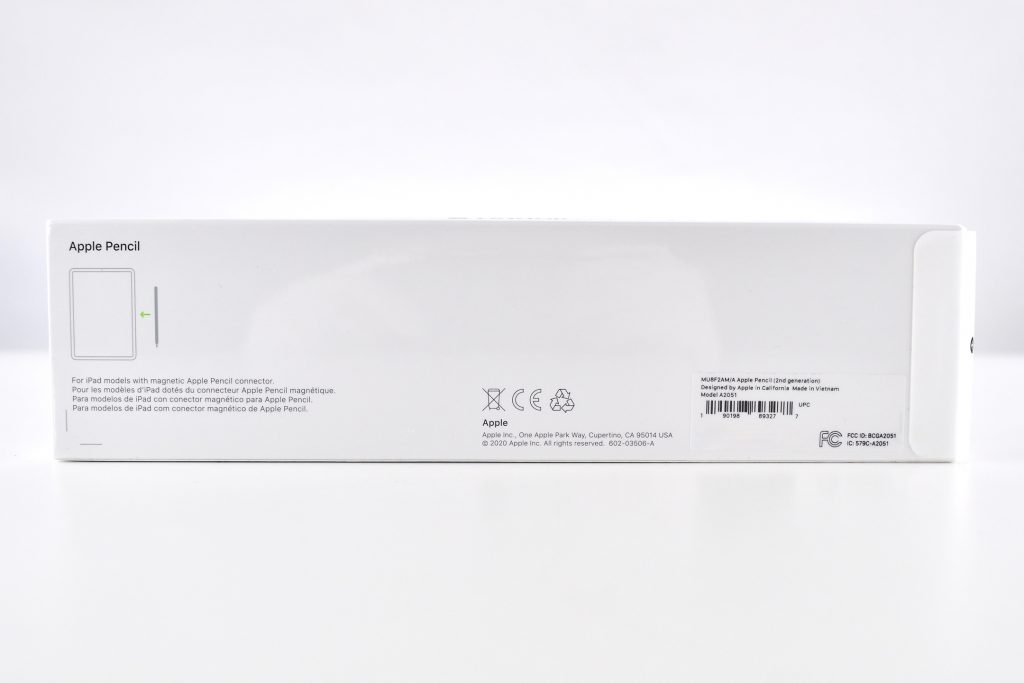
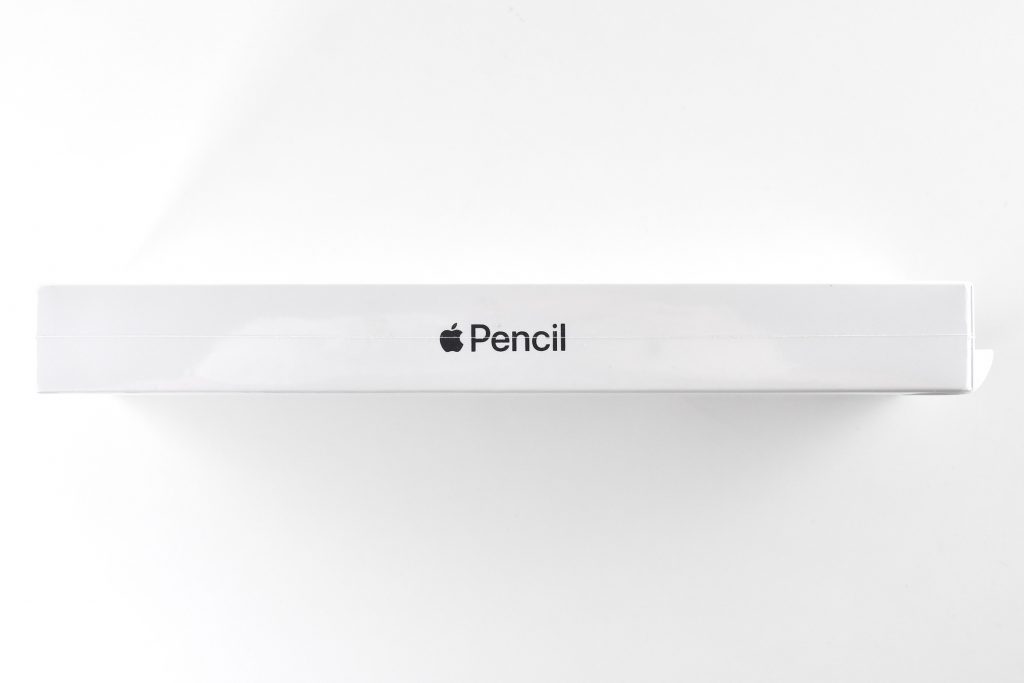
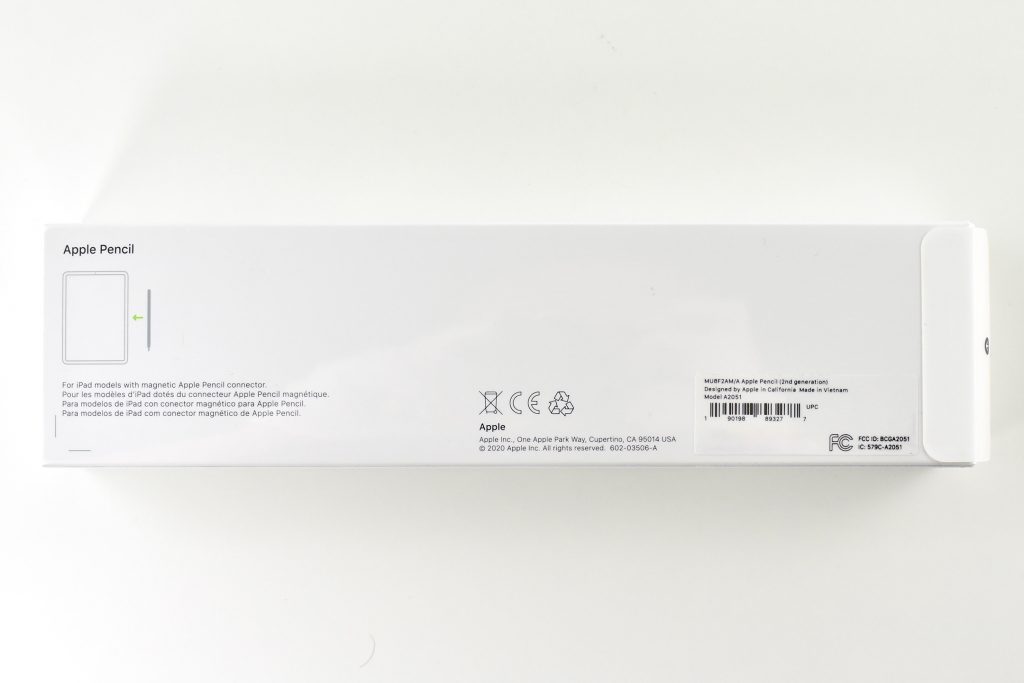
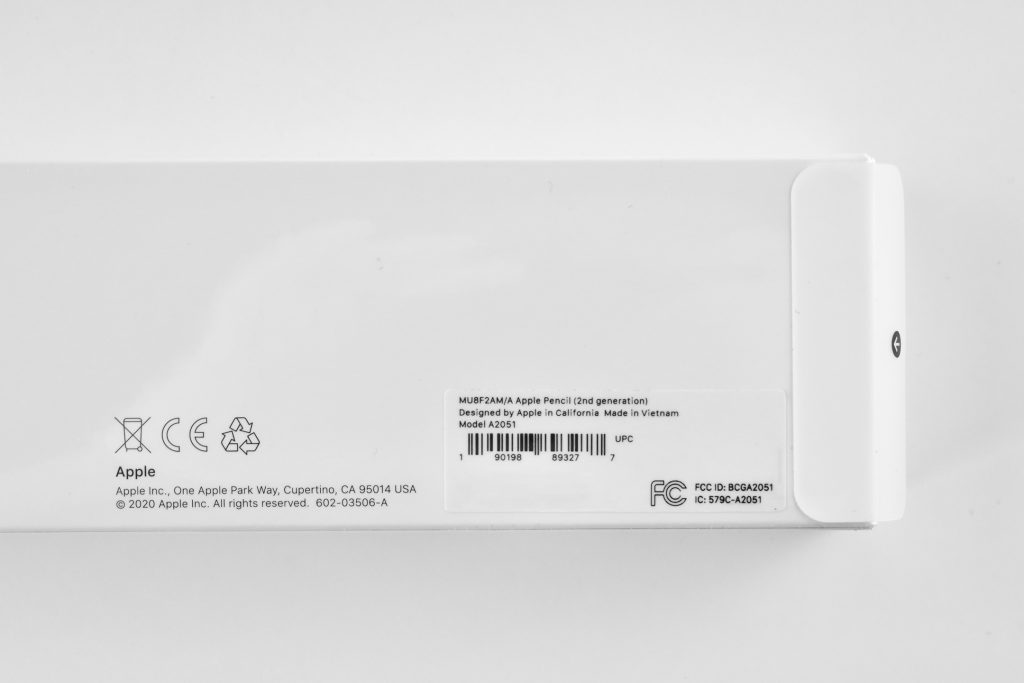
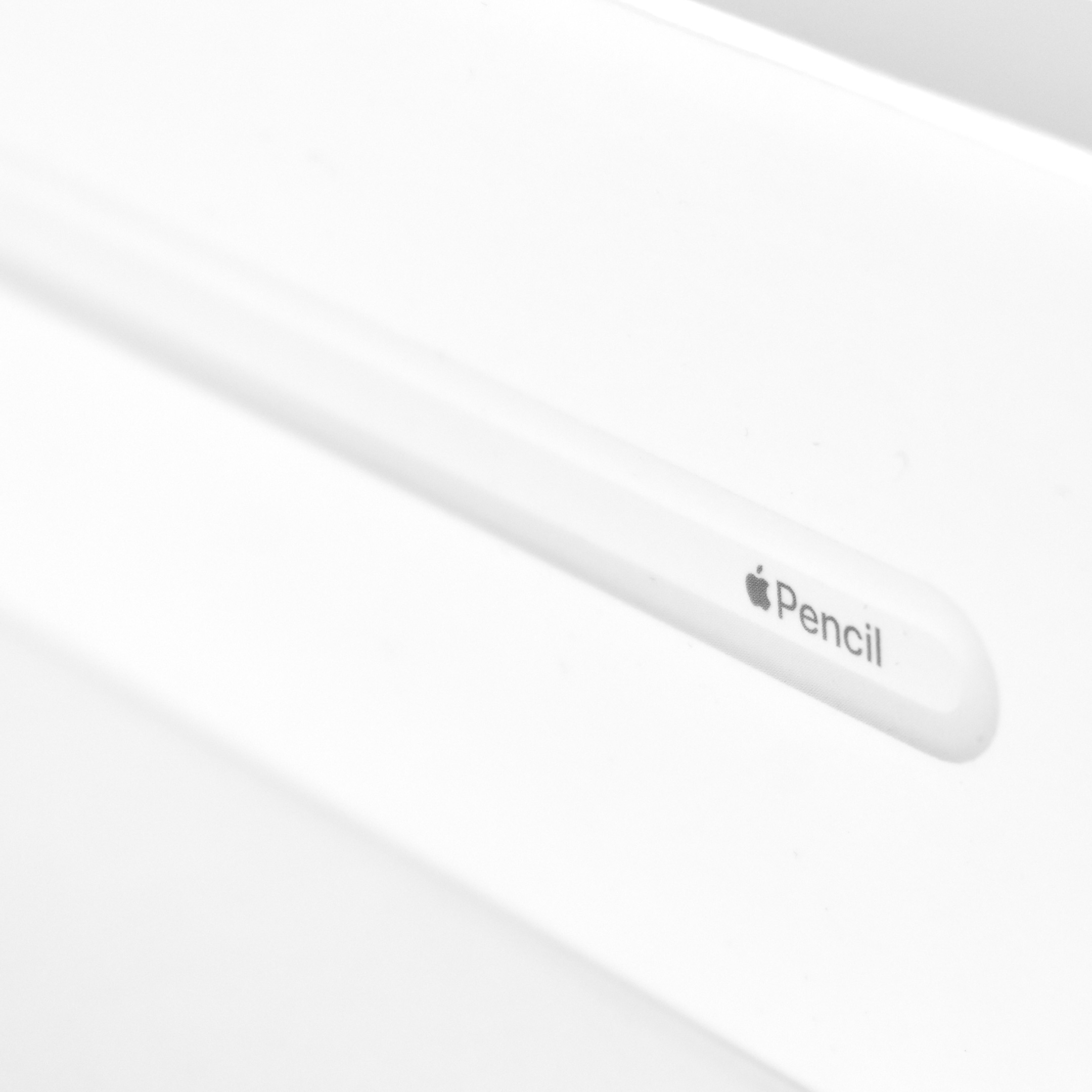
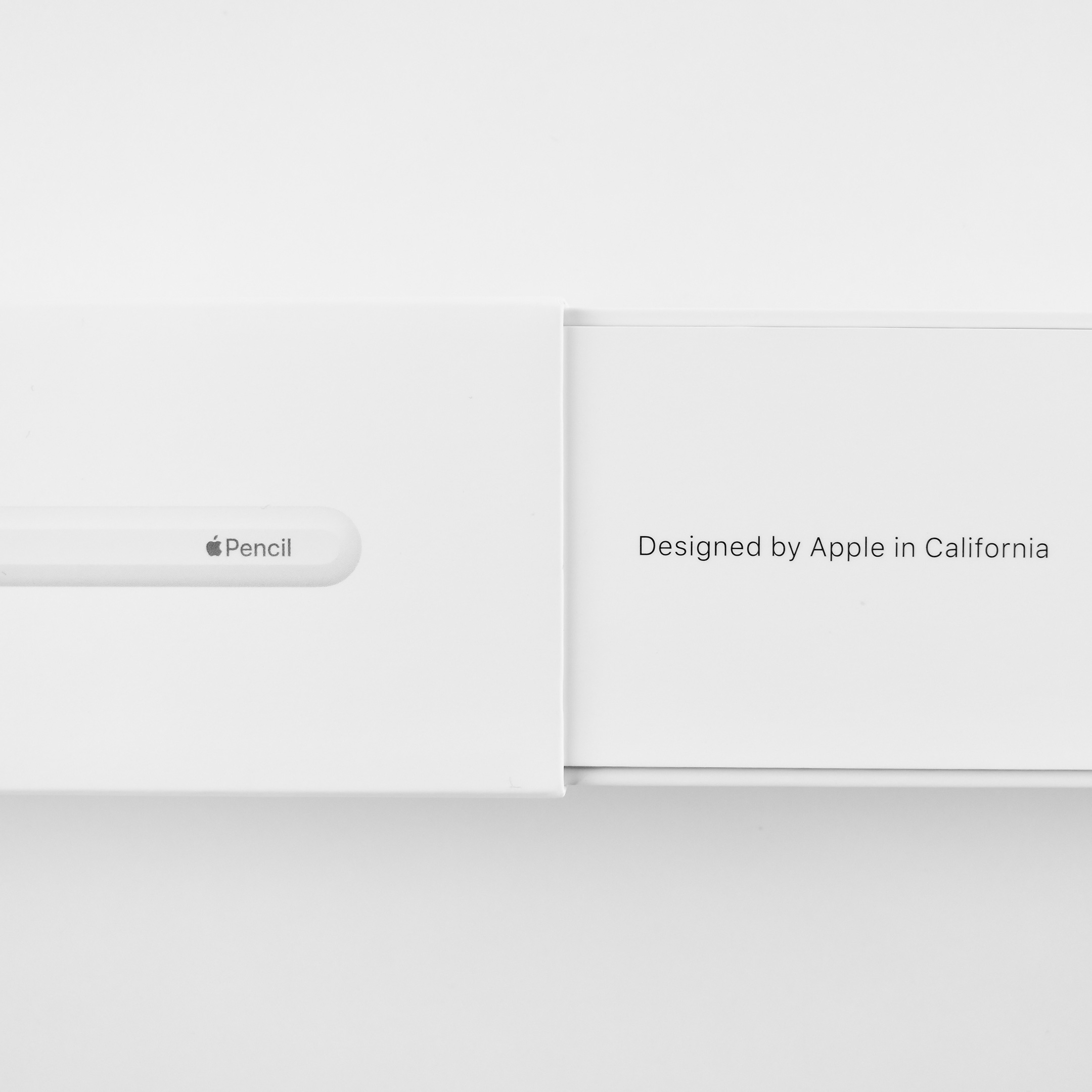
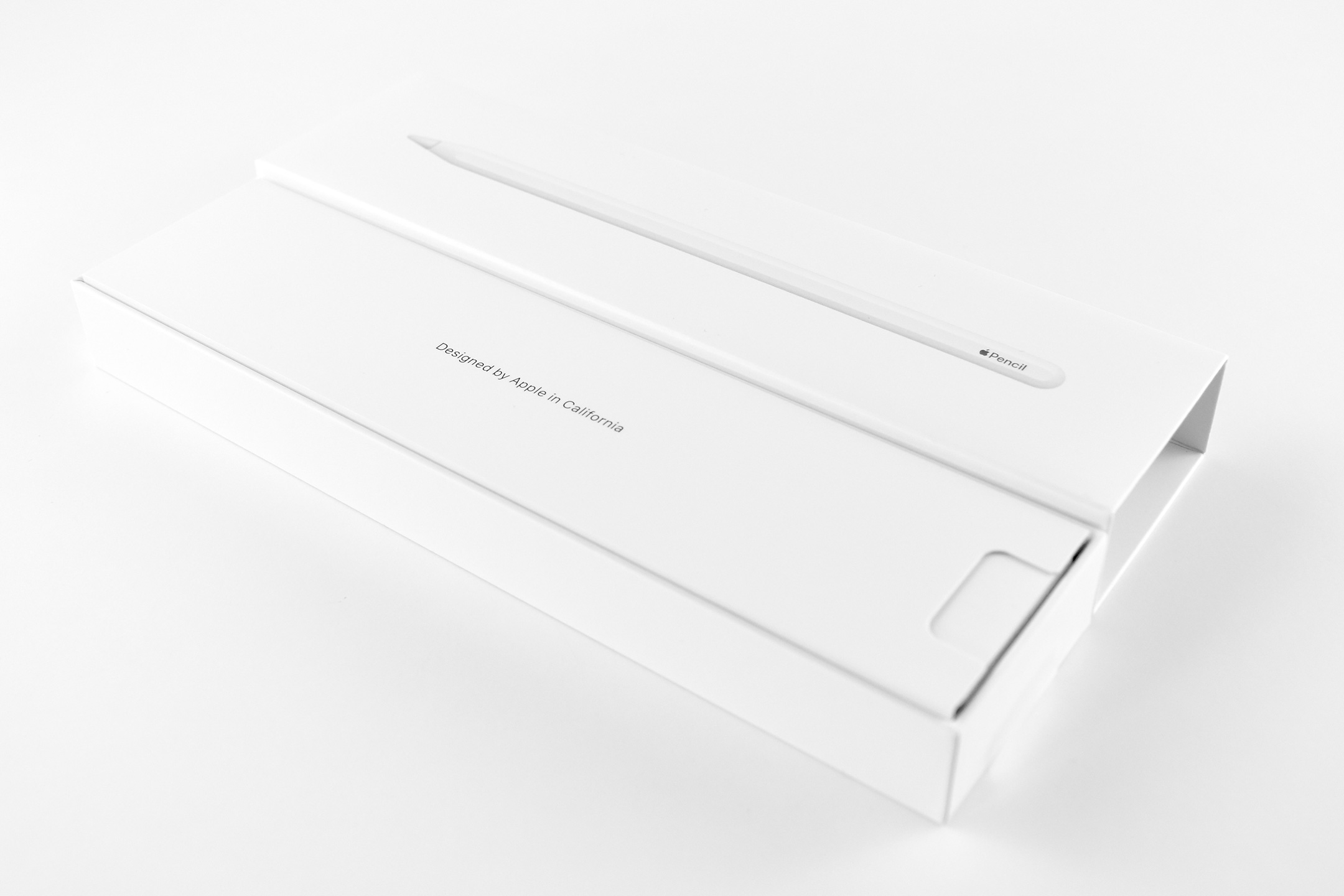
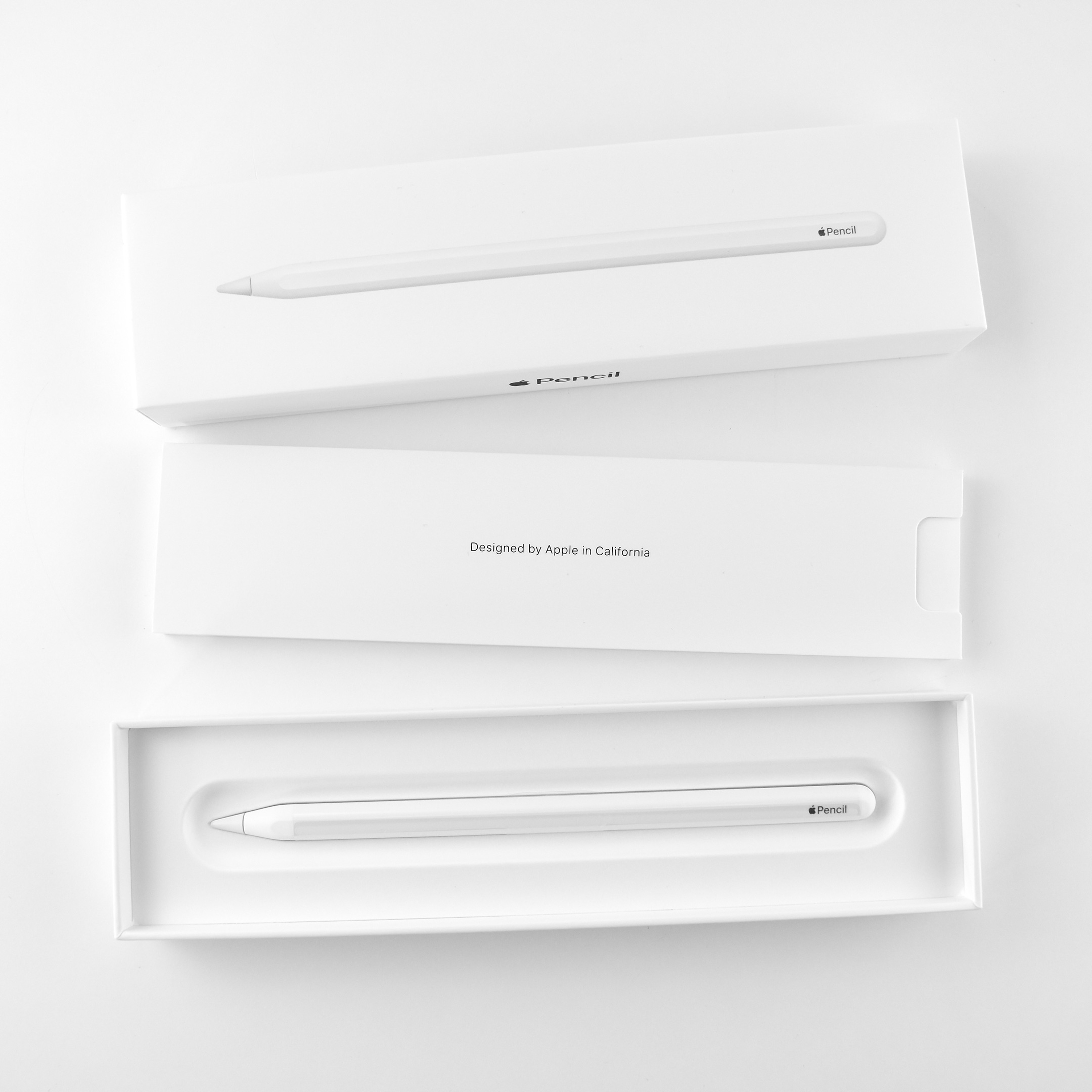
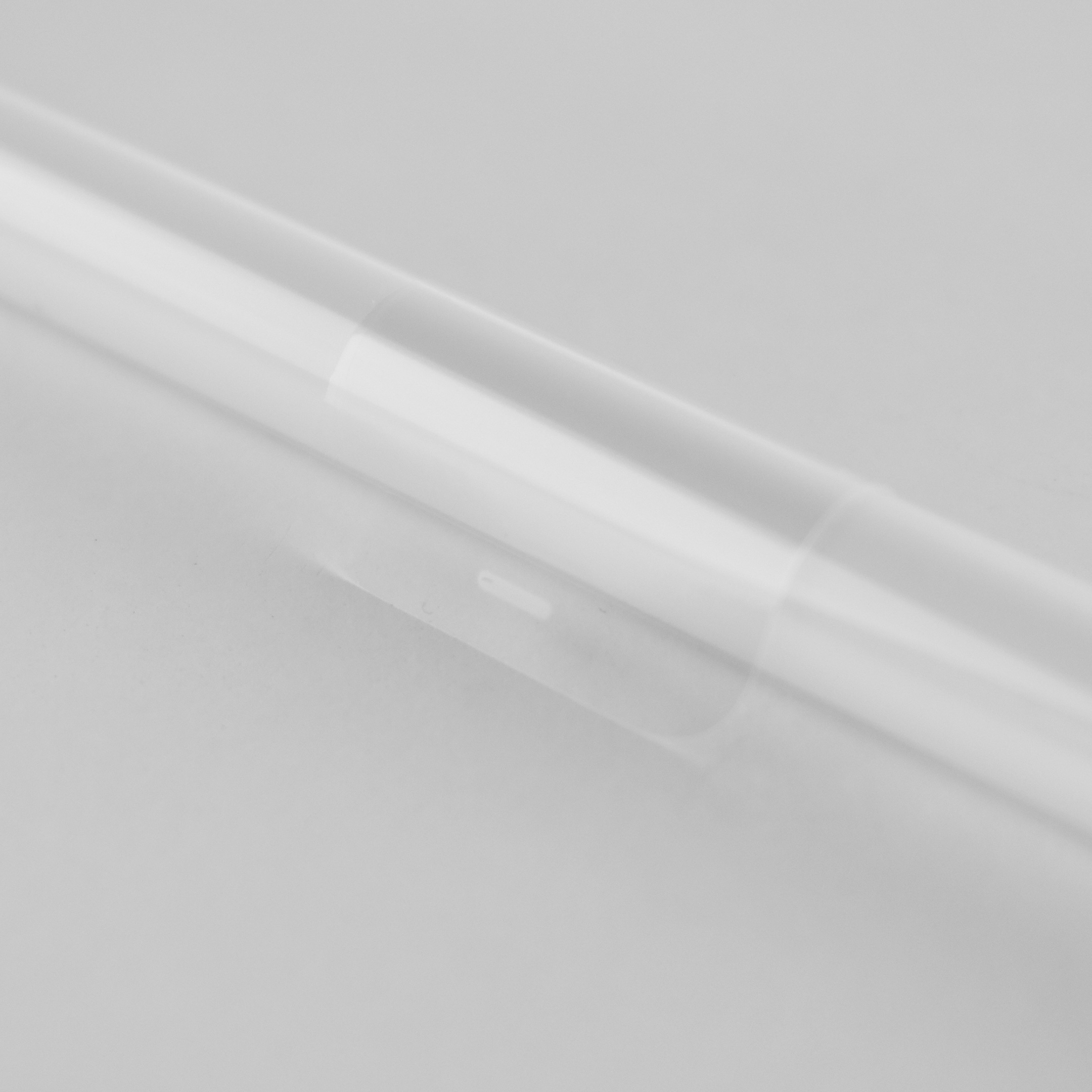
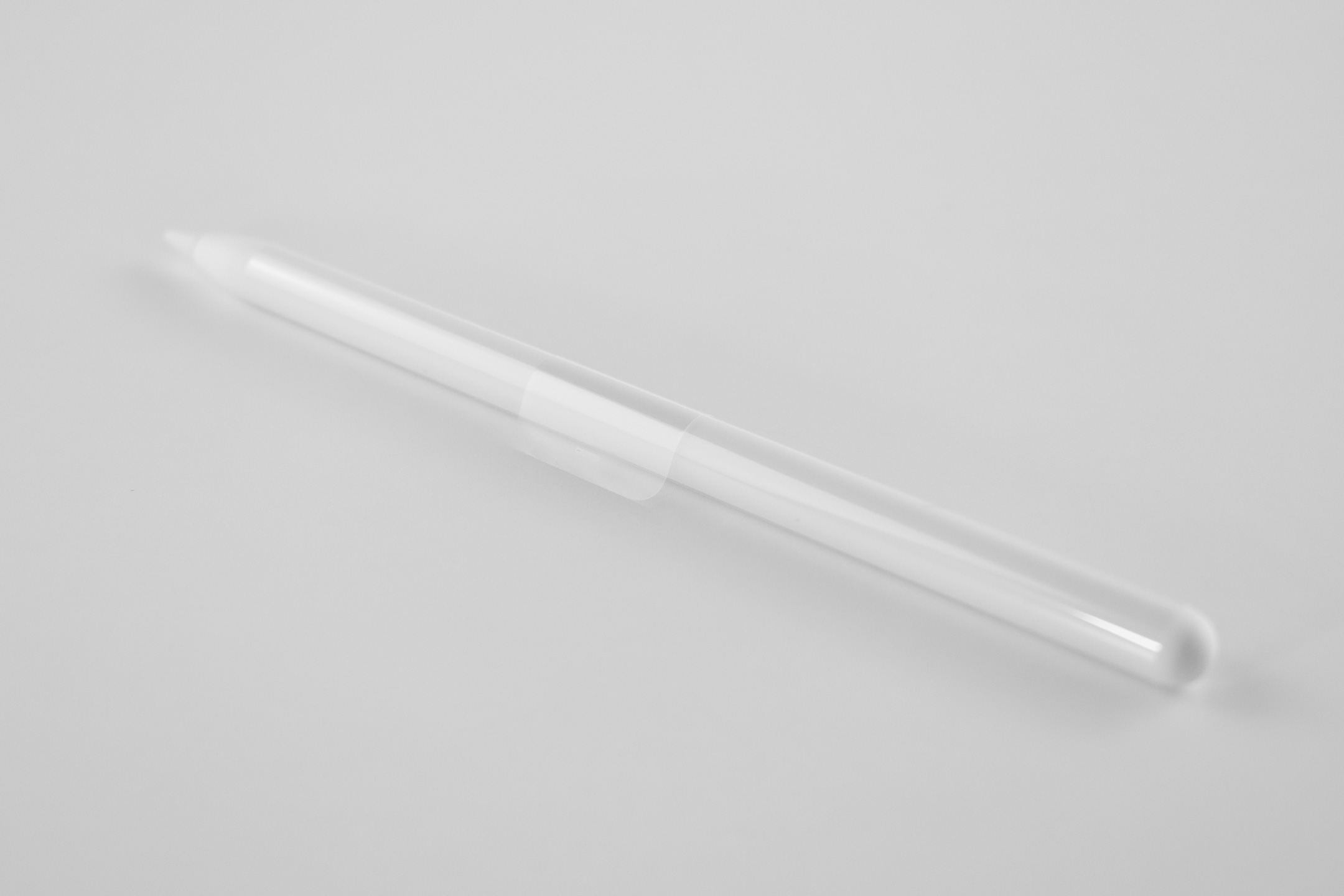
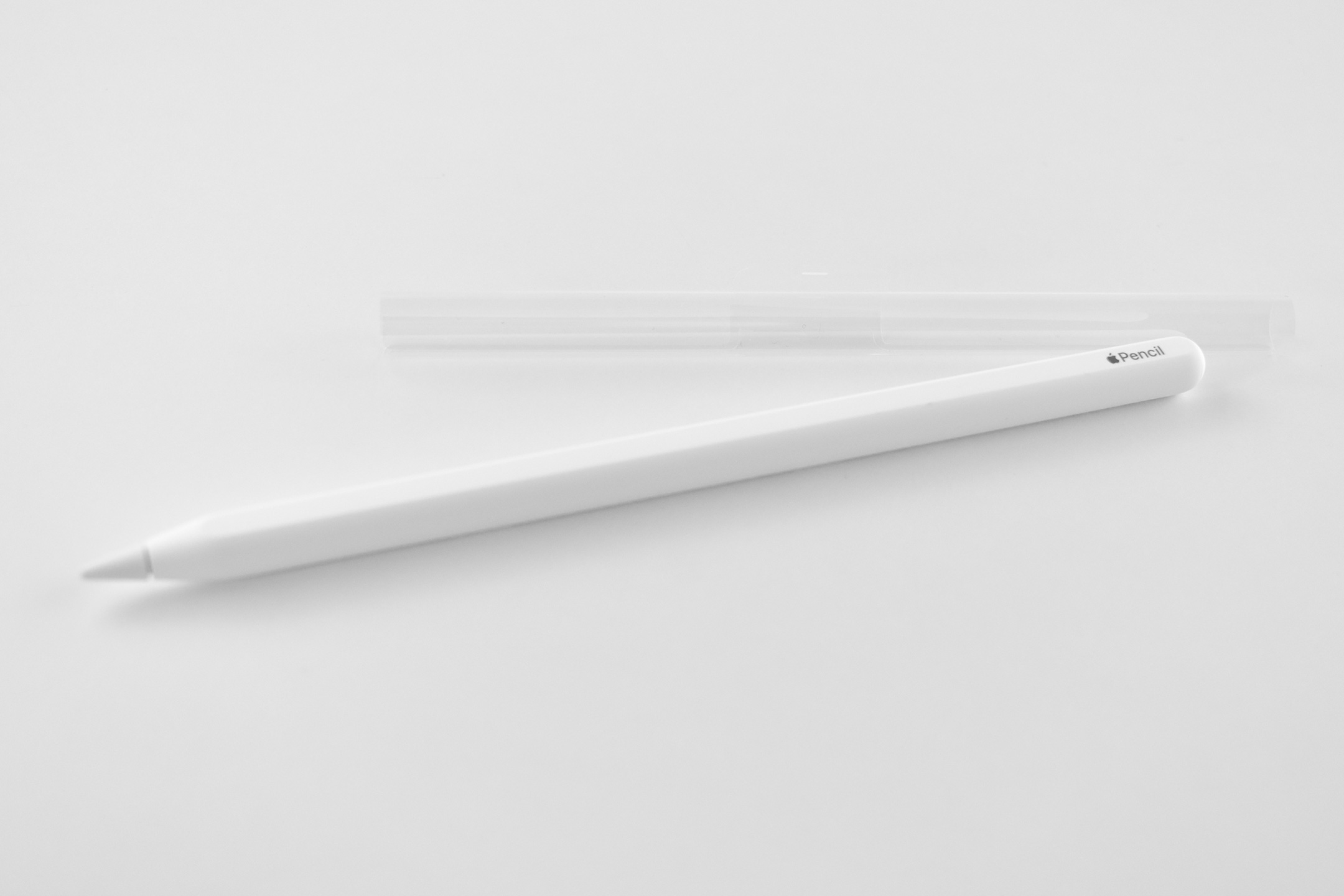
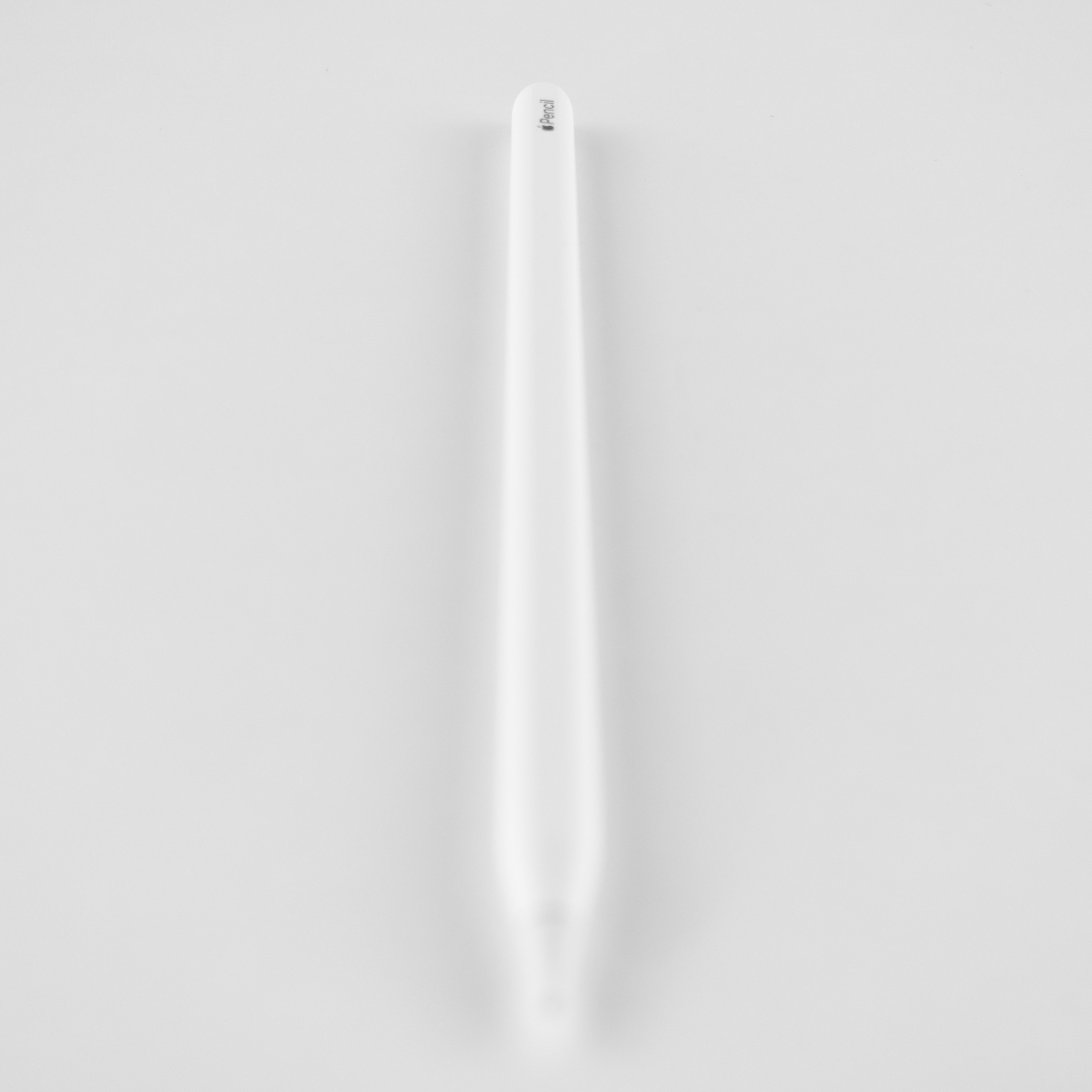
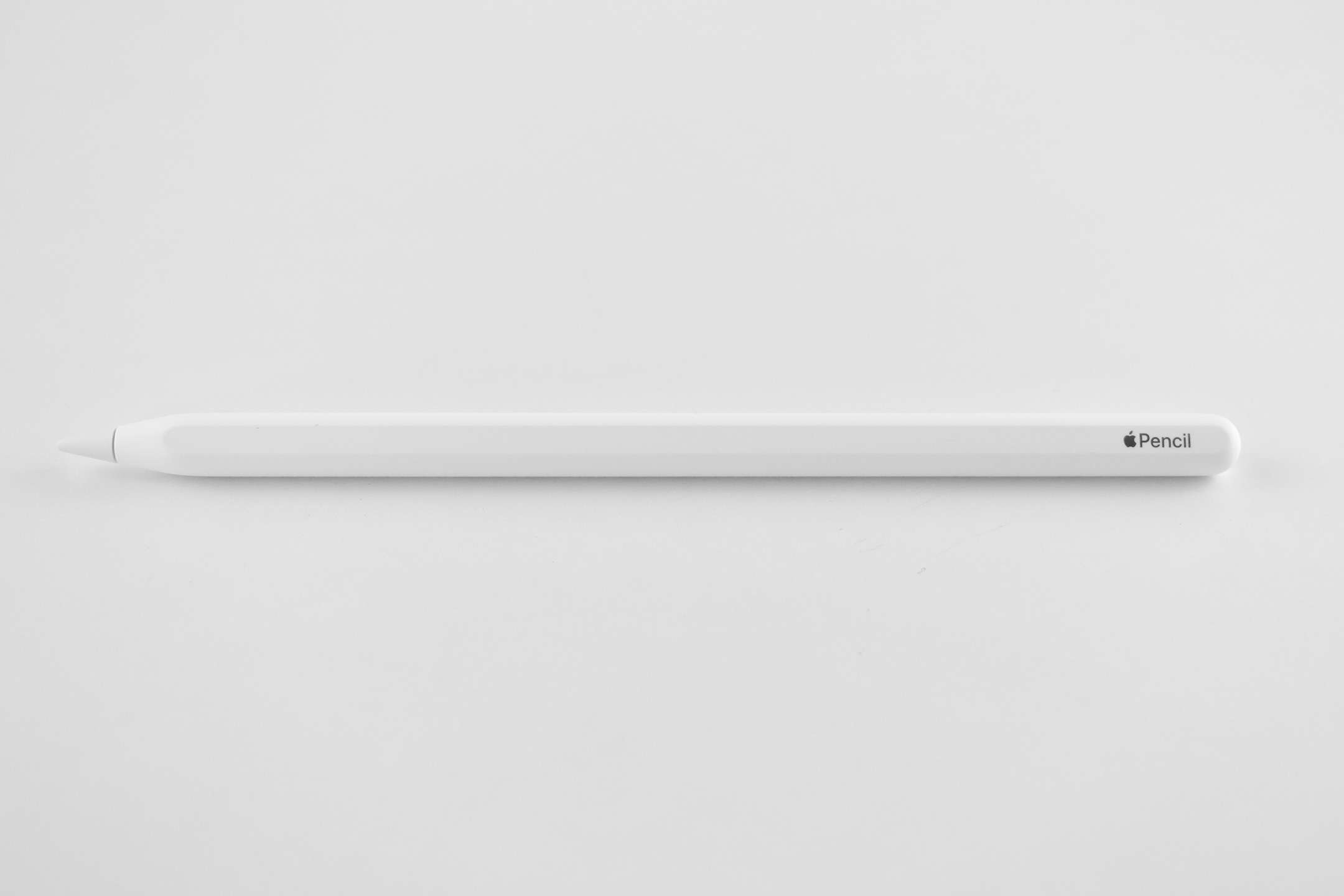
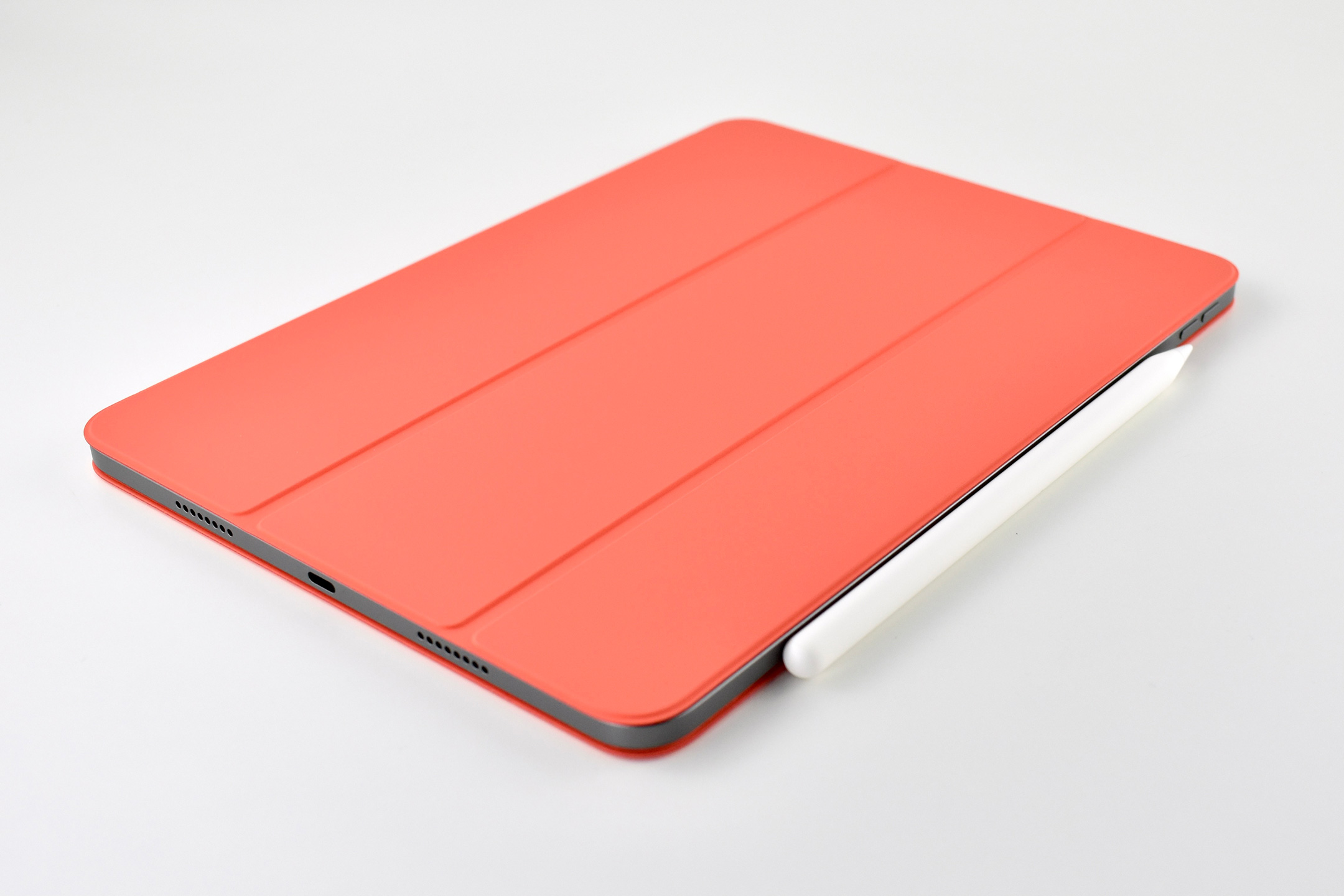
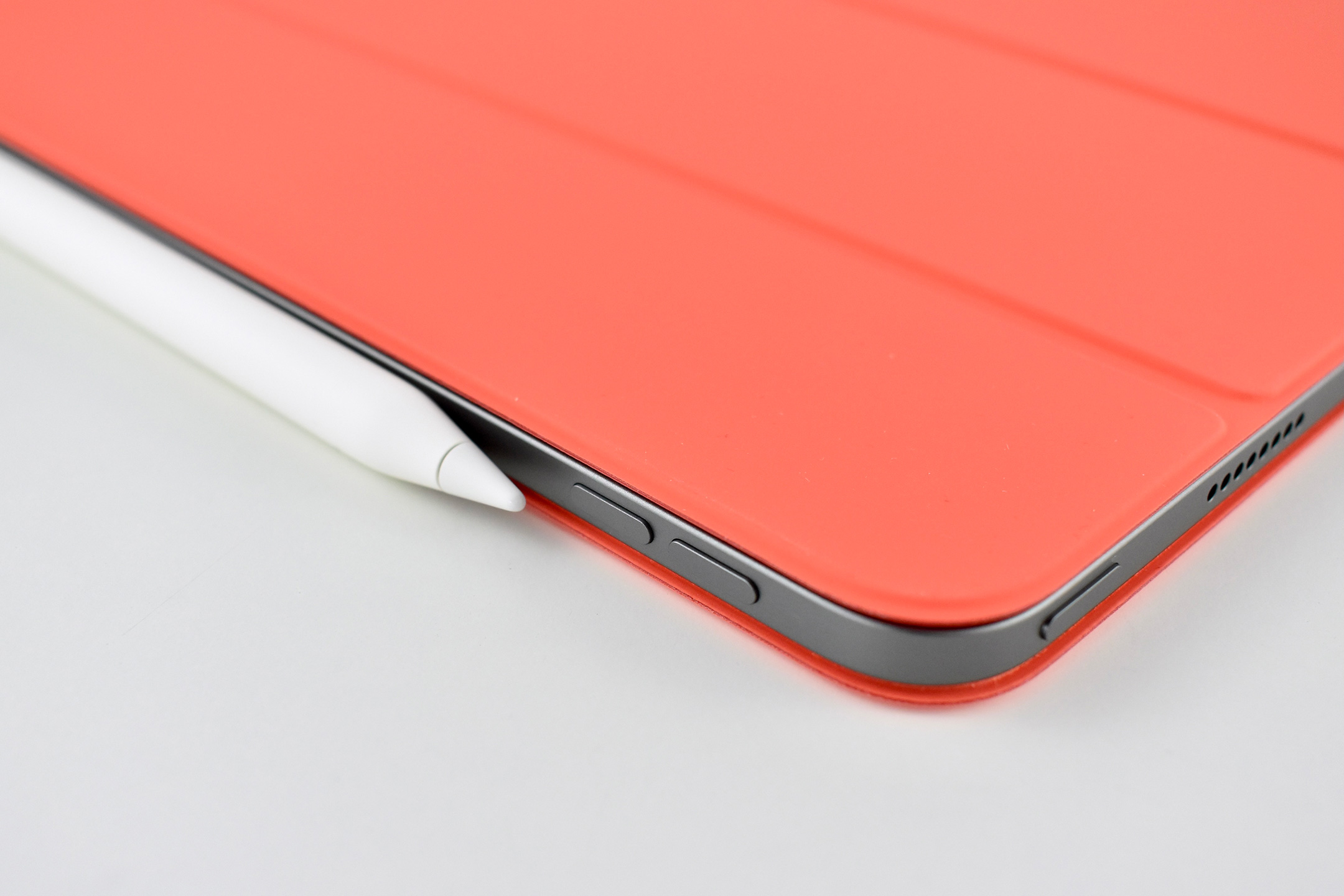
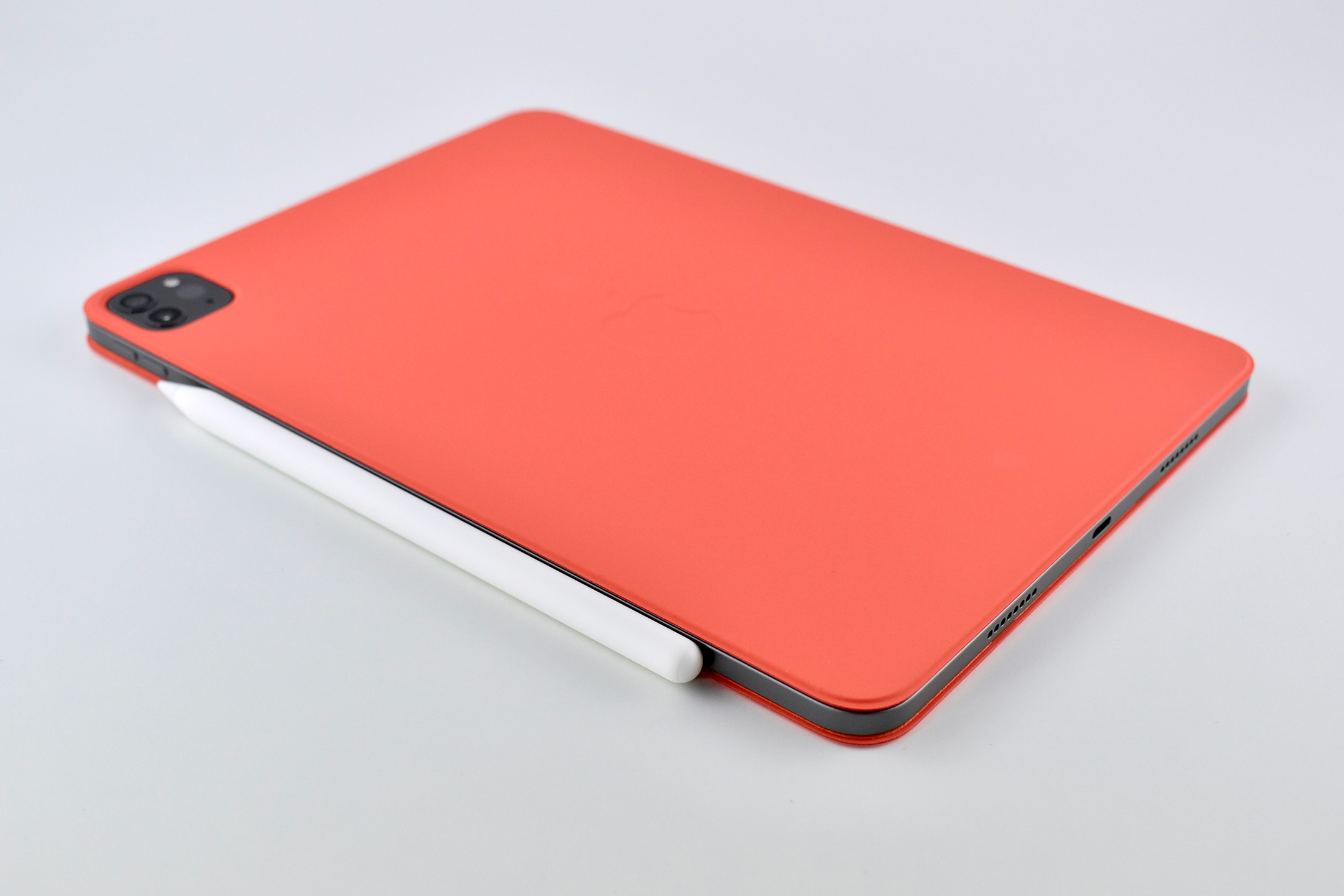
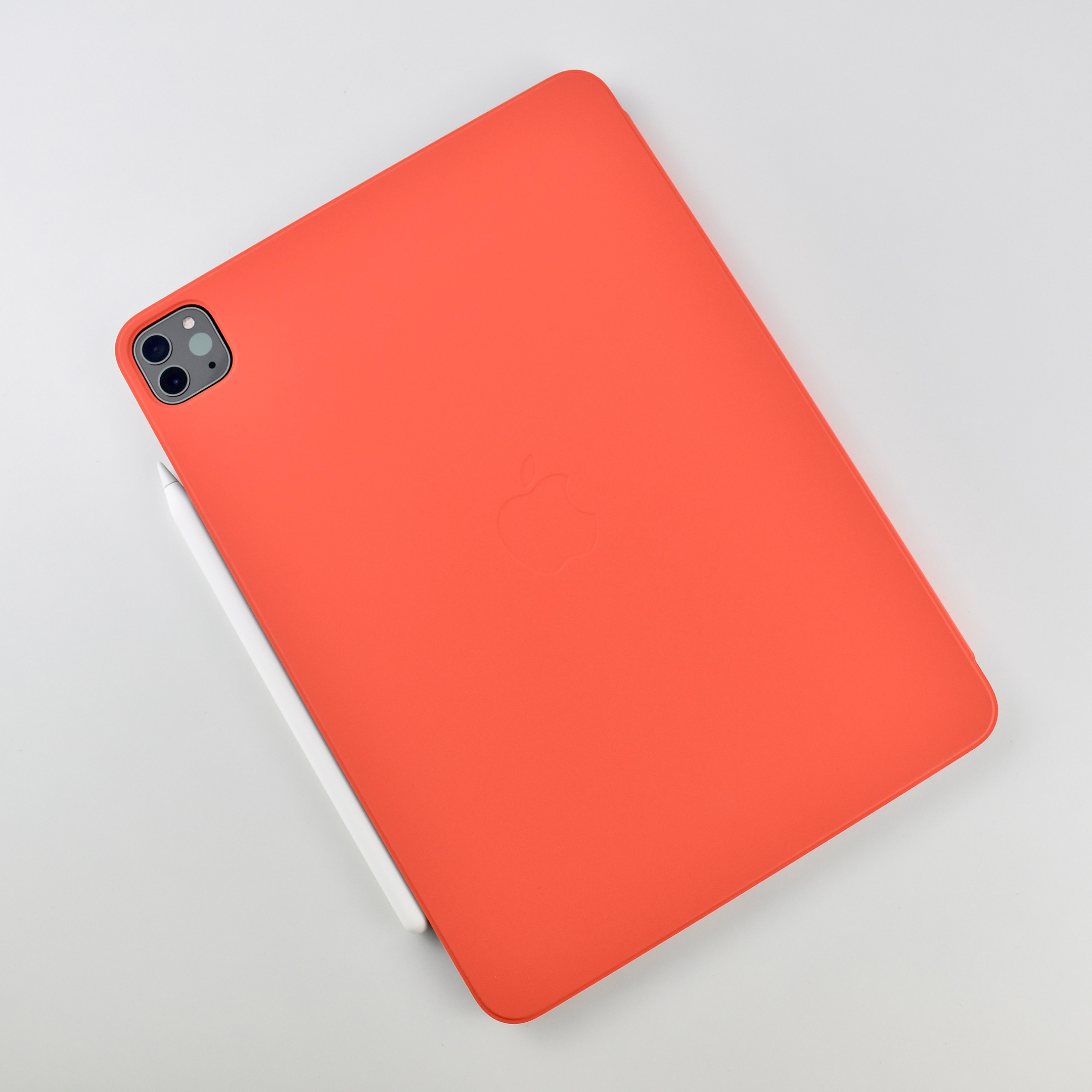
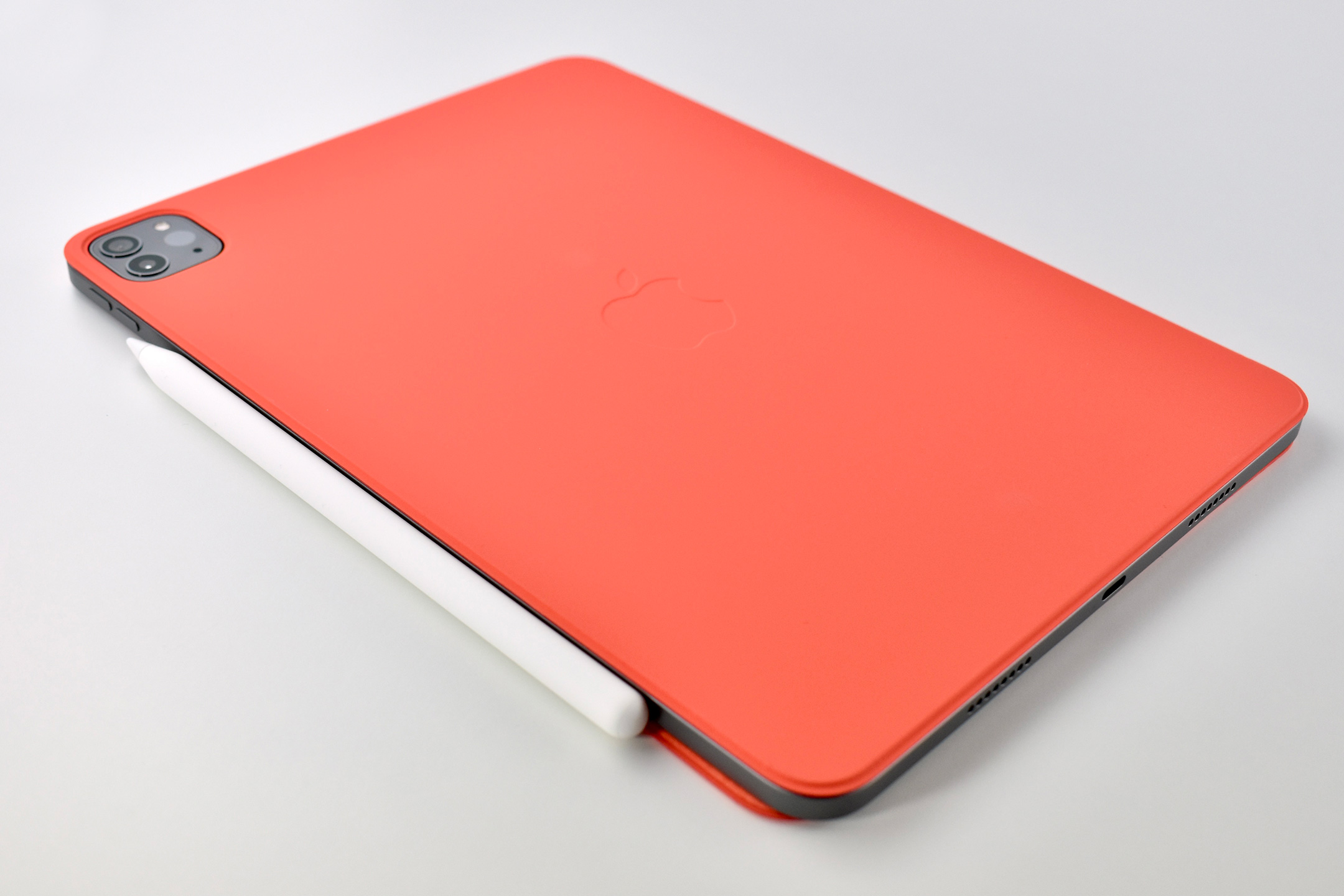
The second generation Apple Pencil was released along with the Generation 3 iPad Pro on October 30, 2018. The new Apple Pencil was described by Apple in a press release:
“A second-generation Apple Pencil magnetically attaches to iPad Pro and wirelessly charges at the same time. A new touch sensor built onto Apple Pencil detects taps, introducing an entirely new way to interact within apps.”
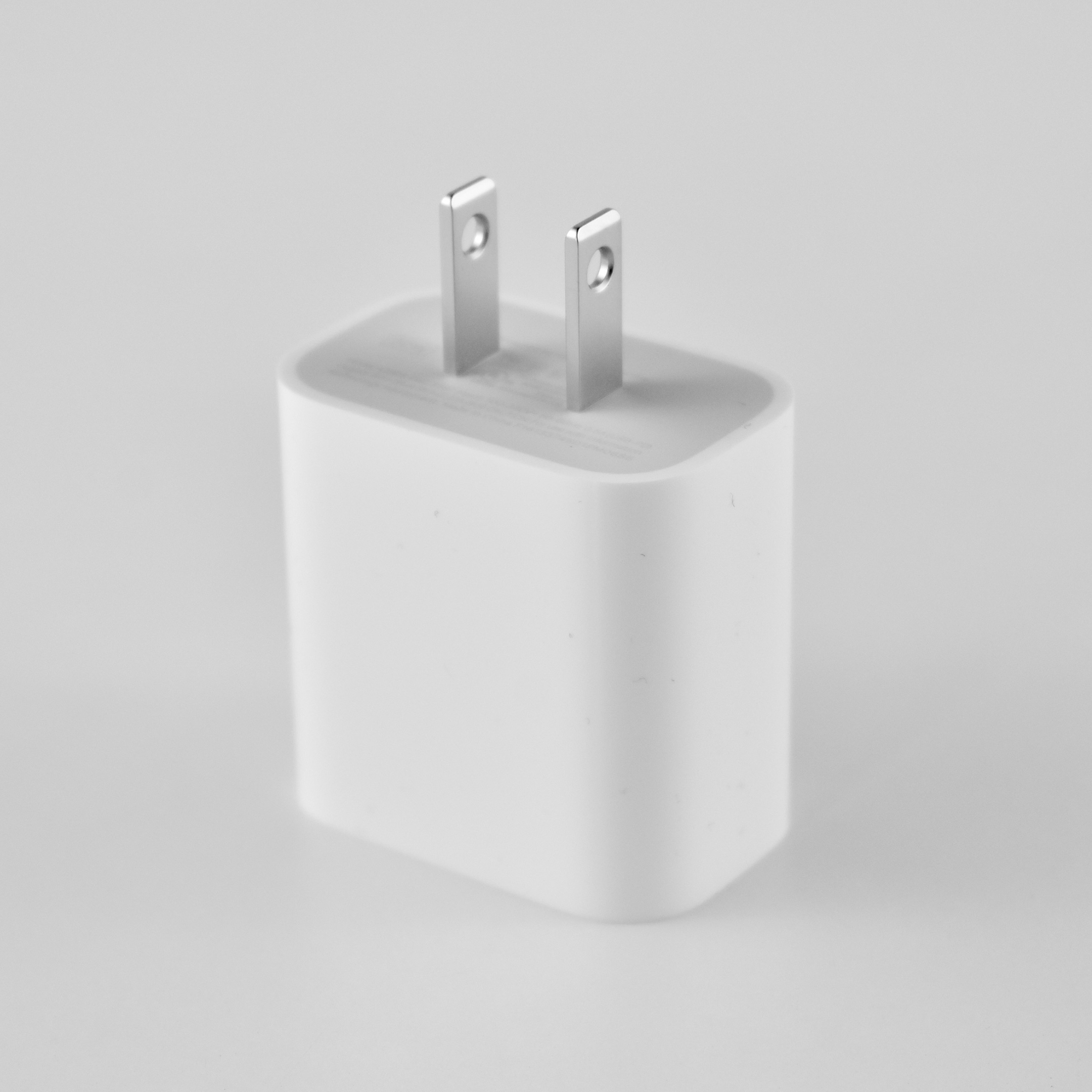
This Apple Pencil charged with a magnetic charger built into the iPad instead of the Lightning connector used to charge the original Apple Pencil.
Apple lists the capabilities of the Apple Pencil Generation 2 as including:
Wireless pairing and charging
Attaches magnetically
Double-tap to change tools
Pixel-perfect precision
Tilt and pressure sensitivity
Imperceptible lag
Free engraving
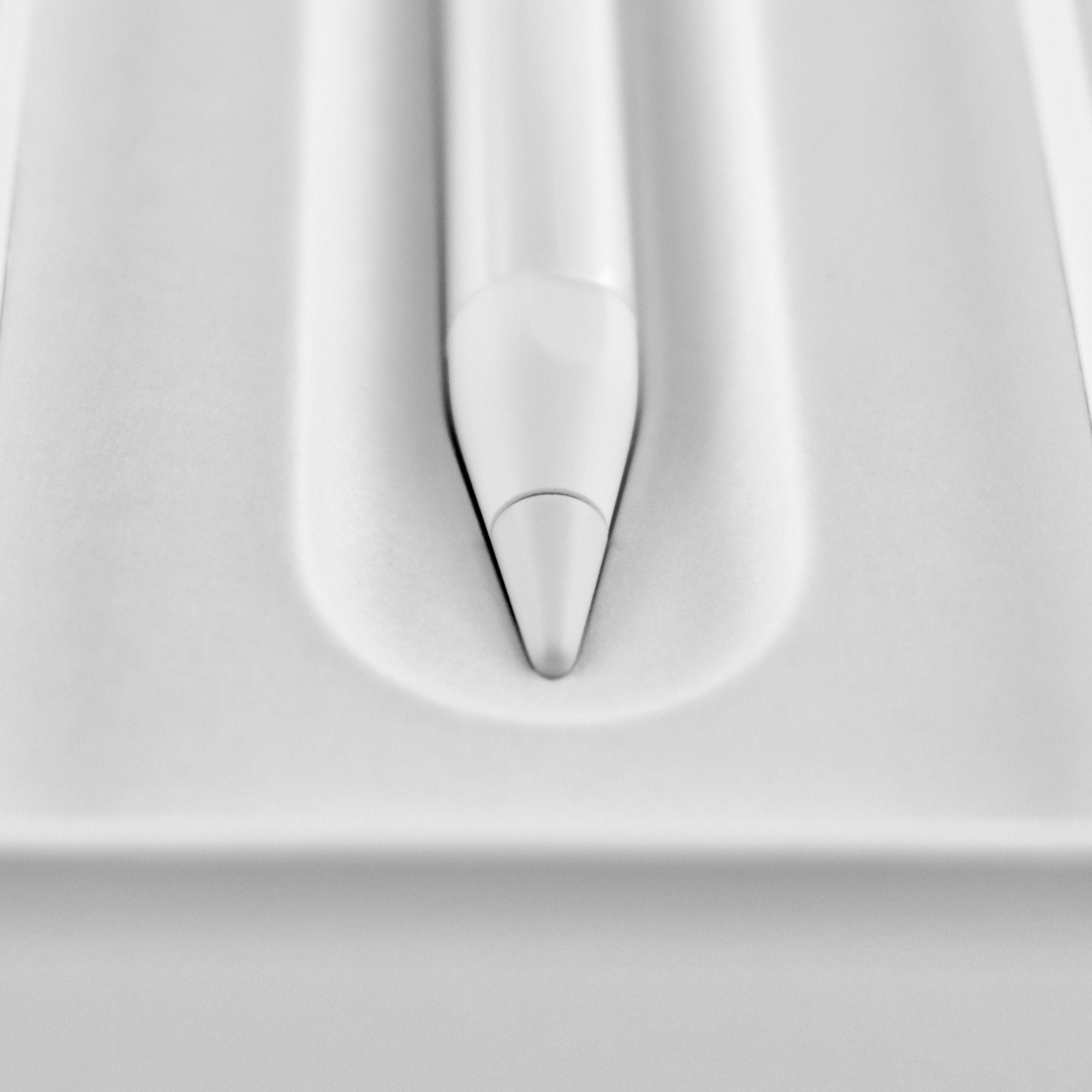
Although small design changes, the second generation Apple Pencil featured two flat edges and a matte-textured finish, making it feel more like a traditional pencil. It was also less prone to rolling off the table.
This post was updated in October 2021 to include the unboxing and shots of the Apple Pencil Generation 2 being used with an iPad Pro 11-inch (2021) and Apple’s Smart Folio.
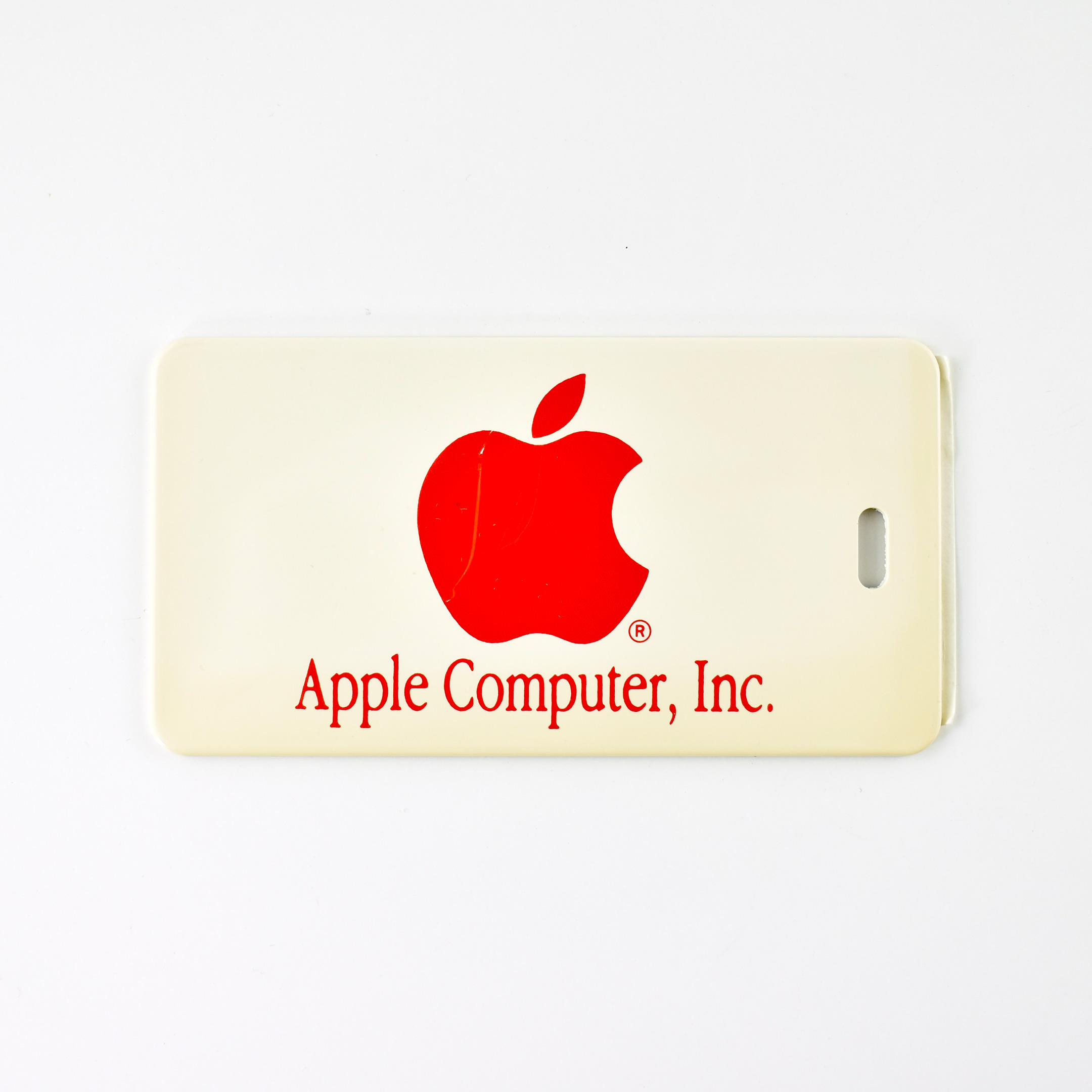
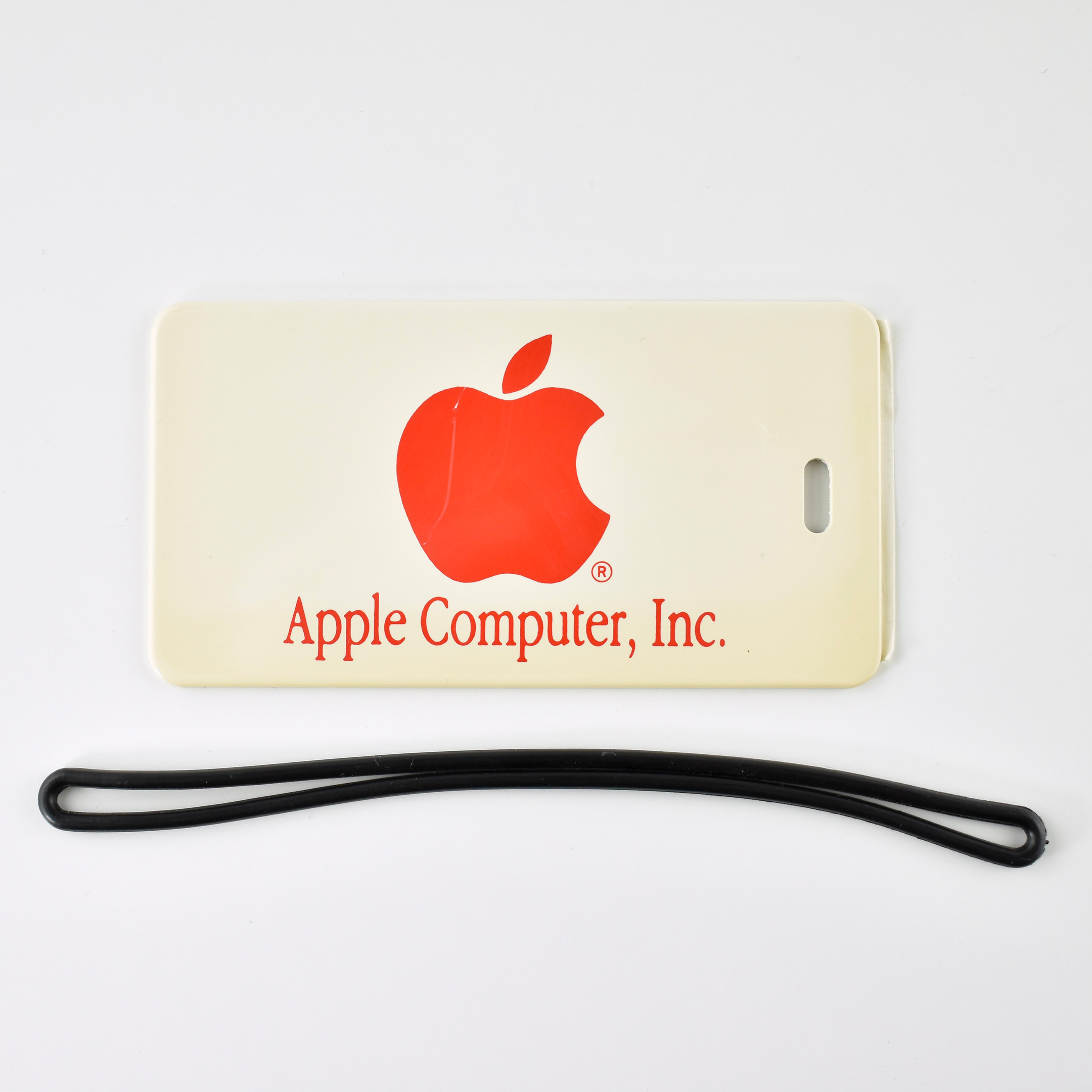
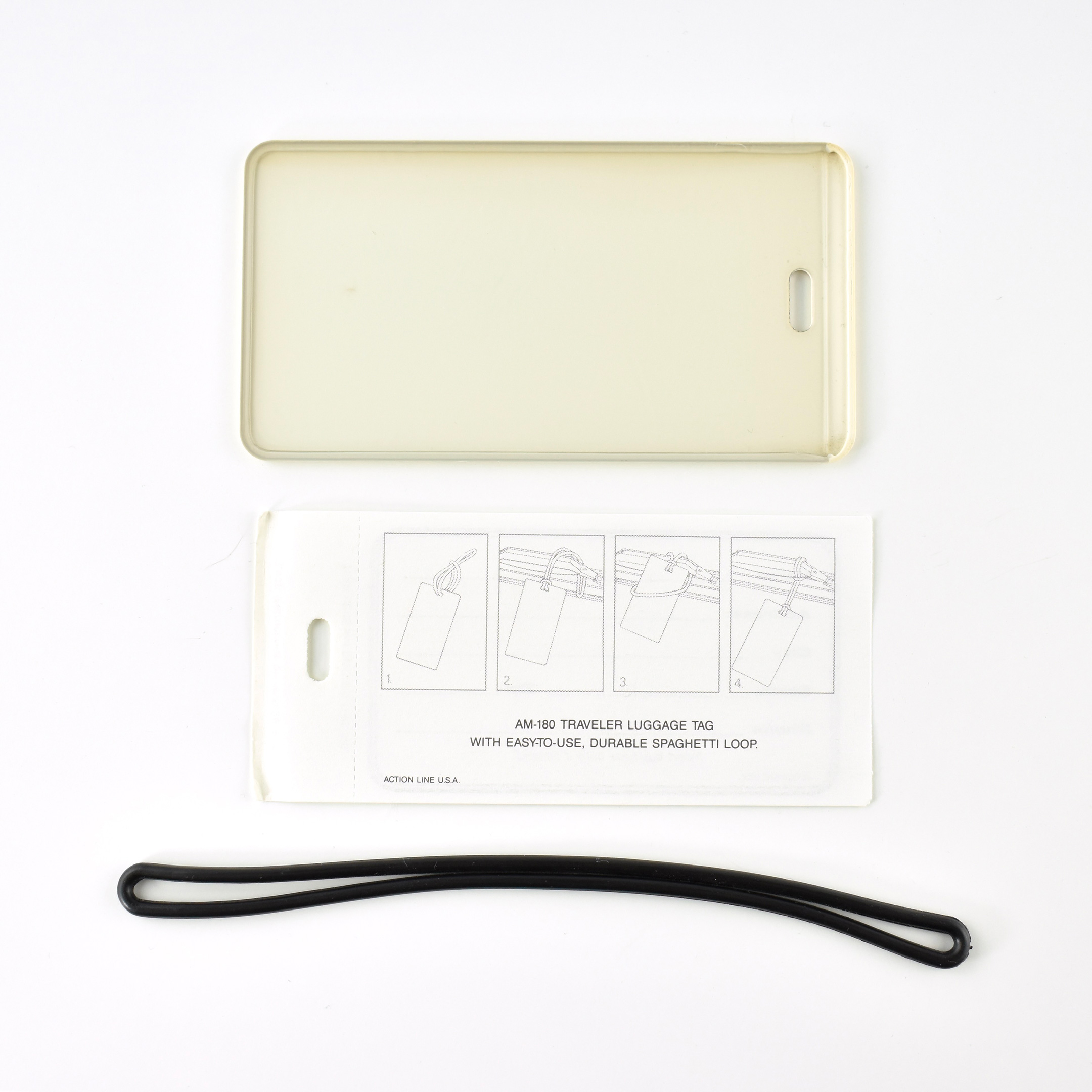
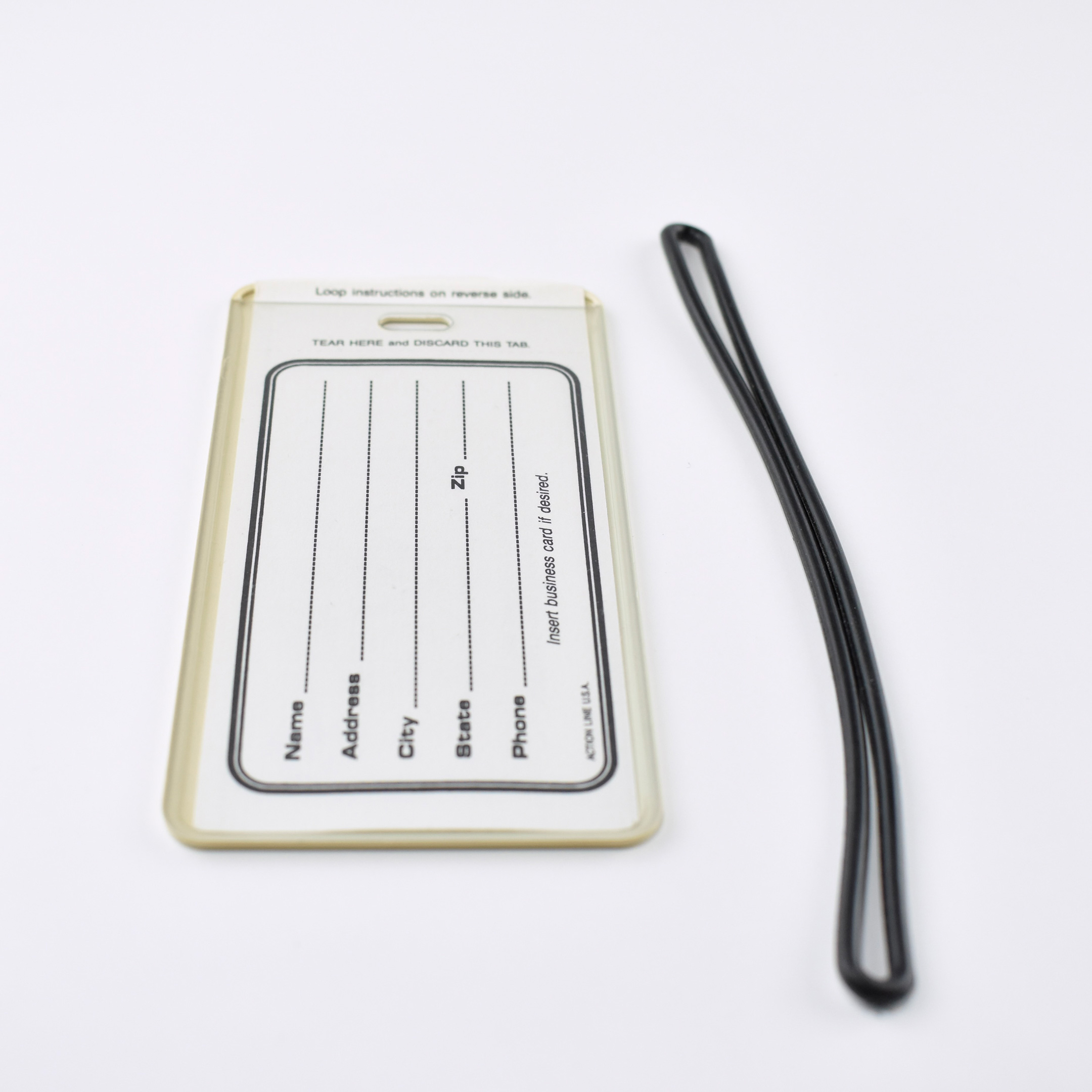
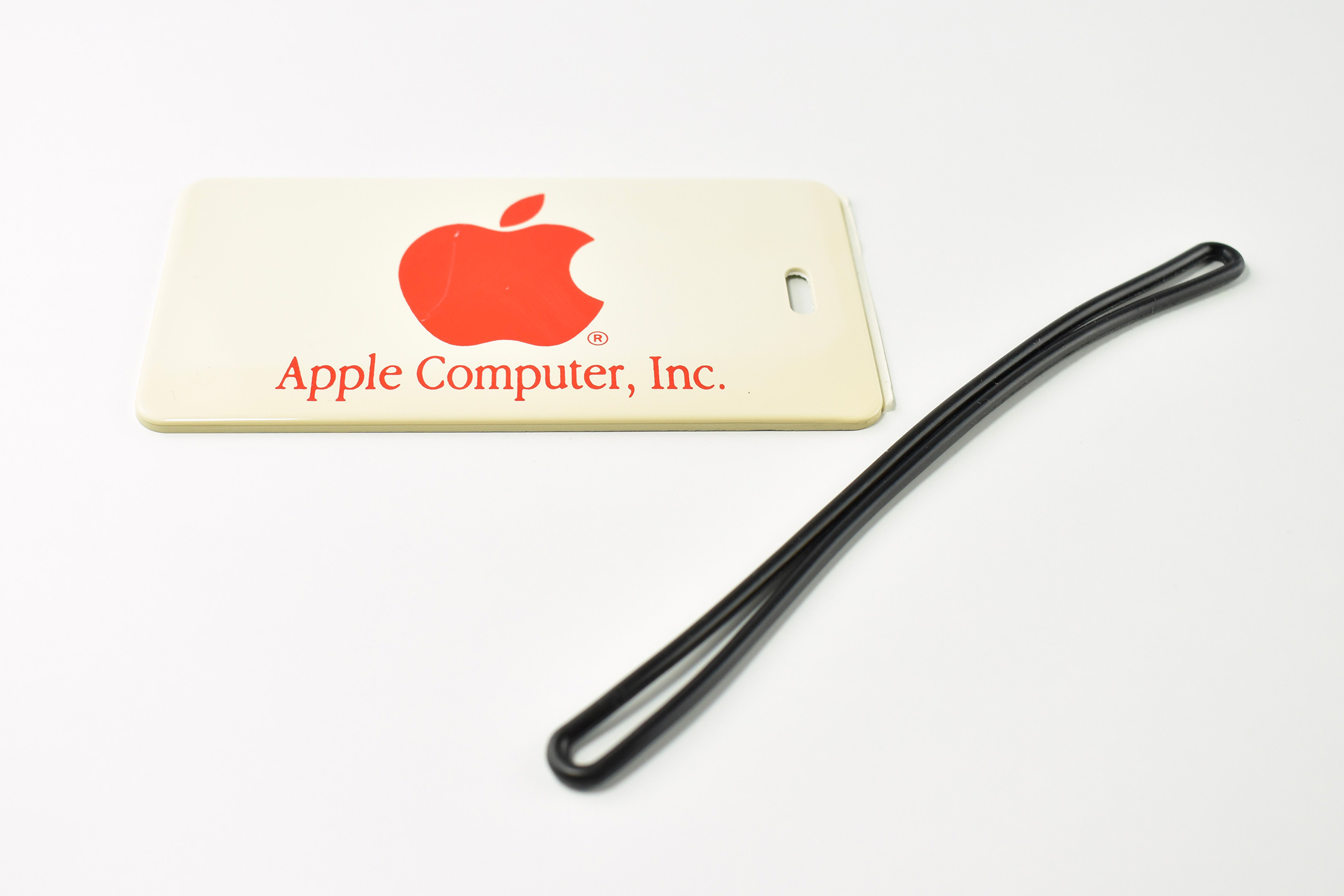
This luggage tag is white (though yellowing with age) with a red Apple logo and the logotype “Apple Computer, Inc.,” Apple’s official company name from 1977–2007. (In 2007 the company name changed to Apple, Inc.)
The luggage tag measures 4.25 x 2.25 inches and is just under 1/8 inch thick. It comes with a paper insert with lines to write in personal information on one side and directions for threading the included “durable spaghetti loop” on the back.
This luggage tag was manufactured by Action Line U.S.A.
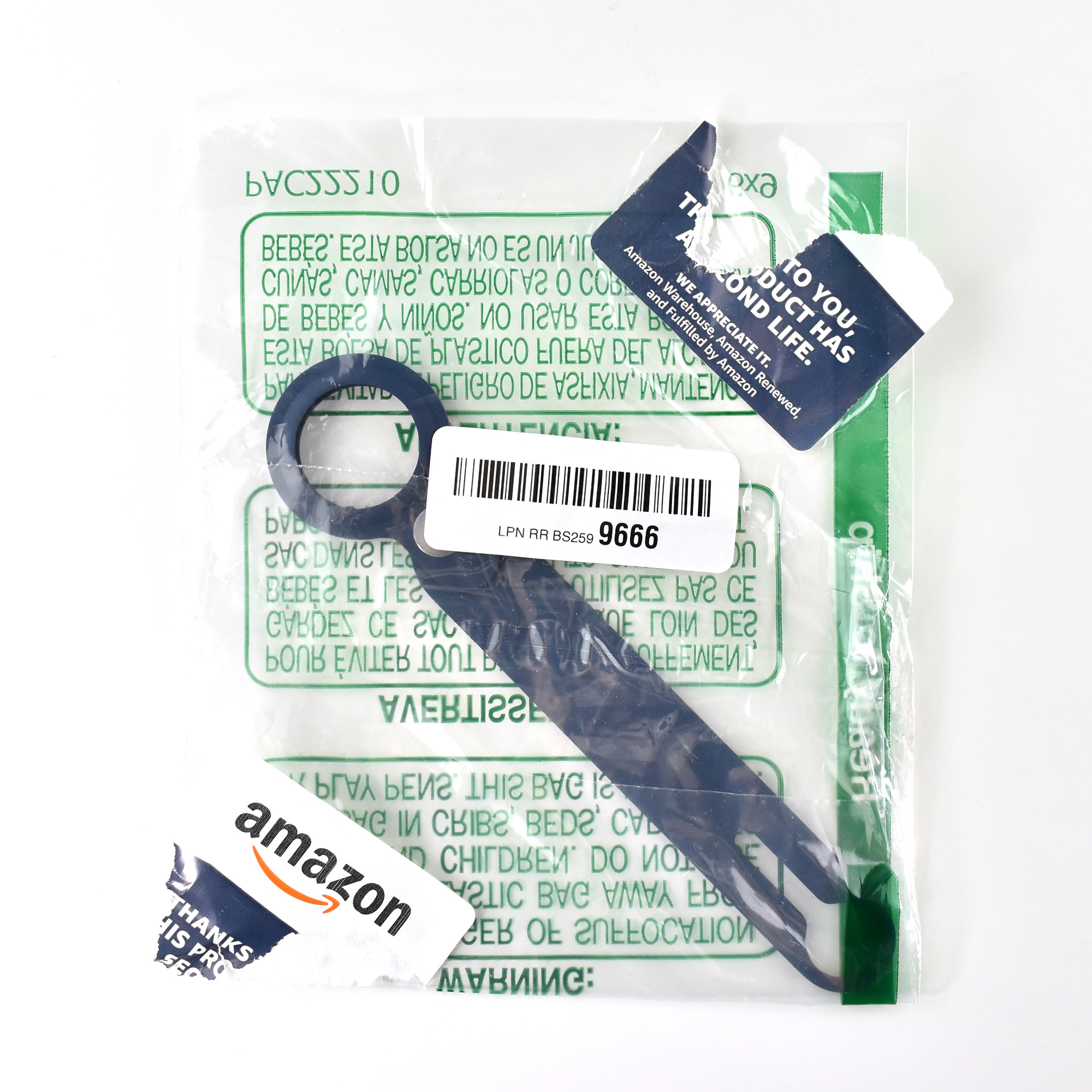
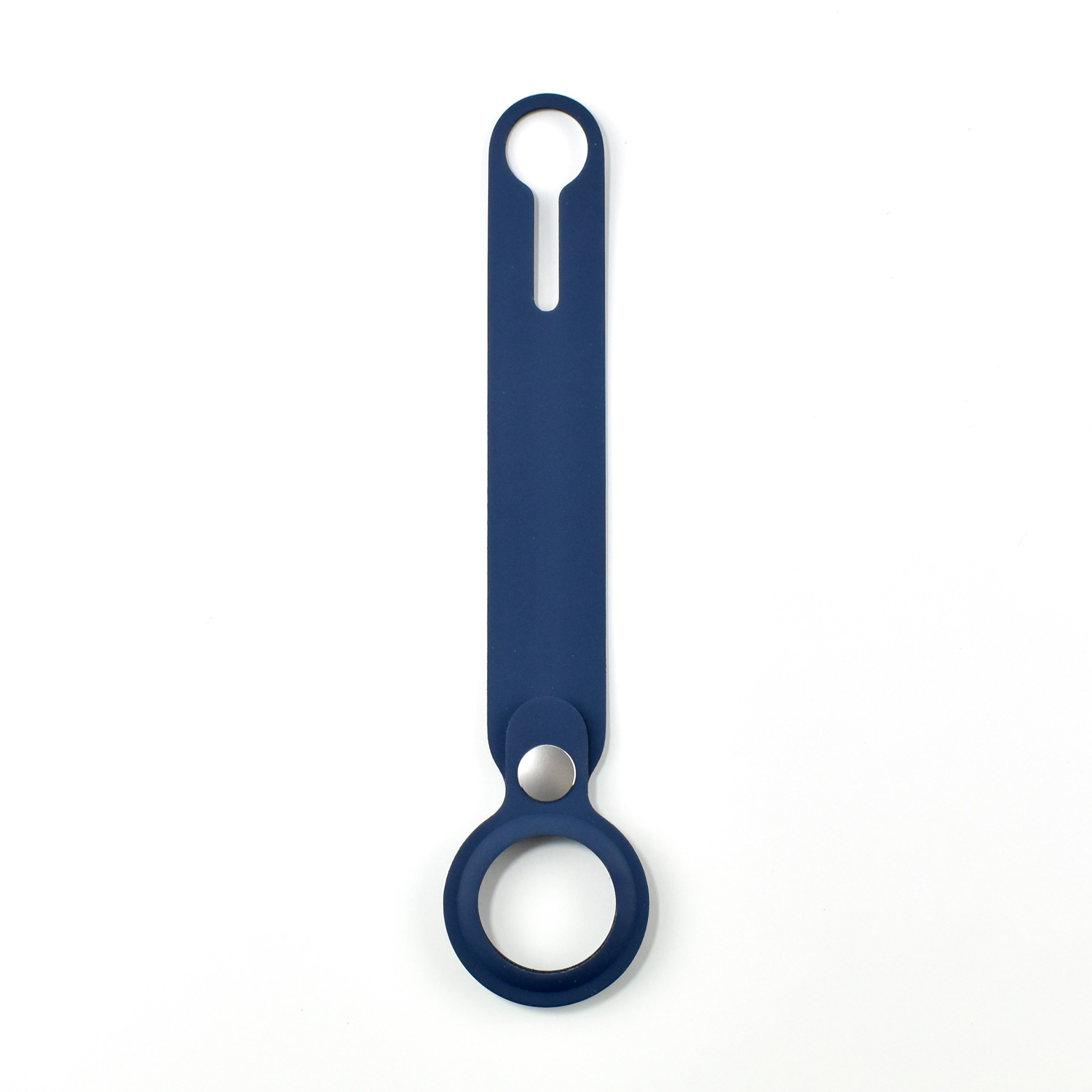
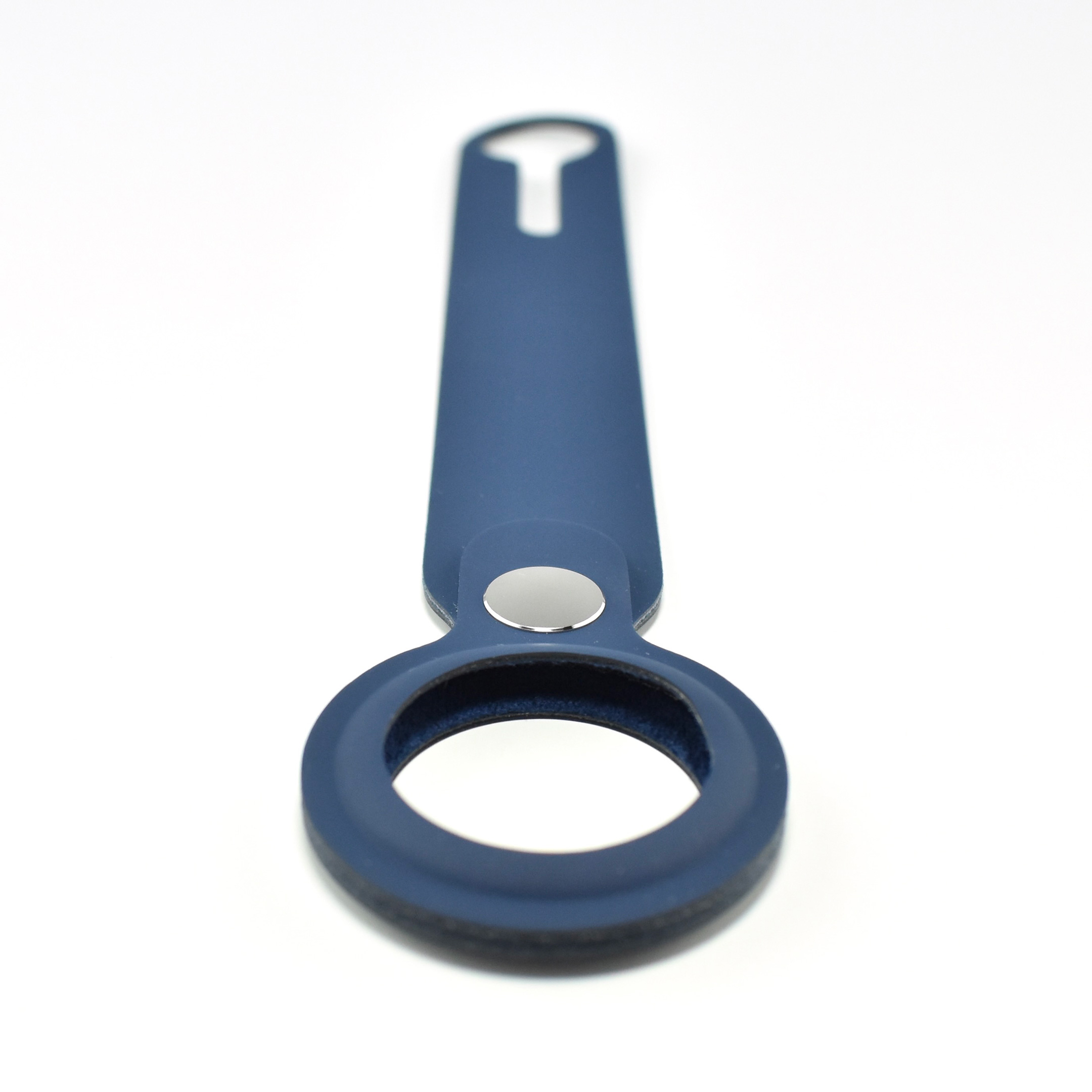
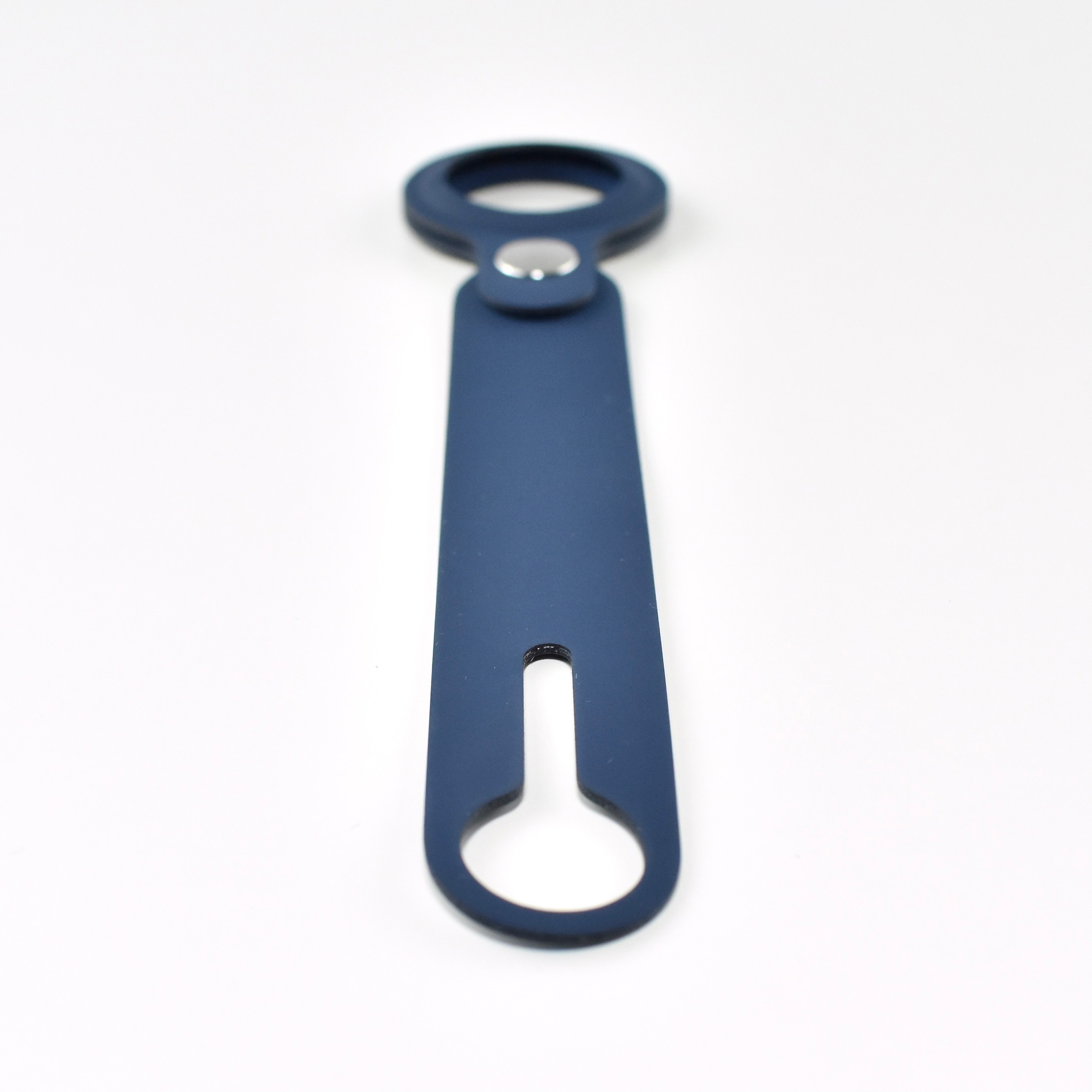
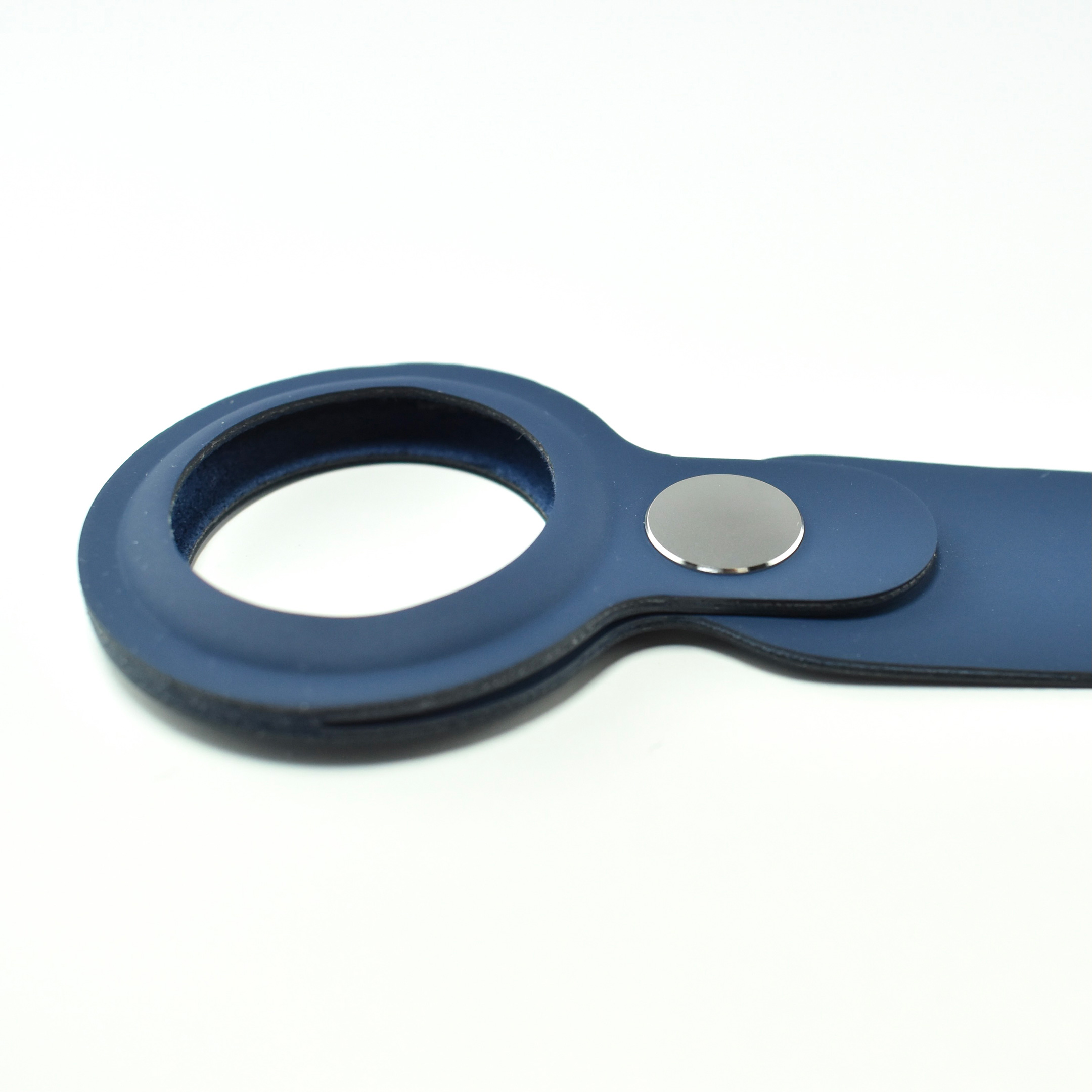
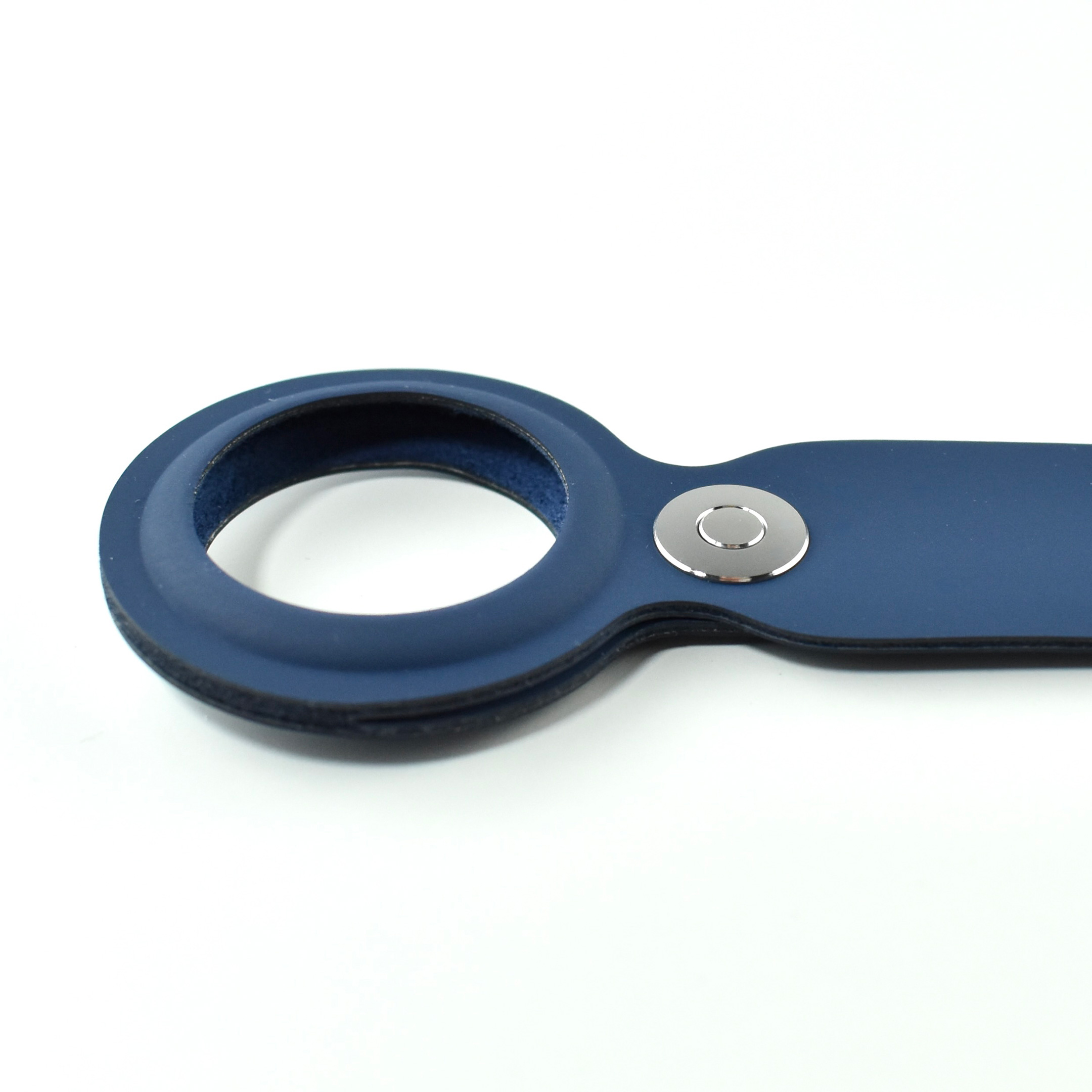
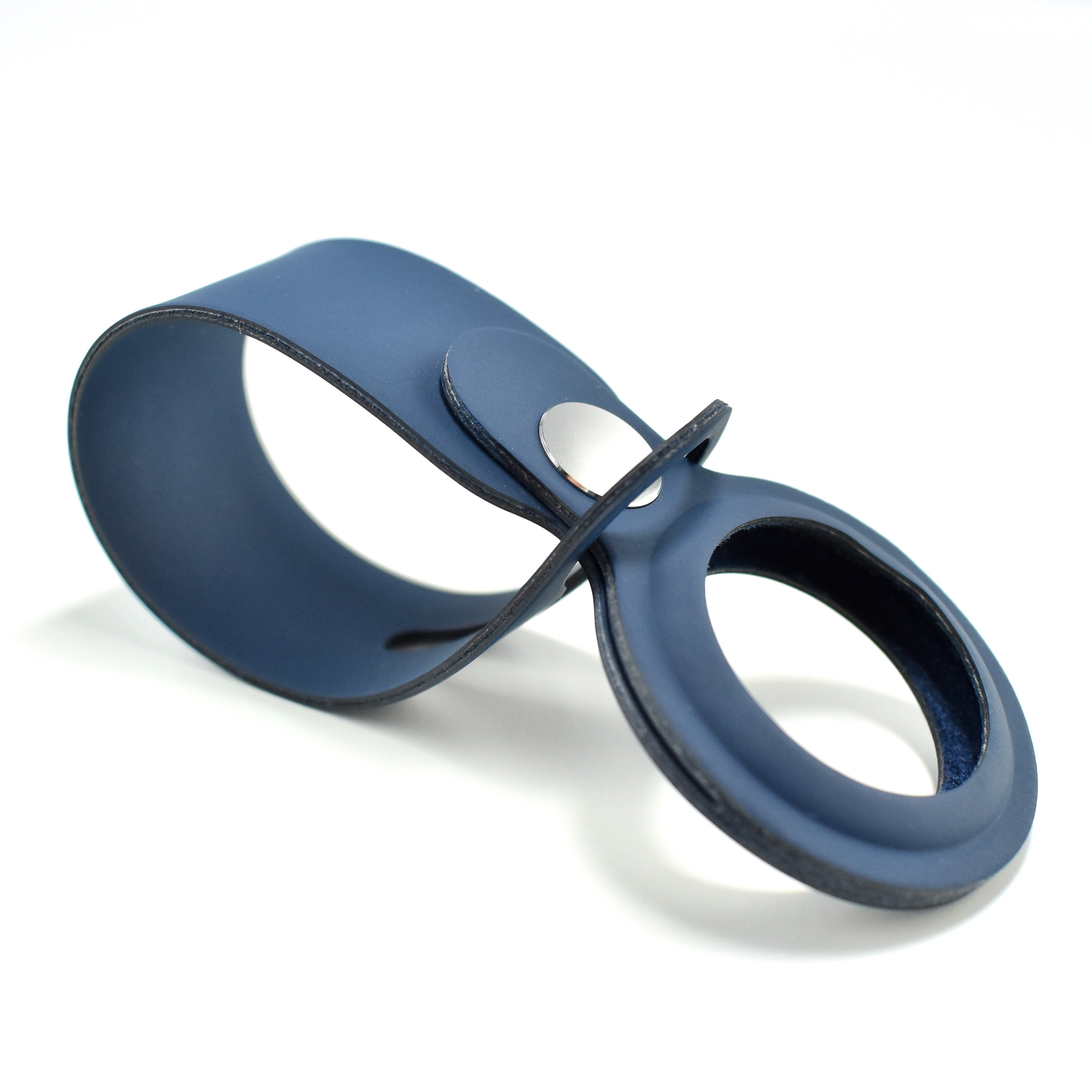
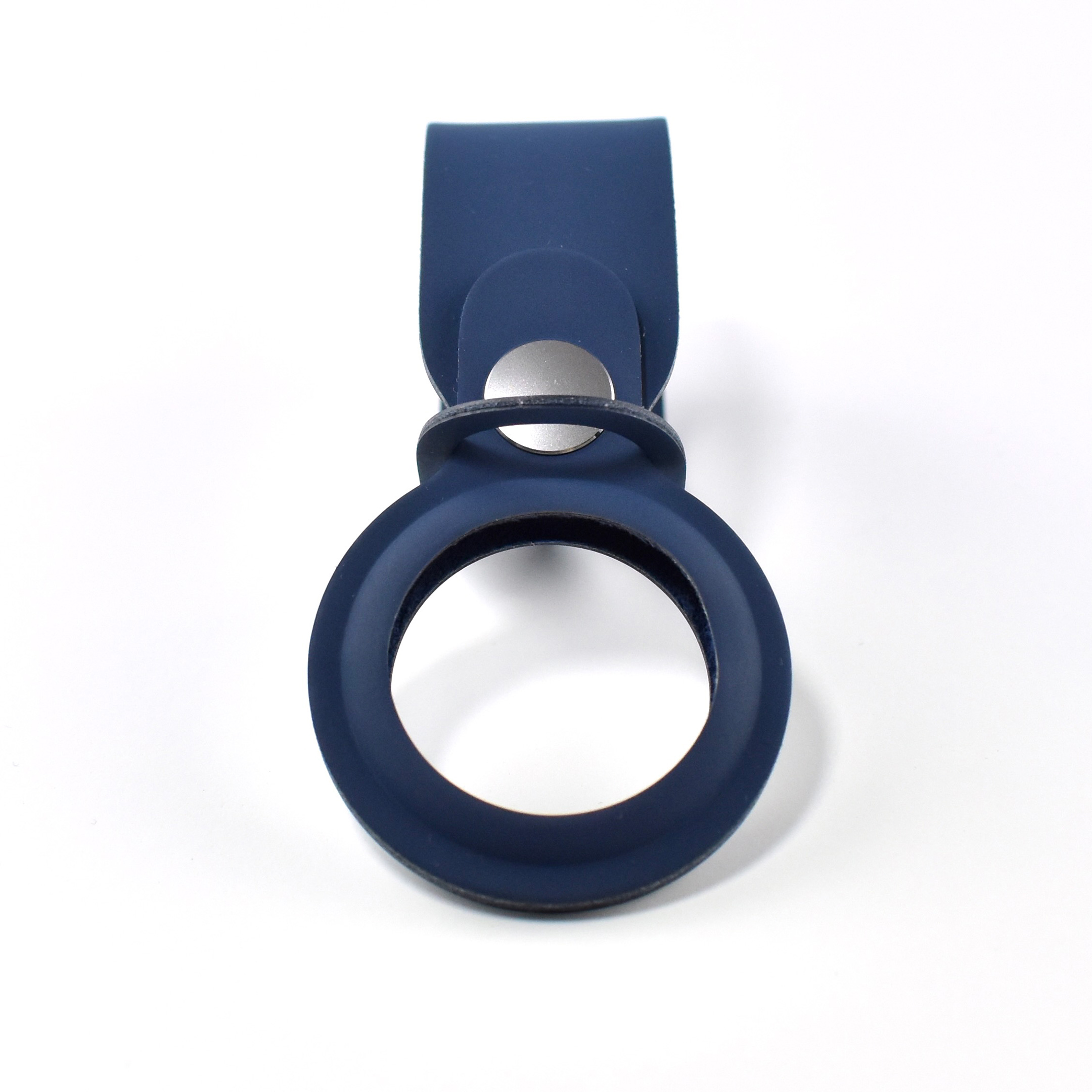
The AirTag Loop was released in April 2021 along with the AirTag. Apple described the AirTag as “a small and elegantly designed accessory that helps keep track of and find the items that matter most with Apple’s Find My app.”
Apple’s press release described this product as the Polyurethane Loop: “The Apple-designed Polyurethane Loop is both lightweight and durable, and fits securely around AirTag.” As of September 2021, the website simply referred to this product as the “AirTag Loop” (a similar product is called the “Apple Leather Loop”).
Apple described the AirTag Loop product:
“Both lightweight and durable, the loop is made from polyurethane and securely fastens your AirTag to your items. The enclosure fits tightly around your AirTag to ensure that it stays put, so you can keep track of whatever it’s attached to. AirTag is sold separately.”
This particular item was purchased from Amazon and, it did not include original packaging.
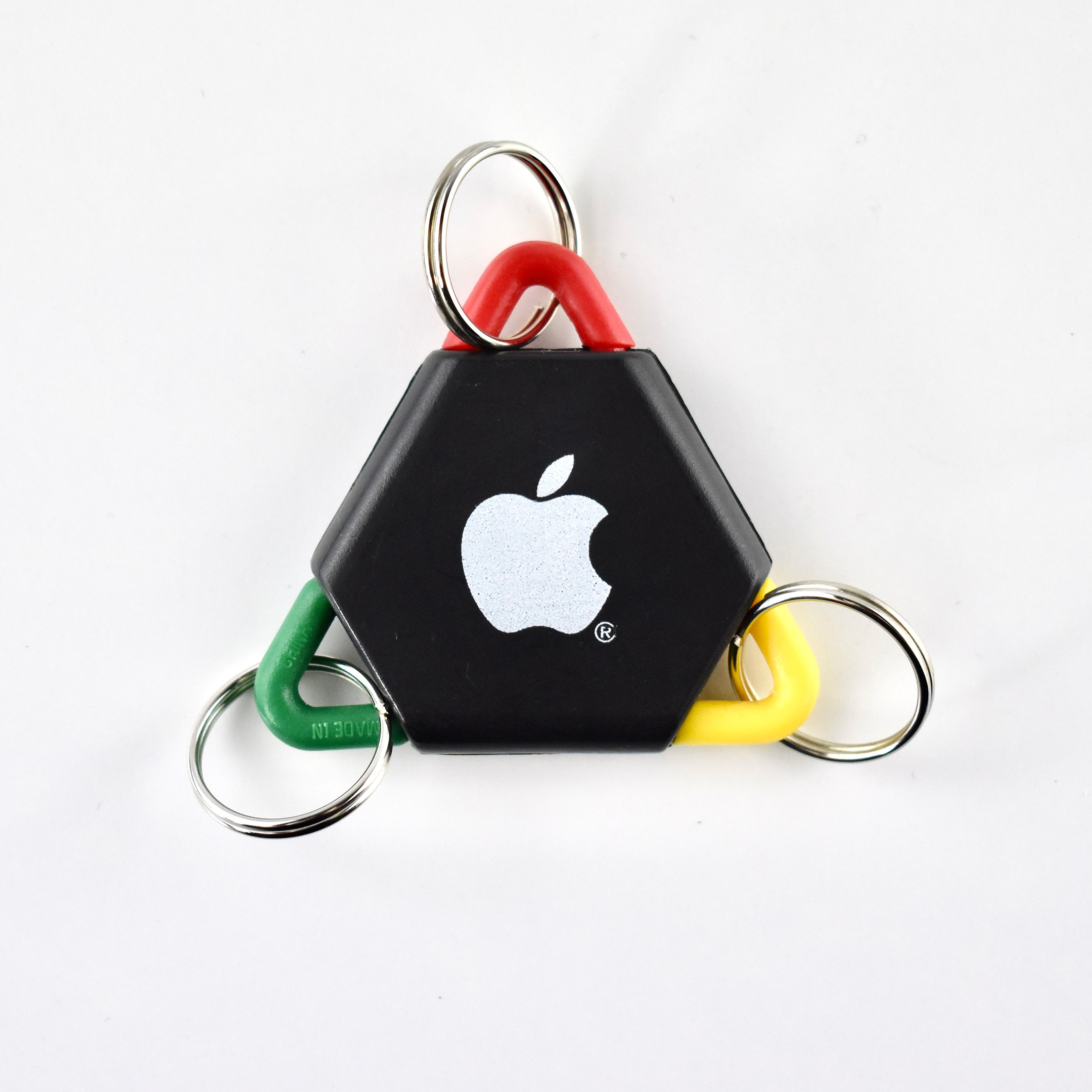
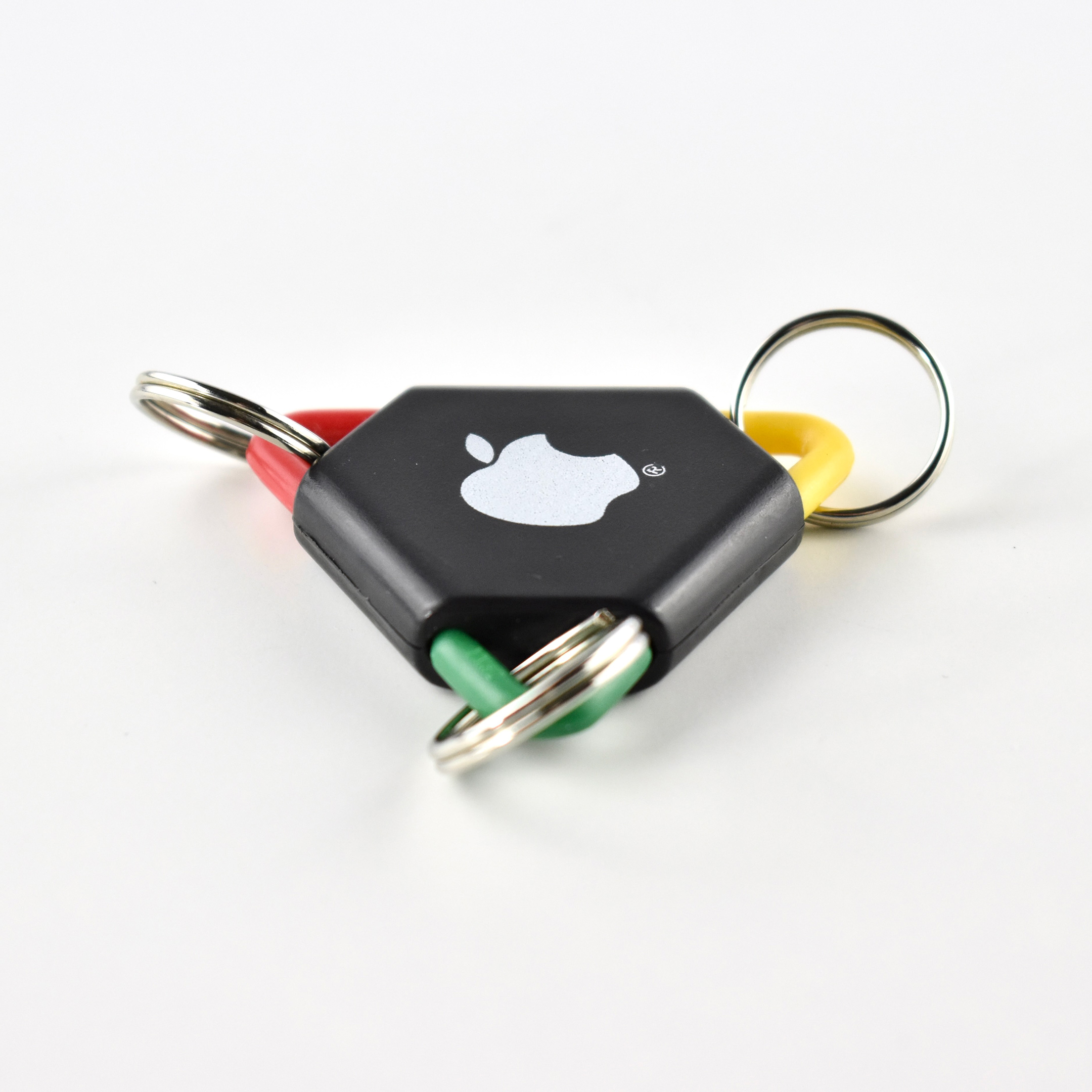
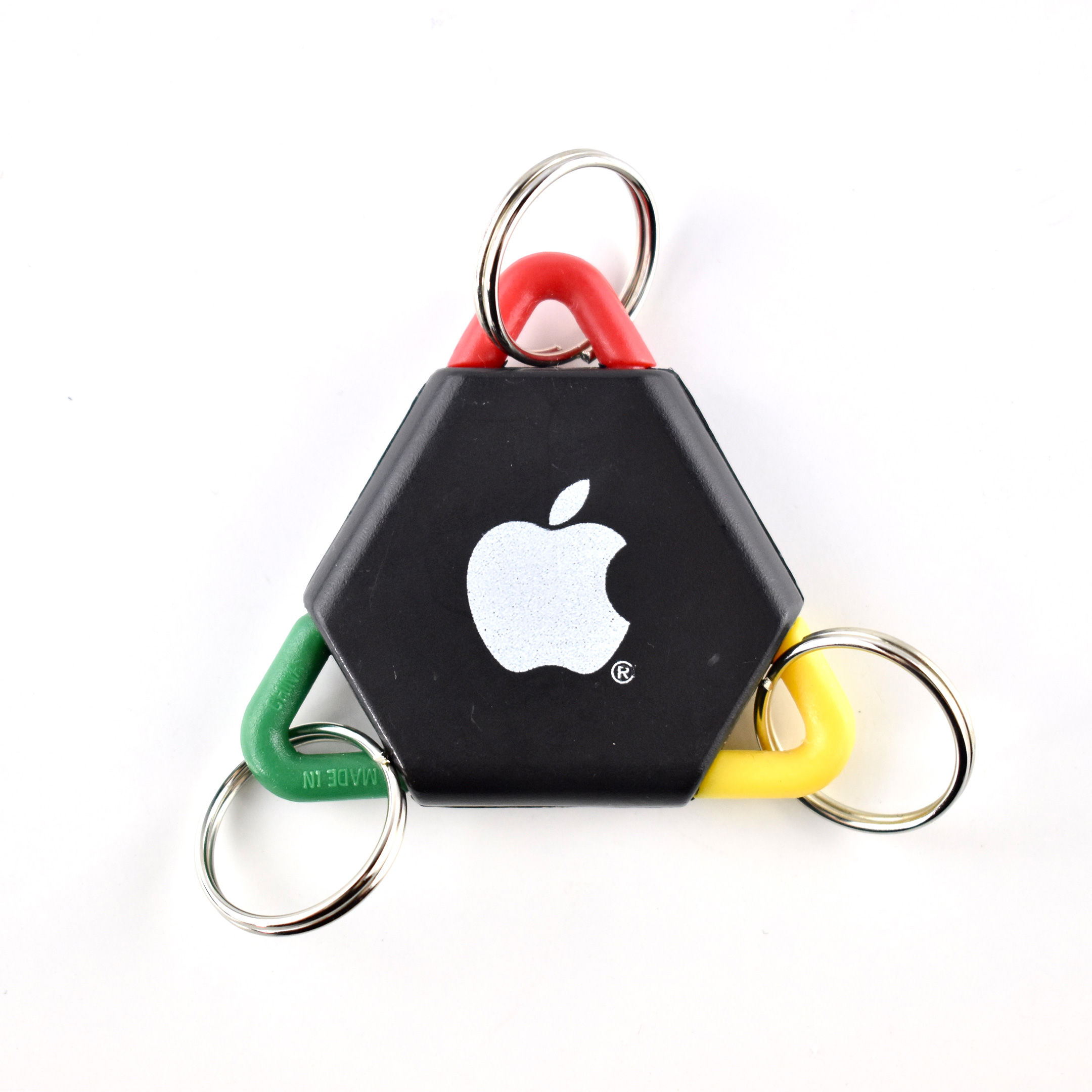
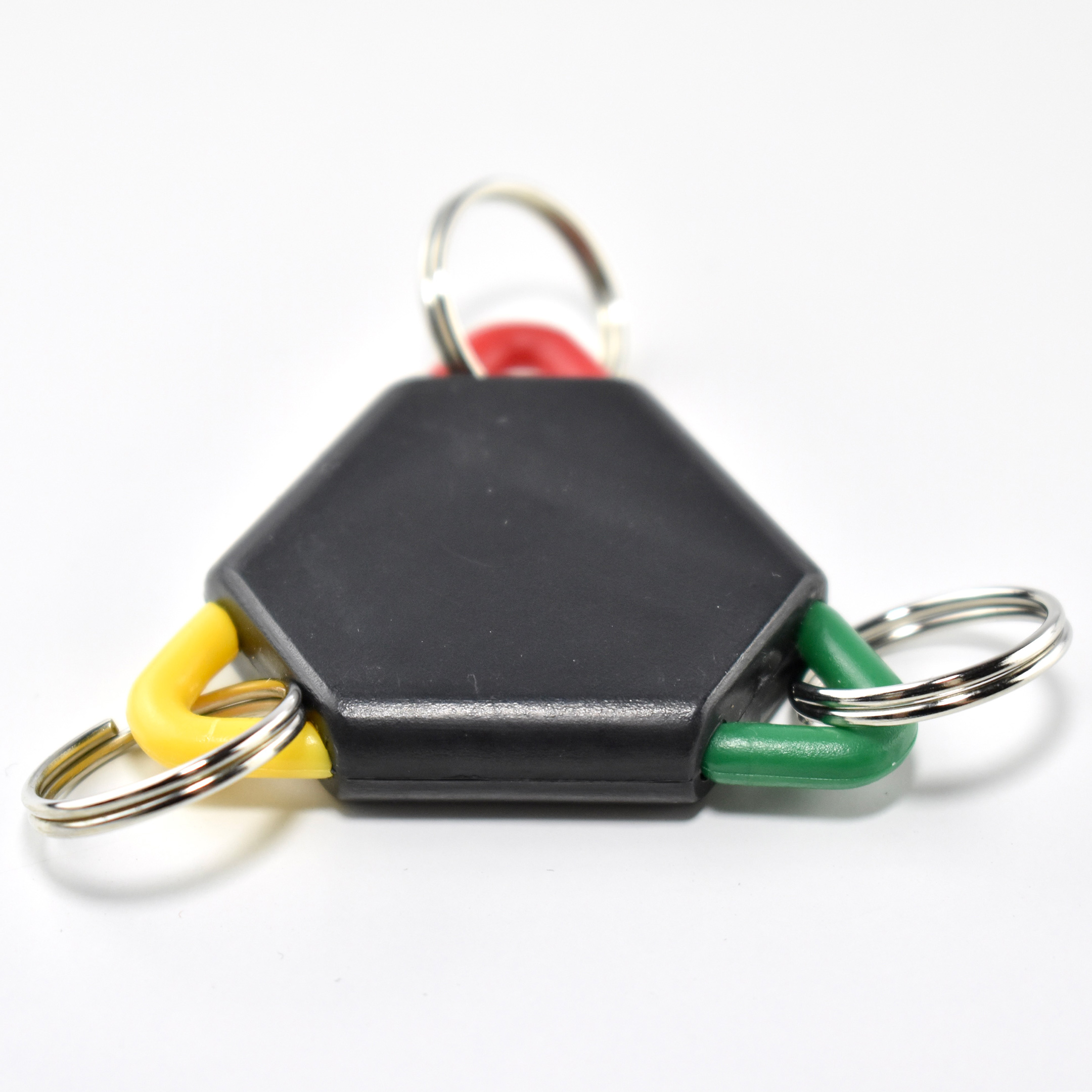
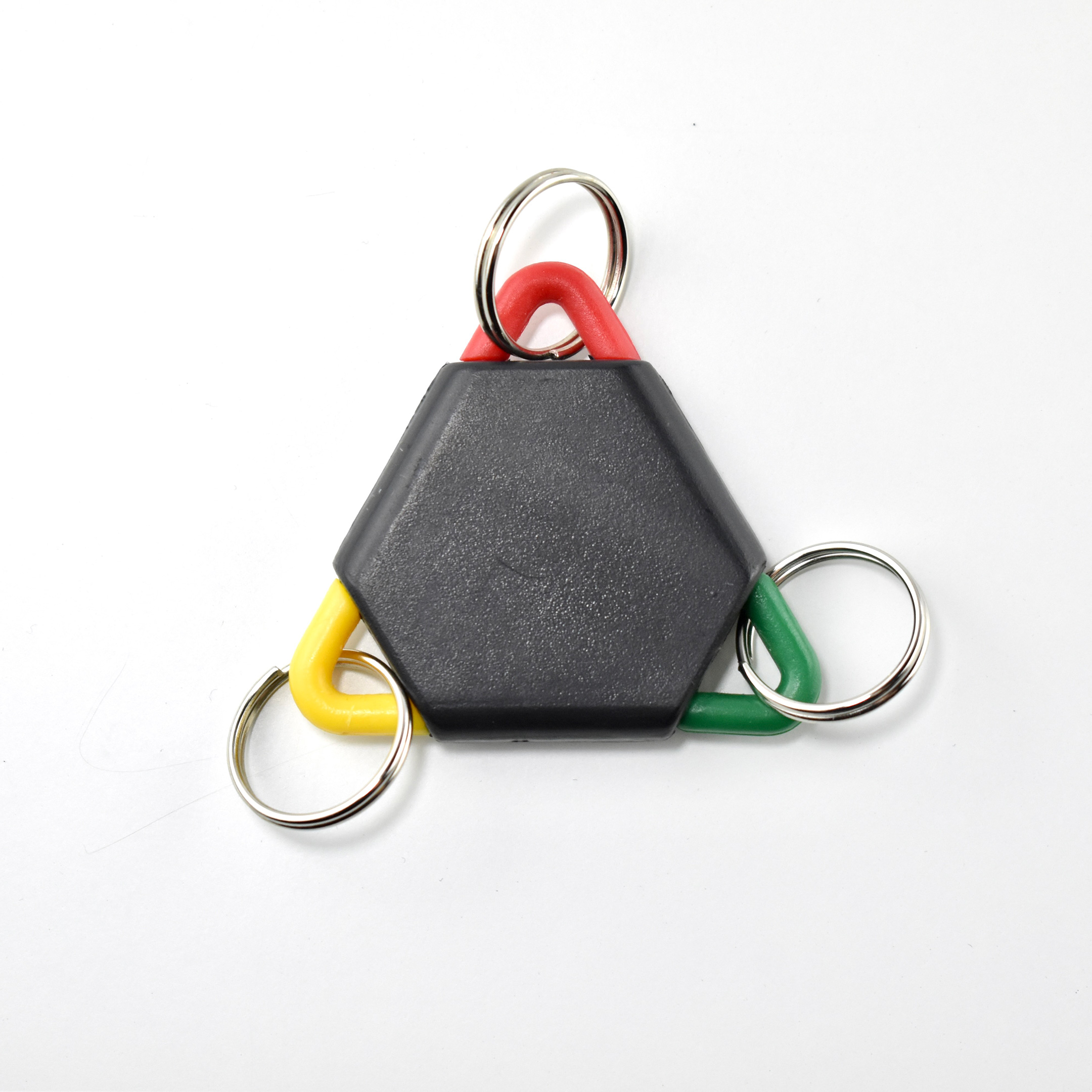
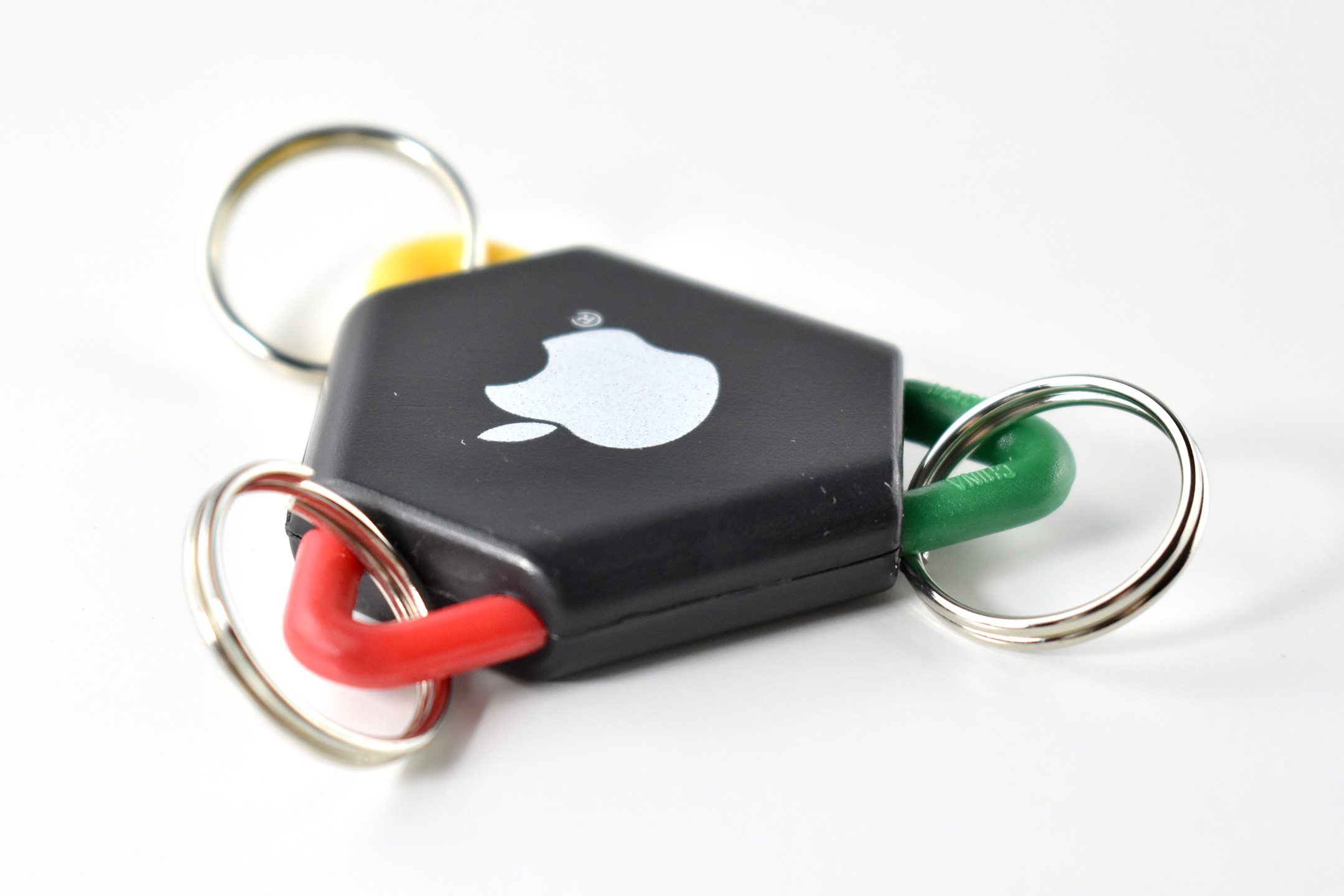
This triangle-shaped keychain is mostly black with a white printed Apple logo in the center. Each of the three equilateral corners has a different accent color (red, yellow, and green) with a silver keyring attached to each of the three corners.
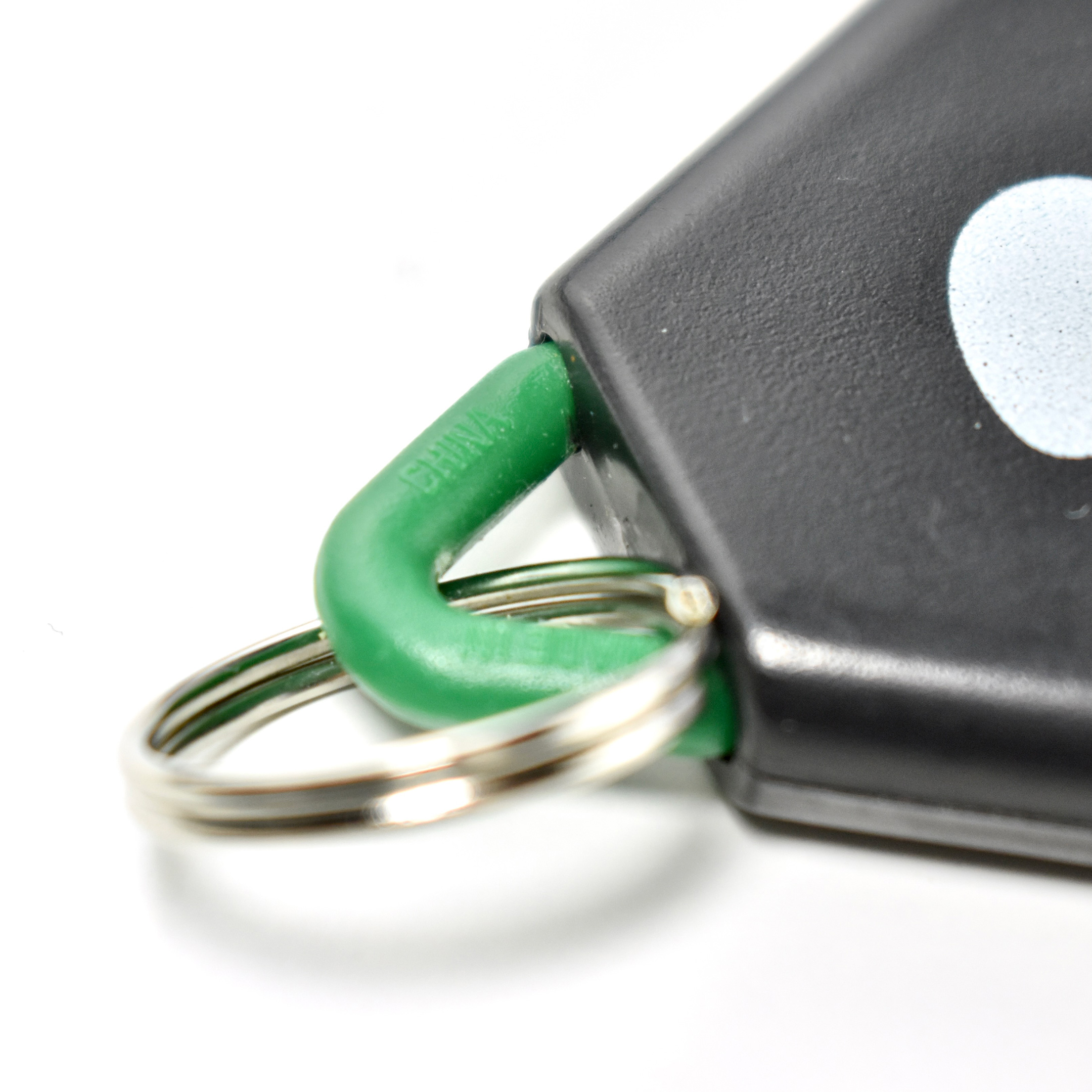
The green corner is marked “MADE IN CHINA,” and each side is just over 2 inches long. The keychain is approximately 0.25 inch thick.
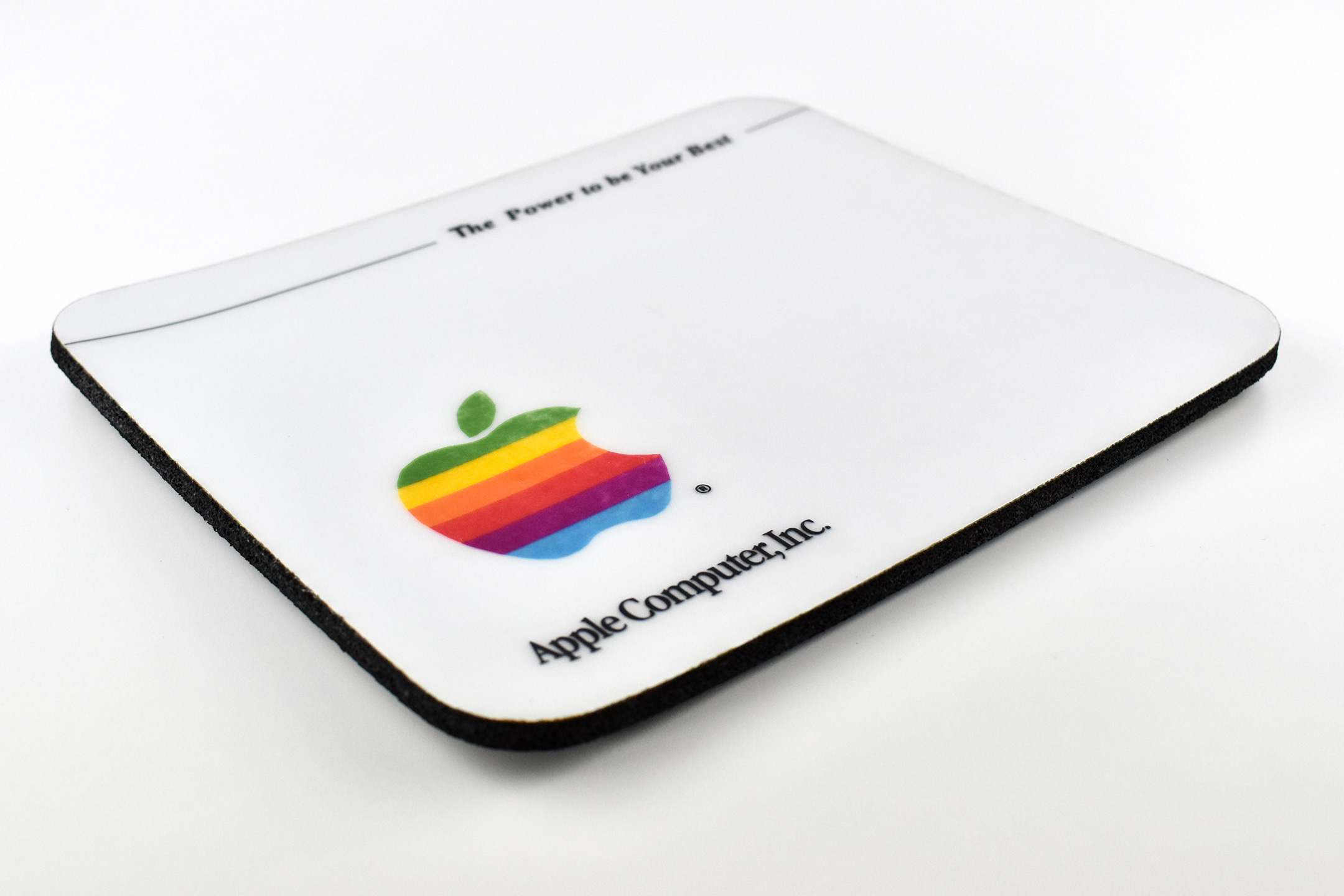
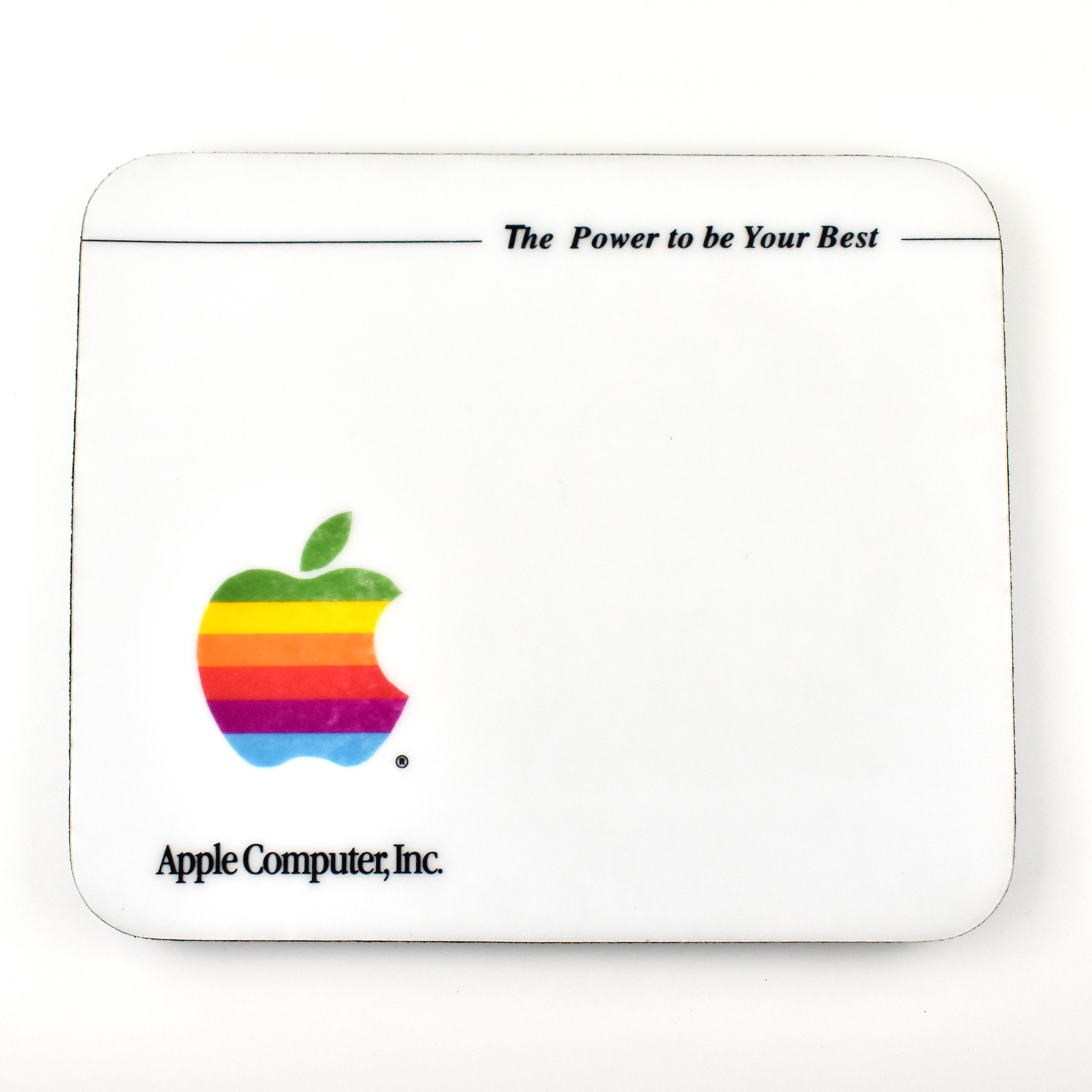
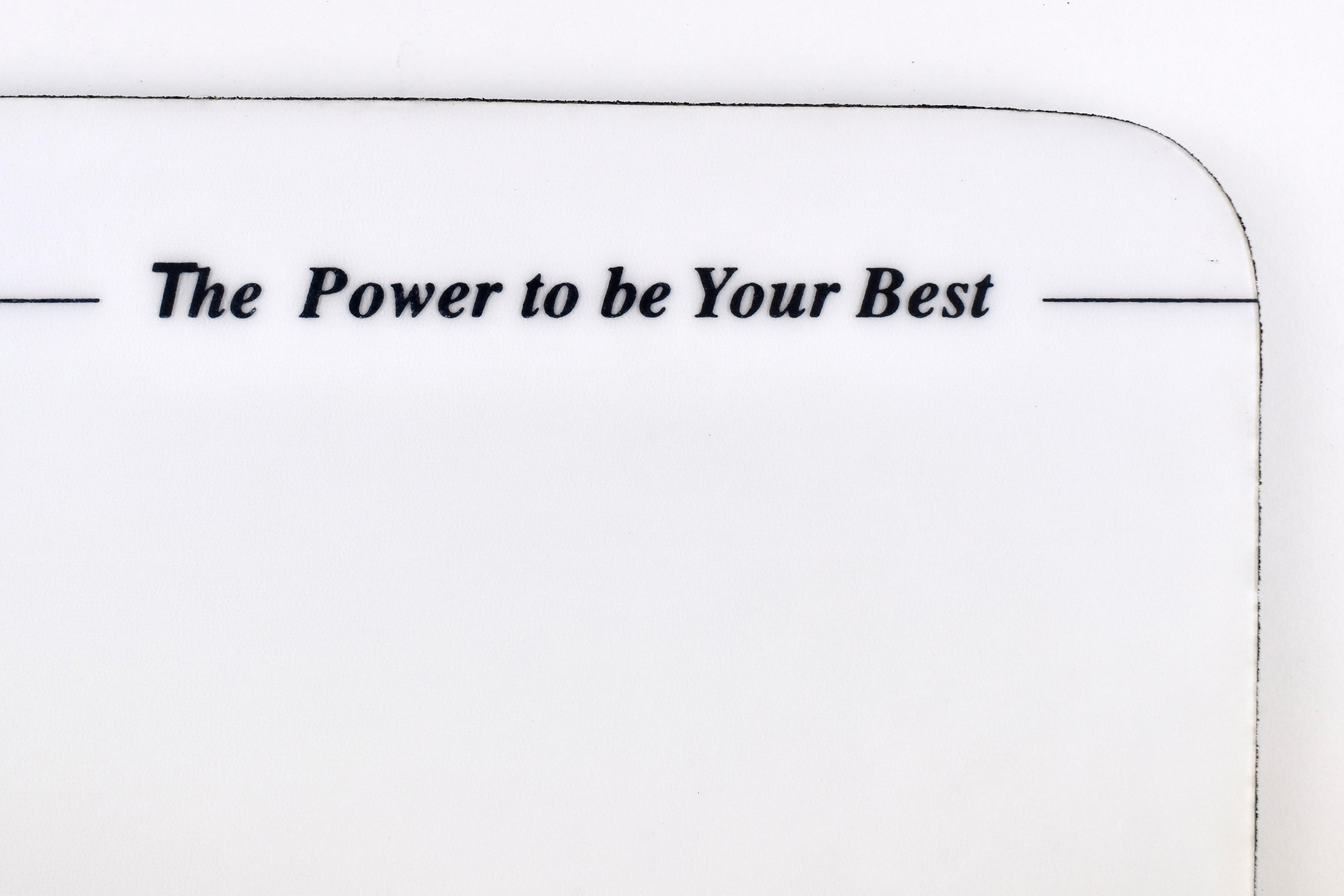
This mousepad was likely released around the same time as Apple released the mid-1980s TV commercial with the tagline, “The Power to Be Your Best.”
The commercial features a man standing behind a window pensively looking at office workers wondering which computer is most powerful. A co-worker suggests that the answer can be found in system specifications, but the man concludes, “I think the most powerful computer is the one that people actually use.” A voiceover ends with the multicolor Apple logo and the words, “Macintosh, the power to be your best.”
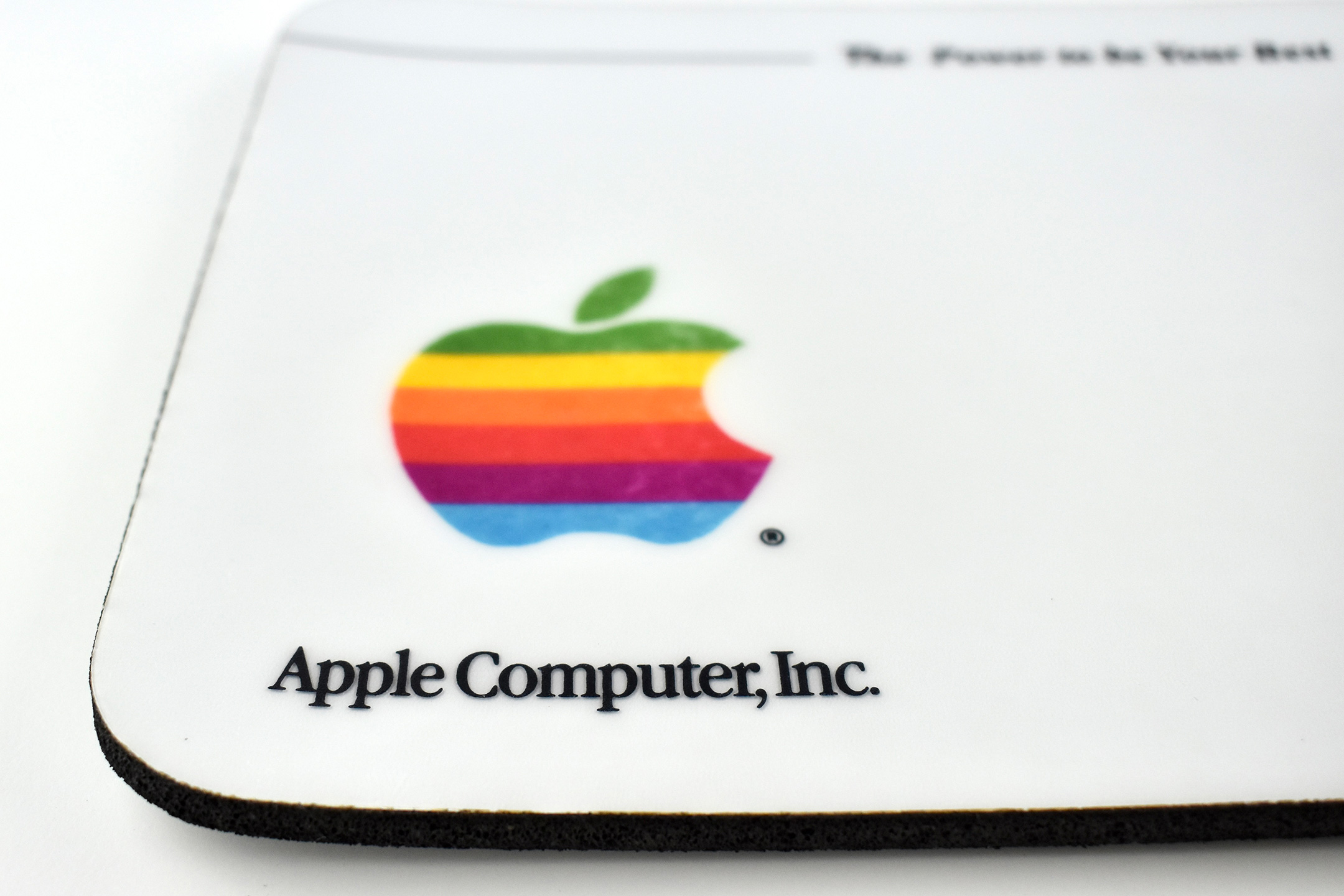
This white mousepad doesn’t quite deliver on the ideal of “the best” because the “T” in the tagline at the top is in a different font (a sans serif font) than the rest of the phrase, “The power to be your best.” (Although this may be an intentional design choice.) In addition, the tagline font is not Apple’s corporate font of the time, Apple Garamond, and clashes with the font below it.
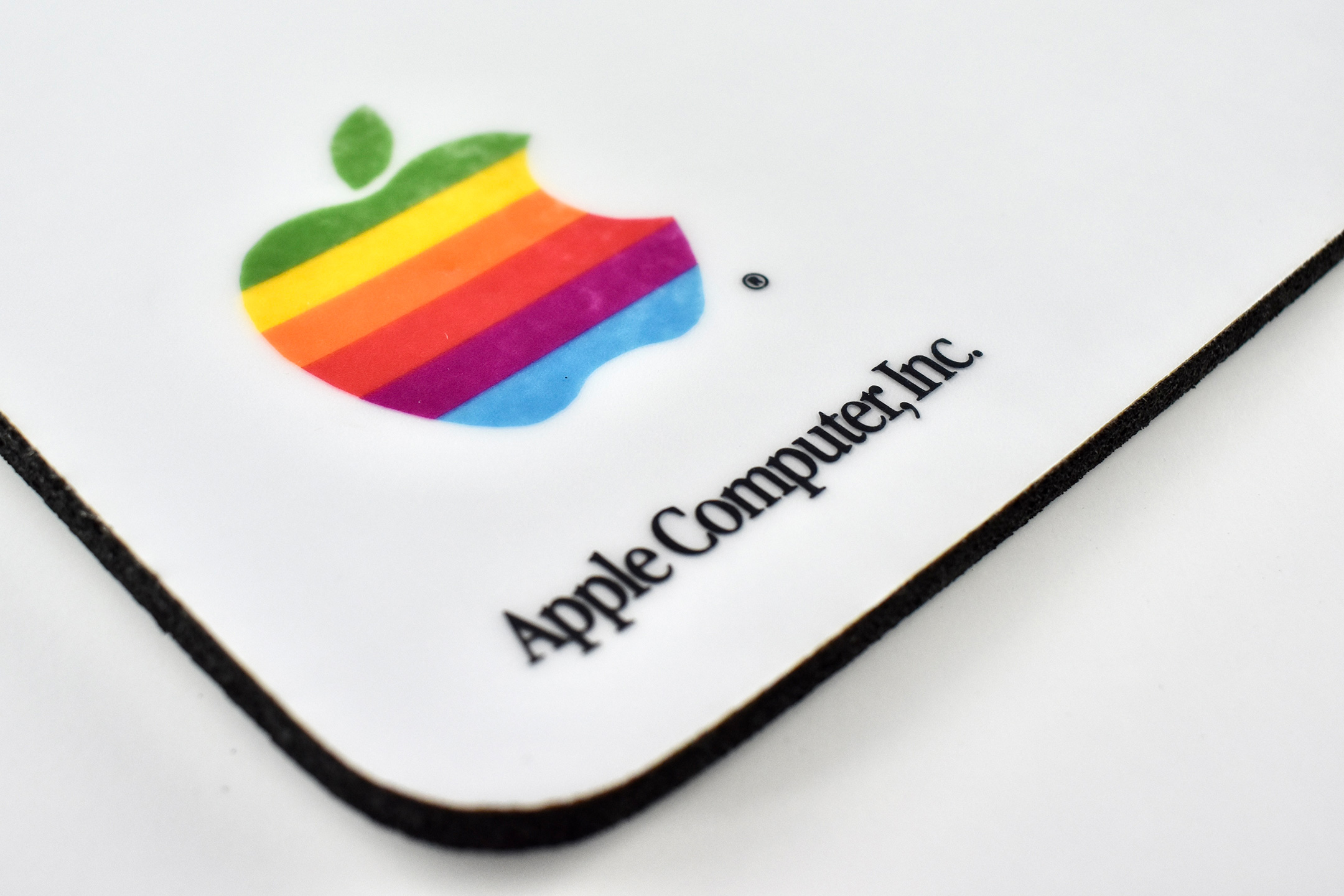
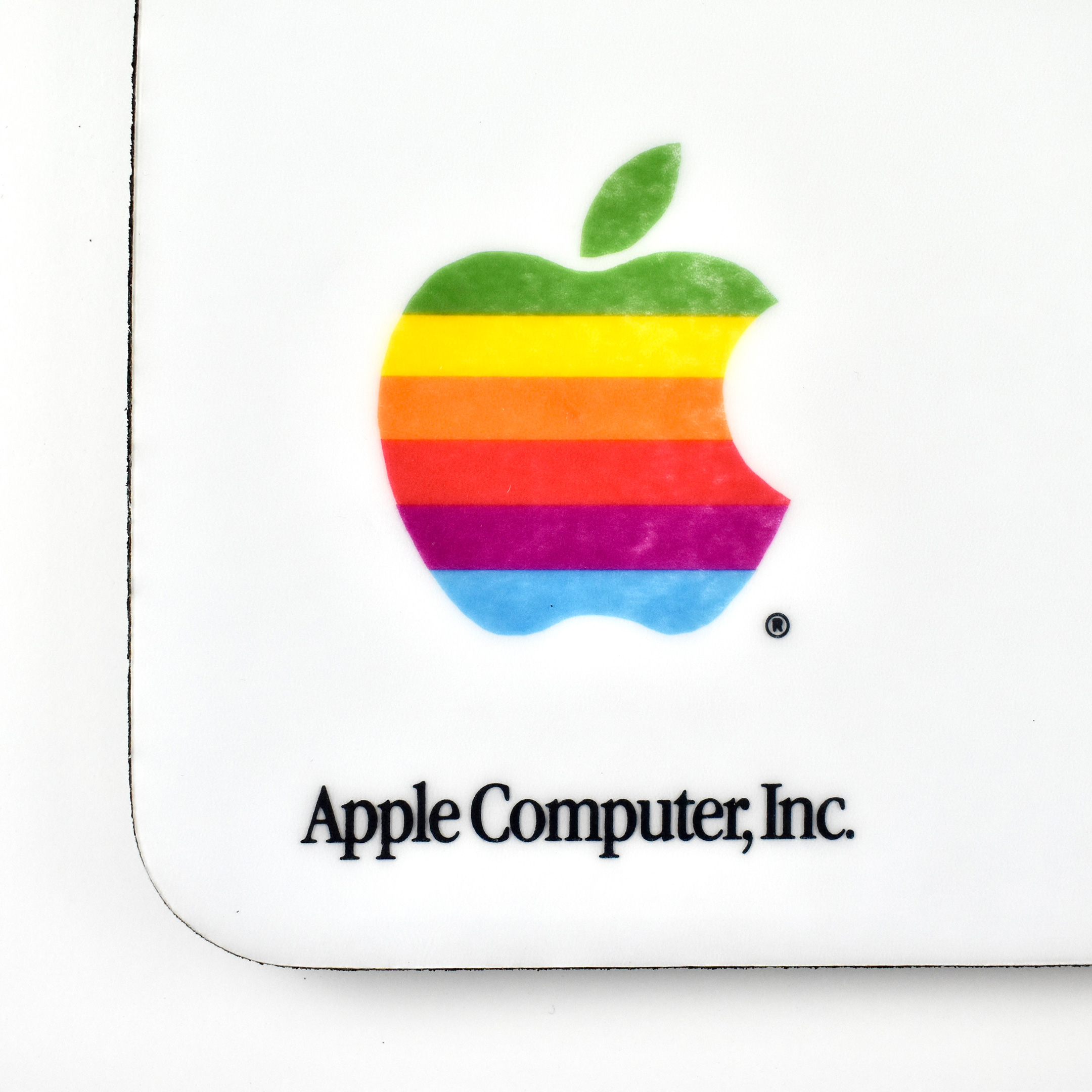
The lower-left corner features a large multicolor Apple logo and the logotype Apple Computer, Inc. (Apple’s official company name from 1977 until 2007 when it dropped “Computer” from its moniker).
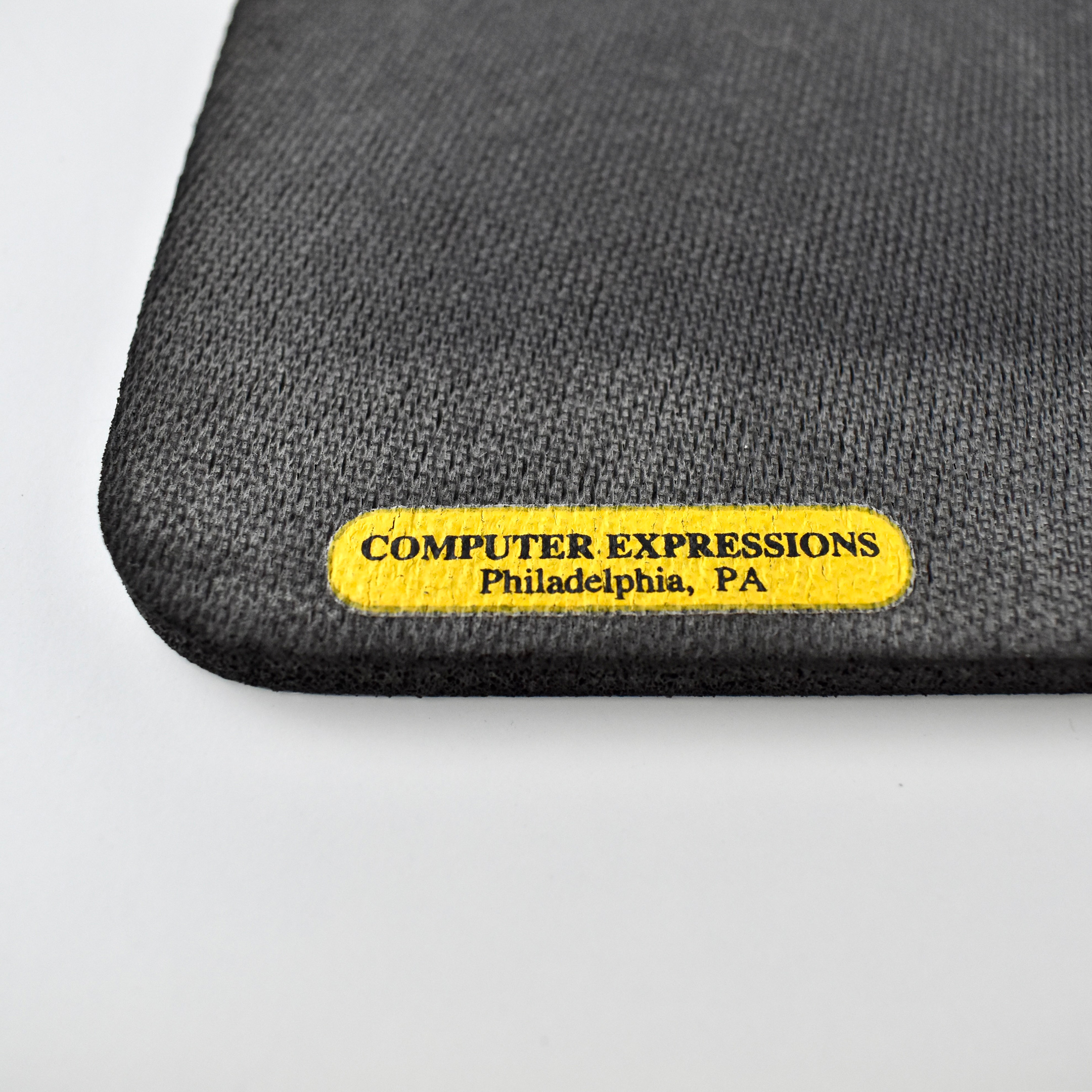
This mousepad is 9 inches wide, 7.75 inches tall, and 0.25 inches thick. The mousepad has rounded edges and uses a thick, black, textured rubber pad. The bottom is also printed with the manufacturing company, COMPUTER EXPRESSIONS, Philadelphia, PA.
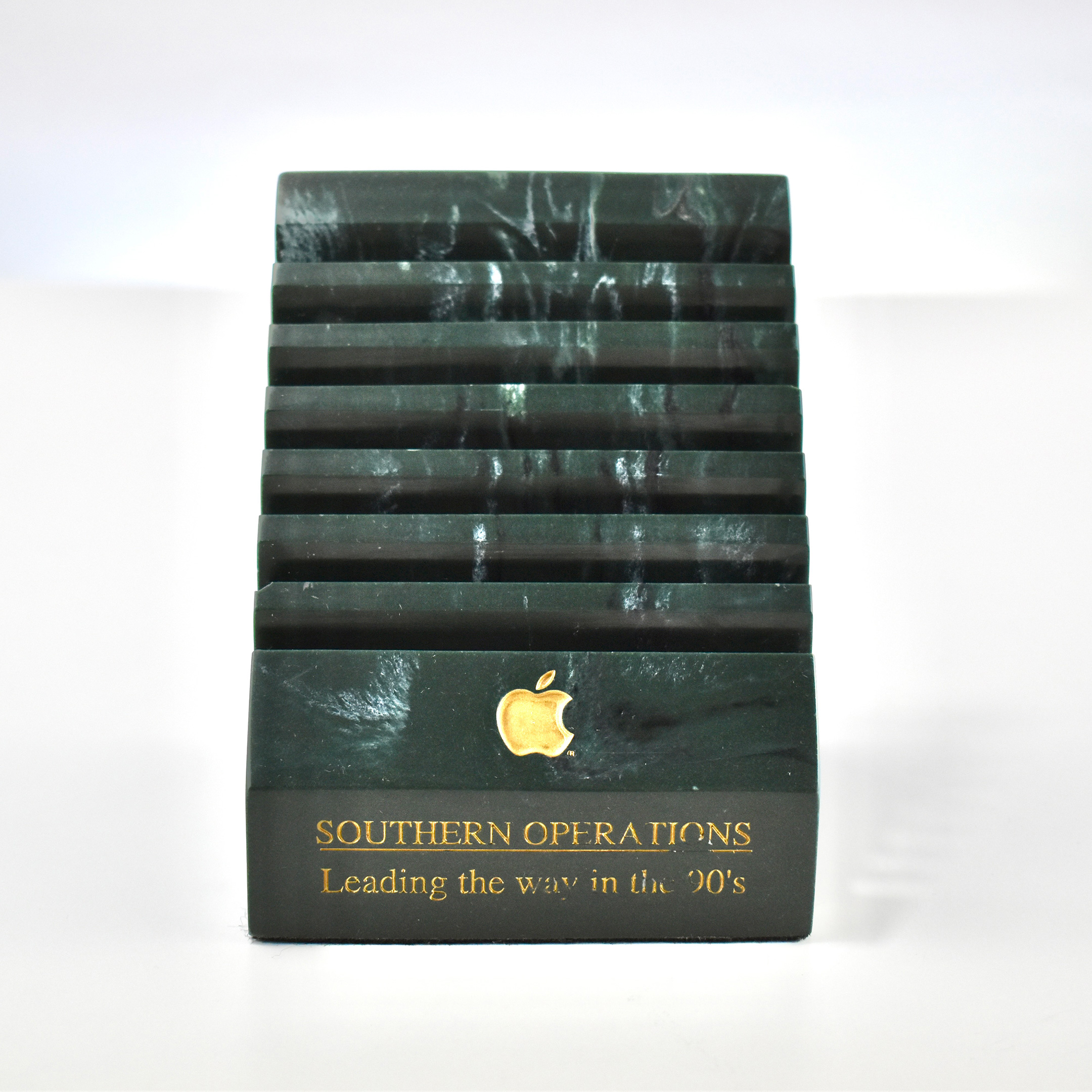
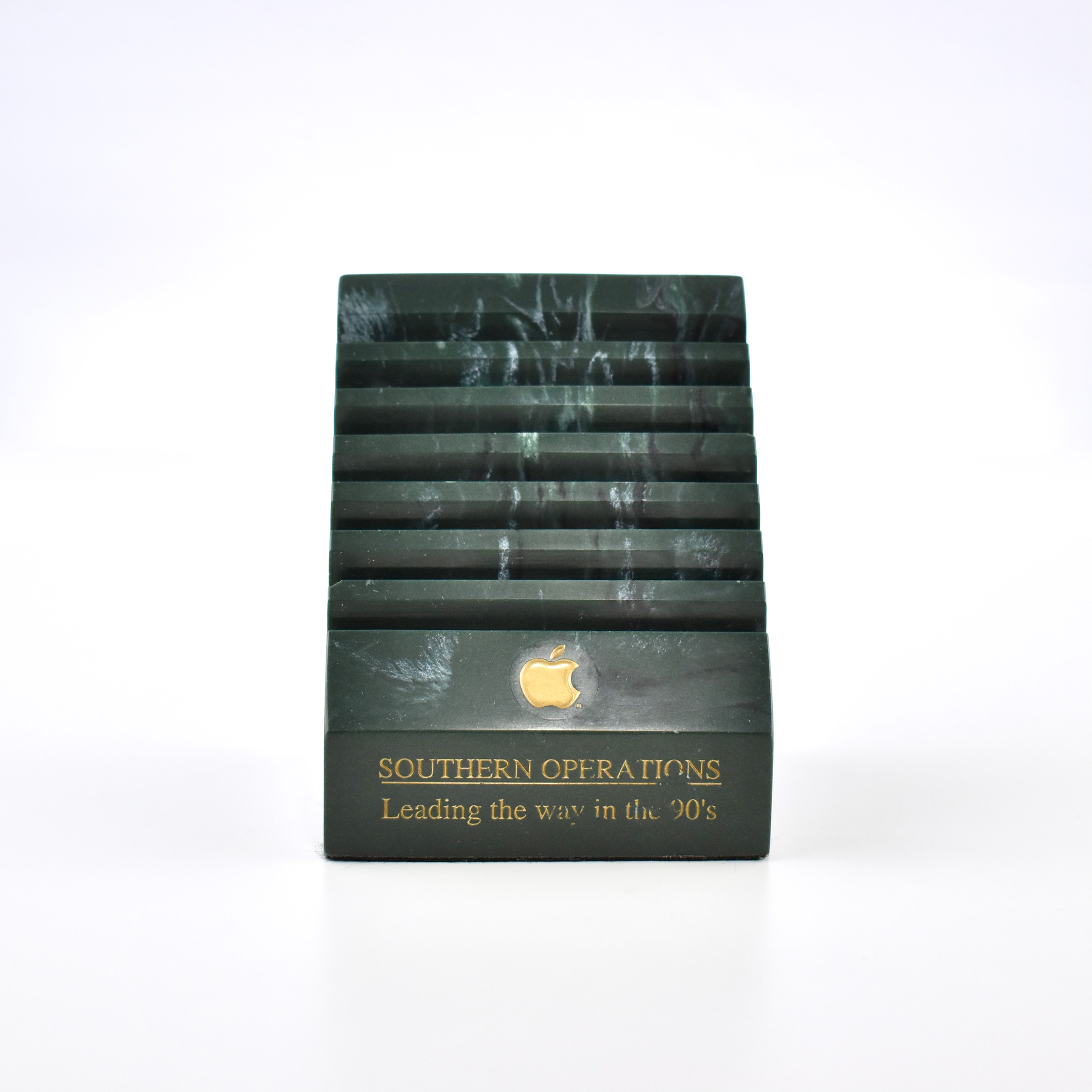
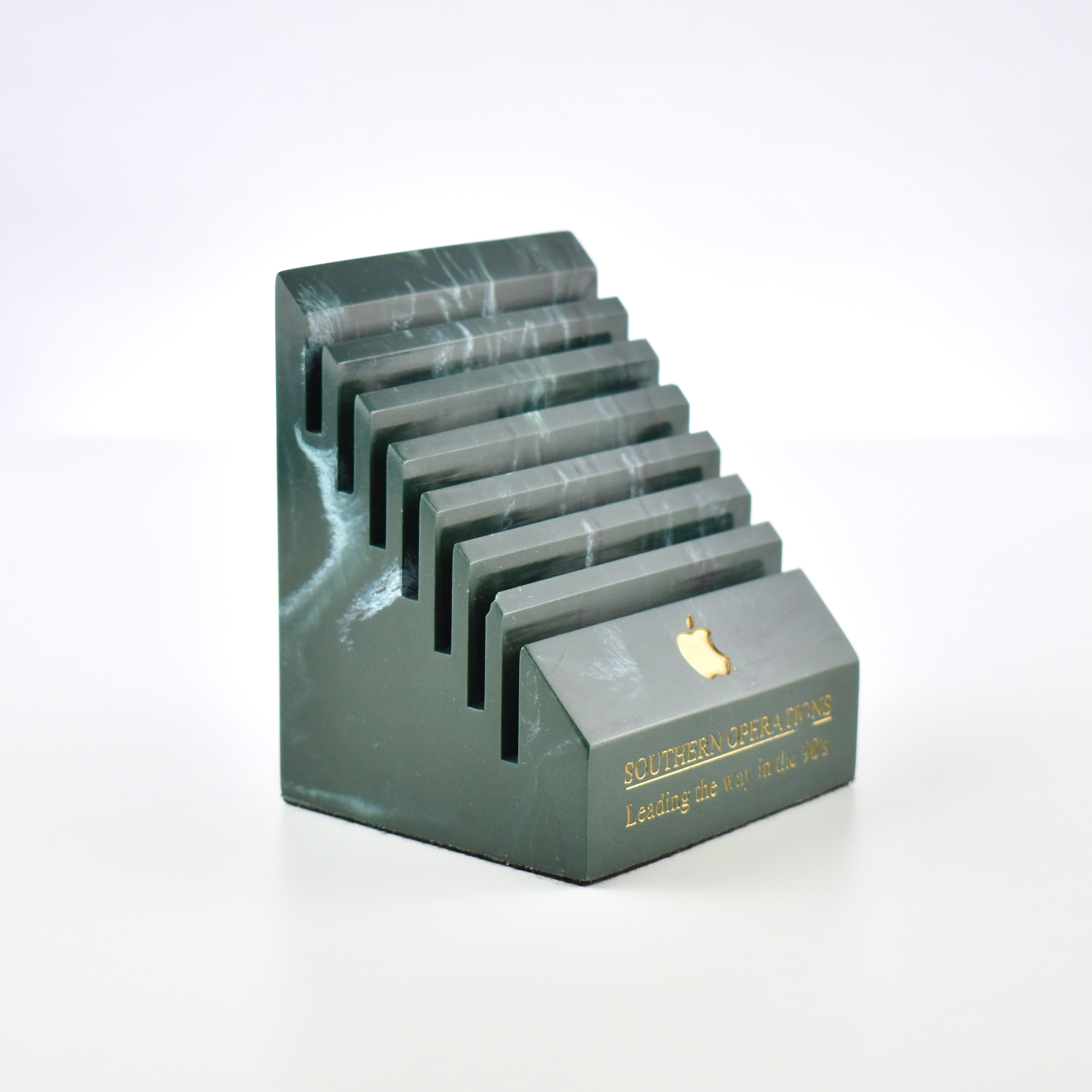
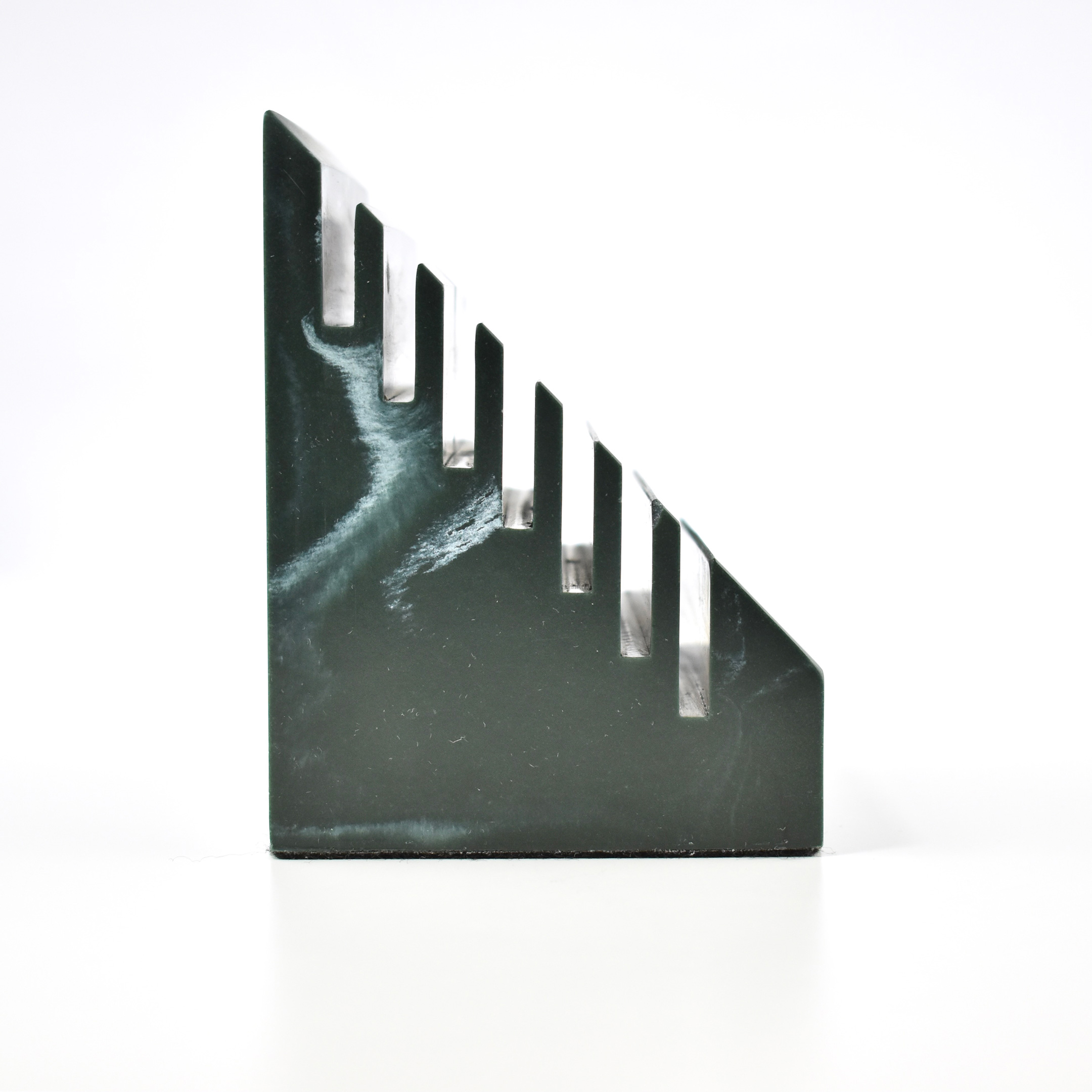
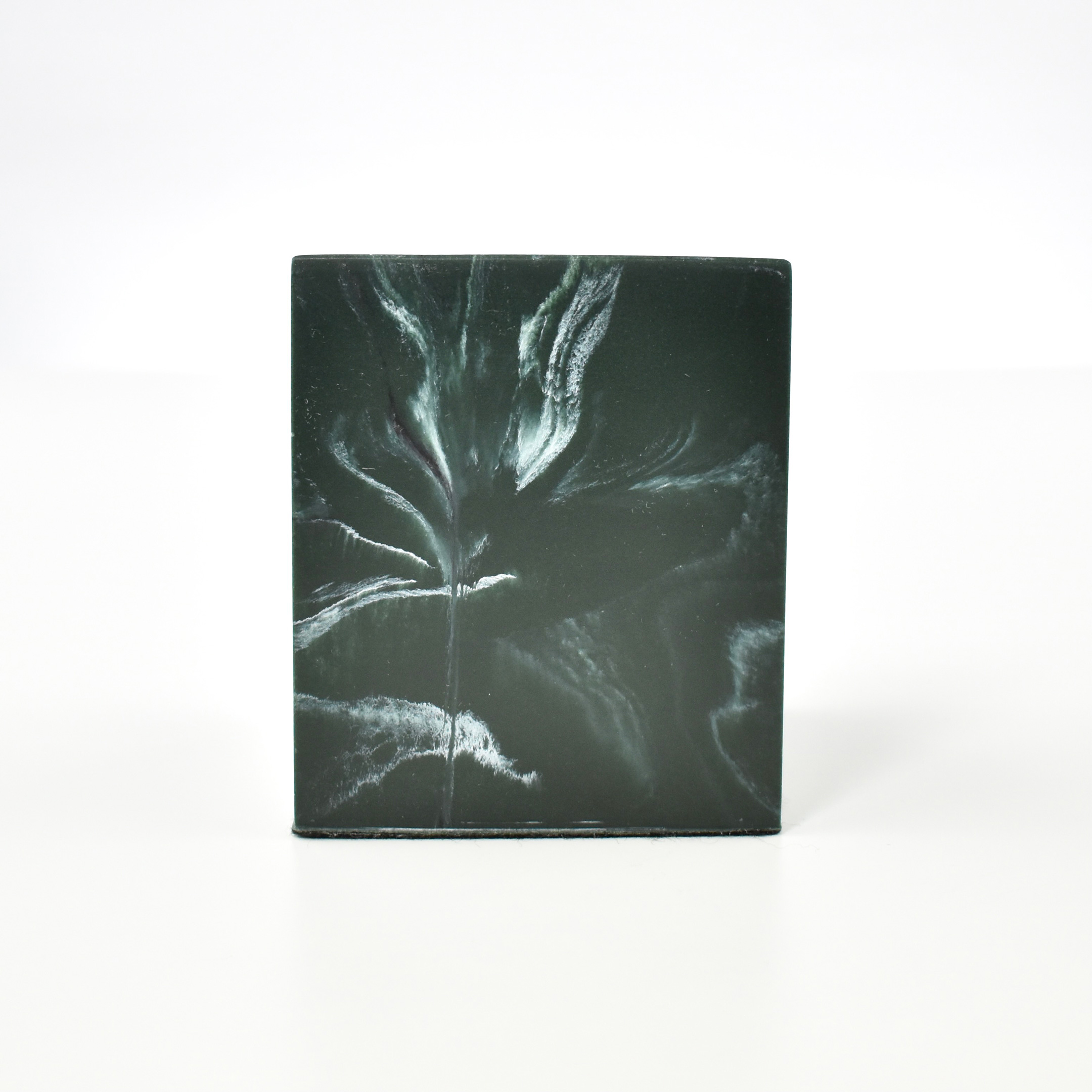
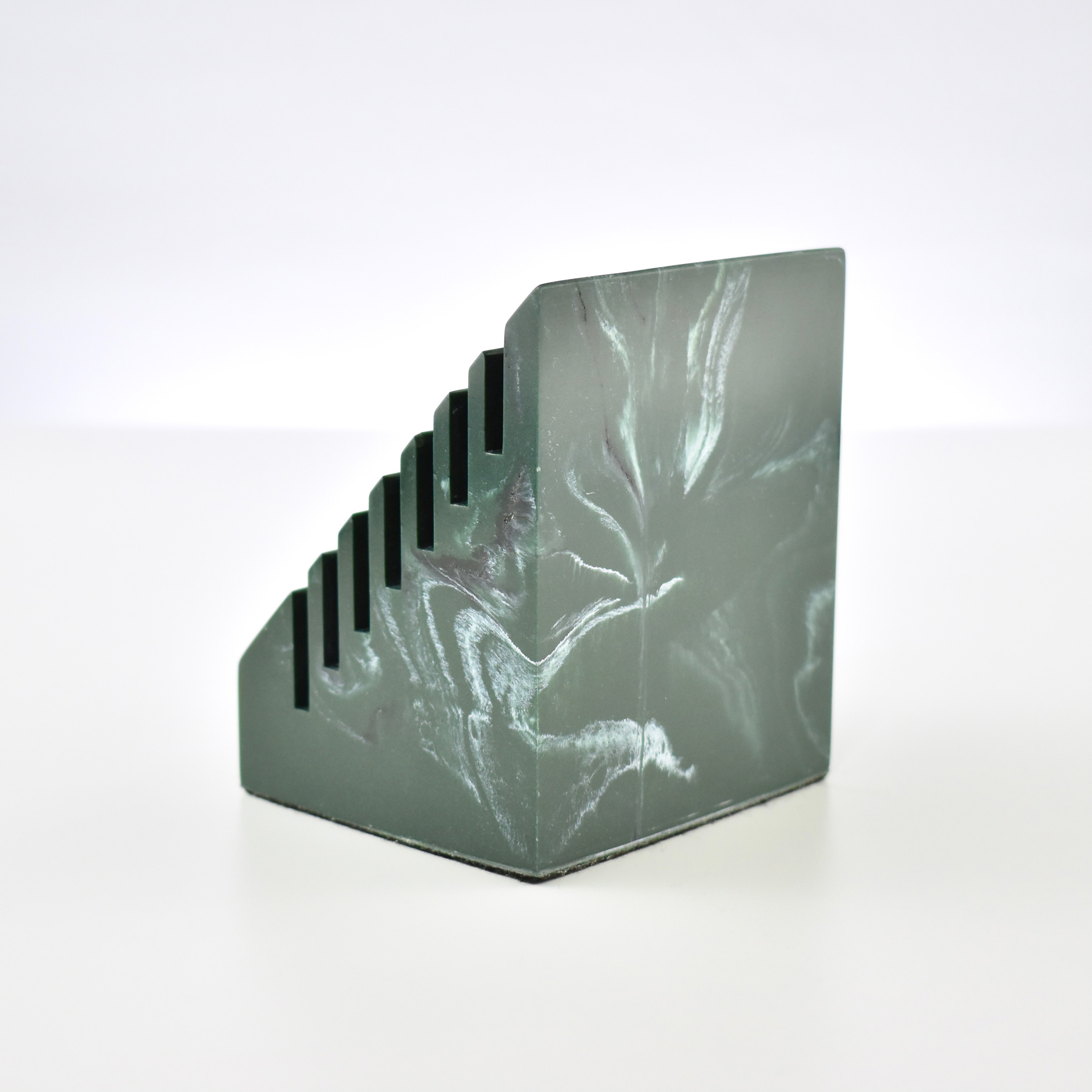
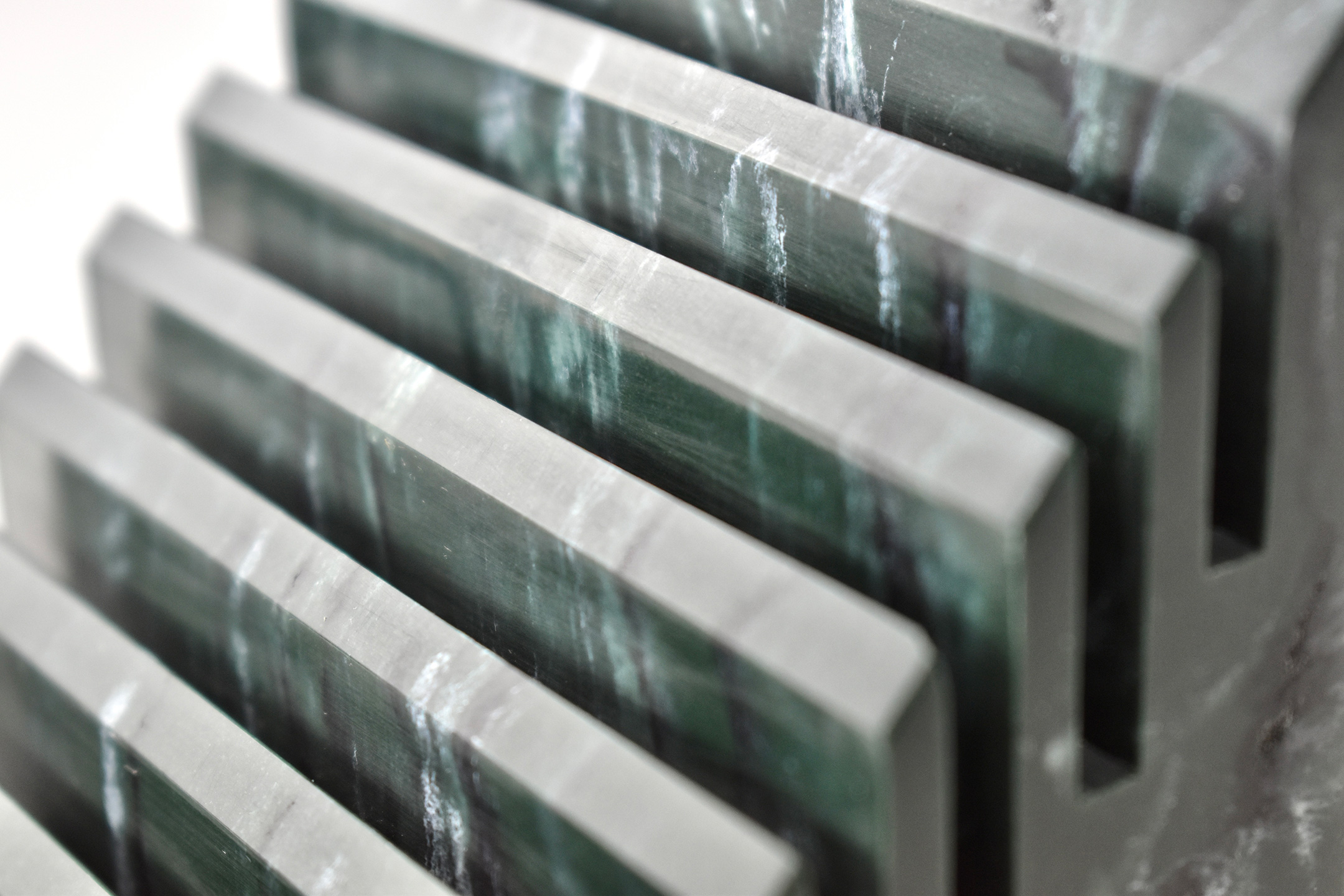
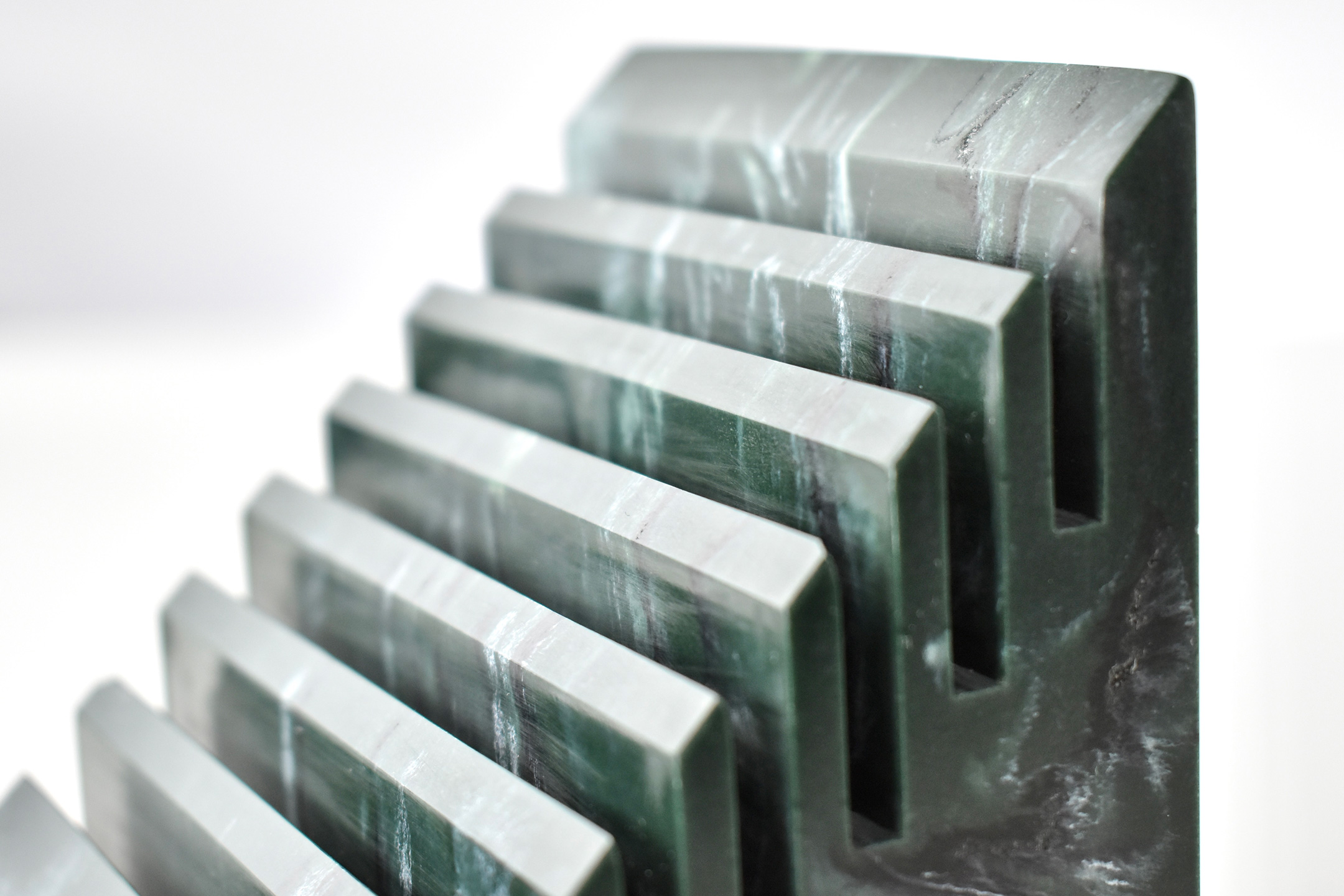
This Business Card Holder is cut from green marble and features slots for seven stacks of business cards. The business card slots are tiered so each card stack is separated.
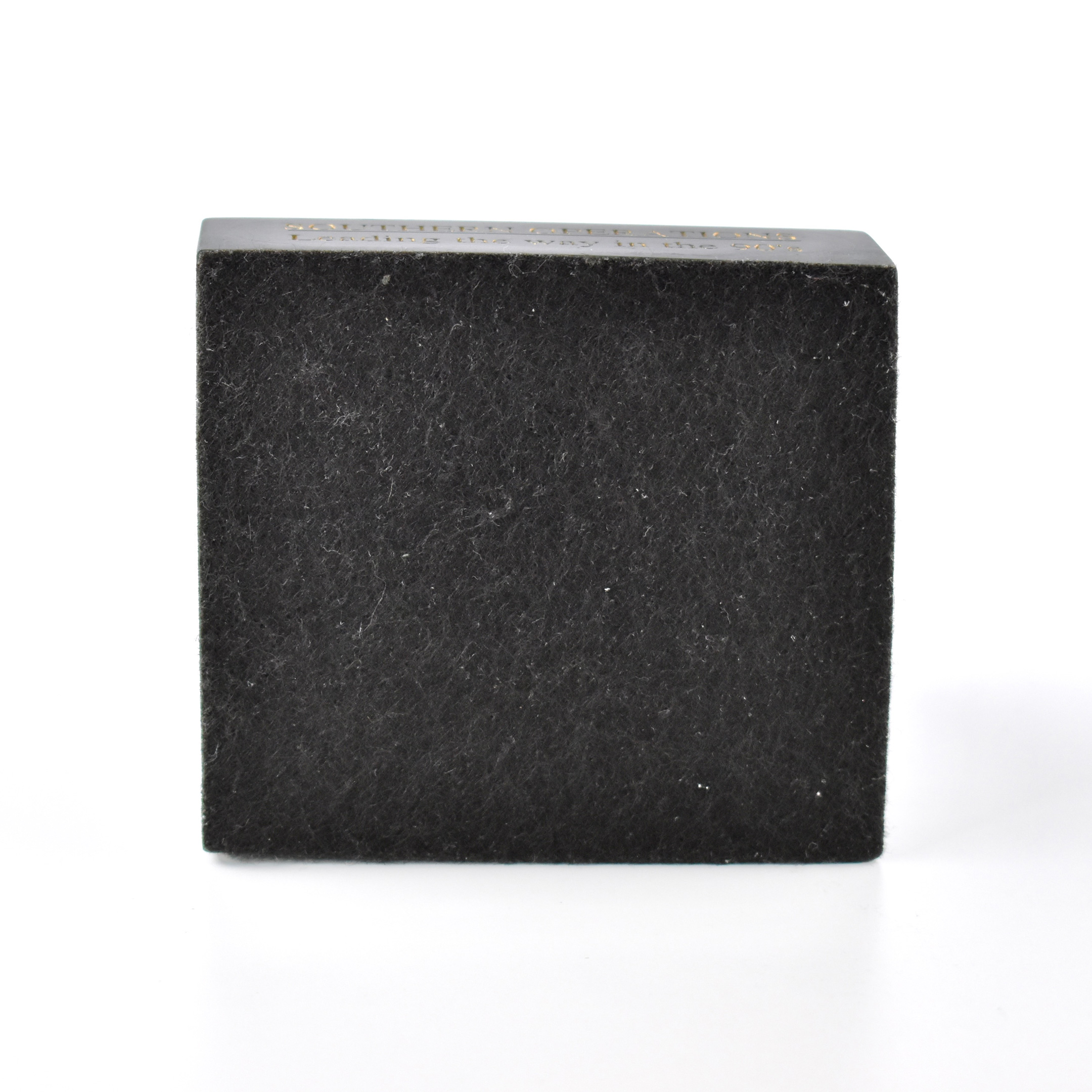
The front of the holder is engraved with an Apple logo that is painted gold. Below the Apple logo are engraved words that read “SOUTHERN OPERATIONS, Leading the way in the 90’s.”
The business card holder is 3.563 inches wide and 3.25 inches deep. The back of the holder is 4.25 inches tall and it tapers to a 1-inch face on the front.
While not an official Apple item, the company NeXT was an important part of Apple’s history. NeXT was founded in 1985 by Steve Jobs after he was forced out of Apple. NeXT created computer workstations that were intended for use in higher education and business and ran an innovative operating system called NeXTSTEP.
The first Internet web server was a NeXTcube used by Tim Berners-Lee.
NeXT stopped making hardware in 1993 and focused on software such as the programming environments of NeXTSTEP and WebObjects.
Apple purchased NeXT in 1997 and Steve Jobs returned to Apple as an advisor. Apple ported the NeXT operating system to the Macintosh platform and the implementation became the Mac OS X operating system.
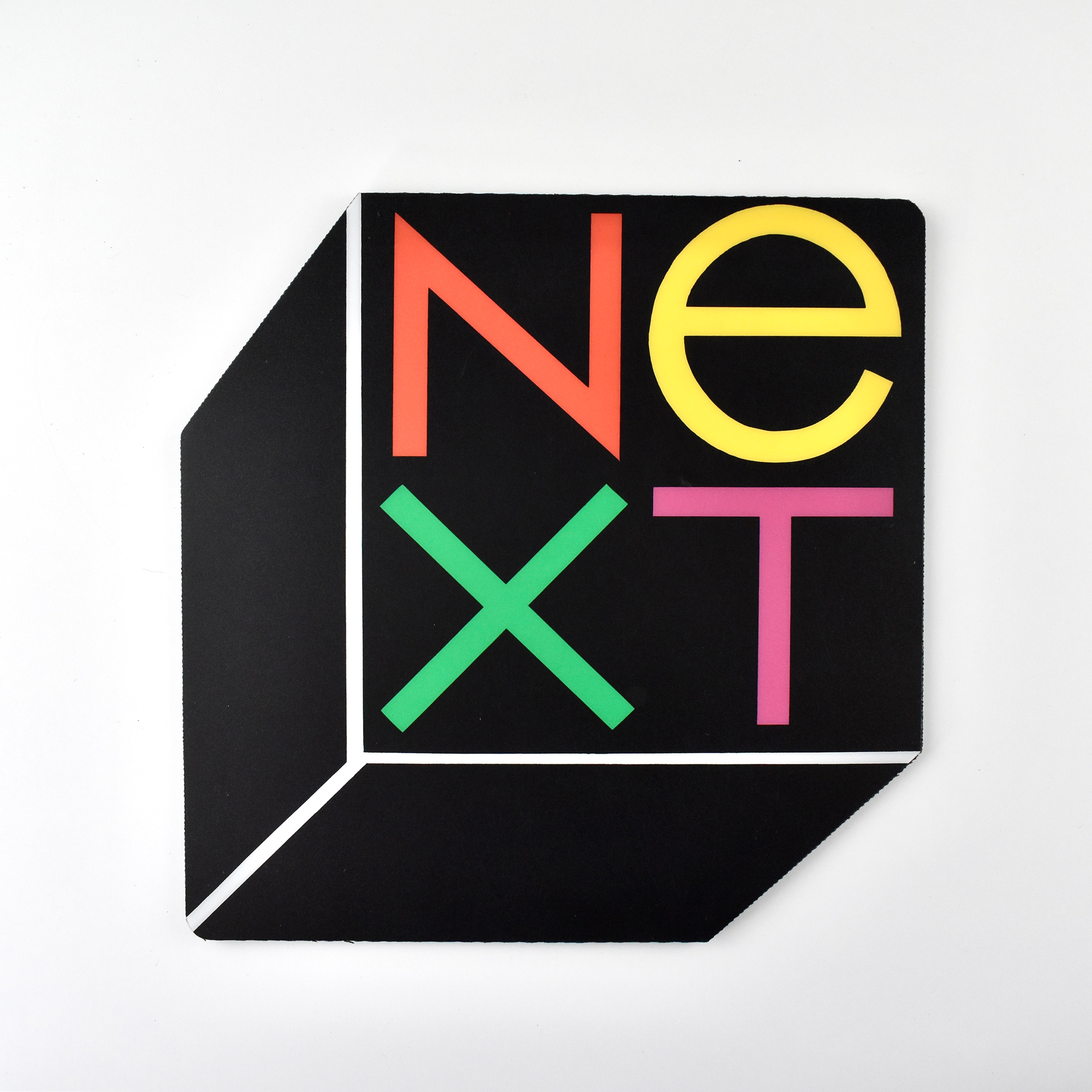
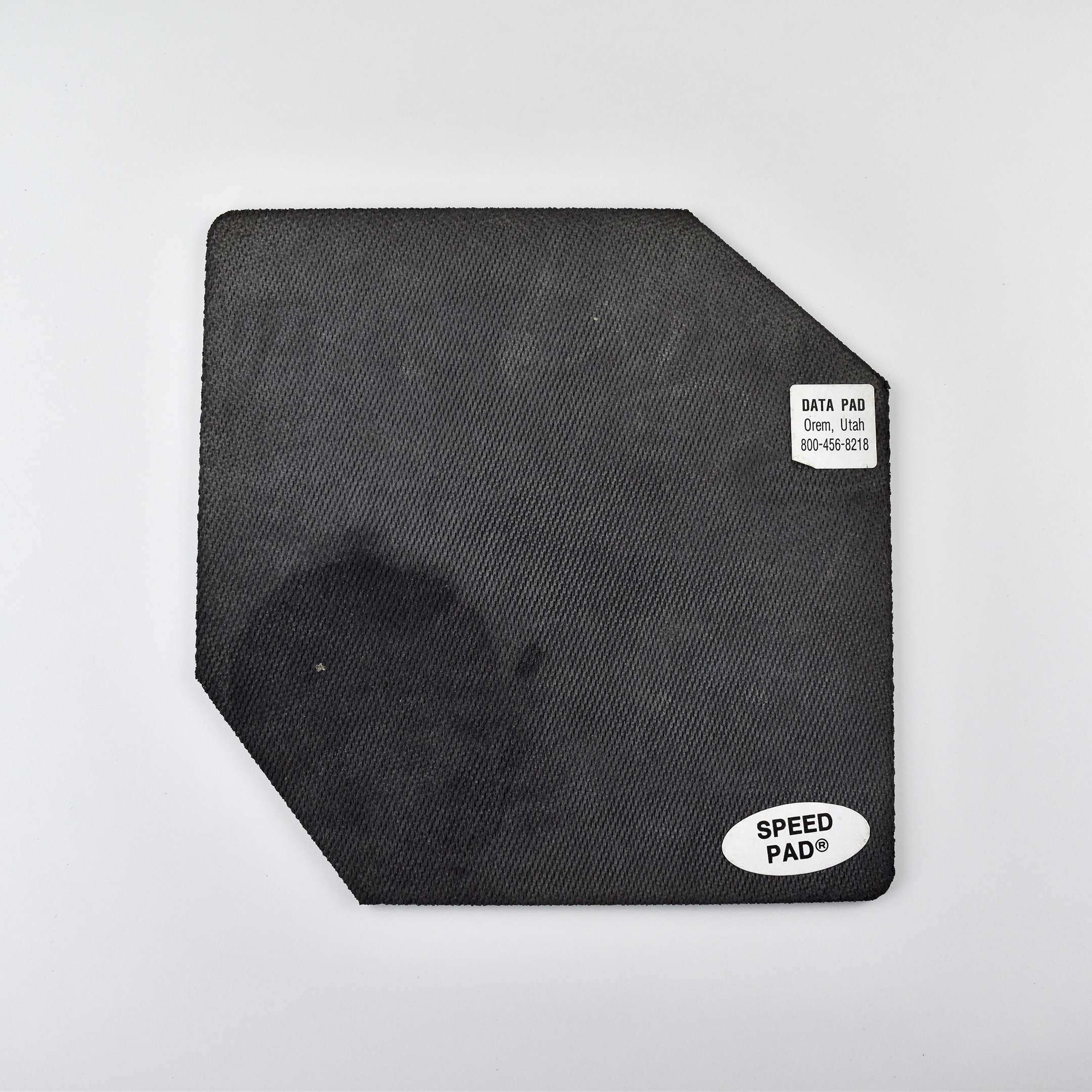
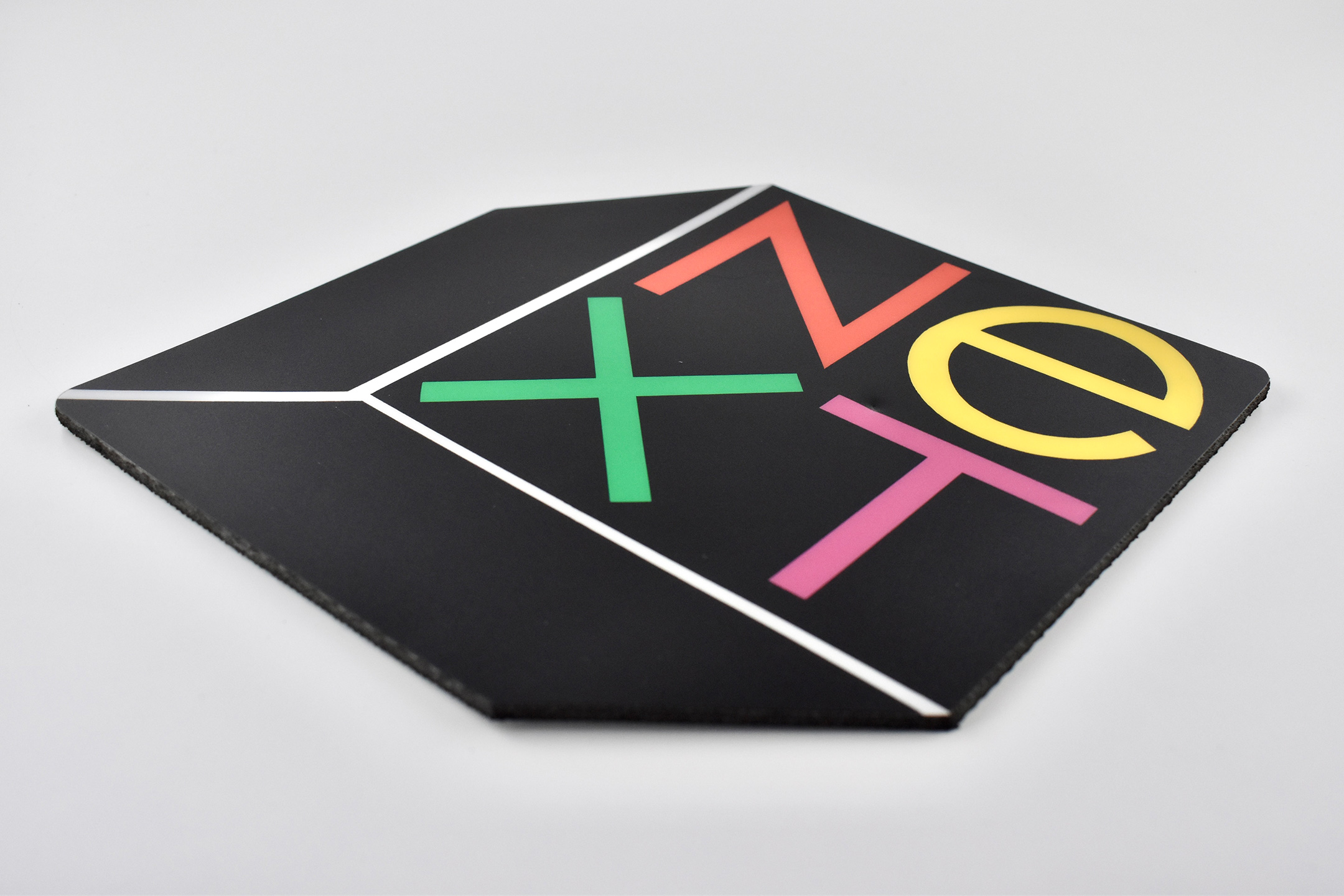
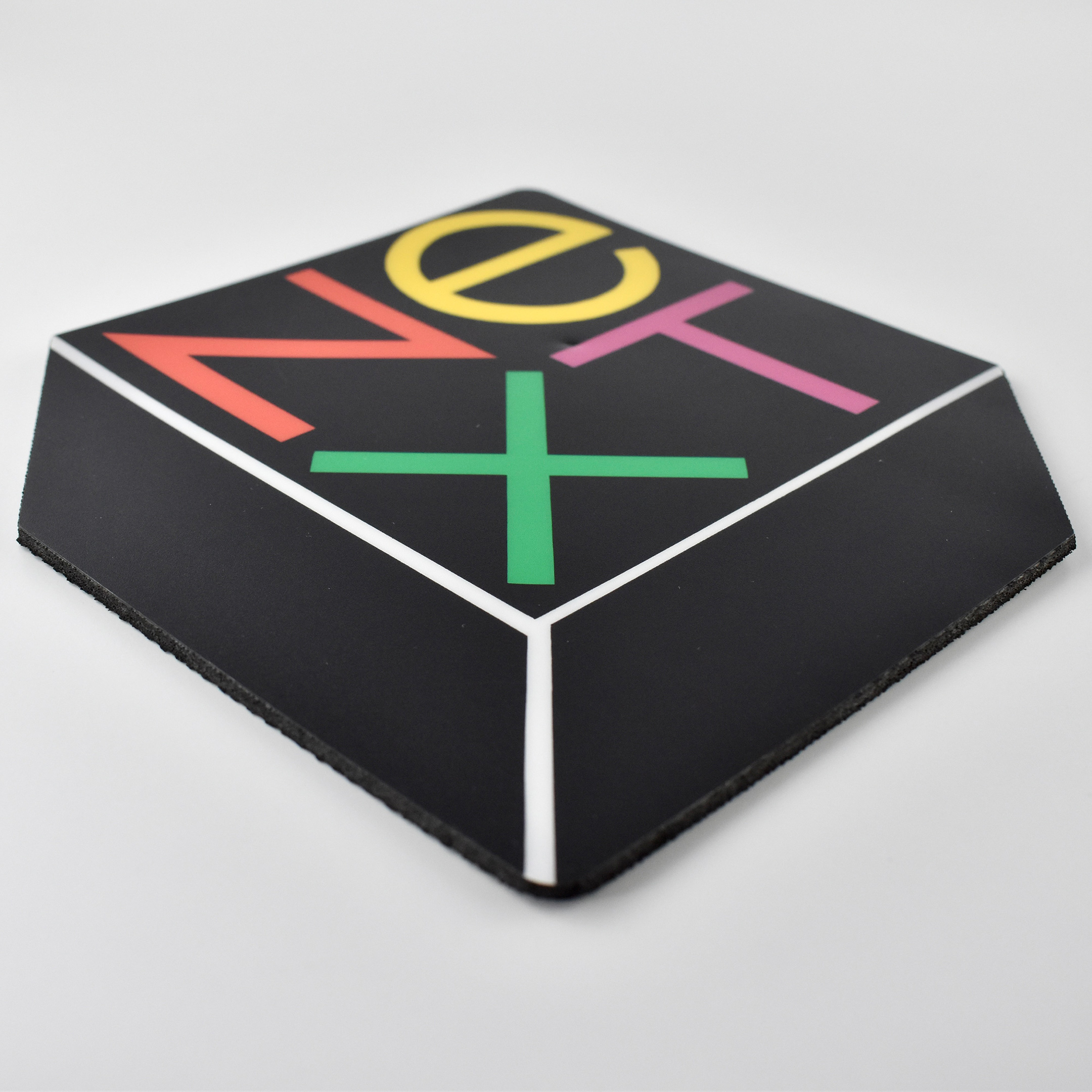
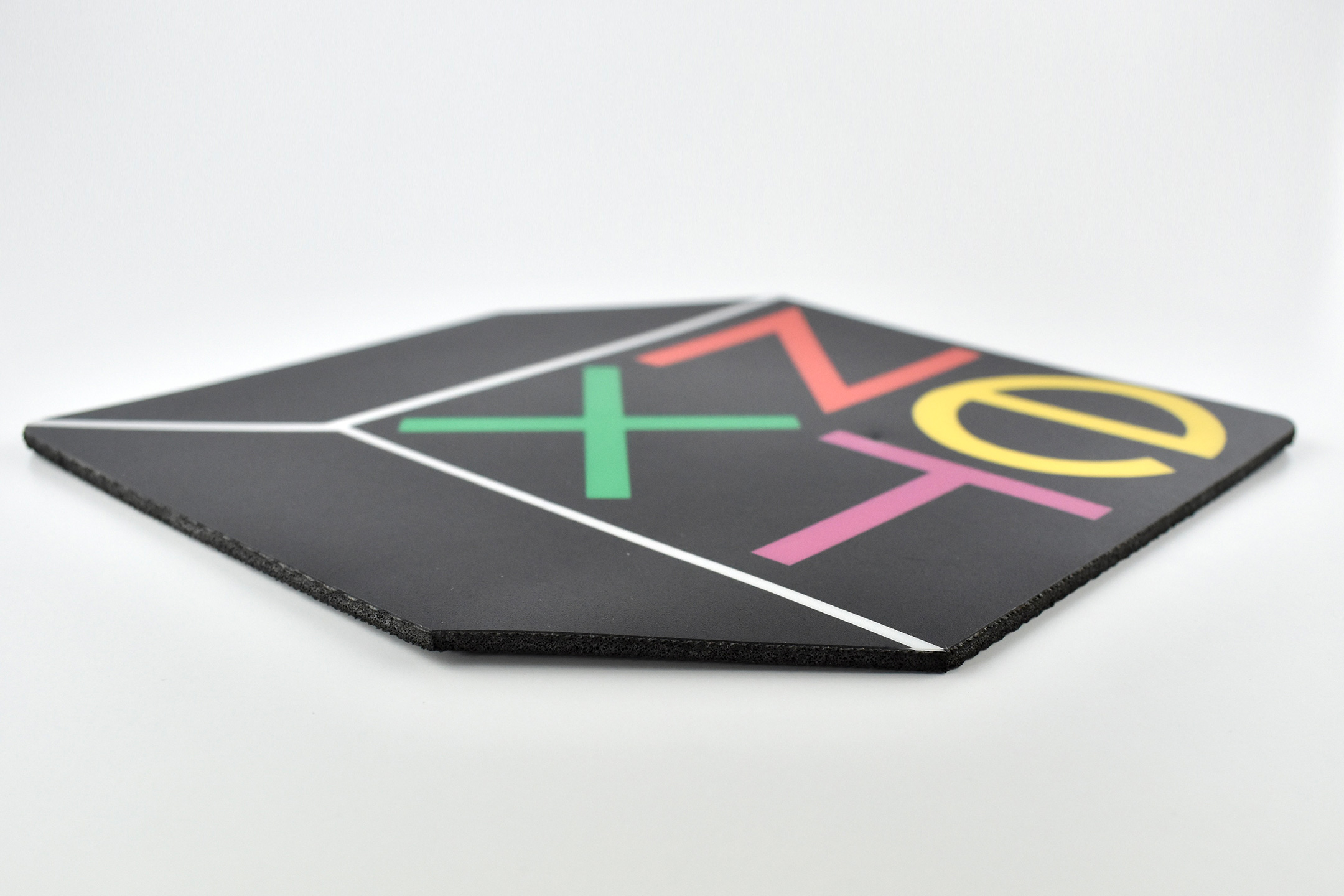
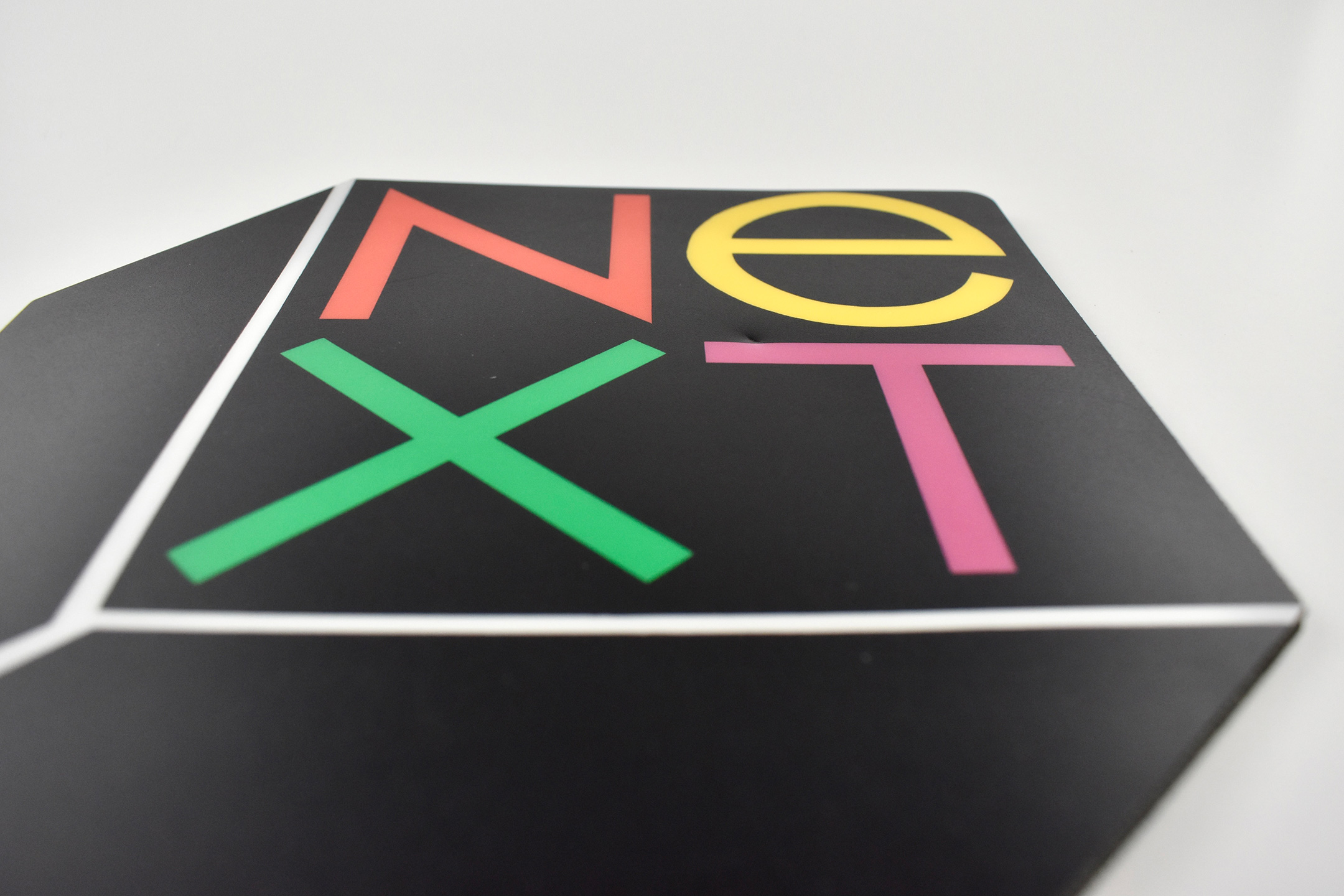
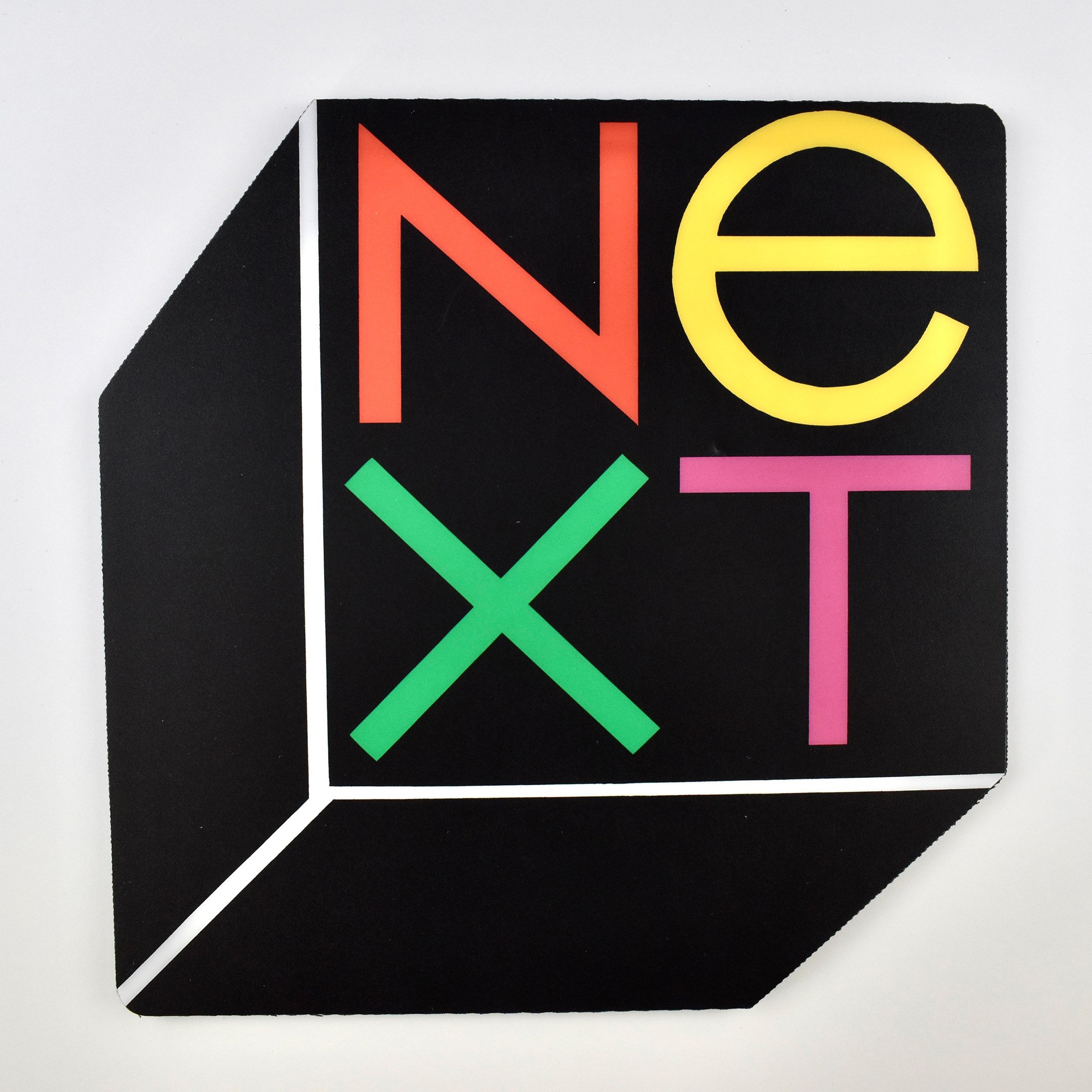
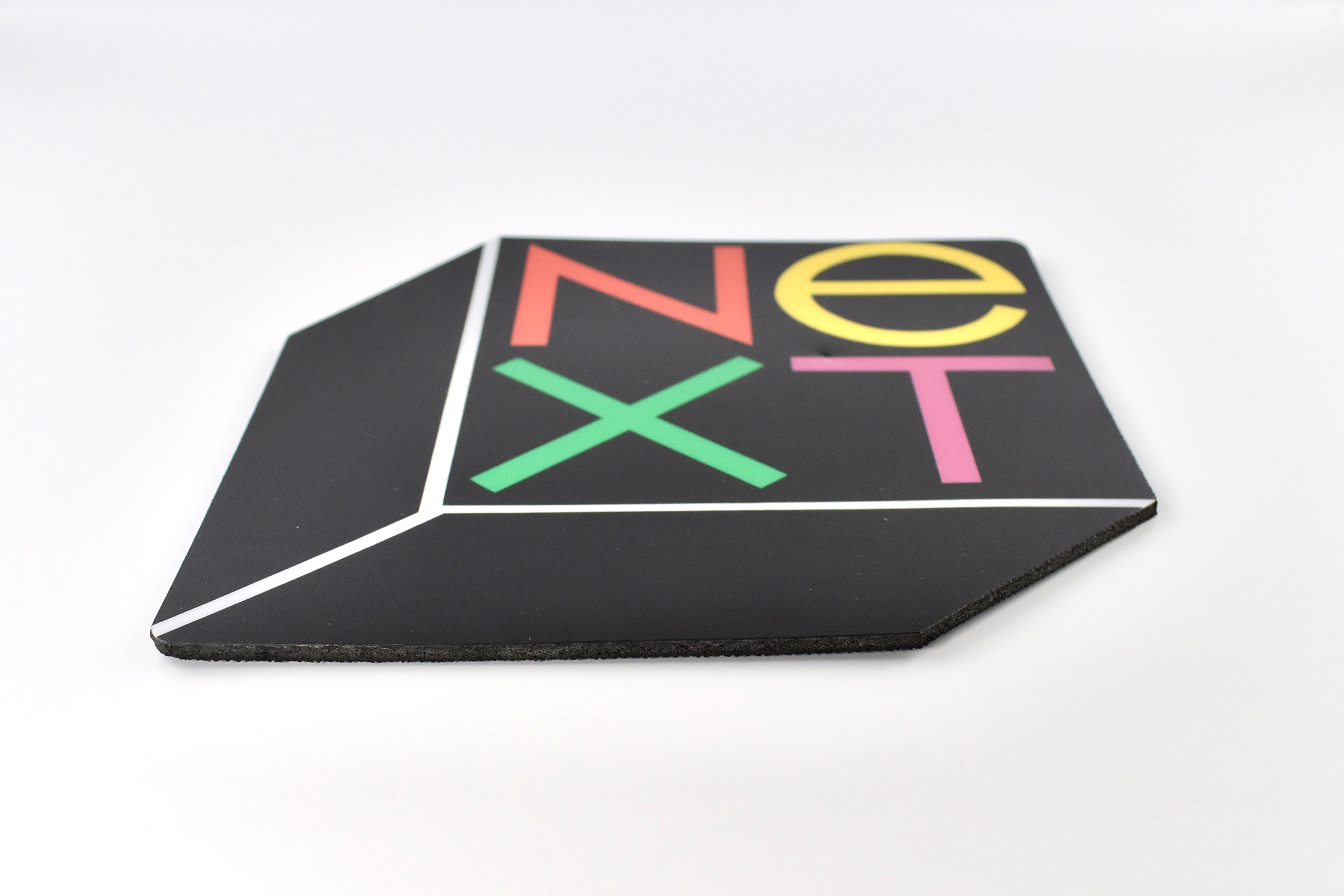
This NeXT mousepad is primarily black and features the NeXT logo on a six-sided design. It measures 8.125 x 8.125 inches with a shape that is stylized to appear as a black cube (matching the NeXT logo designed by Paul Rand). The mousepad has a rubber base with a textured bottom surface that is 0.125 inches thick. The back of the mousepad has two stickers, the manufacturer (Data Pad from Orem, Utah) and the product name (“SPEED PAD”).