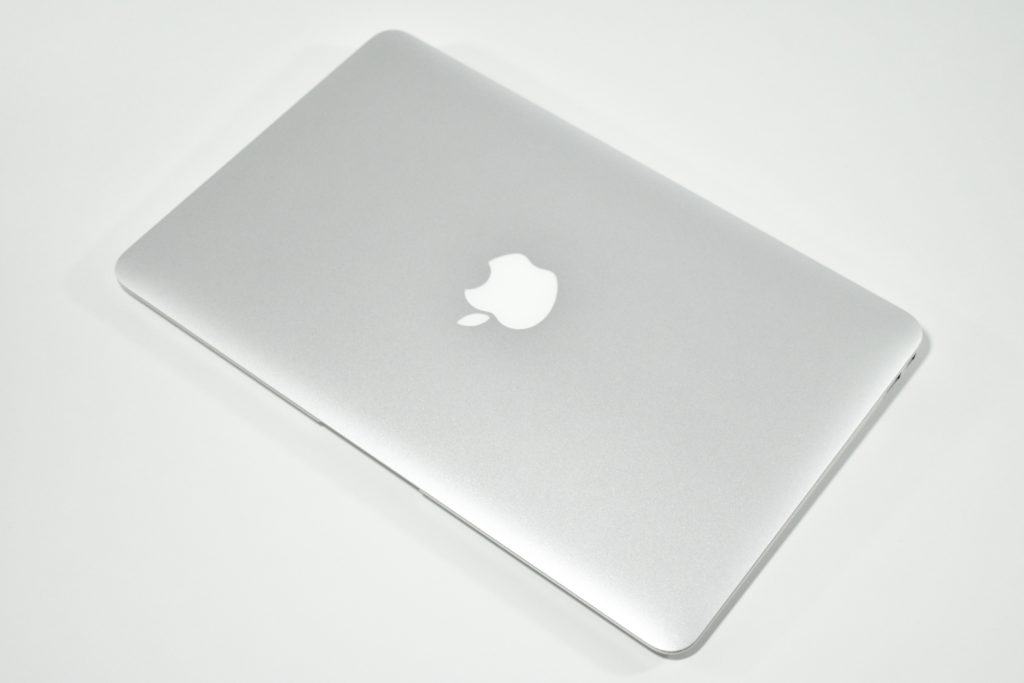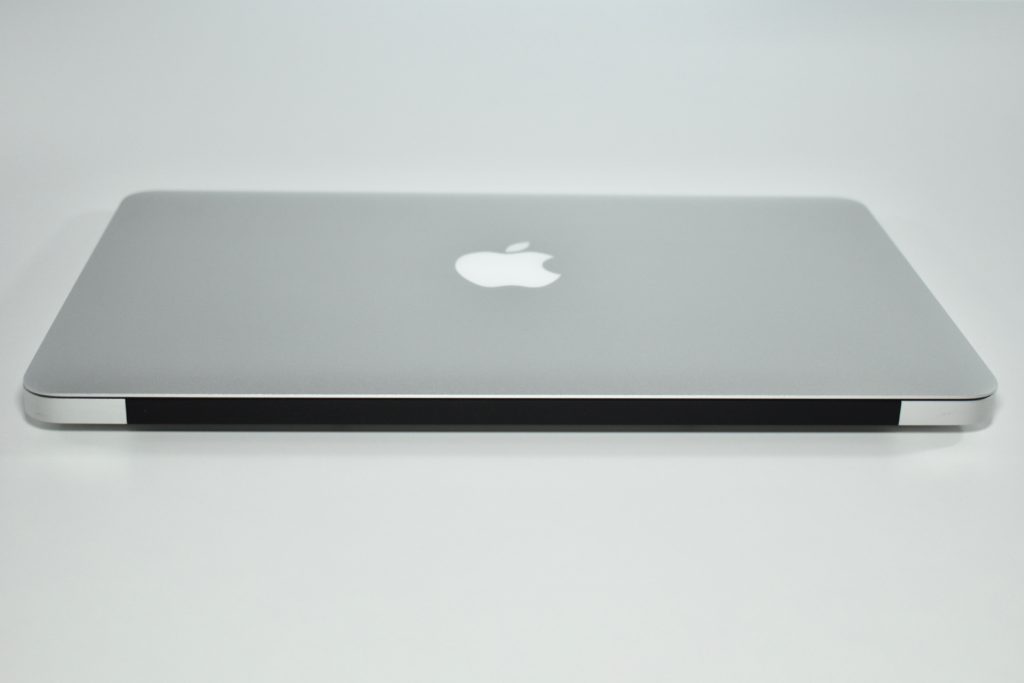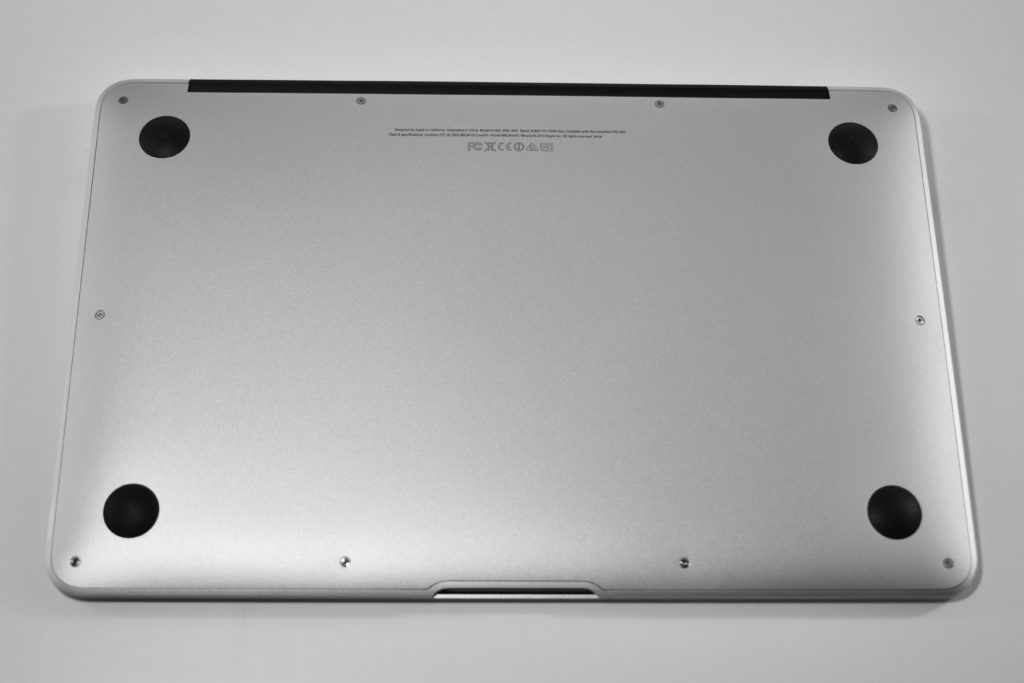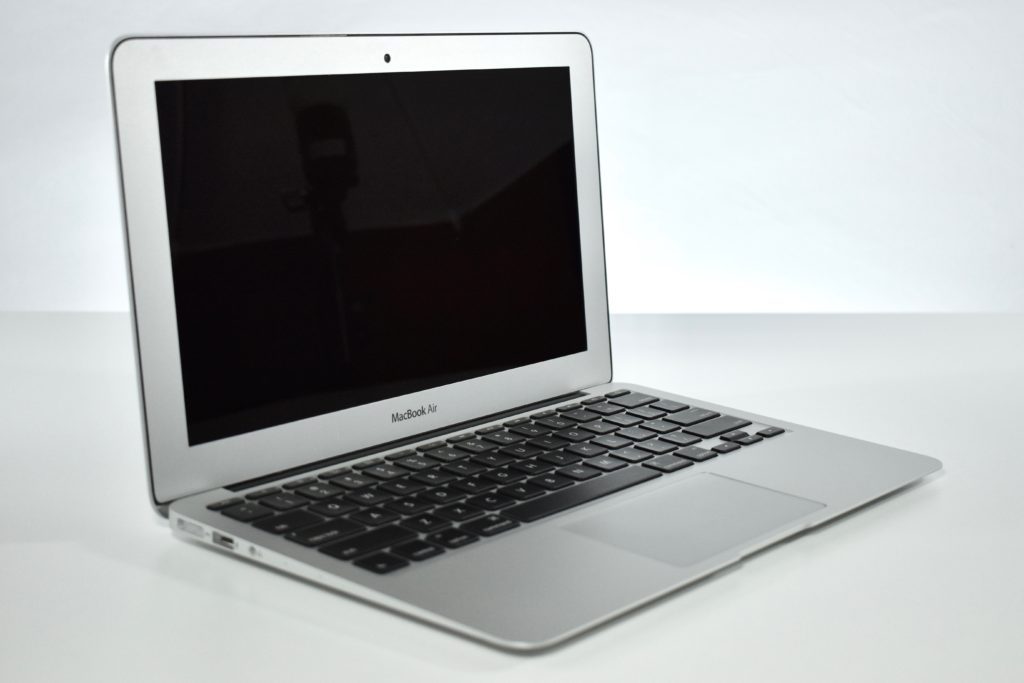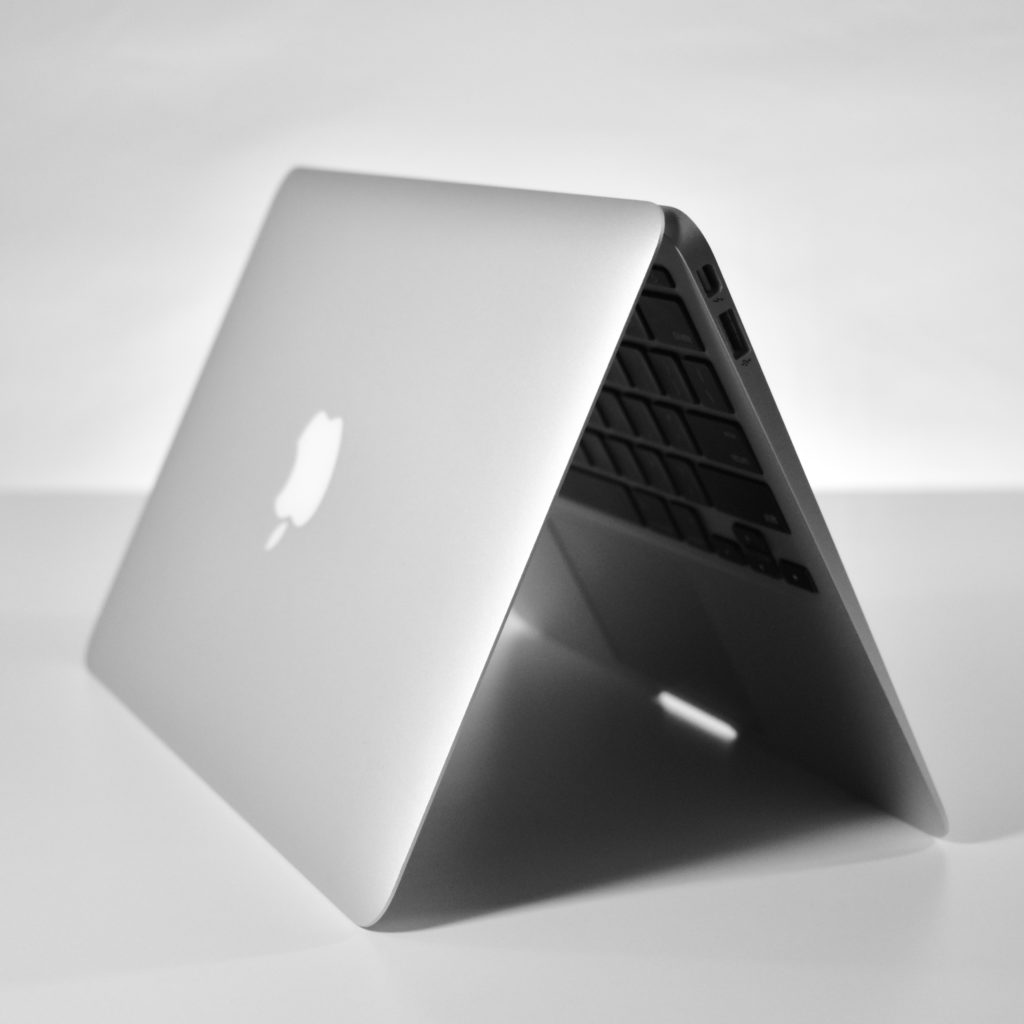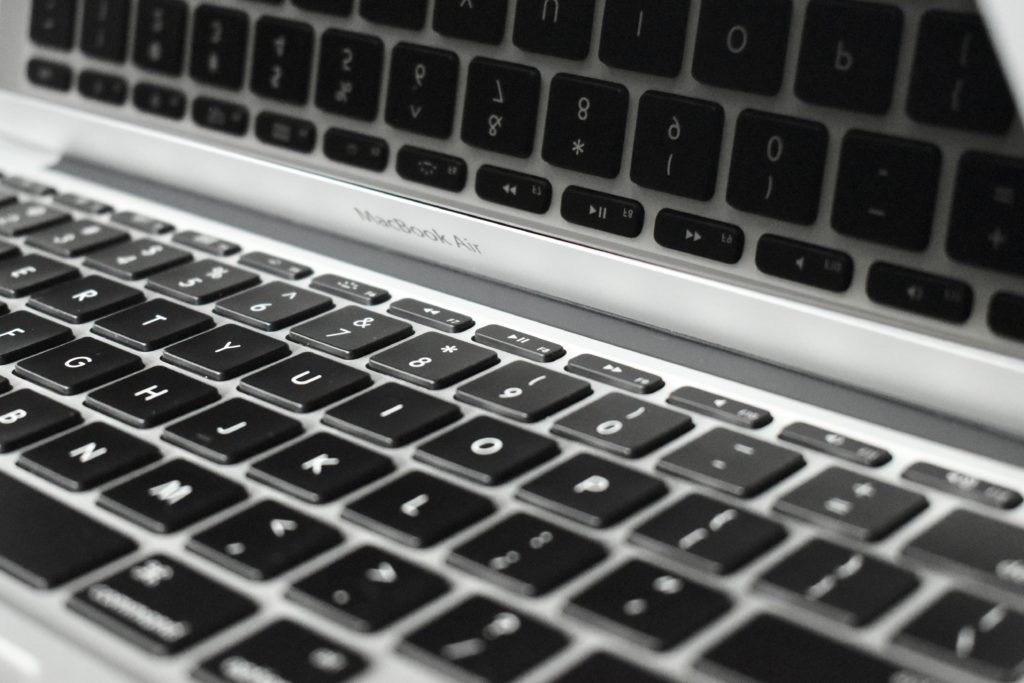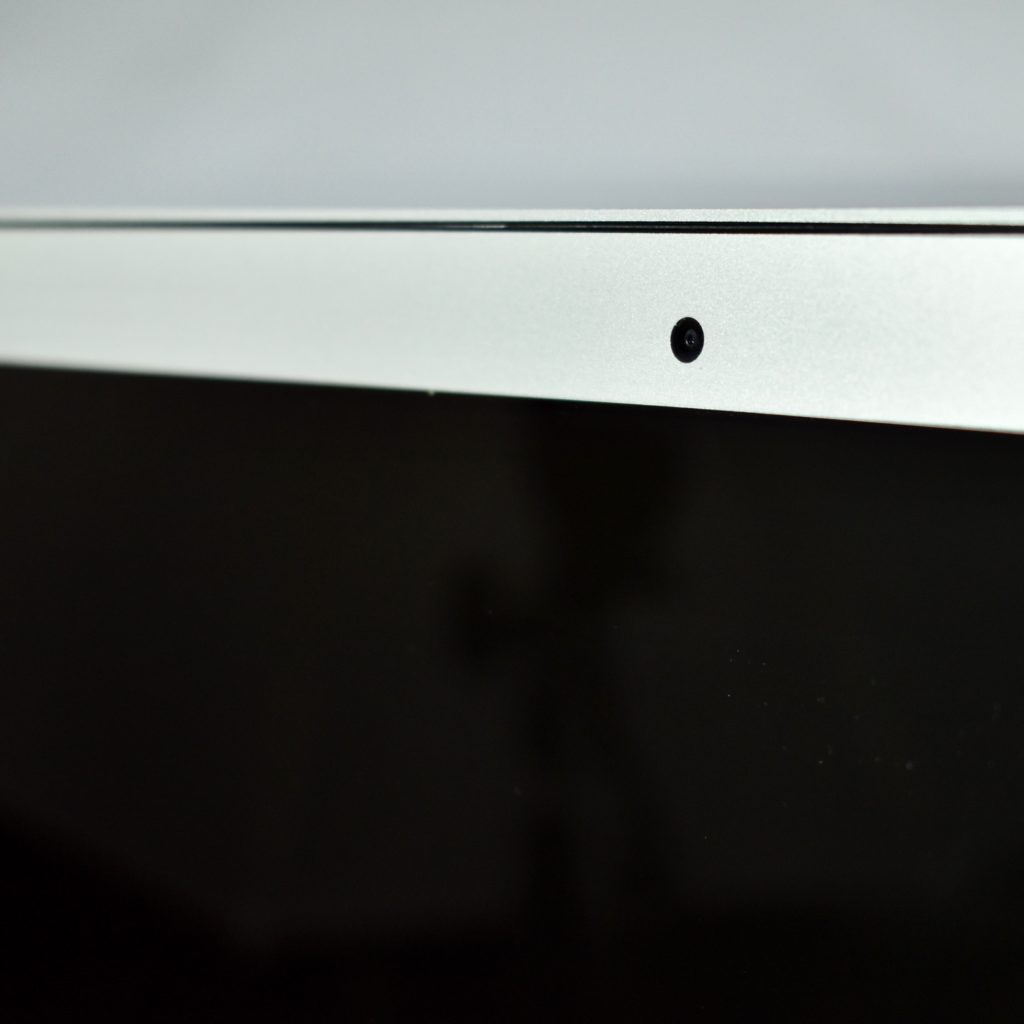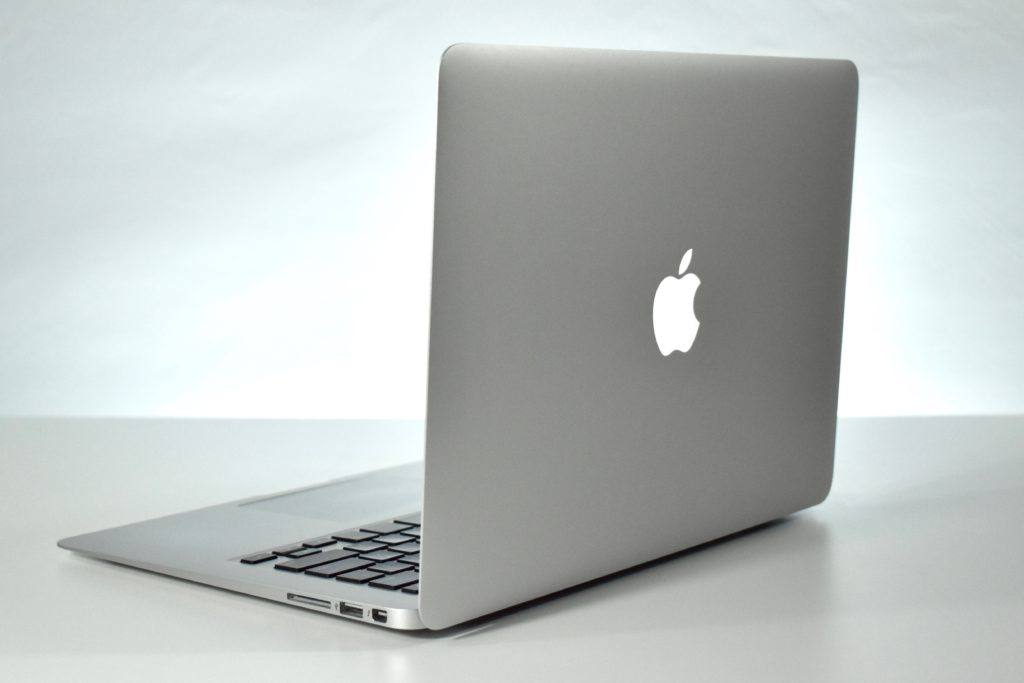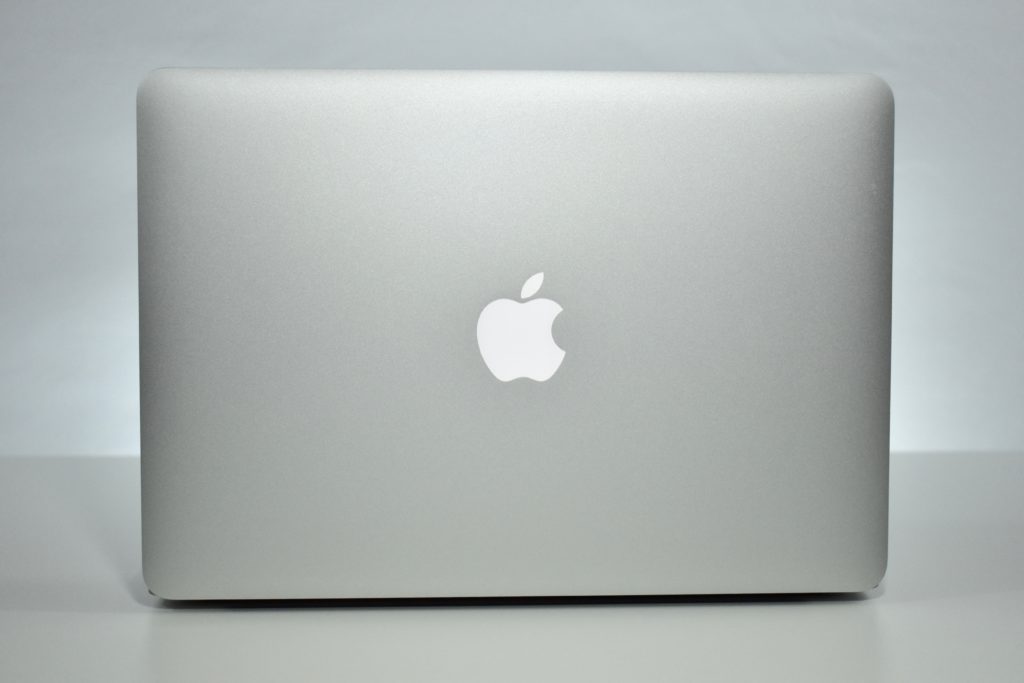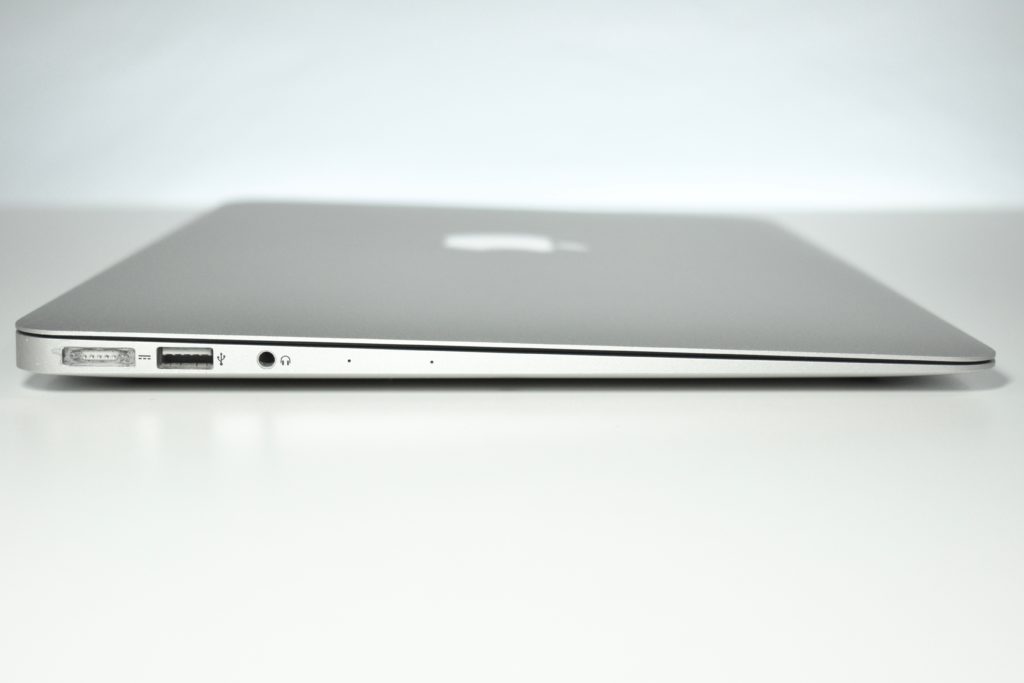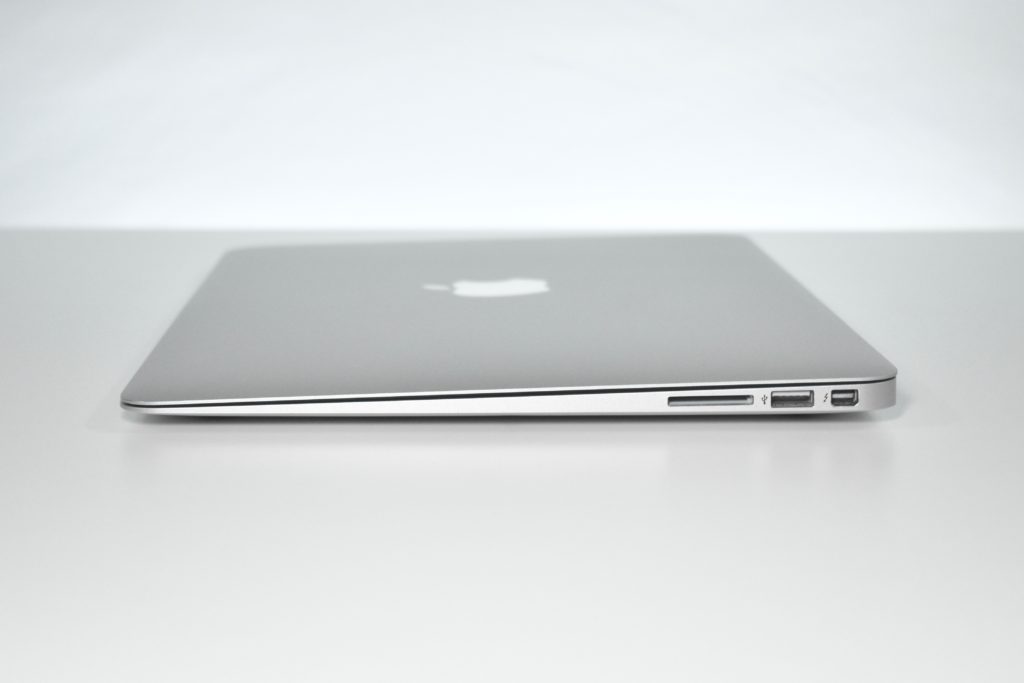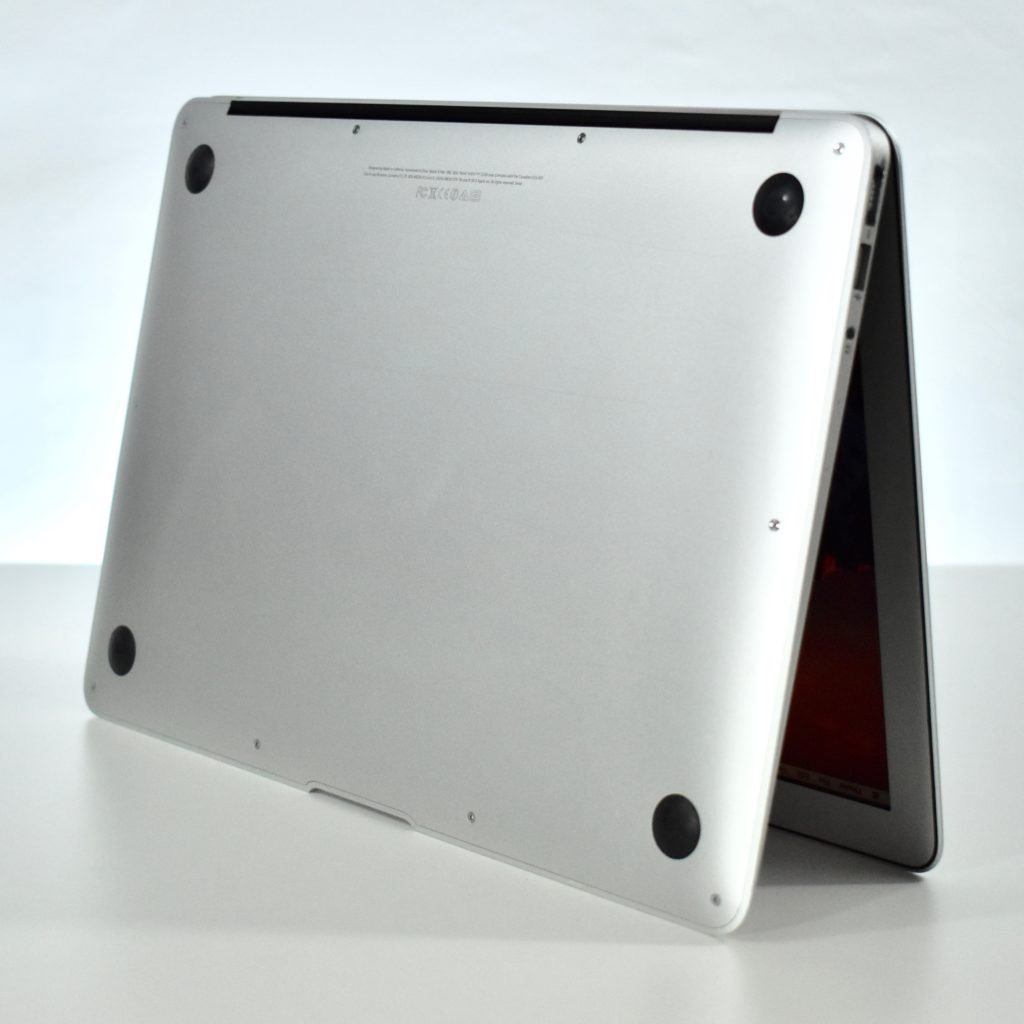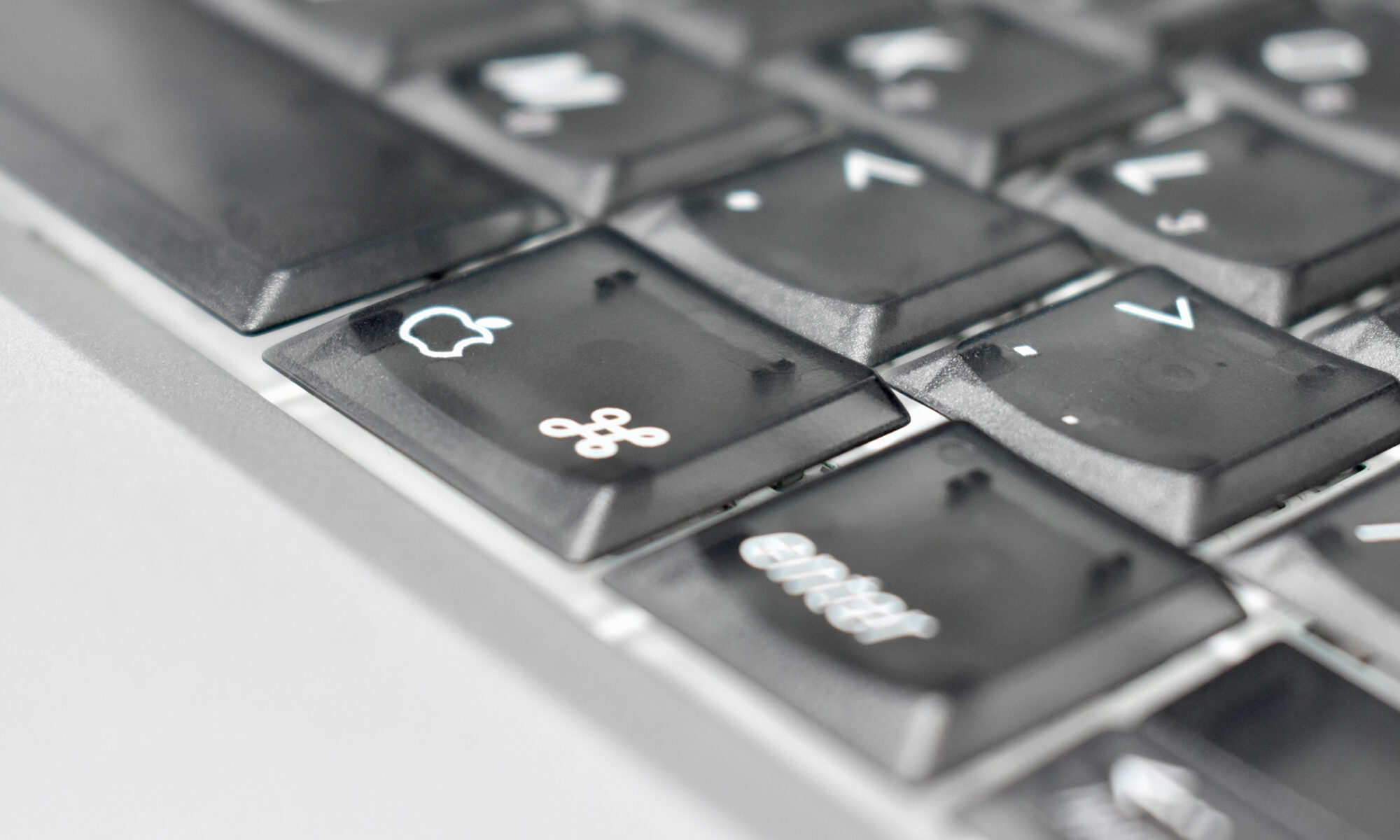
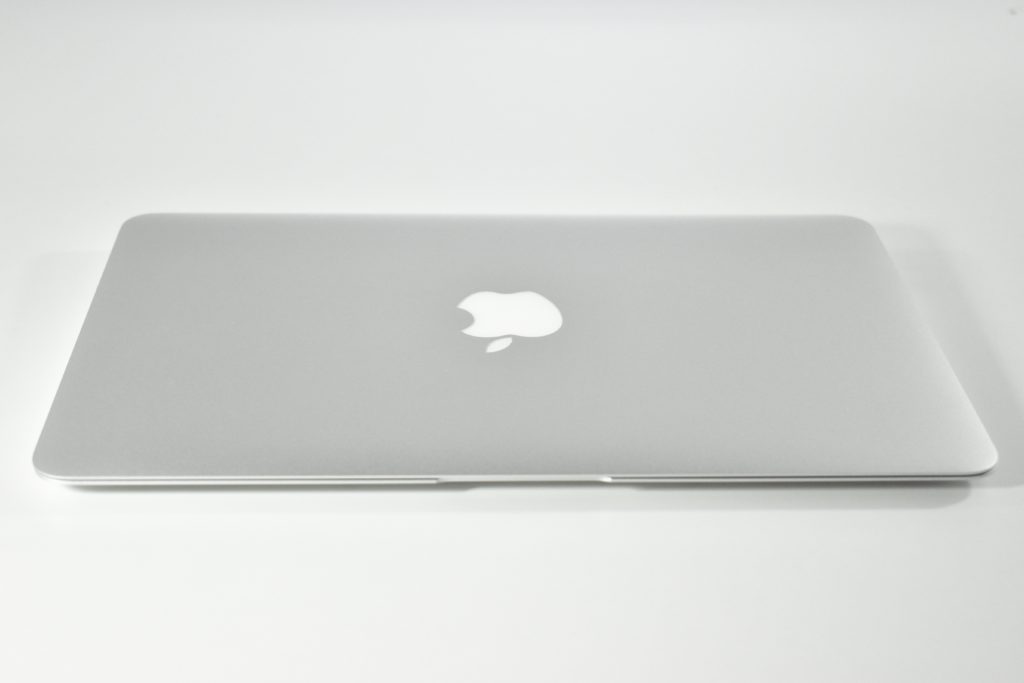
MacBook Air 11-inch (2014)

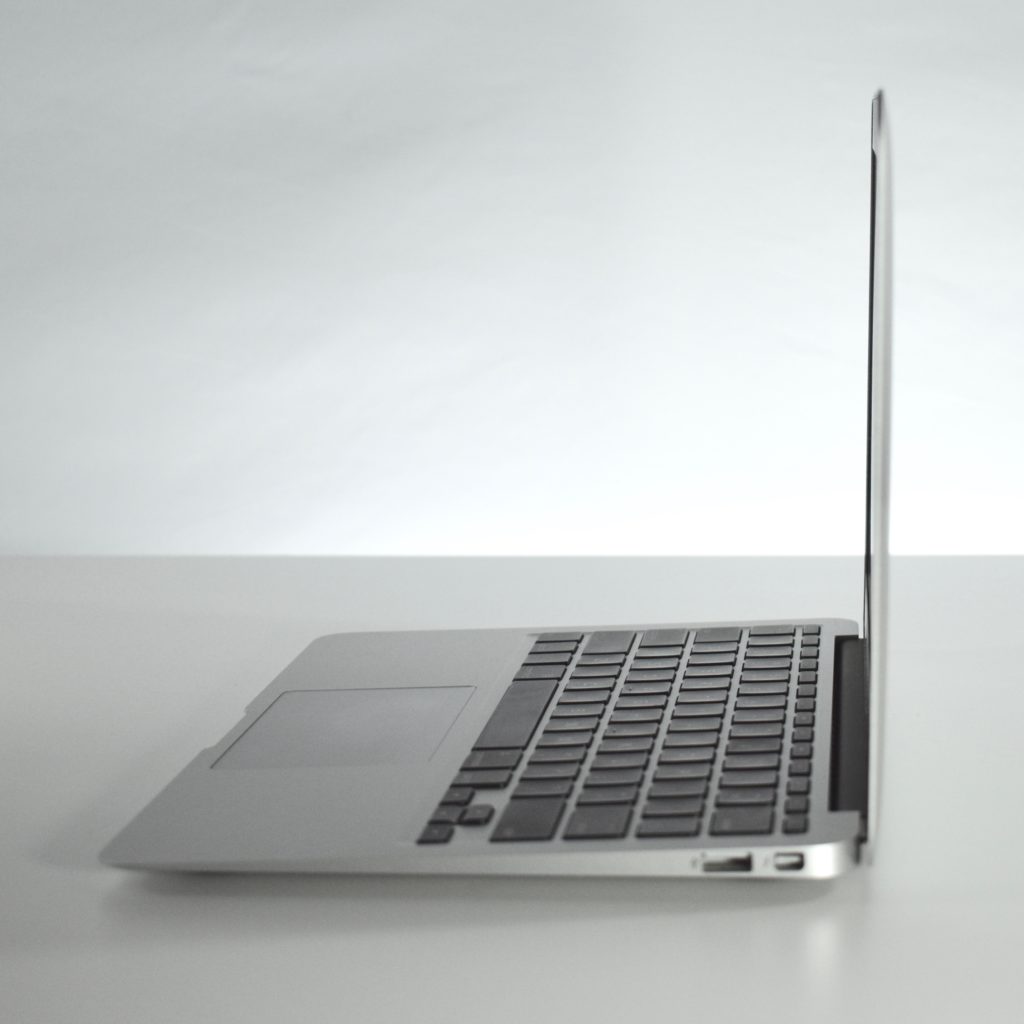
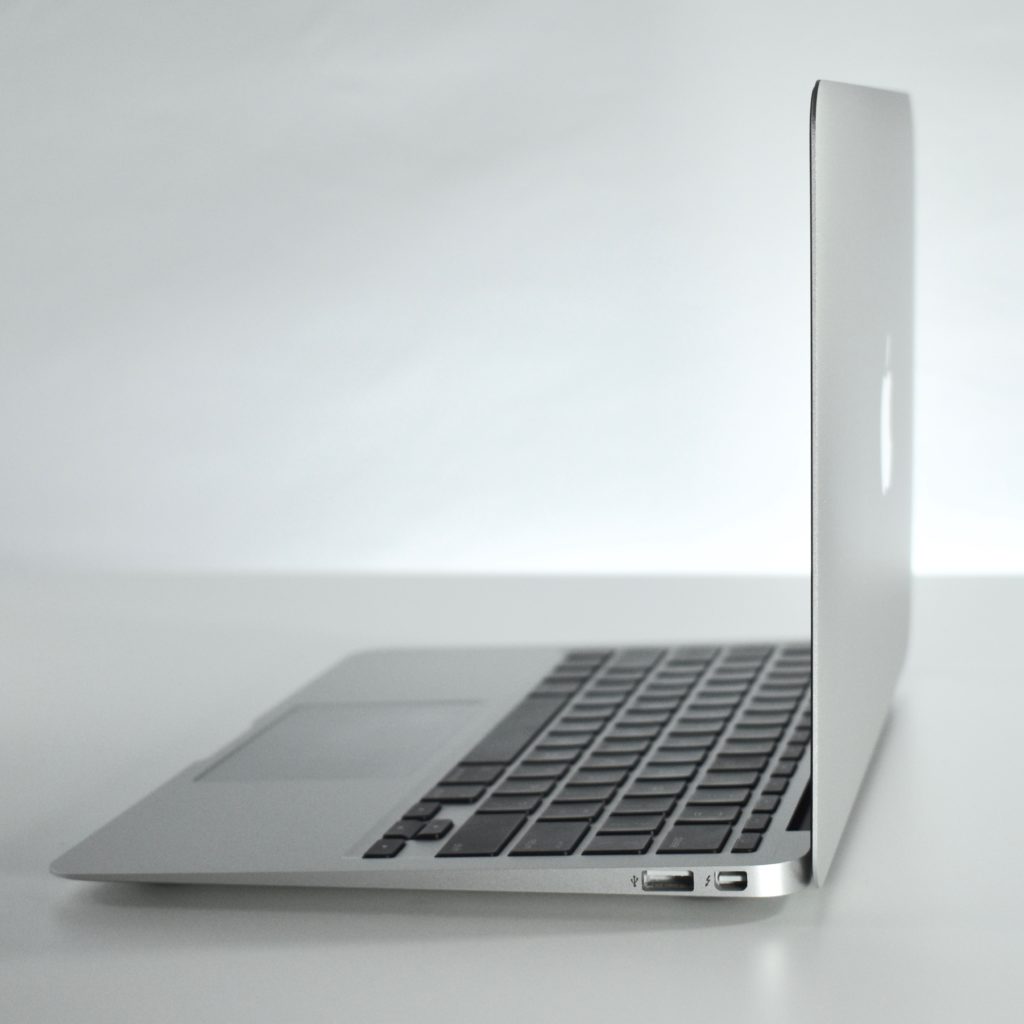
This MacBook Air 11-inch featured a 22-nm Haswell 1.4 GHz Intel Core i5 processor. It included 4 GB or 8 GB of memory and 128 GB or 256 GB of flash storage. This was the smallest of Apple’s MacBook Air line of laptops measuring 0.11 to 0.68 inches and weighed 2.3 pounds. It included a 720p FaceTime HD webcam, a backlit full-size keyboard, and an 11.6-inch widescreen TFT LED backlit active-matrix glossy display (1366×768).

Wireless connectivity included 802.11ac Wi-Fi and Bluetooth 4.0, while ports included analog audio out, one Thunderbolt port, and two USB 3.0 ports.

A previous version of the MacBook Air 11-inch nearly identical except for a slower processor and less available RAM and flash storage.

In my role as Assistant Superintendent for Technology & Innovation, I led the teams that managed nearly 4,500 of these laptops over a five-year period (2014–19). At the time, all high school students in the school district were issued a MacBook Air 11-inch and students used the same model for their 4-year high school career. Apple stopped manufacturing this laptop in 2018 and the high school switched to the iPad Generation 6.

Source: EveryMac.com
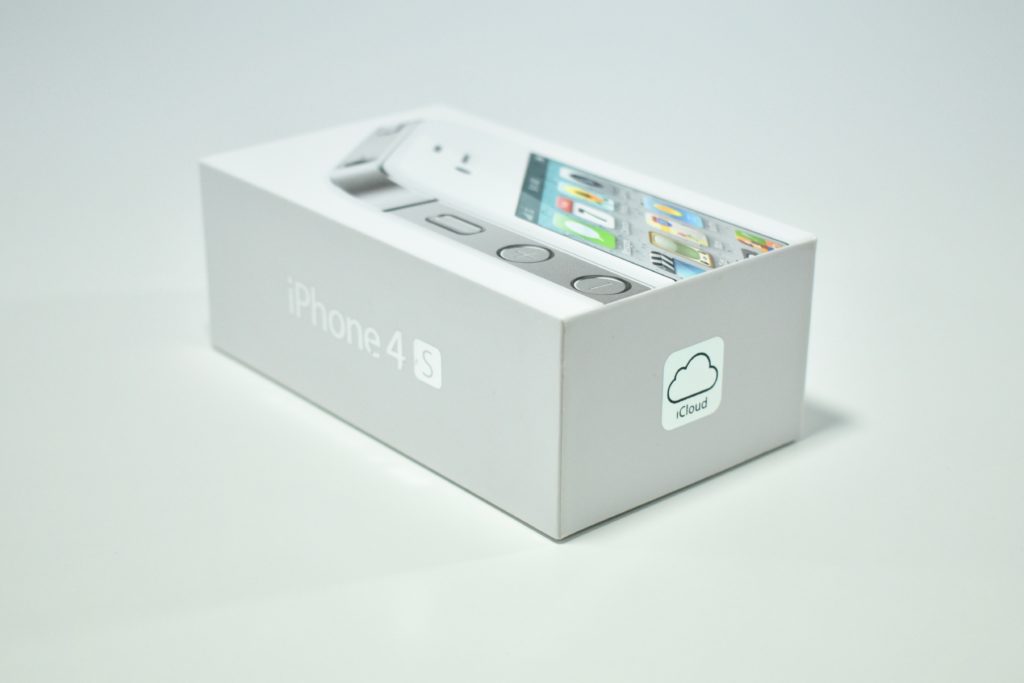
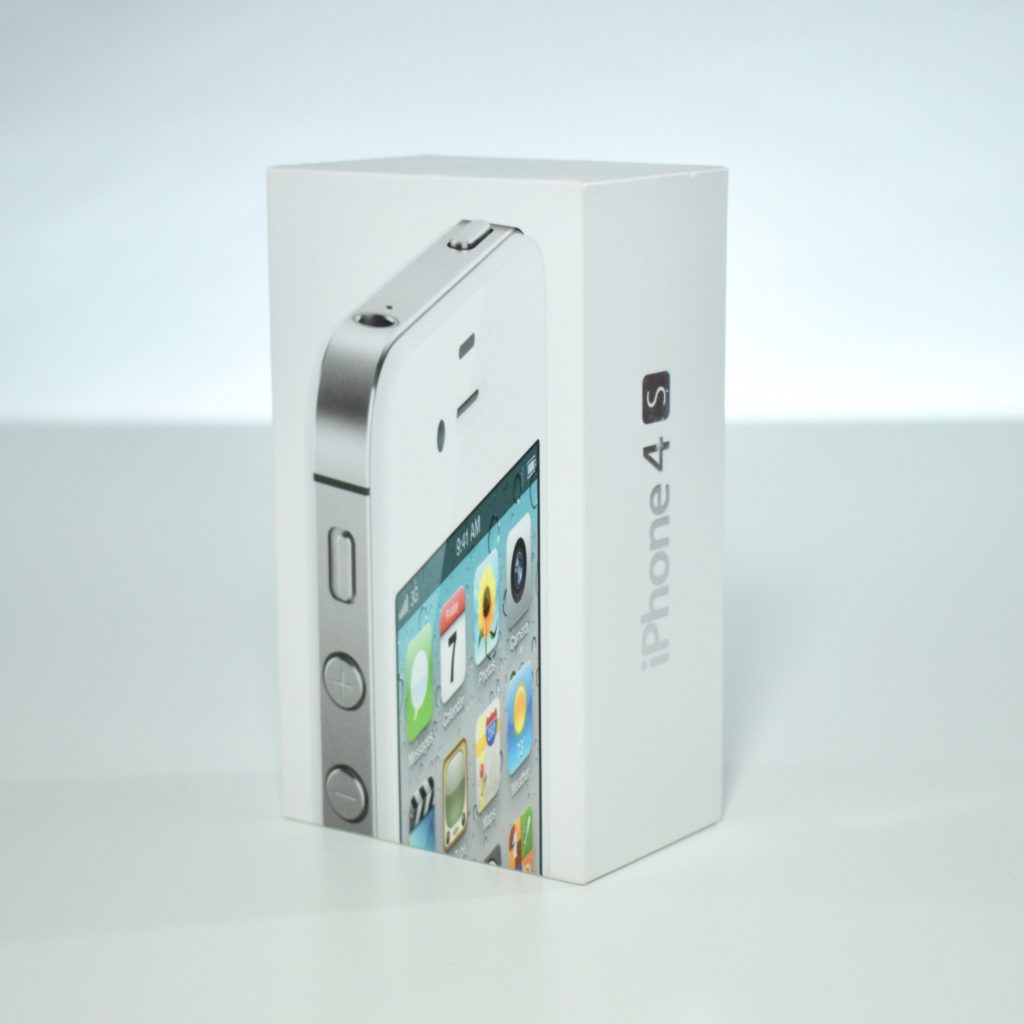
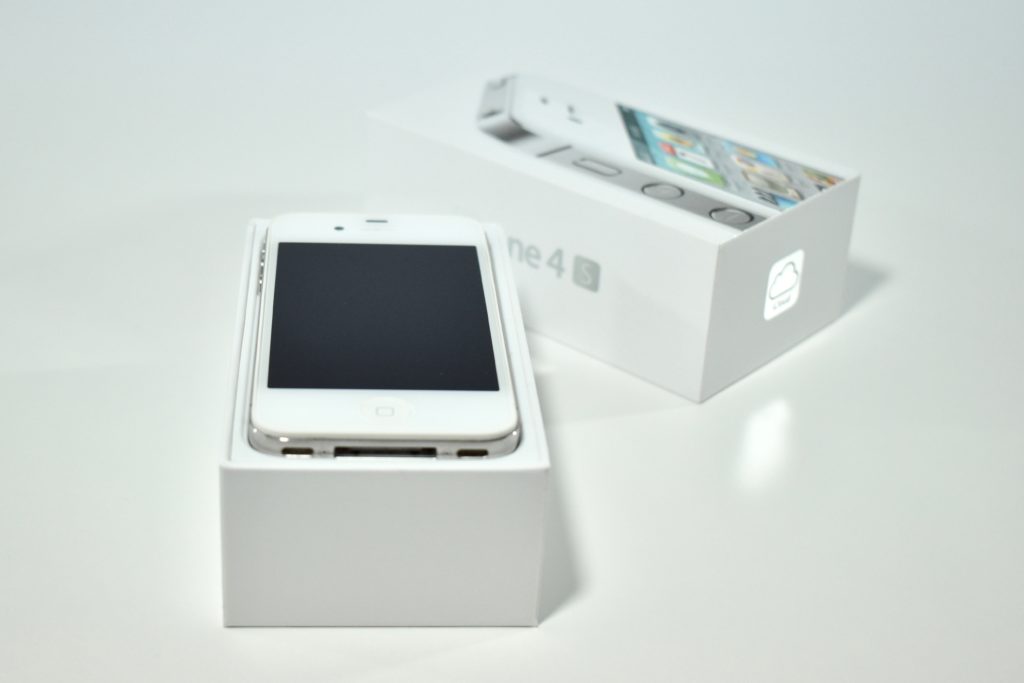
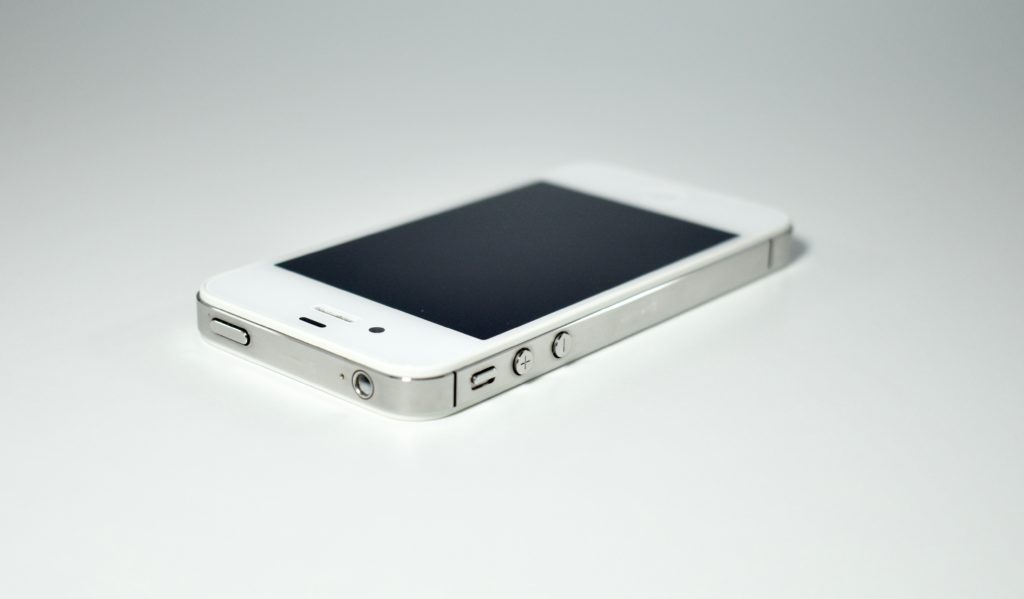
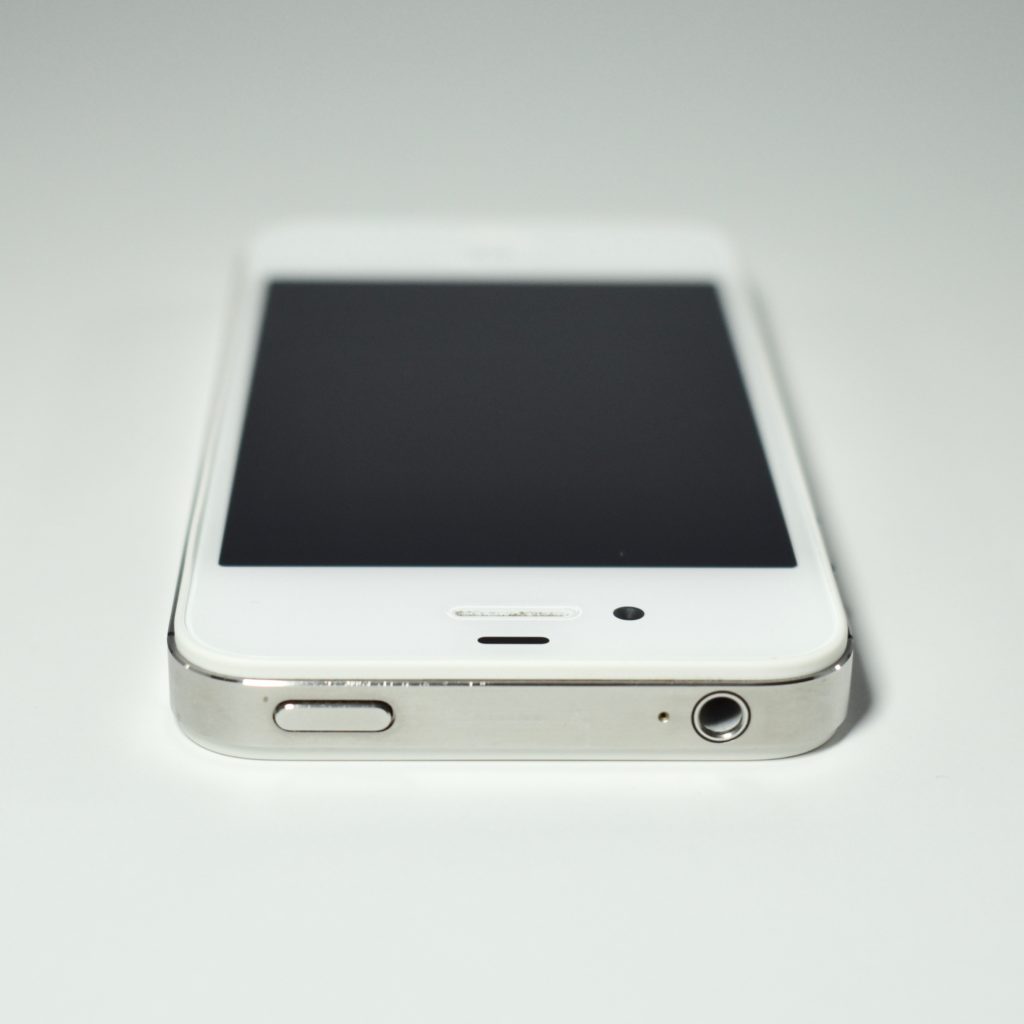
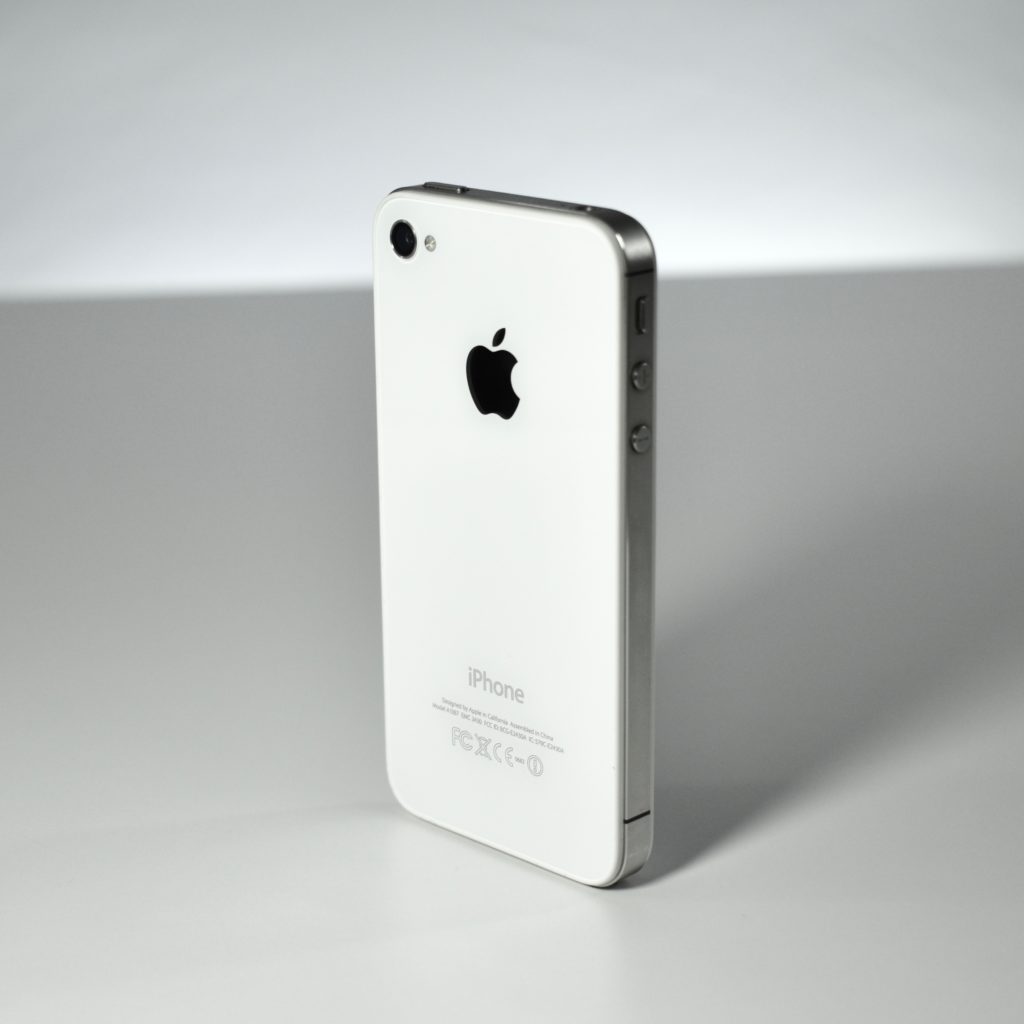
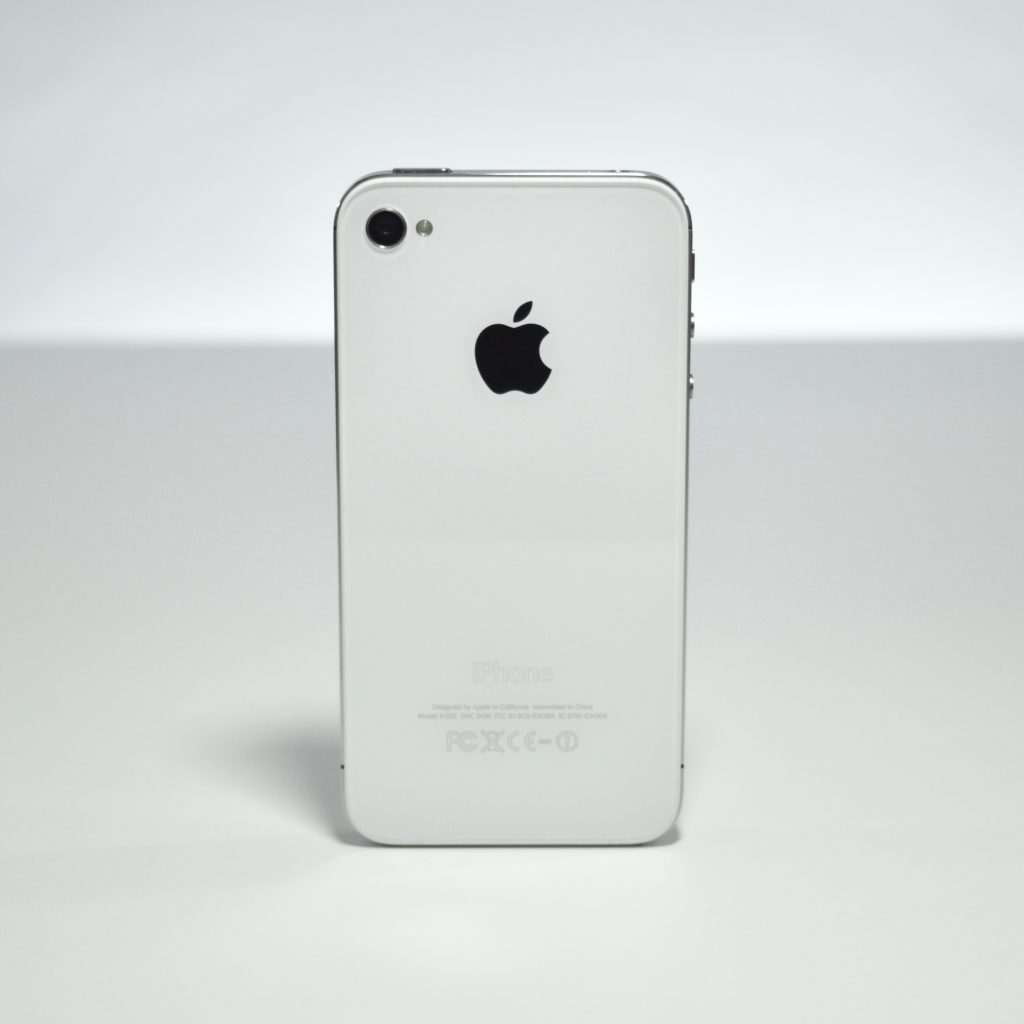
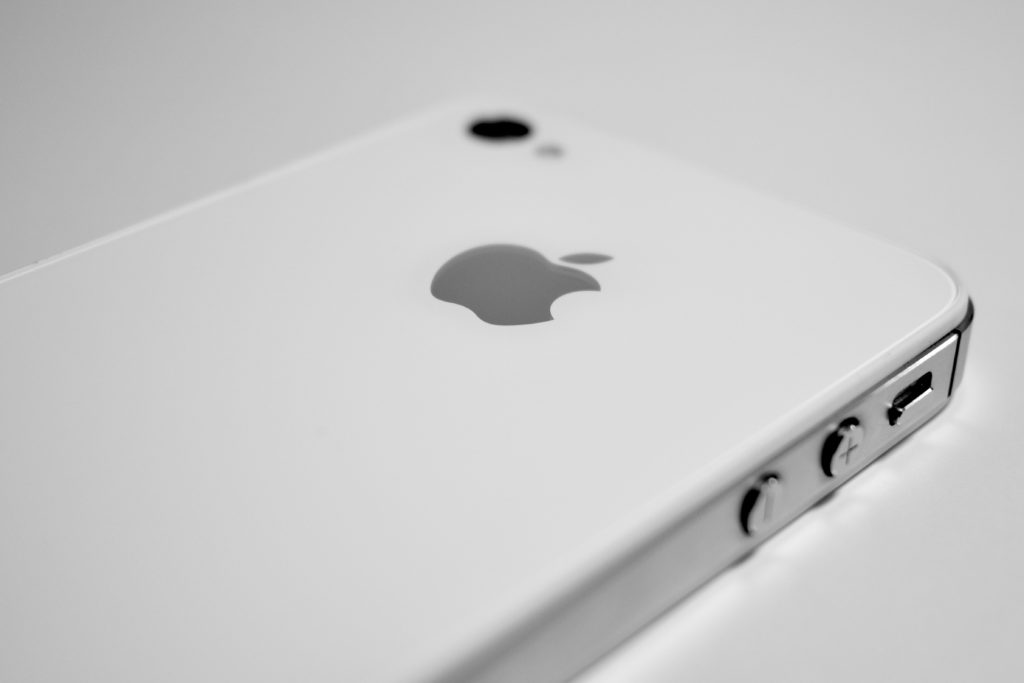
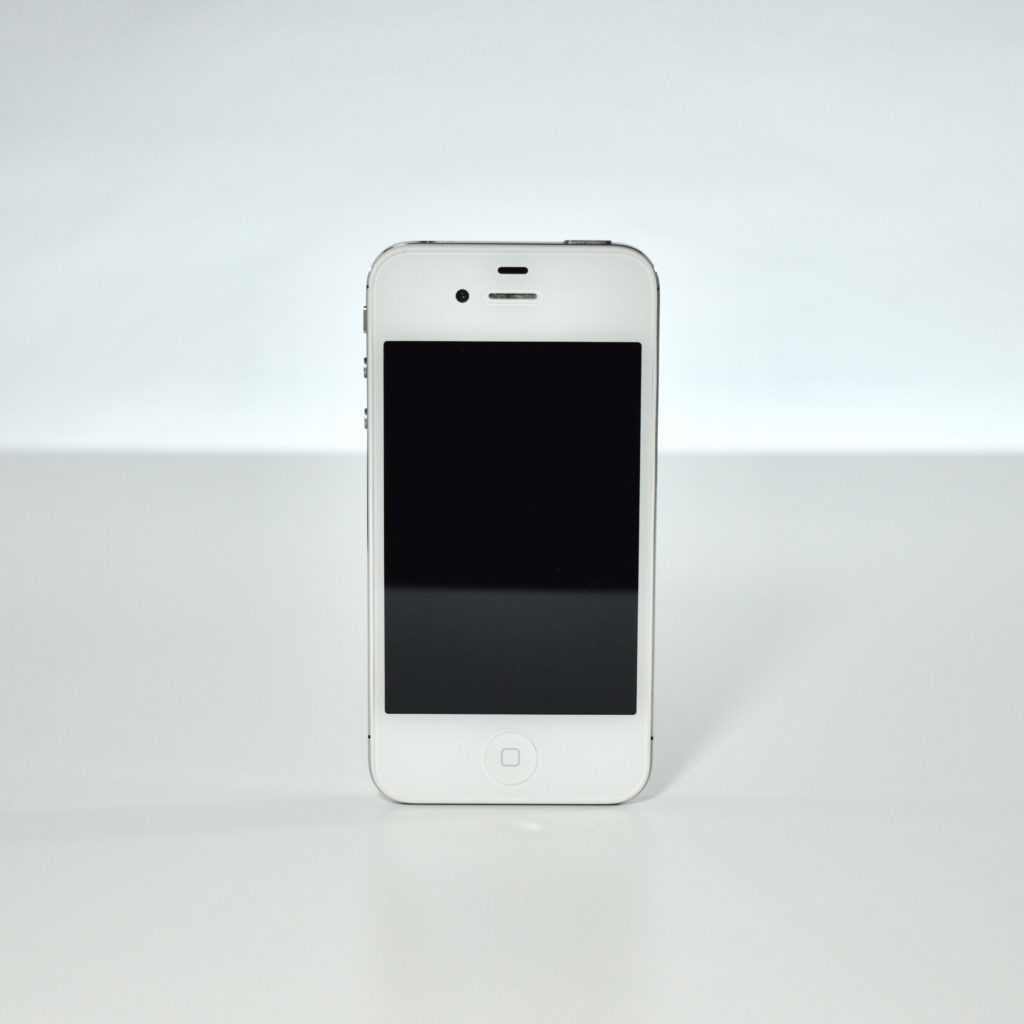
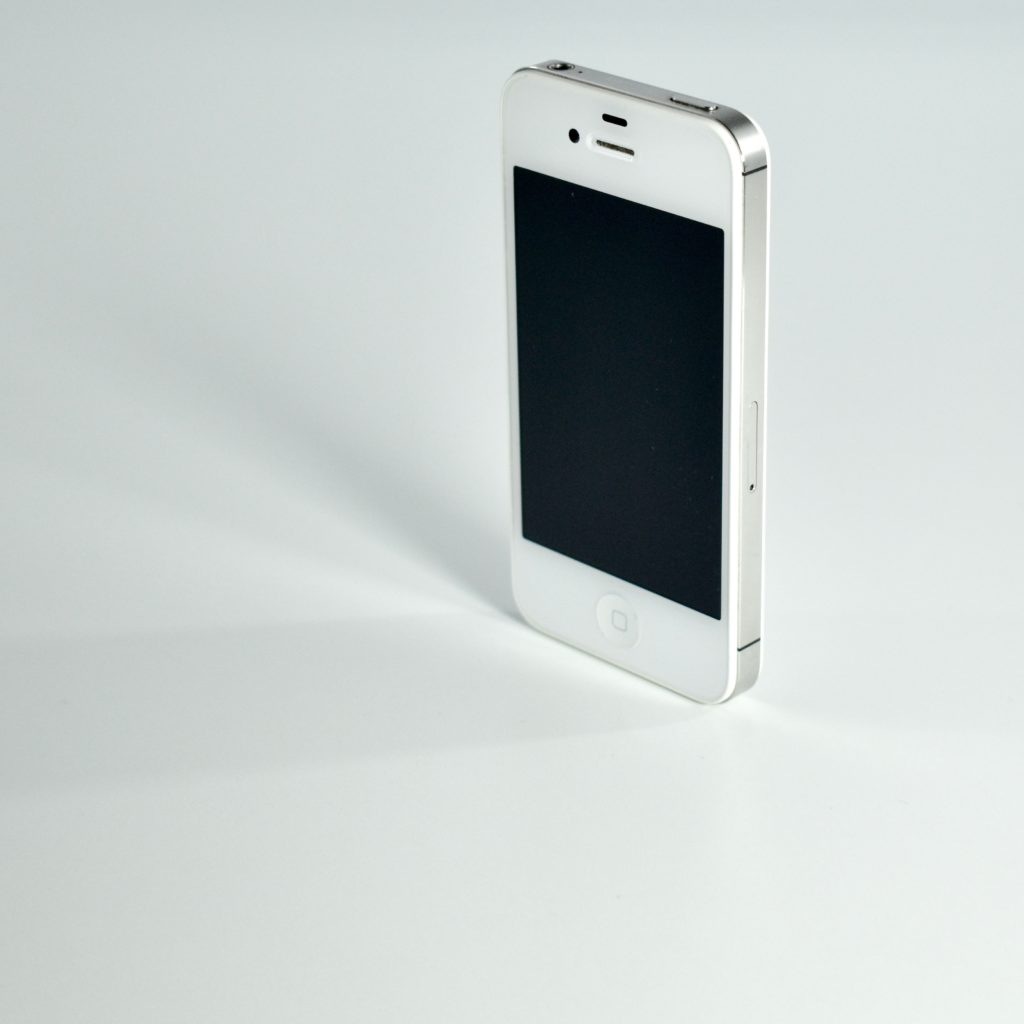
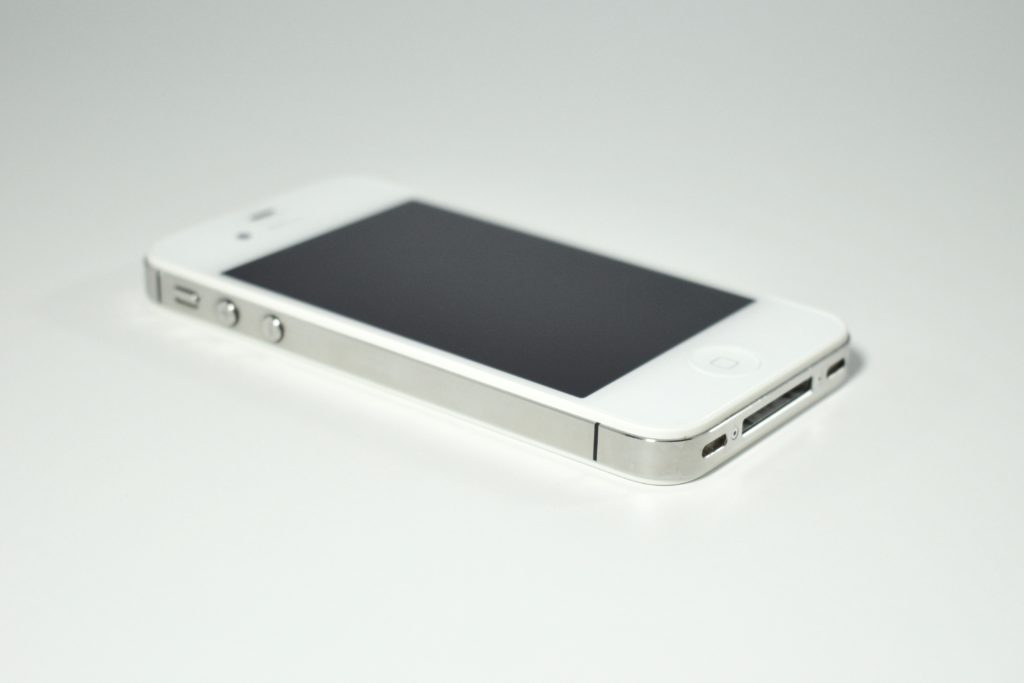
iPhone 4S (2011)

The iPhone 4S was the product that first introduced the Siri voice assistant. The iPhone 4S was designed around a stainless-steel body with a glass front and back. It had a 3.5-inch LED-backlit 960×640 326 ppi multi-touch Retina display and included two noise-cancelling microphones. It was available in black or white.

The iPhone 4S supported both GSM and CDMA networks and included 802.11b/g/n and Bluetooth 4.0. It used a dual-core Apple A5 processor; 512 MB of RAM; and 8 GB, 16 GB, 32 GB, or 64 GB of internal storage. It had two cameras: an 8 megapixel HD camera (1080p at 30 FPS) with an LED flash on the rear and FaceTime camera on the front that allowed FaceTime video calls over Wi-Fi.

Source: EveryMac.com
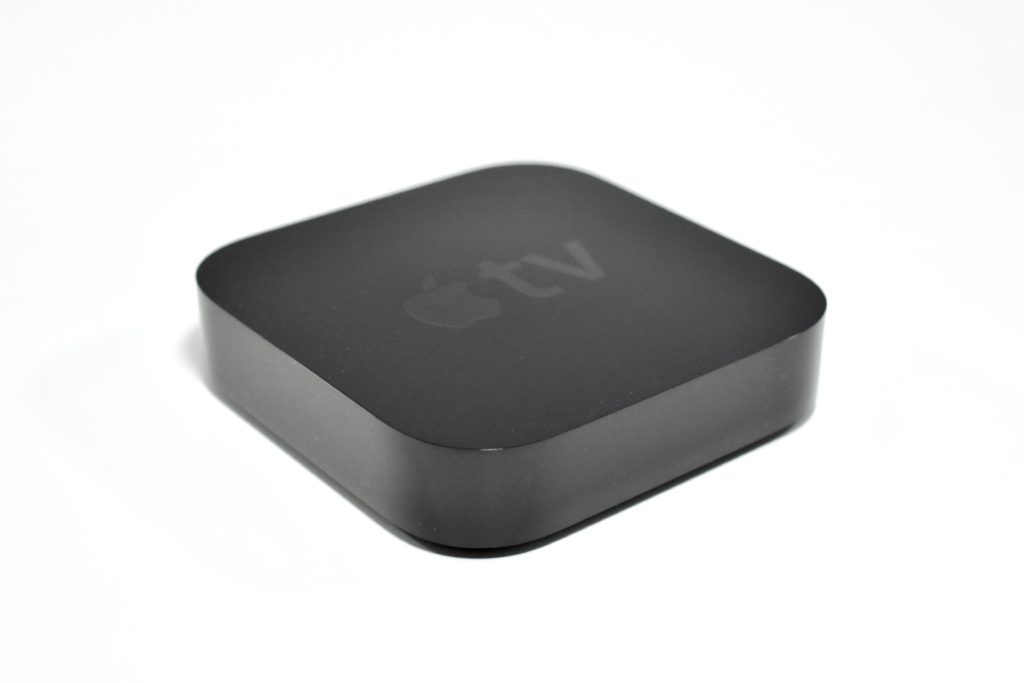
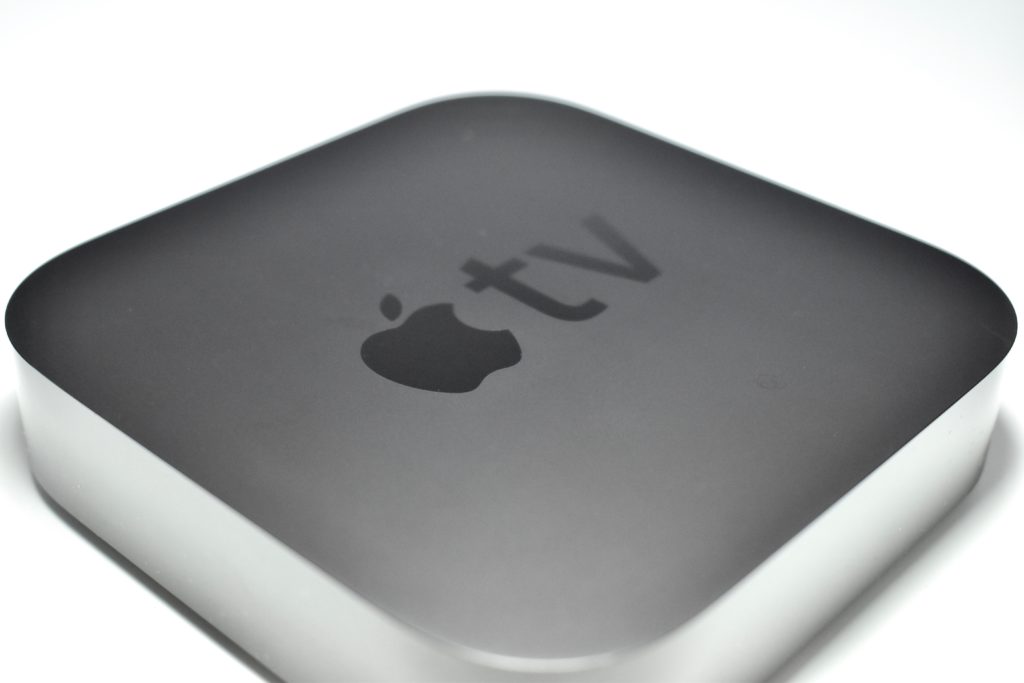
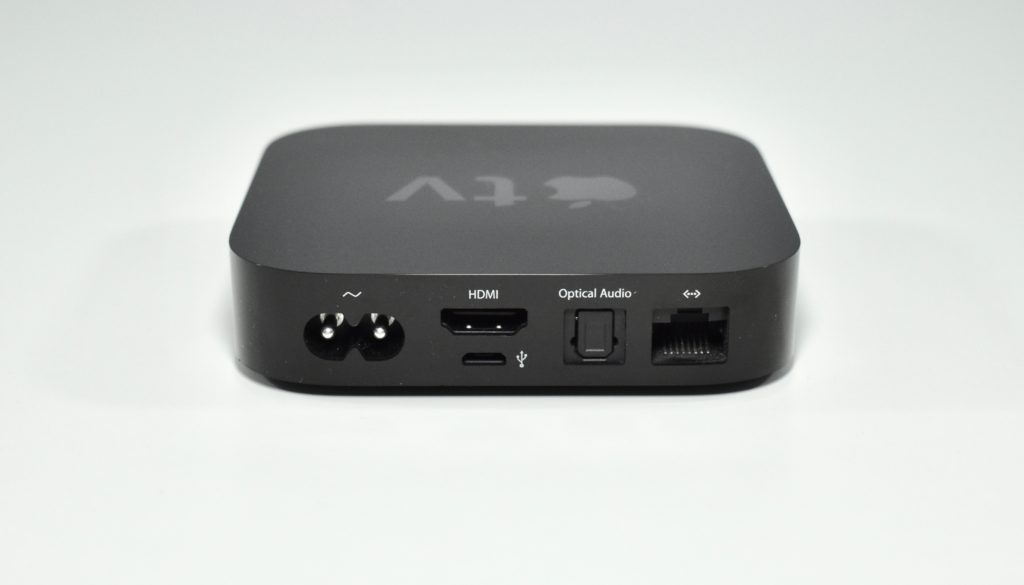
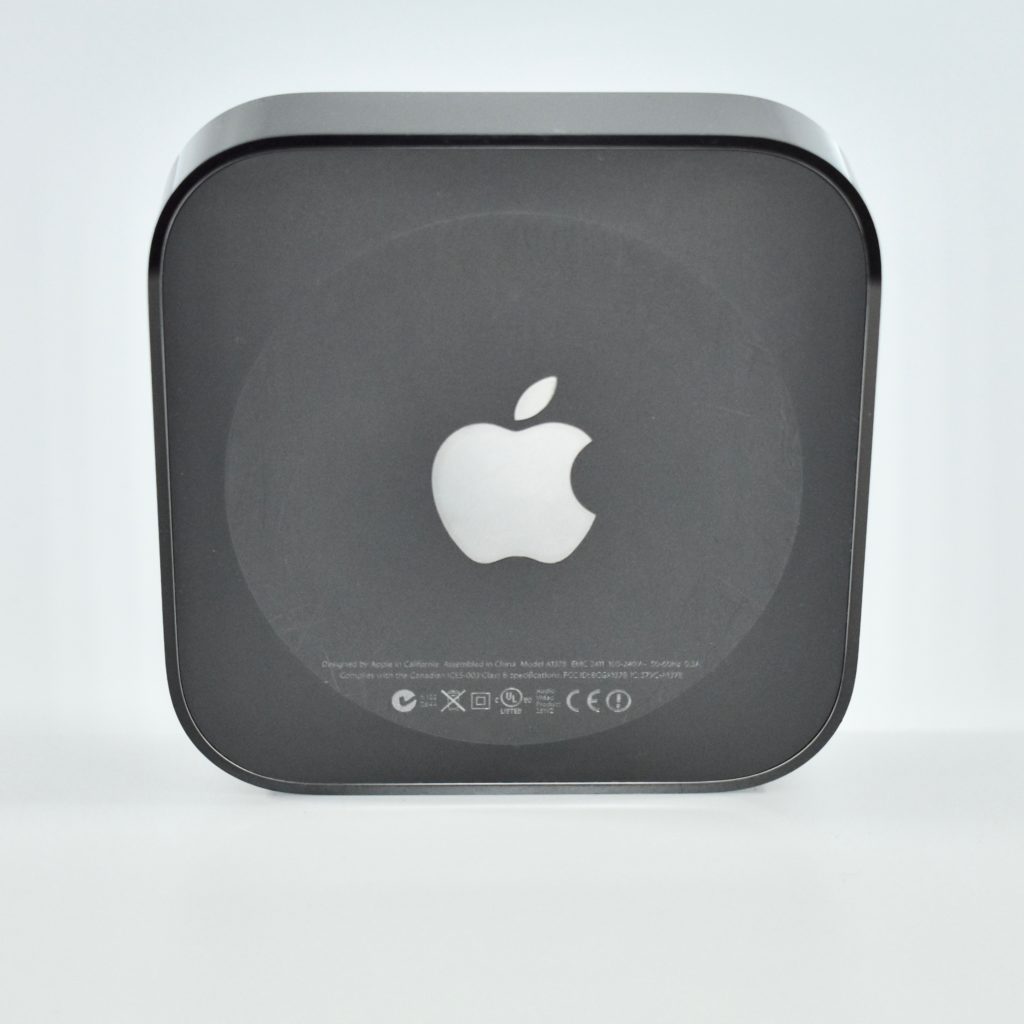
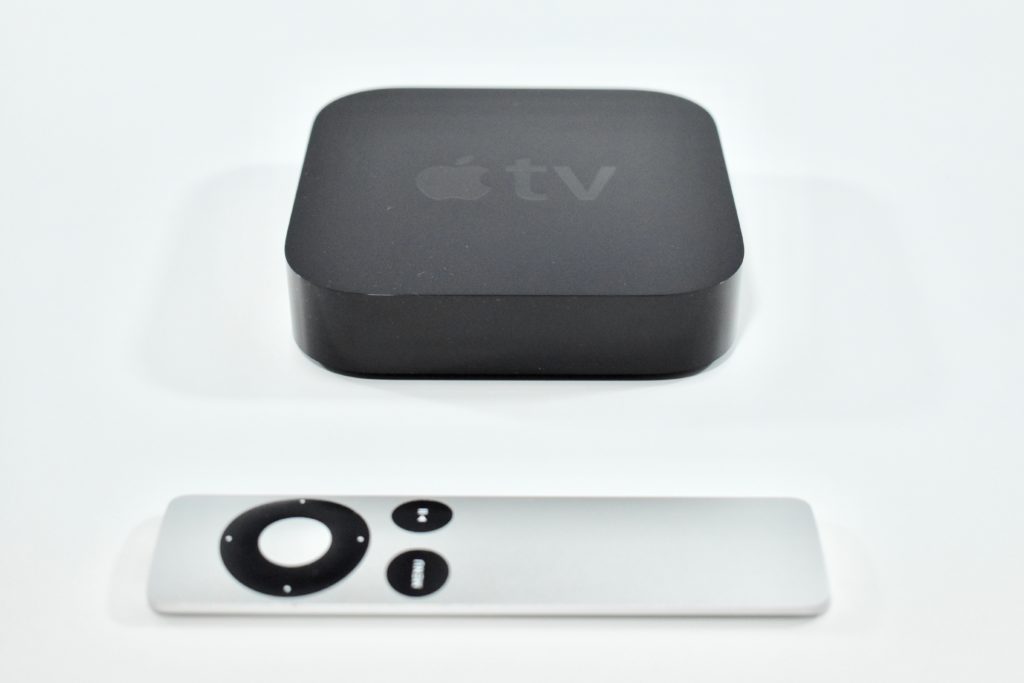
Apple TV (Generation 2, 2010)

The Apple TV Generation 2 was a major change from the original Apple TV. It was designed to stream rented movies and TV shows from Apple, and to stream movies, shows, photos, and other content from a Mac, PC, iPod, iPhone, or iPad at 720p (30 FPS). It also supported Netflix, YouTube, and Flickr using built-in apps.

The Apple TV Generation 2 used an Apple A4 processor and ran a version of iOS. Ports included HDMI, optical audio, 10/100Base-T Ethernet, and a Micro-USB port (used for service and diagnostics). It connected wirelessly using 802.11a/b/g/n Wi-Fi. Its all-black external case was 3.9 inches square and 0.9 inch tall.

The Apple TV Generation 2 shipped with the aluminum Generation 2 Apple Remote.

Source: EveryMac.com
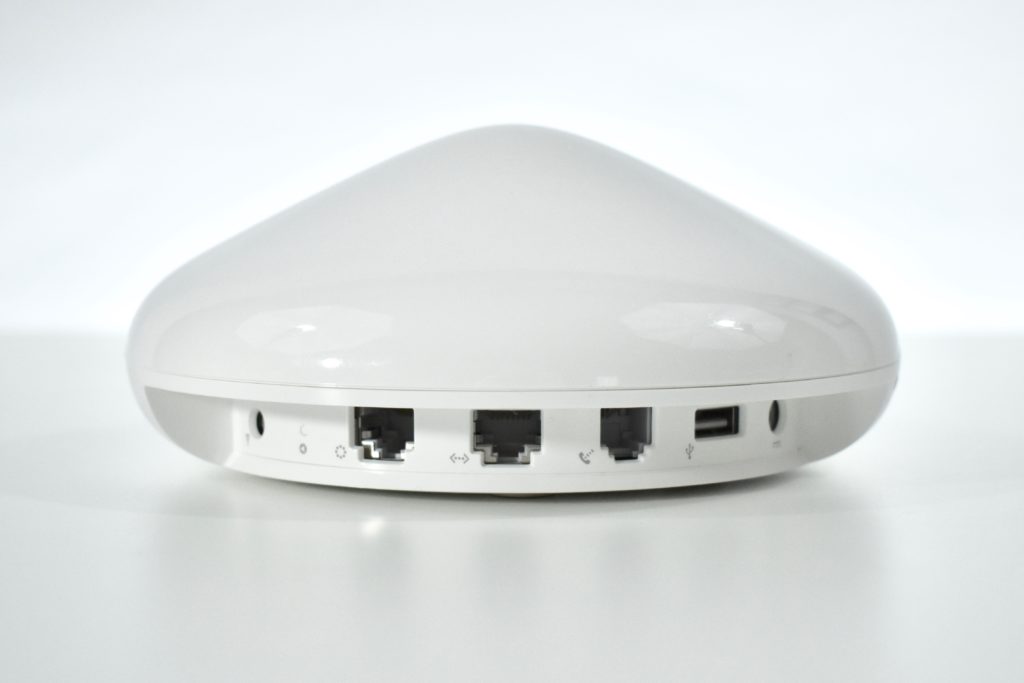
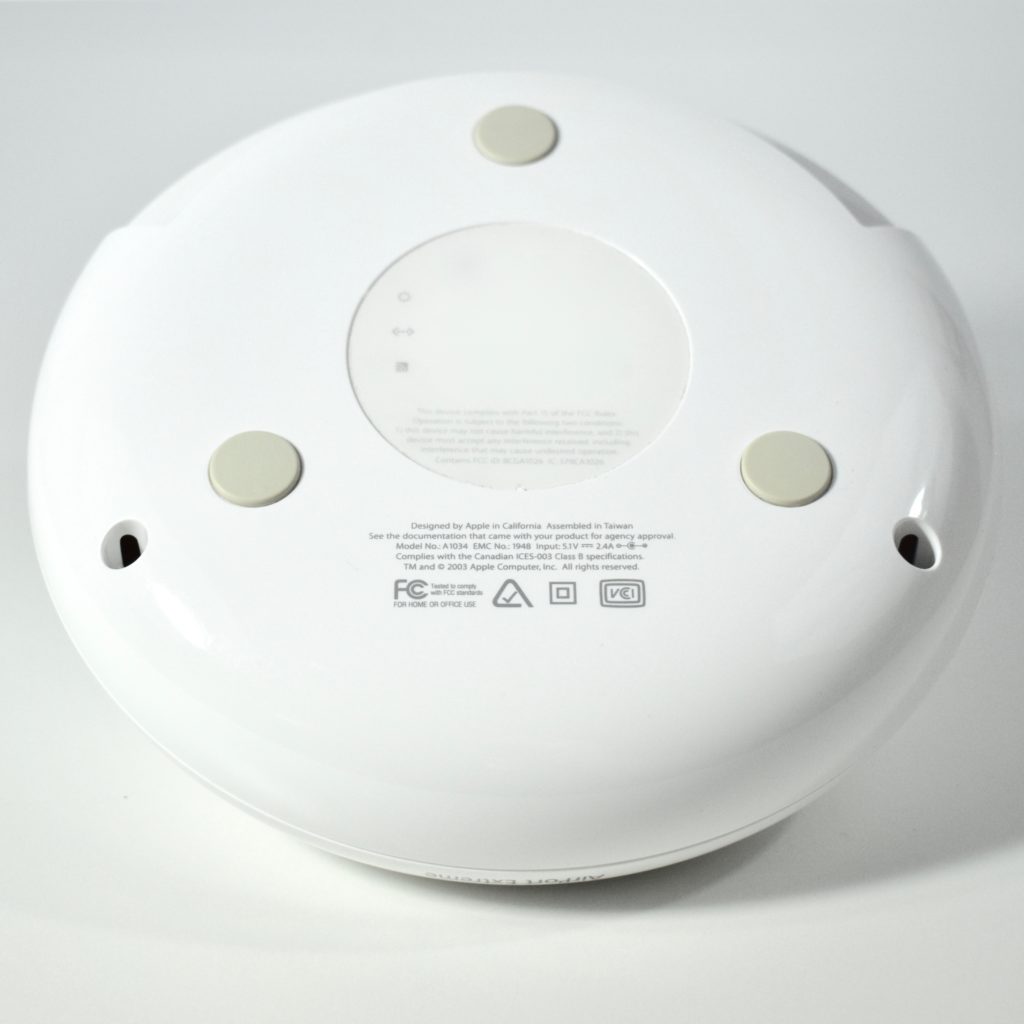
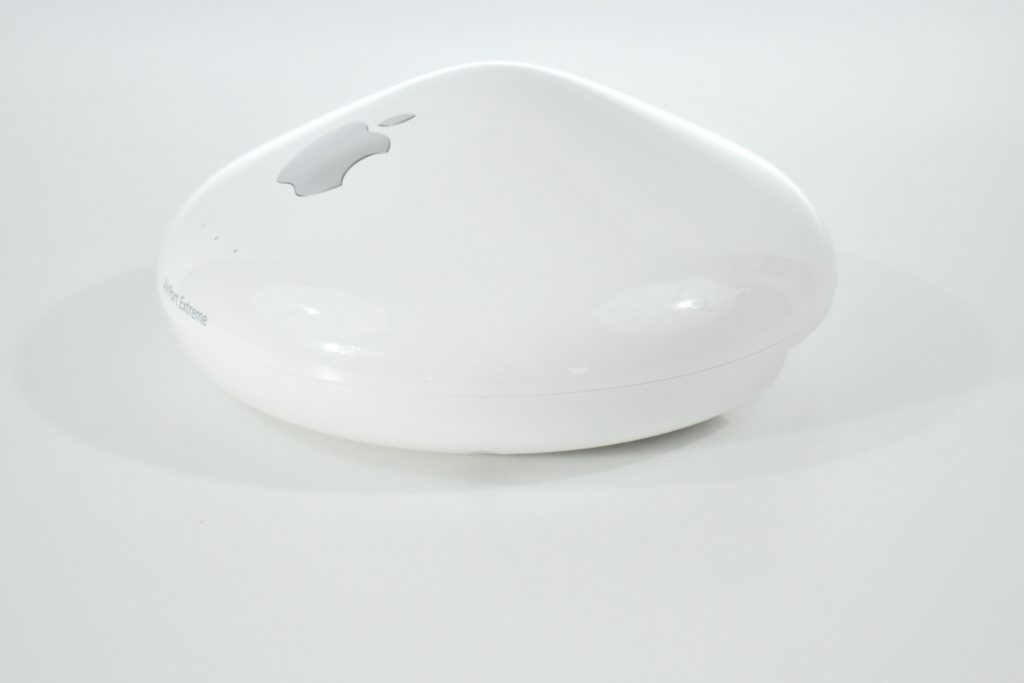
AirPort Extreme Base Station (original, 2003)

The AirPort Extreme was a wireless networking base station that combined the functions of a network router and wireless access point. When the Extreme model of this device was released, the “extreme” modifier denoted its increased Wi-Fi speed from 802.11a/b to the faster 802.11g Wi-Fi standard, a major speed difference at the time. 

The AirPort Extreme base station model retained the form factor as the original AirPort base station in shape, but the AirPort Extreme was cast in opaque white plastic, used a mirrored Apple logo, and moved the ports to the bottom of the device. The shape was sometimes referred to as the “flying saucer.” Not only was it shaped like a flying saucer, a 1999 TV commercial that introduced the original AirPort showed it behaving like a UFO.

The original AirPort Extreme Base Station could provide wireless access to up to 50 Macs or PCs simultaneously, although performance was noticeably affected as connections exceeded about 12 connected devices. This version was also notable to include a 56K dial-up modem that allowed homes without broadband Internet to have wireless Internet.

Reference: Wikipedia.com

MacBook Air 13-inch (Mid-2013)

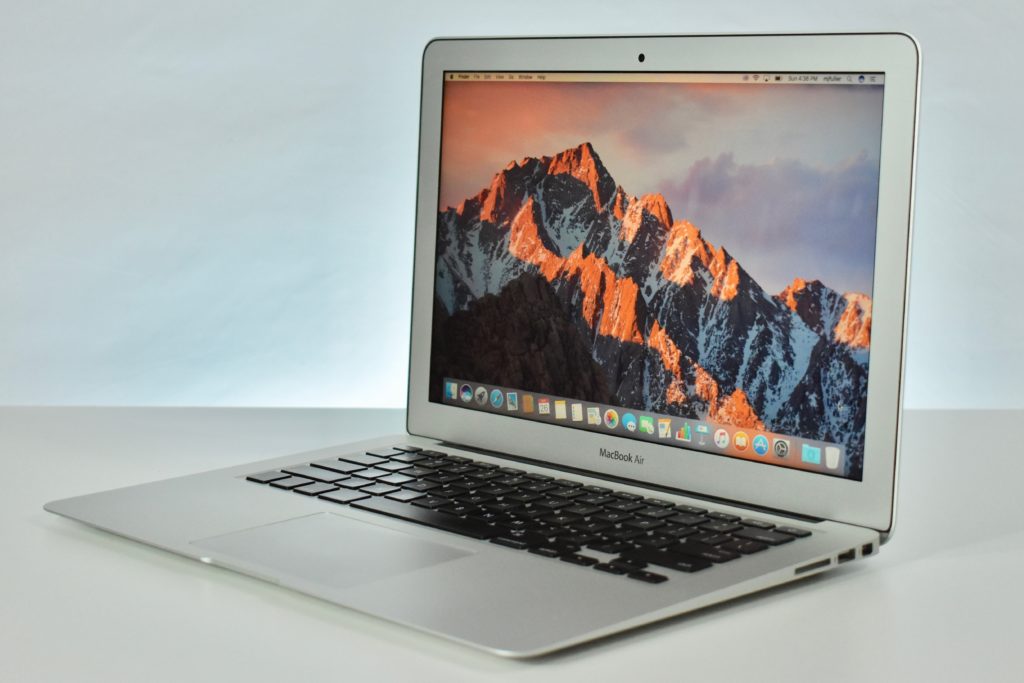
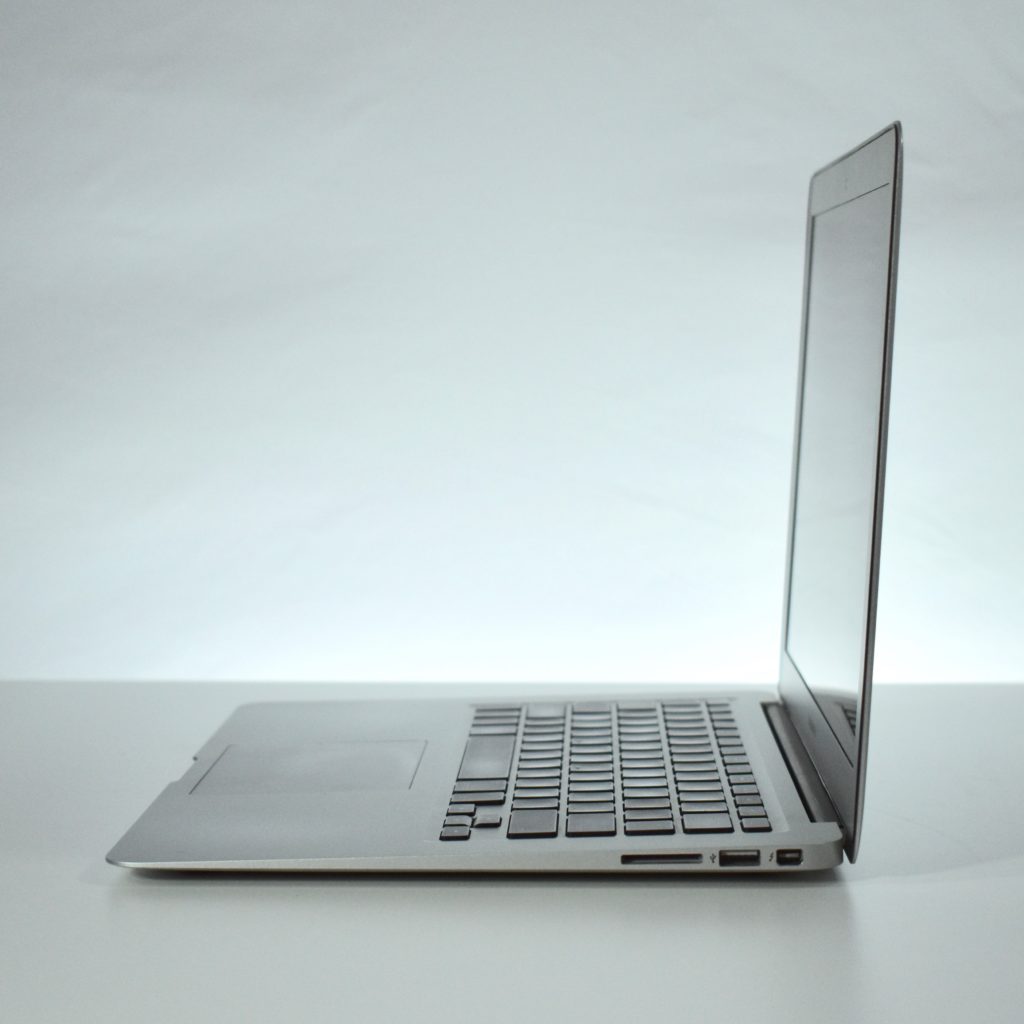
The MacBook Air 13-inch (Mid-2013) featured a “Haswell” 1.3 GHz Intel Core i5 processor (with two processors a single chip), 4 or 8 GB of RAM, and 128 or 256 GB of flash storage. This laptop has 8 GB of RAM and a third-party upgrade to 512 GB of flash storage from OWC. Ports included analog audio out, a Thunderbolt port, two USB 3.0 ports, and one SD (SDXC) card slot. Wireless connectivity included 802.11ac Wi-Fi and Bluetooth 4.0.

The MacBook Air is known for its thin case that tapers between 0.11 to 0.68 inches. It weighs 2.96 pounds. The screen is a 13.3 widescreen TFT glossy display at 1440×900.

Source: EveryMac.com
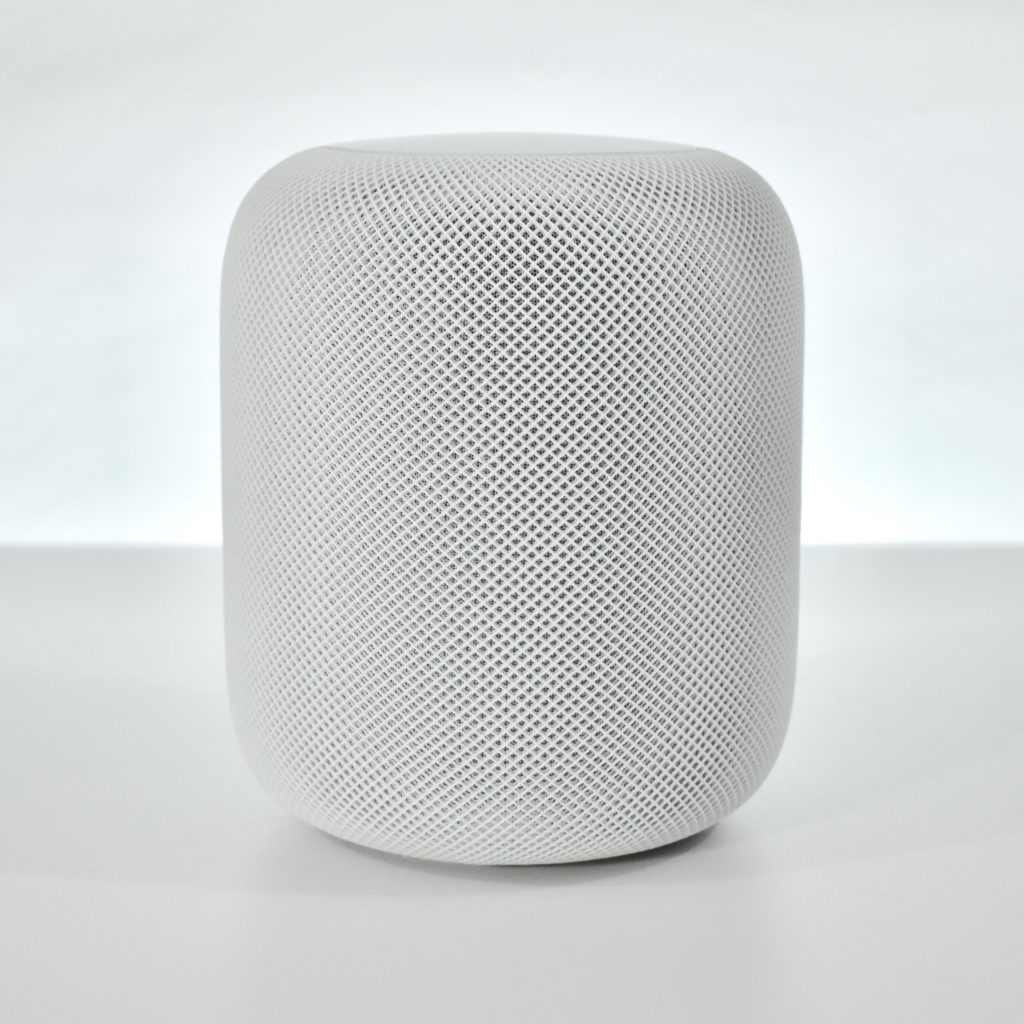
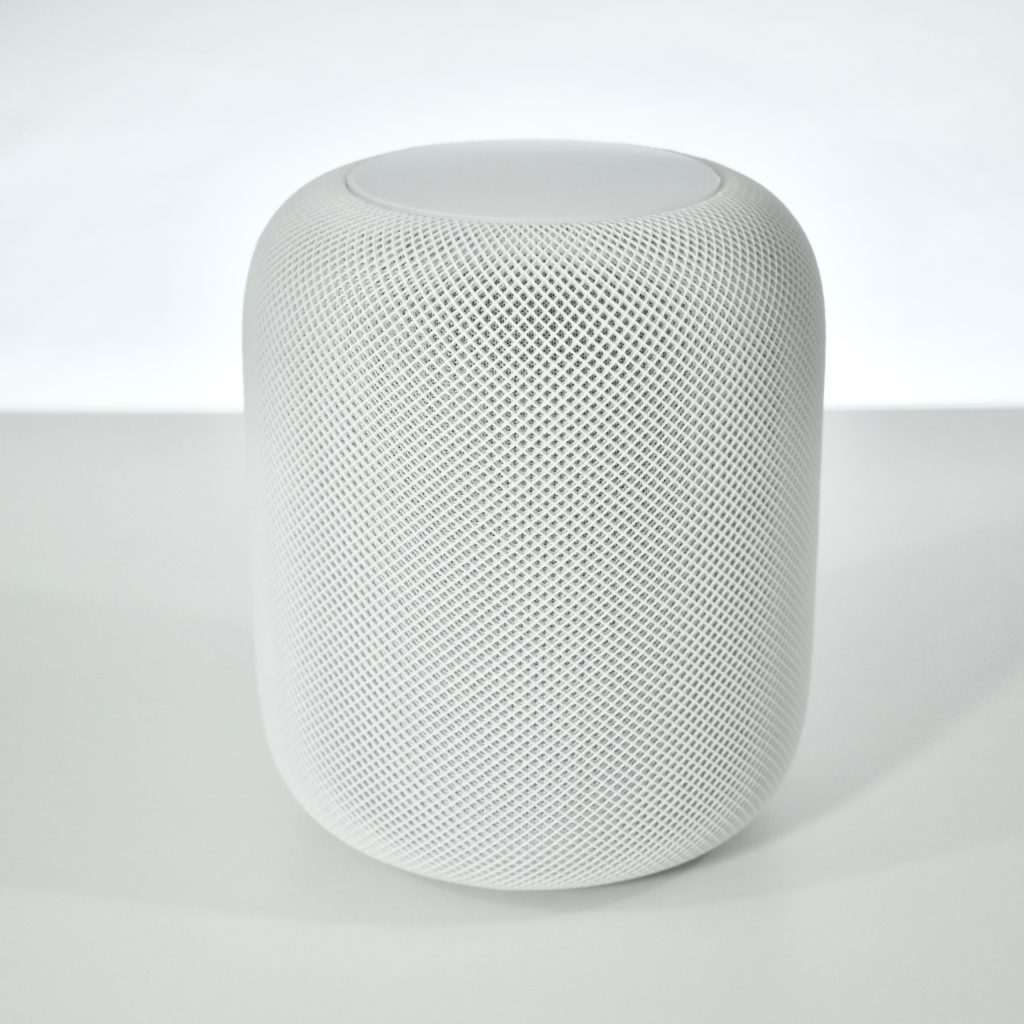
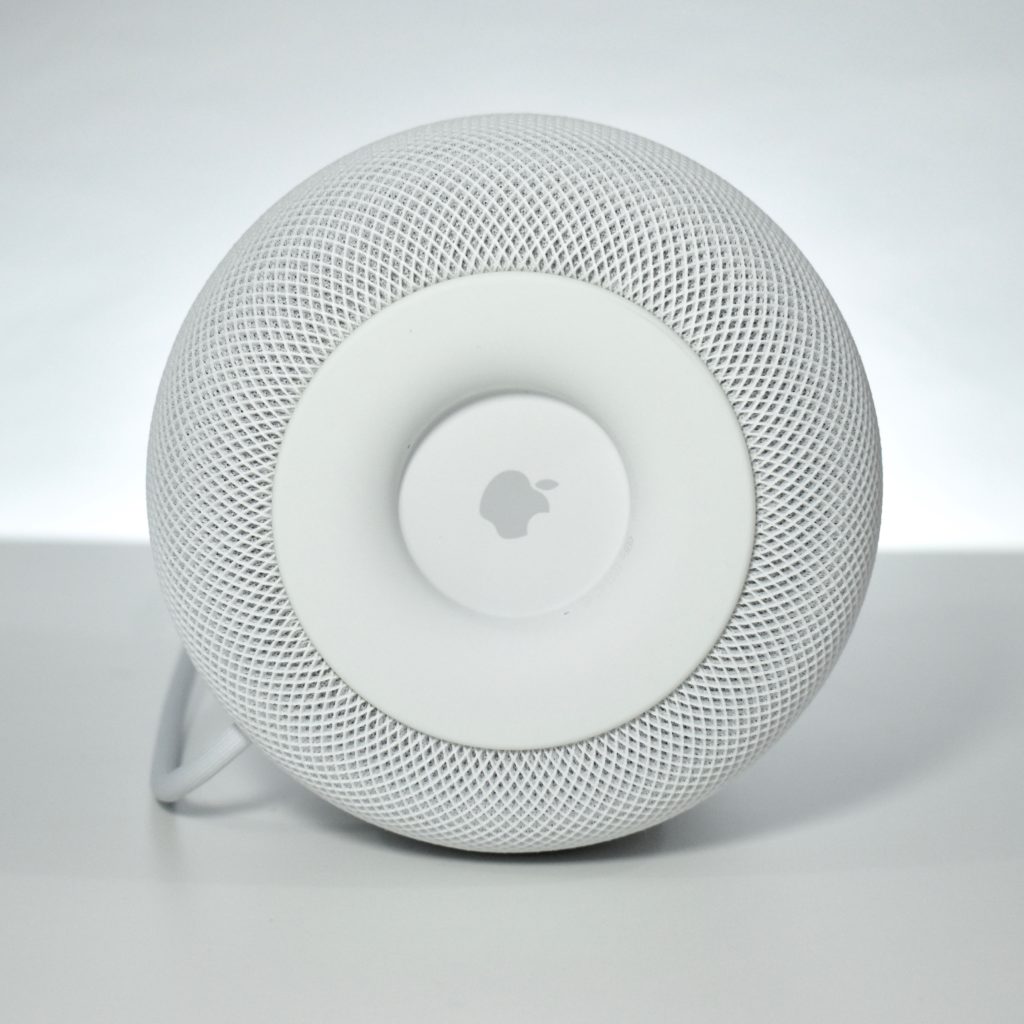
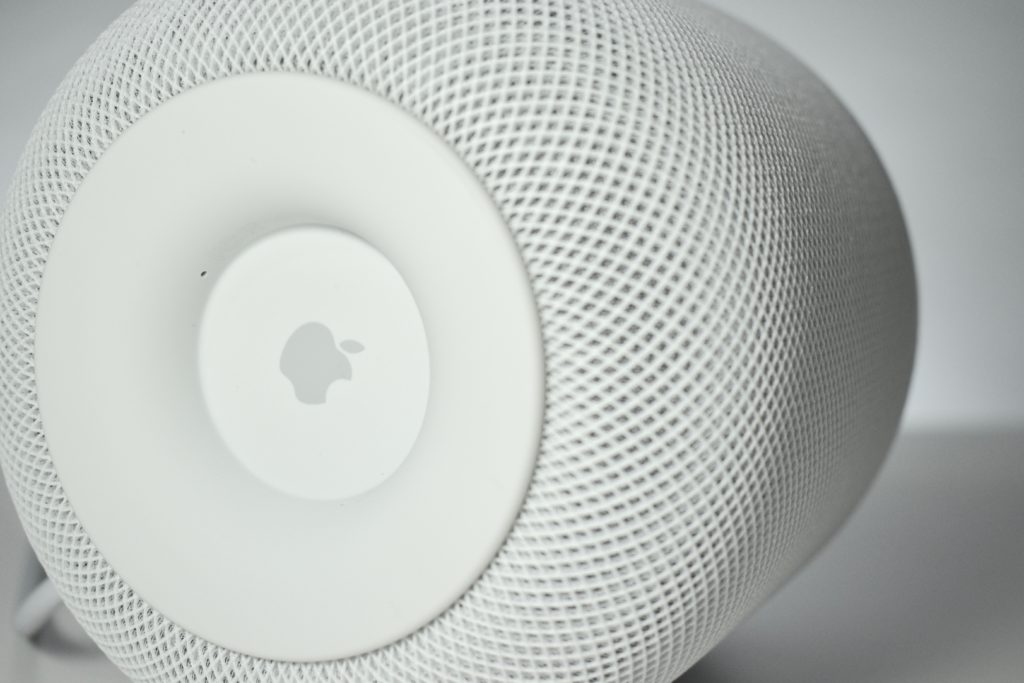
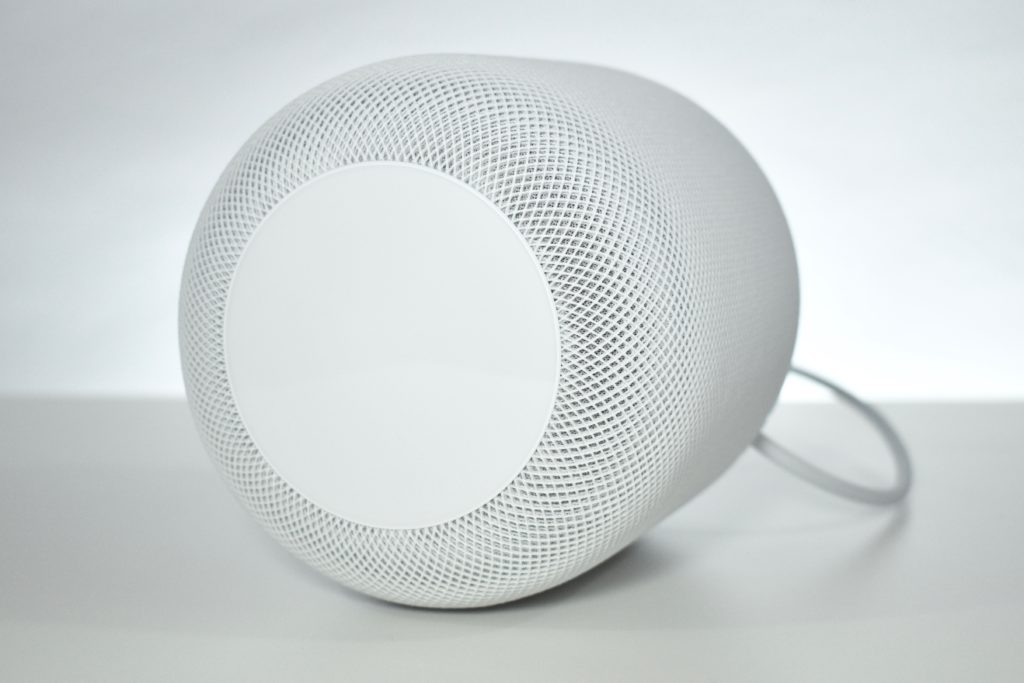
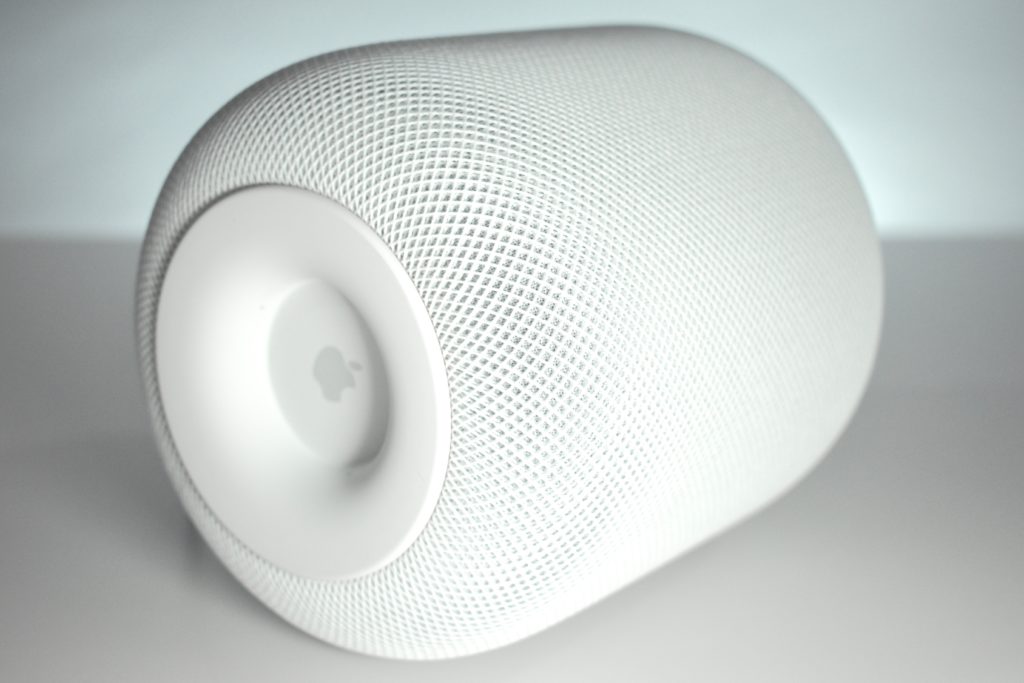
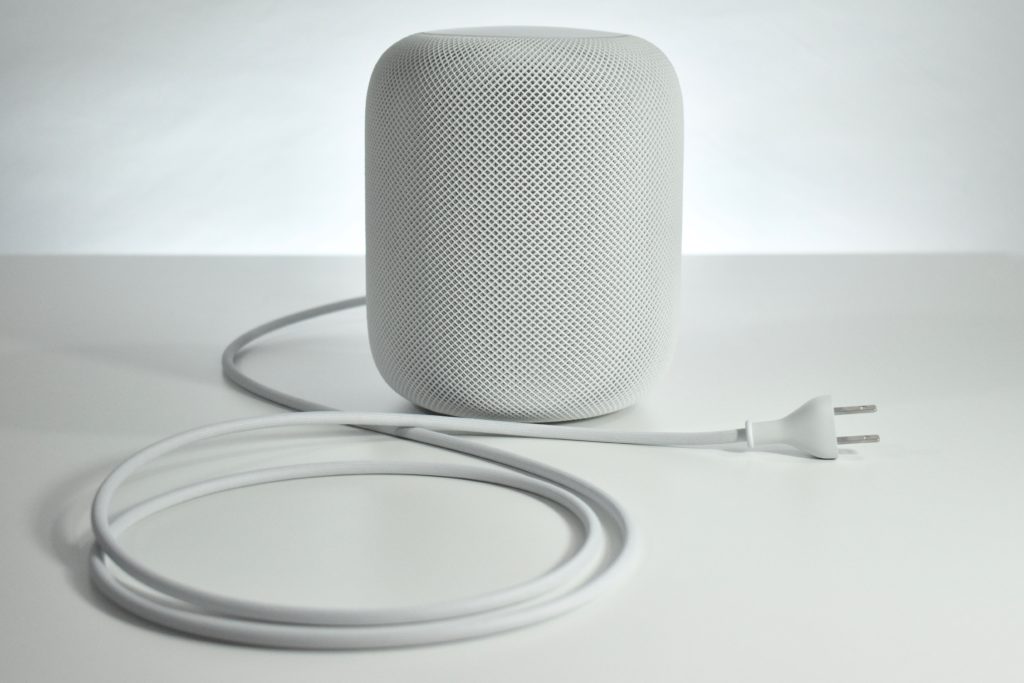
HomePod (white, 2017)

Apple described the HomePod a “breakthrough wireless speaker for the home that delivers amazing audio quality.” HomePod can be controlled using Siri, “with an array of six microphones…users can interact with it from across the room, even while loud music is playing.”

HomePod’s features include an upward-facing woofer, a custom A8 chip, seven beam-forming tweeters (each with an independent amplifier), automatic room-sensing technology to optimize sound, and a six-microphone array with advanced echo cancellation. When Siri is in use, a multicolor waveform appears on the top of the HomePod using a round 272×340 display. In addition, touch controls are also available on the top of the HomePod.

The HomePod was available in white and space gray. Inside, the HomePod was powered by a 1.4 GHz Apple A8 processor and used 1 GB of RAM, 16 GB of storage, 802.11ac Wi-Fi, and Bluetooth 5.0.

The device runs an operating system that Apple refers to as audioOS (based upon iOS). The audioOS is specifically designed for the HomePod to play audio, run Siri, and control the custom round screen.

When the HomePod was announced in February 2018, multi-speaker support was demonstrated, but the feature was not released until September 2018 along with AirPlay 2. The September 2018 update also added support for multiple timers, Find my Phone, Siri short-cuts, phone calls (while in proximity to iPhone), and music search by lyrics.

I am a fan of the HomePod. I use two in my living room as my primary way of accessing Apple Music and controlling smart home devices. I also added a single HomePod to my bedroom.

Sources: EveryMac.com, Apple.com, Wikipedia.com

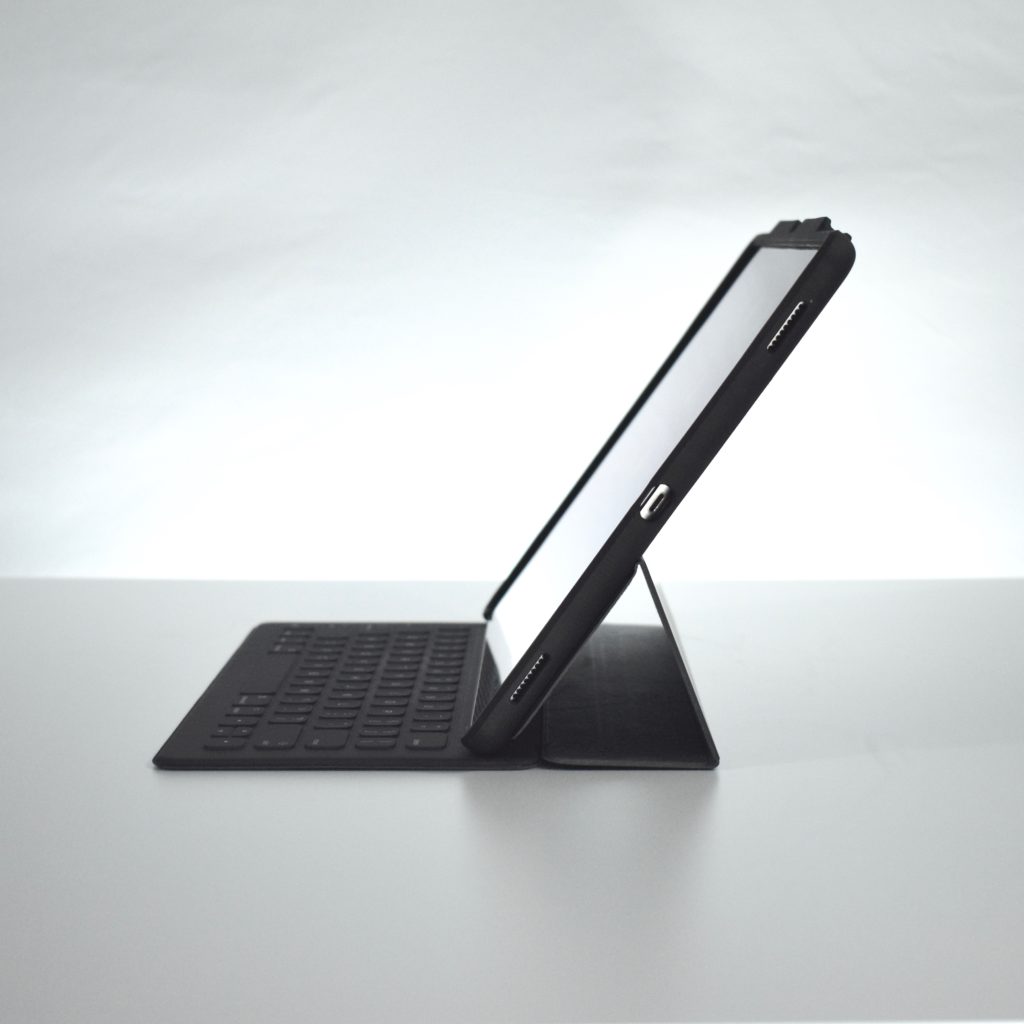
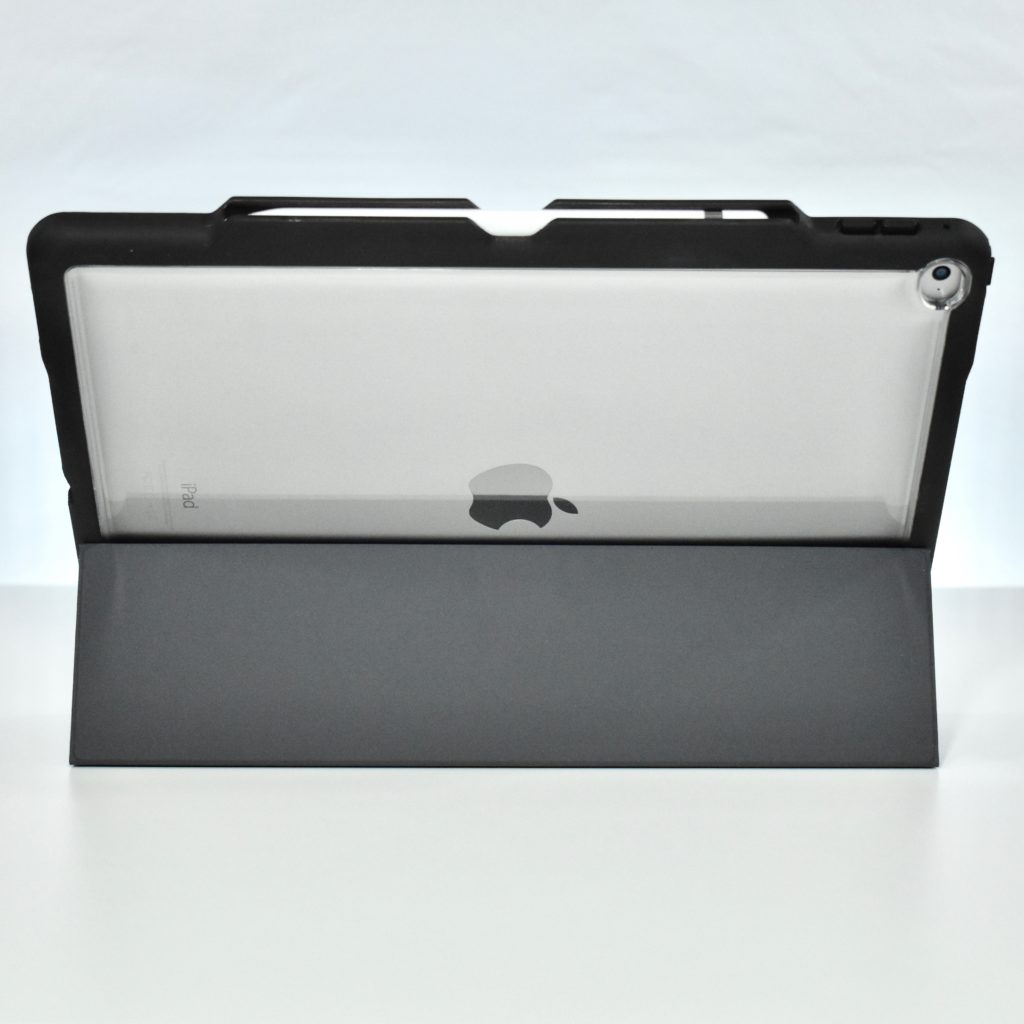
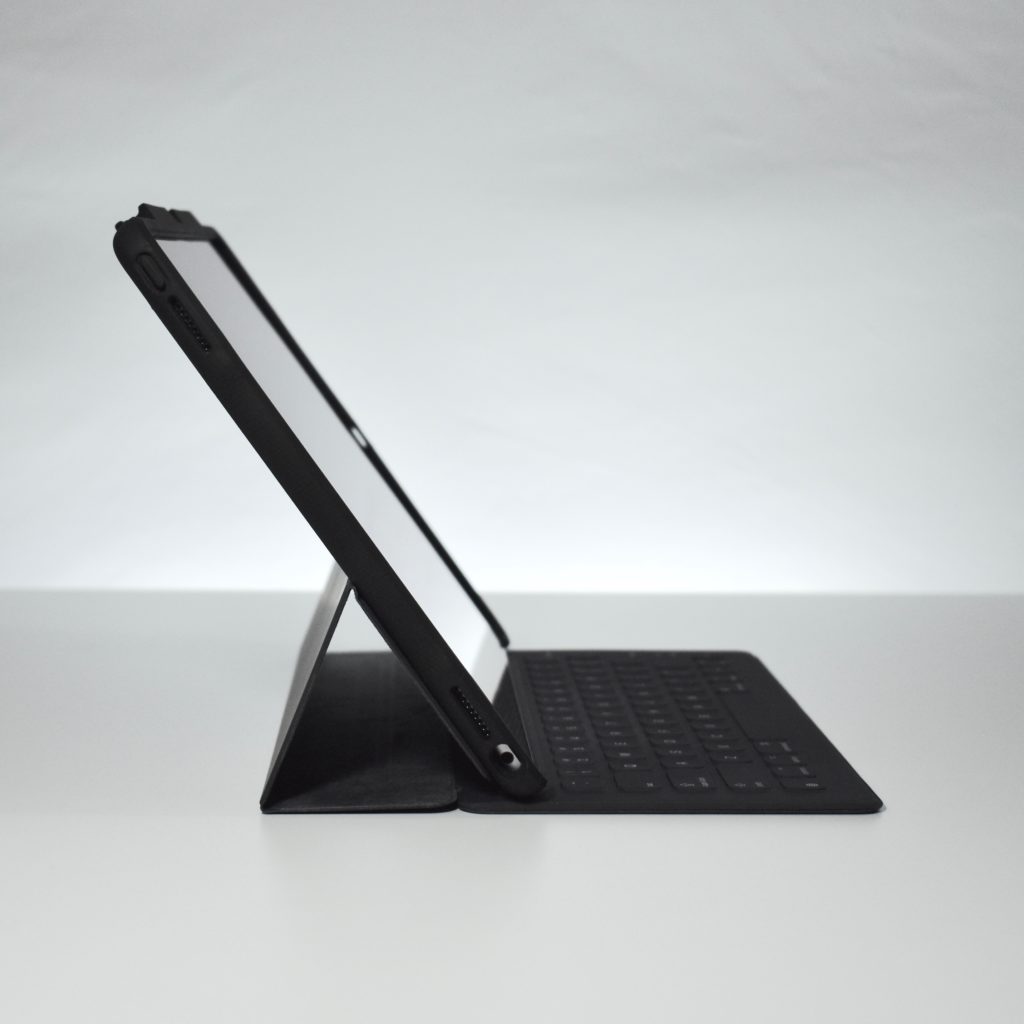
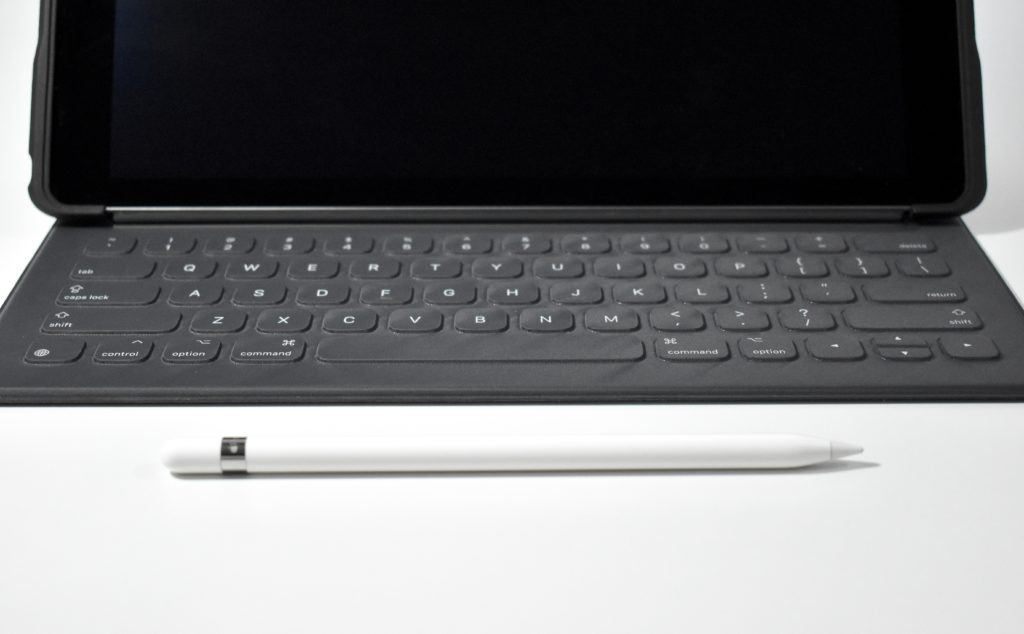
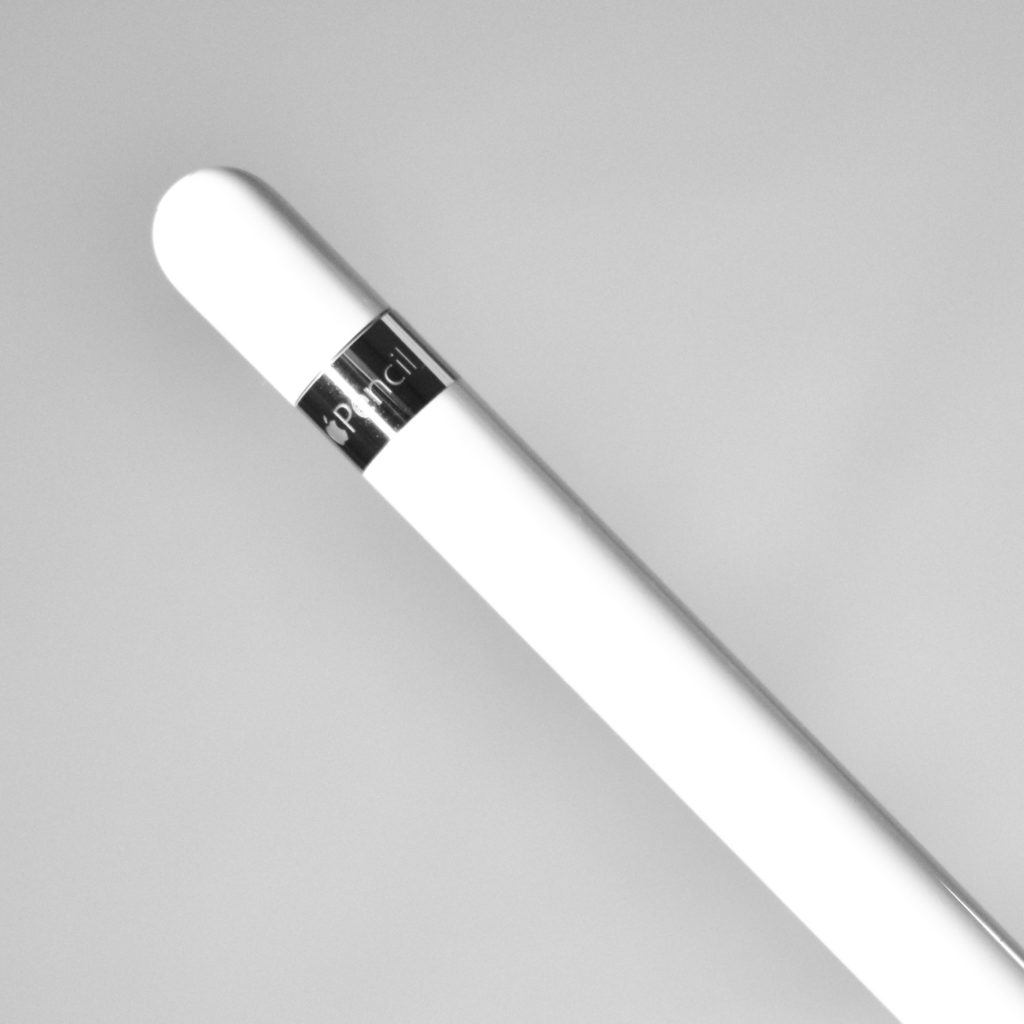
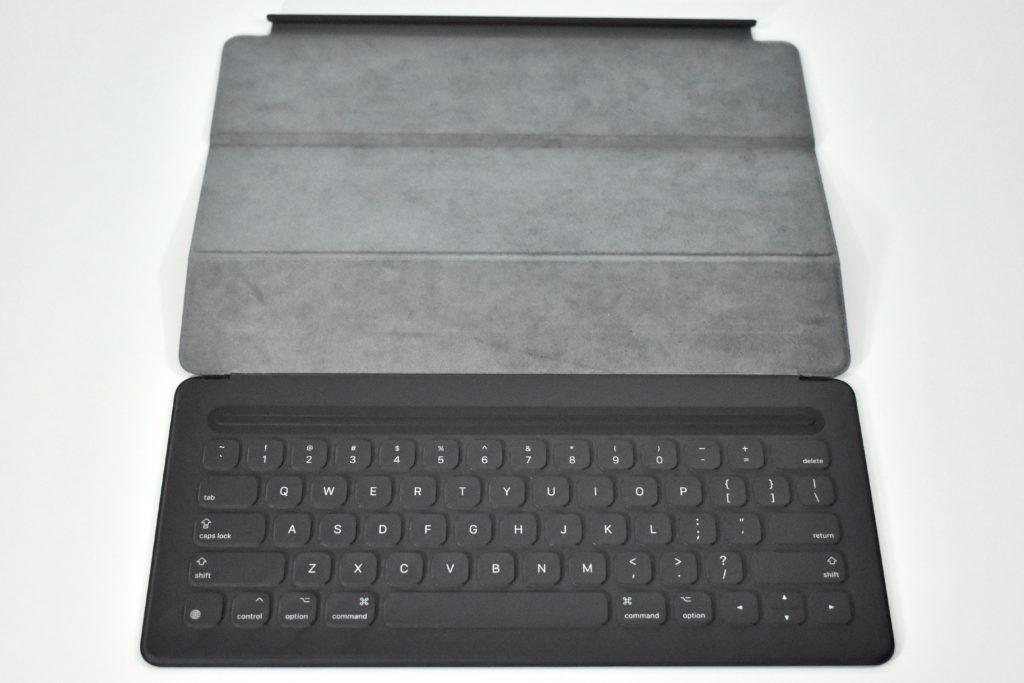
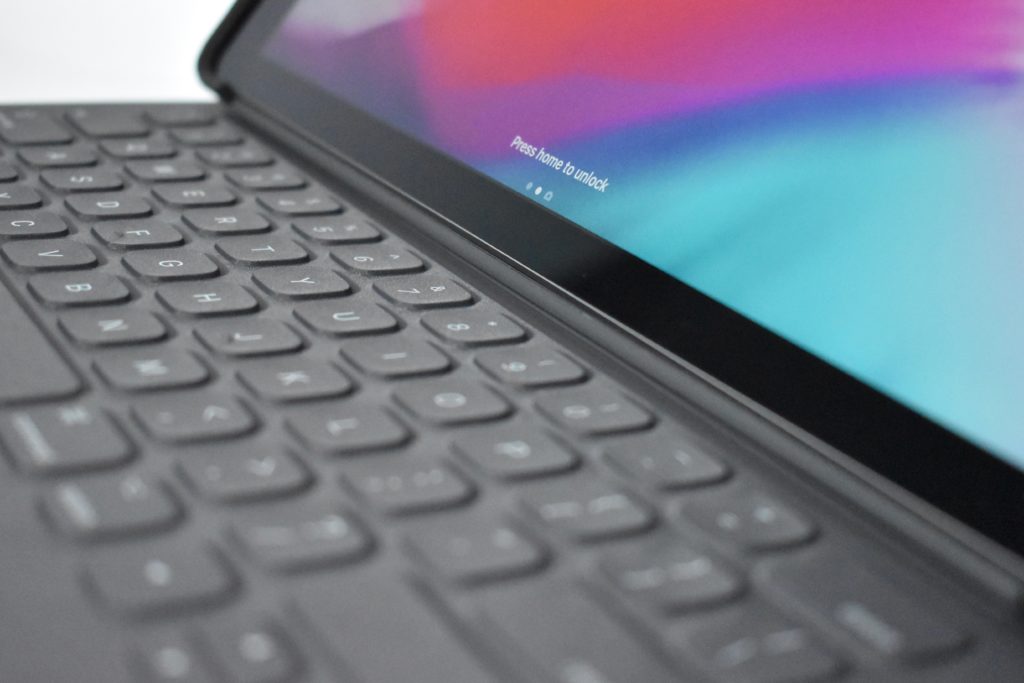
iPad Pro (12.9-inch, Wi-Fi, 2015) with Smart Keyboard for the 12.9-inch iPad Pro (2015) and Apple Pencil (original, 2015)

The 12.9-inch iPad Pro was powered by an Apple A9X processor and had 4 GB of RAM; 32, 128, or 256 GB of storage; a rear-mounted 8 megapixel iSight camera (1080p); a front-mounted 1.2 megapixel FaceTime HD camera (720p); 802.11a/b/g/n/ac Wi-Fi; Bluetooth 4.2; dual microphones; two sets of stereo speakers; and a Lightning port. The screen was a 12.9-inch TFT touch-sensitive Retina display with 5.6 million pixels (2732×2048 at 264 ppi) and included an antireflective coating. A cellular-equipped model was also available.

The 12.9-inch iPad Pro was available in silver with a white front, gold with a white front, and space gray with a black front. This model is space gray.

This iPad Pro included a new Smart Connector that provided connectivity and power for the Apple Smart Keyboard.

The Apple Pencil was announced with this first-generation iPad Pro on September 9, 2015. The Pencil could be used with the first and second generation iPad Pro models. It connected wirelessly using Bluetooth and had a removable cap that concealed a Lightning connector for charging. It used pressure sensitivity and angle detection and had very low latency, making it function like a real pencil with no delay.

Sources: EveryMac.com, Wikipedia.com

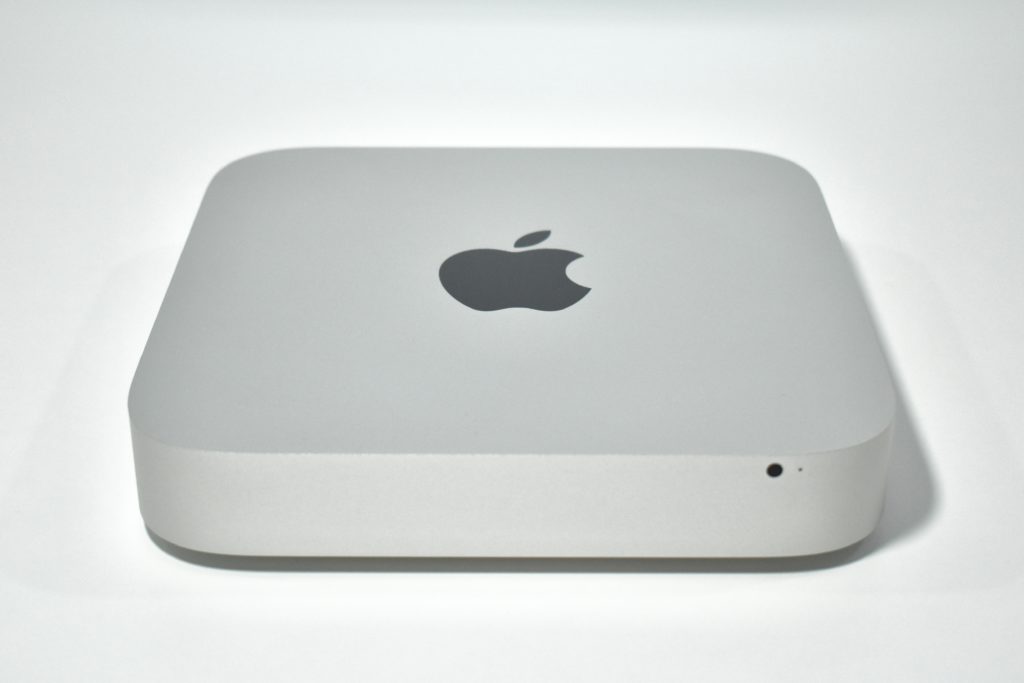
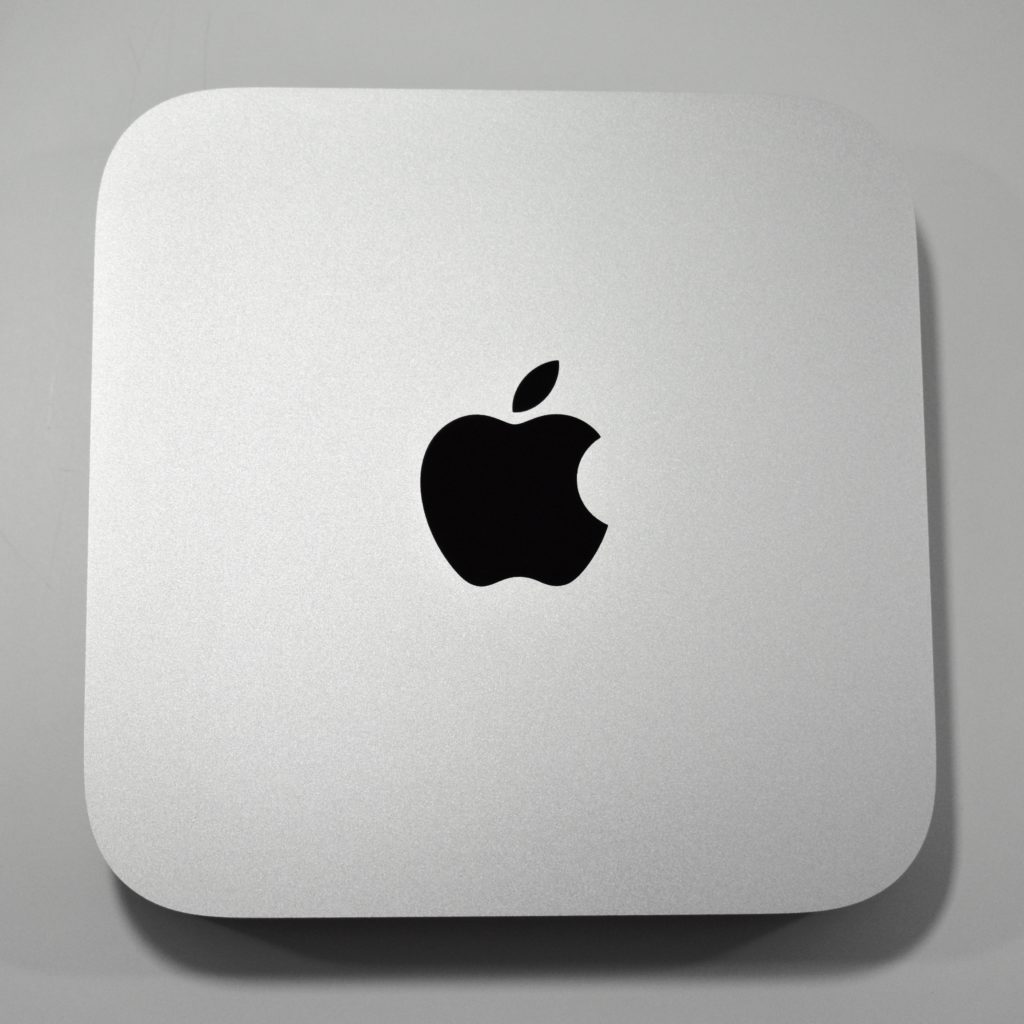
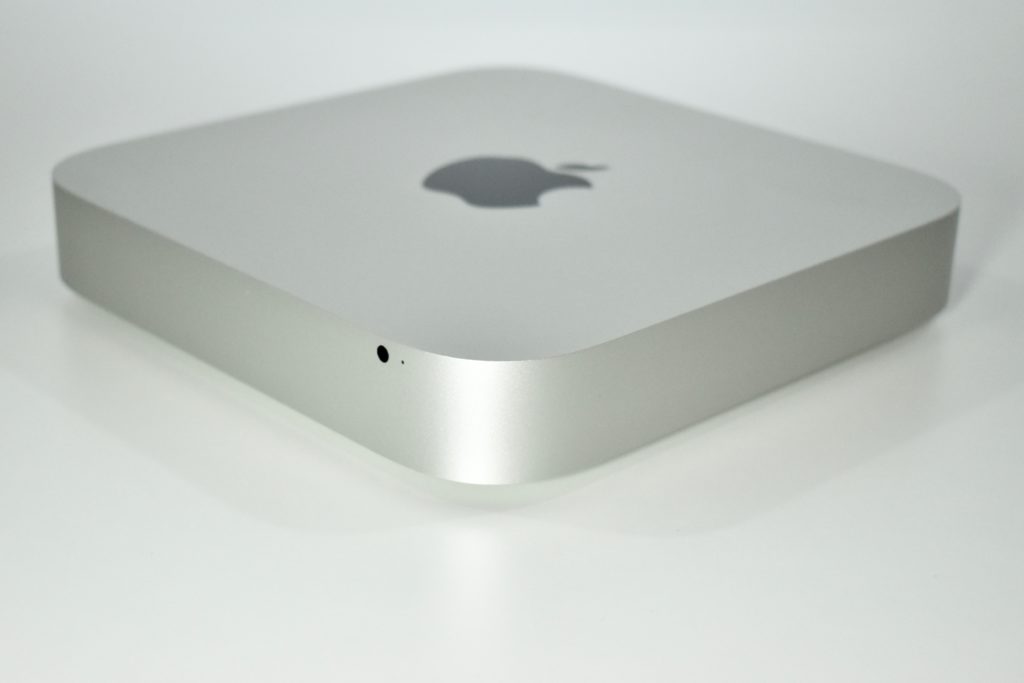
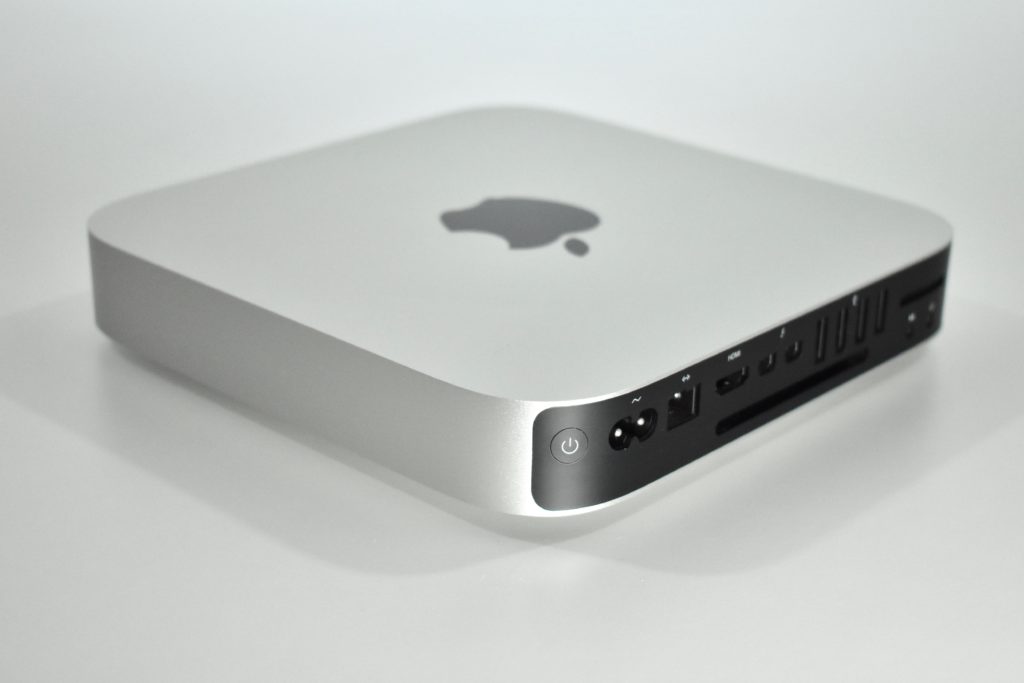
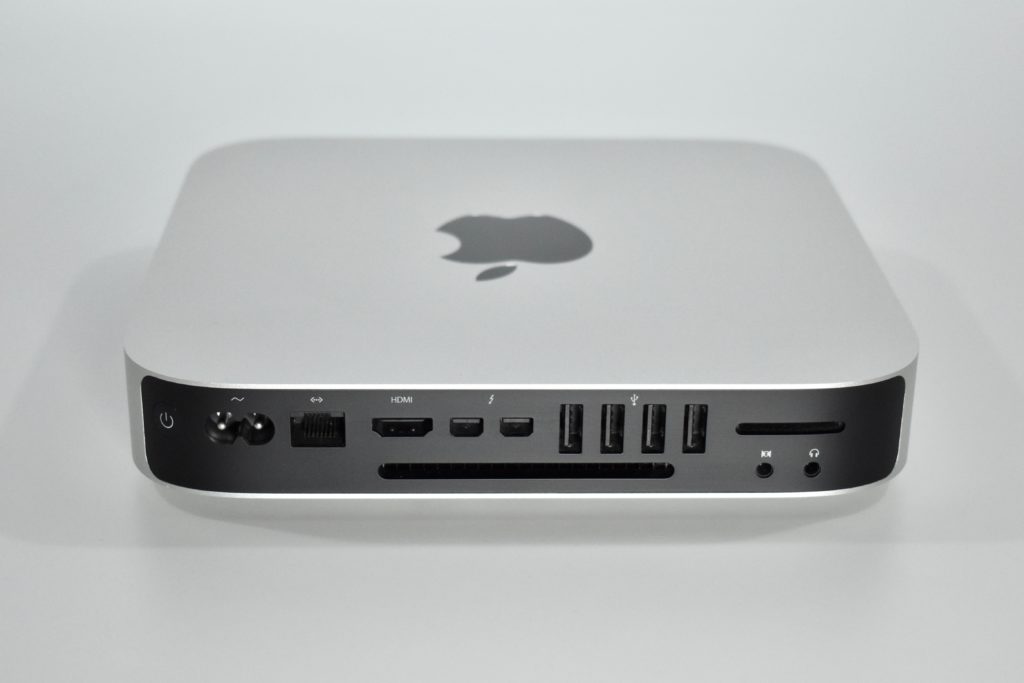
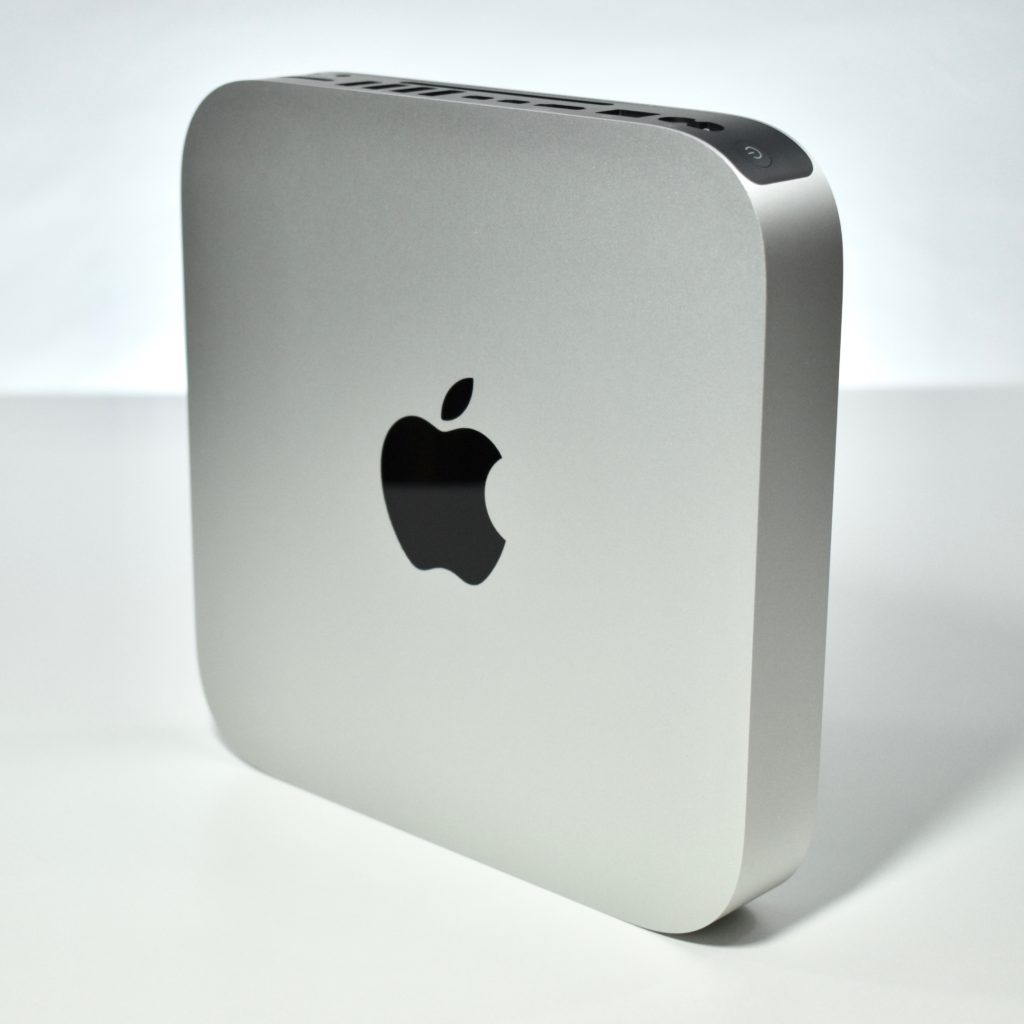
Mac mini (Late 2014)

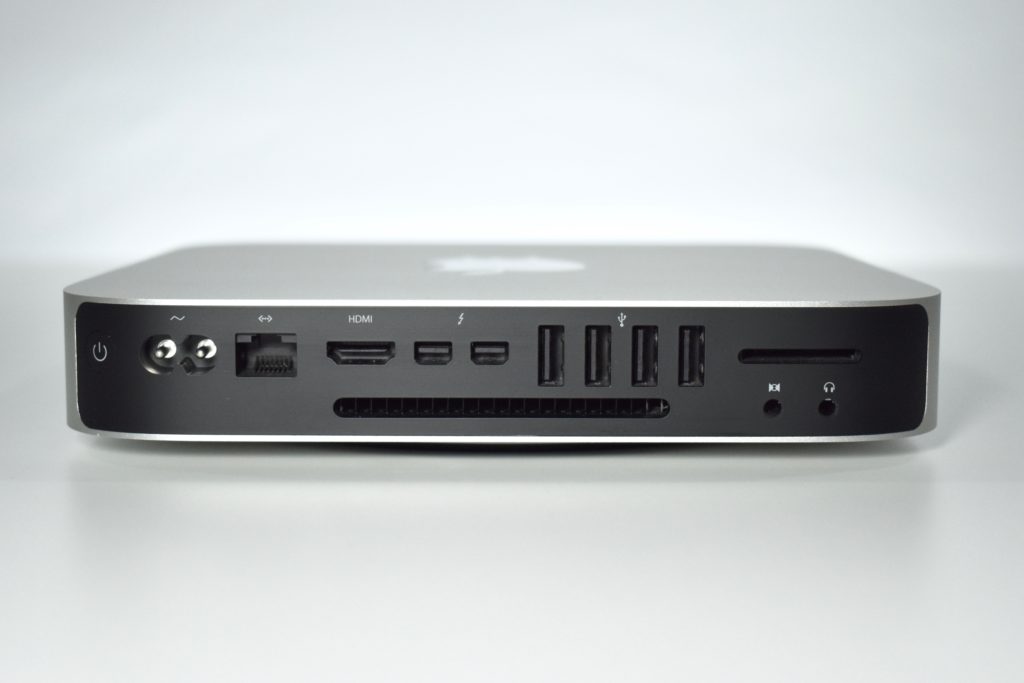
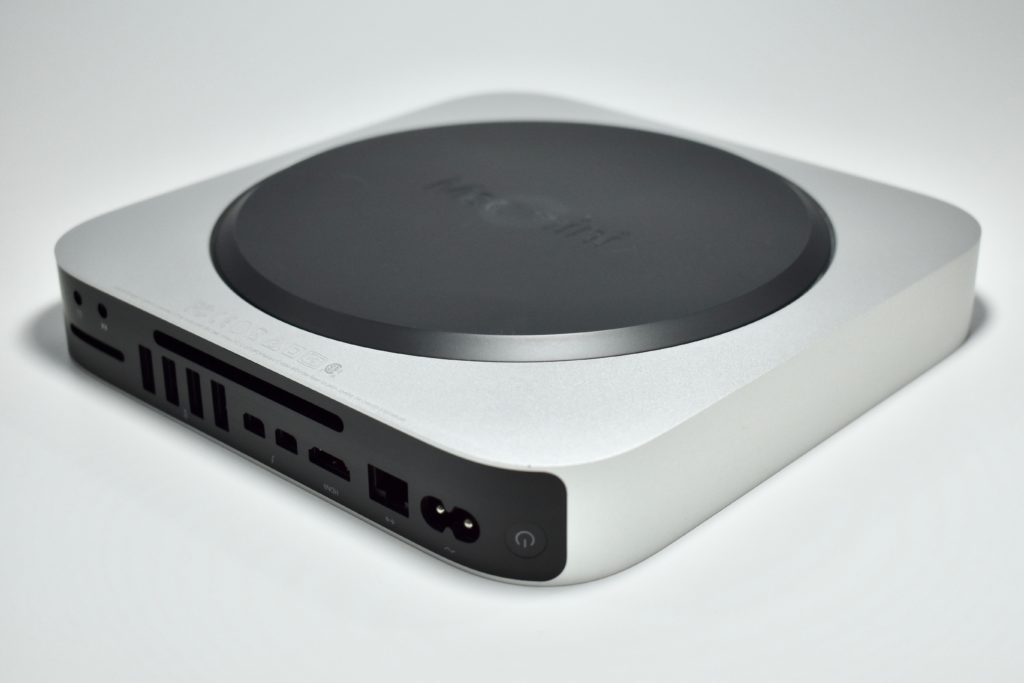
The Mac mini Late 2014 included a Core i5 “Haswell” 2.6 GHz Intel processor (with two independent cores on a single chip), 8 GB of SDRAM, and a 1 TB hard drive. Ports included two Thunderbolt 2 ports, four USB 3.0 ports, an HDMI port, Gigabit Ethernet, 802.11ac Wi-Fi/Bluetooth 4.0, and an SDXC card slot.

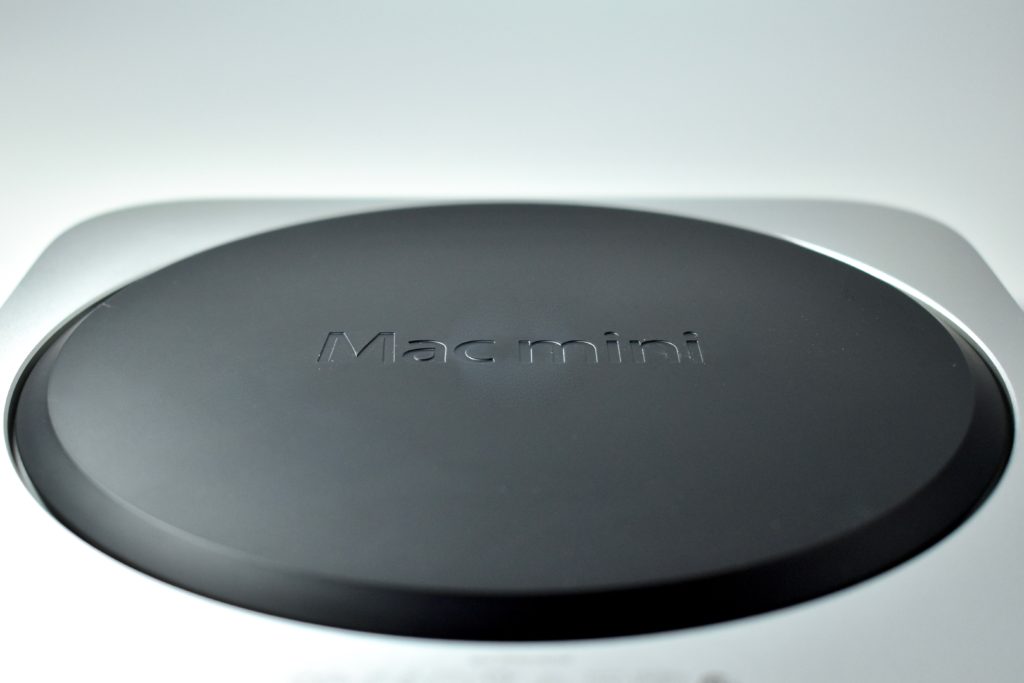
This and all Mac mini systems ship without a display, keyboard, or mouse. This model’s case is primarily aluminum with a black plastic back and base.

All Mac mini systems I have owned have served as my iTunes server allowing access to iTunes music/Apple Music, streaming video content, saved digital movies, and other media. This was the first Mac mini I owned with a direct HDMI connection to my primary home TV (others used VGA and DVI connections).

Source: EveryMac.com

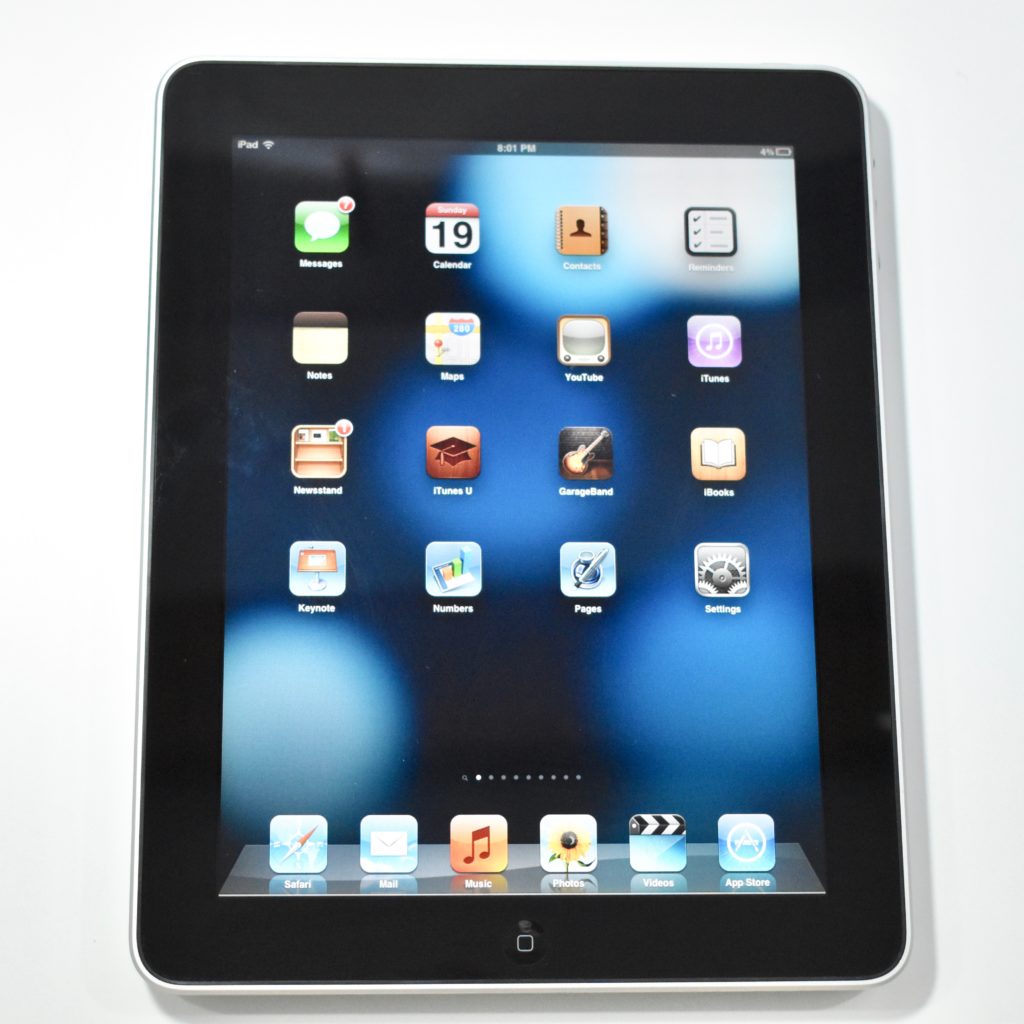
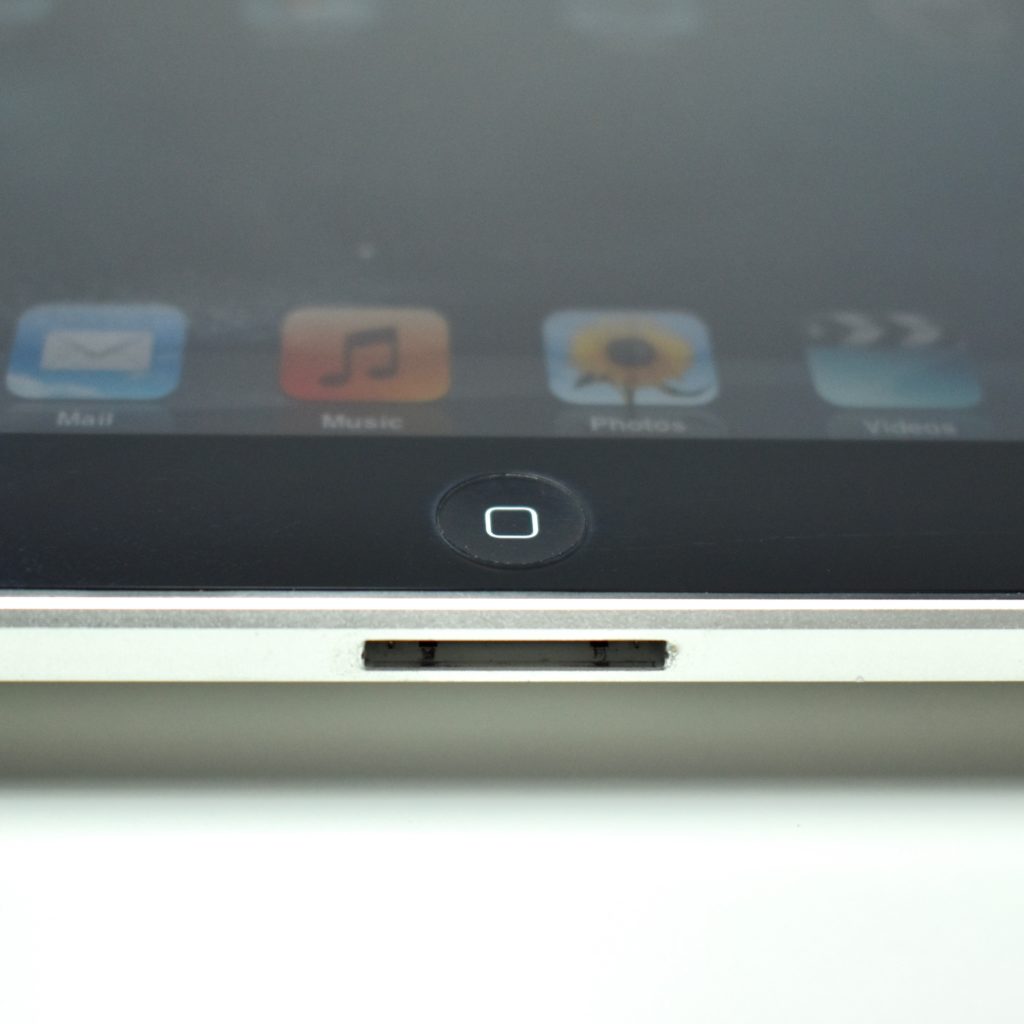
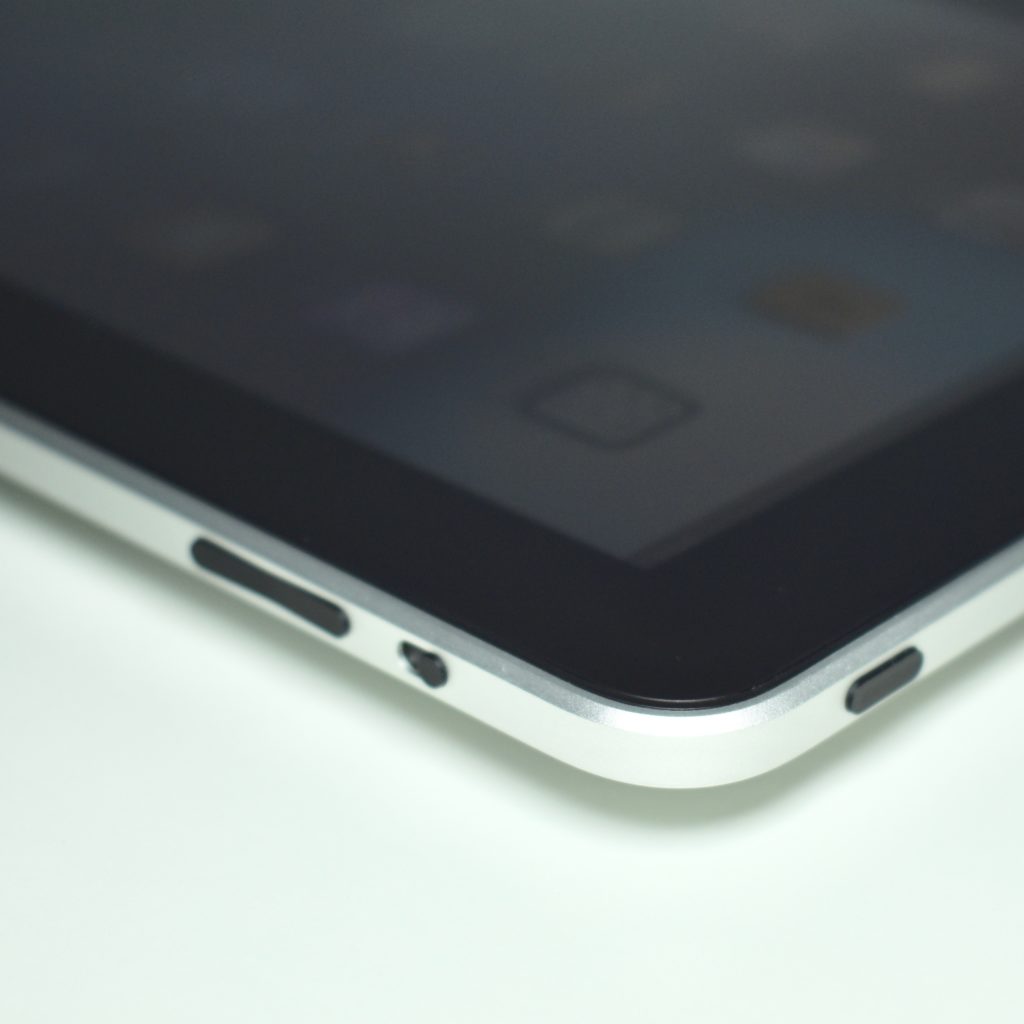
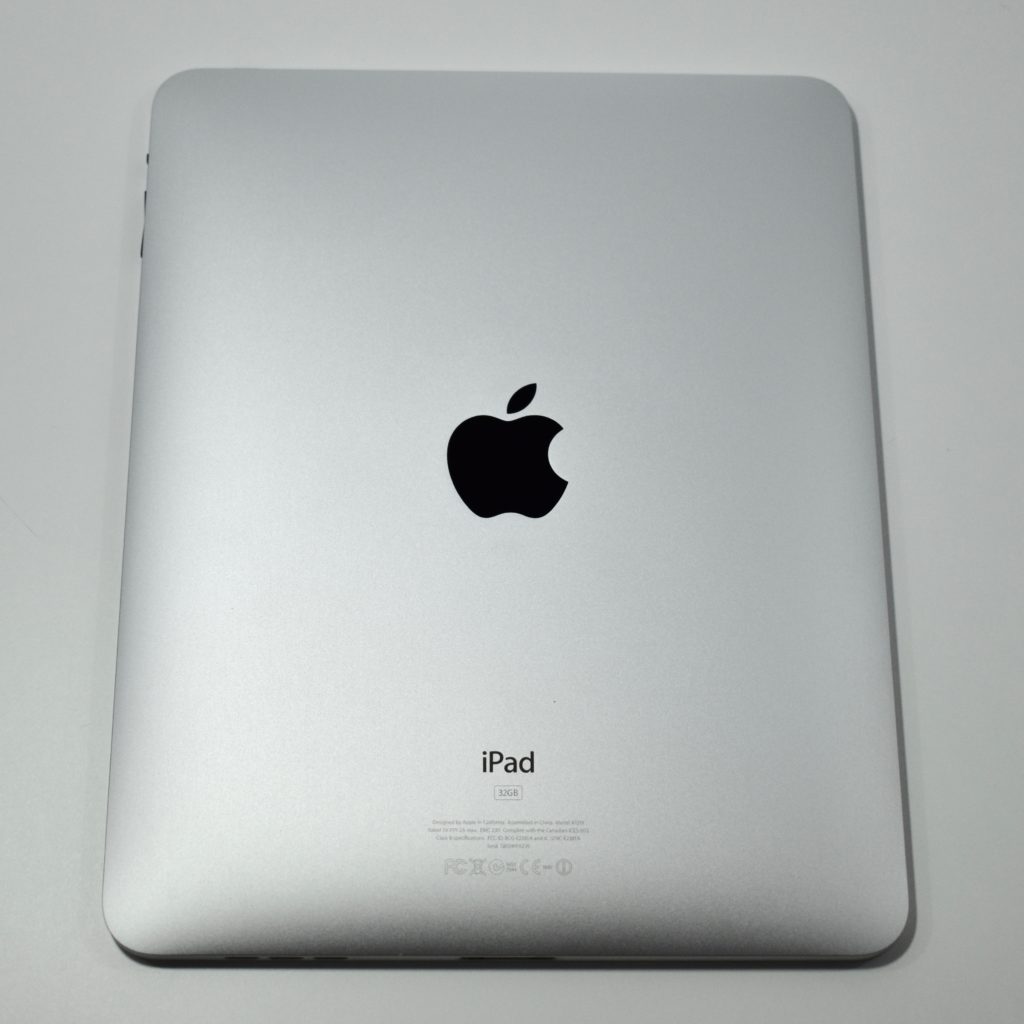
iPad (original, Wi-Fi, 32 GB, 2010)

The original iPad announcement was outlined in a January 27, 2010, press release issued by Apple. The iPad was described as, “a revolutionary device for browsing the web, reading and sending email, enjoying photos, watching videos, listening to music, playing games, reading e-books and much more.” Steve Jobs said it was, “a magical and revolutionary device…[that] defines an entirely new category of devices that will connect users with their apps and content in a much more intimate, intuitive and fun way than ever before.”

The original iPad used a 9.7-inch multitouch display (1024×768 at 132 ppi). It ran the same operating system as iPhone, which at the time was referred to as iPhone OS 3.2 (the name “iOS” would not be used until June 2010).

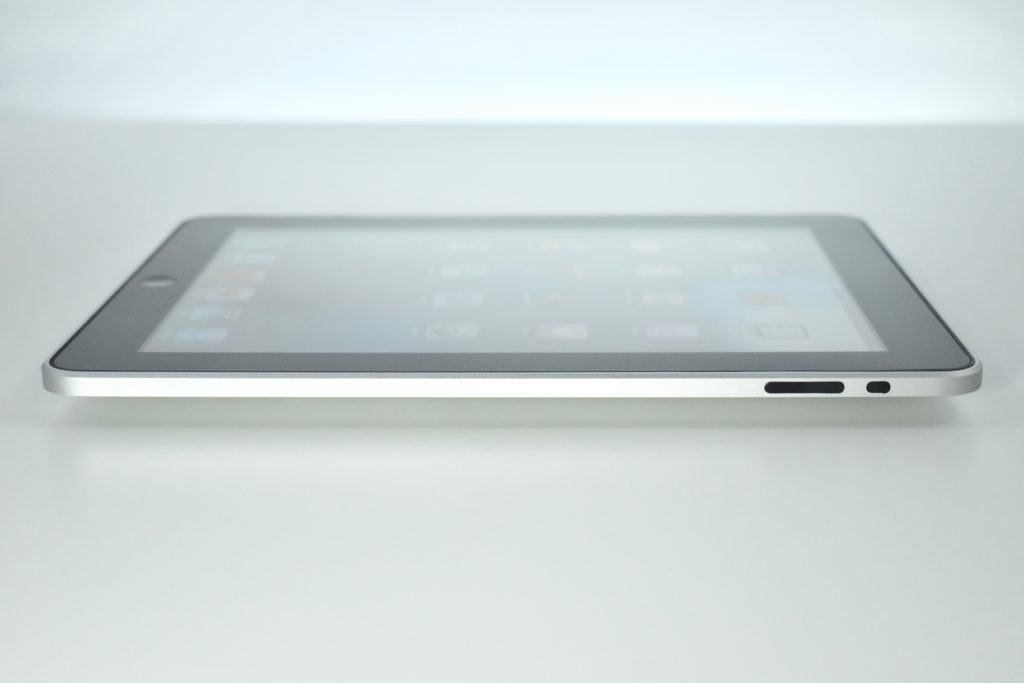
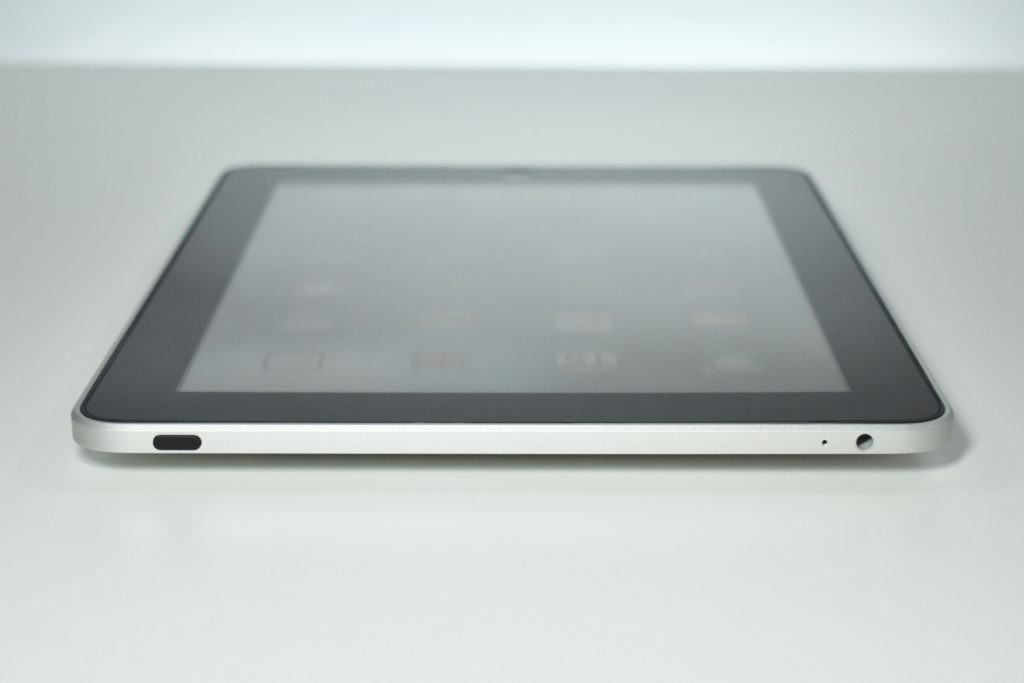
Internally, the original iPad had a 1 GHz Apple A4 processor; 16, 32, or 64 GB of storage; 802.11a/b/g/n Wi-Fi; an accelerometer; an ambient light sensor; a digital compass; GPS; two mono speakers; and a built-in microphone. The iPad was 0.5 inches thick and weighed 1.6 pounds.

Sources: EveryMac.com, Apple.com, Wikipedia.com
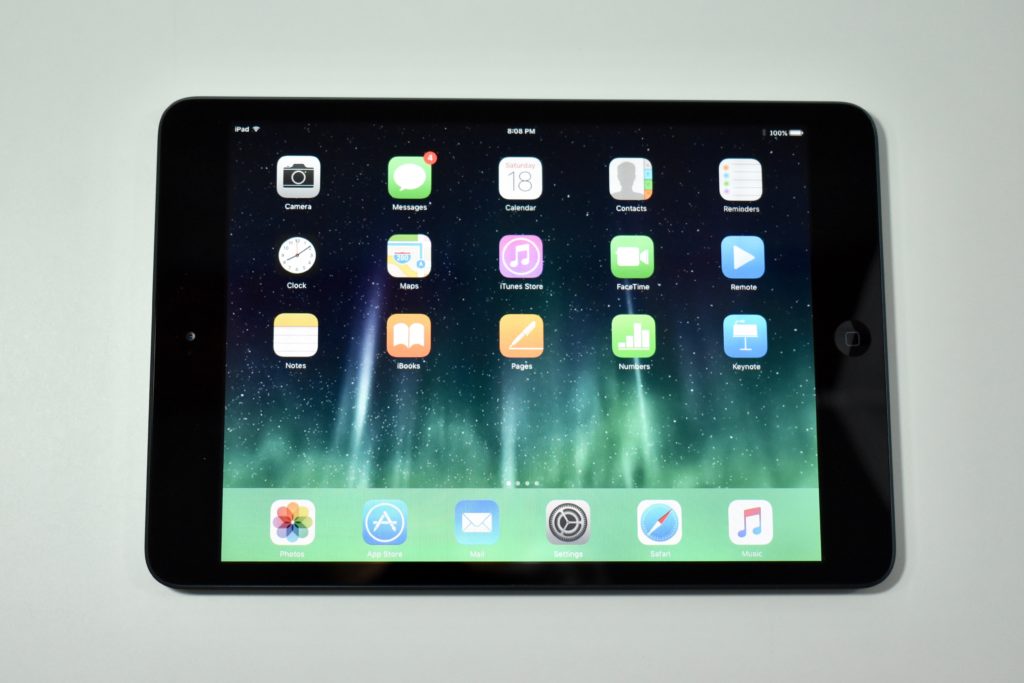
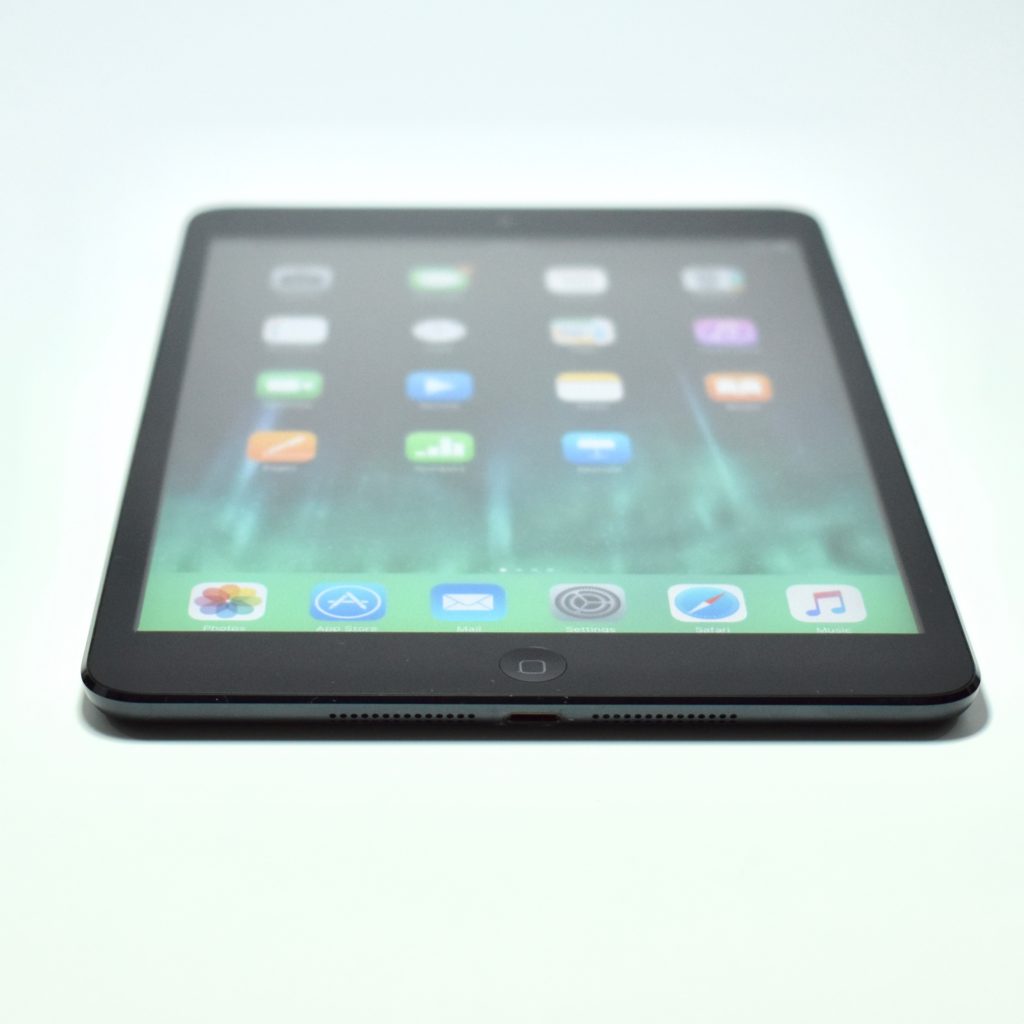
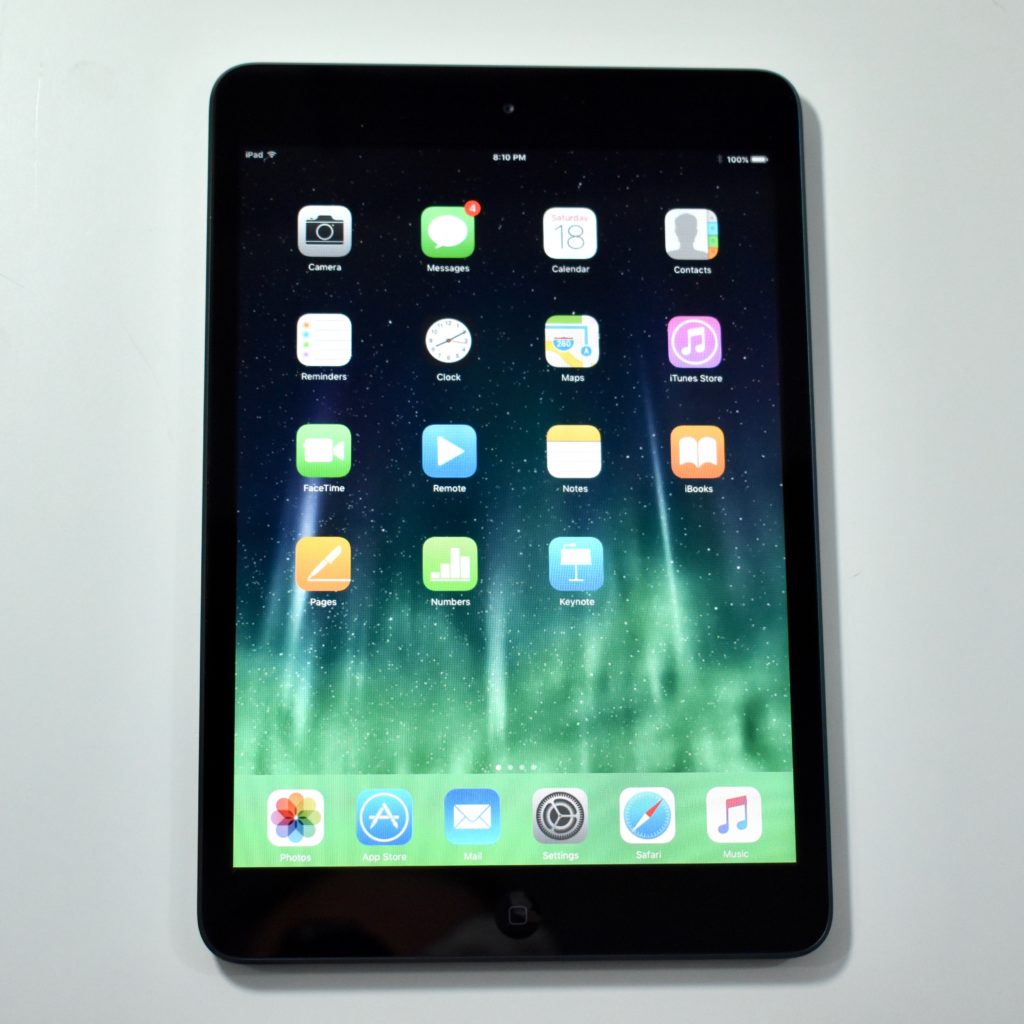
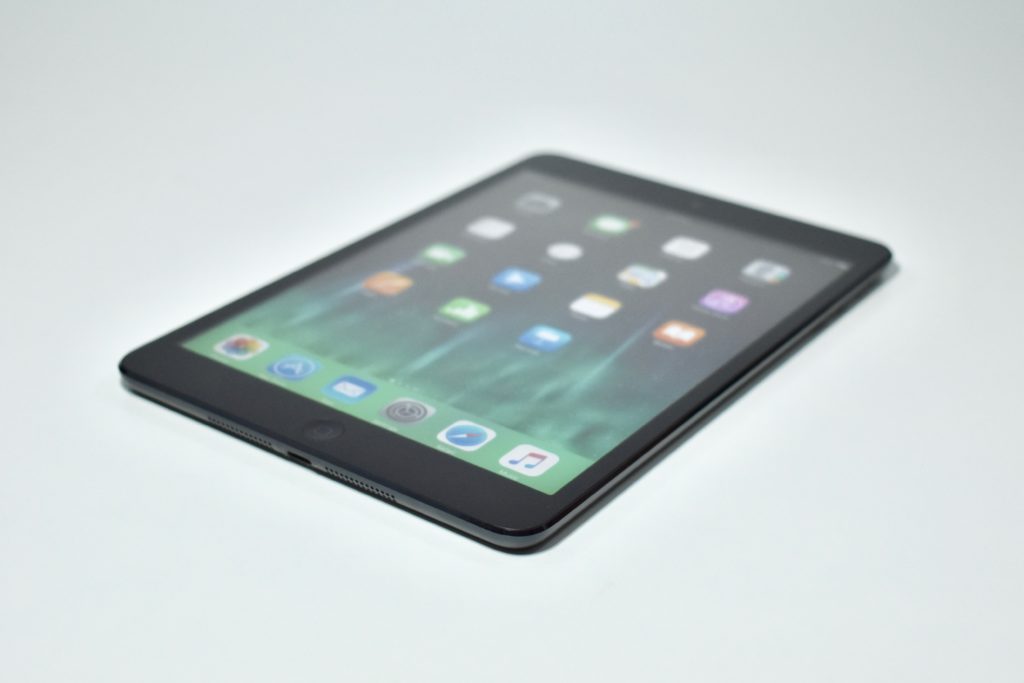
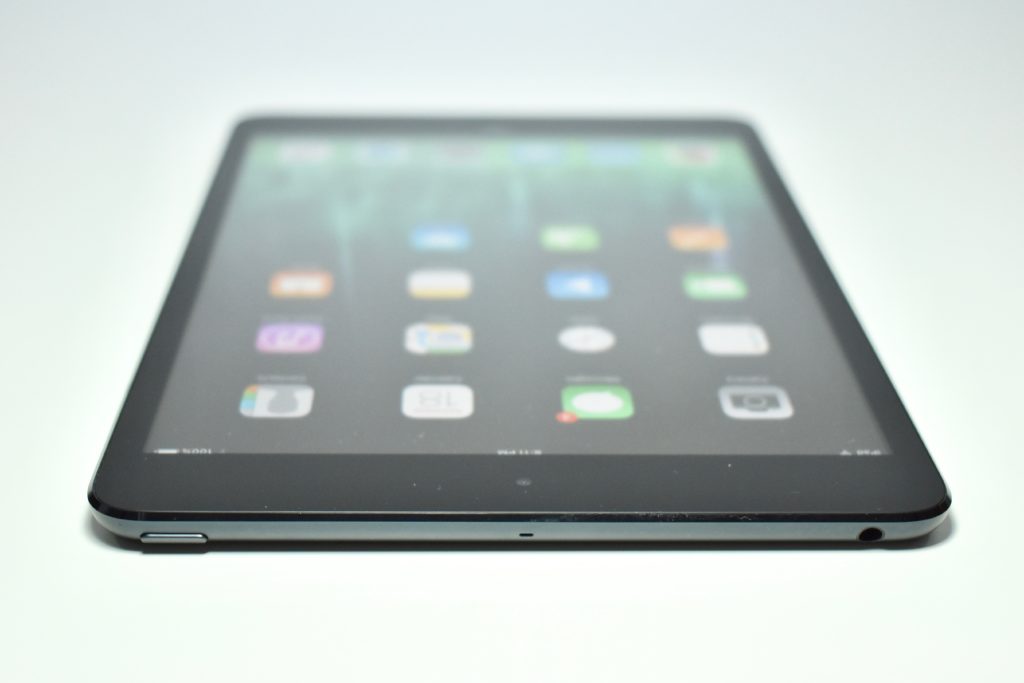
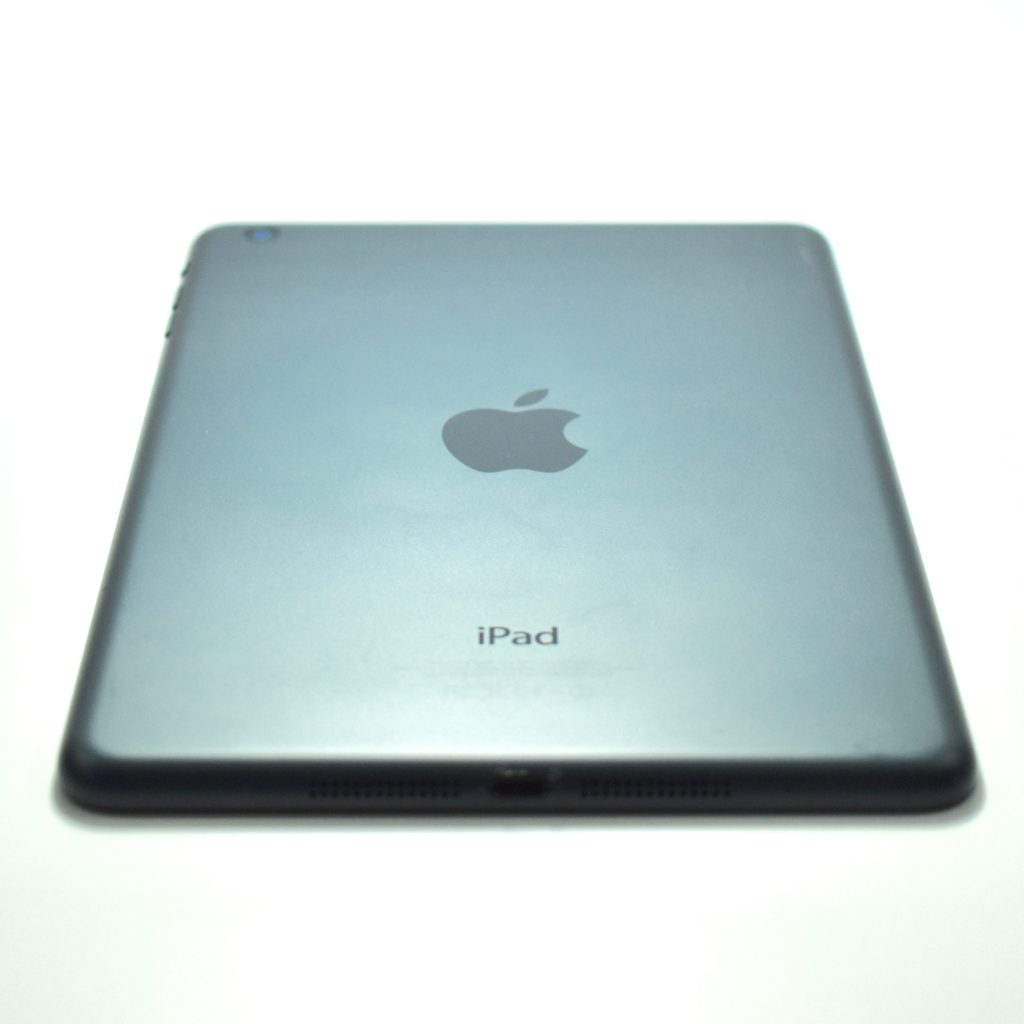
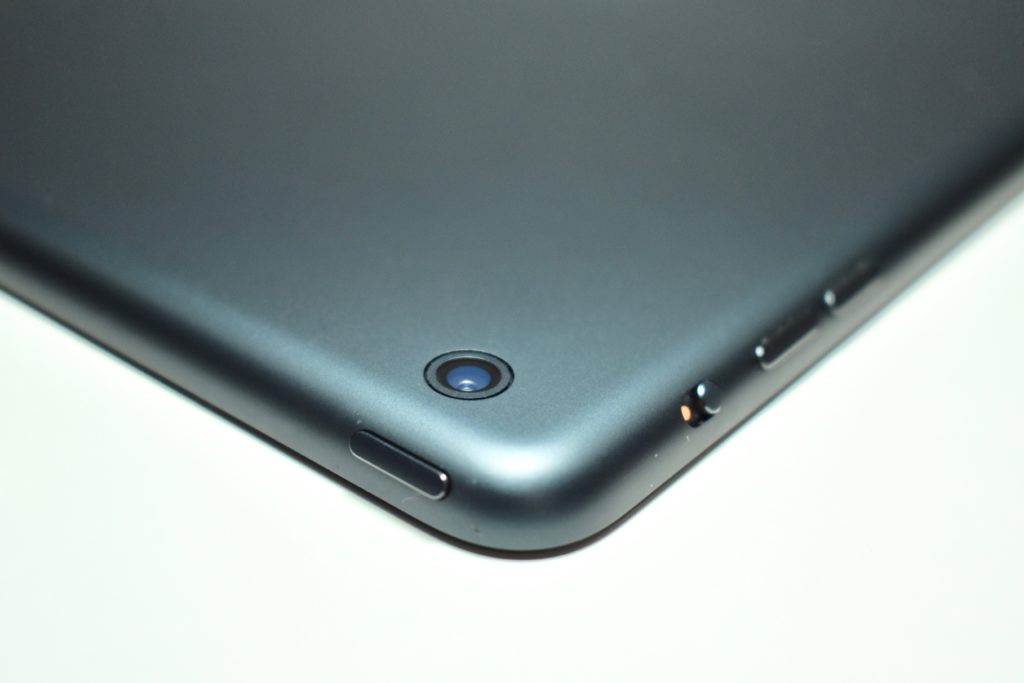
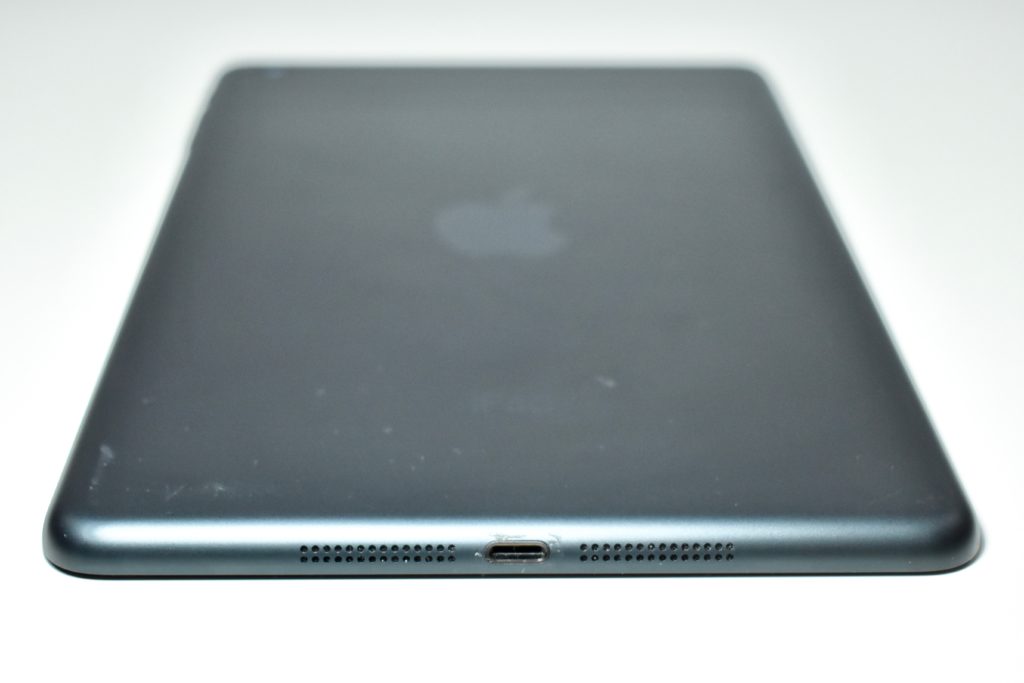
iPad mini (original, Wi-Fi, 16 GB, space gray, 2012)

The original iPad mini featured a 7.9-inch screen at 1024×768 (163 ppi). Internally, it had a dual core 1 GHz Apple A5 processor; 512 MB of RAM; and 16, 32, or 64 GB of storage. It had two cameras: a rear-mounted 5 megapixel iSight camera (1080p) and a front-mounted 1.2 megapixel FaceTime HD camera (720p). The original iPad mini used a Lightning port.

I found the iPad mini perfect for travel due to its small size, reduced weight, high-quality display, and 10-hour battery.

Source: EveryMac.com