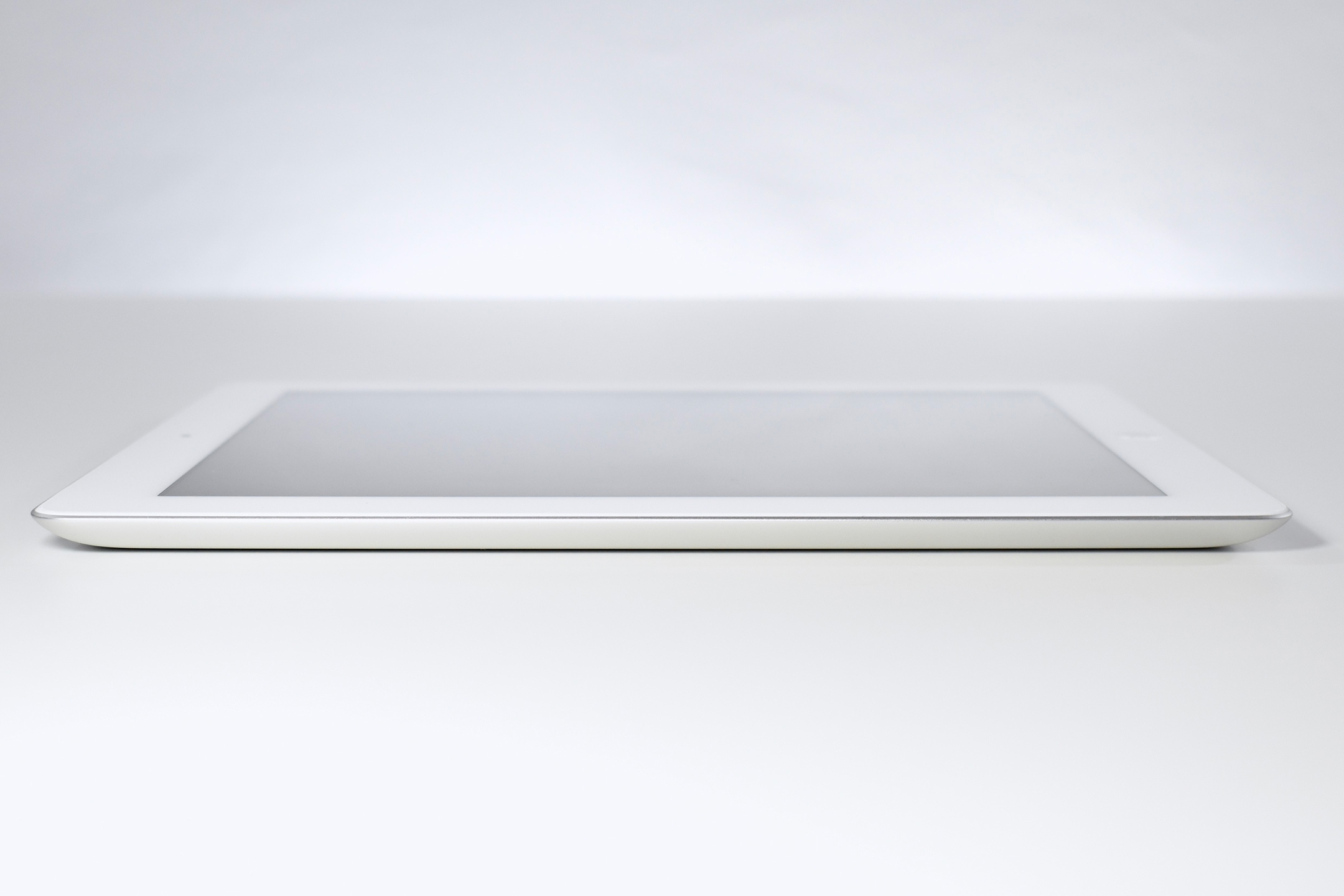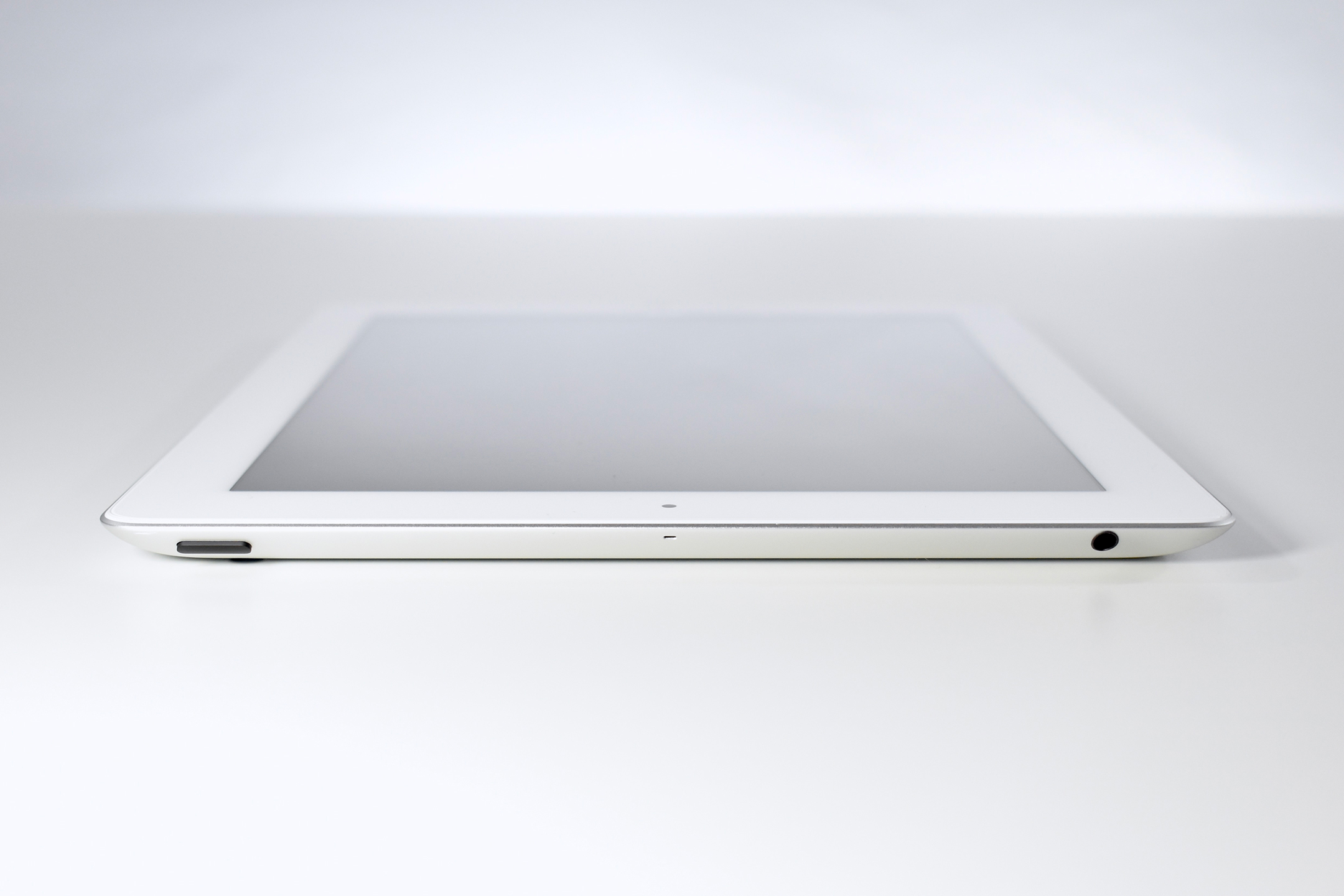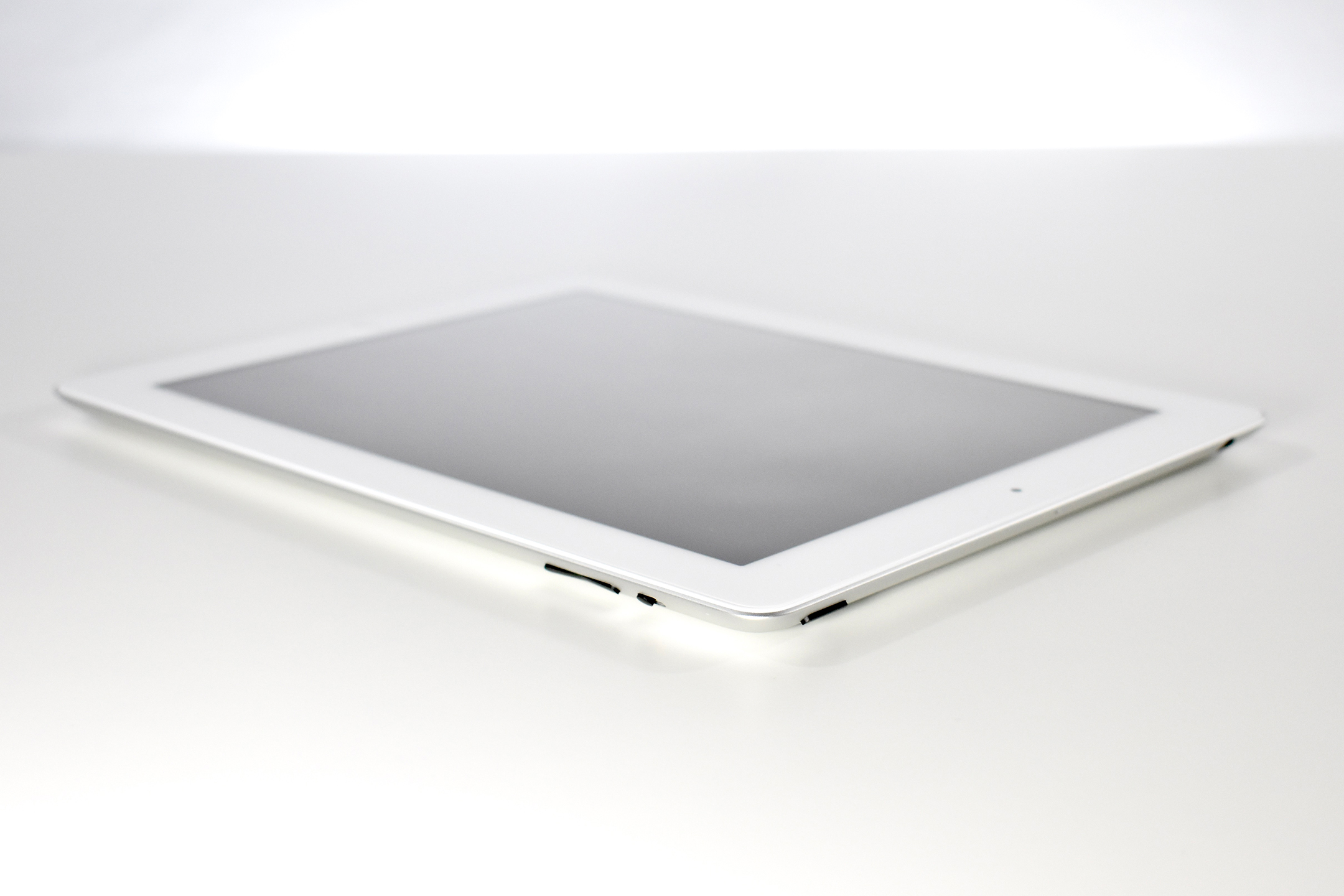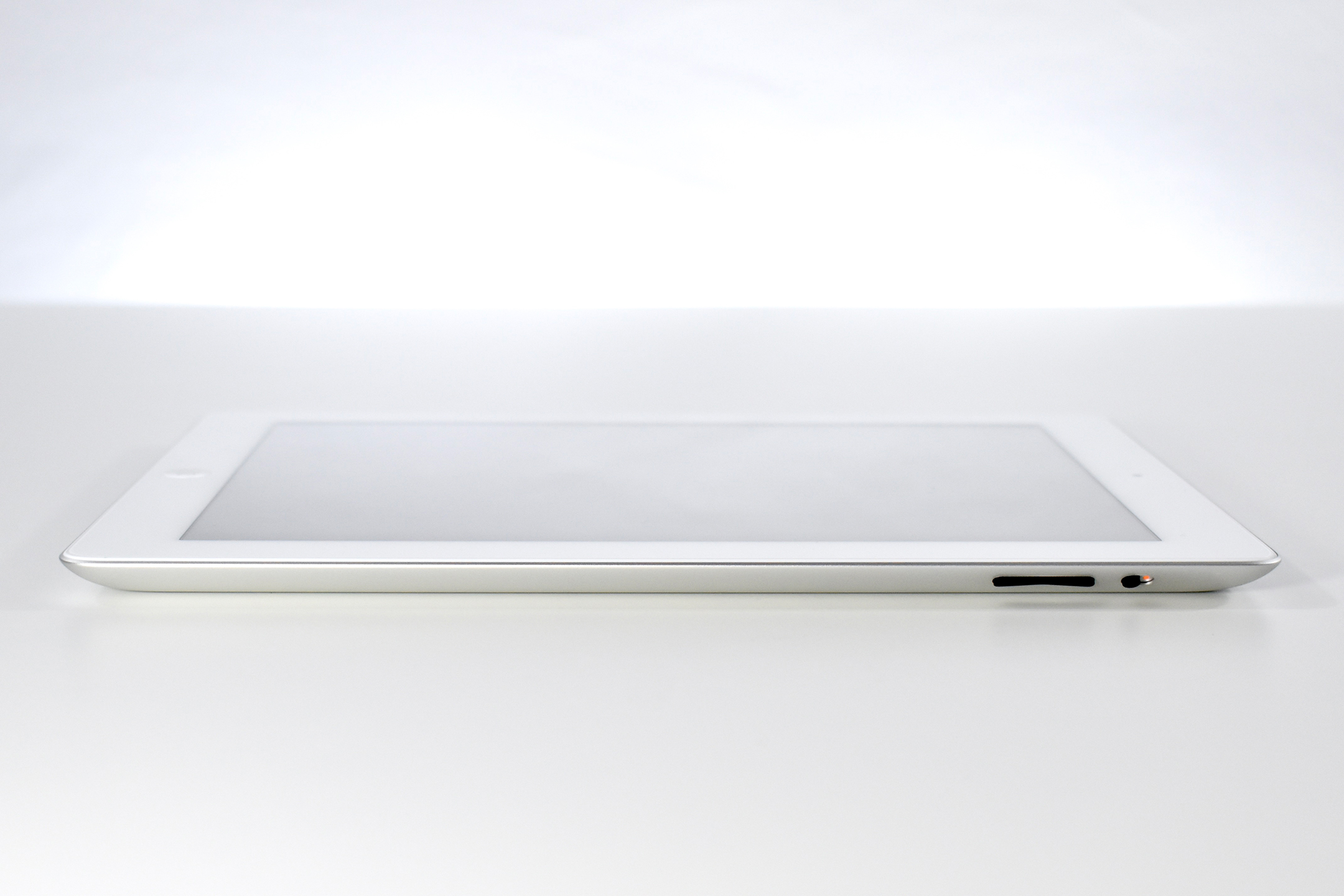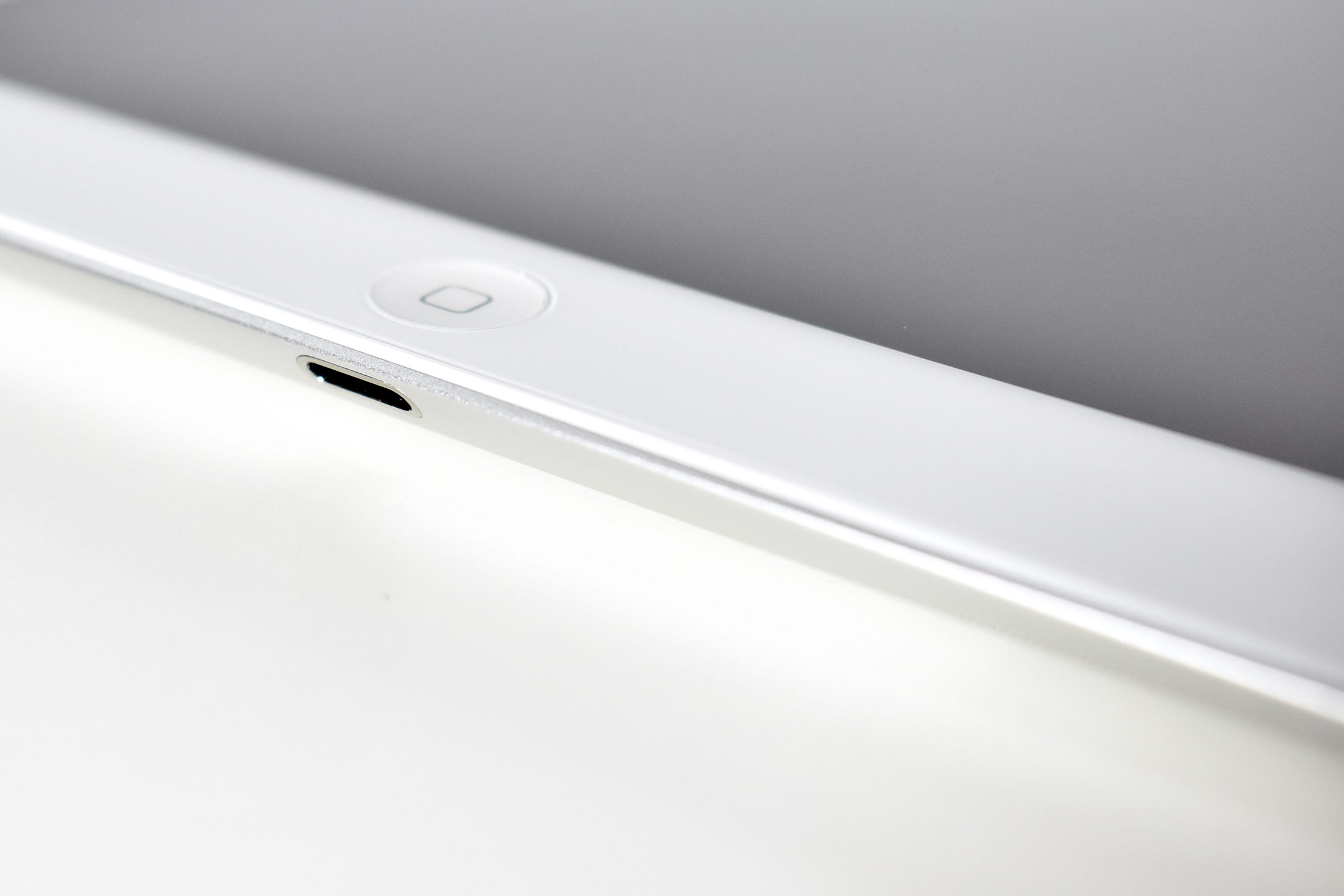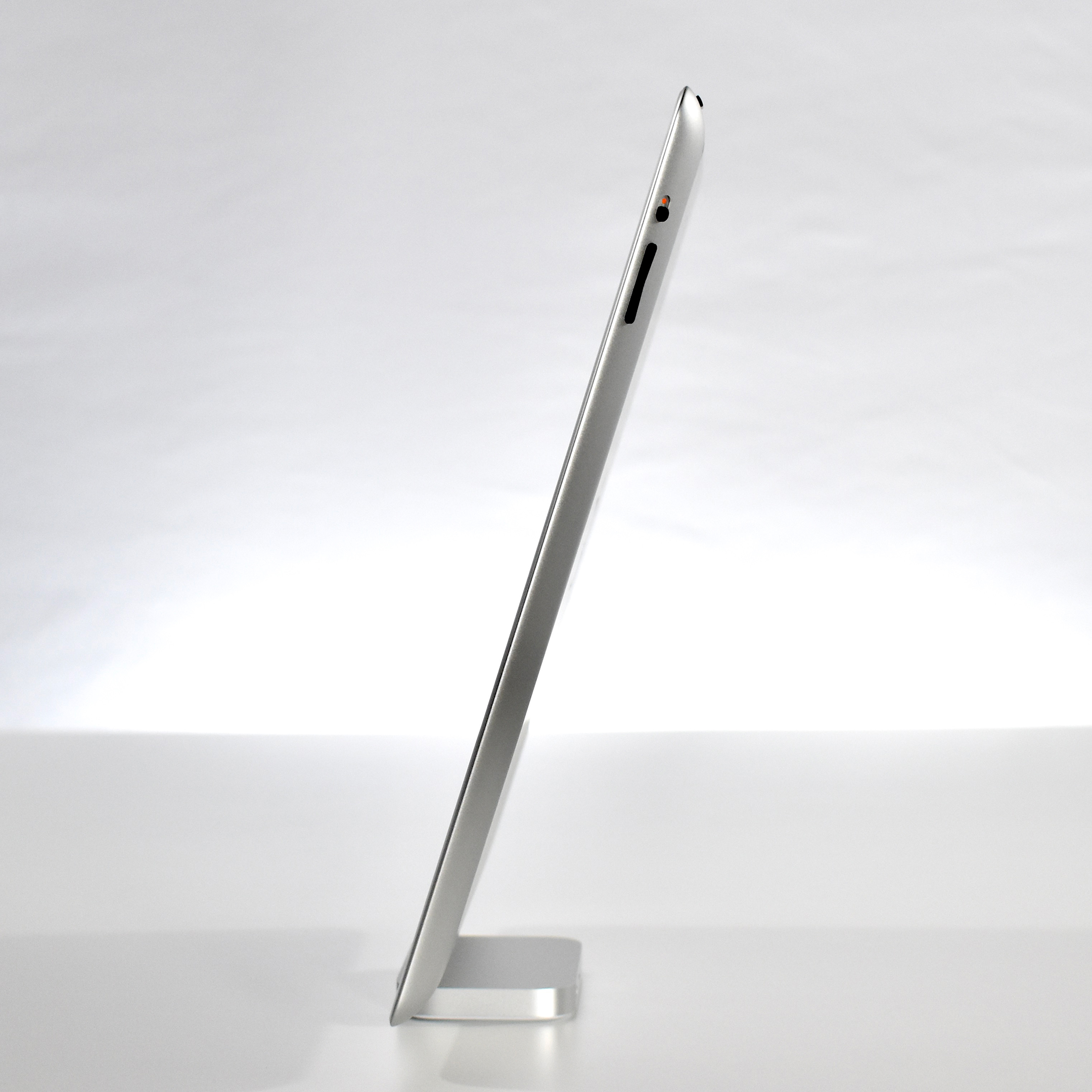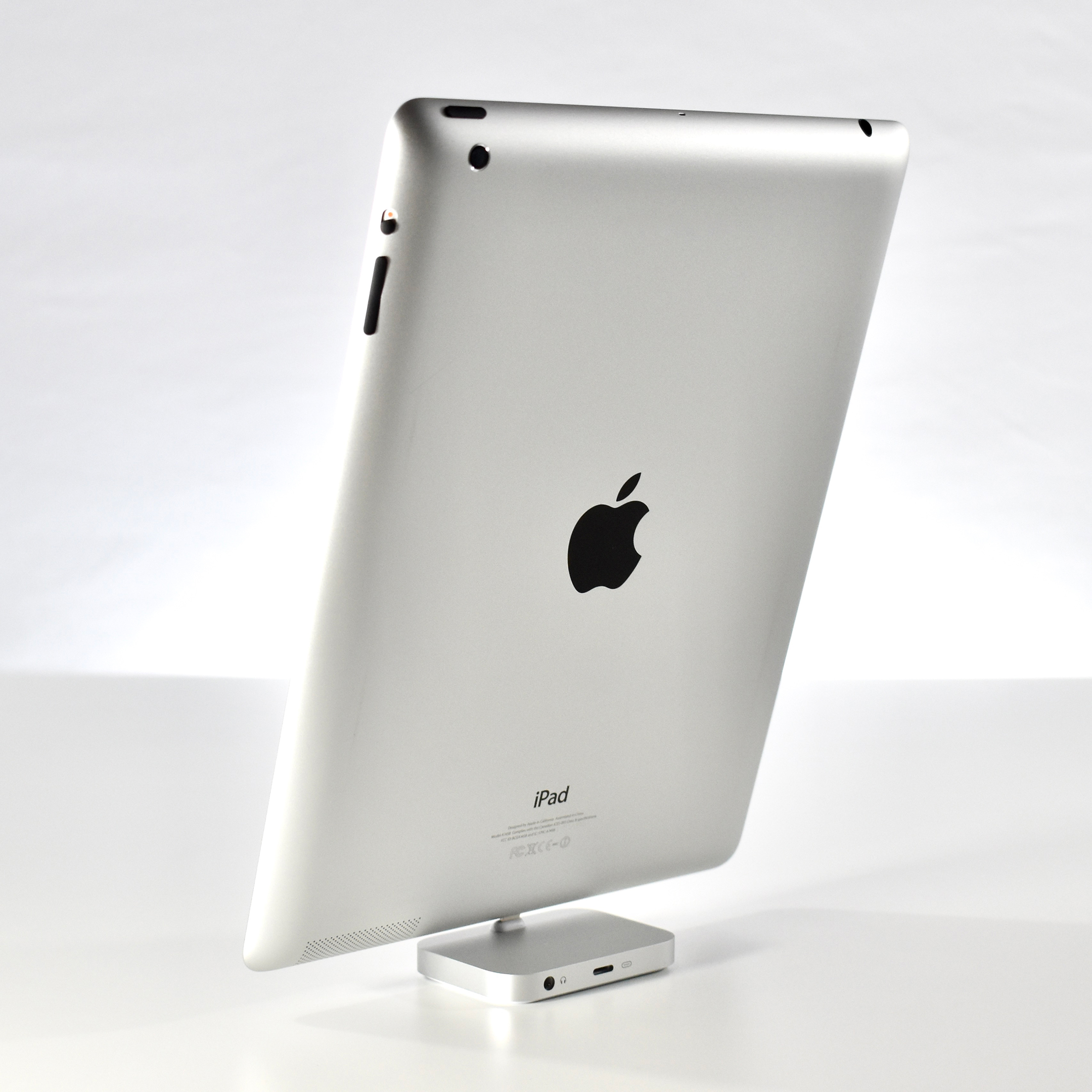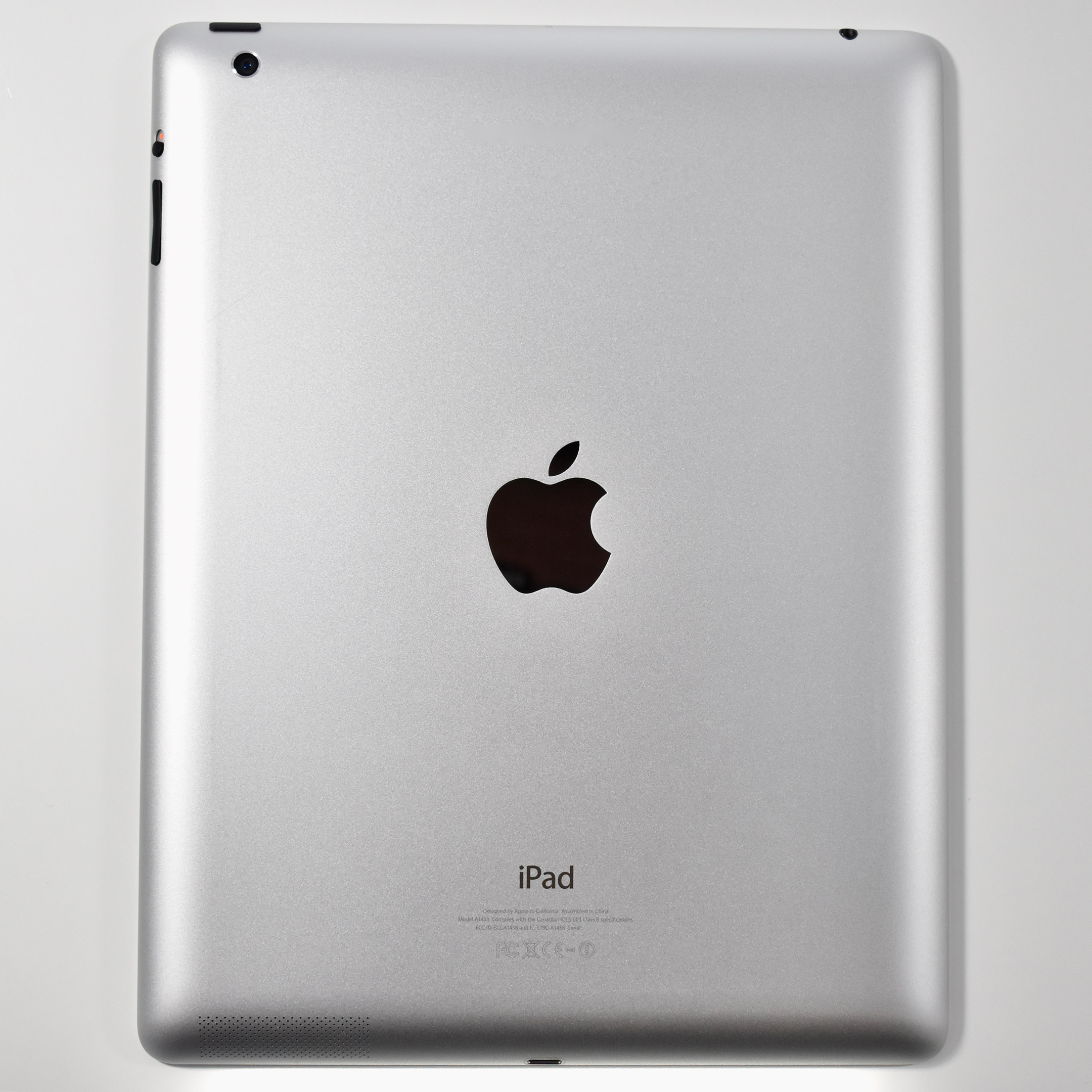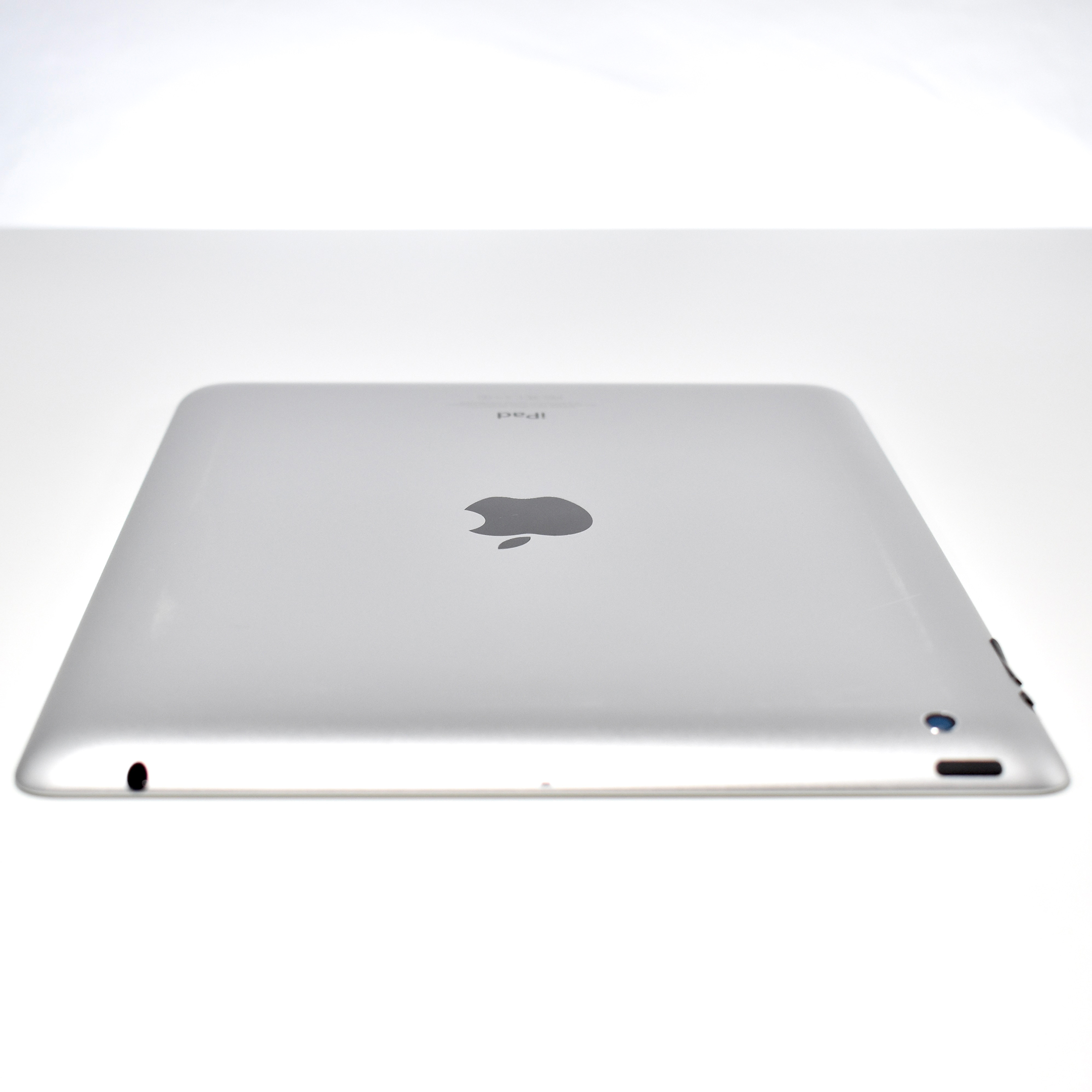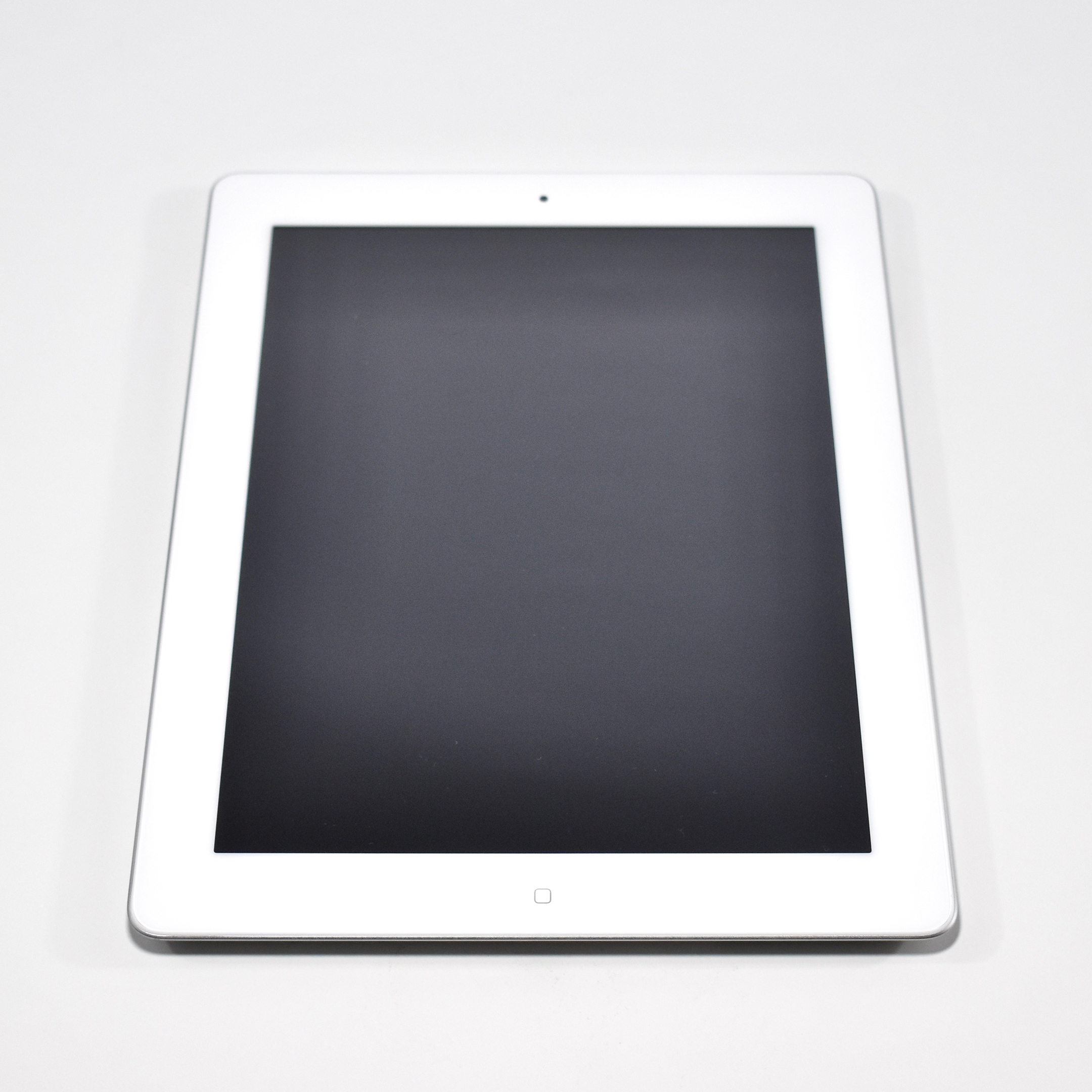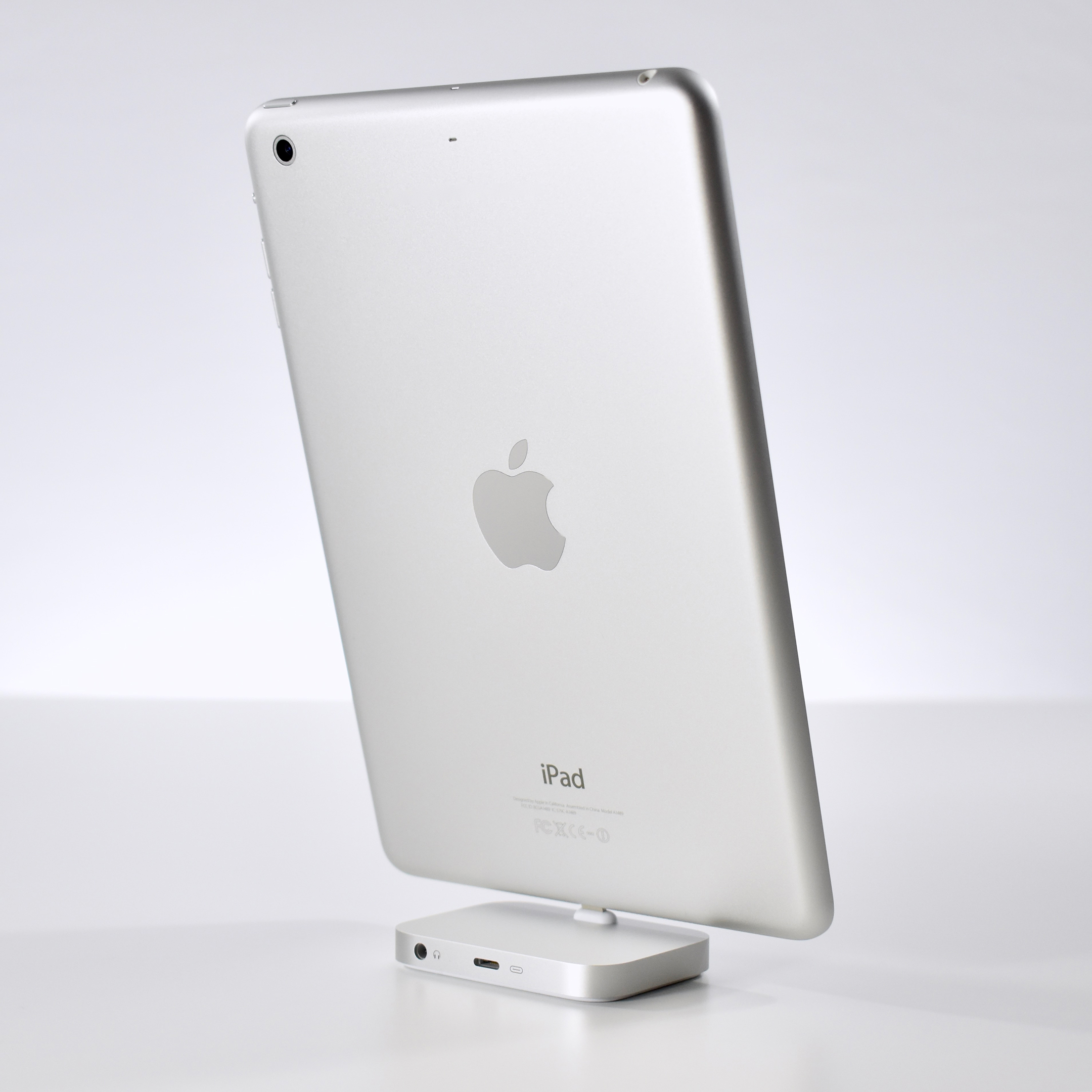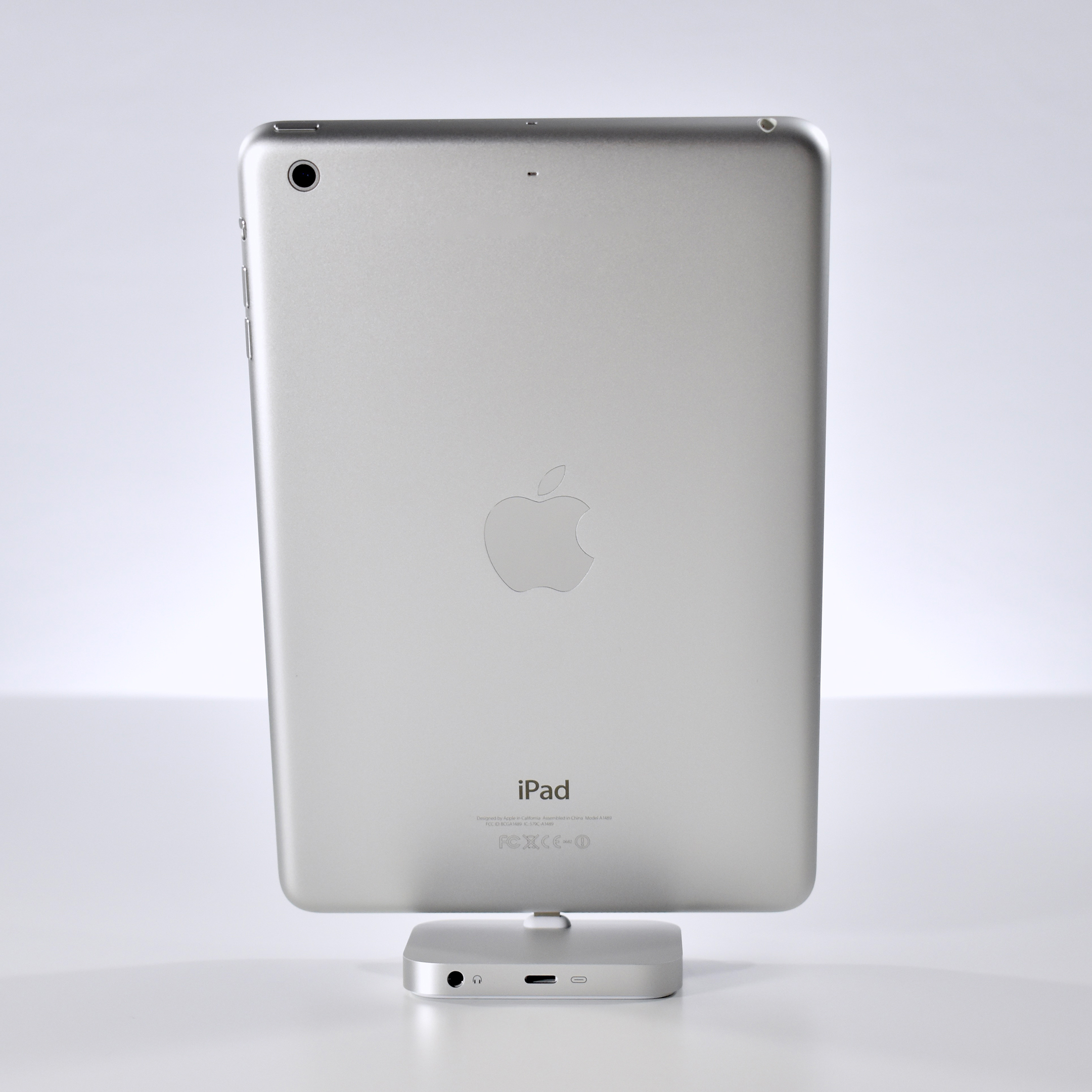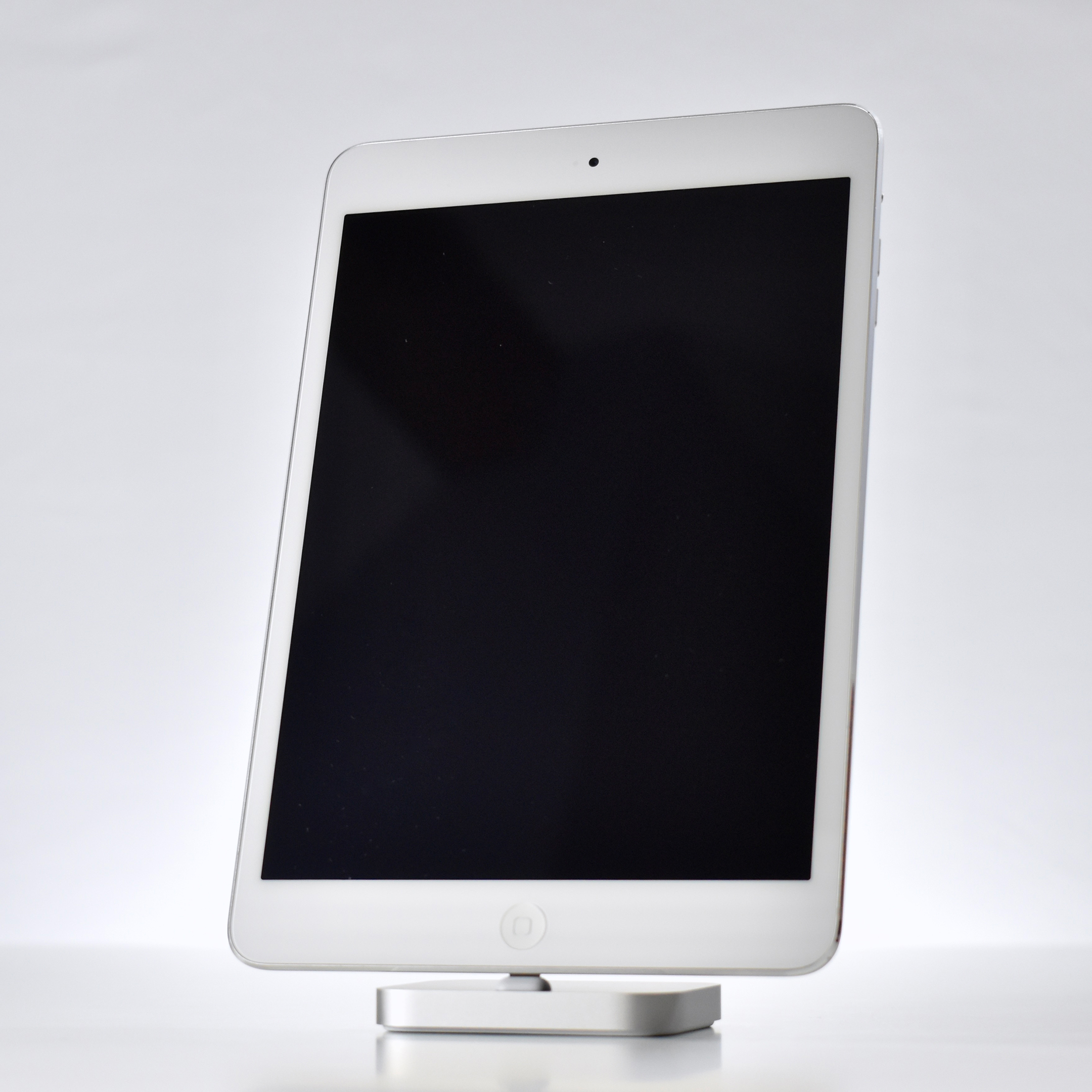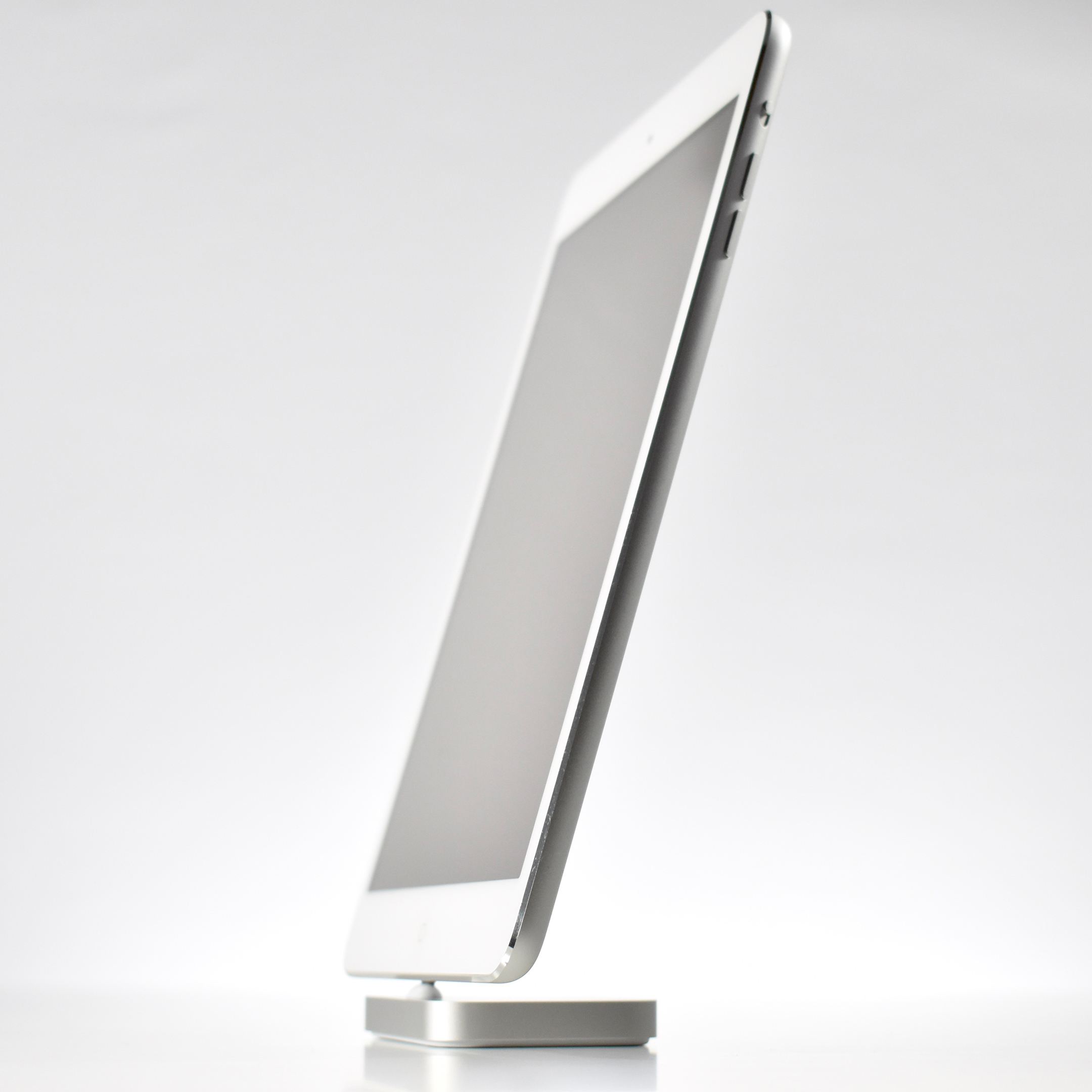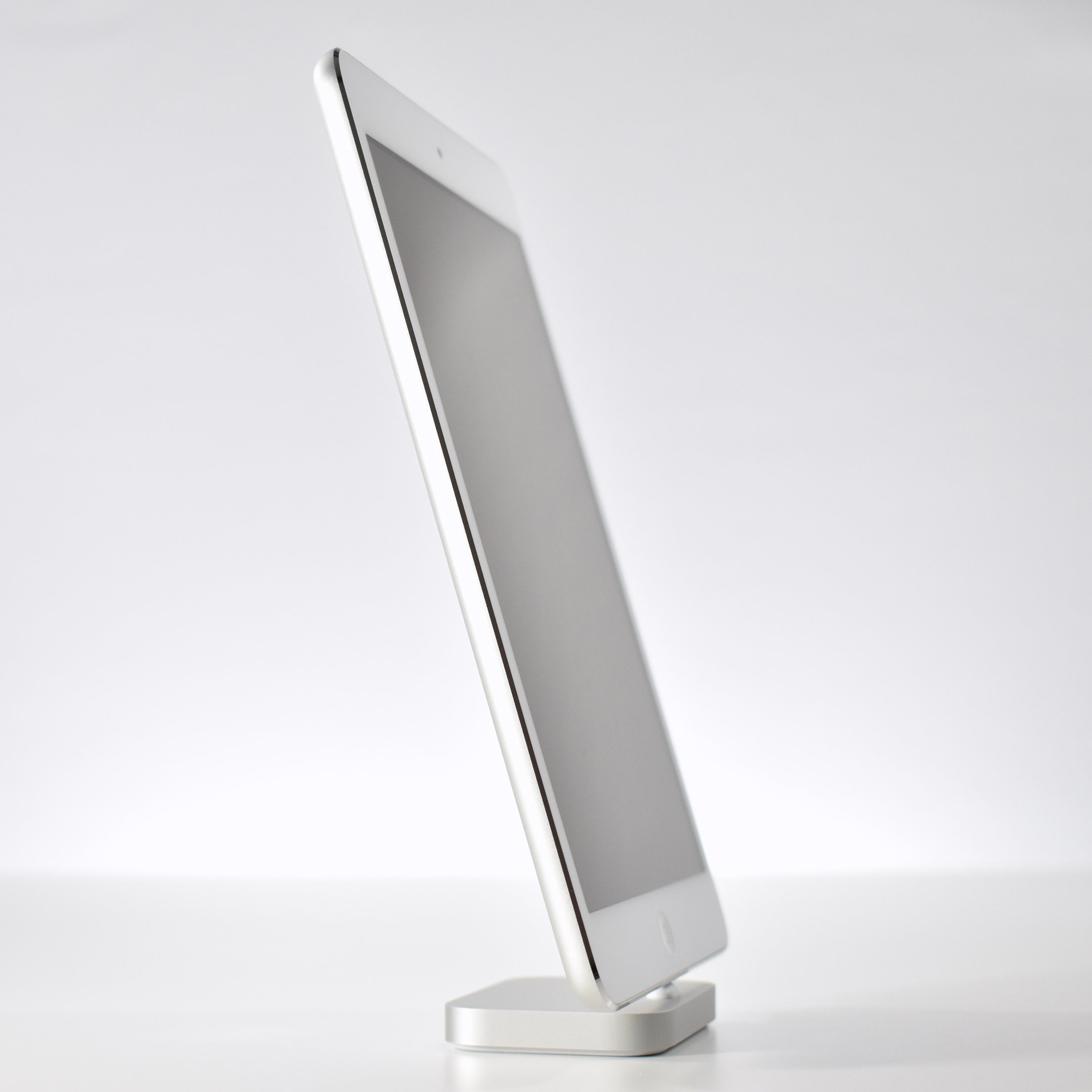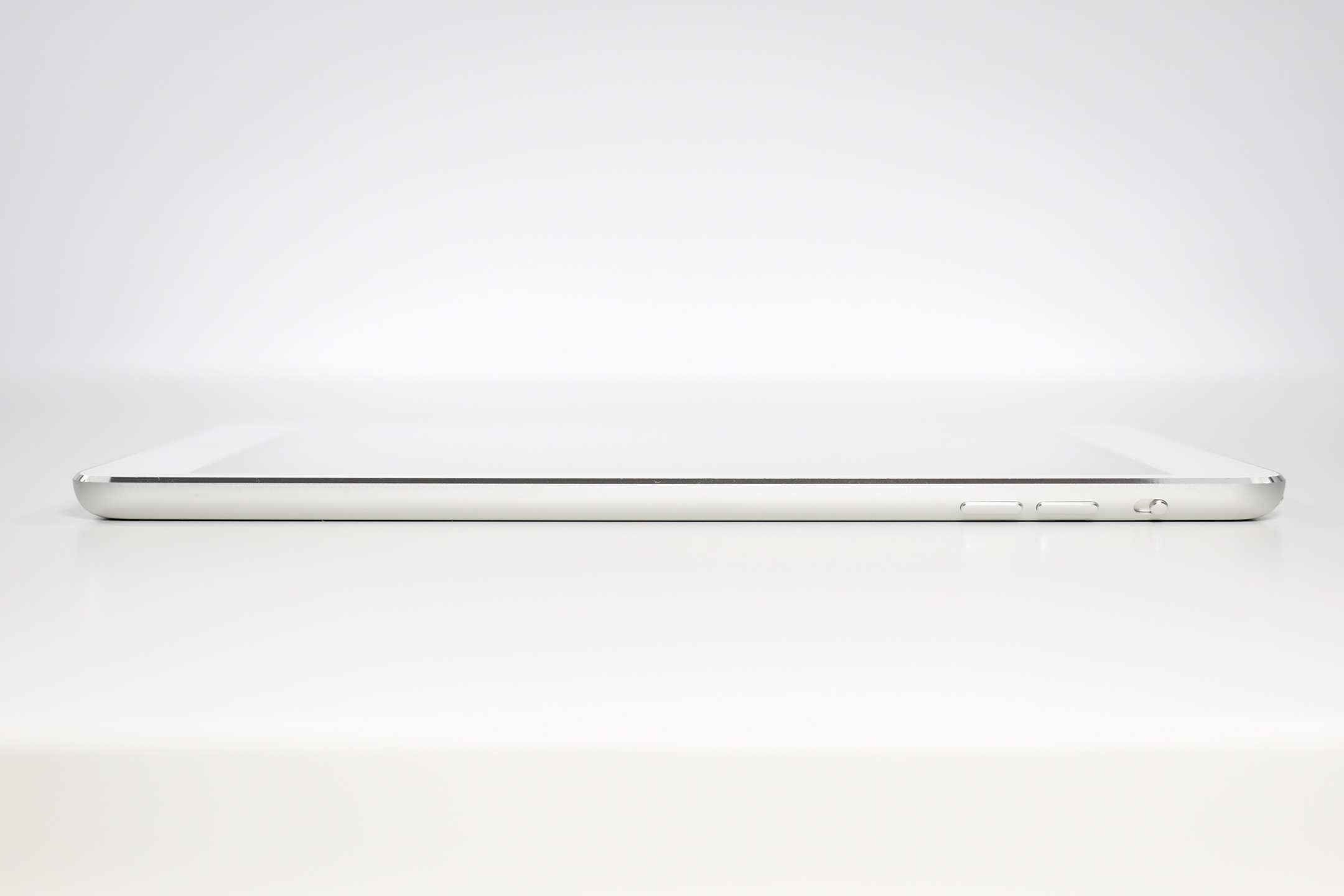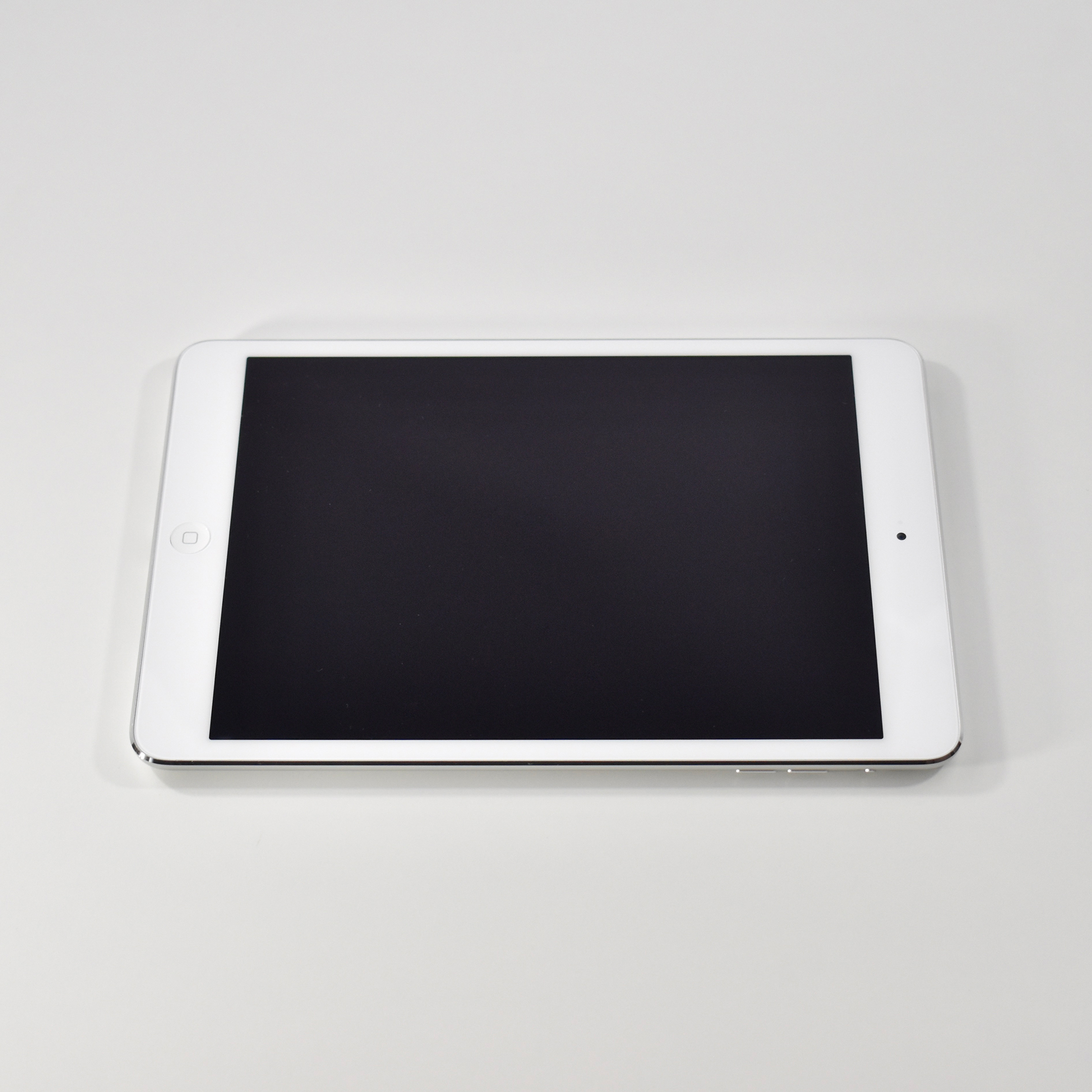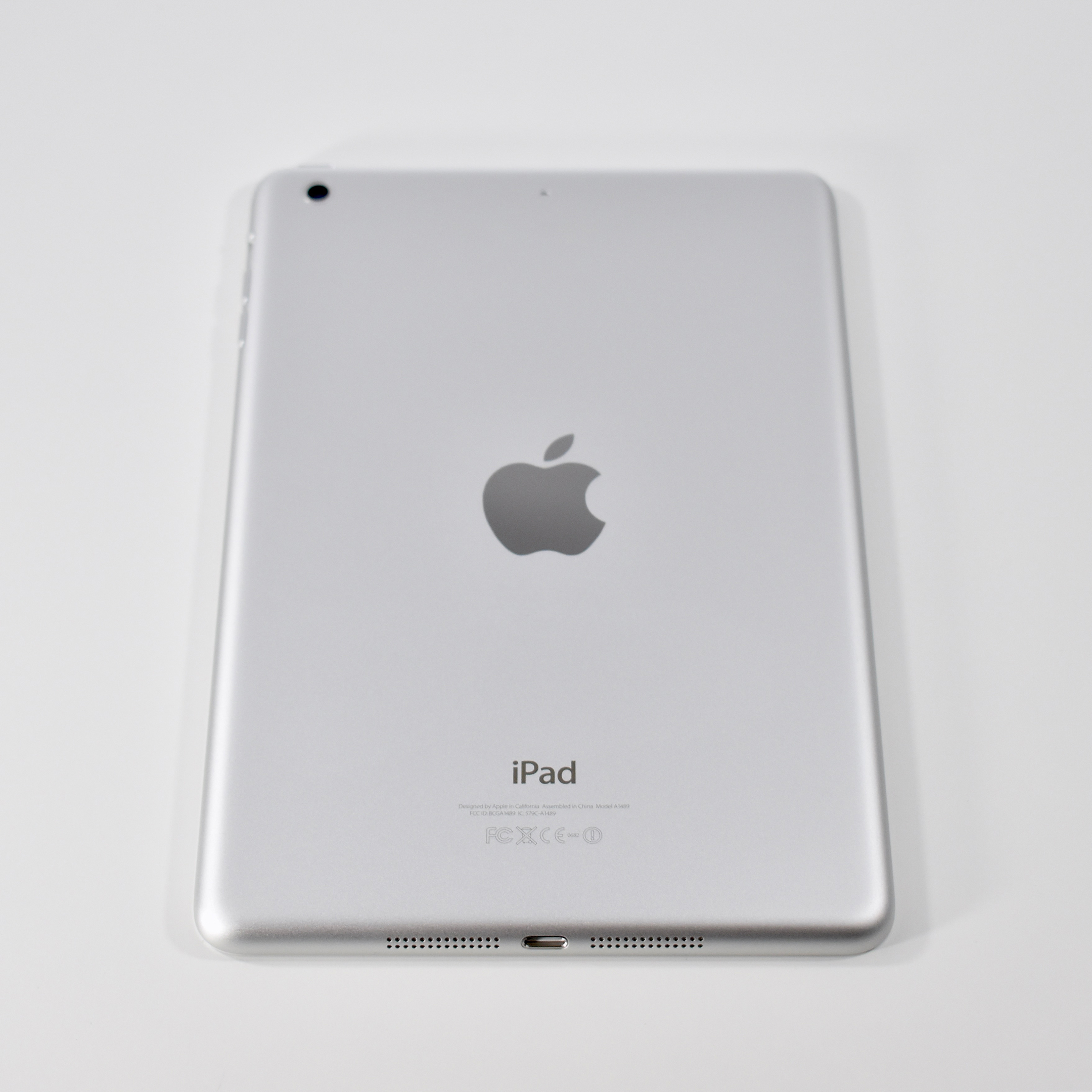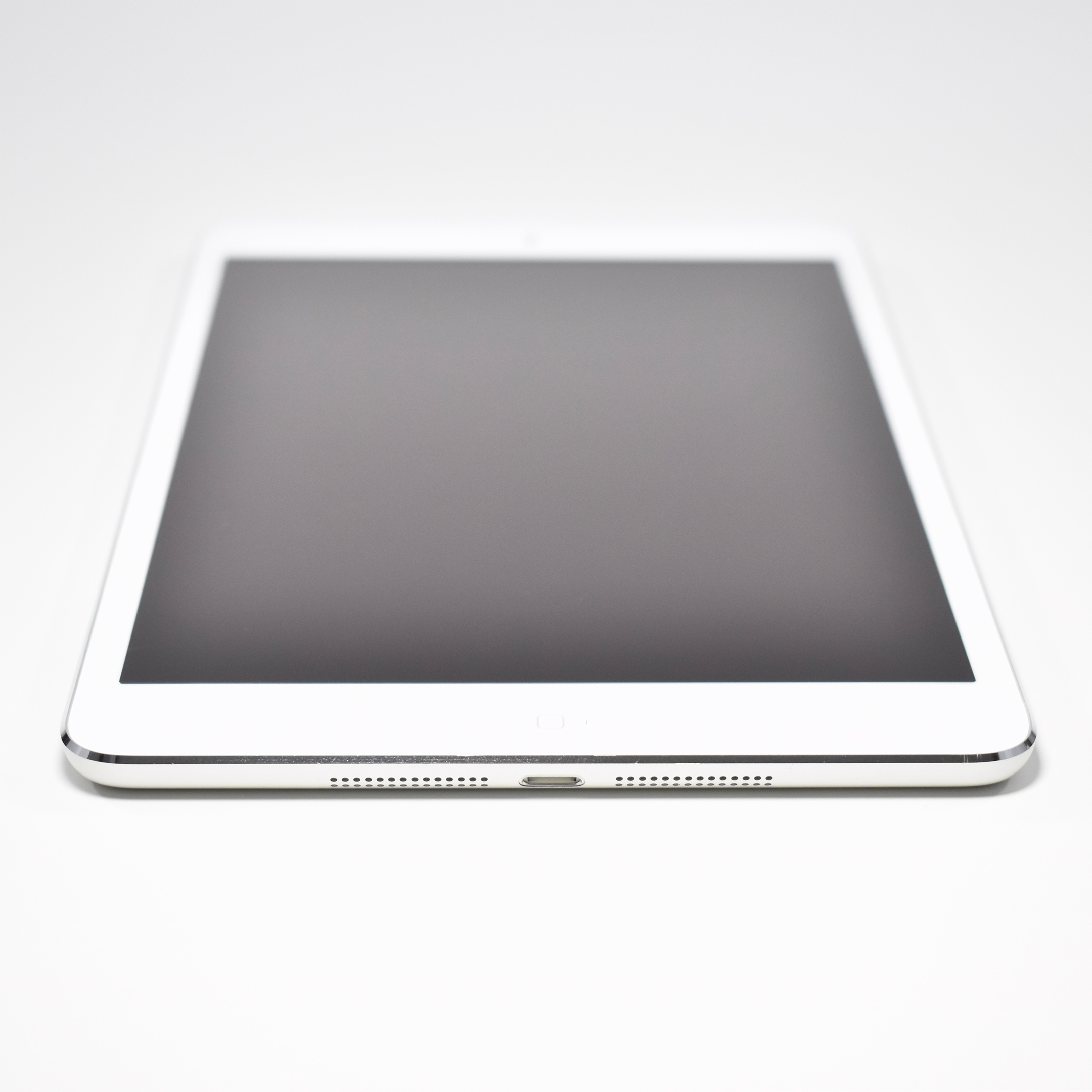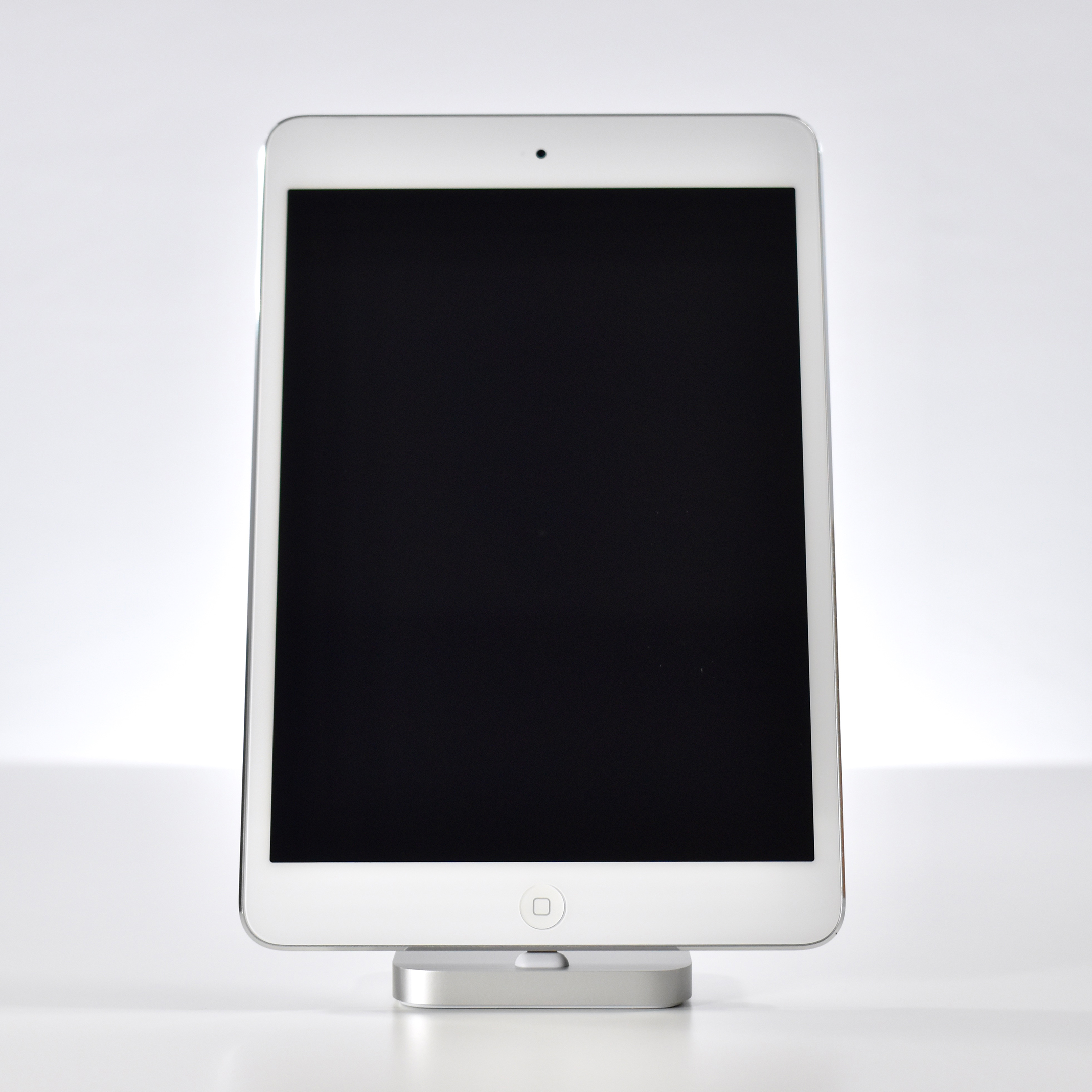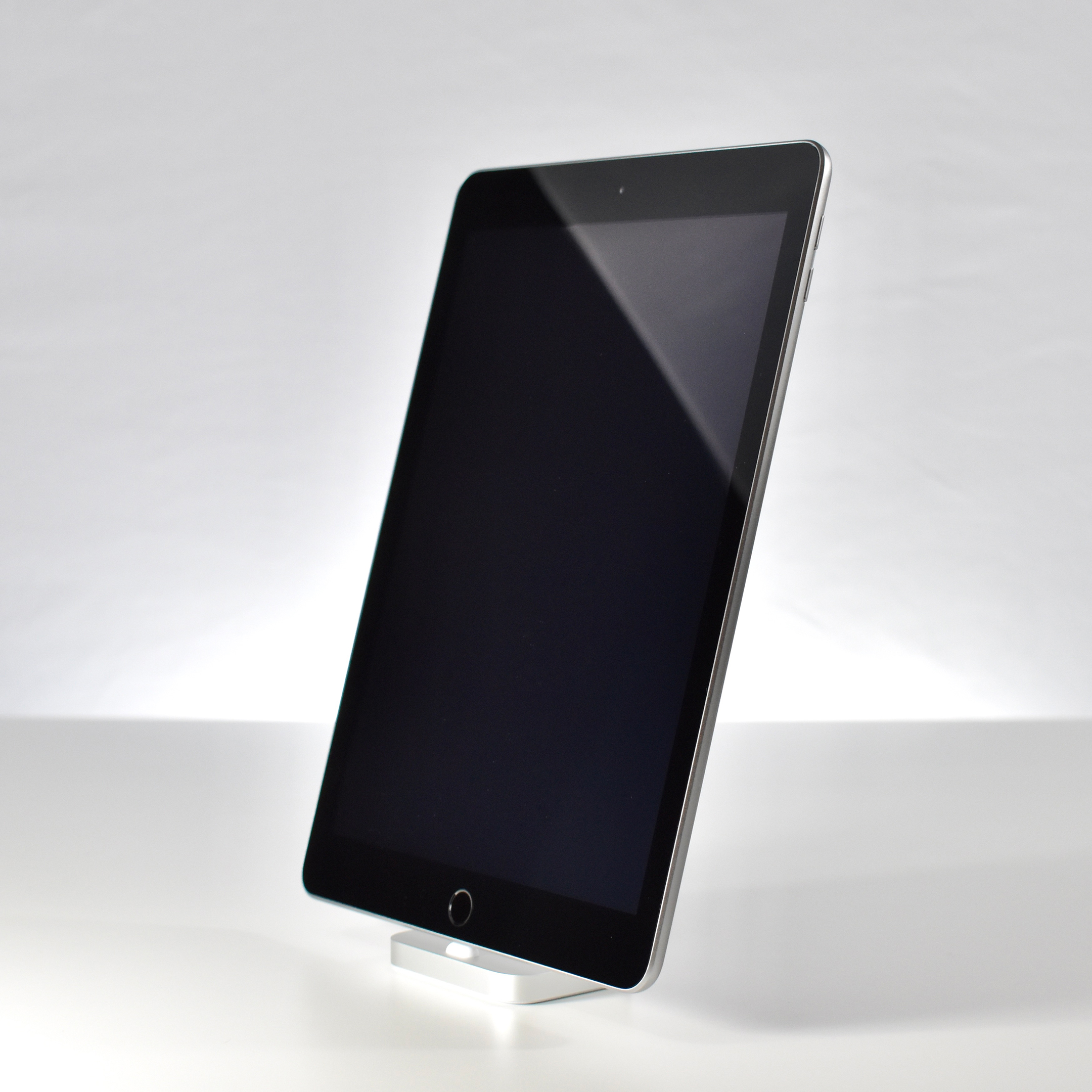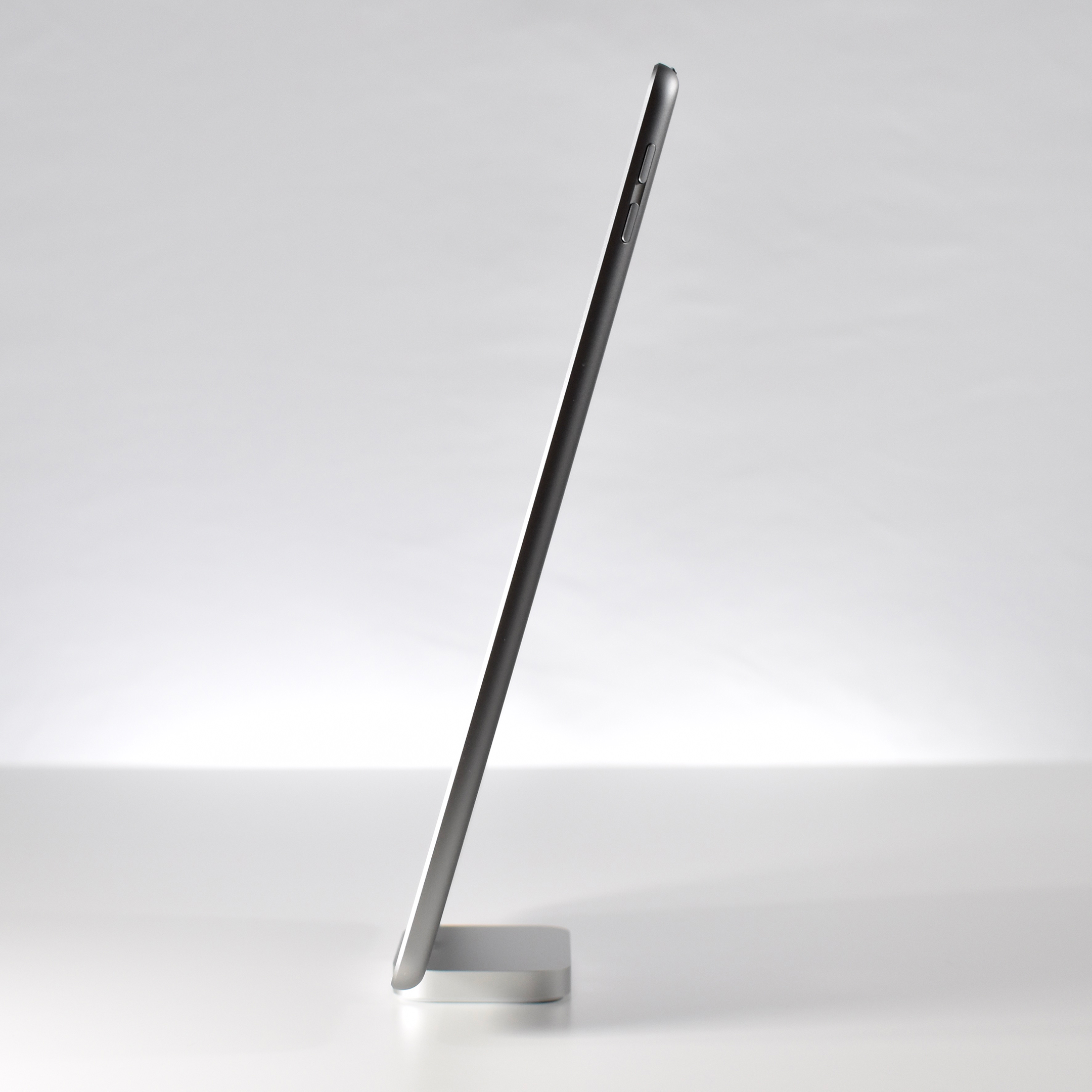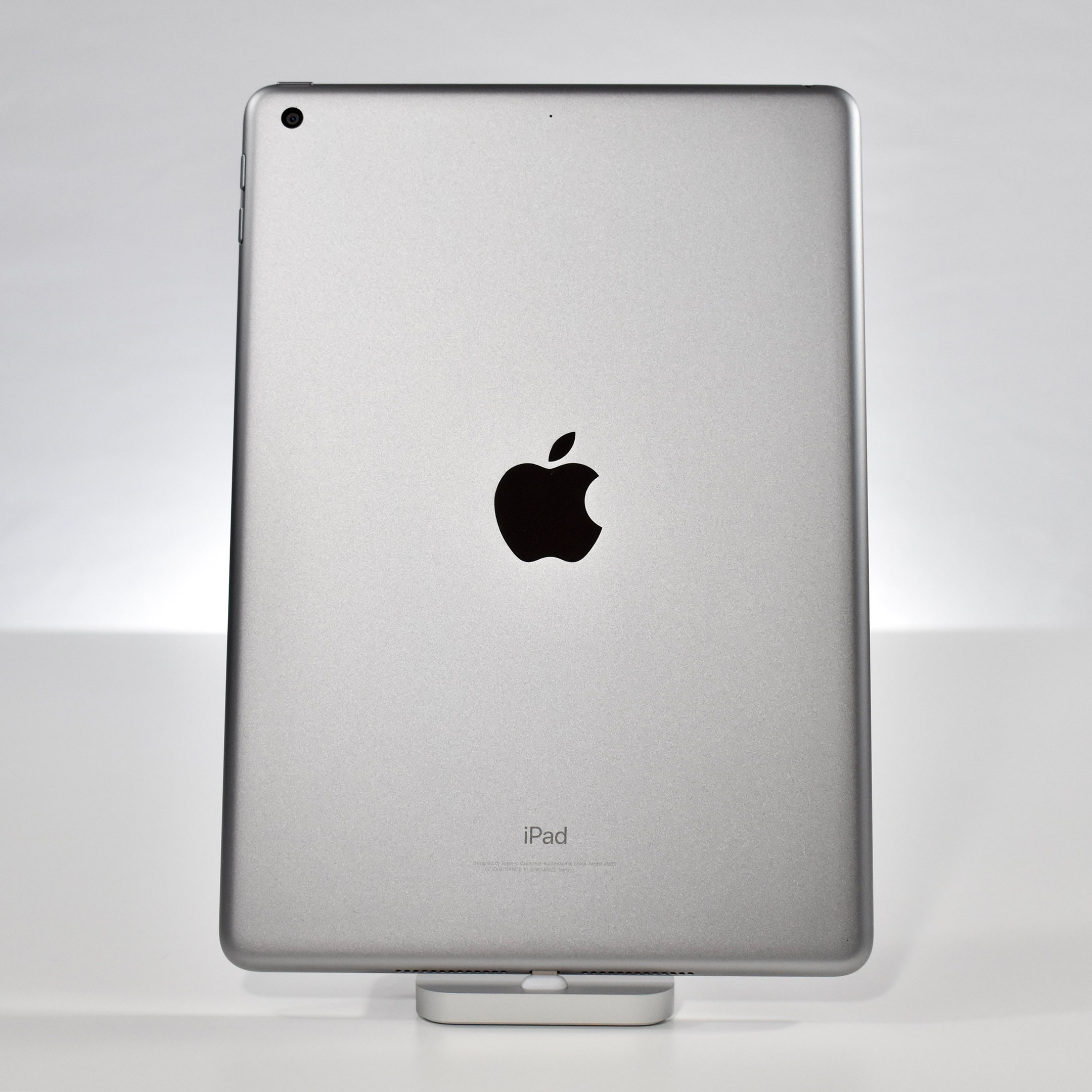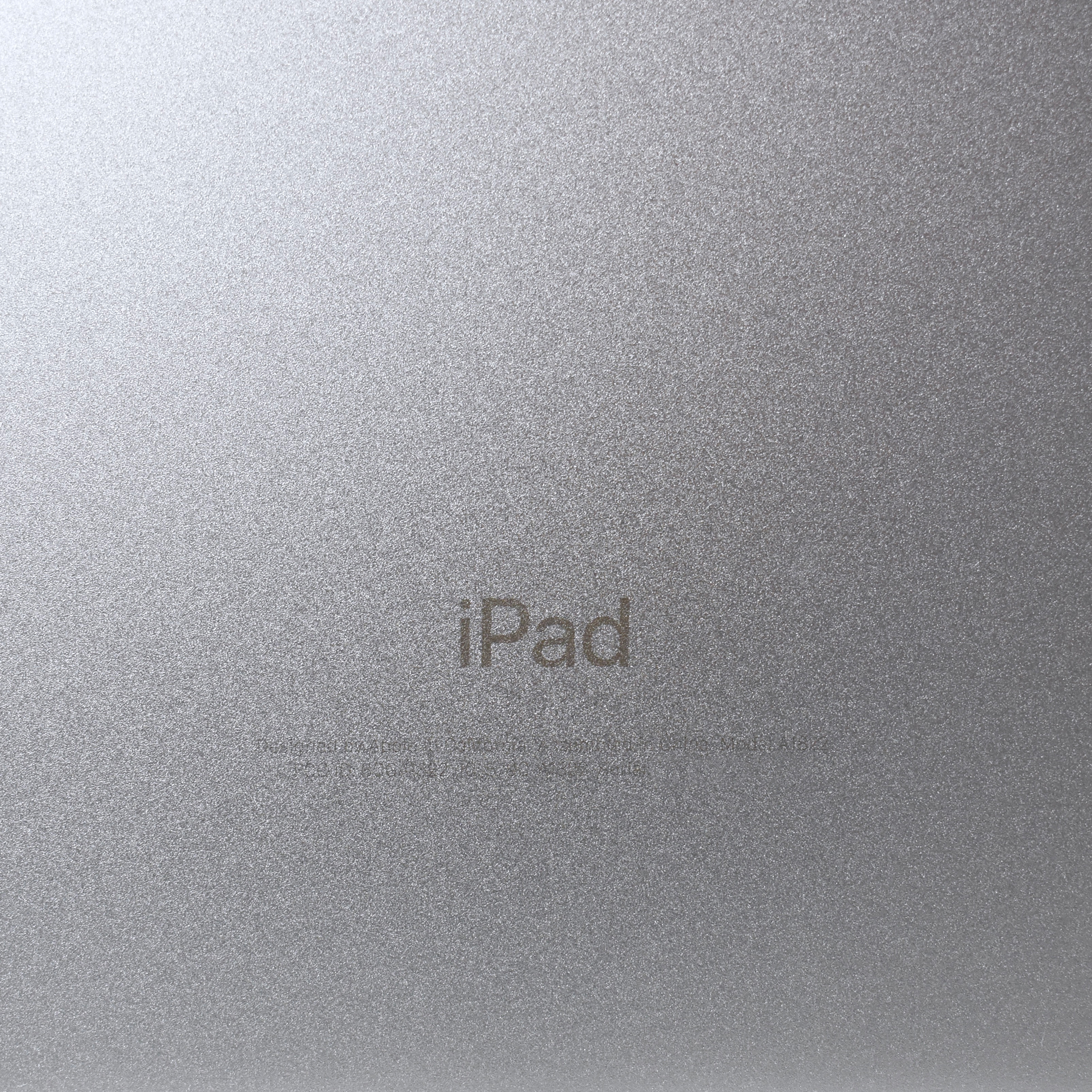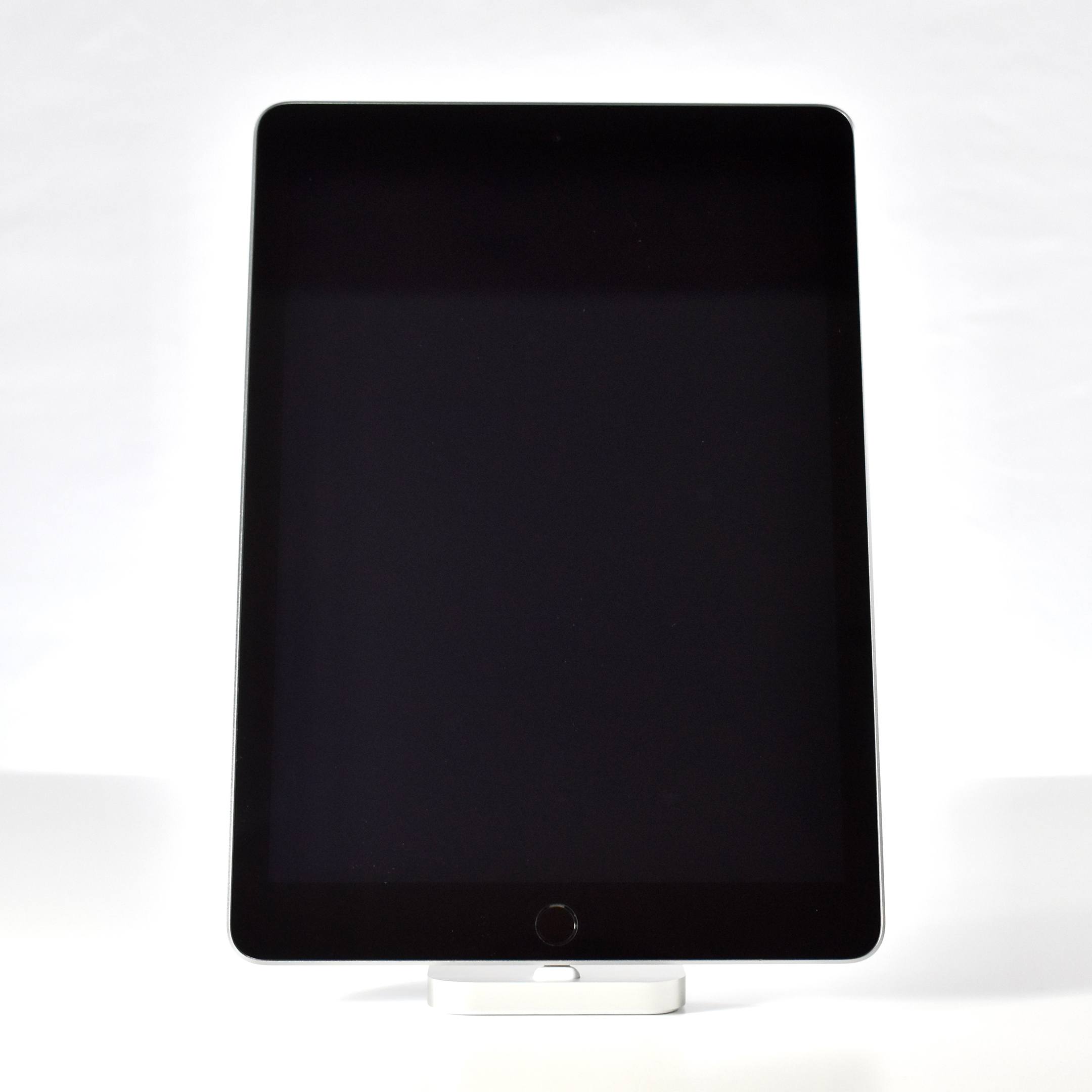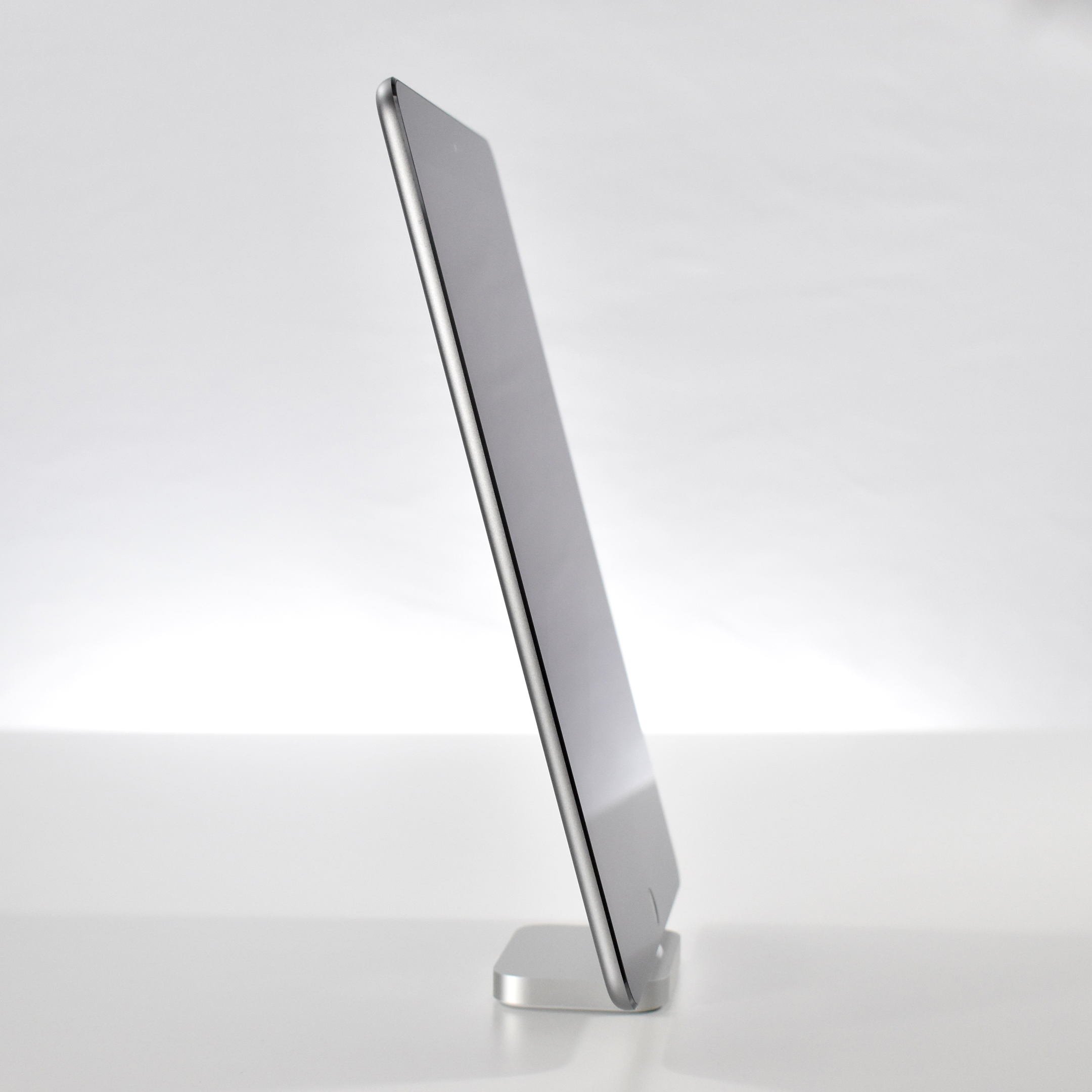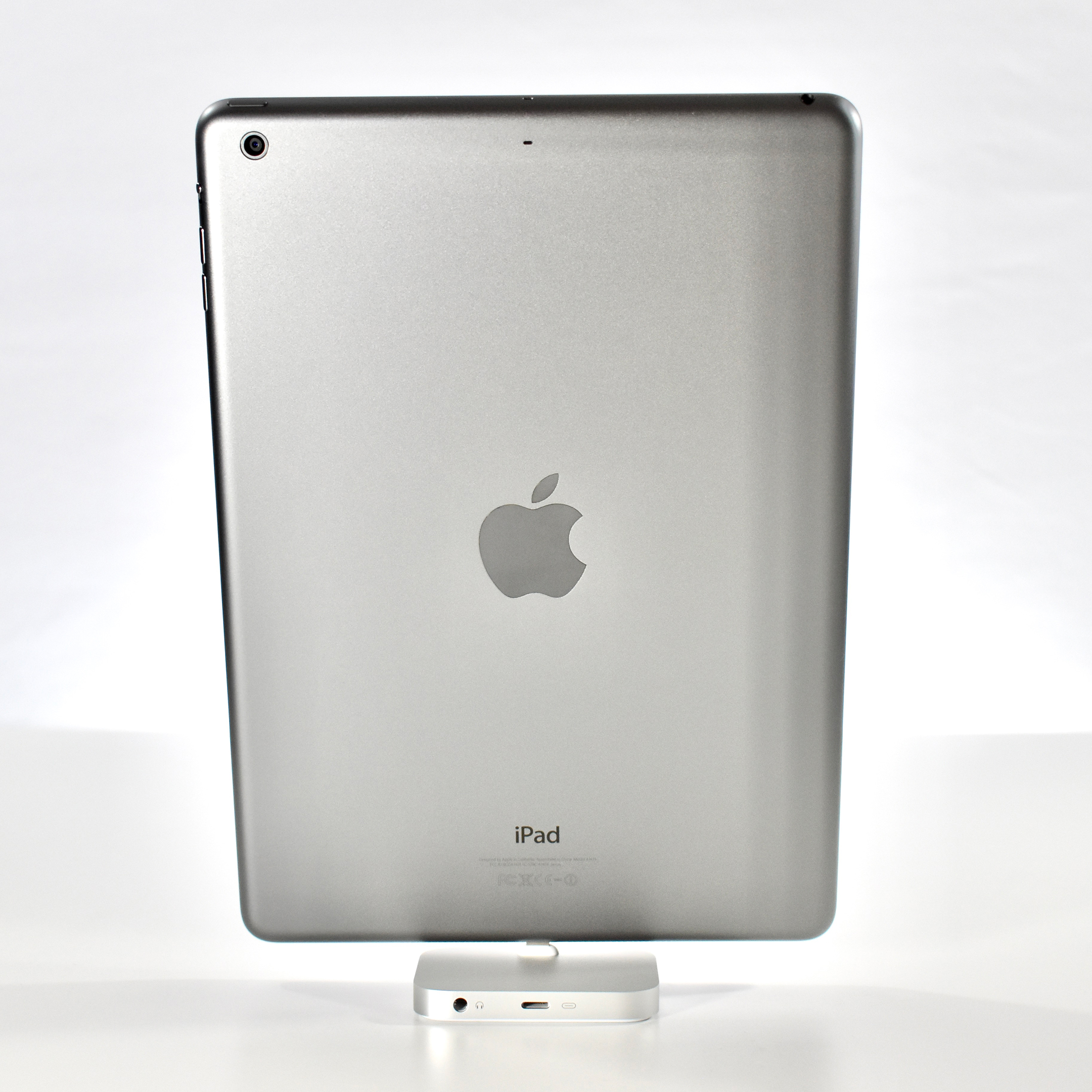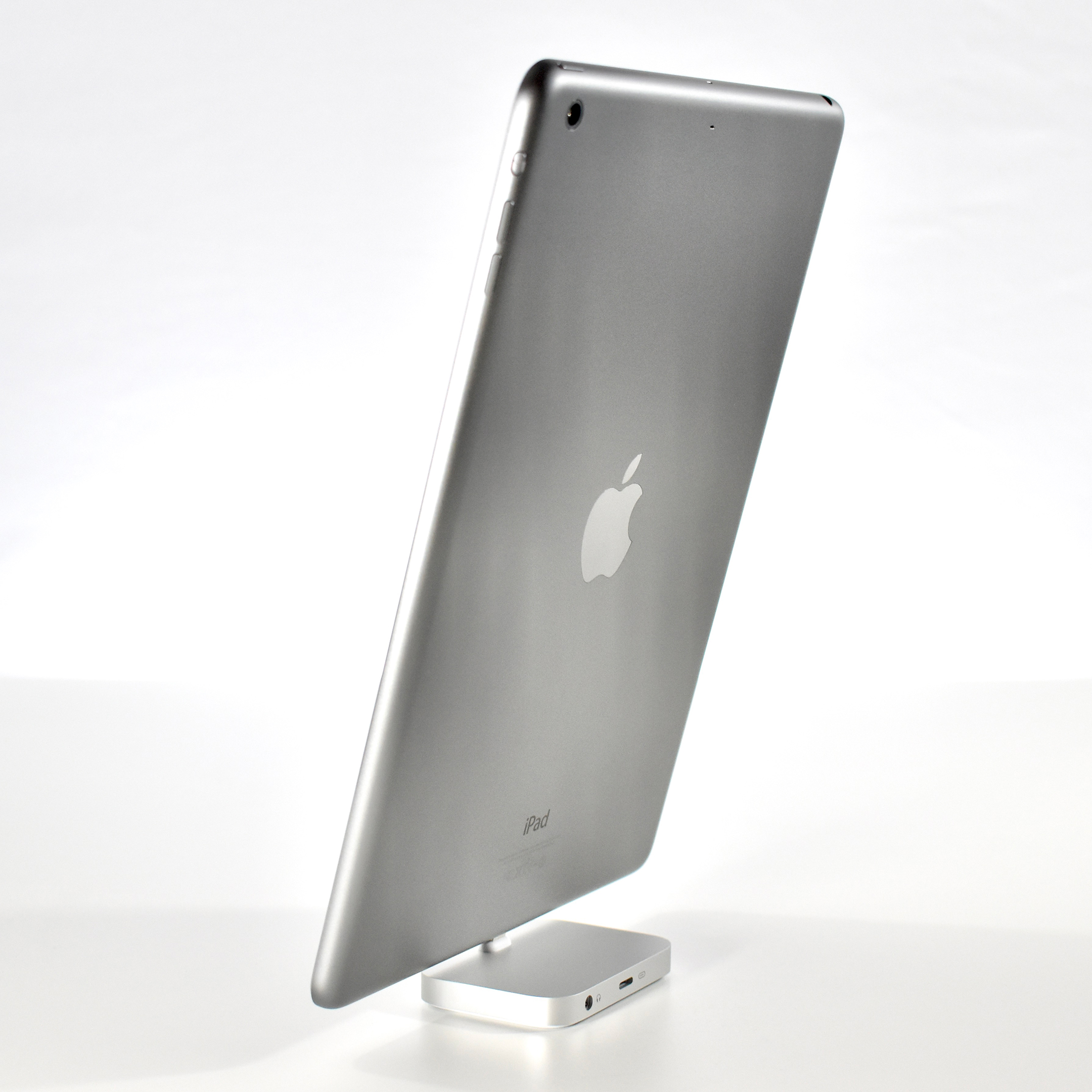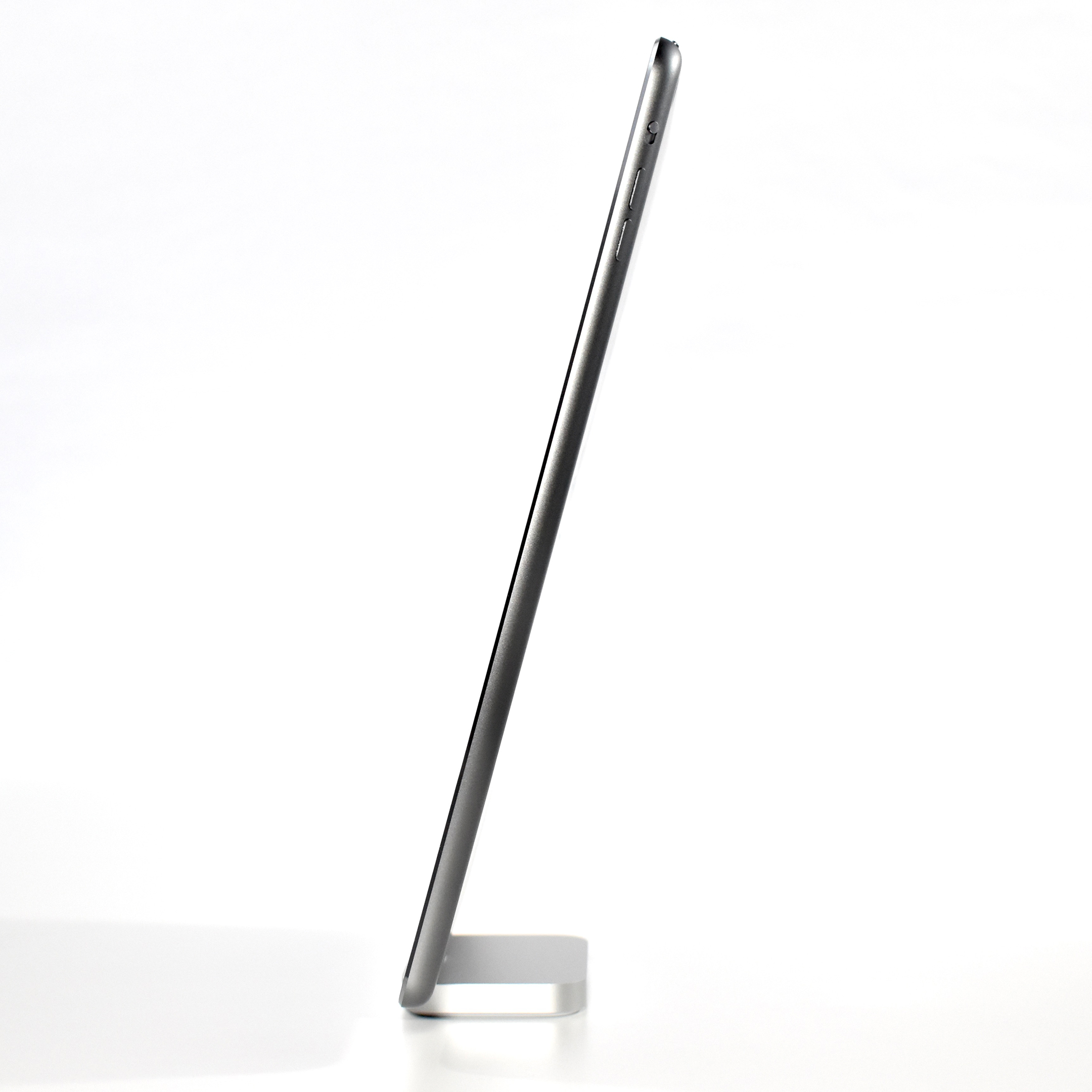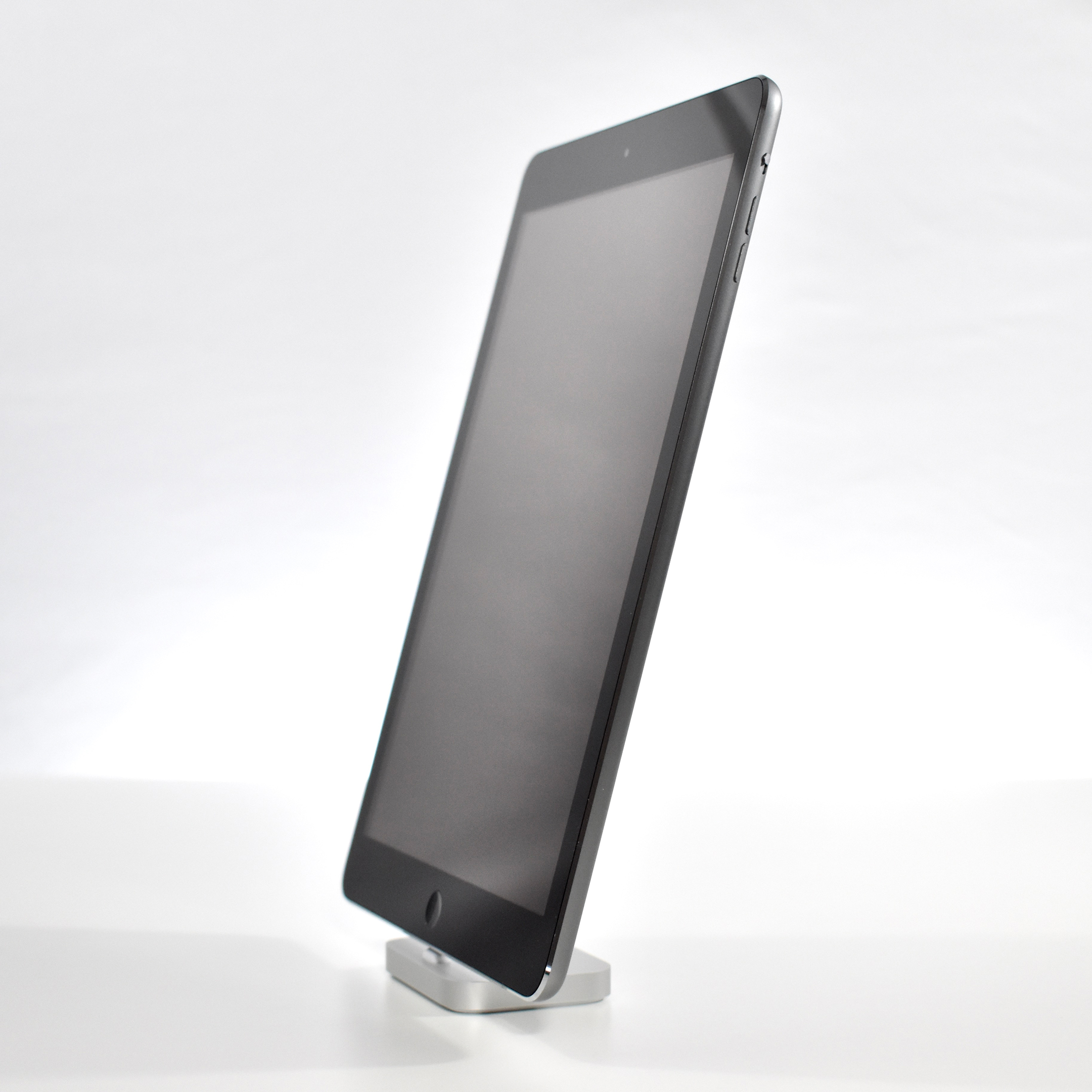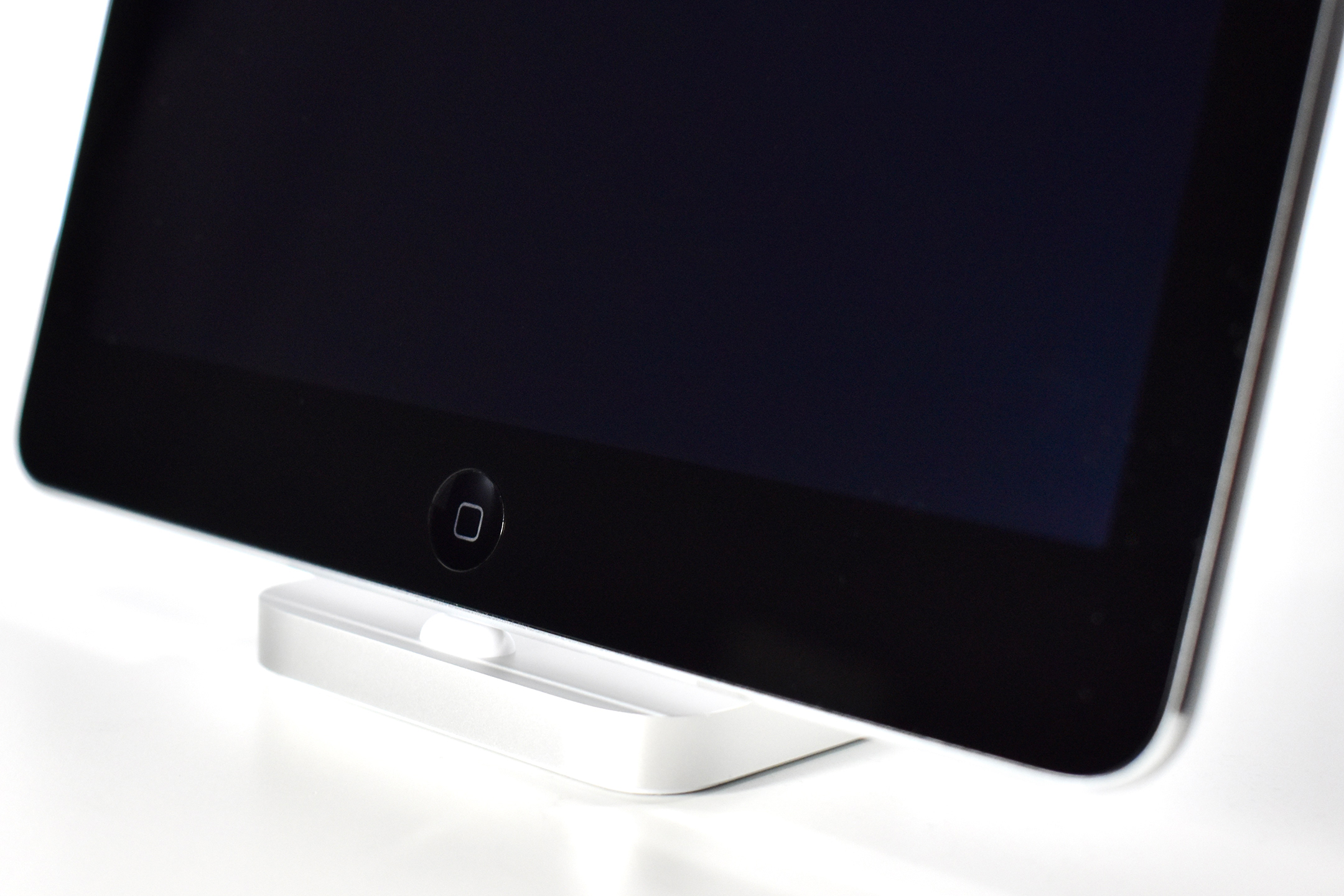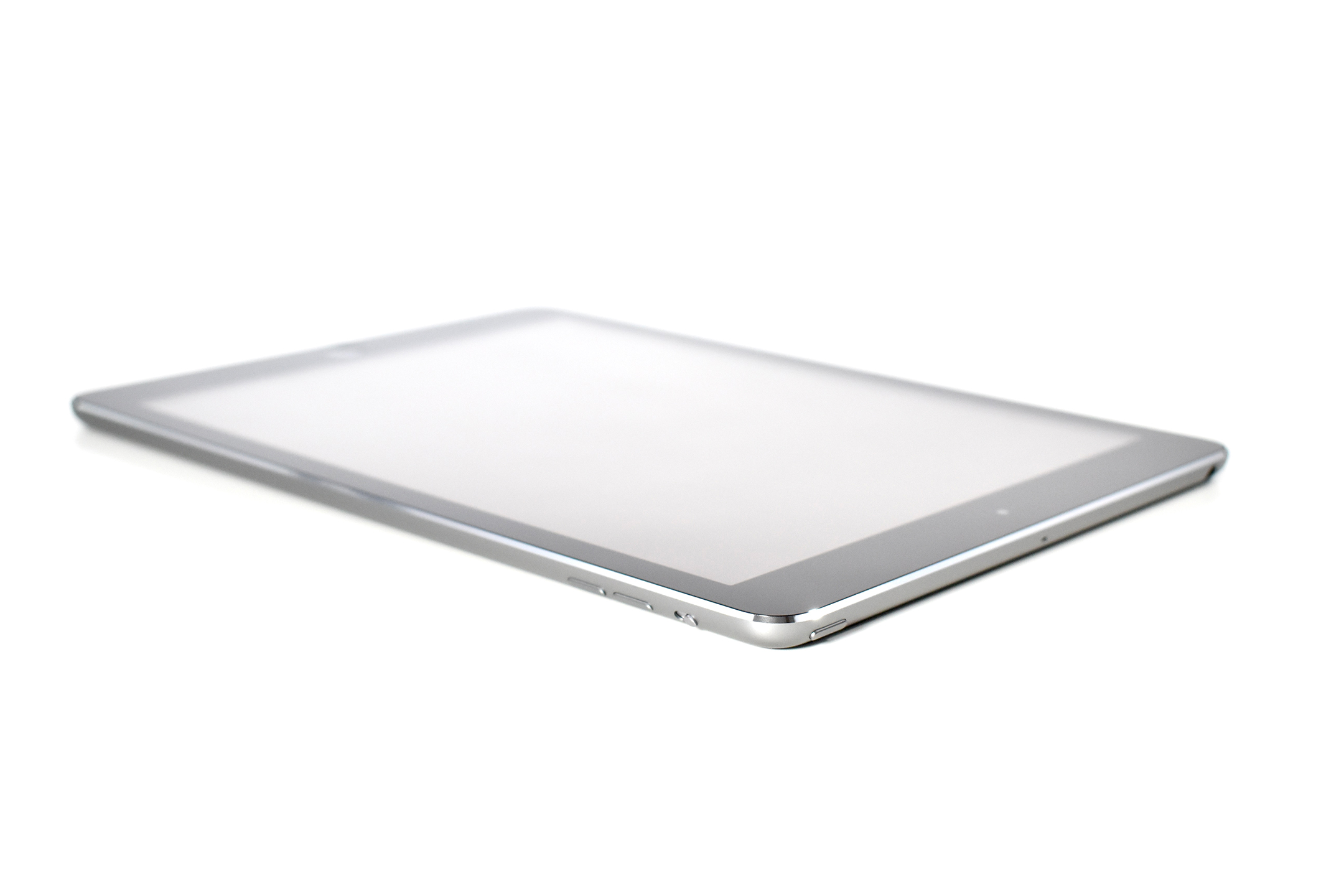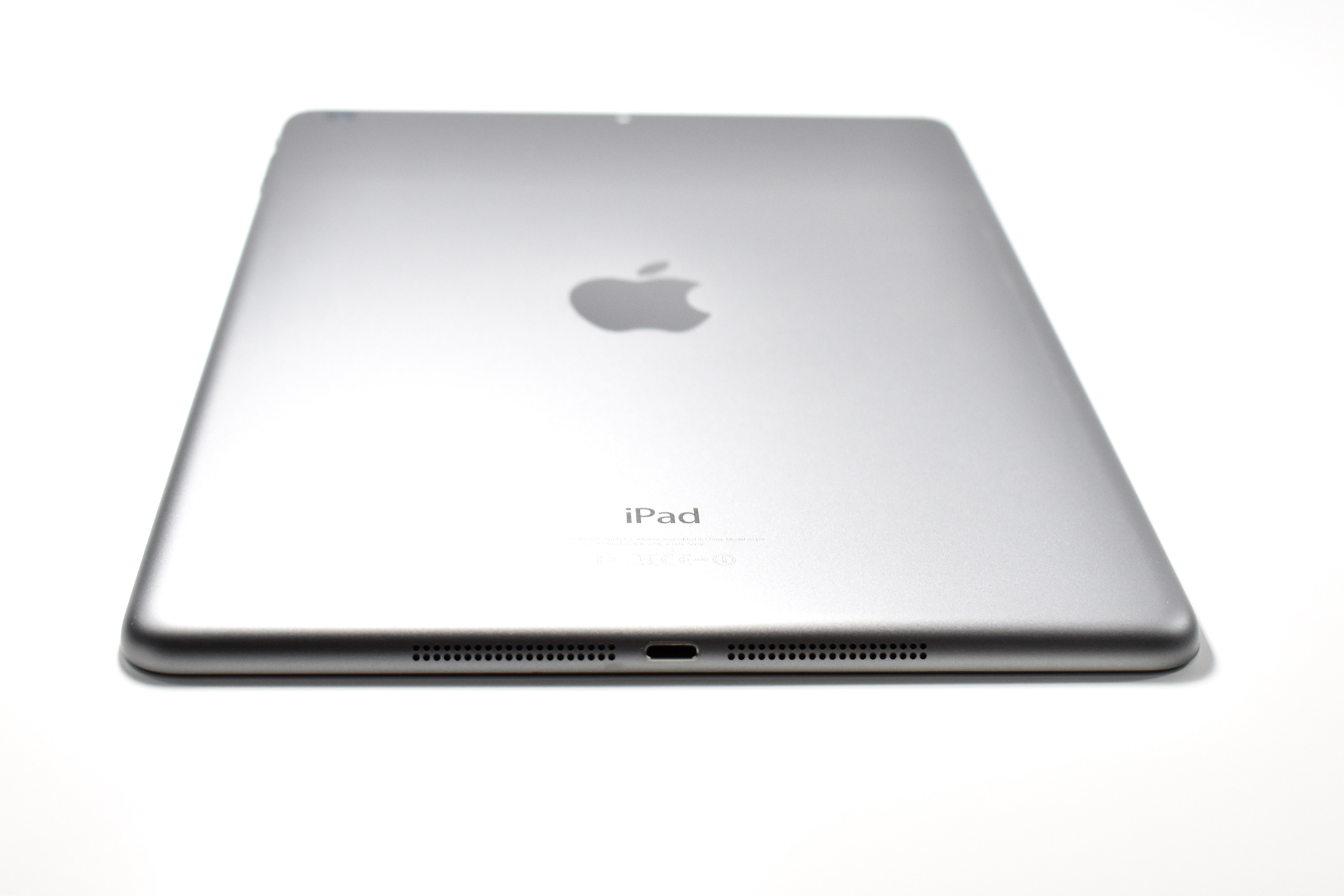
iPad (Generation 4, Wi-Fi, white, 2012)

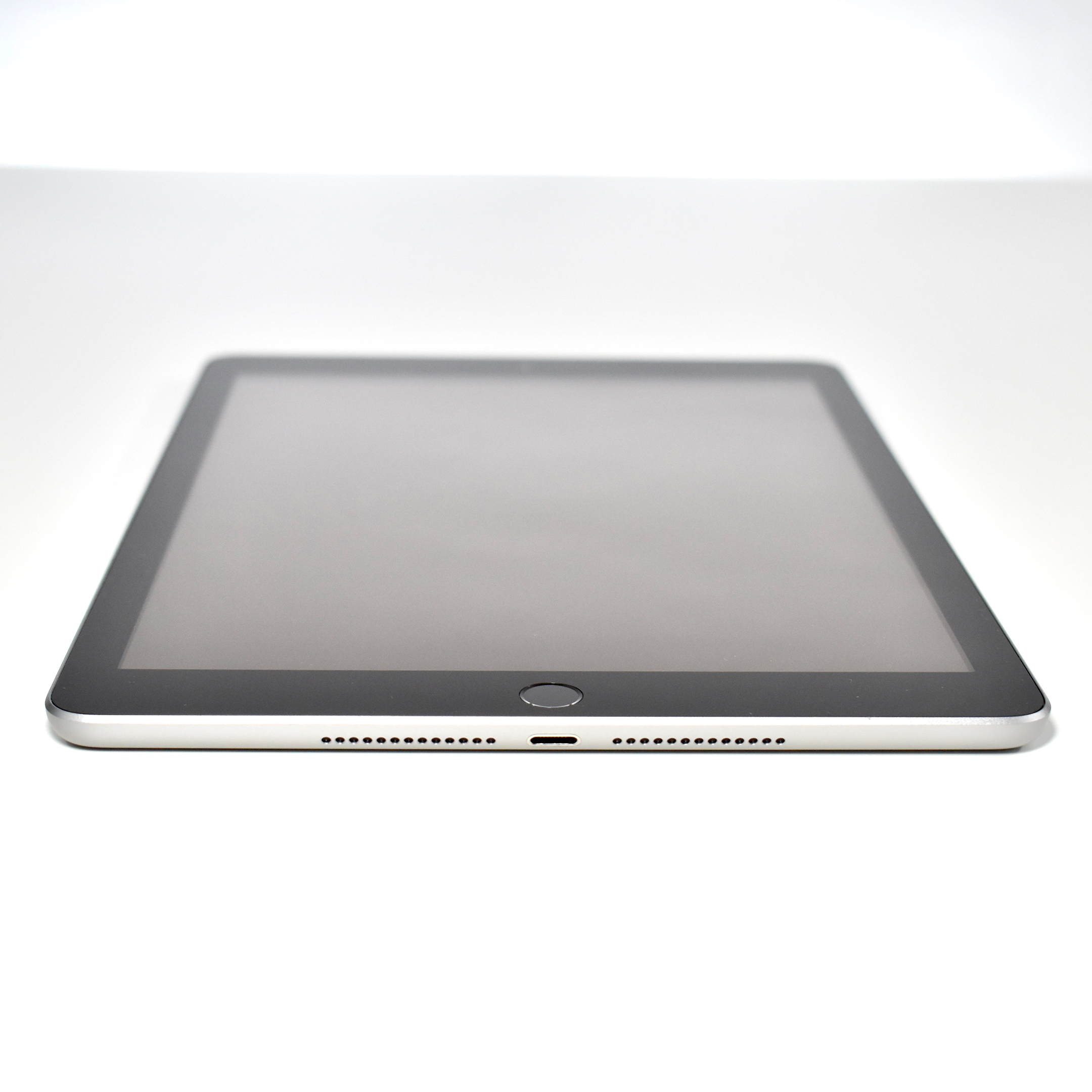
The iPad Generation 4 was referred to by Apple officially as the “iPad with Retina Display.” Similar in many ways to the iPad Generation 3 before it, the iPad Generation 4 replaced the 30-pin dock connector with the Lightning port, and also offered incremental upgrades.

The Retina Display increased the touchscreen resolution to 2048×1536 (at 264 ppi). Internally, the iPad Generation 4 used a dual-core 1.4 GHz A6X processor, 1 GB of RAM, and was offered with 16, 32, 64, or 128 GB of storage. Its back 5-megapixel iSight camera could record video at 1080p, and its front FaceTime HD camera could record video at 720p. Wireless connectivity included 802.11n Wi-Fi and Bluetooth 4.0.

The iPad Generation 4 was available in black and white (both options had a silver aluminum back). This Wi-Fi example is in white.

Source: Everymac

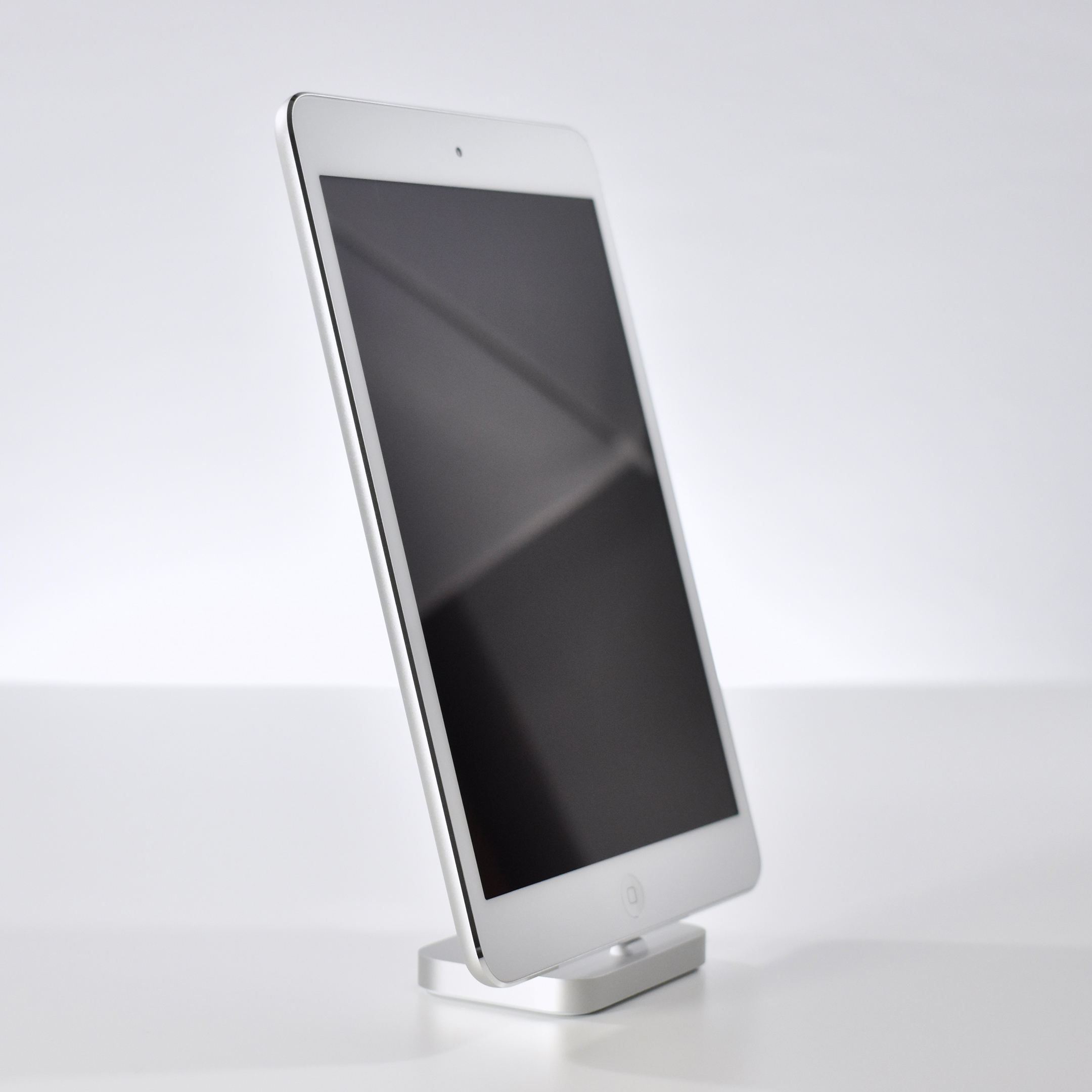
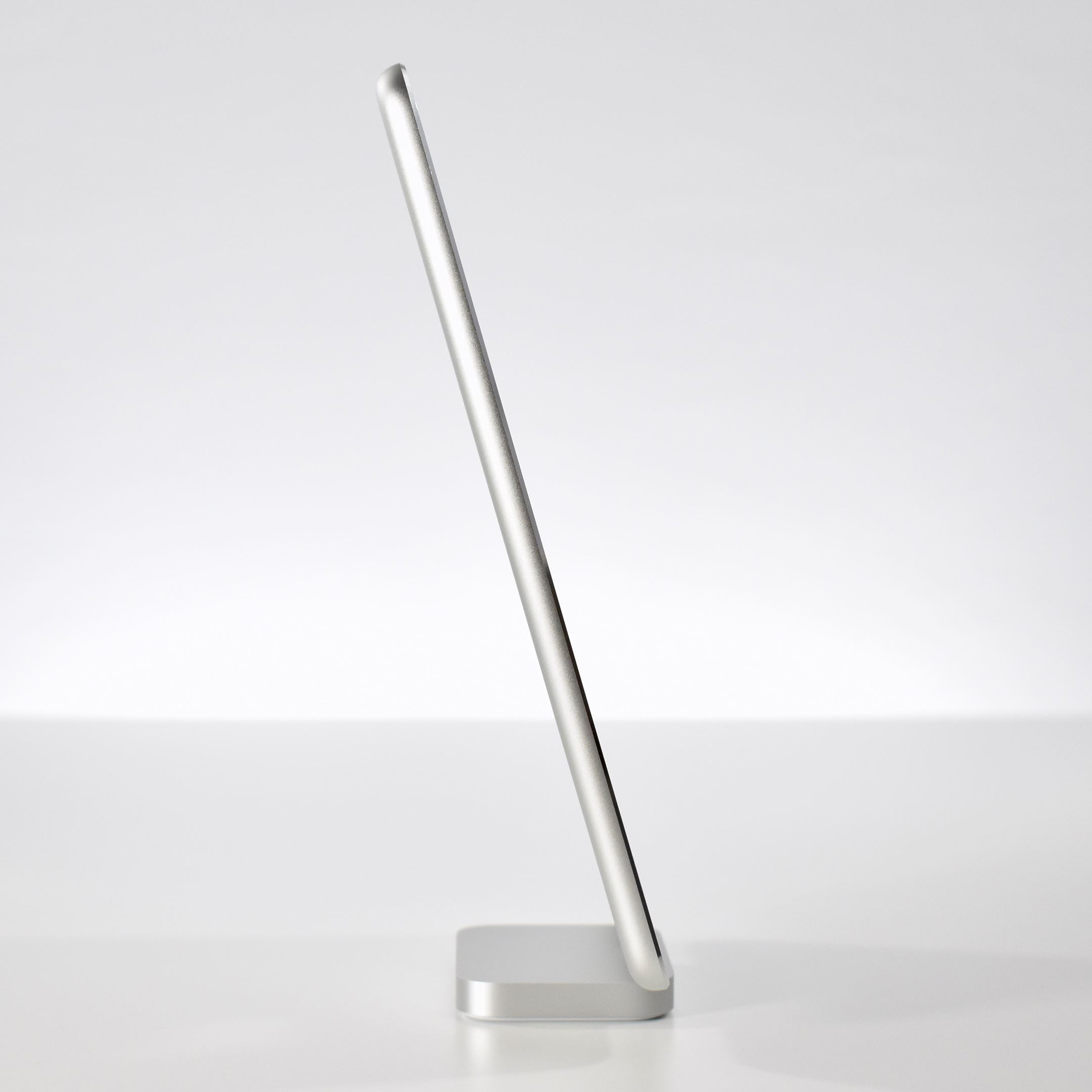
iPad mini (Generation 2, Wi-Fi, silver, 2013)

Originally, Apple referred to the iPad mini Generation 2 as the “iPad mini with Retina Display” when Apple increased the touchscreen resolution of the 7.9-inch screen to 2048×1536 (at 326 ppi). In addition, the iPad mini Generation 2 gained a faster processor and upgraded Wi-Fi.

Internally, the iPad mini Generation 2 used a dual-core 1.3 GHz A7 processor, 1 GB of RAM, and was available with 16, 32, 64, or 128 GB of storage. The rear camera was a 5-megapixel iSight camera that recorded video at 1080p video. The front camera was a 1.2-megapixel FaceTime HD camera that recorded 720p video. Wireless connectivity included 802.11a/b/g/n Wi-Fi and Bluetooth 4.0. It included two microphones, speakers, and a Lightning port. It could run up to iOS 7.0.

The iPad mini was available in silver (white front with metallic silver aluminum back) and space gray (black front with metallic dark gray aluminum back). This example is silver.

Source: Everymac, Wikipedia

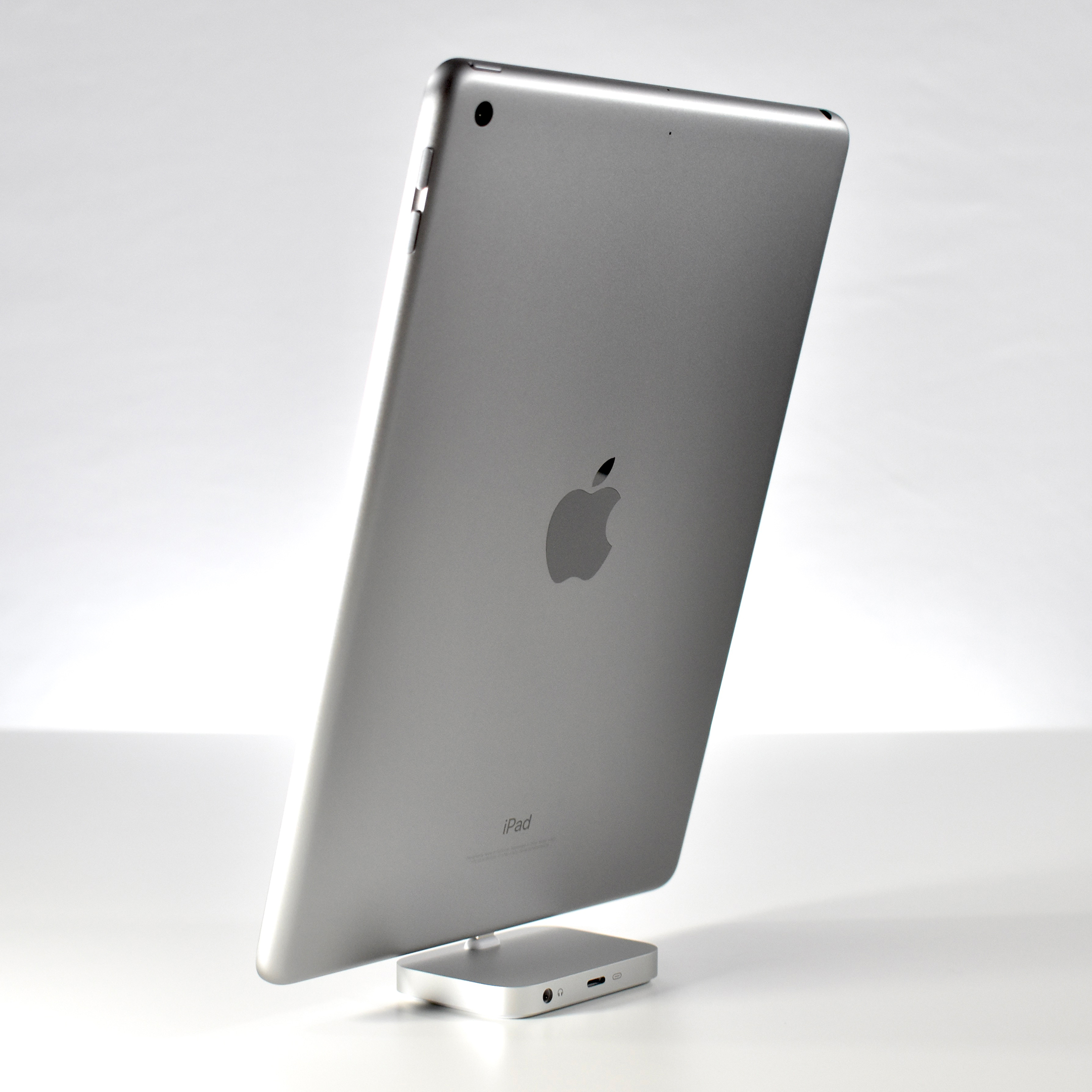
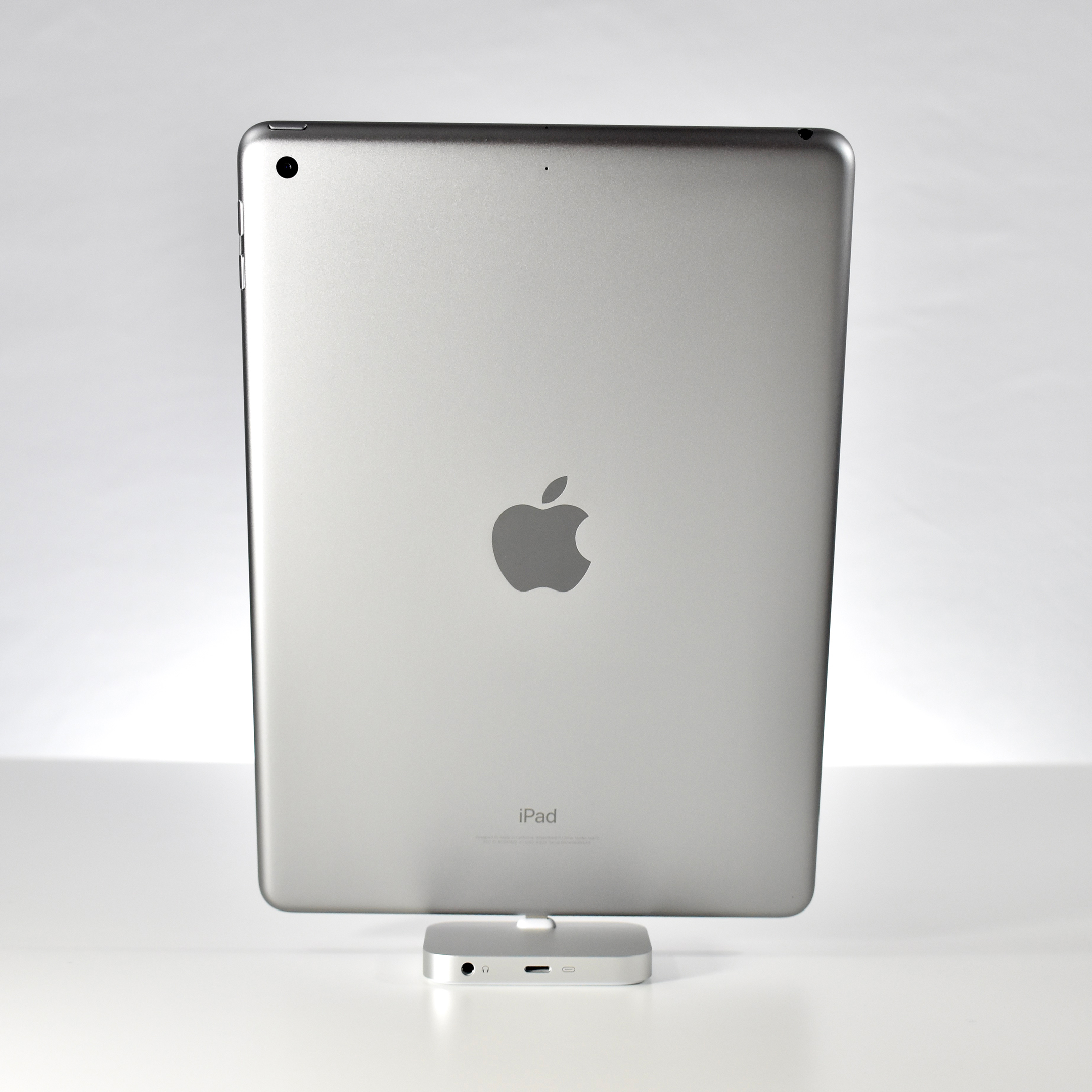
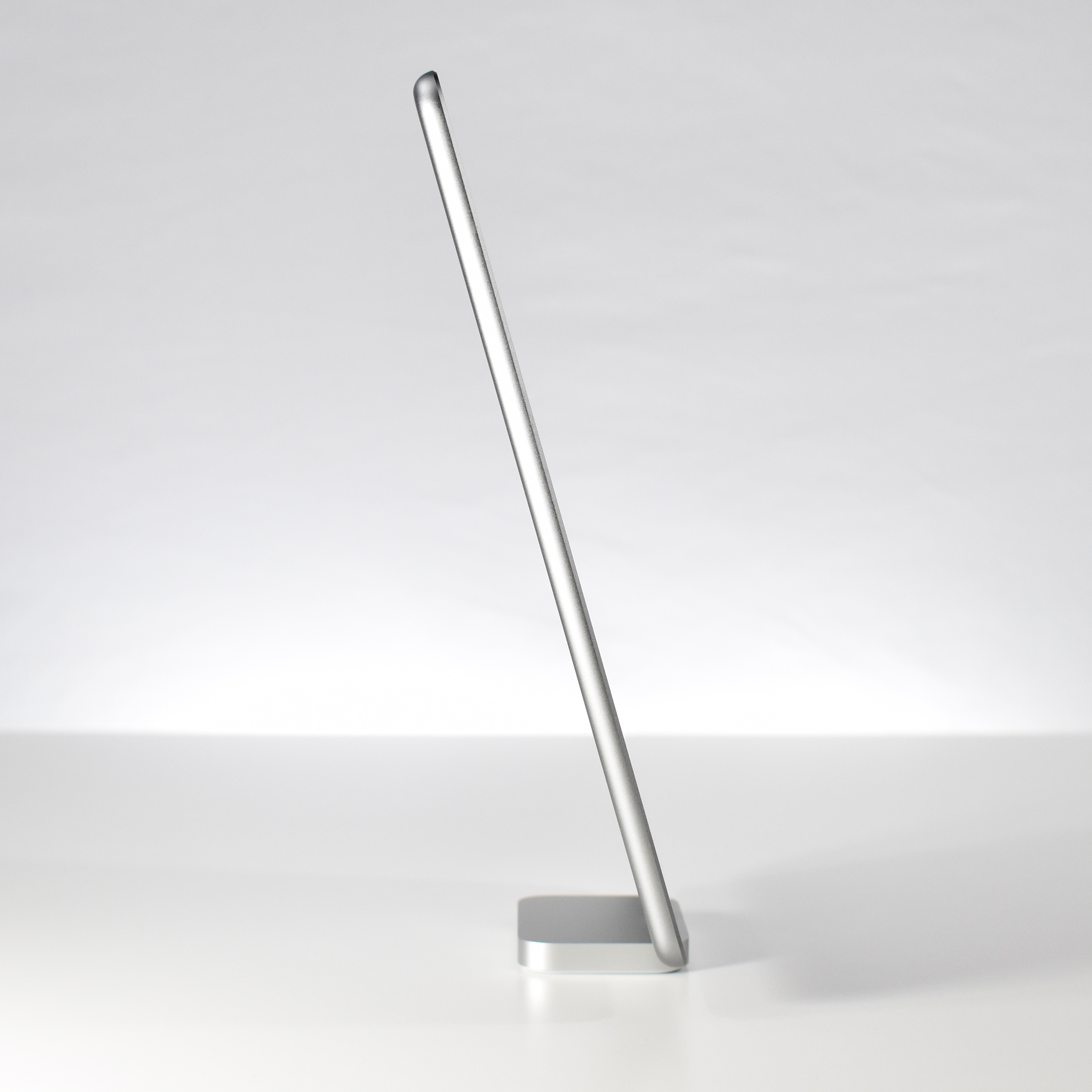
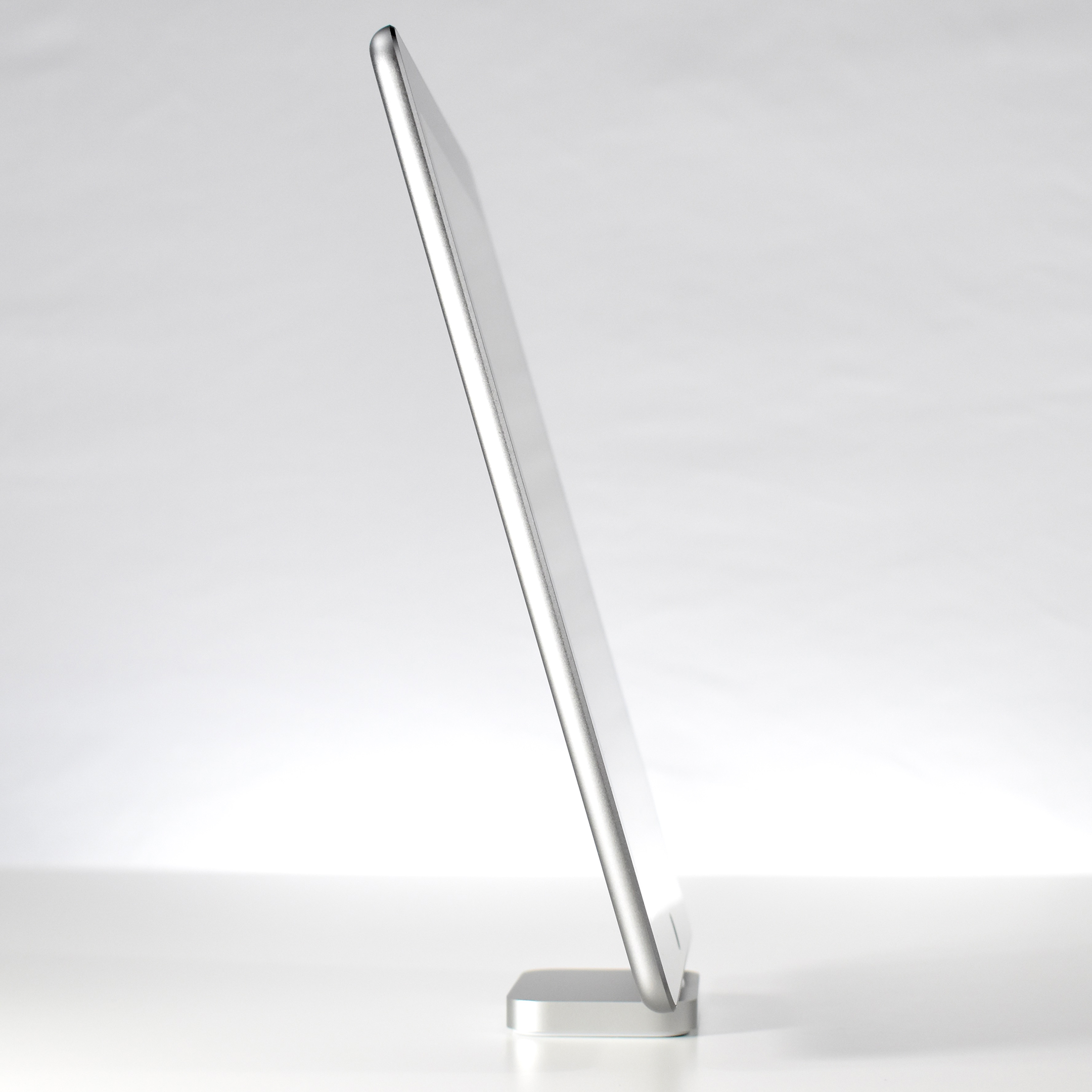
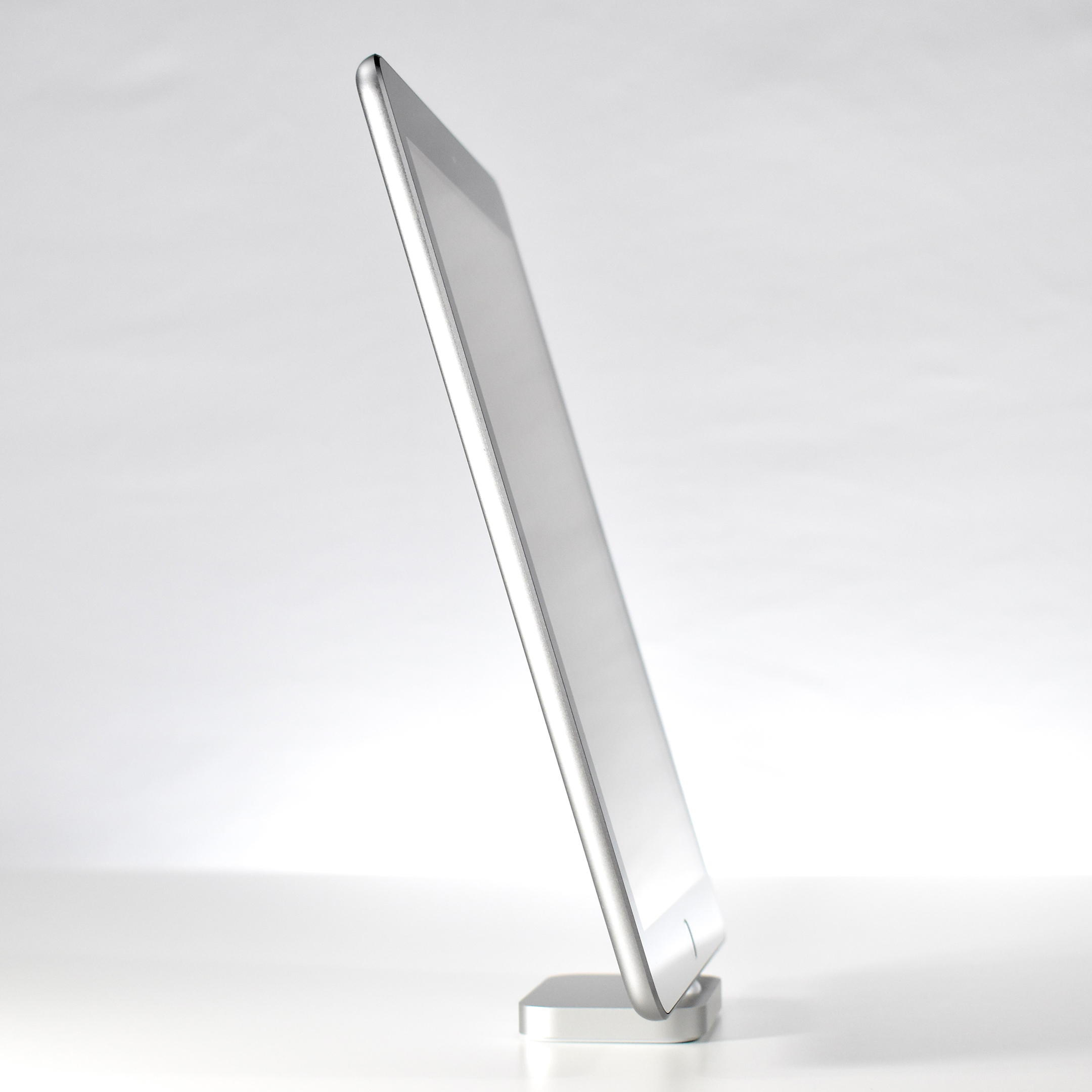
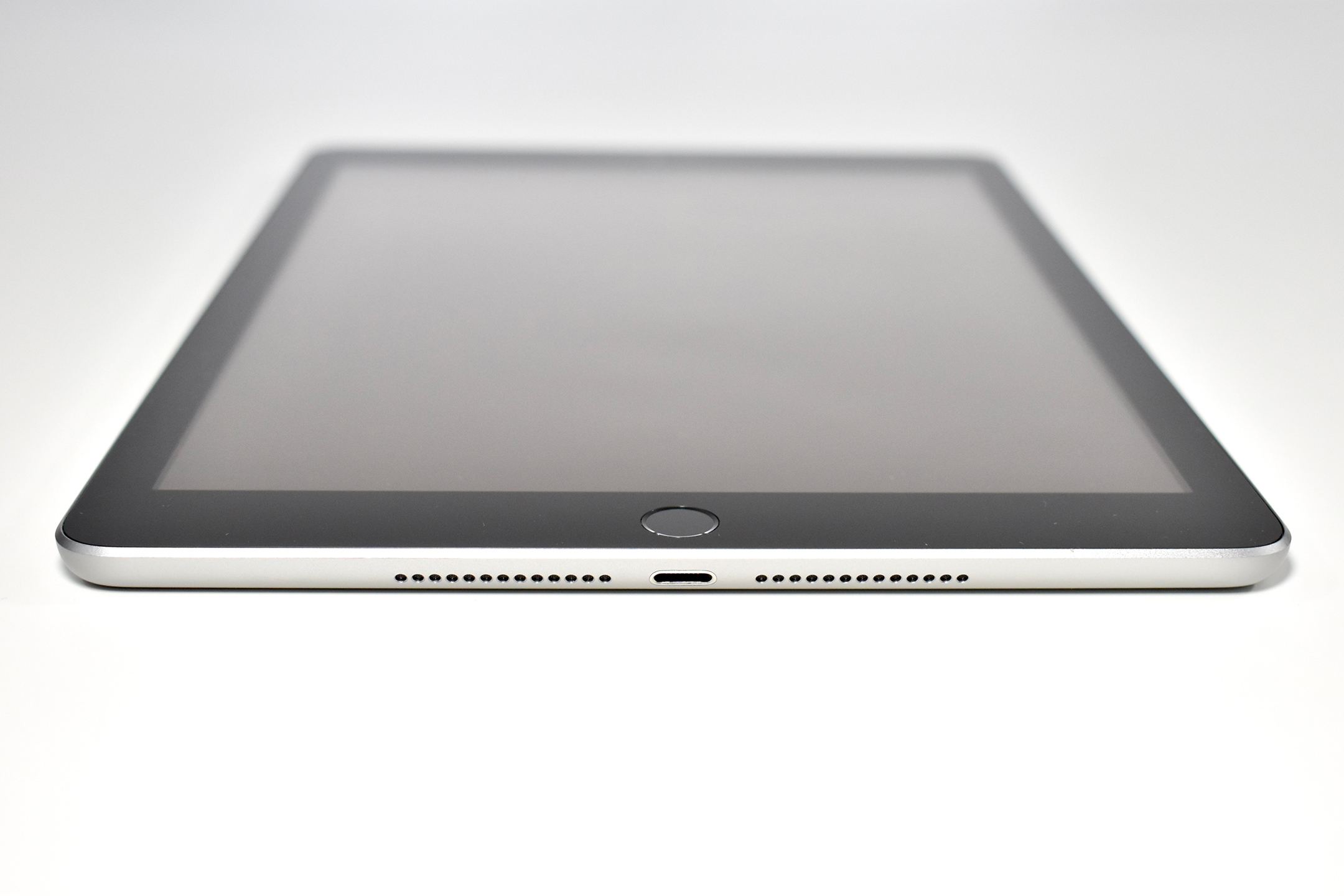
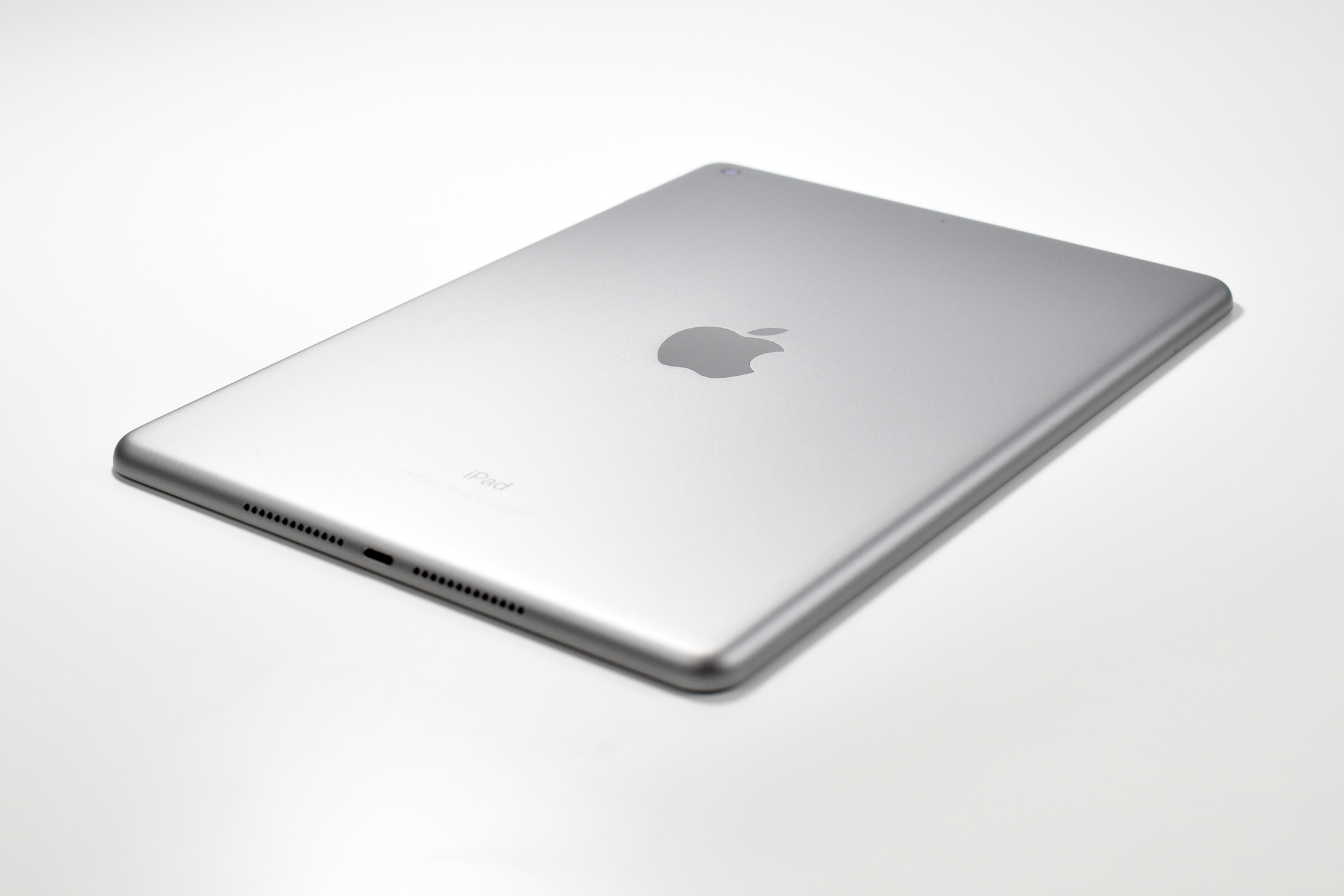
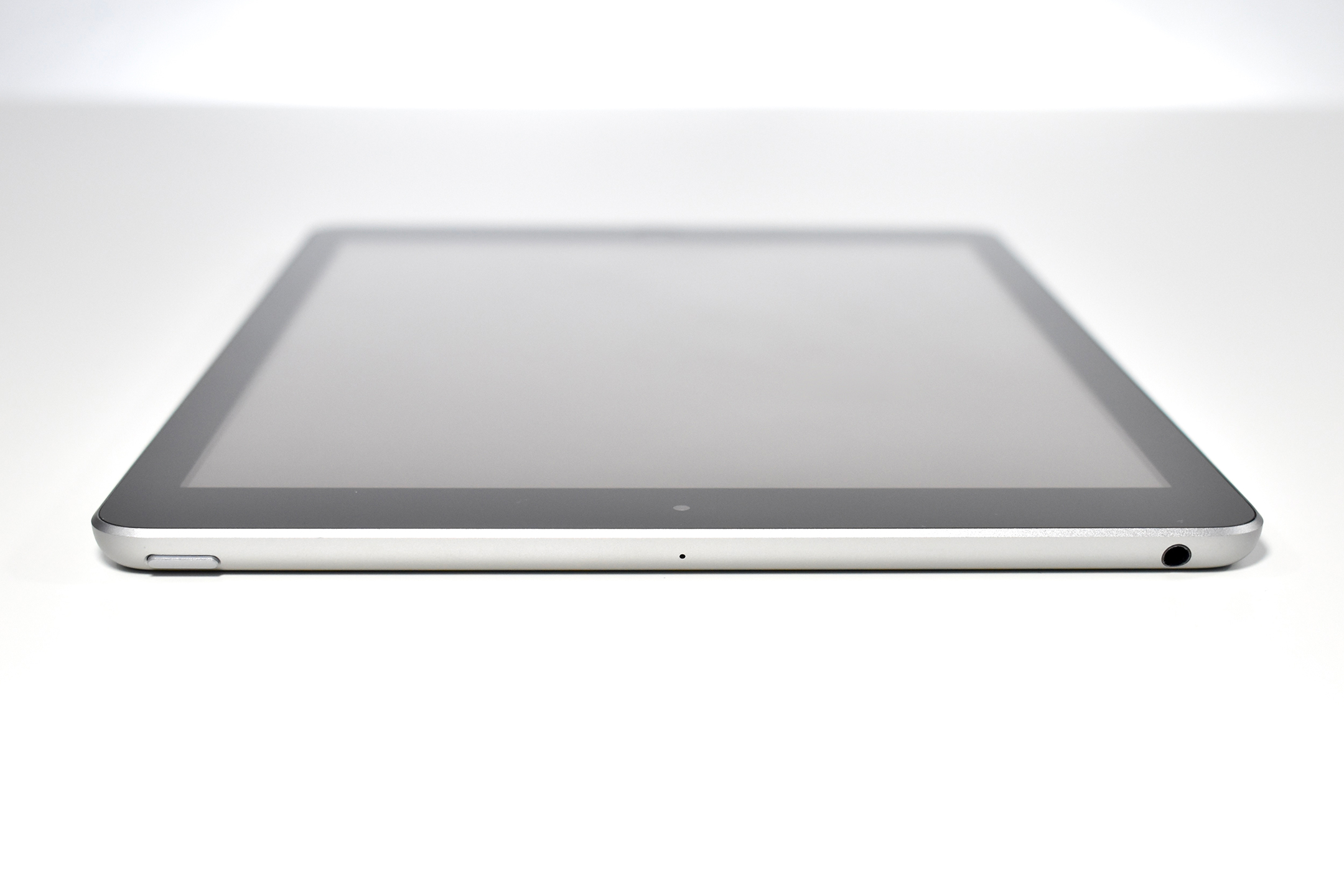
iPad (Generation 5, Wi-Fi, 32 GB, space gray, 2017)

The iPad Generation 5 was introduced in early 2017 and was referred to by Apple as the “9.7-inch iPad.”

This was the first “regular,” or base model, iPad available in colors other than back or white. The iPad Generation 5 was available in gold (gold aluminum back and white glass front), silver (silver aluminum back and white glass front), and space gray (dark gray aluminum back and black glass front).

This iPad had a 9.7-inch Retina Display touchscreen (2048×1536 at 264 ppi) and a Touch ID fingerprint sensor. Internally it used a two-core 1.8 GHz A9 processor, 2 GB of RAM, and was available with 32 or 128 GB on internal storage.

Its rear camera was an 8-megapixel iSight camera that could record video at 1080p (at 30 fps). Its front camera was a FaceTime HD camera that could record video at 720p. Wireless connections included 802.11ac Wi-Fi and Bluetooth 4.2, and wired connections included a Lightning connector and audio port.

Source: Everymac

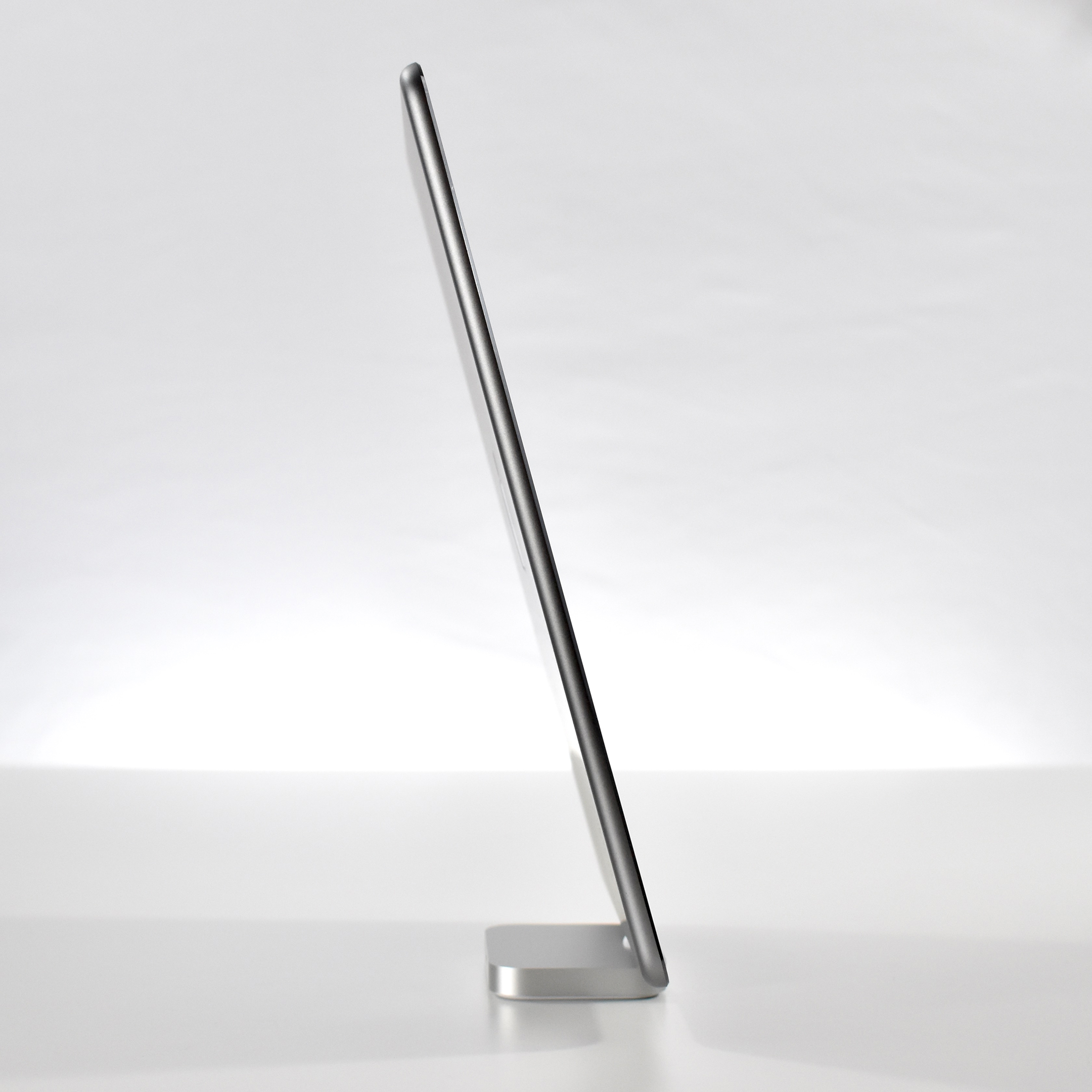
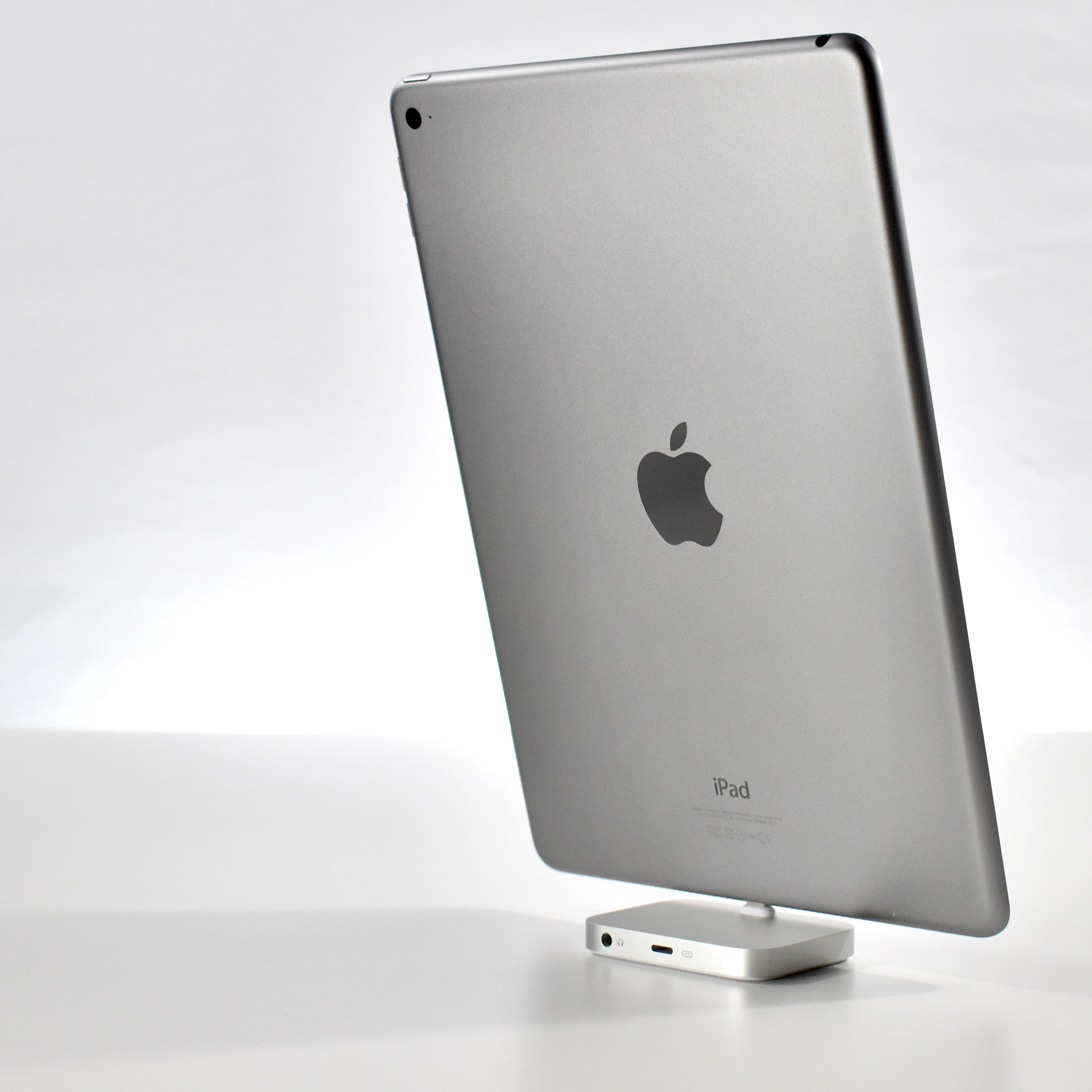
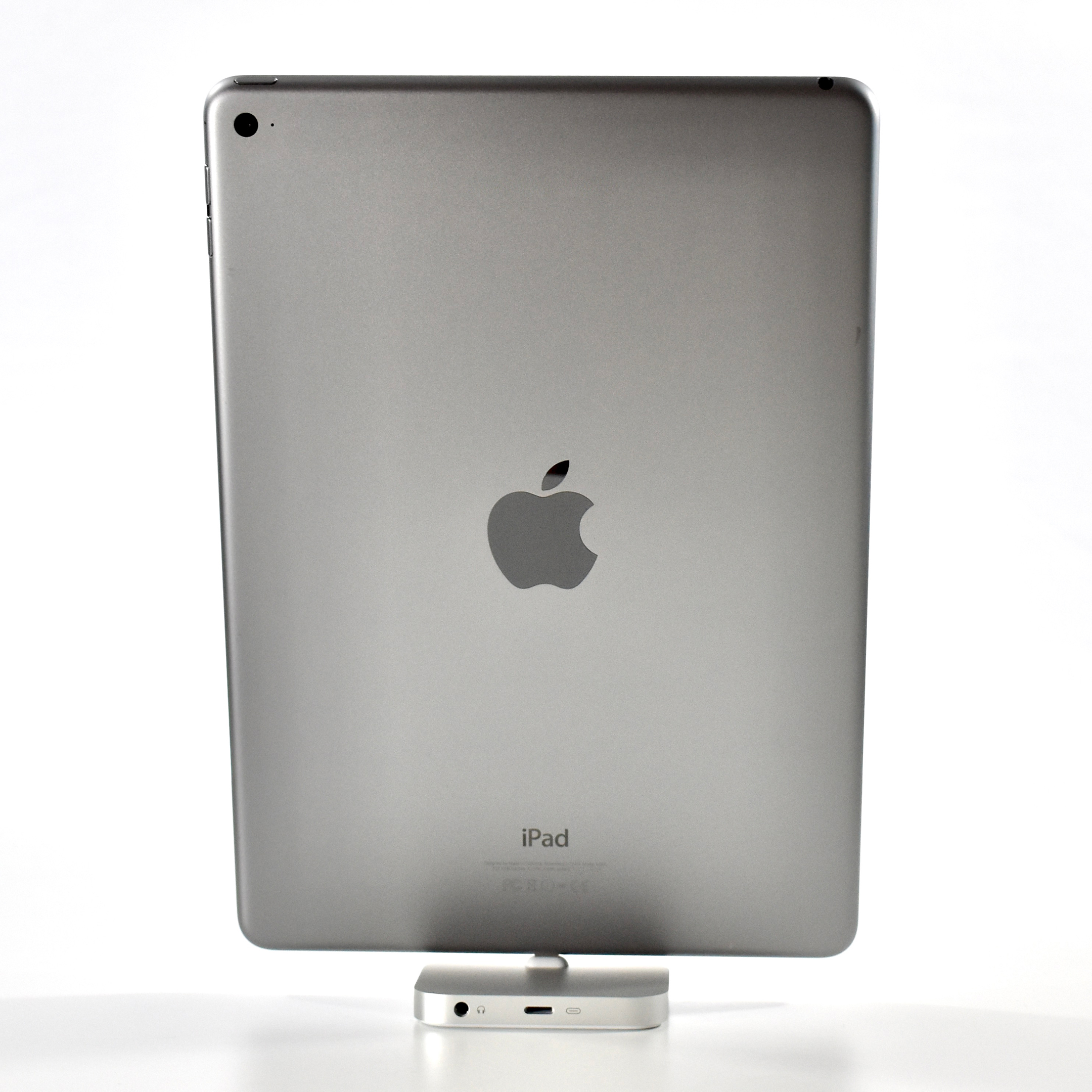
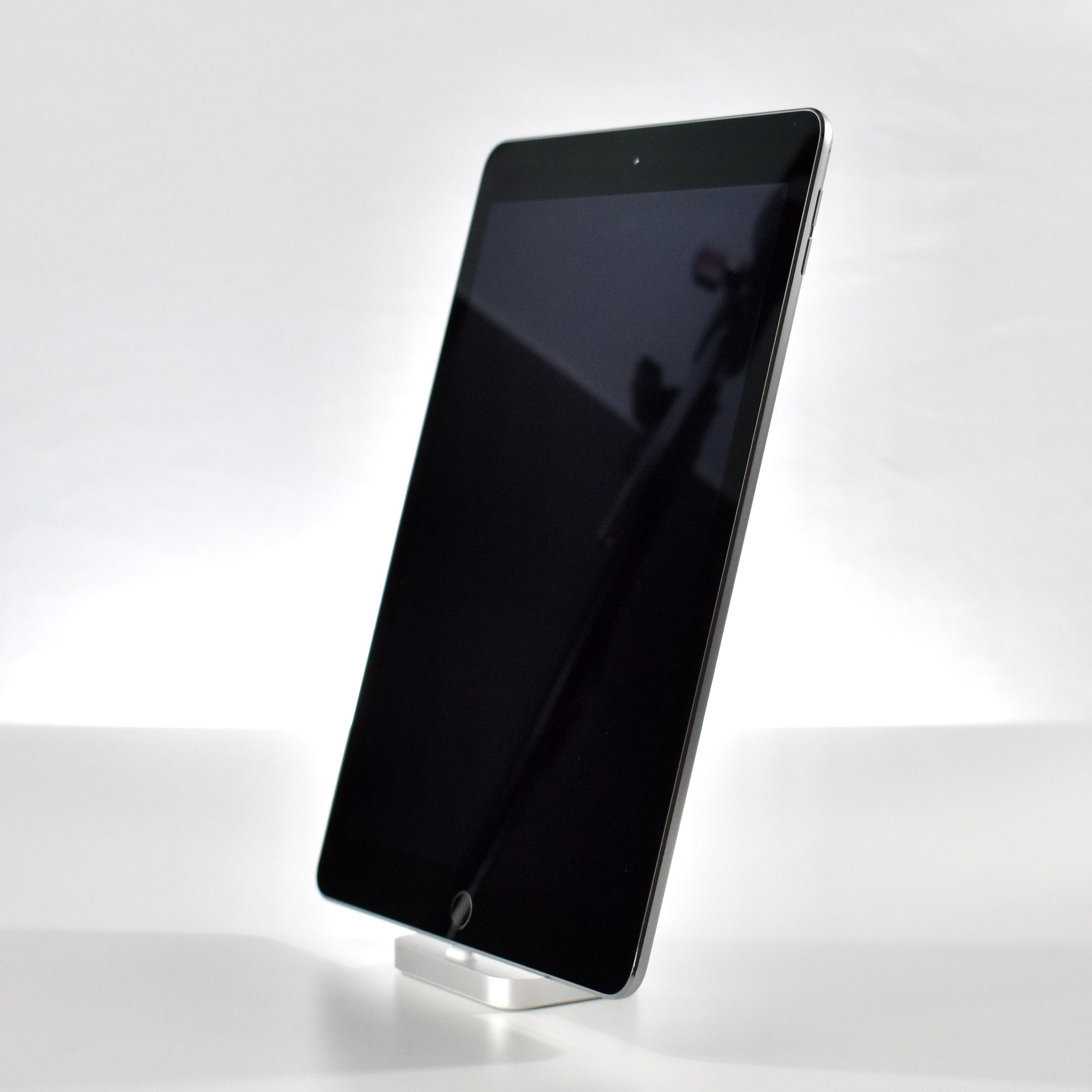
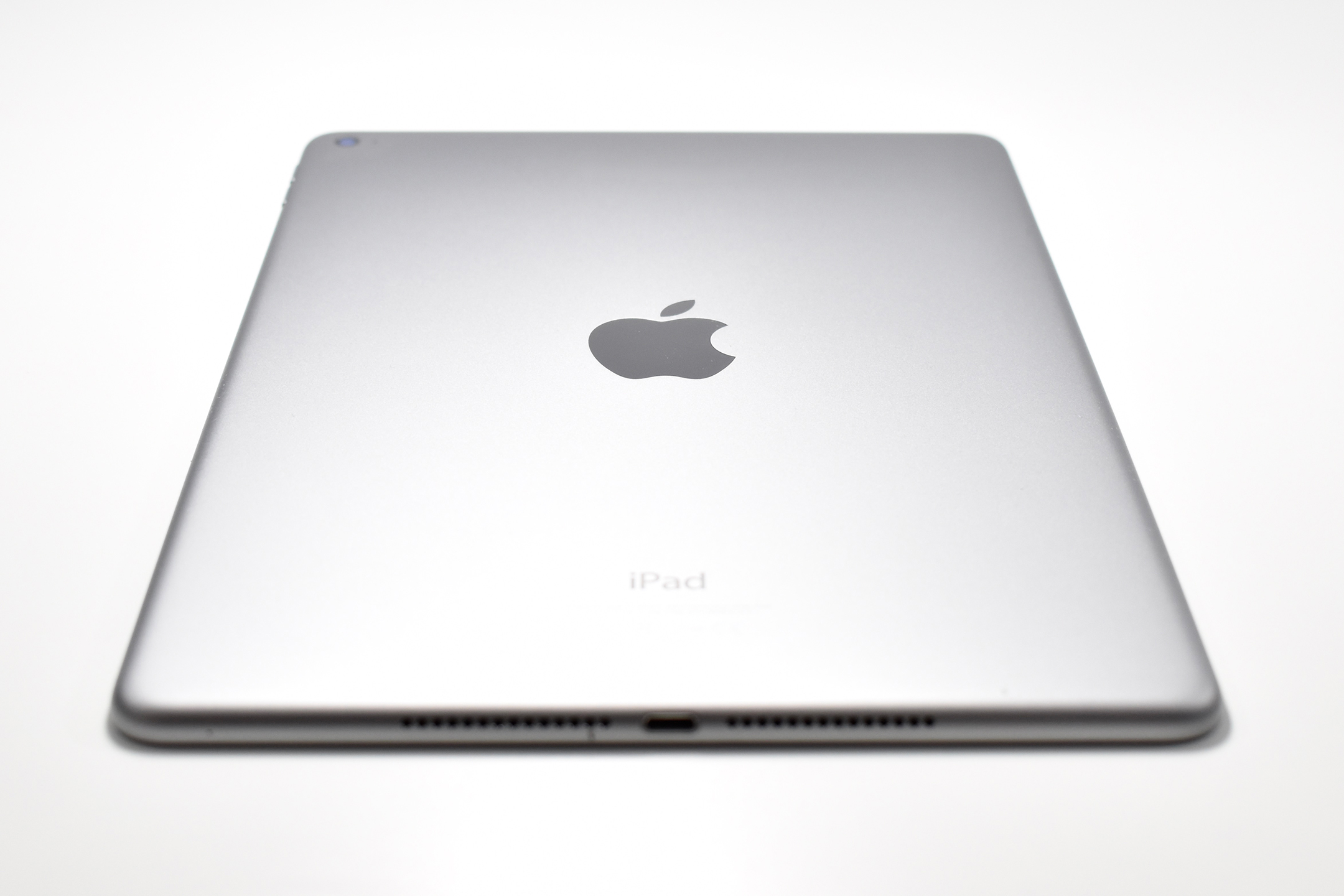
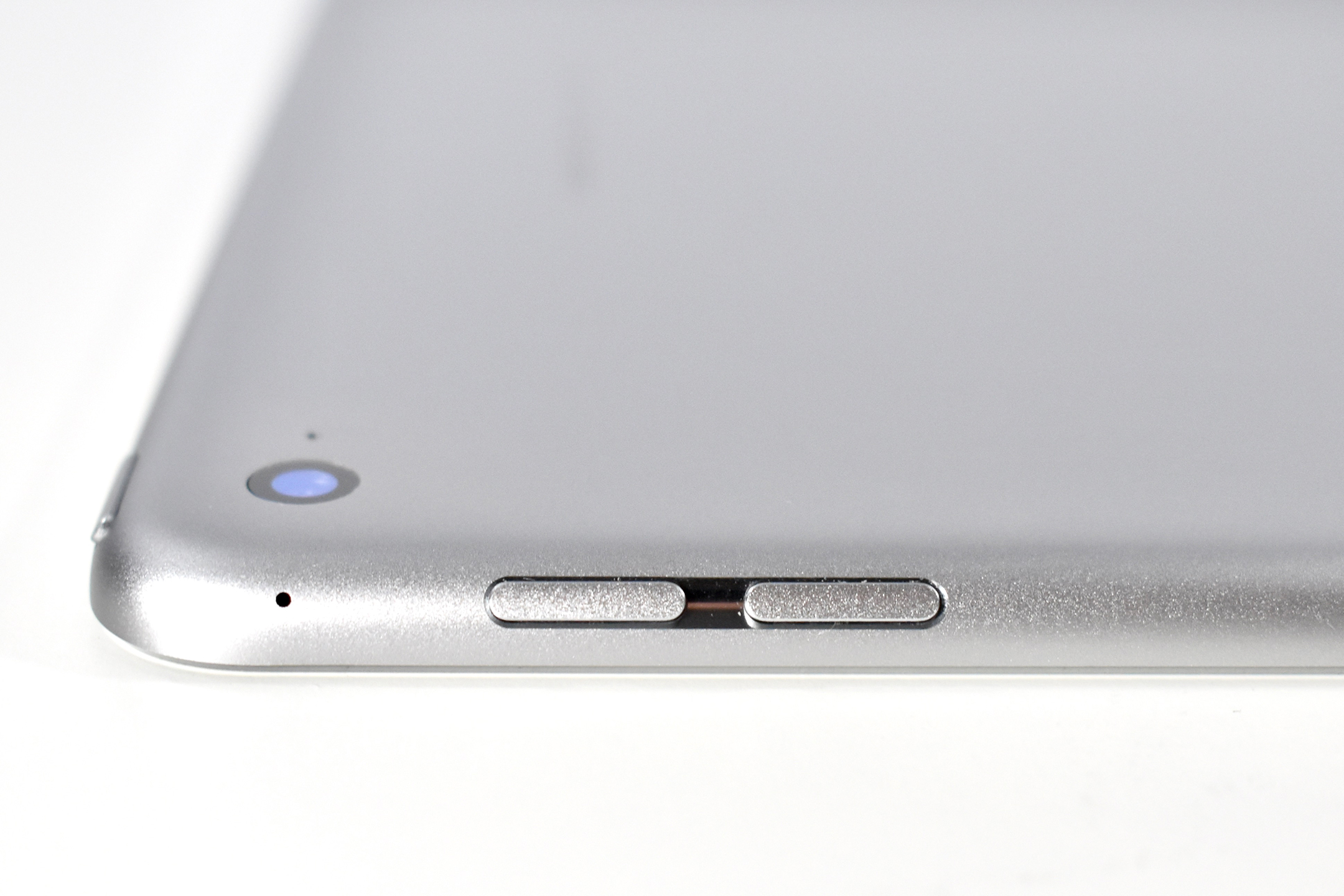
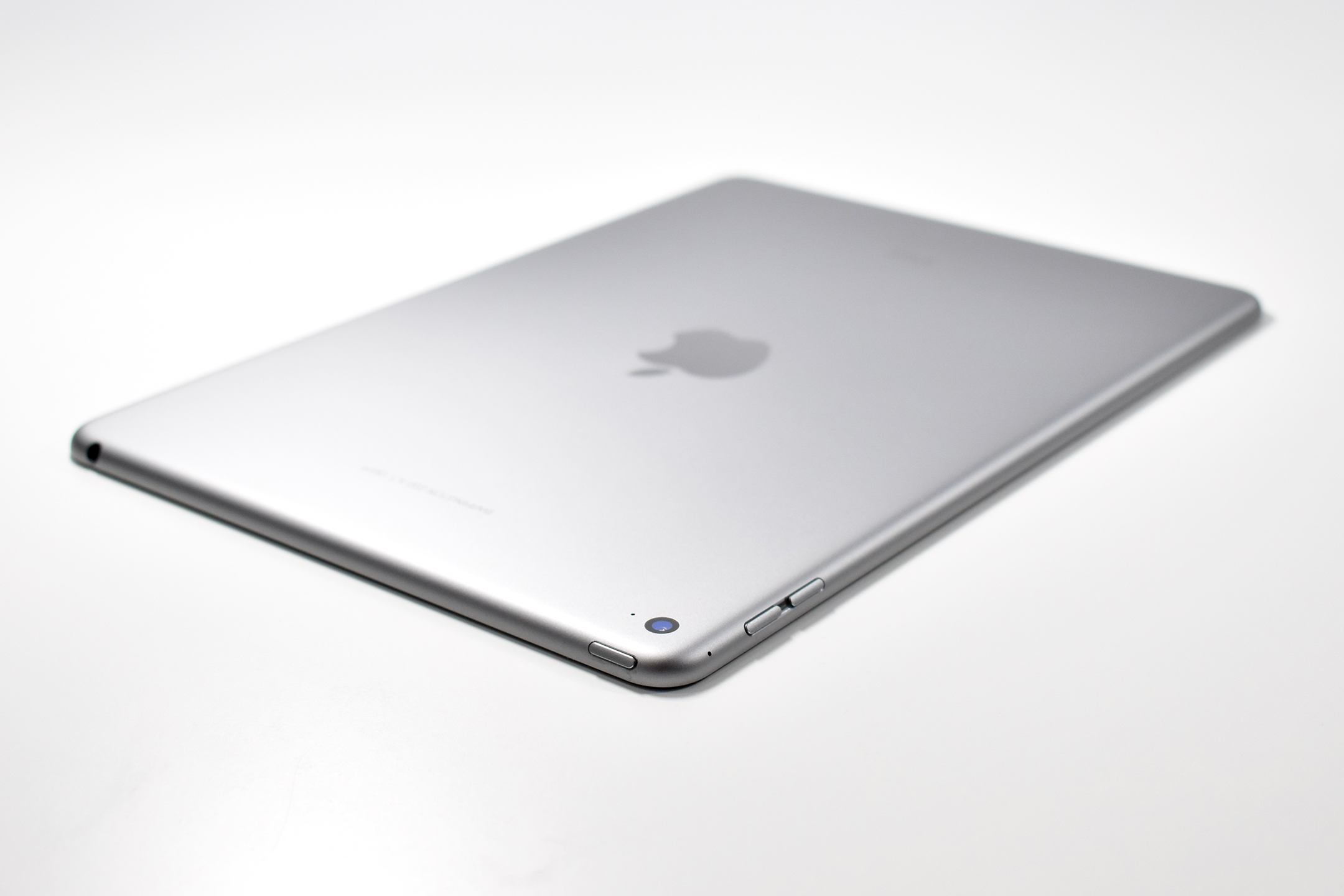
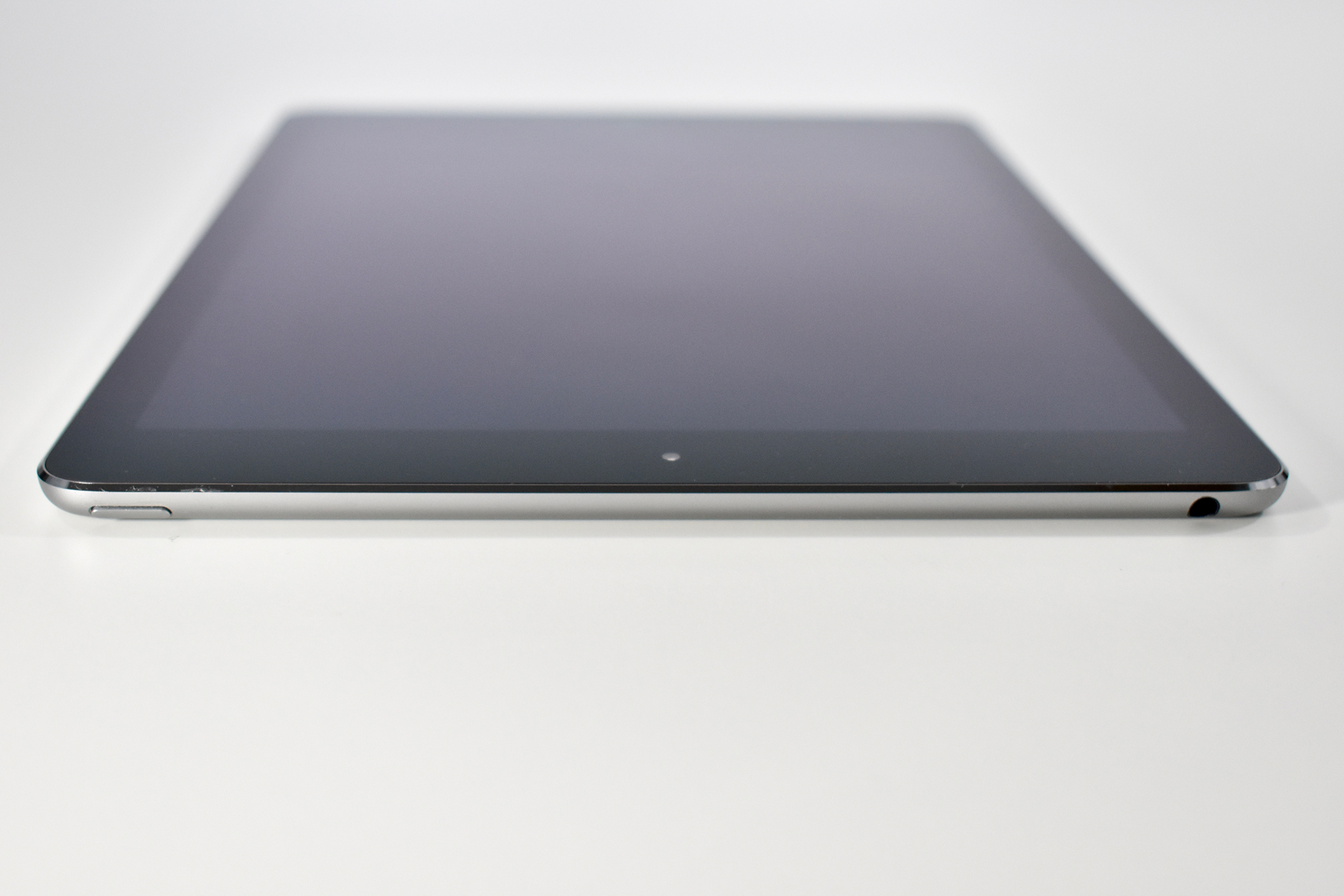
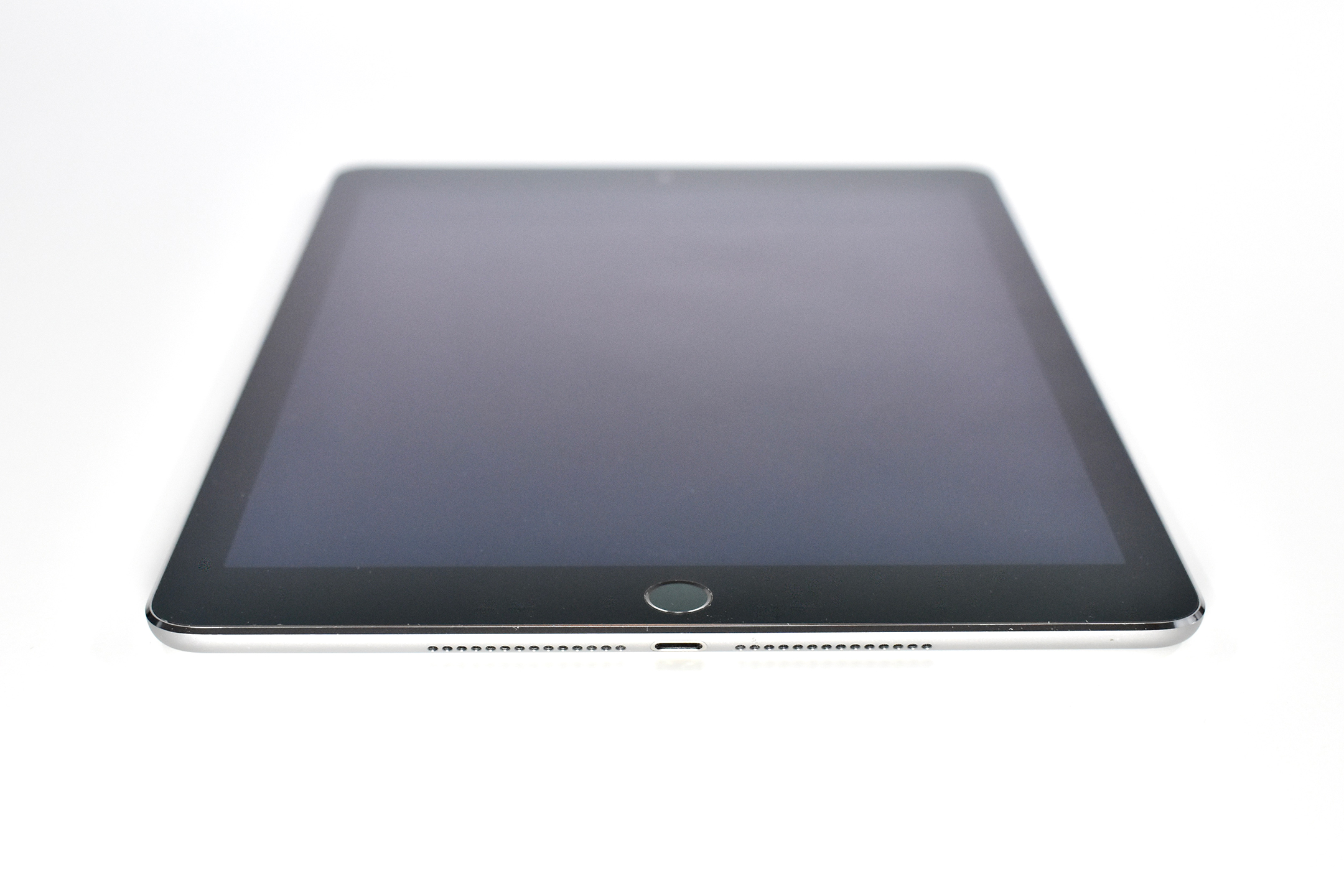
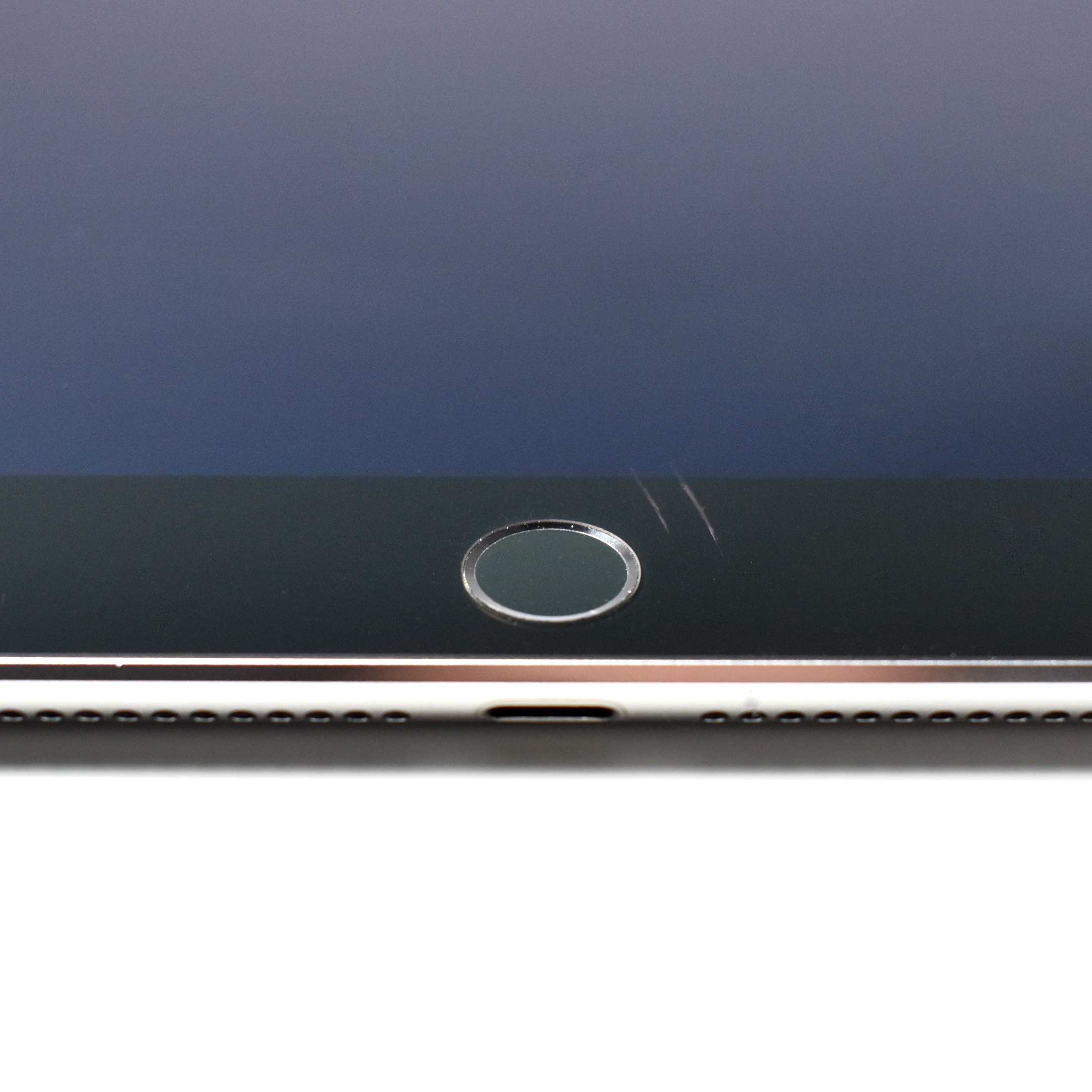
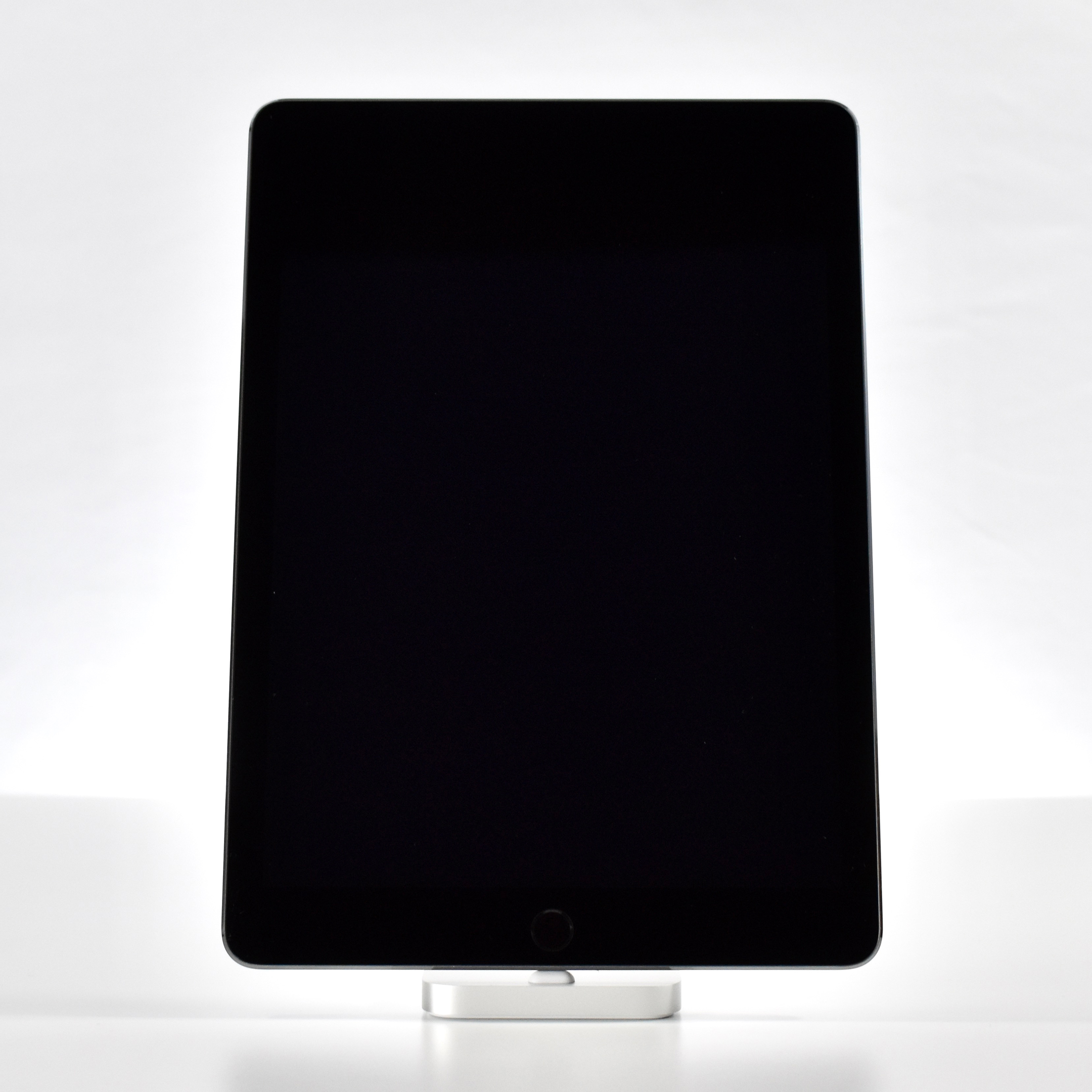
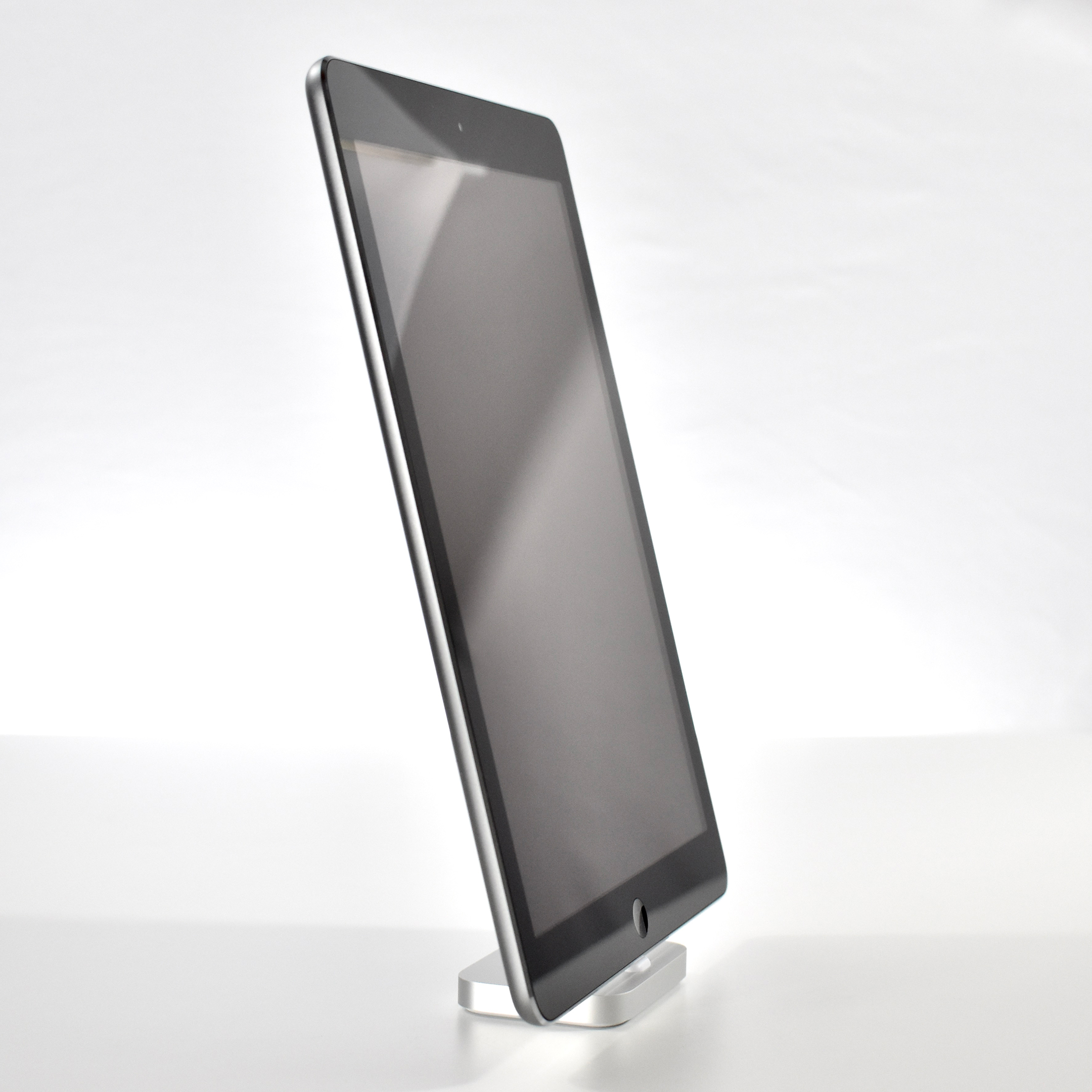
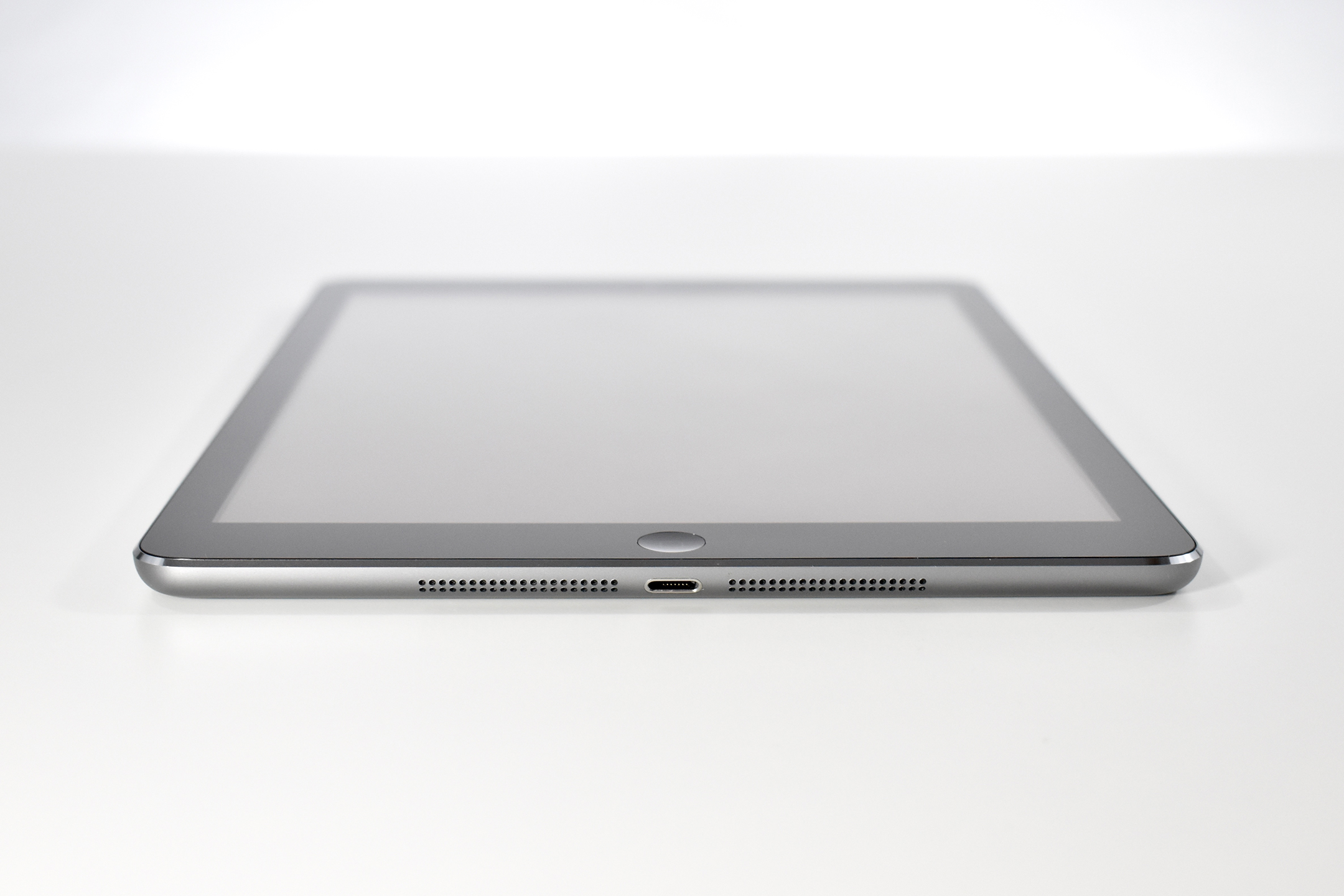
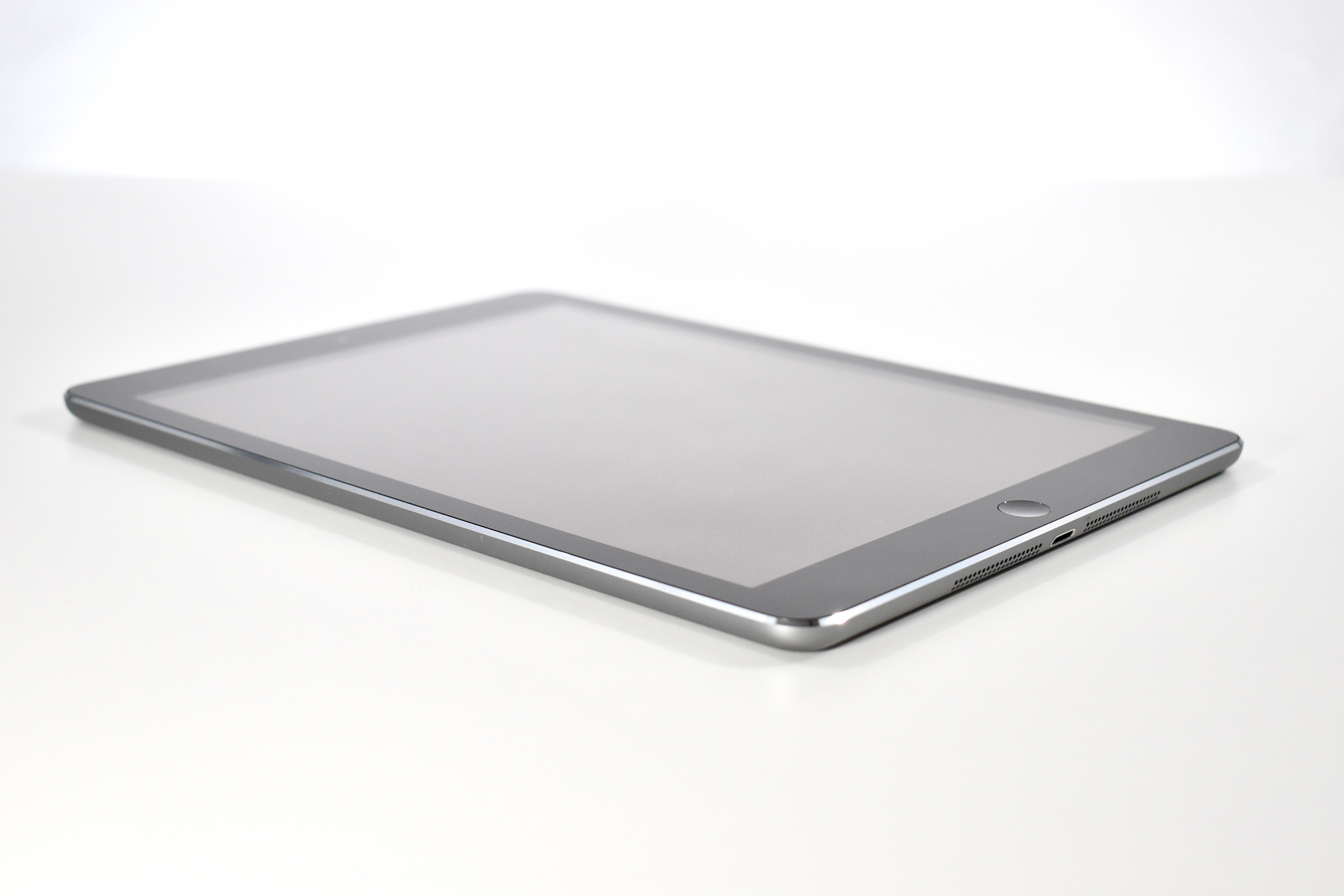
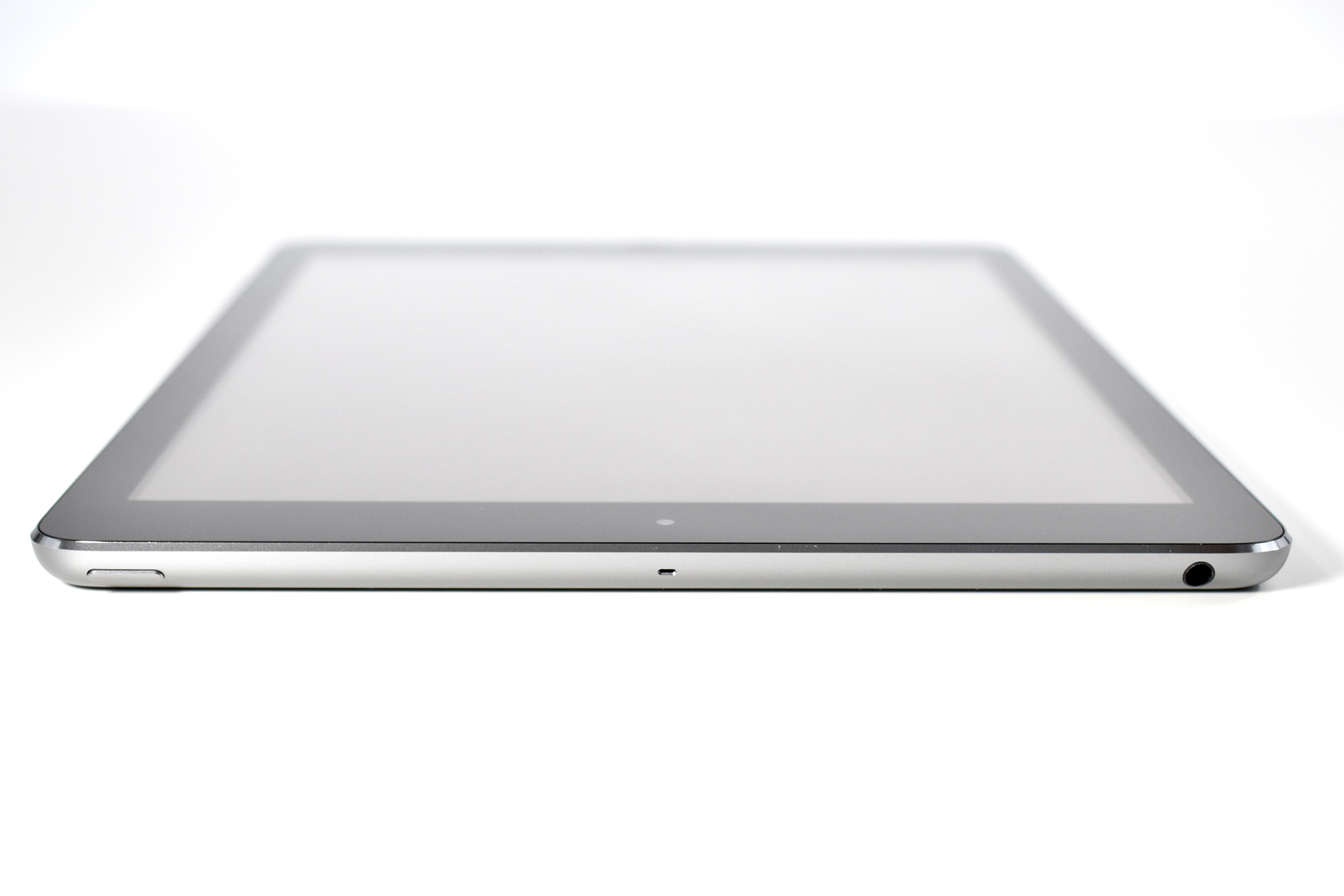
iPad Air (Generation 2, Wi-Fi, space gray, 2014)

The iPad Air 2 was the first iPad to use Touch ID. It was announced at an October 2014 Apple event titled, “Change Is in the Air.” This iPad was available in three colors: gold (gold aluminum back with a white glass front), silver (silver aluminum back with a white glass front), and space gray (dark gray aluminum back with a black glass front).

The 9.7-inch touchscreen Retina Display was 2048×1536 (at 264 ppi) and featured an antireflective coating. Internally, it used a three-core 1.5 GHz A8X processor, 2 GB of RAM, and was available with 16, 32, 64, or 128 GB of storage.

Its rear 8-megapixel iSight camera recorded video at 1080p (30 fps), and its front 1.2-megapixel FaceTime HD camera recoded video at 720p.

Sources: Everymac, Apple

iPad Air (original, Wi-Fi, 32 GB, space gray, 2013)

The original iPad Air used a 9.7-inch Retina display. According to Apple’s press release at the time, the iPad Air was “20 percent thinner and 28 percent lighter than the fourth generation iPad, and with a narrower bezel the borders of iPad Air are dramatically thinner.”

The original iPad Air’s display was 2048×1536 (at 264 ppi). Internally, it used a dual-core 1.4 GHz A7 processor, 1 GB of RAM, and was available with 16, 32, 64, or 128 GB of internal storage. Wireless connectivity included 802.11a/b/g/n Wi-Fi and Bluetooth 4.0.

Its rear 5-megapixel iSight camera recorded video at 1080p, and its front 1.2-megapixel FaceTime HD camera recorded video at 720p.

The original iPad Air was available in silver (silver back with white front) and space gray (dark gray back with black front).

Sources: Everymac, Apple

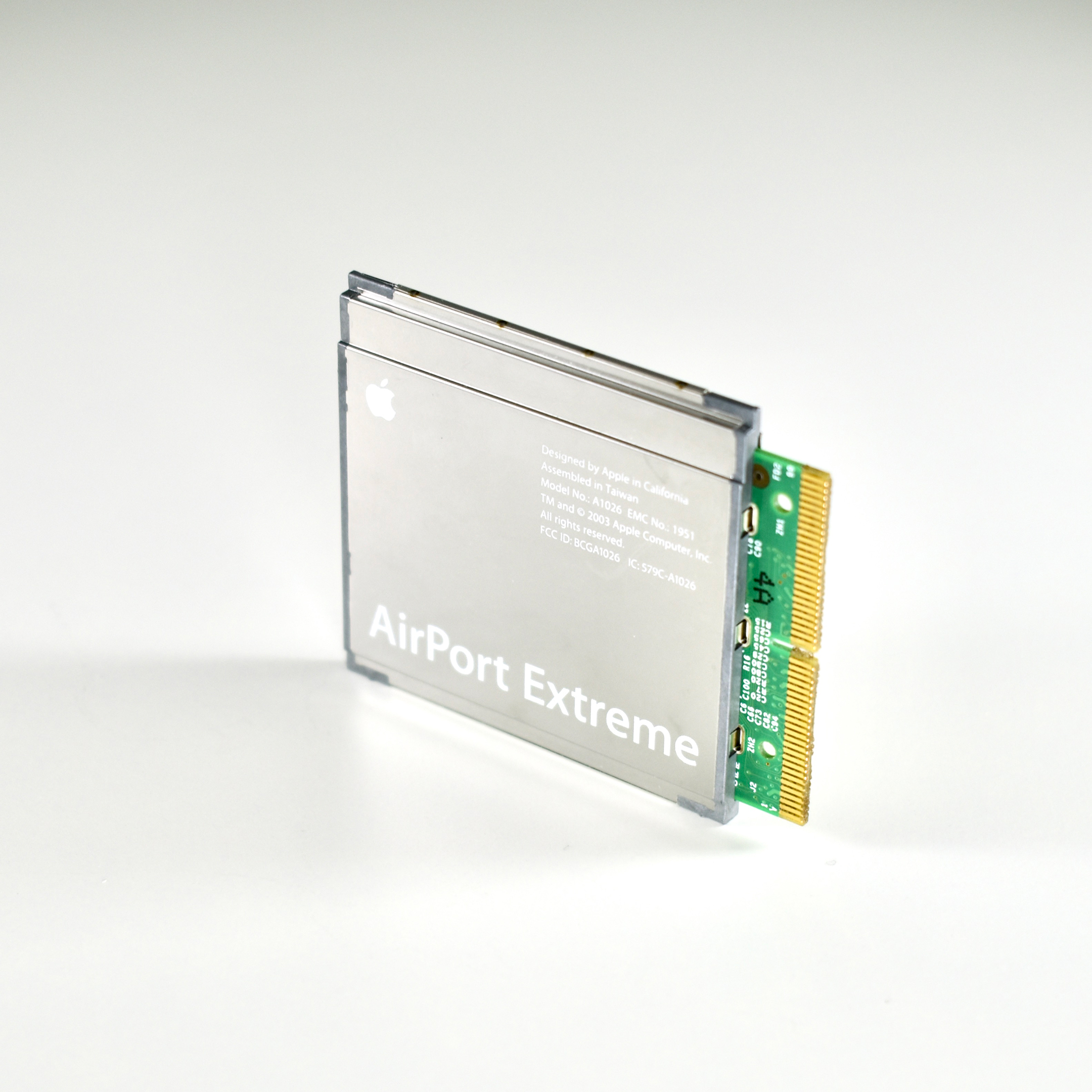
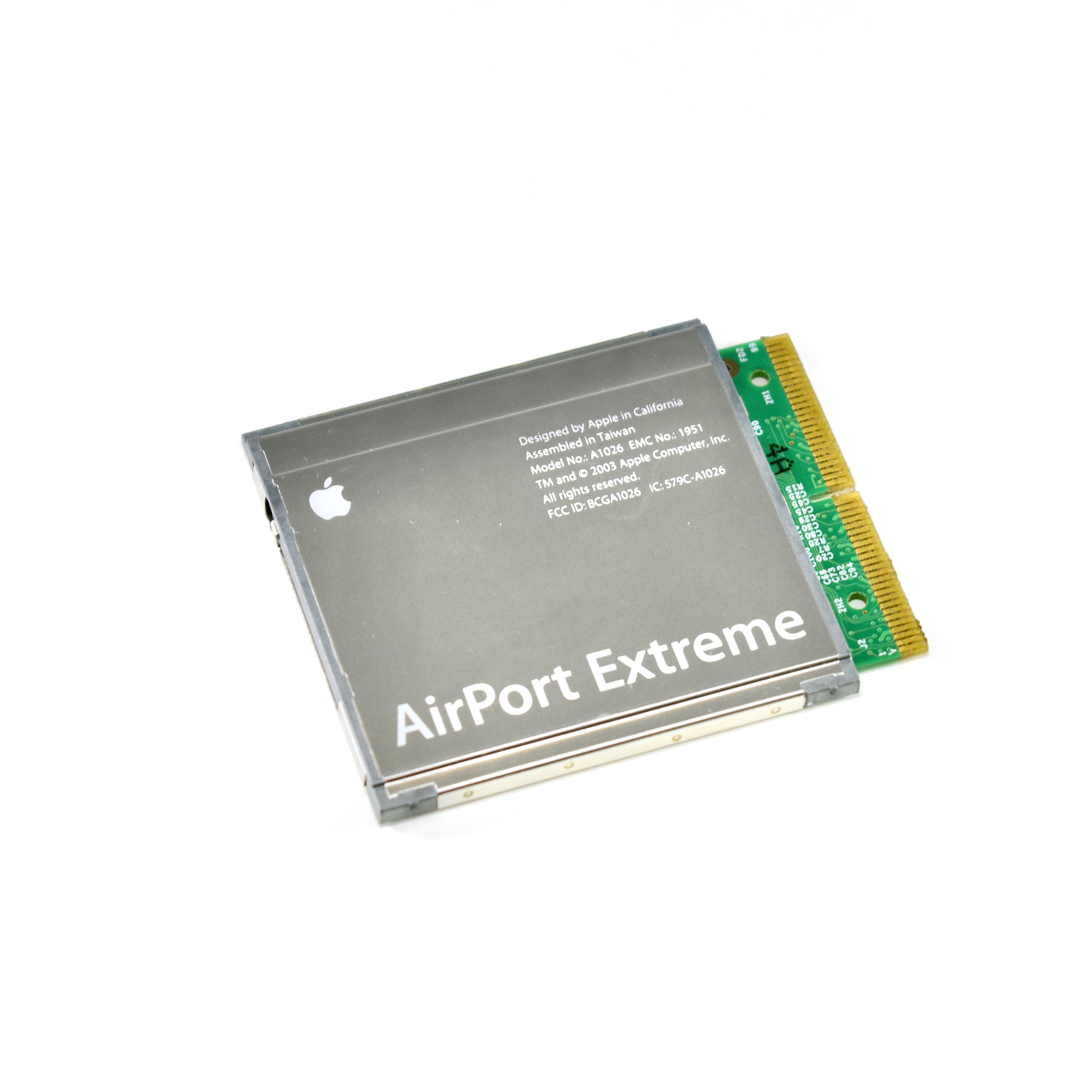
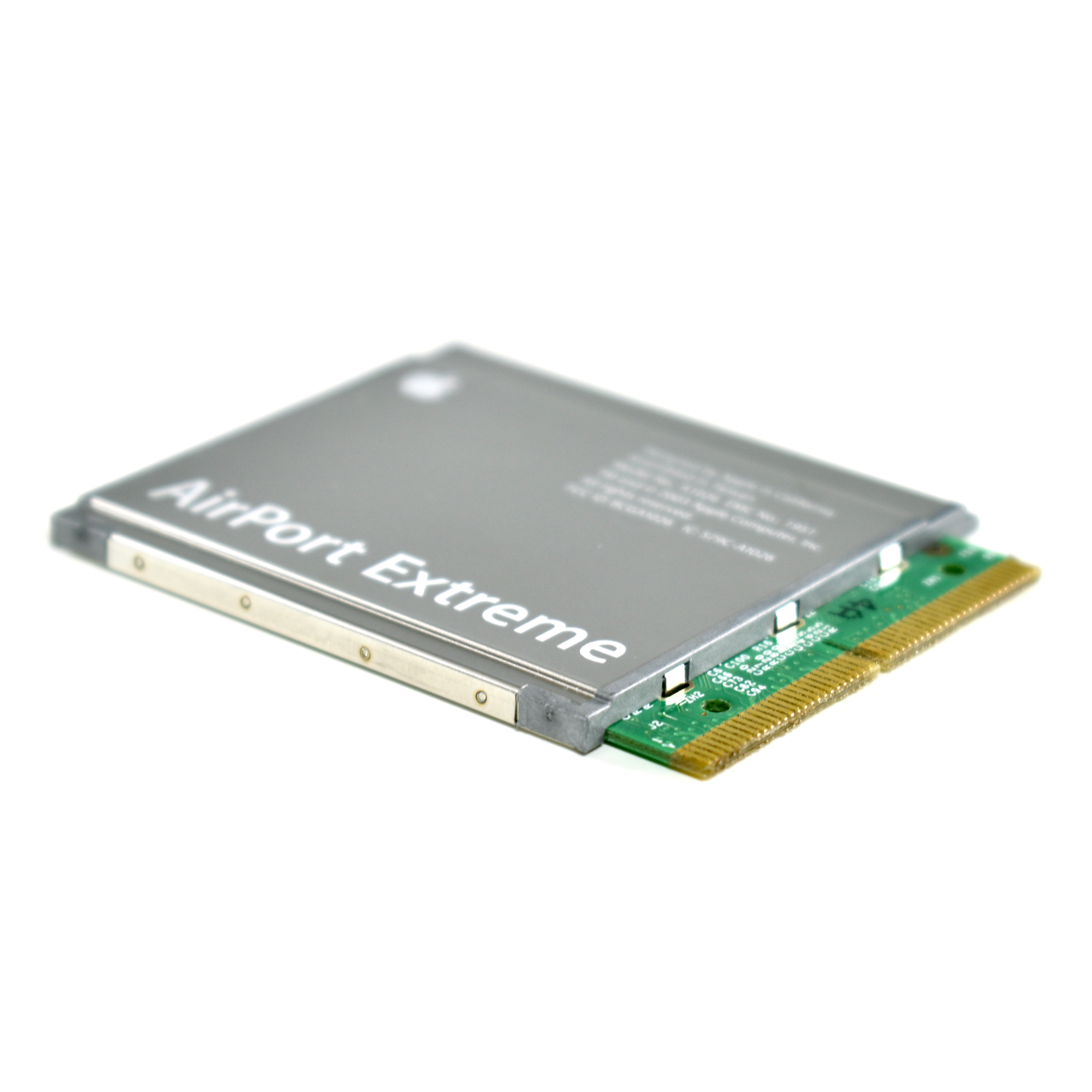
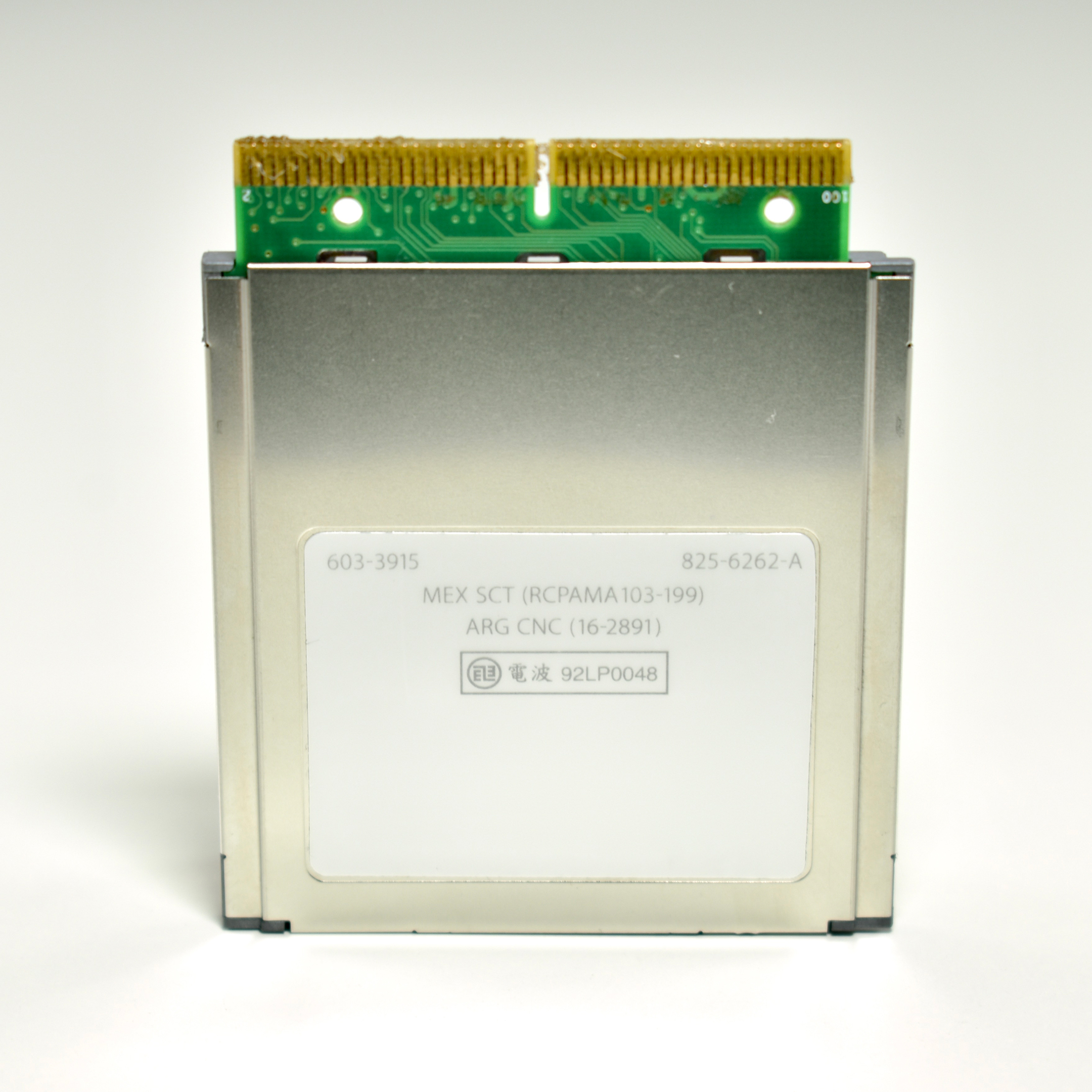
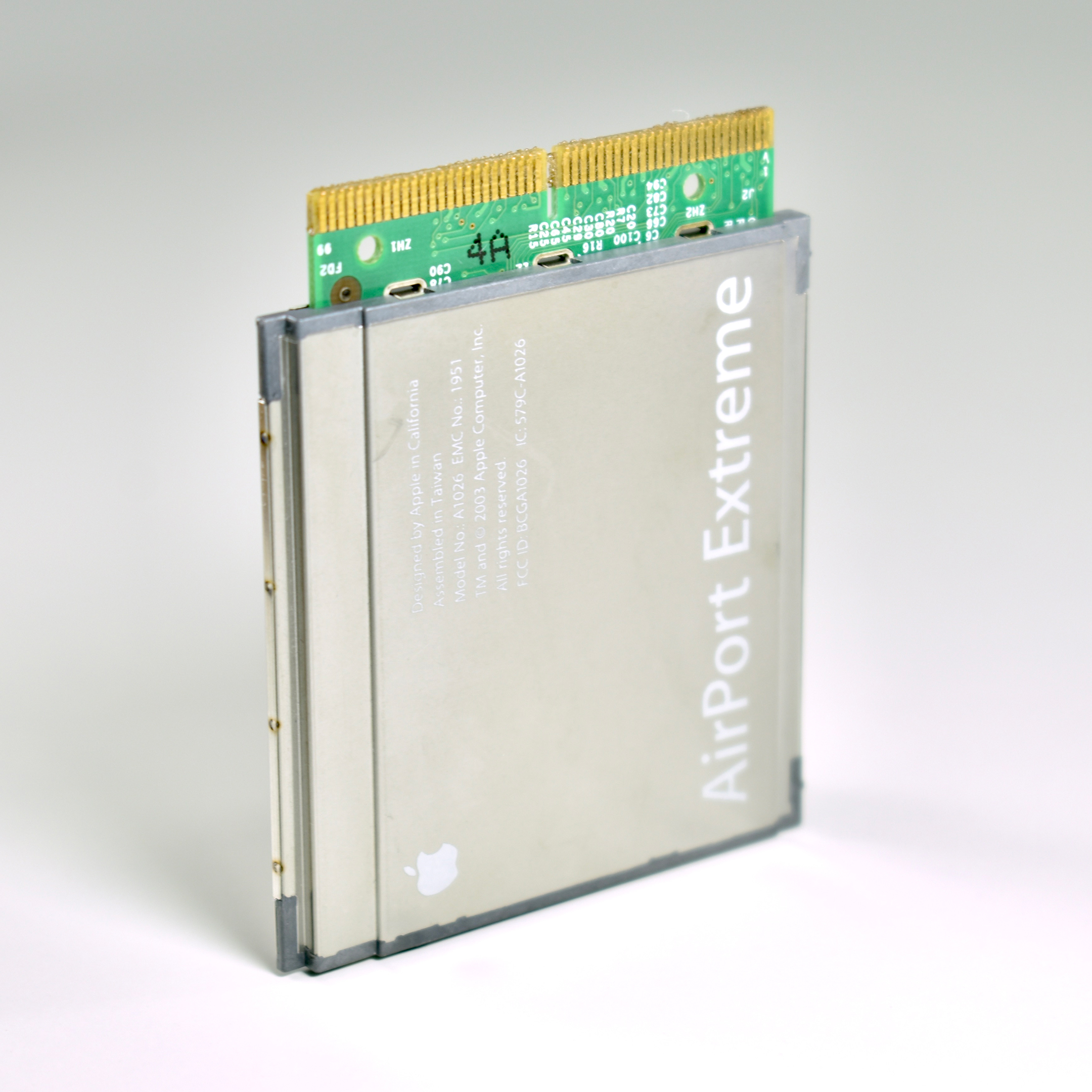
AirPort Extreme Card (2003)

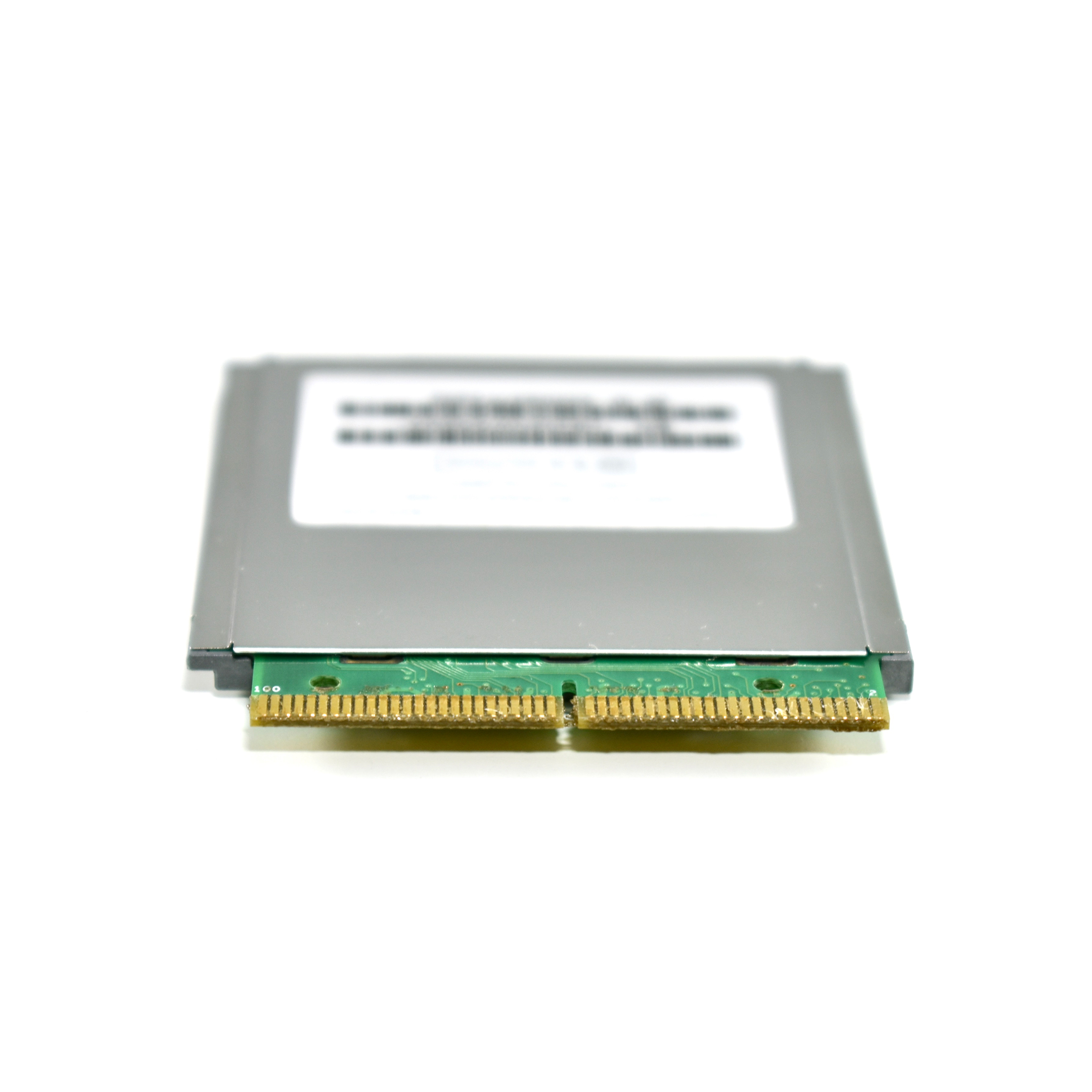
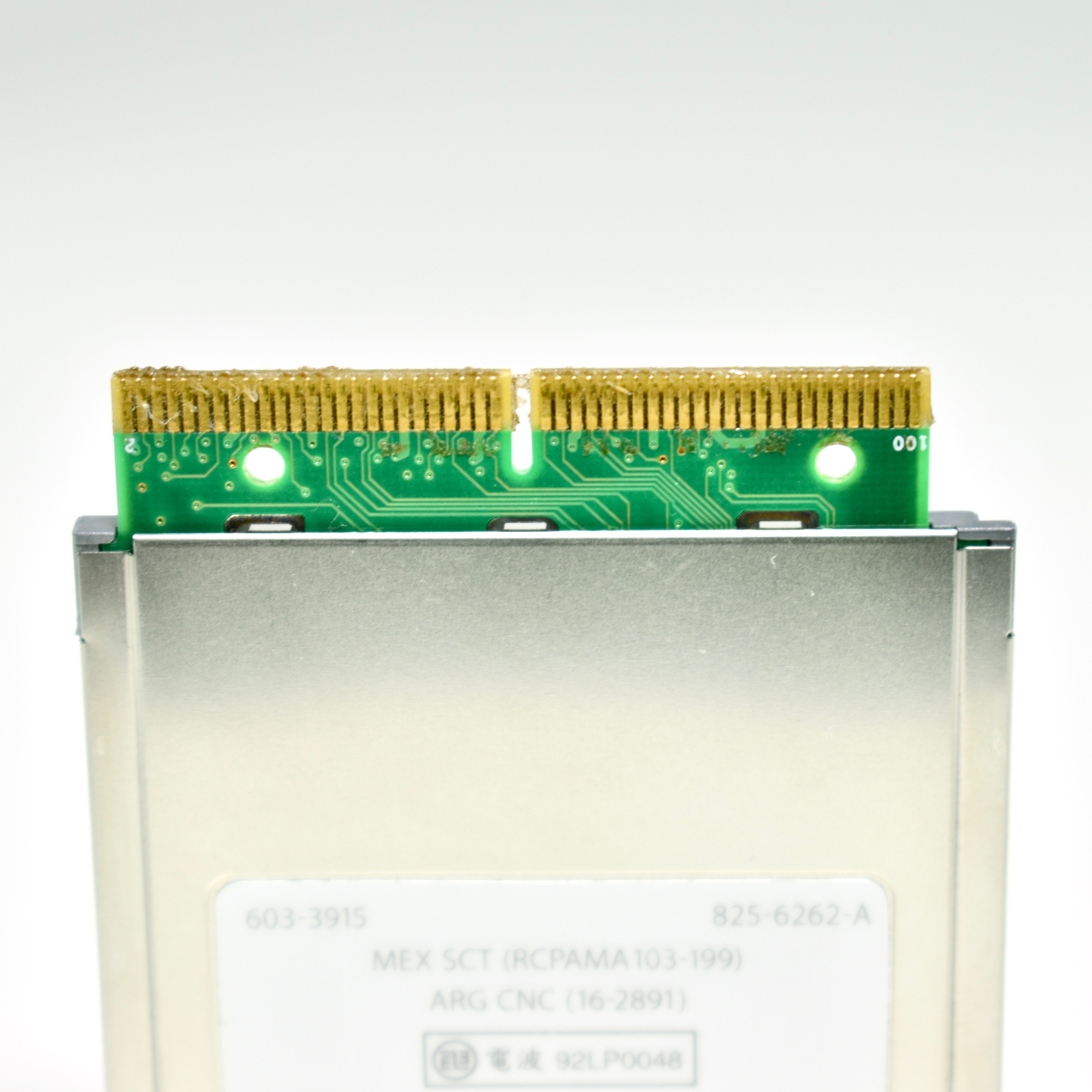
The AirPort Extreme Card card replaced Apple’s original AirPort card in 2003. The first computers designed to use this card were the iBook G4/800 12-inch (original) and the iMac G4 1.0 17-inch (flat panel).
Apple devices with wireless capabilities after the AirPort Extreme Card had Wi-Fi as a standard feature built in to the architecture beginning in mid-2005. Beginning in 2006 with the Intel-based MacBook Pro, Apple used non-Apple-branded internal wireless cards (e.g., Atheros, Broadcom).

According to Apple’s AirPort Extreme Card User’s Guide:

AirPort Extreme Card Specifications
• Wireless Data Rate: Up to 54 megabits per second (Mbps)
• Range: Up to 150 feet (45 meters) from the base station in typical indoor use
(varies with building)
• Frequency Band: 2.4 gigahertz (GHz)
• Radio Output Power: 15 dBm (nominal)
• Standards: Compliant with 802.11 HR Direct Sequence Spread Spectrum (DSSS)
11 Mbps standard, 802.11 DSSS 1 and 2 Mbps standard, and 802.11g specification

Sources: EveryMac, Wikipedia, Apple

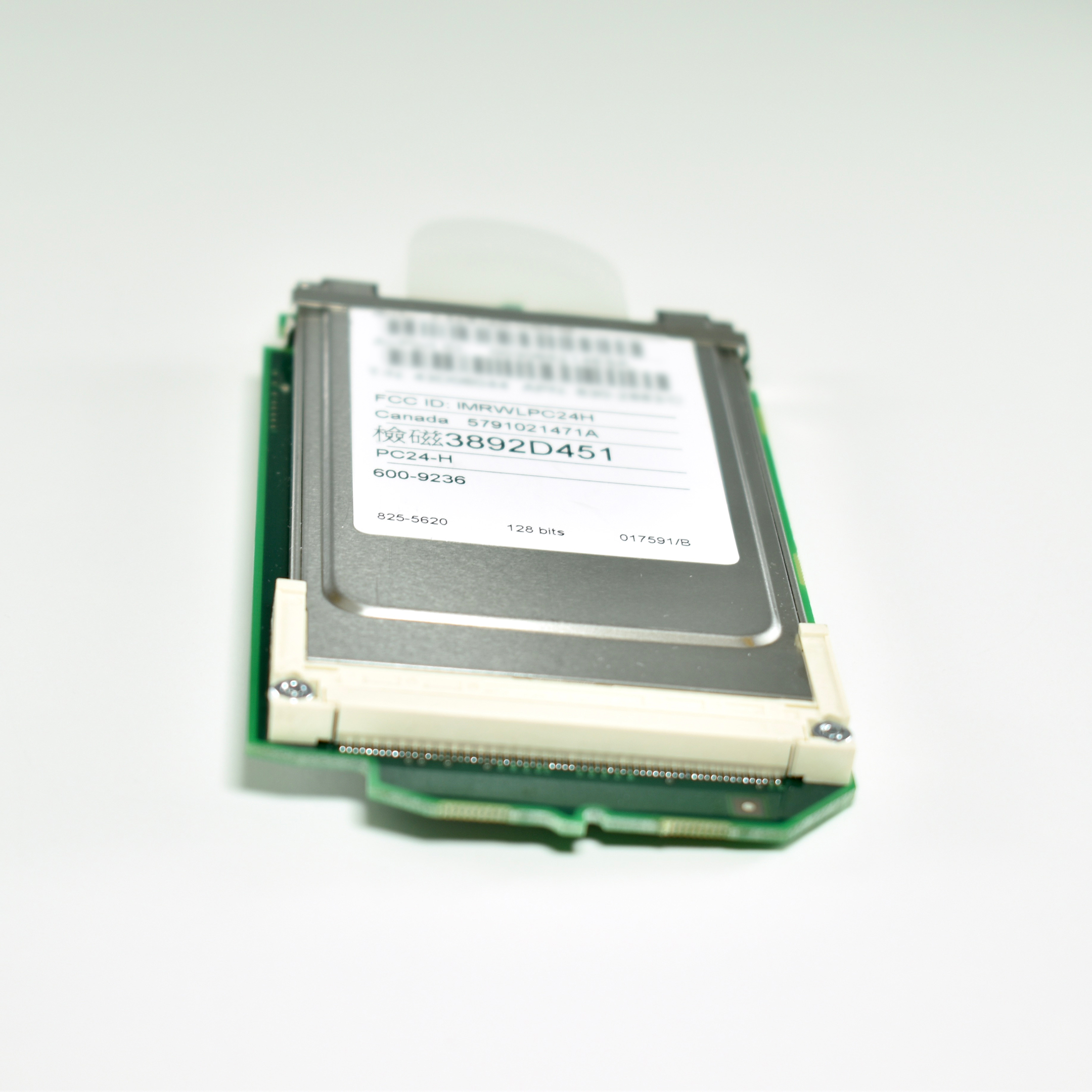
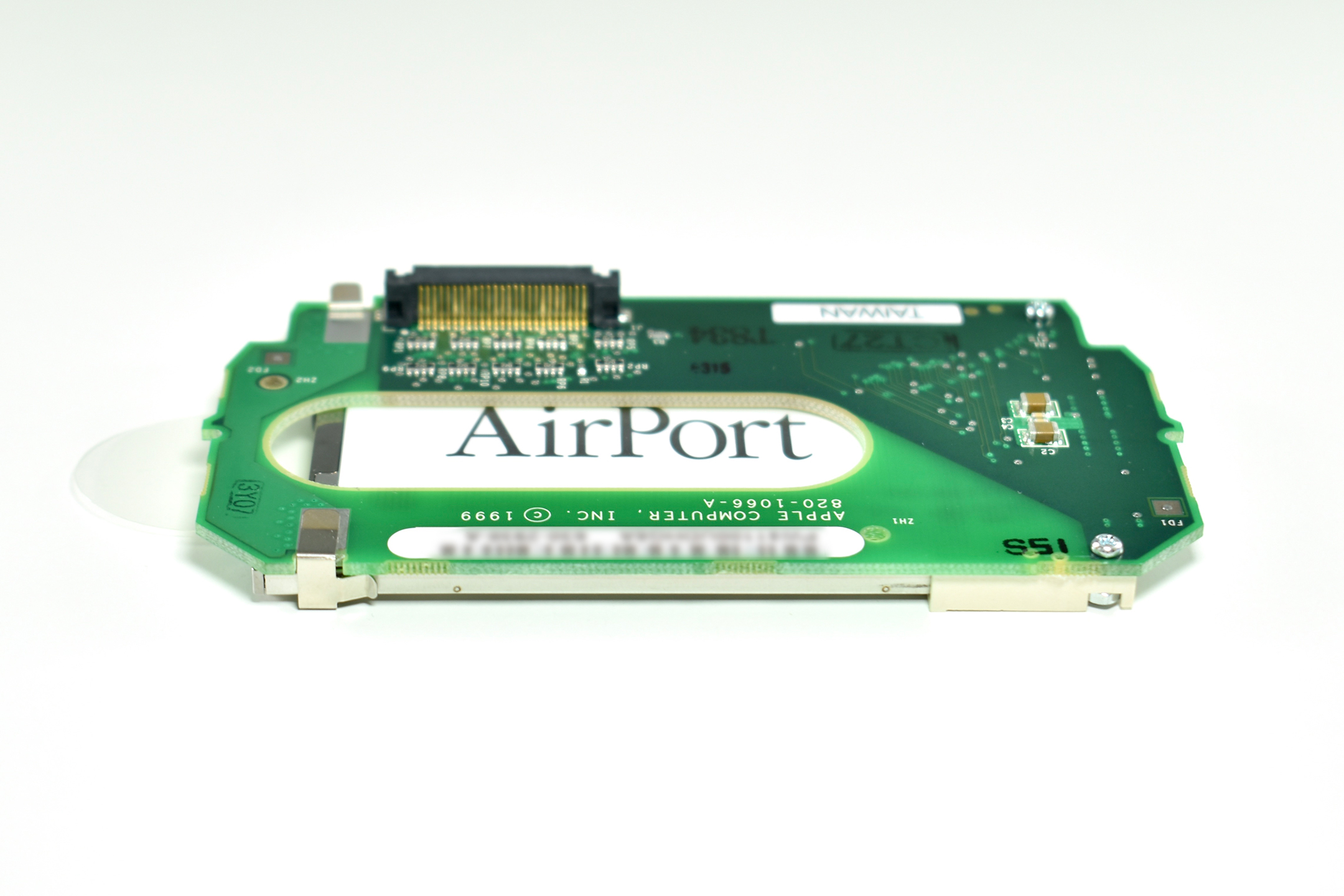
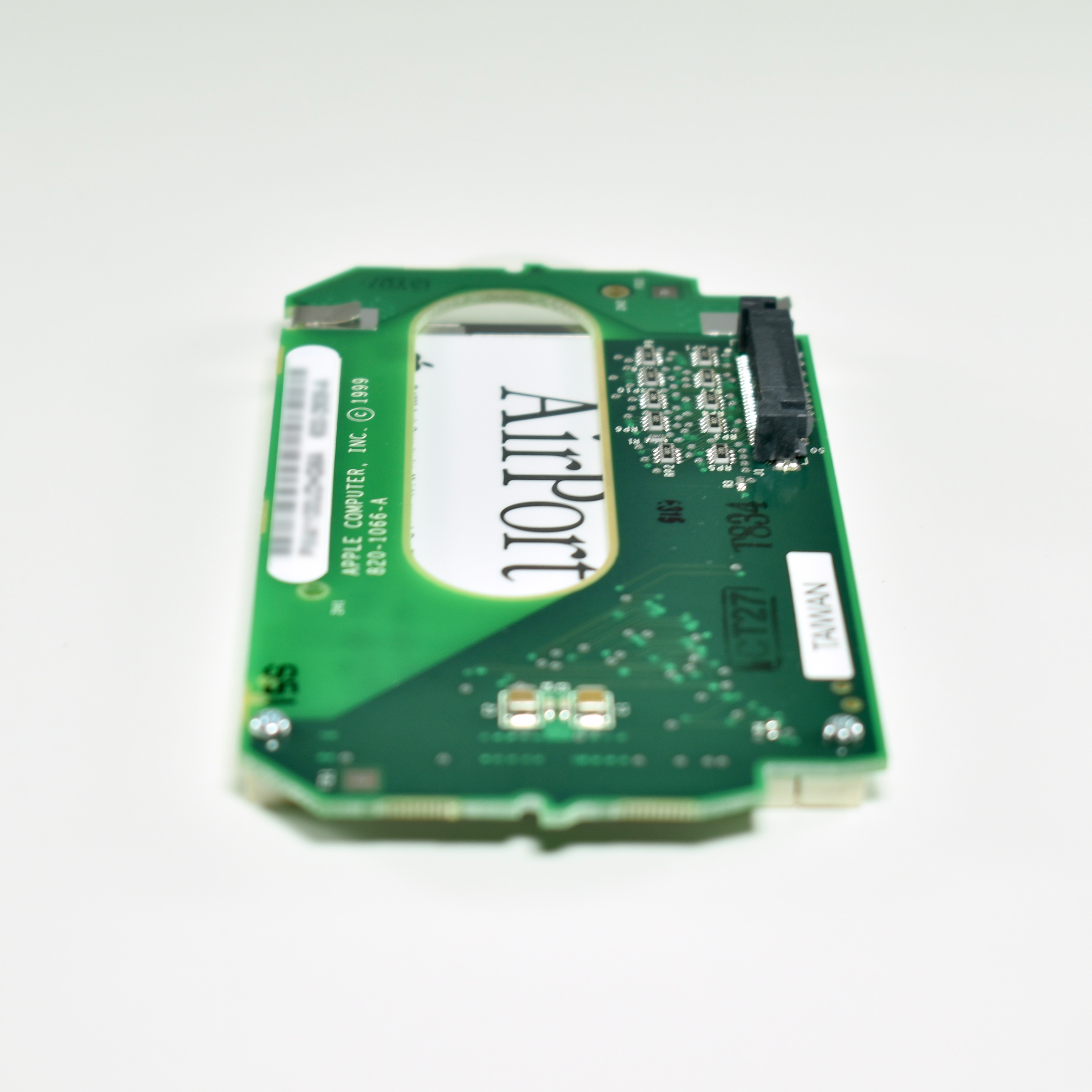
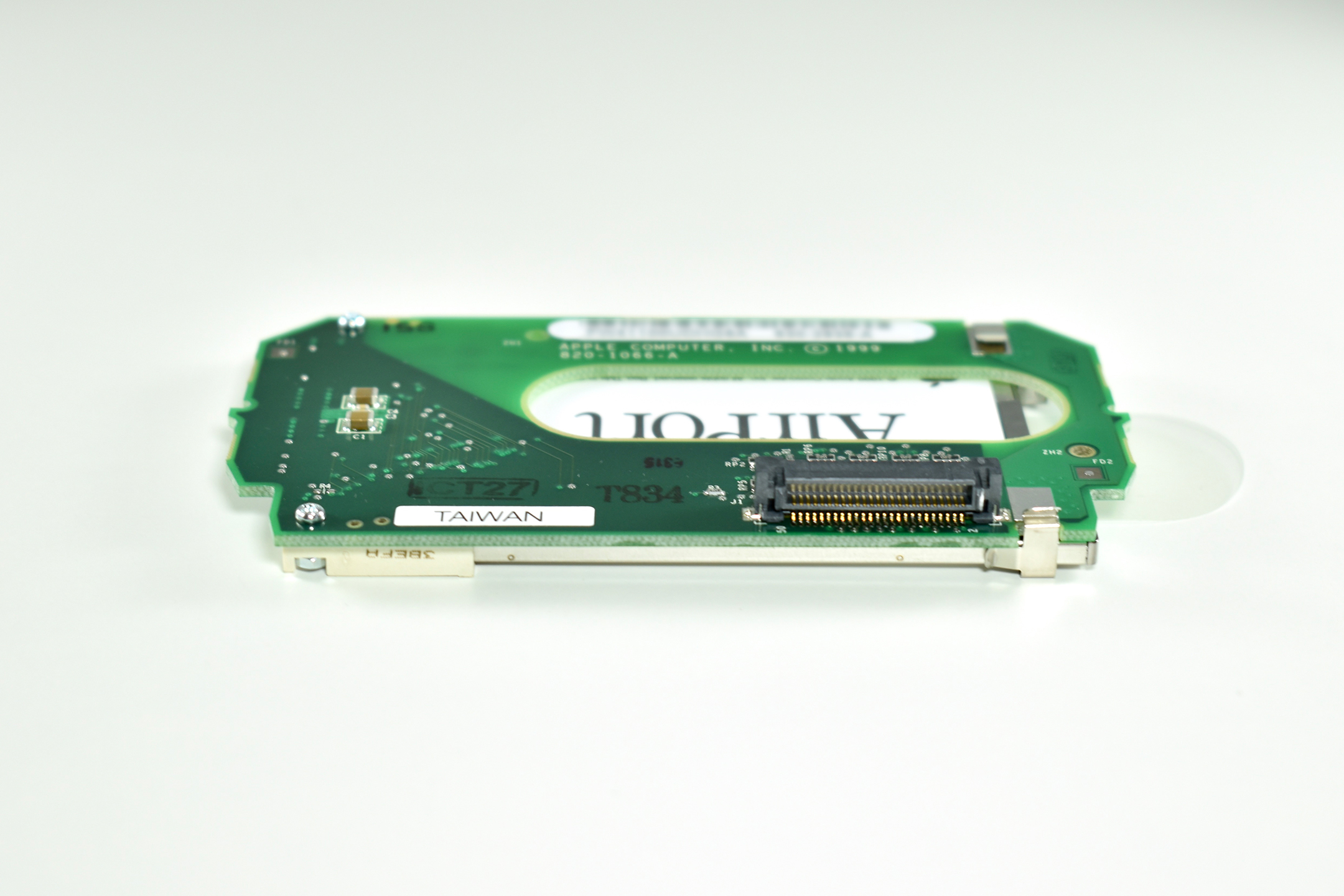
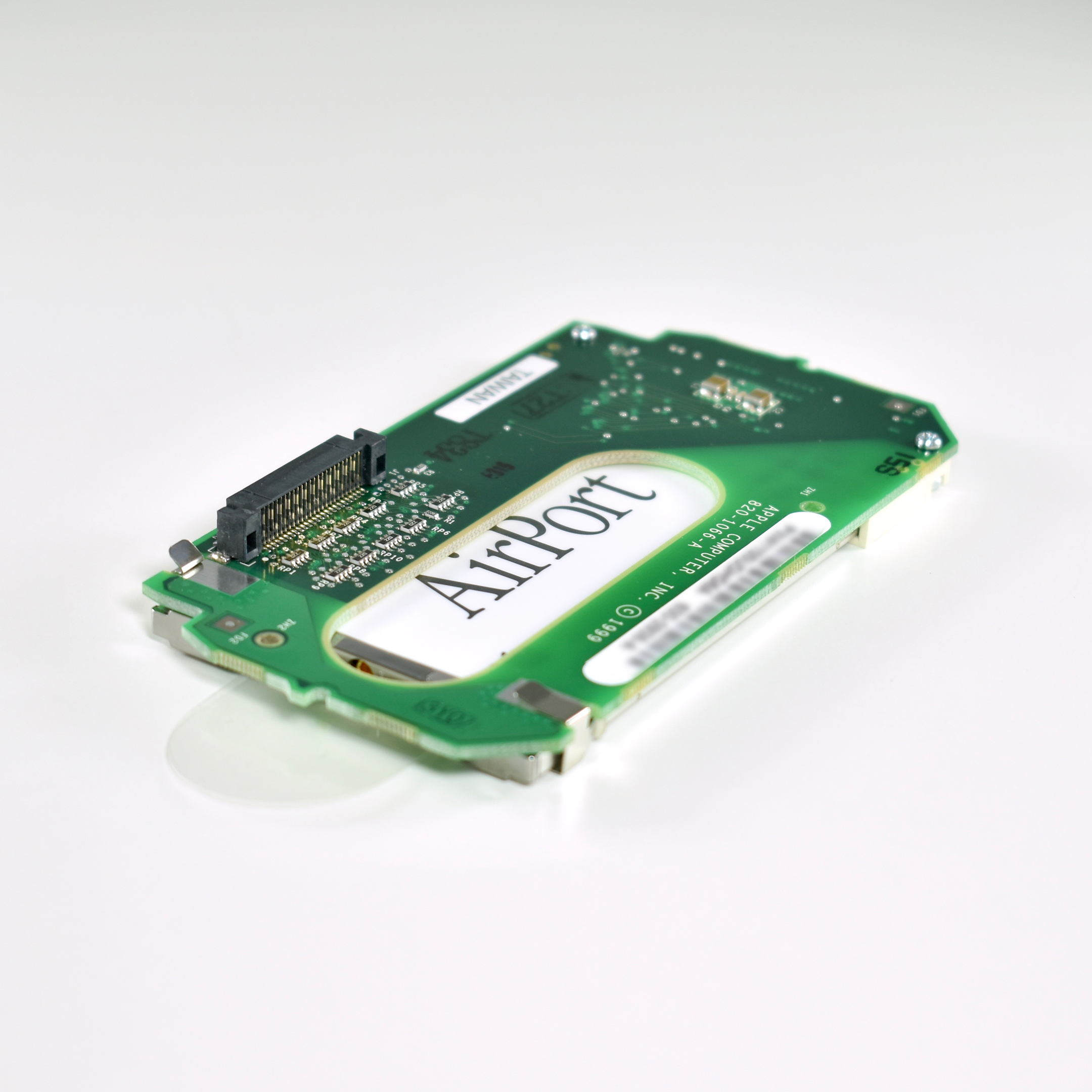
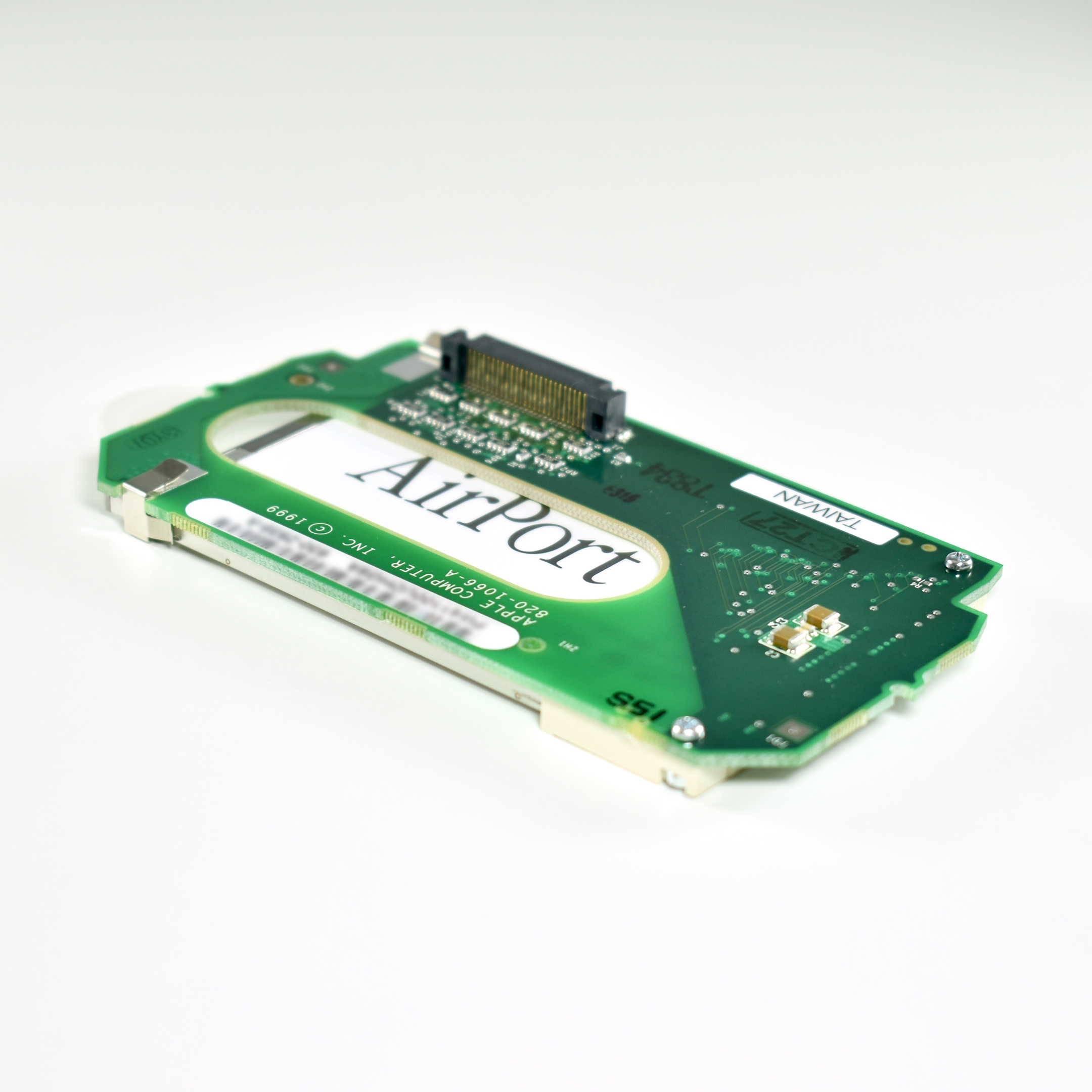
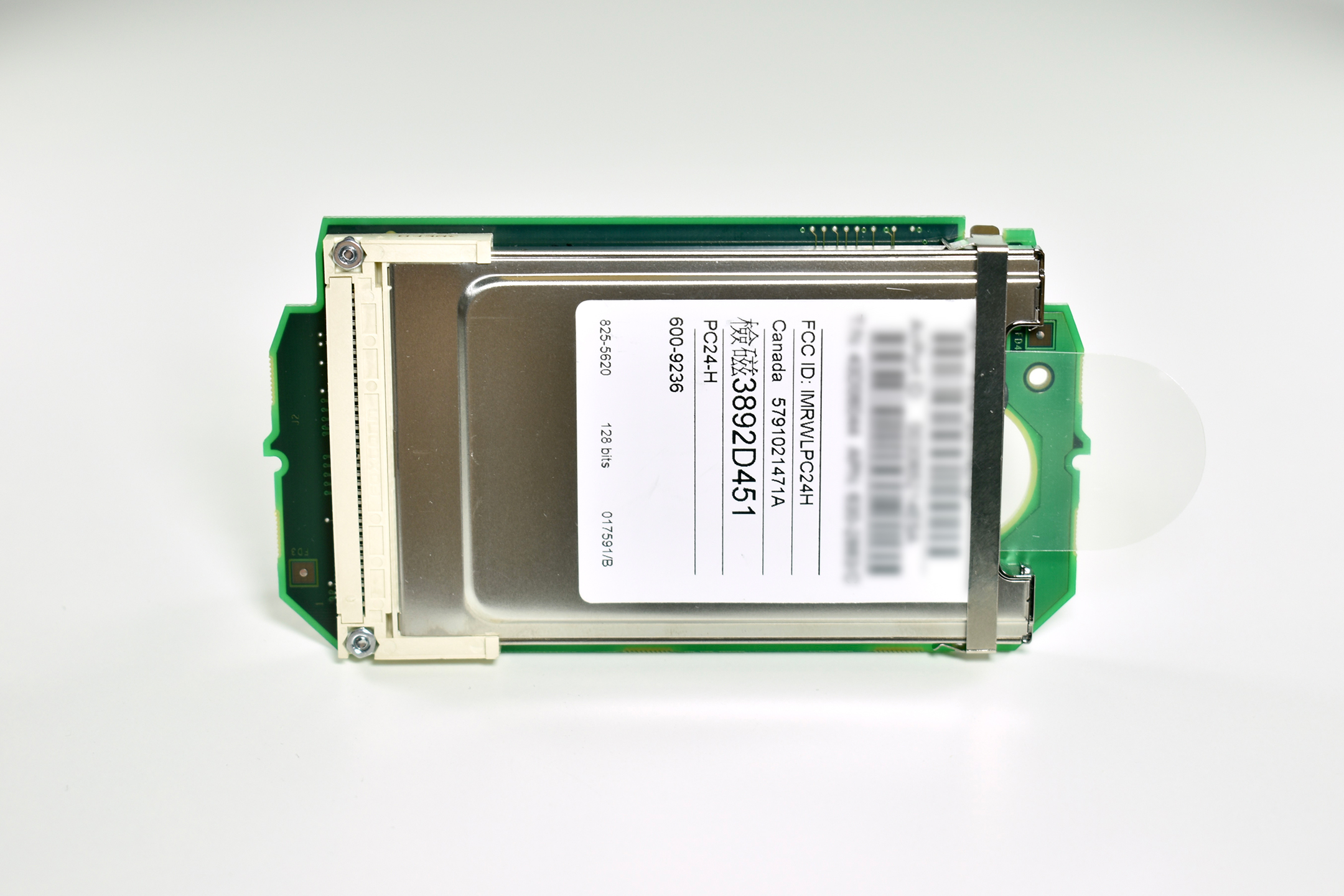
Apple AirPort Carrier Card Adapter (1999)

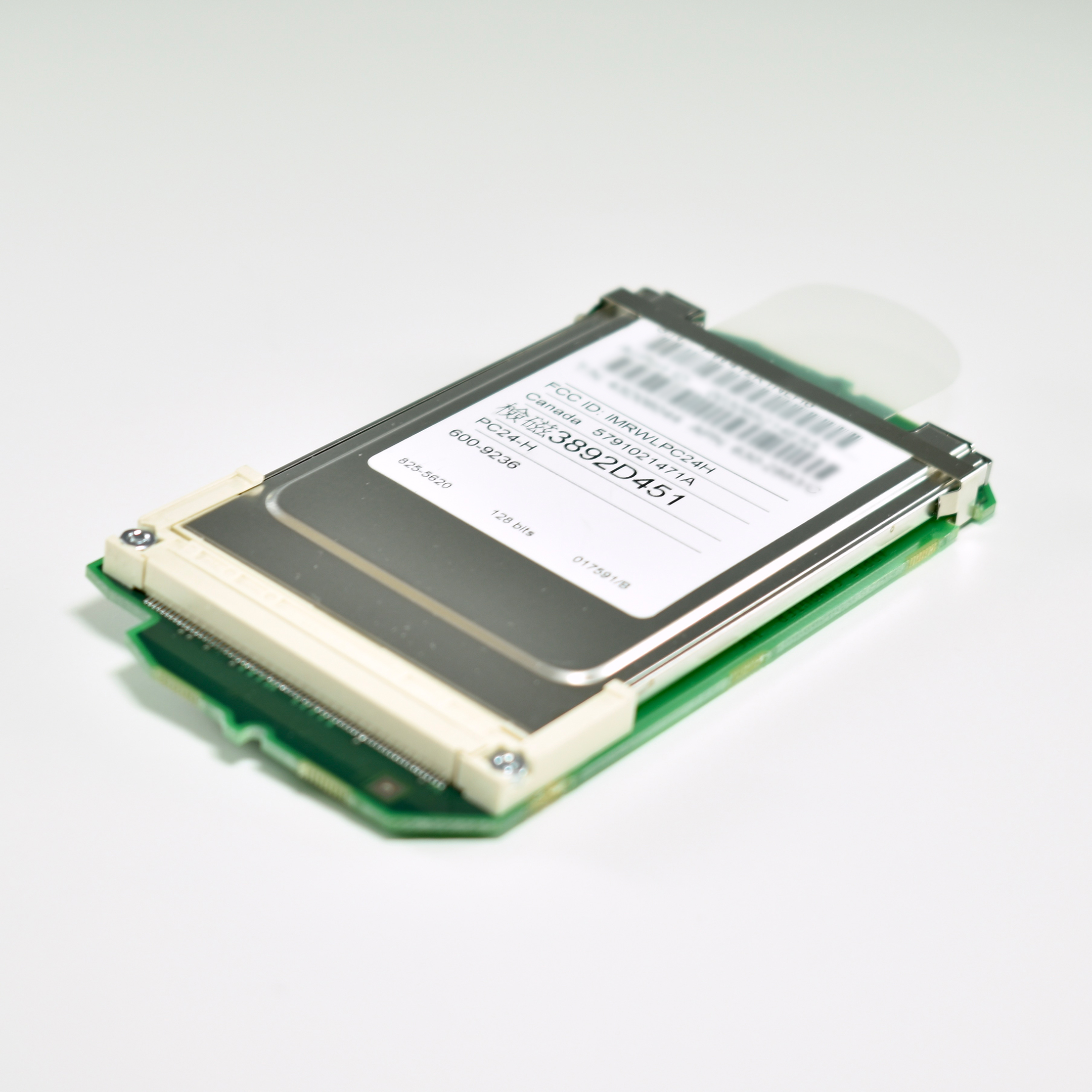
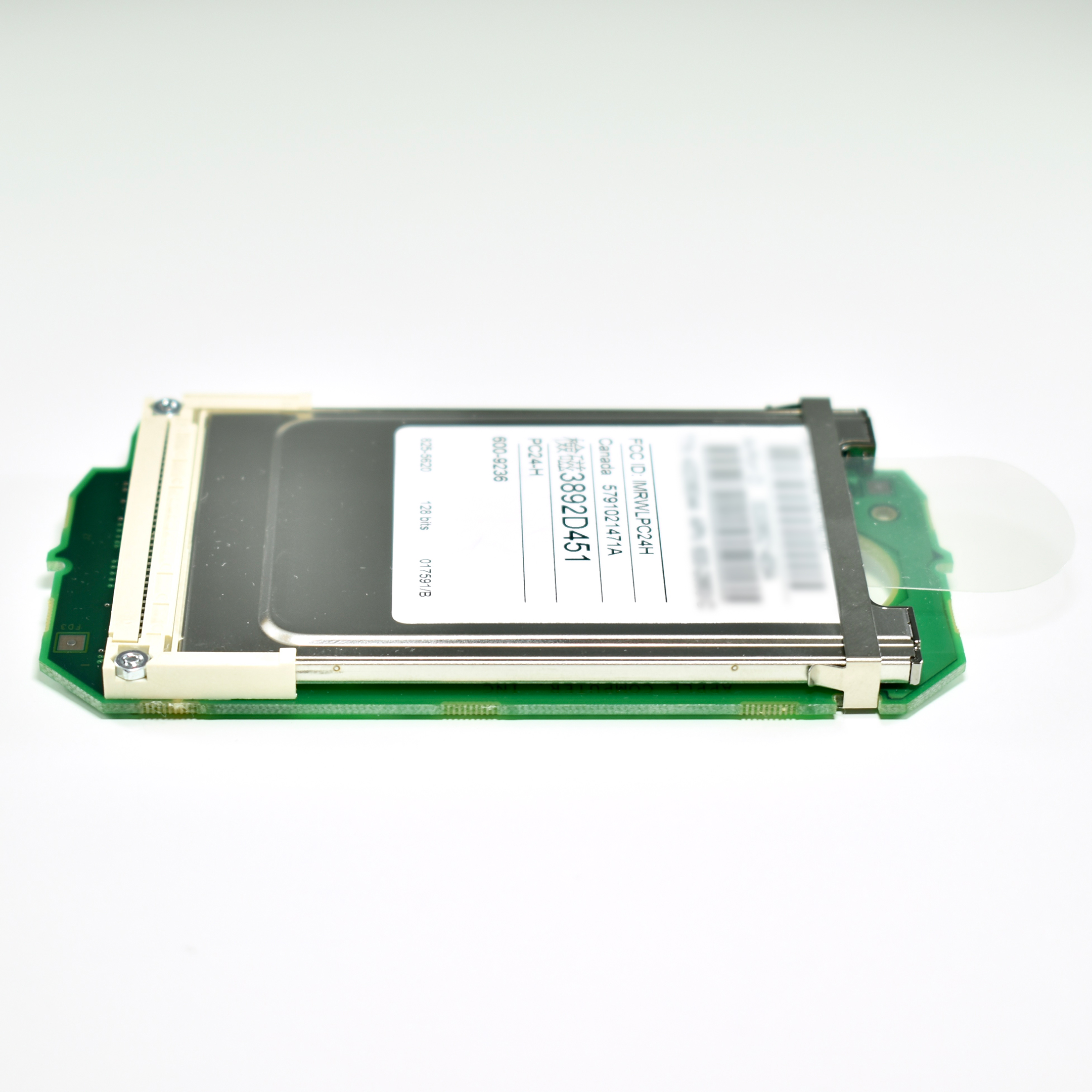
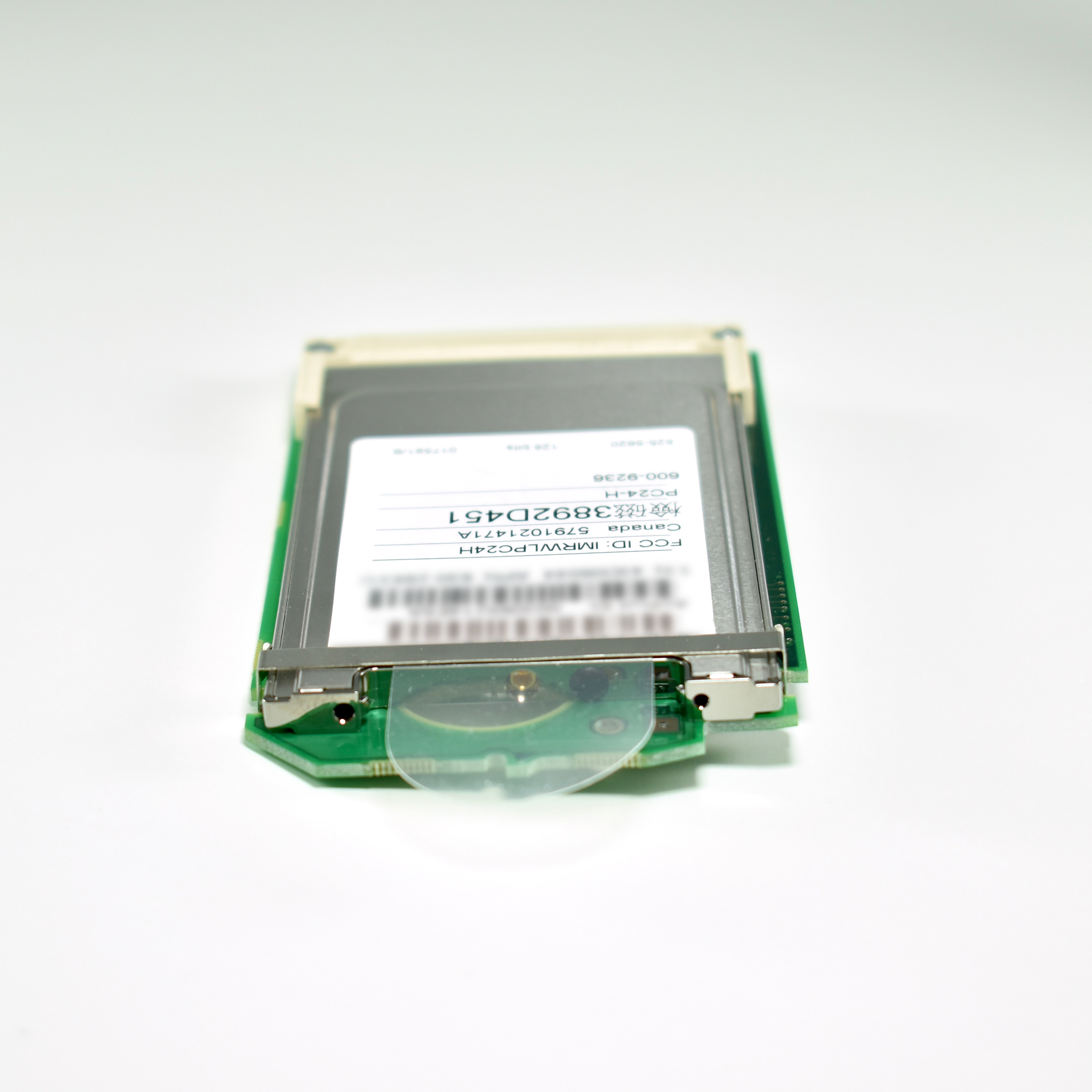
The Apple AirPort Carrier Card Adapter (M8753G/A, 820-1066-A) is for the slot-loading G3 iMac (400MHz or faster). The “carrier card” allows a standard original Apple AirPort wireless card to be installed in an iMac.
At the time, wireless capability was not considered a standard computer feature so the iMac G3 not only did not include an AirPort Card, but it also lacked the internal port to accept it. Instead, Apple required this carrier to allow an AirPort Card to be added. The 802.11b AirPort Card was not included.
Source: EveryMac
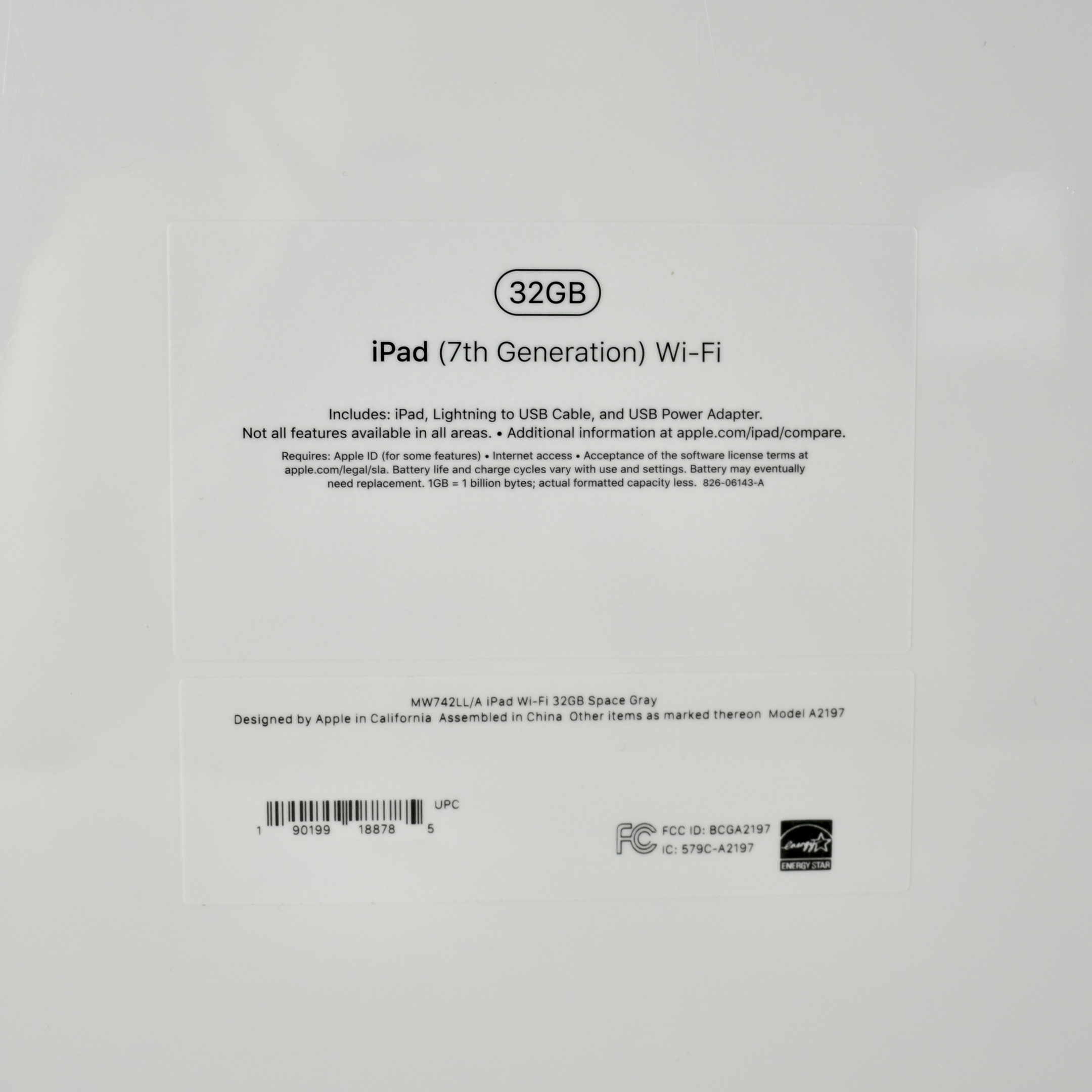
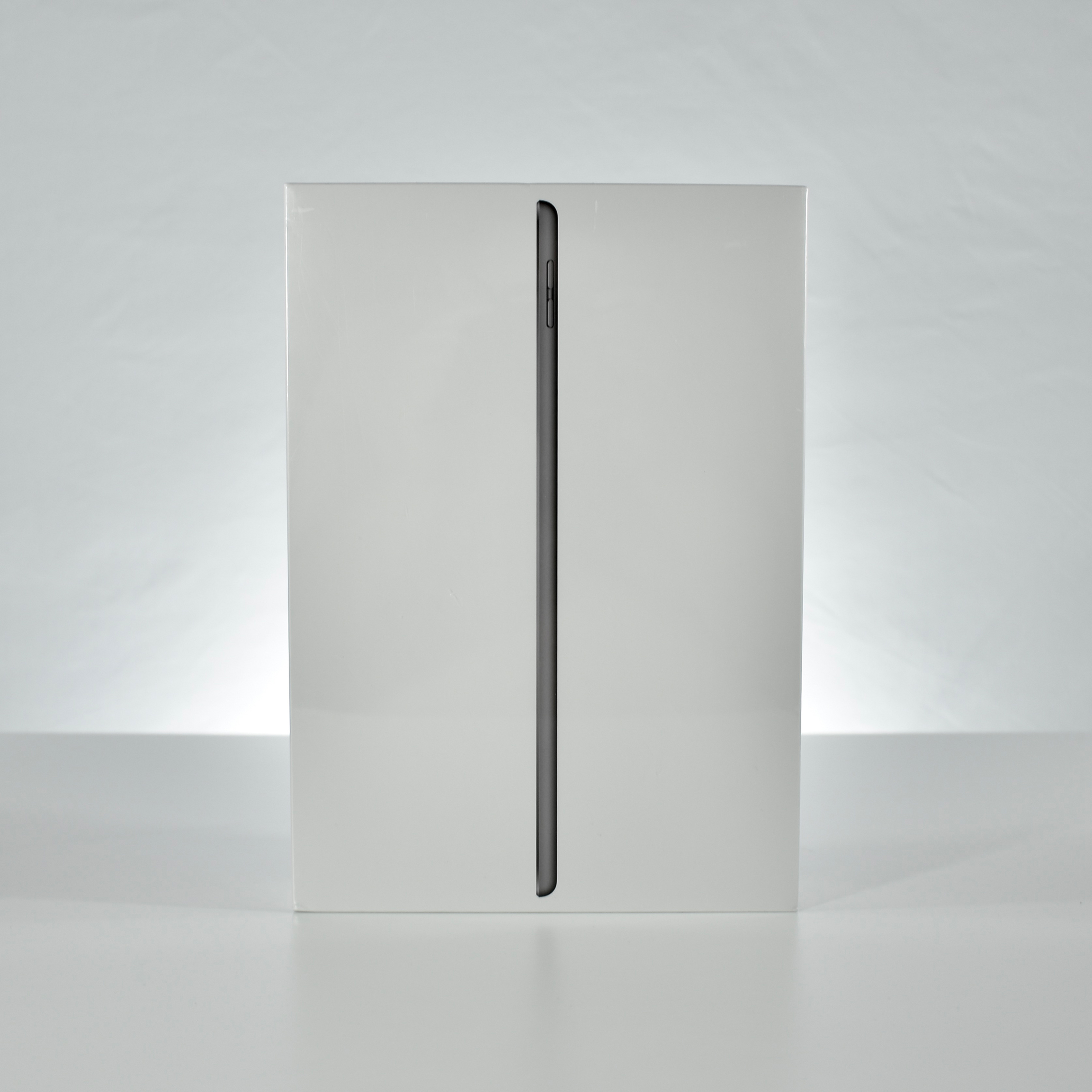
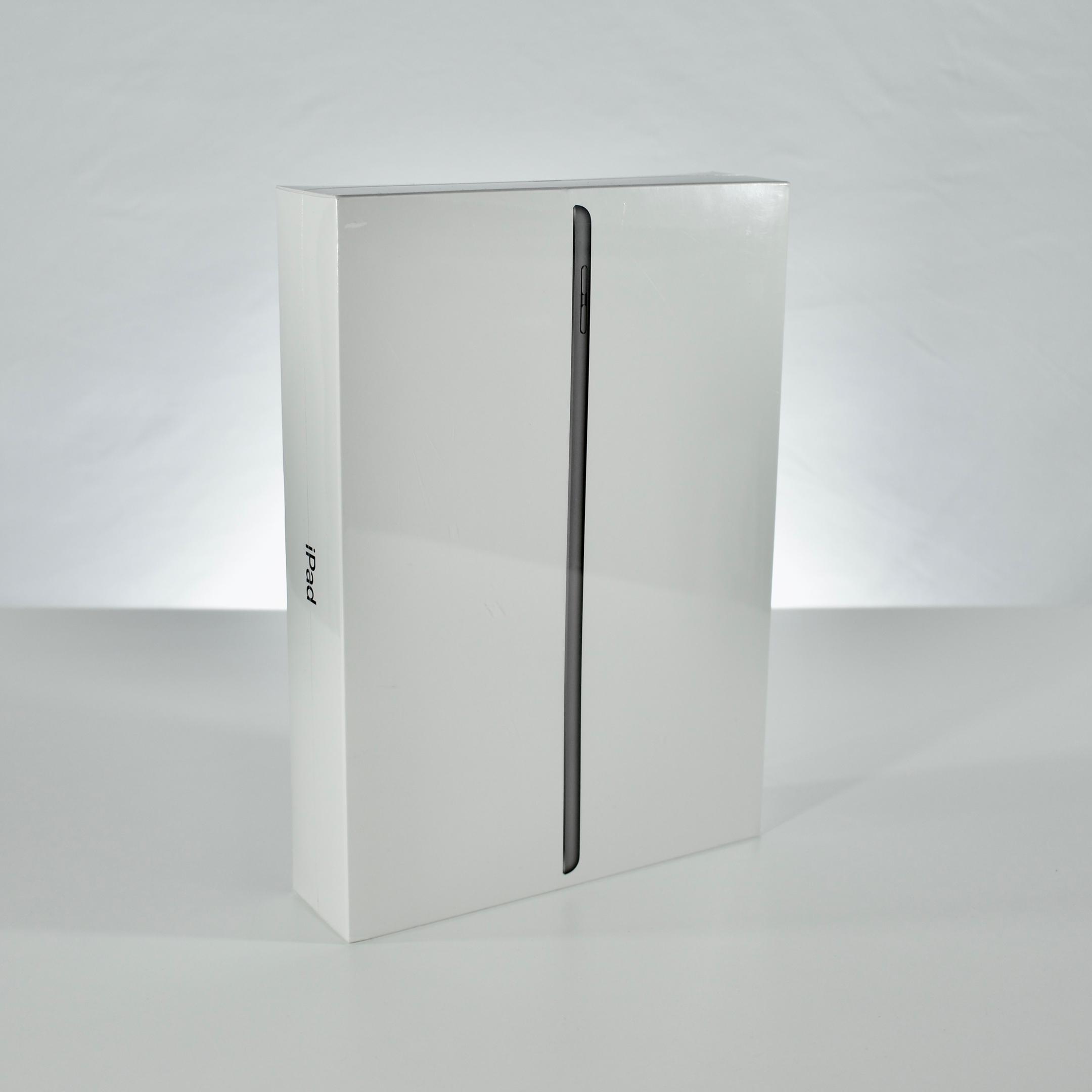
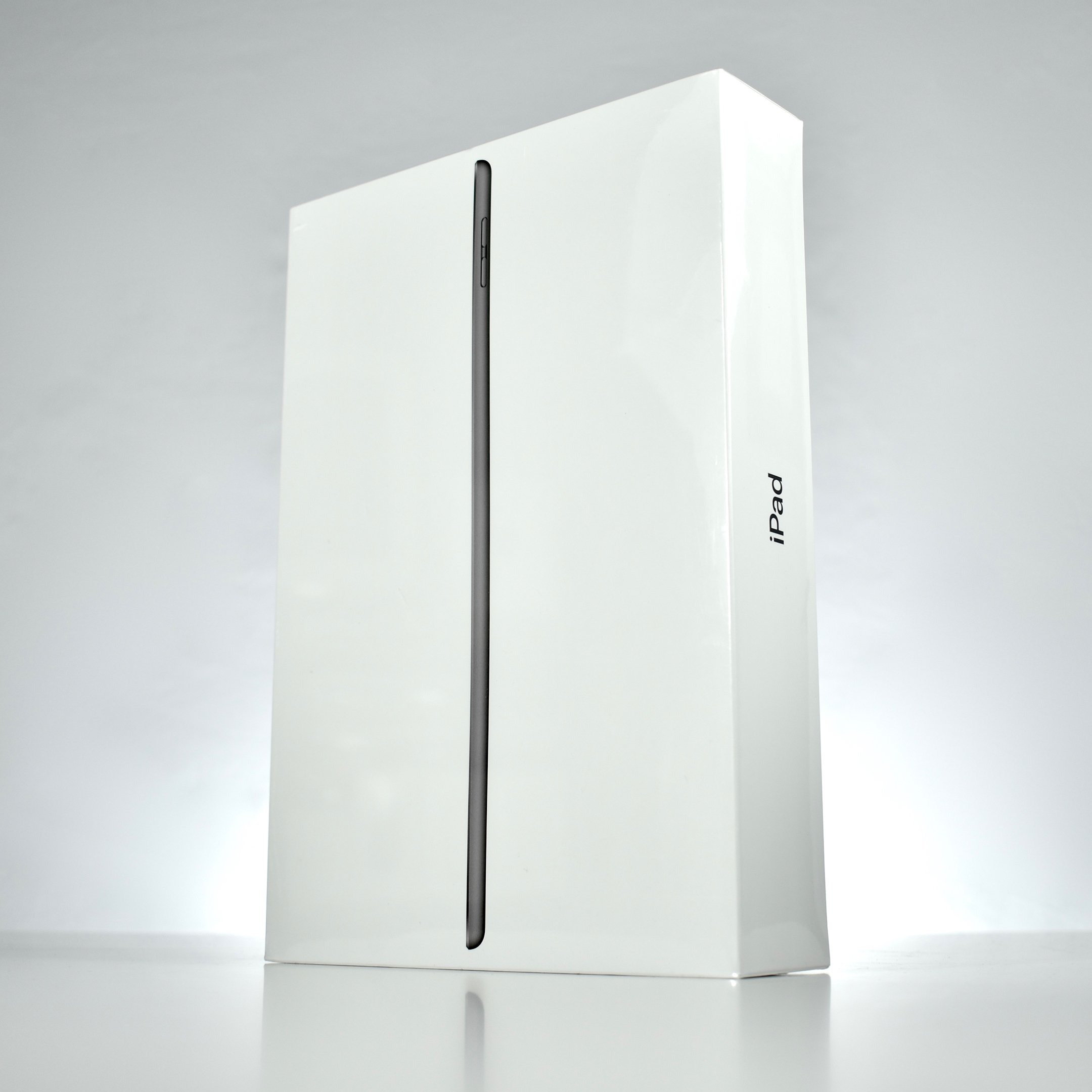
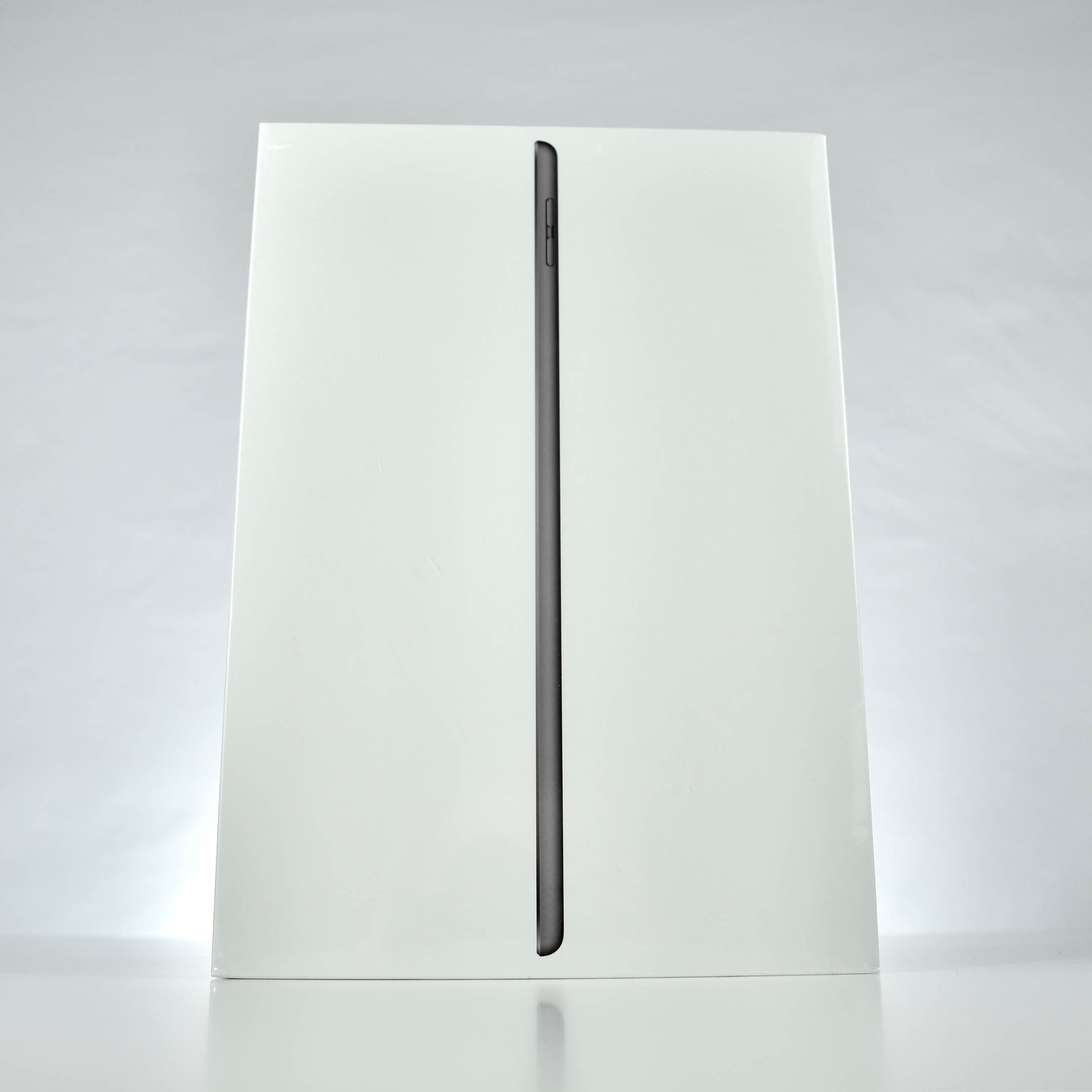
iPad (Generation 7, Wi-Fi, 32 GB, unopened, 2019)

The Generation 7 iPad differs from previous base iPad models with its larger 10.2-inch screen at 2160×1620 (264 ppi) (the Generation 6 iPad had a 9.7-inch screen) and the addition of the Smart Connector. The Smart Connector allows this iPad to use an Apple Smart Keyboard. This iPad was available in three colors: white front with a gold back, white front with silver back, and black front with a Space Gray back. This example is Space Gray.

The Generation 7 iPad uses the Apple A10 Fusion processor with 3 GB of RAM, and has 32 GB or 128 GB of internal storage. It also has an 8 Megapixel iSight camera on the back (1080p) and a 1.2 Megapixel FaceTime camera (720p) on the front. Wireless connectivity includes 802.11ac Wi-Fi and Bluetooth 4.2,. Its two wired ports are the Lightning port and a 3.5mm audio port. Internal sensors include accelerometer, gyroscope, ambient light sensor, compass, and barometer.

Aside from this Wi-Fi model, three Wi-Fi/Cellular models are available (US/CA, Global, and China).

Source: EveryMac

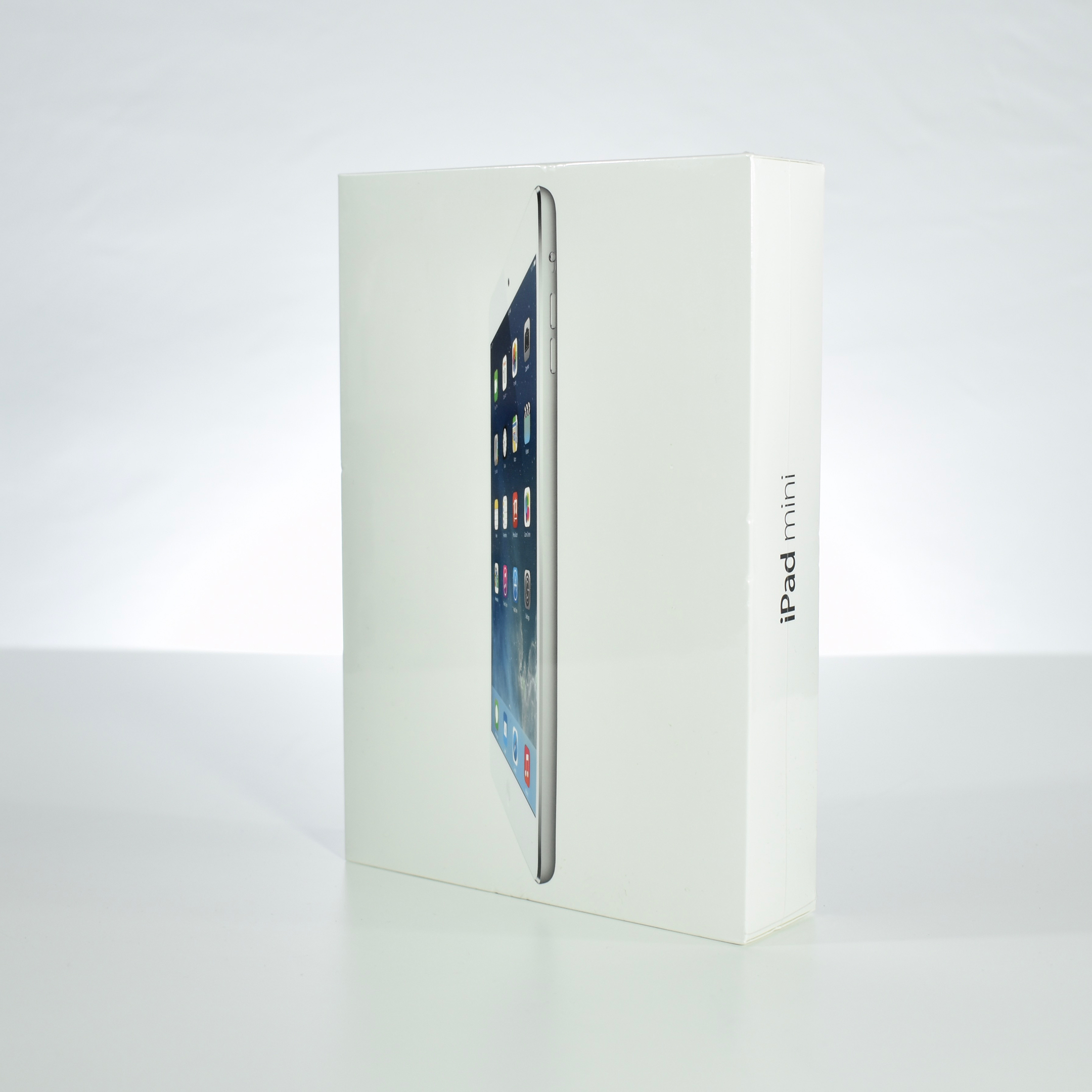
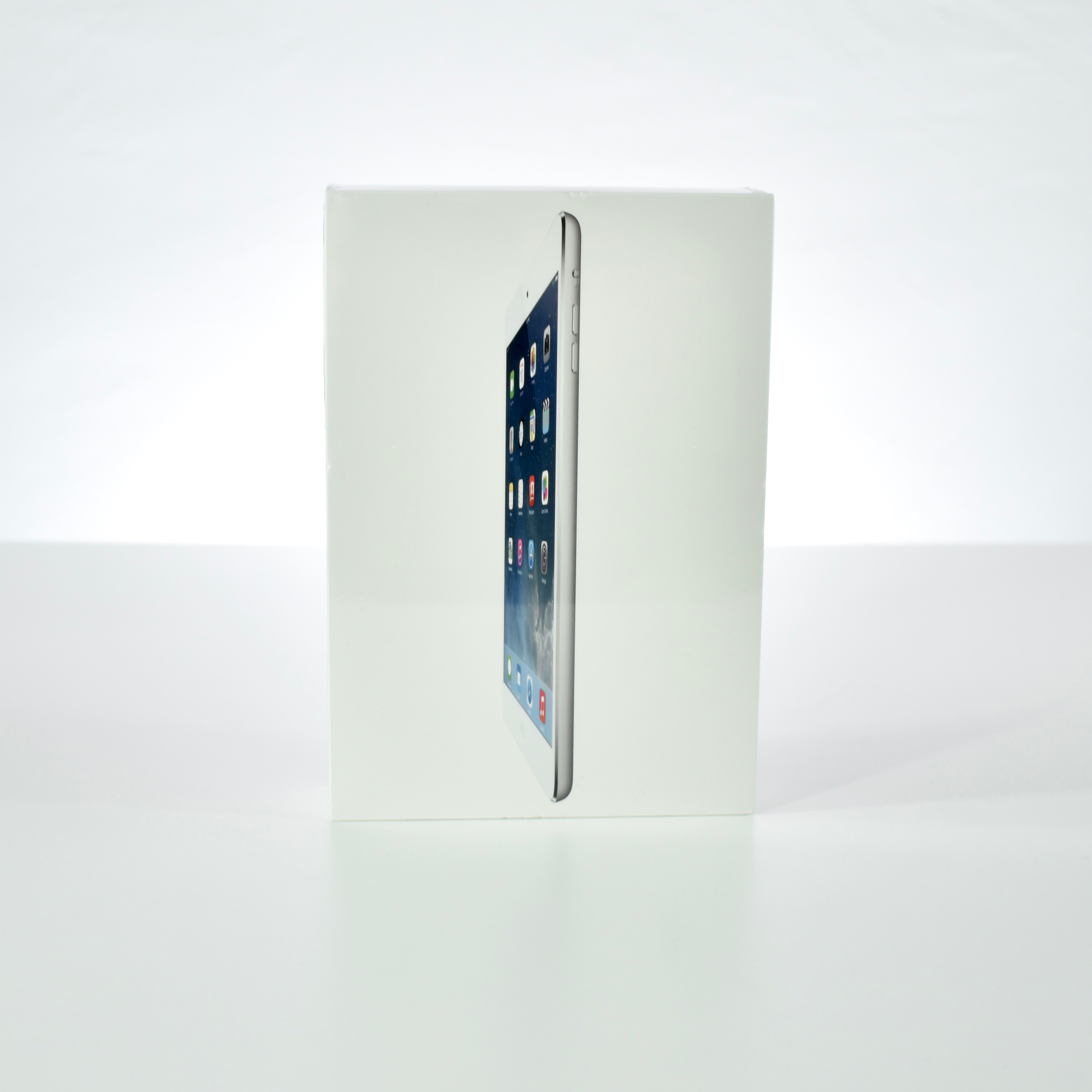
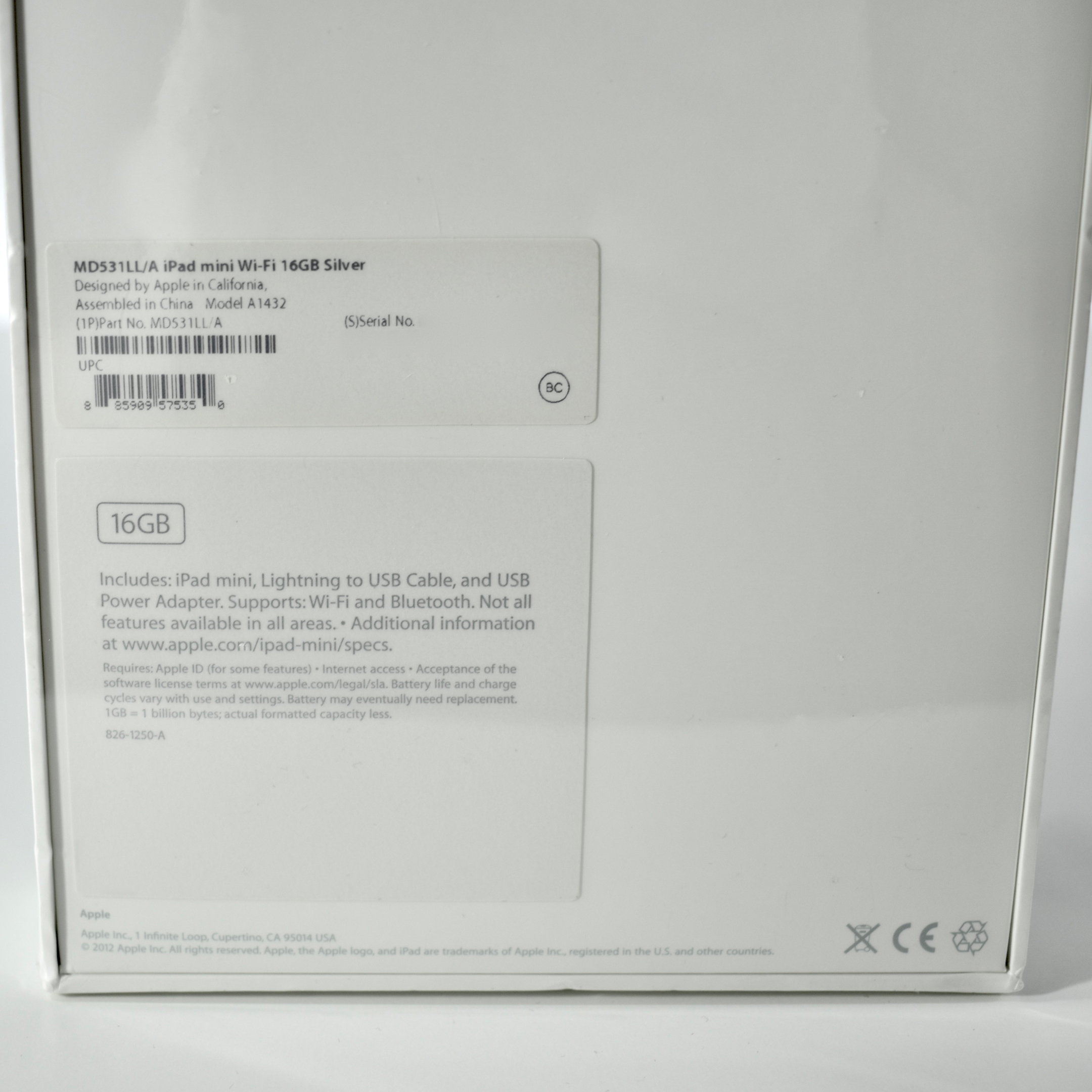
iPad mini (original, Wi-Fi, 16 GB, silver, unopened, 2012)

The original iPad mini featured a 7.9-inch screen at 1024×768 (163 ppi). Internally, it had a dual core 1 GHz Apple A5 processor; 512 MB of RAM; and 16, 32, or 64 GB of storage. It had two cameras: a rear-mounted 5 megapixel iSight camera (1080p) and a front-mounted 1.2 megapixel FaceTime HD camera (720p). The original iPad mini used a Lightning port.

I kept my original iPad mini in my daily backpack for a very long time due to its near perfect size and weight as a truly mobile device with the same 1024×768 screen as a standard iPad of the time (just with smaller pixels). I purchased this additional iPad mini as an example for my collection and never unboxed it. This version has a silver back and white front. 

Source: EveryMac 

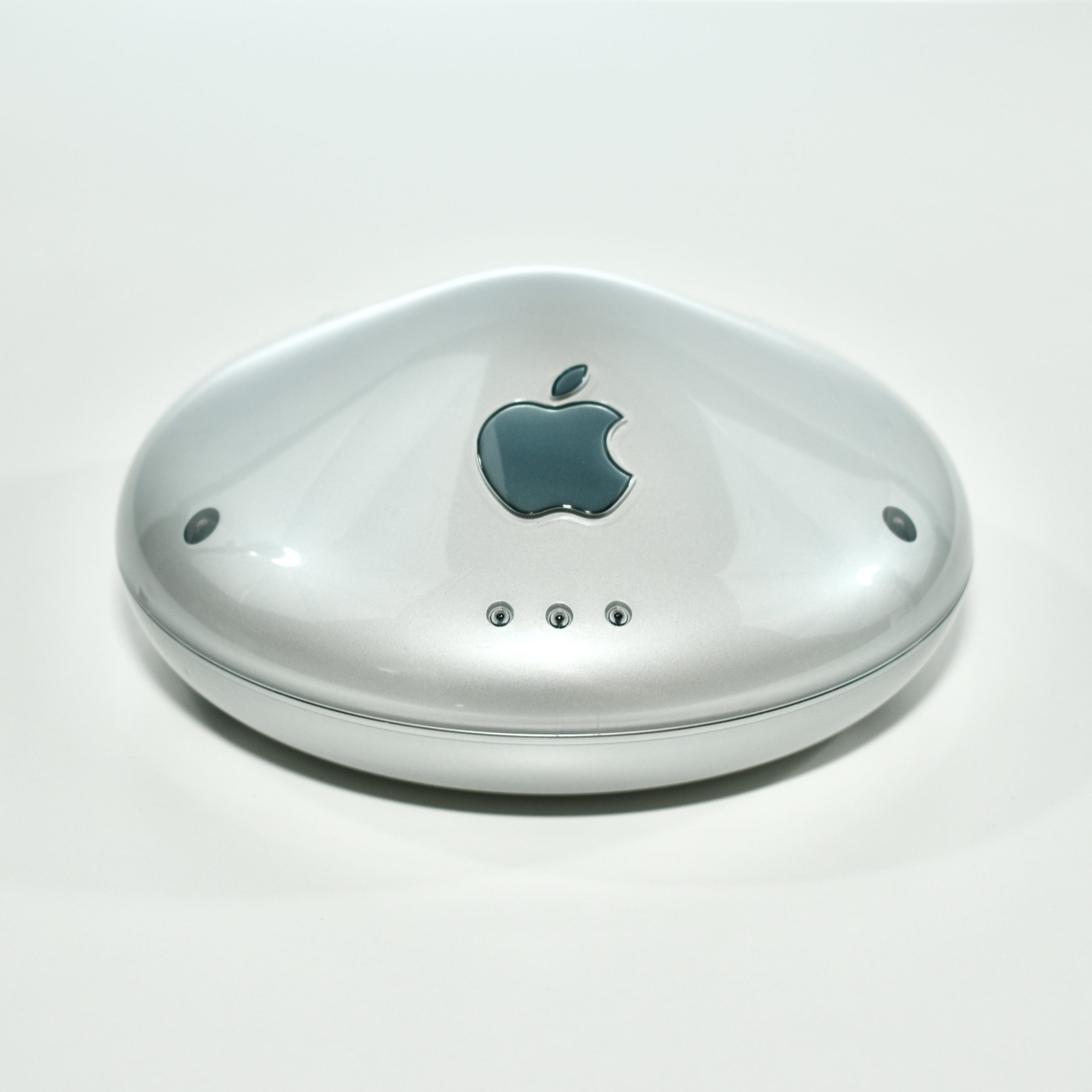
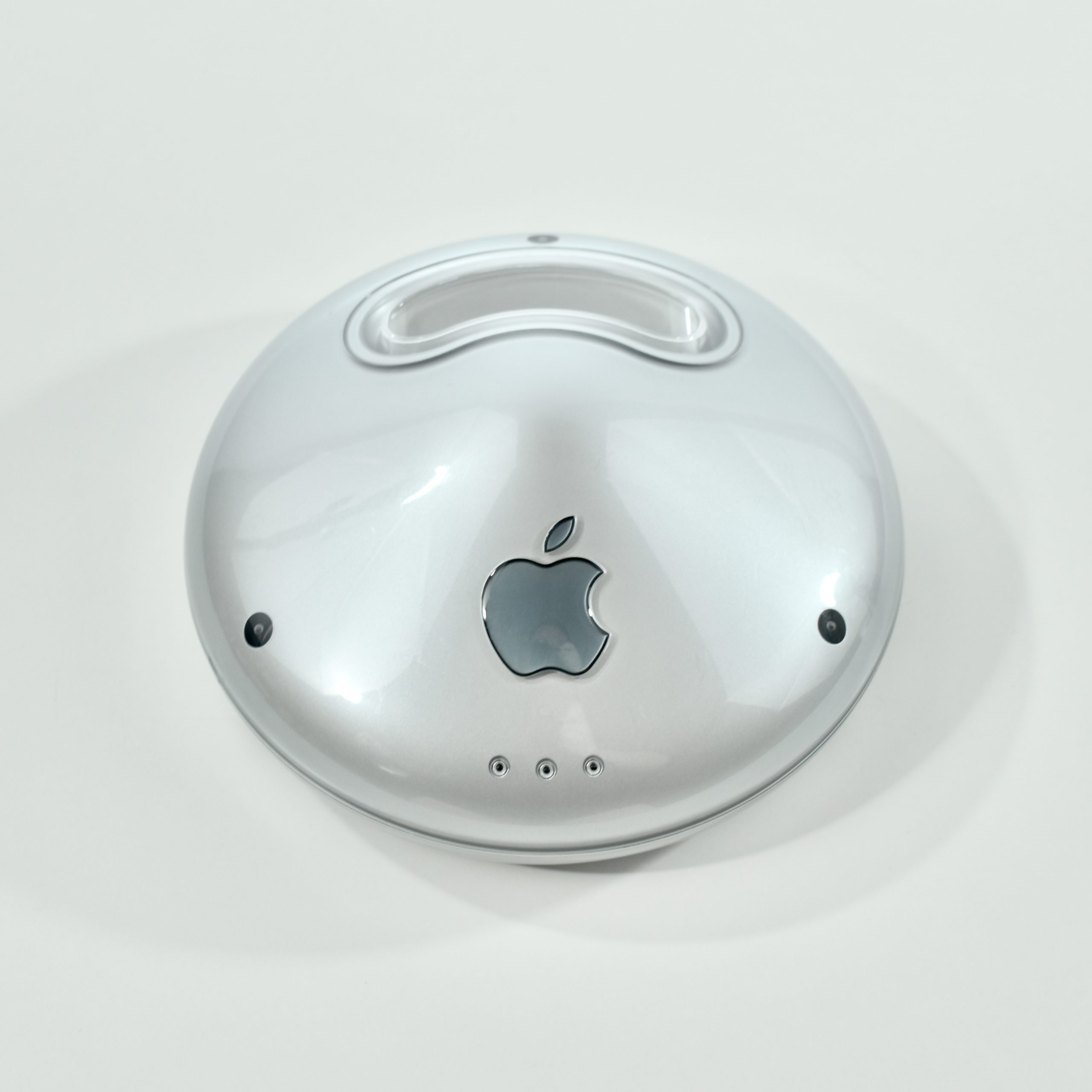
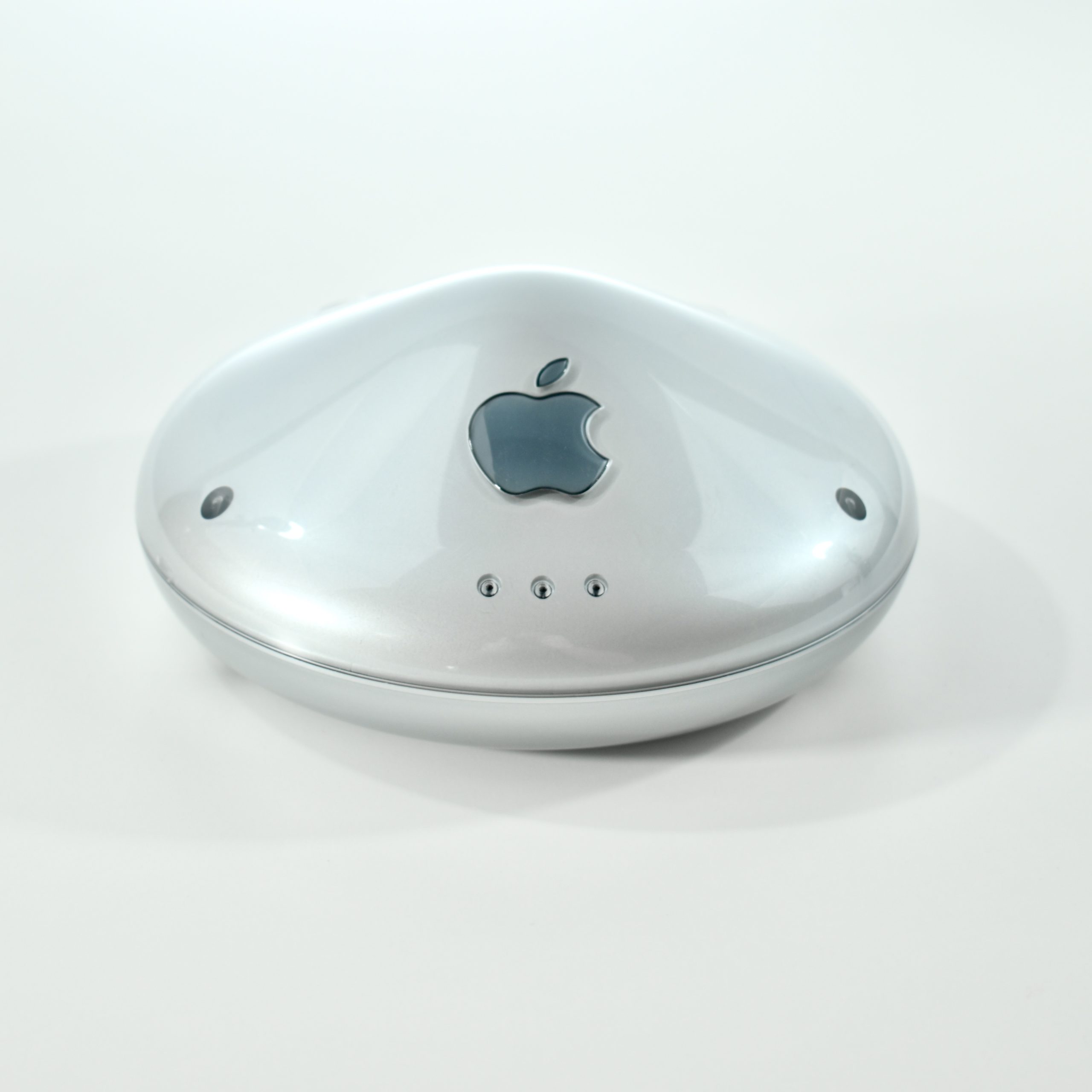
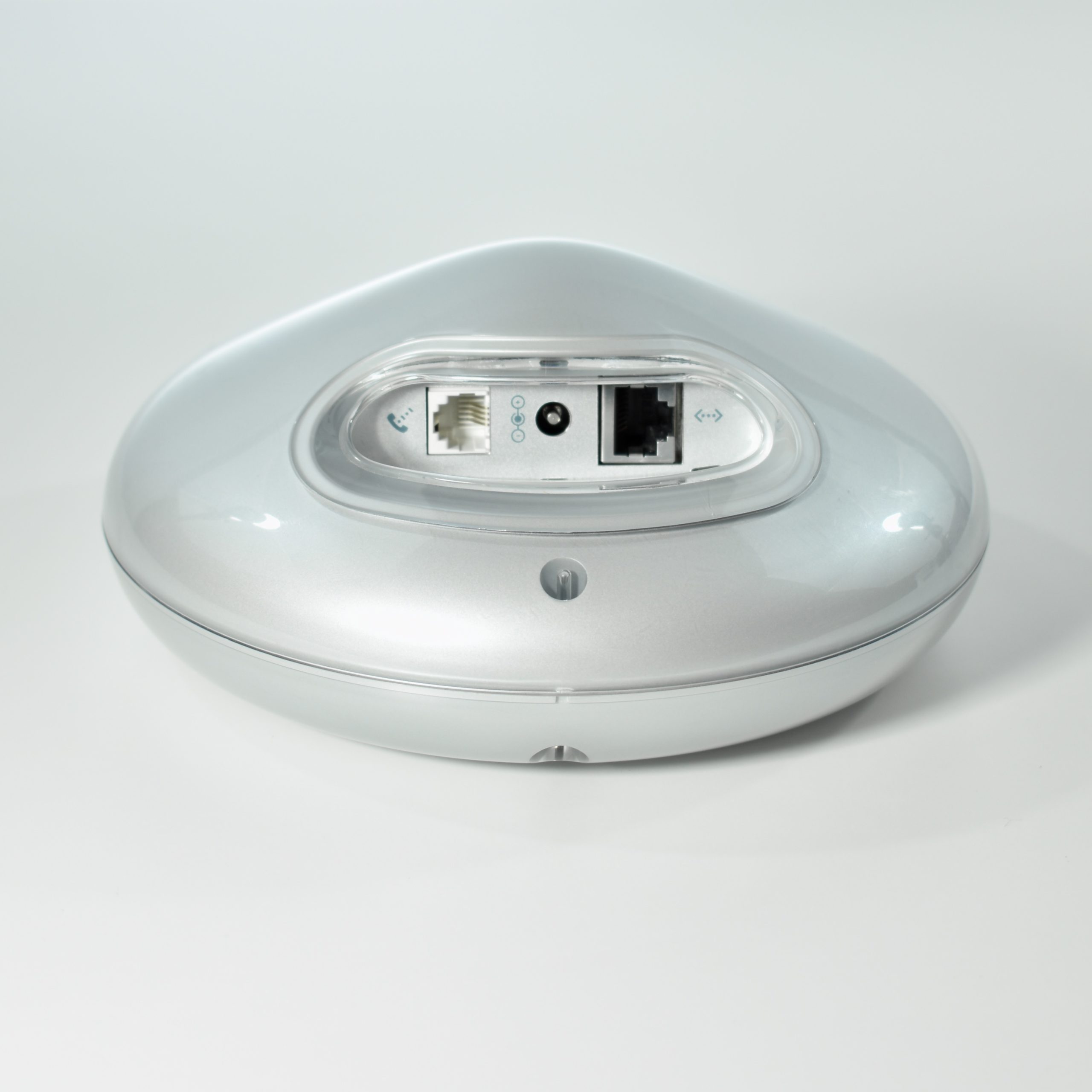
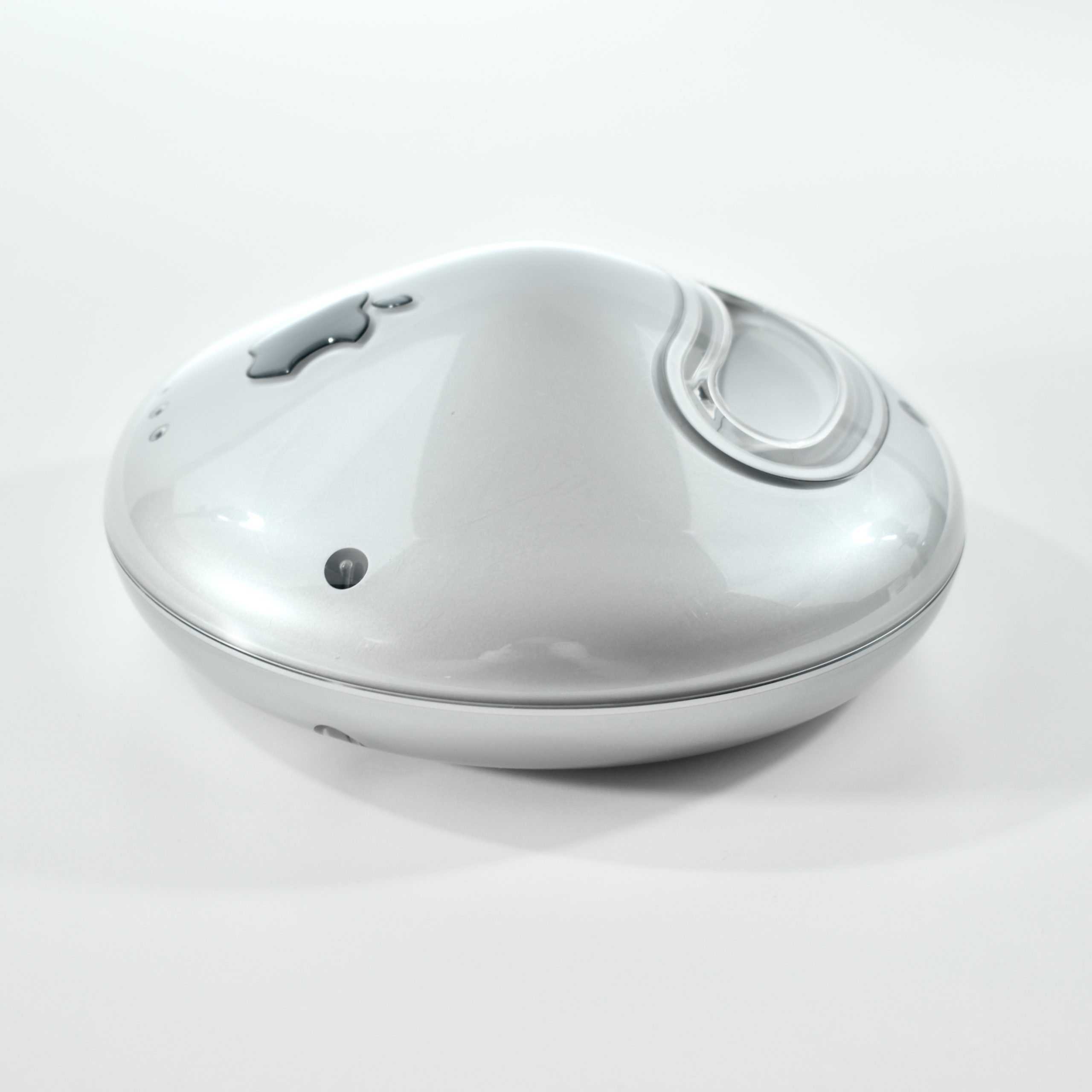
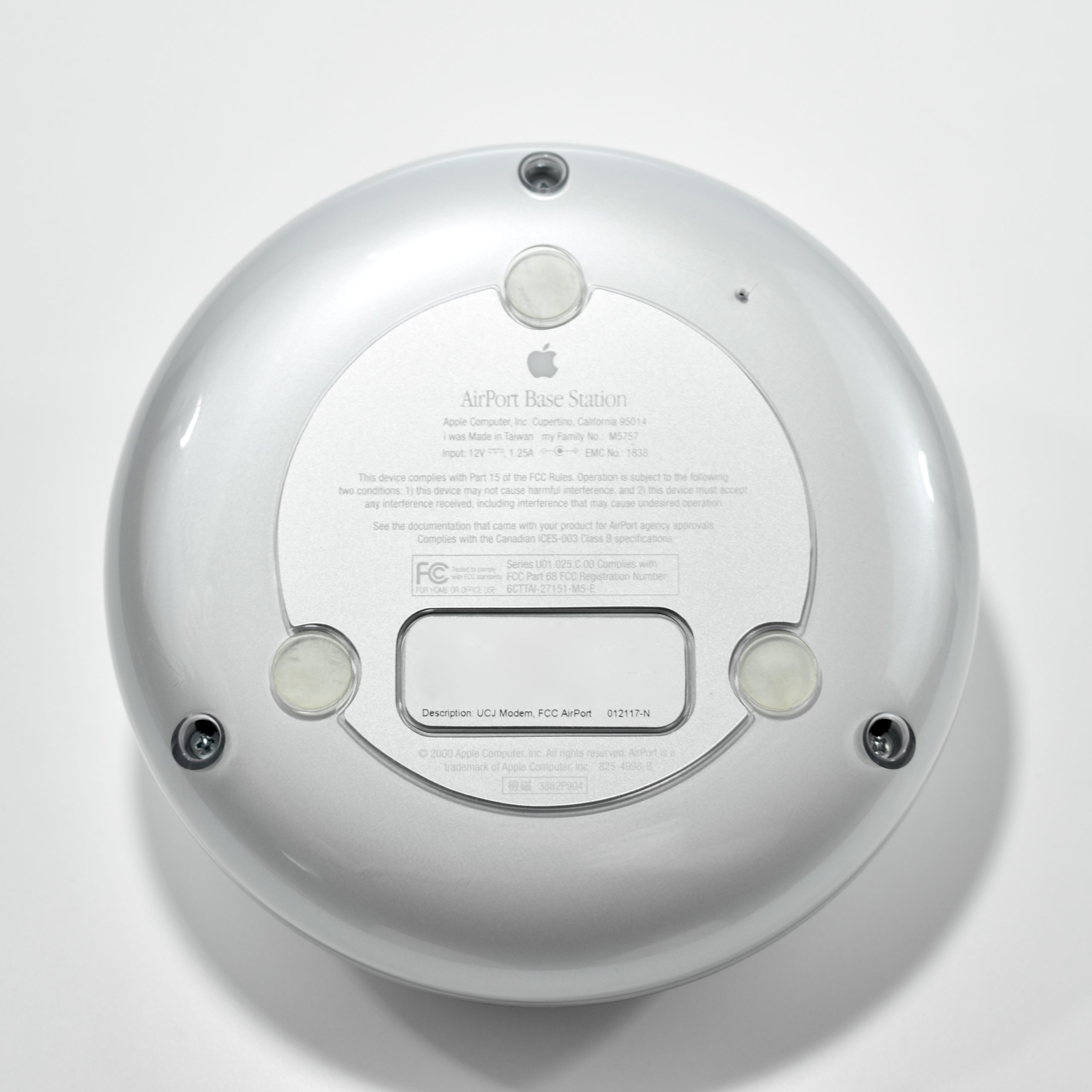
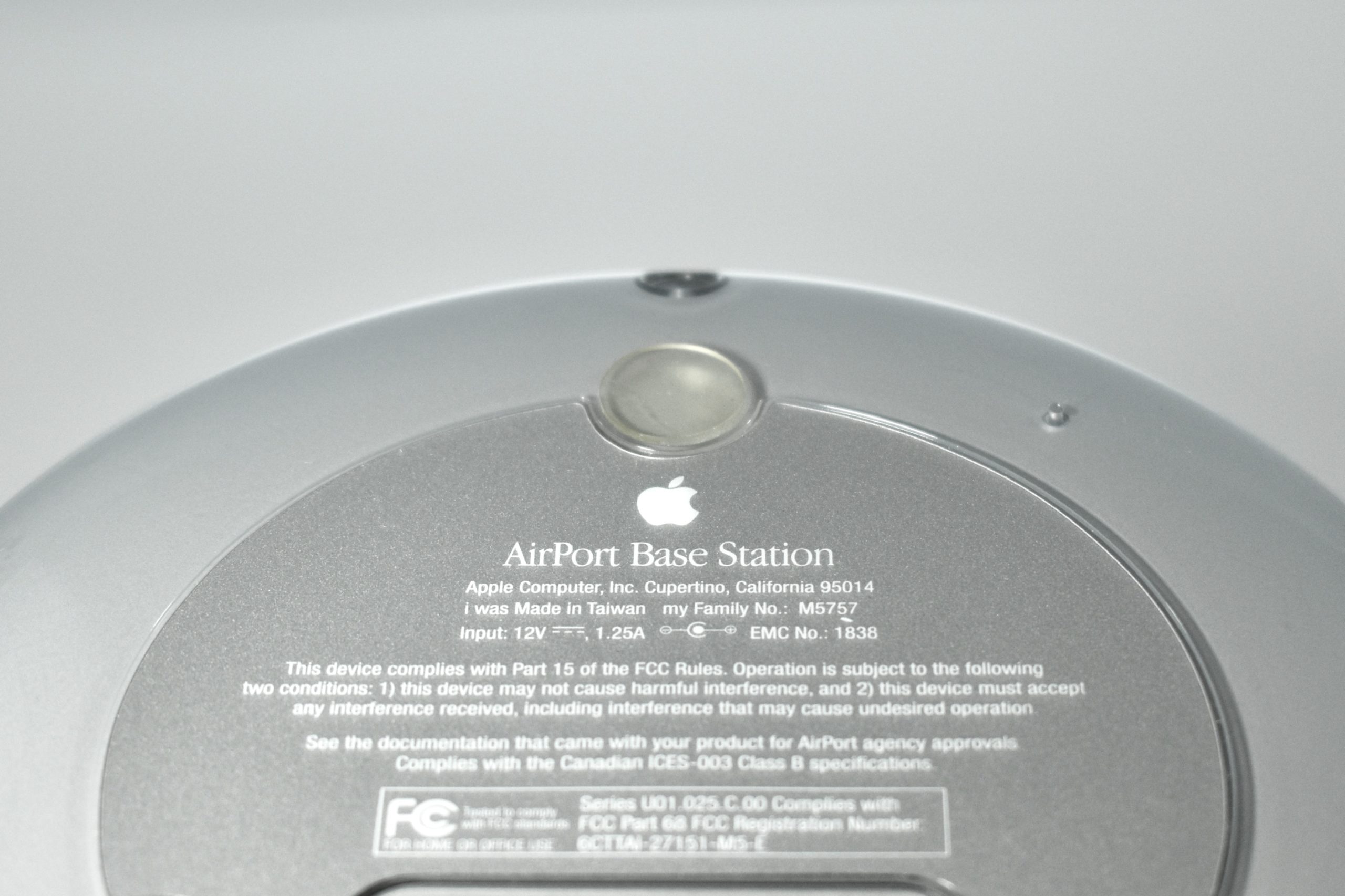
AirPort Base Station (original, 1999)

The original AirPort Base Station was released along with the original iBook (blueberry and tangerine) at the 1999 MacWorld conference and expo in New York City. An optional AirPort card was available for the iBook (a repackaged Lucent ORiNOCO Gold Card PC Card adapter) and this graphite AirPort Base Station provided one of the first consumer WiFi base stations that was relatively easy to set up and manage.

The original AirPort system including the AirPort card and AirPort Base Station allowed transfer rates up to 11 Megabits/second.

Soon after MacWorld, Apple began airing a TV commercial for the AirPort Base Station featuring a 1950s-style Sci-Fi soundtrack and the base station flying in like a flying saucer.

Sources: Wikipedia, Museums Victoria (Australia)