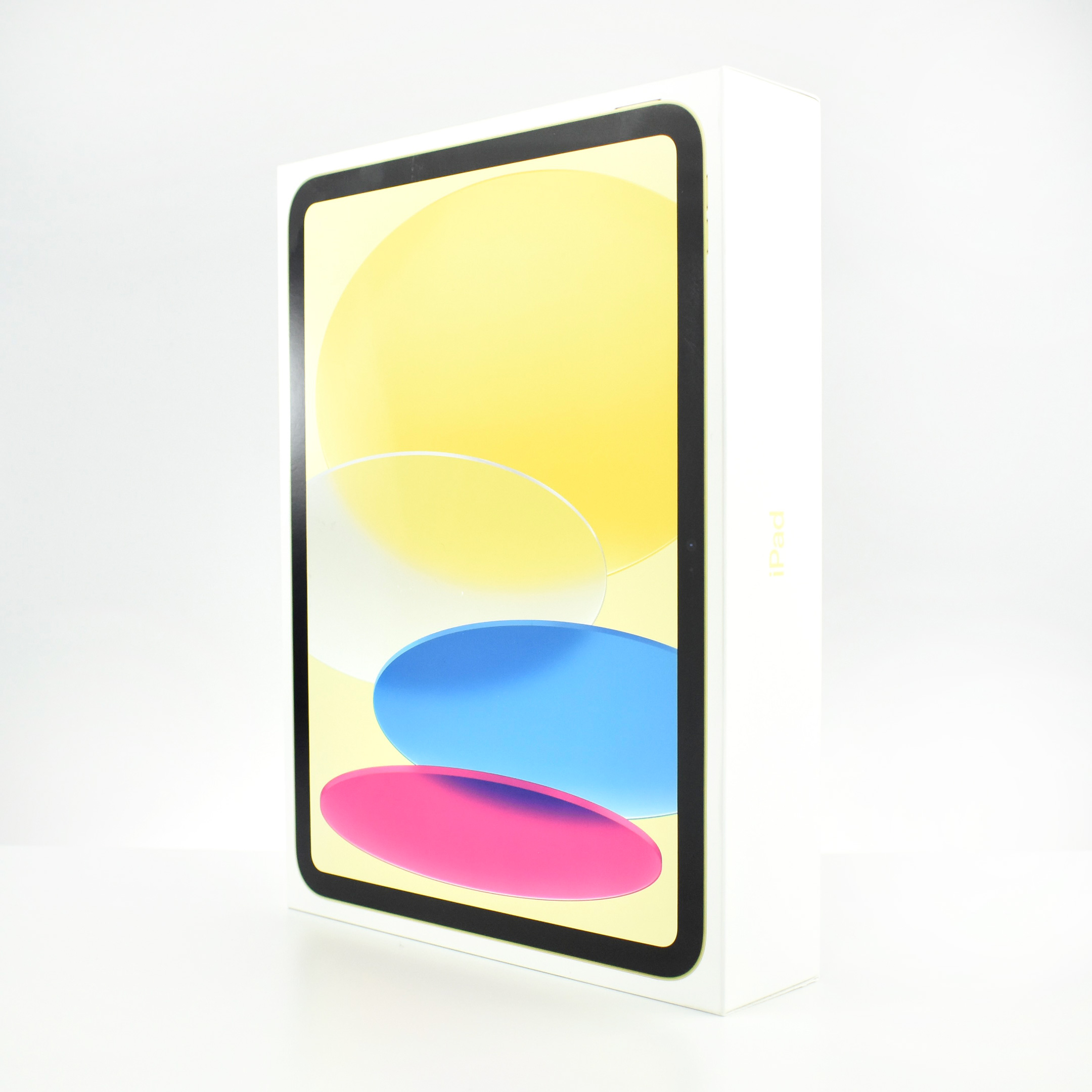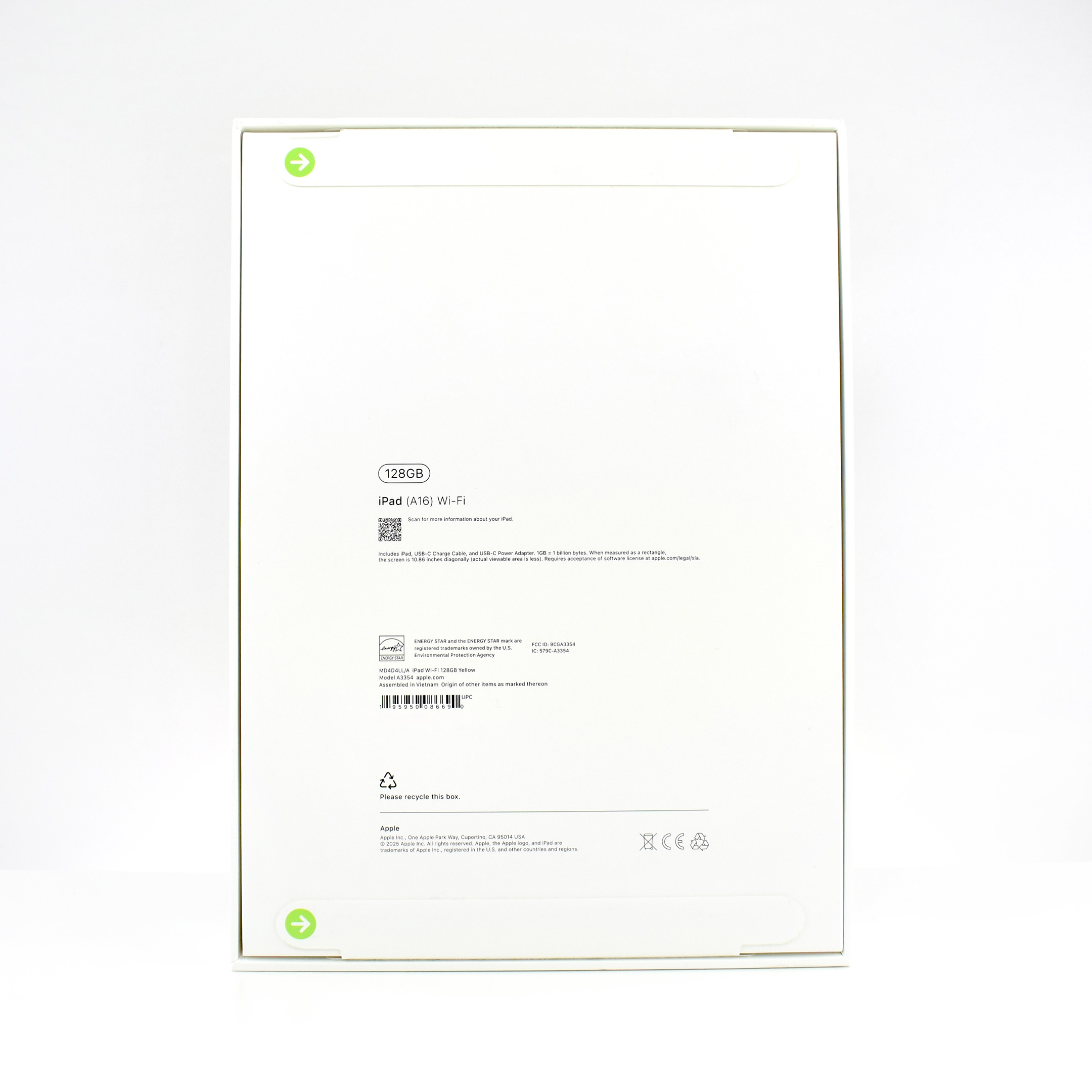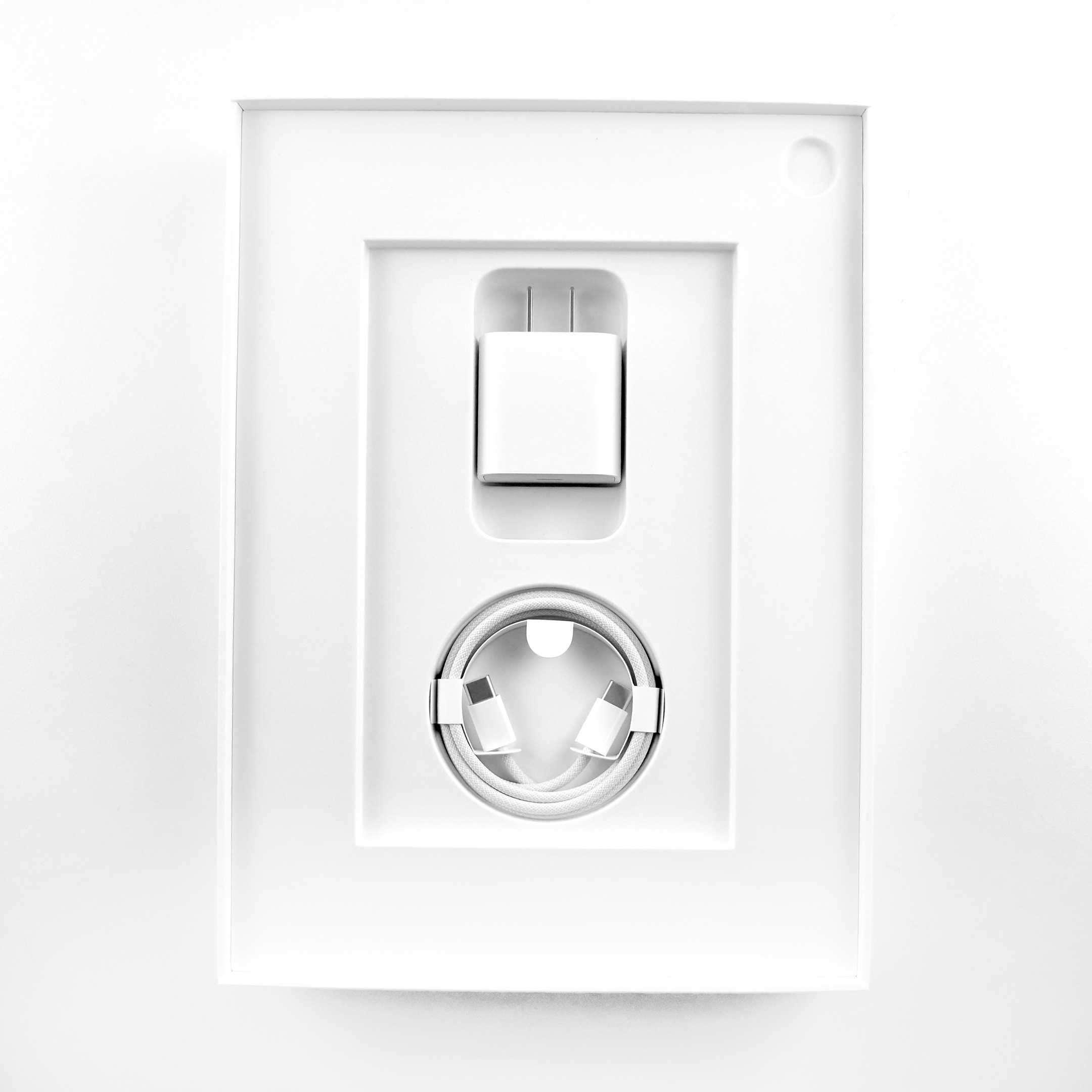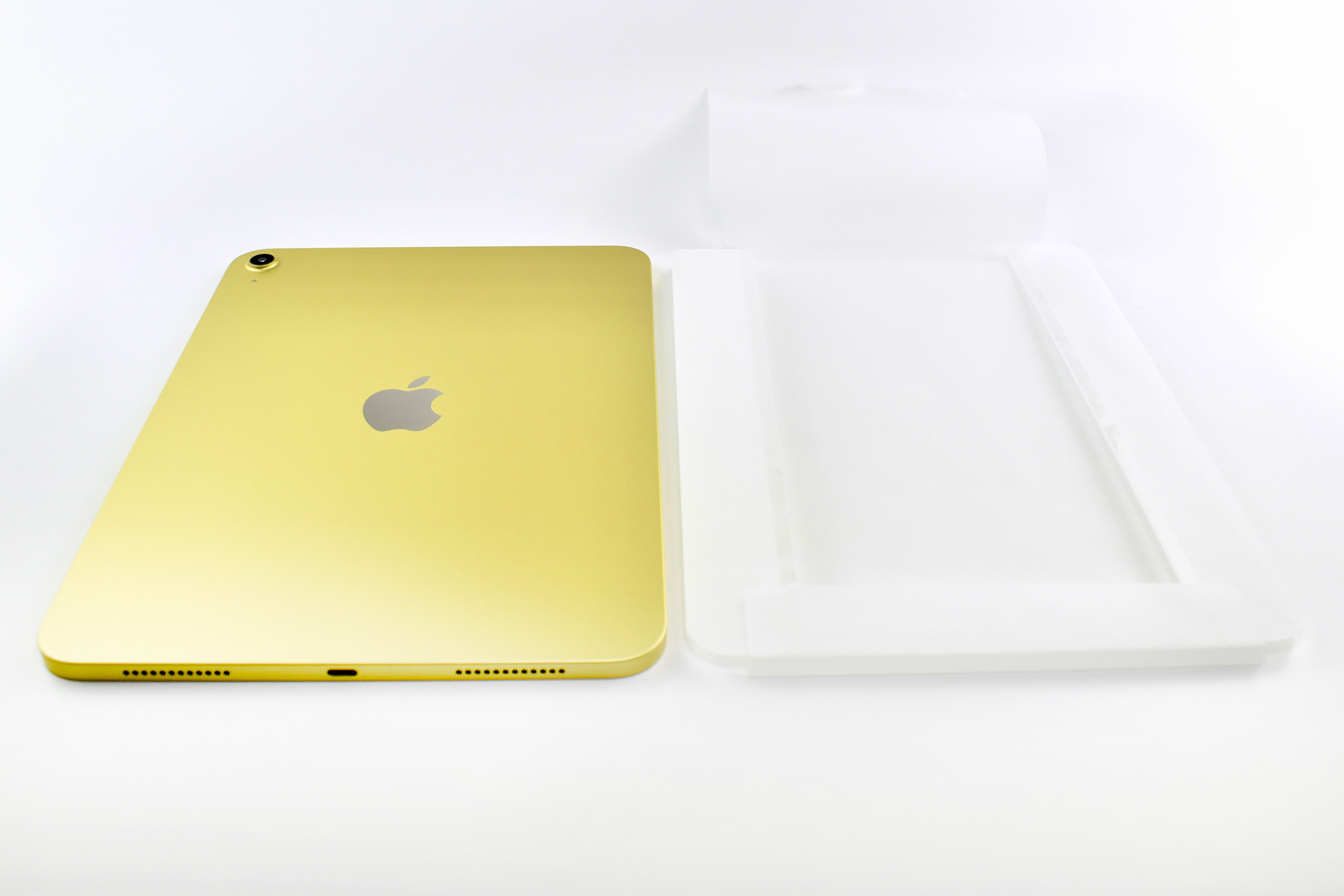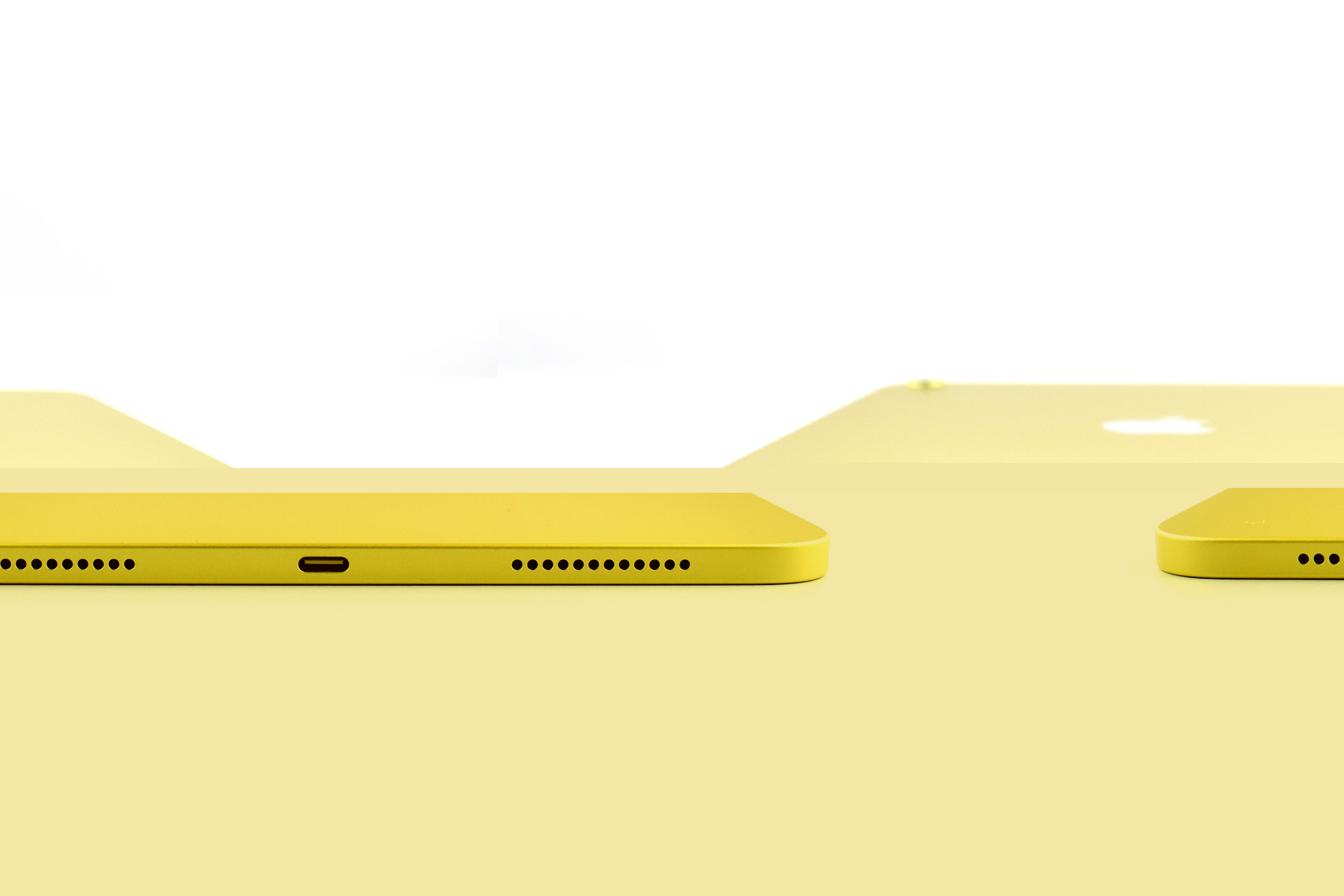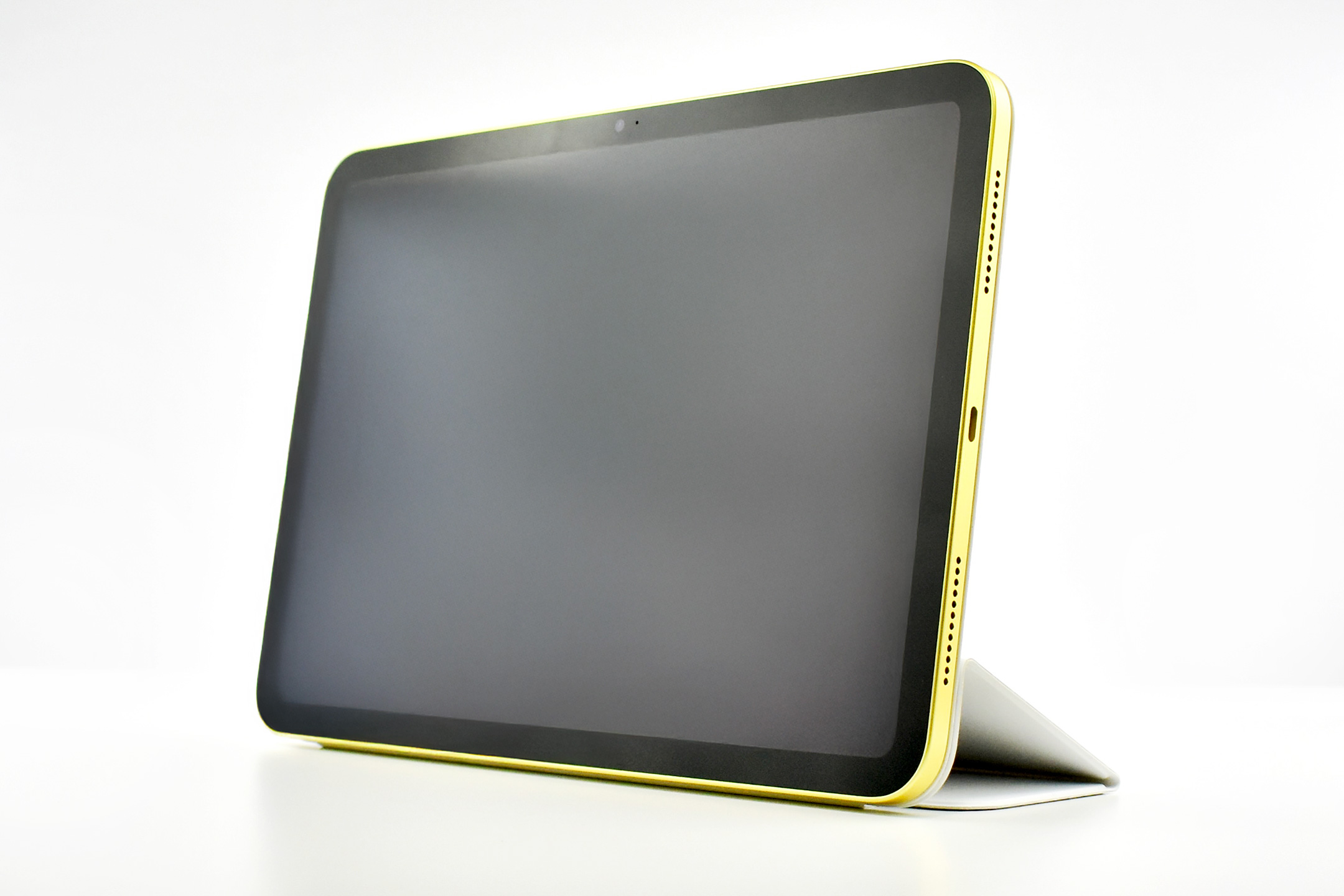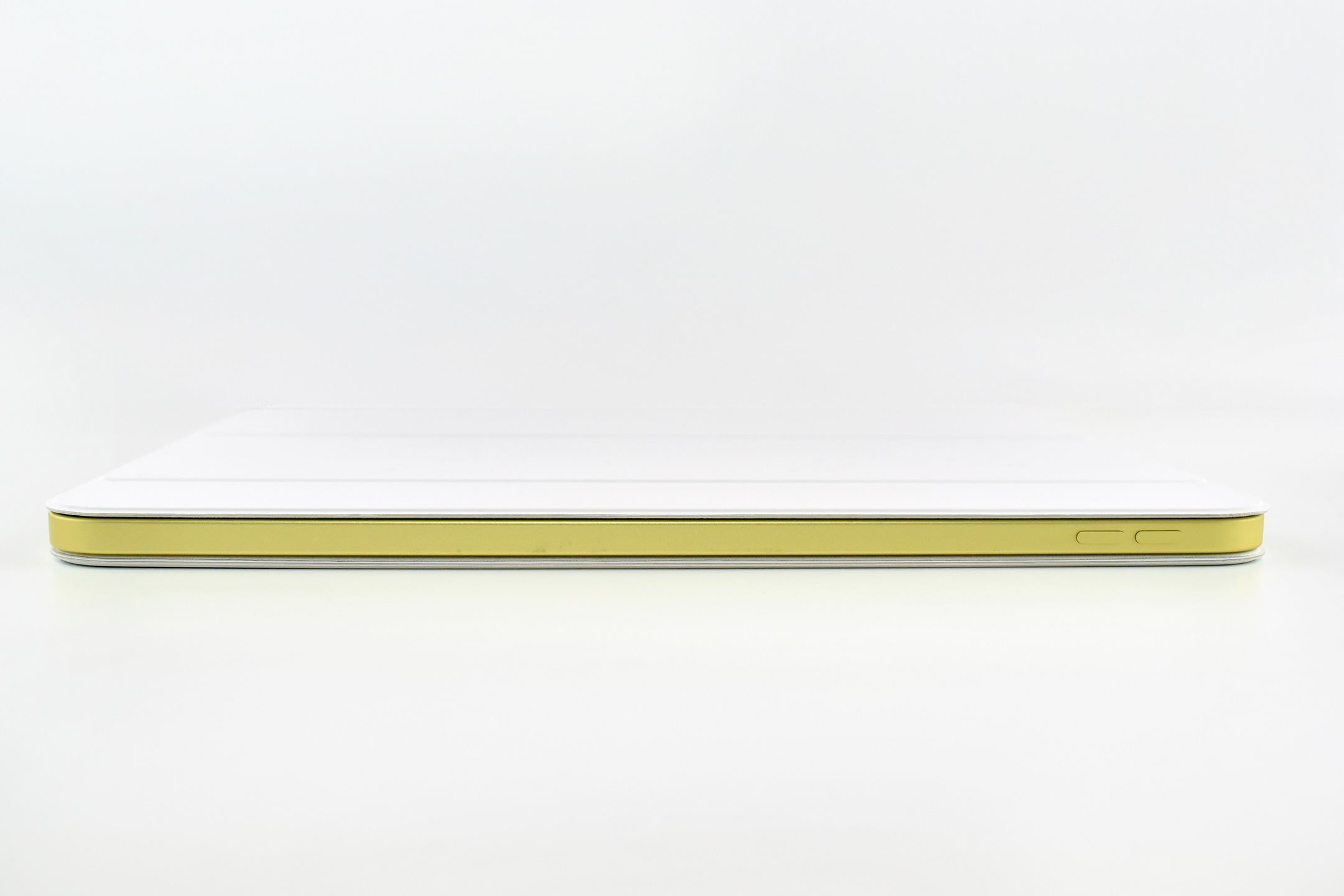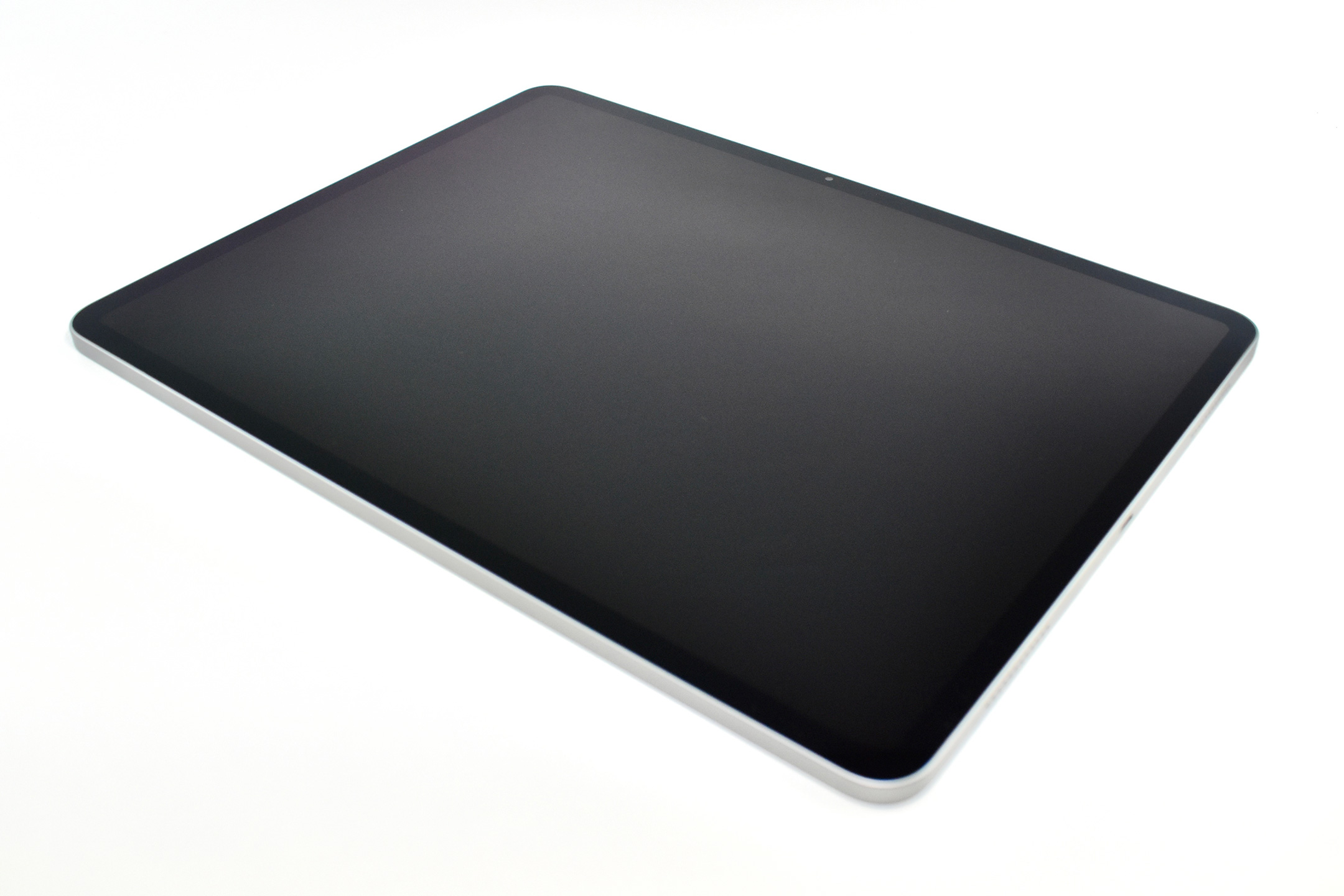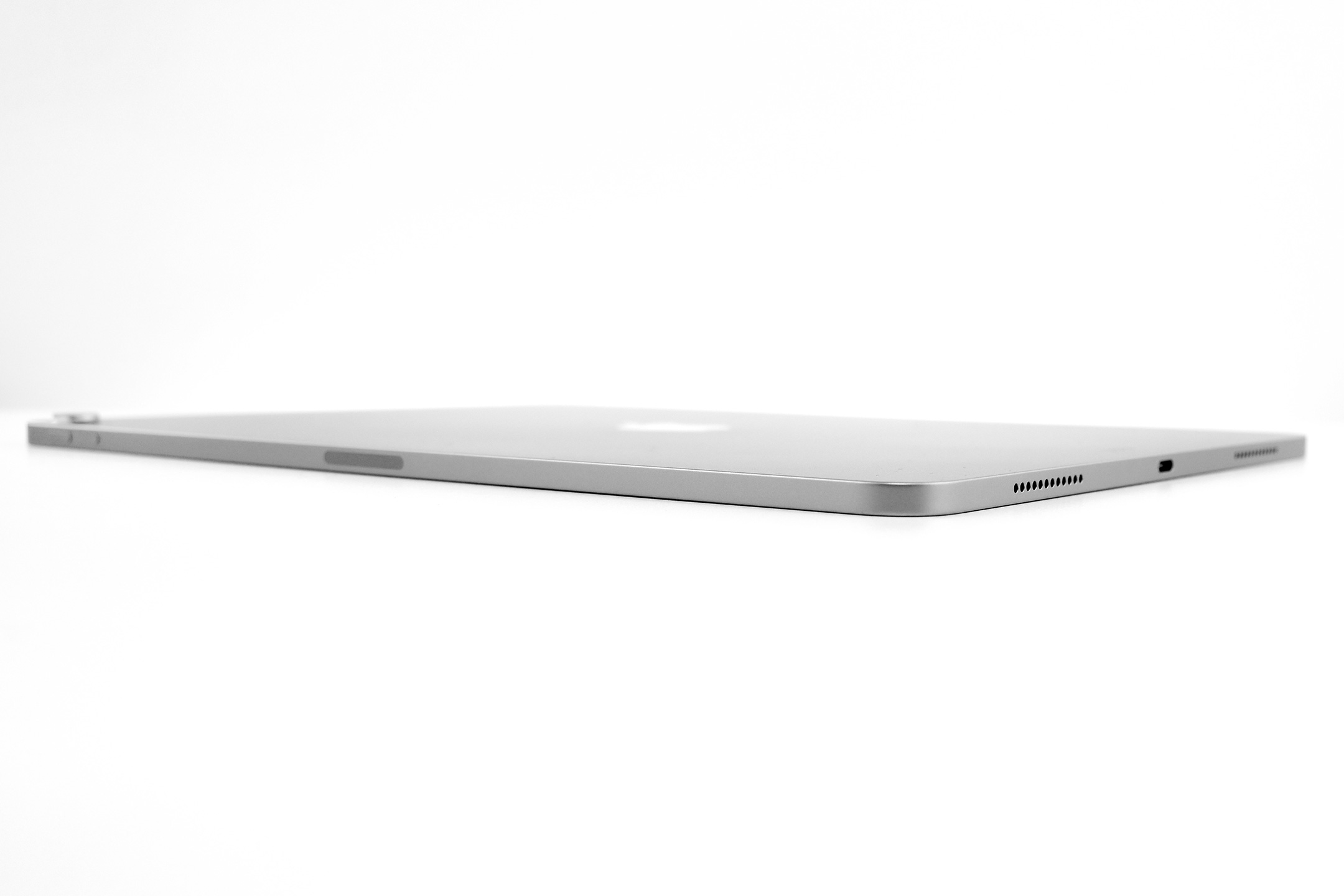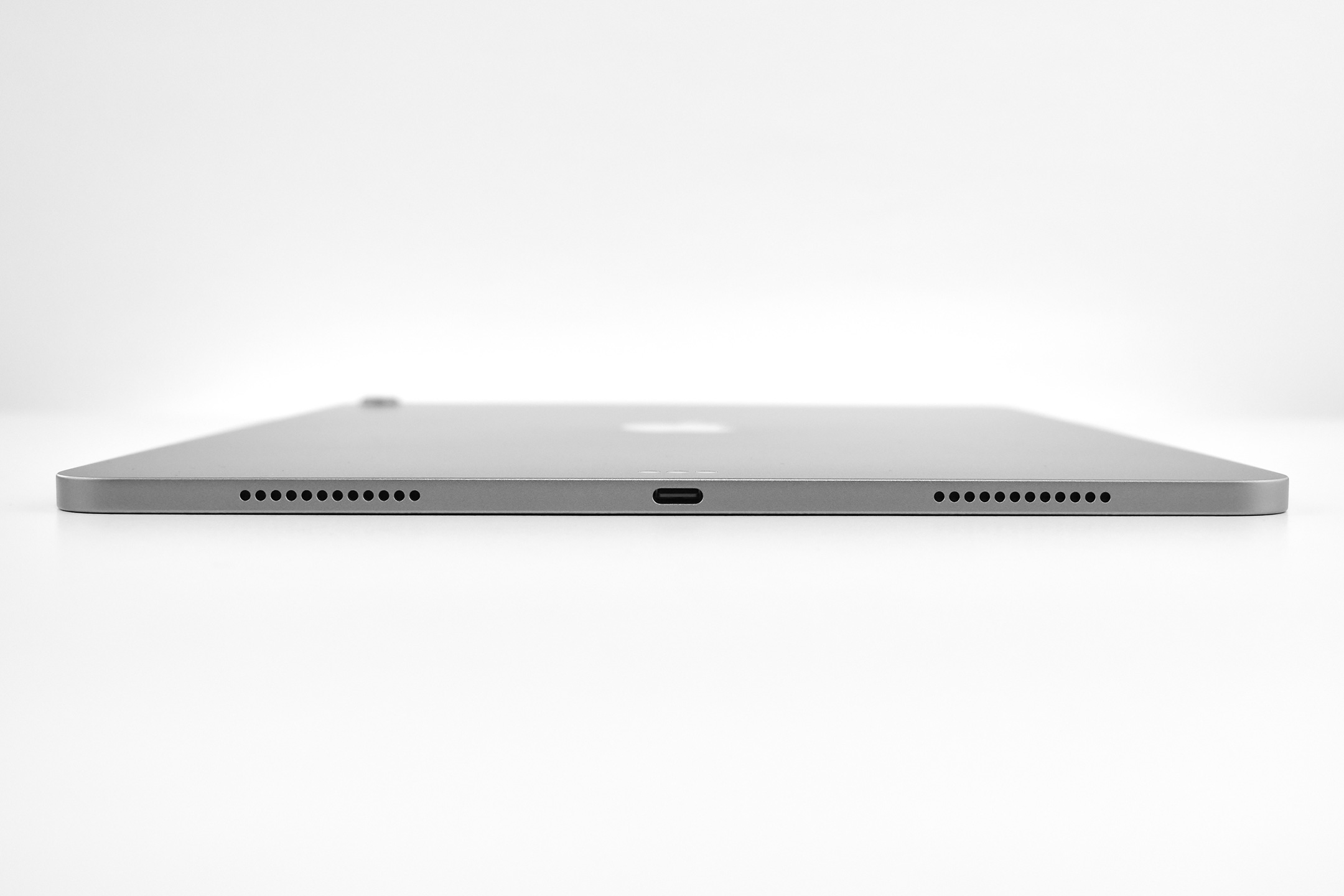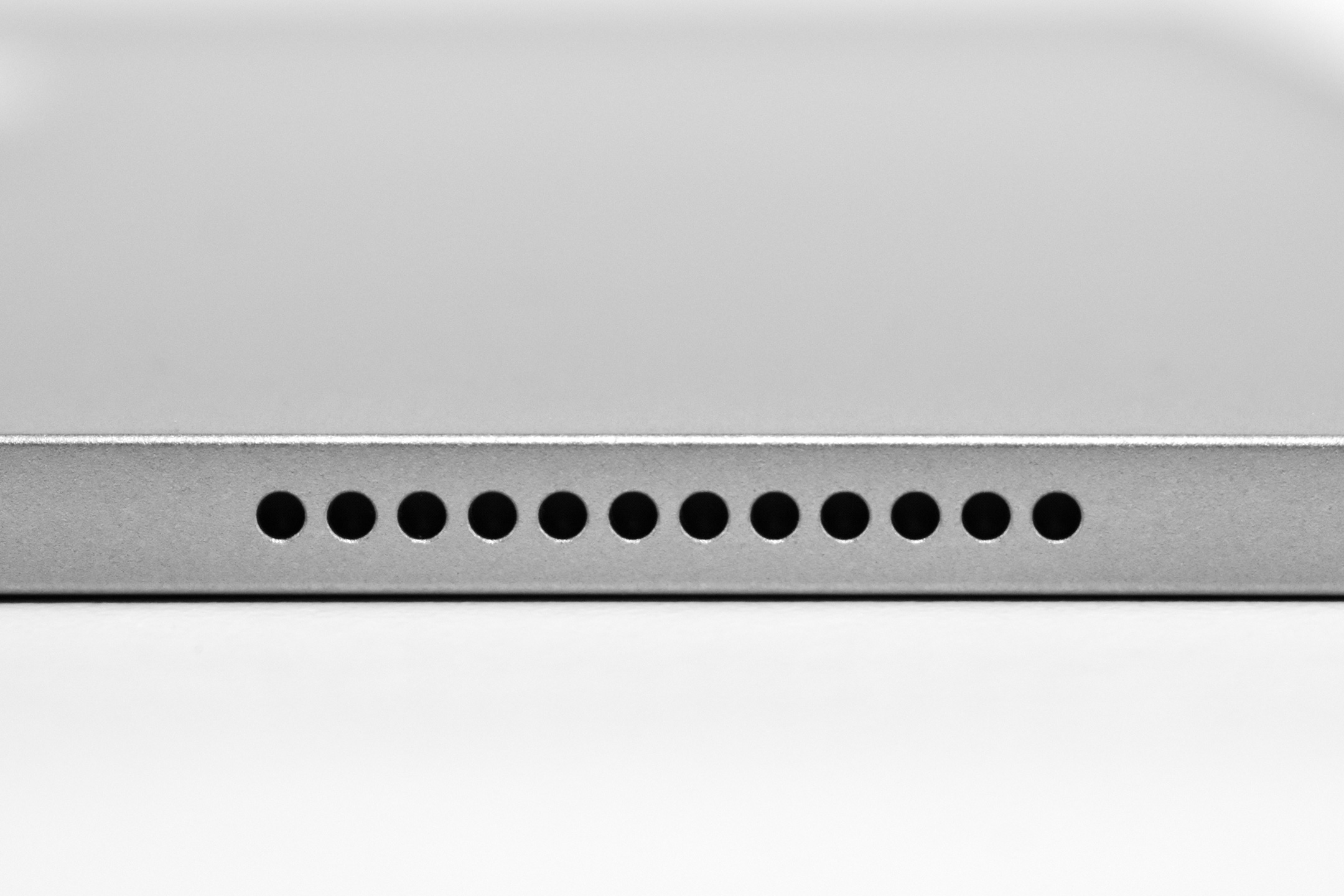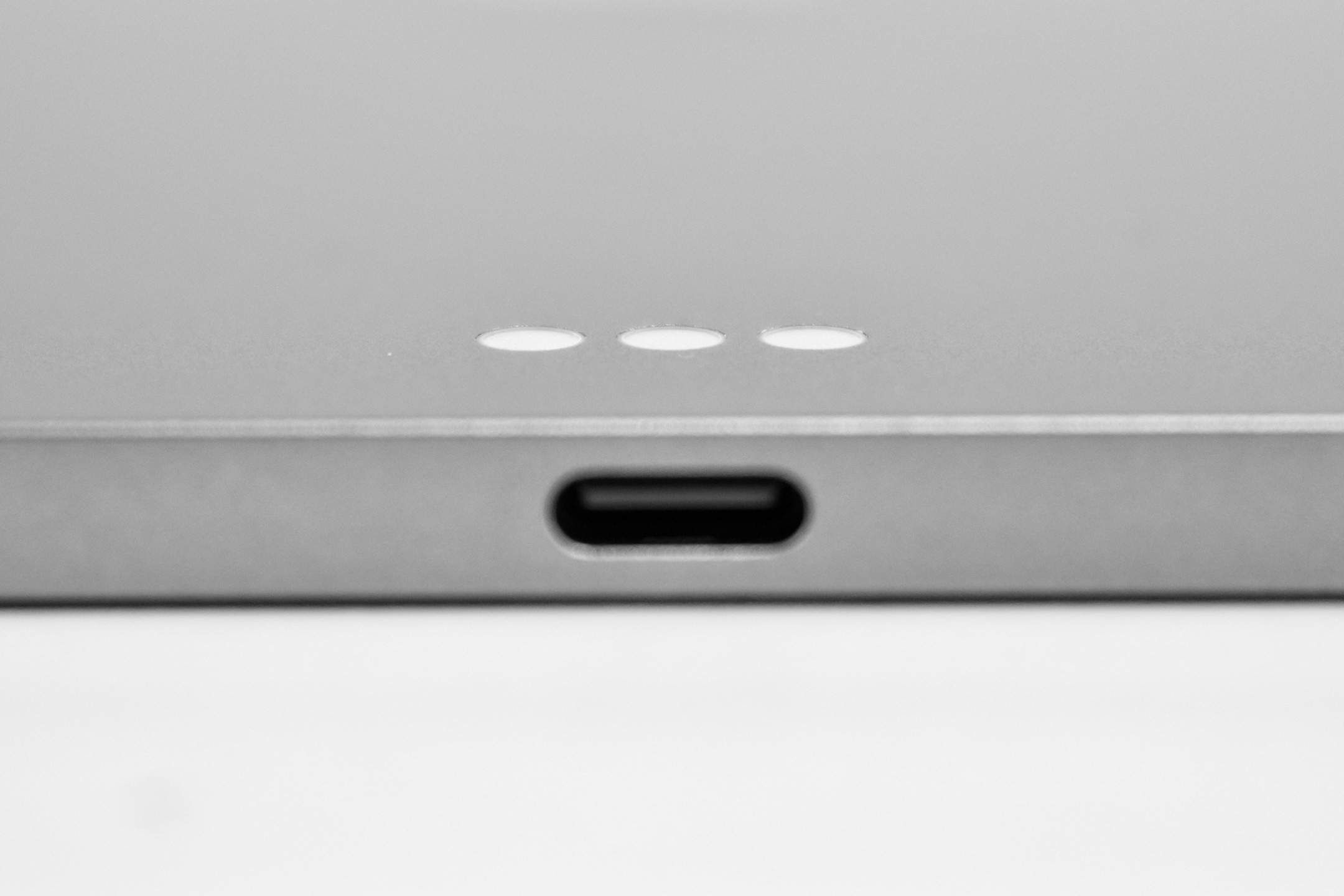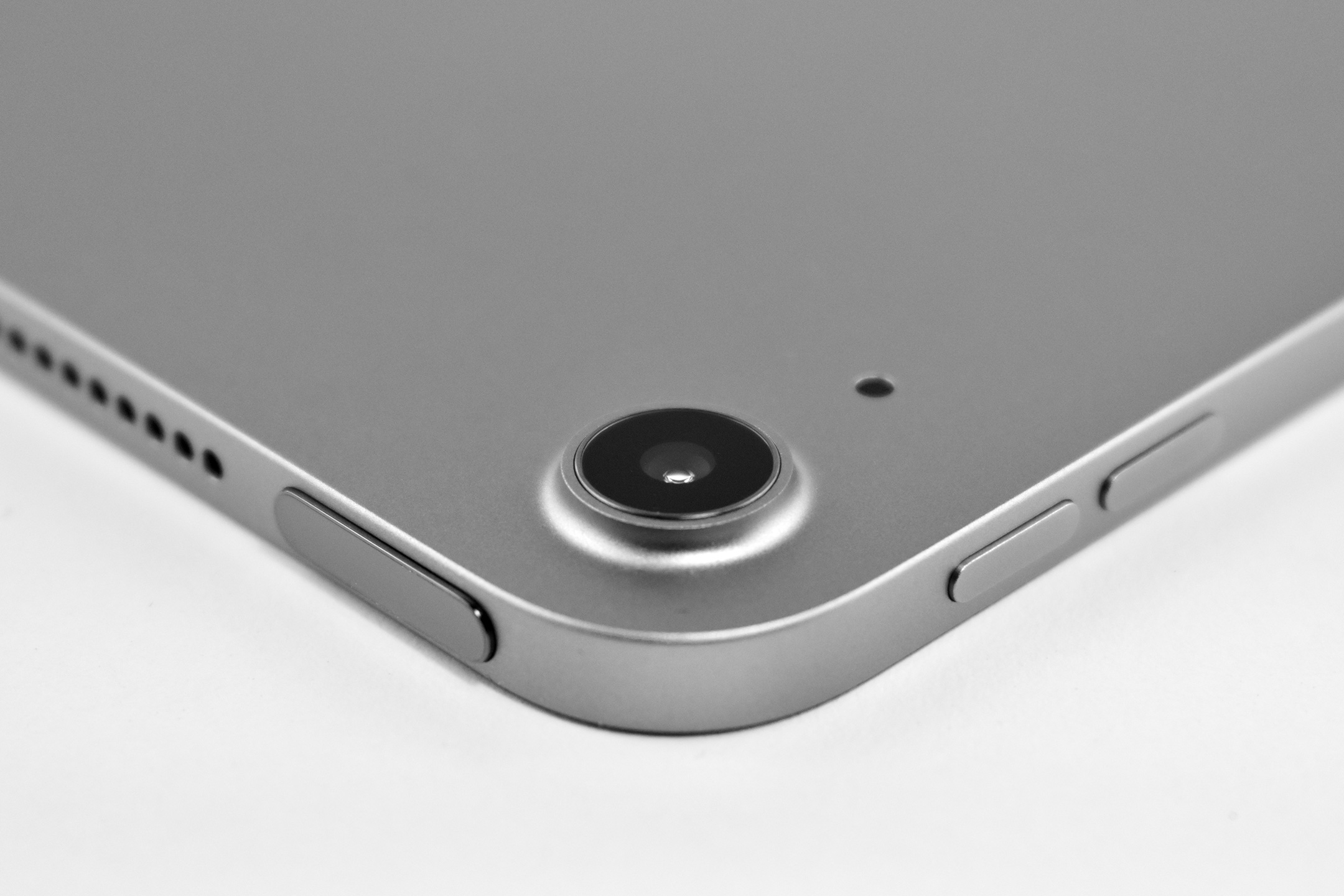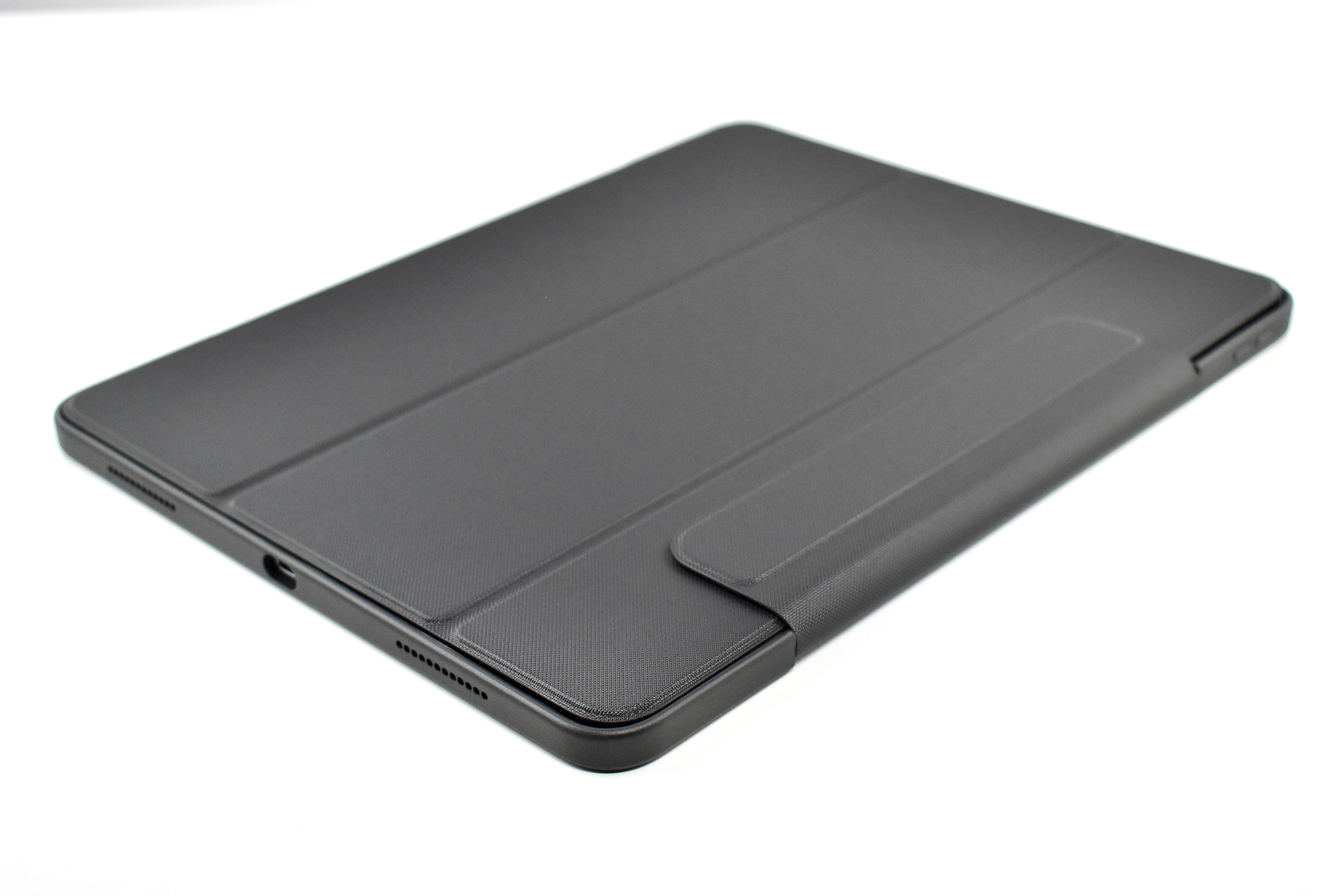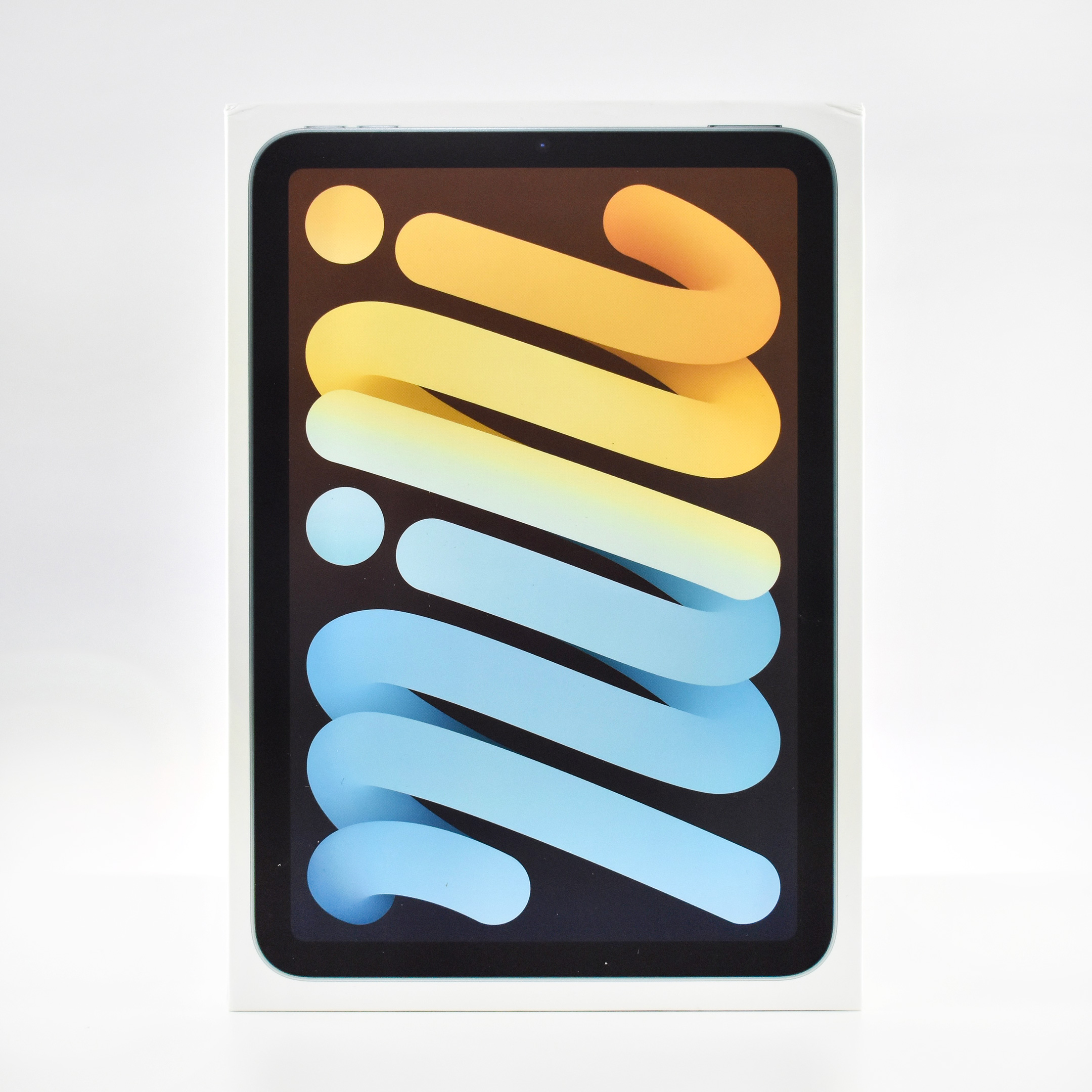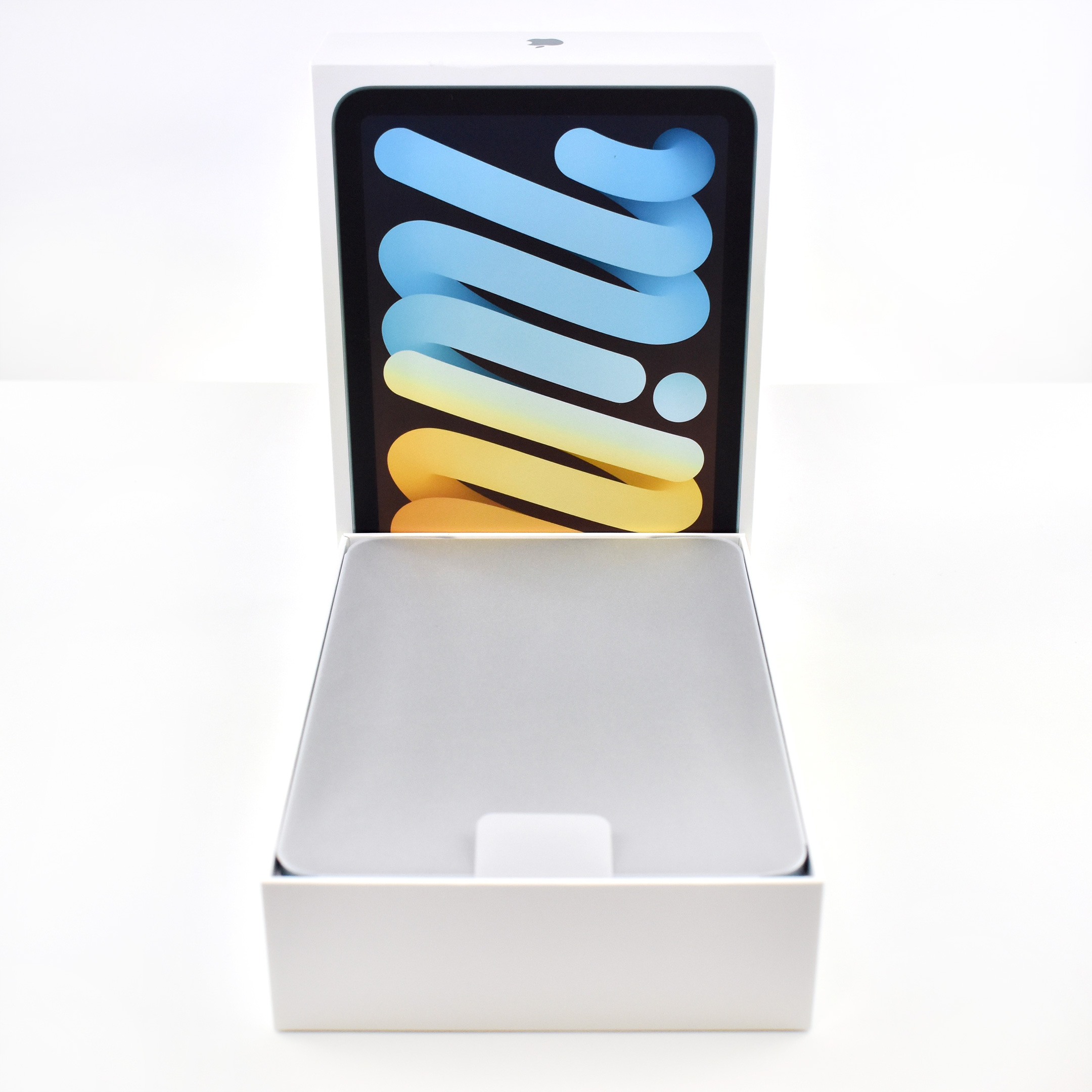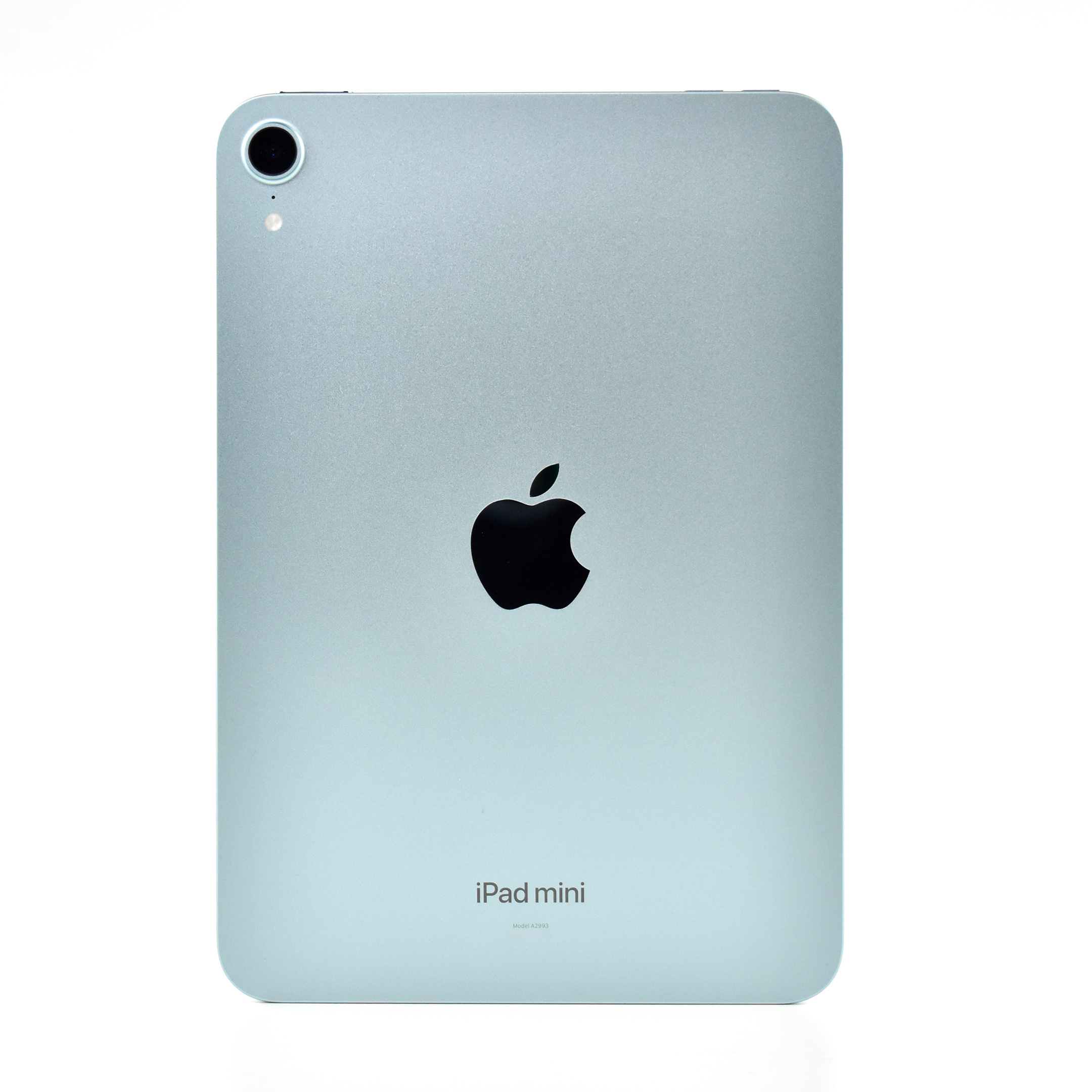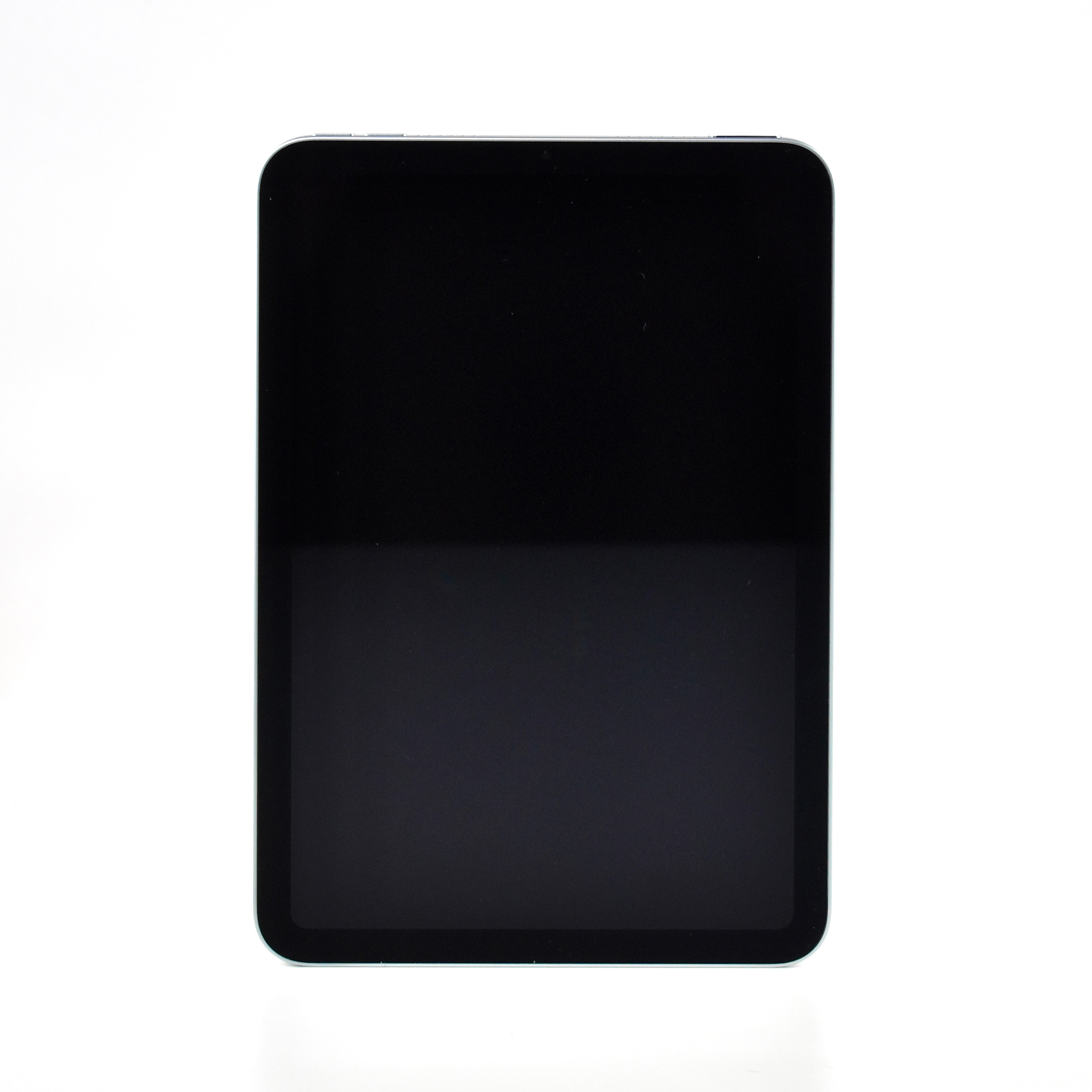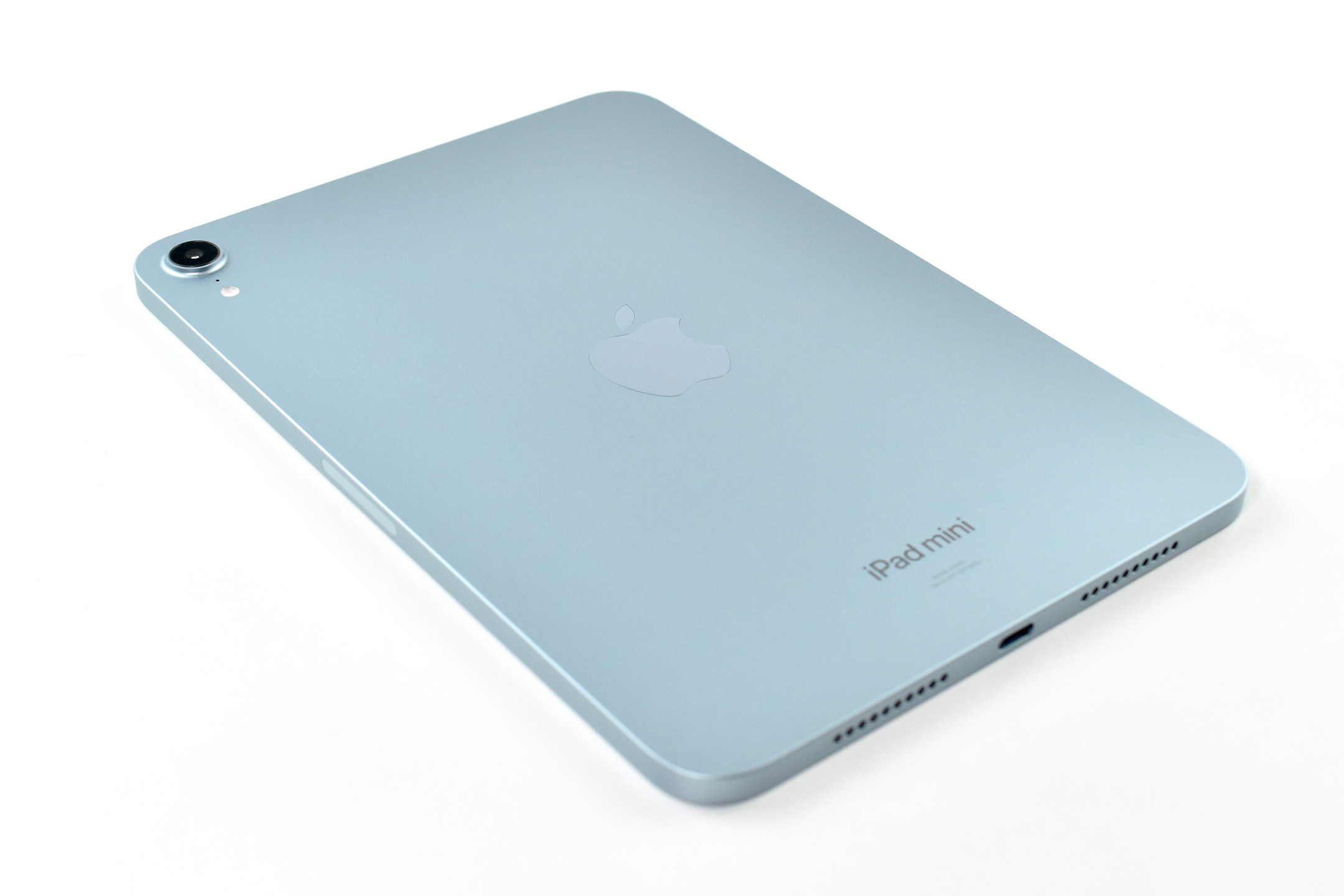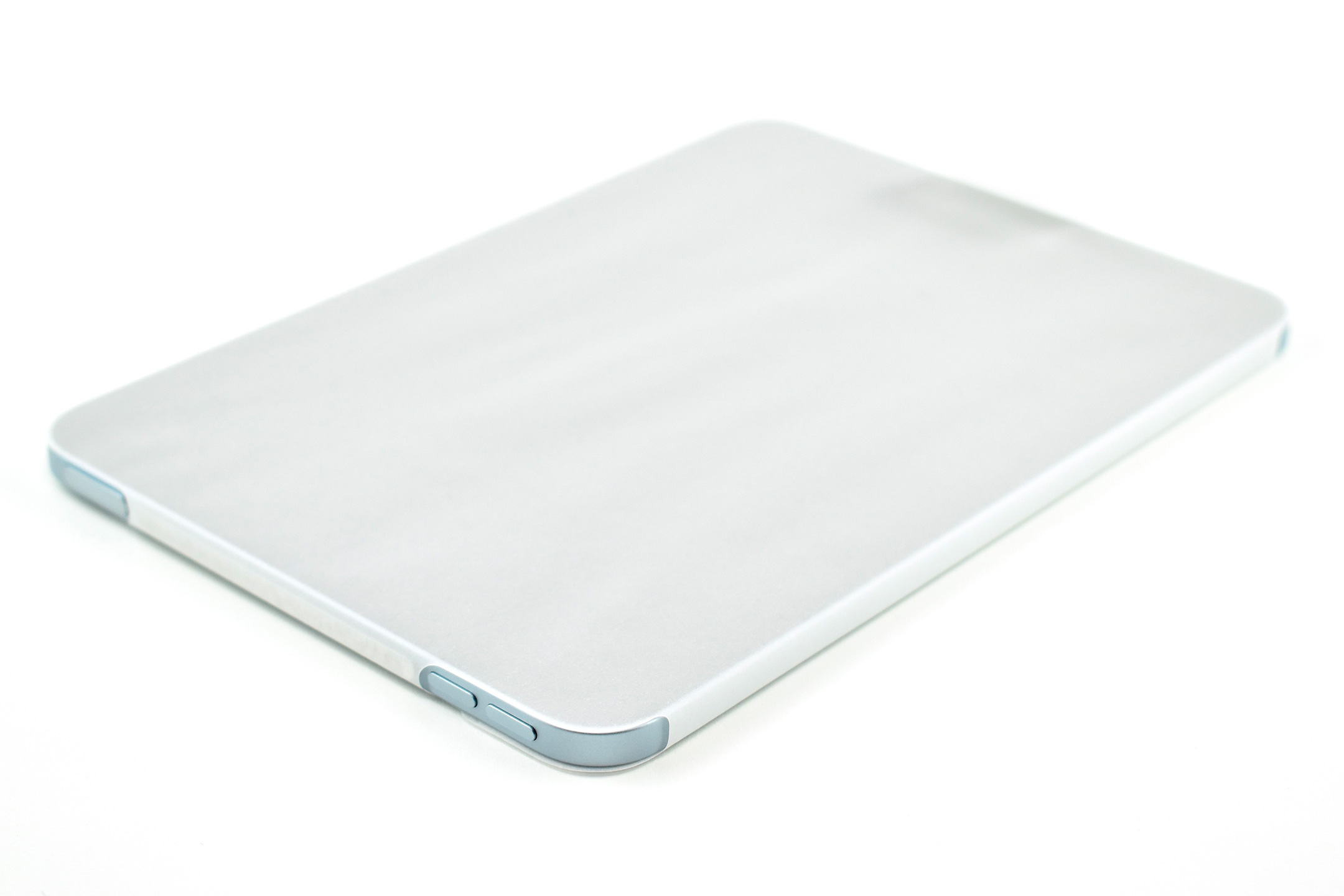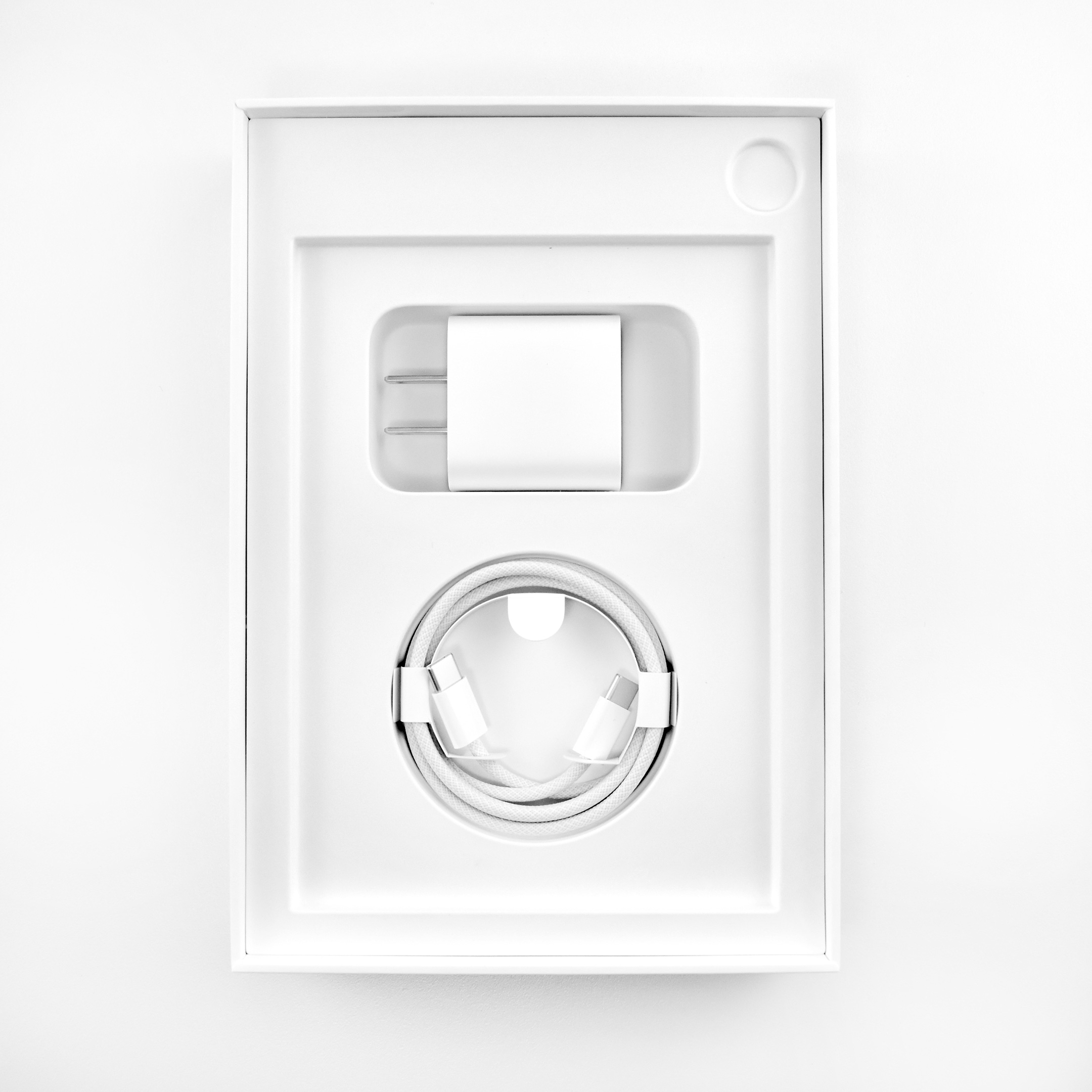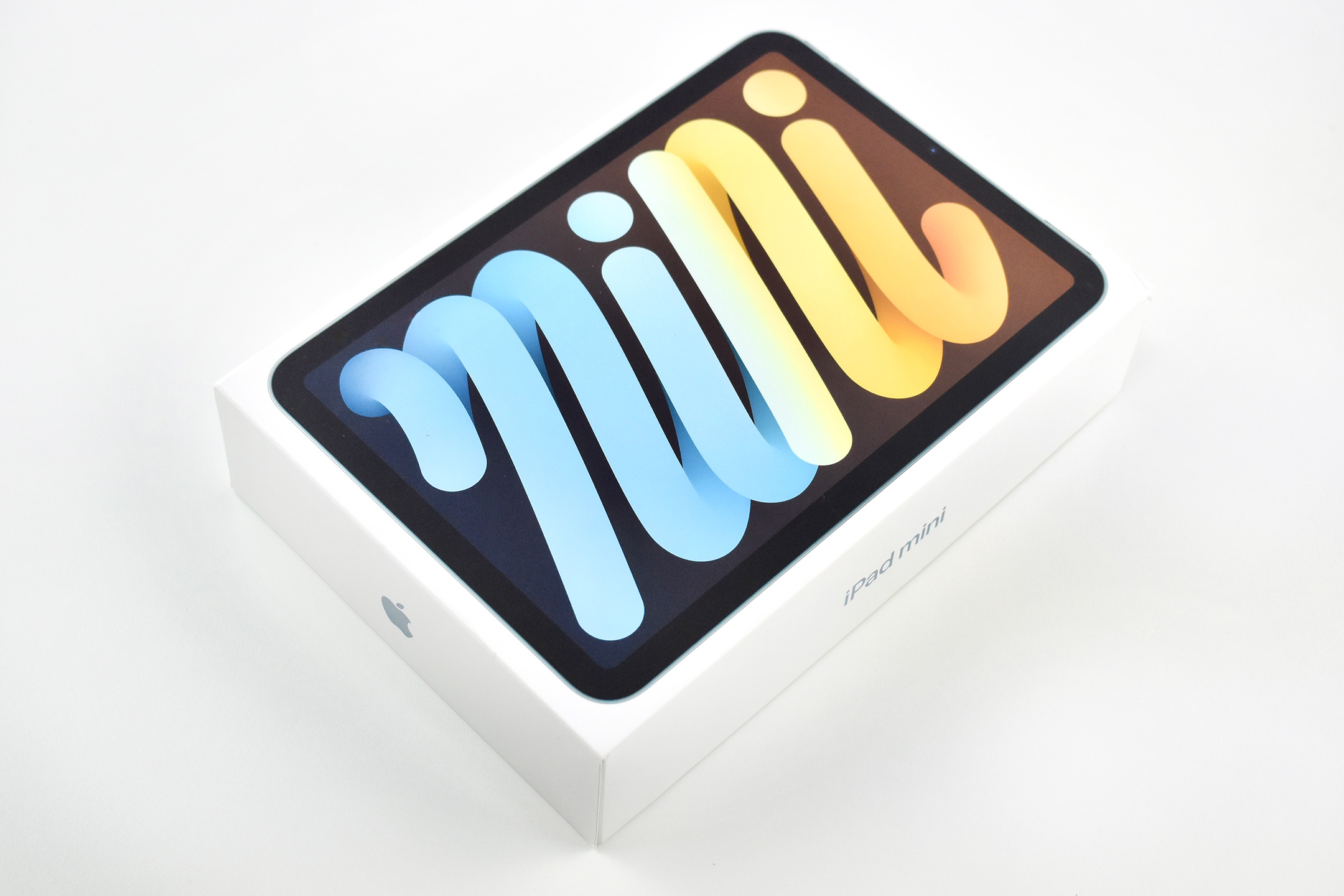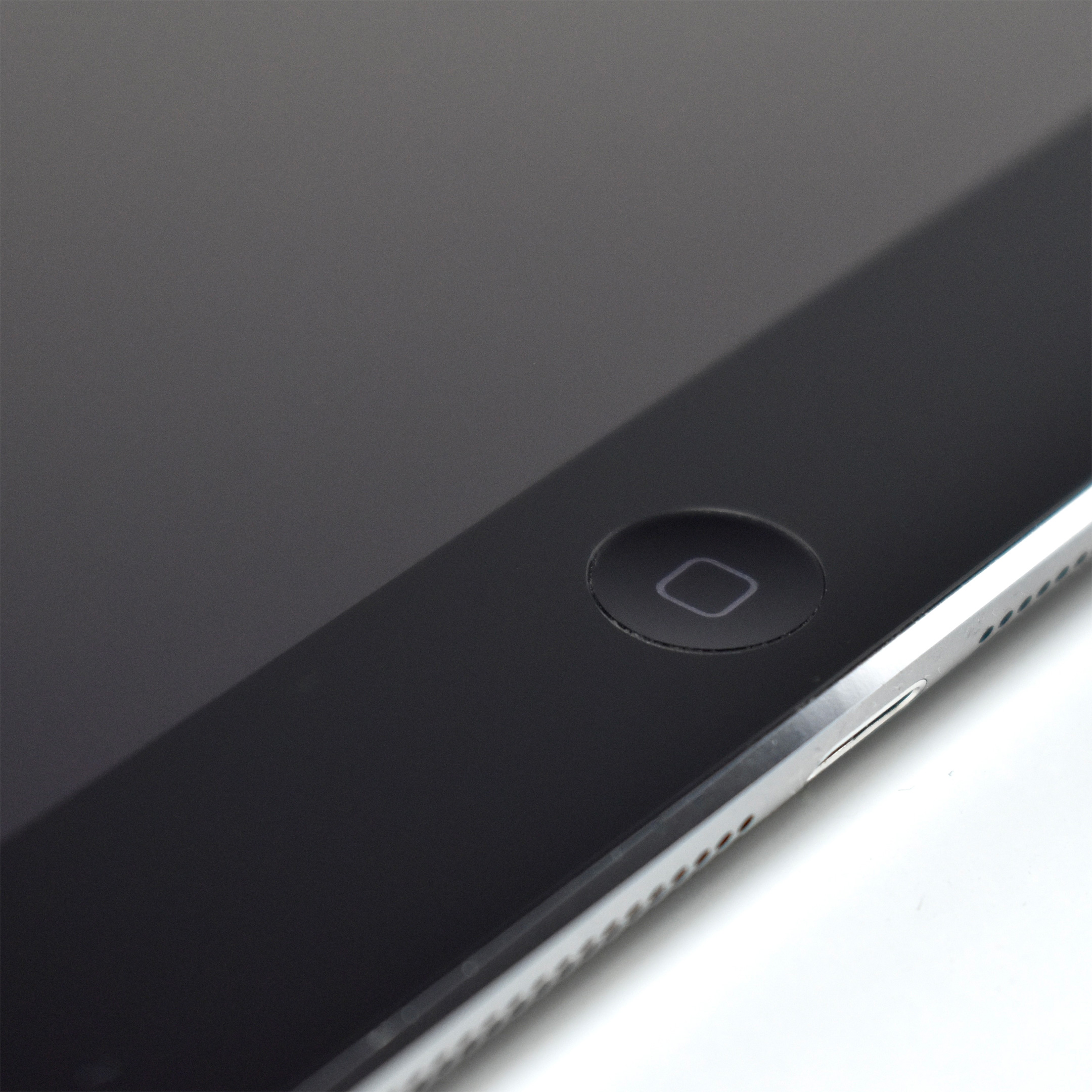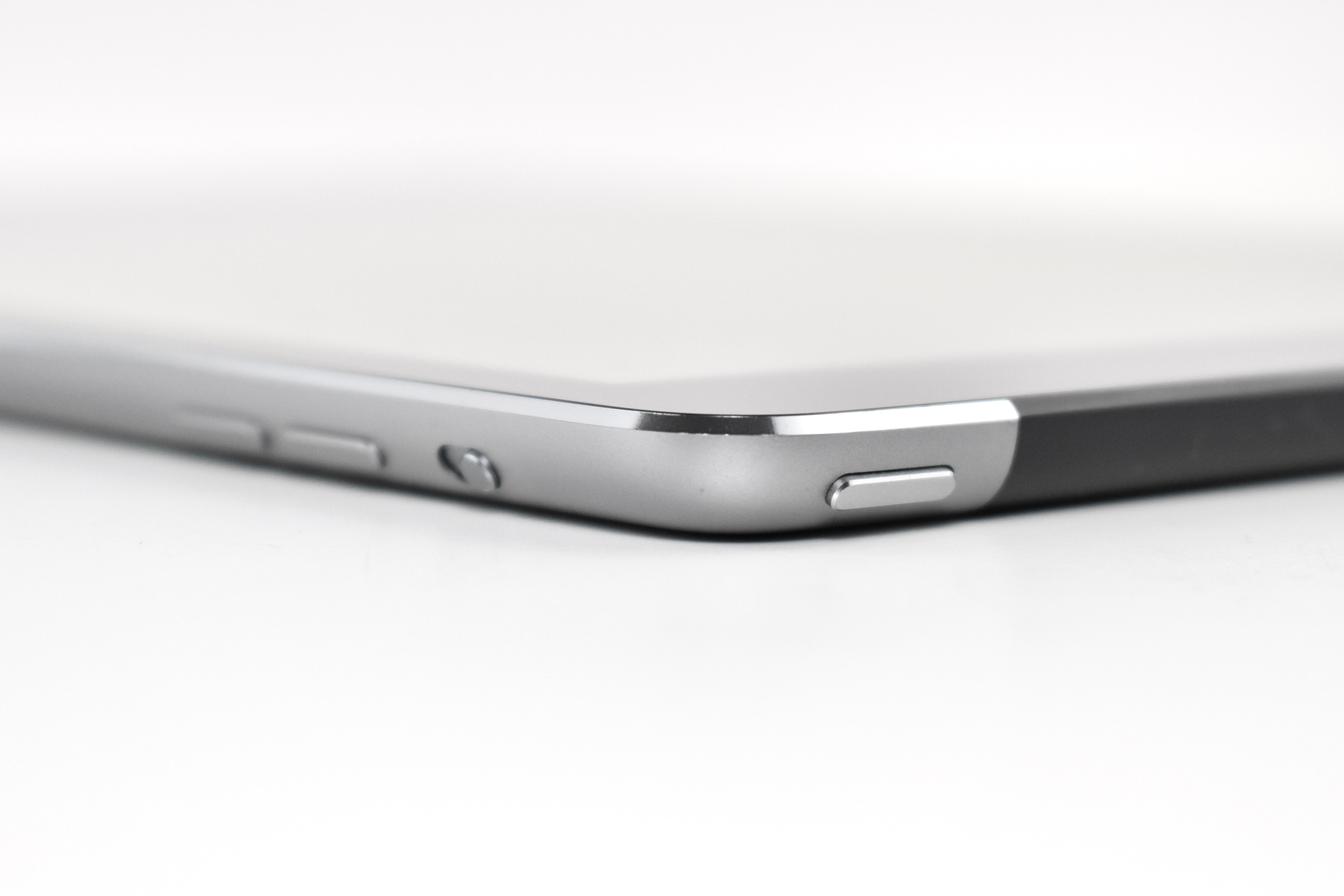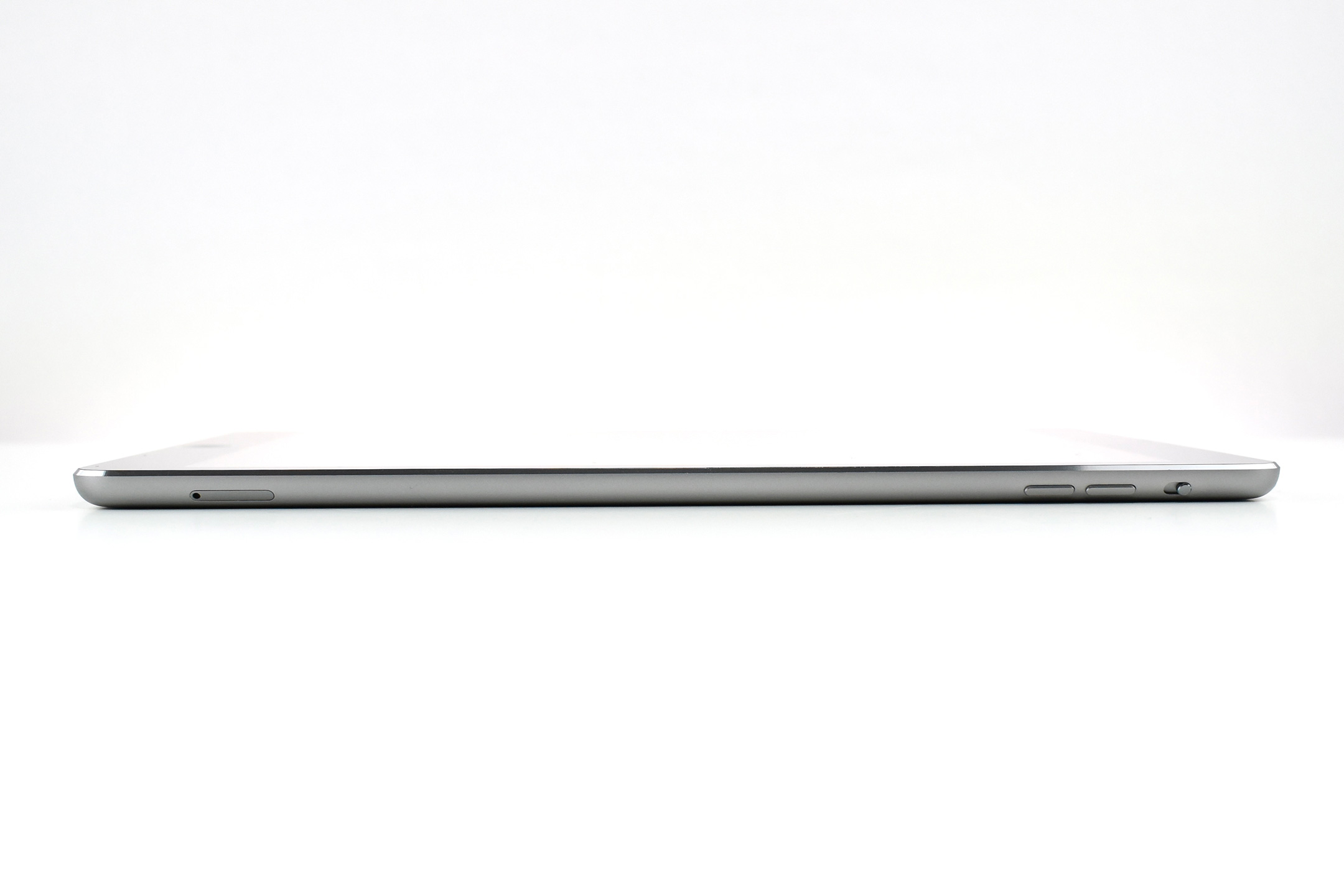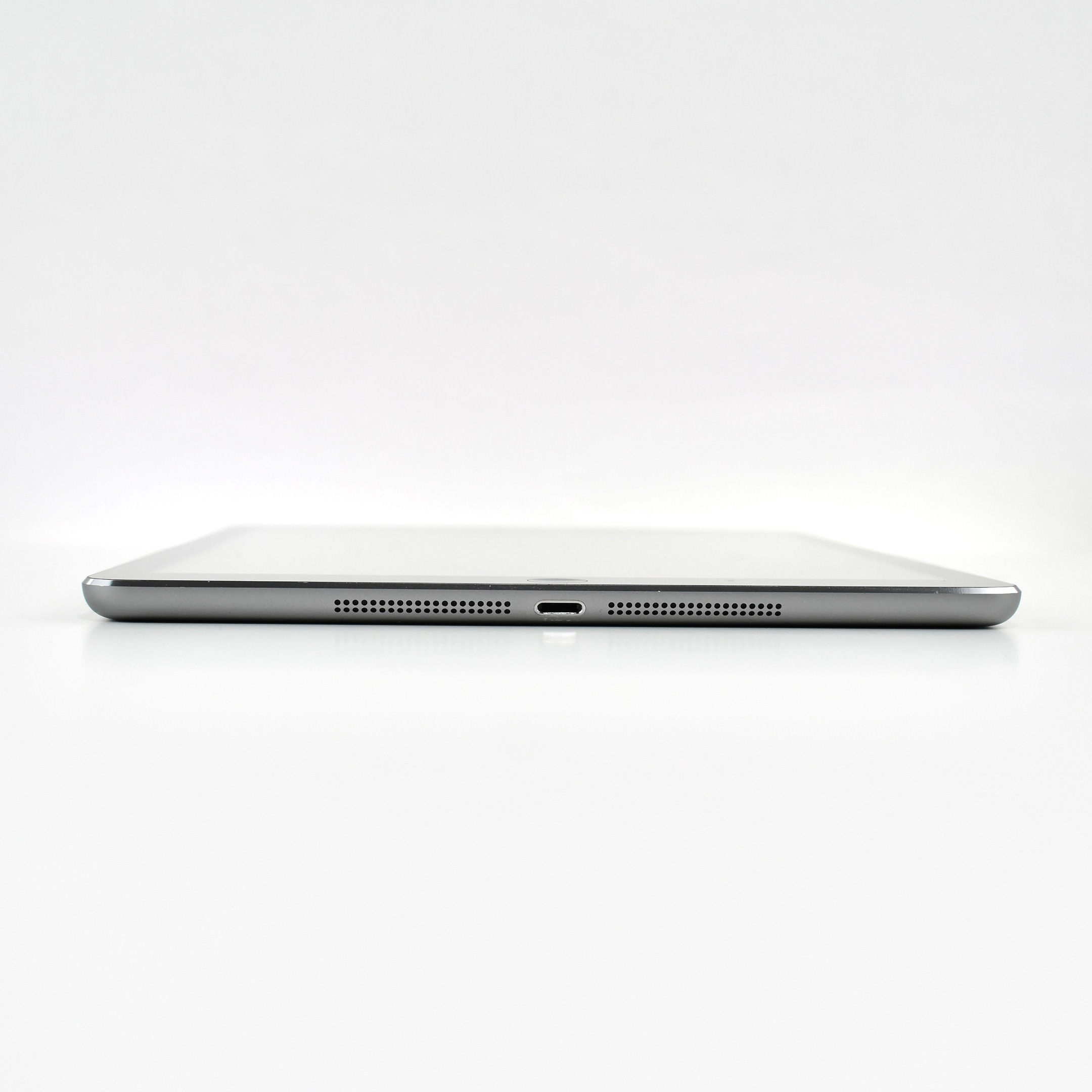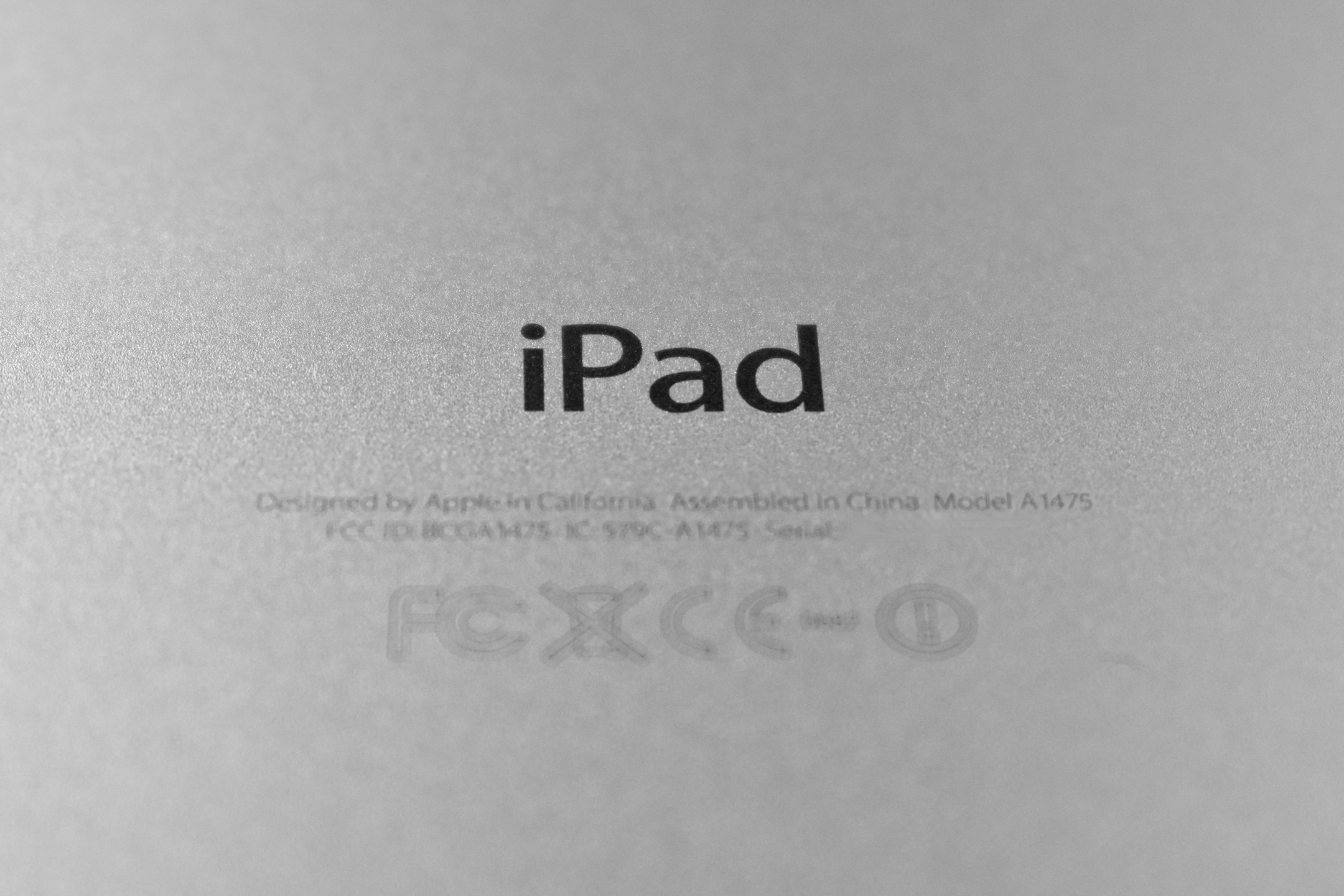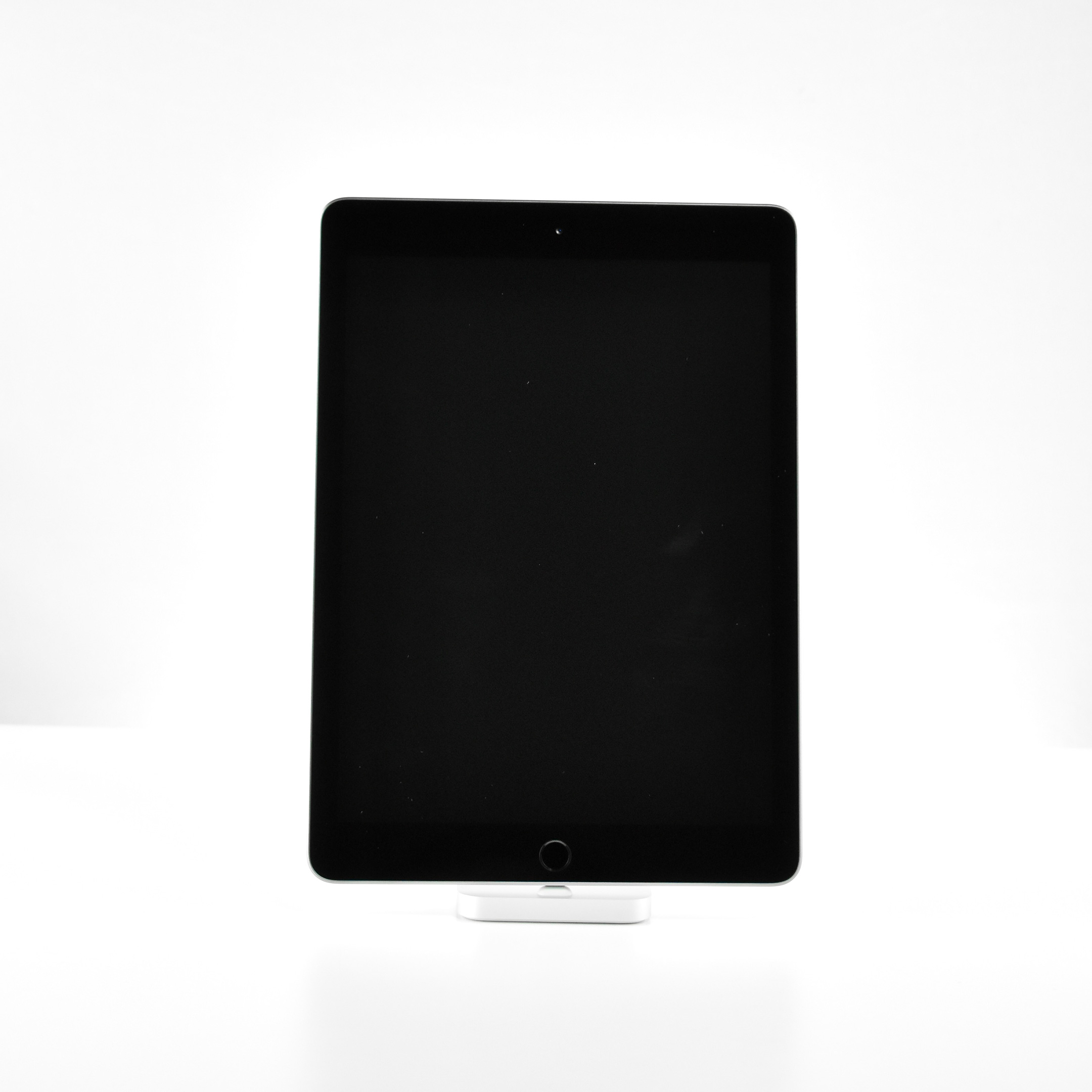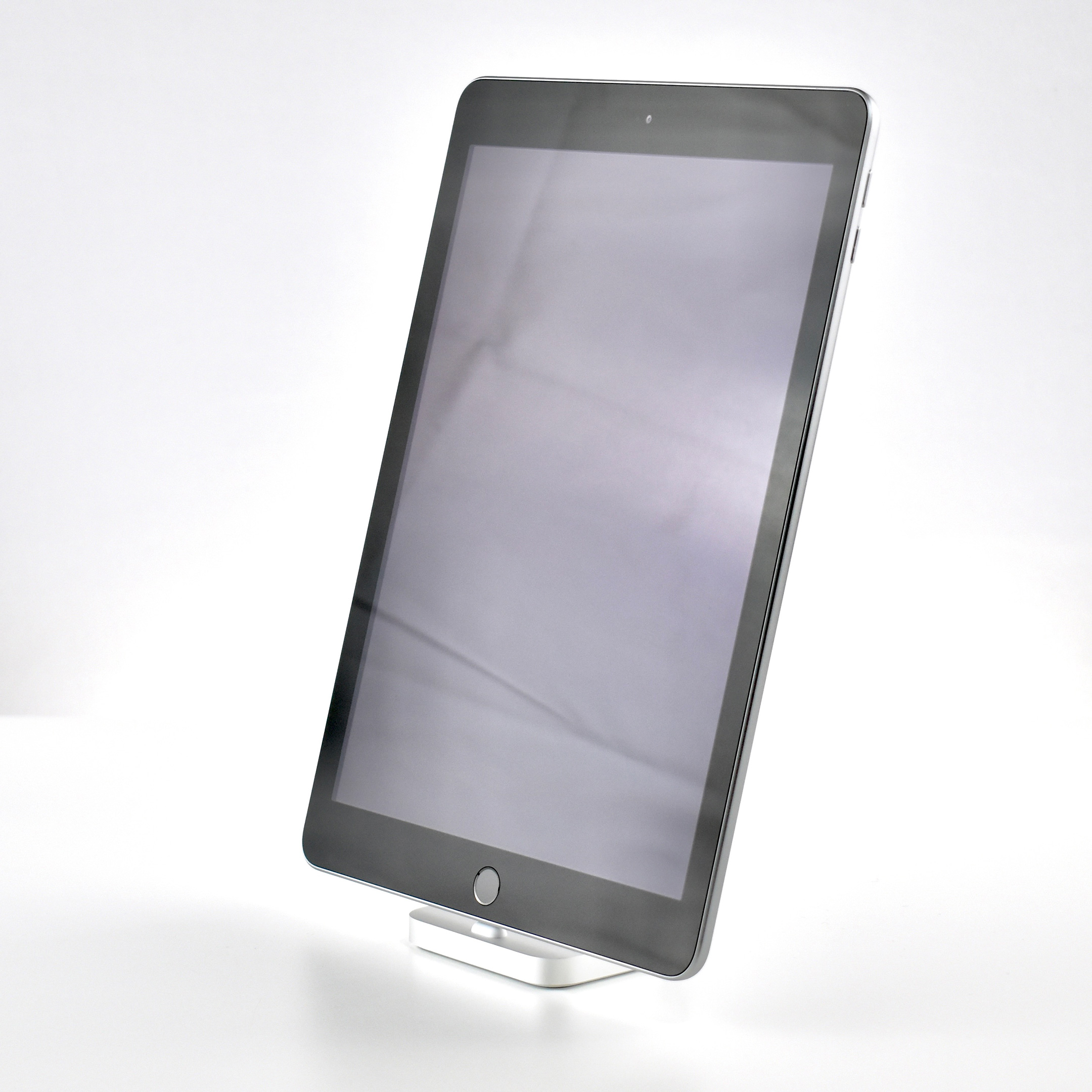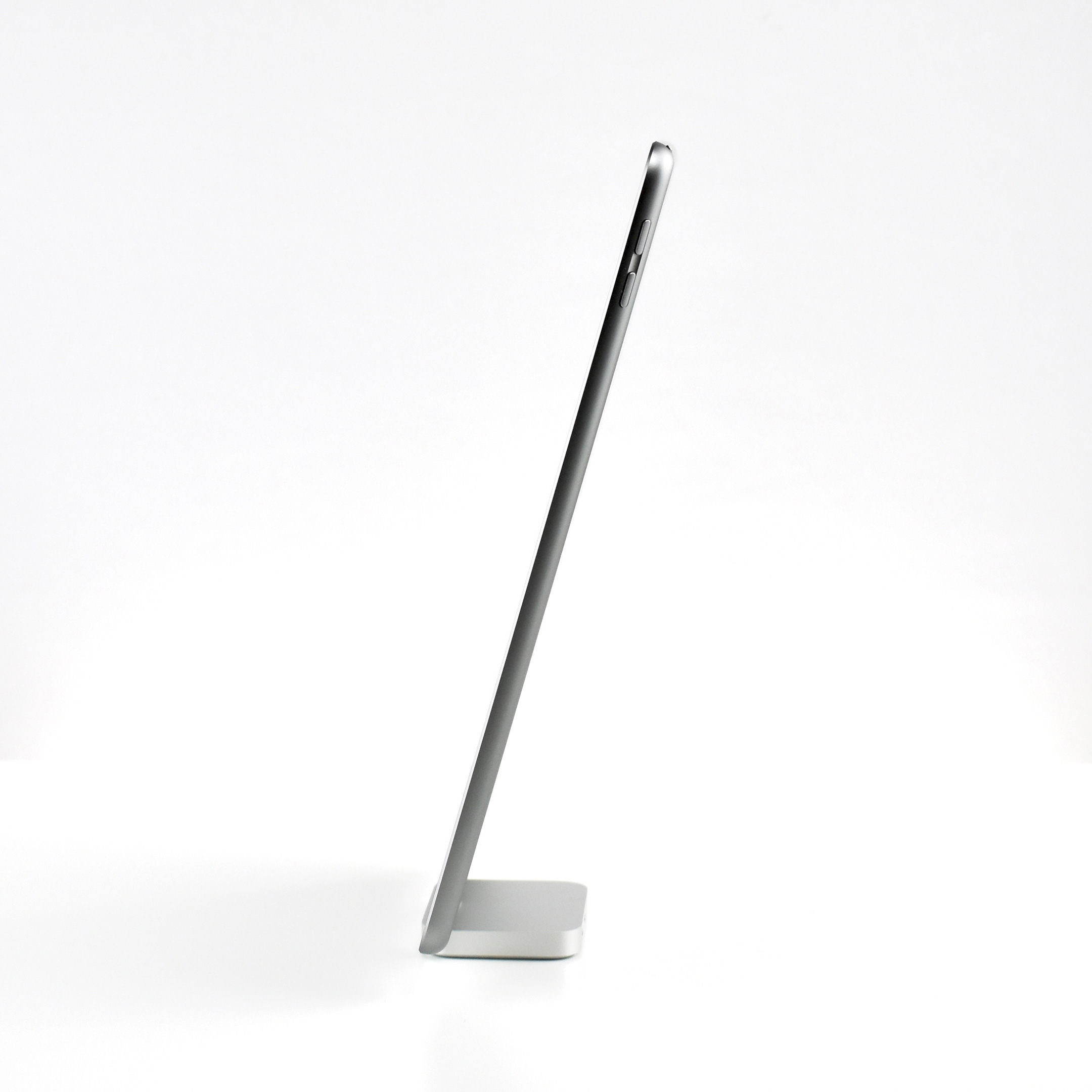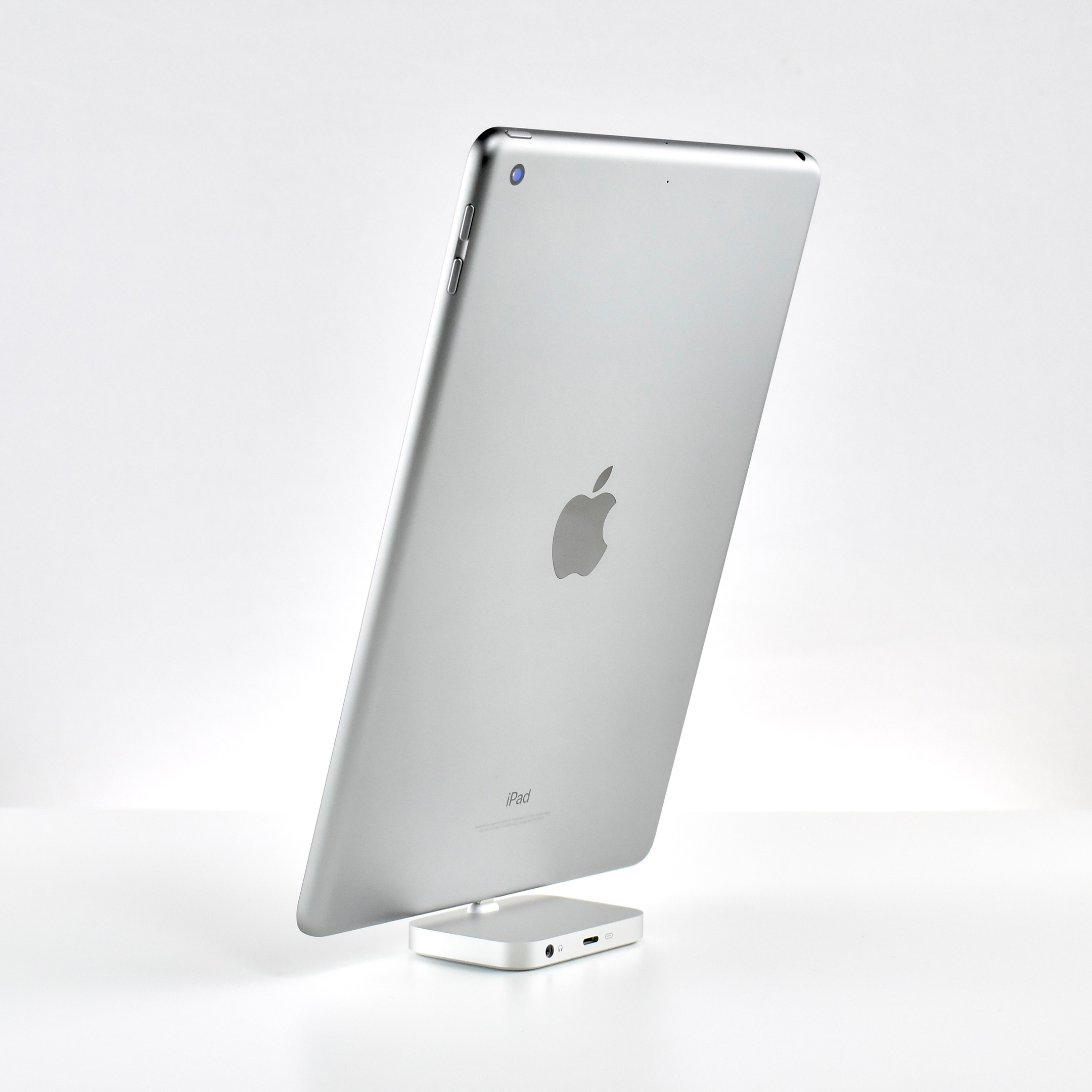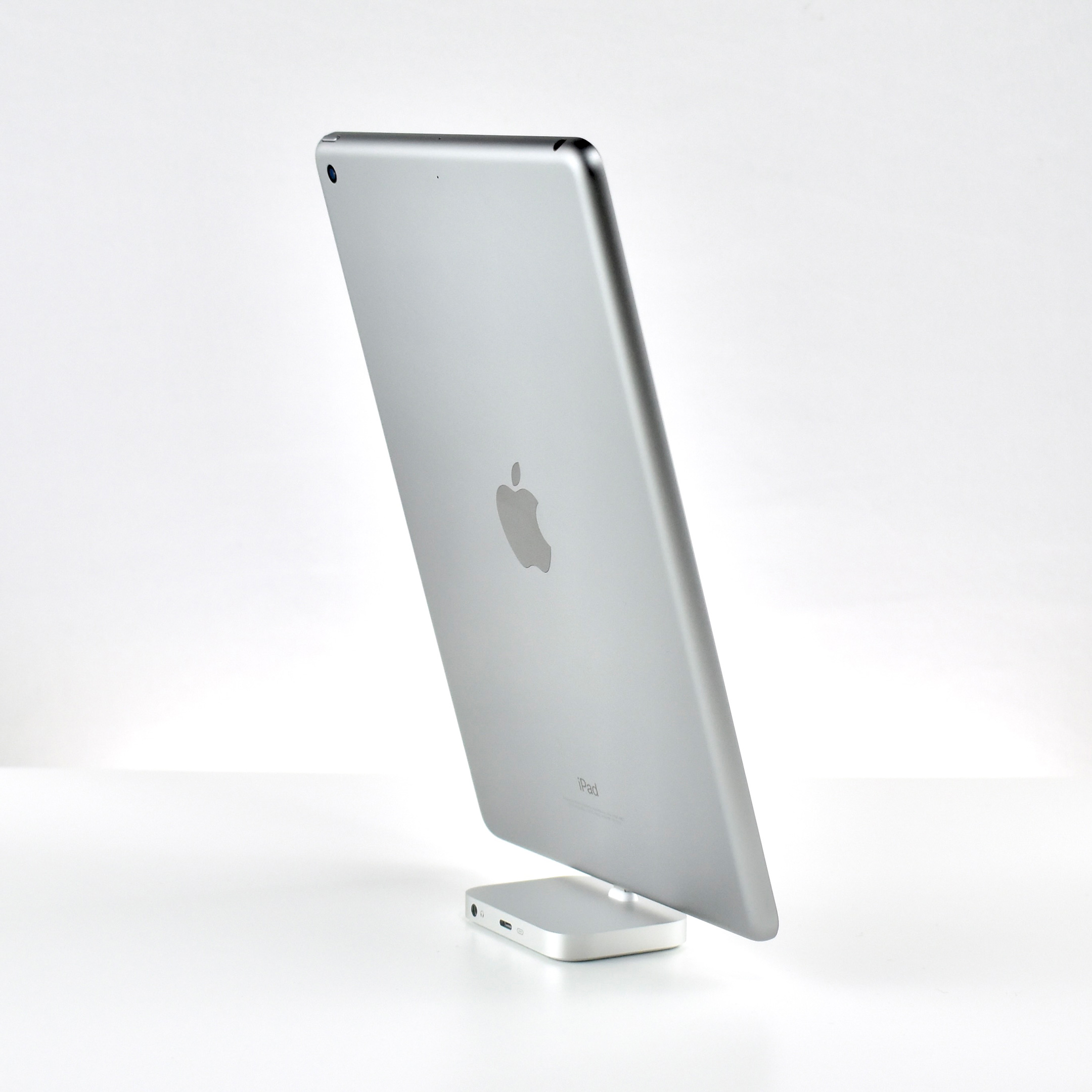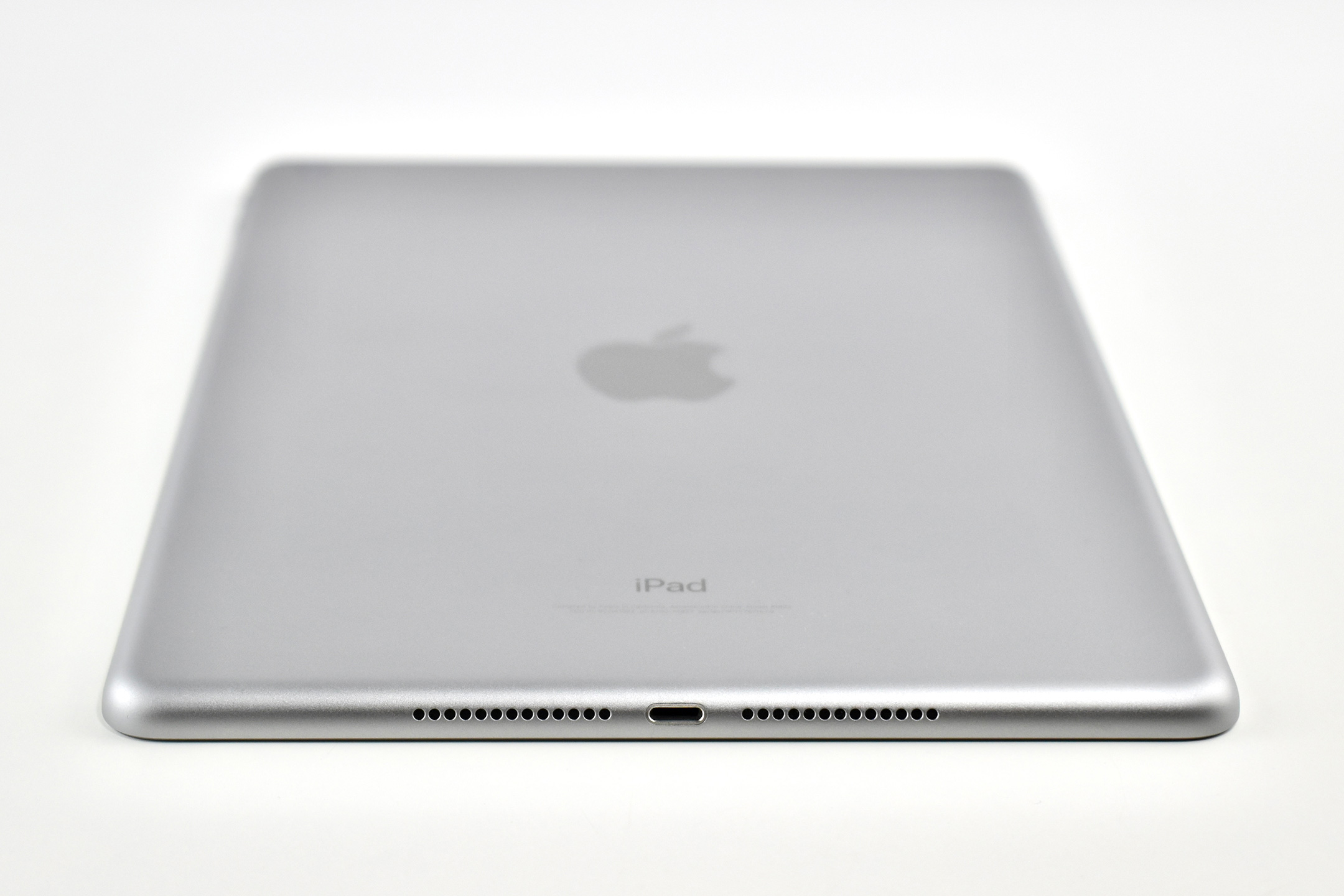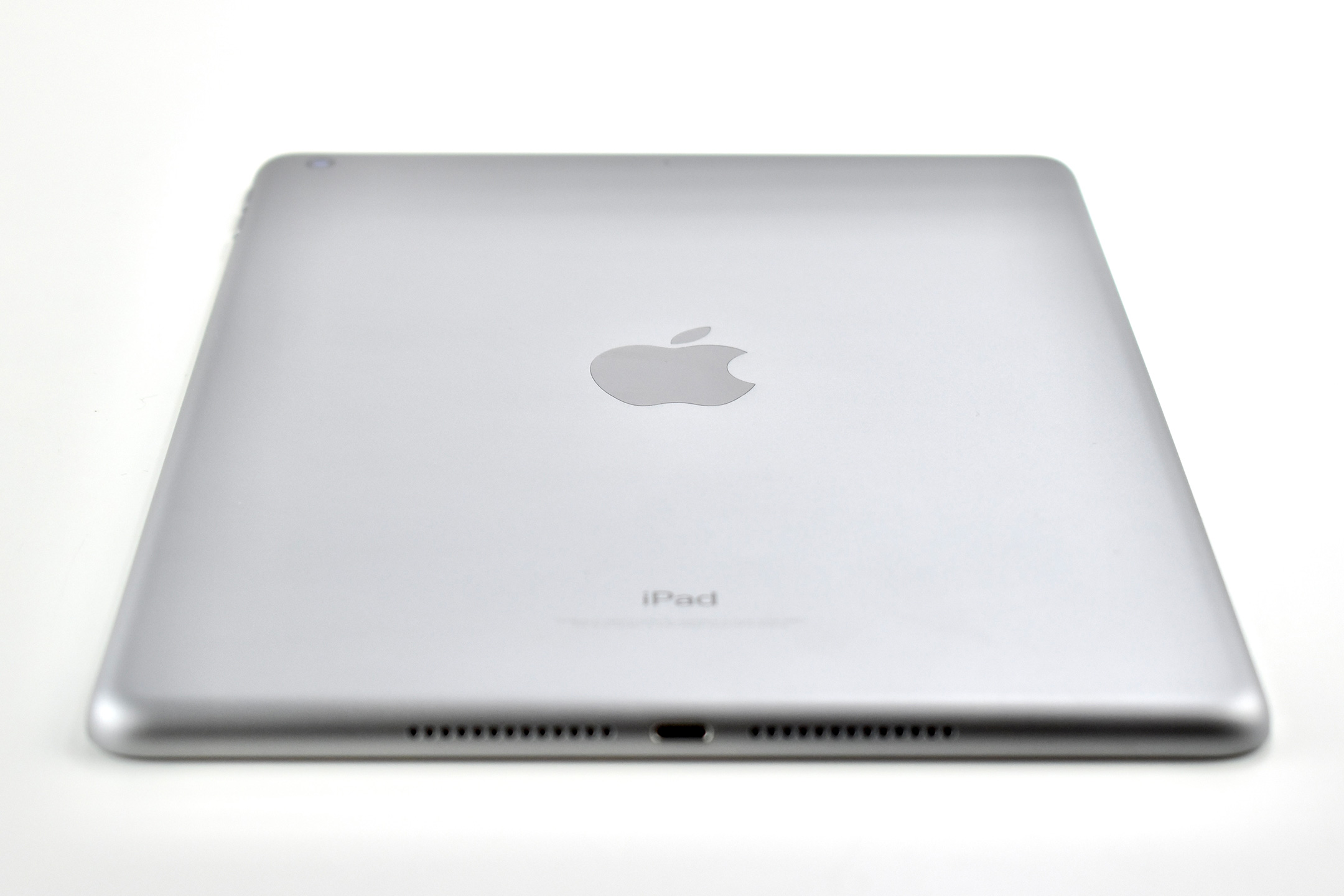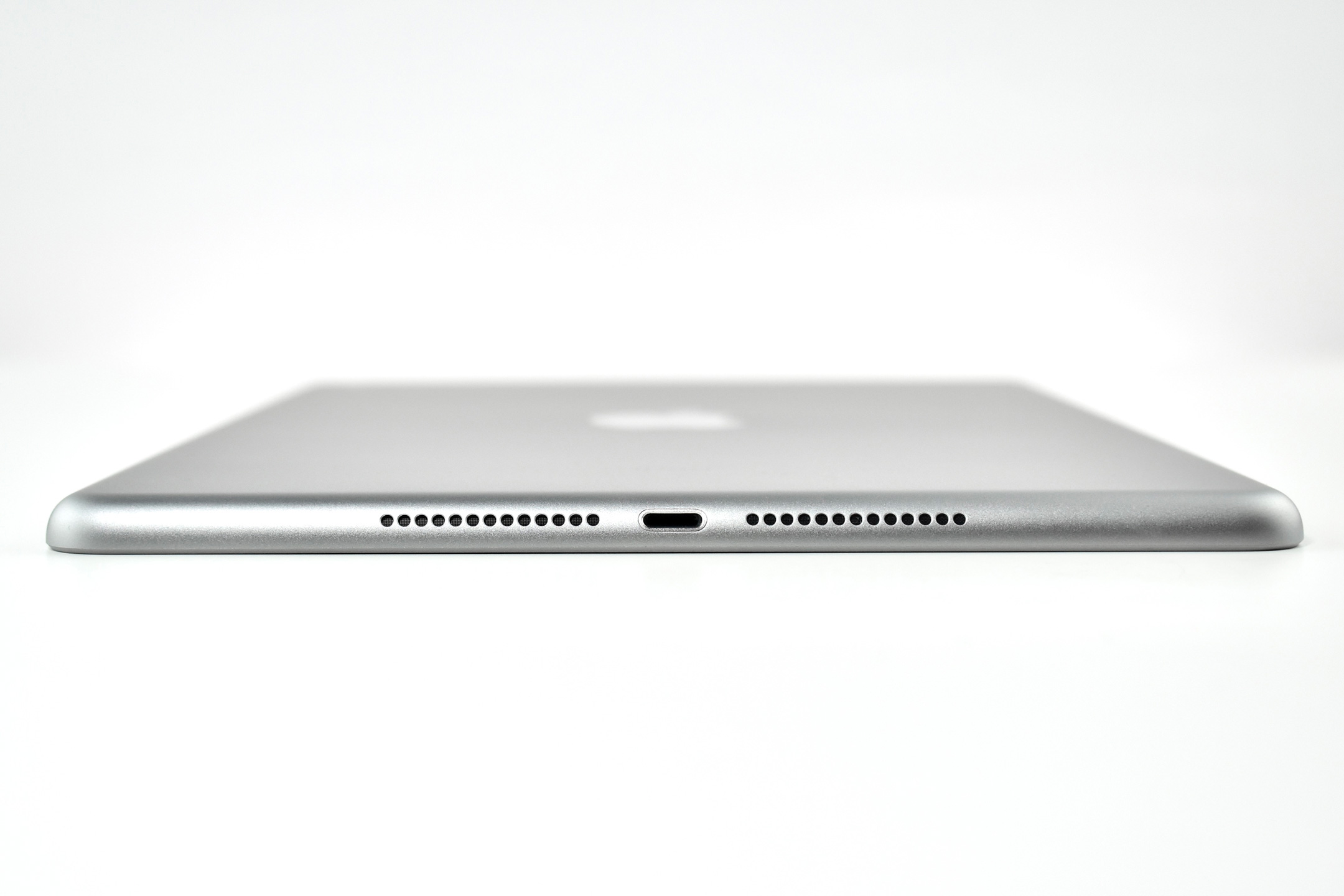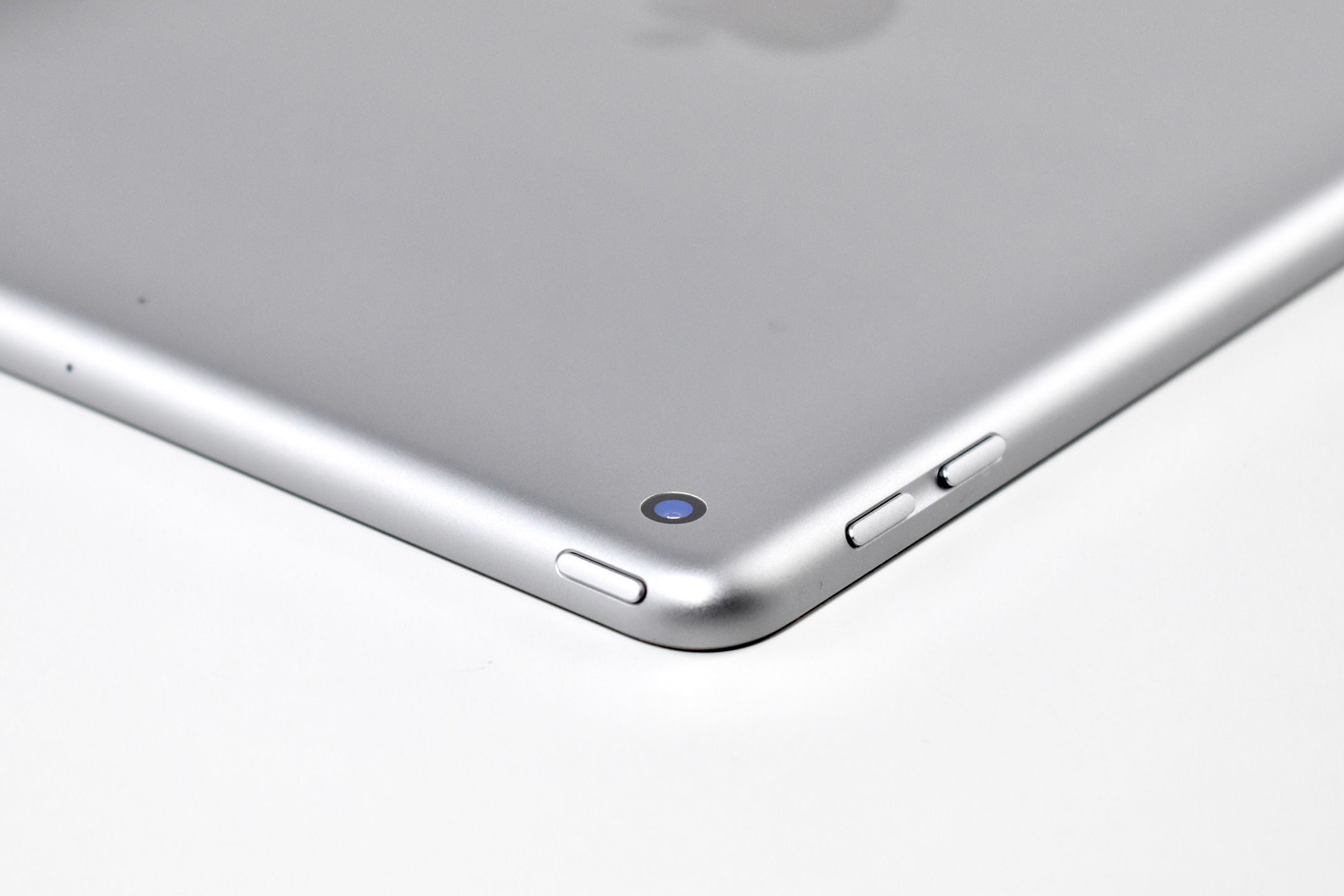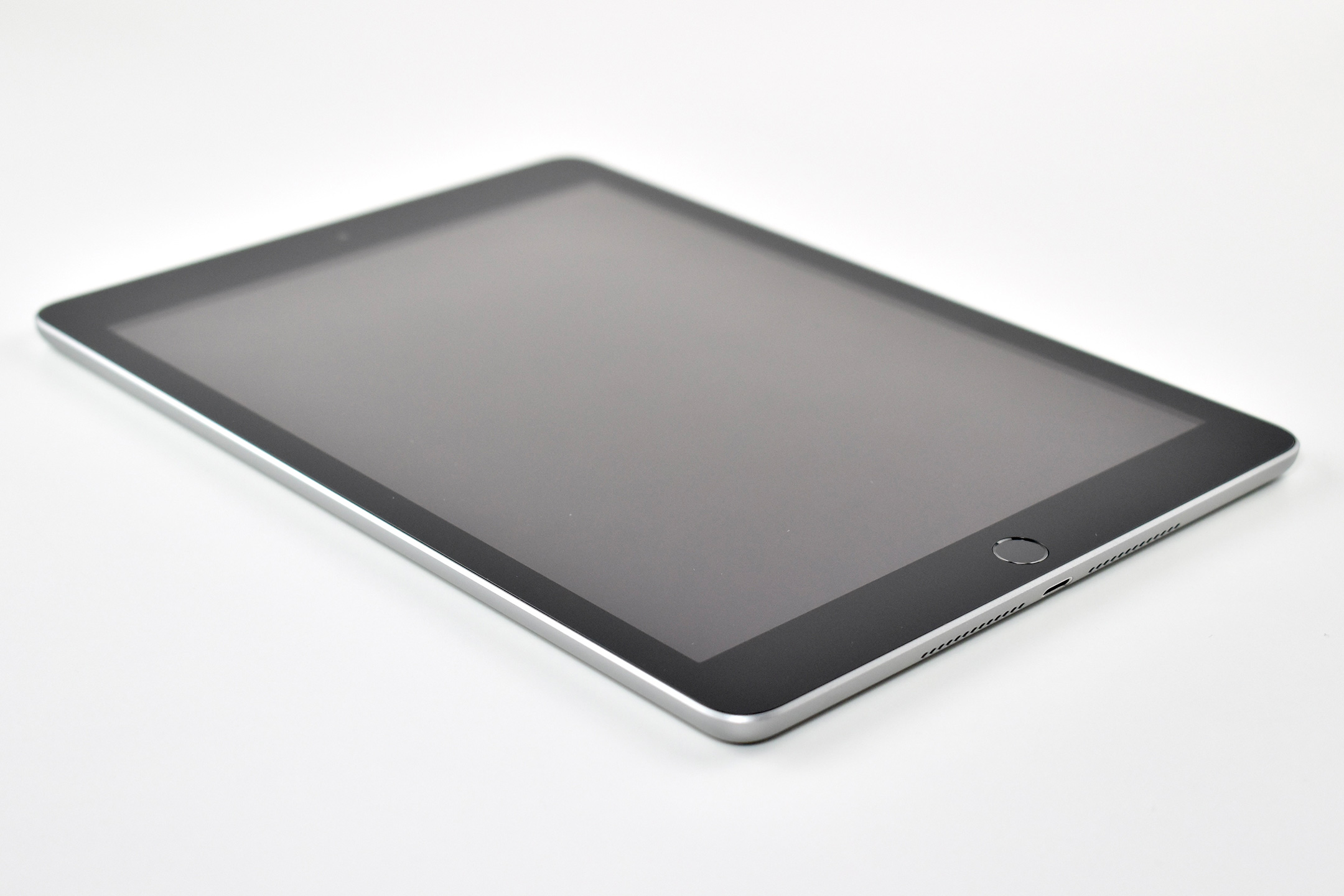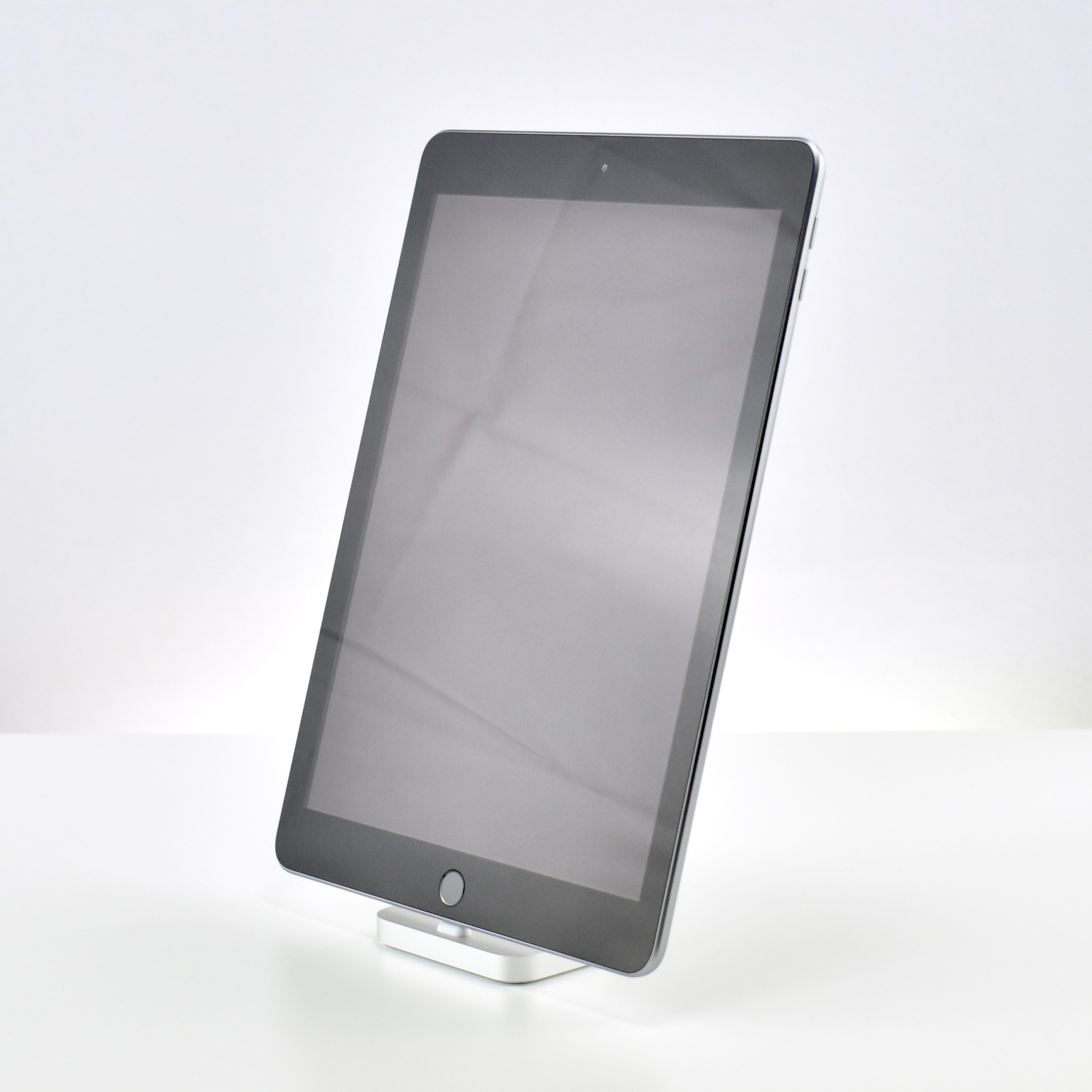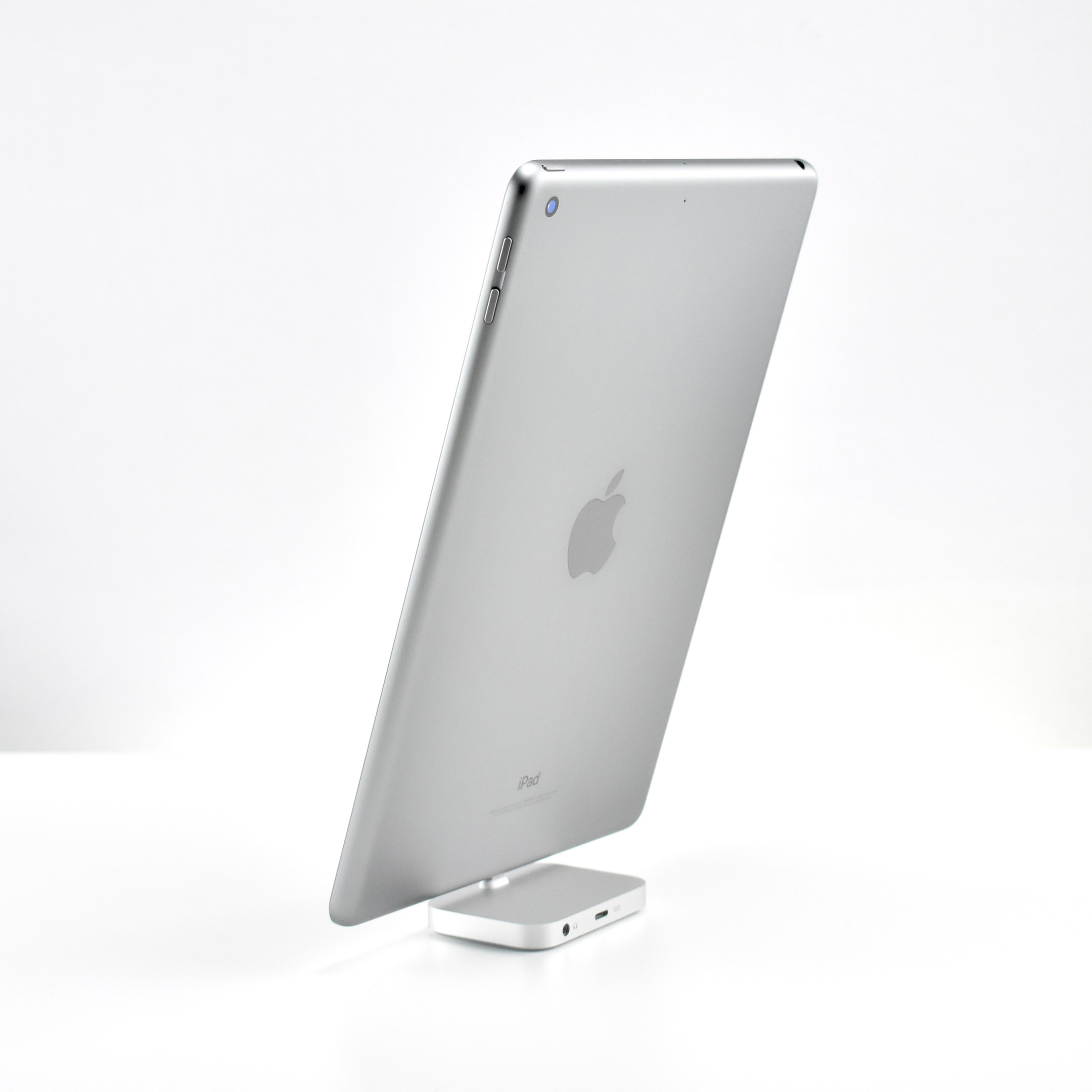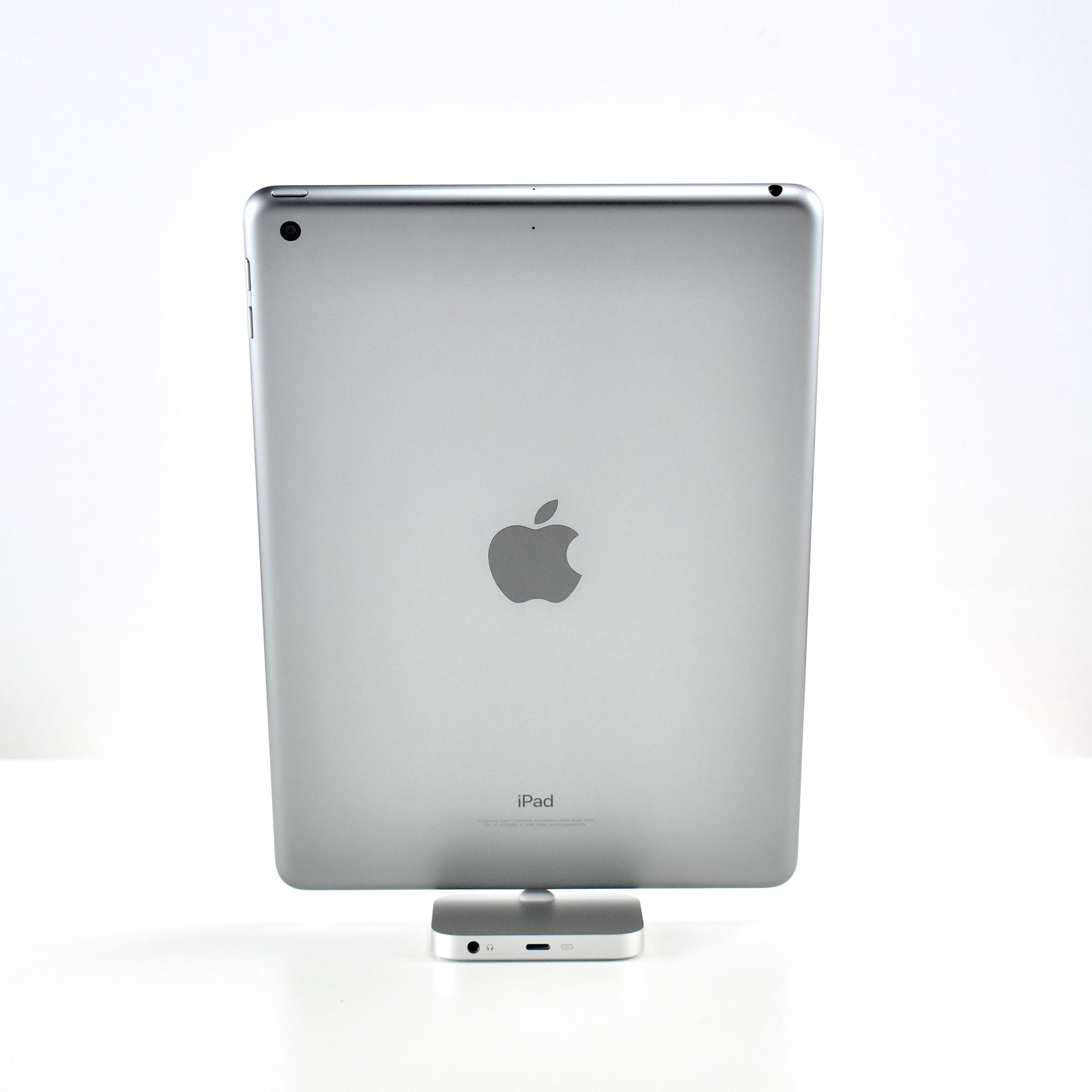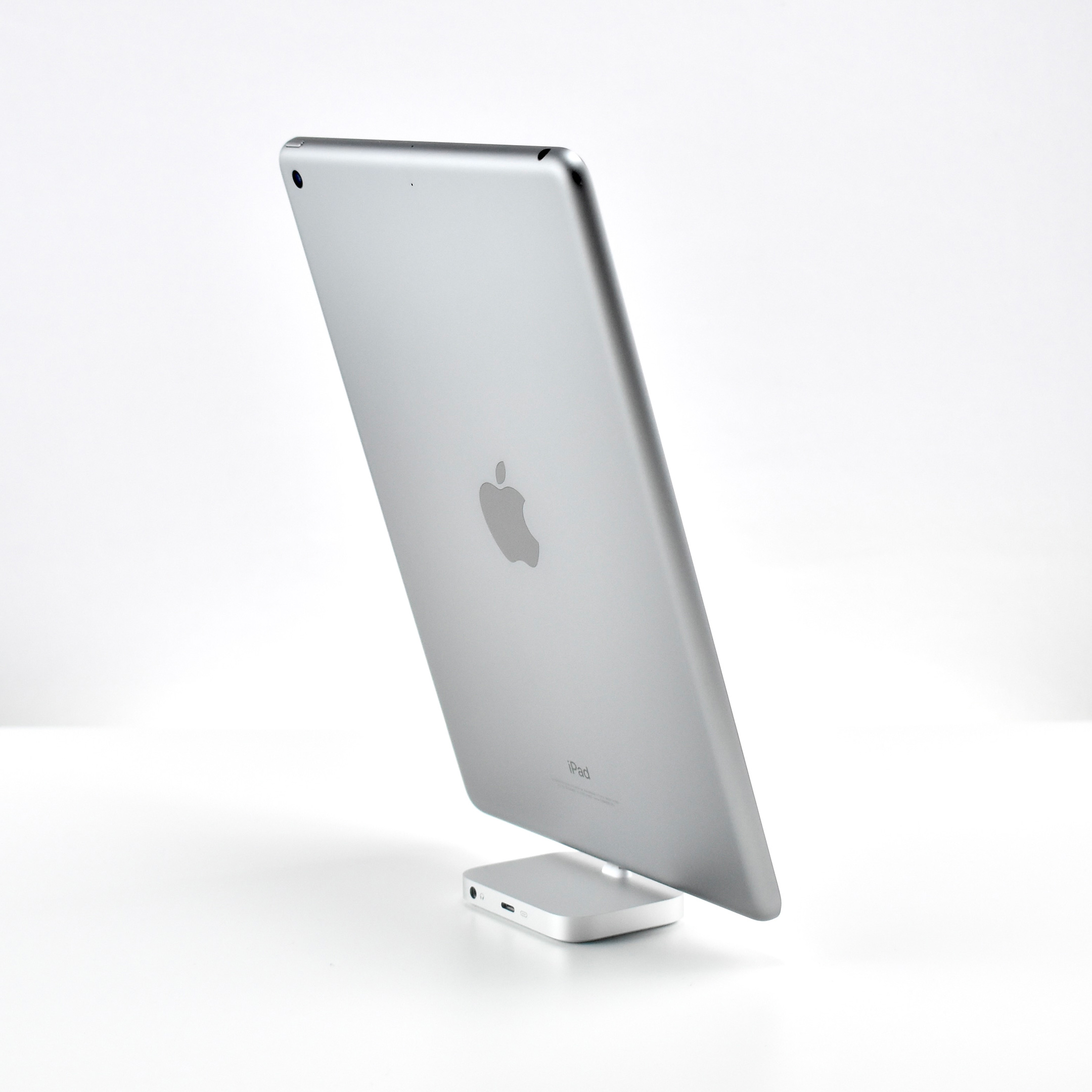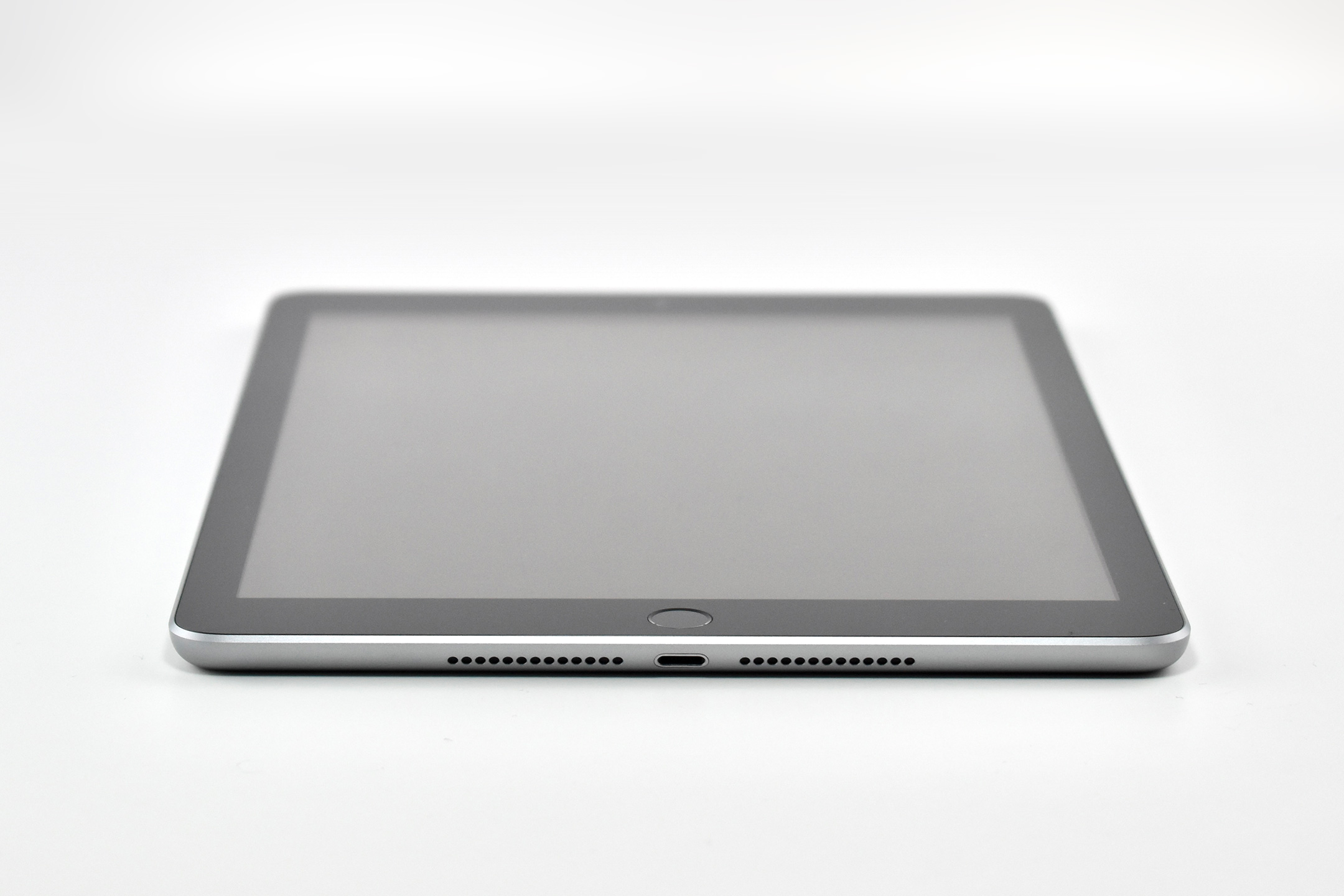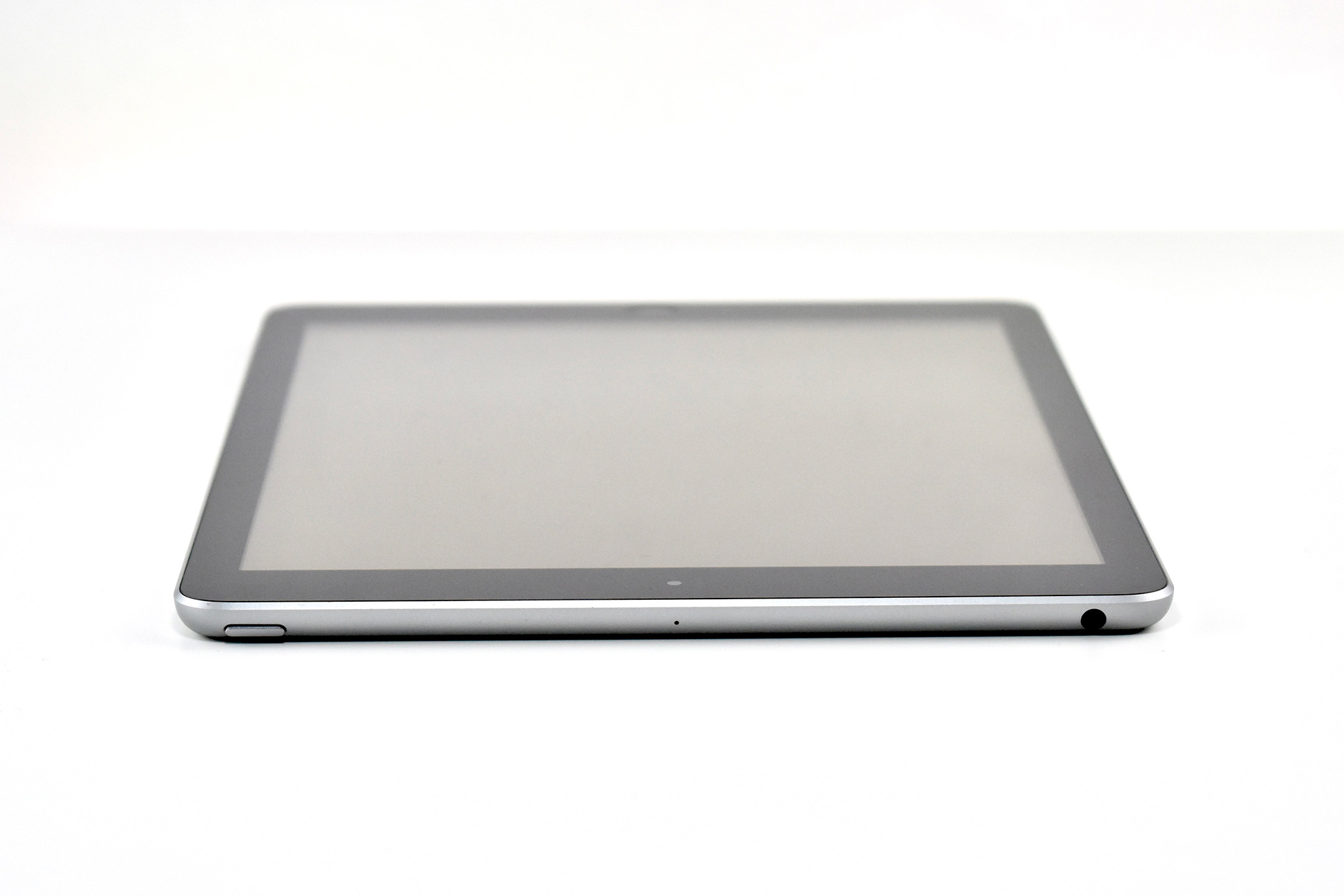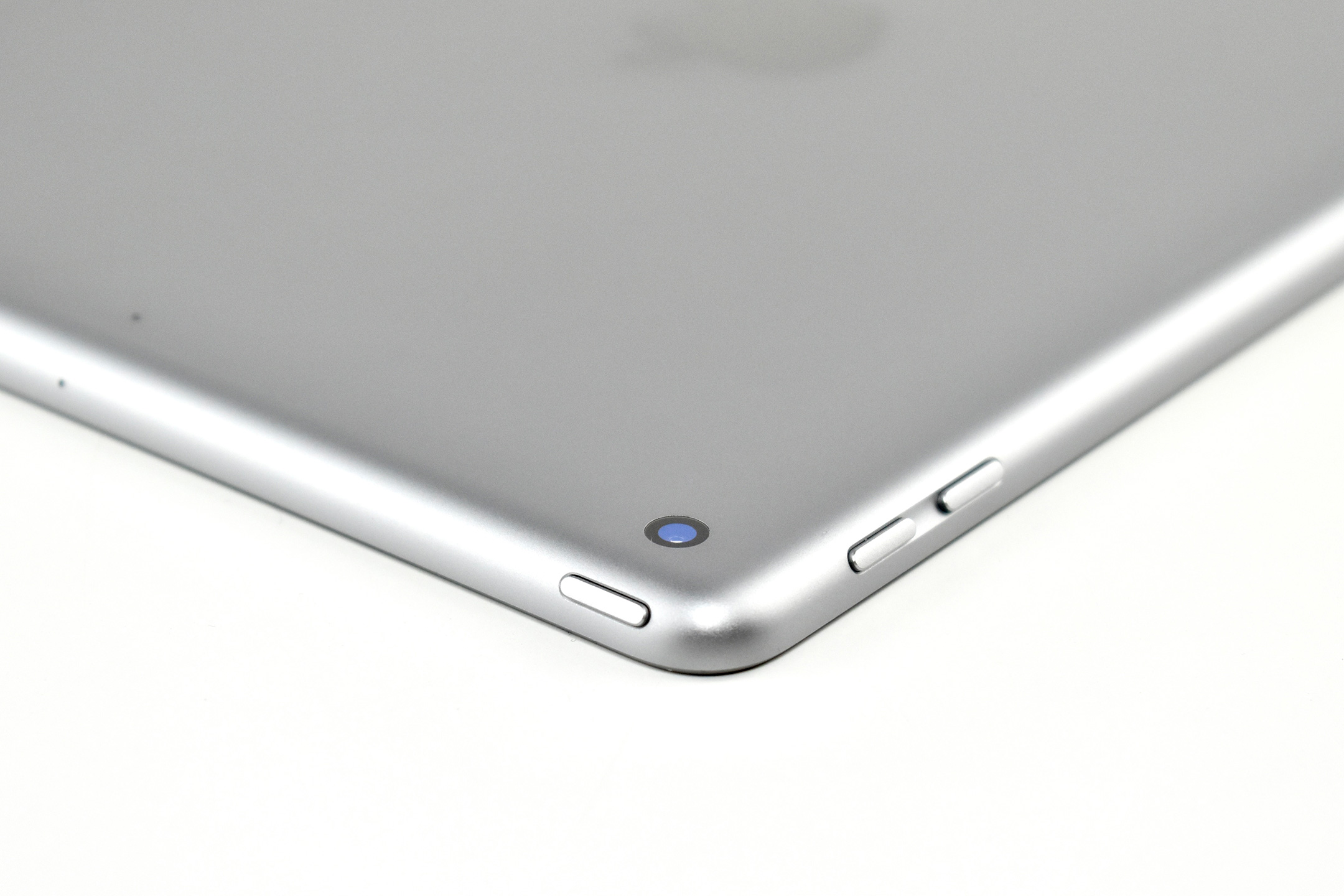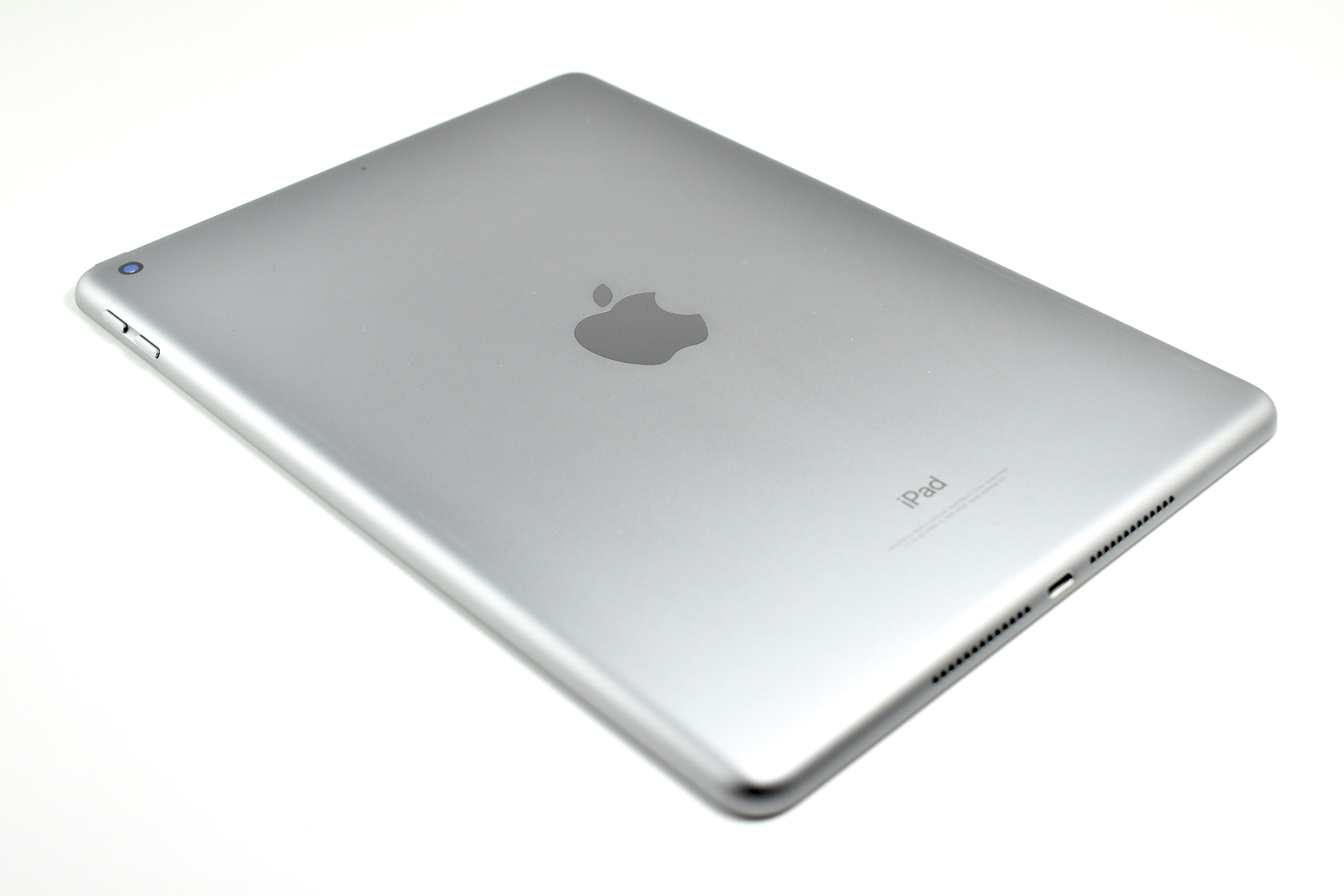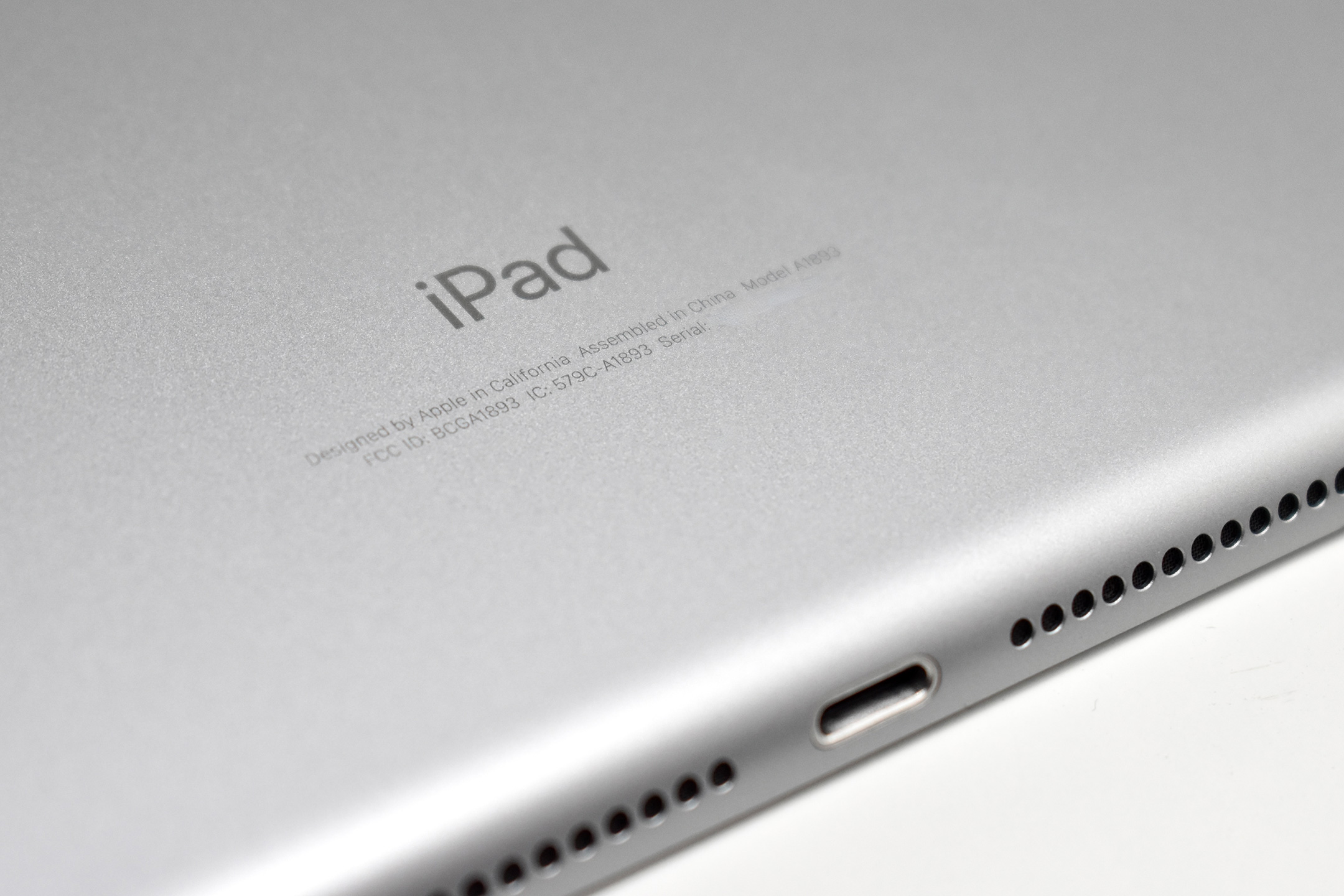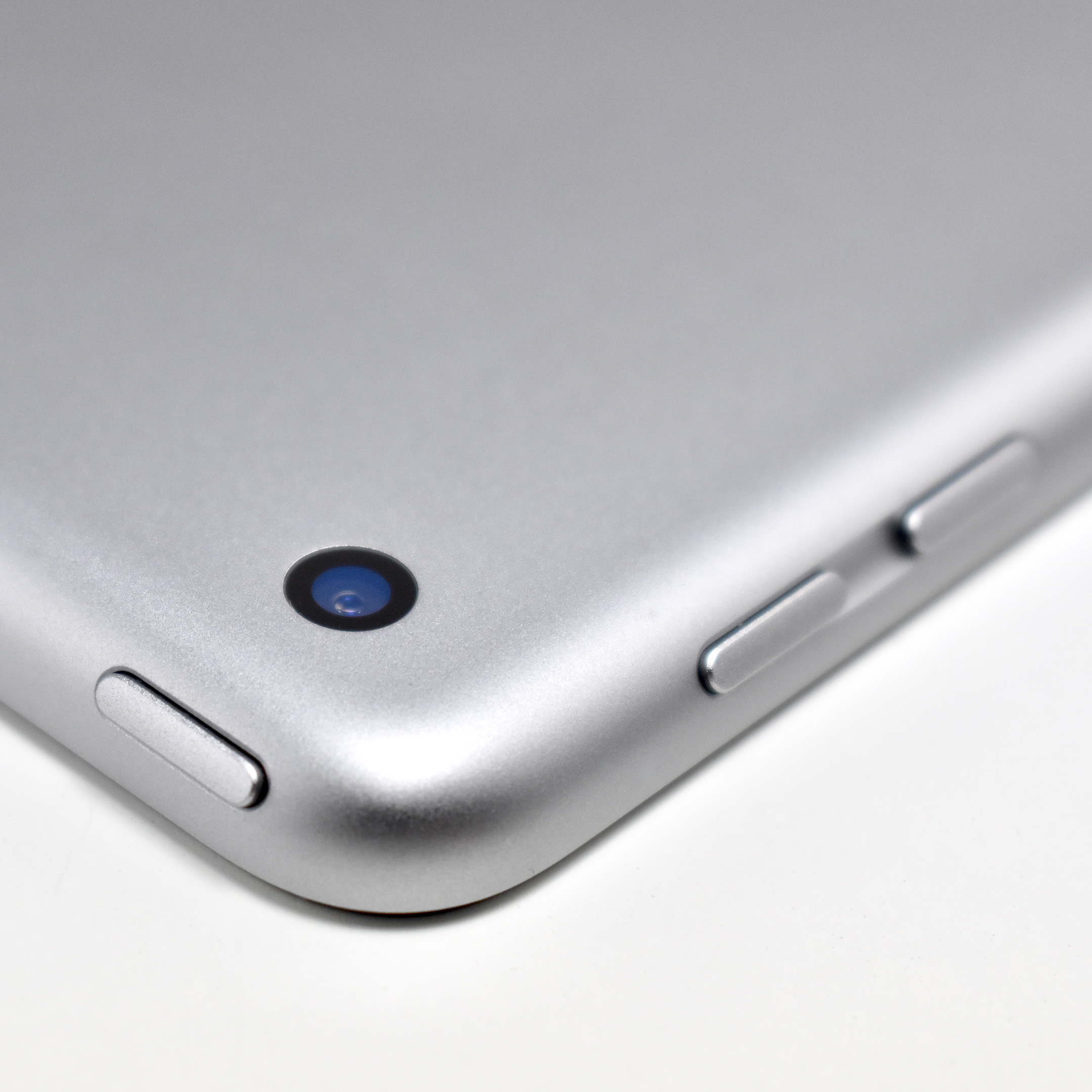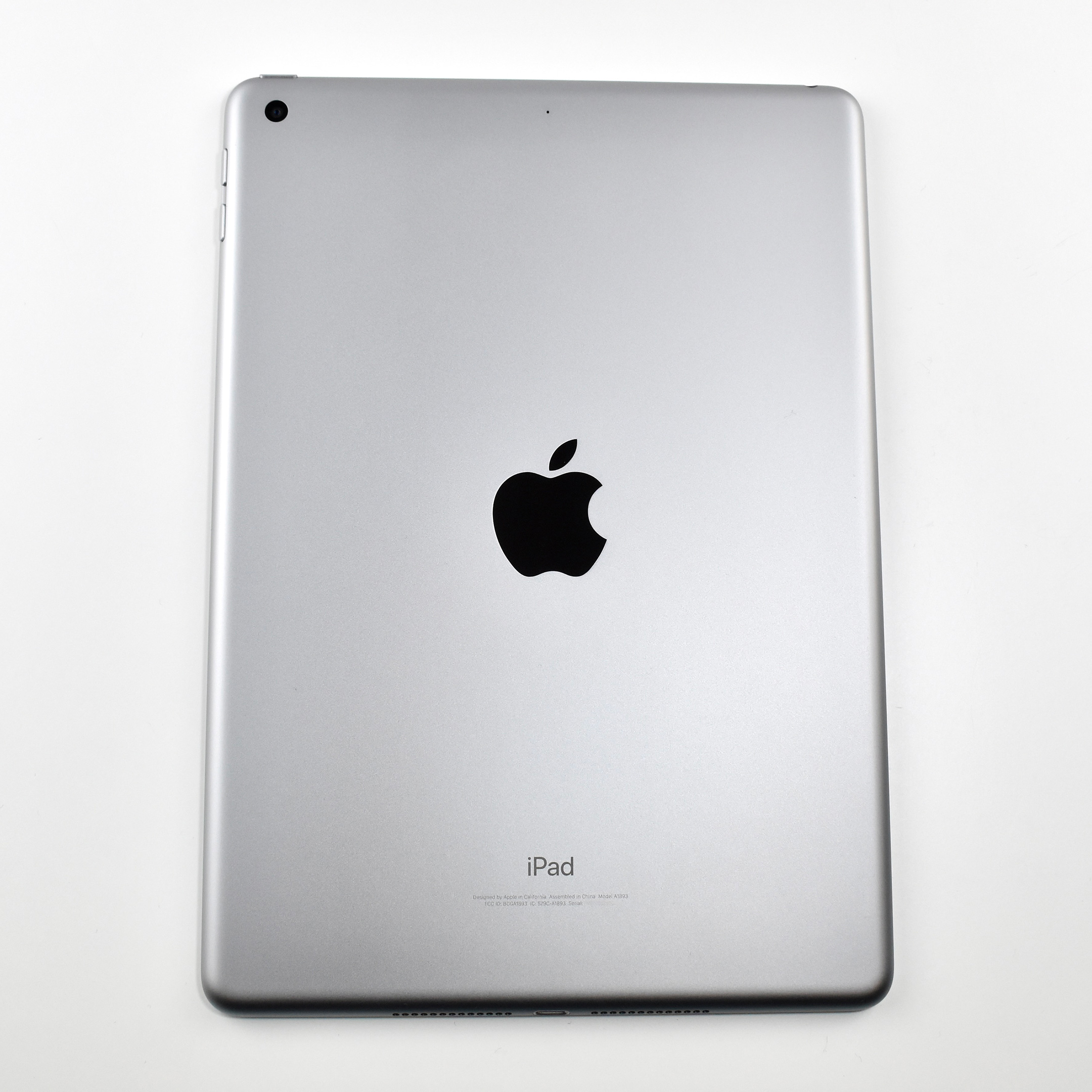
iPad (A16) (Generation 11, 11-inch, Wi-Fi, 128GB, Yellow, 2025)

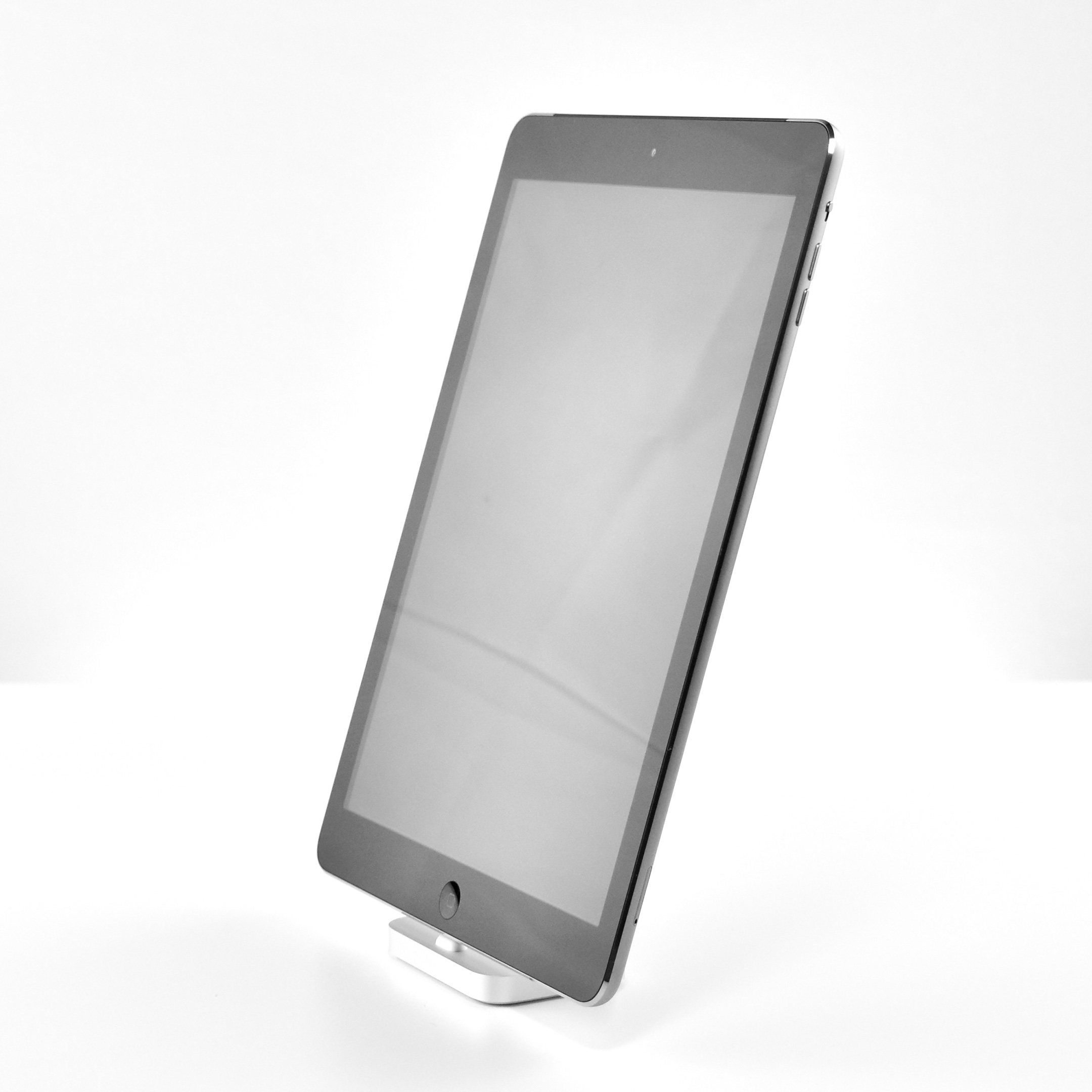
On March 4, 2025, when Apple introduced the iPad Air with the M3 chip, they also announced the iPad Generation 11 with an A16 chip. The entire press release for this iPad device release amounted to one paragraph:

“Apple today also updated iPad with double the starting storage and the A16 chip, bringing even more value to customers. The A16 chip provides a jump in performance for everyday tasks and experiences in iPadOS, while still providing all-day battery life. Compared to the previous generation, the updated iPad with A16 is nearly 30 percent faster. In fact, compared to iPad with A13 Bionic, users will see up to a 50 percent improvement in overall performance, and A16 makes the updated iPad up to 6x faster than the best-selling Android tablet.”

This iPad update was released soon after the announcement of Apple Intelligence. While Apple was touting Apple Intelligence and updating its devices to take advantage of the new features, the iPad Generation 11 was given a chip that did not allow Apple Intelligence. While this updated iPad is faster than the previous Generation 10 model, it does not meet the minimum specification of the A17 Pro chip to allow Apple Intelligence compatibility. Apple provided no explanation for this omission.

One notable upgrade was in storage on the A16 iPad. The iPad Generation 11 doubled its base storage from 64 to 128GB and was also available in 256 and 512GB configurations. 

Except for the A16 chip and upgraded storage, this iPad was nearly identical to the iPad Generation 10. 

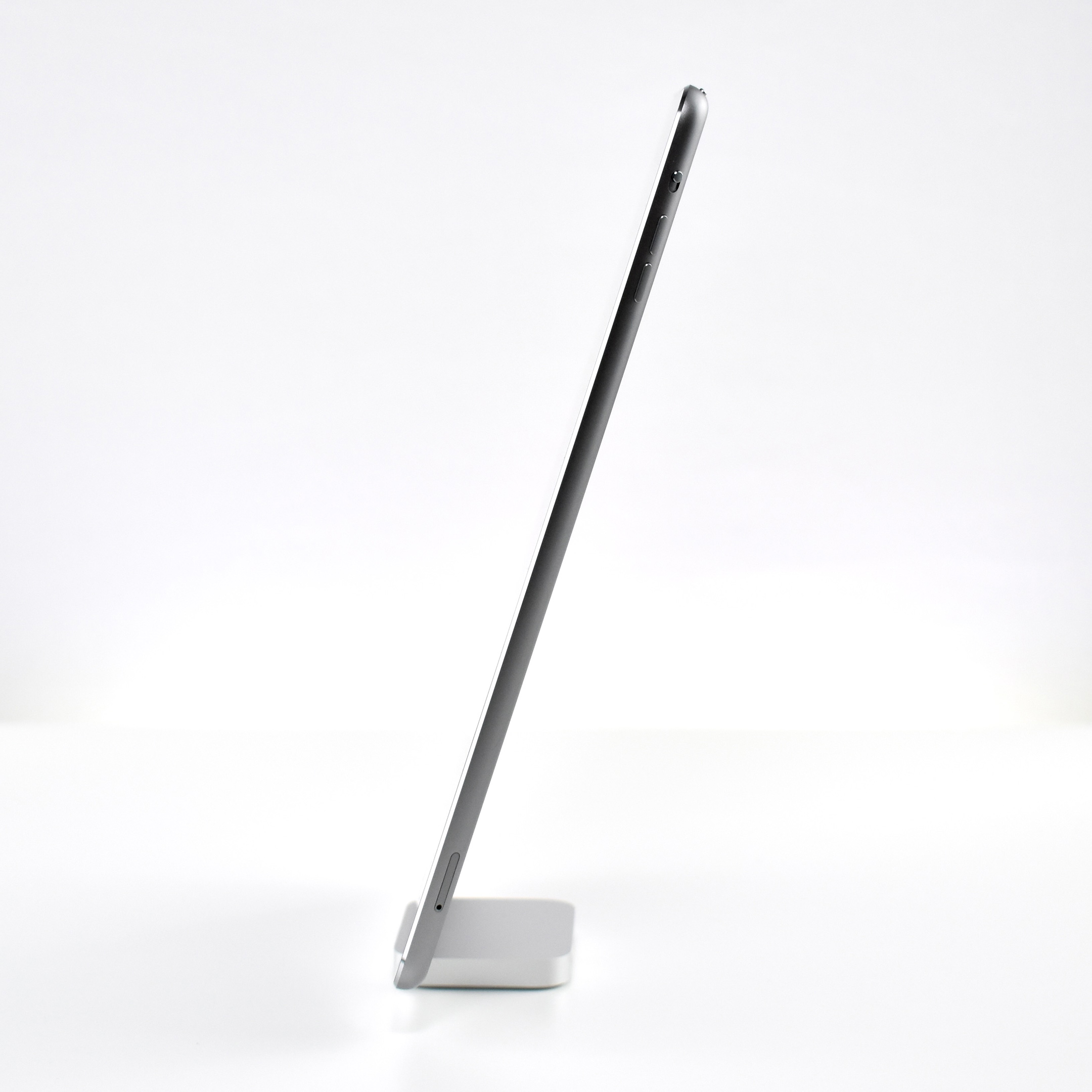
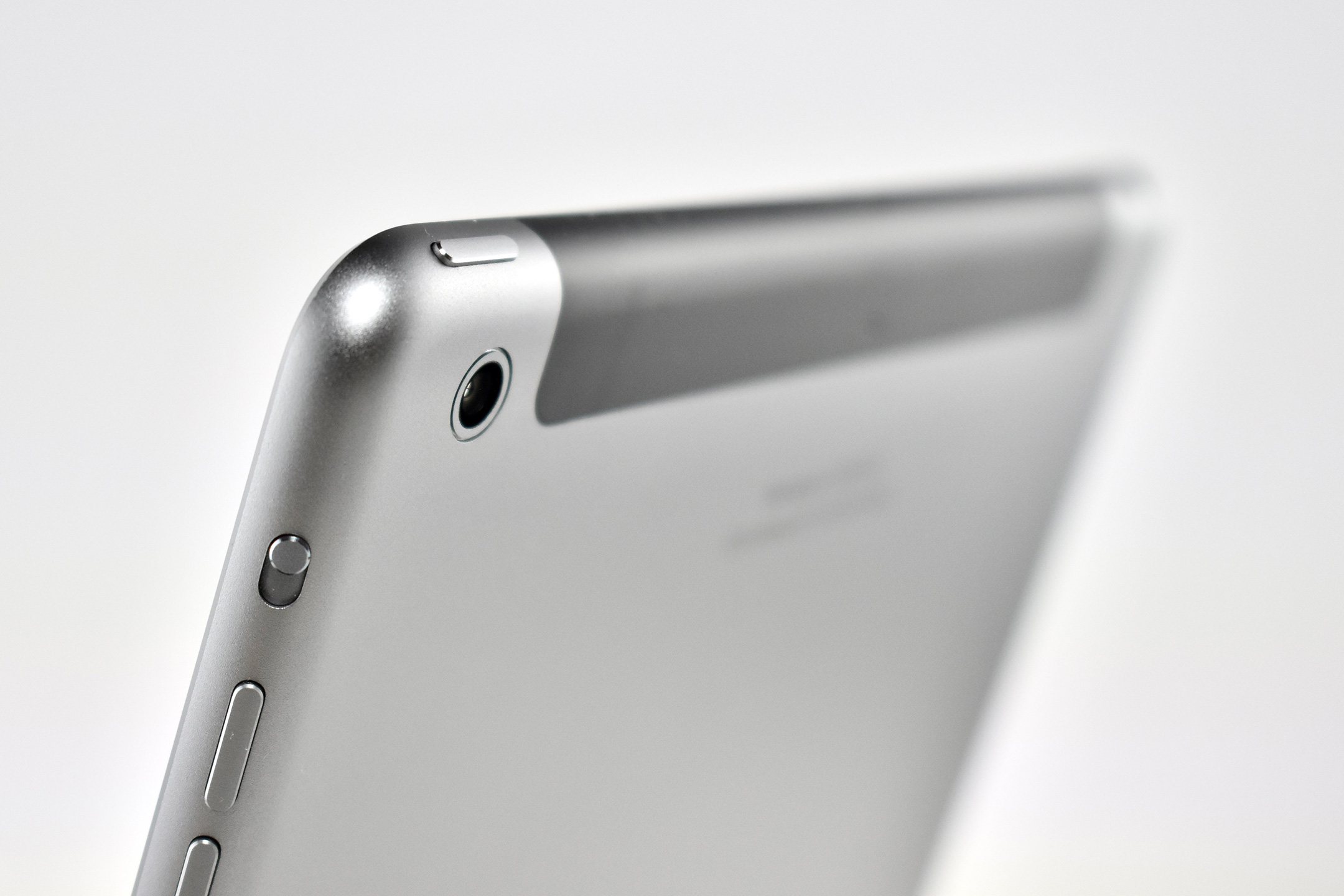
The iPad Generation 11 measured 9.79 x 7.07 inches, and was 0.28 inch thick. It weighed 1.05 pounds (Wi-Fi model). It had stereo speakers, a front camera and microphone centered on the “long”landscape” (long) side to enhance the FaceTime experience, and included both USB-C and a Smart Connector.

Its Liquid Retina display was 2360 x 1640 pixels at 264 ppi and delivered up to 500 nits brightness. It supported the Apple Pencil (USB-C) and also the Apple Pencil Generation 1 (although clumsily since the original Apple Pencil used a Lightning connector for charging). 

The back camera was 12MP with digital zoom up to 5x supporting Smart HDR 4, geotagging, auto image stabilization, and burst mode. It could capture video up to 4K. The similar front camera was also 12MP and supported Center Stage in Landscape mode. It supported Smart HDR 4, but only could record 1080p HD video. 

The iPad Generation 11 had 5 sensors, including Touch ID, 3‐axis gyro, accelerometer, barometer, and an ambient light sensor. 

Sources: Apple (Newsroom, Specs)

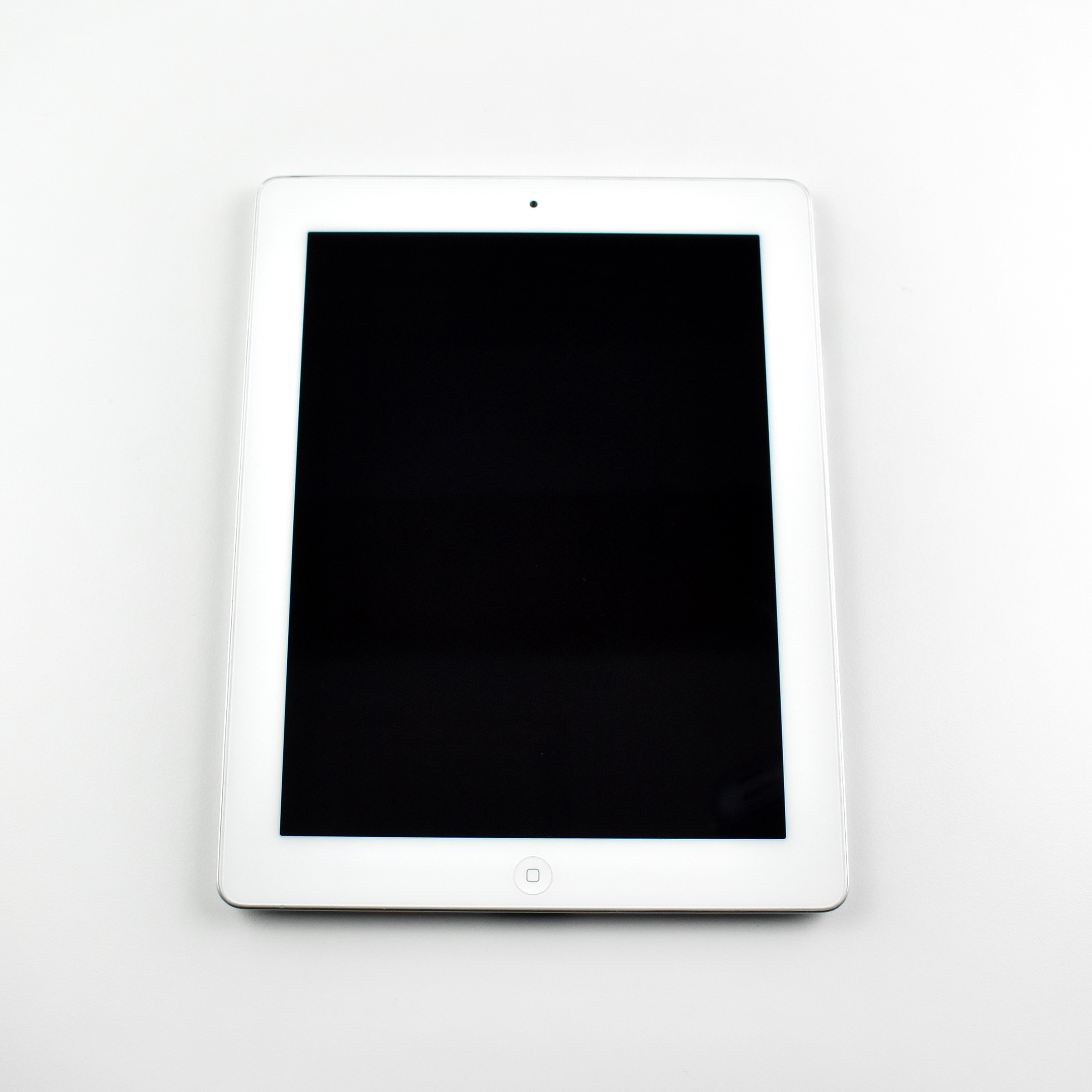
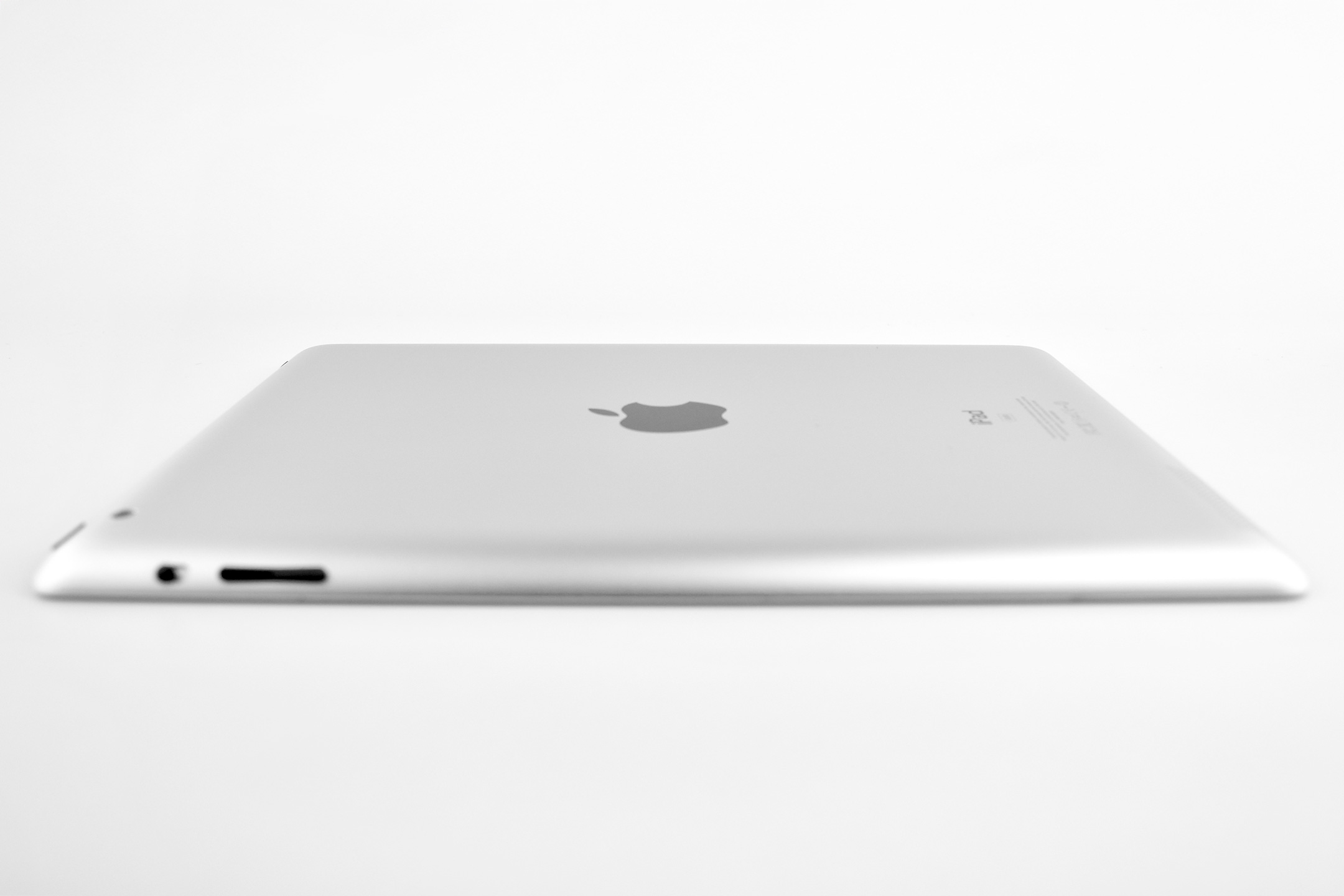
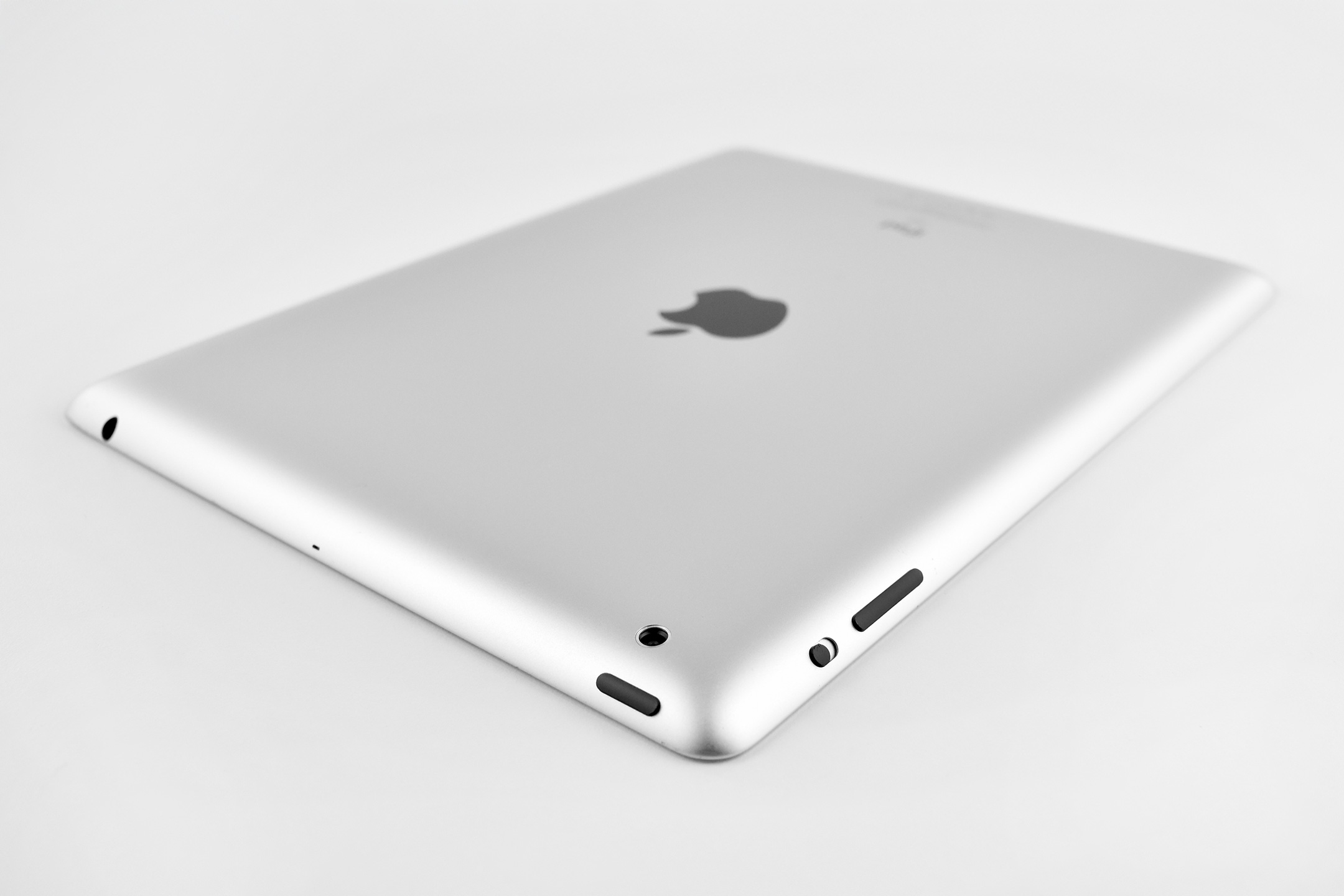
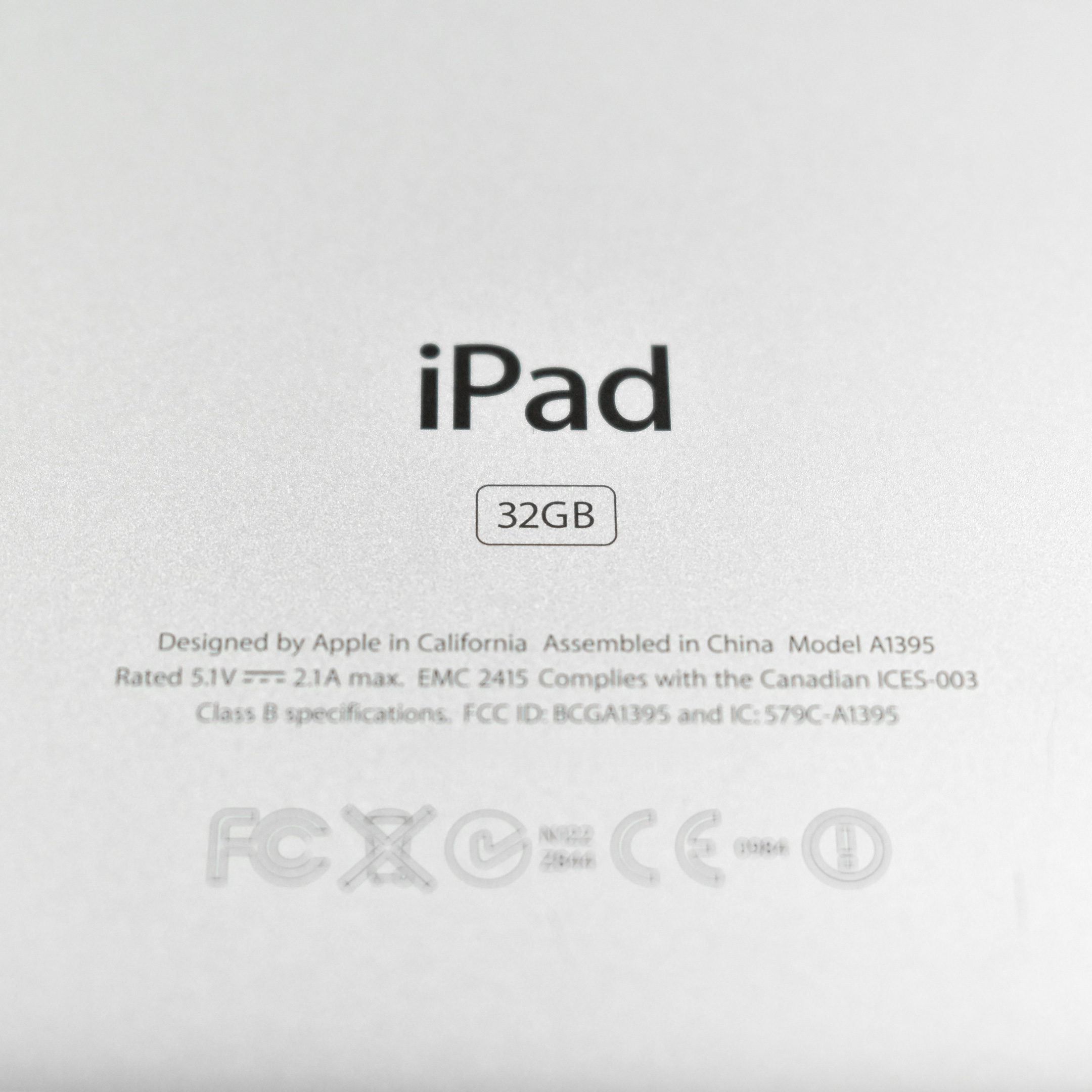
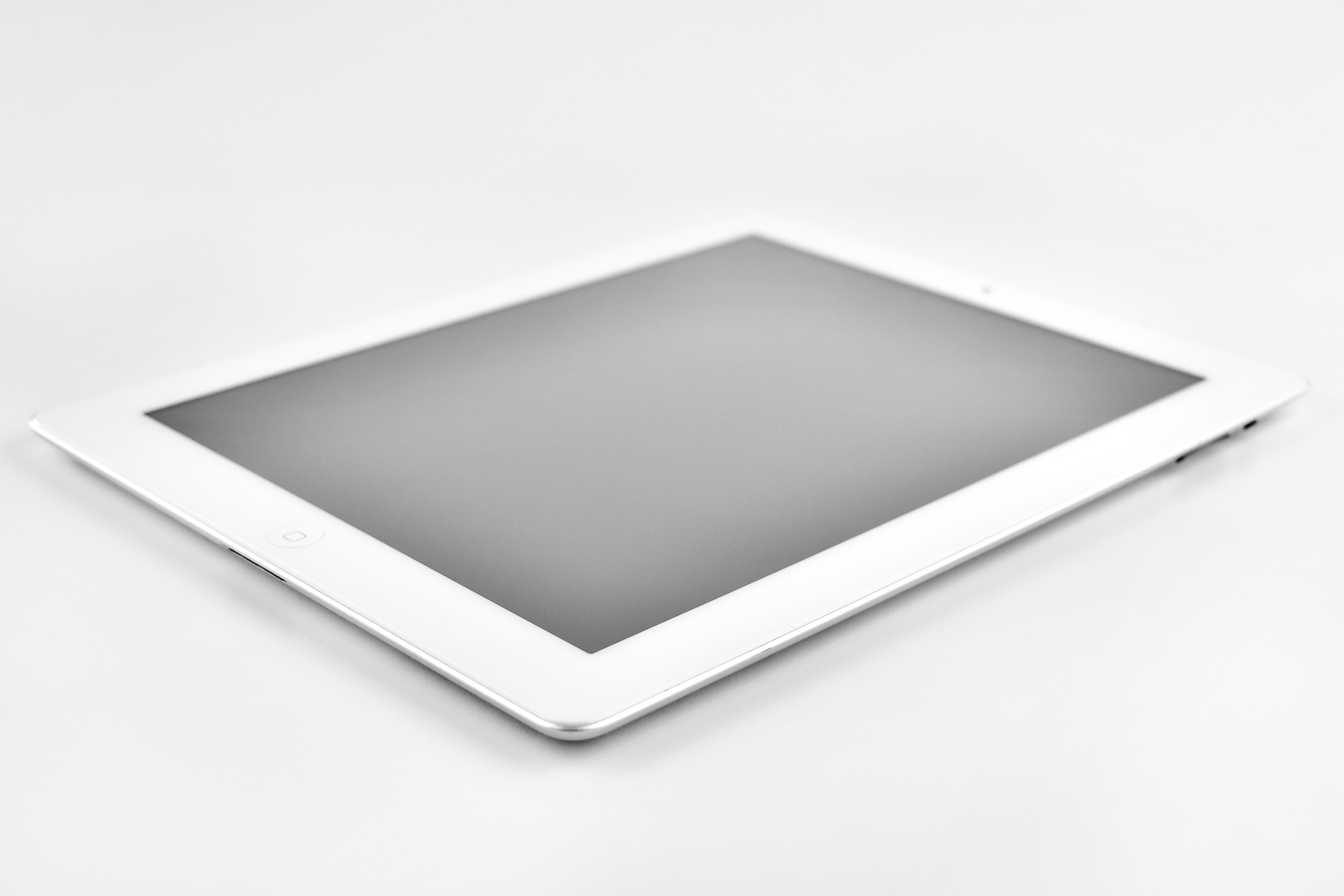
iPad (Generation 2, Wi-Fi, 32 GB, white, 2011)

The iPad 2 represented a major update to the original iPad by allowing the iPad to begin its move from a content-consumption device to a content-creation device, mostly due to the addition of front and back cameras. Apple’s press release led with its subhead, “All New Design is Thinner, Lighter & Faster with FaceTime, Smart Covers & 10 Hour Battery.”

Like the original iPad, the iPad 2 was described as a “magical device for browsing the web, reading and sending email, enjoying photos, watching videos, listening to music, playing games, reading ebooks and much more.” The iPad 2 added “two cameras, a front-facing VGA camera for FaceTime and Photo Booth, and a rear-facing camera that captures 720p HD video, bringing the innovative FaceTime feature to iPad users for the first time.”

The iPad 2 had a silver aluminum back and was available with a white or black front. This example is white.

The iPad 2 had a 9.7-inch glossy LED backlit display (1024×768 at 132 ppi) and could run both iPhone and iPad-specific apps. It shipped with the A5 processor with storage options including 16, 32, or 64 GB. In addition to its front and rear cameras, it had 802.11a/b/g/n Wi-Fi support, an accelerometer, a three-axis gyroscope, an ambient light sensor, digital compass, a speaker and a built-in microphone. The iPad 2 was 33% thinner than the original iPad and weighed 1.33 pounds.

The iPad 2 was also released with the Smart Cover. The Smart Cover used magnets to attach and, when closed, automatically put the iPad 2 into Sleep mode, and would wake the iPad when opened.

Source: EveryMac, Apple

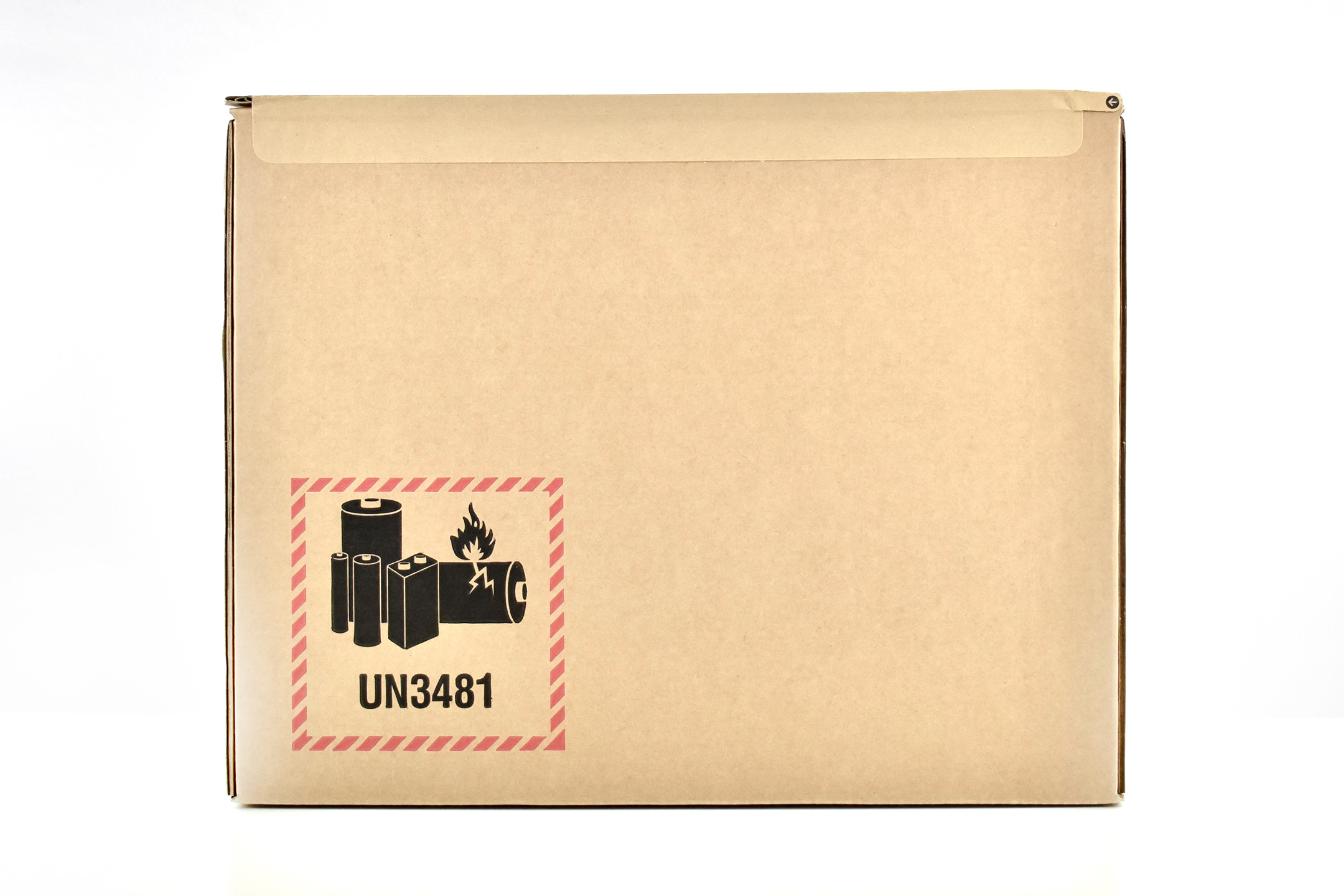
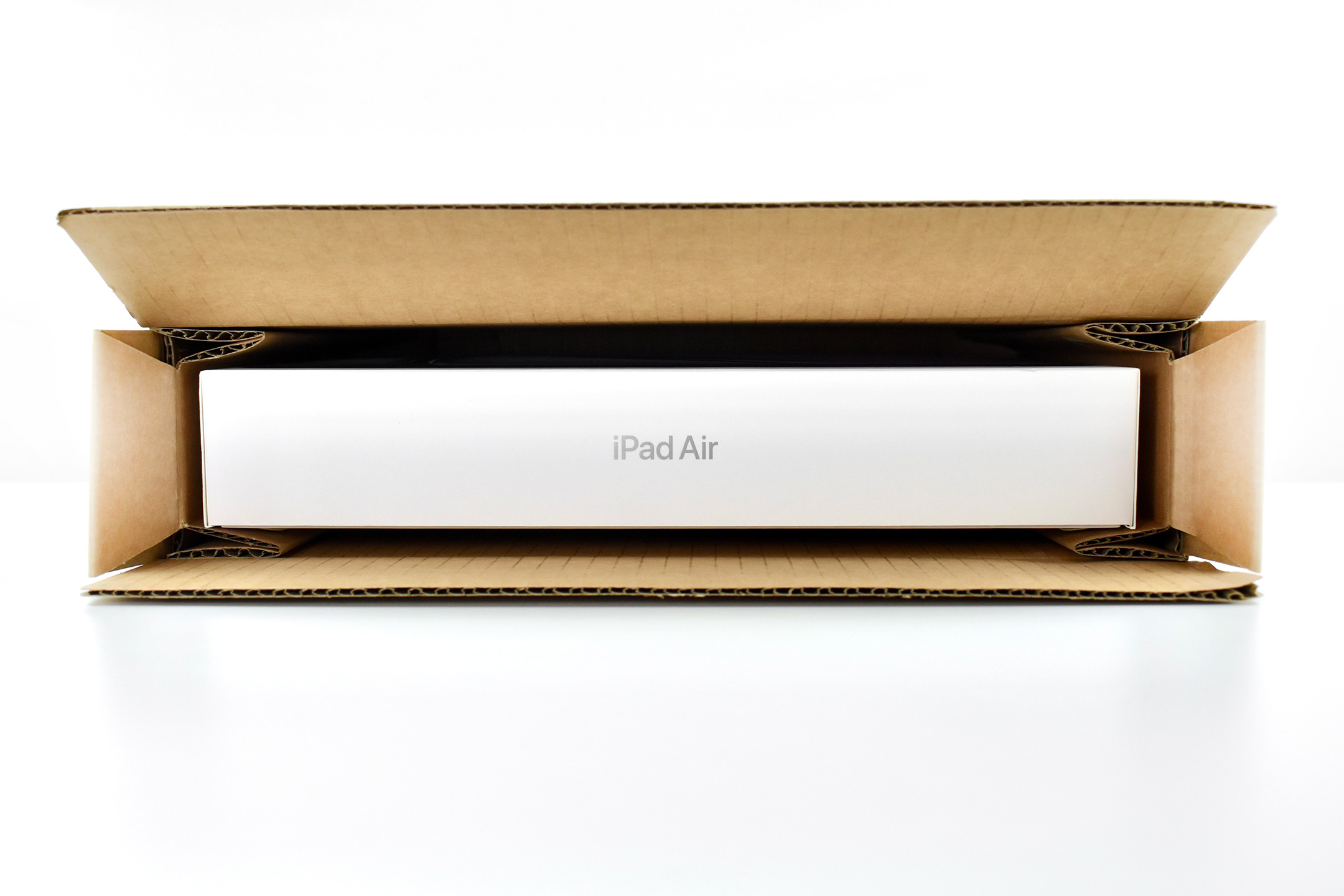
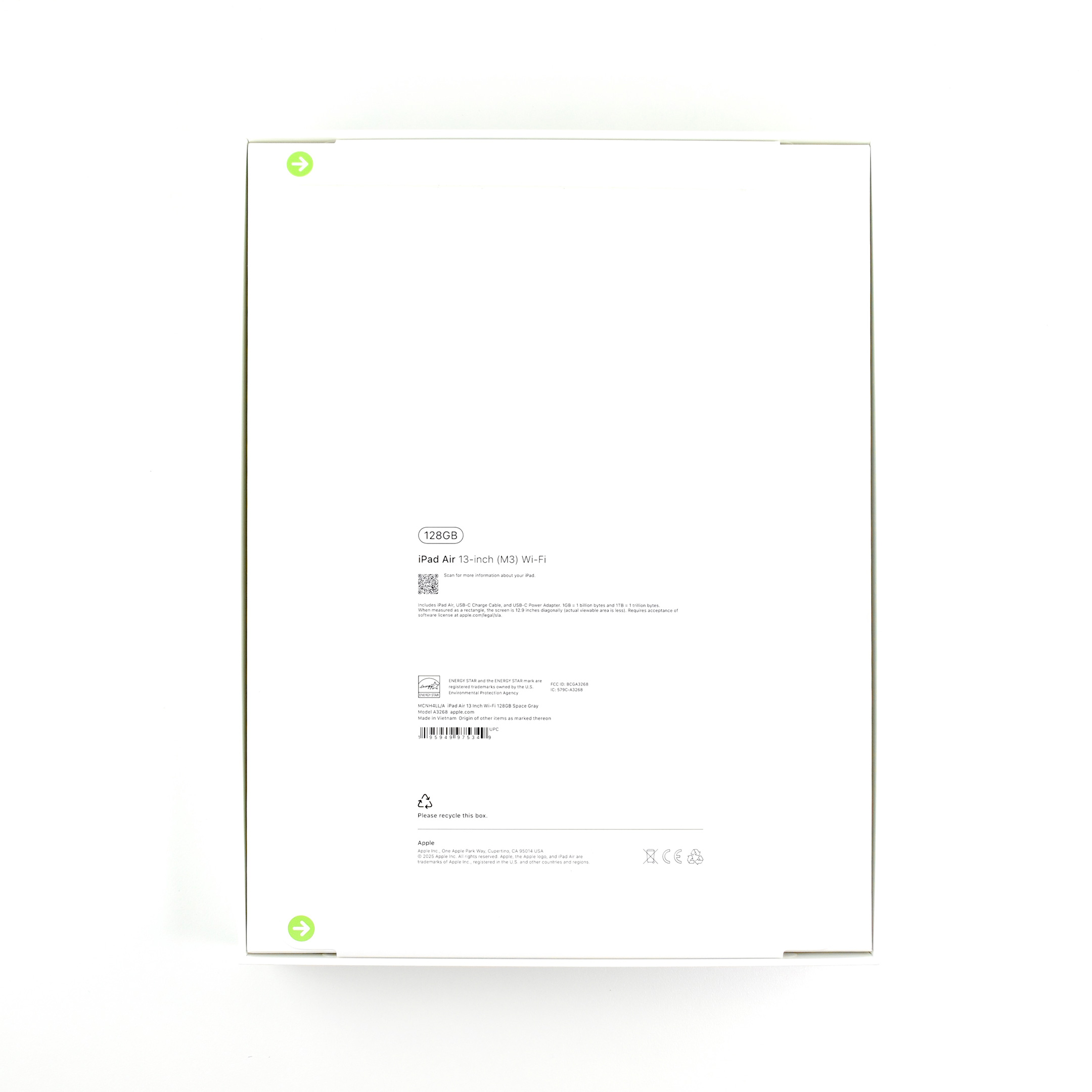
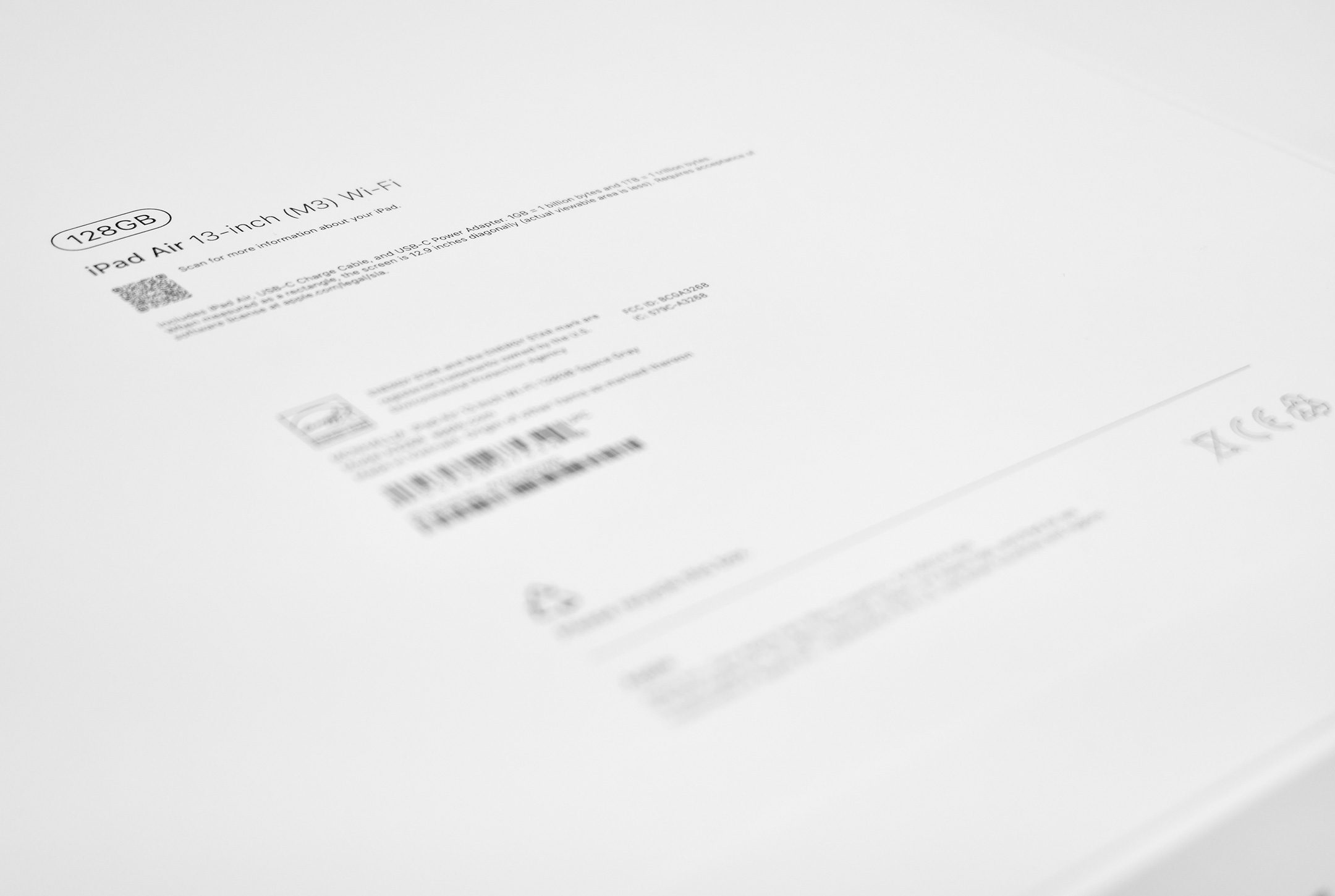
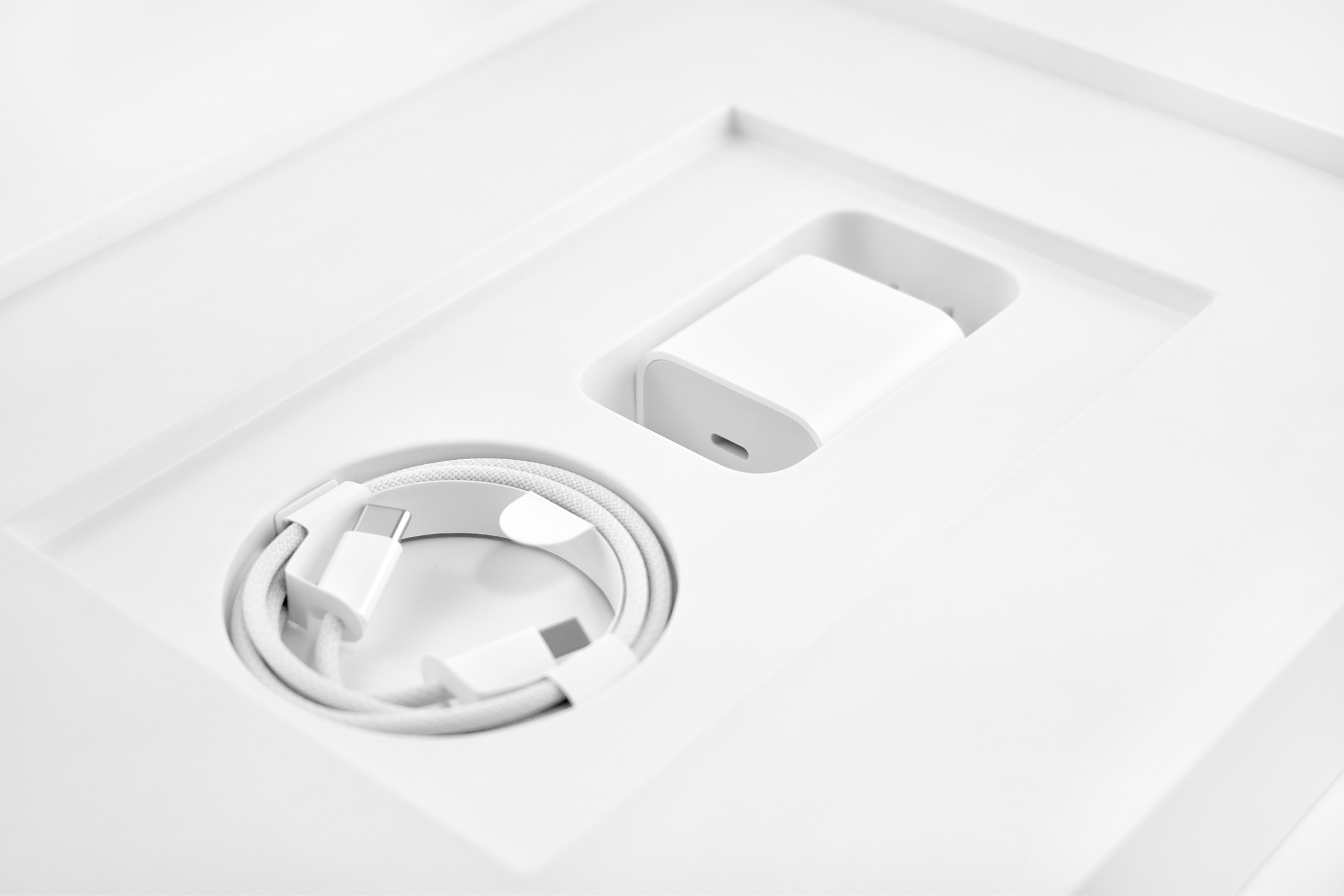
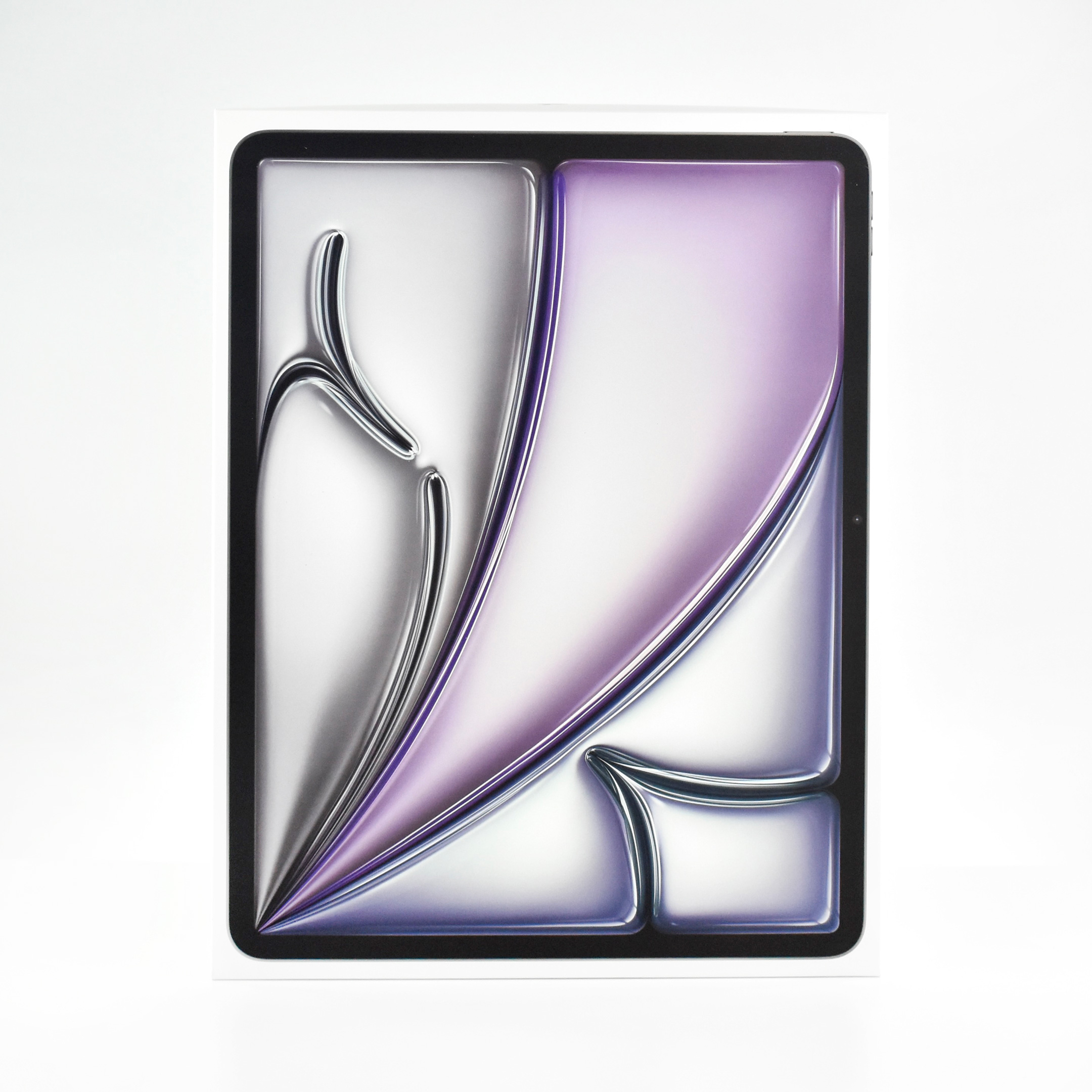
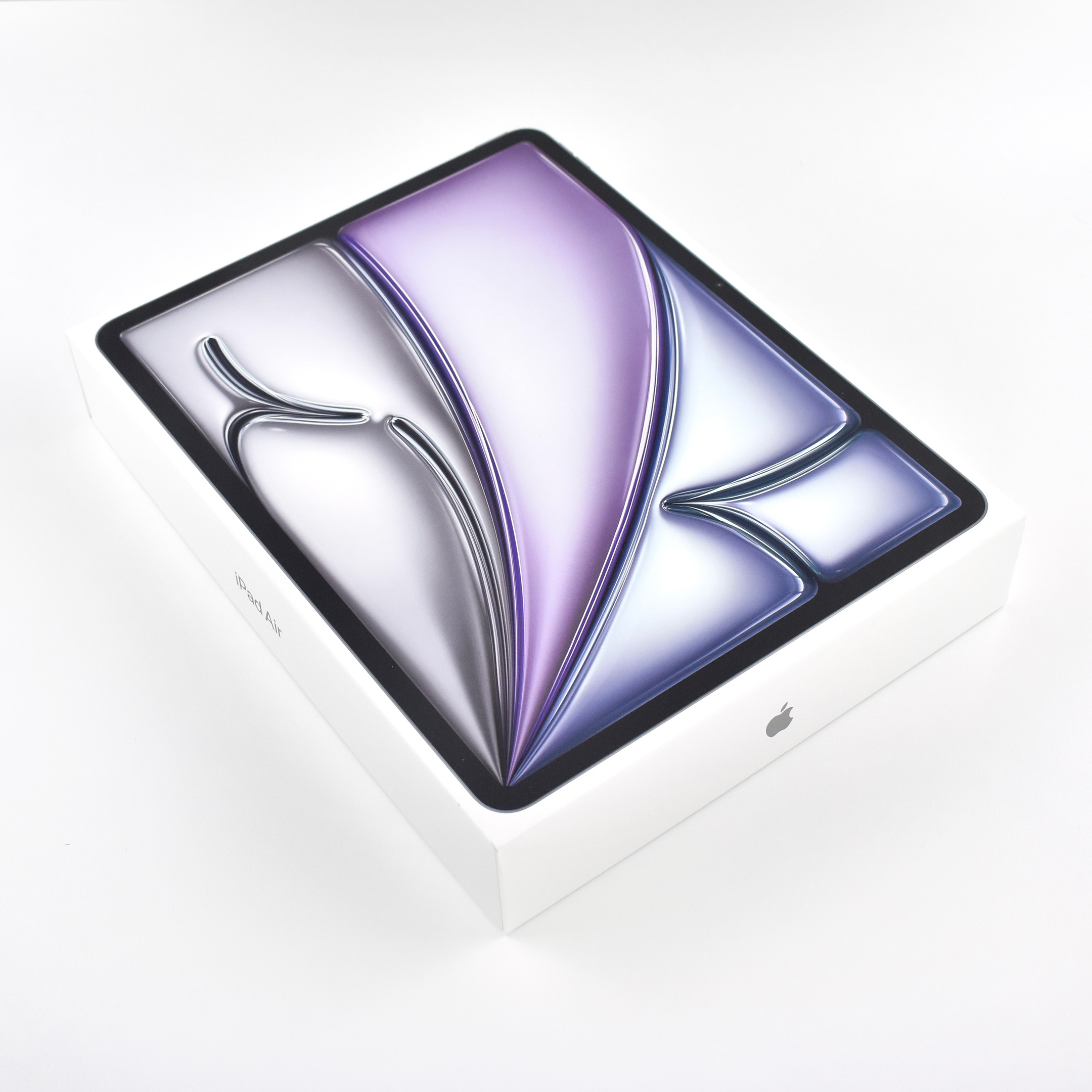
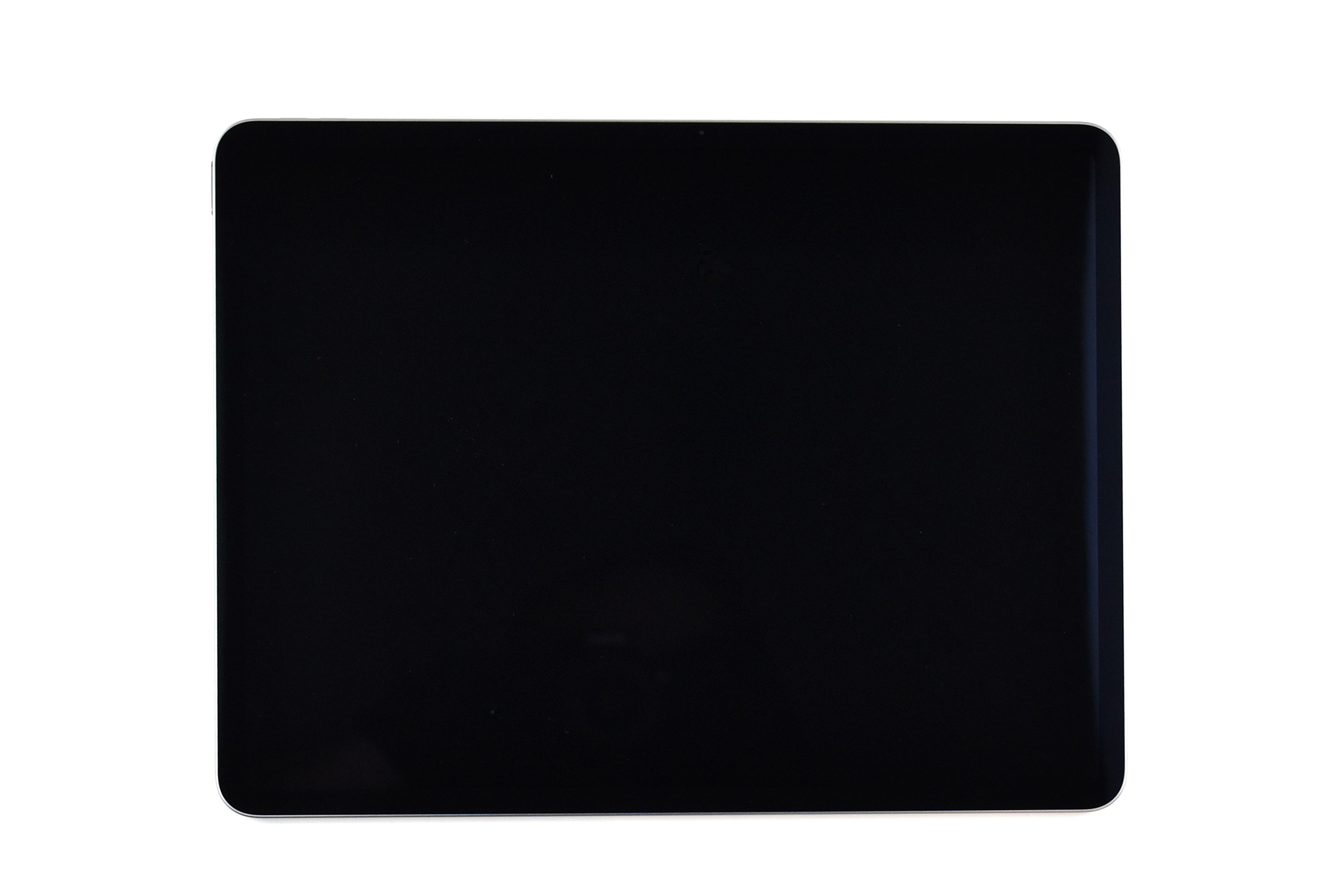
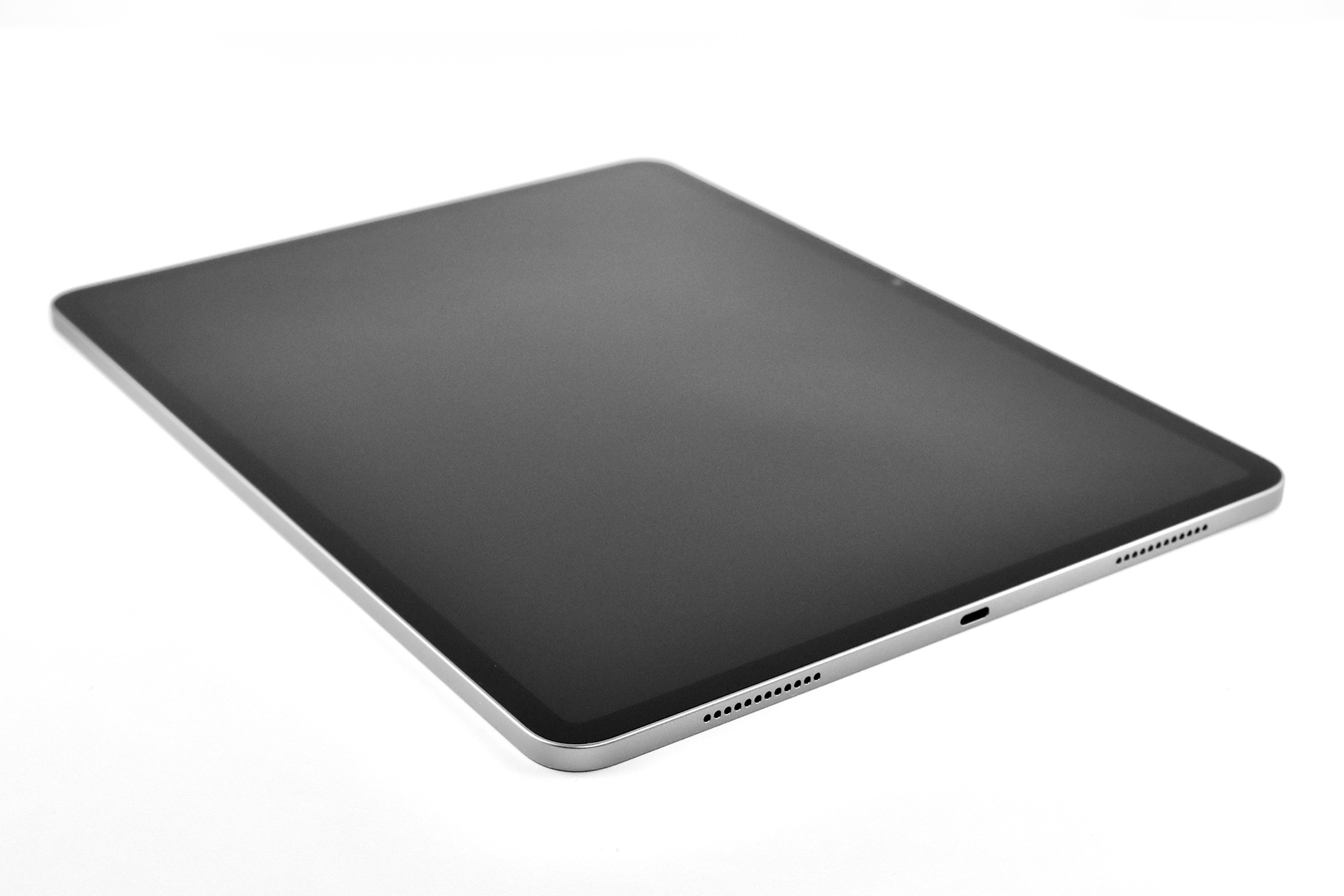
iPad Air 13-inch (Space Gray, M3, Wi-Fi, 128 GB, 2025)

The M3 iPad Air 13-inch was announced on March 4, 2025, and was described as being up to 2x faster than the M1 iPad Air. The press release also touted:

“iPad Air with M3 brings Apple’s advanced graphics architecture to iPad Air for the first time—taking its incredible combination of power-efficient performance and portability to a new level… Available in two sizes and four gorgeous finishes that users love, the 11-inch iPad Air is super portable while on the go, and the 13-inch model provides an even larger display for more room to be creative and productive.”

Apple mentioned that “The faster Neural Engine in M3 means iPad Air [is]…up to 60 percent faster for AI-based workloads…and support for advanced accessories, including the new Magic Keyboard and Apple Pencil Pro.”

The 11-inch and 13-inch M3 iPad Air devices were available in blue, purple, starlight, and space gray, with 128 GB, 256 GB, 512 GB, and 1 TB configurations. This example is the 13-inch version of the iPad Air in Space Gray with 128 GB storage.

This 13-inch iPad Air Wi-Fi is 11.04 inches (280.6 mm) x 8.46 inches (214.9 mm), is 0.24 inch (6.1 mm) thick, and weighs 1.36 pounds (616 grams).

The Liquid Retina display is 2732 x 2048 pixels at 264 ppi and can display up to 600 nits brightness. It is powered by Apple’s M3 chip (8-core CPU with 4 performance cores; 4 efficiency cores; 9-core GPU). It has a 16-core Neural Engine.

The back camera is a 12MP Wide camera with ƒ/1.8 aperture that allows digital zoom up to 5x using a 5-element lens. It can capture Panorama photos up to 63 MP. It can record video up to 4K at 24, 25, 30, or 60 fps. The front camera is a landscape 12 MP Center Stage camera with ƒ/2.0 aperture that can record video at up to 1080p (HD) at 25, 30, or 60 fps.

Its dual microphones can be used for calls, video recording, and audio recording and has landscape stereo speakers.

Wireless connectivity includes Wi-Fi 6E (802.11ax) with 2×2 MIMO5 and Bluetooth 5.3. Its sensors include Touch ID, 3‐axis gyro, accelerometer, barometer, and an ambient light sensor.

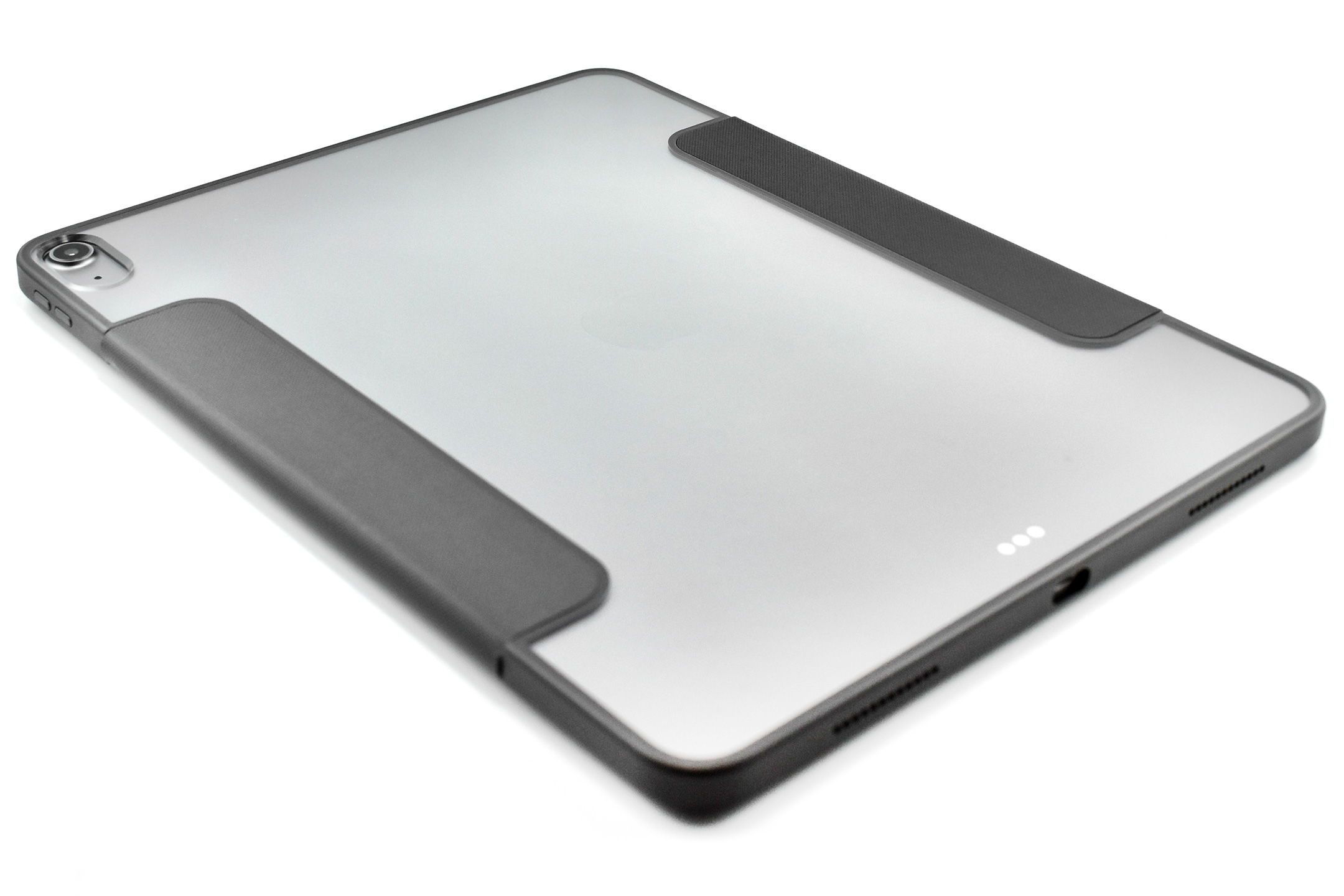
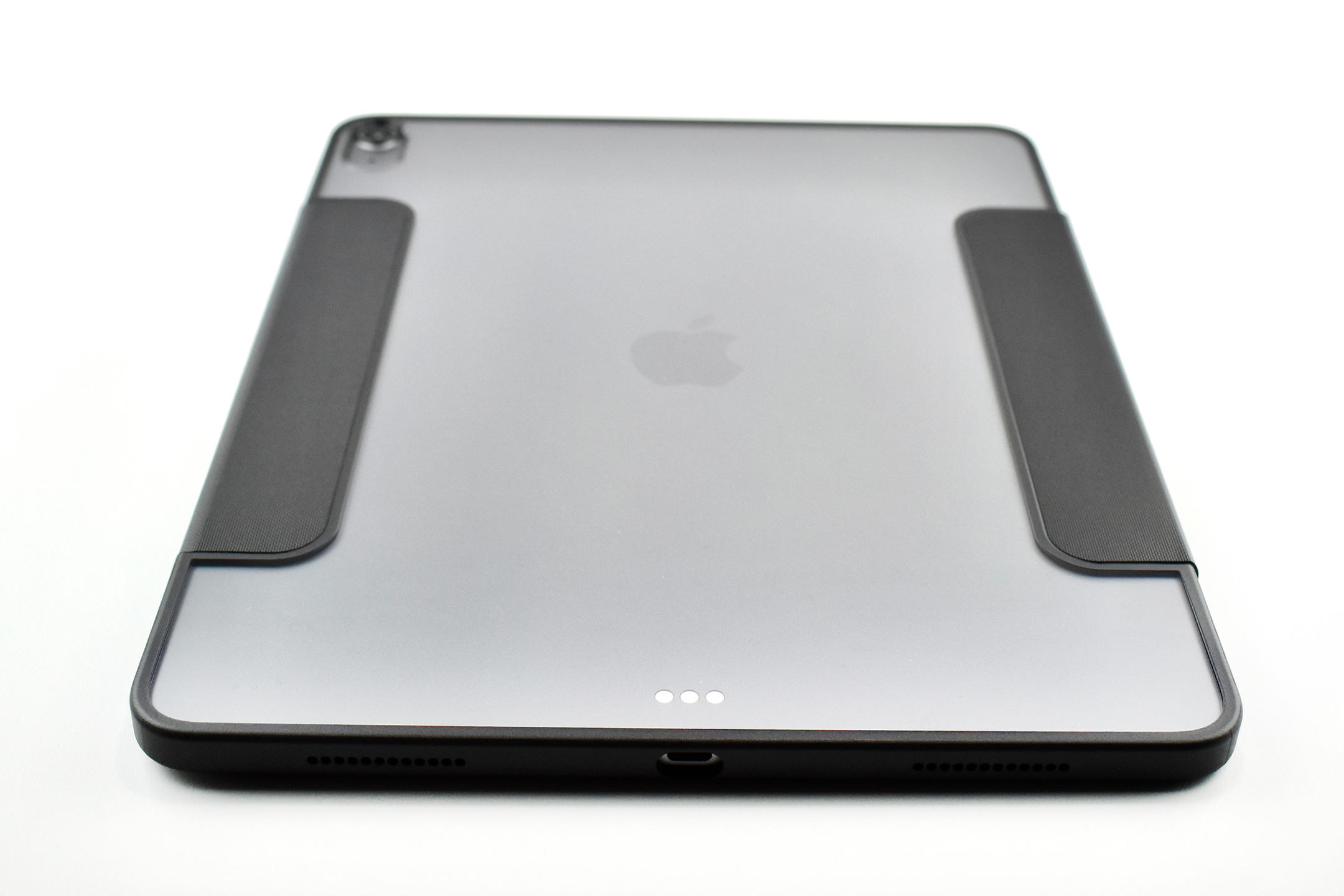
This iPad Air is using the Symmetry Series Folio case (for iPad Air 13-inch M2 and M3) by OtterBox in their “Starry Night” (black, clear, grey) color. The hinged folio design provides an adjustable stand, screen protection, magnetic sleep/wake, and protects the Apple Pencil while allowing charging while in storage.

Sources: Apple (newsroom, specs, product page), OtterBox

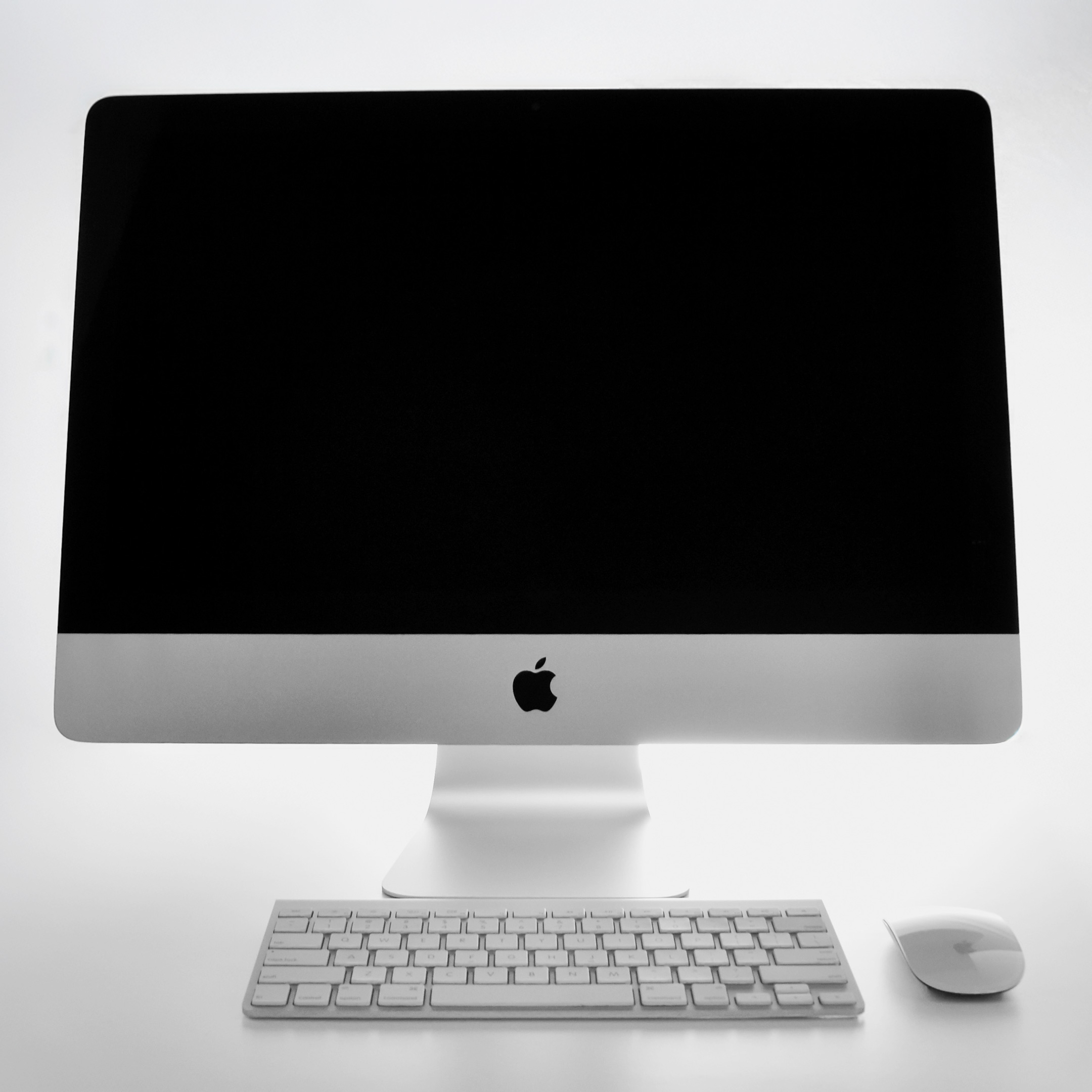
iMac 21.5-inch (Core i5, Late 2013)

This 21.5-inch iMac (Model A1418) ran a Core i5 “Haswell/Crystalwell” Intel processor with 4 2.7 GHz cores on a single chip. It used 8 GB of 1600 MHz DDR3 SDRAM and housed a 1 TB (5400 RPM) hard drive.

In a press release from September 24, 2013, Apple announced that they had “updated iMac with fourth generation Intel quad-core processors, new graphics, next generation Wi-Fi and faster PCIe flash storage options. The updated iMac brings the latest technology to the stunningly thin design and gorgeous display of the world’s leading all-in-one desktop.”

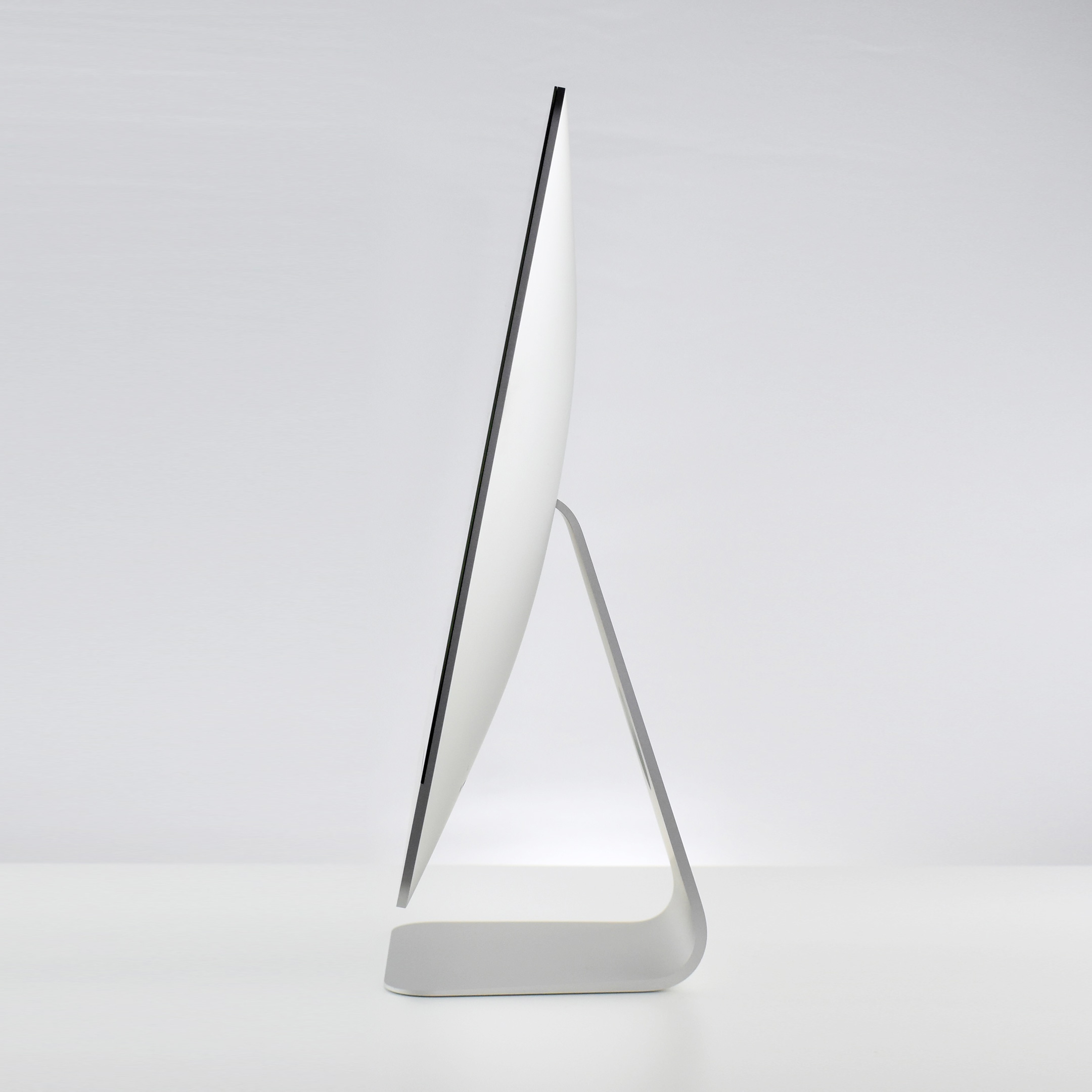
The 21.5-inch display was a 1920 x 1080 LED-backlit 16:9 widescreen IPS display. Its cover glass was fully laminated to the LCD and anti-reflective coating. The design of the rear case was aluminum and is thicker in the middle and tapers to a razor thin 5 mm at the edges. This iMac had a FaceTime HD front webcam, stereo speakers, but lacked an optical drive.

This iMac shipped with OS X Mountain Lion. This Mac OS featured “Messages, Notification Center, system-wide Sharing, AirPlay Mirroring, Dictation, Game Center and the enhanced security of Gatekeeper to your Mac. With iCloud built into the foundation of OS X, Mountain Lion makes it easier than ever to keep your content up to date across your Mac, iPhone®, iPad and iPod touch.”

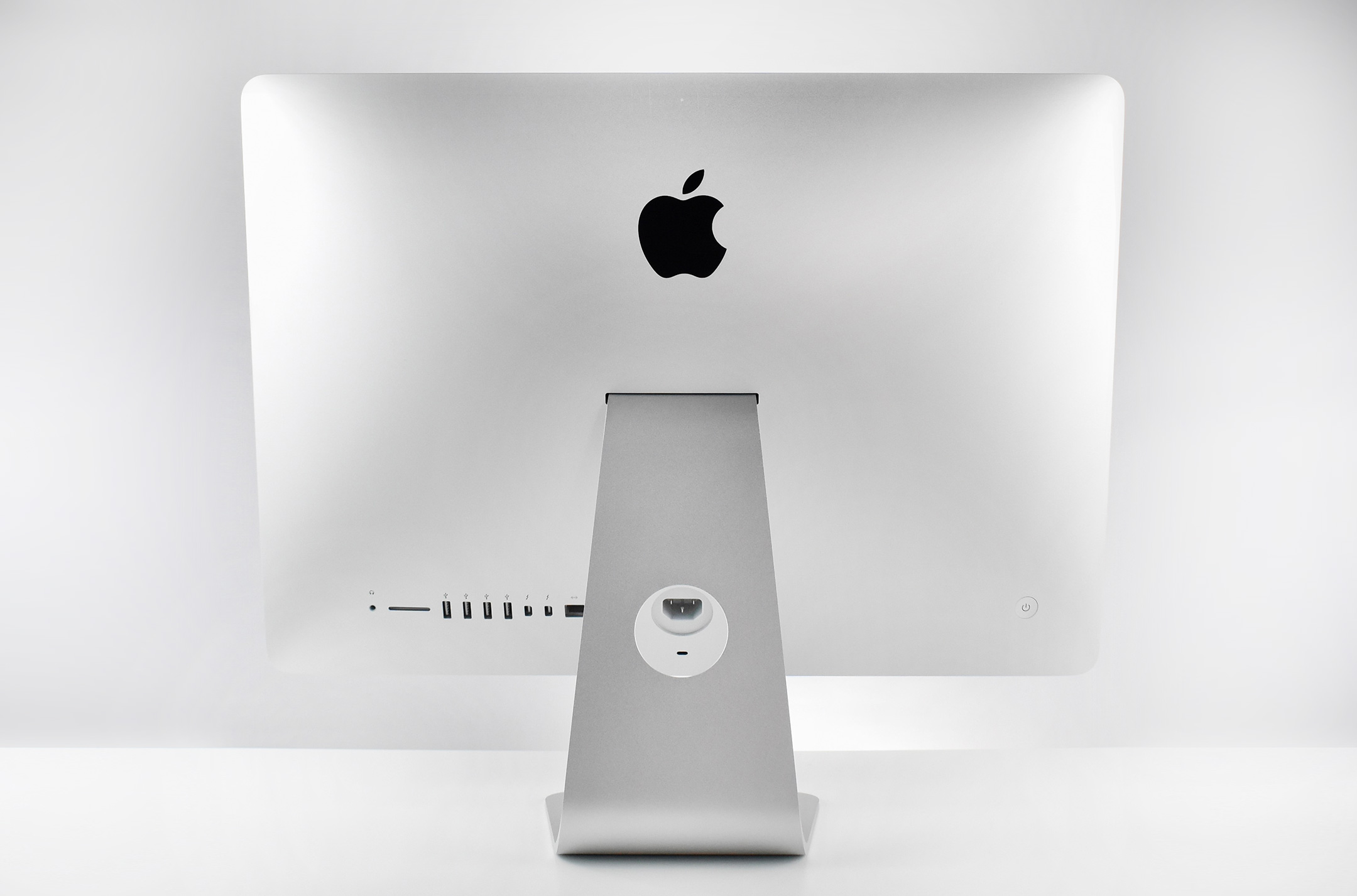
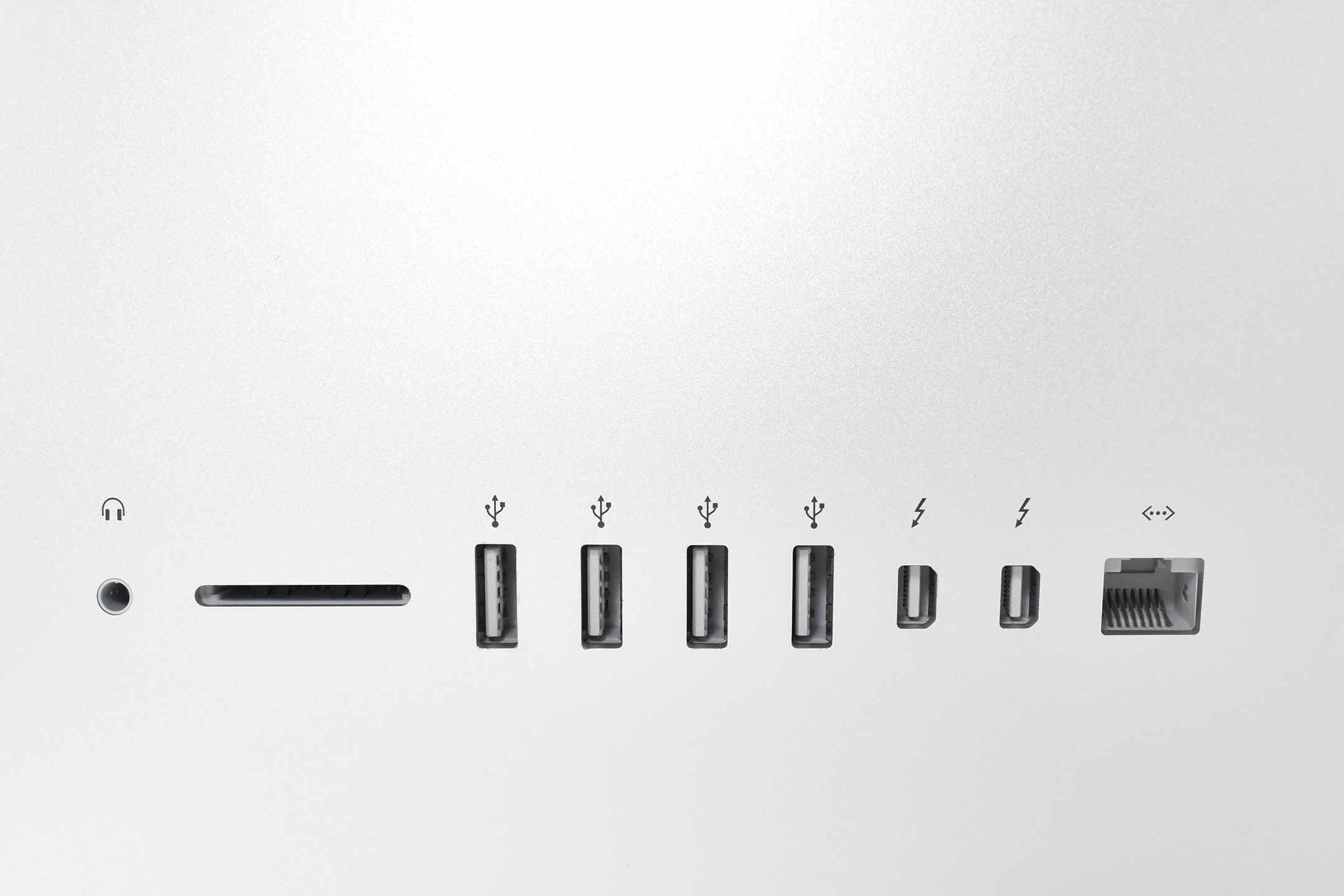
Connectivity included four USB 3.0 ports, dual Thunderbolt ports, Gigabit Ethernet, 802.11ac Wi-Fi (802.11a/b/g/n compatible), and Bluetooth 4.0.

This iMac model shipped with a compact aluminum Apple Wireless Keyboard and either a Magic Mouse, a Magic Trackpad, or a traditional wired Apple mouse.

Sources: Apple, EveryMac

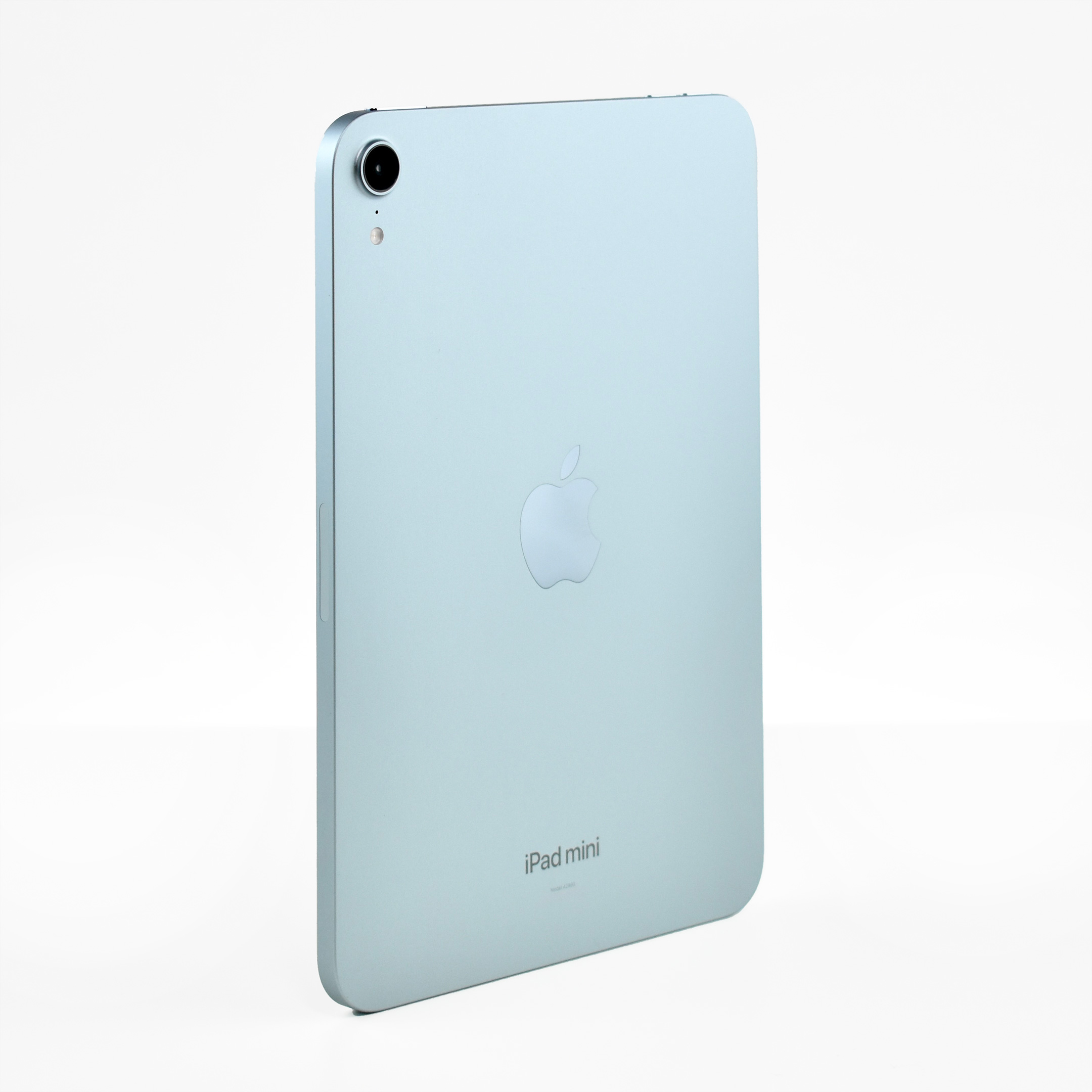
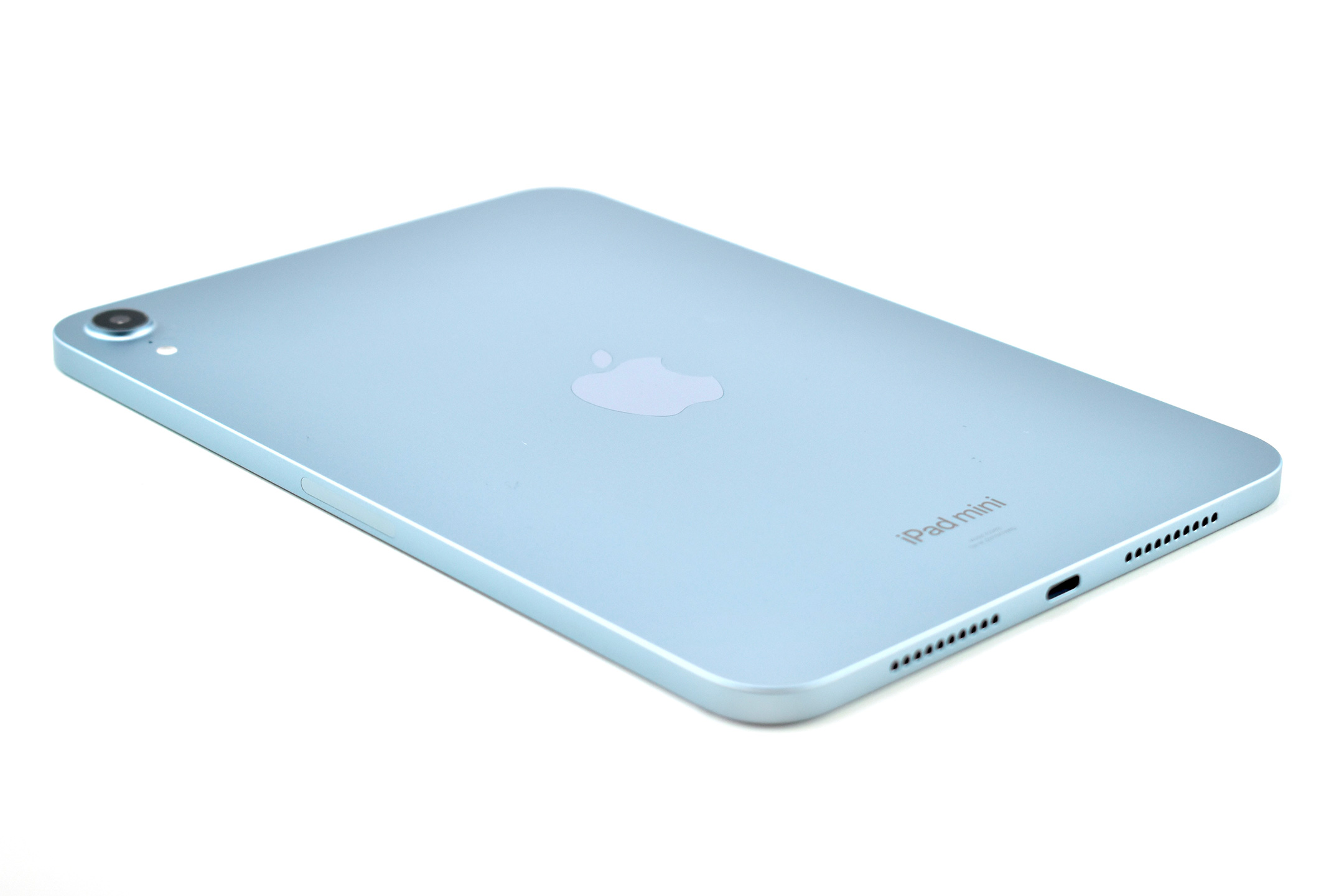
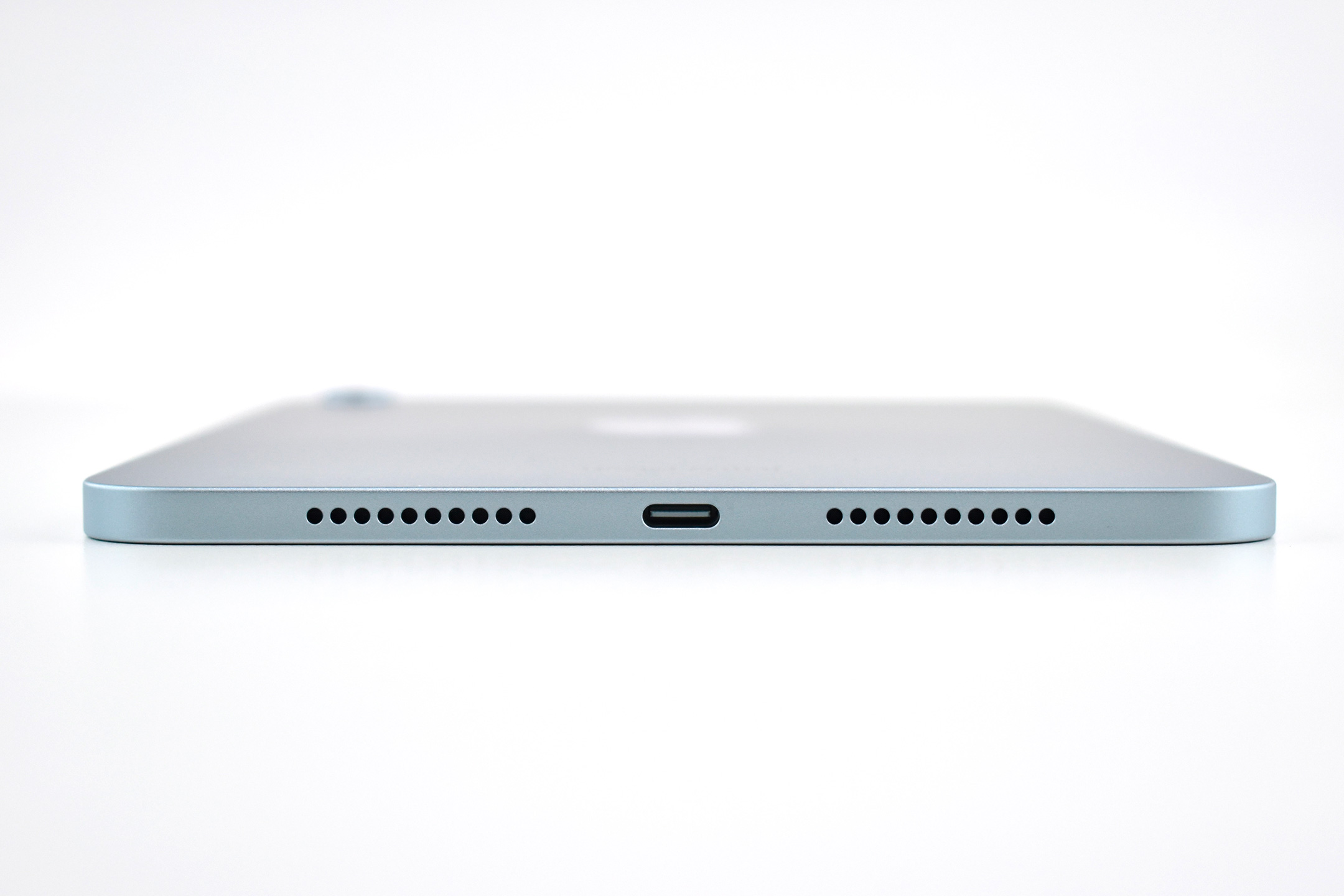
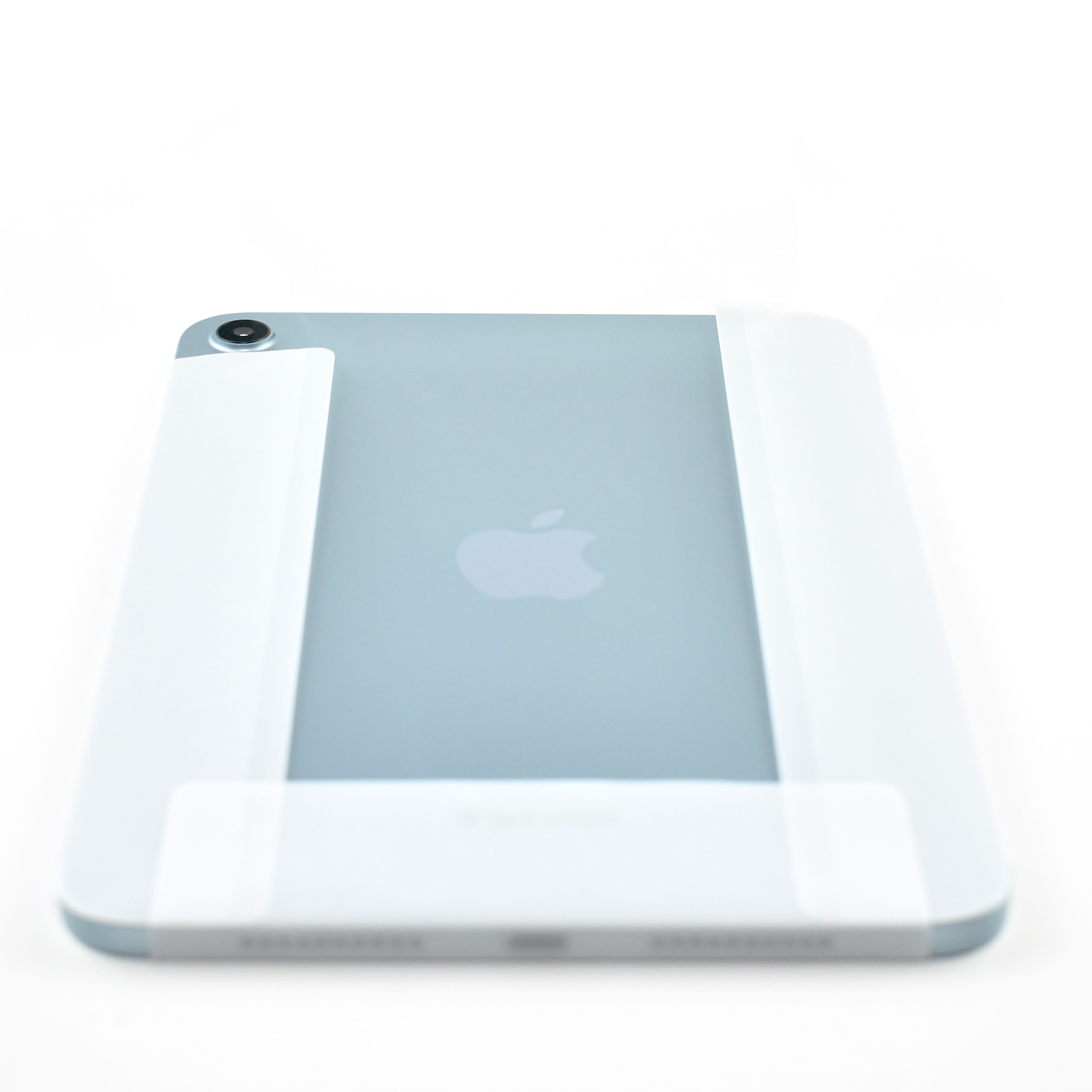
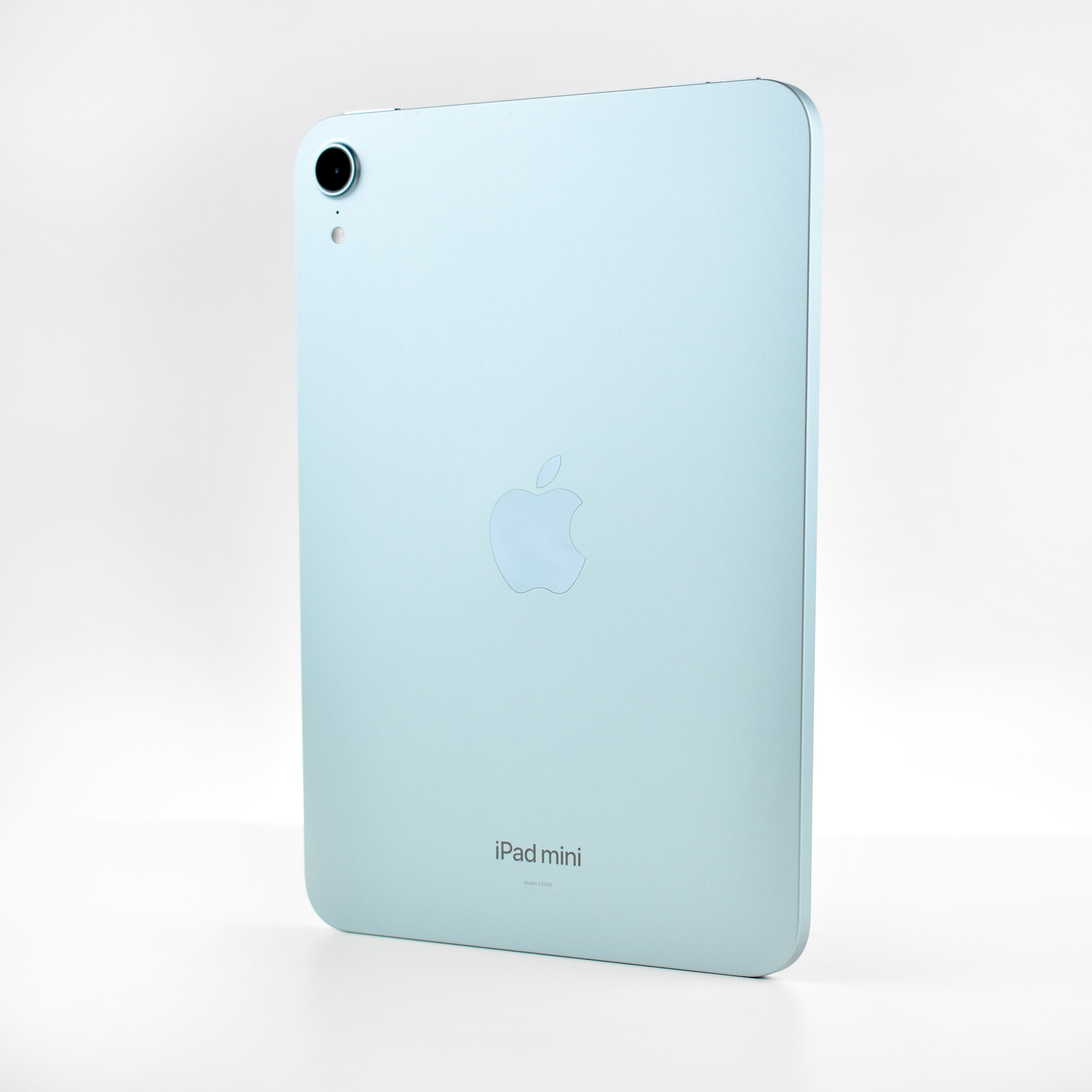
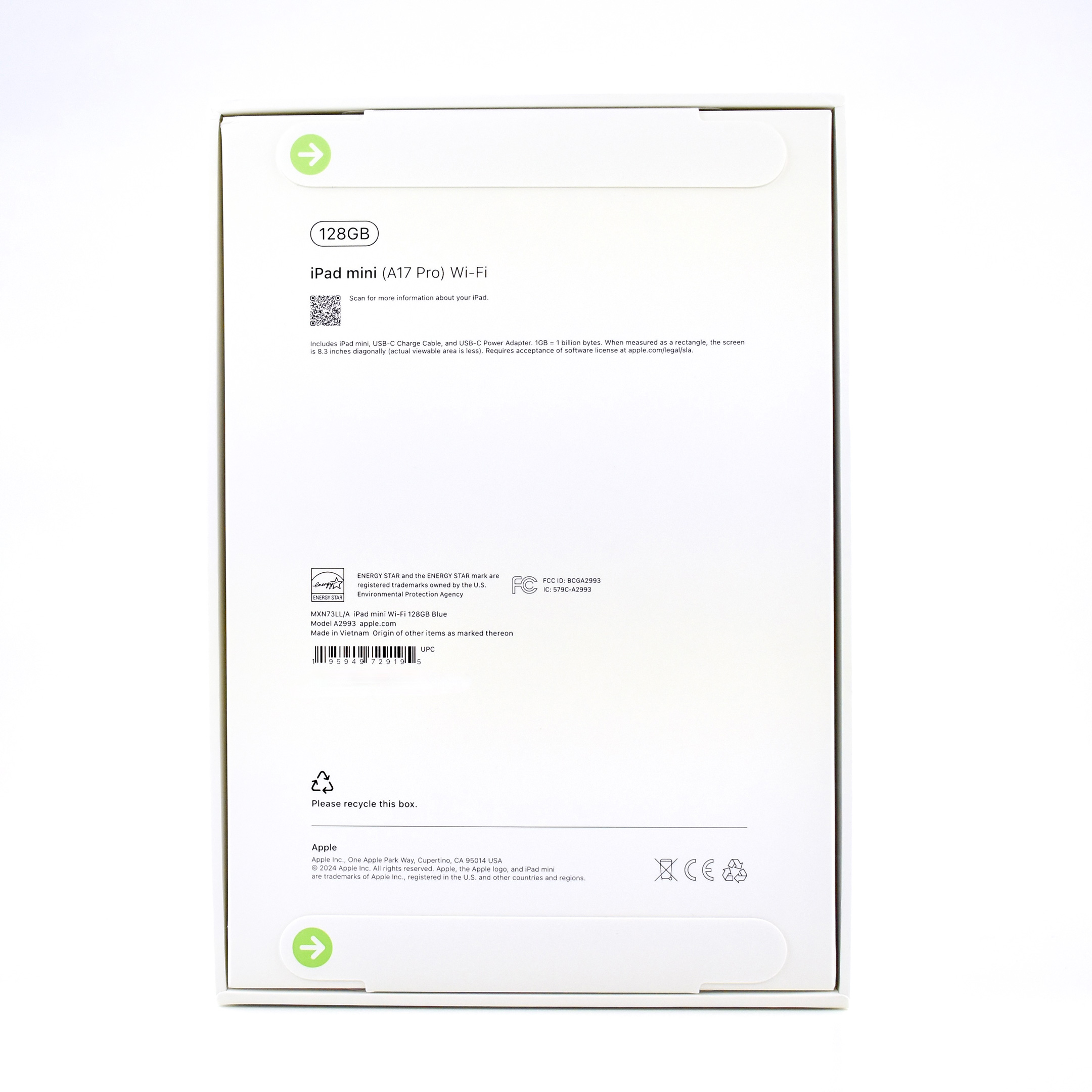
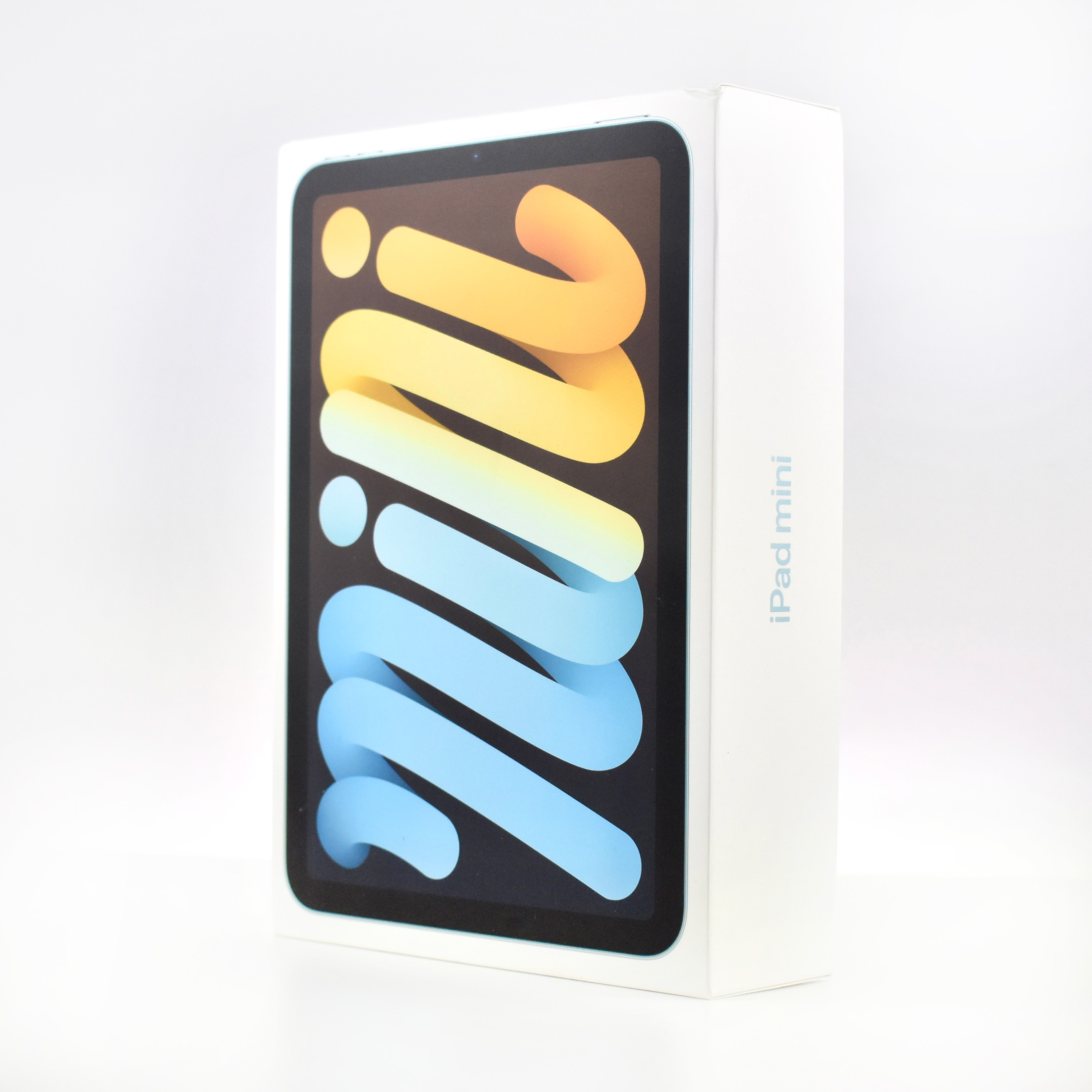
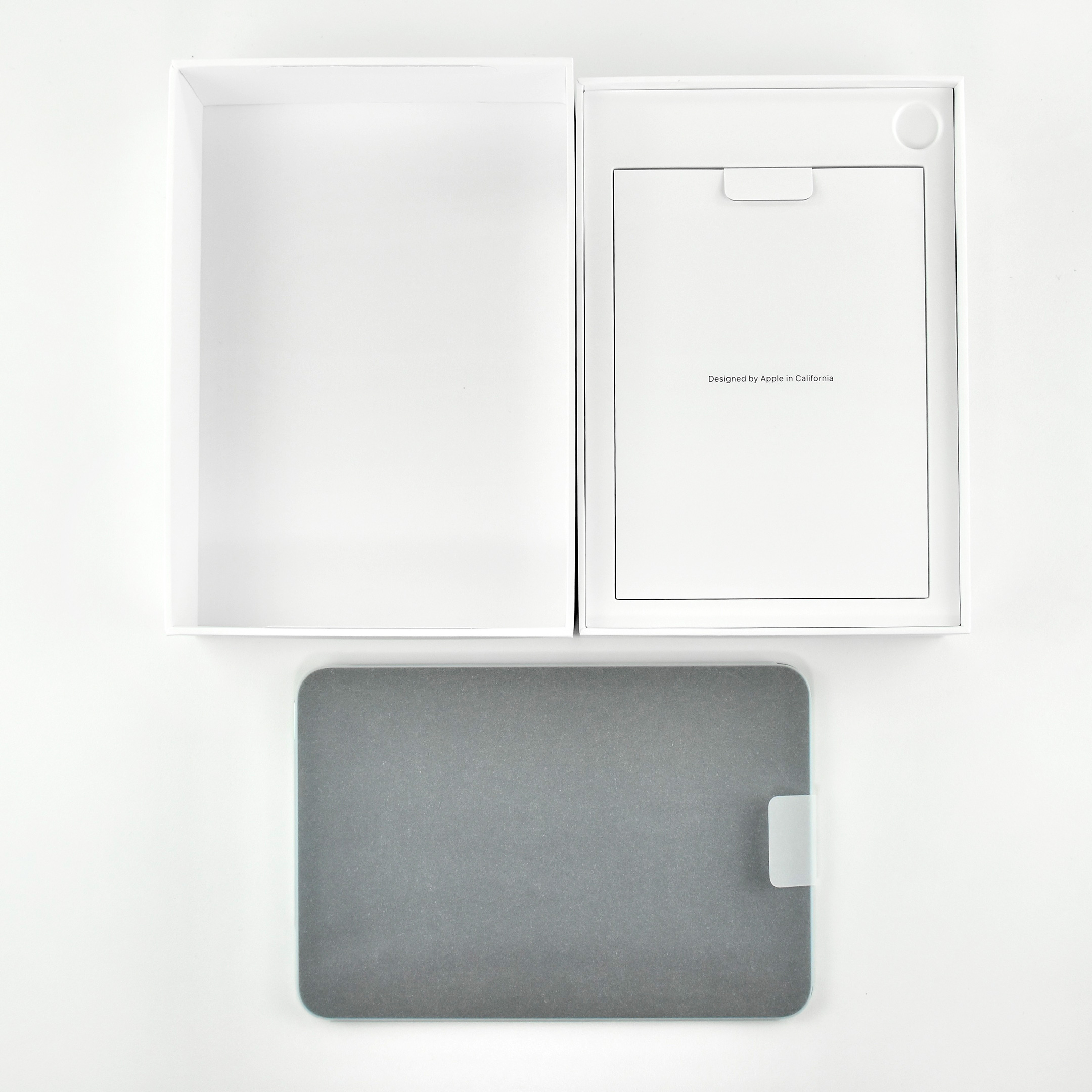
iPad mini (Generation 7, A17 Pro, Wi-Fi, 128GB, Blue, 2024)

Soon after Apple updated most of its hardware for use with Apple Intelligence, the Smart Folio for iPad mini was updated to Generation 7 with the A17 Pro chip—the bare minimum processor to allow Apple Intelligence features. At the time, Apple described Apple Intelligence as “the easy-to-use personal intelligence system that understands personal context to deliver intelligence that is helpful and relevant while protecting user privacy.”

This iPad mini had an 8.3-inch Liquid Retina display (2266 x 1488 at 326 ppi, 500 nits brightness). Apple described the A17 Pro chip as offering “a huge performance boost for even the most demanding tasks, with a faster CPU and GPU, [and] a 2x faster Neural Engine than the previous-generation iPad mini.” This iPad mini also added support for the Apple Pencil Pro.

The iPad mini front camera was 12MP and included Center Stage: “as you move around, the camera automatically pans to keep you centered in the frame.” Apple described the back camera: “The 12MP wide back camera supports Smart HDR 4 for natural-looking photos with increased dynamic range, and uses machine learning to detect and scan documents right in the Camera app.” In addition, the back camera could record 4K video.

This iPad mini was available in three muted tones including Blue, Purple, and Starlight—and Space Gray. This example is Blue.

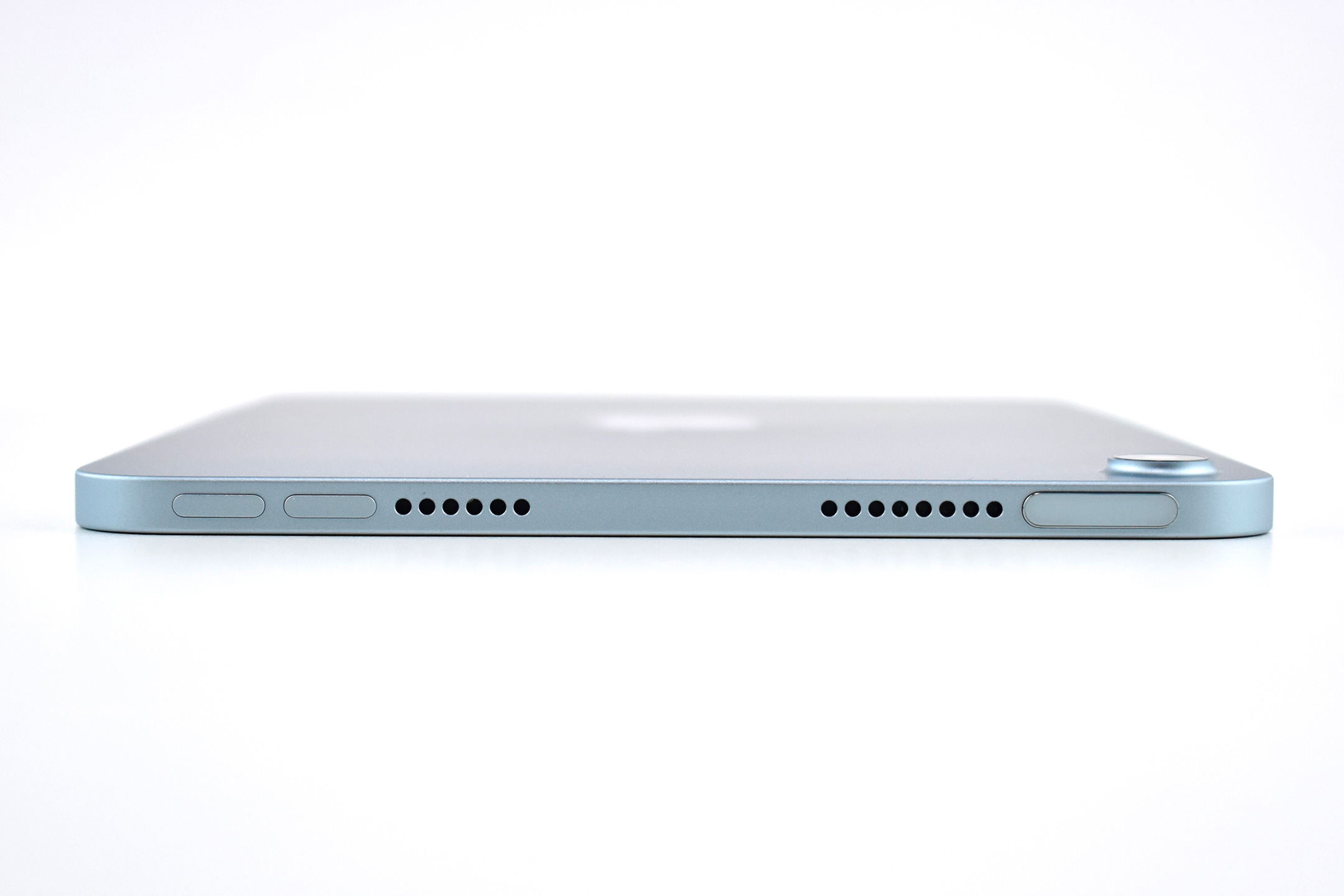
This iPad mini was 7.69 inches tall, 5.3 inches wide, and 0.25 inch thick. It weighed 0.65 pound. All buttons were along the top on the short side opposite the USB-C port, including the 2 volume buttons and the Top button with Touch ID. Each of the short sides also had speakers that allowed stereo sound output. Unlike other iPad models of the time, the front camera was placed on the short side.

Sources: Apple (press release, product page, specs)
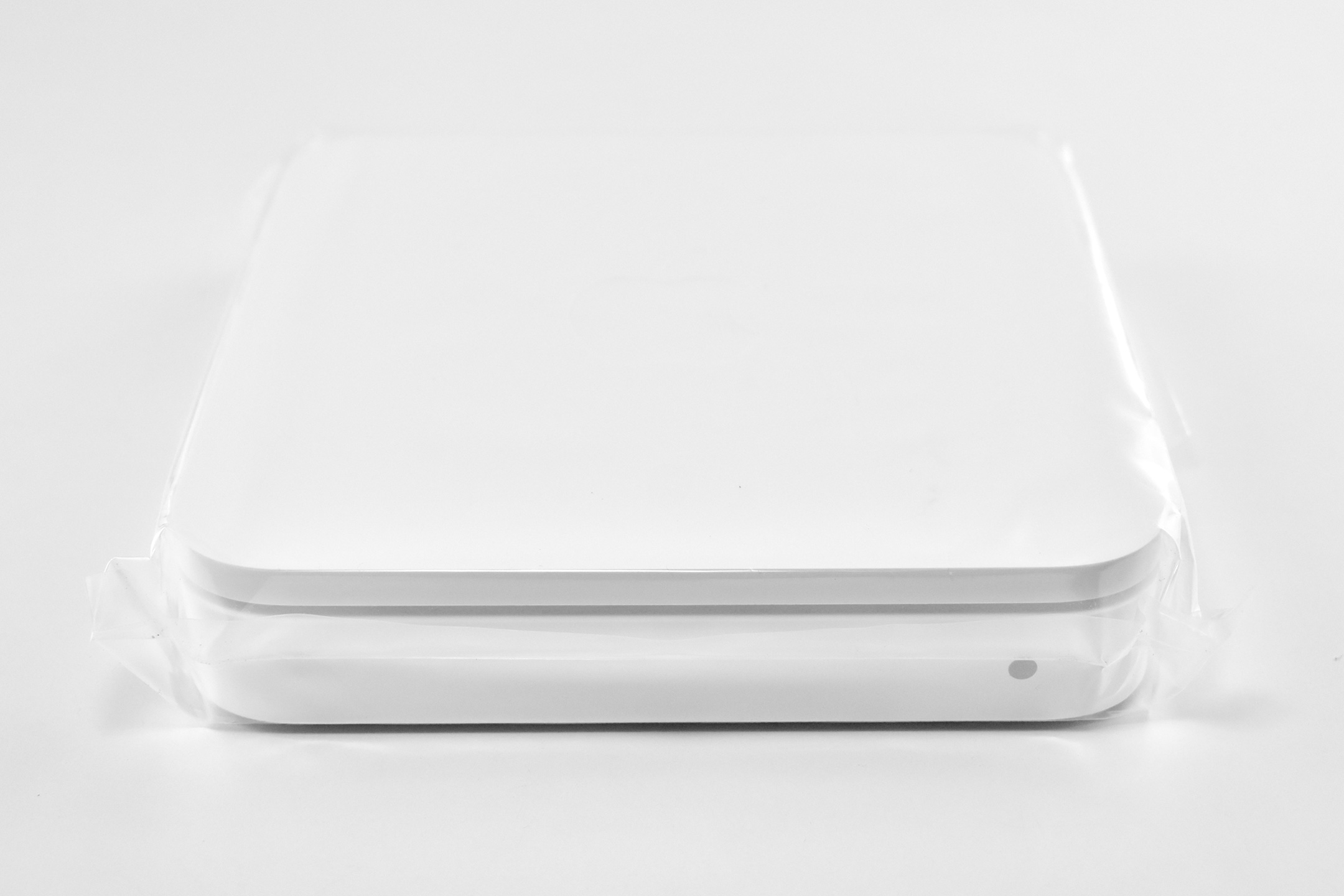
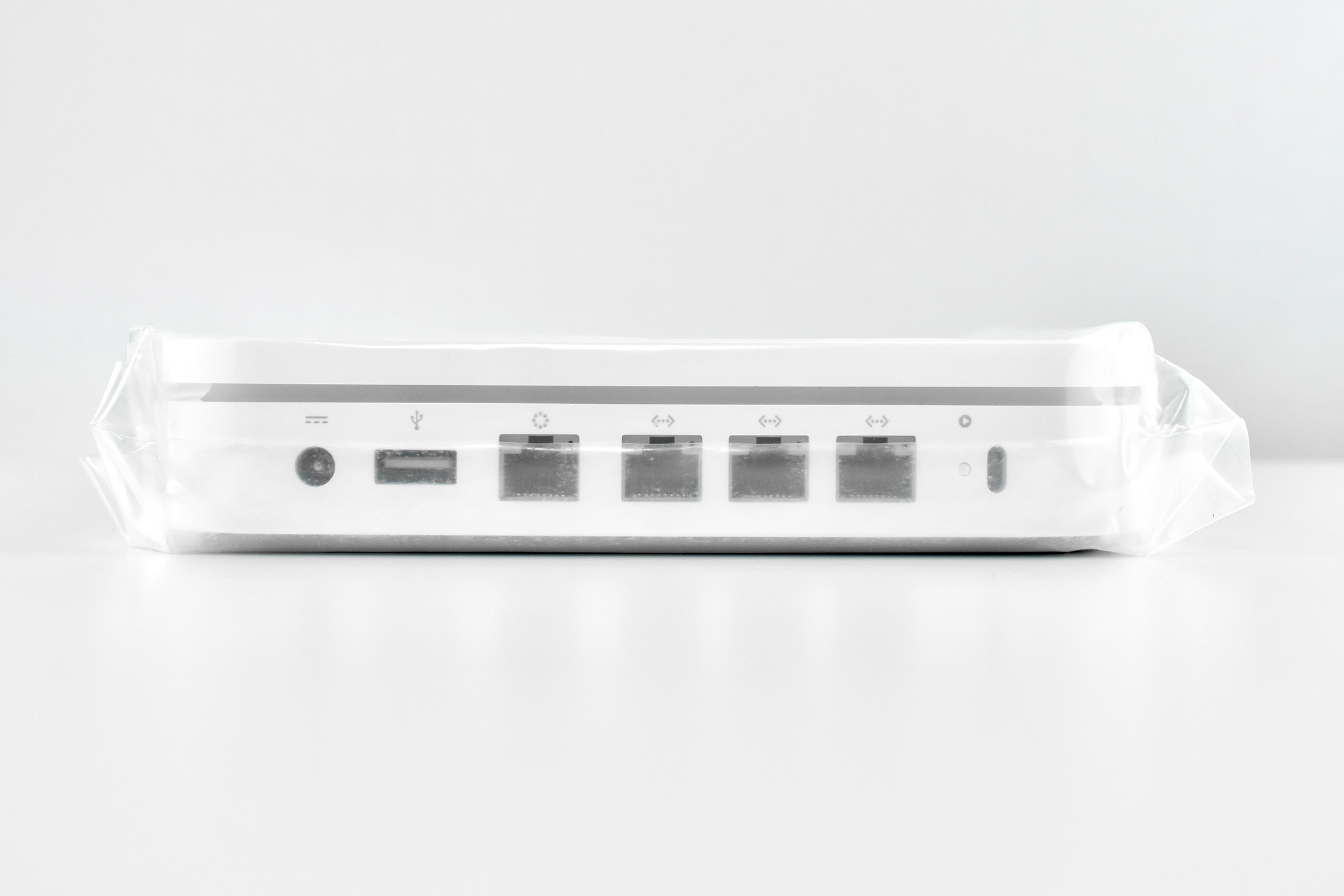
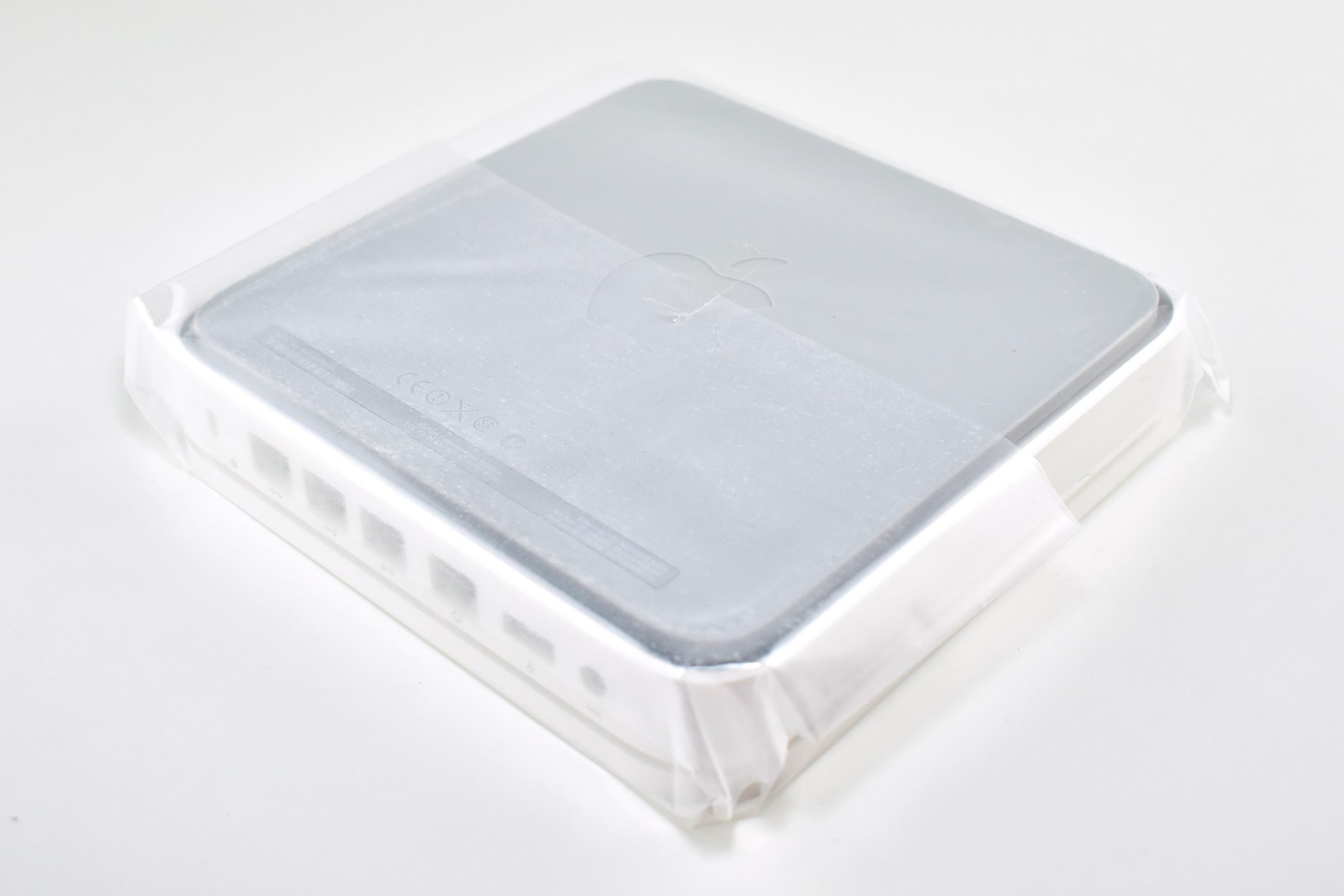
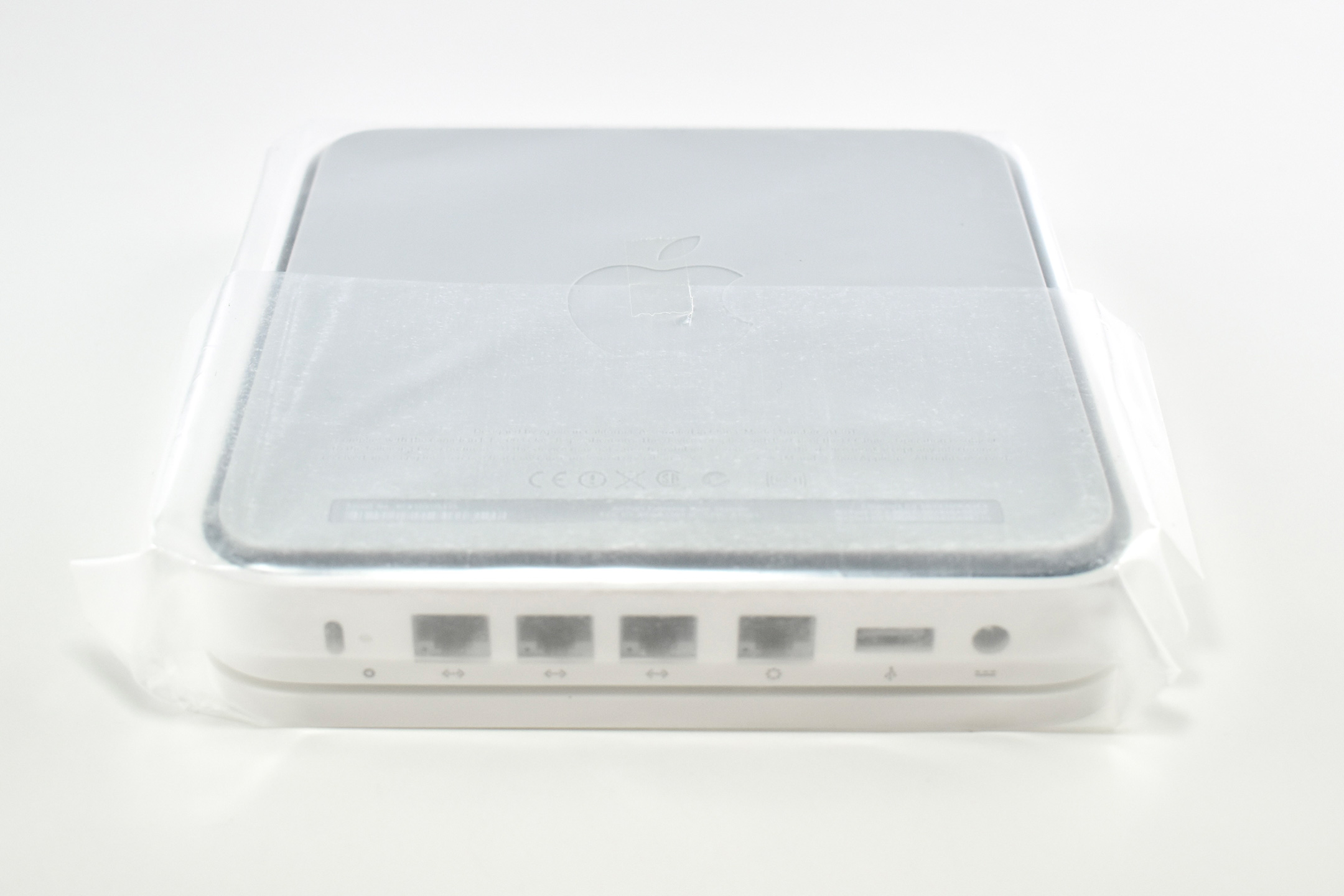
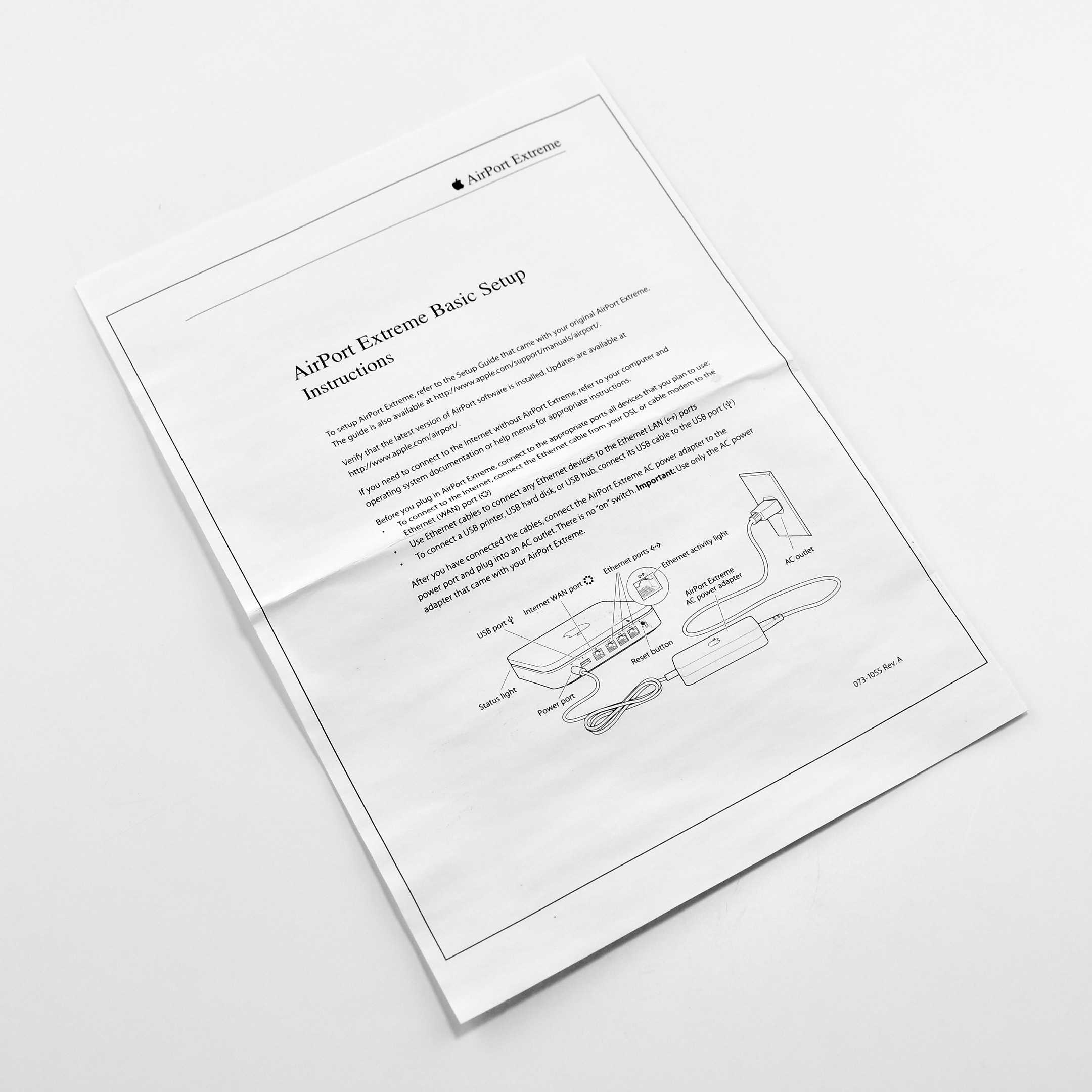
AirPort Extreme (Generation 3, Apple Service part, Early 2009)

According to Apple, this AirPort Extreme (Generation 3) provided “simultaneous dual-band wireless 802.11n networking. When you set up your AirPort Extreme Base Station, it creates two high-speed Wi-Fi networks.”

The AirPort Extreme Generation 3 had 5 ports:

  • 1 10/100/1000Base-T Gigabit Ethernet Wide Area Network (WAN) port (for DSL/cable modem)
  • 3 10/100/1000Base-T Gigabit Ethernet Local Area Network (LAN) (for Ethernet devices, such as printers or computers)
  • 1 USB port (for a USB printer, hard disk, or hub)

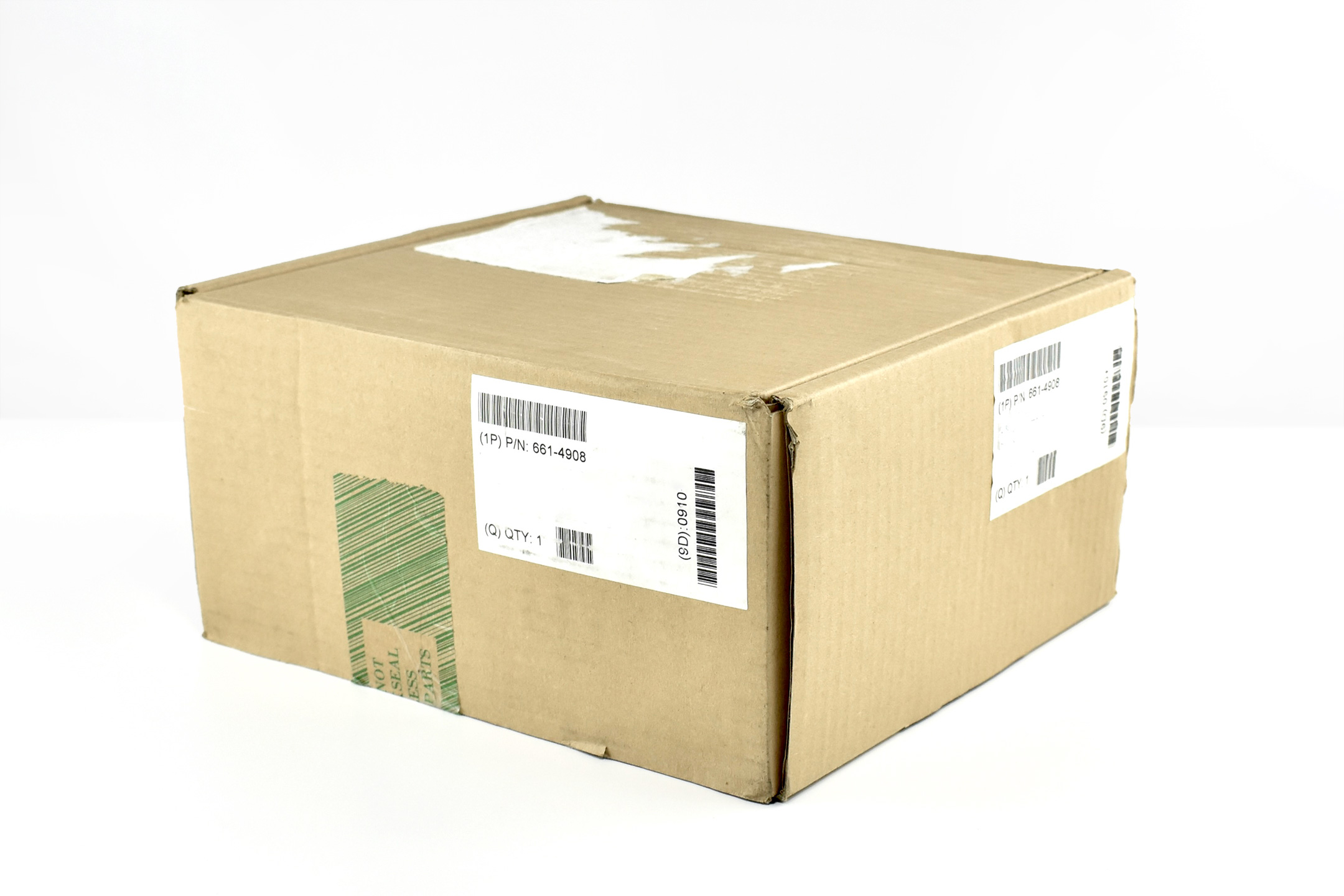
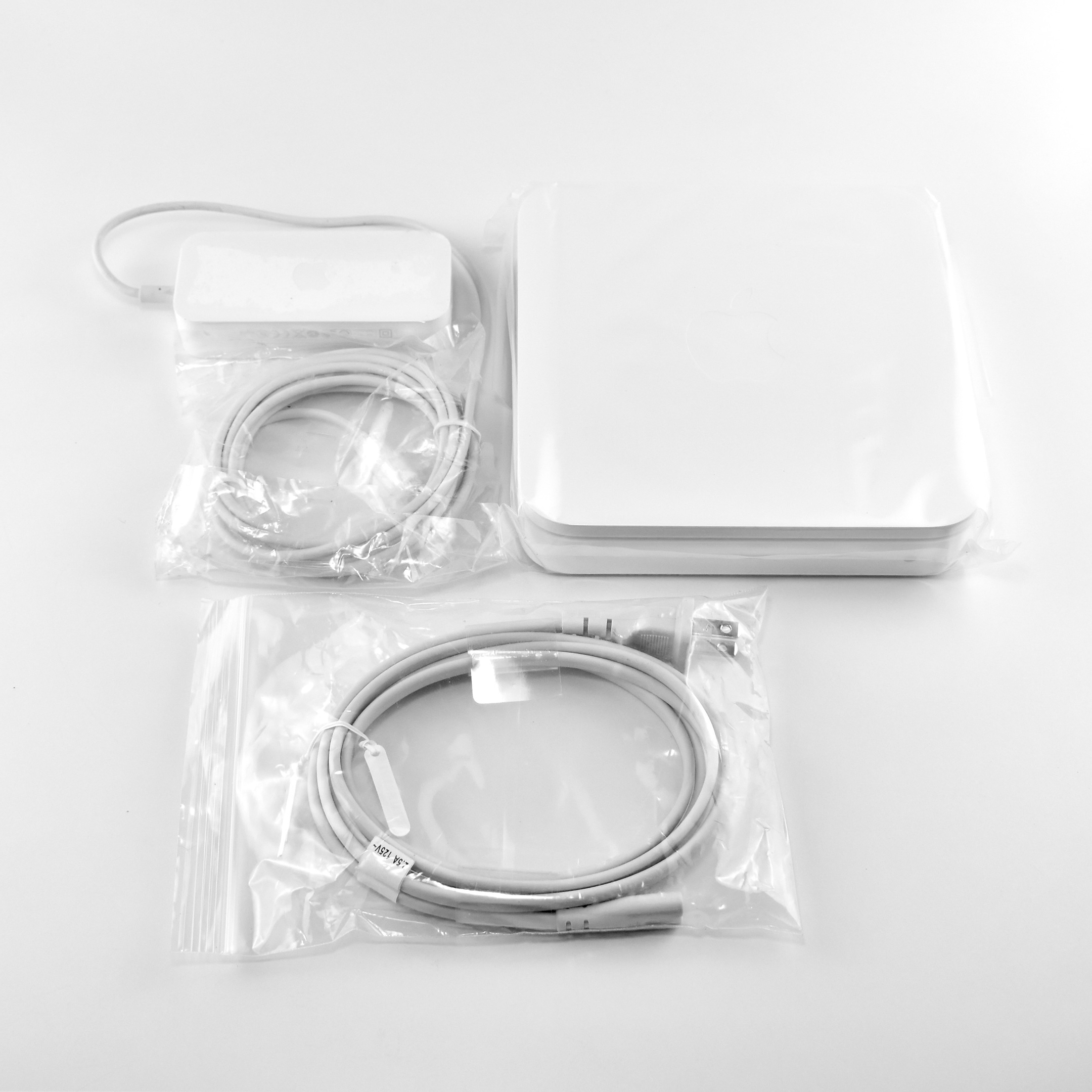
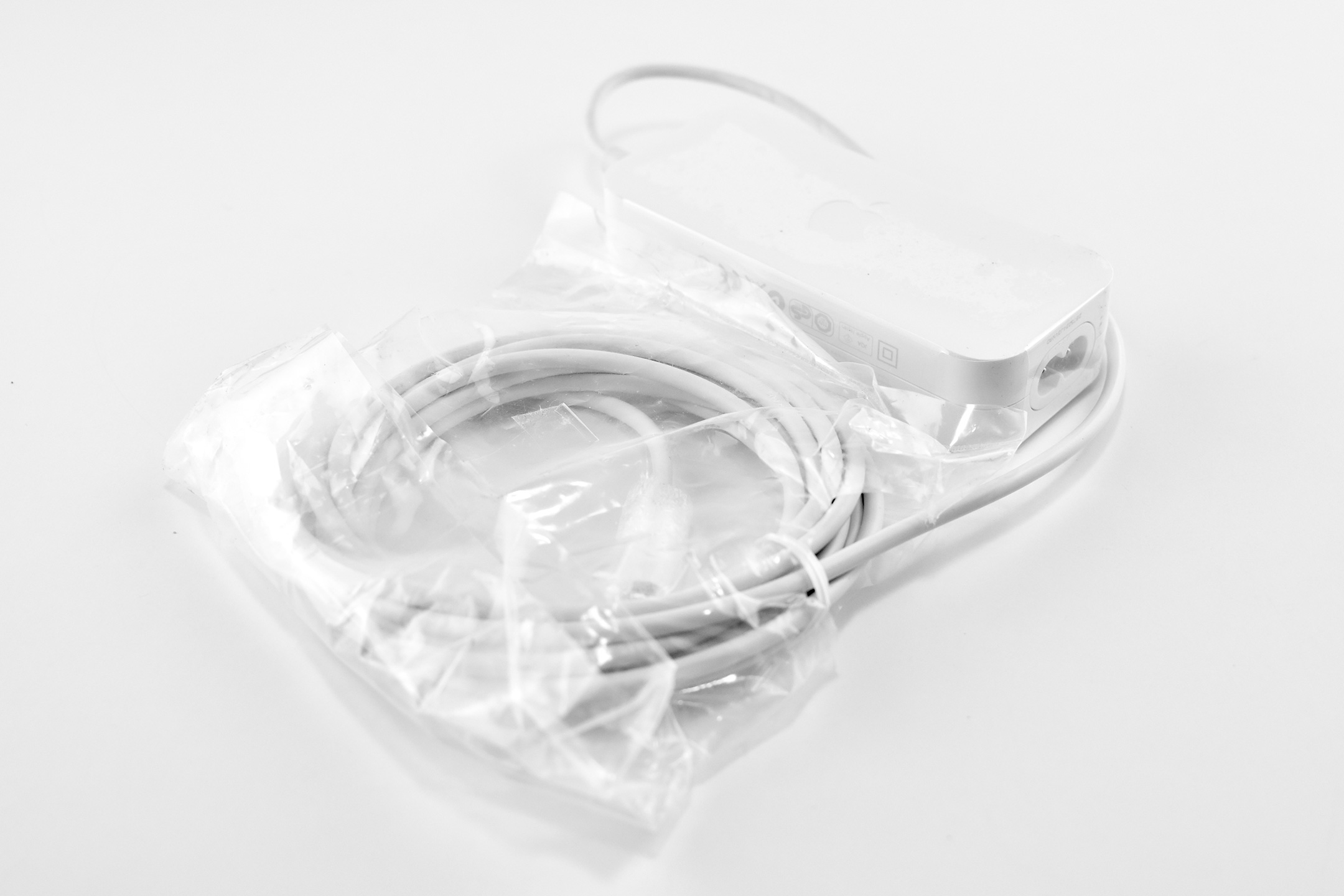
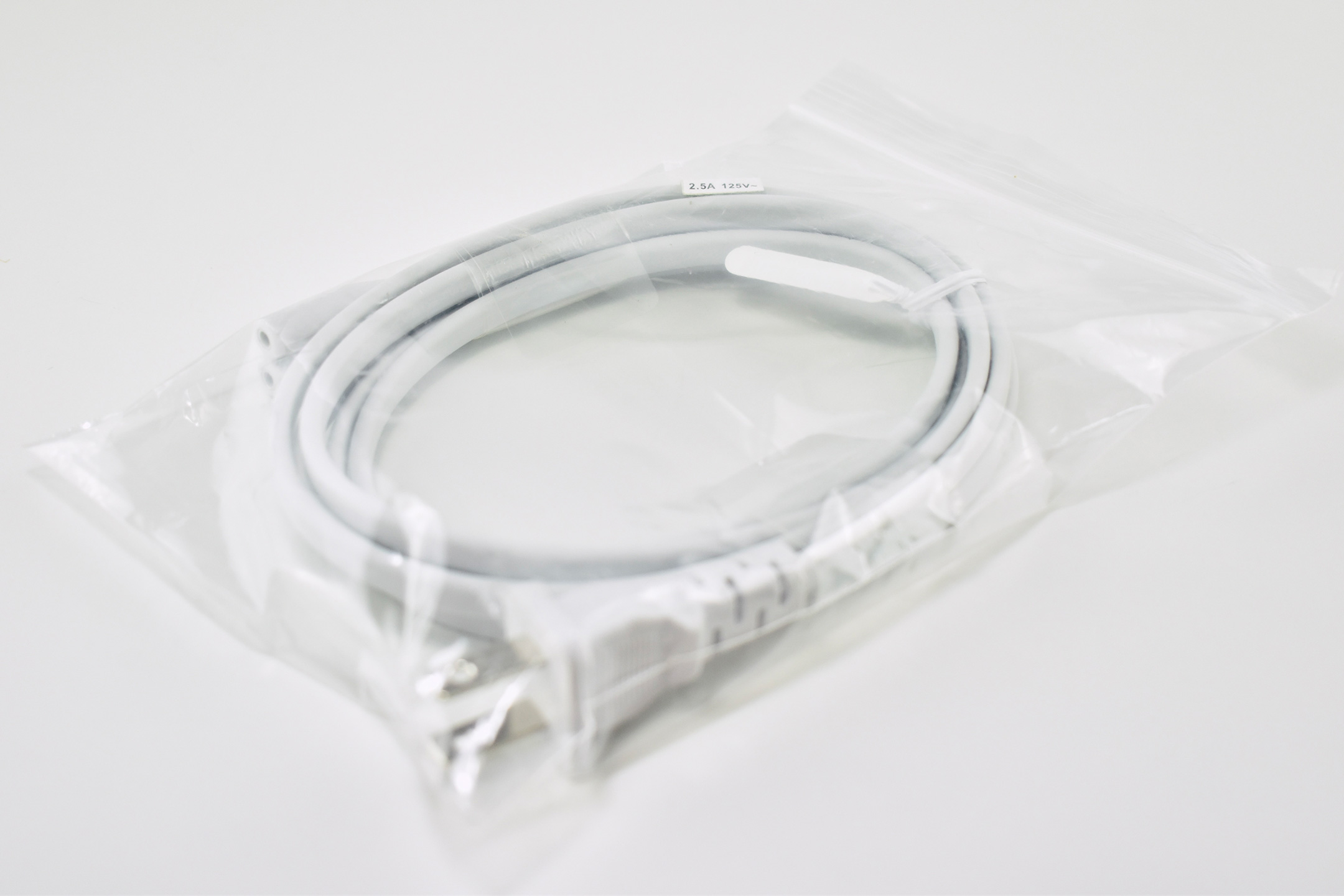
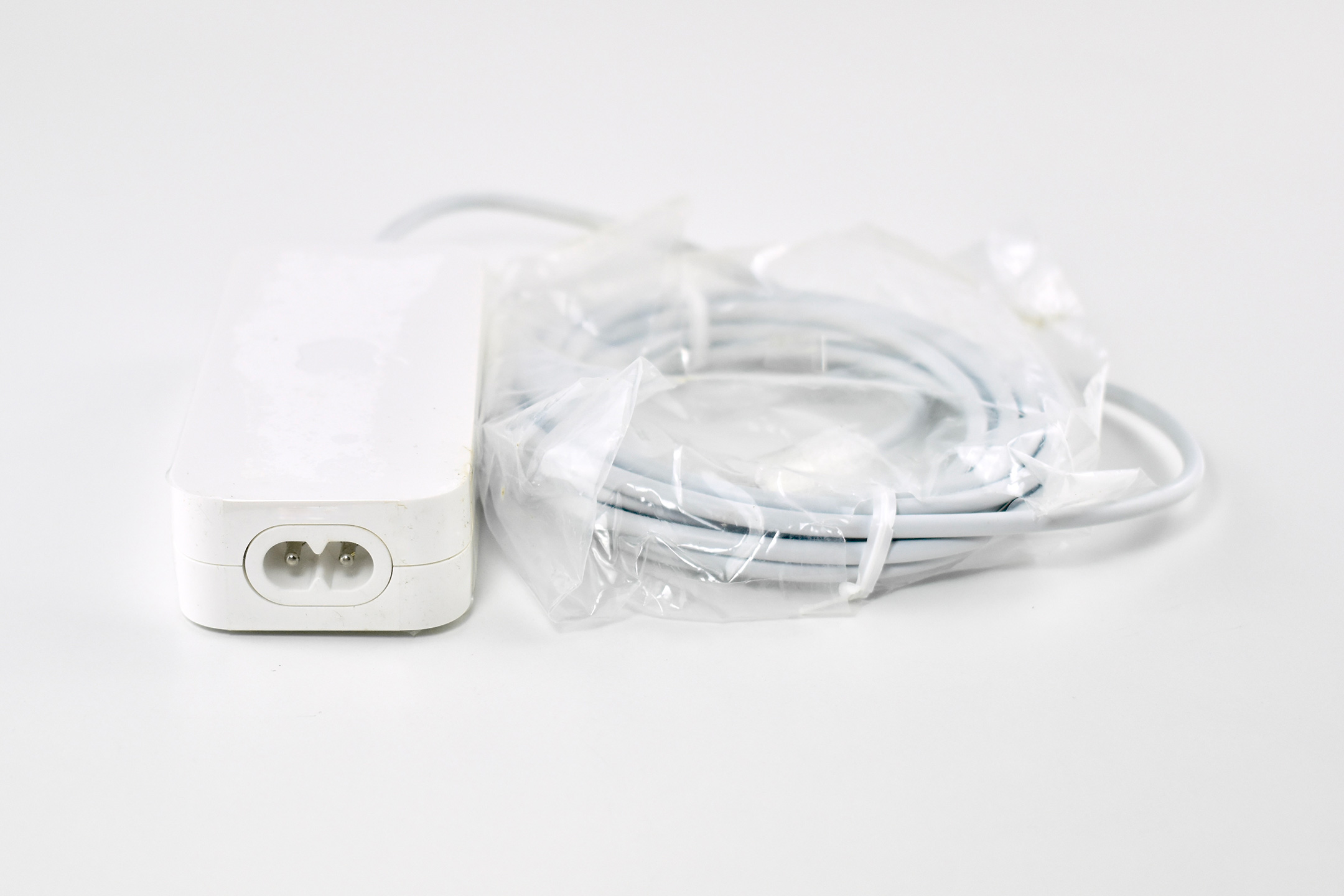
This device is packaged as an Apple Service part and does not include the retail packaging. The box, labeled Part Number 661-4908, contains the three parts needed to repair or replace the device including a power adapter, a power plug (North America), and a base station.

This AirPort Extreme model was available for less than 8 months before it was replaced by the Generation 4 model. It measured 6.5 x 6.5 inches square and was 1.3 inches tall. It weighed 1.66 pounds.

Sources: Apple (manuals), Wikipedia

iPad Air (original, WiFi+Cellular, 2013)
When the iPad Air was released, Phil Schiller, Apple’s senior vice president of Worldwide Marketing, commented:

“…the new iPad Air is another big leap ahead. It is so thin, light and powerful, once you hold one in your hand you will understand what a tremendous advancement this is. iPad Air with its 9.7-inch Retina display weighs just one pound and packs the incredible performance of iOS 7 running on a 64-bit desktop-class Apple A7 chip, and delivers all-day battery life in the lightest full-sized tablet in the world.”

Apple described the iPad Air as 20% thinner and 28% lighter than the iPad Generation 4 (the base iPad at the time).

The iPad Air had many available configurations with 2 colors (Space Gray and Silver), 2 wireless connectivity options (Wi-Fi and Wi-Fi+Cellular), and 4 storage capacities (16GB, 32GB, 64GB, 128GB). This model is Space Gray, has Wi-Fi+Cellular, and 16GB of storage.

The iPad Air is 9.4 inches (240 mm) wide x 6.6 inches (169.5 mm) tall, and 0.29 inch (7.5 mm) thick. It weighed 1.05 pounds (478 g). Its Retina Display was 9.7 inches with 2048 x 1536 resolution (at 264ppi).

Wireless technologies included Wi-Fi (802.11a/b/g/n), Bluetooth 4.0, and this model allowed cellular service including LTE.

The front camera was a 1.2 Megapixel FaceTime HD Camera that could record 720p HD video. The back camera was a 5 Megapixel iSight Camera with features including autofocus, face detection, tap to focus, tap to control exposure, geotagging, and HDR.

Sources: Apple, (Newsroom, Tech Specs), EveryMac

iPad (Generation 5, 2017)

The iPad Generation 5 was released on March 21, 2017, and was described as having a “stunning Retina display and incredible performance.” It was offered in Silver, Gold, and Space Gray. It was available in 32GB and 128GB configurations with WI-Fi-only or with Wi-Fi+Cellular capabilities. This example is a 32GB Space Gray Wi-Fi-only model.

In a press release, Phil Schiller, Apple’s senior vice president of Worldwide Marketing, said:

“iPad is the world’s most popular tablet. Customers love the large, 9.7-inch display for everything from watching TV and movies, to surfing the web, making FaceTime calls, and enjoying photos… New customers and anyone looking to upgrade will love this new iPad for use at home, in school, and for work, with its gorgeous Retina display, our powerful A9 chip, and access to the more than 1.3 million apps designed specifically for it.”

It used a 9.7-inch LED-backlit Multi-Touch Retina display at 2048 x 1536-pixel resolution (264 ppi). This iPad measured 9.4 inches (240 mm) x 6.6 inches (169.5 mm), and was 0.29 inch (7.5 mm) thick. It weighed 1.03 pounds (469 g). This iPad was powered by the A9 Fusion chip.

The back camera was 8 Megapixels with features such as Autofocus, Panorama (up to 43 megapixels), and HDR. The front FaceTime HD Camera was 1.2 Megapixels.

It used five sensors including Touch ID, a 3-axis gyro, accelerometer, barometer, and an ambient light sensor. Its Home button used the Touch ID fingerprint identity sensor.

The iPad Generation 5 originally shipped with iOS 11.

Source: Apple (Tech Specs, Newsroom)

iPad (Generation 6, 2018)

The iPad Generation 6 was considered Apple’s “base” iPad when it was released on March 27, 2018. It was offered in Silver, Gold, and Space Gray. It was available in 32GB and 128GB configurations with Wi-Fi-only or with Wi-Fi+Cellular capabilities. This example is a 32GB Space Gray Wi-Fi-only model.

This iPad was announced in Chicago at an education-focused event at Lane Tech High School. An Apple Press Release stated:

“The new 9.7-inch iPad and Apple Pencil give users the ability to be even more creative and productive, from sketching ideas and jotting down handwritten notes to marking up screenshots. The new iPad is more versatile and capable than ever, features a large Retina display, the A10 Fusion chip and advanced sensors that help deliver immersive augmented reality, and provides unmatched portability, ease of use and all-day battery life.”

The iPad generation 6 used a 9.7-inch LED-backlit Multi-Touch Retina display at 2048 x 1536-pixel resolution (264 ppi). This iPad measured 9.4 inches (240 mm) x 6.6 inches (169.5 mm), and was 0.29 inch (7.5 mm) thick. It weighed 1.03 pounds (469 g). This iPad was powered by the A10 Fusion chip.

The back camera was 8 Megapixels with features such as Autofocus, Panorama (up to 43 megapixels), and HDR. The front FaceTime HD Camera was 1.2 Megapixels.

This iPad used five sensors including a 3-axis gyro, accelerometer, barometer, and an ambient light sensor. Its Home button included the Touch ID fingerprint identity sensor.

This was the first base-model iPad to support the Apple Pencil and the Logitech Crayon, and it originally shipped with iOS 12.

Source: Apple (Tech Specs, Newsroom)

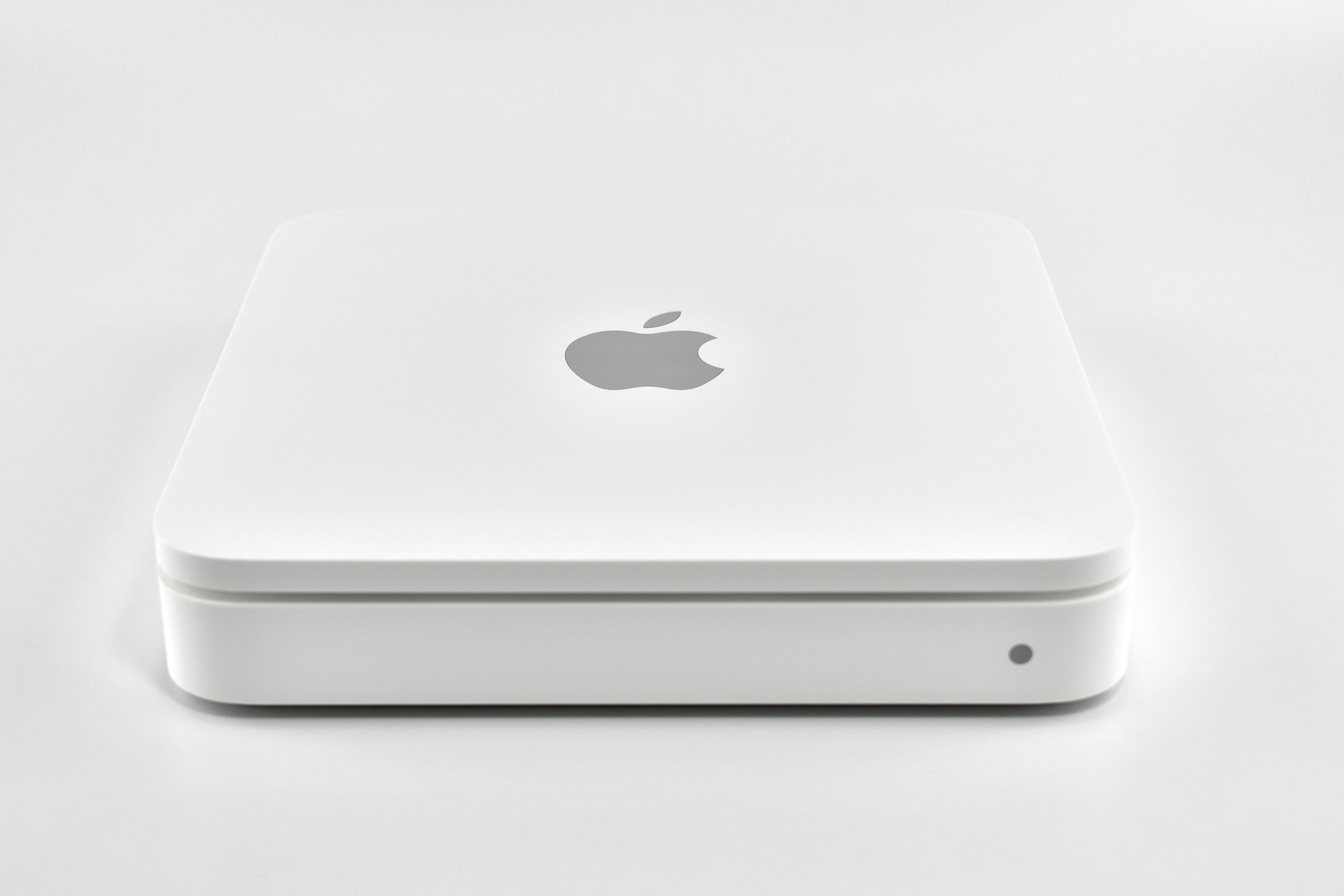
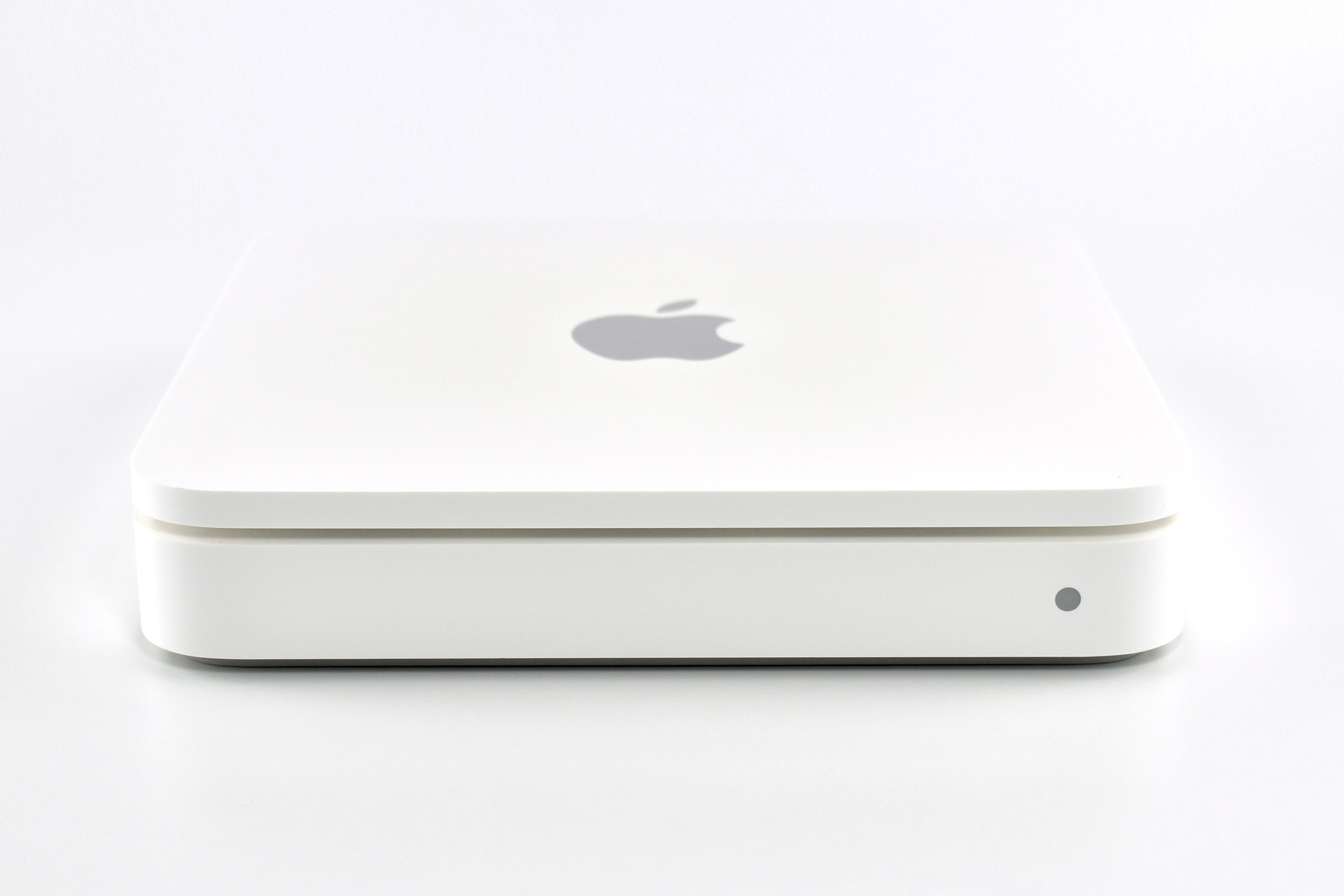
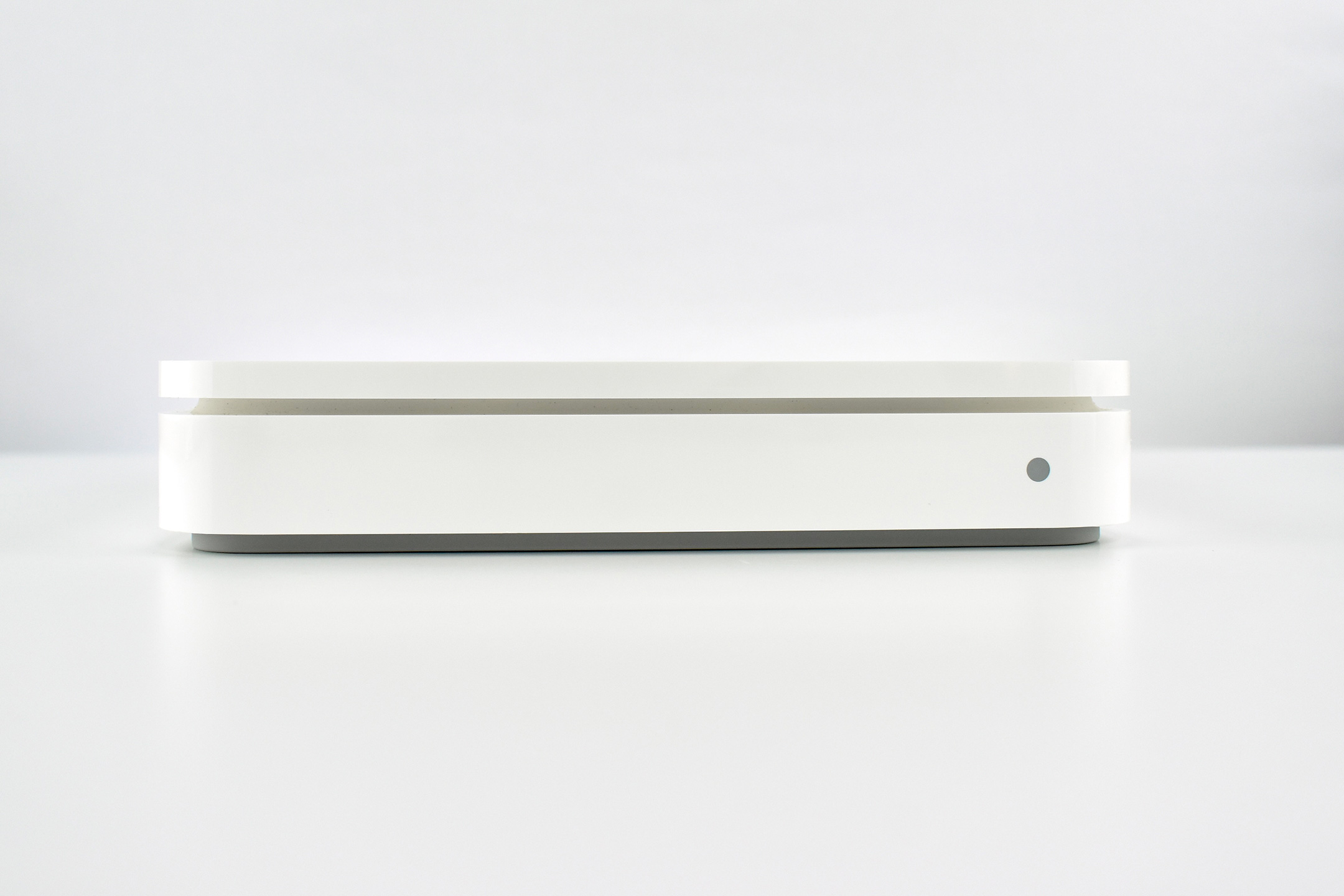
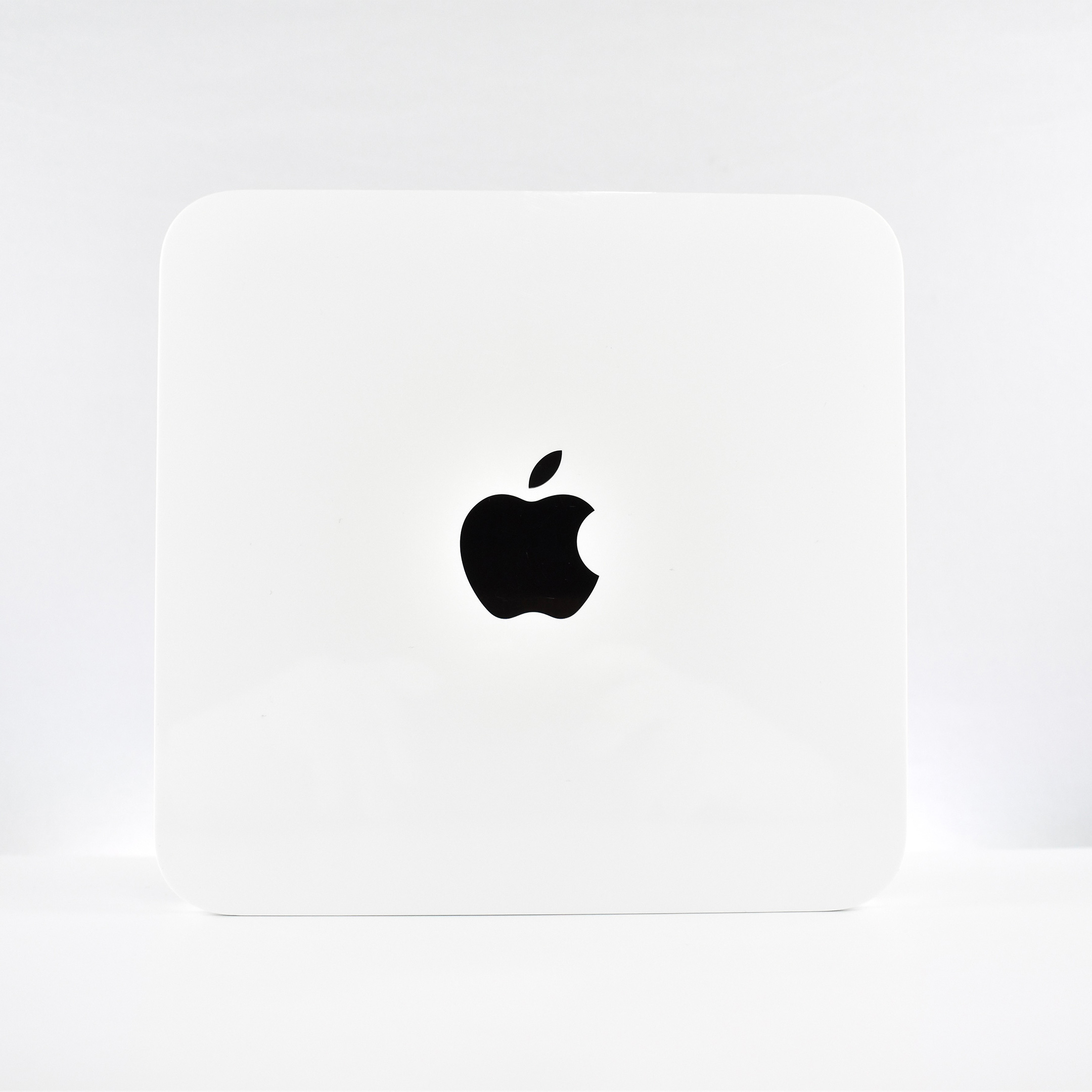
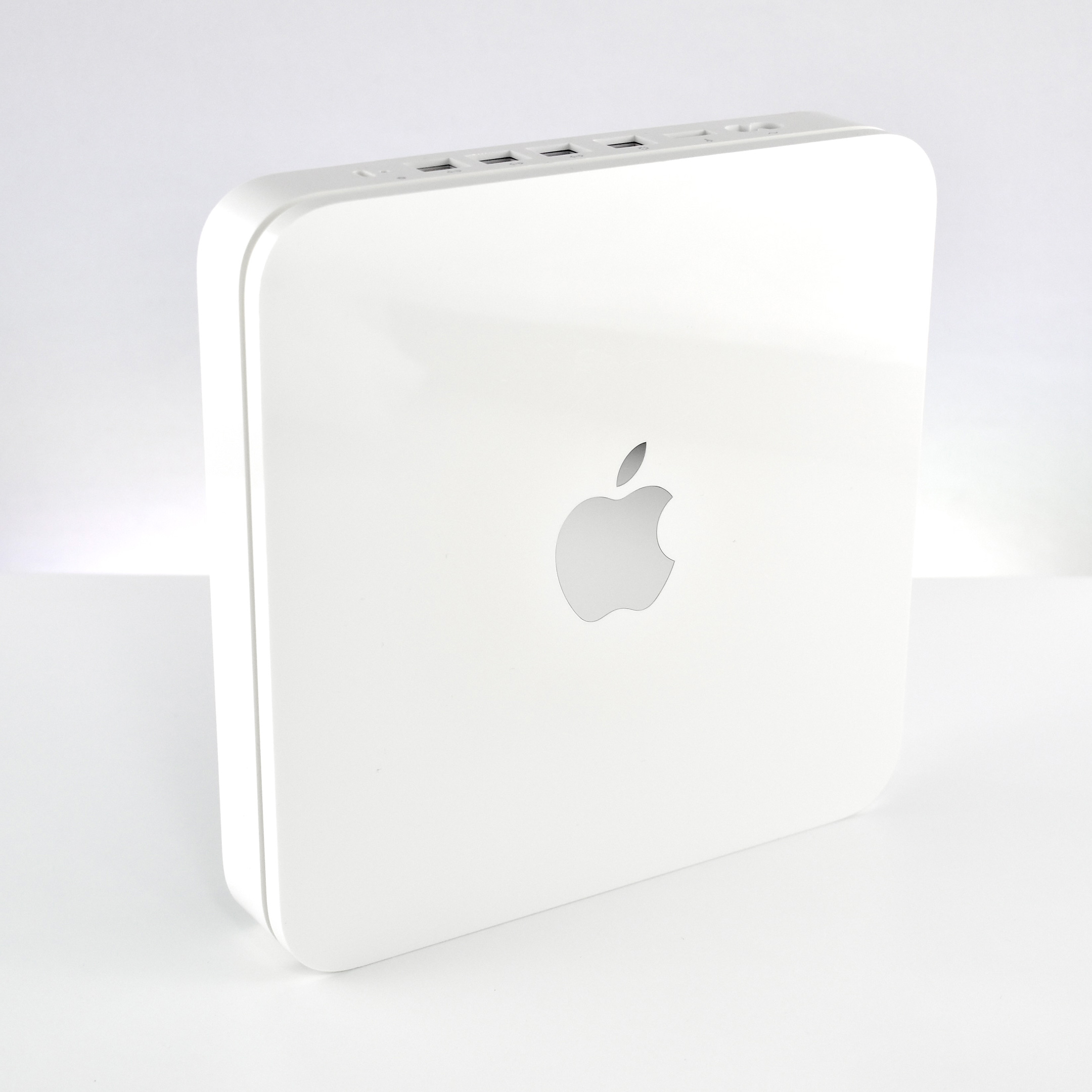
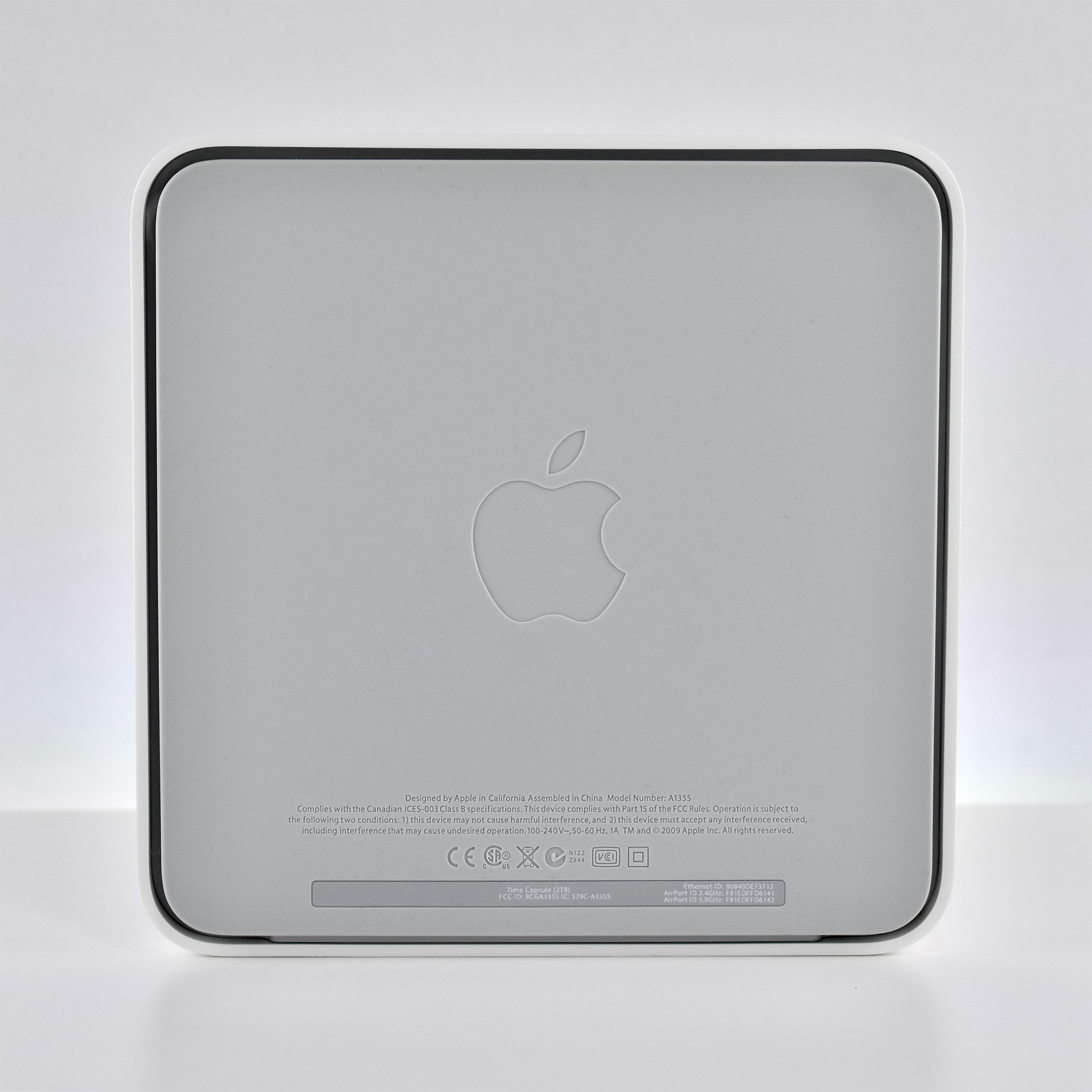
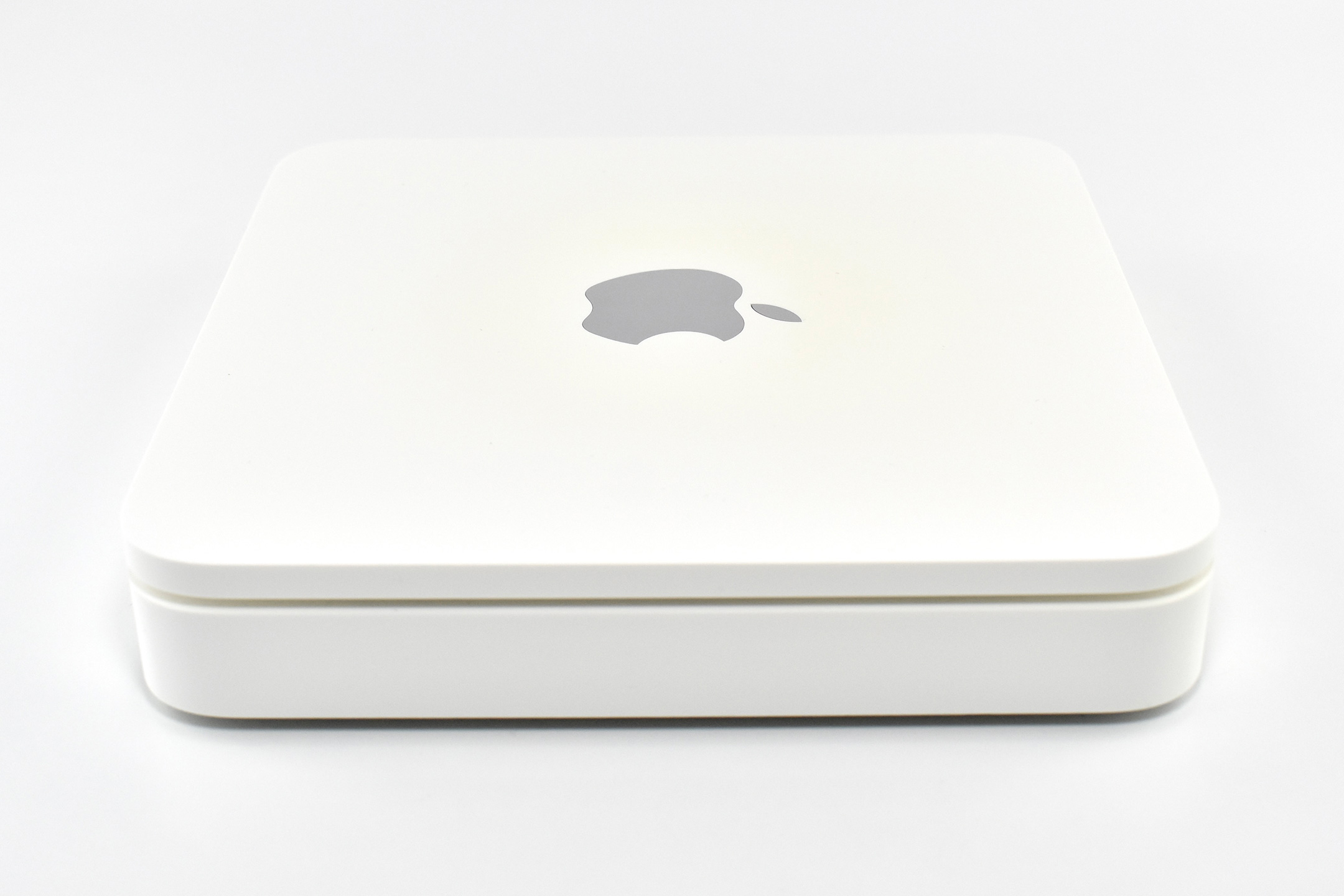
AirPort Time Capsule 802.11n (Generation 3, 2TB, 2009)

The AirPort Time Capsule was a device that combined Apple’s Wi-Fi base station with a built-in hard drive that allowed network-attached storage (NAS). This example (A1355) is the third of five generations of this product released between 2008 and 2013. Apple described this product as a “Backup Appliance” that was designed to work with its Time Machine software that was released with Mac OS X 10.5.

Using the Time Machine software, Time Capsule creates backups of the operating system and files wirelessly and automatically, thus eliminating the need for an external hard drive. Time Machine made hourly backups of the files that were changed and managed older backup images to save space. The initial backup of a computer using Time Machine could take several hours (or overnight) on an 802.11n wireless network, but subsequent hourly backups occurred instantly and far more quickly (depending on file sizes).

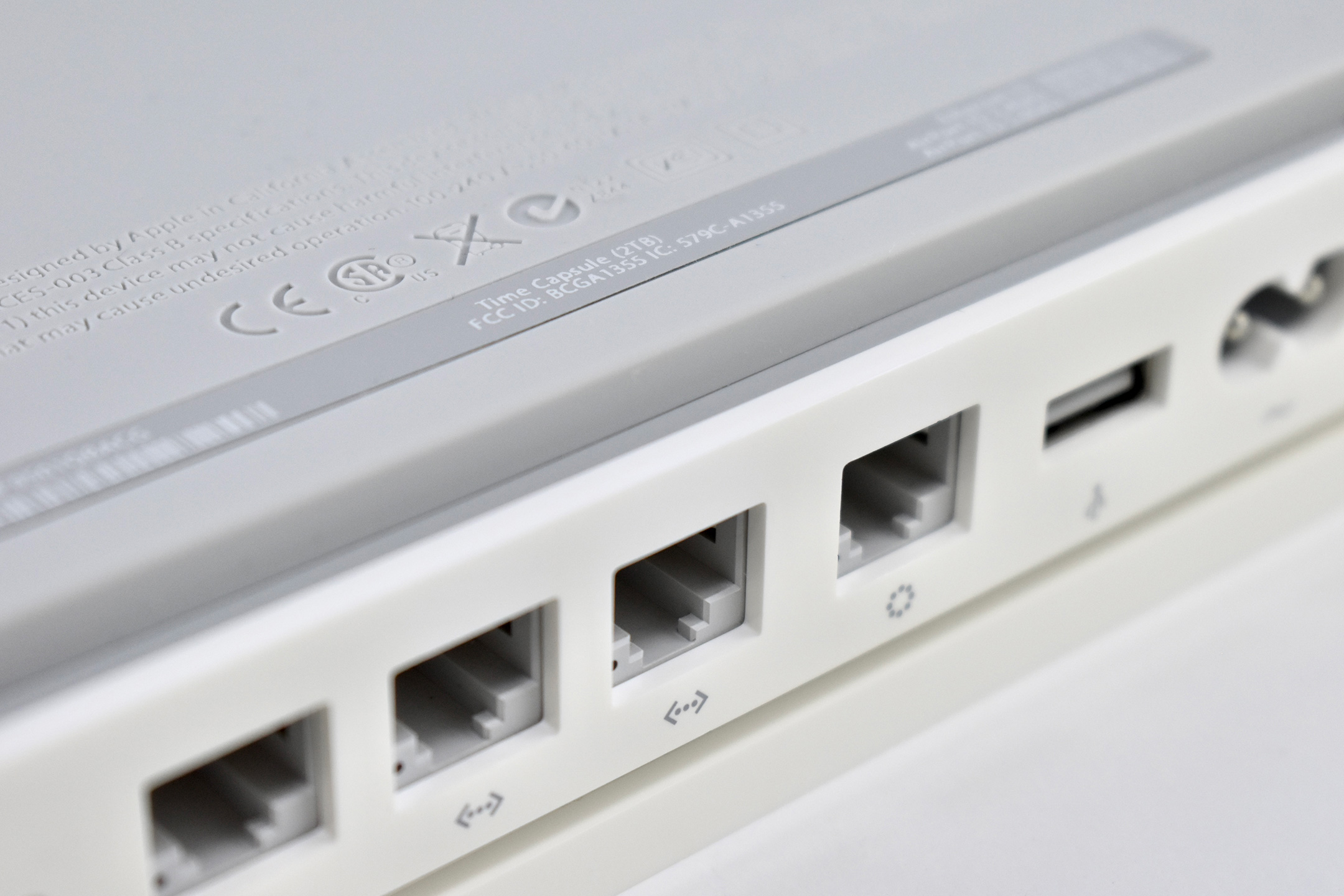
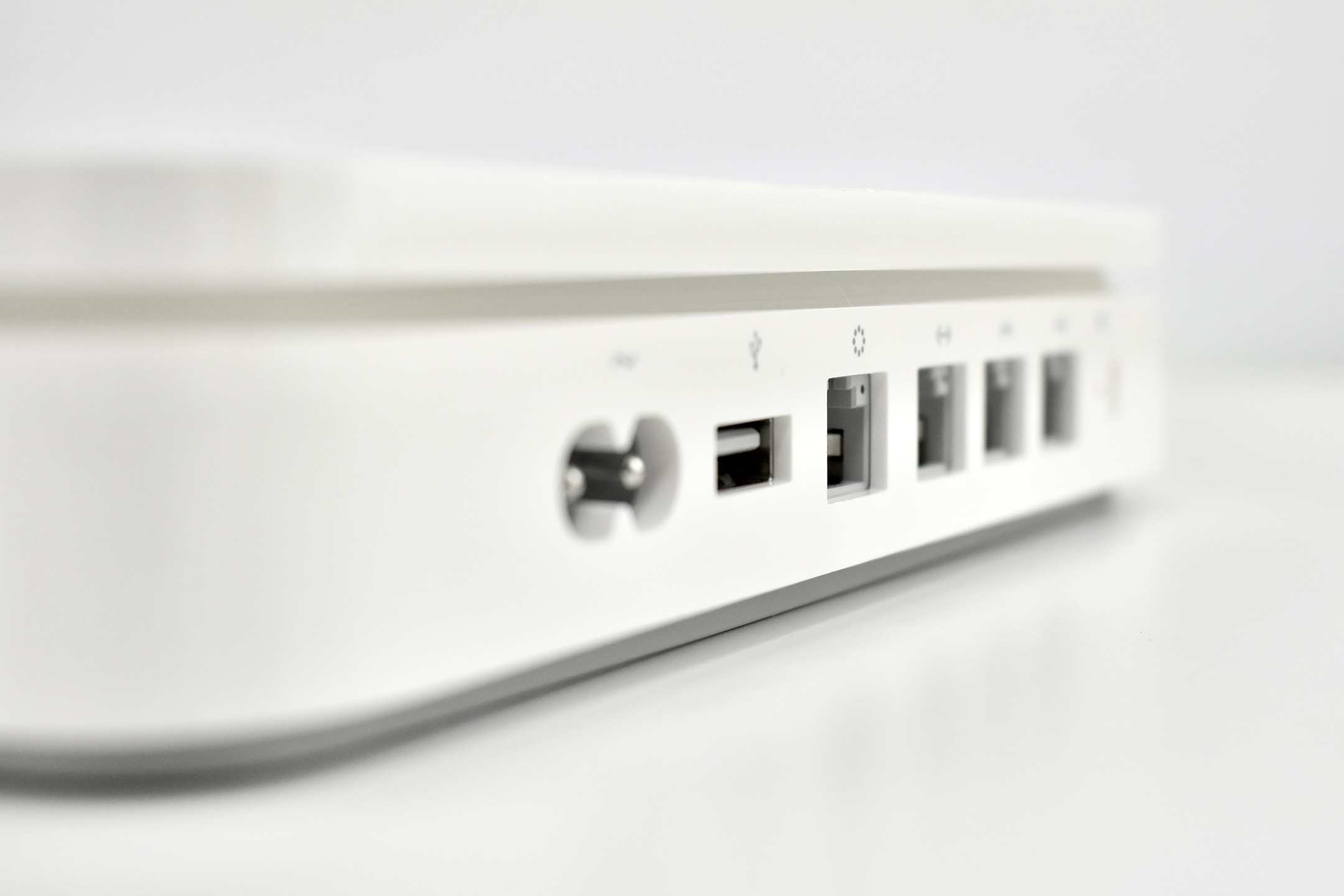
This Generation 3 model used the same design as Generations 1–4: 7.7 inches square and 1.4 inches tall. The Generation 3 included the following interfaces:

  • One Gigabit Ethernet WAN port for connecting a DSL or cable modem
  • Three Gigabit Ethernet LAN ports for connecting computers or network devices
  • USB port for connecting a USB printer or USB external hard drive
  • 802.11n wireless

Time Capsule used a Hitachi Deskstar hard drive, the same hard drive sold with Apple’s Xserve server products. The Hitachi Deskstar met or exceeded 1 million hours mean time between failures (MTBF) status, common for server-grade hard drives.

Sources: Apple, Wikipedia