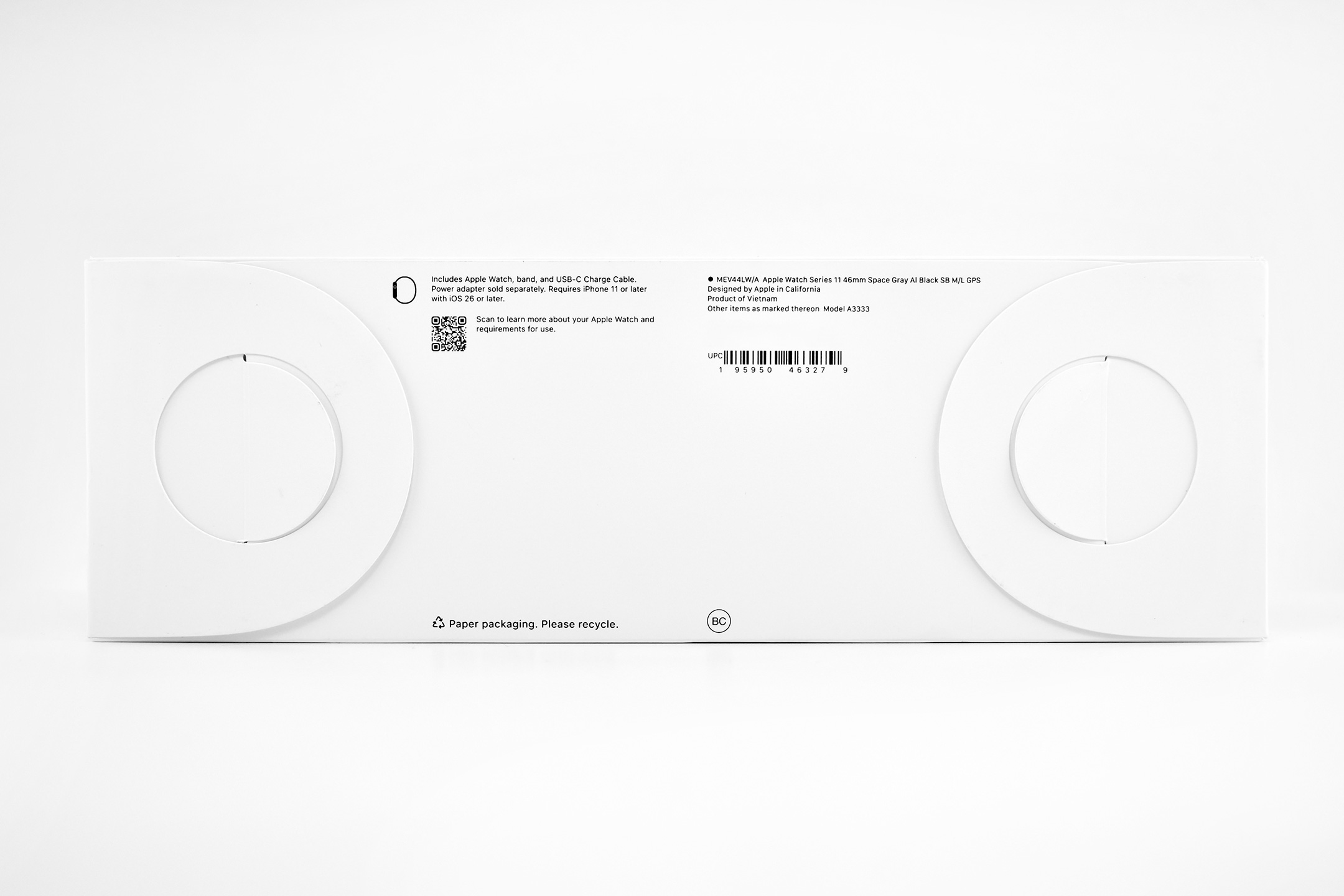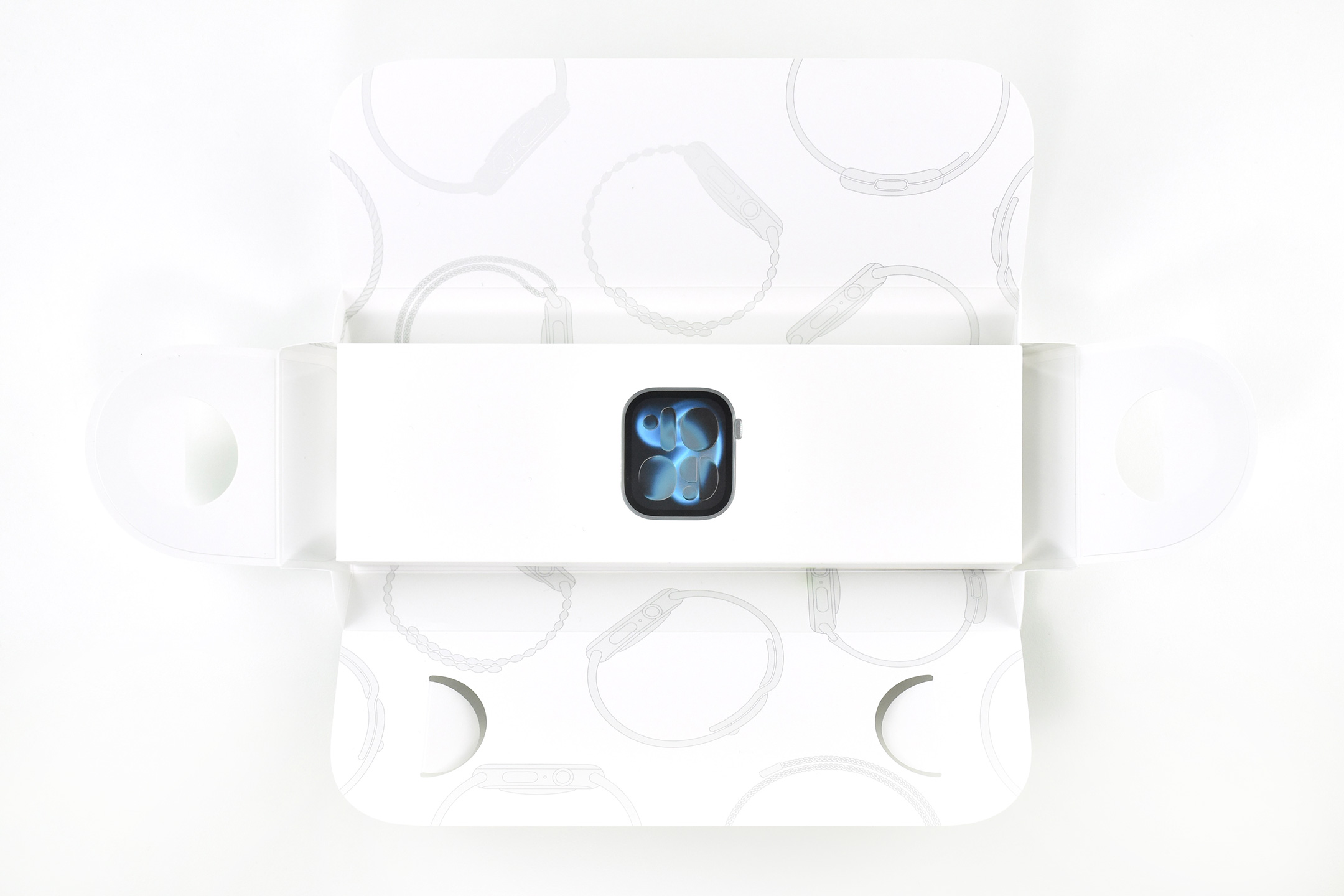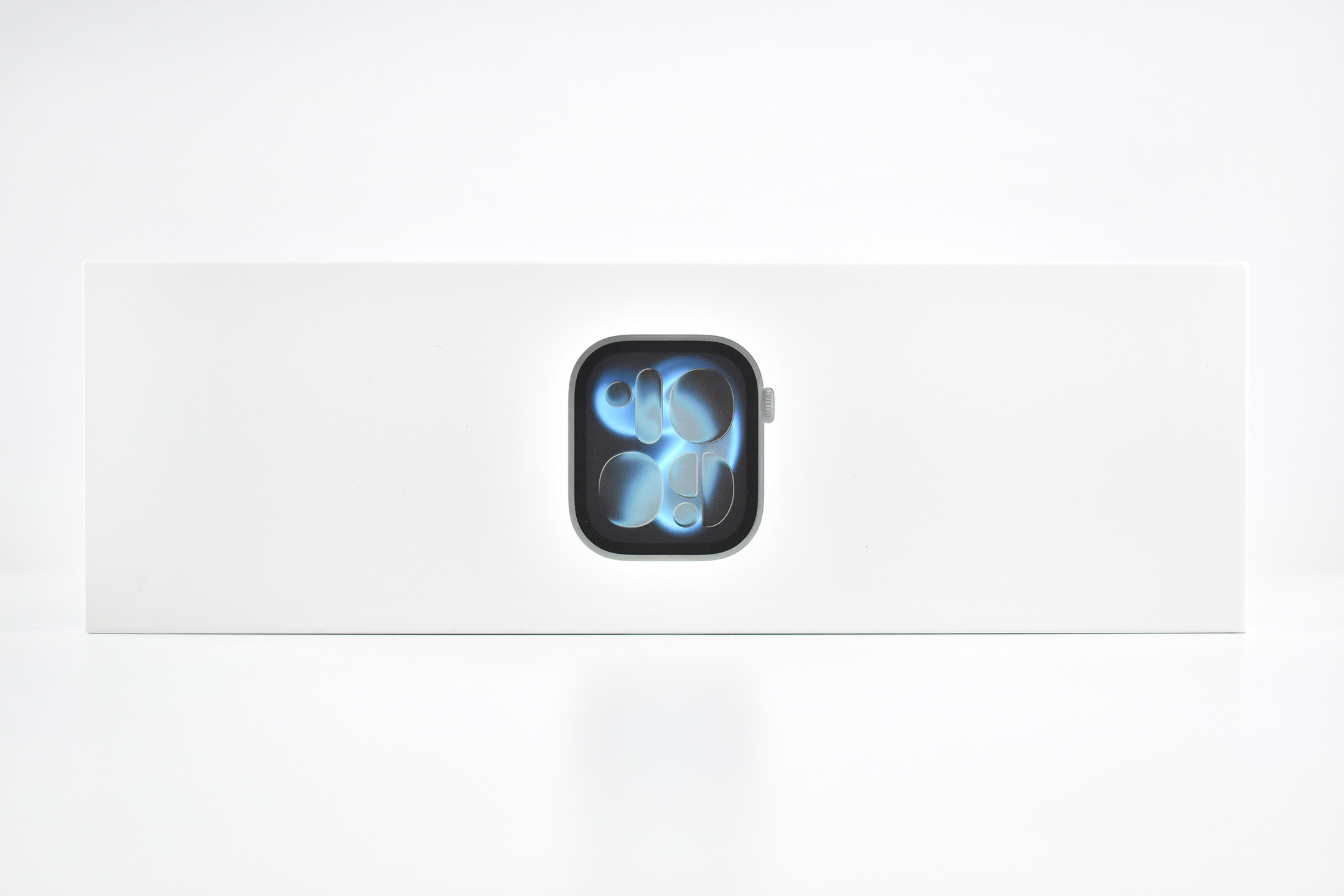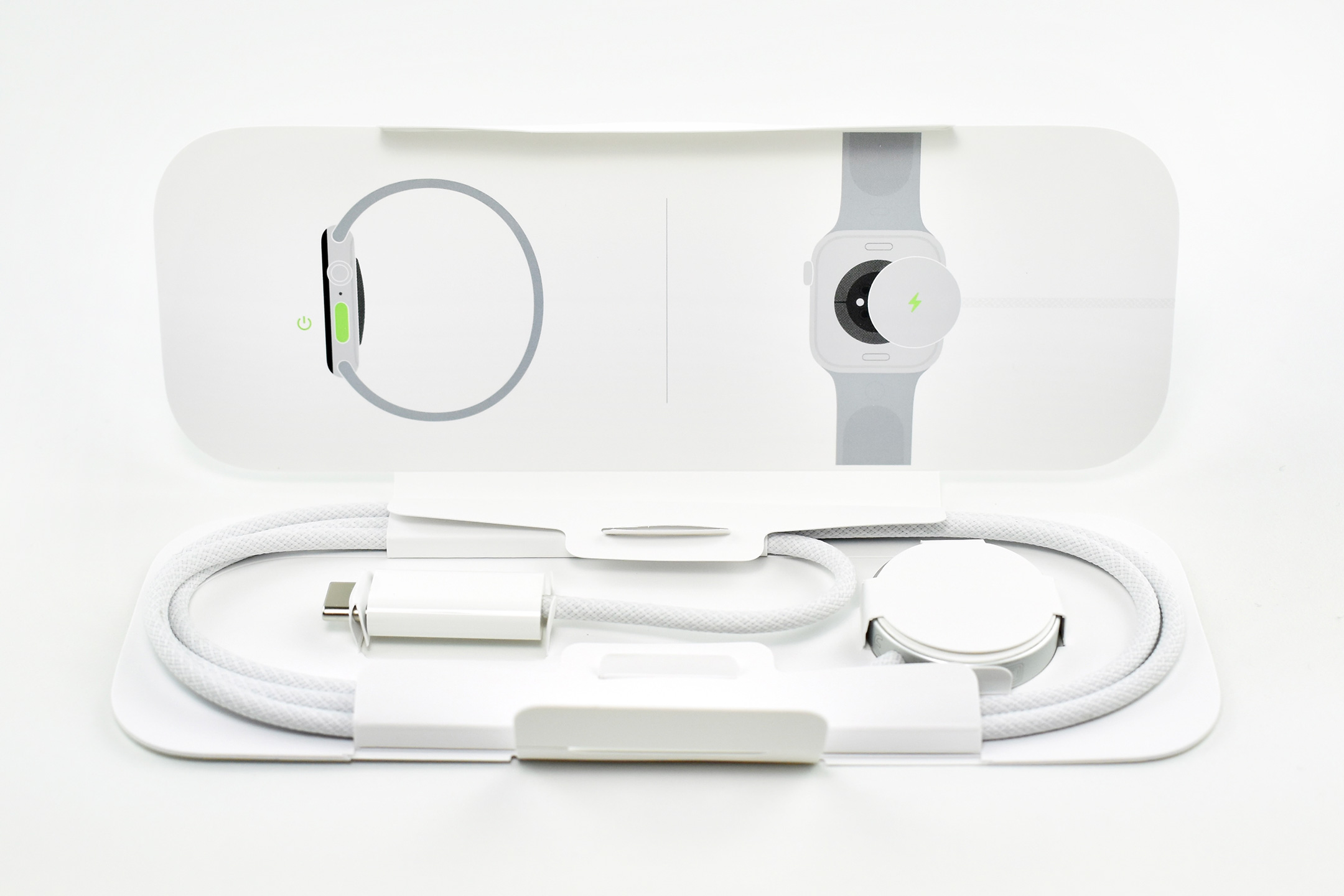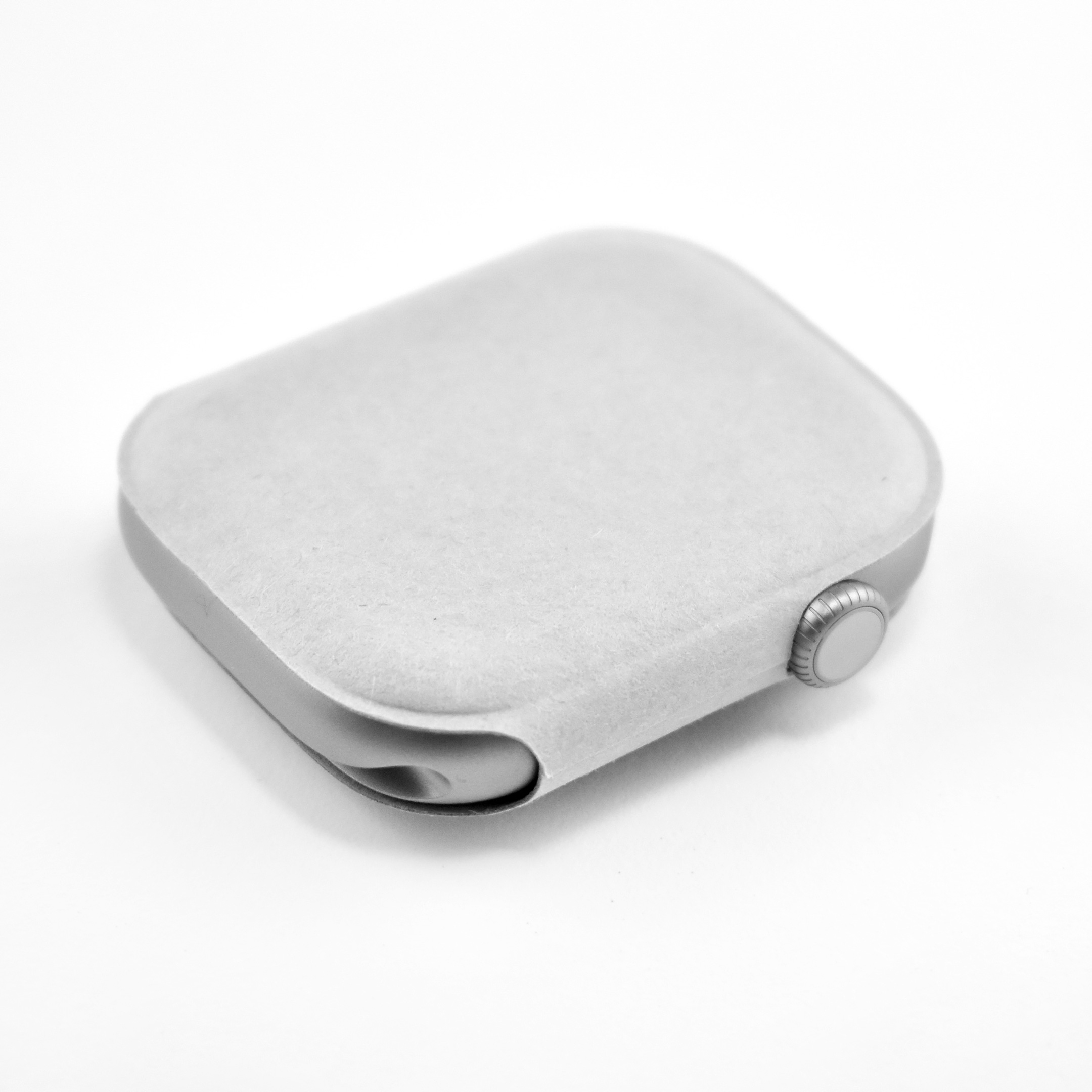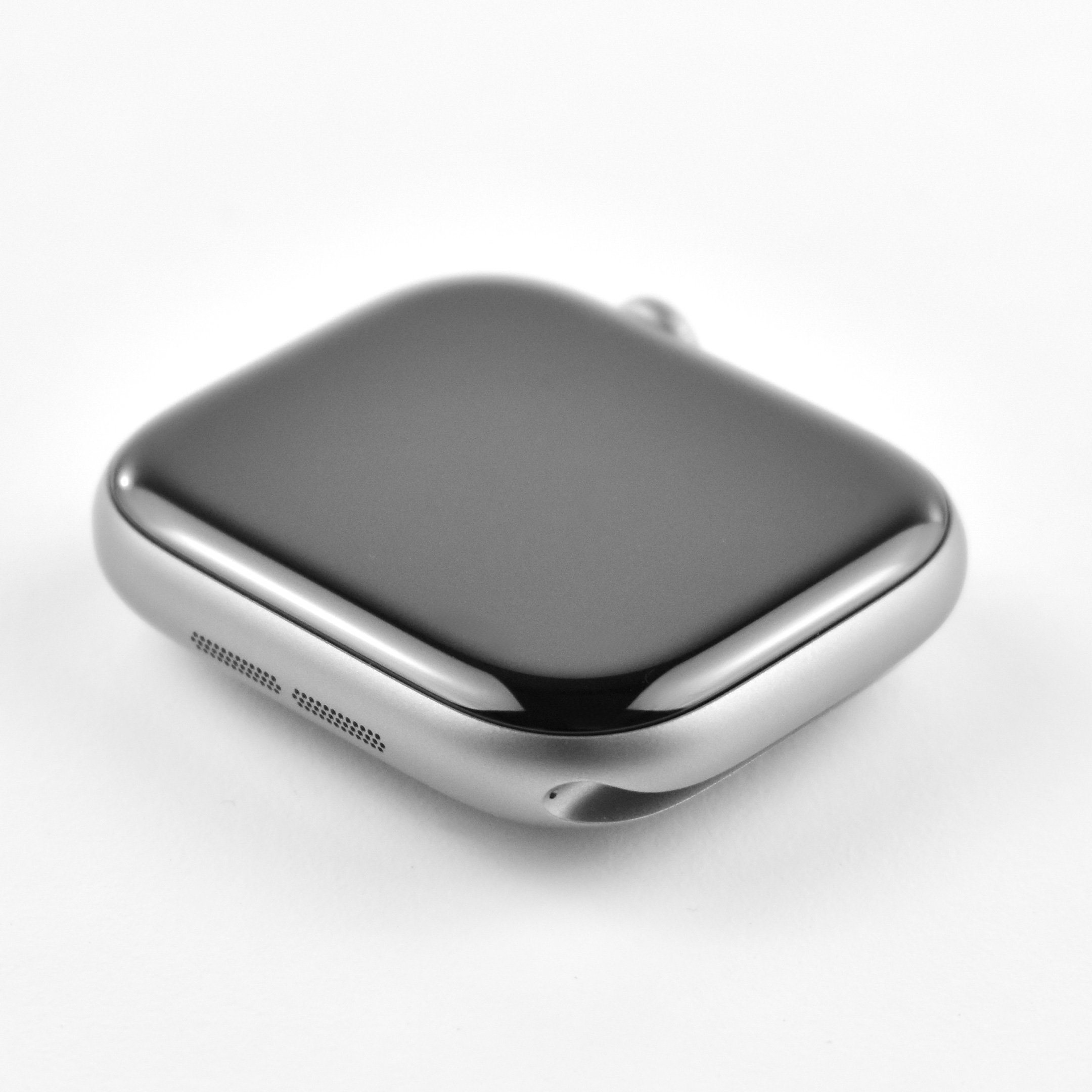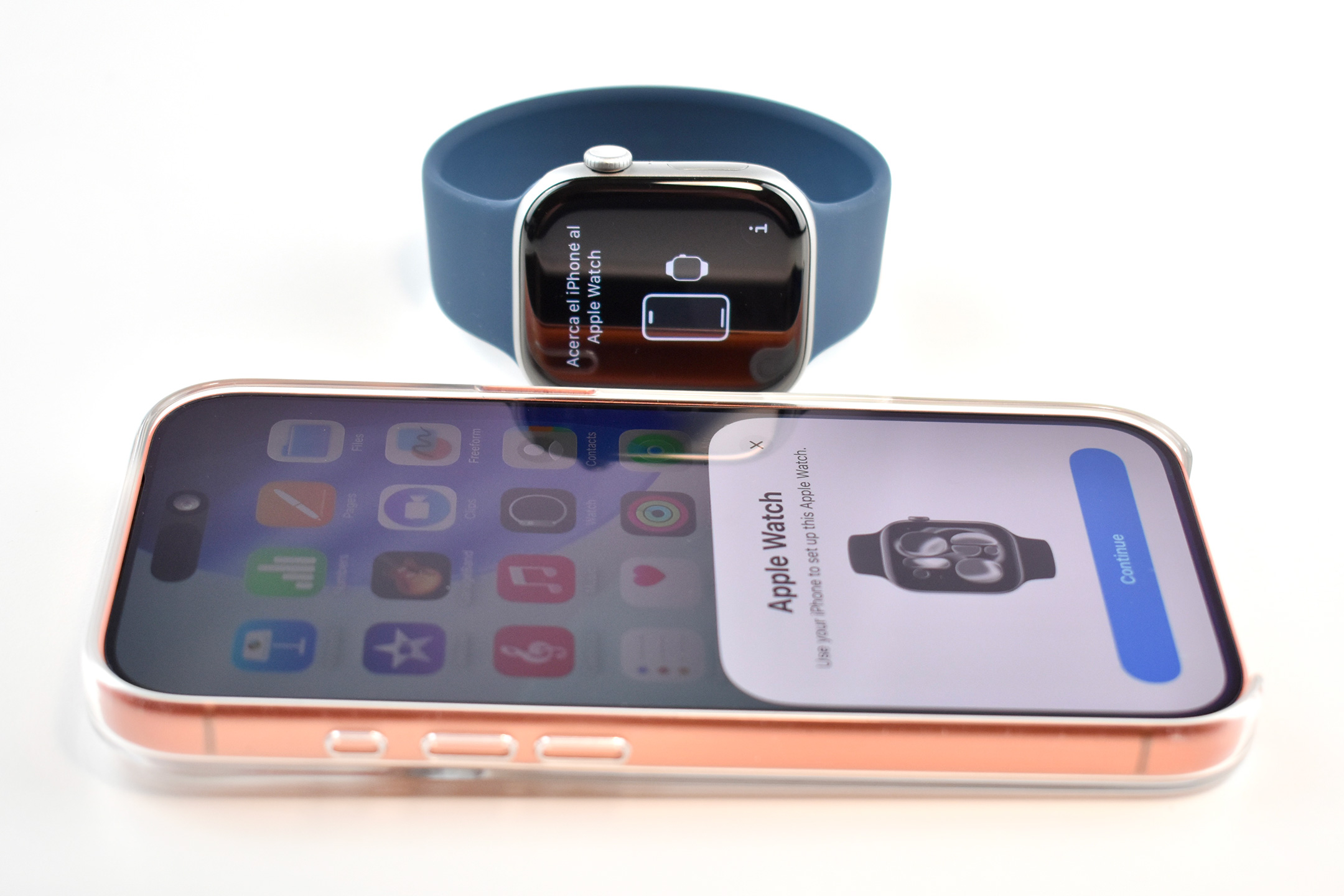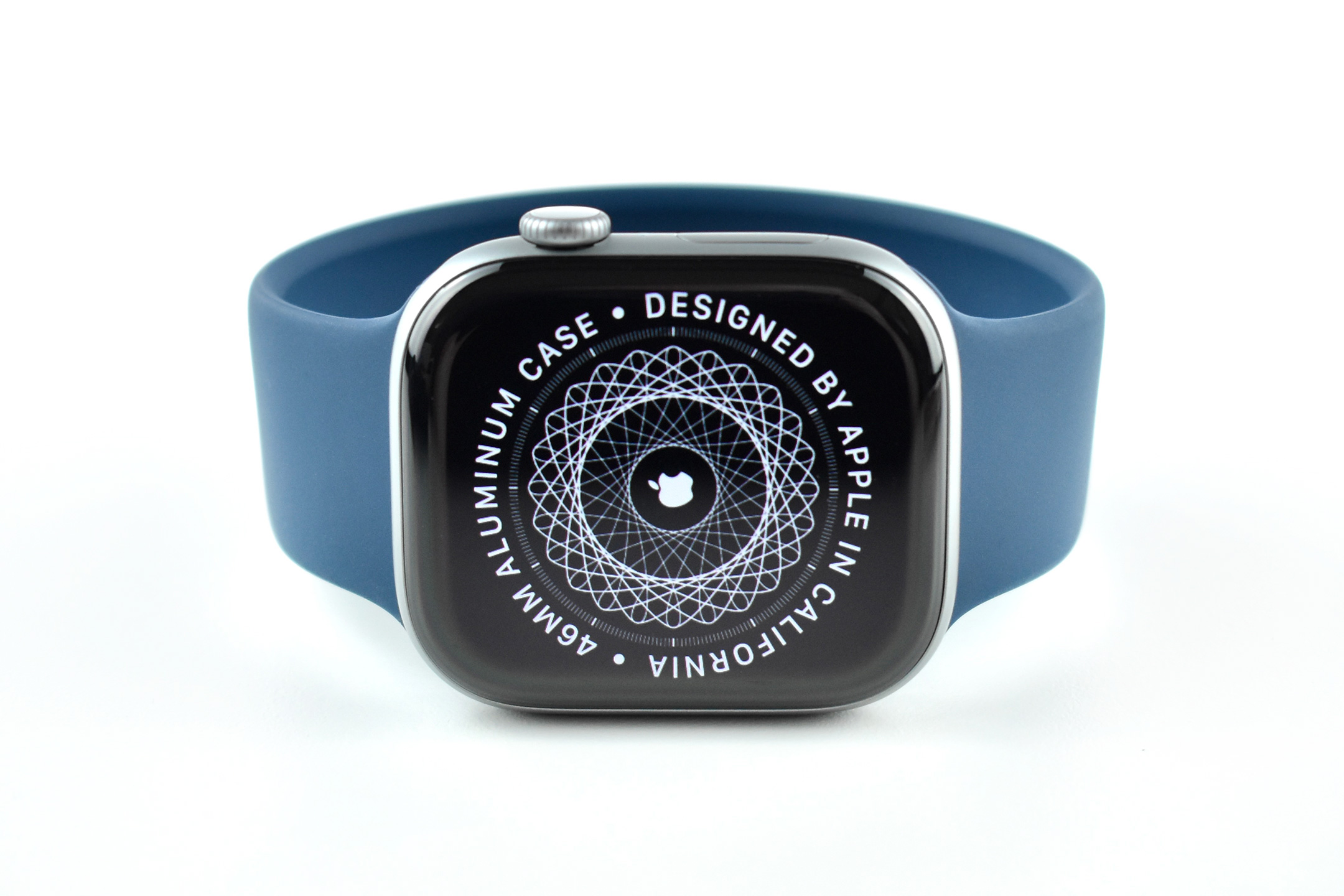
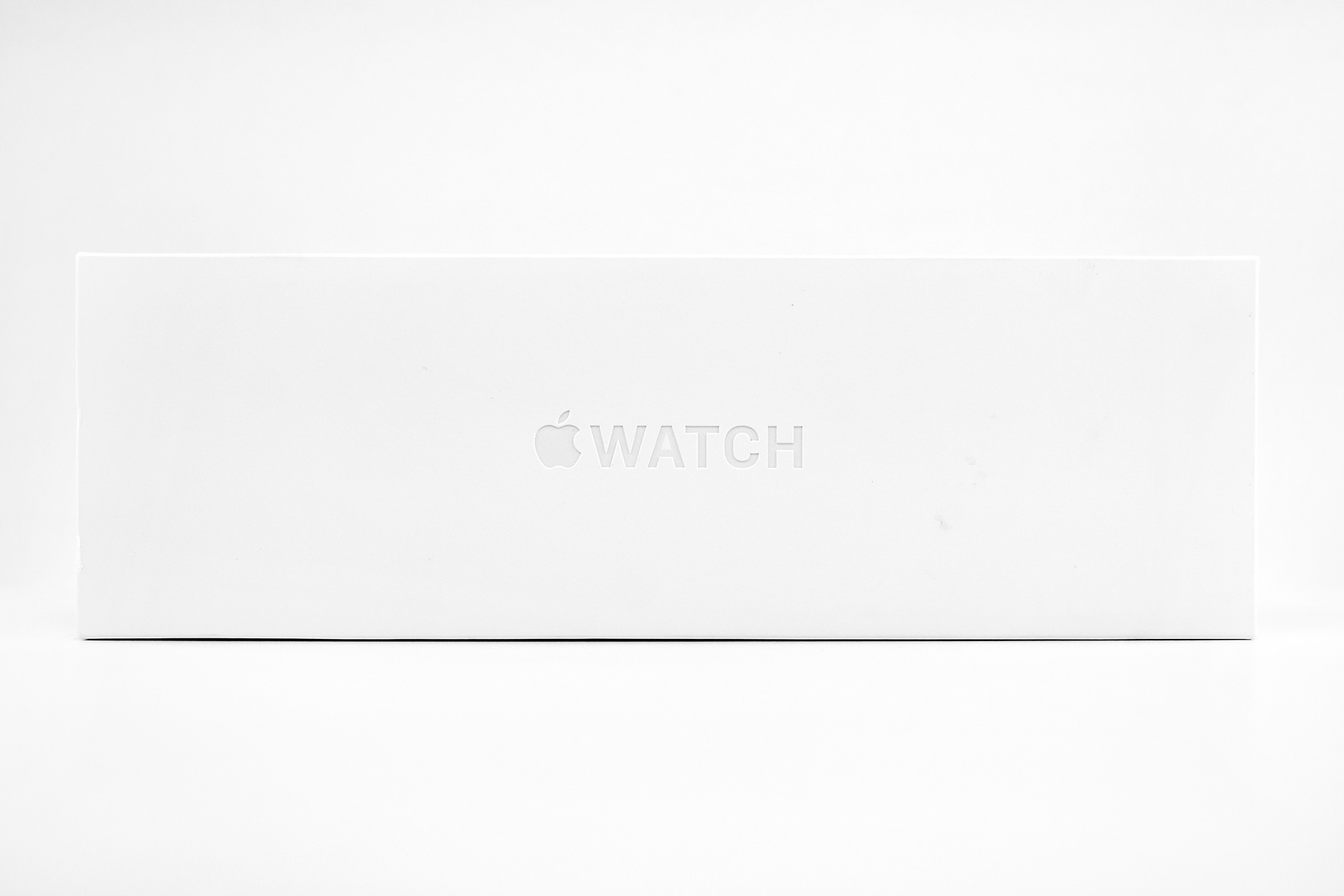
Apple Watch Series 11 (46 mm, aluminum, GPS, space gray, 2025)

Among the 12 press releases of the “base” Apple Watch models (original Apple Watch through the Series 11), 7 of the 12 have mentioned health and/or fitness features in the headline (or subhead). The Apple Watch Series 11 press release leads with “groundbreaking health insights” and specified hypertension notifications and sleep score as its primary new features along with battery improvements and a more scratch-resistant display.

Stan Ng, Apple’s vice president of Apple Watch and Health Product Marketing, said in the press release that “Apple Watch is the world’s most popular watch, using advanced sensing capabilities to empower millions of people around the world to better understand their health simply by wearing it, while also serving as a fitness coach, message center, mobile wallet, and beautiful timepiece.” He added that the “Apple Watch Series 11 is an indispensable companion that supports users’ health, fitness, safety, and connectivity throughout the day and night.”

The durability of the screen is described in more detail, noting that it is “Made from a unique Ion-X (ion-exchanged strengthened) glass…treated with a breakthrough Apple-designed ceramic coating that bonds to the glass at an atomic level through a physical vapor deposition process, significantly hardening the surface.”

The Apple Watch Series 11 was released with watchOS 26, using the Liquid Glass design also available on all Apple devices as of late 2025. Some of the new features added:

  • 2 new watch faces (Flow and Exactograph)
  • A new one-handed wrist flick gesture to easily dismiss notifications
  • Live Translation in Messages with Apple Intelligence
  • A Watch version of the Notes app (finally!!)

The Aluminum case options for Apple Watch Series 11 were available in Rose Gold, Silver, Jet Black, and a new Space Gray option. Titanium case options included Gold, Natural, and Slate.

The 46 mm model measured 46mm x 39 mm and was 9.7 mm thick. The aluminum/GPS model weighed 37.8 grams.

The screen was 416 x 496 pixels at 326 pixels per inch with an always‑On Retina display with wide‑angle OLEDs. It could display up to 2000 nits peak brightness down to 1 nit minimum brightness.

The Series 11 had an impressive list of sensors:

  • Electrical heart sensor
  • Third‑generation optical heart sensor
  • Blood oxygen sensor
  • Temperature sensor
  • Compass
  • Always‑on altimeter
  • High‑g accelerometer
  • High dynamic range gyroscope
  • Ambient light sensor
  • Depth gauge to 6 meters
  • Water temperature sensor

Connectivity options included support for 2.4GHz and 5GHz Wi-Fi networks with Wi-Fi 4 (802.11n); Bluetooth 5.3; GPS systems including L1, GLONASS, Galileo, QZSS, and BeiDou. It used a second-generation Ultra Wideband chip.

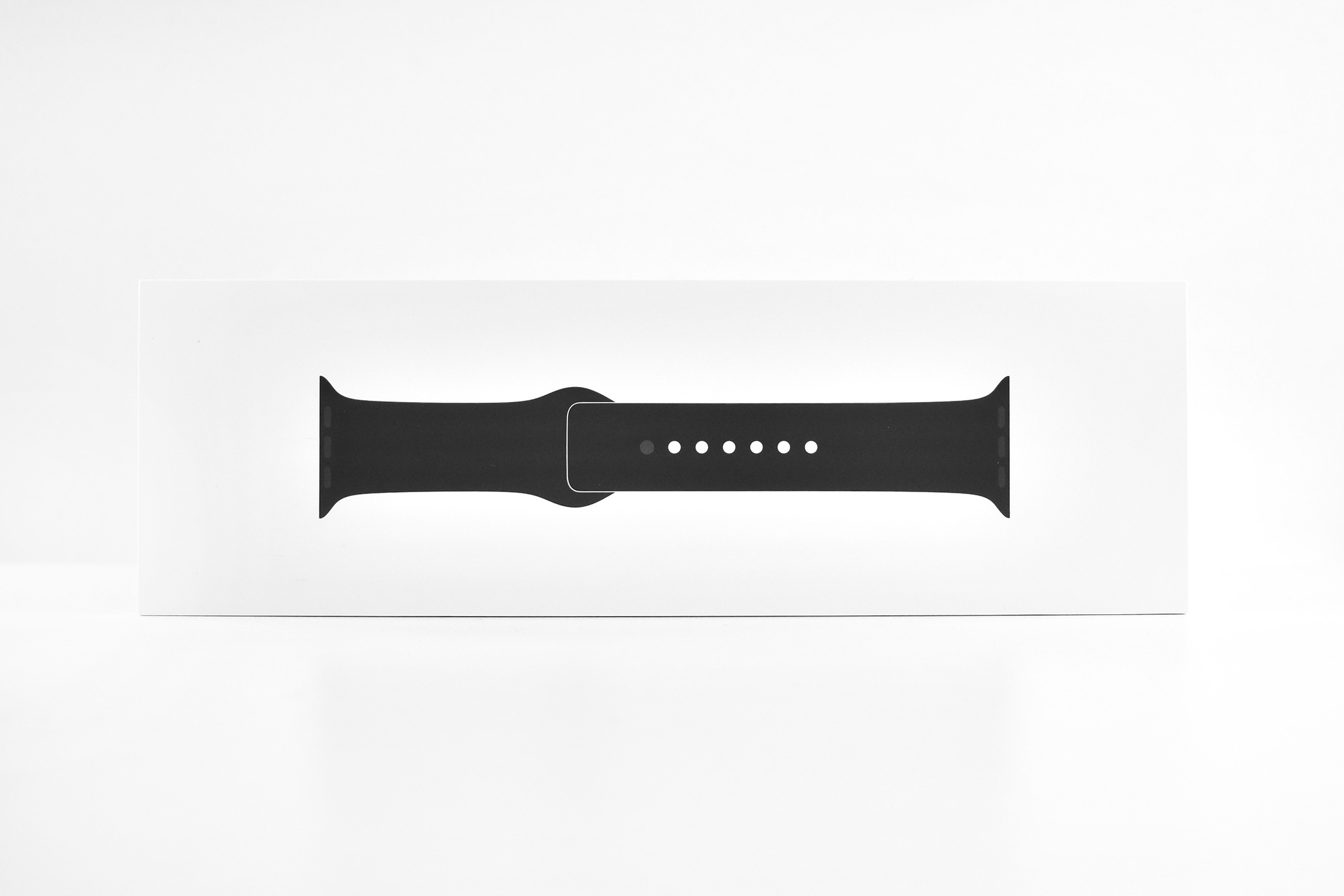
This example is in the Aluminum Space Gray option in the 46 mm size. It shipped with a black M/L Sport Band.

Sources: Apple (newsroom, specs)
AirTag (engraved, 2021)
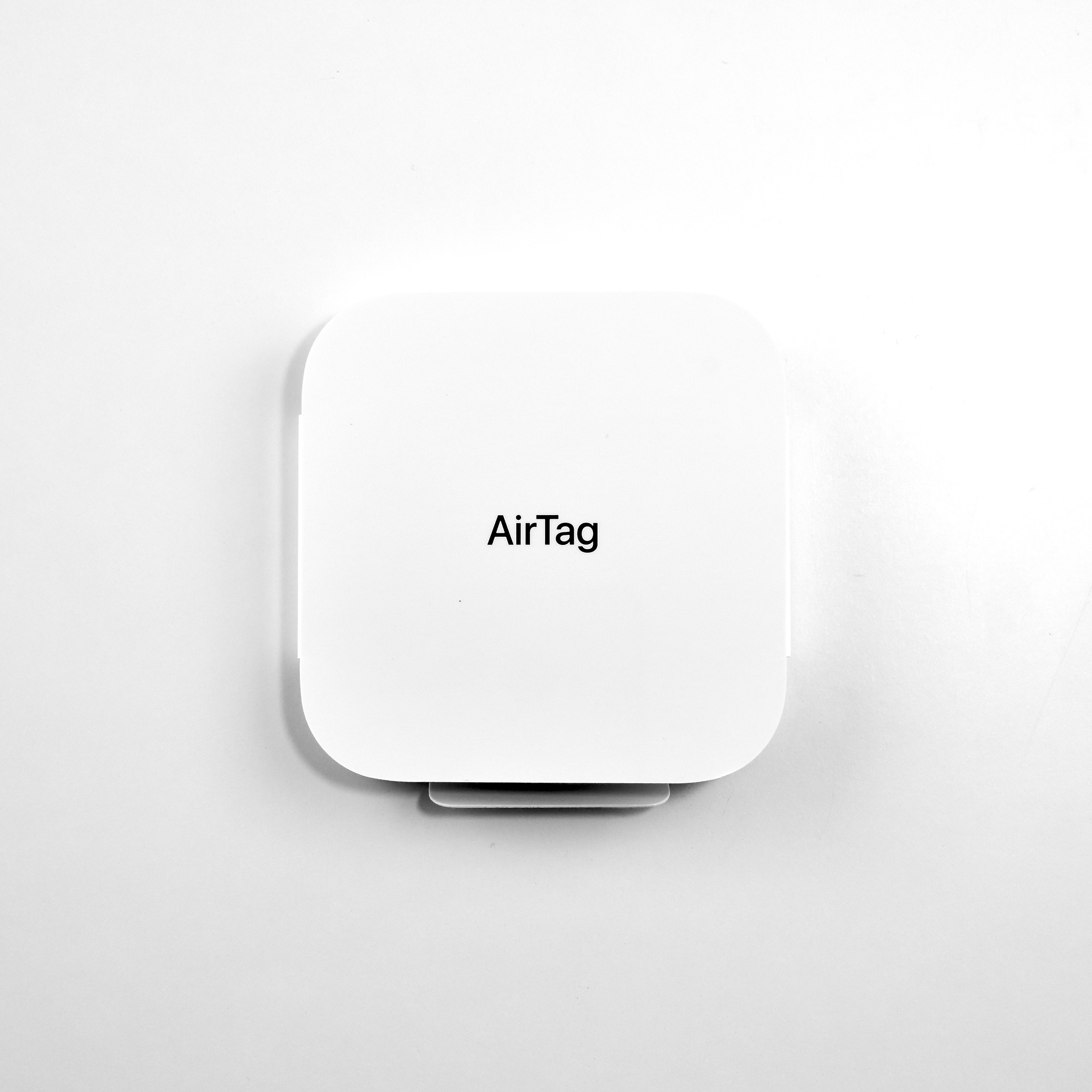
The AirTag is a small, disc-shaped accessory that used Apple’s Find My network to easily locate items. Apple described AirTag as “a supereasy way to keep track of your stuff. Attach one to your keys, slip another in your backpack. And just like that, they’re on your radar in the Find My app.”

The AirTag measures 1.26 inches (31.9 mm) diameter and is 0.31 inch (8.0 mm) high. It weighs 0.39 ounce (11 grams). It contains a CR2032 coin cell battery that can be replaced by the user. The AirTag uses wireless connectivity including Bluetooth, an Apple U1 chip (Ultra Wideband and Precision Finding), and NFC (Lost Mode). It is splash, water, and dust resistant (IP67 with a maximum depth of 1 meter up to 30 minutes).

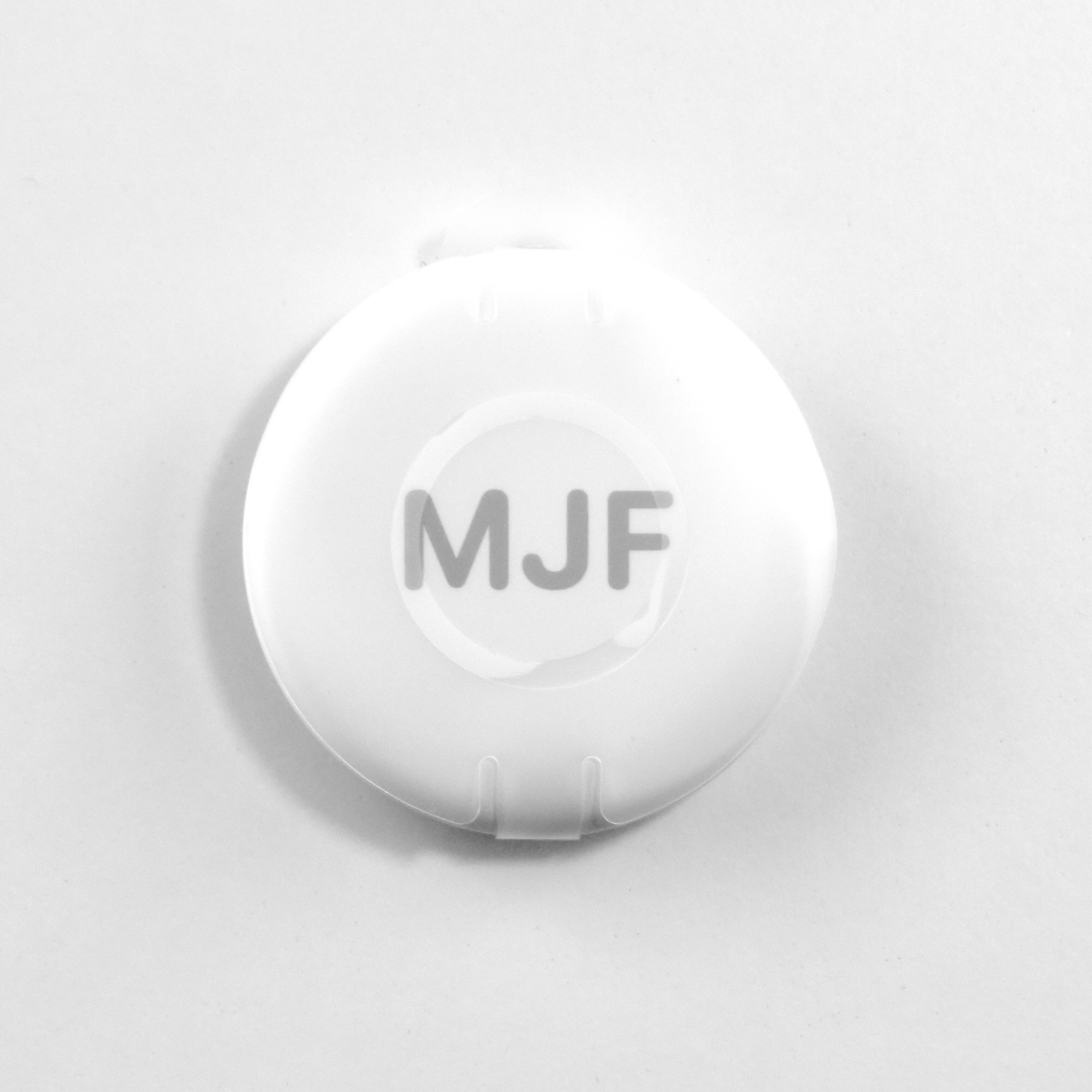
The AirTag was offered with free engraving featuring a selection of 31 Apple-designed one-color emoji, text, or numbers. Up to 4 characters could be added. This example is engraved with my initials, “MJF.”

The Air Tag “requires iPhone SE, iPhone 6s or later, or iPod touch (7th generation) with iOS 14.5 or later, or iPad Pro, iPad (5th generation or later), iPad Air 2 or later, or iPad mini 4 or later with iPadOS 14.5 or later.”

Sources: Apple

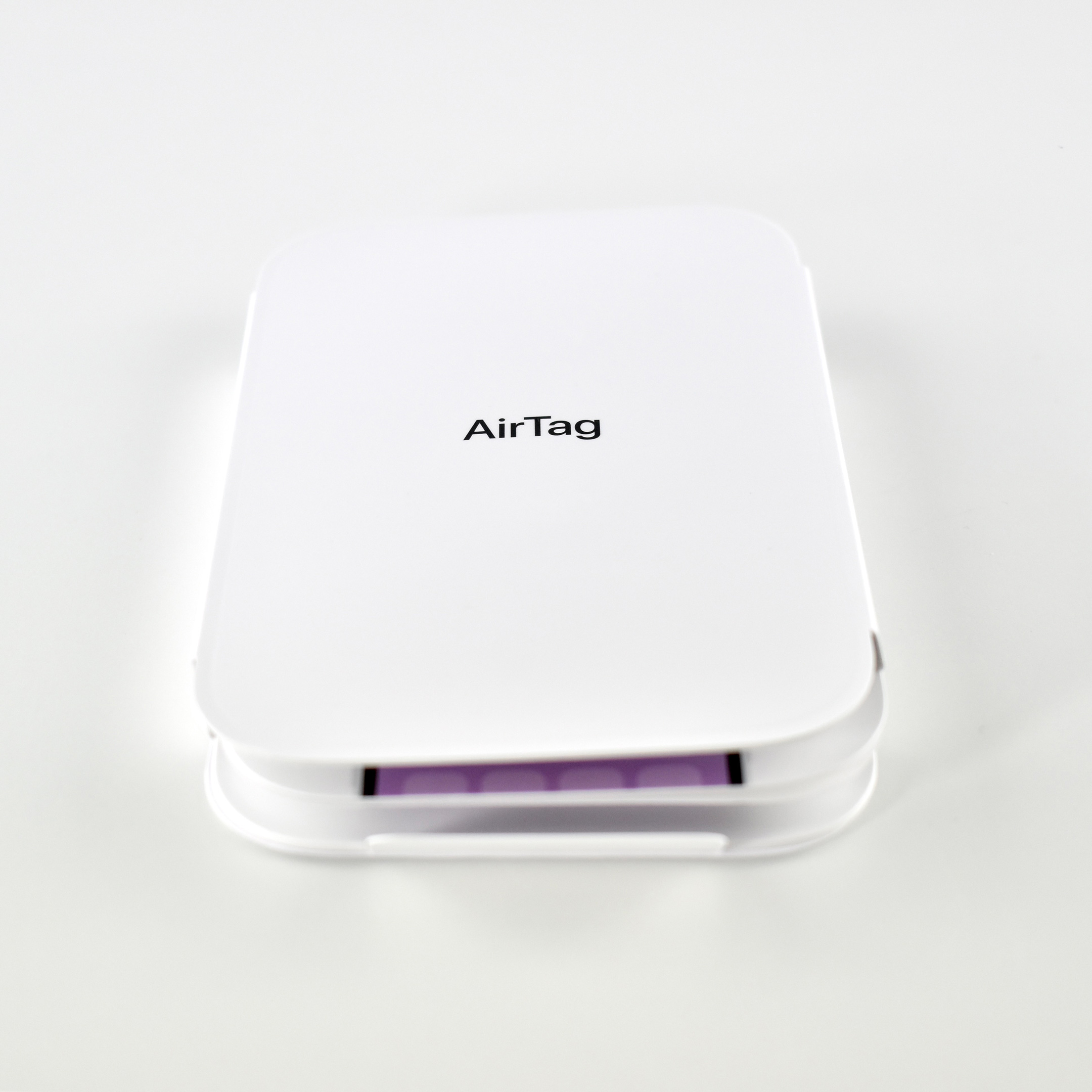
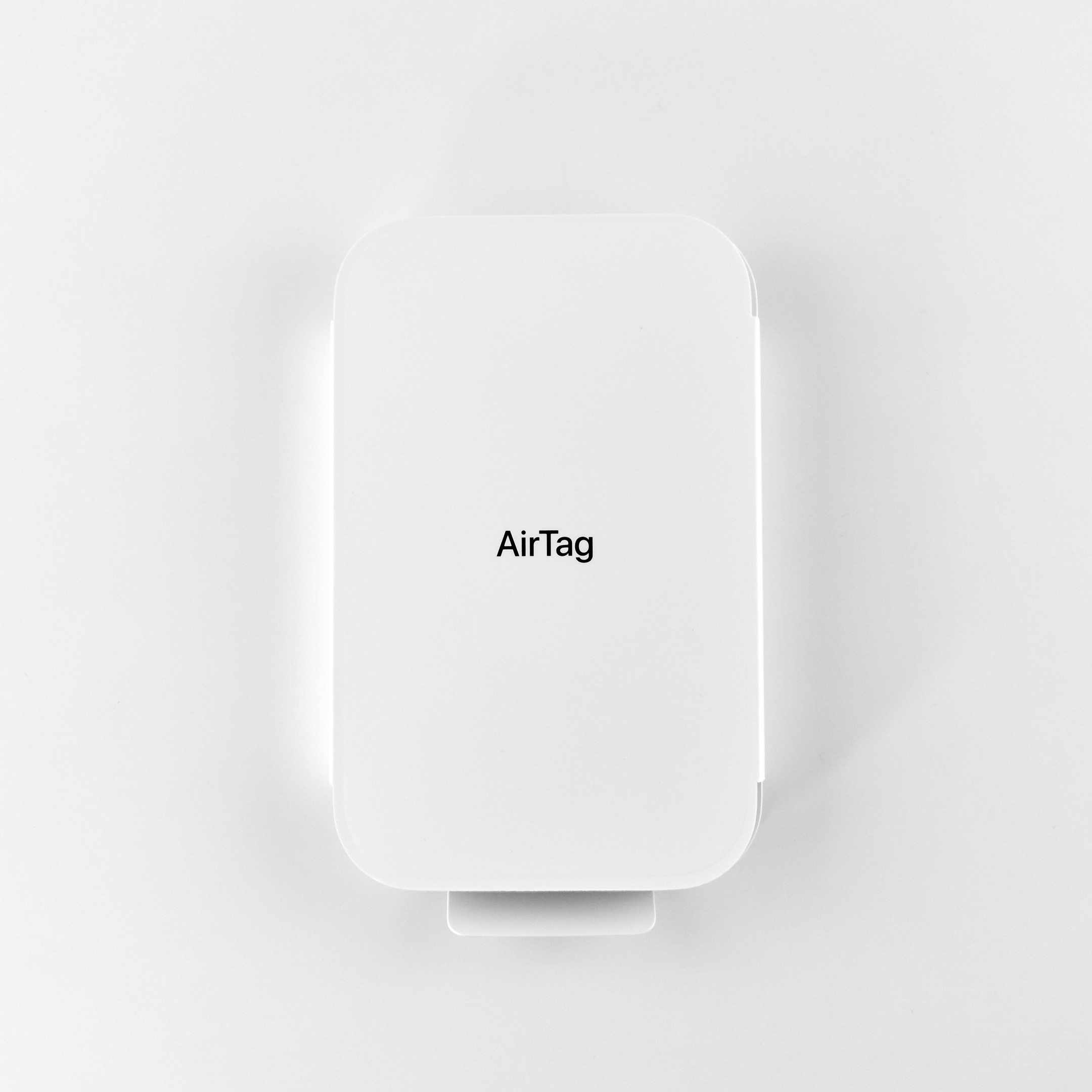
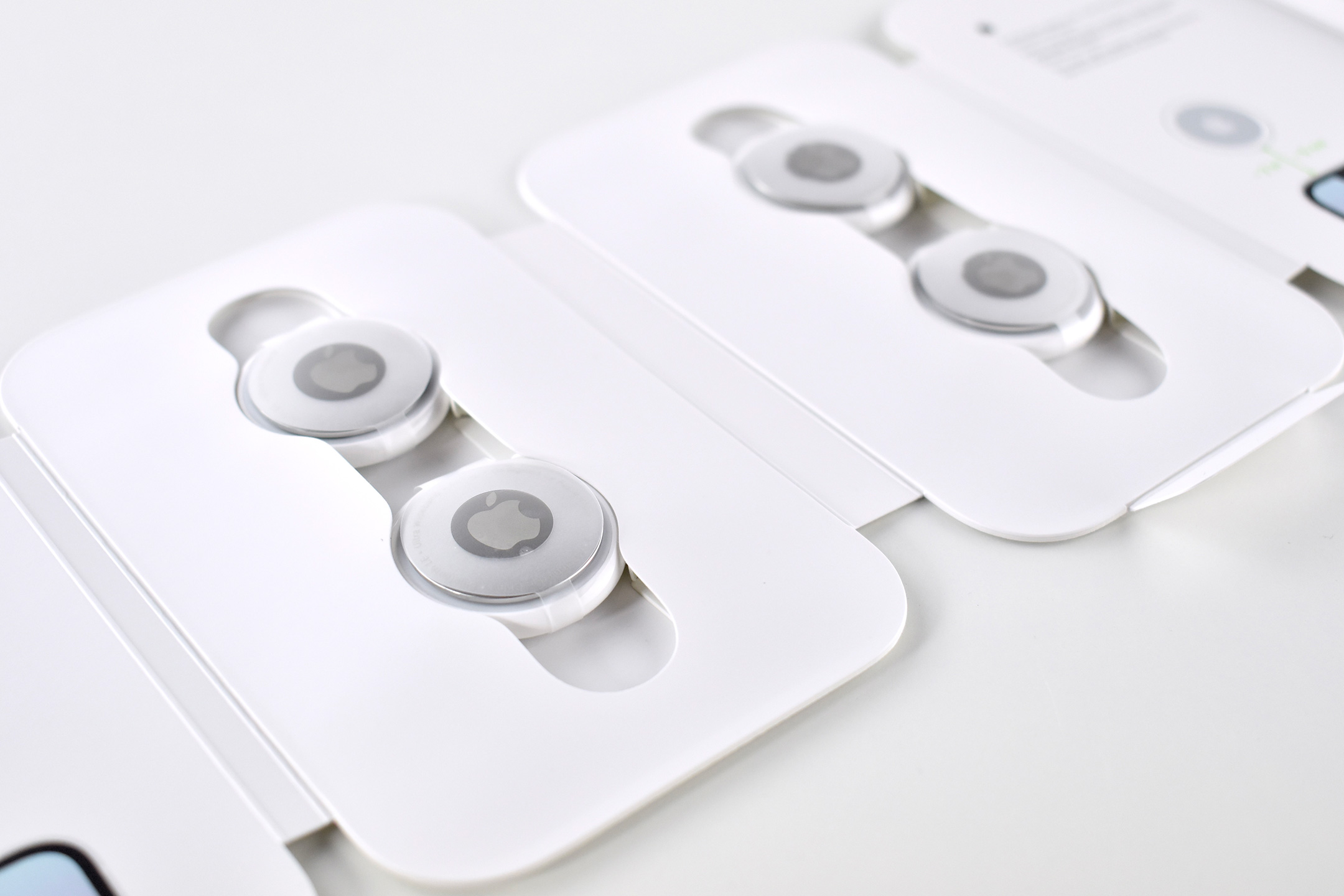
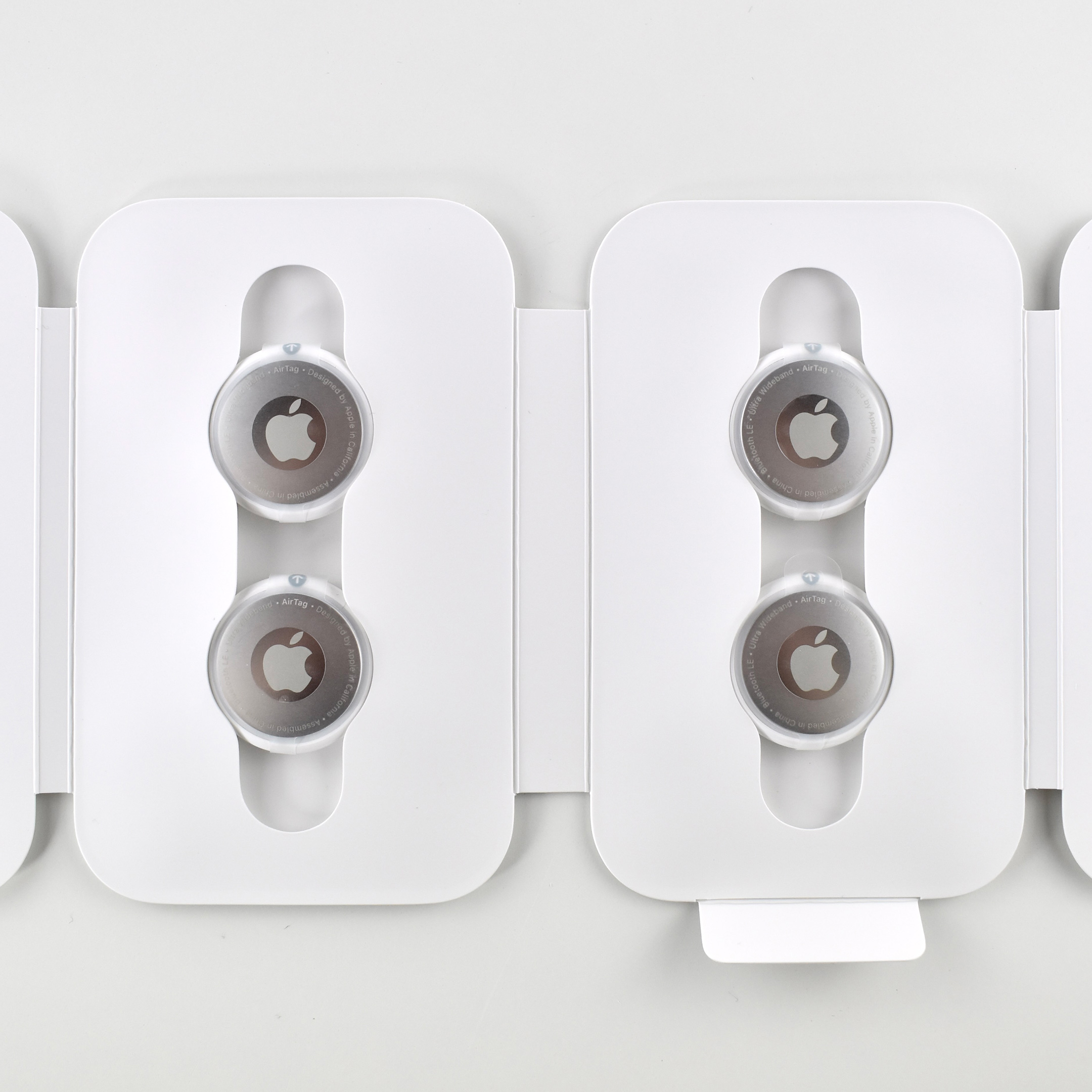
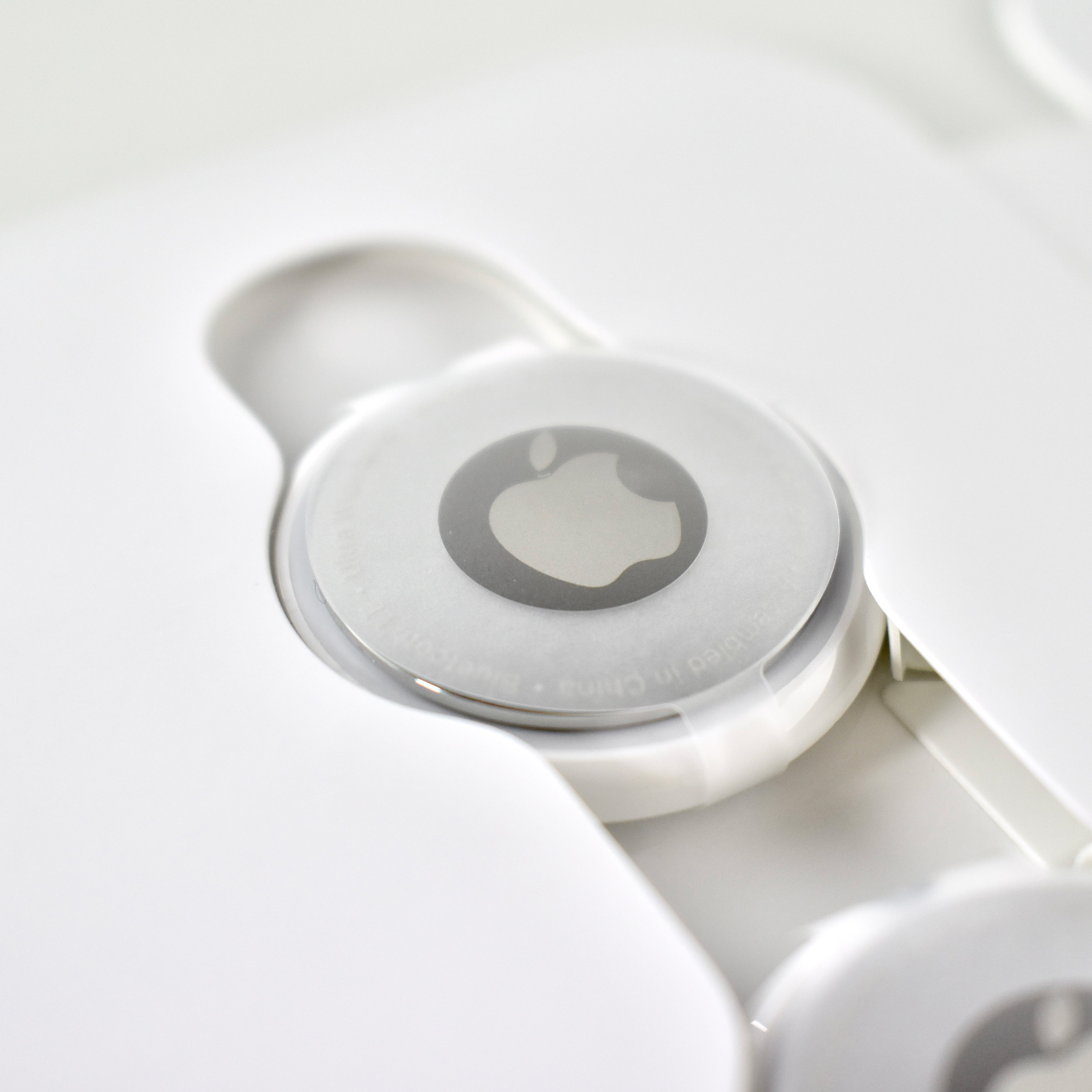
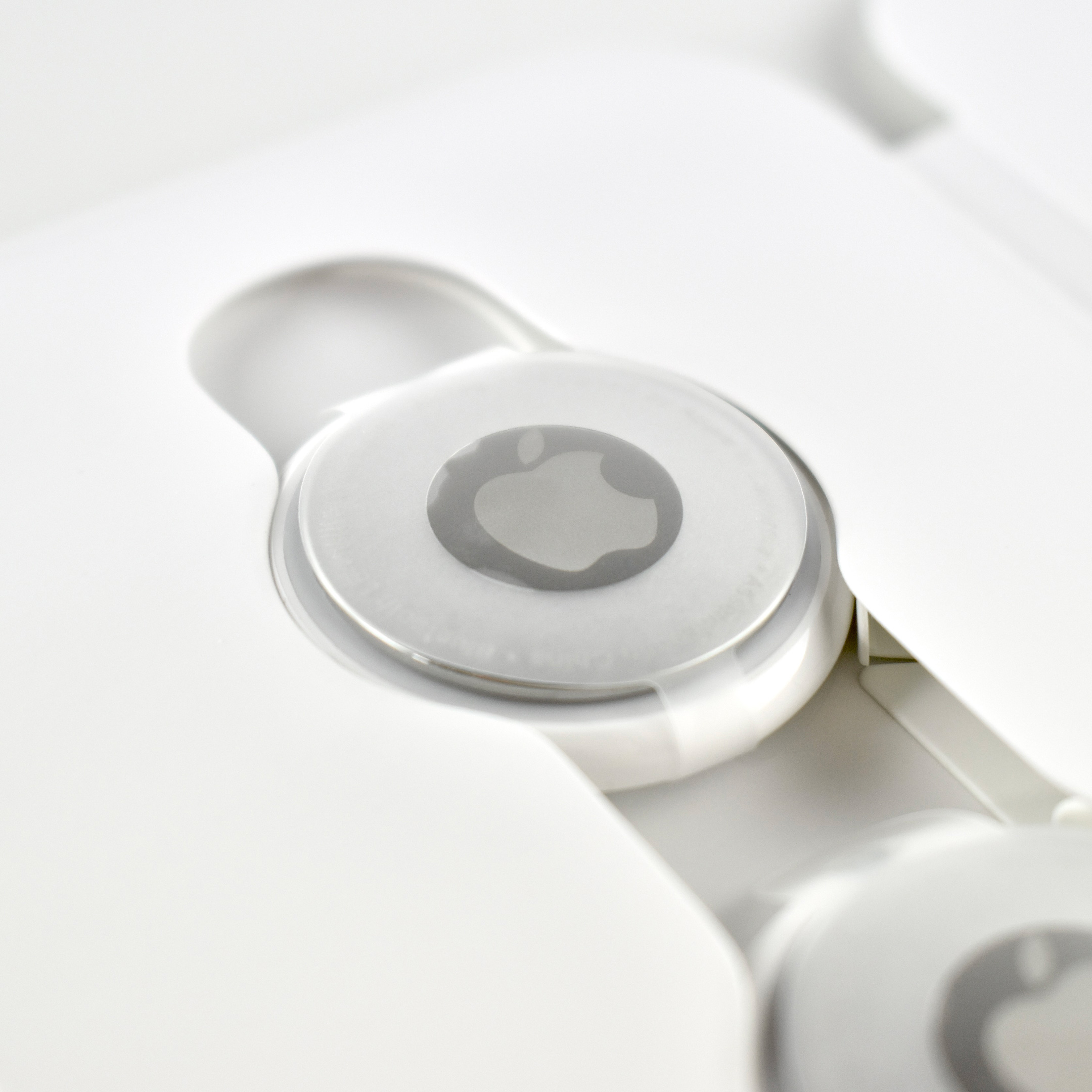
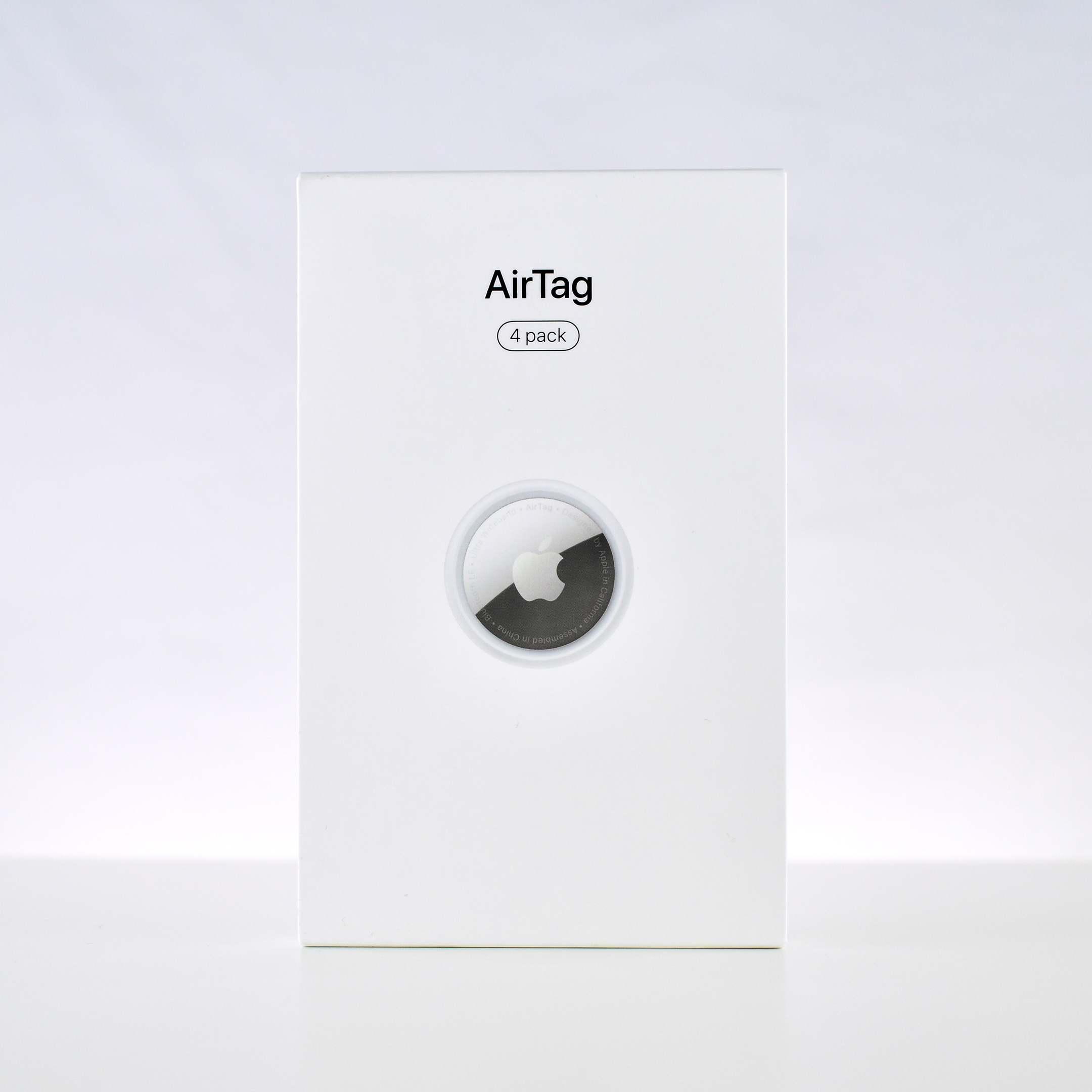
AirTag 4 Pack (2021)

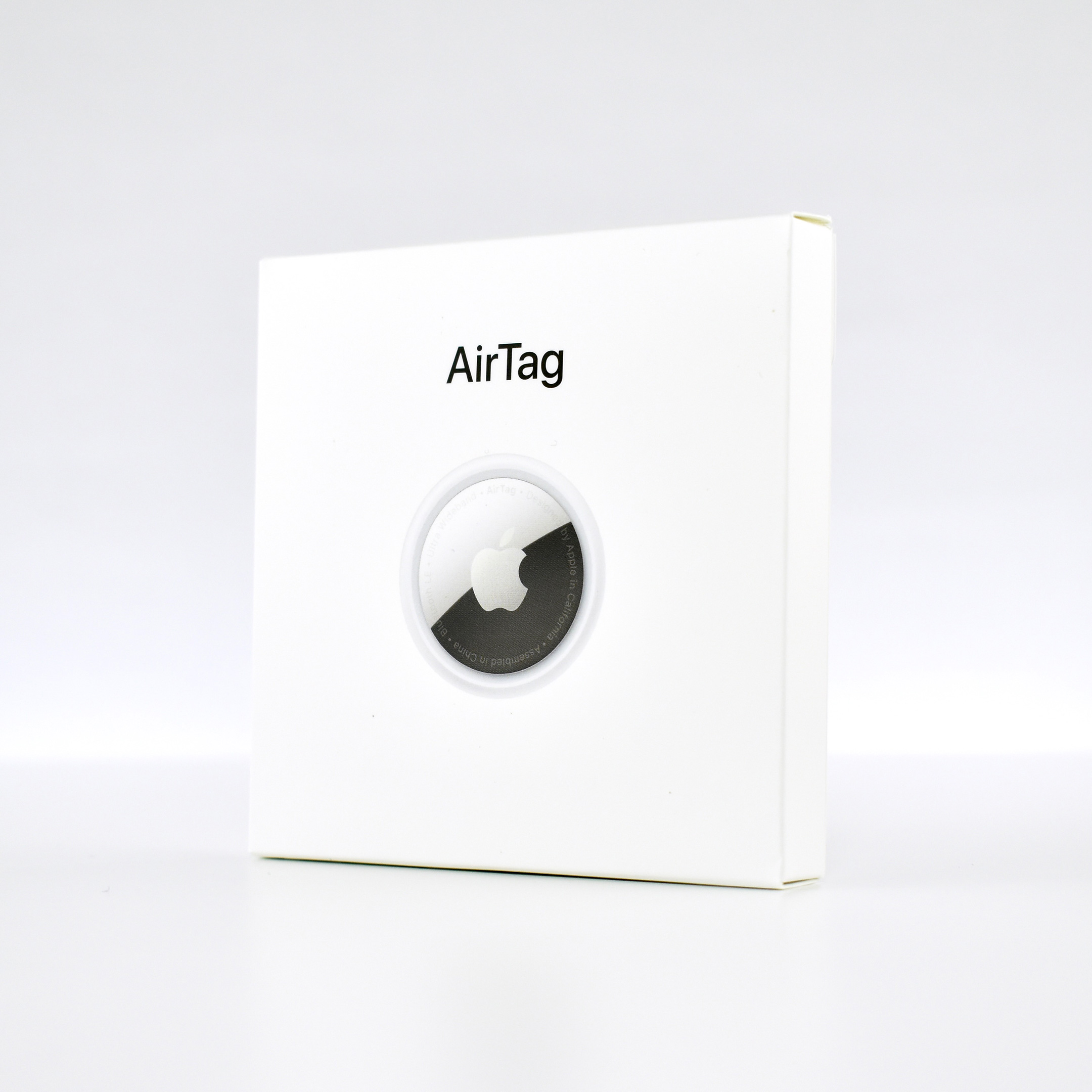
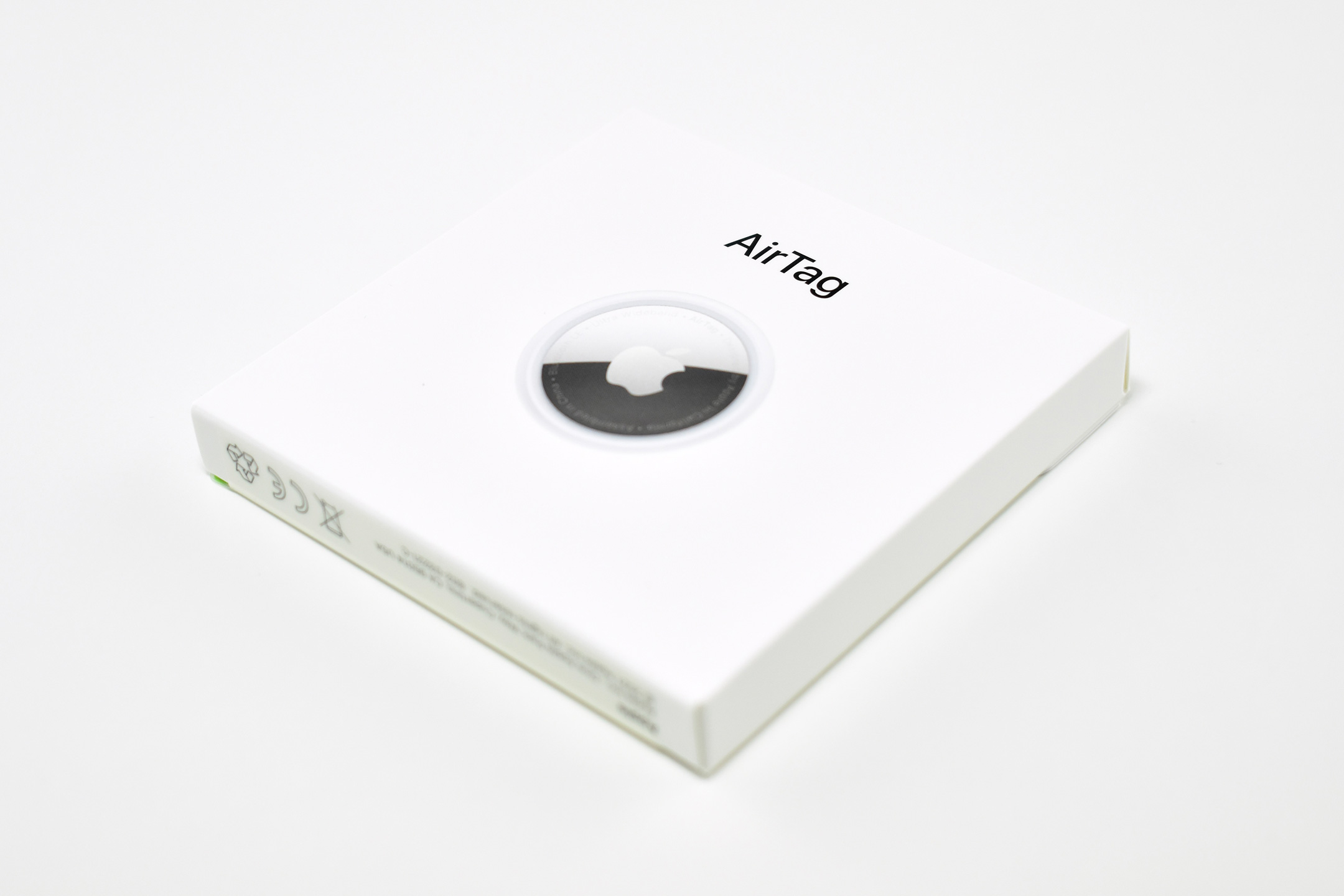
The AirTag is a small, disc-shaped accessory that used Apple’s Find My network to easily locate items. Apple described AirTag as “a supereasy way to keep track of your stuff. Attach one to your keys, slip another in your backpack. And just like that, they’re on your radar in the Find My app.” 

The AirTag measures 1.26 inches (31.9 mm) diameter and is 0.31 inch (8.0 mm) high. It weighs 0.39 ounce (11 grams). It contains a CR2032 coin cell battery that can be replaced by the user. The AirTag uses wireless connectivity including Bluetooth, an Apple U1 chip (Ultra Wideband and Precision Finding), and NFC (Lost Mode). It is splash, water, and dust resistant (IP67 with a maximum depth of 1 meter up to 30 minutes).

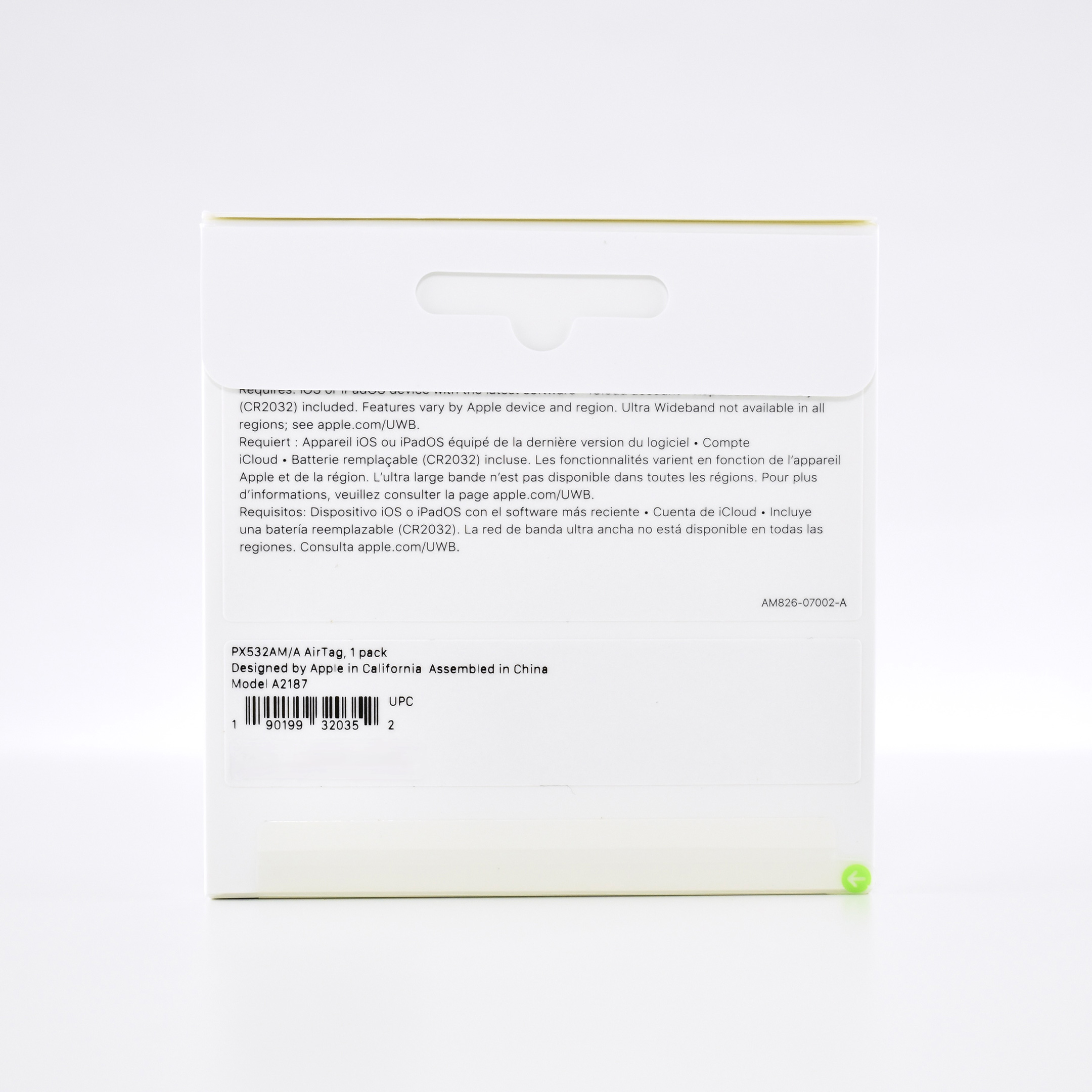
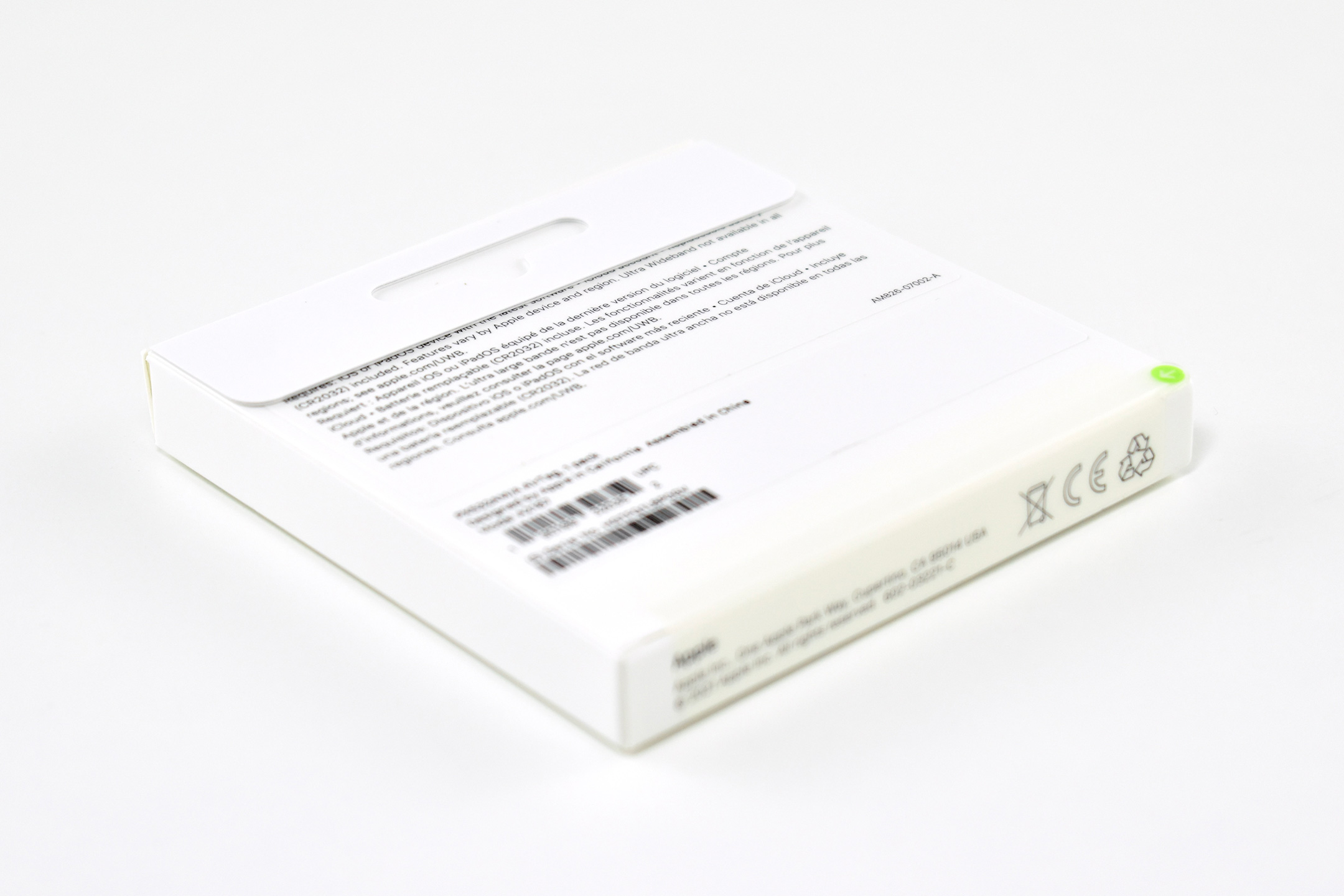
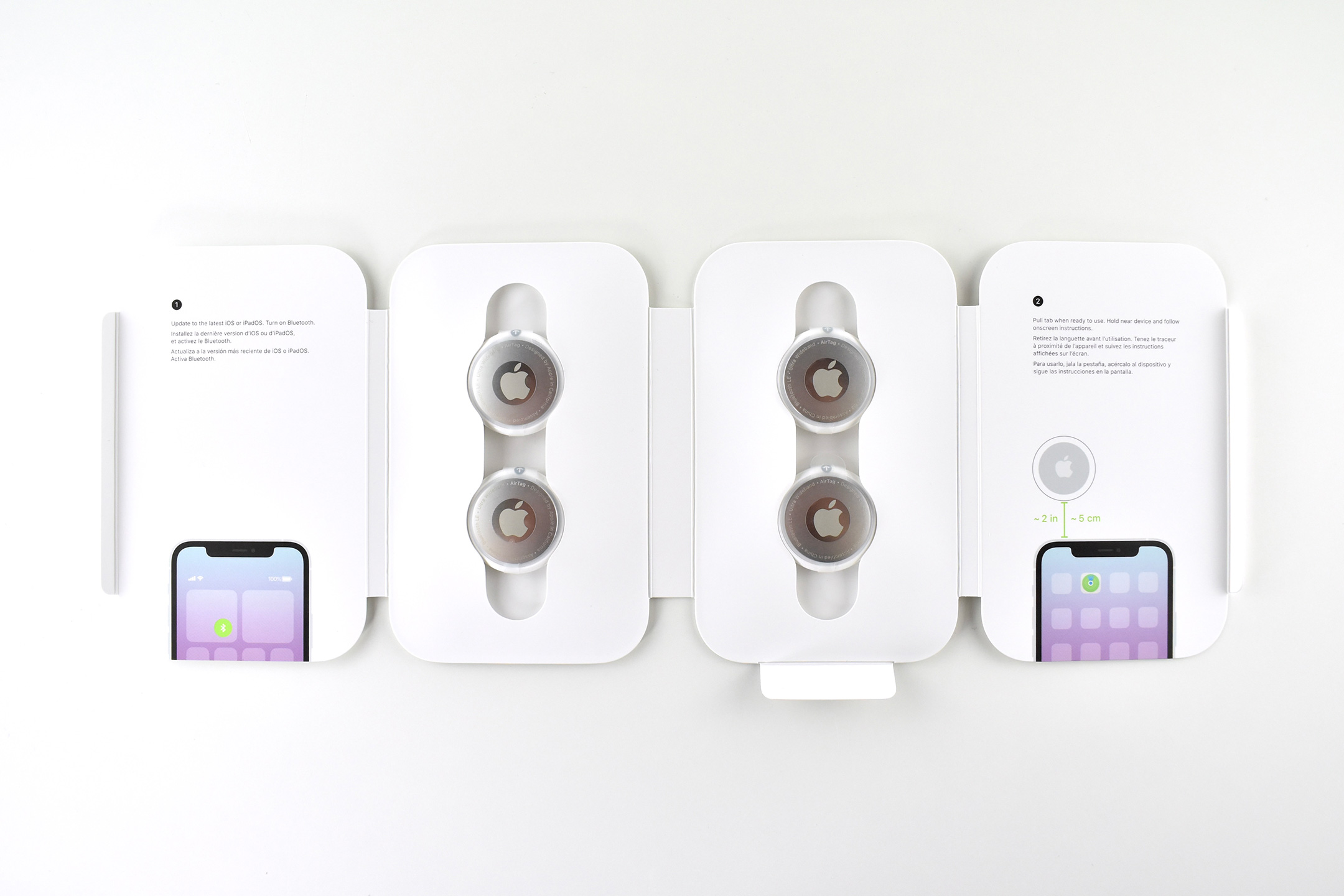
The Air Tag “requires iPhone SE, iPhone 6s or later, or iPod touch (7th generation) with iOS 14.5 or later, or iPad Pro, iPad (5th generation or later), iPad Air 2 or later, or iPad mini 4 or later with iPadOS 14.5 or later.”

Apple described the AirTag’s functionality:

“If AirTag is separated from its owner and out of Bluetooth range, the Find My network can help track it down. The Find My network is approaching a billion Apple devices and can detect Bluetooth signals from a lost AirTag and relay the location back to its owner…Users can also place AirTag into Lost Mode and be notified when it is in range or has been located by the vast Find My network. If a lost AirTag is found by someone, they can tap it using their iPhone or any NFC-capable device and be taken to a website that will display a contact phone number for the owner, if they have provided one.”

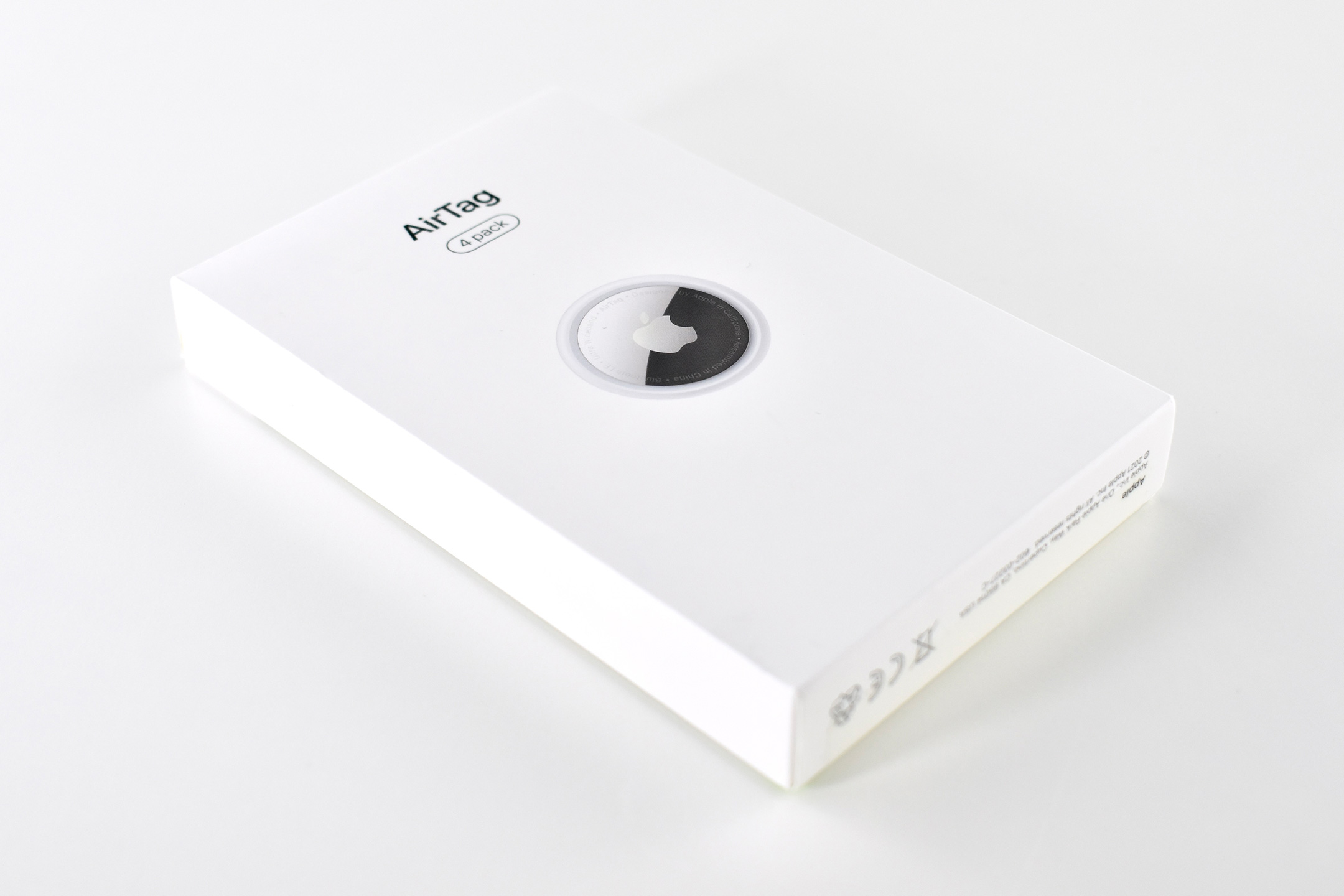
This set AirTag devices was sold in a single box as a 4 pack. As of 2022 a single AirTag was $29 and a 4-pack was sold for $99.

Sources: Apple (Store, AirTag 4 pack, Support)