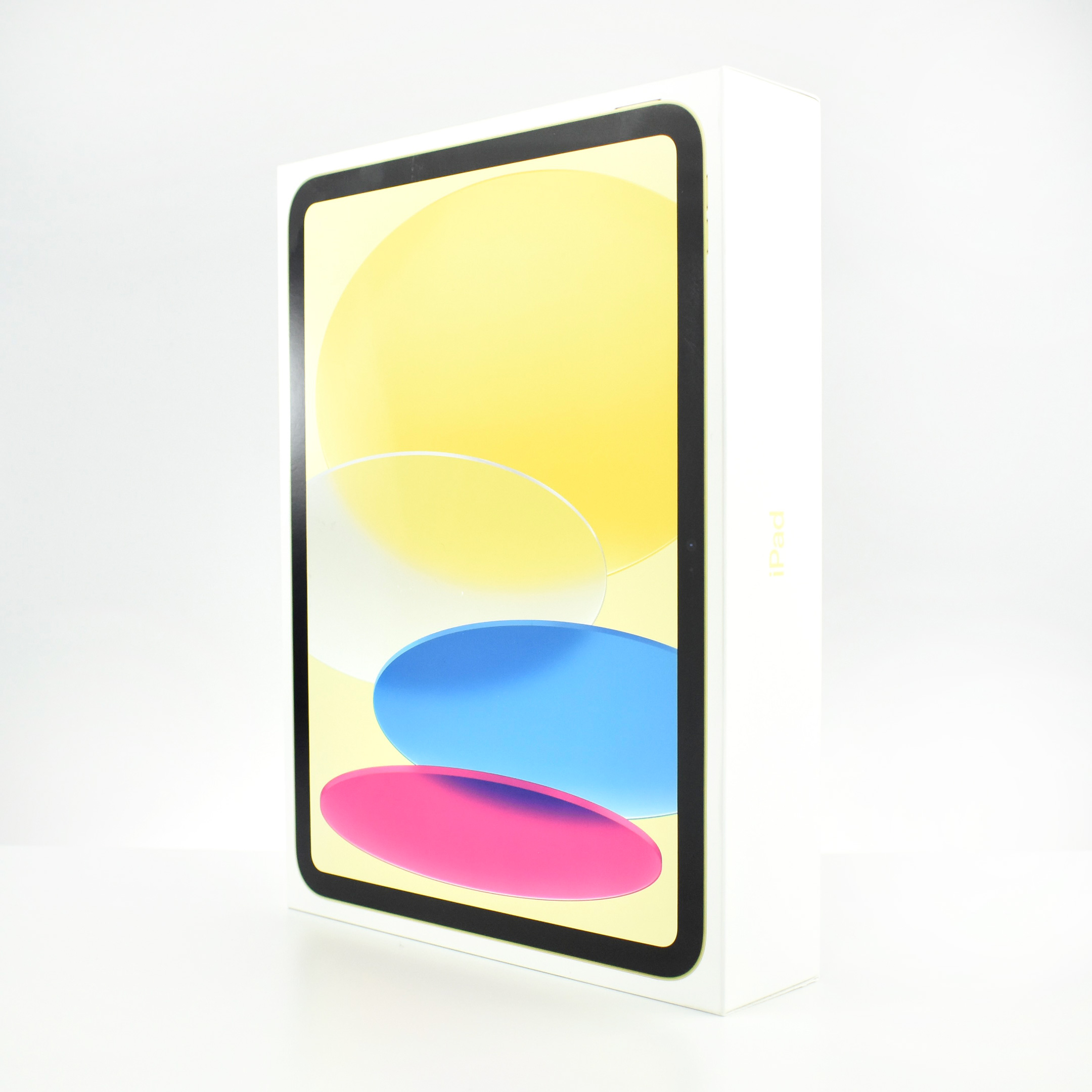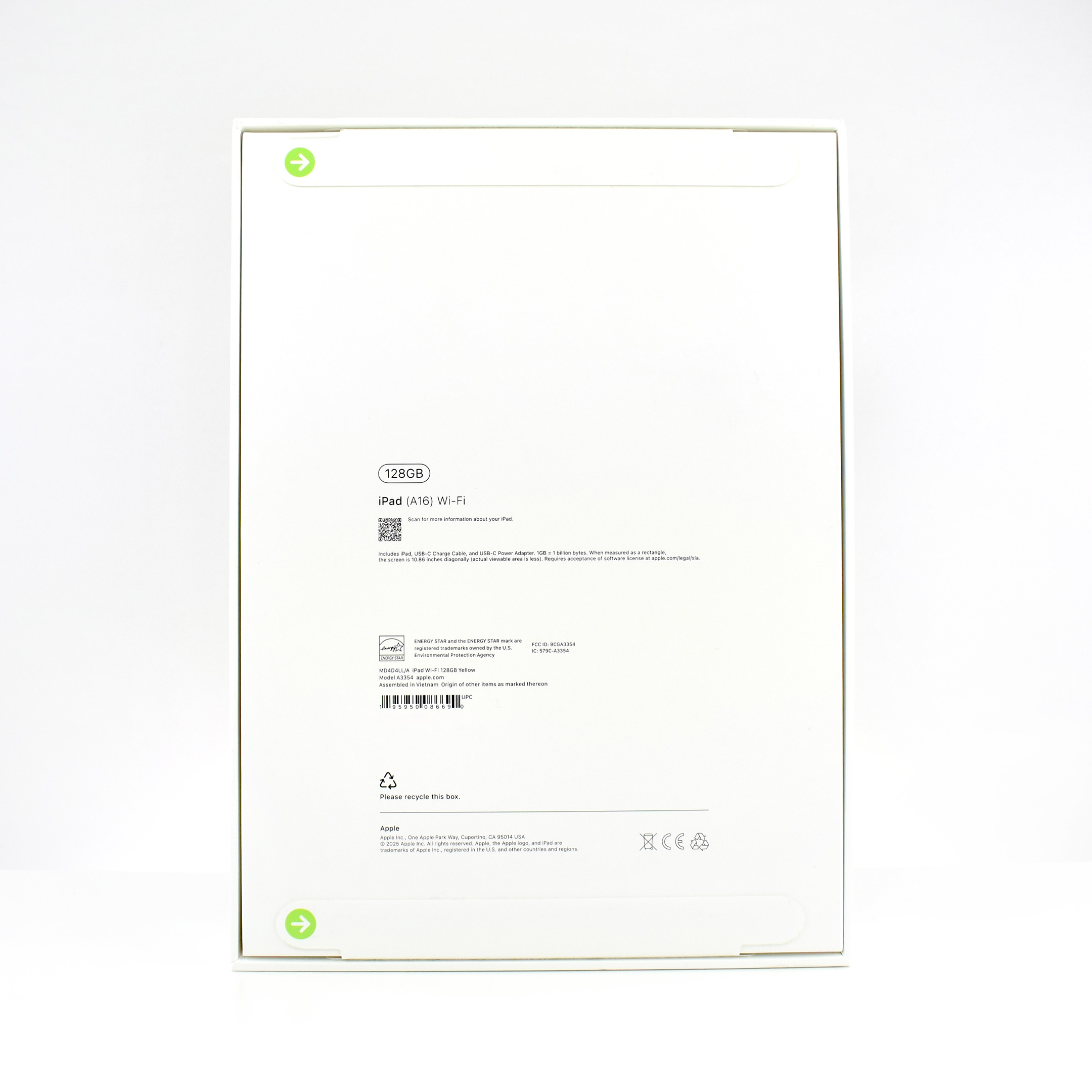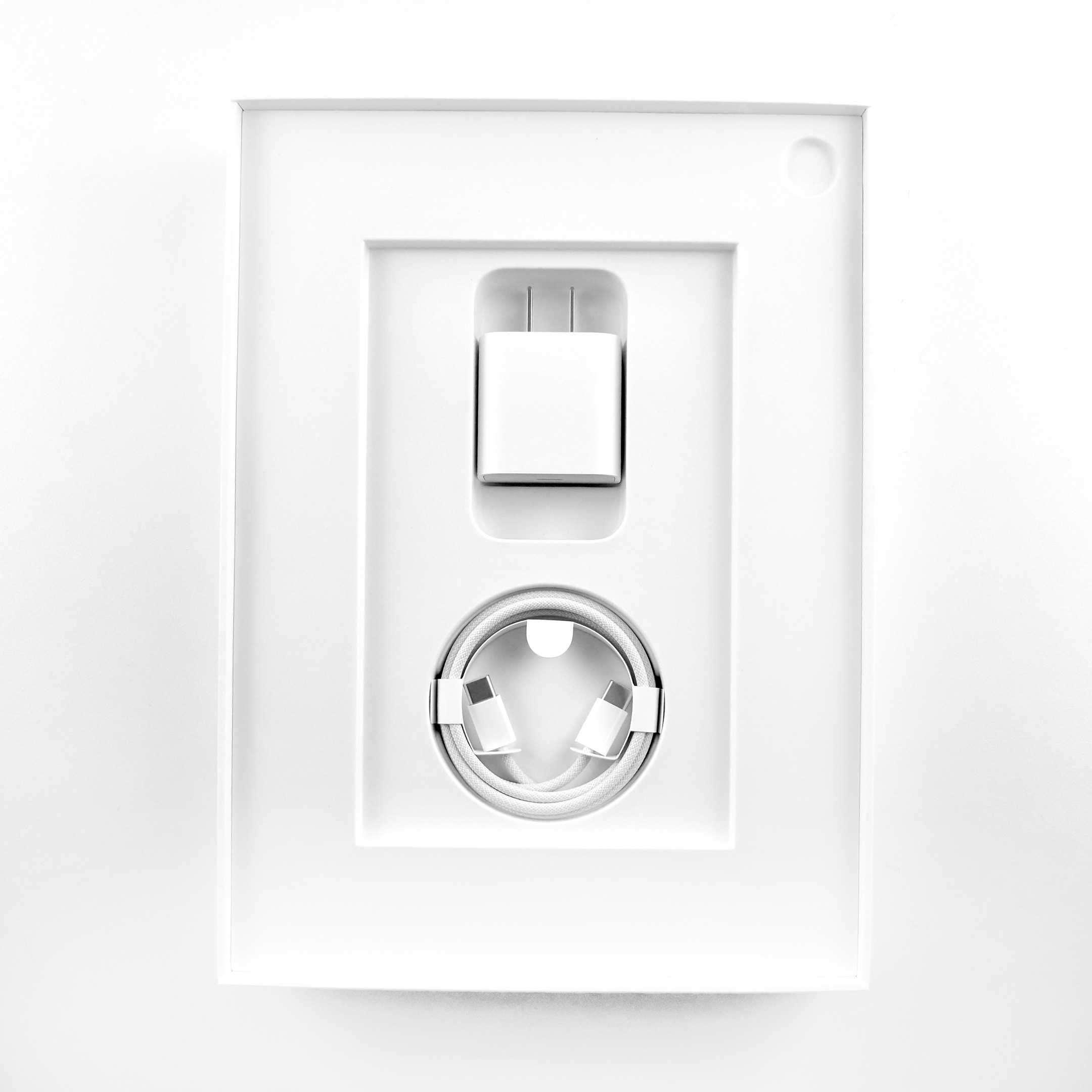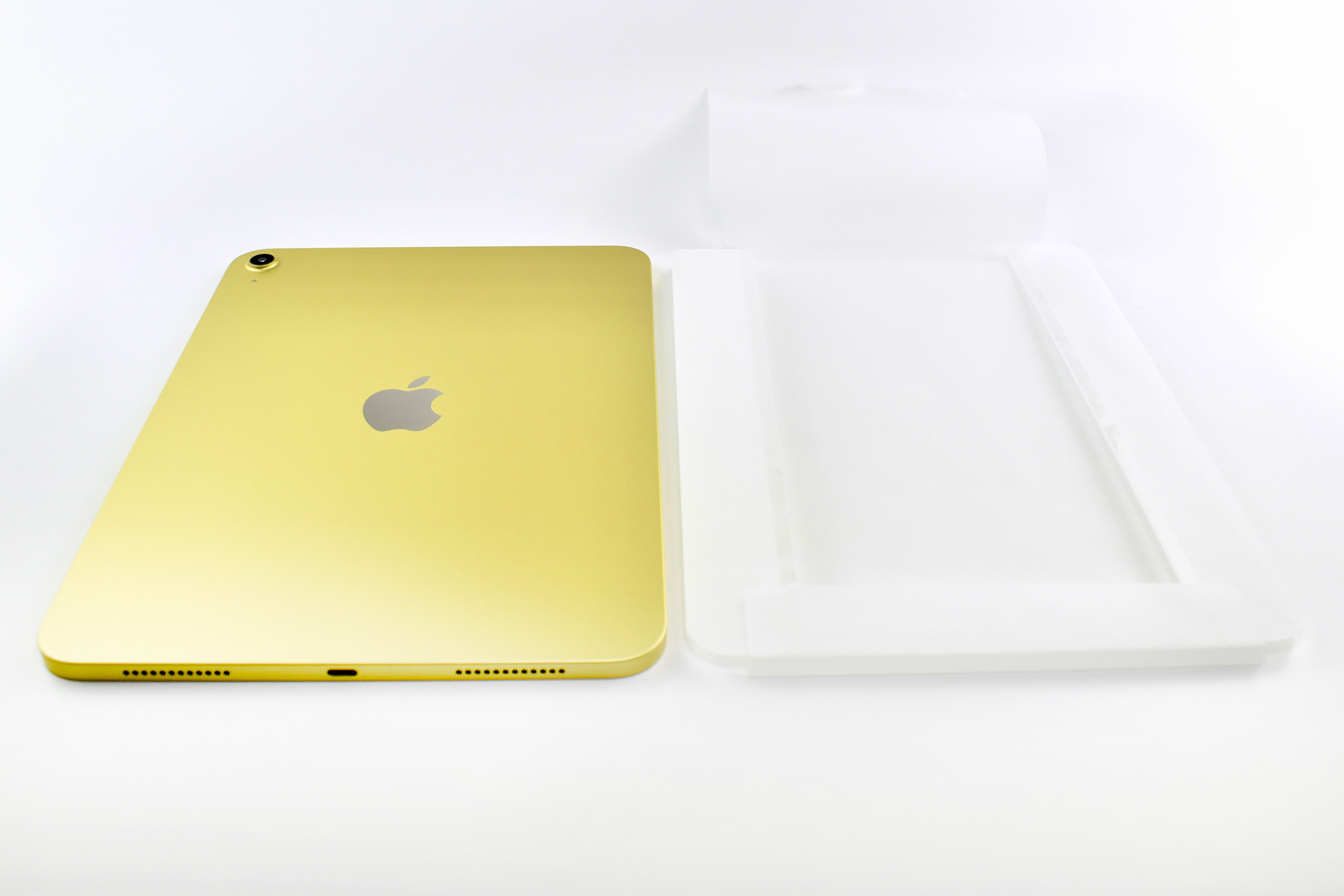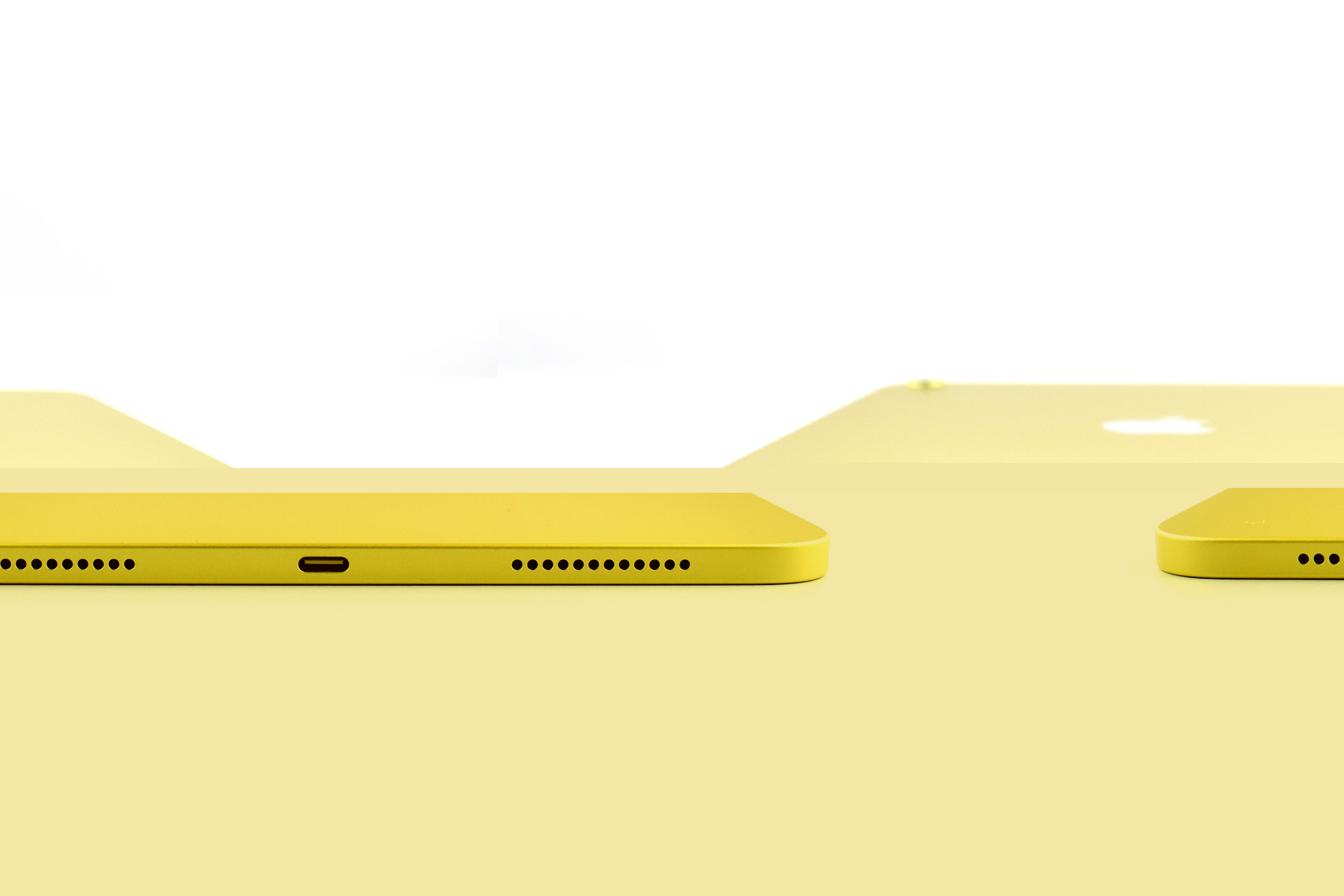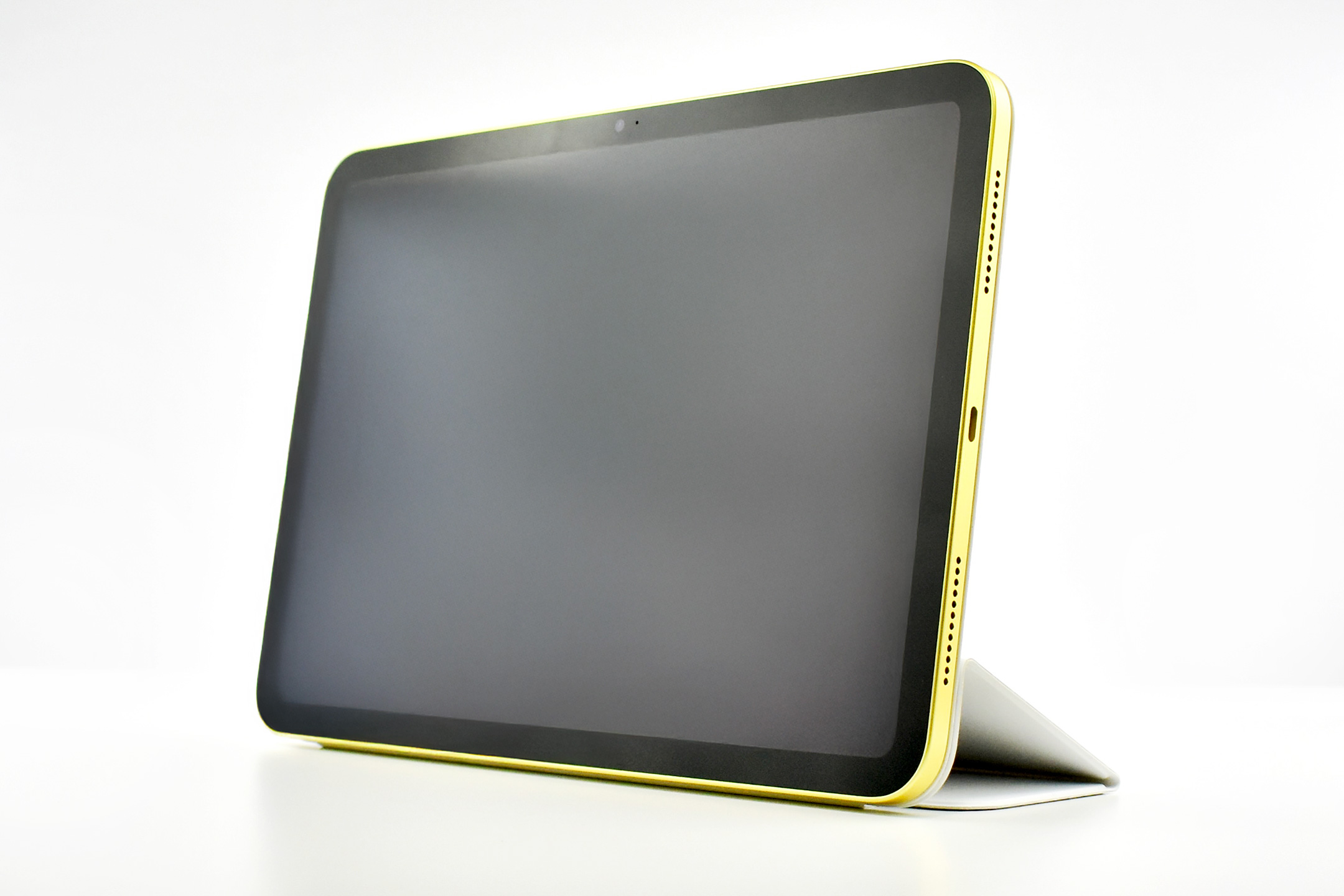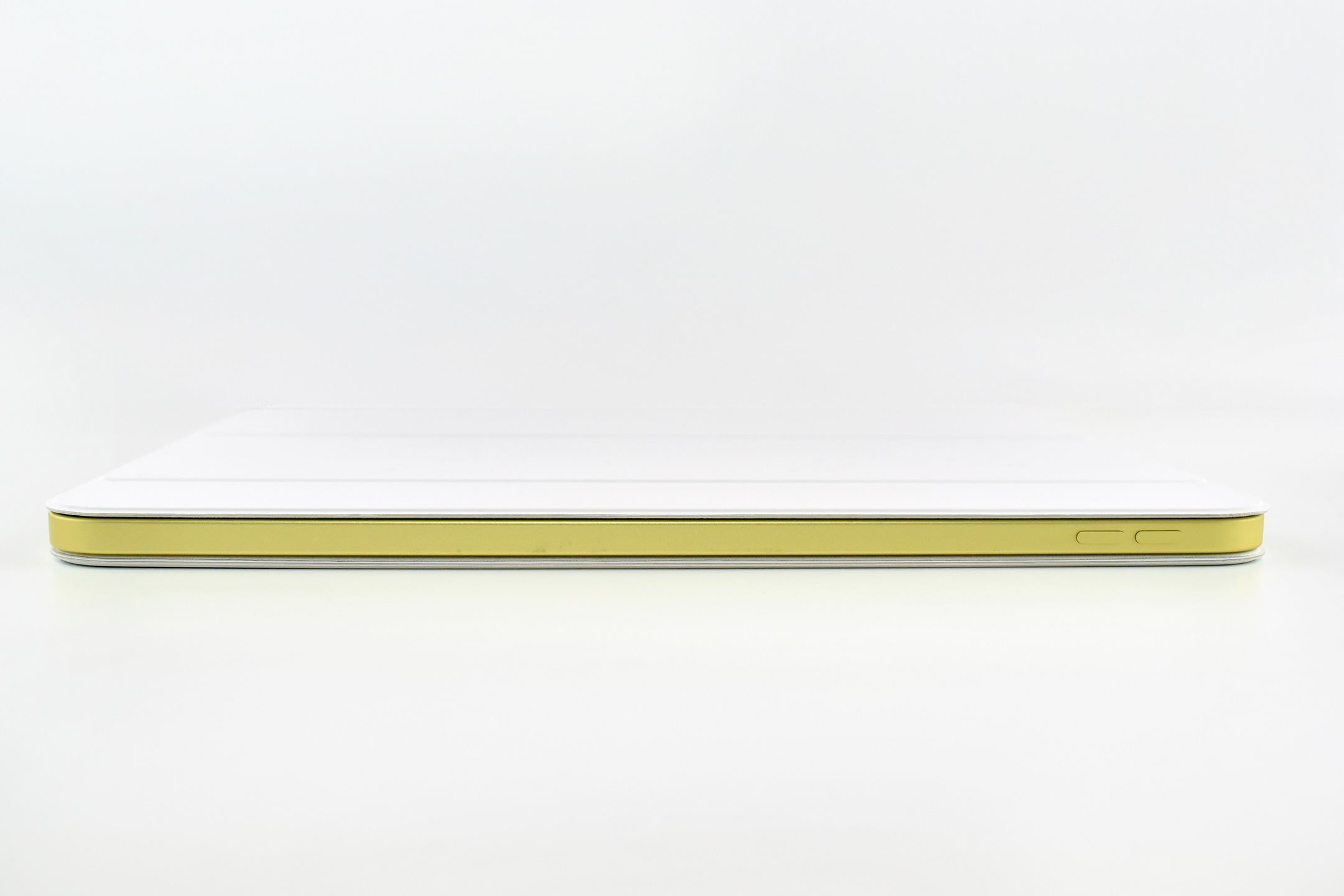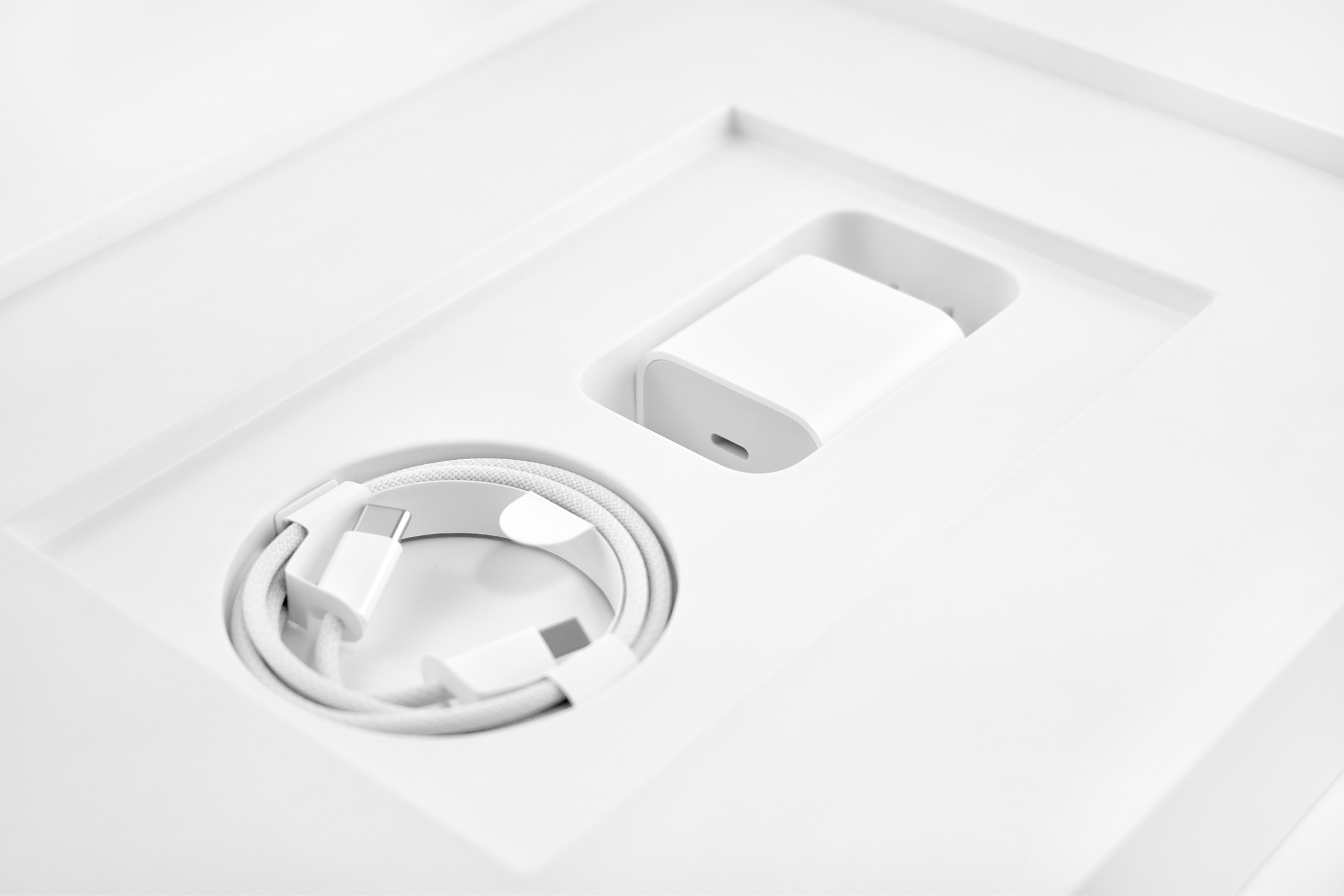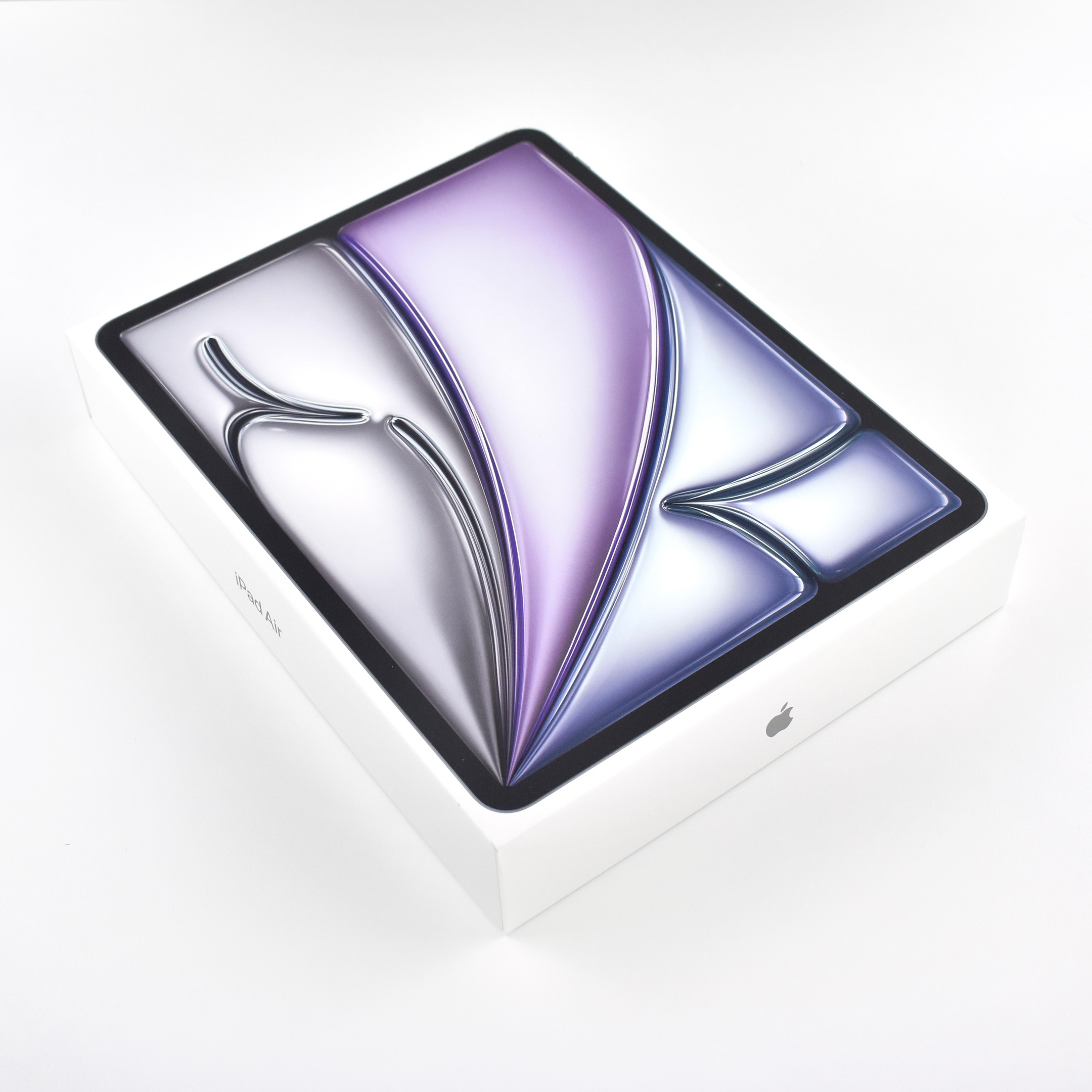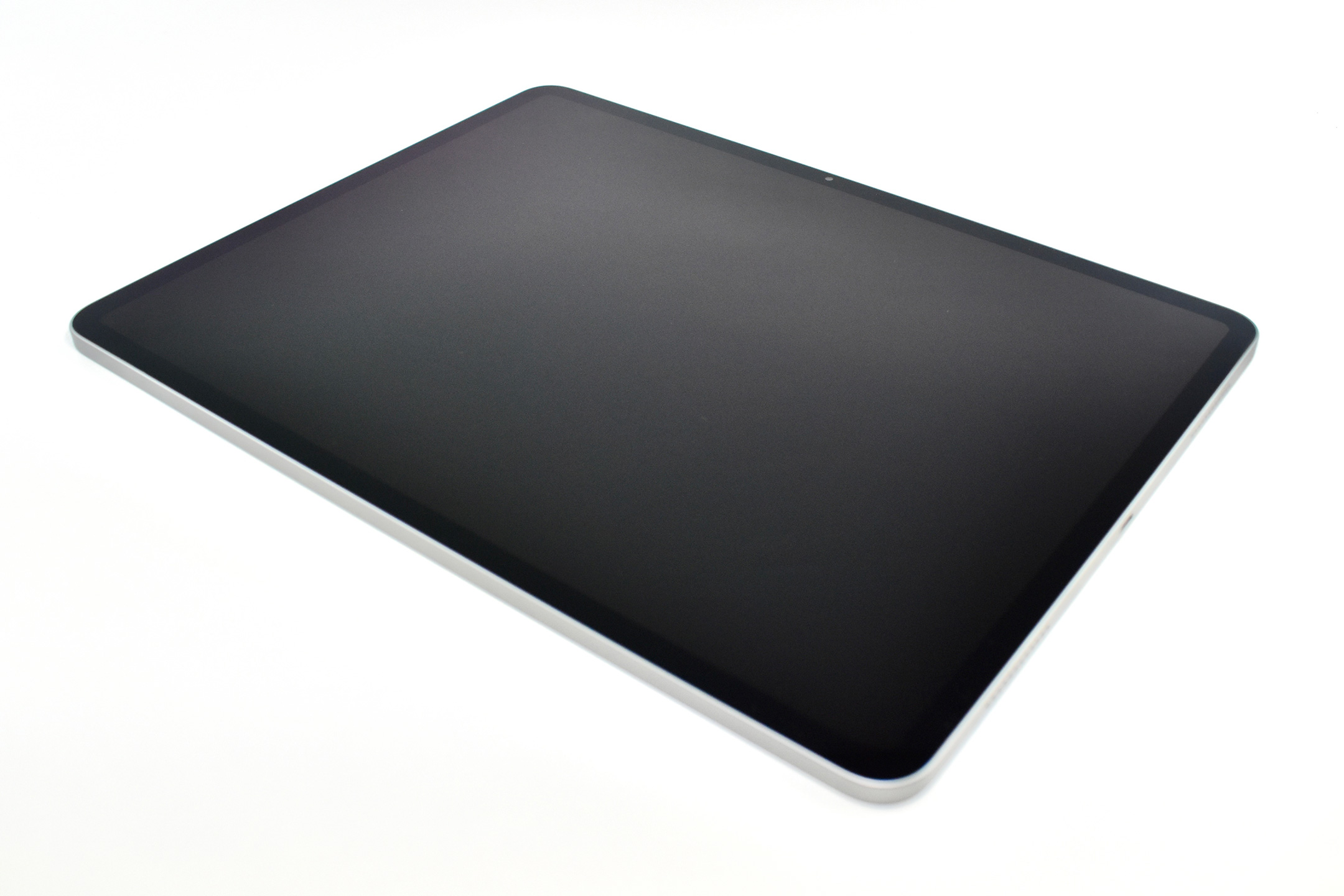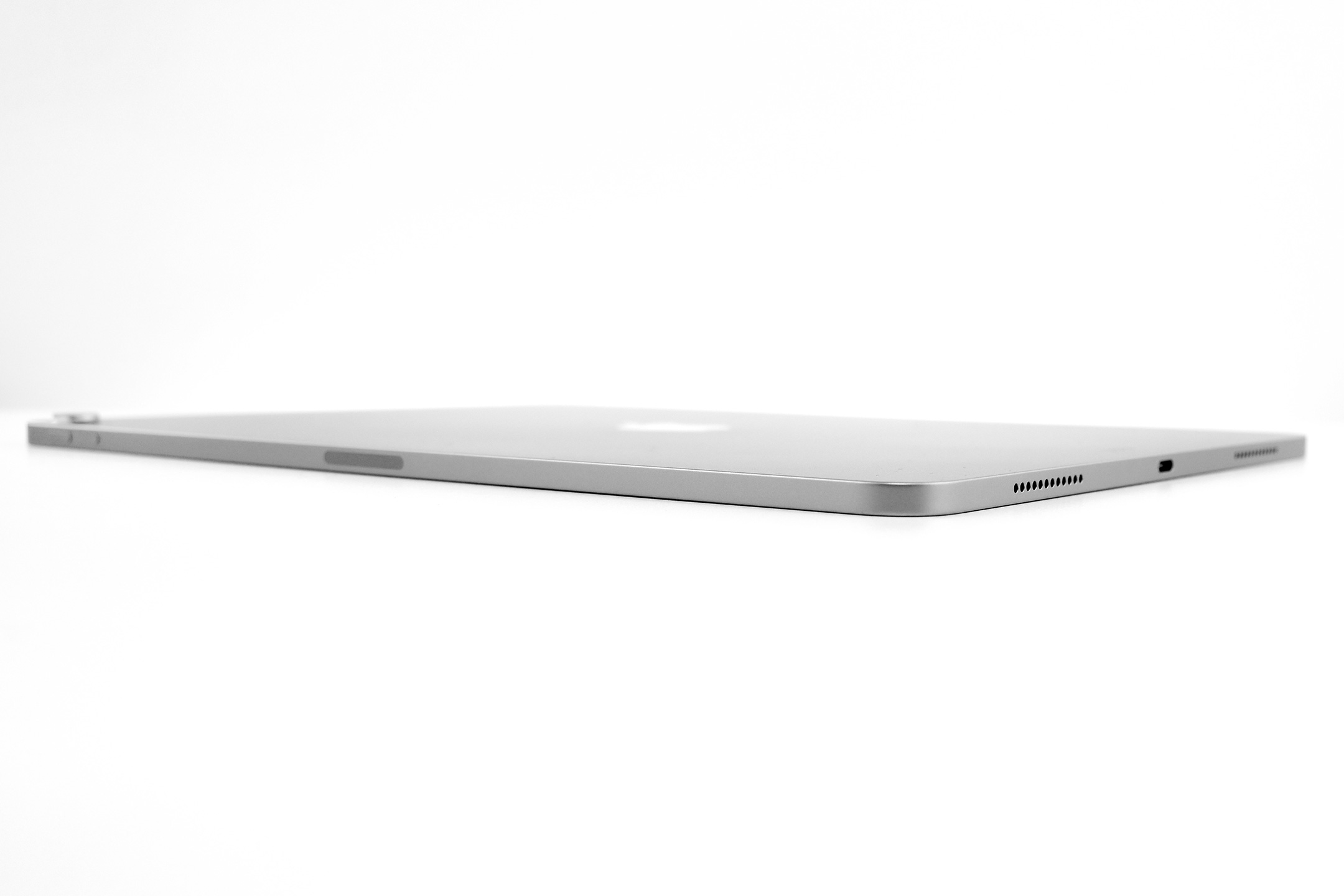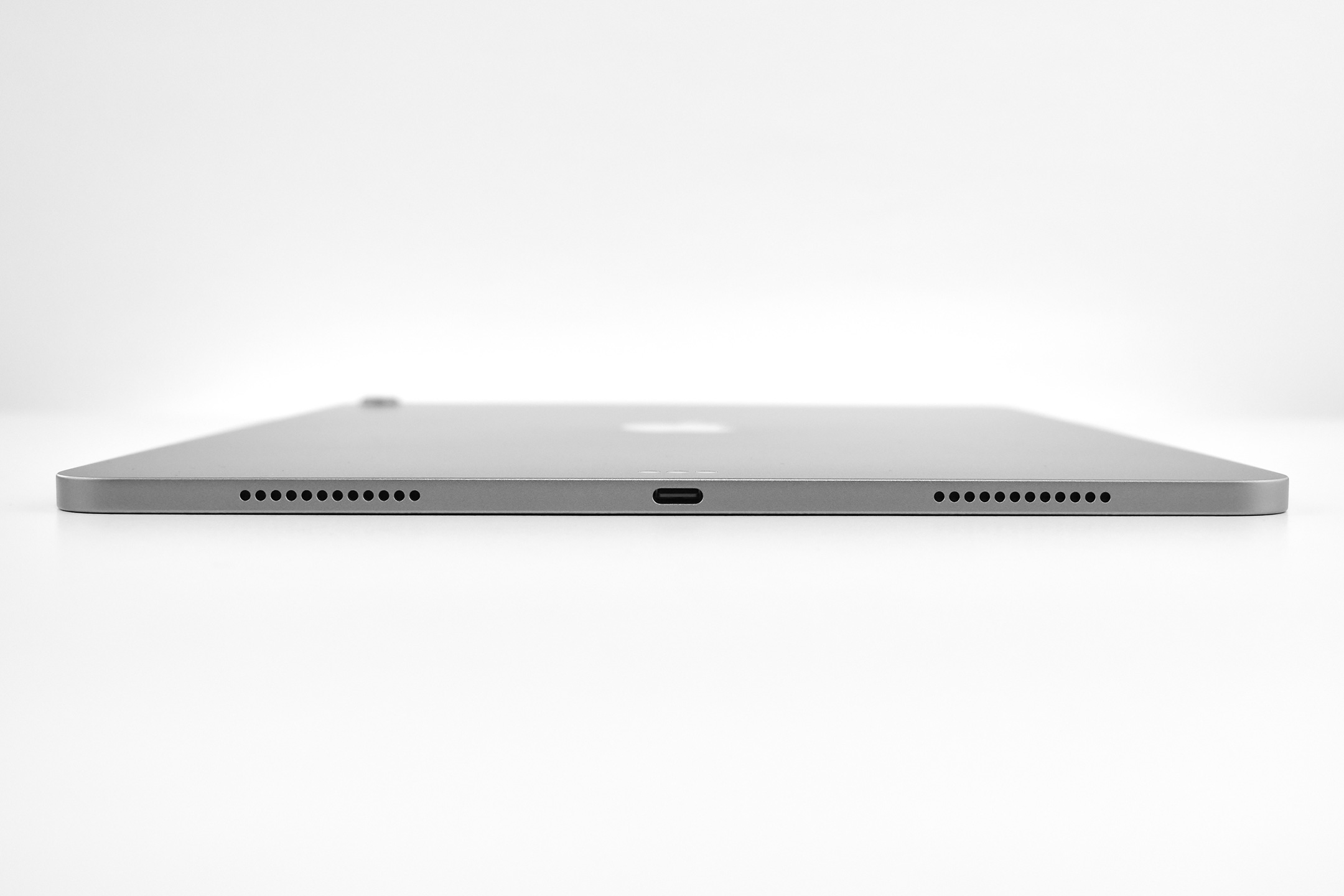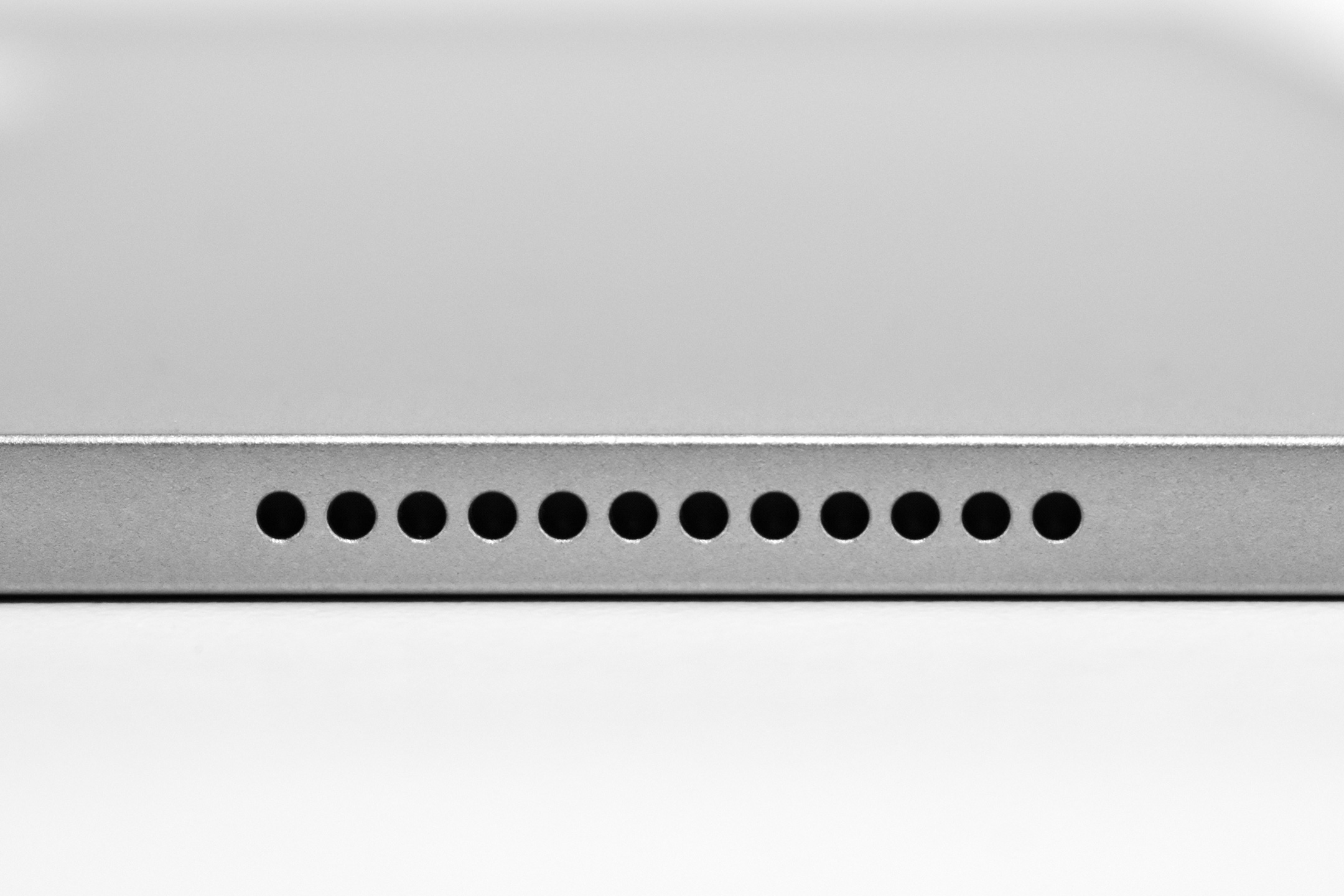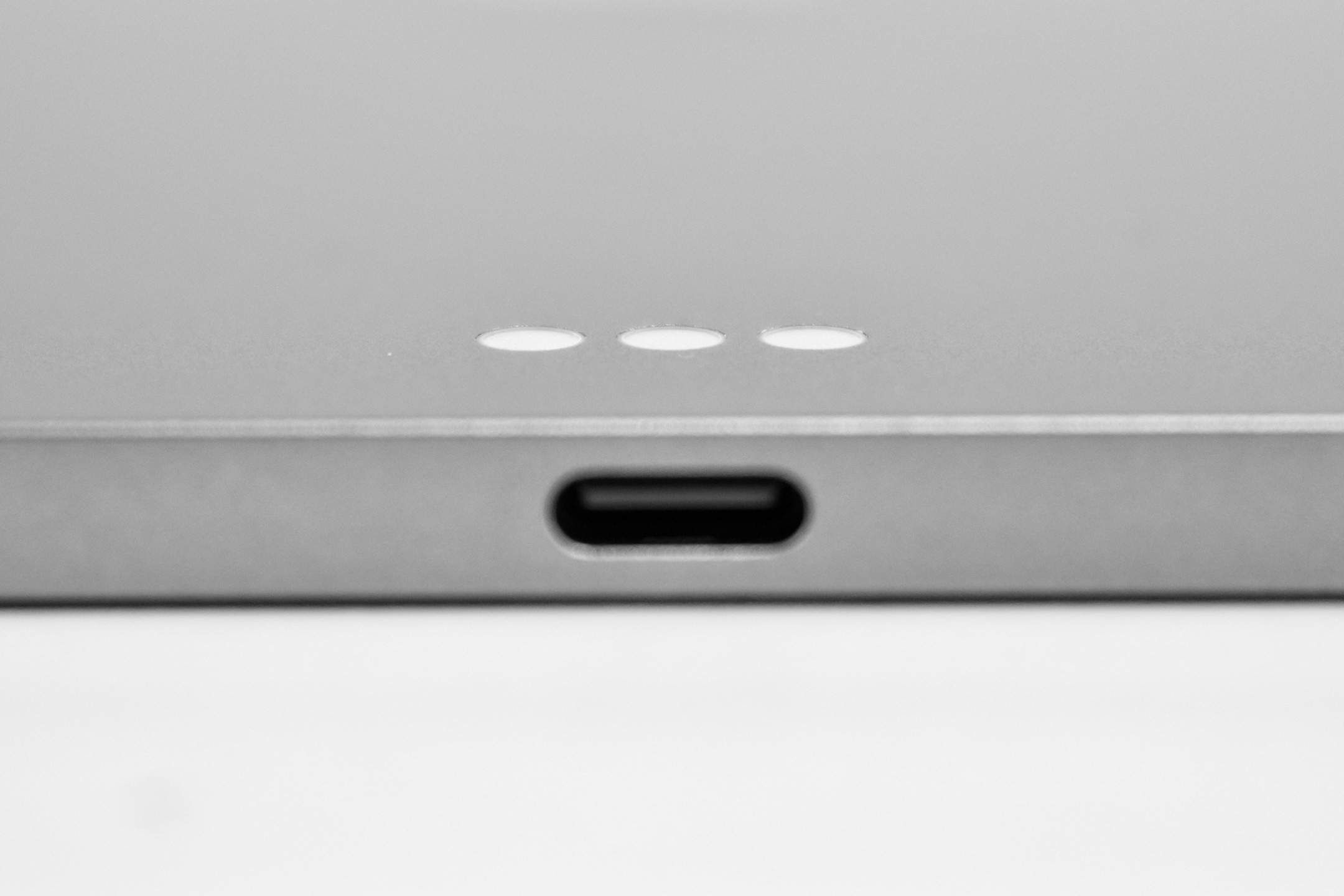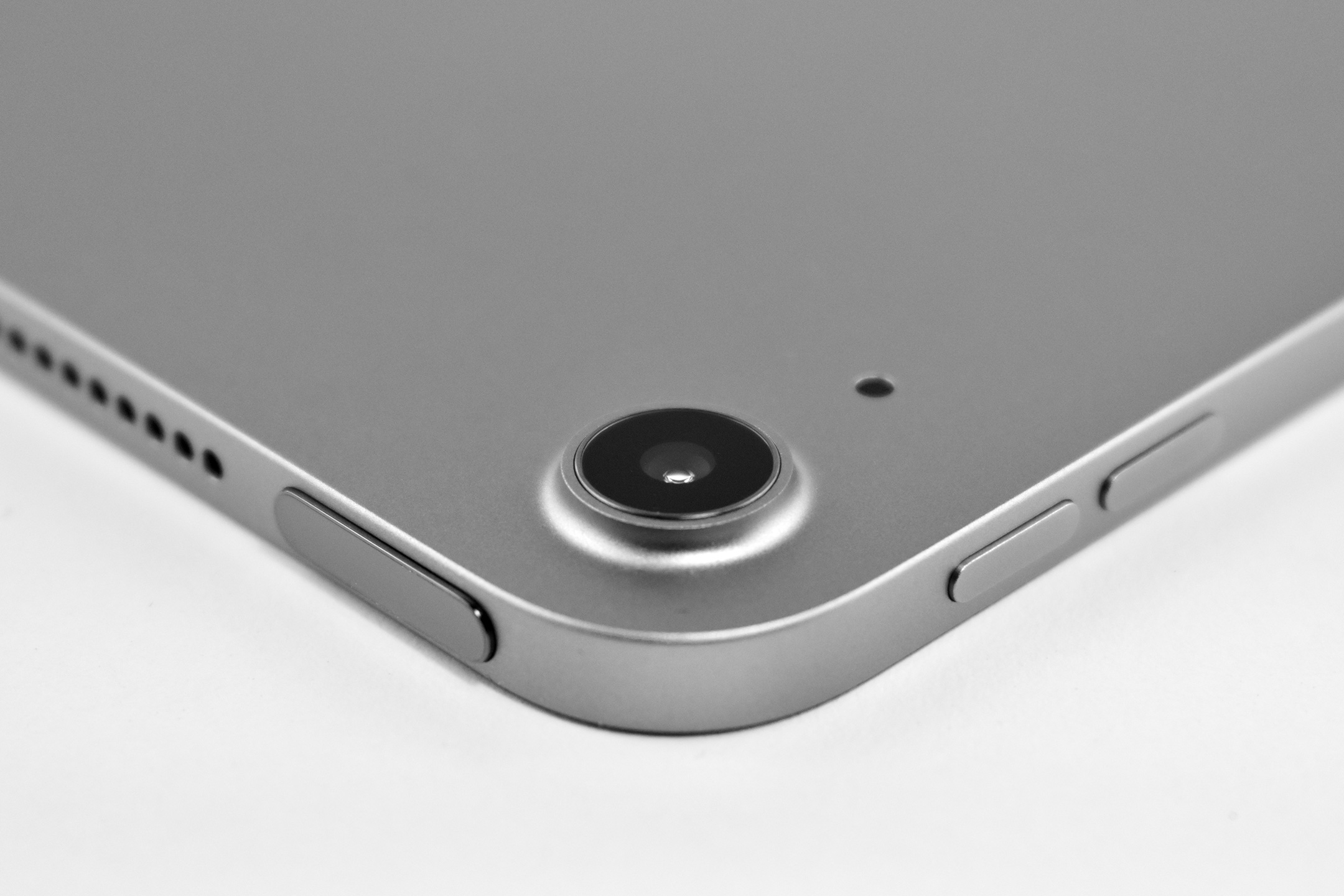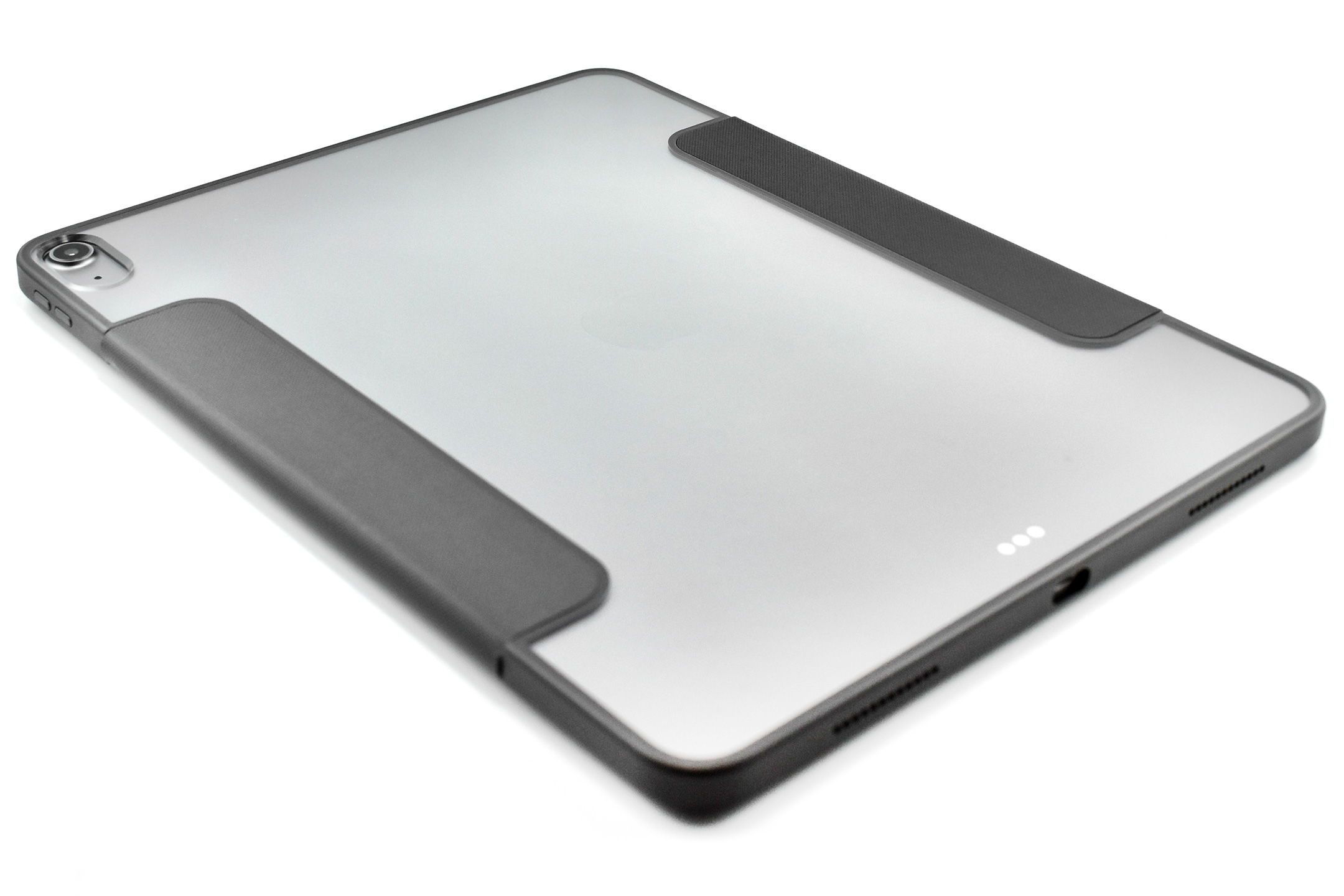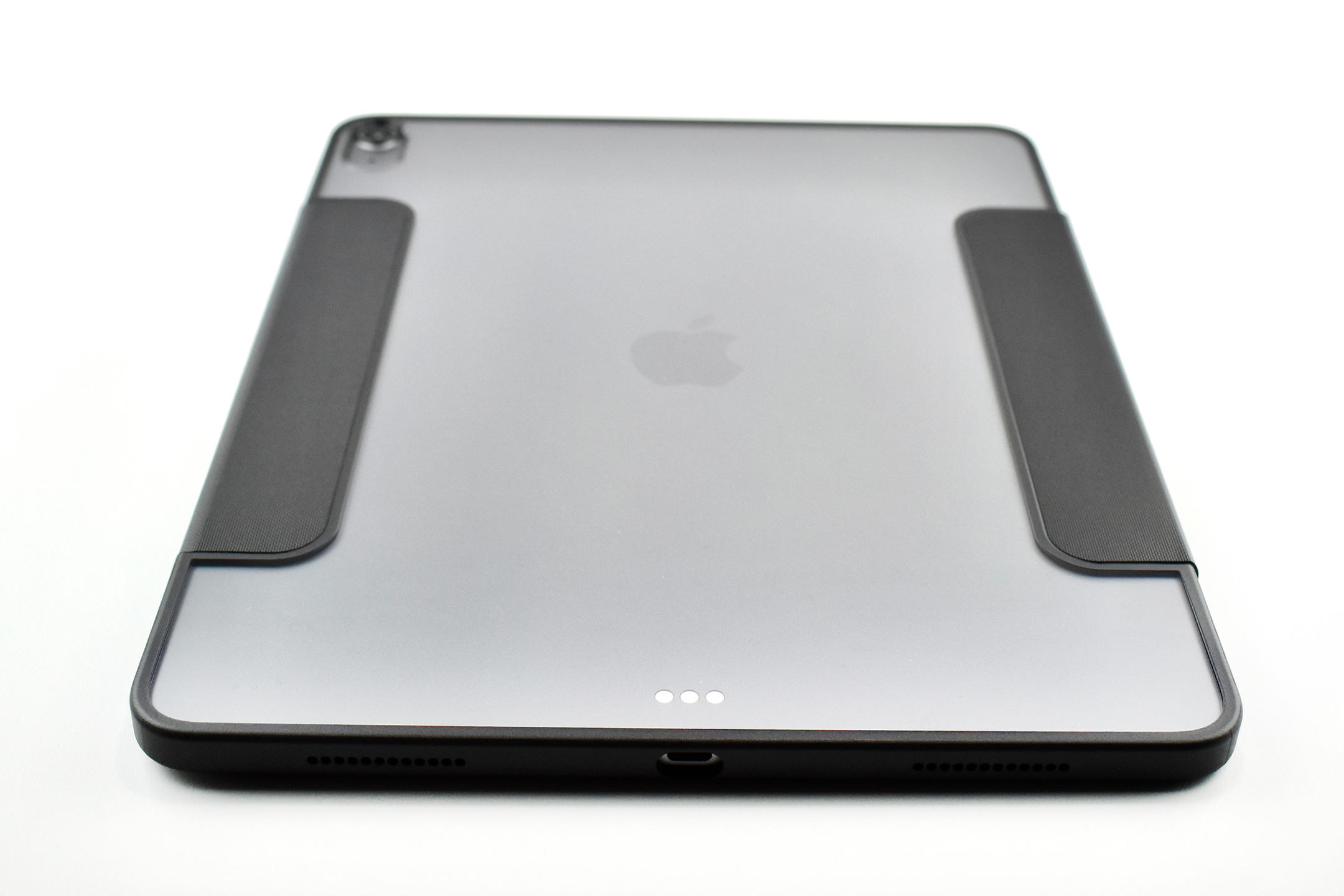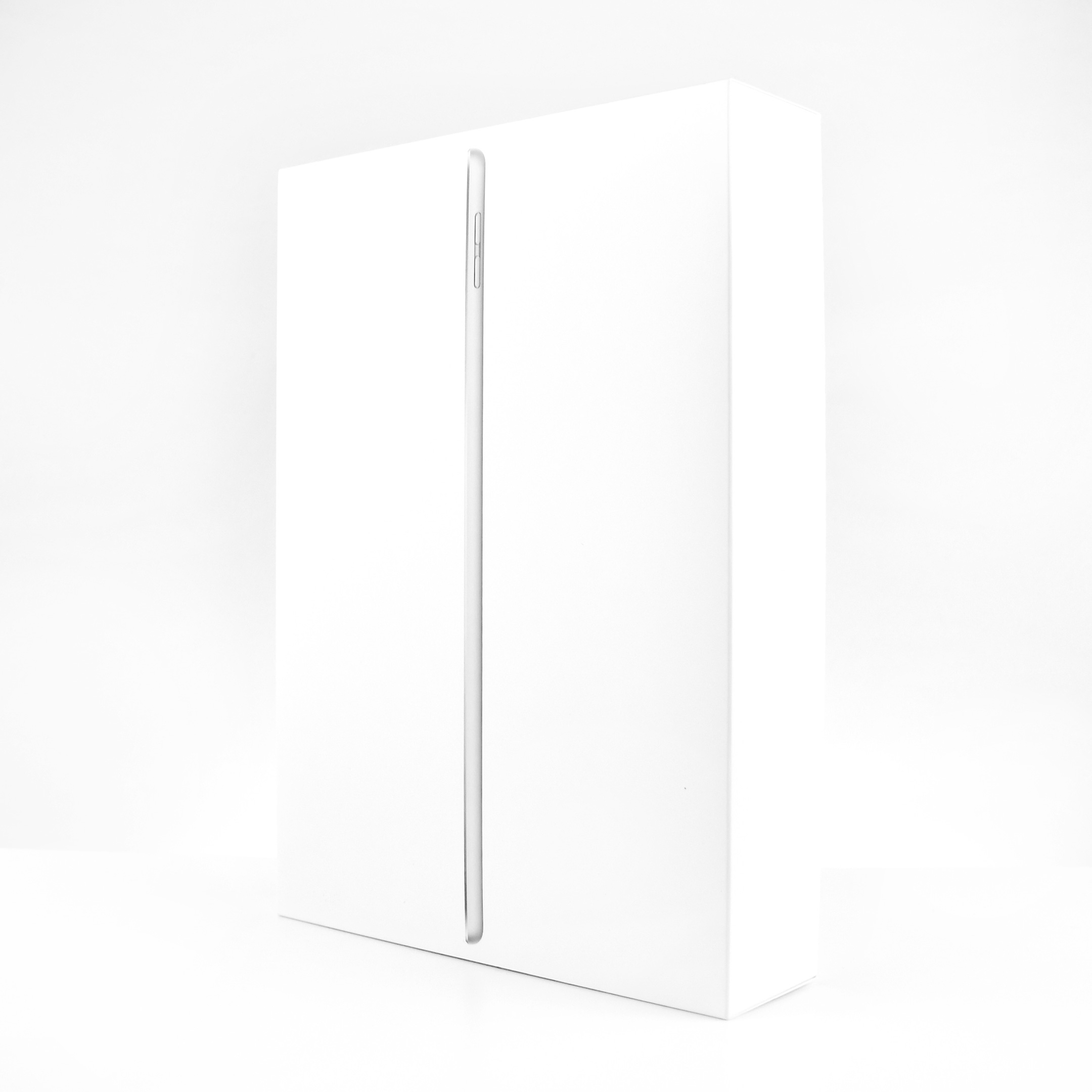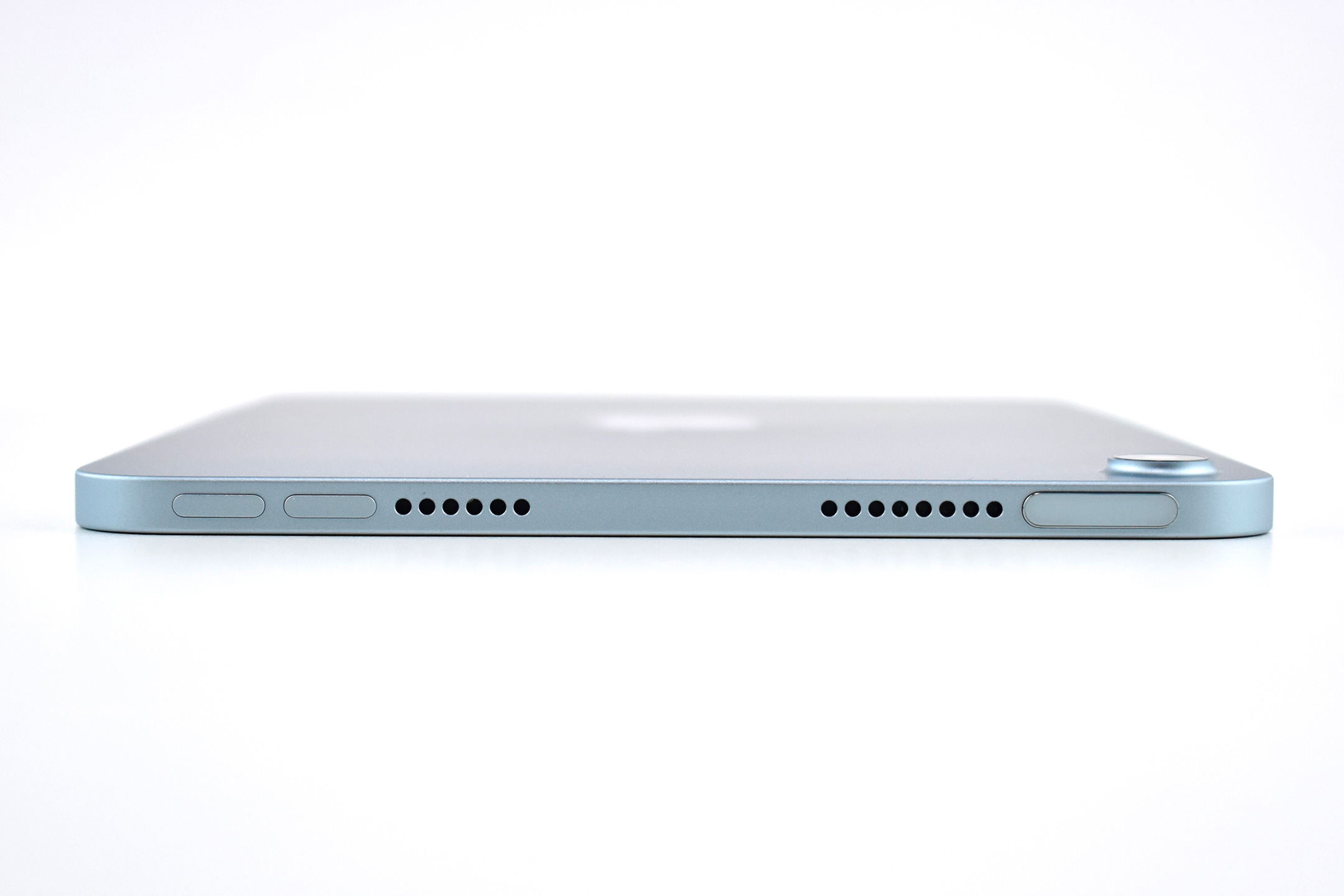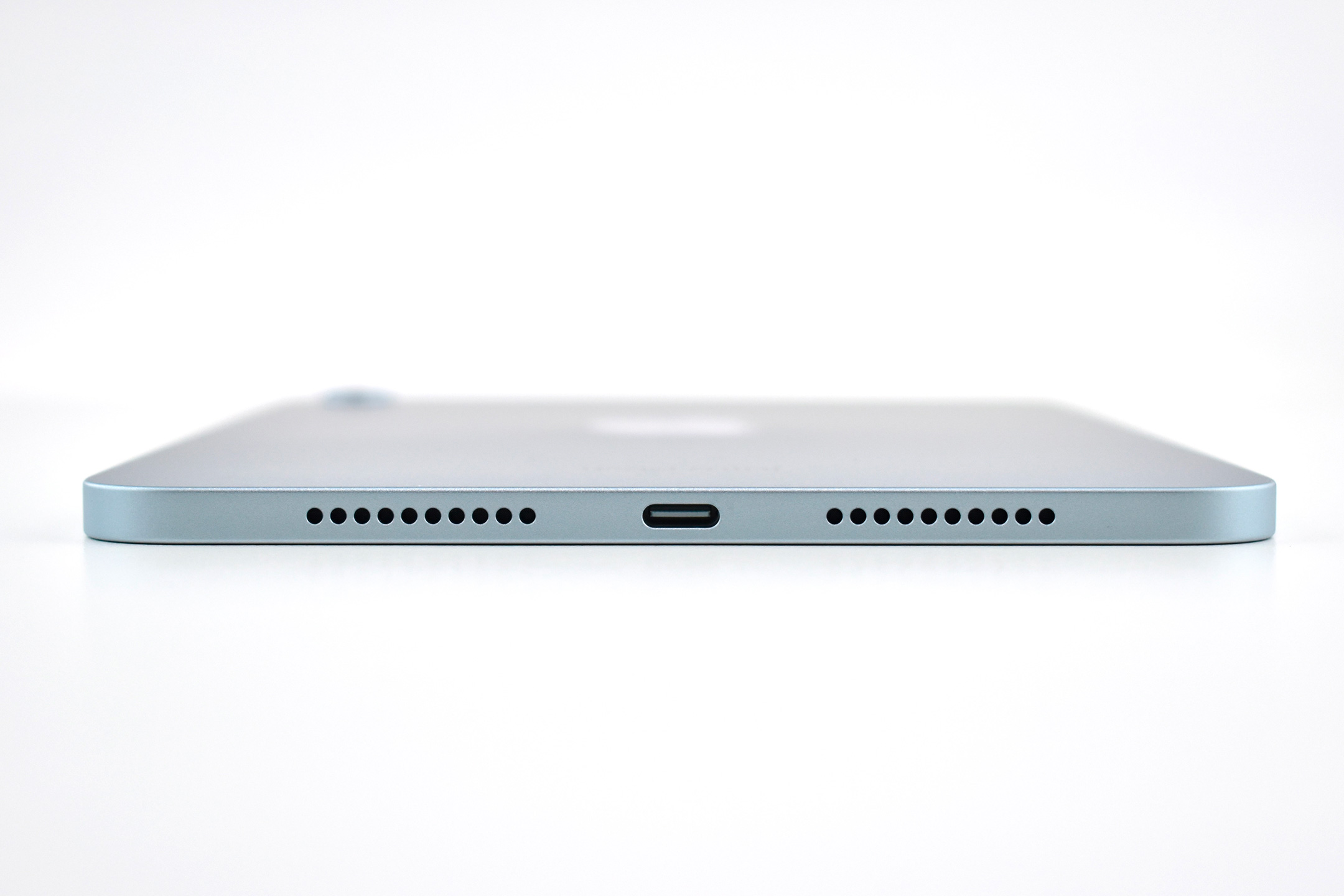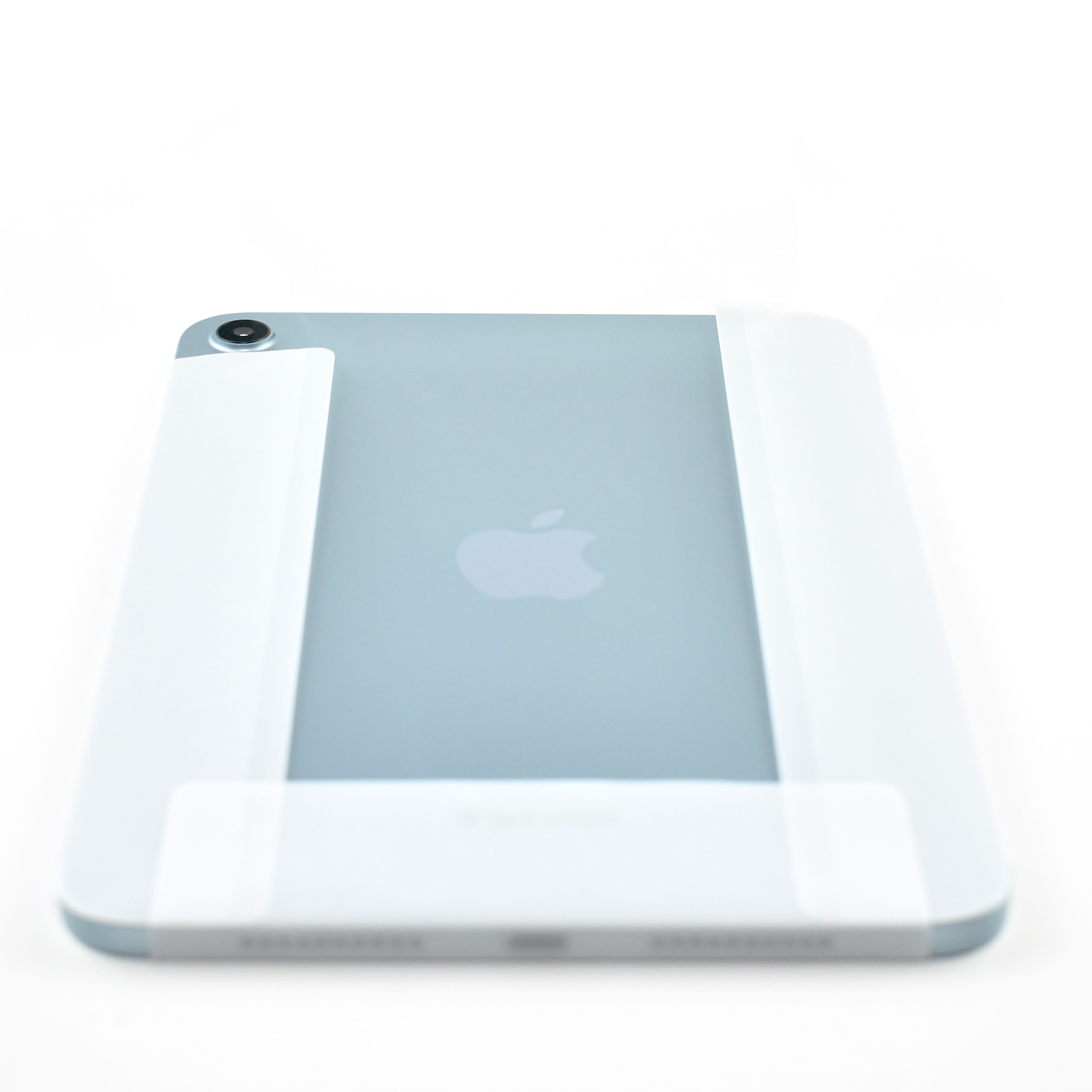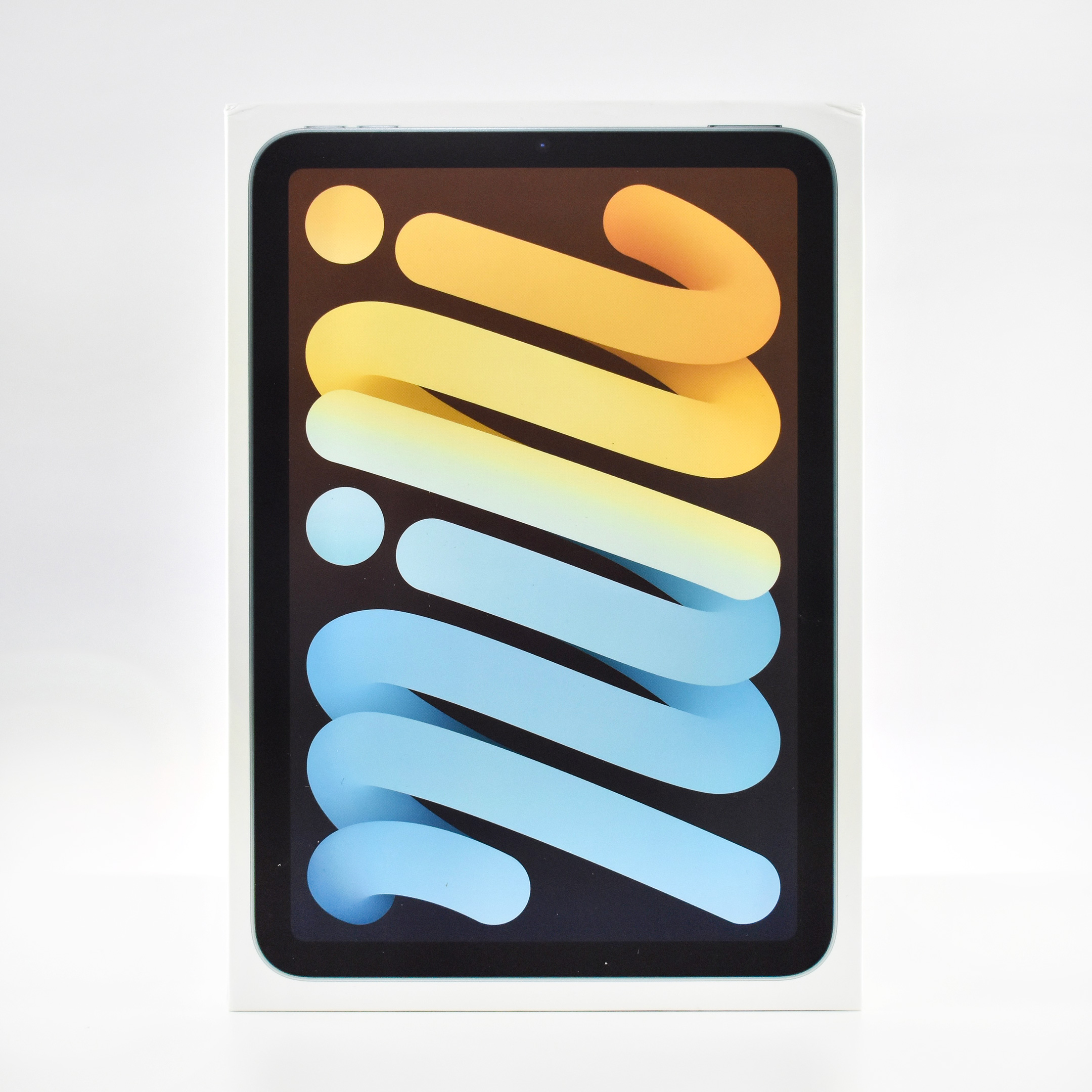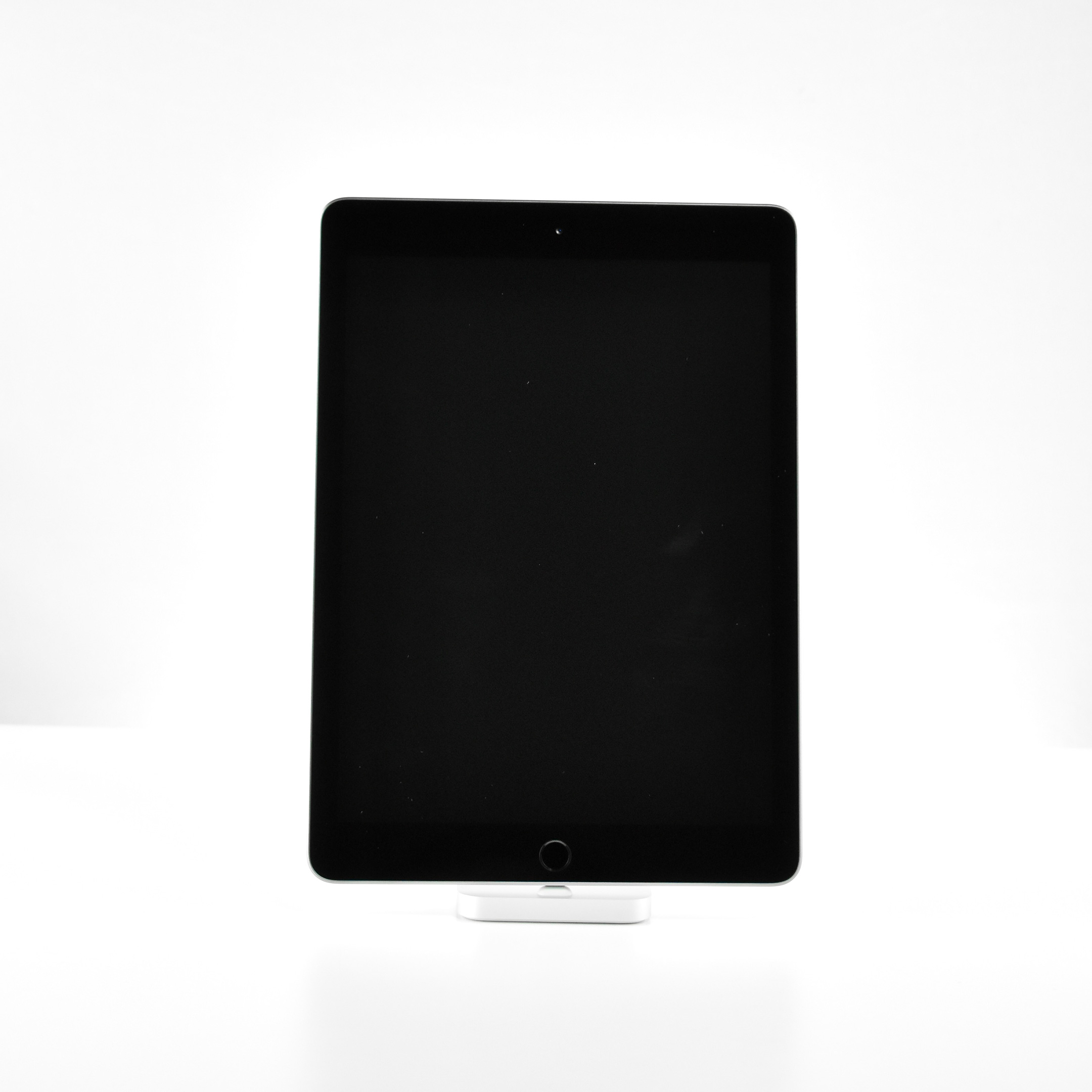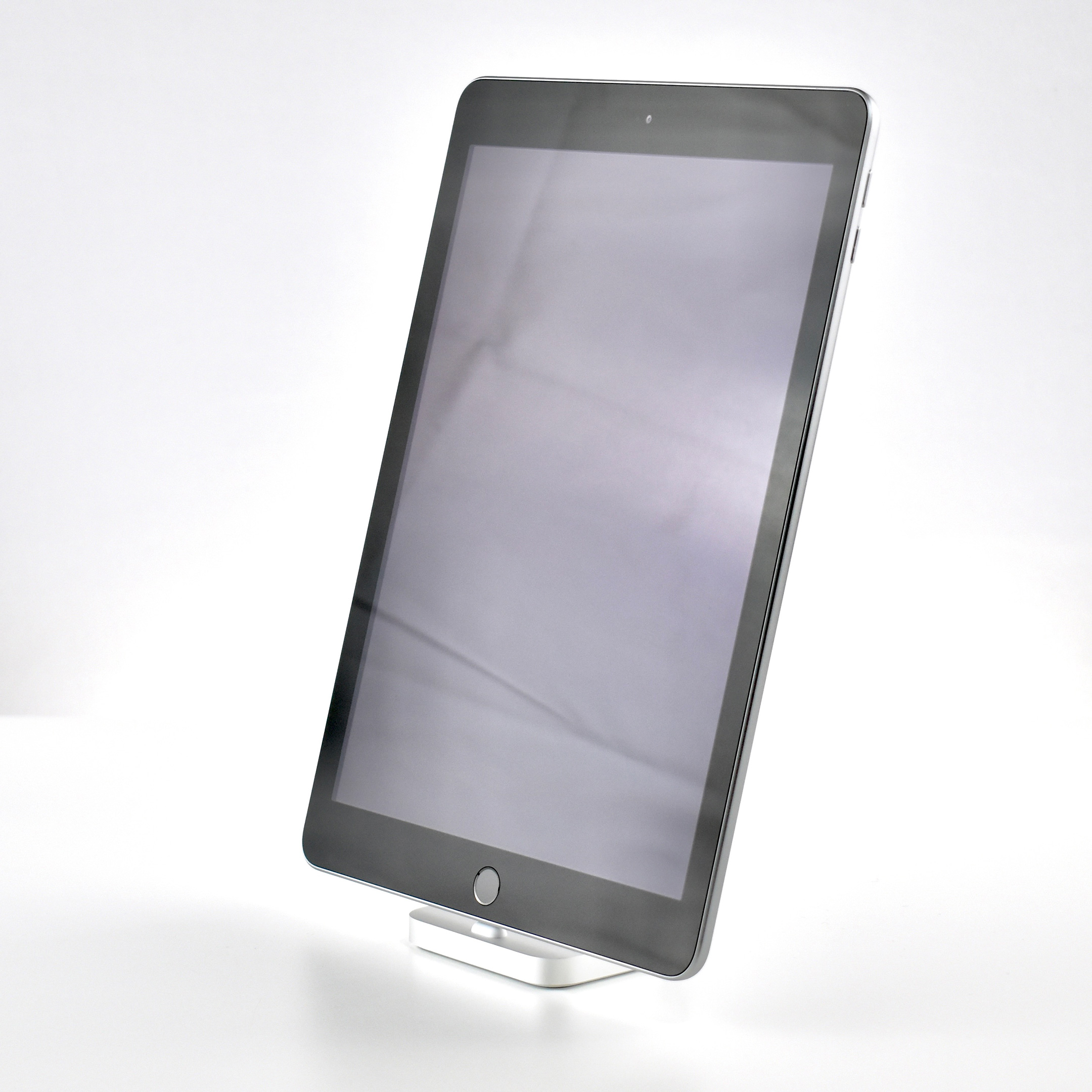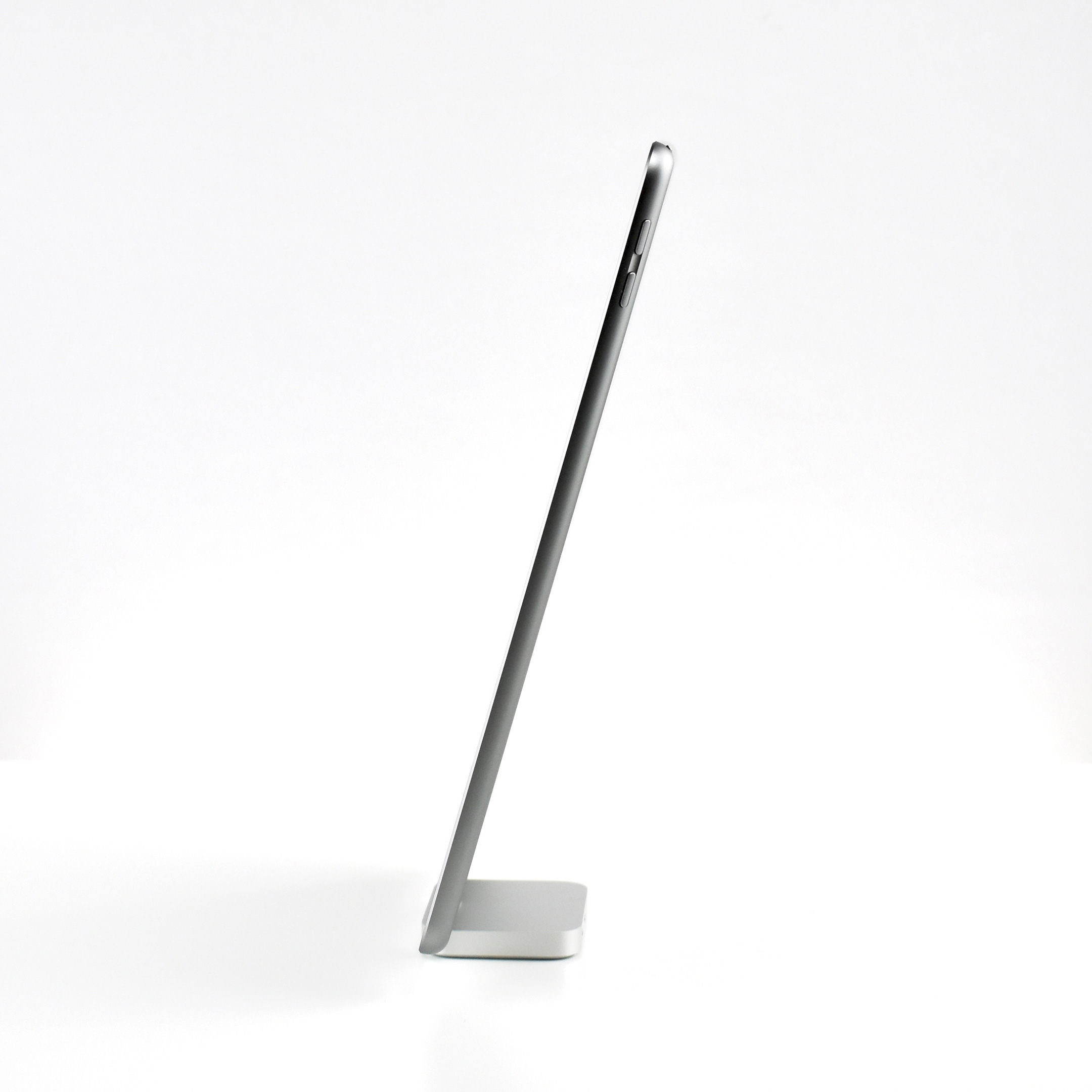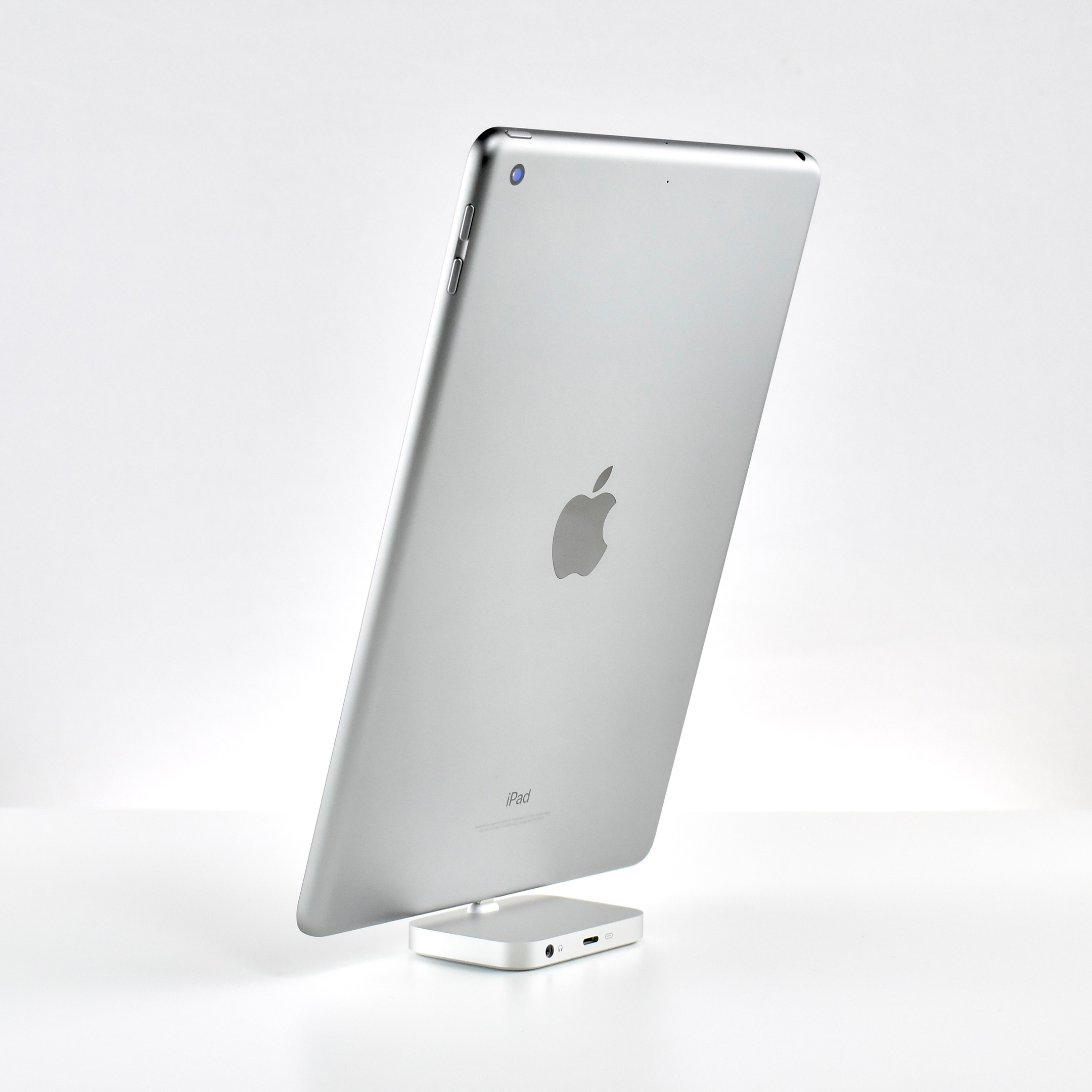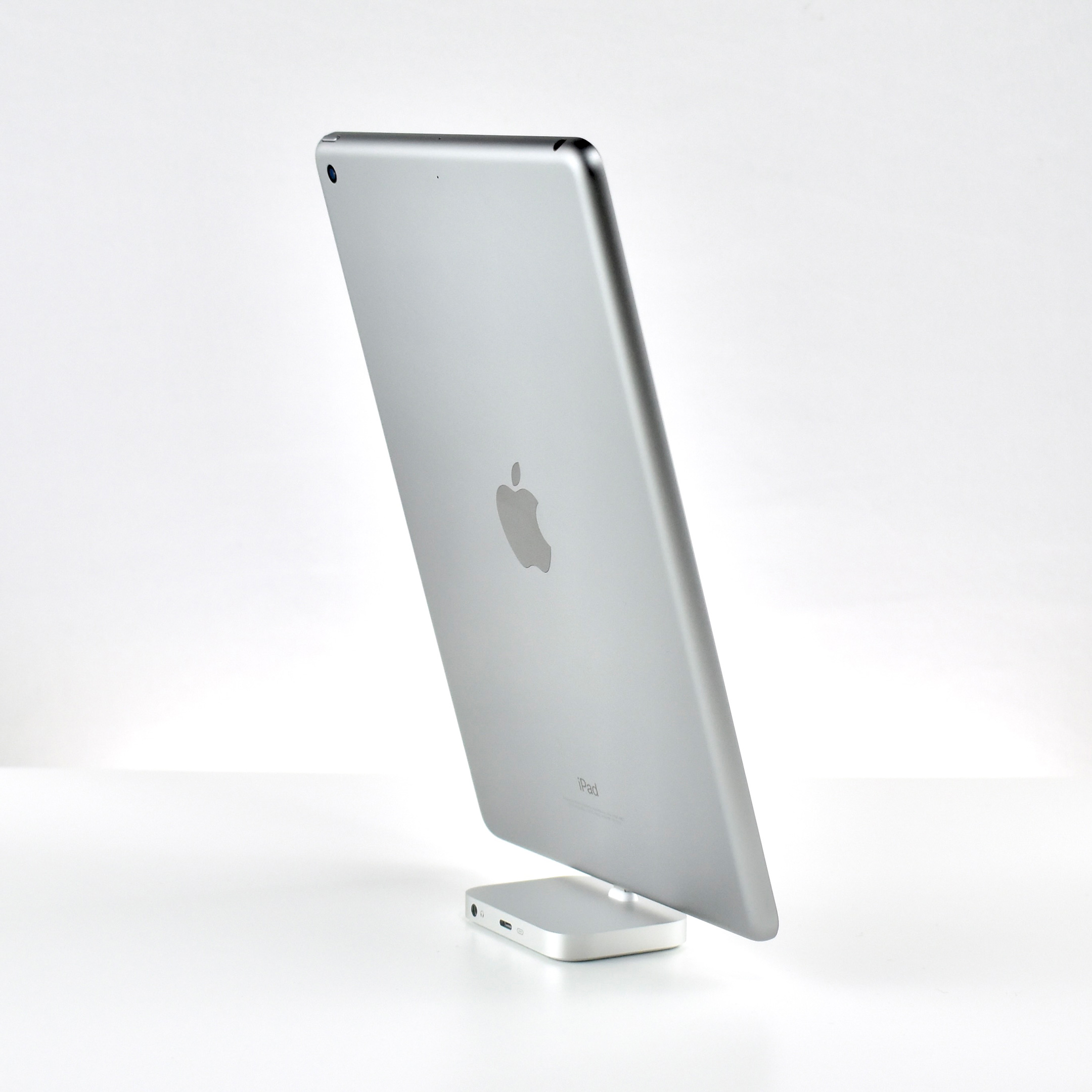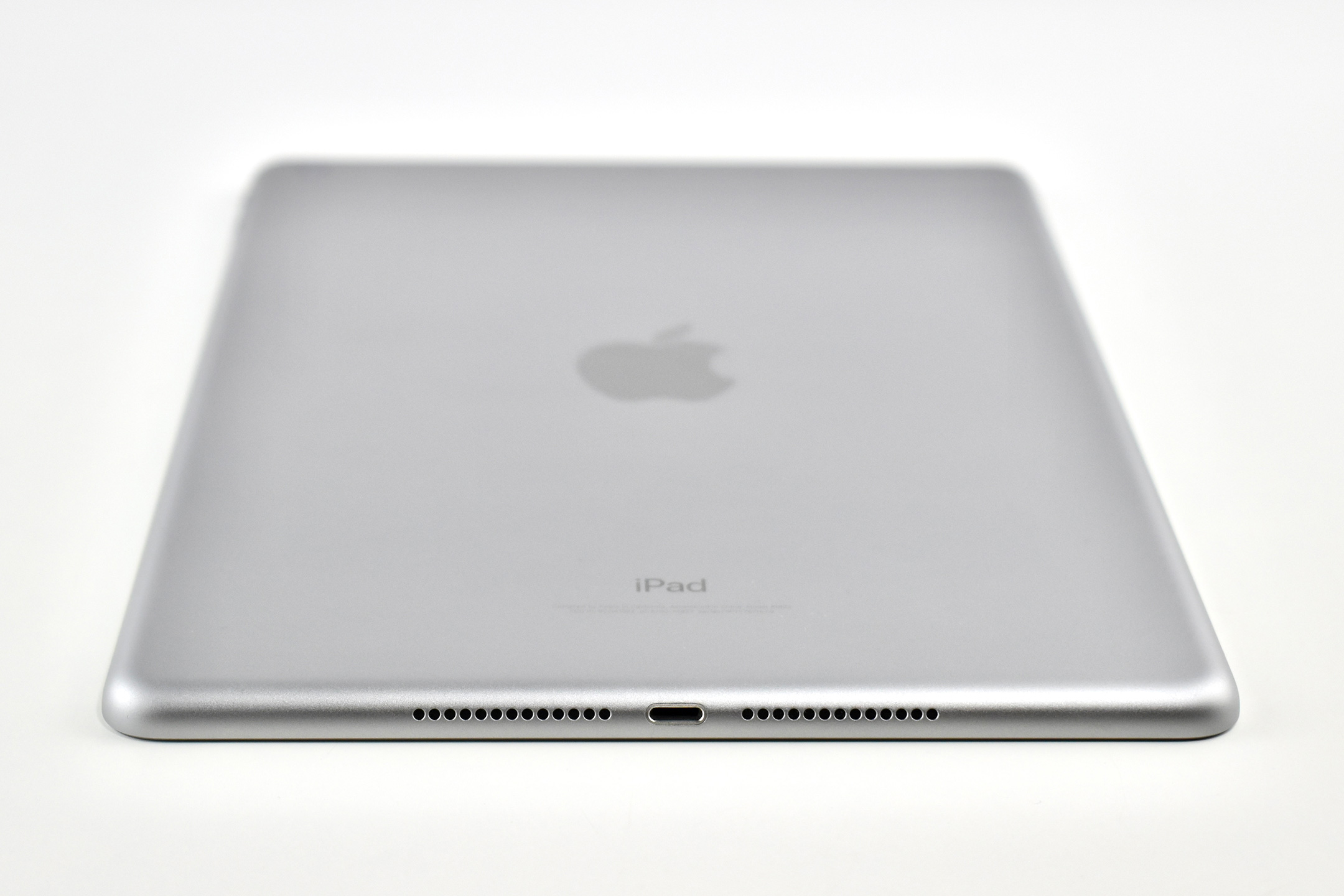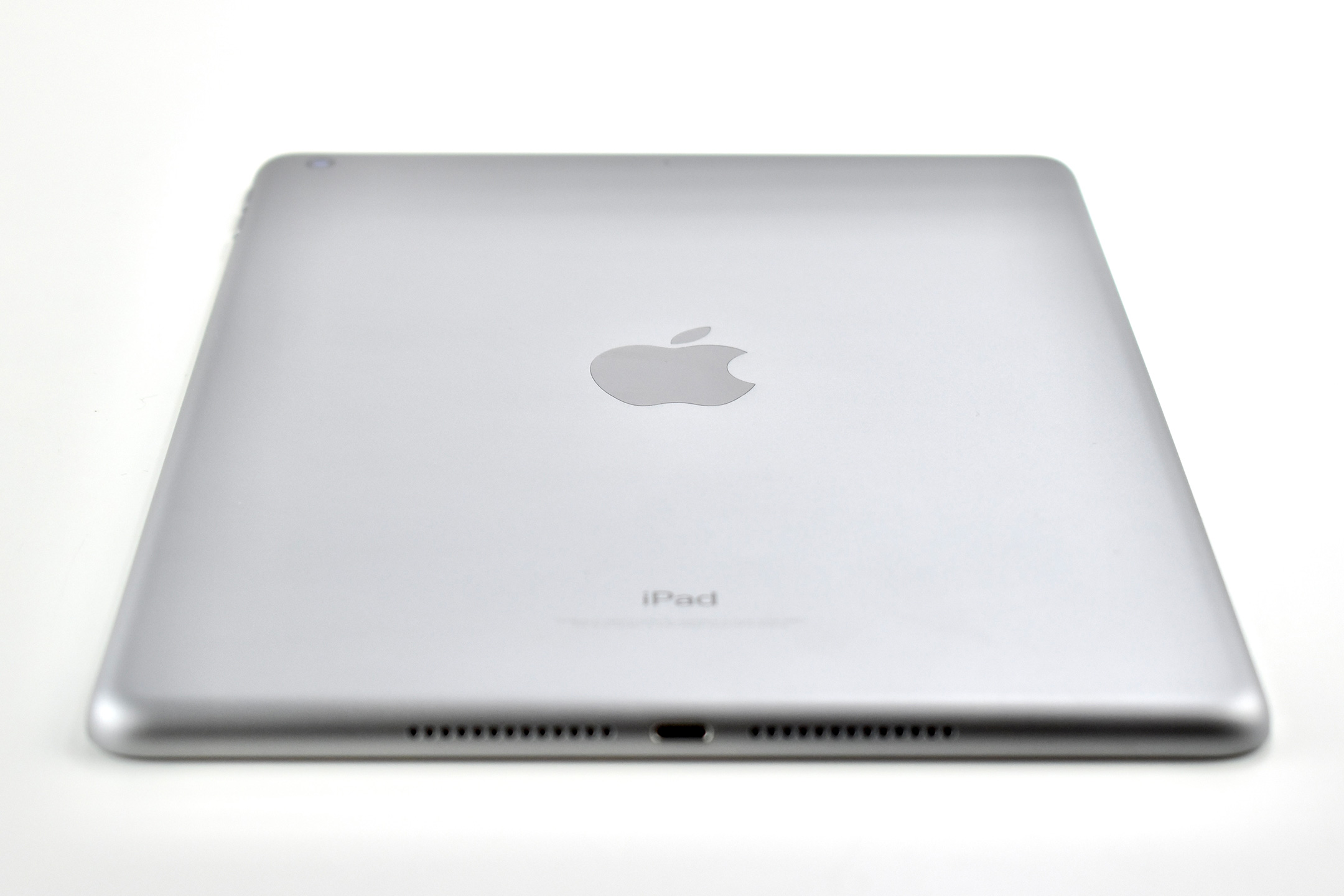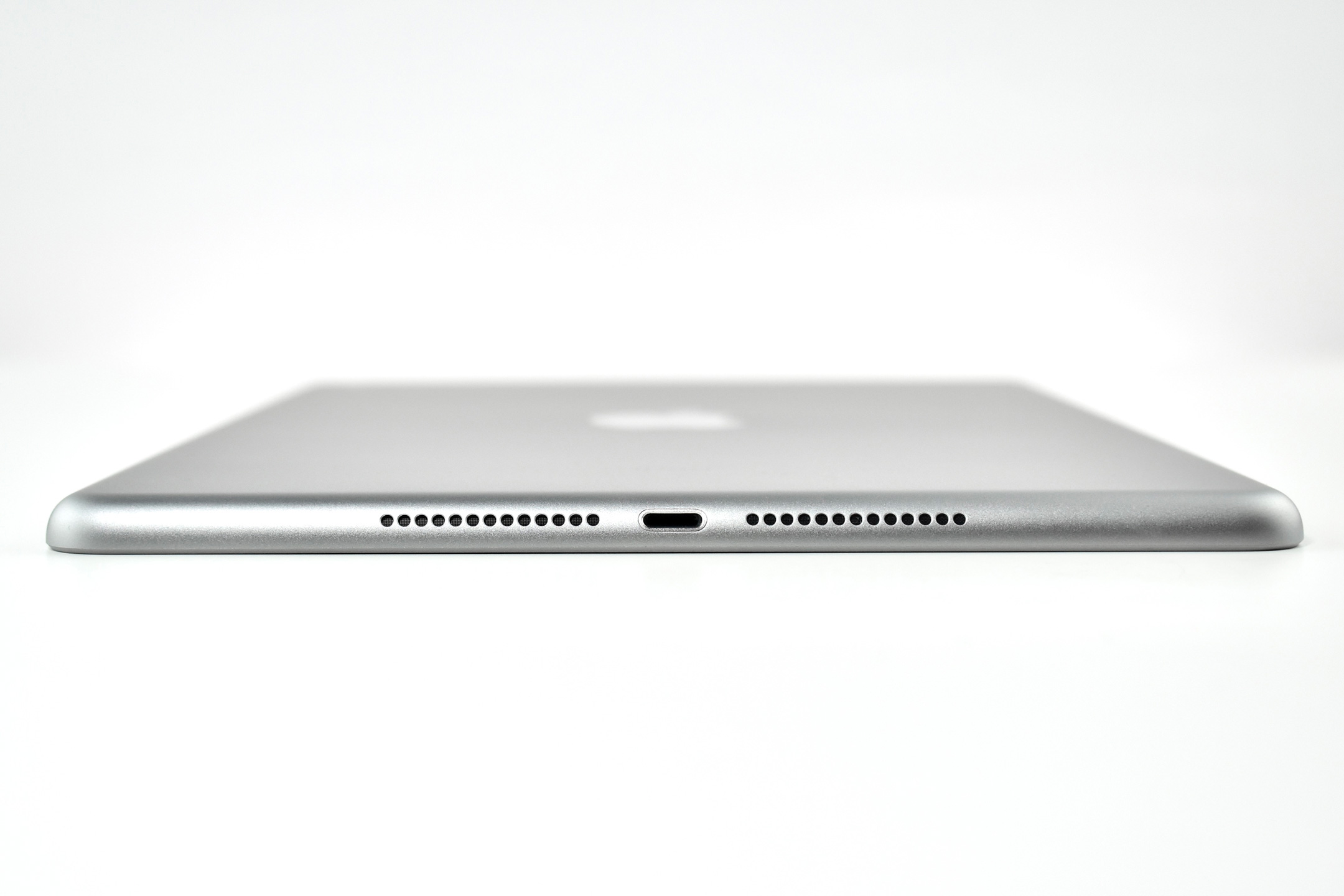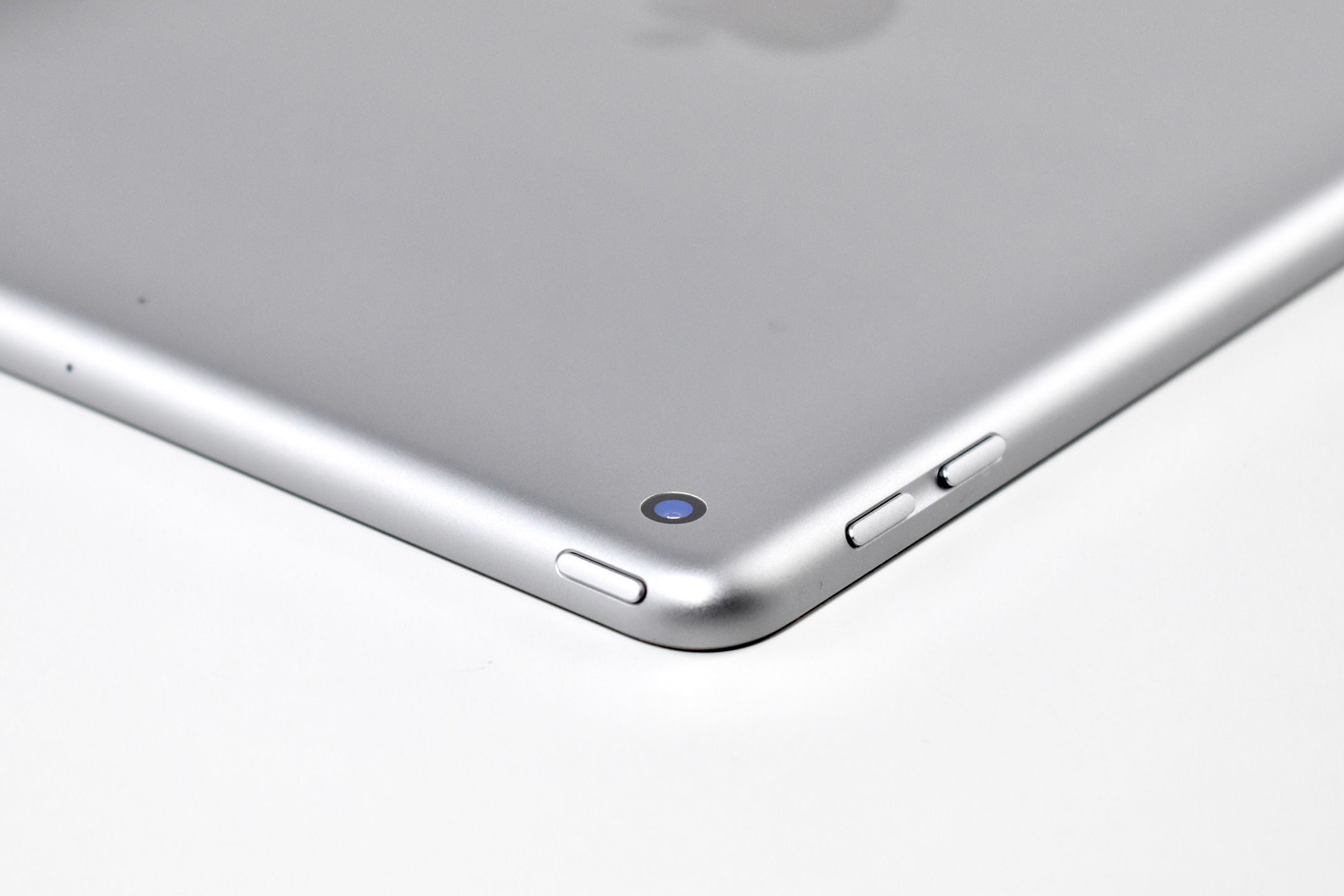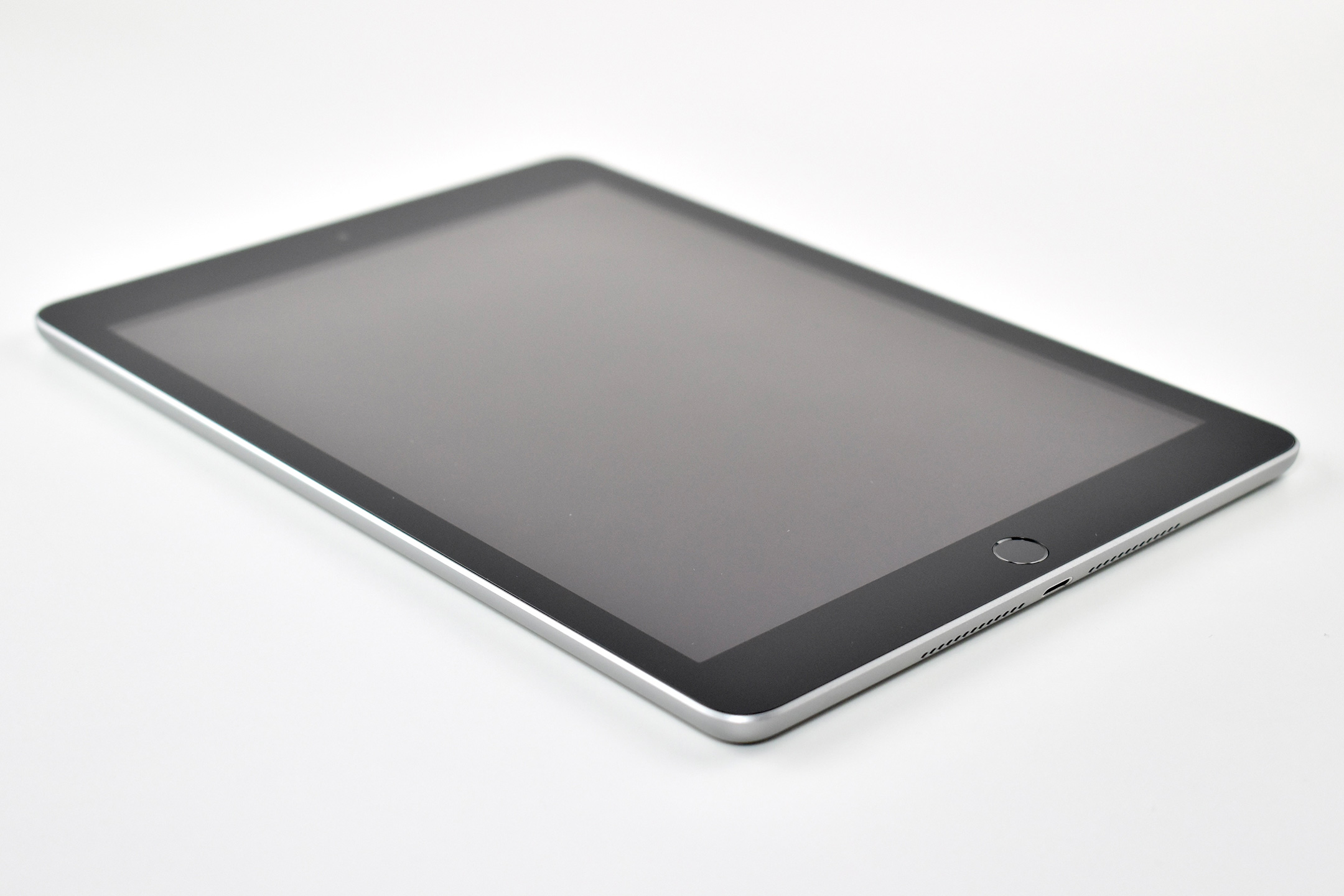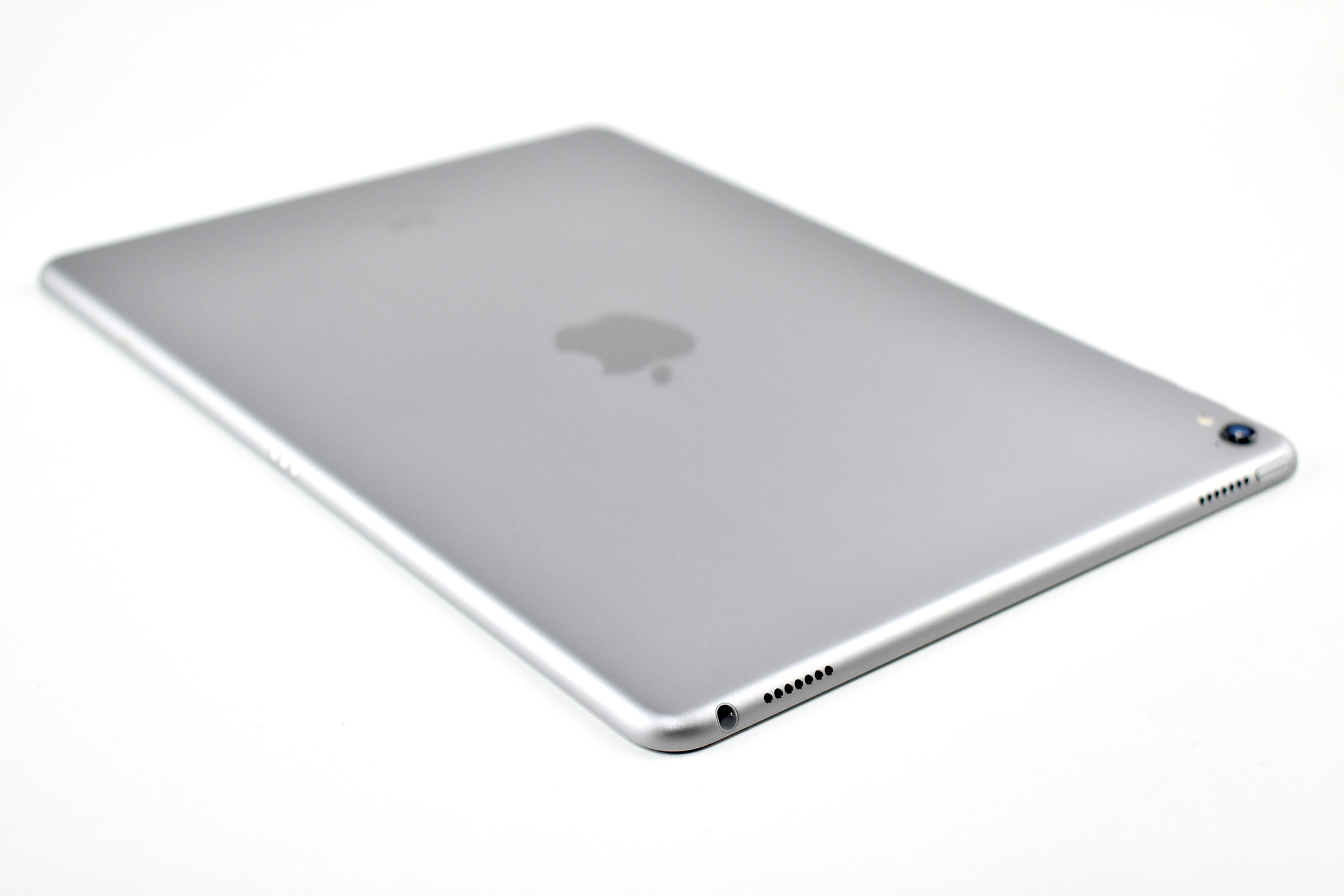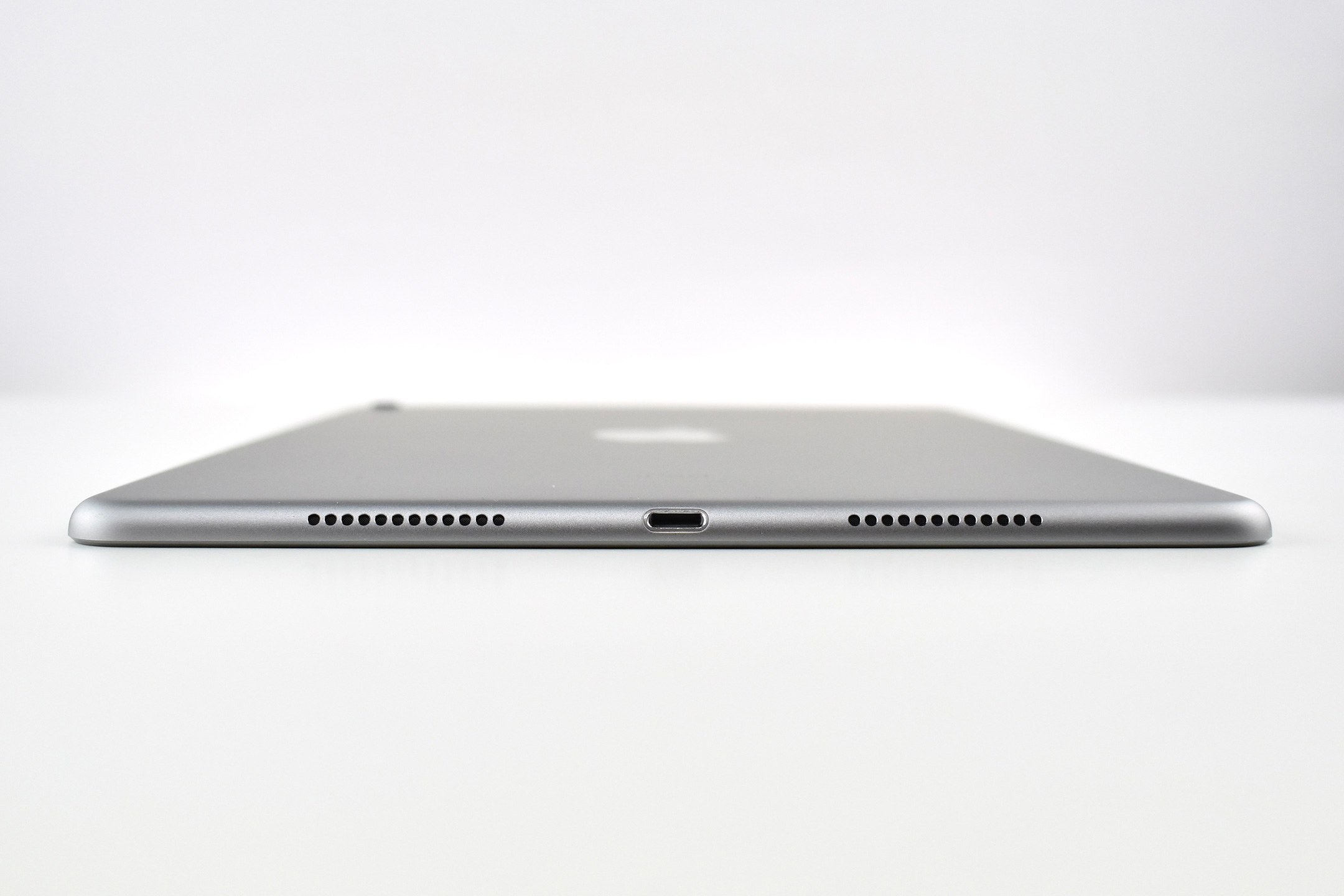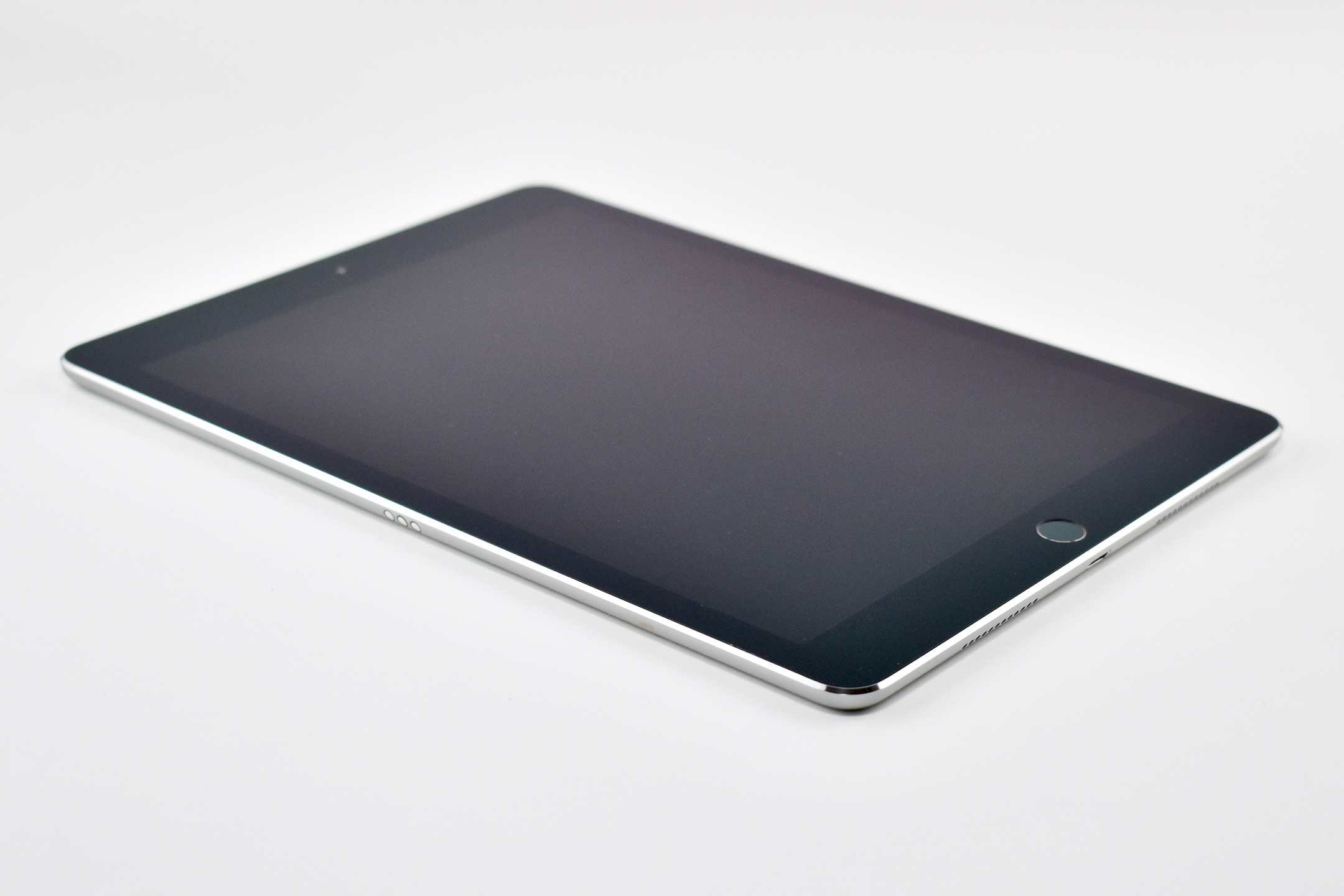
iPad (A16) (Generation 11, 11-inch, Wi-Fi, 128GB, Yellow, 2025)

On March 4, 2025, when Apple introduced the iPad Air with the M3 chip, they also announced the iPad Generation 11 with an A16 chip. The entire press release for this iPad device release amounted to one paragraph:

“Apple today also updated iPad with double the starting storage and the A16 chip, bringing even more value to customers. The A16 chip provides a jump in performance for everyday tasks and experiences in iPadOS, while still providing all-day battery life. Compared to the previous generation, the updated iPad with A16 is nearly 30 percent faster. In fact, compared to iPad with A13 Bionic, users will see up to a 50 percent improvement in overall performance, and A16 makes the updated iPad up to 6x faster than the best-selling Android tablet.”

This iPad update was released soon after the announcement of Apple Intelligence. While Apple was touting Apple Intelligence and updating its devices to take advantage of the new features, the iPad Generation 11 was given a chip that did not allow Apple Intelligence. While this updated iPad is faster than the previous Generation 10 model, it does not meet the minimum specification of the A17 Pro chip to allow Apple Intelligence compatibility. Apple provided no explanation for this omission.

One notable upgrade was in storage on the A16 iPad. The iPad Generation 11 doubled its base storage from 64 to 128GB and was also available in 256 and 512GB configurations. 

Except for the A16 chip and upgraded storage, this iPad was nearly identical to the iPad Generation 10. 

The iPad Generation 11 measured 9.79 x 7.07 inches, and was 0.28 inch thick. It weighed 1.05 pounds (Wi-Fi model). It had stereo speakers, a front camera and microphone centered on the “long”landscape” (long) side to enhance the FaceTime experience, and included both USB-C and a Smart Connector.

Its Liquid Retina display was 2360 x 1640 pixels at 264 ppi and delivered up to 500 nits brightness. It supported the Apple Pencil (USB-C) and also the Apple Pencil Generation 1 (although clumsily since the original Apple Pencil used a Lightning connector for charging). 

The back camera was 12MP with digital zoom up to 5x supporting Smart HDR 4, geotagging, auto image stabilization, and burst mode. It could capture video up to 4K. The similar front camera was also 12MP and supported Center Stage in Landscape mode. It supported Smart HDR 4, but only could record 1080p HD video. 

The iPad Generation 11 had 5 sensors, including Touch ID, 3‐axis gyro, accelerometer, barometer, and an ambient light sensor. 

Sources: Apple (Newsroom, Specs)

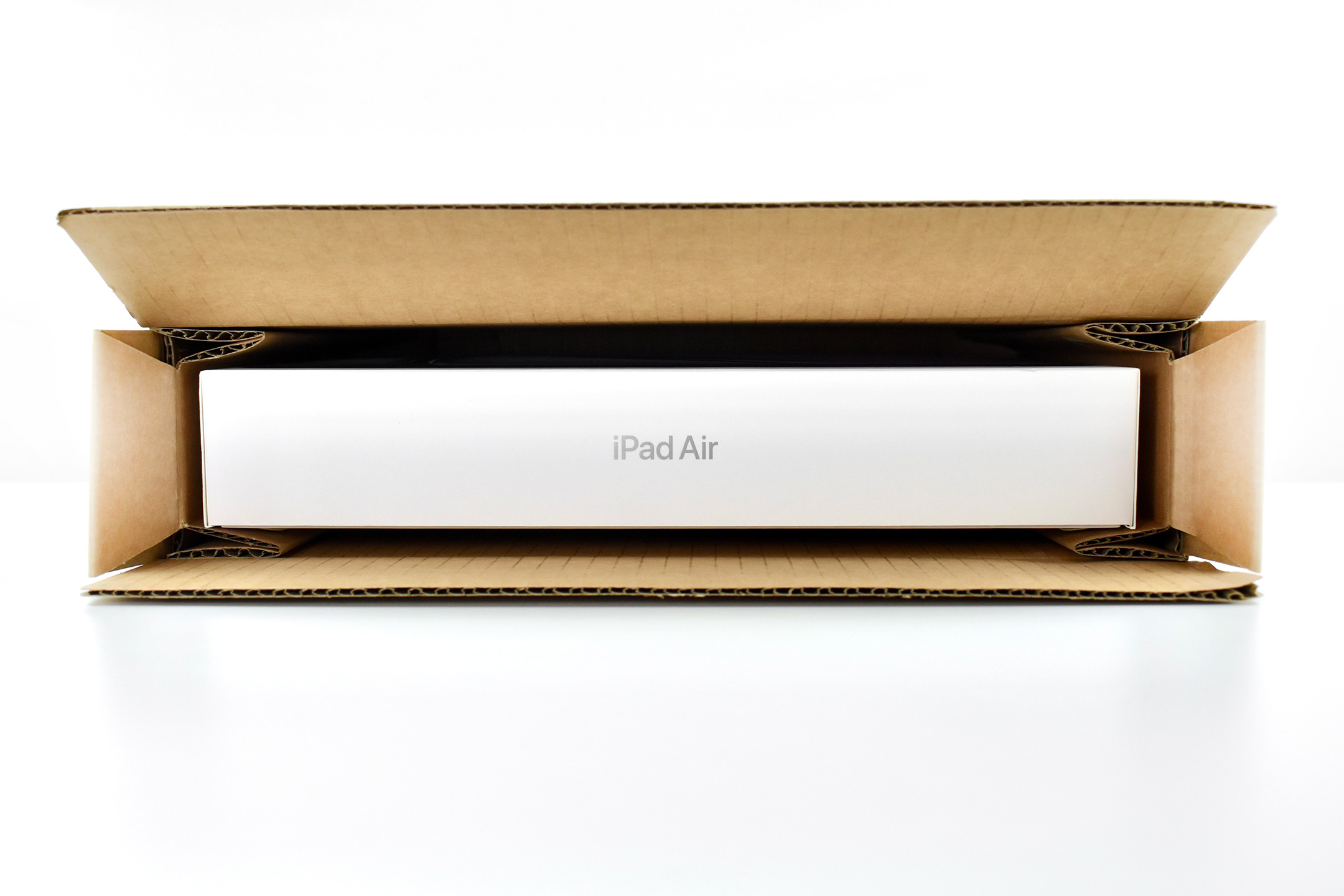
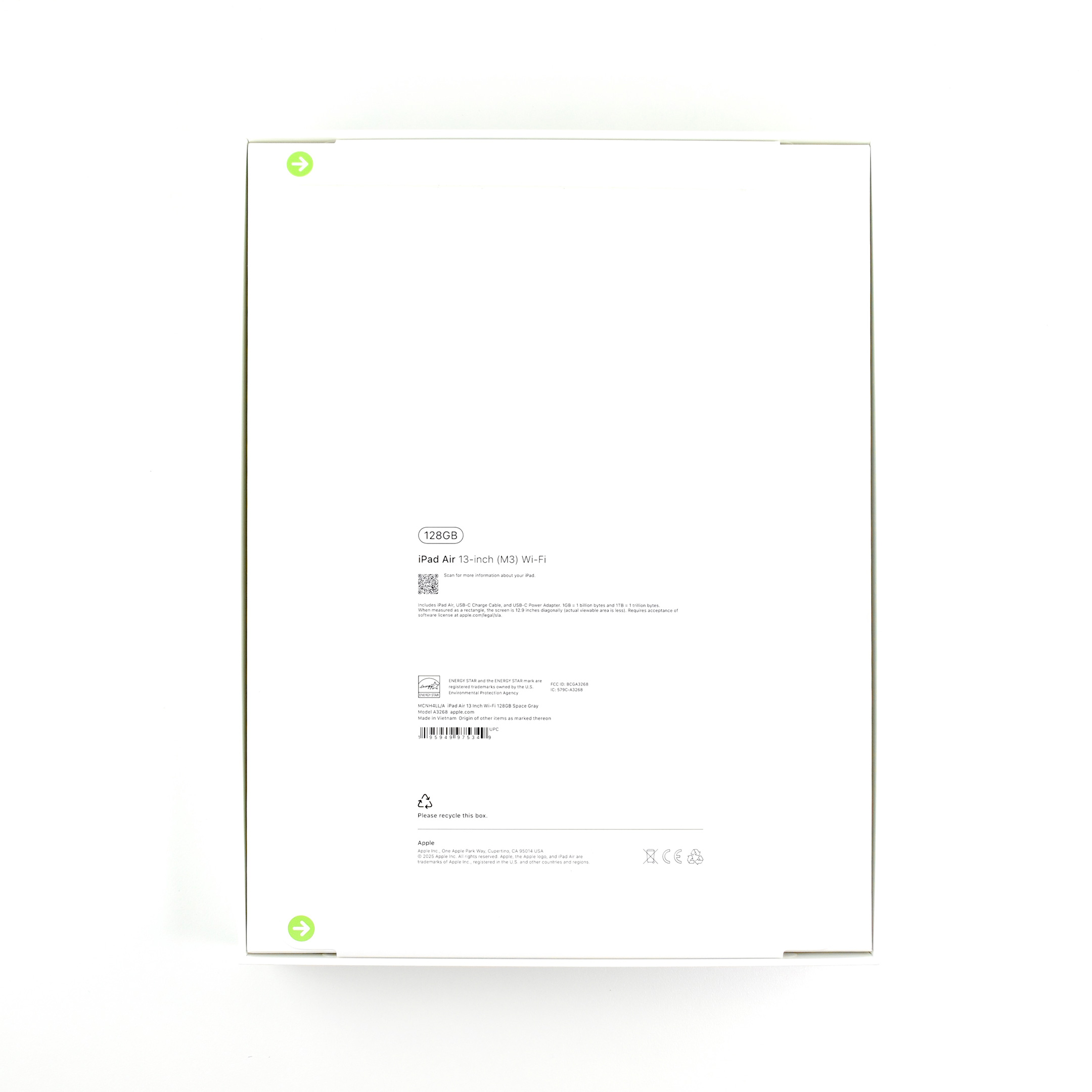
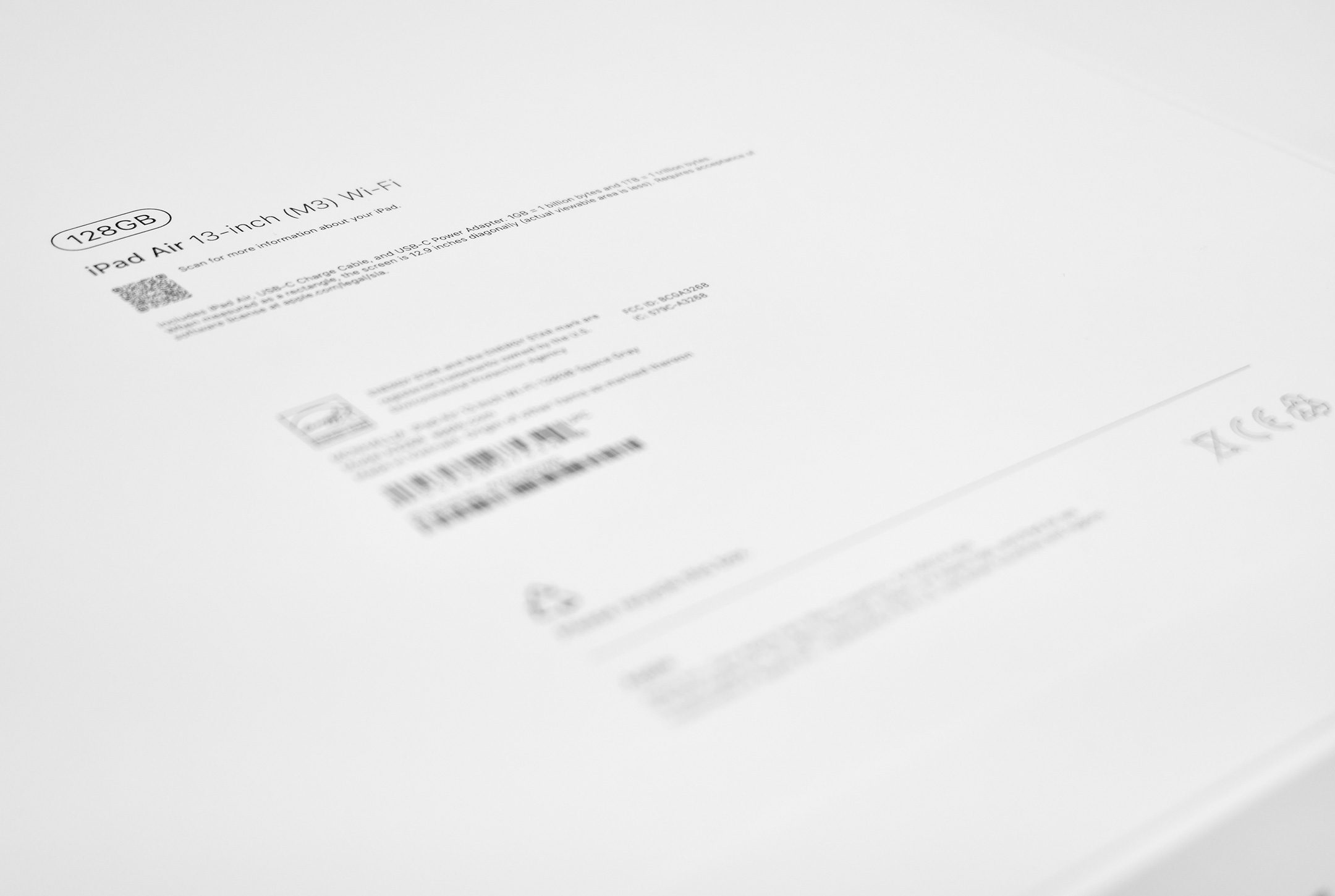
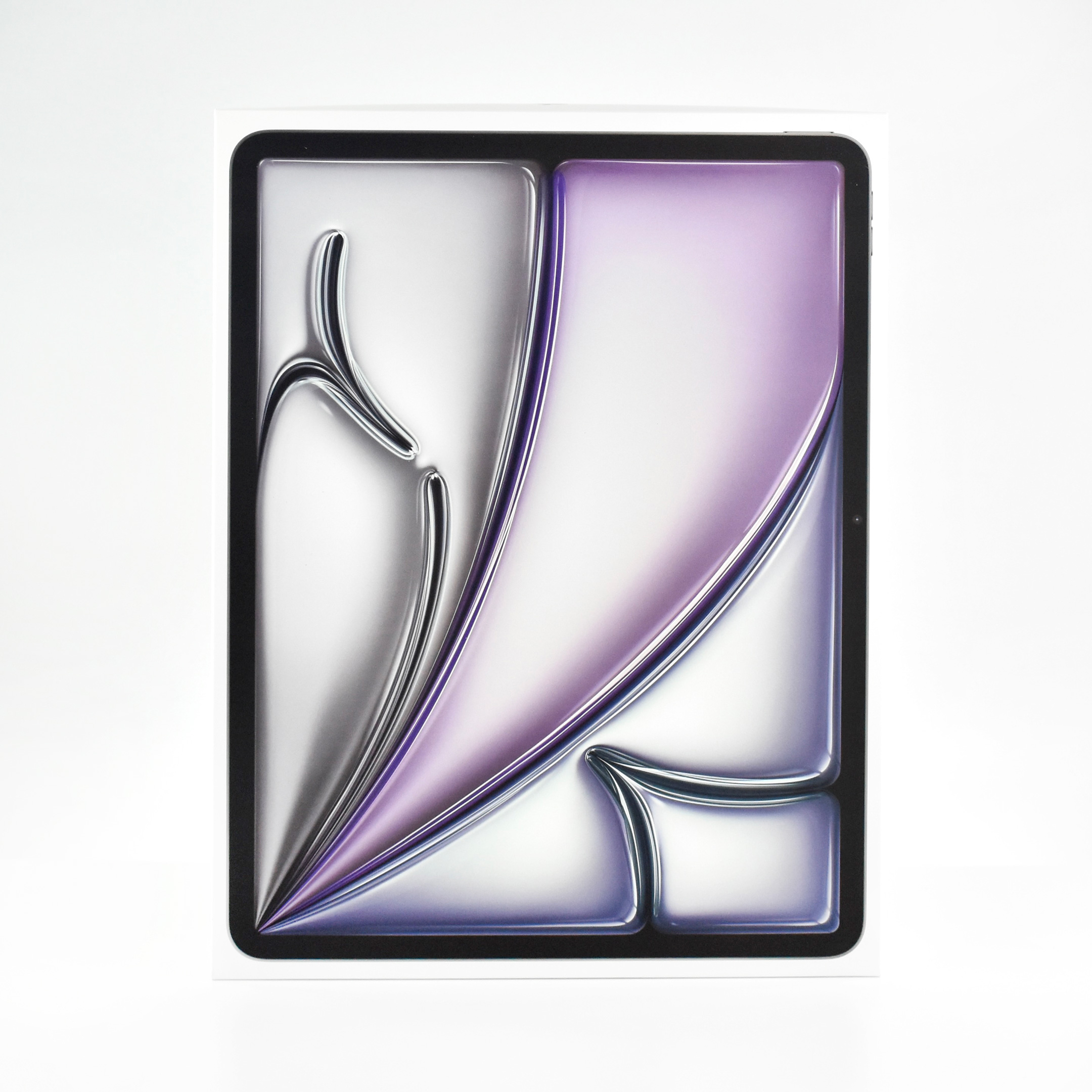
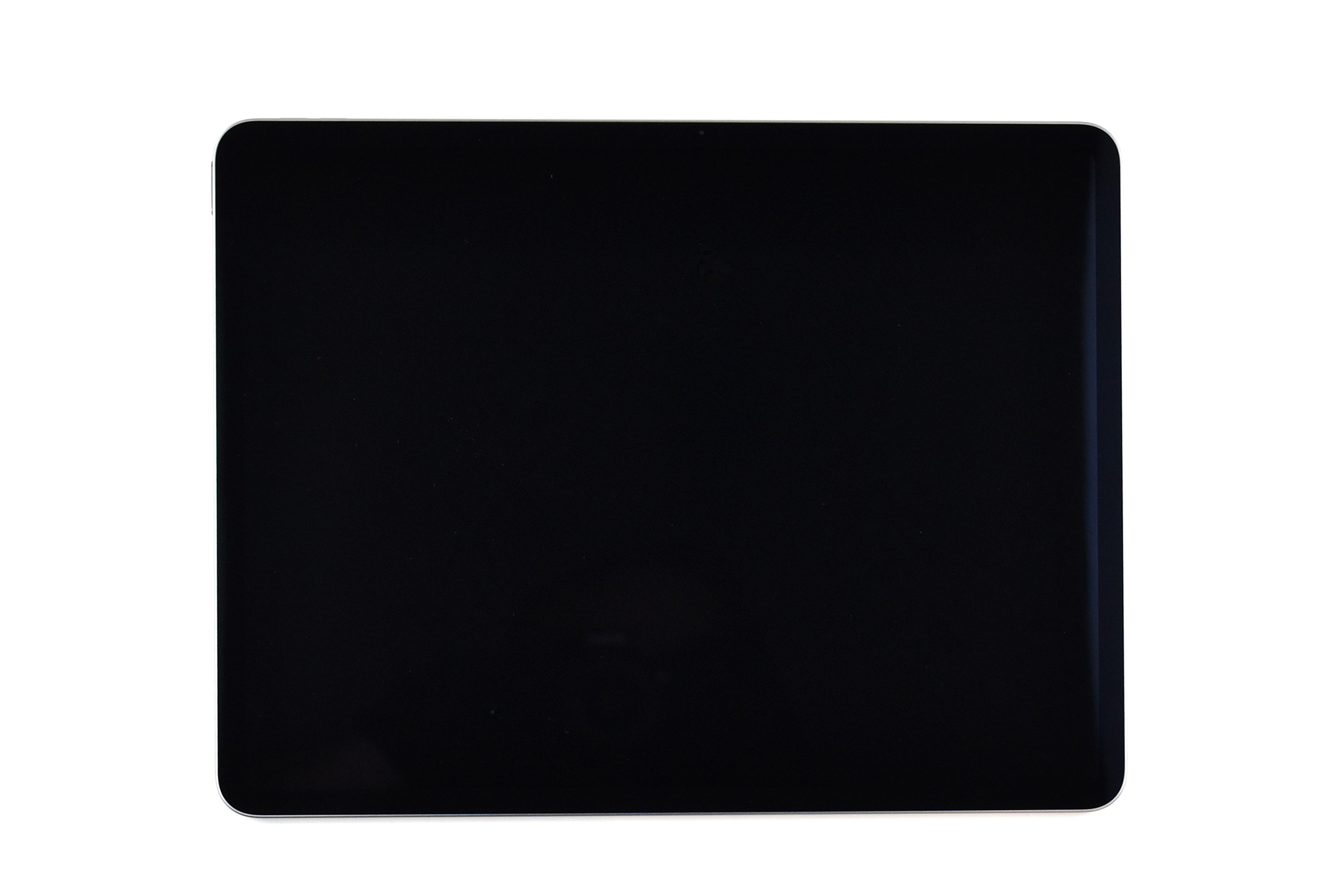
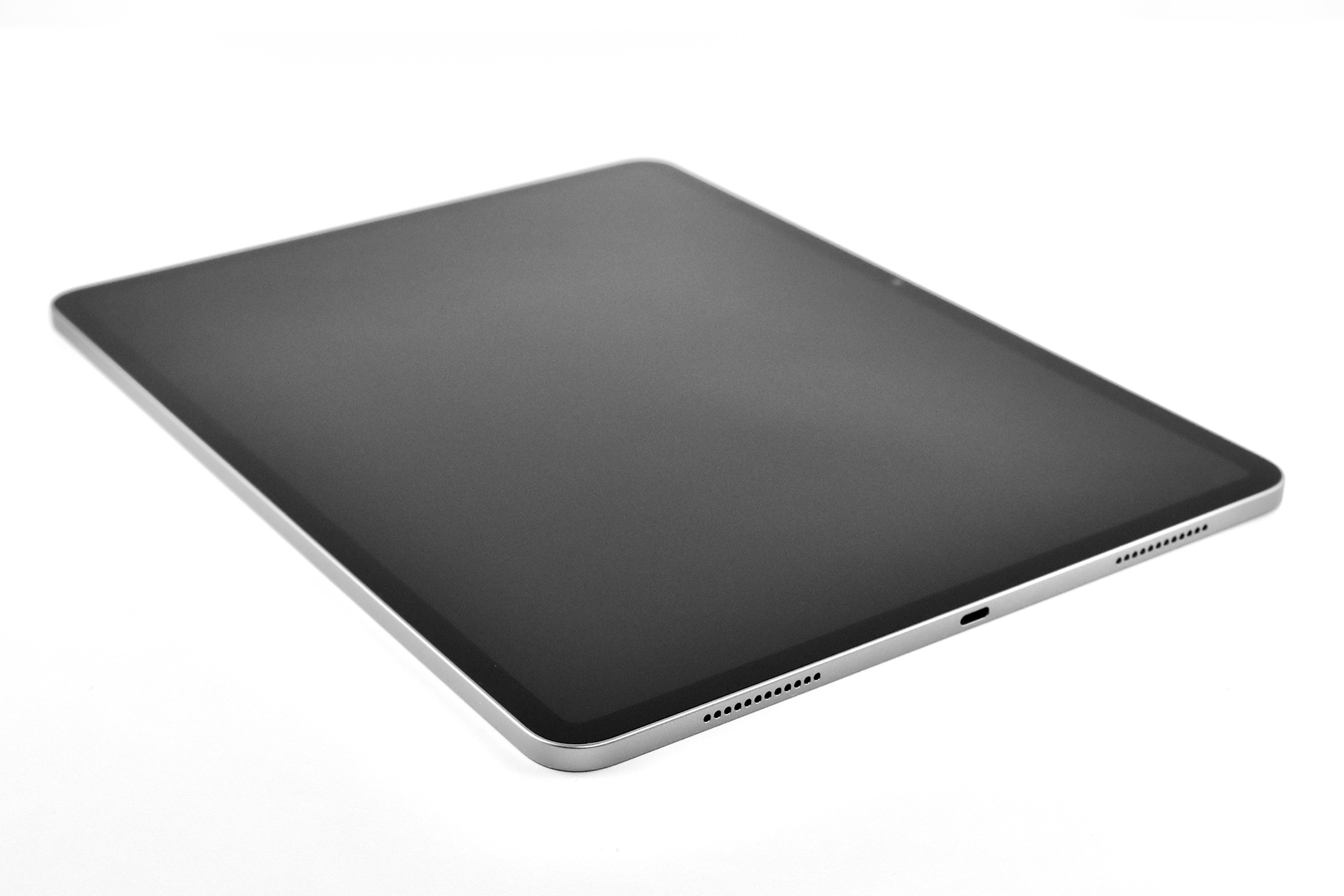
iPad Air 13-inch (Space Gray, M3, Wi-Fi, 128 GB, 2025)

The M3 iPad Air 13-inch was announced on March 4, 2025, and was described as being up to 2x faster than the M1 iPad Air. The press release also touted:

“iPad Air with M3 brings Apple’s advanced graphics architecture to iPad Air for the first time—taking its incredible combination of power-efficient performance and portability to a new level… Available in two sizes and four gorgeous finishes that users love, the 11-inch iPad Air is super portable while on the go, and the 13-inch model provides an even larger display for more room to be creative and productive.”

Apple mentioned that “The faster Neural Engine in M3 means iPad Air [is]…up to 60 percent faster for AI-based workloads…and support for advanced accessories, including the new Magic Keyboard and Apple Pencil Pro.”

The 11-inch and 13-inch M3 iPad Air devices were available in blue, purple, starlight, and space gray, with 128 GB, 256 GB, 512 GB, and 1 TB configurations. This example is the 13-inch version of the iPad Air in Space Gray with 128 GB storage.

This 13-inch iPad Air Wi-Fi is 11.04 inches (280.6 mm) x 8.46 inches (214.9 mm), is 0.24 inch (6.1 mm) thick, and weighs 1.36 pounds (616 grams).

The Liquid Retina display is 2732 x 2048 pixels at 264 ppi and can display up to 600 nits brightness. It is powered by Apple’s M3 chip (8-core CPU with 4 performance cores; 4 efficiency cores; 9-core GPU). It has a 16-core Neural Engine.

The back camera is a 12MP Wide camera with ƒ/1.8 aperture that allows digital zoom up to 5x using a 5-element lens. It can capture Panorama photos up to 63 MP. It can record video up to 4K at 24, 25, 30, or 60 fps. The front camera is a landscape 12 MP Center Stage camera with ƒ/2.0 aperture that can record video at up to 1080p (HD) at 25, 30, or 60 fps.

Its dual microphones can be used for calls, video recording, and audio recording and has landscape stereo speakers.

Wireless connectivity includes Wi-Fi 6E (802.11ax) with 2×2 MIMO5 and Bluetooth 5.3. Its sensors include Touch ID, 3‐axis gyro, accelerometer, barometer, and an ambient light sensor.

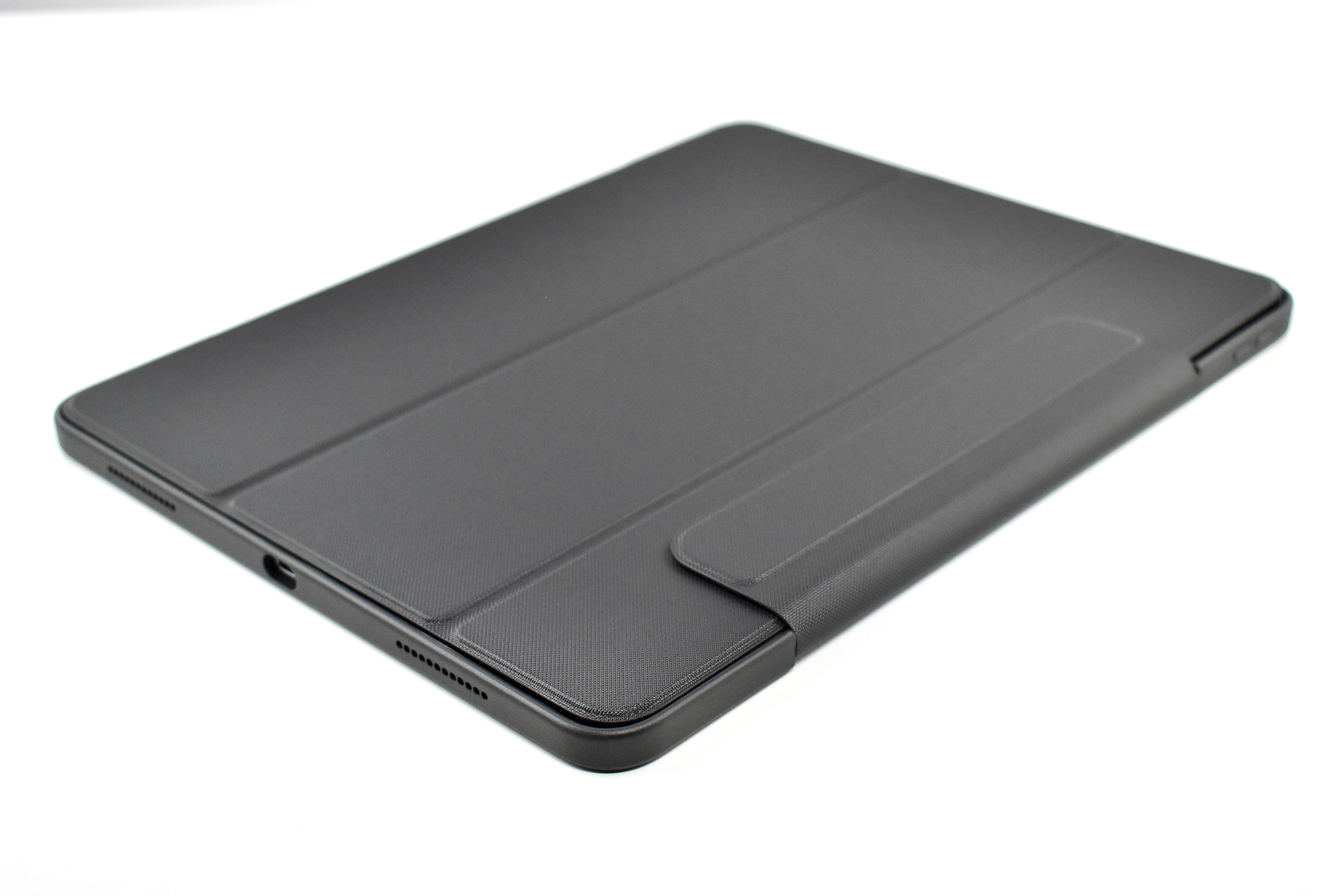
This iPad Air is using the Symmetry Series Folio case (for iPad Air 13-inch M2 and M3) by OtterBox in their “Starry Night” (black, clear, grey) color. The hinged folio design provides an adjustable stand, screen protection, magnetic sleep/wake, and protects the Apple Pencil while allowing charging while in storage.

Sources: Apple (newsroom, specs, product page), OtterBox

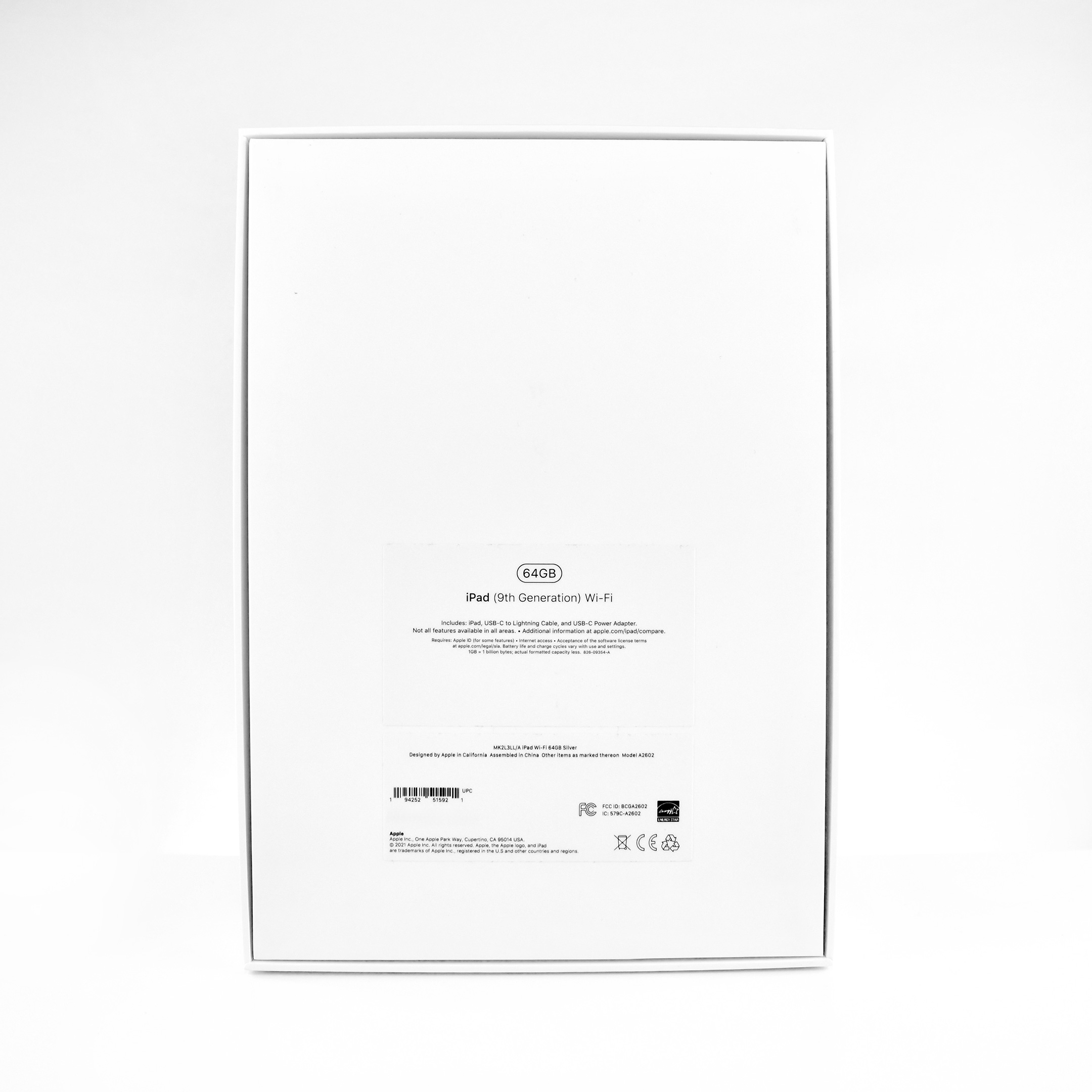
iPad (Generation 9, 64 GB, W-Fi, silver, 2021)

Apple released the iPad Generation 9 on September 14, 2021. The headline in Apple’s Press Release read, “Apple’s most popular iPad delivers even more performance and advanced features,” and listed its features as including “A13 Bionic, Center Stage, True Tone, and now starts with double the storage.”

Greg Joswiak, Apple’s senior vice president of Worldwide Marketing, reported:

“iPad has never been more essential for working, learning, and communicating, and we’re excited to bring one of the biggest updates ever to our most popular iPad… With the powerful A13 Bionic, more engaging video calls with Center Stage, and double the storage, the new iPad delivers advanced capabilities, versatility, and simplicity at an incredible value.”

The A13 Bionic chip with Neural Engine not only boosted performance compared to the previous iPad by 20%, it also allowed “next-level machine learning capabilities, including Live Text…which uses on-device intelligence to recognize text in a photo that users can take action on.” Thus, this iPad was able to use an early version of Apple’s on-device “Artificial Intelligence” capabilities—even if Apple chose not to use the term “AI.”

Apple also touted the iPad Generation 9’s Center Stage capabilities, a feature that enhanced video calls that was on the minds of many users after the worldwide COVID pandemic. The iPad was equipped with a new 12MP Ultra Wide front camera that used the Neural Engine: “Center Stage automatically pans the camera to keep [the user] in view. When others join in, the camera detects them too, and smoothly zooms out to include them in the conversation.” Center Stage worked in FaceTime and third-party video-calling apps such as Zoom.

The iPad Generation 9 was offered in Silver and Space Gray, and in two storage capacities, 64 GB and 256 GB. It measured 9.8 inches (250.6 mm) x 6.8 inches (174.1 mm), and was 0.29 inch (7.5 mm) thick. The Wi-Fi model weighed 1.07 pounds (487 grams), and the Wi-Fi + Cellular model weighed 1.09 pounds (498 grams).

The iPad Generation 9 was the last iPad to use a physical Home button, and it also had Touch ID.

It used a 10.2-inch (diagonal) Retina display that was 2160 x 1620 pixels at 264 pixels per inch. It used a True Tone display that could deliver up to 500 nits brightness. This iPad had both stereo speakers and dual microphones for calls, video recording, and audio recording.

Uncharacteristically, the back camera had lower resolution than the front camera. The back camera was an 8 MP Wide camera with digital zoom up to 5x using a 5-element lens. It could capture Panoramic photos (up to 43MP), and featured HDR, photo geotagging, auto image stabilization, and burst mode. The back camera could record 1080p HD video at 25 and 30 fps.

The front camera was a 12MP Ultra Wide camera with 122° field of view. It could record 1080p HD video at 25, 30, or 60 fps.

Wireless connectivity included Wi-Fi 5 (802.11ac) and Bluetooth 4.2. Its 5 sensors included Touch ID, 3‐axis gyro, accelerometer, barometer, and an ambient light sensor. The iPad Generation 9 charged and transferred data using a Lightning connector and shipped with a Lightning-to-USB-C Cable that connected to its included 20W USB-C Power Adapter.

Interestingly, Apple continued manufacturing and selling the iPad Generation 9 even after they announced the iPad Generation 10 13 months later. The iPad Generation 10 was released with a considerable price increase at $459 for a base iPad—from the iPad Generation 9 base price of $329. Apple noted in the “fine print” of the iPad Generation 10 press release: “iPad (9th generation) will remain in the iPad lineup. Wi-Fi models of iPad (9th generation) are available with a starting price of $329 (US), and Wi-Fi + Cellular models start at $459 (US), in silver and space gray finishes.”

Sources: Apple (Newsroom: Generation 9, Generation 10; Technical Specifications)

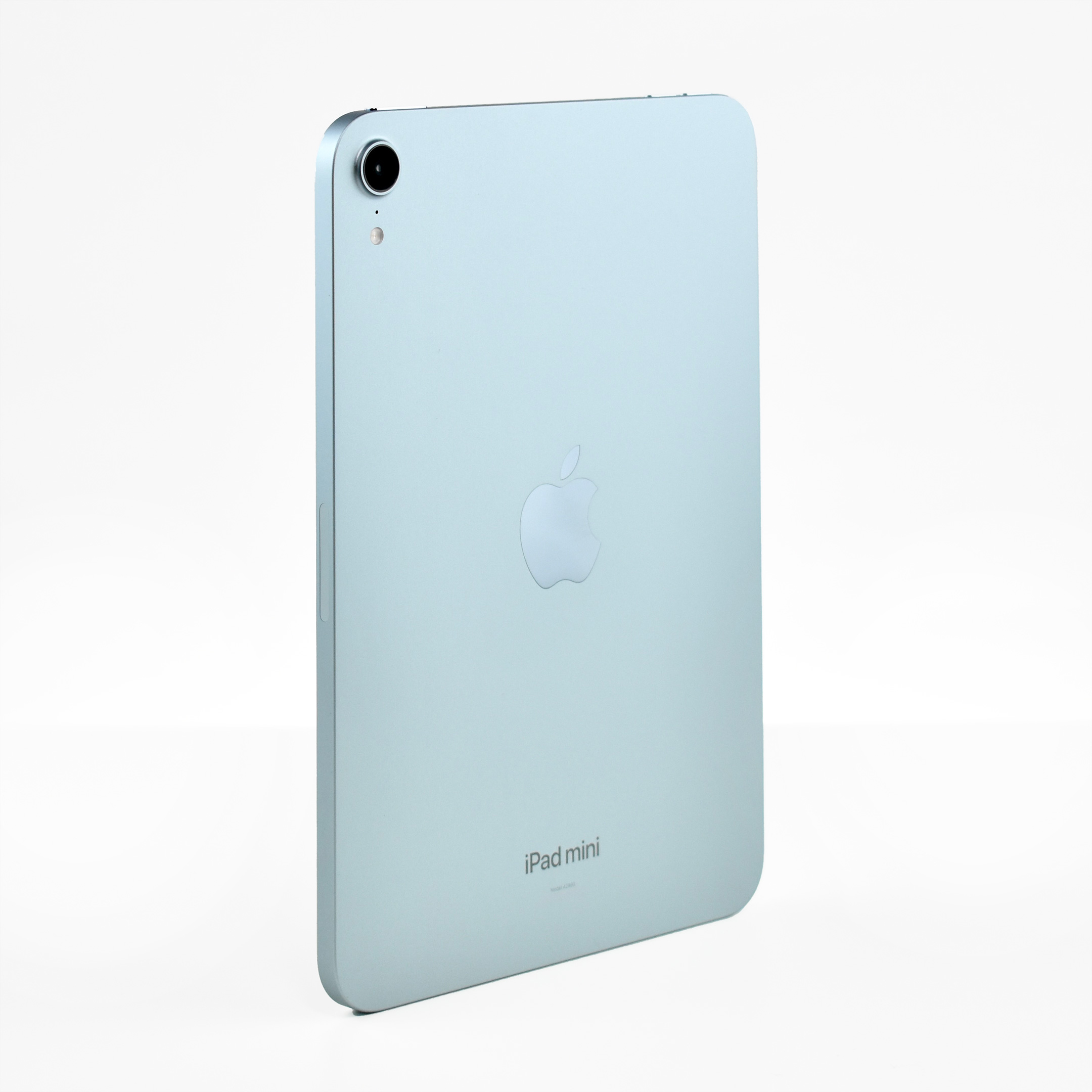
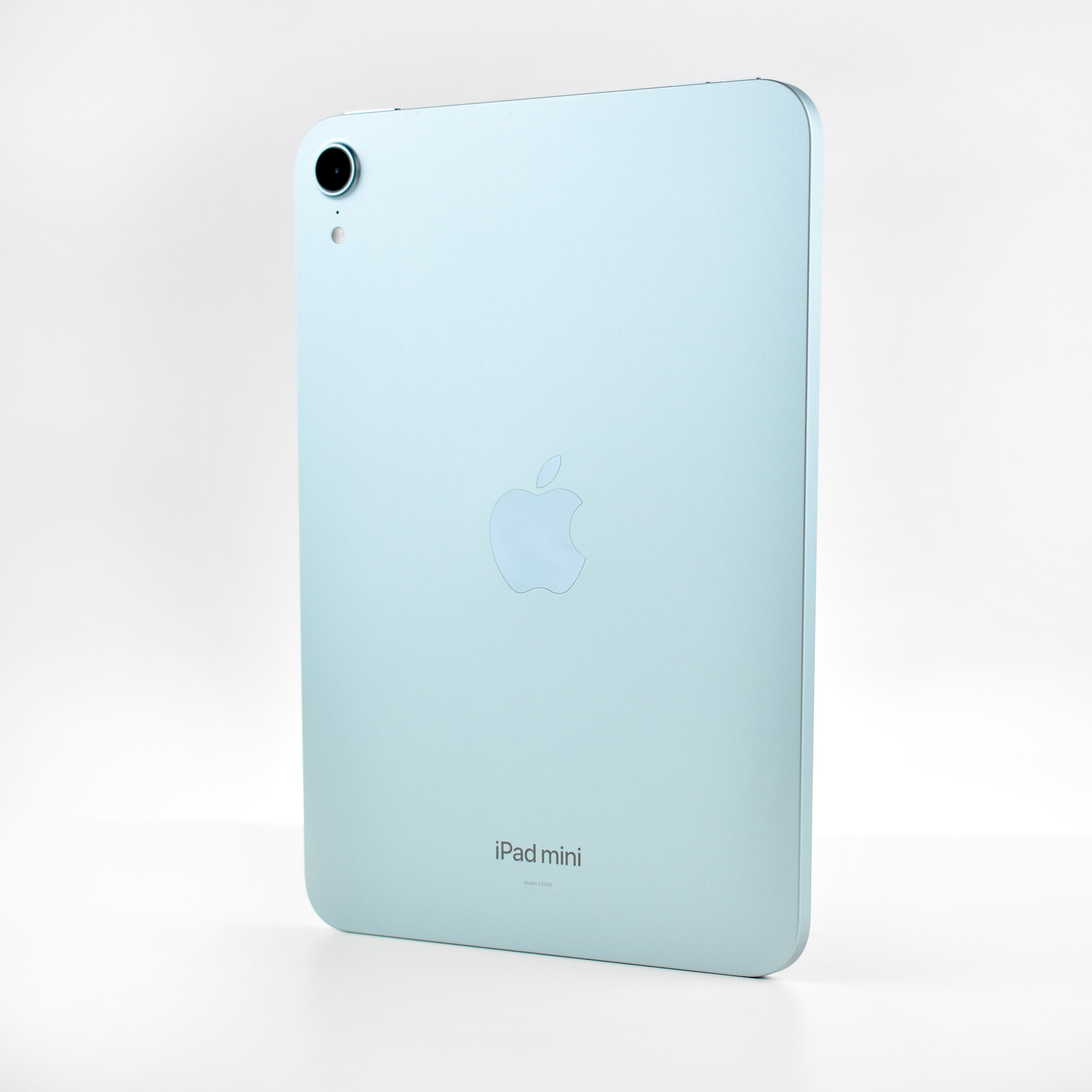
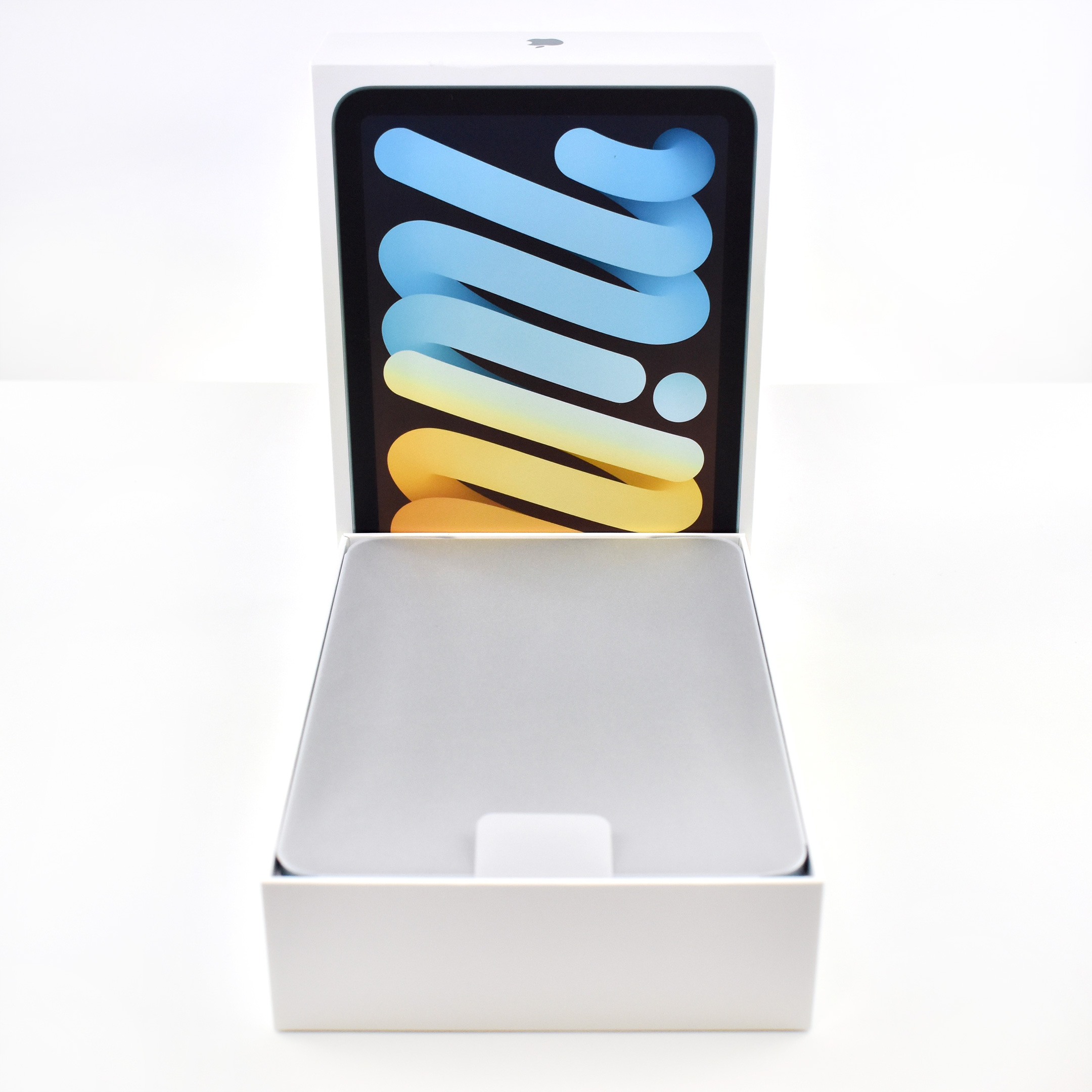
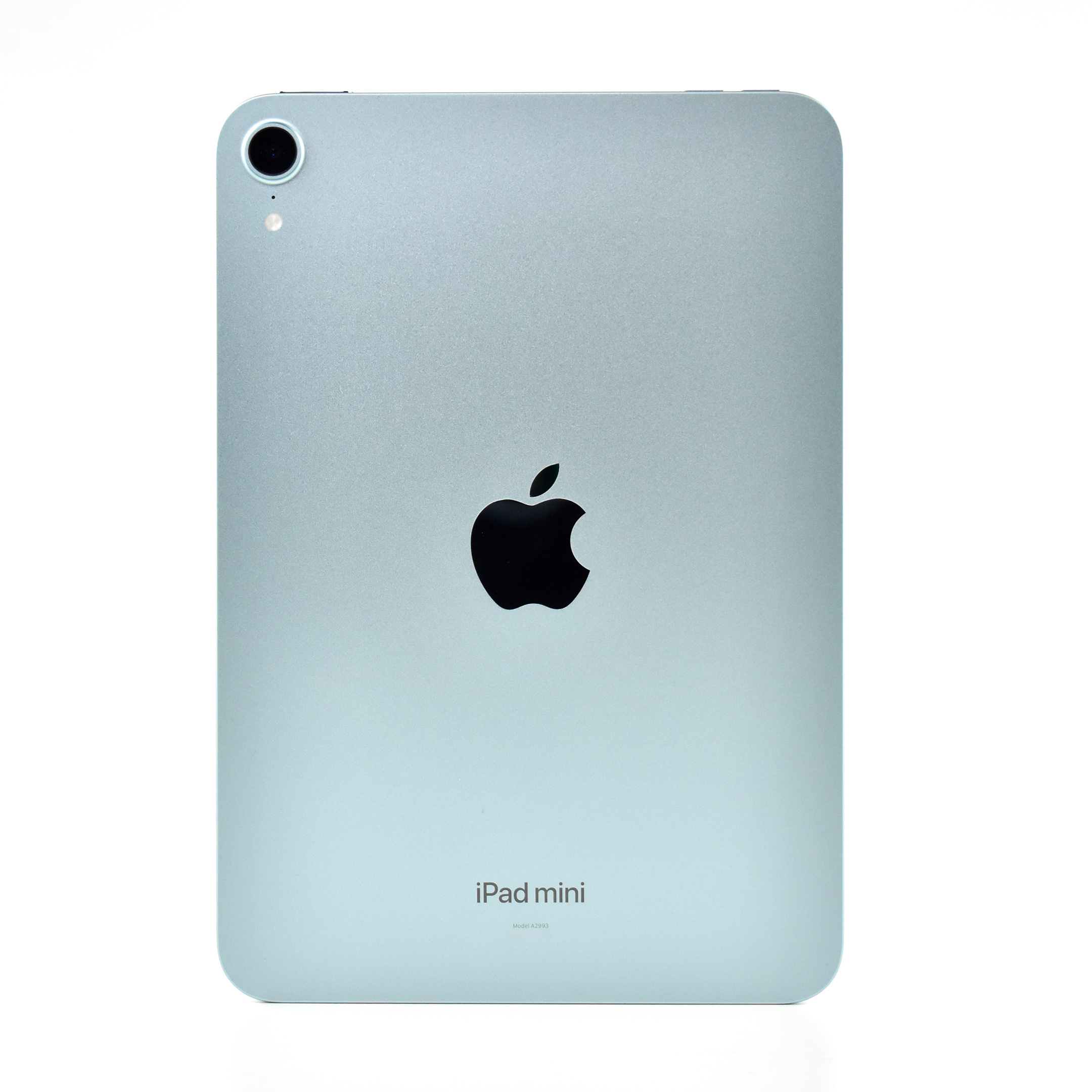
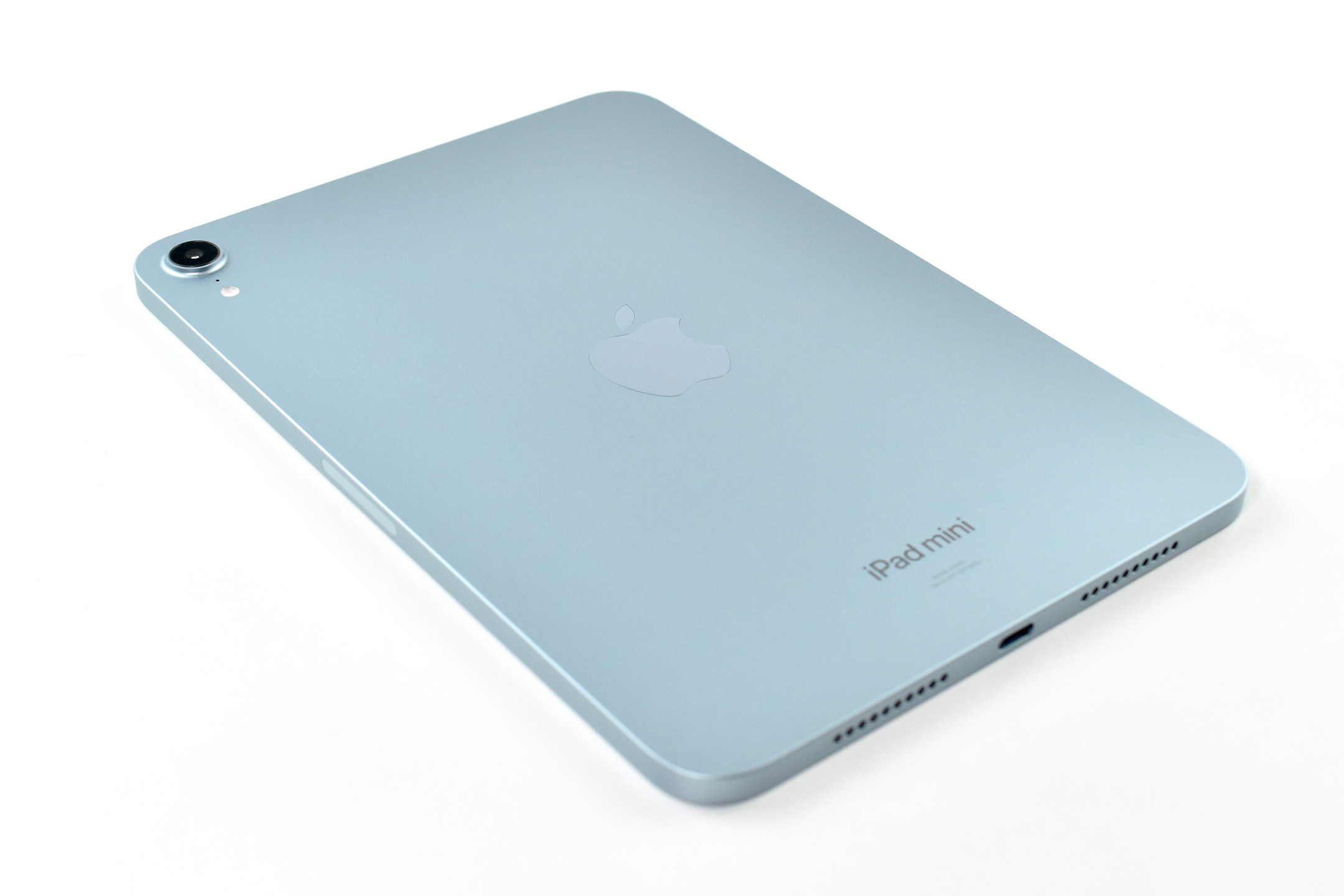
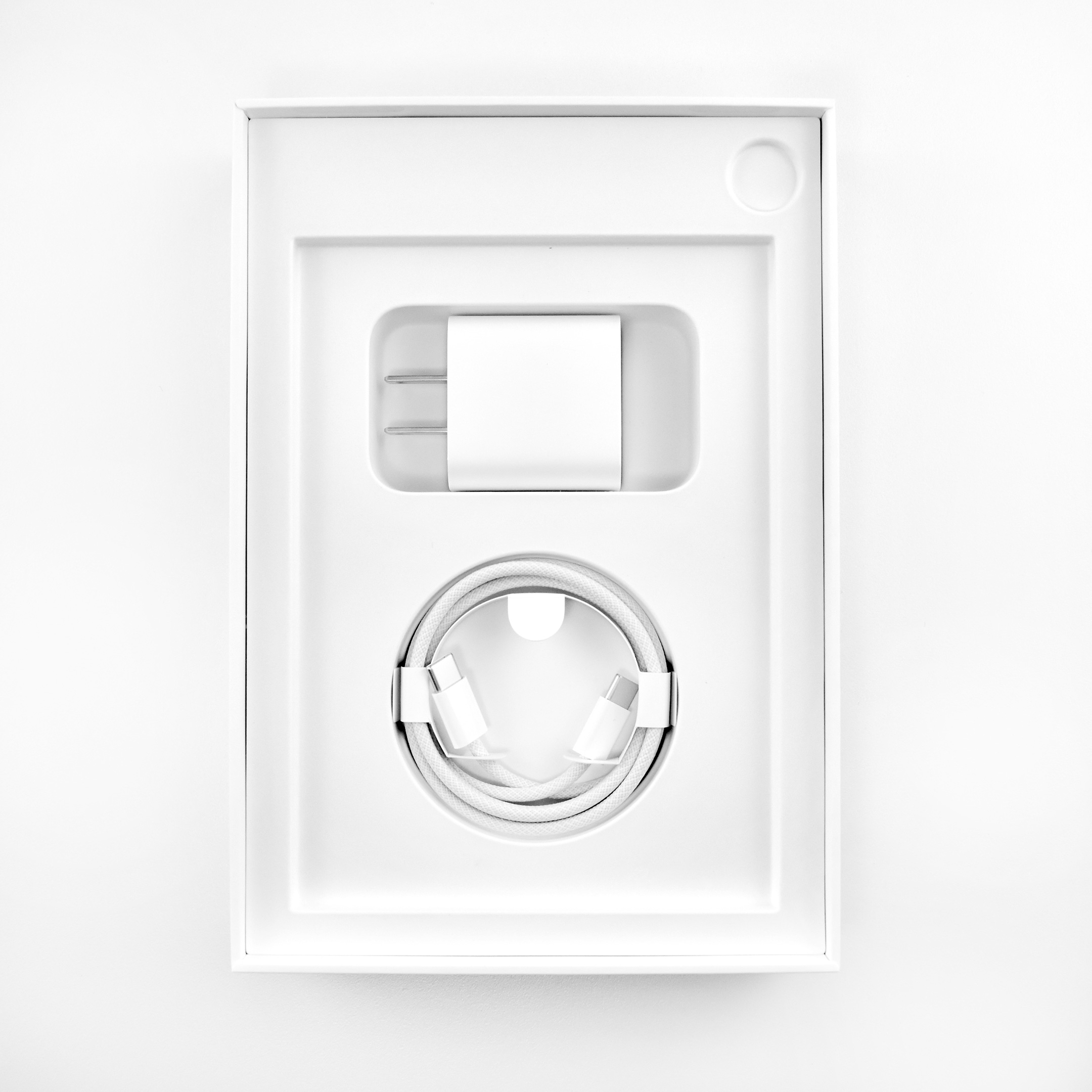
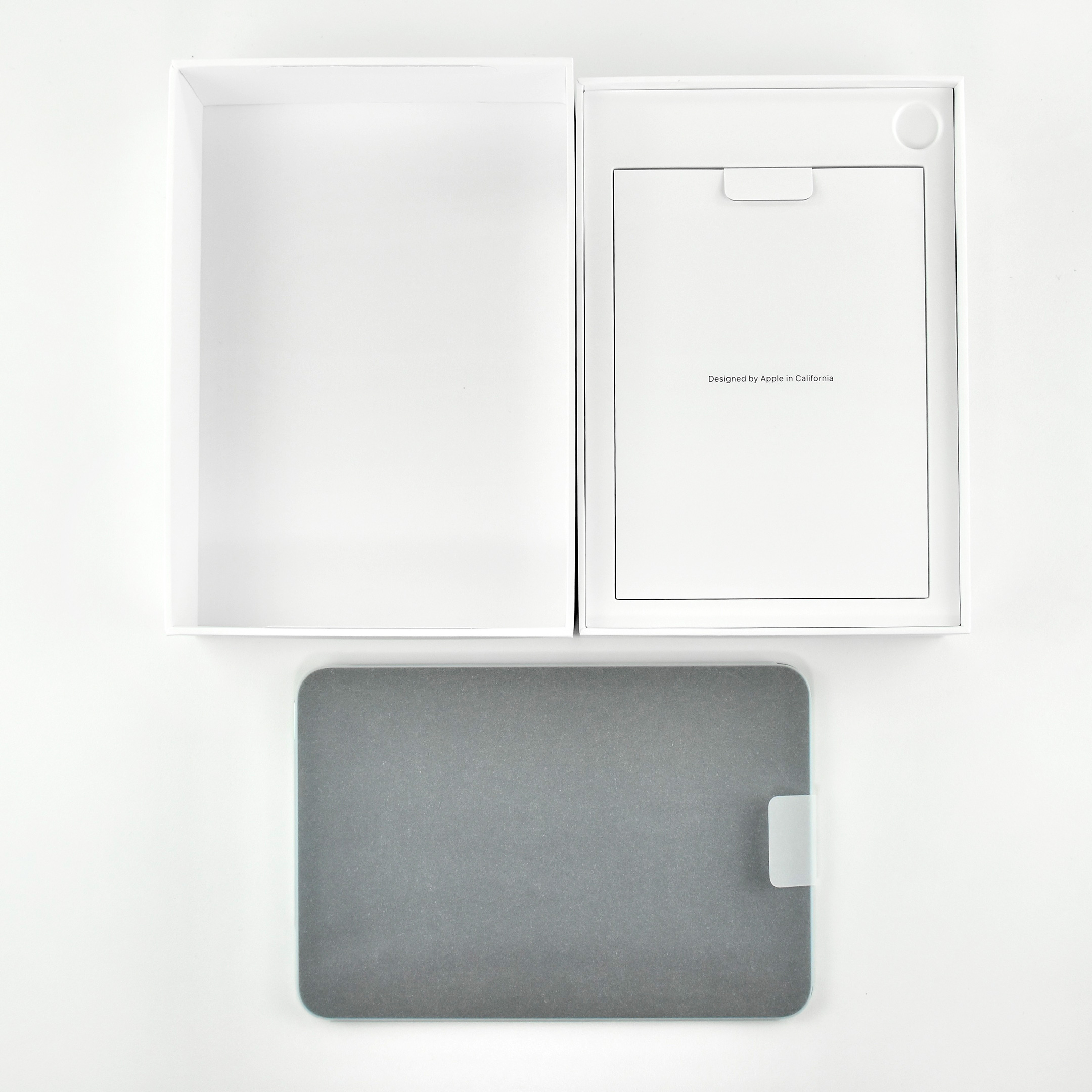
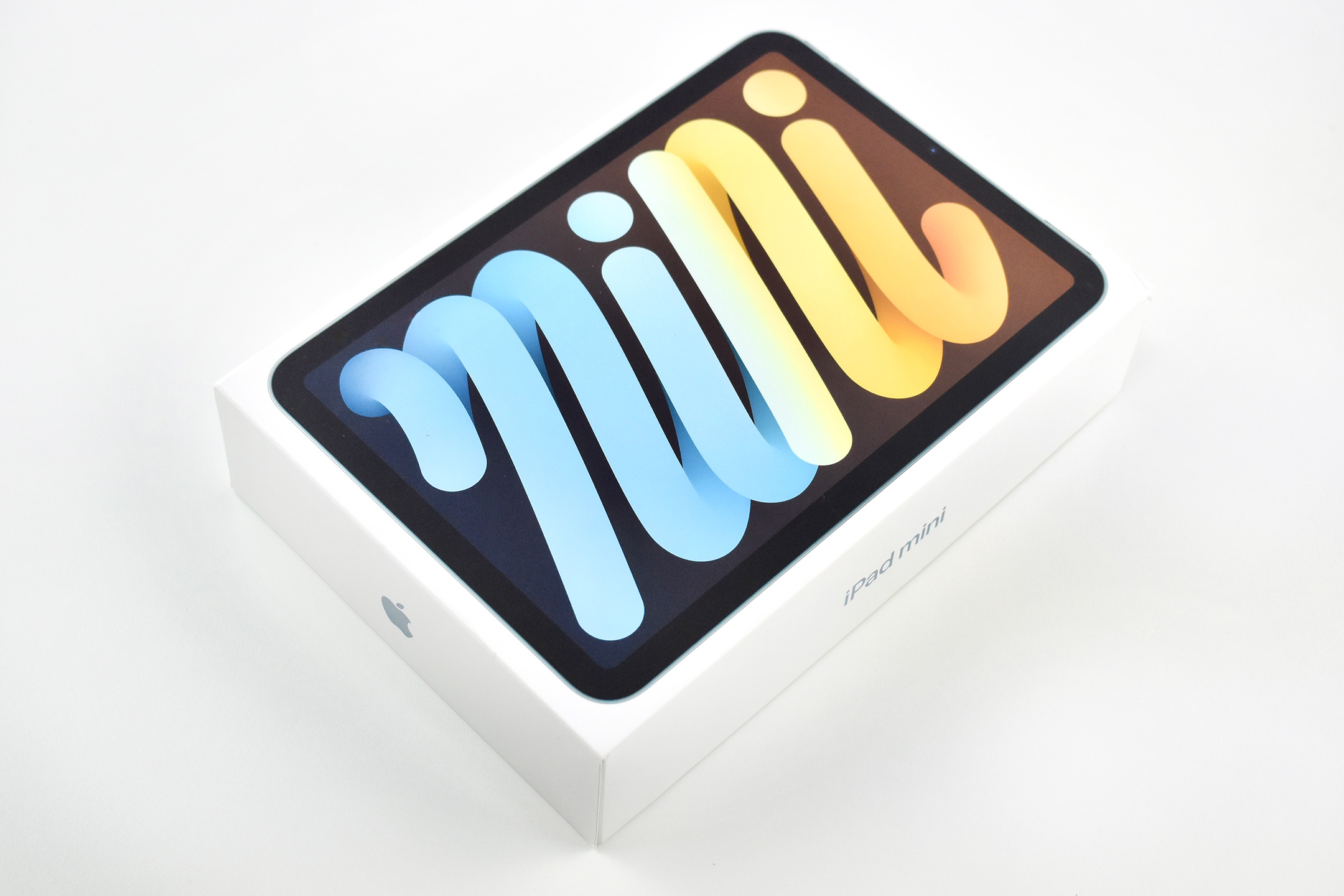
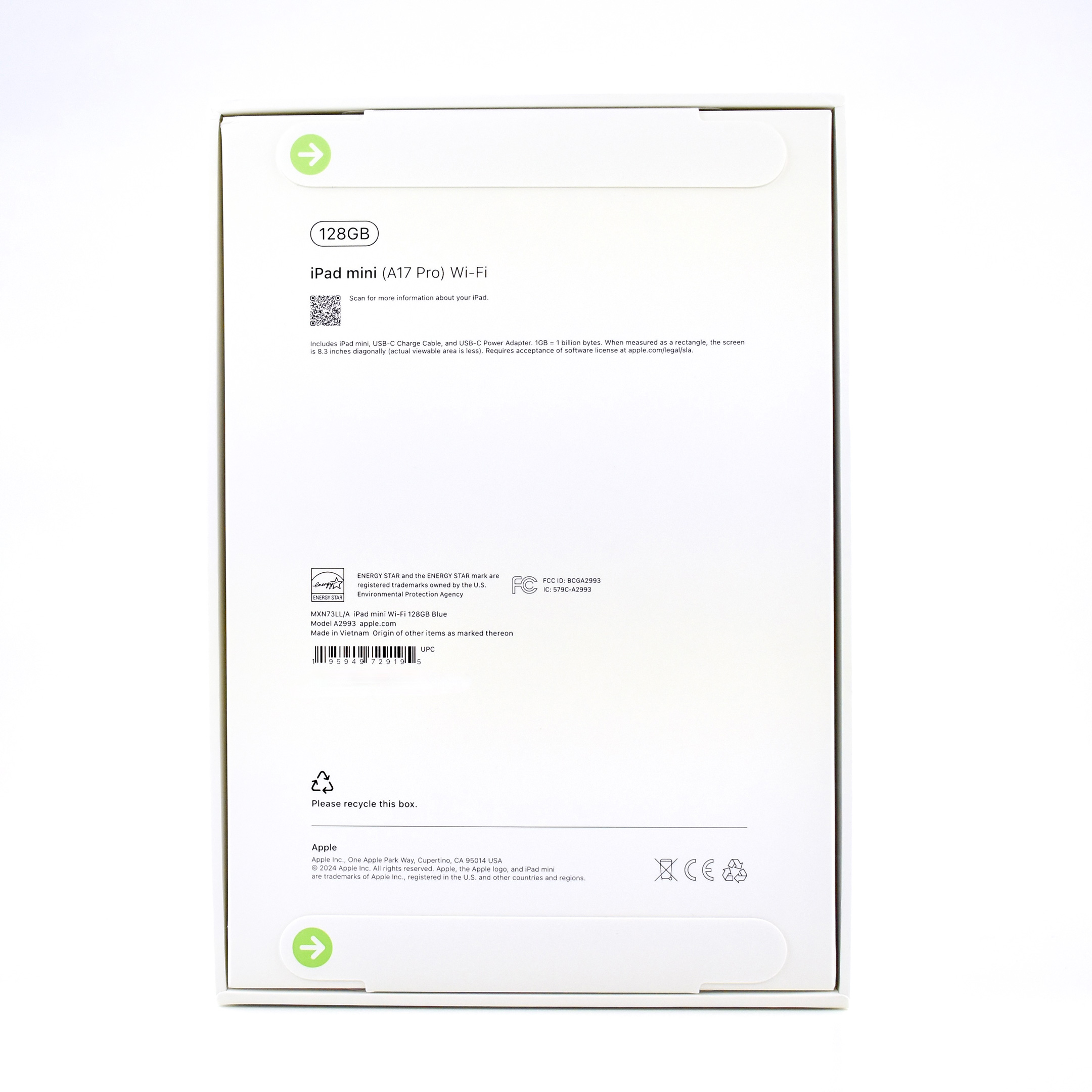
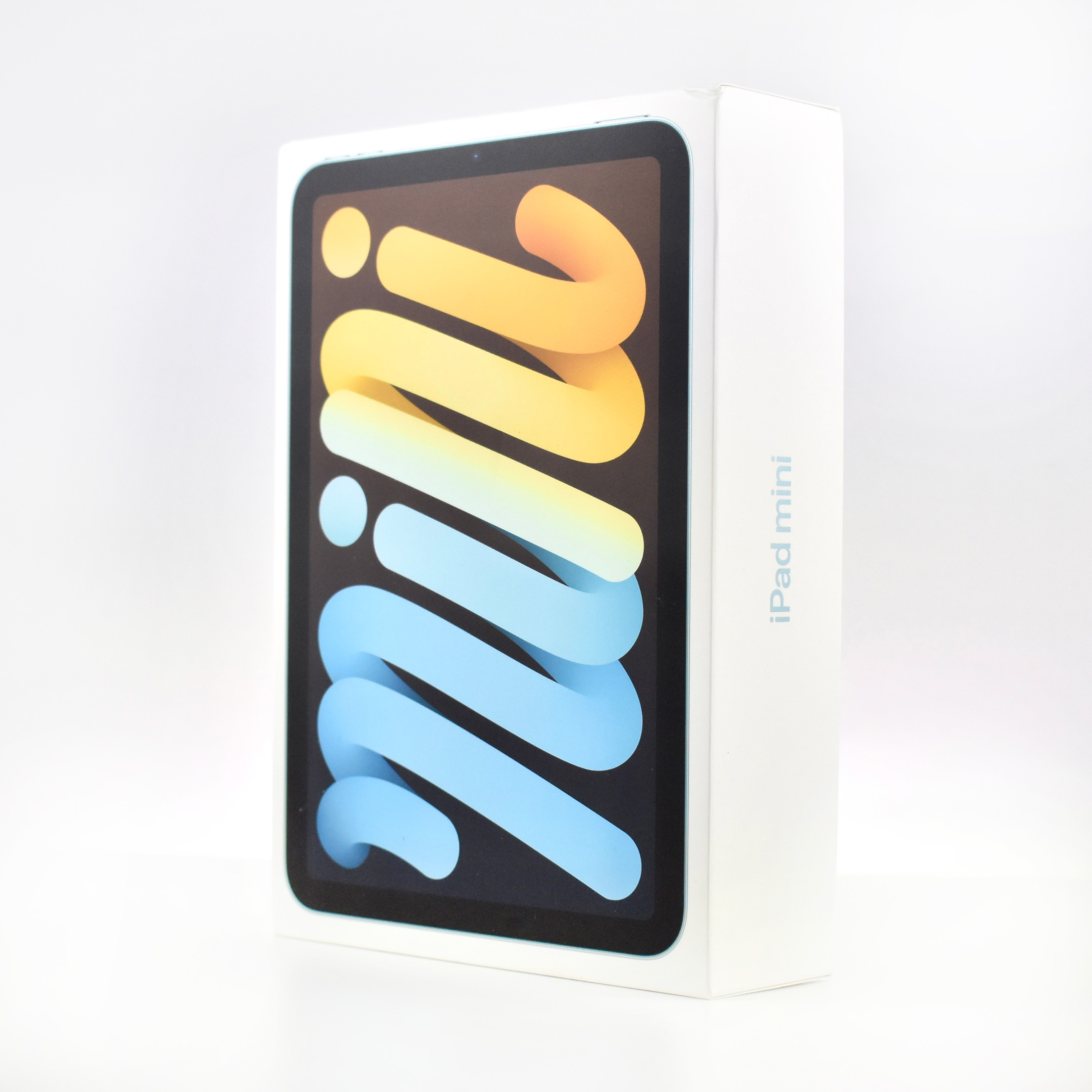
iPad mini (Generation 7, A17 Pro, Wi-Fi, 128GB, Blue, 2024)

Soon after Apple updated most of its hardware for use with Apple Intelligence, the Smart Folio for iPad mini was updated to Generation 7 with the A17 Pro chip—the bare minimum processor to allow Apple Intelligence features. At the time, Apple described Apple Intelligence as “the easy-to-use personal intelligence system that understands personal context to deliver intelligence that is helpful and relevant while protecting user privacy.”

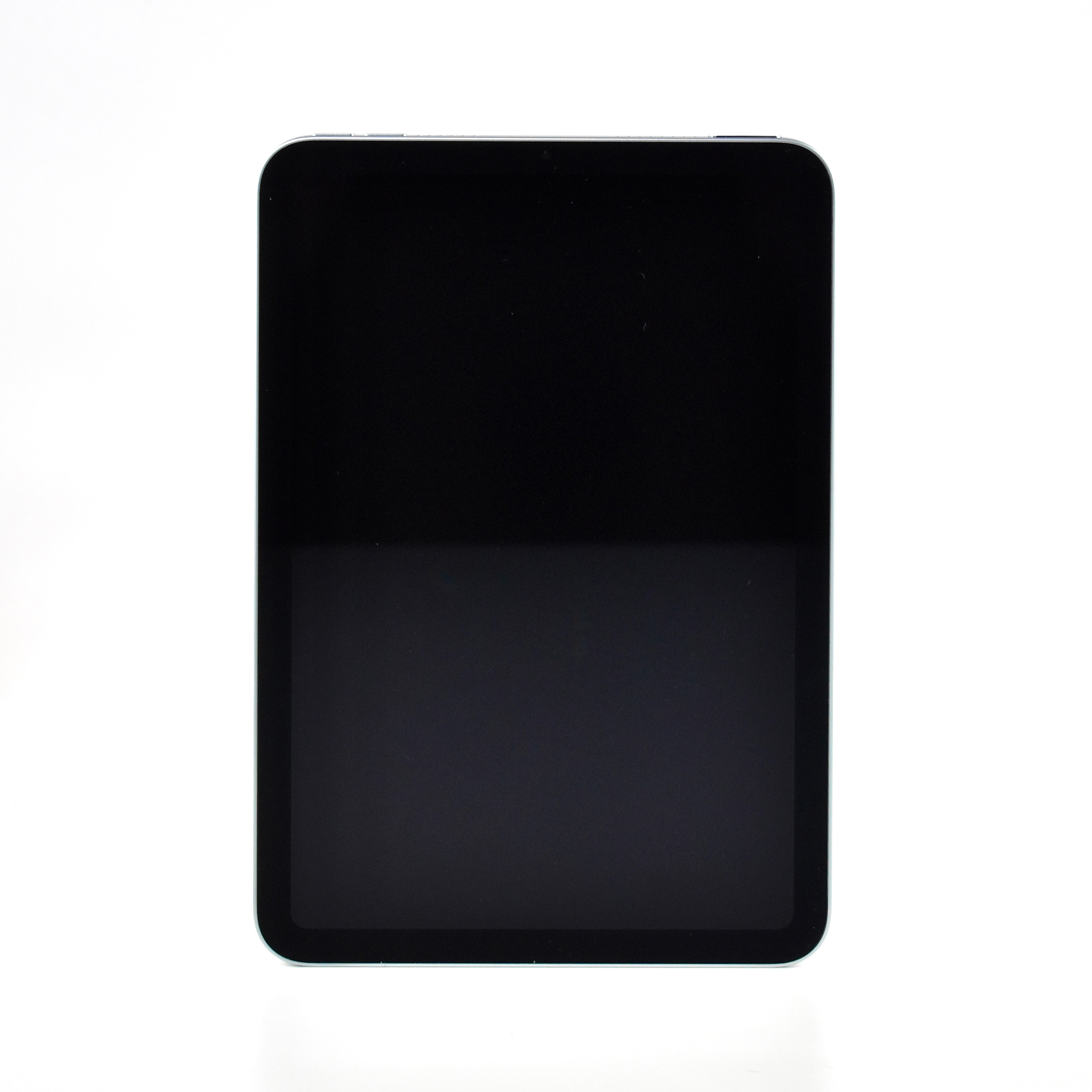
This iPad mini had an 8.3-inch Liquid Retina display (2266 x 1488 at 326 ppi, 500 nits brightness). Apple described the A17 Pro chip as offering “a huge performance boost for even the most demanding tasks, with a faster CPU and GPU, [and] a 2x faster Neural Engine than the previous-generation iPad mini.” This iPad mini also added support for the Apple Pencil Pro.

The iPad mini front camera was 12MP and included Center Stage: “as you move around, the camera automatically pans to keep you centered in the frame.” Apple described the back camera: “The 12MP wide back camera supports Smart HDR 4 for natural-looking photos with increased dynamic range, and uses machine learning to detect and scan documents right in the Camera app.” In addition, the back camera could record 4K video.

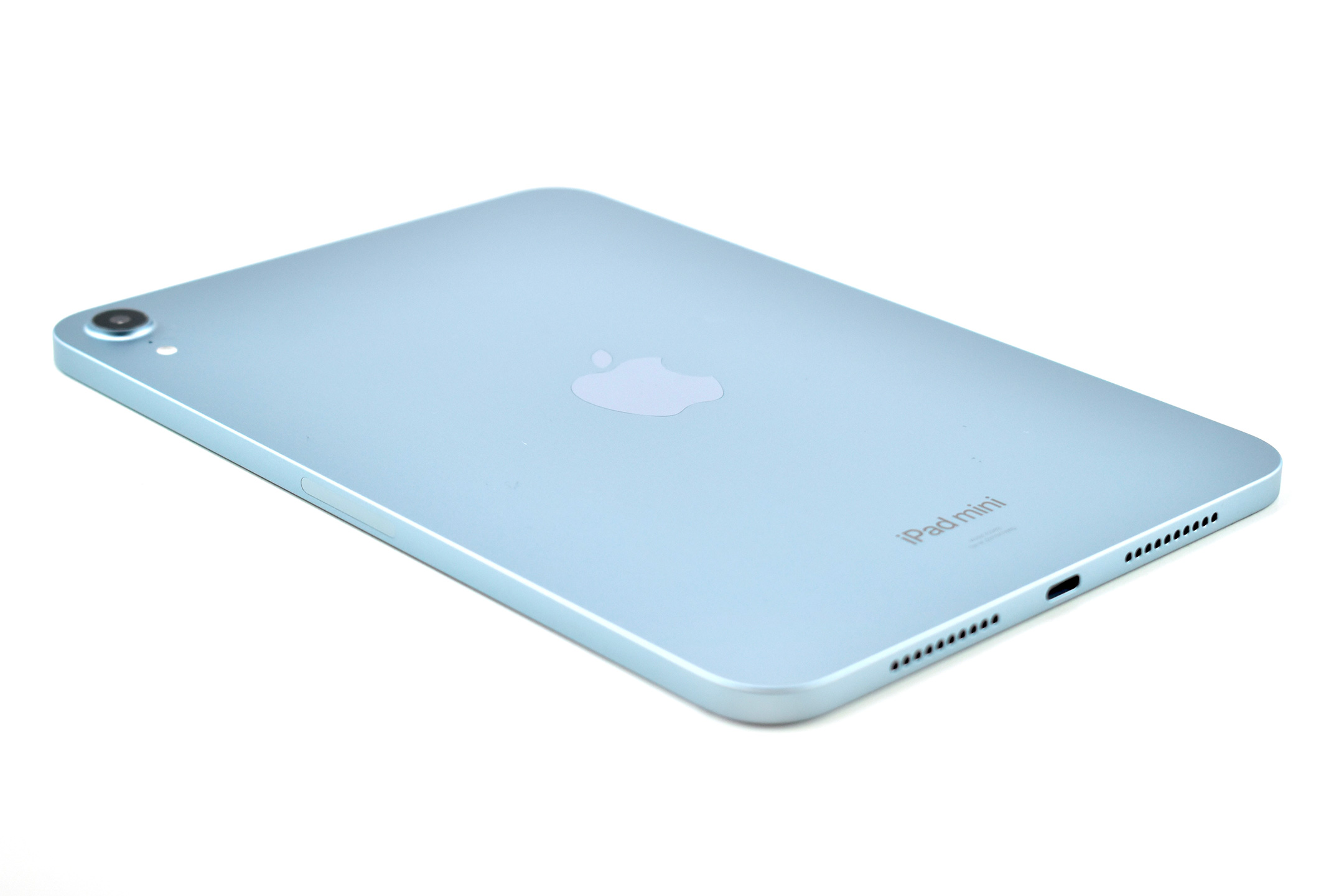
This iPad mini was available in three muted tones including Blue, Purple, and Starlight—and Space Gray. This example is Blue.

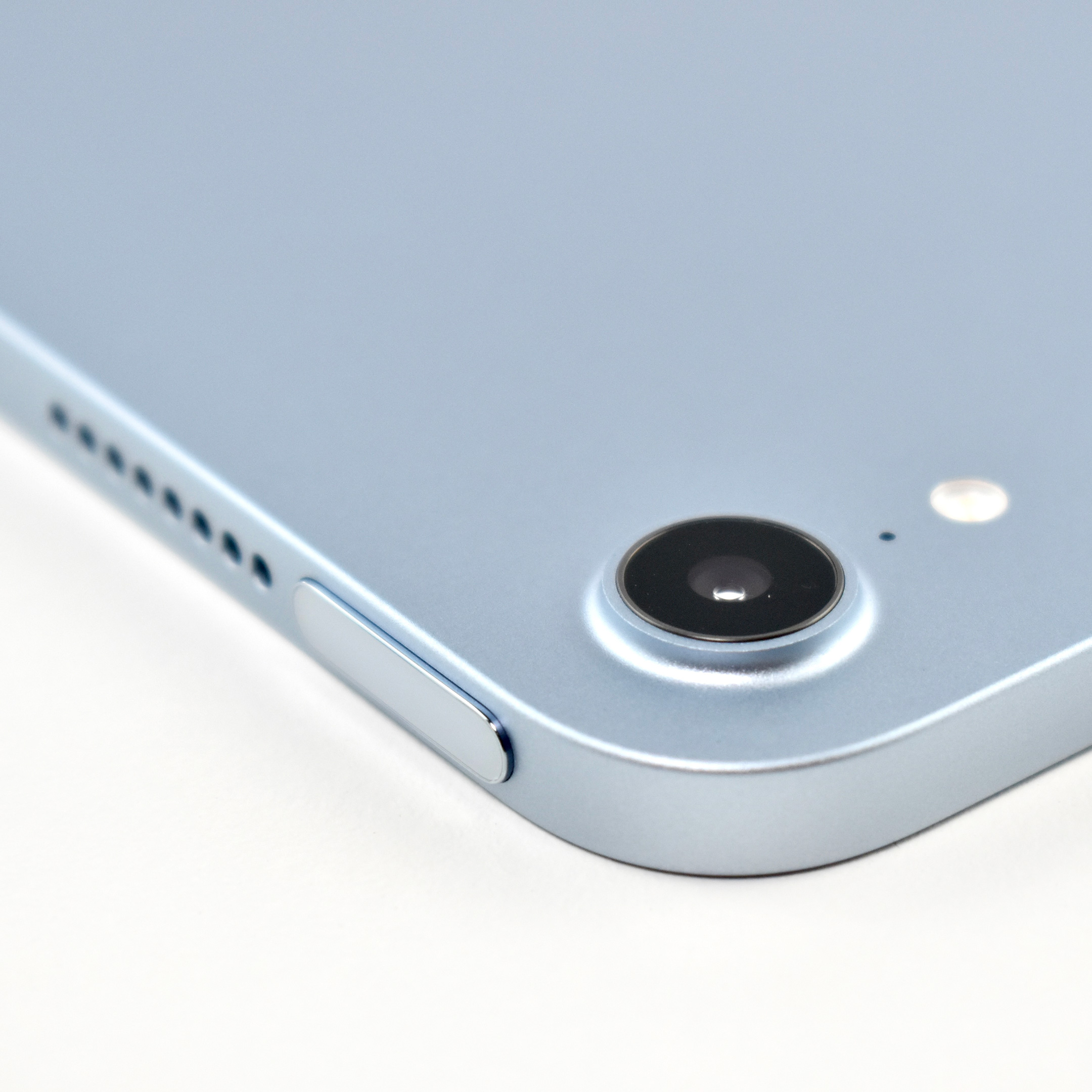
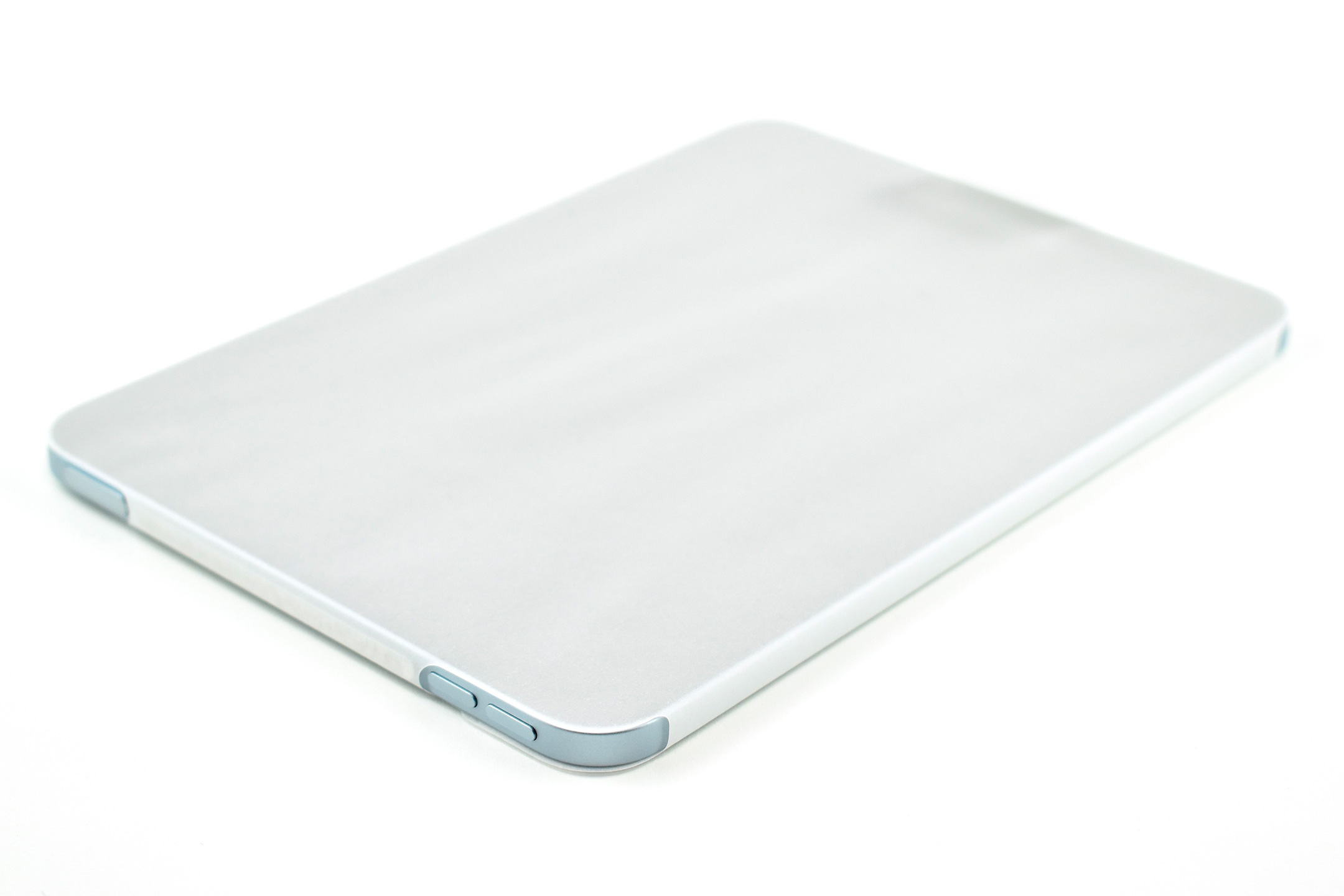
This iPad mini was 7.69 inches tall, 5.3 inches wide, and 0.25 inch thick. It weighed 0.65 pound. All buttons were along the top on the short side opposite the USB-C port, including the 2 volume buttons and the Top button with Touch ID. Each of the short sides also had speakers that allowed stereo sound output. Unlike other iPad models of the time, the front camera was placed on the short side.

Sources: Apple (press release, product page, specs)
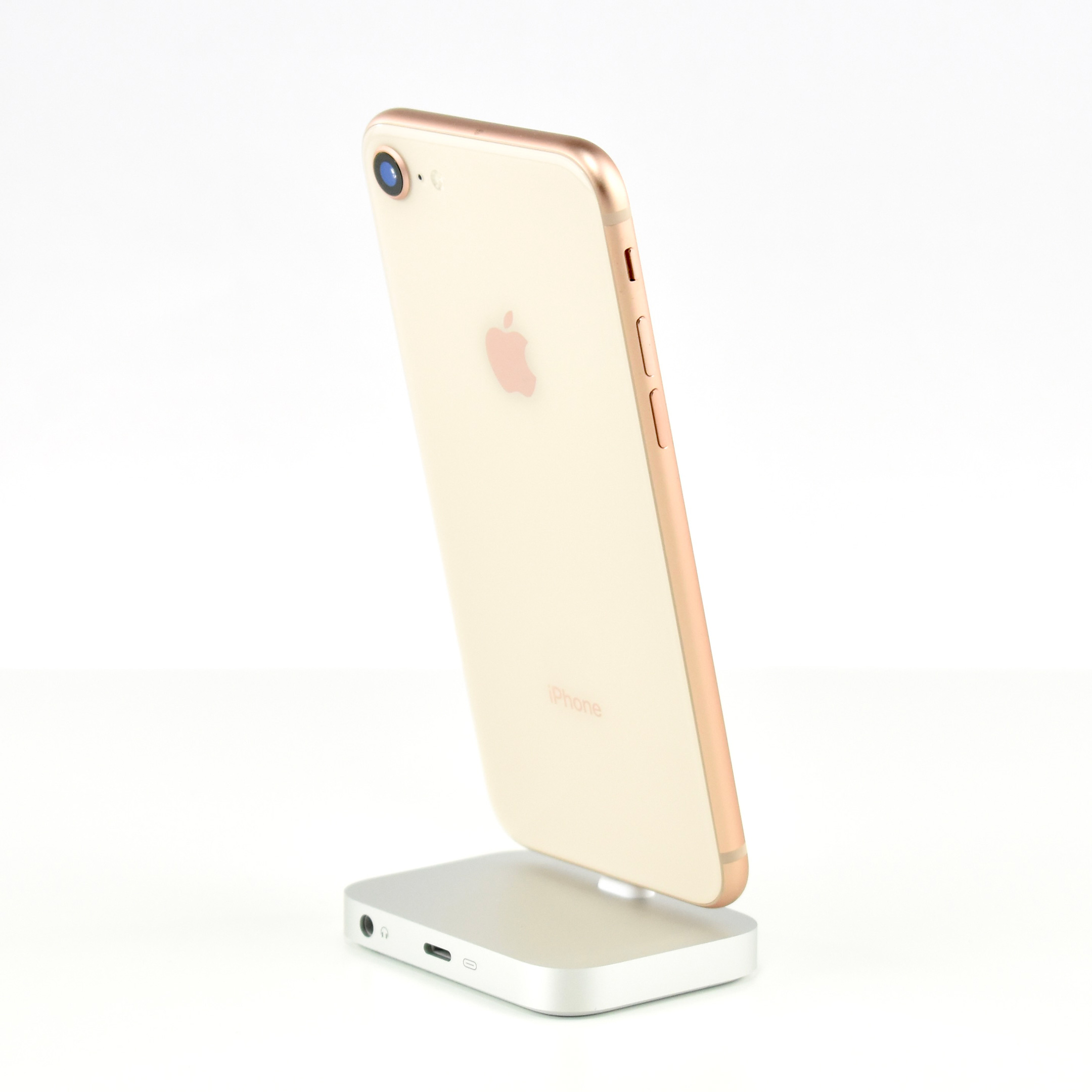
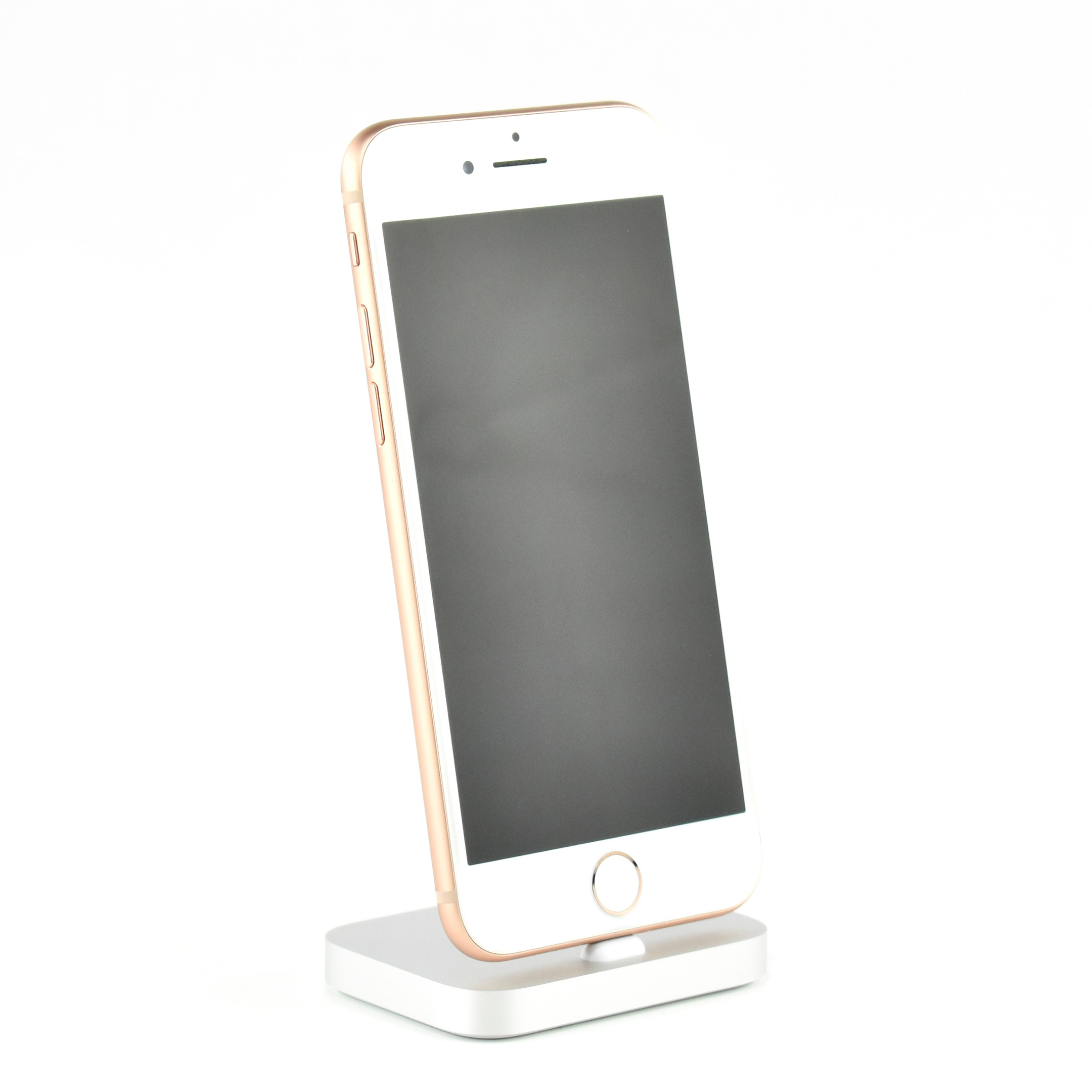
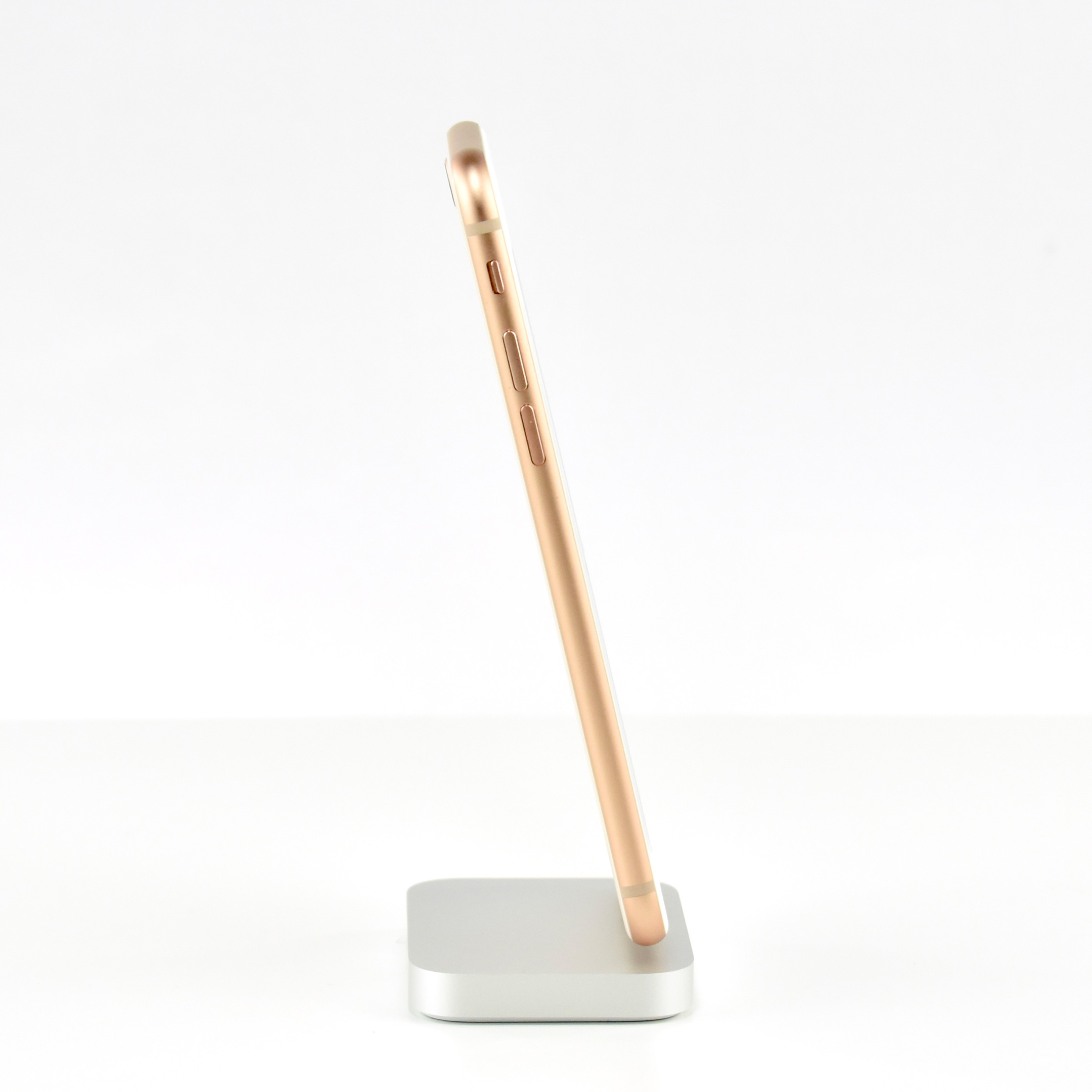
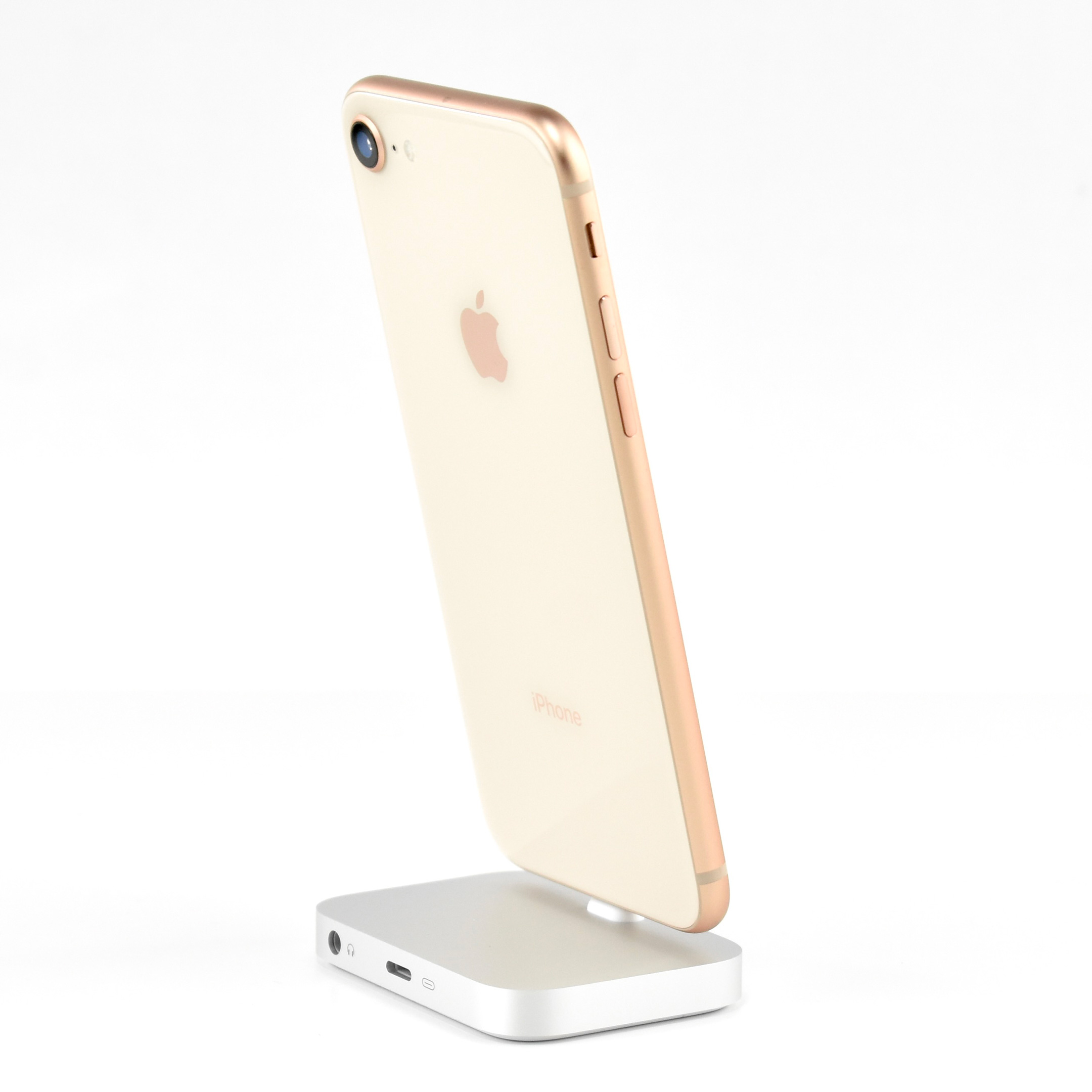
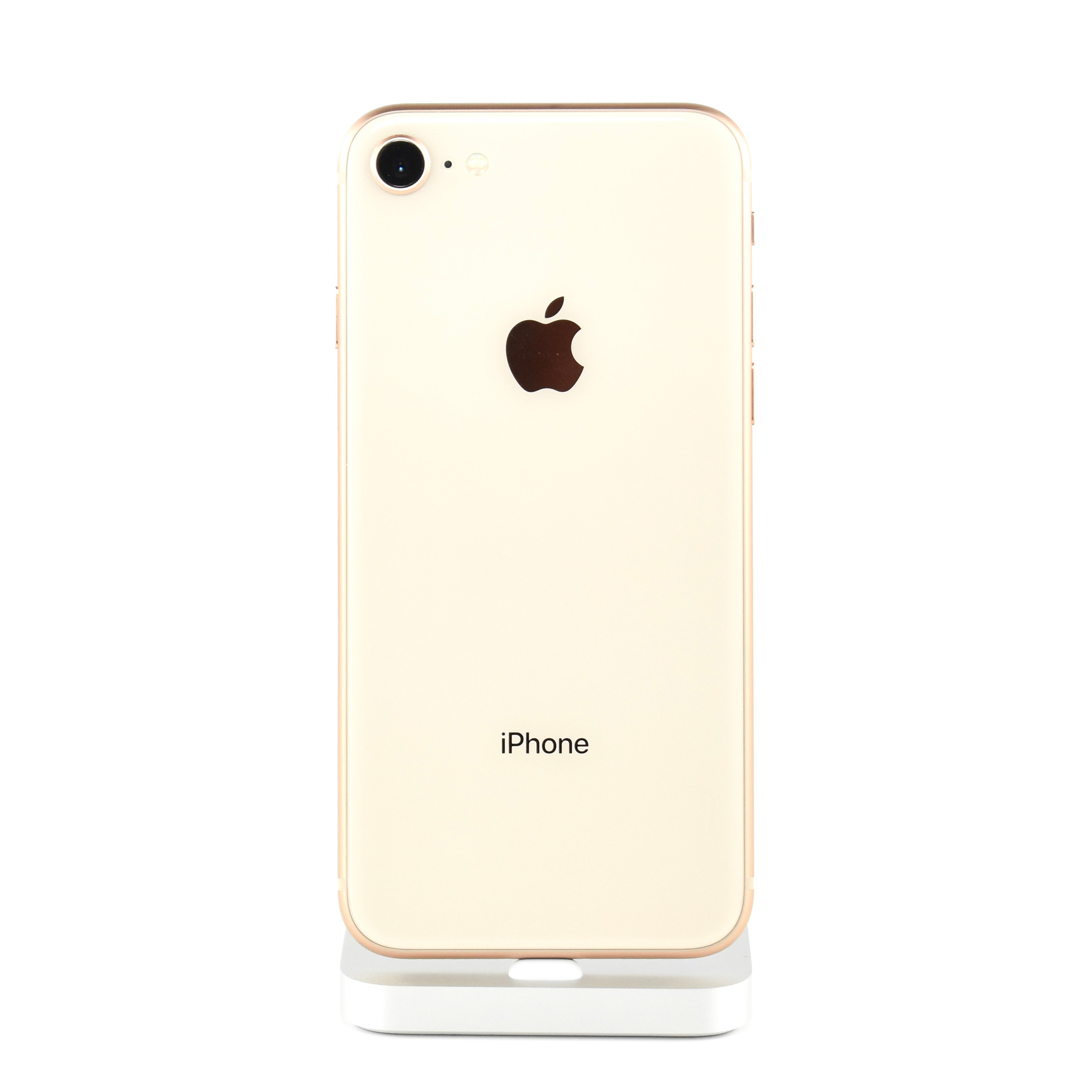
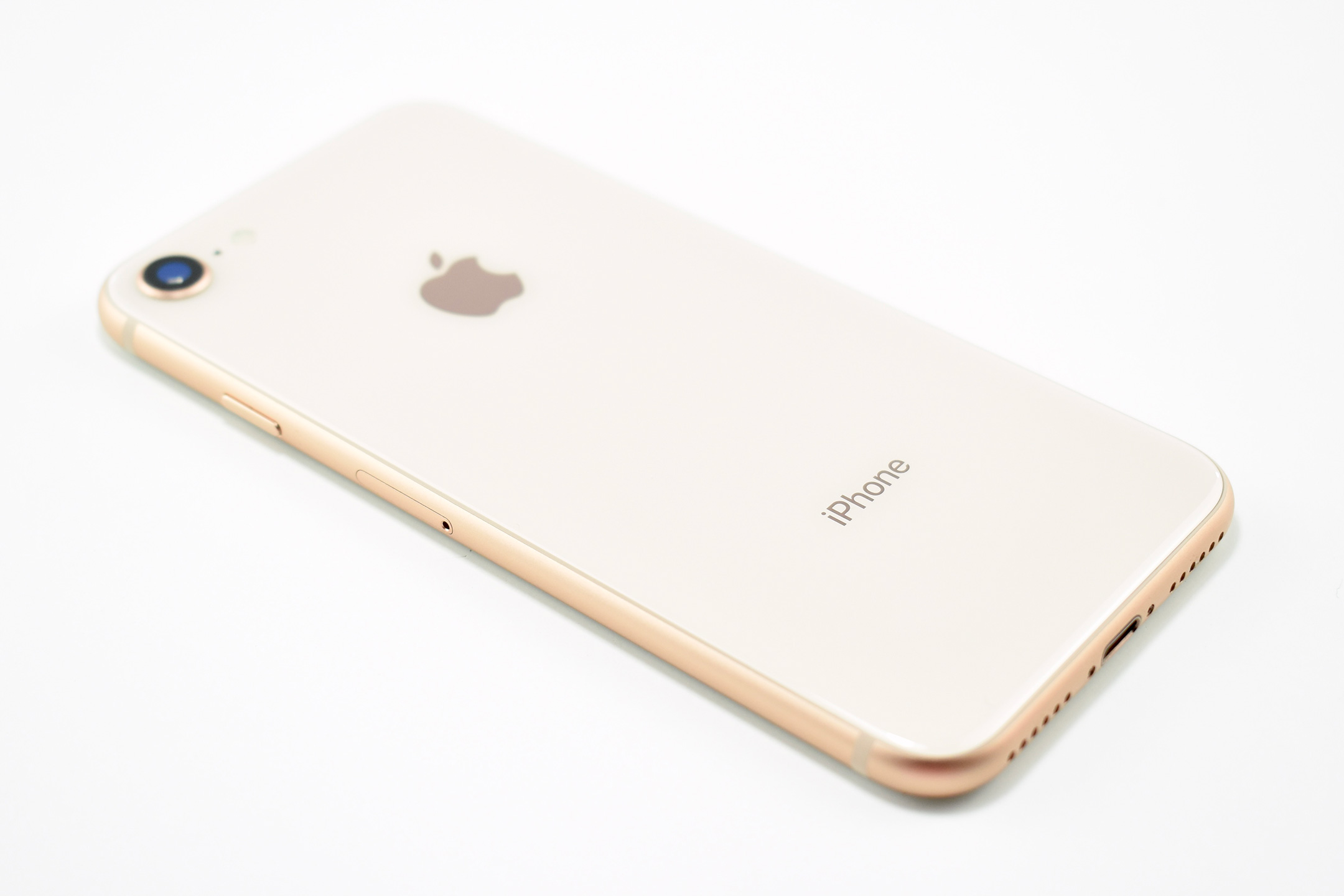
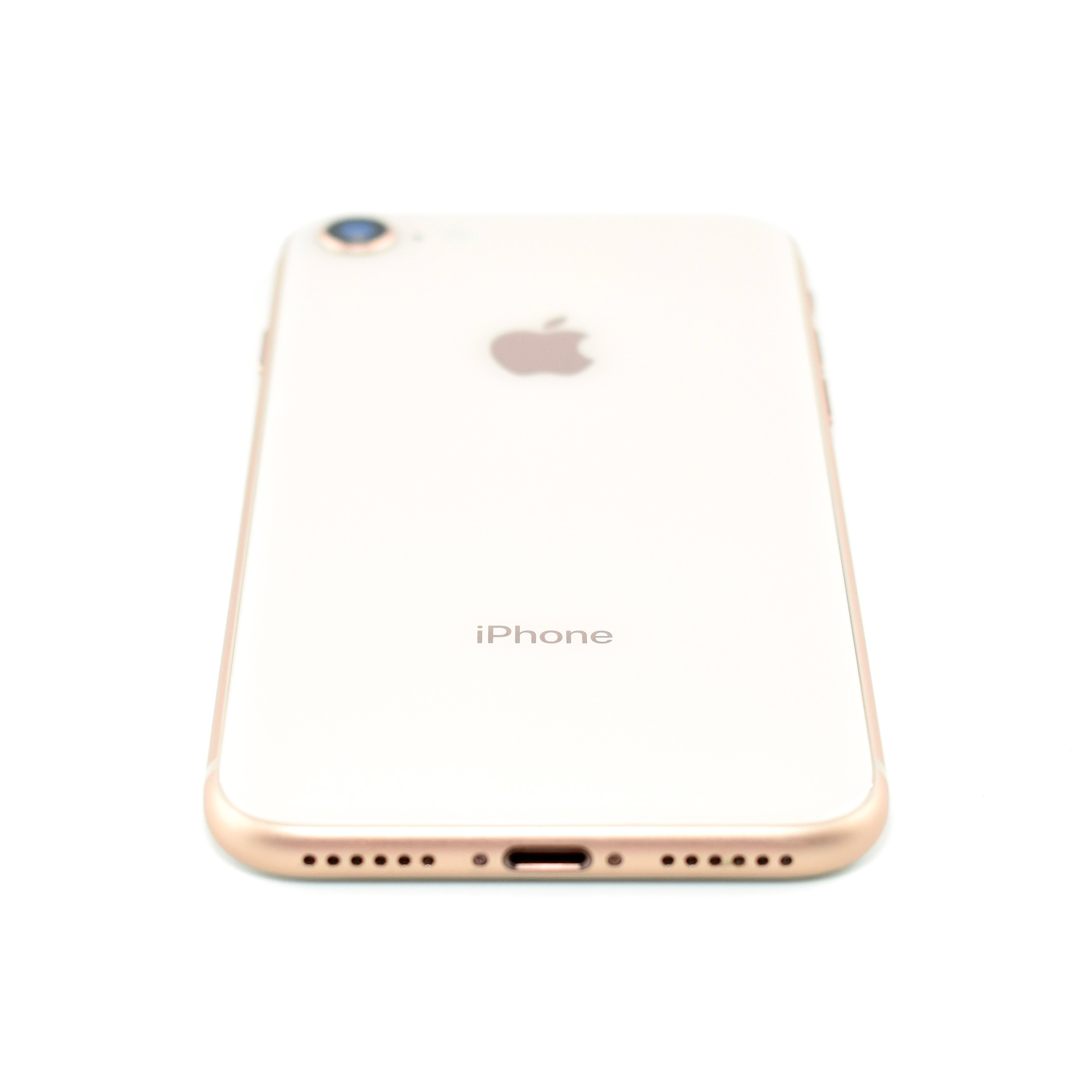
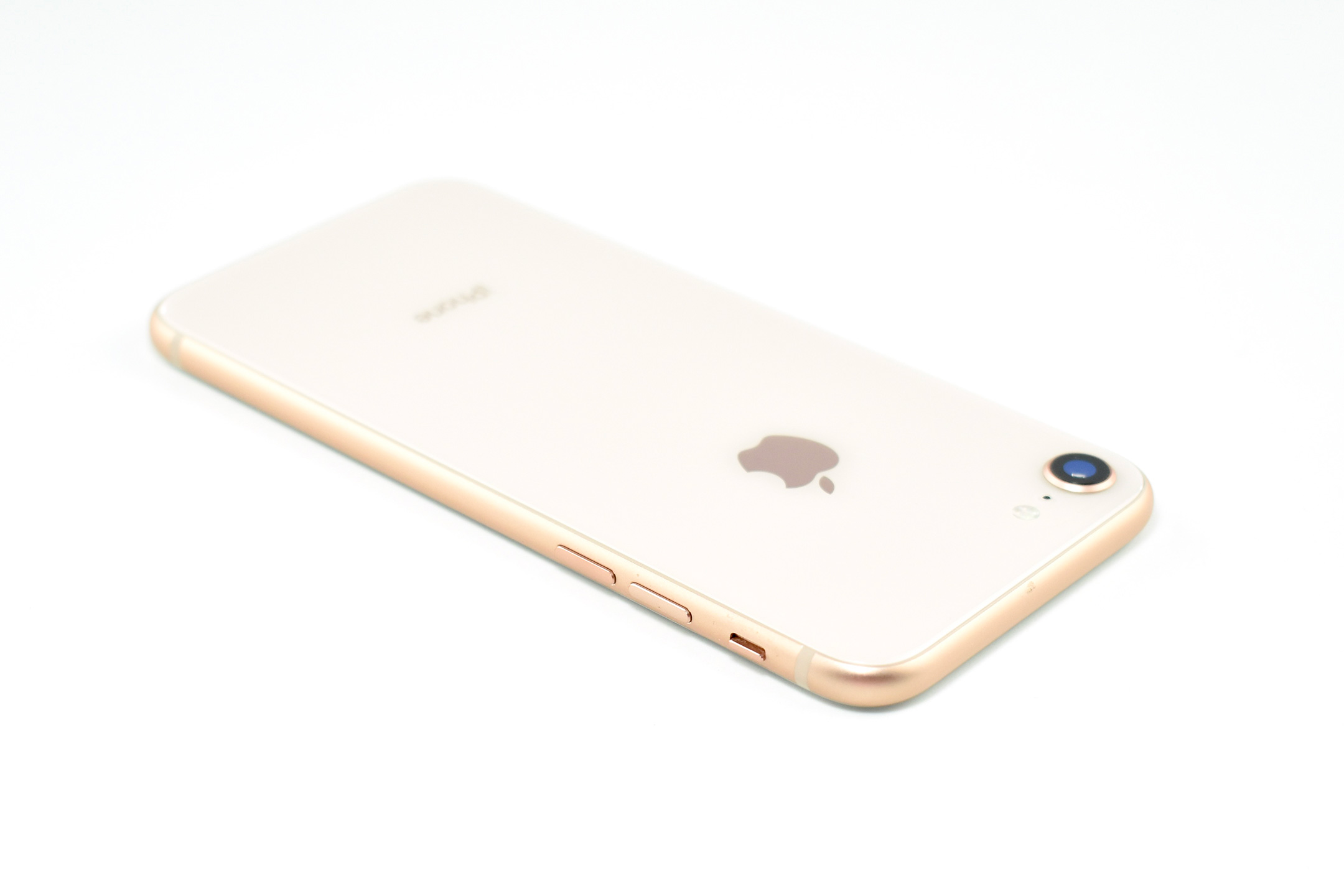
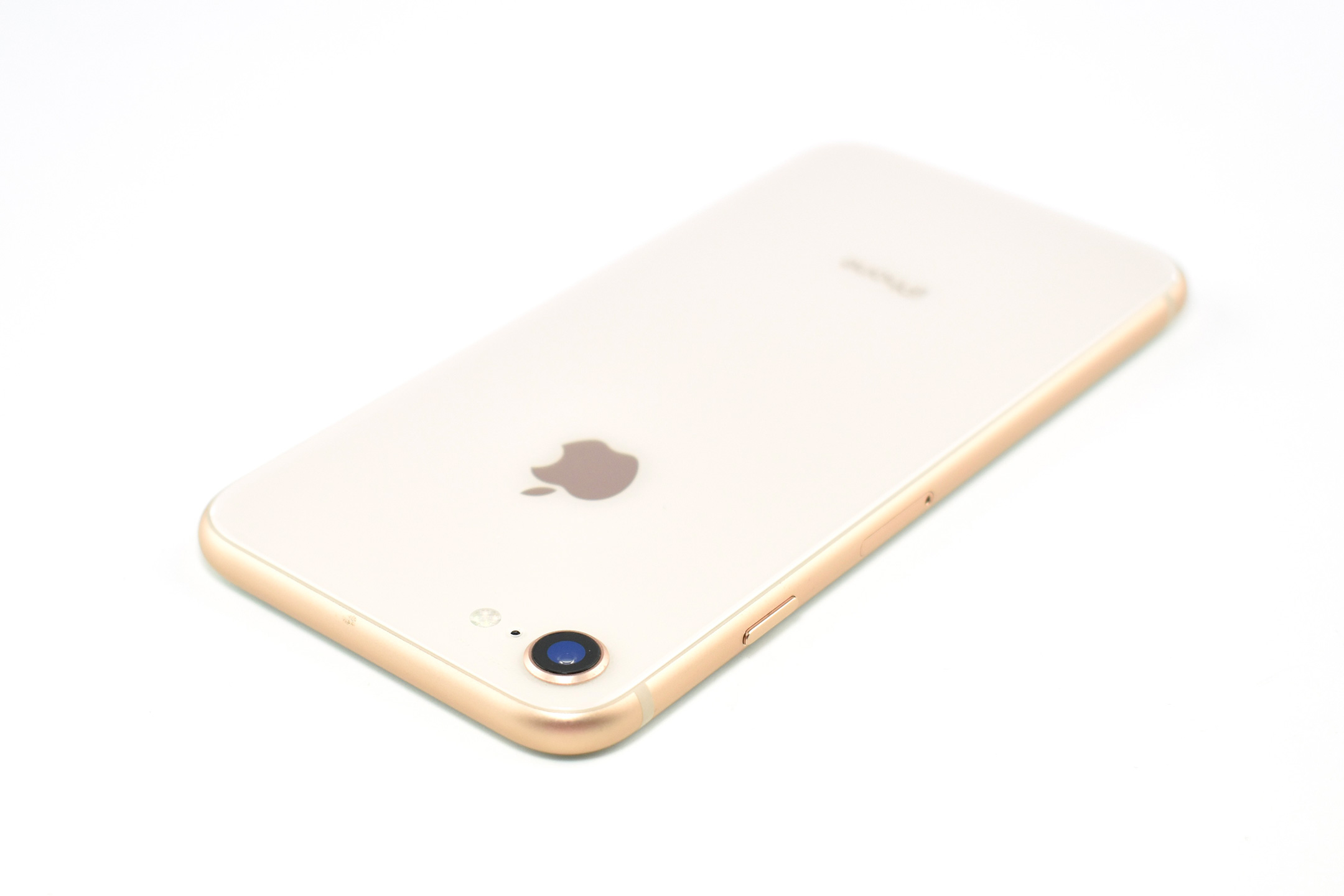
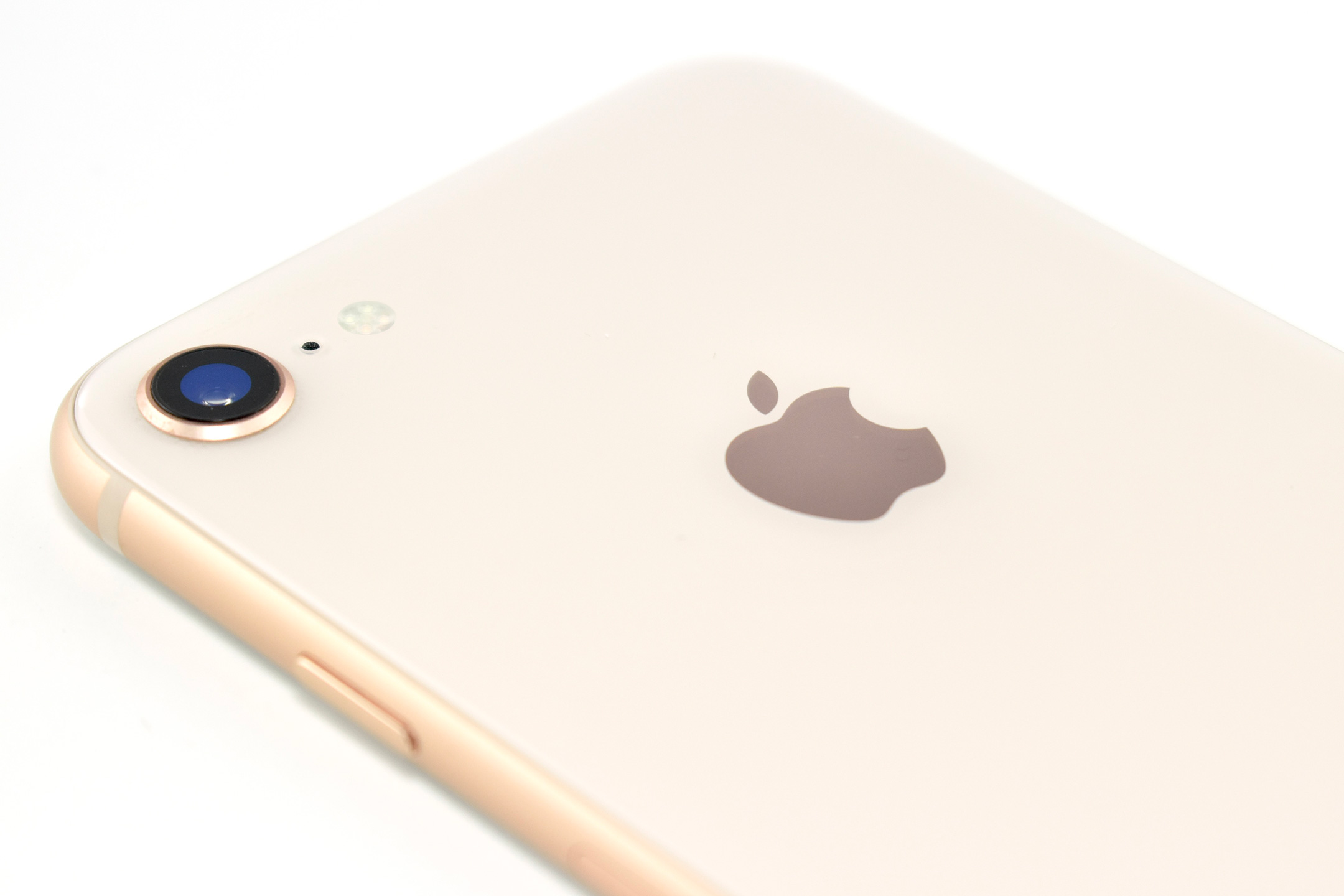
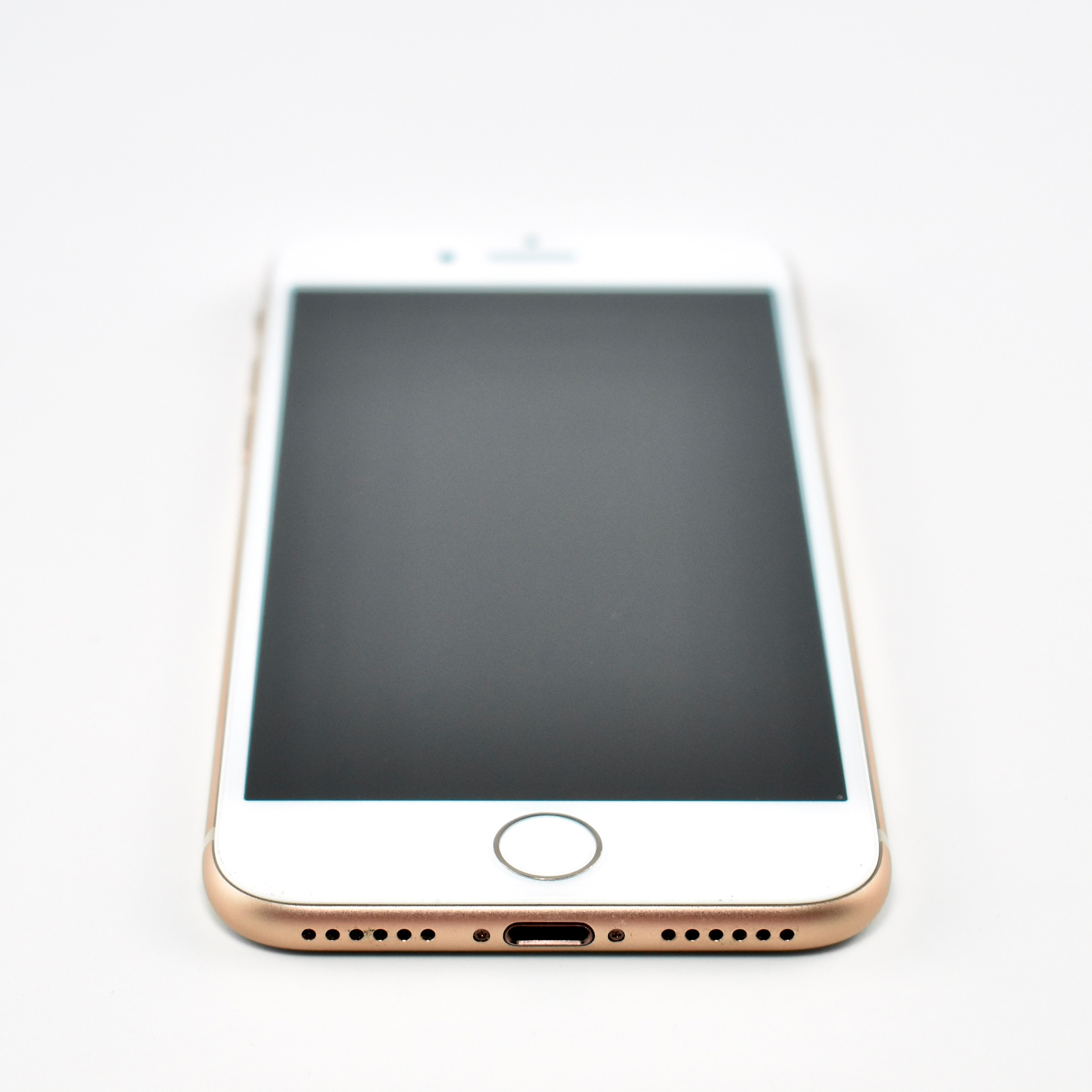
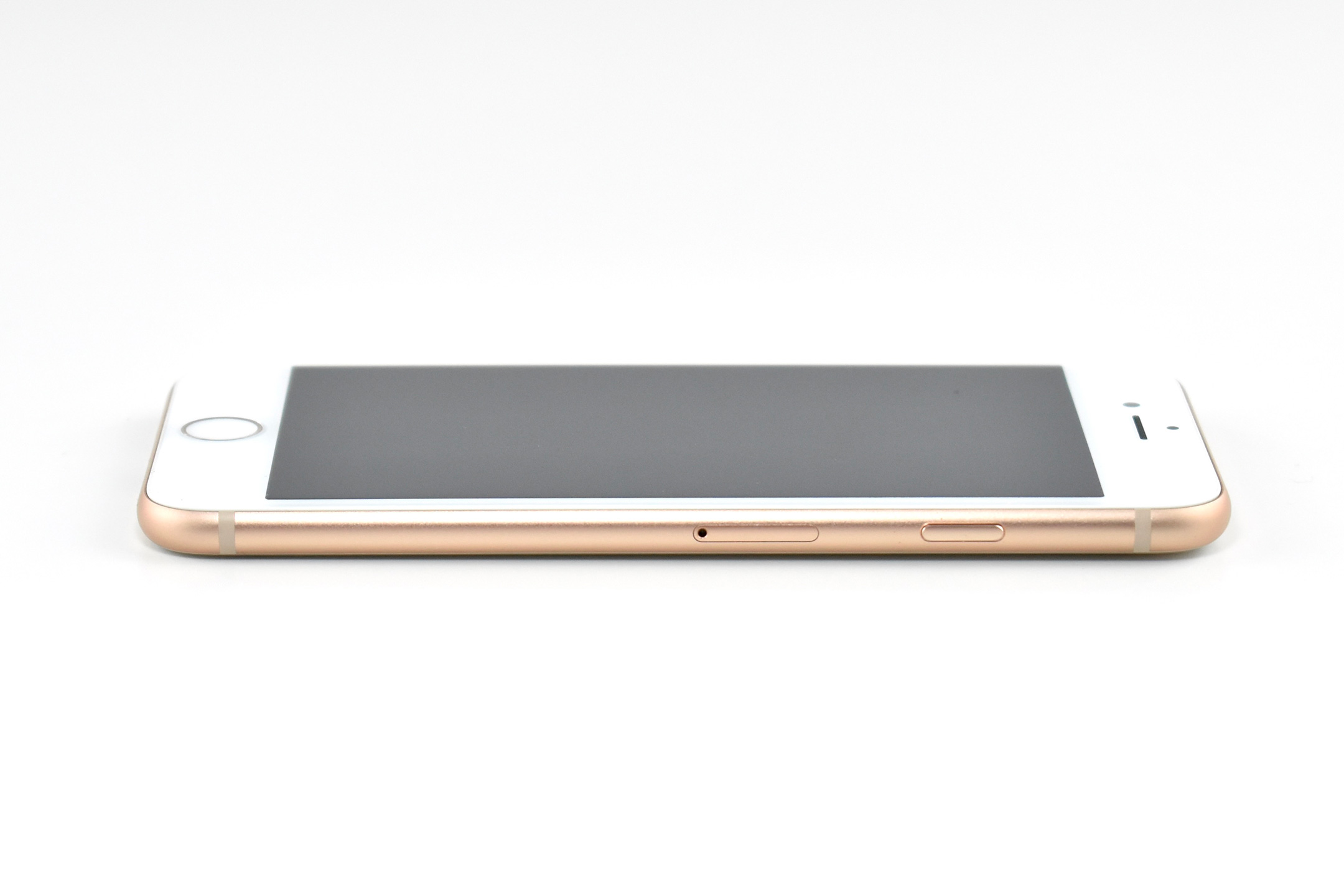
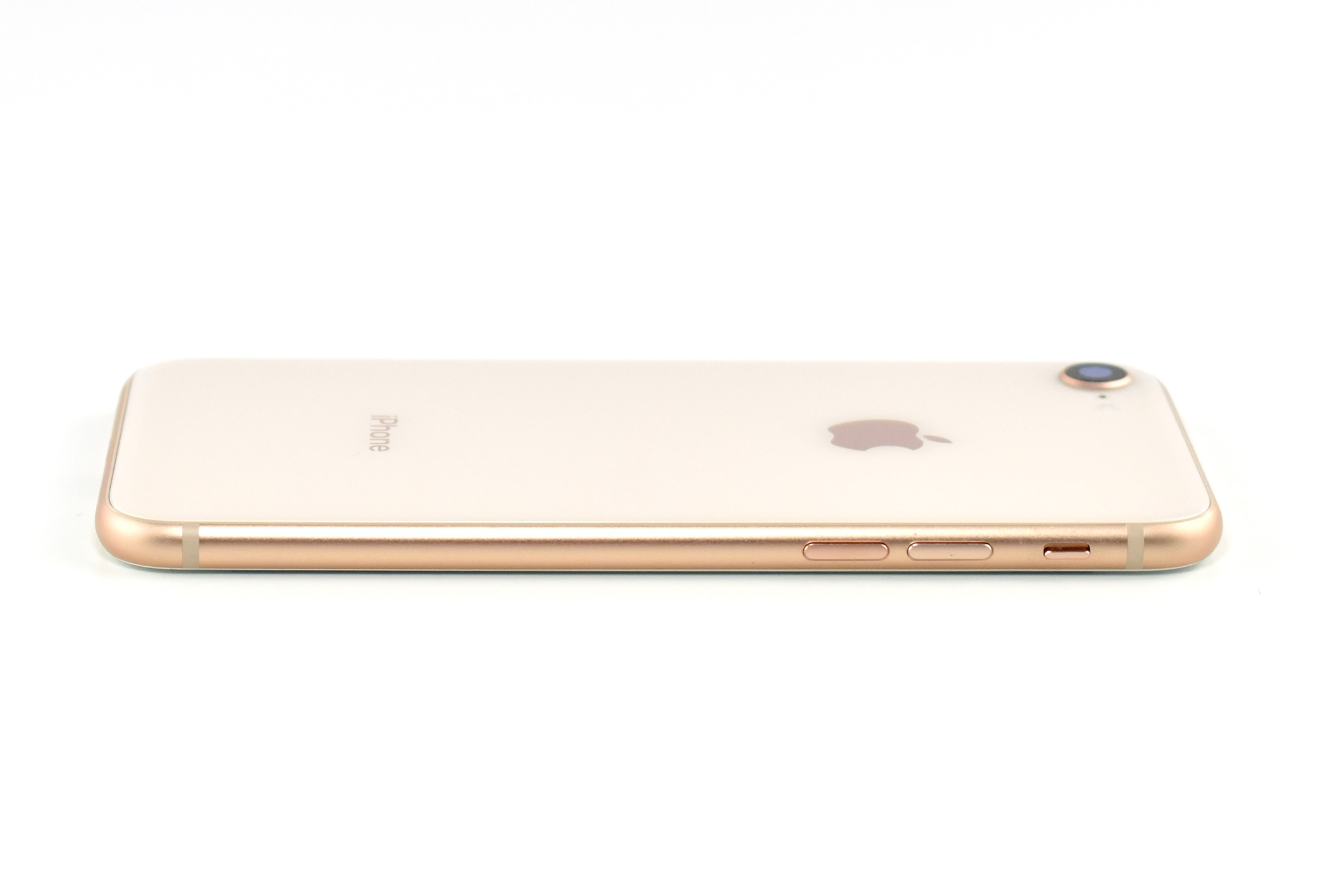
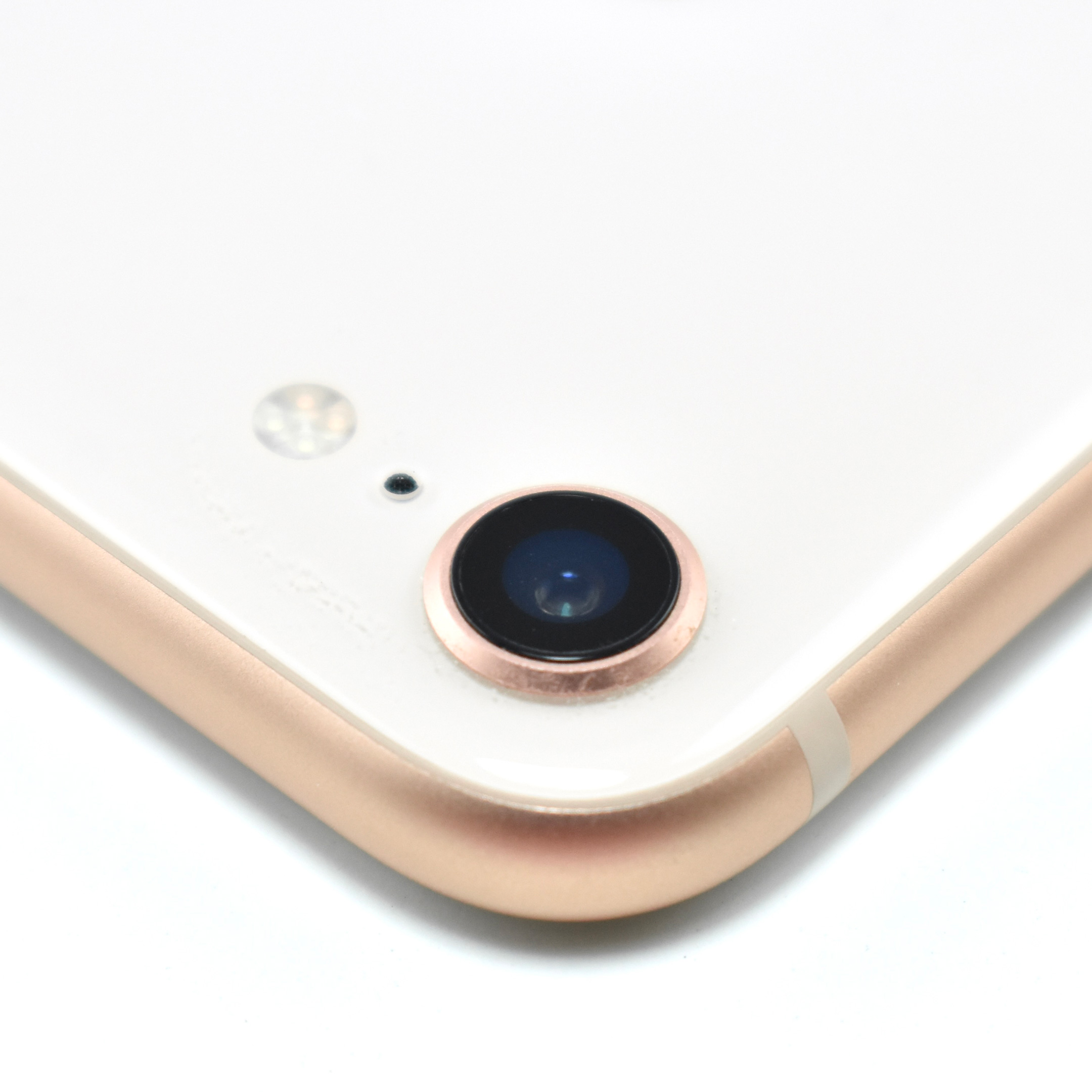
iPhone 8 (gold, 64GB, 2017)

The iPhone 8 was announced September 12, 2017, at the same time as the iPhone X (iPhone ten). Except for a glass back (replacing a metal back), the iPhone 8 (and the iPhone 8 Plus) were similar in design to the iPhone 7 and iPhone 7 Plus models that preceded them. The iPhone 8 was arguably eclipsed by the iPhone X with Apple’s first edge-to-edge screen with no Home button and a design that hinted at future designs of iPhone and iPad devices.
The iPhone 8 had a 4.7-inch Retina HD touchscreen (1334×750 at 326 ppi). Its solid-state Home button used Apple’s Taptic engine and a Touch ID fingerprint sensor. Its front camera was a 7-megapixel FaceTime HD camera, and its back camera was a 12-megapixel 4K camera with a six-element lens system with augmented reality (AR) support.
The iPhone 8 was first offered in gold (white front with gold glass back), silver (white front with silver glass back), and space gray (black front with dark gray glass back), and Apple later added a (PRODUCT)RED Special Edition model (black front with a red glass back).

Internally, the iPhone 8 used an A11 Bionic processor with six cores, 2 GB RAM, and was offered in storage options of 64, 128, and 256 GB. Wireless connections included 802.11ac Wi-Fi, Bluetooth 5.0, LTE (4G), and NFC (Apple Pay). Its only wired connection was the Lightning port (the headphone jack had been removed from the previous iPhone 7 models).

Qi wireless charging was also introduced with the iPhone 8—and also the iPhone 8 Plus and iPhone X, introduced at the same time.

This example of the iPhone 8 is gold.

Sources: EveryMac, Wikipedia

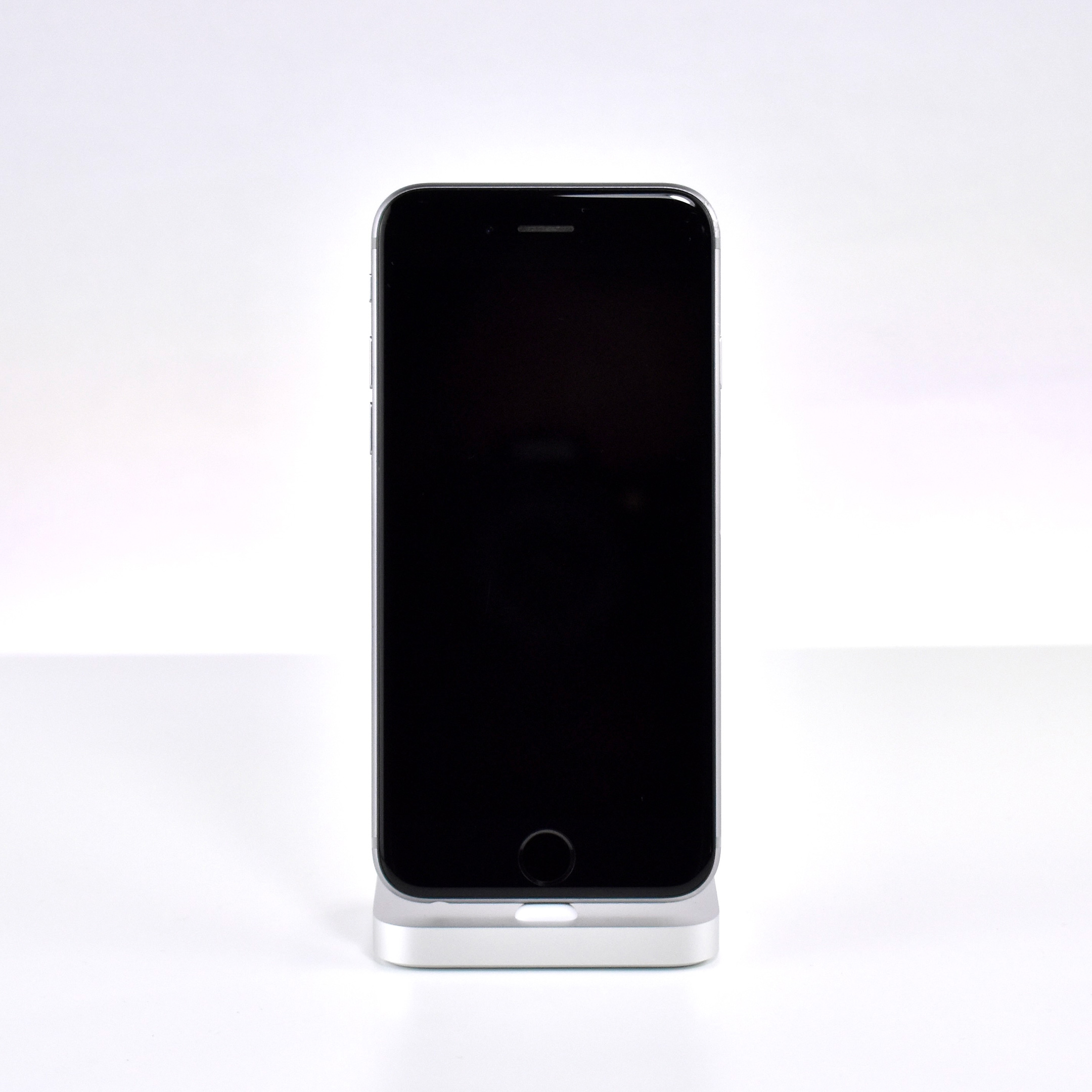
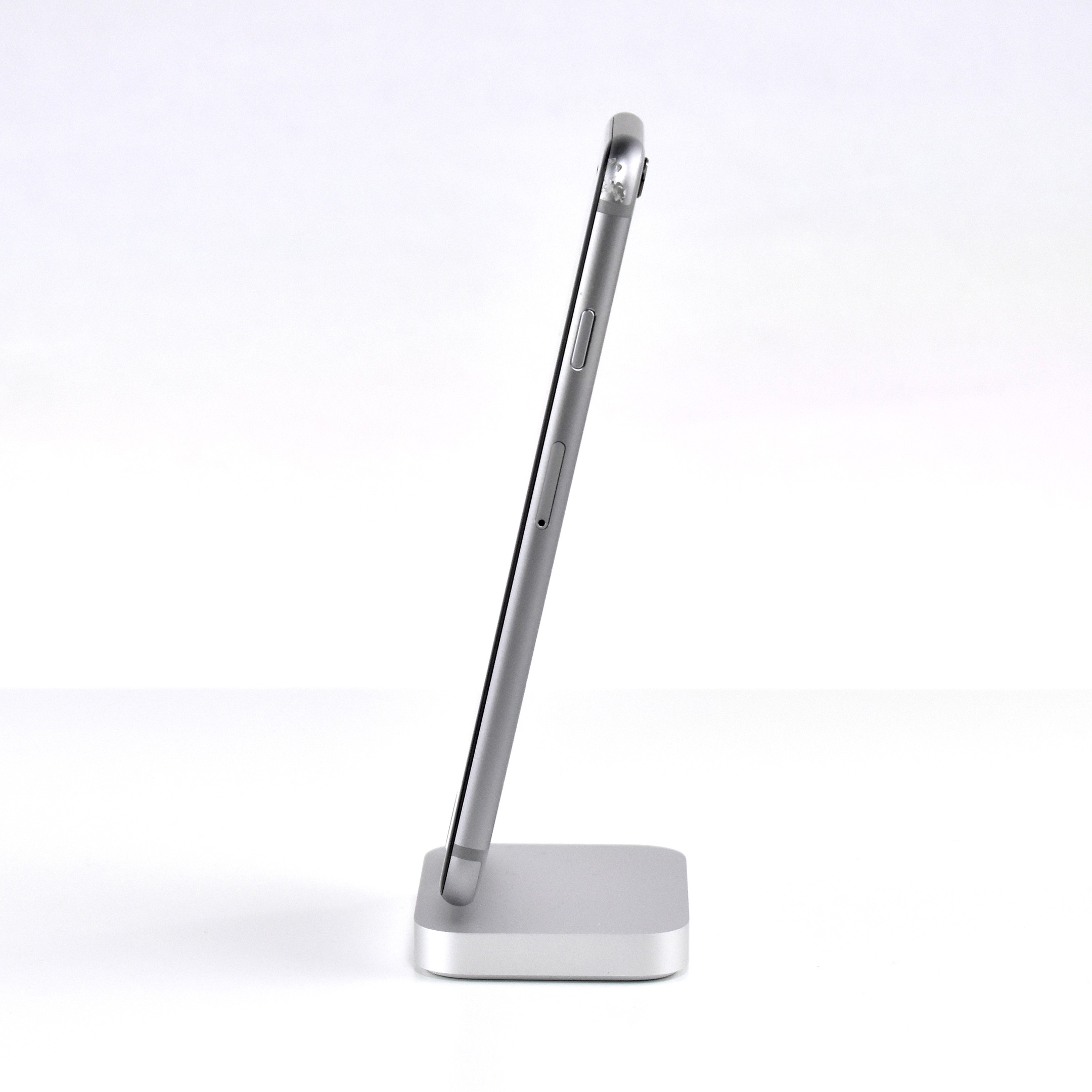
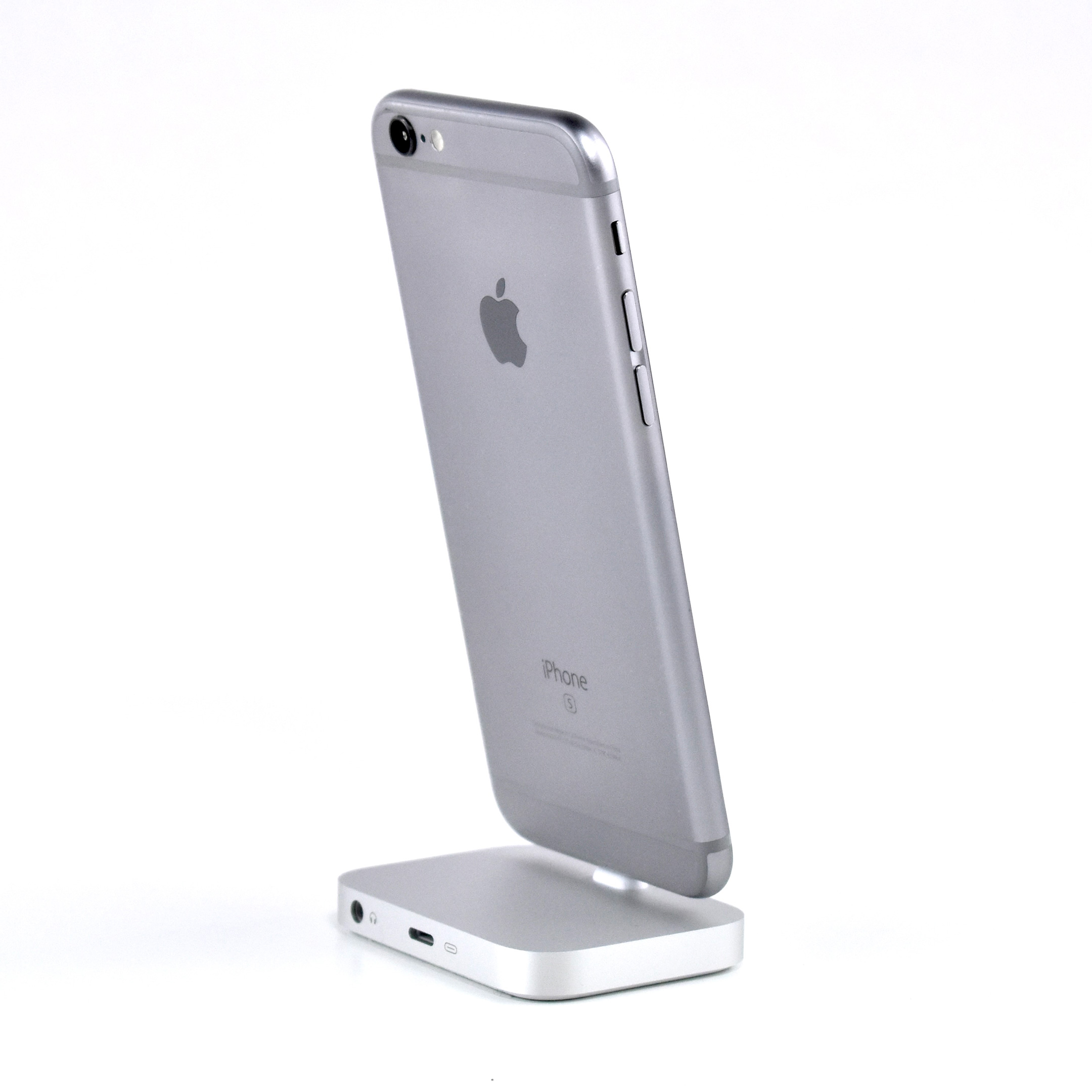
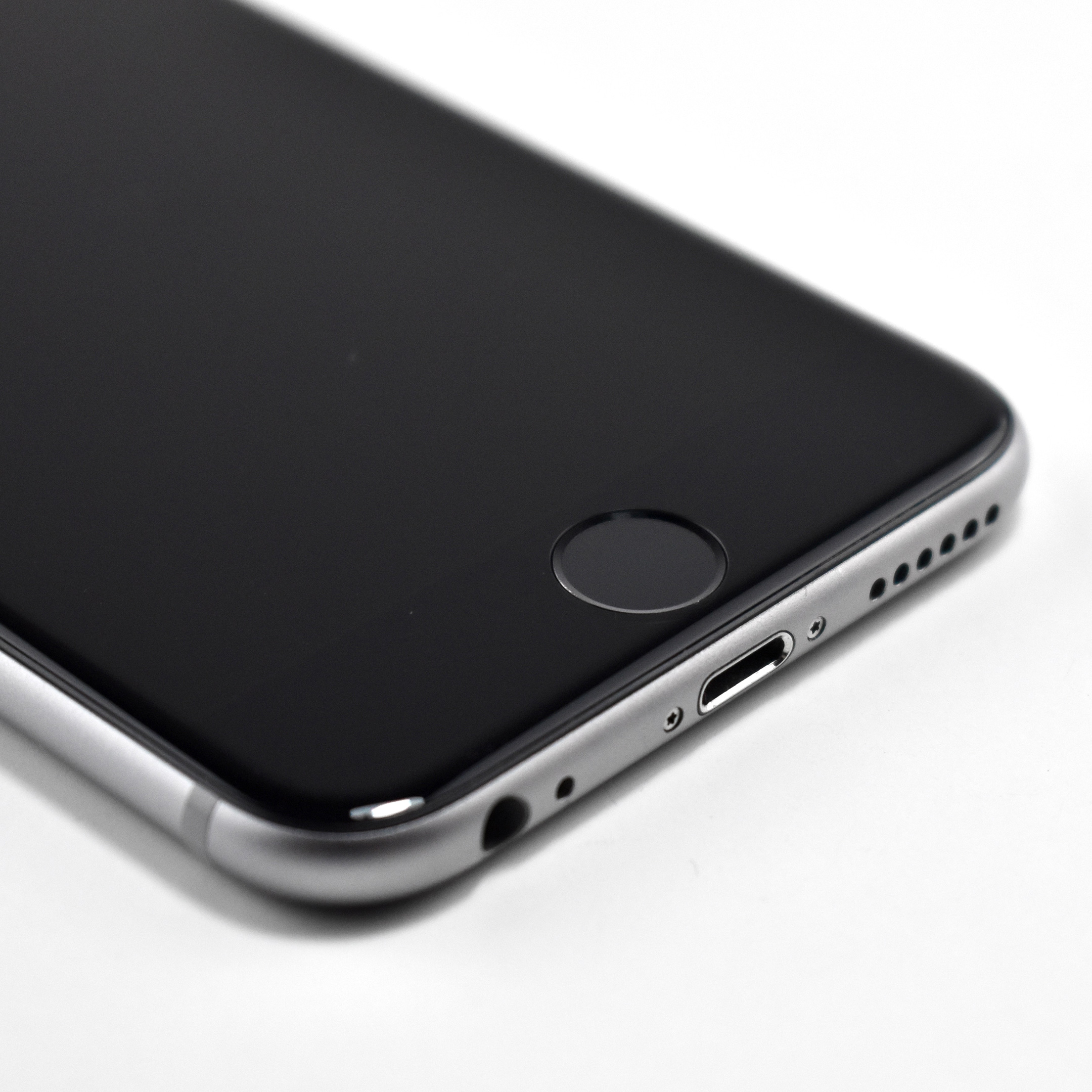
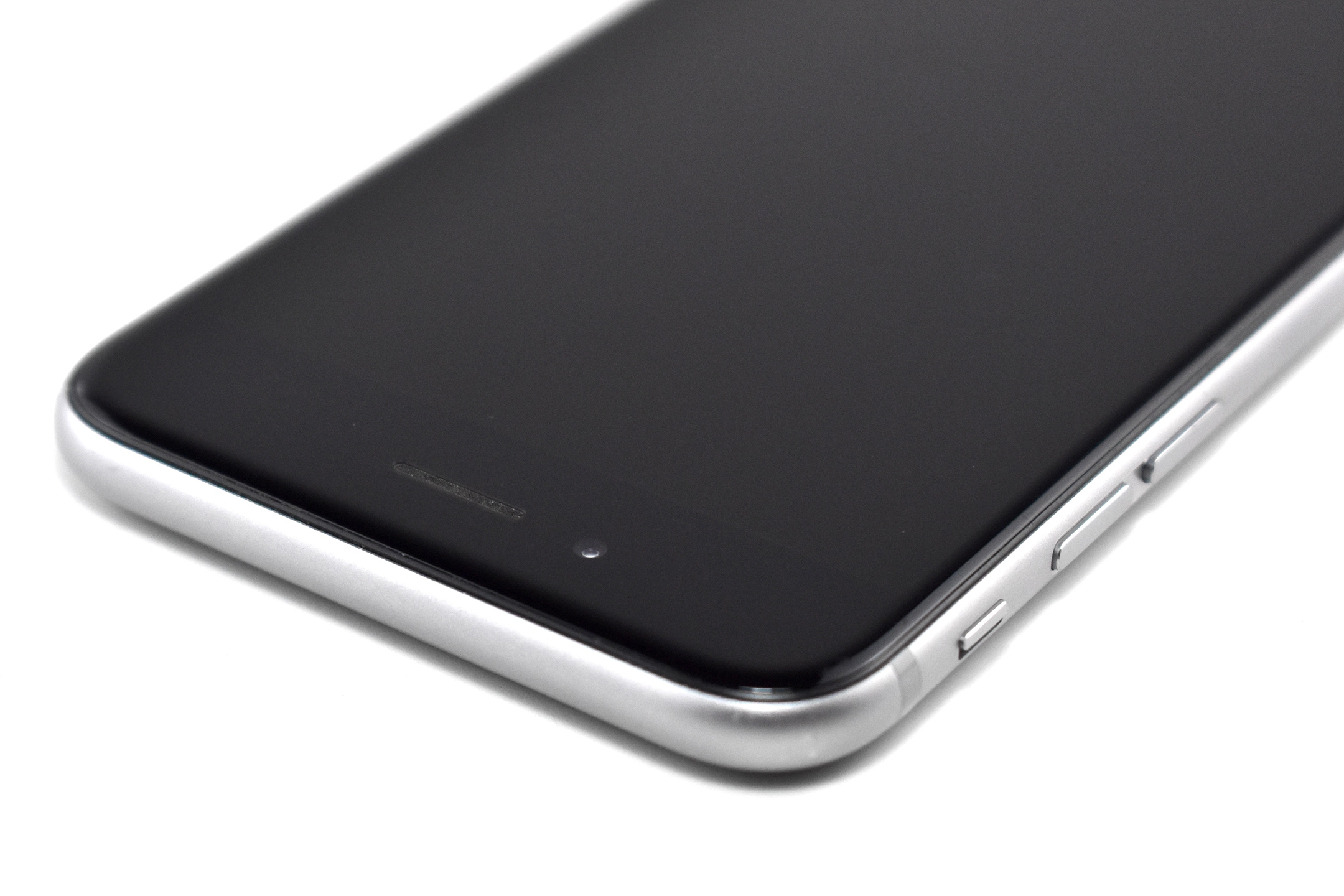
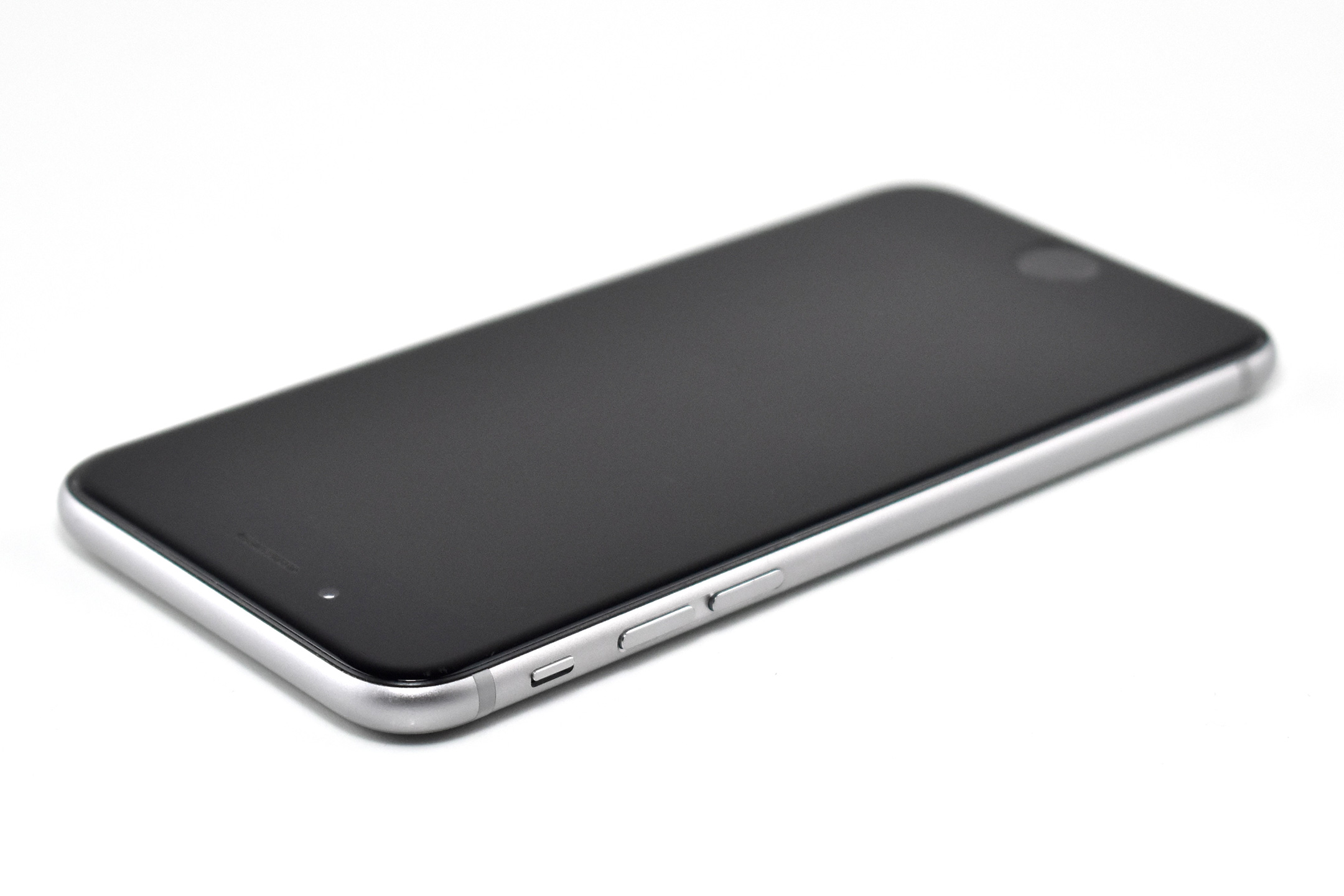
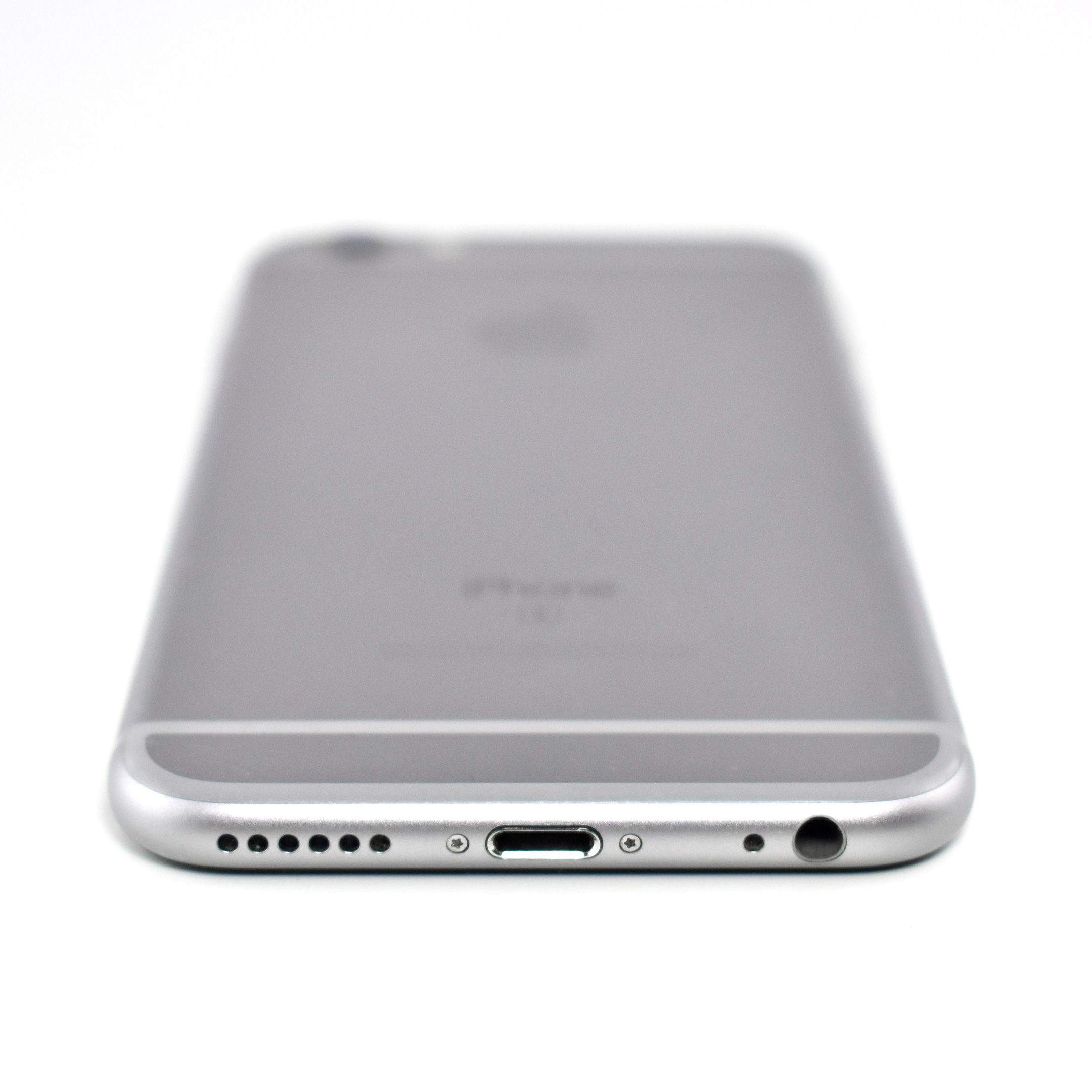
iPhone 6s (Space Gray, 2015)
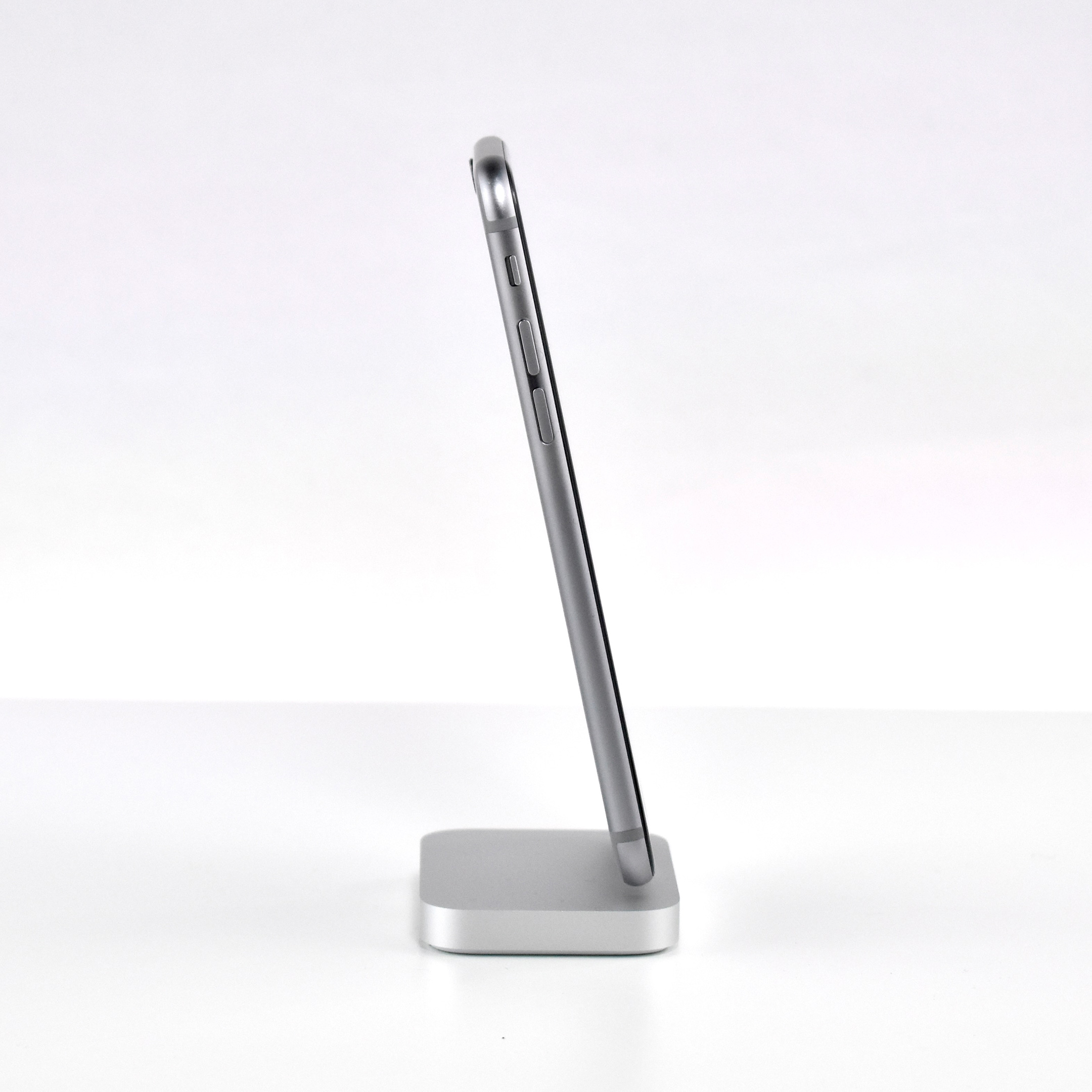
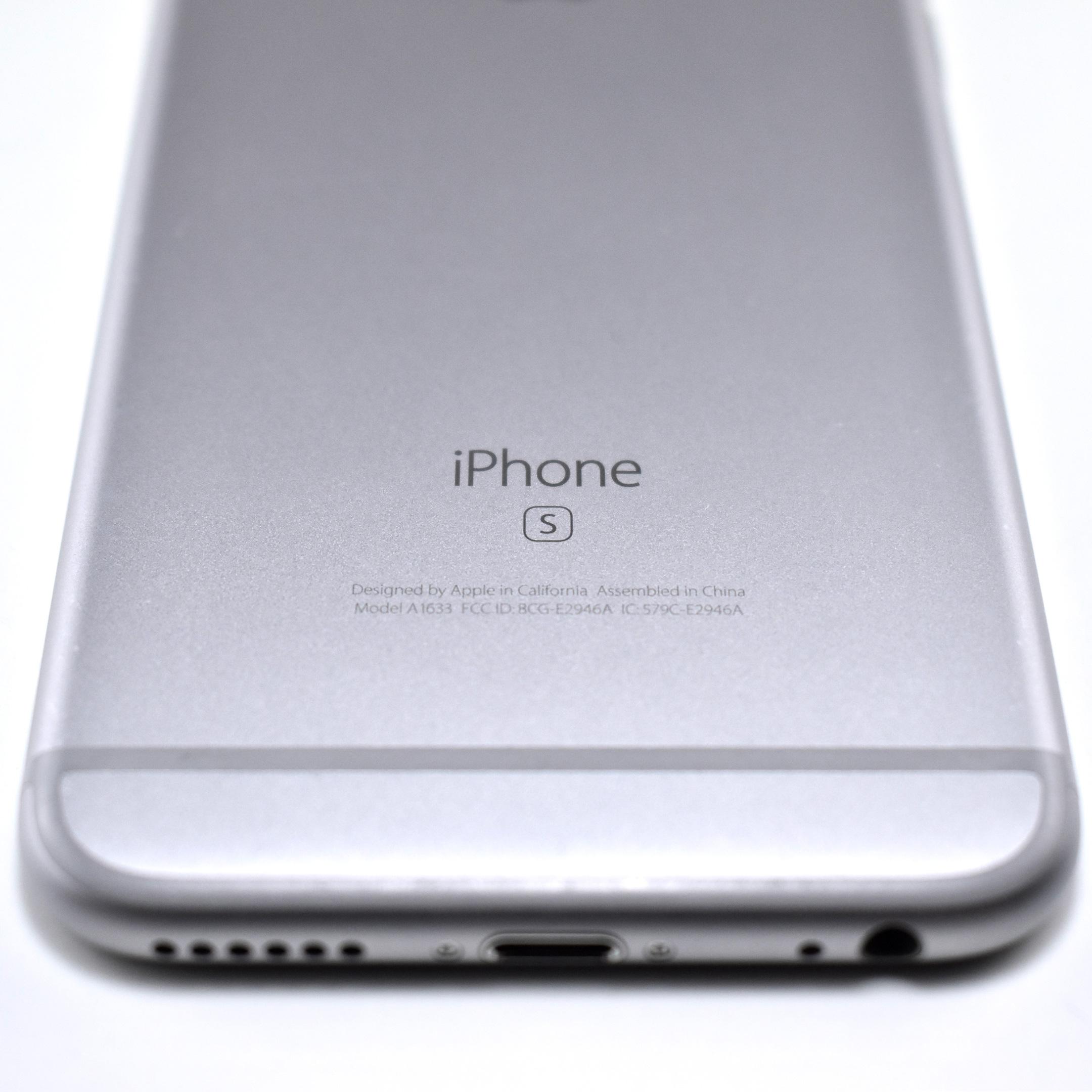
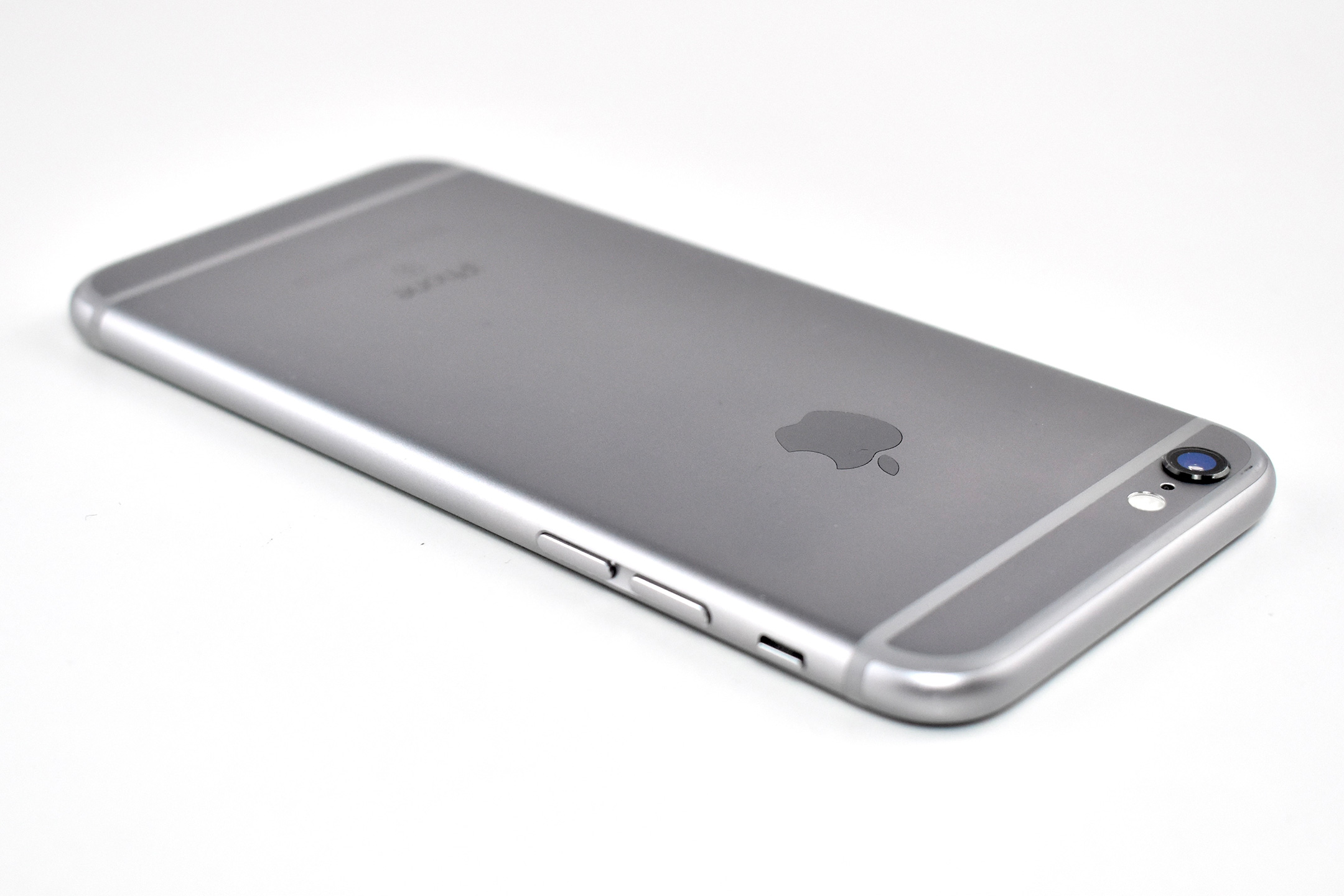
The iPhone 6s had a 4.7-inch “3D Touch” Retina HD screen at 1334 × 750 (326 ppi). The iPhone 6s cameras were vastly improved over the iPhone 6 that preceded it: a rear 12-megapixel 4K iSight camera and a front 5-megapixel FaceTime camera in 720p (the iPhone 6 used a, 8-megapixel back camera and 1.2-megapixel front camera).

The iPhone 6s was available in four colors: silver (white glass front, silver back); gold (white glass front, gold back); space gray (black glass front, medium-gray back); and rose gold (white glass front, pink-tinted gold back).

The iPhone 6s did not use a physical Home button, but used its Taptic engine to simulate the click. It also used a Touch ID fingerprint sensor in the Home button.

Inside, the iPhone 6s used the Apple A9 processor with 2 GB of RAM and was available in 16 GB, 32 GB, 64 GB, or 128 GB of flash storage. The iPhone 6s was the last iPhone to include a headphone jack (located on the bottom) and used the Lightning port to connect to computer, dock, or power adapter.

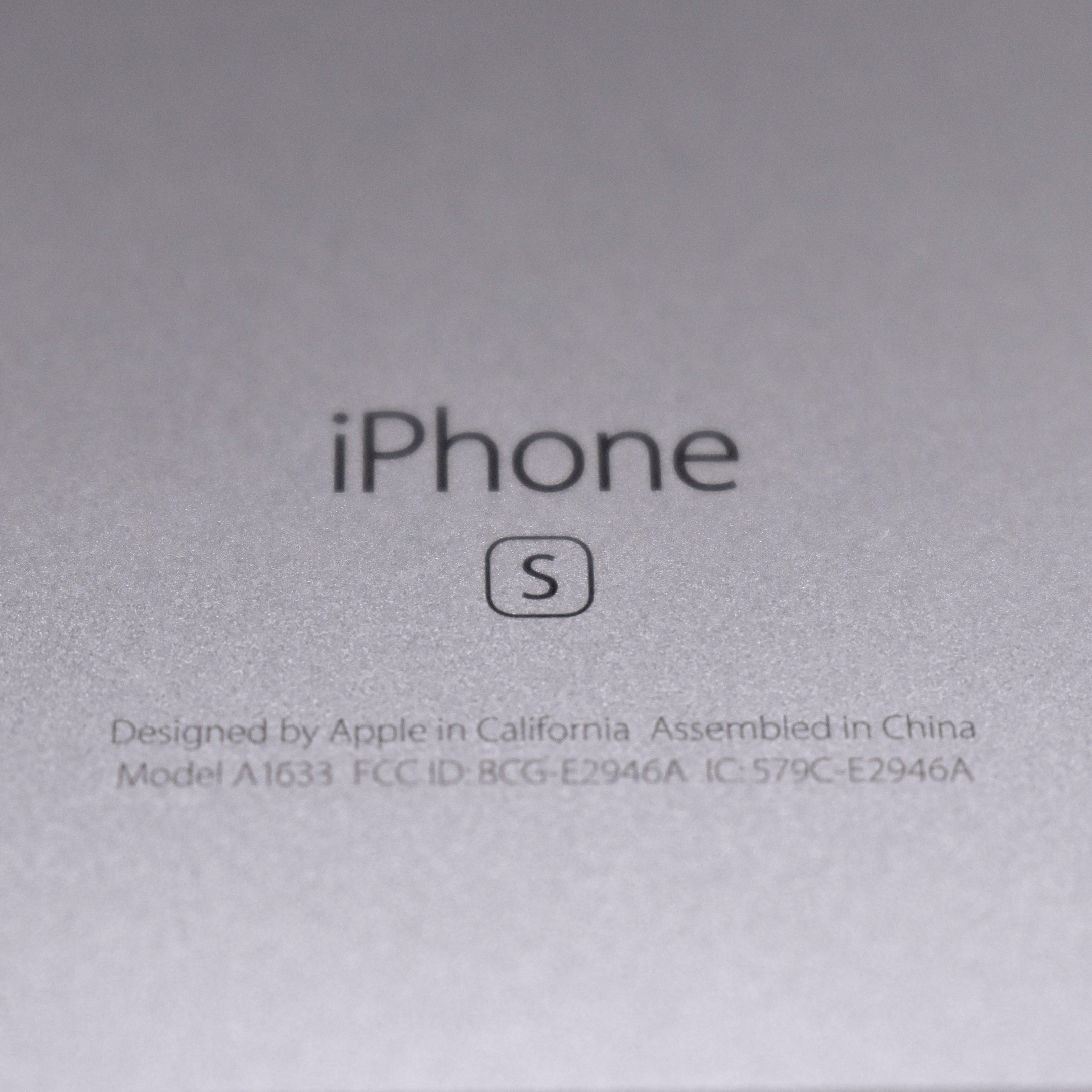
This iPhone 6s example is Space Gray, a shade of dark gray with a black glass front.

Source: EveryMac

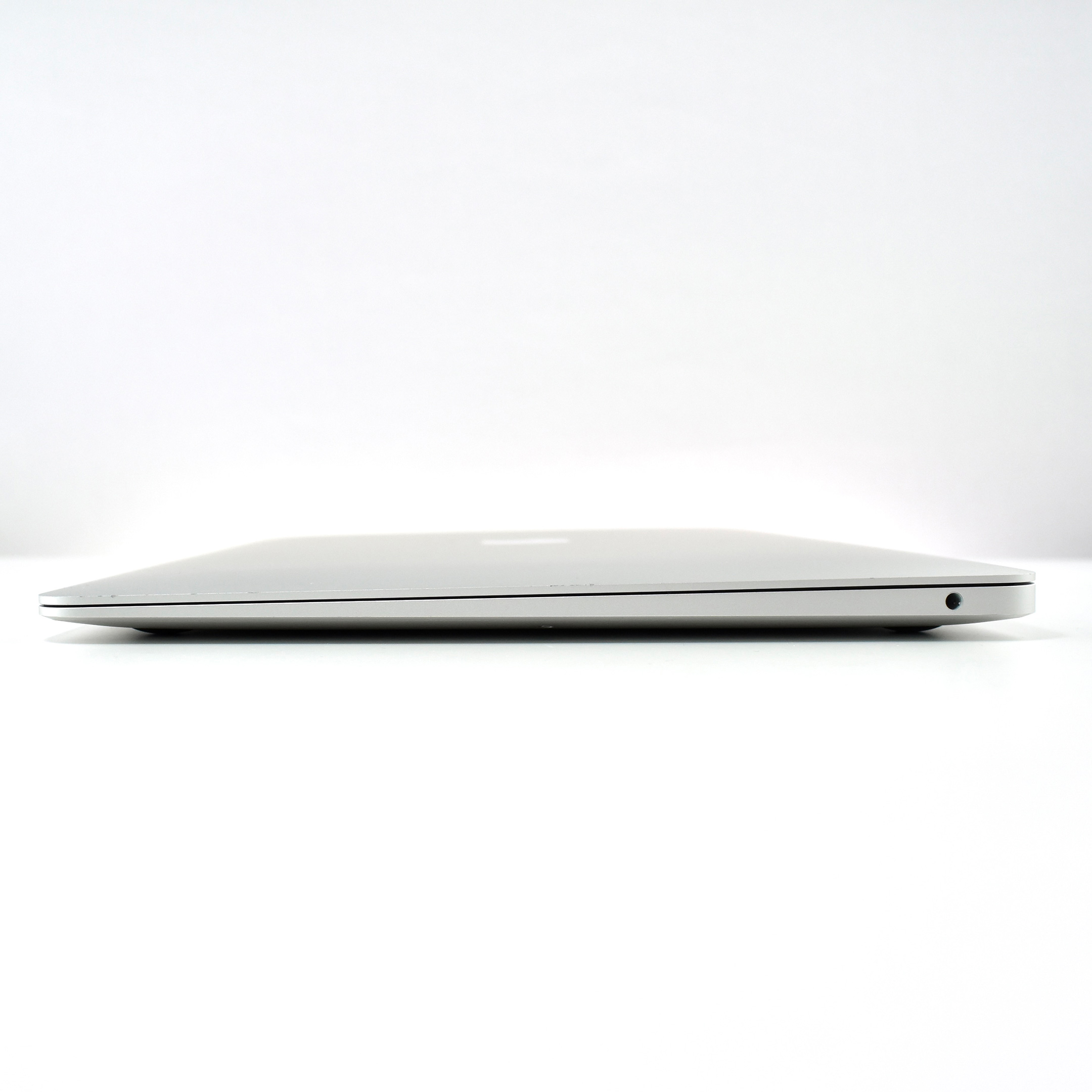
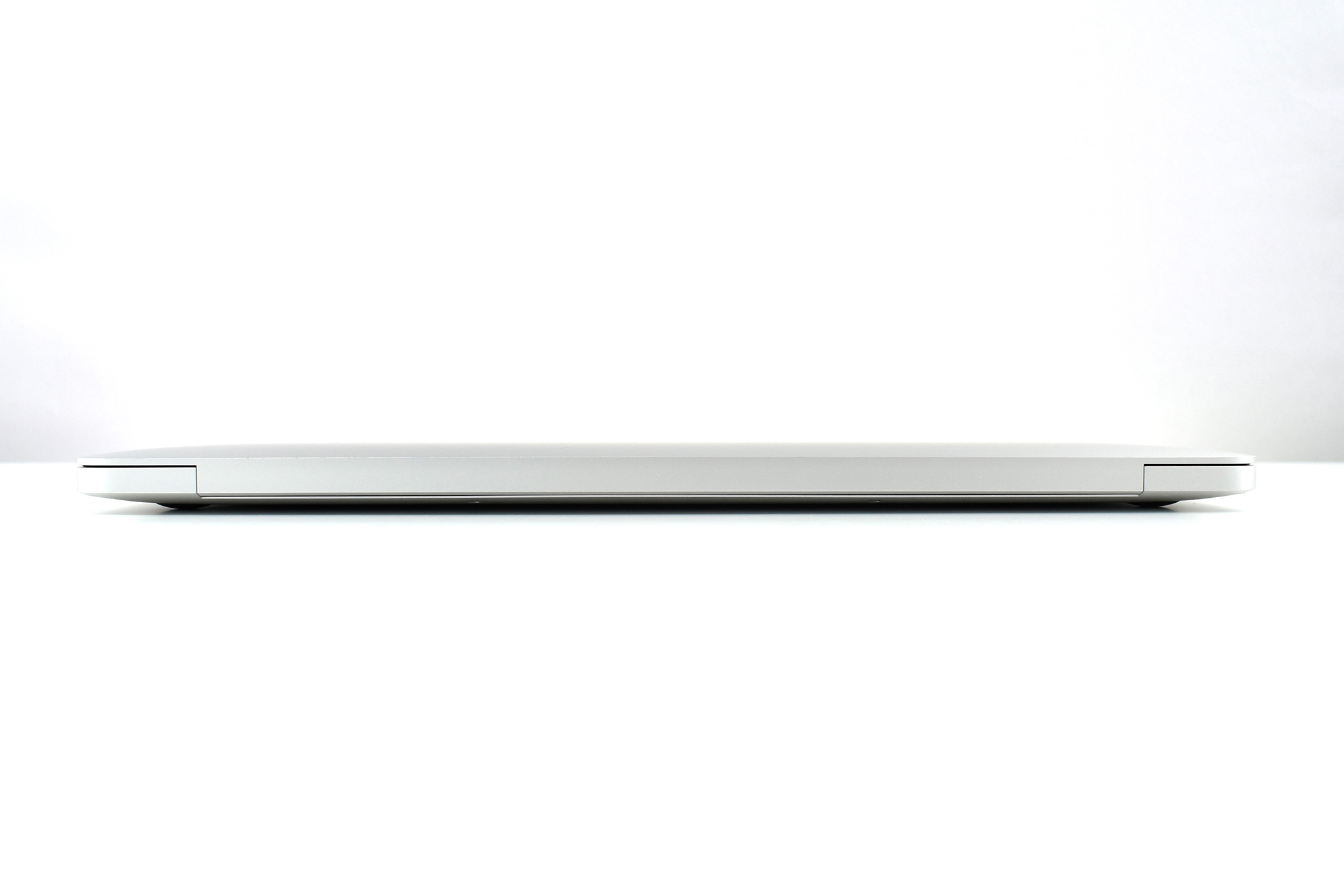
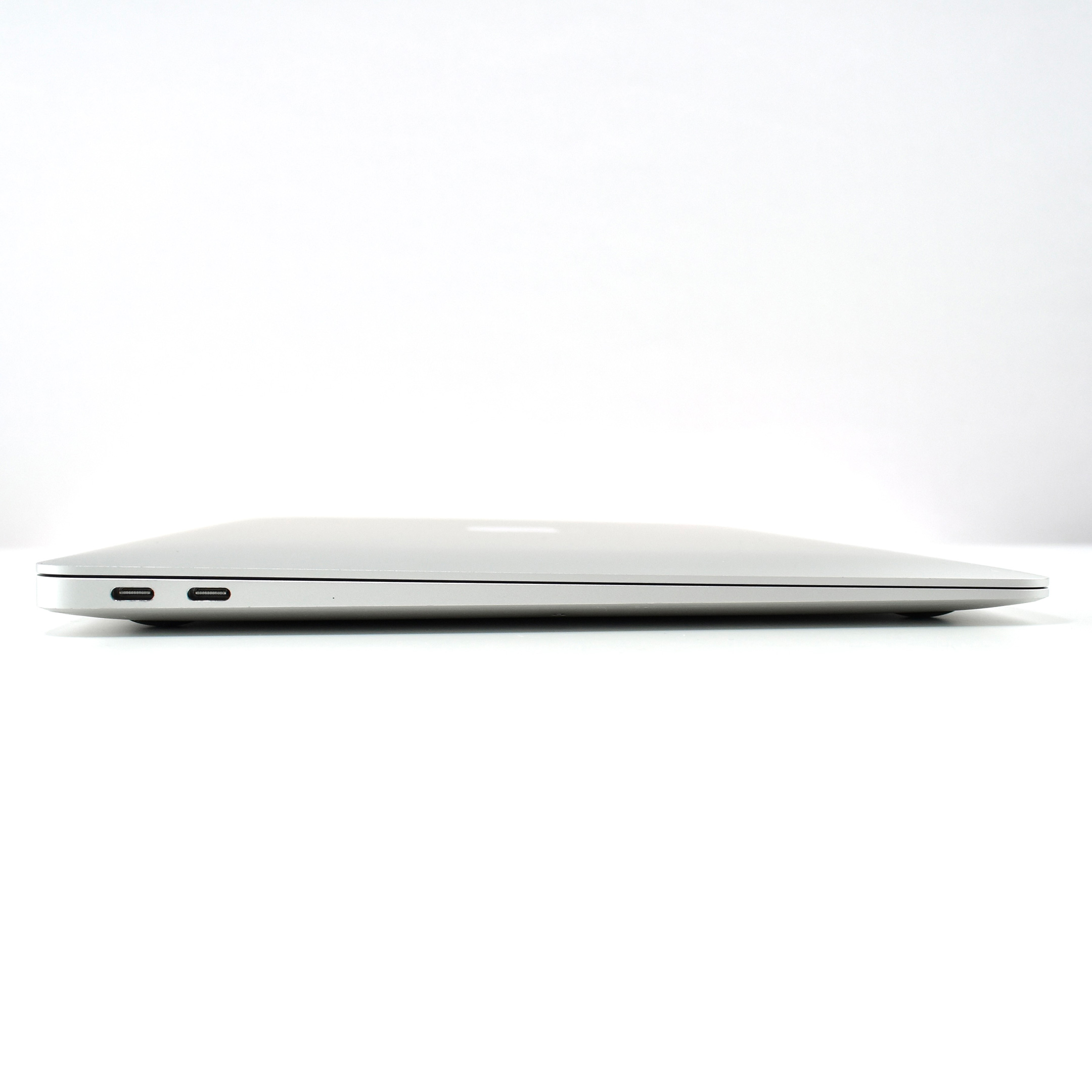
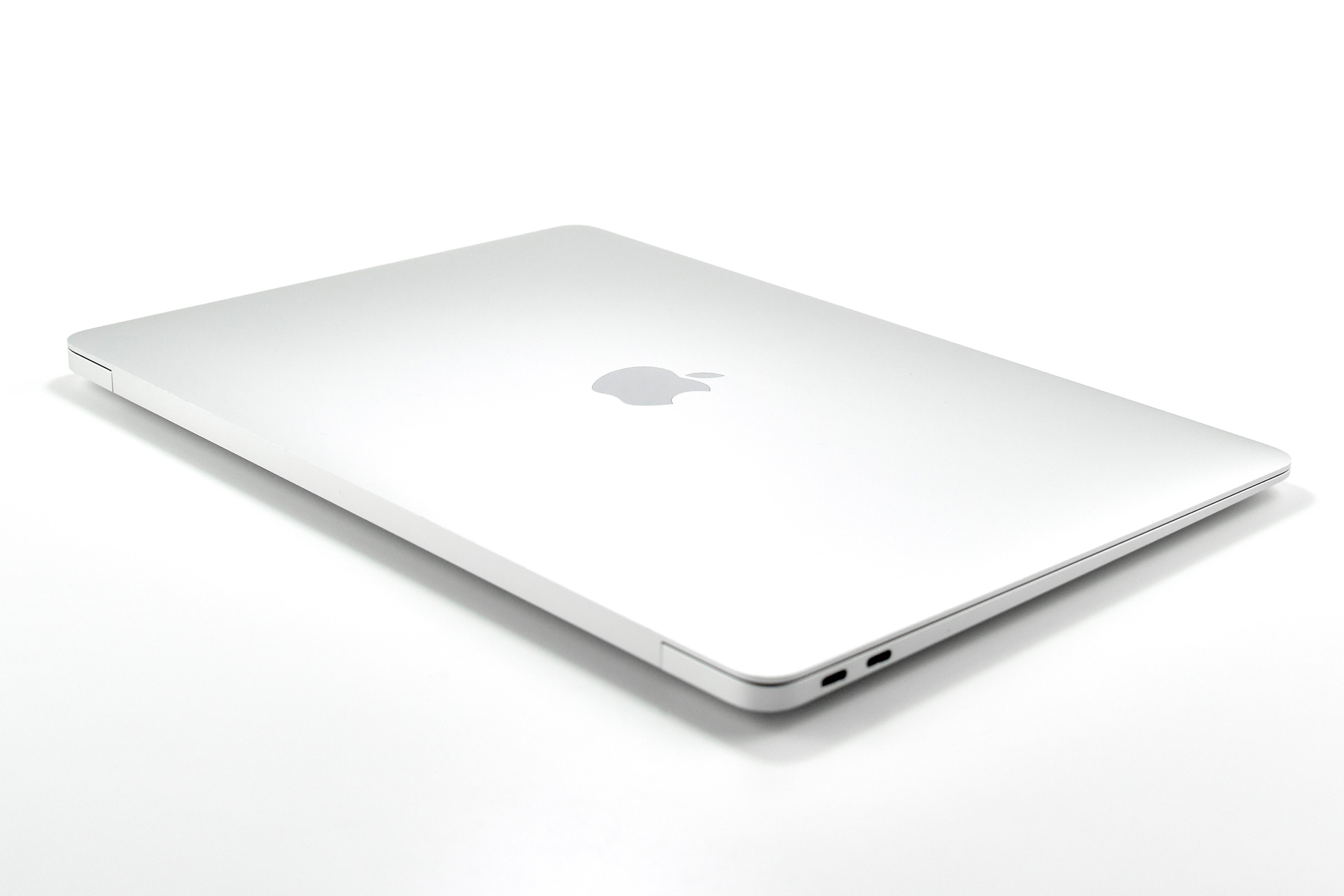
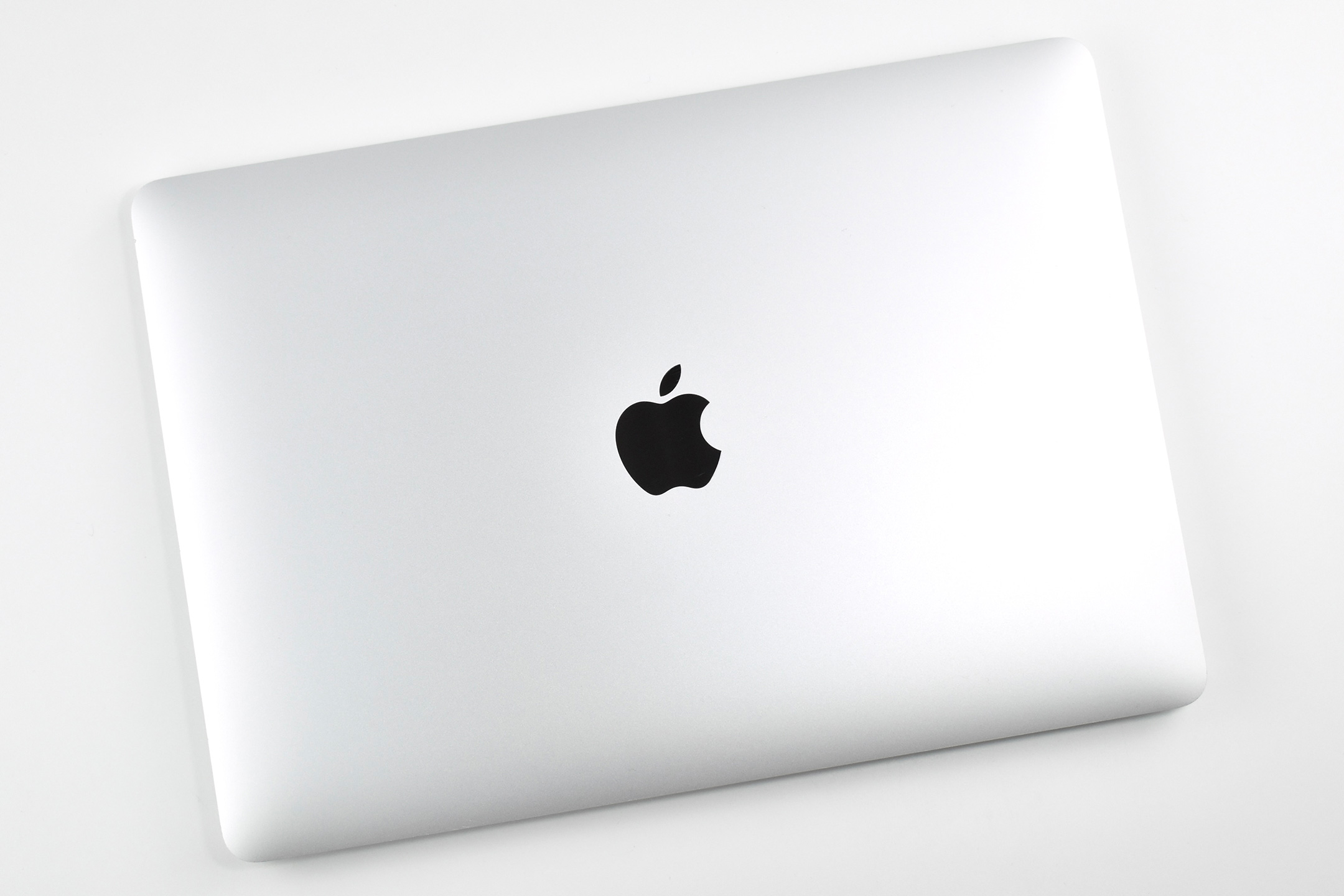
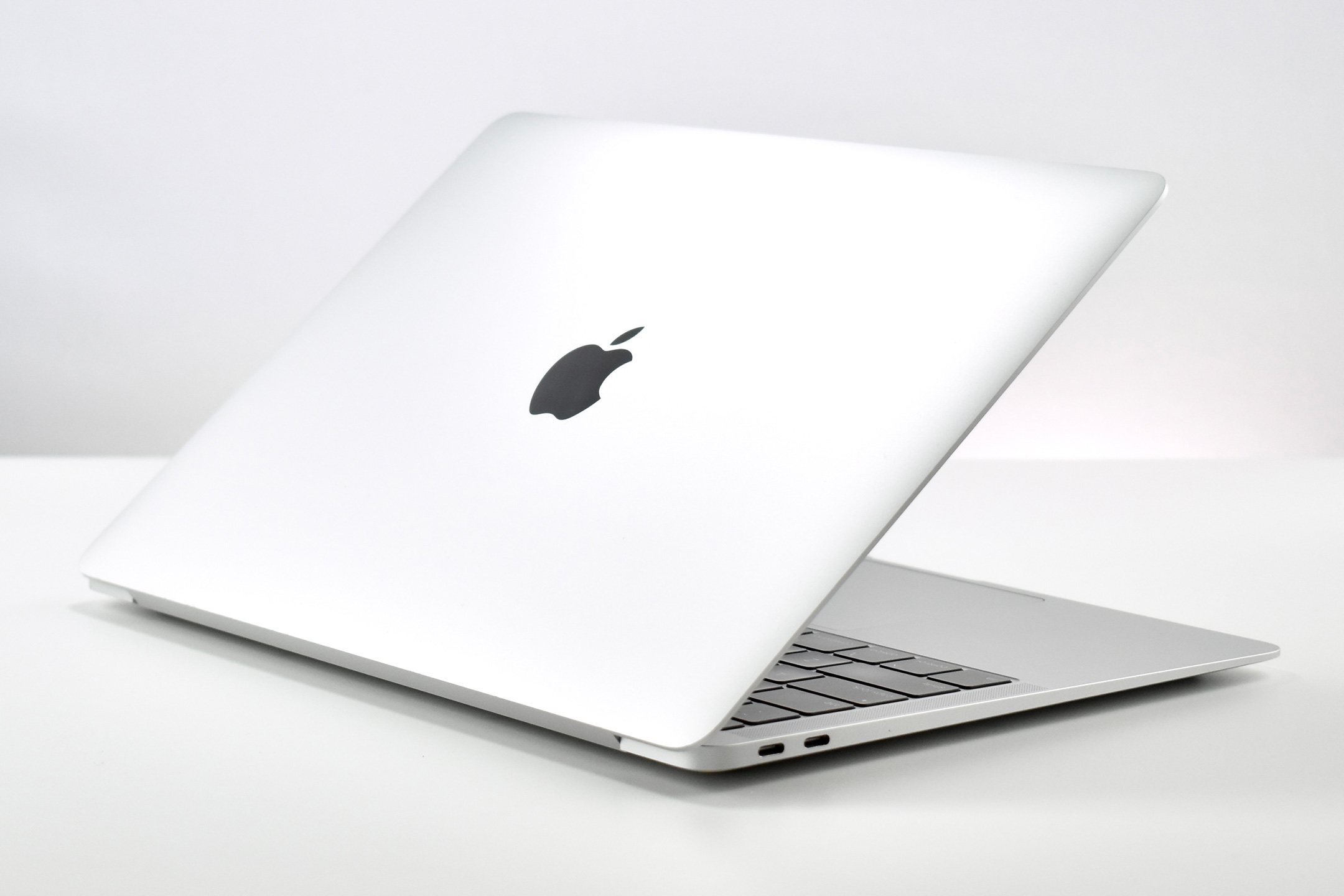
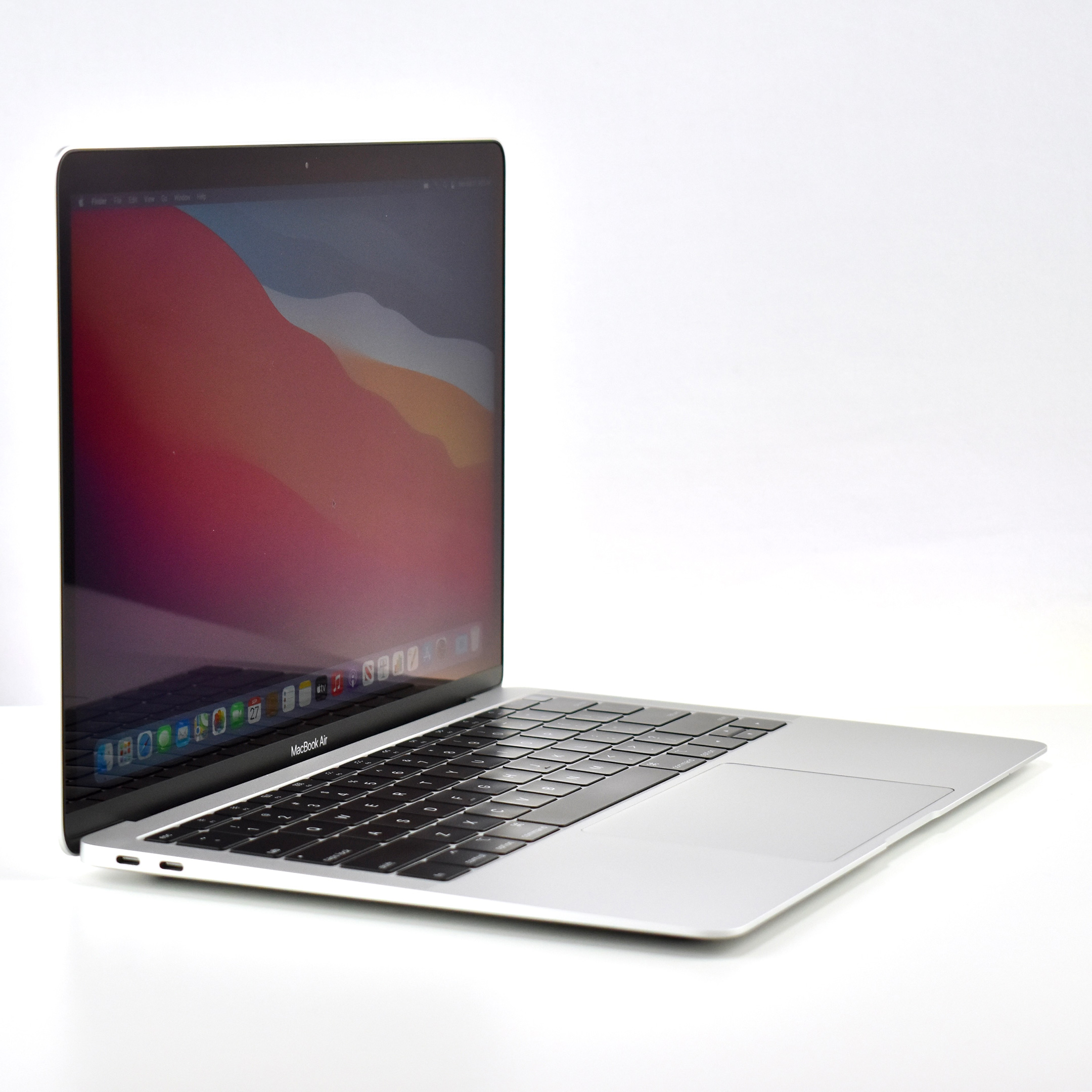
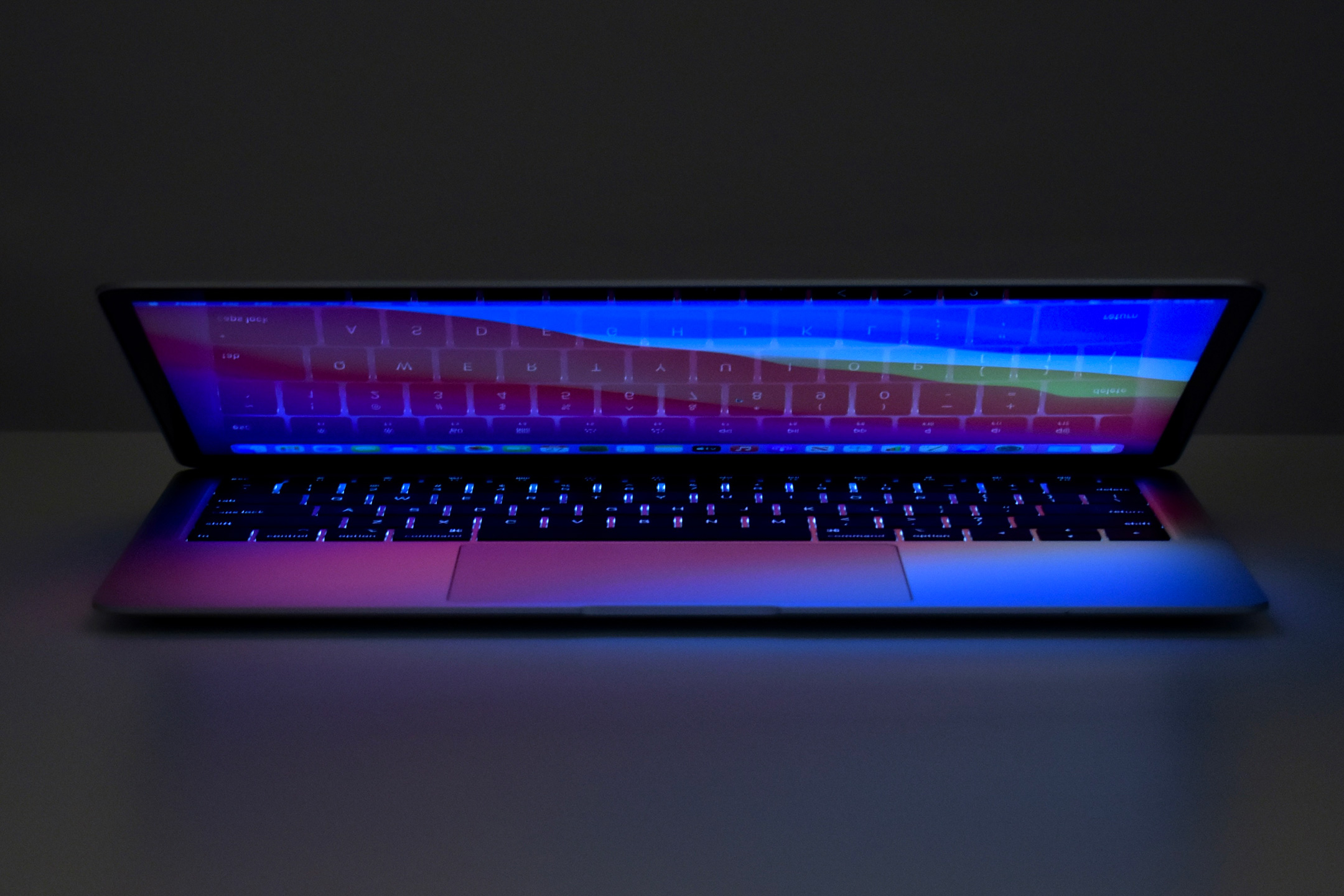
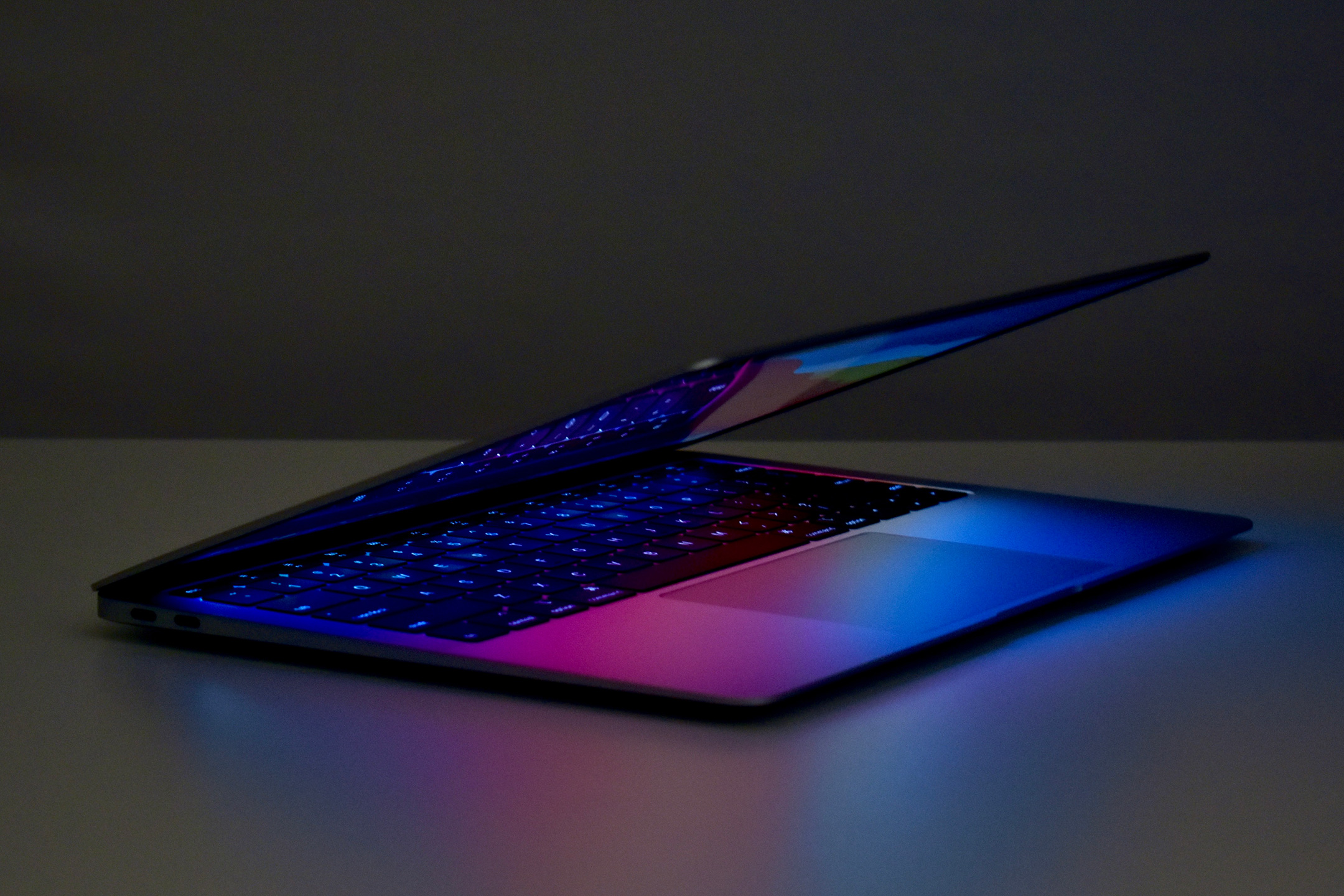
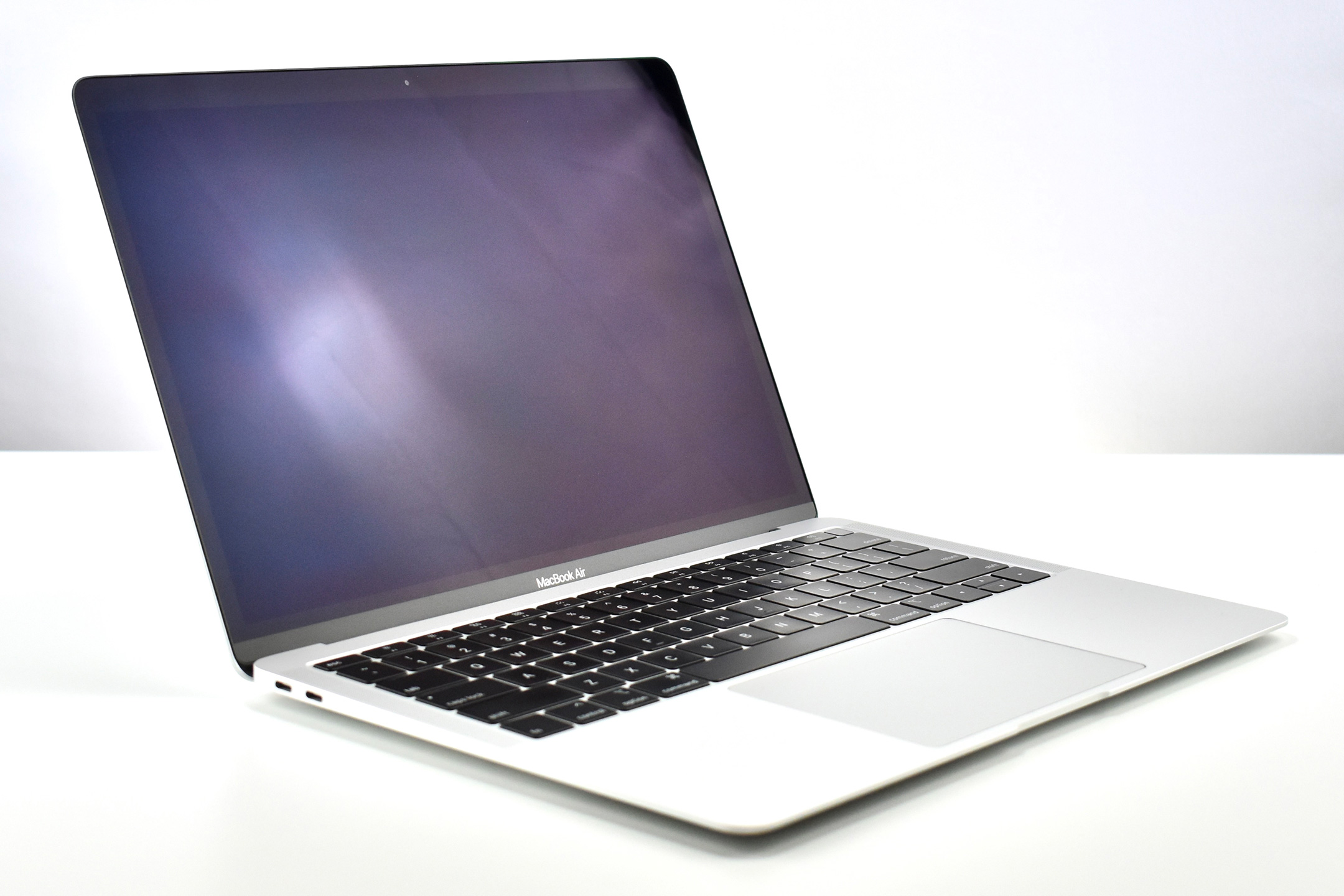
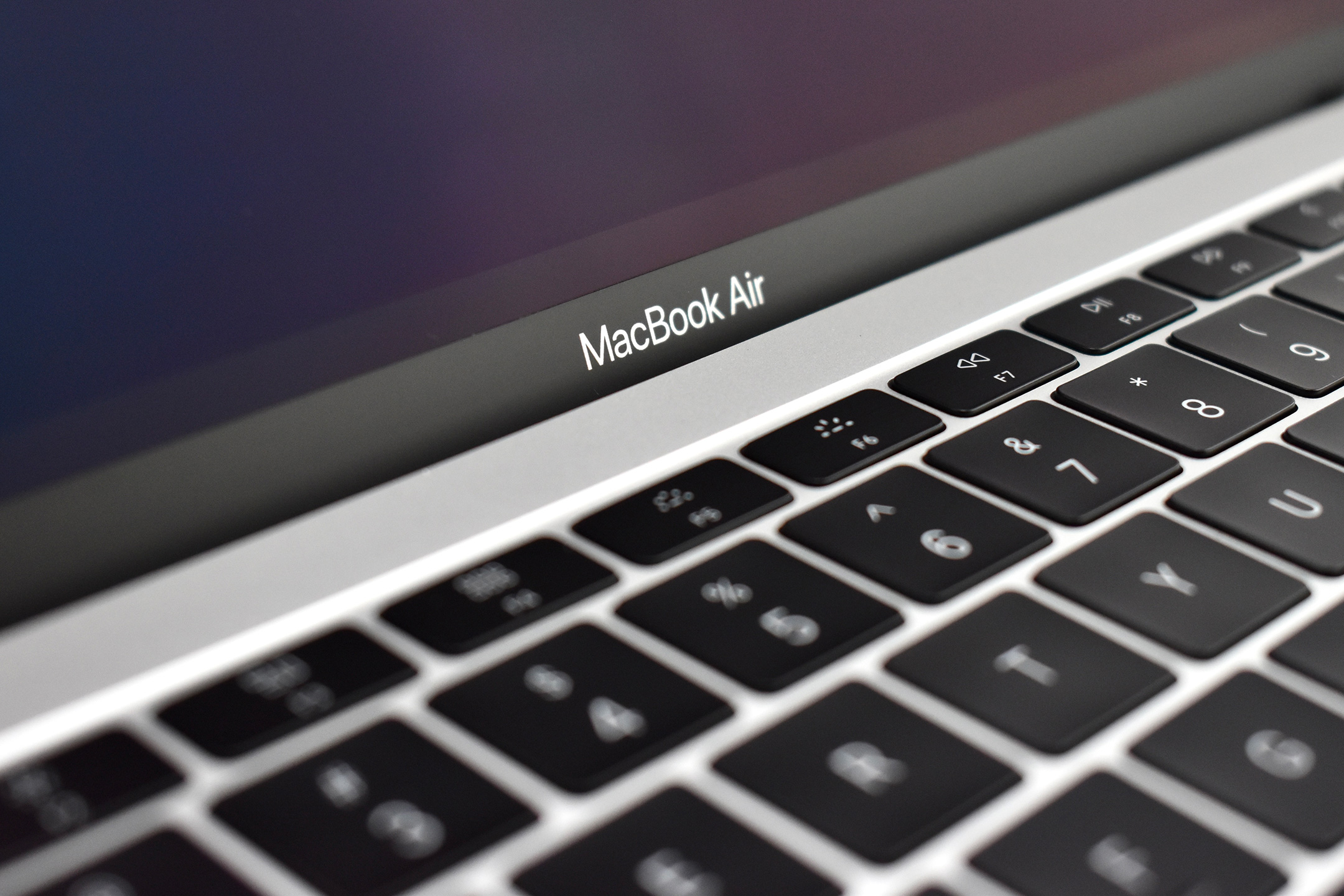
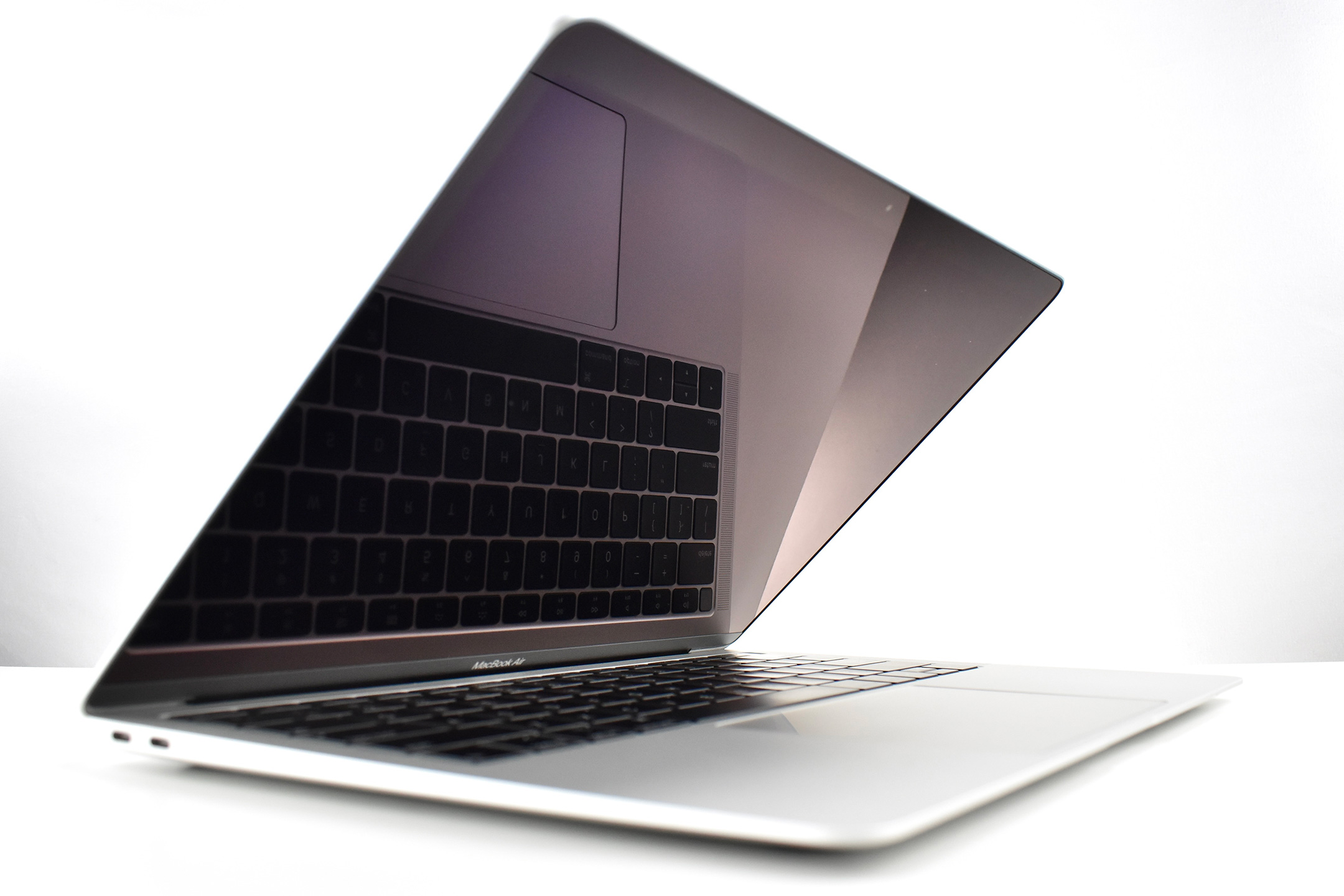
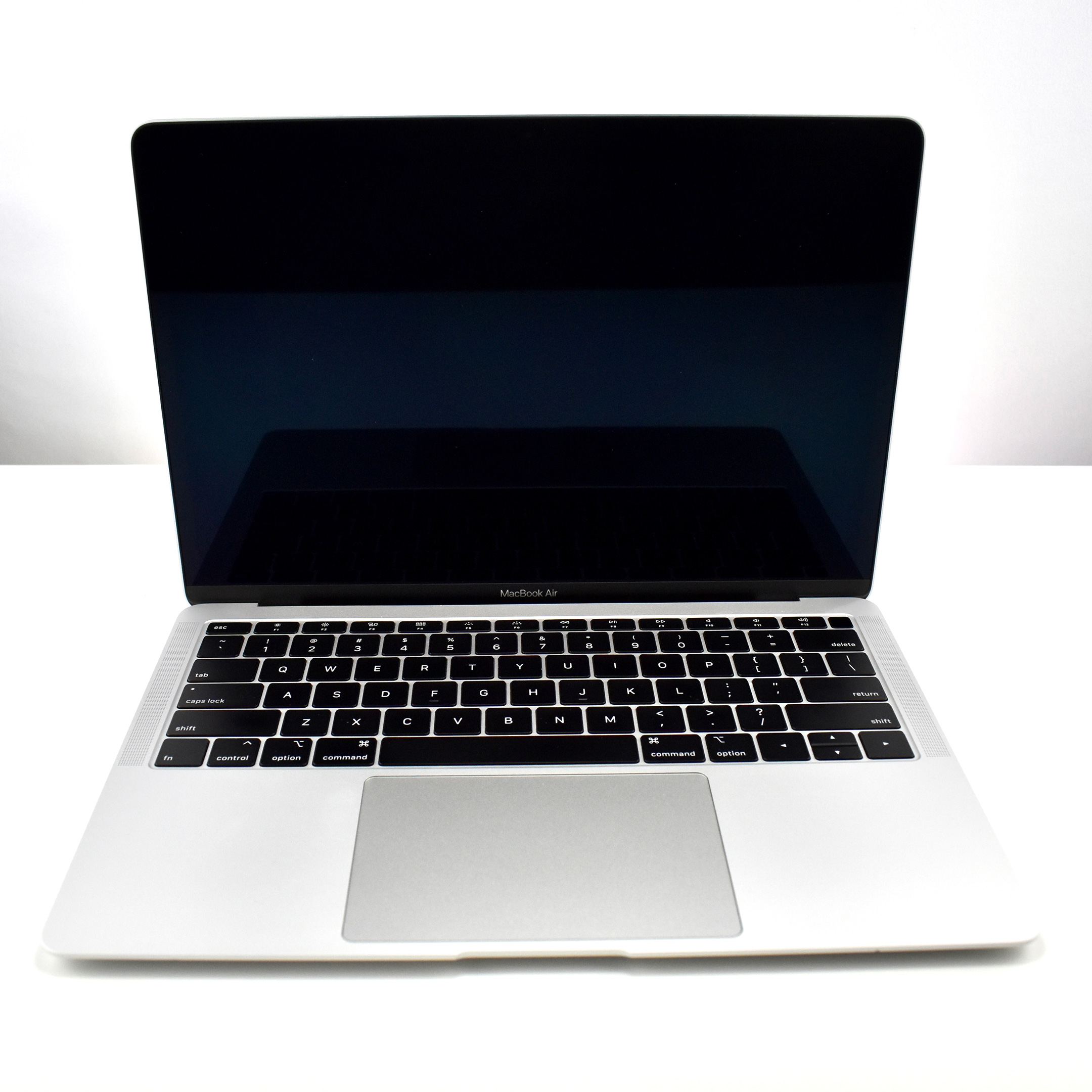
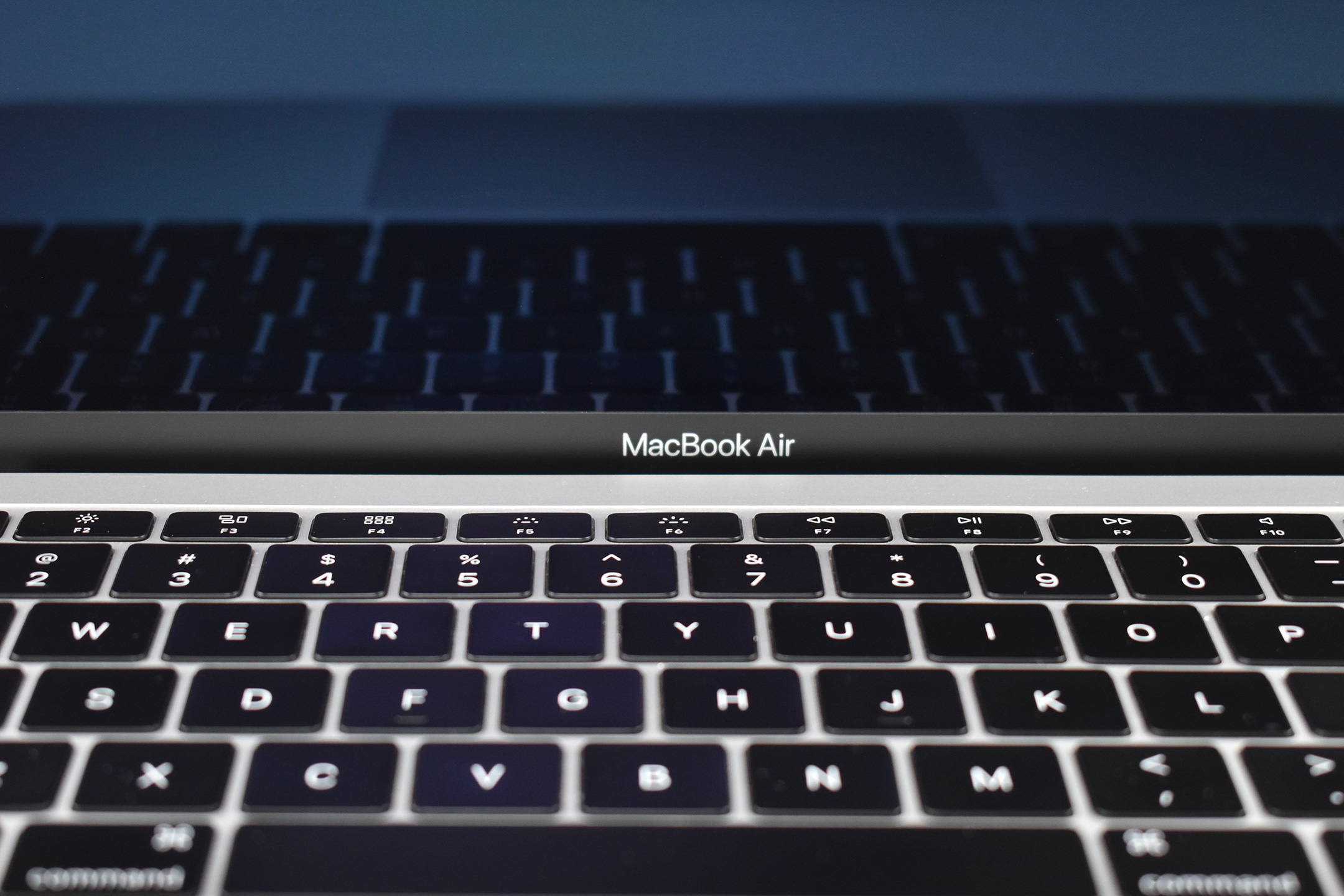
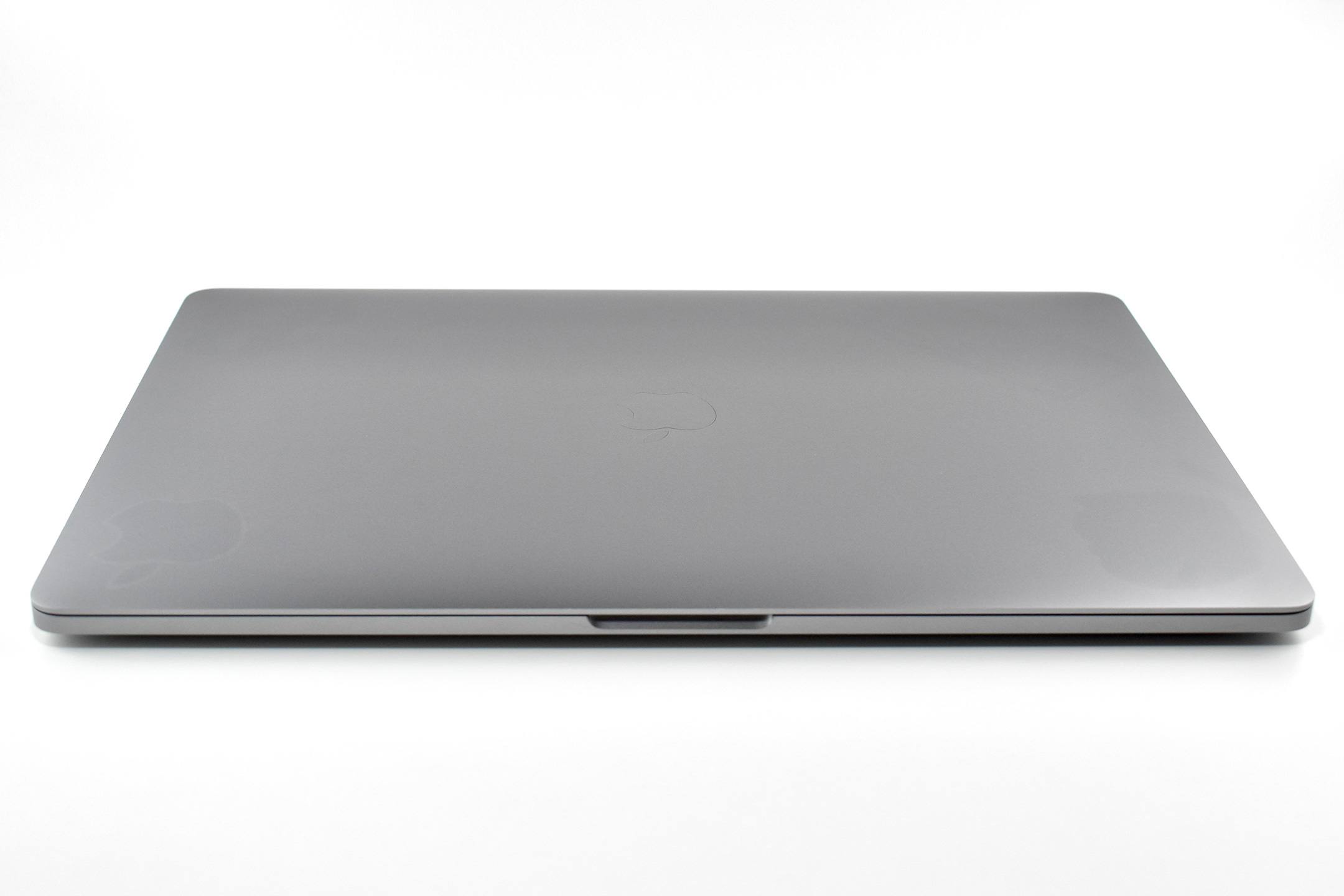
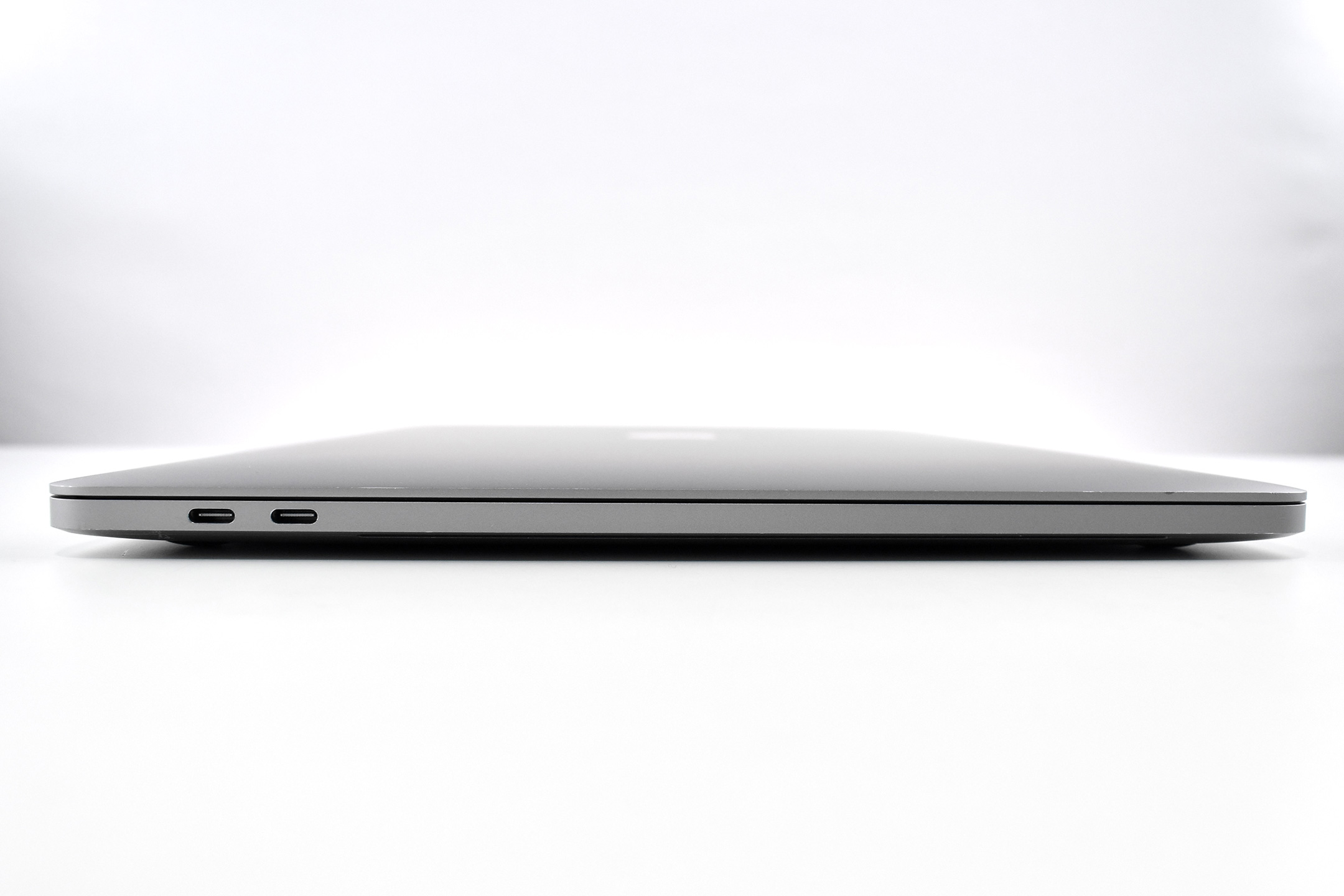
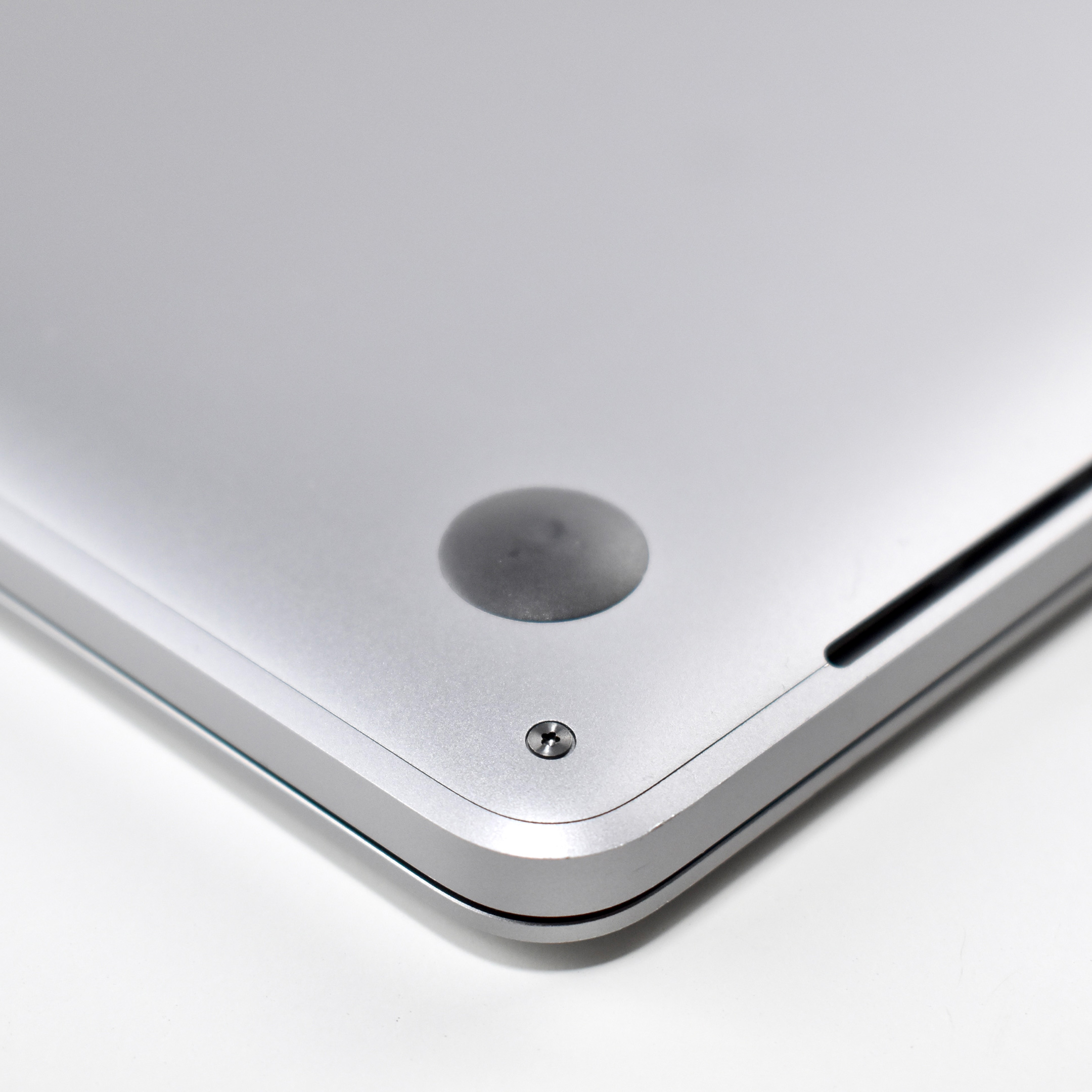
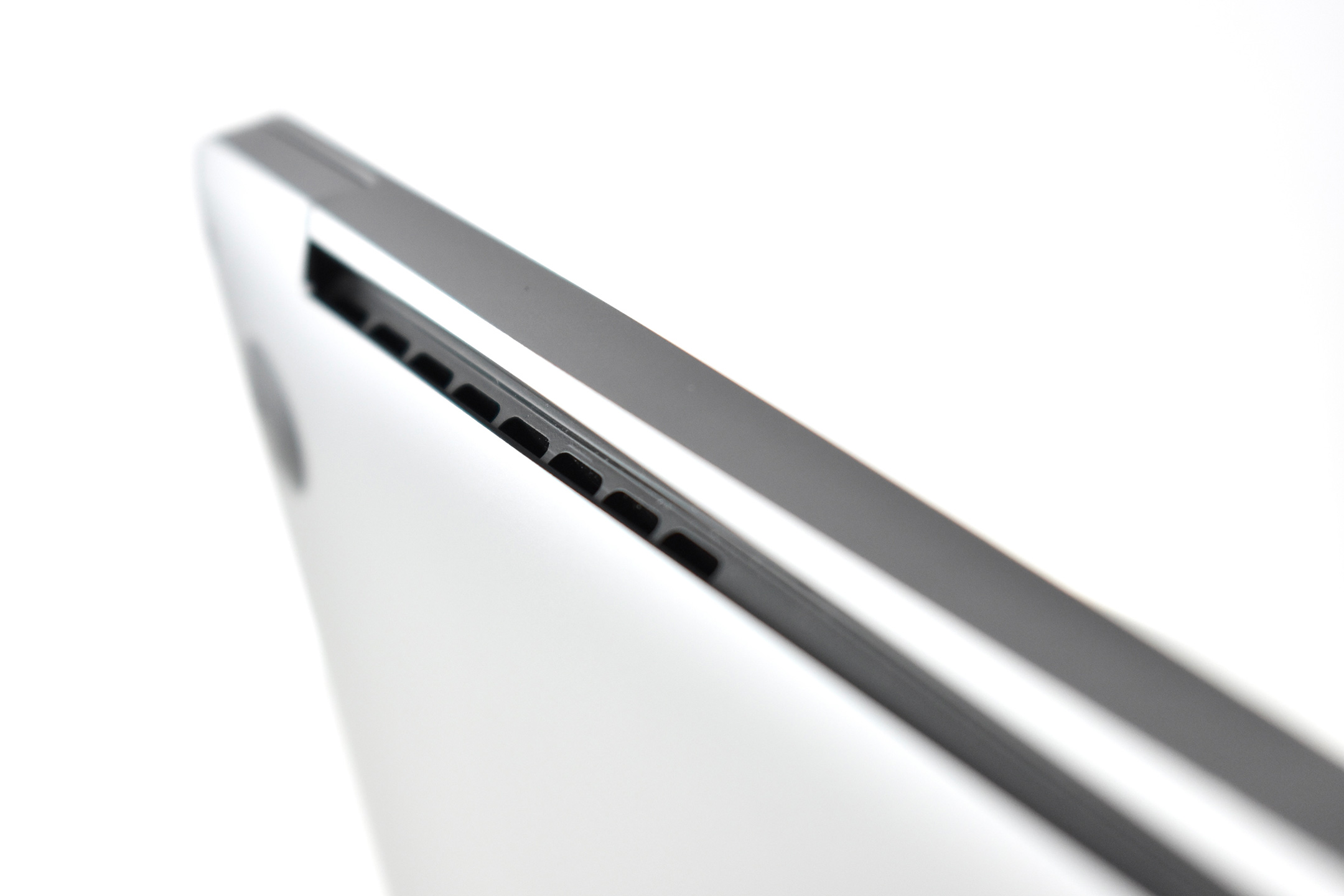
MacBook Air (Retina, 13-inch, 2018)

On October 18, 2018, Apple introduced an all-new MacBook Air model:

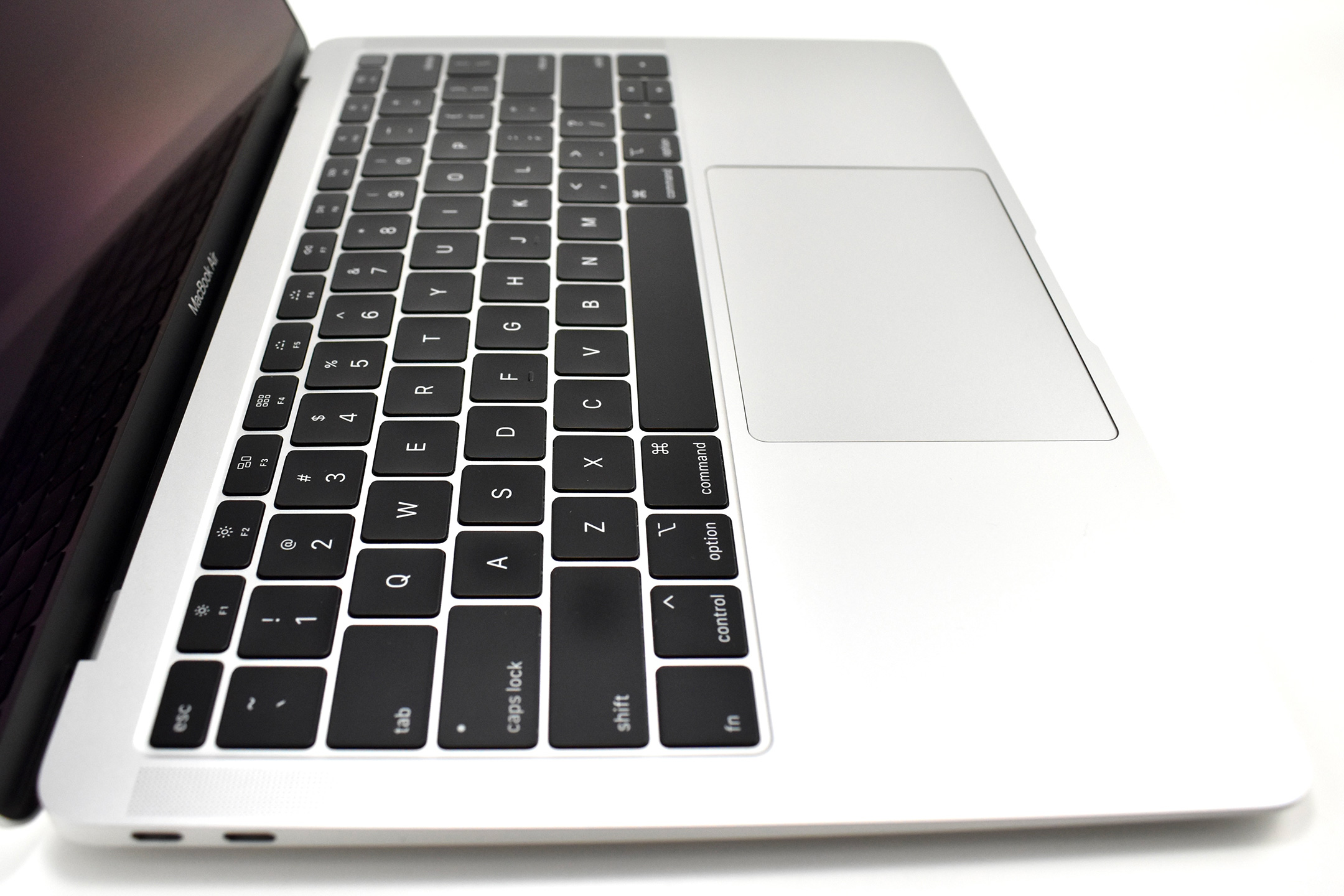
“Apple today introduced an all-new MacBook Air, bringing a stunning 13-inch Retina display, Touch ID, the latest processors and an even more portable design to the world’s most loved notebook. Delivering the all-day battery life it’s known for, the new MacBook Air is available in three gorgeous finishes — gold, space gray and silver. The most affordable Retina-display Mac ever also includes an Apple-designed keyboard, a spacious Force Touch trackpad, faster SSDs, wide stereo sound, the Apple T2 Security Chip and Thunderbolt 3, making the new MacBook Air the perfect notebook to take with you everywhere you go.”

The 13.3-inch Retina display was 2560 x 1600 (at 227ppi)—a 16:10 aspect ratio. It used a 1.6GHz dual-core Intel Core i5, and offered many storage options: 128GB, 256GB, 512GB, or 1.5TB SSD. RAM options included 8GB or 16GB.

Like all previous MacBook Air models, this version used a tapered body design. It measured 0.16 inch in front to 0.61 inch in back (0.41–1.56 cm) thick, and was 11.97 inches (30.41 cm) wide and 8.36 inches (21.24 cm) deep. It weighed 2.75 pounds (1.25 kg).

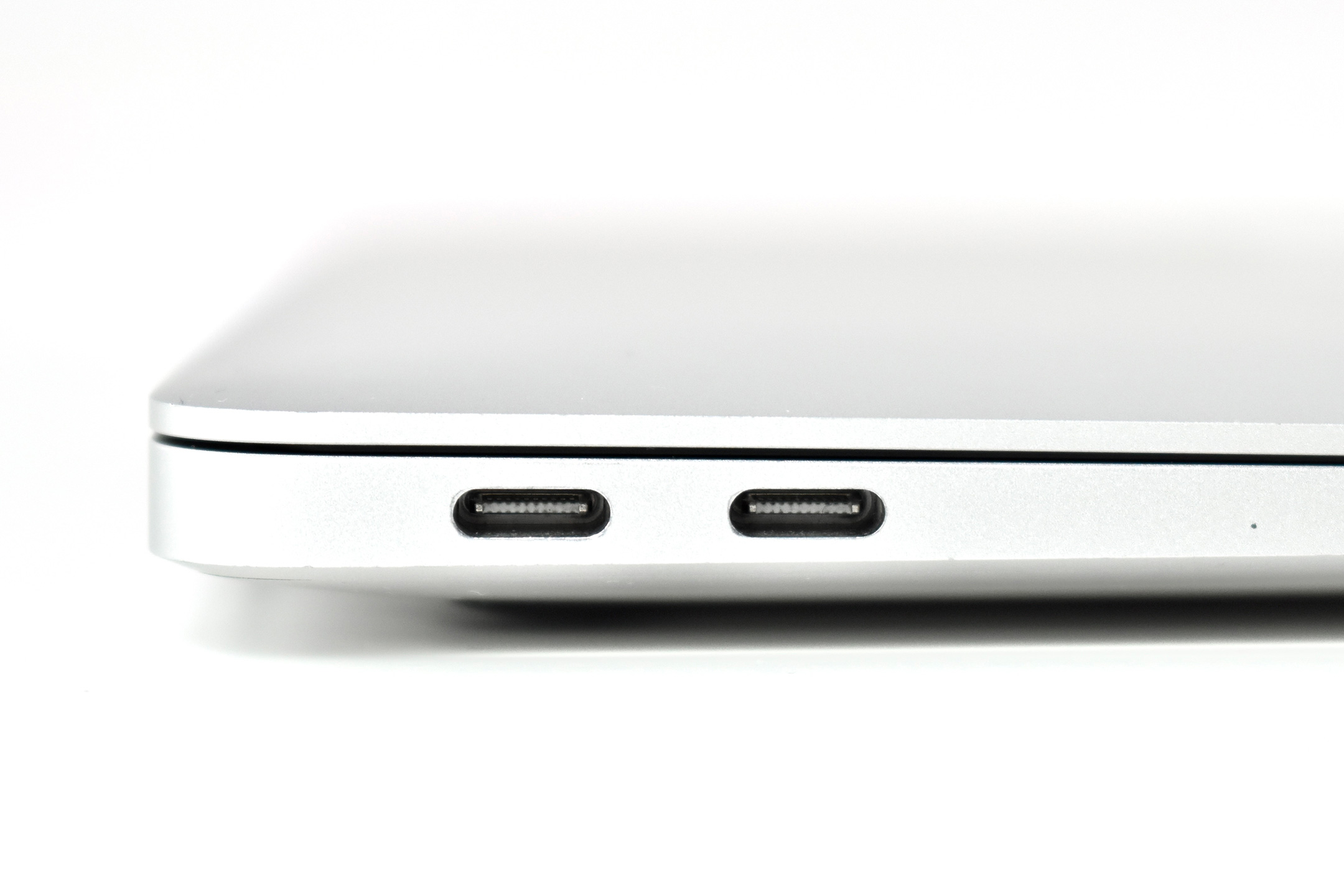
The front camera was a 720p FaceTime HD camera. This was the first MacBook Air to ship with 2 USB-C connections, and it also had a 3.5mm headphone jack. Further, this was the first MacBook Air to include an Integrated Touch ID sensor.

The 2018 MacBook Air was released at a time when its features were potentially confusing to customers when compared to other Apple laptop offerings at the time. A reviewer at The Verge noted:

“Is this new Air like a 12-inch MacBook, just blown up to a slightly bigger size? Is it more like a 13-inch MacBook Pro (sans Touch Bar), just with cheaper parts?”

When released, this this MacBook Air only was offered in a 13-inch option, dropping the 11-inch version available in the previous design. This was also the final MacBook Air with an Intel chip—future versions included Apple Silicon, such as the M1.

Source: Apple (Newsroom, Tech Specs), The Verge

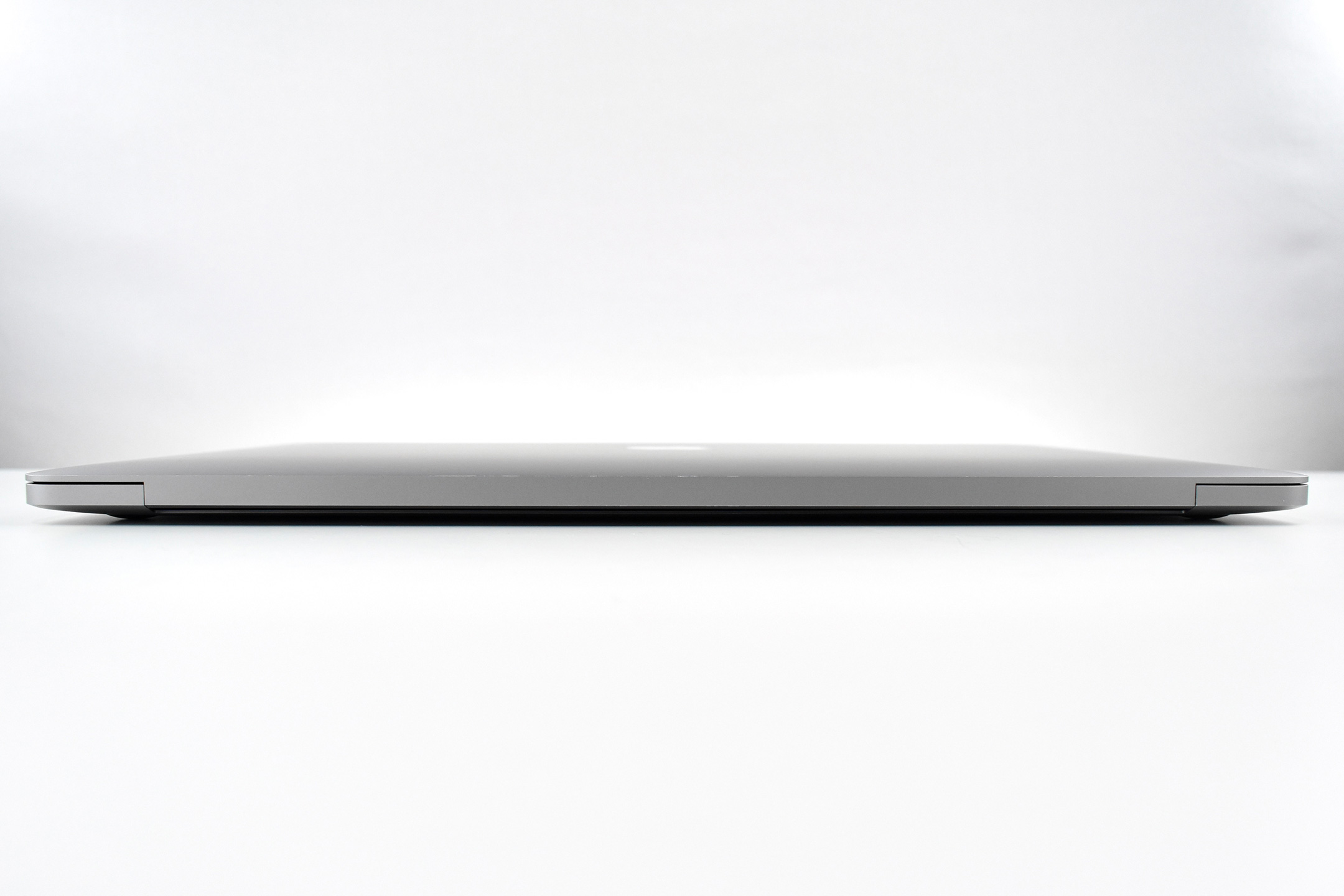
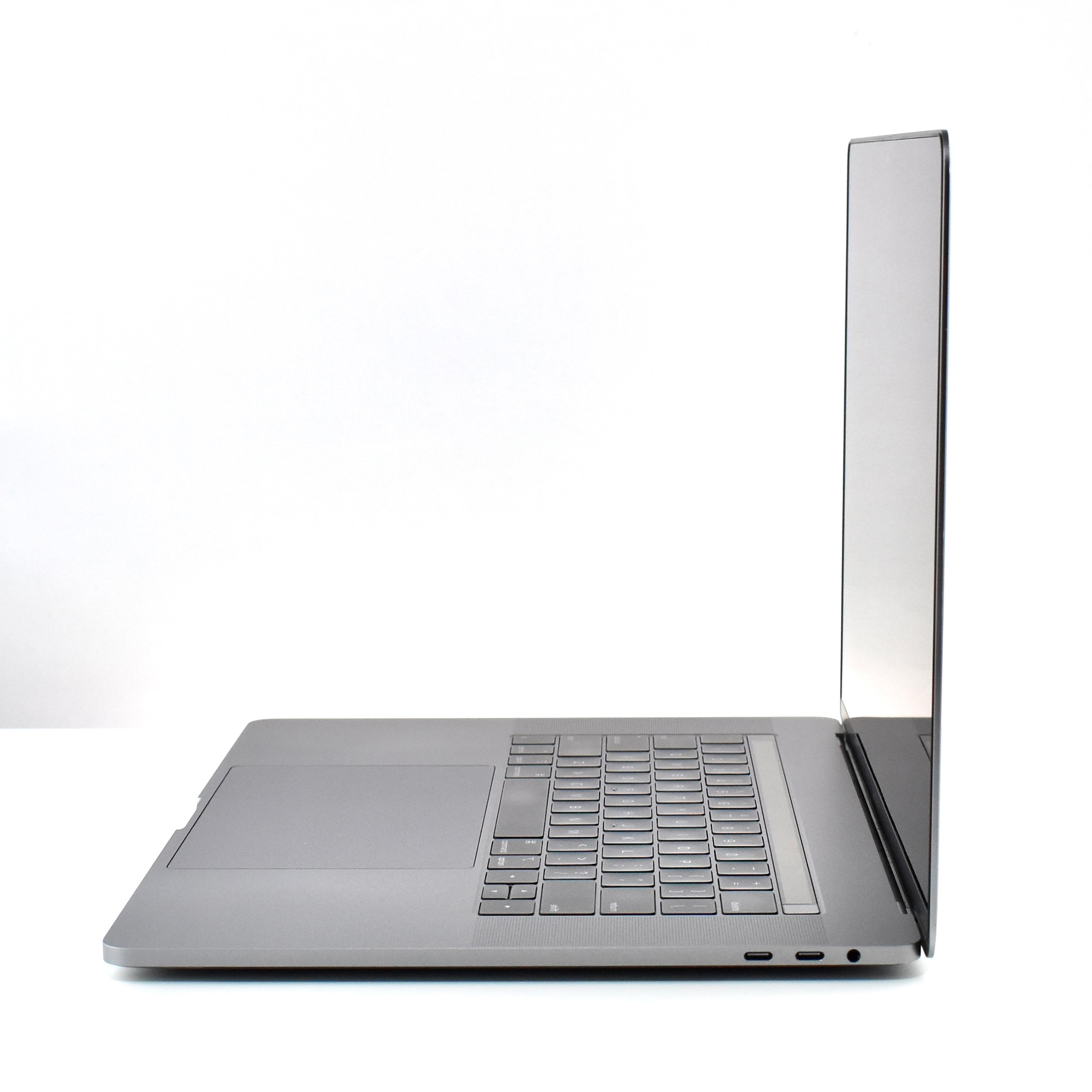
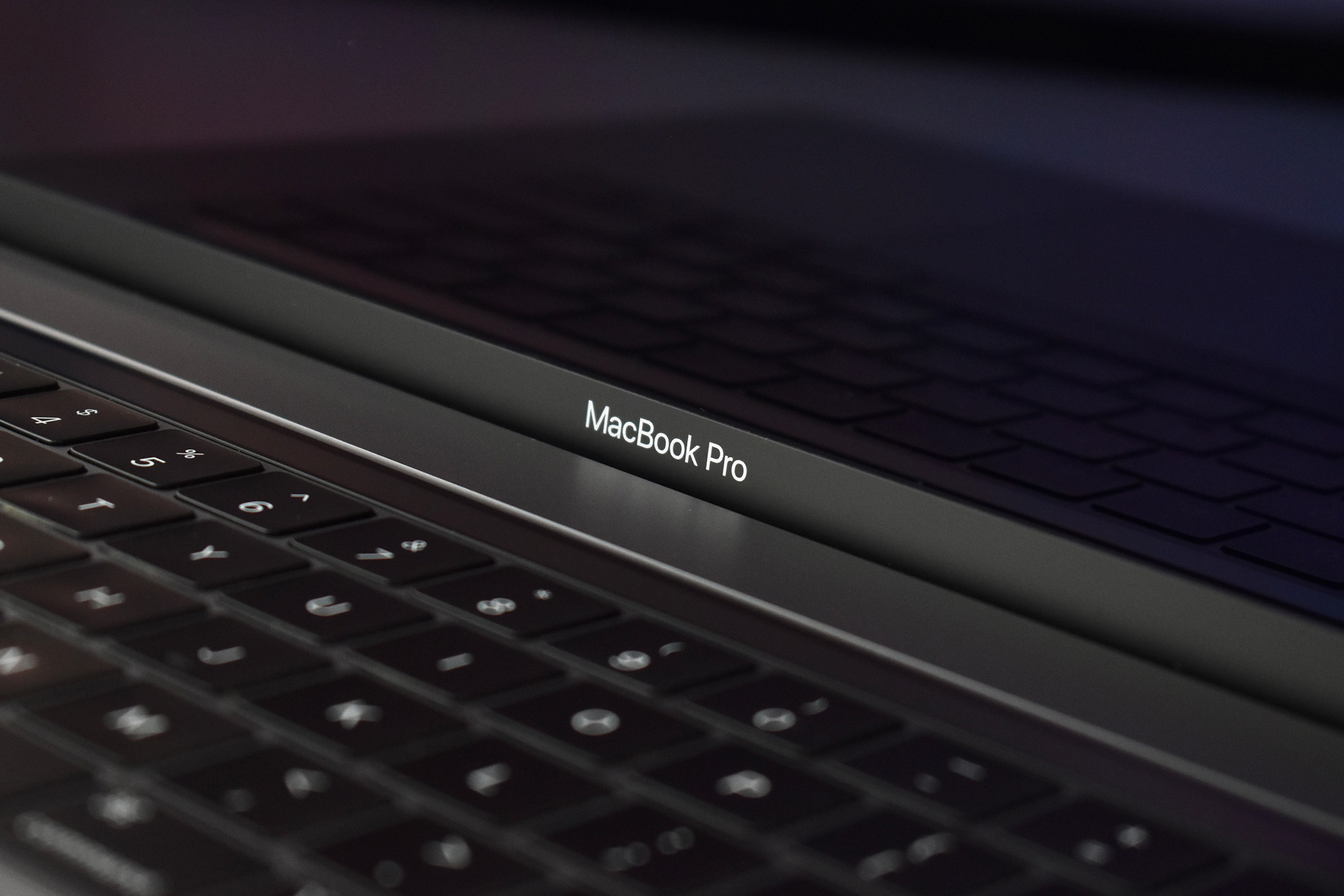
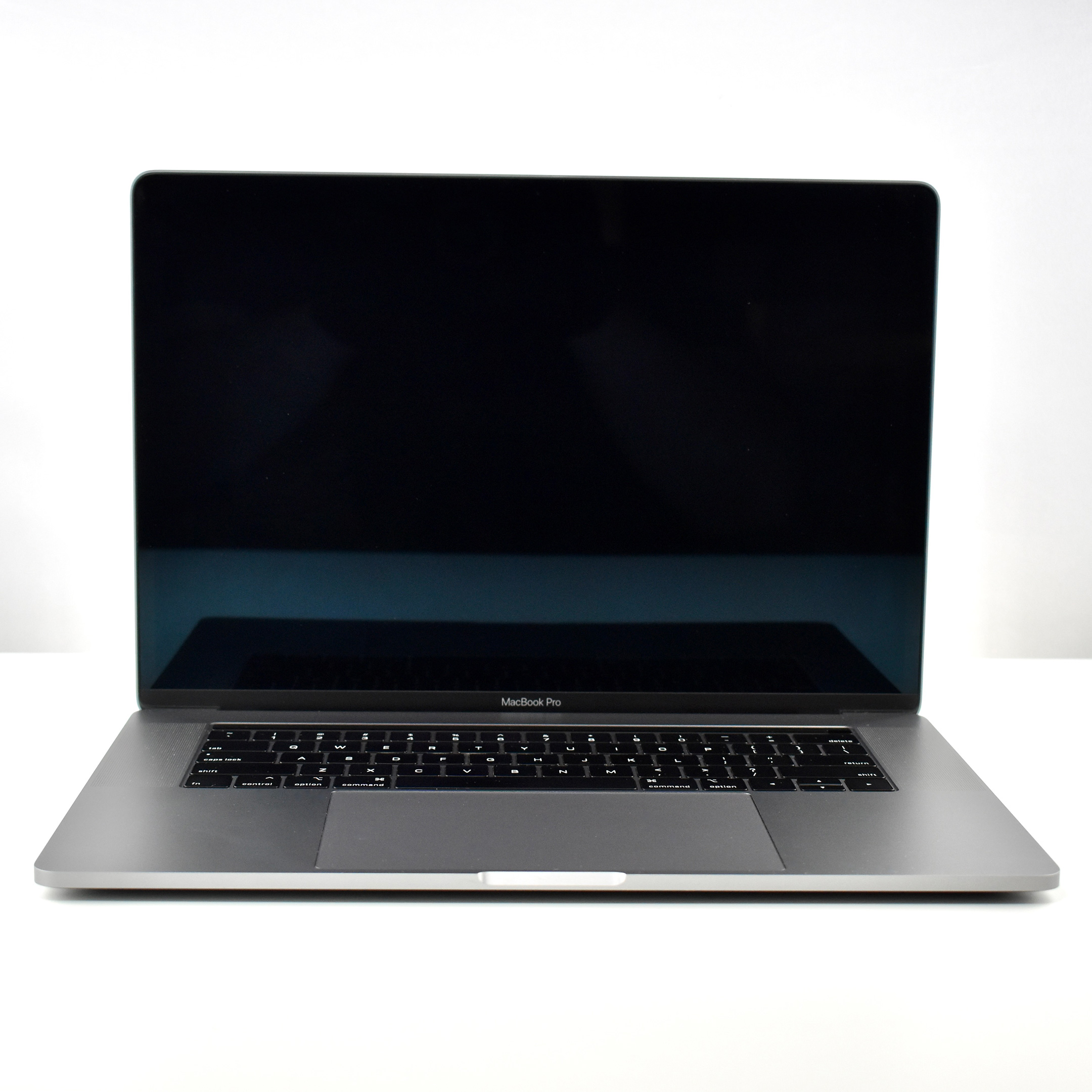
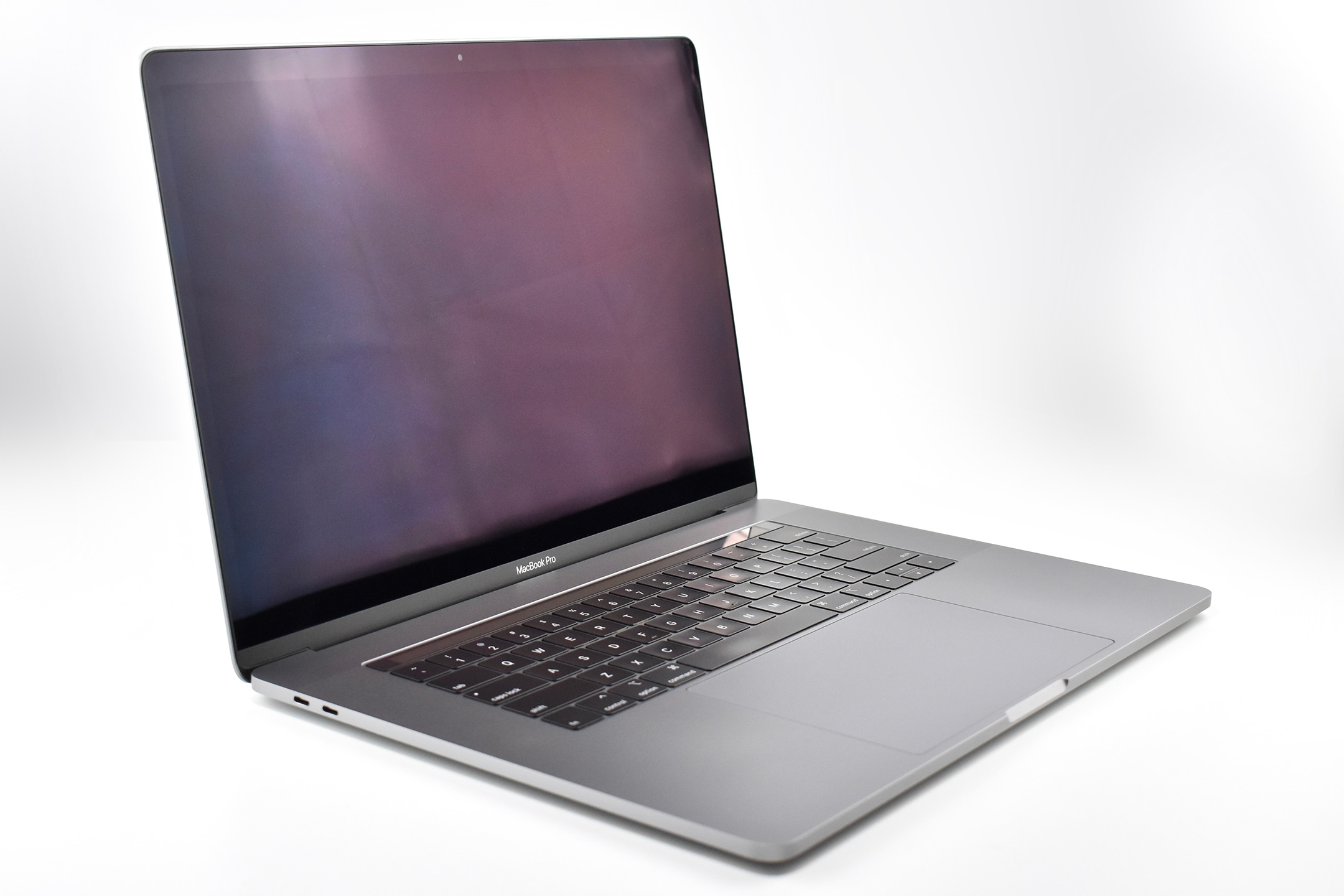
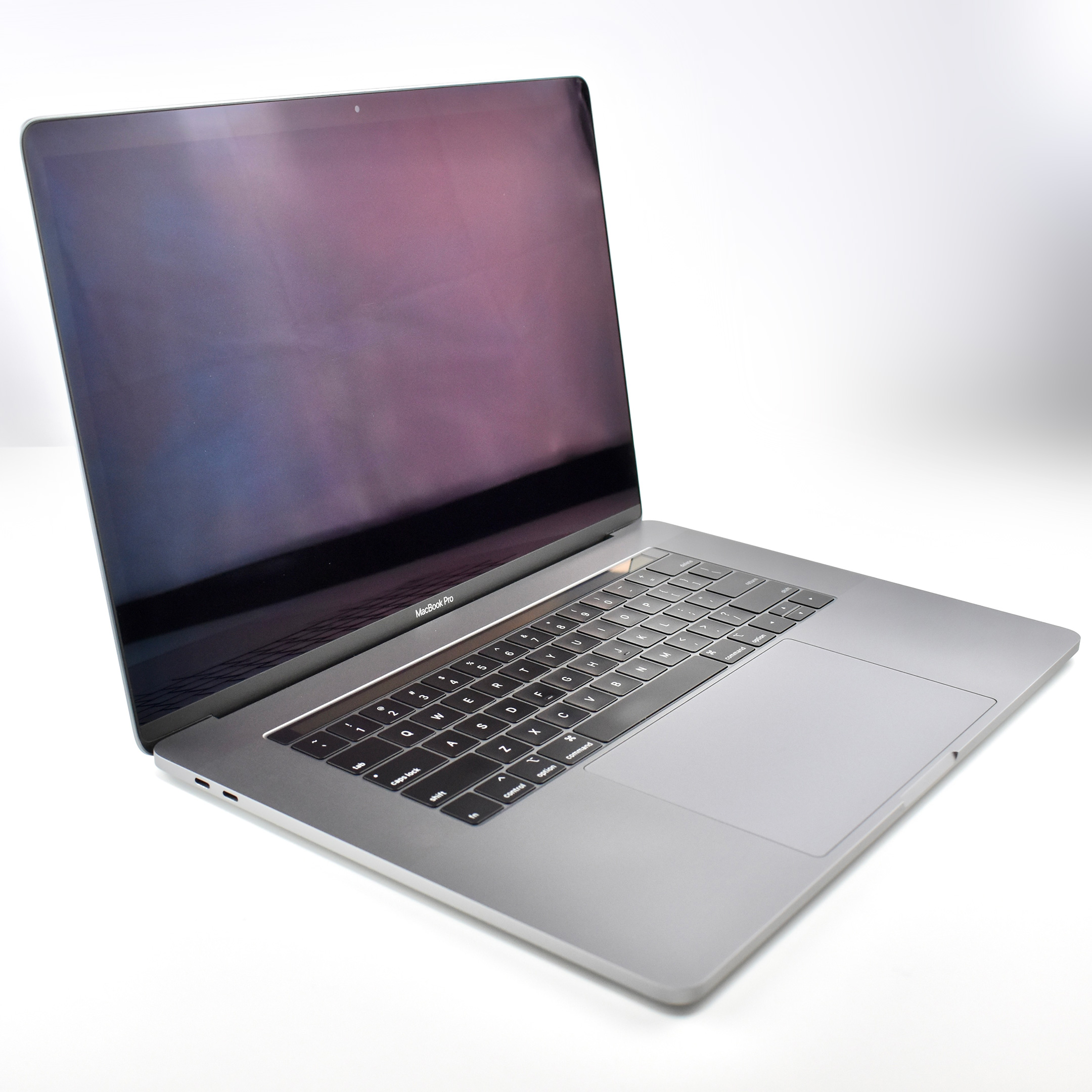
MacBook Pro (15-inch, 2019)

The 15-inch MacBook Pro (2019) model was the first to offer an 8-core processor in a MacBook. Apple’s press release announced:

“Apple updated MacBook Pro with faster 8th- and 9th-generation Intel Core processors, bringing eight cores to MacBook Pro for the first time. MacBook Pro now delivers two times faster performance than a quad-core MacBook Pro and 40 percent more performance than a 6-core MacBook Pro, making it the fastest Mac notebook ever. These new processors, combined with powerful graphics, the brilliant and colorful Retina display, super-fast SSDs, the Apple T2 Security Chip, all-day battery life and macOS, make MacBook Pro the world’s best pro notebook.”

Both a 6-core and 8-core version of this MacBook Pro was available.

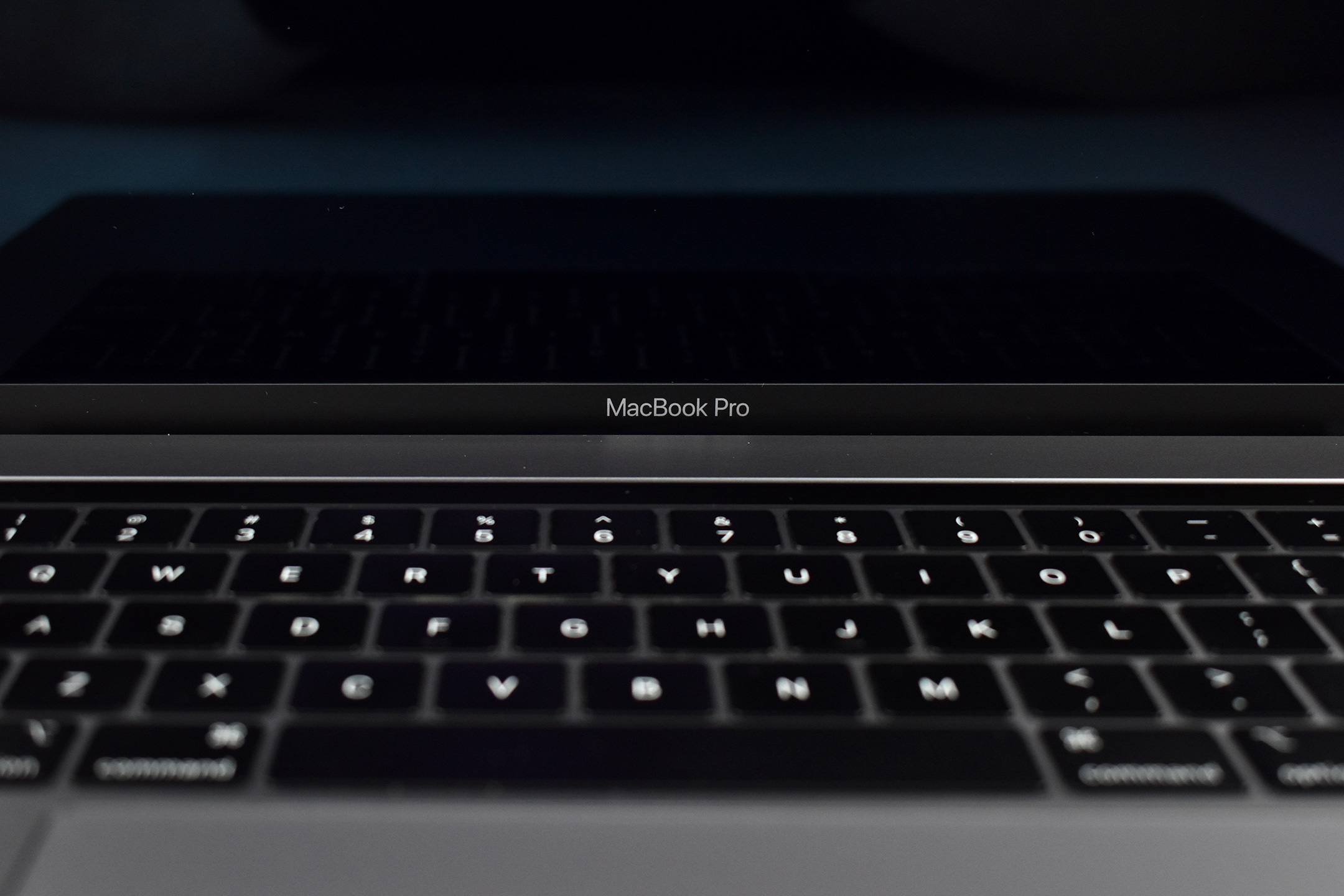
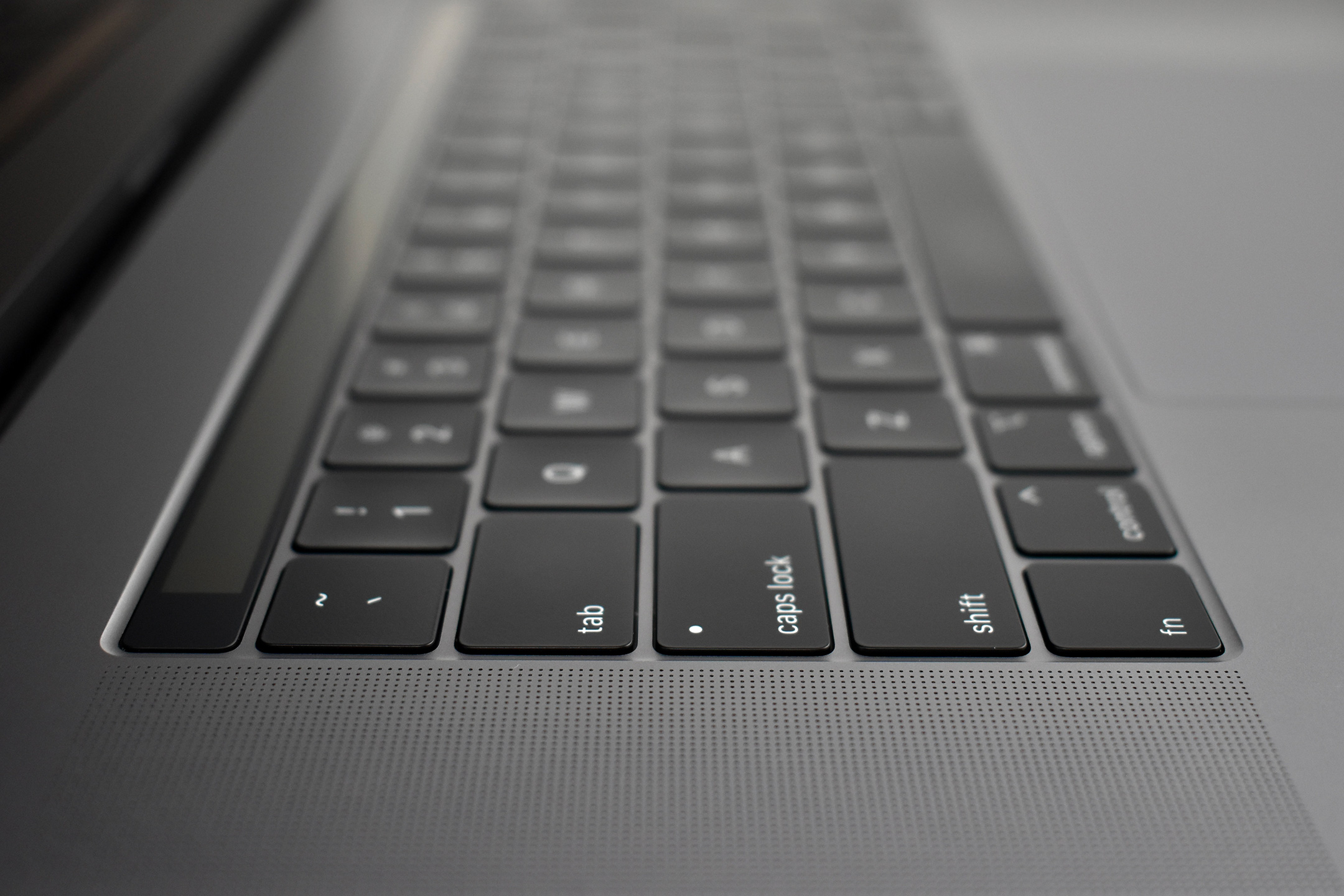
This MacBook Pro was available in both Silver and Space Gray. It had a Touch Bar with integrated Touch ID sensor. Apple describes the Touch Bar:

“If your Mac has a Touch Bar, you can use familiar gestures—like tap, swipe, or slide—directly on the Touch Bar to adjust settings, use Siri, access function keys, and do tasks in different apps.”

The 15.4-inch Retina display was 2880 x 1800 (at 220ppi). This MacBook Pro was offered with a 256GB or 512GB SSD as standards, but was configurable to up to 4TB SSD. All models had 16GB of RAM. The front camera was a 720p FaceTime HD camera.

Physical ports included 4 USB-C ports (all had Thunderbolt 3 capability) and a headphone jack. Wireless interfaces included 802.11ac and Bluetooth 5.0.

This MacBook Pro was 0.61 inch (1.55 cm) thick, and measured 13.75 inches (34.93 cm) wide x 9.48 inches (24.07 cm) deep. It weighed 4.02 pounds (1.83 kg).

Its 10-hour battery charged with an 87W USB-C Power Adapter.

This MacBook Pro featured what Ars Technica referred to as the “new new new butterfly keyboard…which Apple believes will be more reliable than its problem-laden predecessors.” Later in the review, the author adds that “the touchpad is enormous” and describes it as “luxuriously large.”

Although Apple’s press focuses on the 8-core version of this laptop, this particular MacBook Pro (2019) is the 6-core version in Space Gray.

Sources: Apple (Newsroom, Tech Specs, Touch Bar), Ars Technica

iPad (Generation 5, 2017)

The iPad Generation 5 was released on March 21, 2017, and was described as having a “stunning Retina display and incredible performance.” It was offered in Silver, Gold, and Space Gray. It was available in 32GB and 128GB configurations with WI-Fi-only or with Wi-Fi+Cellular capabilities. This example is a 32GB Space Gray Wi-Fi-only model.

In a press release, Phil Schiller, Apple’s senior vice president of Worldwide Marketing, said:

“iPad is the world’s most popular tablet. Customers love the large, 9.7-inch display for everything from watching TV and movies, to surfing the web, making FaceTime calls, and enjoying photos… New customers and anyone looking to upgrade will love this new iPad for use at home, in school, and for work, with its gorgeous Retina display, our powerful A9 chip, and access to the more than 1.3 million apps designed specifically for it.”

It used a 9.7-inch LED-backlit Multi-Touch Retina display at 2048 x 1536-pixel resolution (264 ppi). This iPad measured 9.4 inches (240 mm) x 6.6 inches (169.5 mm), and was 0.29 inch (7.5 mm) thick. It weighed 1.03 pounds (469 g). This iPad was powered by the A9 Fusion chip.

The back camera was 8 Megapixels with features such as Autofocus, Panorama (up to 43 megapixels), and HDR. The front FaceTime HD Camera was 1.2 Megapixels.

It used five sensors including Touch ID, a 3-axis gyro, accelerometer, barometer, and an ambient light sensor. Its Home button used the Touch ID fingerprint identity sensor.

The iPad Generation 5 originally shipped with iOS 11.

Source: Apple (Tech Specs, Newsroom)

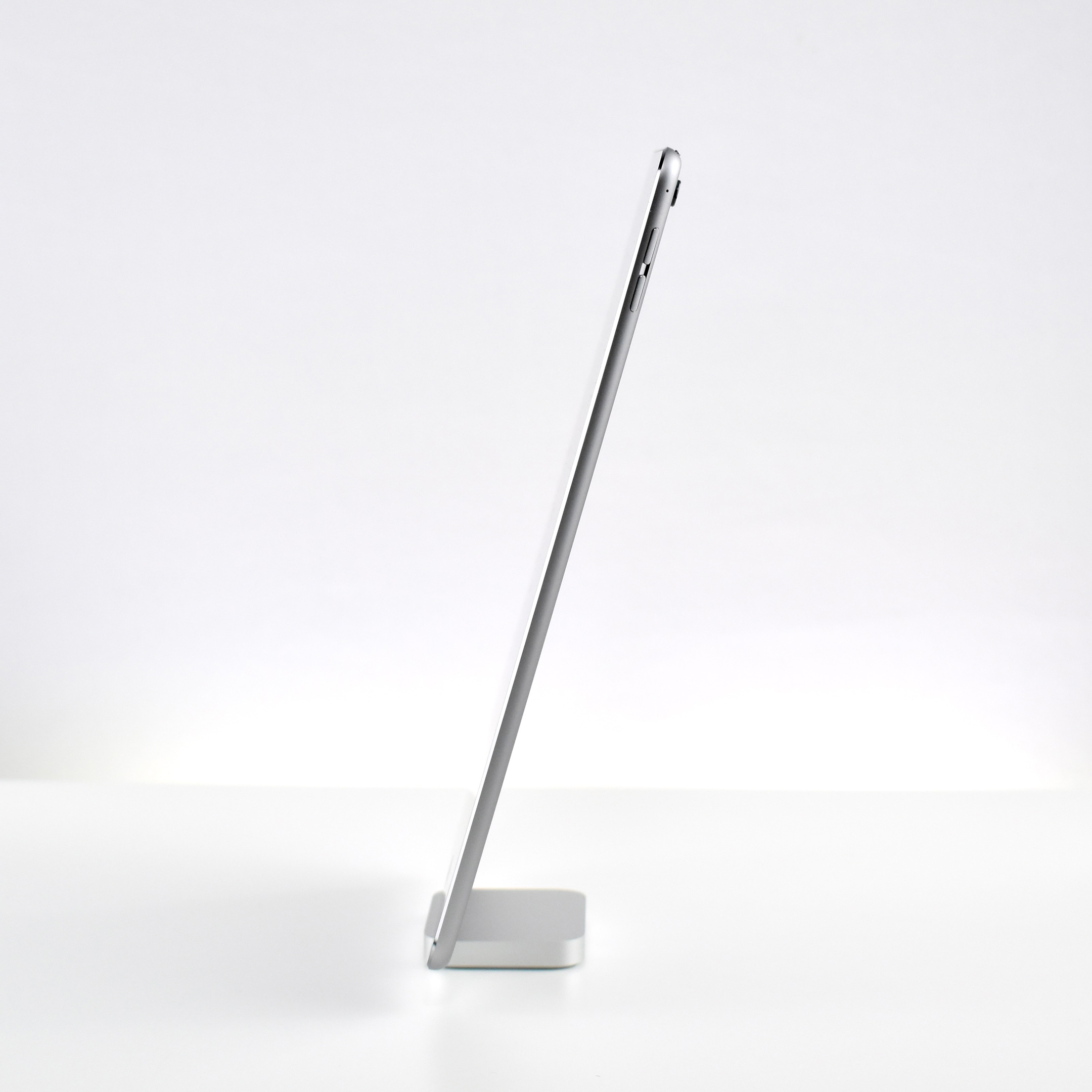
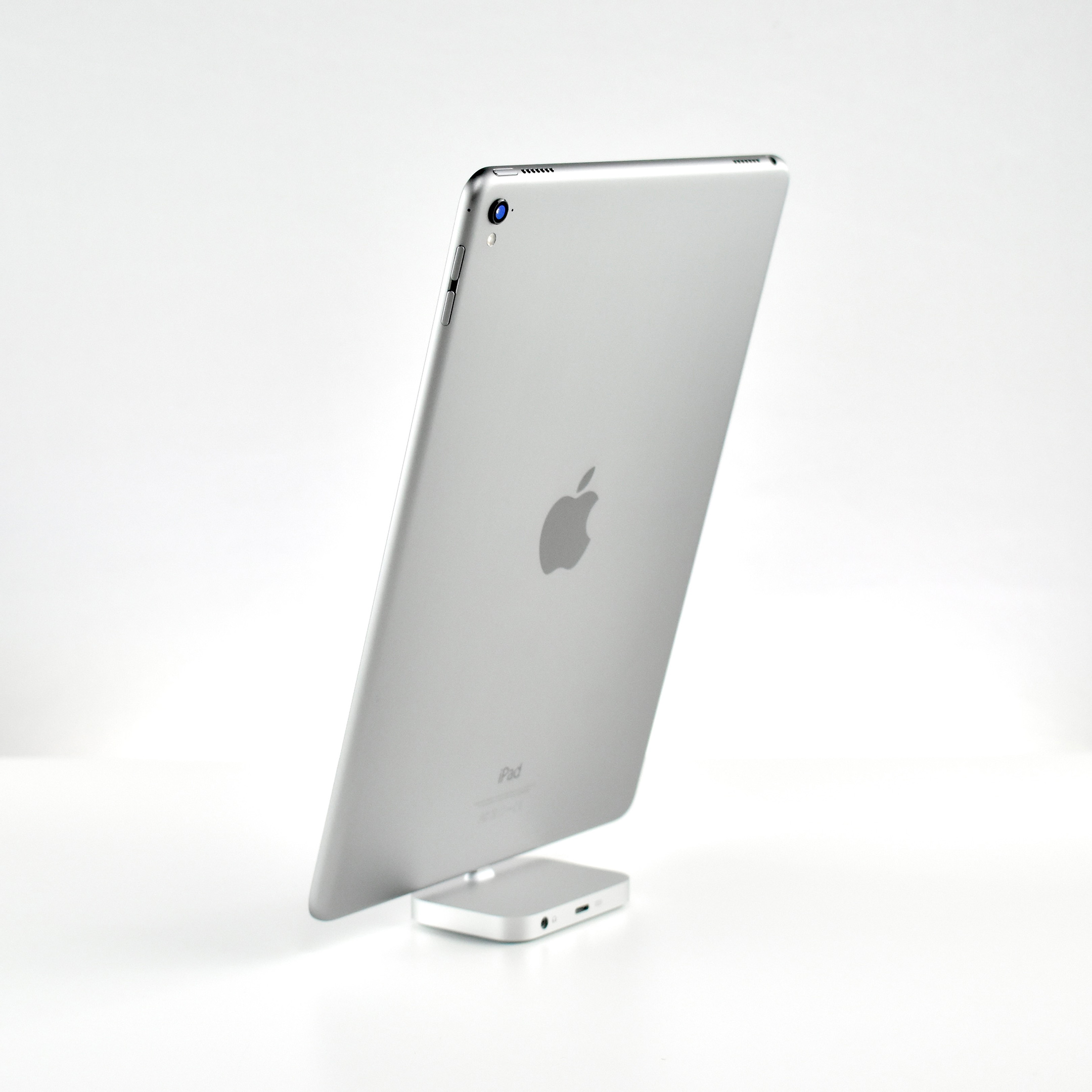
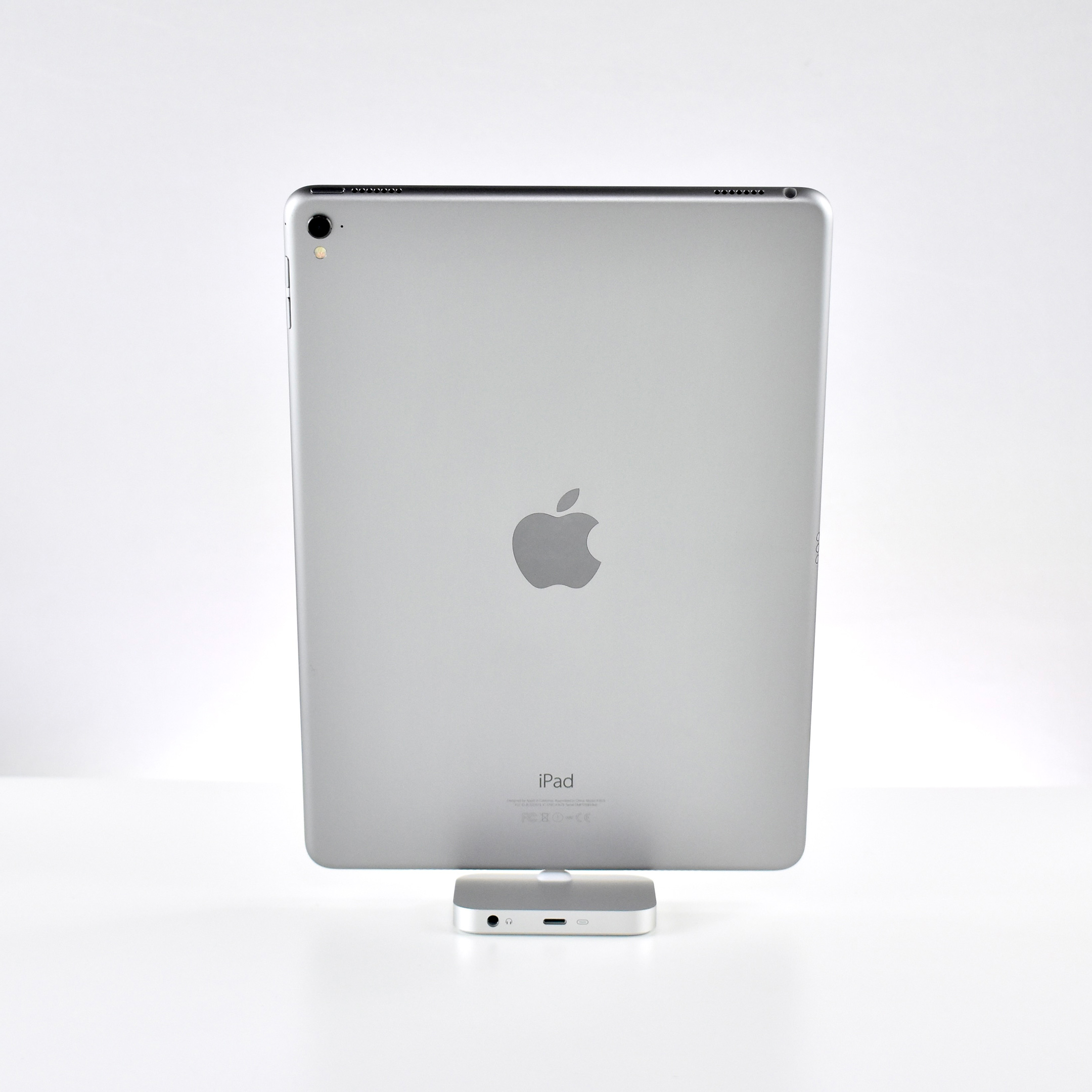
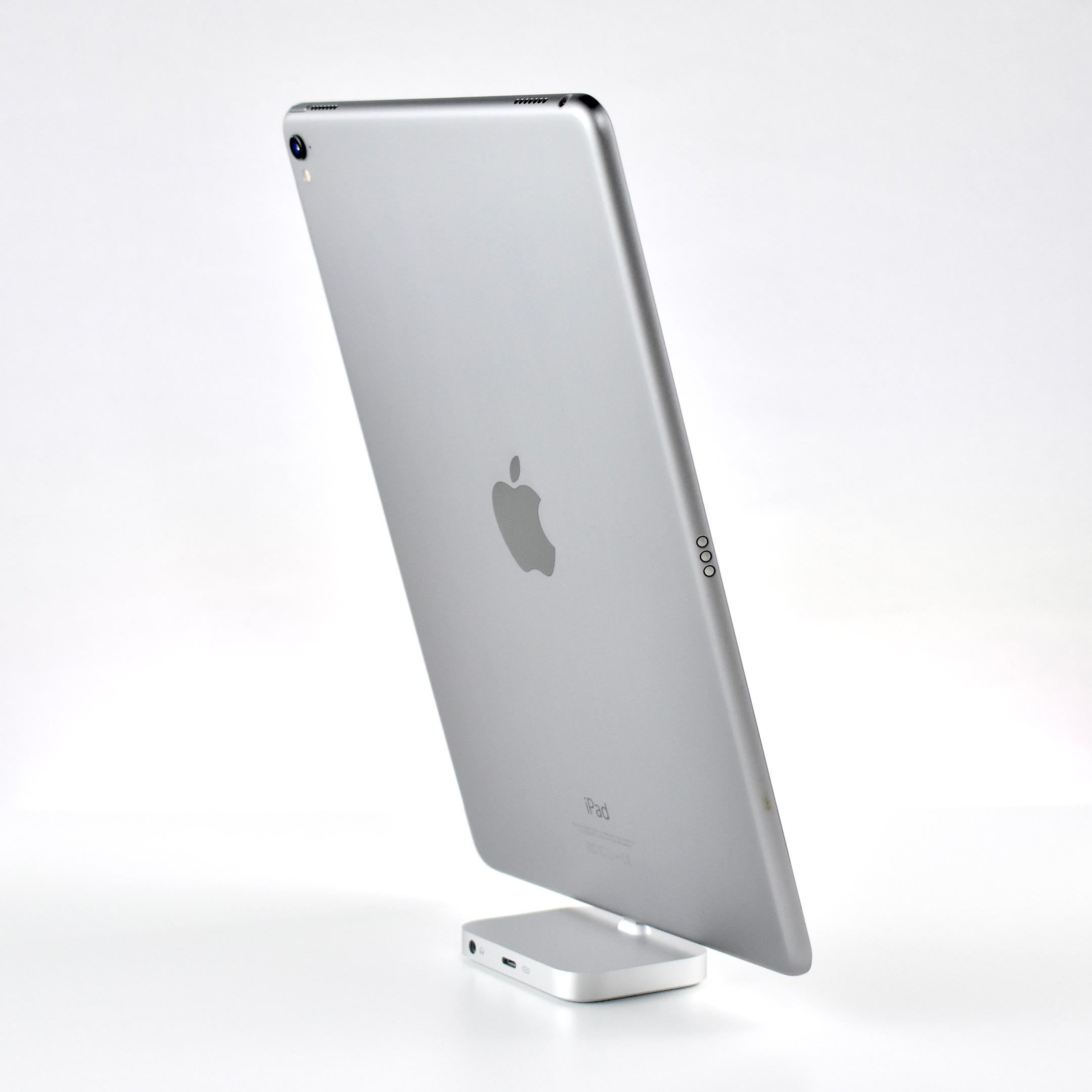
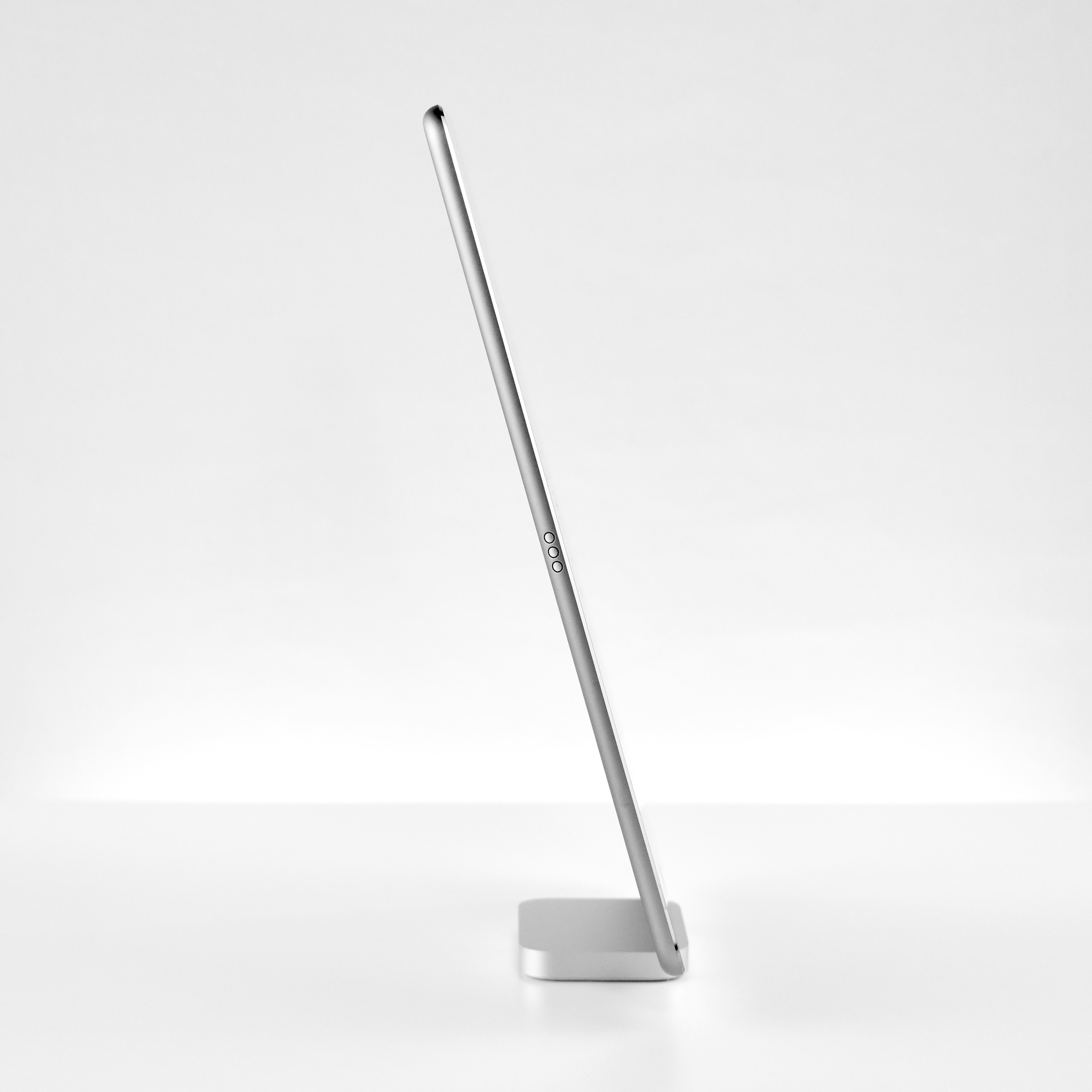
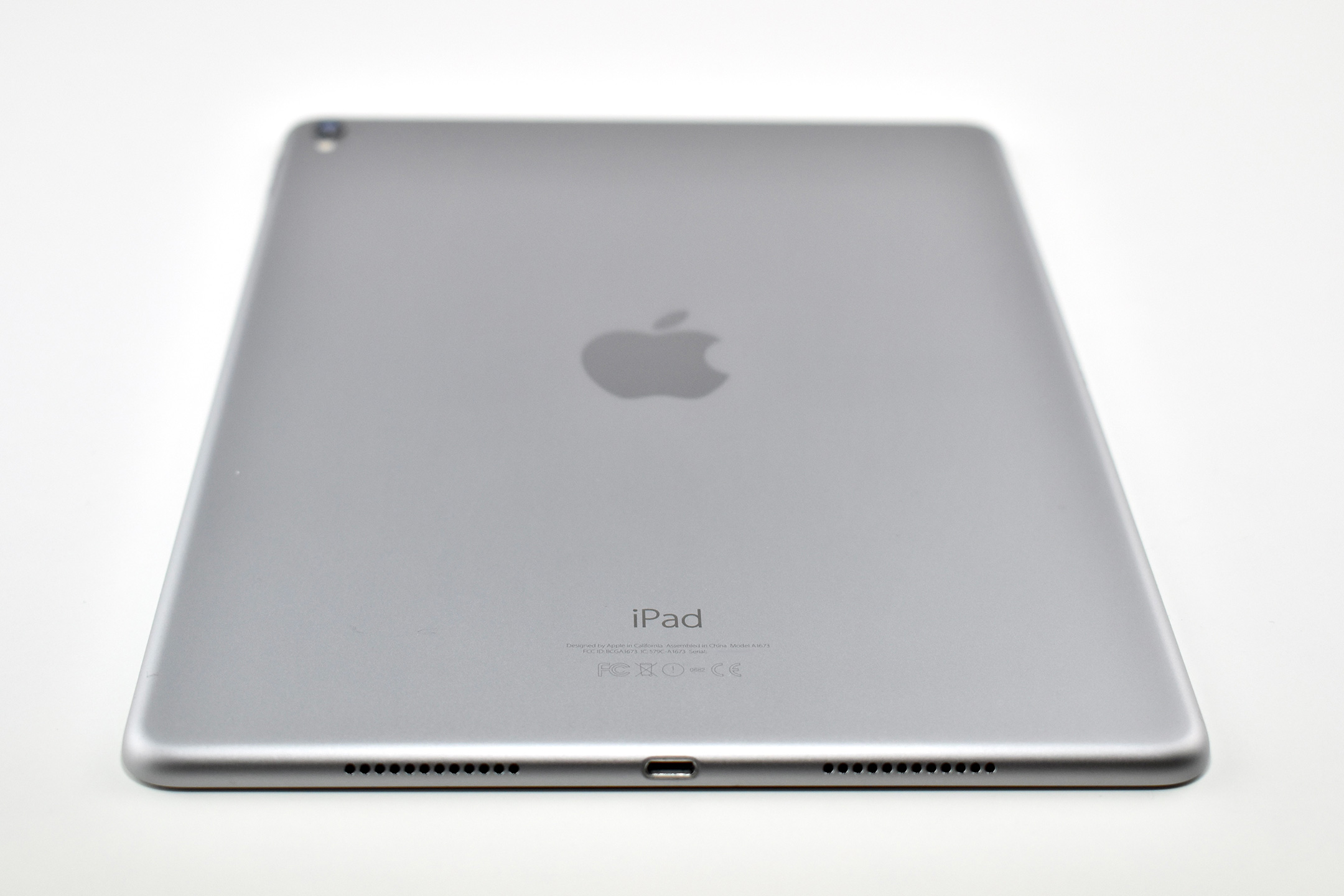
iPad Pro (9.7-inch, 2016)

When Apple released the 9.7-inch iPad Pro, they described the device: “Breakthrough Pro Features & Advanced Display Technologies Come to the Most Popular iPad Size.” Phil Schiller, Apple’s senior vice president of Worldwide Marketing, added,

“iPad Pro is a new generation of iPad that is indispensable and immersive, enabling people to be more productive and more creative. It’s incredibly fast, extremely portable, and completely natural to use with your fingers, Apple Pencil and Smart Keyboard. And now it comes in two sizes. The 9.7-inch iPad Pro has a new Retina display with True Tone technology, four-speaker audio system, blazing fast A9X chip, 12-megapixel iSight camera, 5-megapixel FaceTime HD camera, faster wireless, and support for Apple Pencil and Smart Keyboard. It is the ultimate upgrade for existing iPad users and replacement for PC users.”

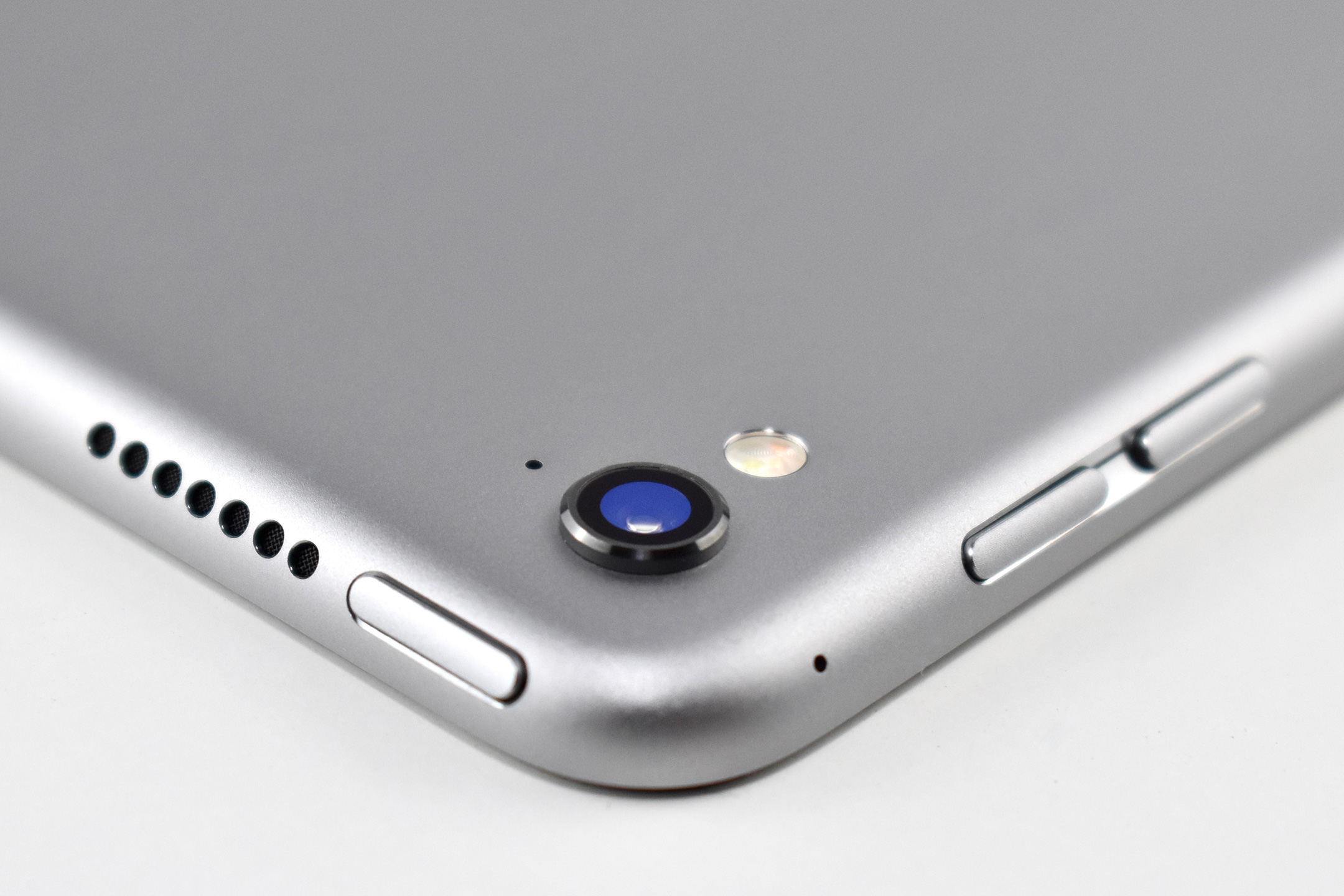
The iPad Pro 9.7-inch was offered in Silver, Gold, Space Gray, and Rose Gold in Wi‑Fi-only and Wi-Fi+Cellular options with 32GB, 128GB, or 256GB storage. This is a Space Gray, Wi-Fi-only, 32GB model.

Its form factor was similar to other 9.7-inch iPad models offered by Apple. It measured 9.4 inches (240 mm) x 6.6 inches (169.5 mm), and was 0.24 inch (6.1 mm) thick. It weighed 0.96 pound (437 grams).

The primary back camera was 12-megapixel with features including Live Photos, Autofocus, True Tone flash, Panorama (up to 63 megapixels), and auto HDR. The front FaceTime HD camera was 5-megapixel with support for 720p HD video recording.

This iPad had 6 sensors, including Touch ID, a 3‐axis gyro, accelerometer, barometer, ambient light sensor, and Touch ID built into the Home button.

The iPad 9.7-inch shipped with iOS 10. As of 2023, Apple has never released another 9.7-inch iPad Pro model.

Sources: Apple (Newsroom, Tech Specs)