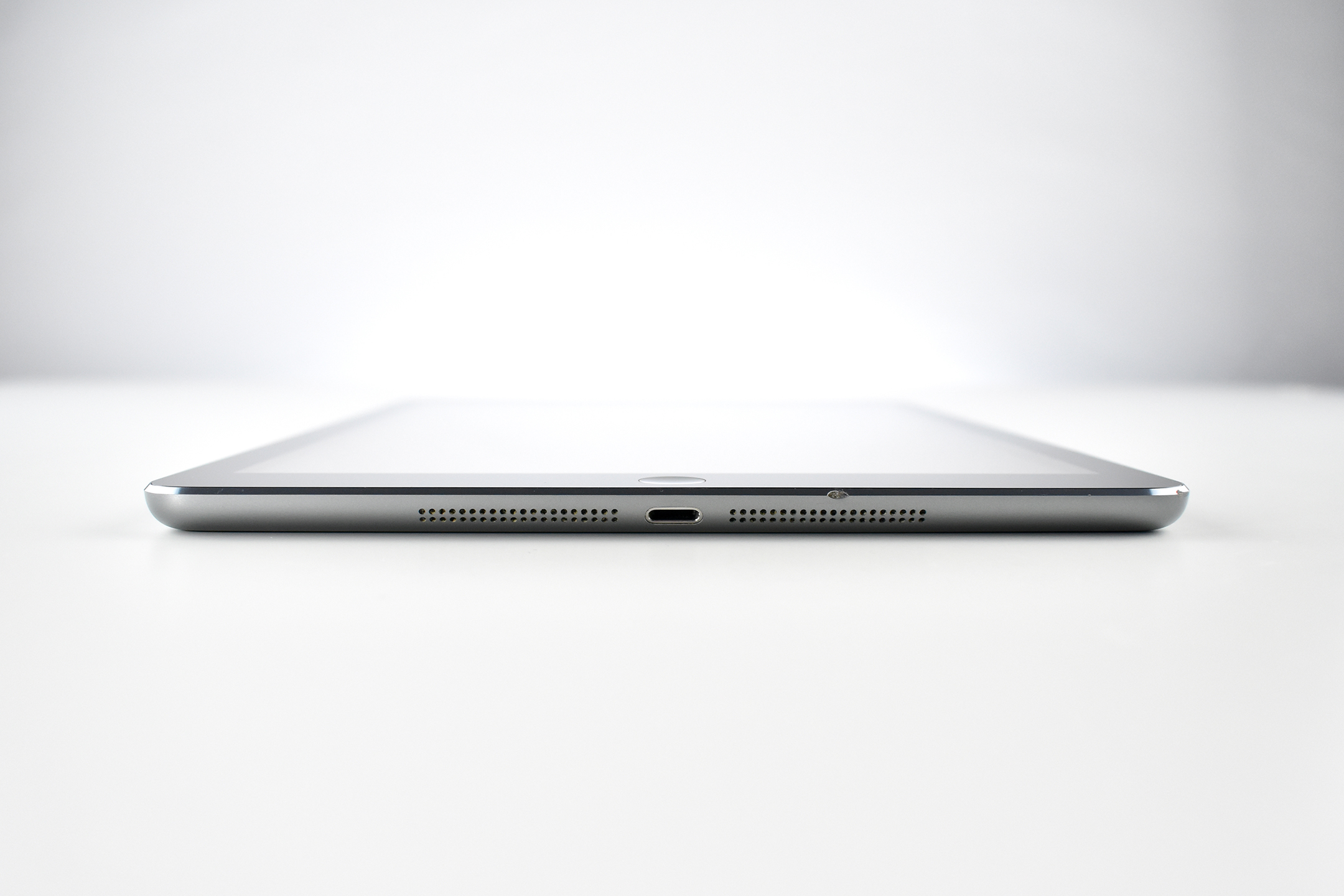
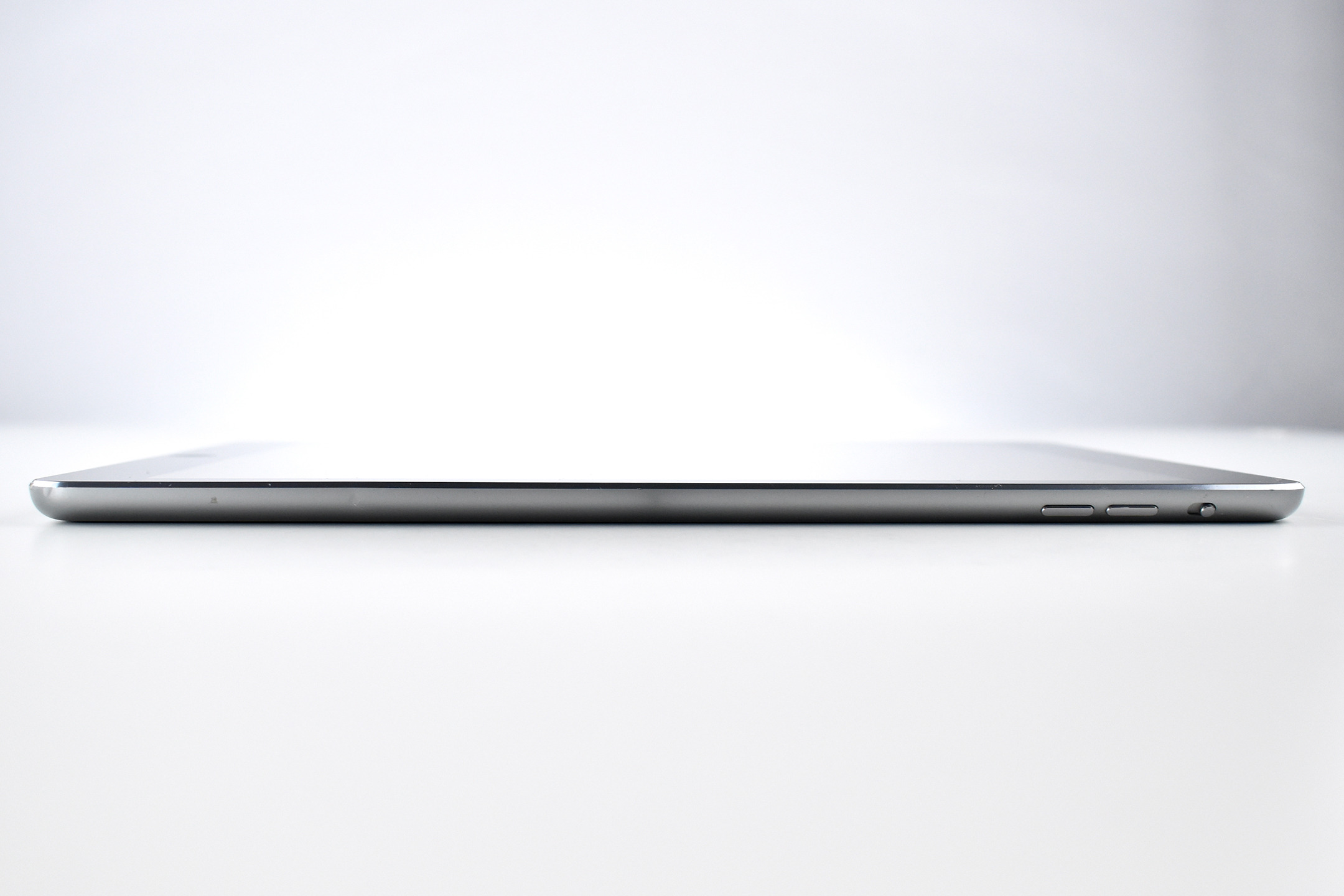
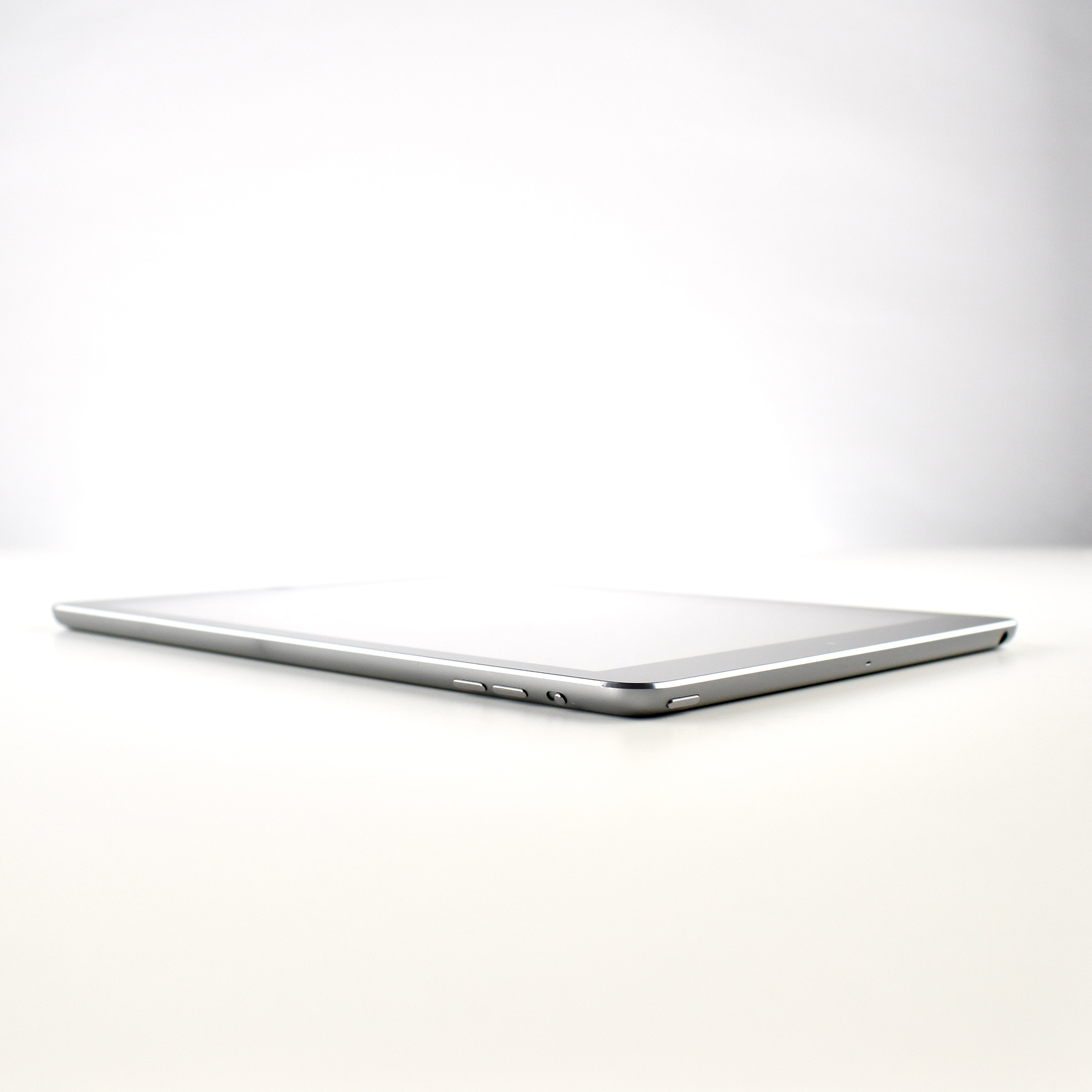
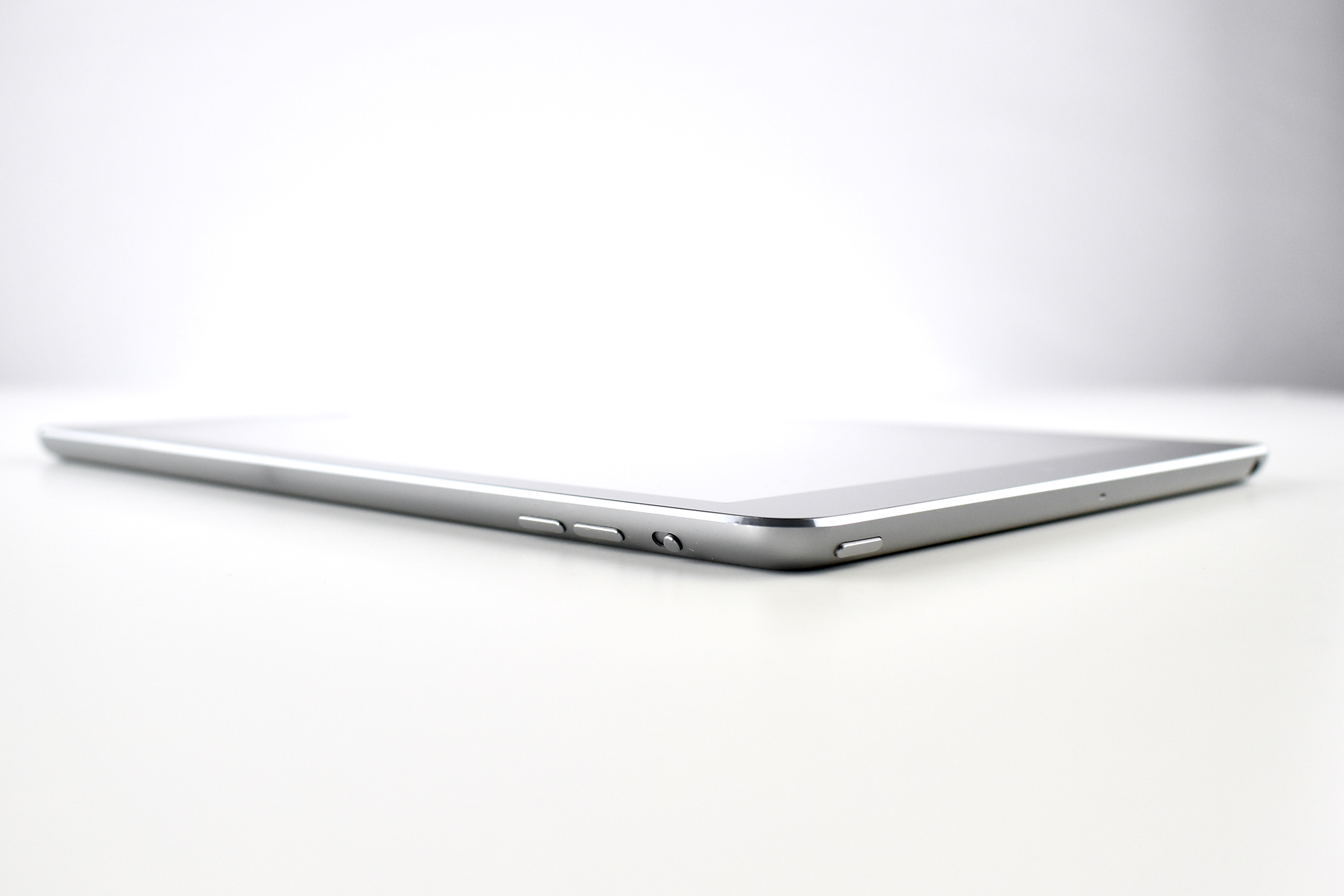
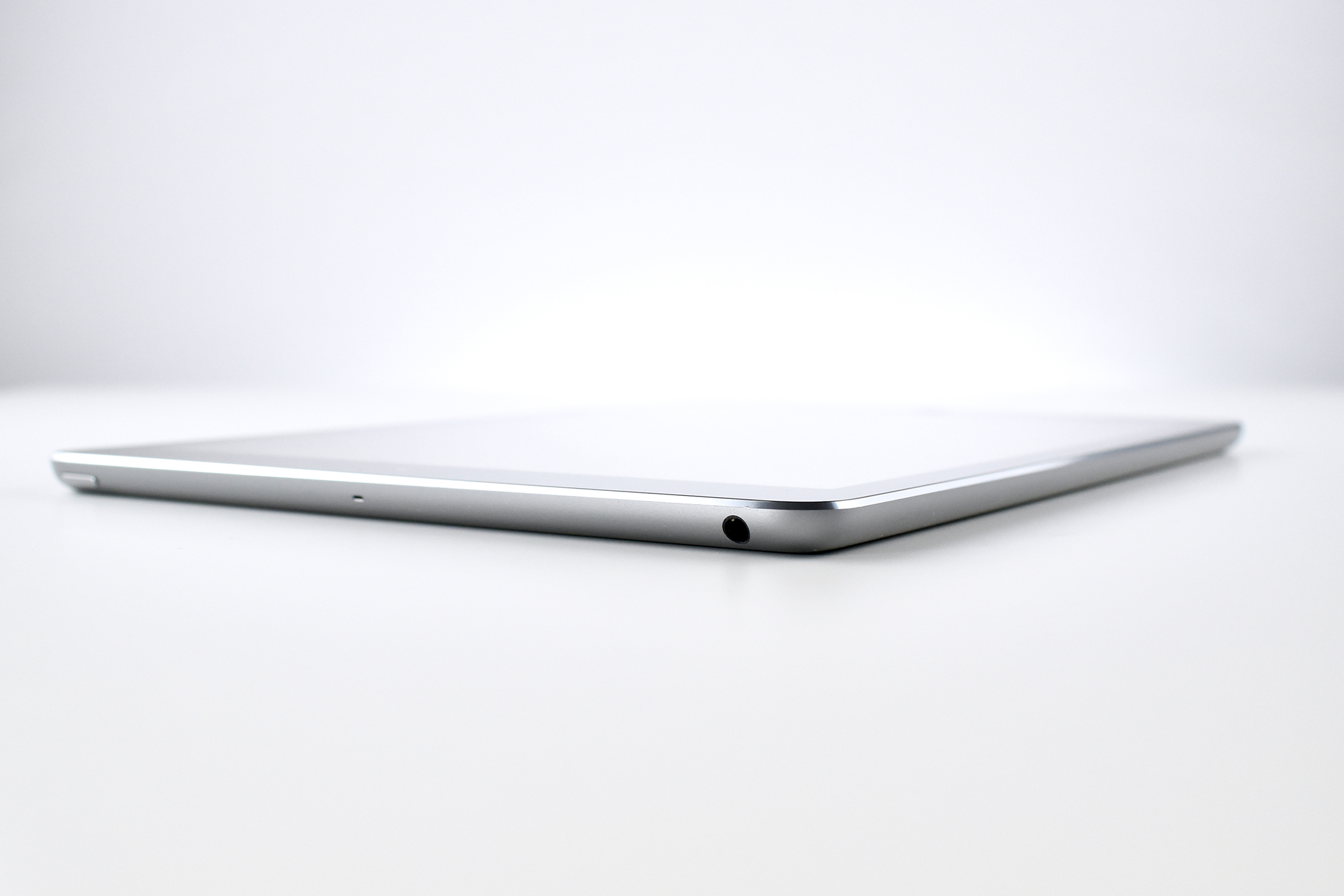
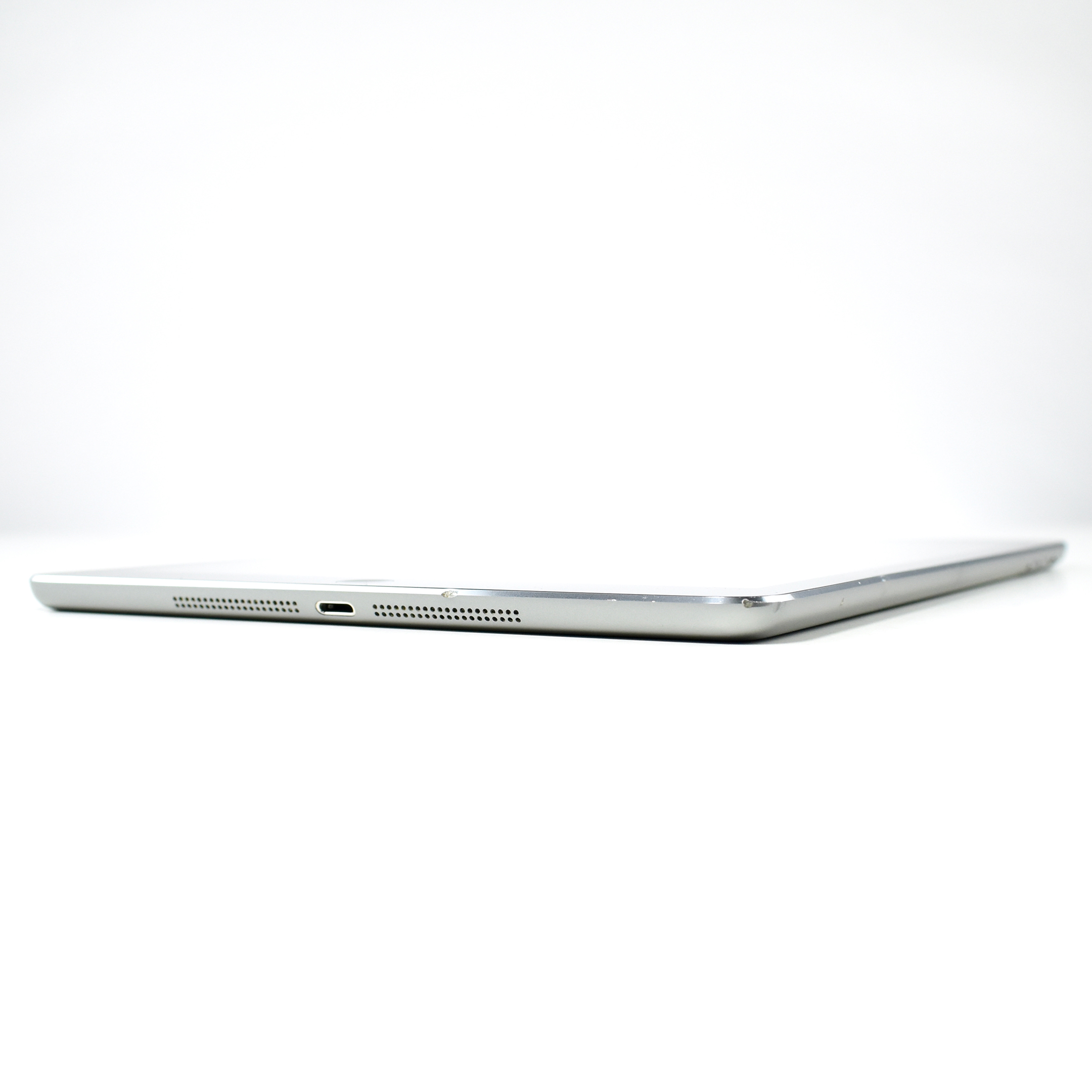
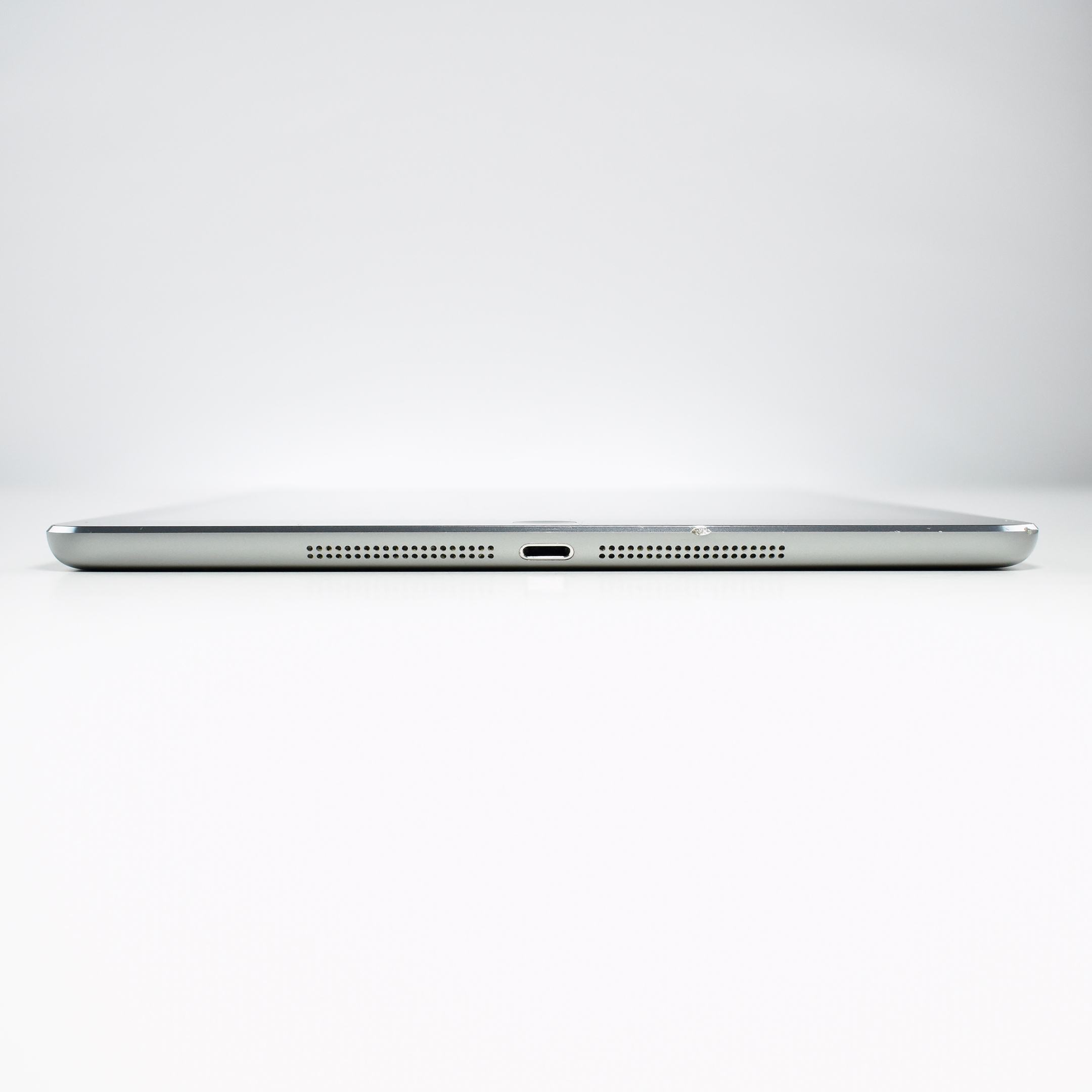
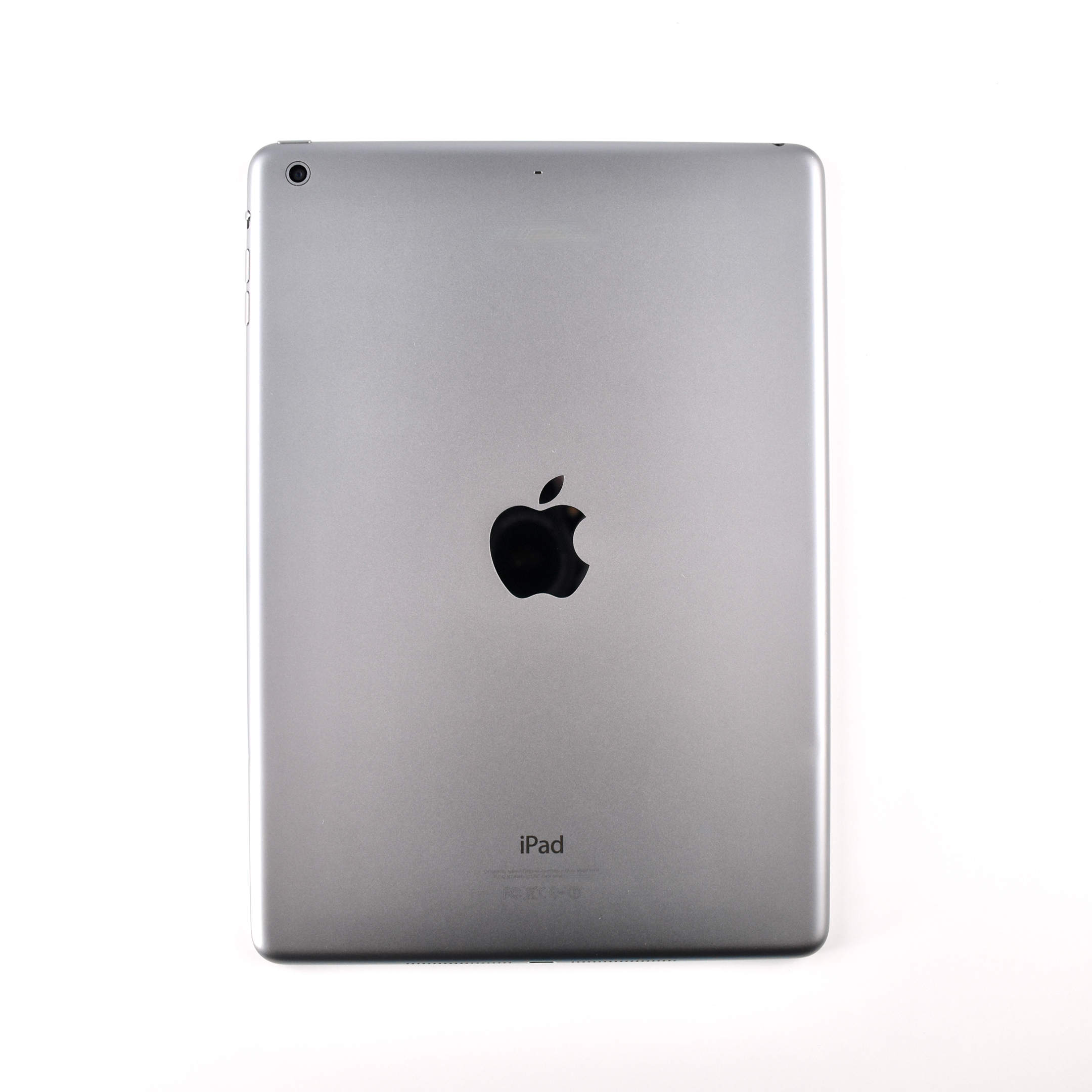
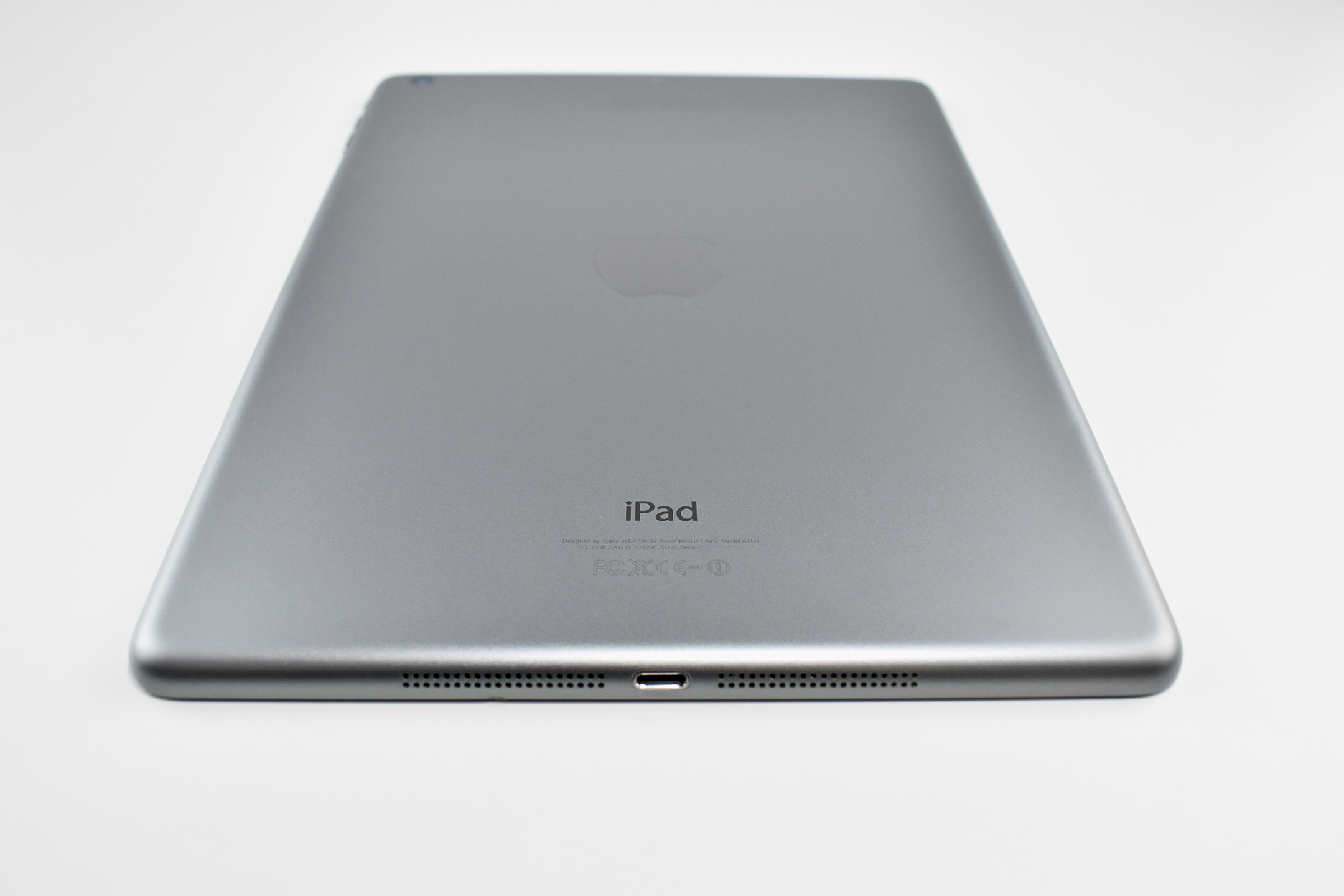
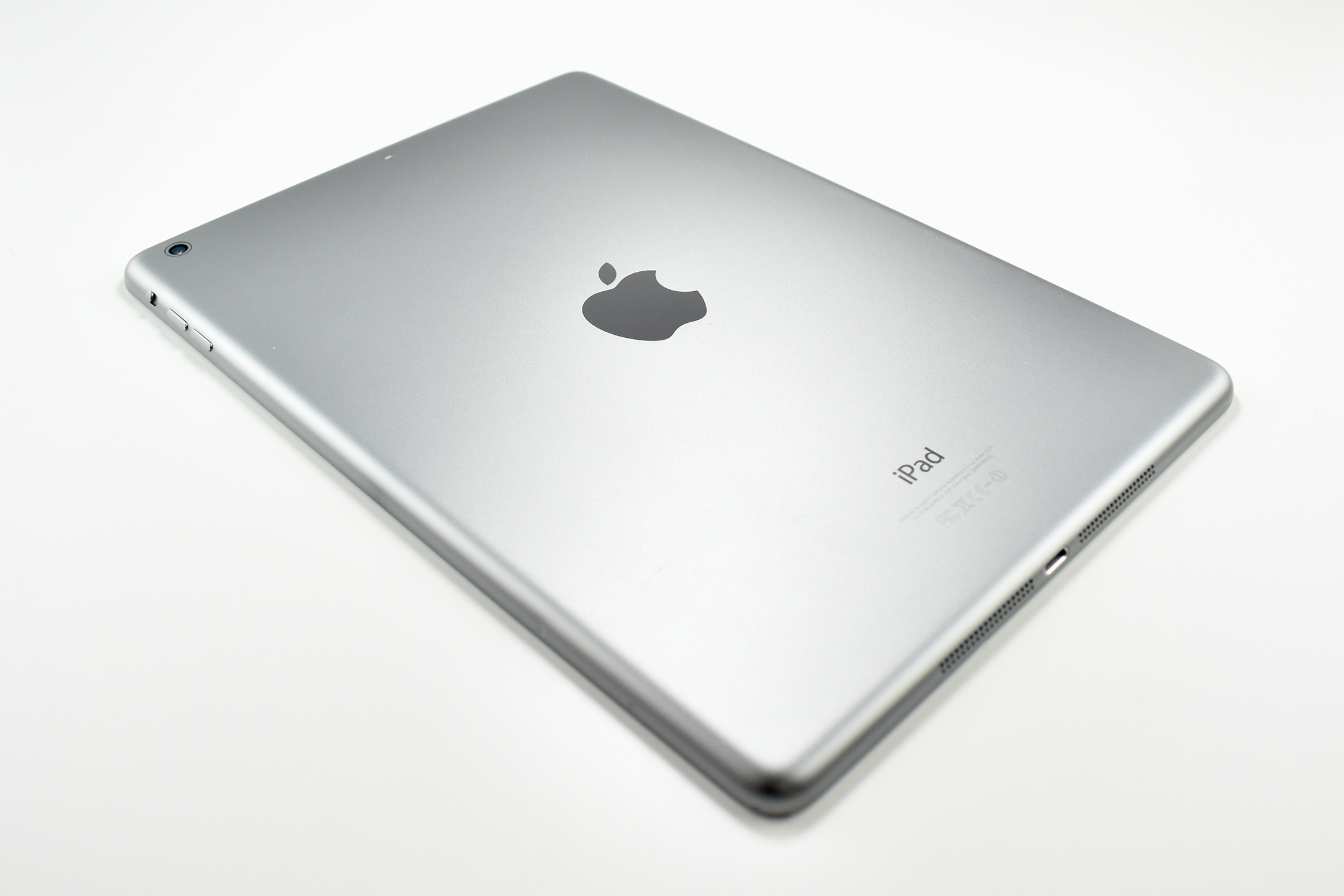
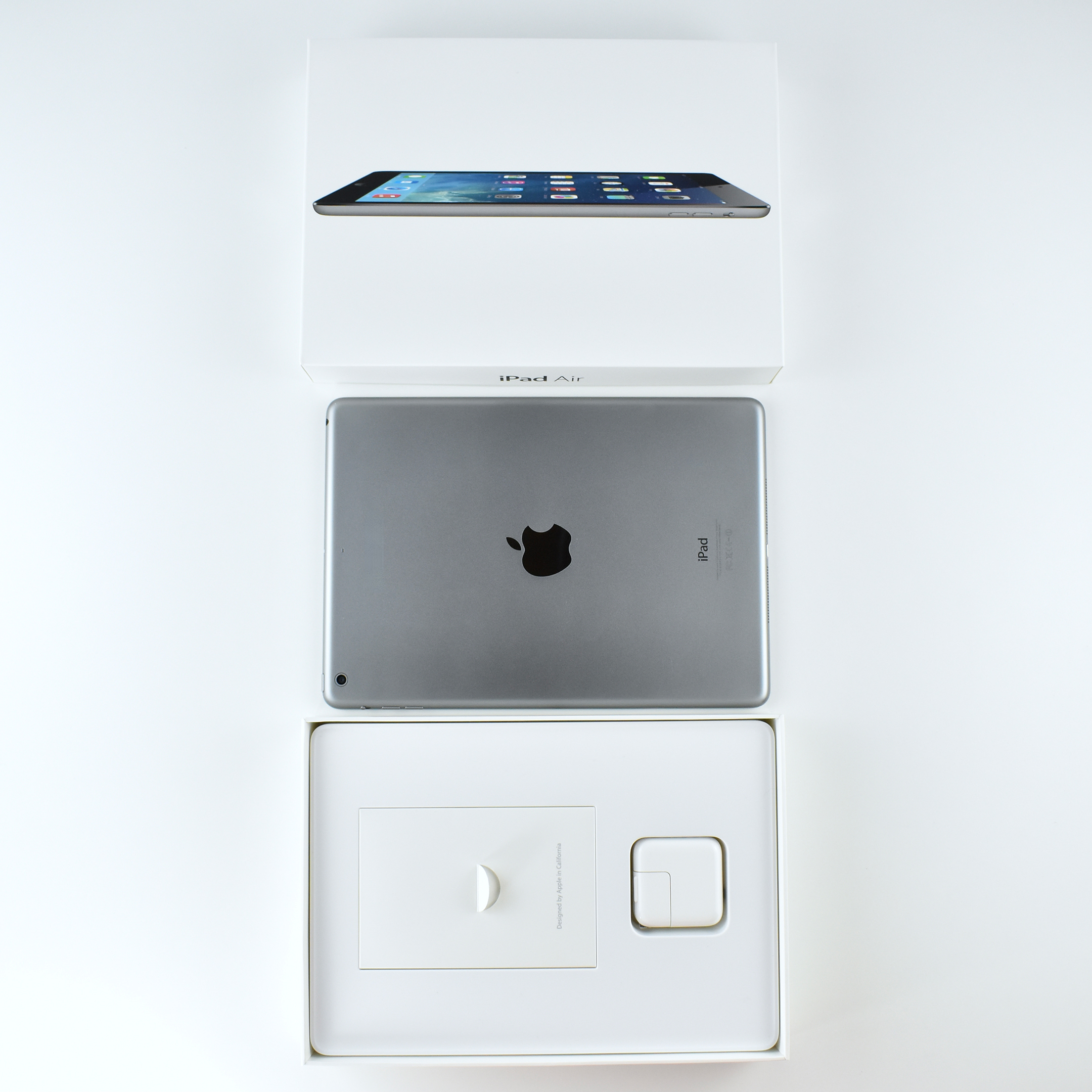
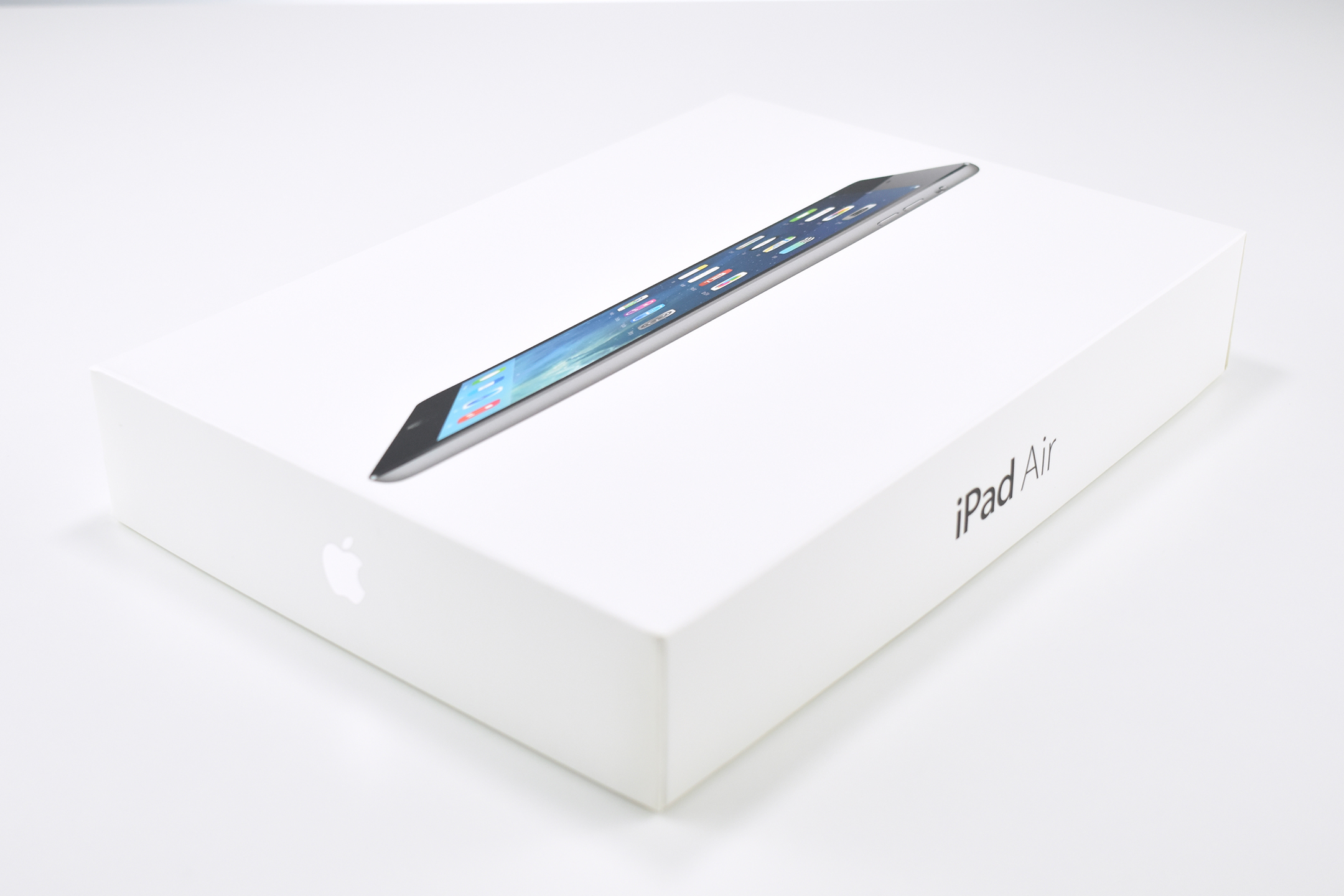
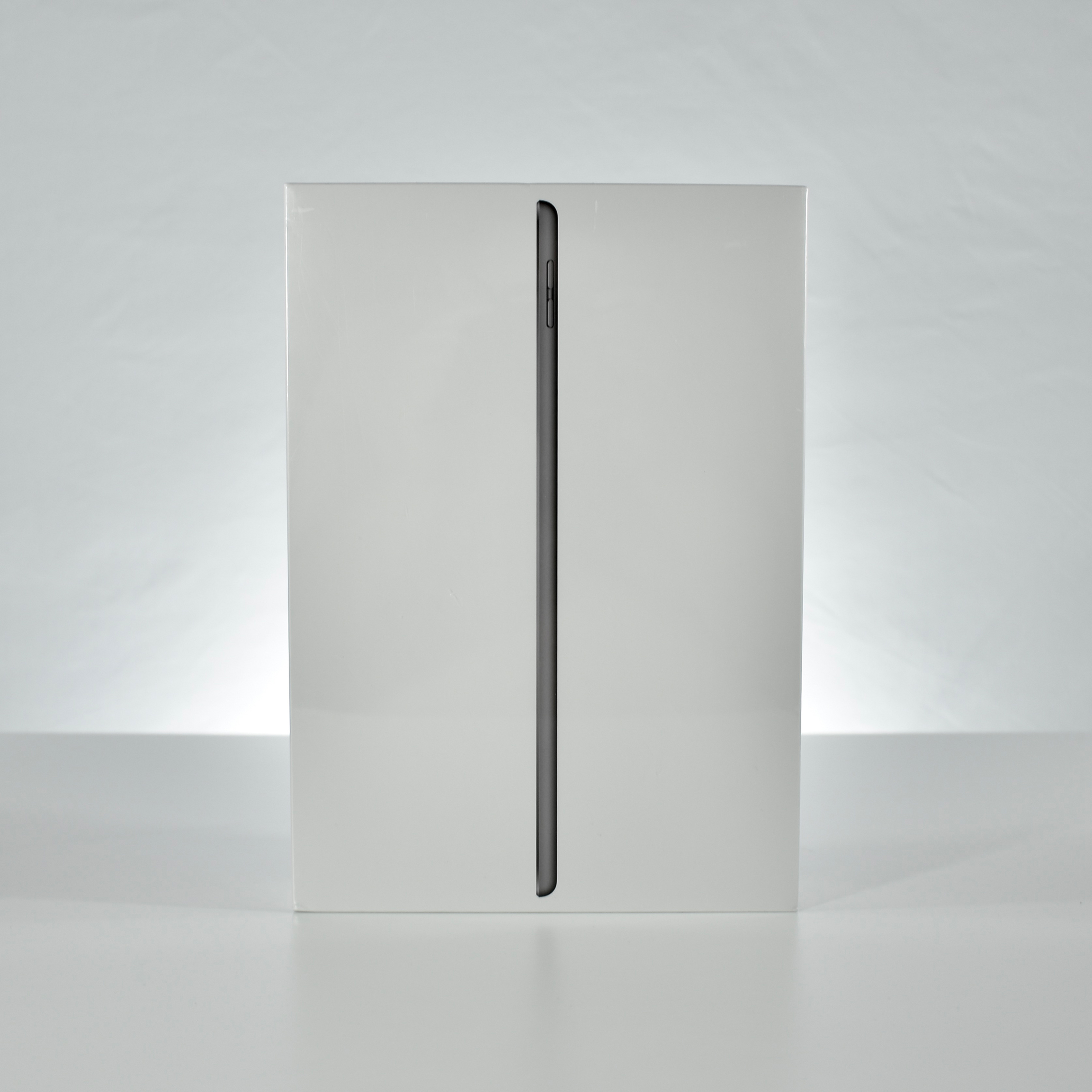
The original iPad Air used a 9.7-inch Retina display. According to Apple’s press release at the time, the iPad Air was “20 percent thinner and 28 percent lighter than the fourth generation iPad, and with a narrower bezel the borders of iPad Air are dramatically thinner.”
The original iPad Air’s display was 2048×1536 (at 264 ppi). Internally, it used a dual-core 1.4 GHz A7 processor, 1 GB of RAM, and was available with 16, 32, 64, or 128 GB of internal storage. Wireless connectivity included 802.11a/b/g/n Wi-Fi and Bluetooth 4.0.
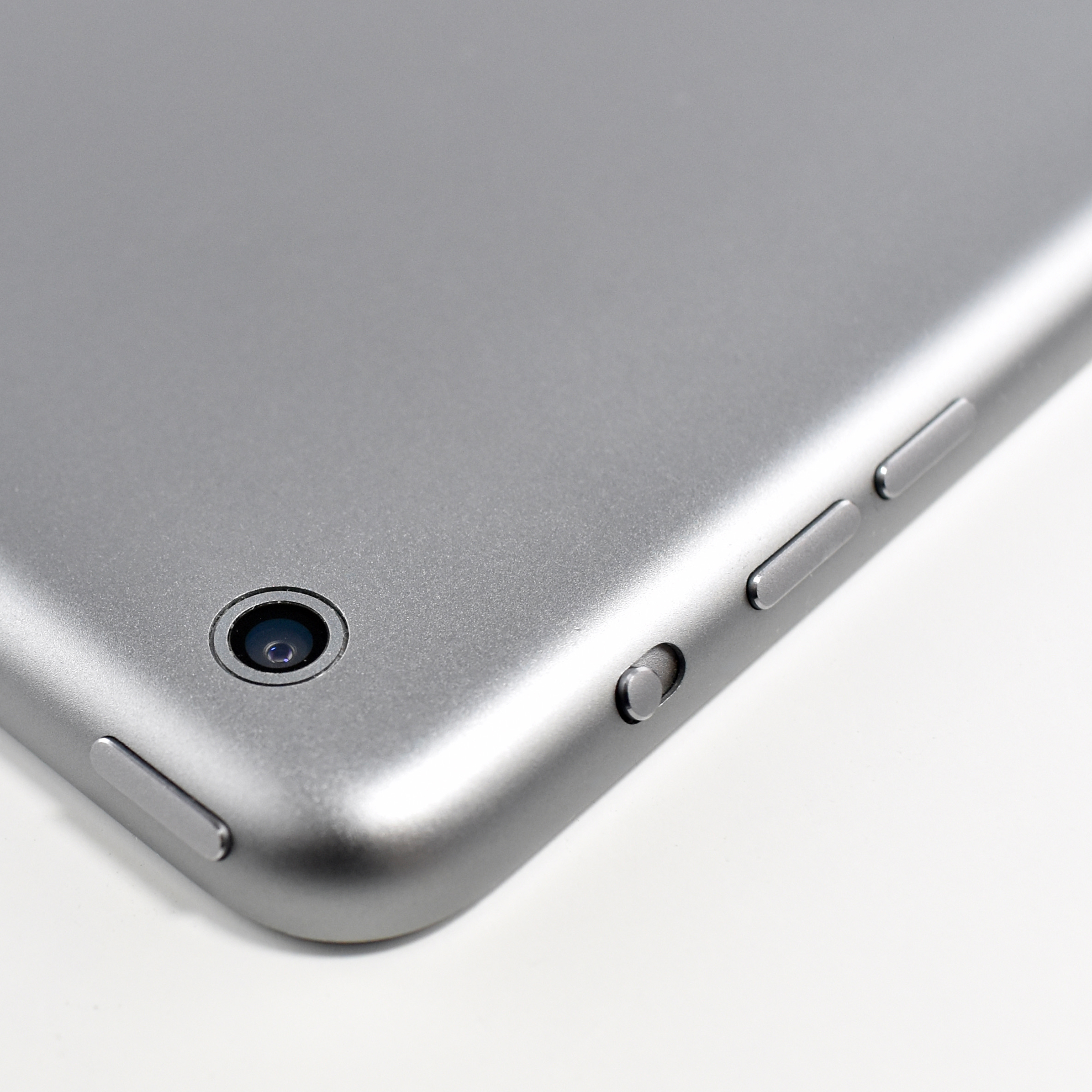
Its rear 5-megapixel iSight camera recorded video at 1080p, and its front 1.2-megapixel FaceTime HD camera recorded video at 720p.
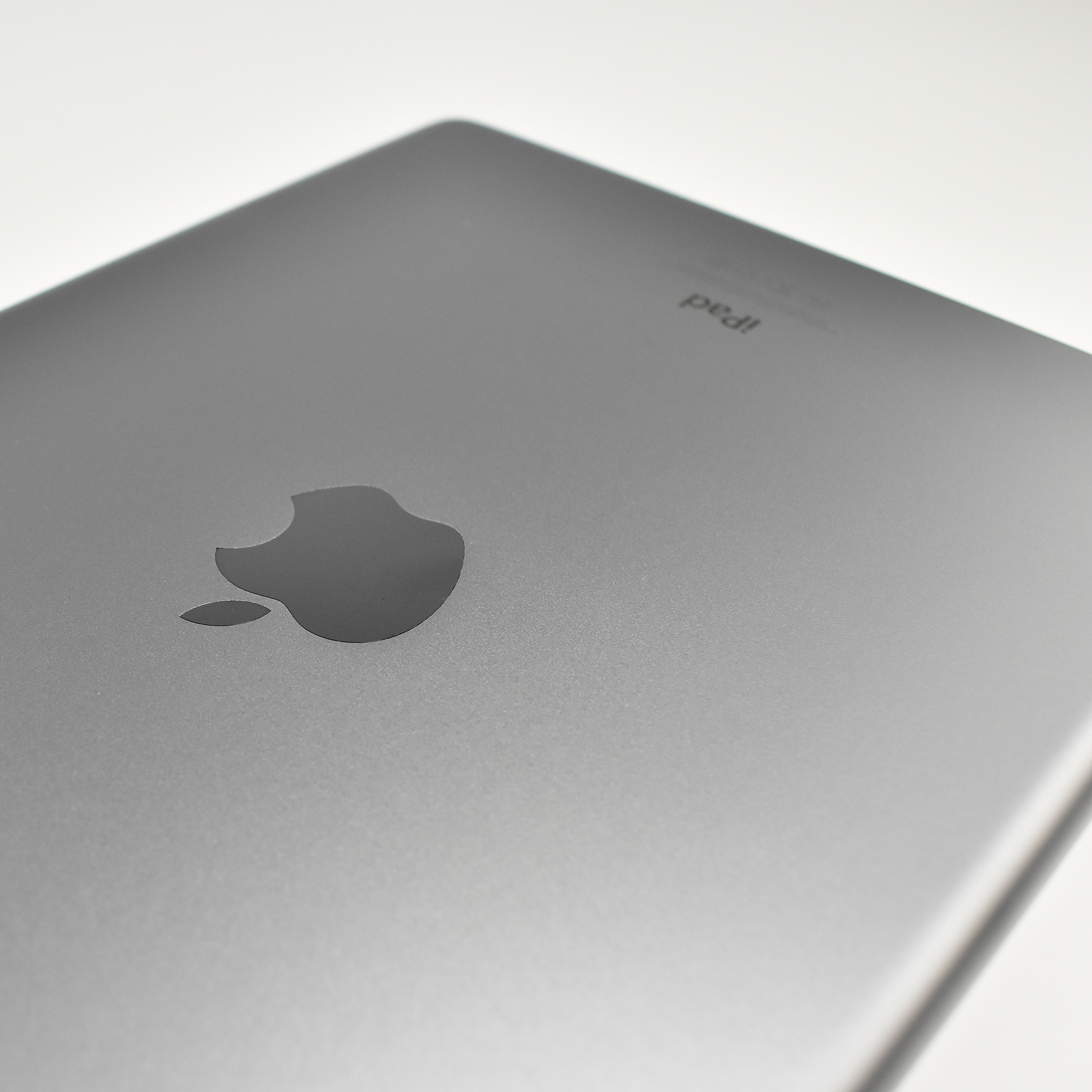
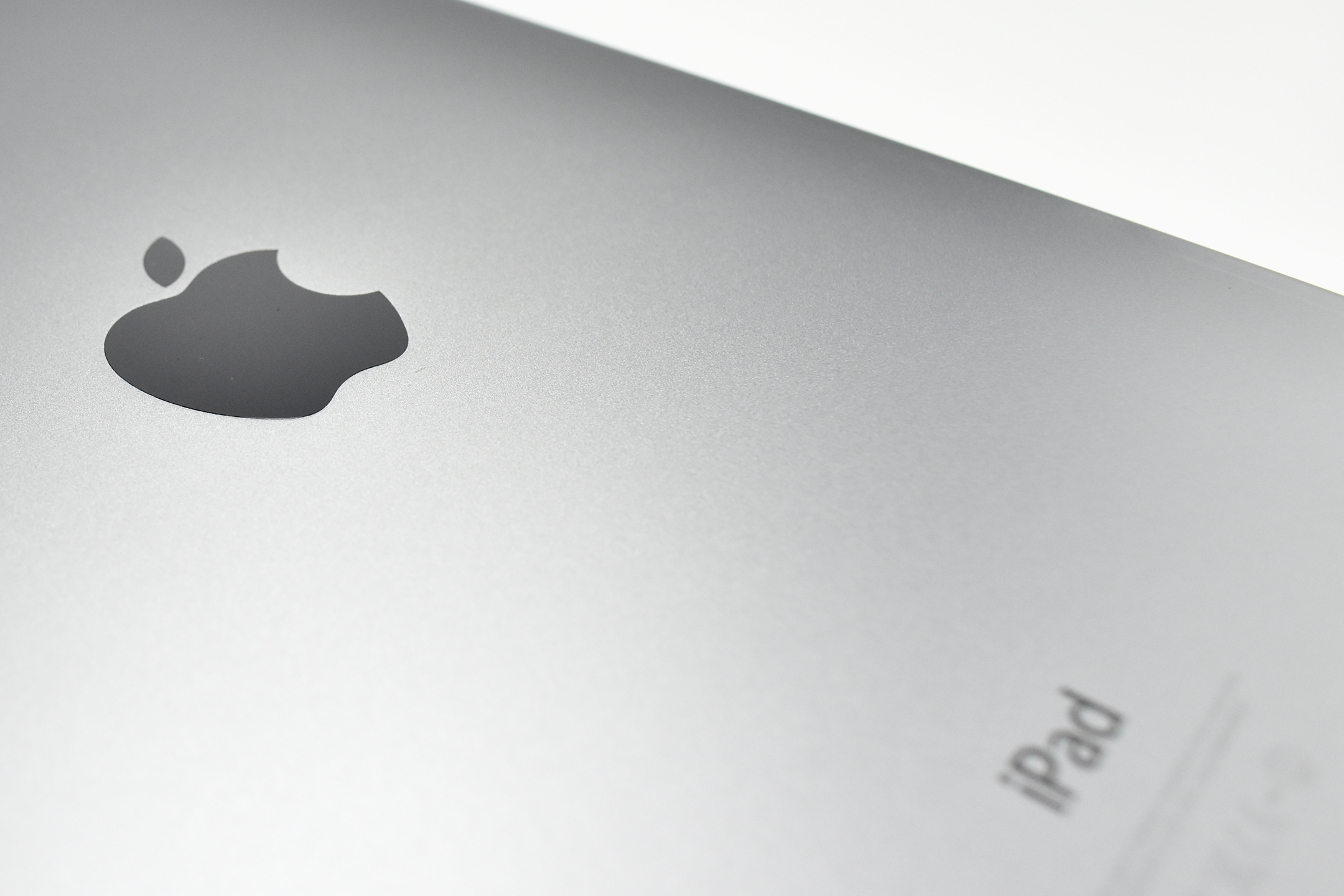
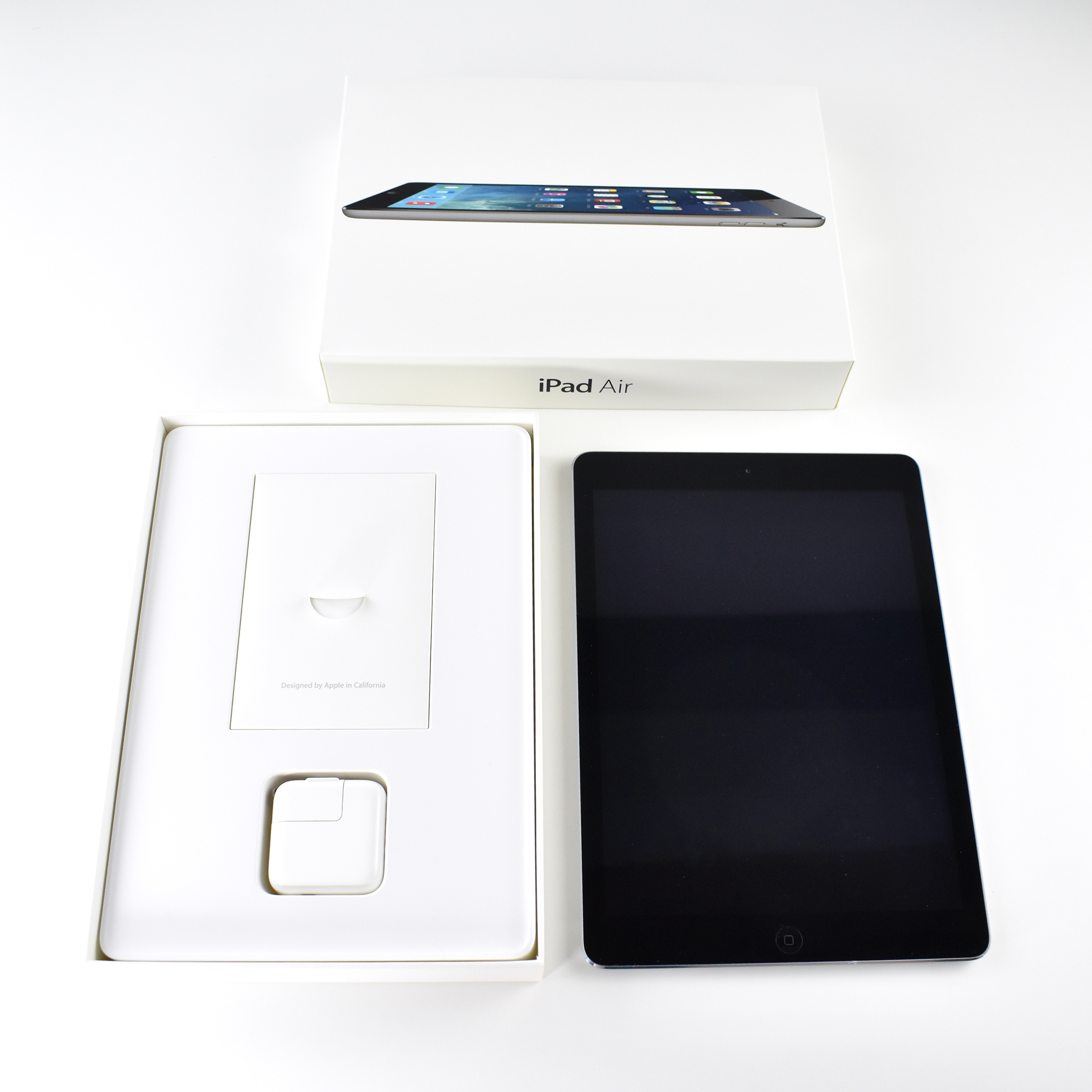
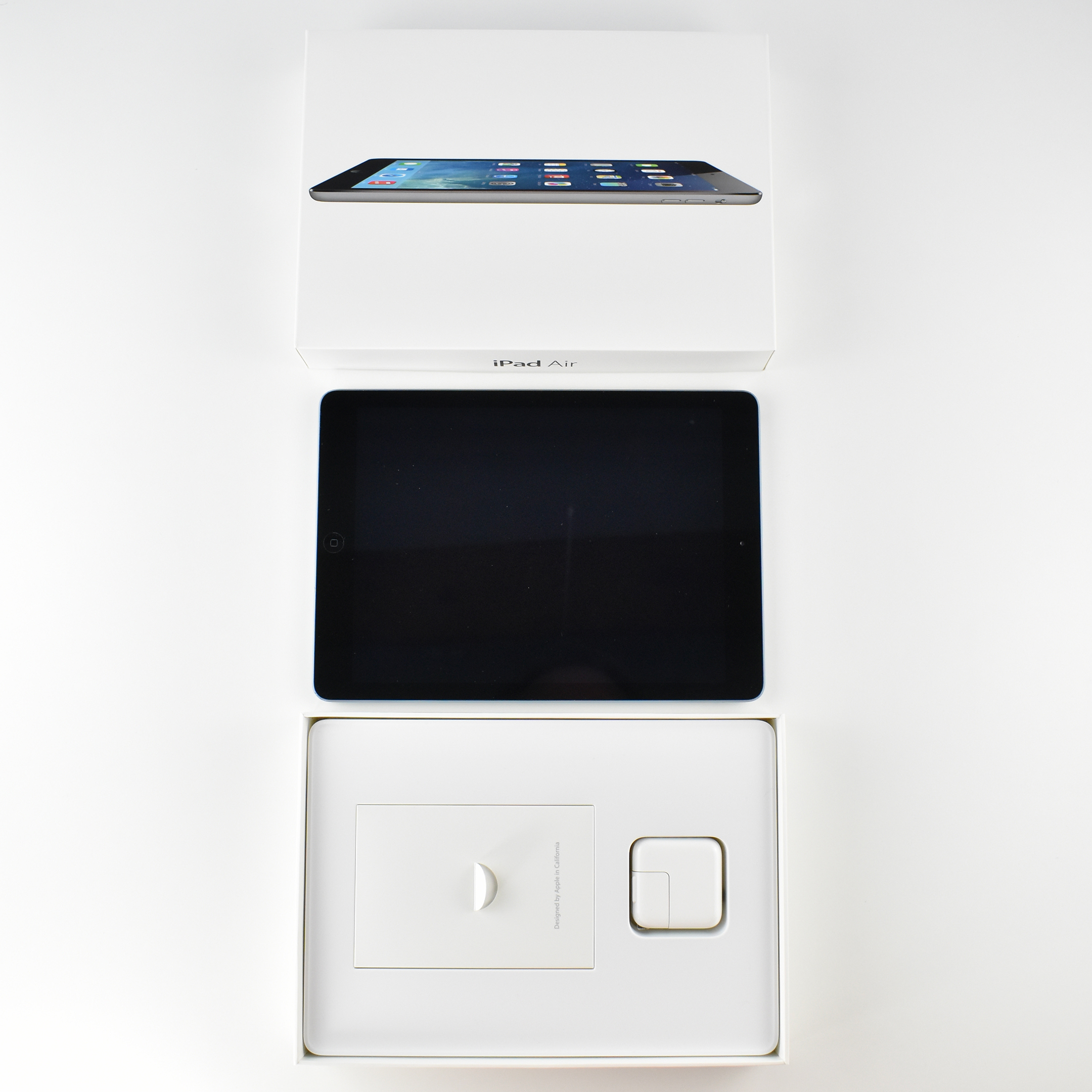
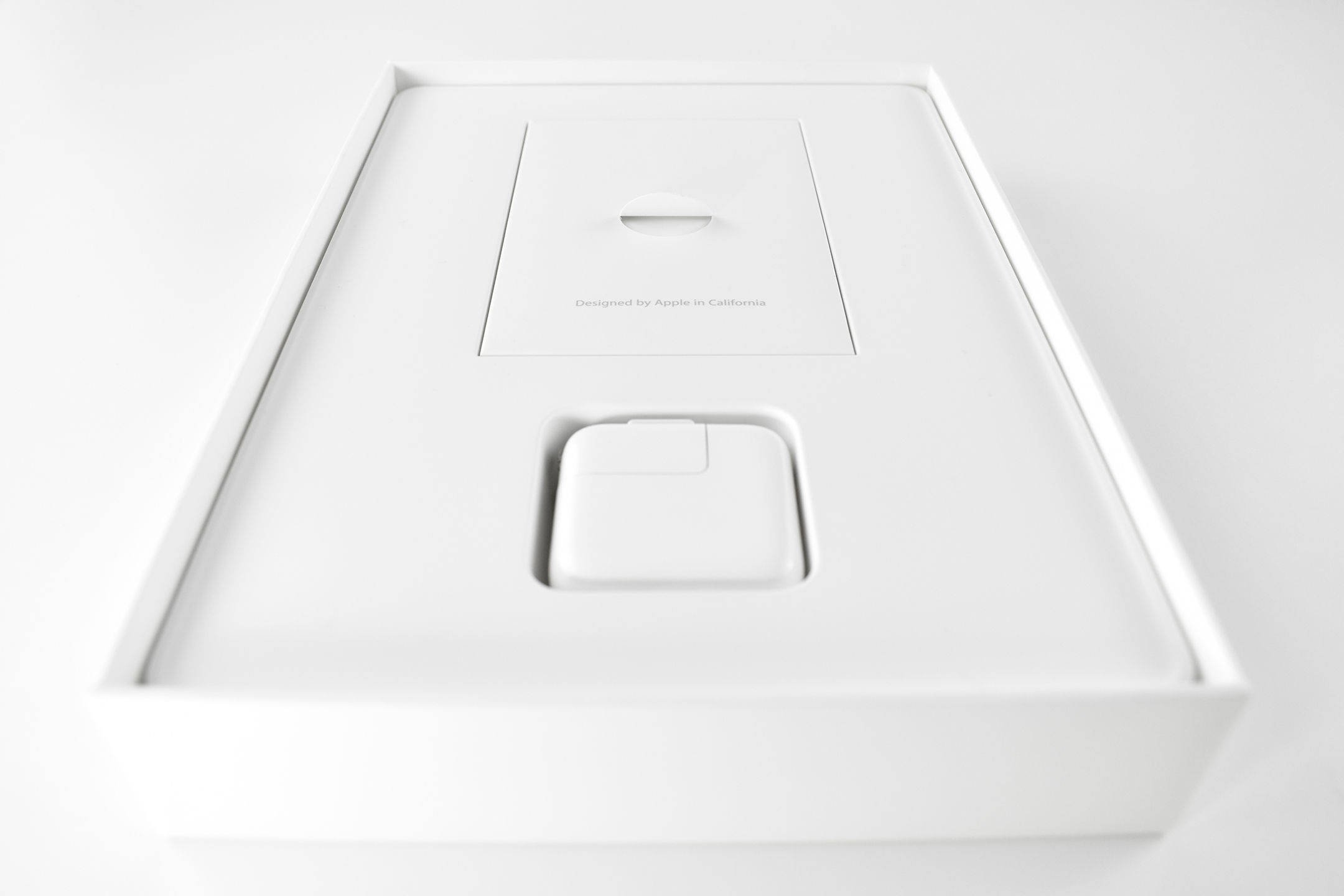
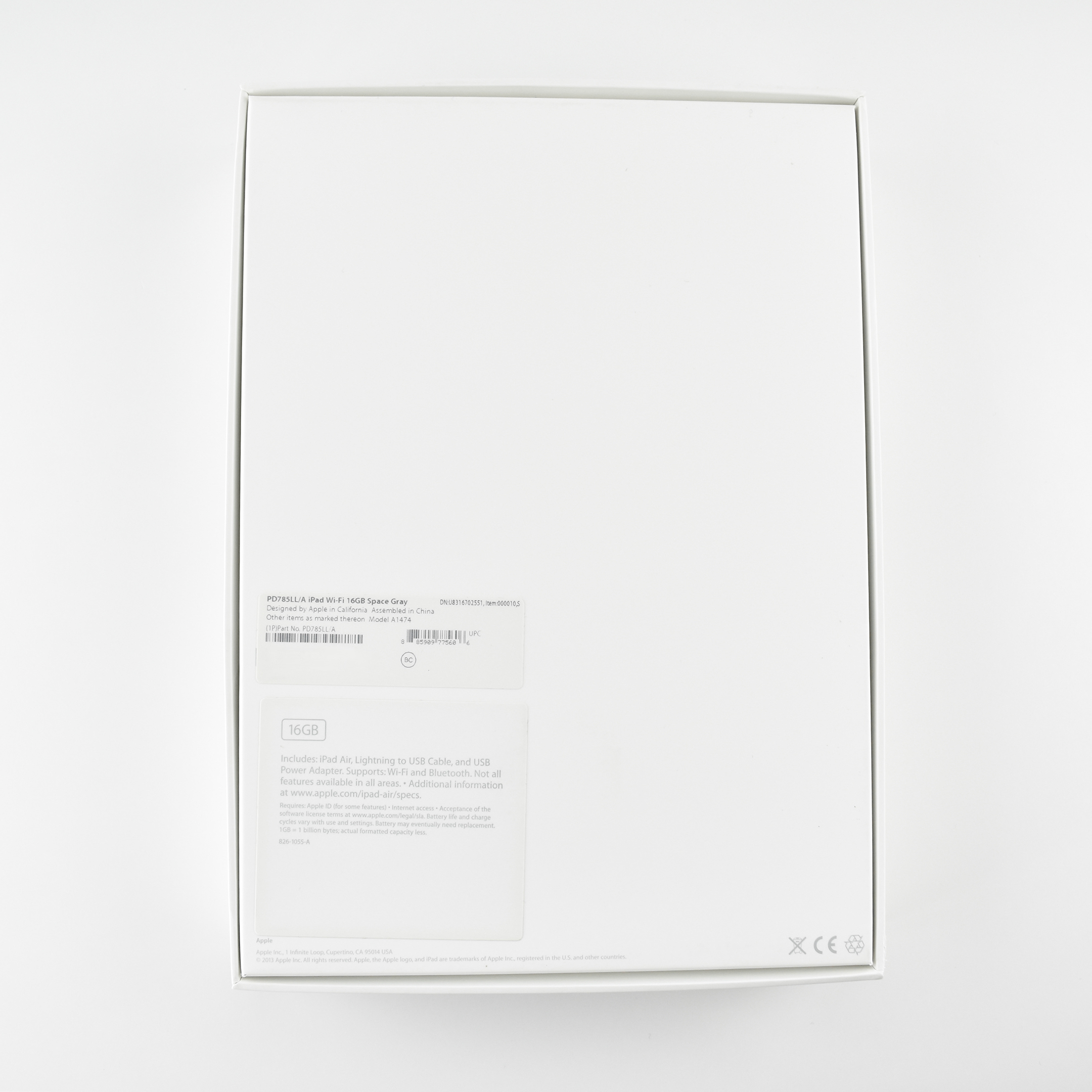
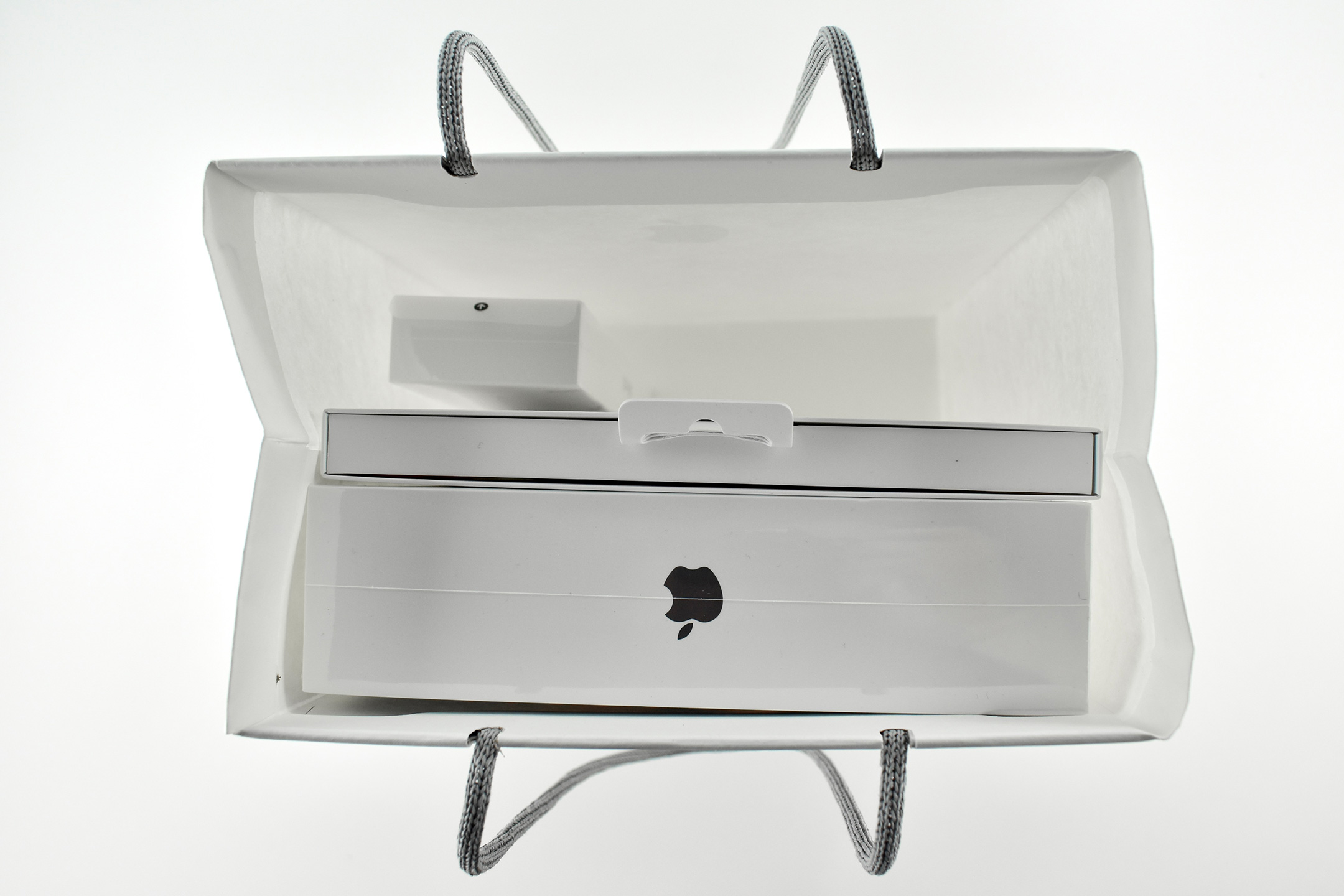
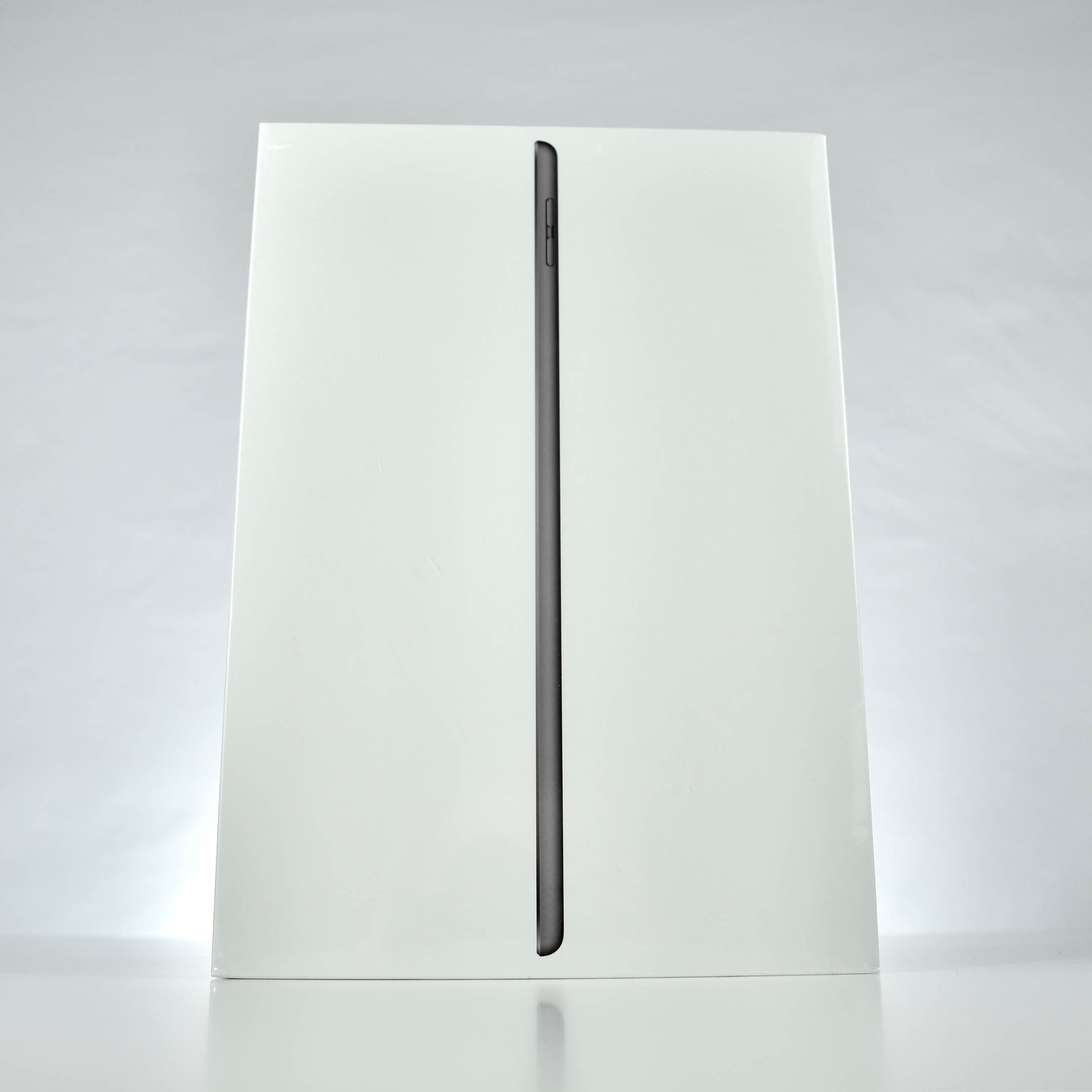
The original iPad Air was available in silver (silver back with white front) and space gray (dark gray back with black front). This is a 16GB space gray example that includes the original box.
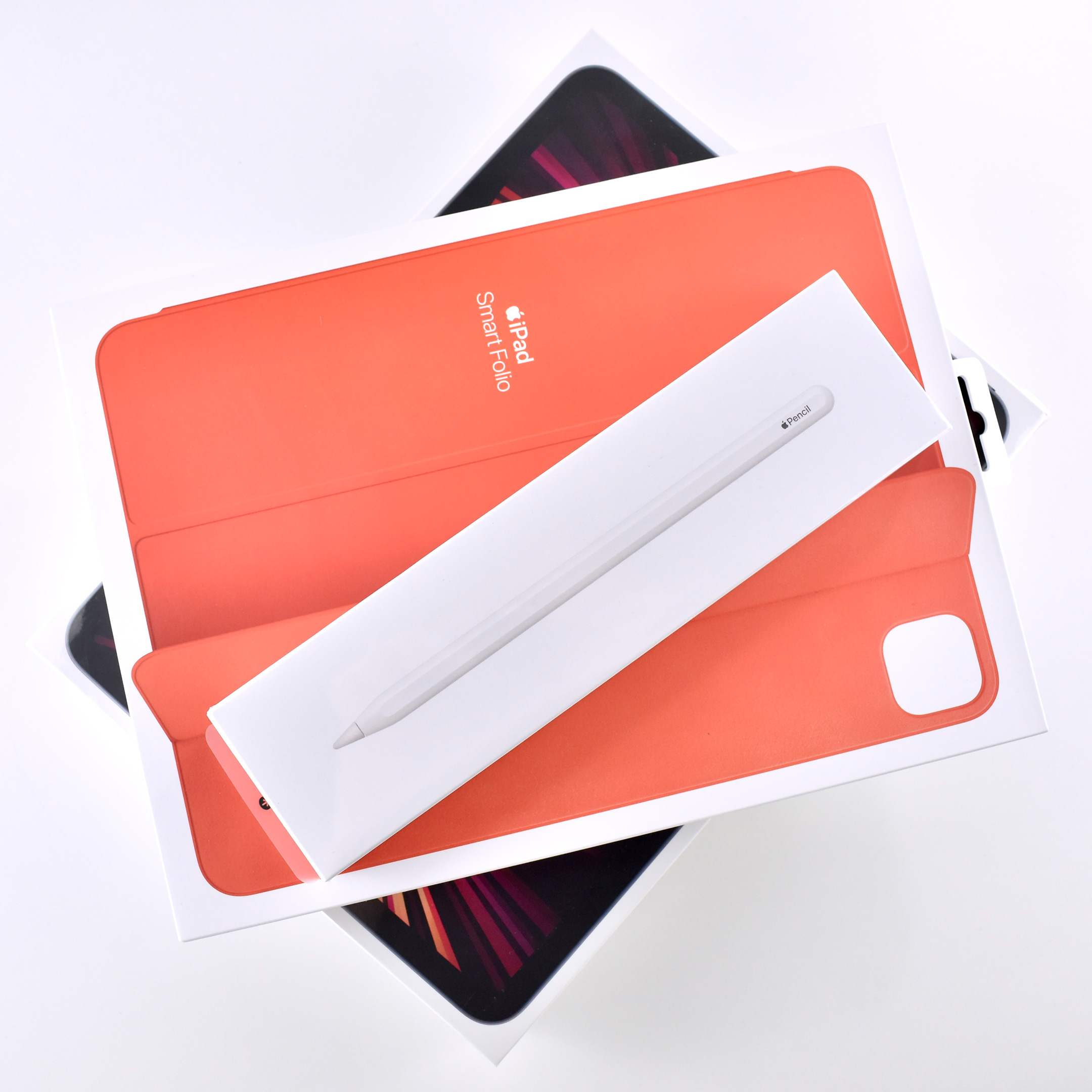
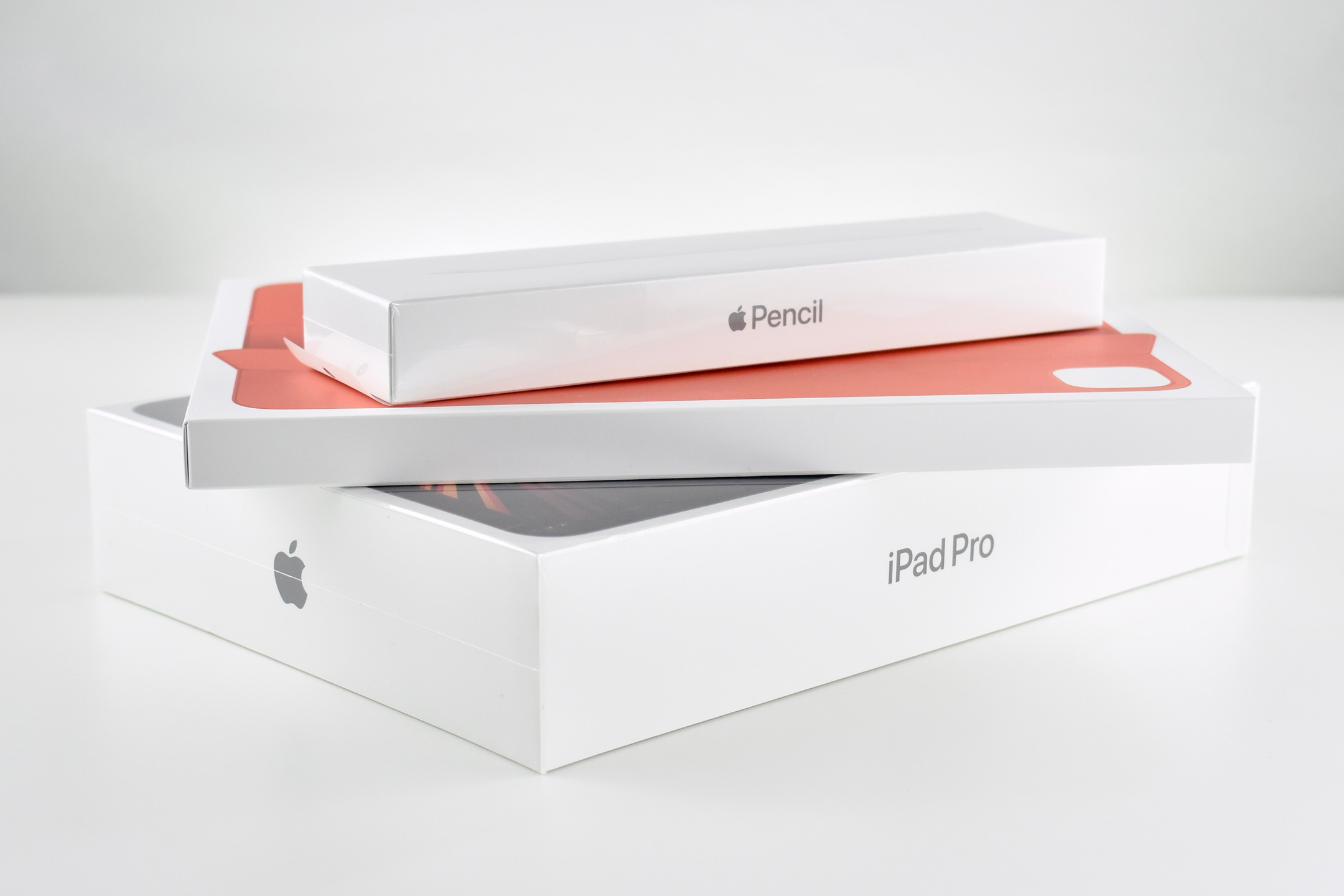
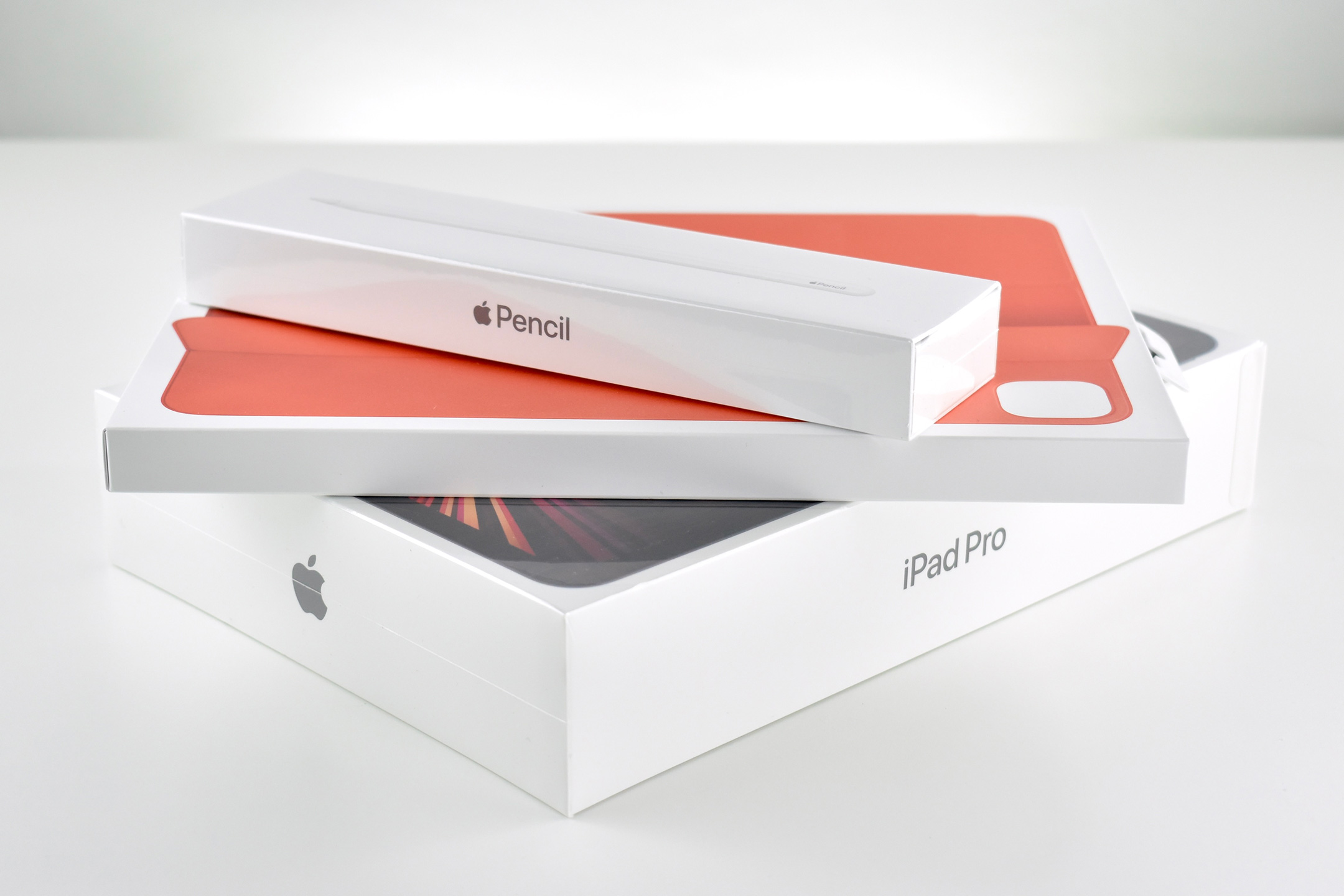
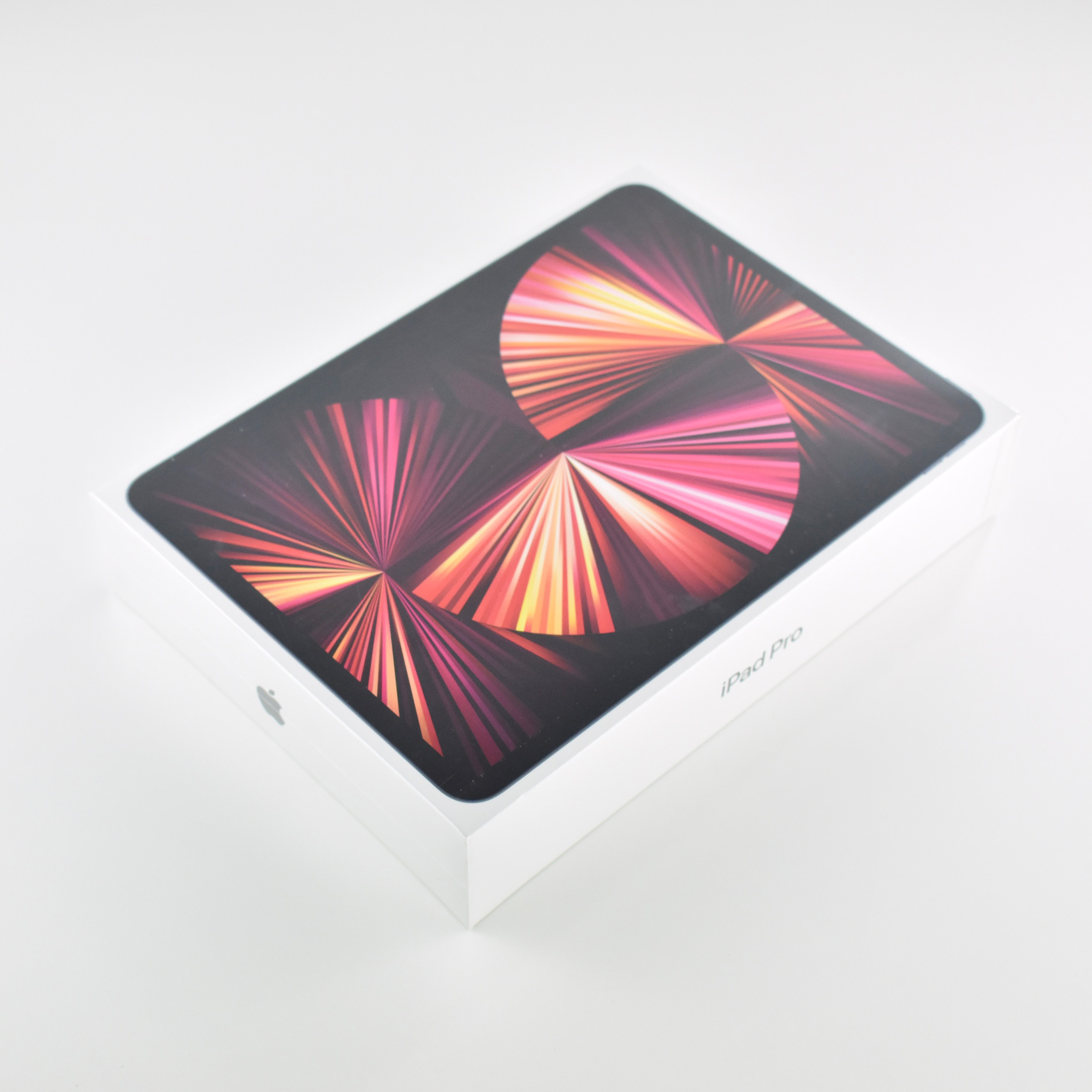
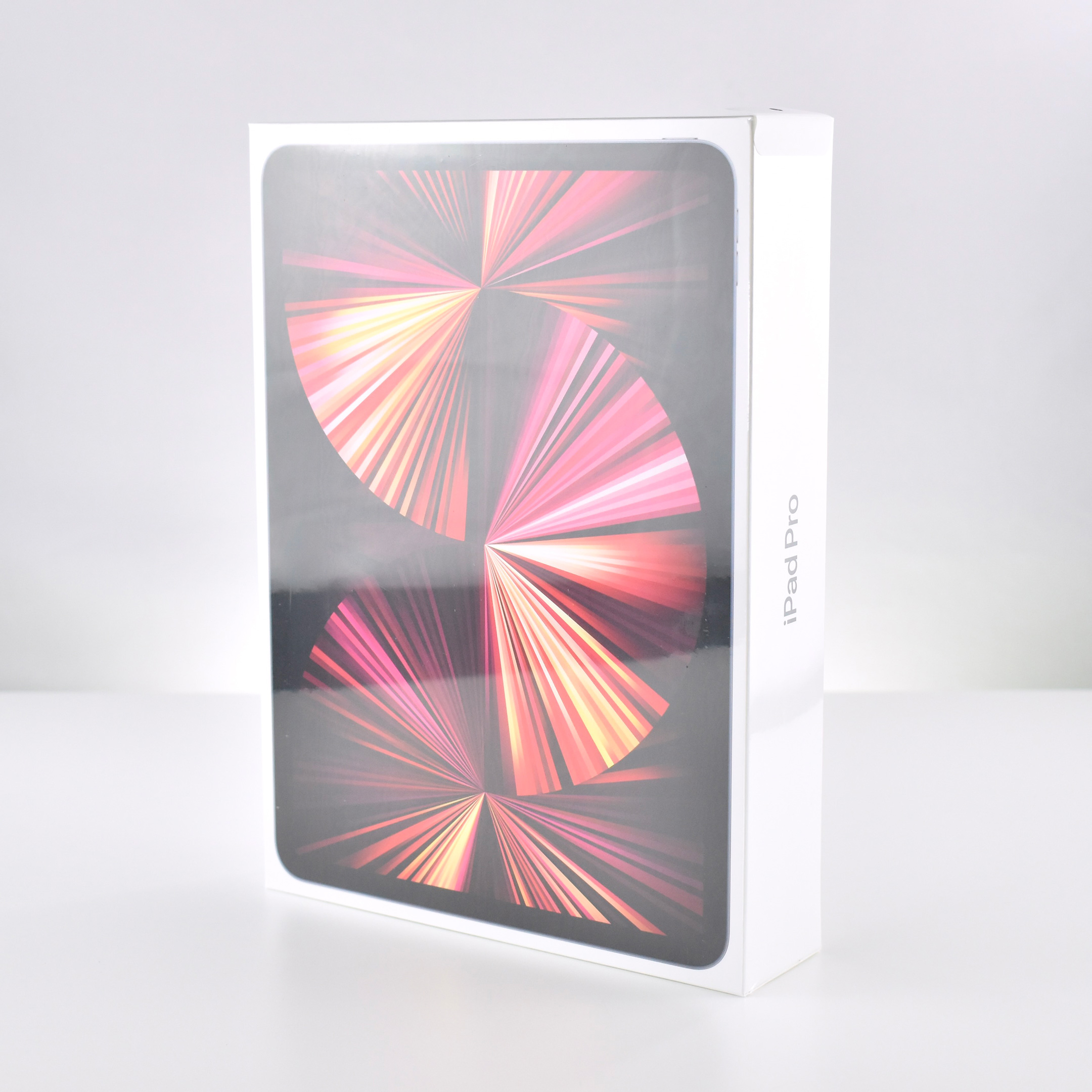
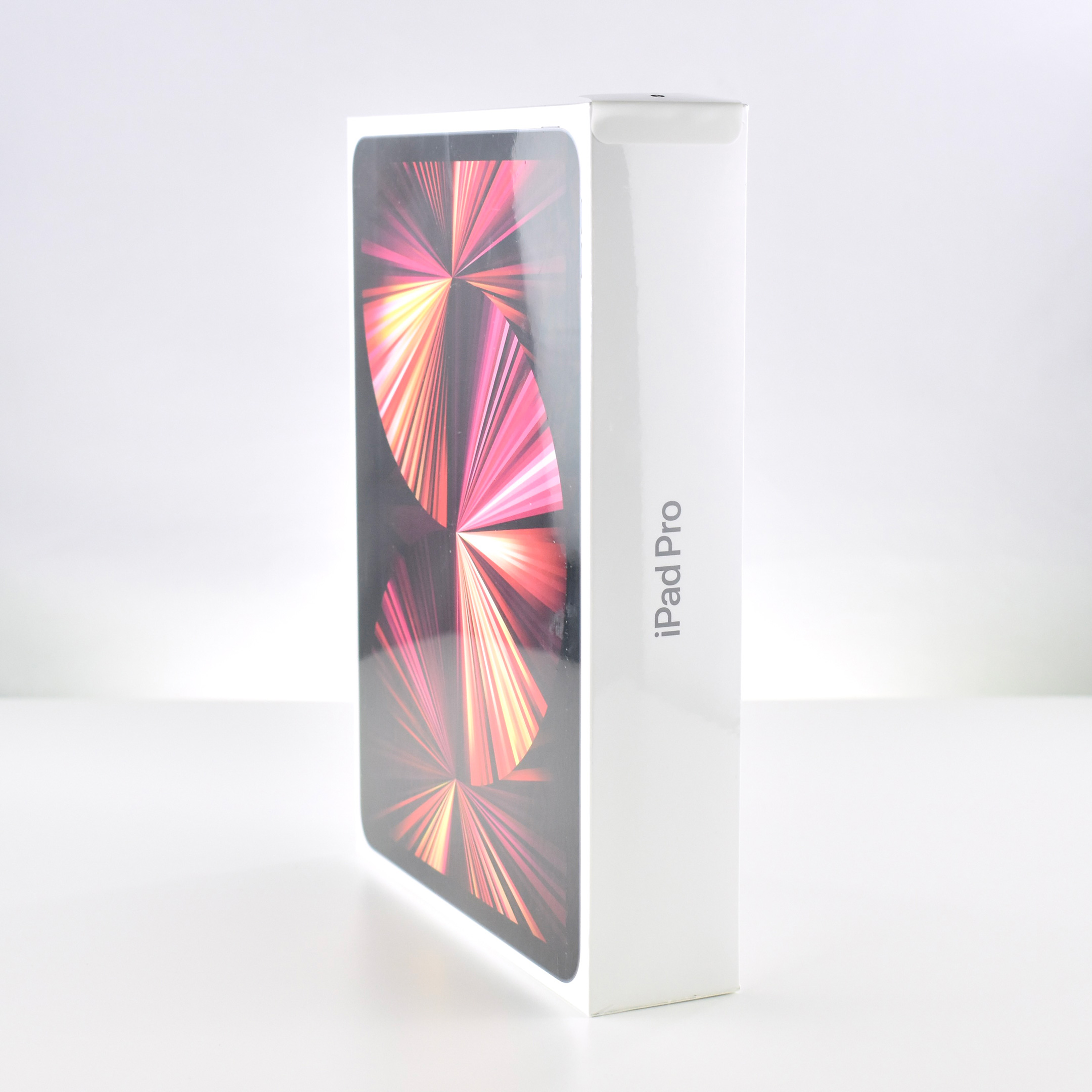
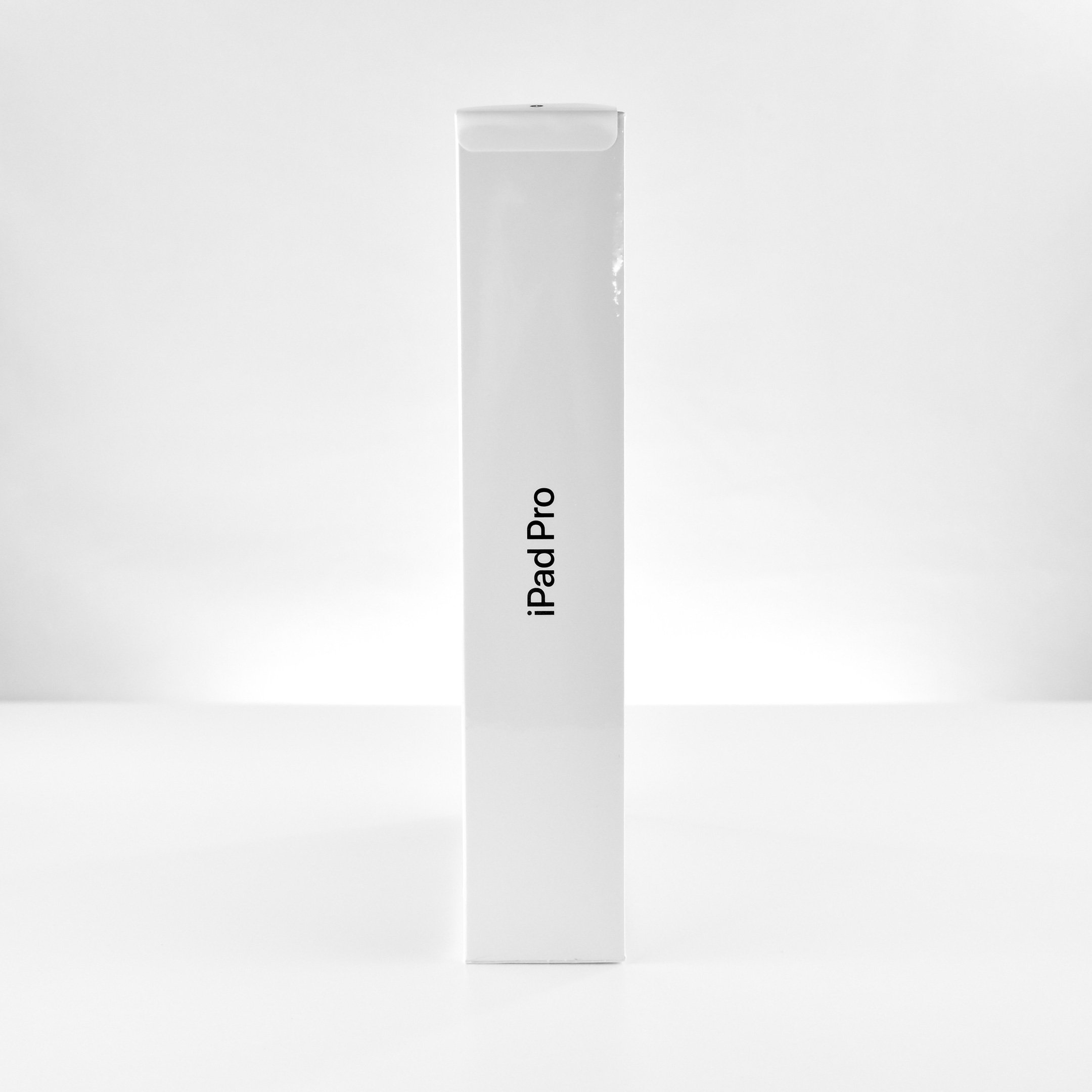
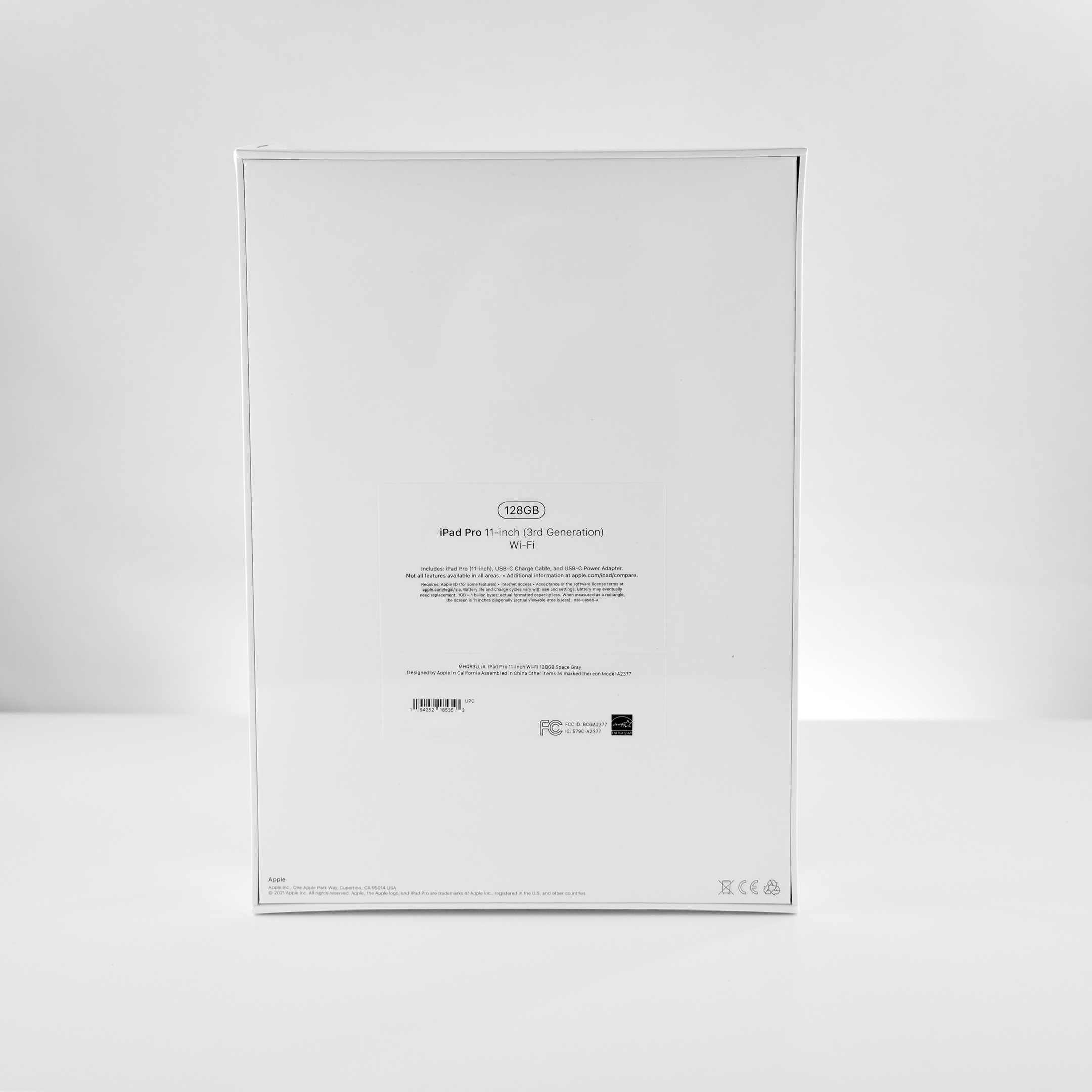
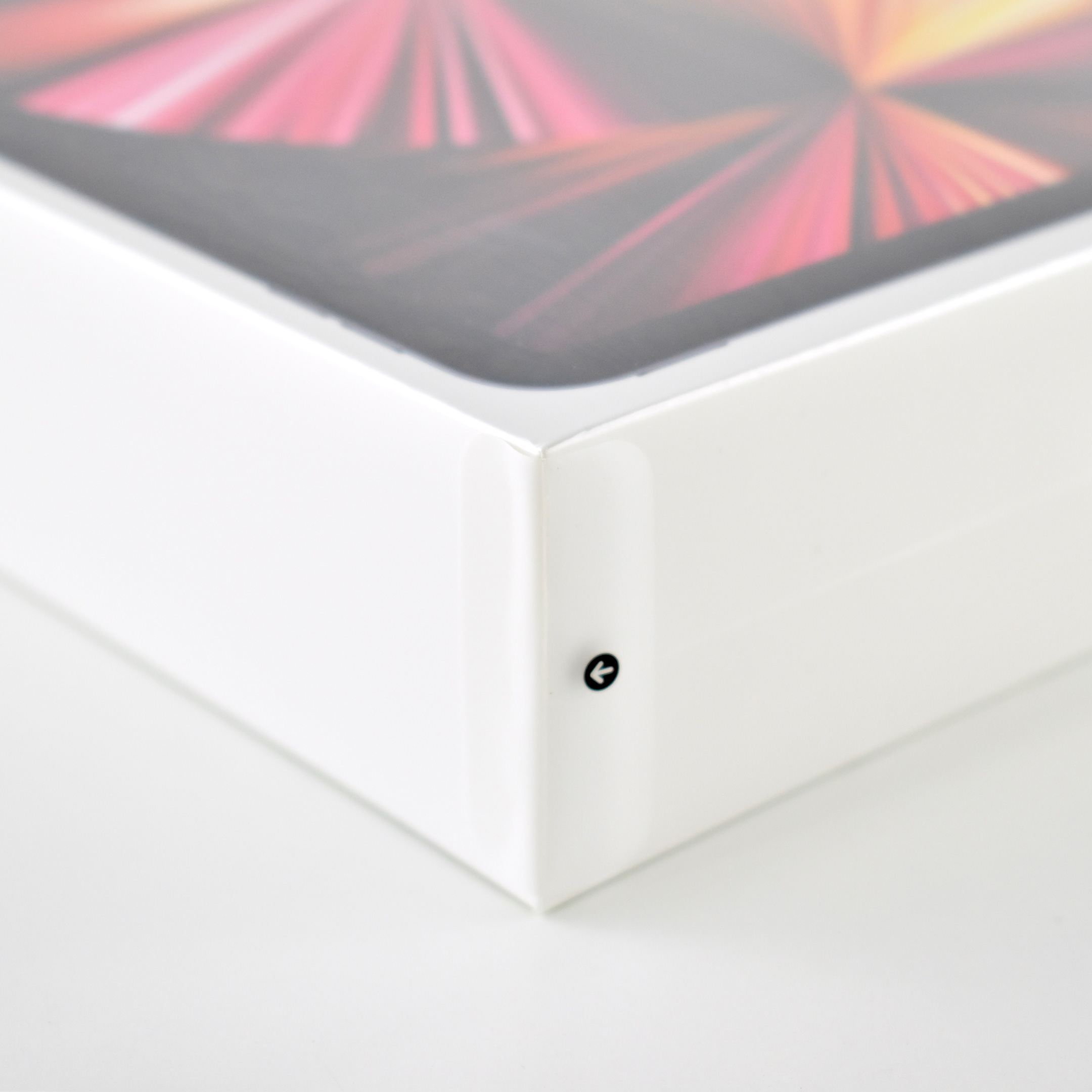
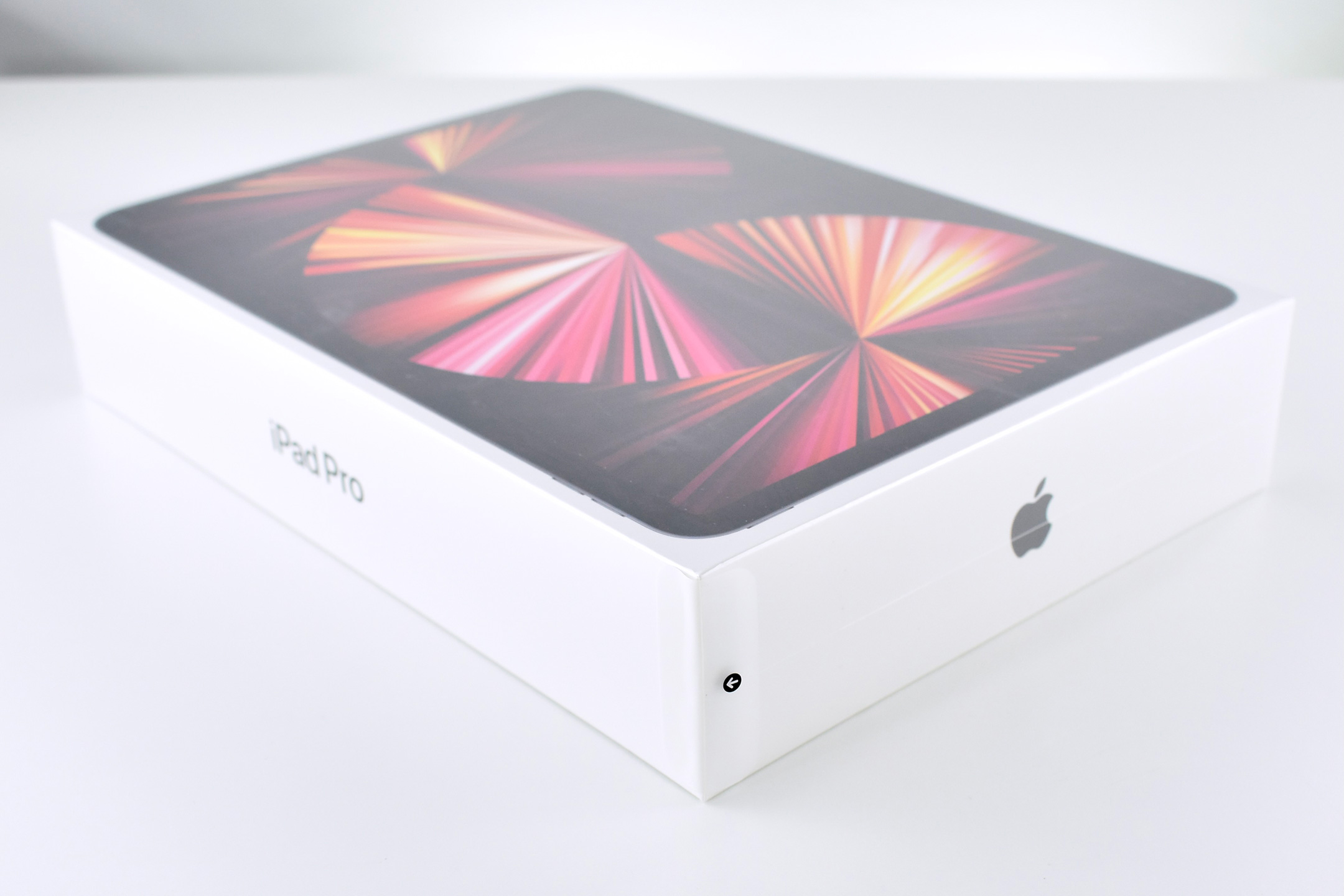
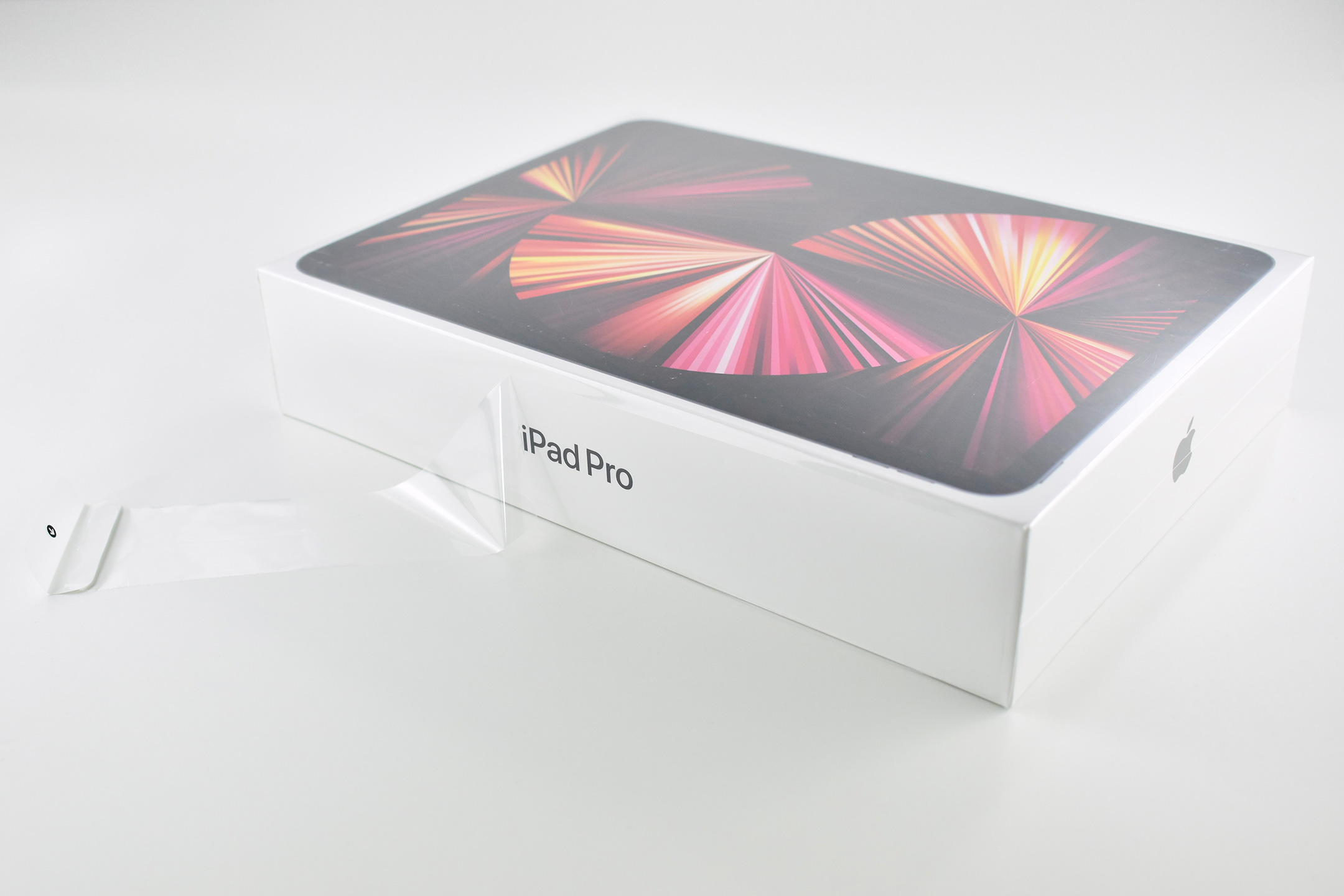
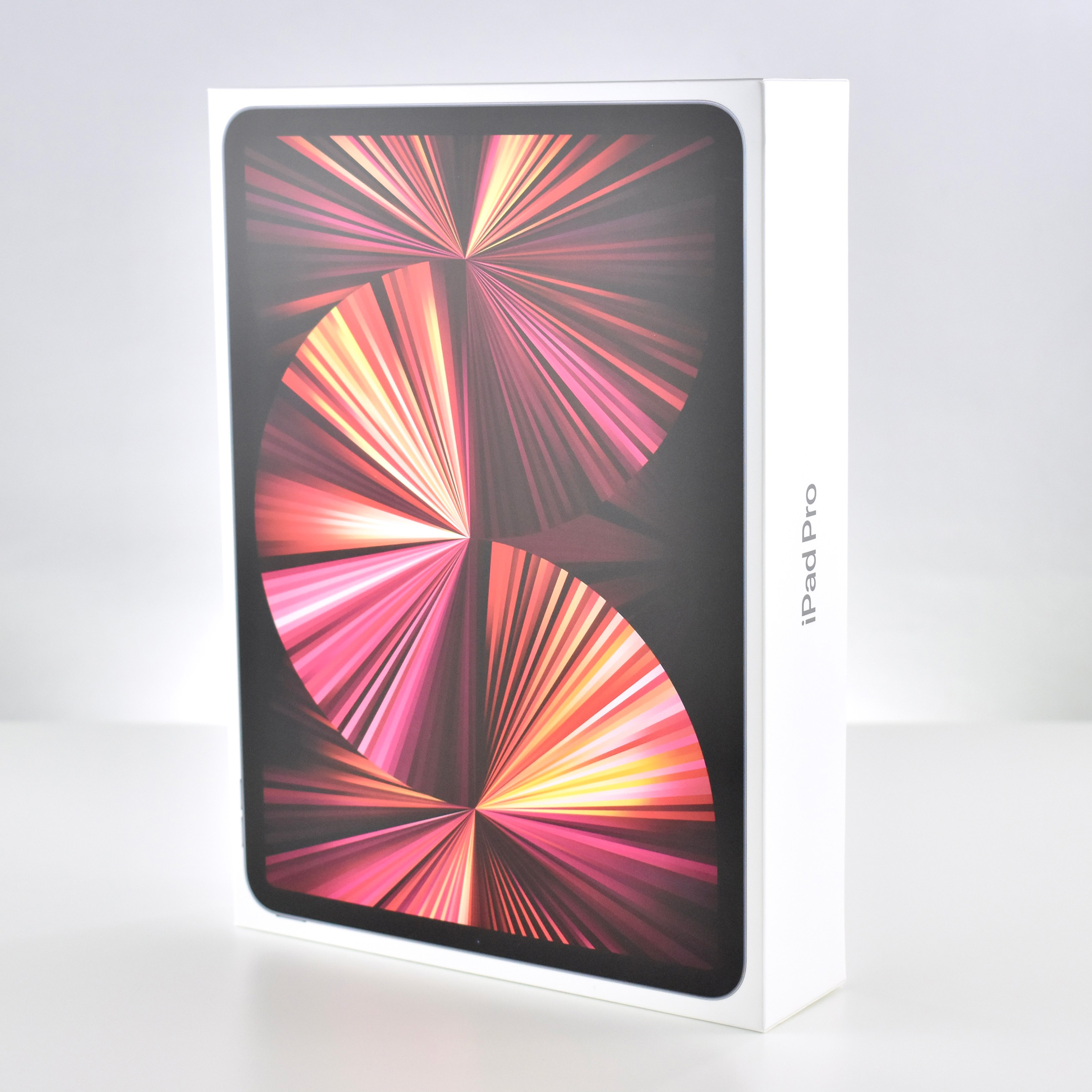
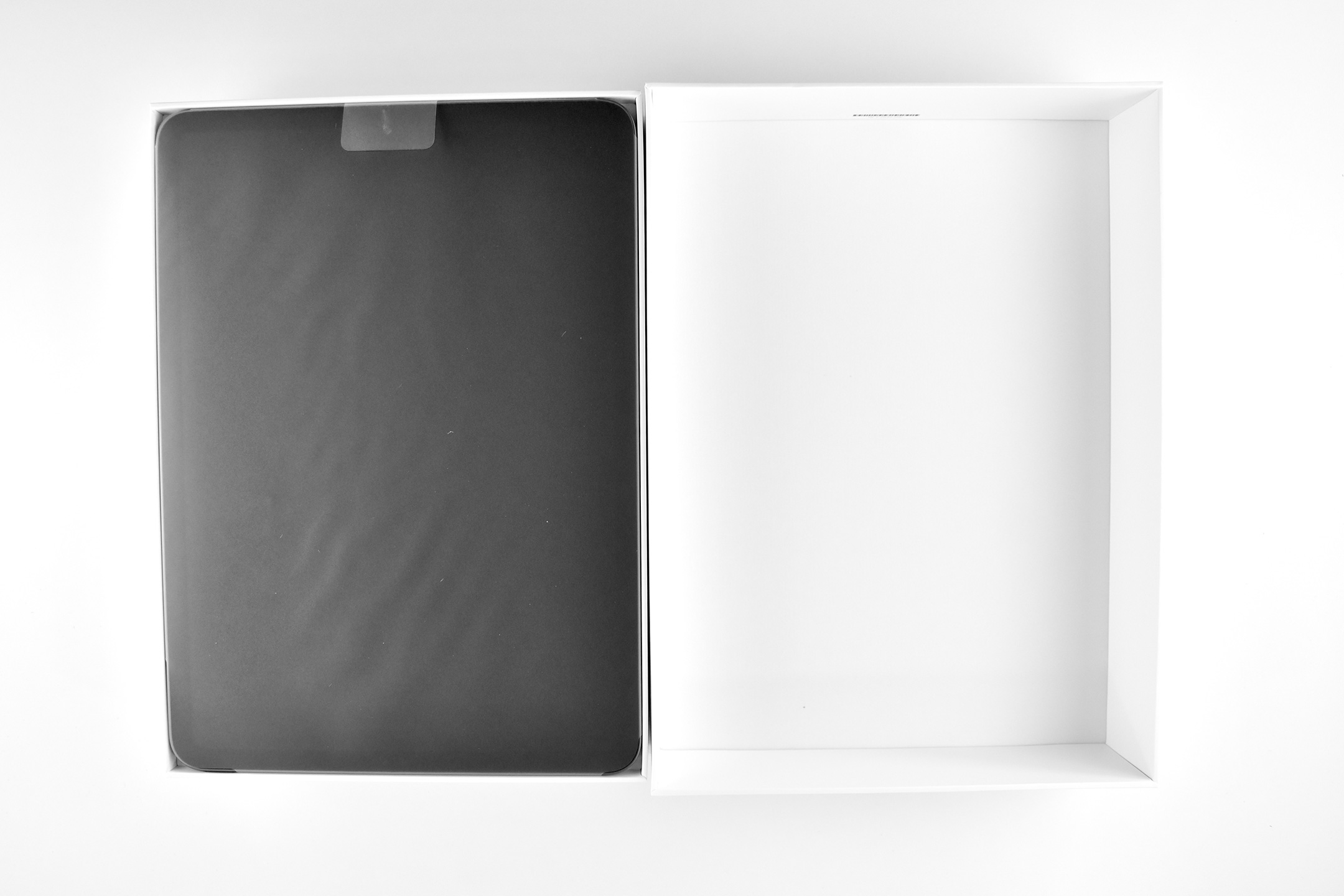
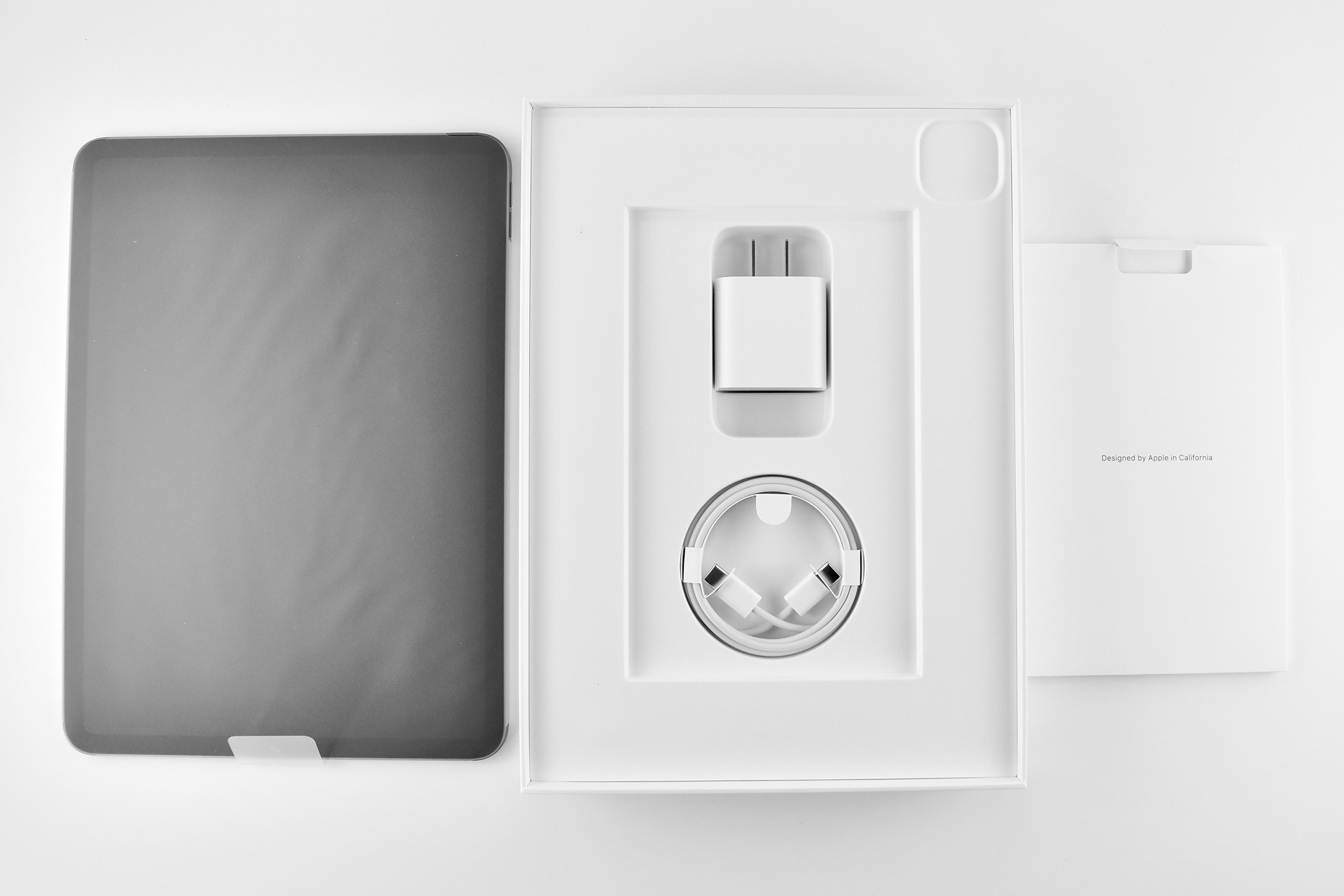
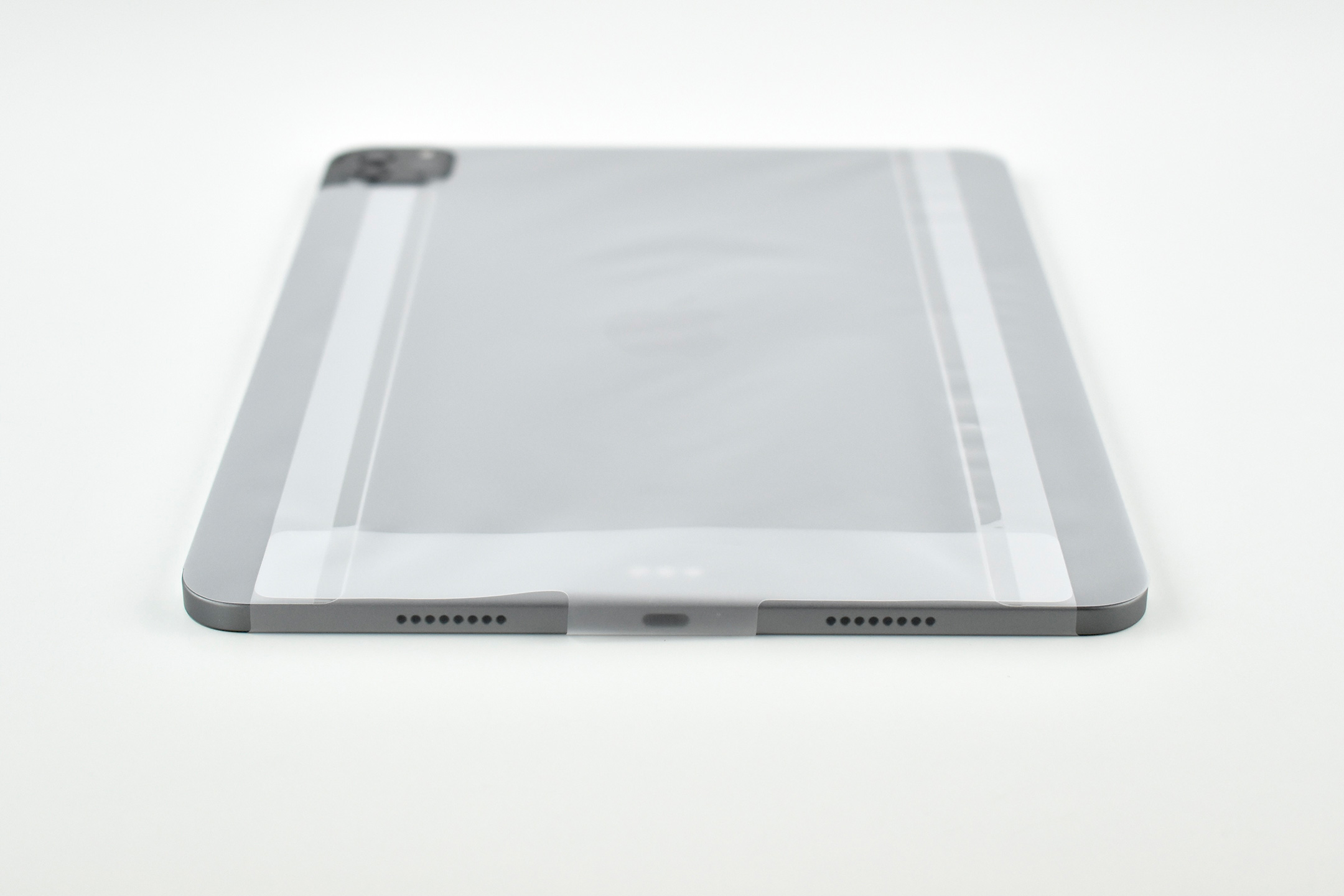
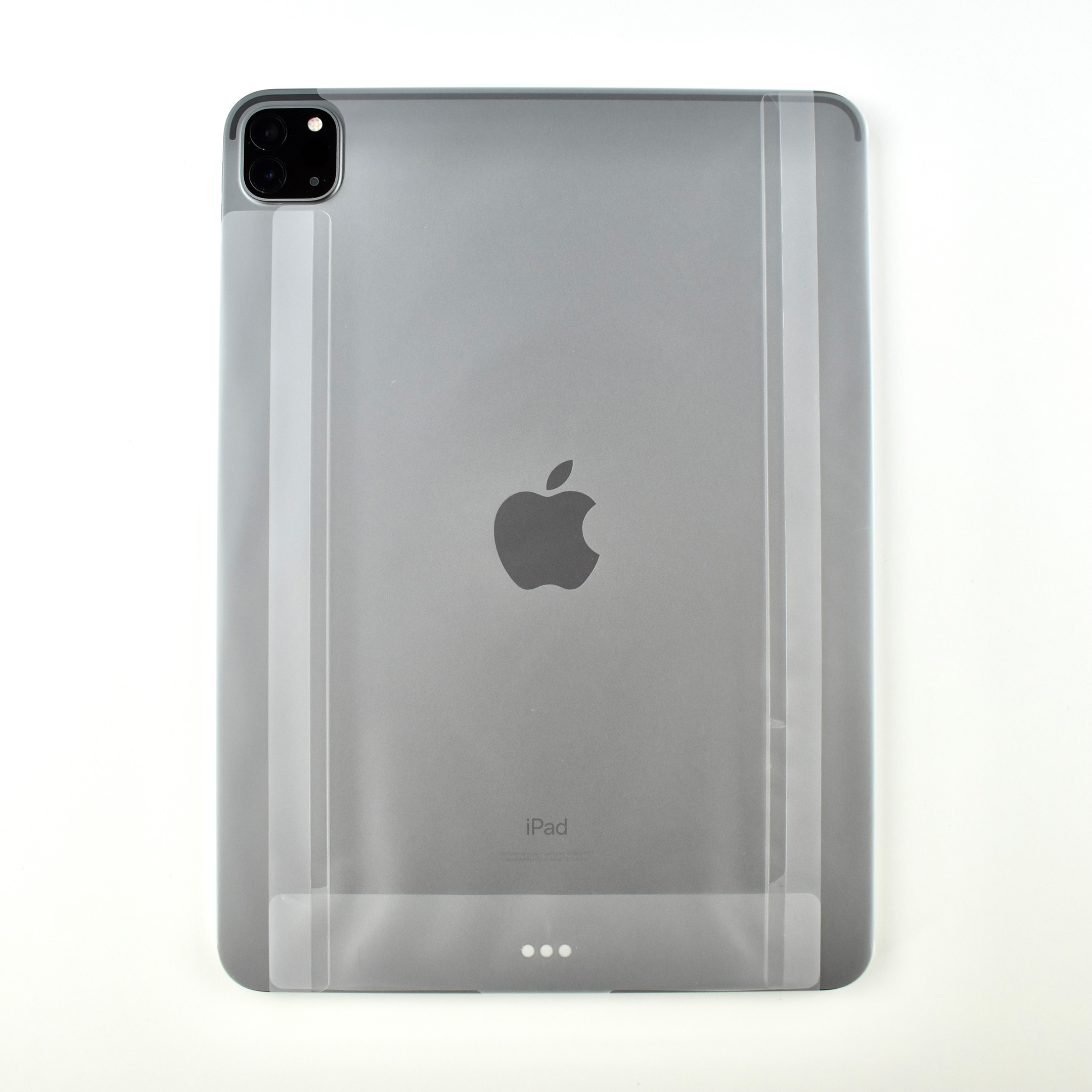
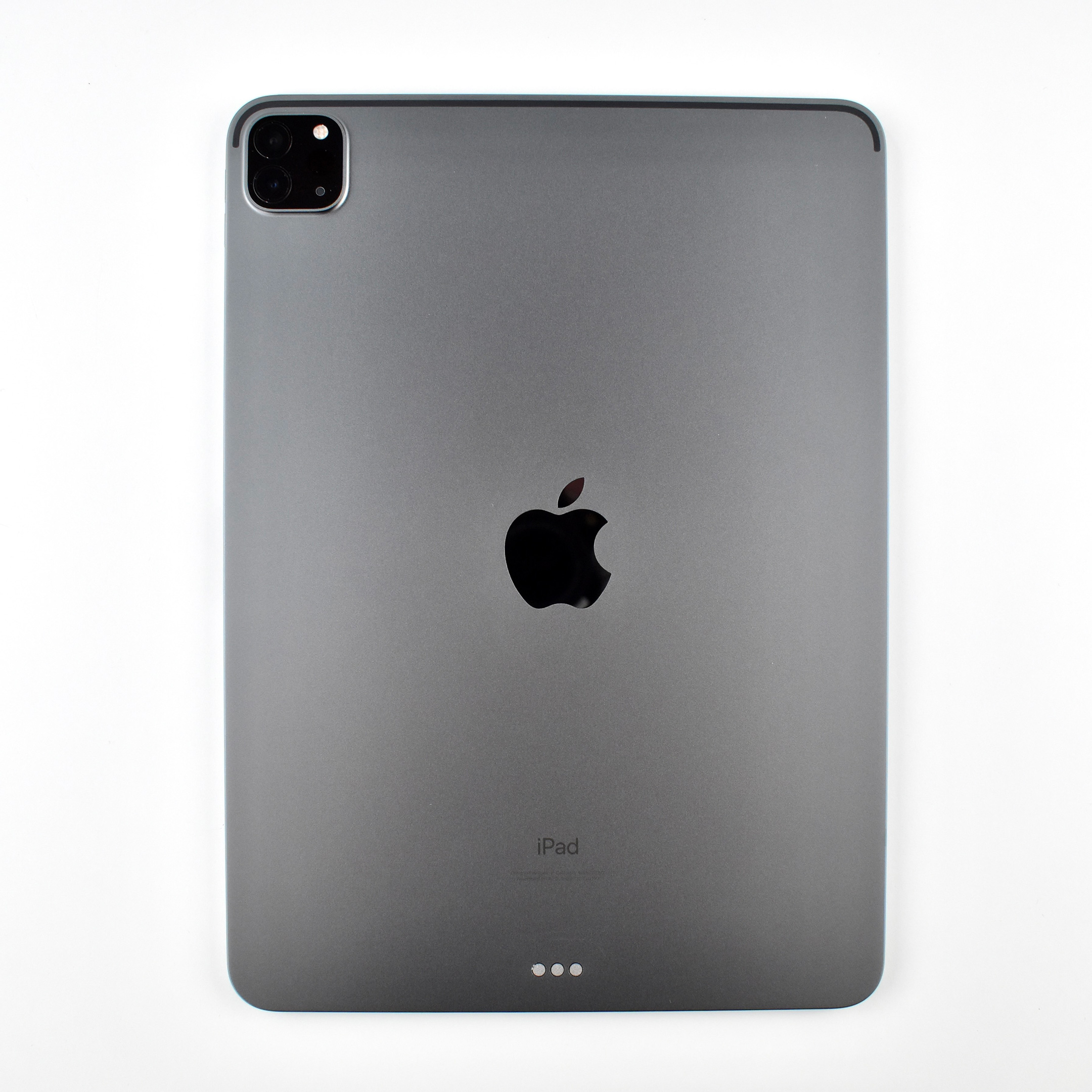
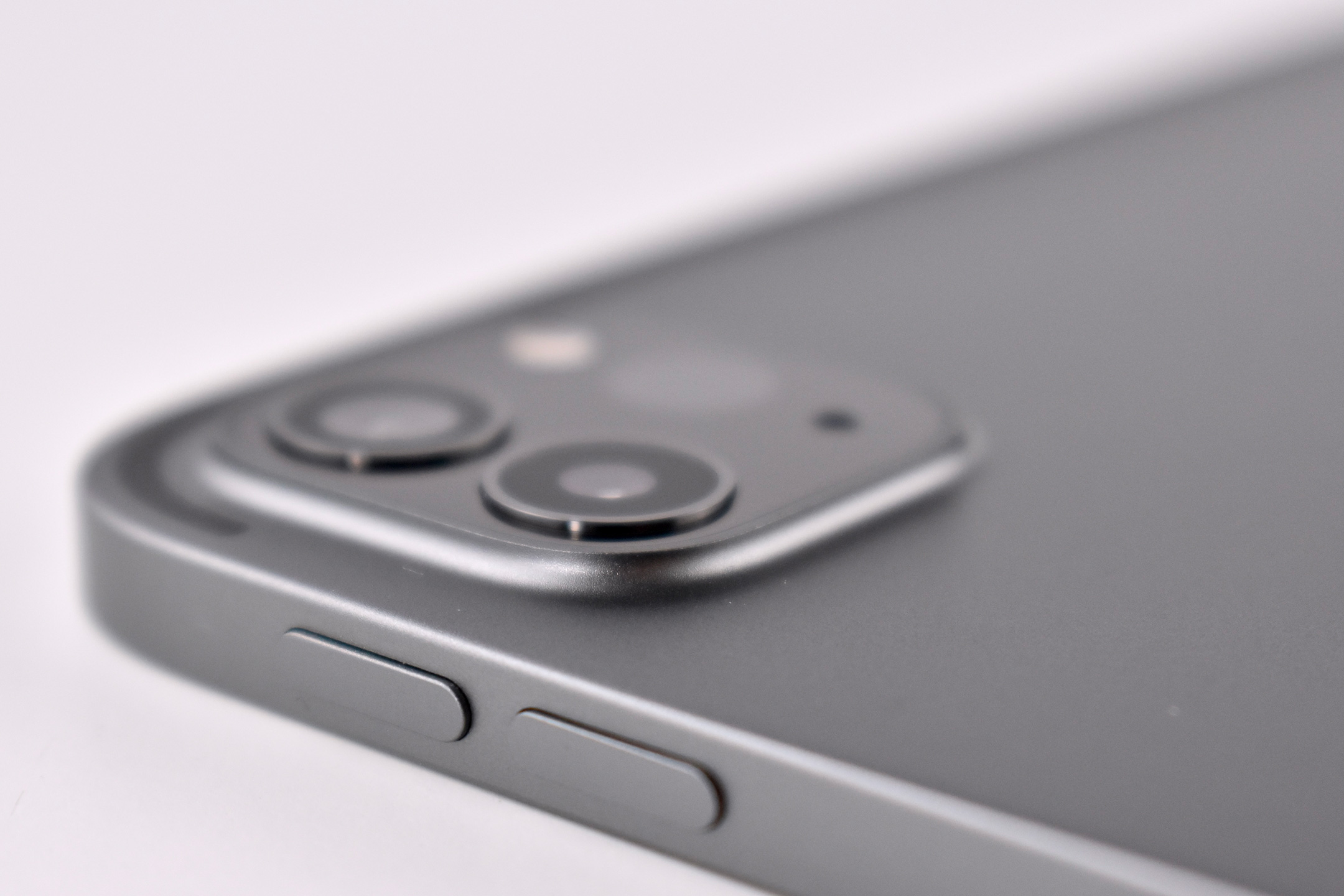
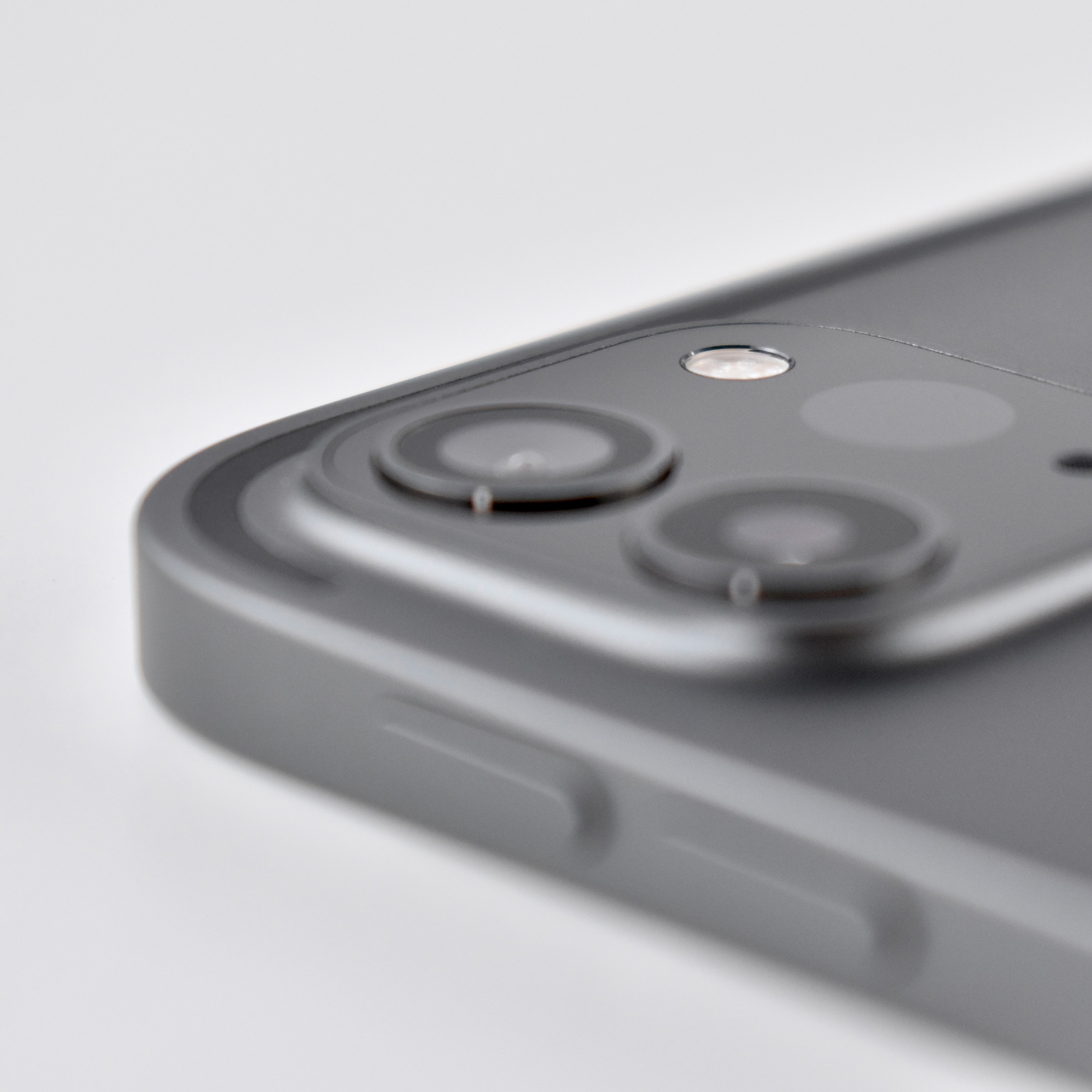
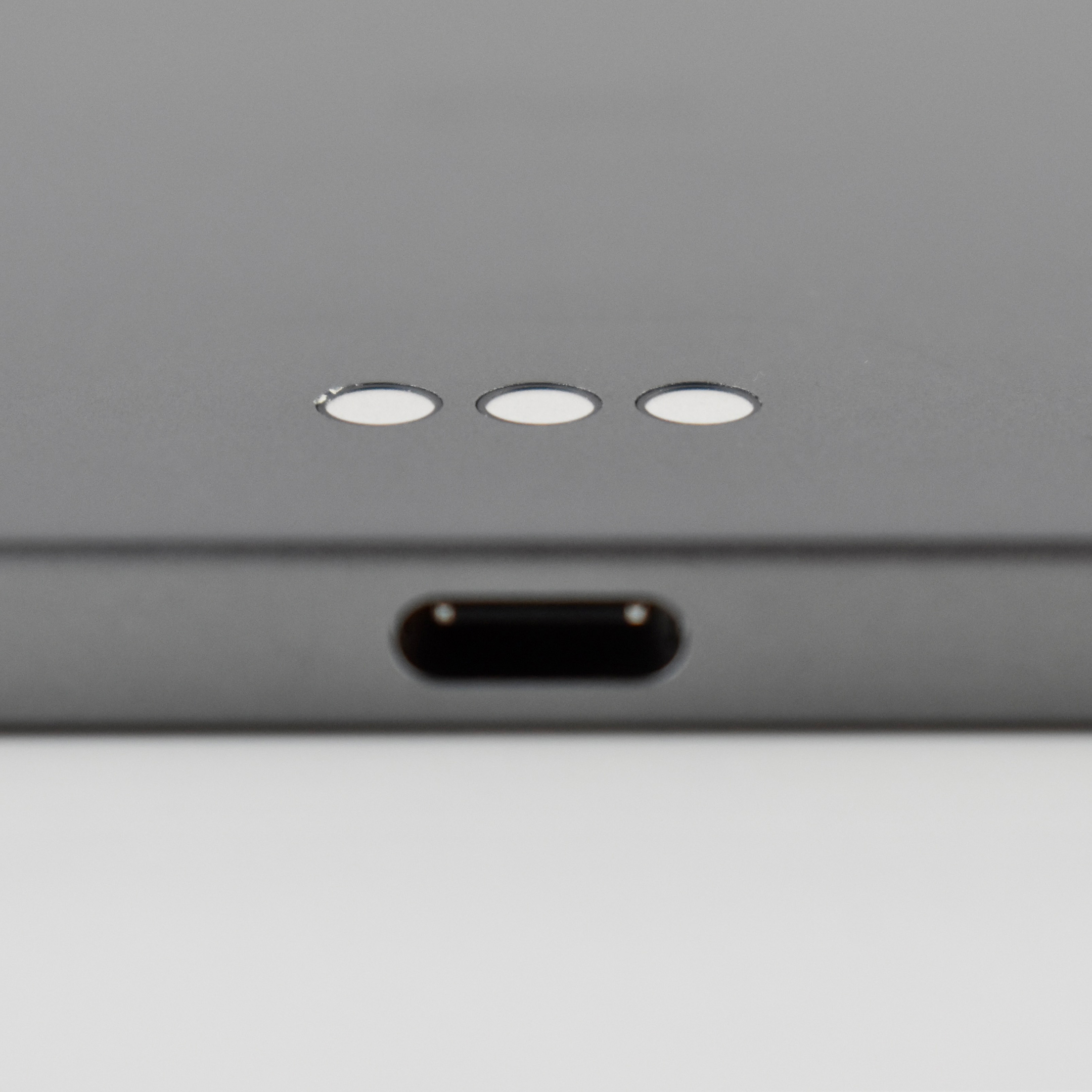
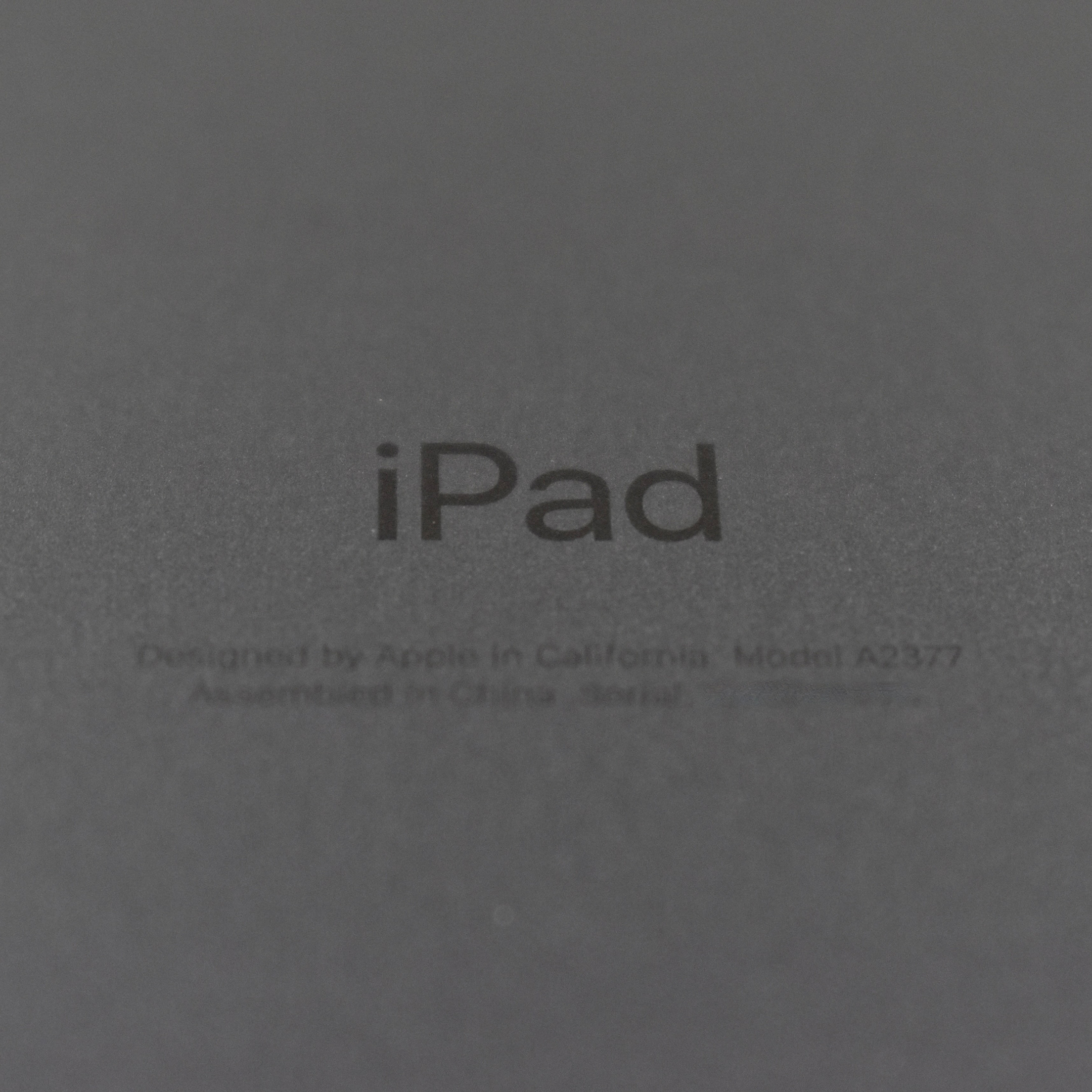
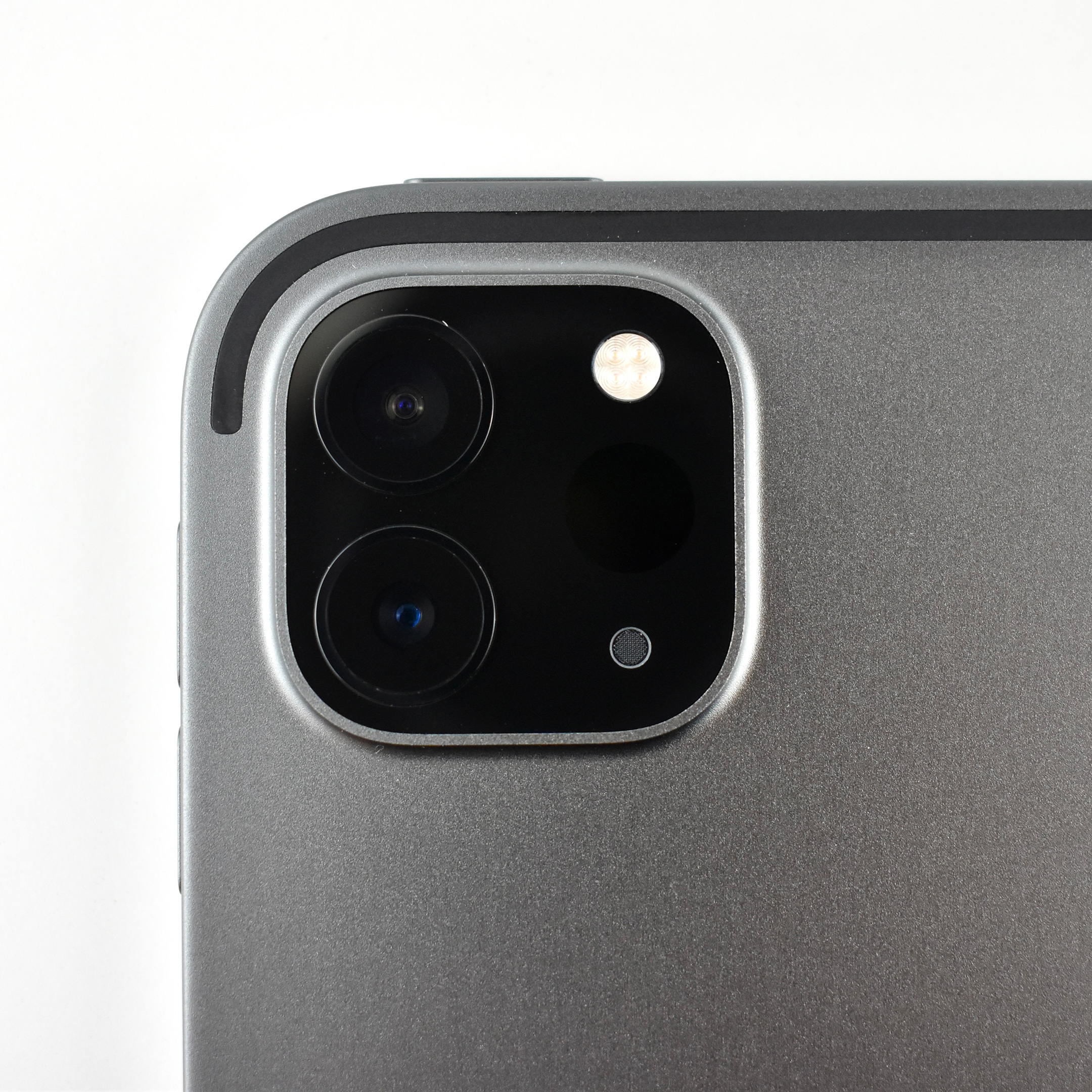
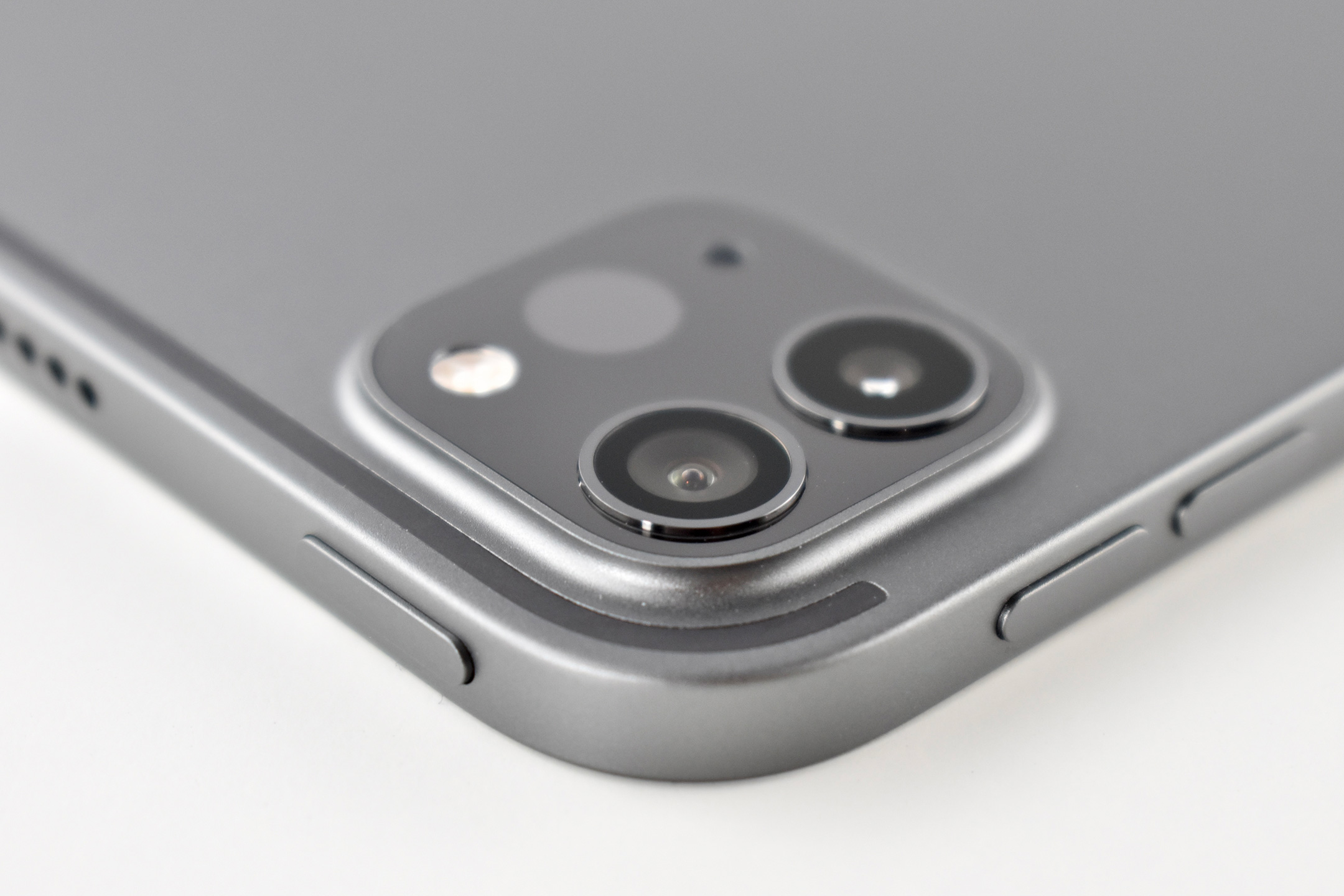
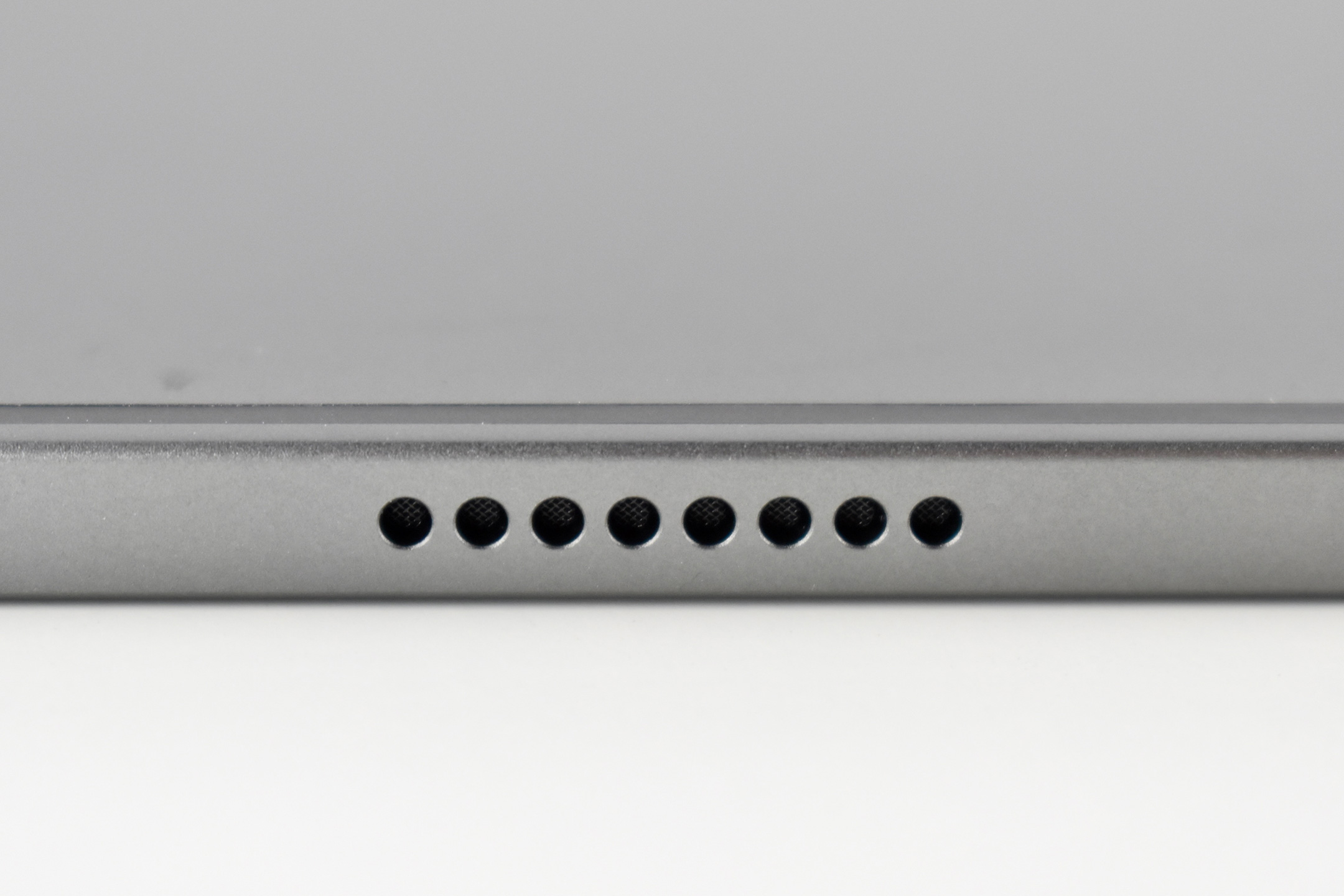
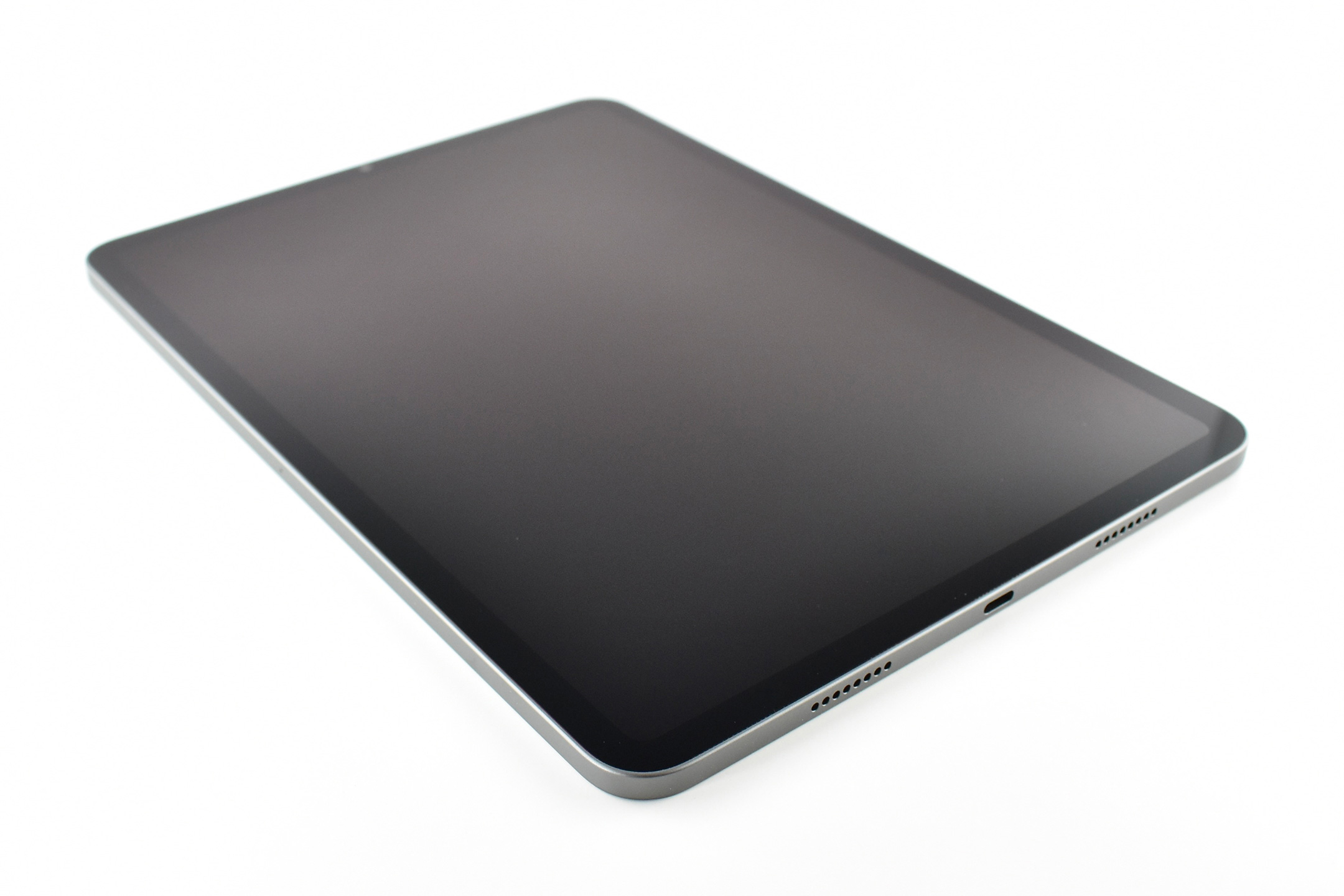
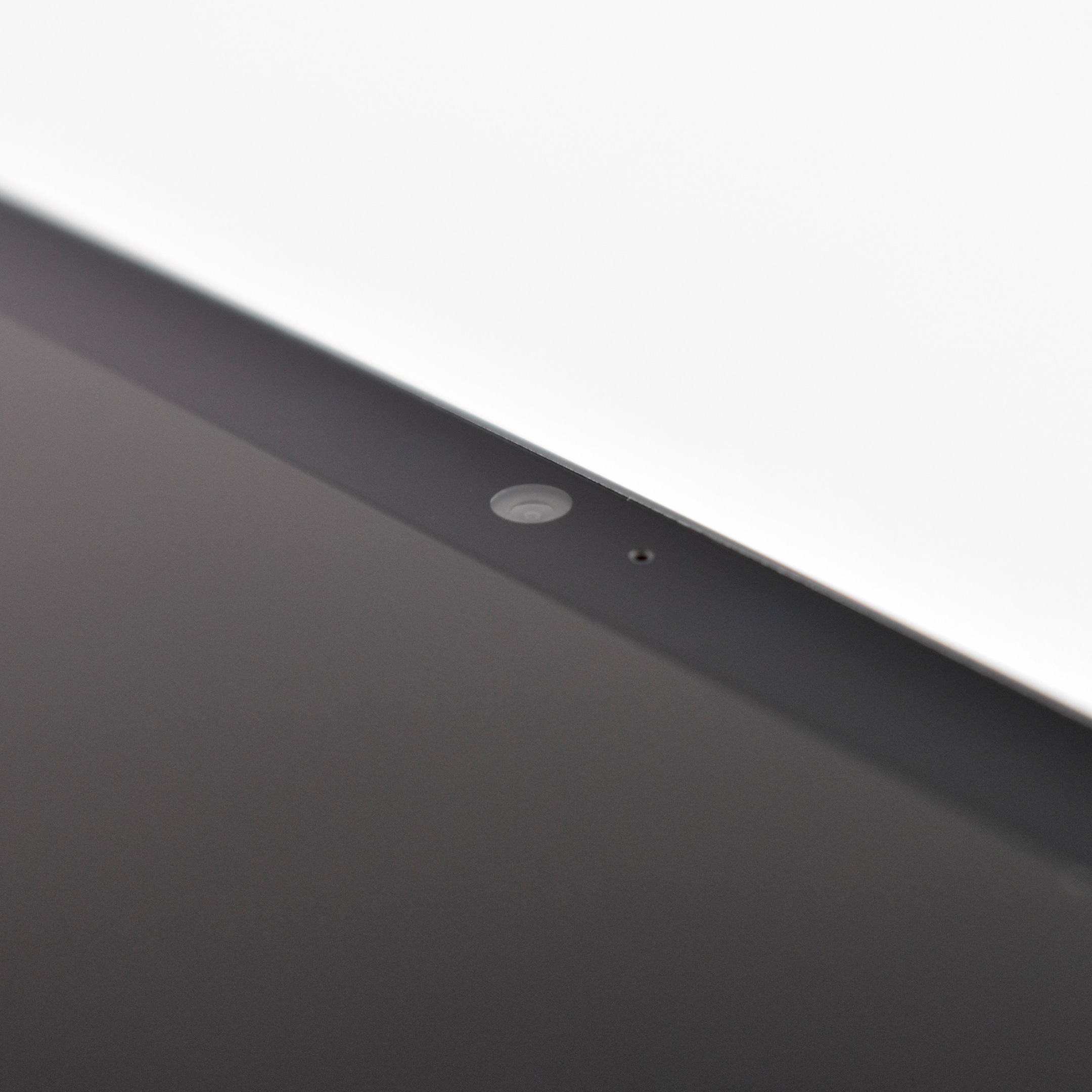
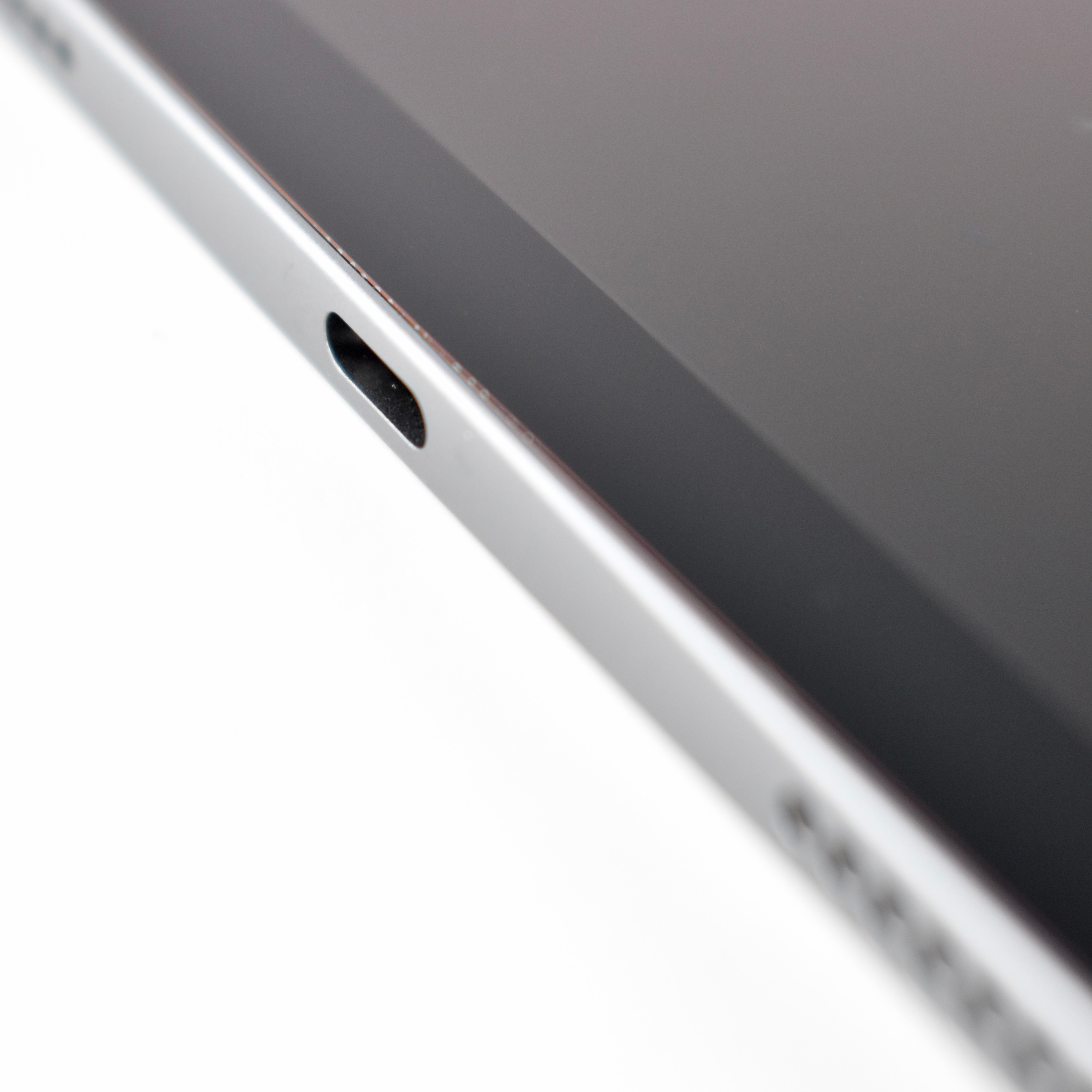
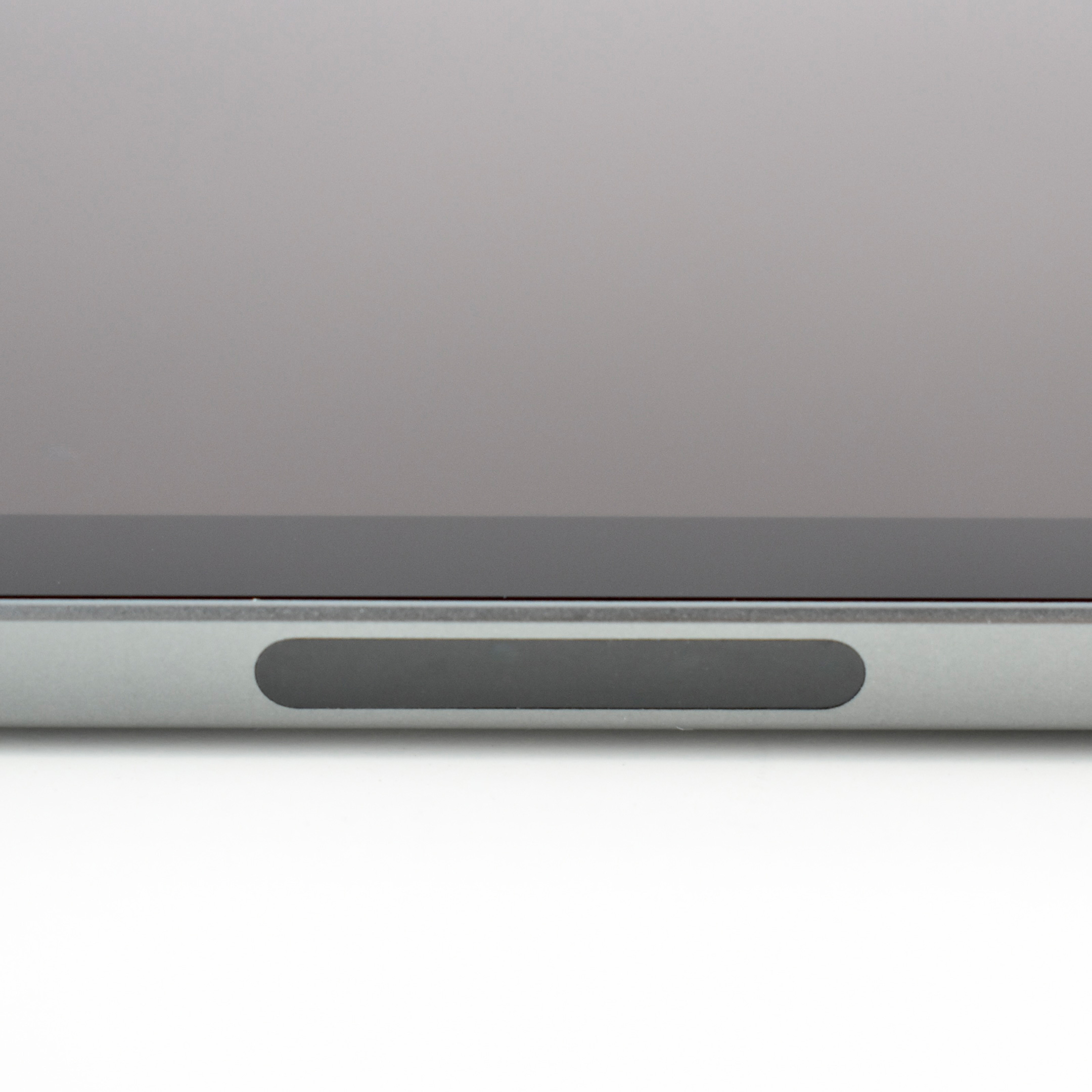
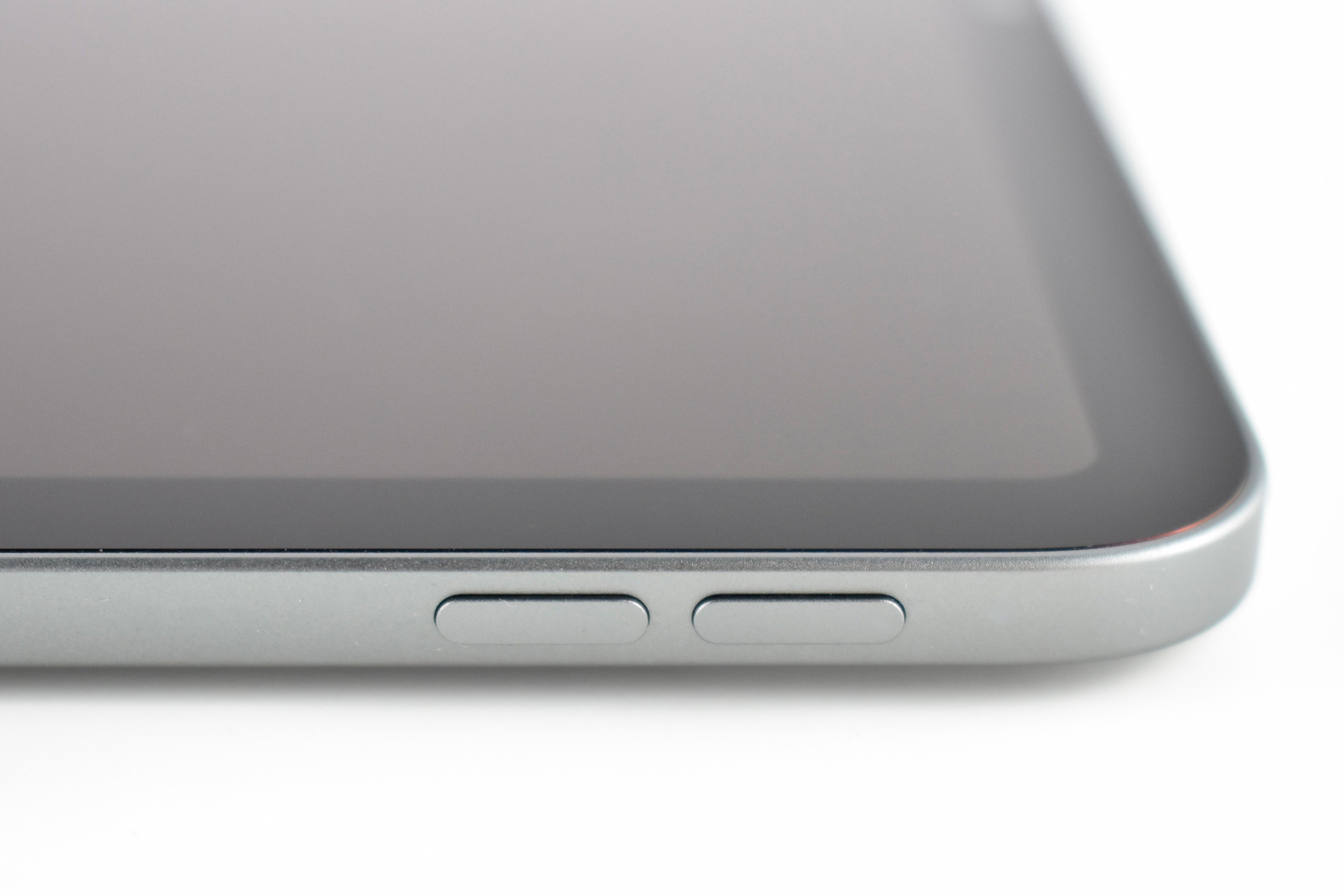
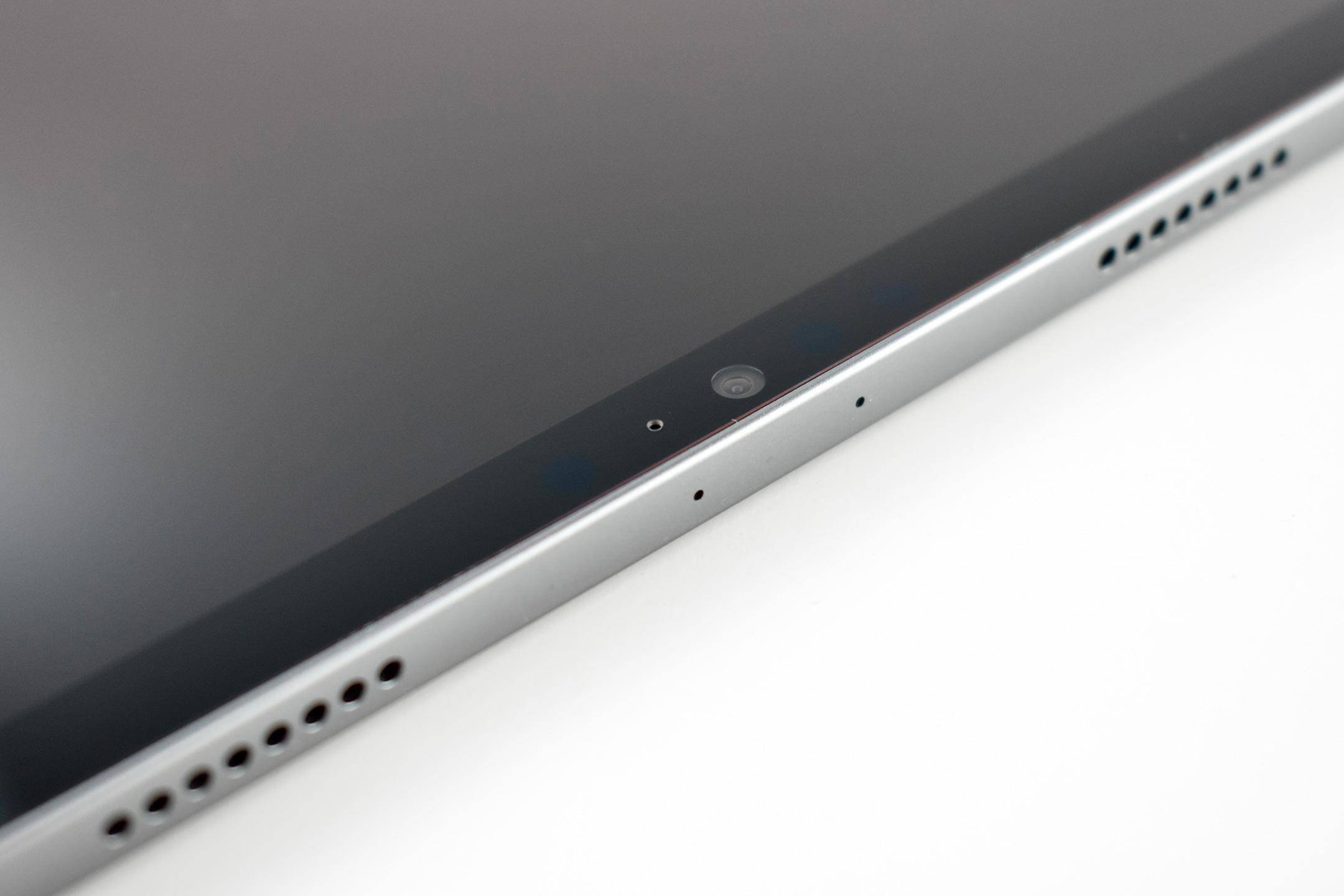
The Generation 3, 11-inch iPad Pro appears the same externally as its two predecessors, but uses Apple’s significantly faster M1 chip and adds an enhanced front camera. This iPad Pro featured an Apple M1 chip with an 8-core CPU with 4 performance cores and 4 efficiency cores along with a 16-core Neural Engine. The iPad Pro website boasts that this model is “Supercharged by the Apple M1 chip” with “Mind-blowing performance.”
Apple adds:
“With M1, iPad Pro is the fastest device of its kind. It’s designed to take full advantage of next‑level performance and custom technologies like the advanced image signal processor and unified memory architecture of M1. And with the incredible power efficiency of M1, iPad Pro is still thin and light with all‑day battery life, making it as portable as it is powerful.”
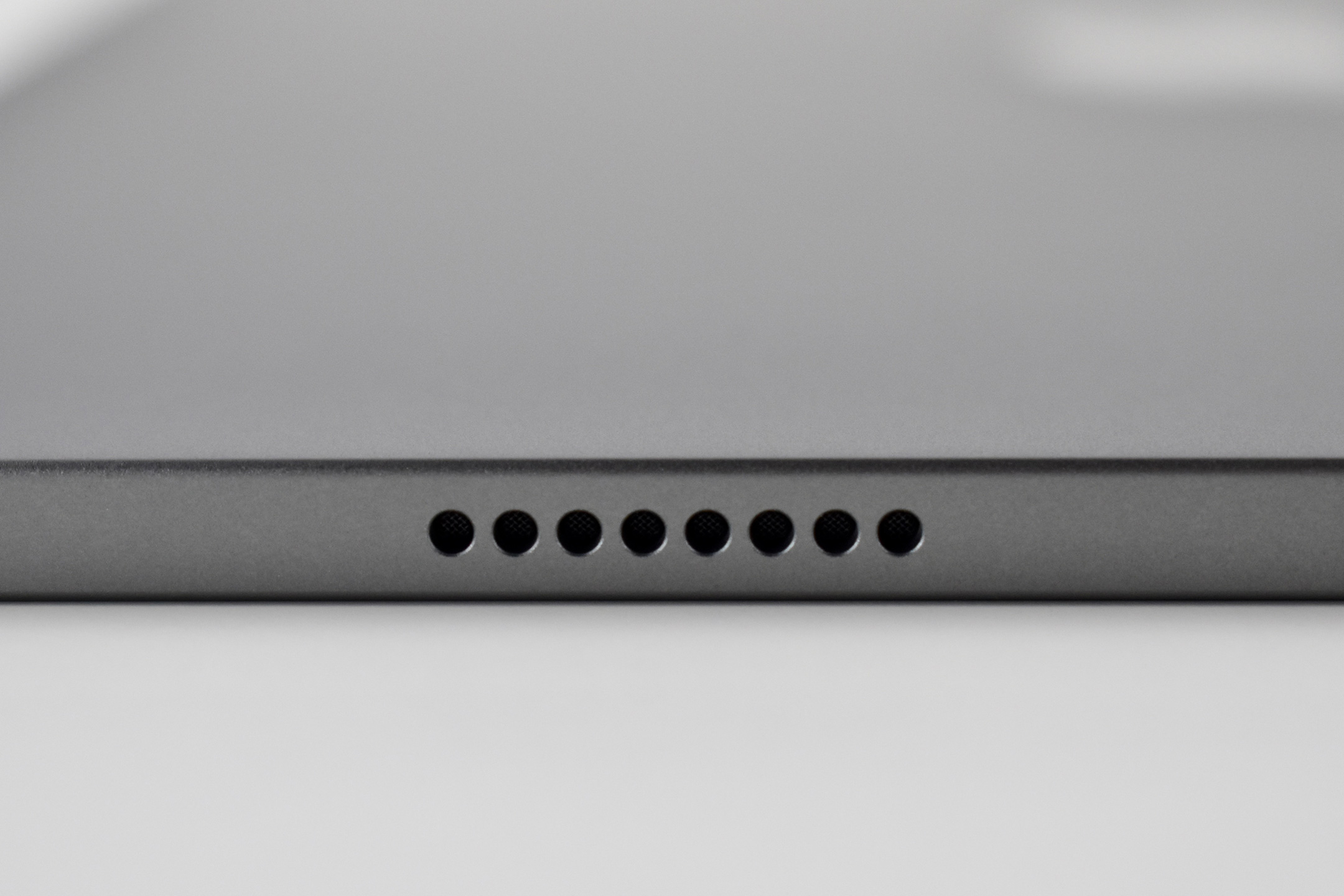
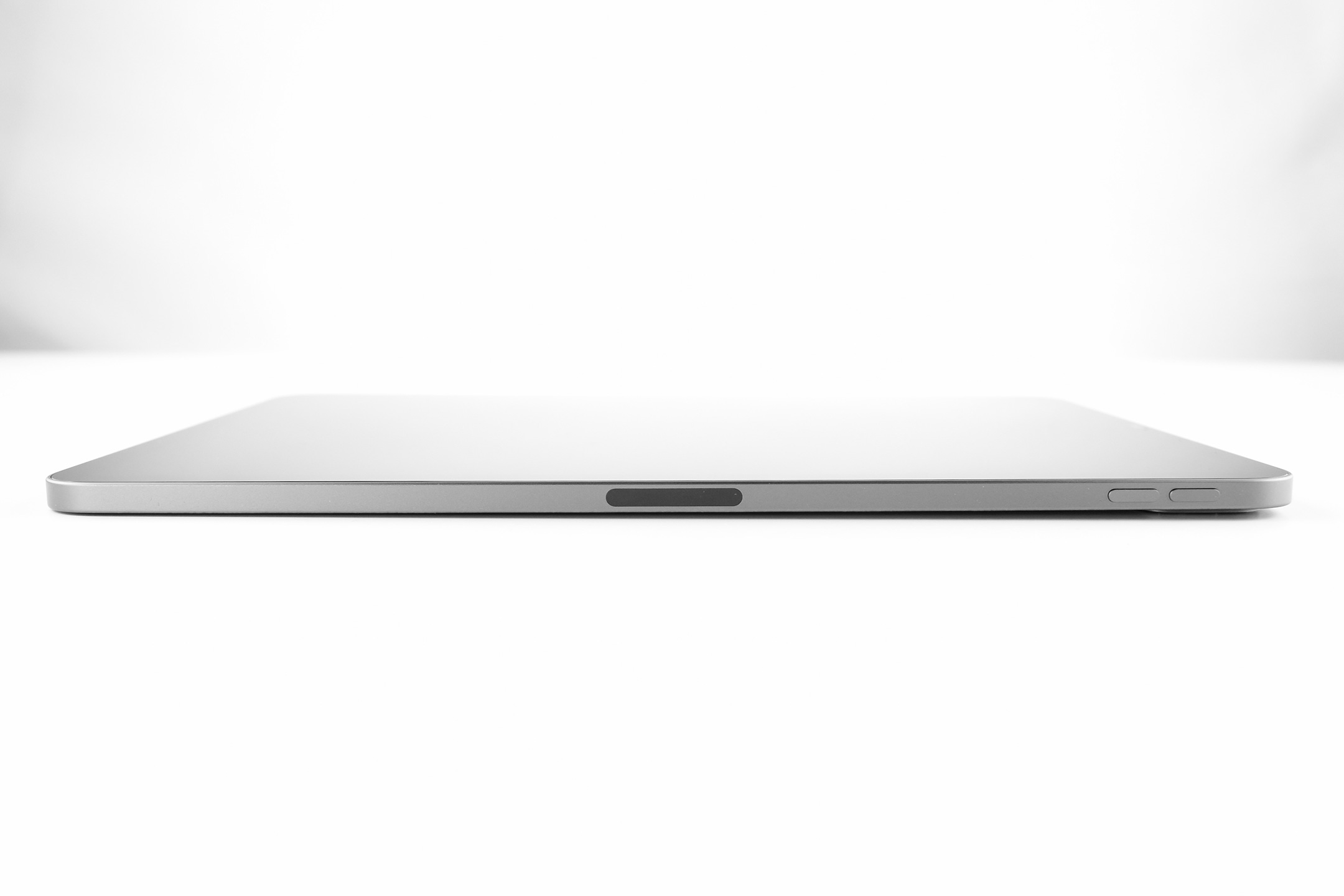
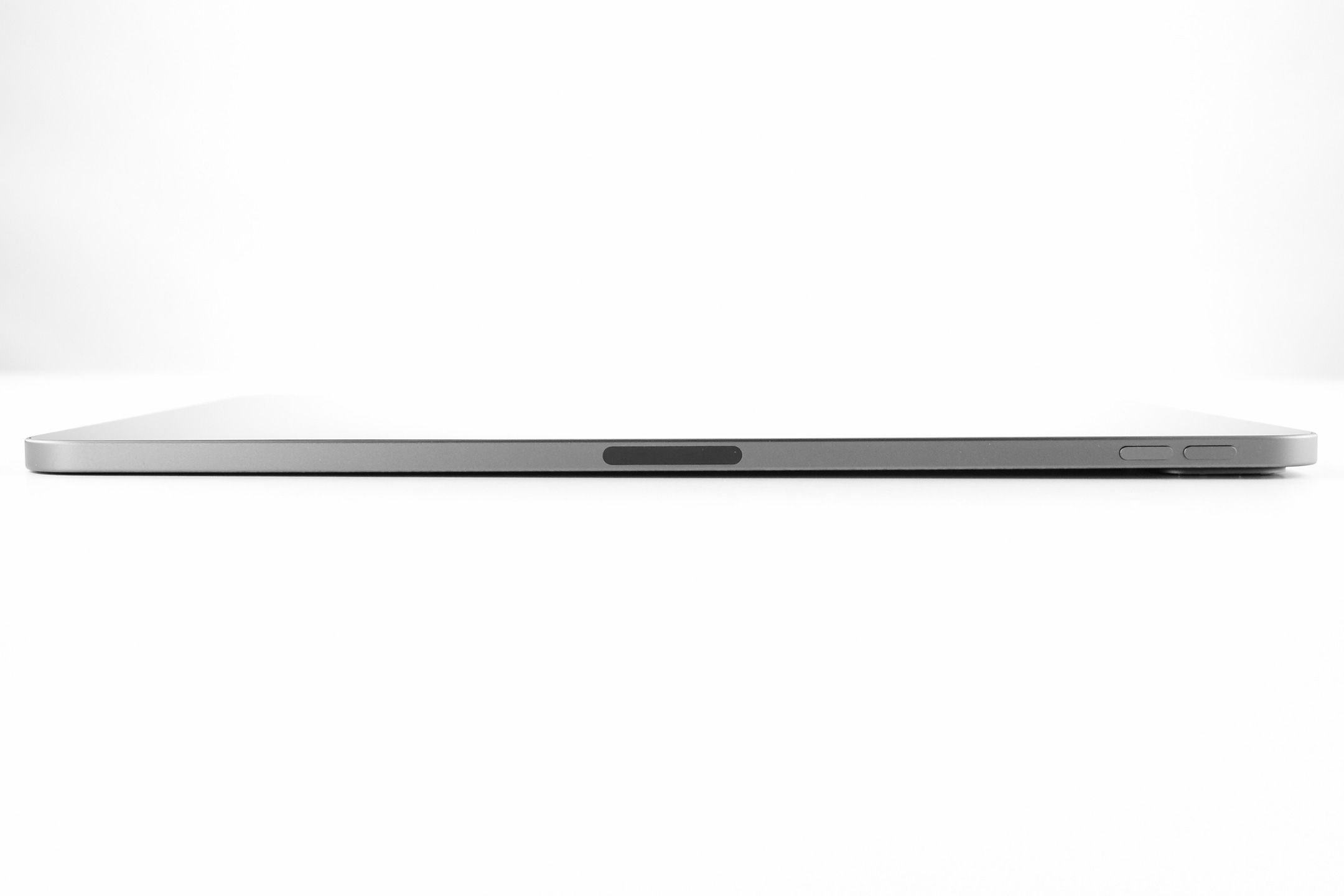
This iPad Pro 11-inch uses an LED-backlit 2388×1668 Liquid Retina display (264 ppi, 600 nits) with a thin black bezel with rounded corners and flat sides. This iPad is Space Gray, and it was also available in Silver. This 128GB models used 8GB RAM (as did the 256 and 512 GB options, while the 1 and 2 TB models used 16 GB of RAM).
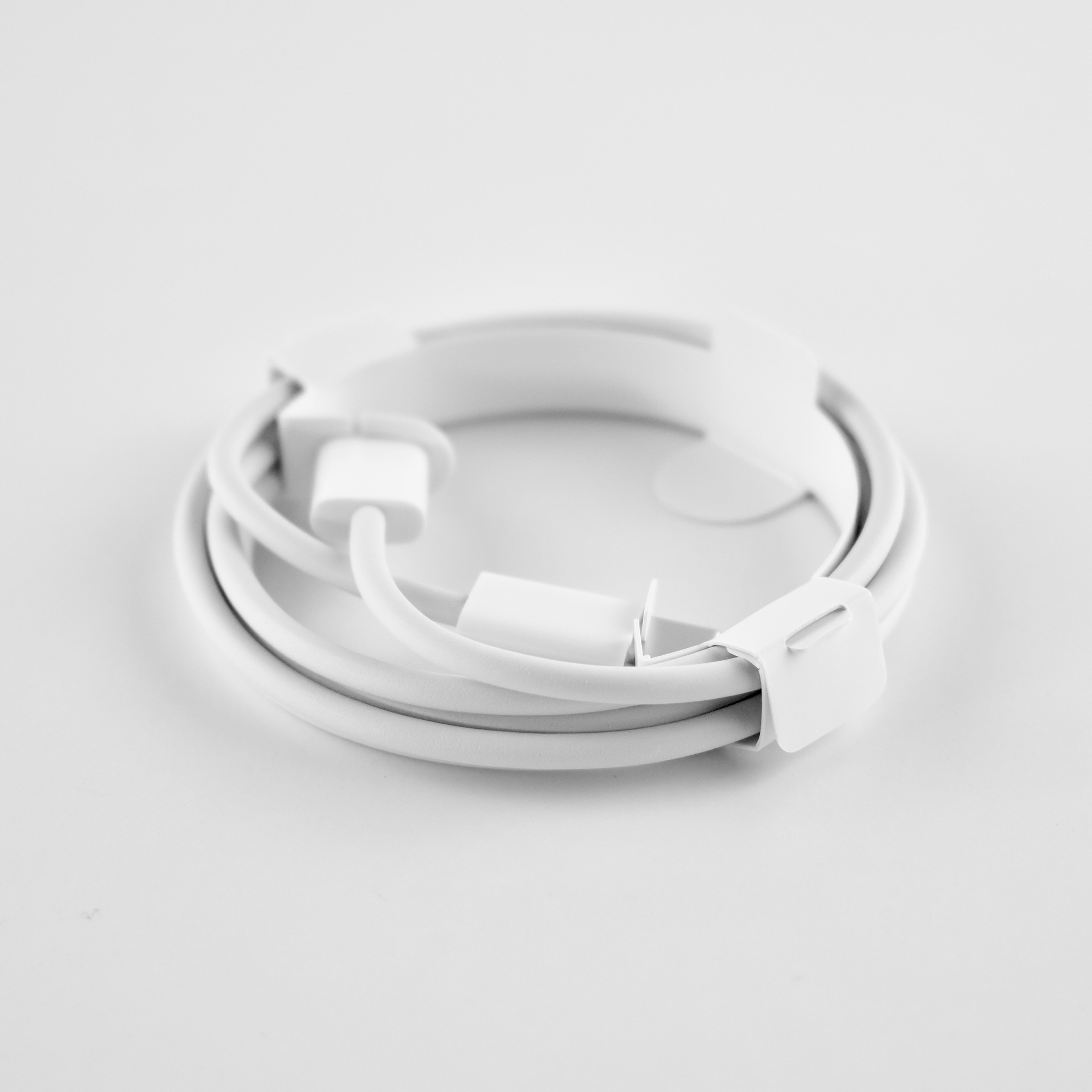
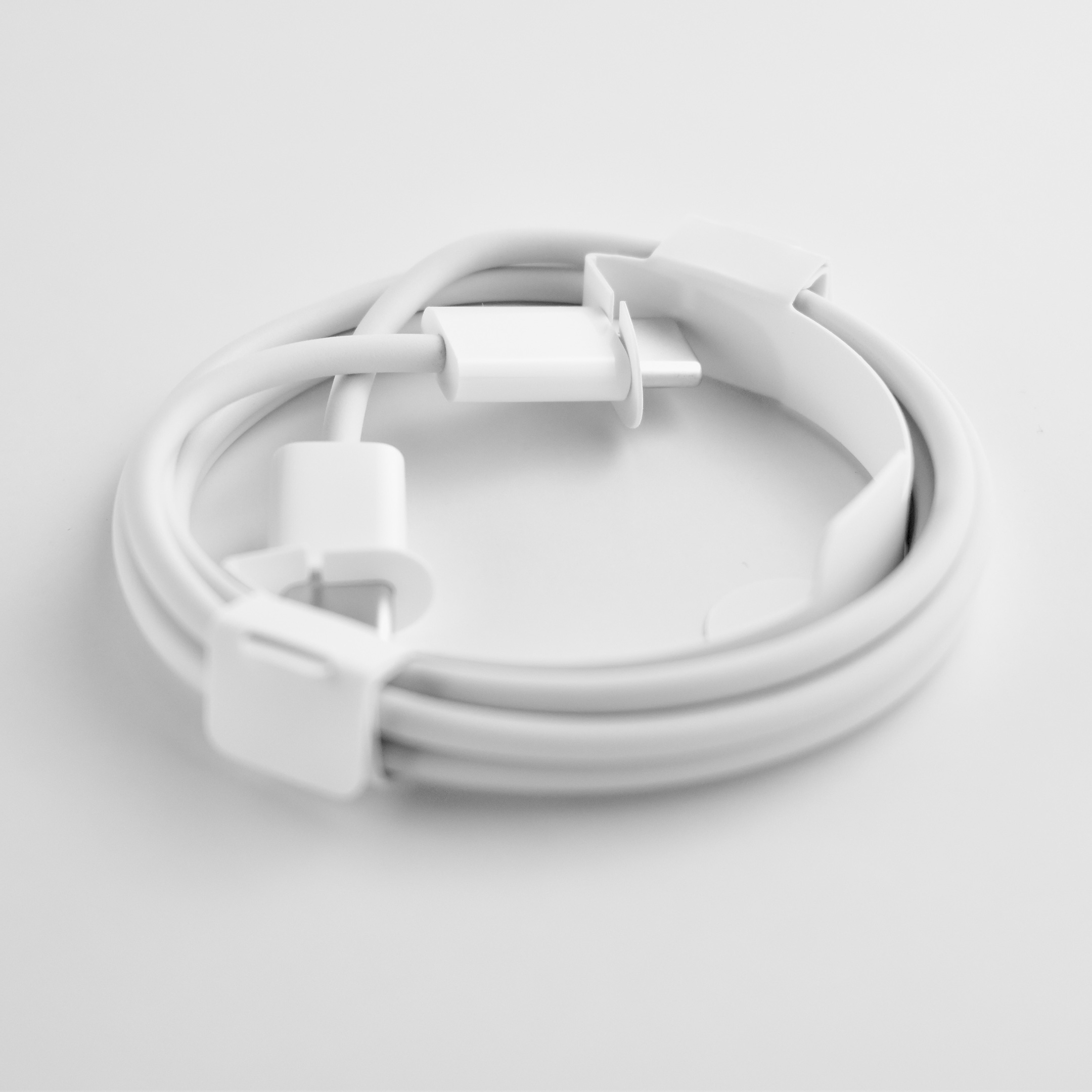
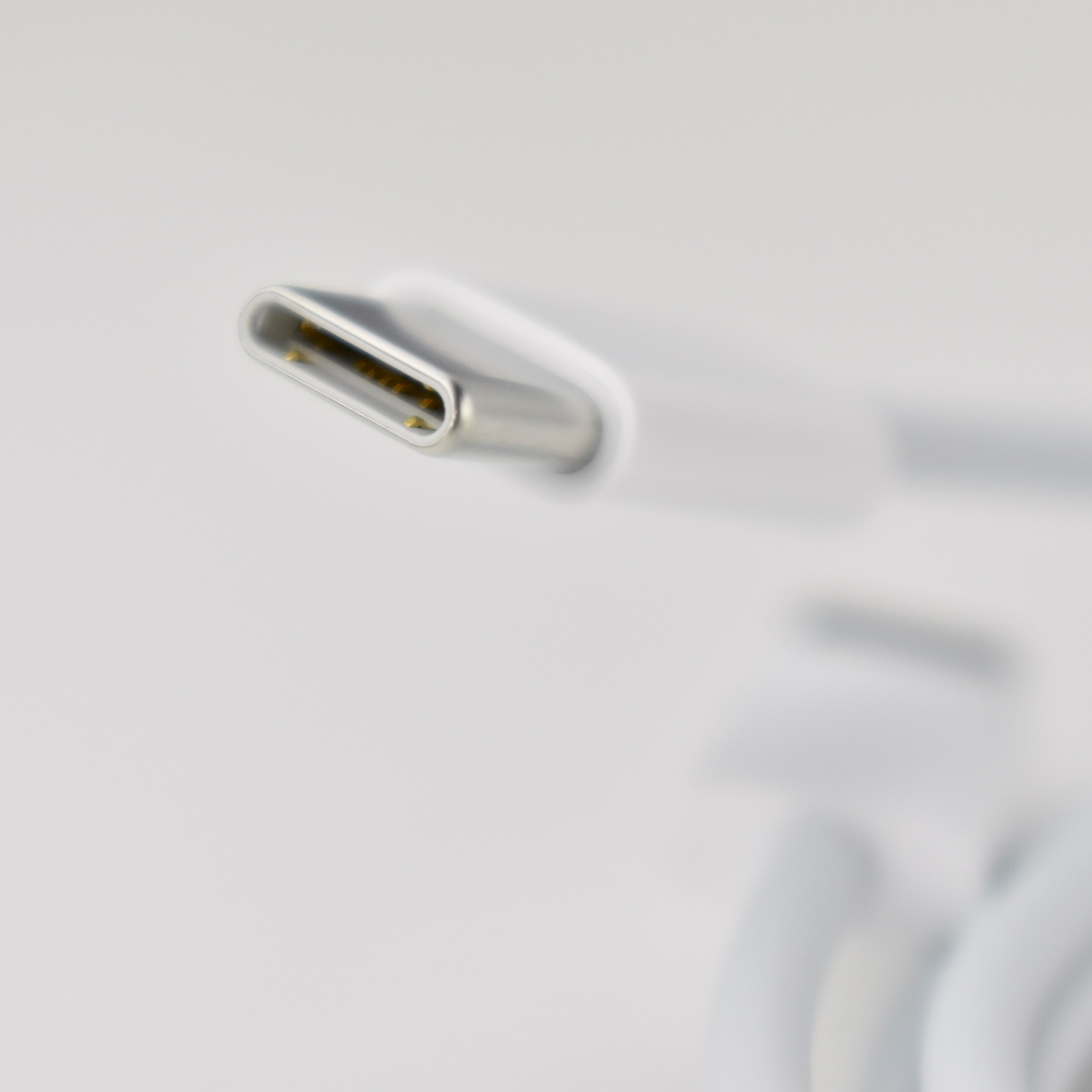
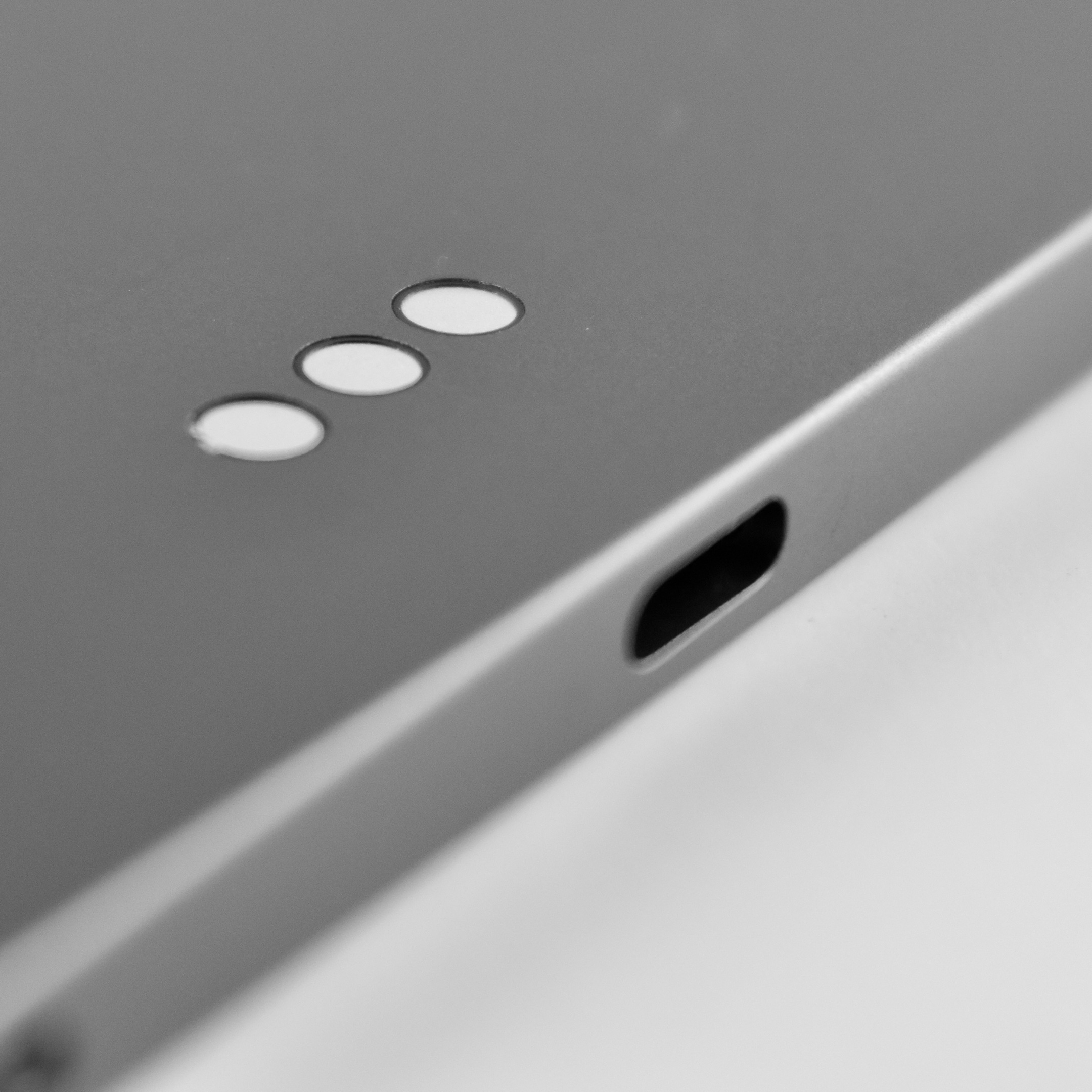
This iPad Pro included a USB-C port (Thunderbolt/USB 4) for charging and wired connectivity. Wireless connectivity included 802.11ax Wi-Fi 6 and Bluetooth 5.0. Cellular models were also available.
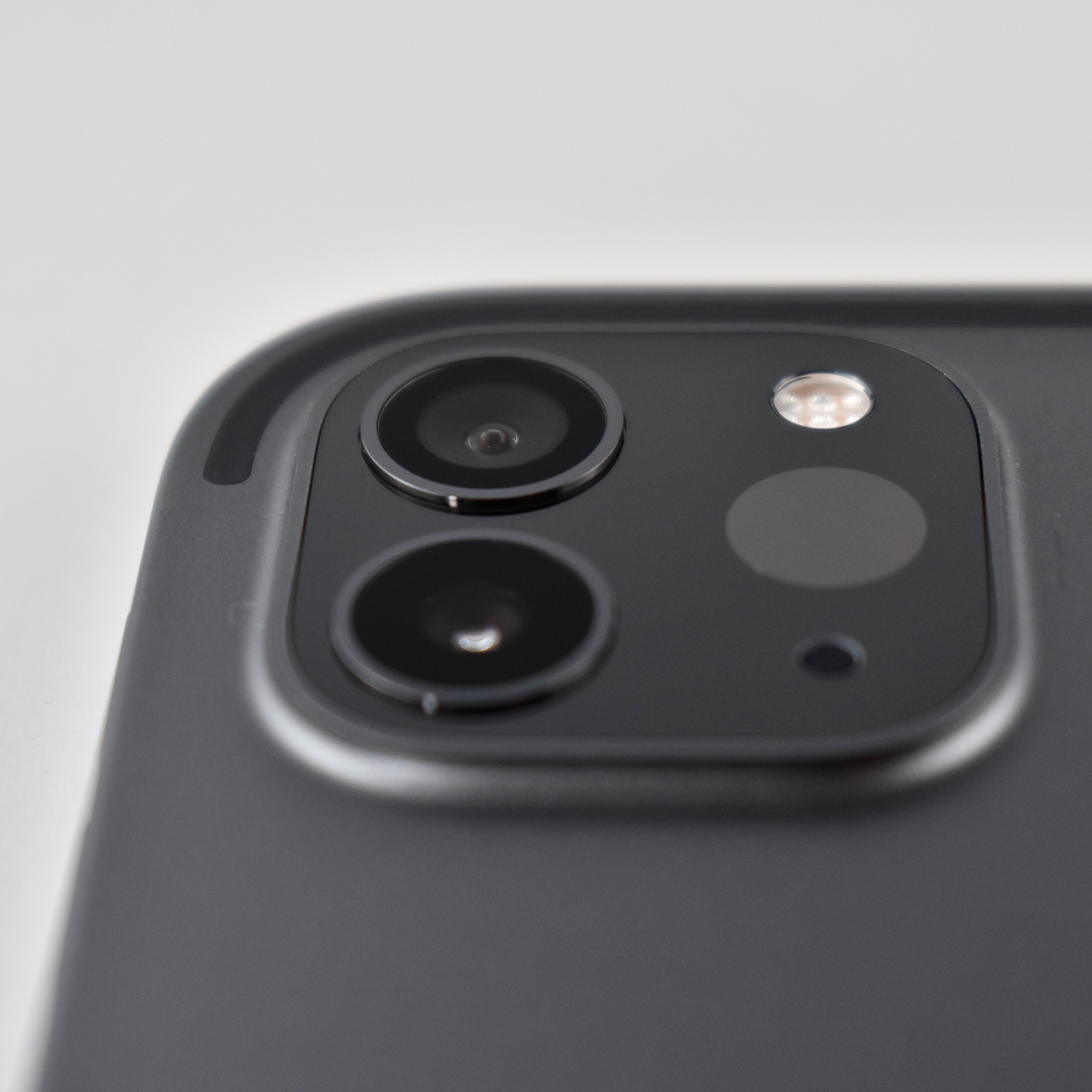
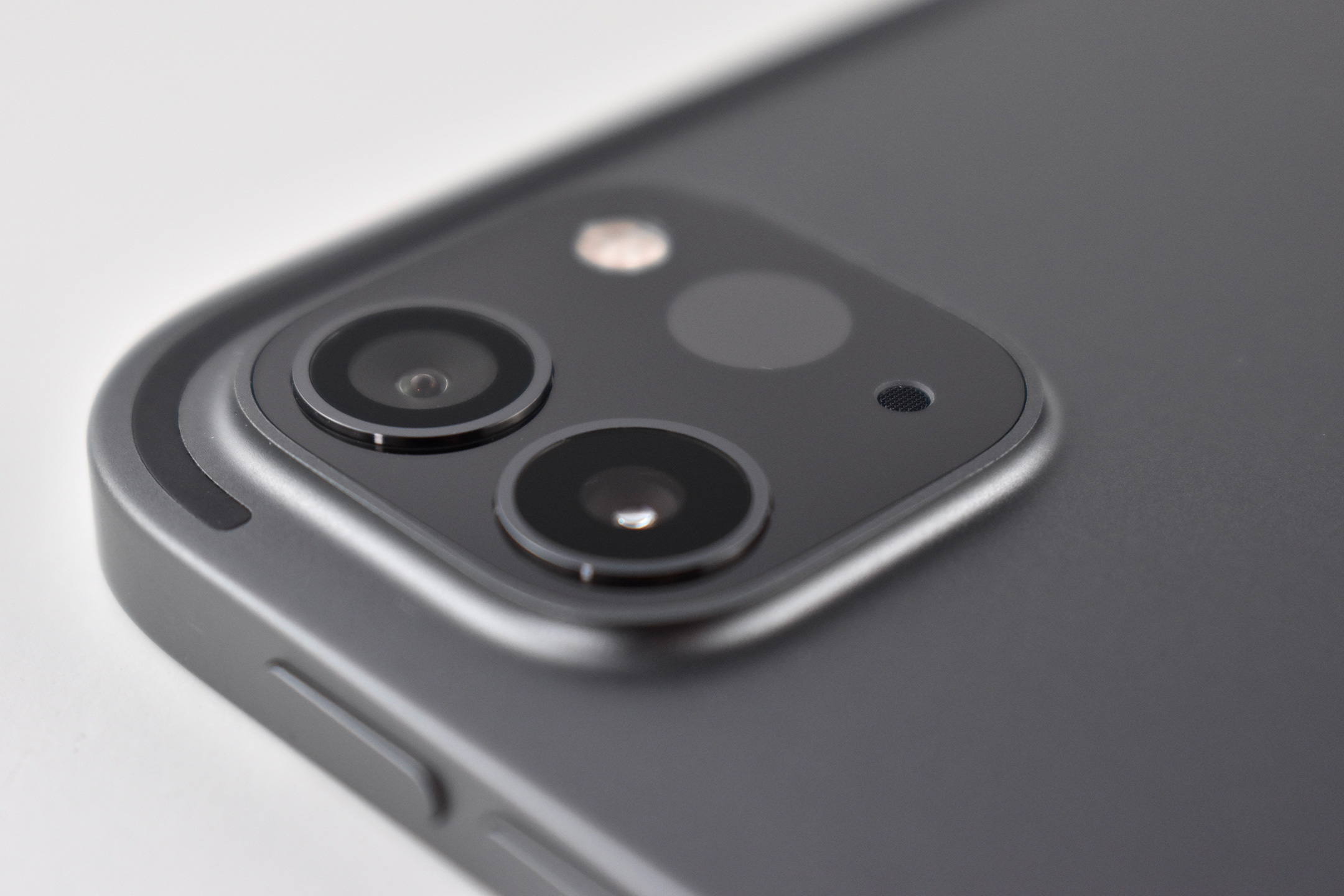
The 12-megapixel Ultra Wide front camera was the first iPad camera to offer the Center Stage feature that automatically keeps people in the camera frame by zooming and panning. Its two rear cameras included a 12-megapixel wide angle and a 10-megapixel ultra-wide angle lens.
Like iPhone Pro models of the time, this iPad Pro also included LiDAR and Face ID. It could also use a Generation 2 Apple Pencil that charged using a magnetic connection on the side of the iPad. A similar iPad Pro with a 12.9-inch screen was sold at the same time as this 11-inch model.
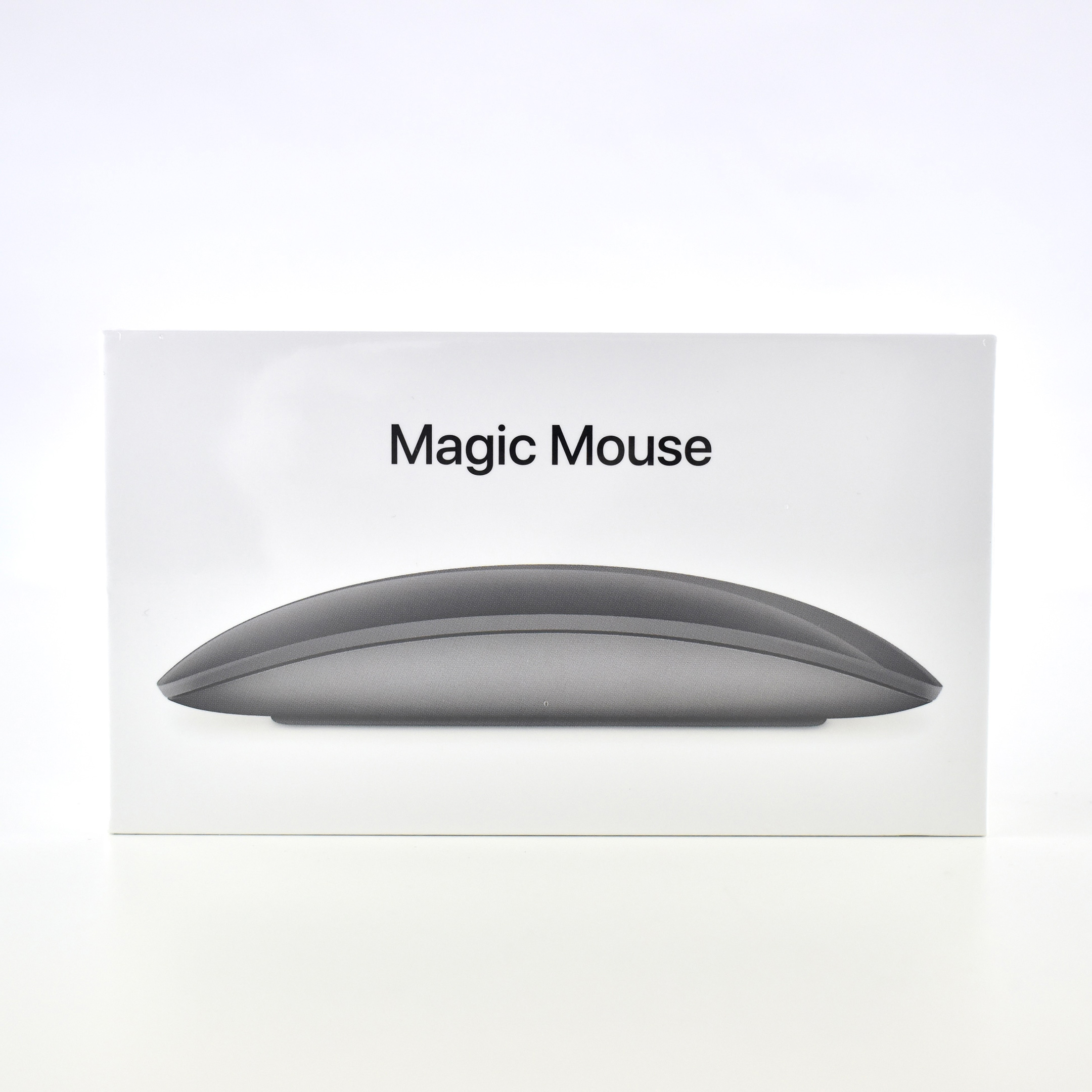
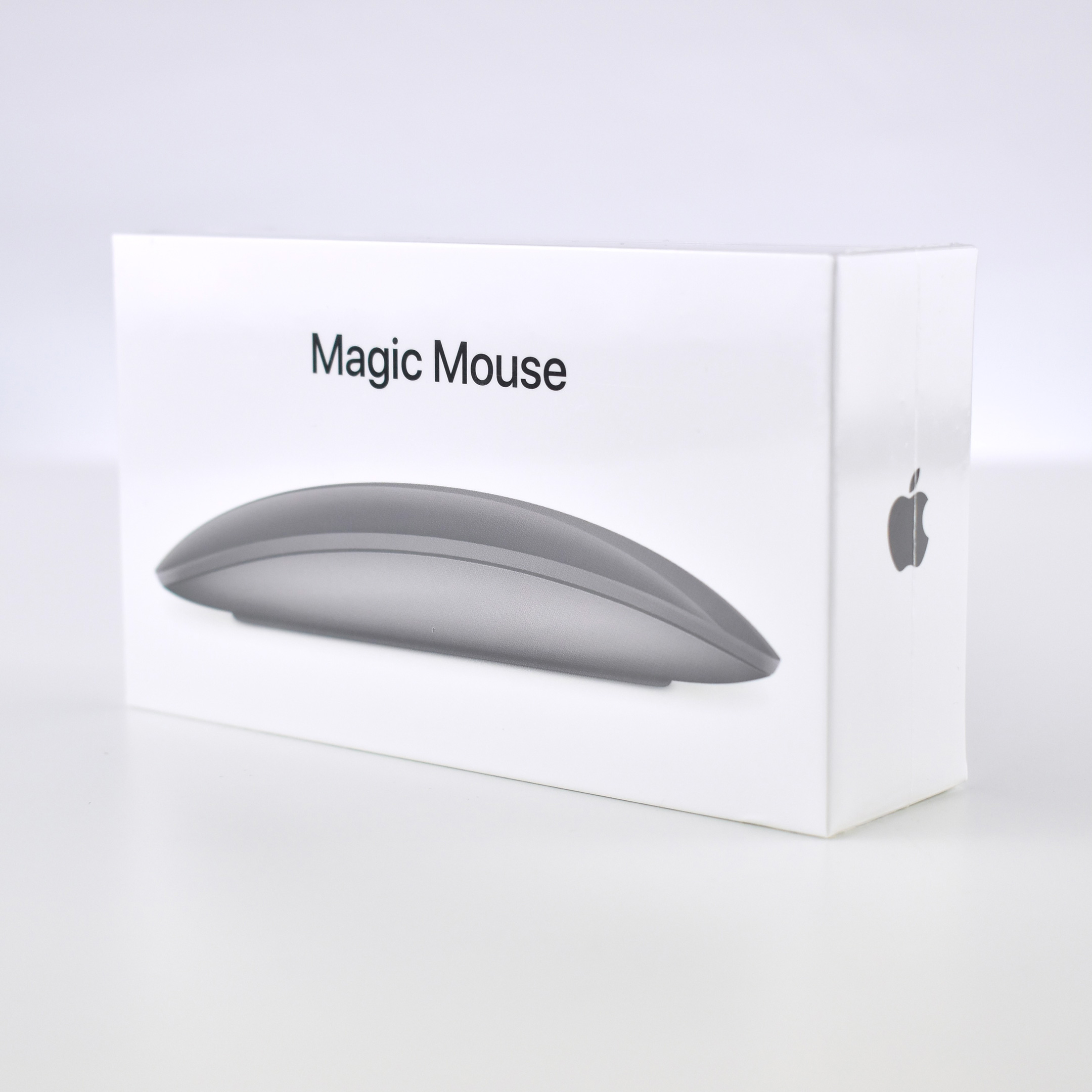
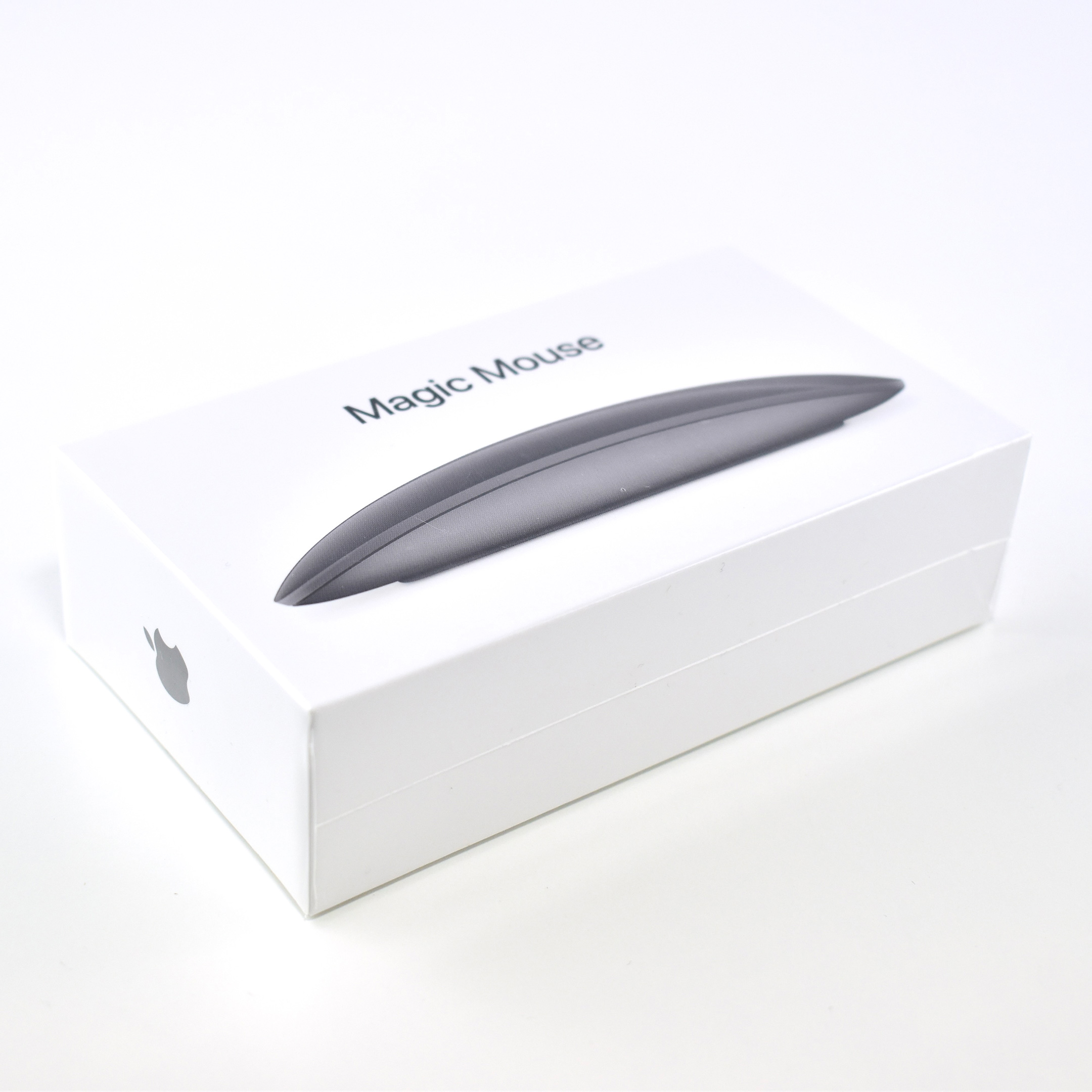
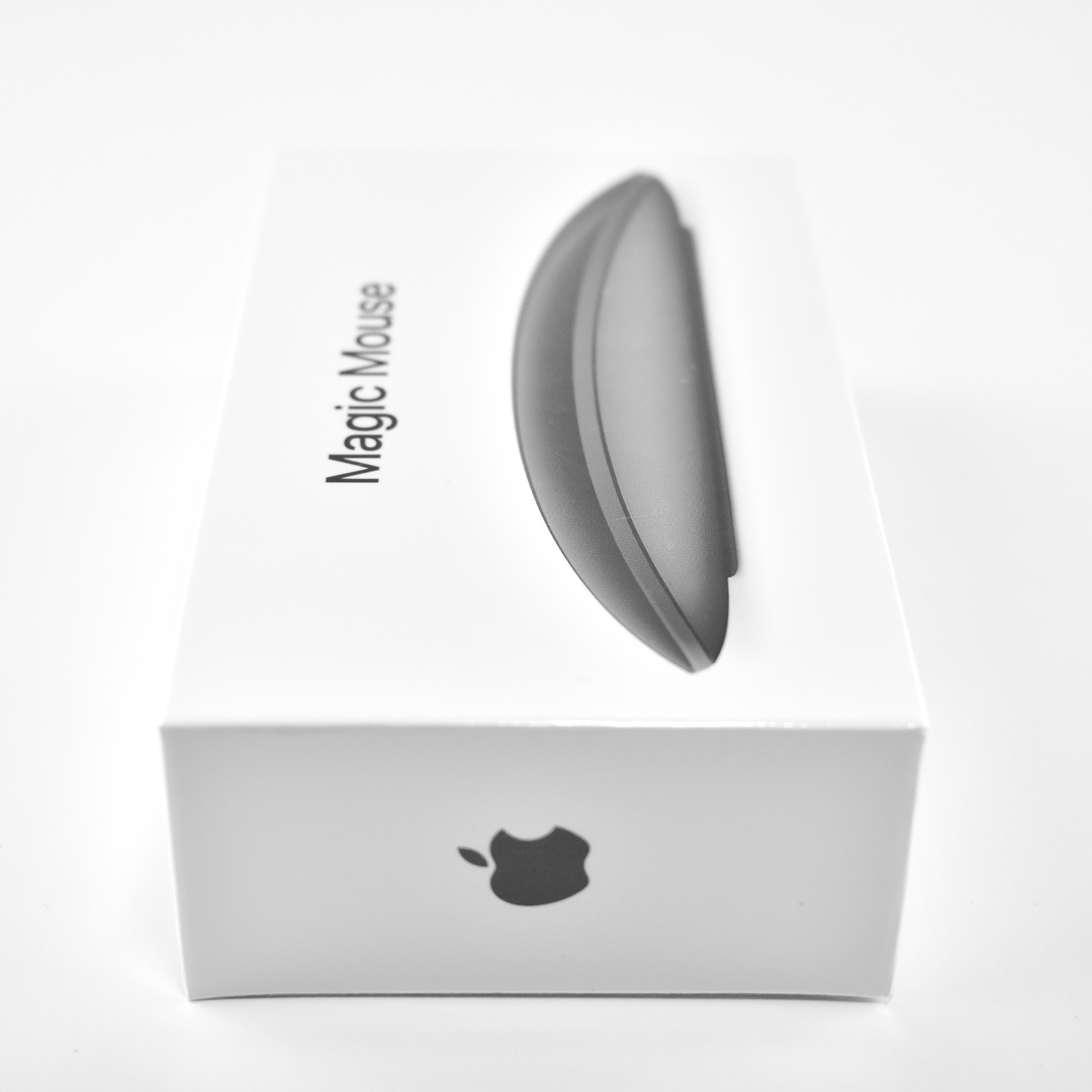
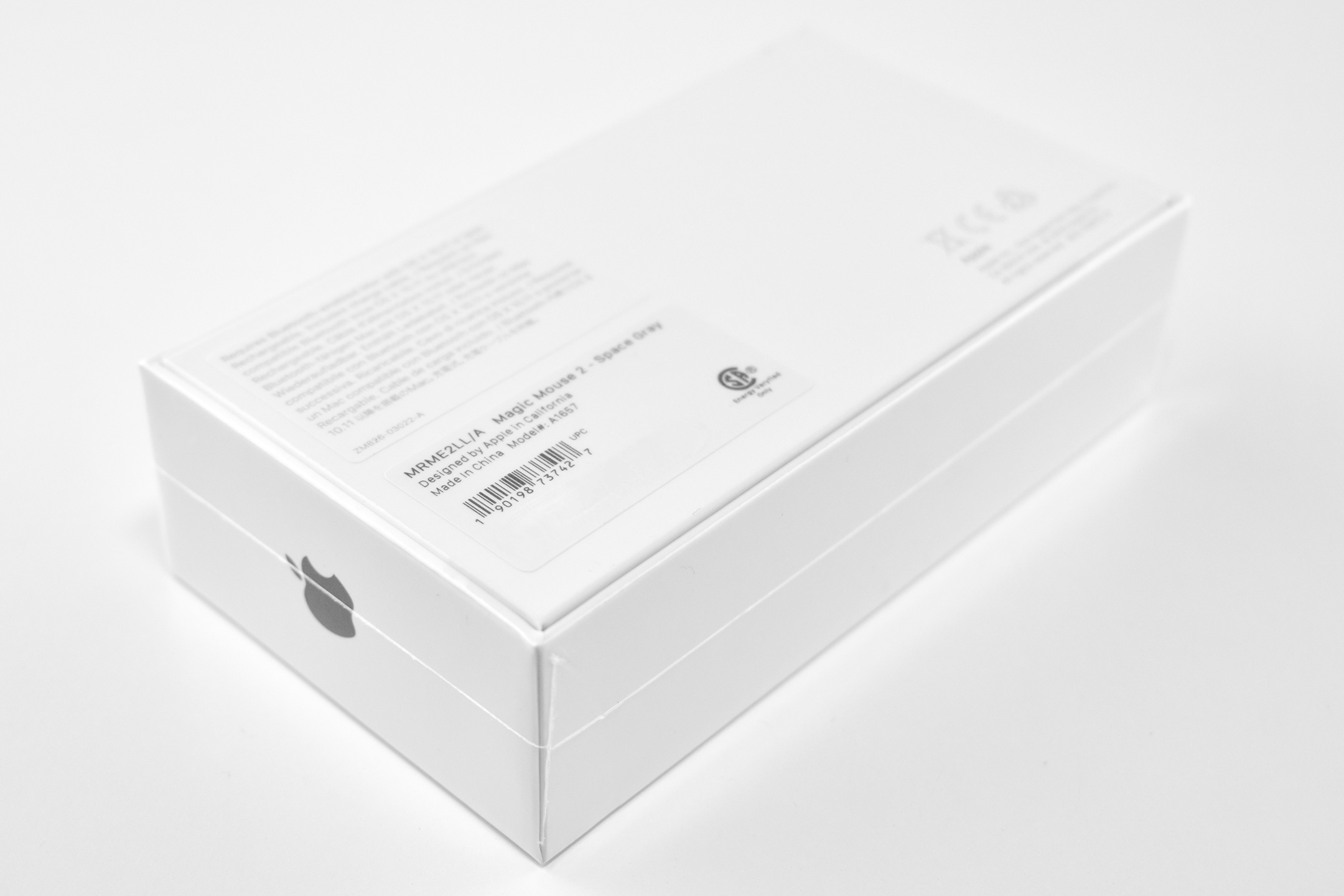
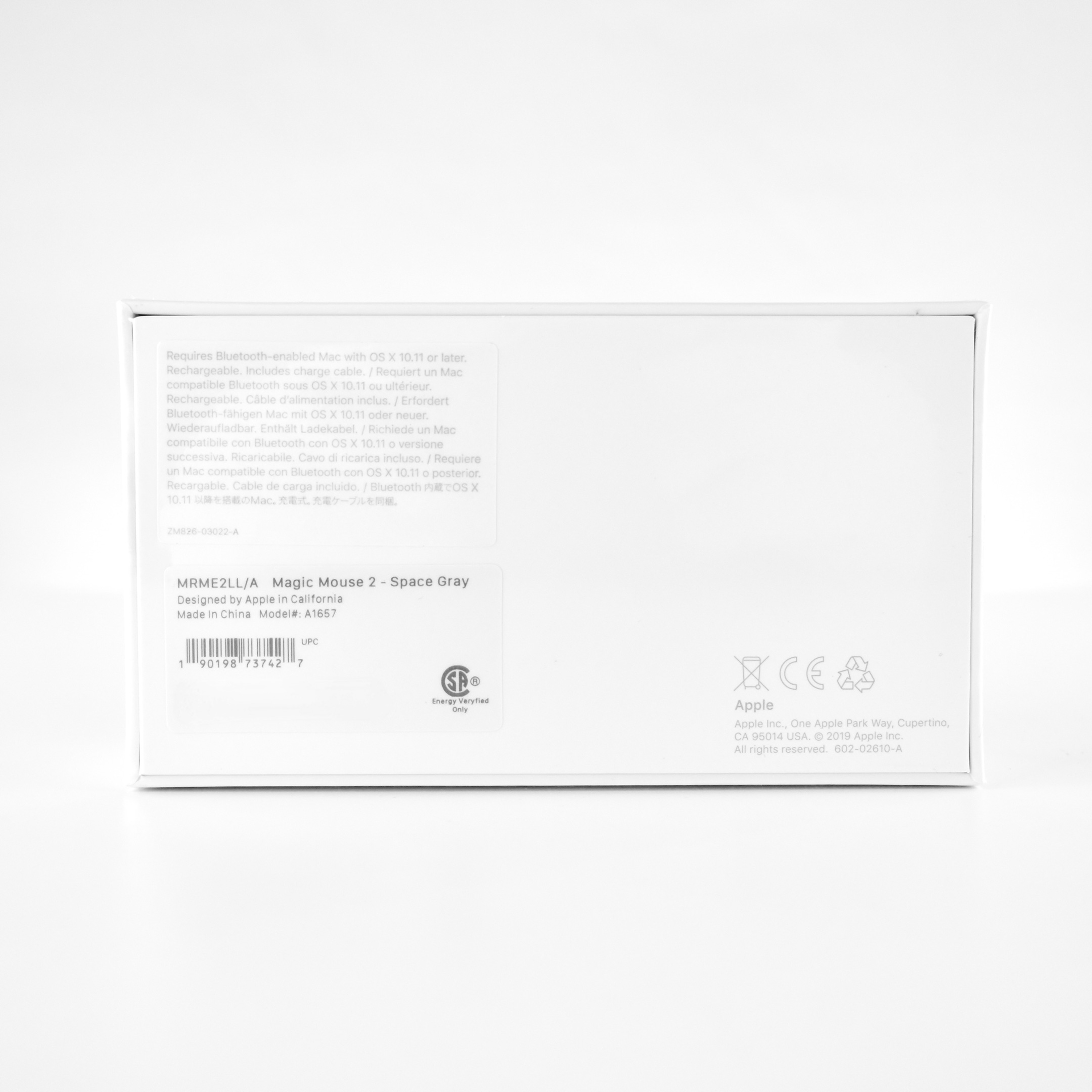
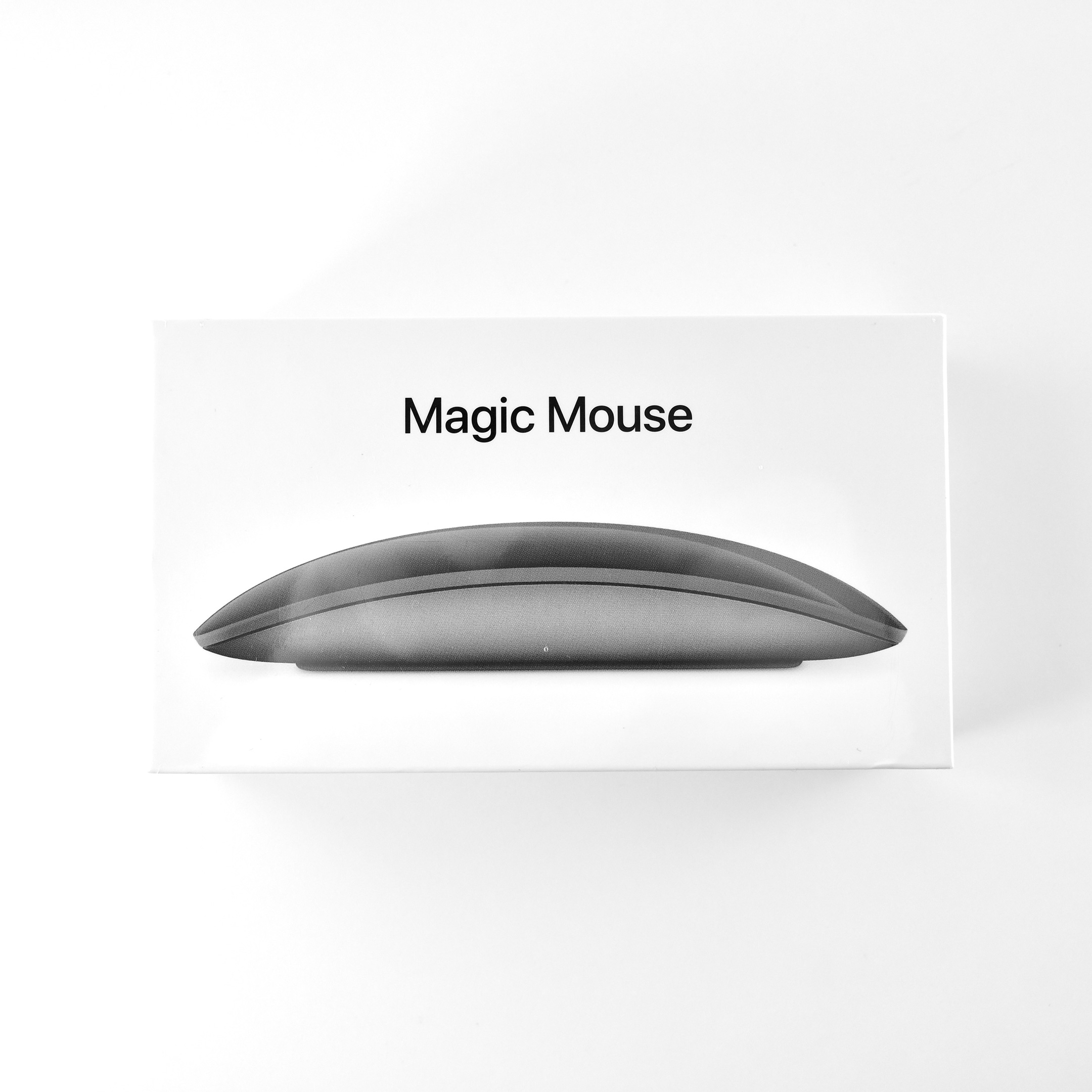
According to Apple, the “Magic Mouse is wireless and rechargeable, with an optimized foot design that lets it glide smoothly across your desk. The Multi-Touch surface allows you to perform simple gestures such as swiping between web pages and scrolling through documents. The incredibly long-lasting internal battery will power your Magic Mouse for about a month or more between charges. It’s ready to go right out of the box and pairs automatically with your Mac, and it includes a woven USB-C to Lightning Cable that lets you pair and charge by connecting to a USB-C port on your Mac.”
Apple’s website referred to this product as the “Magic Mouse 2,” but as of August 2021, a search on apple.com returned “…the product you’re looking for is no longer available on apple.com.” Thus, Apple apparently renamed the product “Magic Mouse.”
This wireless Multi-Touch mouse was 0.85 inch high, 2.25 inches wide, 4.47 inches deep, and weighed 0.22 pound. It shipped with a Lightning to USB cable for charging. It required a Bluetooth-enabled Mac with OS X 10.11 or later, and also worked on an iPad with iPadOS 13.4 or later.
This Space Gray color was discontinued some time in Summer 2021.
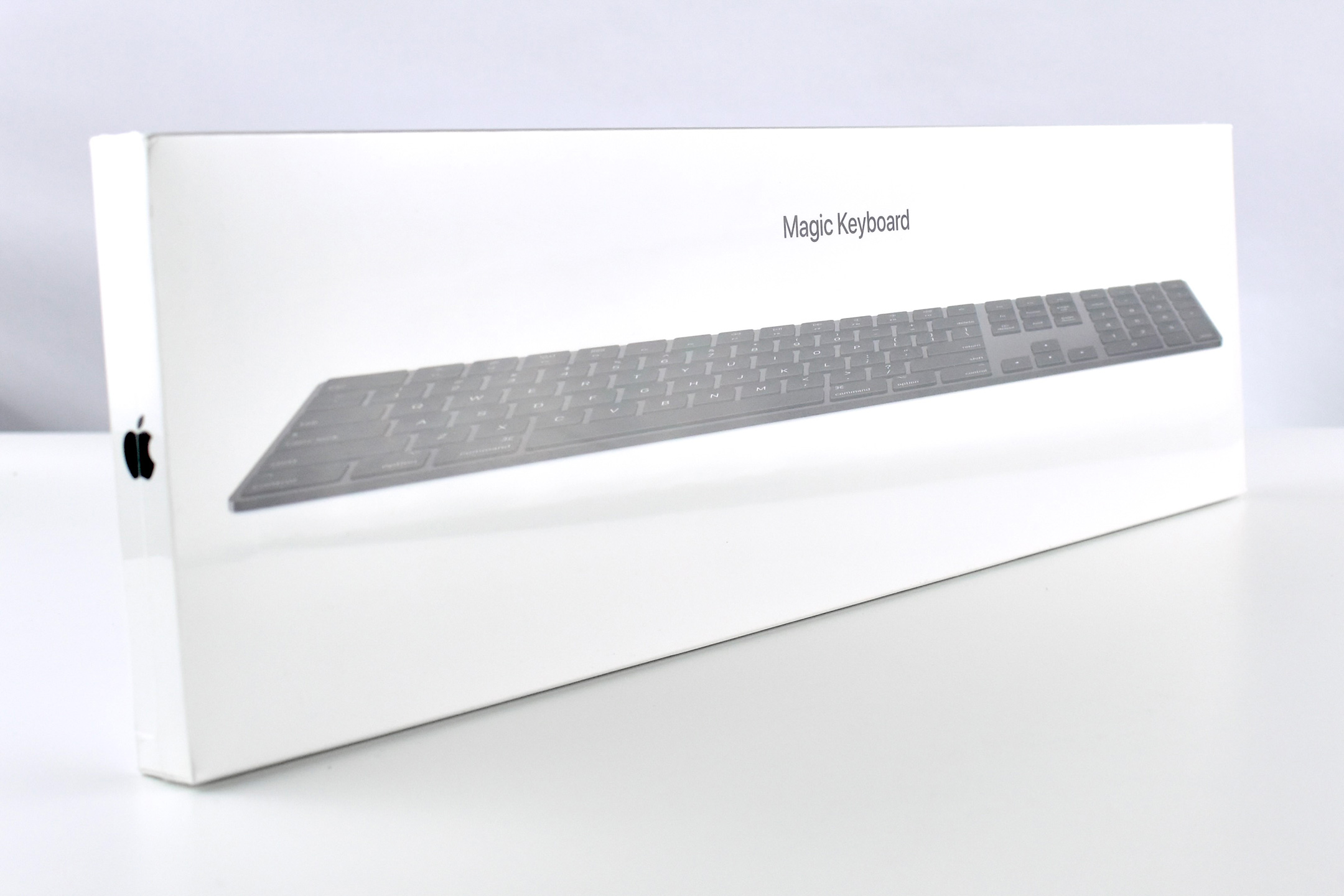
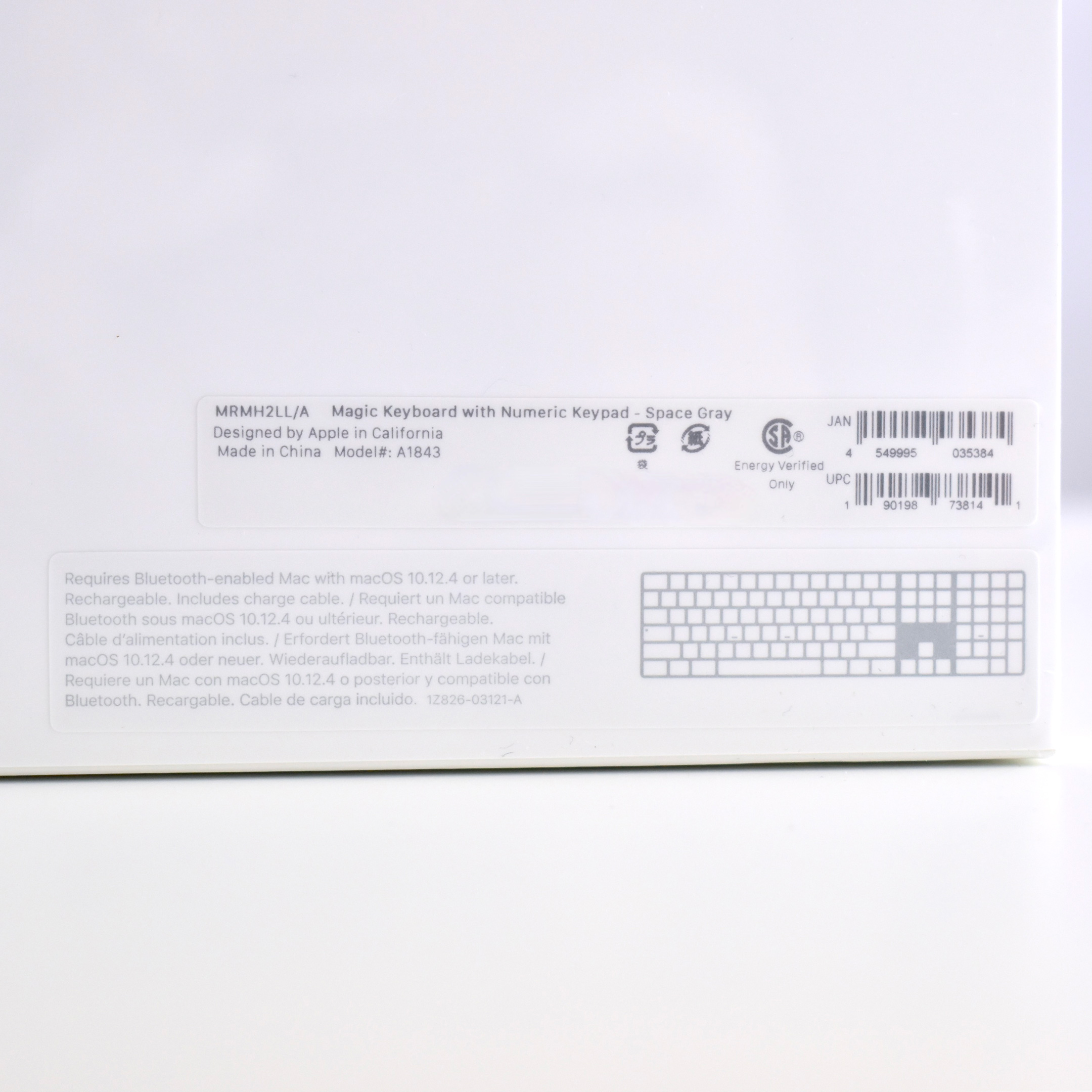
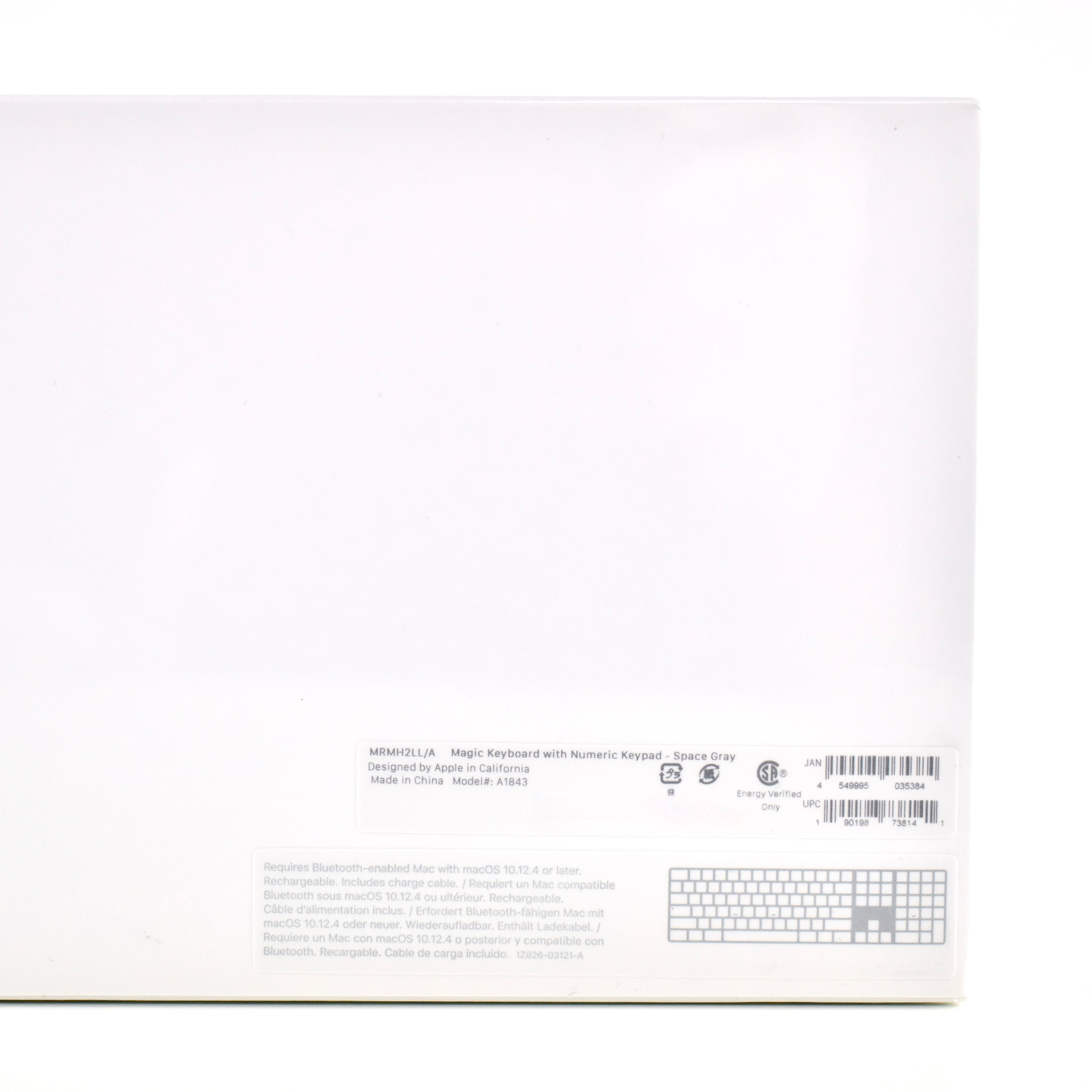
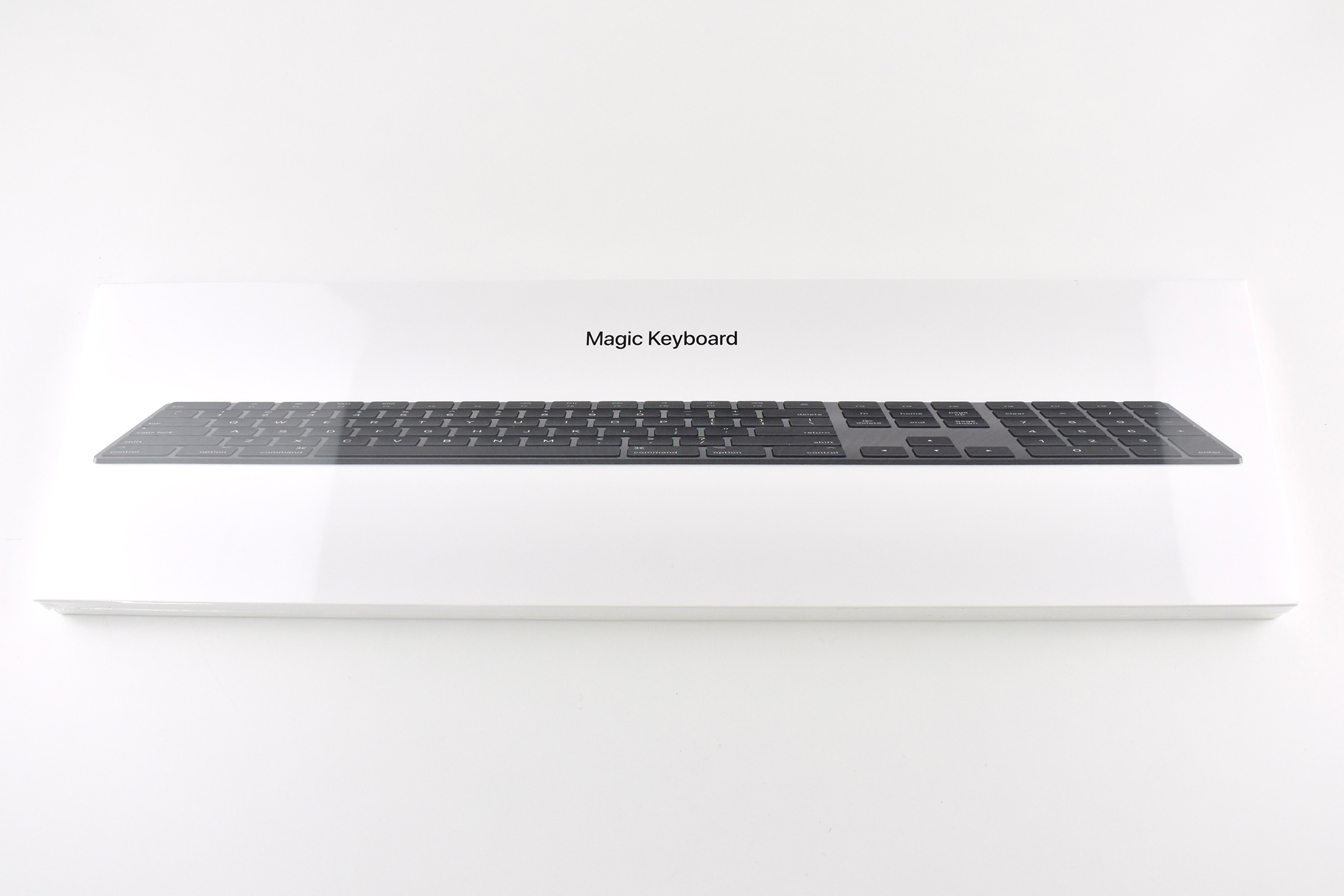
The “Magic Keyboard with Numeric Keypad features an extended layout, with document navigation controls for quick scrolling and full-size arrow keys for gaming. A scissor mechanism beneath each key allows for increased stability, while optimized key travel and a low profile provide a comfortable and precise typing experience. The numeric keypad is also great for spreadsheets and finance applications. And the built-in, rechargeable battery is incredibly long-lasting, powering your keyboard for about a month or more between charges.”
The keyboard used a Bluetooth connection and shipped with a Lightning cable for charging. It was 0.16–0.43 inches high, 16.48 inches wide, 4.52 inches deep, and weighed 0.86 pound.
This Space Gray color was discontinued some time in Summer 2021.
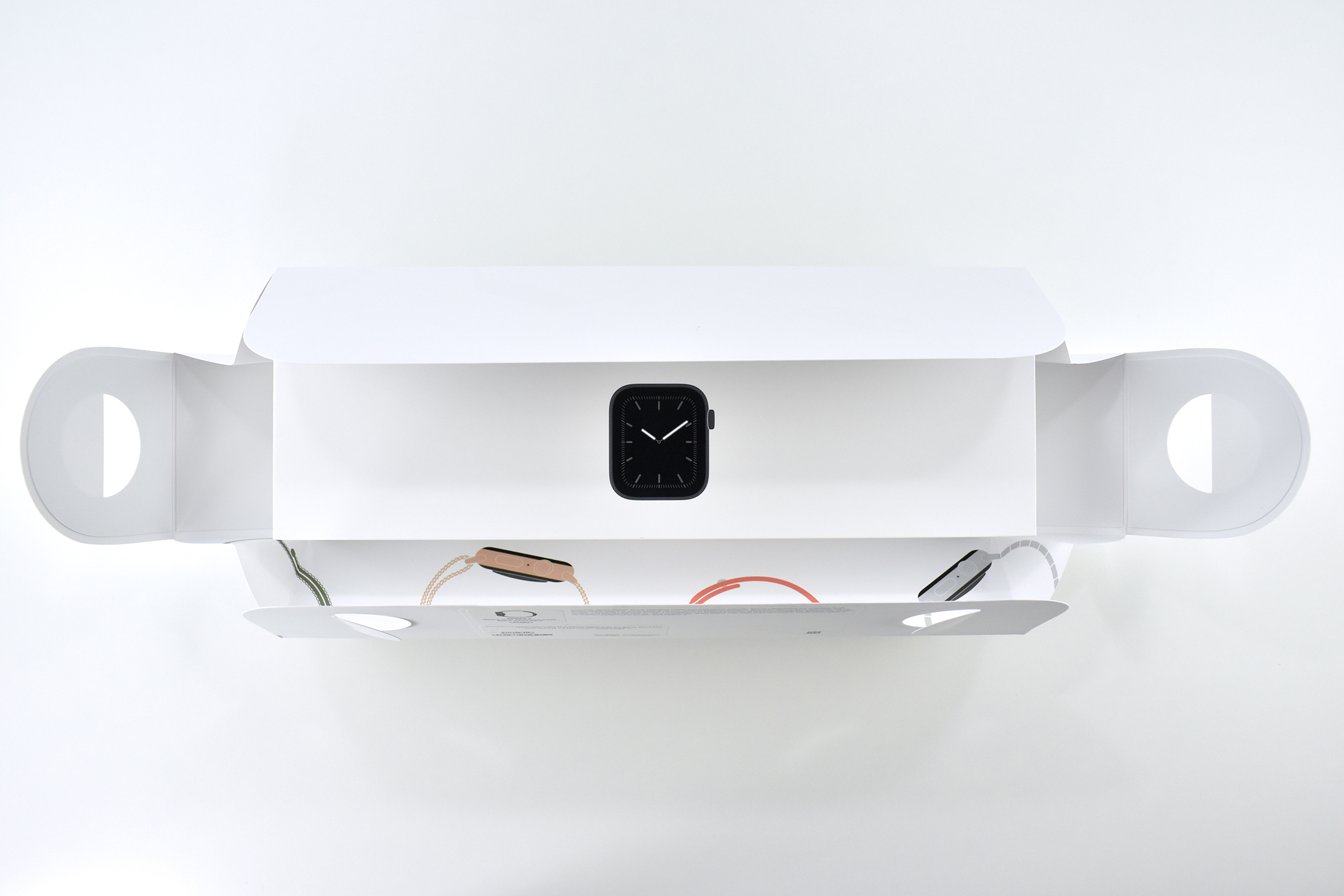
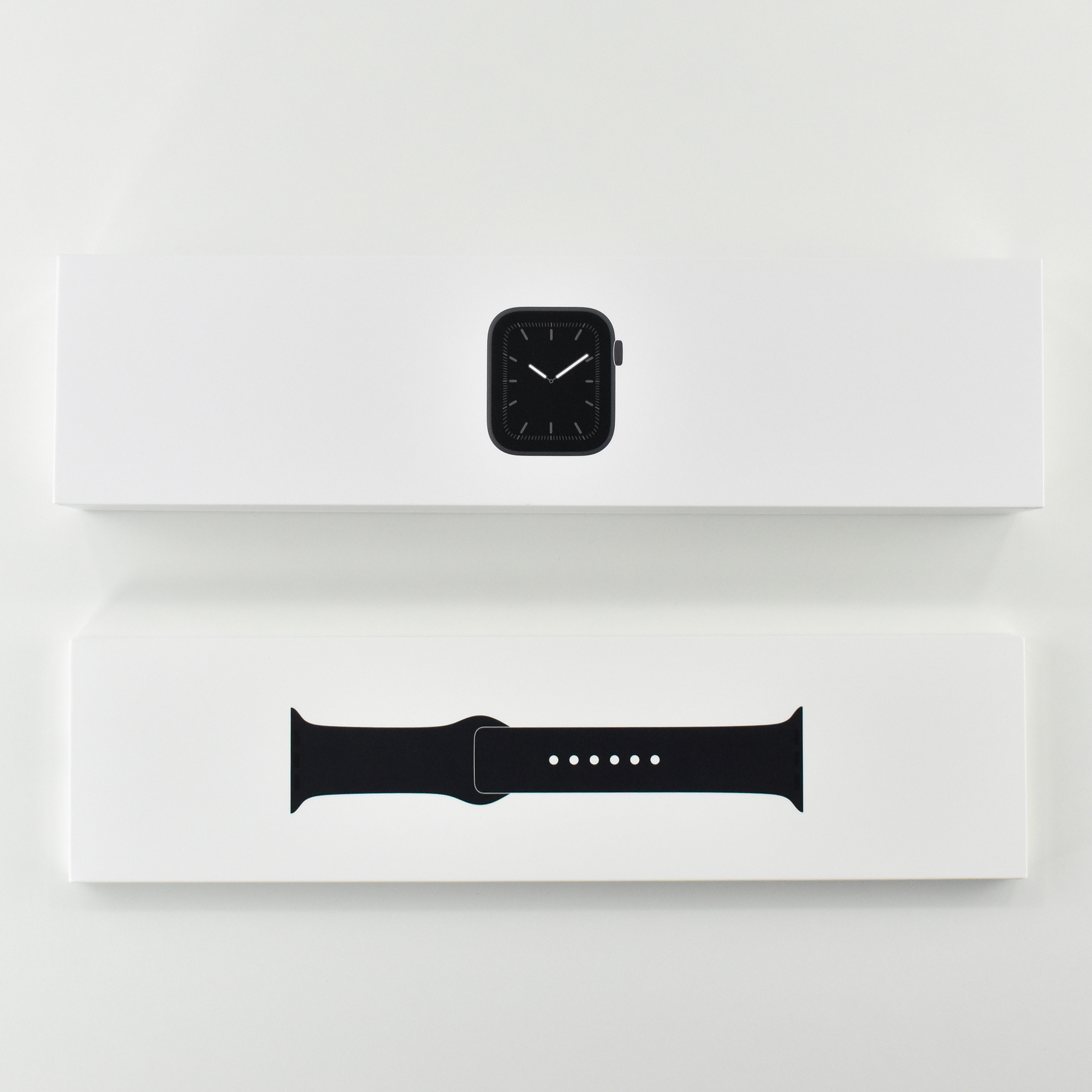
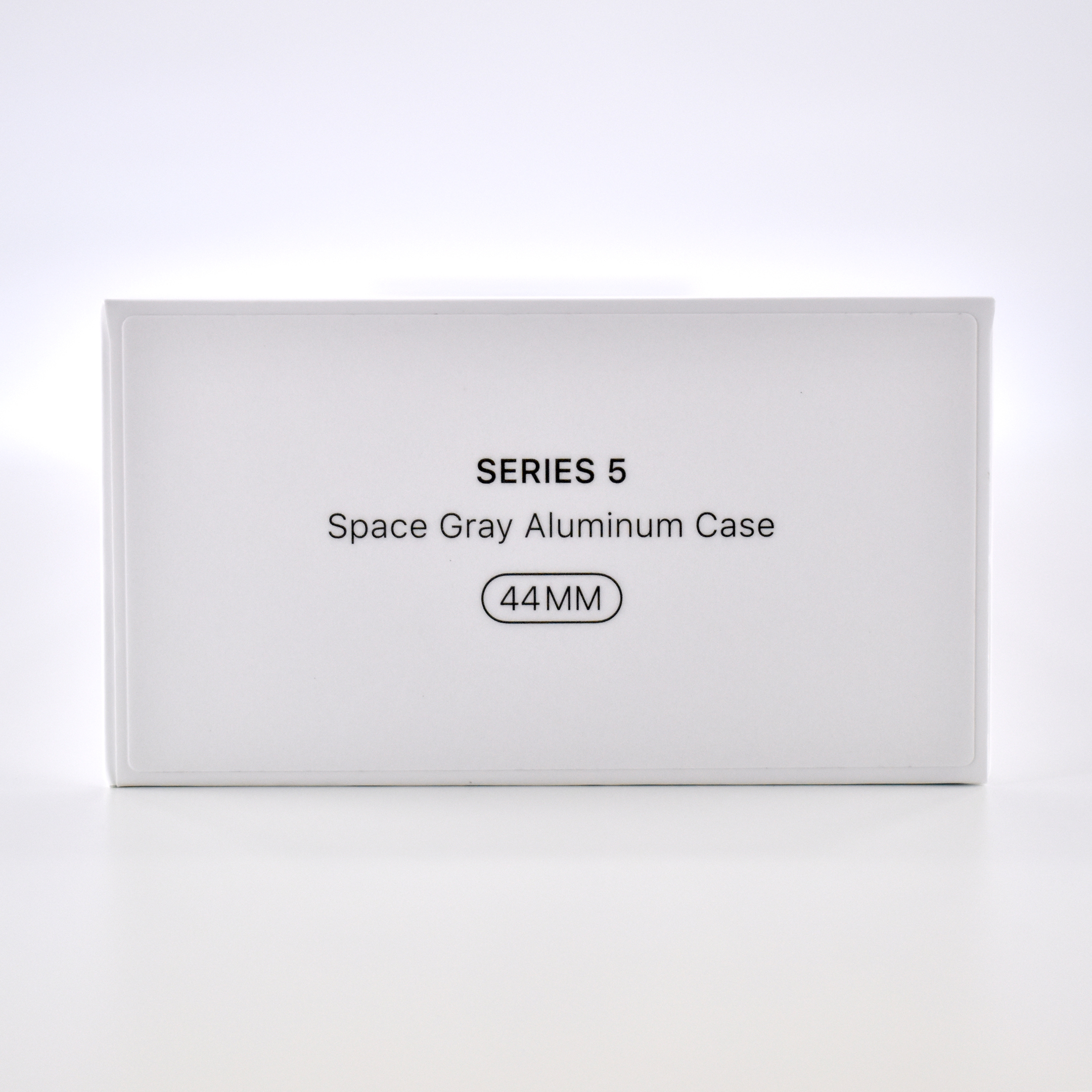
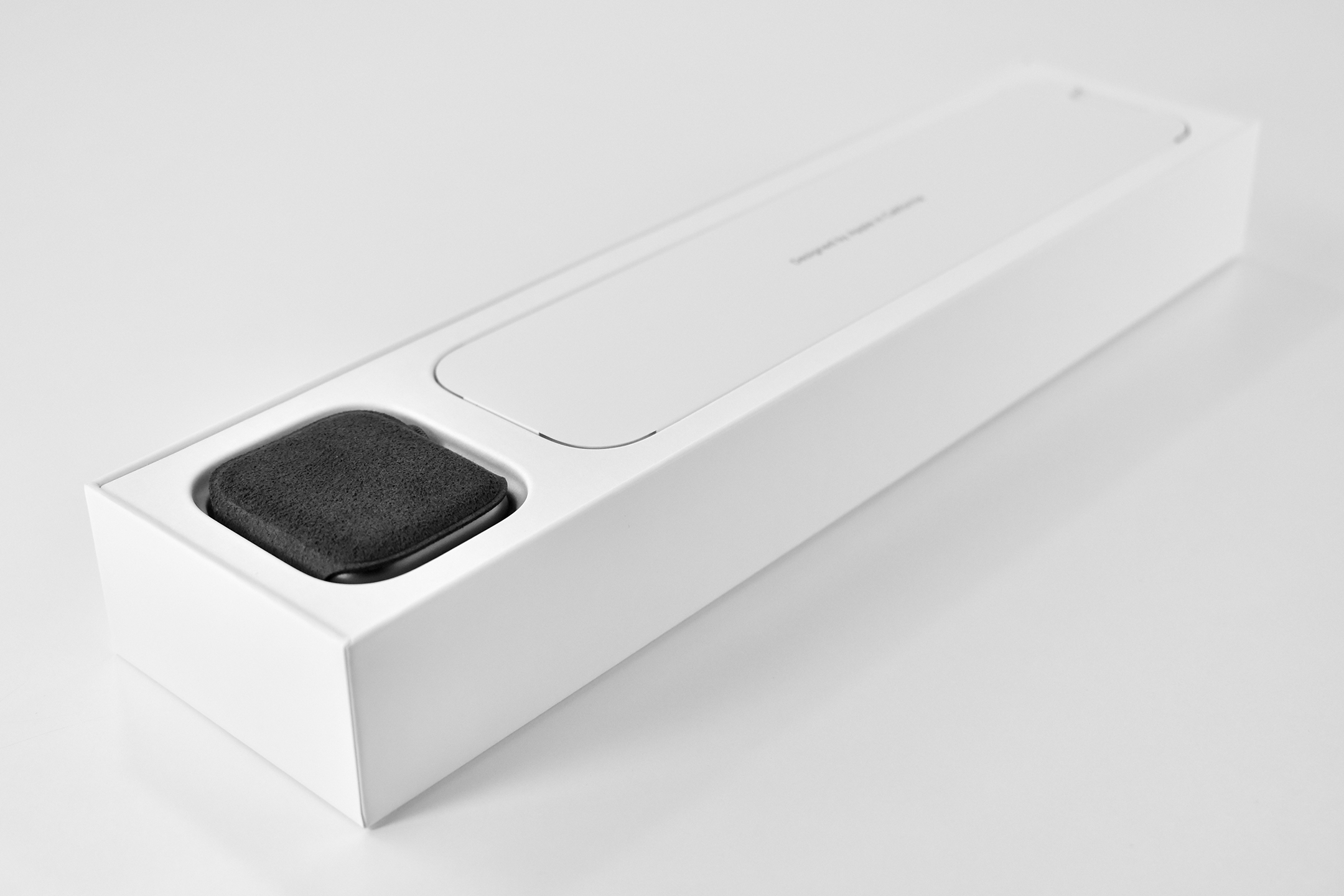
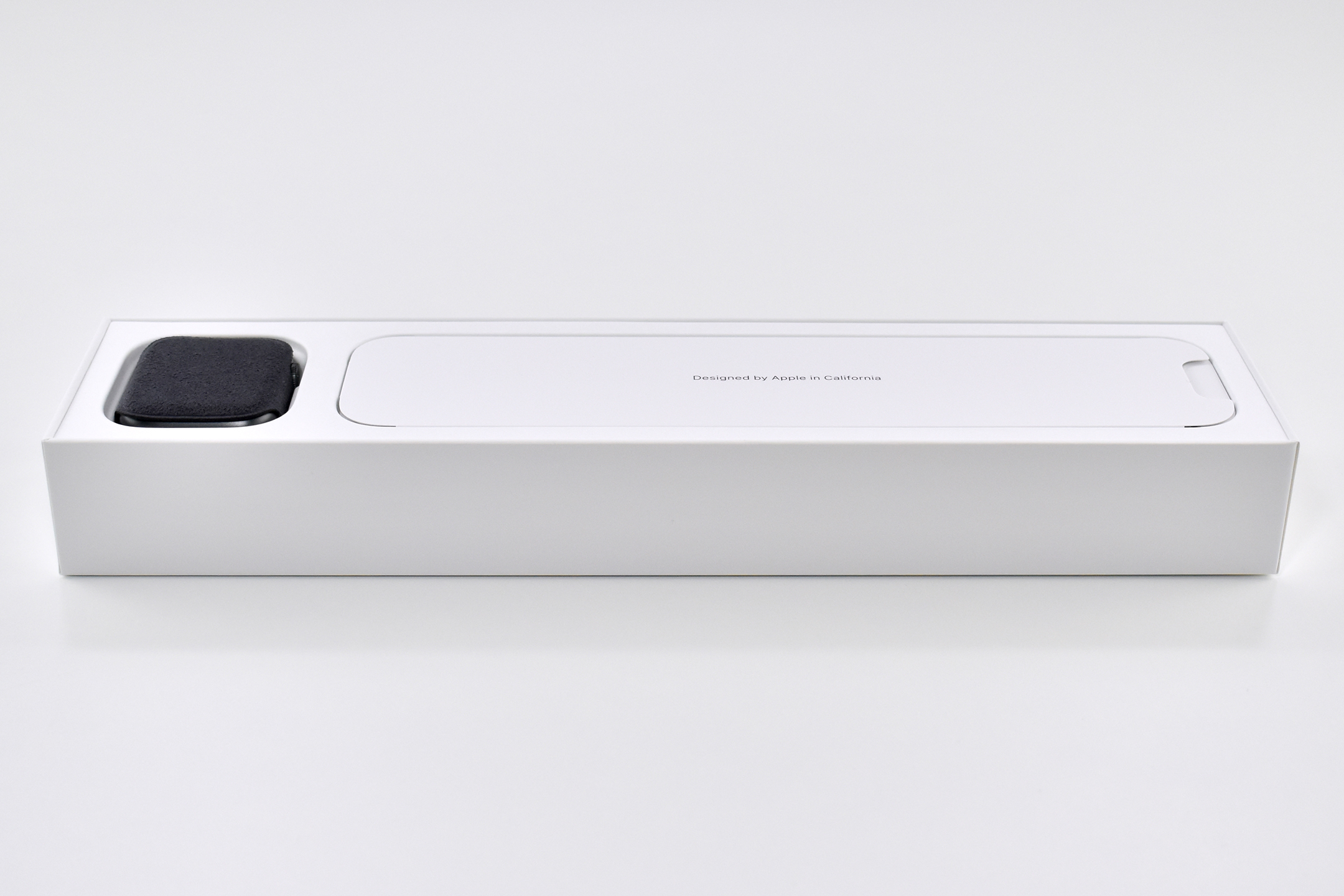
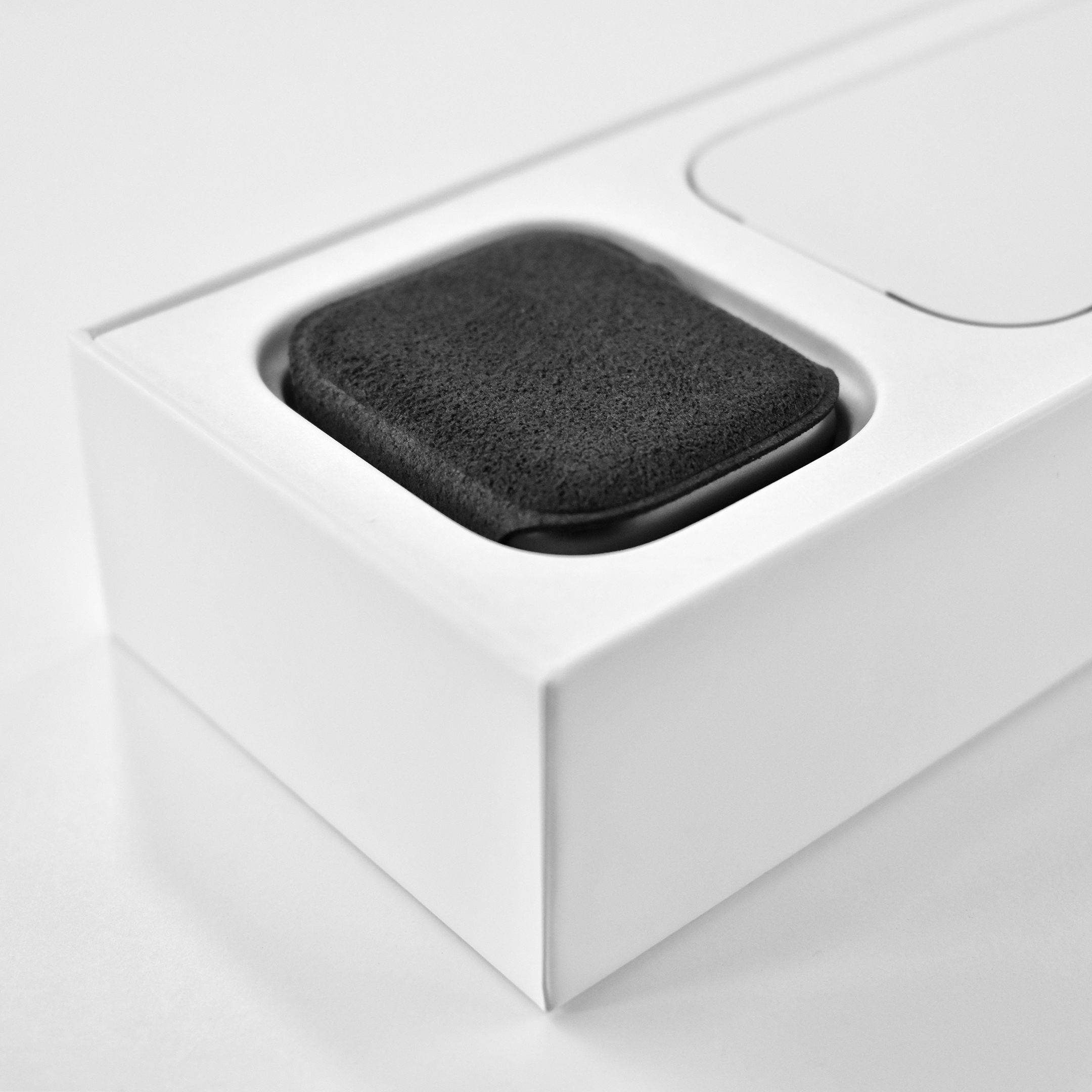
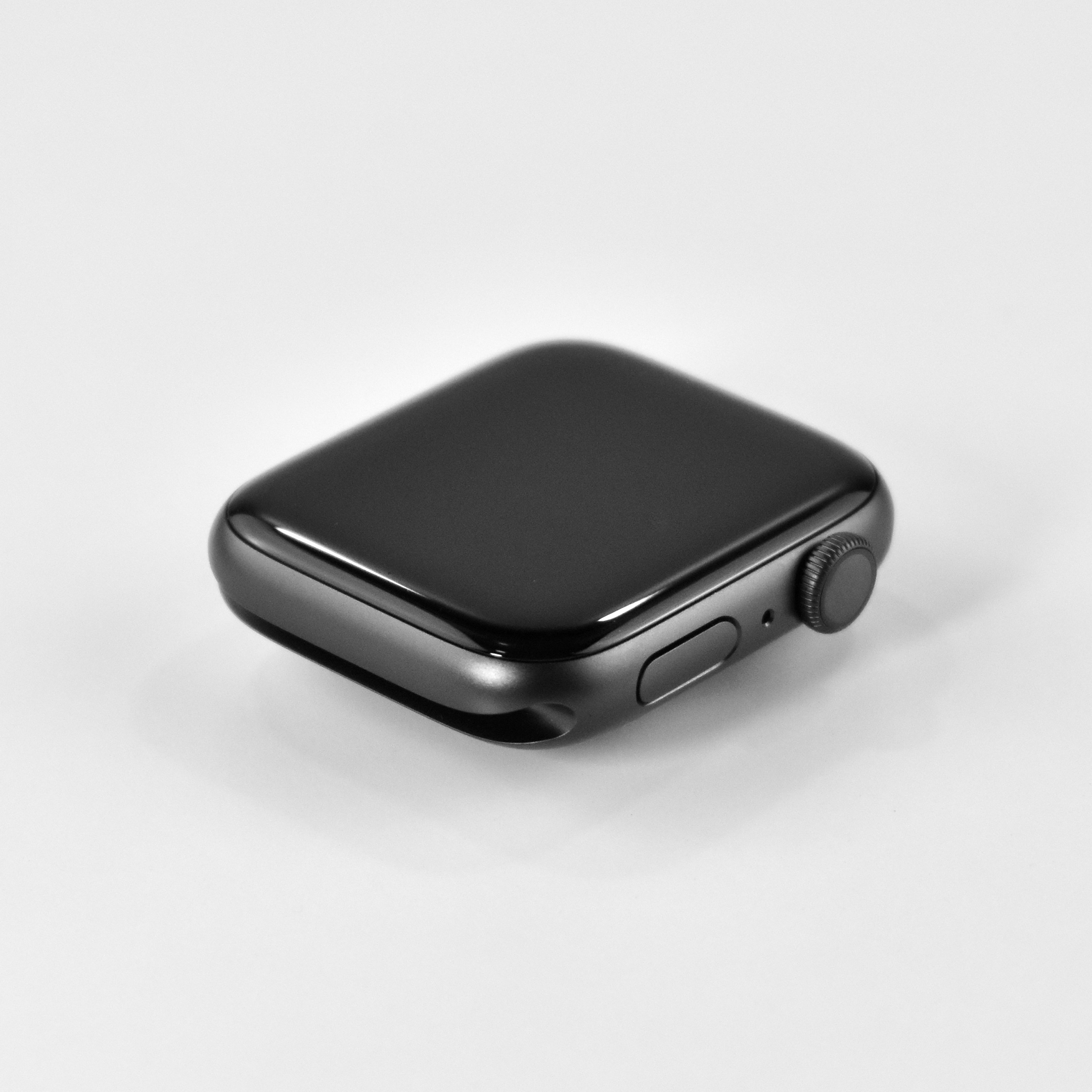
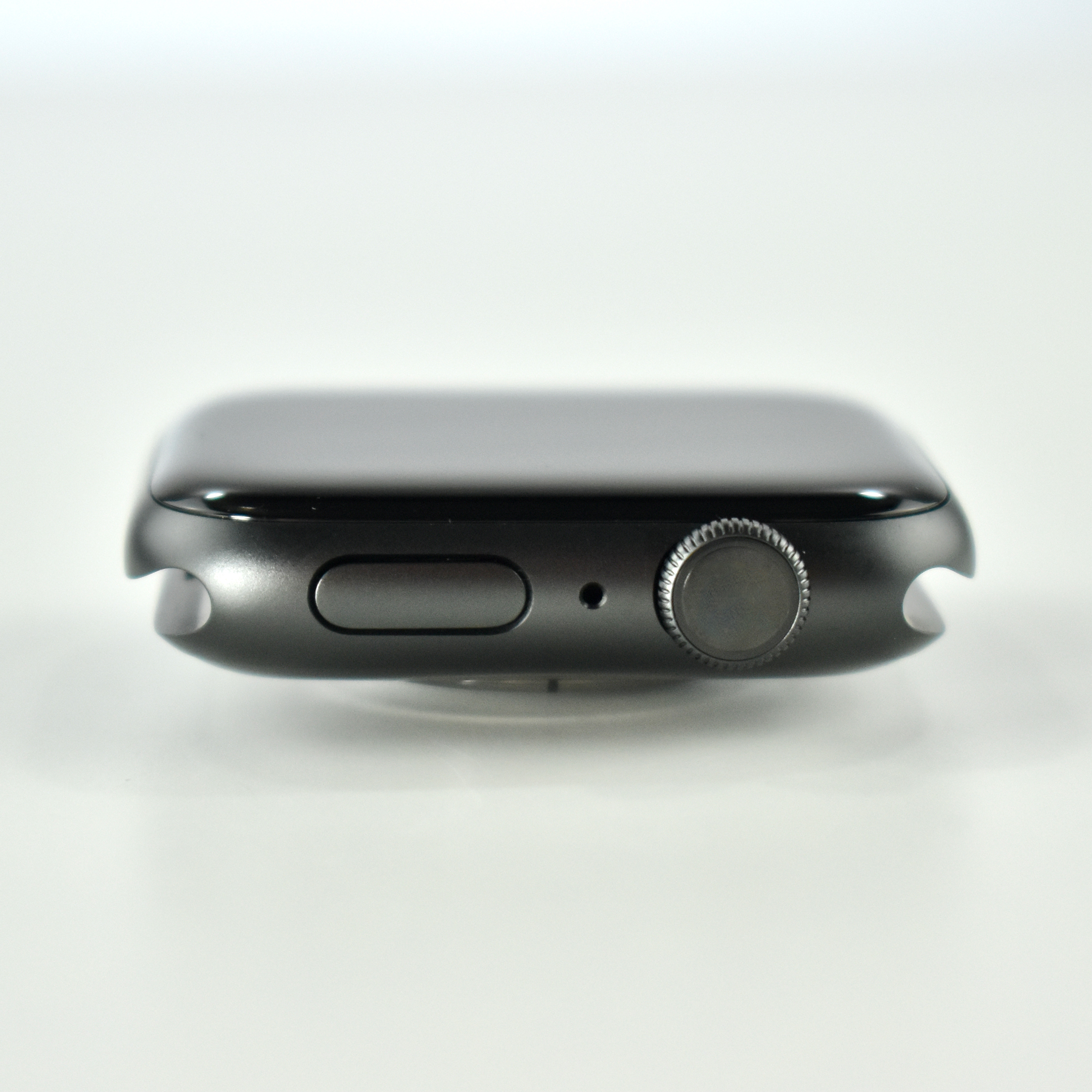
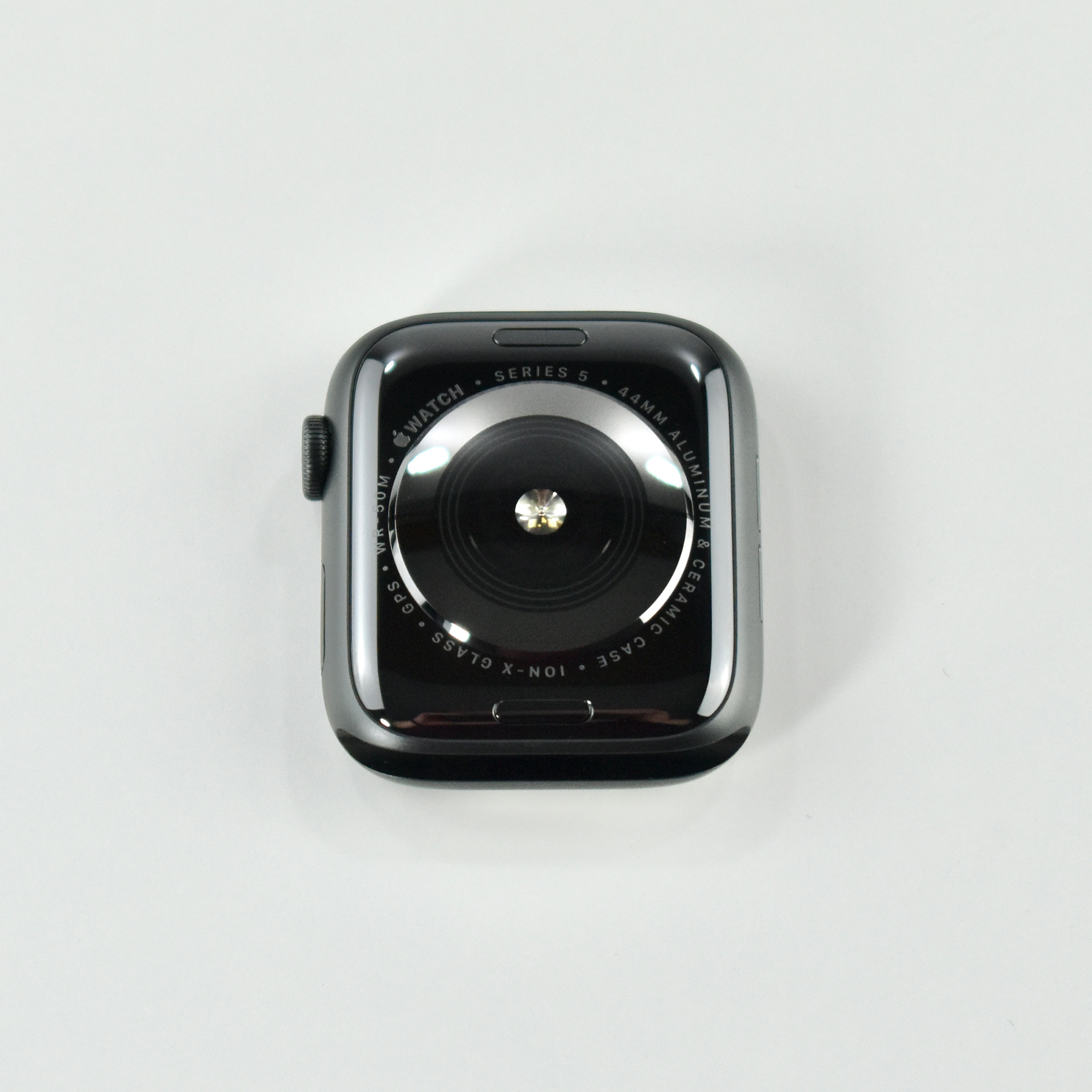
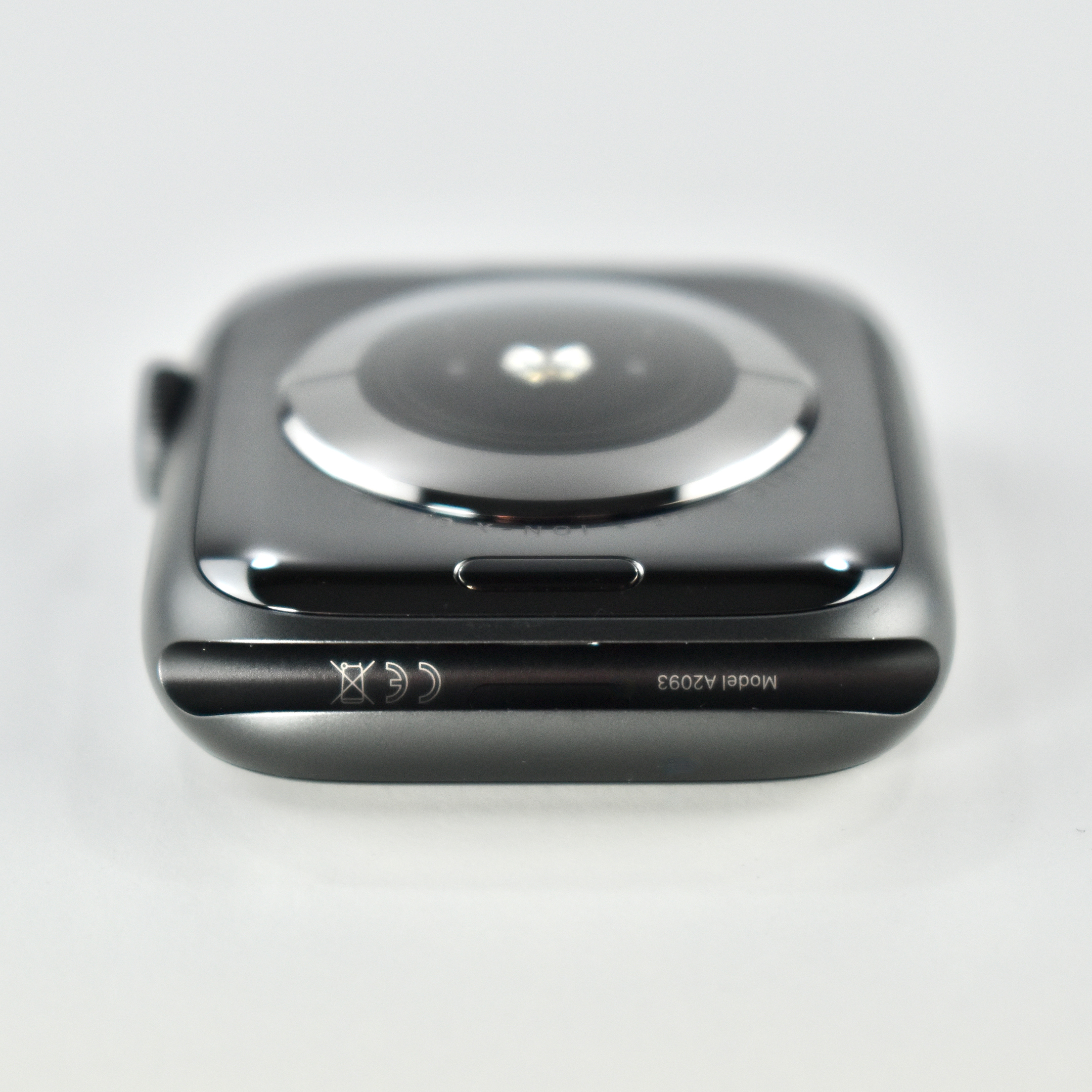
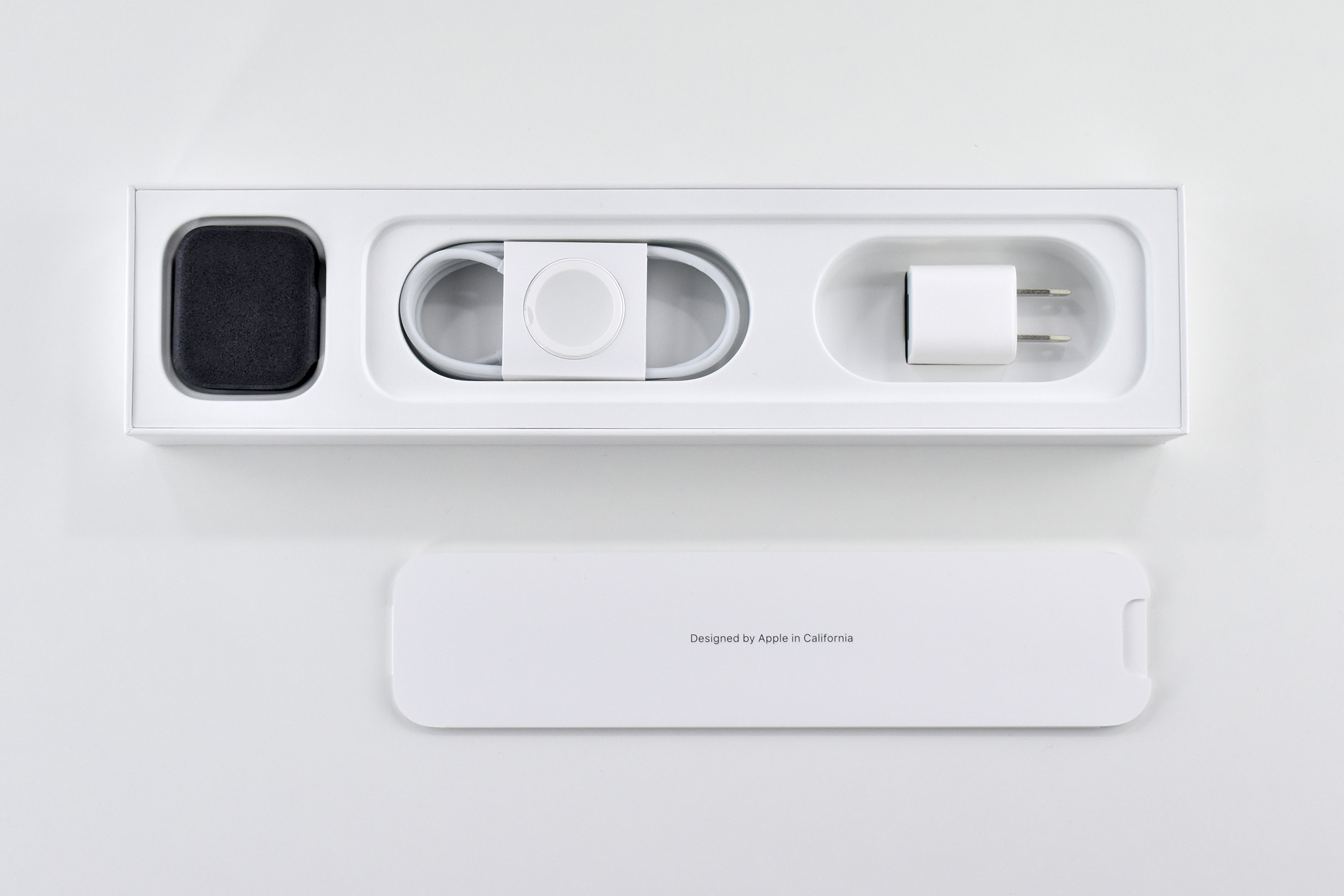
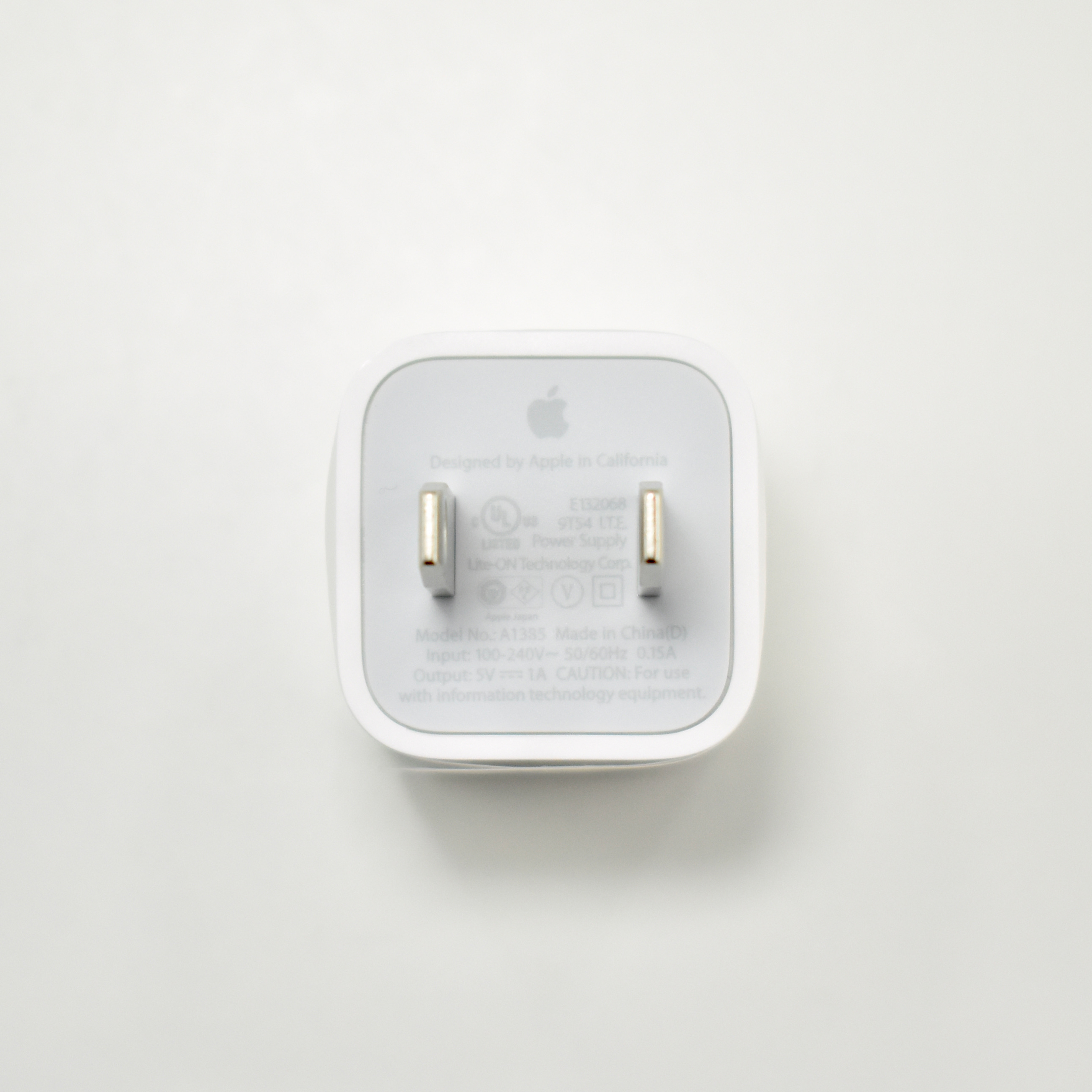
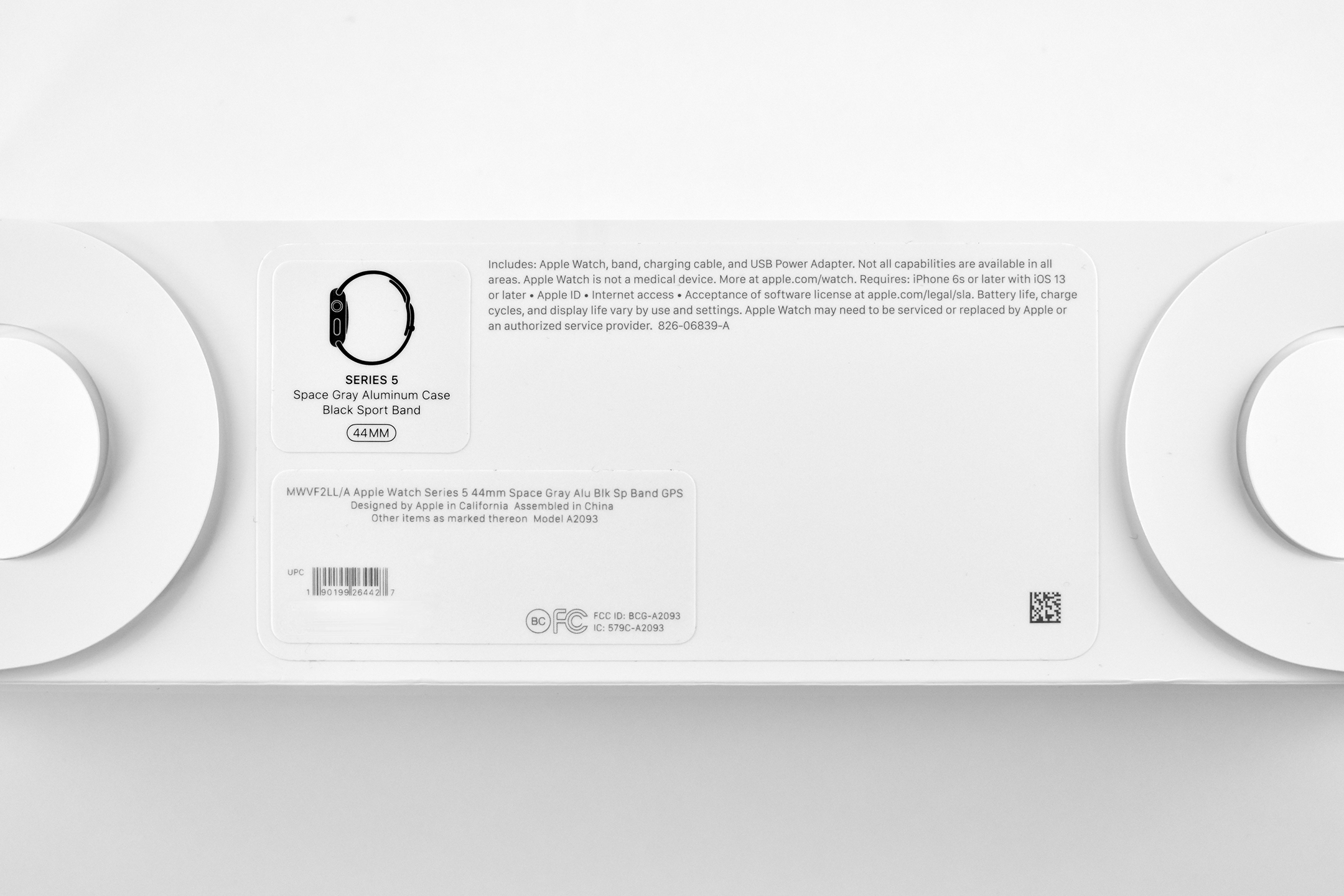
The Apple Watch Series 5 looked similar to the Series 4, but had an “Always-On” Retina display “that never sleeps,” a faster processor, and more storage. The GPS model required an iPhone tether to use the phone features (higher-end models had built-in wireless cellular). This watch added international emergency calling that allowed calling “emergency services directly from Apple Watch in over 150 countries, even without iPhone nearby.”
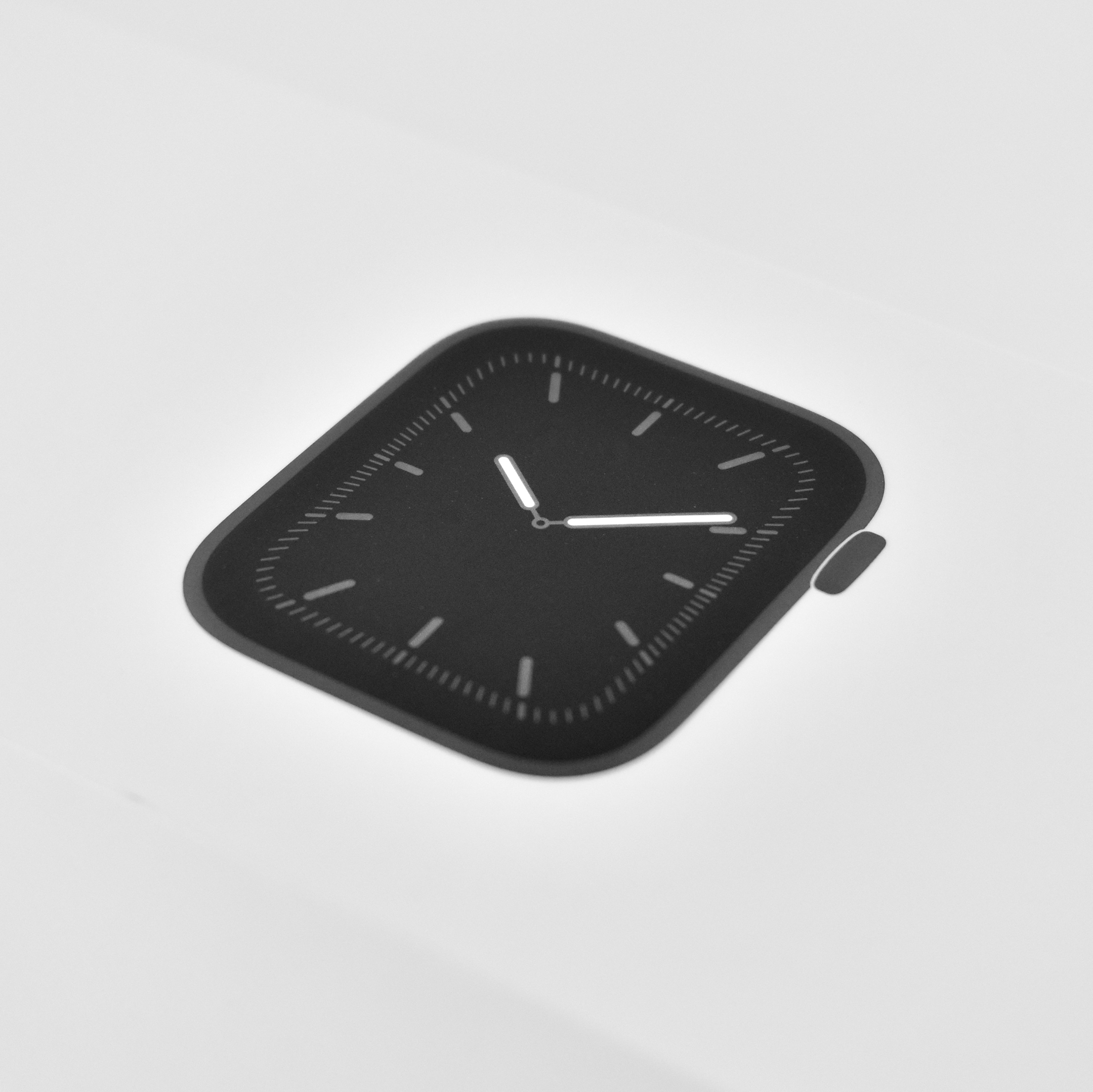
Like all previous Apple Watch models, the Apple Watch Series 5 uses a Digital Crown and a touch display. The screen is OLED at 368×448 with haptic feedback and a Force Touch display. New health and fitness features with Series 5 included Cycle Tracking, the Noise app and Activity Trends.
Previous Apple Watch models used screens that went black to conserve power. The Always-On screen in the Series 5 was made possible by the OLED display and other hardware and software. According to Apple:
“Each watch face has been carefully optimized for the new display and to preserve battery life, the screen intelligently dims when a user’s wrist is down and returns to full brightness with a raise or a tap. Several advanced technologies work together to deliver this new feature, including the industry’s only low-temperature polysilicon and oxide display (LTPO), ultra-low power display driver, efficient power management integrated circuit and new ambient light sensor.”
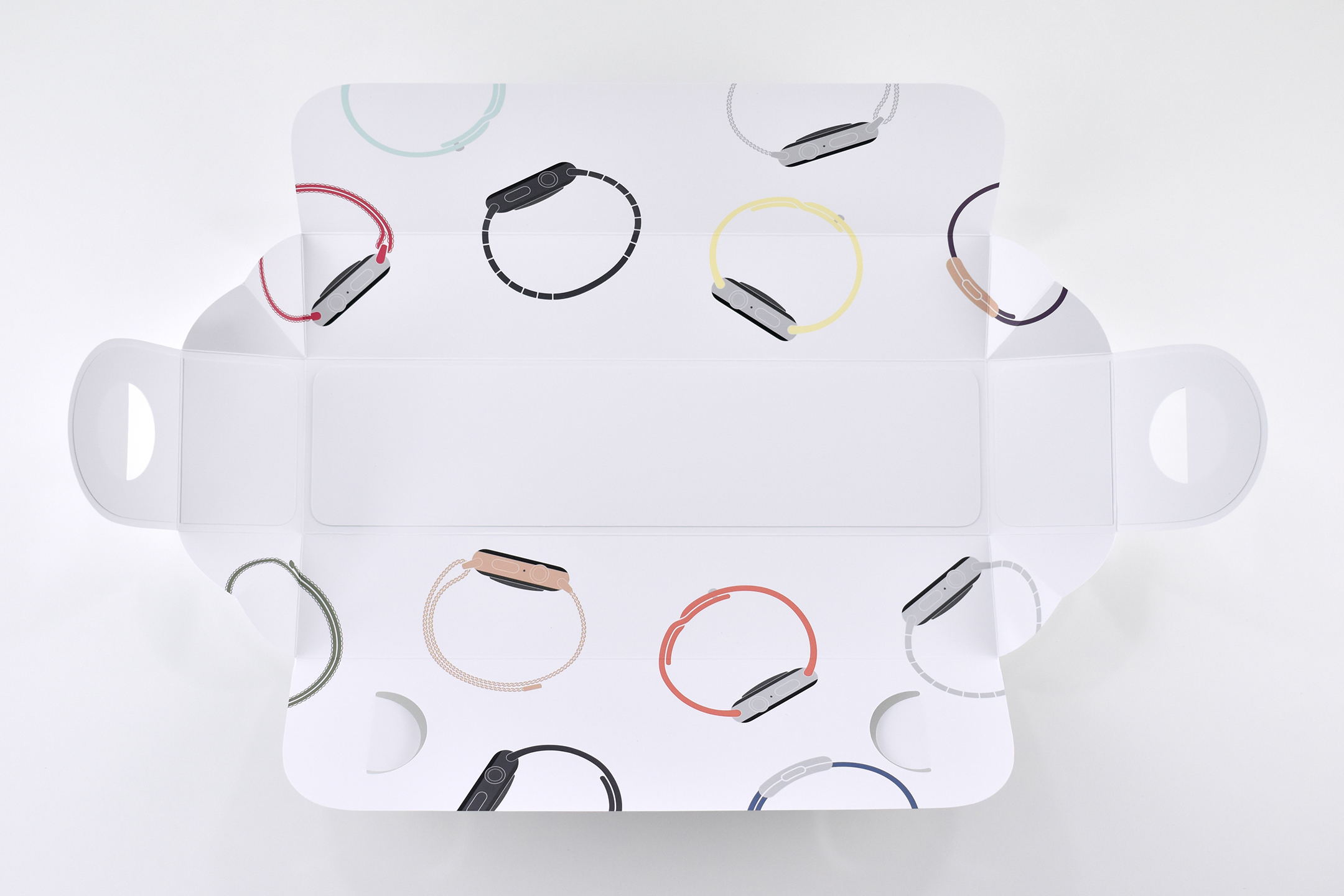
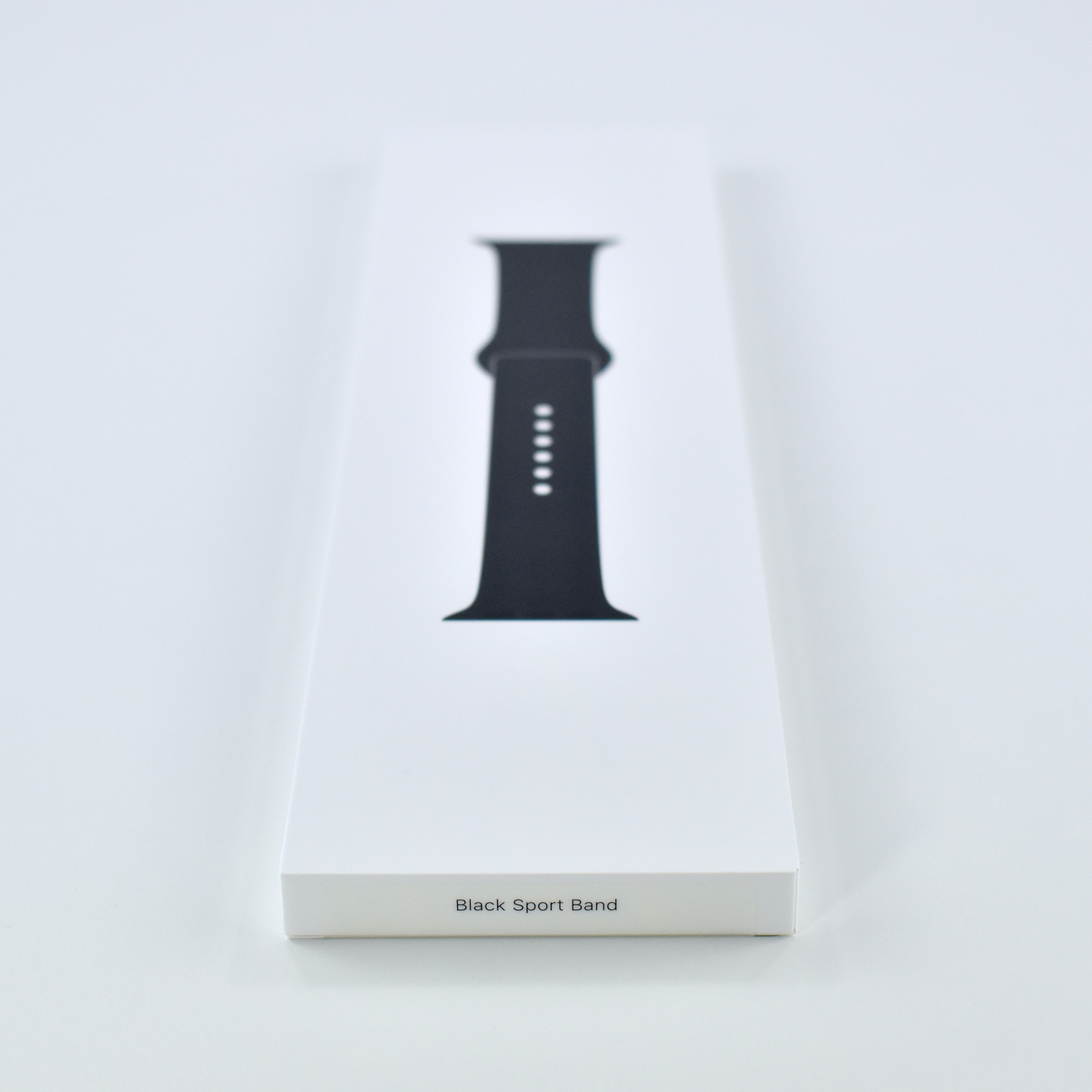
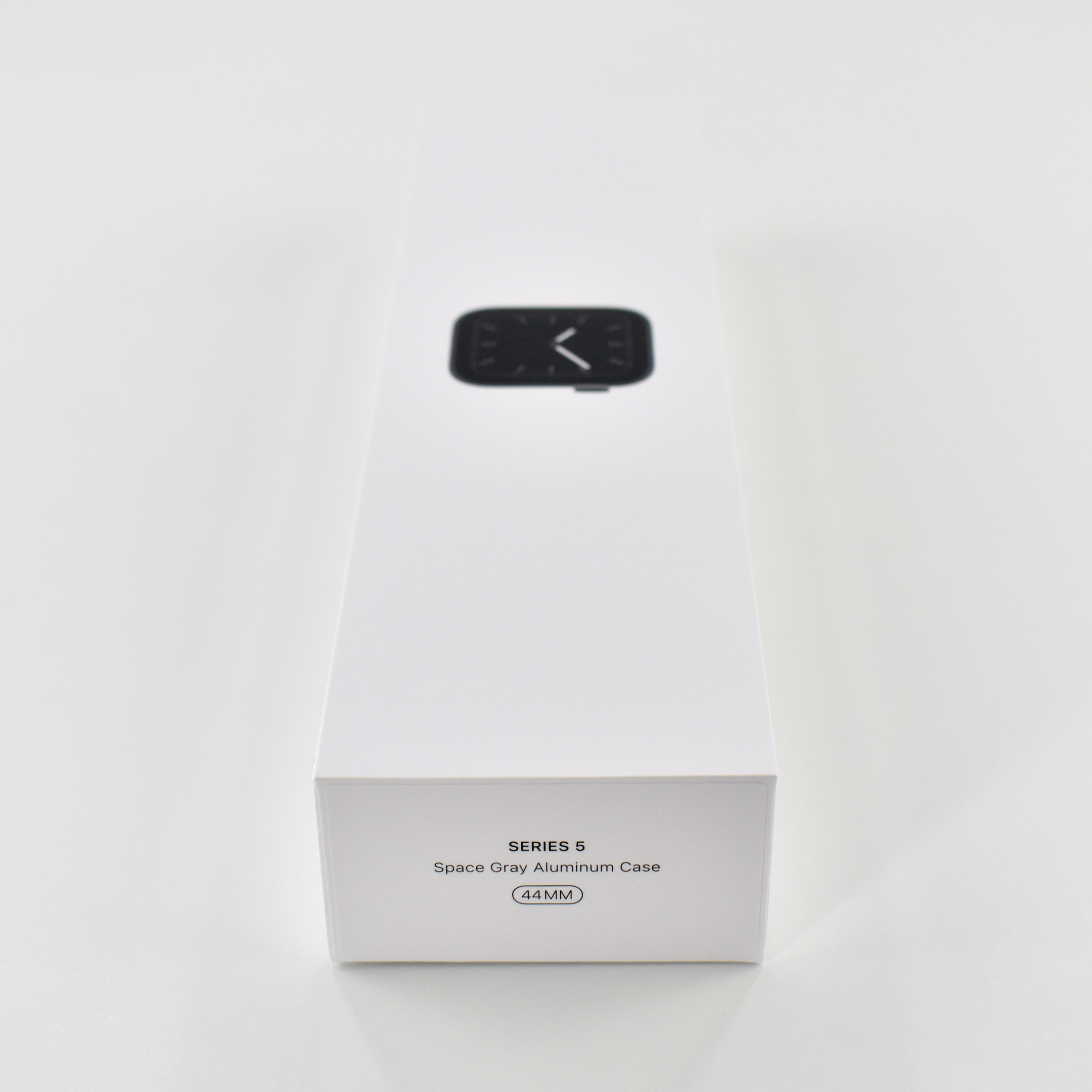
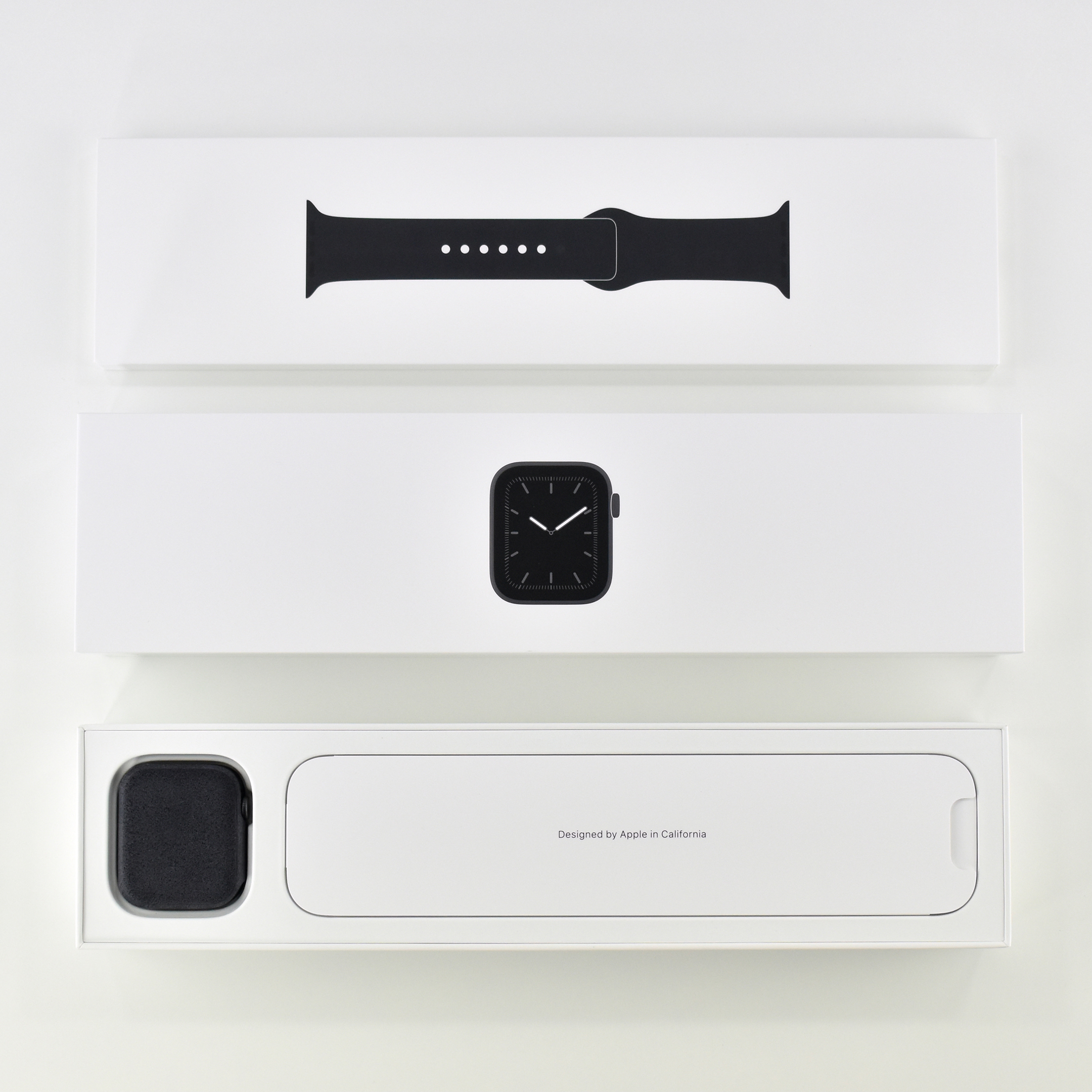
Three different aluminum options were available: Space Gray with Black Sport Band (this model), Silver with White Sport Band, and Gold with Pink Sand Sport Band. Many other combinations were available by customizing the watch online. The Series 5 introduced the “Apple Watch Studio,” both on the Apple website and on the Apple Store app. The Apple Watch Studio allowed the opportunity for buyers to select a “preferred case and band combination to create a look that is uniquely their own.”
New materials were also offered with the Series 5, including natural titanium and space black titanium. Aluminum cases in silver, gold, and space gray were offered in “100 percent recycled 7000 series aluminum.” Stainless steel cases were unchanged and were offered in gold, silver, and space black.
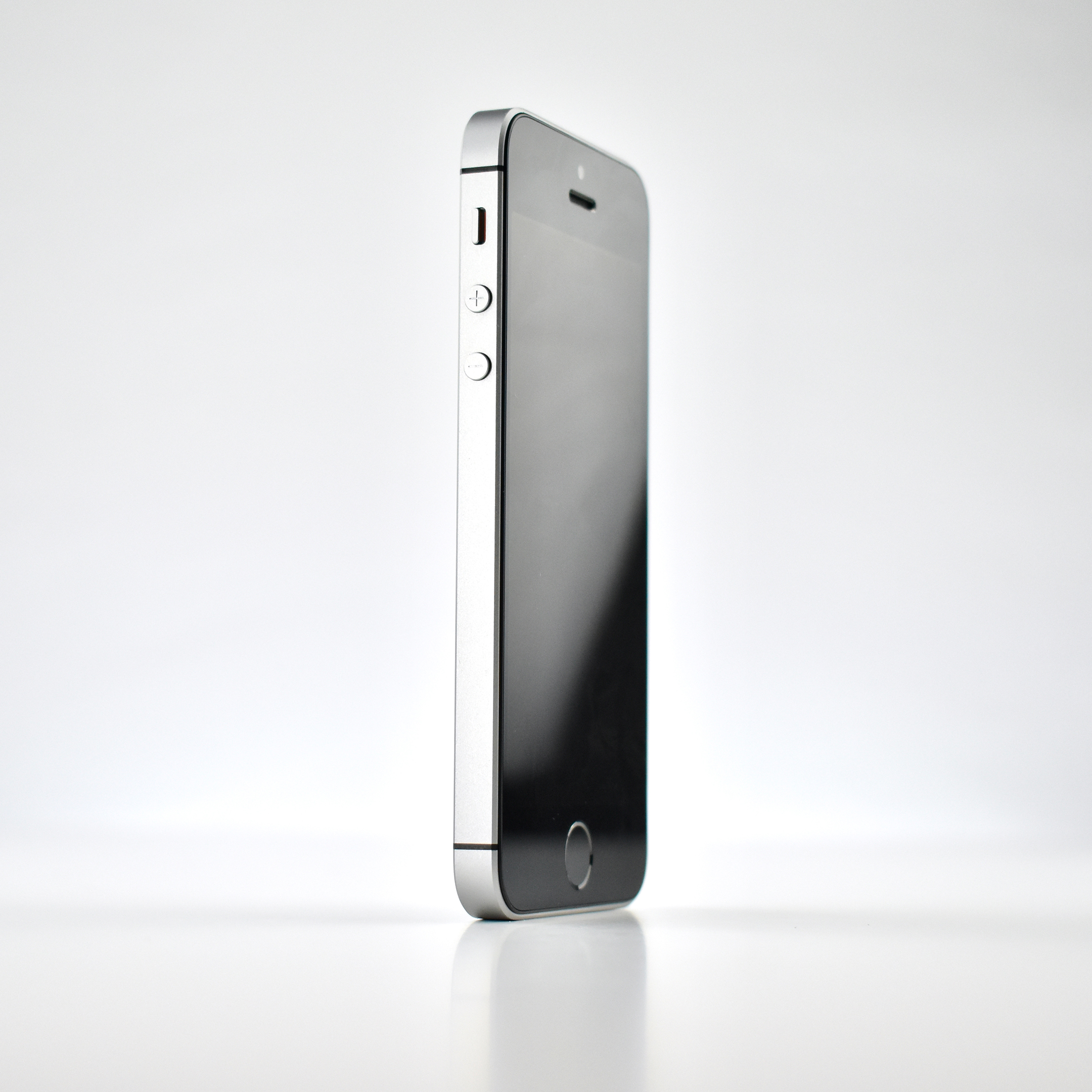
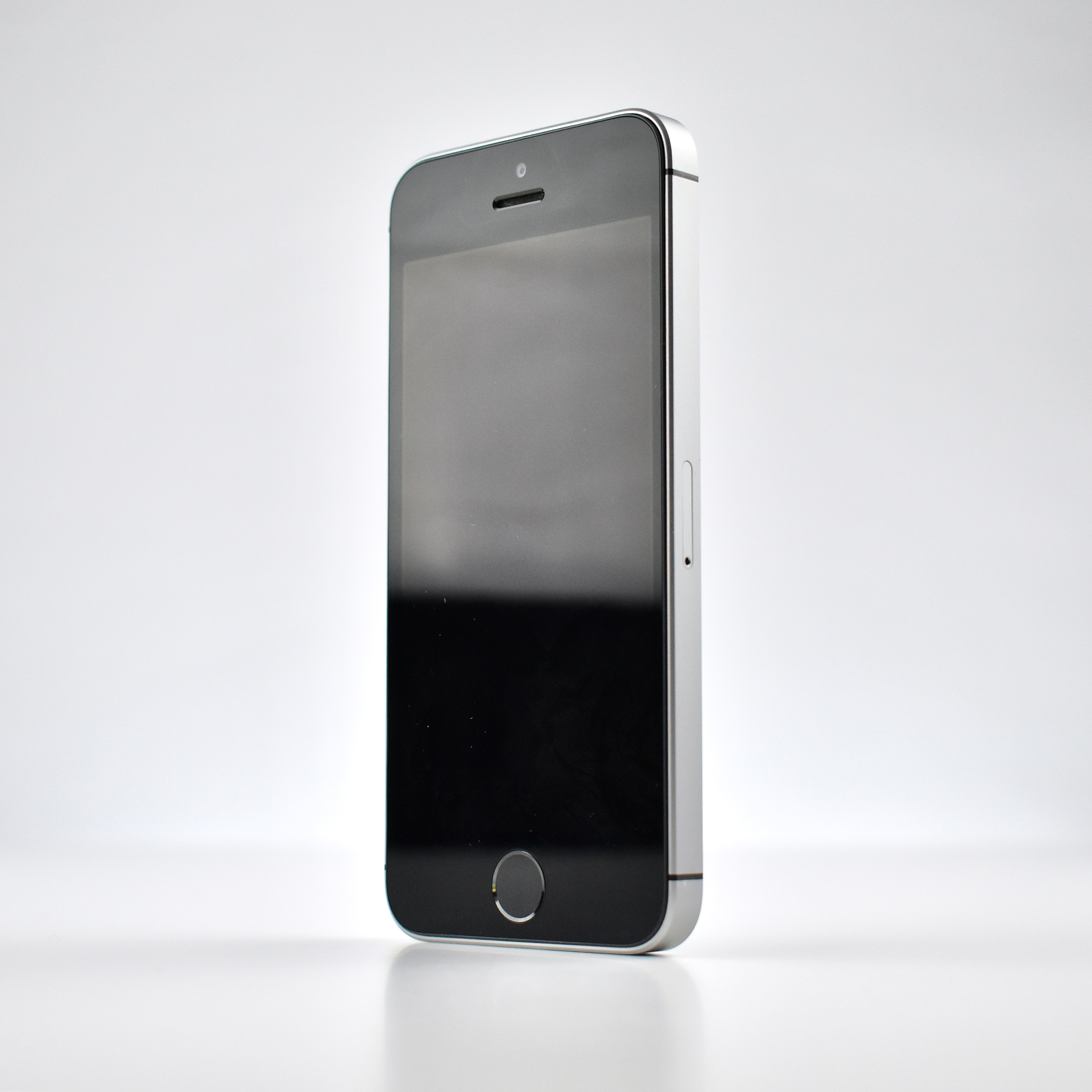
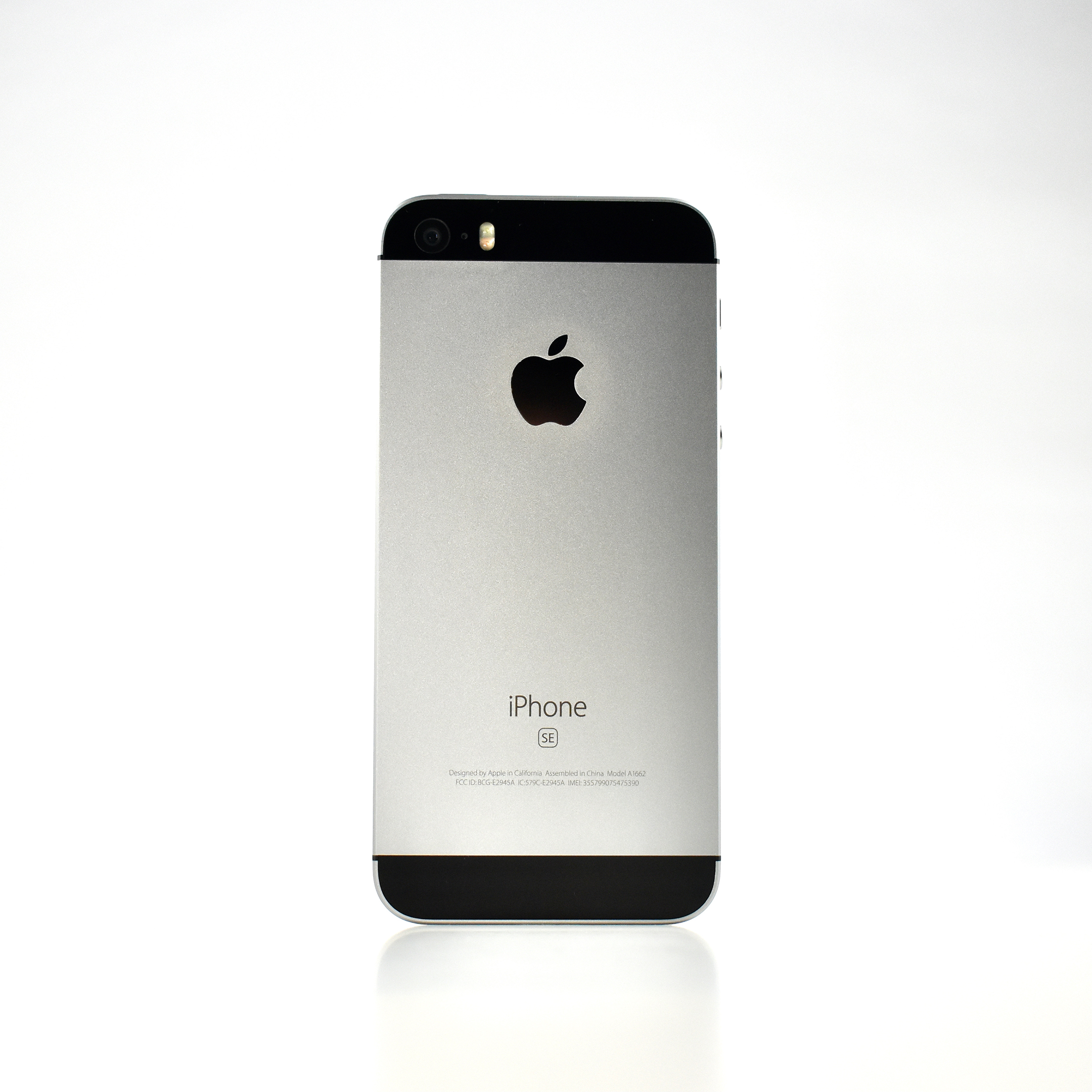
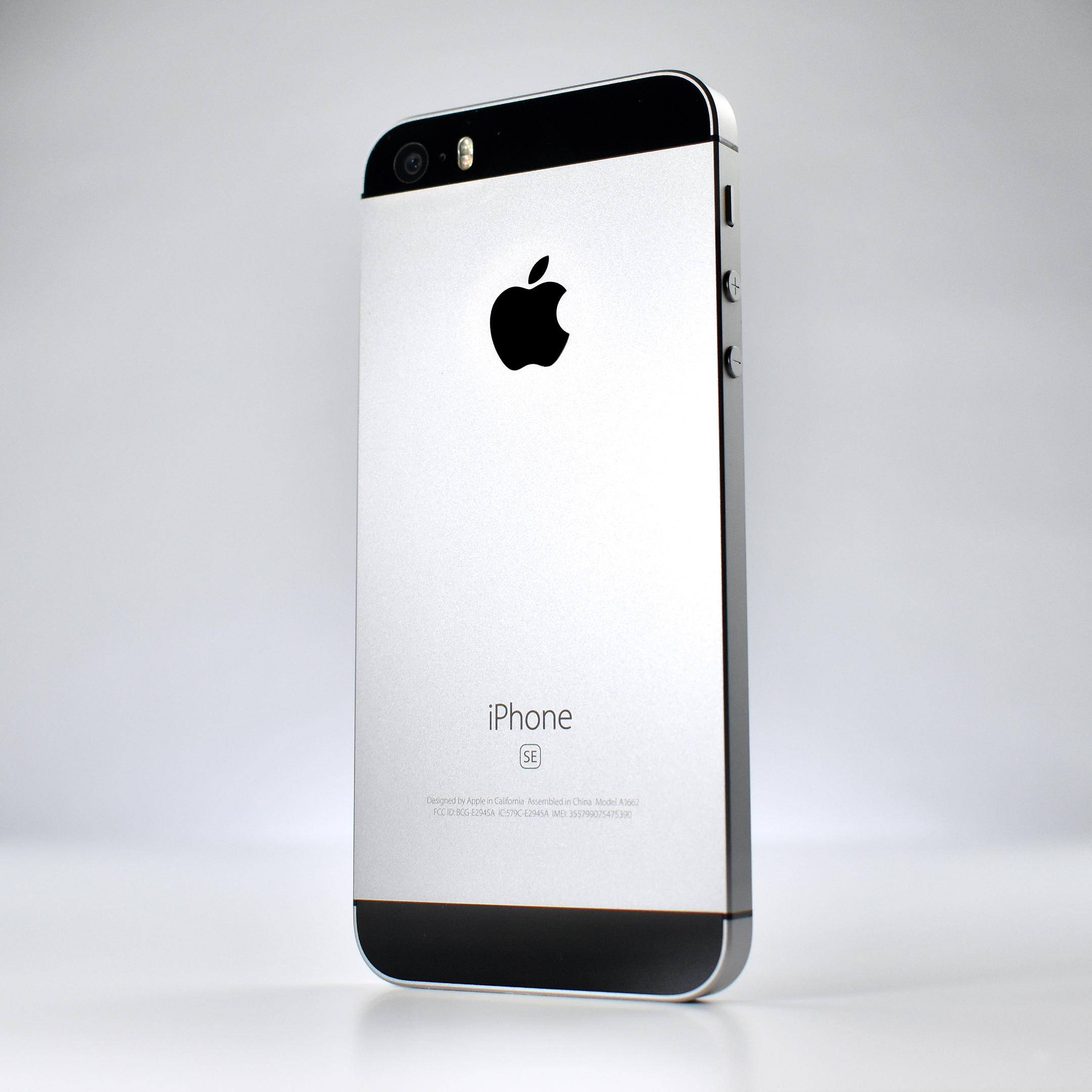
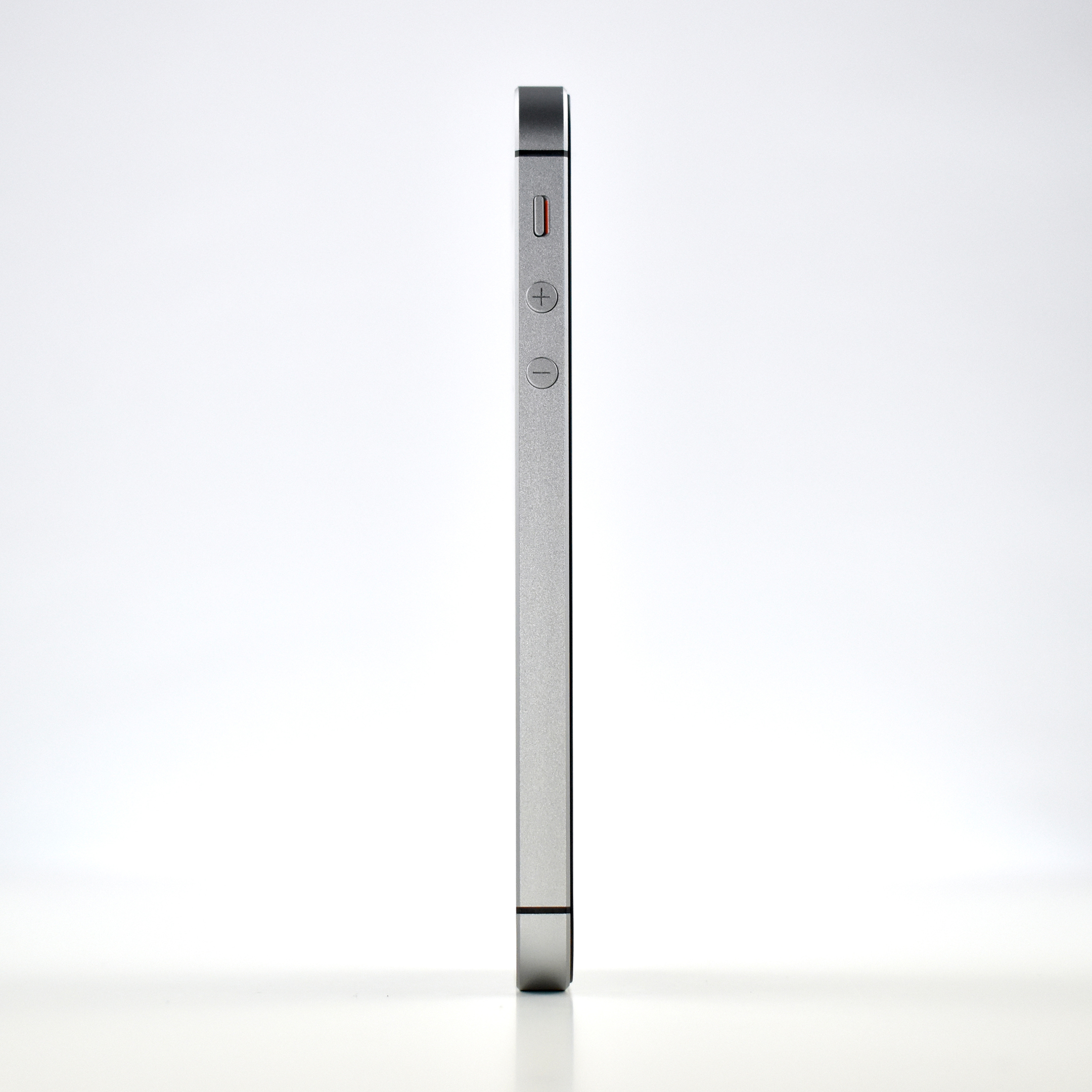
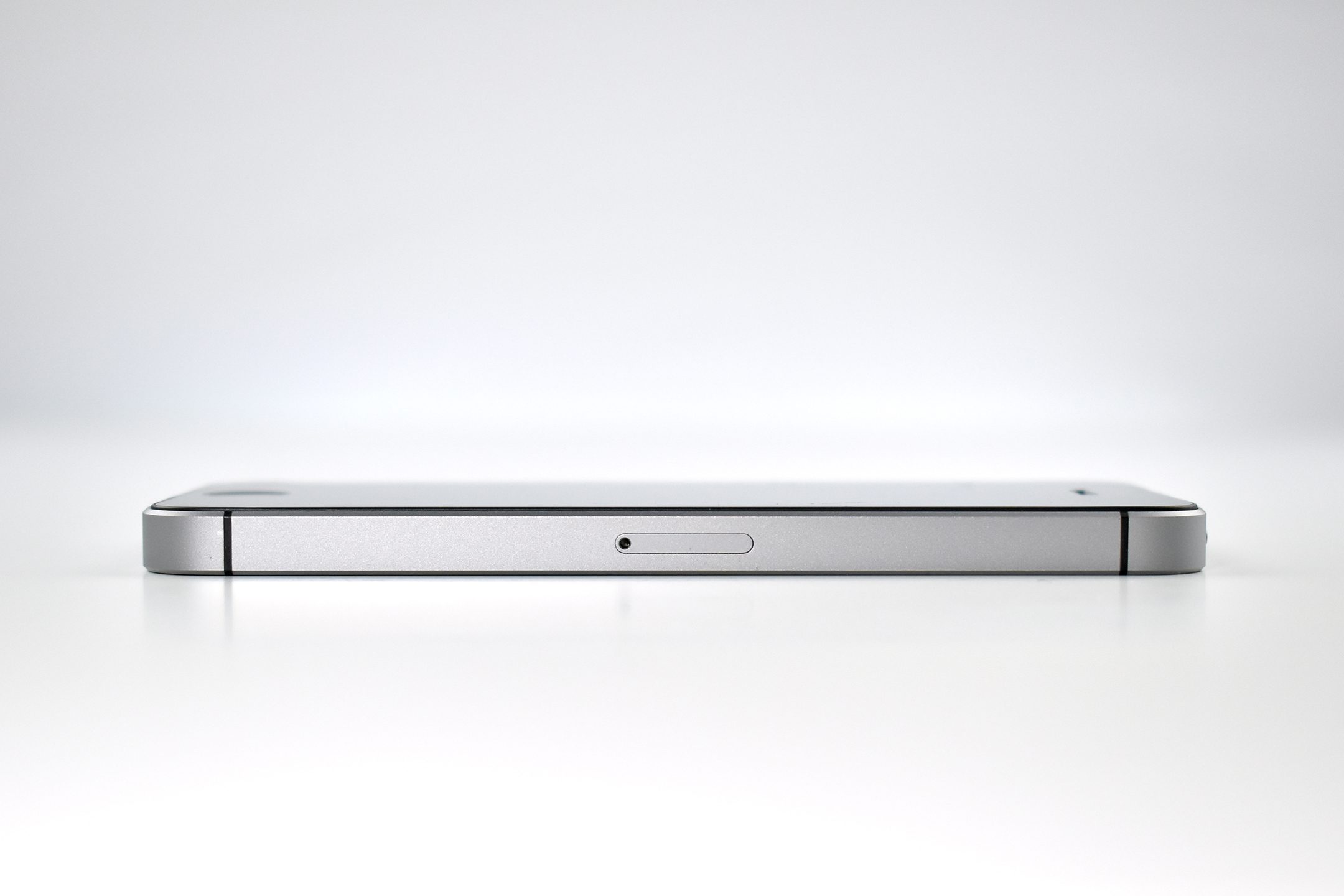
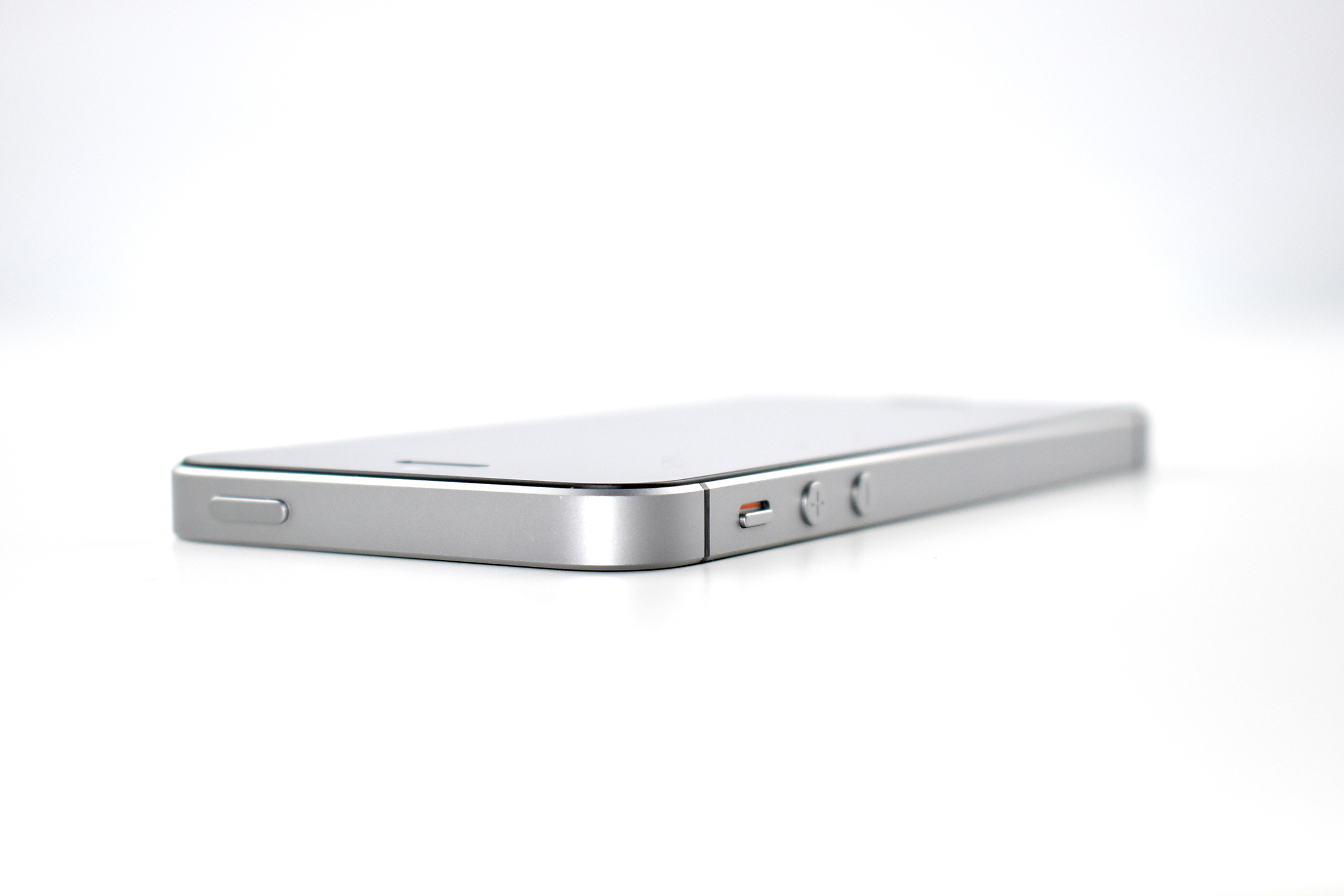
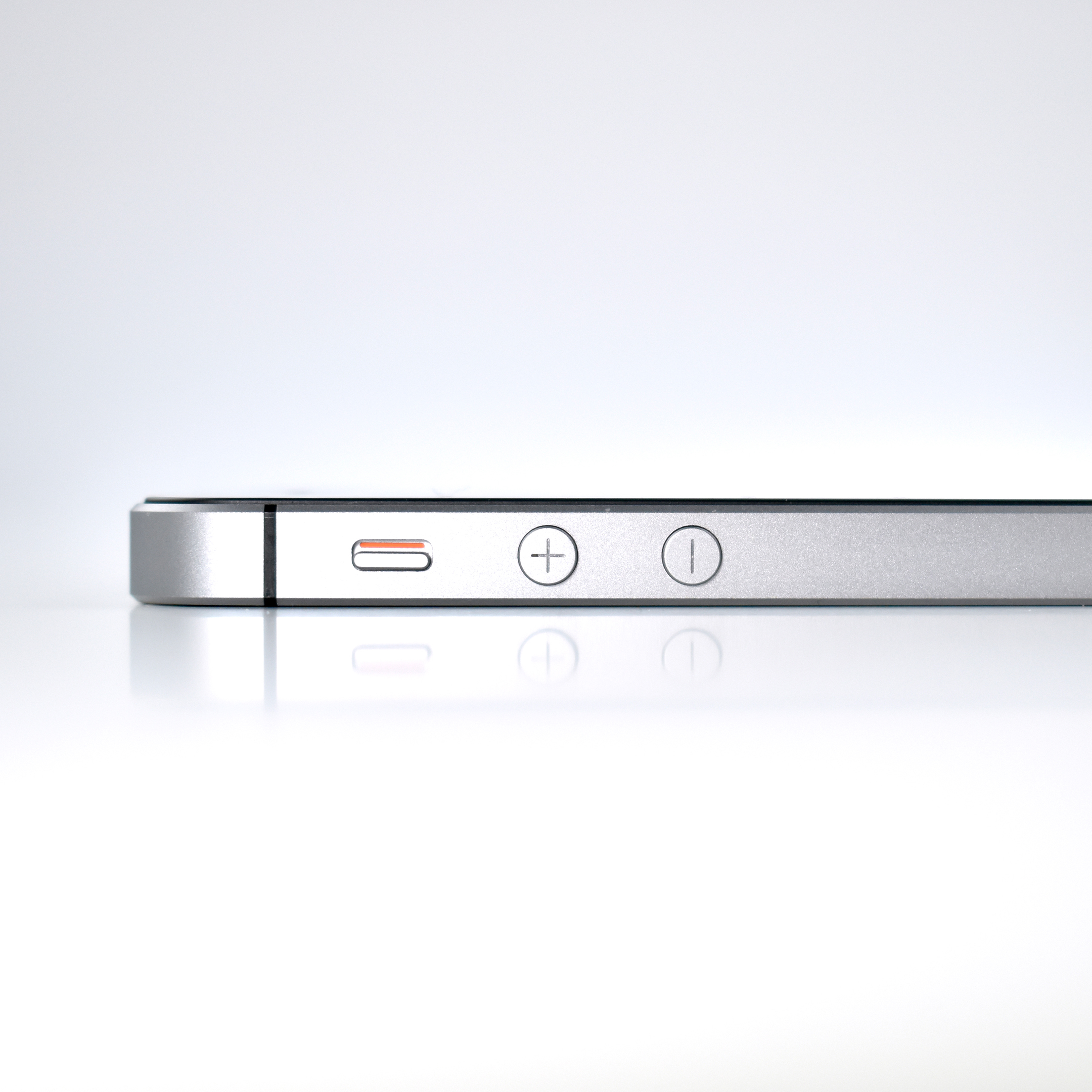
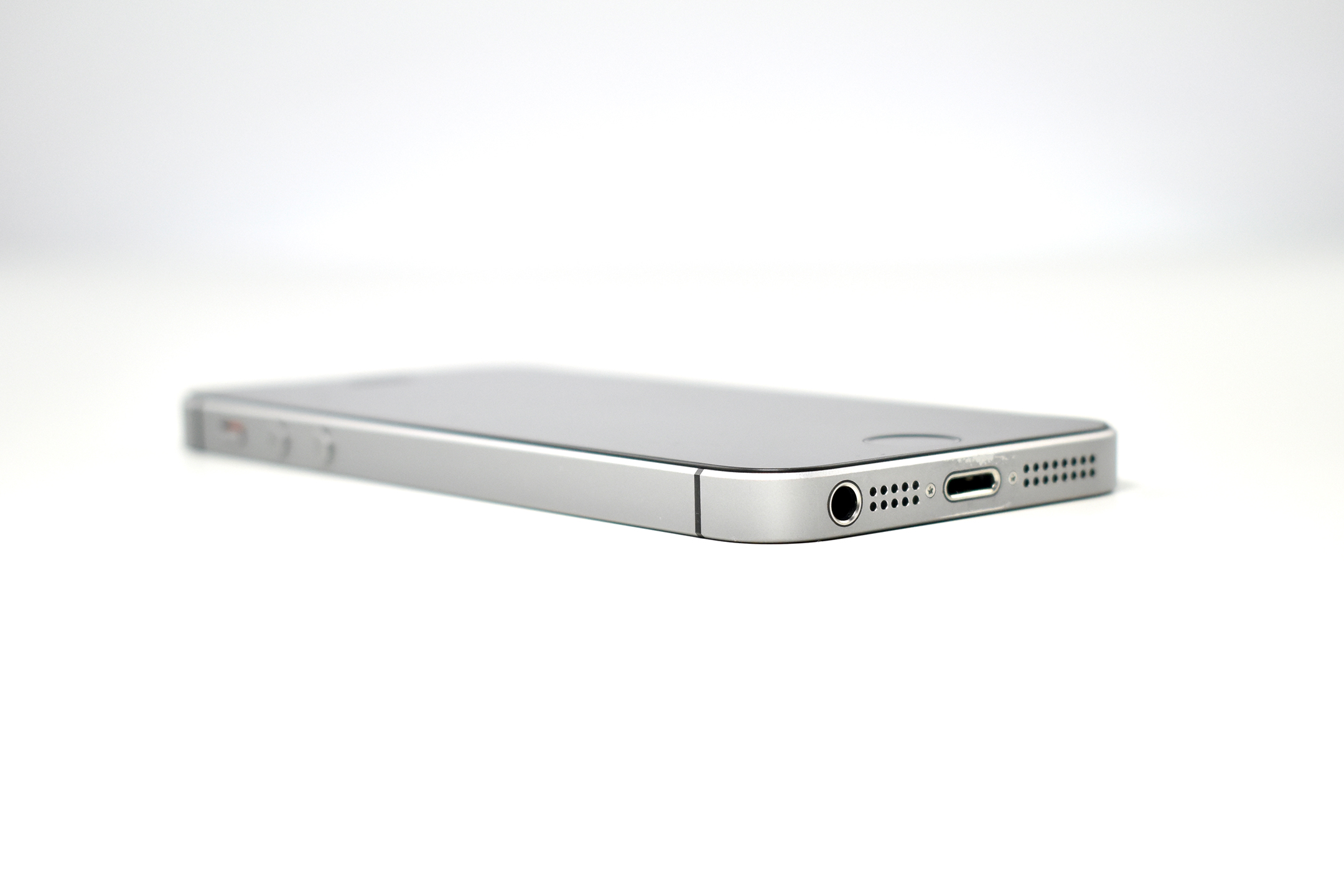
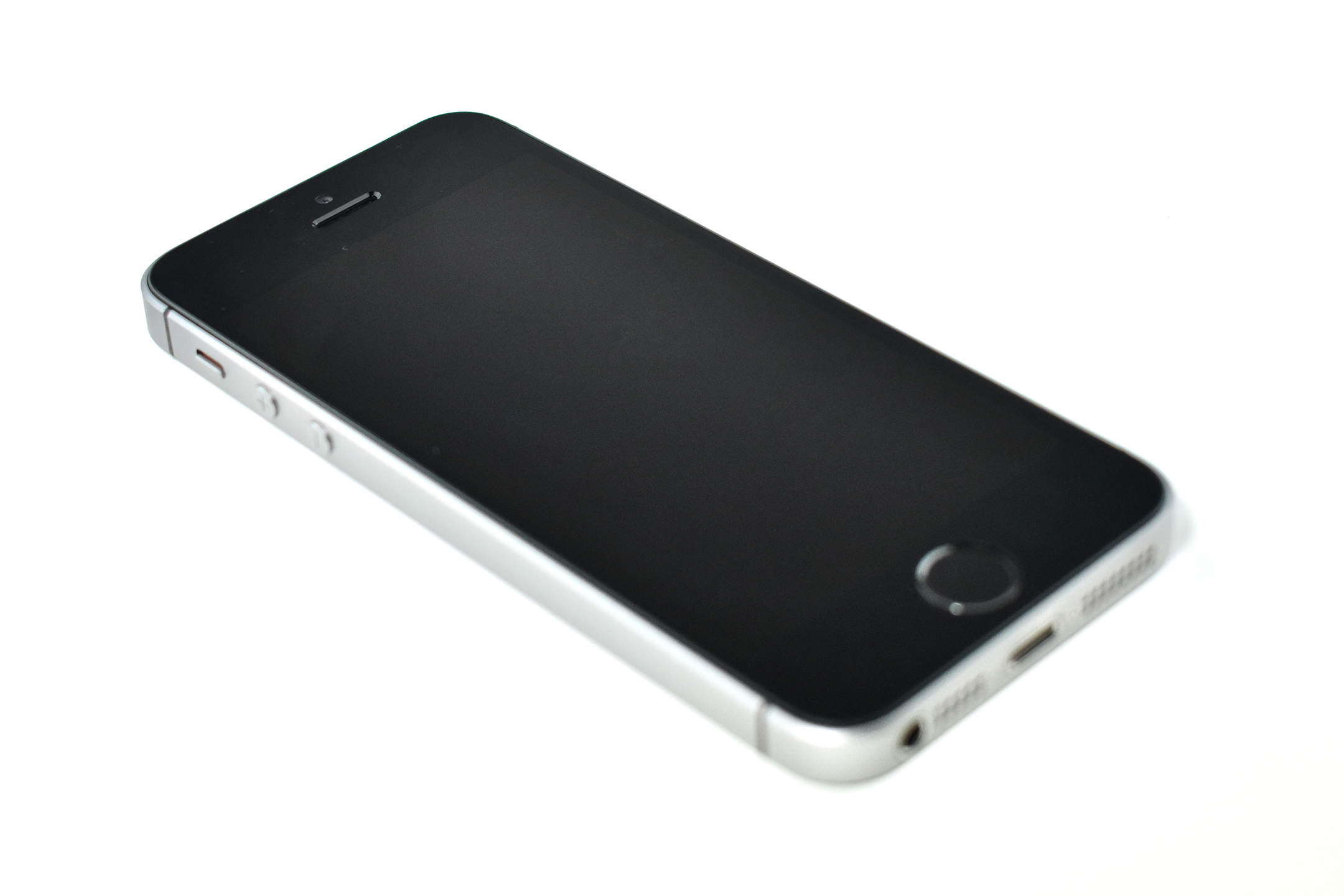
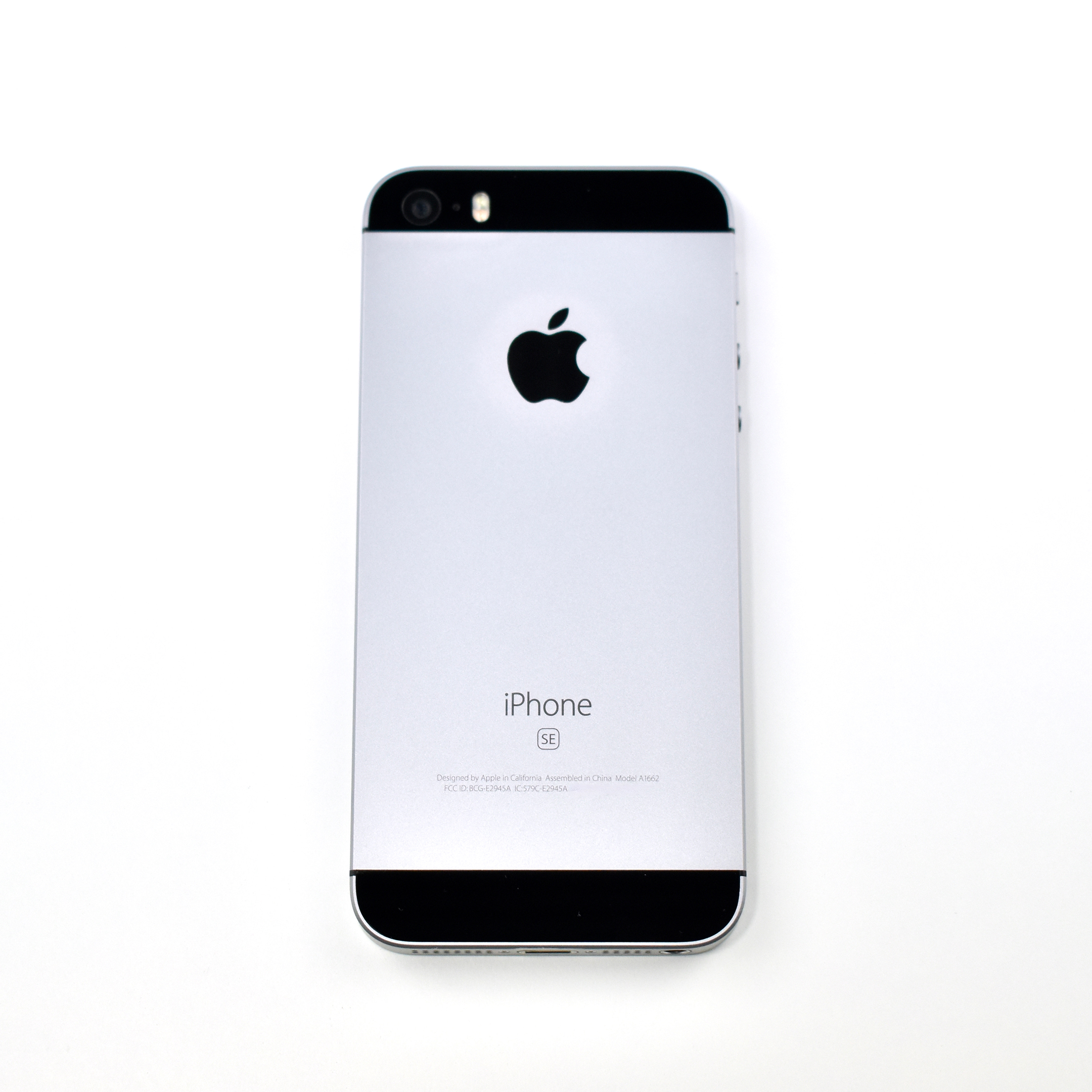
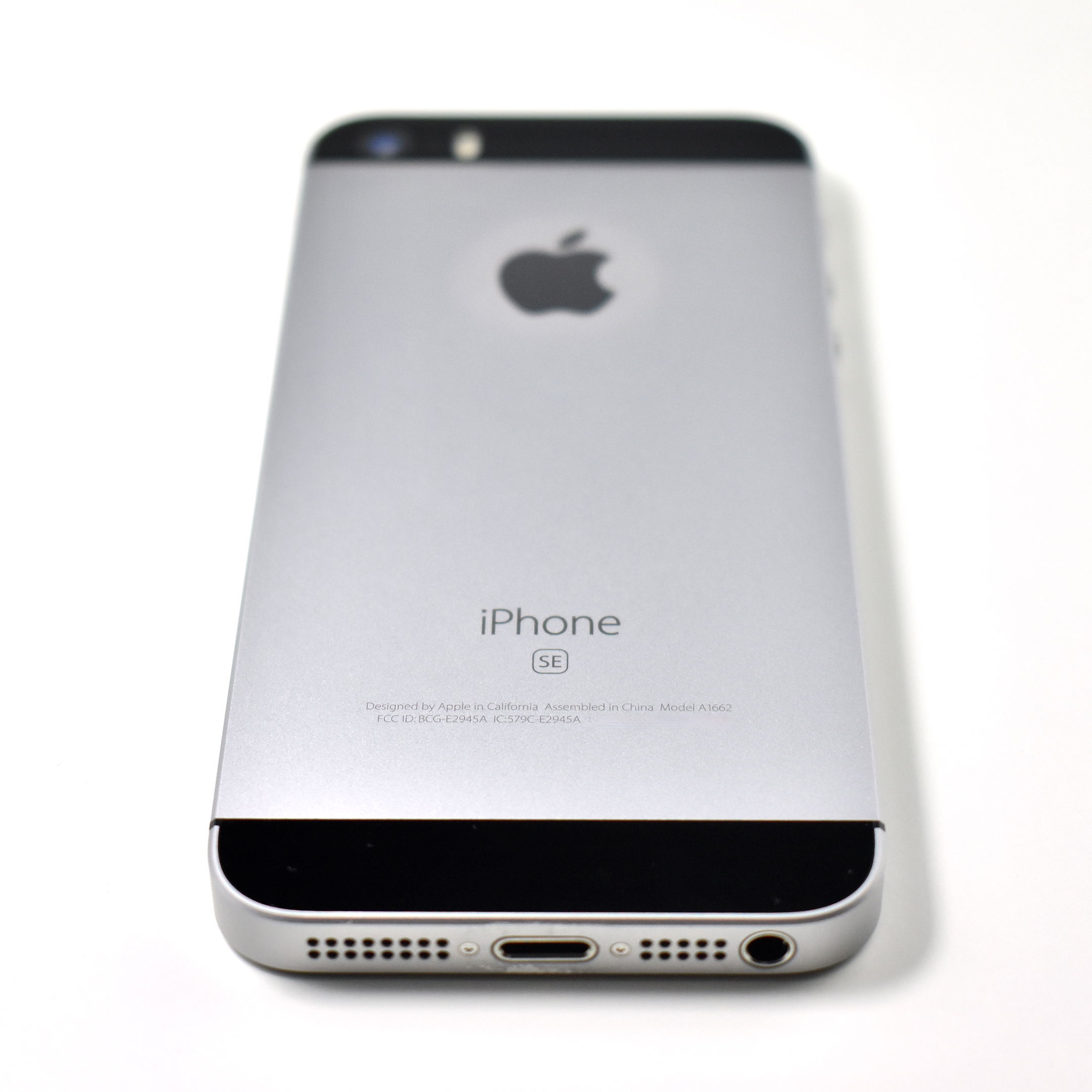
The original iPhone SE (Special Edition) was released along with the larger iPhone 6s and 6s Plus. Many users preferred the smaller size of this phone and its flat sides that used the same design as the iPhone 5s.
The original iPhone SE’s exterior differed from the iPhone 5s in its finishes, including four colors, and matte (instead of shiny) edges. Colors for the iPhone SE included Silver (white glass front and a silver aluminum sides and back with a white top and bottom detail); Space Gray (black glass front and a gunmetal gray aluminum sides and back with a black top and bottom detail); Gold (white glass front and a gold aluminum sides and back with a white top and bottom detail); and Rose Gold (white glass front and a pink-tinted gold aluminum sides and back with a white top and bottom detail).
The original iPhone SE used a 4-inch Retina display (1136×640 at 326 ppi). Its two cameras included a rear 12-megapixel iSight camera with a True Tone flash and a front 1.2-megapixel 720p FaceTime camera.
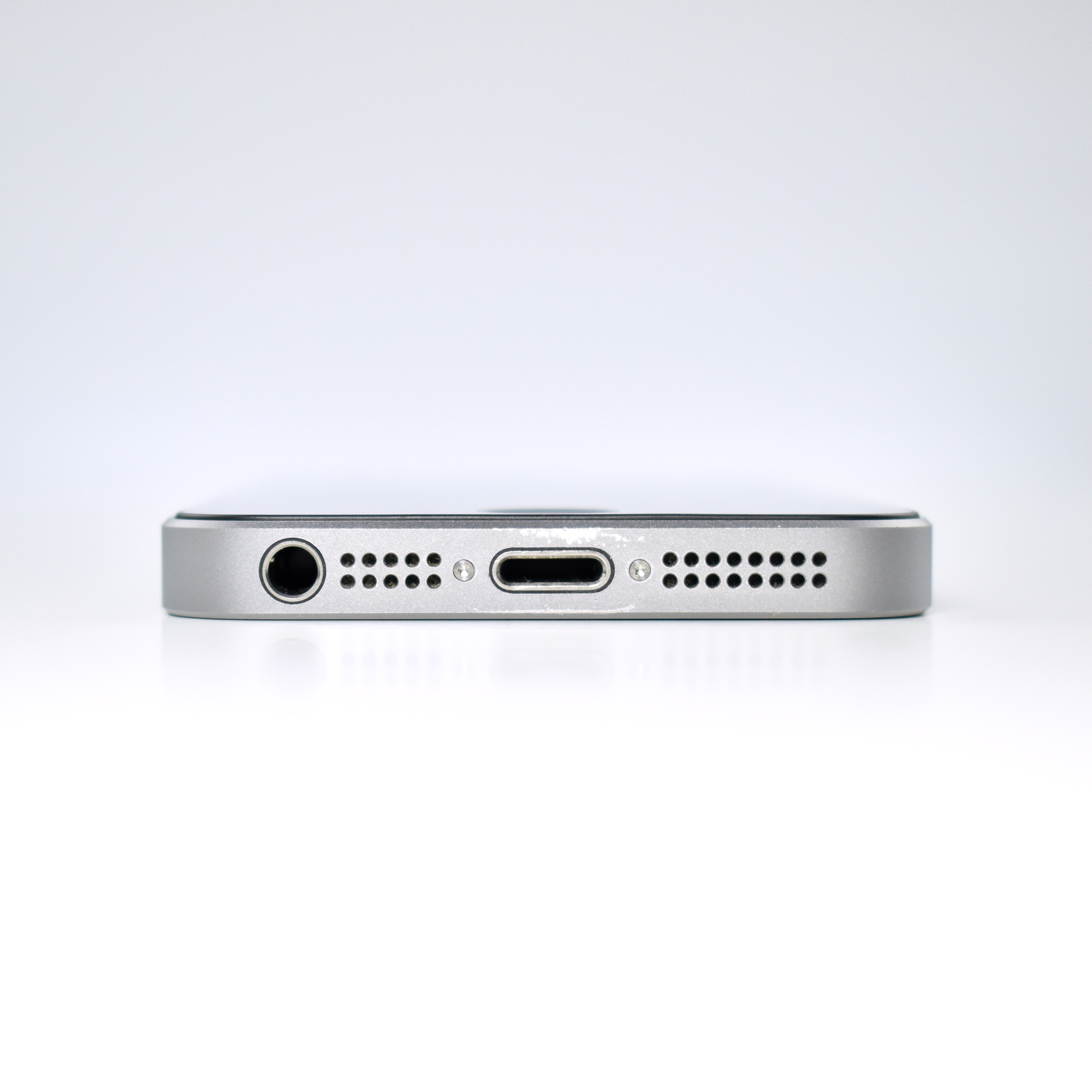
A Touch ID fingerprint sensor was embedded in the Home button of the iPhone SE. It used Apple’s A9 processor and was available with 16, 32, 64, or 128 GB storage. Wireless connections included 4G/LTE, 802.11ac Wi-Fi, Bluetooth 4.2, and NFC (Apple Pay). Wired connections included a headphone jack and a Lightning connector.
The iPhone SE would become the first iPhone name to be later reused (in April 2020) in a completely different design.
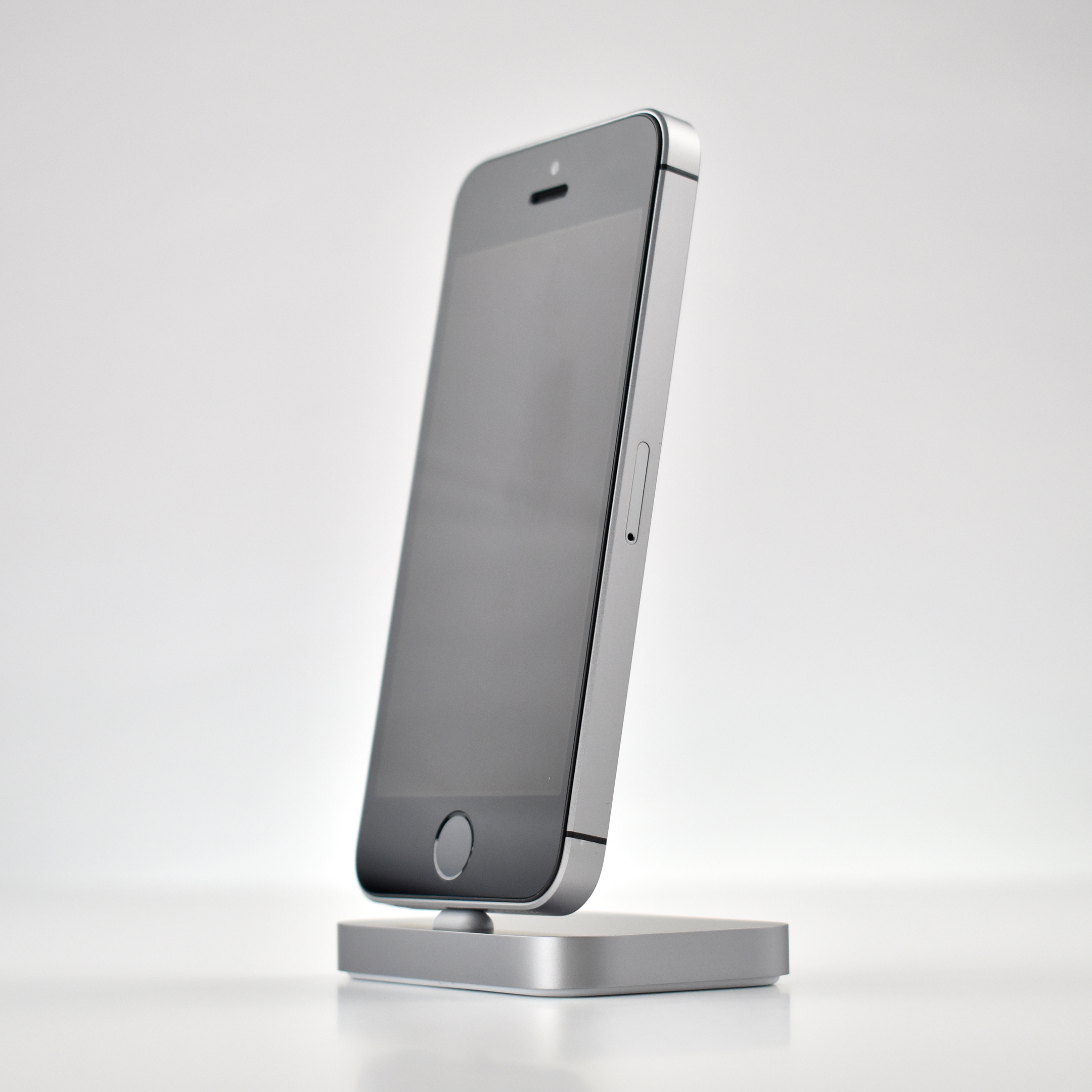
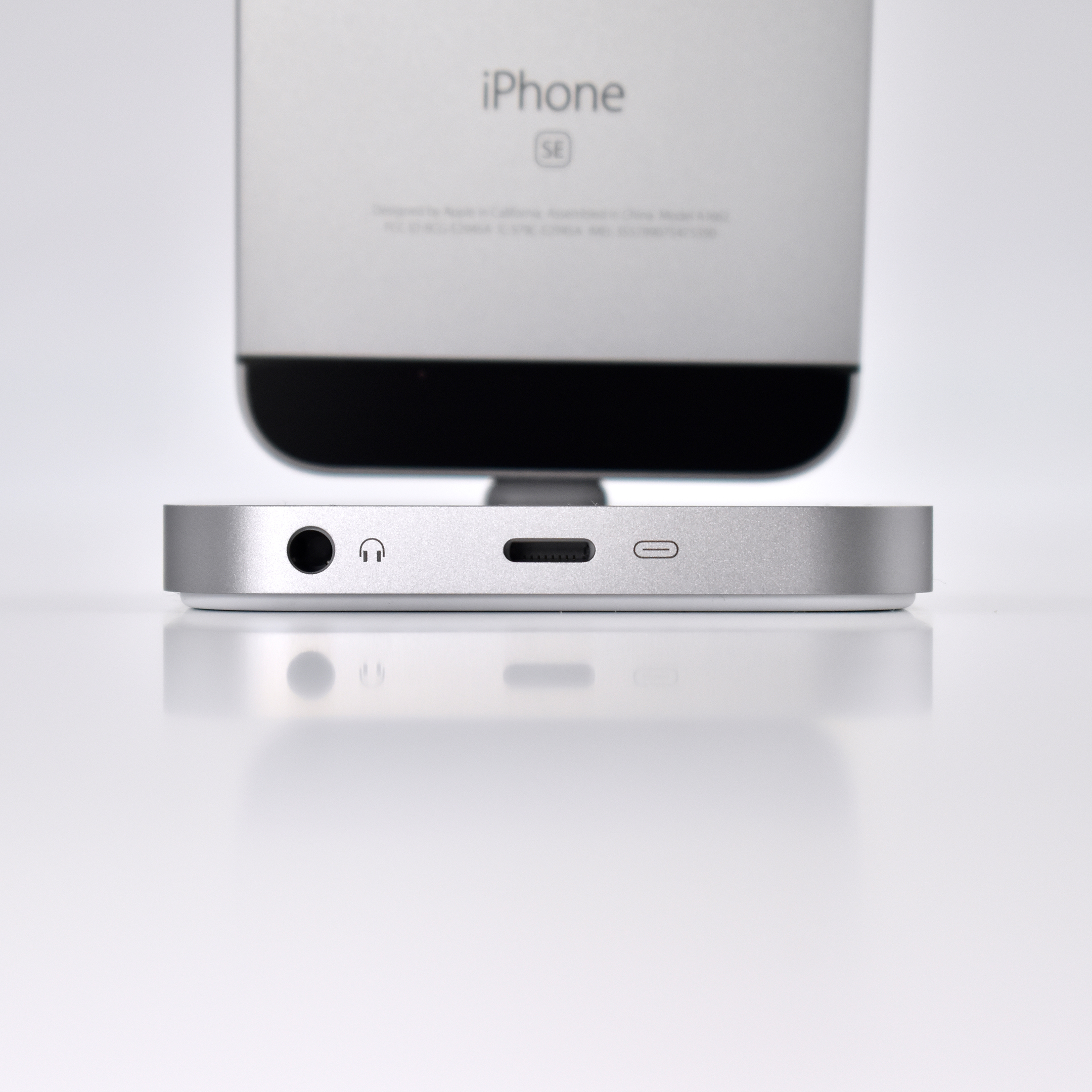
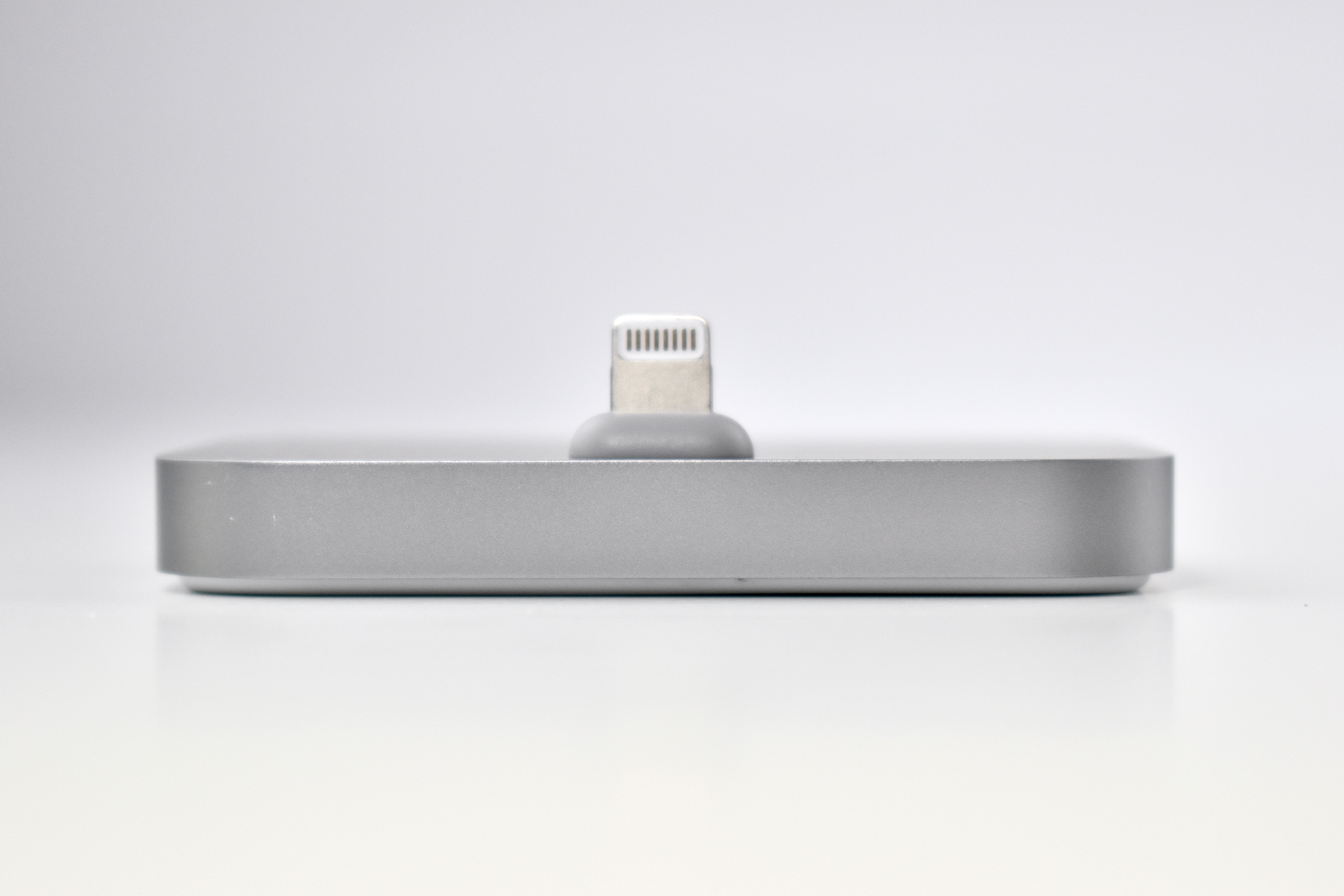
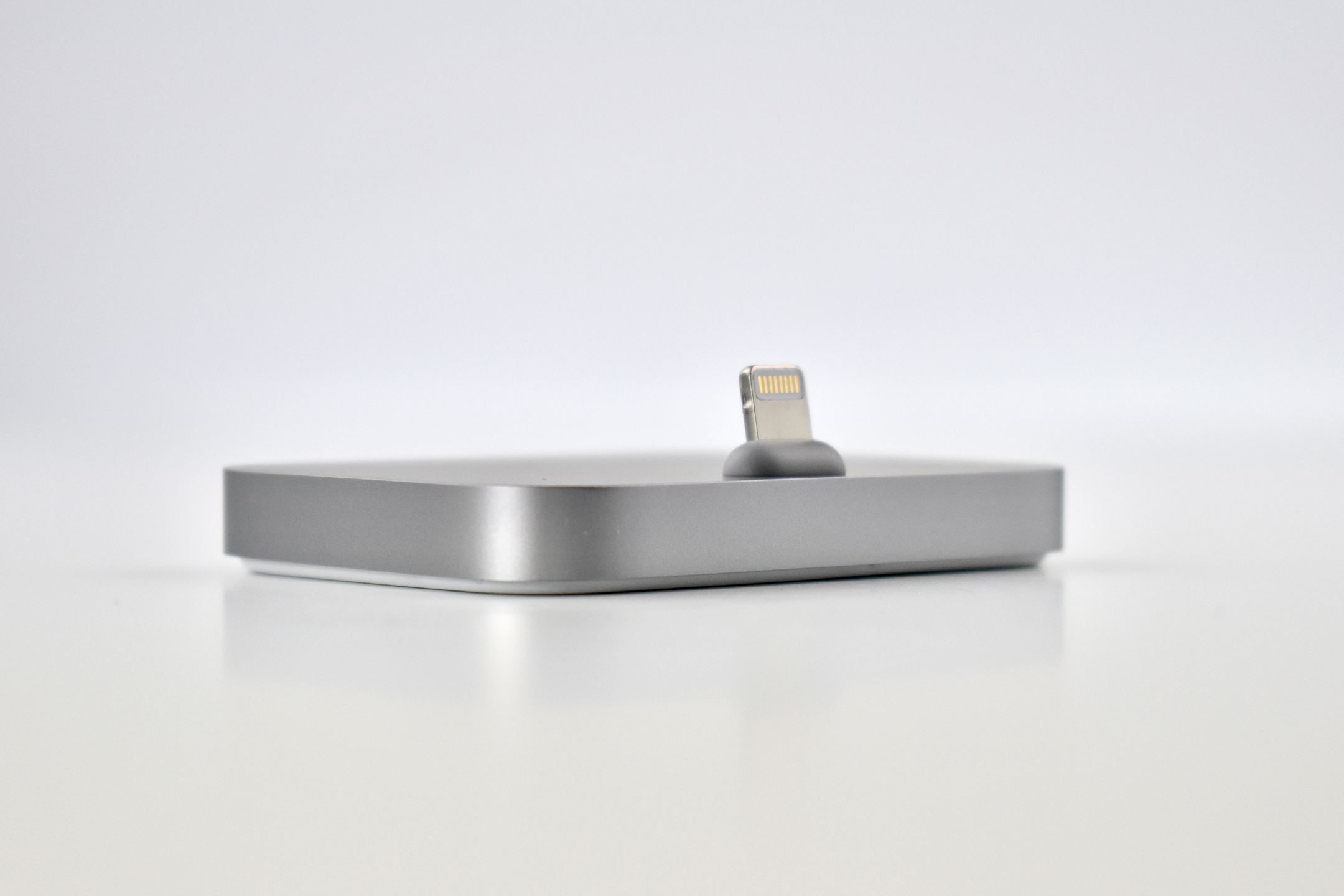
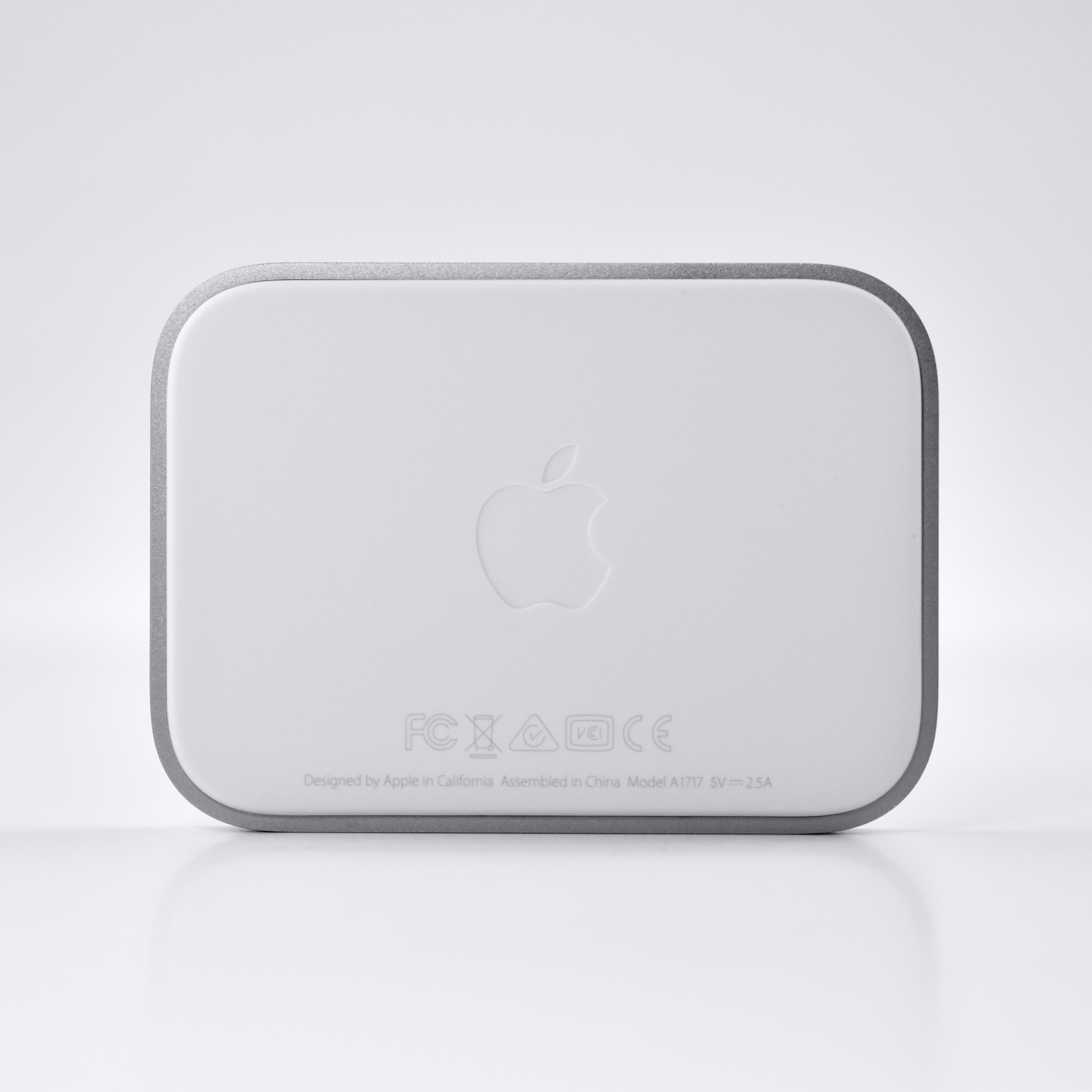
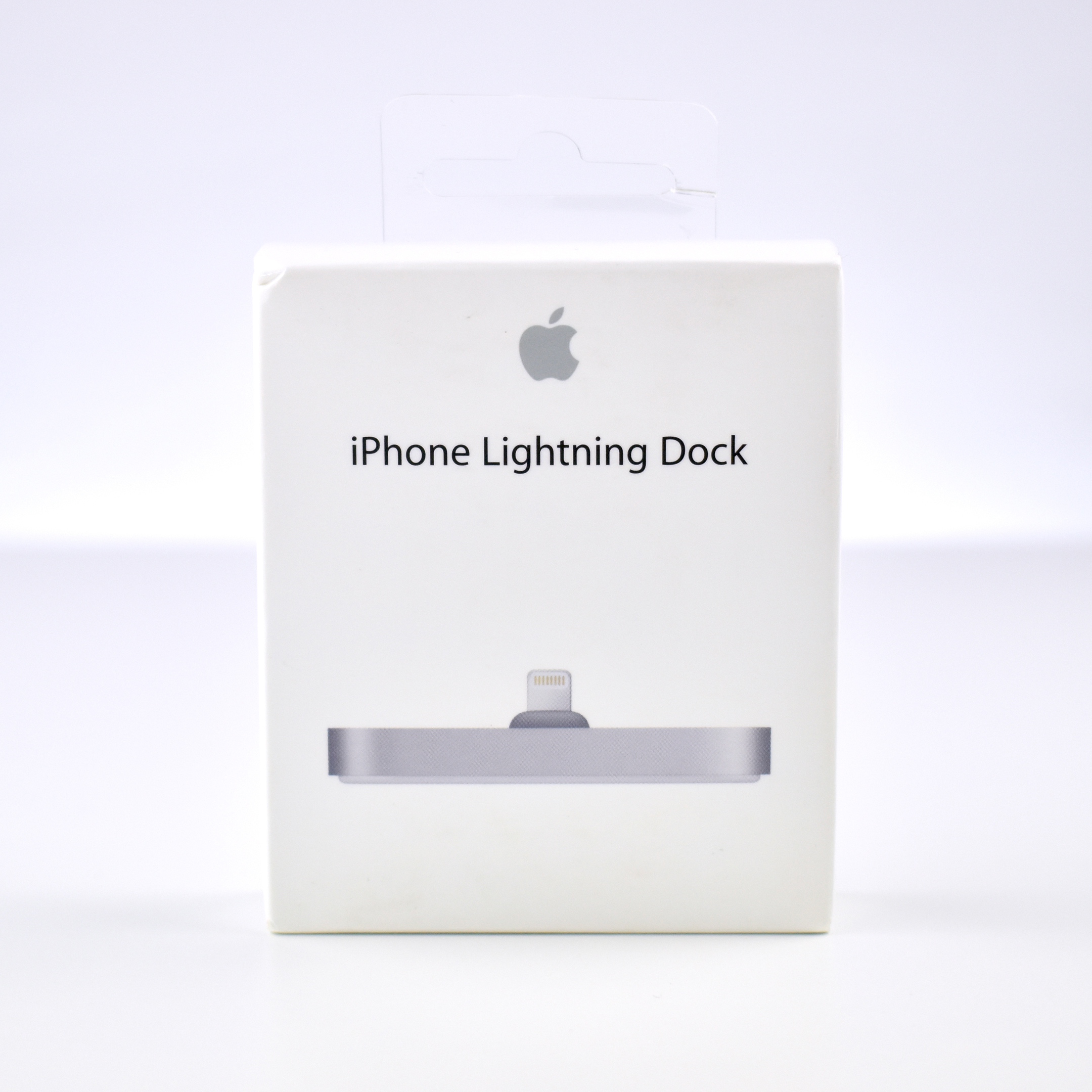
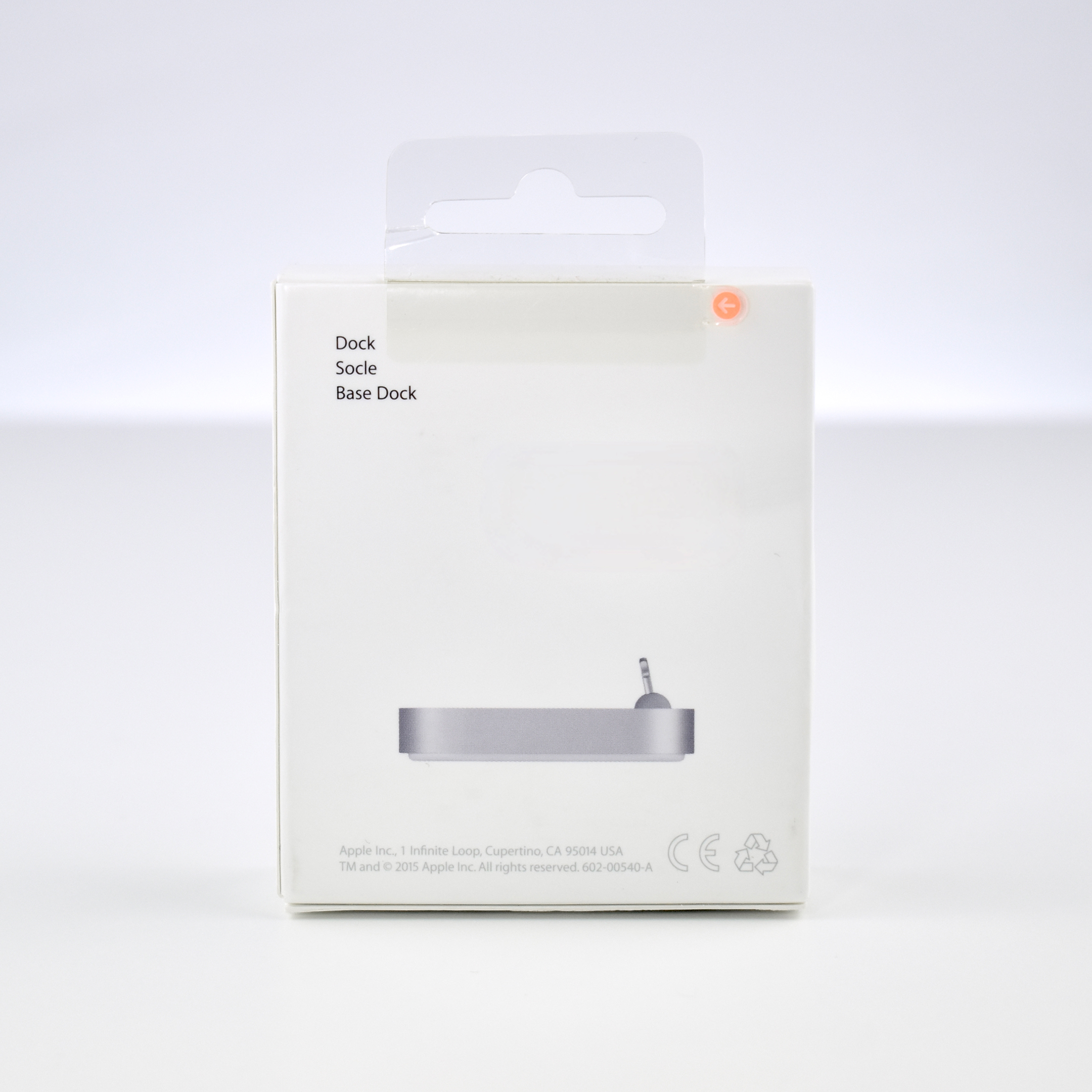
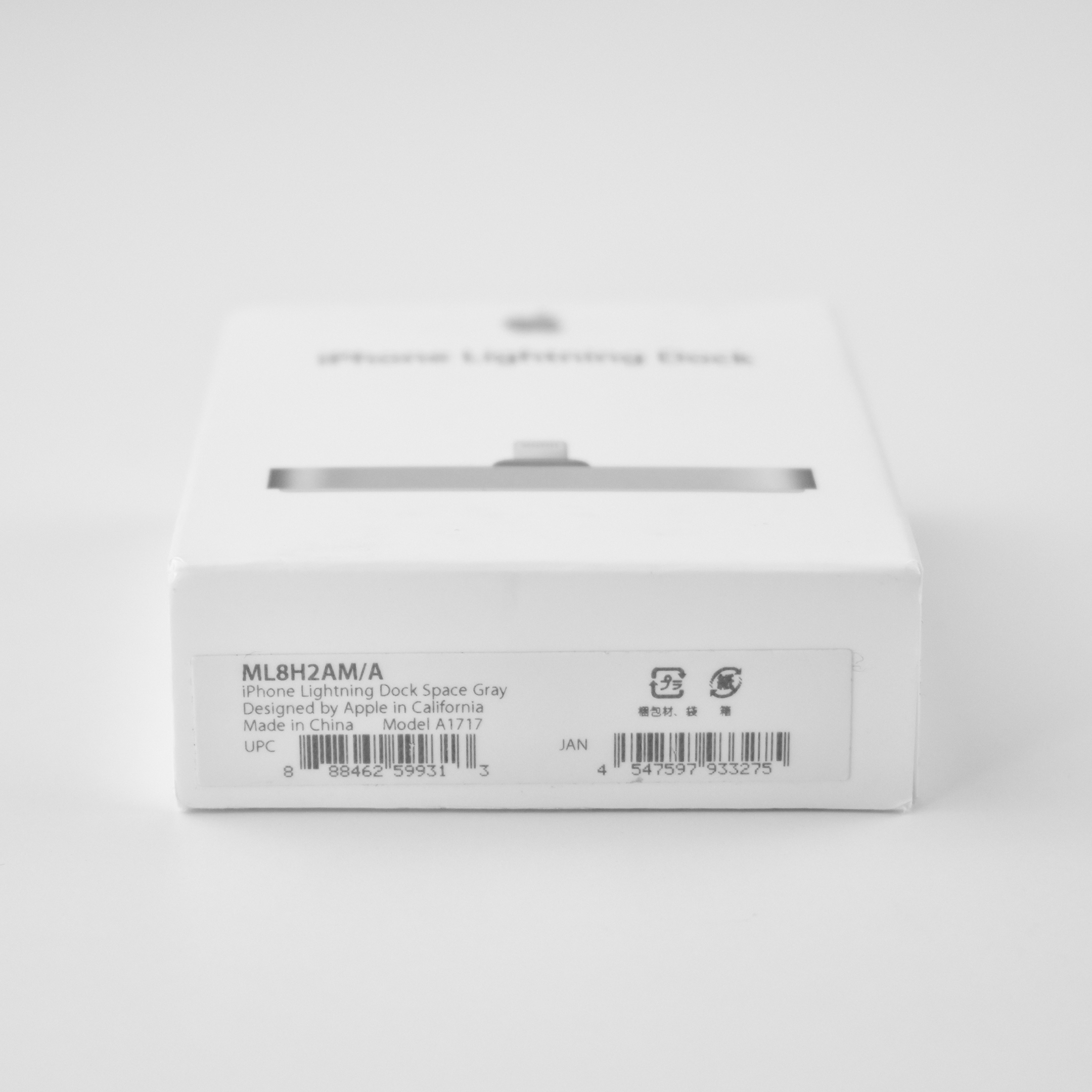
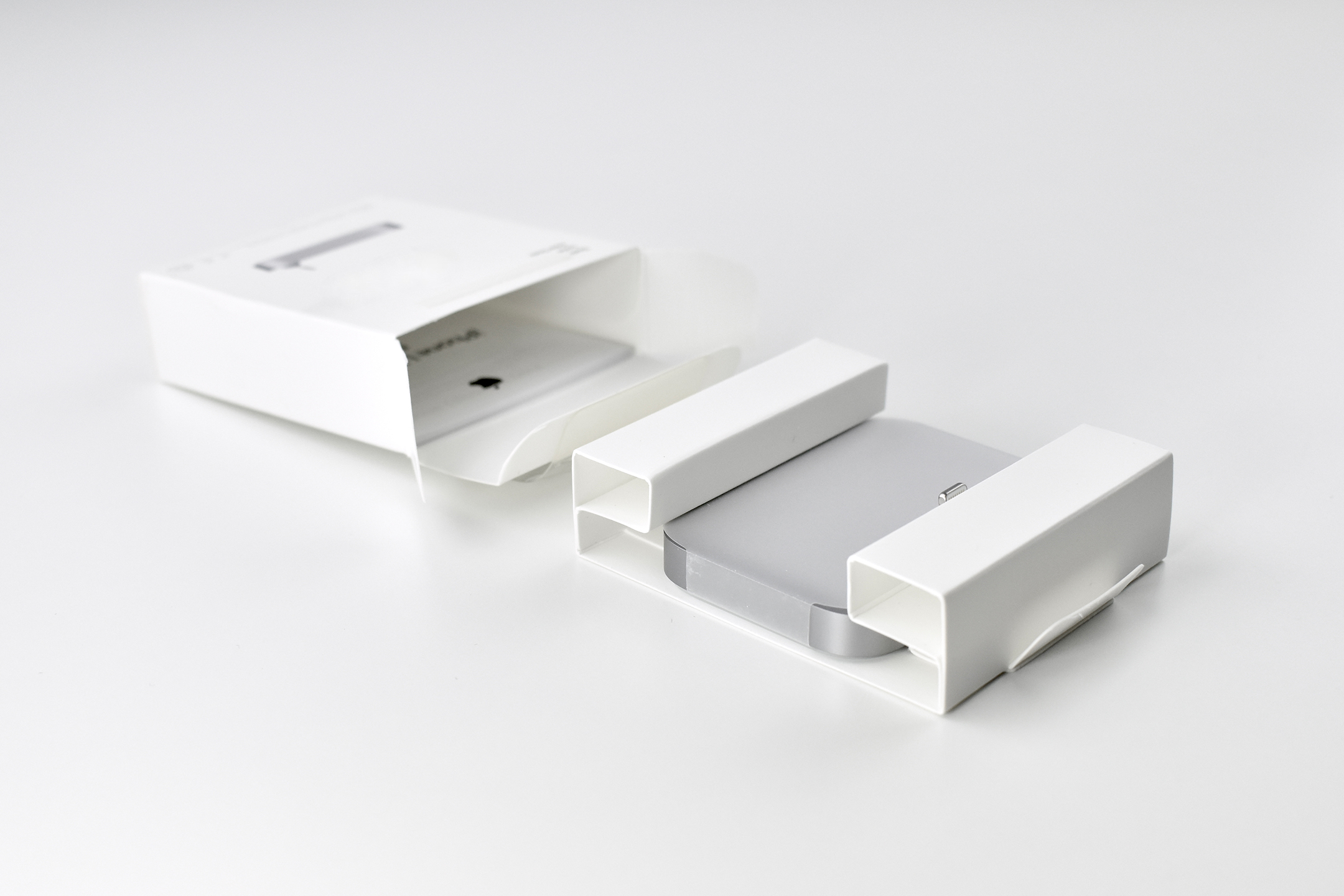
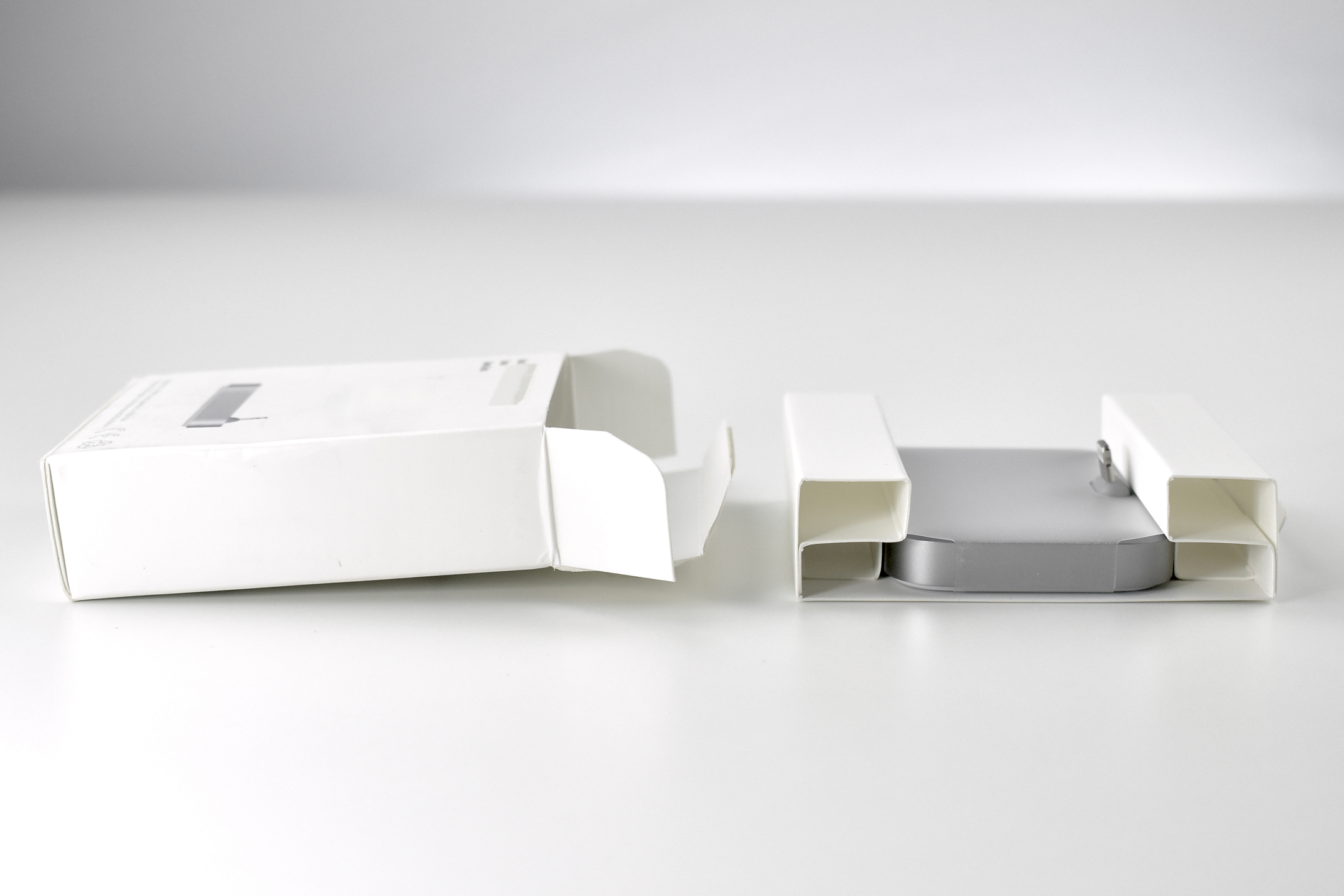
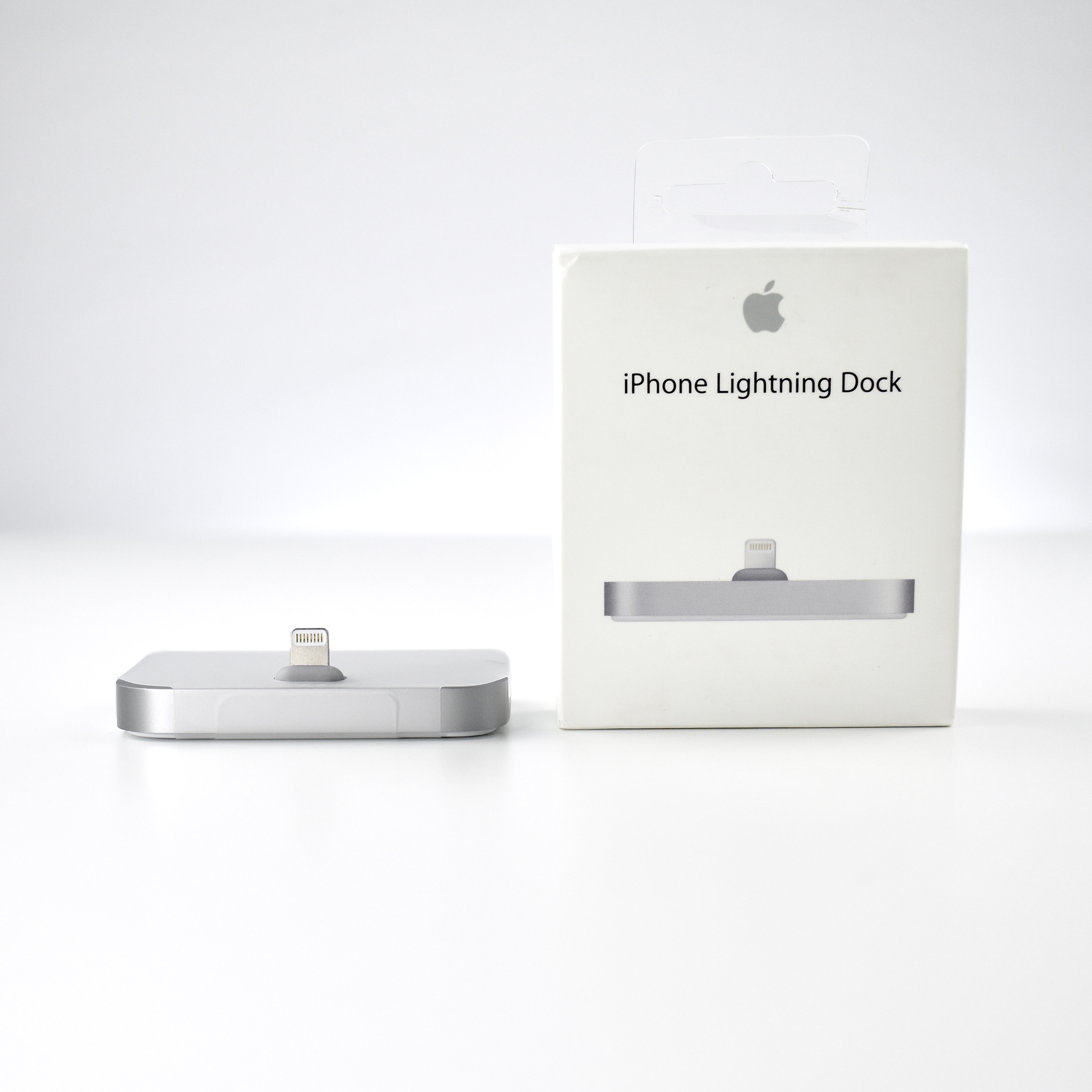
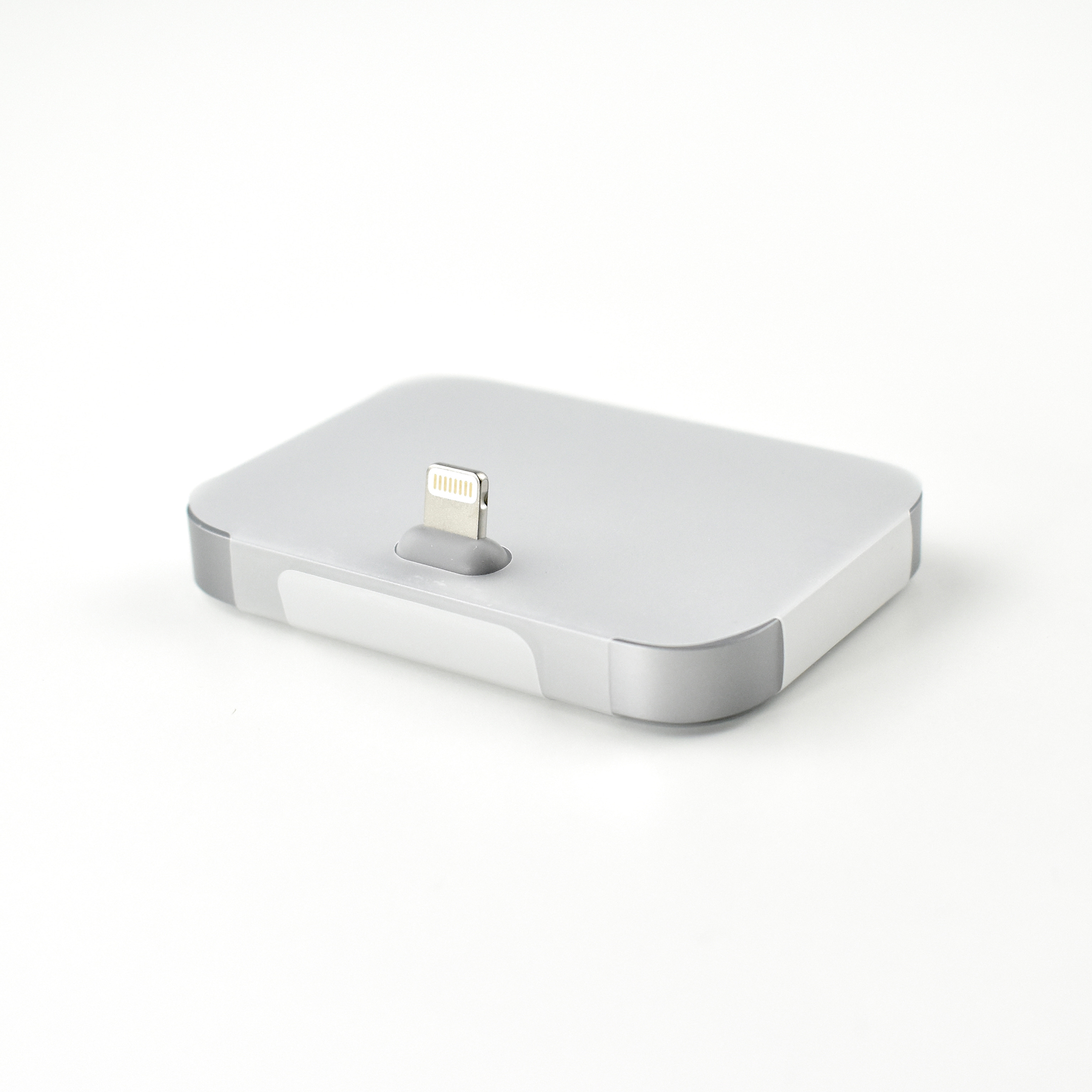
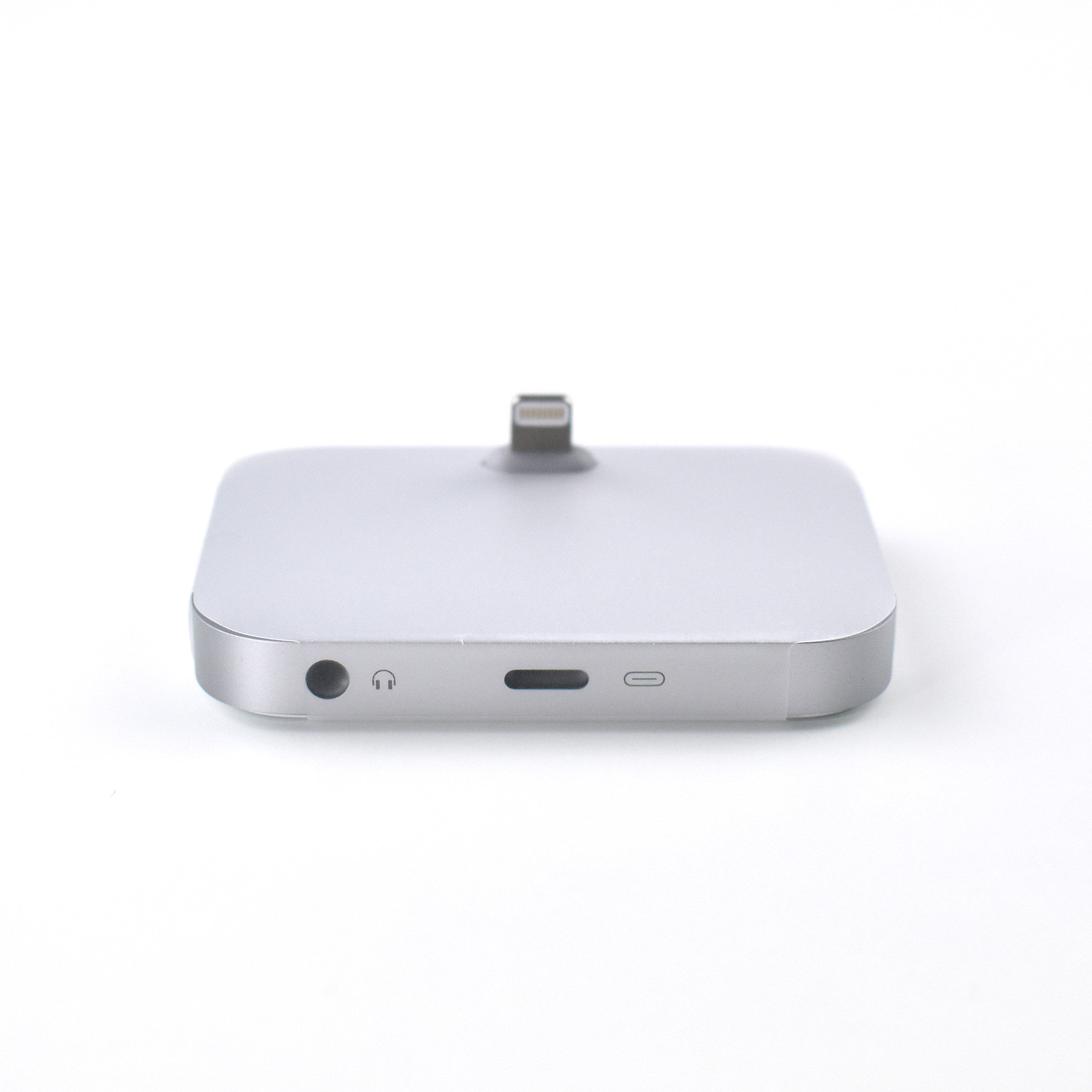
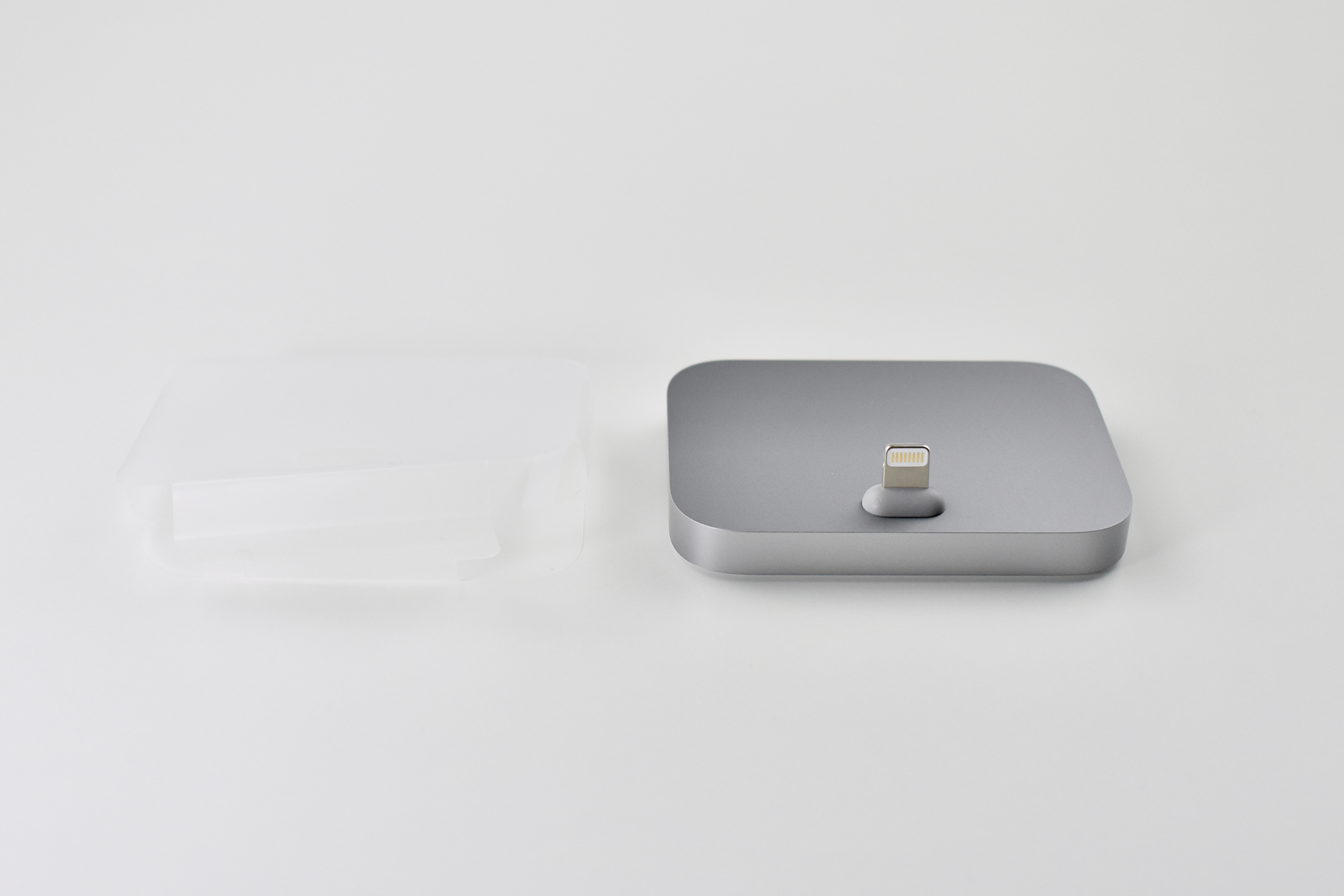
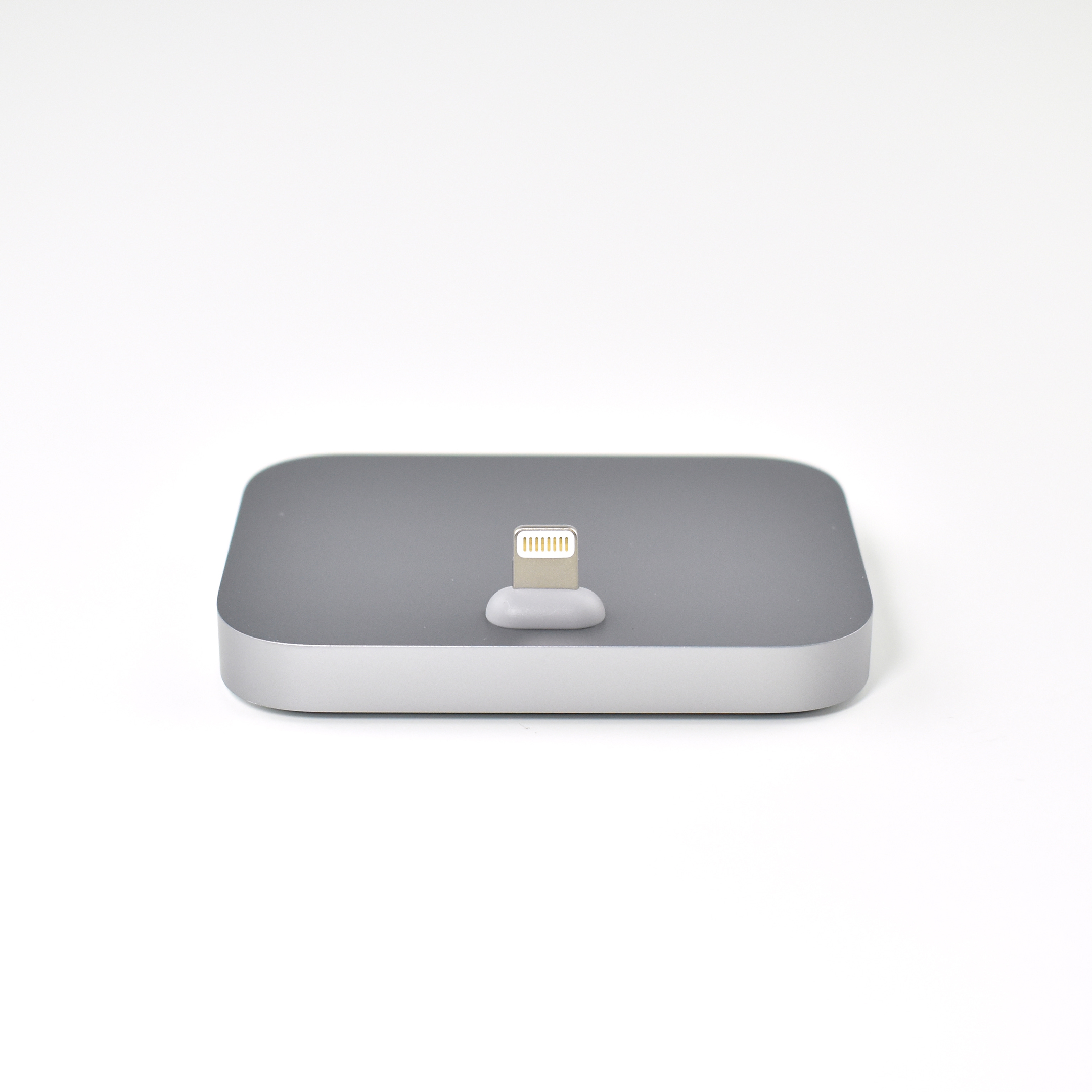
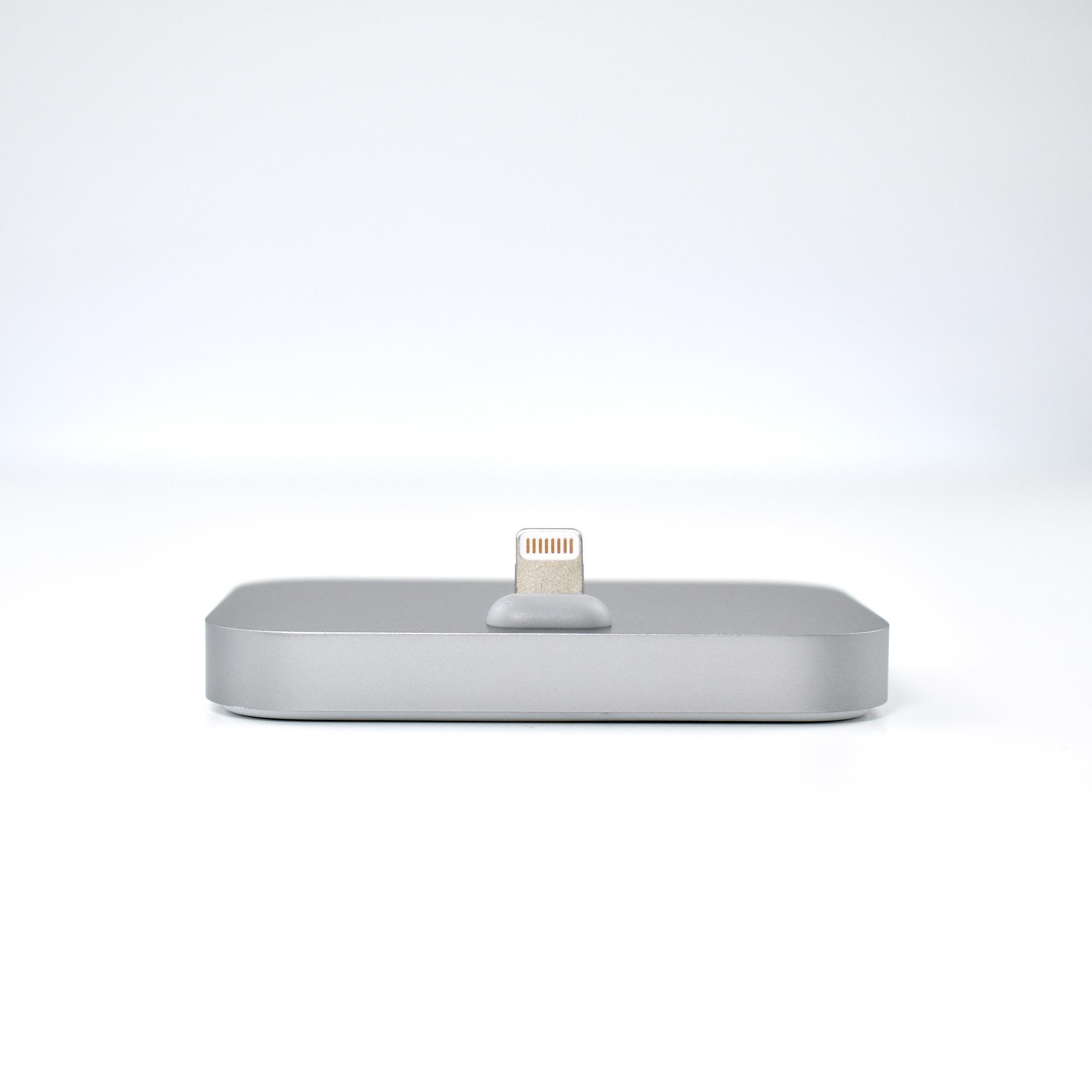
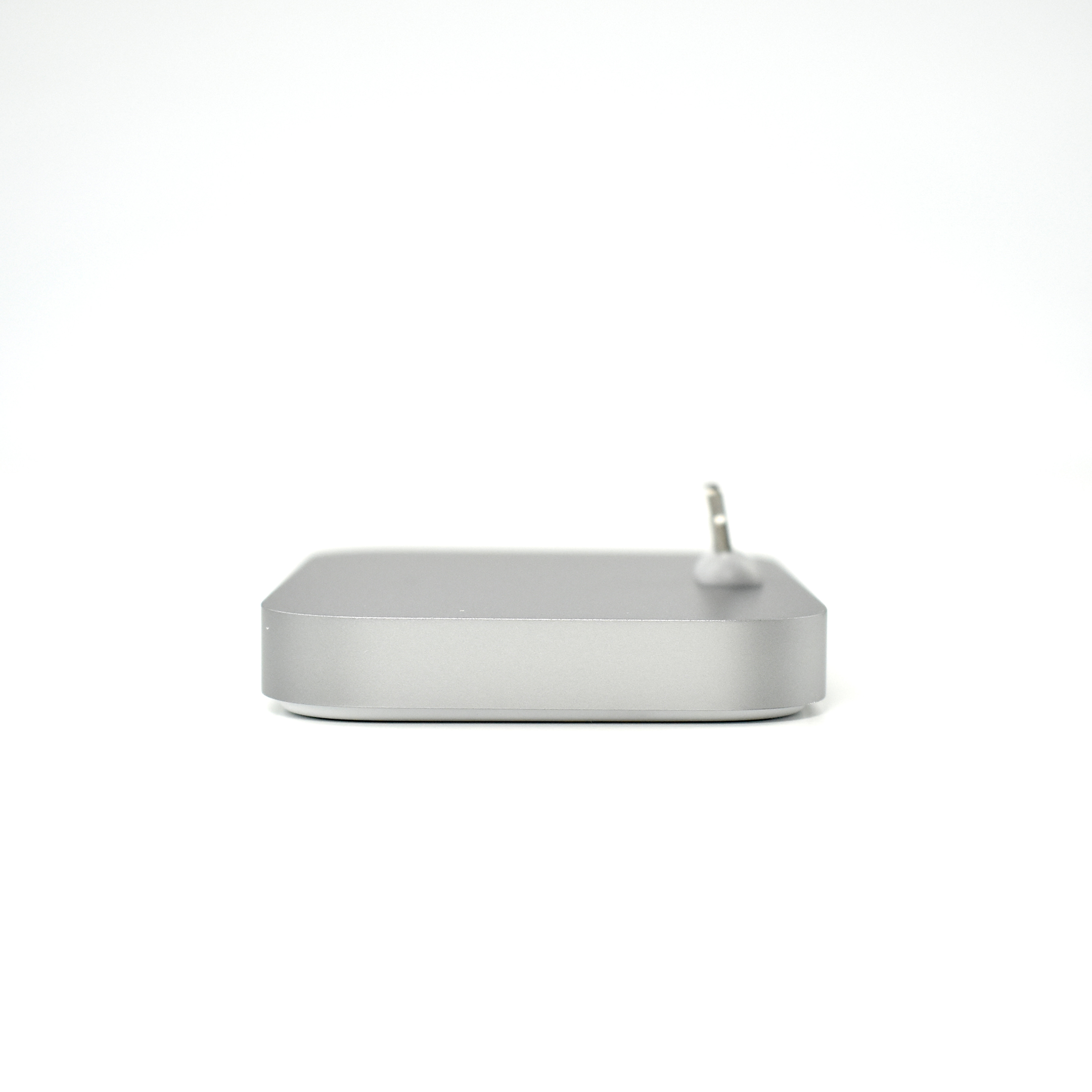
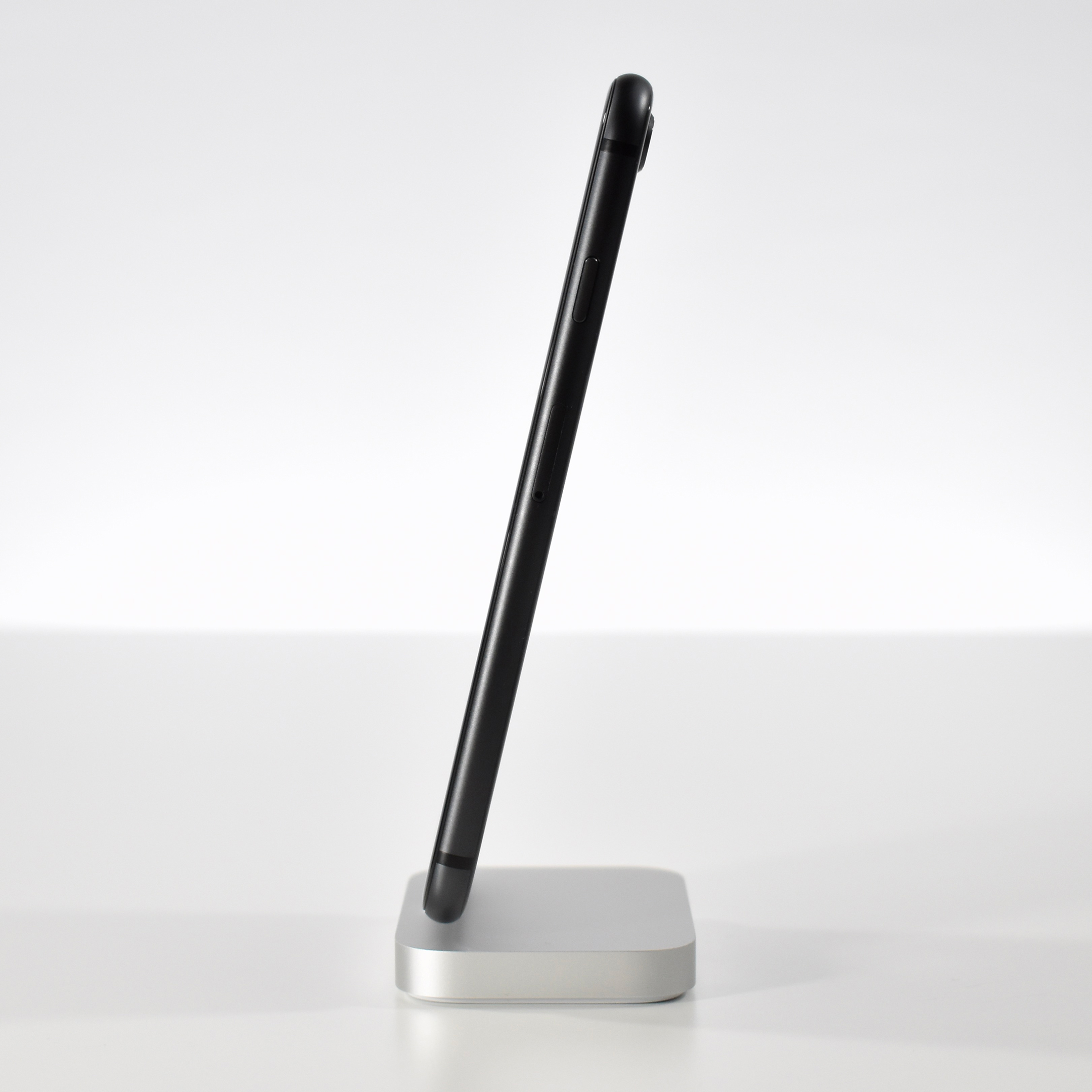
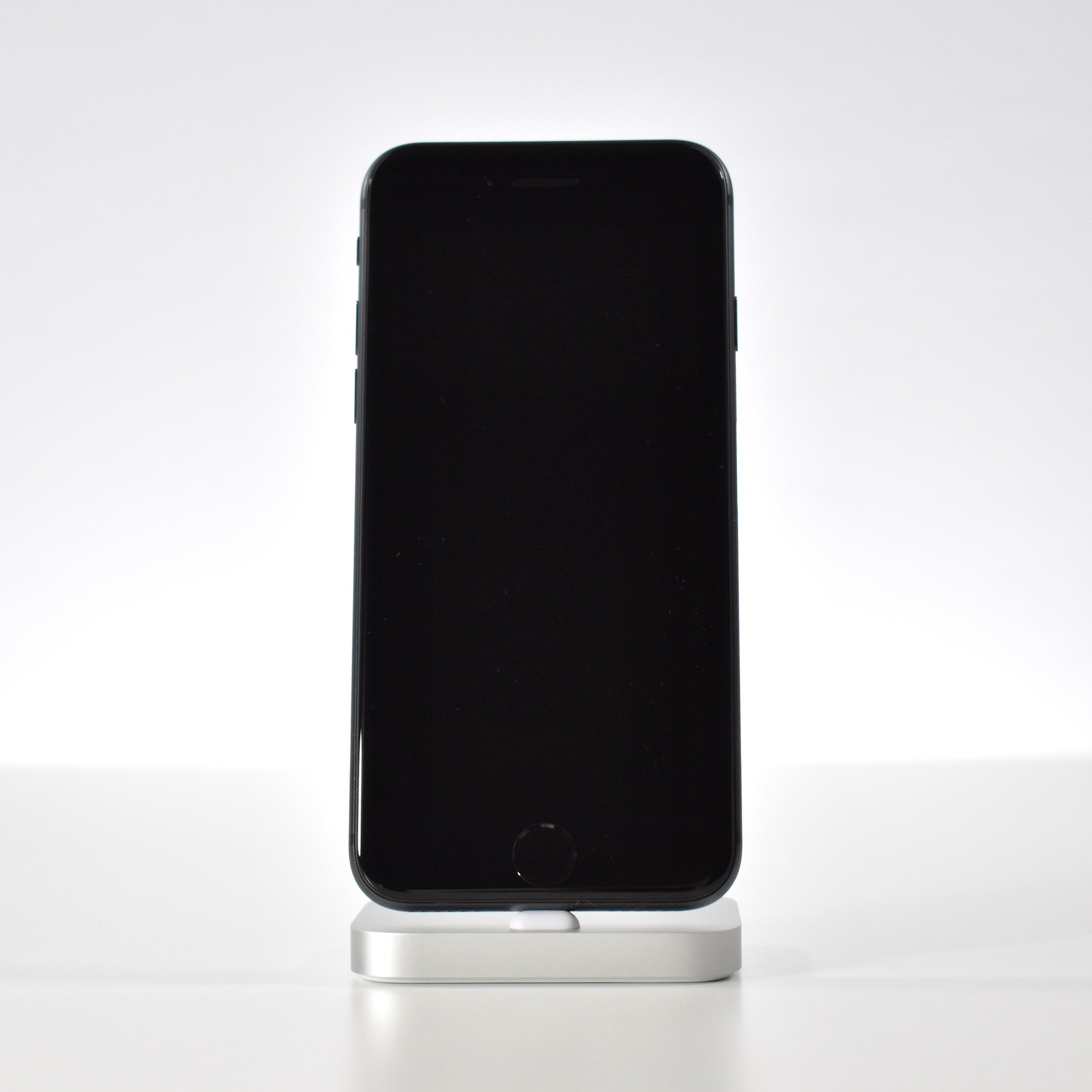
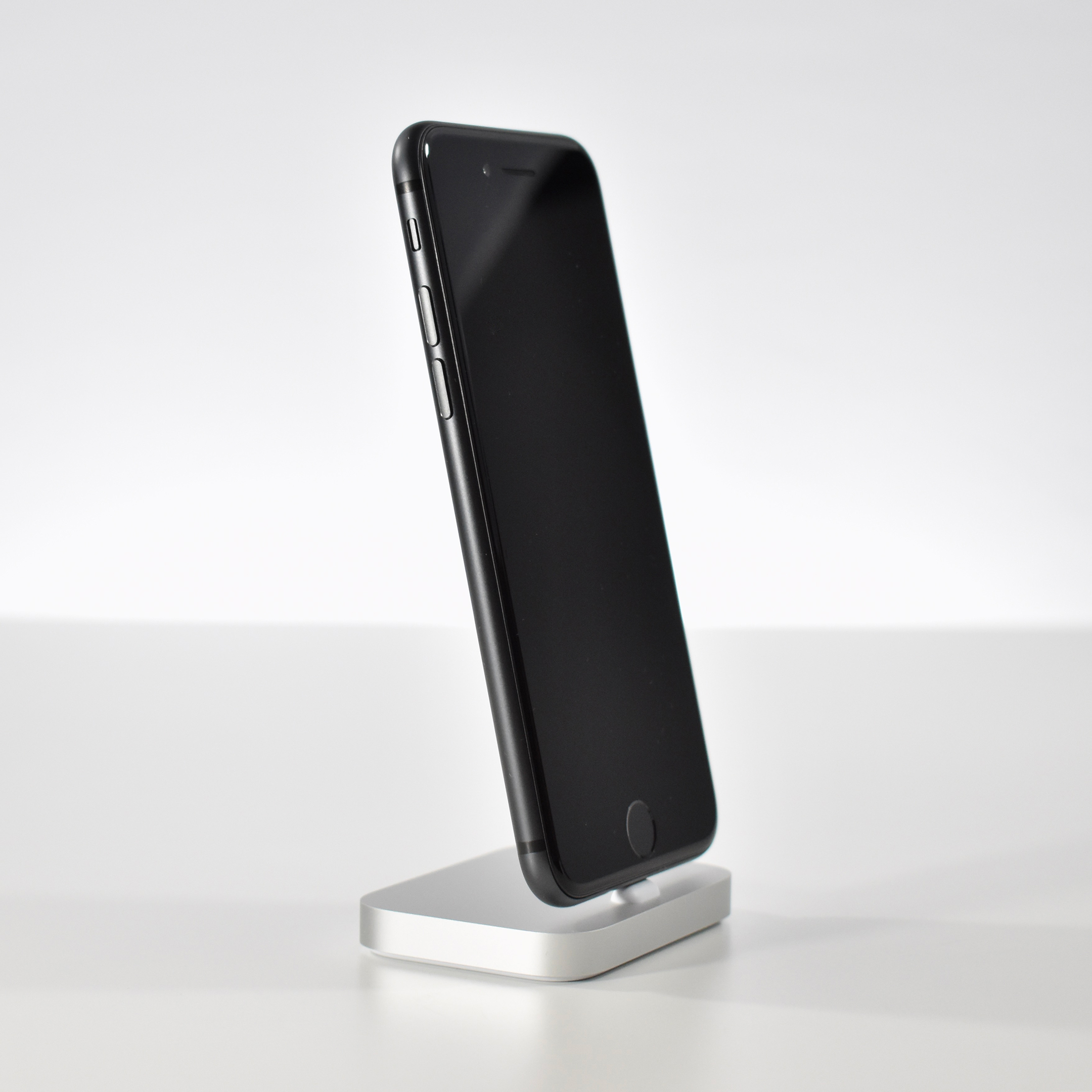
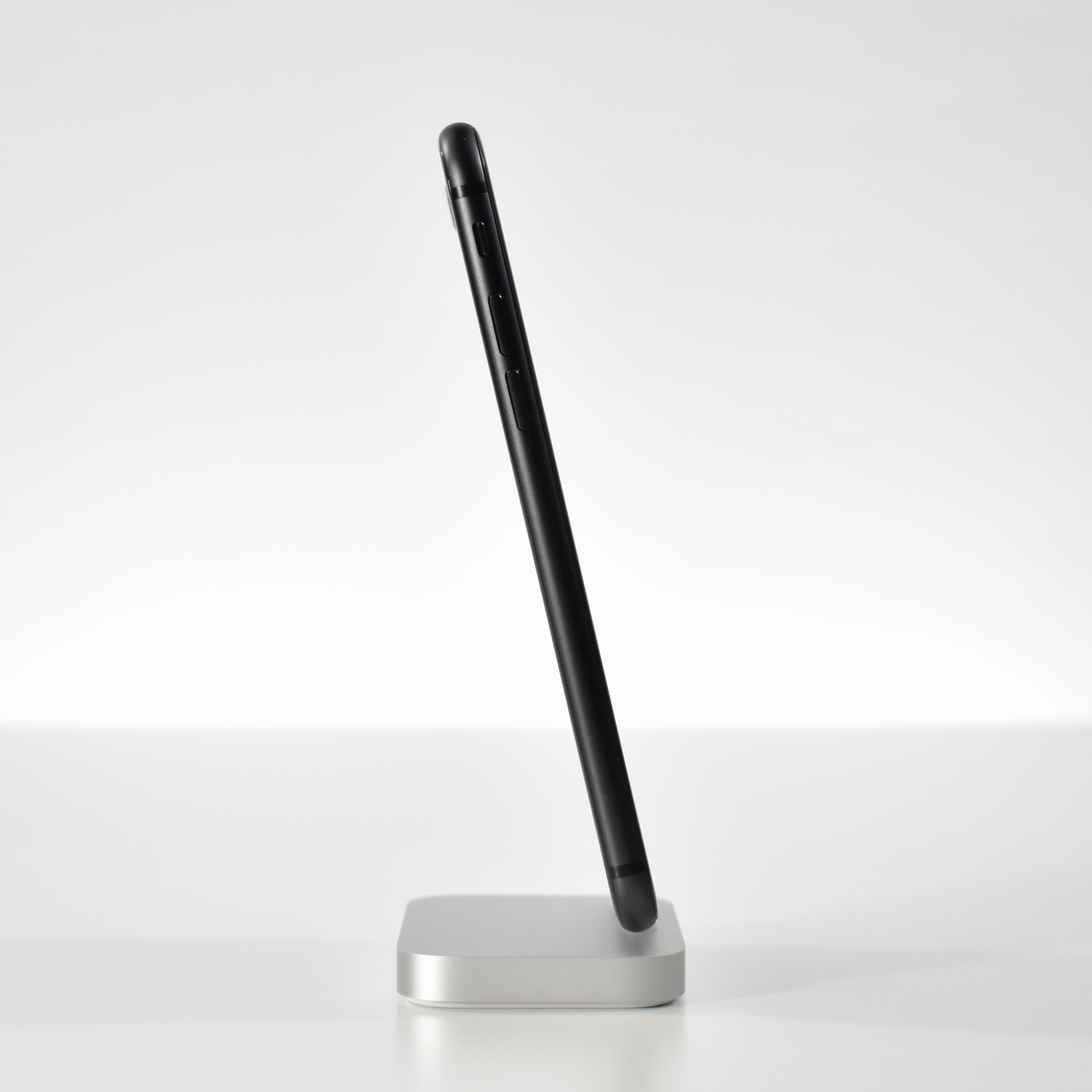
The iPhone Lightning Dock was a minimalist charging dock with a heavy base, protruding angled Lightning connector, and two ports on the back, including a Lightning port for charging and an audio jack to allow music to be played on a speaker or headphones while the iPhone charged.
The iPhone Lightning Dock was available in several colors, including white, black, silver, space gray, rose gold, gold, and “new” gold (to match an updated gold iPhone color). This example is space gray.
Apple described the Dock:
“You can use it to charge and sync any iPhone that has a Lightning connector. Your iPhone sits upright in the dock as it syncs or charges, so it’s ideal for a desk or countertop. Even when your iPhone is in an Apple-designed case, it’s easy to dock. And you can unlock iPhone or use Touch ID without having to remove it from the dock.”
Although this Dock will also charge an iPad, its size and weight make it too unstable for everyday use. However, I sometimes use this Dock to photograph iPad devices in my collection since its minimal design and slight angle works well as a temporary display base.
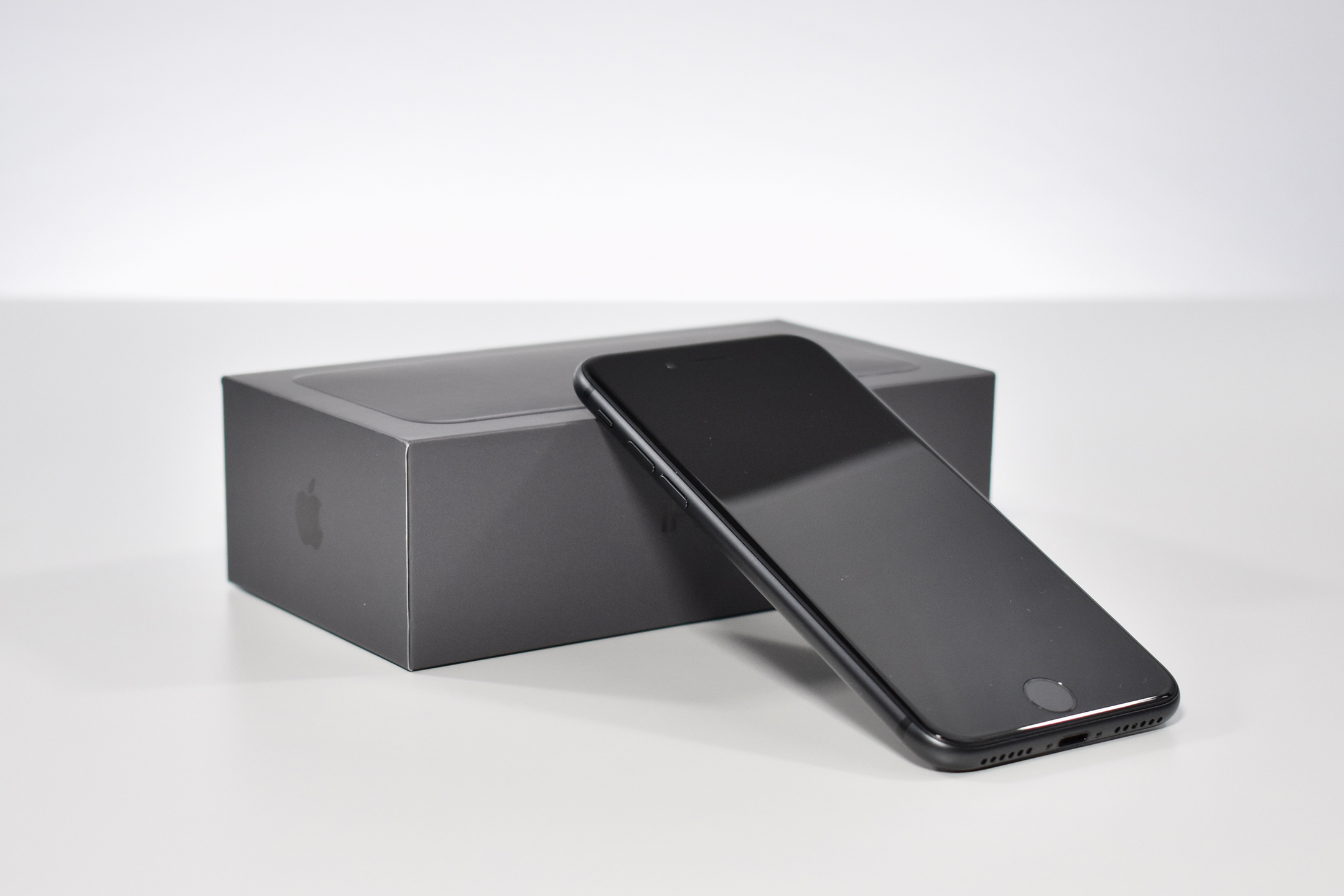
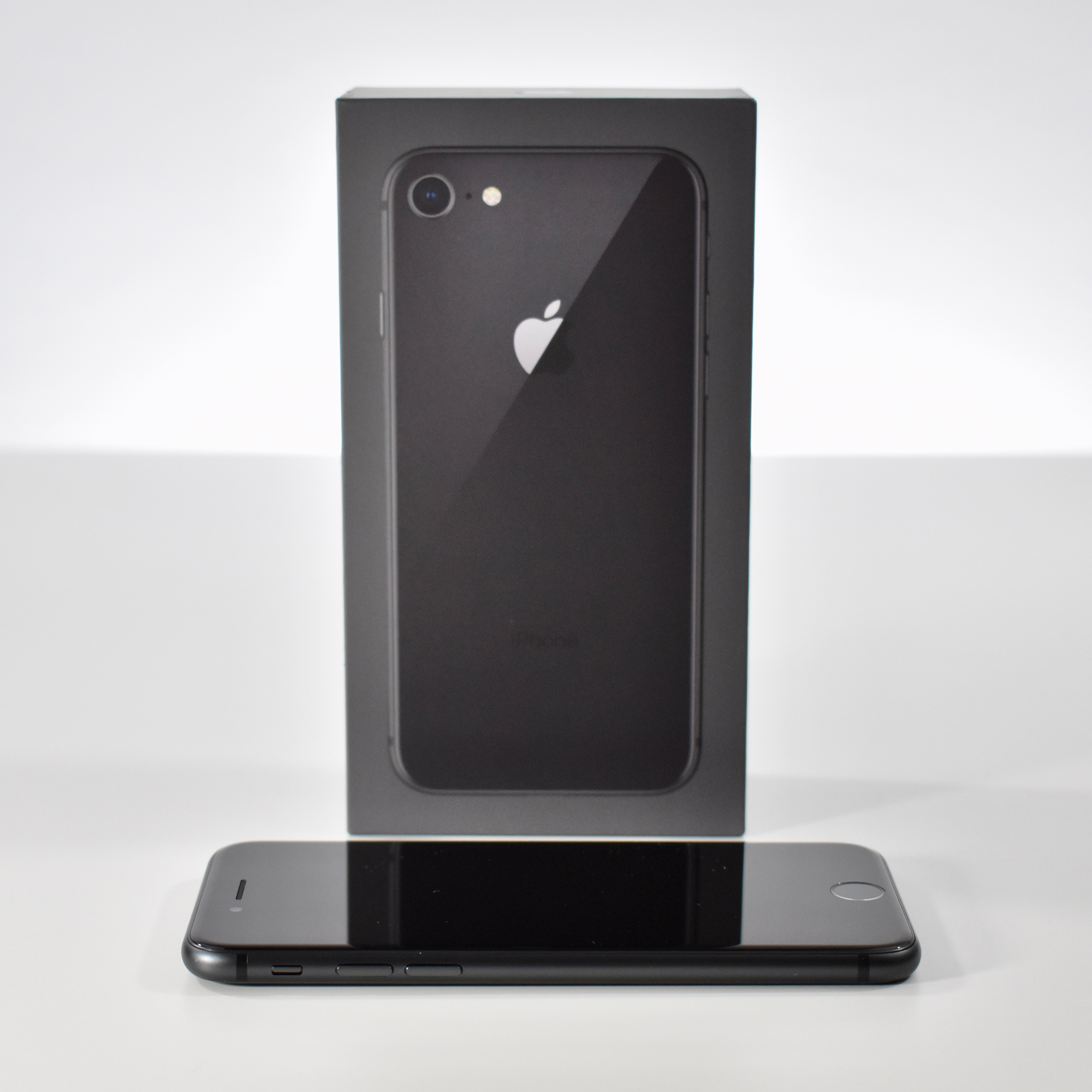
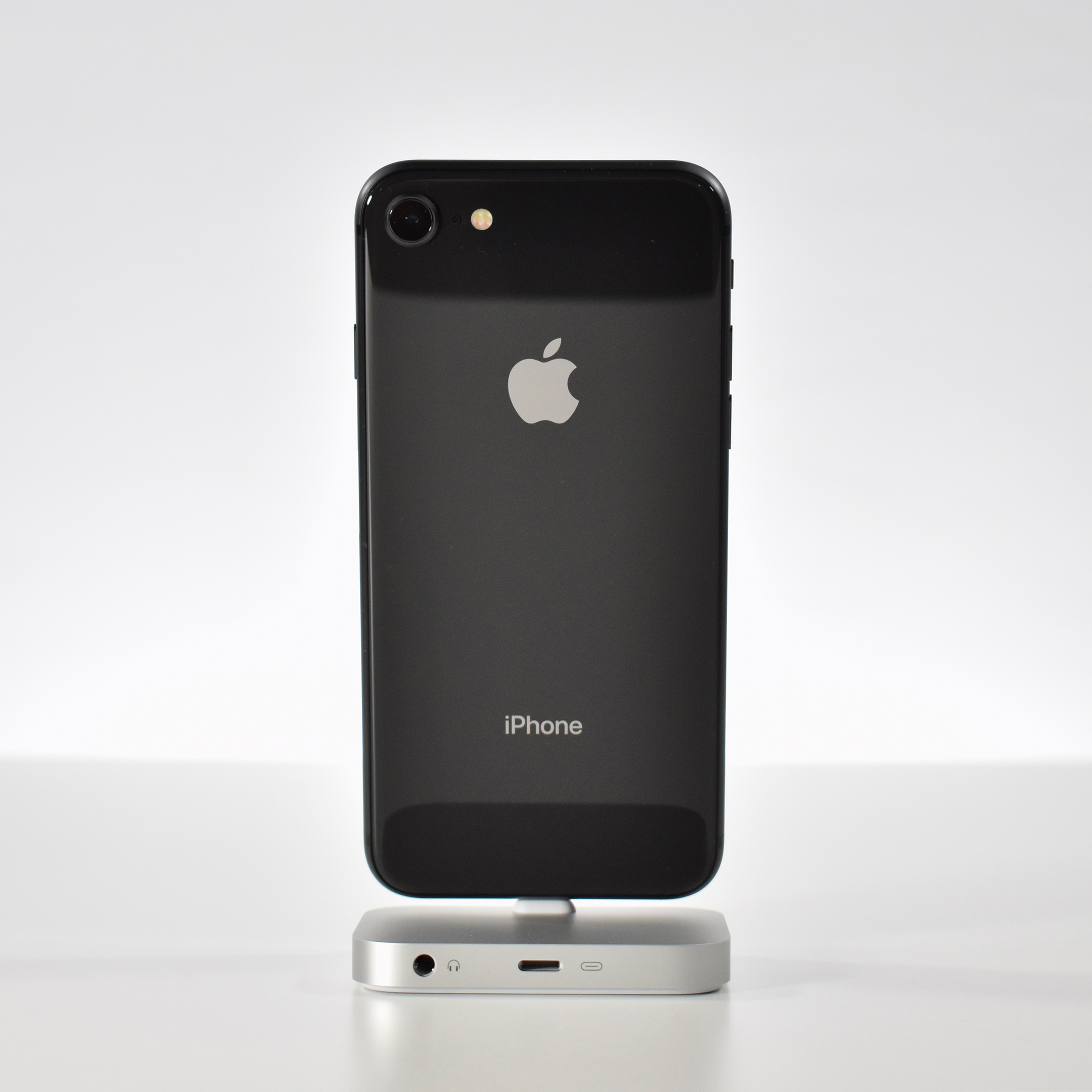
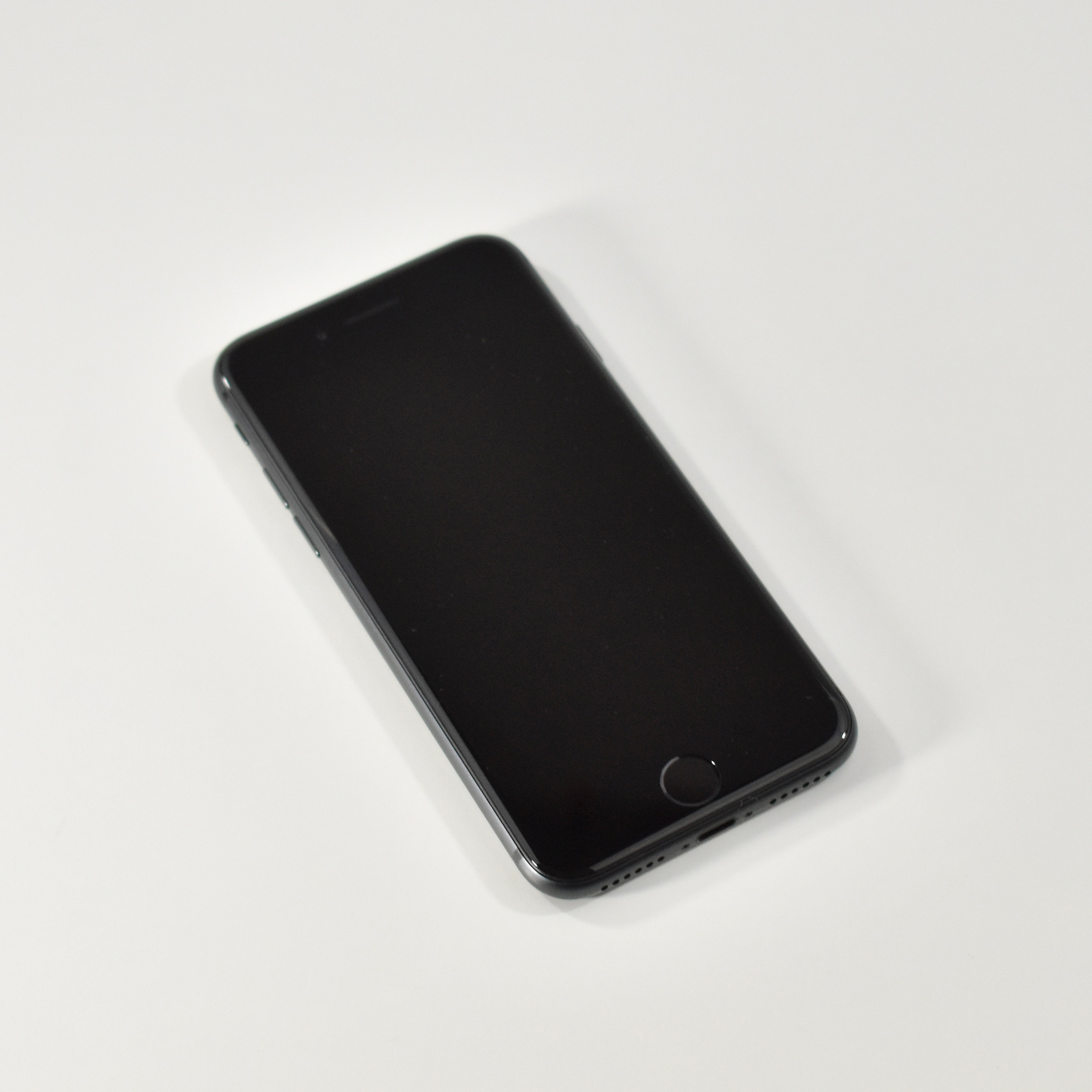
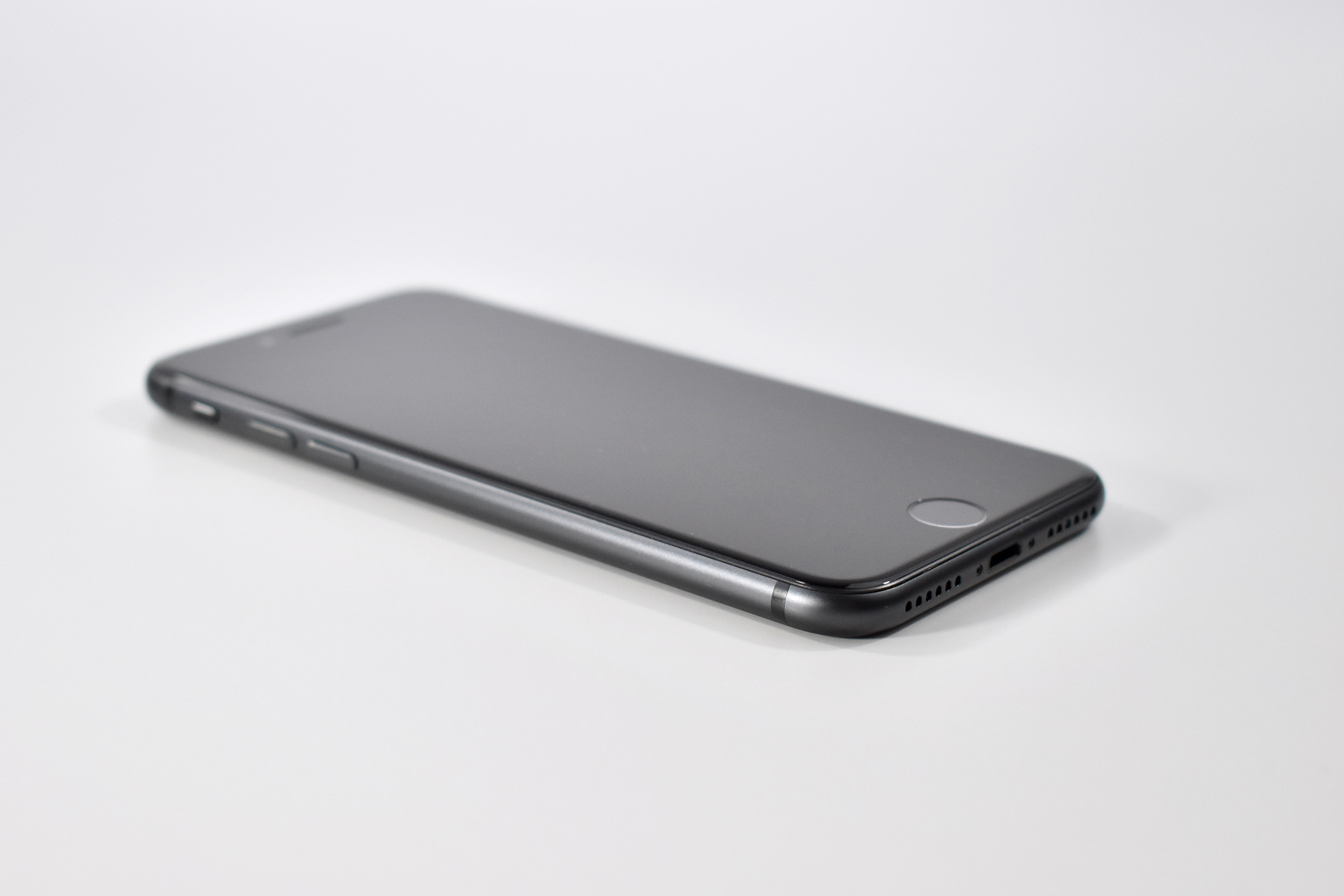
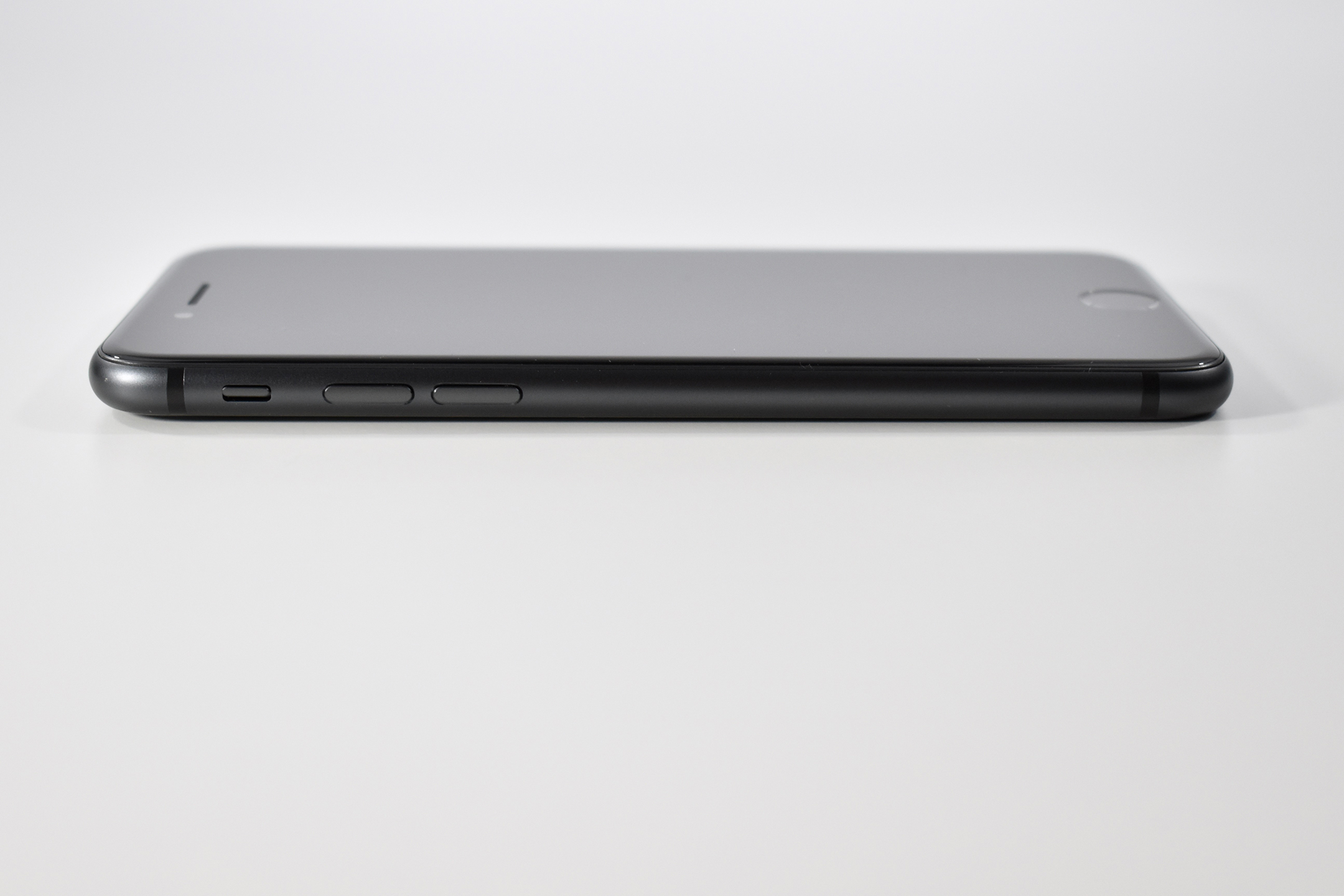
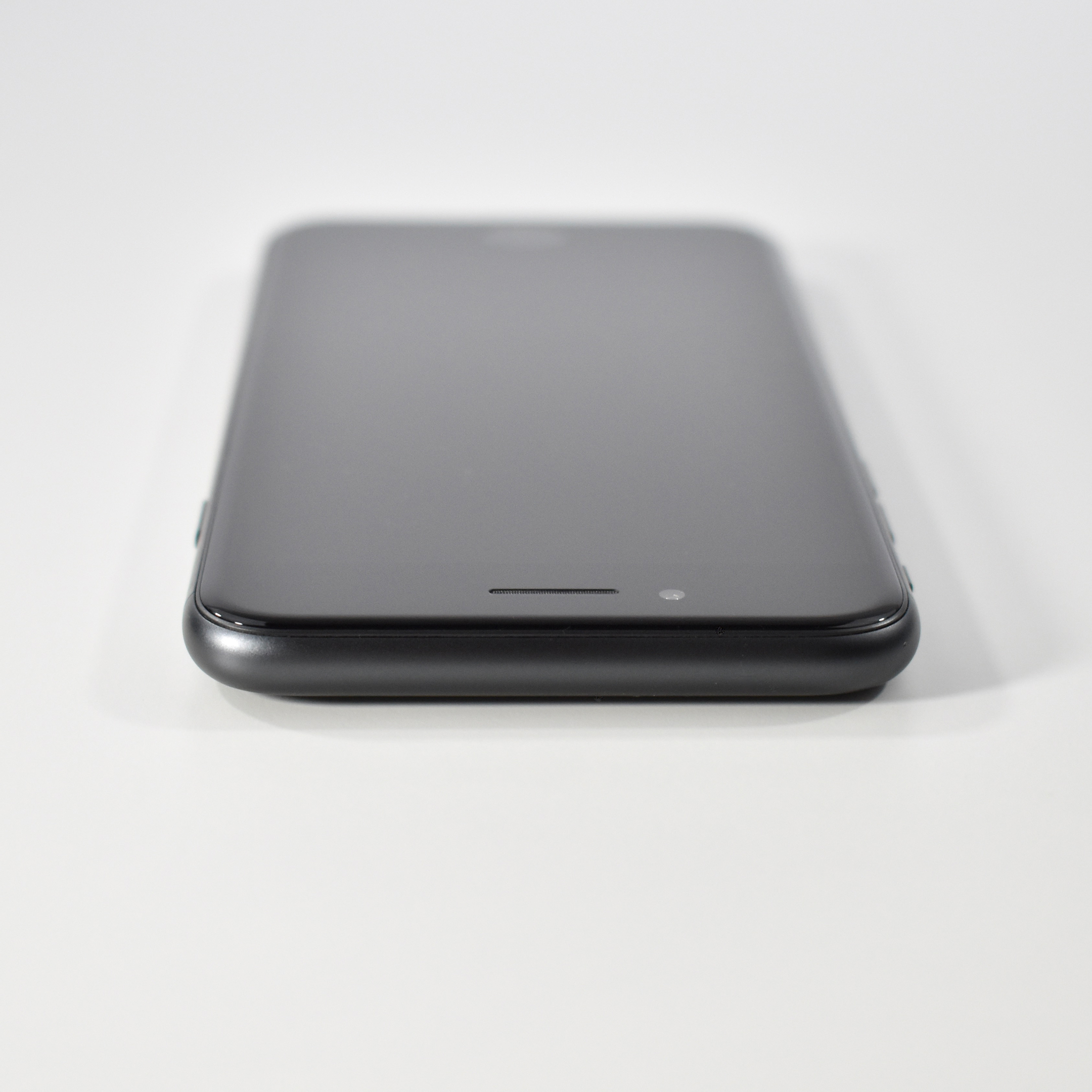
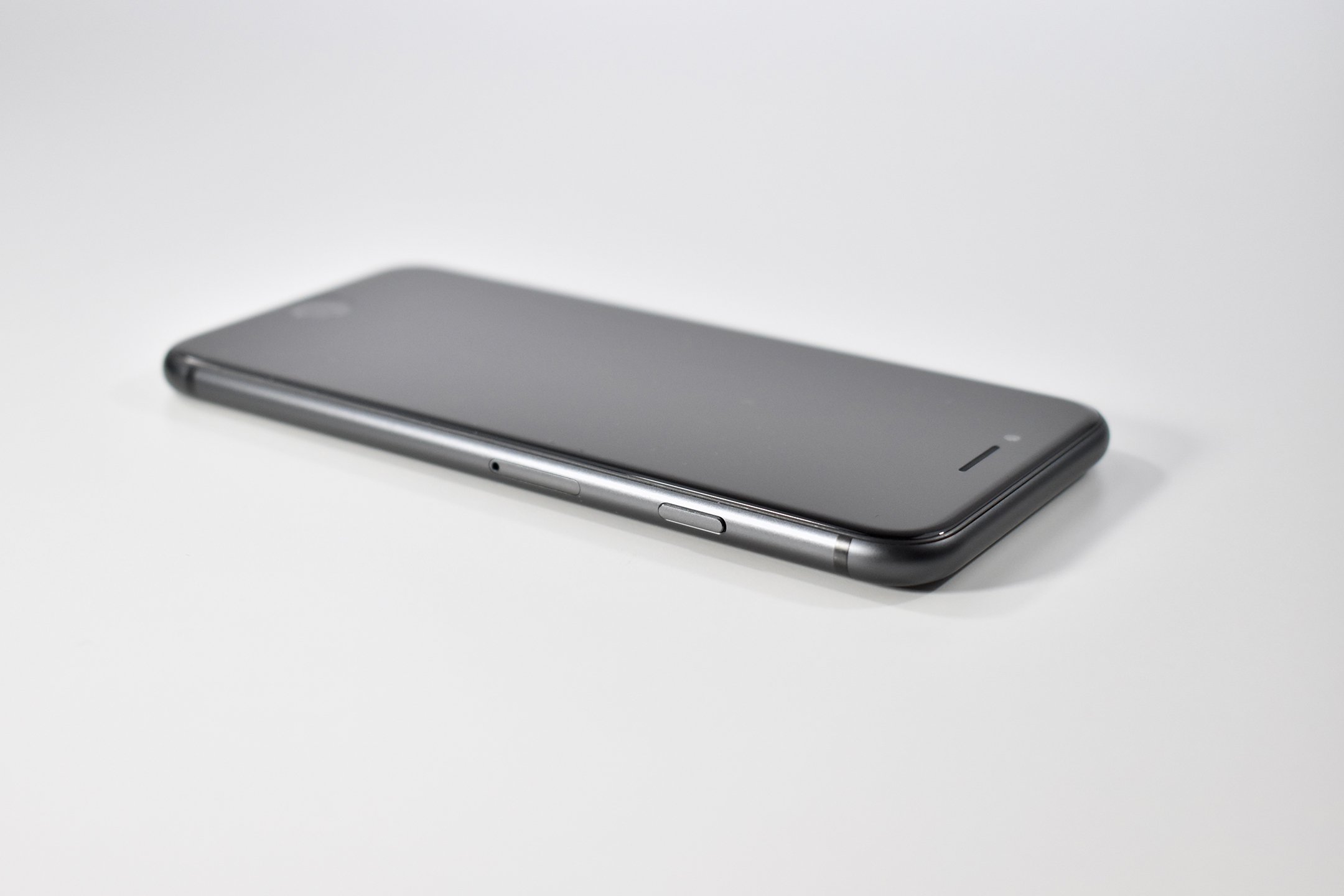
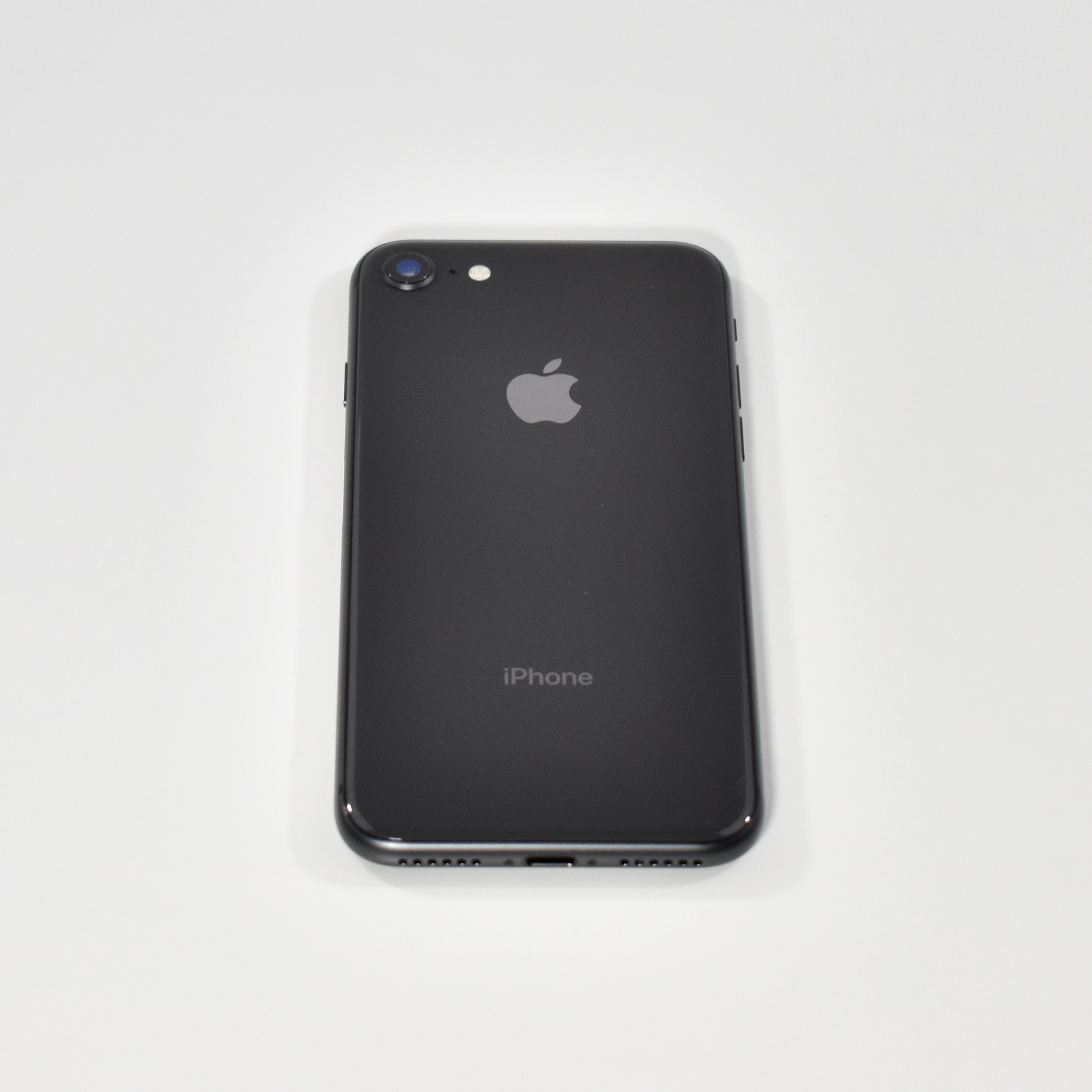
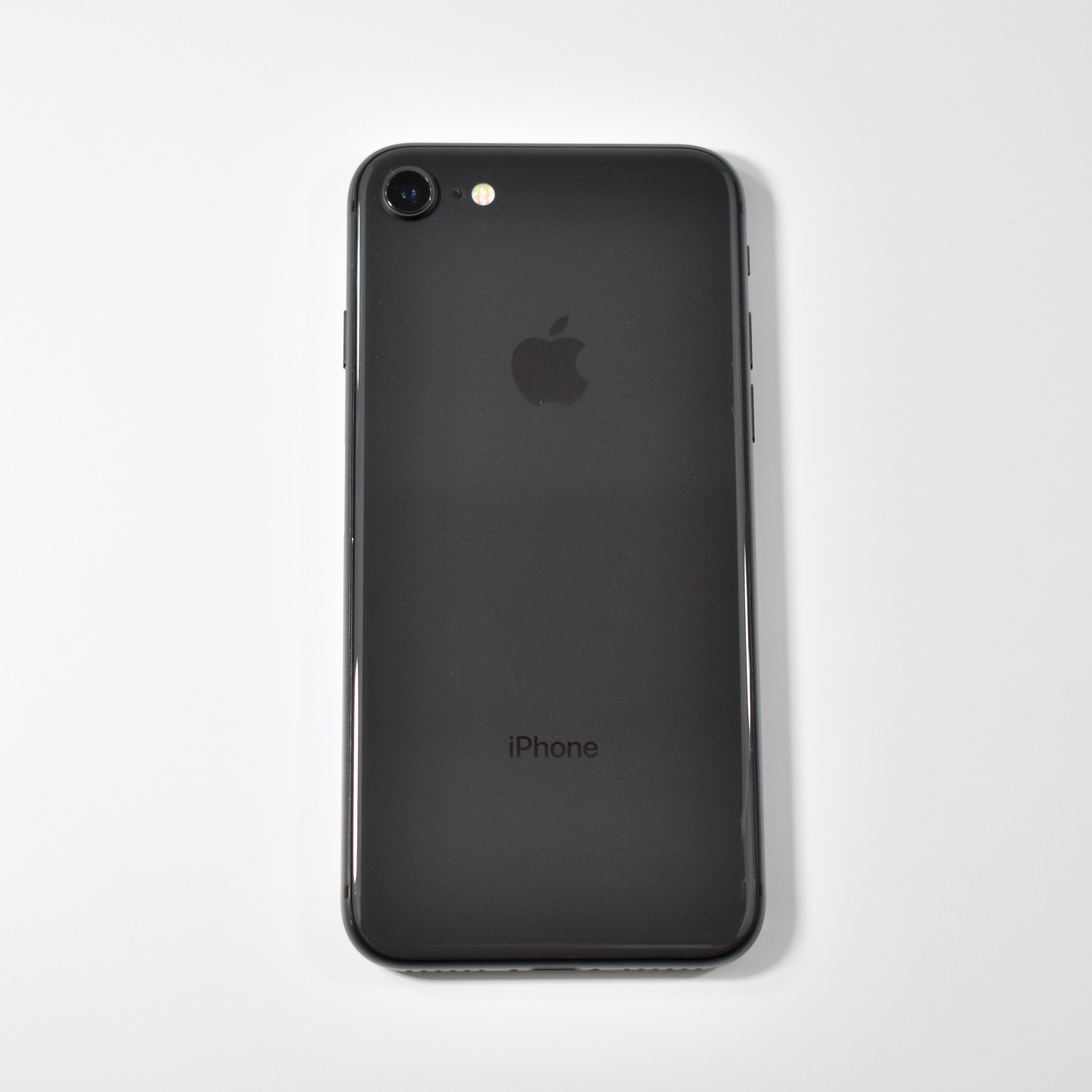
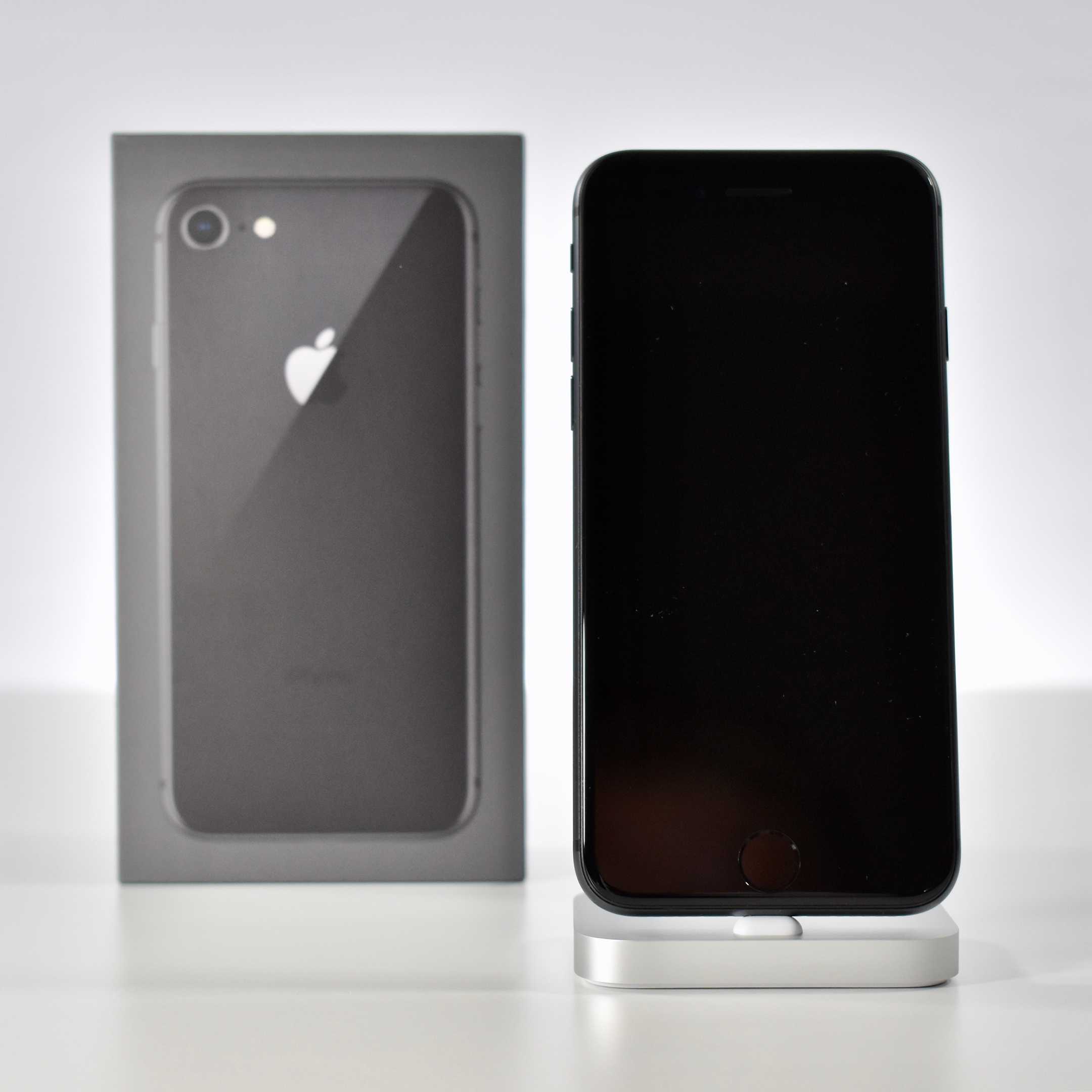
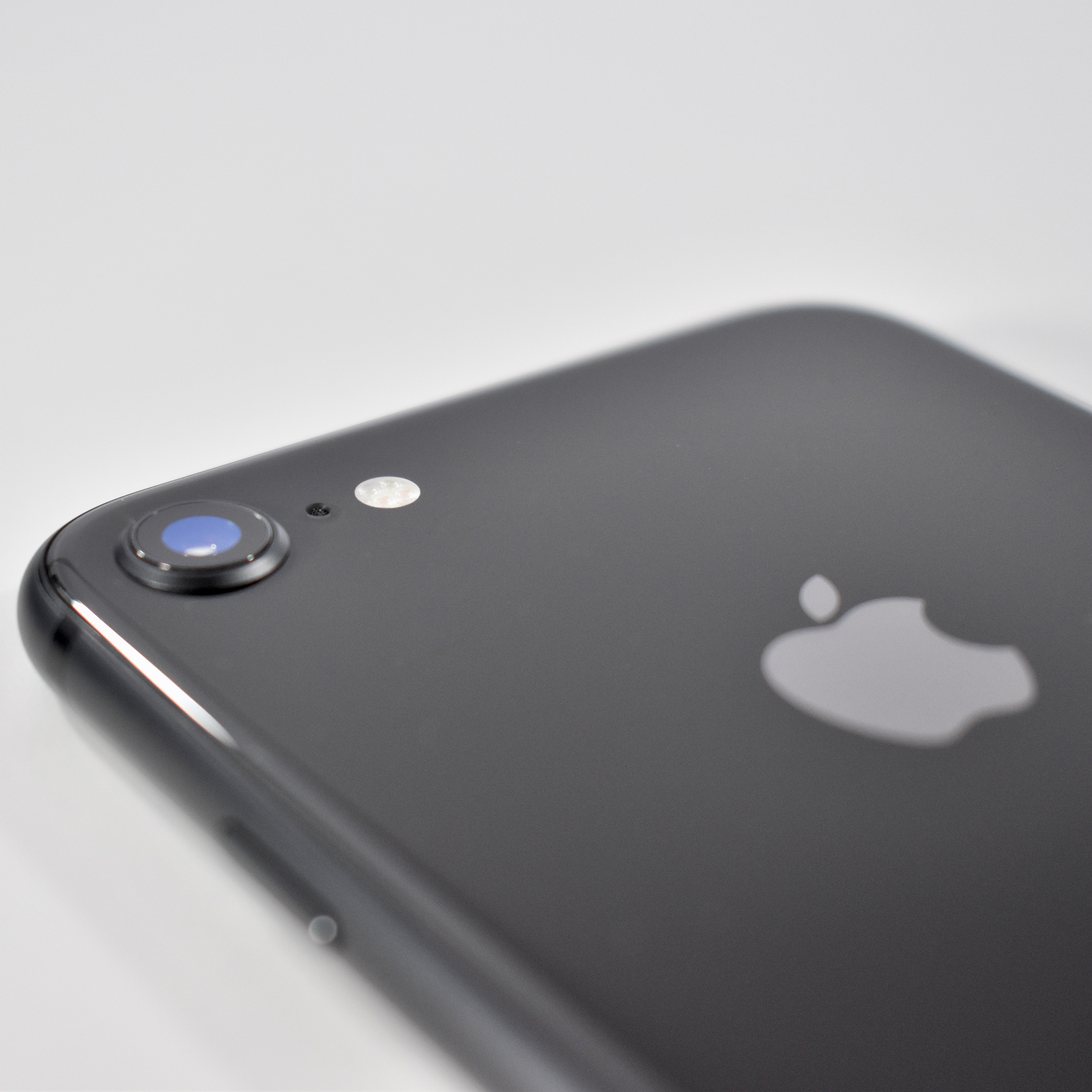
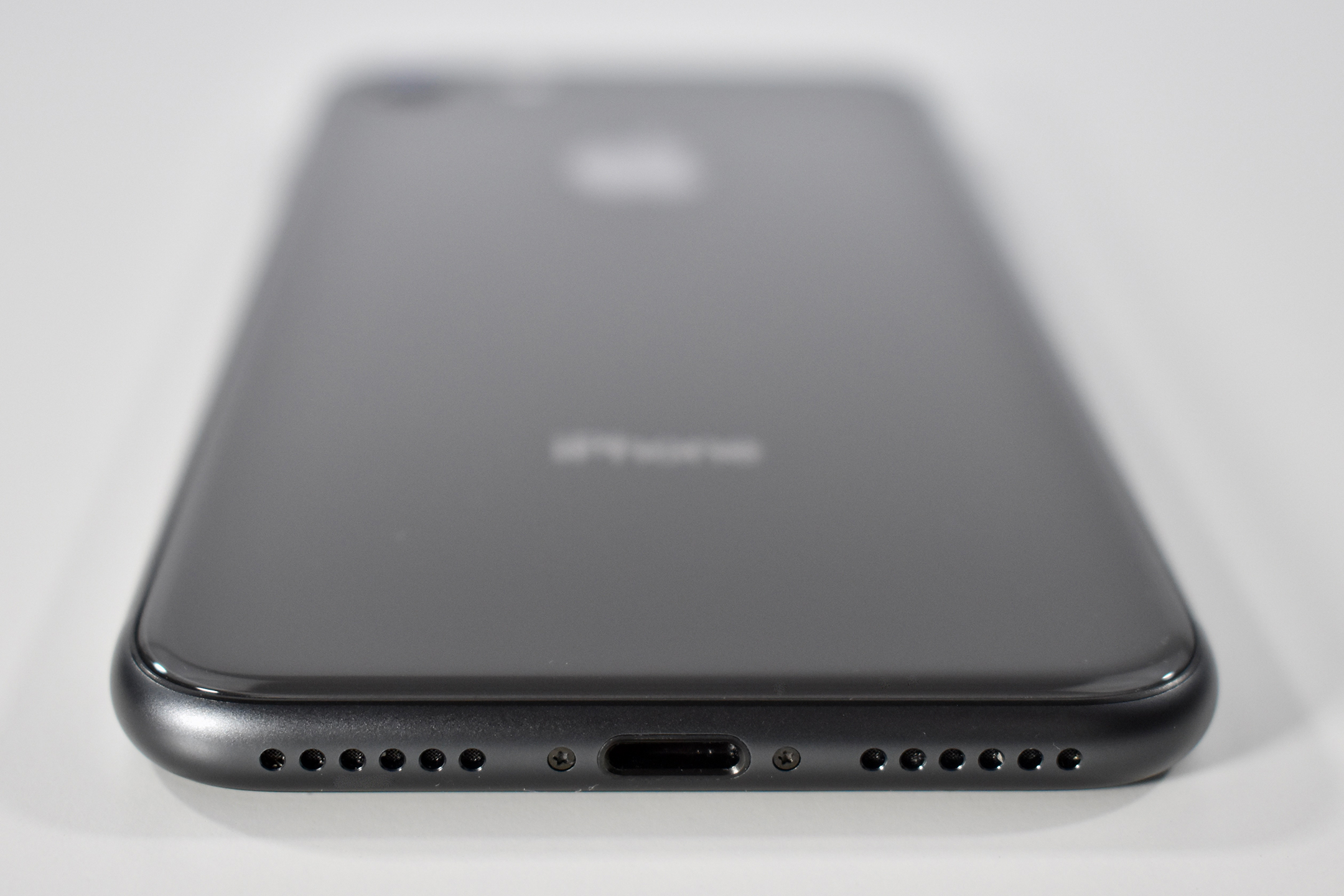
The iPhone 8 was announced September 12, 2017, at the same time as the iPhone X (iPhone ten). Except for a glass back (replacing a metal back), the iPhone 8 (and the iPhone 8 Plus) were similar in design to the iPhone 7 and iPhone 7 Plus models that preceded them. The iPhone 8 was arguably eclipsed by the iPhone X with Apple’s first edge-to-edge screen with no Home button and a design that hinted at future designs of iPhone and iPad devices.
The iPhone 8 had a 4.7-inch Retina HD touchscreen (1334×750 at 326 ppi). Its solid-state Home button used Apple’s Taptic engine and a Touch ID fingerprint sensor. Its front camera was a 7-megapixel FaceTime HD camera, and its back camera was a 12-megapixel 4K camera with a six-element lens system with augmented reality (AR) support.
The iPhone 8 was first offered in gold (white front with gold glass back), silver (white front with silver glass back), and space gray (black front with dark gray glass back), and Apple later added a (PRODUCT)RED Special Edition model (black front with a red glass back).
Internally, the iPhone 8 used an A11 Bionic processor with six cores, 2 GB RAM, and was offered in storage options of 64, 128, and 256 GB. Wireless connections included 802.11ac Wi-Fi, Bluetooth 5.0, LTE (4G), and NFC (Apple Pay). Its only wired connection was the Lightning port (the headphone jack had been removed from the previous iPhone 7 models).
Qi wireless charging was also introduced with the iPhone 8—and also the iPhone 8 Plus and iPhone X, introduced at the same time.
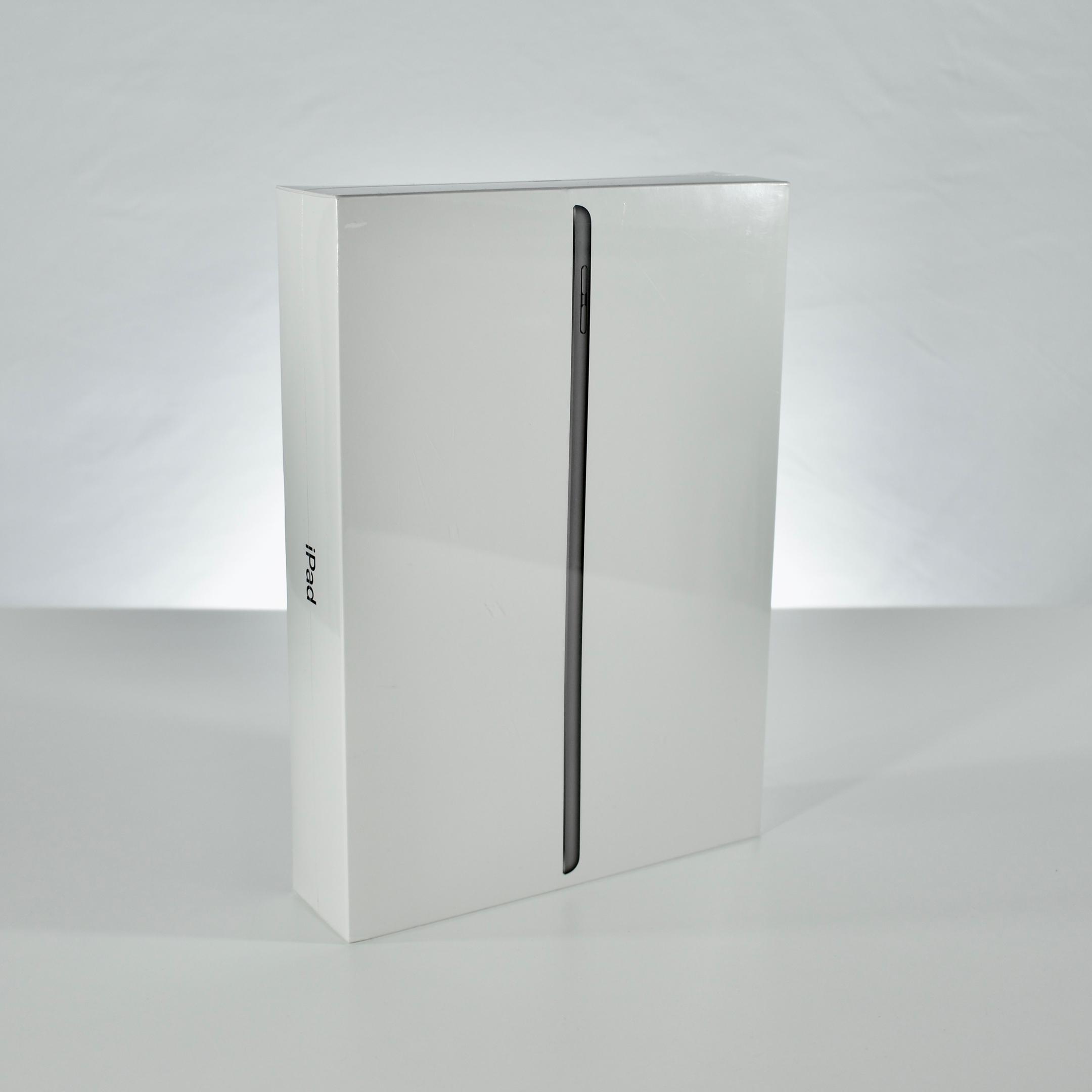
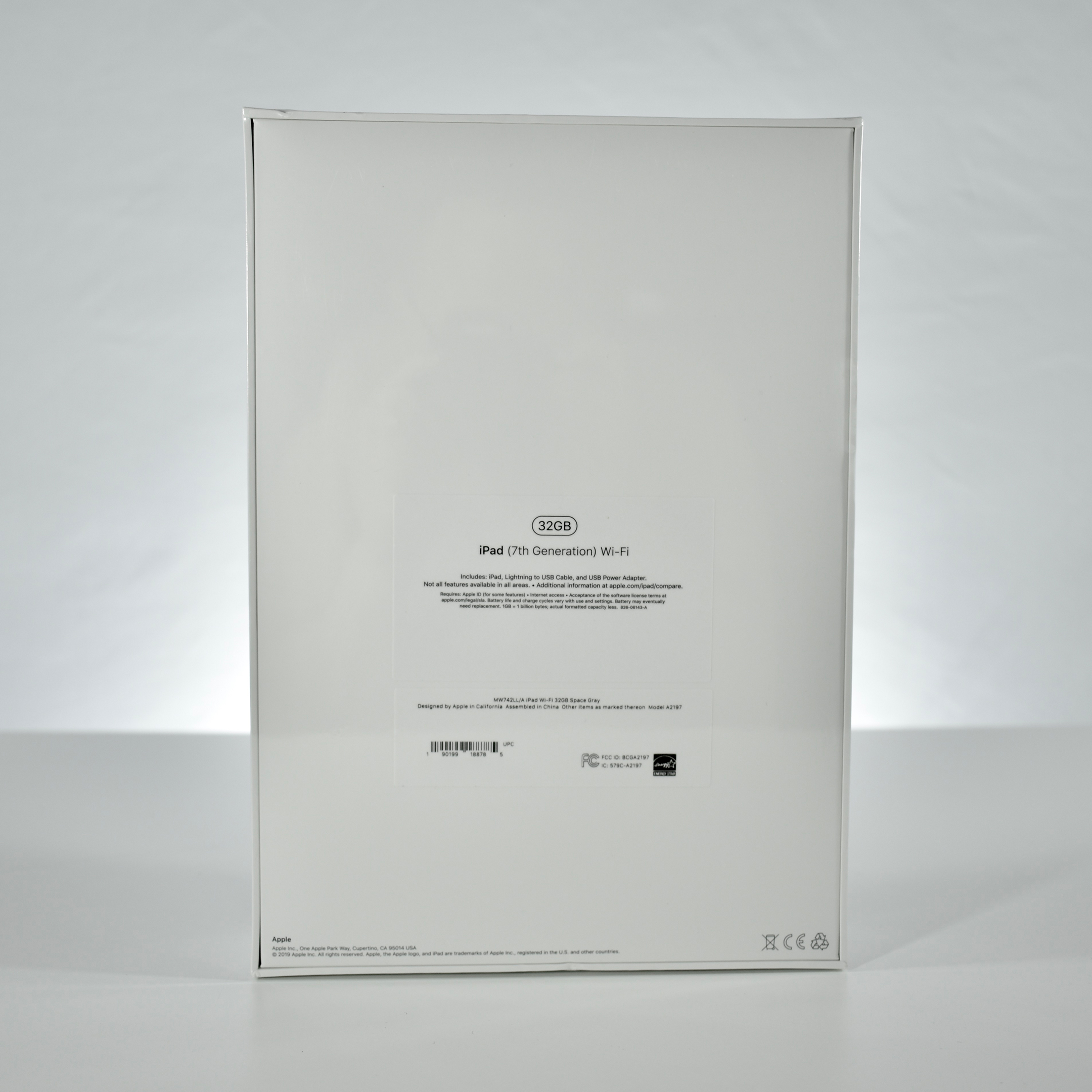
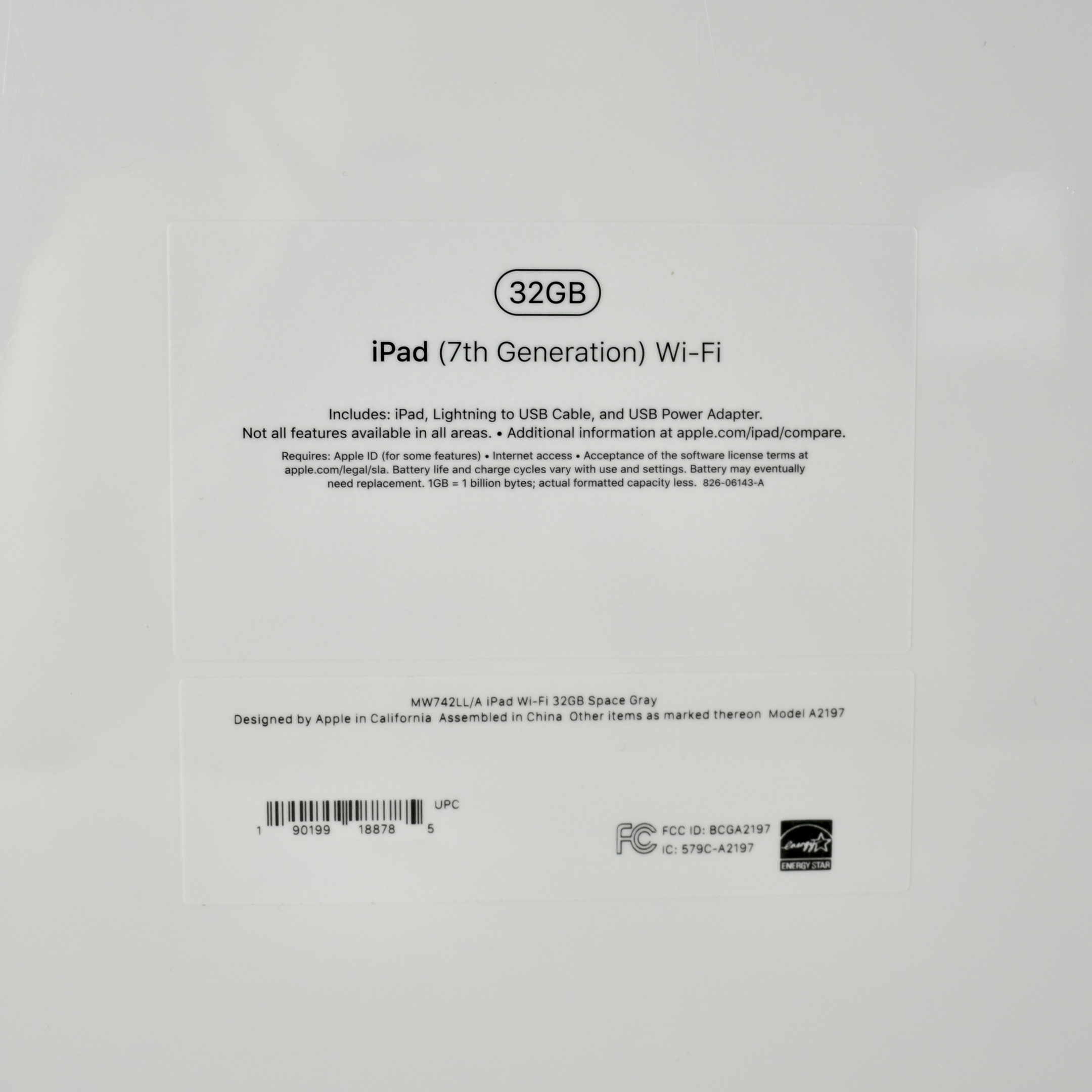
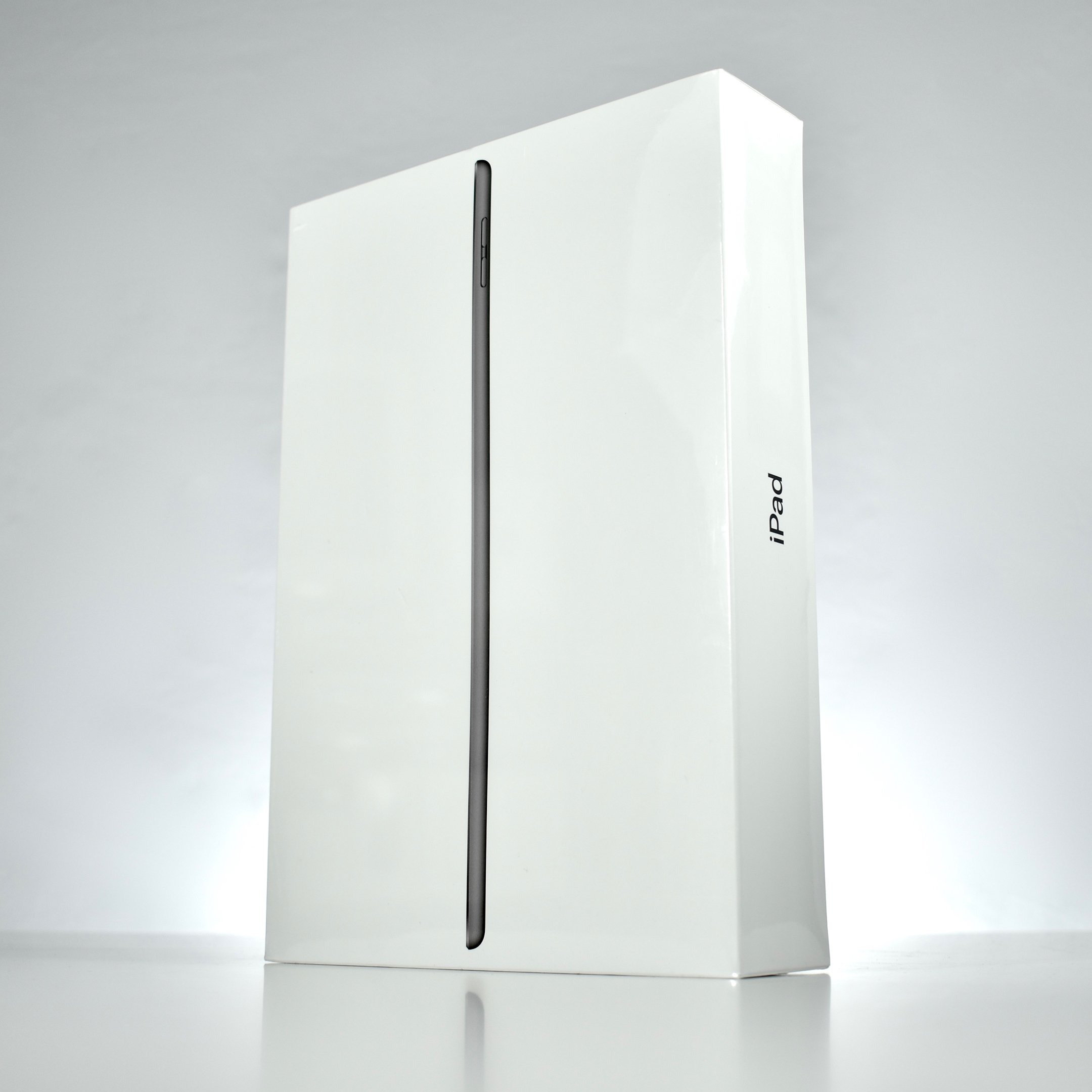
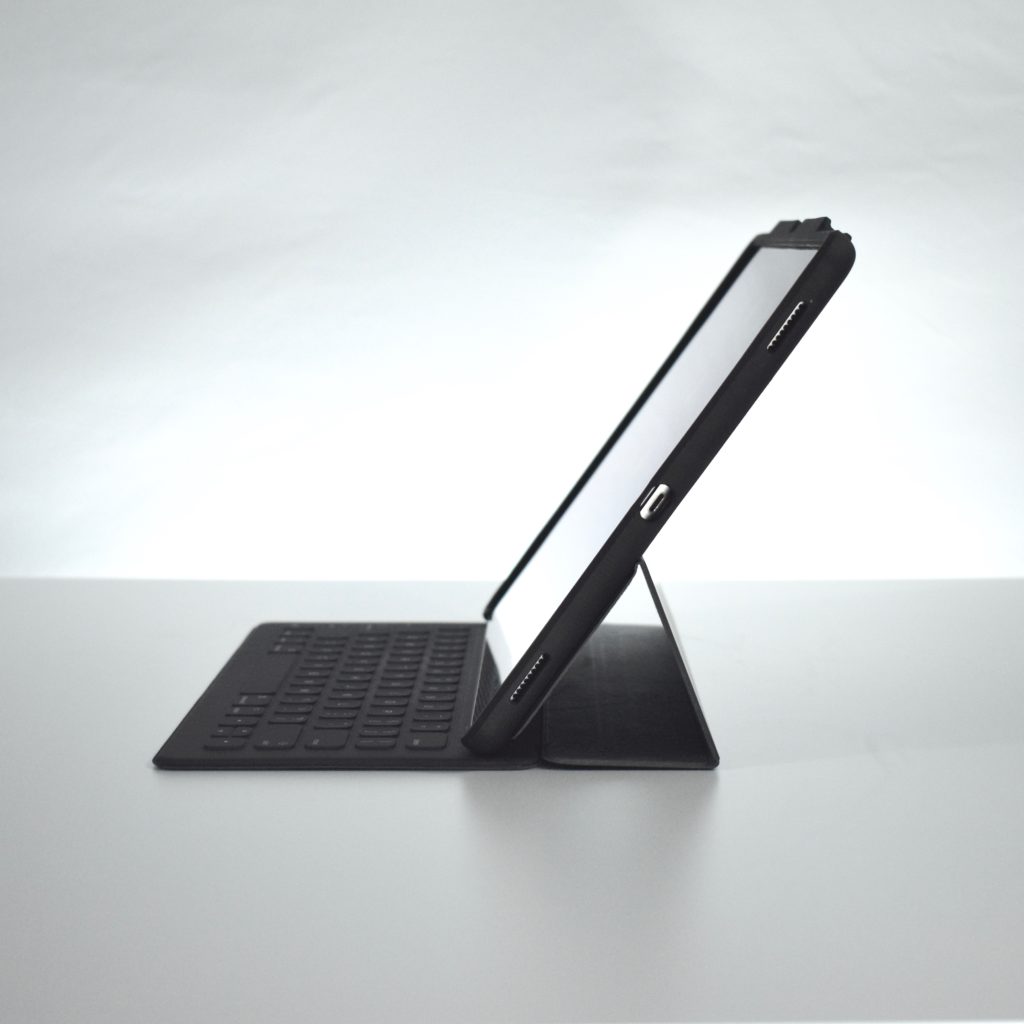
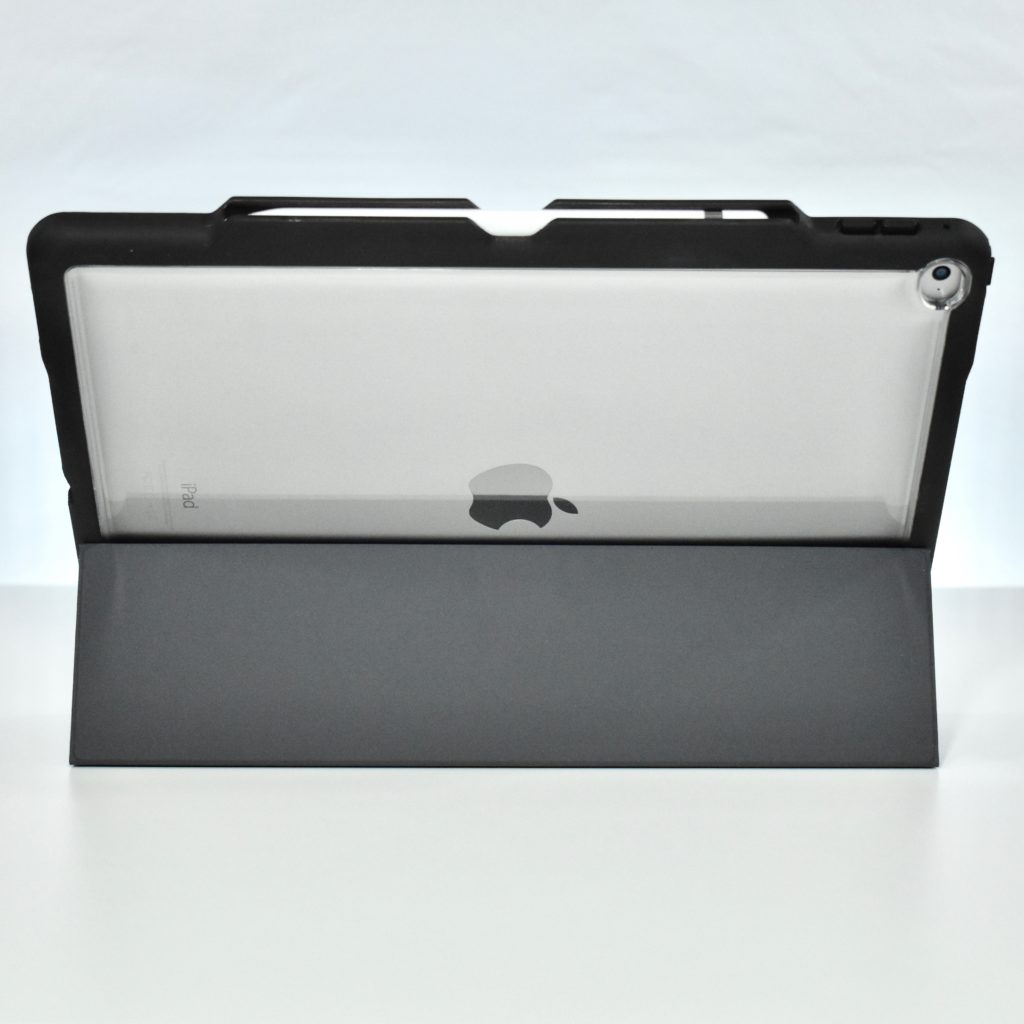
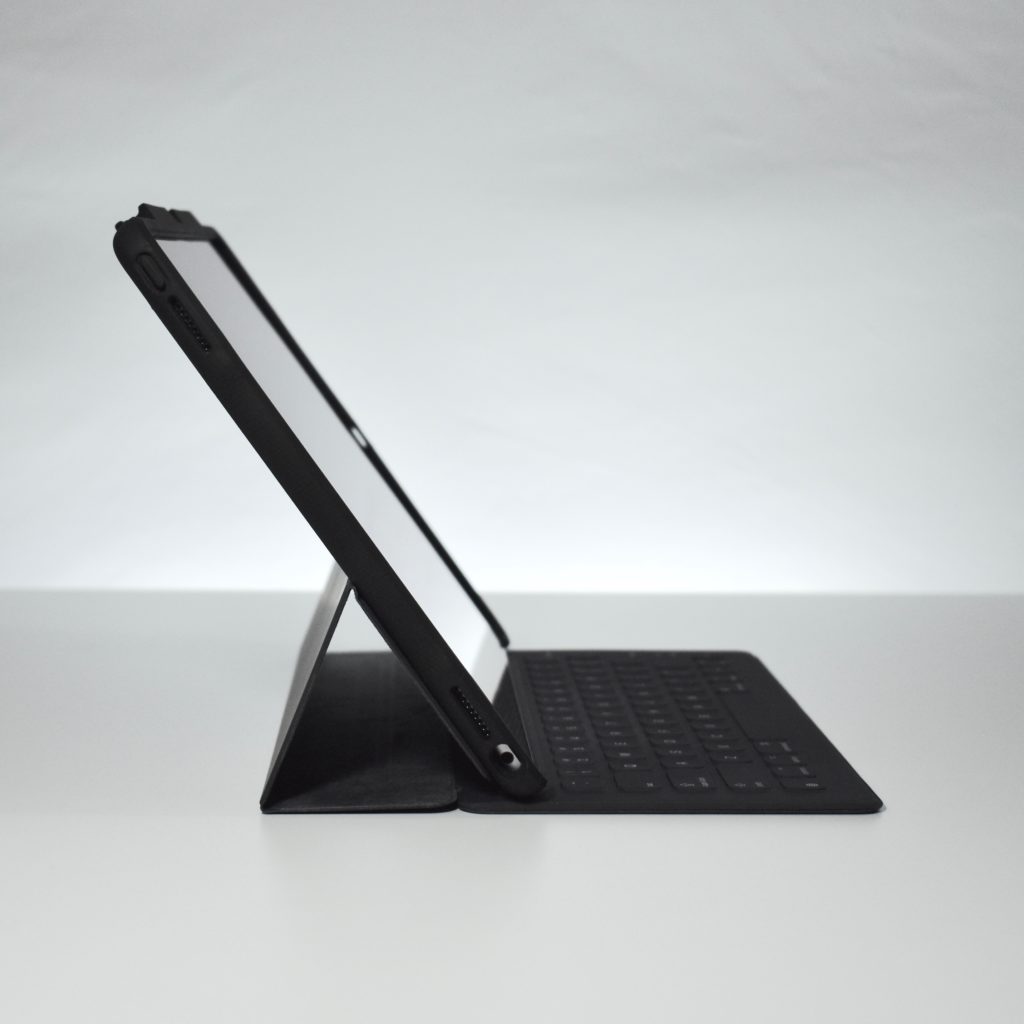
The Generation 7 iPad differs from previous base iPad models with its larger 10.2-inch screen at 2160×1620 (264 ppi) (the Generation 6 iPad had a 9.7-inch screen) and the addition of the Smart Connector. The Smart Connector allows this iPad to use an Apple Smart Keyboard. This iPad was available in three colors: white front with a gold back, white front with silver back, and black front with a Space Gray back. This example is Space Gray.
The Generation 7 iPad uses the Apple A10 Fusion processor with 3 GB of RAM, and has 32 GB or 128 GB of internal storage. It also has an 8 Megapixel iSight camera on the back (1080p) and a 1.2 Megapixel FaceTime camera (720p) on the front. Wireless connectivity includes 802.11ac Wi-Fi and Bluetooth 4.2,. Its two wired ports are the Lightning port and a 3.5mm audio port. Internal sensors include accelerometer, gyroscope, ambient light sensor, compass, and barometer.
Aside from this Wi-Fi model, three Wi-Fi/Cellular models are available (US/CA, Global, and China).
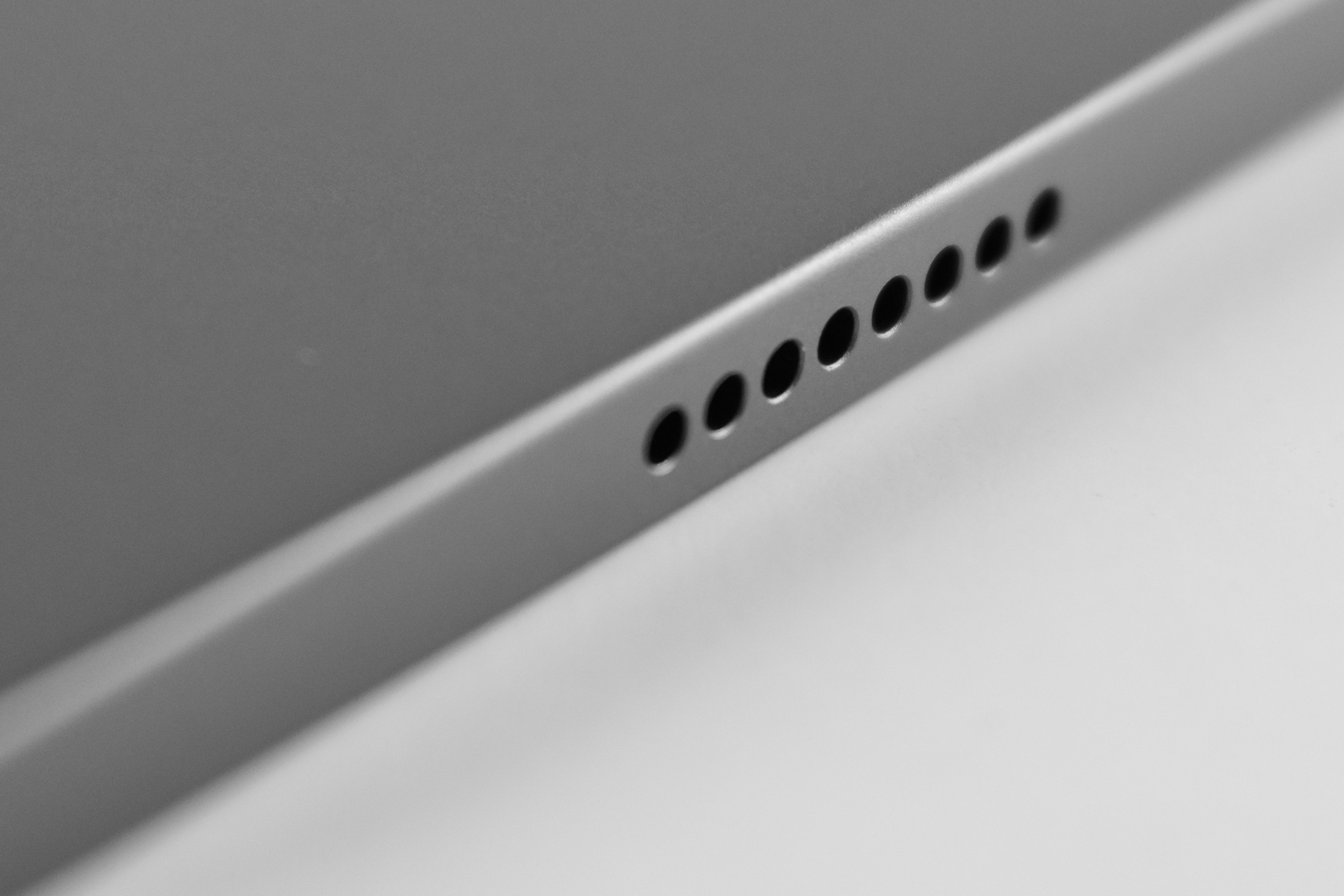
The 12.9-inch iPad Pro was powered by an Apple A9X processor and had 4 GB of RAM; 32, 128, or 256 GB of storage; a rear-mounted 8 megapixel iSight camera (1080p); a front-mounted 1.2 megapixel FaceTime HD camera (720p); 802.11a/b/g/n/ac Wi-Fi; Bluetooth 4.2; dual microphones; two sets of stereo speakers; and a Lightning port. The screen was a 12.9-inch TFT touch-sensitive Retina display with 5.6 million pixels (2732×2048 at 264 ppi) and included an antireflective coating. A cellular-equipped model was also available.
The 12.9-inch iPad Pro was available in silver with a white front, gold with a white front, and space gray with a black front. This model is space gray.
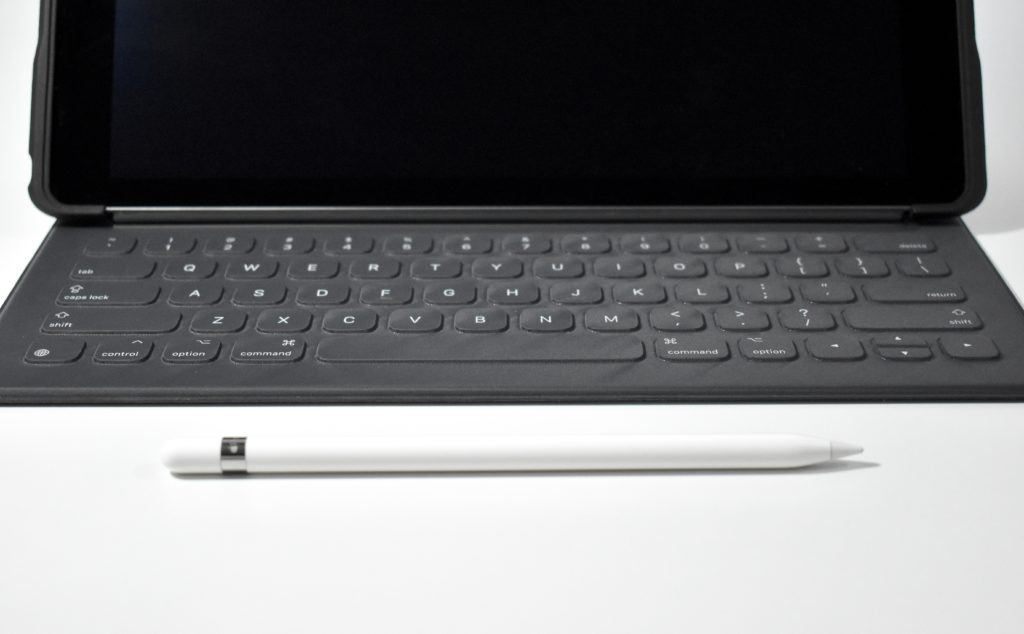
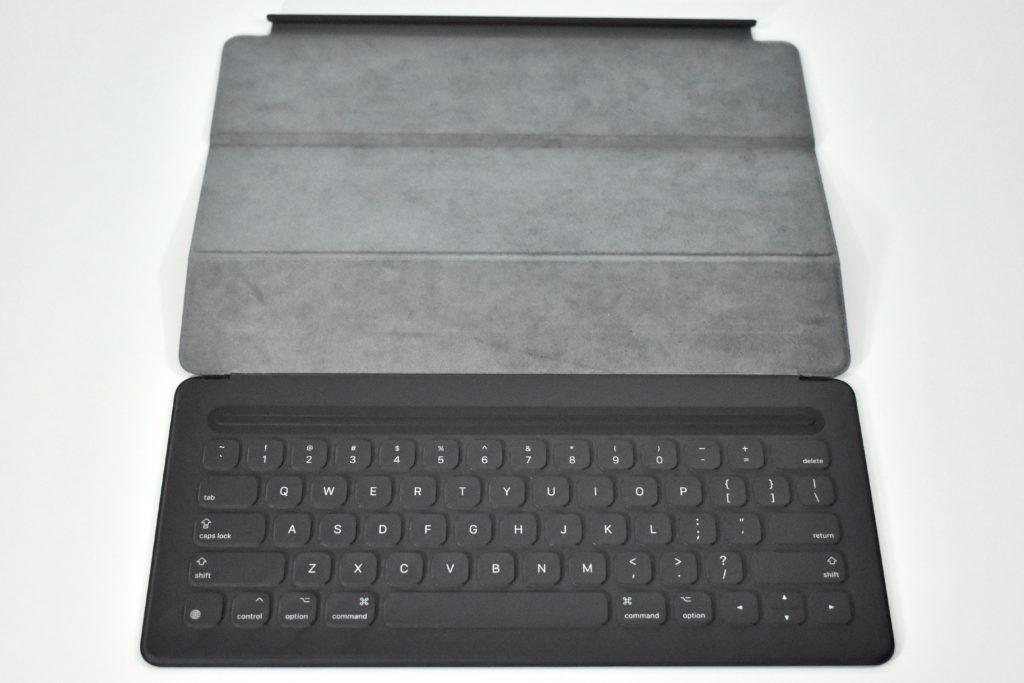
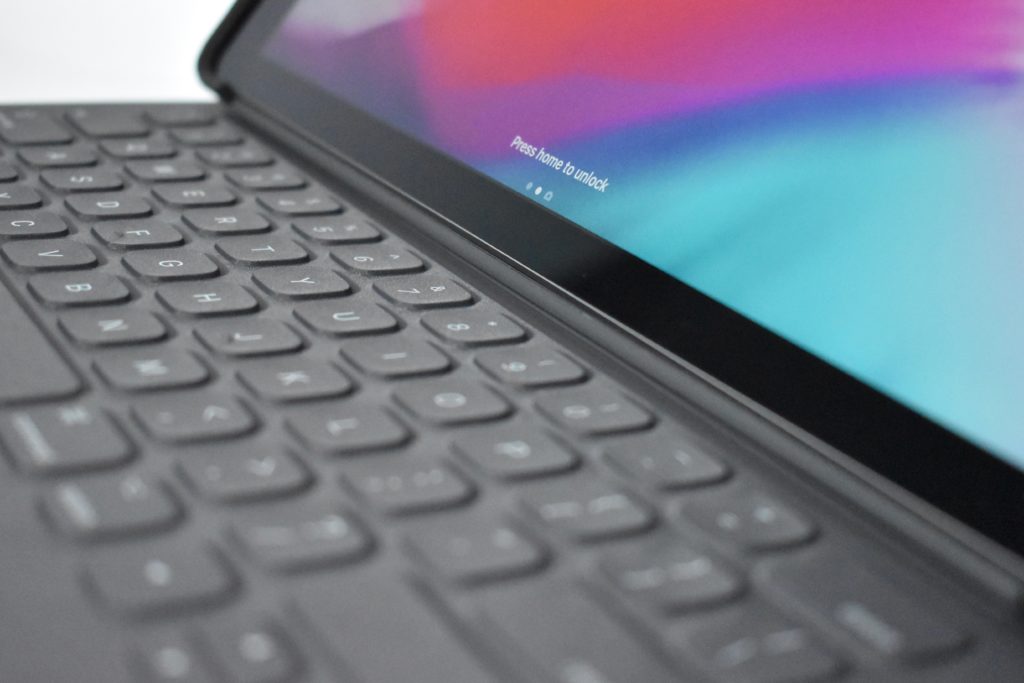
This iPad Pro included a new Smart Connector that provided connectivity and power for the Apple Smart Keyboard.
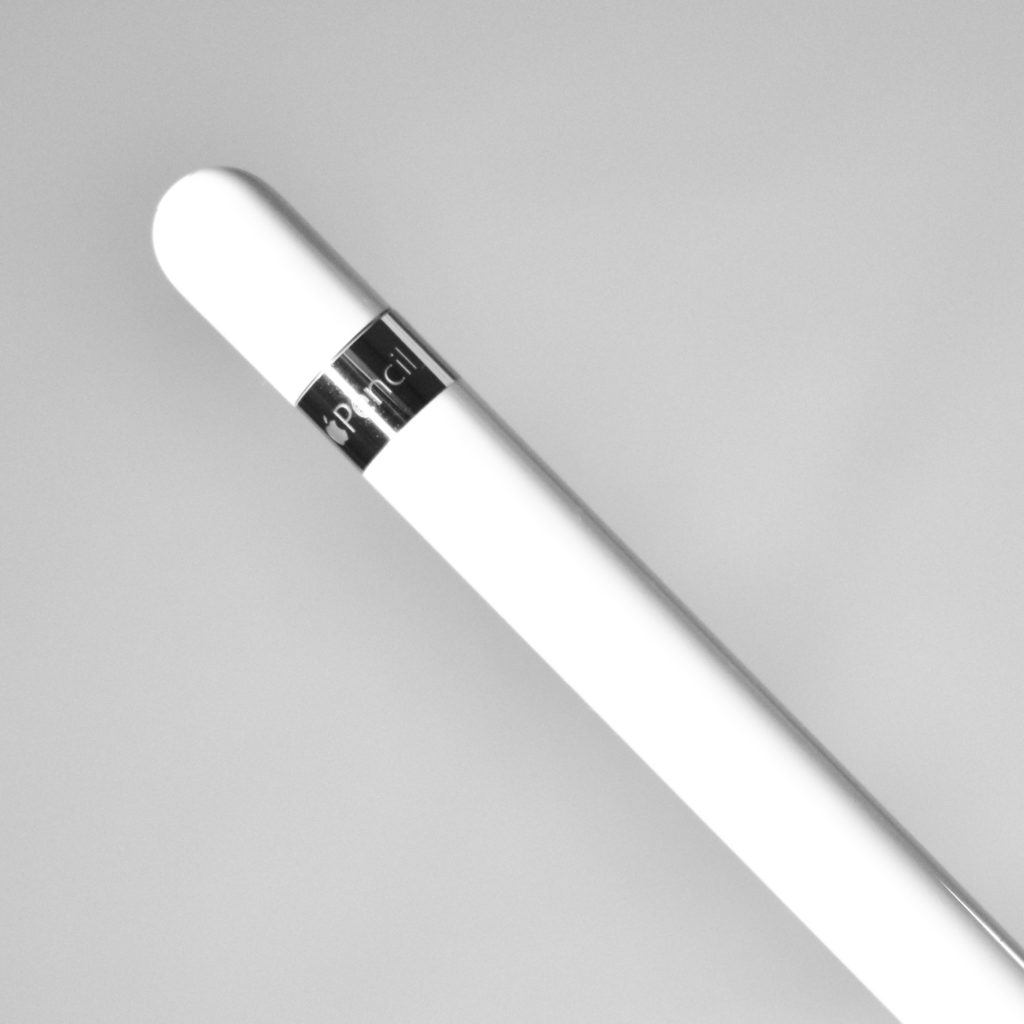
The Apple Pencil was announced with this first-generation iPad Pro on September 9, 2015. The Pencil could be used with the first and second generation iPad Pro models. It connected wirelessly using Bluetooth and had a removable cap that concealed a Lightning connector for charging. It used pressure sensitivity and angle detection and had very low latency, making it function like a real pencil with no delay.