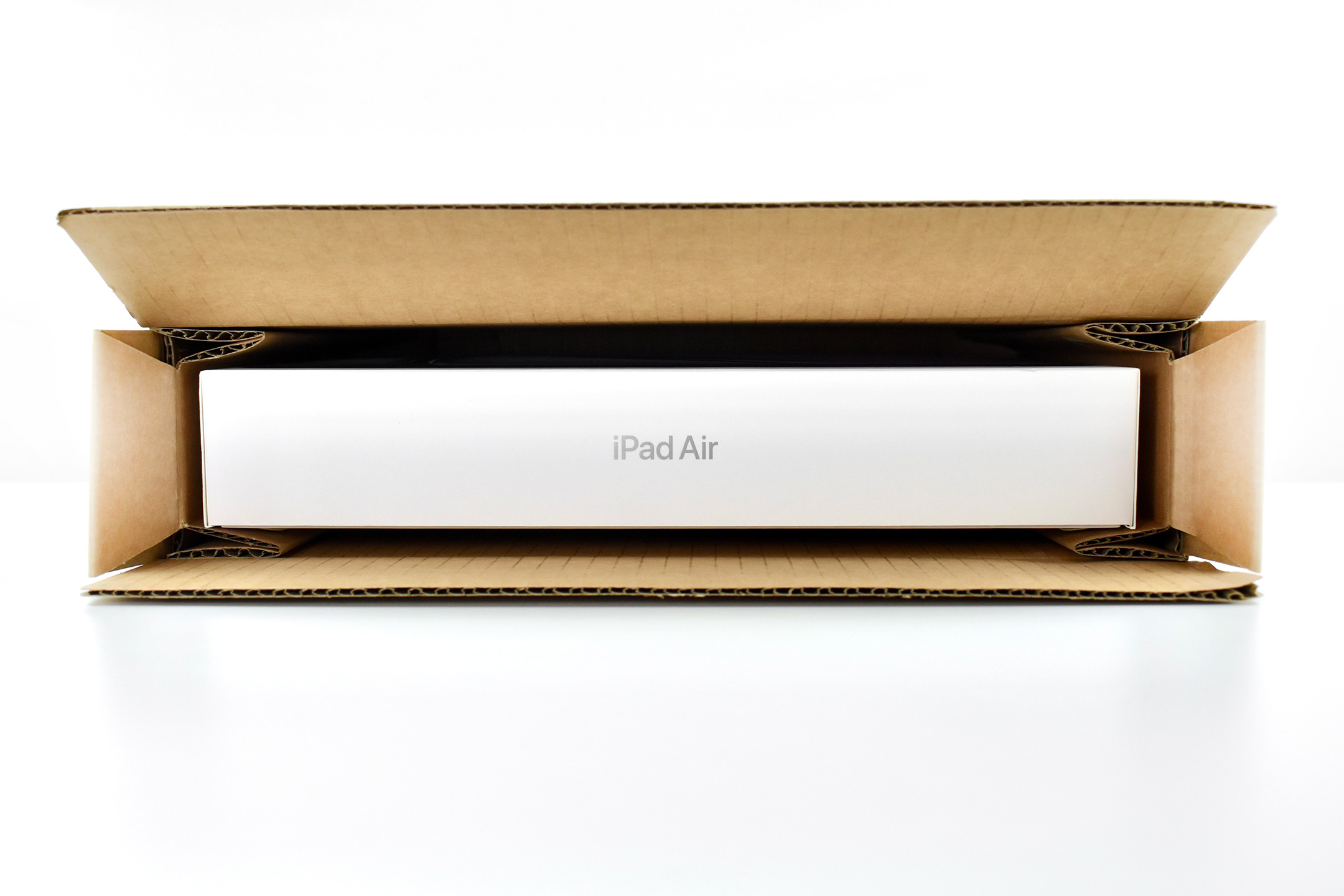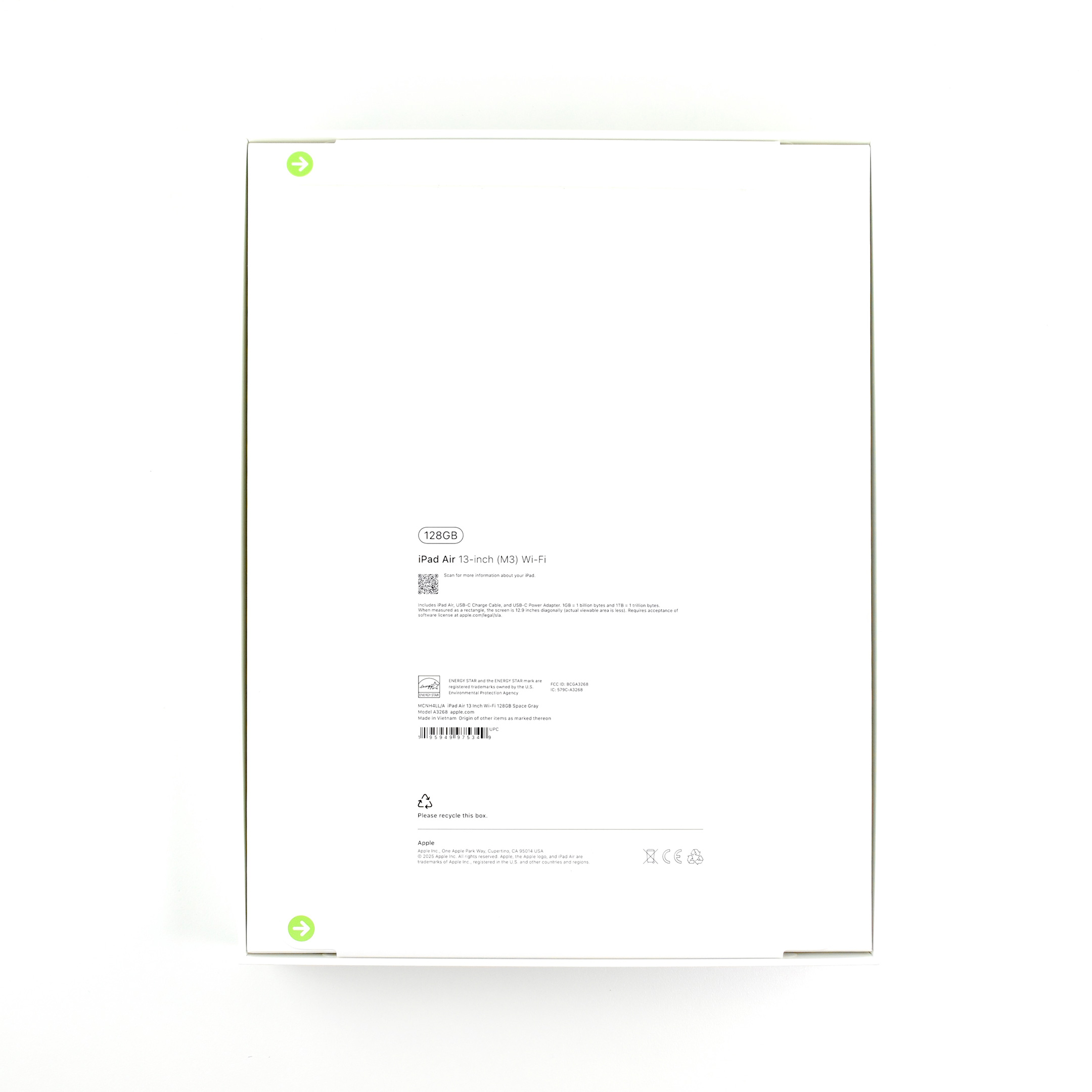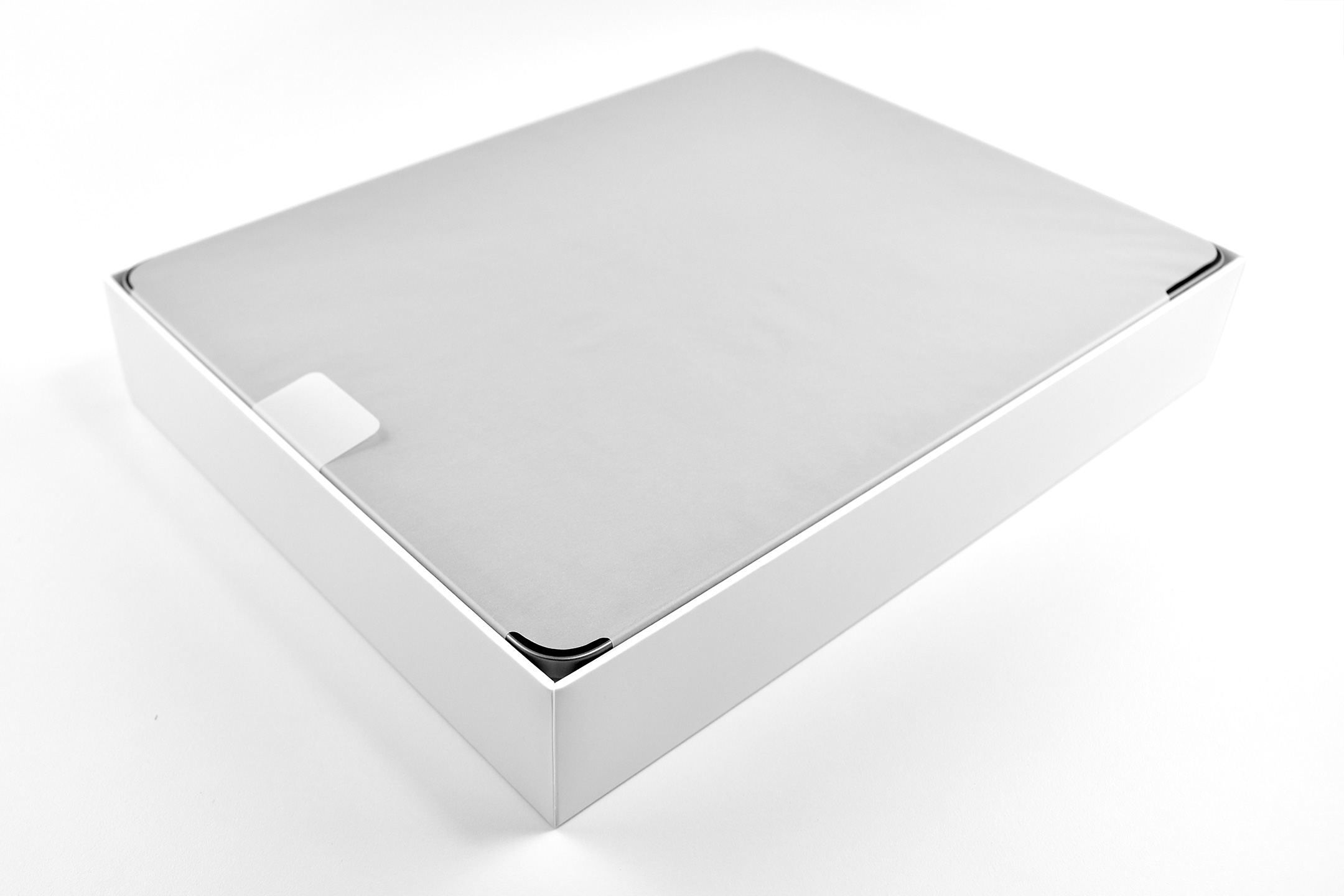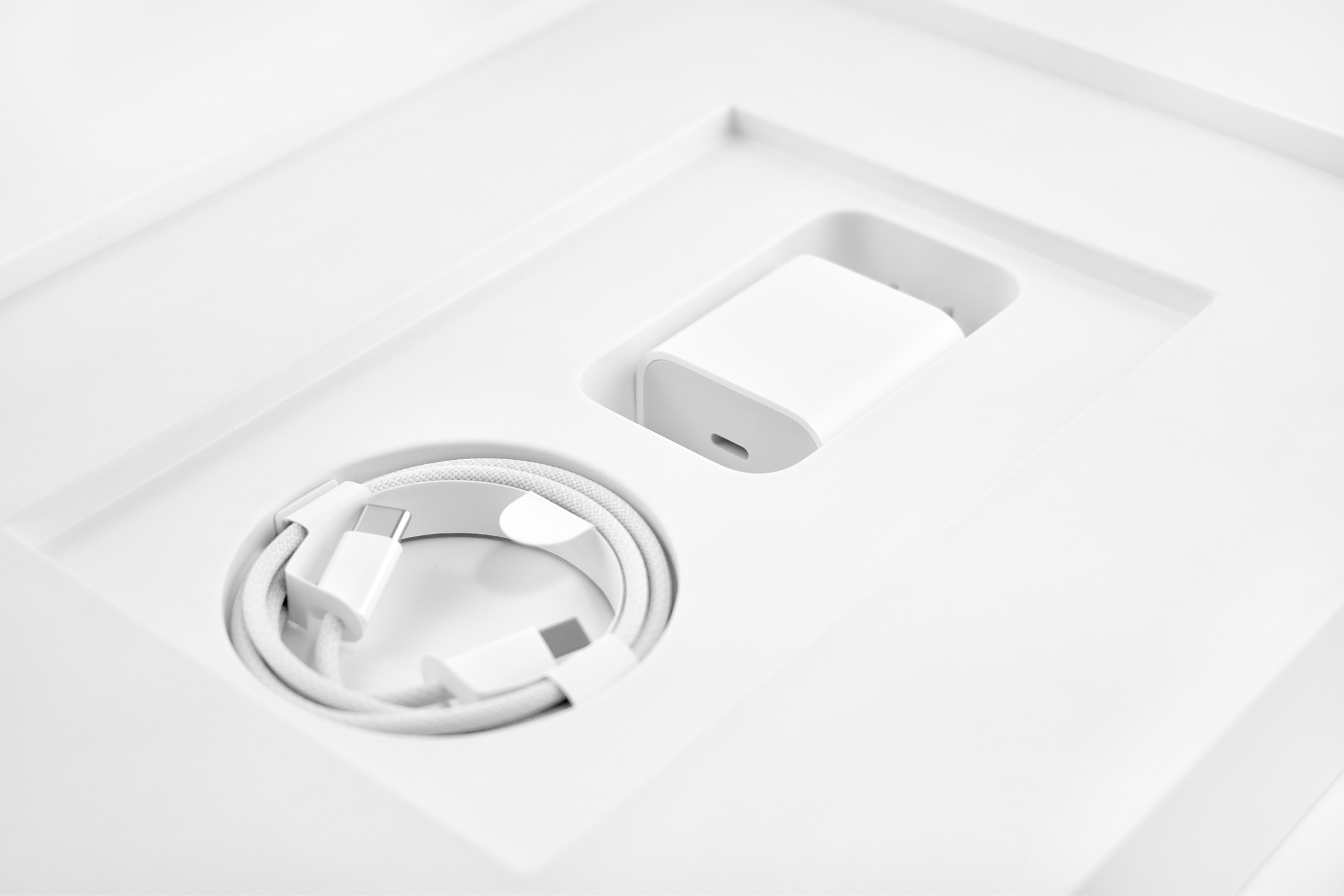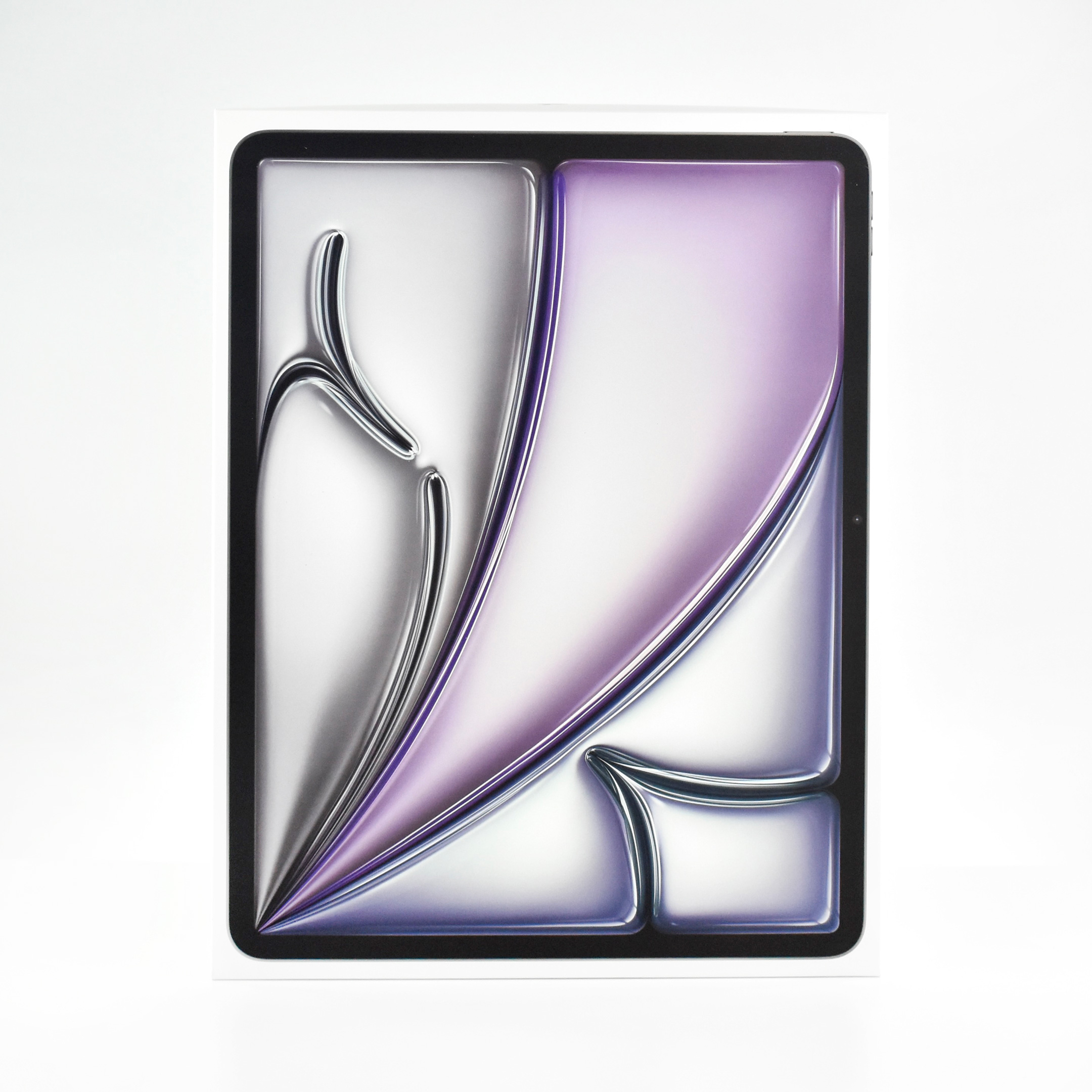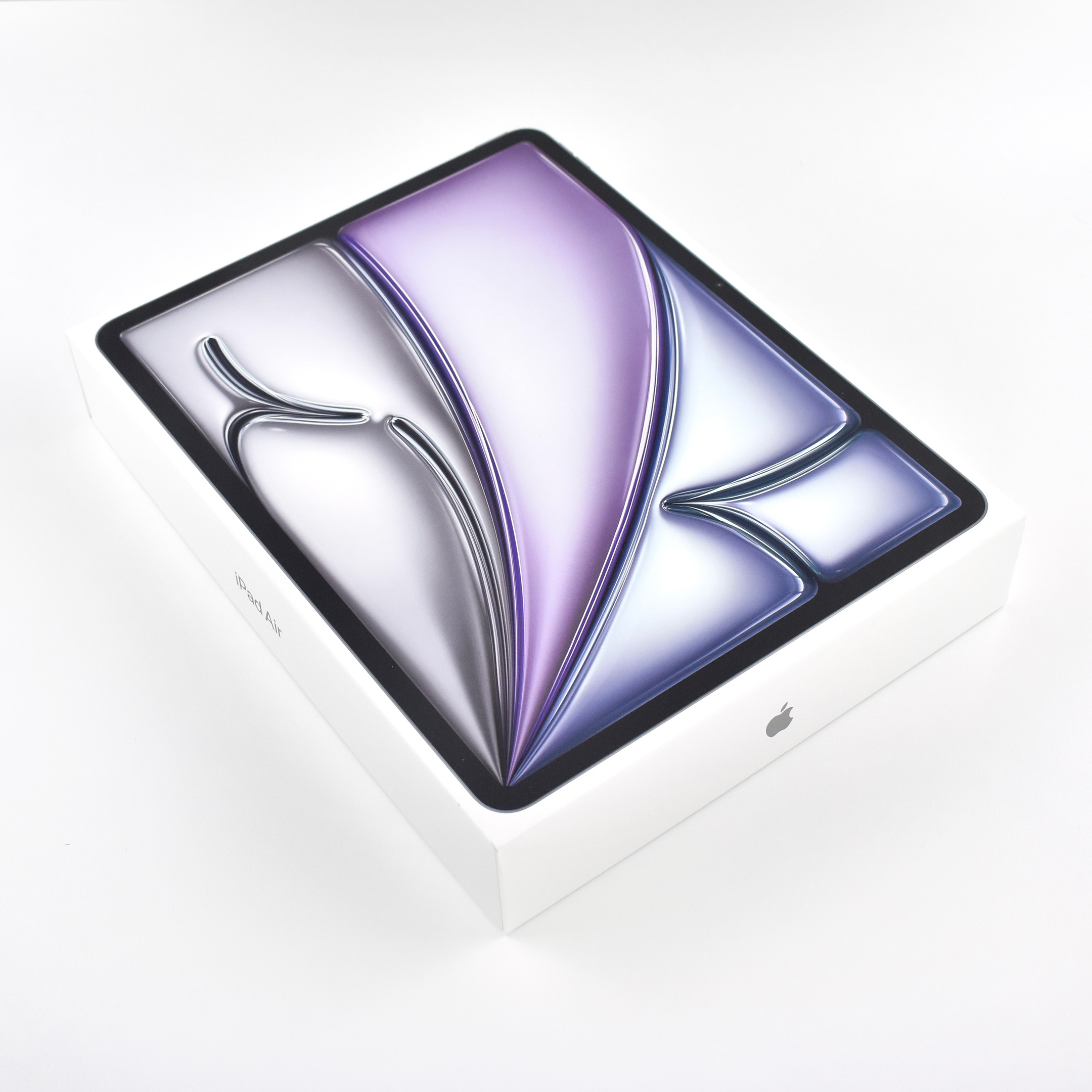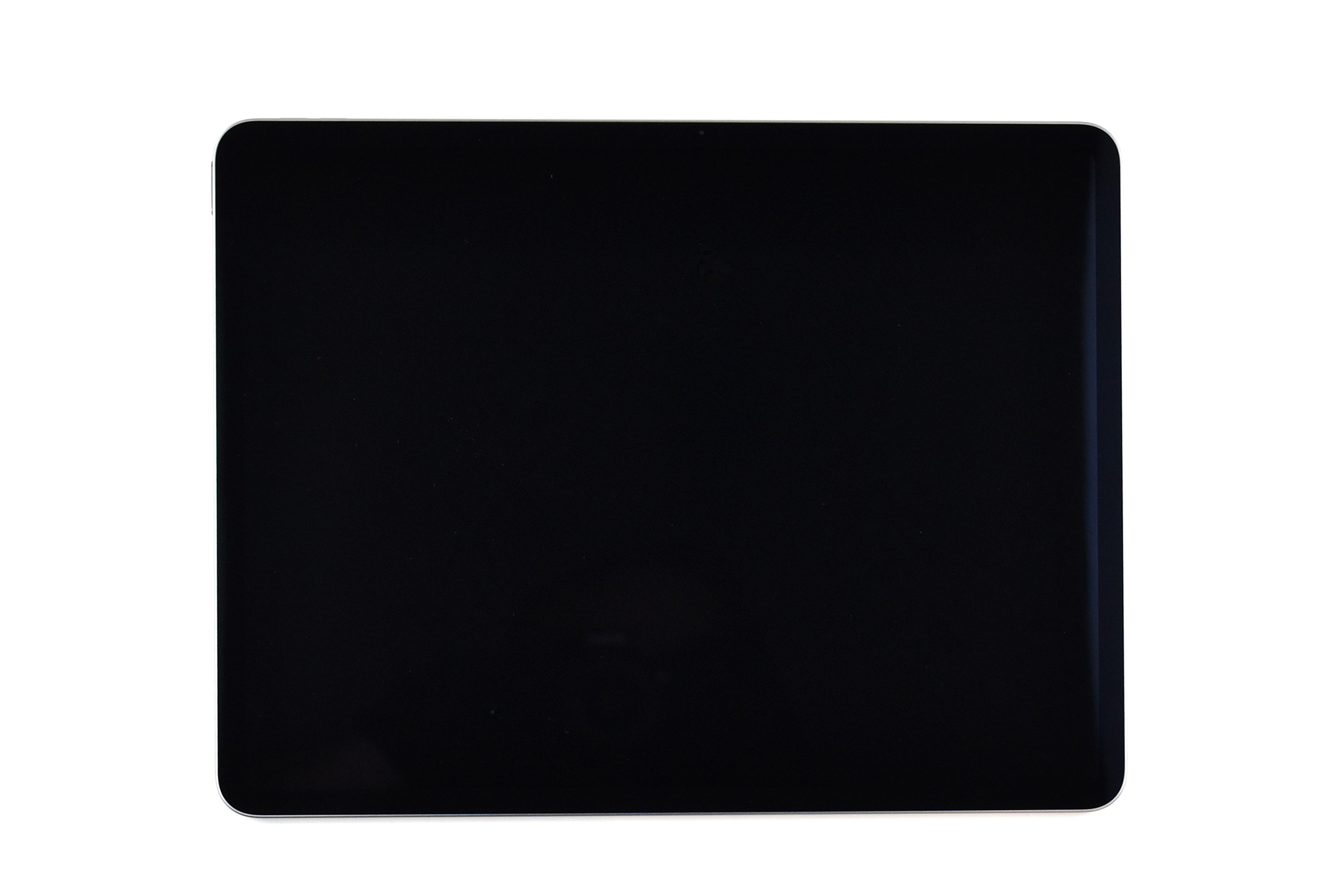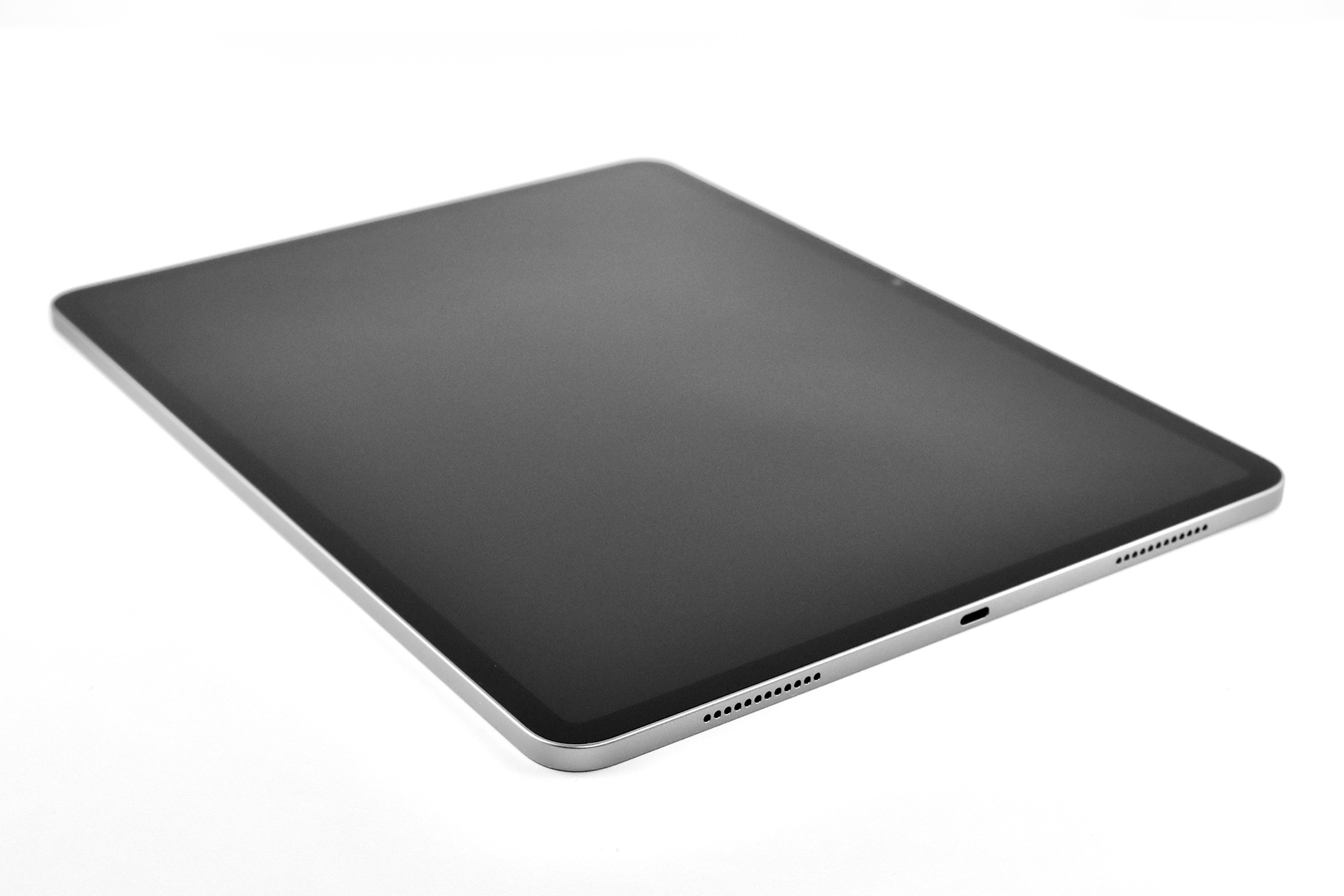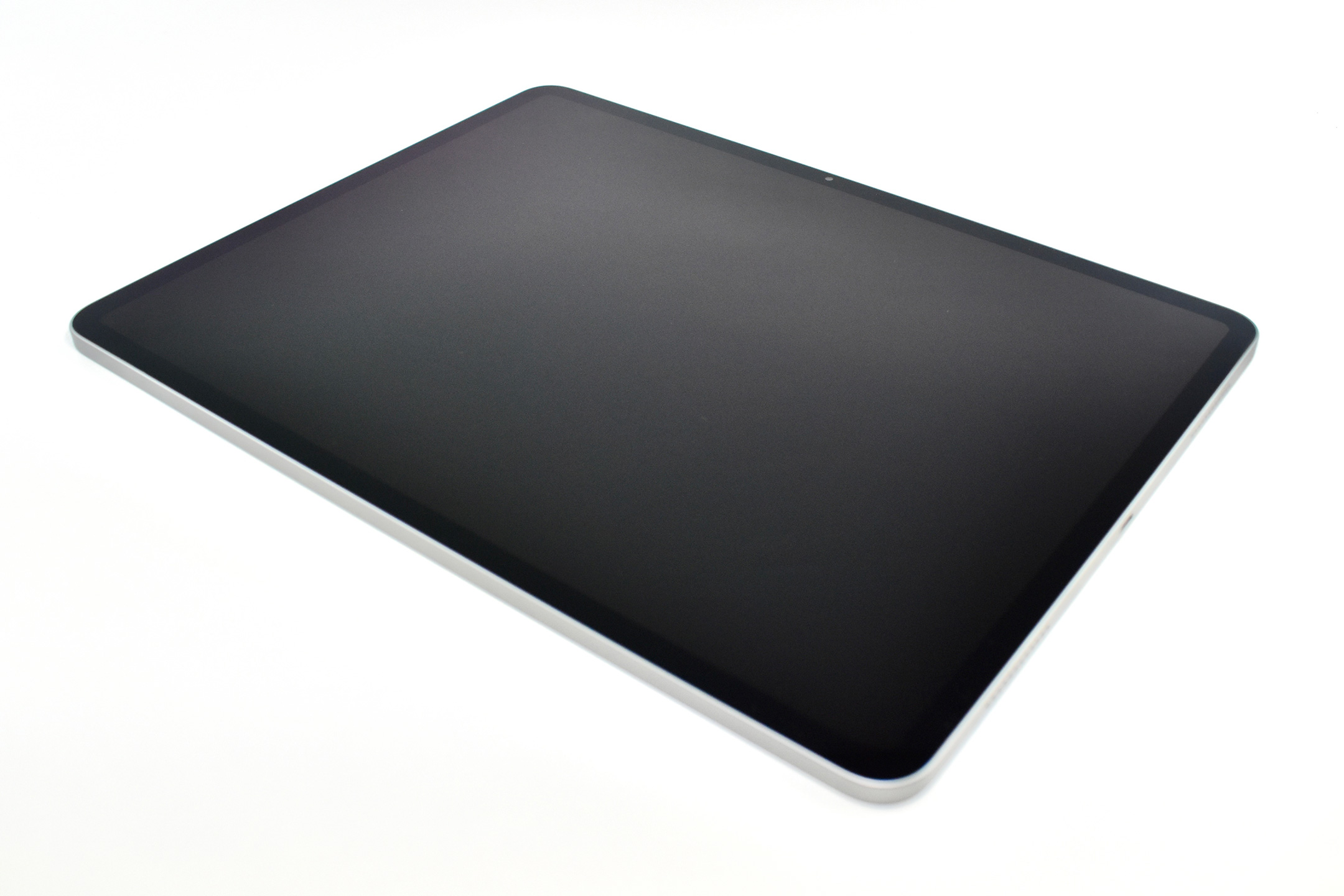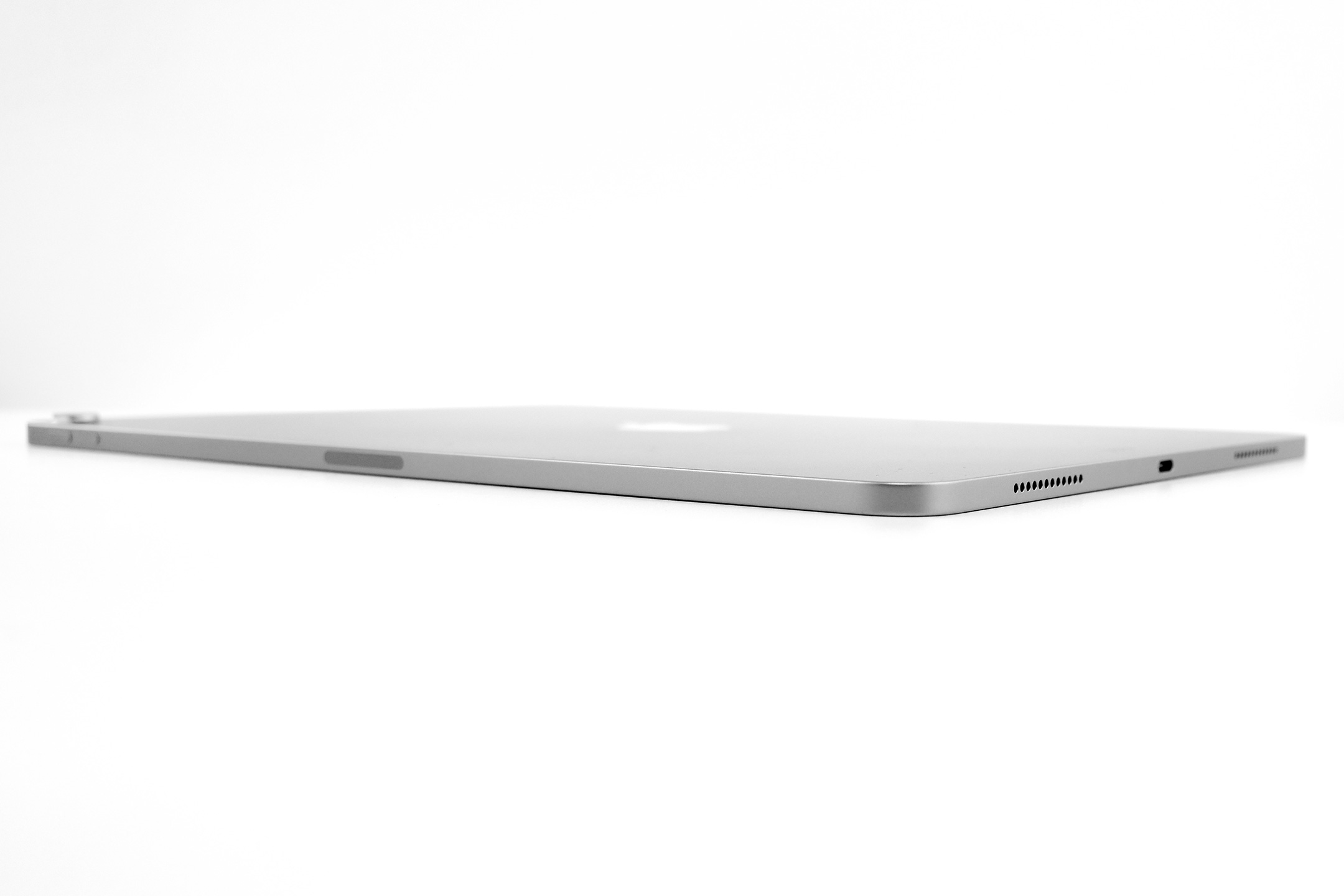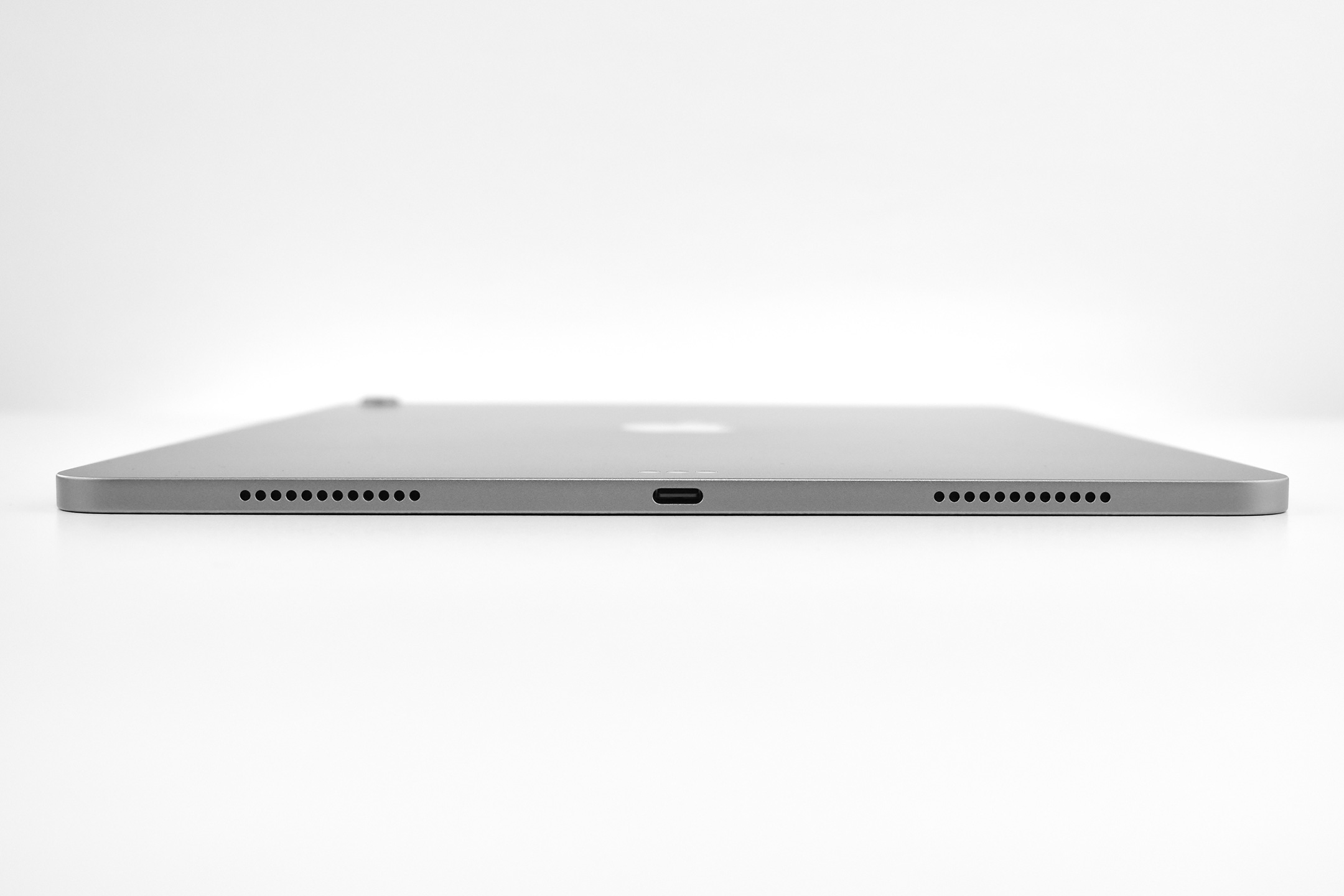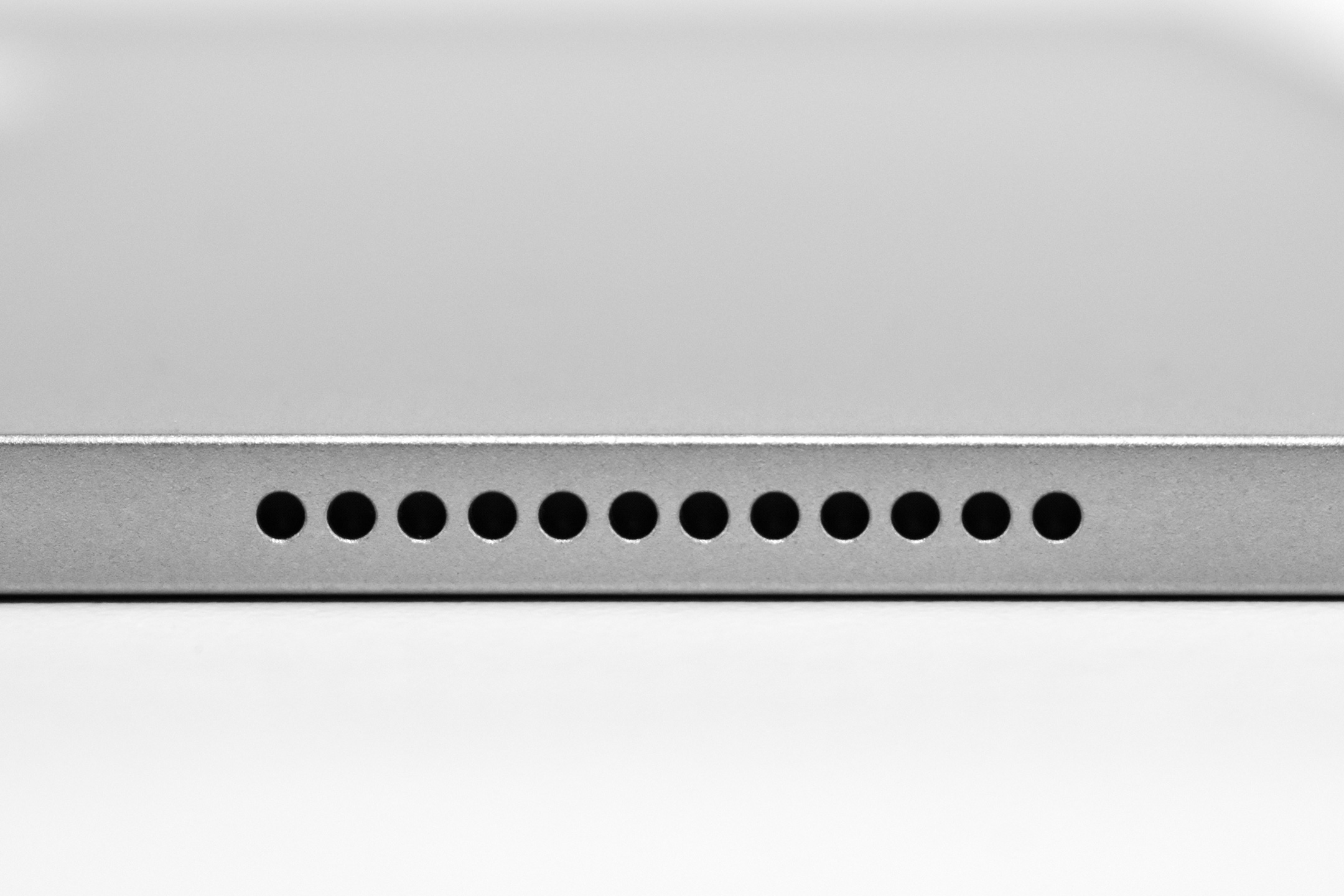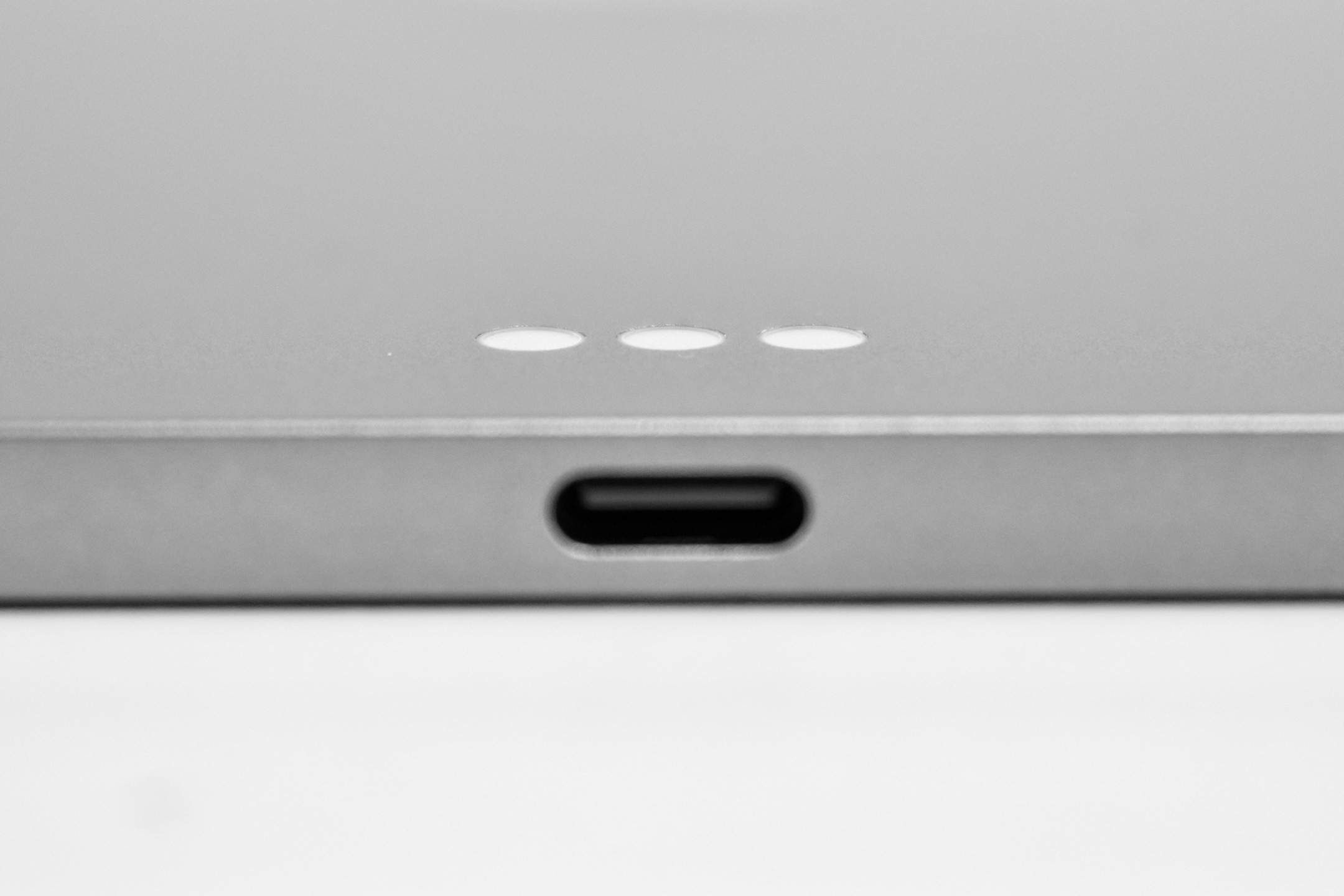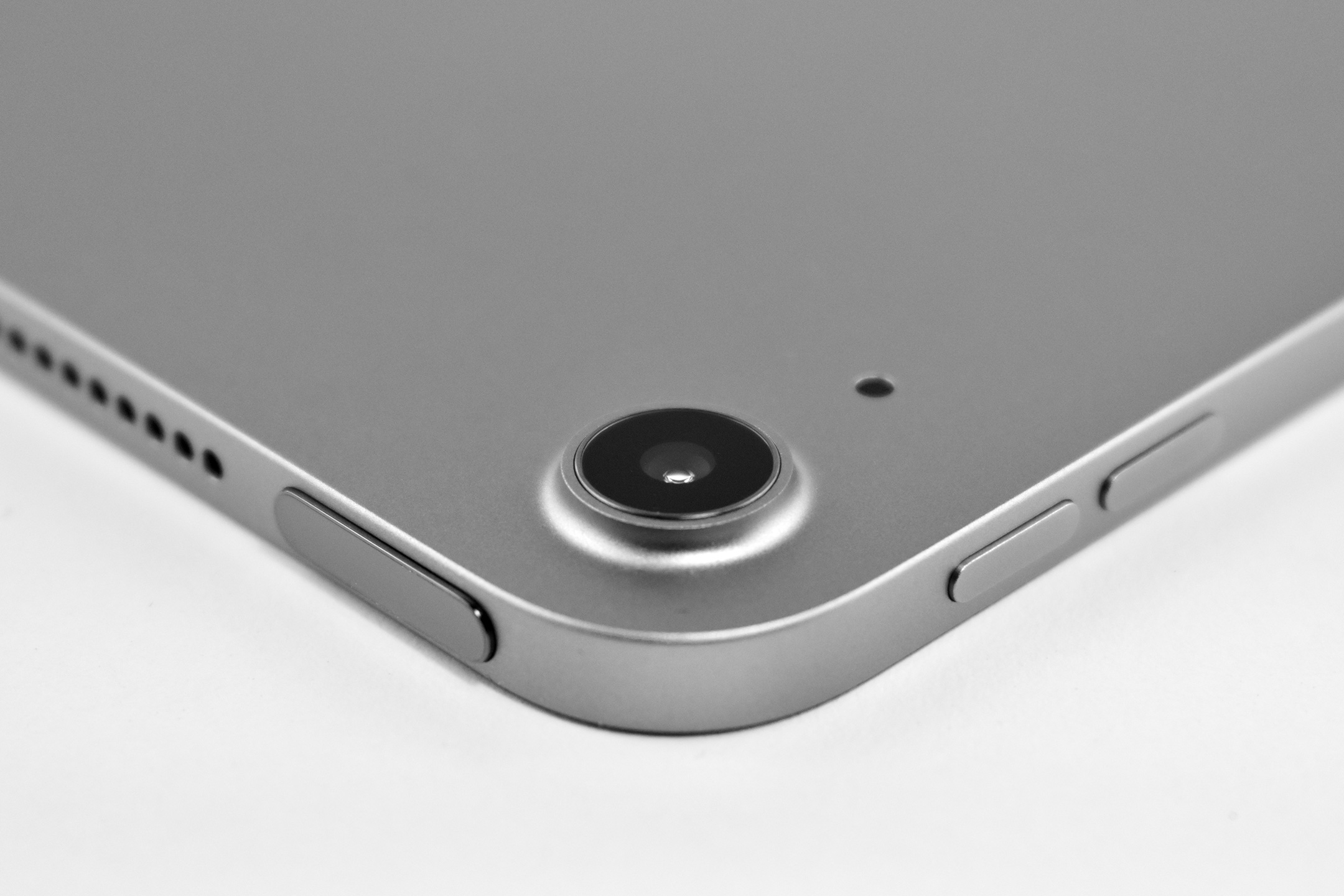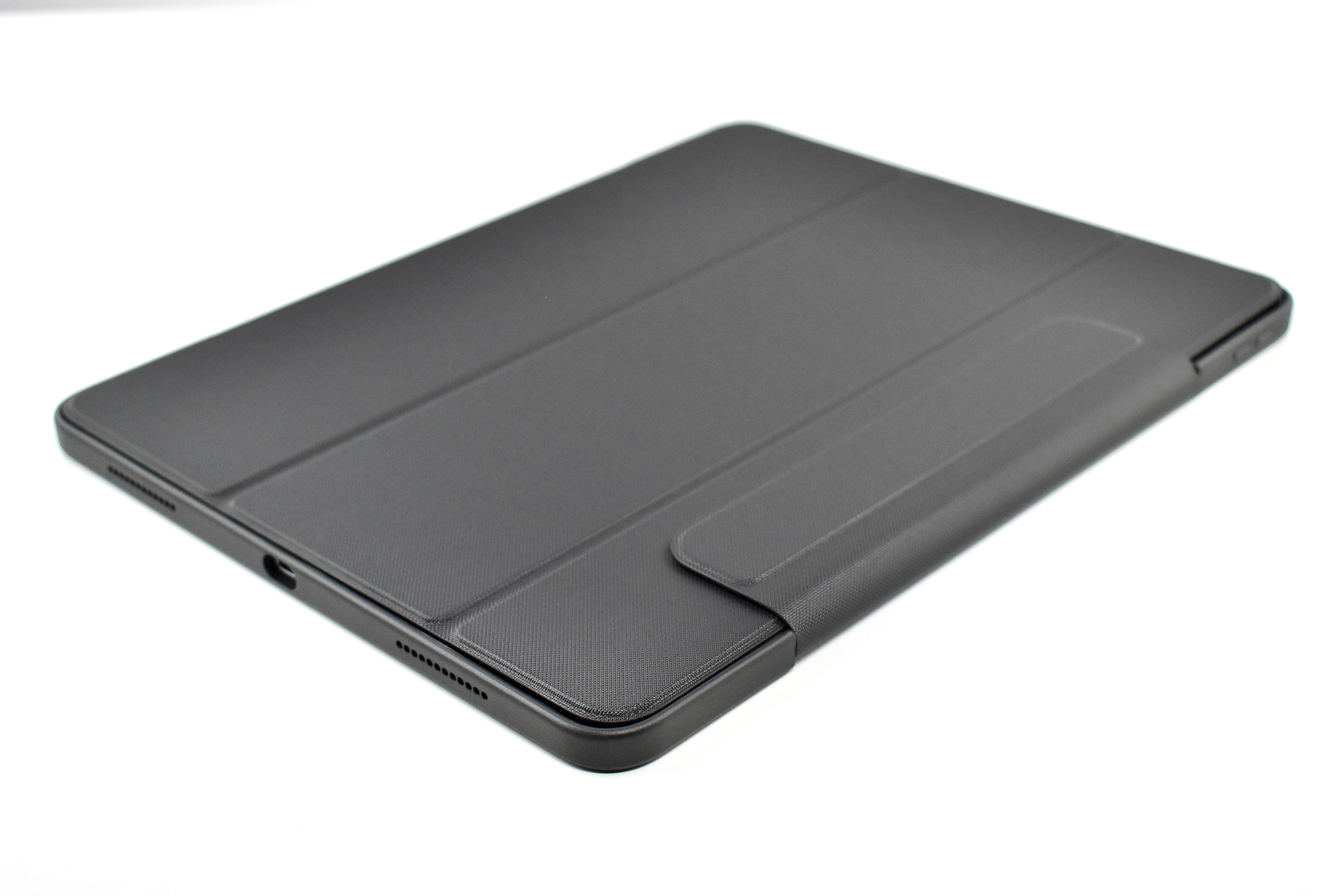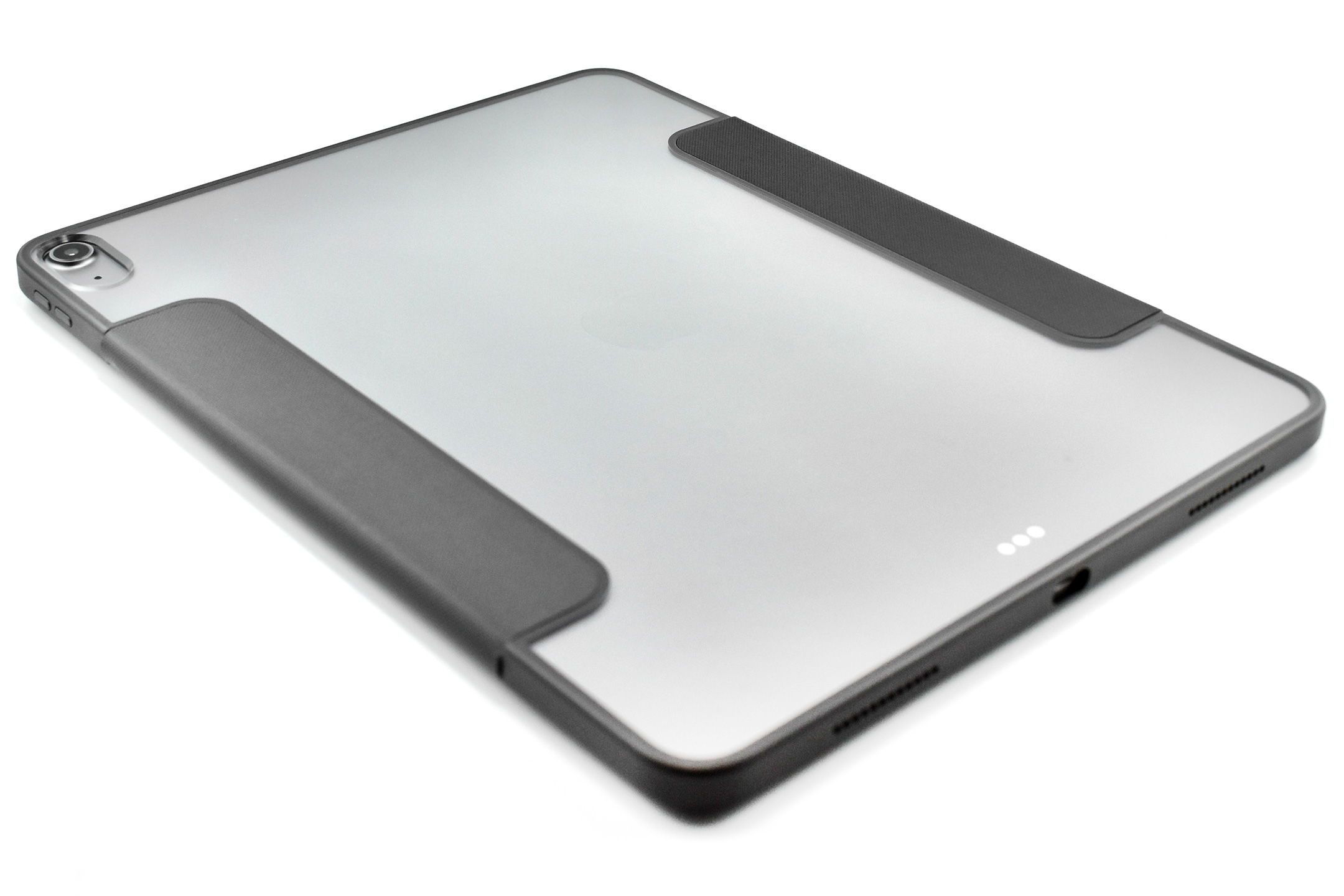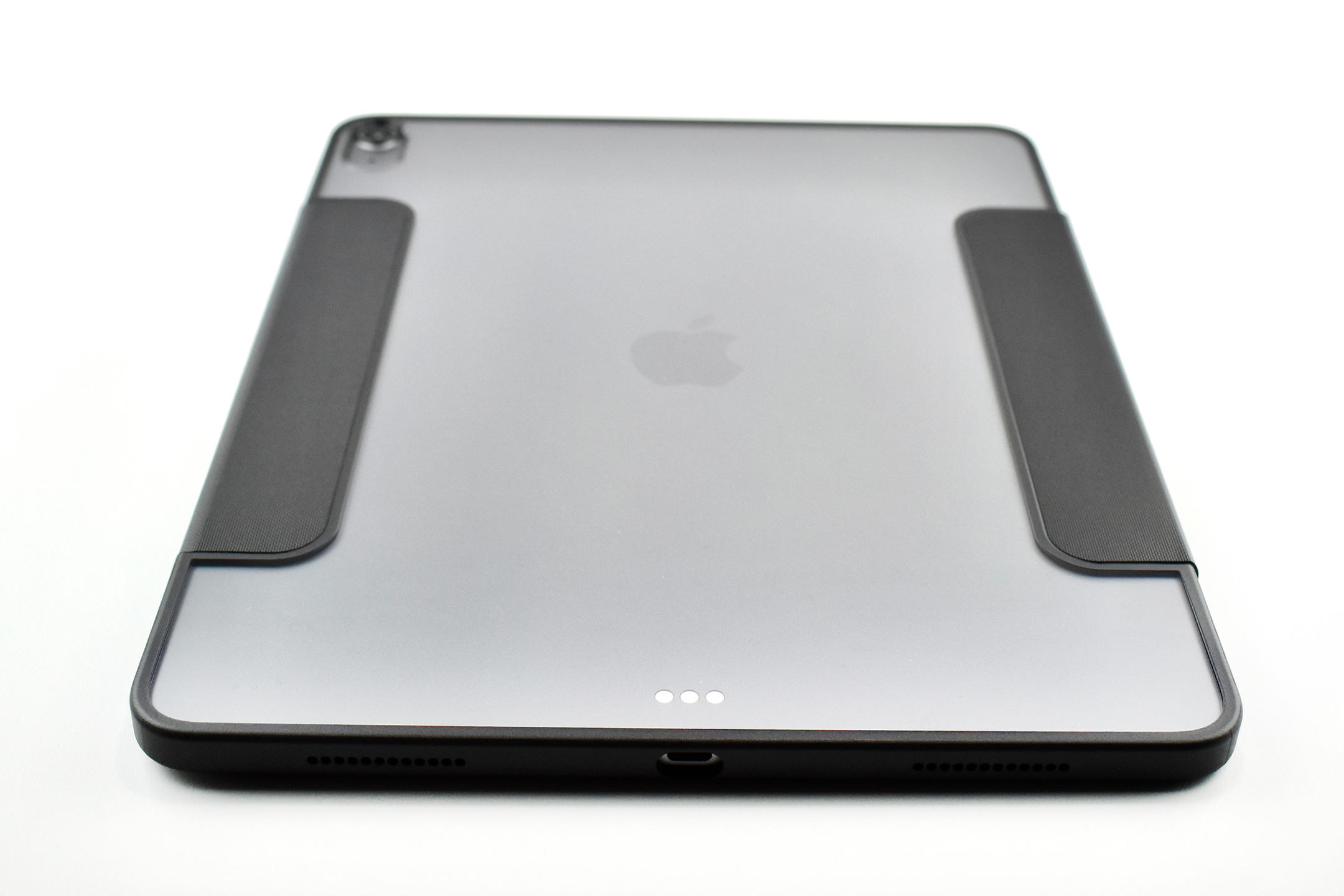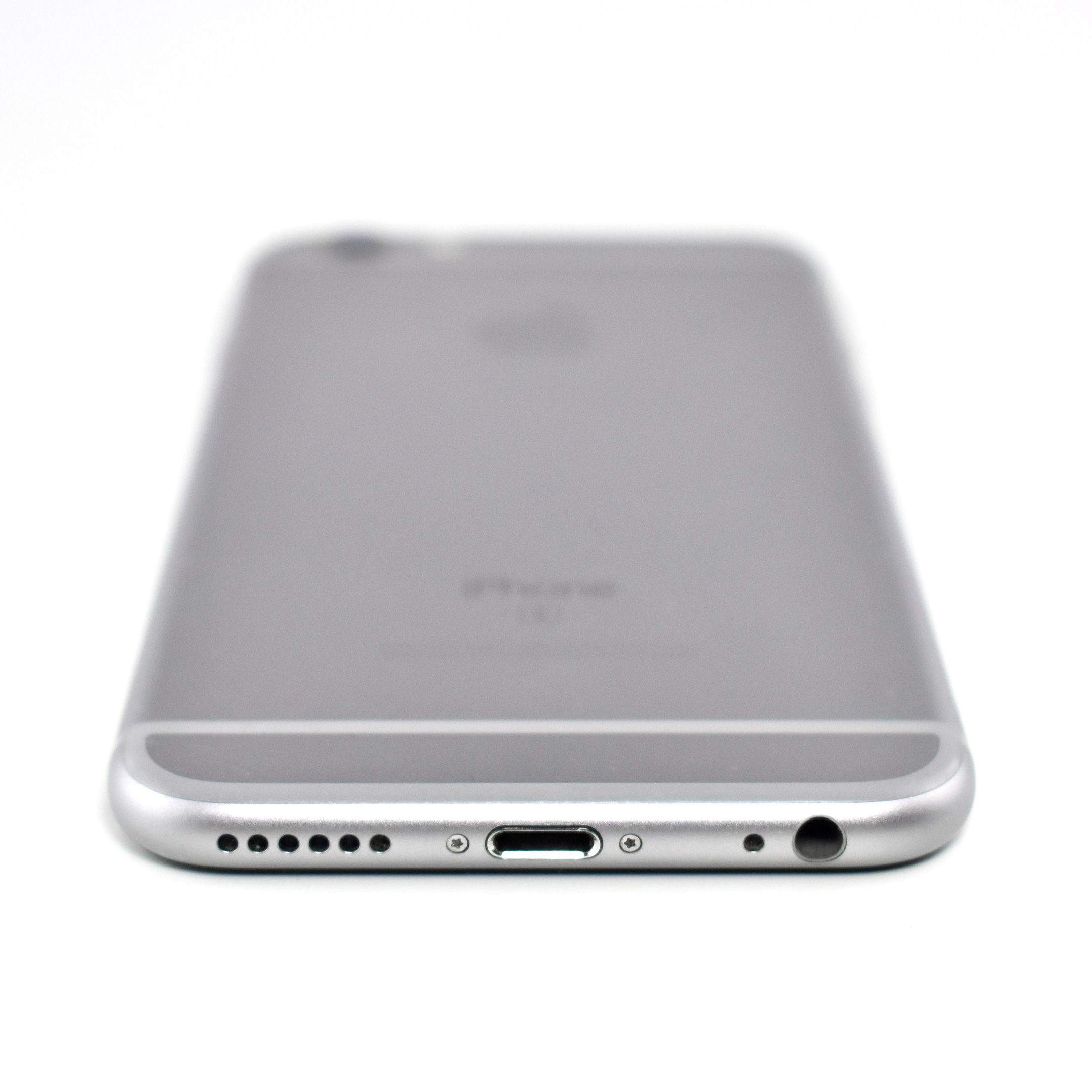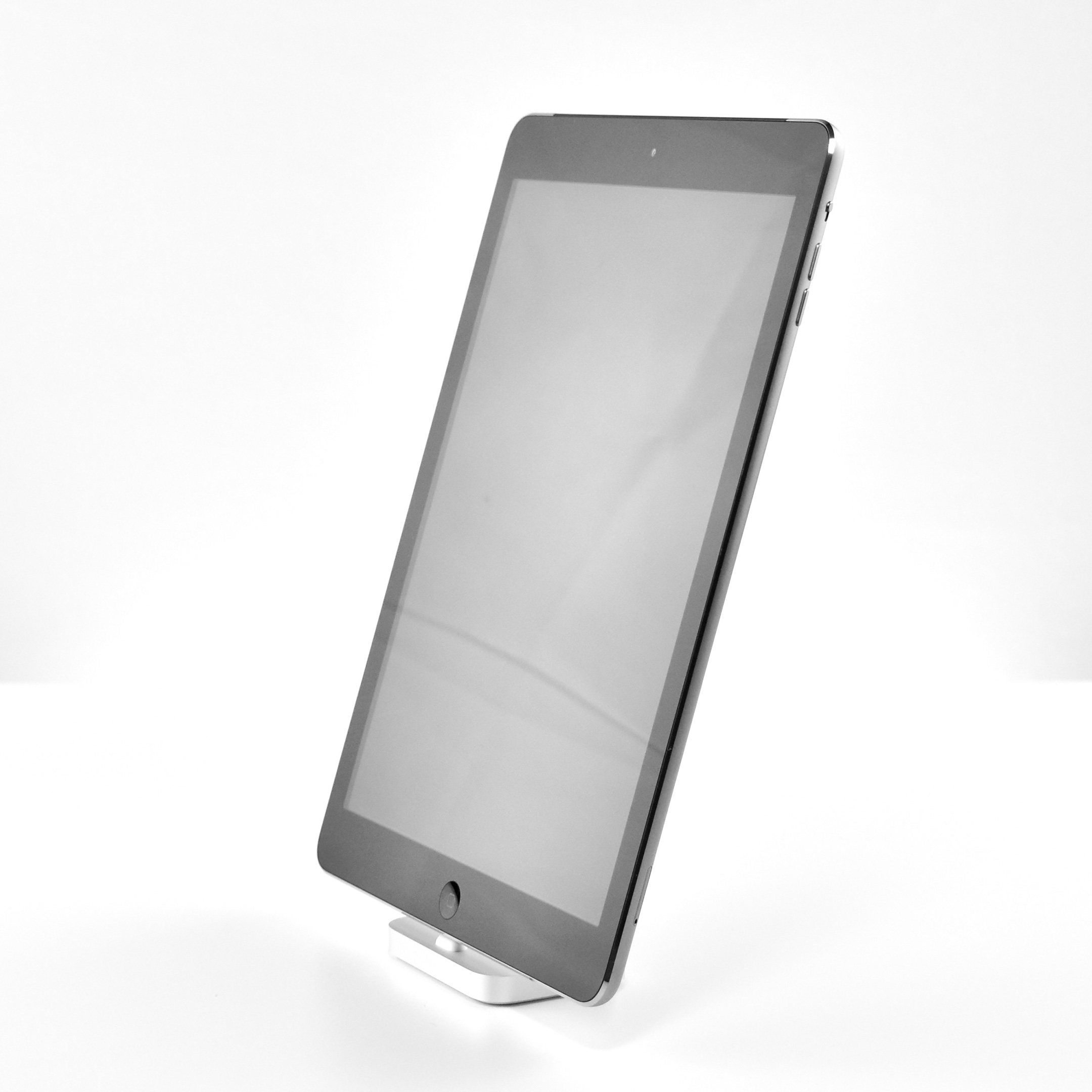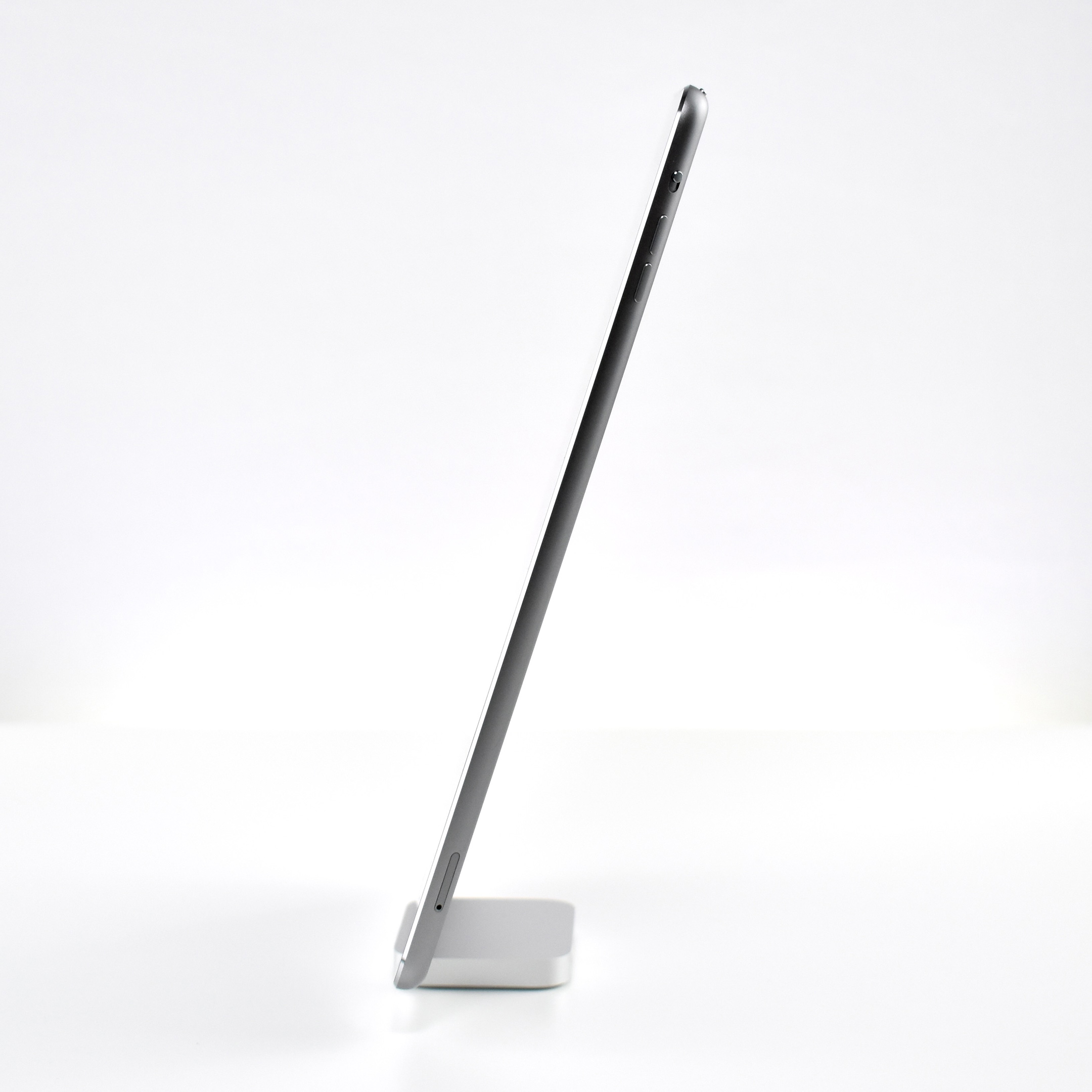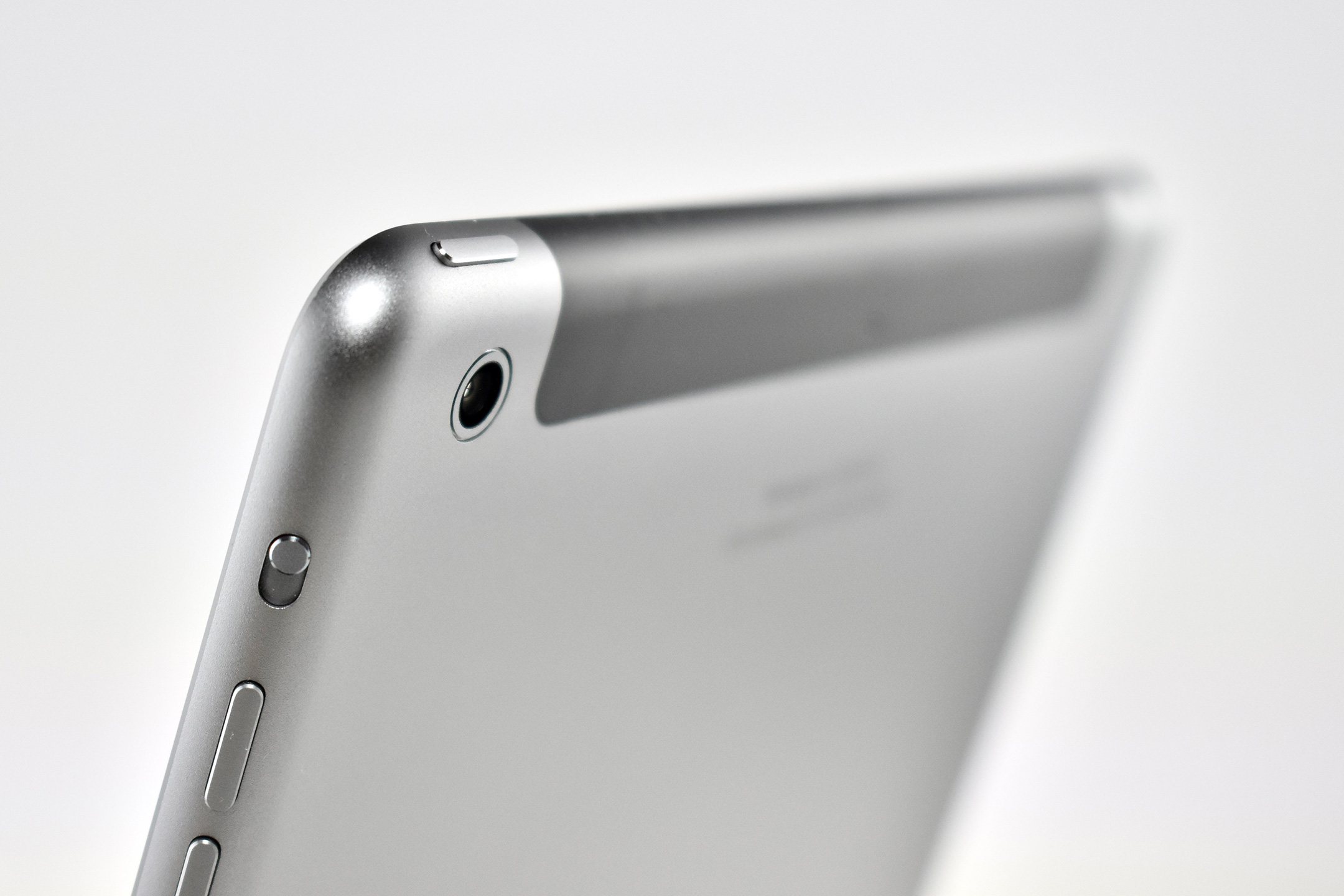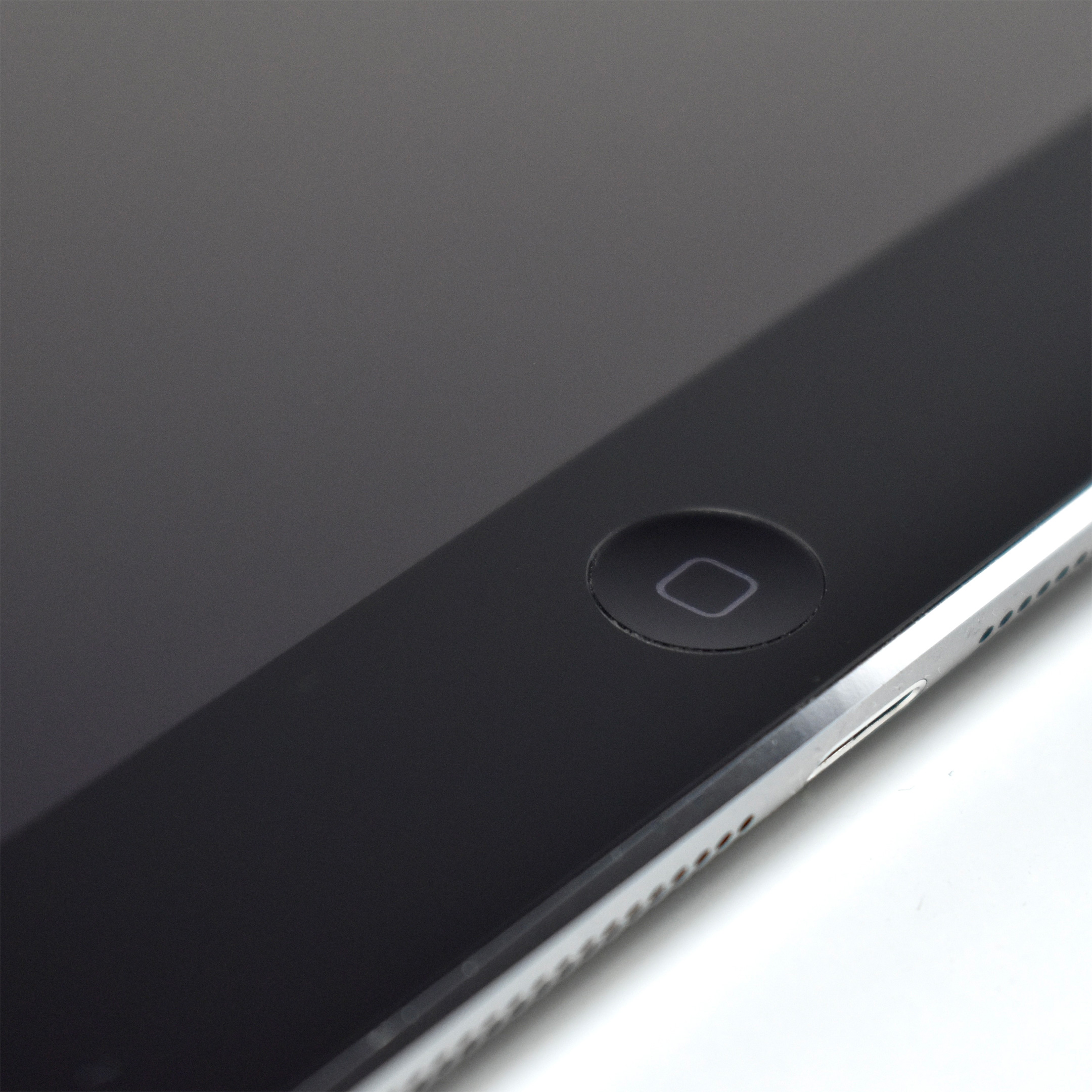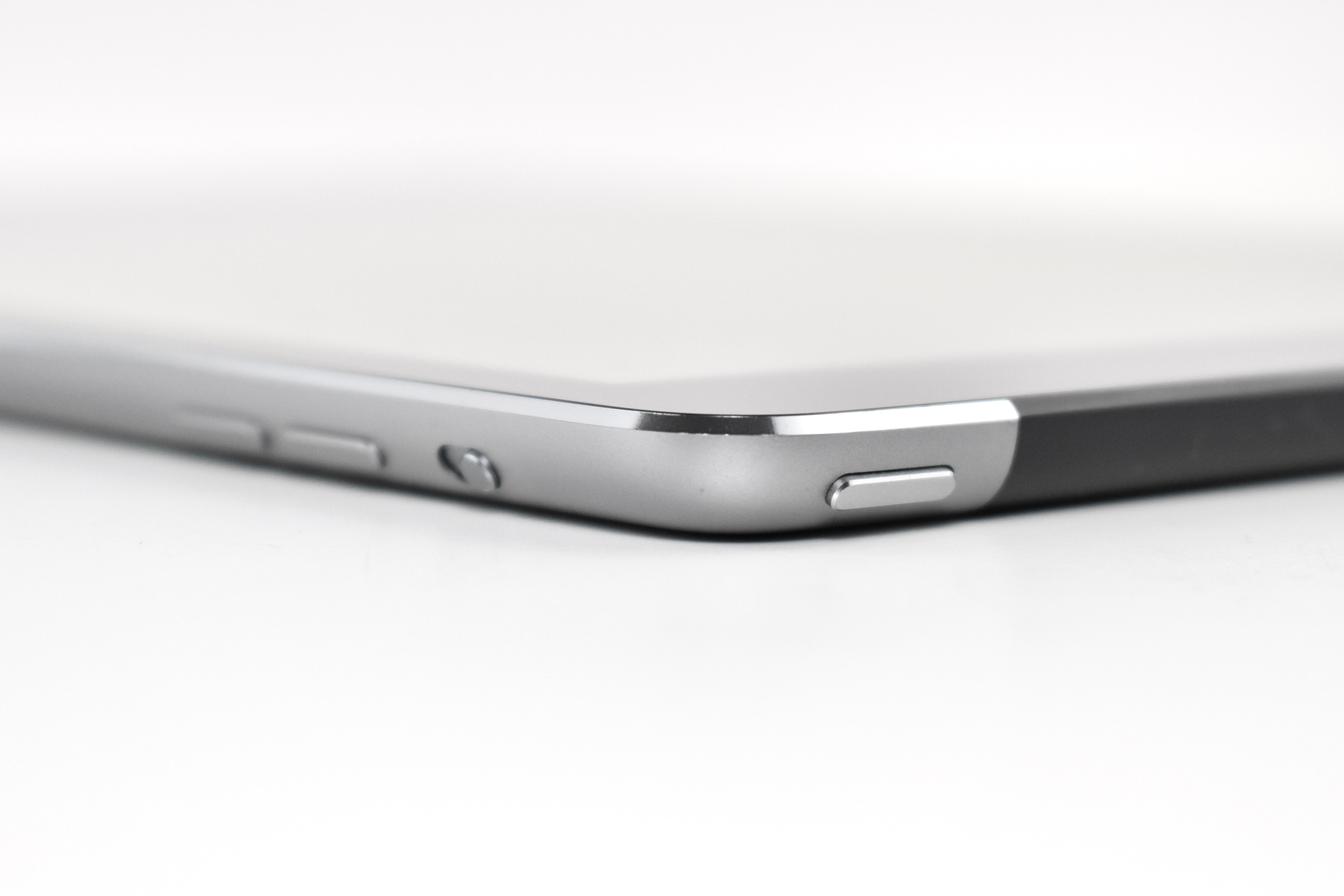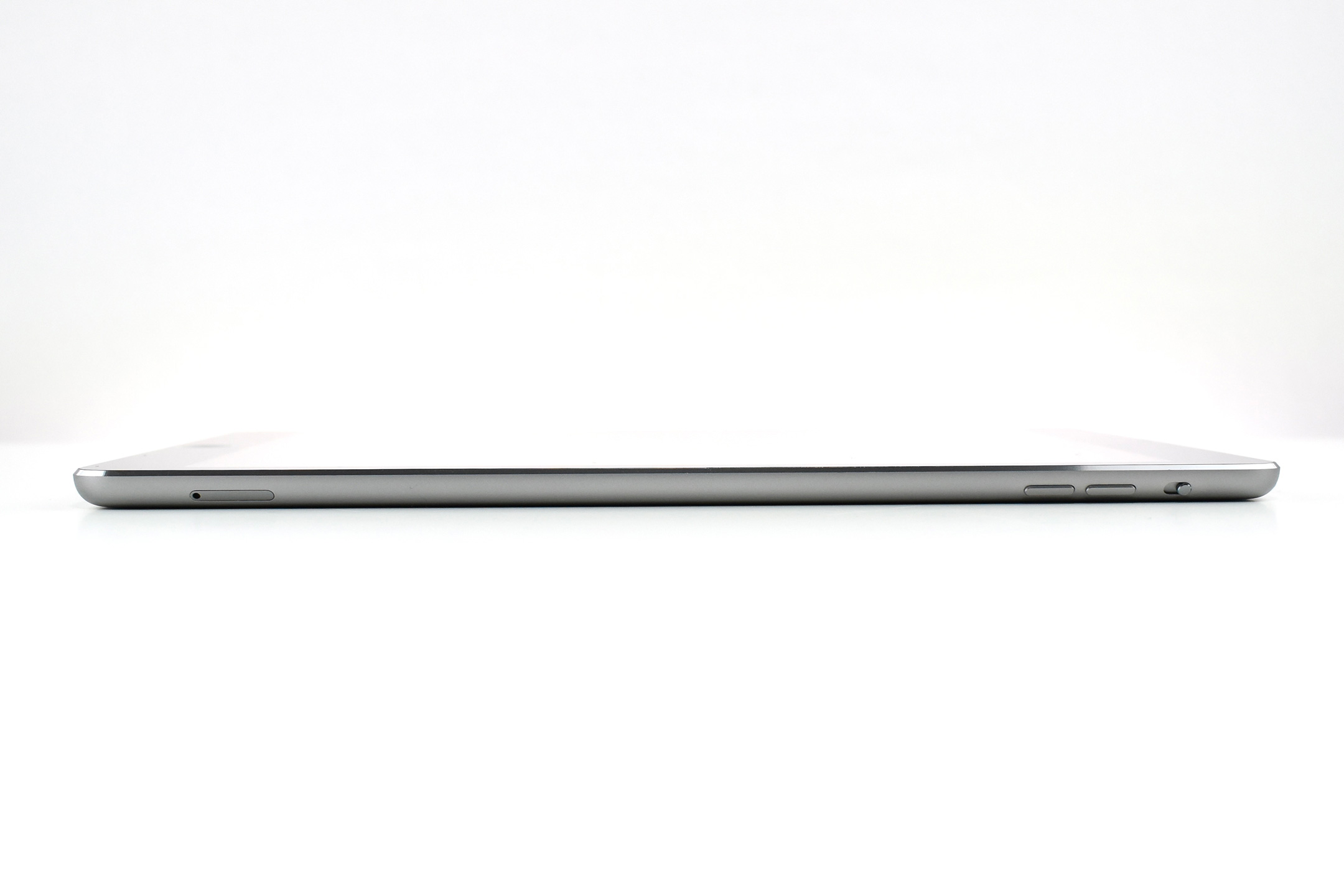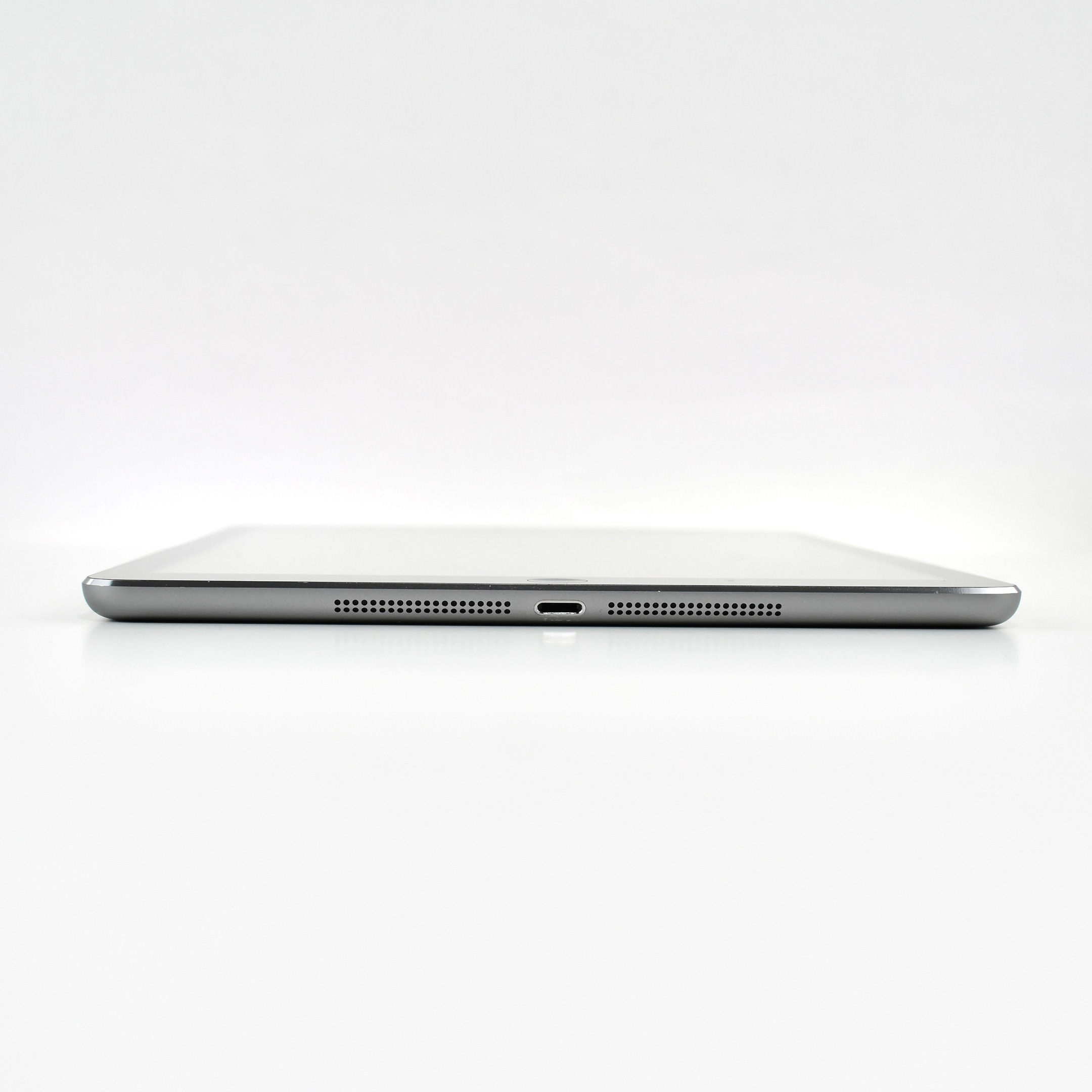
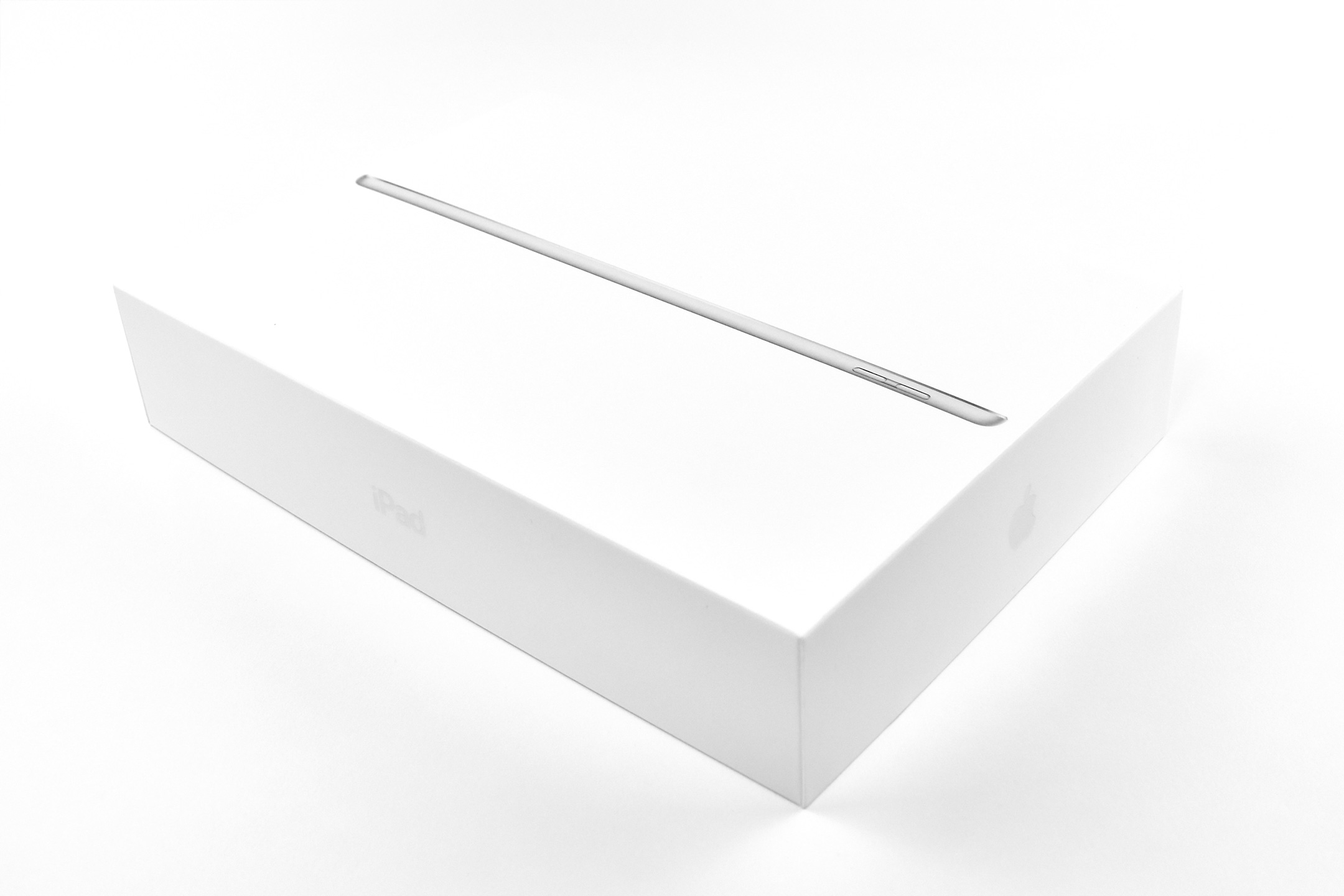
iPad Air 13-inch (Space Gray, M3, Wi-Fi, 128 GB, 2025)

The M3 iPad Air 13-inch was announced on March 4, 2025, and was described as being up to 2x faster than the M1 iPad Air. The press release also touted:

“iPad Air with M3 brings Apple’s advanced graphics architecture to iPad Air for the first time—taking its incredible combination of power-efficient performance and portability to a new level… Available in two sizes and four gorgeous finishes that users love, the 11-inch iPad Air is super portable while on the go, and the 13-inch model provides an even larger display for more room to be creative and productive.”

Apple mentioned that “The faster Neural Engine in M3 means iPad Air [is]…up to 60 percent faster for AI-based workloads…and support for advanced accessories, including the new Magic Keyboard and Apple Pencil Pro.”

The 11-inch and 13-inch M3 iPad Air devices were available in blue, purple, starlight, and space gray, with 128 GB, 256 GB, 512 GB, and 1 TB configurations. This example is the 13-inch version of the iPad Air in Space Gray with 128 GB storage.

This 13-inch iPad Air Wi-Fi is 11.04 inches (280.6 mm) x 8.46 inches (214.9 mm), is 0.24 inch (6.1 mm) thick, and weighs 1.36 pounds (616 grams).

The Liquid Retina display is 2732 x 2048 pixels at 264 ppi and can display up to 600 nits brightness. It is powered by Apple’s M3 chip (8-core CPU with 4 performance cores; 4 efficiency cores; 9-core GPU). It has a 16-core Neural Engine.

The back camera is a 12MP Wide camera with ƒ/1.8 aperture that allows digital zoom up to 5x using a 5-element lens. It can capture Panorama photos up to 63 MP. It can record video up to 4K at 24, 25, 30, or 60 fps. The front camera is a landscape 12 MP Center Stage camera with ƒ/2.0 aperture that can record video at up to 1080p (HD) at 25, 30, or 60 fps.

Its dual microphones can be used for calls, video recording, and audio recording and has landscape stereo speakers.

Wireless connectivity includes Wi-Fi 6E (802.11ax) with 2×2 MIMO5 and Bluetooth 5.3. Its sensors include Touch ID, 3‐axis gyro, accelerometer, barometer, and an ambient light sensor.

This iPad Air is using the Symmetry Series Folio case (for iPad Air 13-inch M2 and M3) by OtterBox in their “Starry Night” (black, clear, grey) color. The hinged folio design provides an adjustable stand, screen protection, magnetic sleep/wake, and protects the Apple Pencil while allowing charging while in storage.

Sources: Apple (newsroom, specs, product page), OtterBox

Apple Watch Series 5 (Stainless Steel, Space Black, 40 mm, 2019) with Milanese Loop (Space Black)

The Apple Watch Series 5 looked similar to the Series 4, but had an “Always-On” Retina display “that never sleeps,” a faster processor, and more storage. The GPS model required an iPhone tether to use the phone features (higher-end models had built-in wireless cellular). This watch added international emergency calling that allowed calling “emergency services directly from Apple Watch in over 150 countries, even without iPhone nearby.”

Like all previous Apple Watch models, the Apple Watch Series 5 uses a Digital Crown and a touch display. The screen is OLED at 368×448 with haptic feedback and a Force Touch display. New health and fitness features with Series 5 included Cycle Tracking, the Noise app and Activity Trends.

Previous Apple Watch models used screens that went black to conserve power. The Always-On screen in the Series 5 was made possible by the OLED display and other hardware and software. According to Apple:

“Each watch face has been carefully optimized for the new display and to preserve battery life, the screen intelligently dims when a user’s wrist is down and returns to full brightness with a raise or a tap. Several advanced technologies work together to deliver this new feature, including the industry’s only low-temperature polysilicon and oxide display (LTPO), ultra-low power display driver, efficient power management integrated circuit and new ambient light sensor.”

Three different stainless steel options were available: gold, silver, and space black—all three available on the previous model. The Series 5 introduced the “Apple Watch Studio,” both on the Apple website and on the Apple Store app. The Apple Watch Studio allowed the opportunity for buyers to select a “preferred case and band combination to create a look that is uniquely their own.”

New materials were also offered with the Series 5, including natural titanium and space black titanium. Aluminum cases in silver, gold, and space gray were offered in “100 percent recycled 7000 series aluminum.”

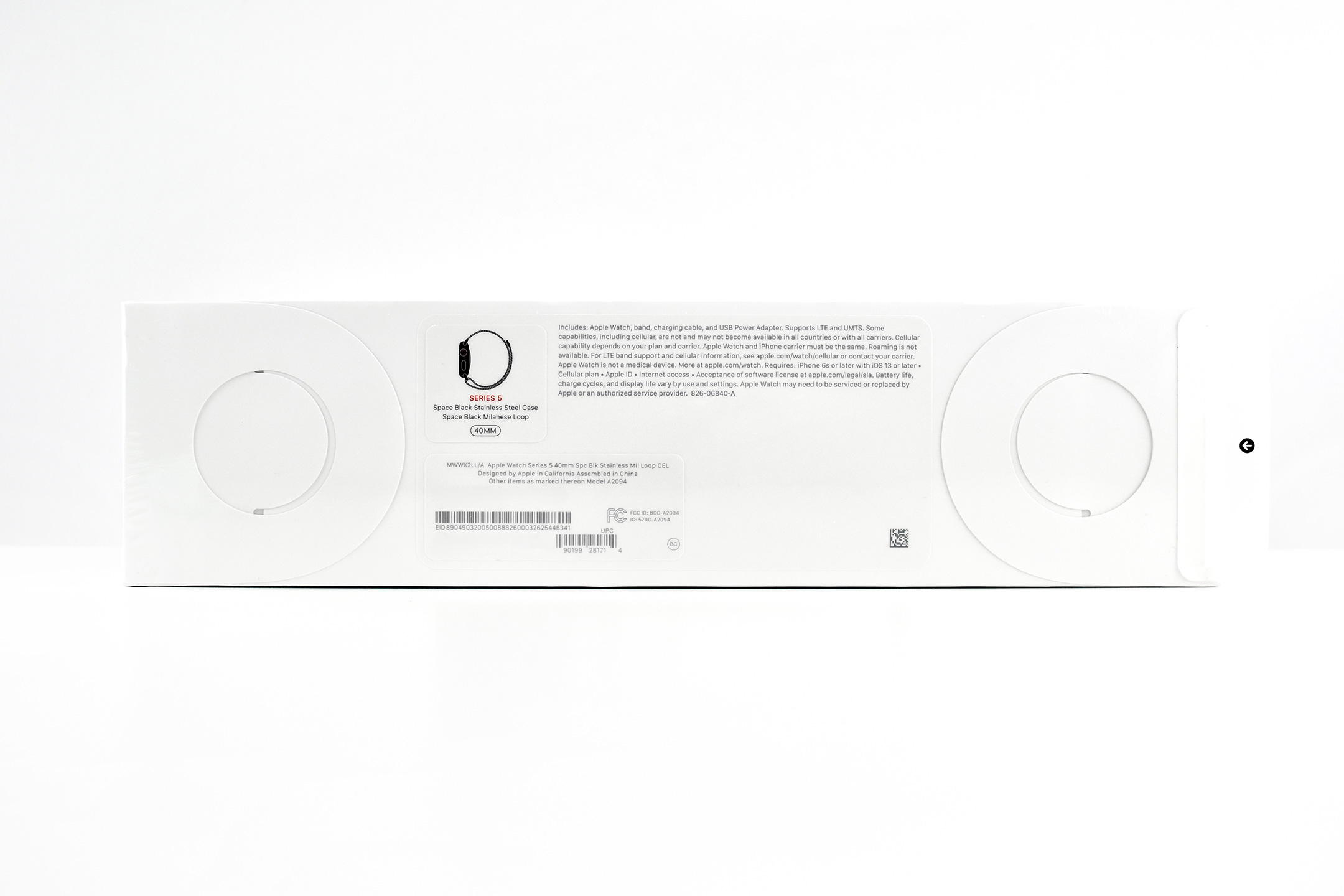
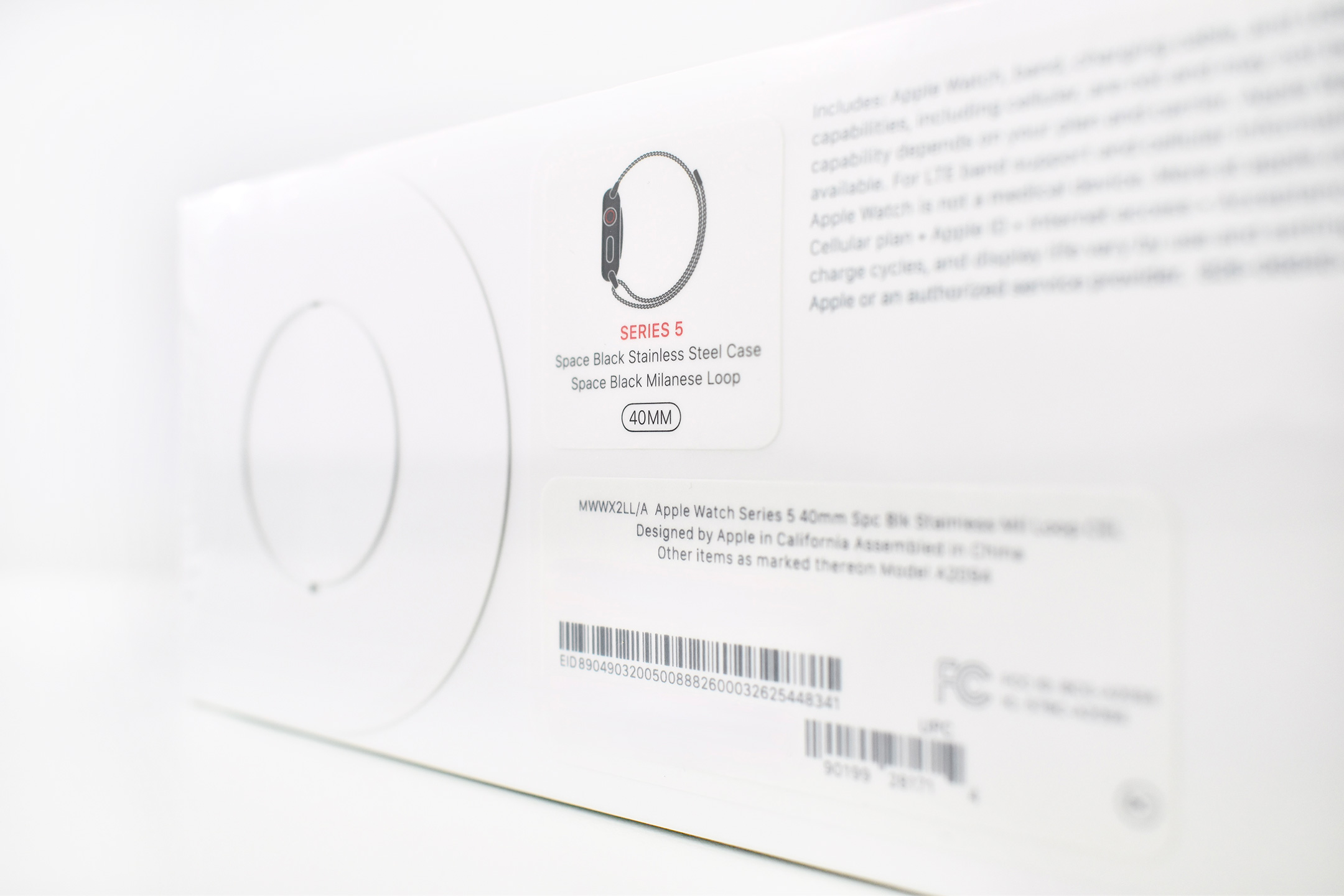
This unopened Apple Watch Series 5 is Space Black Stainless Steel in the 40 mm (a rare inclusion in my collection of mostly large-size Apple Watch models). This example includes a matching Space Black Milanese Loop.

Source: EveryMac, Apple

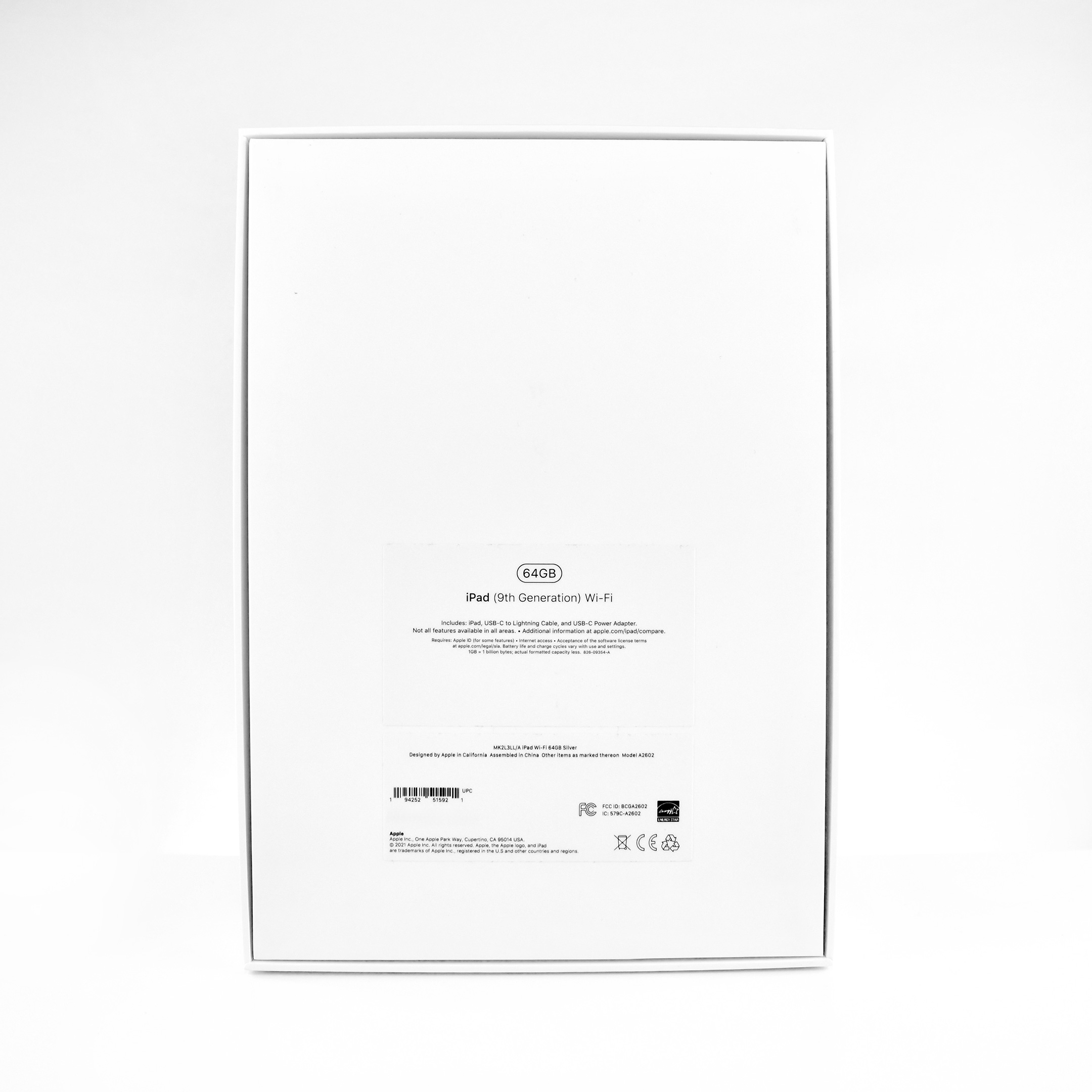
iPad (Generation 9, 64 GB, W-Fi, silver, 2021)

Apple released the iPad Generation 9 on September 14, 2021. The headline in Apple’s Press Release read, “Apple’s most popular iPad delivers even more performance and advanced features,” and listed its features as including “A13 Bionic, Center Stage, True Tone, and now starts with double the storage.”

Greg Joswiak, Apple’s senior vice president of Worldwide Marketing, reported:

“iPad has never been more essential for working, learning, and communicating, and we’re excited to bring one of the biggest updates ever to our most popular iPad… With the powerful A13 Bionic, more engaging video calls with Center Stage, and double the storage, the new iPad delivers advanced capabilities, versatility, and simplicity at an incredible value.”

The A13 Bionic chip with Neural Engine not only boosted performance compared to the previous iPad by 20%, it also allowed “next-level machine learning capabilities, including Live Text…which uses on-device intelligence to recognize text in a photo that users can take action on.” Thus, this iPad was able to use an early version of Apple’s on-device “Artificial Intelligence” capabilities—even if Apple chose not to use the term “AI.”

Apple also touted the iPad Generation 9’s Center Stage capabilities, a feature that enhanced video calls that was on the minds of many users after the worldwide COVID pandemic. The iPad was equipped with a new 12MP Ultra Wide front camera that used the Neural Engine: “Center Stage automatically pans the camera to keep [the user] in view. When others join in, the camera detects them too, and smoothly zooms out to include them in the conversation.” Center Stage worked in FaceTime and third-party video-calling apps such as Zoom.

The iPad Generation 9 was offered in Silver and Space Gray, and in two storage capacities, 64 GB and 256 GB. It measured 9.8 inches (250.6 mm) x 6.8 inches (174.1 mm), and was 0.29 inch (7.5 mm) thick. The Wi-Fi model weighed 1.07 pounds (487 grams), and the Wi-Fi + Cellular model weighed 1.09 pounds (498 grams).
The iPad Generation 9 was the last iPad to use a physical Home button, and it also had Touch ID.

It used a 10.2-inch (diagonal) Retina display that was 2160 x 1620 pixels at 264 pixels per inch. It used a True Tone display that could deliver up to 500 nits brightness. This iPad had both stereo speakers and dual microphones for calls, video recording, and audio recording.
Uncharacteristically, the back camera had lower resolution than the front camera. The back camera was an 8 MP Wide camera with digital zoom up to 5x using a 5-element lens. It could capture Panoramic photos (up to 43MP), and featured HDR, photo geotagging, auto image stabilization, and burst mode. The back camera could record 1080p HD video at 25 and 30 fps.

The front camera was a 12MP Ultra Wide camera with 122° field of view. It could record 1080p HD video at 25, 30, or 60 fps.

Wireless connectivity included Wi-Fi 5 (802.11ac) and Bluetooth 4.2. Its 5 sensors included Touch ID, 3‐axis gyro, accelerometer, barometer, and an ambient light sensor. The iPad Generation 9 charged and transferred data using a Lightning connector and shipped with a Lightning-to-USB-C Cable that connected to its included 20W USB-C Power Adapter.

Interestingly, Apple continued manufacturing and selling the iPad Generation 9 even after they announced the iPad Generation 10 13 months later. The iPad Generation 10 was released with a considerable price increase at $459 for a base iPad—from the iPad Generation 9 base price of $329. Apple noted in the “fine print” of the iPad Generation 10 press release: “iPad (9th generation) will remain in the iPad lineup. Wi-Fi models of iPad (9th generation) are available with a starting price of $329 (US), and Wi-Fi + Cellular models start at $459 (US), in silver and space gray finishes.”

Sources: Apple (Newsroom: Generation 9, Generation 10; Technical Specifications)

Apple Watch Ultra 2 (Black Titanium, 49 mm, with Black Trail Loop with Black Titanium finish, 2024)

On September 12, 2023, Apple released an updated Apple Watch Ultra model, the Apple Watch Ultra 2. Apple described the upgrade:

“Apple’s most rugged and capable watch is now even better with performance updates, a new double tap gesture, and carbon neutral options.”

The Apple Watch Ultra 2 was similar to the original Apple Watch Ultra, but added a “powerful new S9 SiP” processor (64 GB capacity), a brighter display (3000 nits), and other enhancements including “expanded altitude range, on-device Siri, Precision Finding for iPhone, and advanced capabilities for water adventures.” It also included a 4-core Neural Engine that could “process machine learning tasks up to twice as fast as the original Apple Watch Ultra.”

One year after the release of the Apple Watch Ultra 2, Apple introduced a black titanium option. The new color was released along with watchOS 11 on September 9, 2024:

“Apple today introduced Apple Watch Ultra 2 in a striking new black titanium finish, enhanced with features in watchOS 11 that make the most rugged and capable Apple Watch even better.”

Apple described the color and manufacturing process:

“The new black titanium finish for Apple Watch Ultra 2 is achieved with a custom blasting process, and the diamond-like carbon physical vapor deposition coating over the grade 5 titanium makes it scratch-resistant and durable. The back crystal is made from a matching, dark zirconia.”

The new black color was also made available on the titanium hardware and other band materials:

“To complement the new black finish, the popular Trail Loop, Alpine Loop, and Ocean Band have all been updated to offer a black hardware option in addition to natural titanium. Both black and natural finishes of Apple Watch Ultra 2 are made from 95 percent recycled titanium, and are carbon neutral with any Titanium Milanese Loop, Trail Loop, or Alpine Loop.”

This Apple Watch Ultra 2 shipped with the new Black Trail Loop with black titanium hardware that matched the black titanium case of the watch.

The Apple Watch Ultra 2 was 49 mm high, 44 mm wide, and 14.4 mm deep. The display was 410 x 502 pixels (326 pixels per inch) with an always-on Retina LTPO2 OLED display in a flat sapphire crystal. The natural titanium version weighed 61.4 grams, and the black titanium version weighed 61.8 grams. The Apple Watch Ultra 2 contained 10 sensors, including an electrical heart sensor, optical heart sensor, temperature sensor, depth gauge (±1m accuracy), water temperature sensor, compass, always-on altimeter, high-G accelerometer, high dynamic range gyroscope, and an ambient light sensor.

The Apple Watch Ultra 2 also advanced Apple’s carbon neutral initiative “to be carbon neutral across its entire business, manufacturing supply chain, and product life cycle by 2030.”

Sources: Apple Newsroom (2023, 2024), Specs

Apple Watch SE (Generation 2, silver, 44 mm, GPS, Winter Blue Sport Band, 2022)

The Apple Watch SE Generation 2 was released along side of the Apple Watch Series 8 on September 7, 2022, and was described by Apple: “The redesigned Apple Watch SE delivers the core Apple Watch experience at a new starting price.” Apple positioned the SE Generation 2 as:

“…a great way for users to start their Apple Watch journey, use with Family Setup, or gift to their loved ones. Powerful upgrades include the S8 SiP advanced dual-core processor, the same processor that is in Apple Watch Series 8 and Apple Watch Ultra, making it 20 percent faster than the previous generation, along with Crash Detection and international roaming.”

Notably, the Apple Watch SE Generation 2 used a back case made of a nylon composite material that made the Watch lighter, but arguably decreased the durability offered by the ceramic backs of the other models. While the Series 8 case sizes of the time increased to 45 mm and 41 mm, the Apple Watch SE Generation 2 remained at 44 mm and 40 mm.

While the Series 8 used an Always-on Retina display, the SE Generation 2 retained a Retina display that showed only when you looked at your wrist. Although the SE Generation 2 lacked the ability to run the ECG app, it had many of the same features of the Series 8 and even used the same S8 processor. The Vitals app on the SE Generation 2 included heart rate, respiratory rate, and sleep duration, but lacked wrist temperature and blood oxygen sensors. The SE Generation 2 included Emergency SOS, international emergency calling, fall detection, crash detection, water resistance up to 50 m, Siri, Find My, and the same 18-hour battery life ast the Series 8.

The Apple Watch SE Generation 2 (GPS) was available only in Aluminum and in three colors, Midnight, Starlight, and Silver. The 44 mm size measured 44 mm x 38 mm x 10.7 mm and weighed 32.9 g; while the 40 mm size measured 40 mm x 34 mm x 10.7 mm and weighed 26.4 g. The screen sizes were 368 x 448 pixels (977 square mm display area) for the 44 mm option and 324 x 394 pixels (759 square mm display area) for the 40 mm option.

This Apple Watch SE Generation 2 example is a silver GPS model and shipped with a Winter Blue Sport Band.

Sources: Apple (Newsroom, compare, specifications), Wikipedia

Apple Watch Series 7 (45mm, Cellular, Green Aluminum, Clover Sport Band, 2021)

The Apple Watch Series 7 is similar to the Series 6 that preceded it, but has a larger, edge-to-edge display, a more durable case, and faster charging capabilities. Like all previous Apple Watch models, the Series 7 uses Apple’s Digital Crown and a touch display with haptic feedback. Apple described the Series 7 as having “a reengineered Always-On Retina display with significantly more screen area and thinner borders.”

The Series 7 introduced two new sizes, 45mm and 41mm. This example uses a 45mm display. The display is a 396×484 LTPO OLED (approximately 1.9 inches) and is “Always On.” The display is protected by Apple’s scratch-resistant Ion-X glass.

Apple described the color choices:

“Apple Watch Series 7 introduces five beautiful new aluminum case finishes, including midnight, starlight, green, and a new blue and (PRODUCT)RED, along with a range of new band colors and styles. Stainless steel models are available in silver, graphite, and gold stainless steel, along with Apple Watch Edition in titanium and space black titanium.”

The Apple Watch Series 7 has a ceramic and sapphire crystal back. Upon release, Apple offered eleven pre-configured options:

  • Green Aluminum with Clover Sport Band
  • Starlight Aluminum with Starlight Sport Band
  • Midnight Aluminum with Midnight Sport Band
  • Blue Aluminum with Abyss Blue Sport Band
  • (PRODUCT)RED Aluminum with Red Sport Band
  • Gold Stainless Steel with Dark Cherry Sport Band
  • Gold Stainless Steel with Gold Milanese Loop
  • Silver Stainless Steel with Starlight Sport Band
  • Silver Stainless Steel with Silver Milanese Loop
  • Graphite Stainless Steel with Abyss Blue Sport Loop
  • Graphite Stainless Steel with Graphite Milanese Loop

Two aluminum Apple Watch Series 7 Nike options were available at release as pre-configured options:

  • Starlight Aluminum with Platinum/Black Sport Band
  • Midnight Aluminum with Anthracite/Black Sport Band

Two Apple Watch Series 7 Hermès options were available at release:

  • Space Black Stainless Steel case with patterned blue and black leather Circuit H Single Tour Band
  • Silver Stainless Steel case with brown leather Single Tour Deployment Buckle

In addition to the included Hermès-designed bands, Apple Watch Series 7 Hermès devices with black housings include a black Hermes Sport Band and models with silver housings include an orange Hermes Sport Band.

This example is cellular 45mm Green Aluminum and shipped with a Clover (medium green) Sport Band. The cellular version of the Apple Watch can send and receive calls without a tethered iPhone for an additional cost of about $10 per month.

Sources: Apple, EveryMac

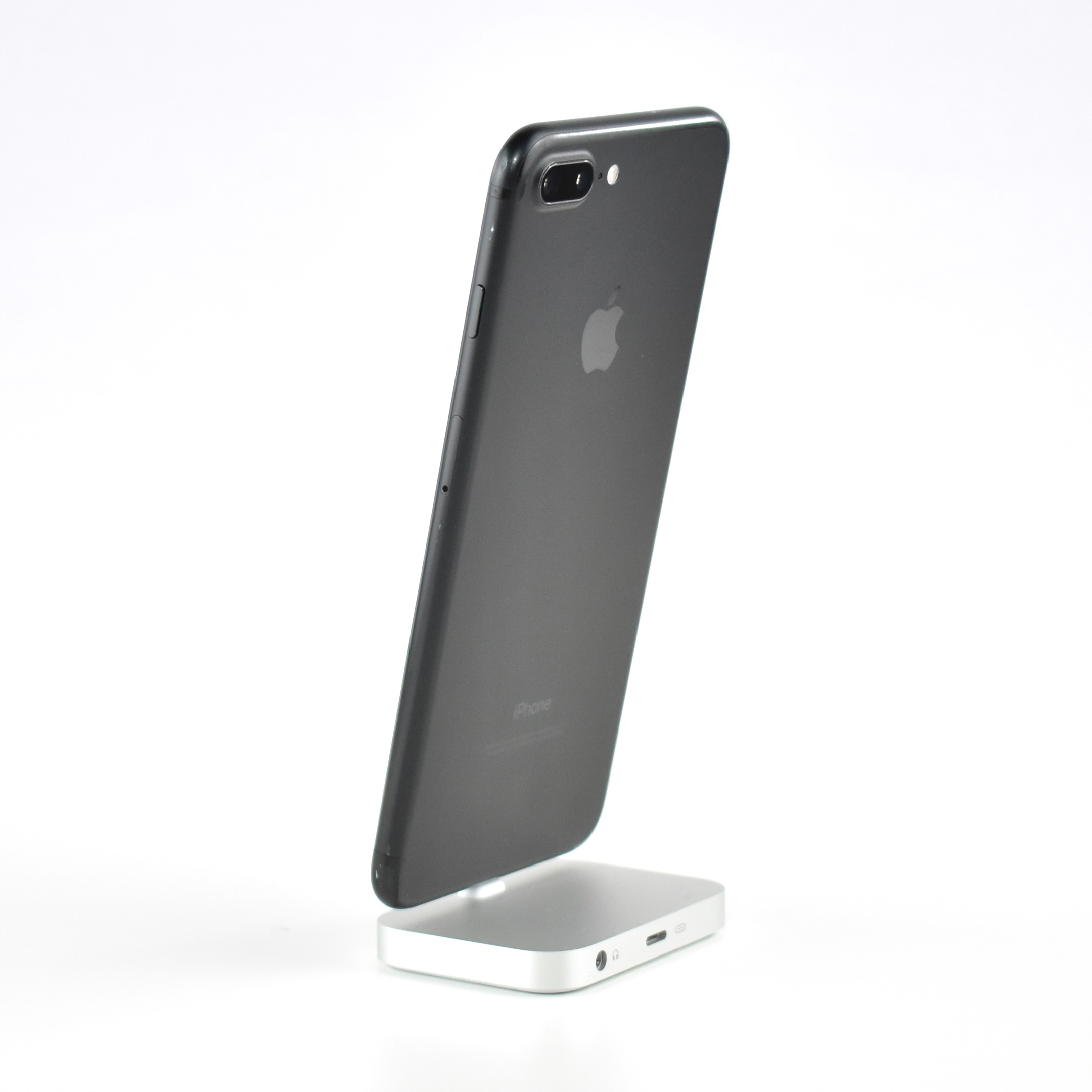
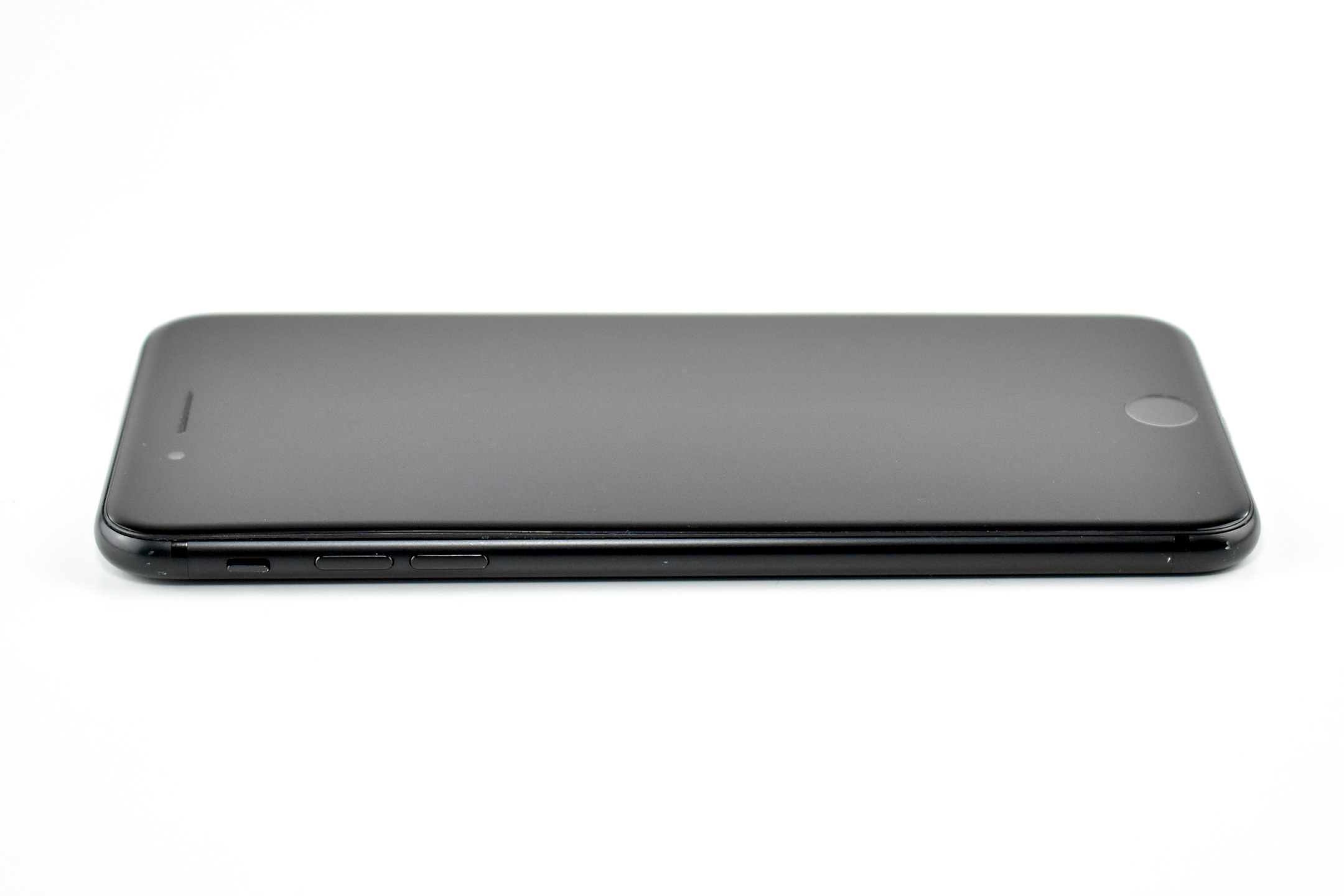
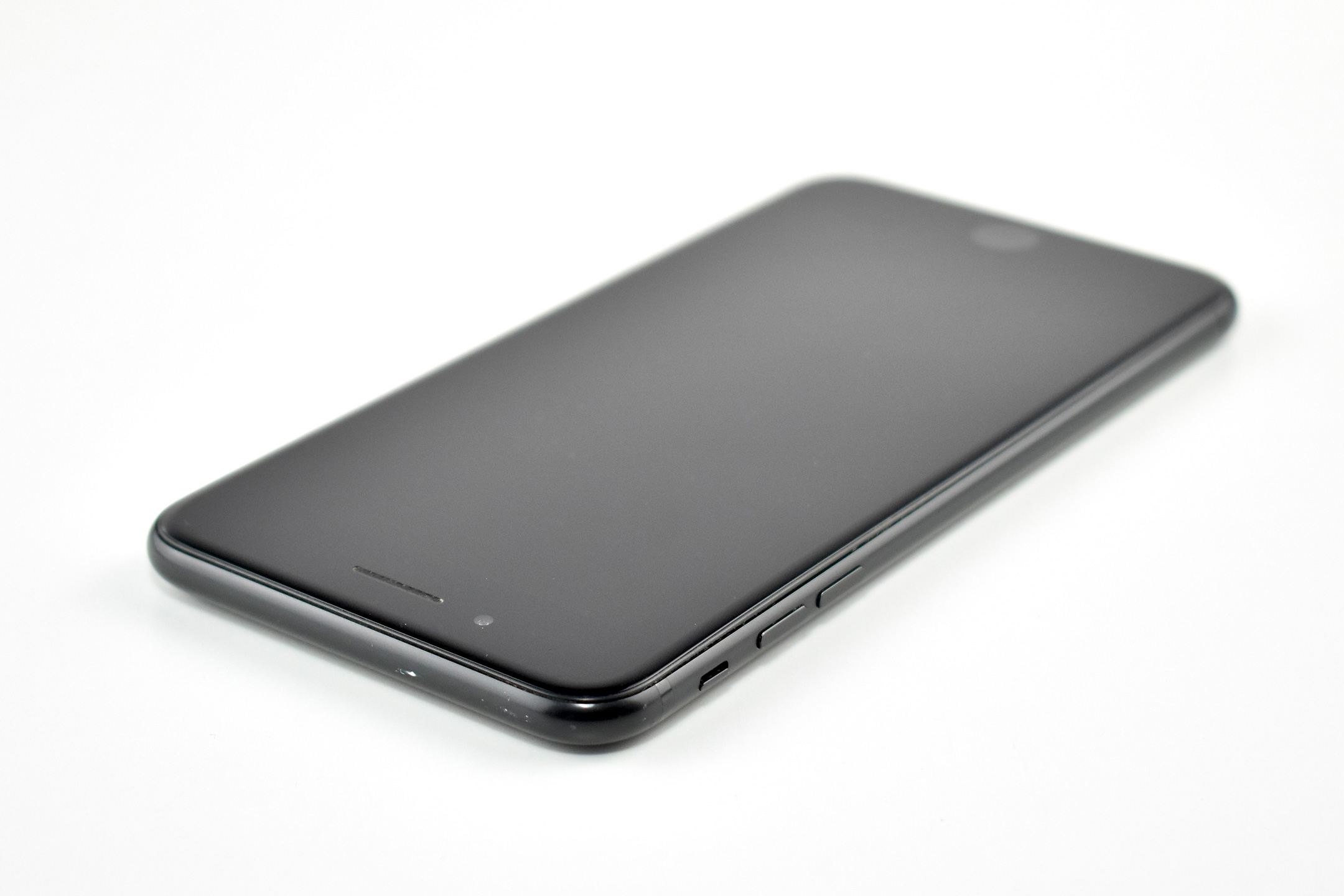
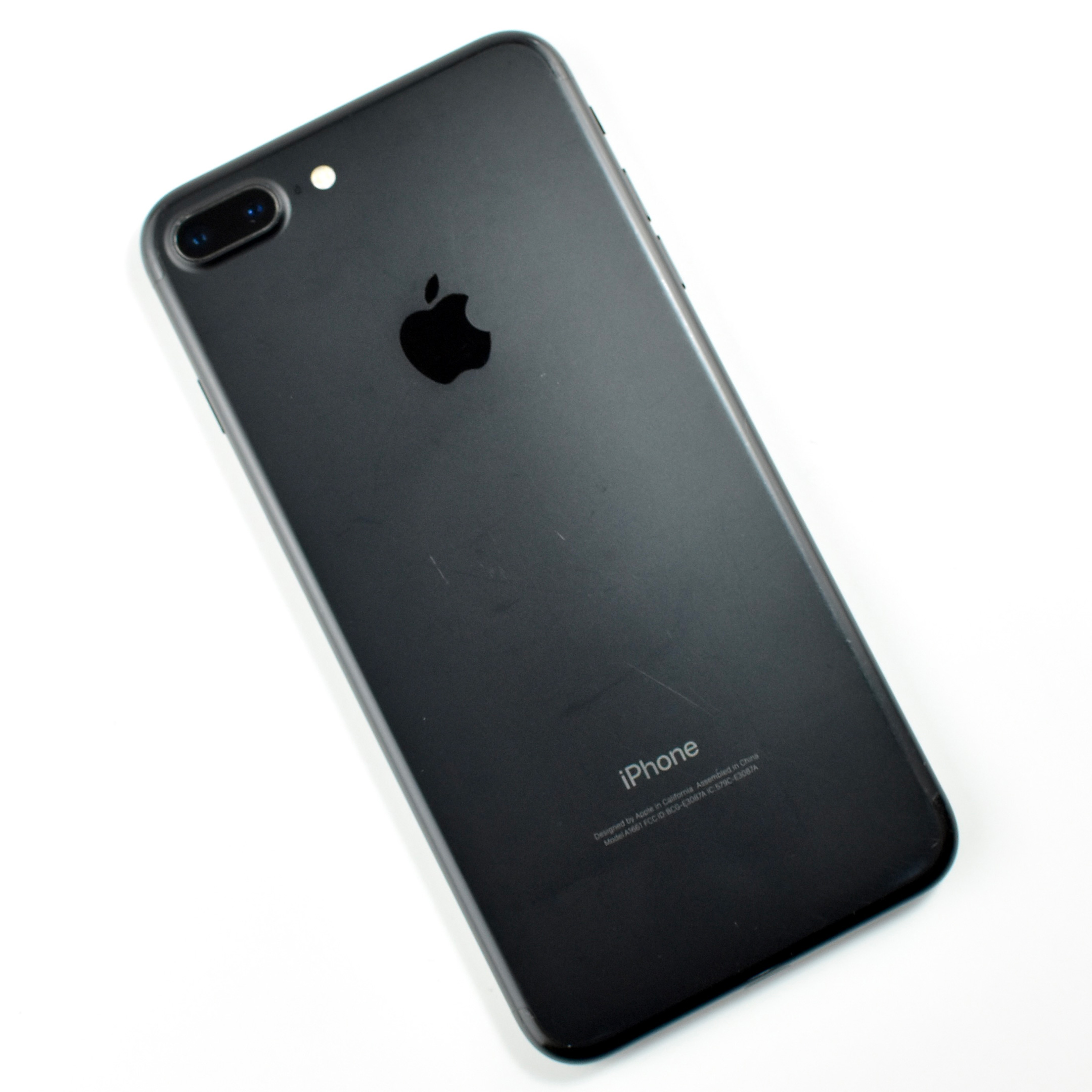
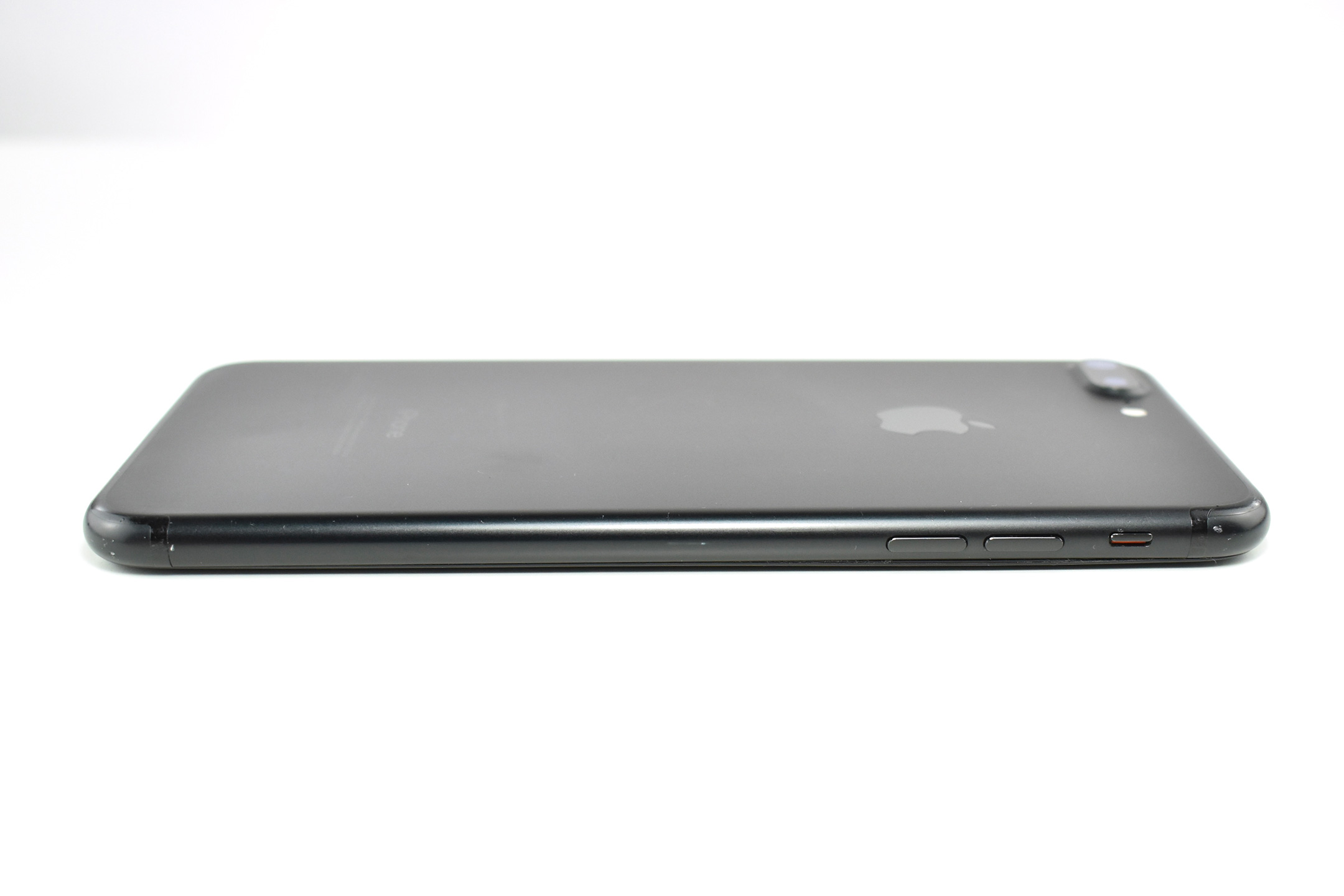
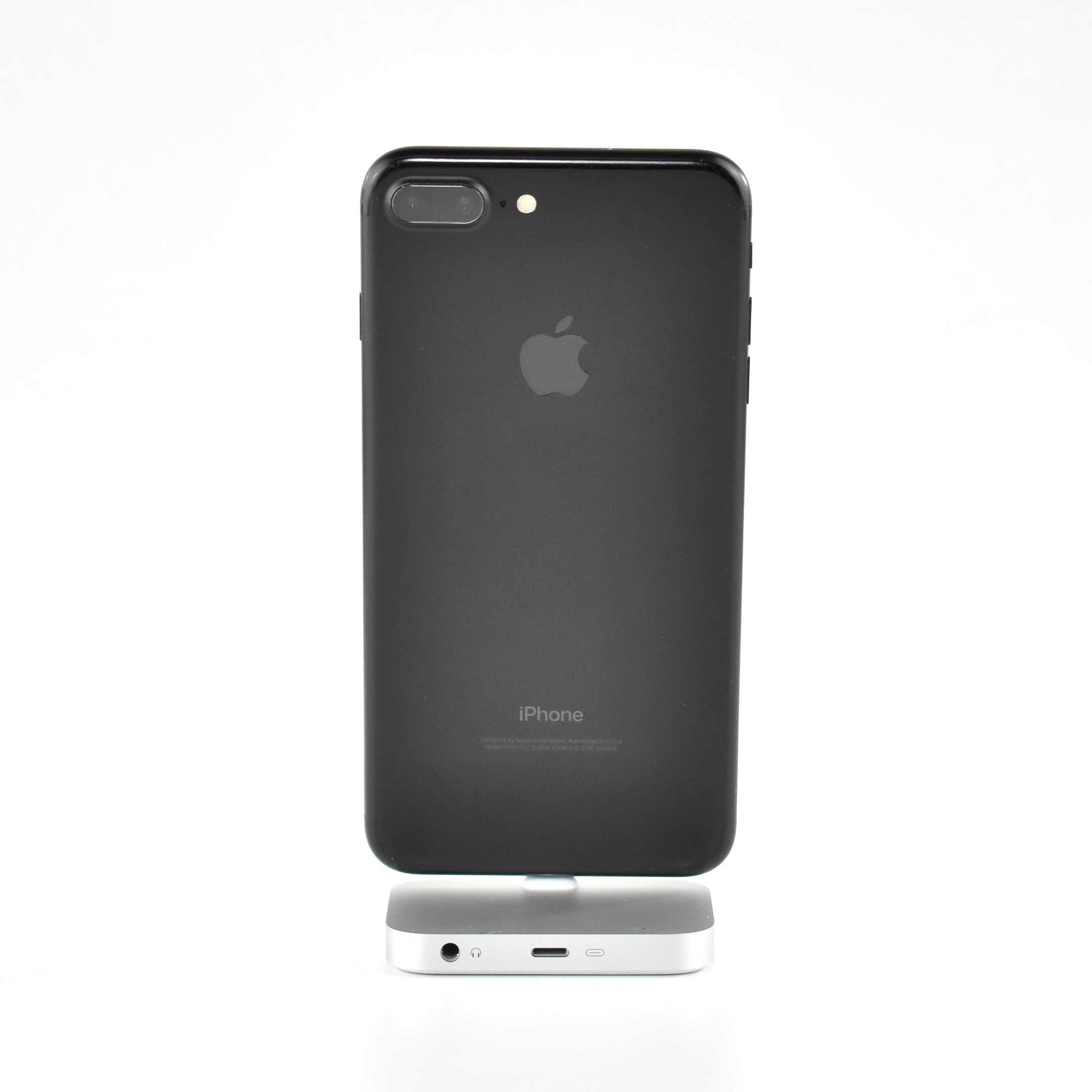
iPhone 7 Plus (black, 2016)

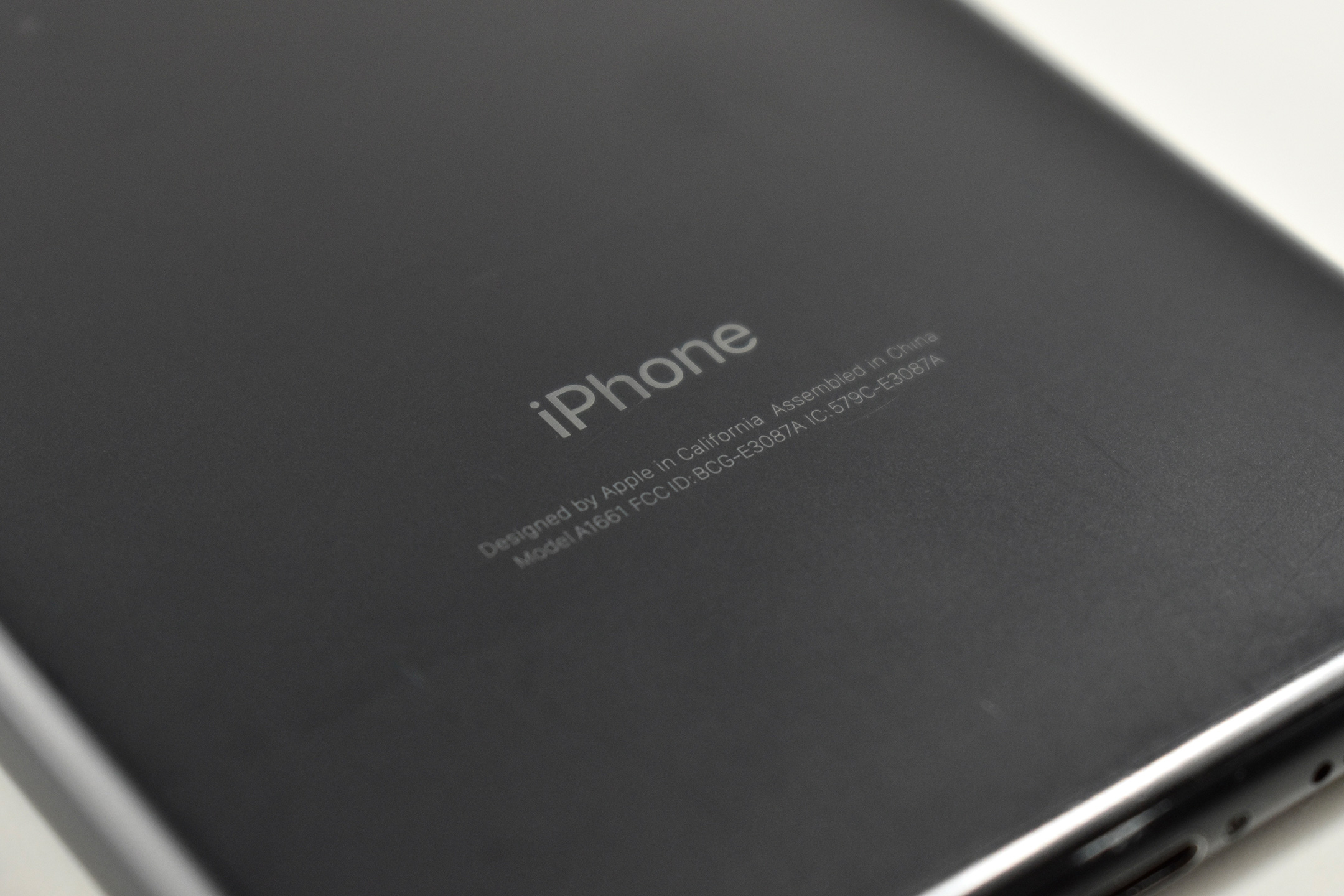
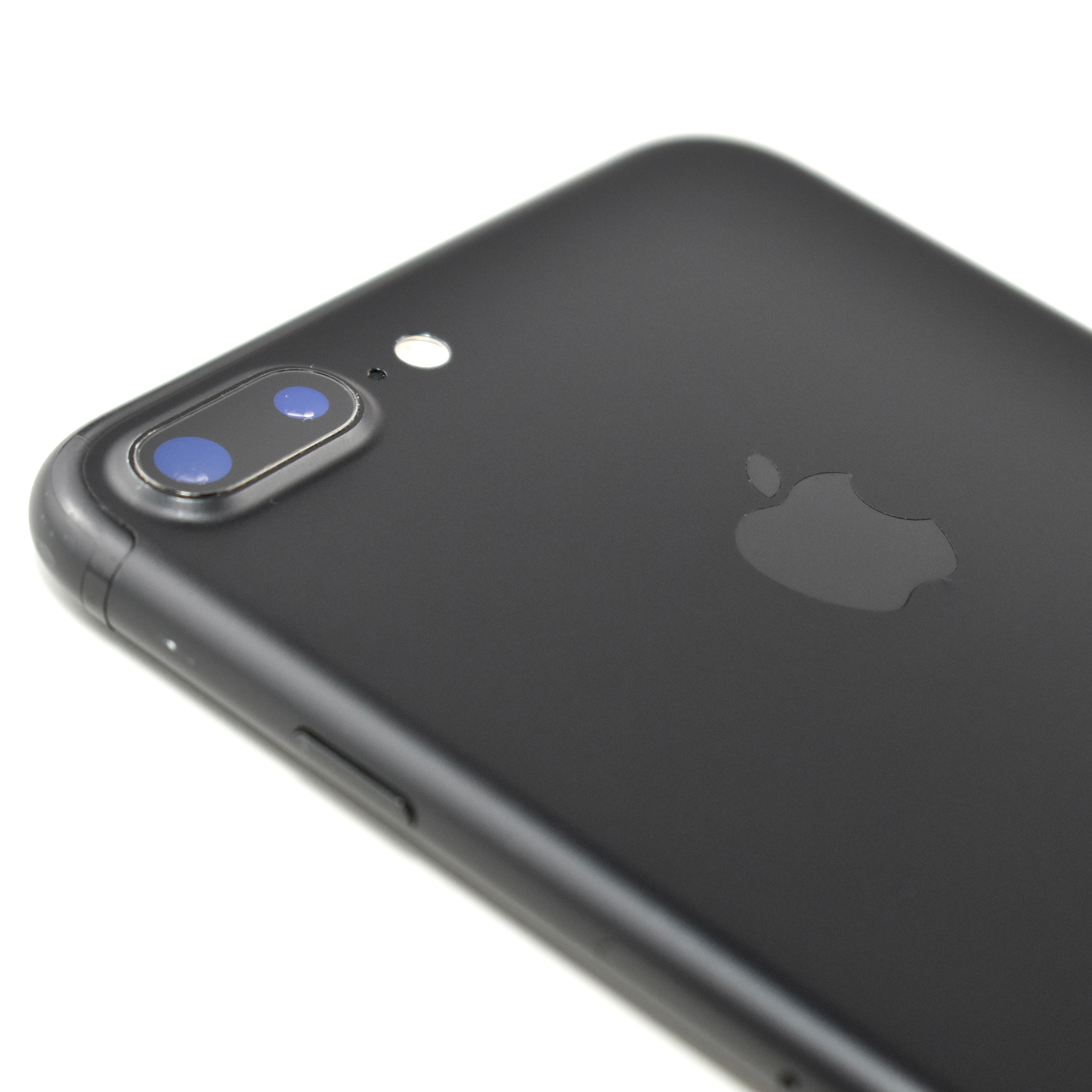
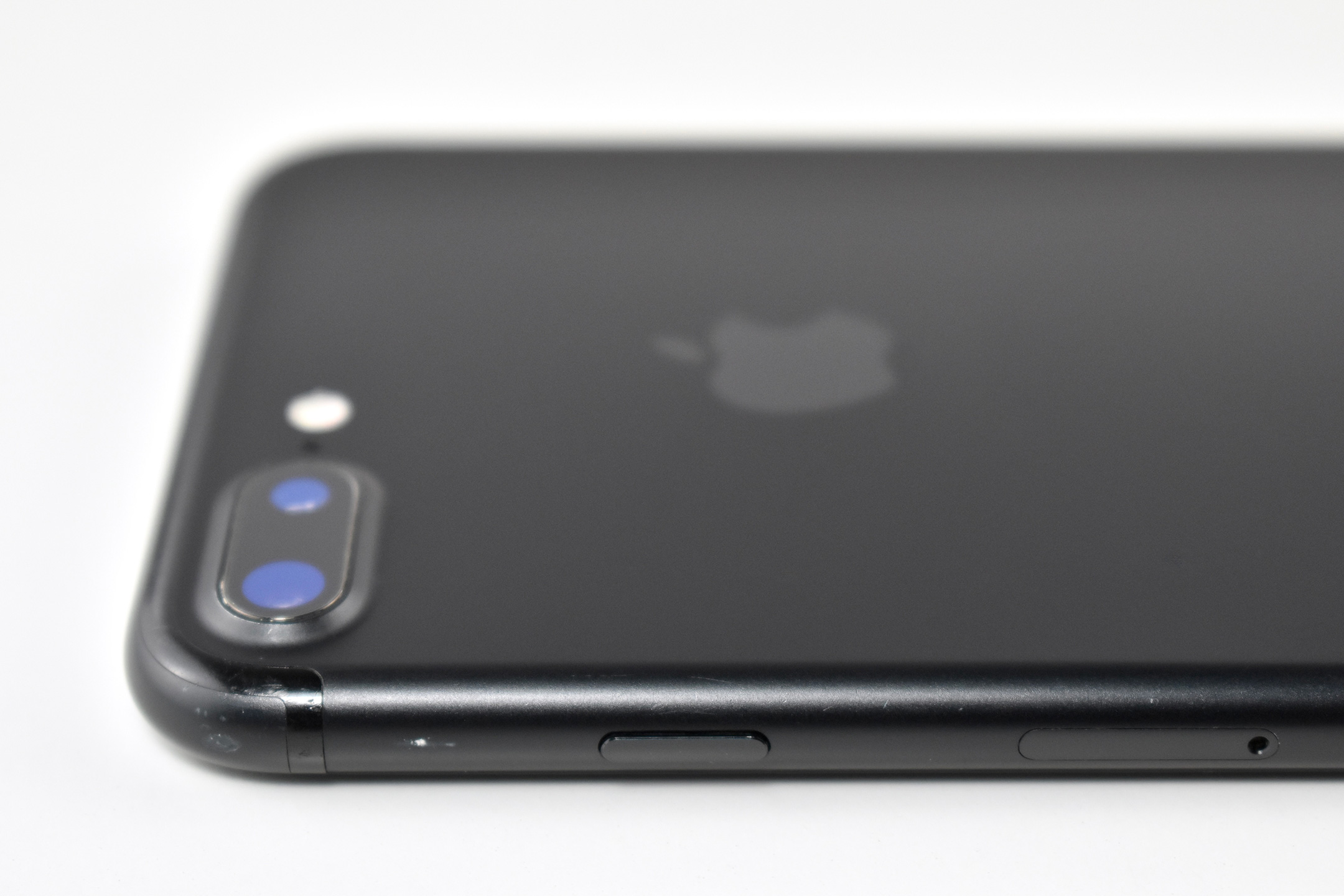
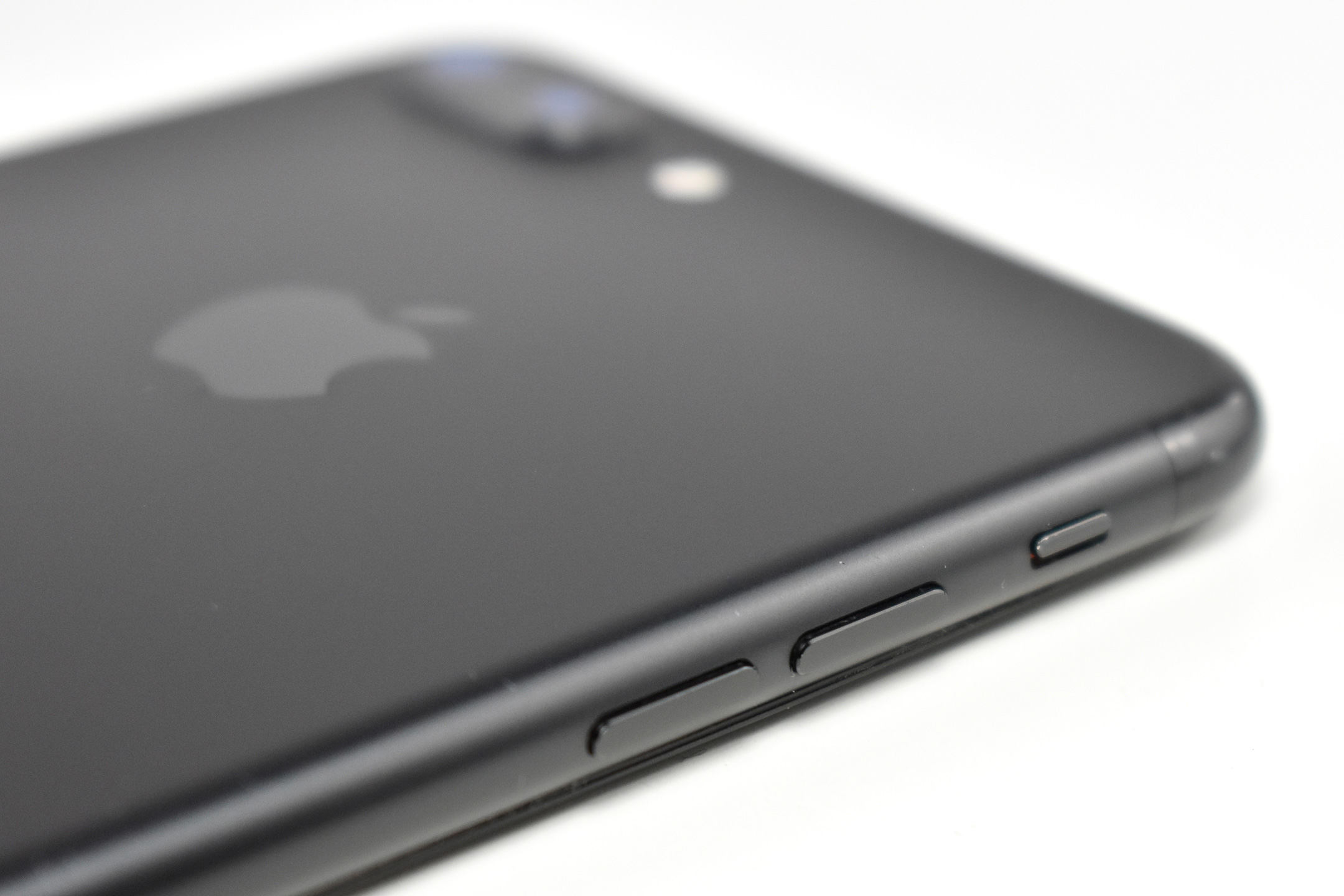
All iPhone 7 Plus models used a 5.5-inch widescreen multitouch Retina HD display at 1920×1080 (401 ppi). It used a taptic-engine that provided a clickless Home button. The iPhone 7 Plus used three cameras: two rear 12-megapixel cameras (one with a wide-angle and one with a 2x telephoto lens) and a front FaceTime HD camera (7 megapixels and 1080p).

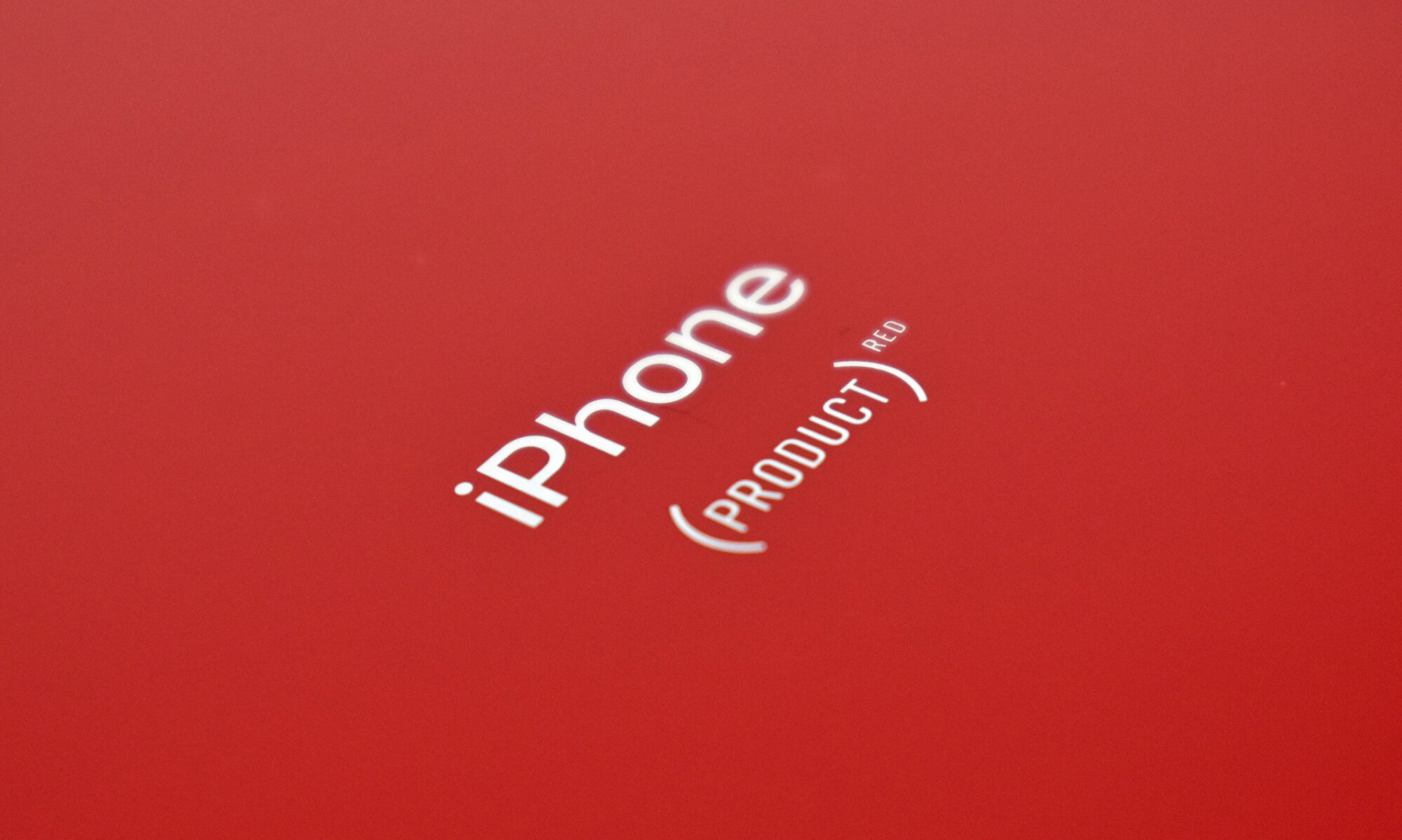
The iPhone 7 Plus was originally available in five color options: silver (white glass front and a silver back), gold (white glass front and a gold back), rose gold (white glass front and a pink-tinted gold back), black (black glass front and a matte black back), and jet black (black glass front and a high-gloss anodized and polished black aluminum back). On March 21, 2017, Apple added a (PRODUCT) RED Special Edition with a white glass front and a red aluminum back.

The iPhone 7 Plus was splash, water, and dust-resistant (but not waterproof). It had a Lightning port, but lacked a headphone jack.

Internally, the iPhone 7 Plus used a 64-bit Apple A10 Fusion processor with four cores; 3 GB of RAM; and 32, 128, or 256 GB of storage. It supported 802.11a/b/g/n/ac Wi-Fi, Bluetooth 4.2, LTE (4G), and NFC for Apple Pay.

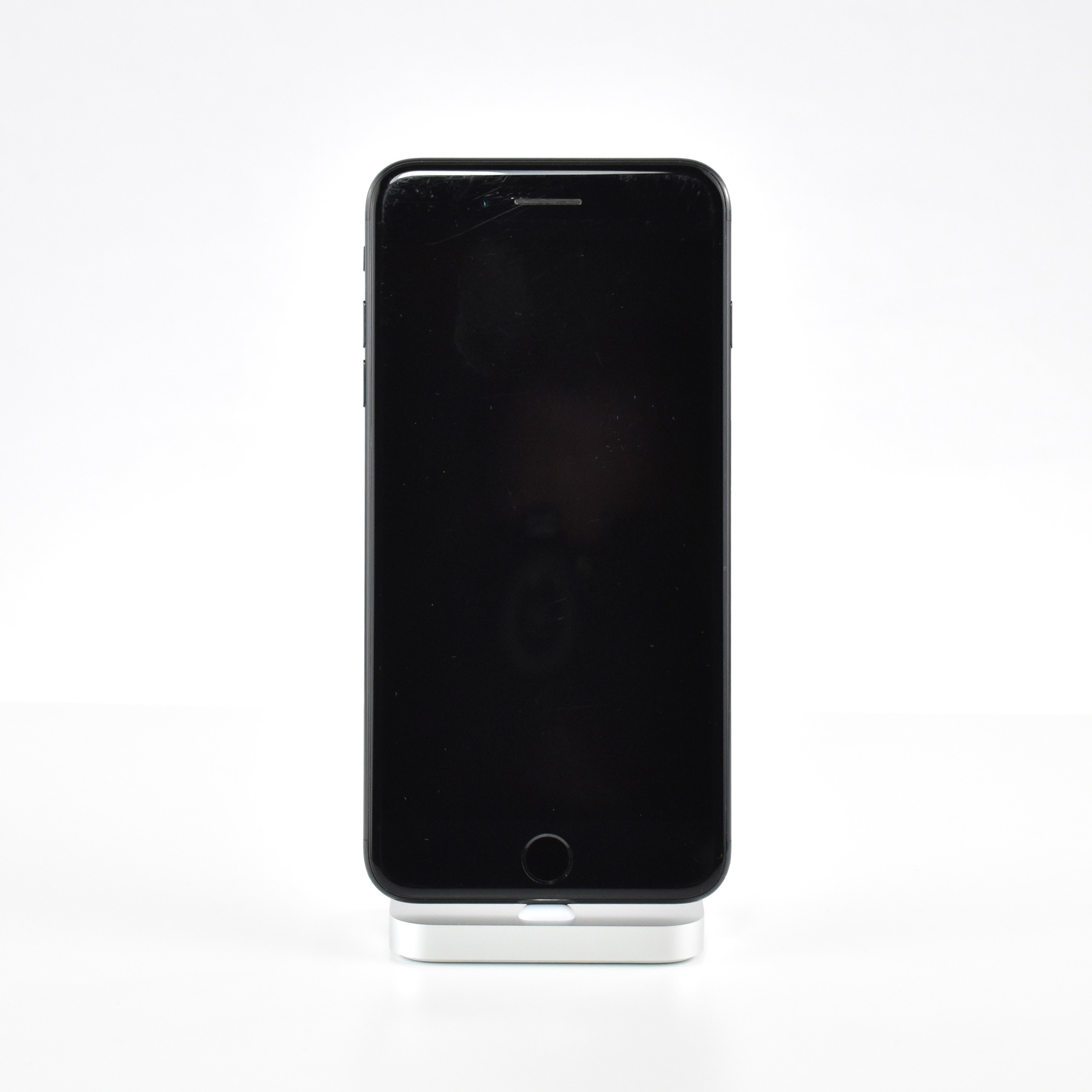
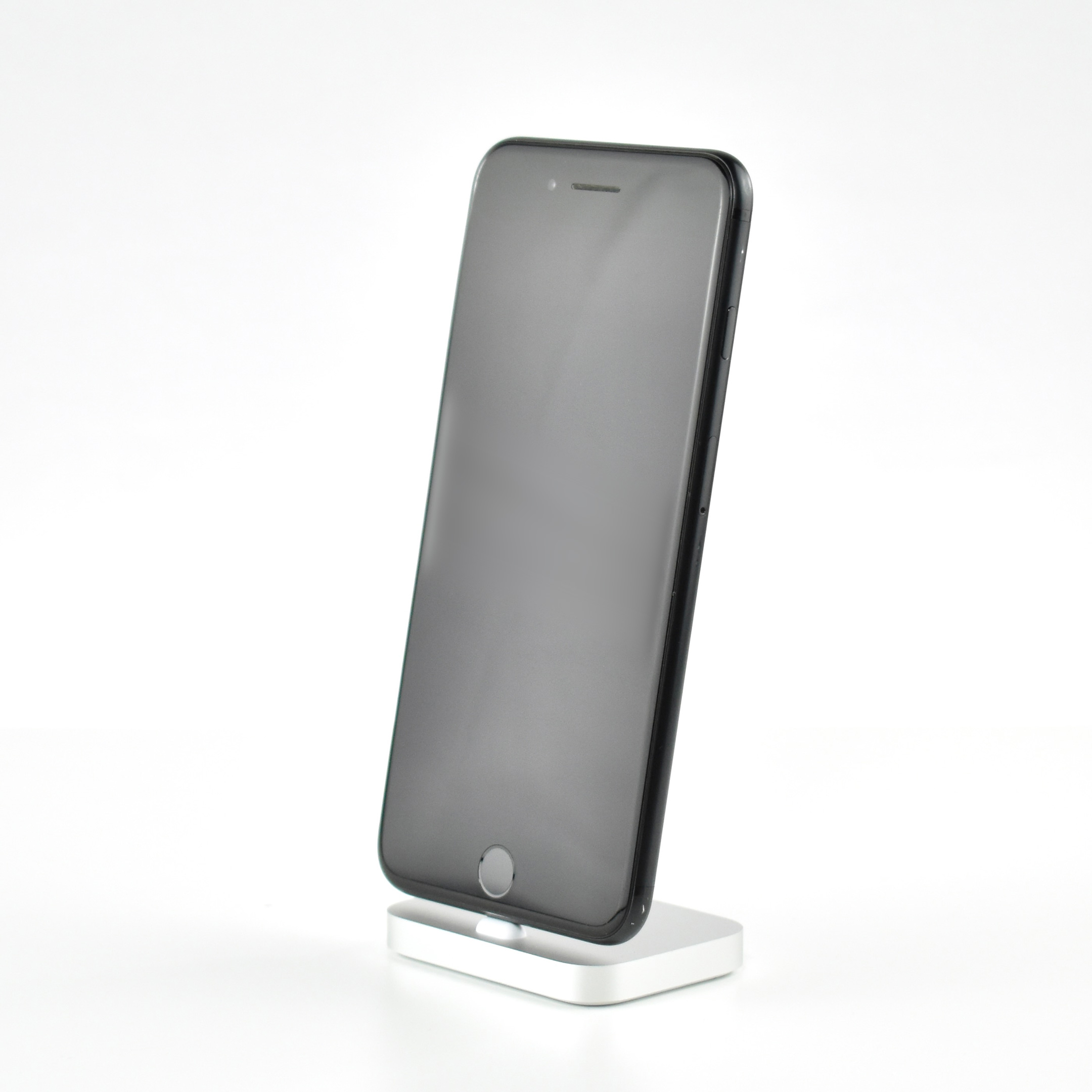
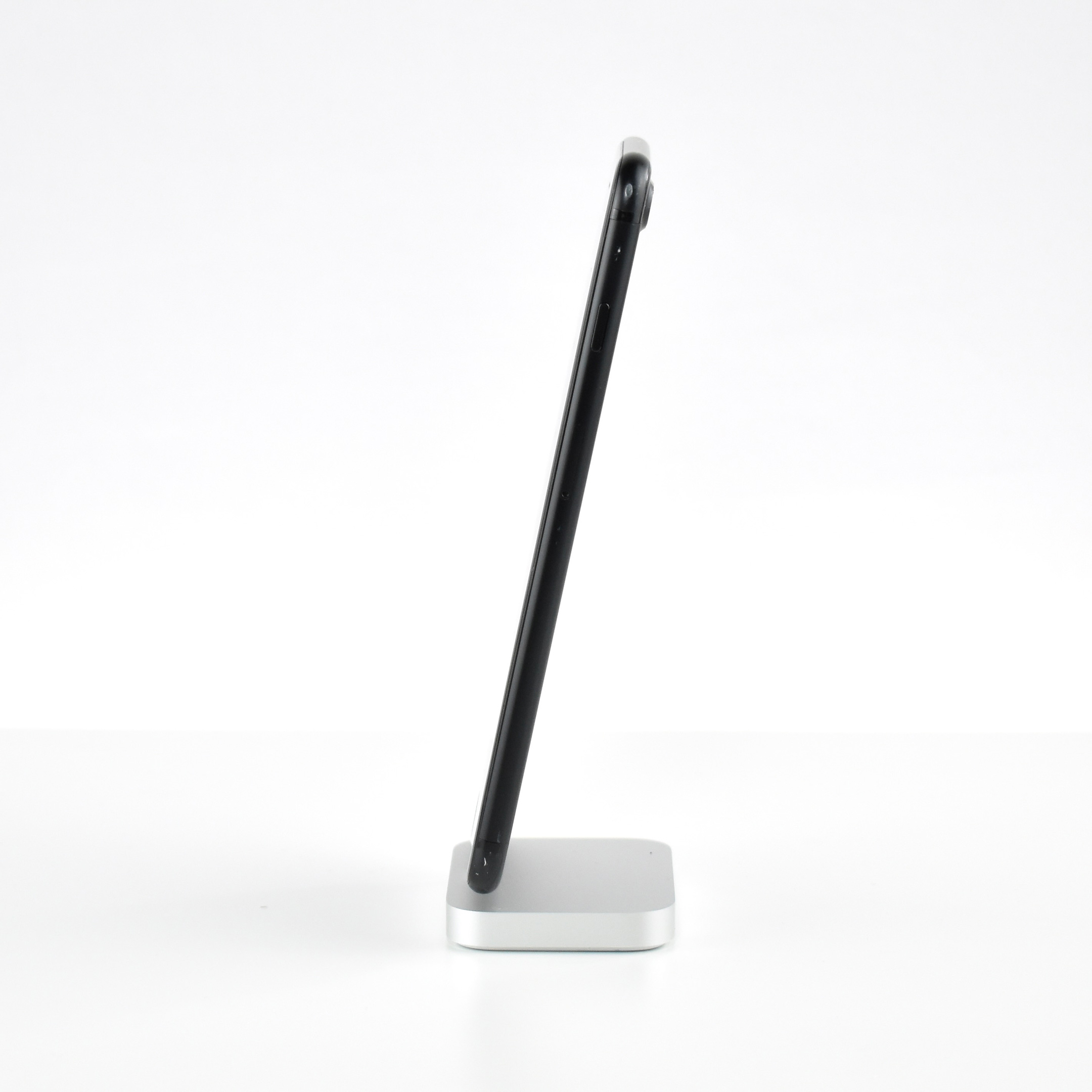
This iPhone 7 Plus is black with a black glass front and a matte black back. The model number is A1661, indicating that it functioned on the Verizon/Sprint network in the United States (and on cellular networks in Hong Kong and China).

Source: EveryMac

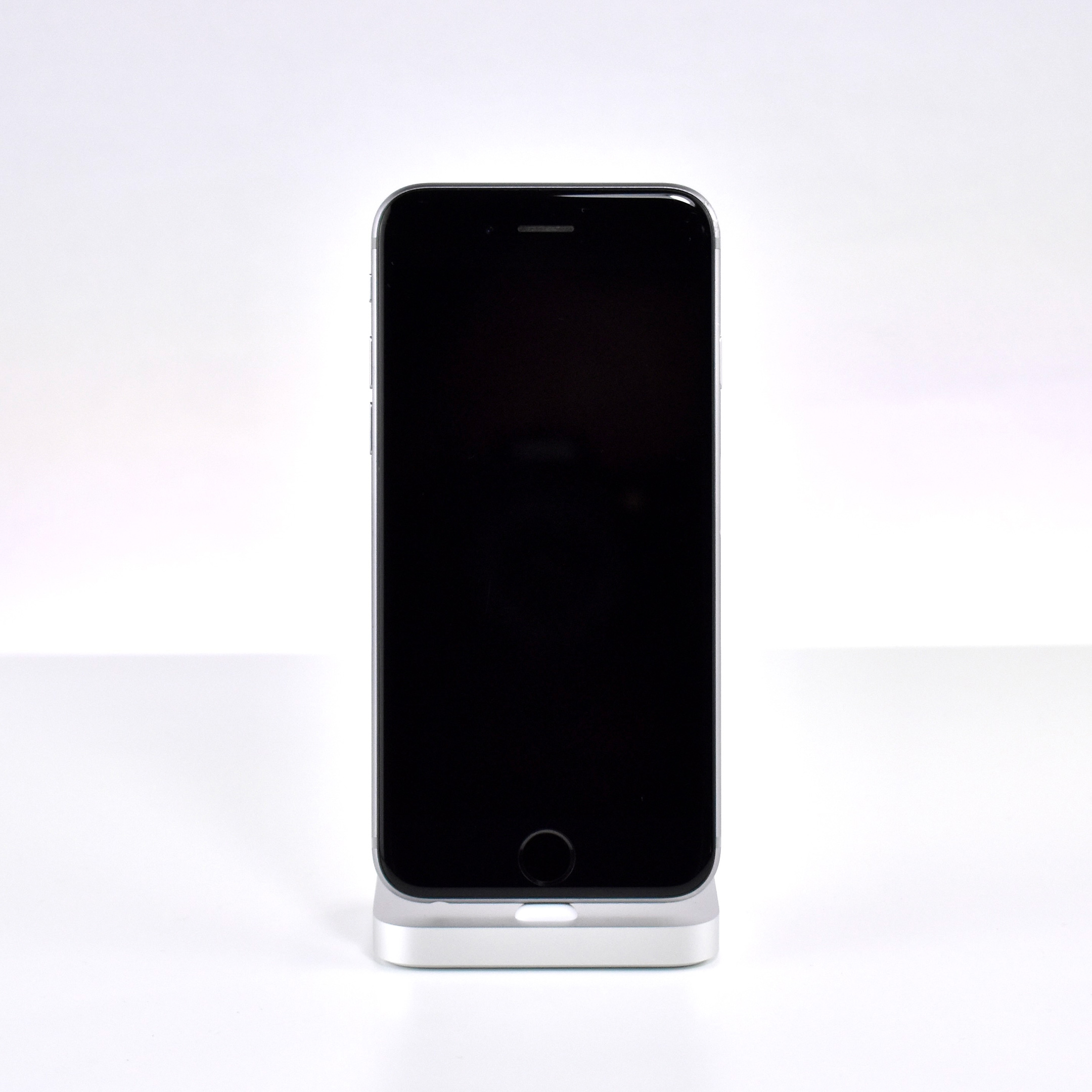
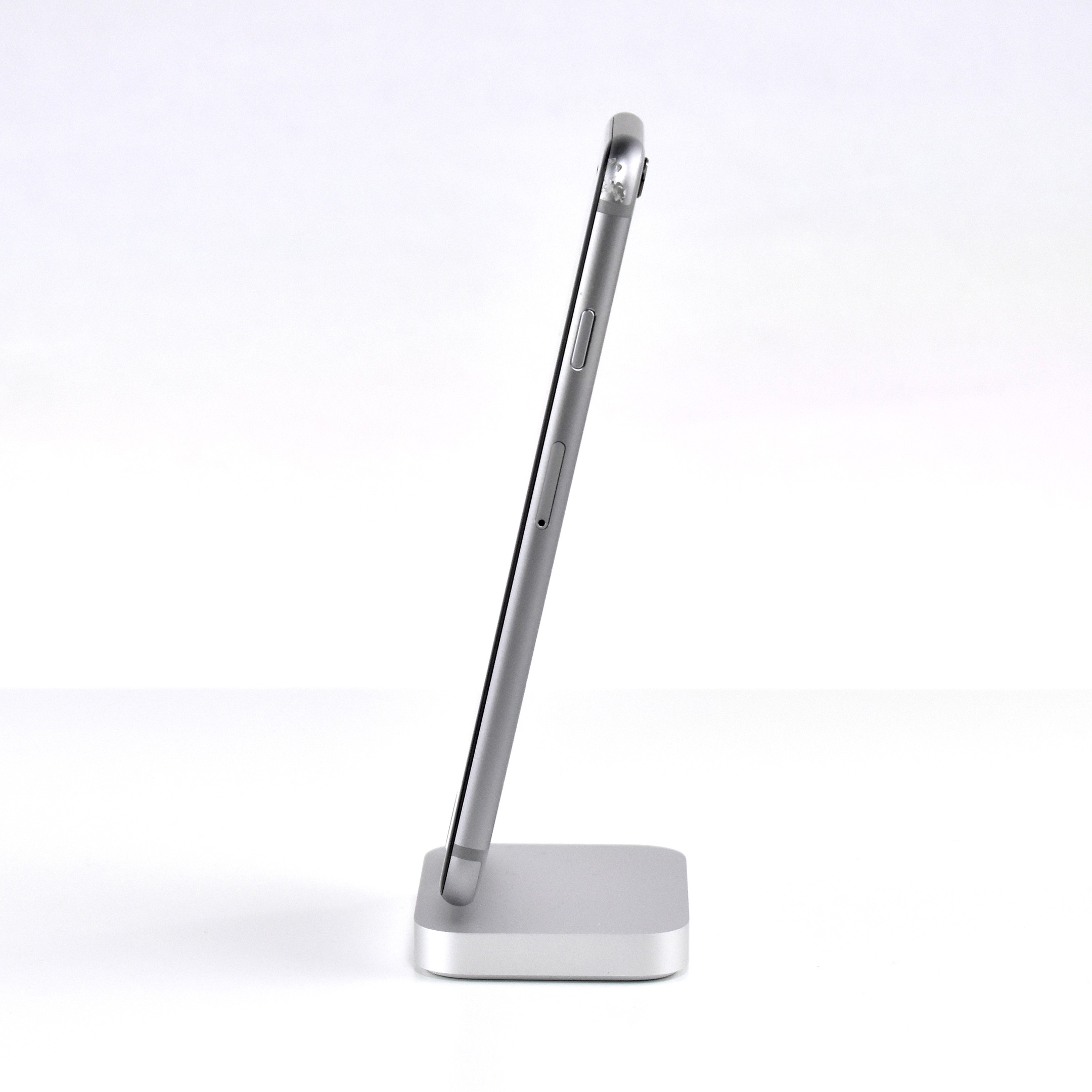
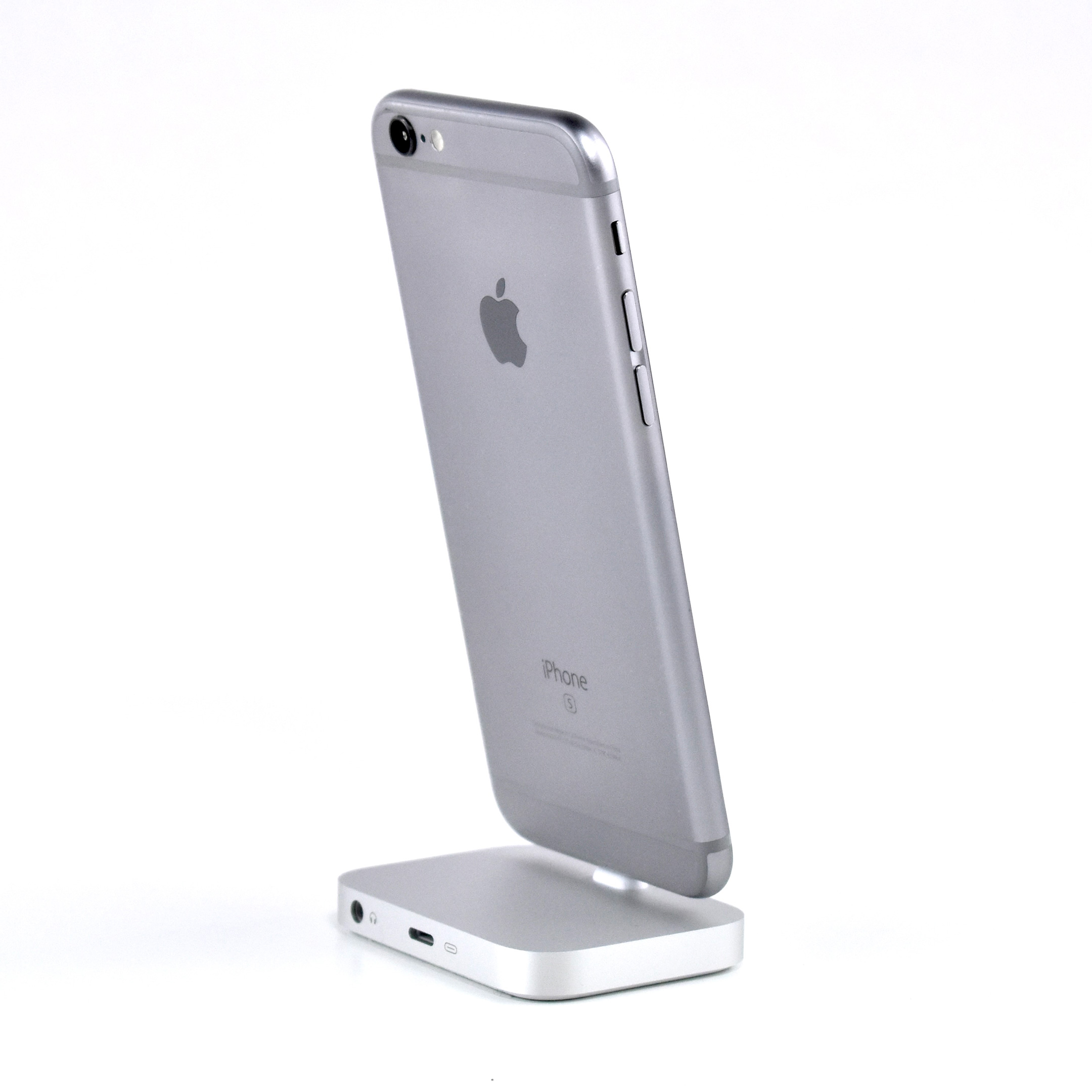
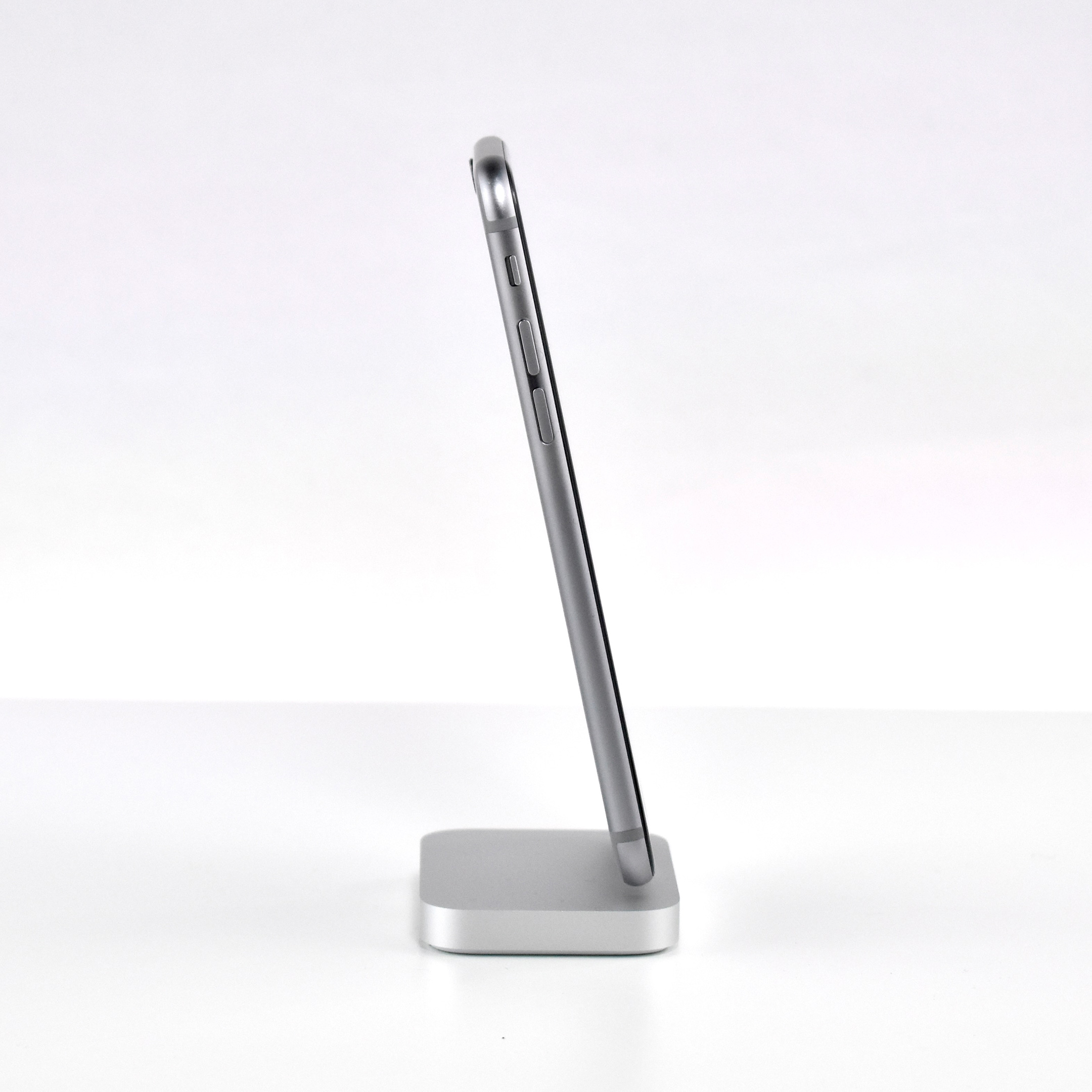
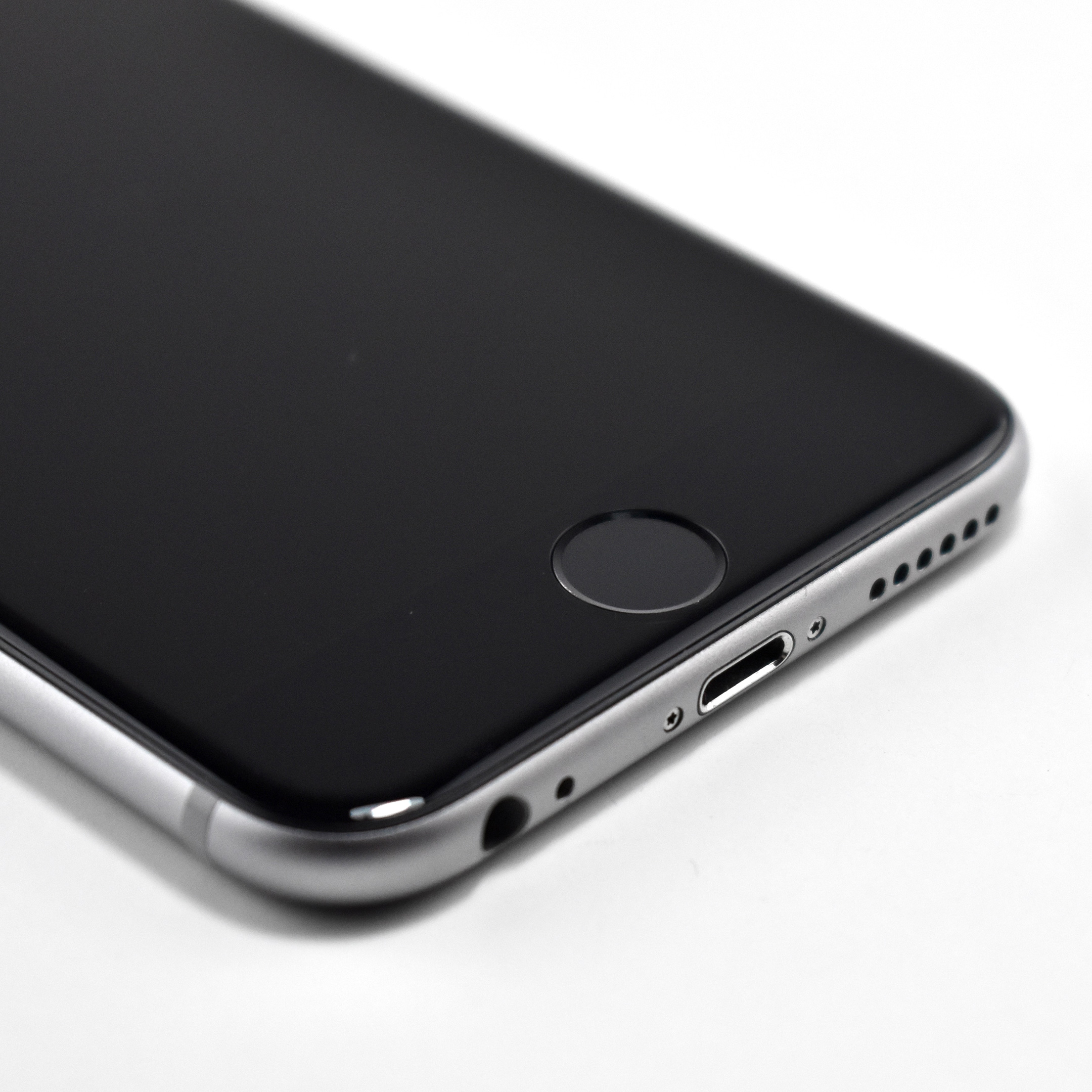
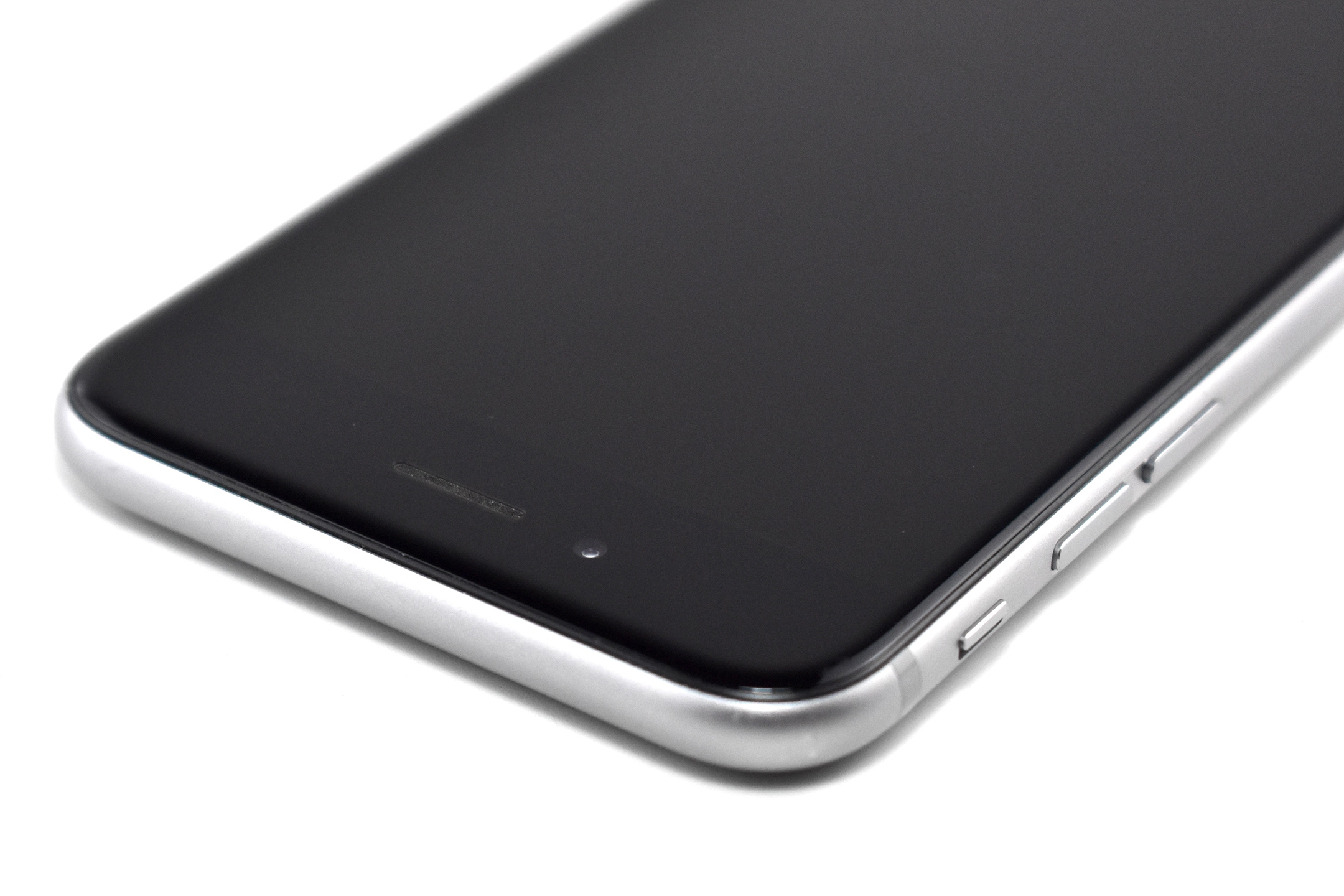
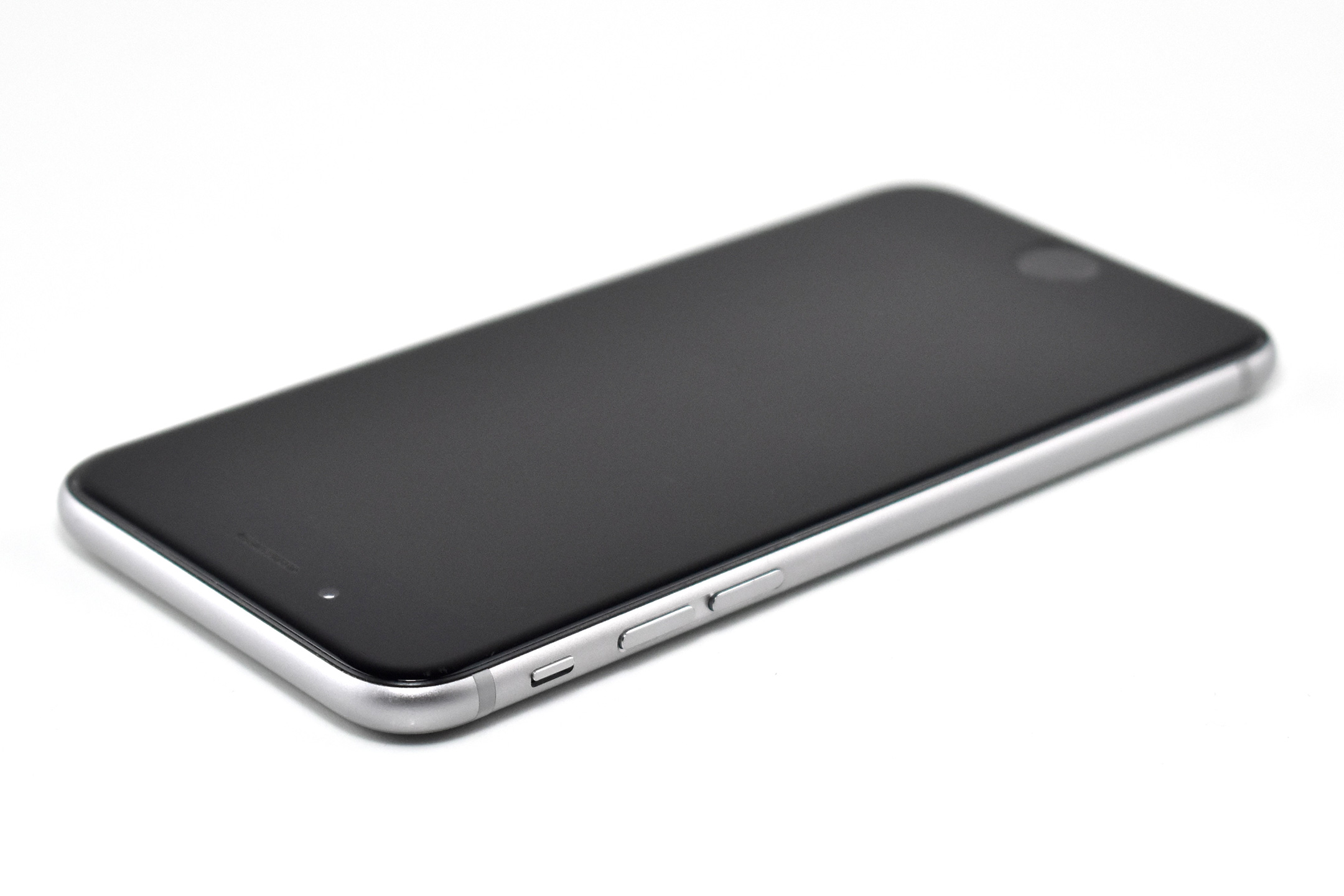
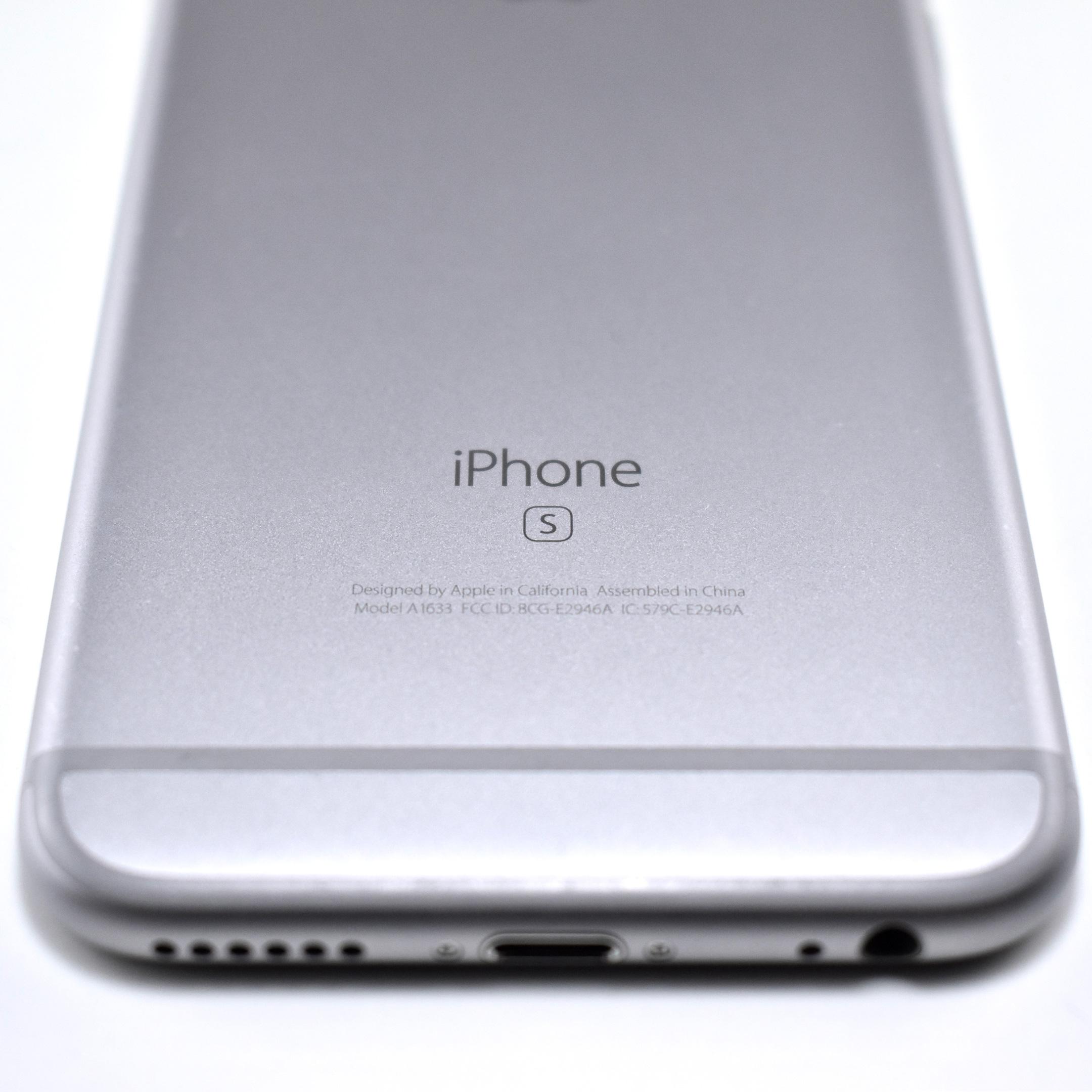
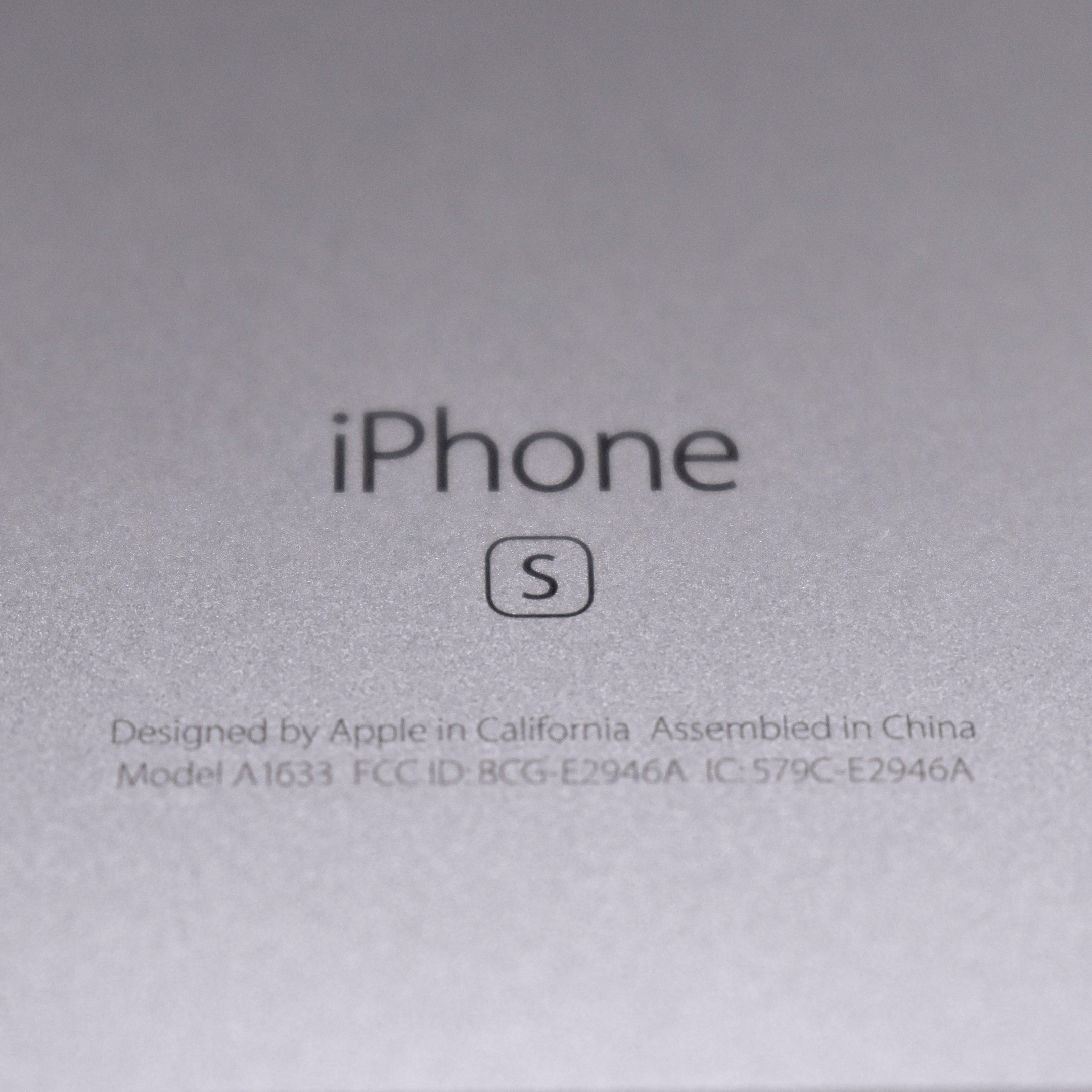
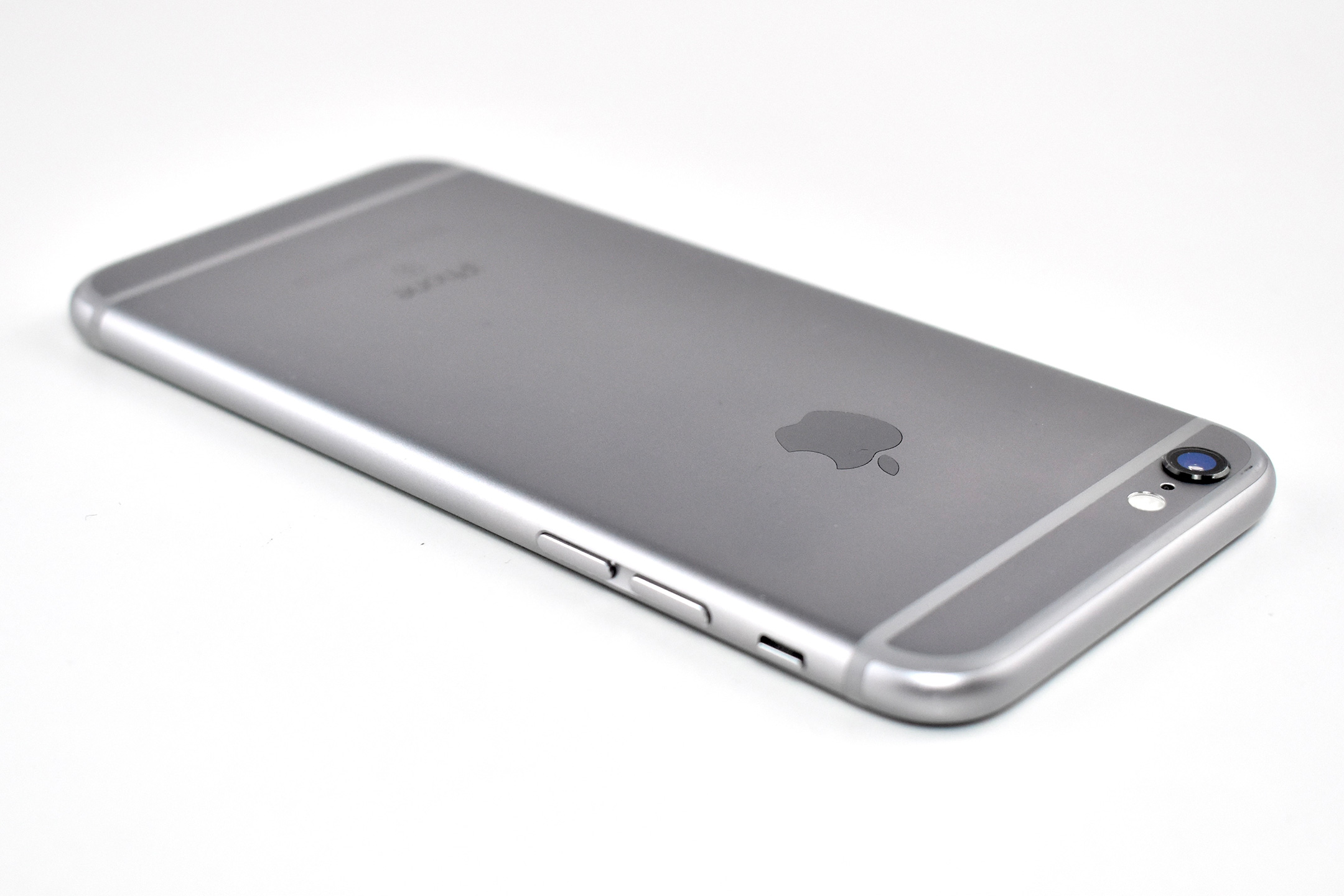
iPhone 6s (Space Gray, 2015)

The iPhone 6s had a 4.7-inch “3D Touch” Retina HD screen at 1334 × 750 (326 ppi). The iPhone 6s cameras were vastly improved over the iPhone 6 that preceded it: a rear 12-megapixel 4K iSight camera and a front 5-megapixel FaceTime camera in 720p (the iPhone 6 used a, 8-megapixel back camera and 1.2-megapixel front camera).

The iPhone 6s was available in four colors: silver (white glass front, silver back); gold (white glass front, gold back); space gray (black glass front, medium-gray back); and rose gold (white glass front, pink-tinted gold back).

The iPhone 6s did not use a physical Home button, but used its Taptic engine to simulate the click. It also used a Touch ID fingerprint sensor in the Home button.

Inside, the iPhone 6s used the Apple A9 processor with 2 GB of RAM and was available in 16 GB, 32 GB, 64 GB, or 128 GB of flash storage. The iPhone 6s was the last iPhone to include a headphone jack (located on the bottom) and used the Lightning port to connect to computer, dock, or power adapter.

This iPhone 6s example is Space Gray, a shade of dark gray with a black glass front.

Source: EveryMac

iPad Air (original, WiFi+Cellular, 2013)

When the iPad Air was released, Phil Schiller, Apple’s senior vice president of Worldwide Marketing, commented:

“…the new iPad Air is another big leap ahead. It is so thin, light and powerful, once you hold one in your hand you will understand what a tremendous advancement this is. iPad Air with its 9.7-inch Retina display weighs just one pound and packs the incredible performance of iOS 7 running on a 64-bit desktop-class Apple A7 chip, and delivers all-day battery life in the lightest full-sized tablet in the world.”

Apple described the iPad Air as 20% thinner and 28% lighter than the iPad Generation 4 (the base iPad at the time).

The iPad Air had many available configurations with 2 colors (Space Gray and Silver), 2 wireless connectivity options (Wi-Fi and Wi-Fi+Cellular), and 4 storage capacities (16GB, 32GB, 64GB, 128GB). This model is Space Gray, has Wi-Fi+Cellular, and 16GB of storage.

The iPad Air is 9.4 inches (240 mm) wide x 6.6 inches (169.5 mm) tall, and 0.29 inch (7.5 mm) thick. It weighed 1.05 pounds (478 g). Its Retina Display was 9.7 inches with 2048 x 1536 resolution (at 264ppi).

Wireless technologies included Wi-Fi (802.11a/b/g/n), Bluetooth 4.0, and this model allowed cellular service including LTE.

The front camera was a 1.2 Megapixel FaceTime HD Camera that could record 720p HD video. The back camera was a 5 Megapixel iSight Camera with features including autofocus, face detection, tap to focus, tap to control exposure, geotagging, and HDR.

Sources: Apple, (Newsroom, Tech Specs), EveryMac

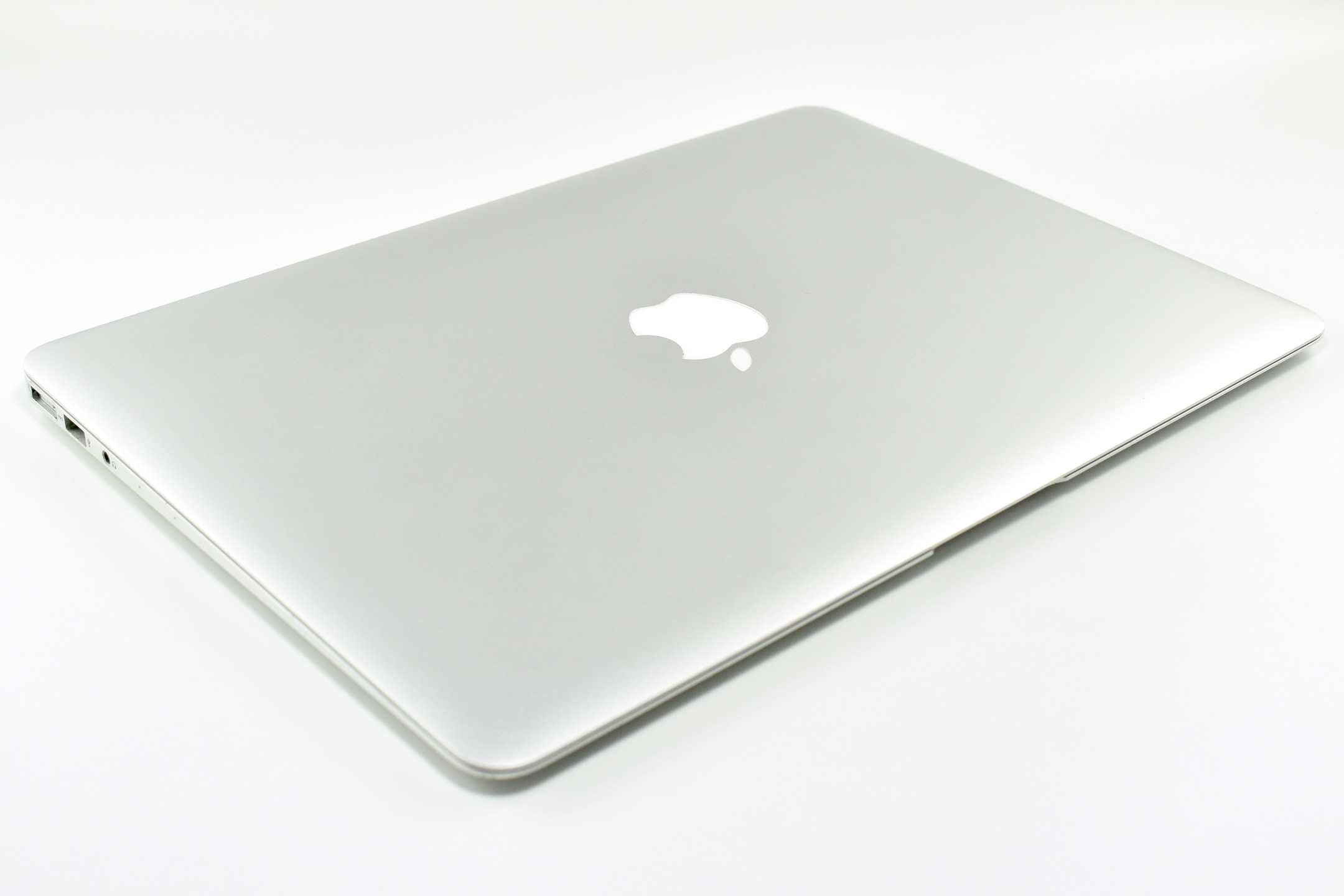
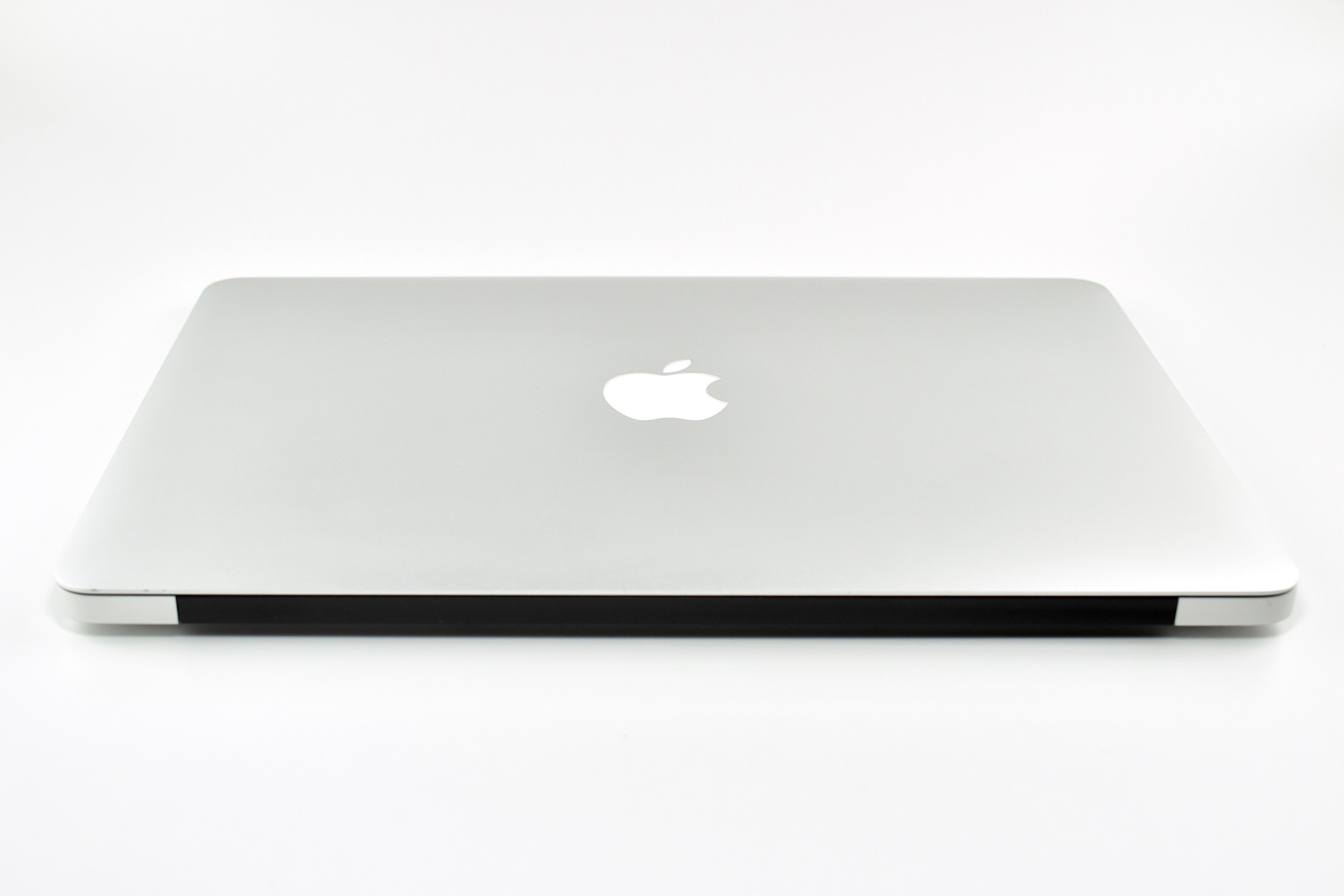
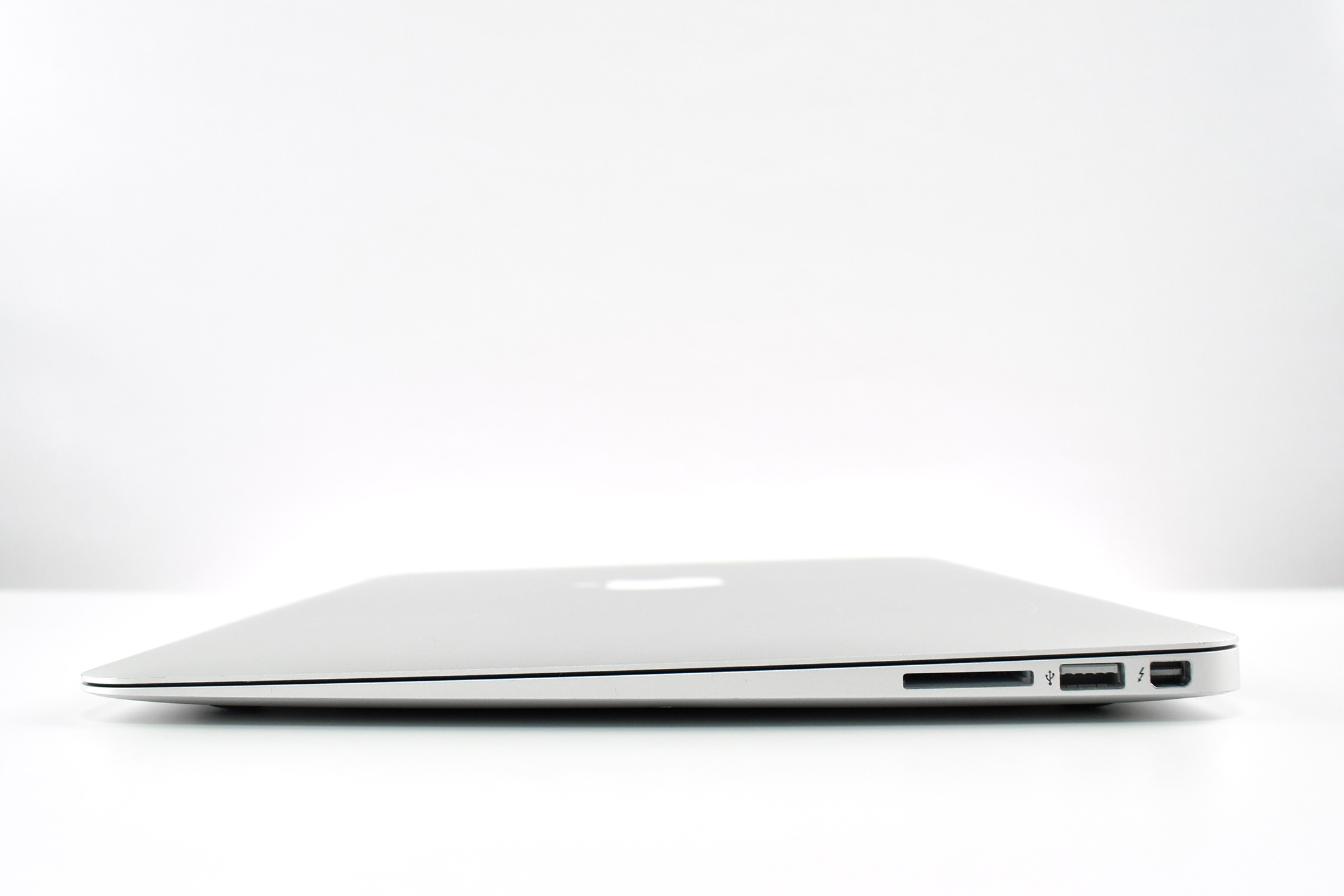
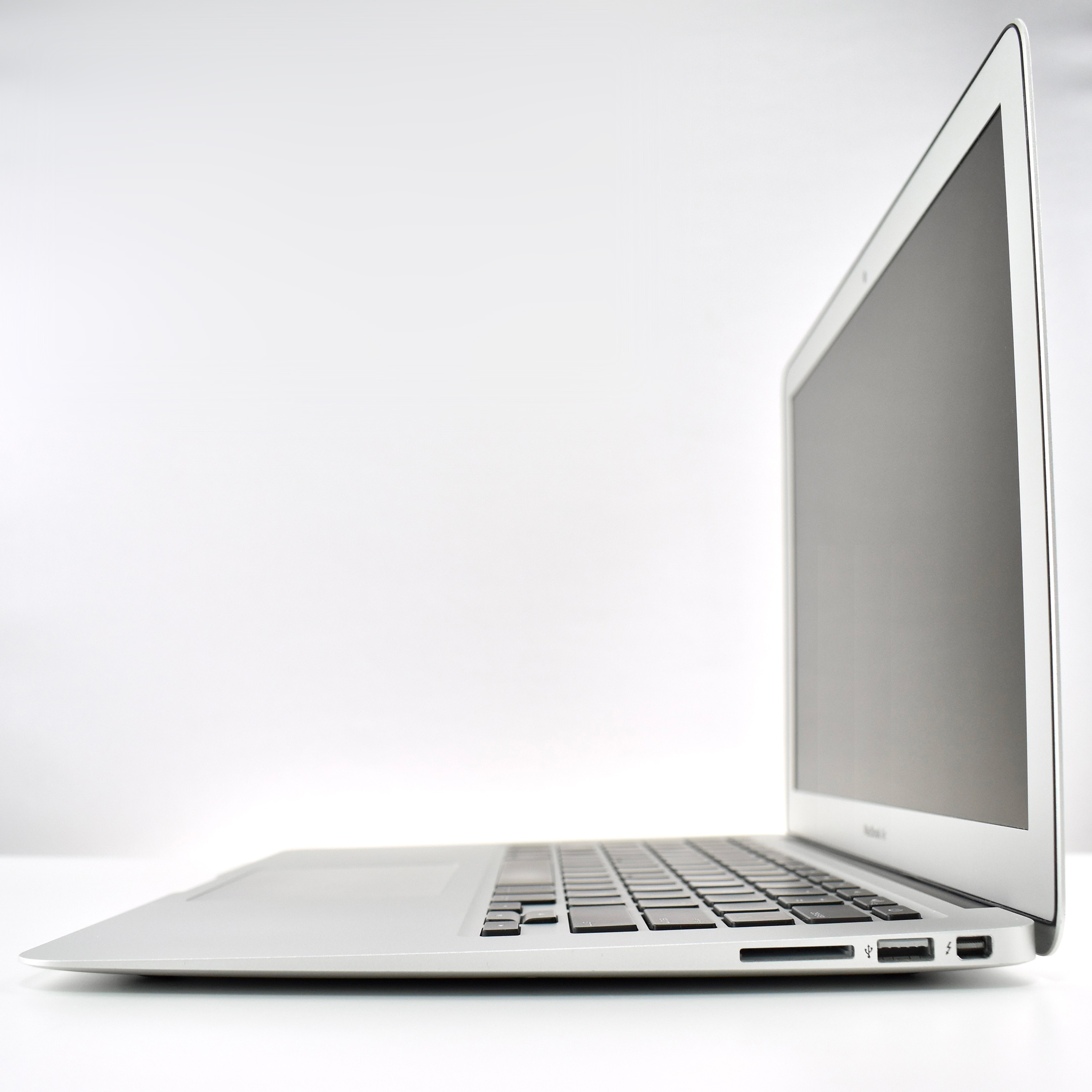
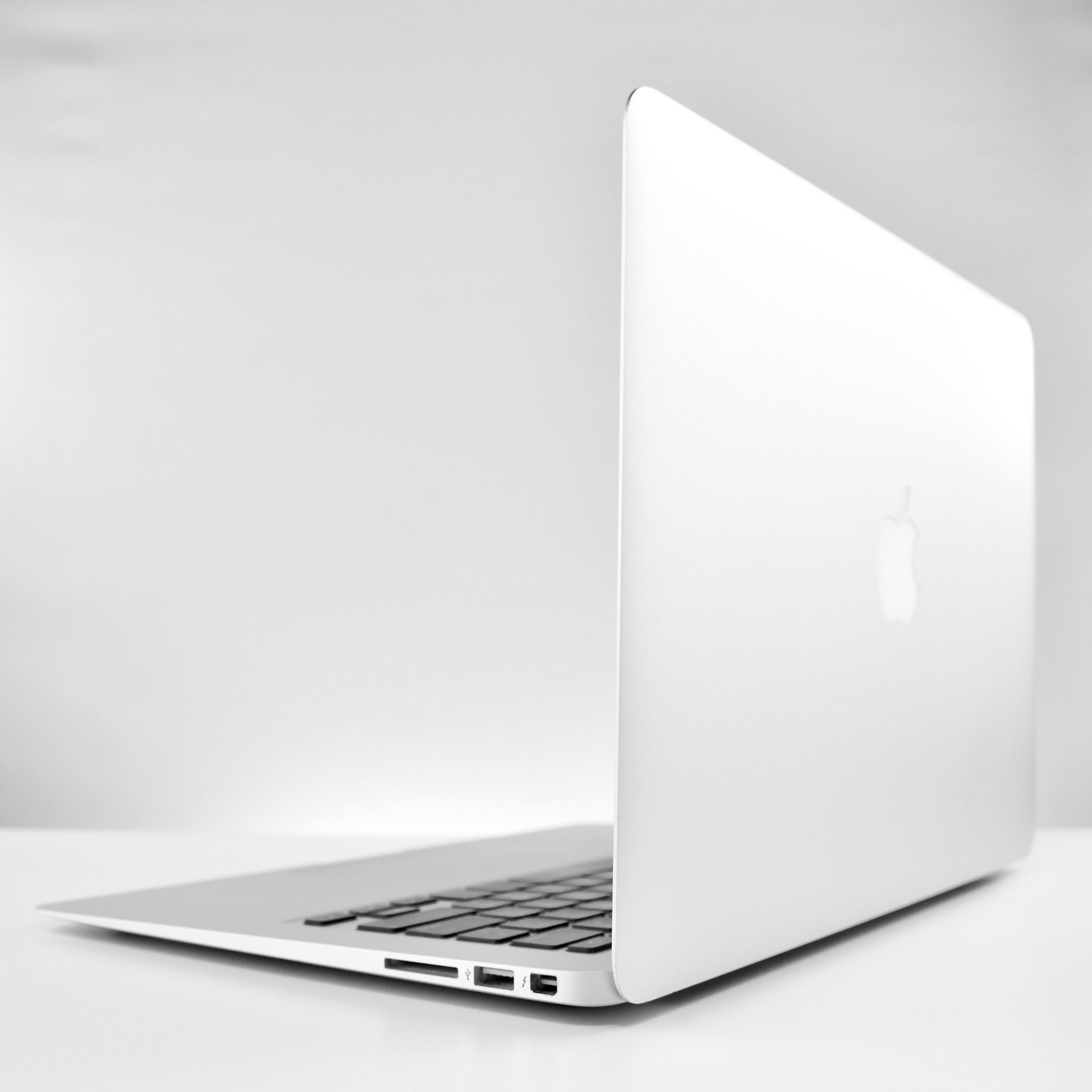
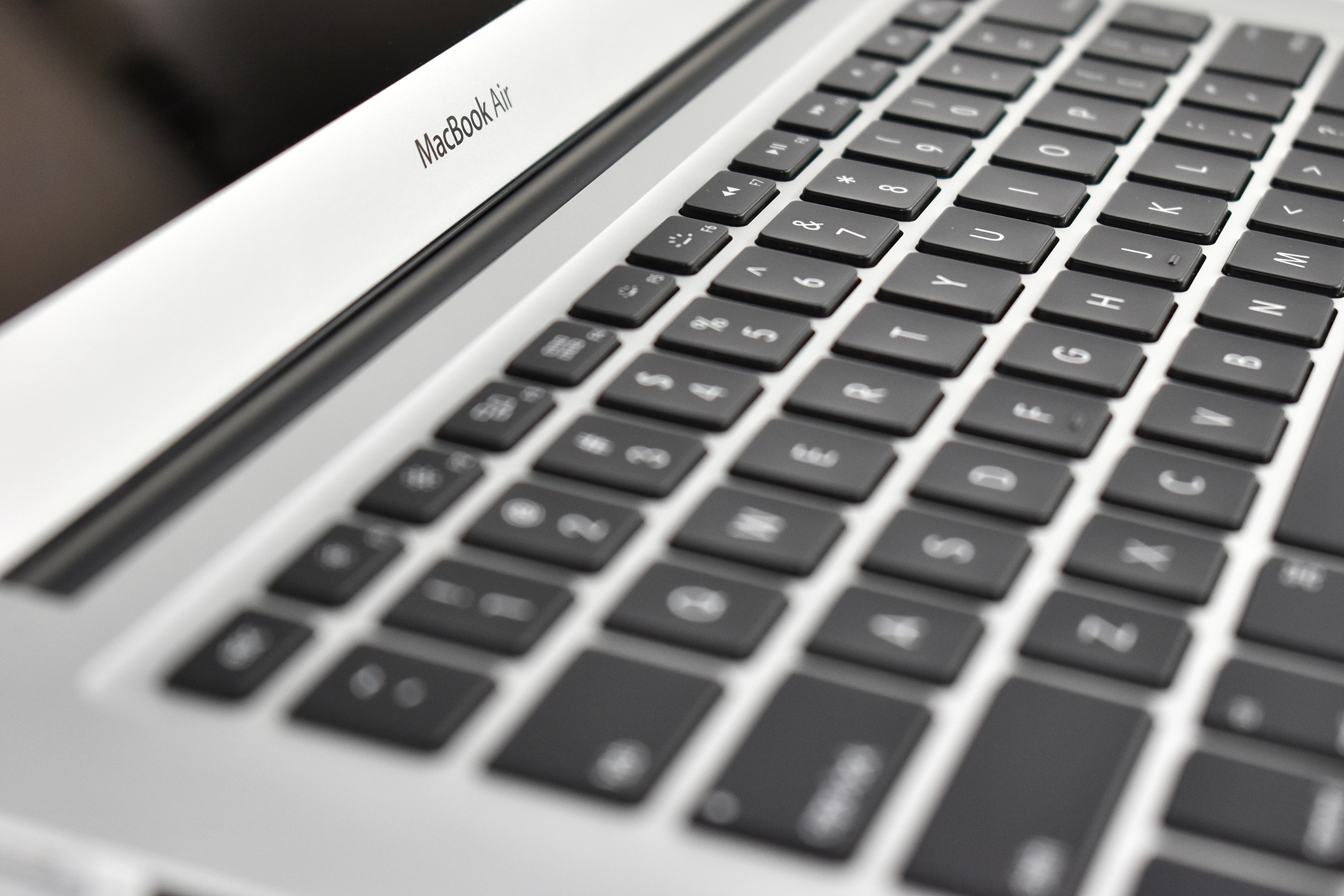
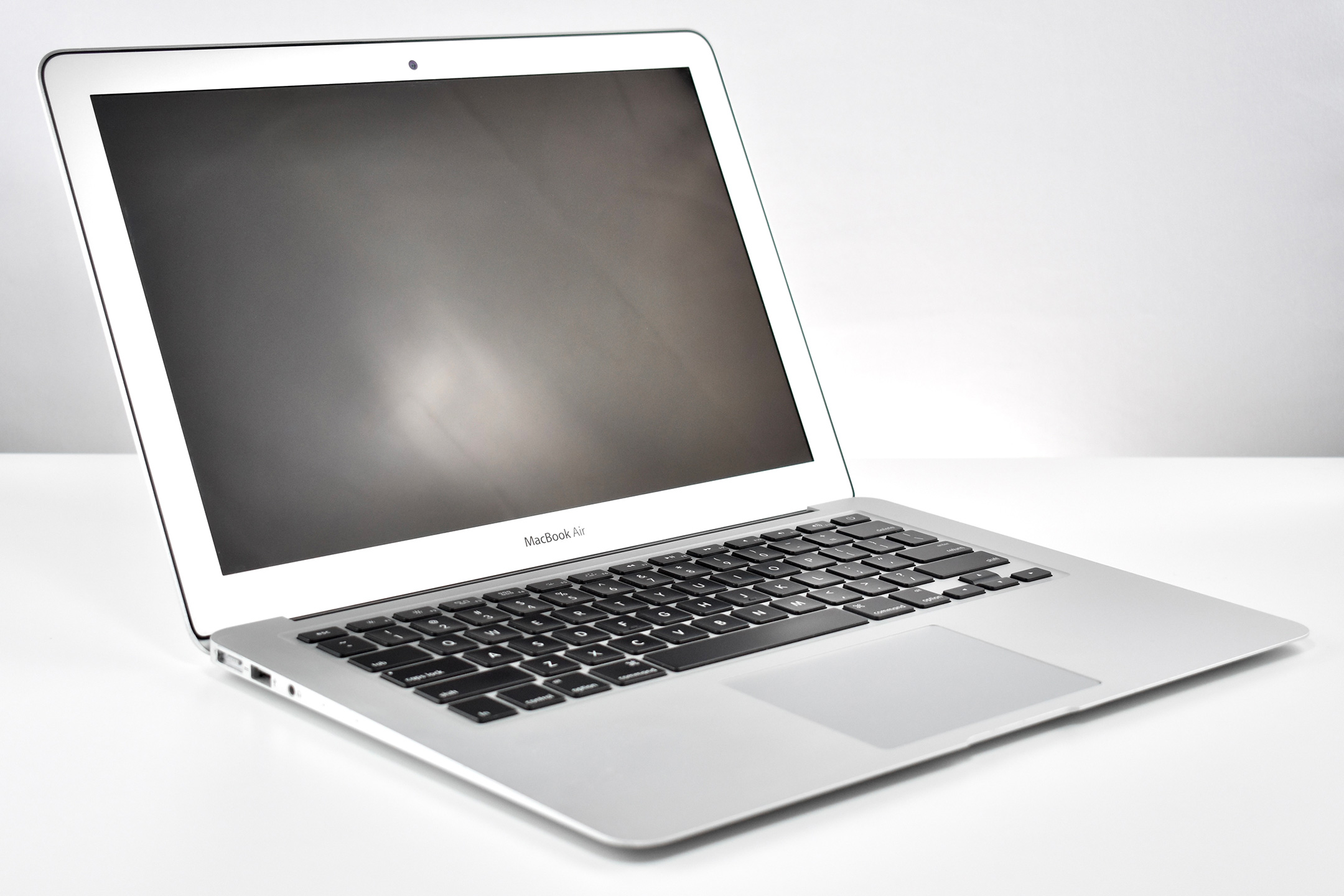
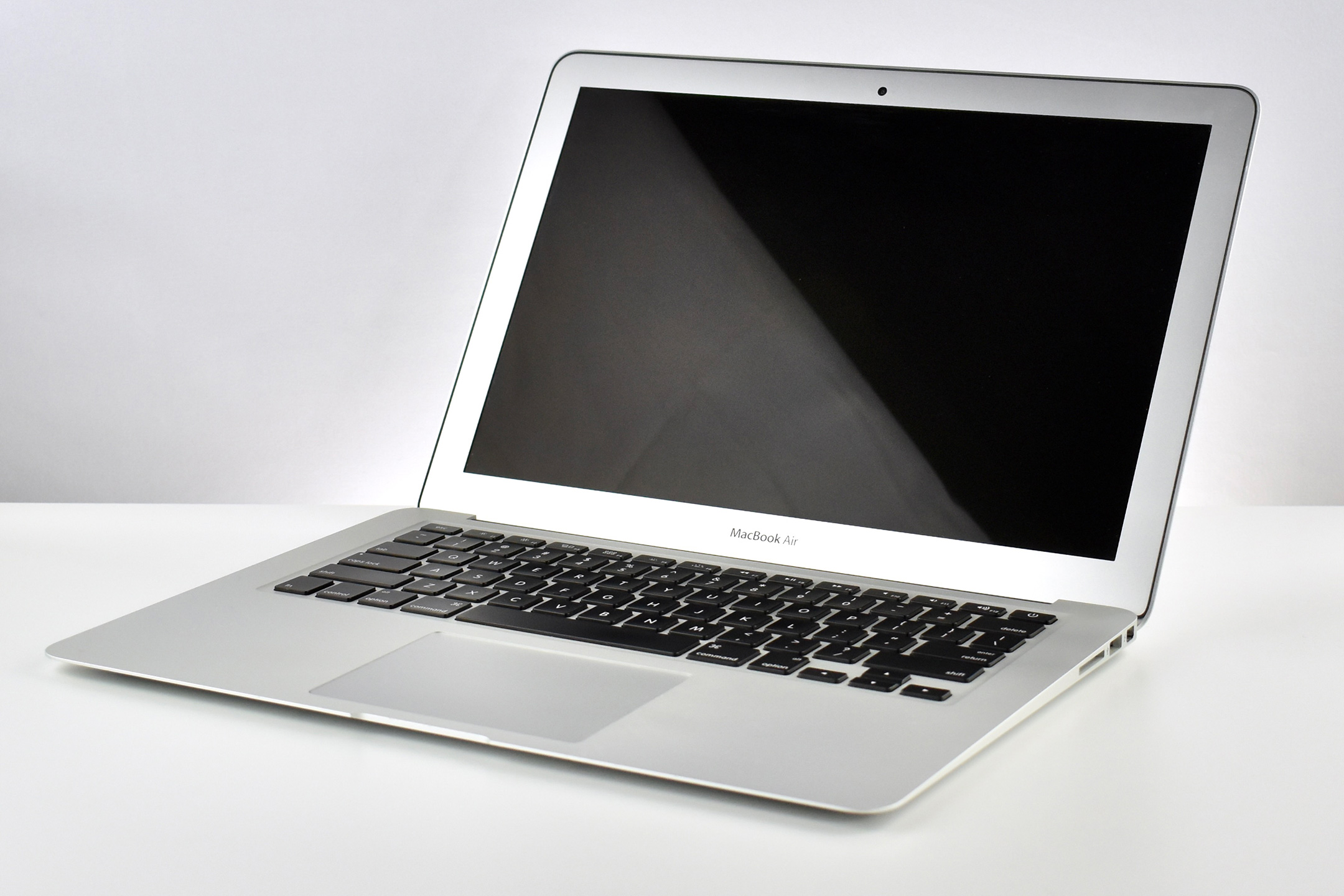
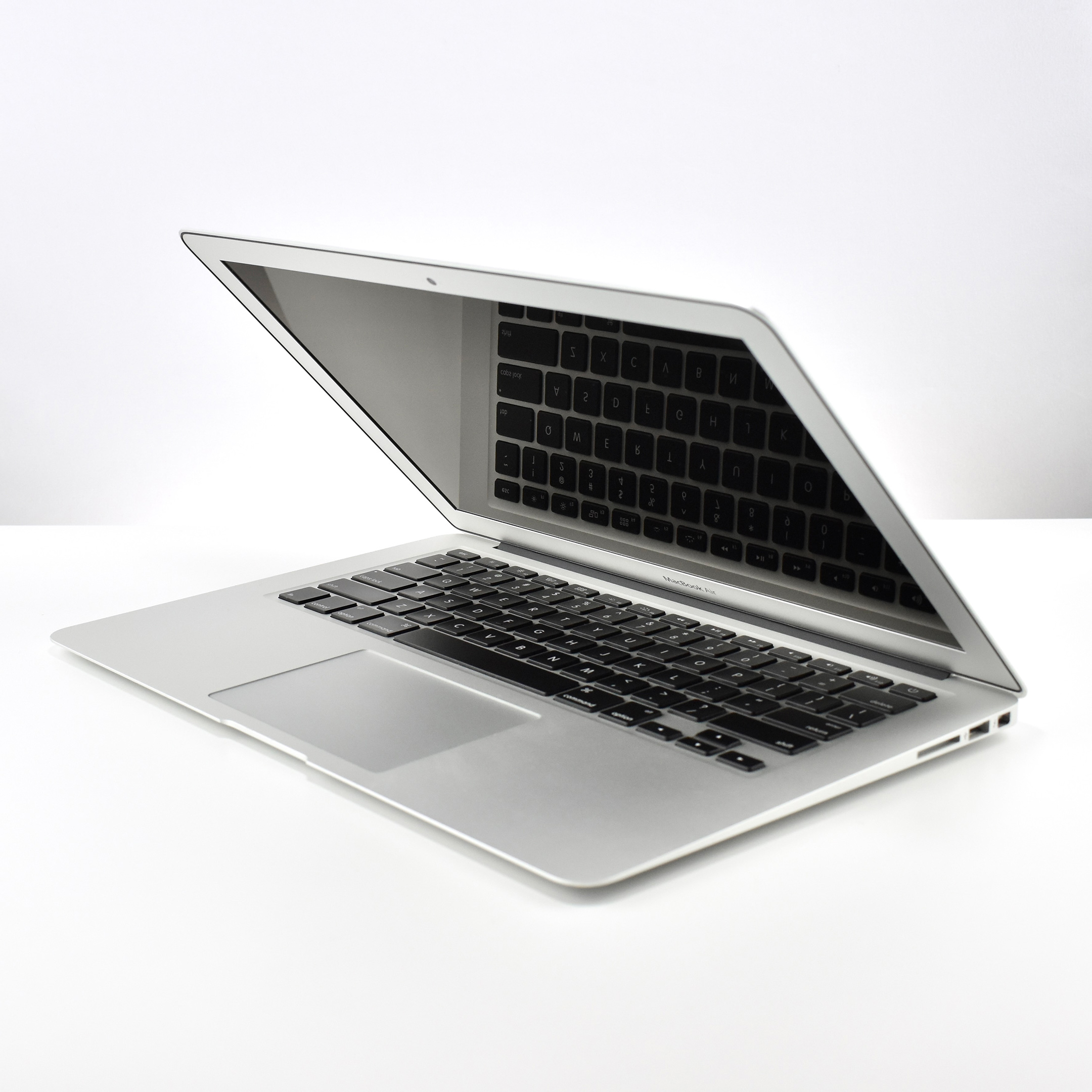
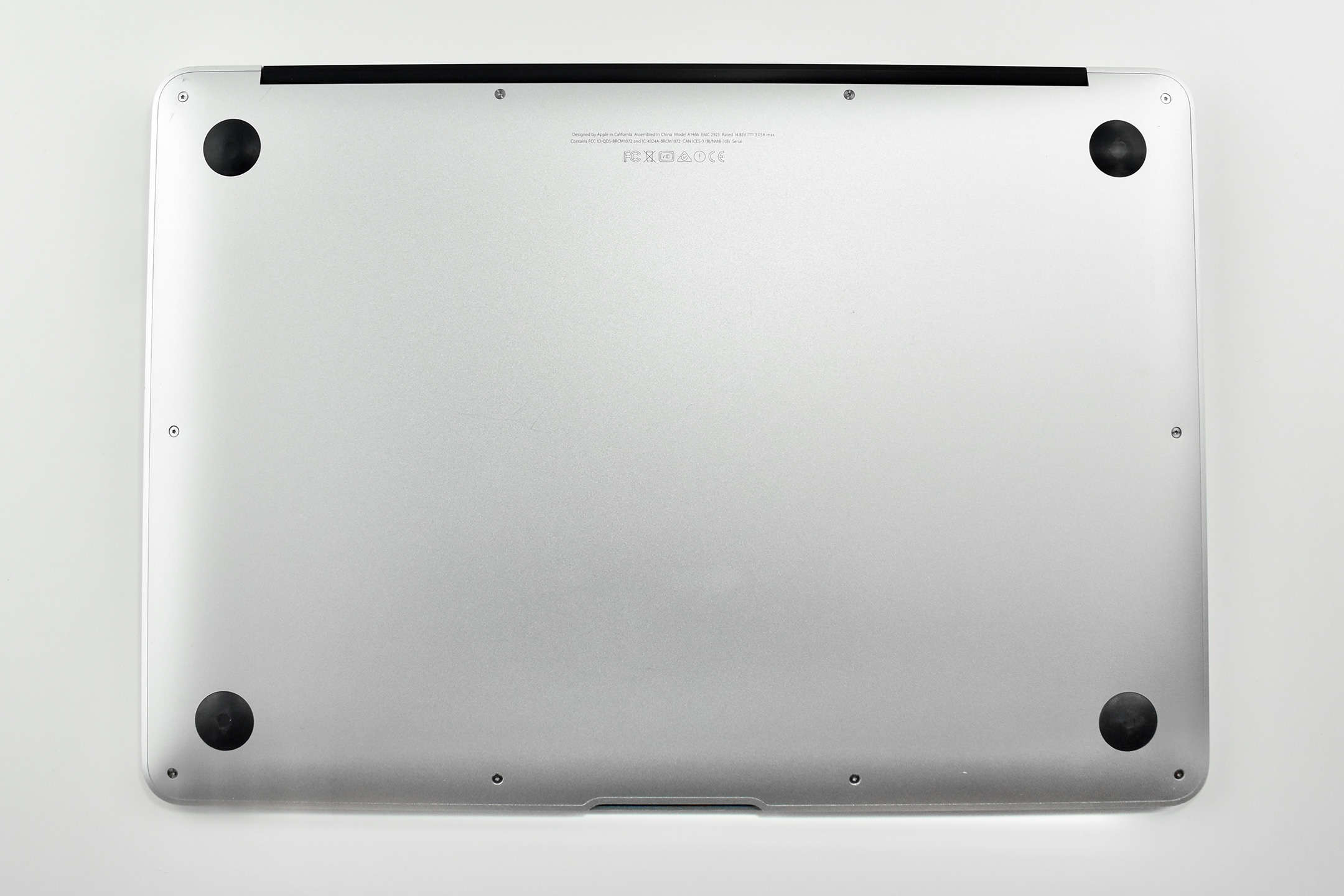
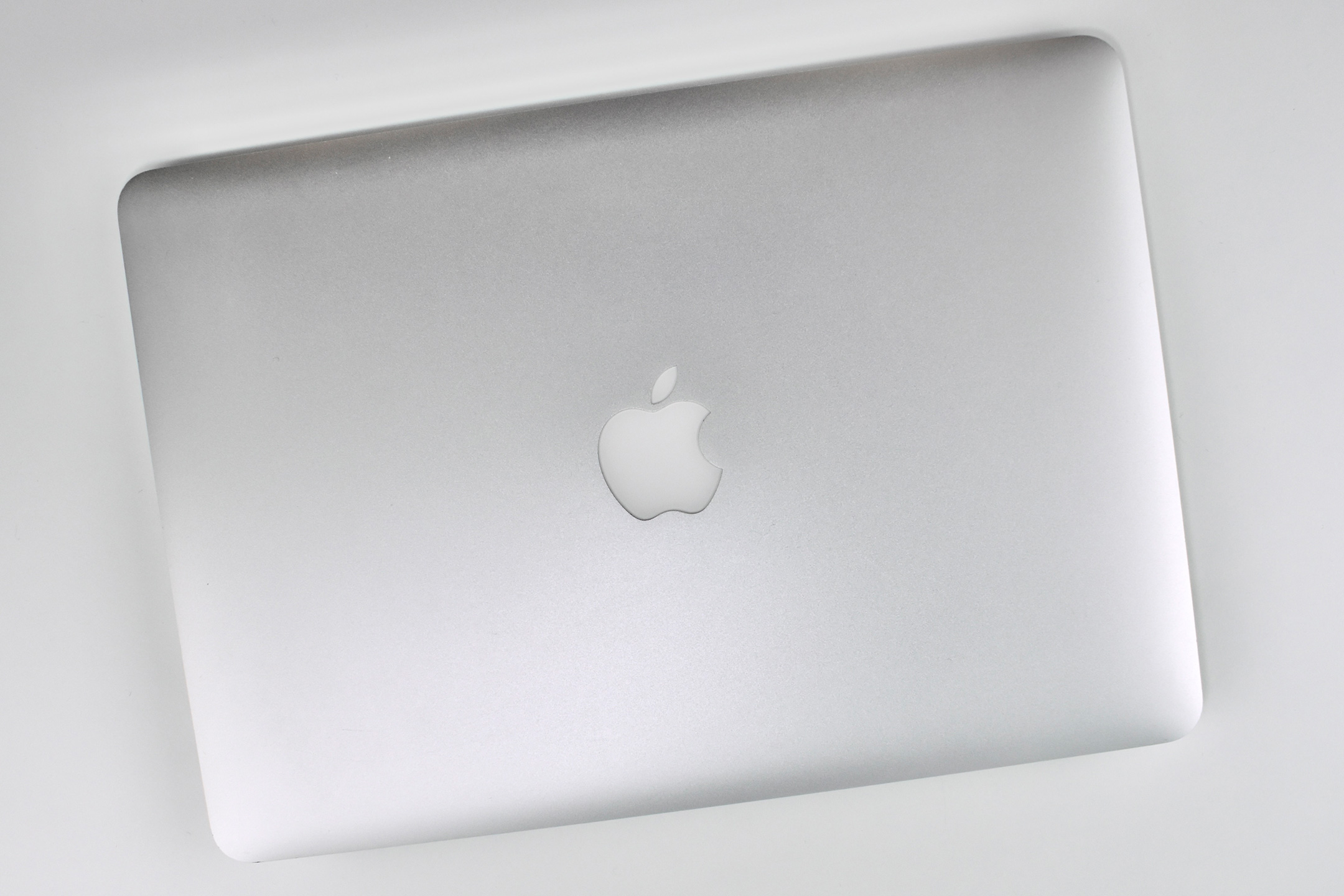
MacBook Air (13-inch, Early 2015)

The 13-inch MacBook Air, Early-2015 model, used the 1.6GHz dual-core Intel Core i5 and was also available with a 2.2GHz dual-core Intel Core i7. It shipped with 4GB or 8GB RAM. This model uses the Core i5 with 4GB of RAM and has 128GB of flash storage.

When it was released on March 9, 2015, Apple reported:

“The updated 11-inch and 13-inch MacBook Air now feature fifth generation Intel Core processors up to 2.2 GHz, with Turbo Boost speeds up to 3.2 GHz, integrated Intel HD Graphics 6000, and Thunderbolt 2, delivering up to 20Gbps, twice the bandwidth of the previous generation. The 13-inch MacBook Air also features faster flash storage that is up to two times faster than the previous generation.”

This MacBook Air used a 13.3-inch LED-backlit glossy widescreen display at 1440 x 900.

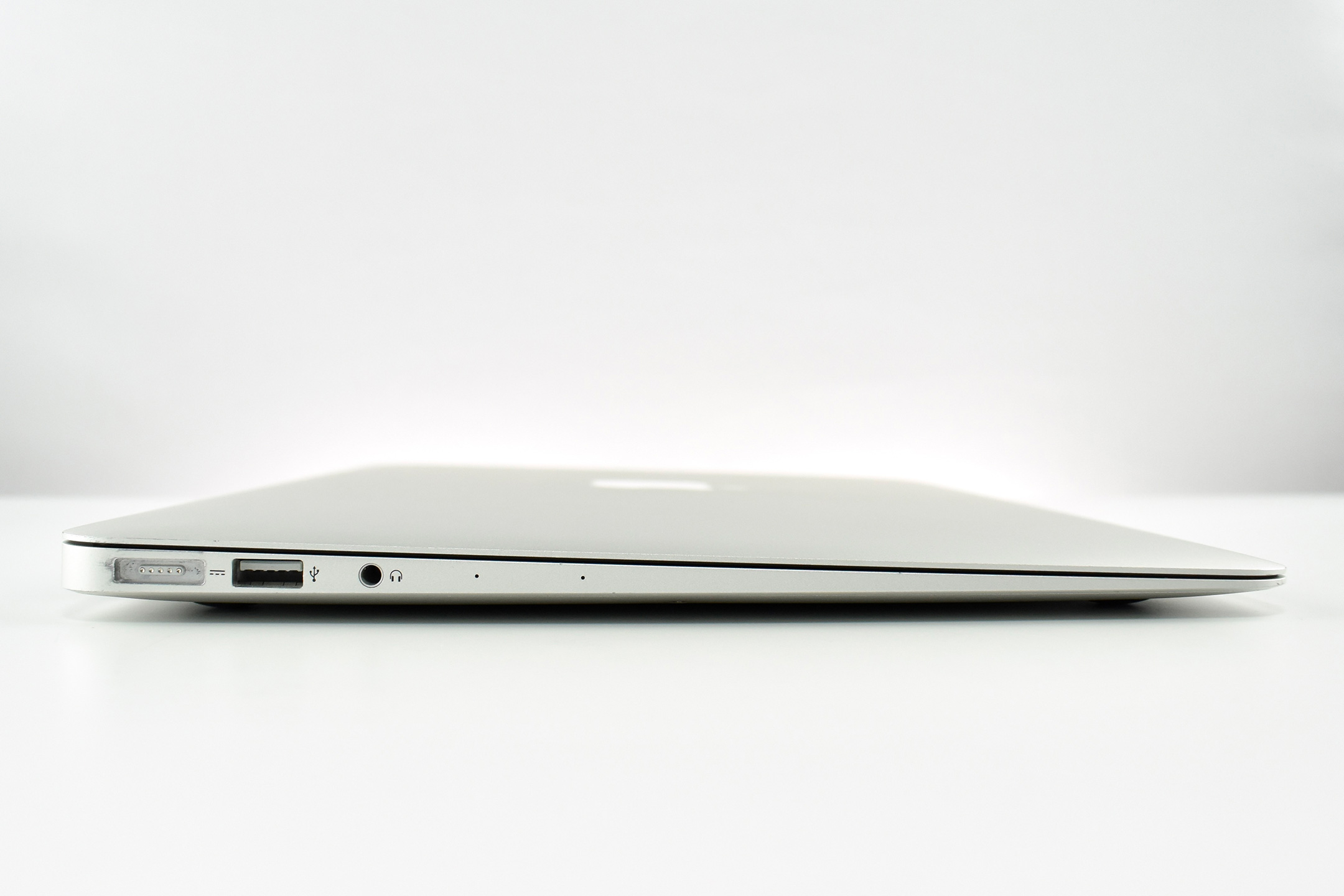
Apple reported that this laptop had a 12-hour battery. Its physical ports included 2 USB 3 ports, a Thunderbolt 2 port, a MagSafe 2 power port, a SDXC card slot, and a 3.5 mm headphone jack. Wireless technologies included 802.11ac and Bluetooth 4.0. It also had a front-facing 720p FaceTime HD camera.

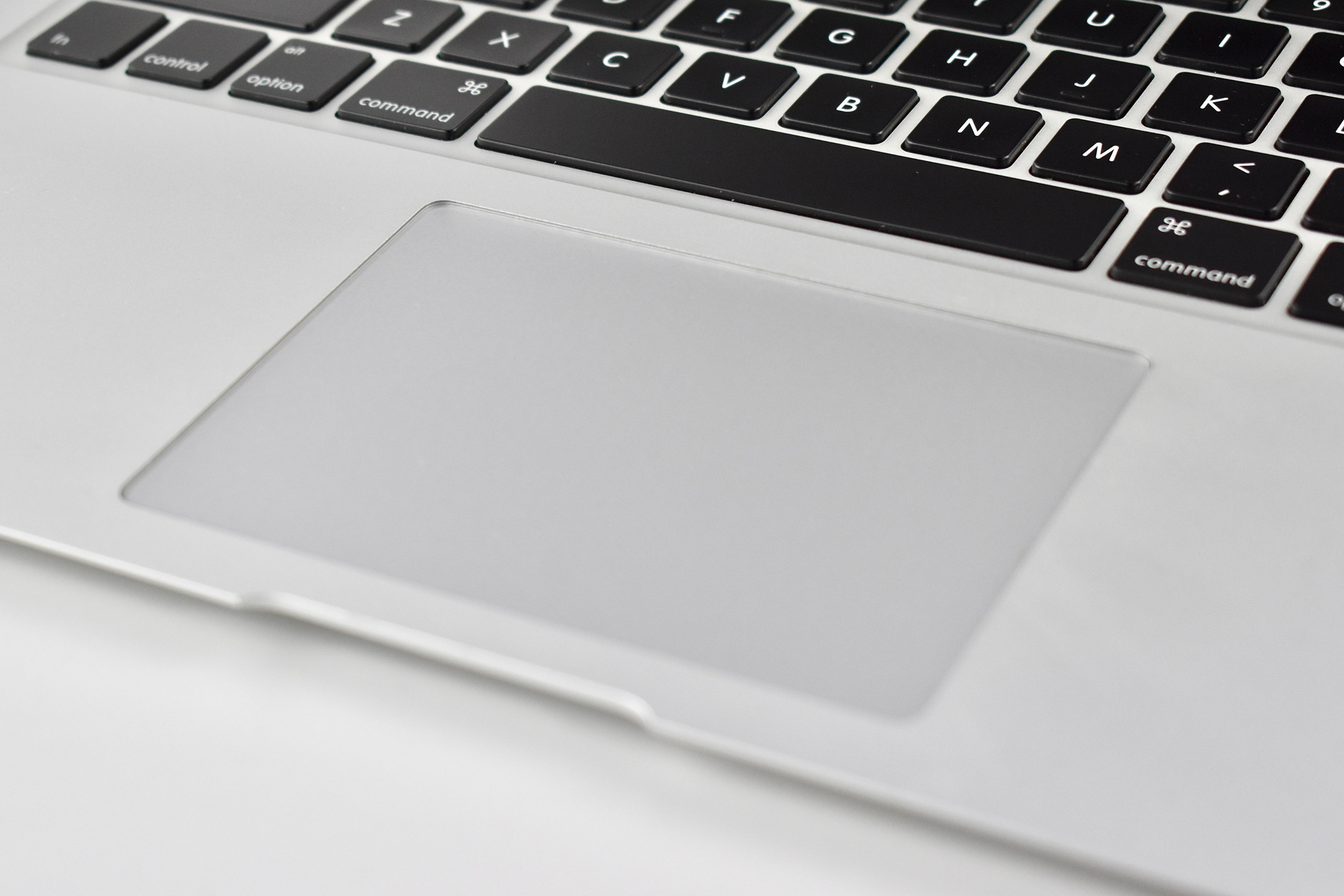
The full-size keyboard was backlit and with an ambient light sensor, and it used Apple’s Multi-Touch trackpad.

This MacBook Air used the tapered design of previous MAcBook Air models, measuring 0.11 to 0.68 inch (0.3-1.7 cm) thick, 12.8 inches (32.5 cm) wide, and 8.94 inches (22.7 cm) deep. It weighed 2.96 pounds (1.35 kg).

According to EveryMac:

“Compared to its predecessor, this model looks effectively identical, but has a more advanced processor and architecture, more advanced graphics, twice as fast 4x PCIe storage, and Thunderbolt 2 support.”

Source: Apple (Tech Specs, Newsroom), EveryMac