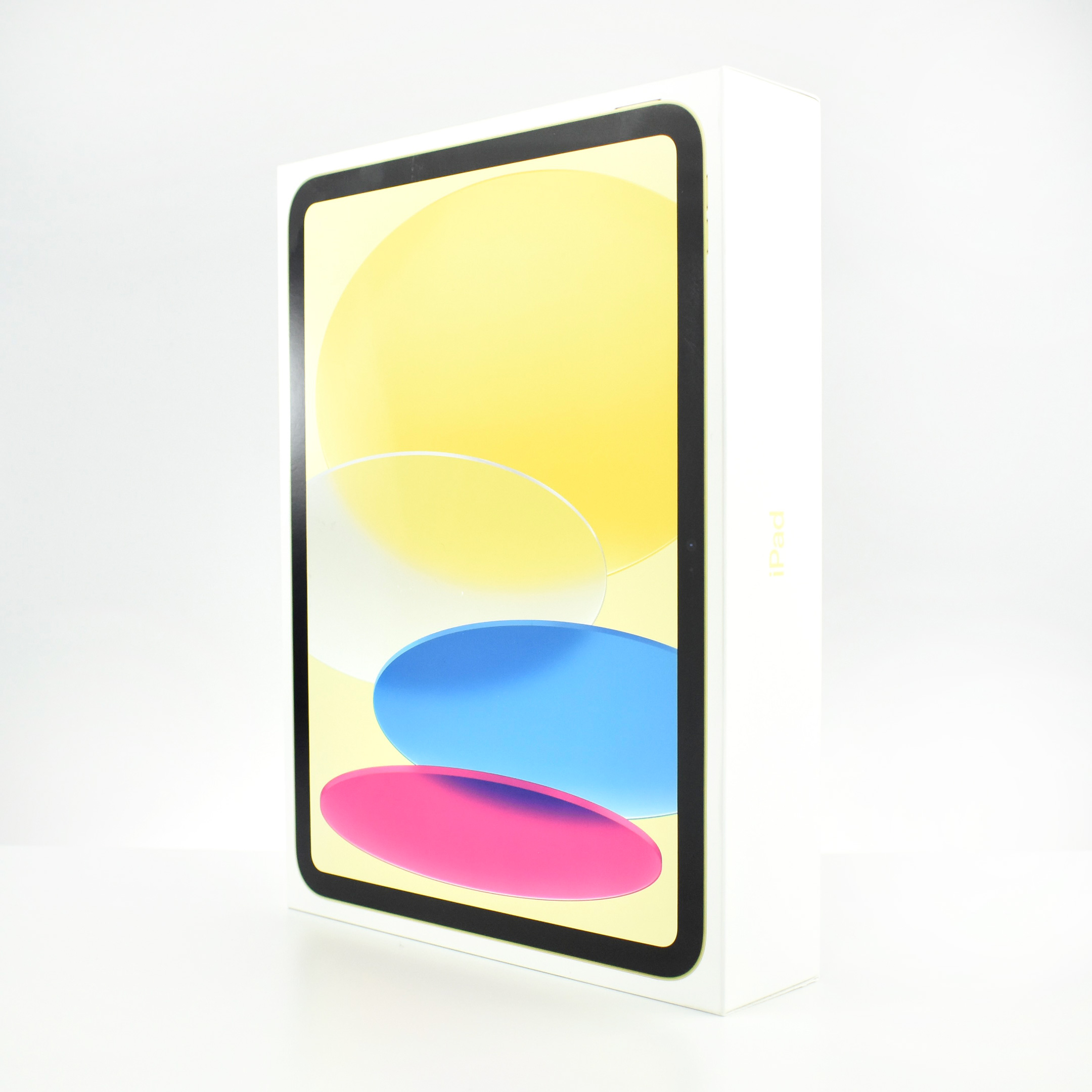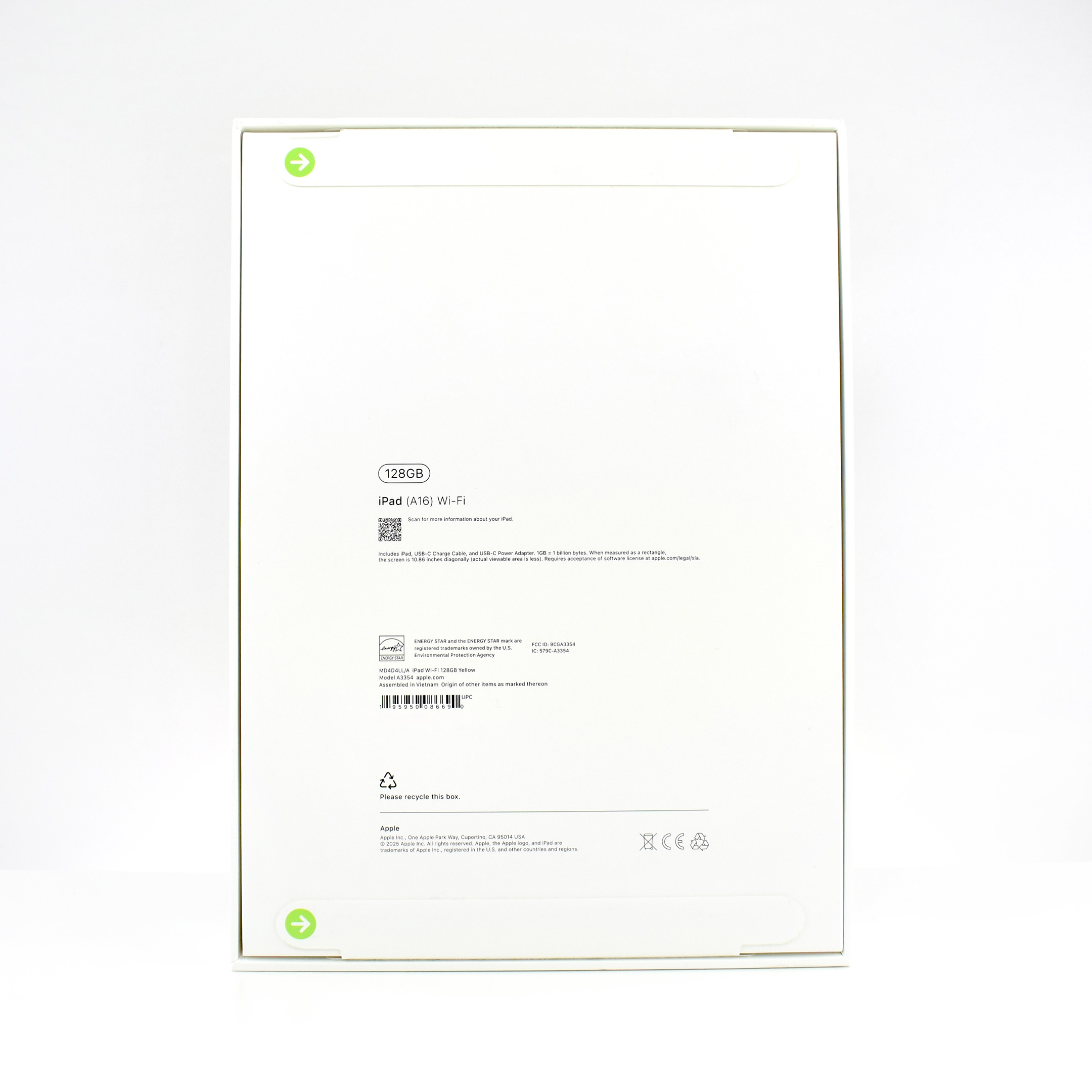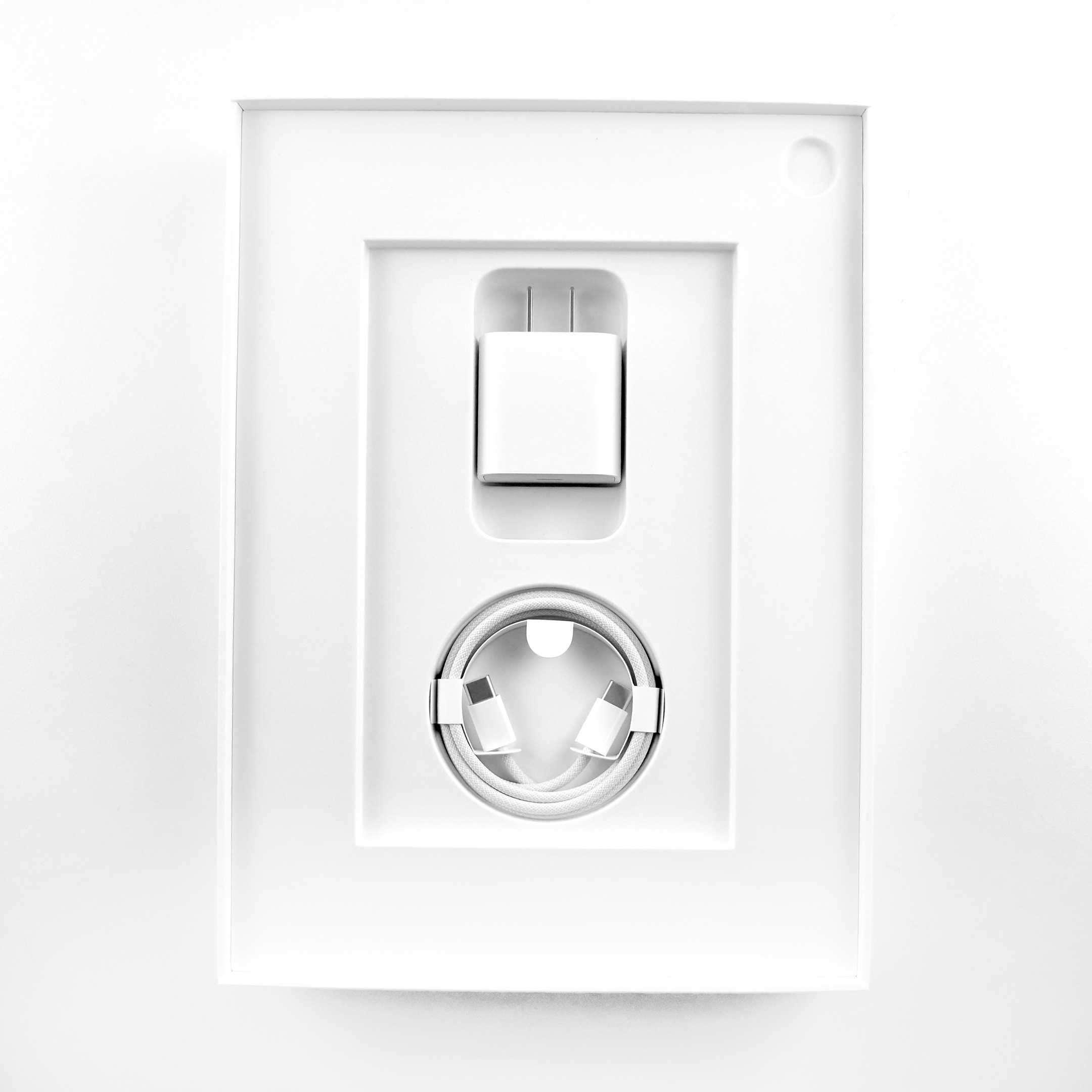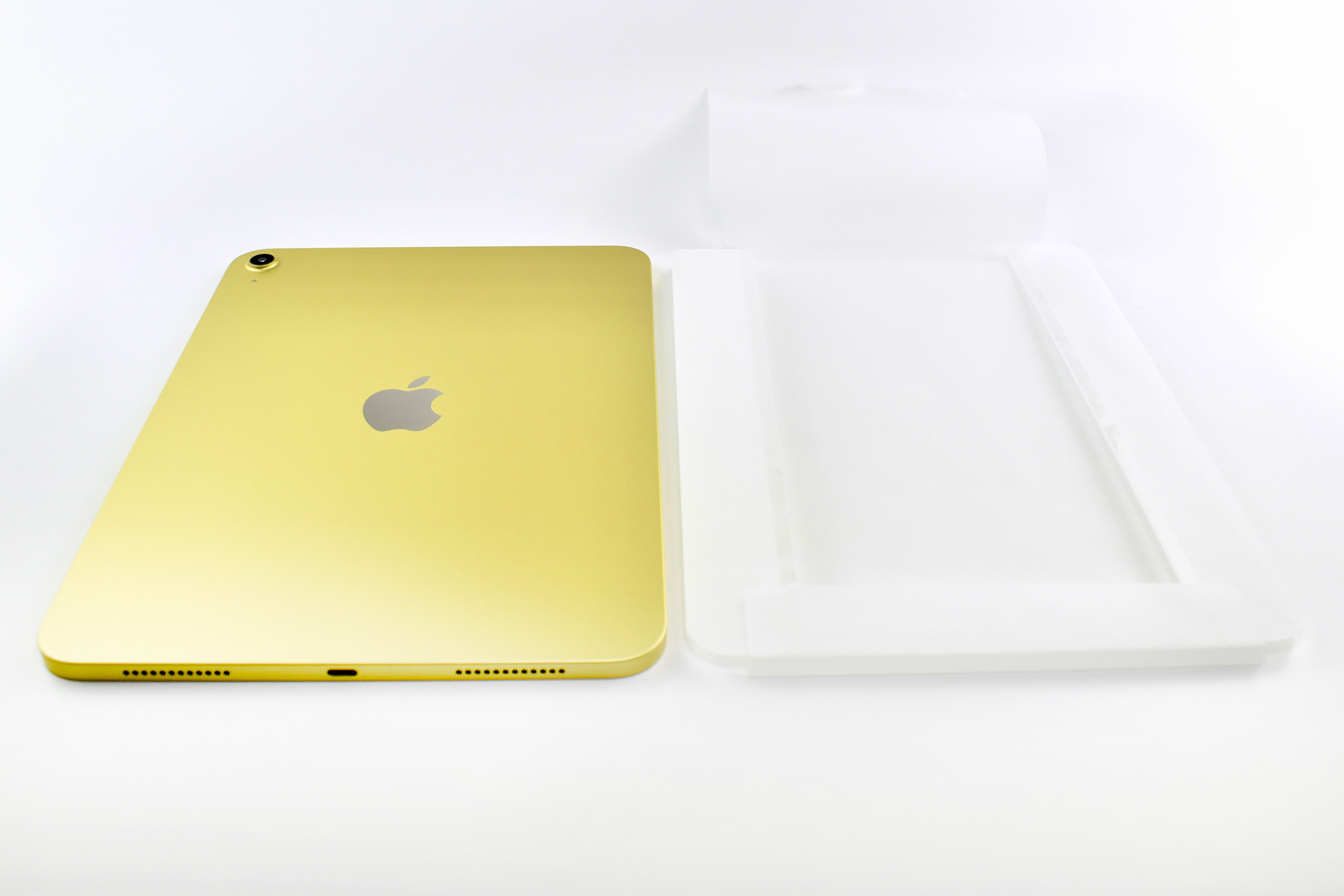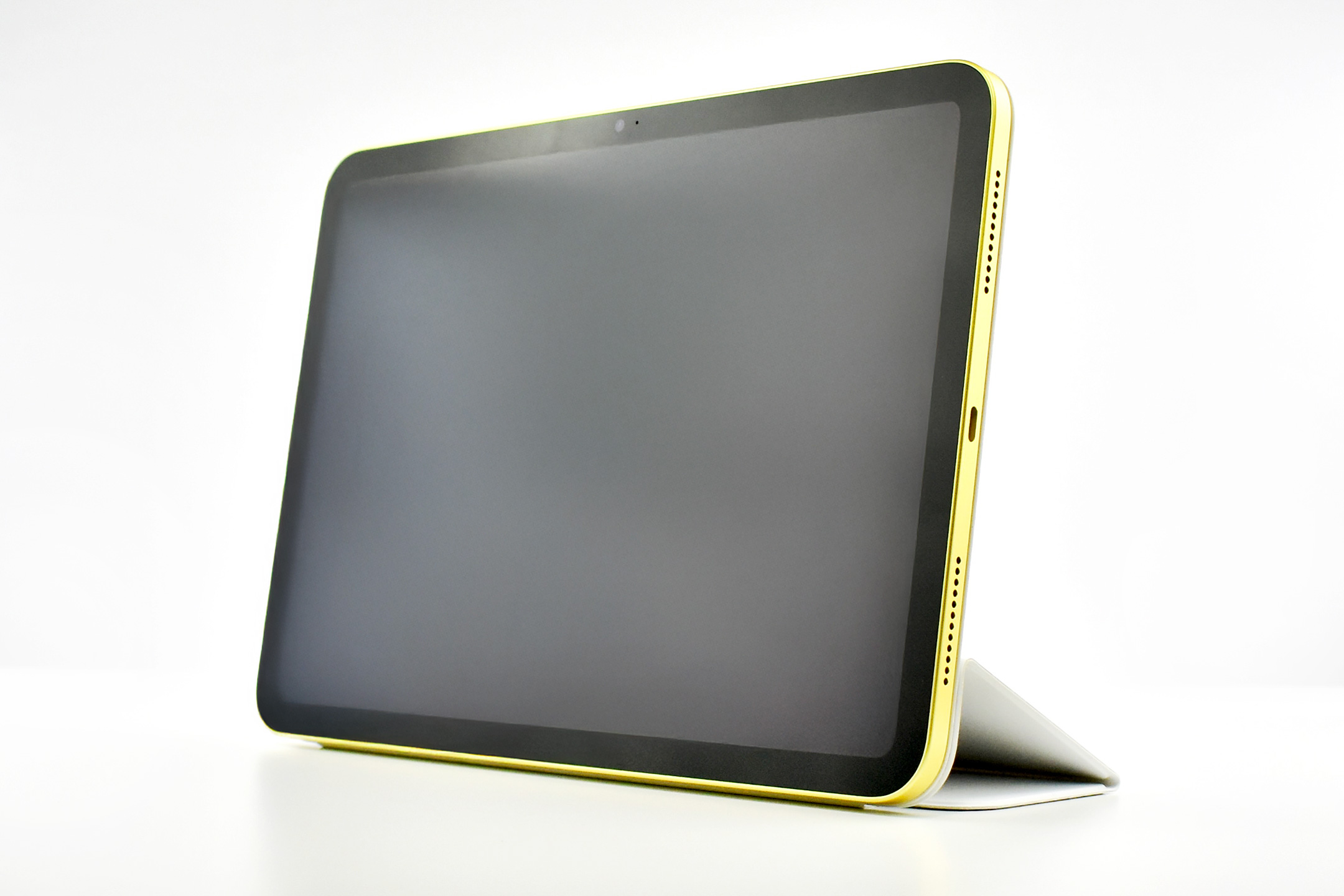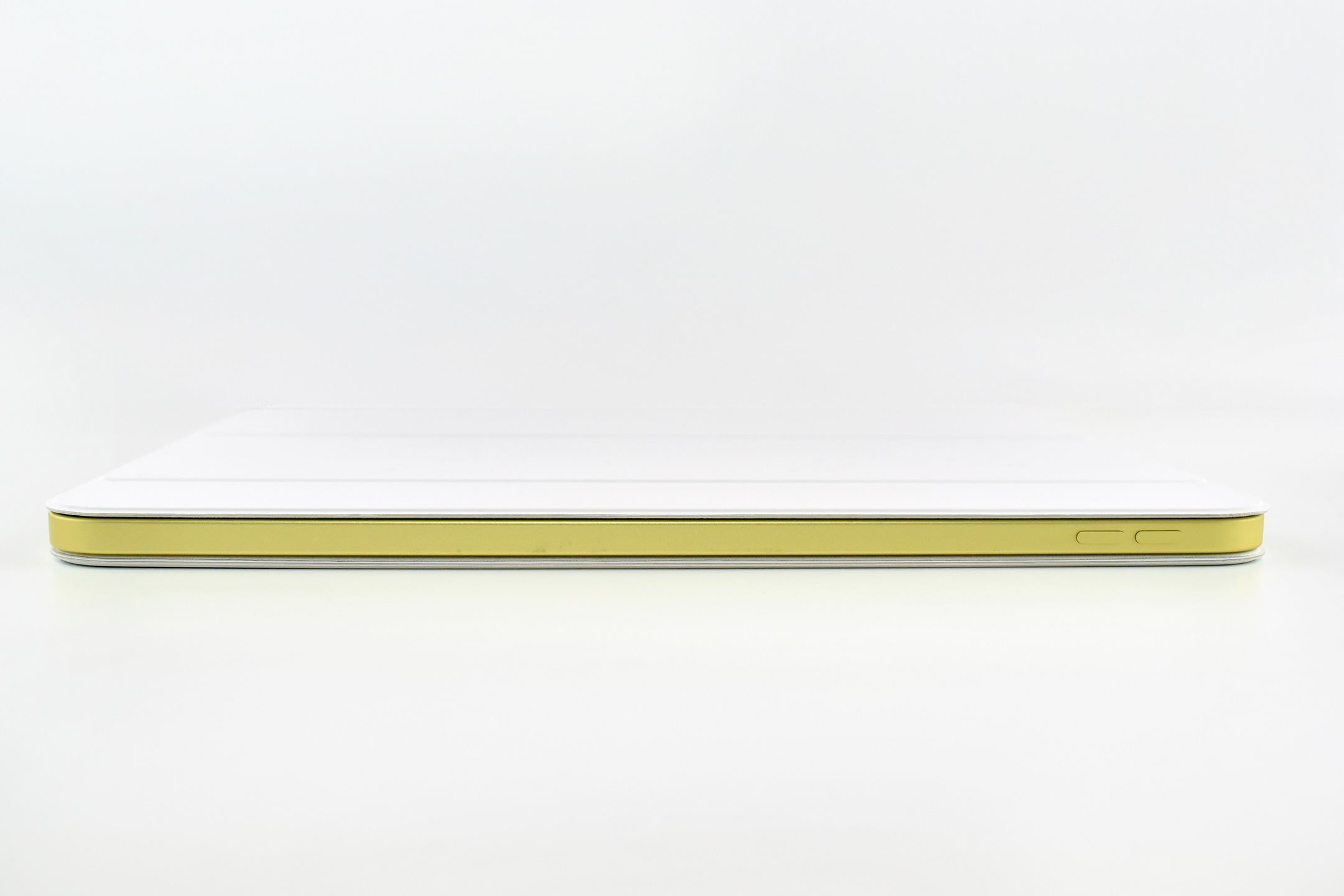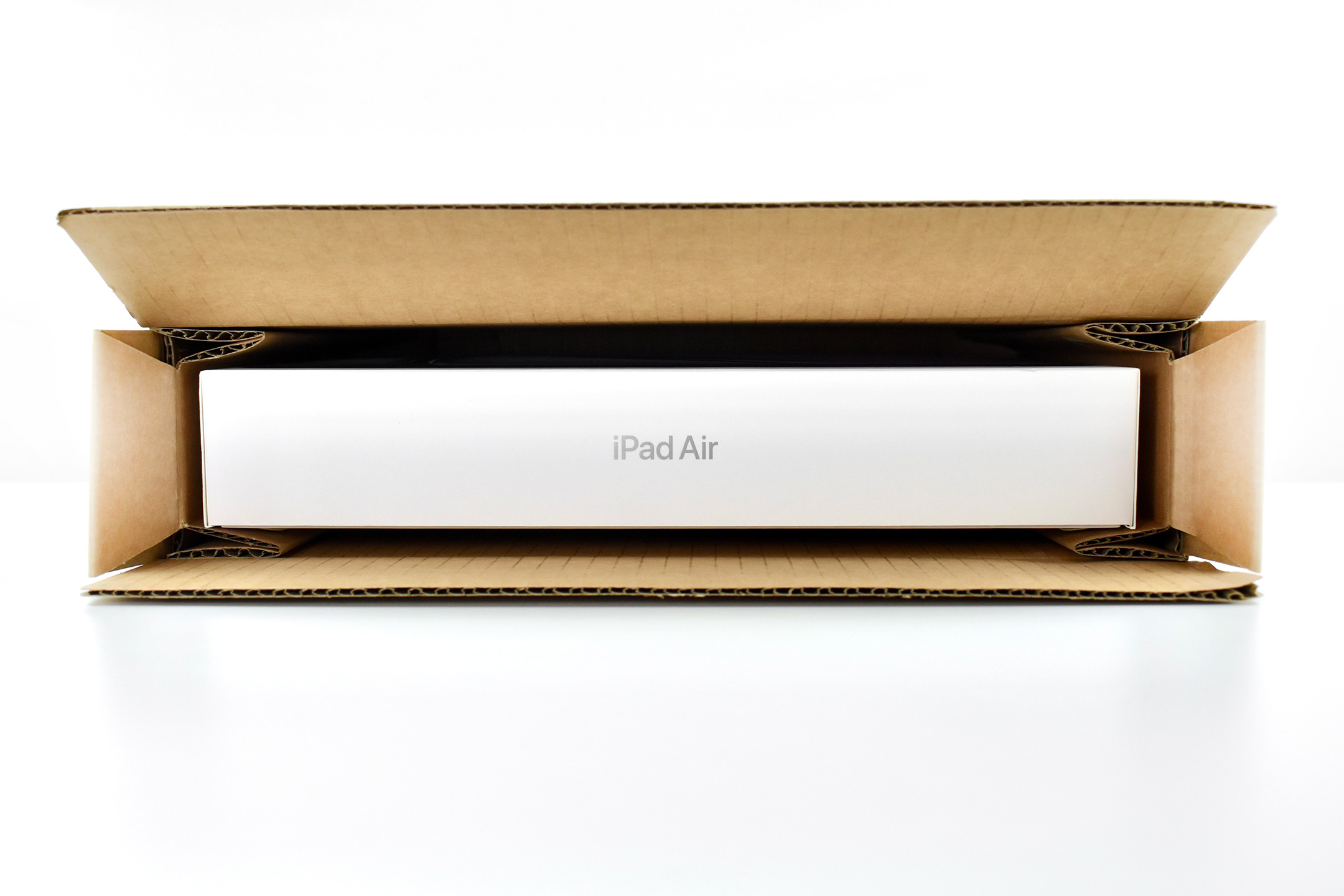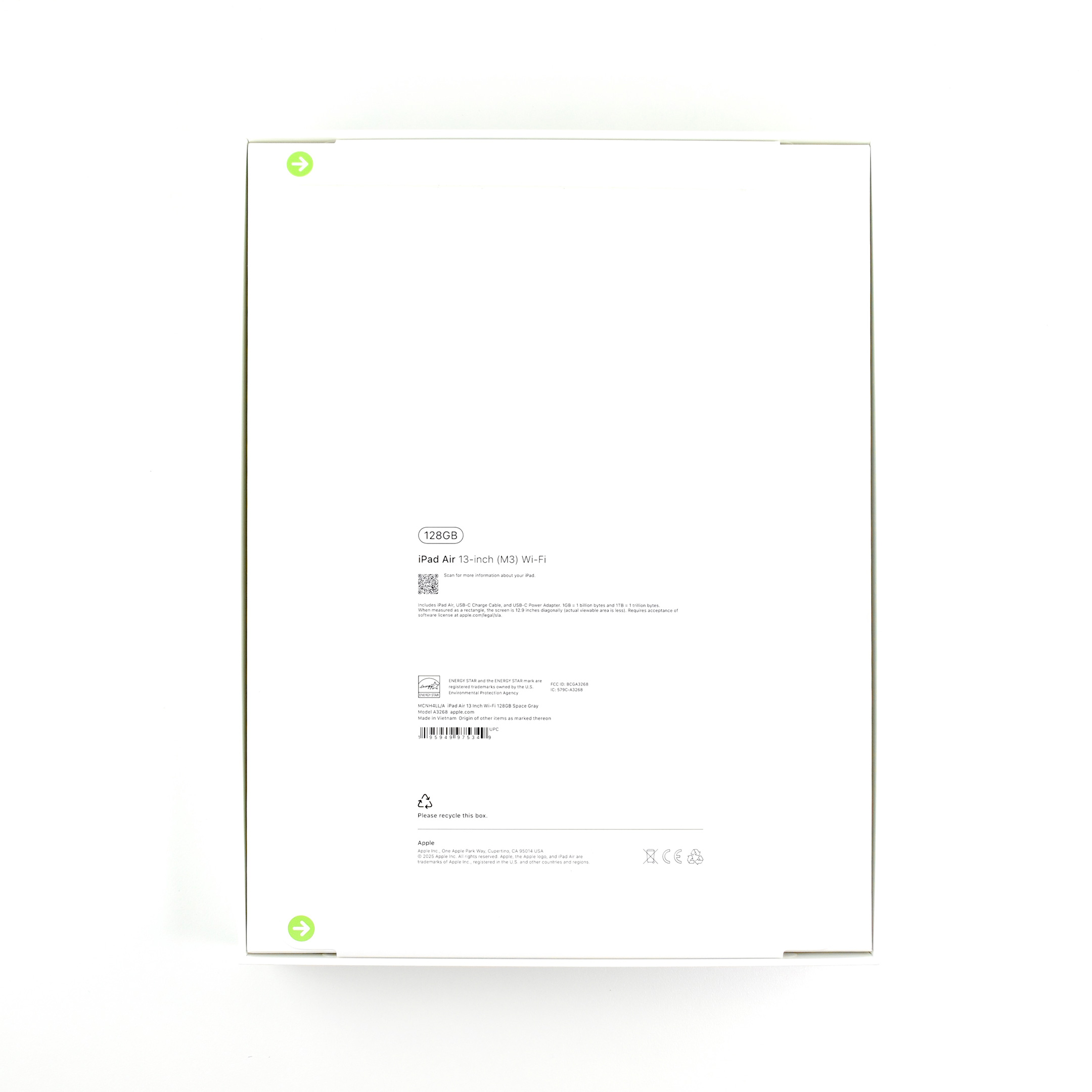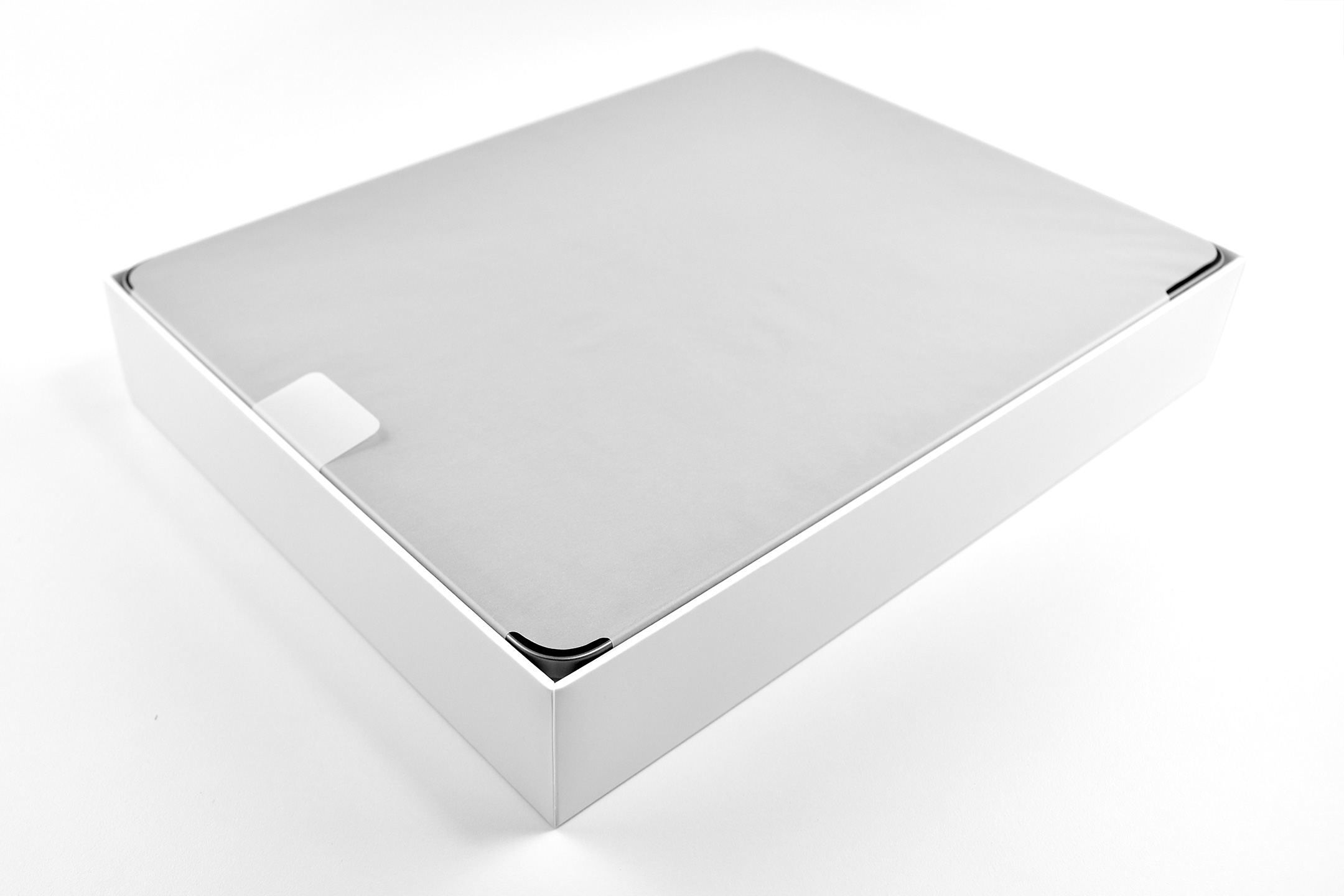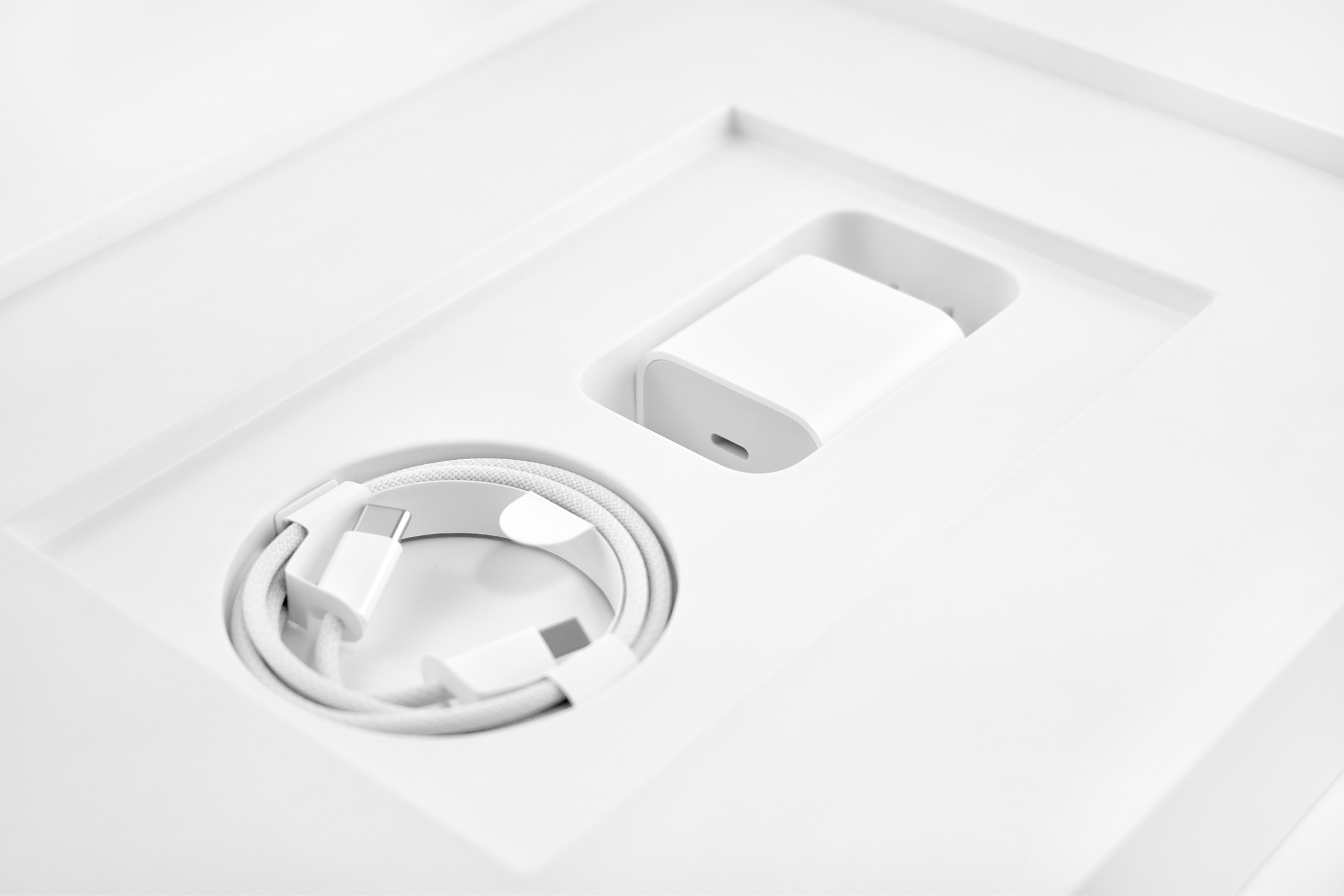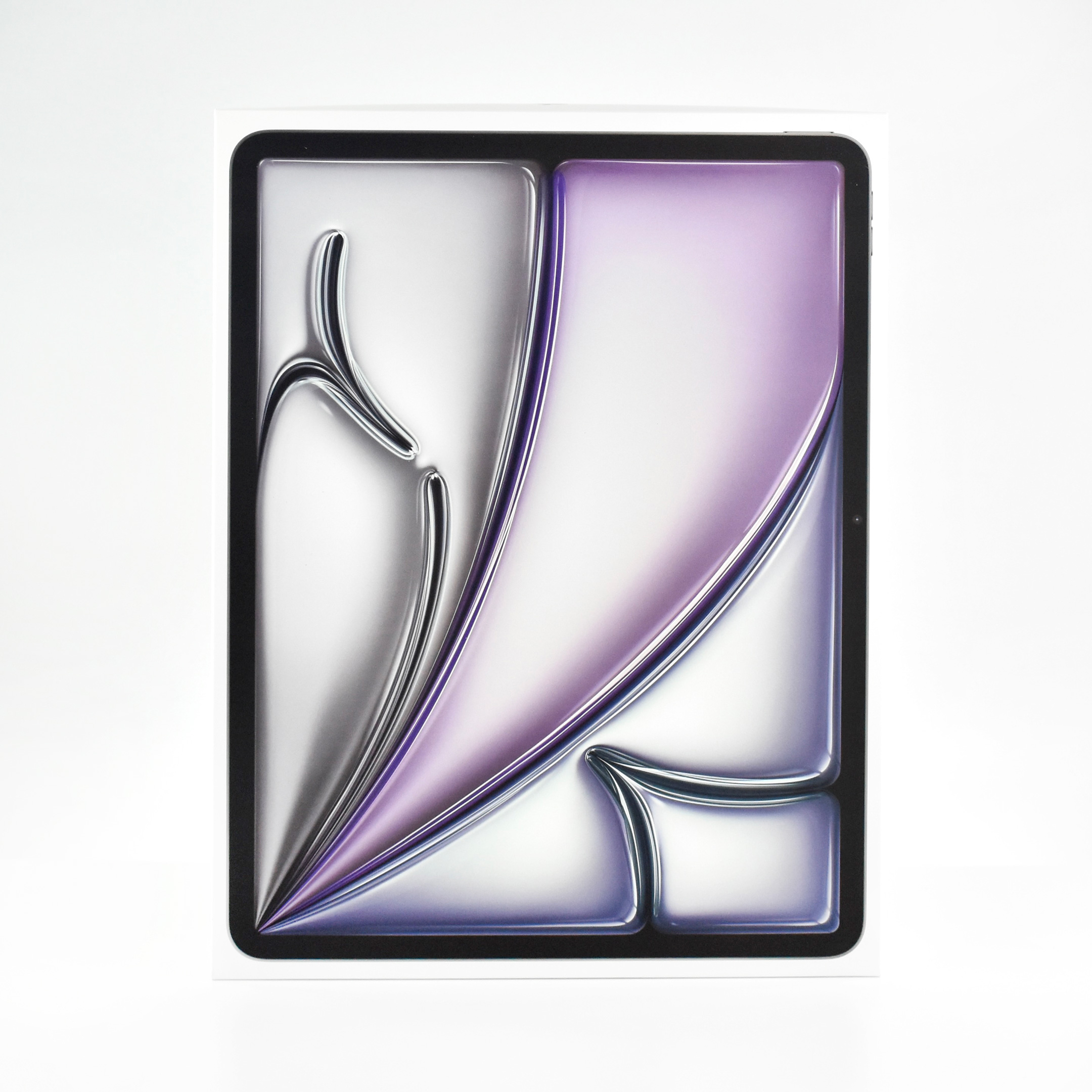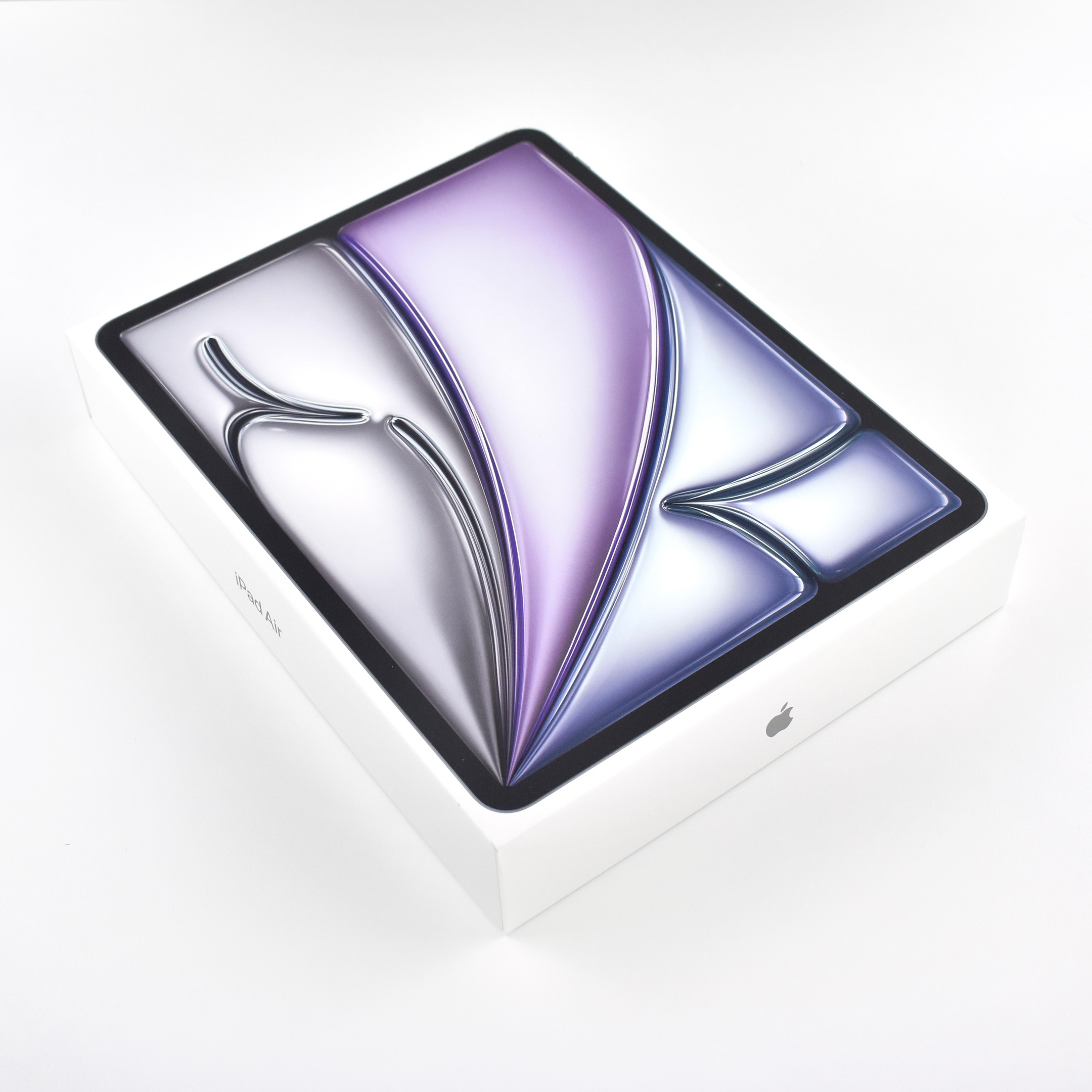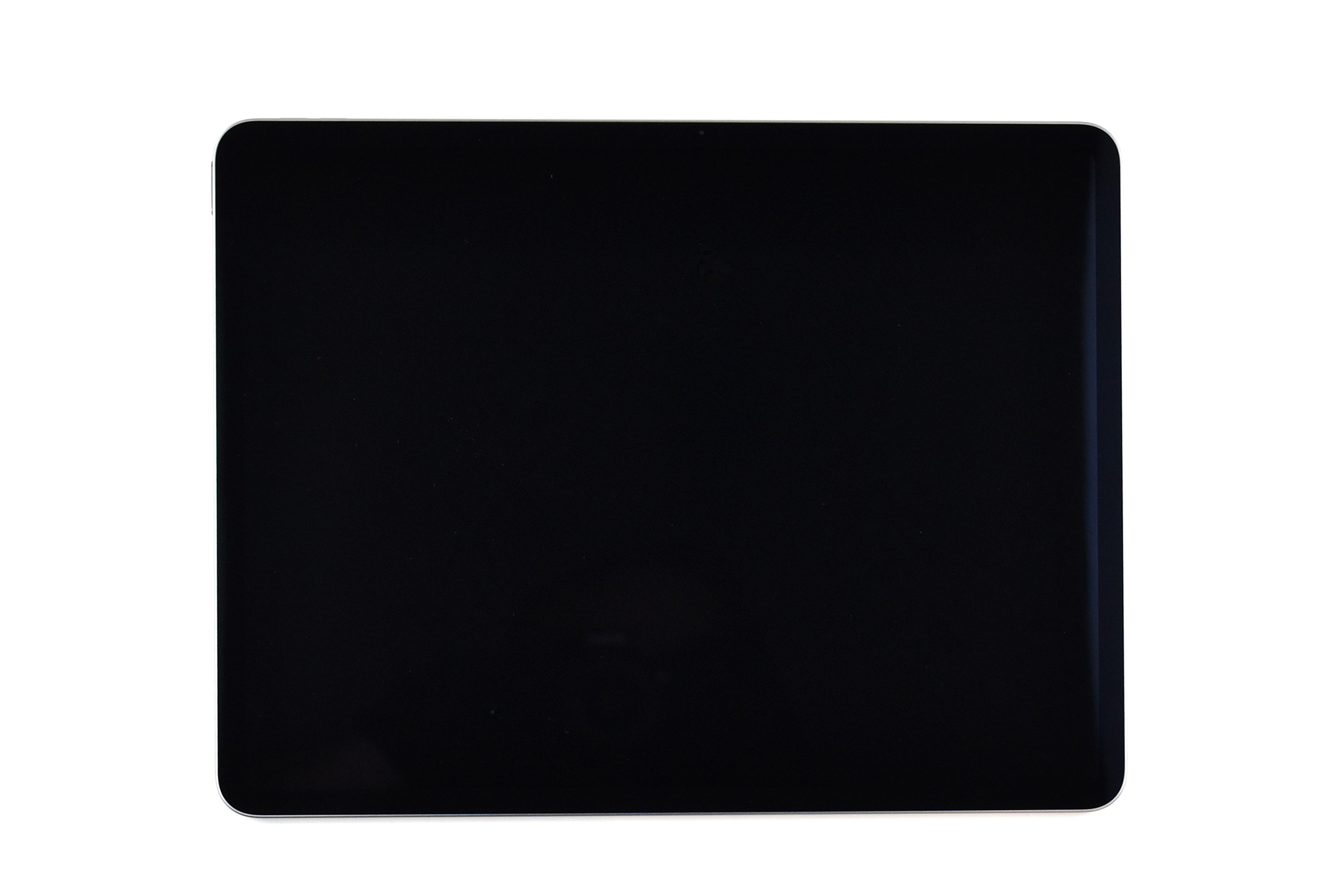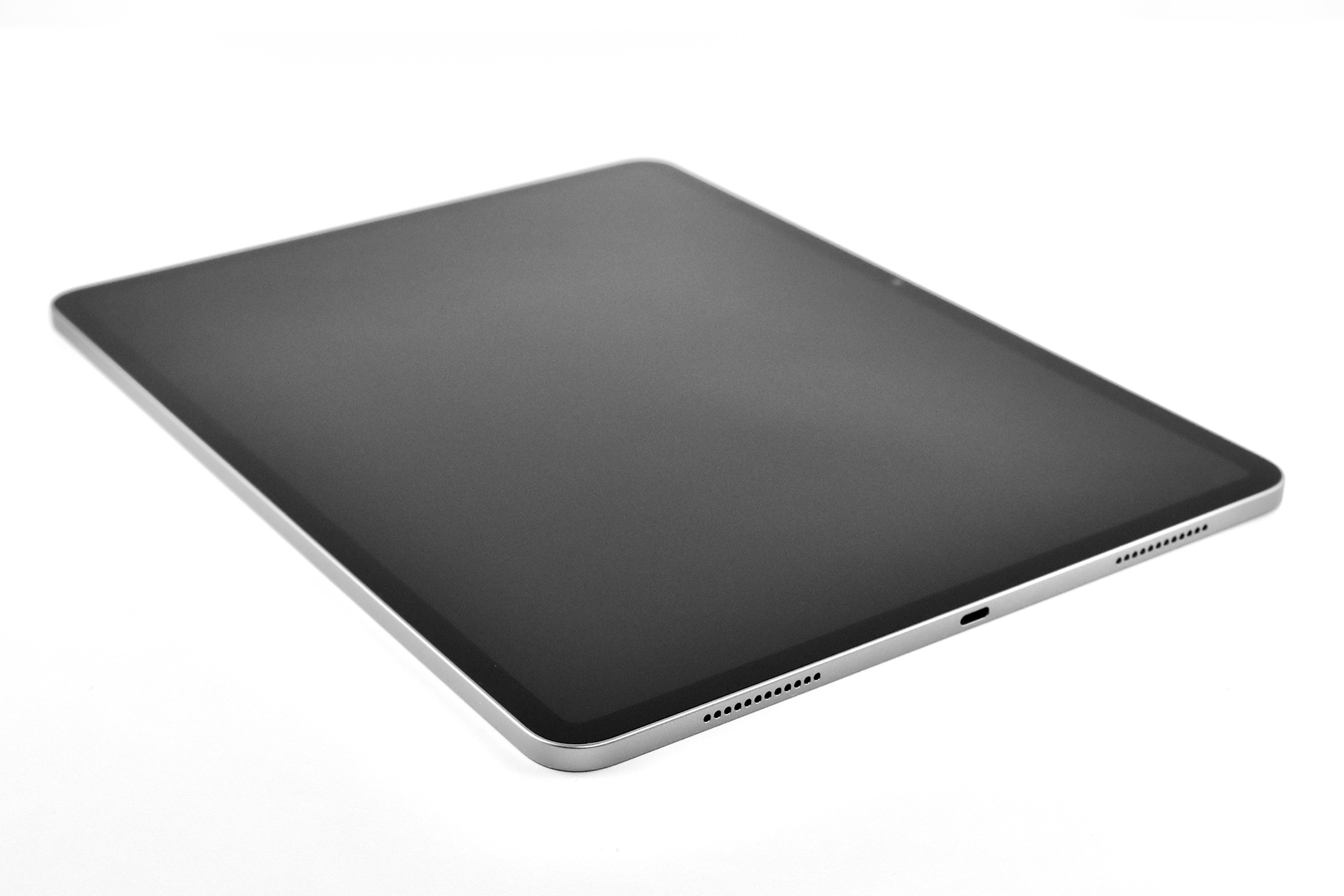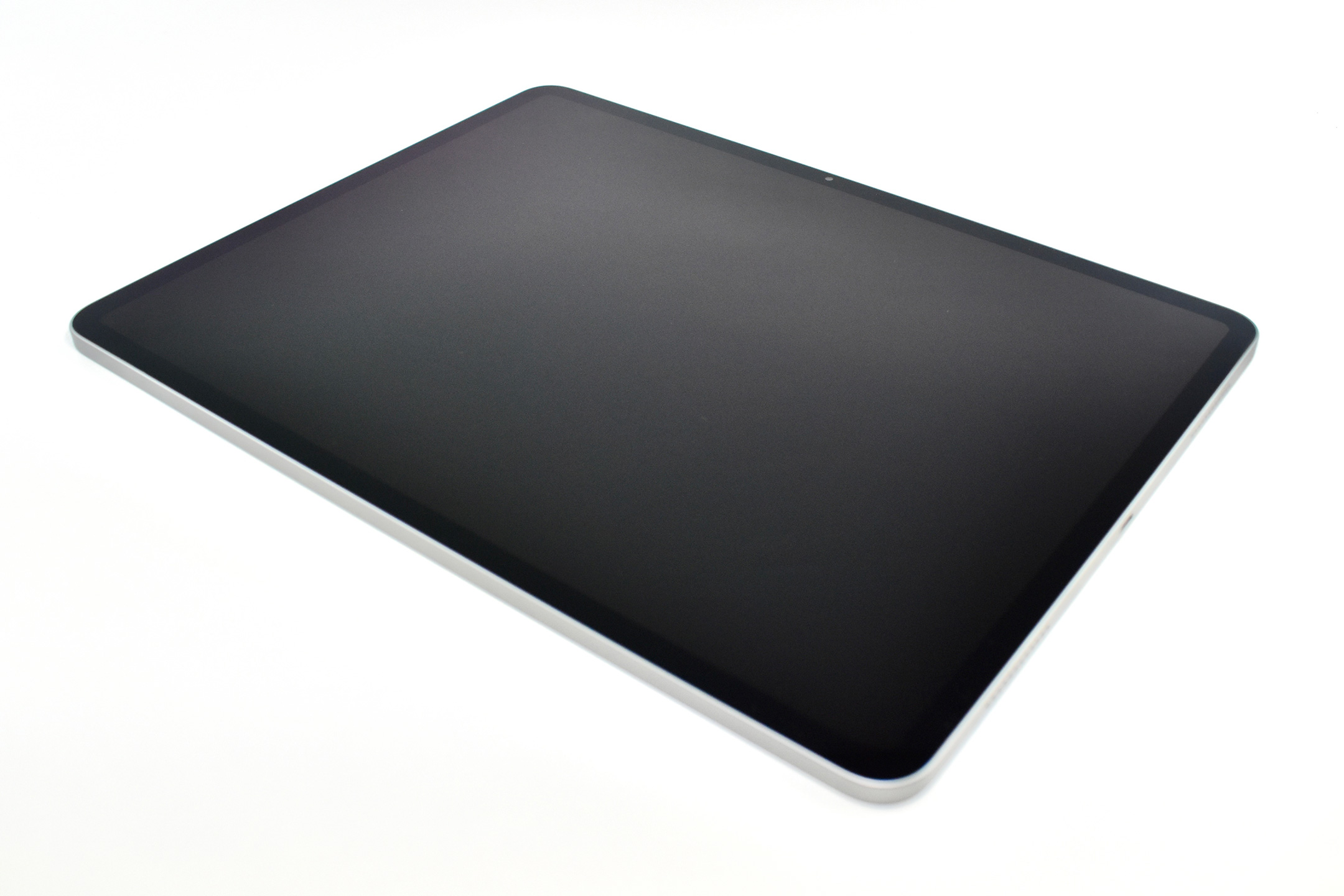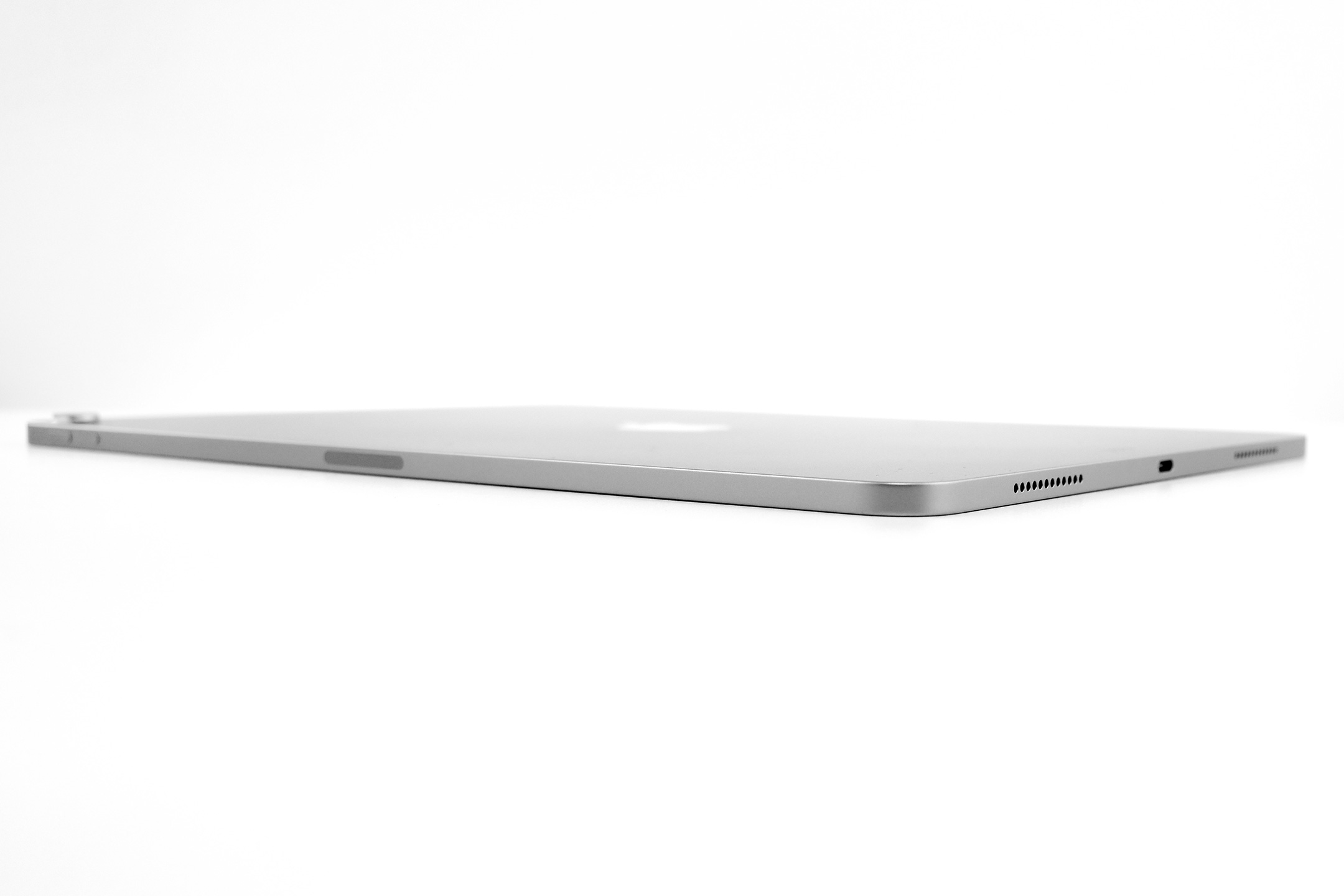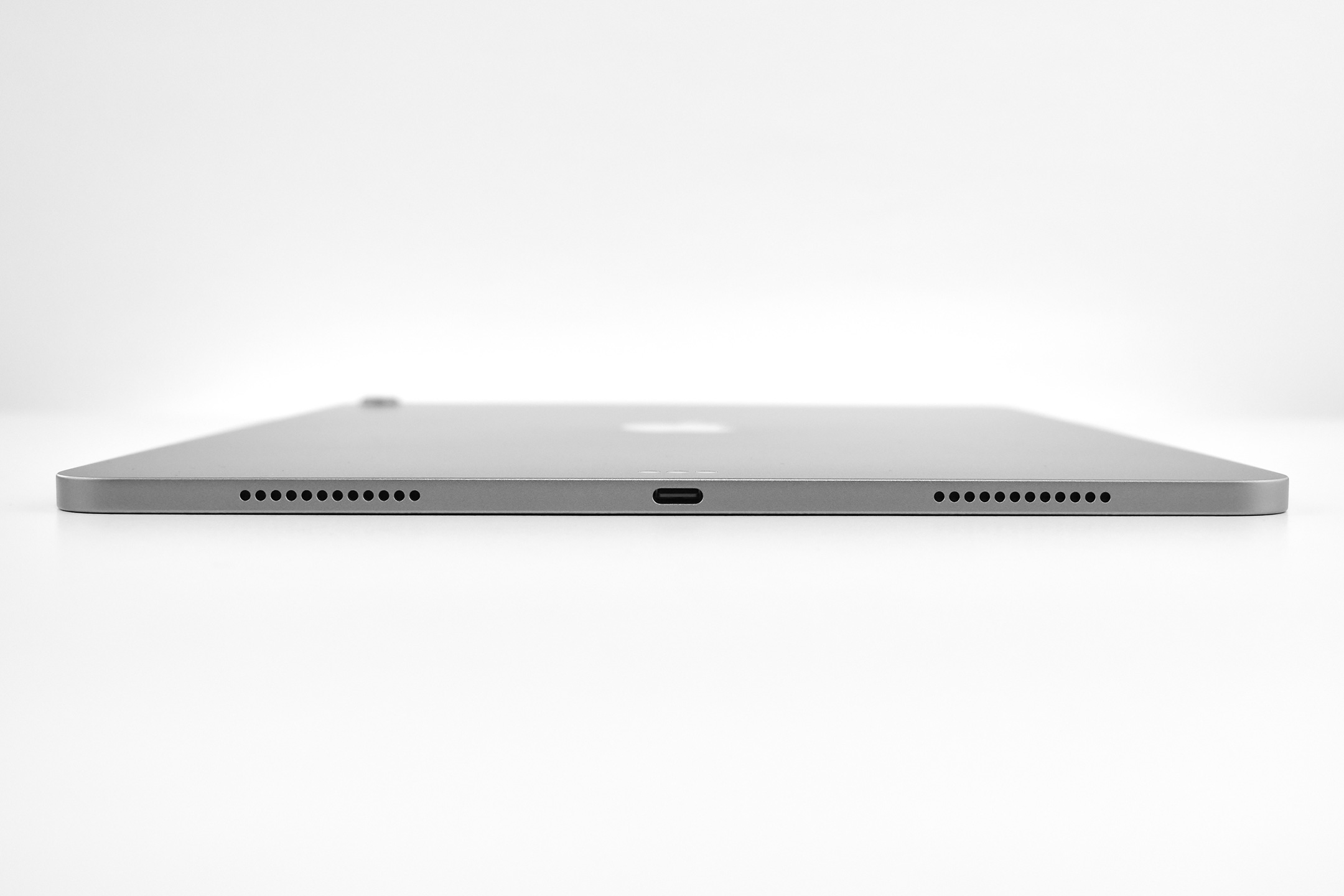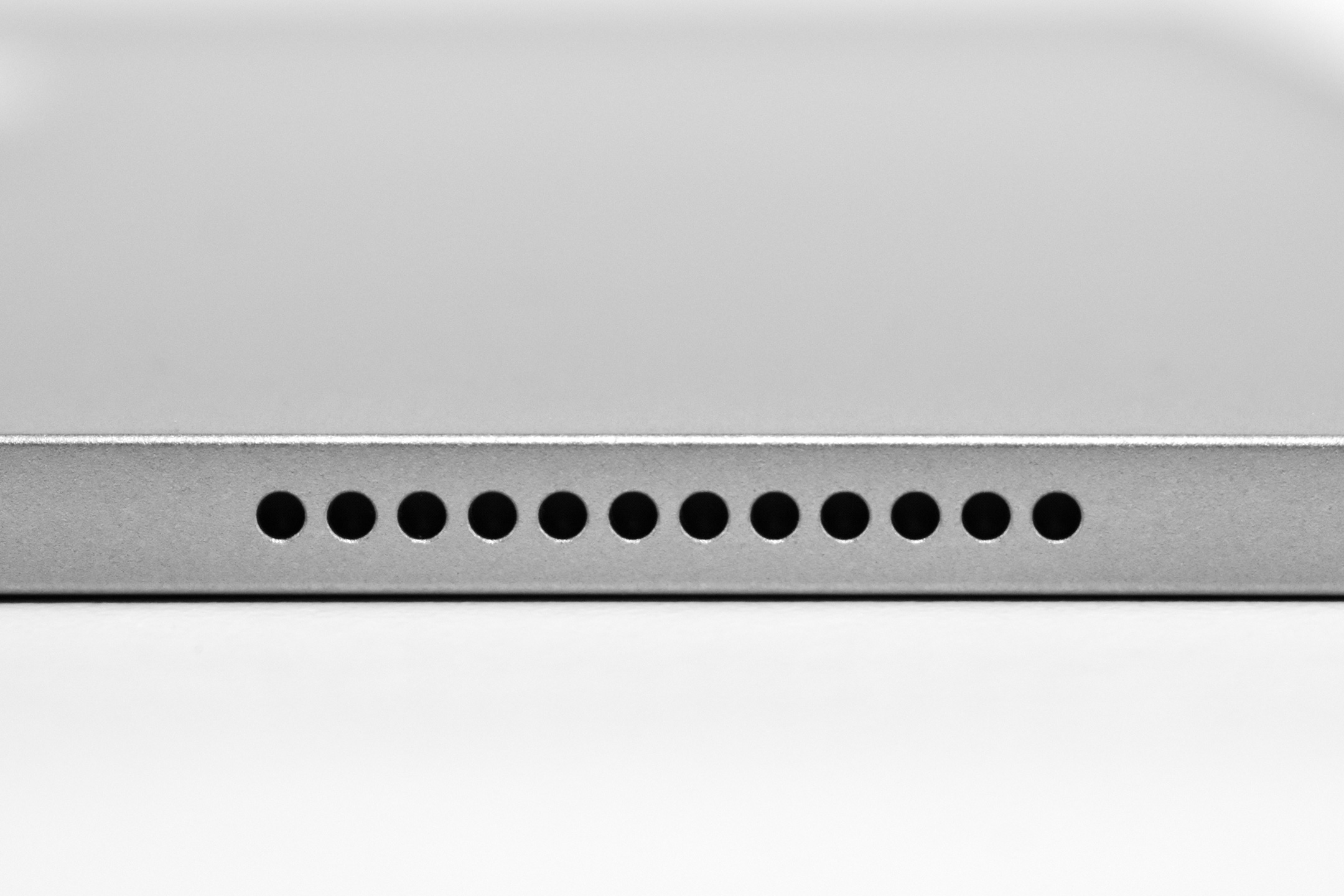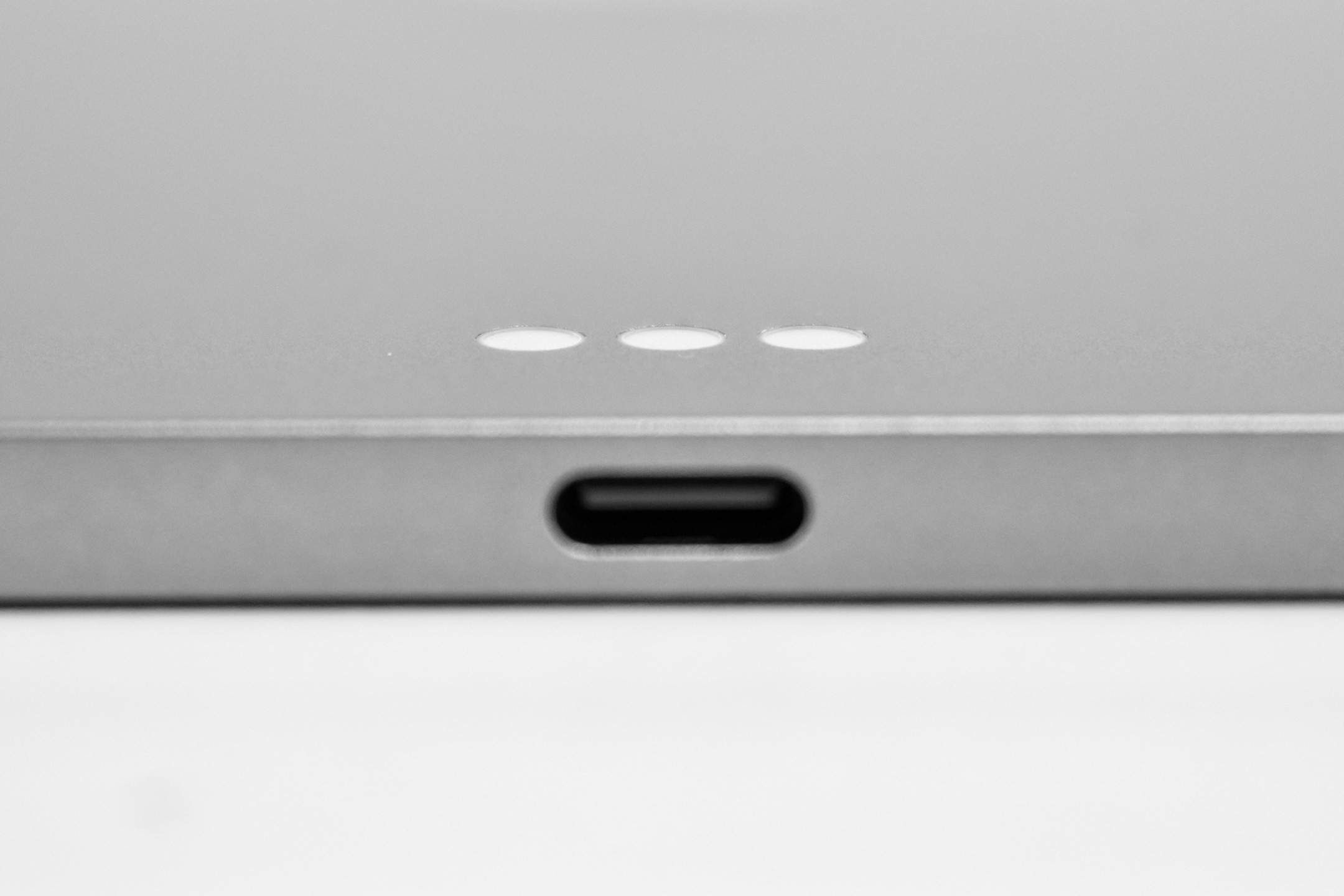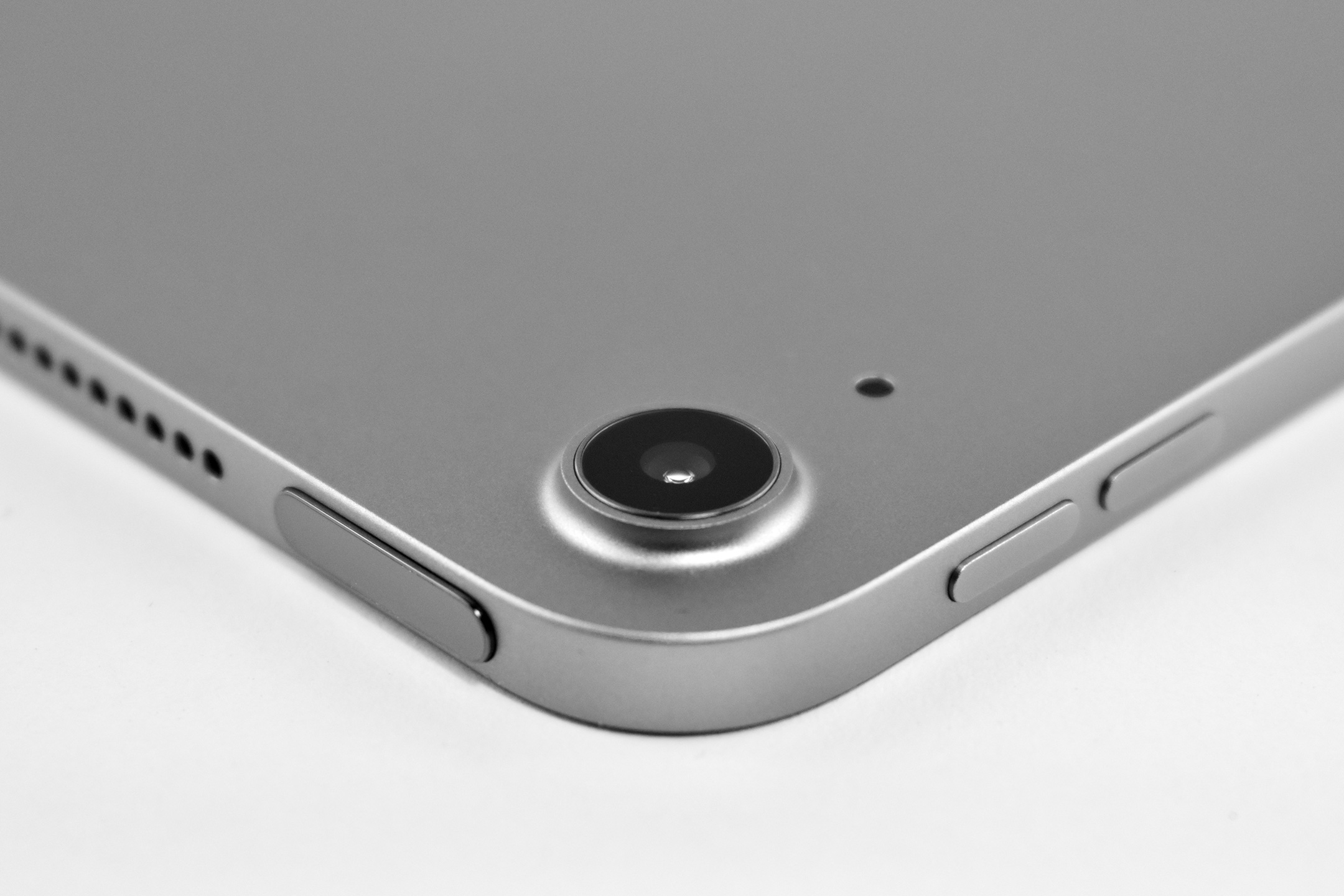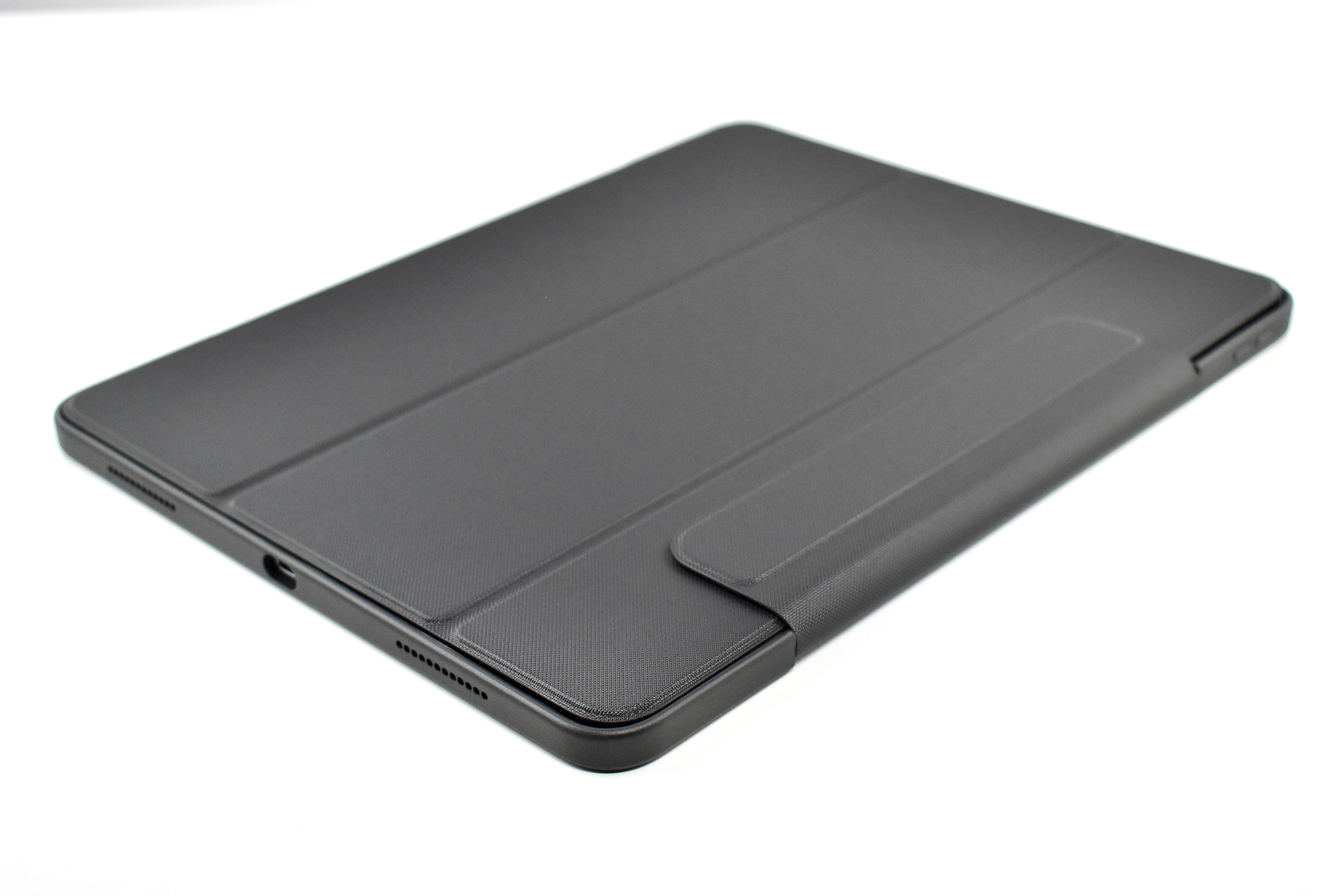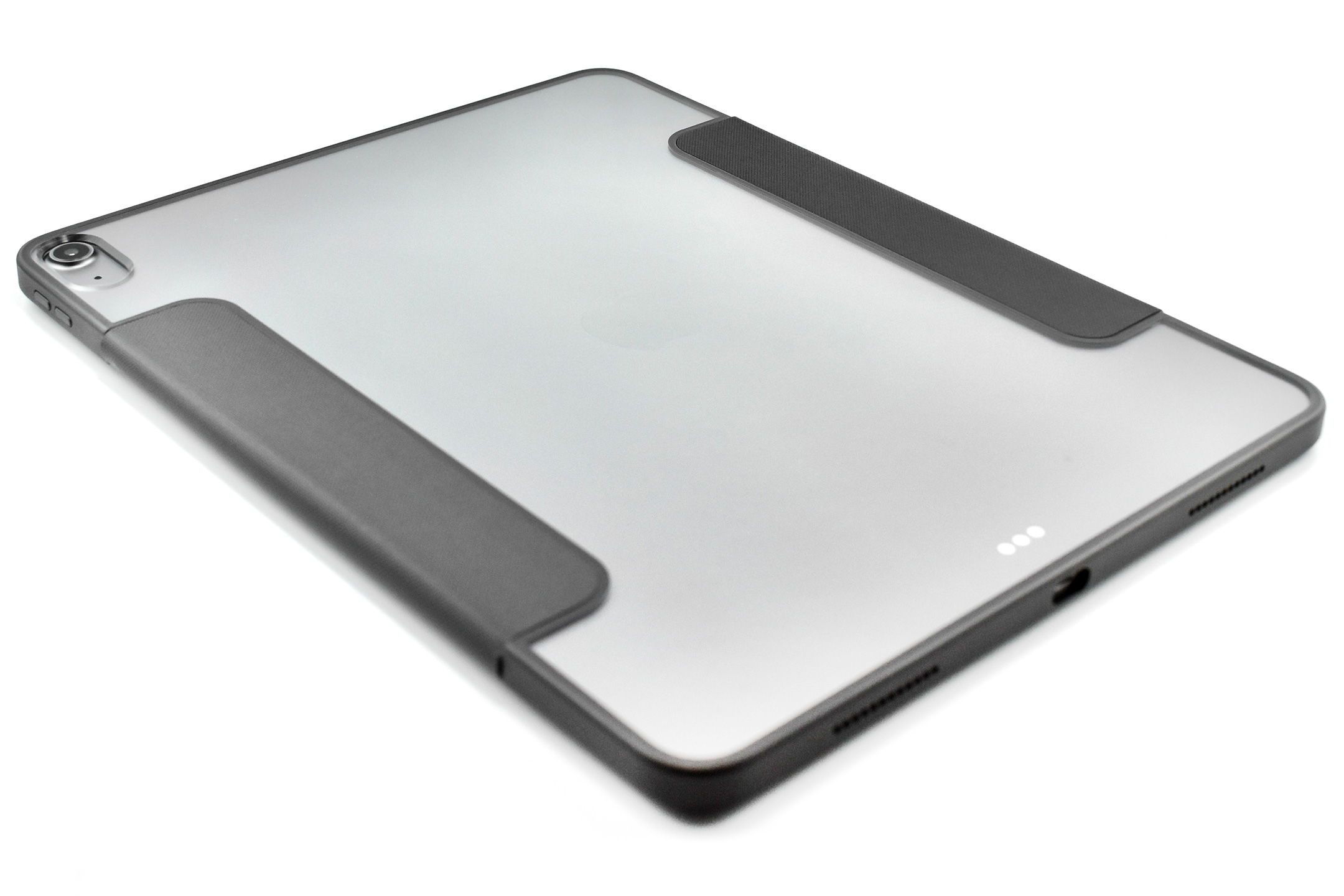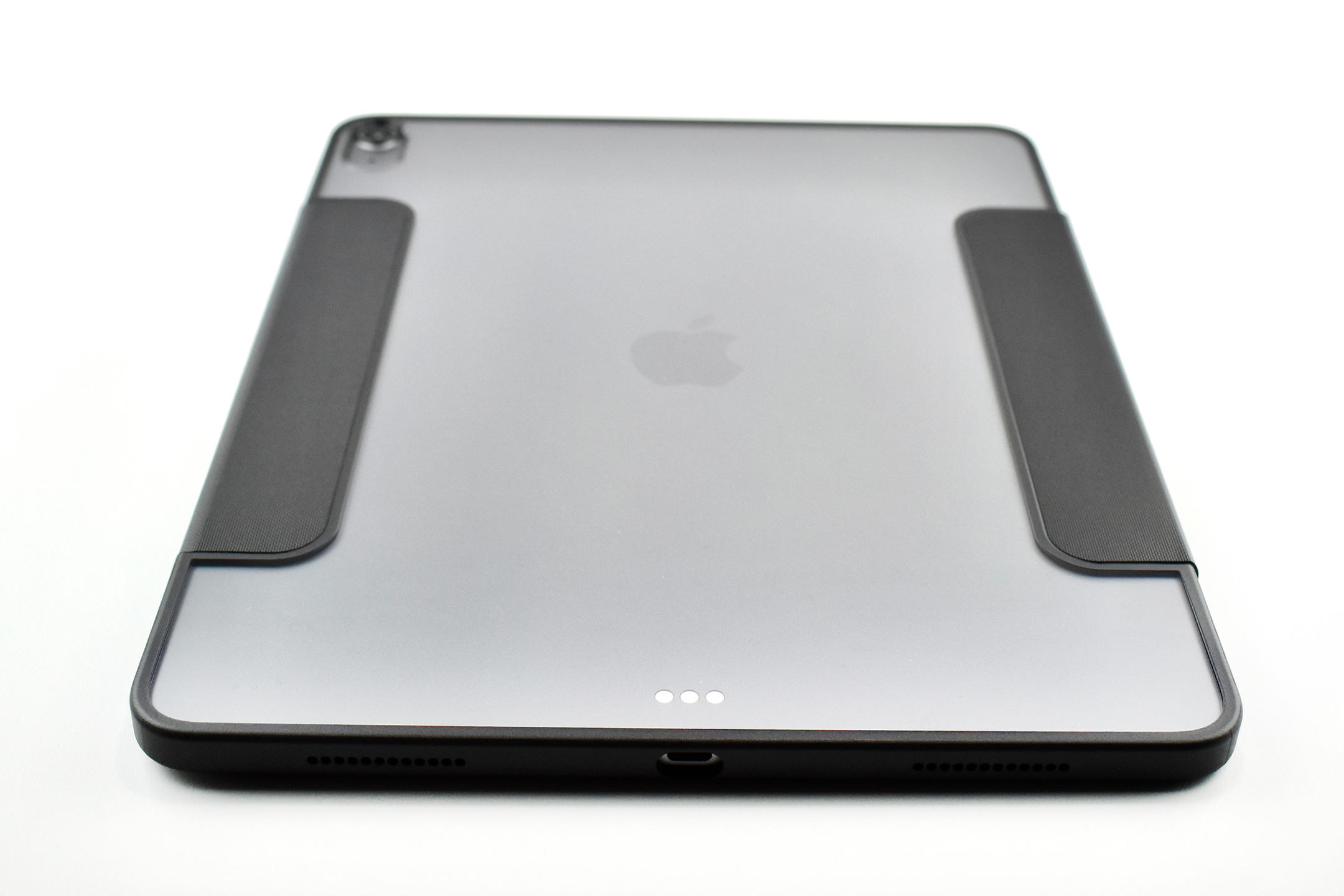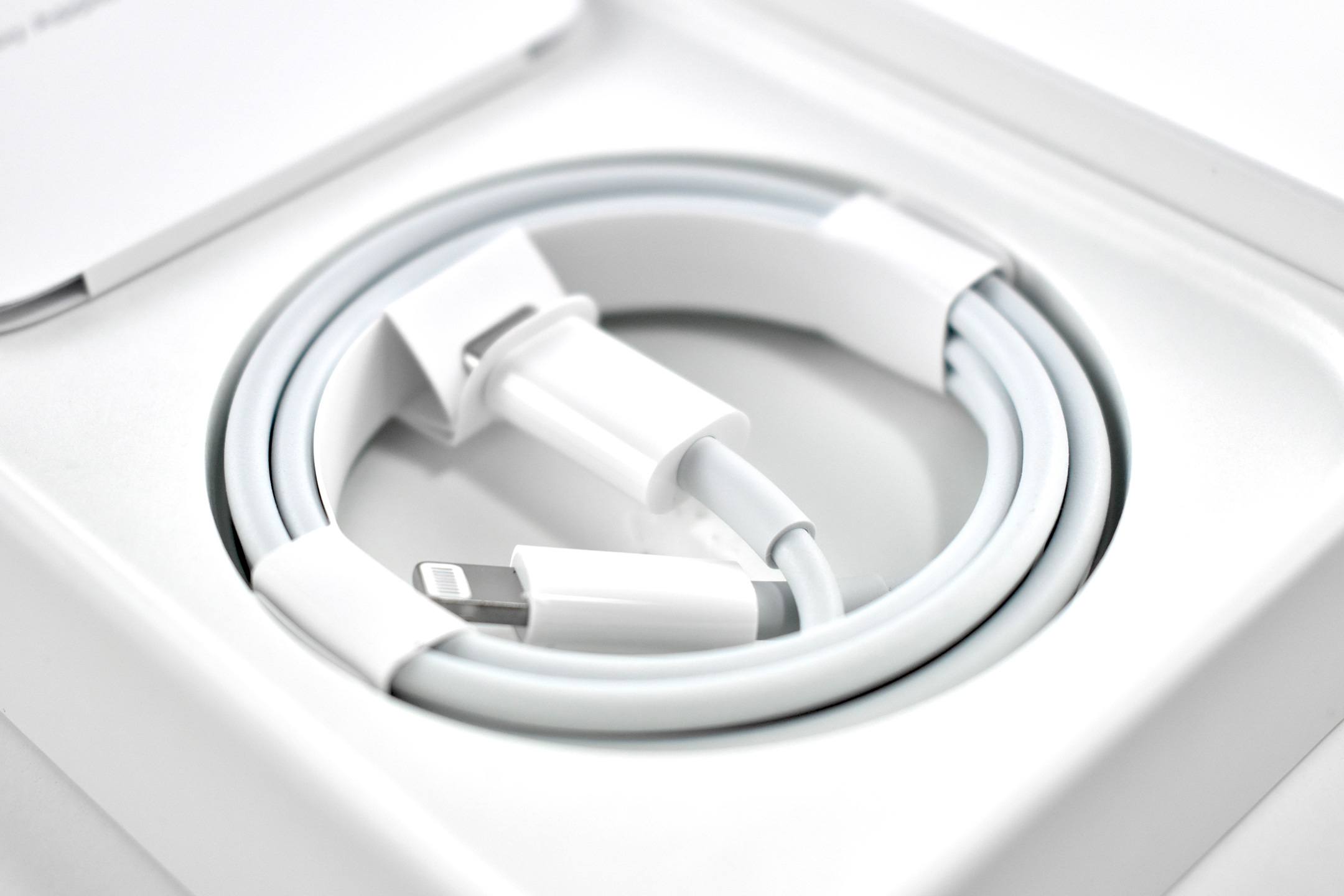
iPad (A16) (Generation 11, 11-inch, Wi-Fi, 128GB, Yellow, 2025)

On March 4, 2025, when Apple introduced the iPad Air with the M3 chip, they also announced the iPad Generation 11 with an A16 chip. The entire press release for this iPad device release amounted to one paragraph:

“Apple today also updated iPad with double the starting storage and the A16 chip, bringing even more value to customers. The A16 chip provides a jump in performance for everyday tasks and experiences in iPadOS, while still providing all-day battery life. Compared to the previous generation, the updated iPad with A16 is nearly 30 percent faster. In fact, compared to iPad with A13 Bionic, users will see up to a 50 percent improvement in overall performance, and A16 makes the updated iPad up to 6x faster than the best-selling Android tablet.”

This iPad update was released soon after the announcement of Apple Intelligence. While Apple was touting Apple Intelligence and updating its devices to take advantage of the new features, the iPad Generation 11 was given a chip that did not allow Apple Intelligence. While this updated iPad is faster than the previous Generation 10 model, it does not meet the minimum specification of the A17 Pro chip to allow Apple Intelligence compatibility. Apple provided no explanation for this omission.

One notable upgrade was in storage on the A16 iPad. The iPad Generation 11 doubled its base storage from 64 to 128GB and was also available in 256 and 512GB configurations. 

Except for the A16 chip and upgraded storage, this iPad was nearly identical to the iPad Generation 10. 

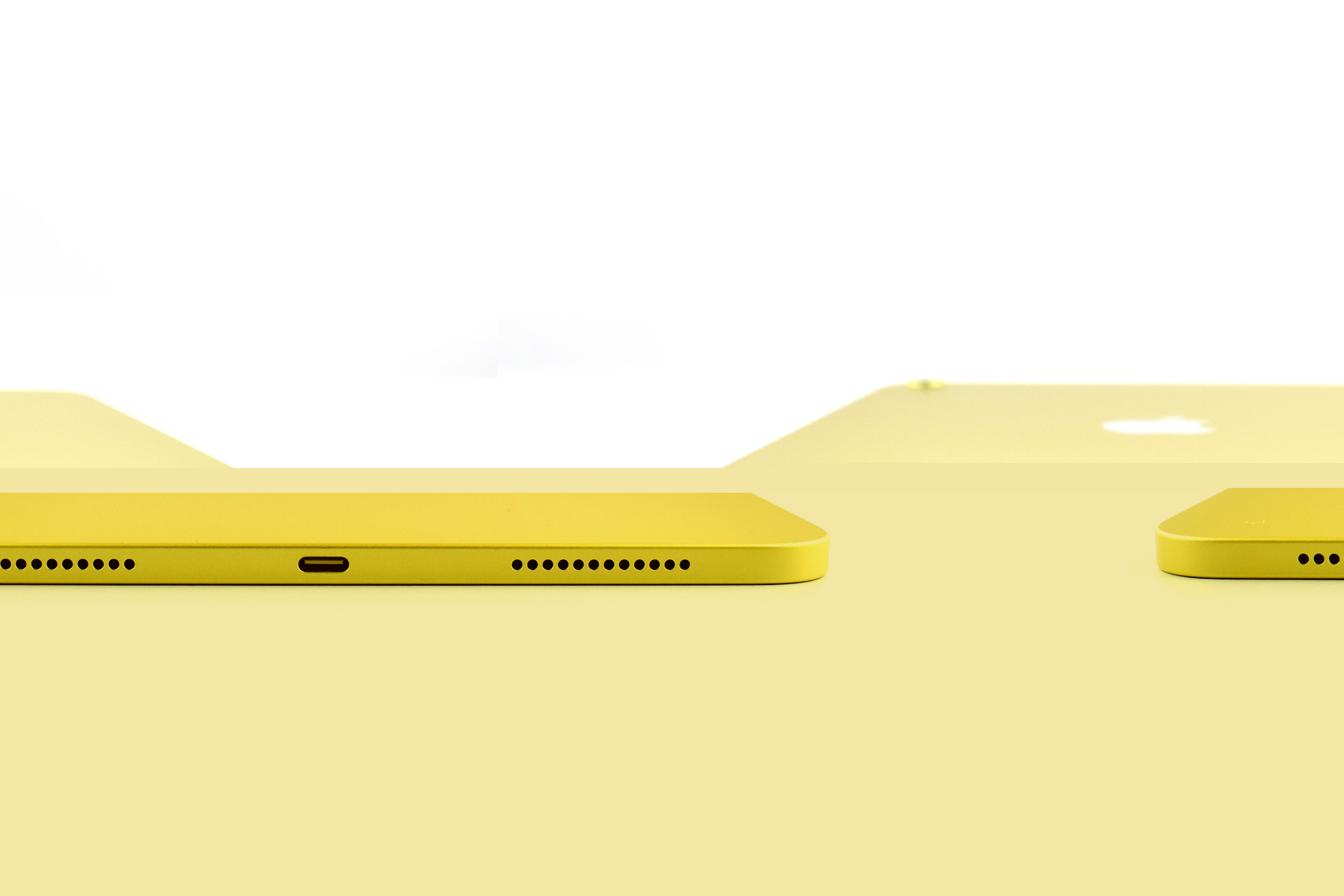
The iPad Generation 11 measured 9.79 x 7.07 inches, and was 0.28 inch thick. It weighed 1.05 pounds (Wi-Fi model). It had stereo speakers, a front camera and microphone centered on the “long”landscape” (long) side to enhance the FaceTime experience, and included both USB-C and a Smart Connector.

Its Liquid Retina display was 2360 x 1640 pixels at 264 ppi and delivered up to 500 nits brightness. It supported the Apple Pencil (USB-C) and also the Apple Pencil Generation 1 (although clumsily since the original Apple Pencil used a Lightning connector for charging). 

The back camera was 12MP with digital zoom up to 5x supporting Smart HDR 4, geotagging, auto image stabilization, and burst mode. It could capture video up to 4K. The similar front camera was also 12MP and supported Center Stage in Landscape mode. It supported Smart HDR 4, but only could record 1080p HD video. 

The iPad Generation 11 had 5 sensors, including Touch ID, 3‐axis gyro, accelerometer, barometer, and an ambient light sensor. 

Sources: Apple (Newsroom, Specs)

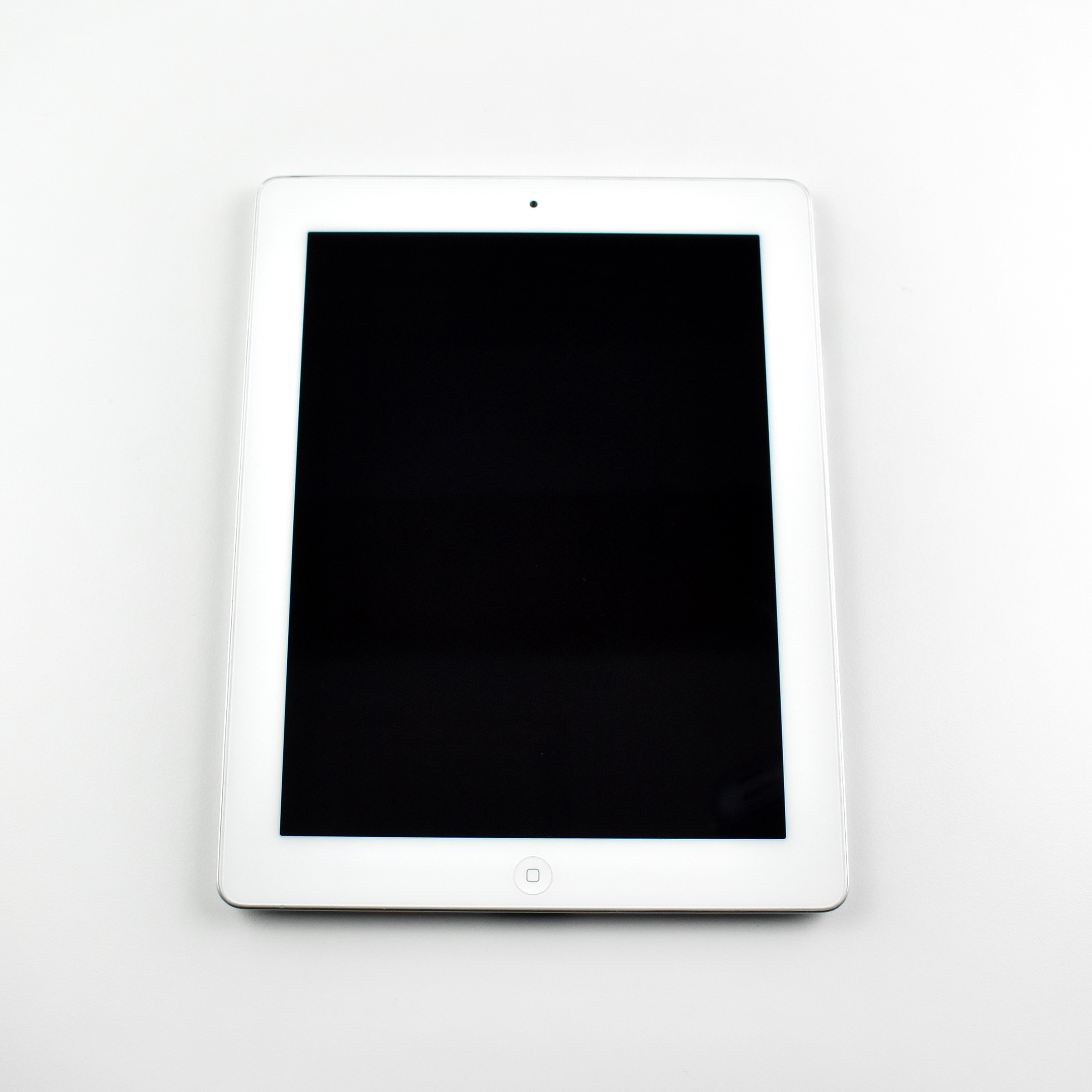
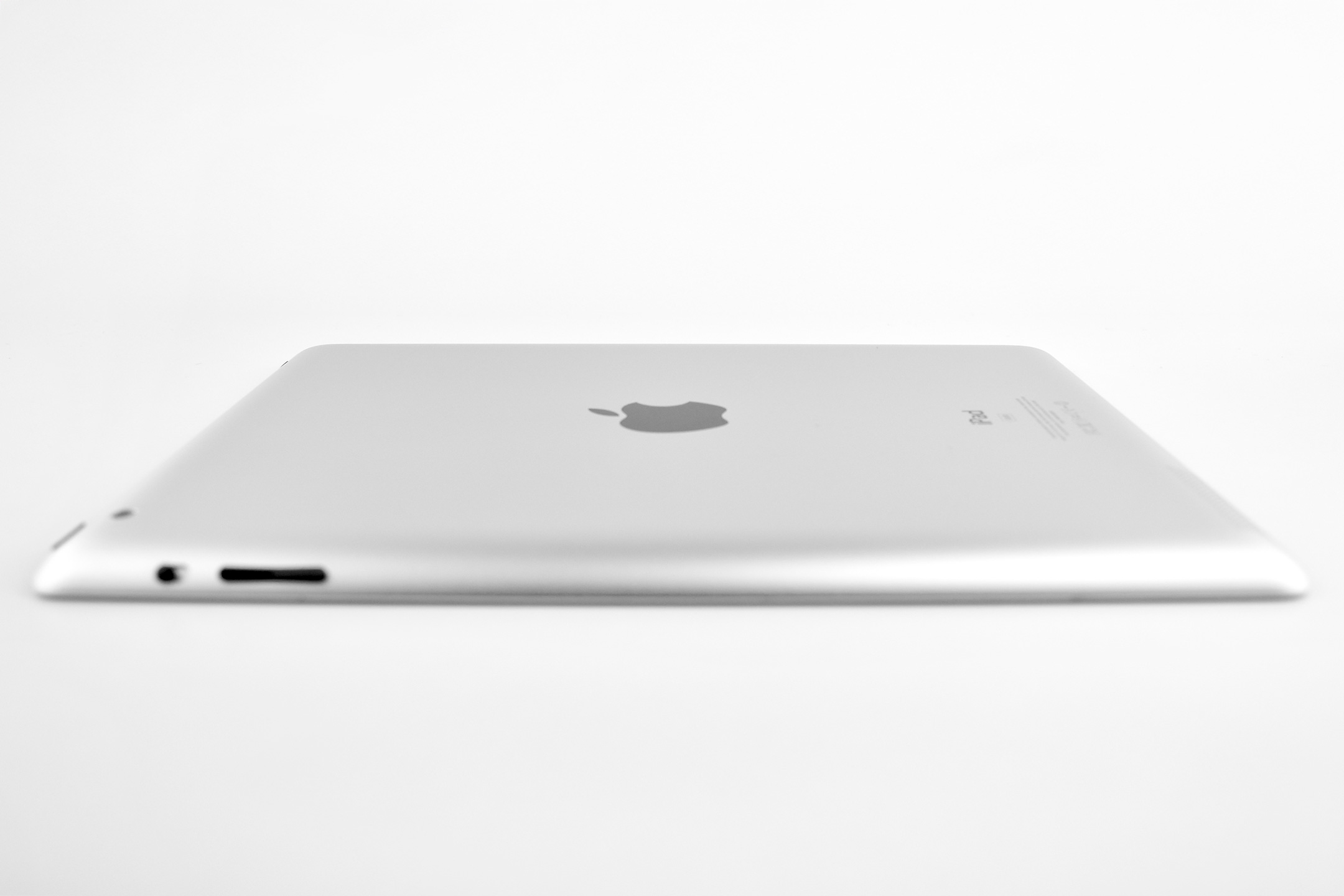
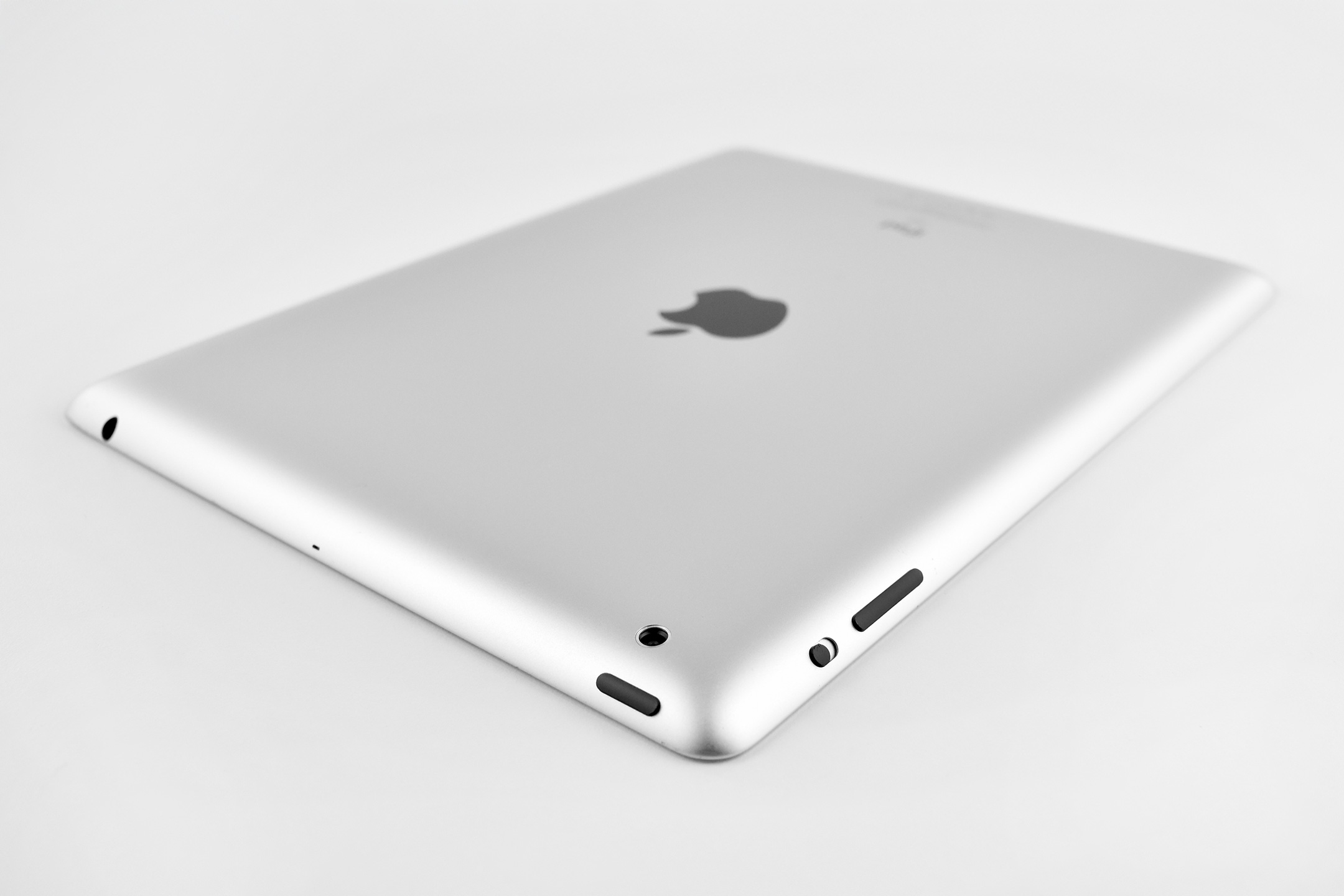
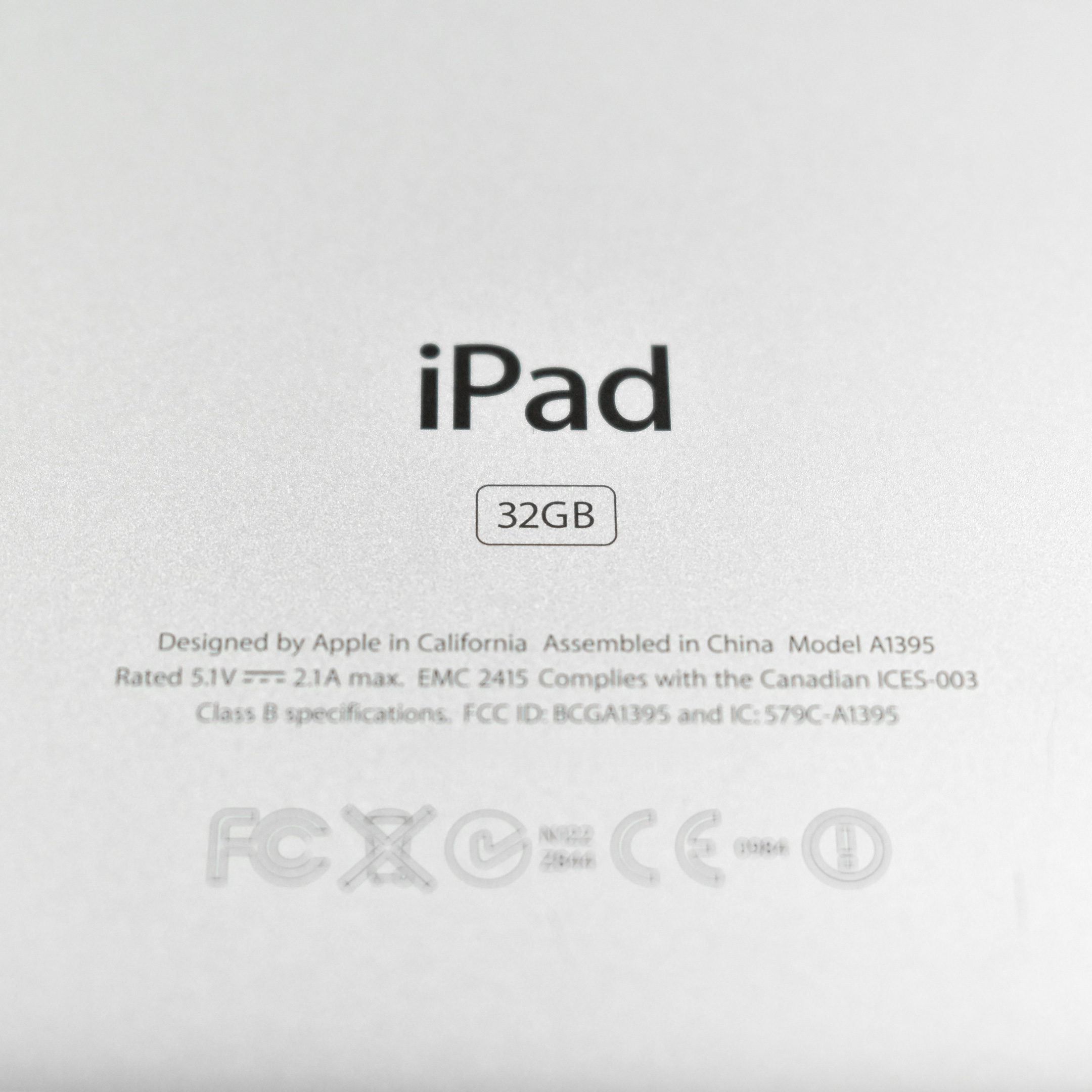
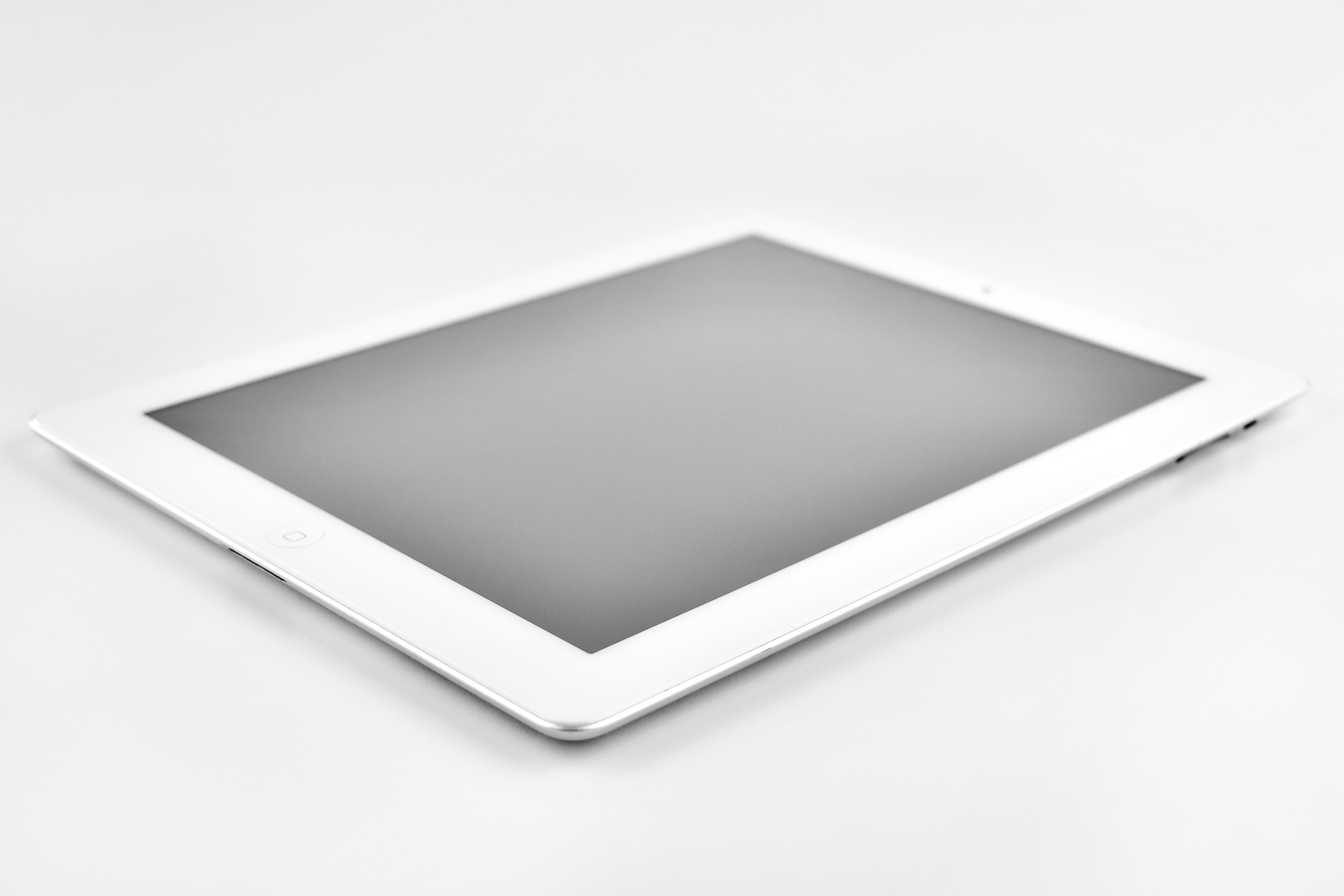
iPad (Generation 2, Wi-Fi, 32 GB, white, 2011)

The iPad 2 represented a major update to the original iPad by allowing the iPad to begin its move from a content-consumption device to a content-creation device, mostly due to the addition of front and back cameras. Apple’s press release led with its subhead, “All New Design is Thinner, Lighter & Faster with FaceTime, Smart Covers & 10 Hour Battery.”

Like the original iPad, the iPad 2 was described as a “magical device for browsing the web, reading and sending email, enjoying photos, watching videos, listening to music, playing games, reading ebooks and much more.” The iPad 2 added “two cameras, a front-facing VGA camera for FaceTime and Photo Booth, and a rear-facing camera that captures 720p HD video, bringing the innovative FaceTime feature to iPad users for the first time.”

The iPad 2 had a silver aluminum back and was available with a white or black front. This example is white.

The iPad 2 had a 9.7-inch glossy LED backlit display (1024×768 at 132 ppi) and could run both iPhone and iPad-specific apps. It shipped with the A5 processor with storage options including 16, 32, or 64 GB. In addition to its front and rear cameras, it had 802.11a/b/g/n Wi-Fi support, an accelerometer, a three-axis gyroscope, an ambient light sensor, digital compass, a speaker and a built-in microphone. The iPad 2 was 33% thinner than the original iPad and weighed 1.33 pounds.

The iPad 2 was also released with the Smart Cover. The Smart Cover used magnets to attach and, when closed, automatically put the iPad 2 into Sleep mode, and would wake the iPad when opened.

Source: EveryMac, Apple

iPad Air 13-inch (Space Gray, M3, Wi-Fi, 128 GB, 2025)

The M3 iPad Air 13-inch was announced on March 4, 2025, and was described as being up to 2x faster than the M1 iPad Air. The press release also touted:

“iPad Air with M3 brings Apple’s advanced graphics architecture to iPad Air for the first time—taking its incredible combination of power-efficient performance and portability to a new level… Available in two sizes and four gorgeous finishes that users love, the 11-inch iPad Air is super portable while on the go, and the 13-inch model provides an even larger display for more room to be creative and productive.”

Apple mentioned that “The faster Neural Engine in M3 means iPad Air [is]…up to 60 percent faster for AI-based workloads…and support for advanced accessories, including the new Magic Keyboard and Apple Pencil Pro.”

The 11-inch and 13-inch M3 iPad Air devices were available in blue, purple, starlight, and space gray, with 128 GB, 256 GB, 512 GB, and 1 TB configurations. This example is the 13-inch version of the iPad Air in Space Gray with 128 GB storage.

This 13-inch iPad Air Wi-Fi is 11.04 inches (280.6 mm) x 8.46 inches (214.9 mm), is 0.24 inch (6.1 mm) thick, and weighs 1.36 pounds (616 grams).

The Liquid Retina display is 2732 x 2048 pixels at 264 ppi and can display up to 600 nits brightness. It is powered by Apple’s M3 chip (8-core CPU with 4 performance cores; 4 efficiency cores; 9-core GPU). It has a 16-core Neural Engine.

The back camera is a 12MP Wide camera with ƒ/1.8 aperture that allows digital zoom up to 5x using a 5-element lens. It can capture Panorama photos up to 63 MP. It can record video up to 4K at 24, 25, 30, or 60 fps. The front camera is a landscape 12 MP Center Stage camera with ƒ/2.0 aperture that can record video at up to 1080p (HD) at 25, 30, or 60 fps.

Its dual microphones can be used for calls, video recording, and audio recording and has landscape stereo speakers.

Wireless connectivity includes Wi-Fi 6E (802.11ax) with 2×2 MIMO5 and Bluetooth 5.3. Its sensors include Touch ID, 3‐axis gyro, accelerometer, barometer, and an ambient light sensor.

This iPad Air is using the Symmetry Series Folio case (for iPad Air 13-inch M2 and M3) by OtterBox in their “Starry Night” (black, clear, grey) color. The hinged folio design provides an adjustable stand, screen protection, magnetic sleep/wake, and protects the Apple Pencil while allowing charging while in storage.

Sources: Apple (newsroom, specs, product page), OtterBox

AirPods 4 (2024)

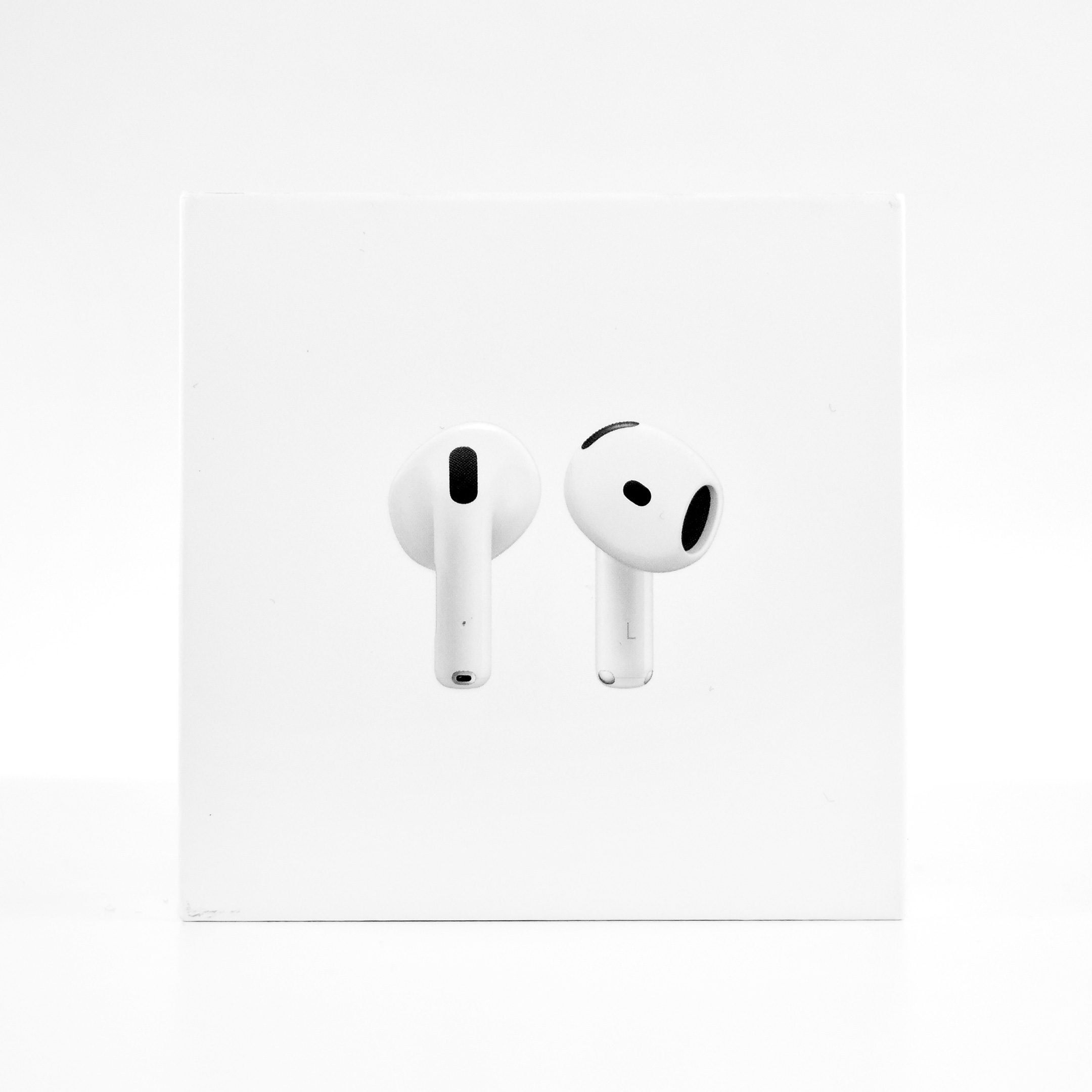
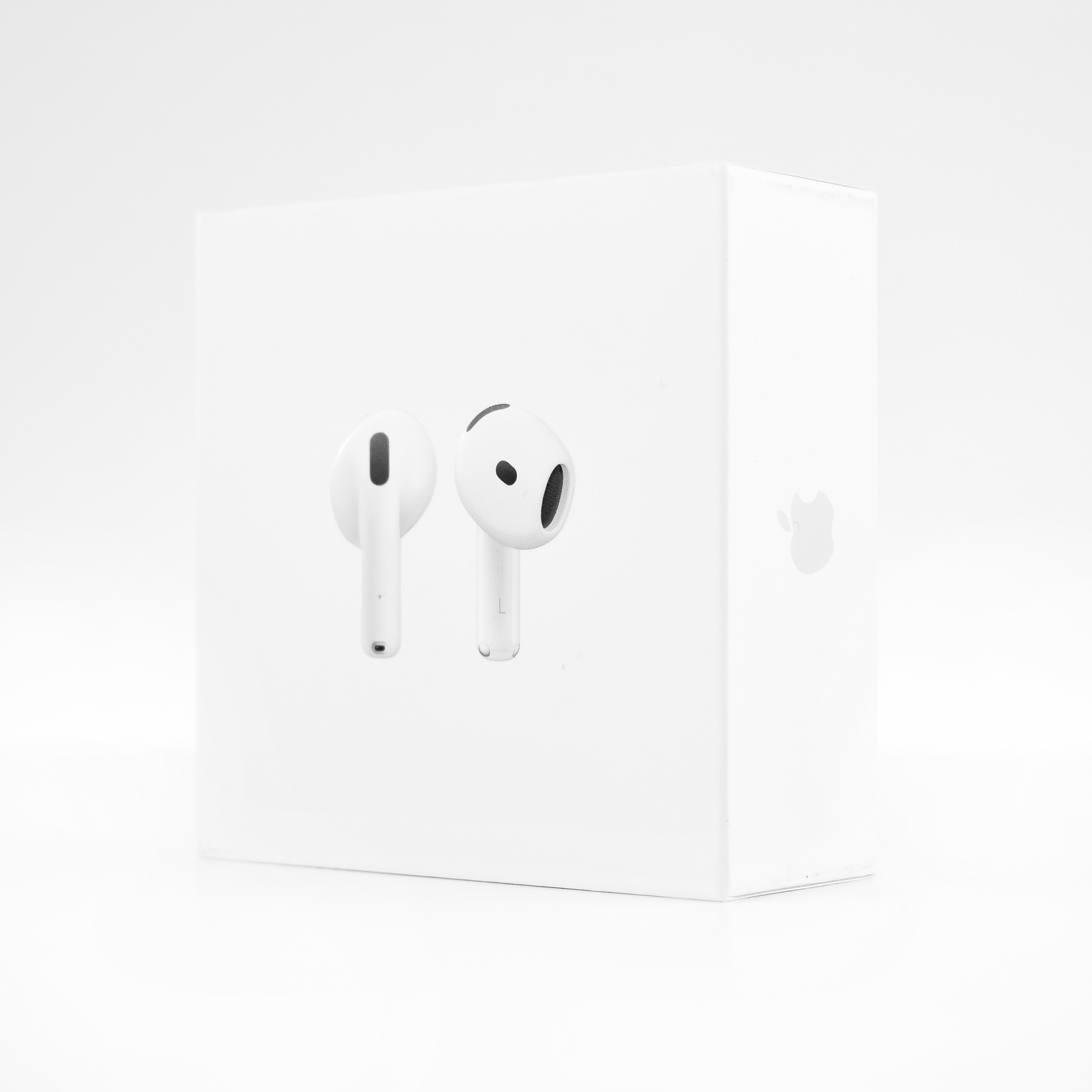
Beginning in 2024 Apple began offering the entry-level AirPods 4 product in two versions: AirPods 4 and AirPods 4 with Active Noise Cancellation. These AirPods 4 are the “base” model without the additional features.

As Apple often mentions, “AirPods 4 are the best headphones Apple has ever created.” The updated headphones offer “open-ear design, setting an entirely new benchmark for fit and comfort.”

Apple improved the fit and comfort of these AirPods:

“The new design is built with an unparalleled data set that uses advanced modeling tools, like 3D photogrammetry and laser topography, to precisely map and analyze thousands of ear shapes and over 50 million individual data points in total. This process helped refine the design to deliver the most comfortable AirPods ever with one shape that naturally fits even more users around the world.”

AirPods 4 offer the following core technologies:

  • Custom high-excursion Apple driver
  • Custom high dynamic range amplifier
  • Voice Isolation2
  • Personalized Spatial Audio with dynamic head tracking3
  • Adaptive EQ
  • Vent system for pressure equalization

The AirPods 4 with Active Noise Cancellation add 4 features, including Active Noise Cancellation, Adaptive Audio, Transparency mode, and Conversation Awareness. These additional features also allow this model to use Live Translation for communicating across languages.

AirPods 4 are powered by Apple’s H2 headphone chip. Built-in sensors include:

  • Dual beamforming microphones
  • Inward-facing microphone
  • Optical in-ear sensor
  • Motion-detecting accelerometer
  • Speech-detecting accelerometer
  • Force sensor

These sensors offer many new features not available in previous “base” AirPods models:

“With the H2 chip, AirPods 4 unlock intelligent audio experiences only Apple silicon can deliver, such as Voice Isolation, enabling clearer call quality no matter the environmental conditions, and Siri Interactions, allowing users to simply nod their head yes or gently shake their head no to respond to Siri announcements. For even more control, AirPods 4 also feature a new force sensor on the stem to play or pause media and mute or end calls with a quick press.”

Each AirPod 4 is 1.19 inches (30.2 mm) x 0.72 inch (18.3 mm) and 0.71 inch (18.1 mm) deep. Each weighs 0.15 ounce (4.3 grams). The AirPods 4 case measures 1.82 inches (46.2 mm) x 1.97 inches (50.1 mm) and is 0.83 inch (21.2 mm) deep. The case weighs 1.14 ounces (32.3 grams).

The base AirPods 4 allows only USB-C connector charging, while the AirPods 4 with Active Noise Cancellation adds Apple Watch or Qi‑certified charging. AirPods 4 allow up to 5 hours of listening time on a single charge, however, 5 minutes of charging provides around 1 hour of listening time.

AirPods 4 connect using Bluetooth 5.3.

Source: Apple (product page, newsroom)

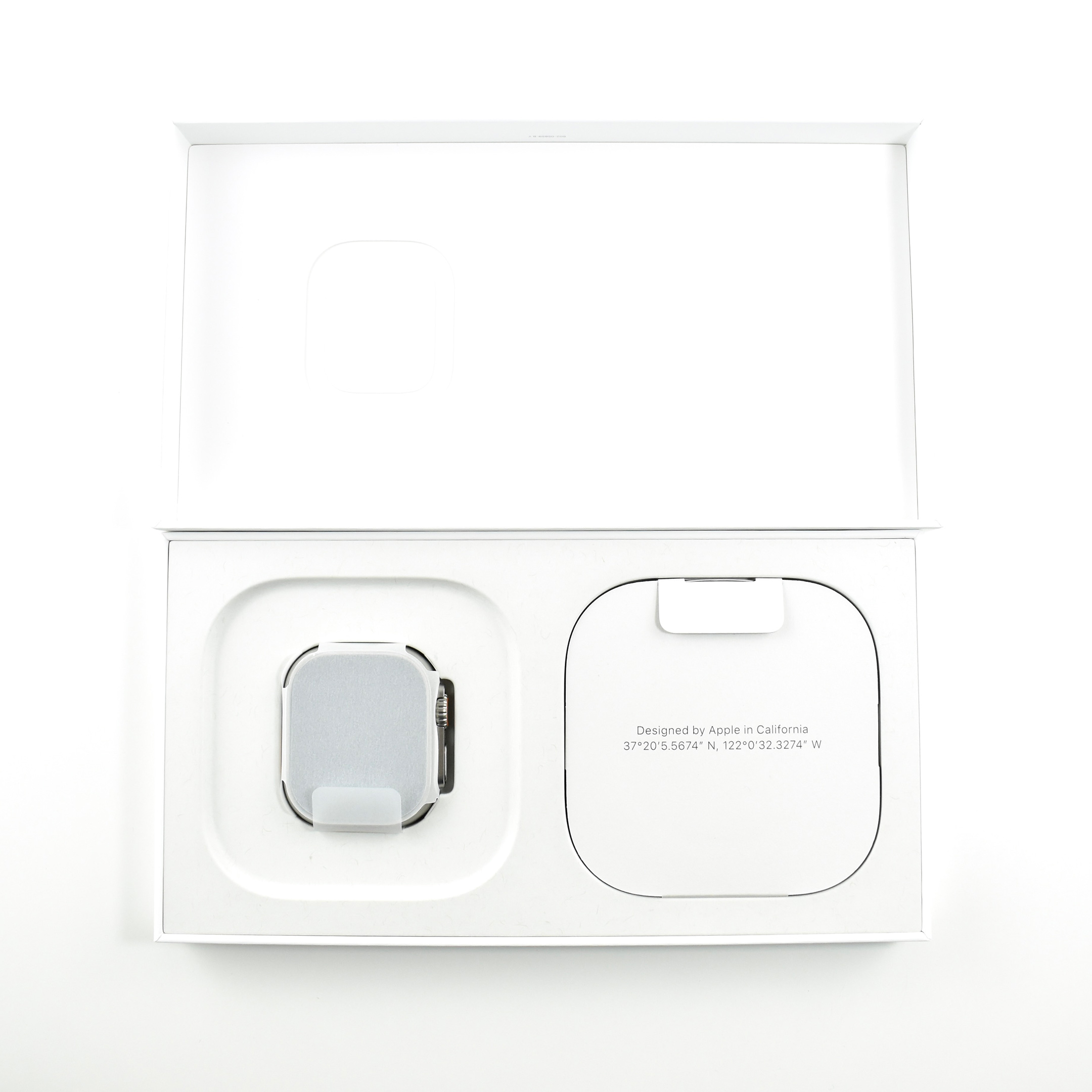
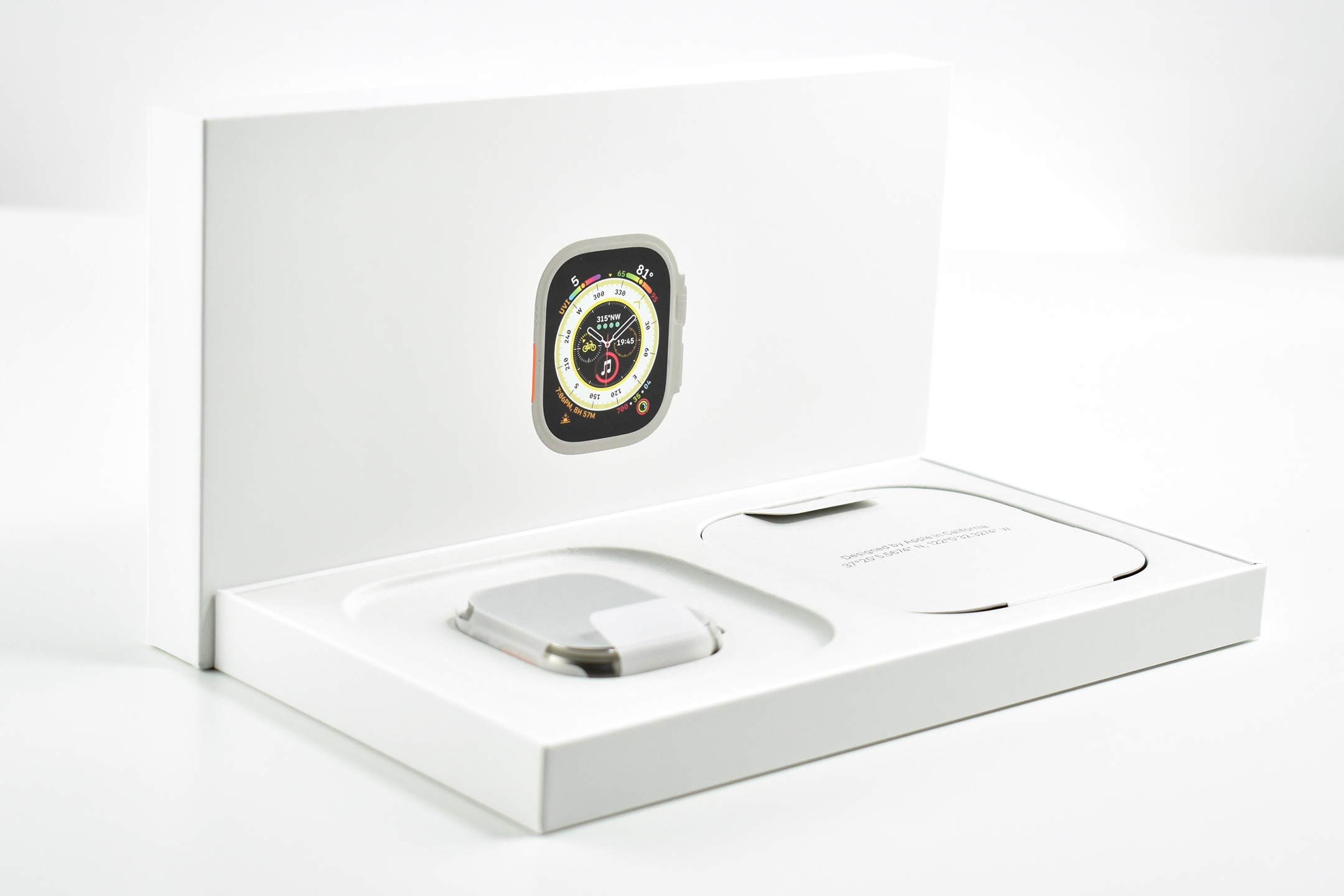
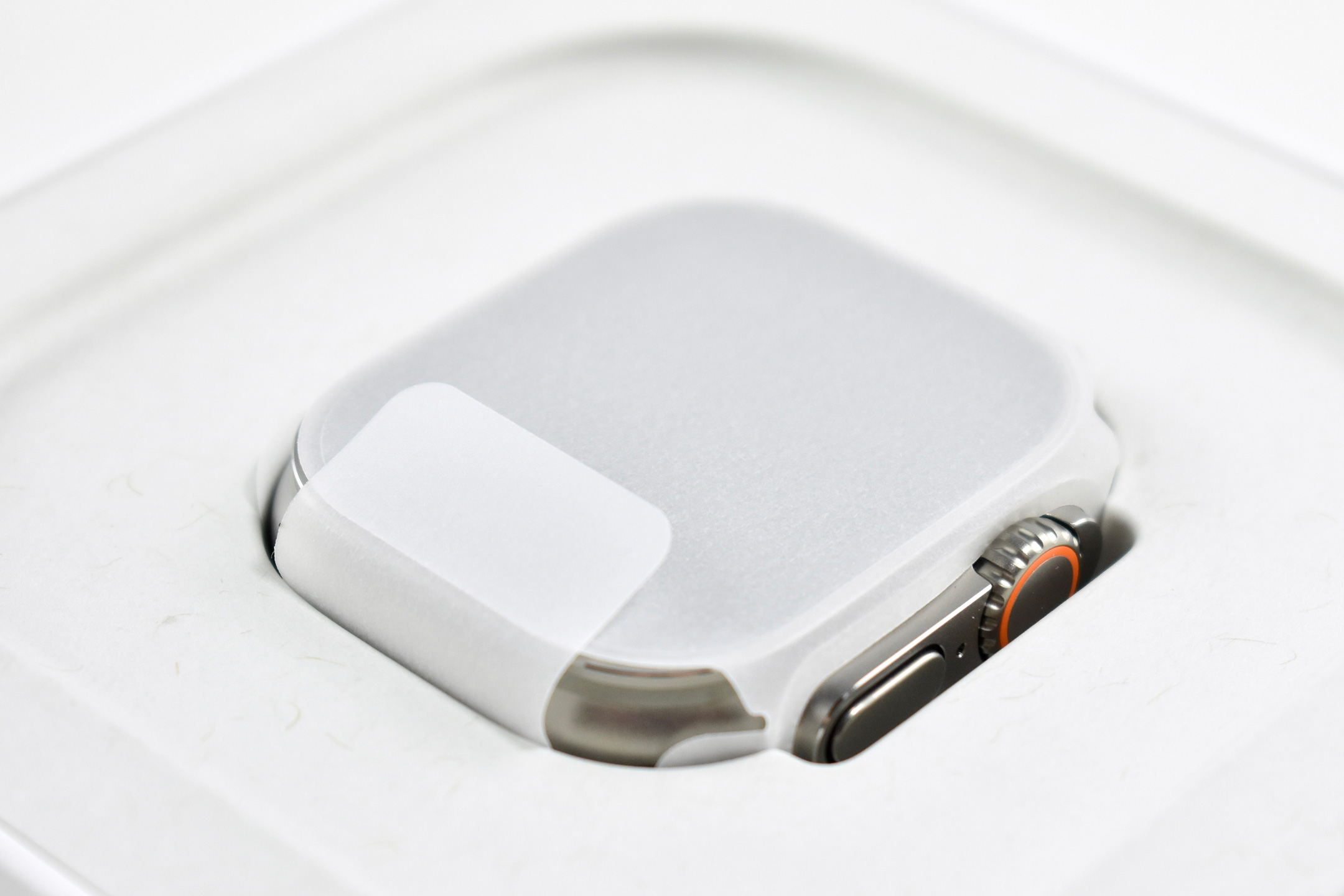
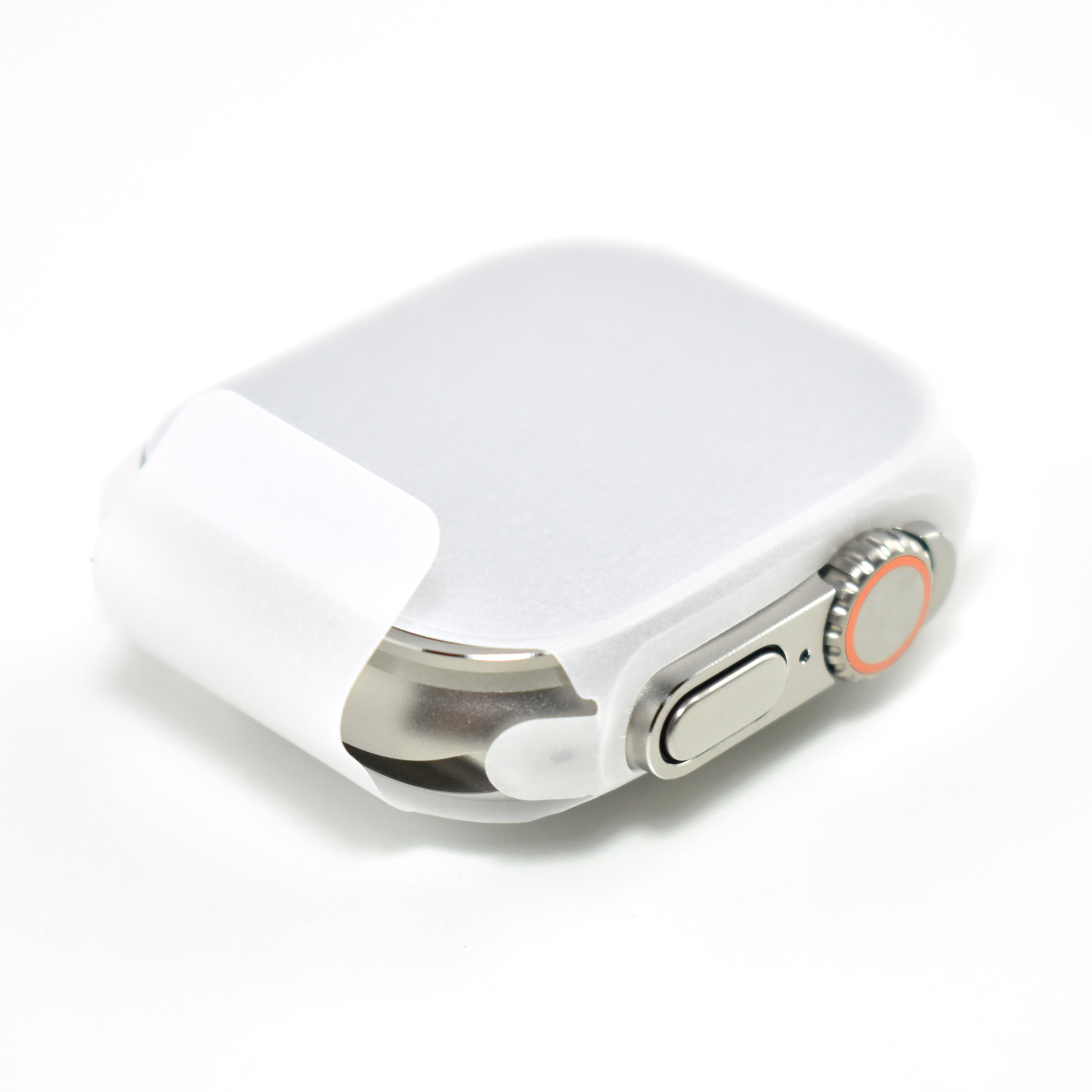
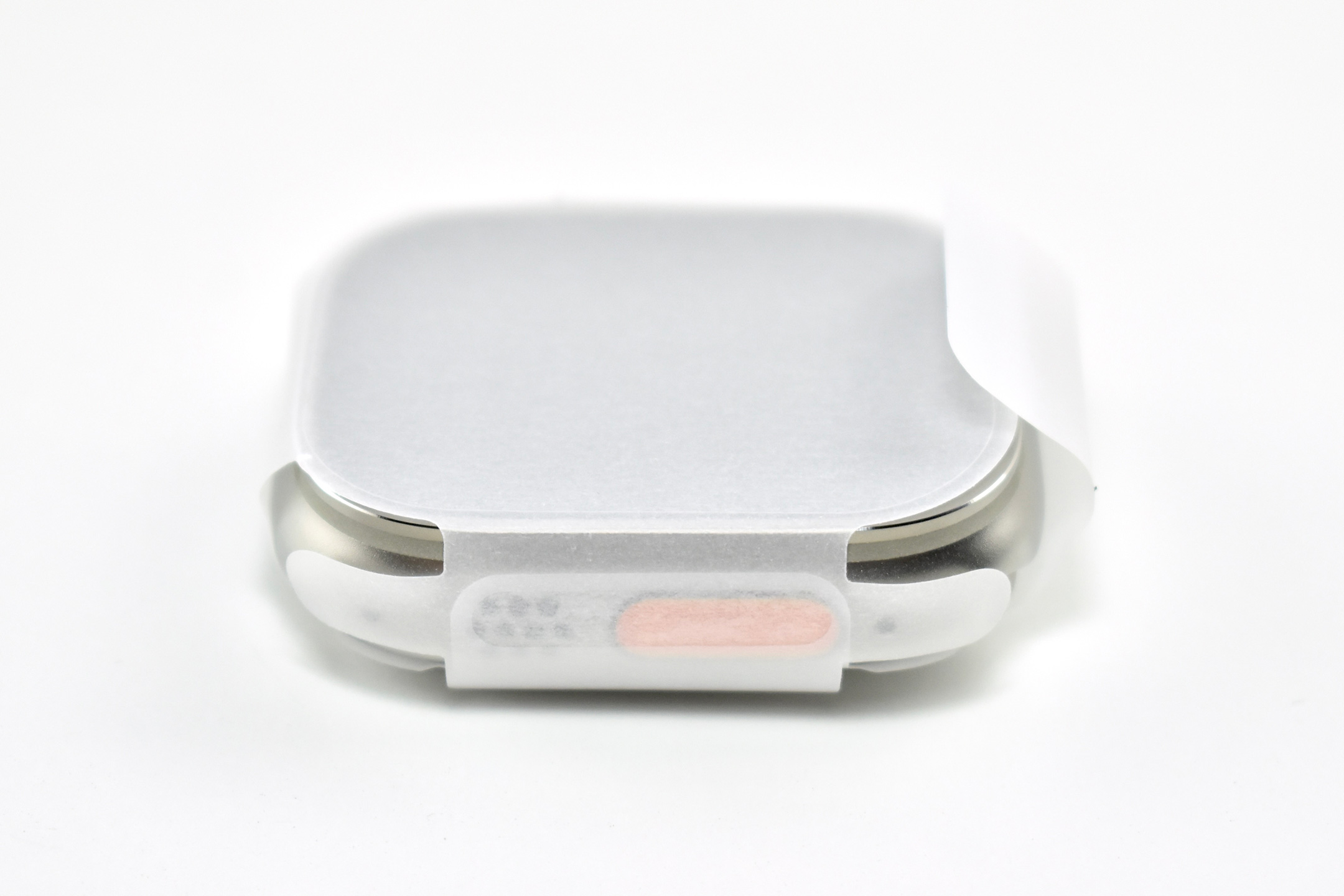
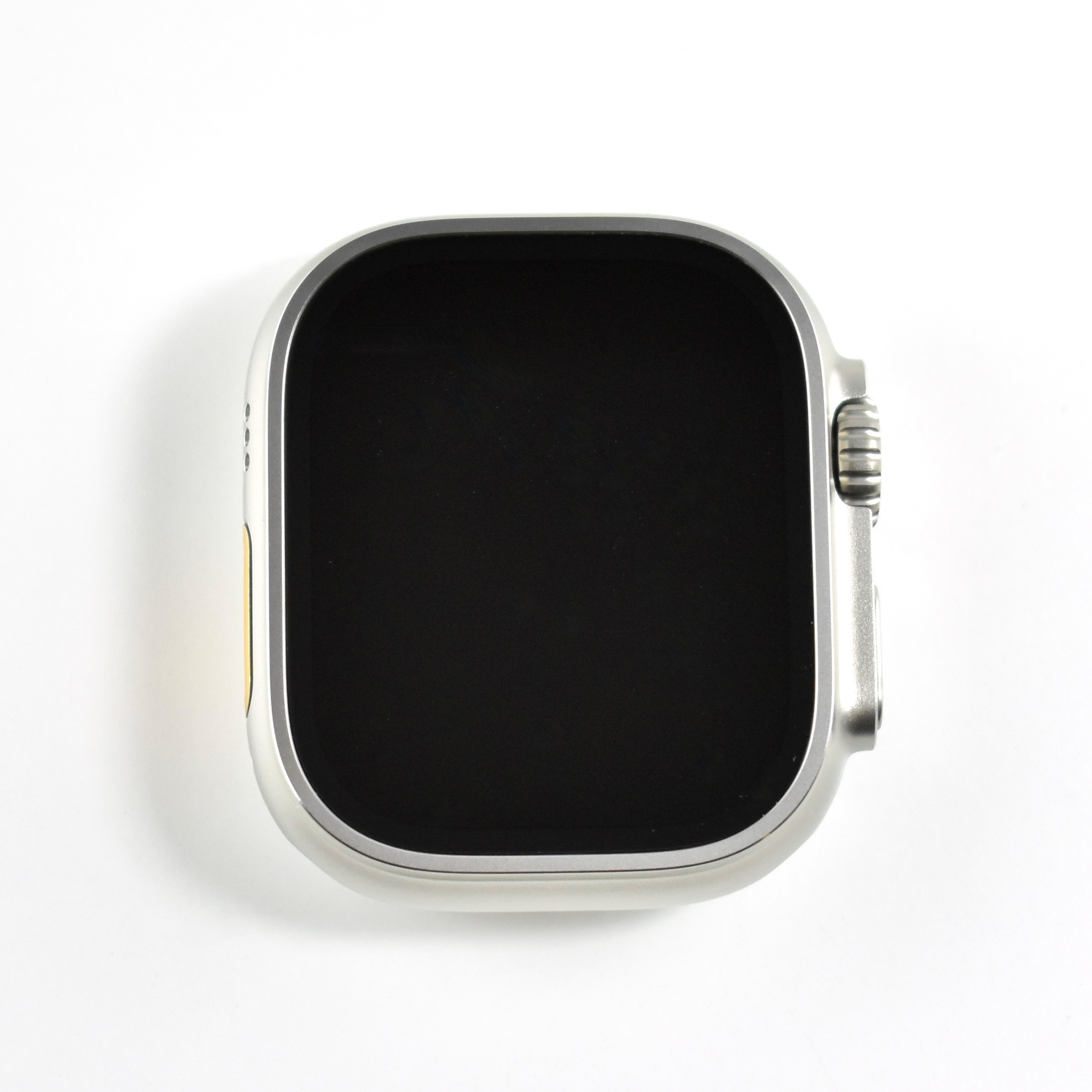
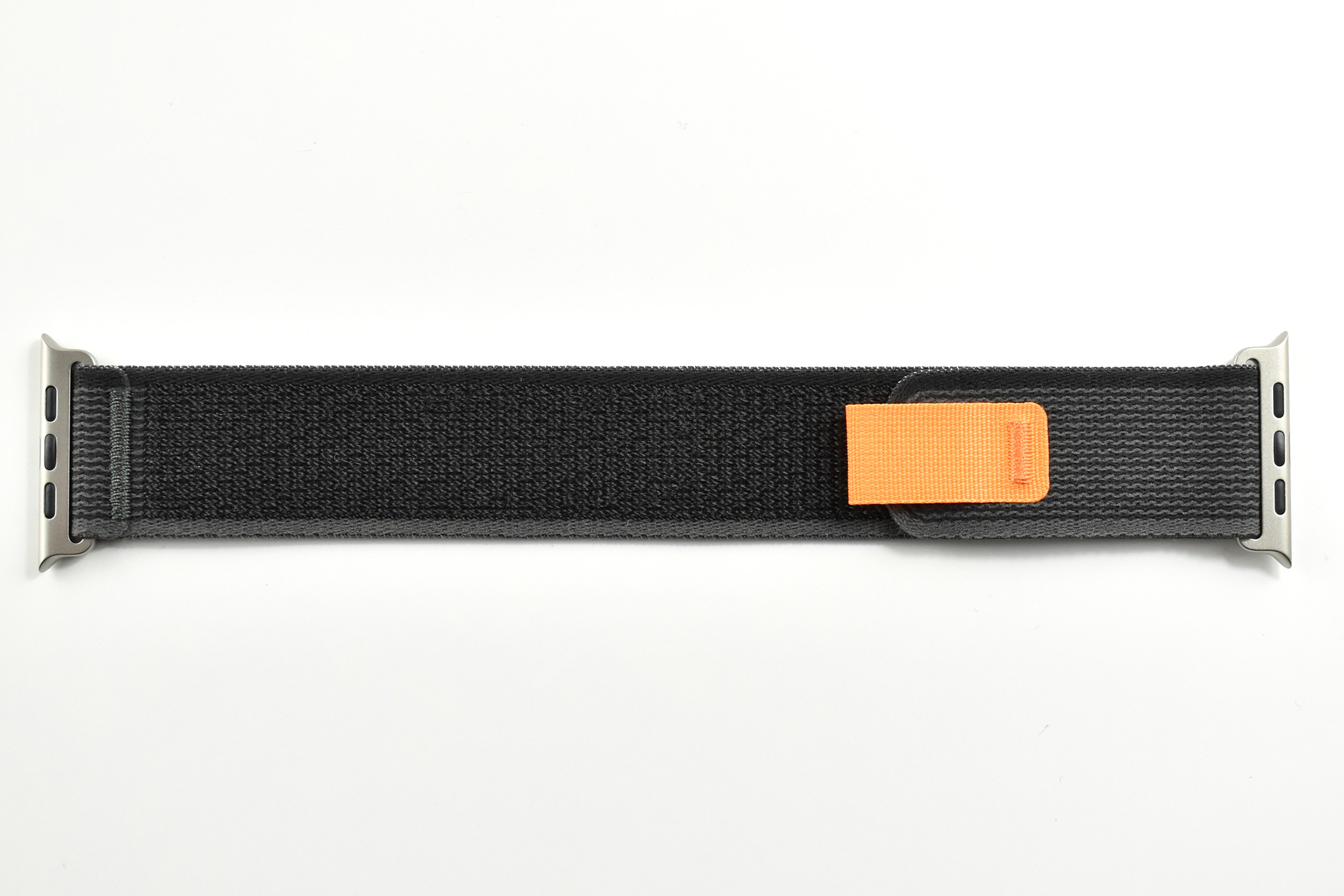
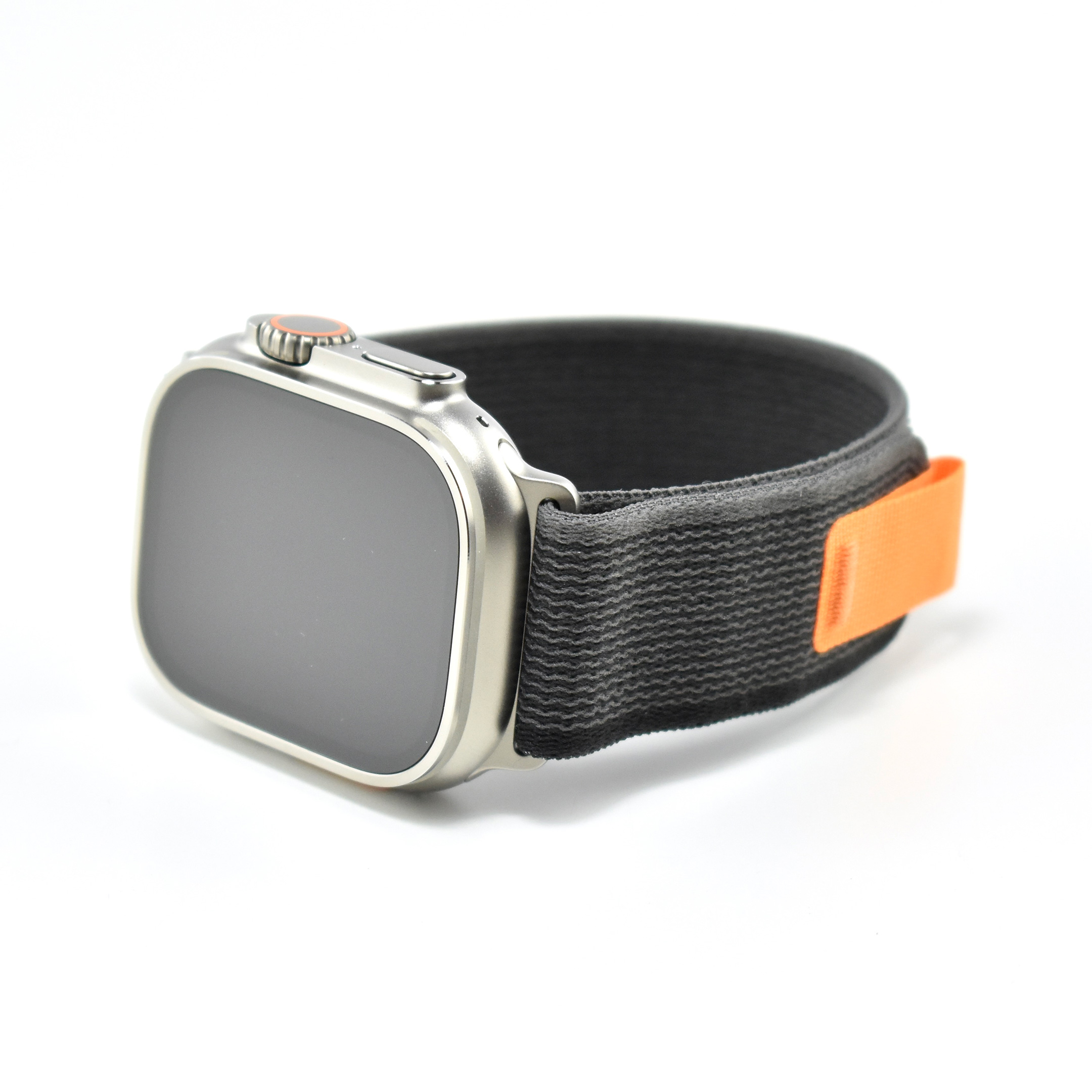
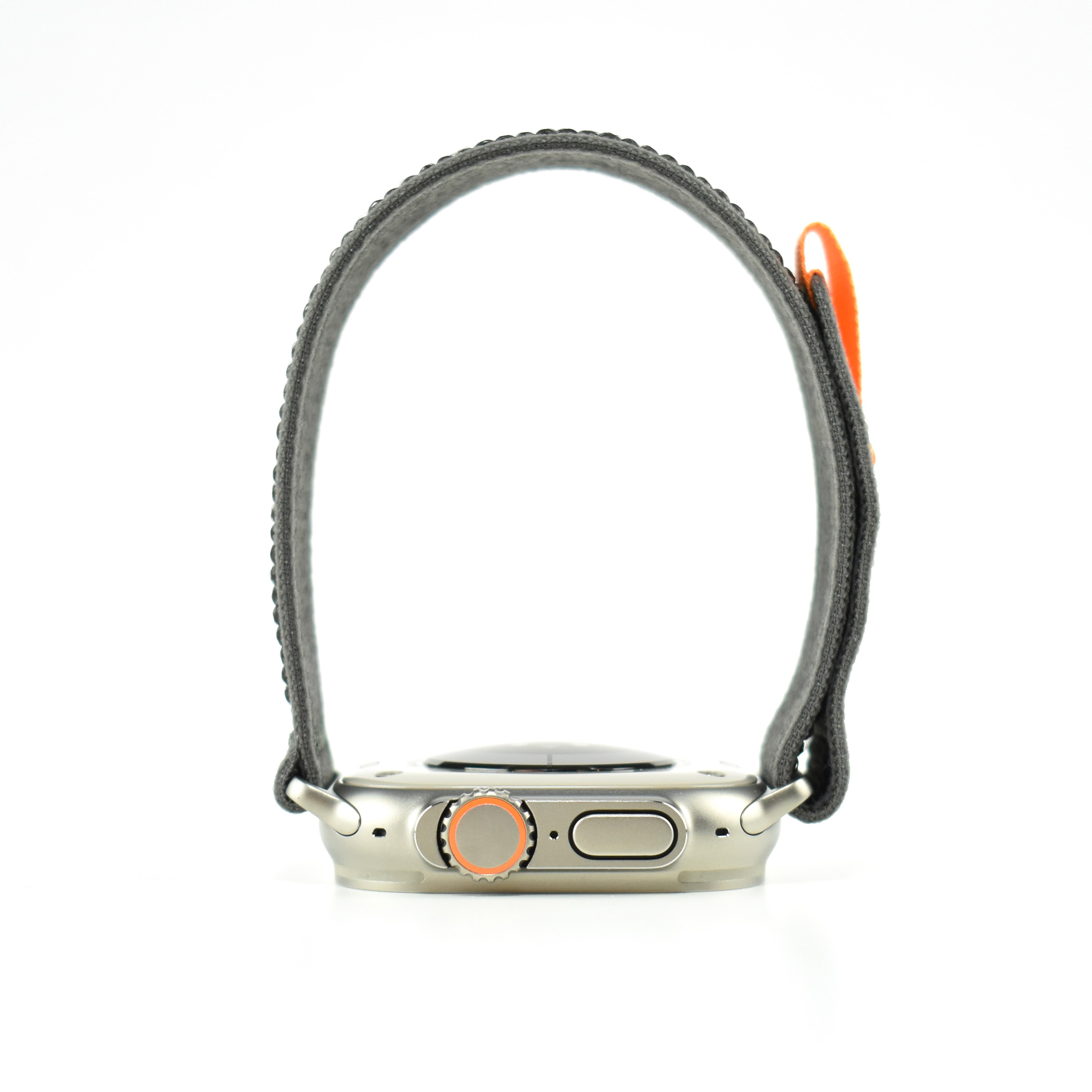
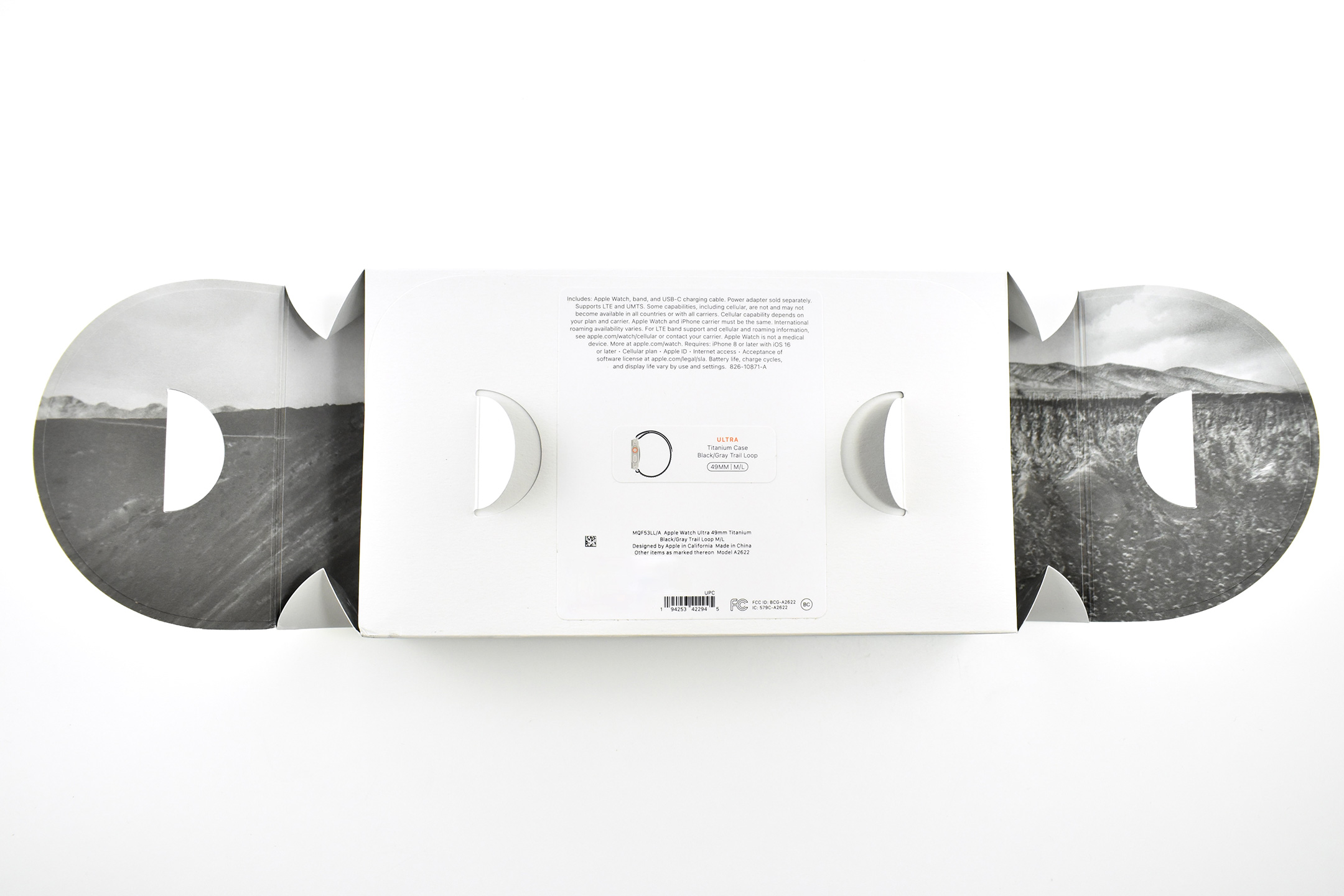
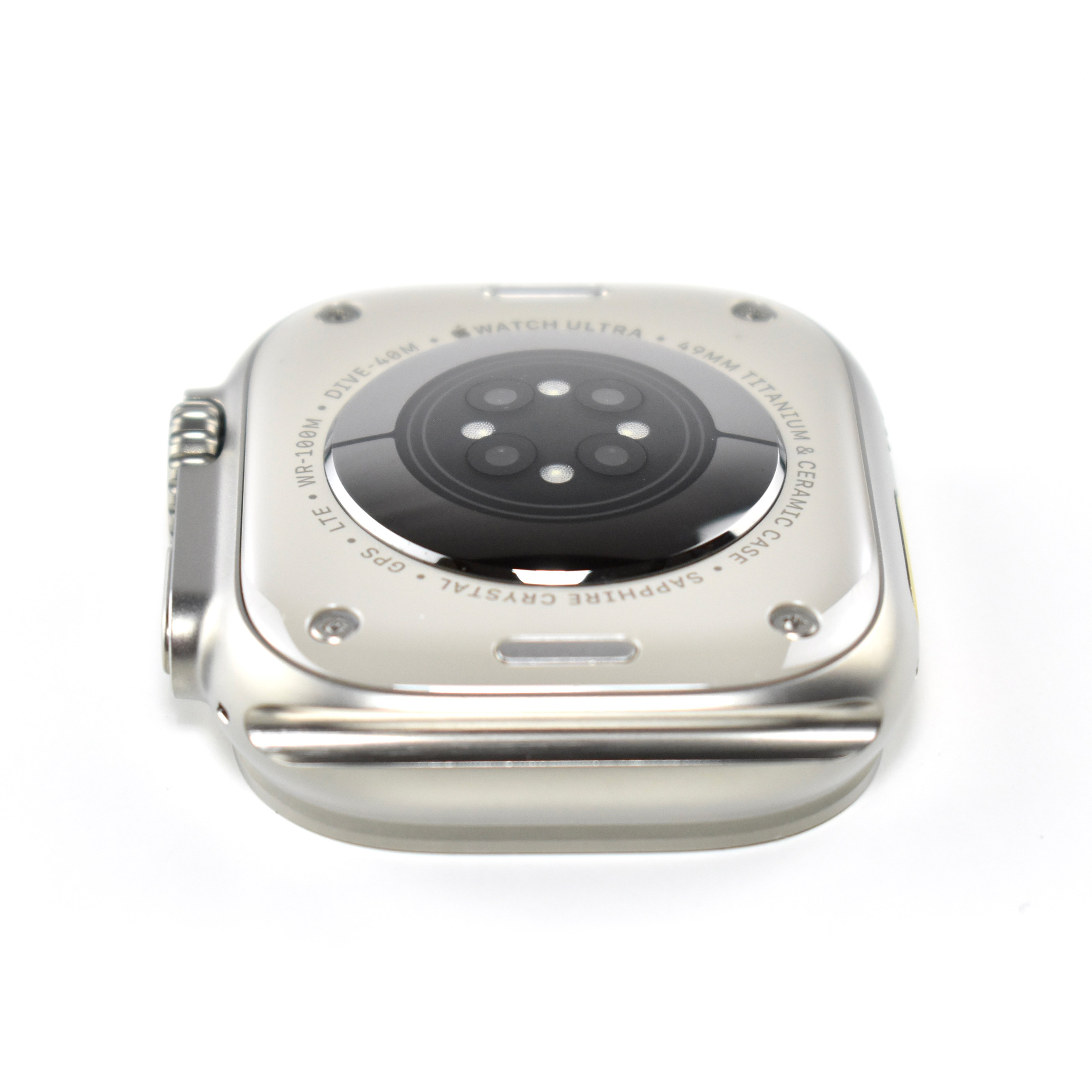
Apple Watch Ultra (2022)

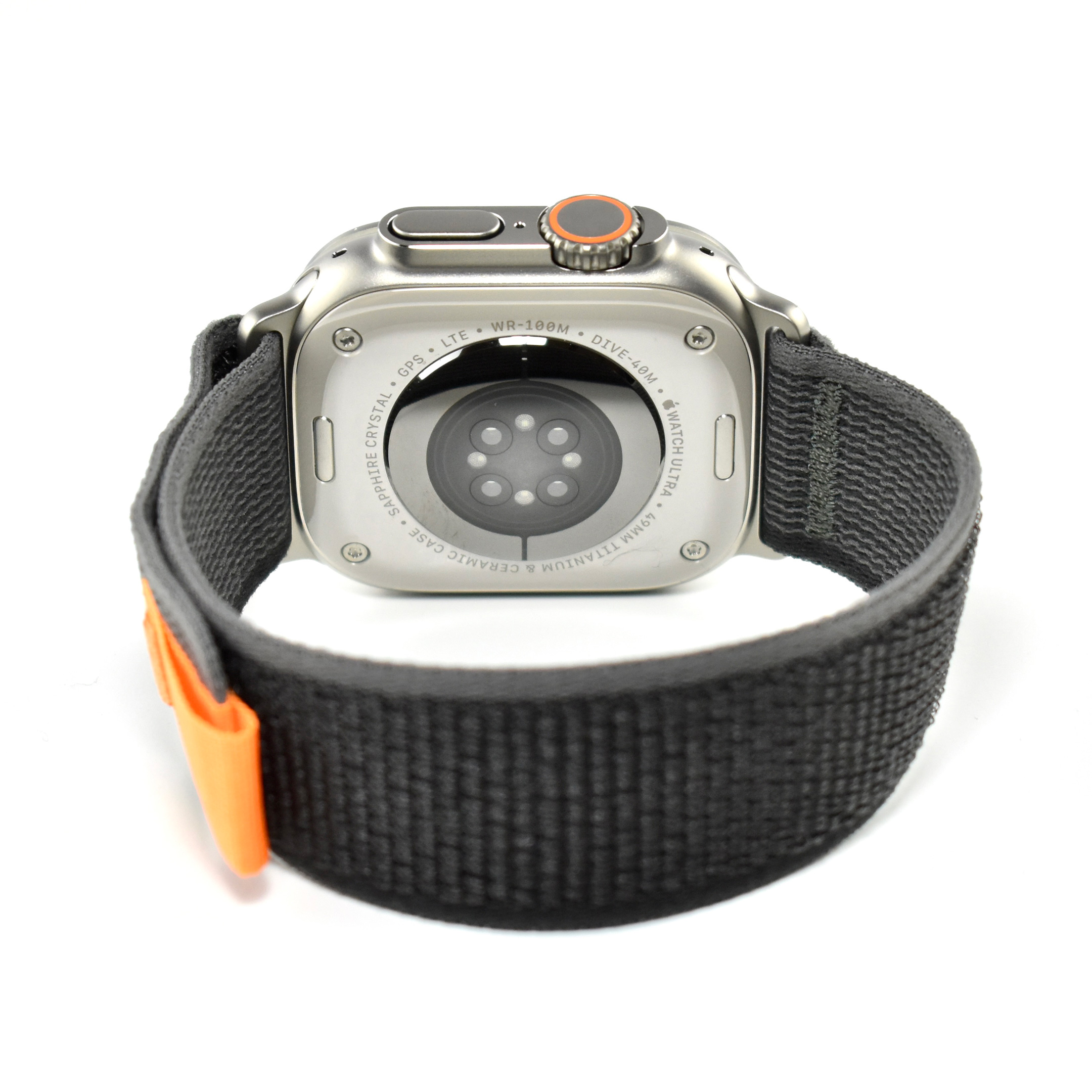
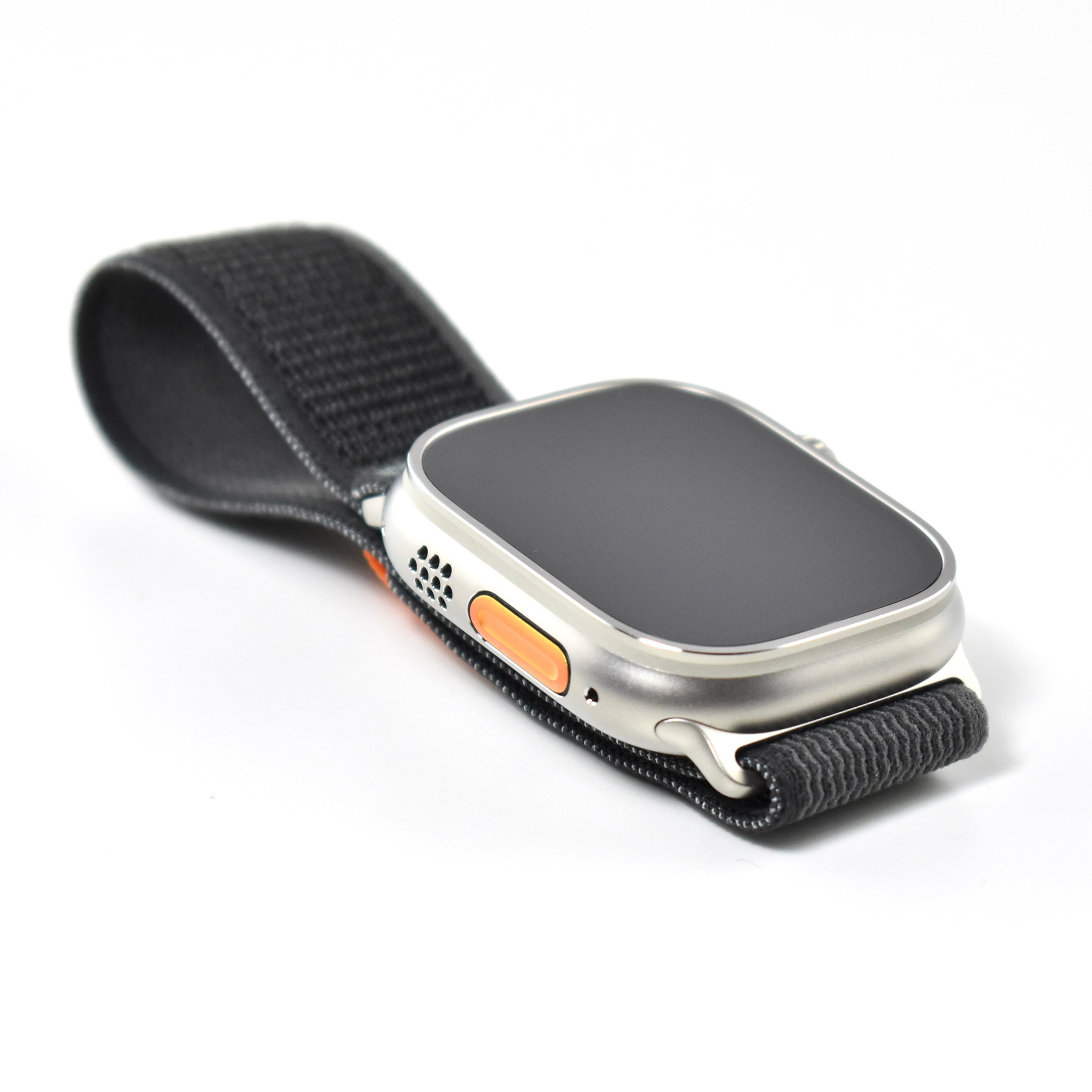
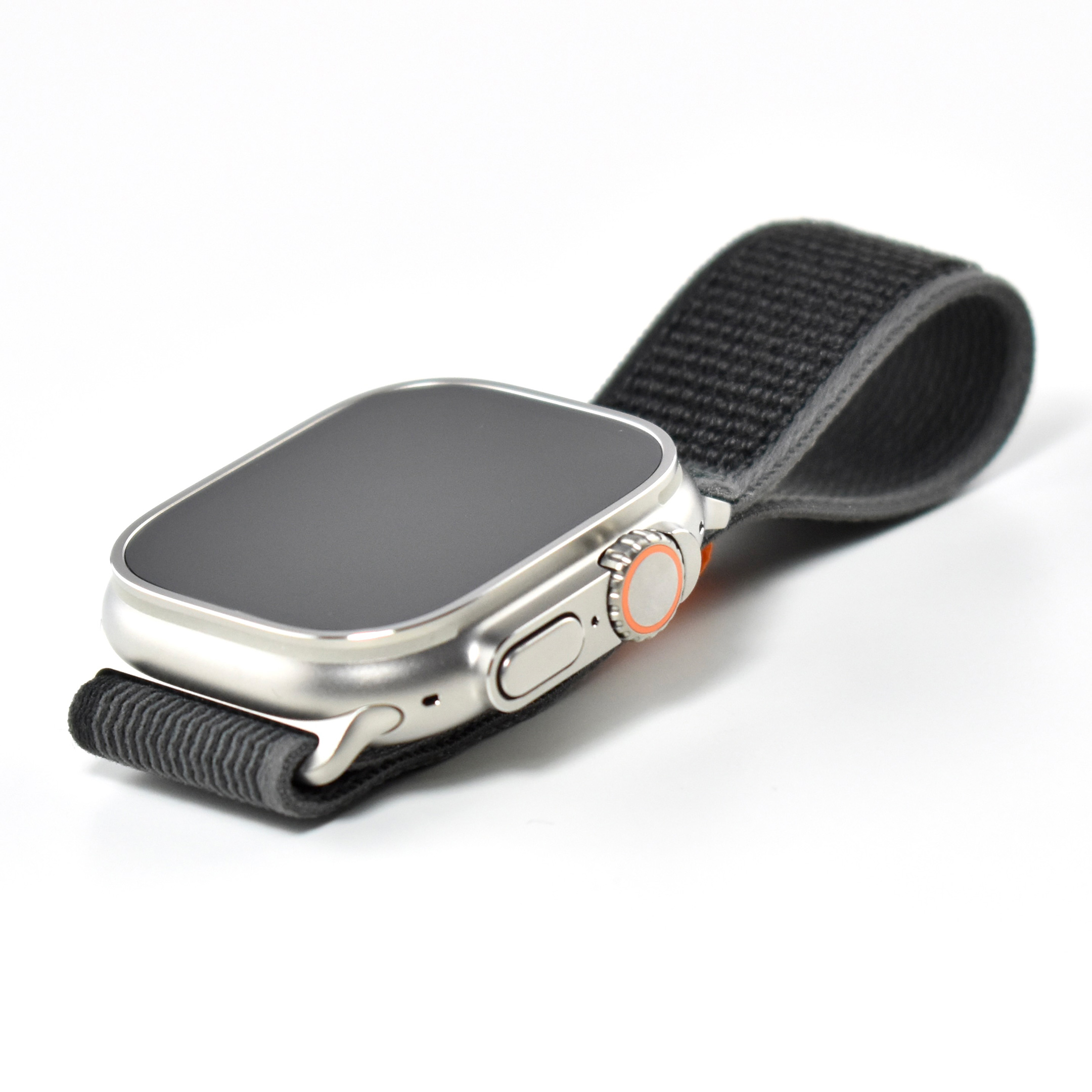
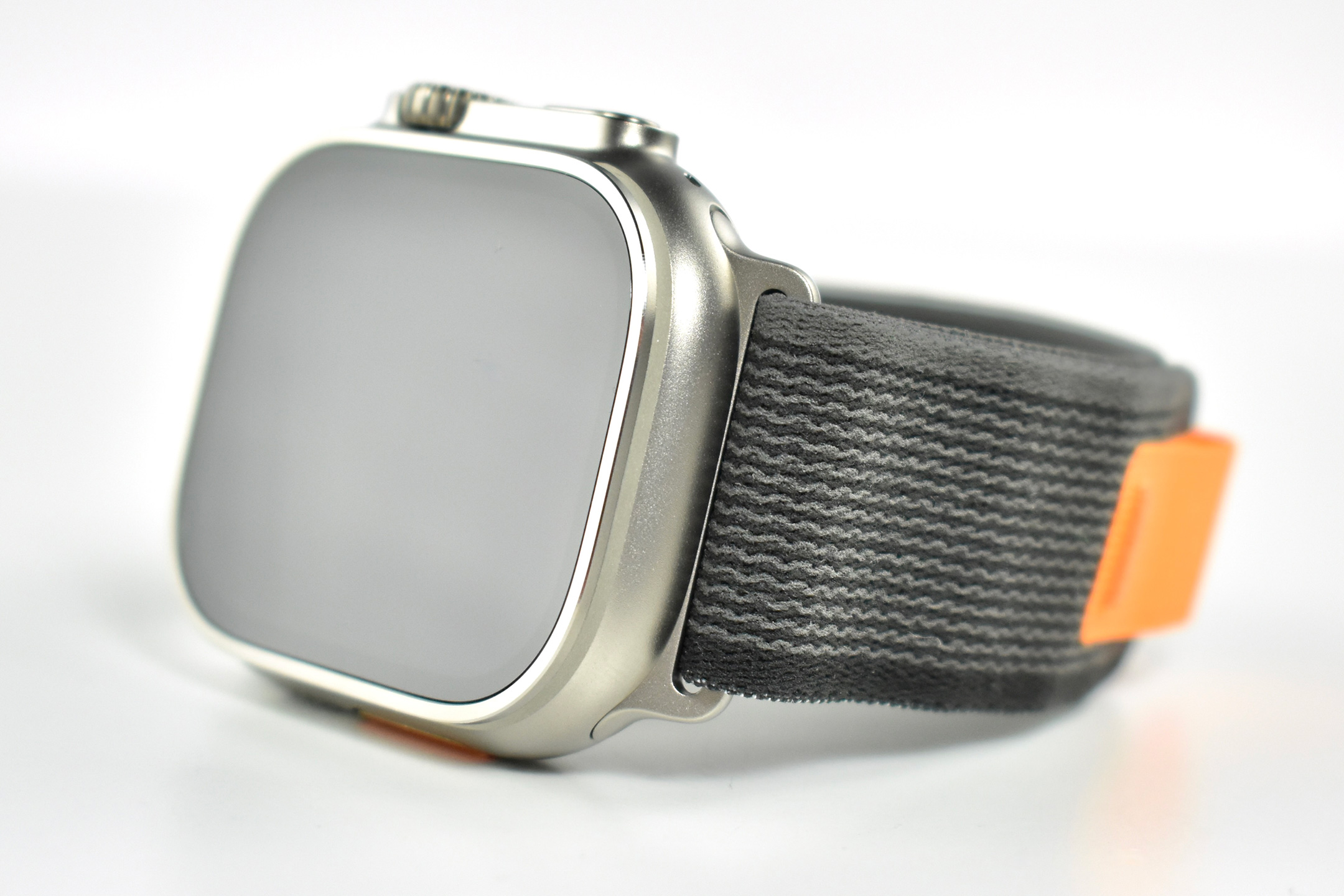
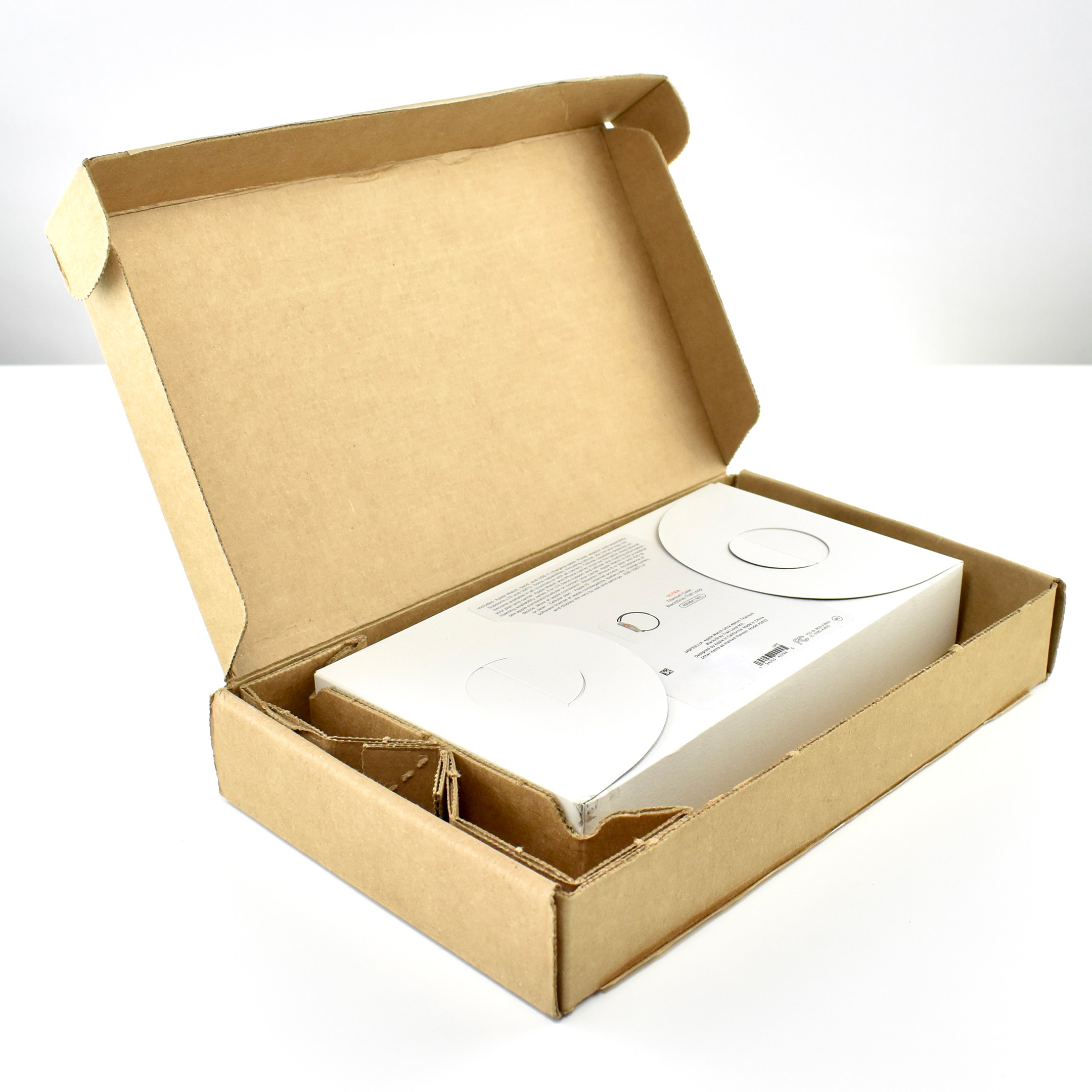
The Apple Watch Ultra was announced on September 7, 2022, and was described as having a “revolutionary new design with breakthrough capabilities.” Apple highlighted the Apple Watch Ultra as:

“built for endurance, exploration, and adventure. Apple Watch Ultra introduces a 49mm titanium case and flat sapphire front crystal that reveals the biggest and brightest Apple Watch display yet. A customizable Action button offers instant access to a wide range of useful features. Apple Watch Ultra has the best battery life of any Apple Watch, reaching up to 36 hours during normal use.”

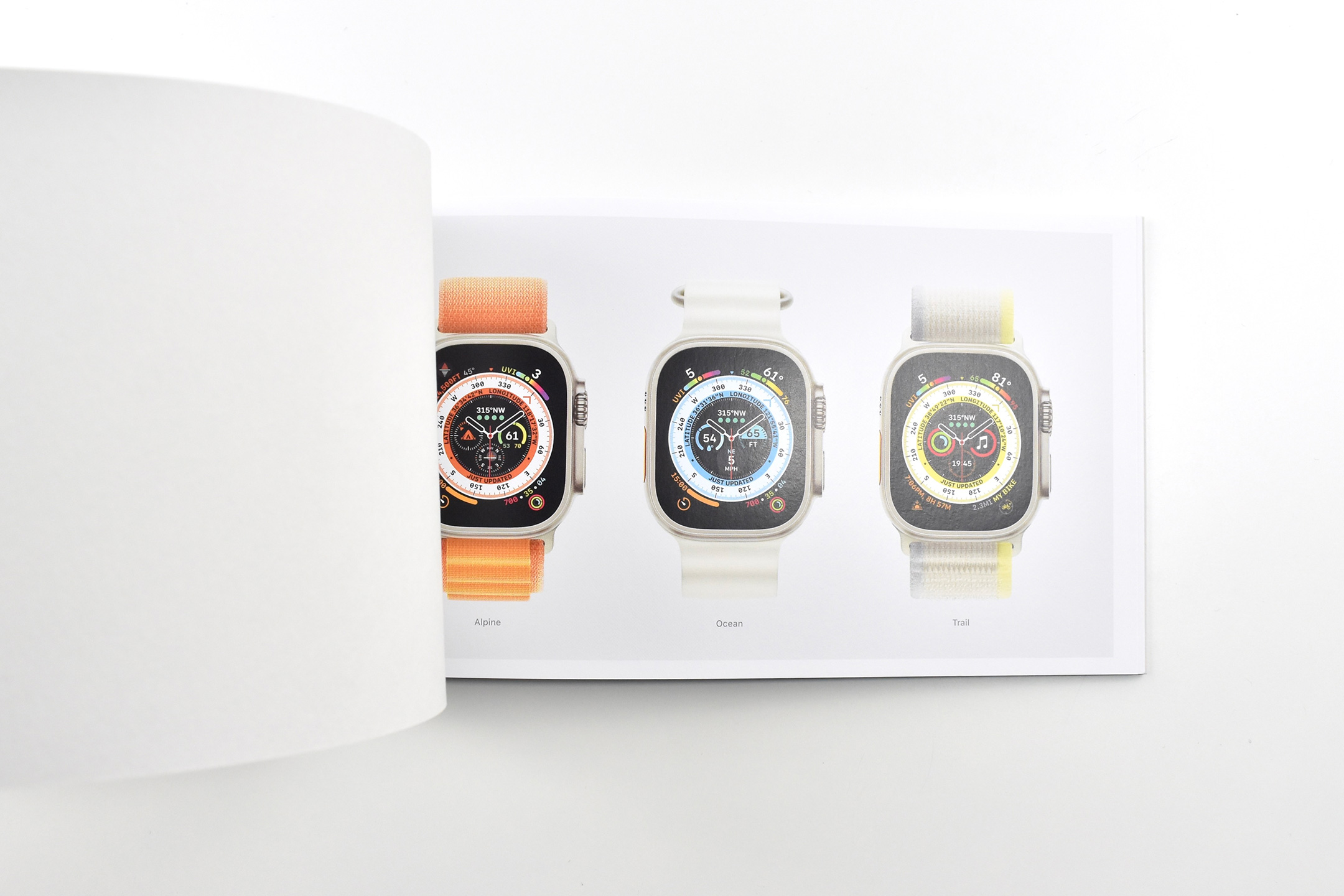
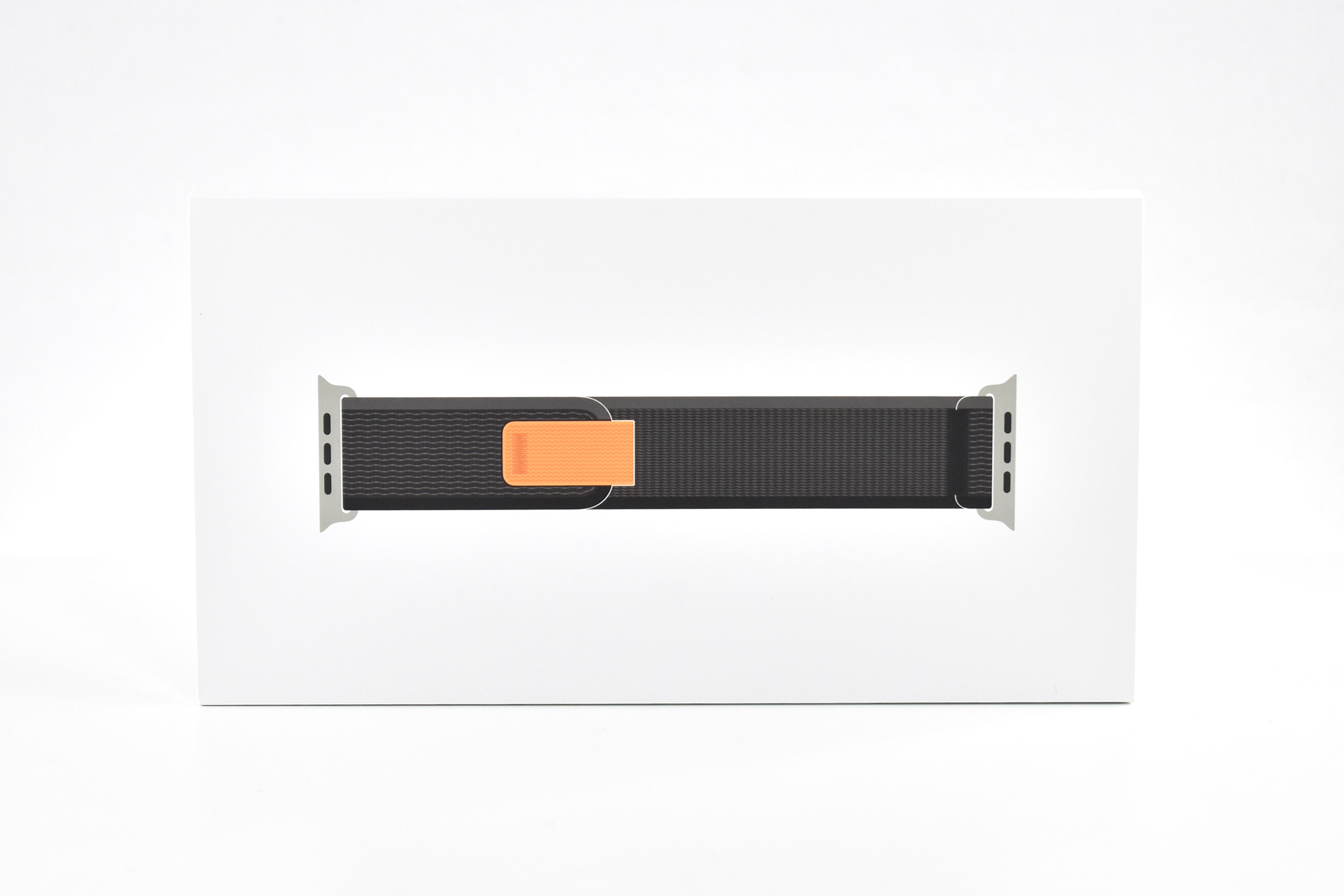
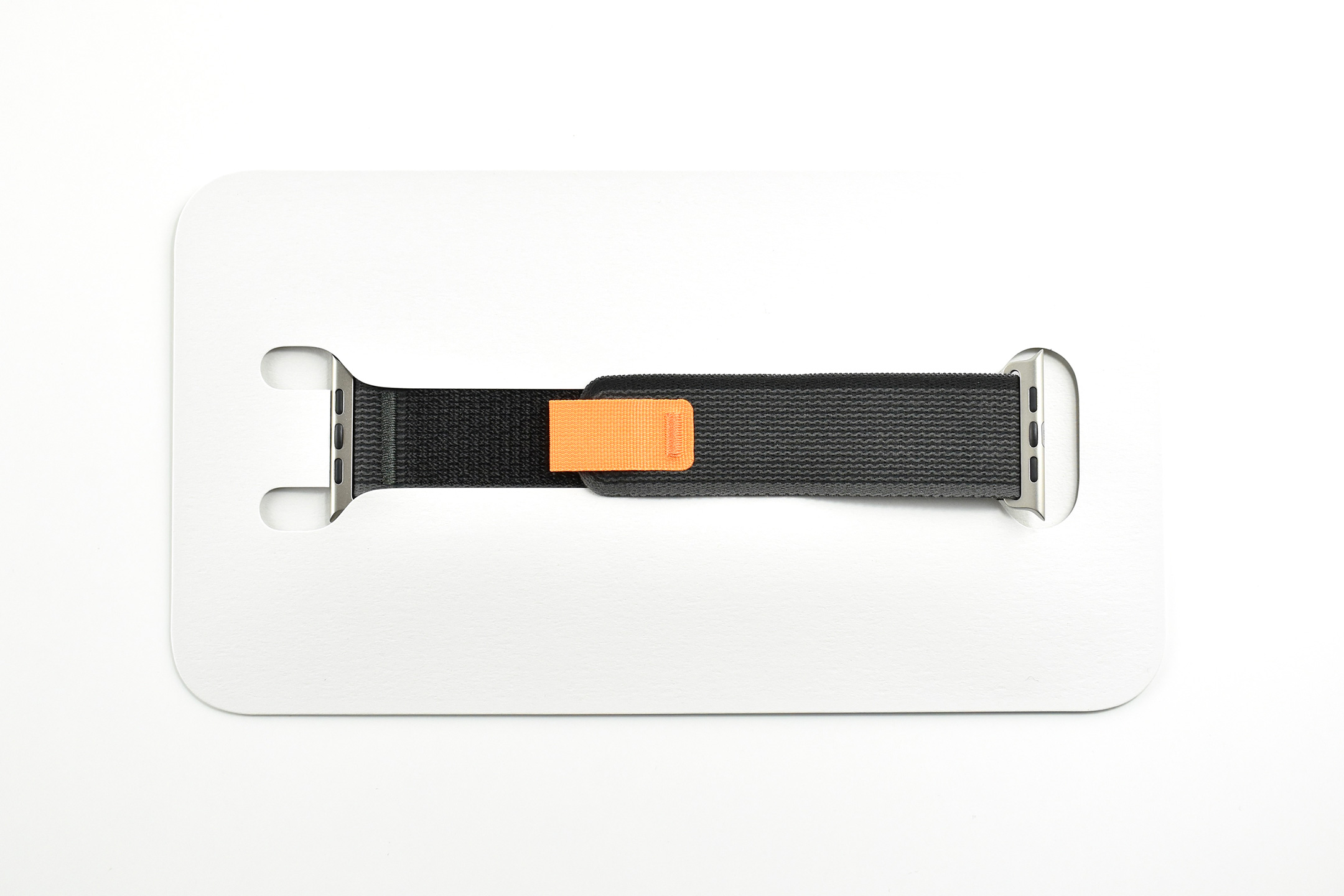
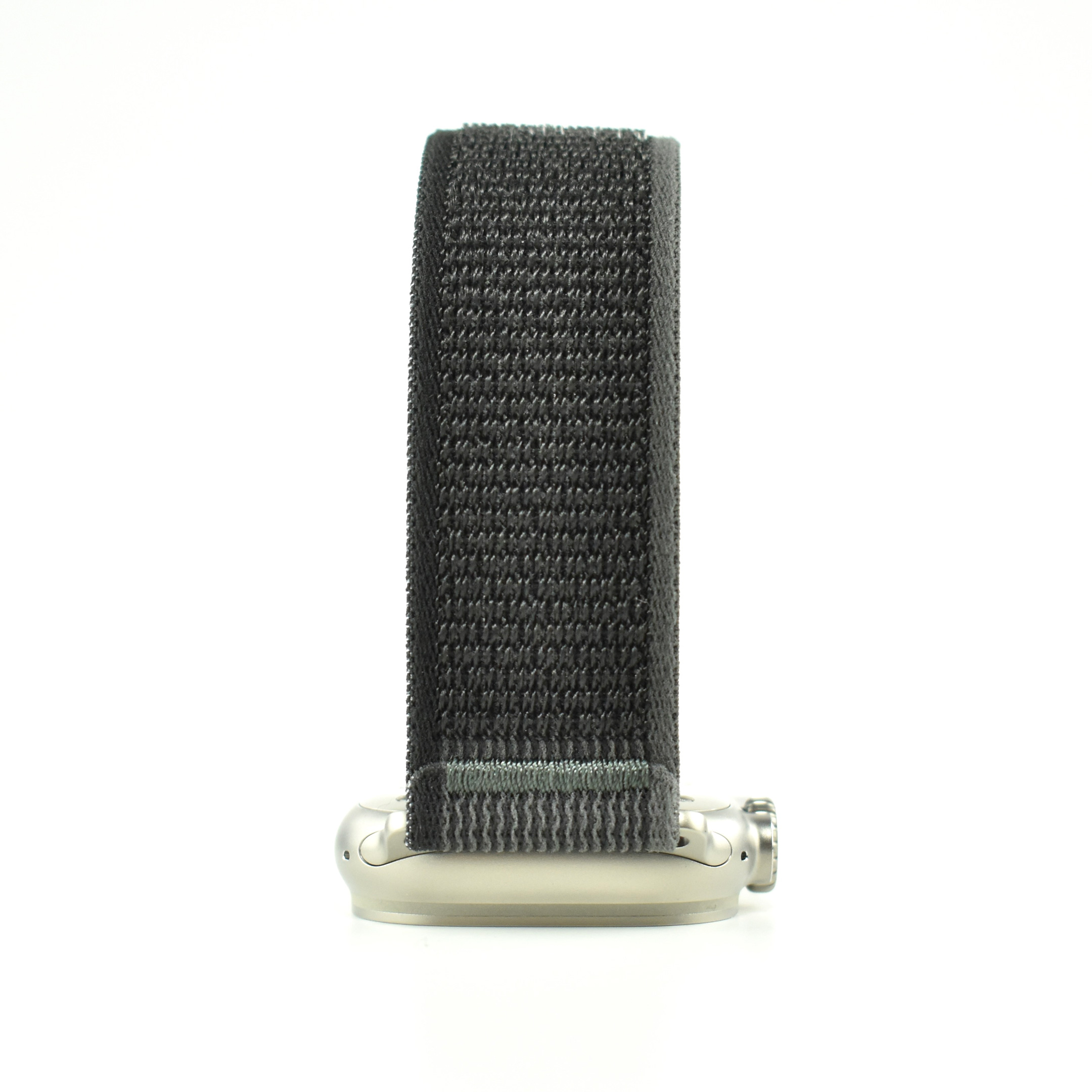
The Apple Watch Ultra website focused upon the ruggedness of the design and depicted users in “extreme sport” situations including running through a desert, climbing mountains, and scuba diving. To match these scenarios, the Apple Watch Ultra offered three new band designs, the Trail Loop, Alpine Loop, and Ocean Band. Apple described each new band:

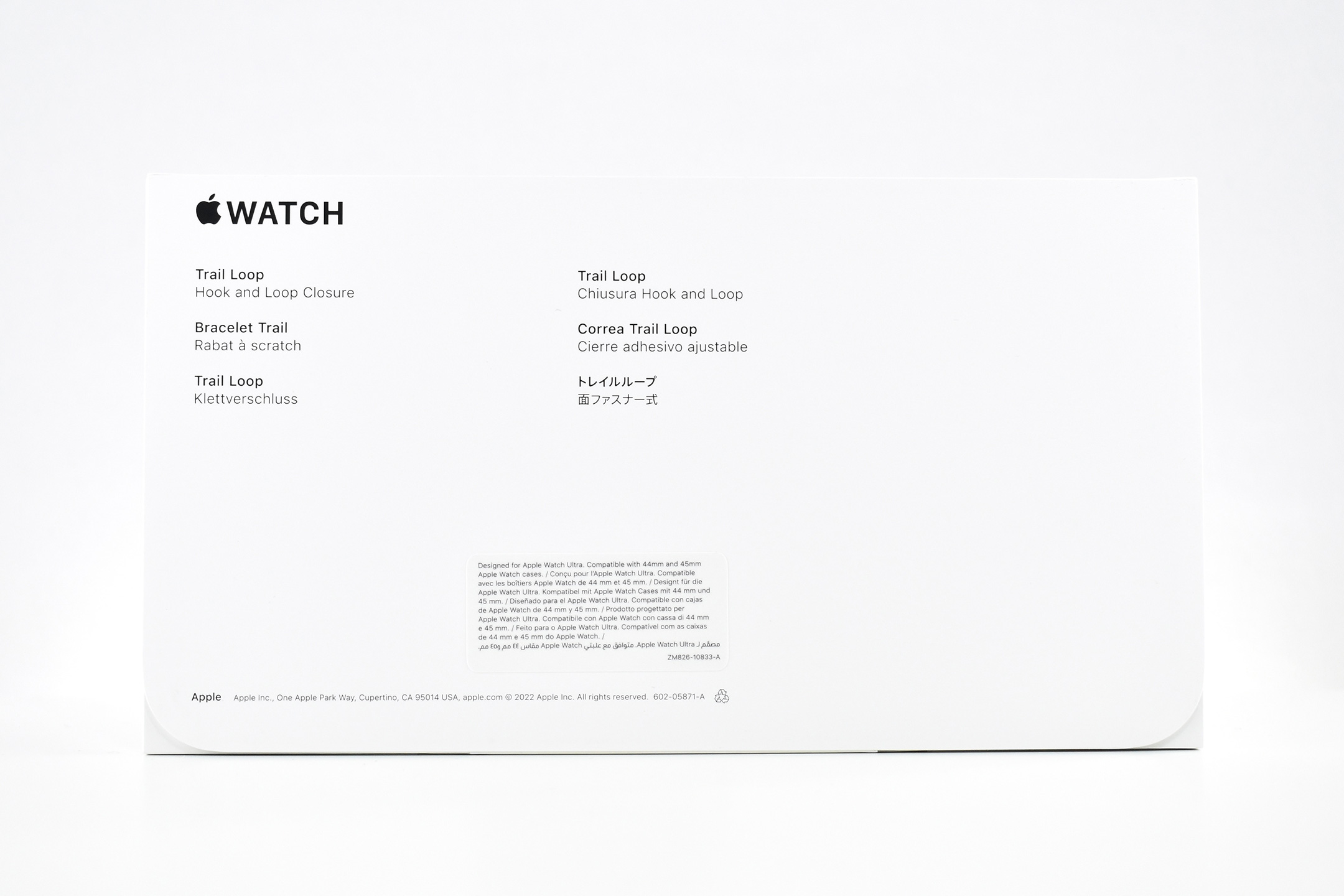
  • Trail Loop. Comfort for the long run. Designed to be light, thin, and flexible. It features a fuss-free loop closure for quick adjustments during workouts. Extra stretch built into the webbing makes it easy to cinch for optimal fit.
  • Alpine Loop. Tough as trails. Light, durable, and made from two textile layers seamlessly woven into one continuous piece without stitching. The corrosion‑resistant titanium G‑hook slips smoothly into the reinforced loops for a secure fit.
  • Ocean Band. The sea is calling. Molded from fluoroelastomer rubber, it’s lightweight and flexible. It has a titanium buckle and a spring‑loaded titanium adjustable loop that secures through the tubes for a hypersecure fit, even during high‑speed water sports. An attachable band extension lets you wear it over a thick wet suit.

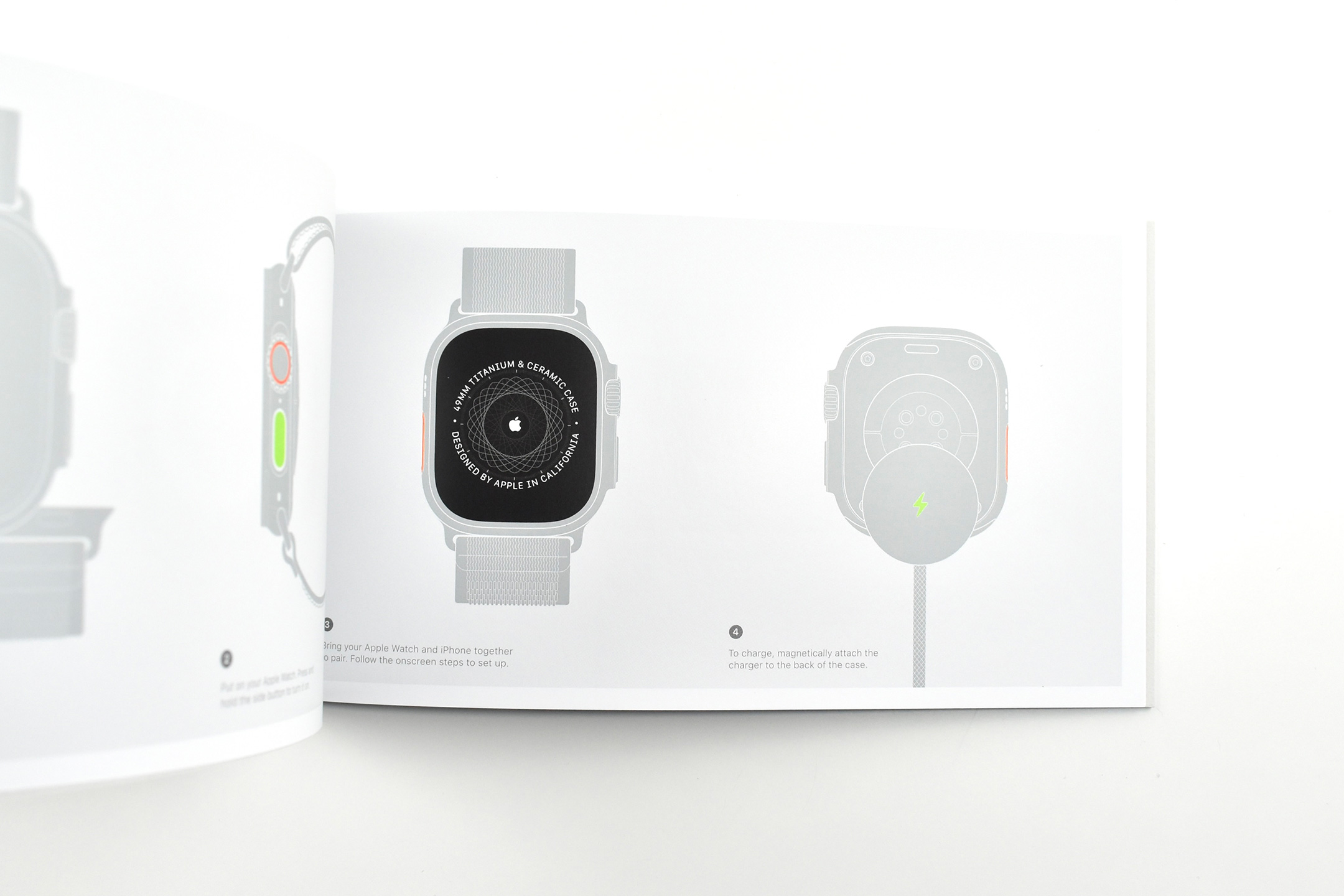
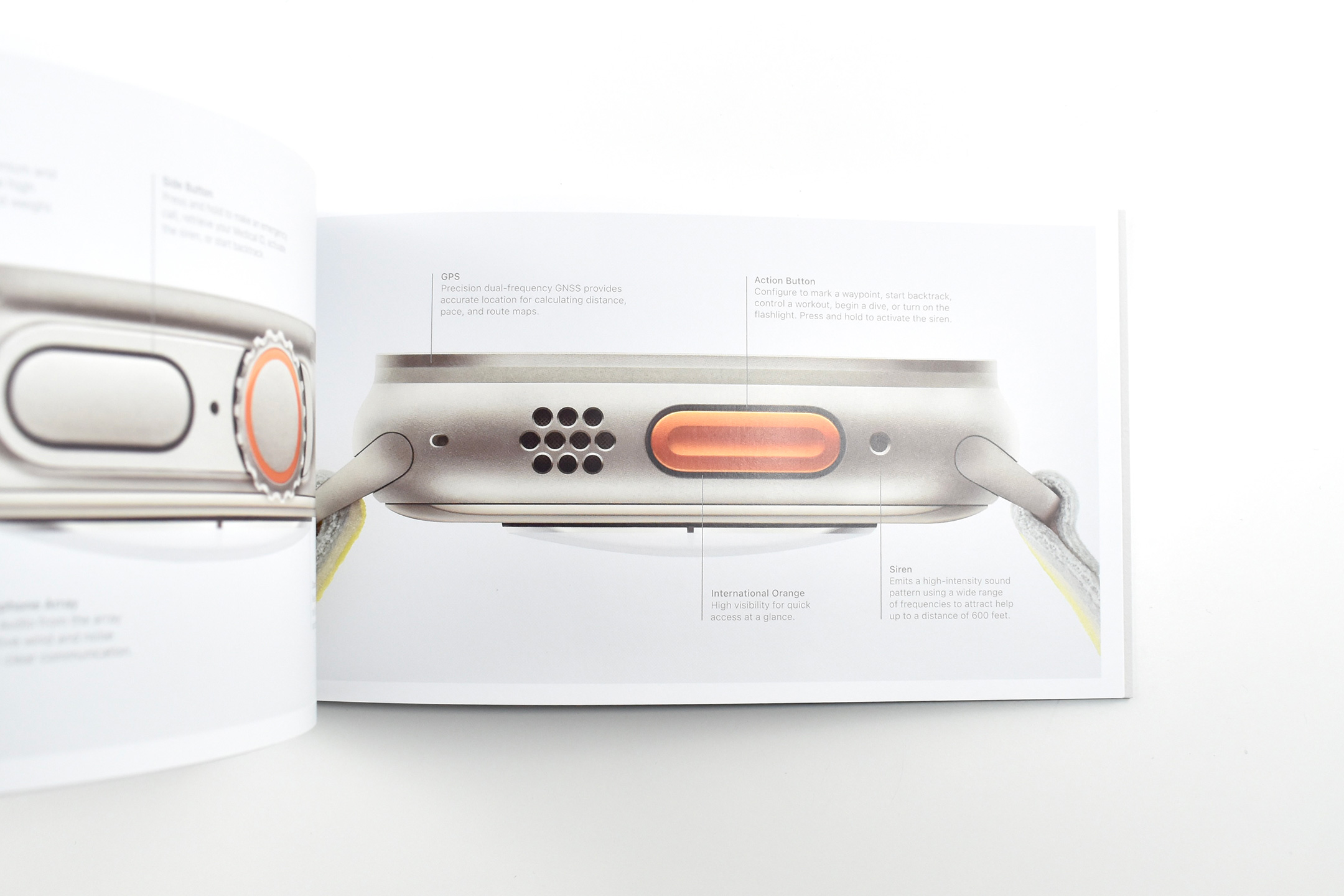
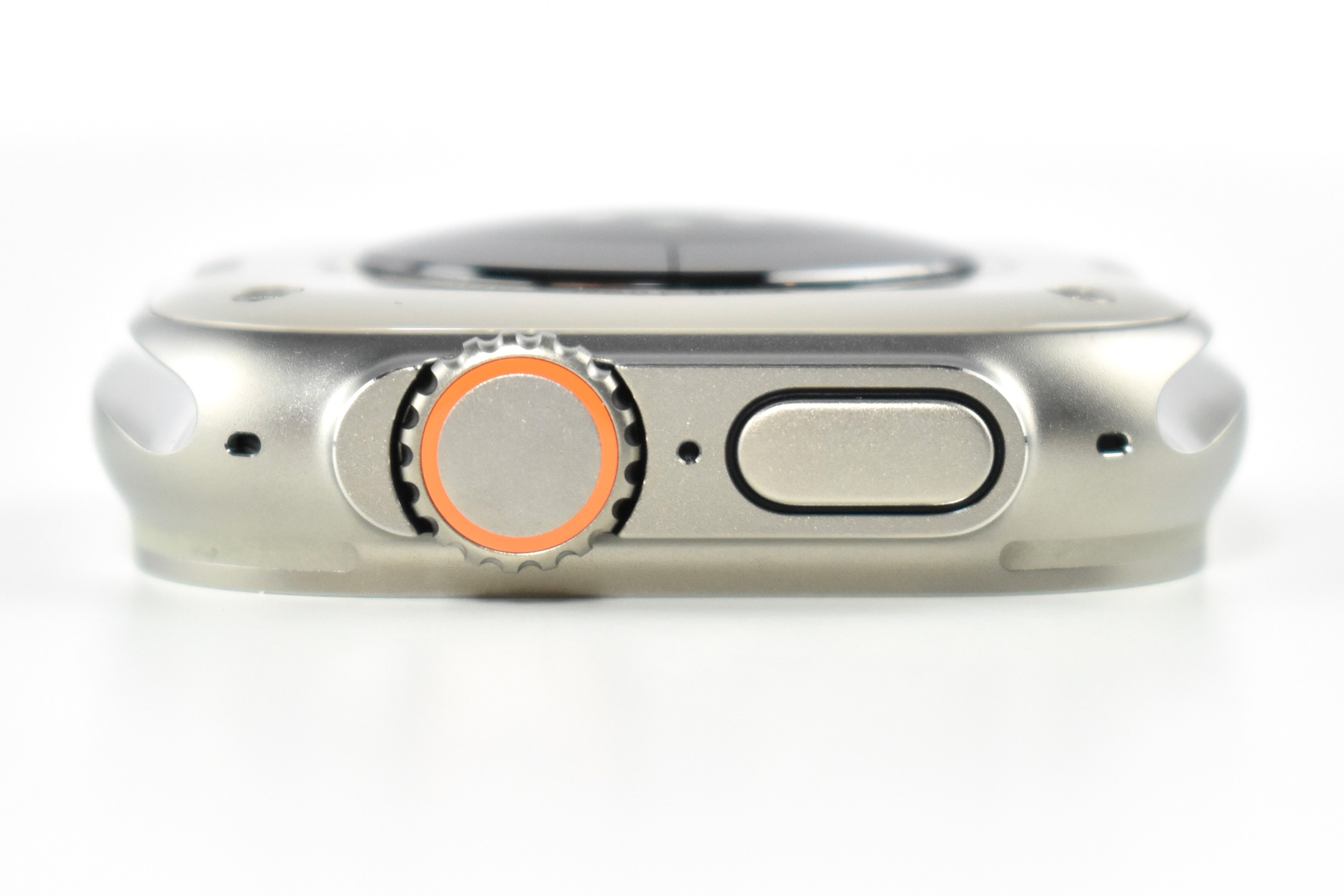
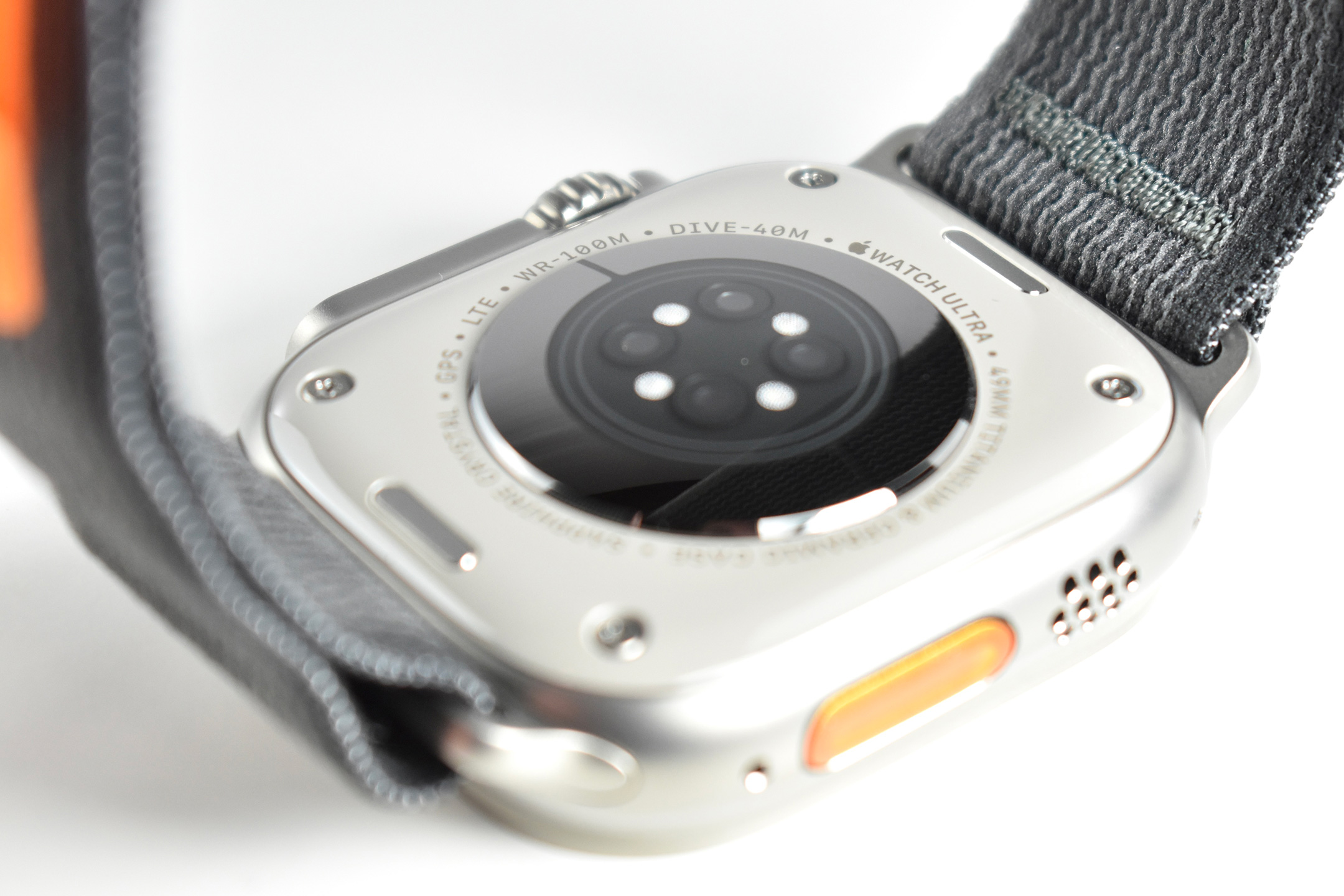
In addition to its rugged design, several features were exclusive to the Apple Watch Ultra. The Apple Watch Ultra had apps for scuba and free diving, a redesigned compass, a lightweight titanium case, a precision dual-frequency GPS, and its battery could last up to 36 hours (up to 60 hours in low power mode). It had a screen that was twice as bright as other Apple Watch models (up to 2000 nits) and had a night mode for low-light situations.

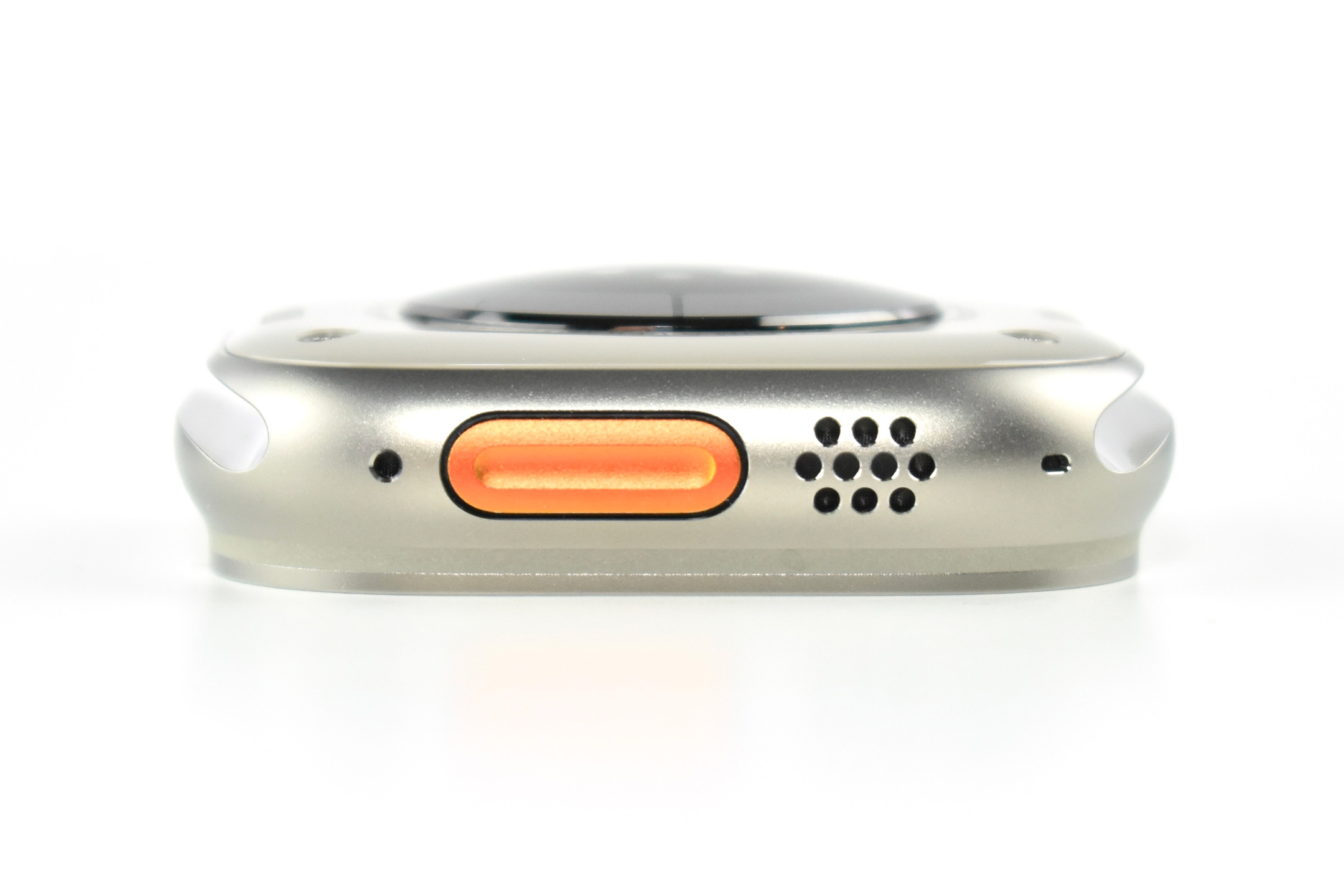
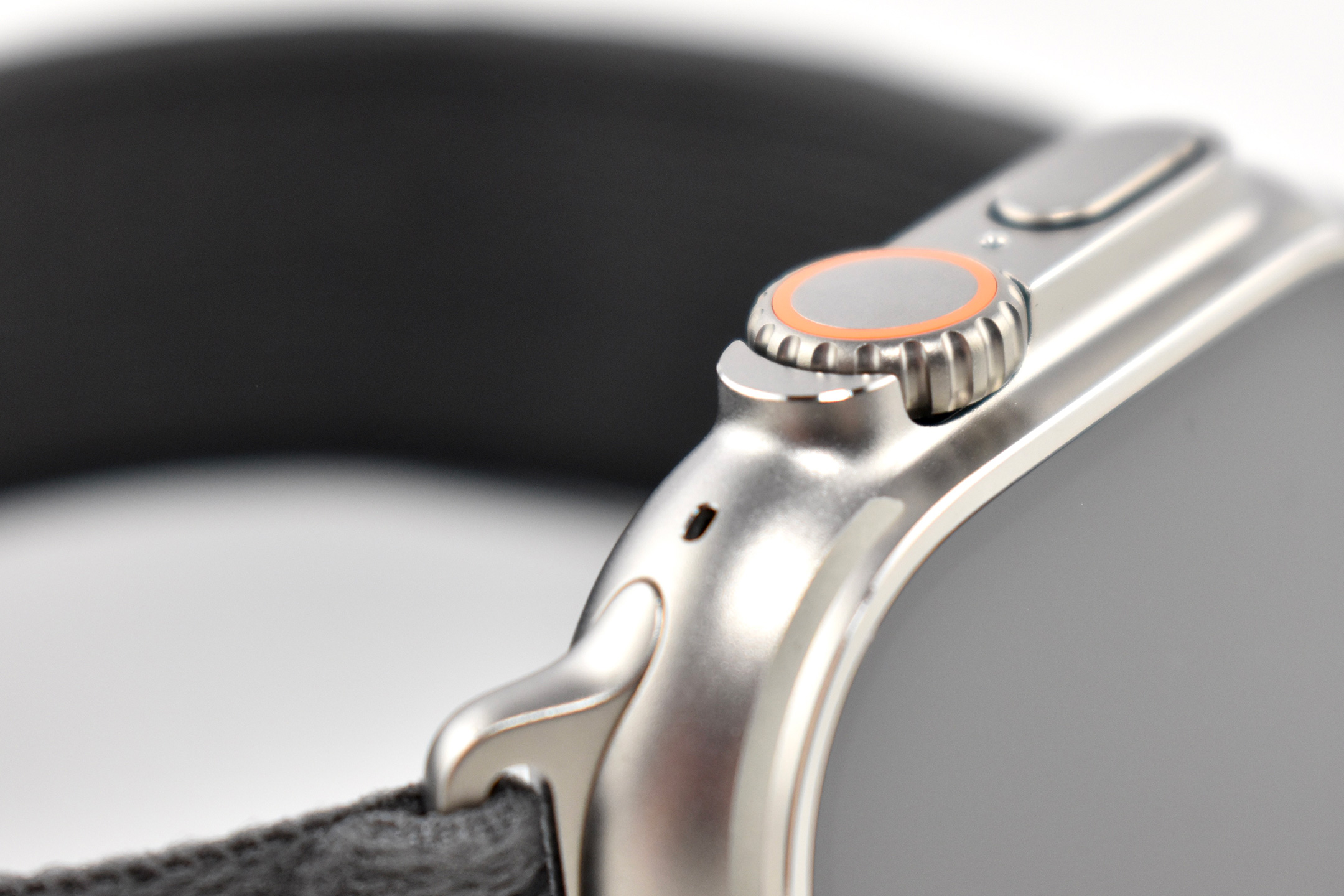
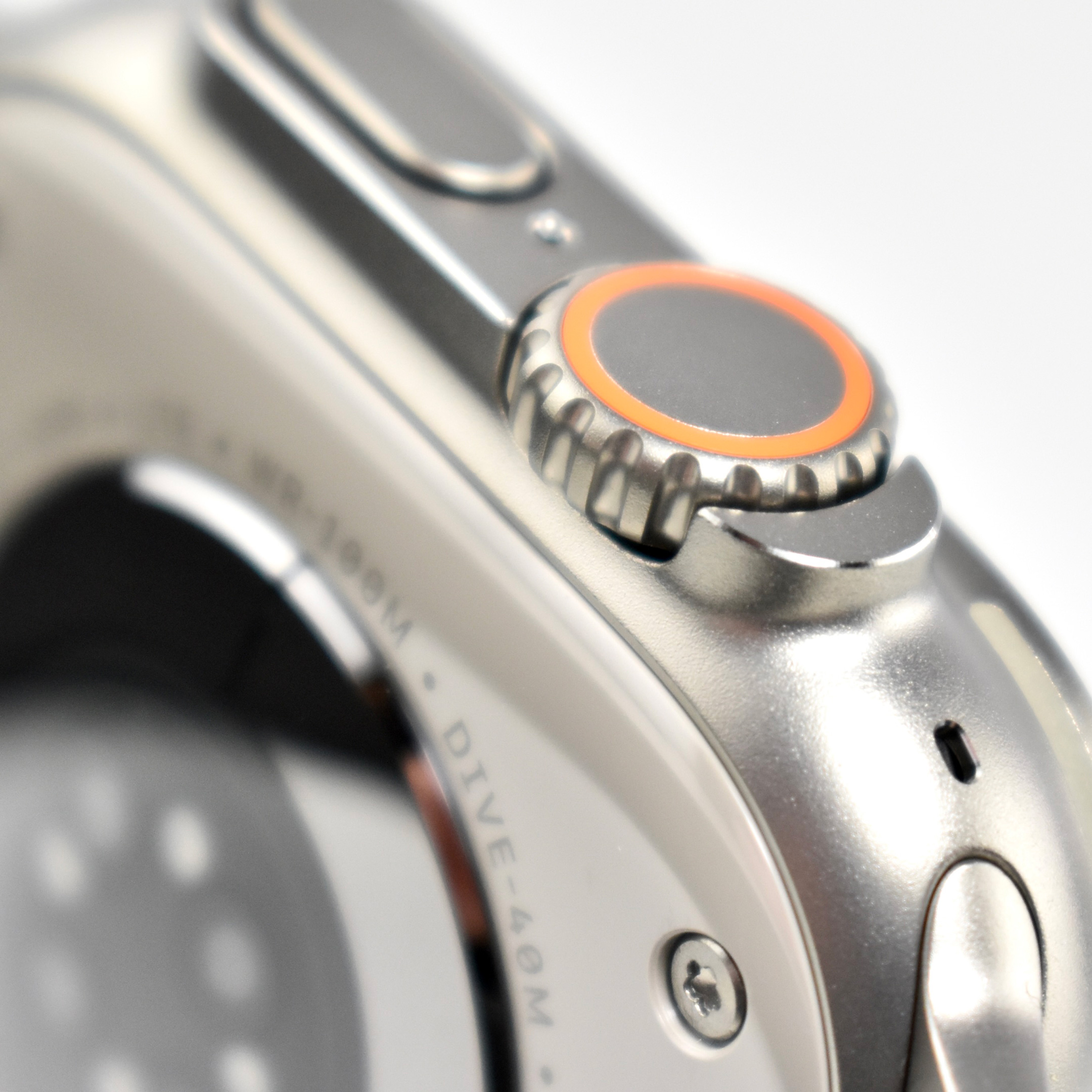
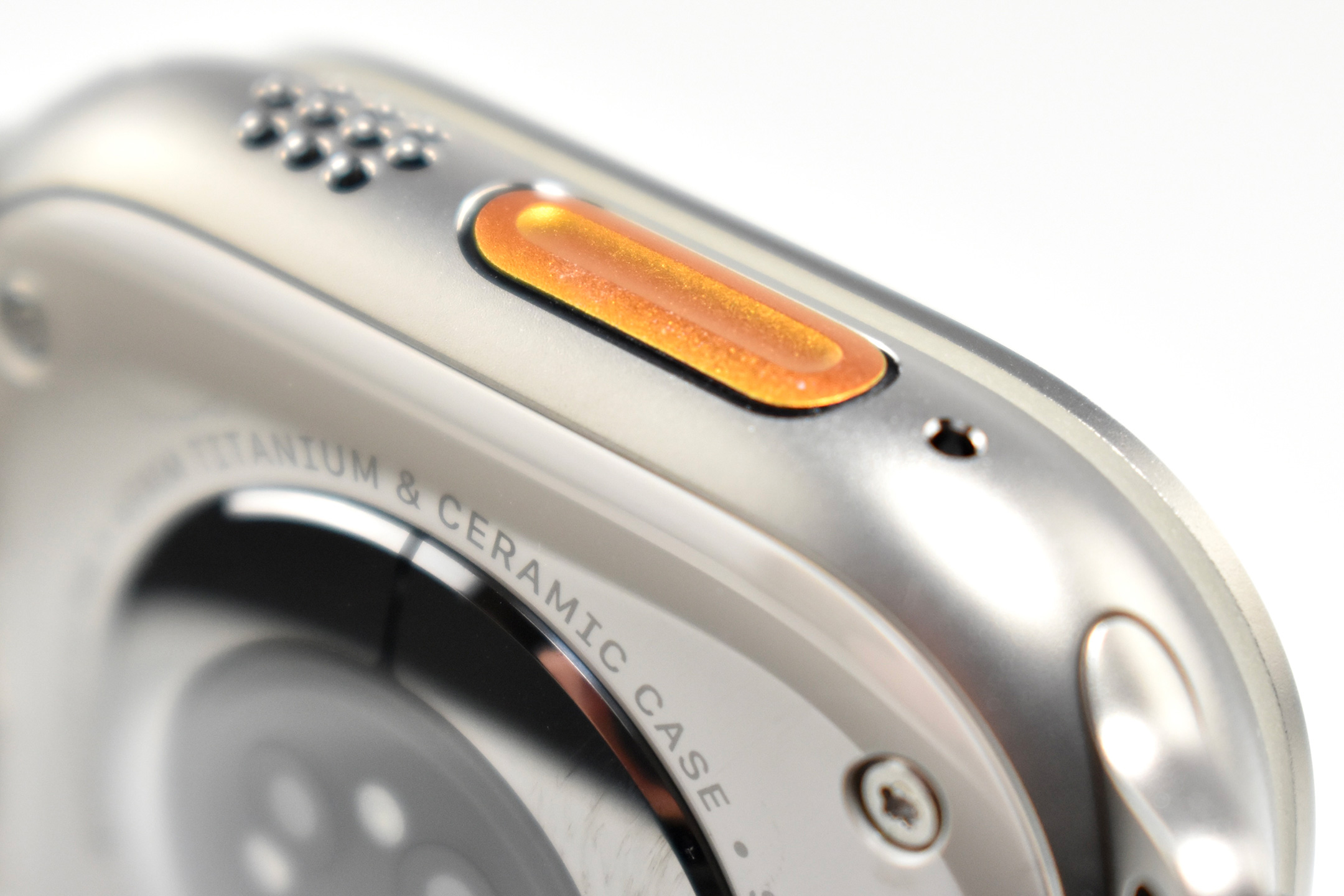
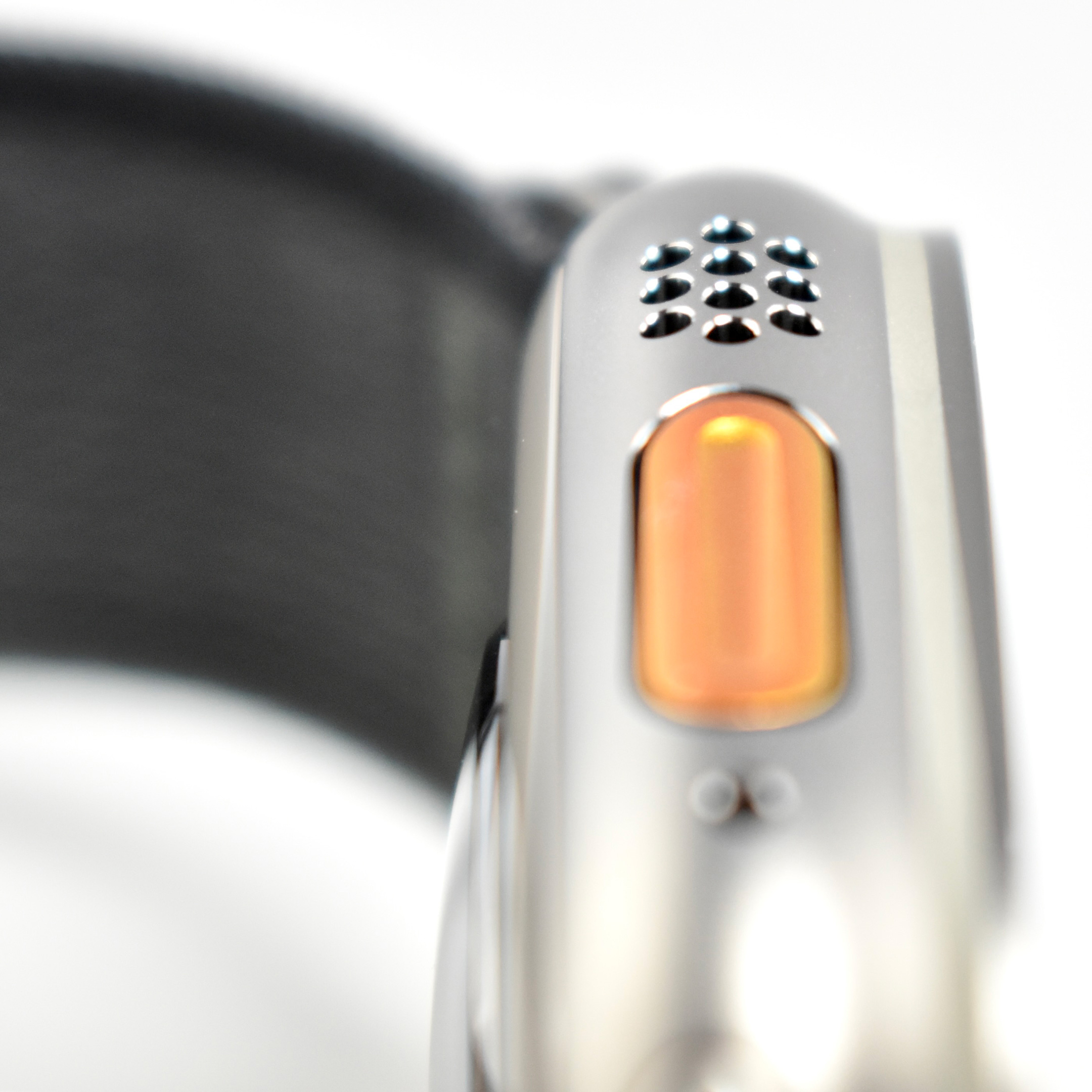
The Apple Watch Ultra also had an extra “Action button” on the left side that “gives you quick, physical control over a variety of functions. It’s customizable and can do things like control a workout, mark a Compass Waypoint, or begin a dive.” The “International Orange” button could be customized in the iPhone Watch app to control the following functions:

  • Workout
  • Stopwatch
  • Waypoint
  • Backtrack
  • Dive
  • Flashlight
  • Shortcut

When pressed and held, the Action Button activated an “86-decibel sound pattern to attract help” that “can be heard up to 600 feet or 180 meters away.”

The Apple Watch Ultra also had a Three‑Microphone Array to allow use in windy environments. The microphones used an adaptive algorithm that “picks the best microphone for audio. Machine learning filters noise for optimal voice clarity.”

The larger size of the Apple Watch Ultra screen allowed a few additional display features unavailable in other models. While working out, the display allowed viewing up to six simultaneous metrics. The redesigned Compass app could be accessed in a new ring display on certain watch face designs and offered real-time elevation, incline, longitude, and latitude along with the directional information.

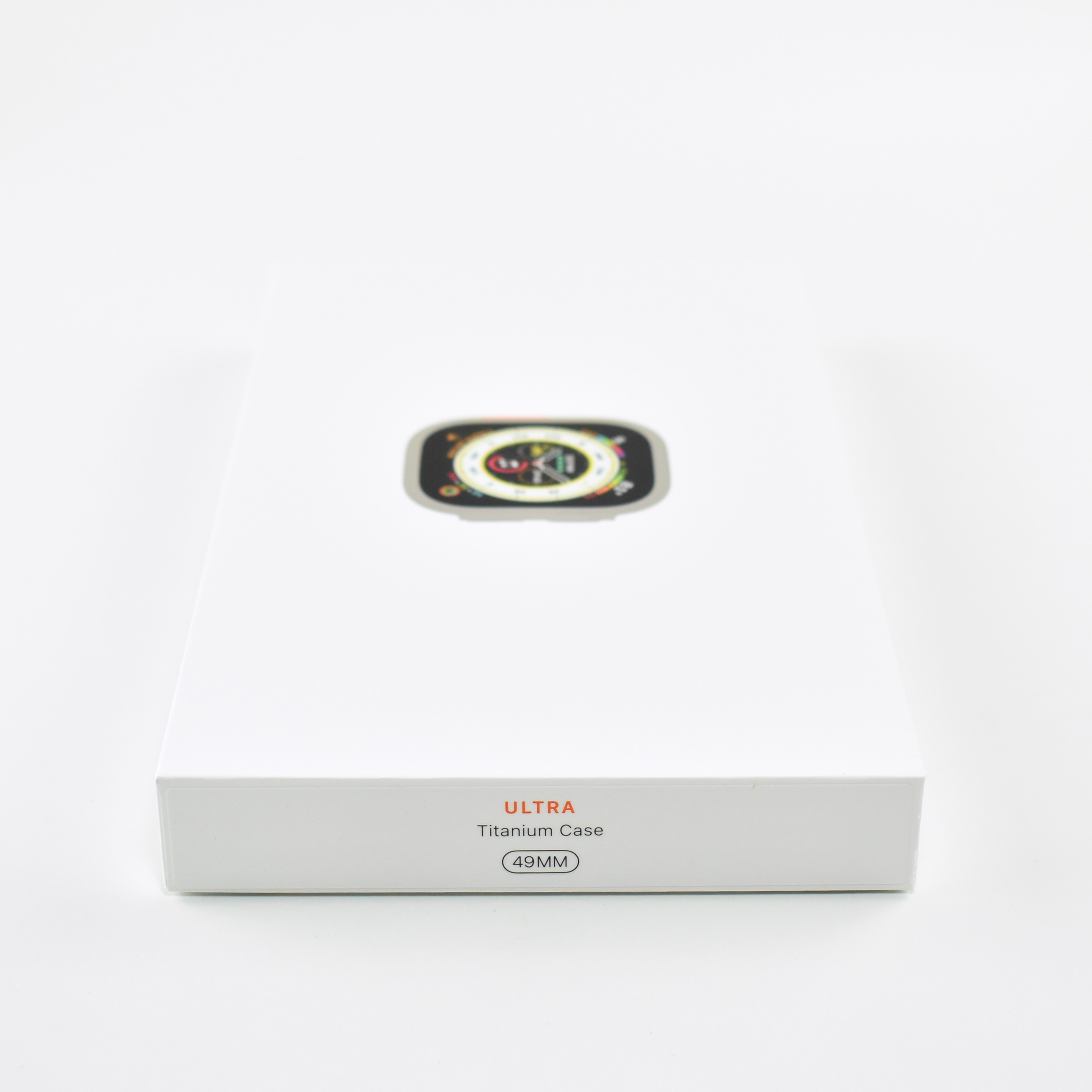
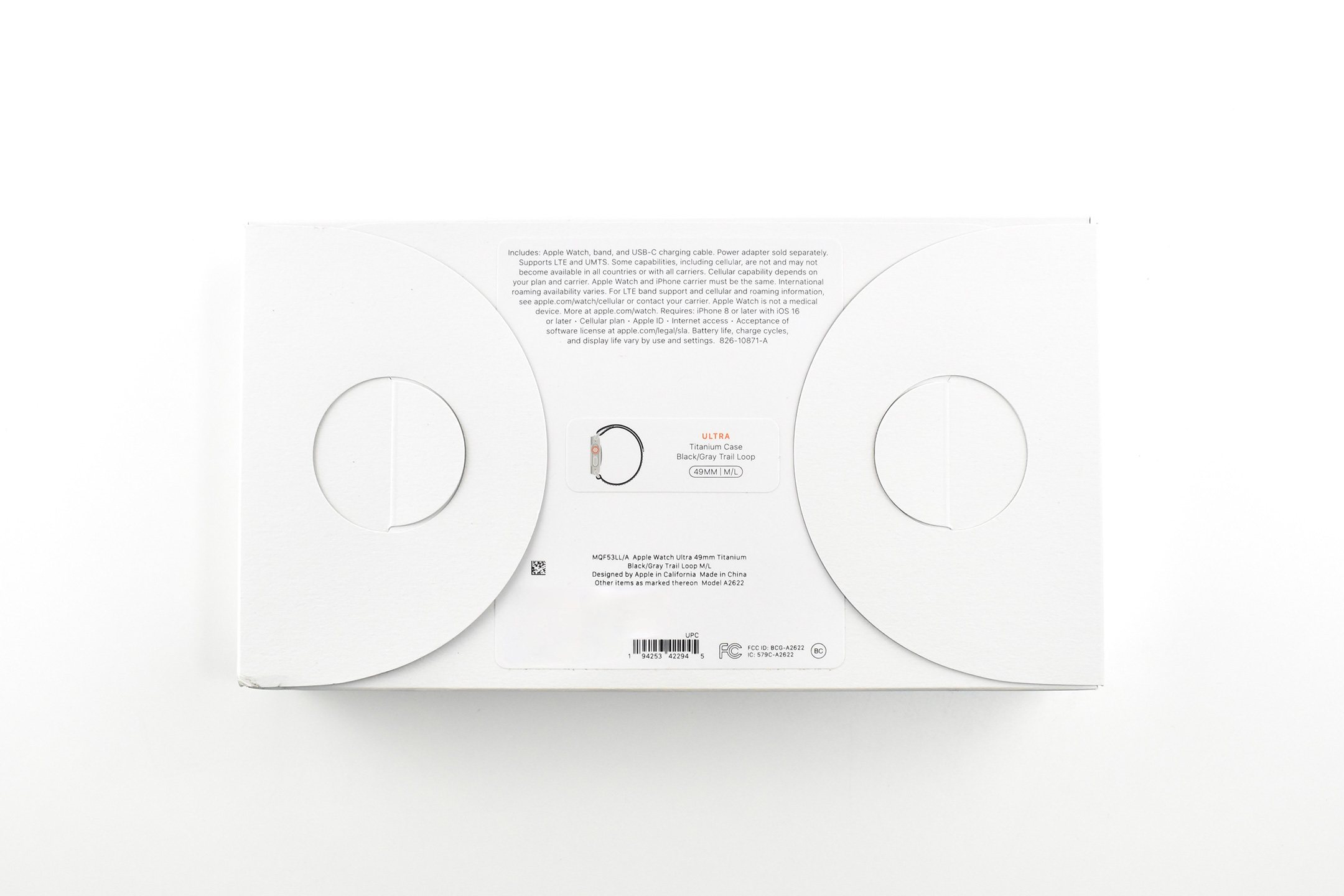
The Apple Watch Ultra was released in just one color, size, and finish: a metallic light-beige shade of titanium. The display was 49mm. All models used three chips, including the S8 with 64-bit dual-core processor, W3 Apple wireless chip, and U1 Ultra Wideband chip. GPS and Cellular were standard features along with 802.11b/g/n 2.4GHz and 5GHz Wi-Fi and Bluetooth 5.3. It measured 49 x 44mm and was 14.4mm deep. It weighed 61.3 grams.

Sources Apple (Newsroom, product, specs)
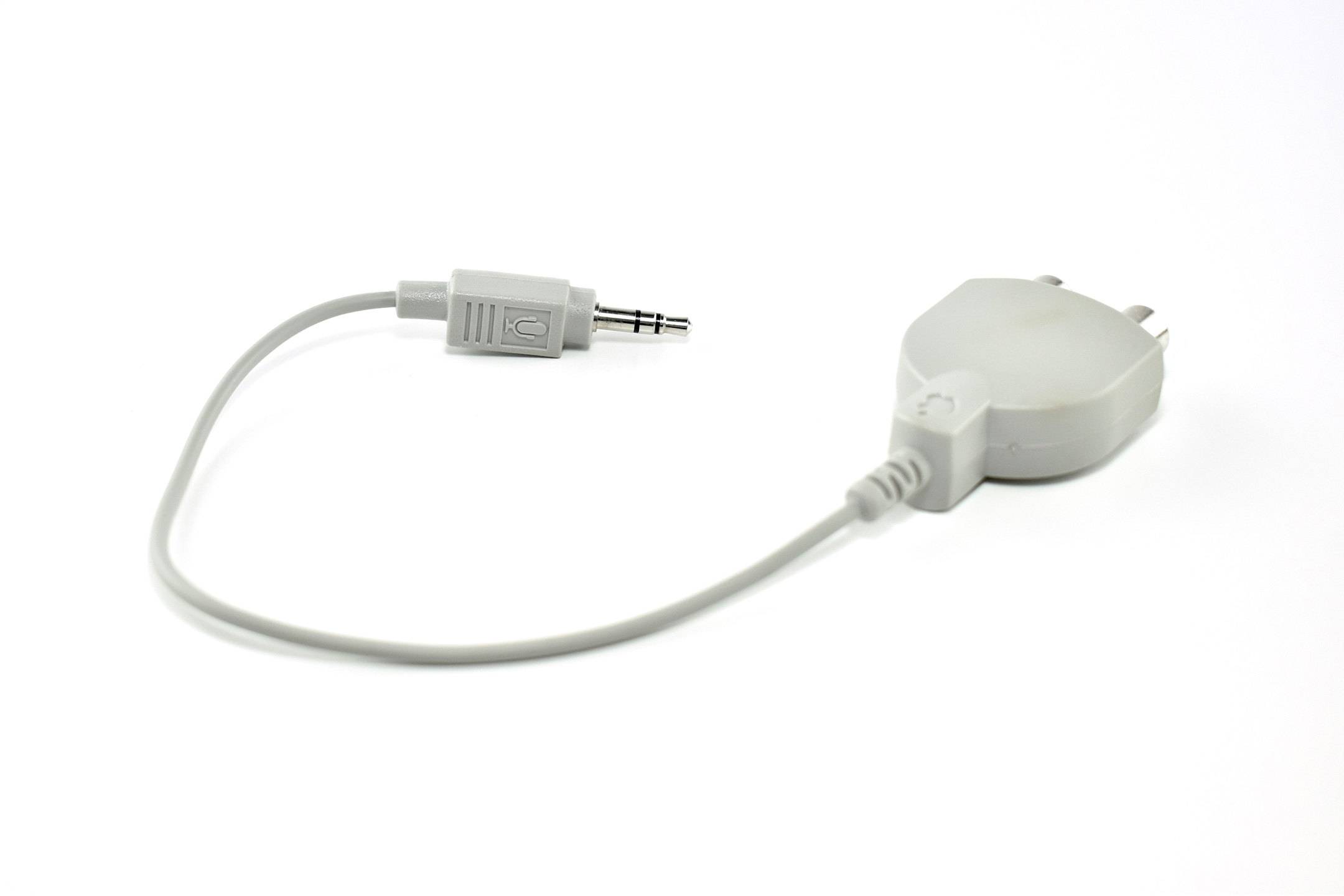
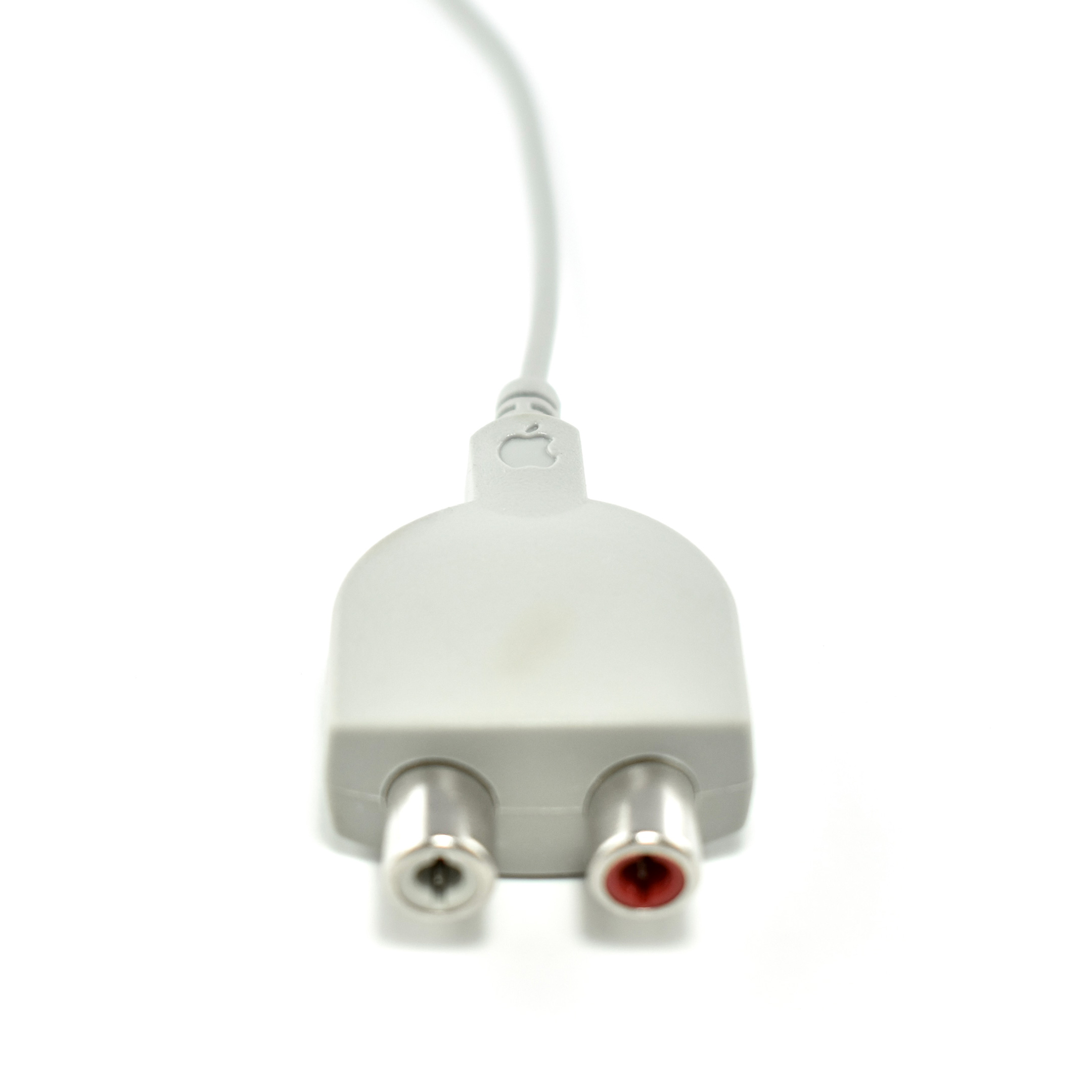
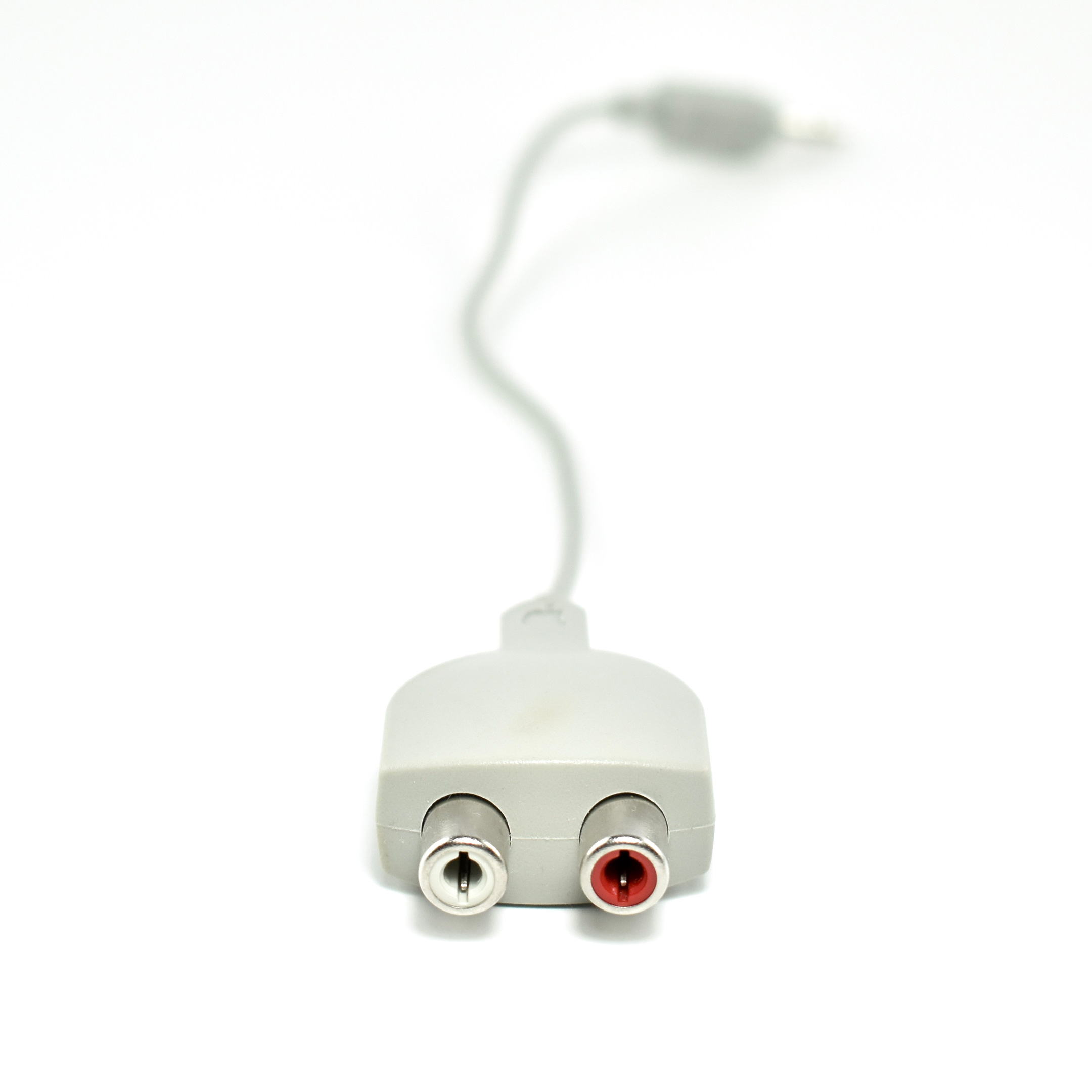
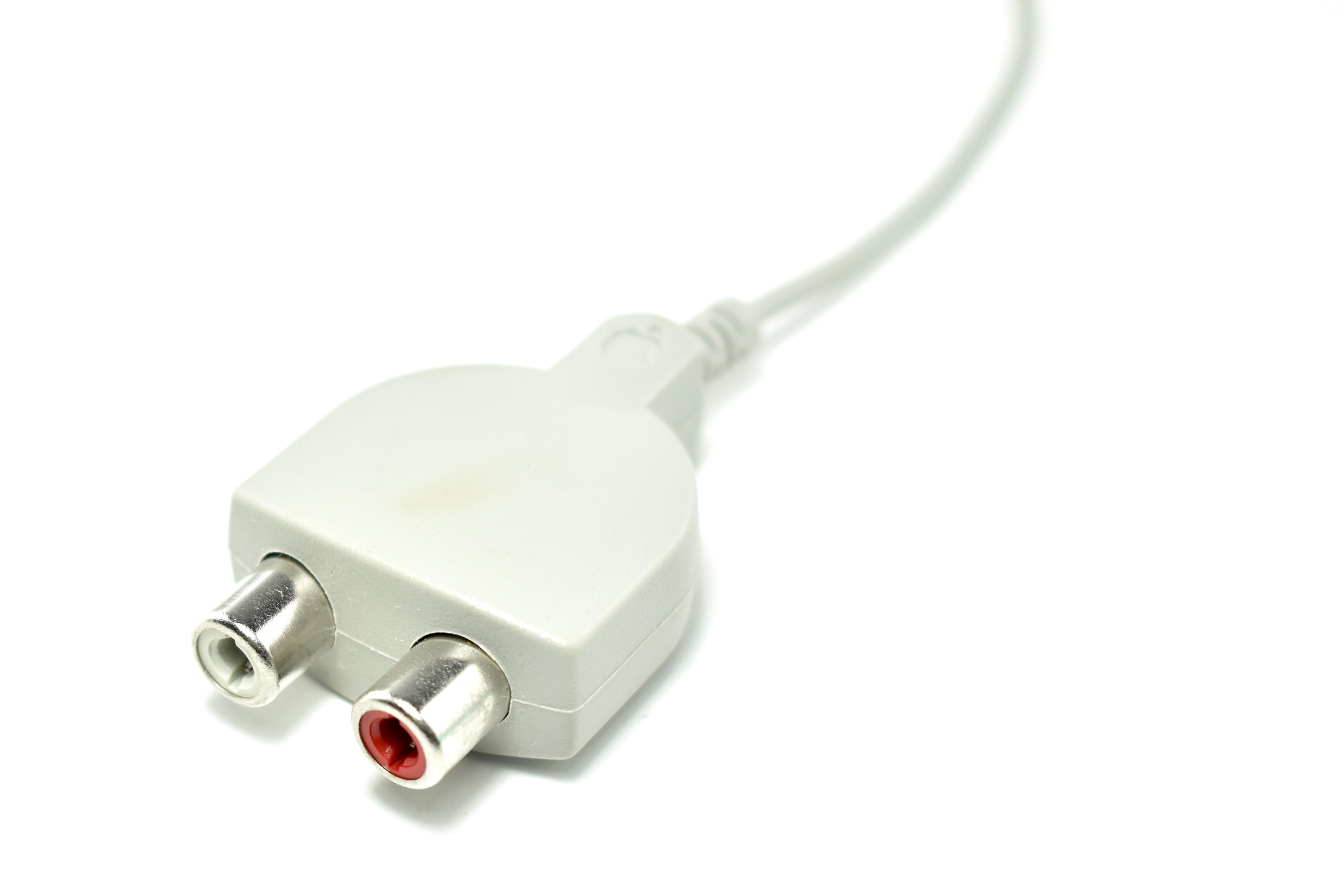
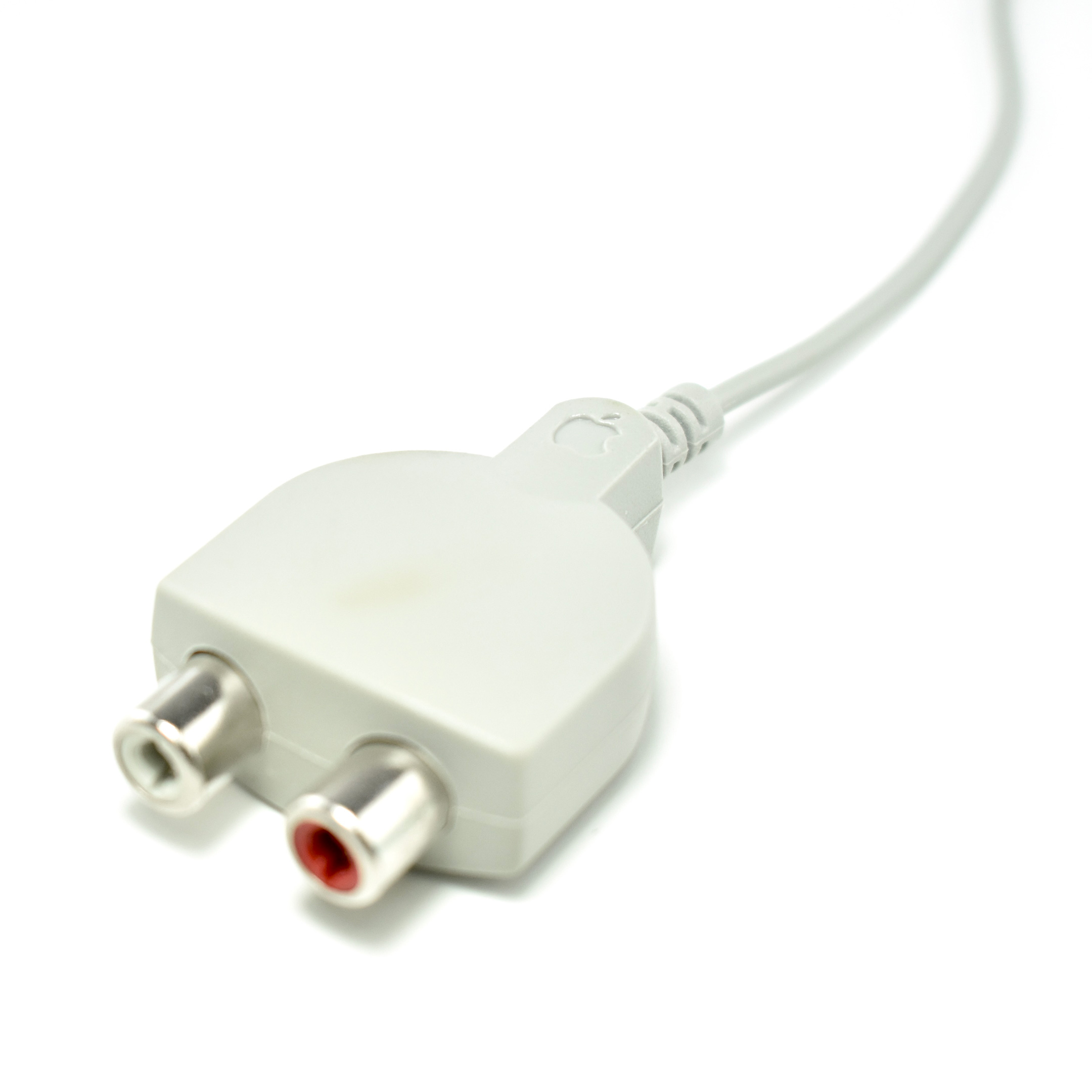
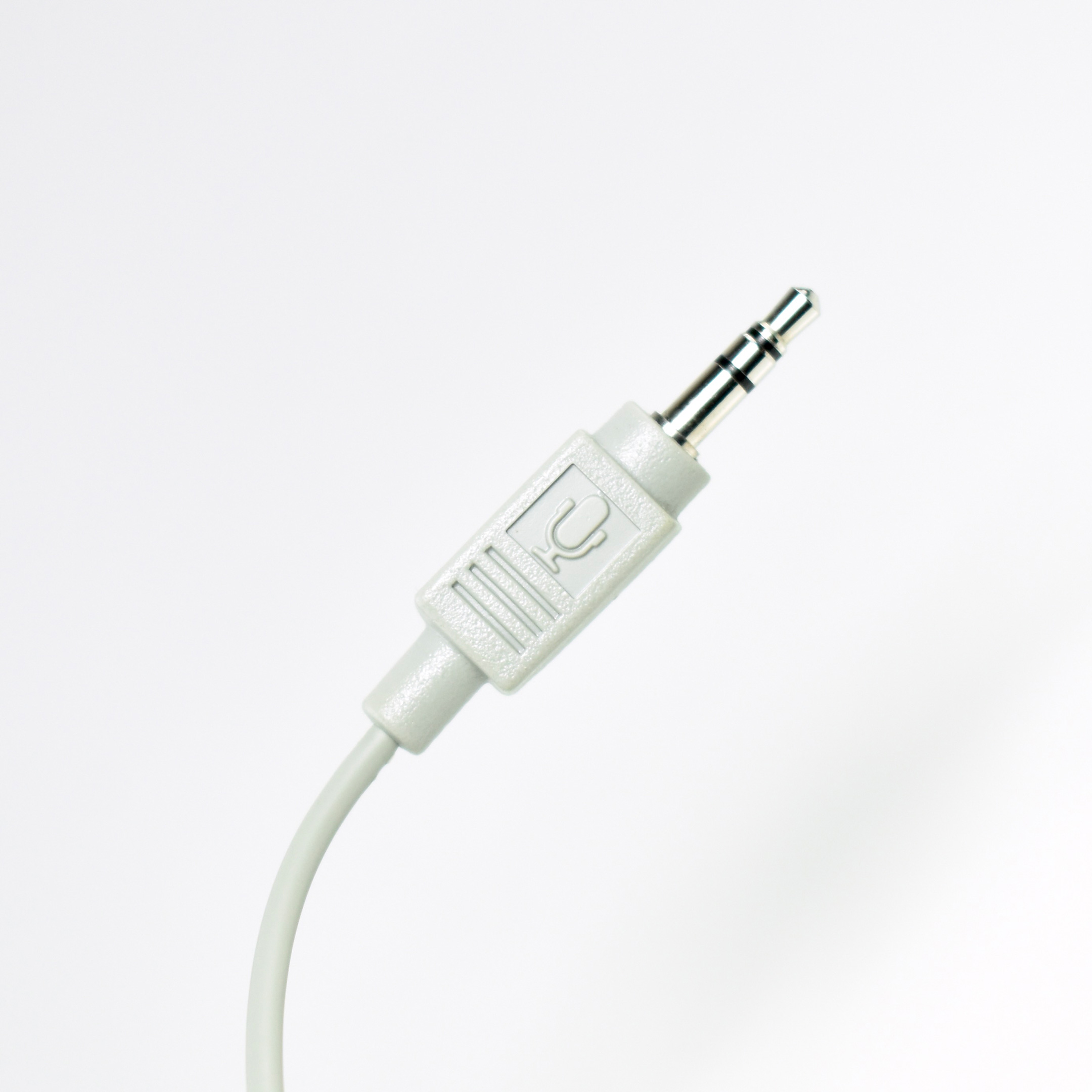
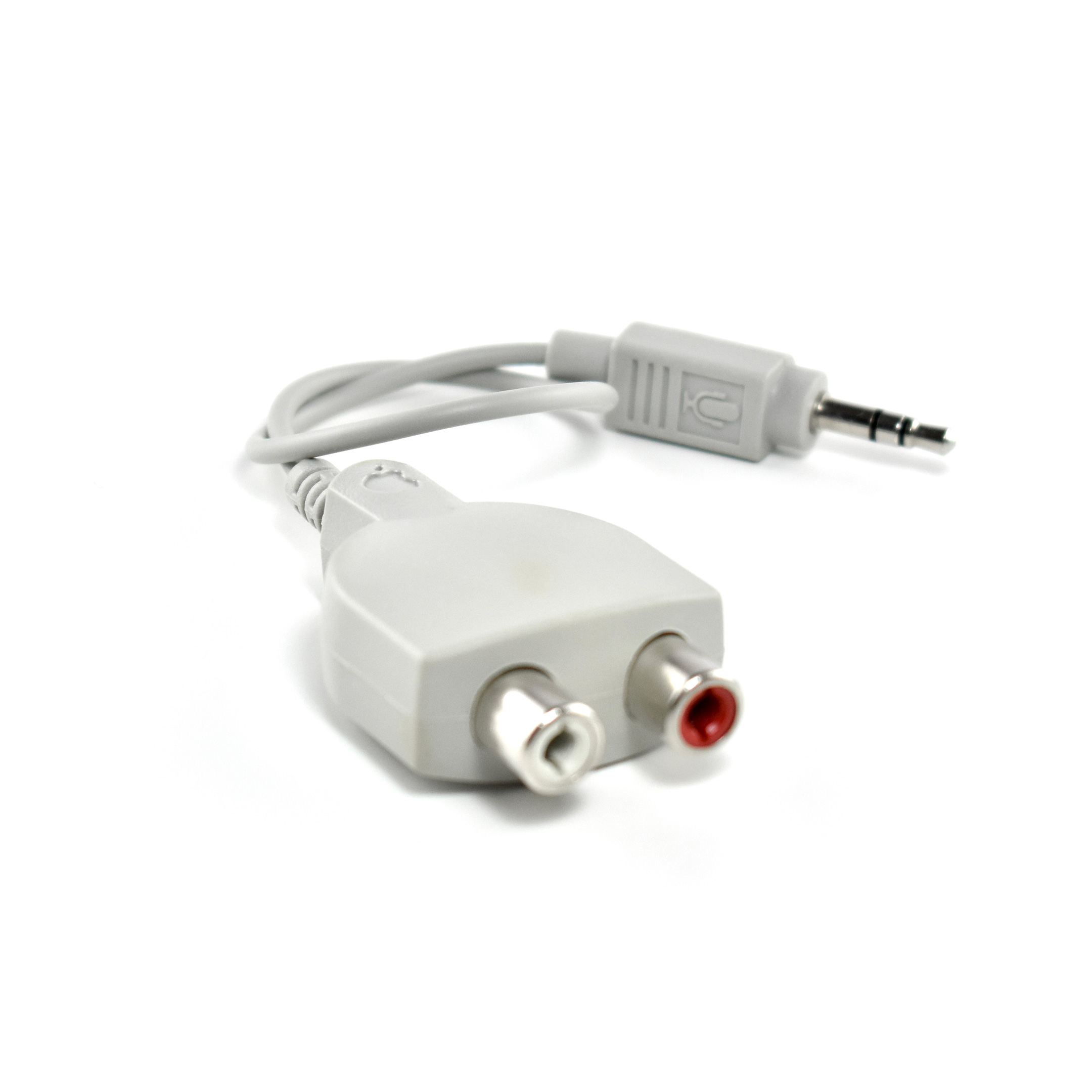
RCA Stereo to 3.5mm Microphone Input Adapter (c. 1990)

This Apple-branded adapter allowed a powered microphone with RCA inputs (red and white plugs) to be plugged into a Macintosh with a 3.5mm microphone jack.
The adapter features an Apple logo (on the RCA plug end) and Apple’s microphone icon (used in the 1990s) on the 3.5mm plug. The adapter is made in the platinum color used by Apple throughout the 1990s until the release of the iMac in 1998.
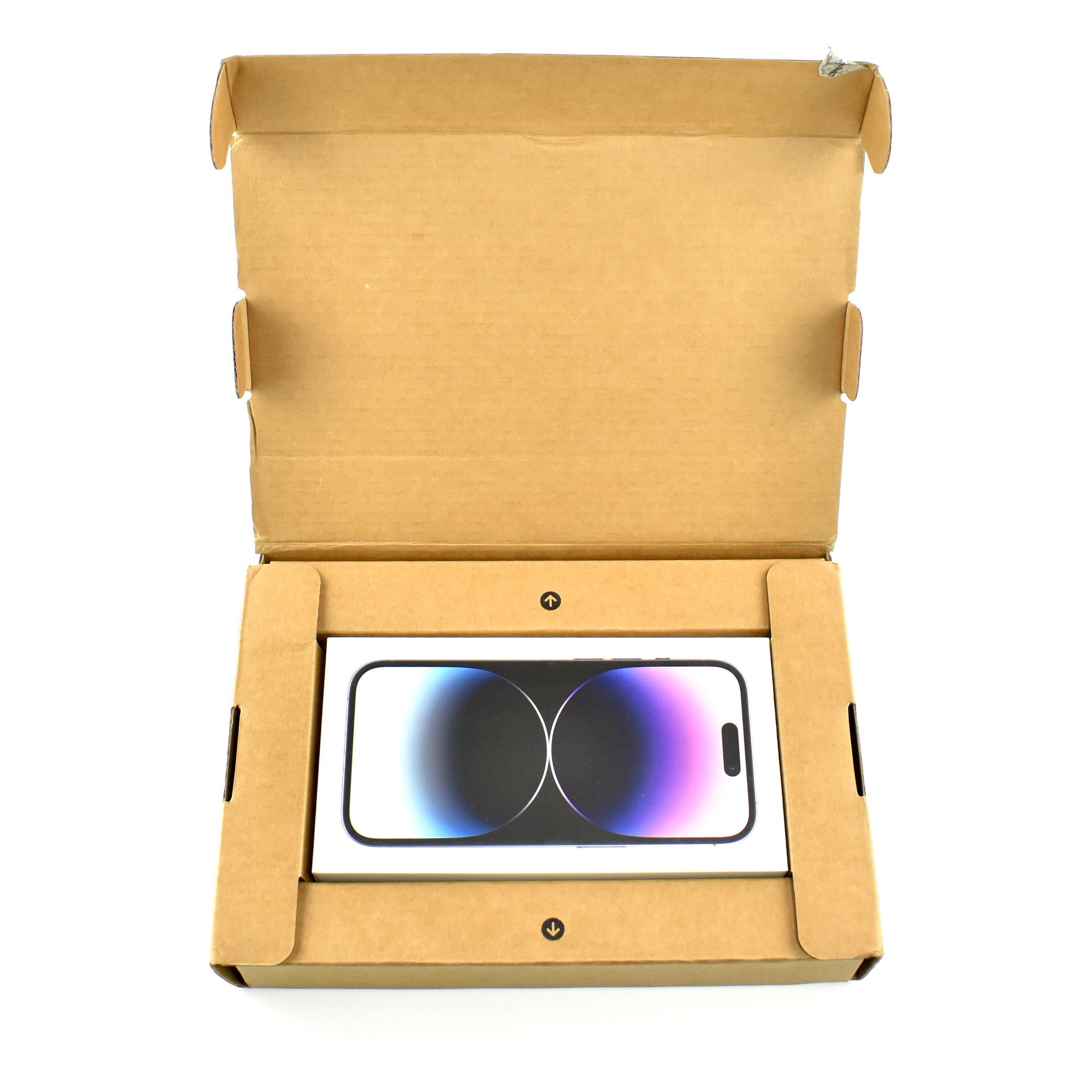
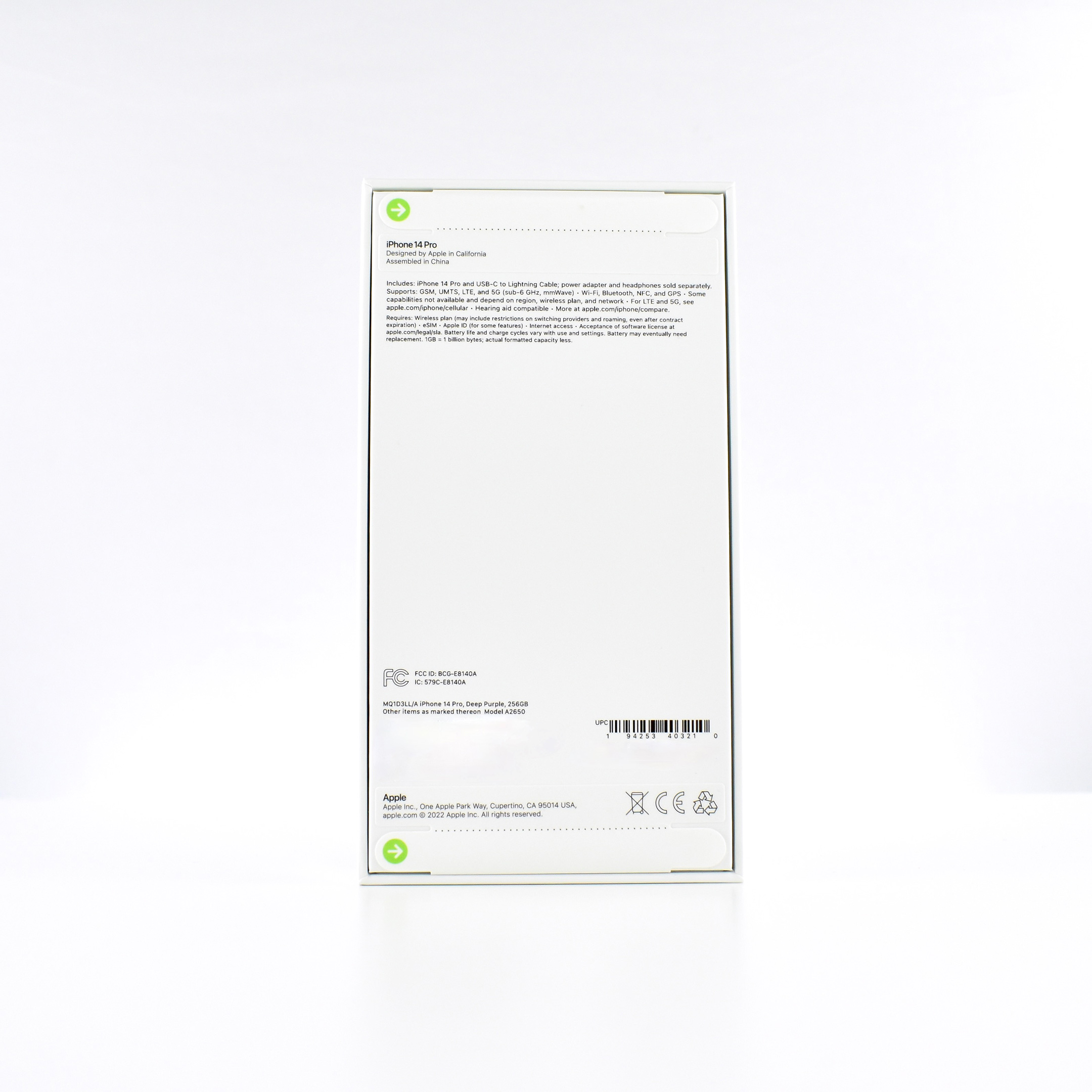
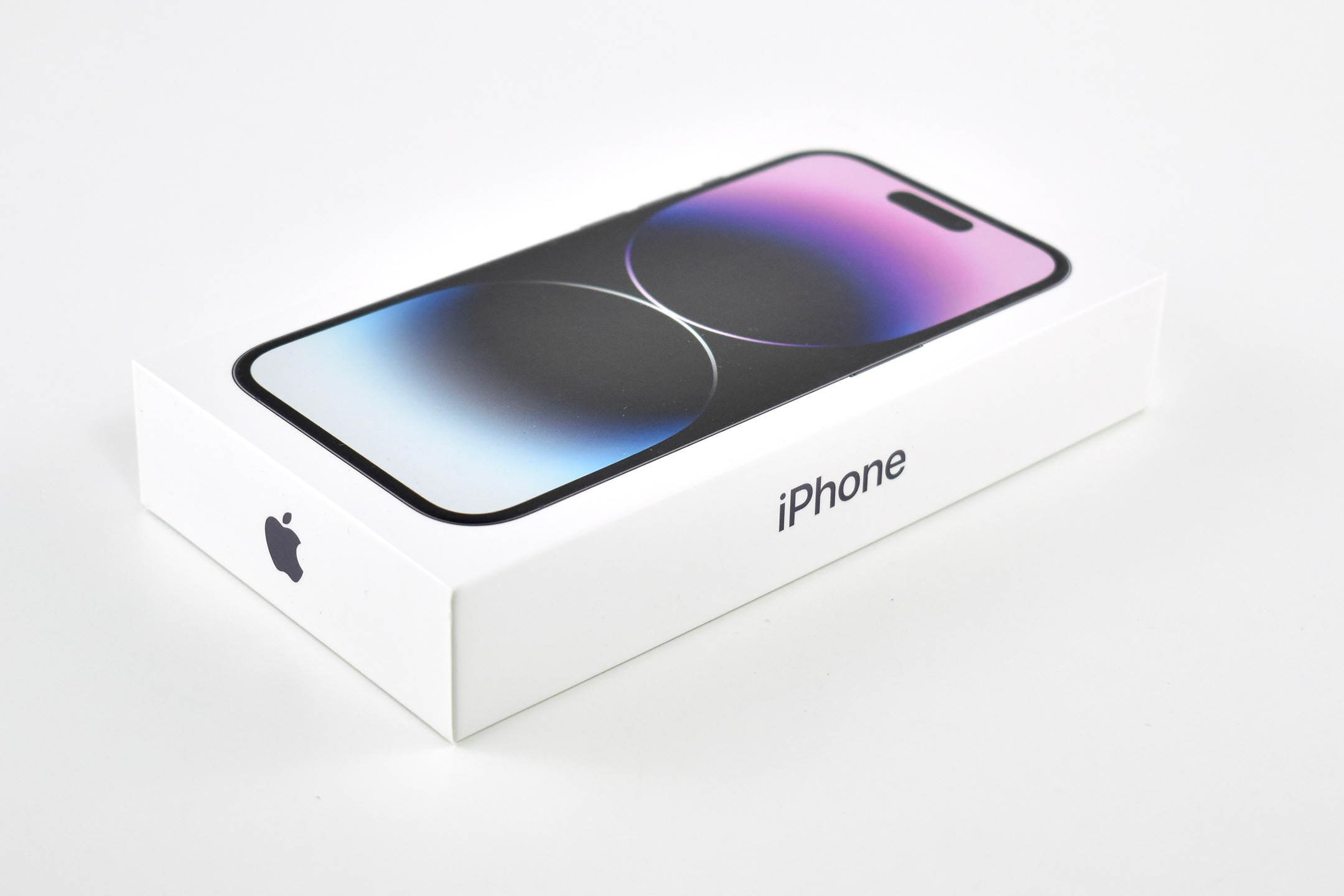
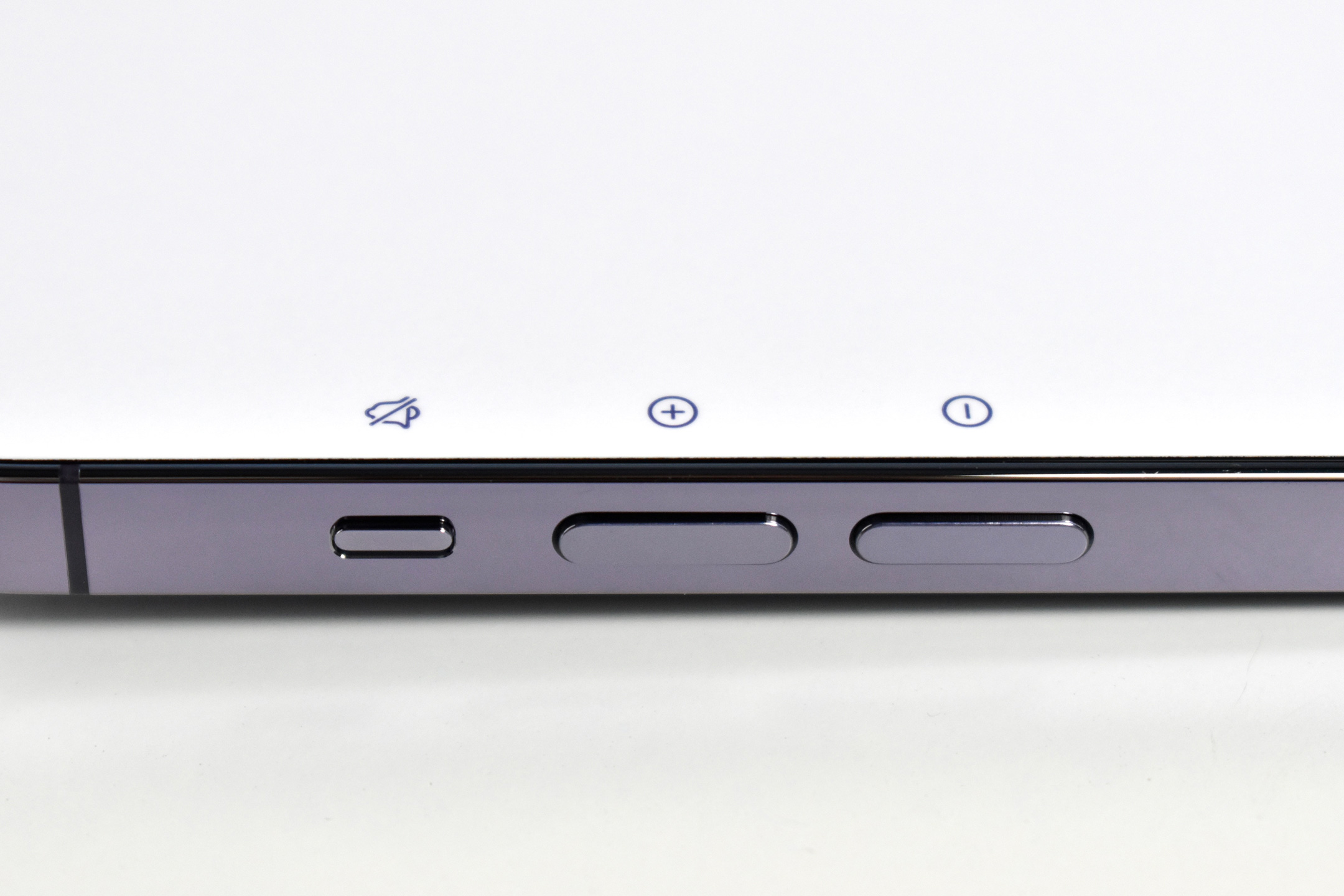
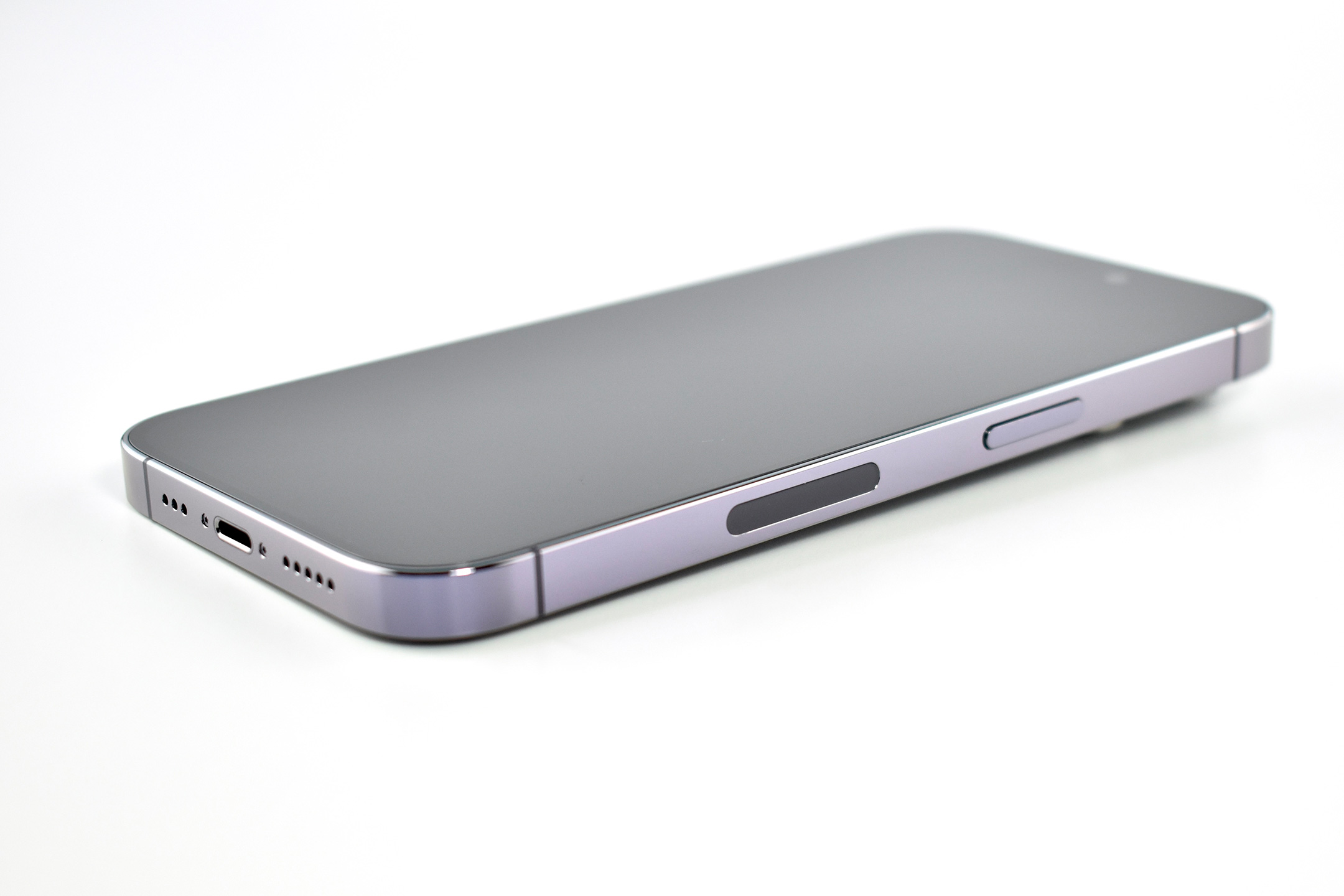
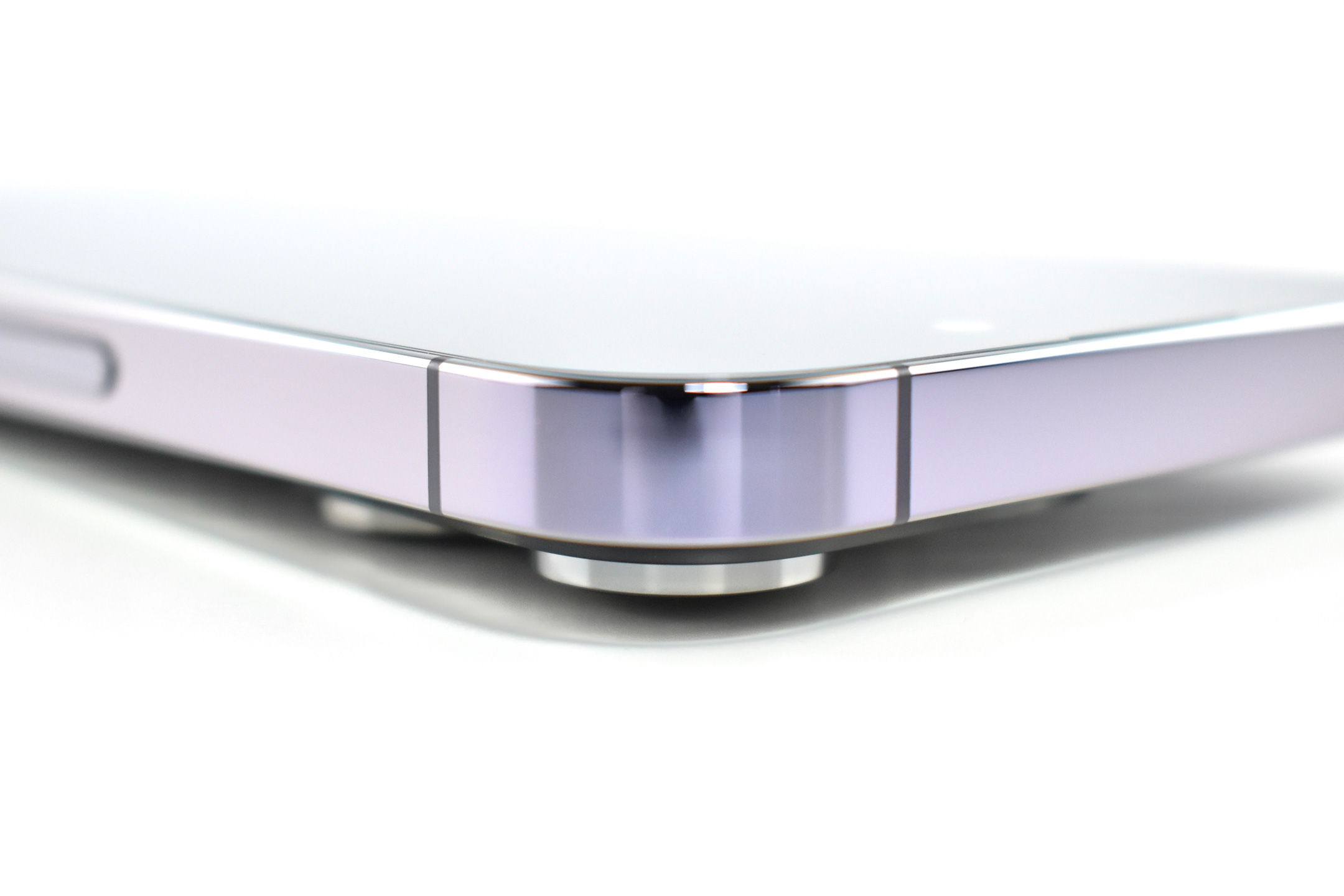
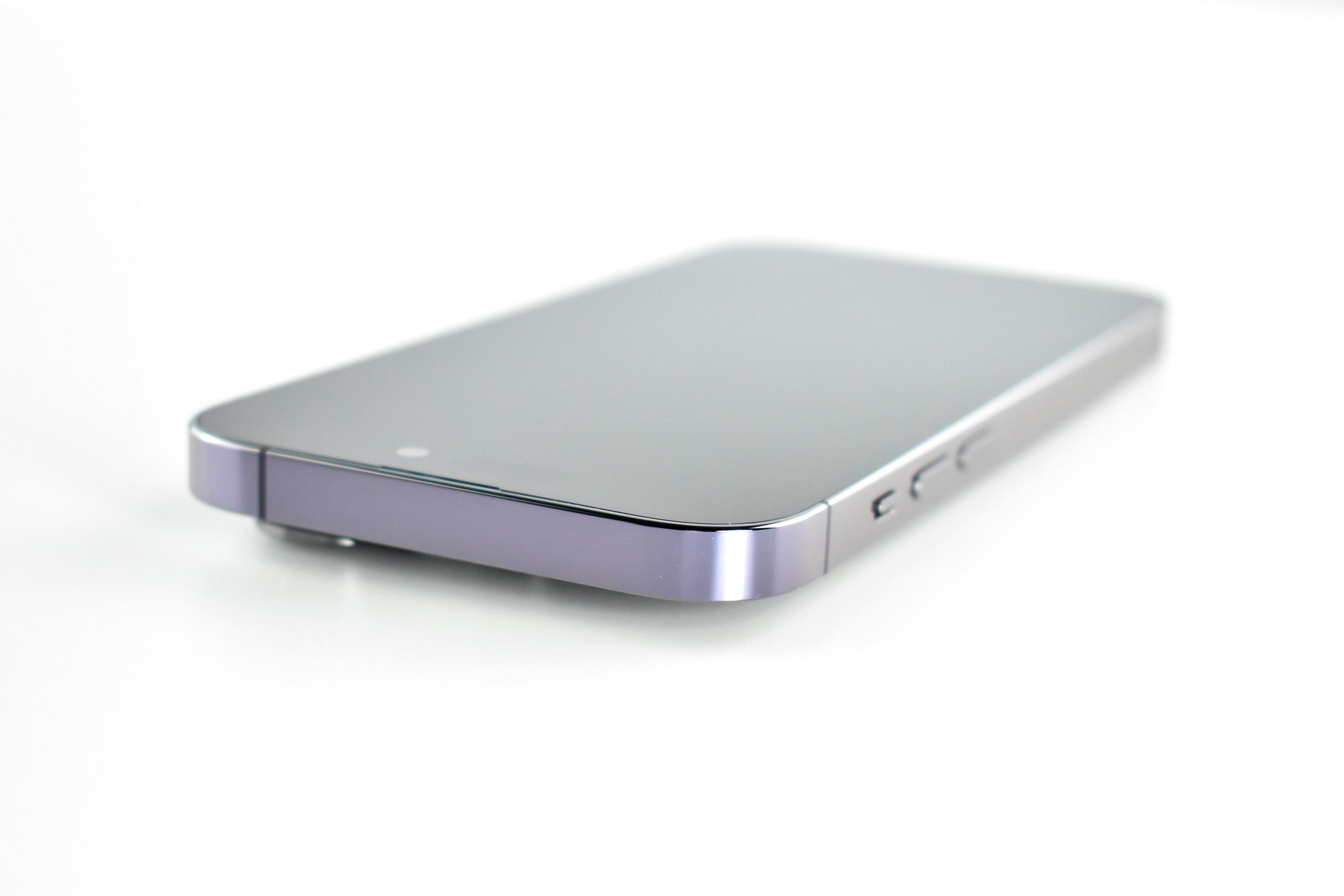
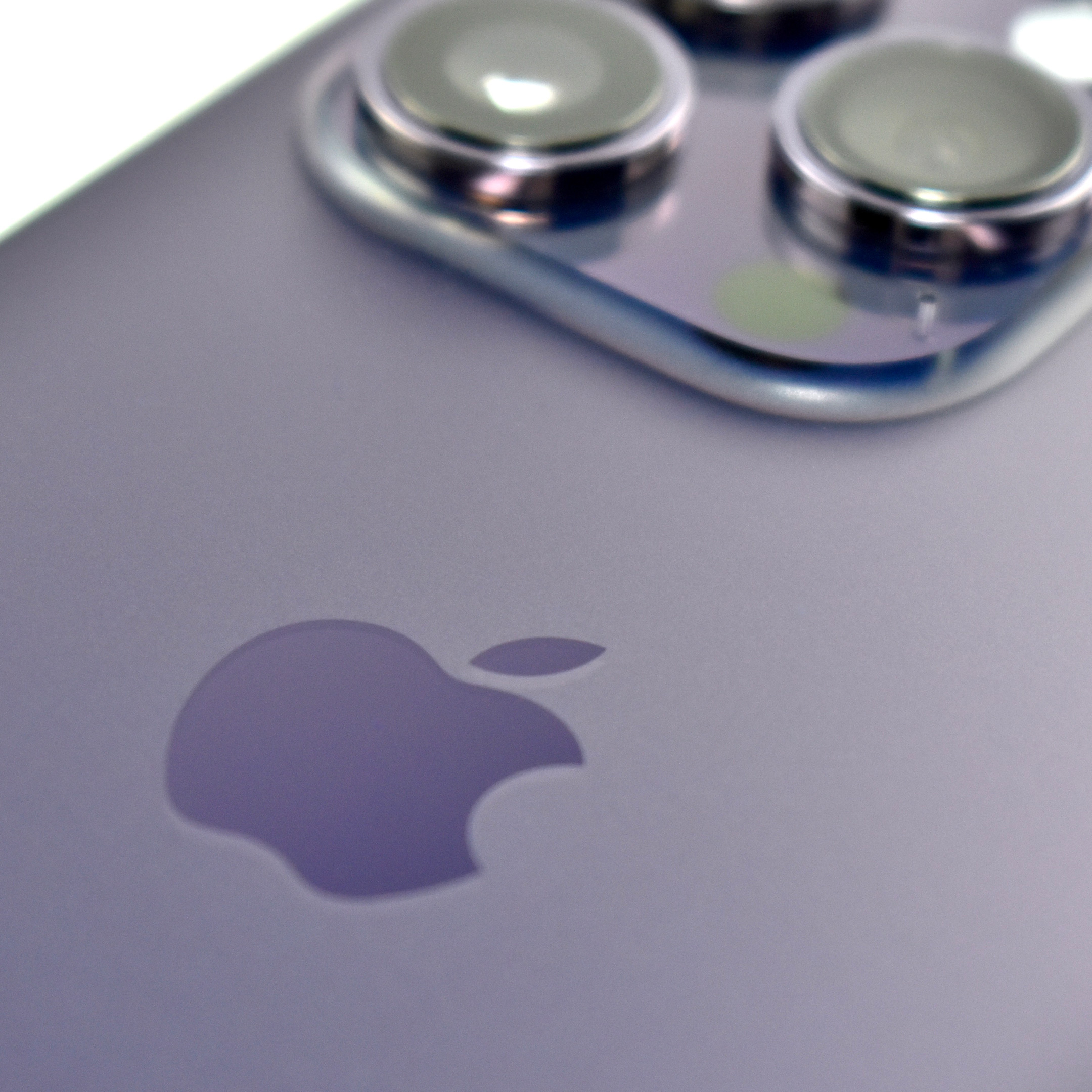
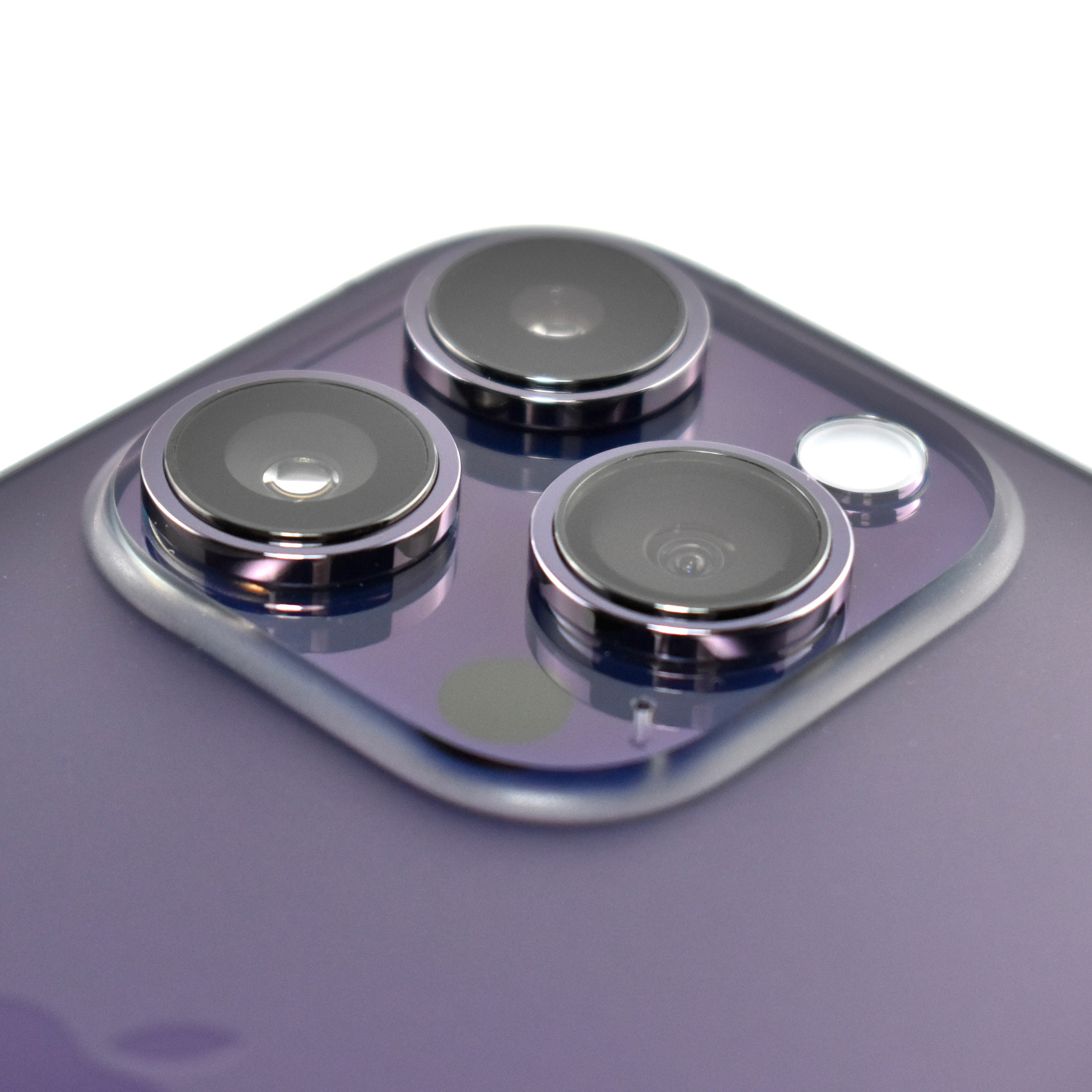
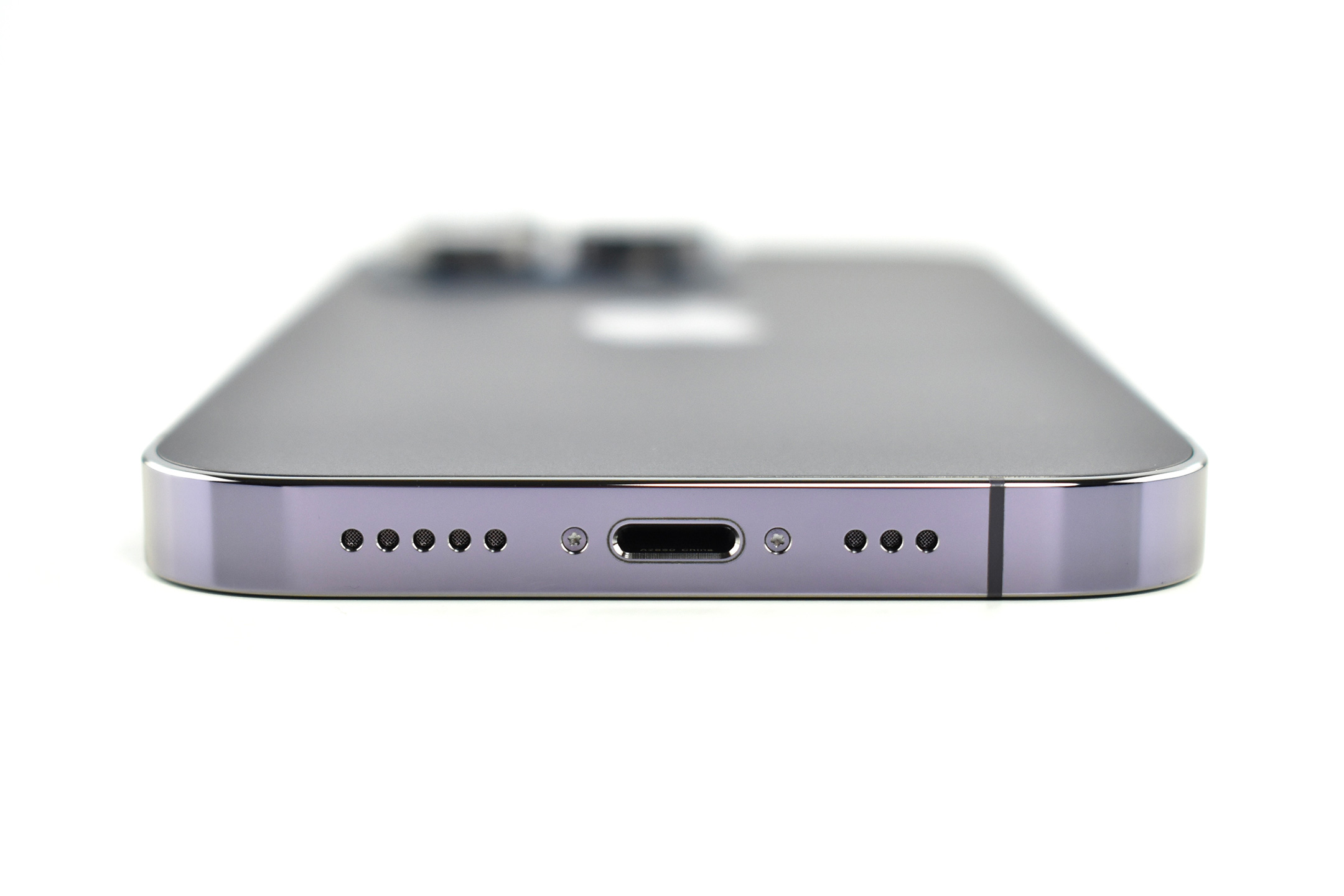
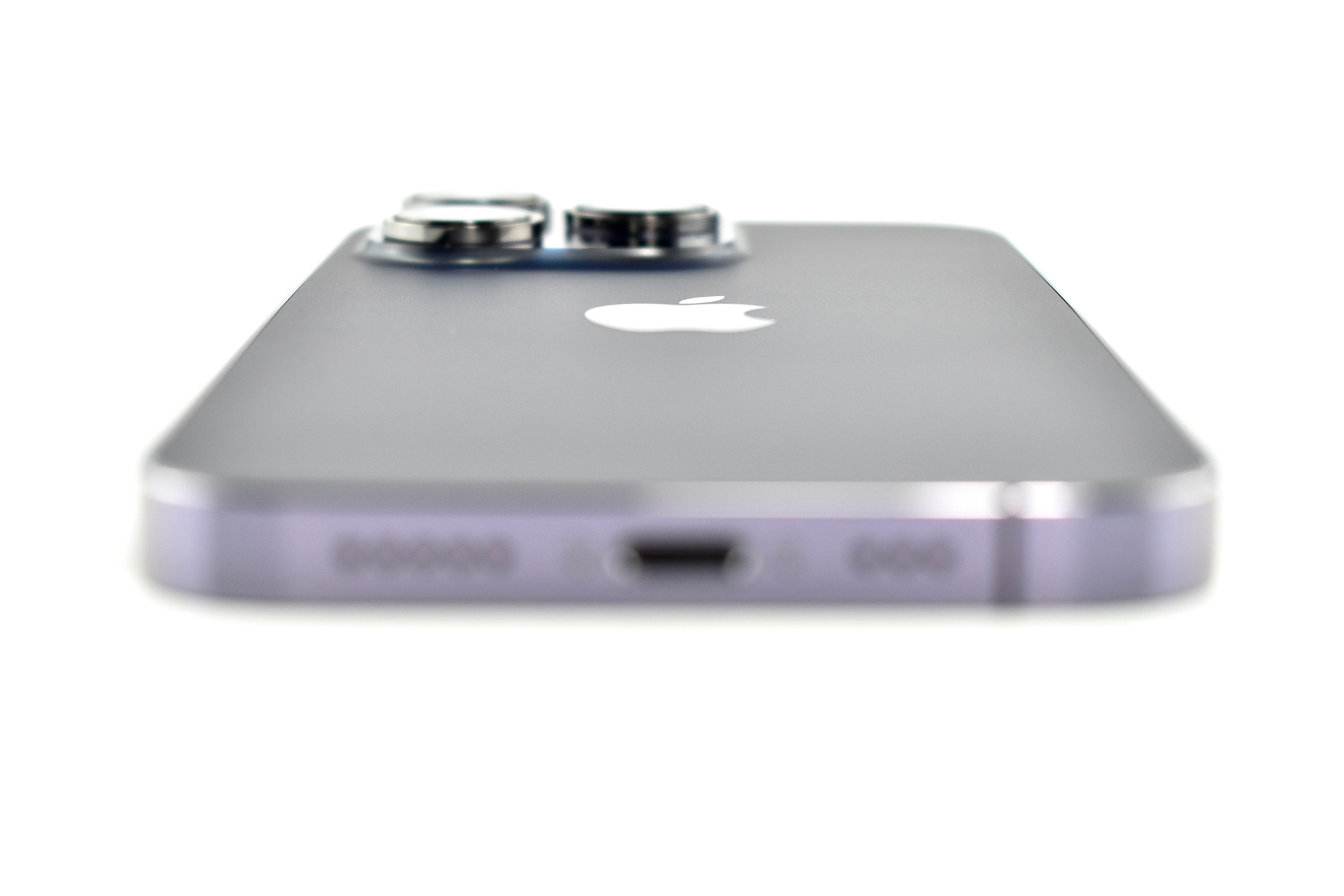
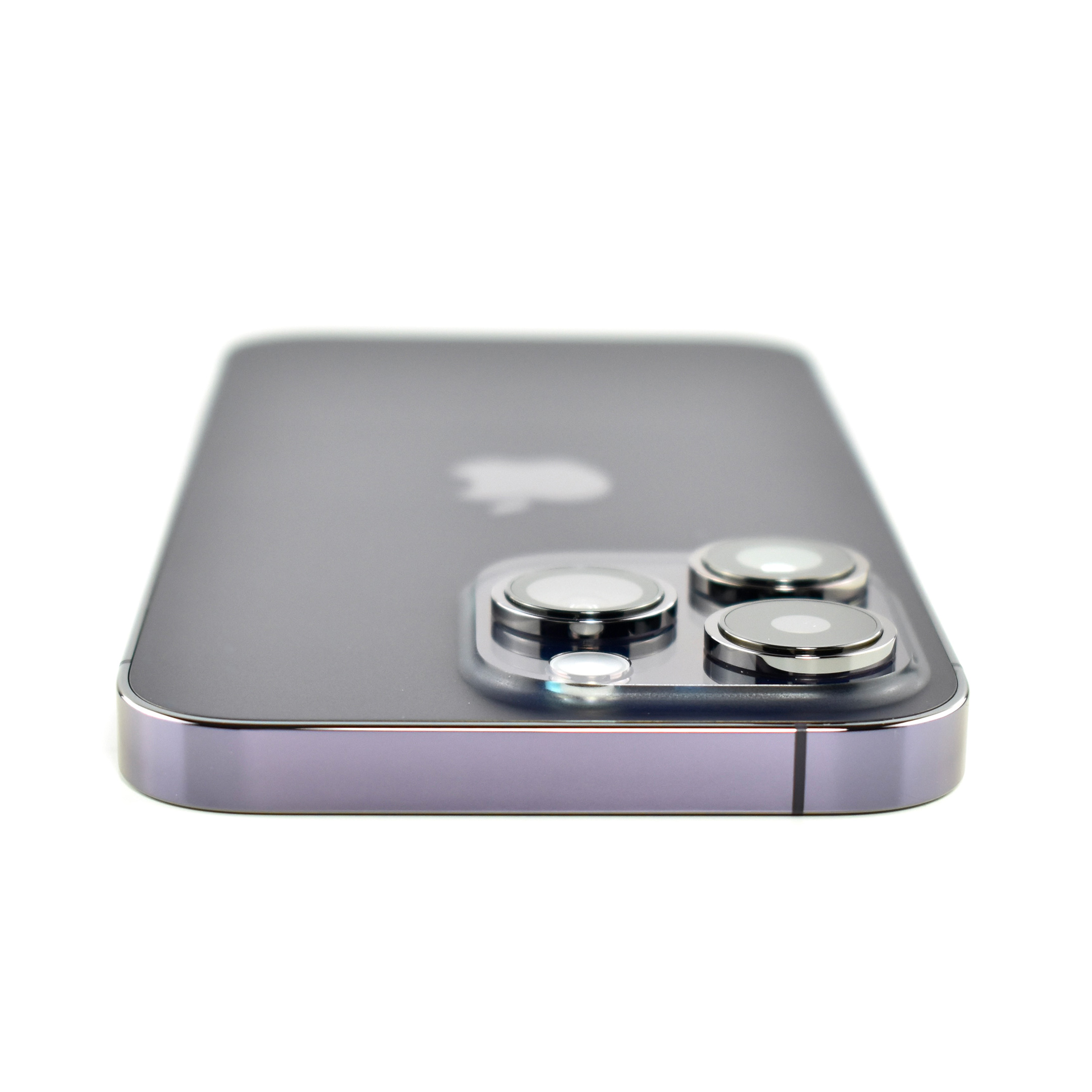
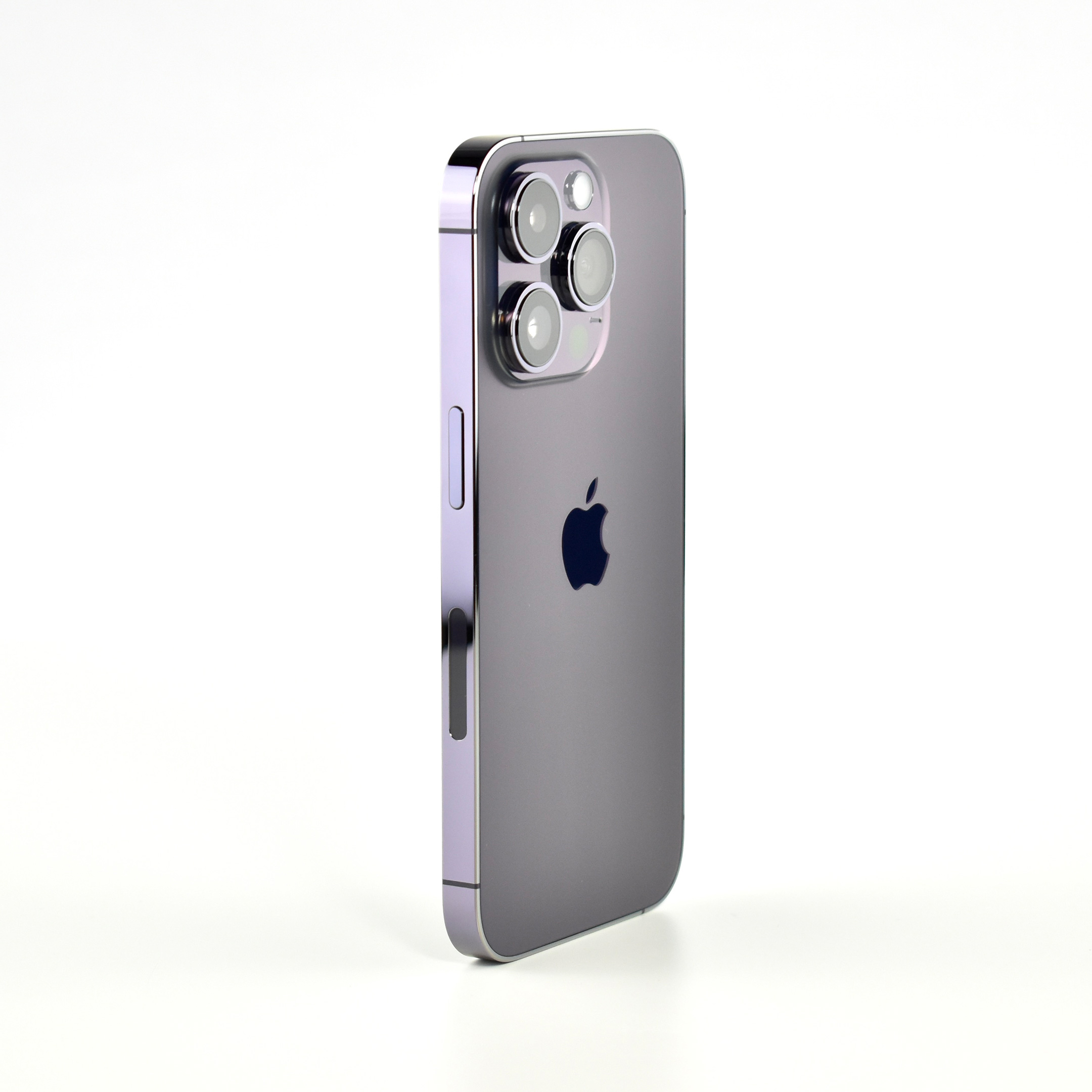
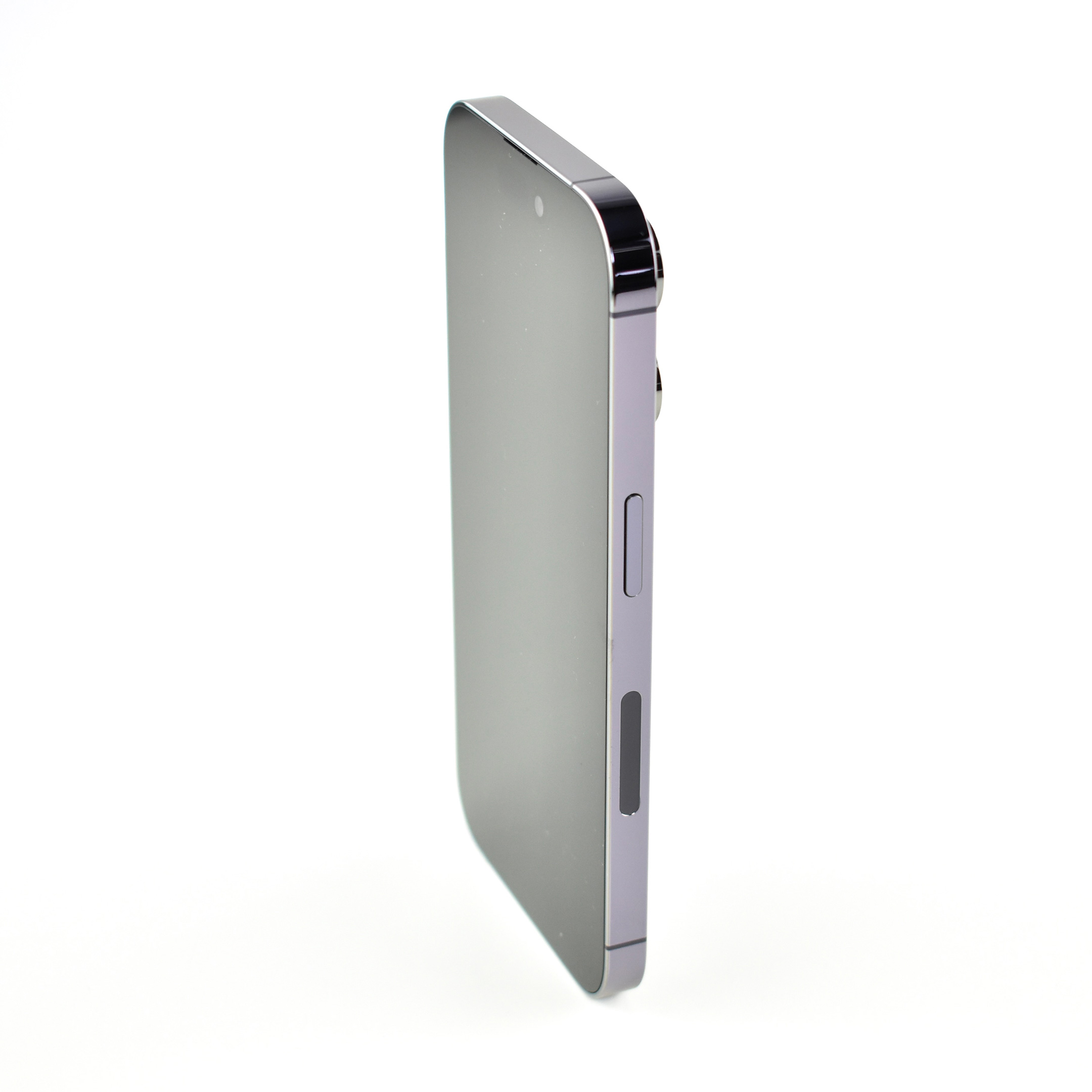
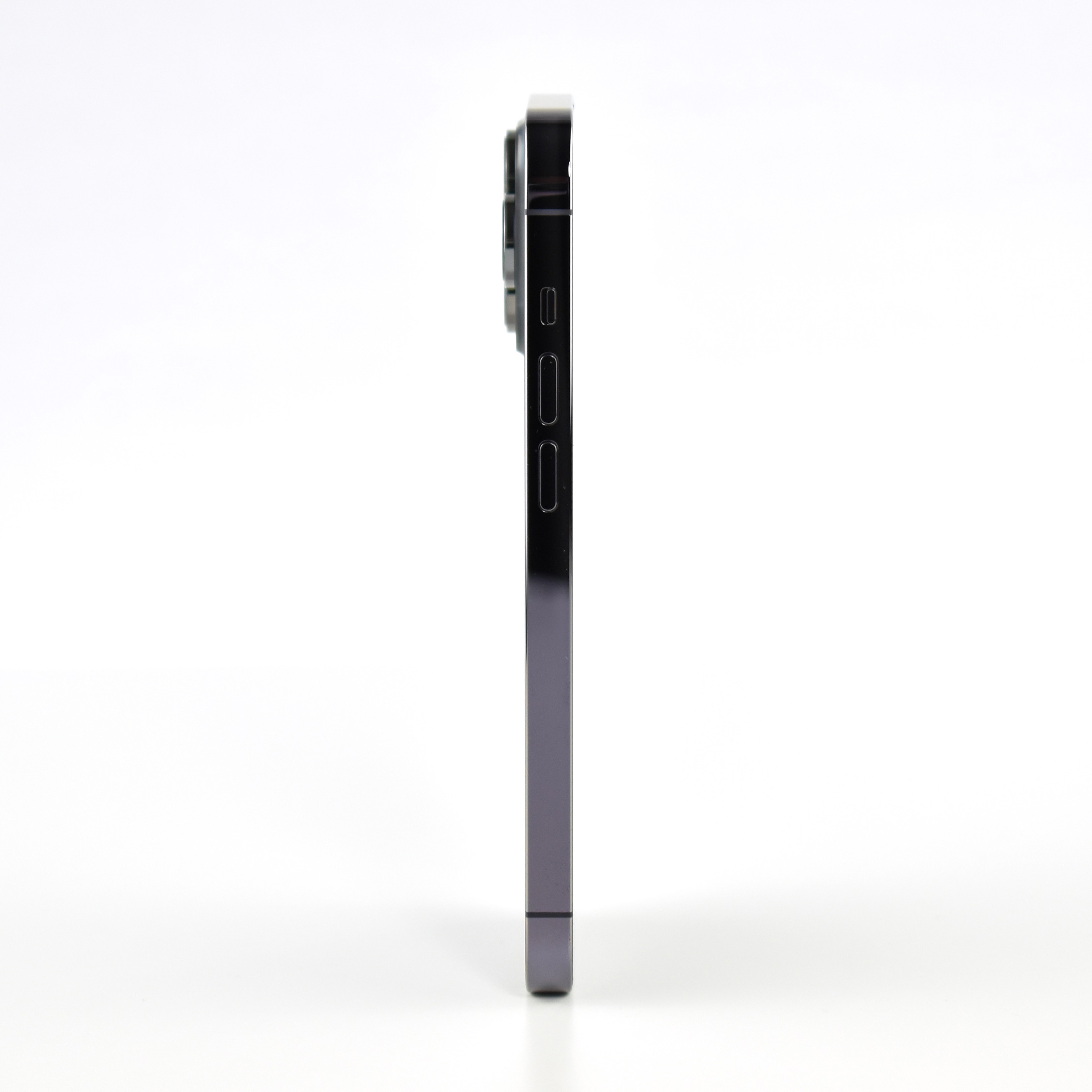
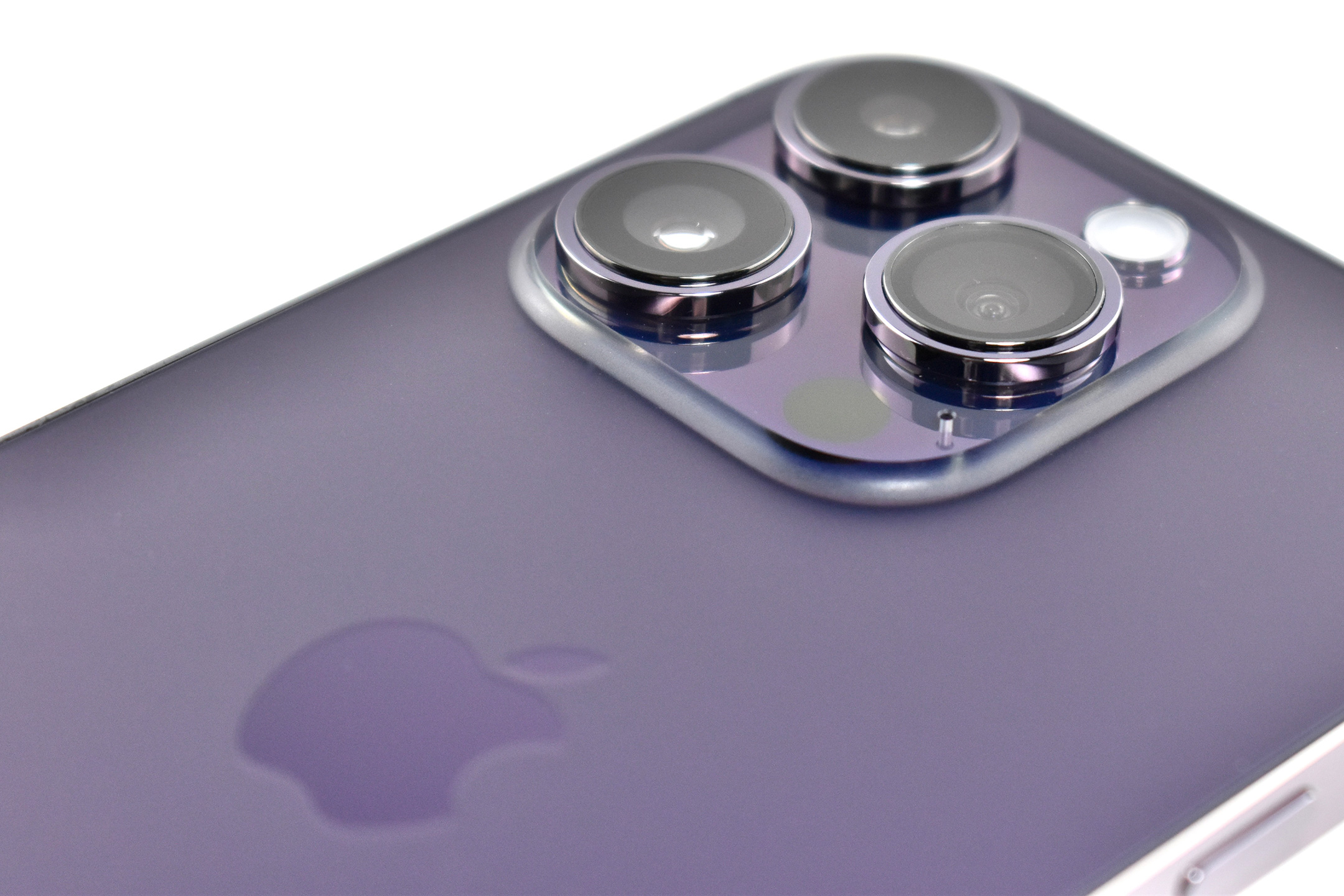
iPhone 14 Pro (Deep Purple, 2022)

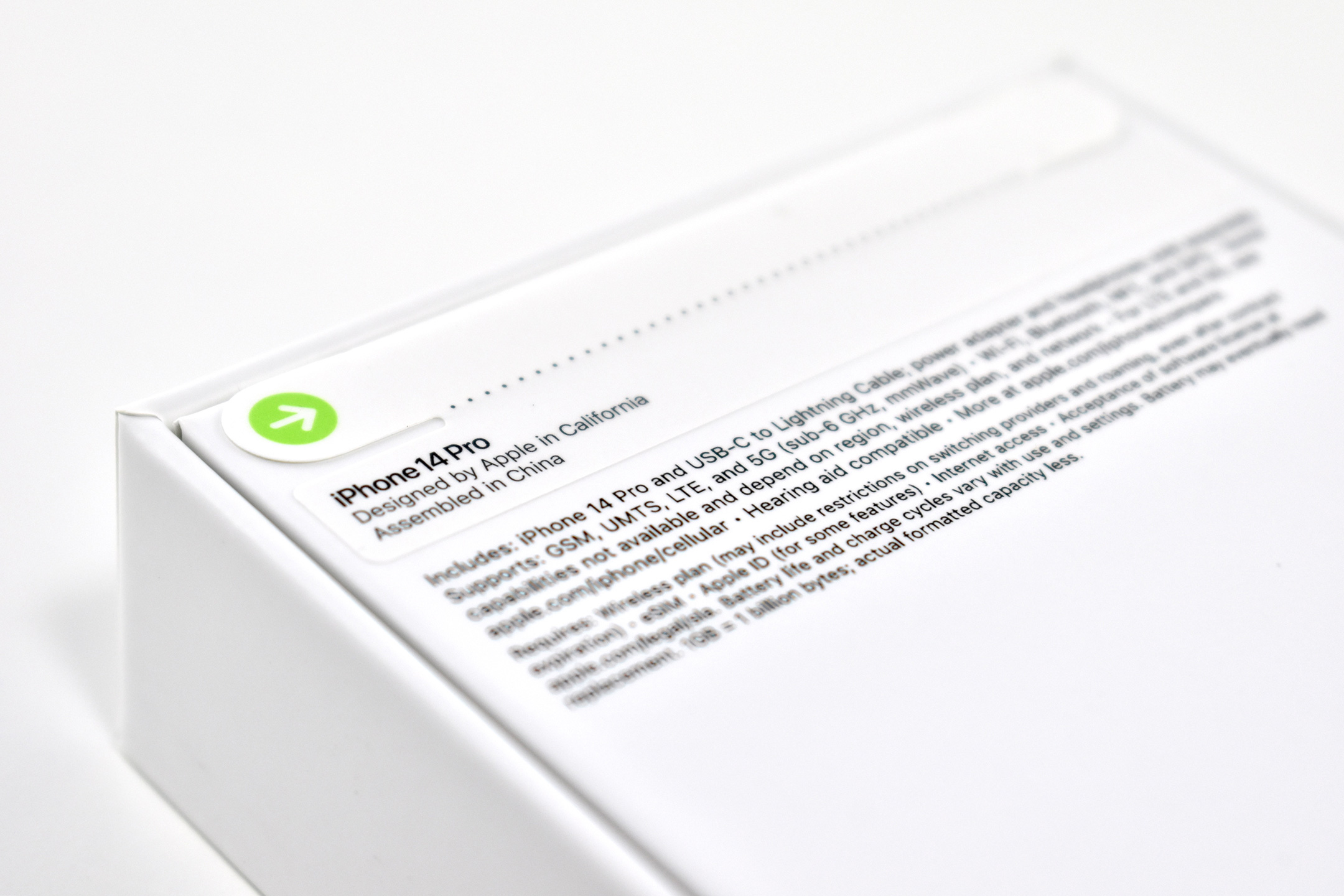
The iPhone 14 Pro was announced on September 7, 2022; began pre-orders on Friday, September 9, 2022; and was available beginning Friday, September 16, 2022. Apple’s website led with the following description of the iPhone 14 Pro:

“A magical new way to interact with iPhone. Groundbreaking safety features designed to save lives. An innovative 48MP camera for mind-blowing detail. All powered by the ultimate smartphone chip.”

The primary new technologies used in the iPhone 14 Pro included: “Always-On display, the first-ever 48MP camera on iPhone, Crash Detection, Emergency SOS via satellite, and an innovative new way to receive notifications and activities with the Dynamic Island.”

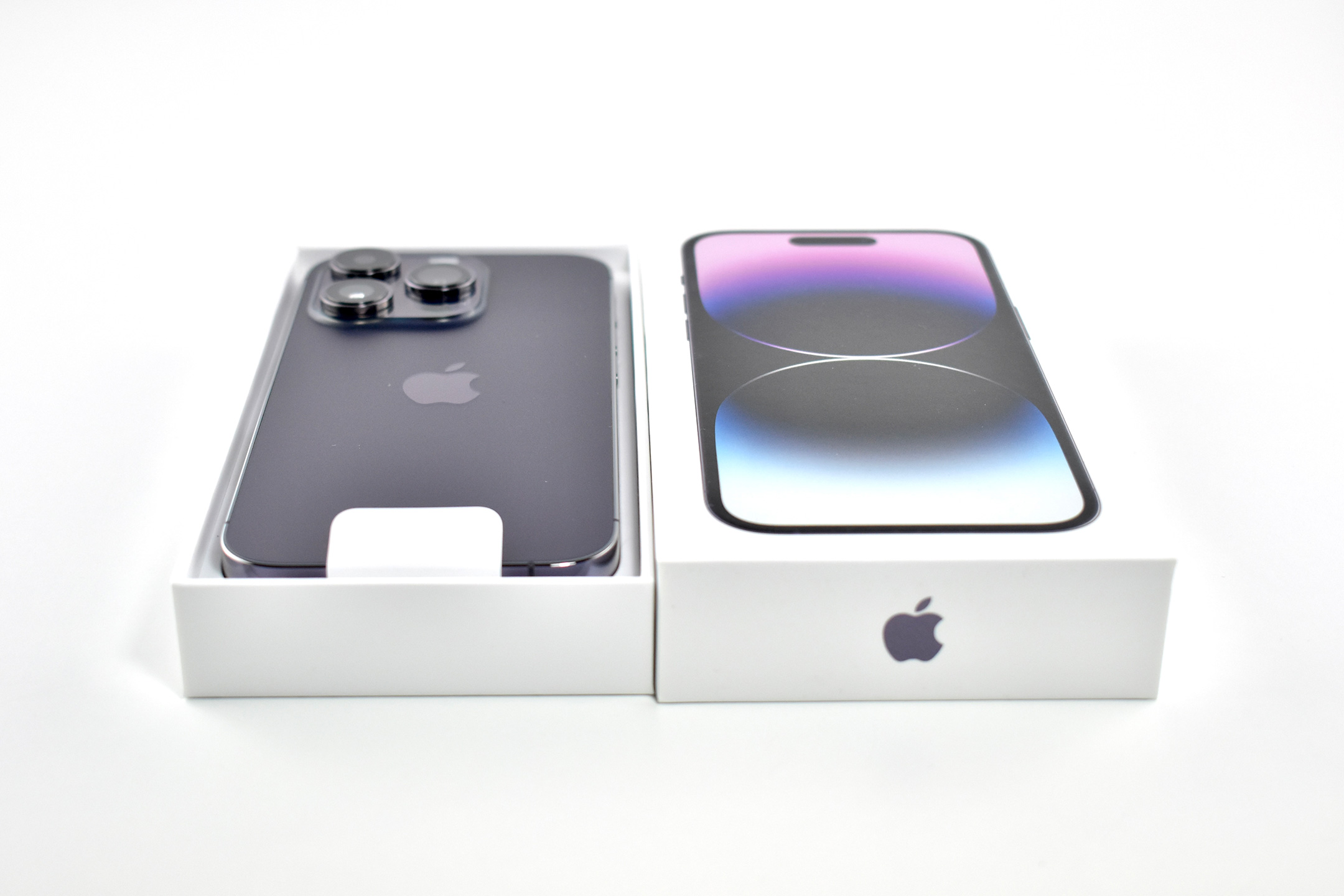
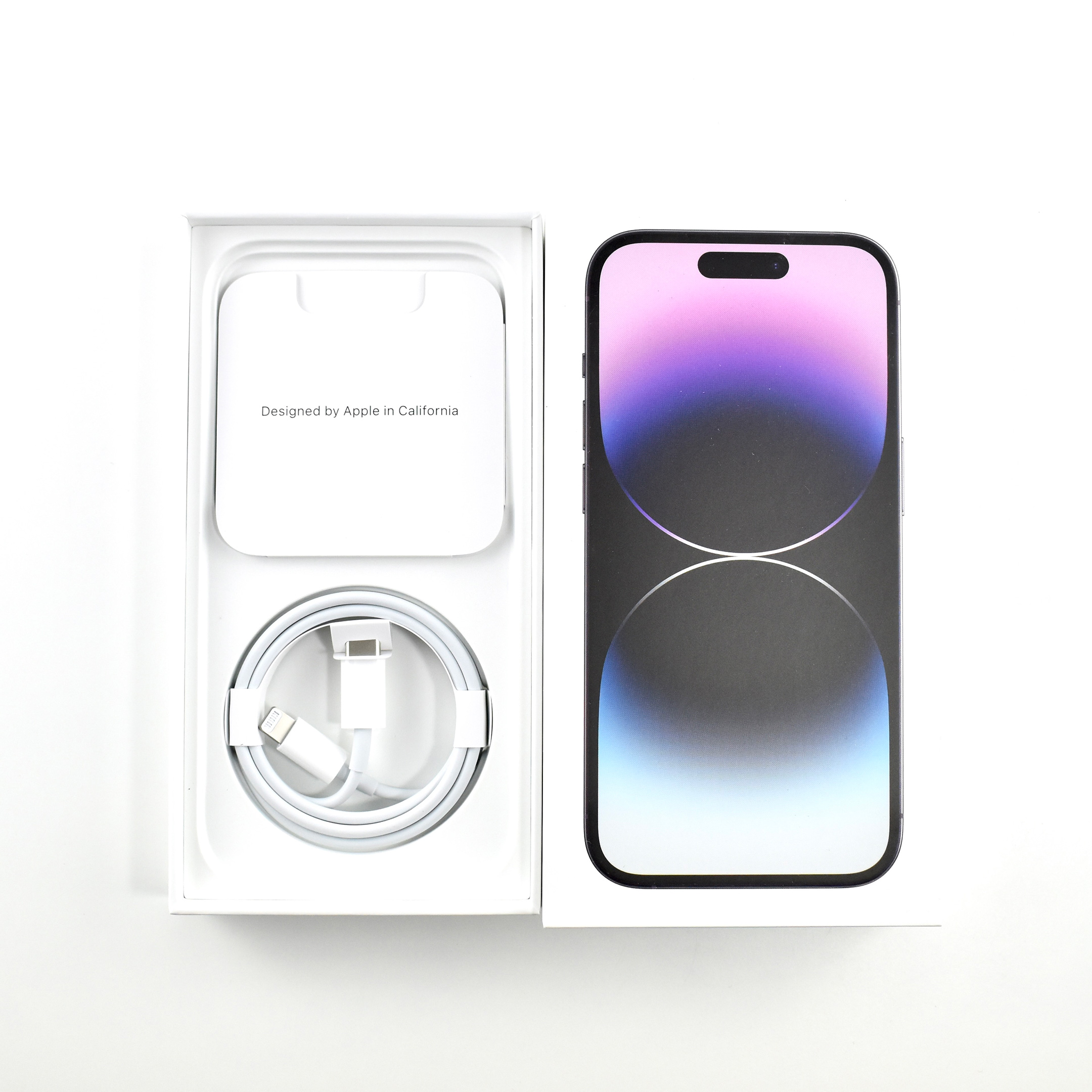
The four colors available at release were deep purple, silver, gold, and space black. The iPhone 14 Pro had a 6.1-inch “Super Retina XDR display with ProMotion” with an Always-On display (for the first time on an iPhone) that used a 1Hz refresh rate with power-efficient technologies. In practice, the Always-On display faded to a dim/dark version of the Wallpaper and allowed the time and up to four widgets to show (a widget above the time and up to 3 below the time). Other “Live Activities” showed in the bottom two-thirds of the Lock screen, including alerts and play/pause options for media.

The iPhone 14 Pro also delivered “the highest outdoor peak brightness in a smartphone: up to 2000 nits, which is twice as bright as iPhone 13 Pro.”

The Dynamic Island was also introduced in the iPhone 14 Pro. The design of this iPhone removed the “notch” that had been used since the iPhone X and moved the functions slightly lower into a pill shape. Apple described the Dynamic Island system as one “that blends the line between hardware and software, adapting in real time to show important alerts, notifications, and activities. With the introduction of the Dynamic Island, the TrueDepth camera has been redesigned to take up less of the display area.”

Apple continued, “Without impeding content on the screen, the Dynamic Island maintains an active state to allow users easier access to controls with a simple tap-and-hold. Ongoing background activities like Maps, Music, or a timer remain visible and interactive, and third-party apps in iOS 16 that provide information like sports scores and ride-sharing with Live Activities can take advantage of the Dynamic Island.”

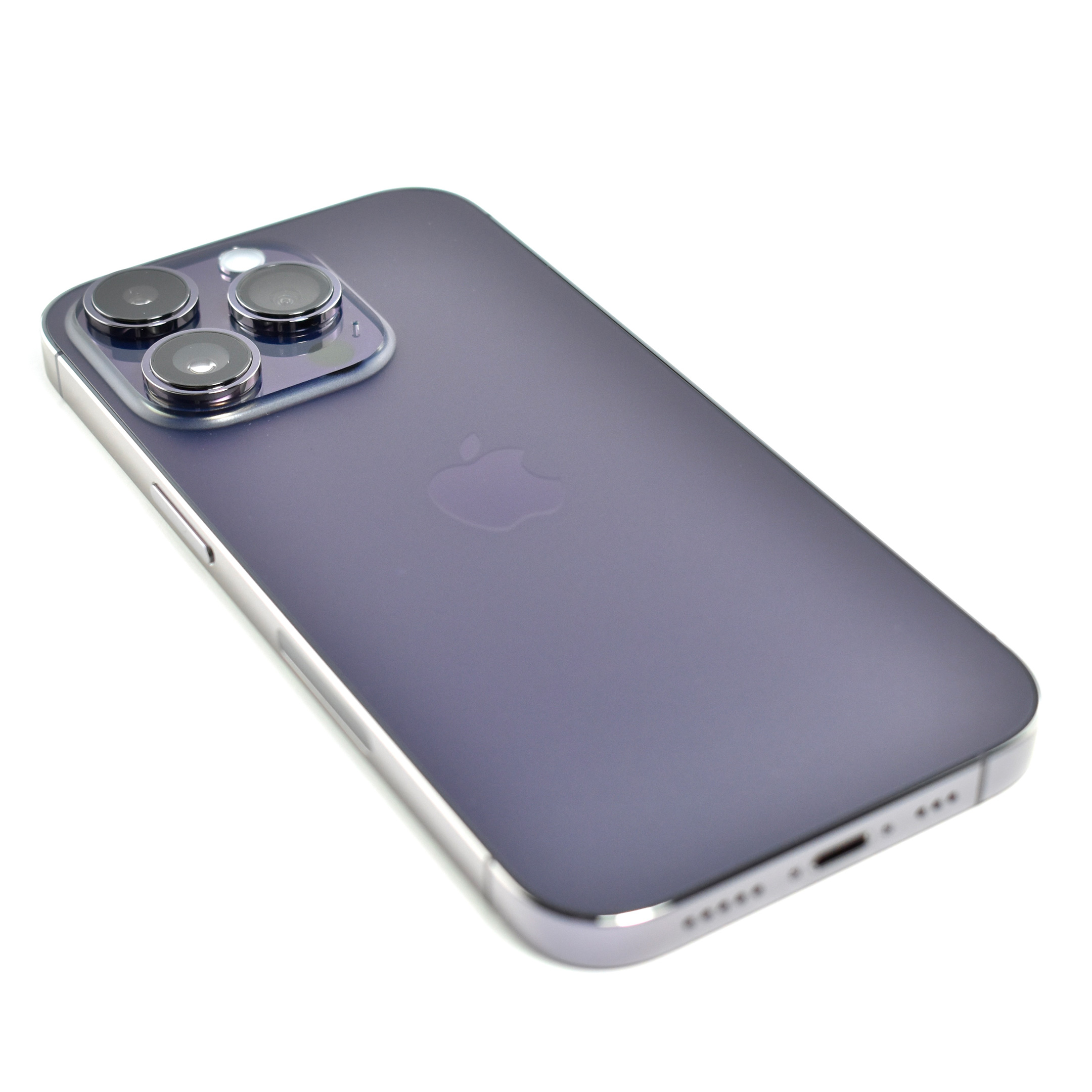
The iPhone 14 Pro camera system added a 2x camera (in addition to the 0.5x, 1x, and 3x options on the iPhone 13 Pro). The iPhone 14 Pro also offered a new “48MP Main camera with a quad-pixel sensor that adapts to the photo being captured, and features second-generation sensor-shift optical image stabilization.”

Other new camera features included a front TrueDepth camera with an ƒ/1.9 aperture for better low-light photos and video, adaptive True Tone flash with an array of nine LEDs, and Action mode for “incredibly smooth-looking video that adjusts to significant shakes, motion, and vibrations, even when video is being captured.”

All iPhone 14 models added Crash Detection that used a variety of built-in sensors (dual-core accelerometer, gyroscope, barometer, GPS, and microphone) to “detect a severe car crash and automatically dial emergency services when a user is unconscious or unable to reach their iPhone.” Additionally, Emergency SOS via satellite was added, “which combines custom components…to allow antennas to connect directly to a satellite, enabling messaging with emergency services when outside of cellular or Wi-Fi coverage.”

The iPhone 14 Pro models are powered by the A16 Bionic chip that includes two high-performance cores and four high-efficiency cores, an accelerated 5-core GPU with 50% more memory bandwidth, and a new 16-core Neural Engine capable of nearly 17 trillion operations per second.

Many of the new features of the iPhone 14 Pro were enabled by iOS 16, released along with the entire iPhone 14 line.

This iPhone 14 Pro example is Deep Purple.

Sources: Apple (iPhone 14 Pro, Newsroom)

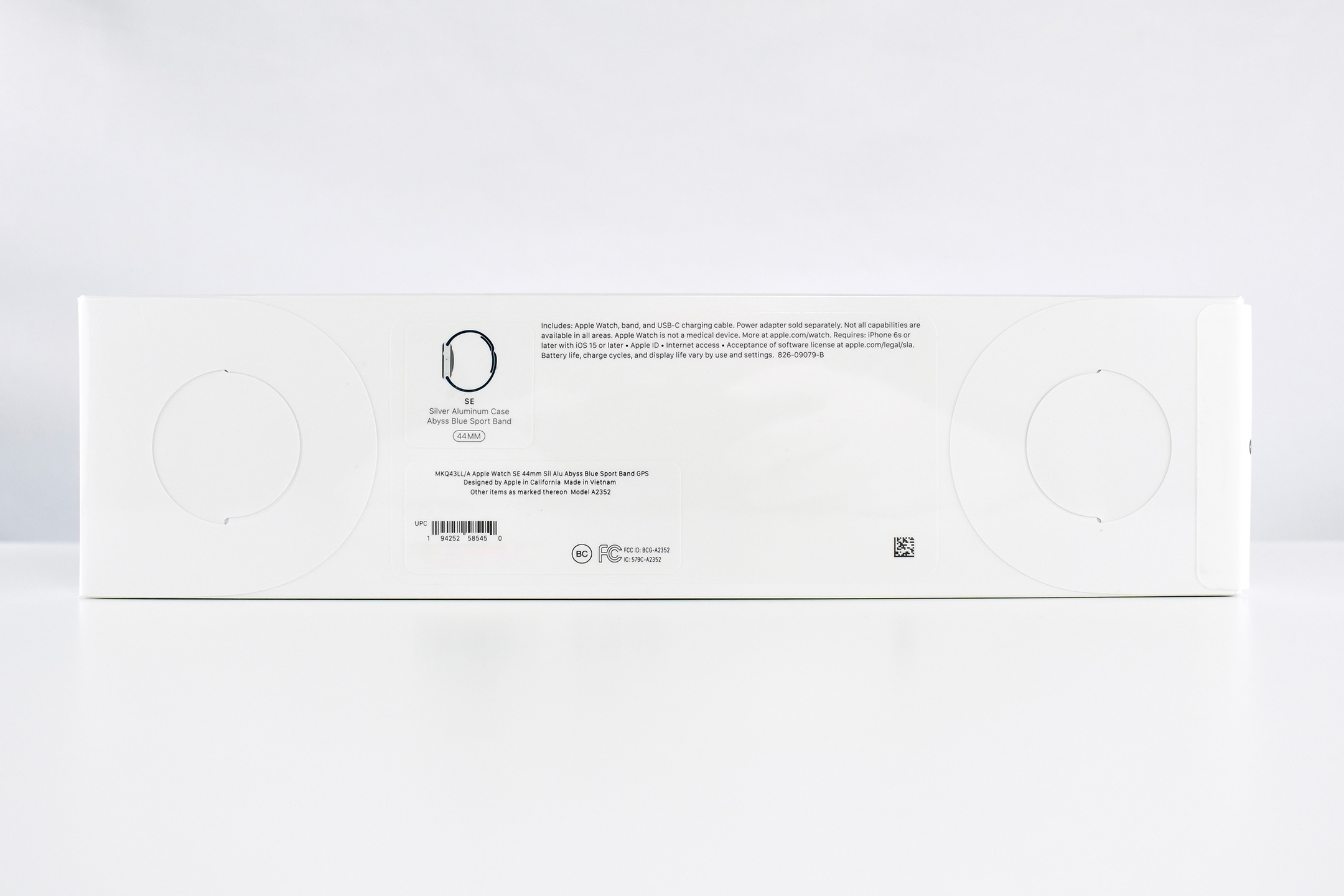
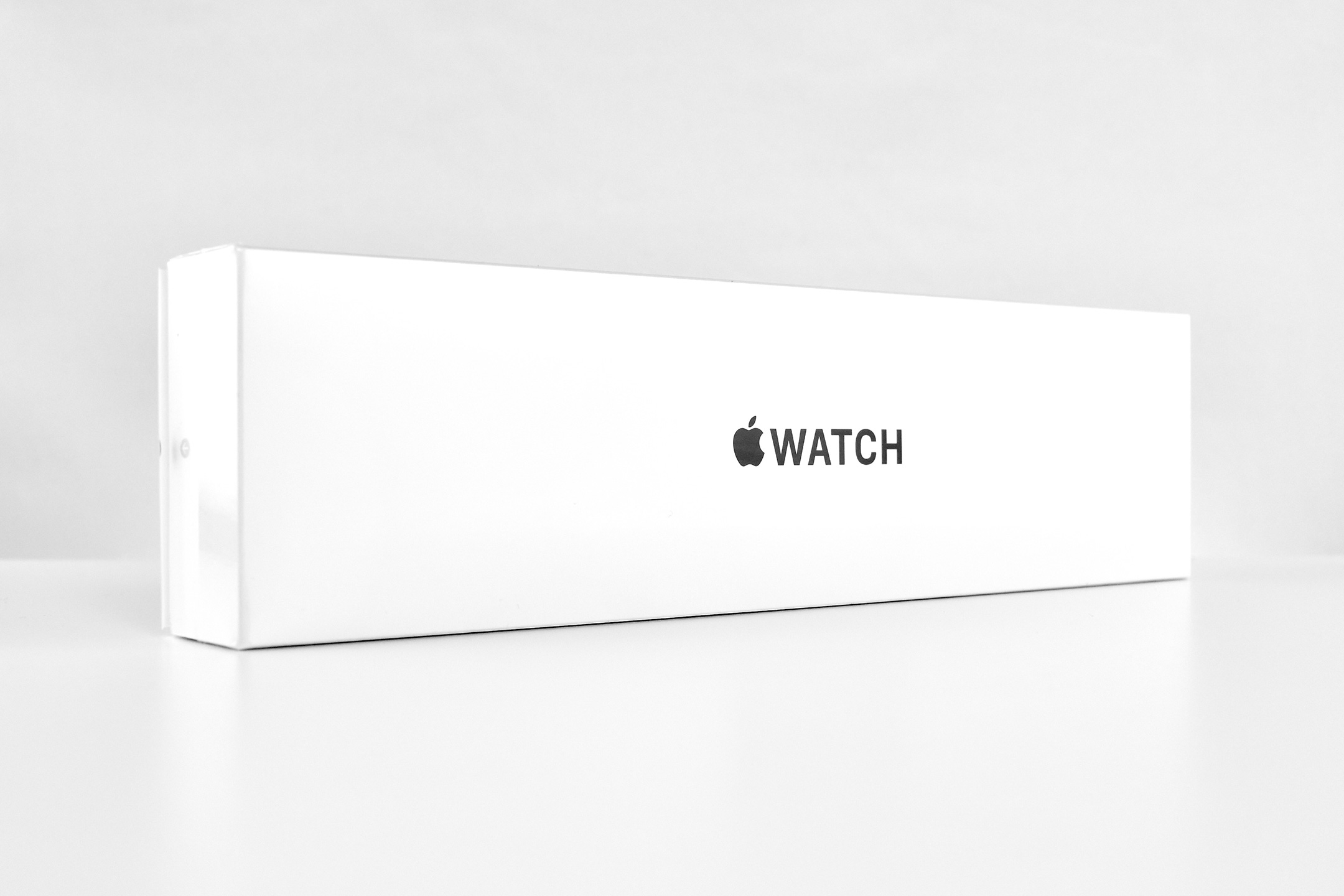
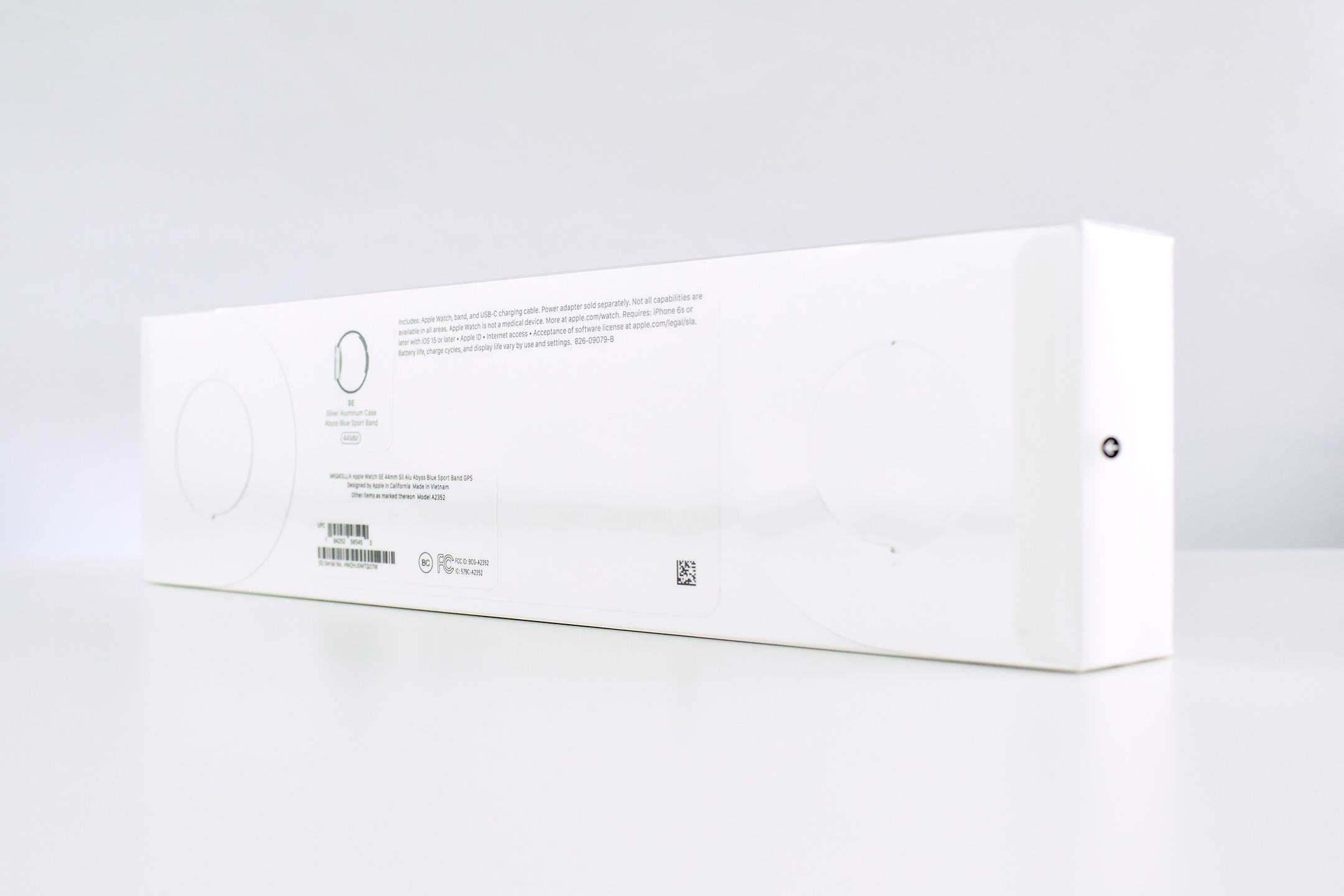
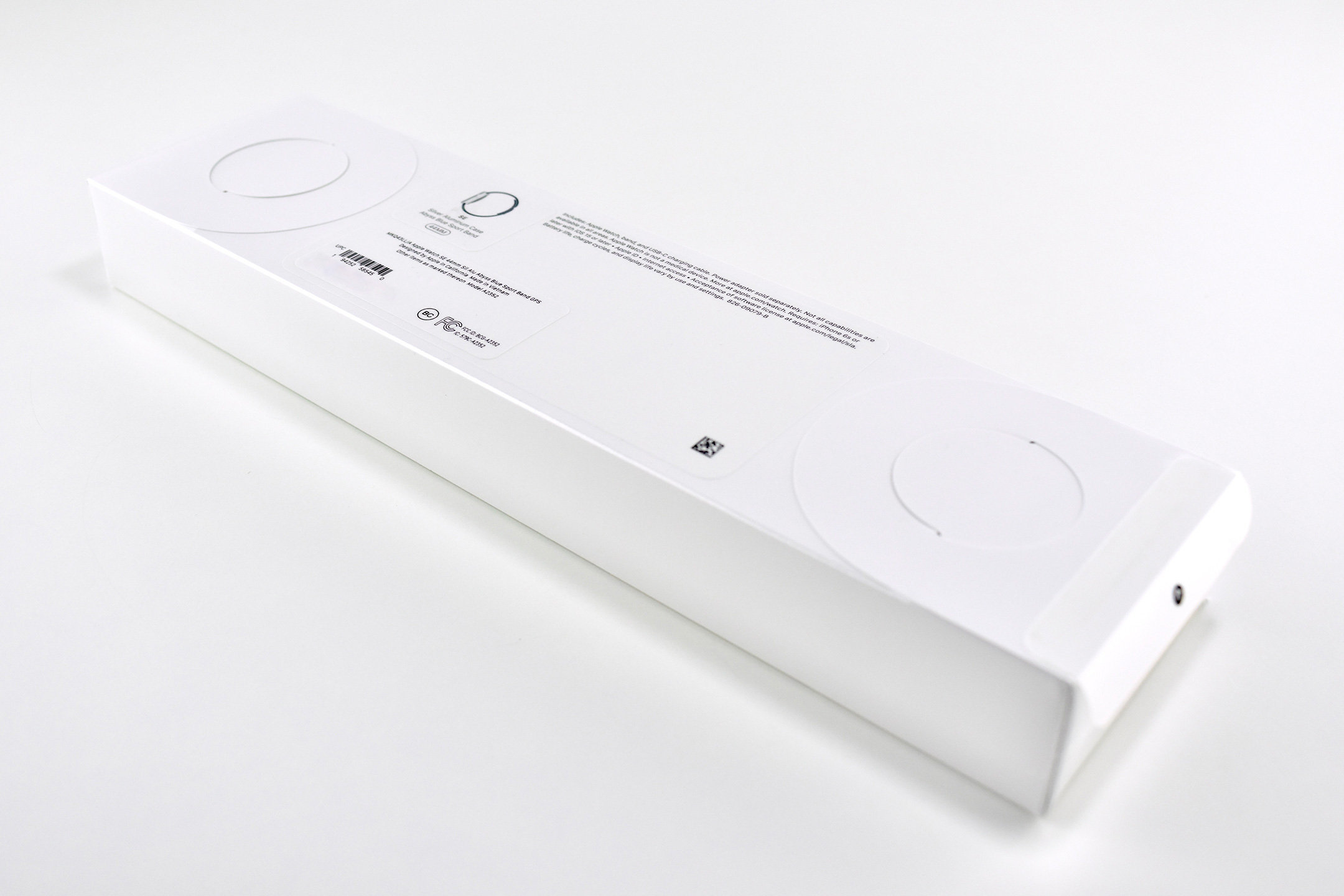
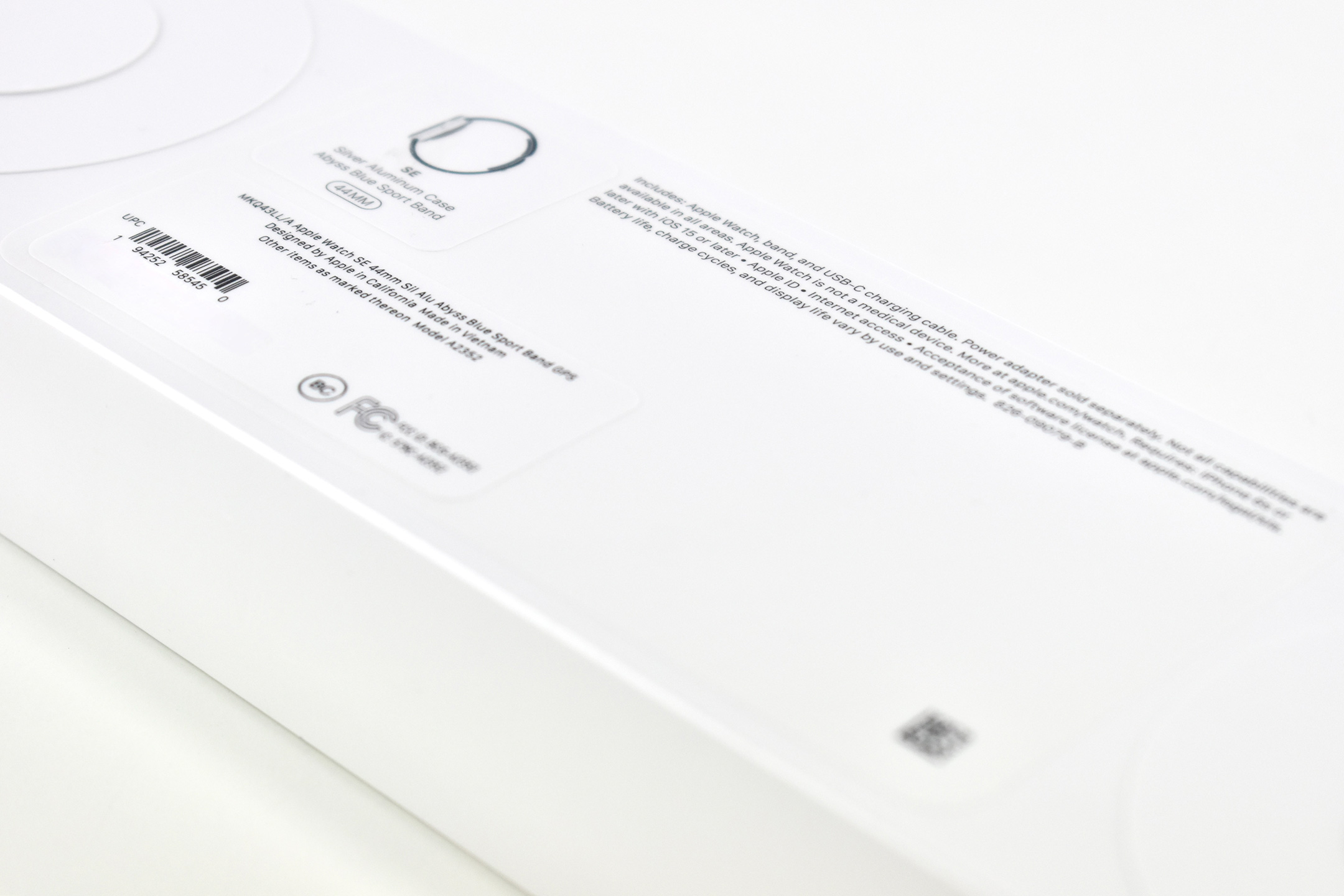
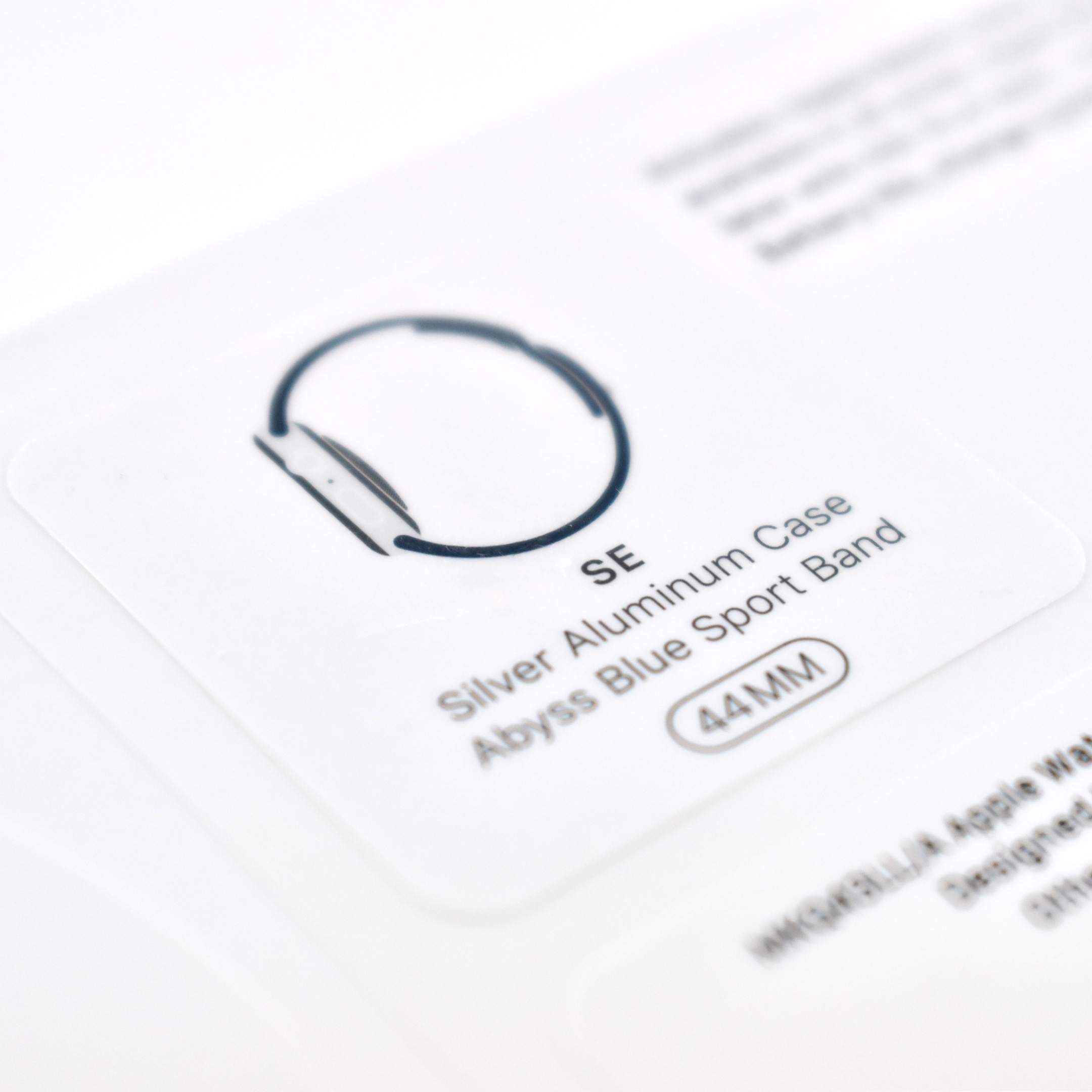
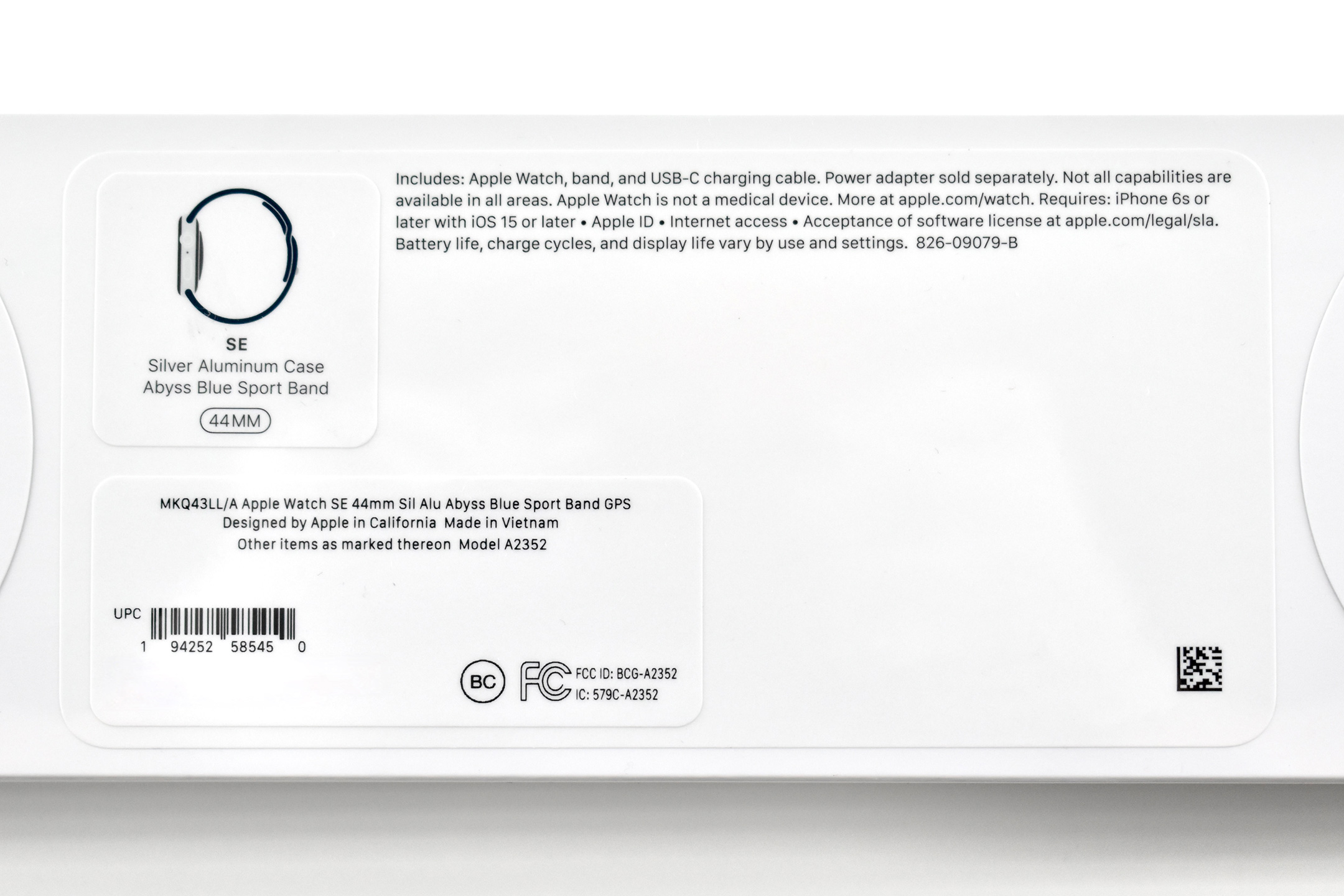
Apple Watch SE (44mm, Abyss Blue Sport Band, 2020)

The Apple Watch SE was announced on September 15, 2020, as an entry-level Apple Watch that lacked some of the features of the Series 6. According to Apple, the Apple Watch SE offered:

“Powerful features to help keep you connected, active, healthy, and safe. Advanced sensors to track all the ways you move and to measure your favorite workouts. And available cellular so you can go without your phone. Apple Watch SE is a lot of watch for a lot less than you expected.”

The Apple Watch SE shared several features with the Apple Watch Series 6, including, “the same accelerometer, gyroscope, and always-on altimeter…and with the latest motion sensors and microphone, it offers robust health and safety capabilities including fall detection, Emergency SOS, international emergency calling, and the Noise app.”

Because the Apple Watch SE replaced the Apple Watch 3, the previous entry-level Apple Watch of the time, several comparisons were offered:

“Apple Watch SE features a stunning Retina display, with thin borders and curved corners, that is 30 percent larger than Series 3… With the S5 System in Package (SiP) and dual-core processor, Apple Watch SE delivers incredibly fast performance, up to two times faster than Apple Watch Series 3.”

The Apple Watch SE lacked ECG (electrocardiogram) and Blood Oxygen sensors, and it did not use an always-on display watch face.

This 44mm example is the GPS model (without cellular), has a silver aluminum case, and shipped with an Abyss Blue (dark blue) Sport Band.

Sources: Apple (product page, Newsroom)

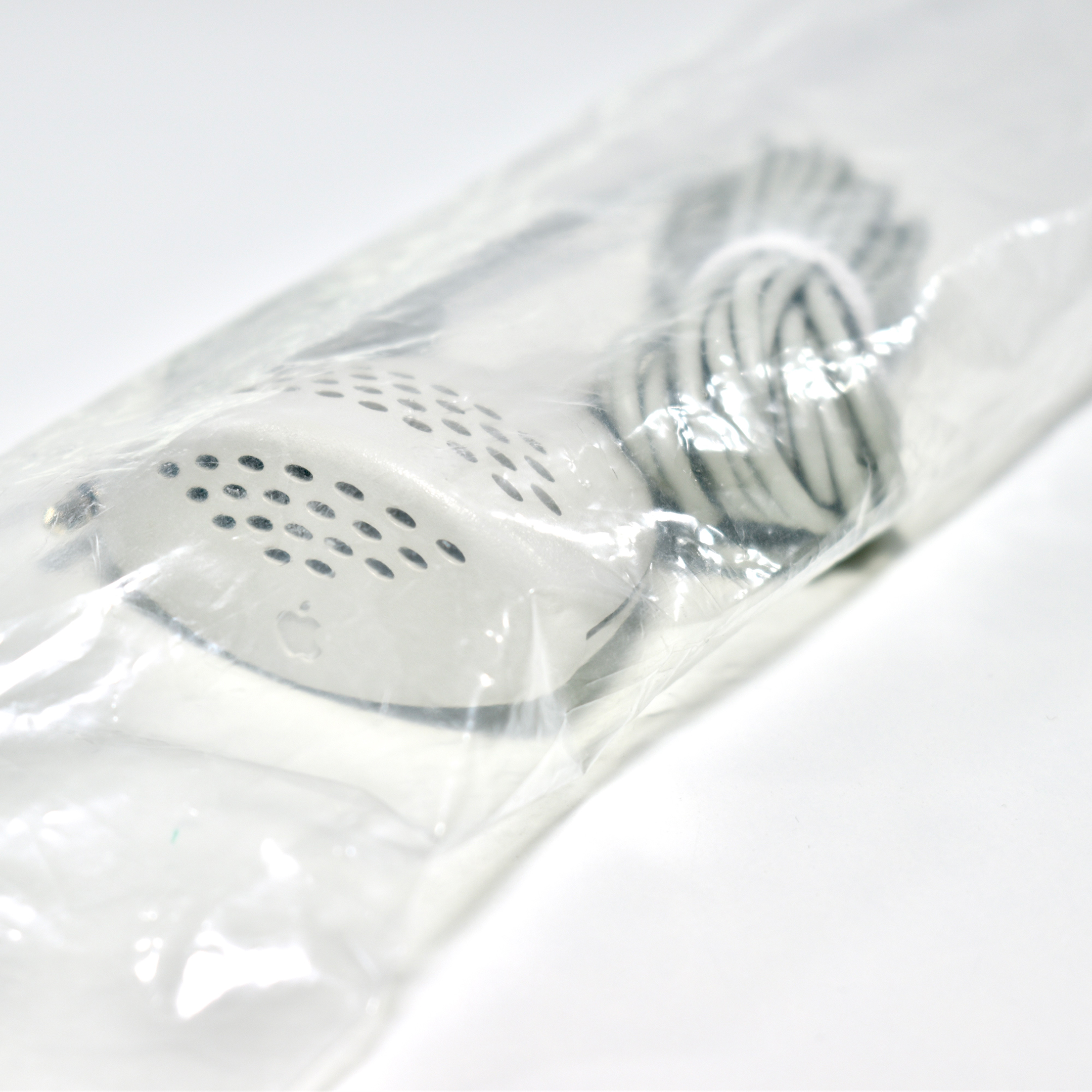
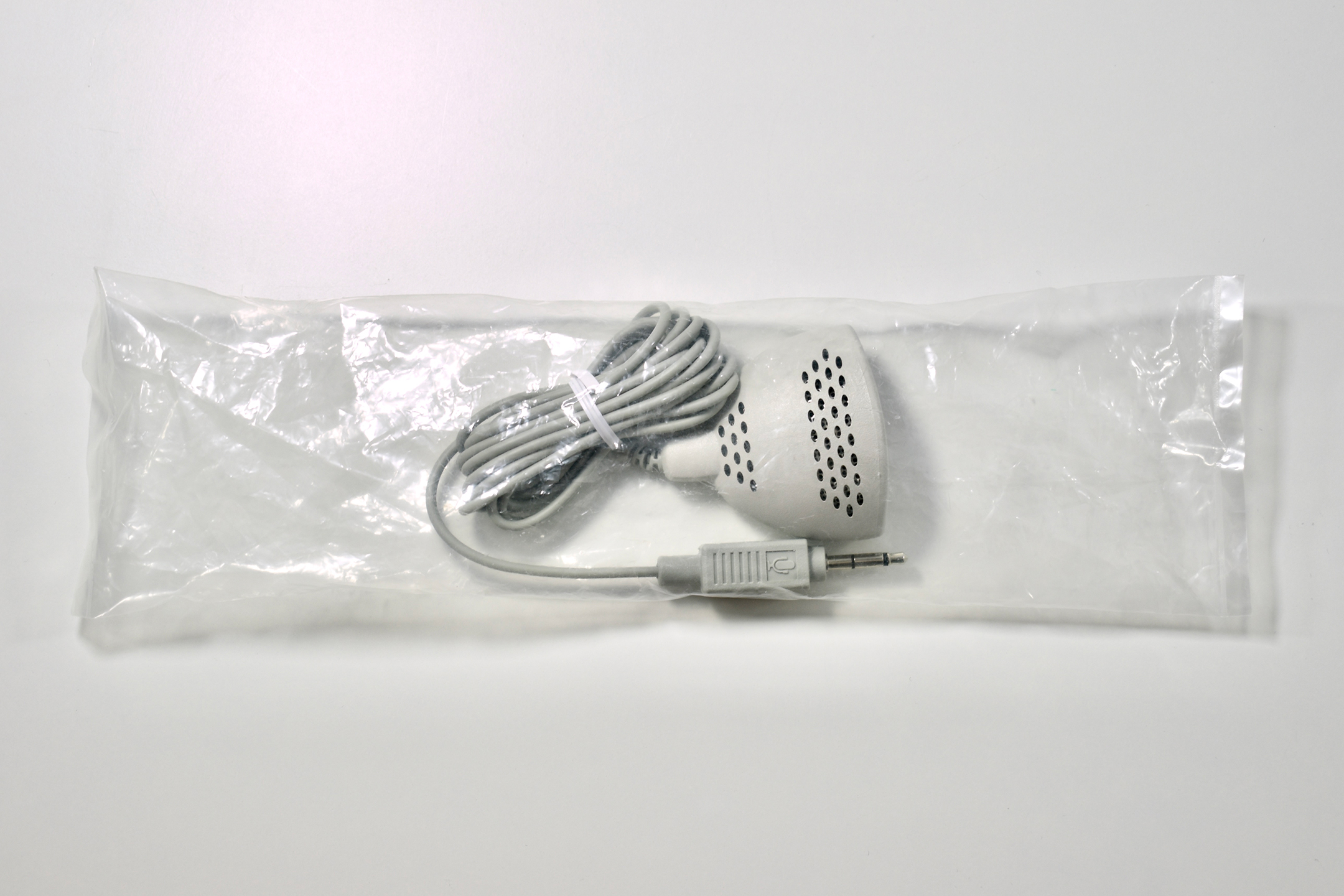
Apple PlainTalk Microphone (platinum, unopened)

This is the second version of the PlainTalk Microphone produced by Apple. The first version was round. This model has a unique curvy shape with a flat bottom with a lip to allow it to sit flat on top of a computer display. This microphone was compatible with desktop Power Mac models up to and including G3 iMac models. It measures 50 x 25 x 60 mm.

The microphone is powered by an internal amplifier that receives its power from its elongated tip of its 3.5 mm jack plug. The extra-long tip makes this connection proprietary.

The microphone is omnidirectional, but records only in mono.

Source: Radio Museum

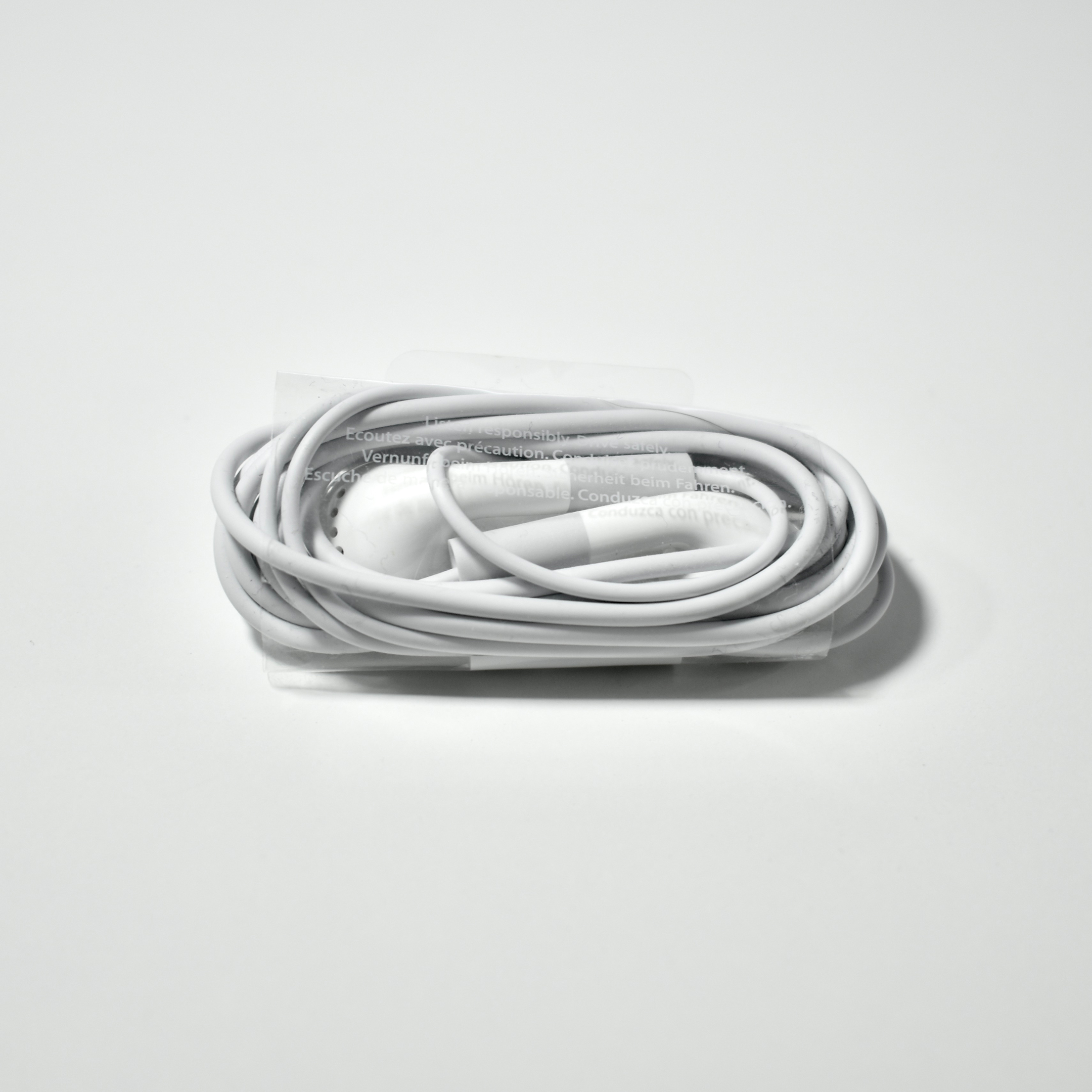
iPhone Stereo Headset (bulk packaging, 2007)

The iPhone Stereo Headset were the headphones that shipped with the first two iPhone models, the original iPhone (2007–2008) and the iPhone 3G (2008–2010). The headphones used a similar enclosed design as the later EarPods, and the right earbud included a control button with a microphone on the wire. The button is controlled by a squeeze and it can be set for a variety of tasks: answer/end calls, advance presentation slides, play/pause music/video, or capture photos. A double-press also allowed the user to skip to the next music track.

Note that the controller did not include the + and – option for volume and/or other controls, a feature now taken for granted in many headphone designs.

iLounge described these headphones as, “familiar and inexpensive, with very good earbud and microphone quality.” They also praised the bass response, warm sound, and the quality of the microphone.

This example is in Apple’s bulk packaging. I remember receiving the headphones when I attended an Apple Education professional development opportunity that required attendees to have a microphone. These were never unpackaged because I had brought and used my personal headphones.

Sources: Wikipedia, iLounge