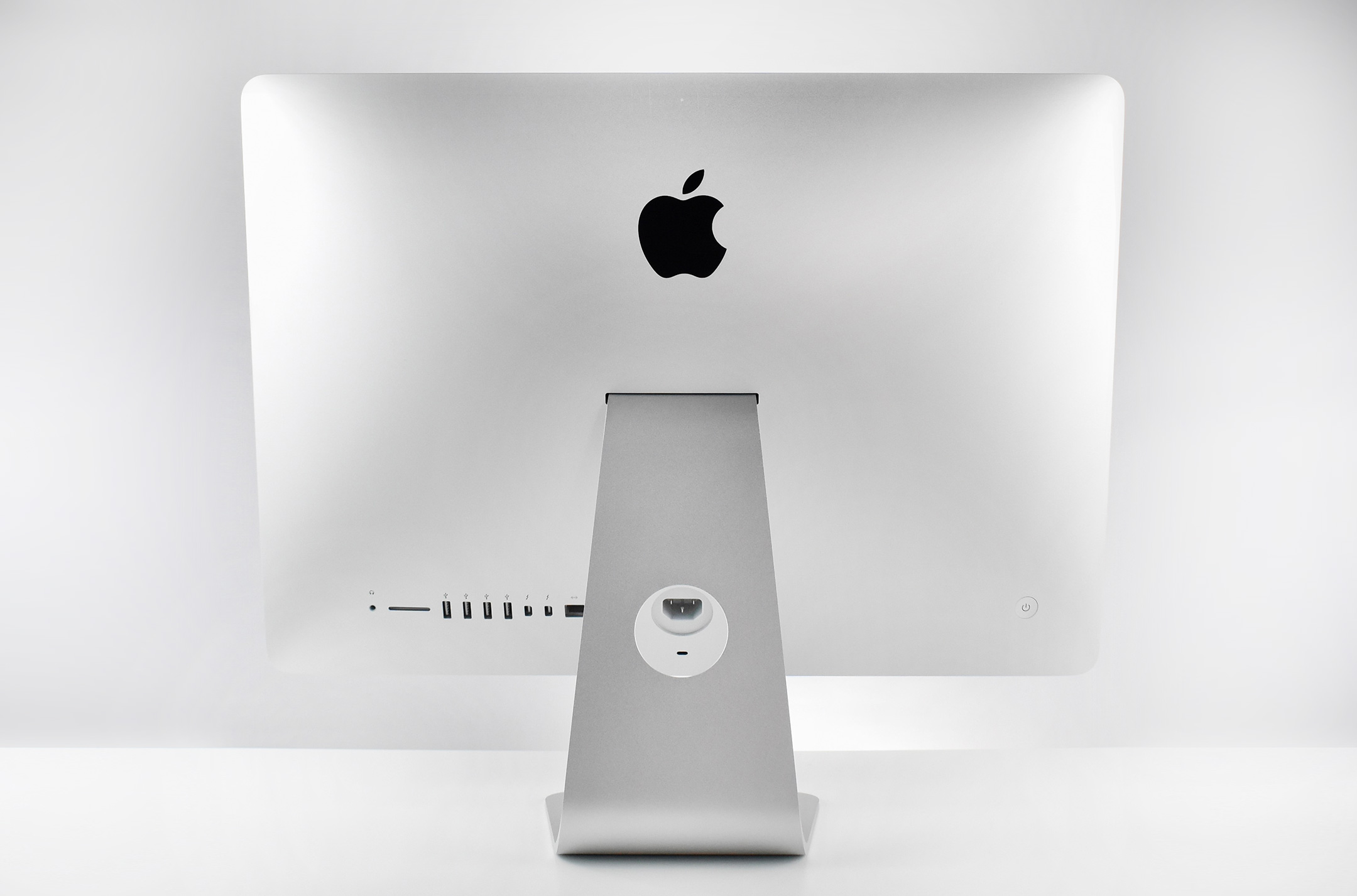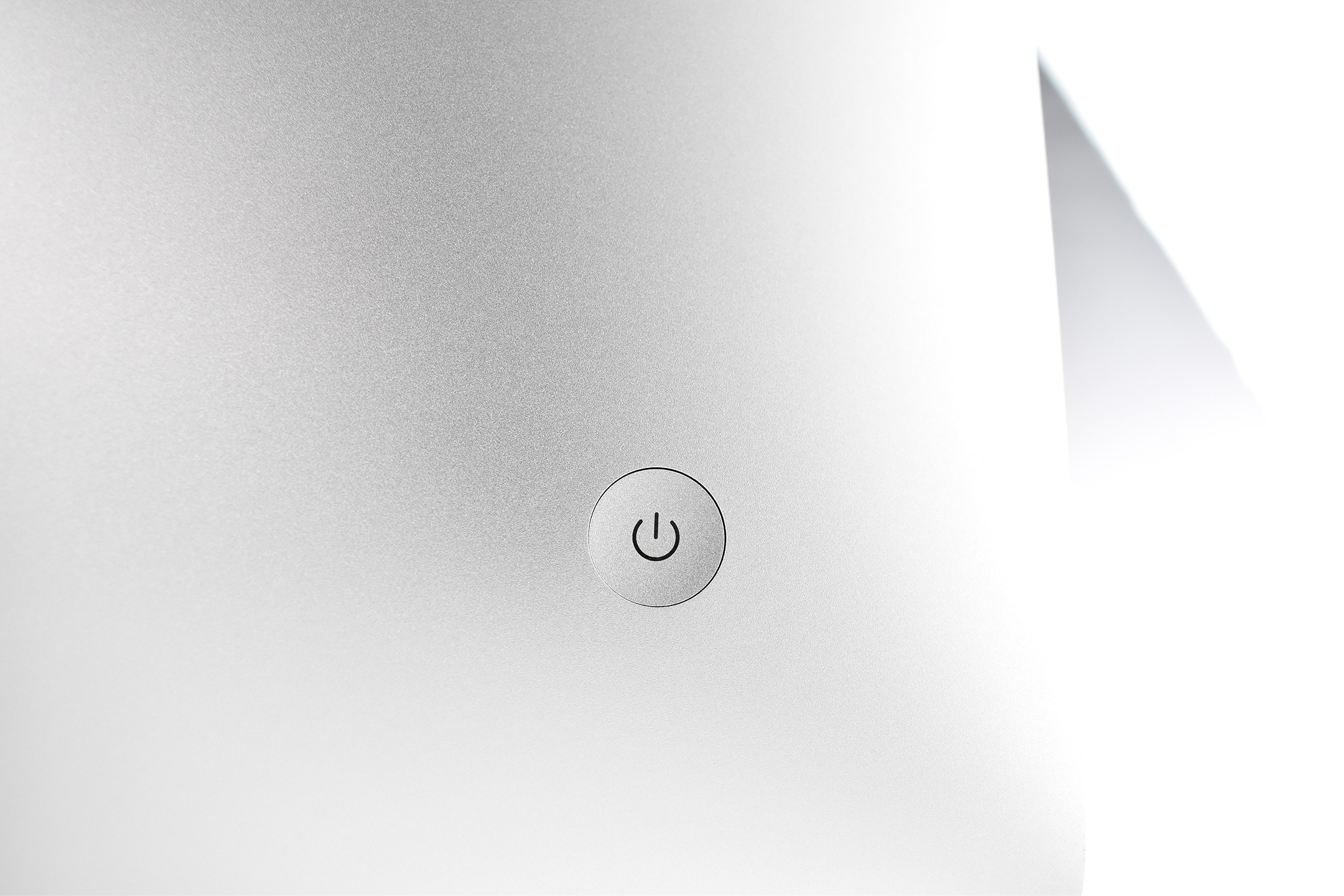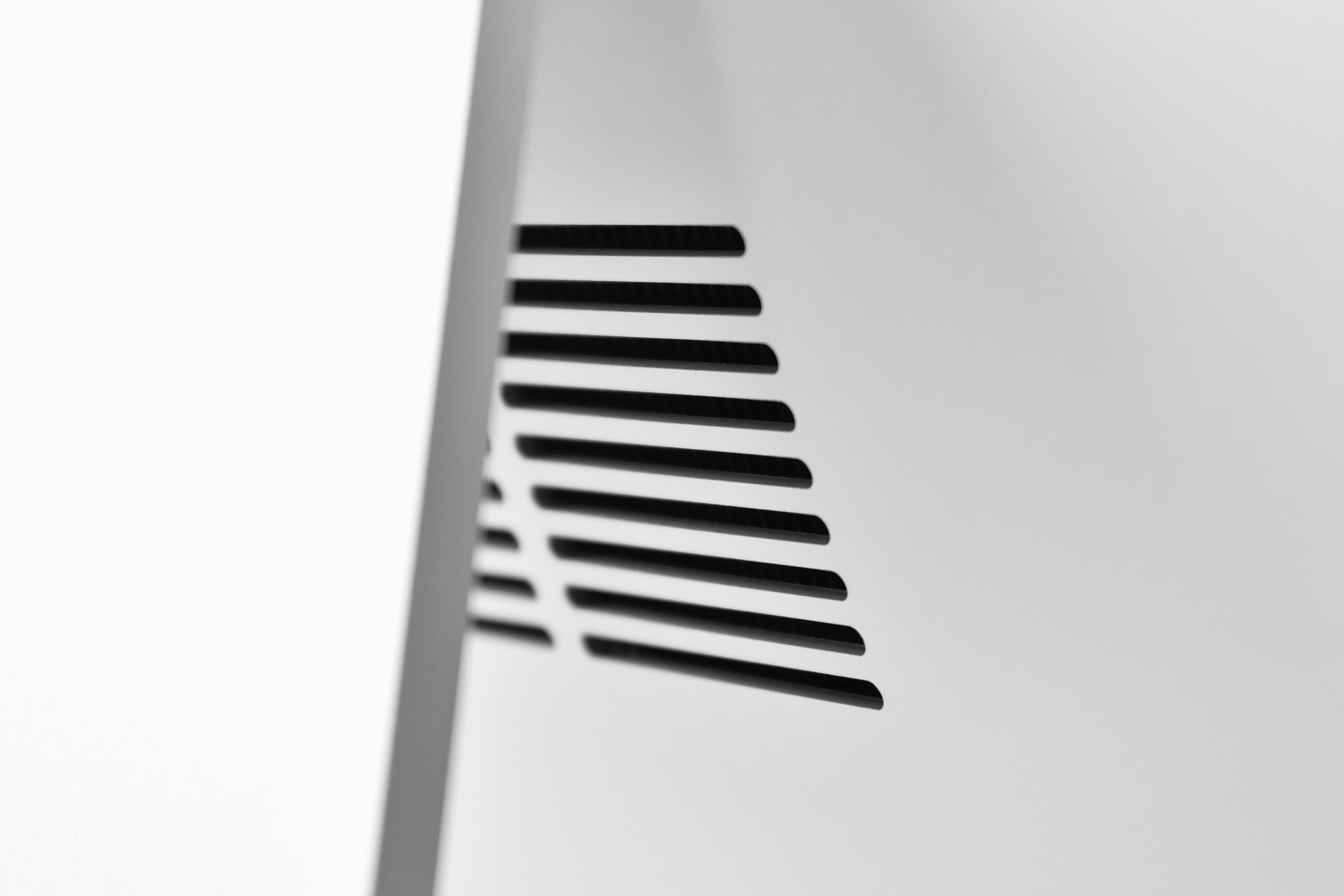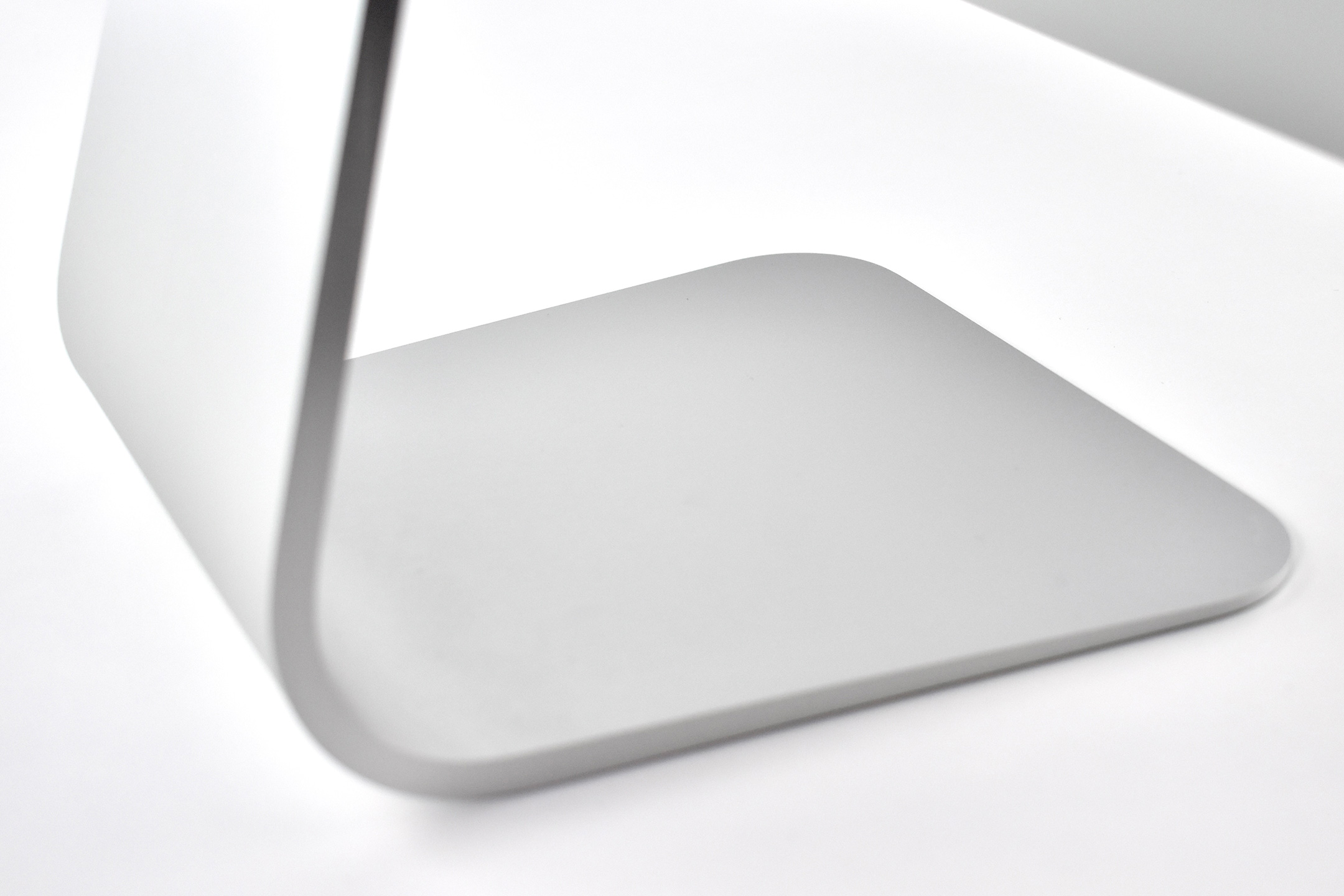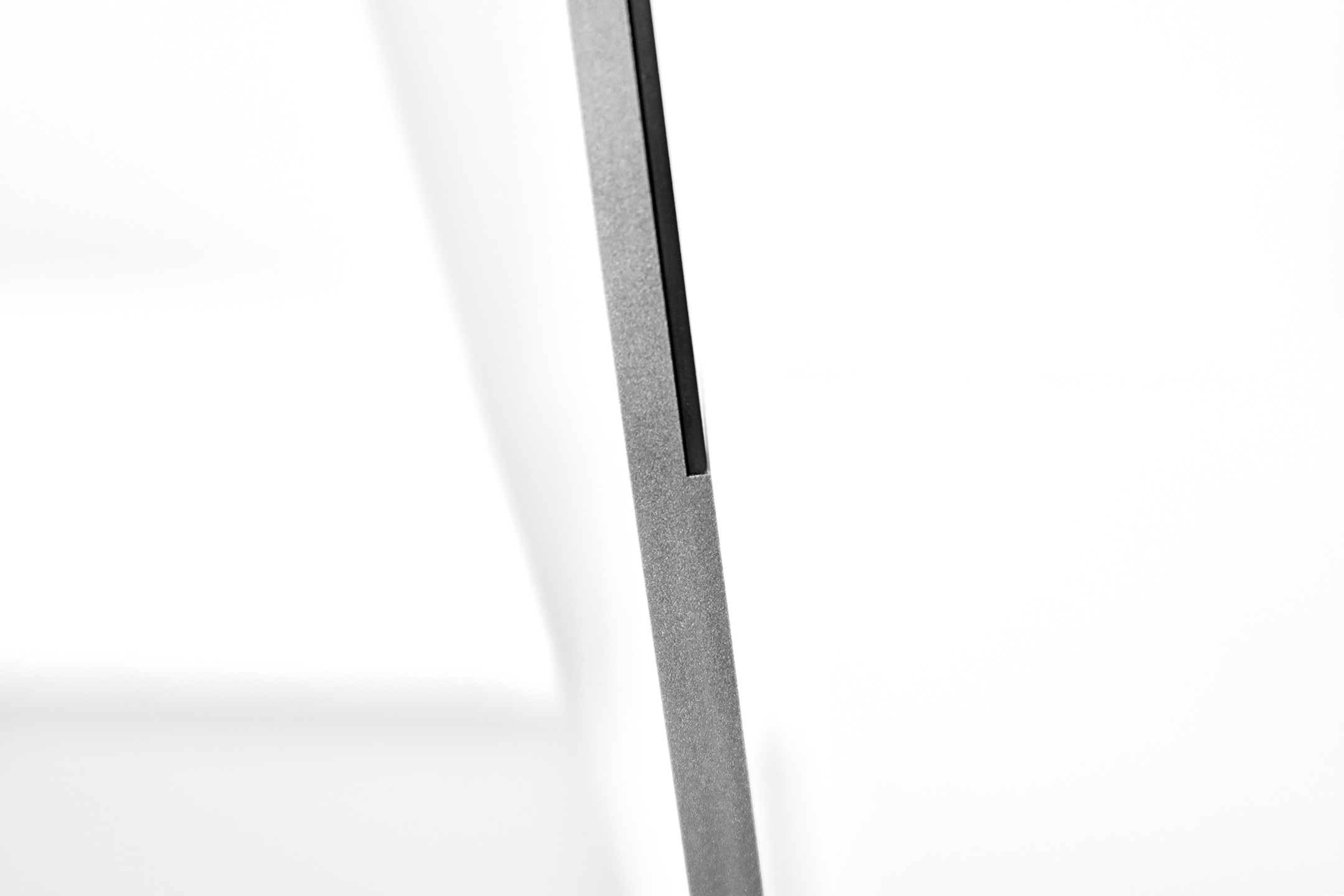
This 21.5-inch iMac (Model A1418) ran a Core i5 “Haswell/Crystalwell” Intel processor with 4 2.7 GHz cores on a single chip. It used 8 GB of 1600 MHz DDR3 SDRAM and housed a 1 TB (5400 RPM) hard drive.
In a press release from September 24, 2013, Apple announced that they had “updated iMac with fourth generation Intel quad-core processors, new graphics, next generation Wi-Fi and faster PCIe flash storage options. The updated iMac brings the latest technology to the stunningly thin design and gorgeous display of the world’s leading all-in-one desktop.”
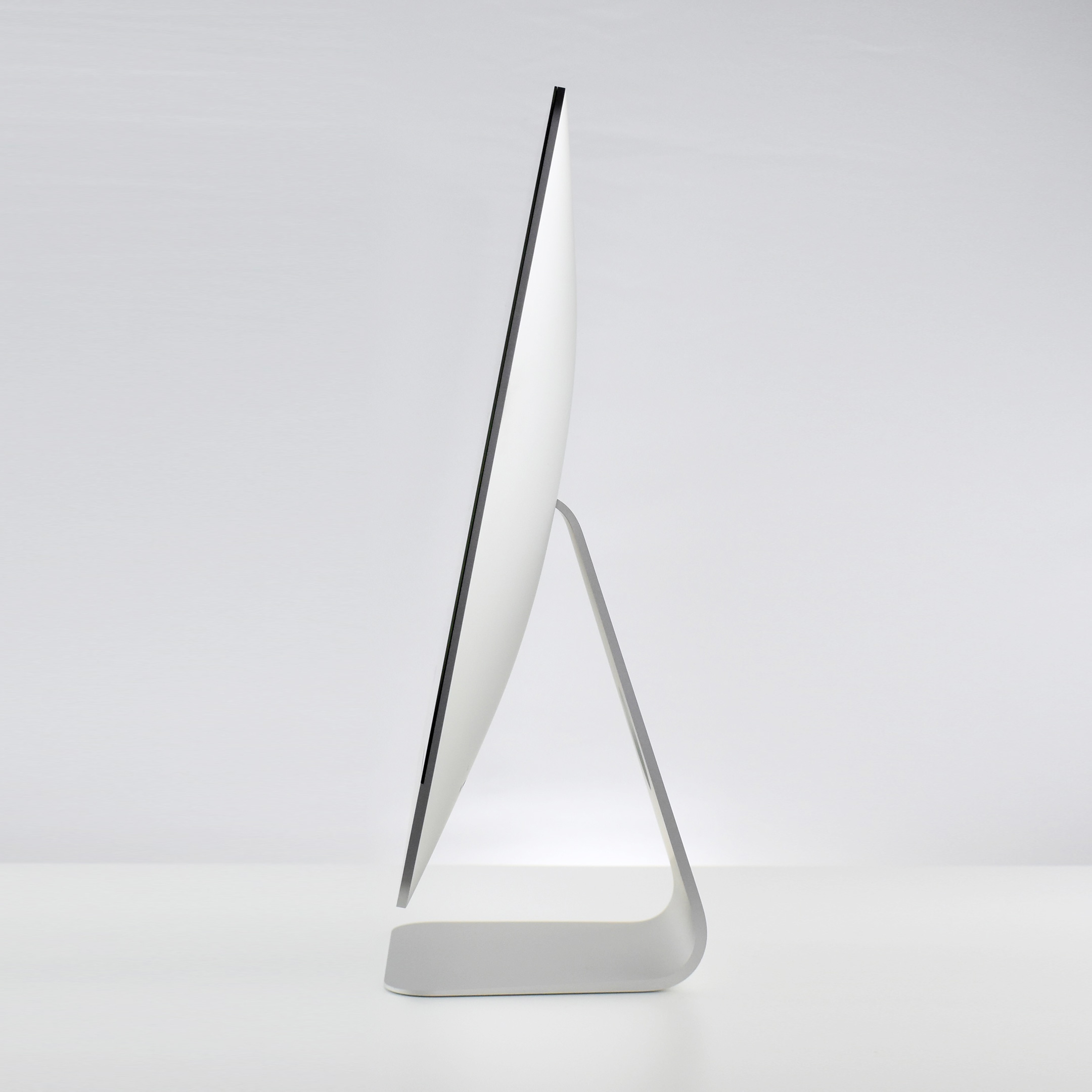
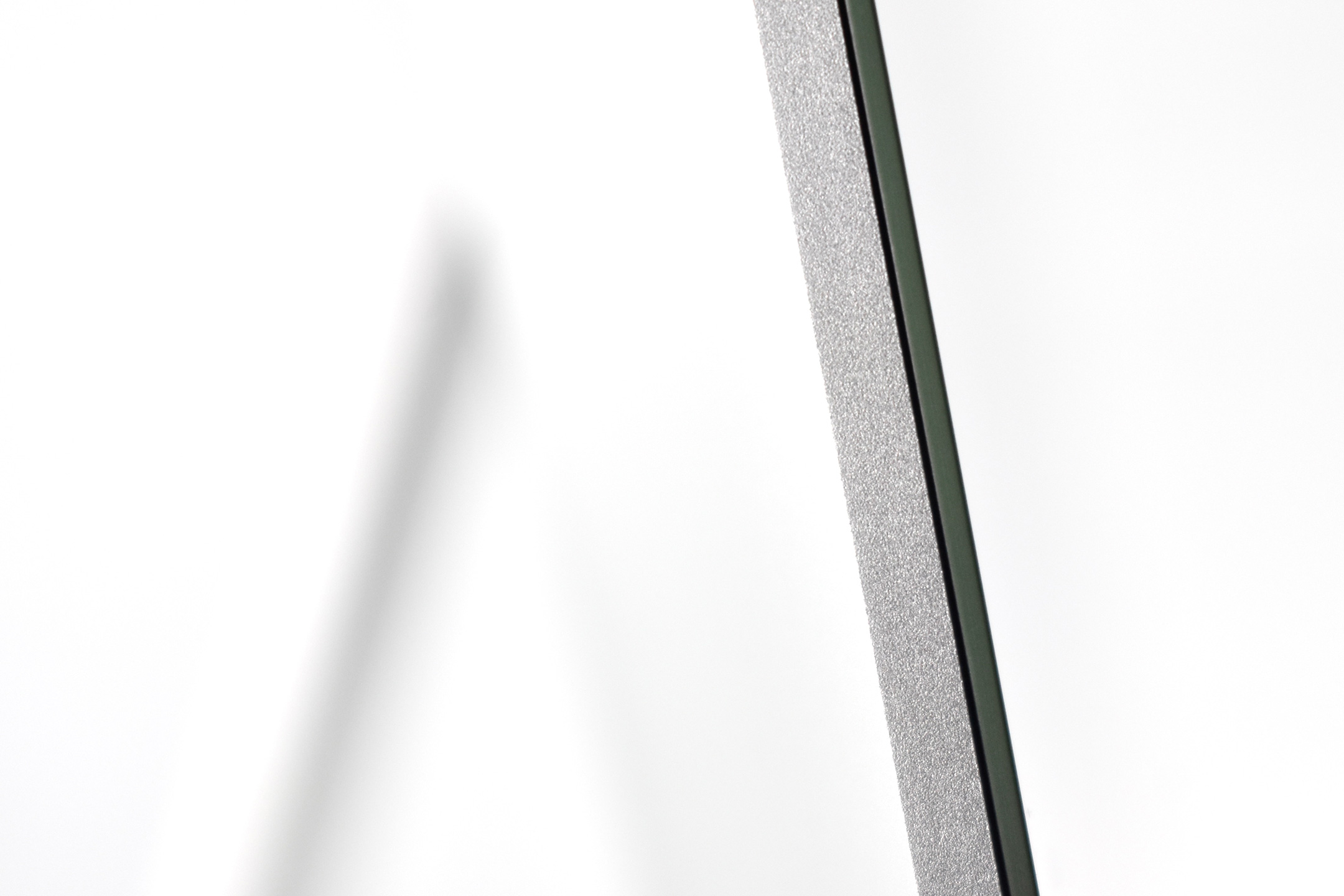
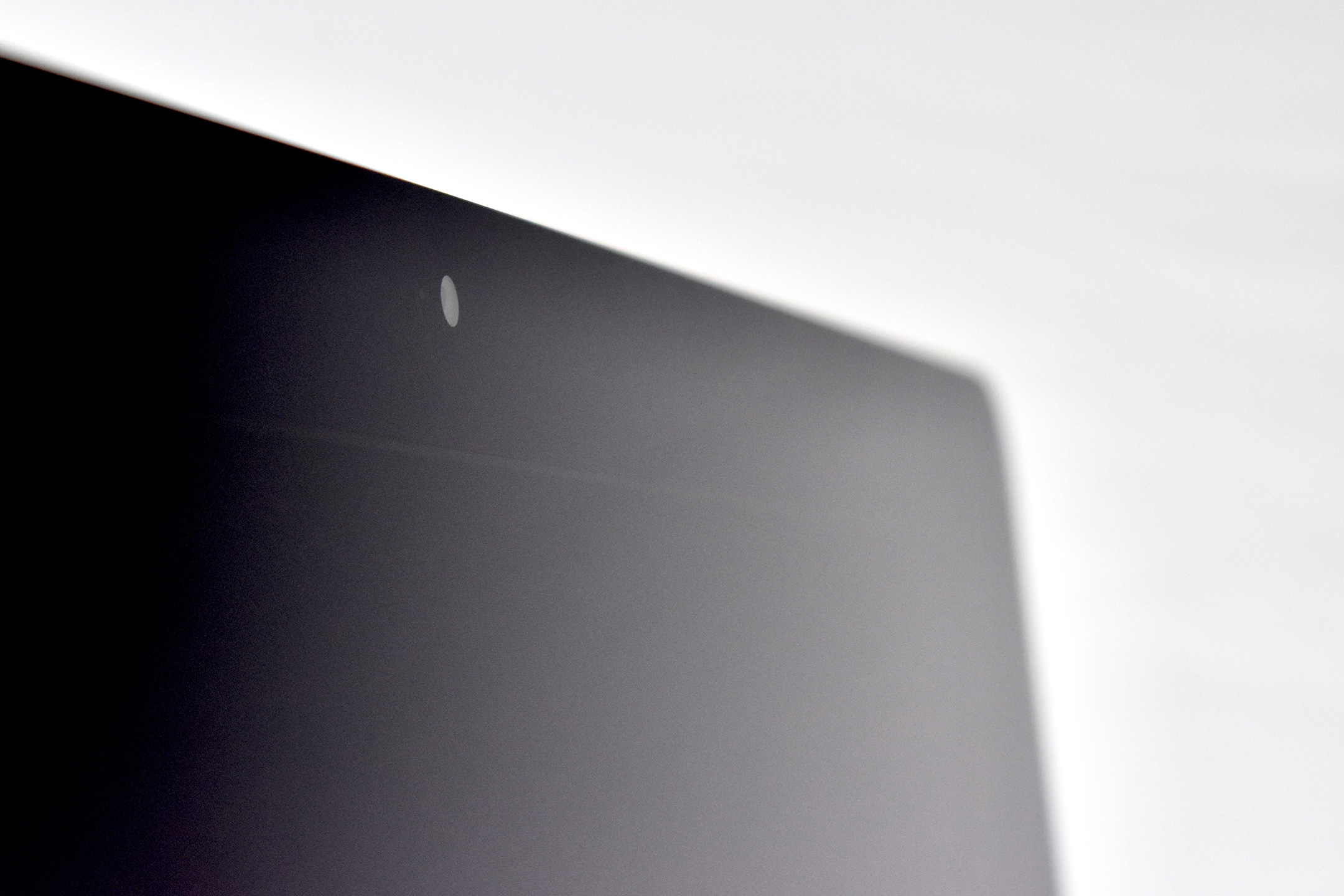
The 21.5-inch display was a 1920 x 1080 LED-backlit 16:9 widescreen IPS display. Its cover glass was fully laminated to the LCD and anti-reflective coating. The design of the rear case was aluminum and is thicker in the middle and tapers to a razor thin 5 mm at the edges. This iMac had a FaceTime HD front webcam, stereo speakers, but lacked an optical drive.
This iMac shipped with OS X Mountain Lion. This Mac OS featured “Messages, Notification Center, system-wide Sharing, AirPlay Mirroring, Dictation, Game Center and the enhanced security of Gatekeeper to your Mac. With iCloud built into the foundation of OS X, Mountain Lion makes it easier than ever to keep your content up to date across your Mac, iPhone®, iPad and iPod touch.”
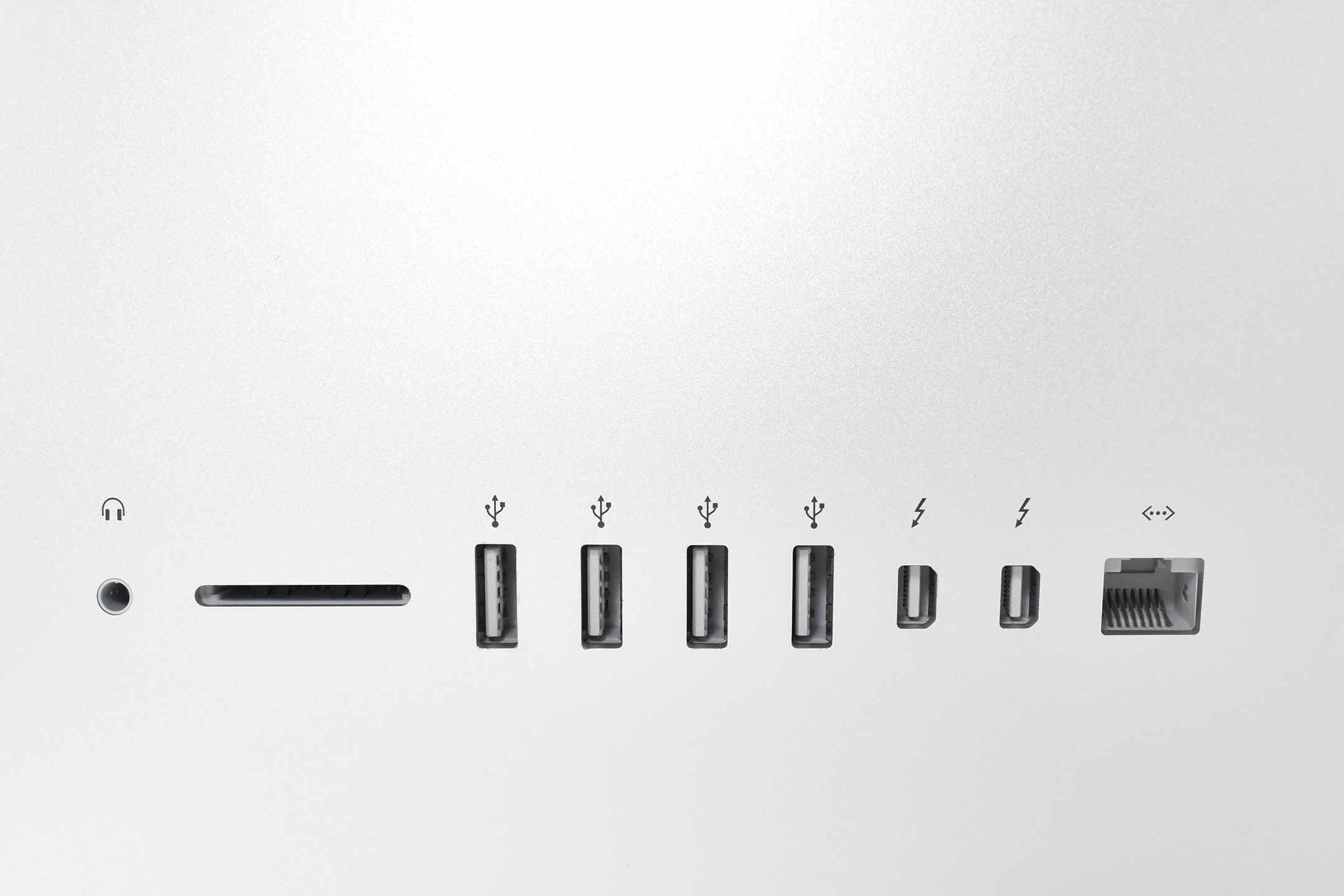
Connectivity included four USB 3.0 ports, dual Thunderbolt ports, Gigabit Ethernet, 802.11ac Wi-Fi (802.11a/b/g/n compatible), and Bluetooth 4.0.
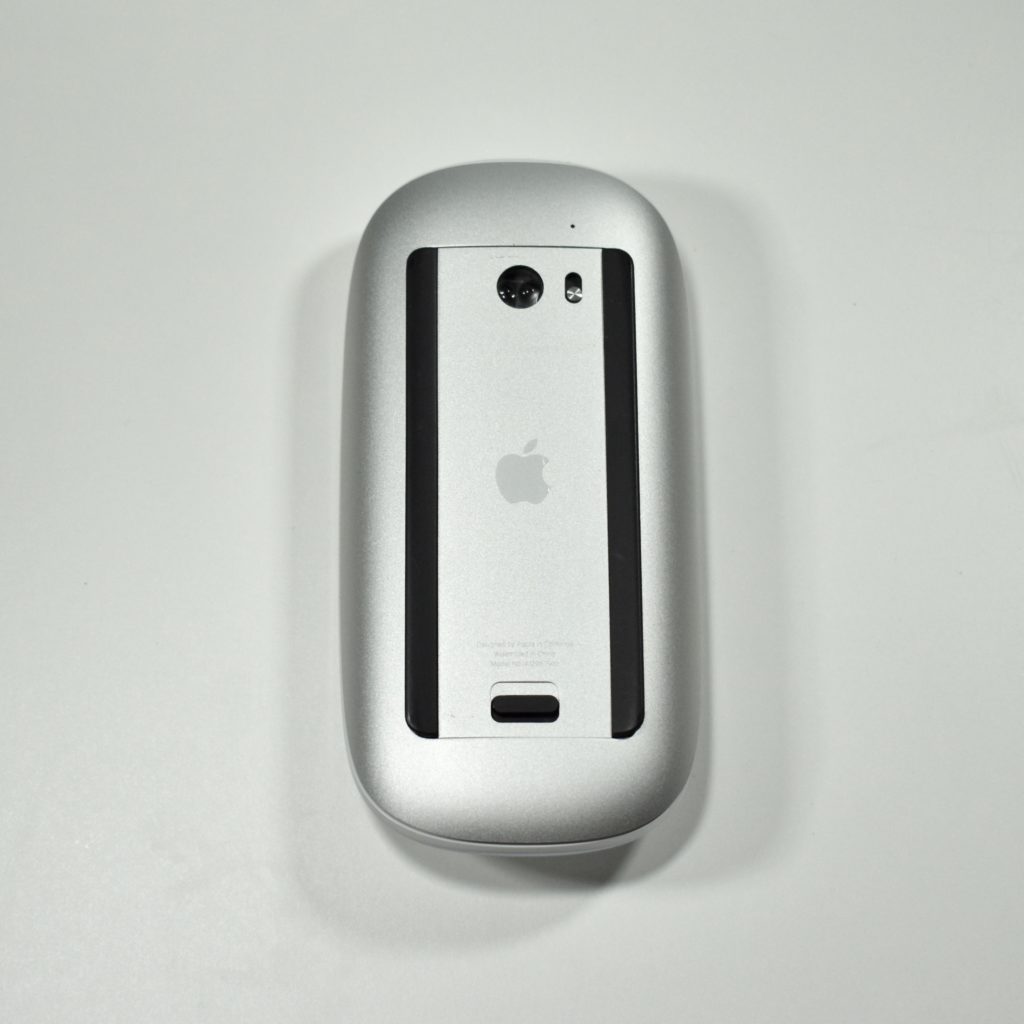
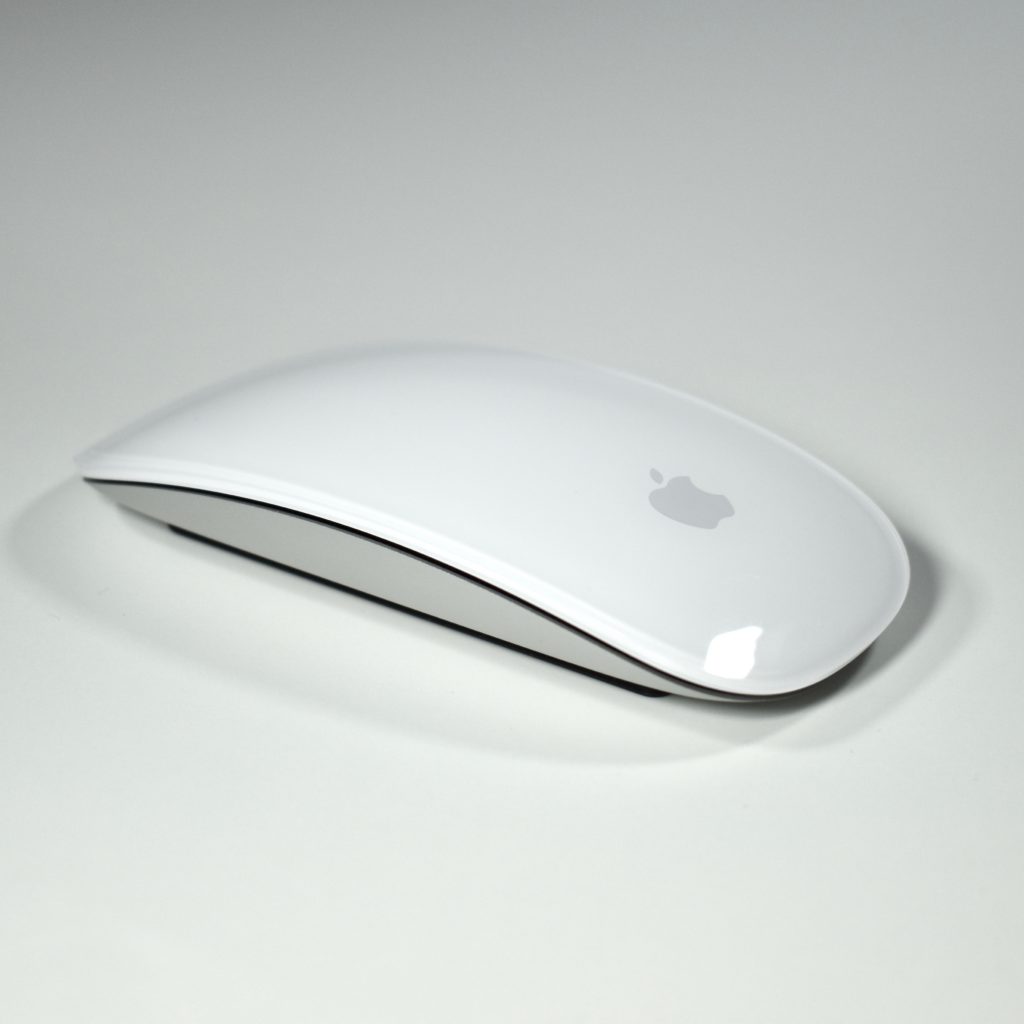
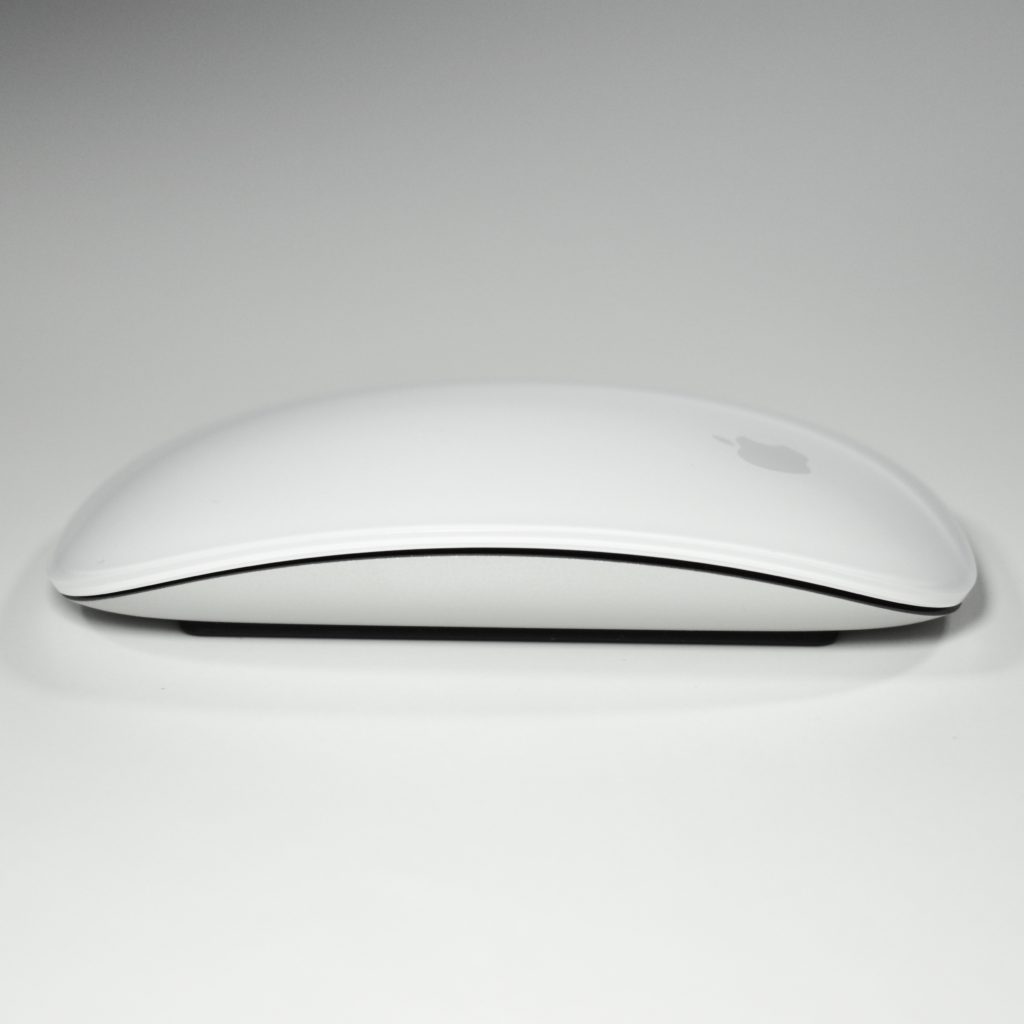
This iMac model shipped with a compact aluminum Apple Wireless Keyboard and either a Magic Mouse, a Magic Trackpad, or a traditional wired Apple mouse.