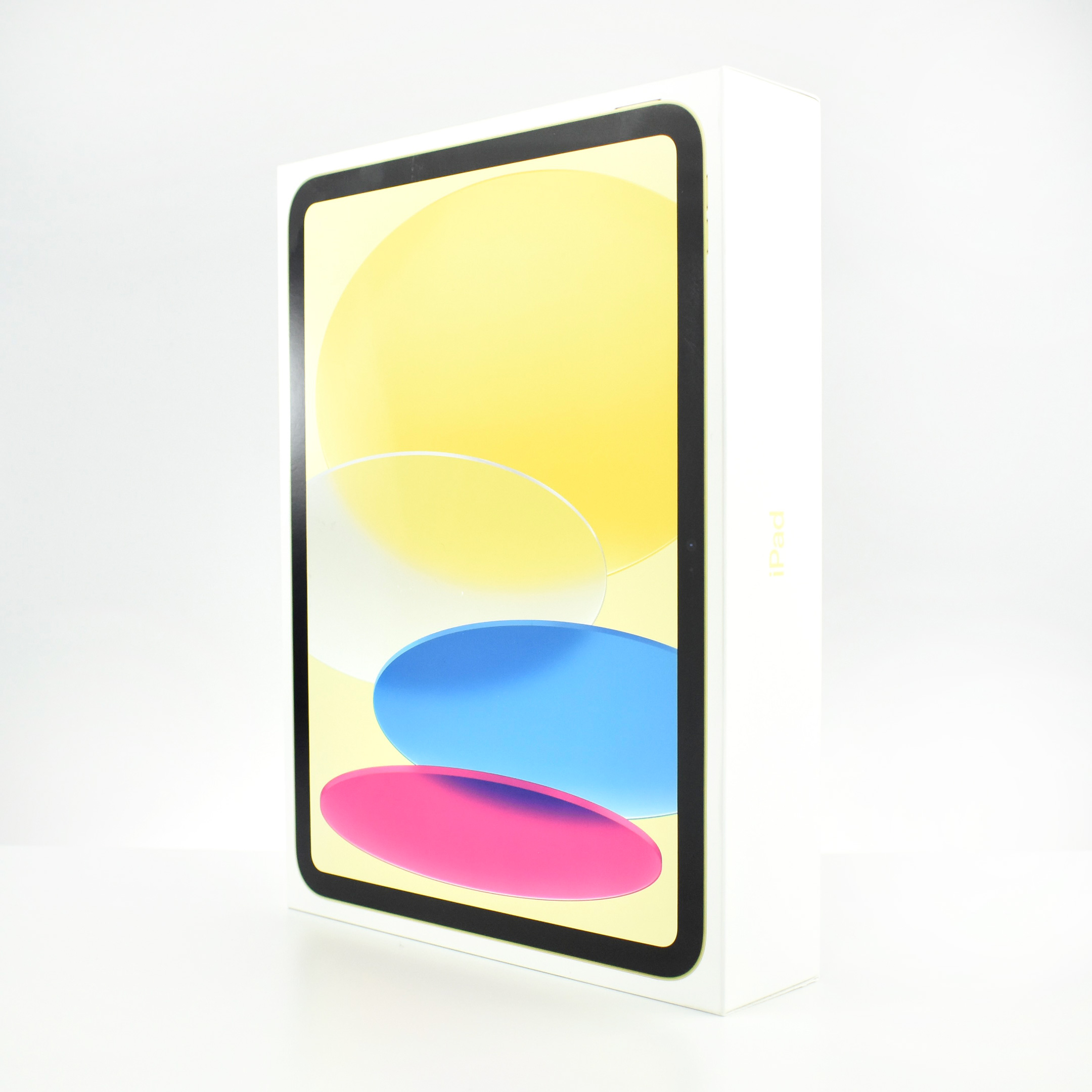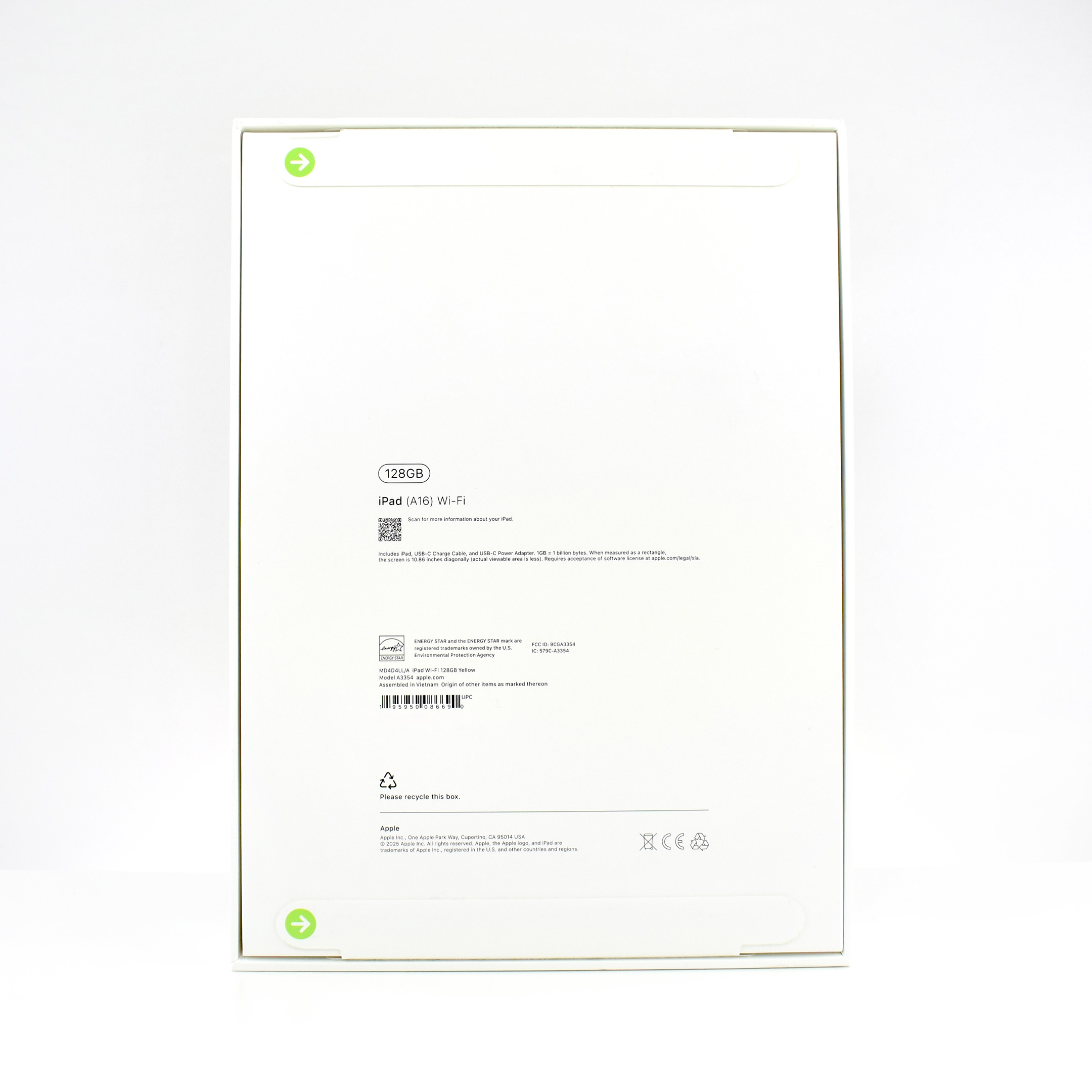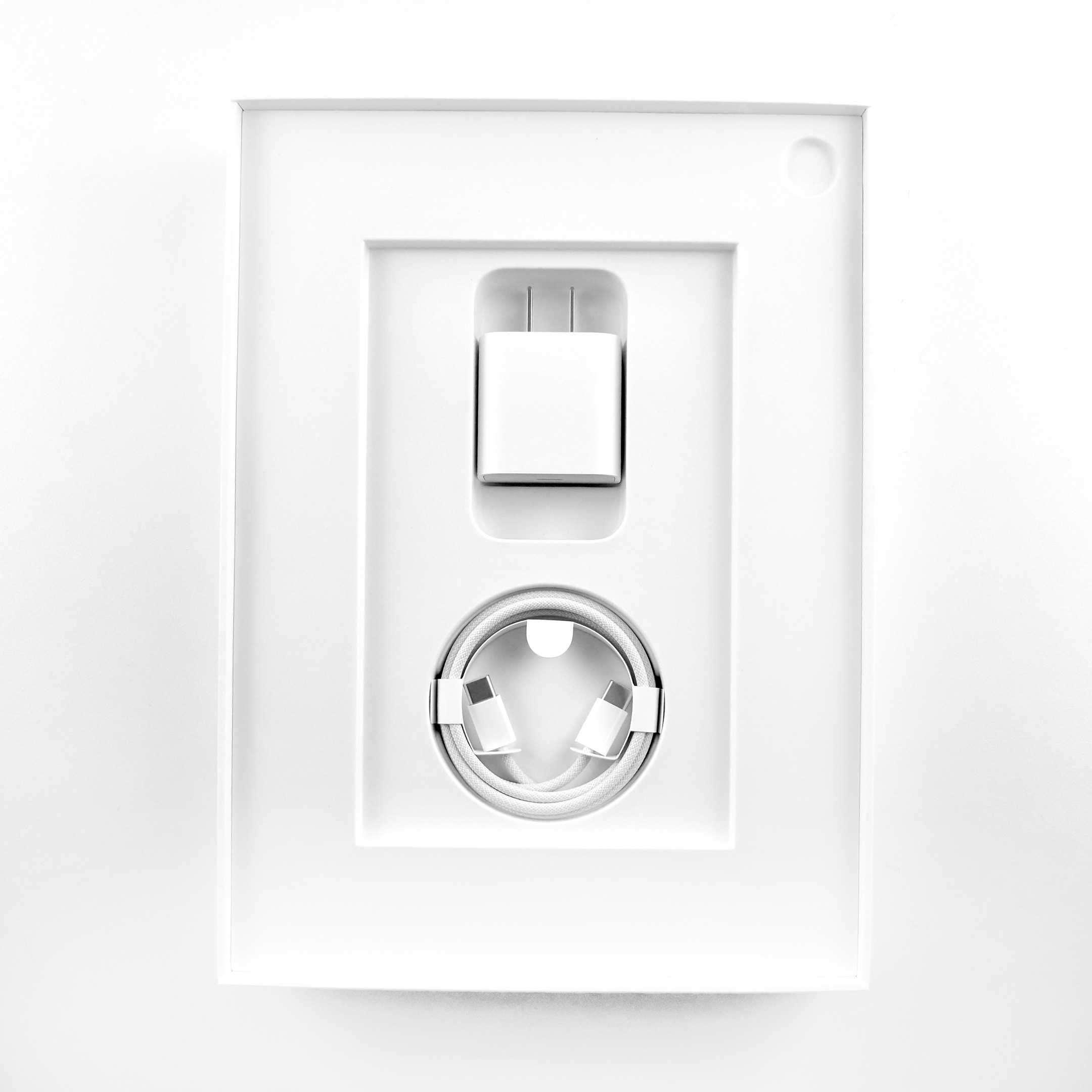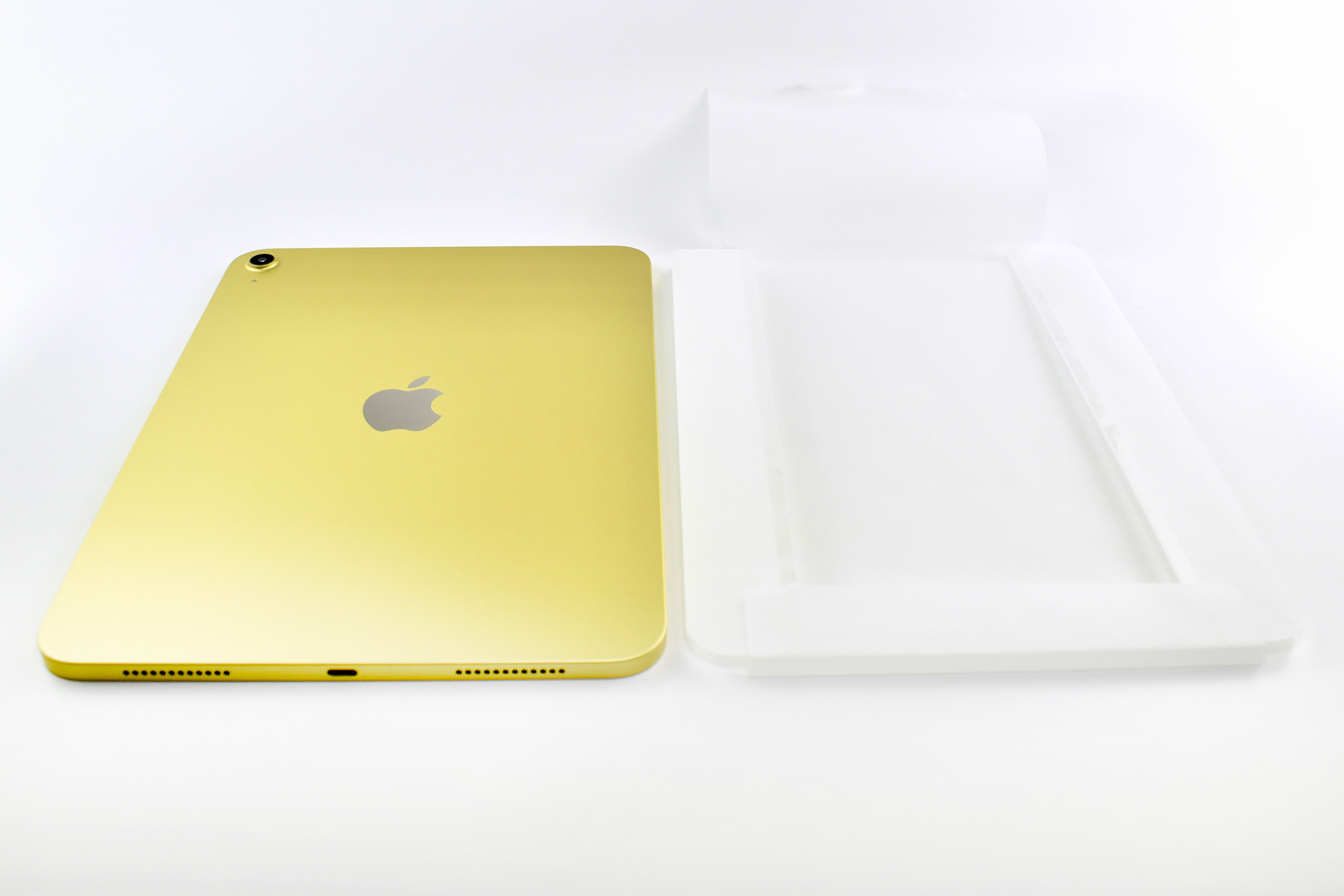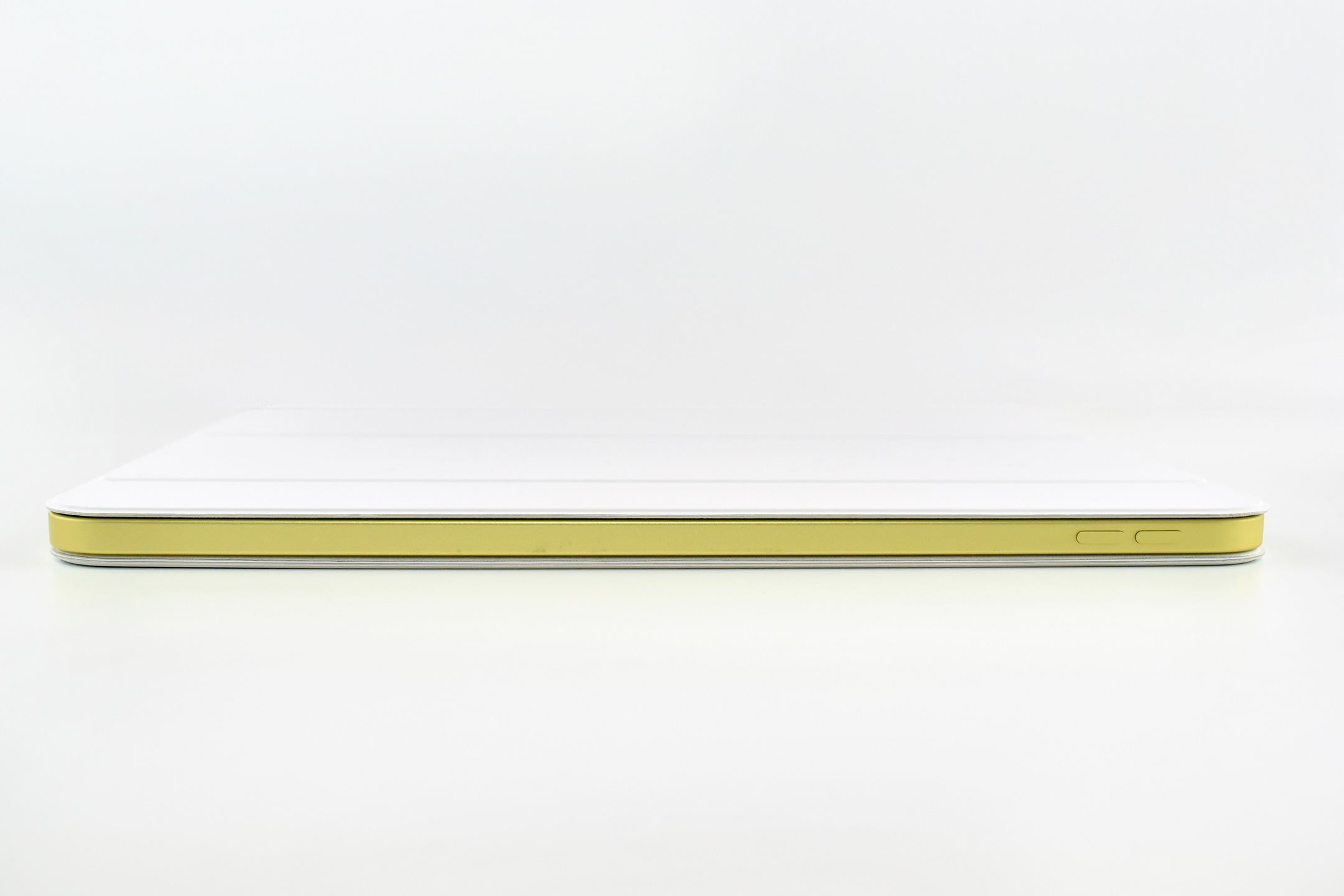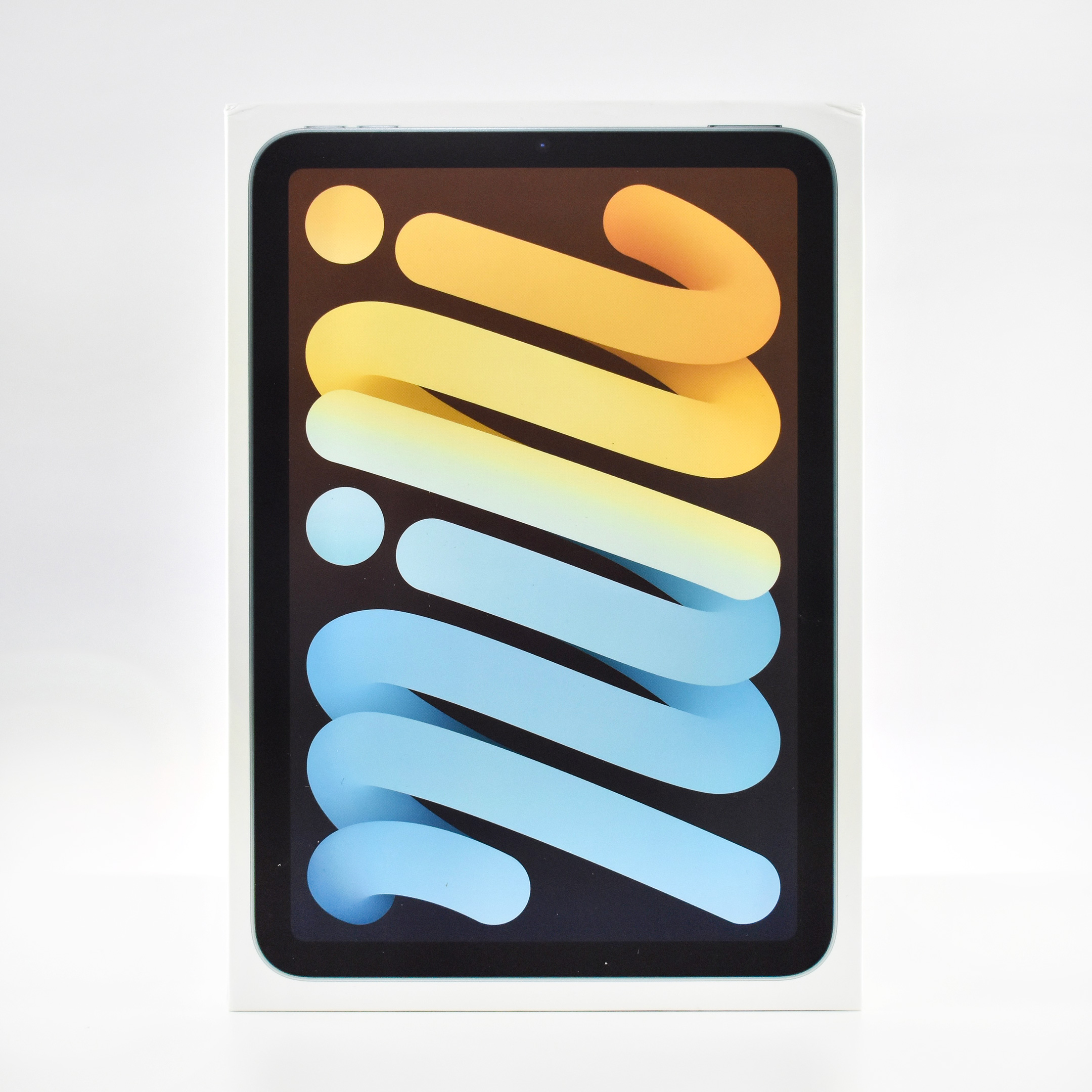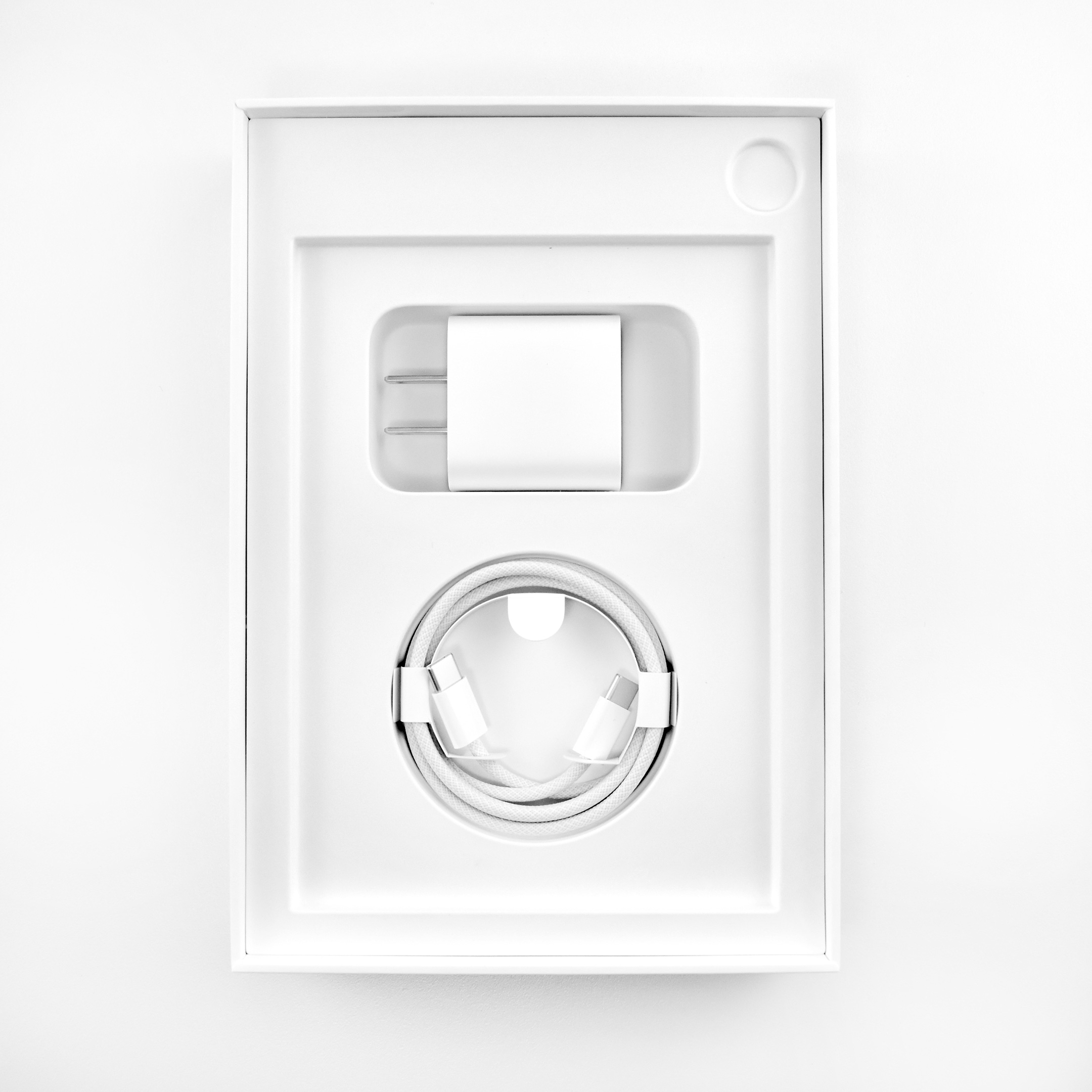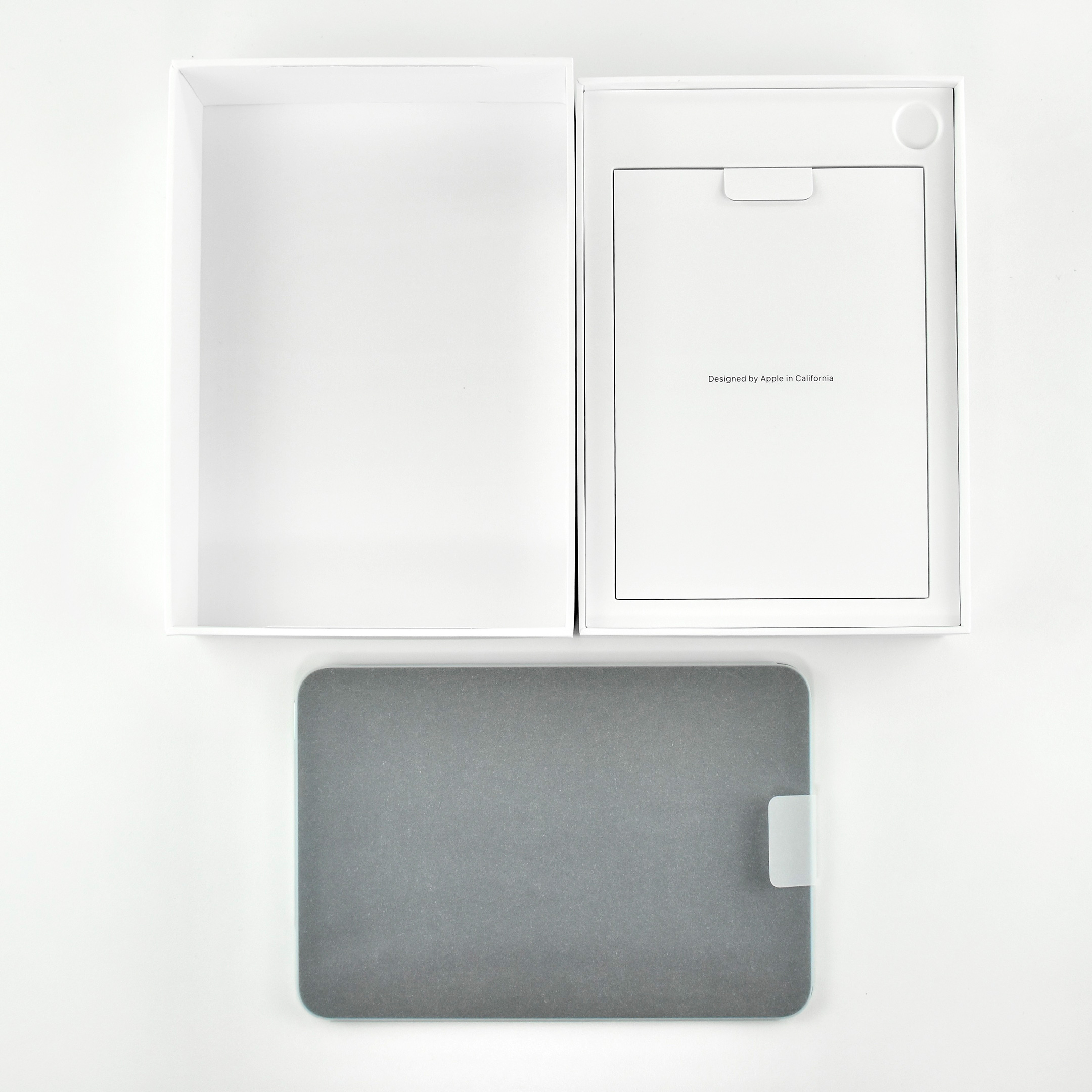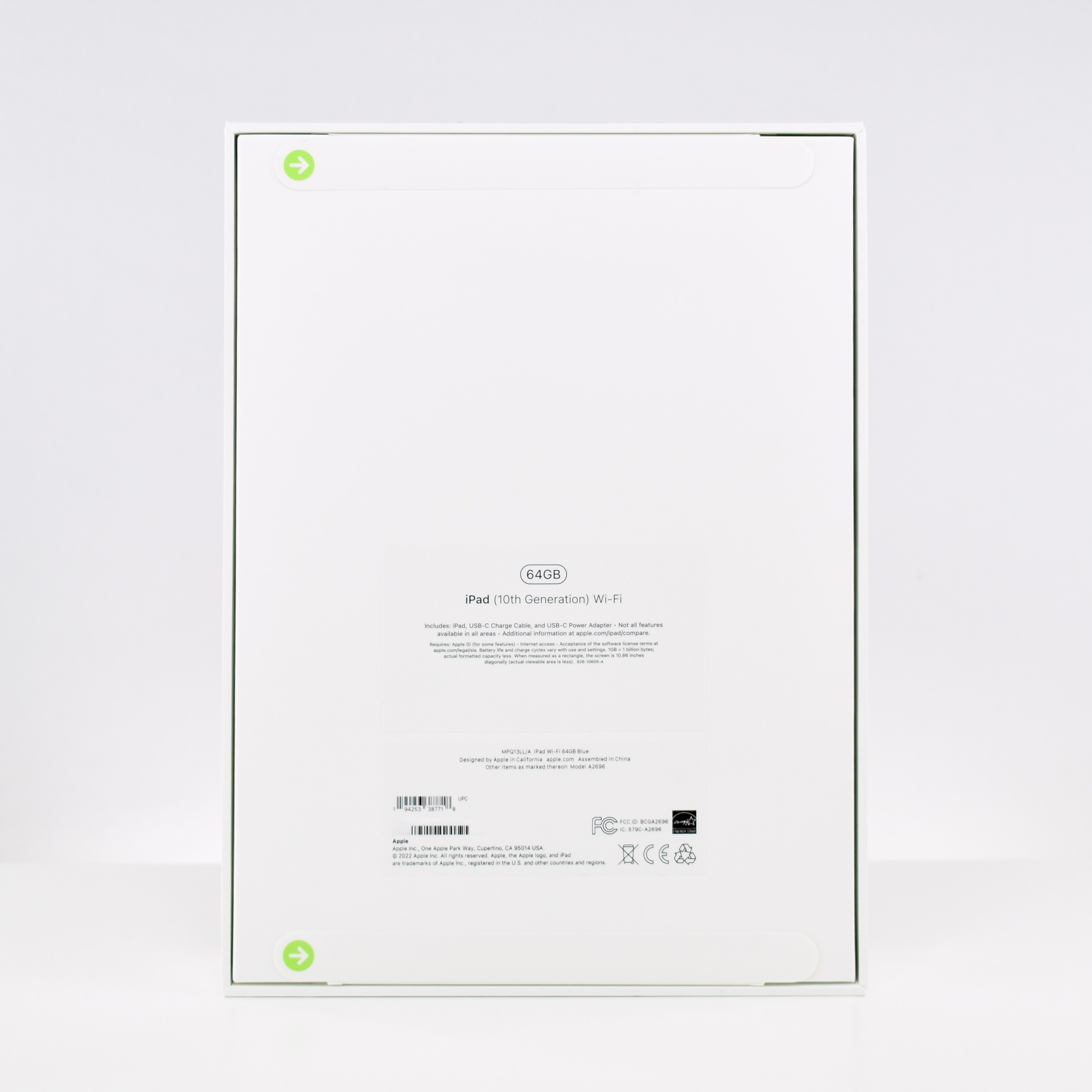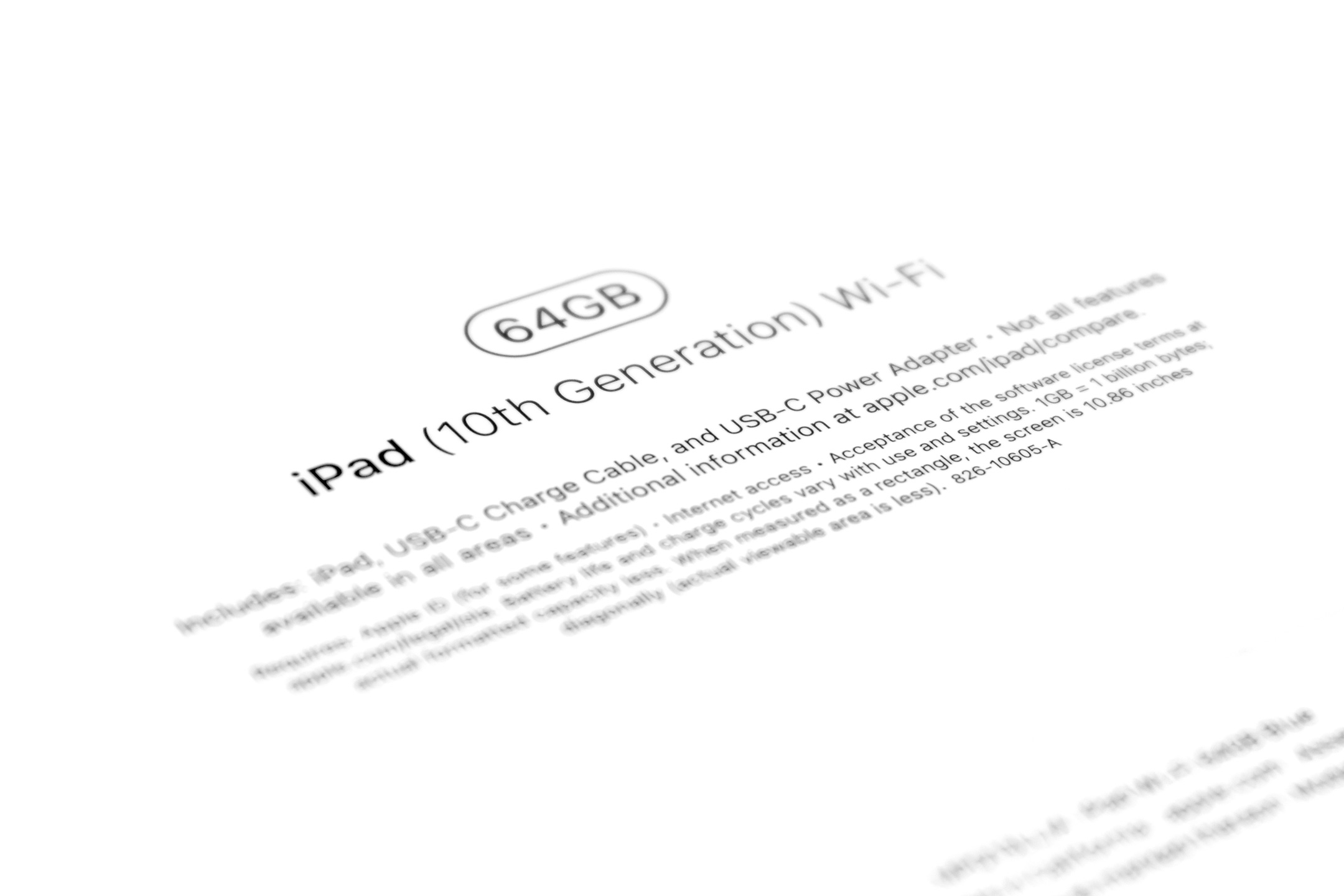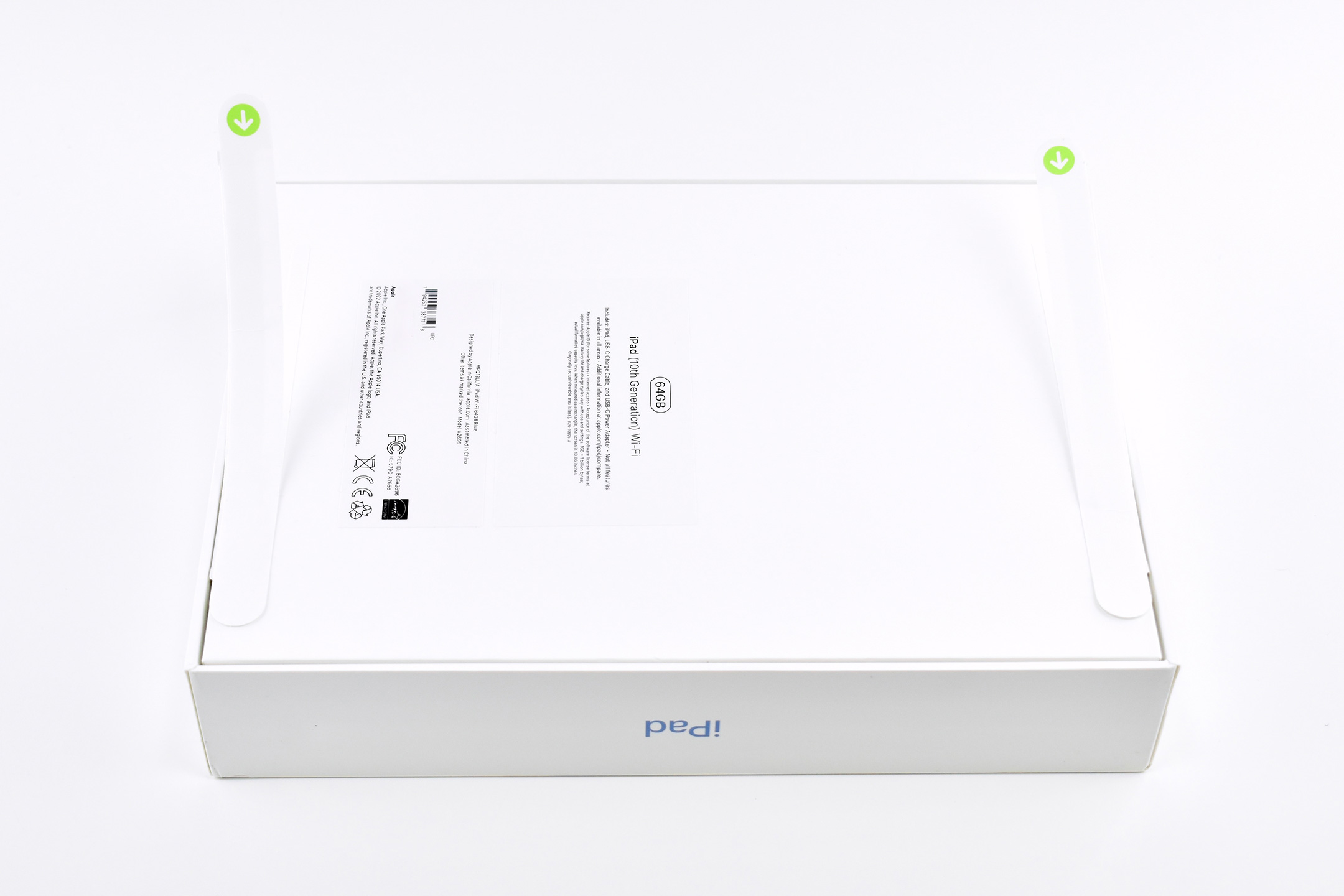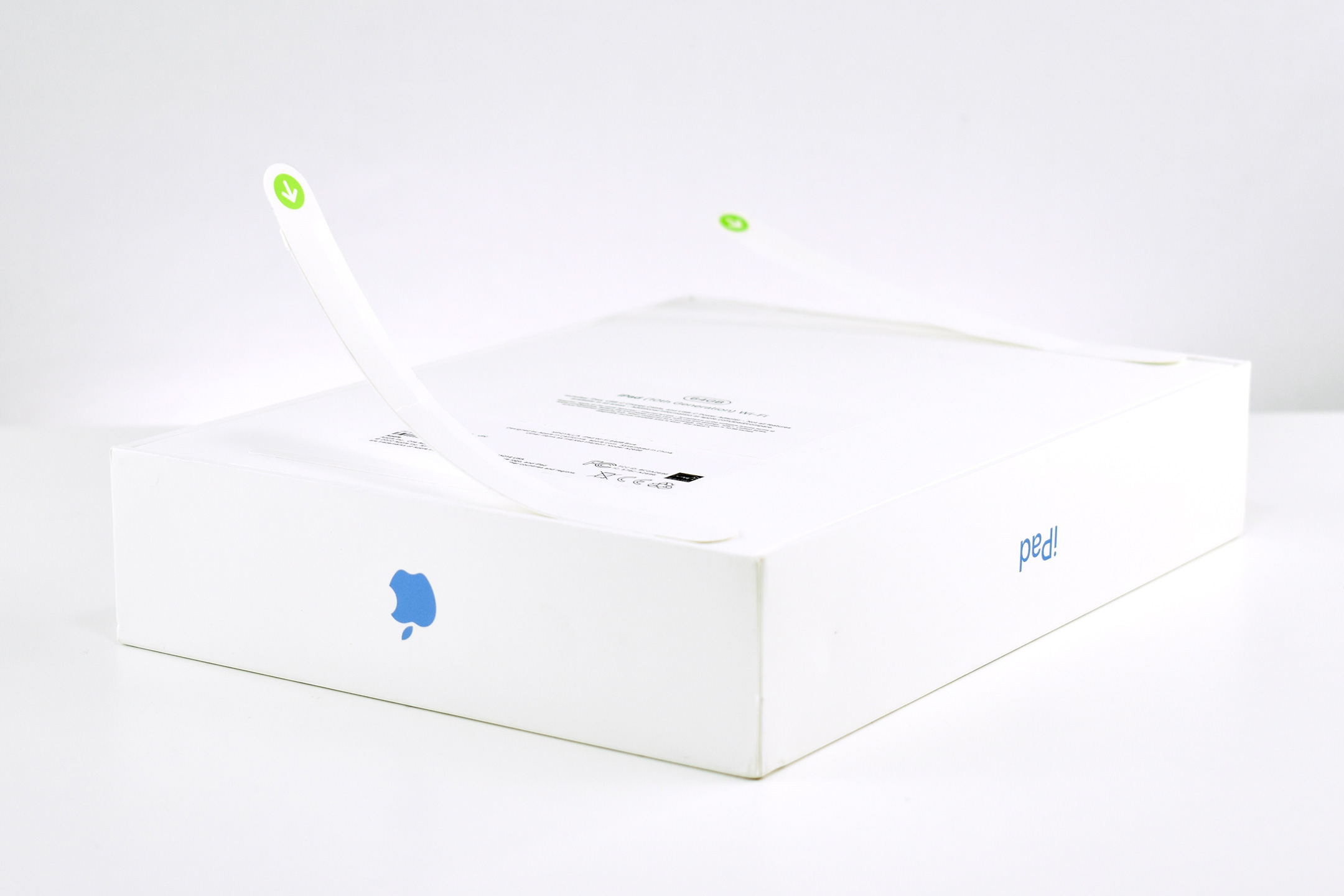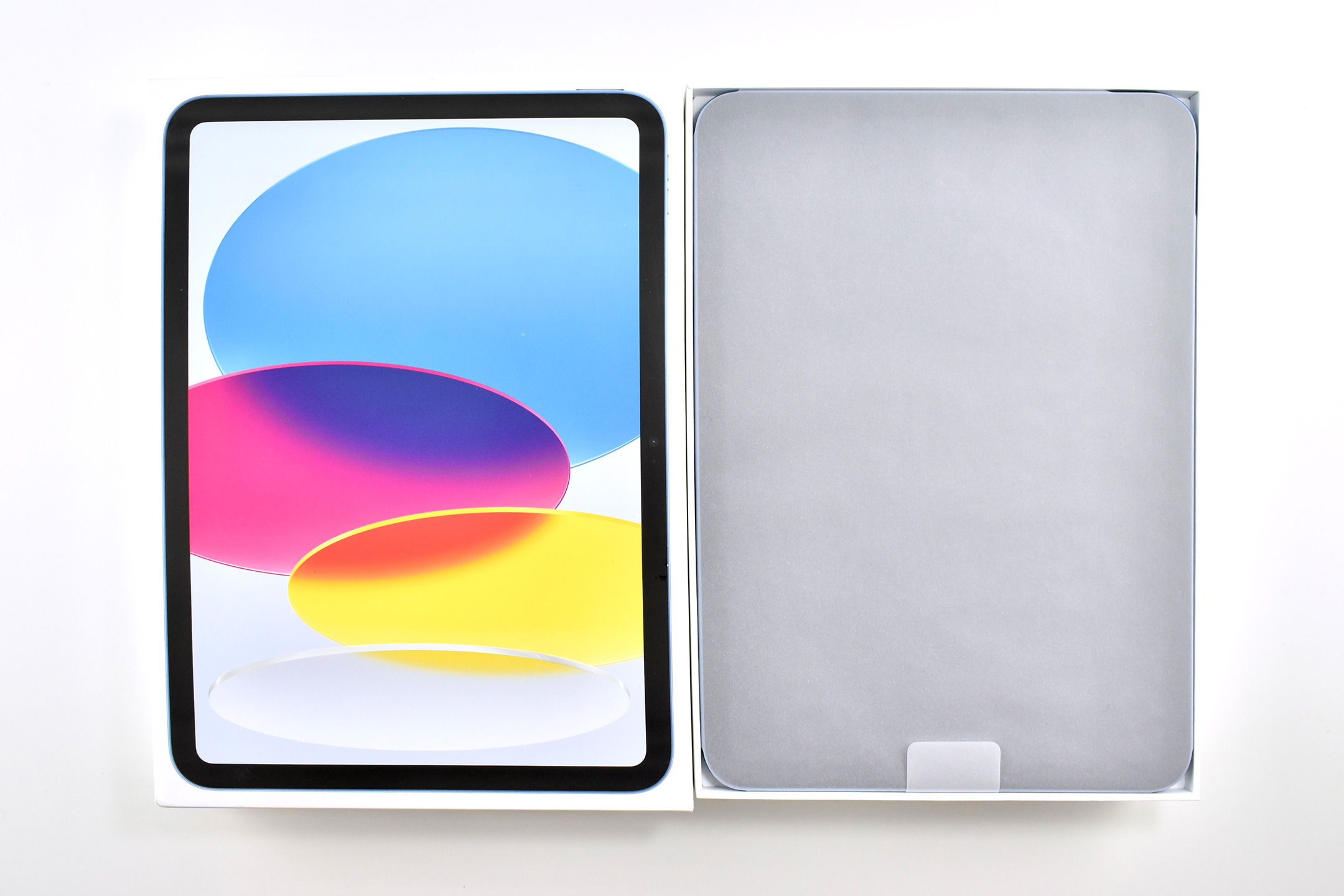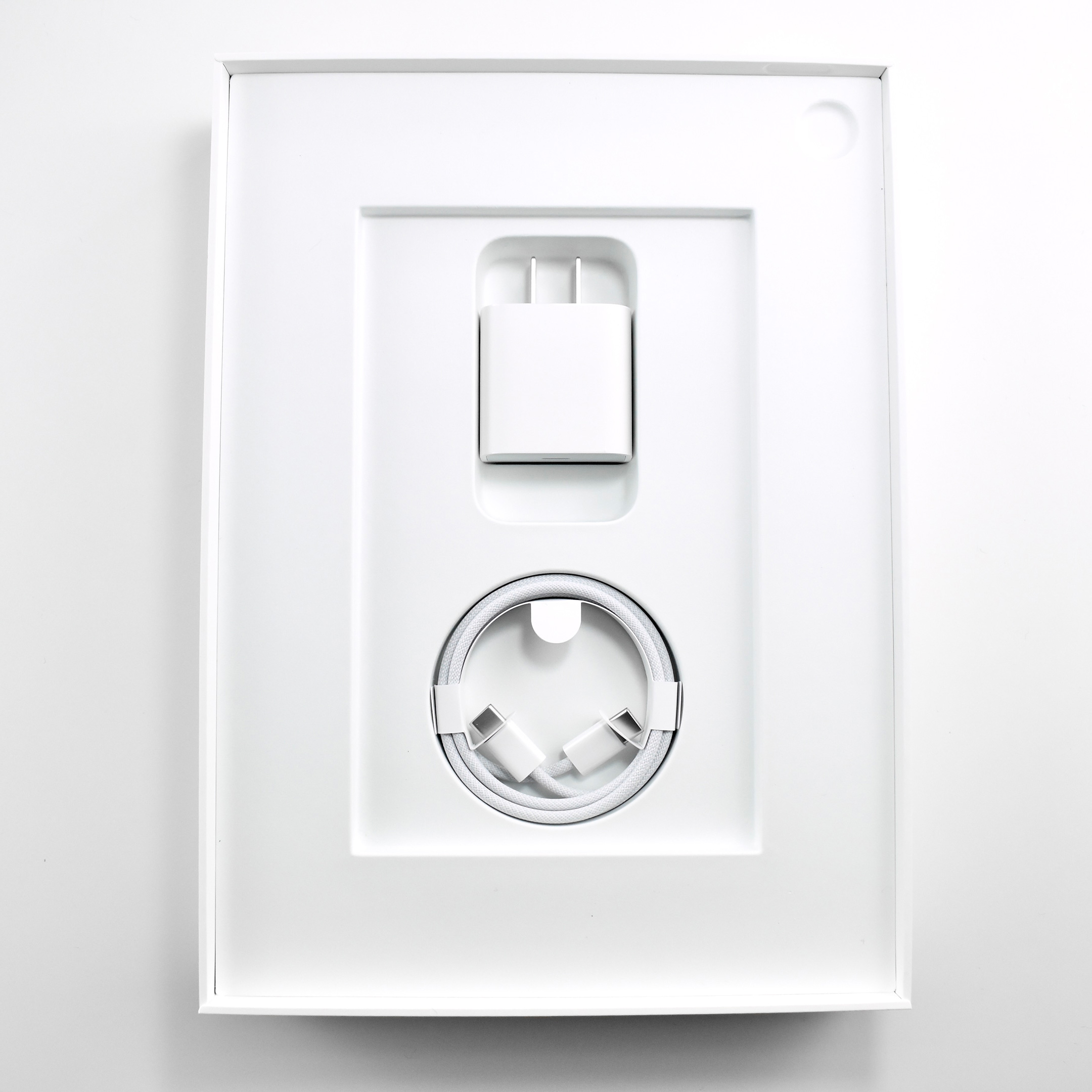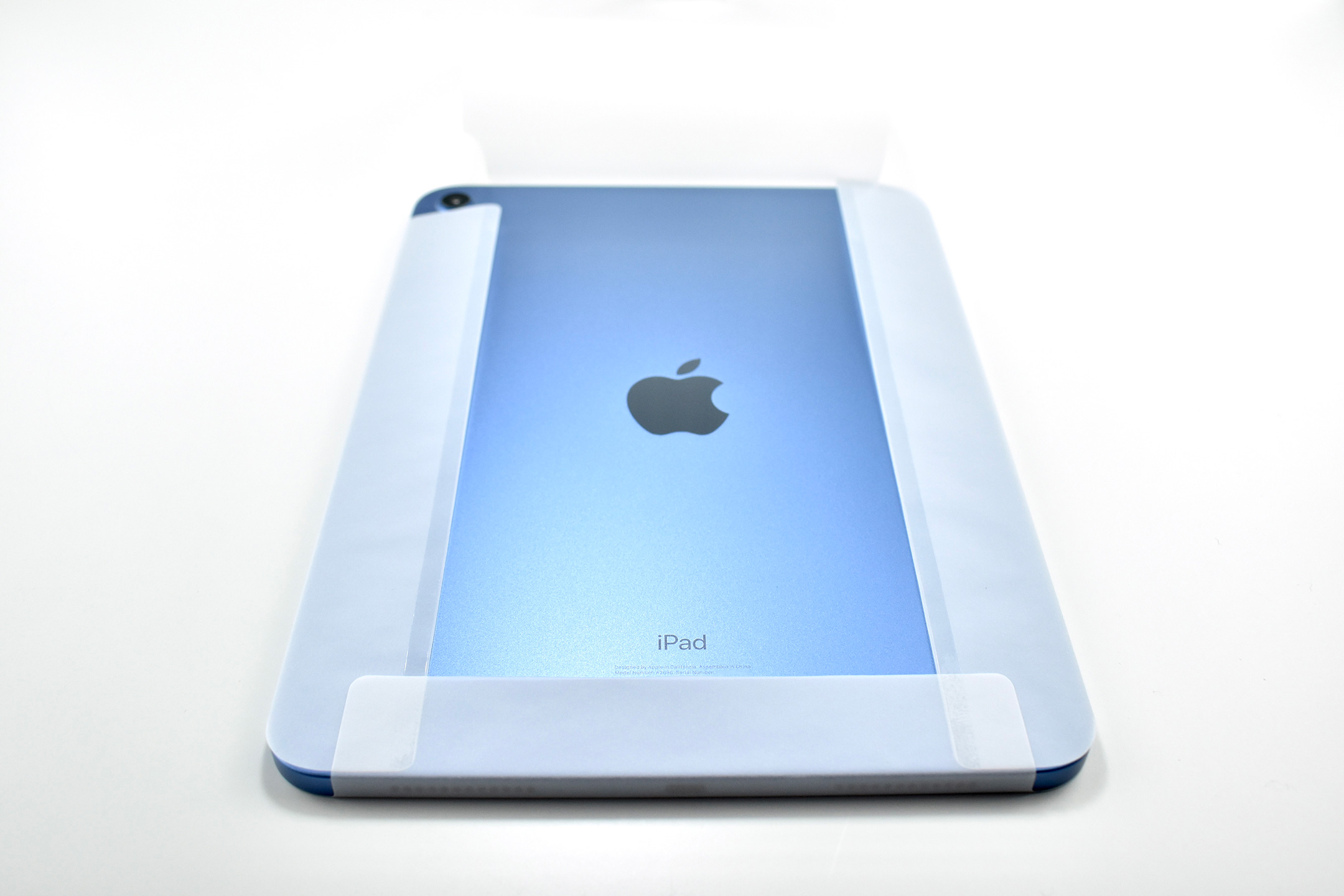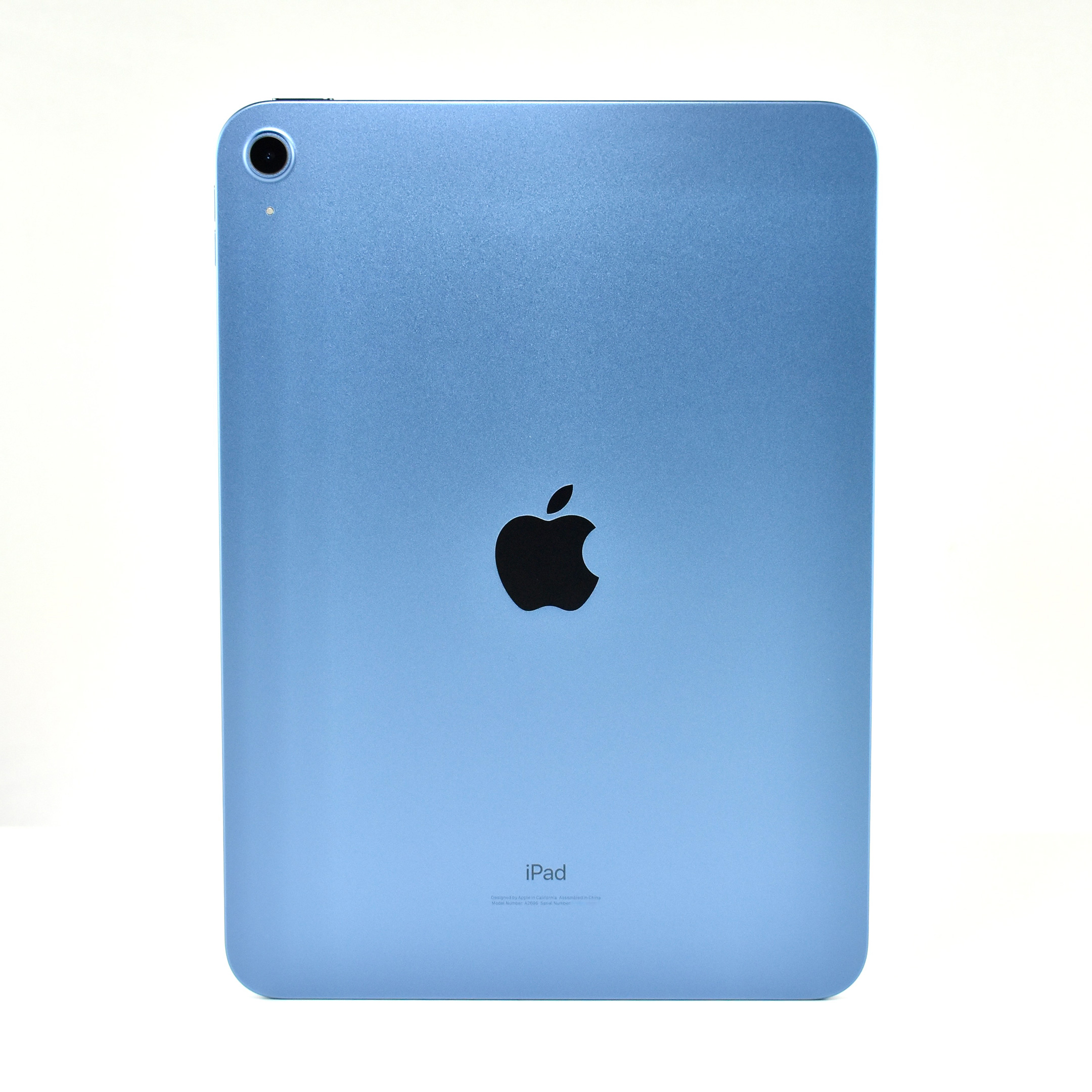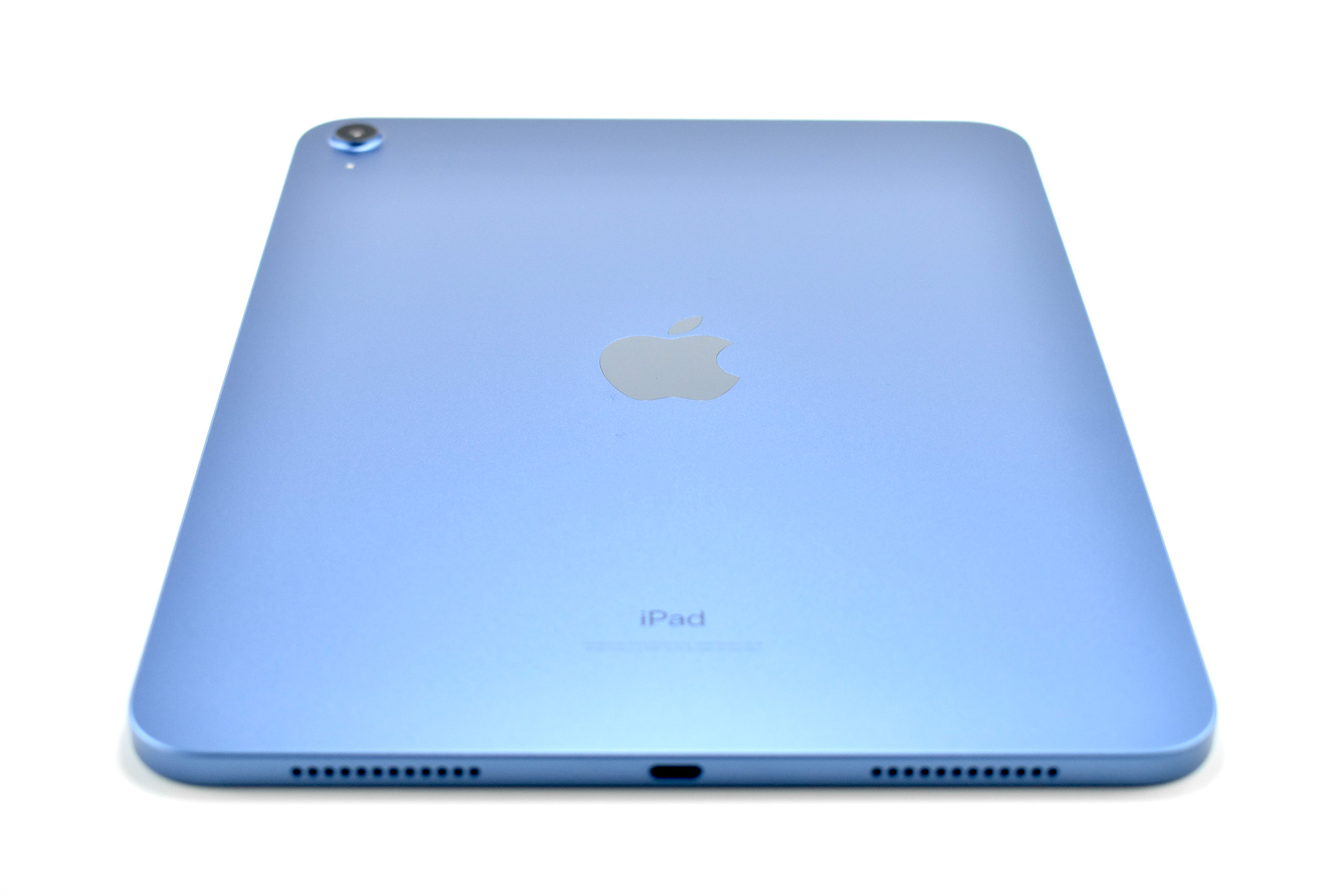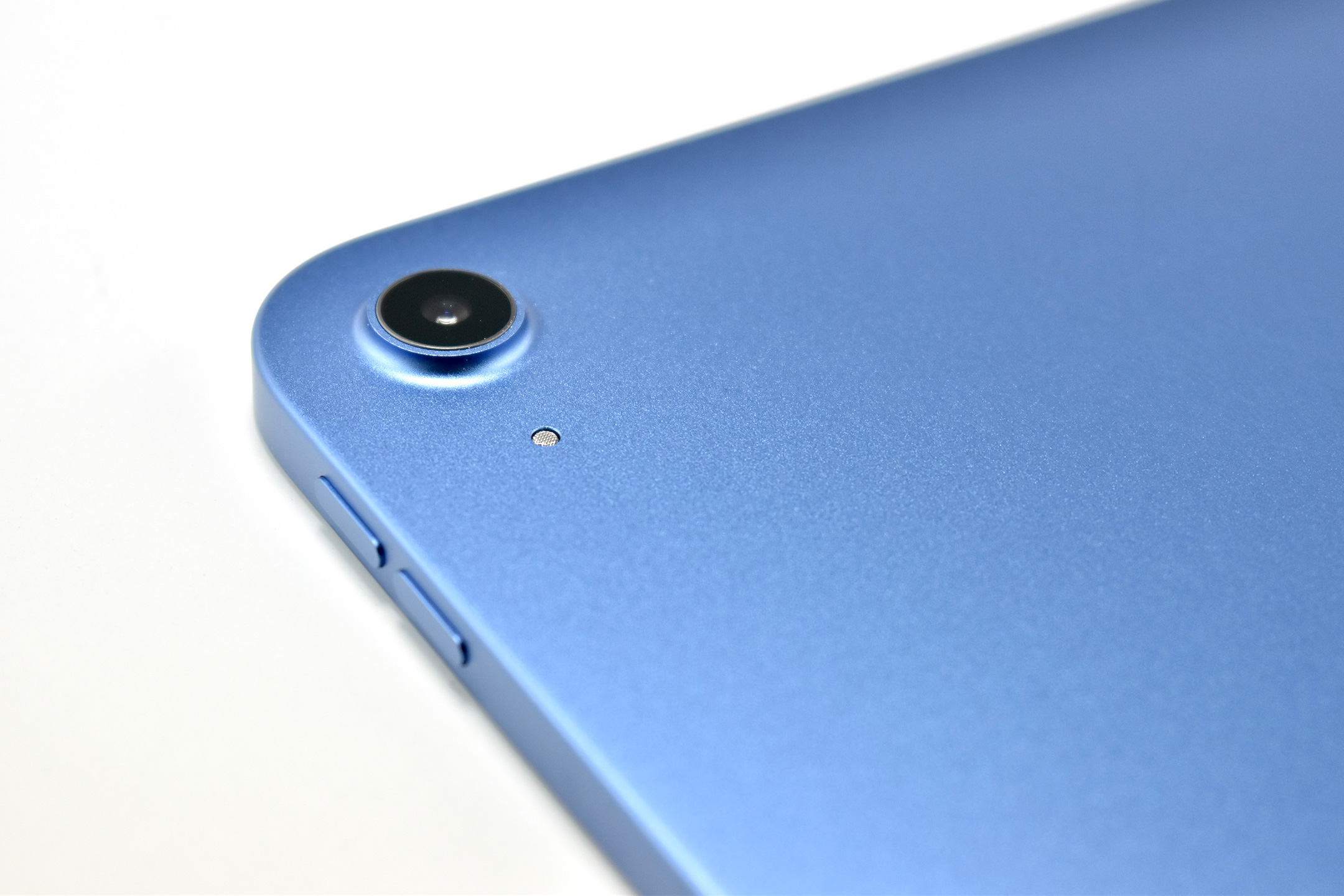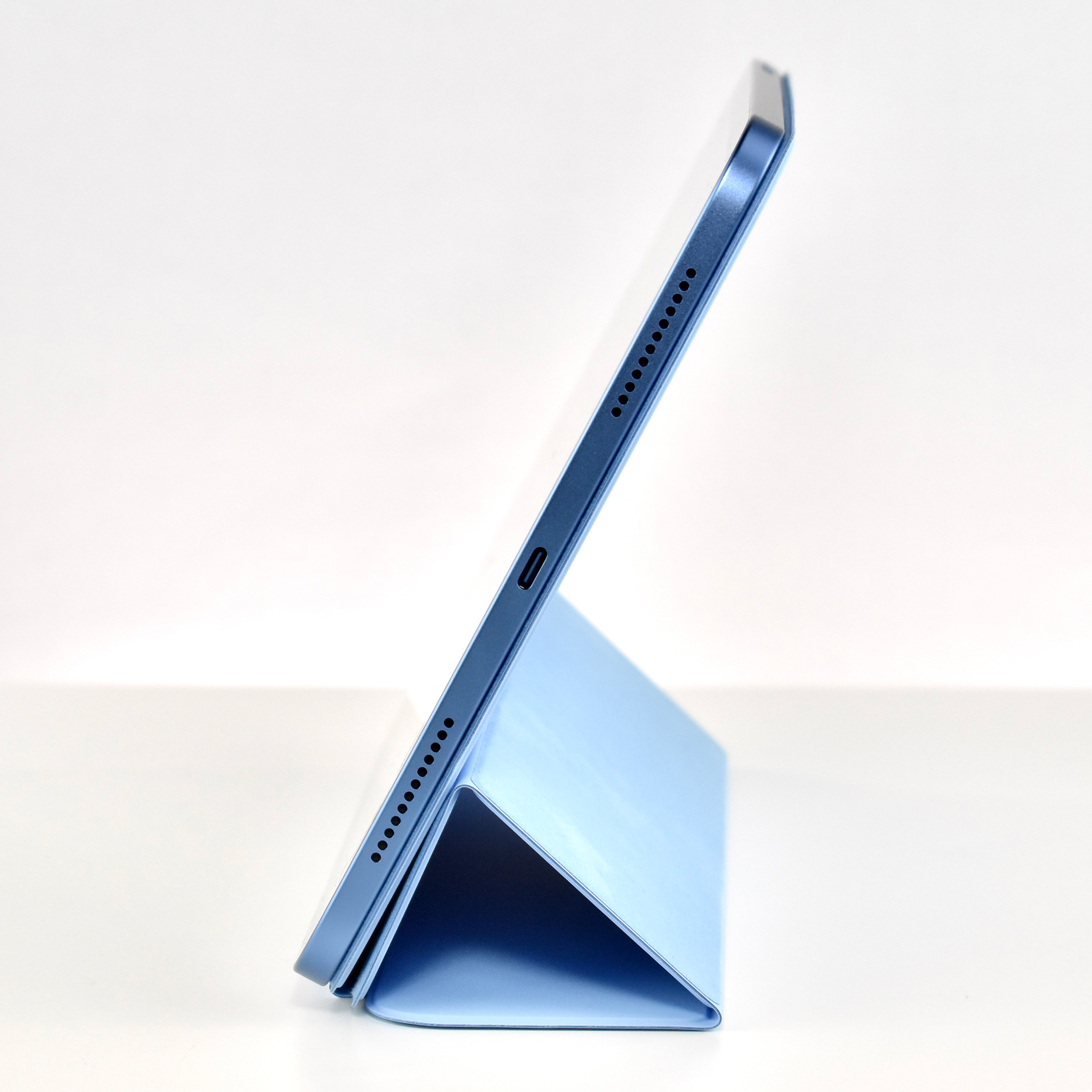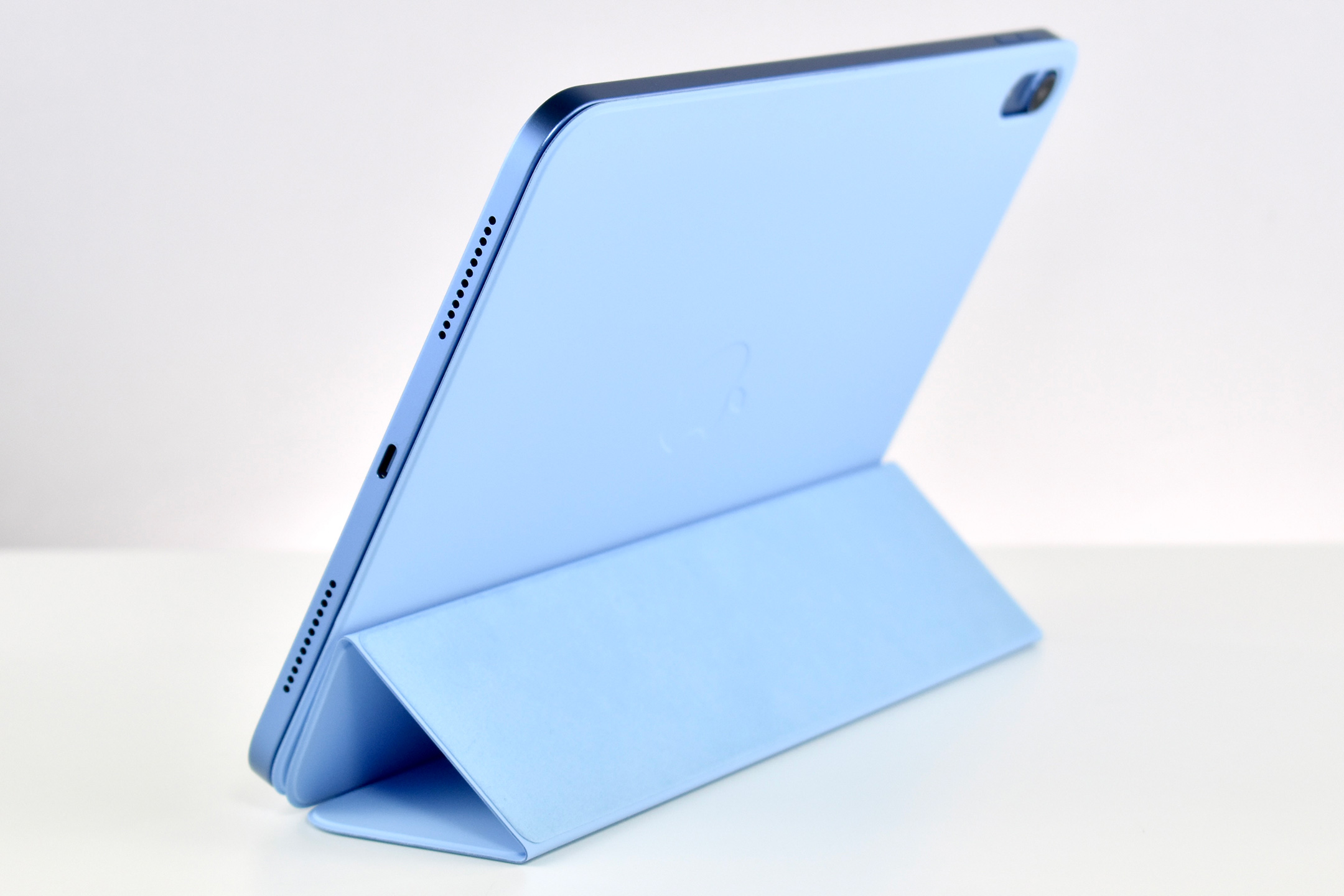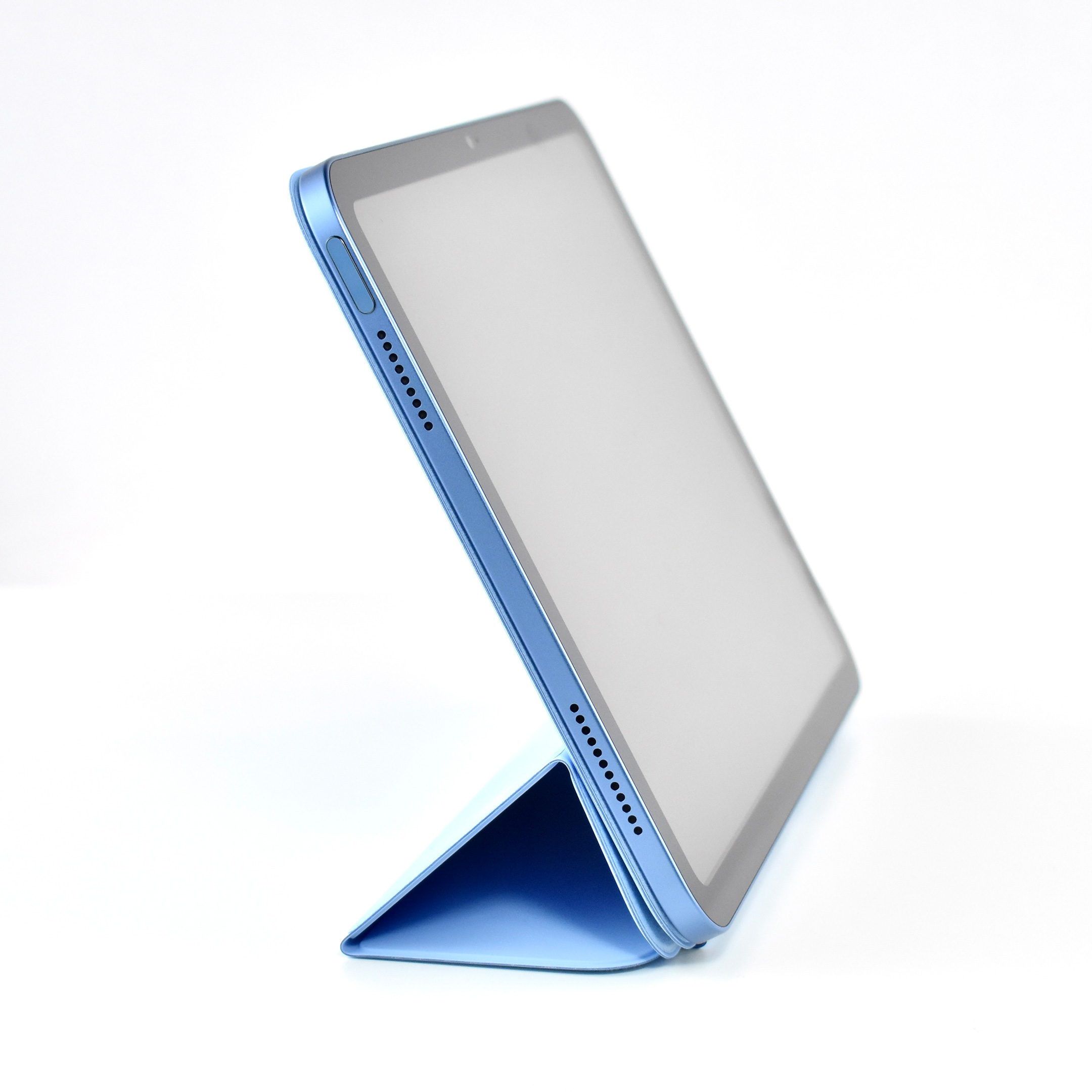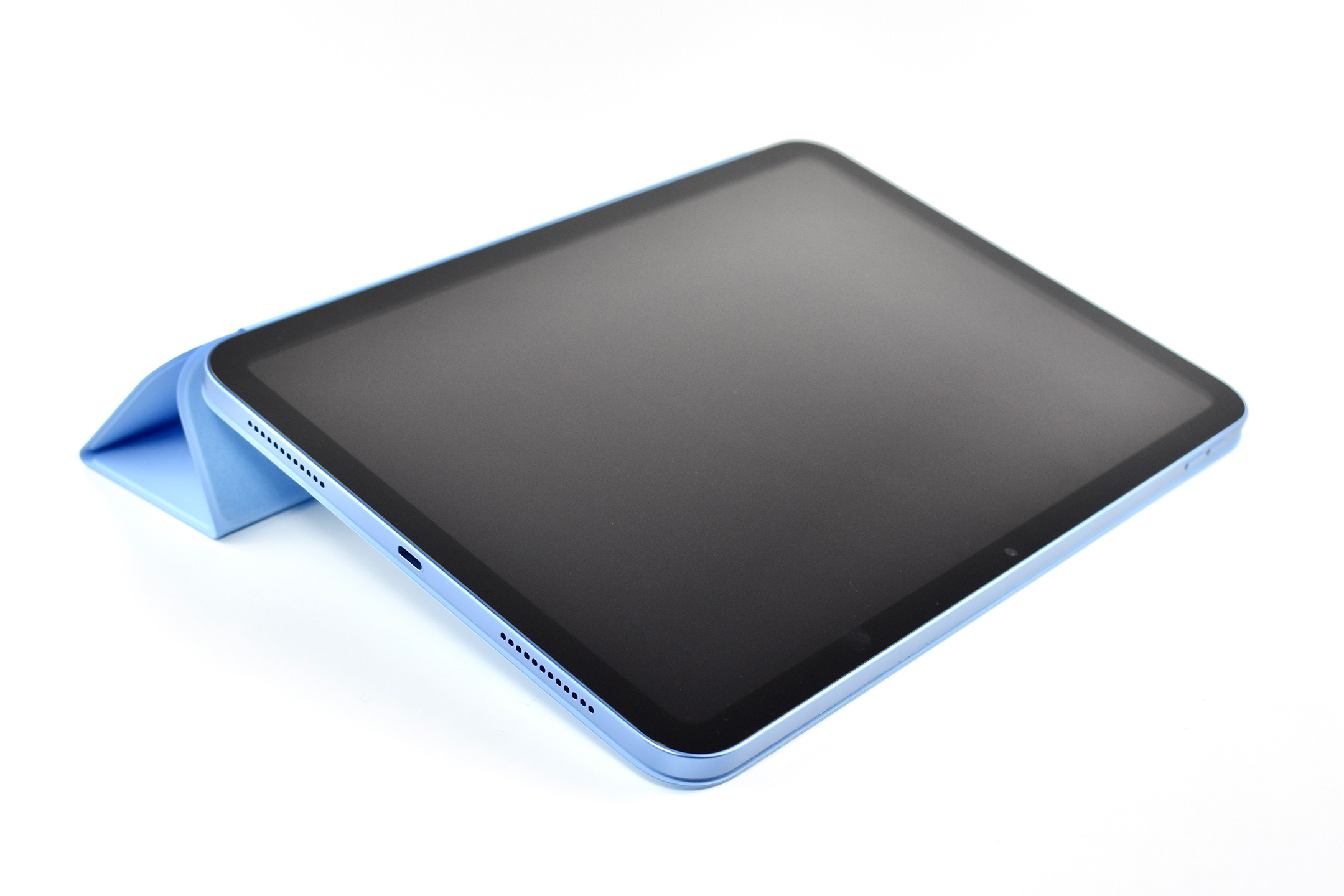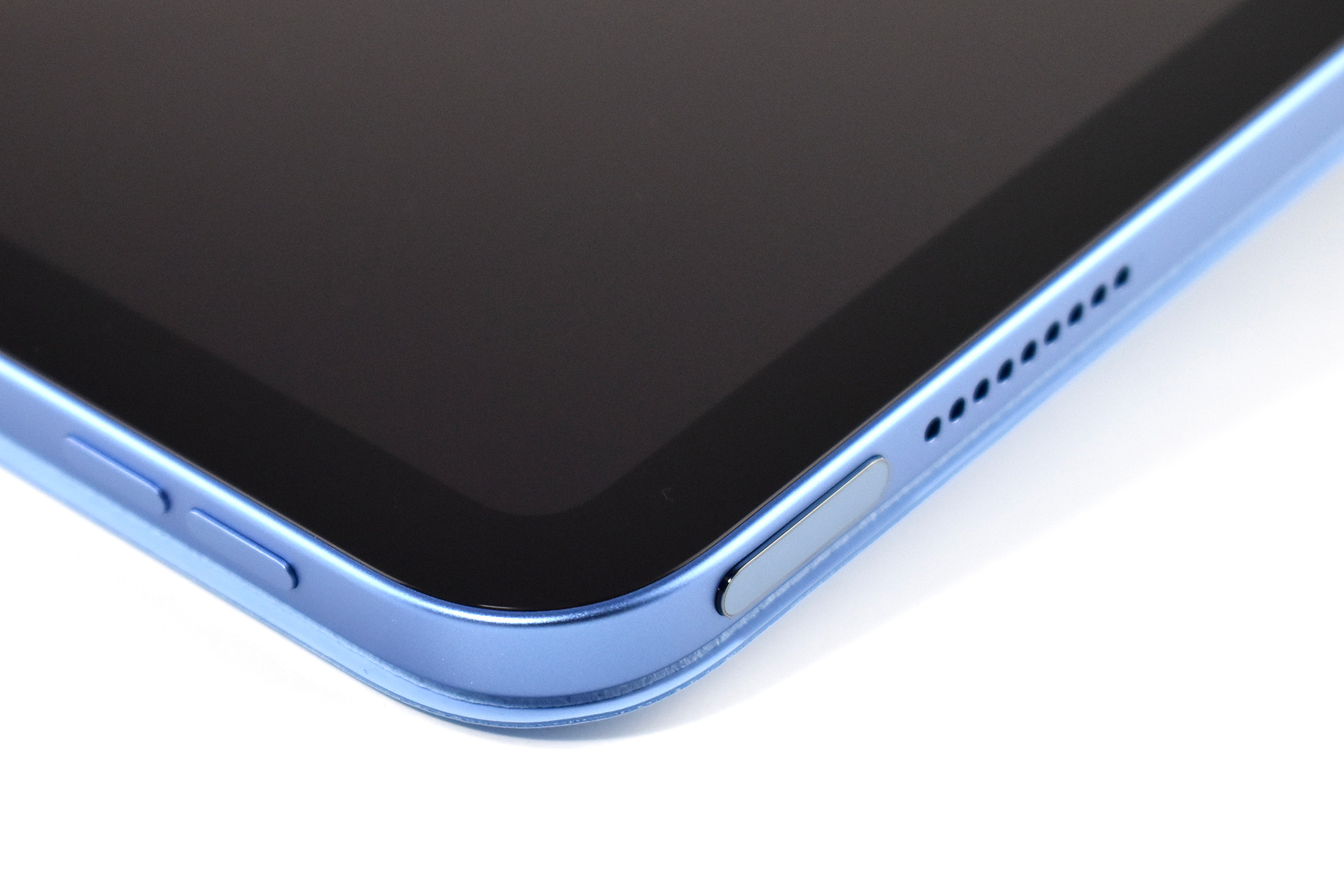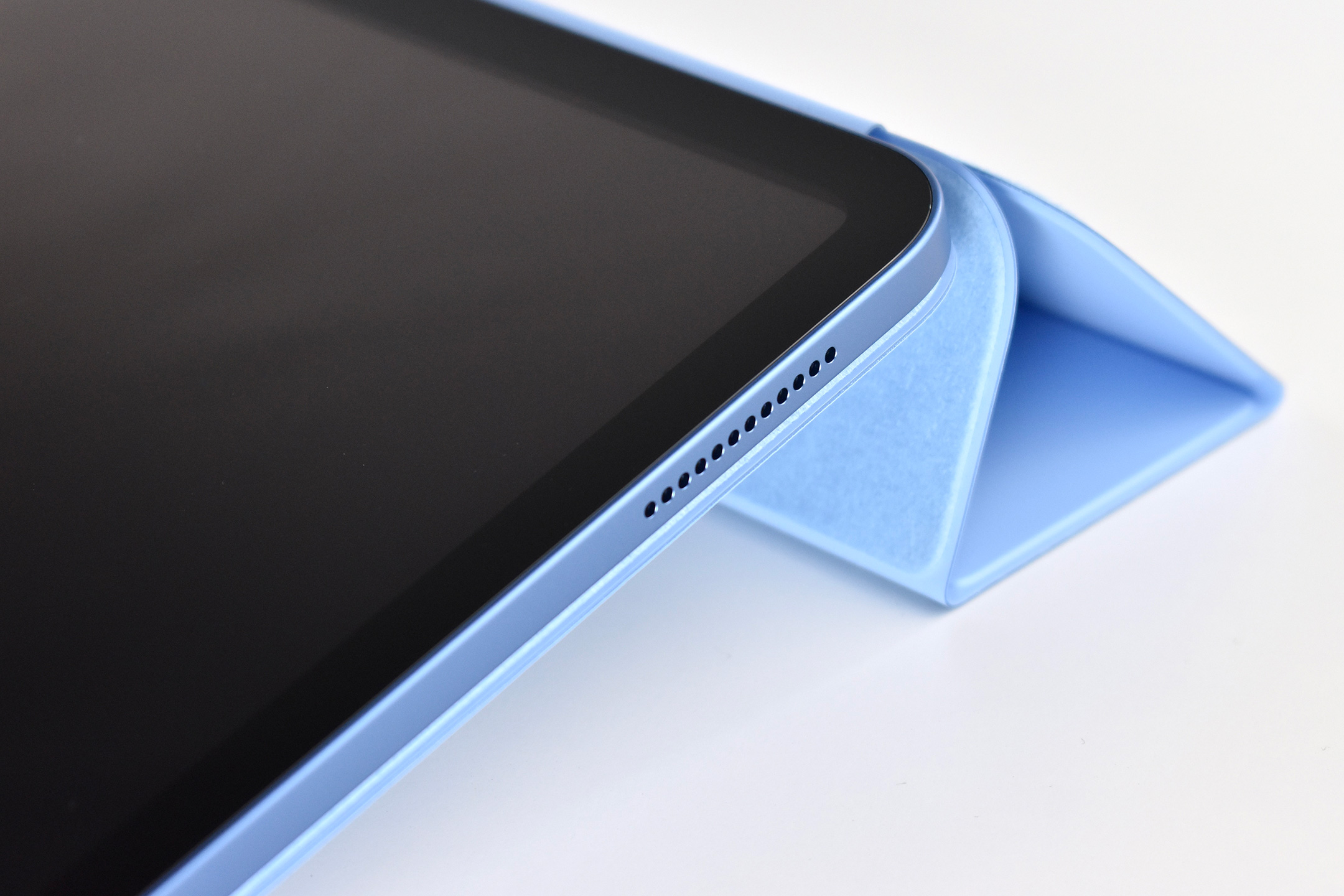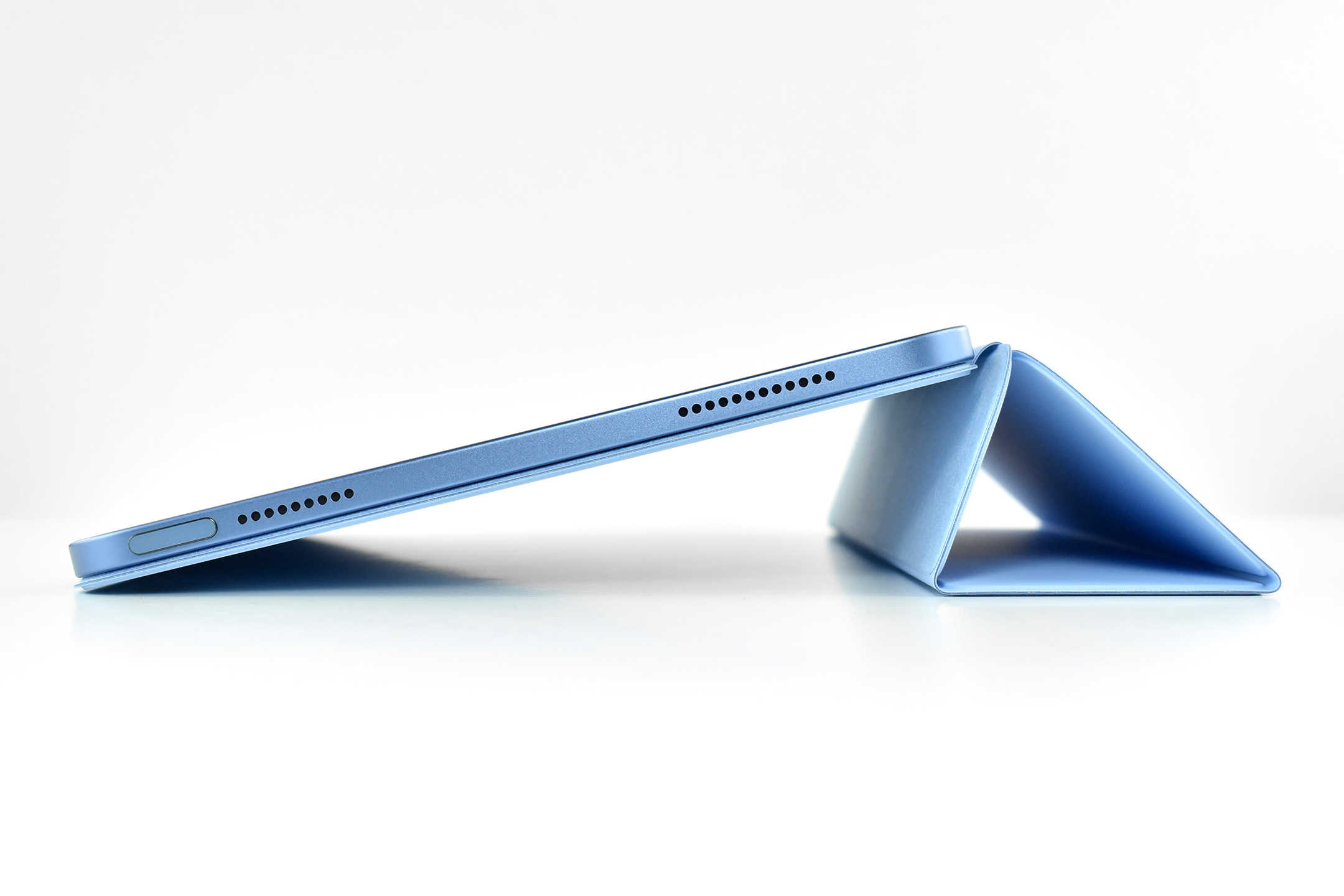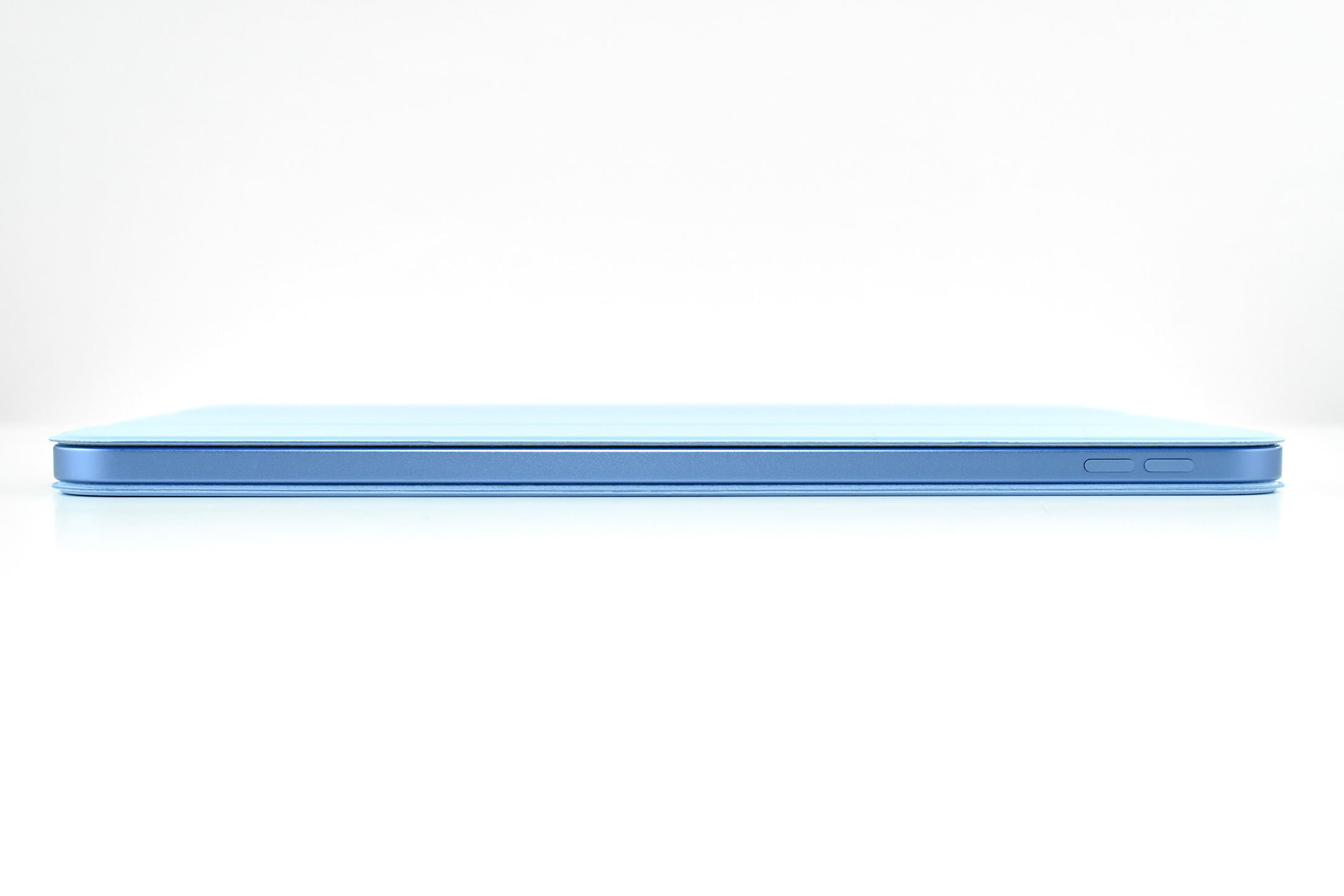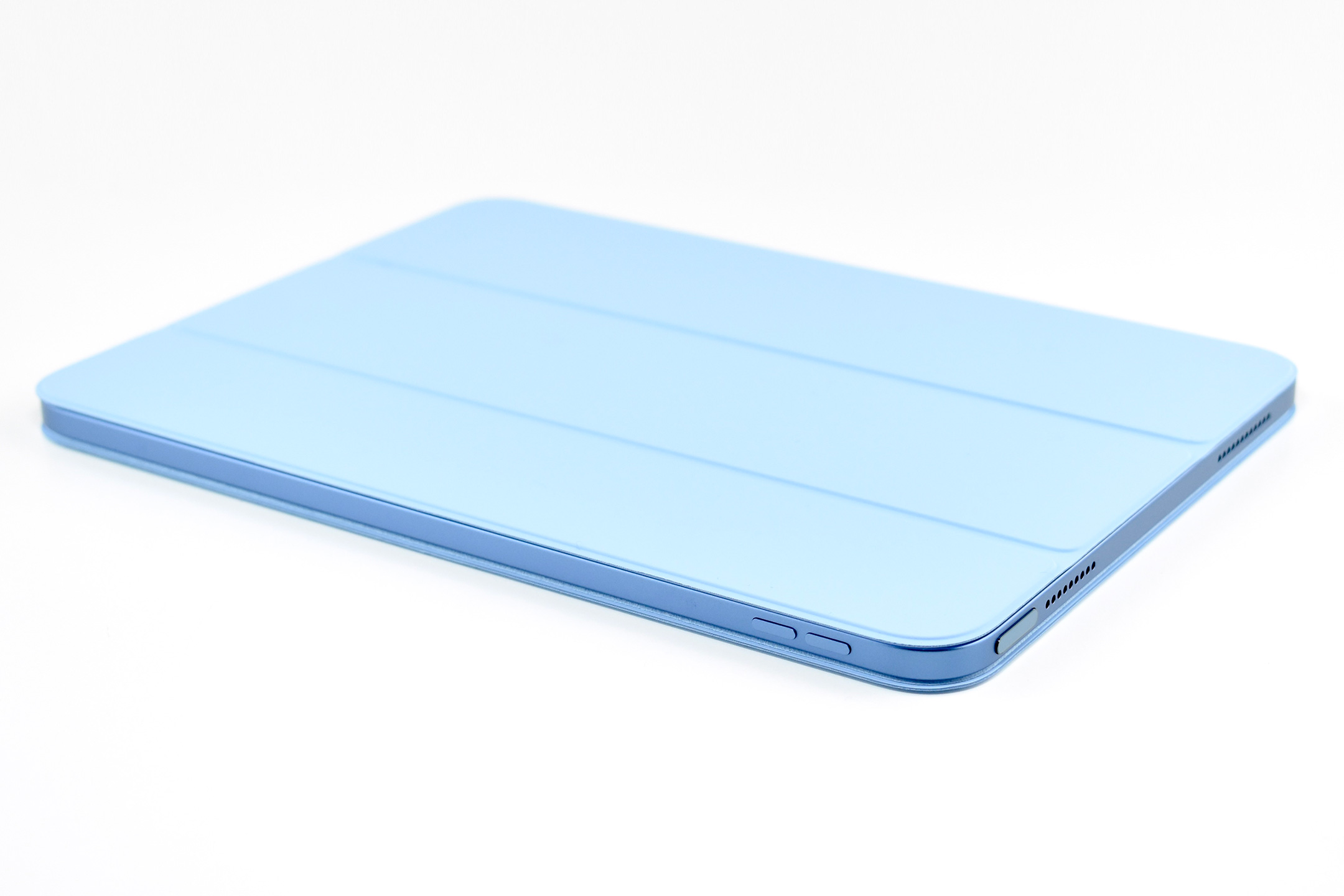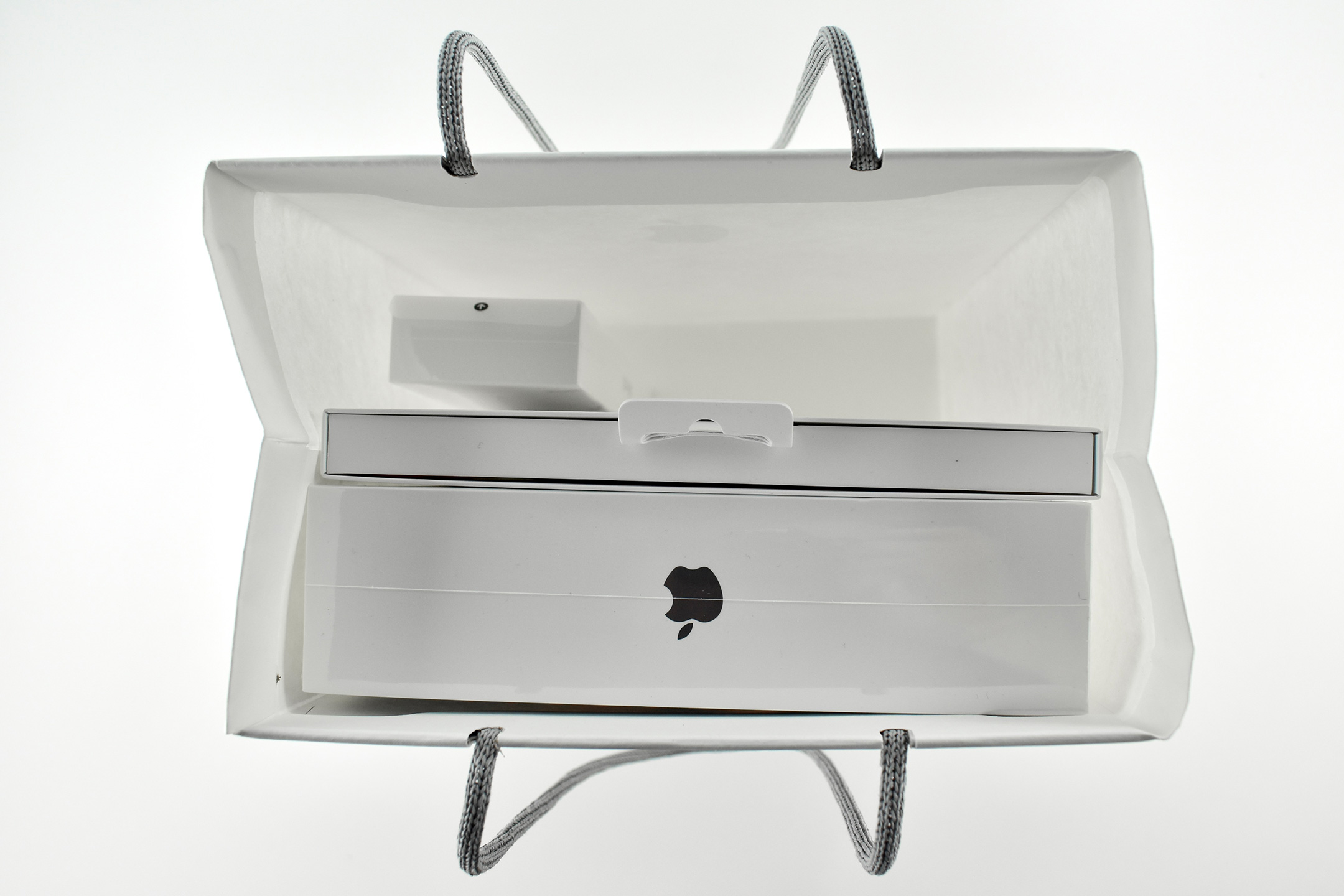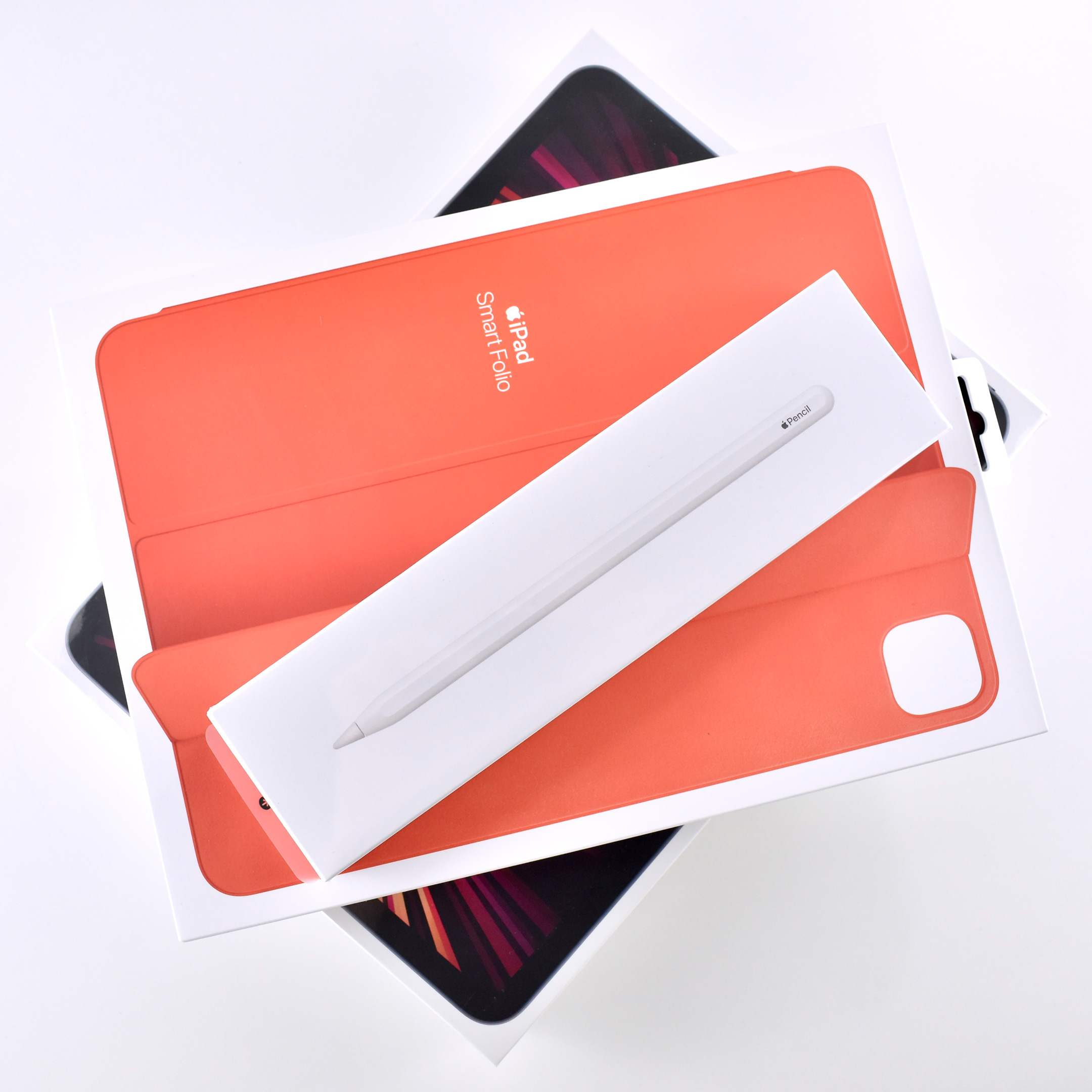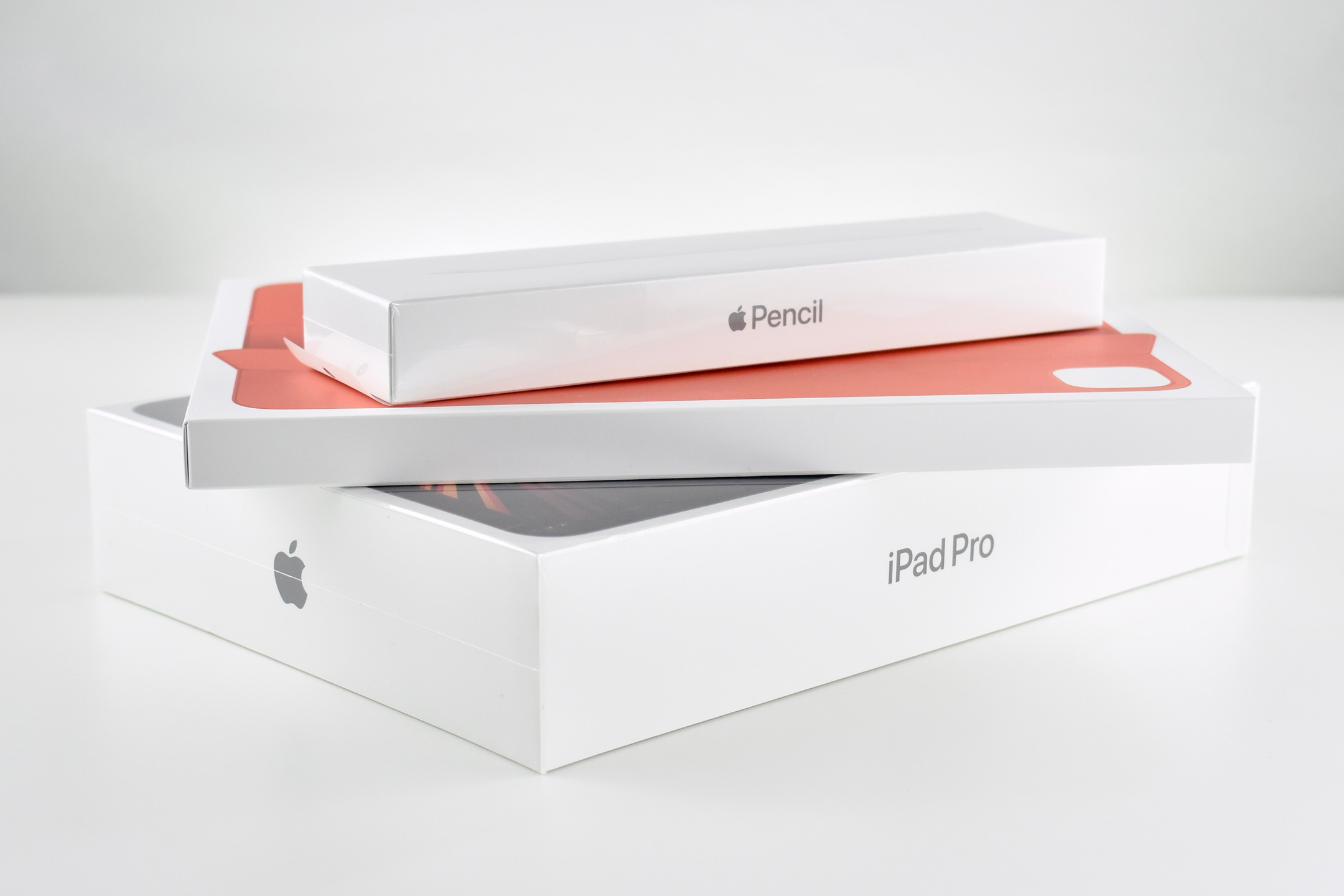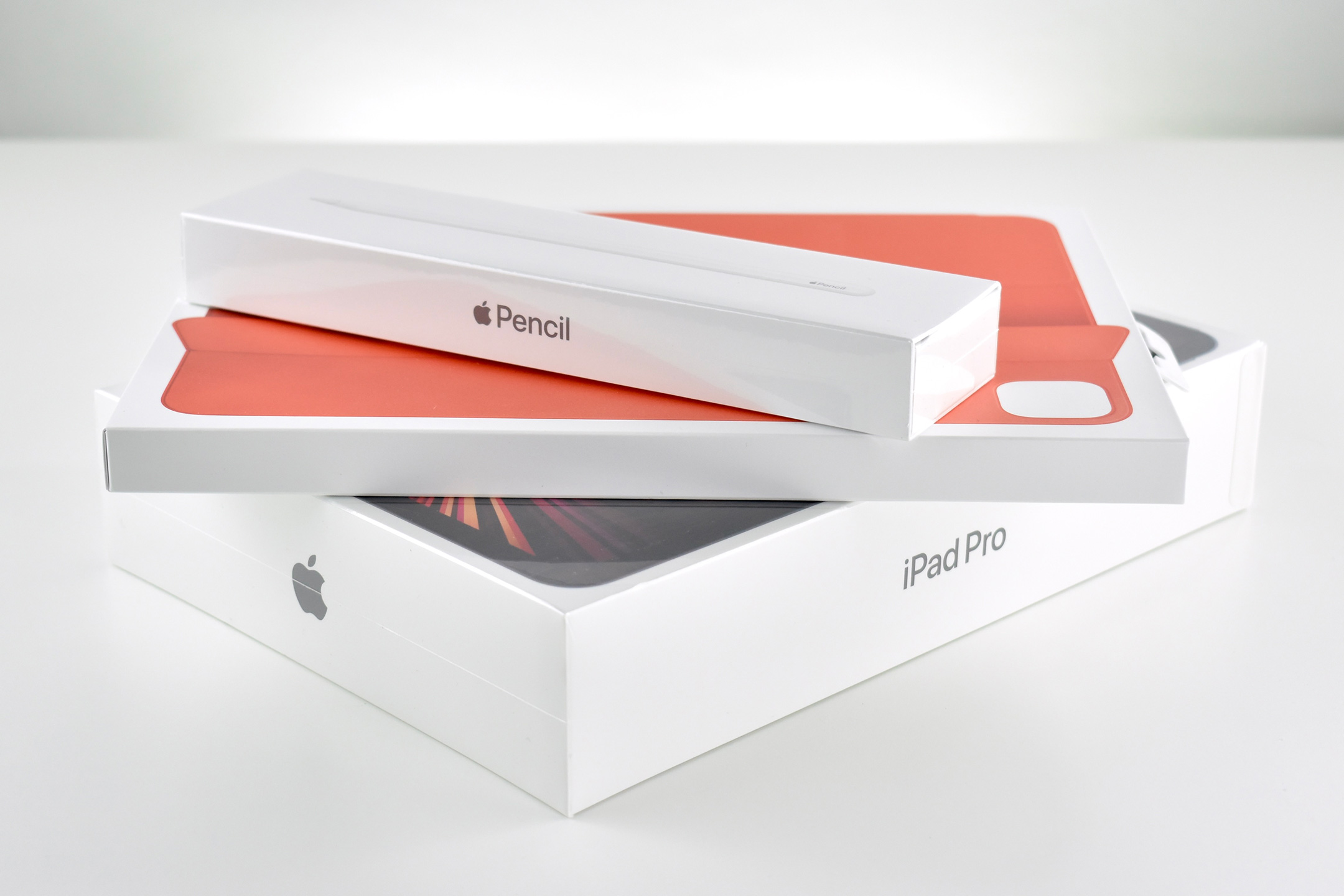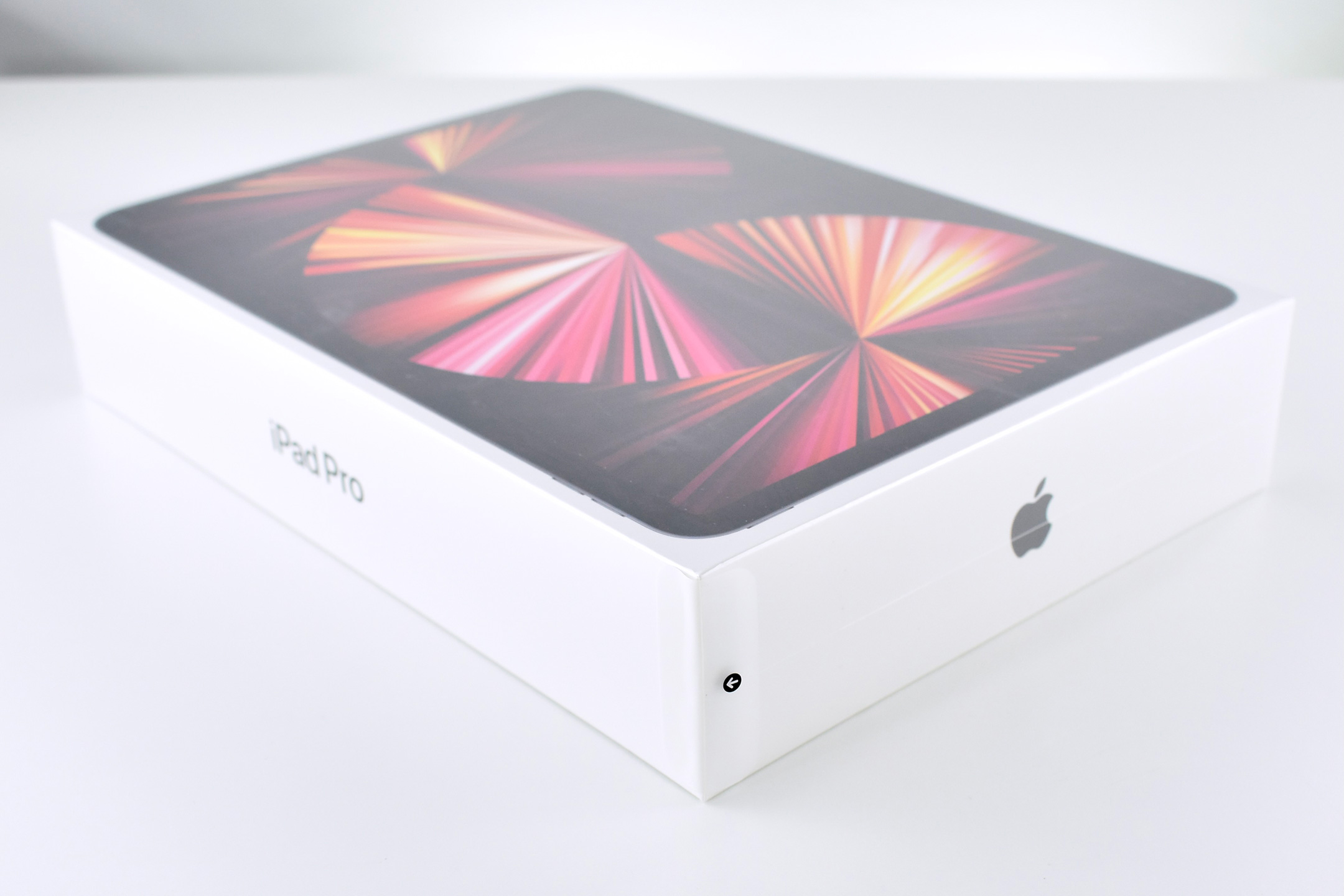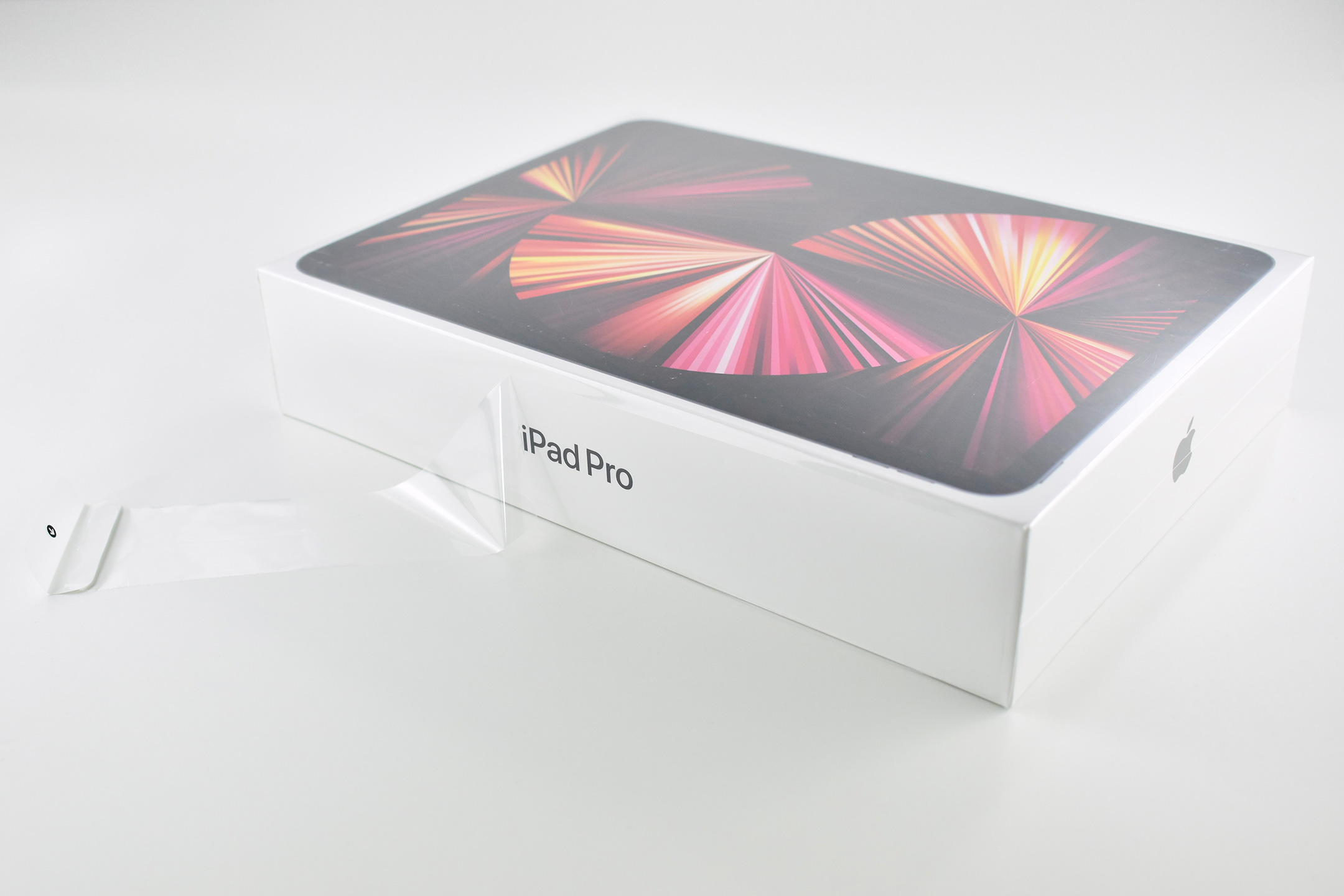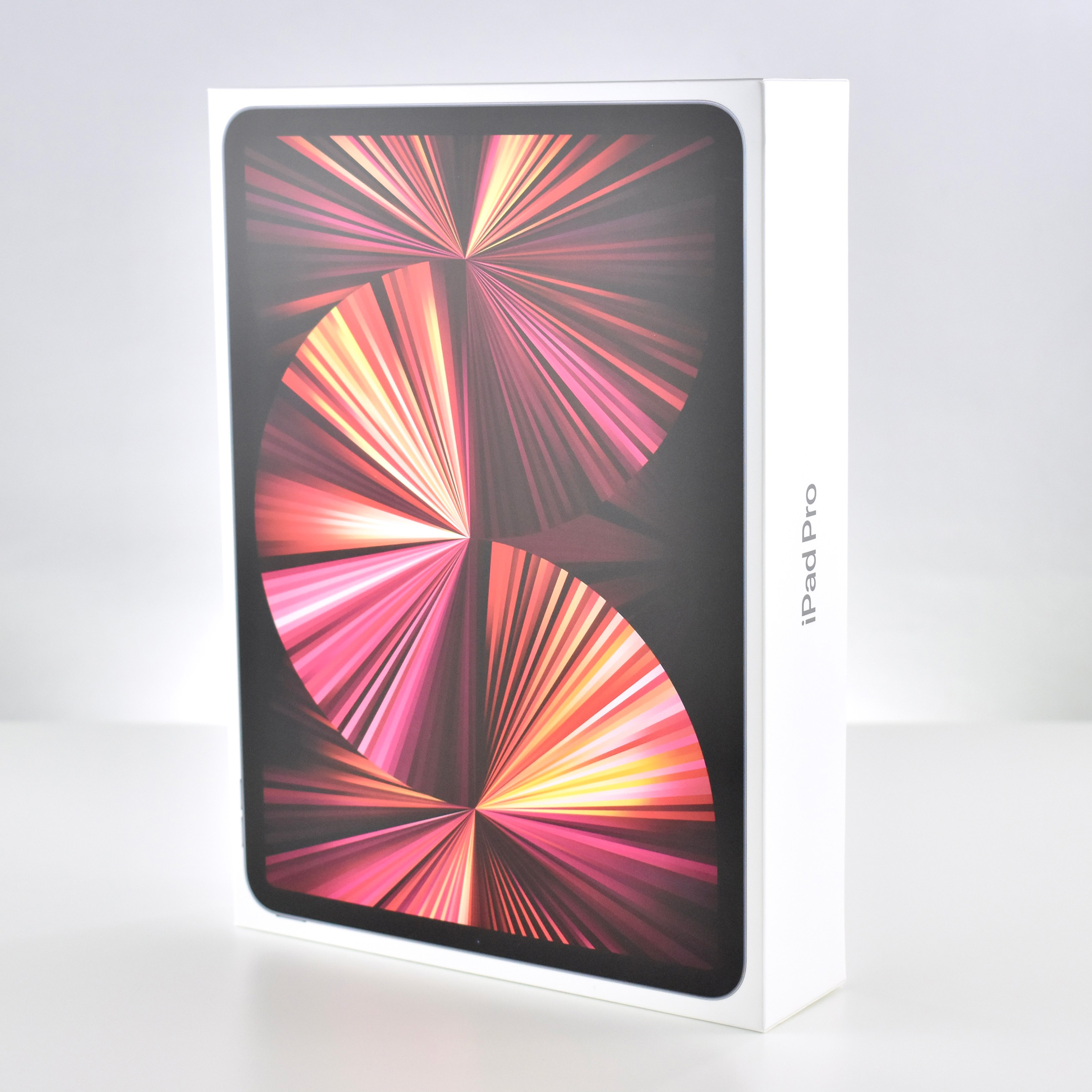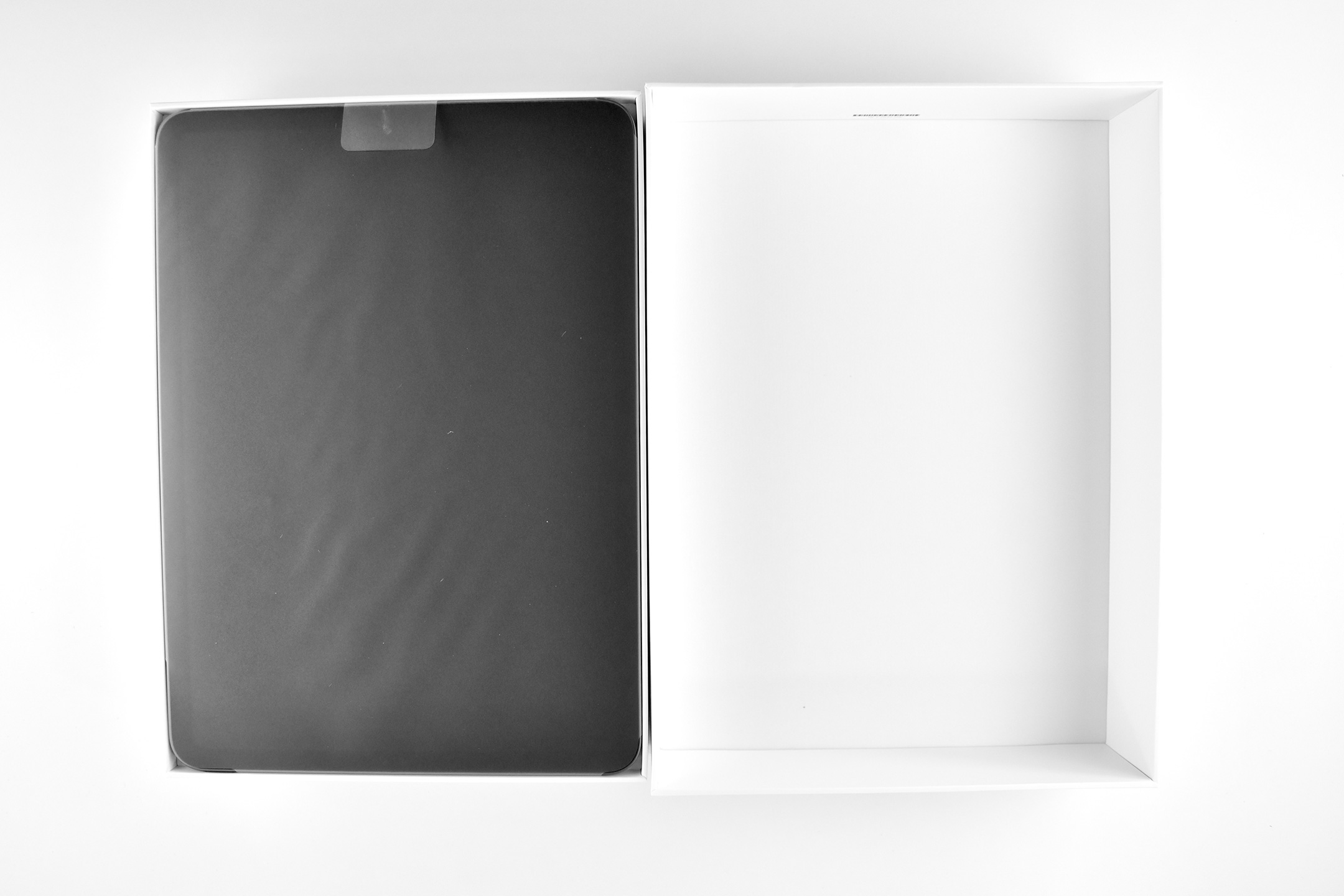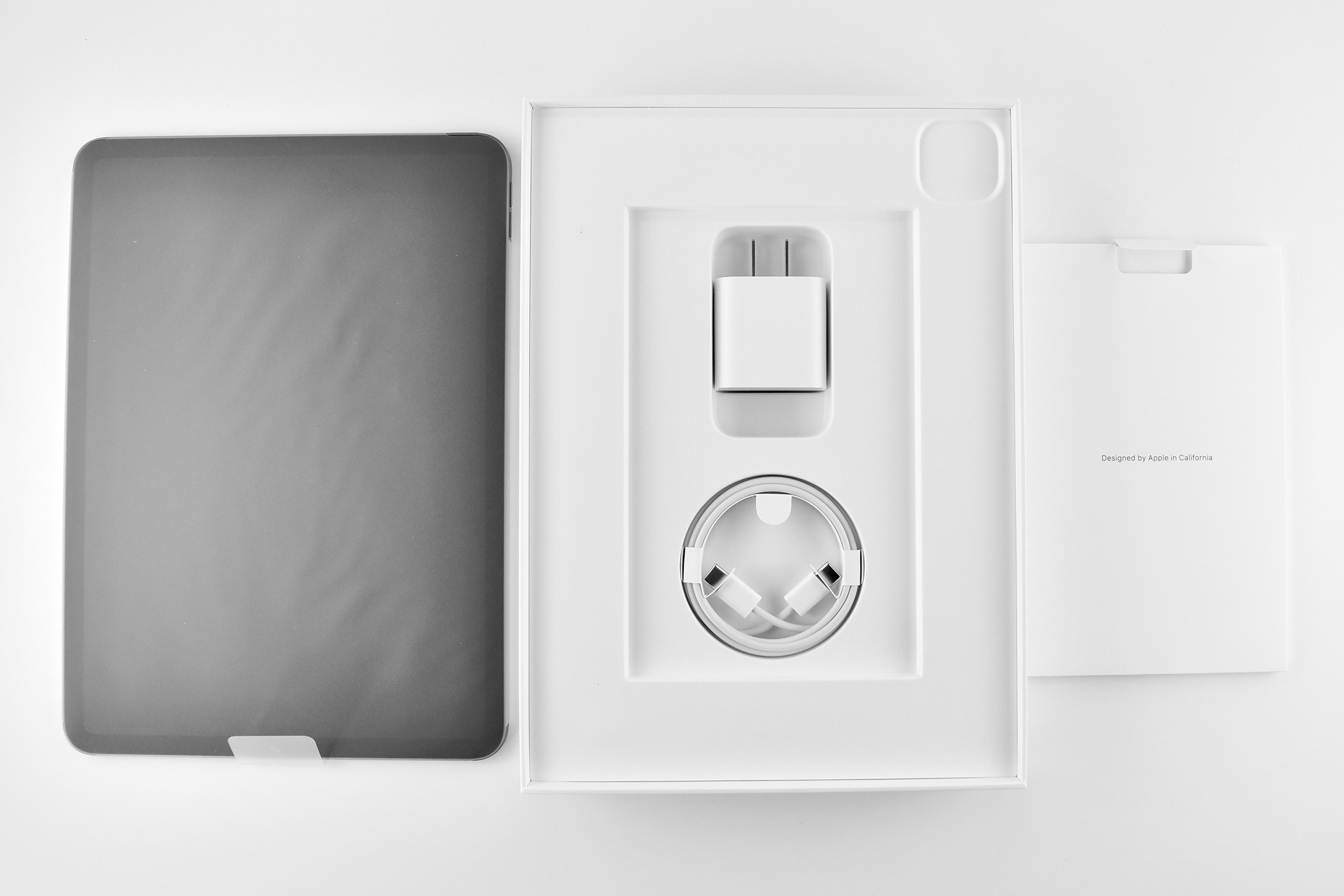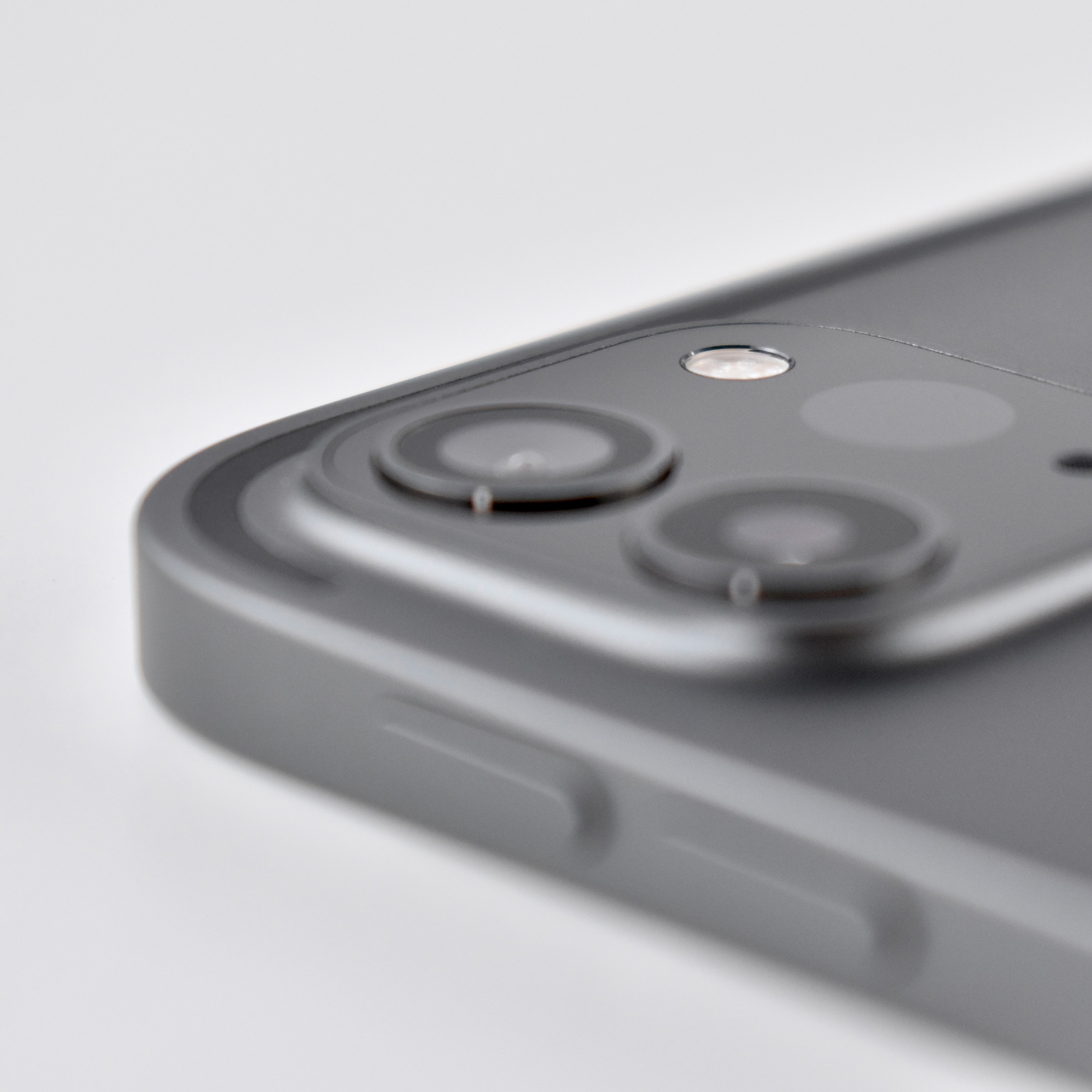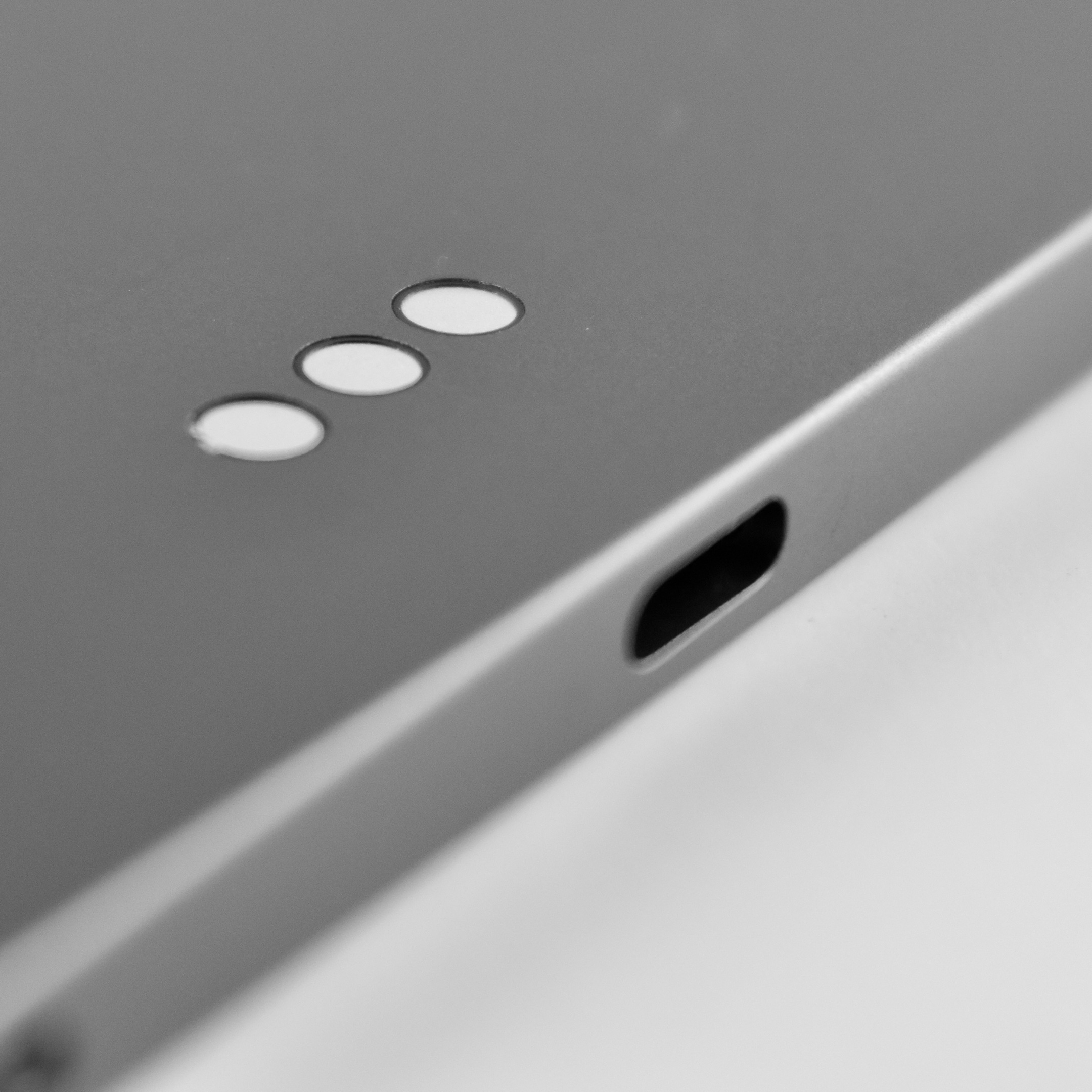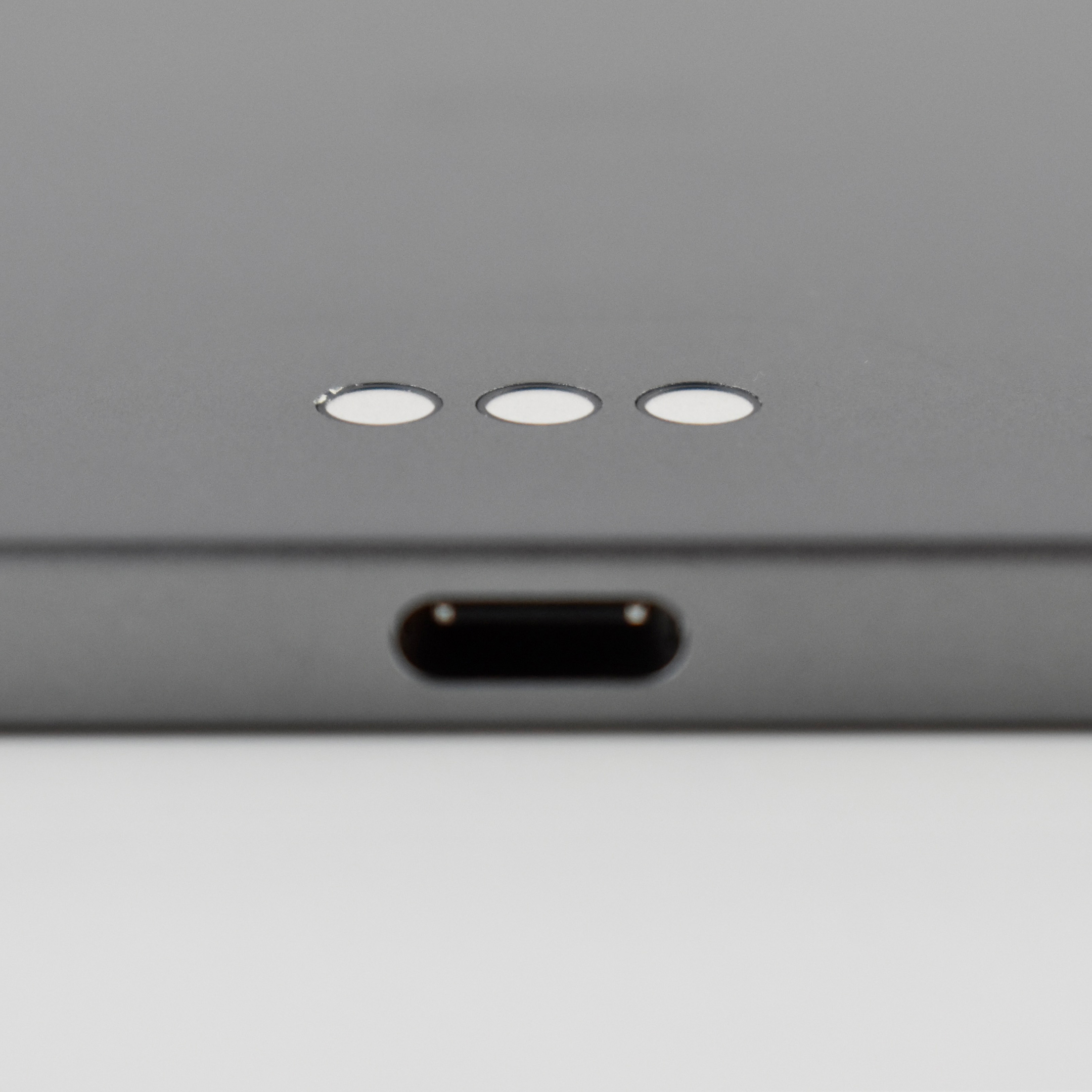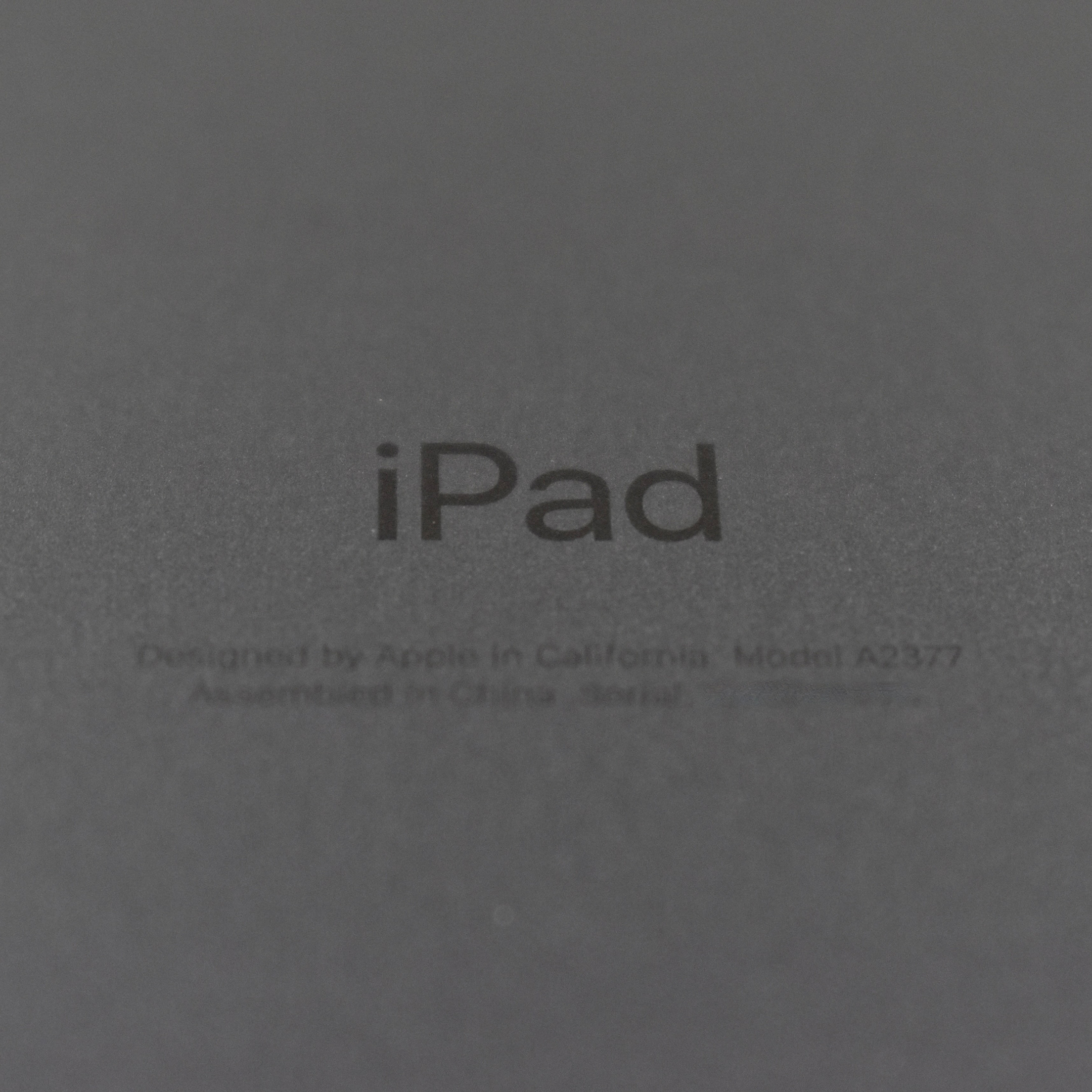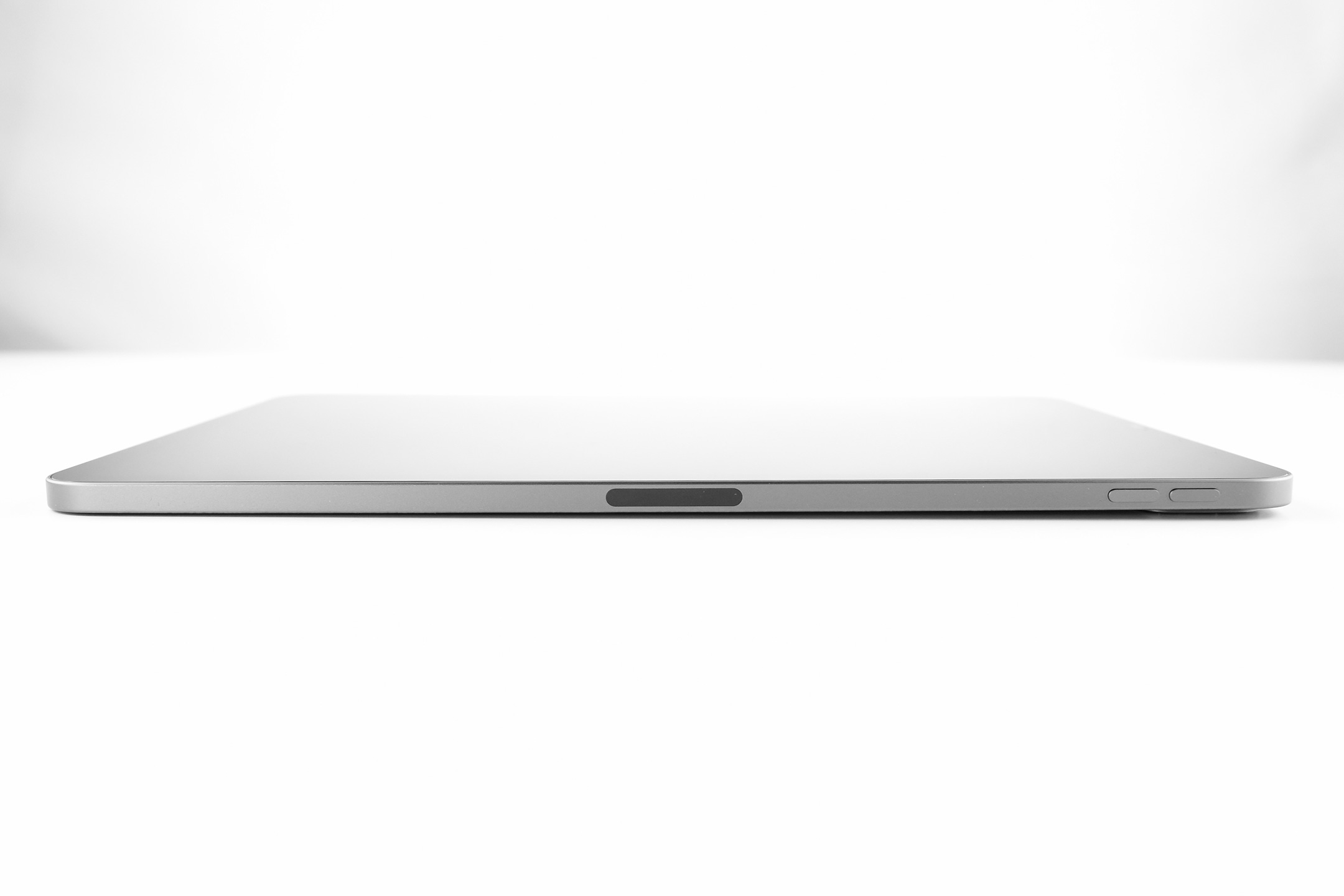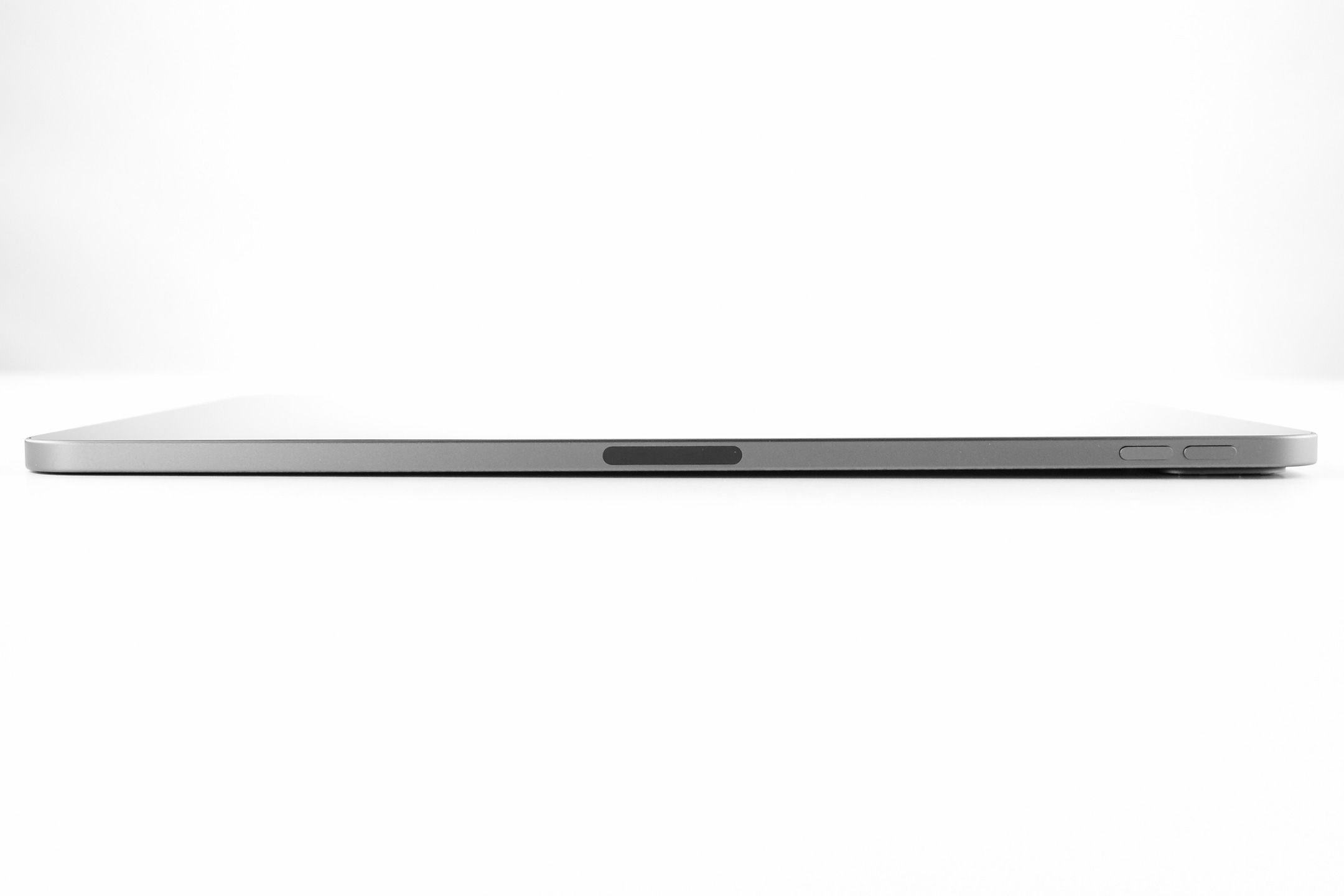
iPad (A16) (Generation 11, 11-inch, Wi-Fi, 128GB, Yellow, 2025)

On March 4, 2025, when Apple introduced the iPad Air with the M3 chip, they also announced the iPad Generation 11 with an A16 chip. The entire press release for this iPad device release amounted to one paragraph:

“Apple today also updated iPad with double the starting storage and the A16 chip, bringing even more value to customers. The A16 chip provides a jump in performance for everyday tasks and experiences in iPadOS, while still providing all-day battery life. Compared to the previous generation, the updated iPad with A16 is nearly 30 percent faster. In fact, compared to iPad with A13 Bionic, users will see up to a 50 percent improvement in overall performance, and A16 makes the updated iPad up to 6x faster than the best-selling Android tablet.”

This iPad update was released soon after the announcement of Apple Intelligence. While Apple was touting Apple Intelligence and updating its devices to take advantage of the new features, the iPad Generation 11 was given a chip that did not allow Apple Intelligence. While this updated iPad is faster than the previous Generation 10 model, it does not meet the minimum specification of the A17 Pro chip to allow Apple Intelligence compatibility. Apple provided no explanation for this omission.

One notable upgrade was in storage on the A16 iPad. The iPad Generation 11 doubled its base storage from 64 to 128GB and was also available in 256 and 512GB configurations. 

Except for the A16 chip and upgraded storage, this iPad was nearly identical to the iPad Generation 10. 

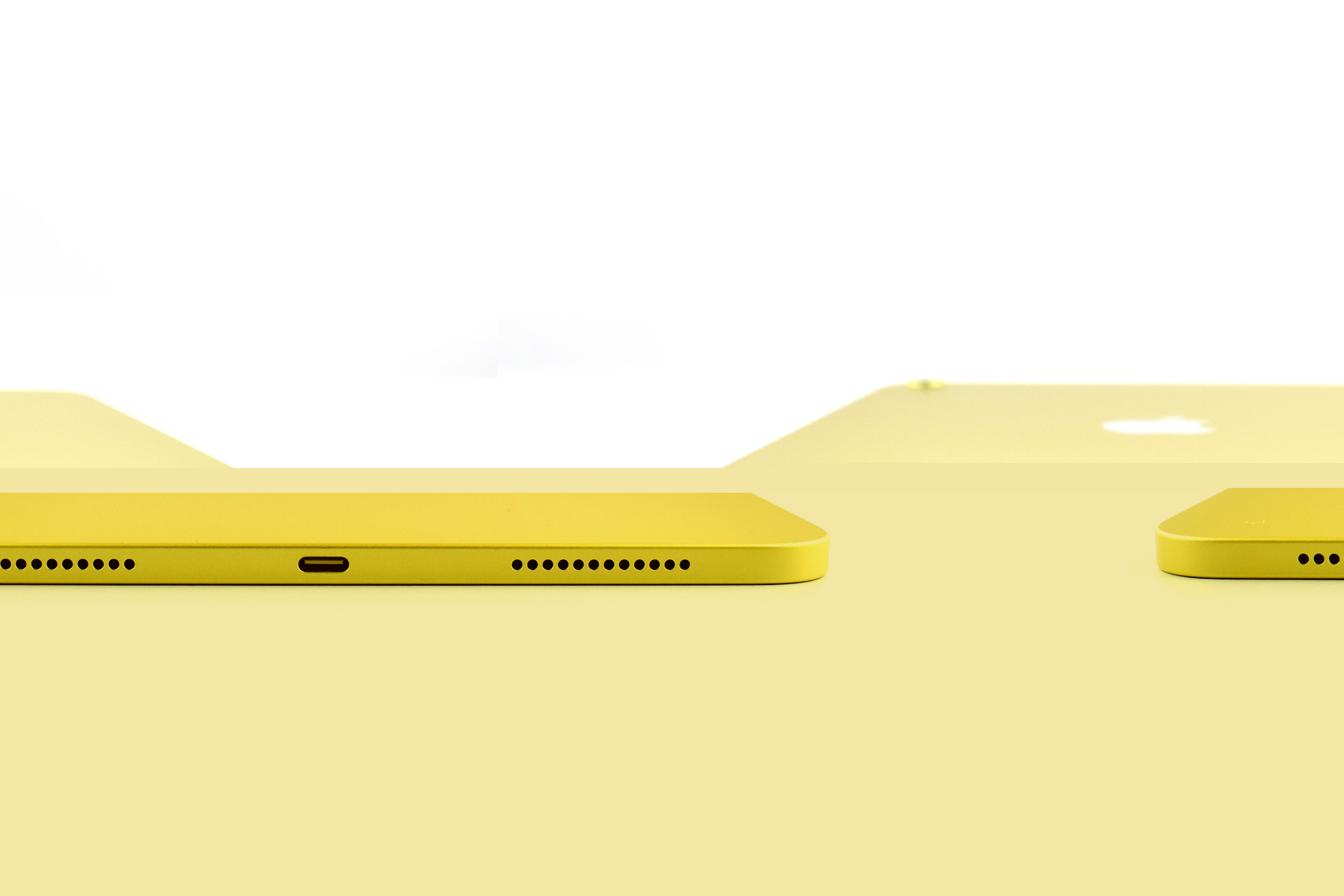
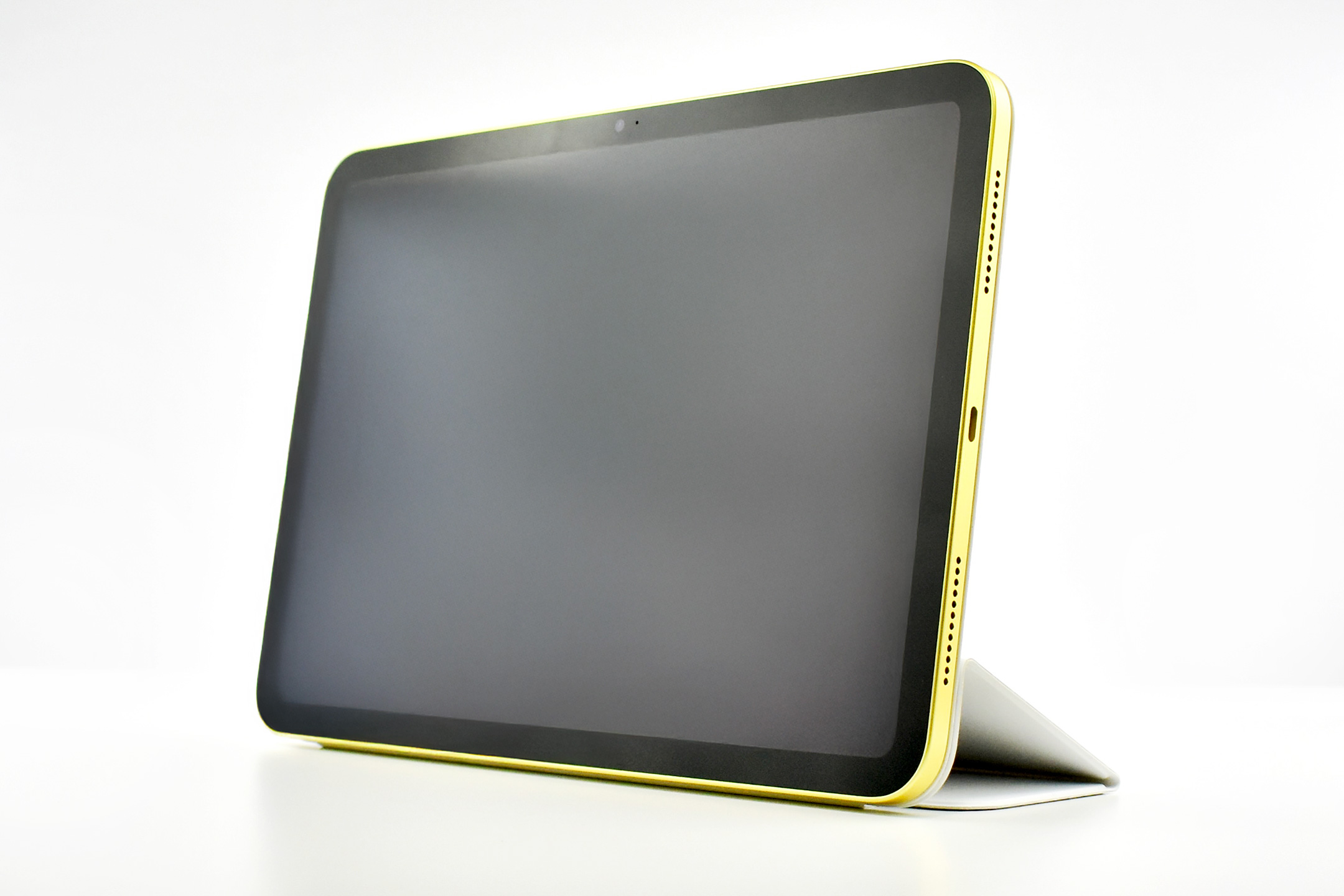
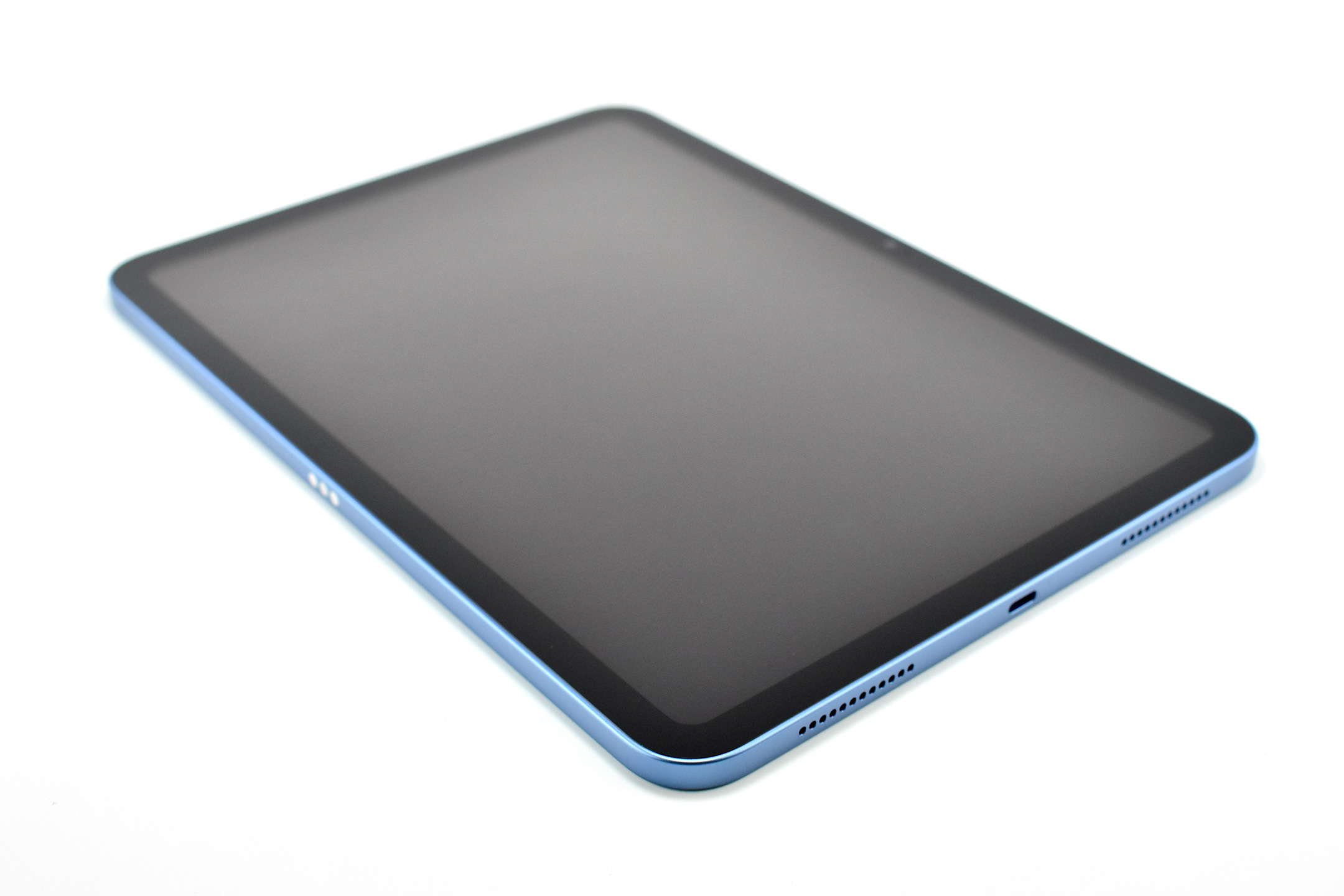
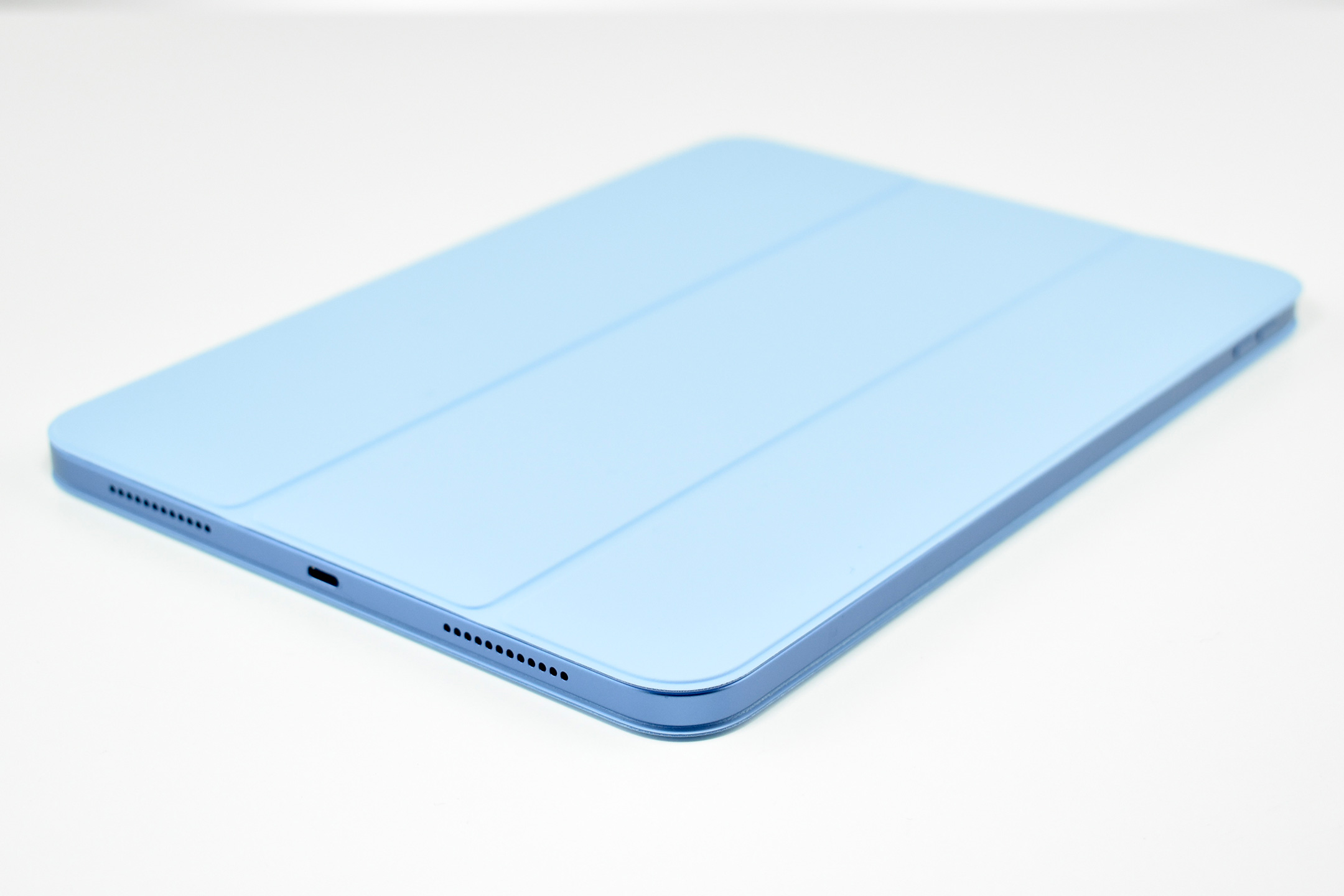
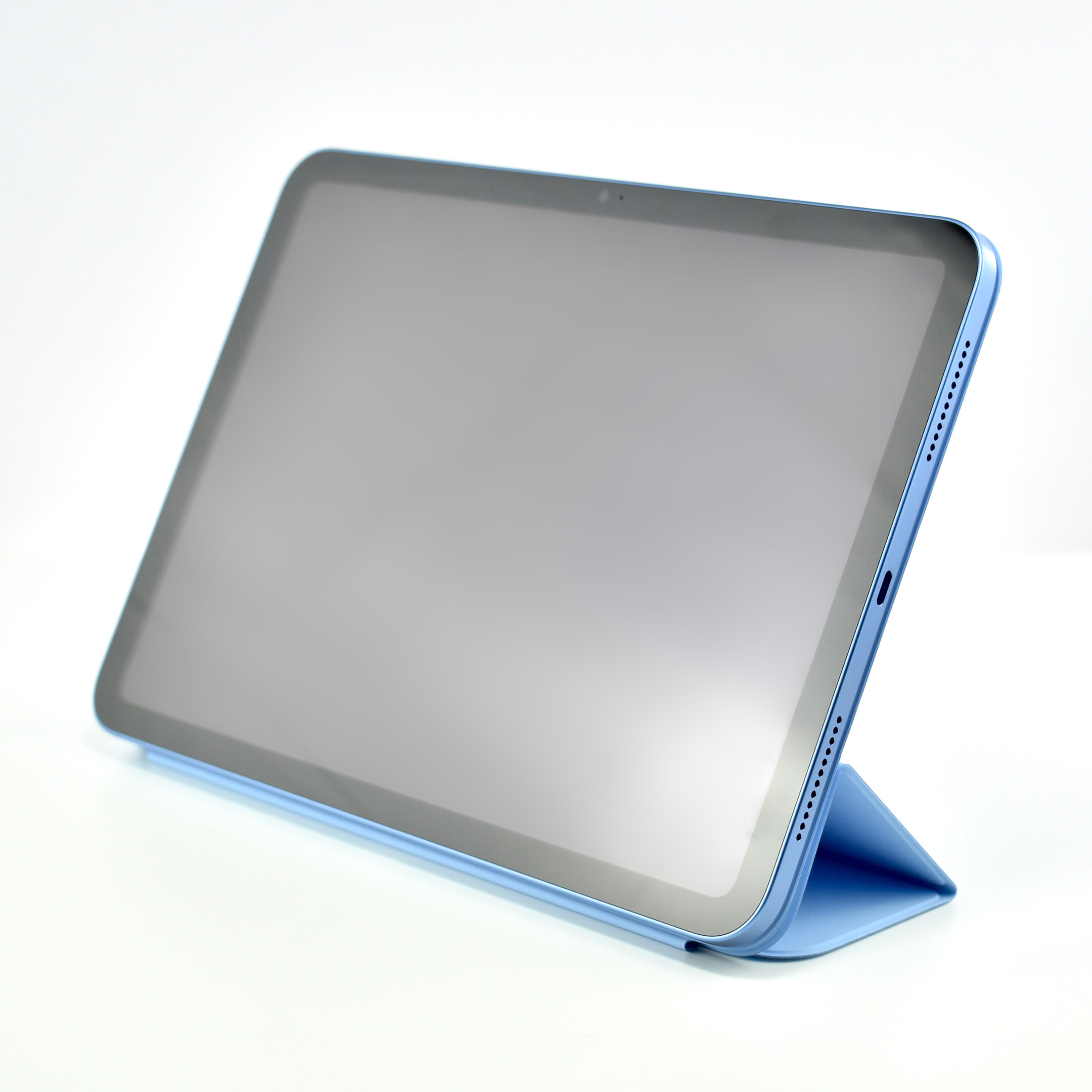
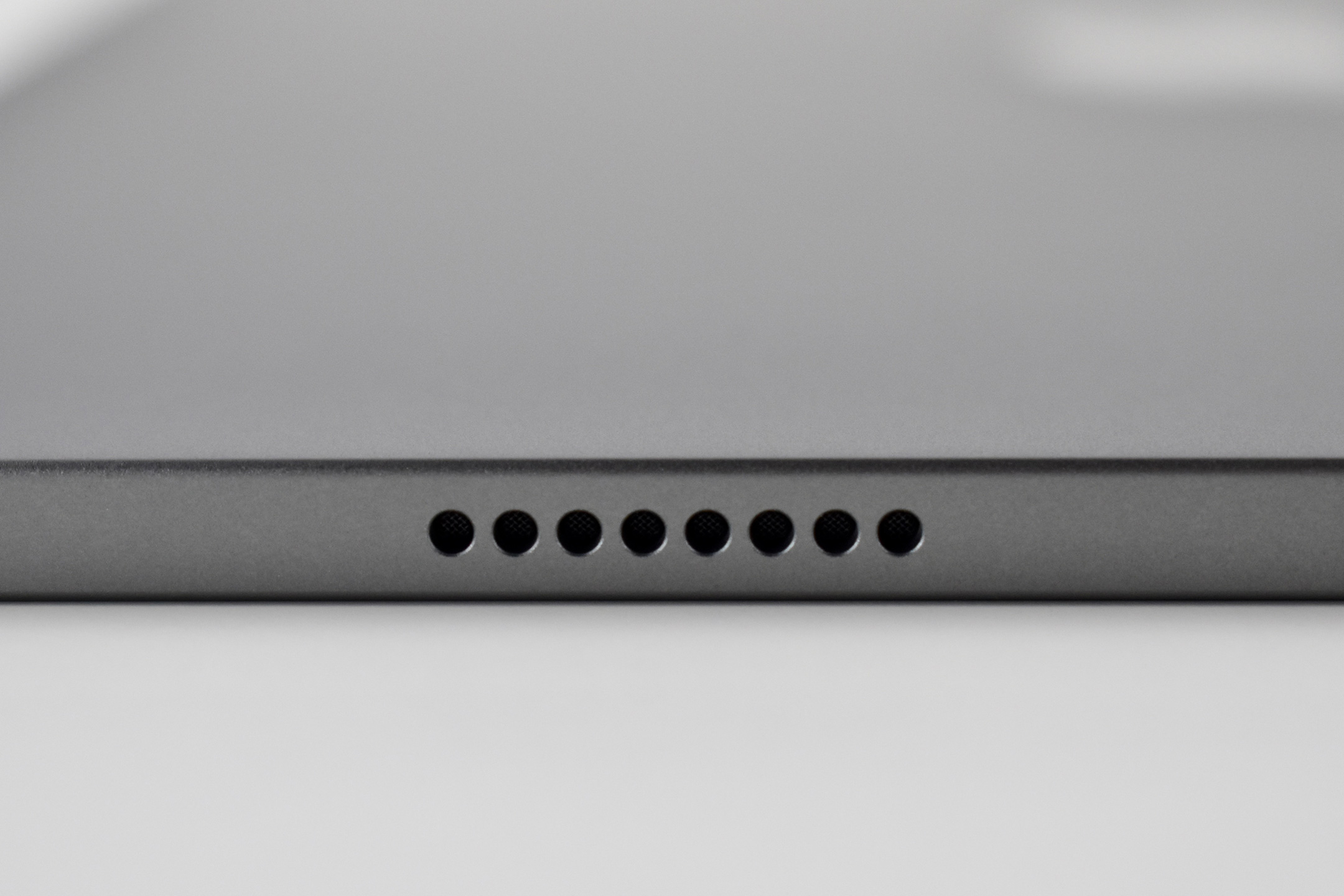
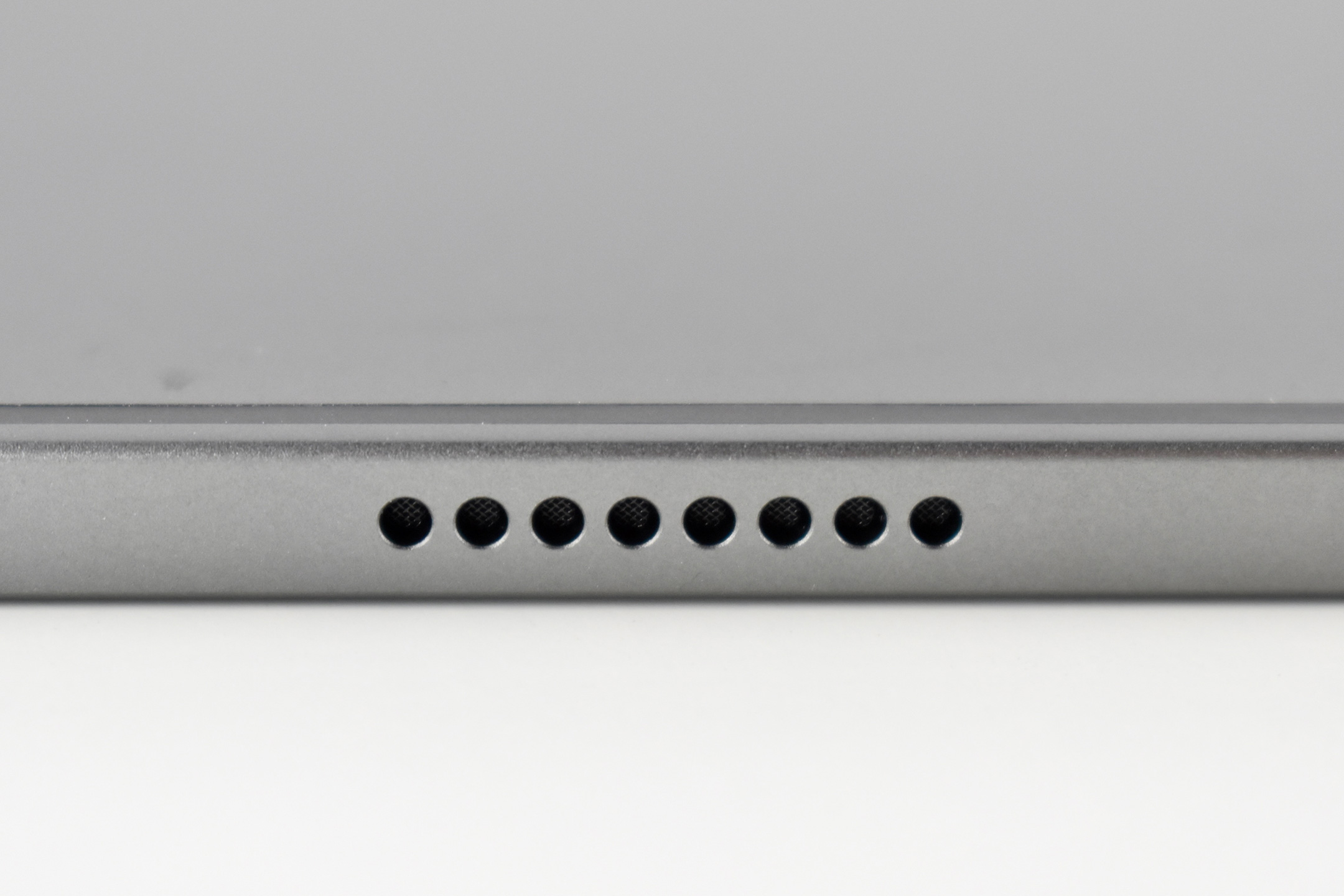
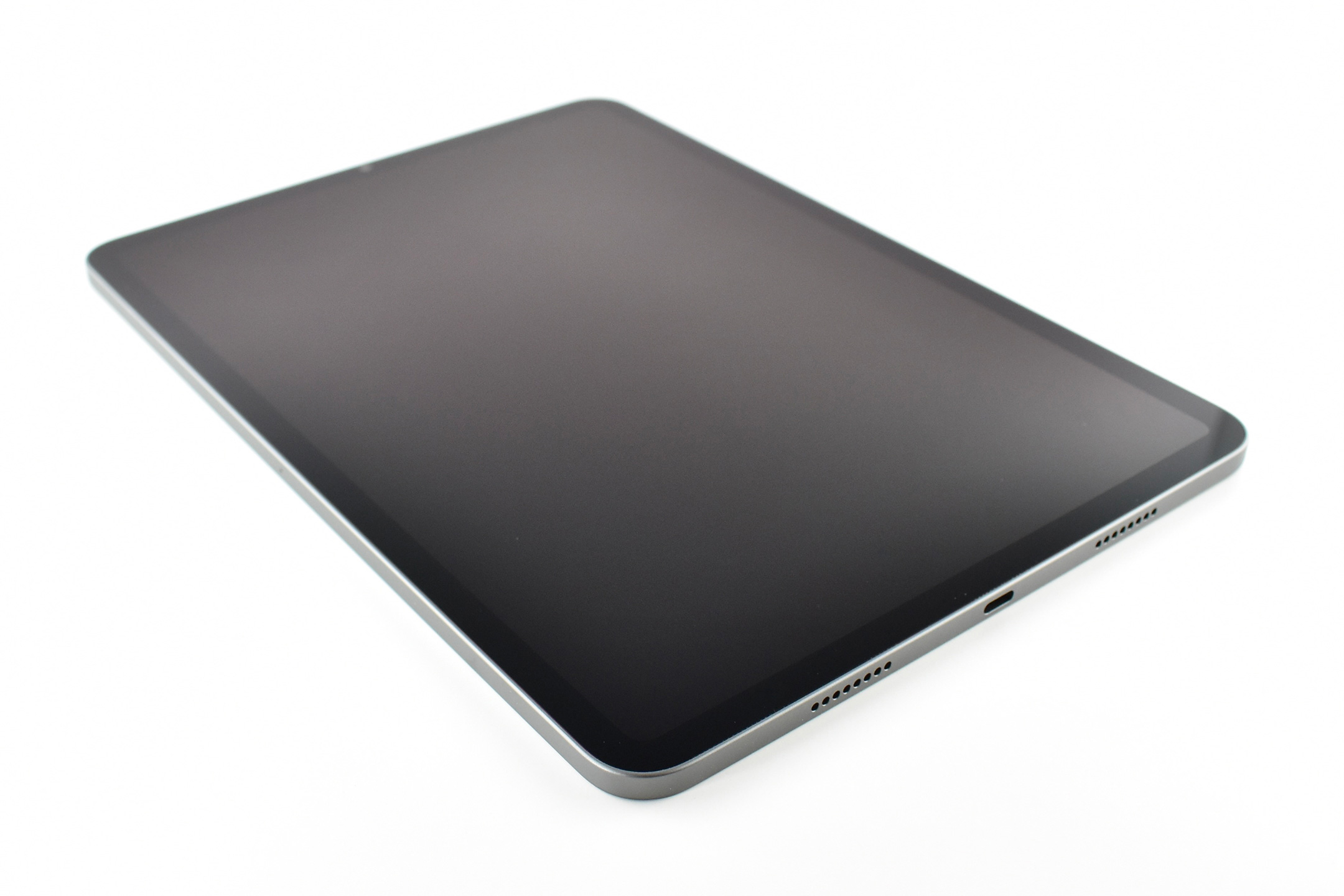
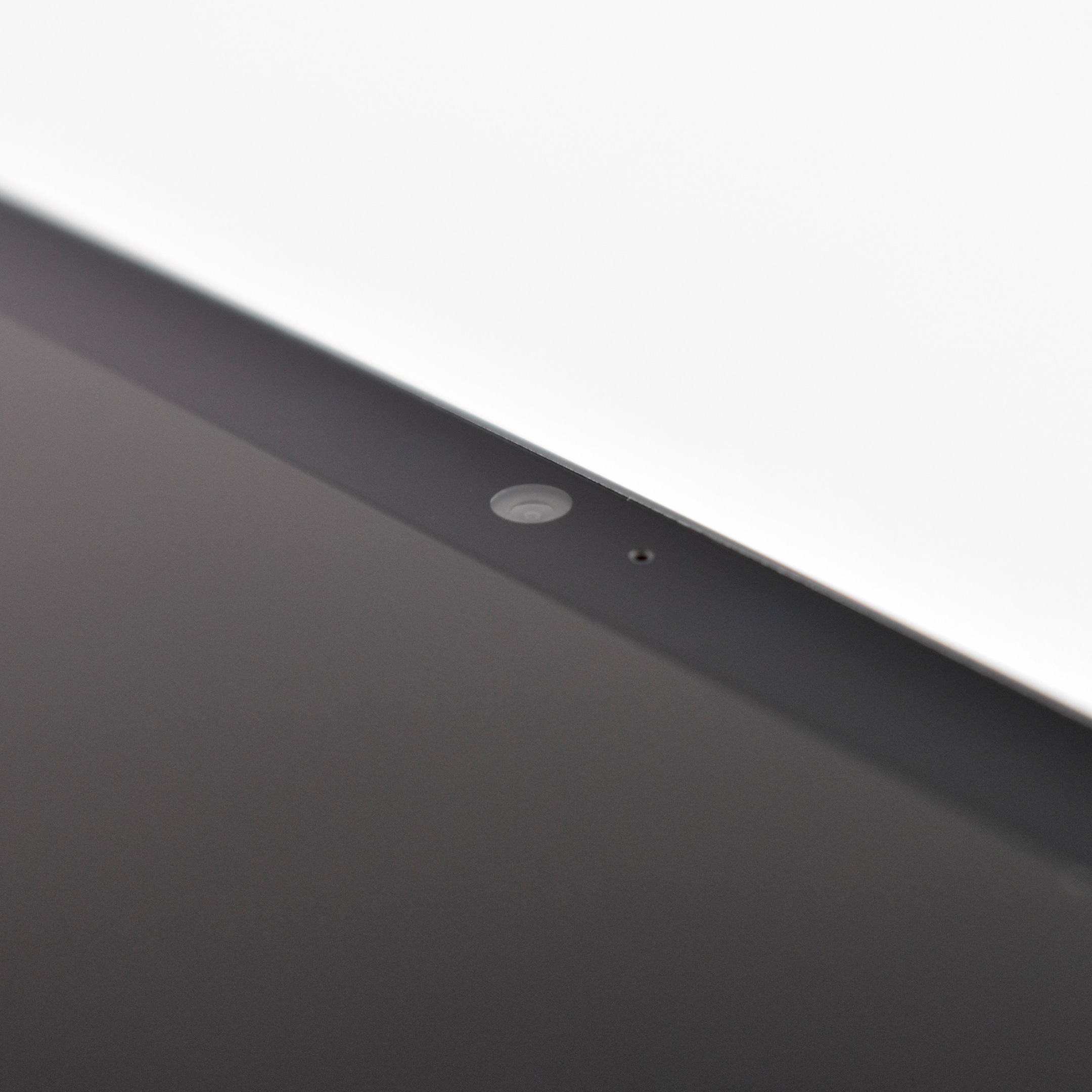
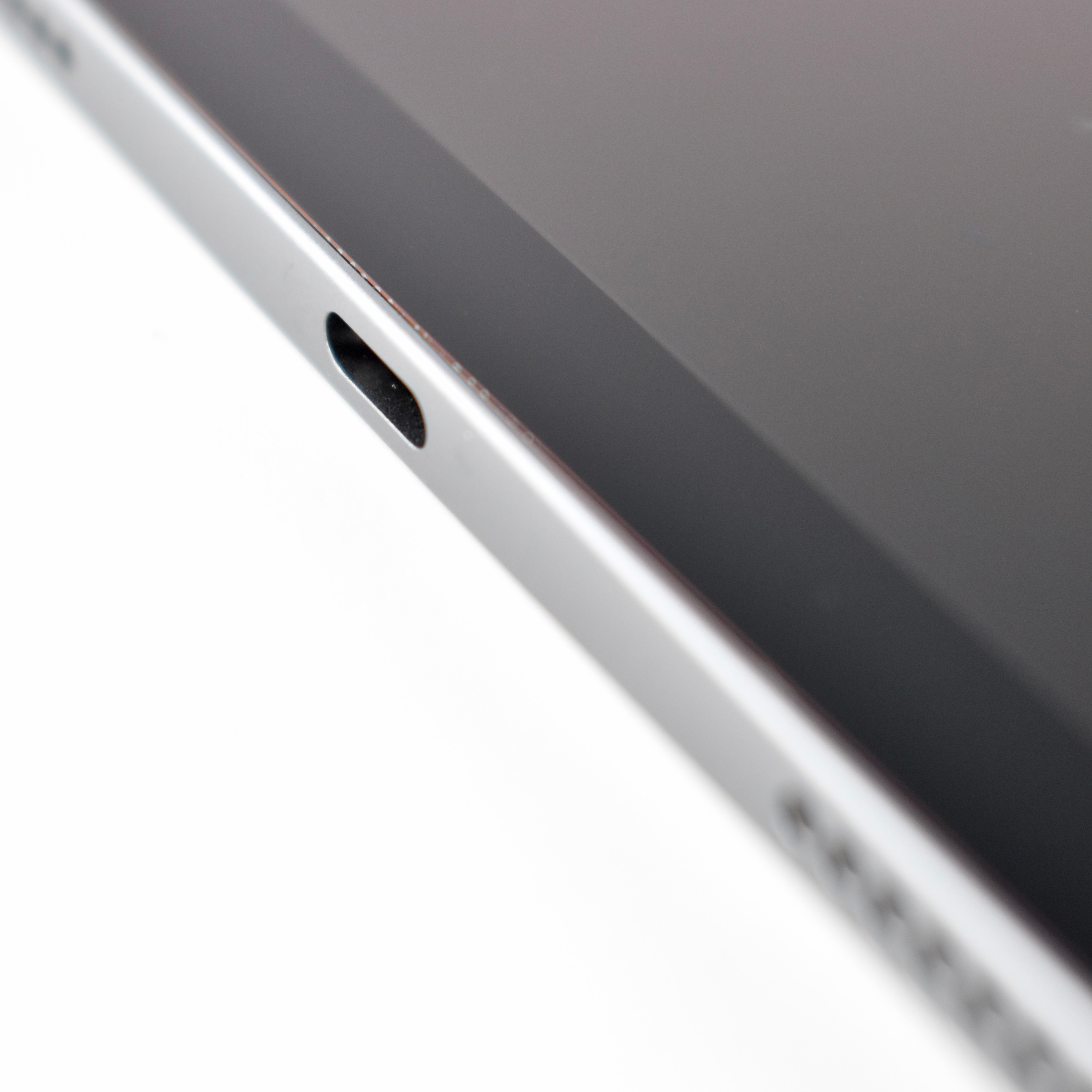
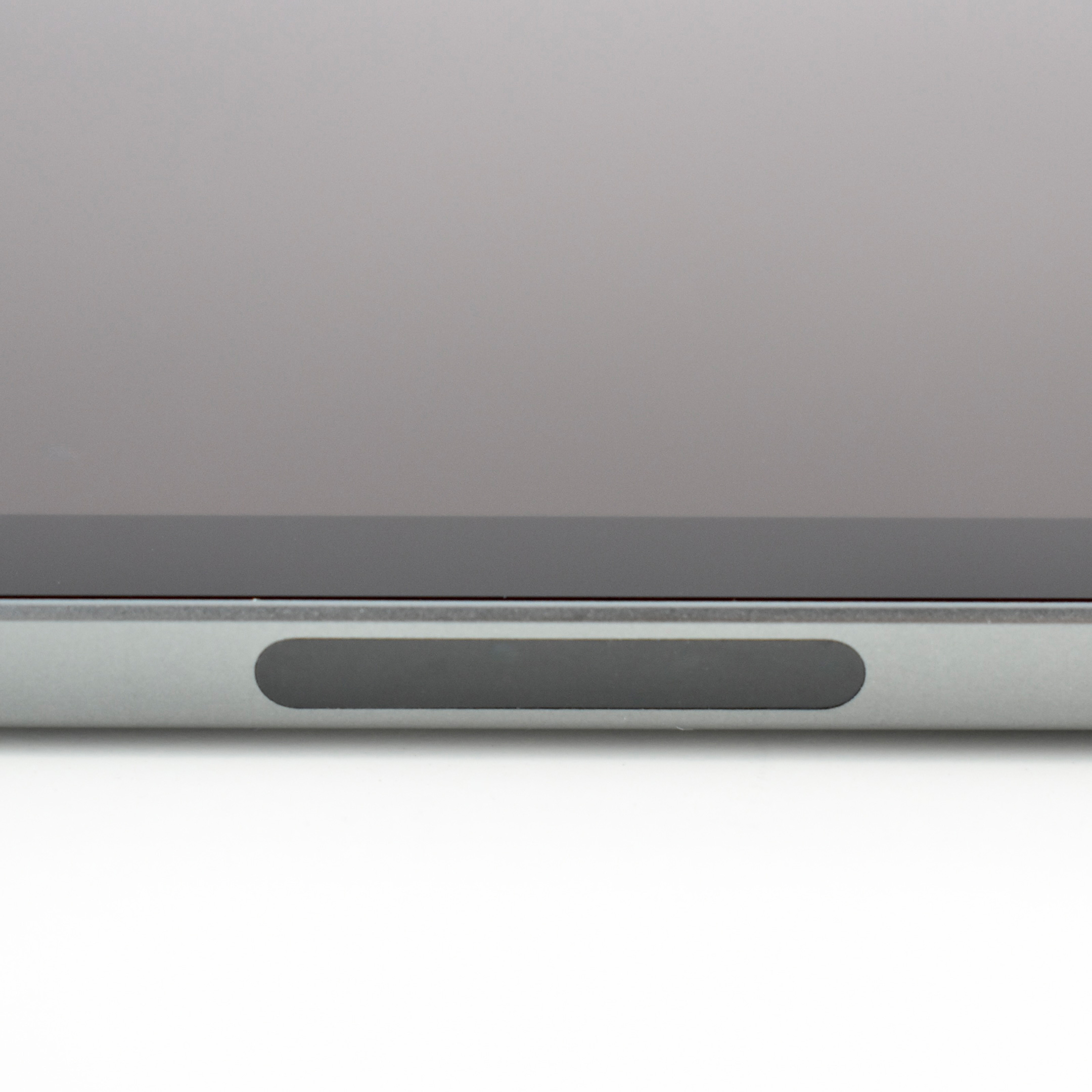
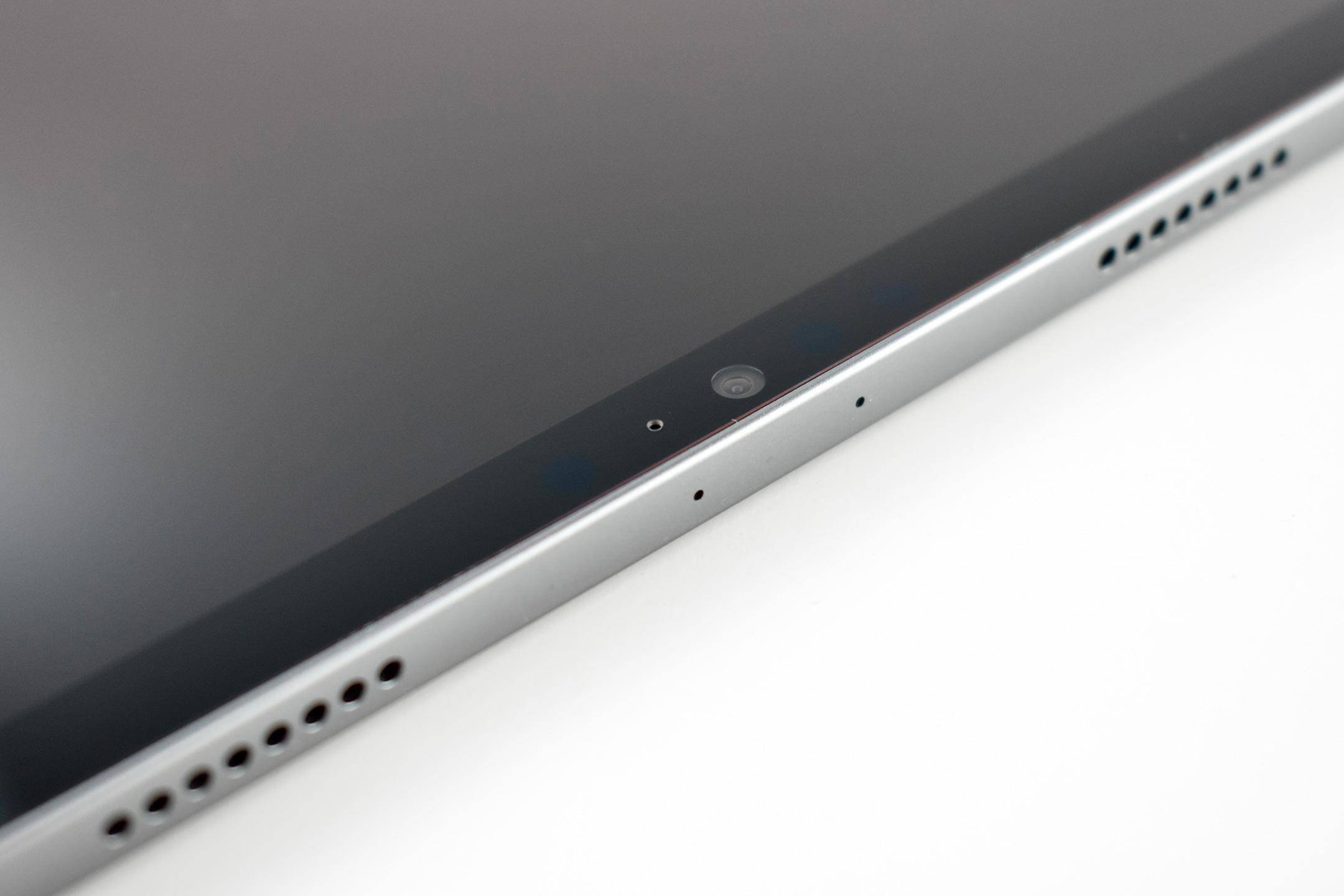
The iPad Generation 11 measured 9.79 x 7.07 inches, and was 0.28 inch thick. It weighed 1.05 pounds (Wi-Fi model). It had stereo speakers, a front camera and microphone centered on the “long”landscape” (long) side to enhance the FaceTime experience, and included both USB-C and a Smart Connector.

Its Liquid Retina display was 2360 x 1640 pixels at 264 ppi and delivered up to 500 nits brightness. It supported the Apple Pencil (USB-C) and also the Apple Pencil Generation 1 (although clumsily since the original Apple Pencil used a Lightning connector for charging). 

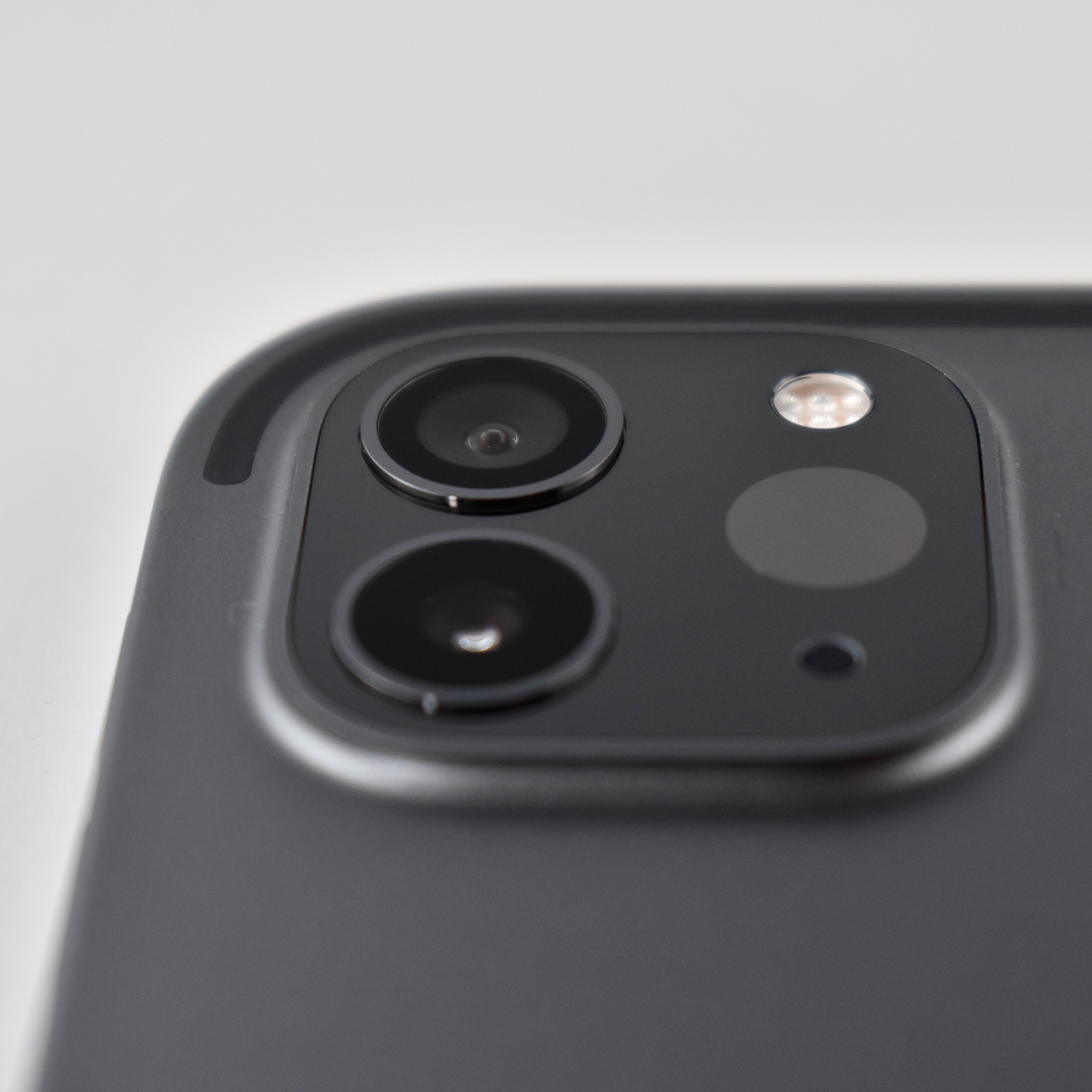
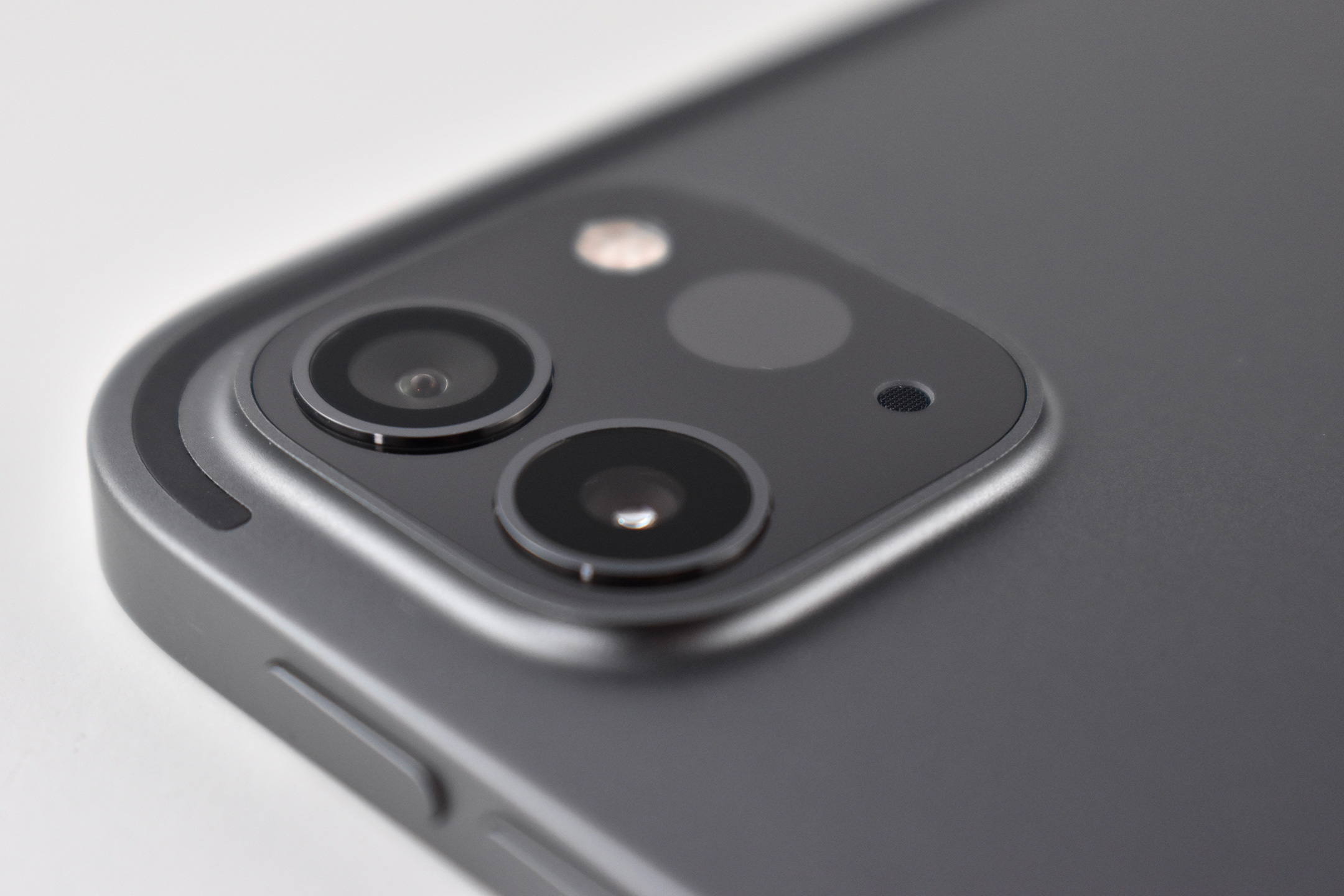
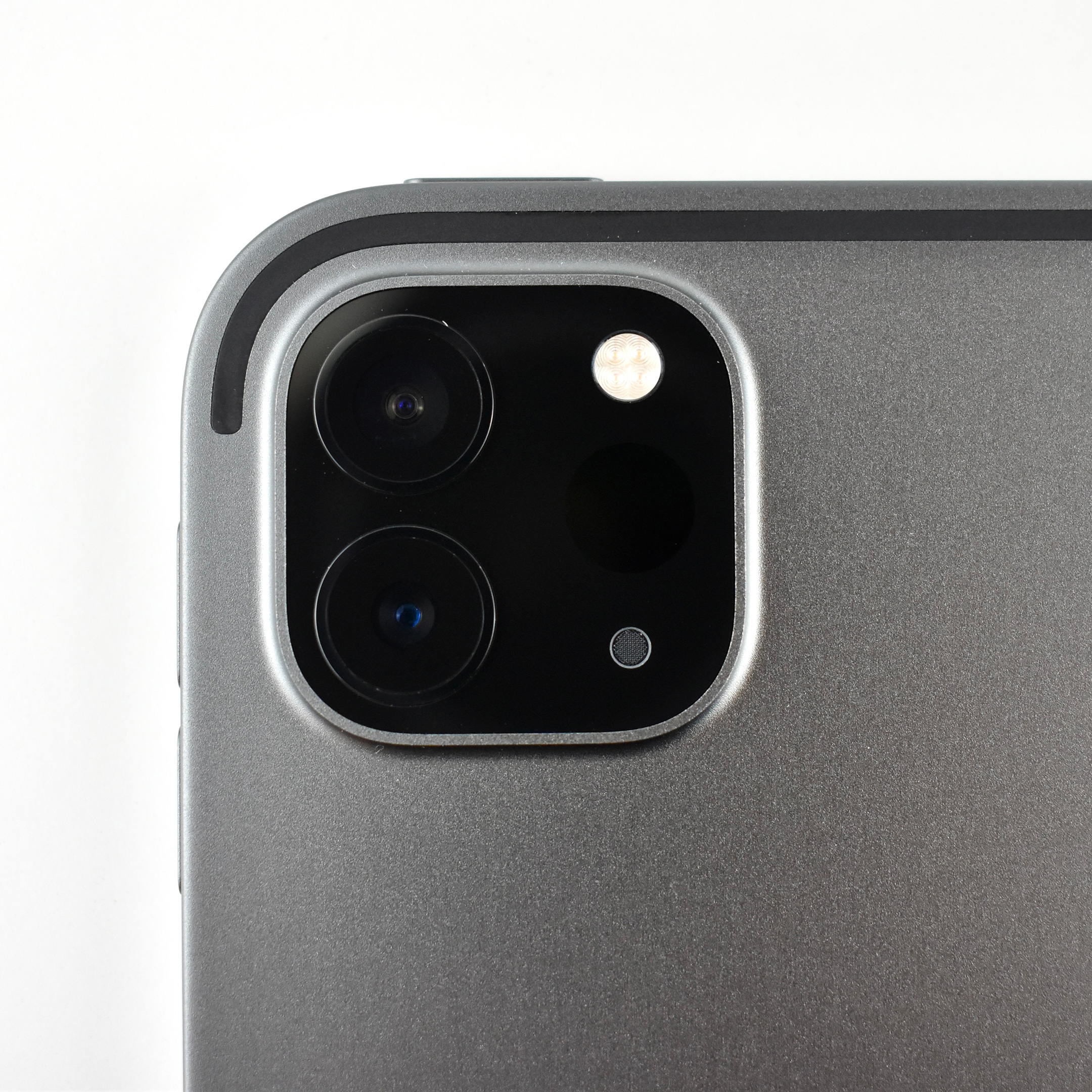
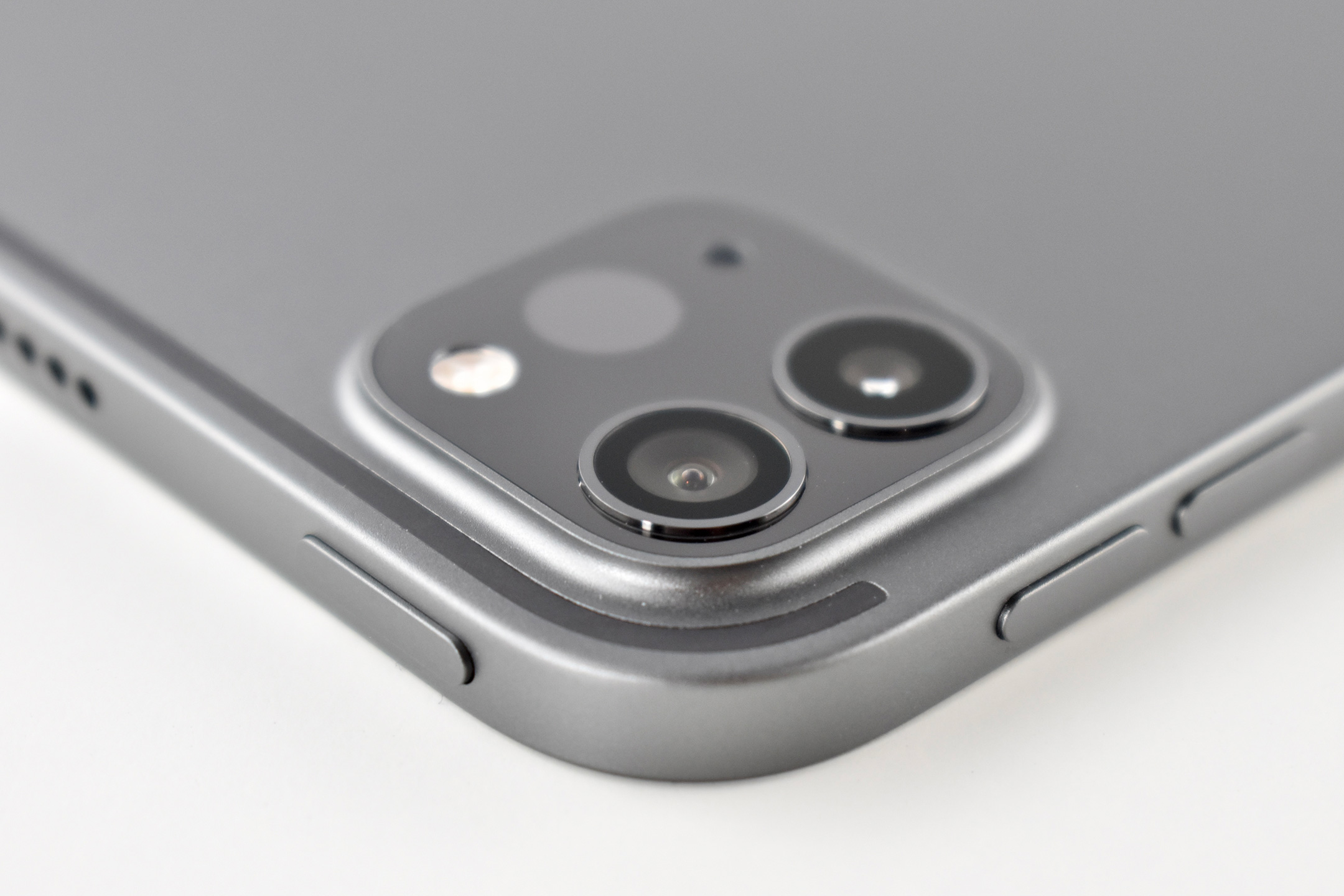
The back camera was 12MP with digital zoom up to 5x supporting Smart HDR 4, geotagging, auto image stabilization, and burst mode. It could capture video up to 4K. The similar front camera was also 12MP and supported Center Stage in Landscape mode. It supported Smart HDR 4, but only could record 1080p HD video. 

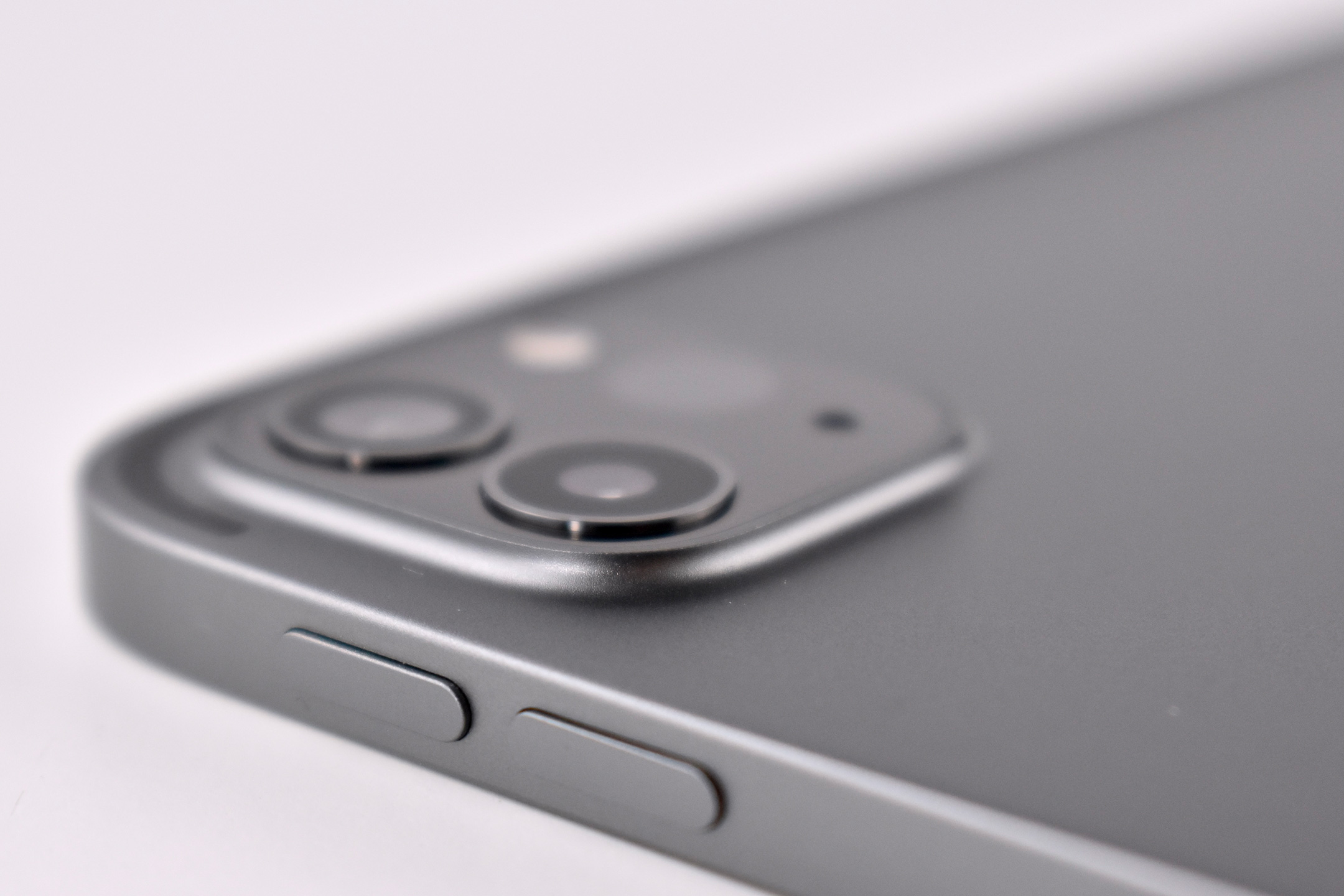
The iPad Generation 11 had 5 sensors, including Touch ID, 3‐axis gyro, accelerometer, barometer, and an ambient light sensor. 

Sources: Apple (Newsroom, Specs)

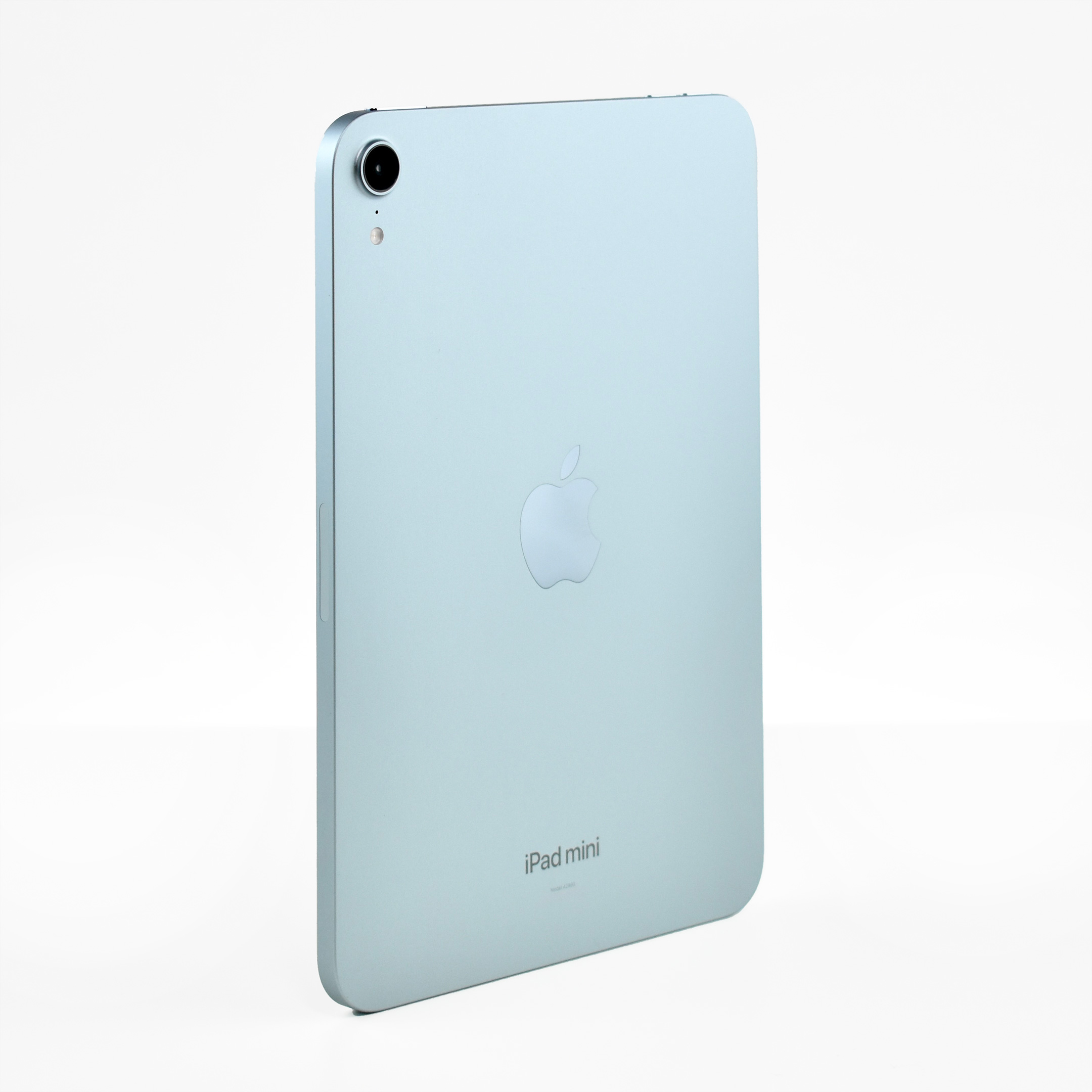
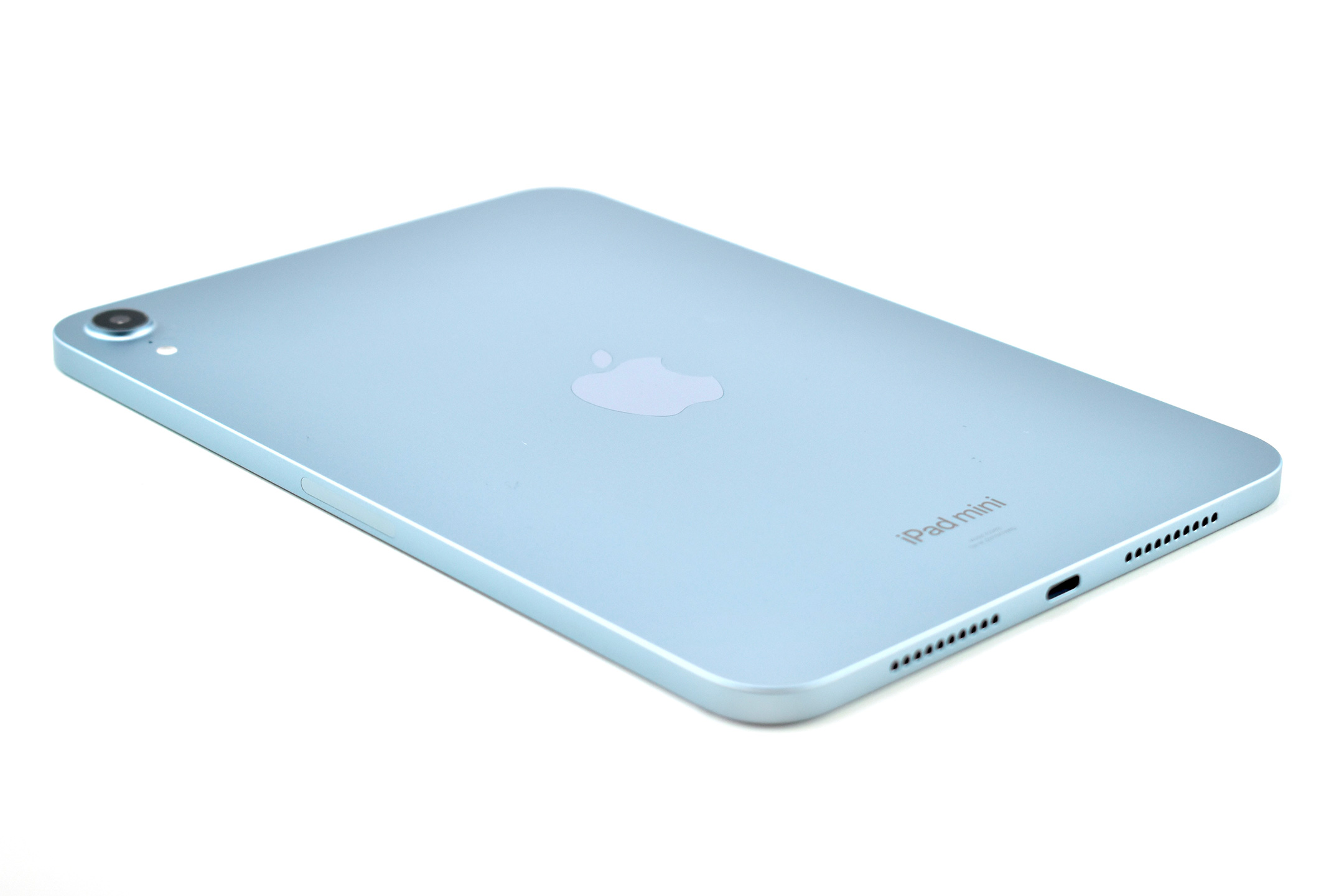
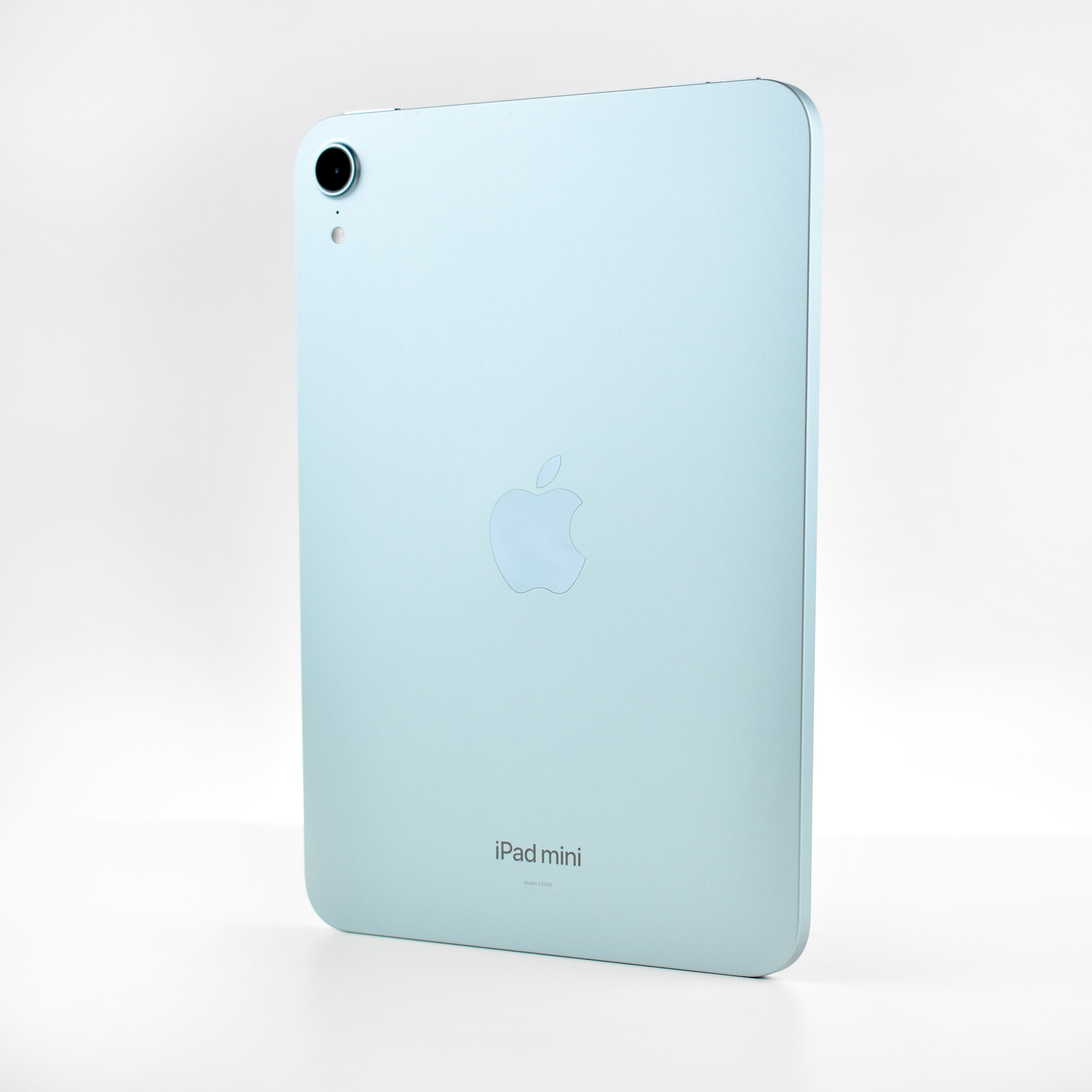
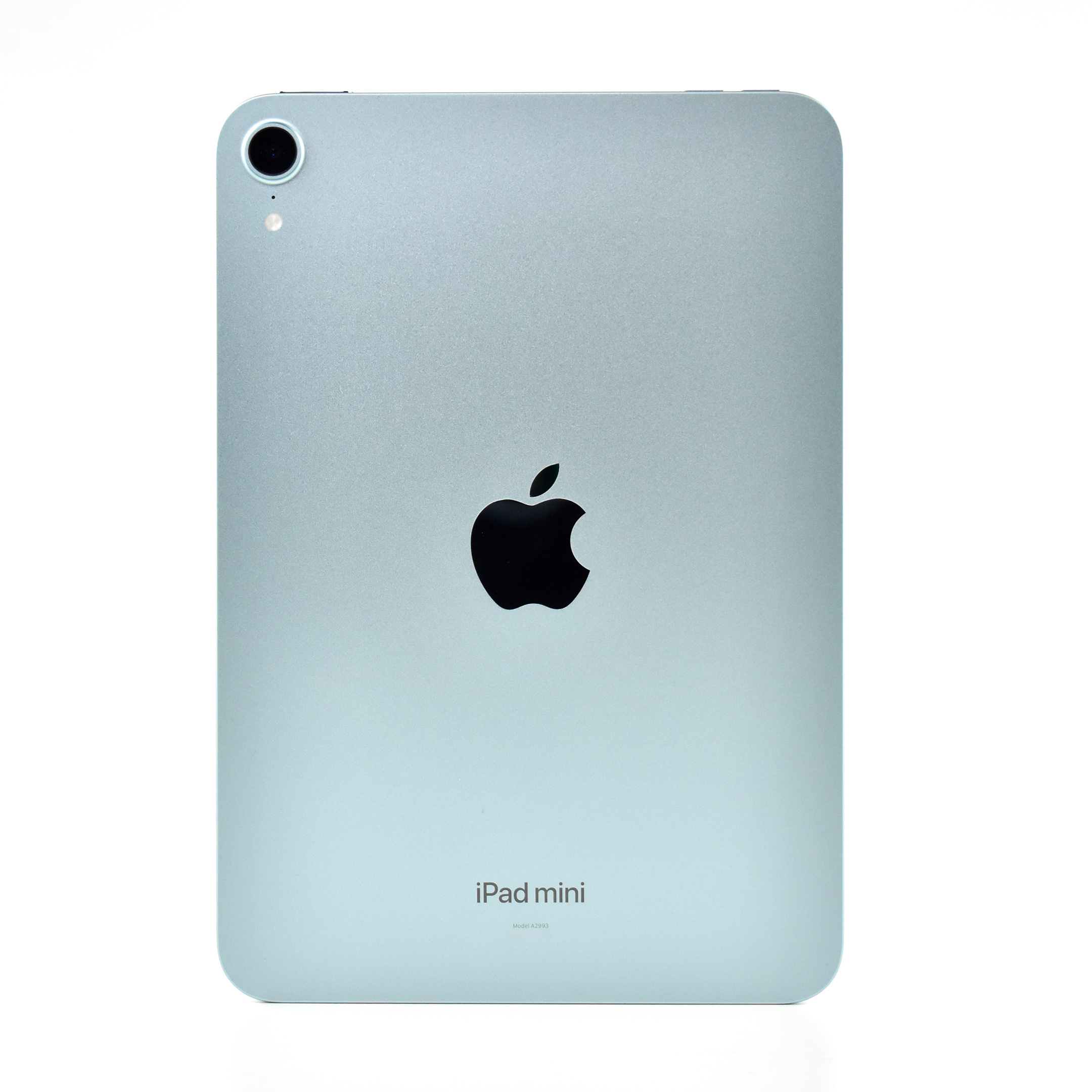
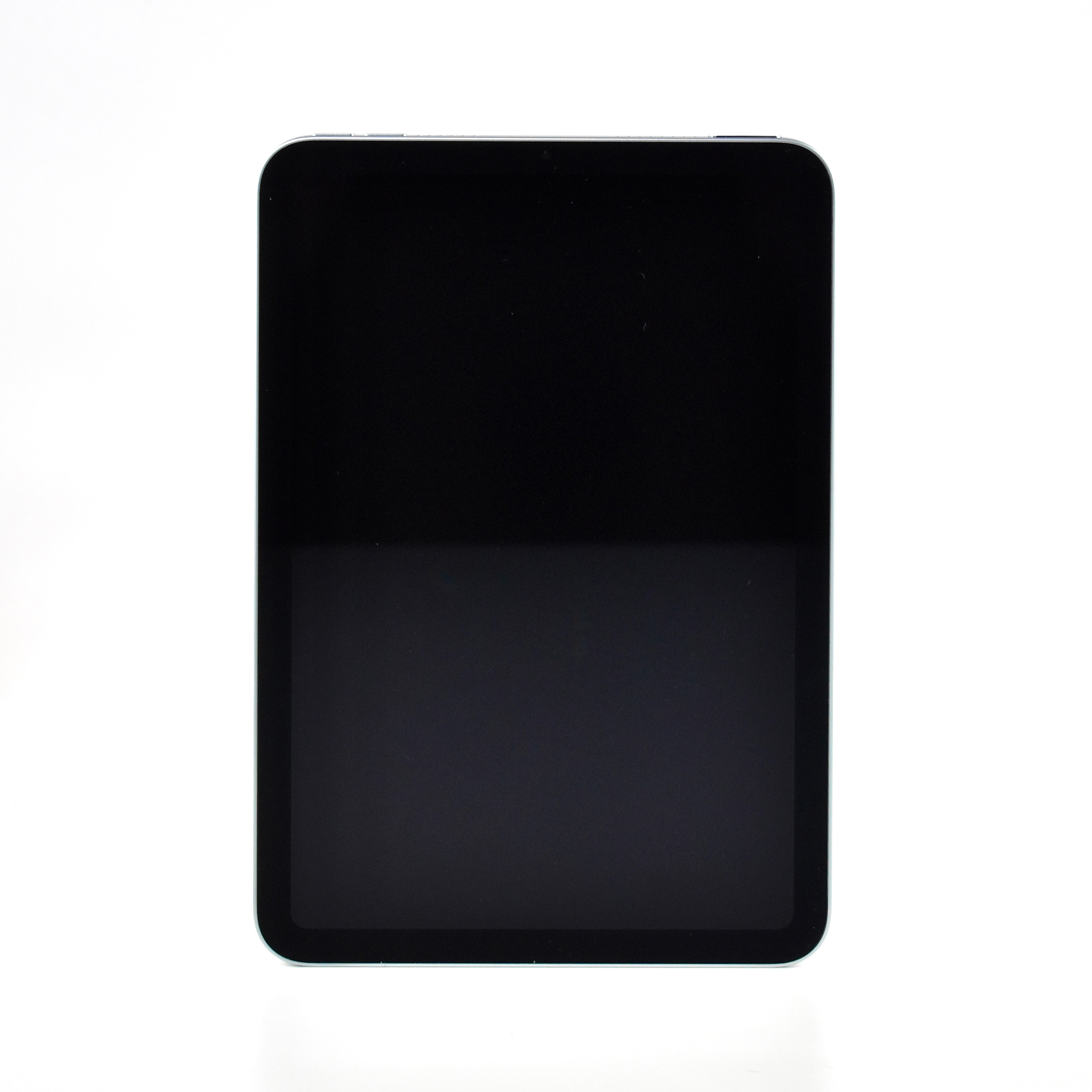
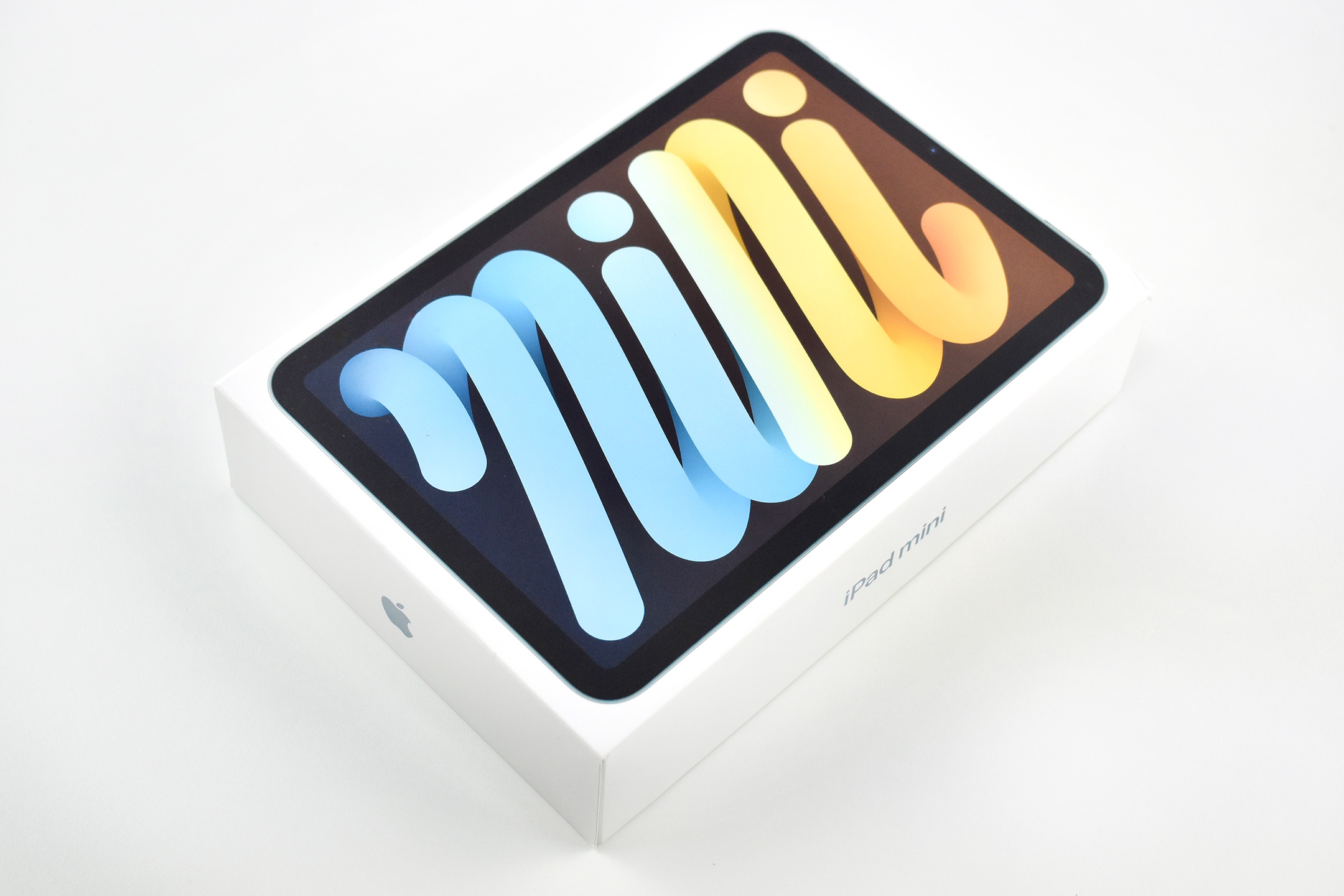
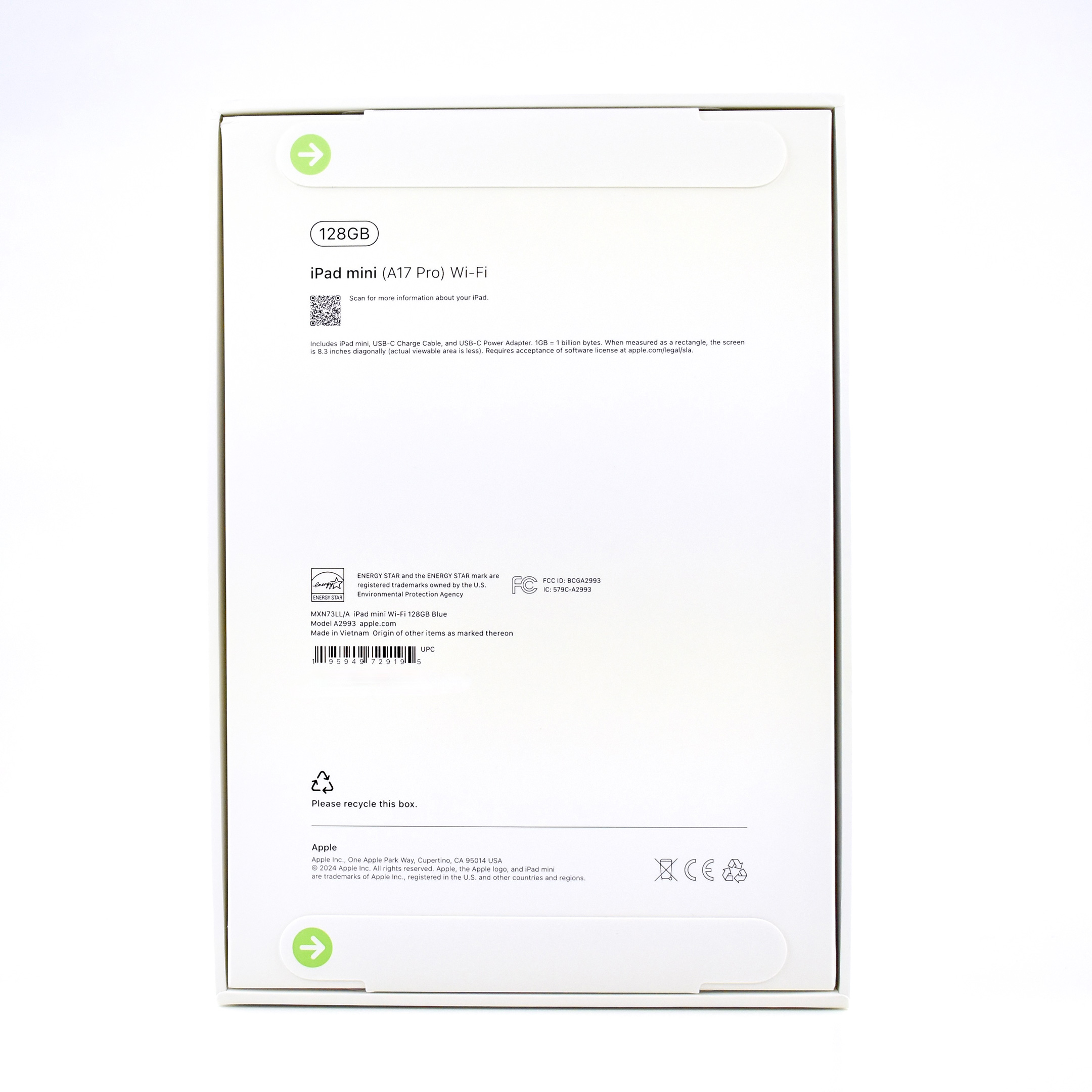
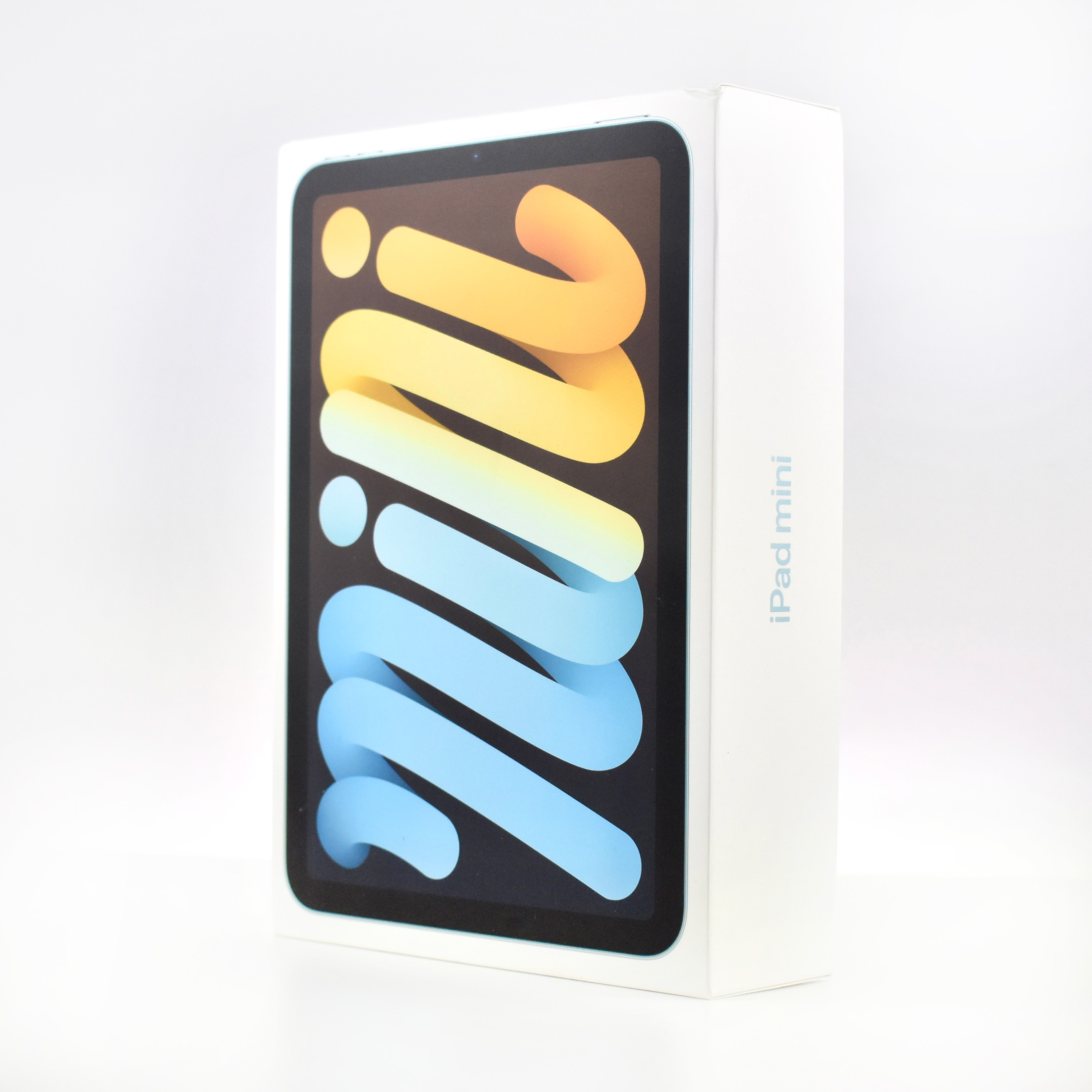
iPad mini (Generation 7, A17 Pro, Wi-Fi, 128GB, Blue, 2024)

Soon after Apple updated most of its hardware for use with Apple Intelligence, the Smart Folio for iPad mini was updated to Generation 7 with the A17 Pro chip—the bare minimum processor to allow Apple Intelligence features. At the time, Apple described Apple Intelligence as “the easy-to-use personal intelligence system that understands personal context to deliver intelligence that is helpful and relevant while protecting user privacy.”

This iPad mini had an 8.3-inch Liquid Retina display (2266 x 1488 at 326 ppi, 500 nits brightness). Apple described the A17 Pro chip as offering “a huge performance boost for even the most demanding tasks, with a faster CPU and GPU, [and] a 2x faster Neural Engine than the previous-generation iPad mini.” This iPad mini also added support for the Apple Pencil Pro.

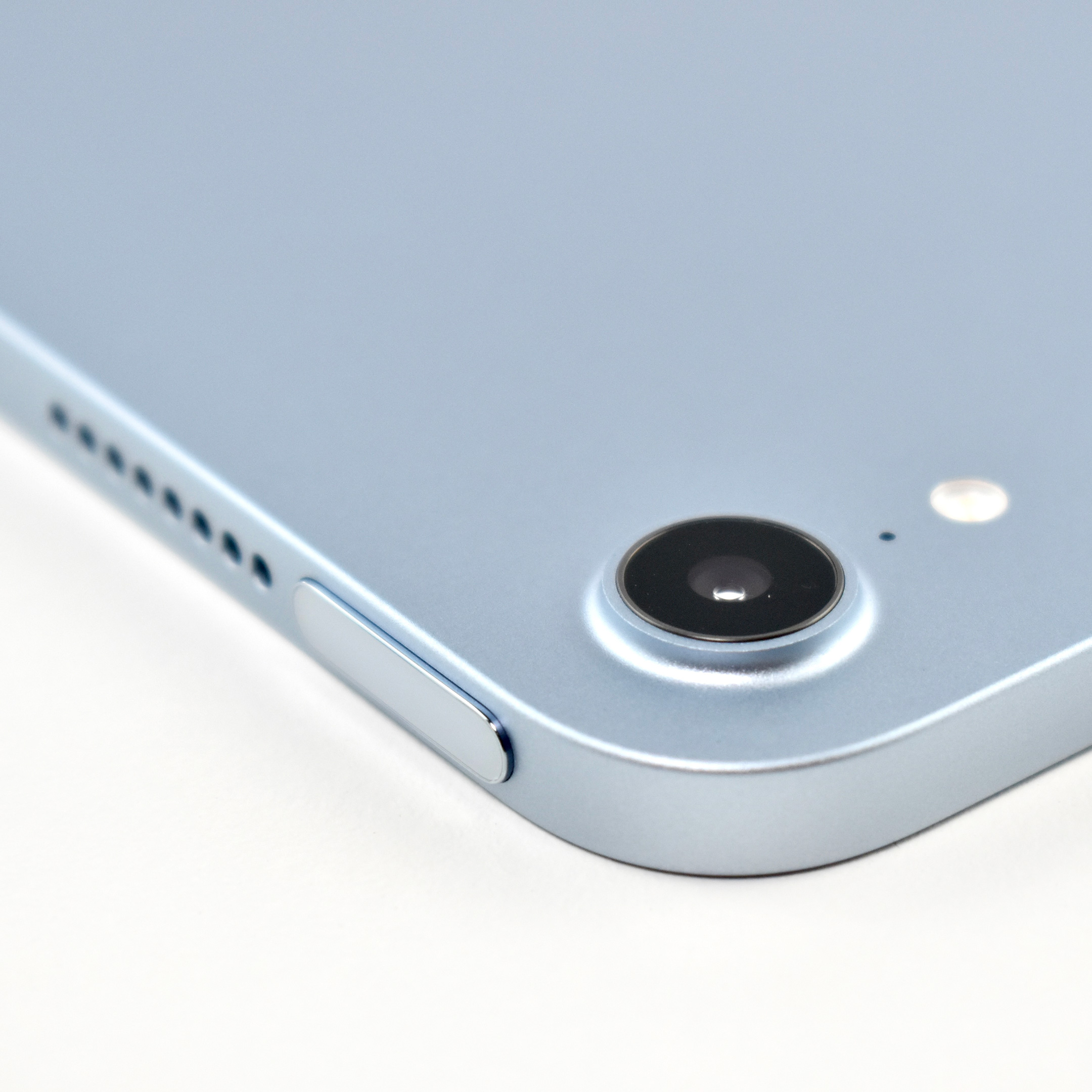
The iPad mini front camera was 12MP and included Center Stage: “as you move around, the camera automatically pans to keep you centered in the frame.” Apple described the back camera: “The 12MP wide back camera supports Smart HDR 4 for natural-looking photos with increased dynamic range, and uses machine learning to detect and scan documents right in the Camera app.” In addition, the back camera could record 4K video.

This iPad mini was available in three muted tones including Blue, Purple, and Starlight—and Space Gray. This example is Blue.

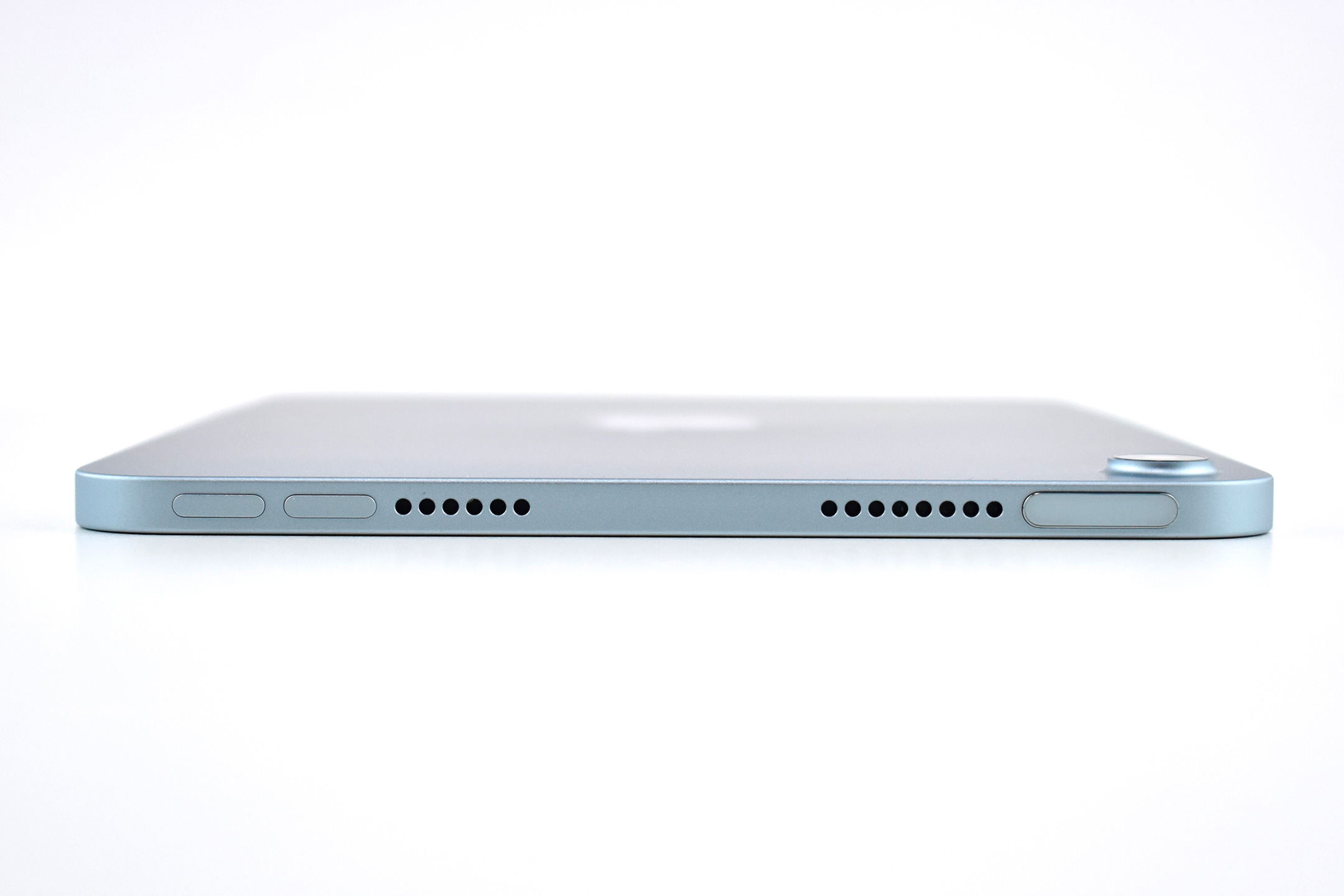
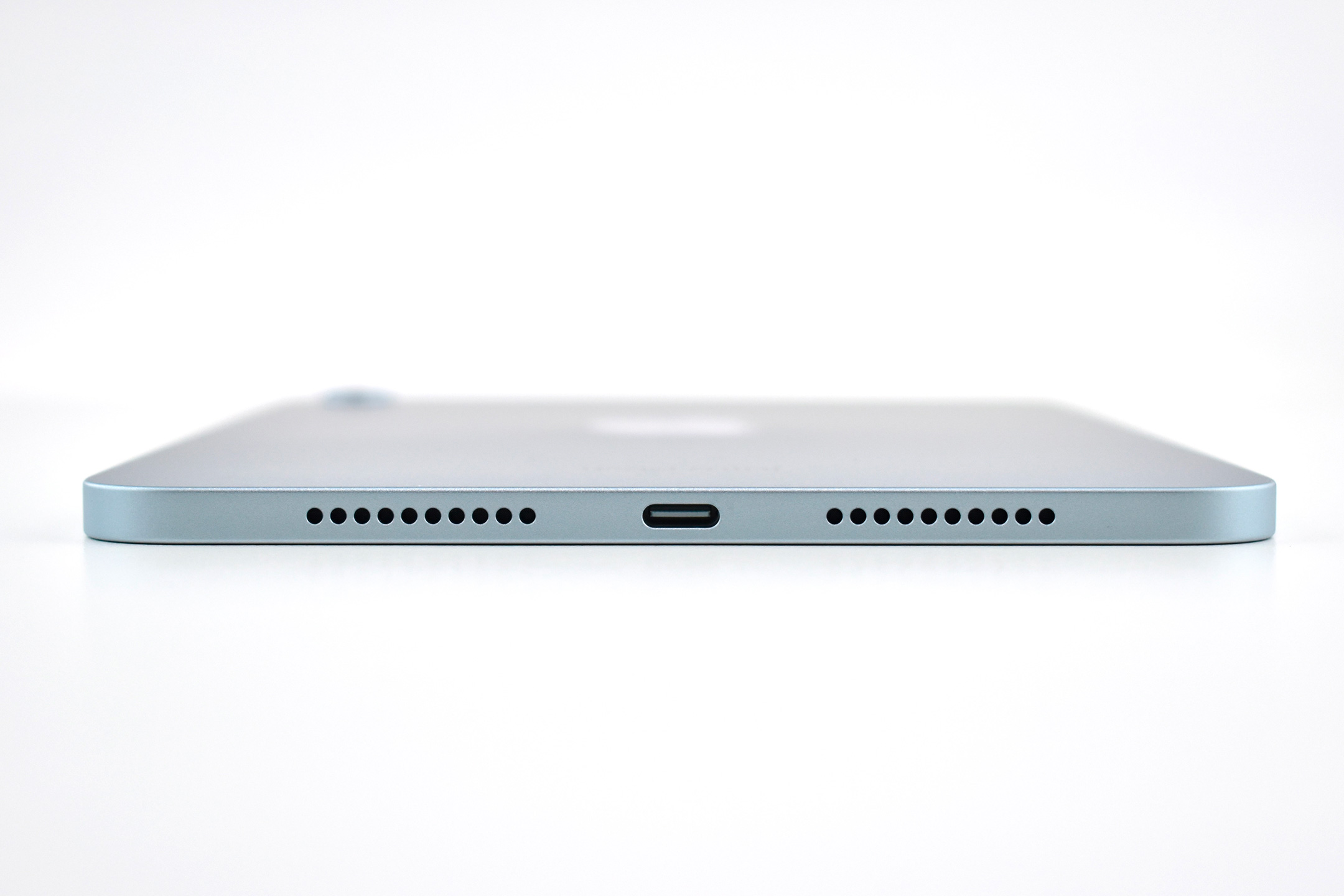
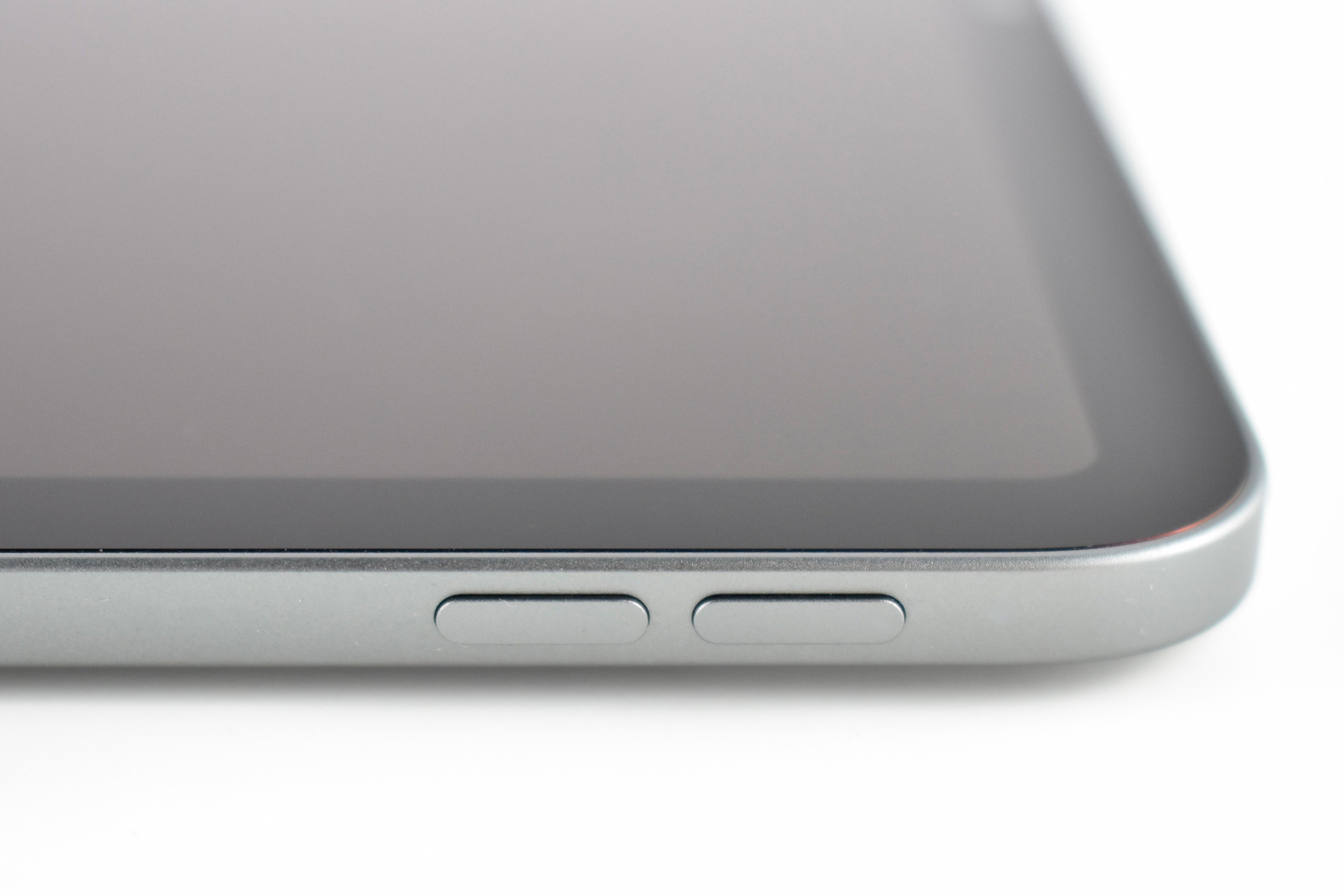
This iPad mini was 7.69 inches tall, 5.3 inches wide, and 0.25 inch thick. It weighed 0.65 pound. All buttons were along the top on the short side opposite the USB-C port, including the 2 volume buttons and the Top button with Touch ID. Each of the short sides also had speakers that allowed stereo sound output. Unlike other iPad models of the time, the front camera was placed on the short side.

Sources: Apple (press release, product page, specs)
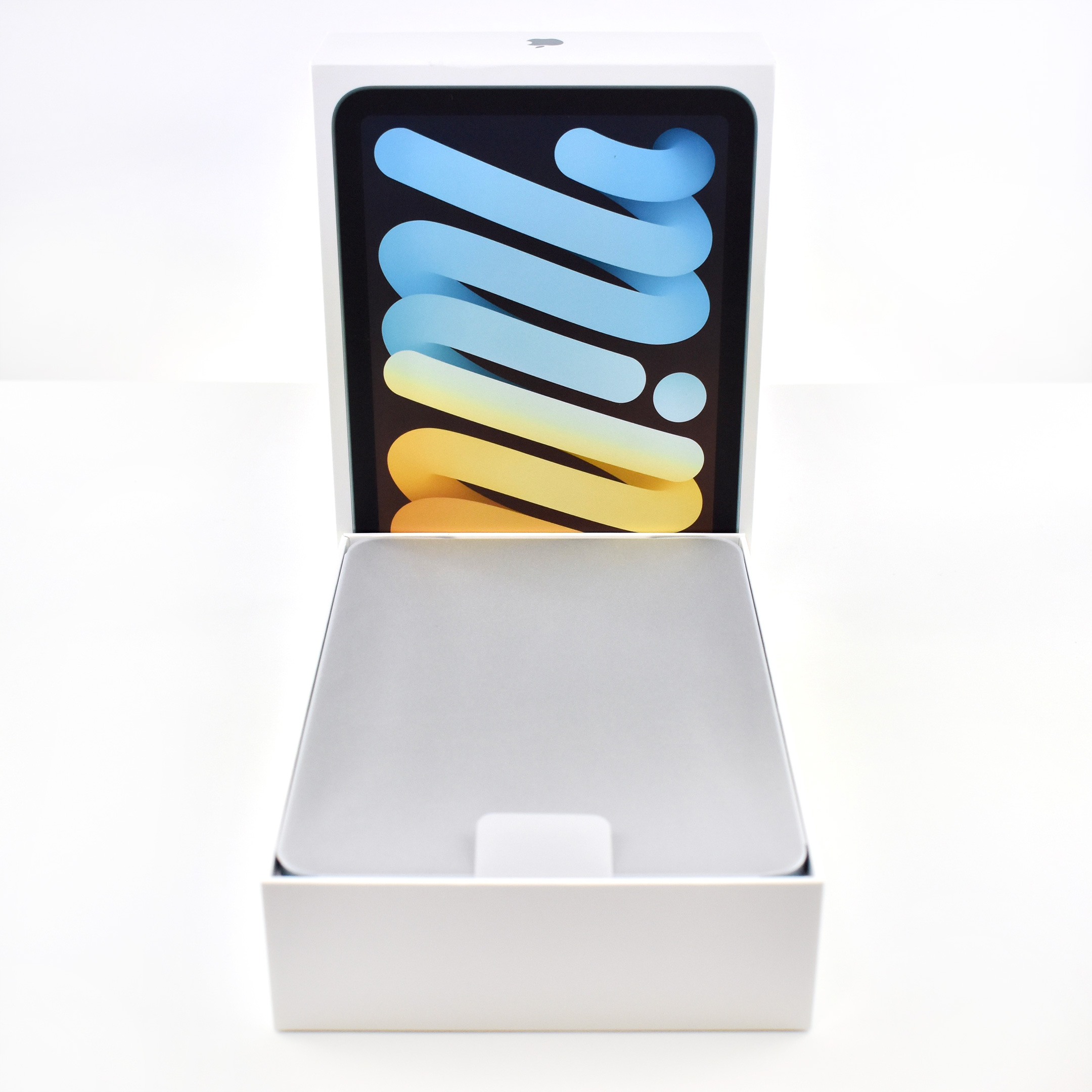
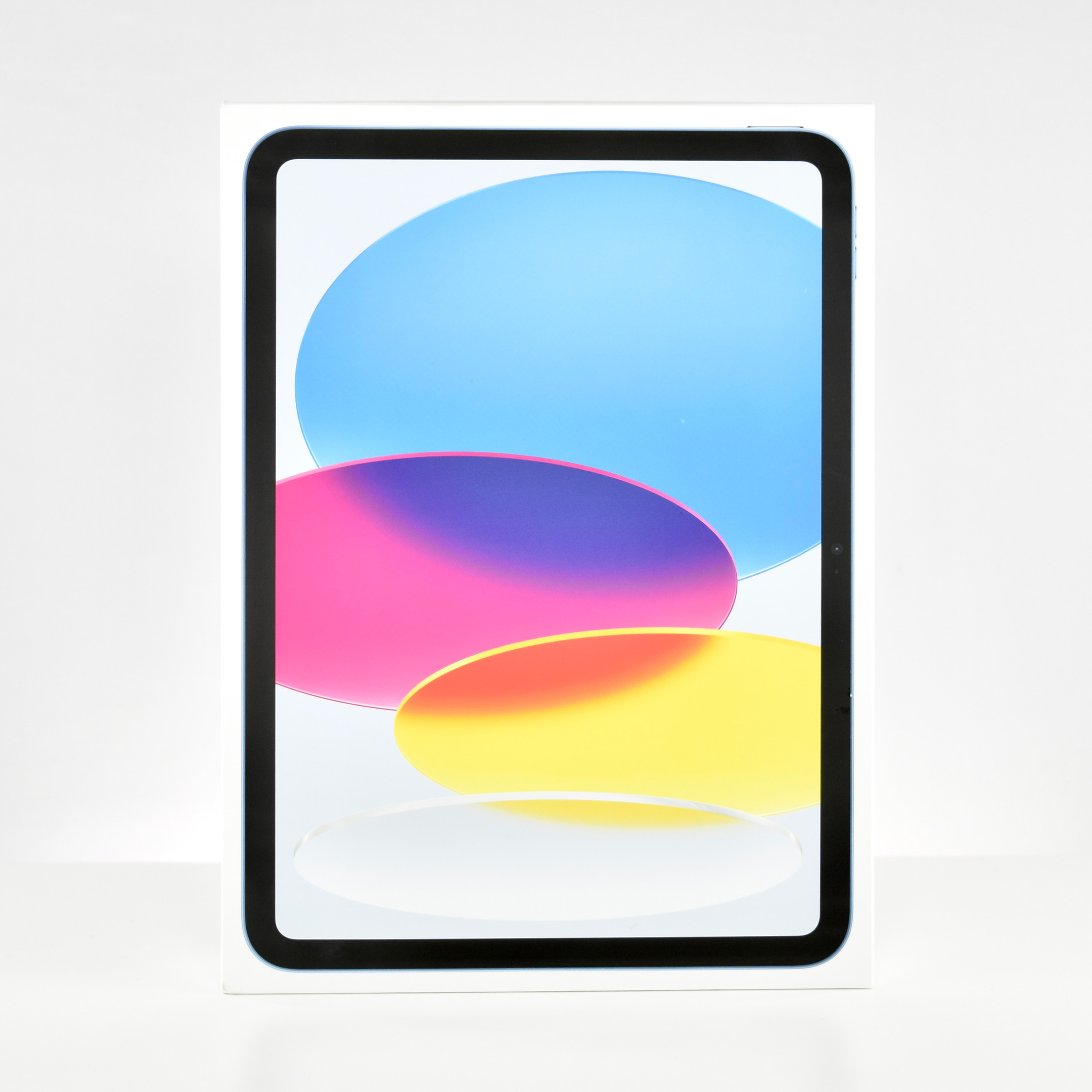
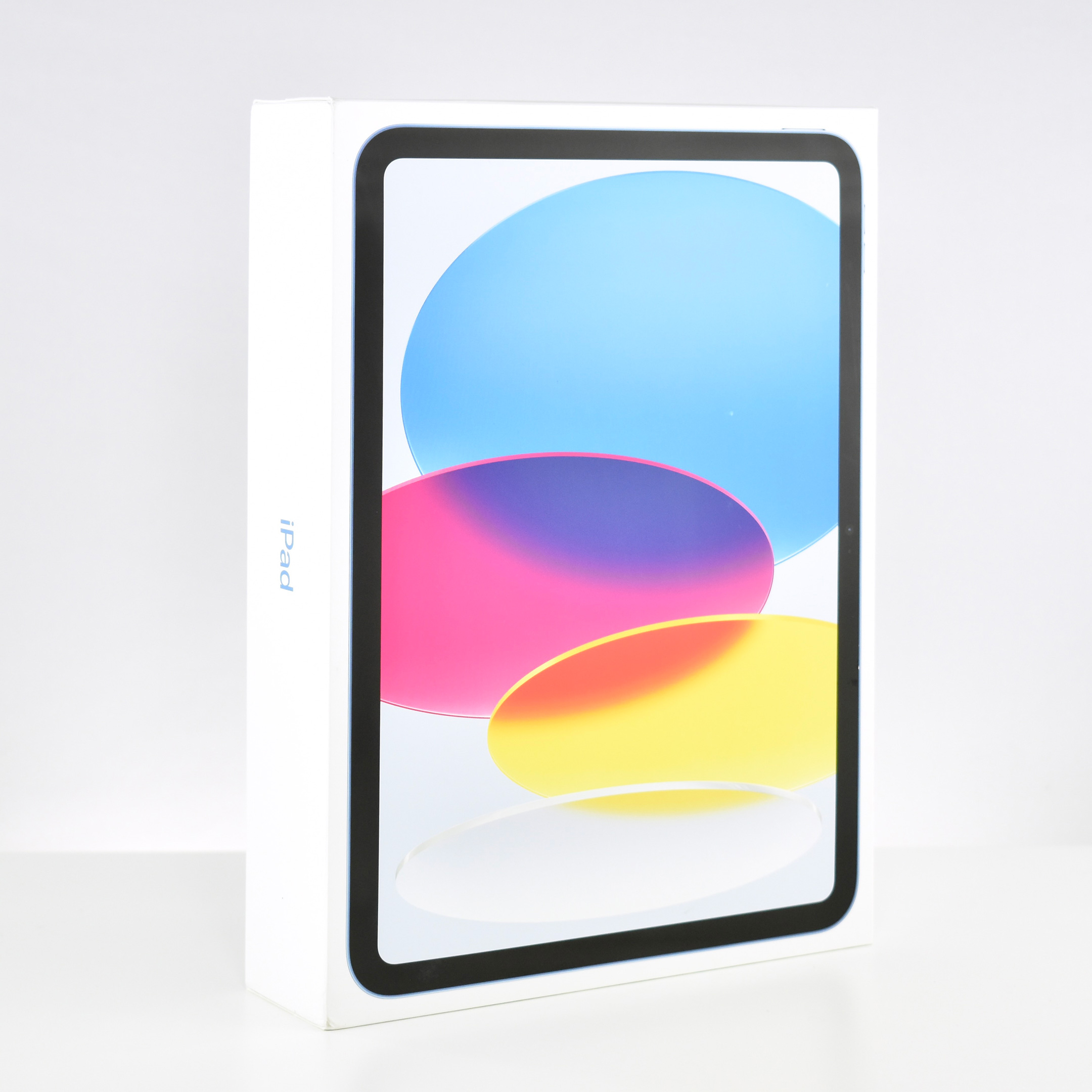
iPad (Generation 10, 64GB, 2022)

This is my 1,000th post on my Apple Collection blog!

When Apple released the iPad Generation 10, a press release noted that it featured “a large 10.9-inch Liquid Retina display, the powerful A14 Bionic chip, advanced cameras, fast wireless connectivity, USB-C, support for the new Magic Keyboard Folio, and more.”

The iPad Generation 10 was the first base-level iPad to include an all-screen design and a 10.9-inch Liquid Retina display. It used an A14 Bionic chip, and both the front and back camera were 12 megapixel with an Ultra Wide front camera for an “even better video calling experience.”

This was also the first base iPad to use USB-C charging. Despite the list of new technologies, the iPad 10 supported the Generation 1 Apple Pencil, released in 2015—seven years before this iPad.

Apple highlighted creative uses of the iPad 10:

“Express yourself, draw, and brainstorm on a flexible creative powerhouse. The stunning 10.9-inch Liquid Retina display makes an incredible canvas. So you can doodle, take notes, mark up documents, and a lot more with Apple Pencil.”

The iPad 10 was available during 2022–2023 at a time when online commentators noted consumer confusion in the iPad lineup. MacRumors ran an article on October 2022 expressing the sentiment with the headline, “Apple’s New iPad Lineup Causes Potential Confusion With Inconsistent Features.”

At the time, six basic iPad models were available, with several sharing similar characteristics. As of 2023, iPad Pro models were available in 12.9- and 11-inch configurations, an iPad Air had a 10.9-inch display, this iPad 10 had a 10.9-inch display, an iPad mini had an 8.3-inch display—while Apple continued to offer the 10.2-inch iPad Generation 9.

This iPad 10 is the 64GB, Wi-Fi 6 model in Blue. The anodized texture and brightness of the color add a depth to this iPad’s finish.

Sources: Apple (Newsroom, Product), Wikipedia, MacRumors

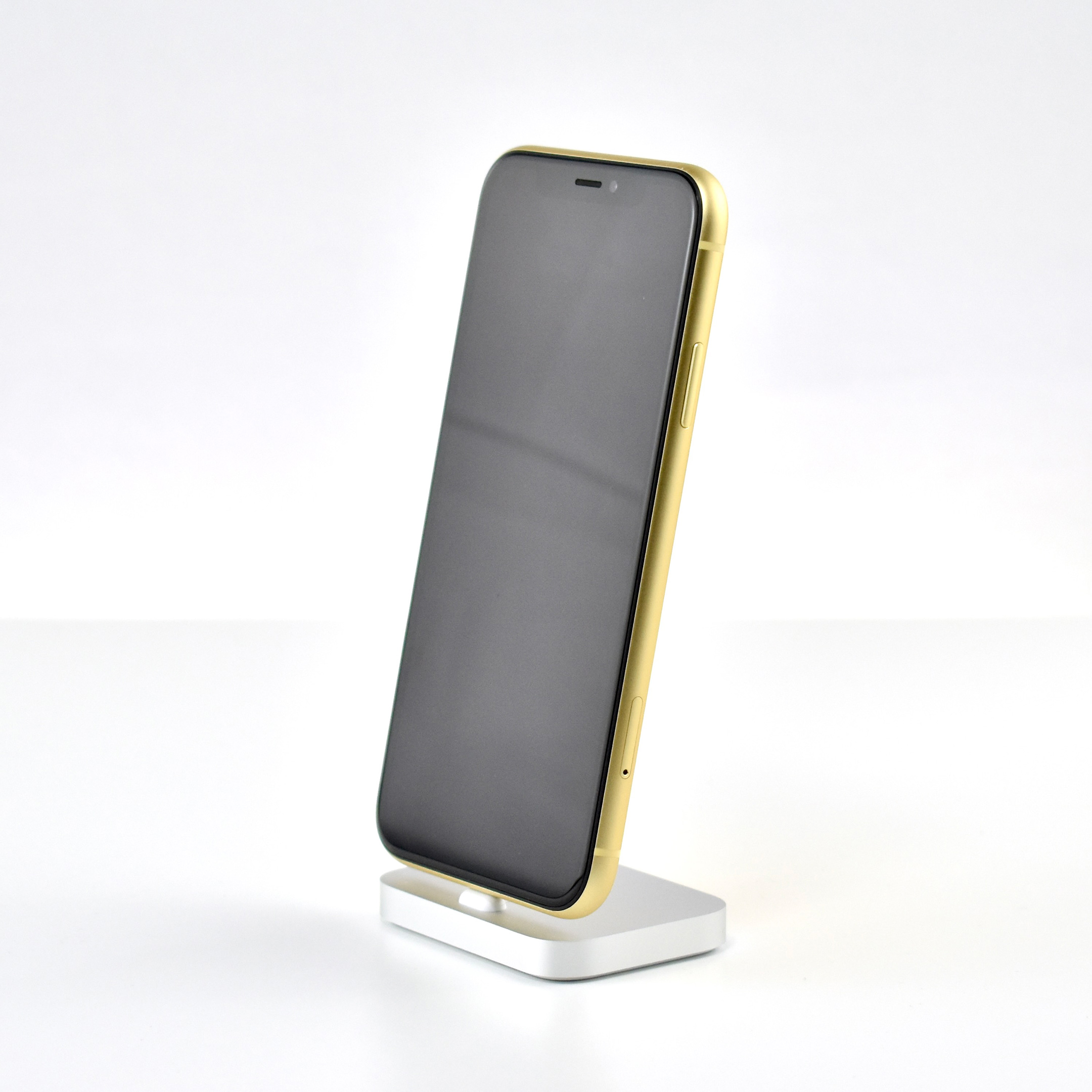
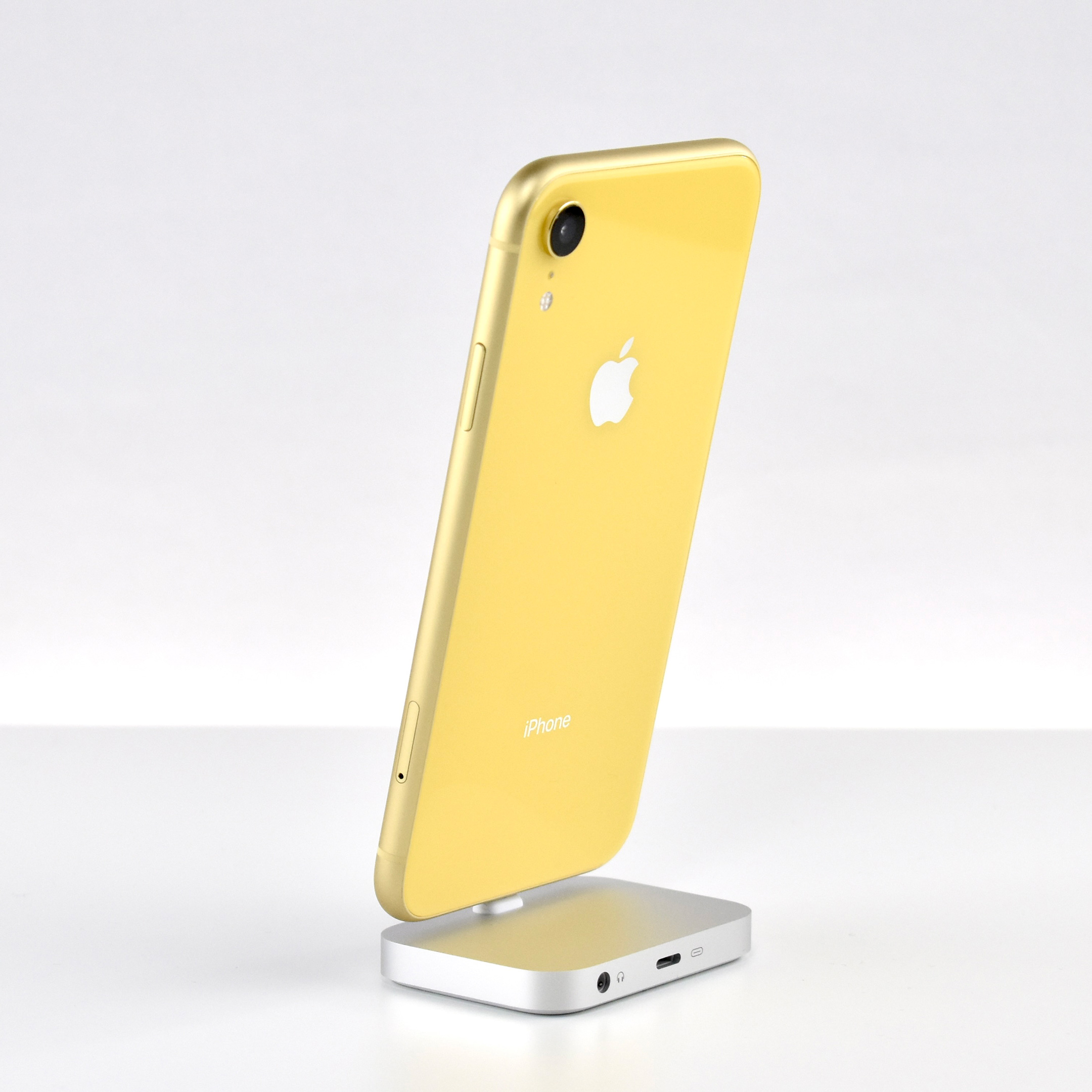
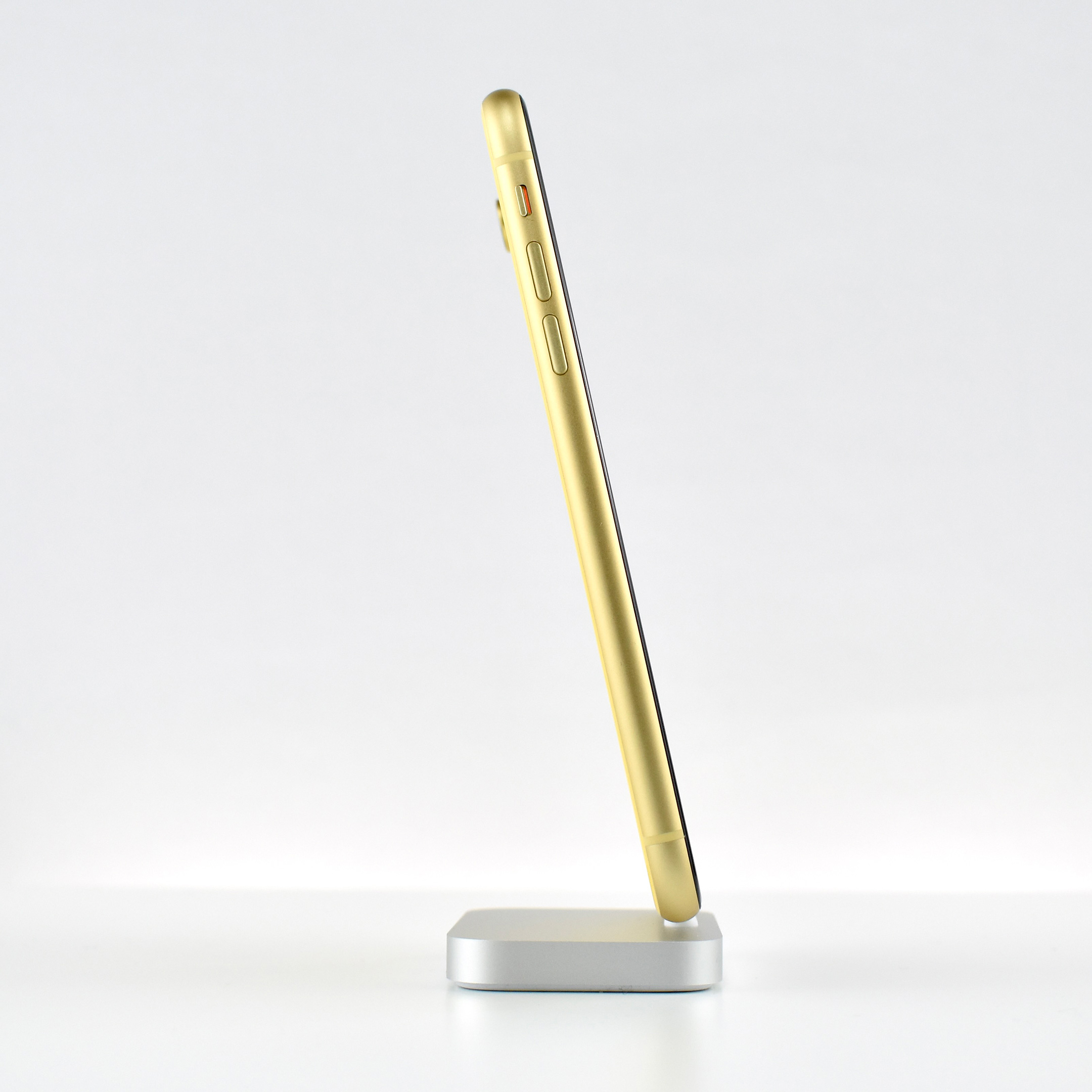
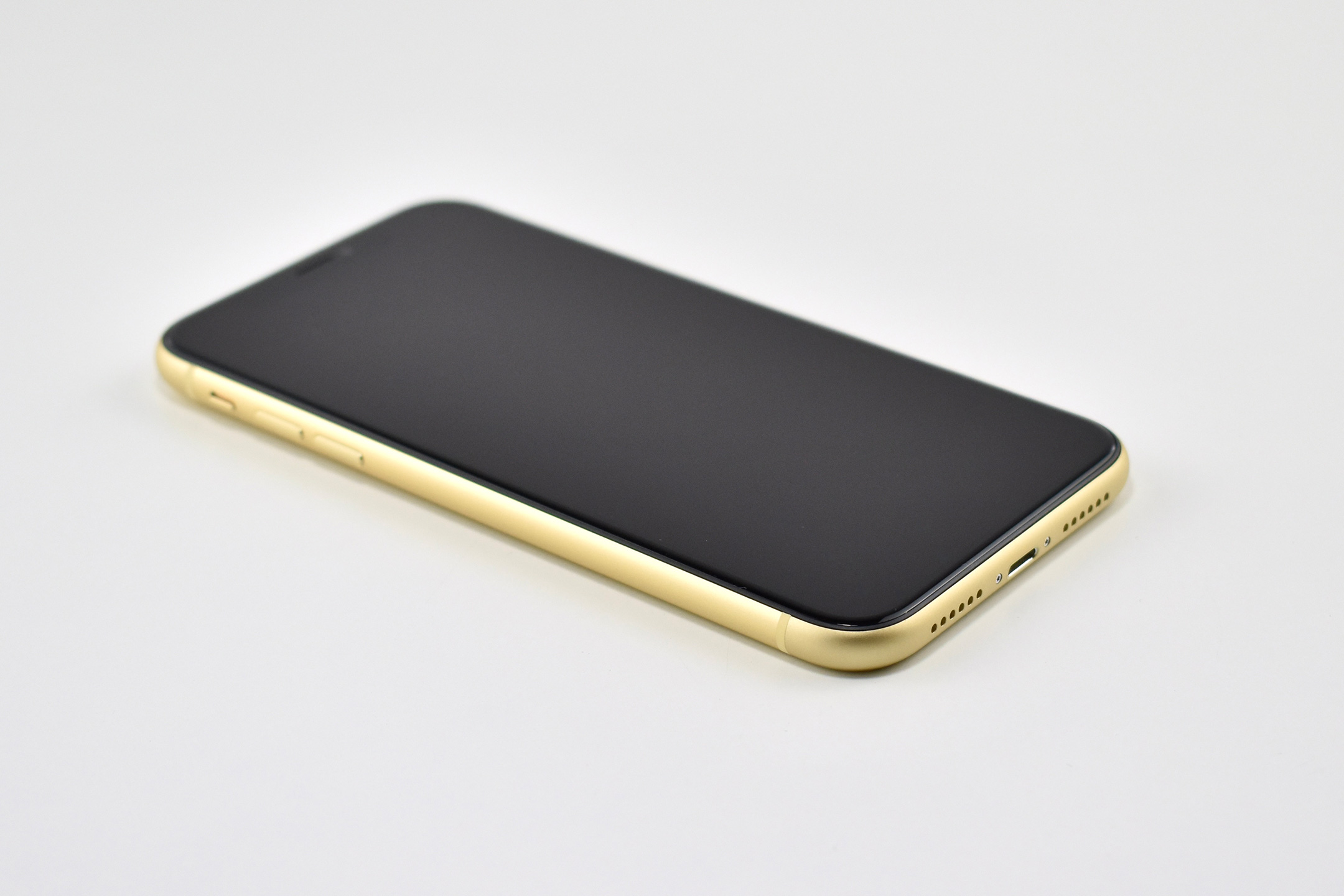
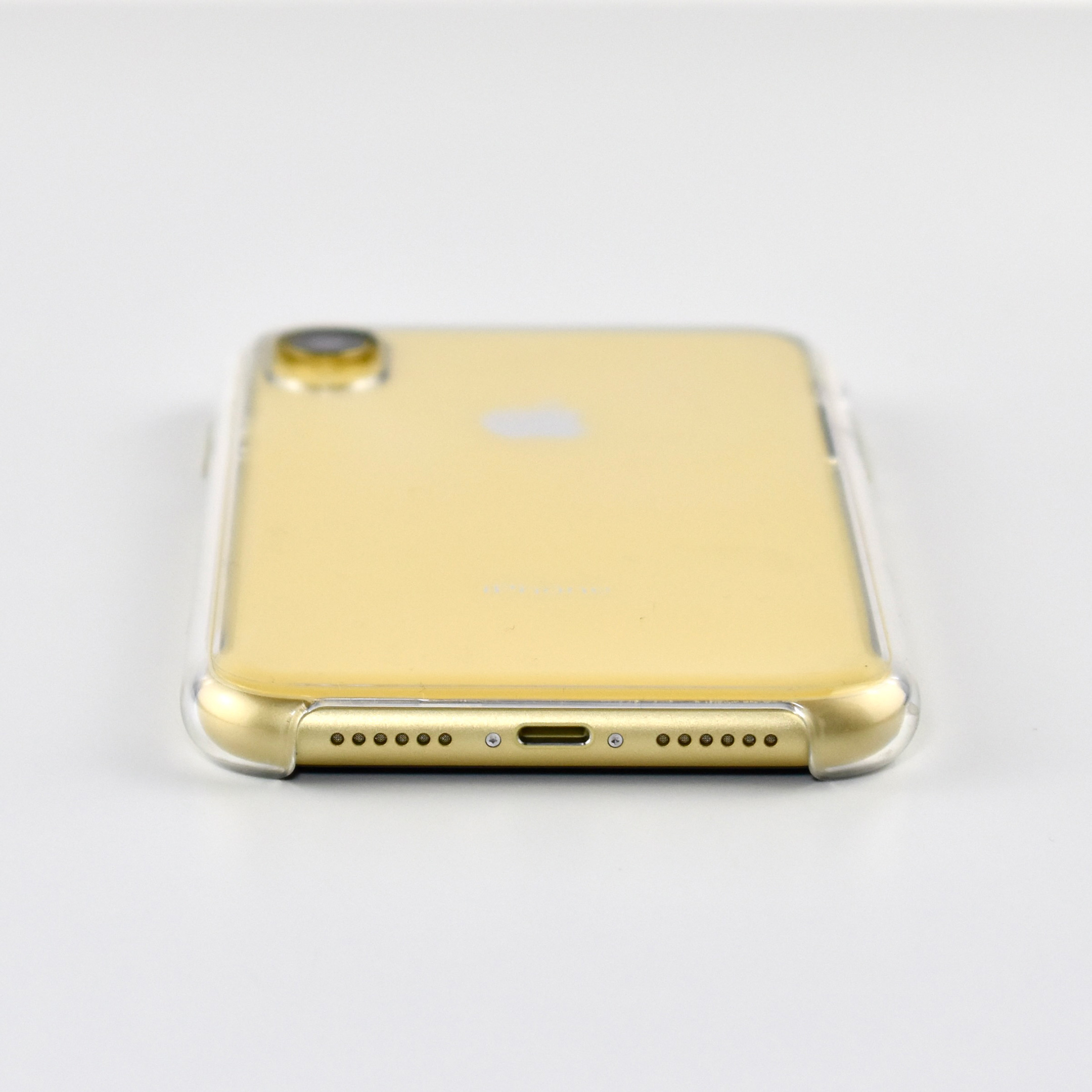
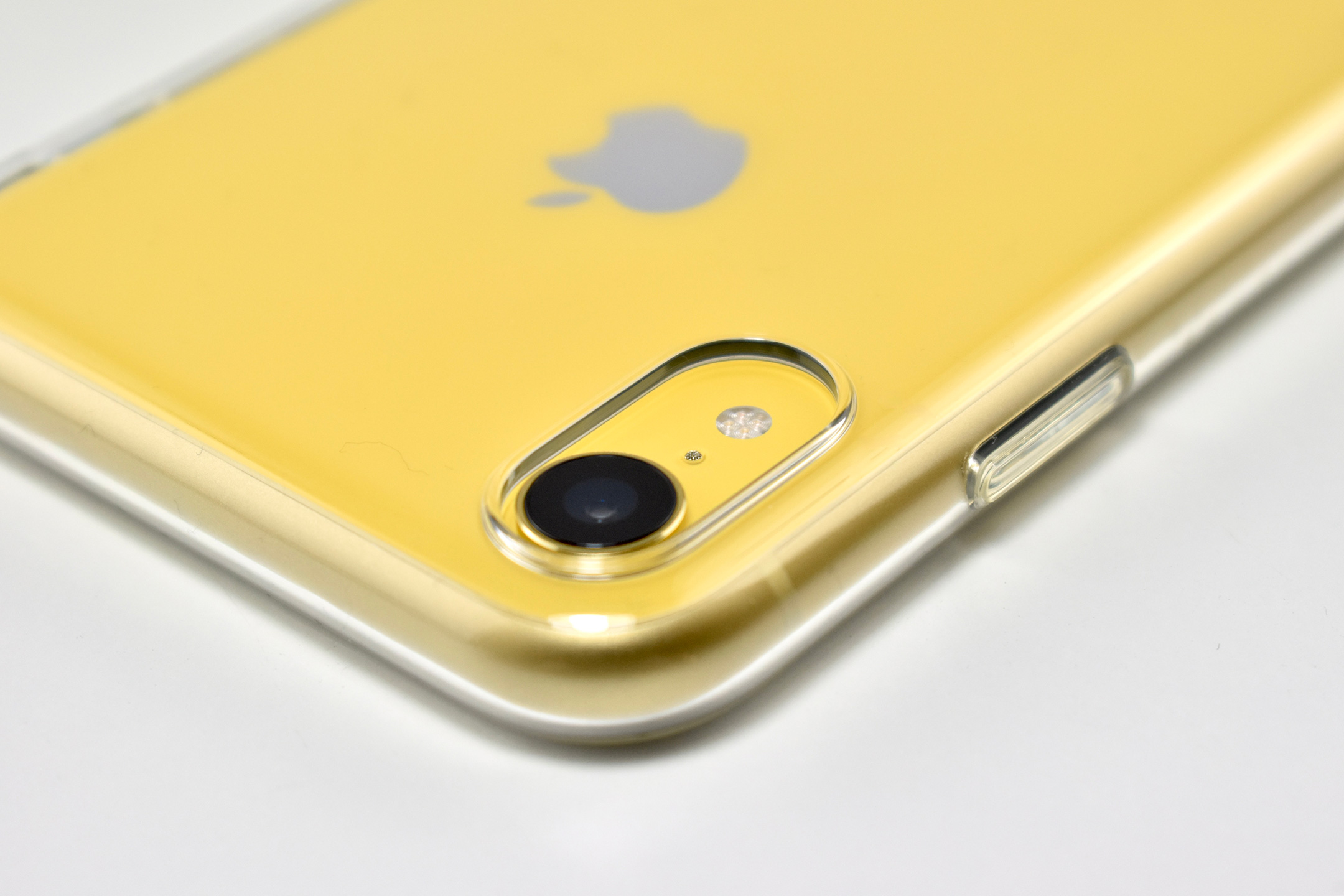
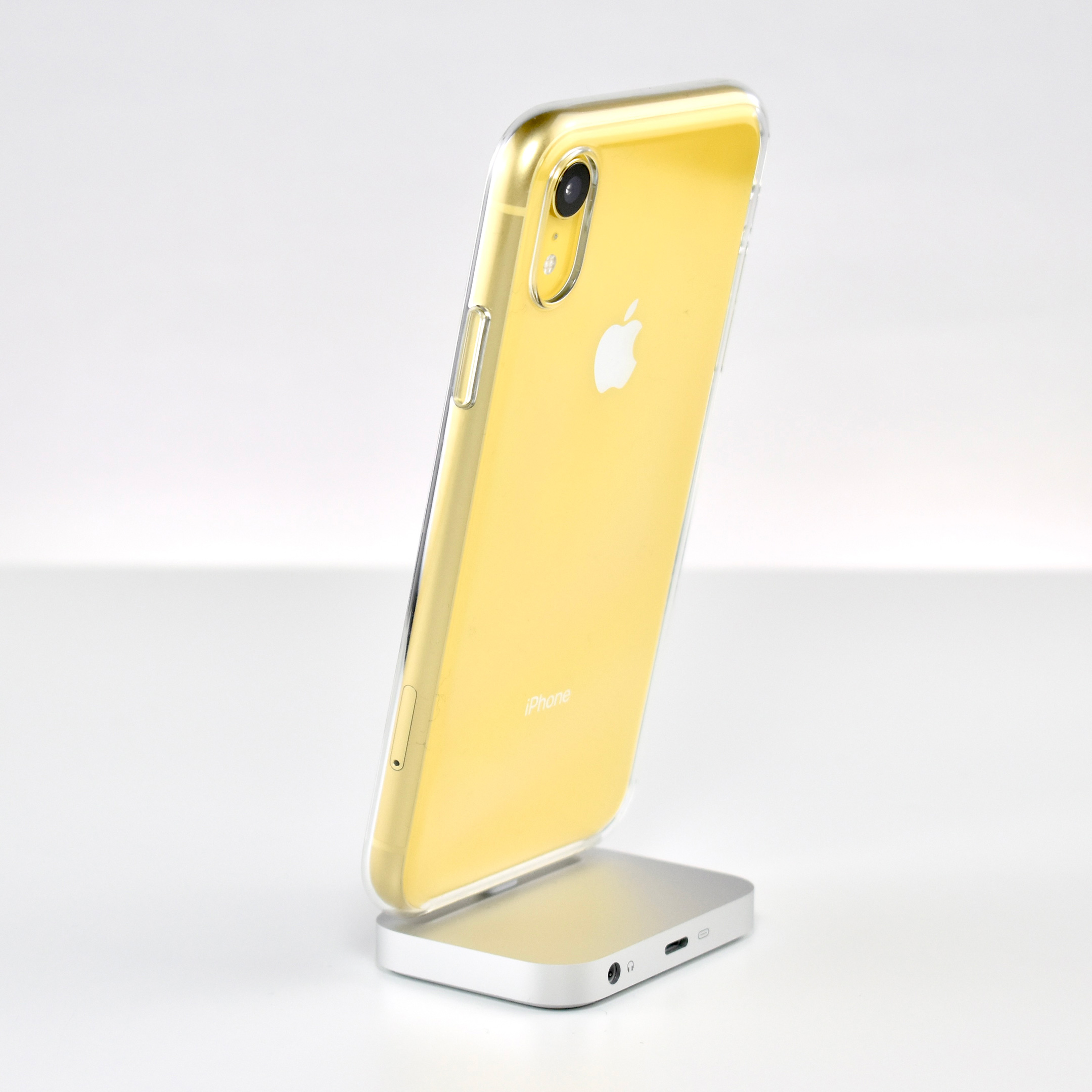
iPhone XR (Yellow, 2018)

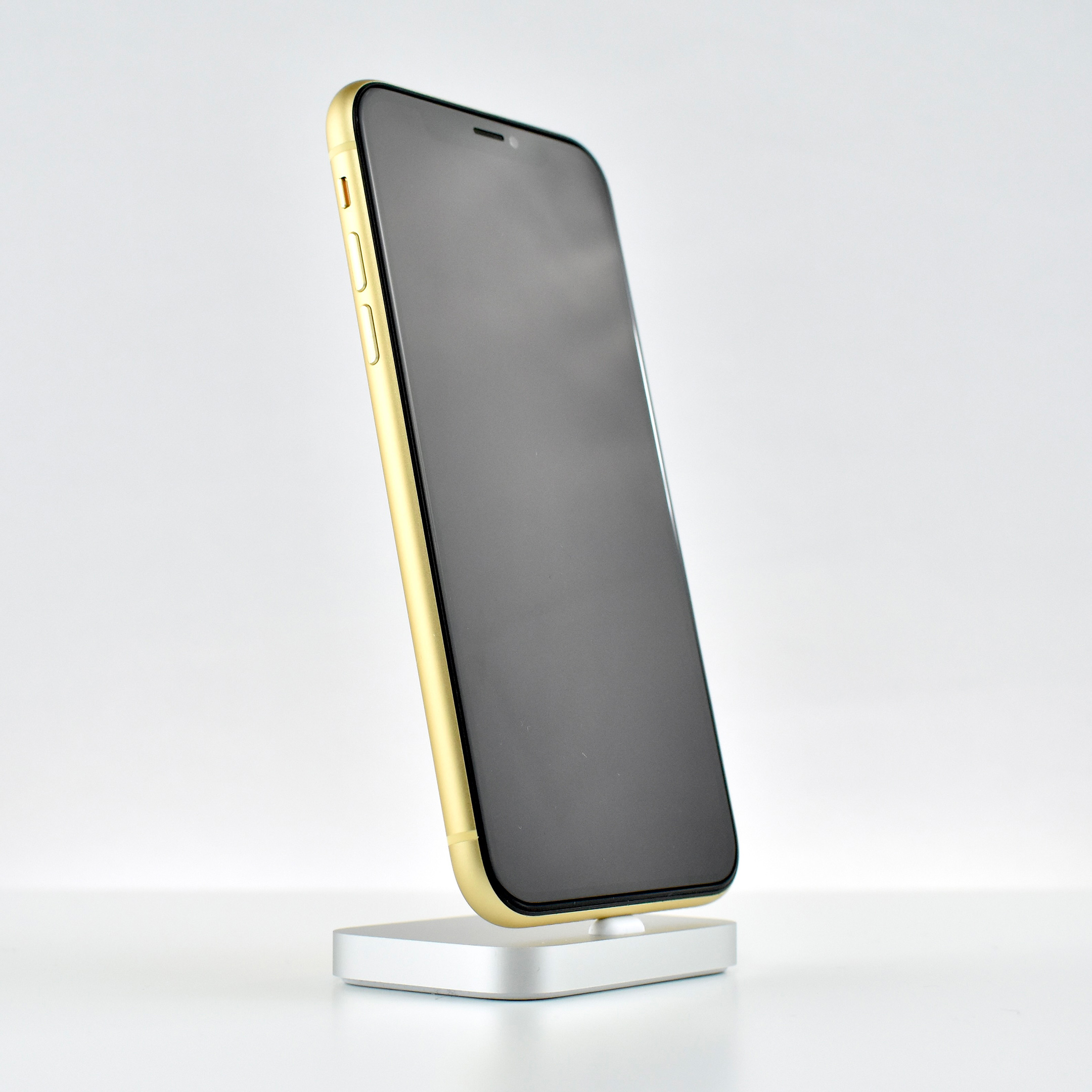
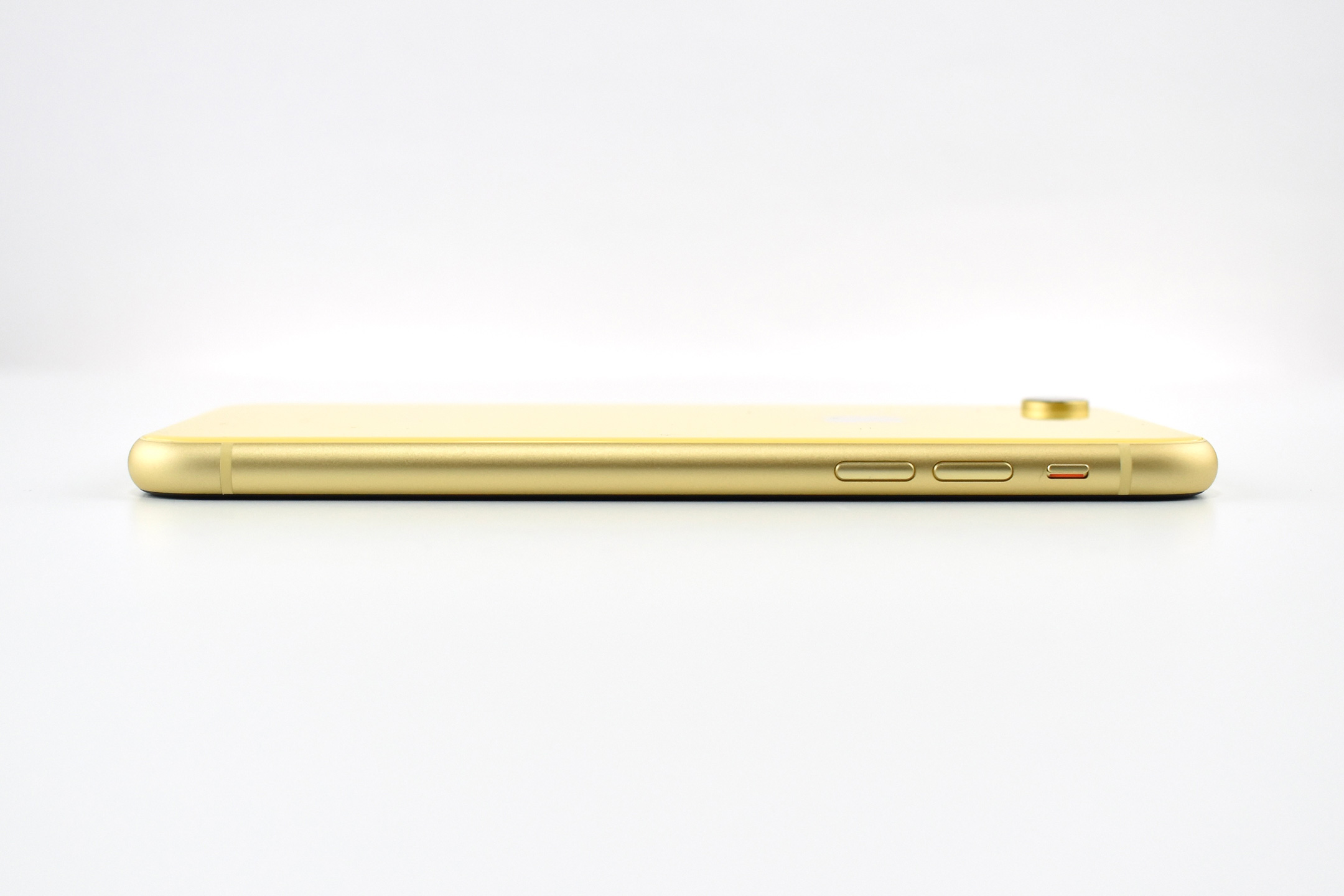
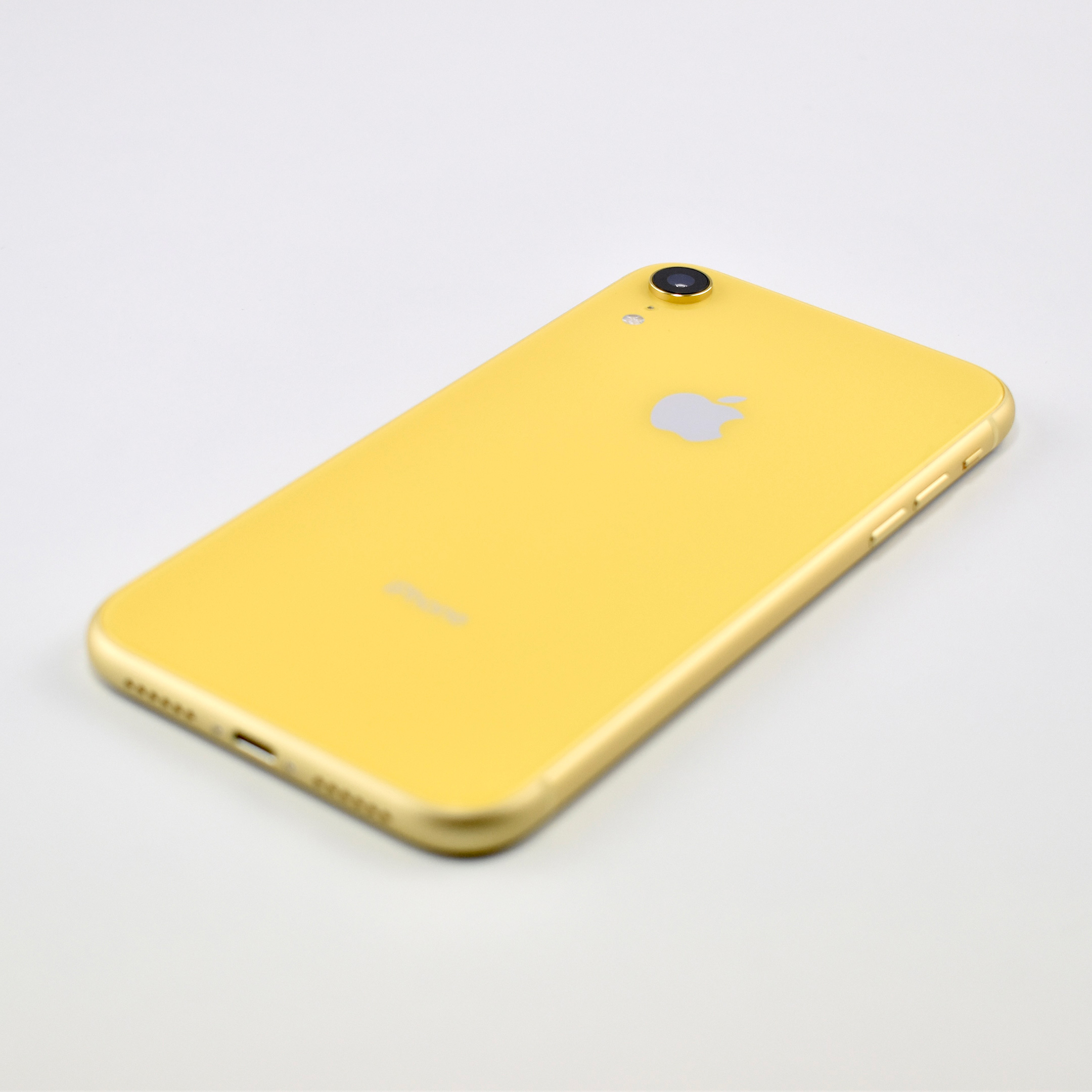
Apple’s press release for the iPhone XR led with, “Featuring A12 Bionic Chip, 6.1-Inch Liquid Retina Display, Aluminum and Glass Design in Six Beautiful Finishes, Face ID and Advanced Camera System.”

The iPhone XR, pronounced “ten-R” was released along with the iPhone XS and XS Max. According to MacRumors, the XR model shares hardware with the XS models, but features were removed and/or downgraded to reduce the price of the XR.

The six available colors included (PRODUCT)RED, Yellow, White, Coral, Black, and Blue. The iPhone XR was available in 64GB, 128GB, and 256GB capacities. It measured 2.98 inches (75.7 mm) x 5.94 inches (150.9 mm), and was 0.33 inch (8.3 mm) thick. It weighed 6.84 ounces (194 grams).

The Liquid Retina HD display measured 6.1 inches (diagonal) with 1792 x 828-pixel resolution (at 326 ppi). The iPhone XR was powered by the A12 Bionic chip with a second-generation Neural Engine.

The primary back camera was 12 Megapixels with up to 5x digital zoom. Its features included Portrait mode with advanced bokeh and depth control, portrait lighting (Natural, Studio, Contour), optical image stabilization, panorama (up to 63MP), autofocus, and smart HDR. It could record video at up to 4K video (at 24 fps, 30 fps, or 60 fps). The front had a TrueDepth Camera at 7 Megapixels with features including Portrait mode with advanced bokeh and depth control, portrait lighting (Natural, Studio, Contour, Stage, Stage Mono, High-Key Mono), and allowed the use of Animoji and Memoji.

Its six sensors included Face ID, barometer, 3‑axis gyro, accelerometer, proximity sensor, and ambient light sensor. It shipped with iOS 14 and it included a USB-C to Lightning cable.

This example is yellow and includes Apple’s iPhone XR Clear Case.

Sources: Apple (Newsroom, Tech Specs), MacRumors

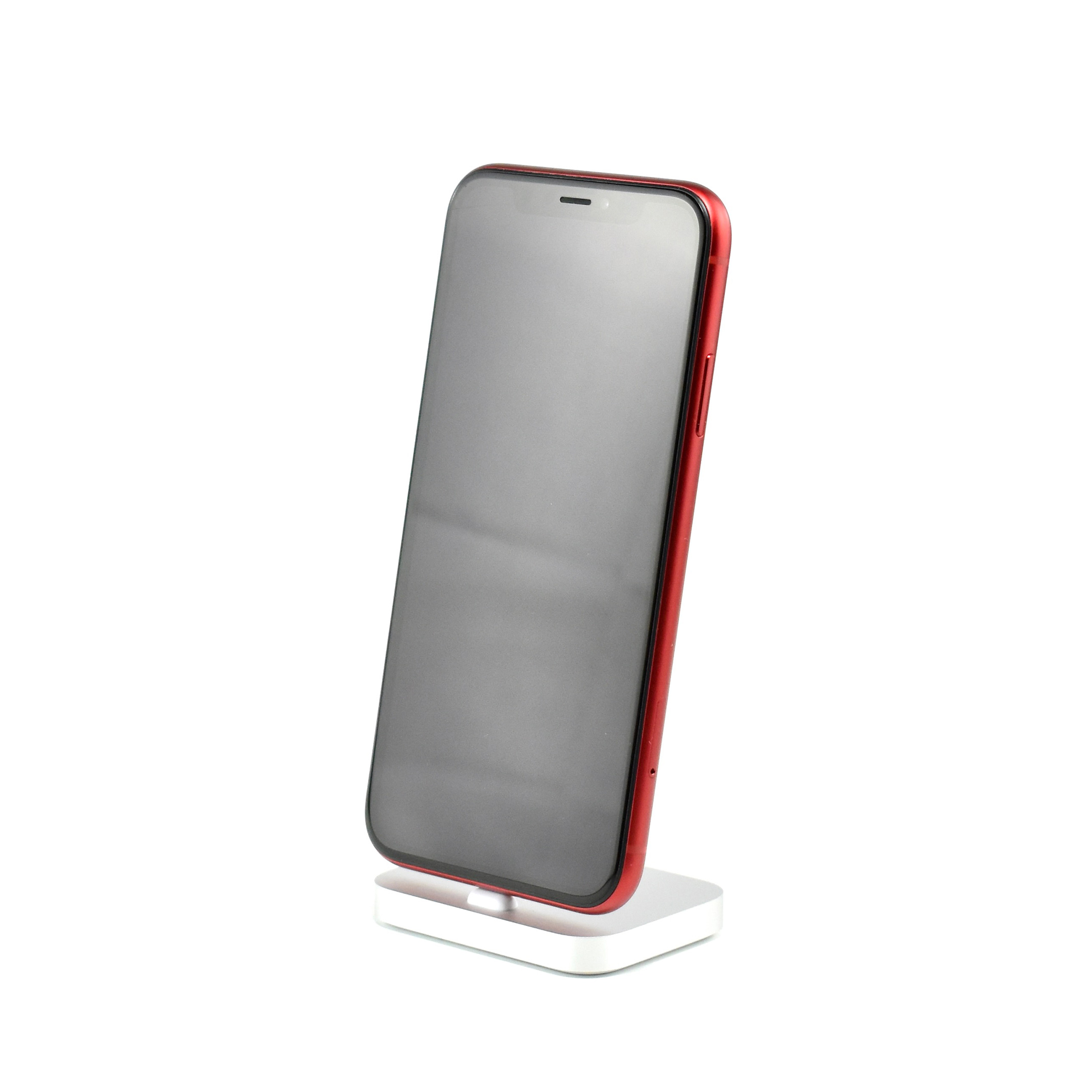
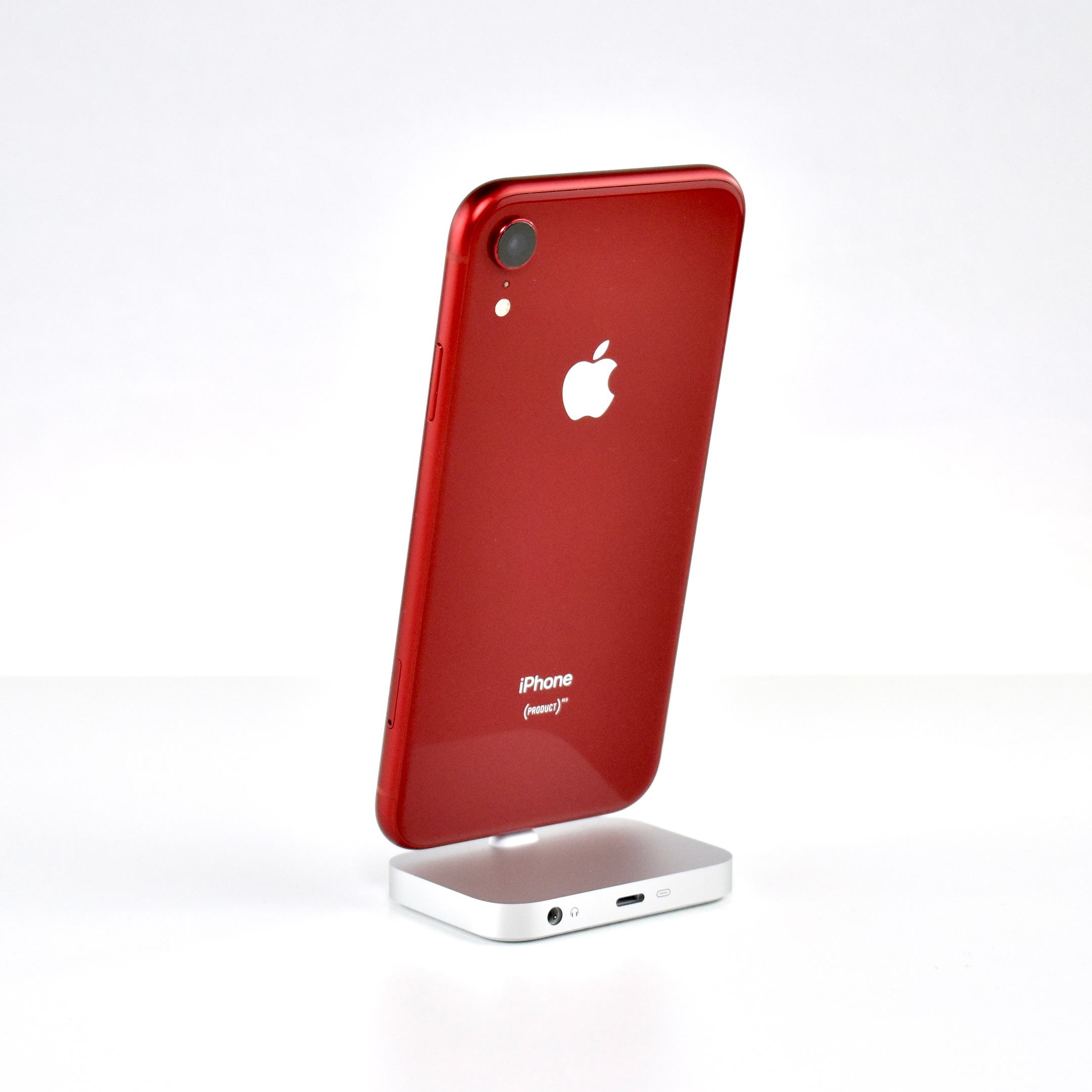
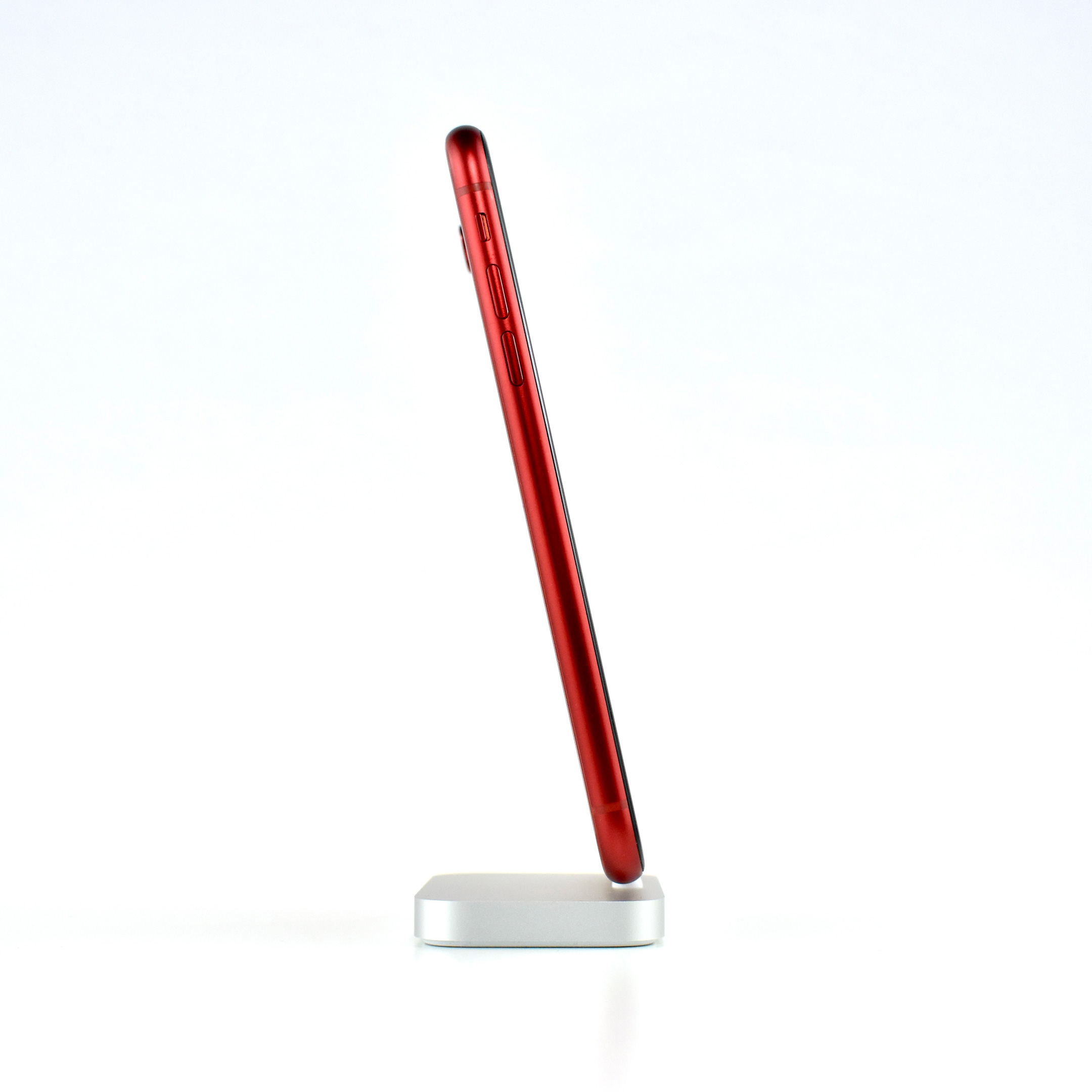
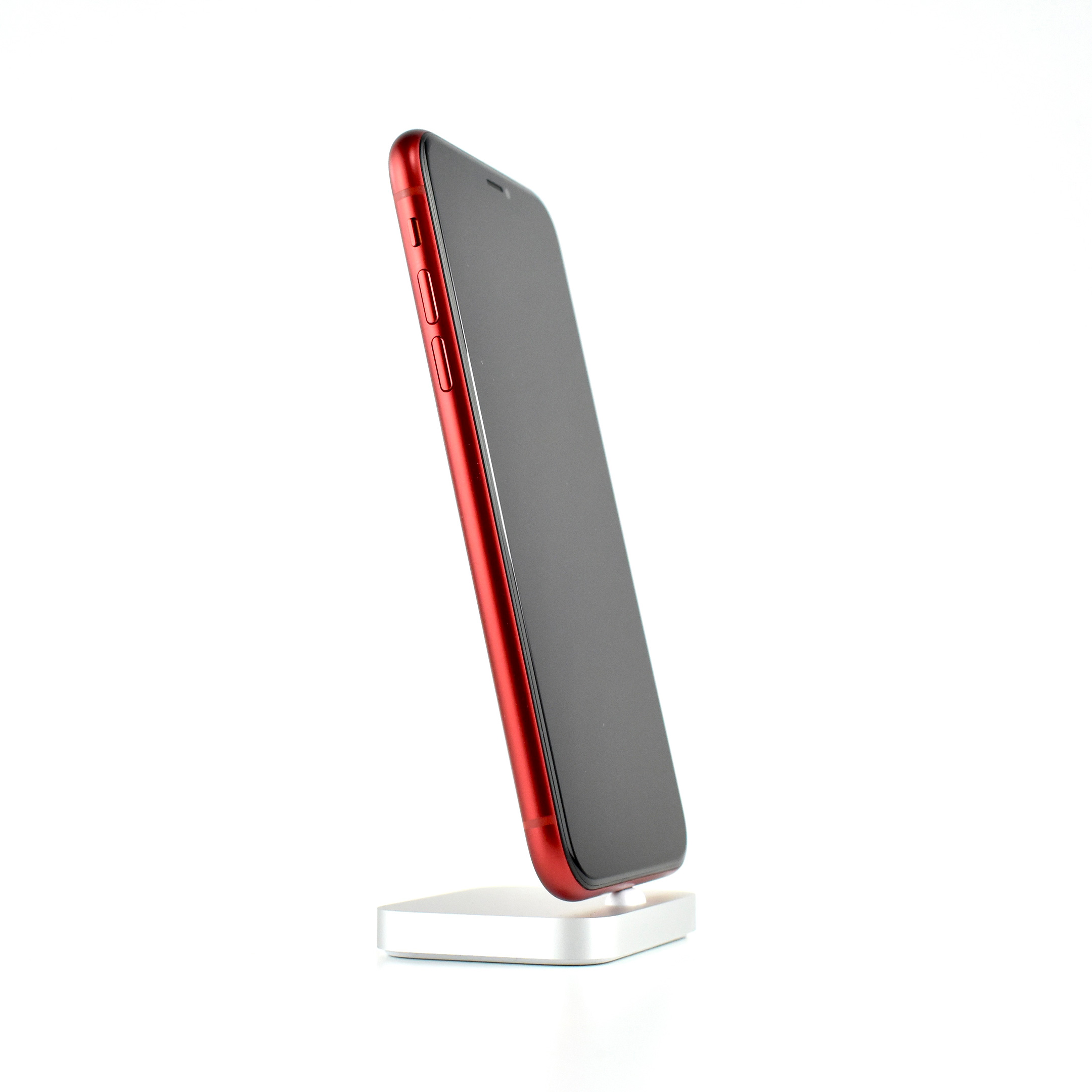
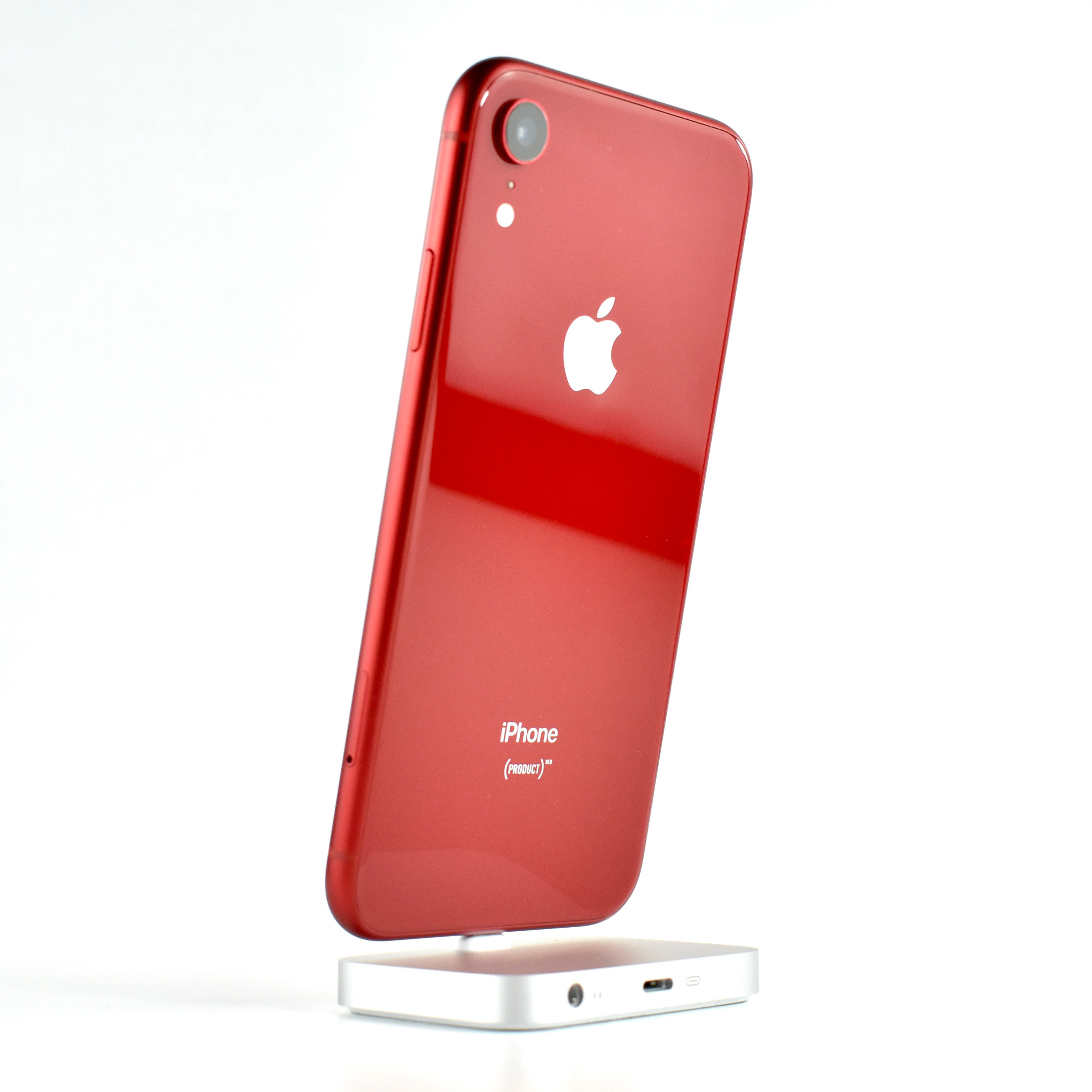
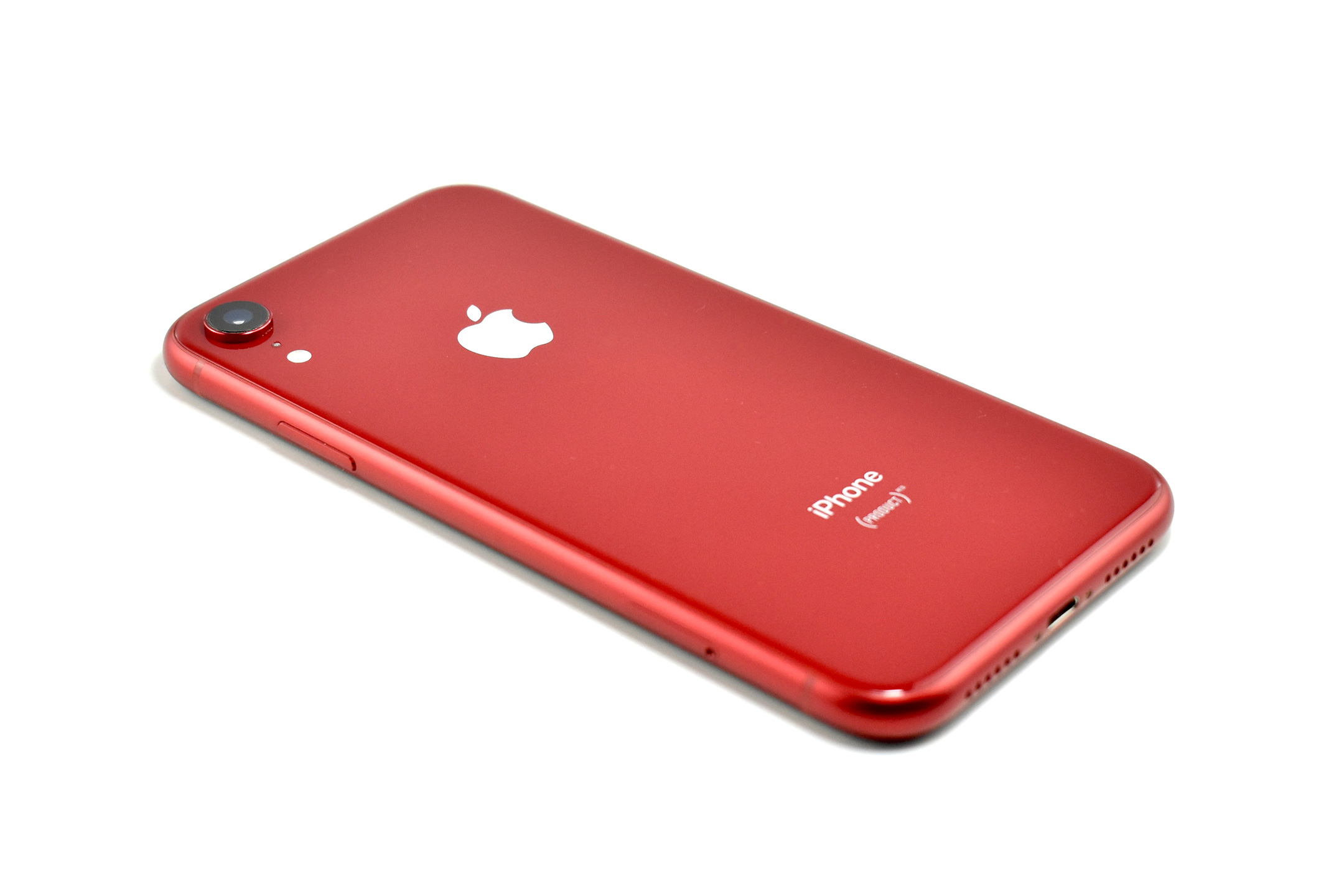
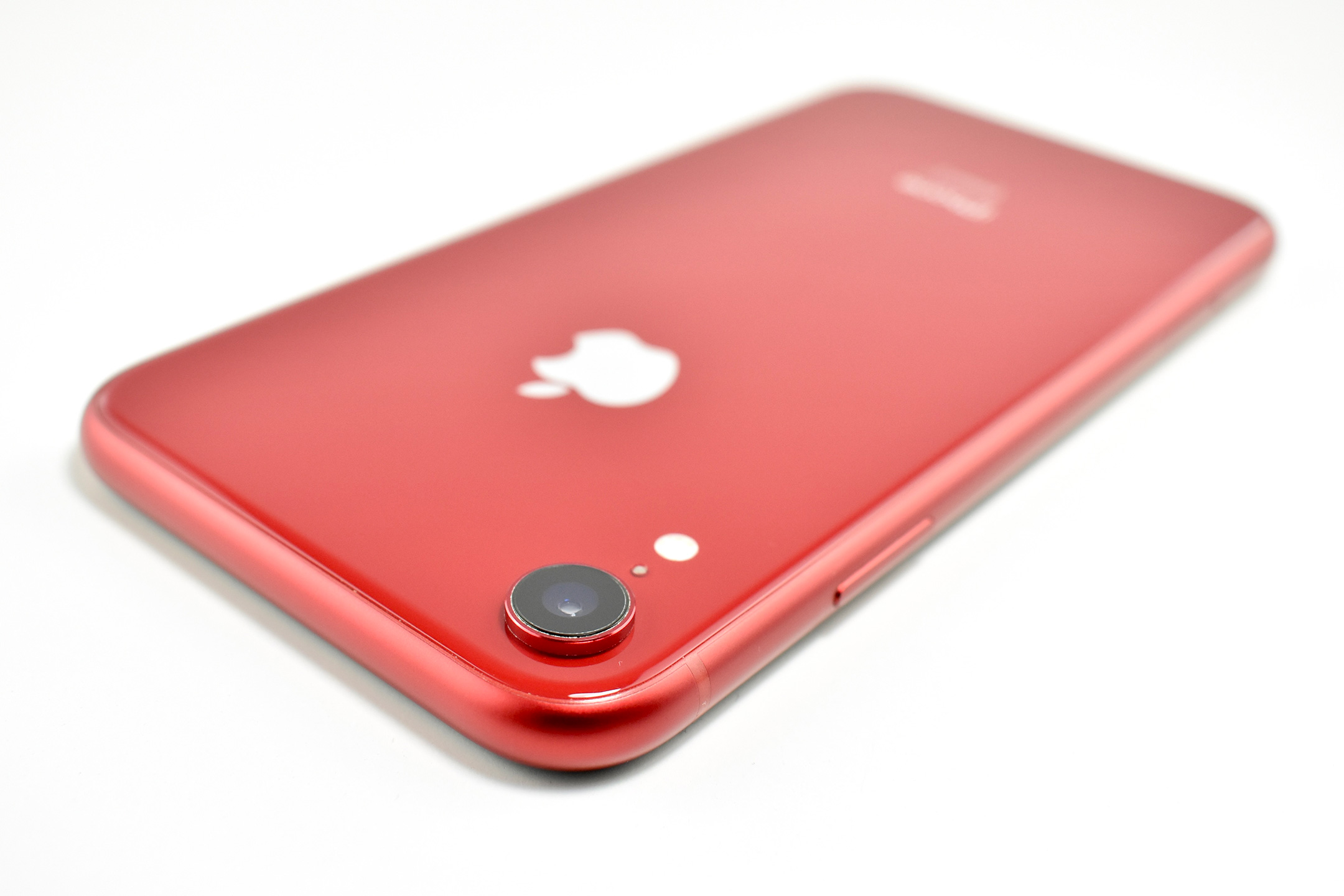
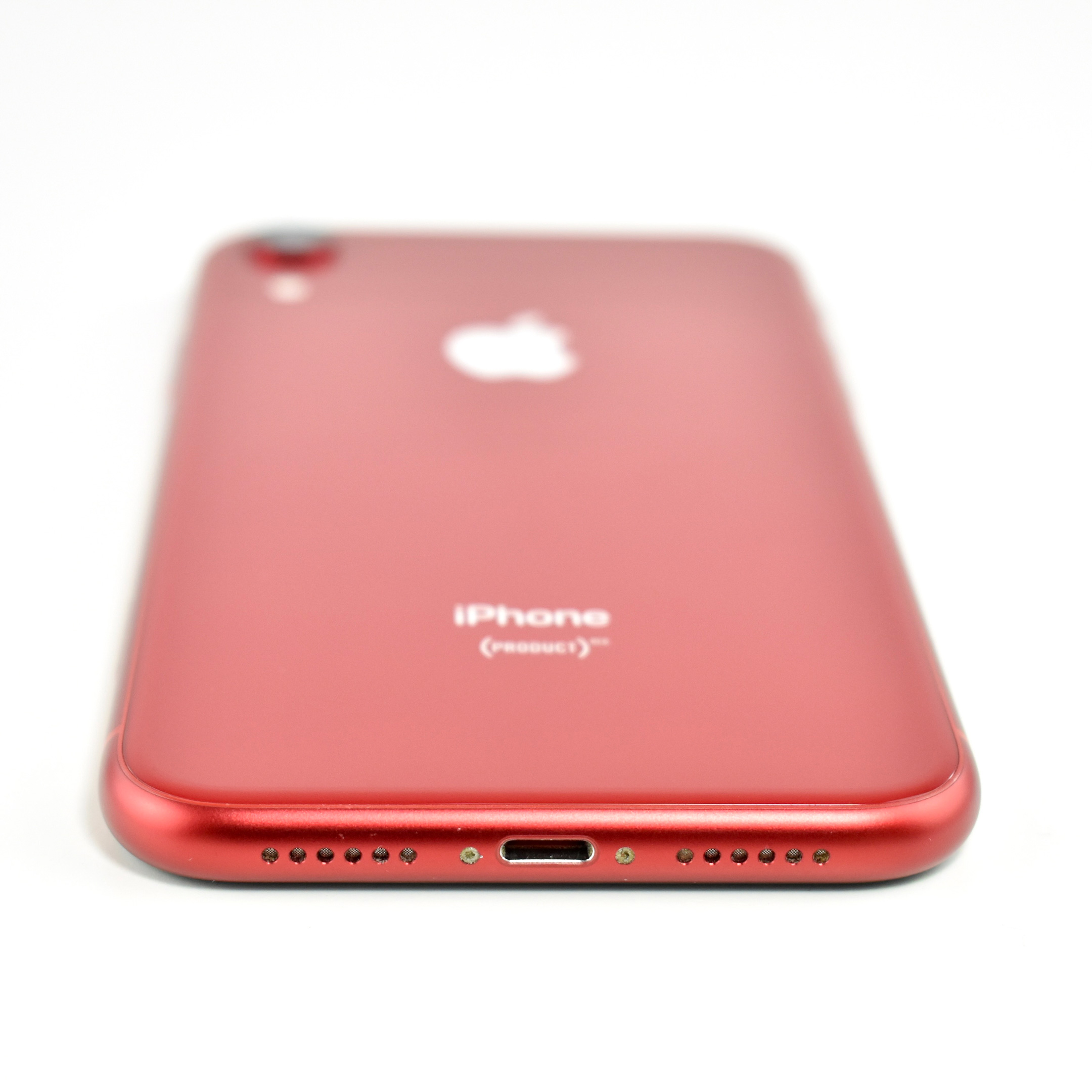
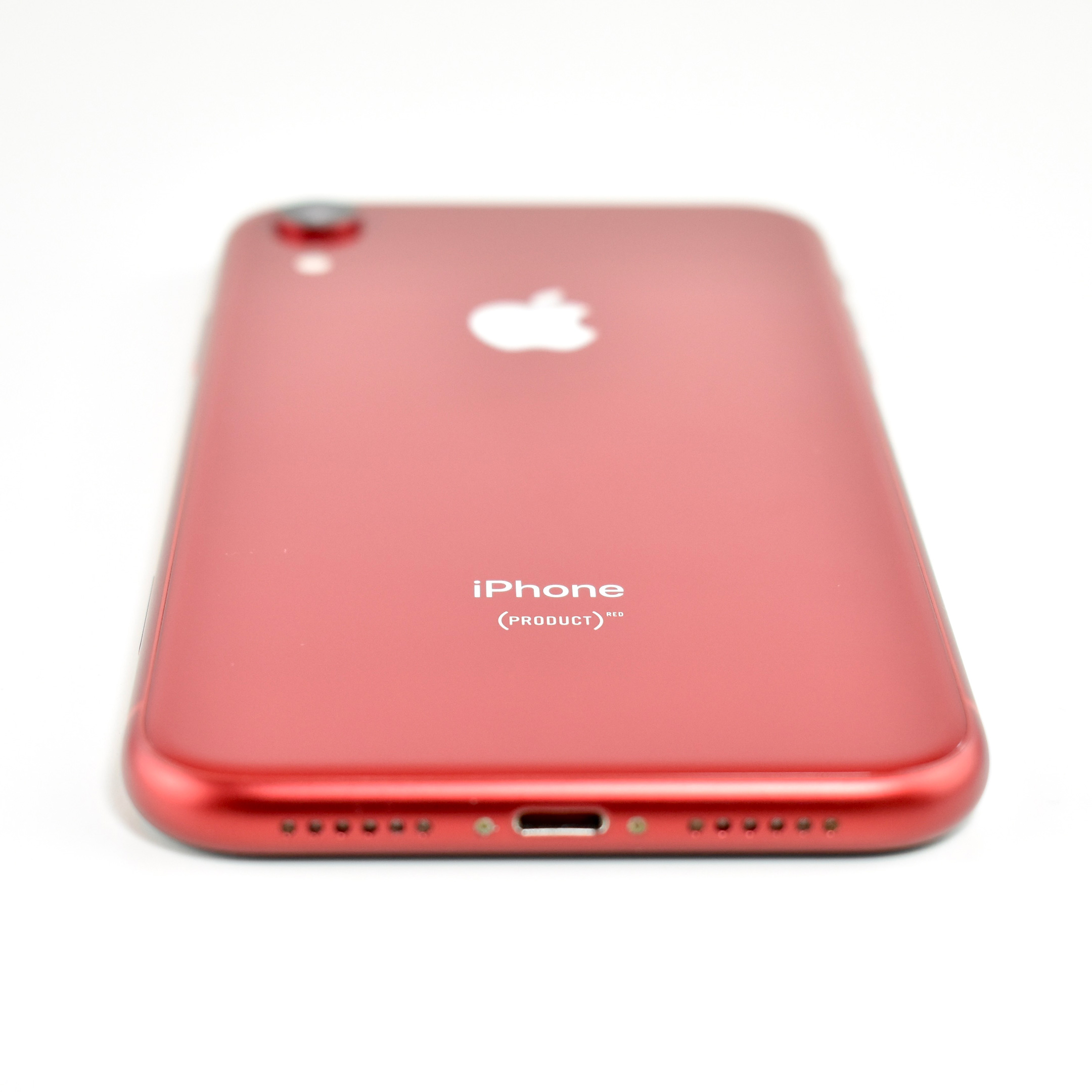
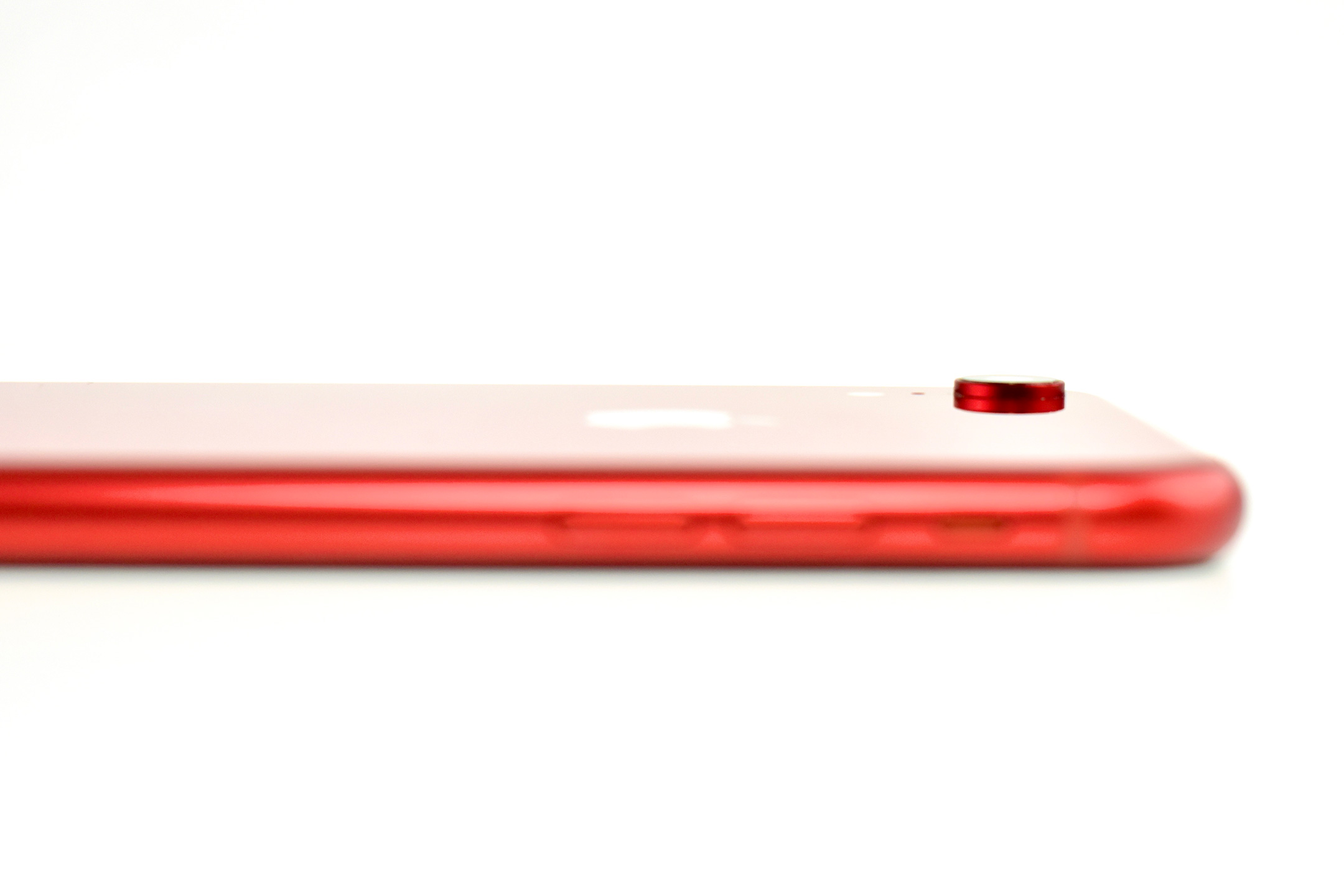
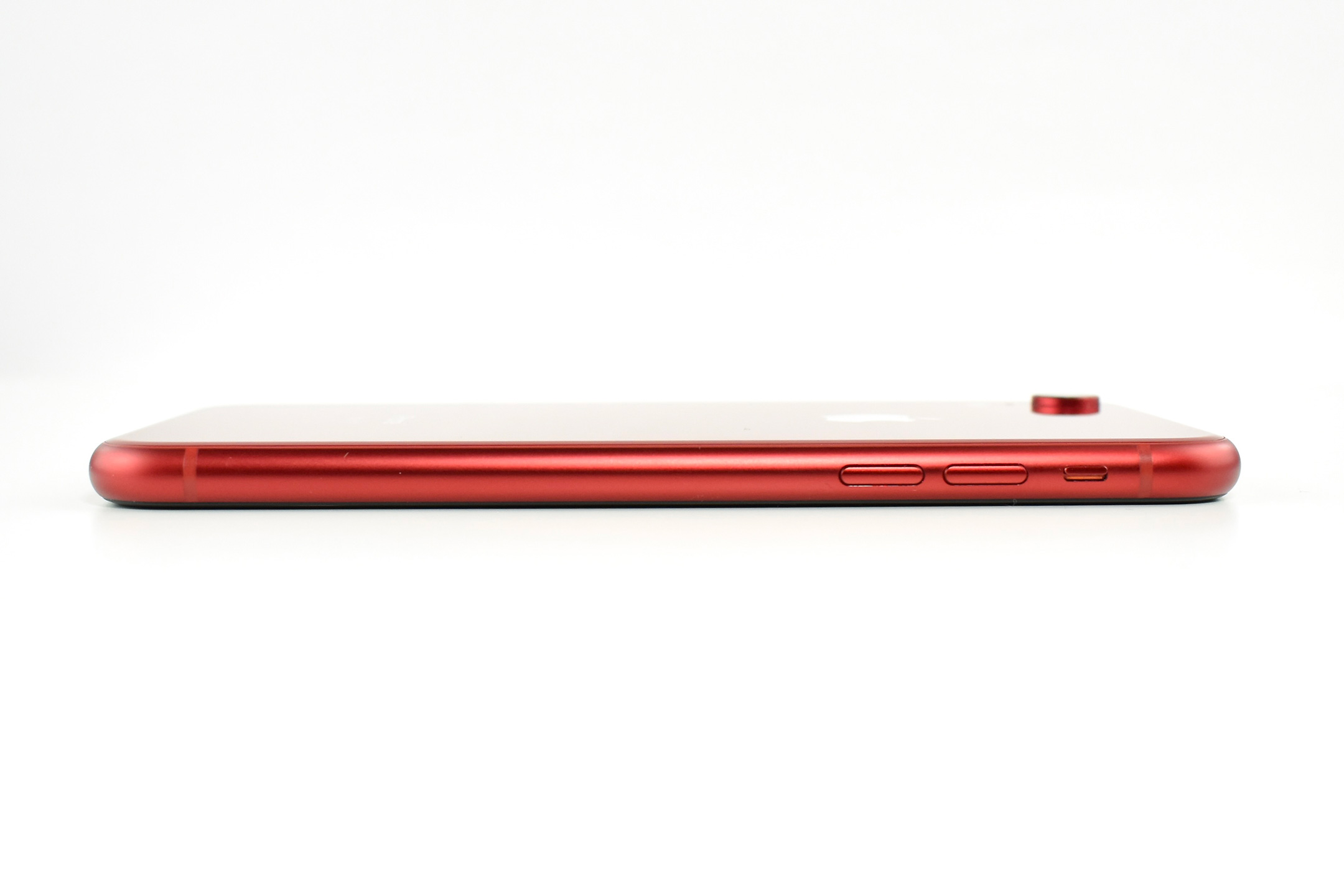
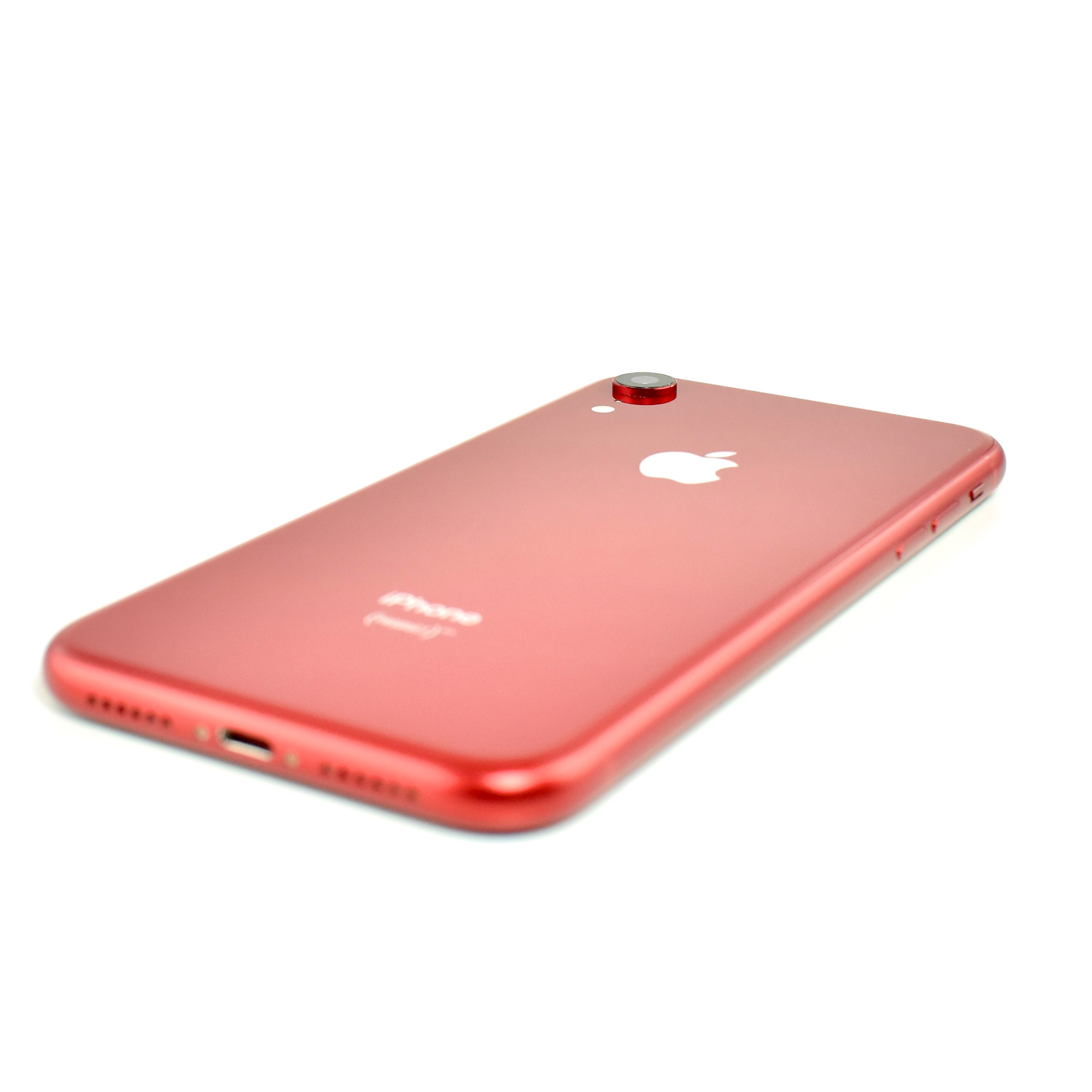
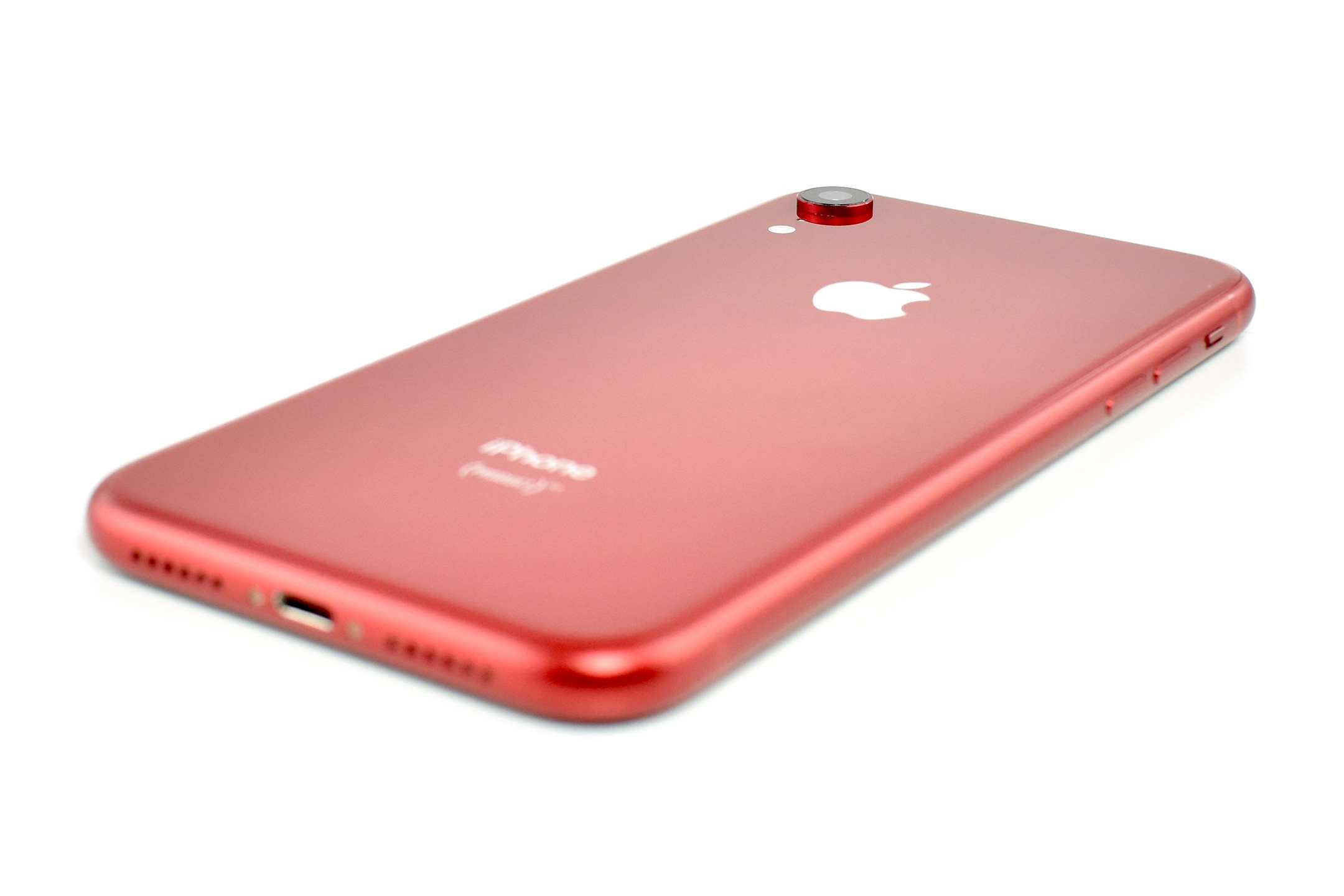
iPhone XR ((PRODUCT)RED, 2018)

Apple’s press release for the iPhone XR led with, “Featuring A12 Bionic Chip, 6.1-Inch Liquid Retina Display, Aluminum and Glass Design in Six Beautiful Finishes, Face ID and Advanced Camera System”

The iPhone XR, pronounced “ten-R” was released along with the iPhone XS and XS Max. According to MacRumors, the XR model shares hardware with the XS models, but features were removed and/or downgraded to reduce the price of the XR.

The six available colors included (PRODUCT)RED, Yellow, White, Coral, Black, and Blue. The iPhone XR was available in 64GB, 128GB, and 256GB capacities. It measured 2.98 inches (75.7 mm) x 5.94 inches (150.9 mm), and was 0.33 inch (8.3 mm) thick. It weighed 6.84 ounces (194 grams). This is a (PRODUCT)RED model with 64GB of storage.

The Liquid Retina HD display measured 6.1 inches (diagonal) with 1792 x 828-pixel resolution (at 326ppi). The iPhone XR was powered by the A12 Bionic chip with a second-generation Neural Engine.

The primary back camera was 12 Megapixels with up to 5x digital zoom. Its features included Portrait mode with advanced bokeh and Depth Control, Portrait Lighting (Natural, Studio, Contour), Optical image stabilization, Panorama (up to 63MP), Autofocus, and Smart HDR. It could record video at up to 4K video (at 24 fps, 30 fps, or 60 fps). The front had a TrueDepth Camera at 7 Megapixels with features including Portrait mode with advanced bokeh and Depth Control, Portrait Lighting (Natural, Studio, Contour, Stage, Stage Mono, High-Key Mono), and allowed the use of Animoji and Memoji.

Its six sensors included Face ID, barometer, 3‑axis gyro, accelerometer, proximity sensor, and ambient light sensor. It originally shipped with iOS 14, and it included a USB-C to Lightning Cable.

Sources: Apple (Newsroom, Tech Specs), MacRumors

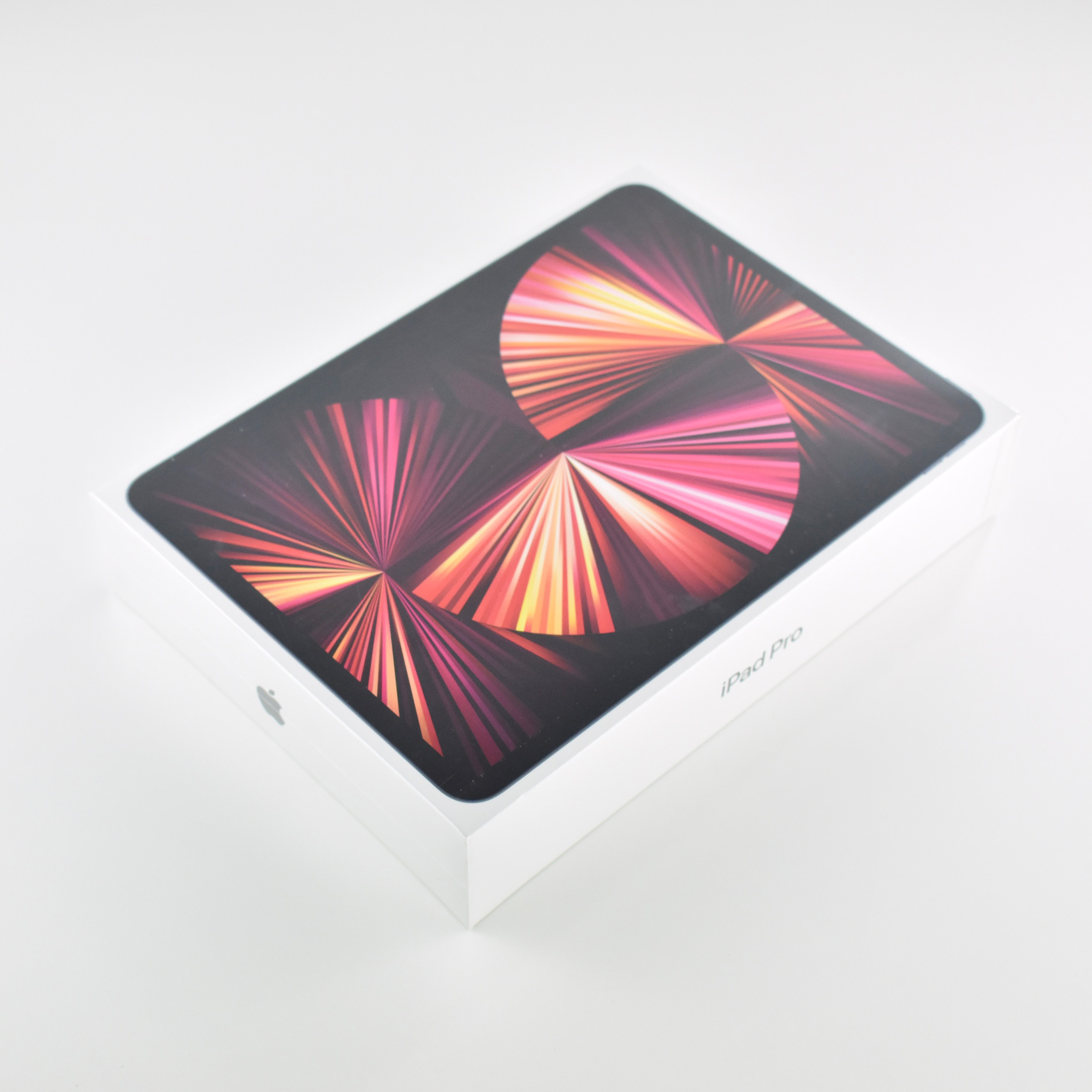
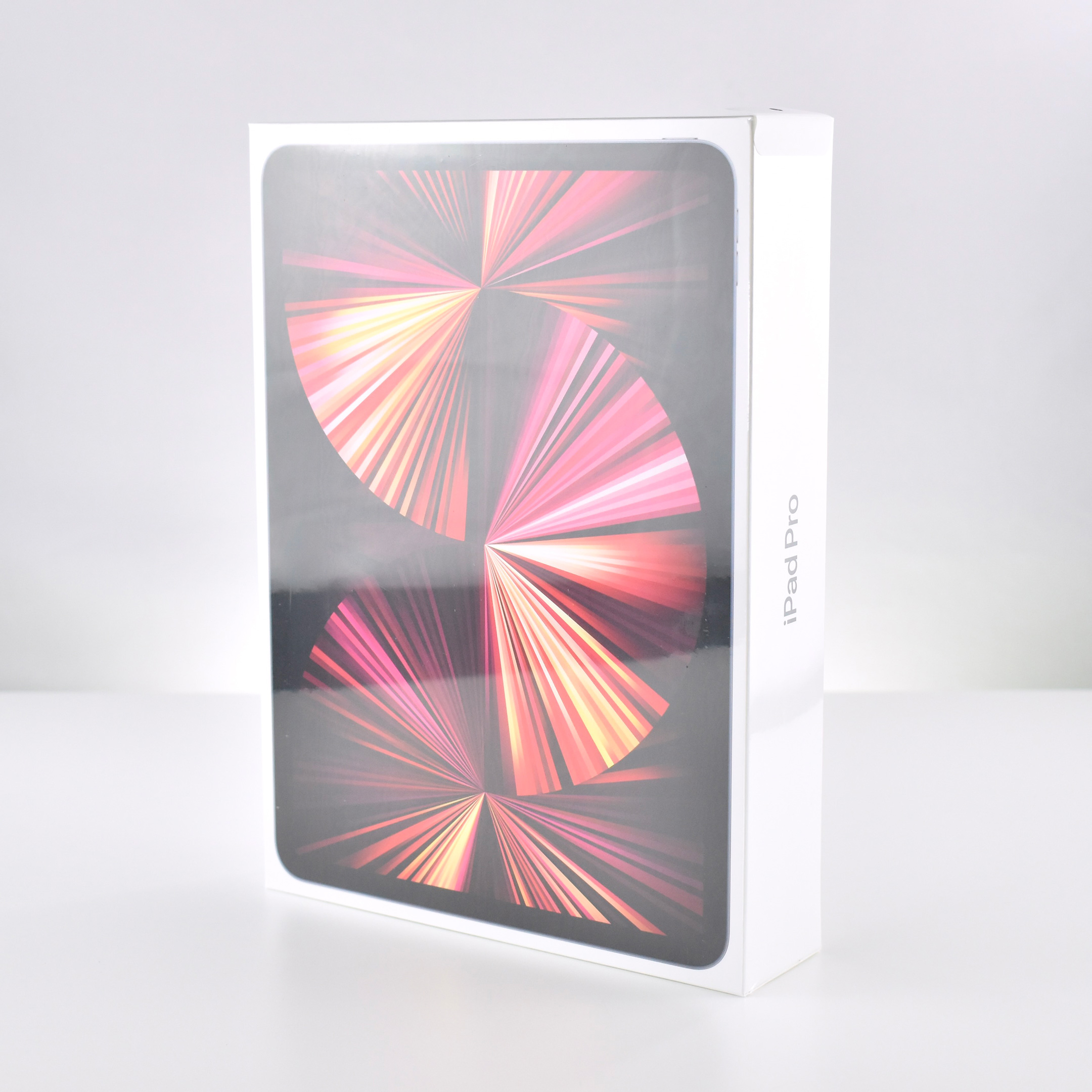
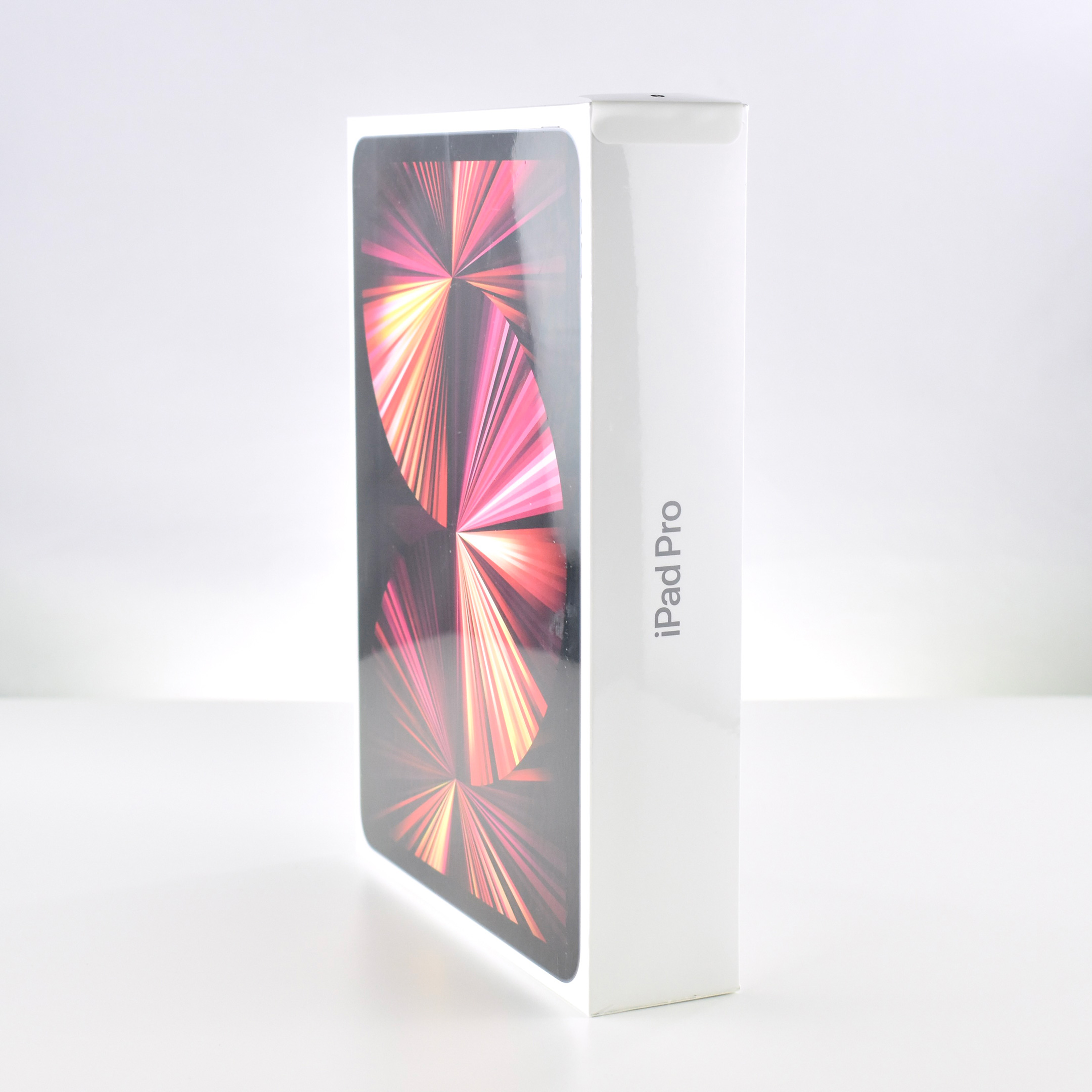
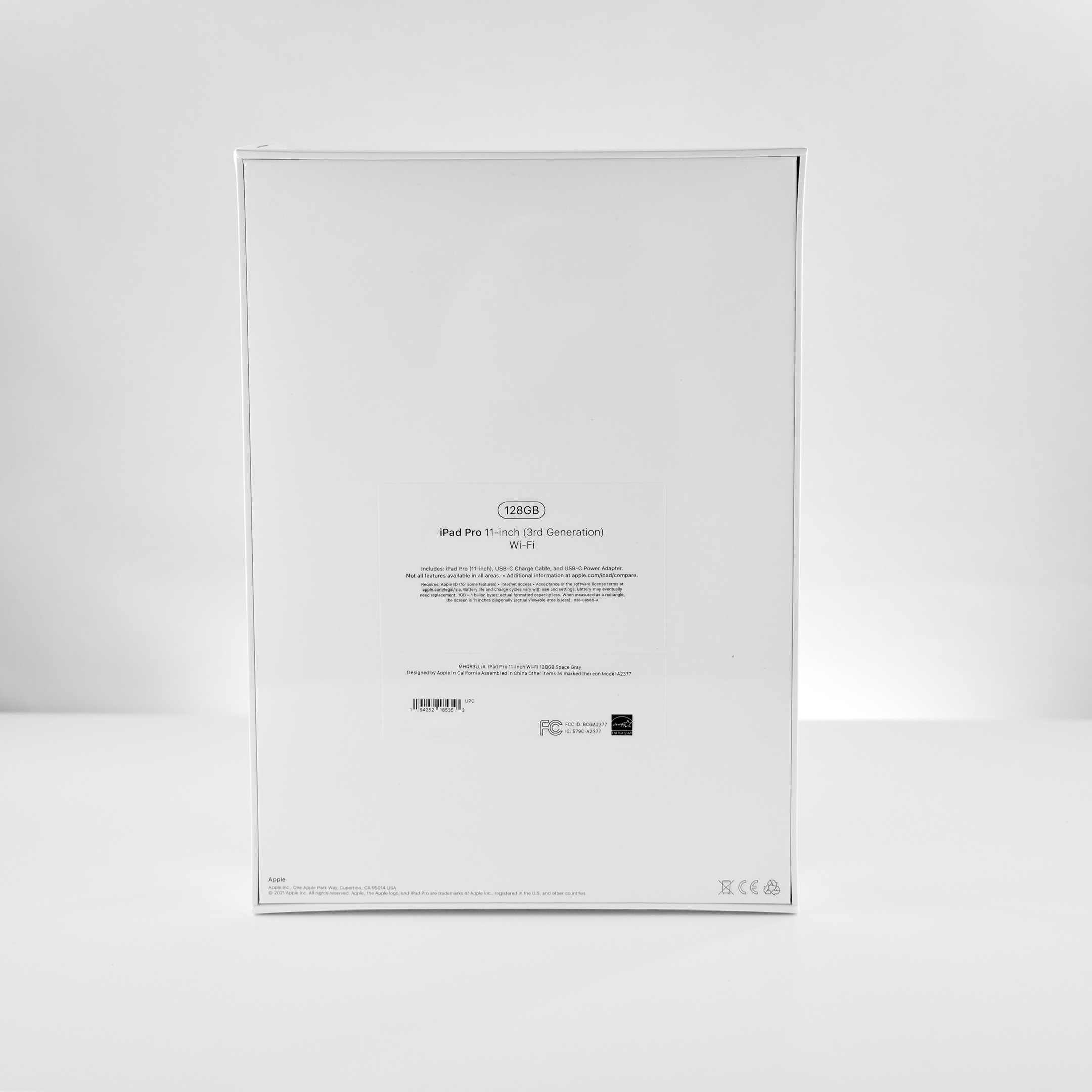
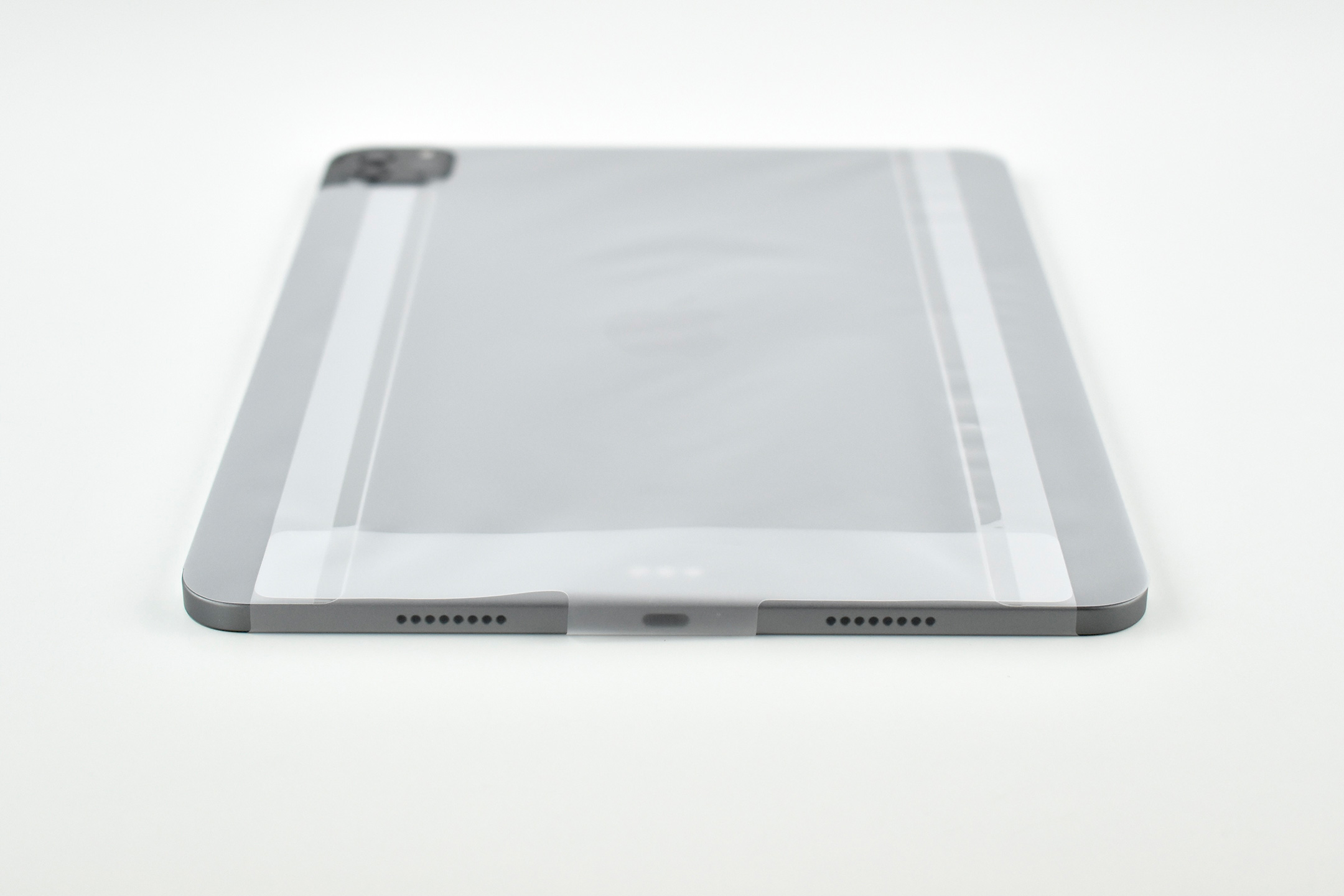
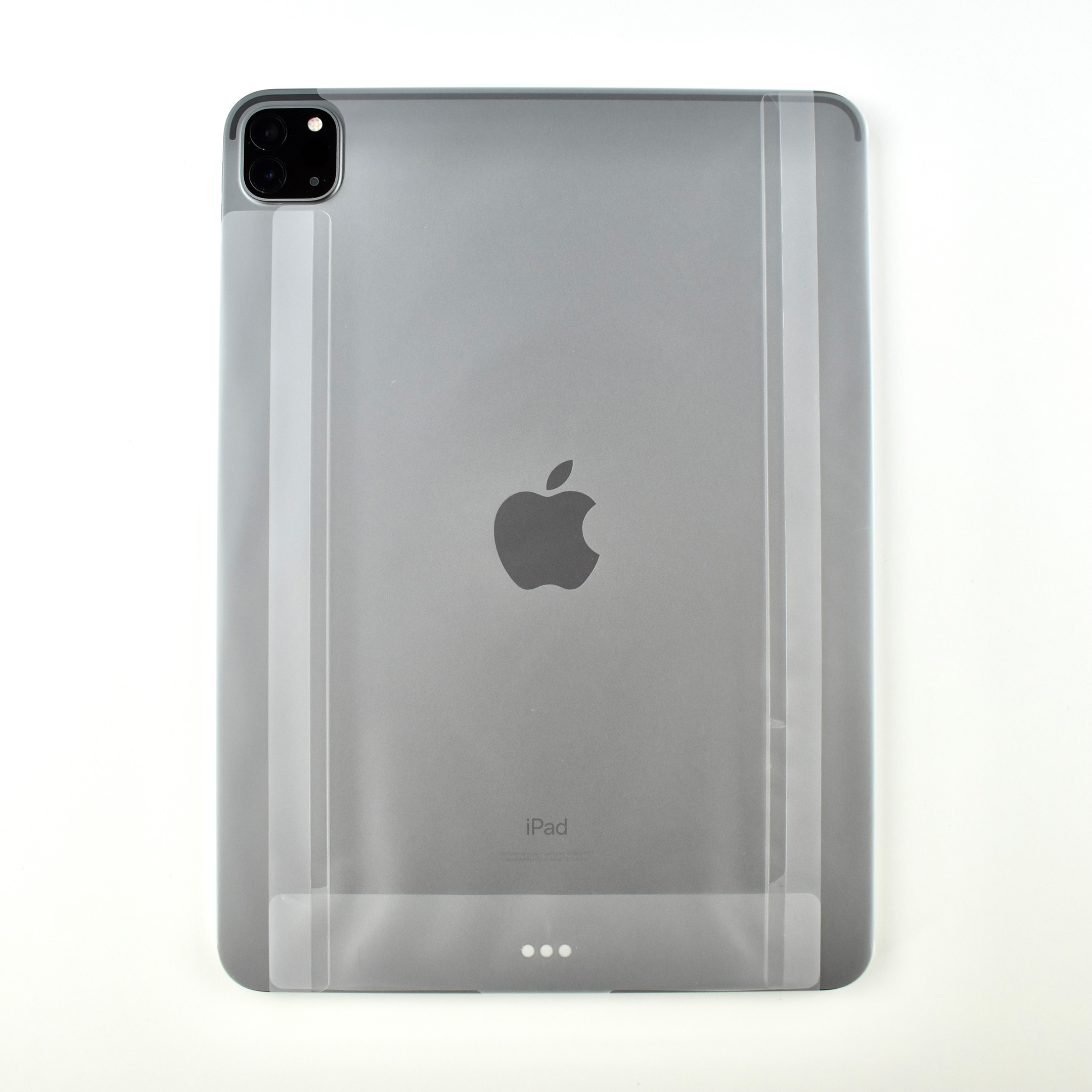
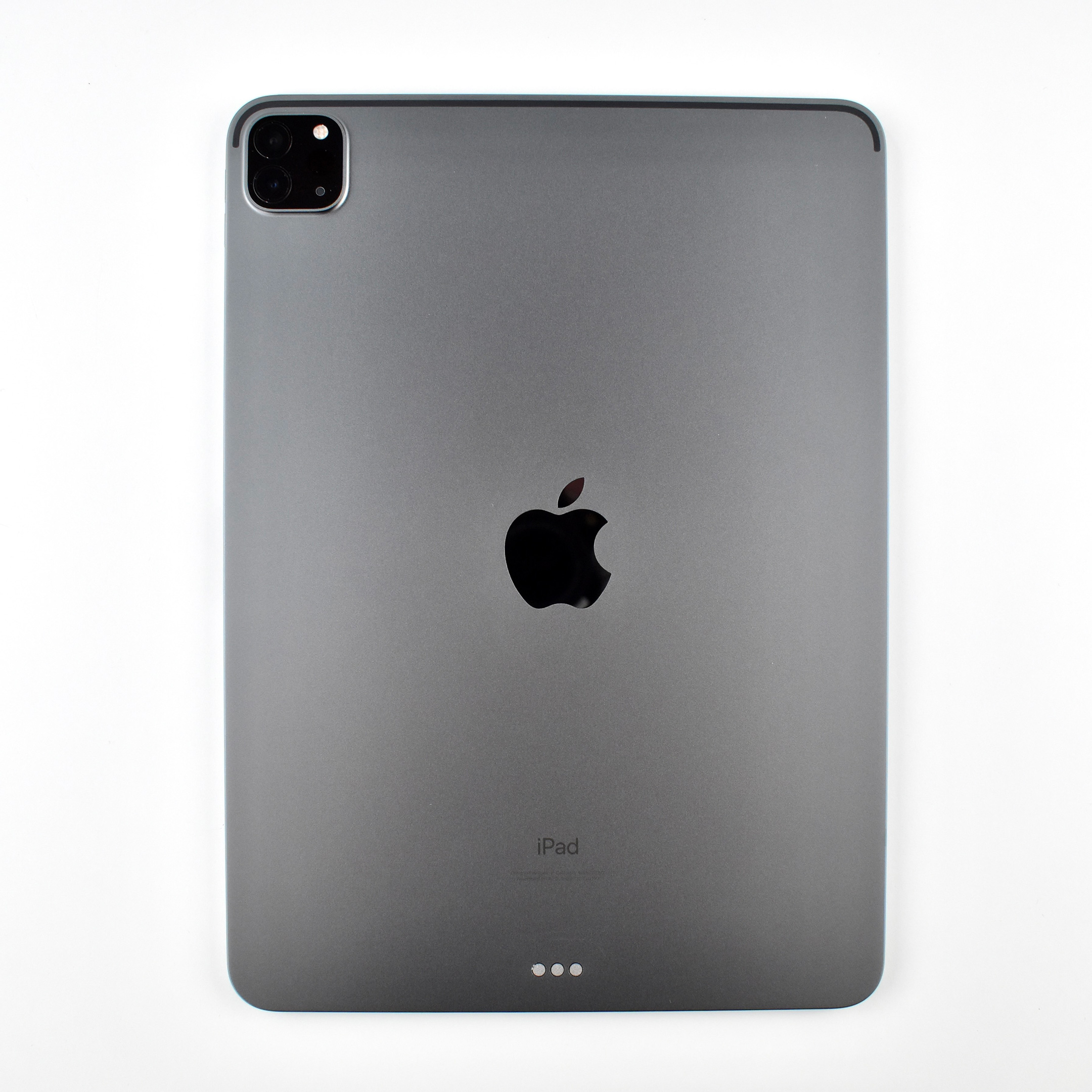
iPad Pro 11-inch (Generation 3, Wi-Fi, 128GB, 2021)

The Generation 3, 11-inch iPad Pro appears the same externally as its two predecessors, but uses Apple’s significantly faster M1 chip and adds an enhanced front camera. This iPad Pro featured an Apple M1 chip with an 8-core CPU with 4 performance cores and 4 efficiency cores along with a 16-core Neural Engine. The iPad Pro website boasts that this model is “Supercharged by the Apple M1 chip” with “Mind-blowing performance.”

Apple adds:

“With M1, iPad Pro is the fastest device of its kind. It’s designed to take full advantage of next‑level performance and custom technologies like the advanced image signal processor and unified memory architecture of M1. And with the incredible power efficiency of M1, iPad Pro is still thin and light with all‑day battery life, making it as portable as it is powerful.”

This iPad Pro 11-inch uses an LED-backlit 2388×1668 Liquid Retina display (264 ppi, 600 nits) with a thin black bezel with rounded corners and flat sides. This iPad is Space Gray, and it was also available in Silver. This 128GB models used 8GB RAM (as did the 256 and 512 GB options, while the 1 and 2 TB models used 16 GB of RAM).
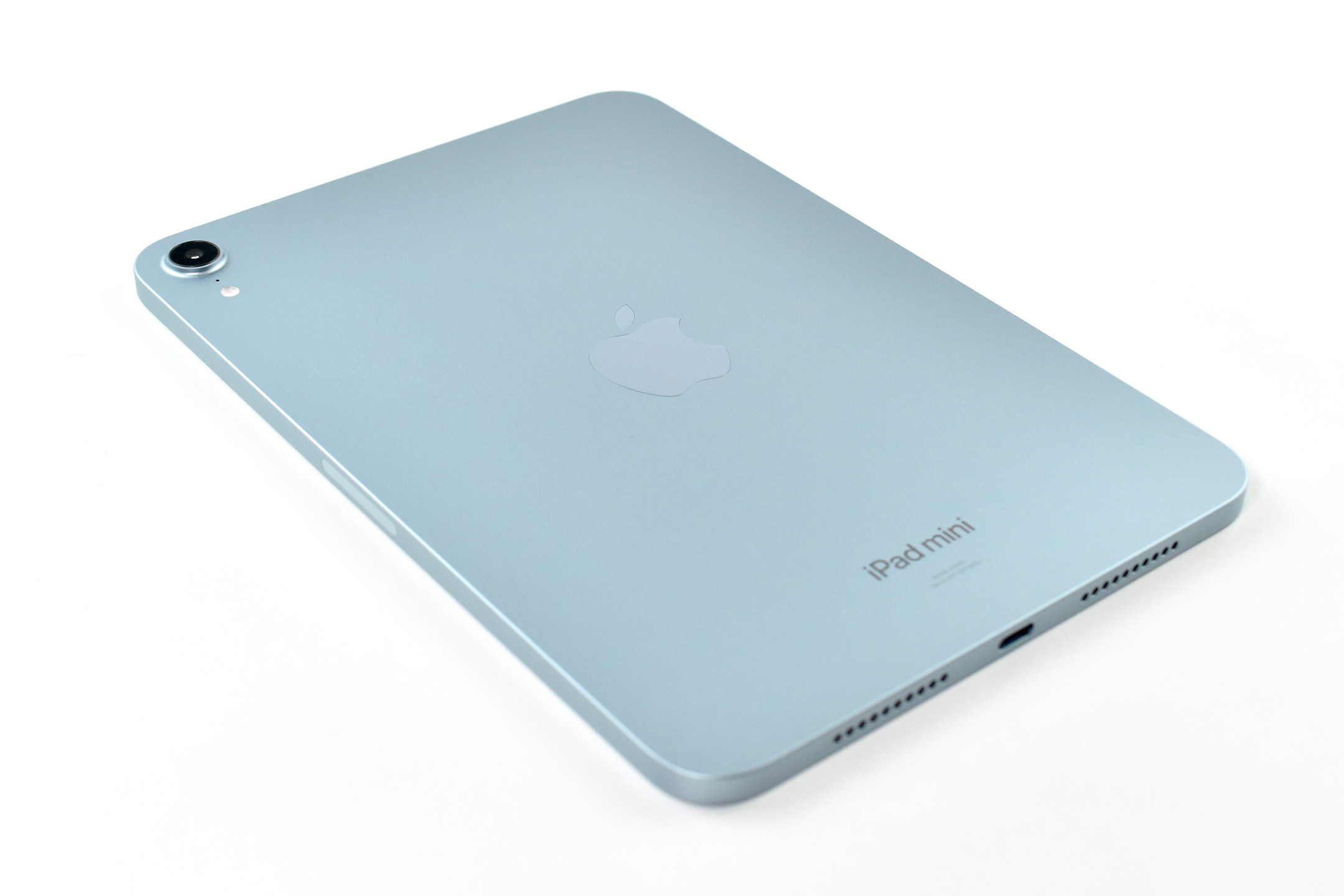
This iPad Pro included a USB-C port (Thunderbolt/USB 4) for charging and wired connectivity. Wireless connectivity included 802.11ax Wi-Fi 6 and Bluetooth 5.0. Cellular models were also available.
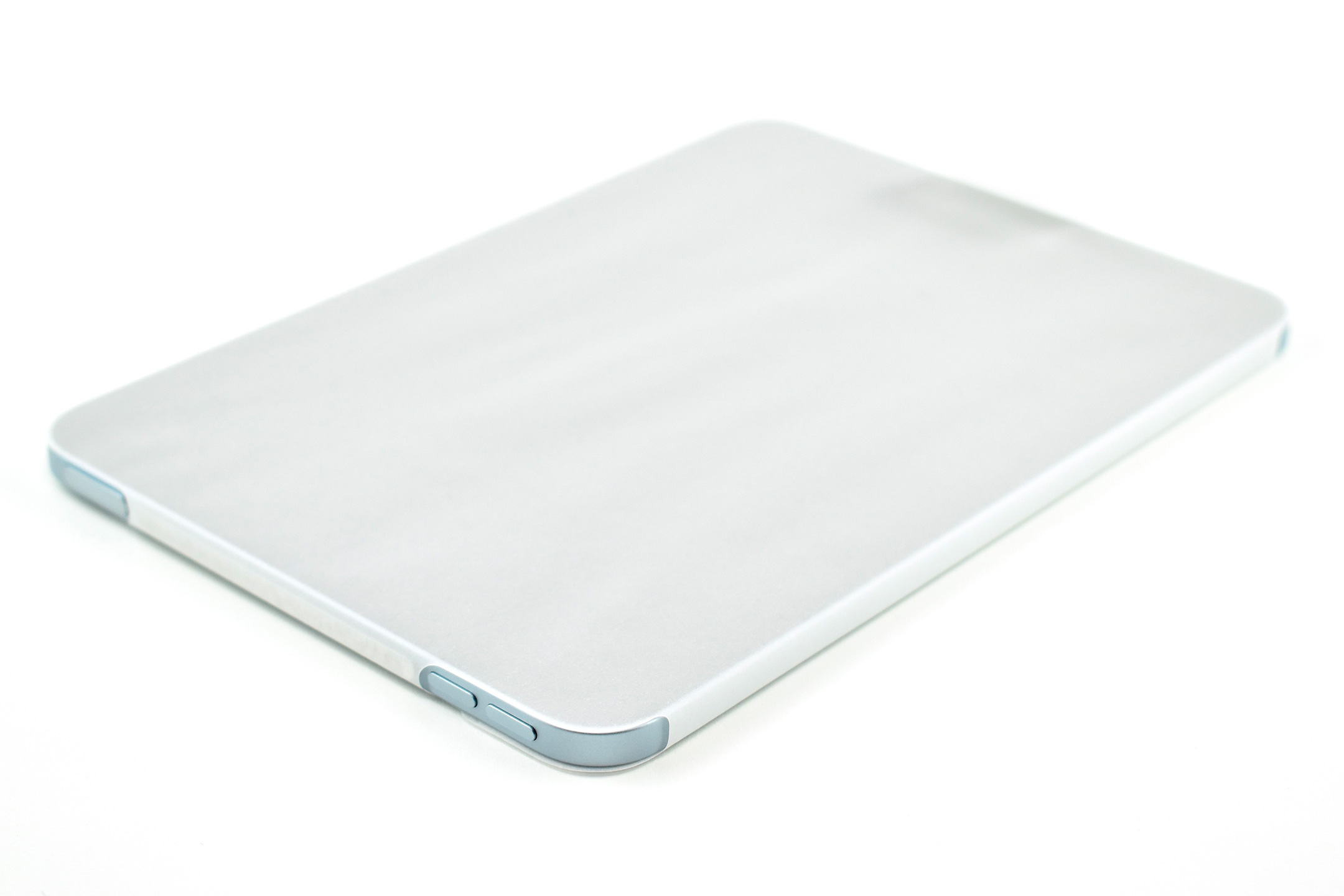
The 12-megapixel Ultra Wide front camera was the first iPad camera to offer the Center Stage feature that automatically keeps people in the camera frame by zooming and panning. Its two rear cameras included a 12-megapixel wide angle and a 10-megapixel ultra-wide angle lens.

Like iPhone Pro models of the time, this iPad Pro also included LiDAR and Face ID. It could also use a Generation 2 Apple Pencil that charged using a magnetic connection on the side of the iPad. A similar iPad Pro with a 12.9-inch screen was sold at the same time as this 11-inch model.

Sources: Apple, EveryMac