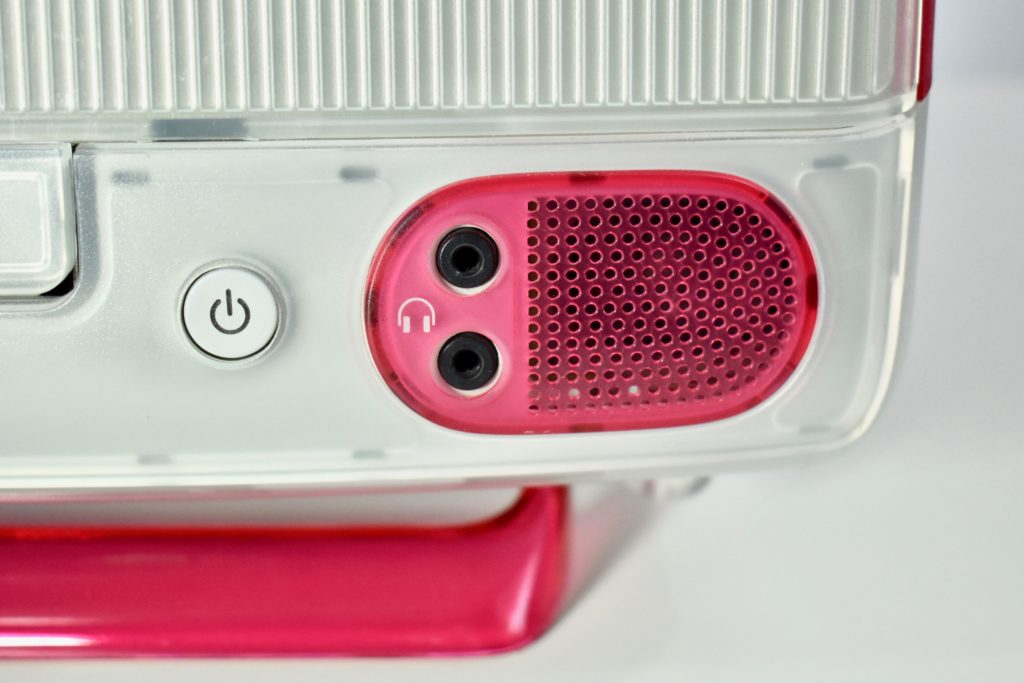
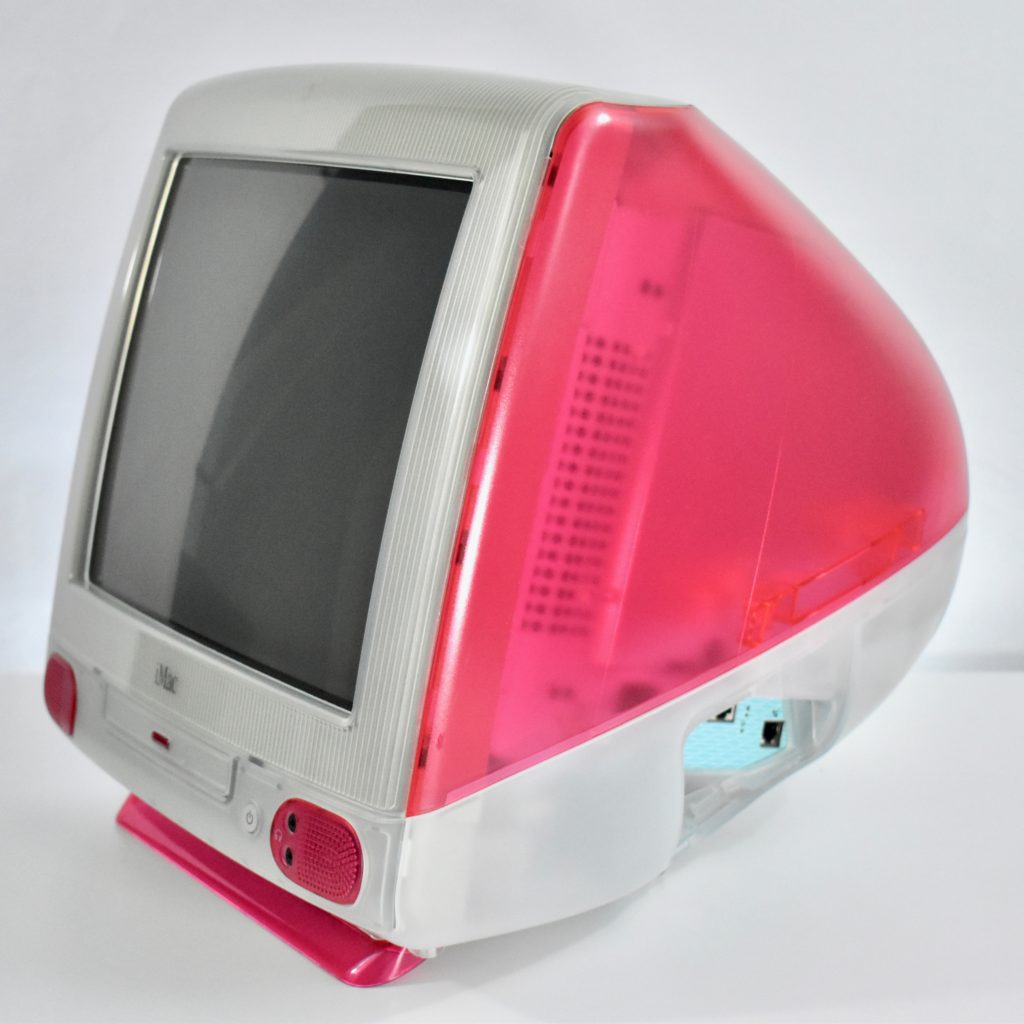
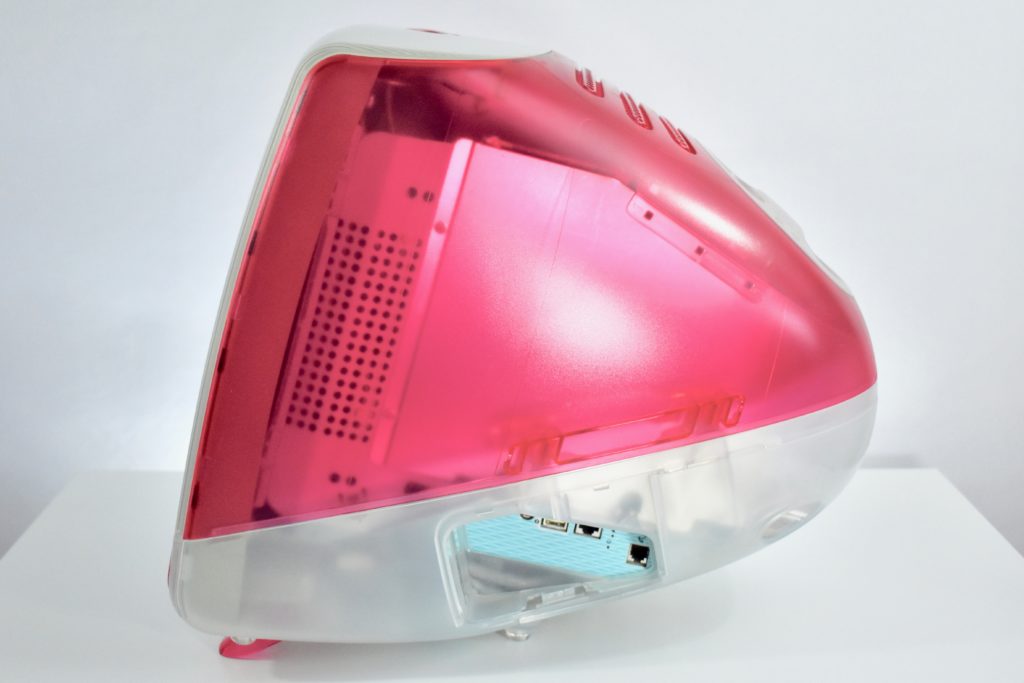
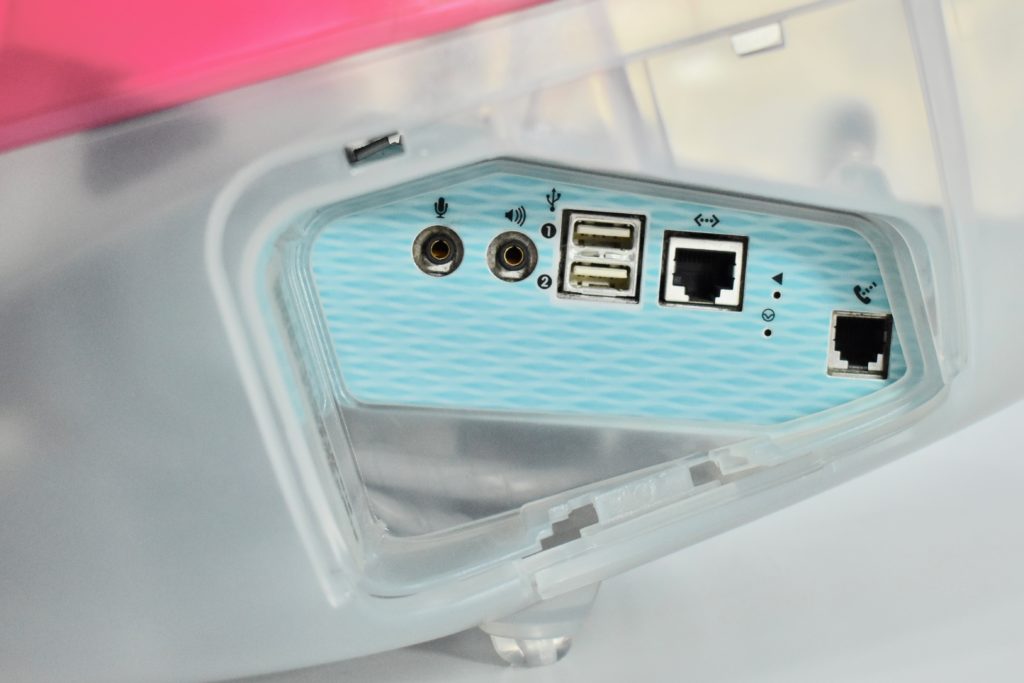
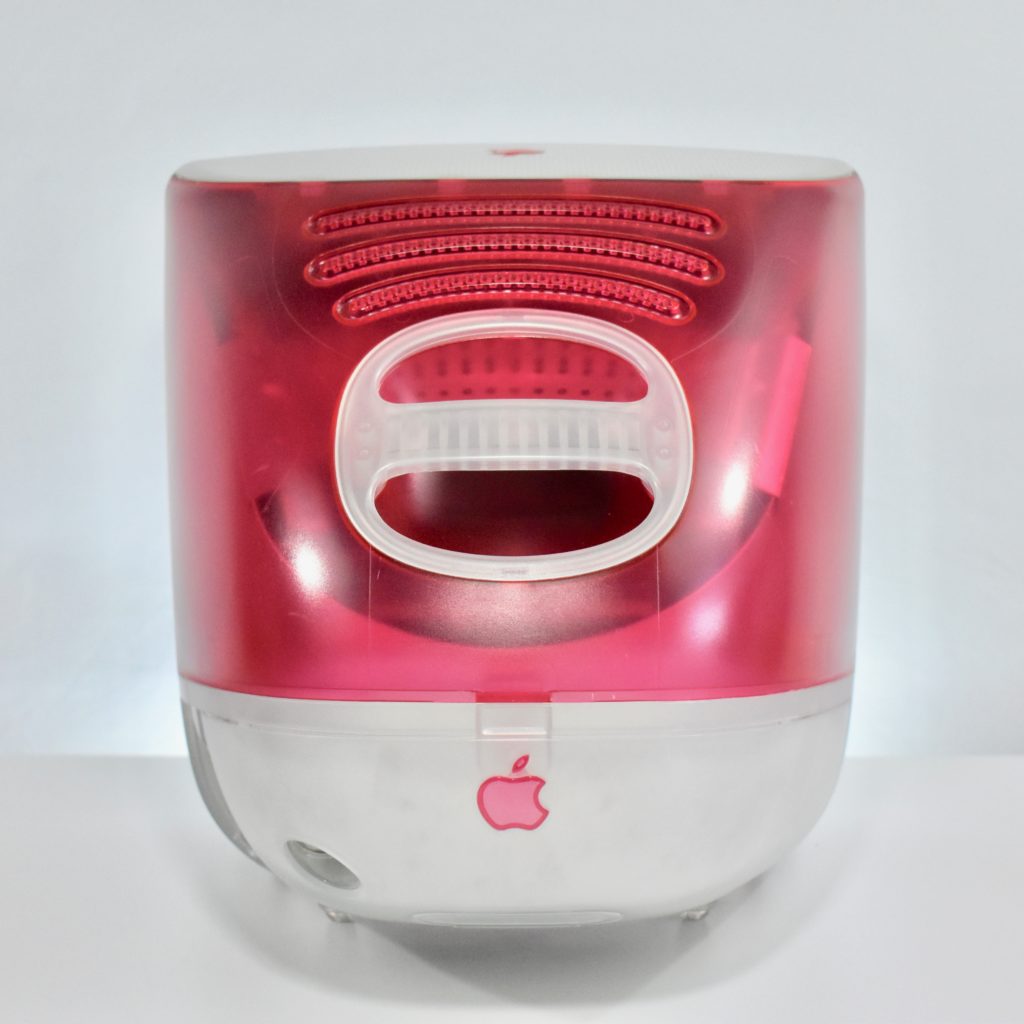
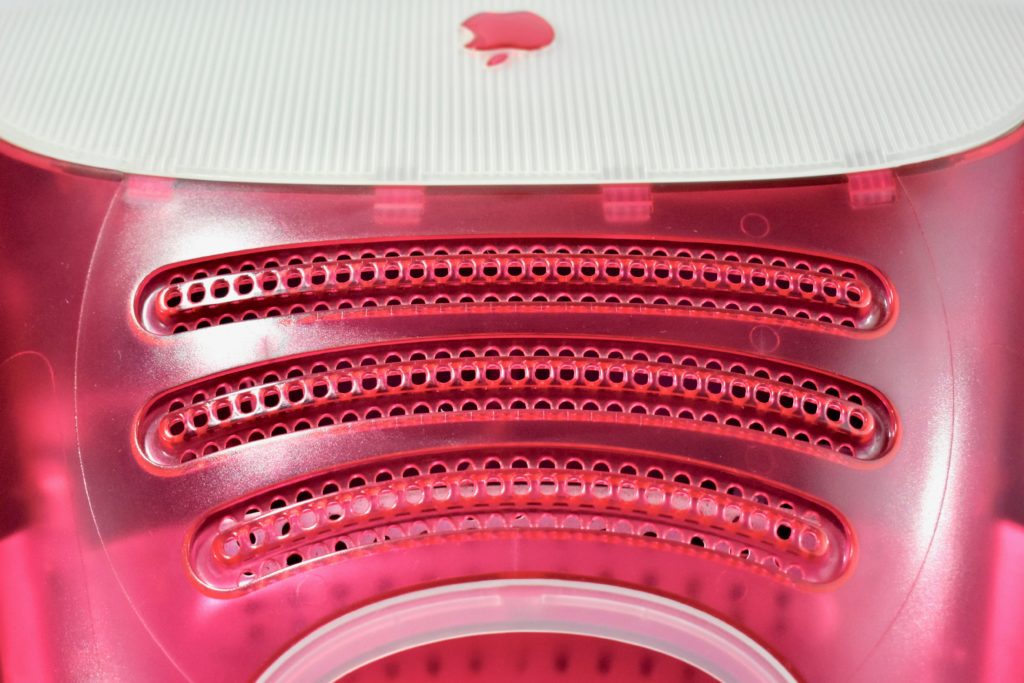
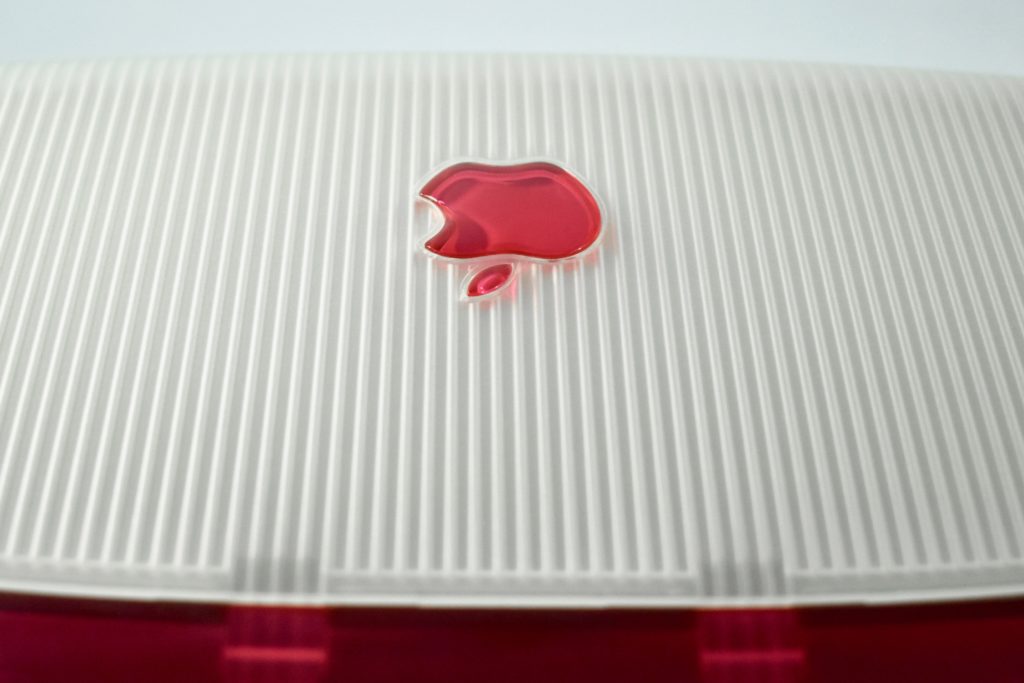
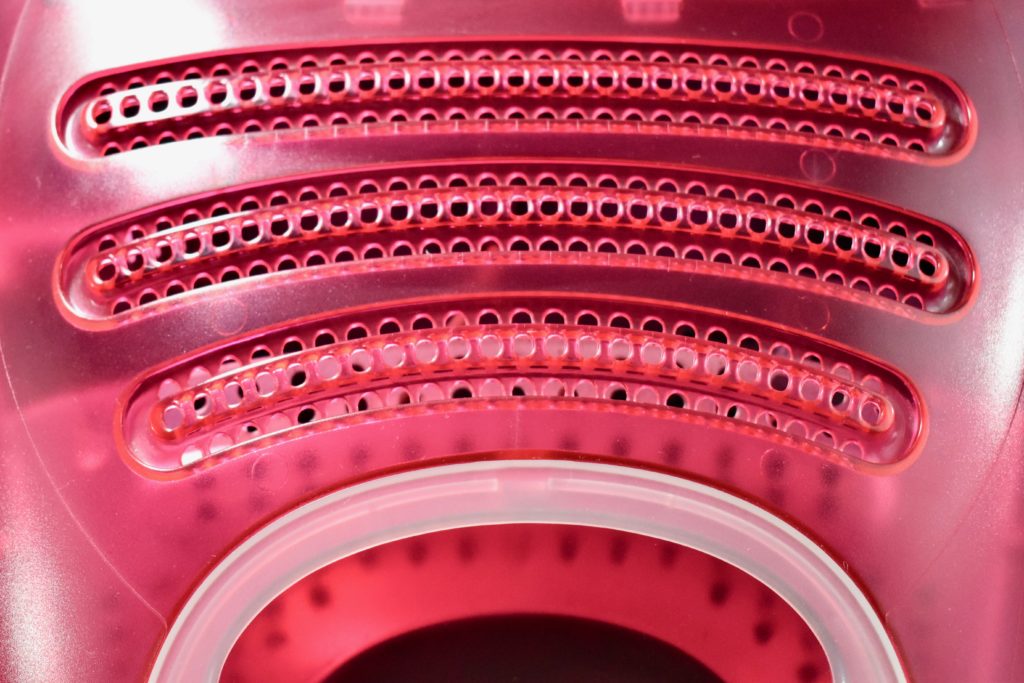
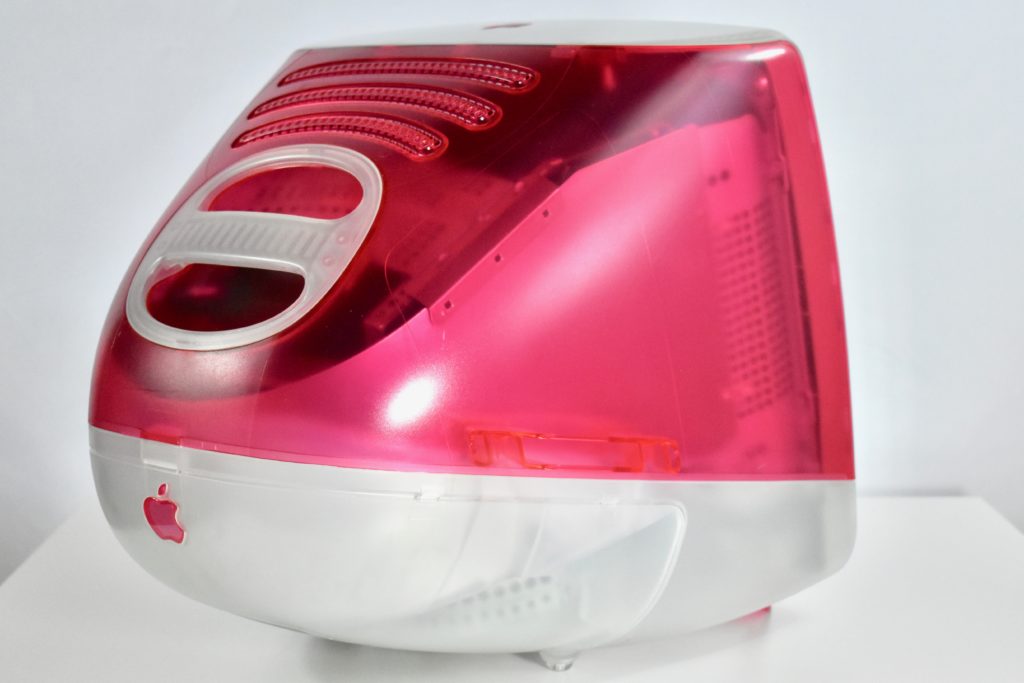
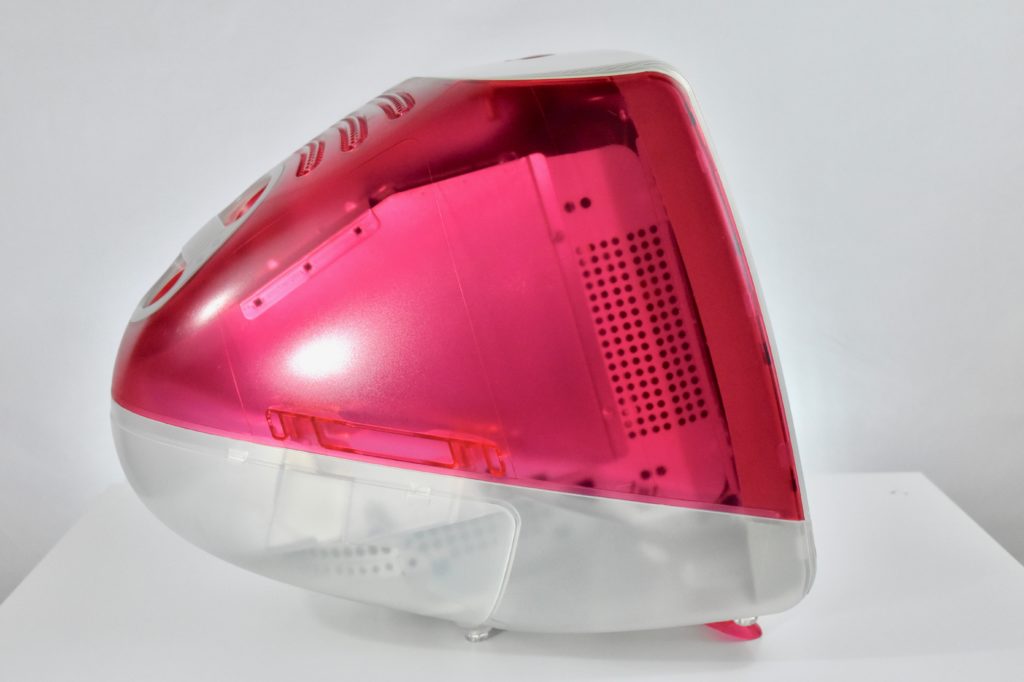
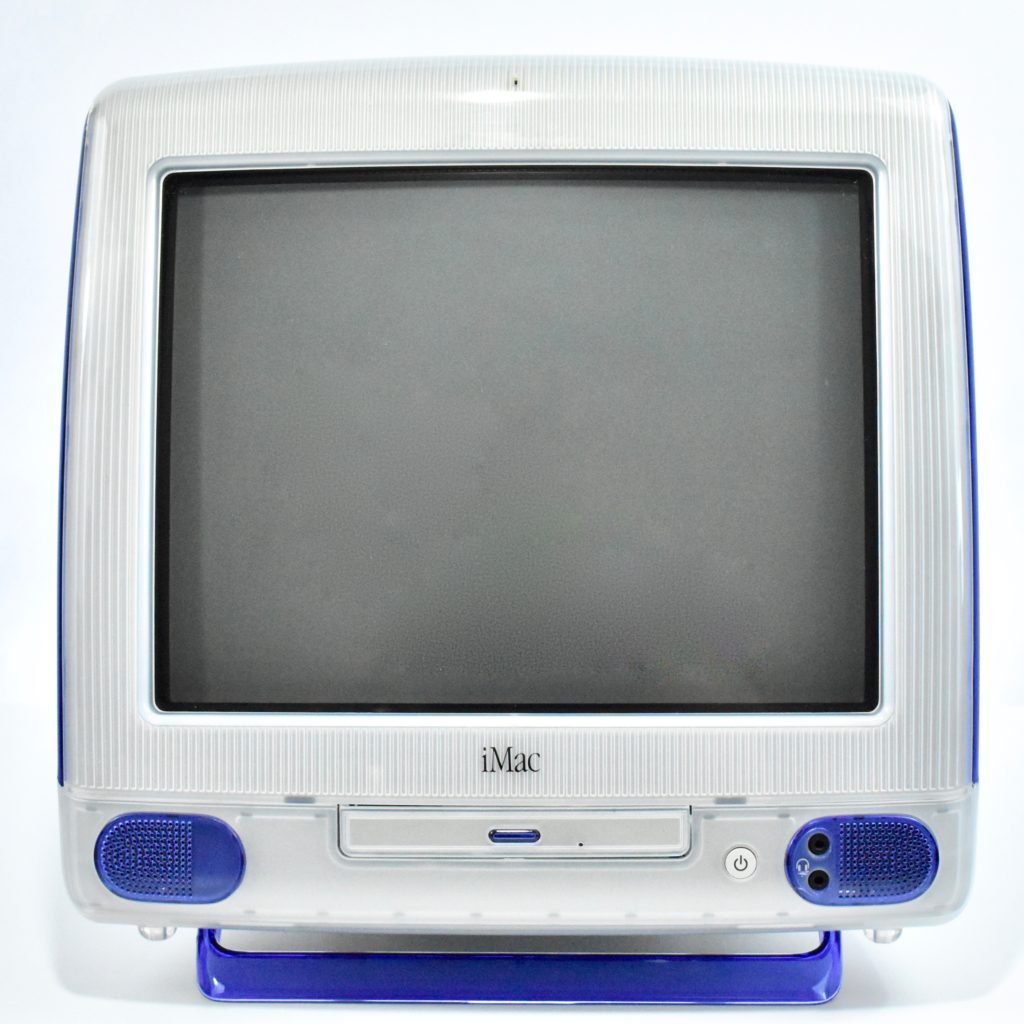
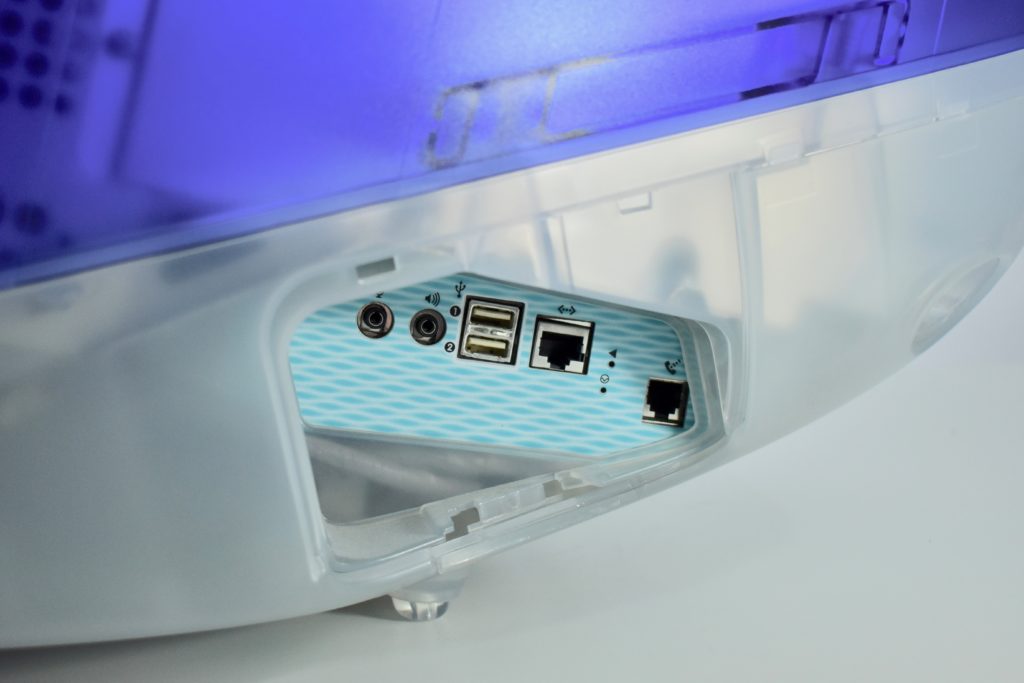
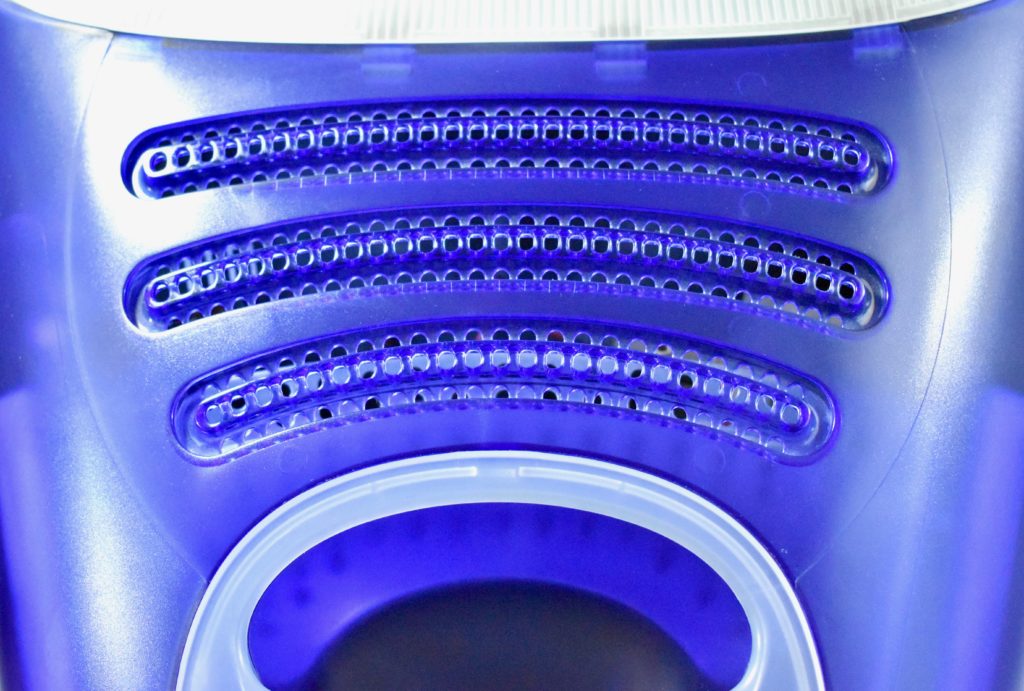
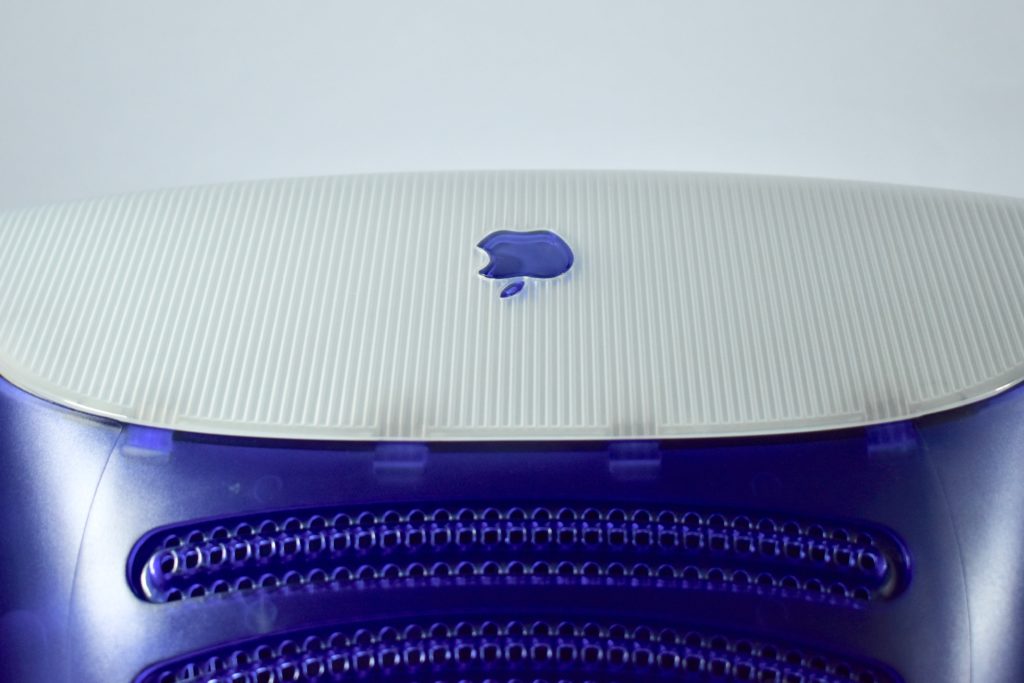
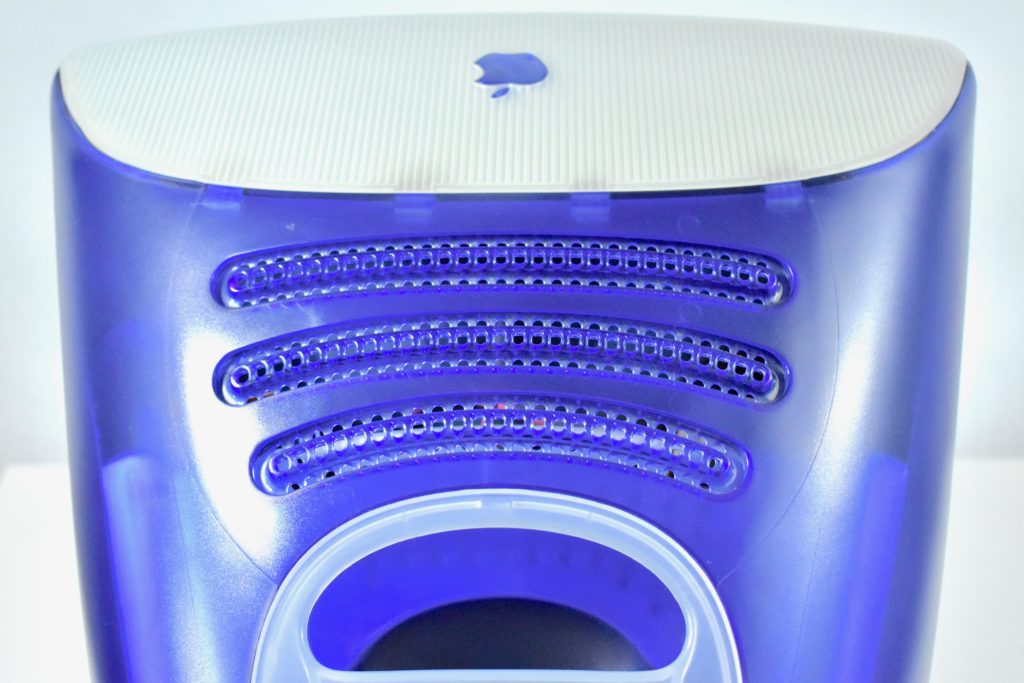
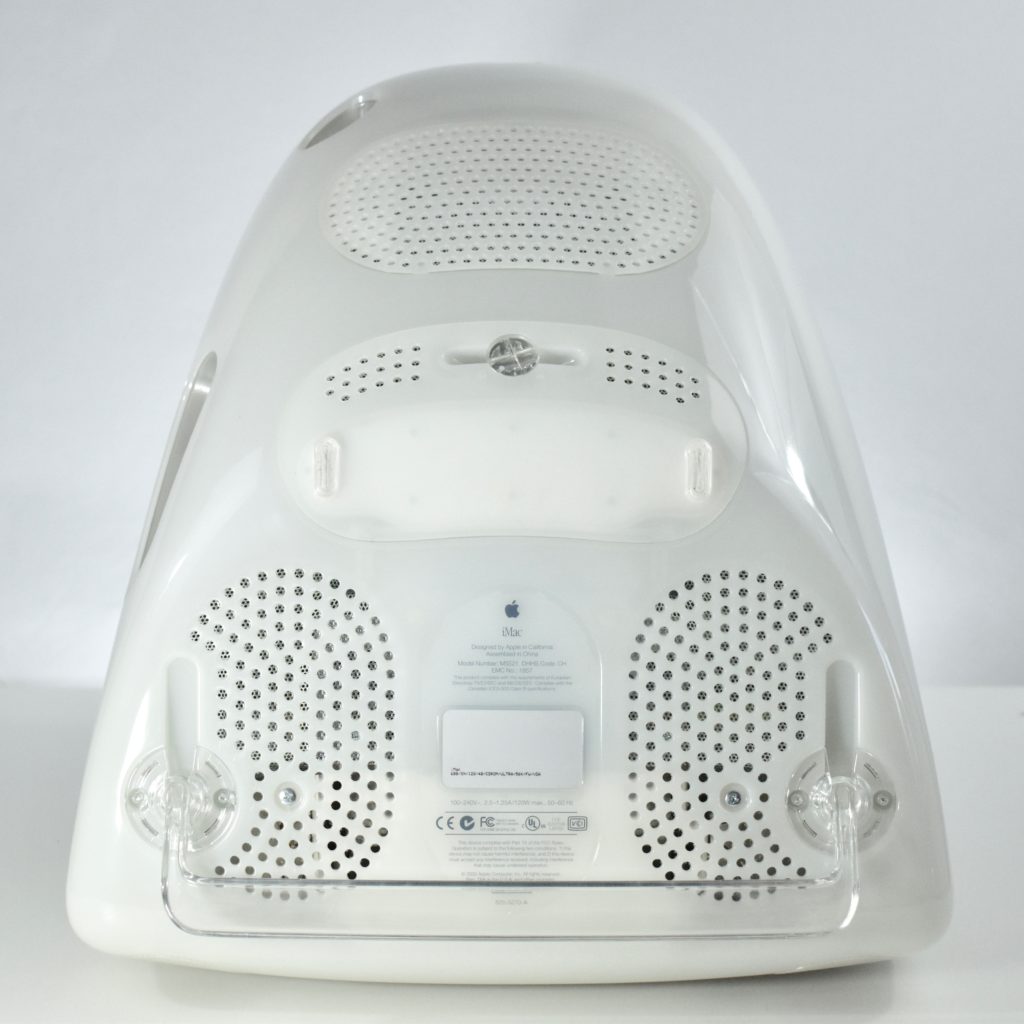
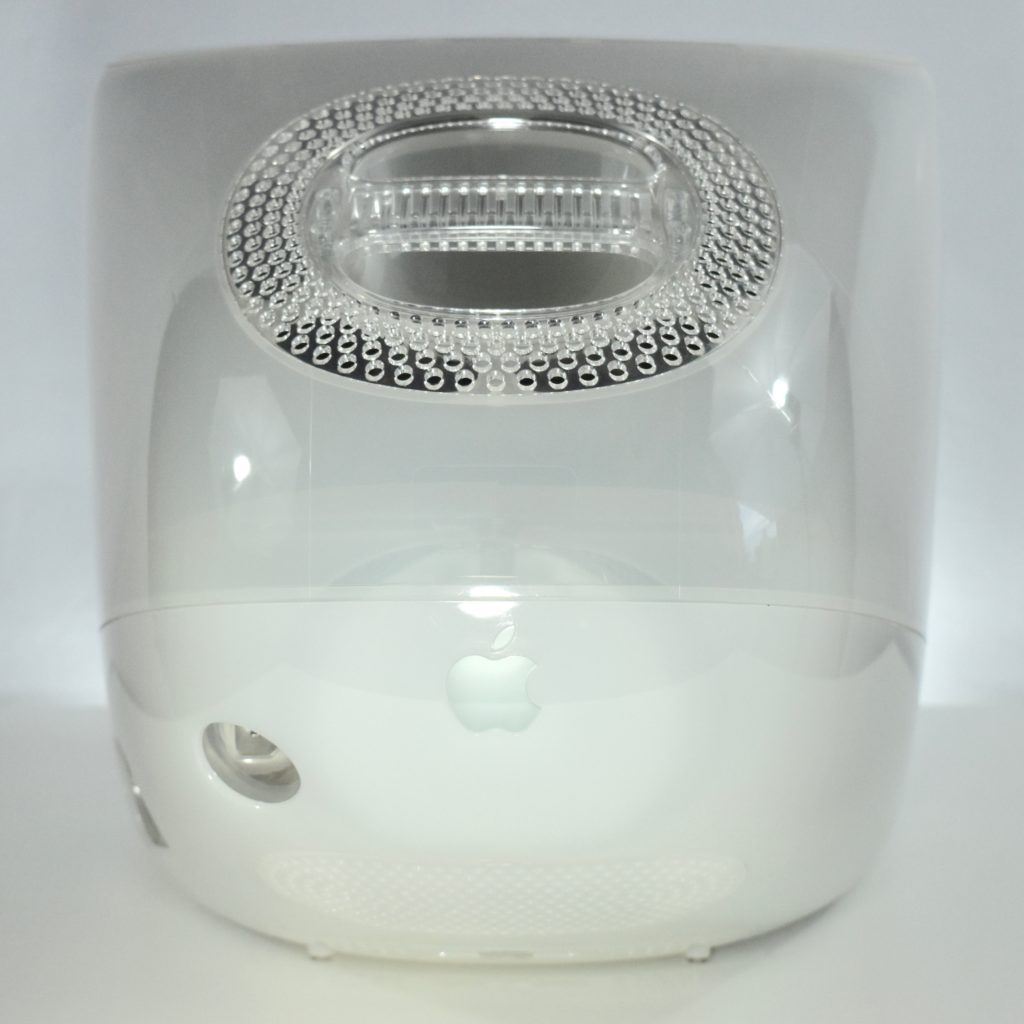
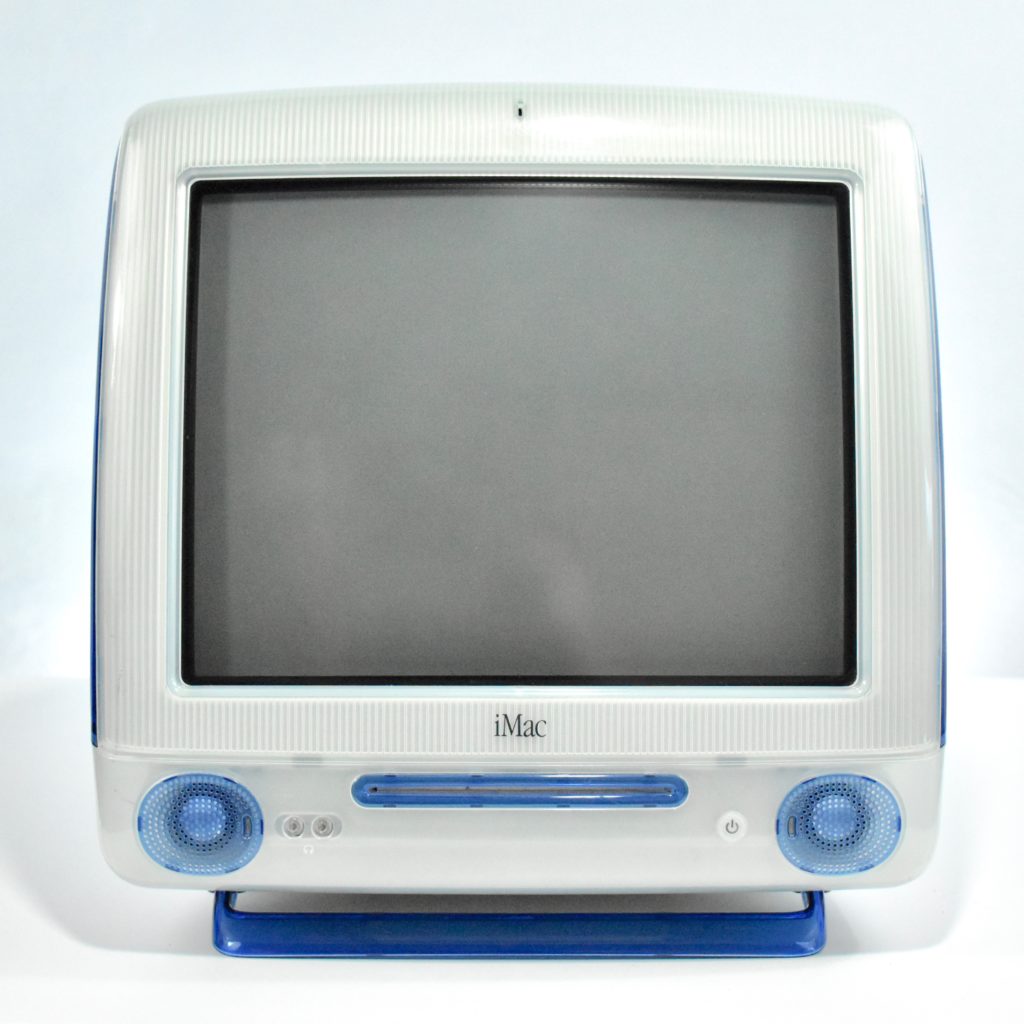
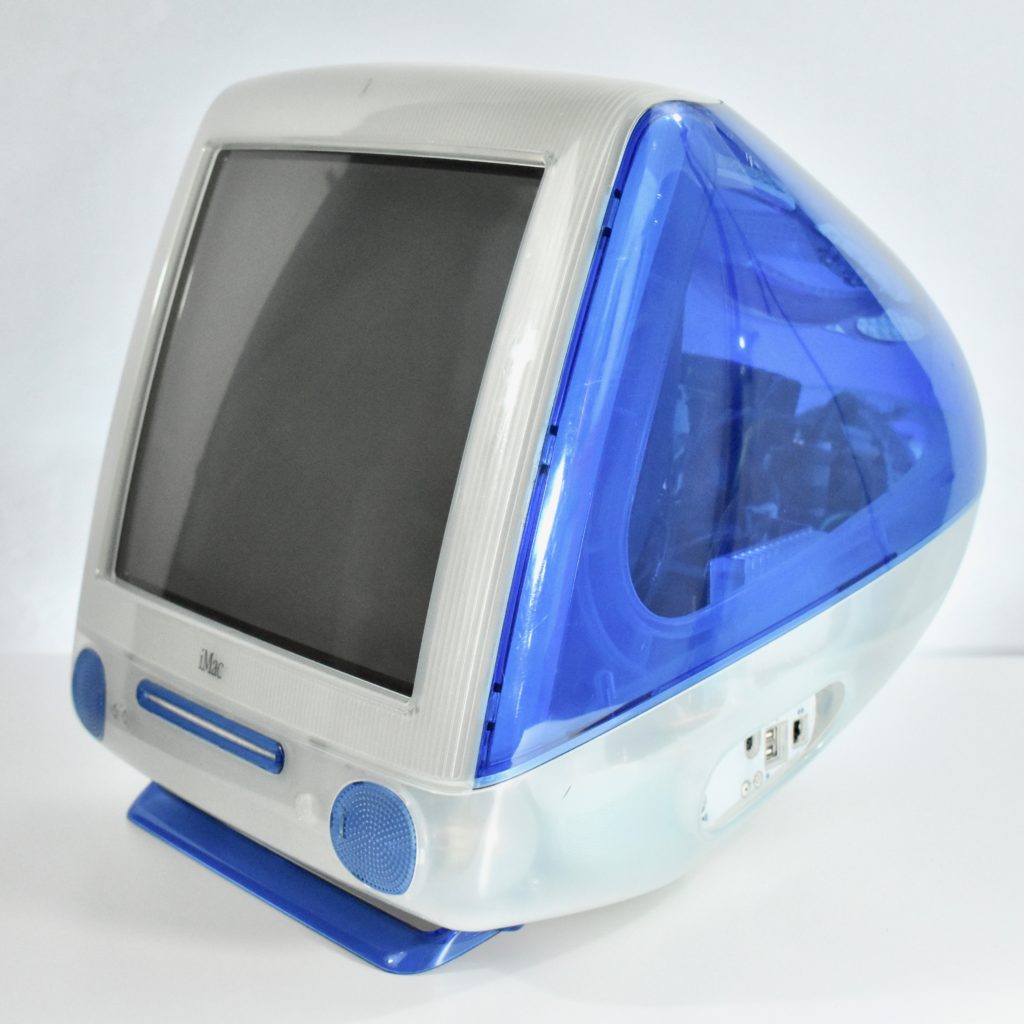
The iMac G3/333 featured a 333 MHz PowerPC 750 (G3) processor, 32 MB of RAM, and a 6.0 GB EIDE hard drive. The screen was a 15-inch CRT display.
This iMac was offered in five different colors: lime (lime green), strawberry (pinkish-red), blueberry (bright blue), grape (purple), and tangerine (orange-yellow). The previous version of this iMac was offered in the exact same colors.
Apart from the faster 333 MHz processor, this iMac was identical to the iMac G3/266 before it.
The iMac G3/266 featured a 266 MHz PowerPC 750 (G3) processor, 32 MB of RAM, and a 6.0 GB EIDE hard drive. Its screen was a 15-inch CRT display.
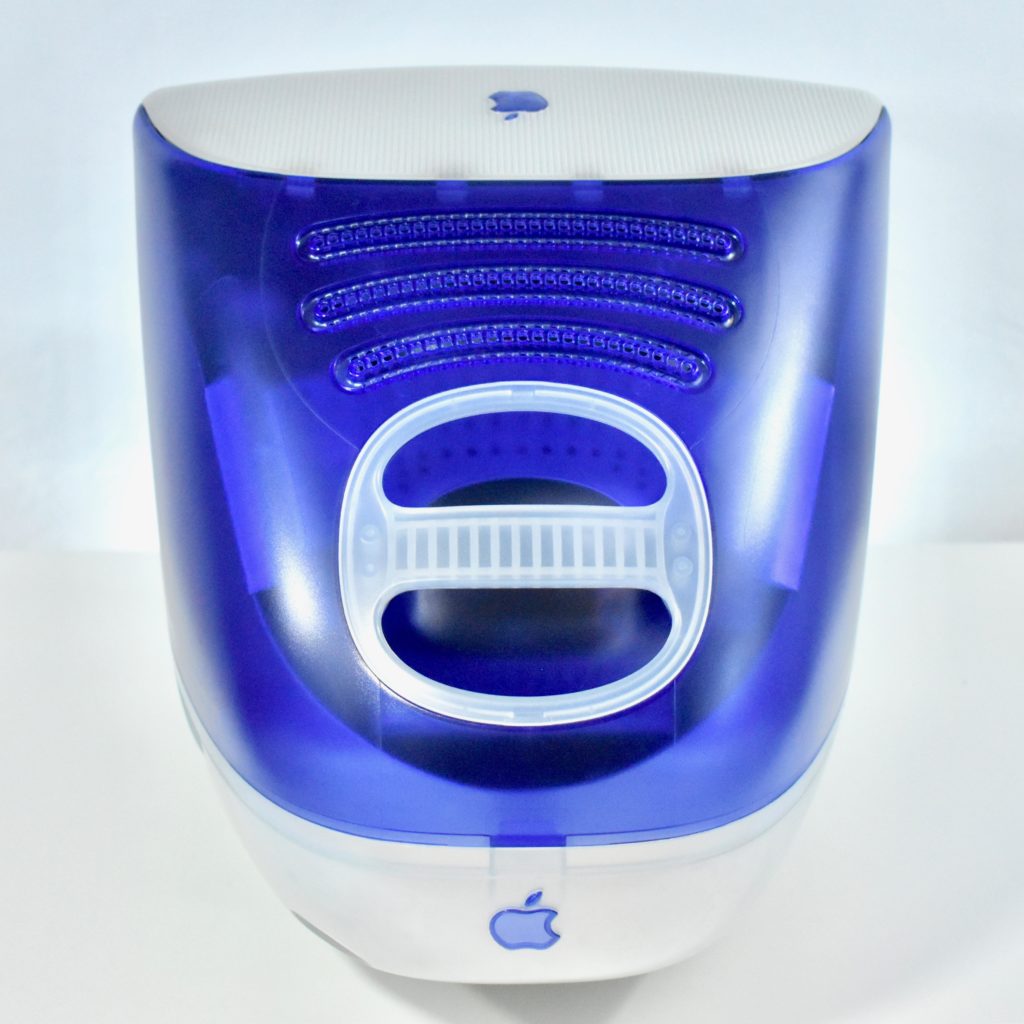
This iMac was offered in five different colors: lime (lime green), strawberry (pinkish-red), blueberry (bright blue), grape (purple), and tangerine (orange-yellow). Previously, the iMac was available only in Bondi blue (blue green).
This iMac is grape.
The iMac G3/266 models had similar specifications to the Revision B iMac line before, but shipped with a larger 6.0 GB hard drive and lacked the “Mezzanine” internal expansion slot and IrDA.
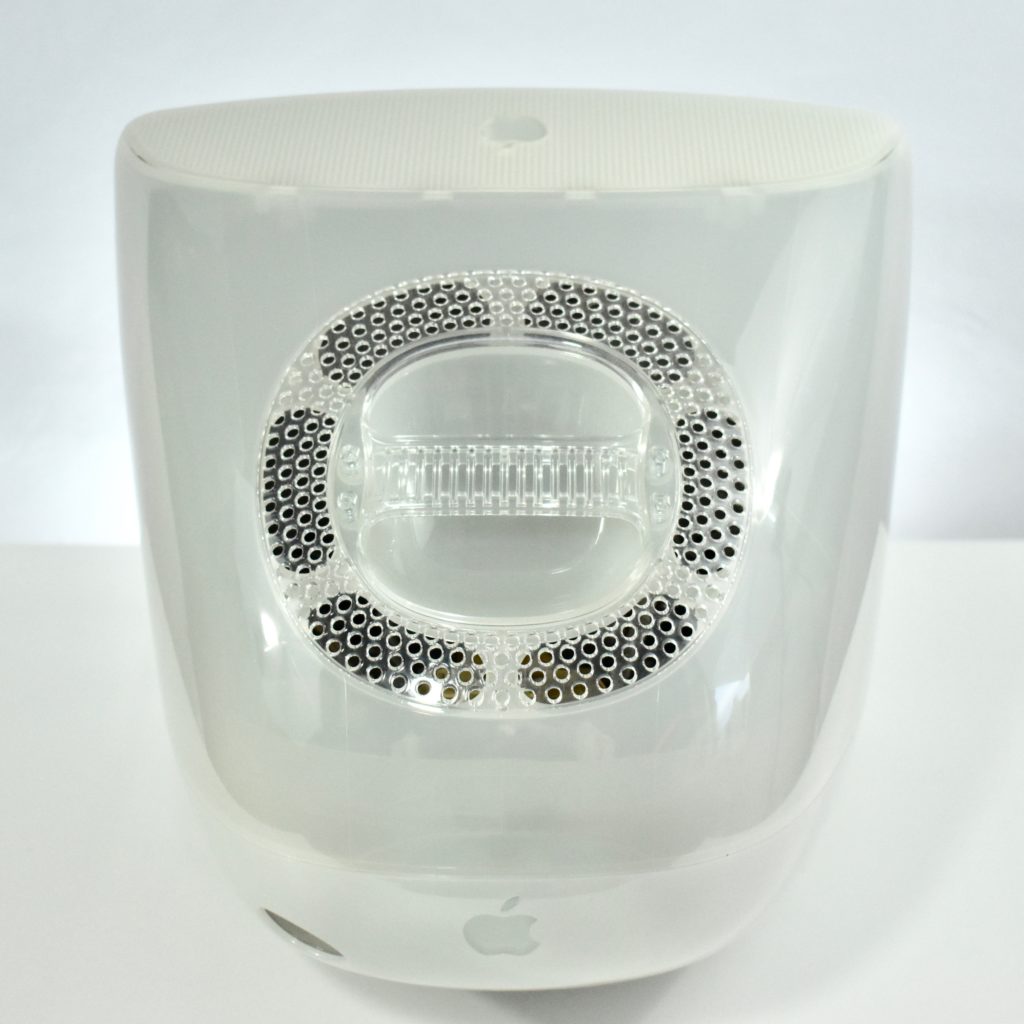
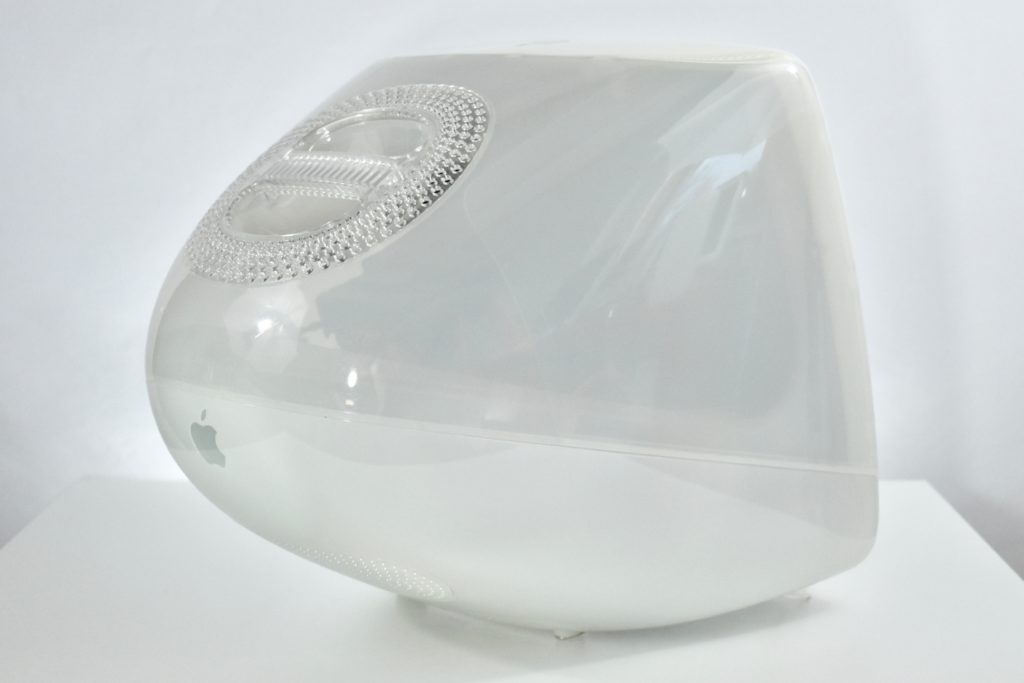
The iMac G3/600 (Summer 2001) featured a 600 MHz PowerPC 750cx (G3) processor, 256 MB of RAM, a 40.0 GB Ultra ATA hard drive, a slot loading 8X/4X/24X CD-RW drive, a Harmon-Kardon designed sound system, and two FireWire 400 ports. This model was available in graphite or snow. Its screen was a 15-inch CRT display.
This iMac model represented a major default operating system switch for Apple. As of January 7, 2002, this iMac shipped with MacOS X 10.2 as the default operating system along with MacOS 9 pre-installed.
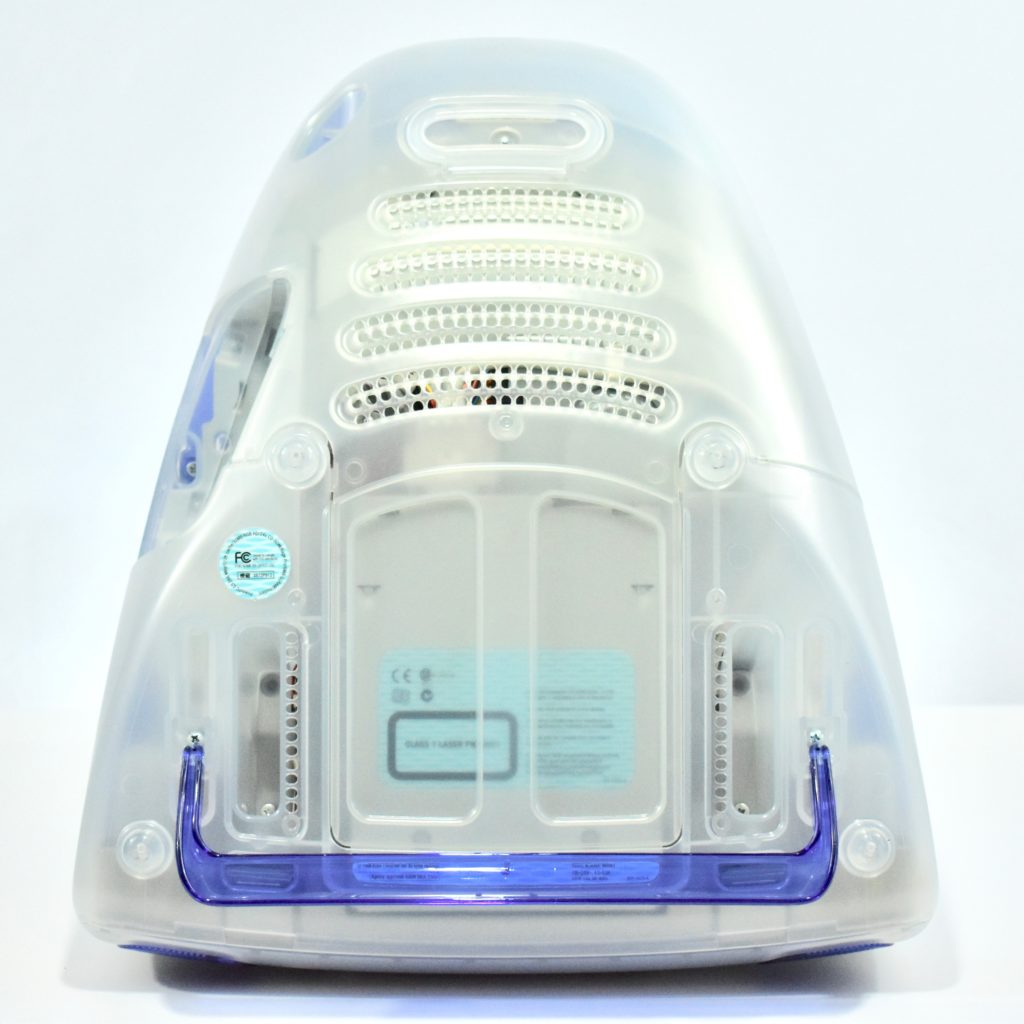
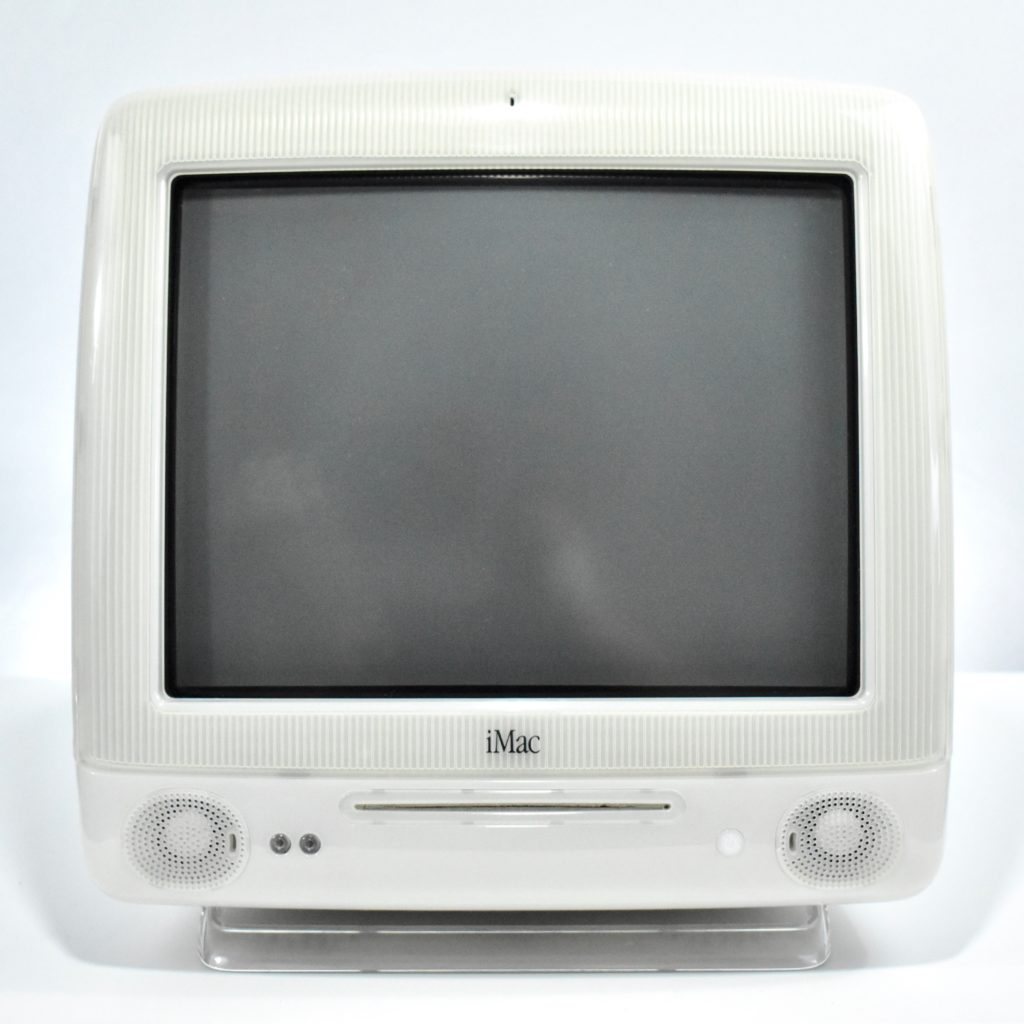
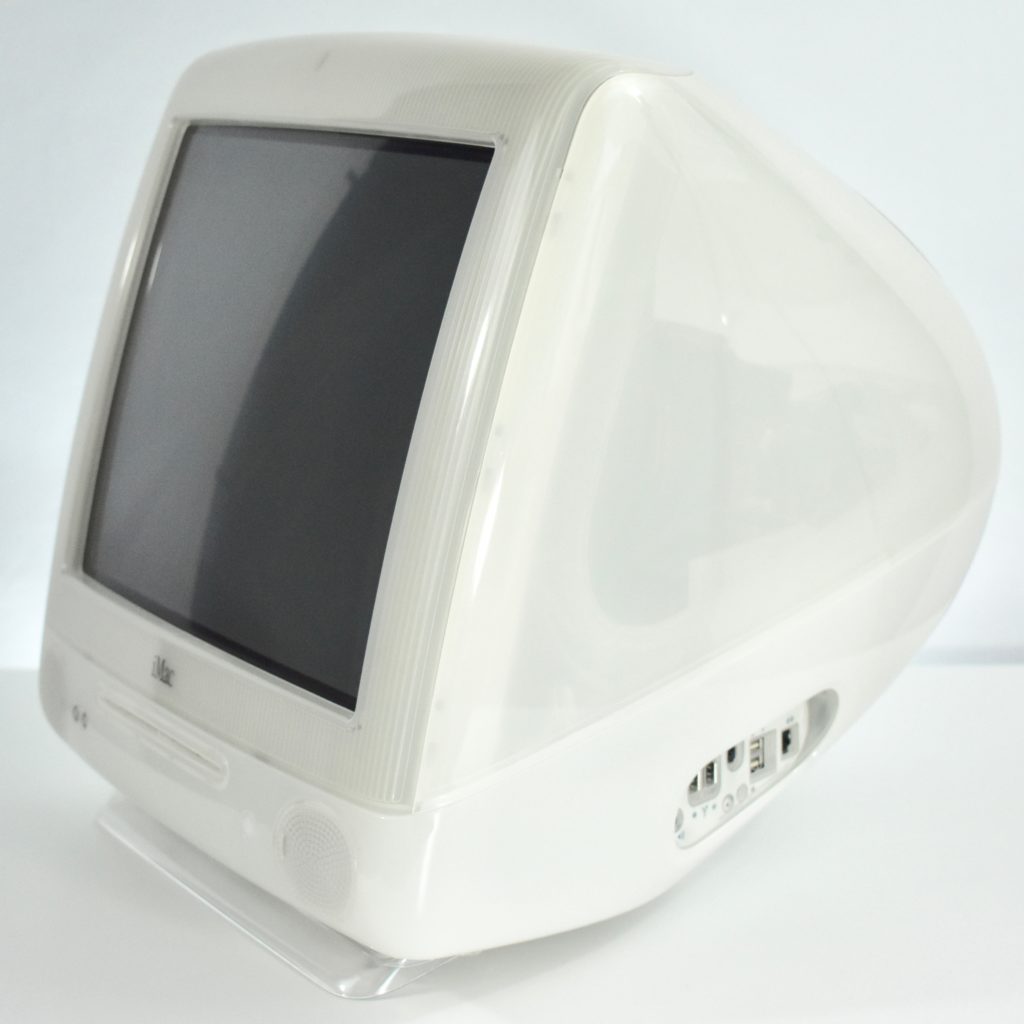
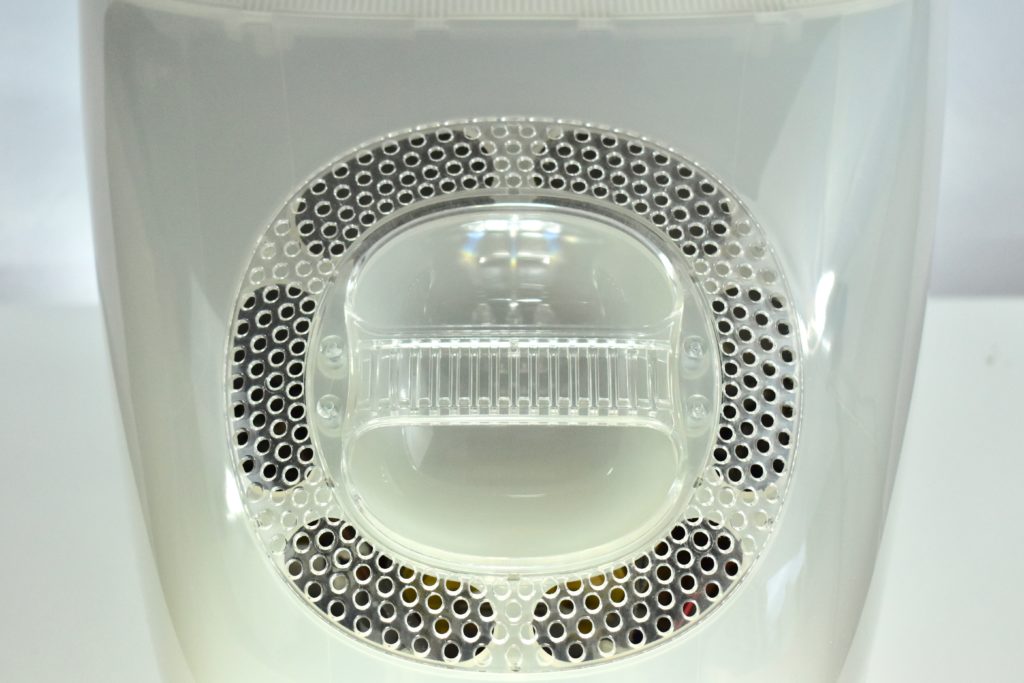
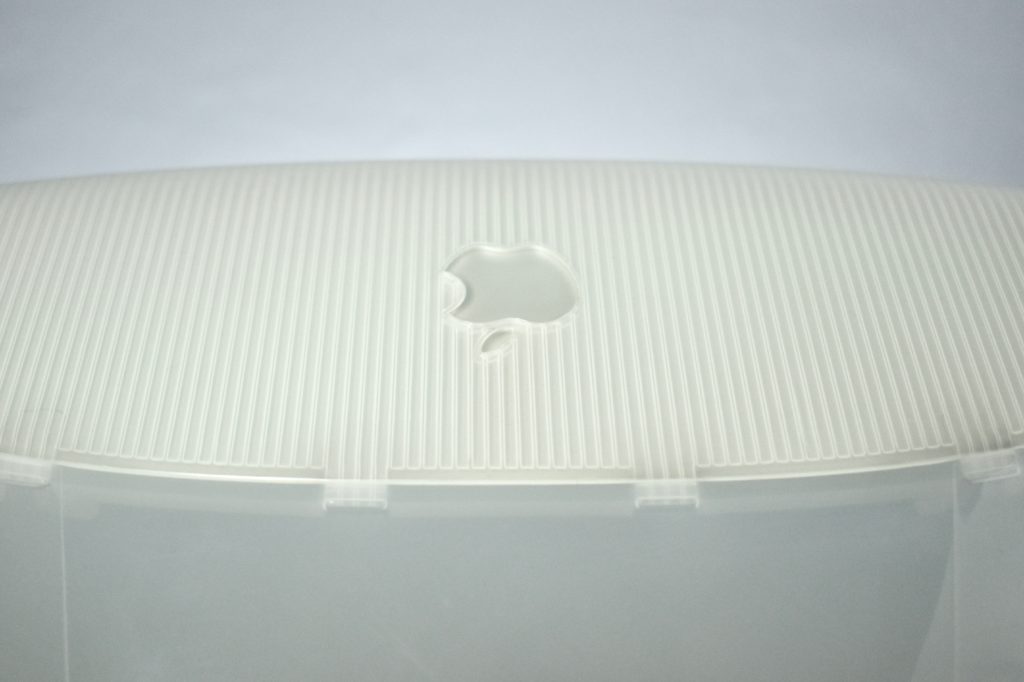
The color of this iMac is “snow.” At the time, other iMac colors were transparent, but Apple’s version of “snow” is opaque white.
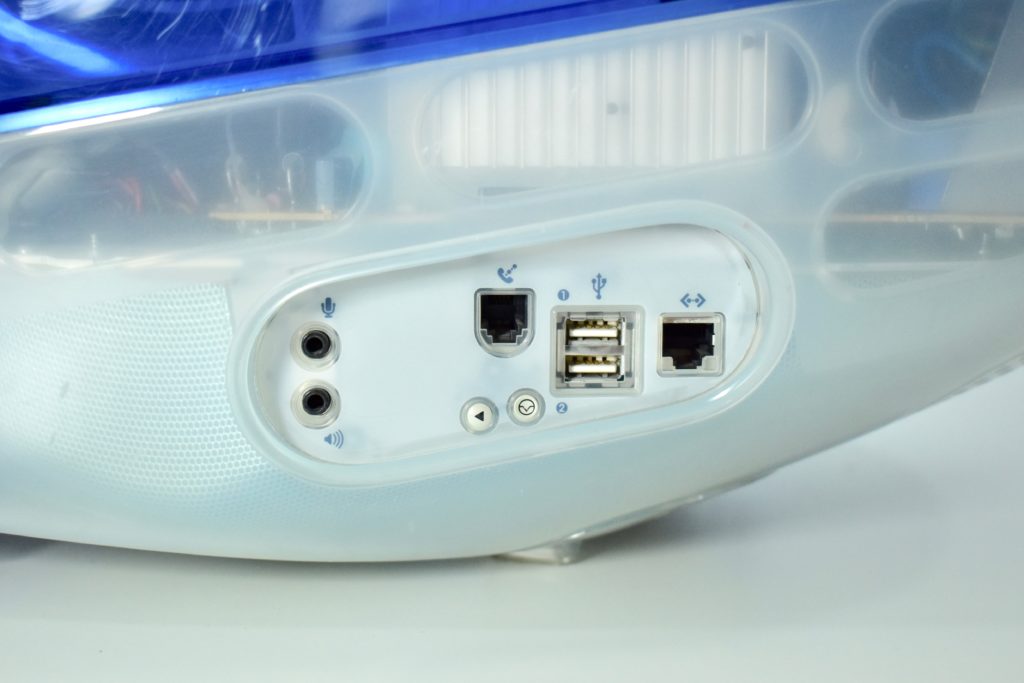
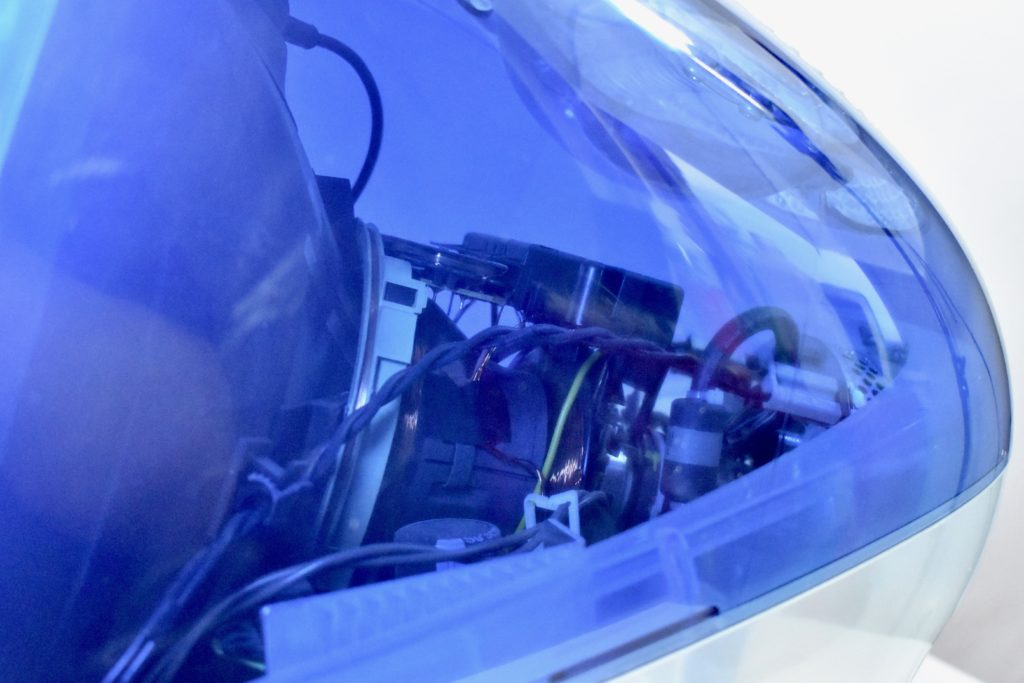
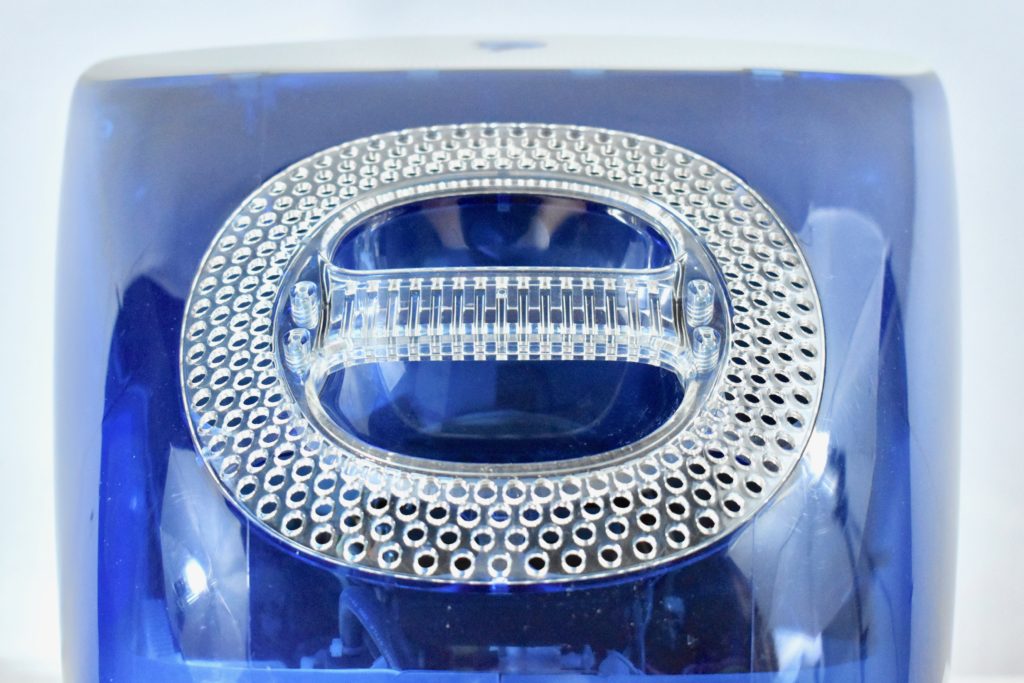
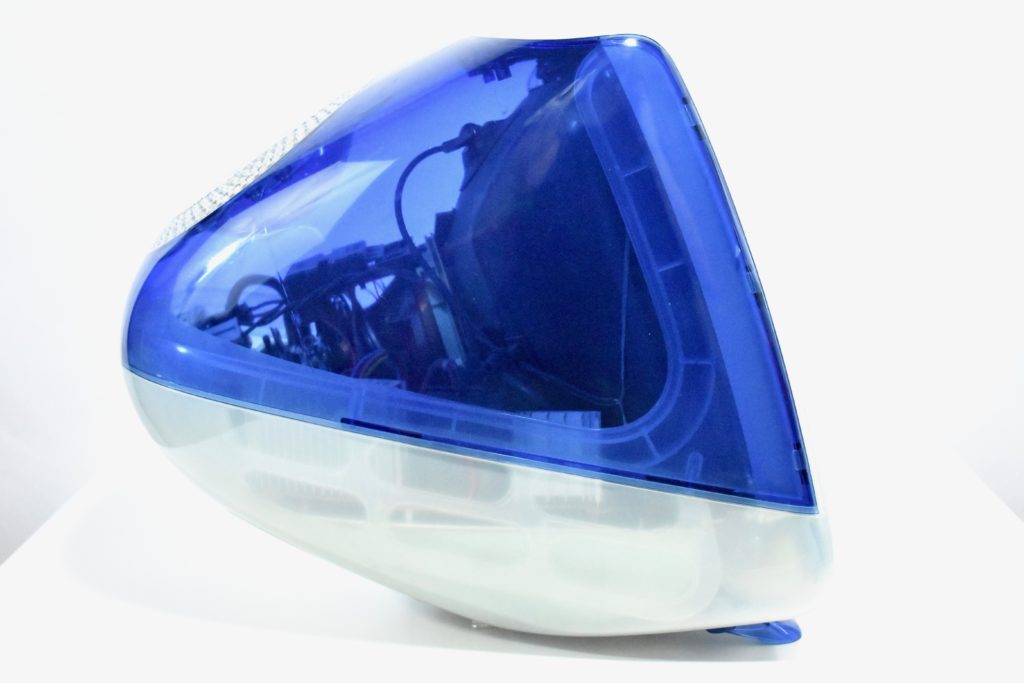
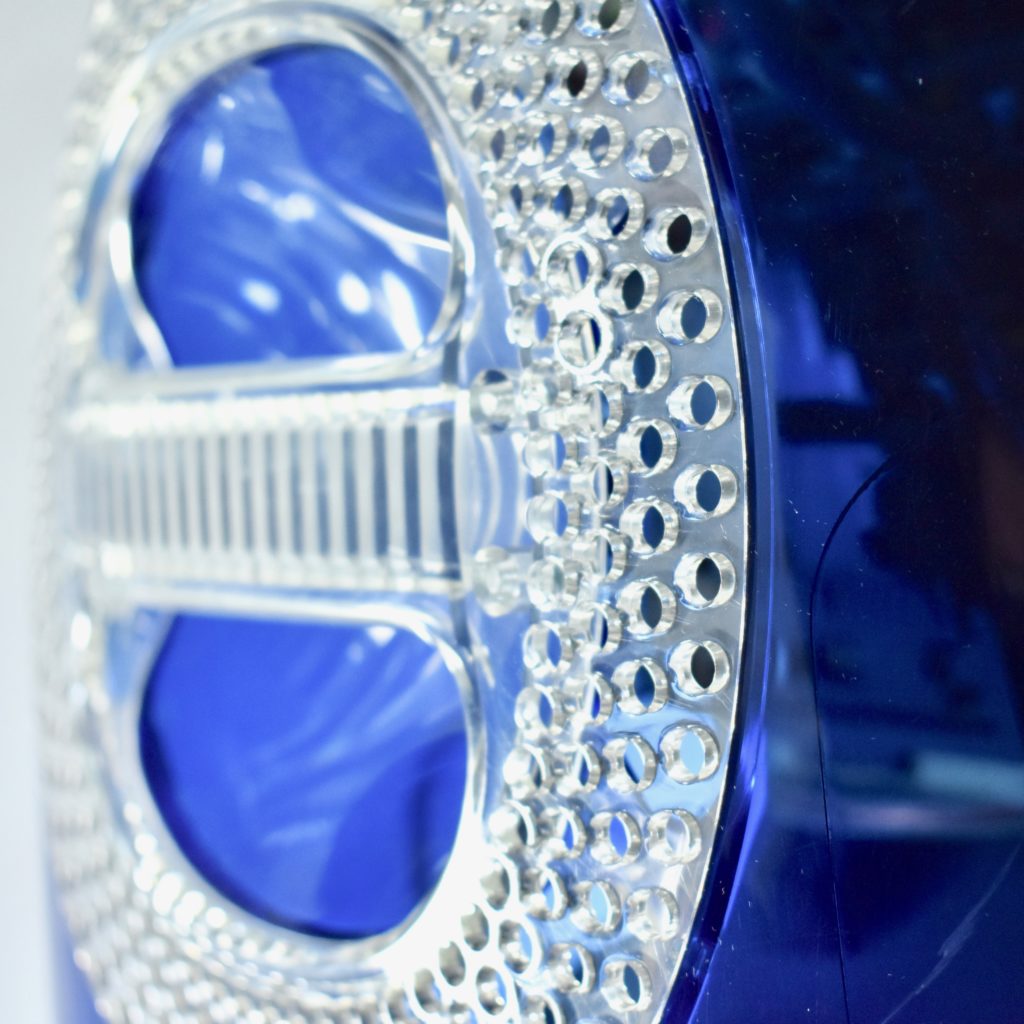
The iMac G3/350 (Summer 2000, indigo) featured a 350 MHz PowerPC 750 (G3) processor, 64 MB of RAM, a 7.0 GB Ultra ATA hard drive, a slot loading 24X CD-ROM drive, and a Harmon-Kardon designed sound system. The all-in-one case design was transparent indigo blue with a 15-inch CRT display.
This model does not support FireWire (400) or AirPort (802.11b), even though its predecessor added support for both technologies. However, this model included a slightly larger hard drive (7.0 GB compared to 6.0 GB), a slightly better video processor, and replaced the Apple USB Keyboard and round Apple USB Mouse with the Apple Pro Keyboard and Mouse. This model sold for $200 less than the previous model at $799.
Due to the price drop, this model was purchased for many schools to update the computer labs common at the time. In my Technology Director position at the time, we upgraded at least three computer labs from tray-loading iMac to slot-loading iMac computers due to the price drop.
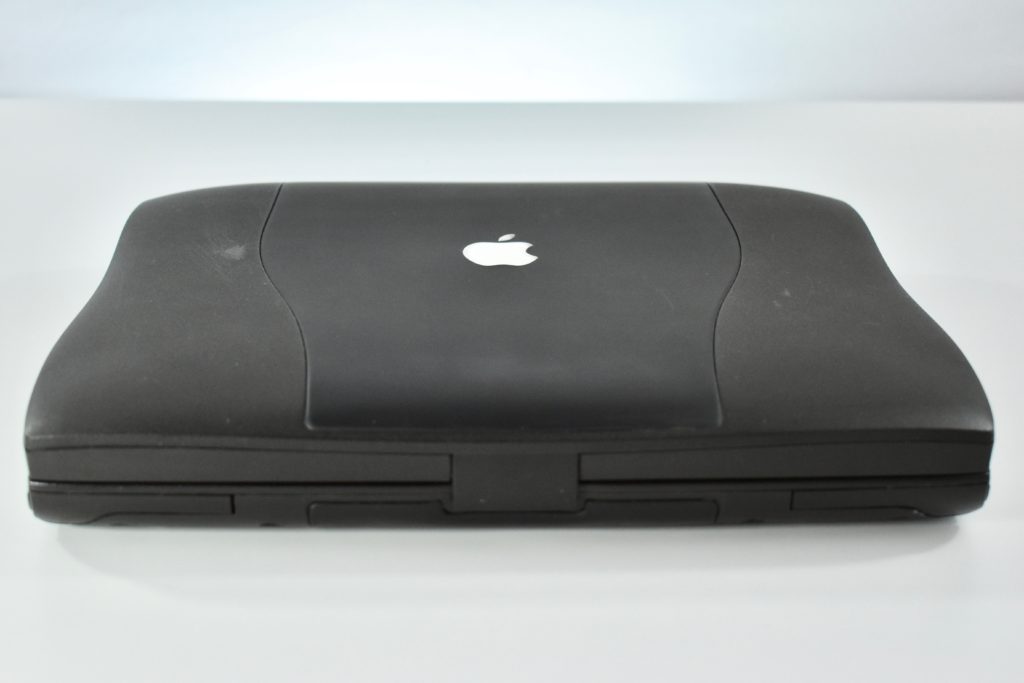
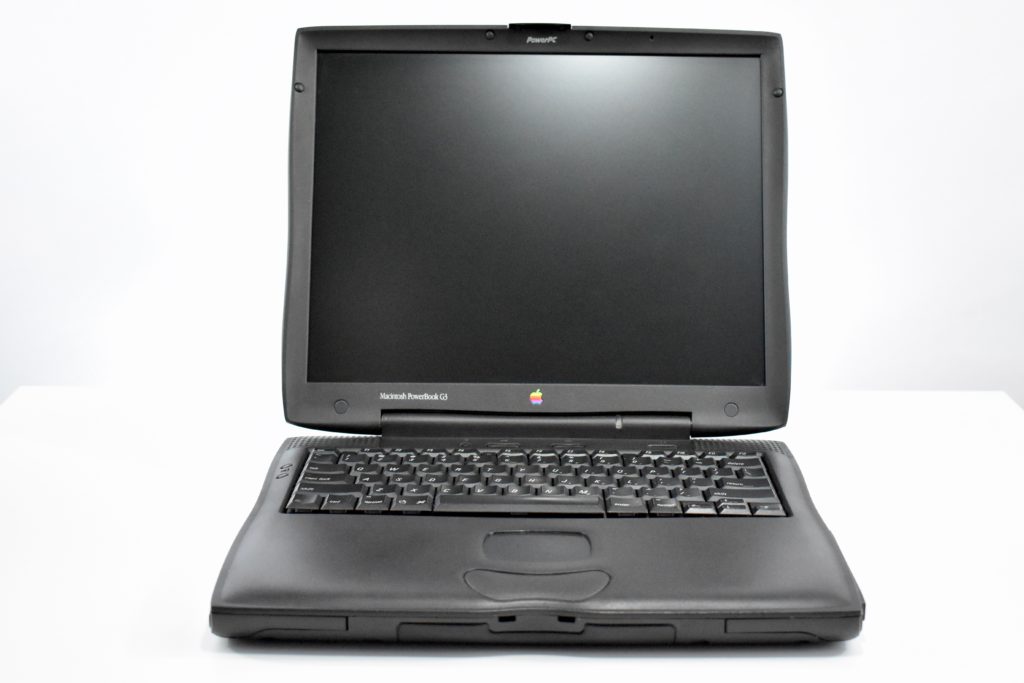
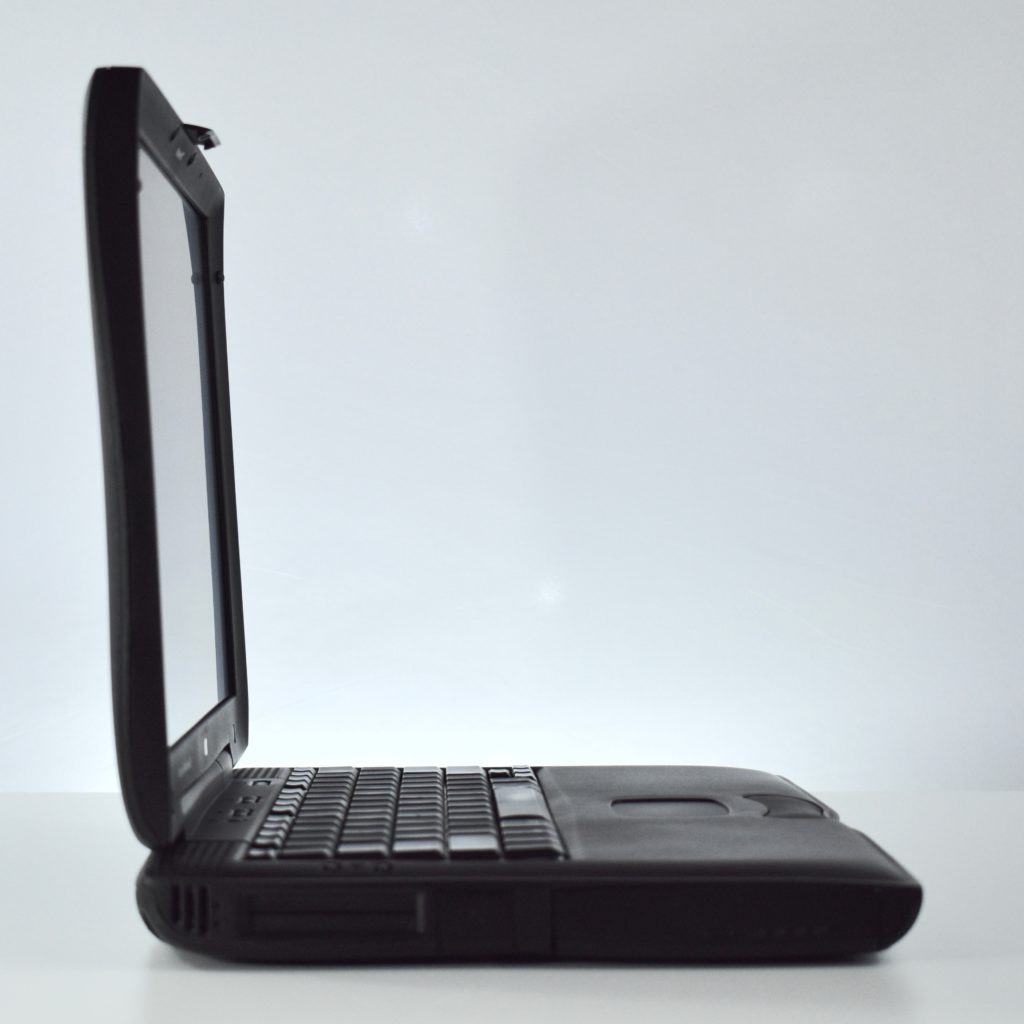
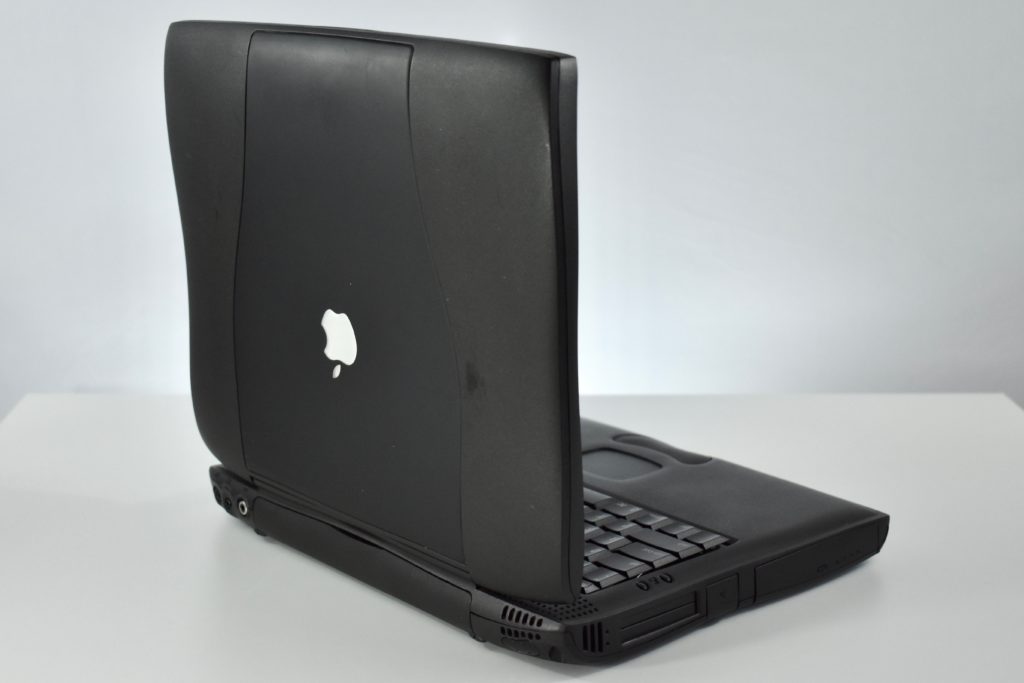
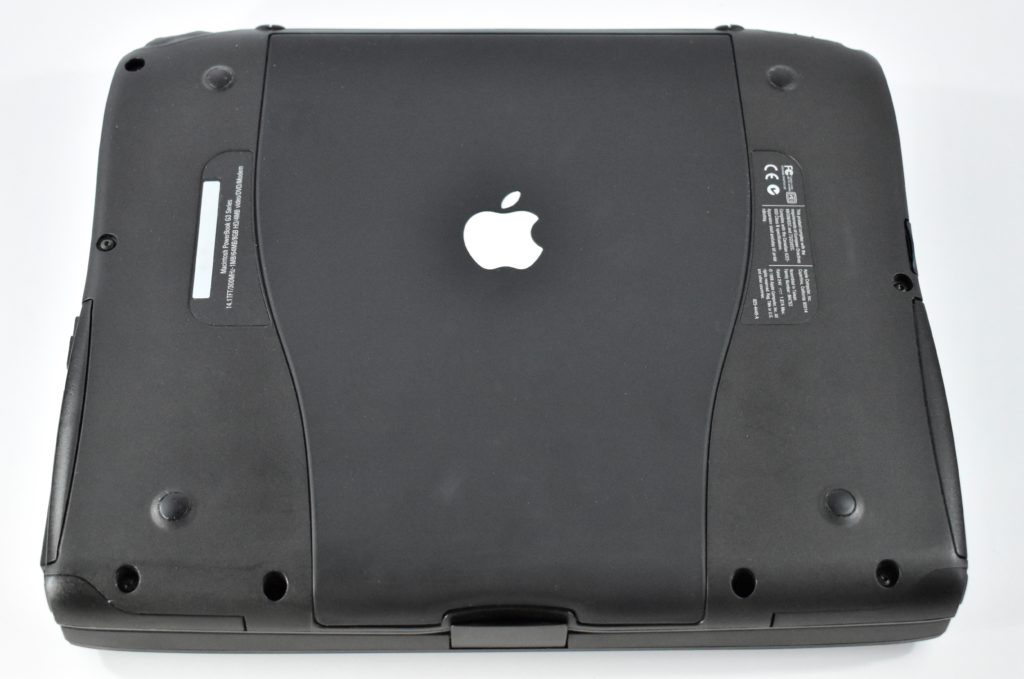
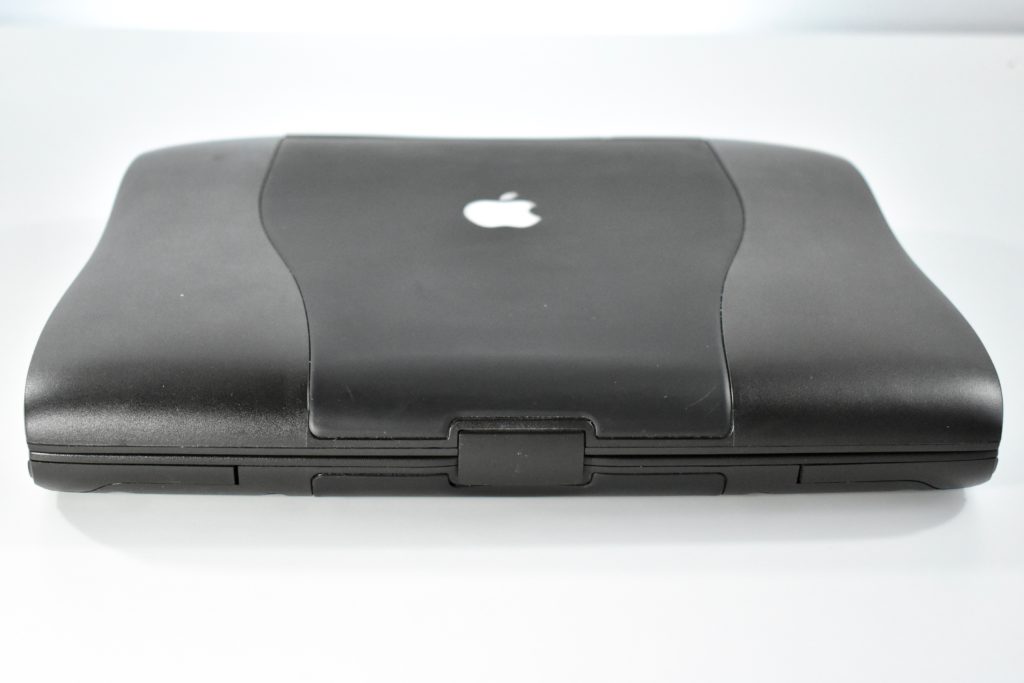
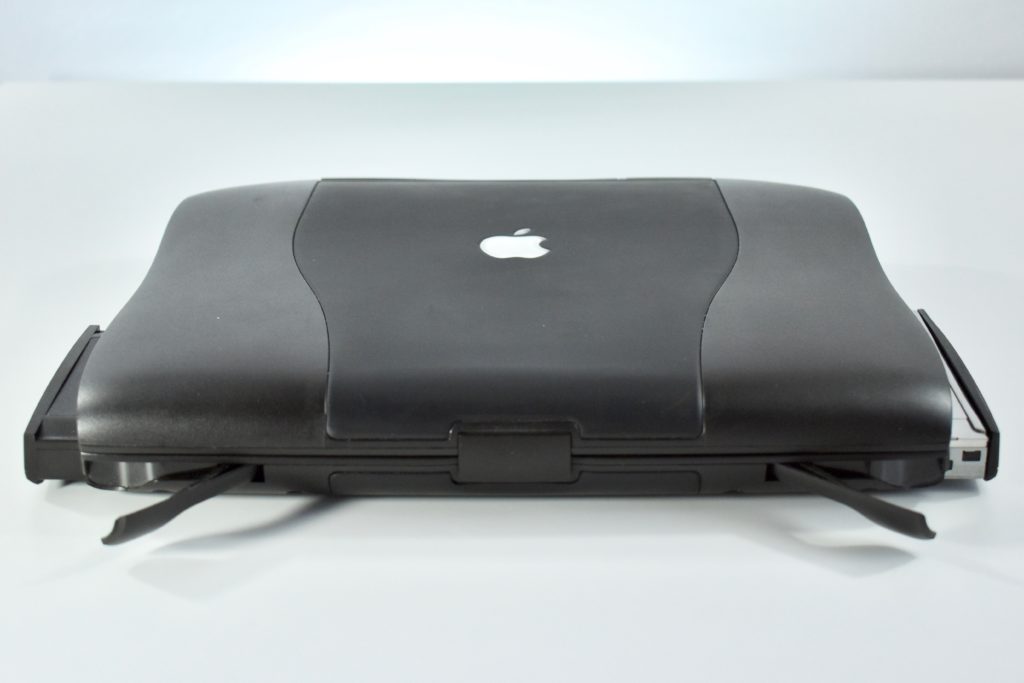
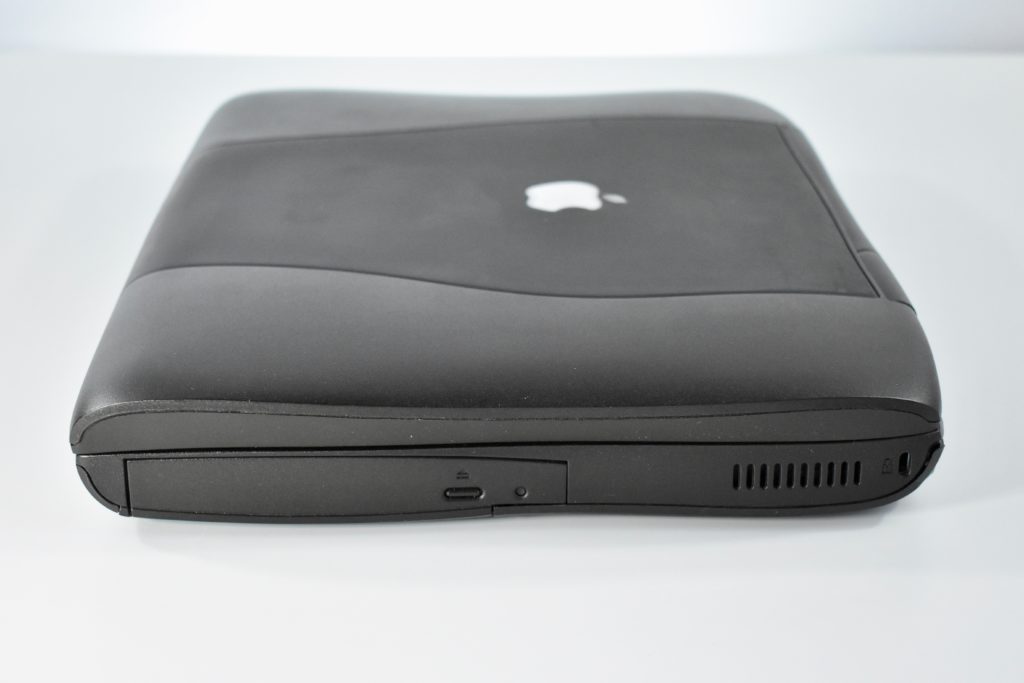
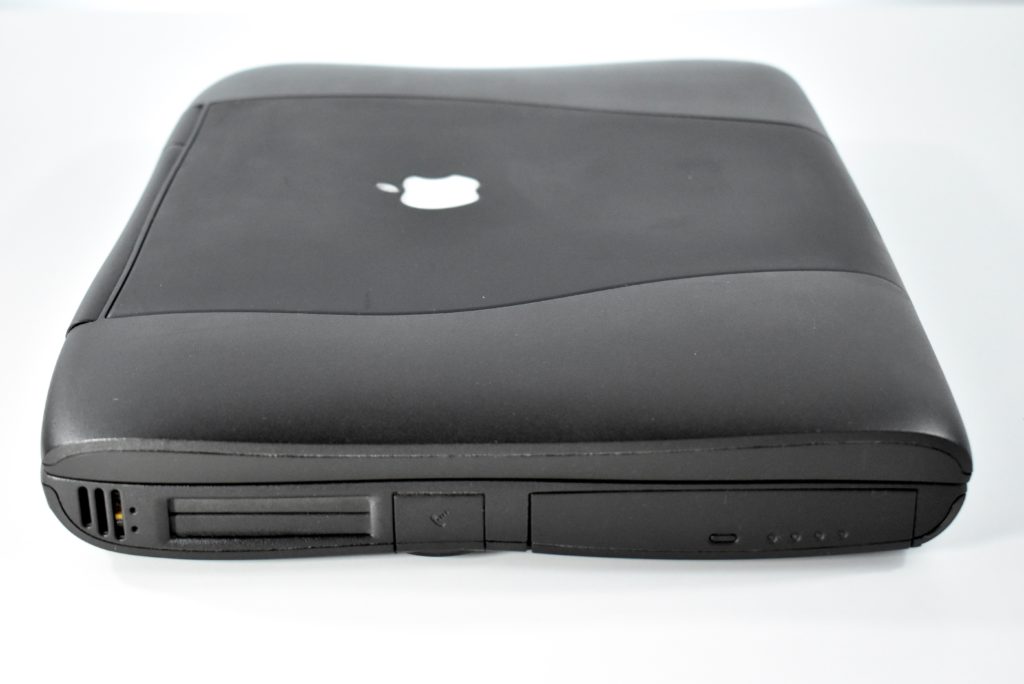
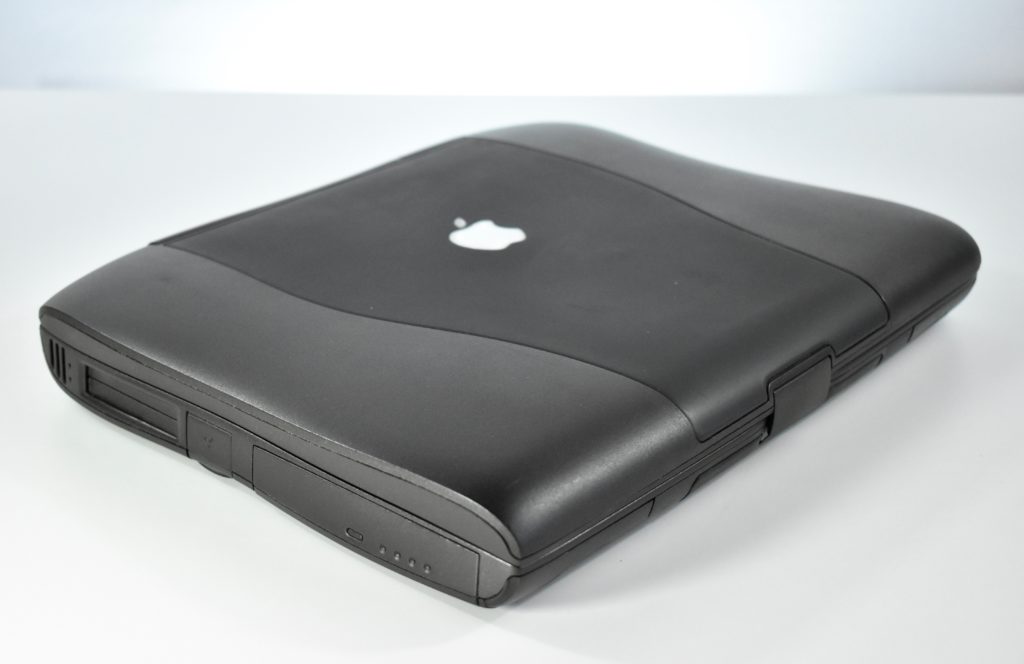
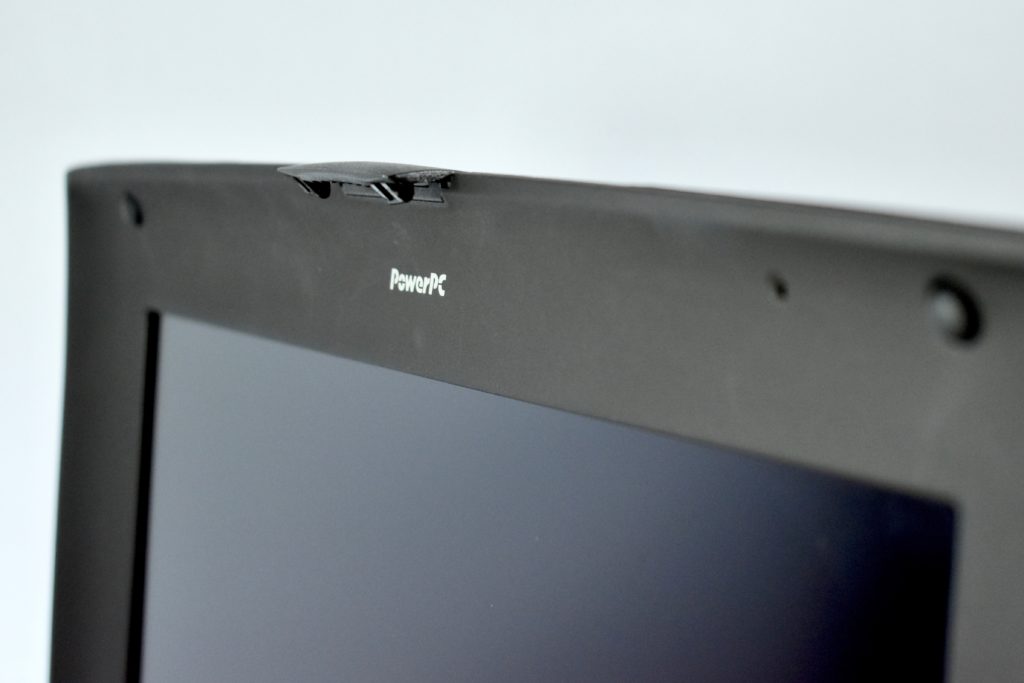
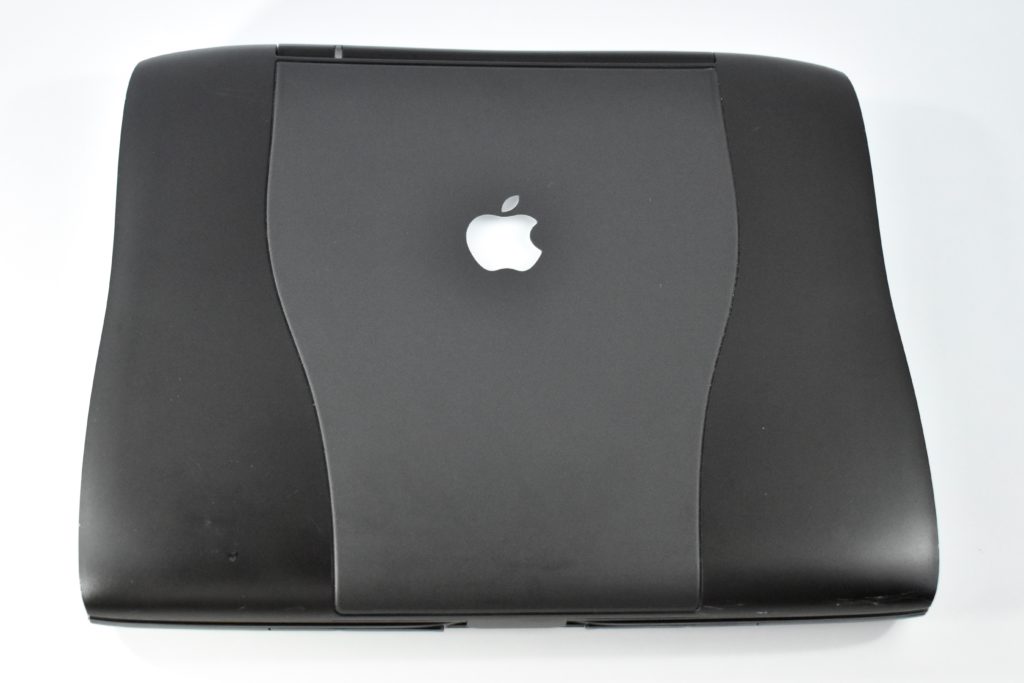
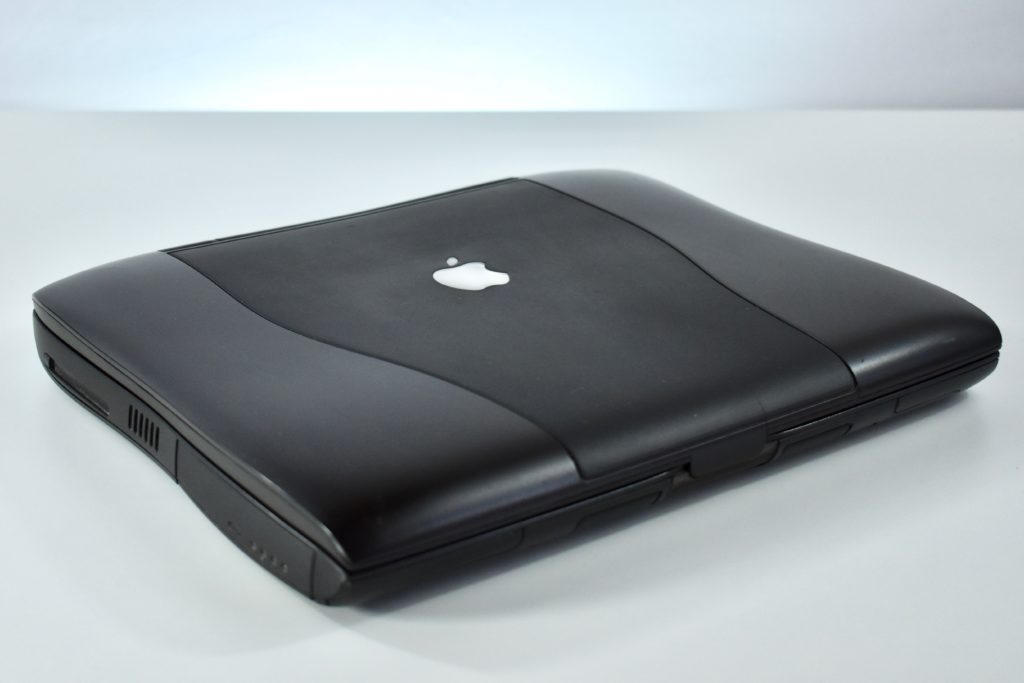
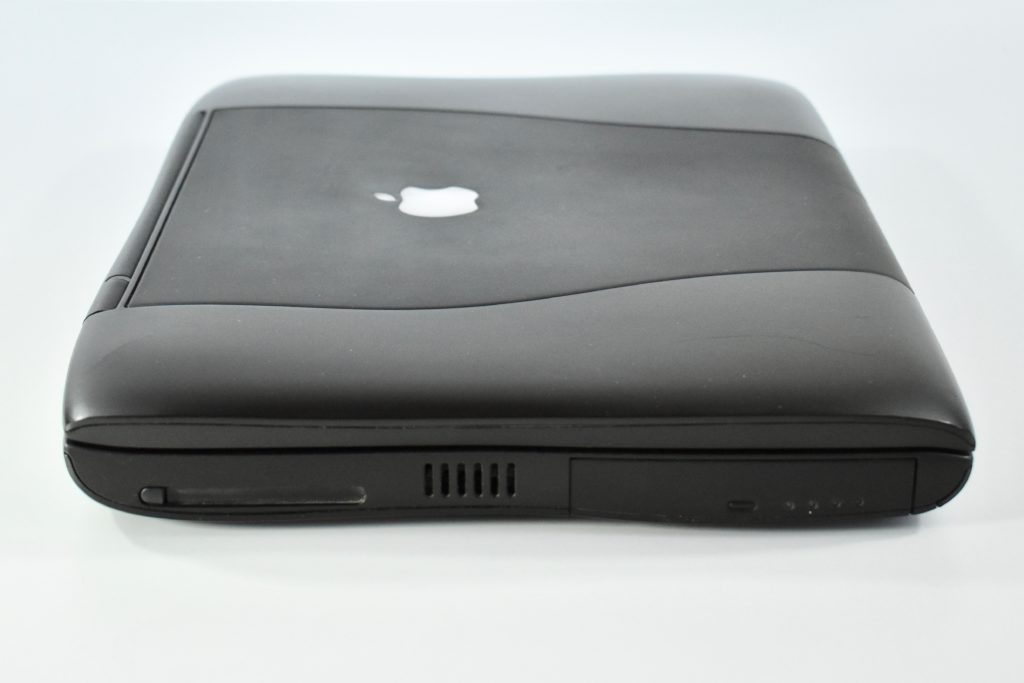
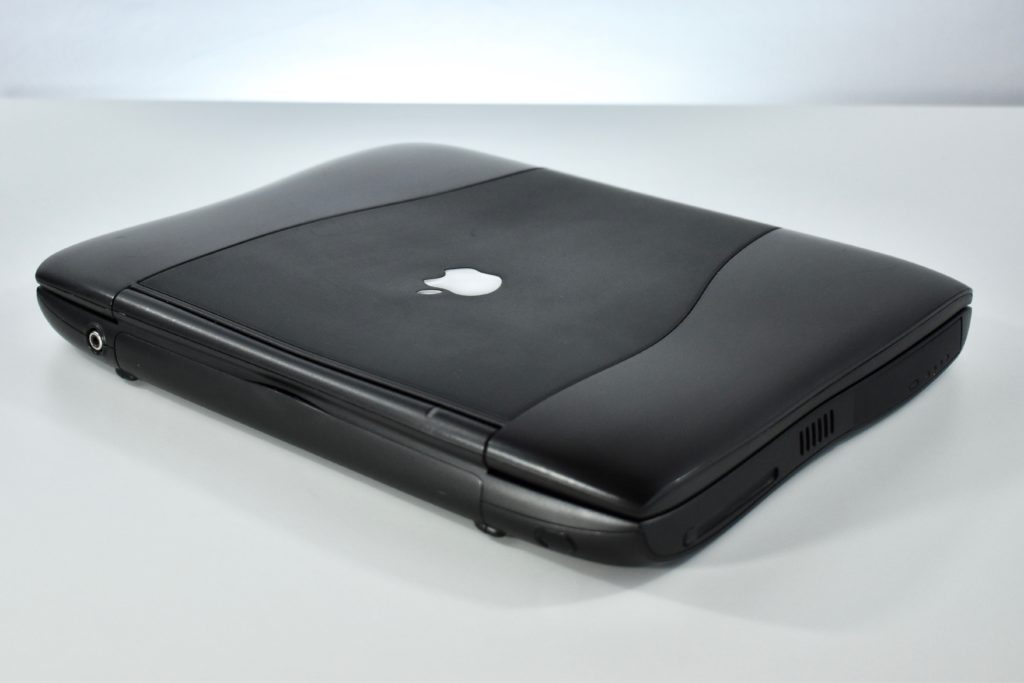
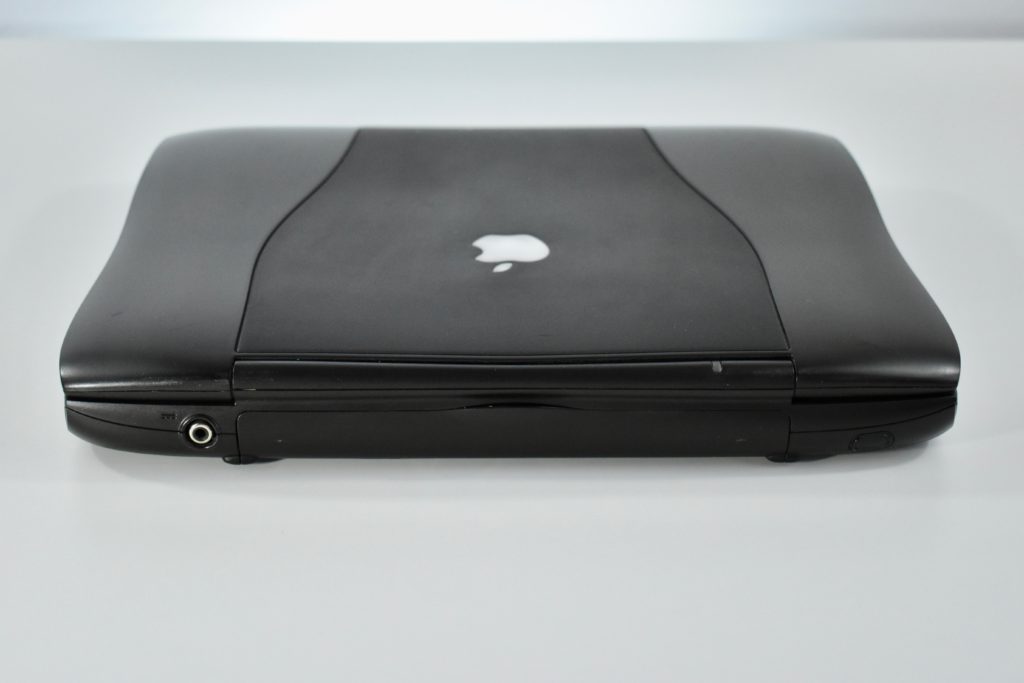
The PowerBook G3 was a member of the “PowerBook G3 Series” family, but more commonly referred to by its “Wallstreet” codename. It featured a 233 MHz PowerPC 740 (G3) processor, 32 MB of RAM, a 2.0 GB hard drive, and a 20X tray-loading CD-ROM drive. Three different screen sizes were available: 12.1-inch STN (passive matrix), 13.3-inch TFT, or 14.1-inch TFT color display.
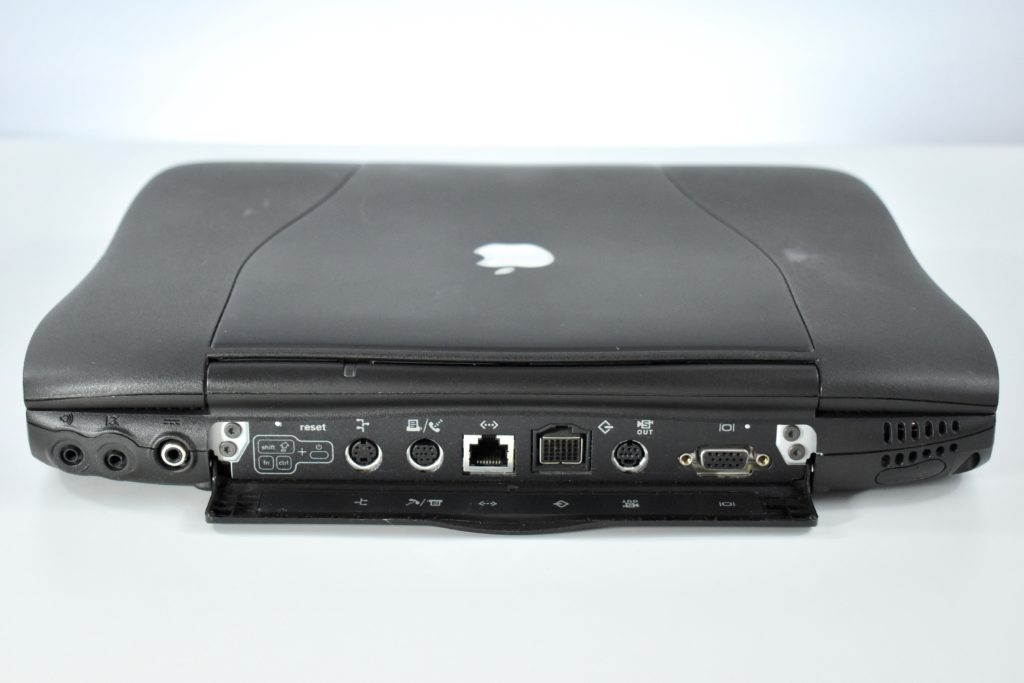
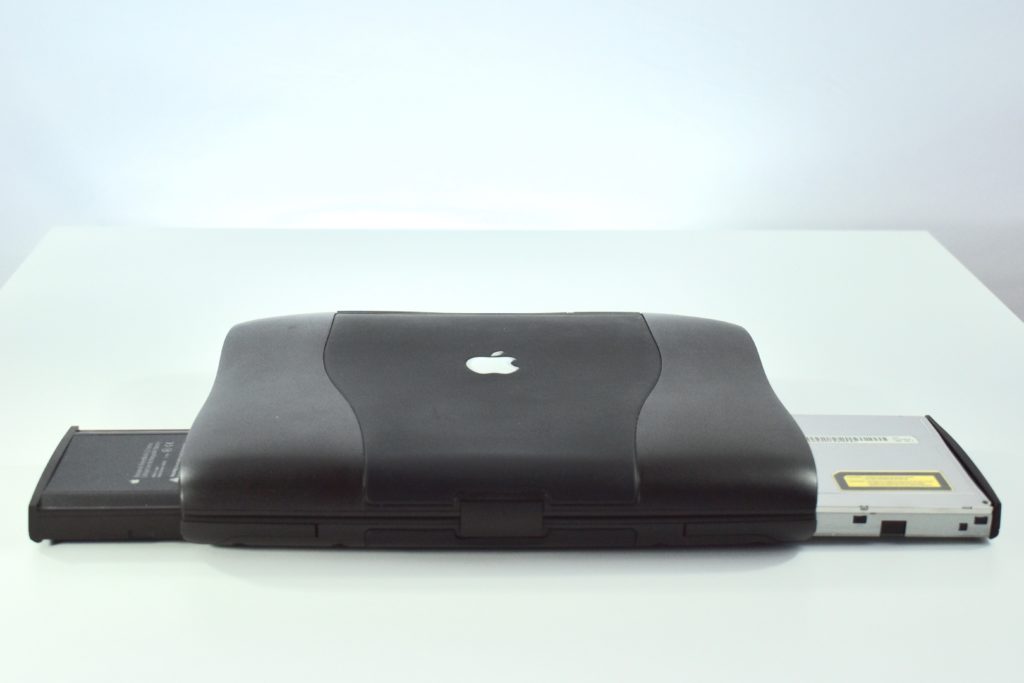
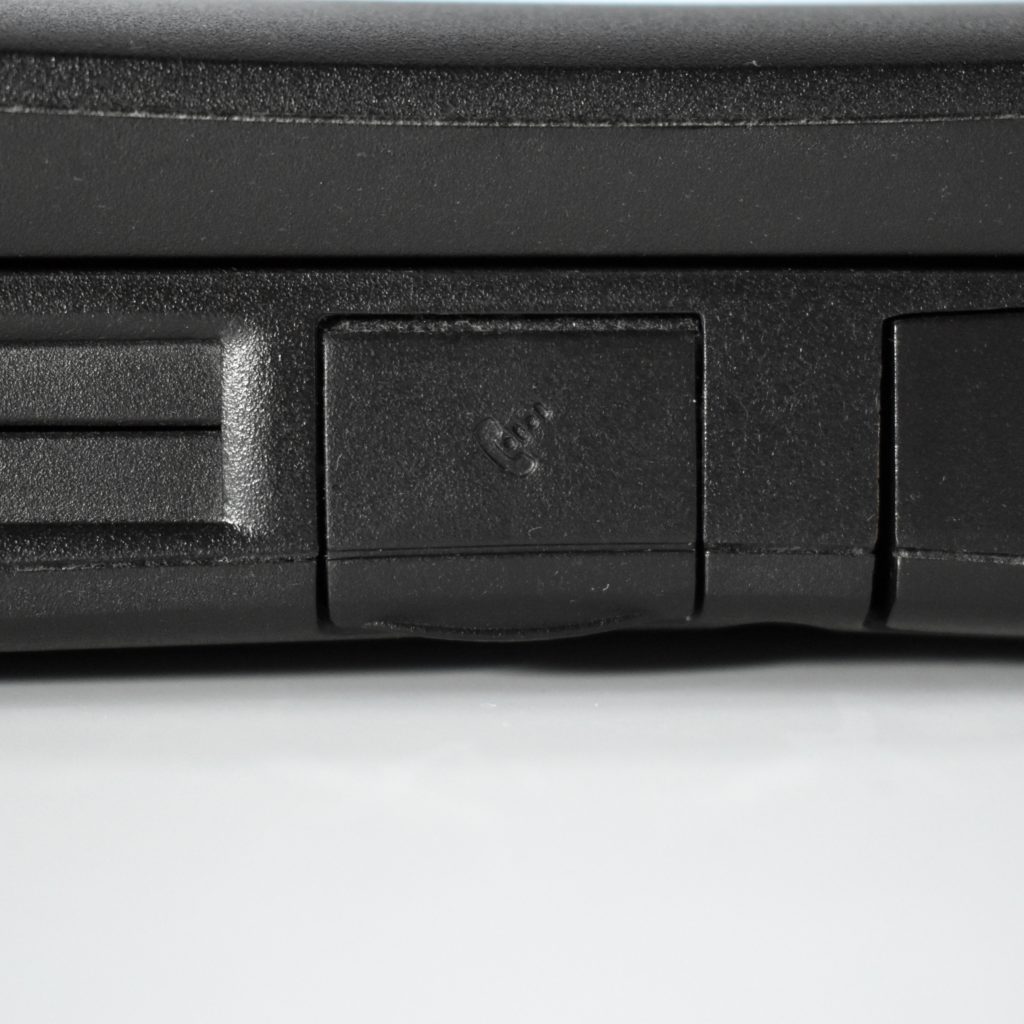
The Wallstreet PowerBook G3 Series included dual hot-swappable bays that could both hold batteries or expansion modules in a 3.5-inch left bay and a 5.25-inch right bay. It also included dual PC card slots and the 13.3-inch and 14.1-inch models had S-video out.
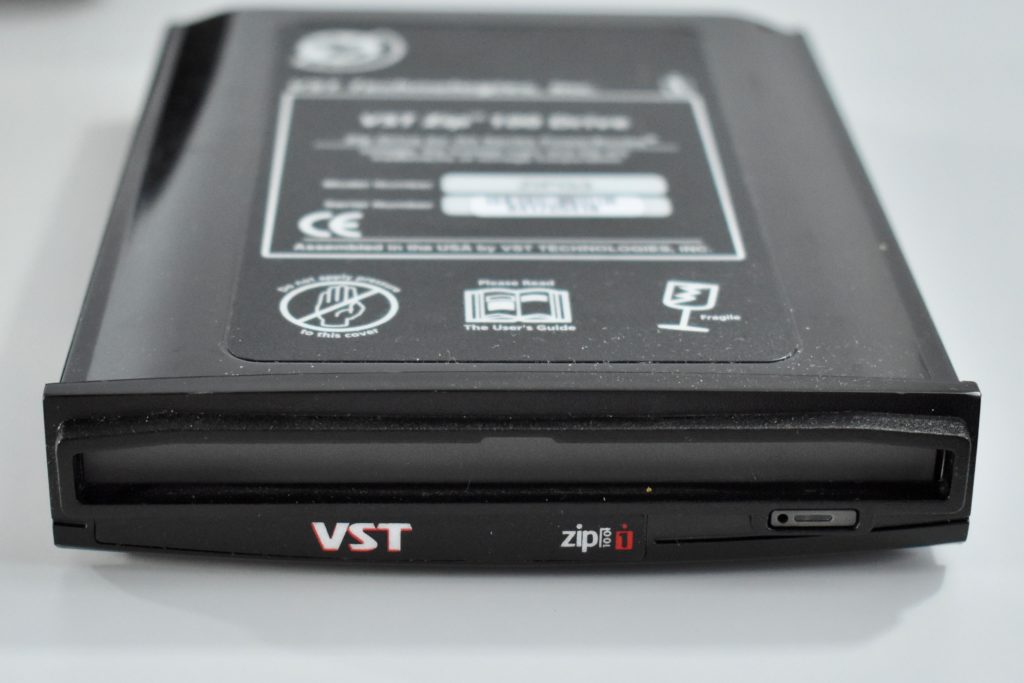
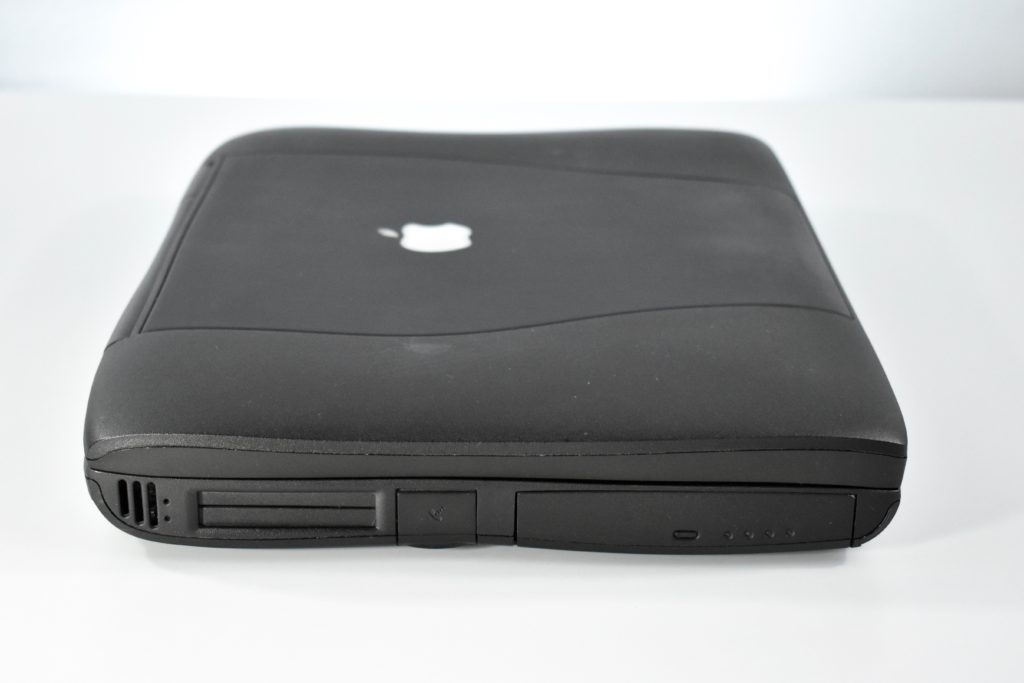
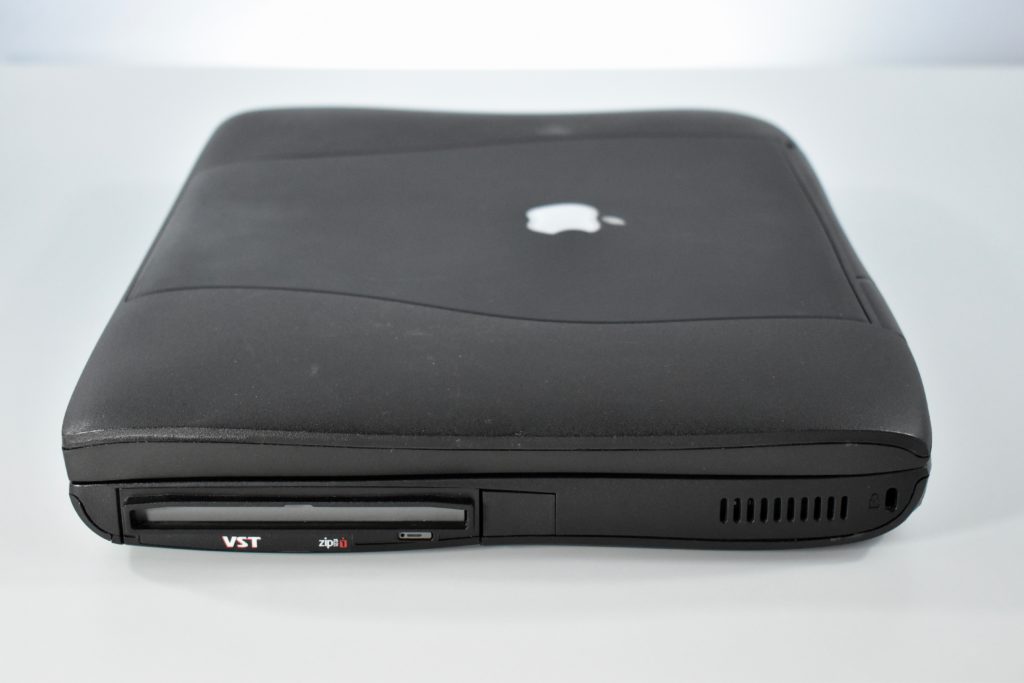
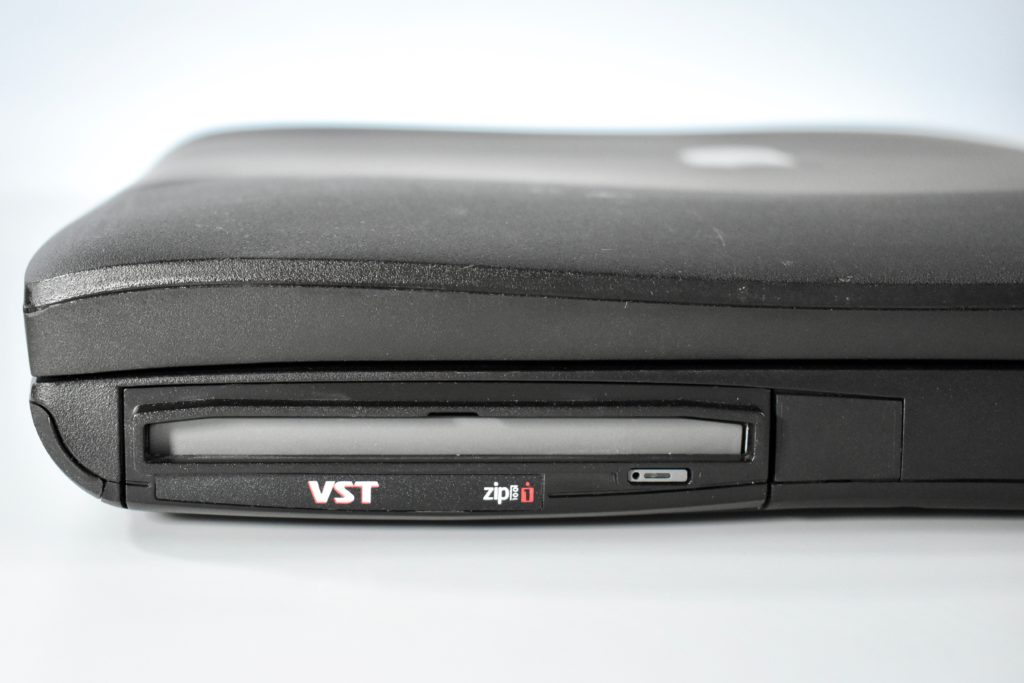
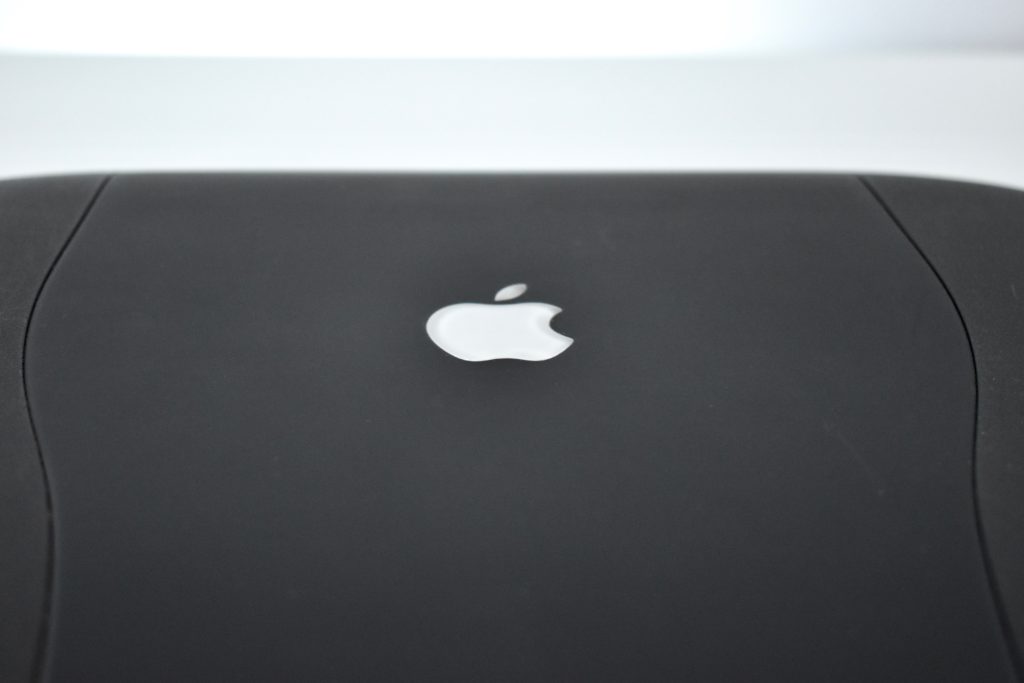
This Wallstreet PowerBook is one of two examples in my collection. This model has a VST Zip drive in the right bay and a battery in the left bay.
Original pricing for the Wallstreet PowerBook G3 Series was $2,999 to $3,500 with other custom configurations available.
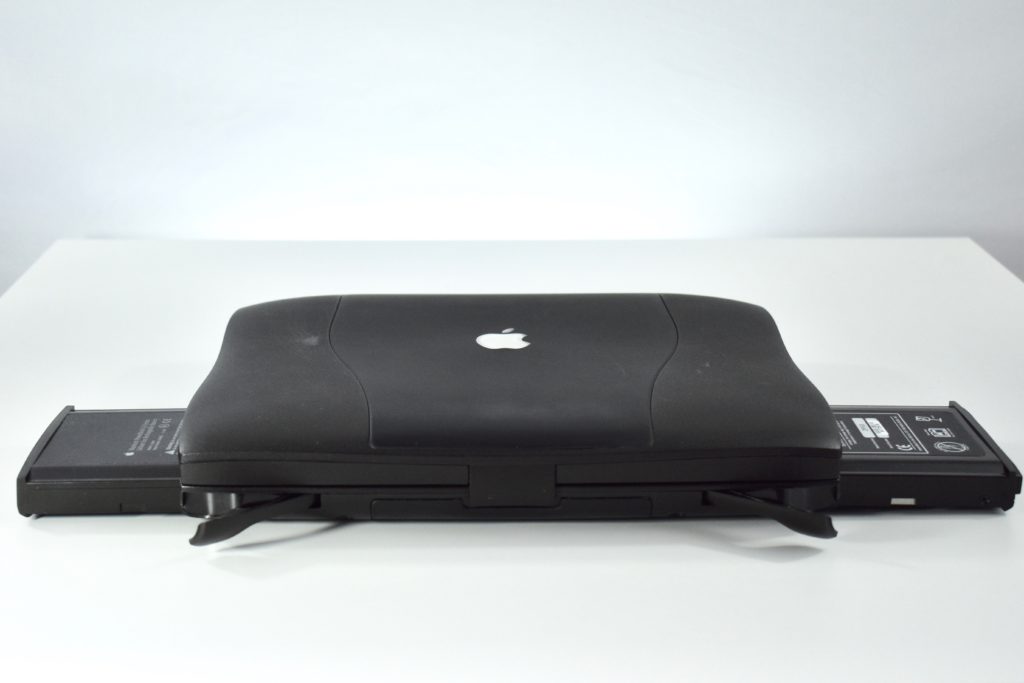
The PowerBook G3 was a member of the “PowerBook G3 Series” family, but more commonly referred to by its “Wallstreet” codename. It featured a 233 MHz PowerPC 740 (G3) processor, 32 MB of RAM, a 2.0 GB hard drive, and a 20X tray-loading CD-ROM drive. Three different screen sizes were available: 12.1-inch STN (passive matrix), 13.3-inch TFT, or 14.1-inch TFT color display.
The Wallstreet PowerBook G3 Series included dual hot-swappable bays that could hold batteries or expansion modules in a 3.5-inch left bay and a 5.25-inch right bay. It also included dual PC card slots and the 13.3-inch and 14.1-inch models had S-video out.
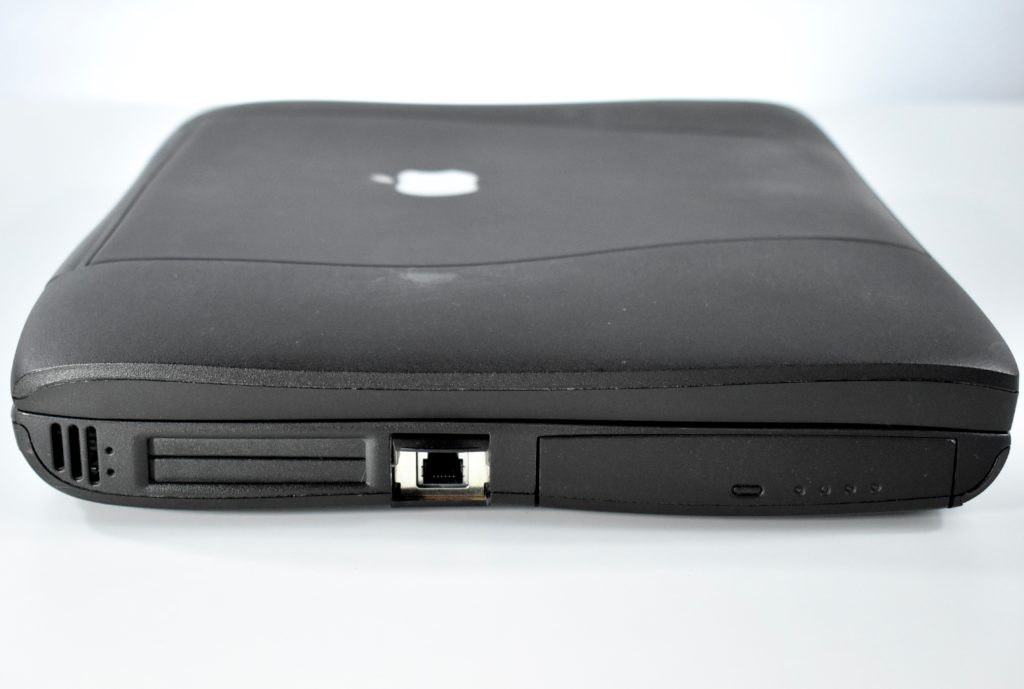
This Wallstreet PowerBook is one of two examples in my collection. This model has the same drive bays that typically shipped: a CD-ROM drive in one bay and a battery in the other bay.
Original pricing for the Wallstreet PowerBook G3 Series was $2,999 to $3,500 with other custom configurations available.
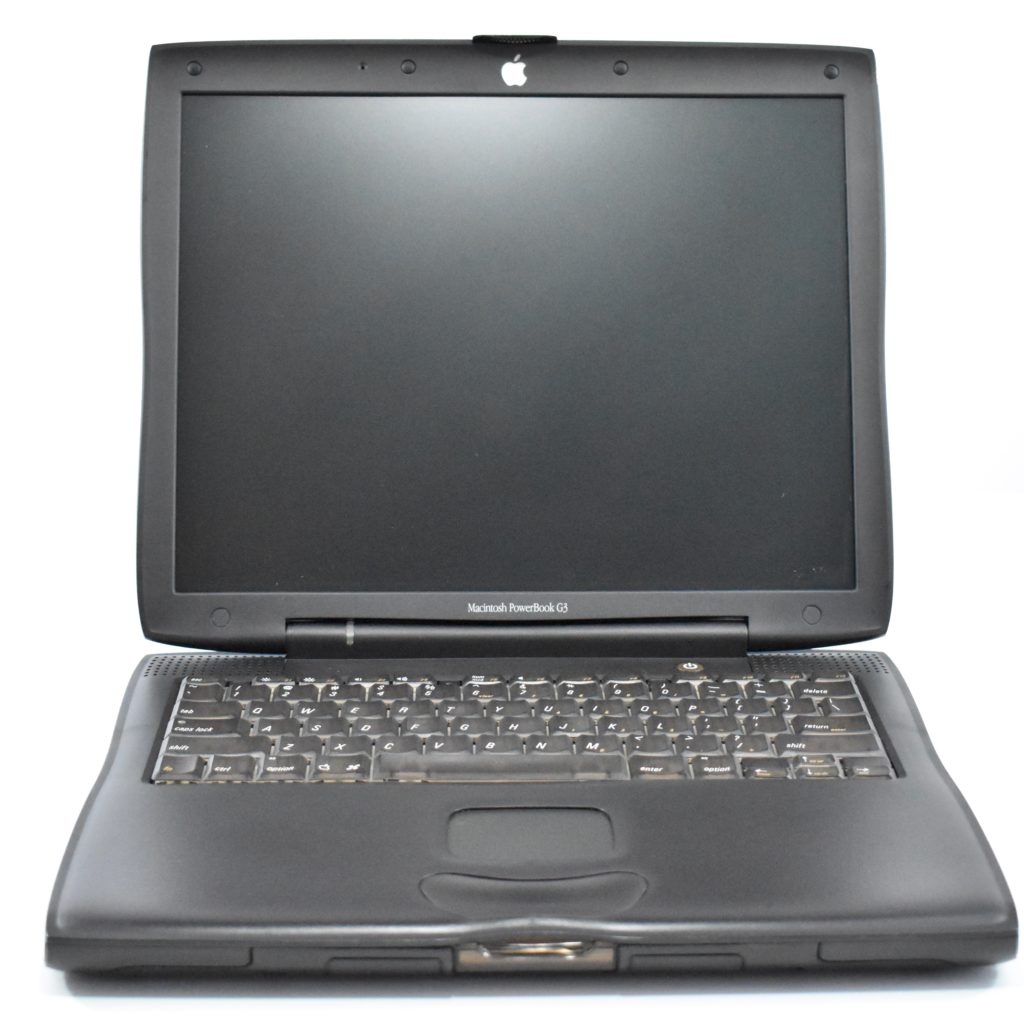
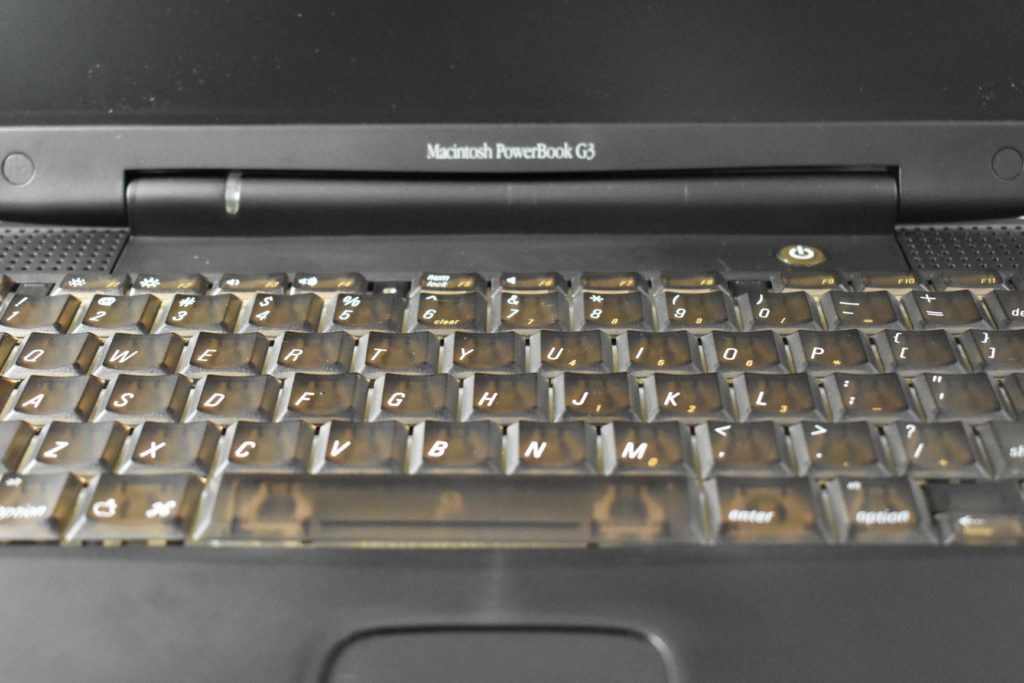
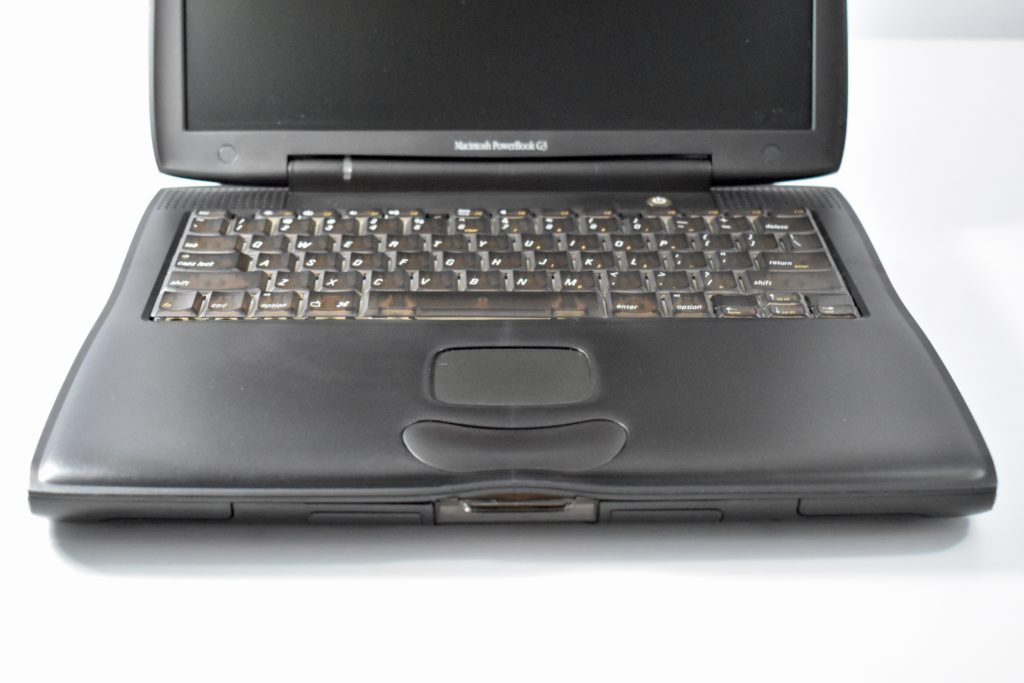
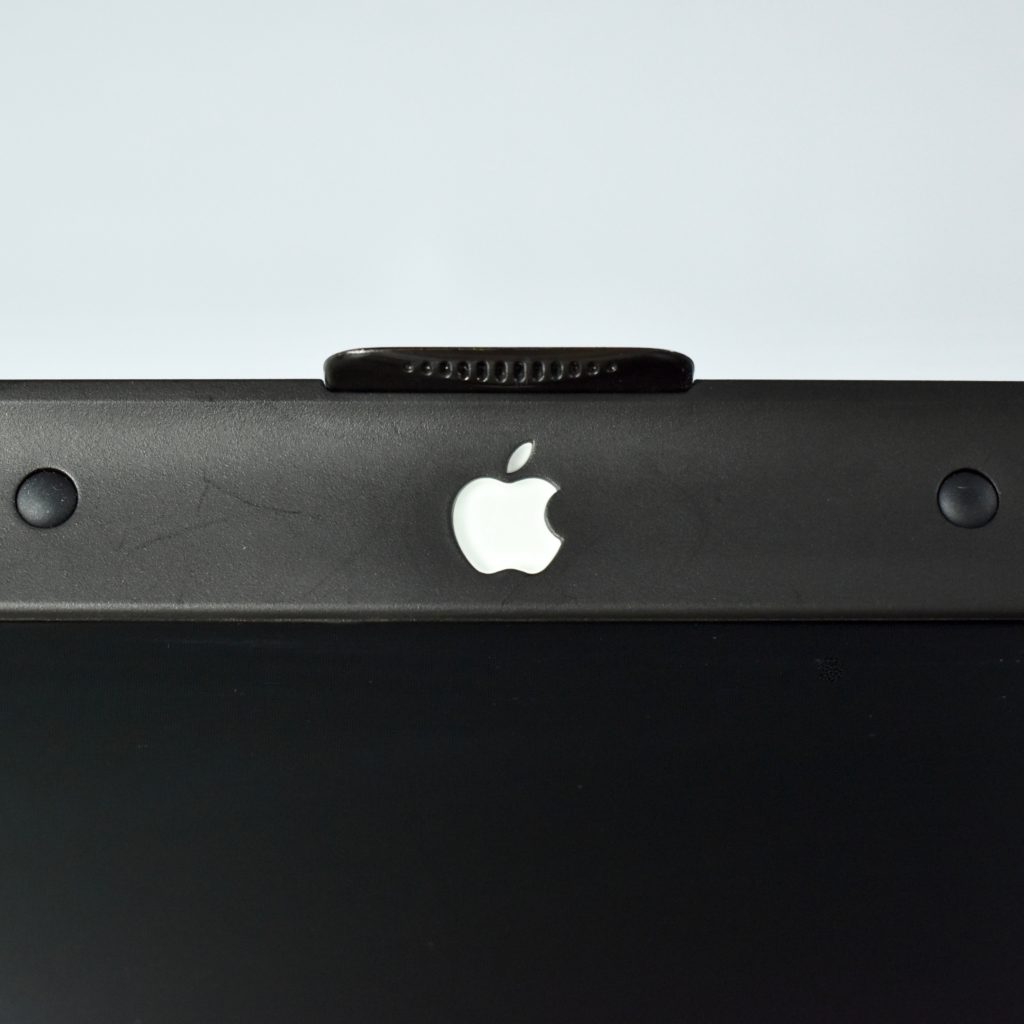
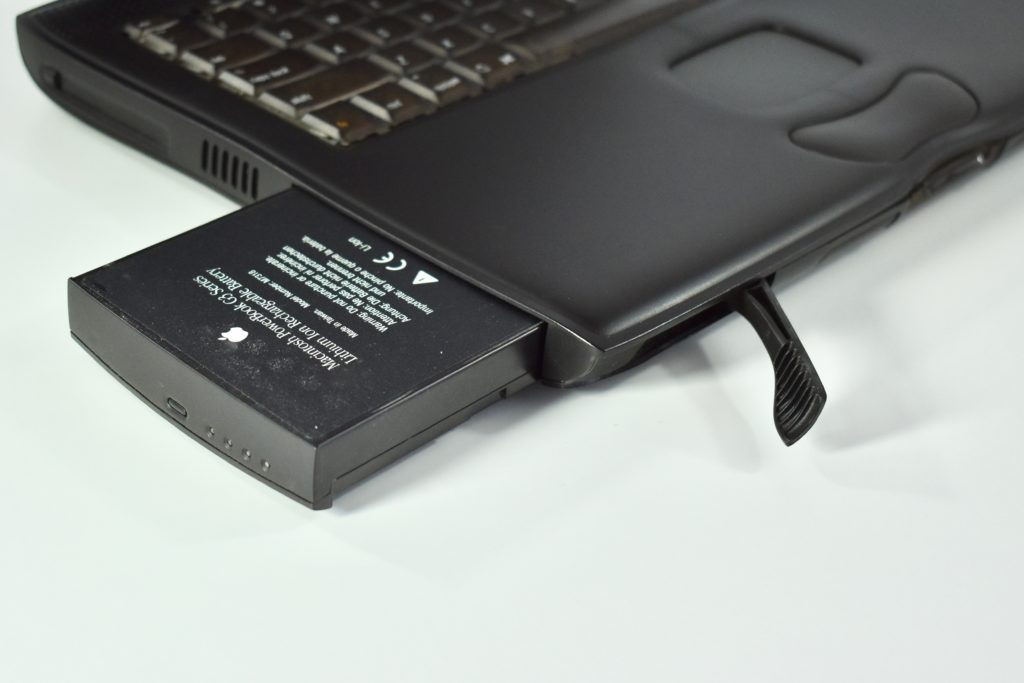
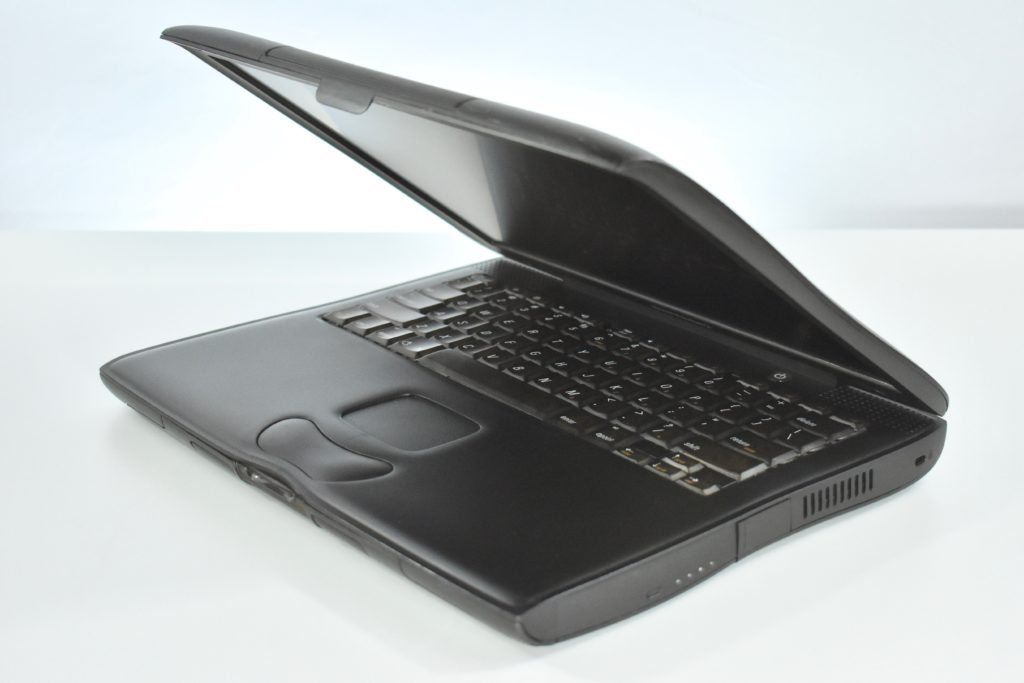
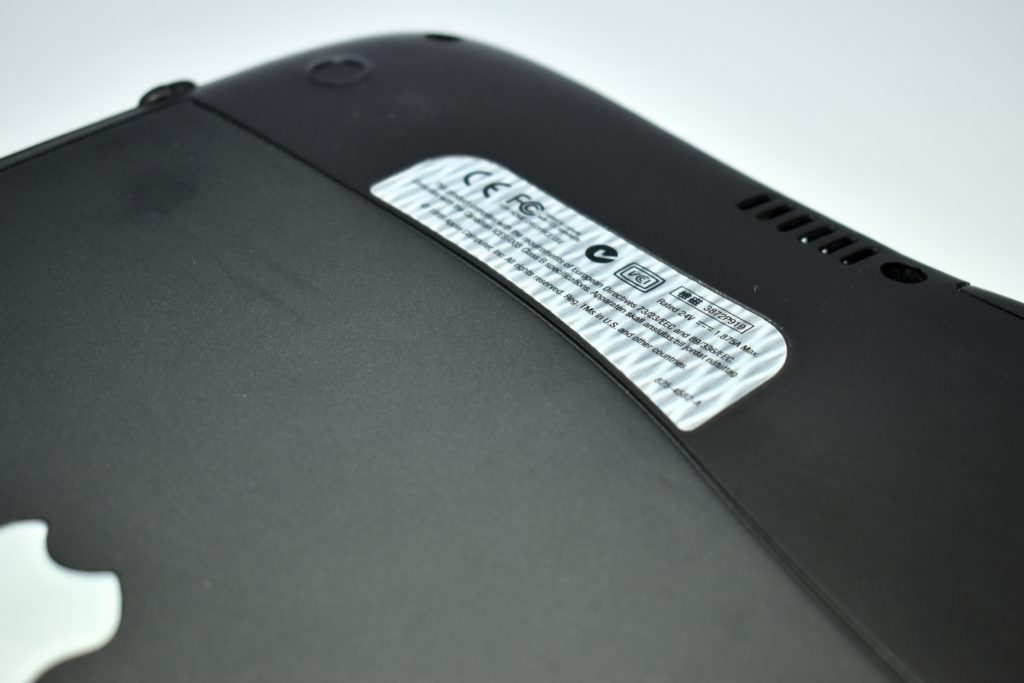
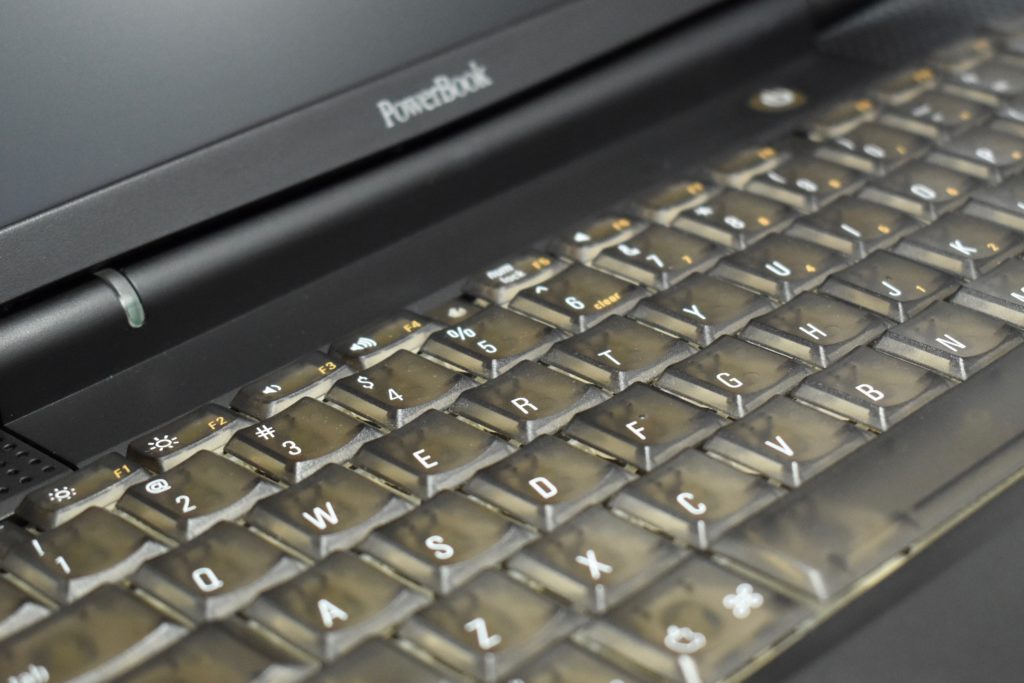
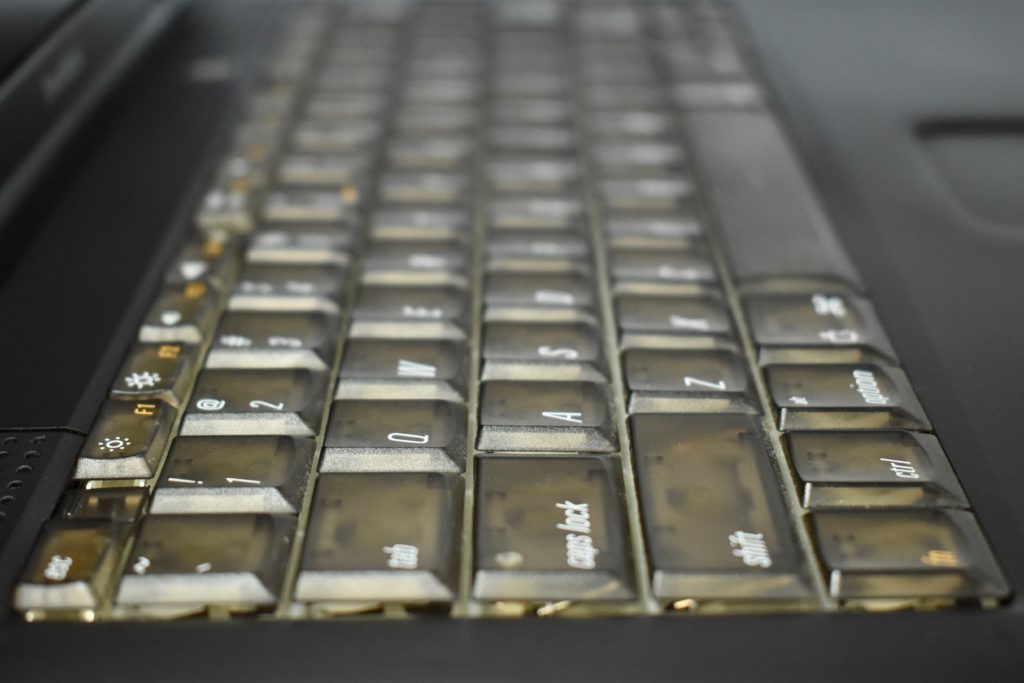
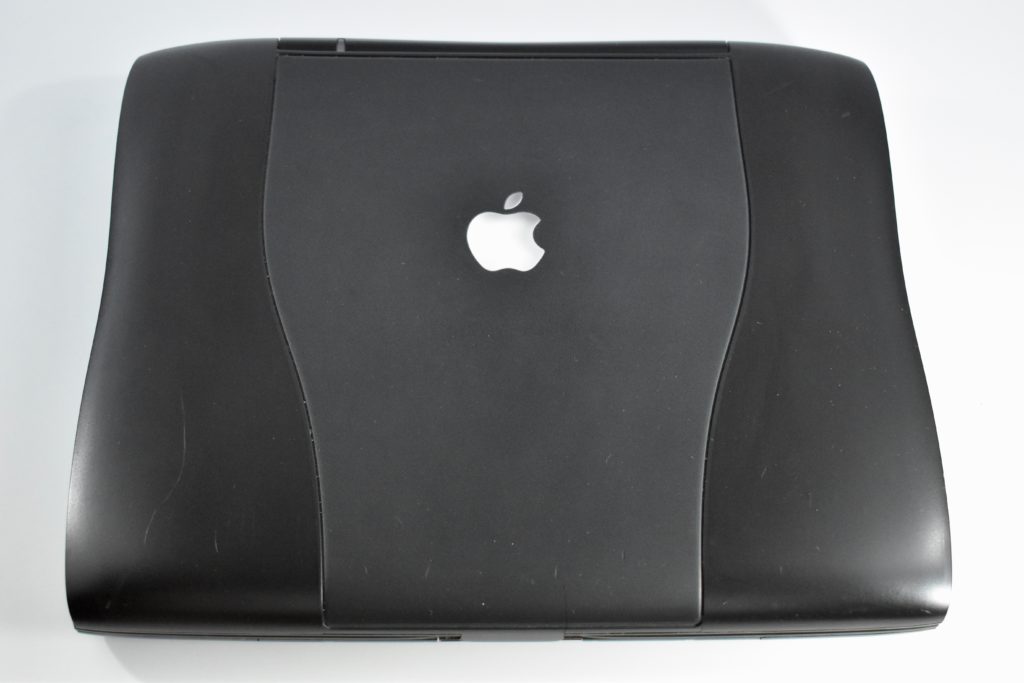
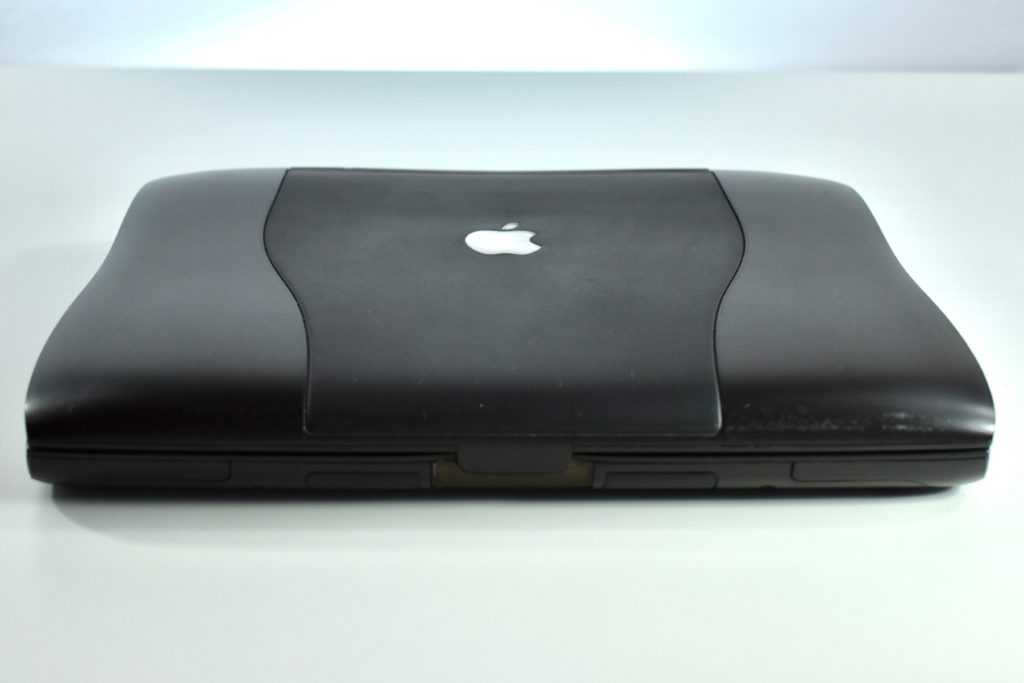
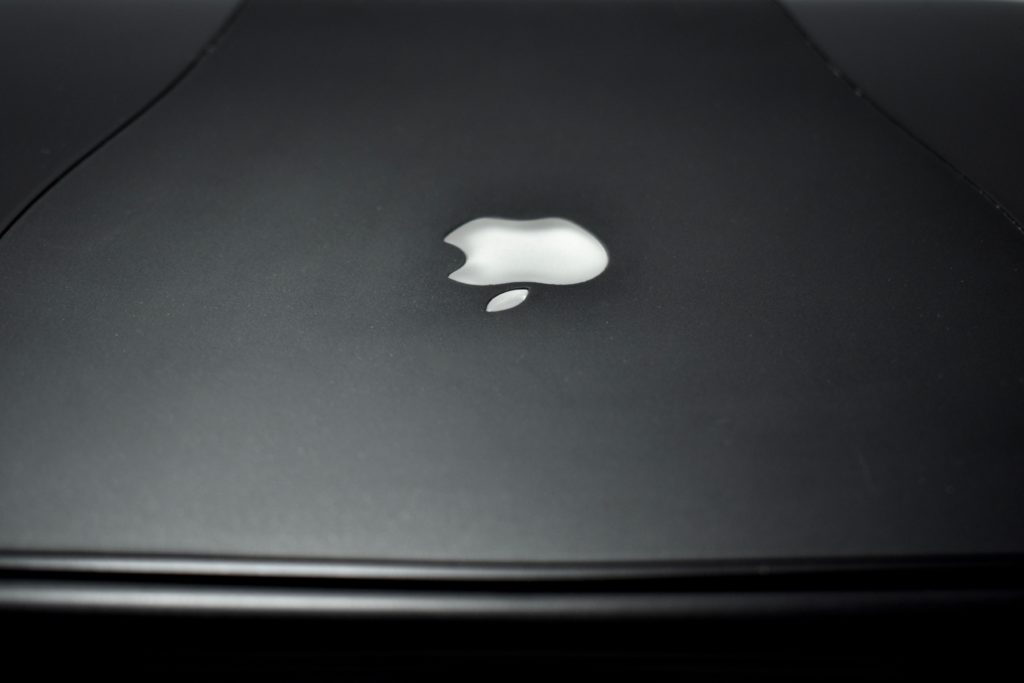
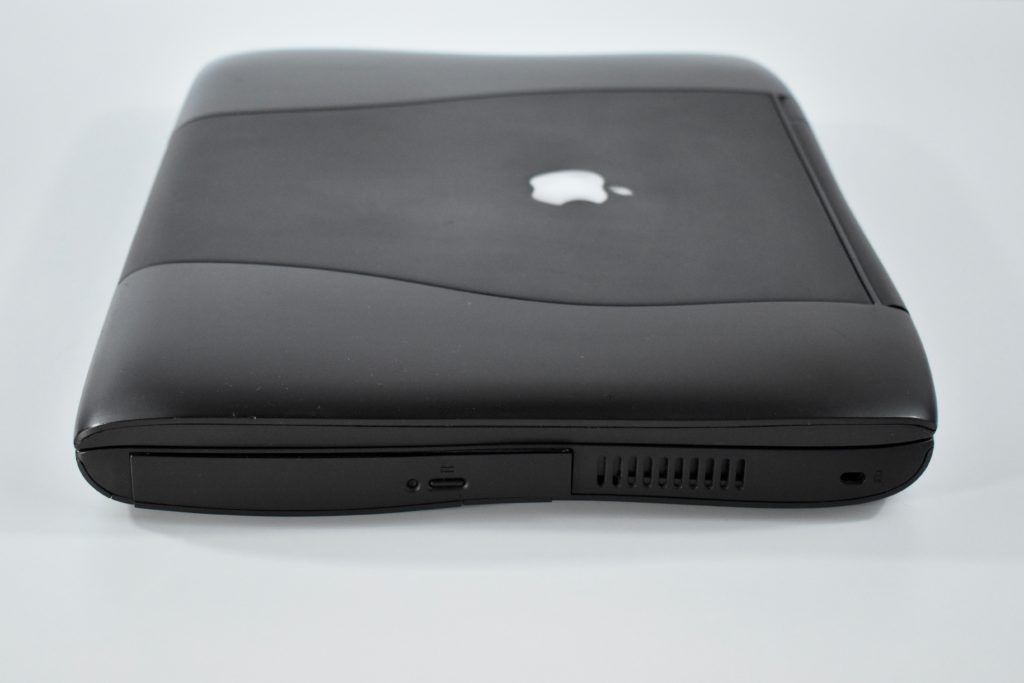
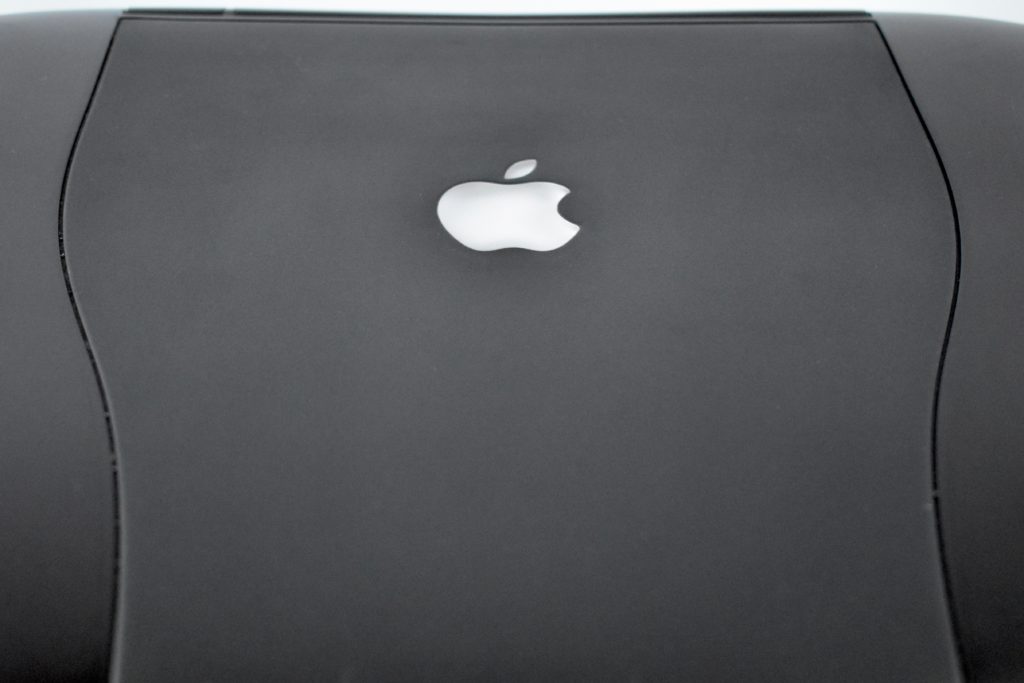
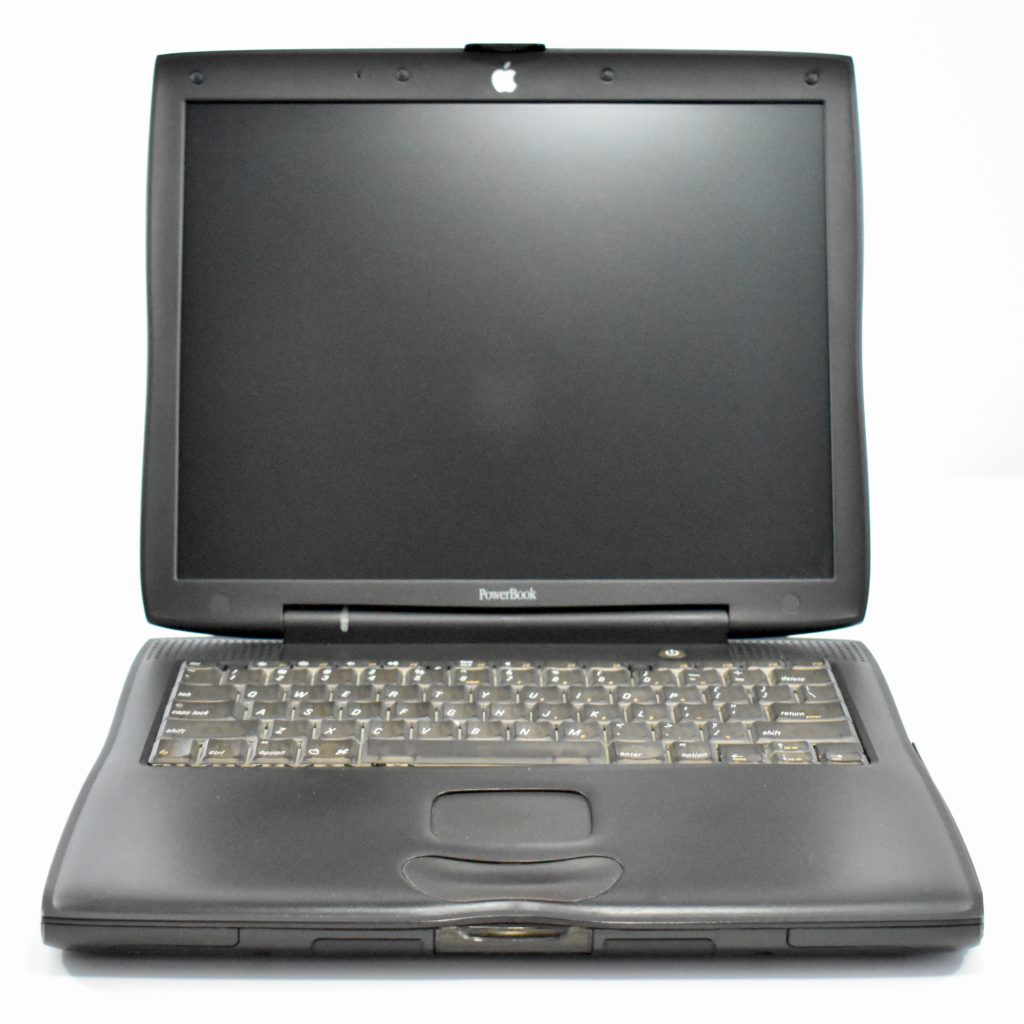
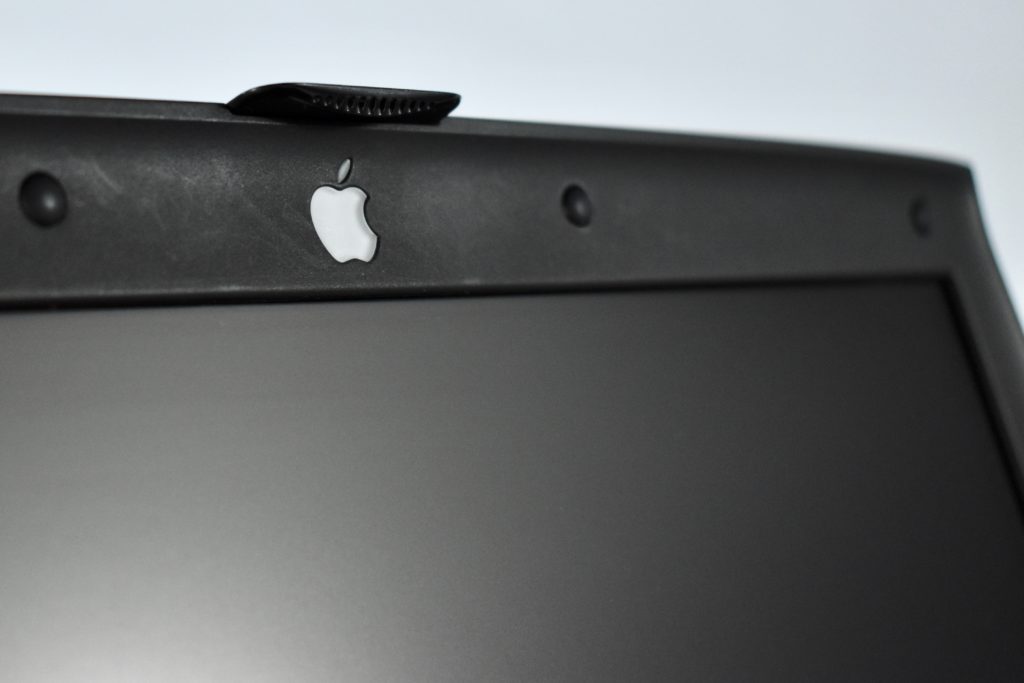
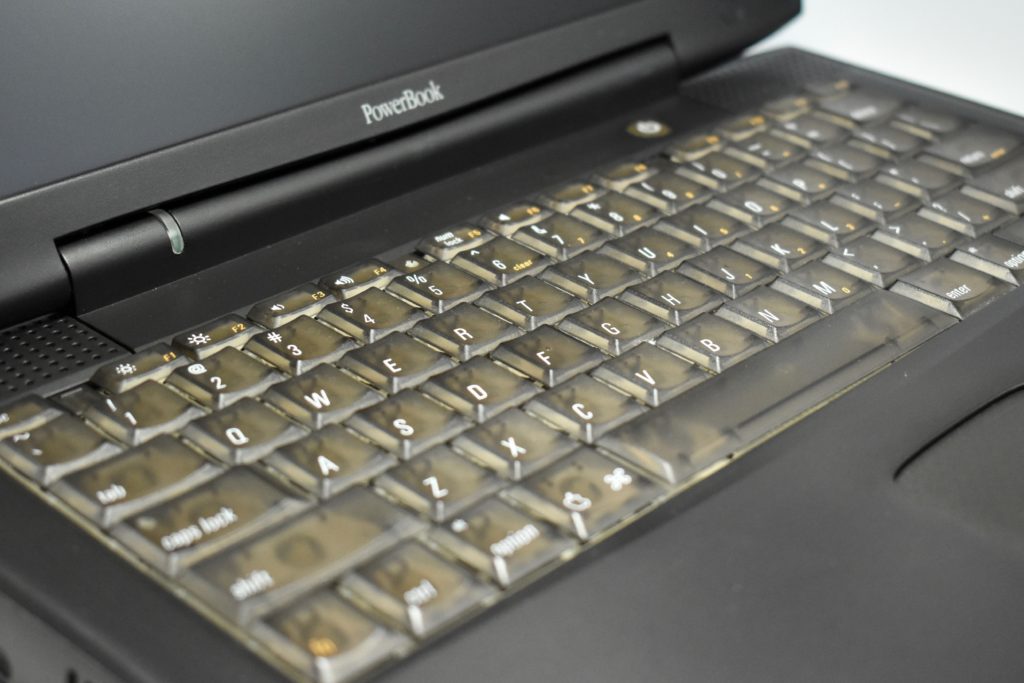
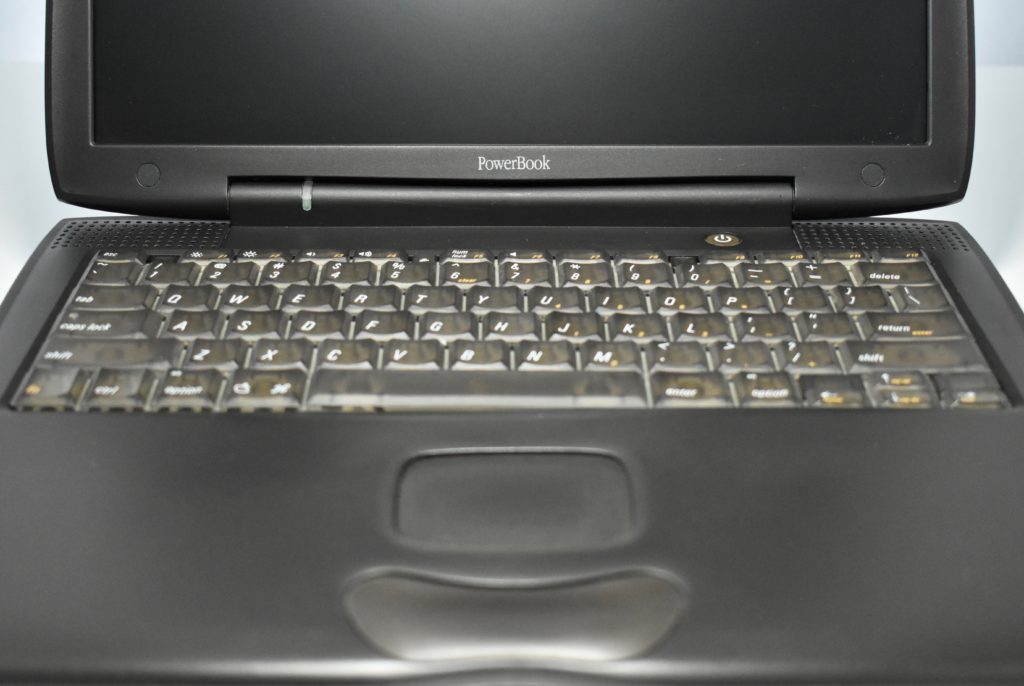
The PowerBook G3/400 had a distinctive translucent bronze-colored keyboard and was often referred to by its codename, “Lombard.” The codename was a reference to its curvy case design reminiscent of the curvy Lombard Street in San Francisco.
The bronze-keyboard PowerBook featured a 400 MHz PowerPC 750 (G3) processor, 64 MB of RAM, and a 6.0 GB hard drive, and a tray-loading 2X DVD-ROM drive. The screen was a 14.1-inch TFT active-matrix color display.
The PowerBook G3 bronze keyboard systems were approximately 20% thinner than earlier PowerBook G3 models, had a longer battery life, weighed substantially less, and added dual-display support. This was also the first “professional” PowerBook to drop the ADB and Mac serial ports for dual USB ports. However, the laptop retained the old SCSI port.
The PowerBook G3 500 was a member of the PowerBook FireWire family and referred to by its codename, “Pismo.” It featured a 500 MHz PowerPC 750 (G3) processor, 128 MB of RAM, a 12.0 GB or 20.0 GB hard drive, and a tray-loading 6X DVD-ROM drive. The screen was a 14.1-inch TFT active-matrix color display.
Although the PowerBook G3 shares a case that is similar to the “Lombard” PowerBook G3 models that came before them (with a bronze keyboard), the “Pismo” PowerBooks used a faster logic board, a faster hard drive, and faster graphics. Pismo PowerBooks also supported optional AirPort (802.11b), and included dual FireWire ports.
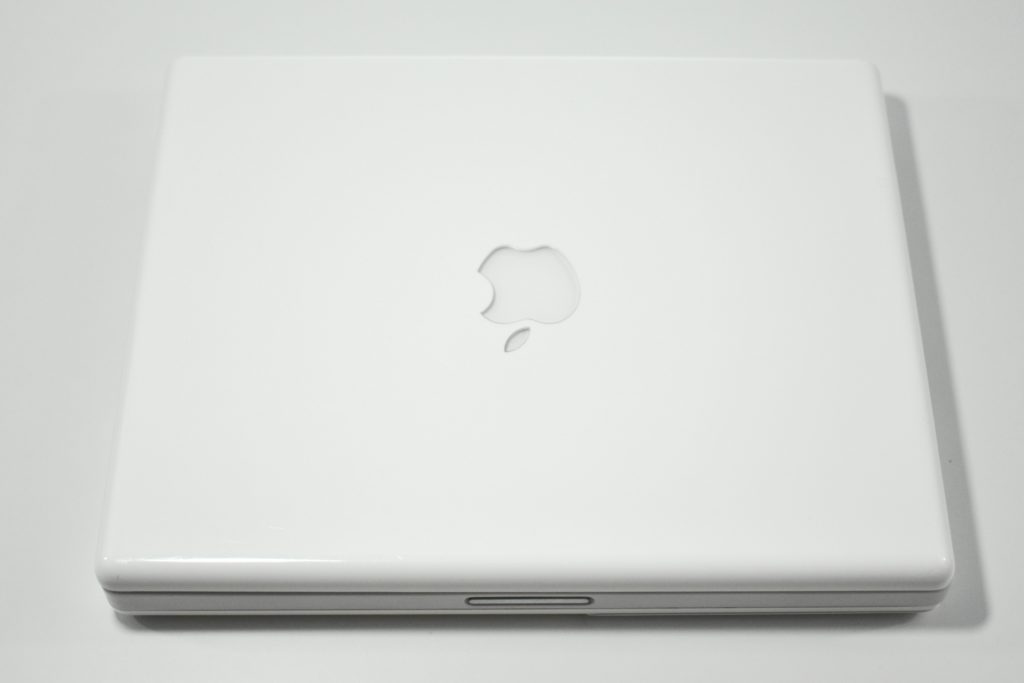
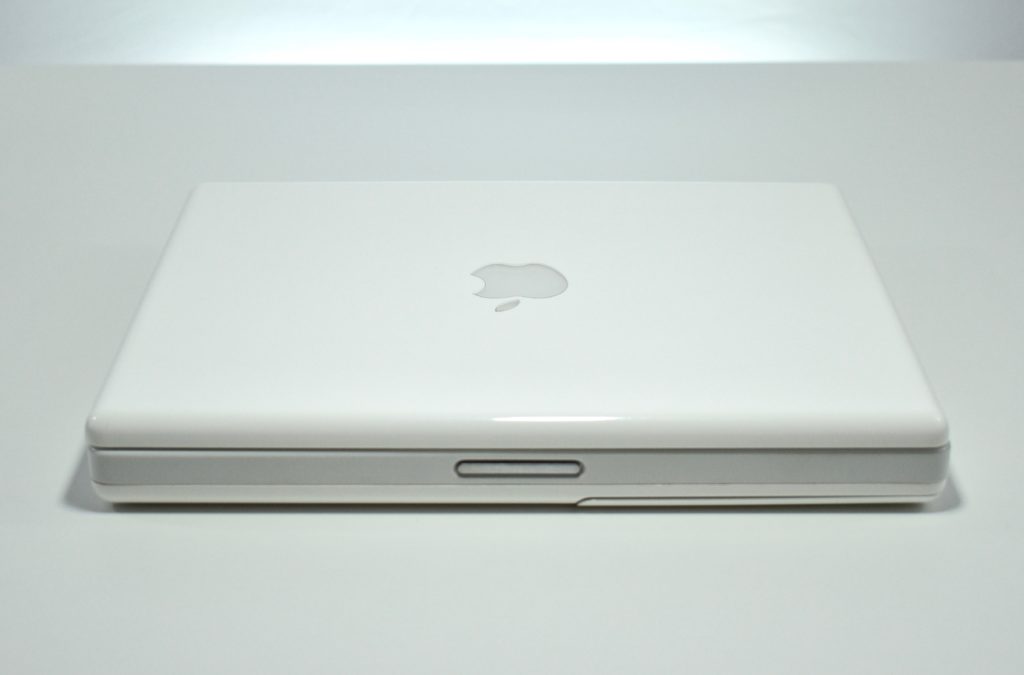
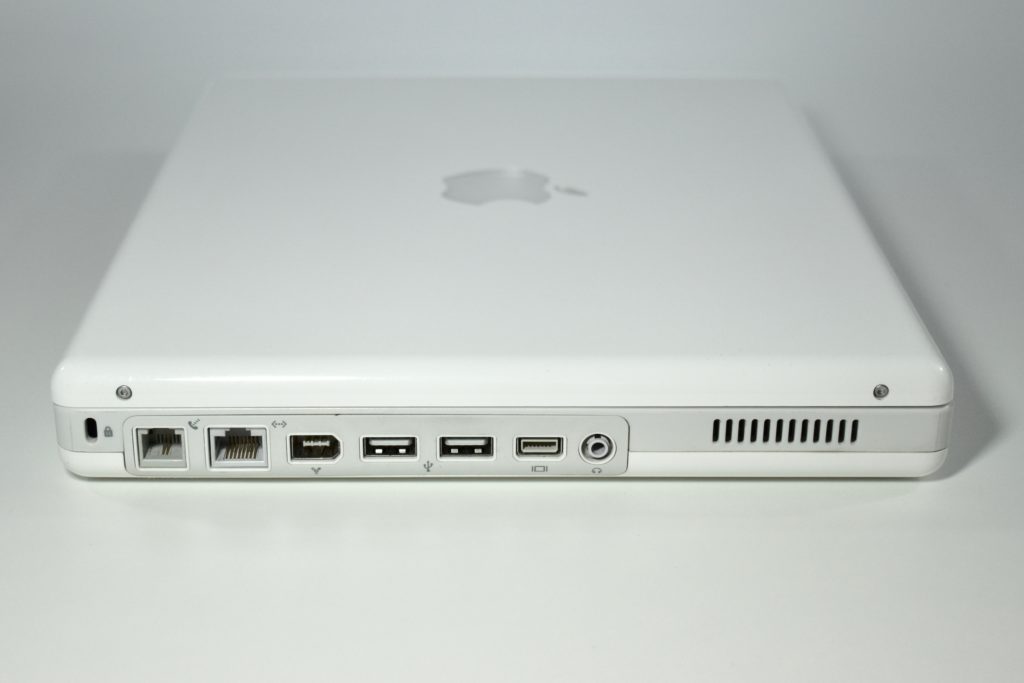
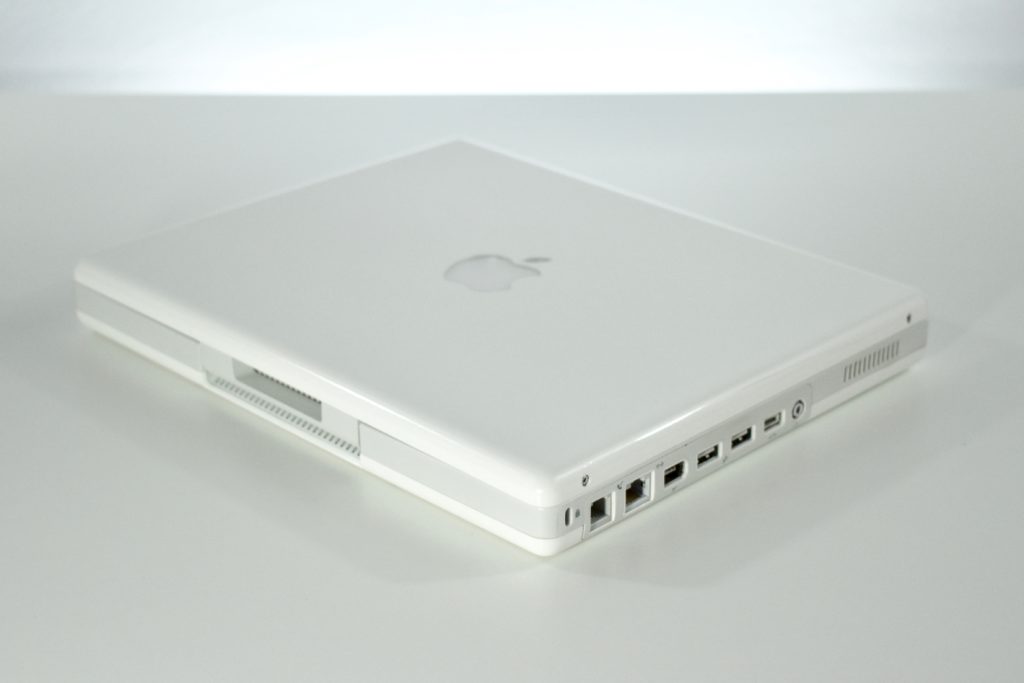
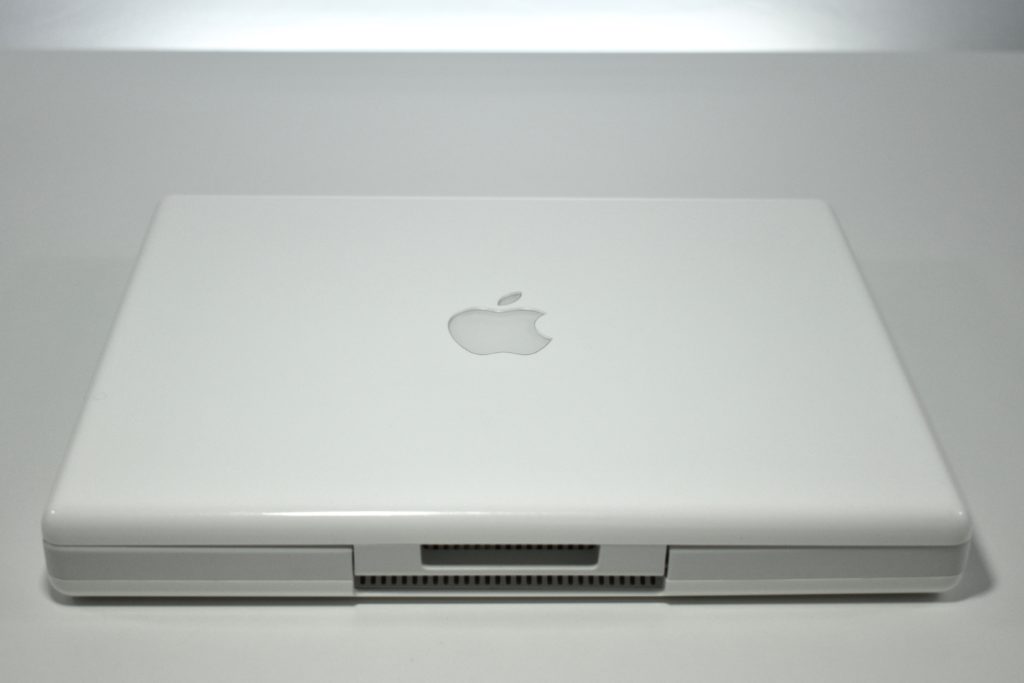
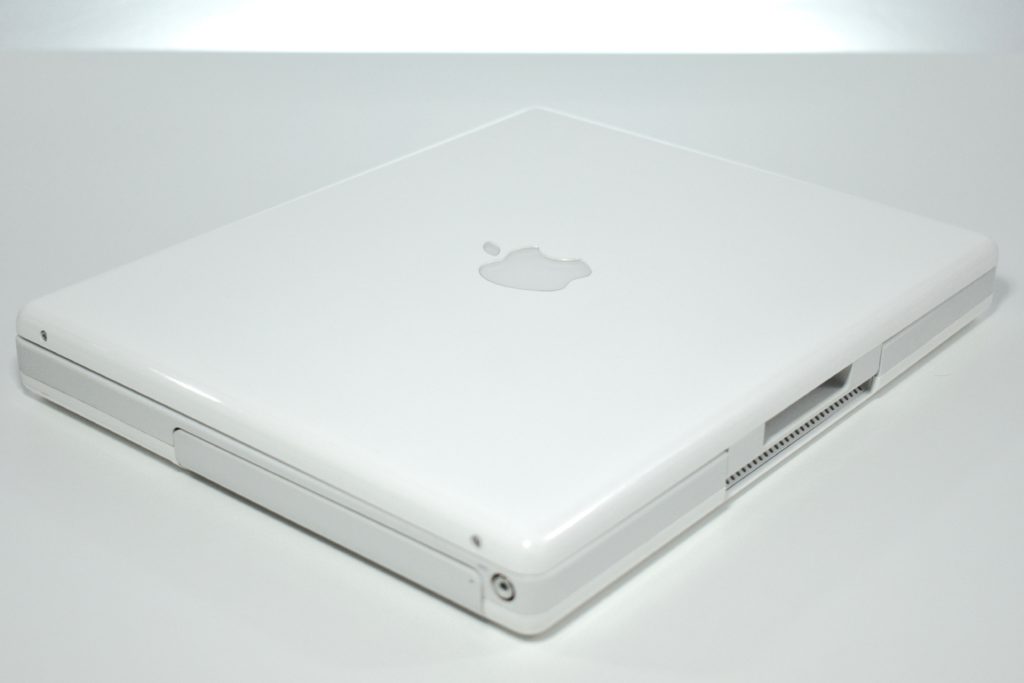
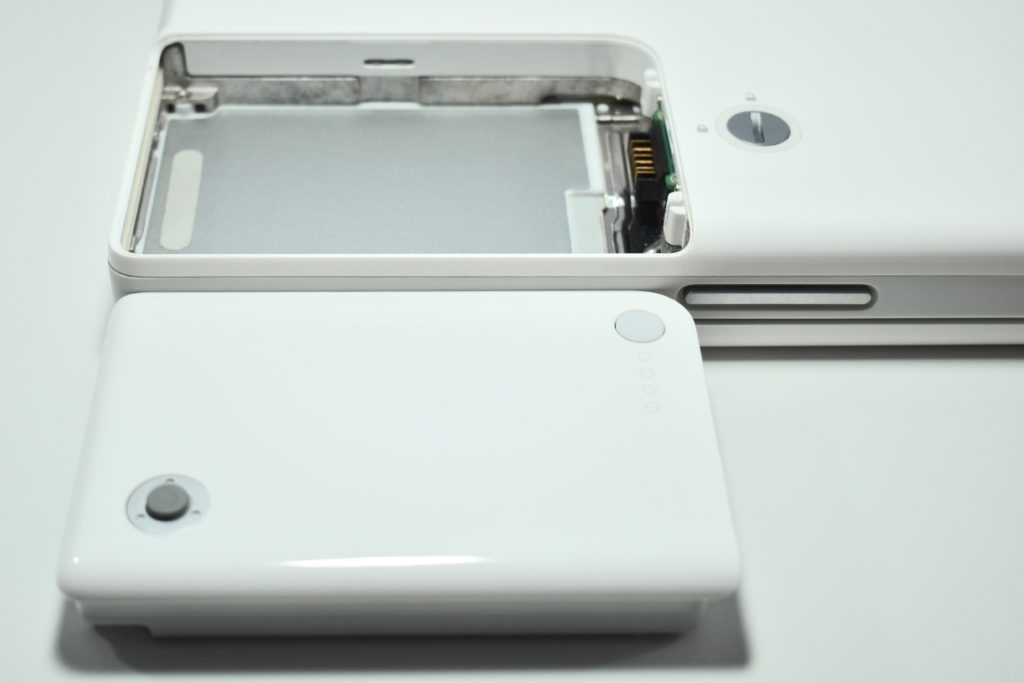
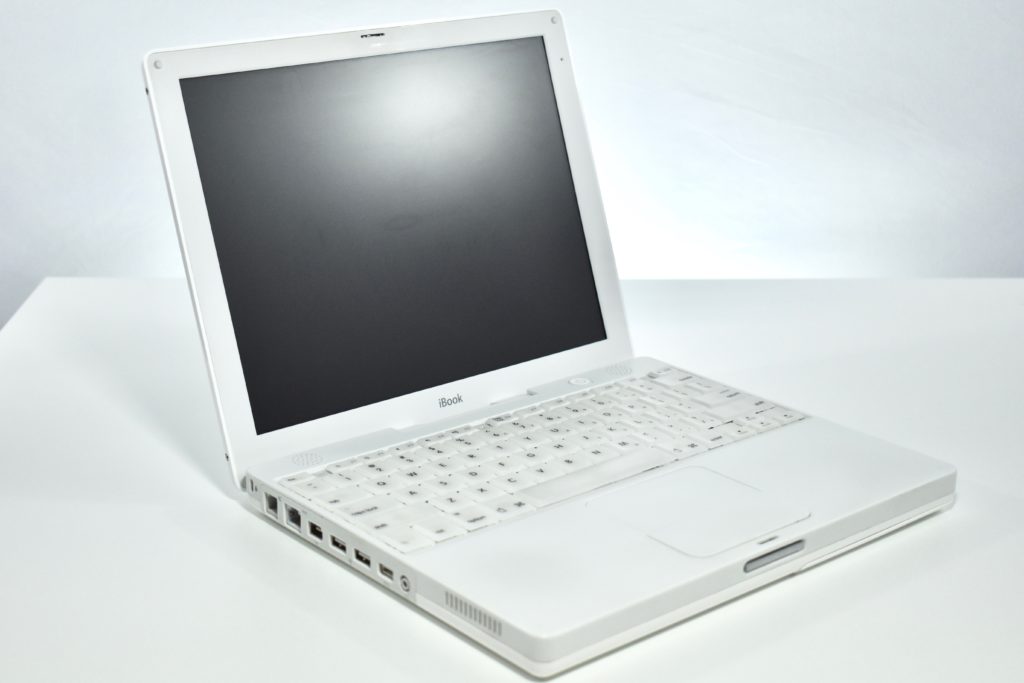
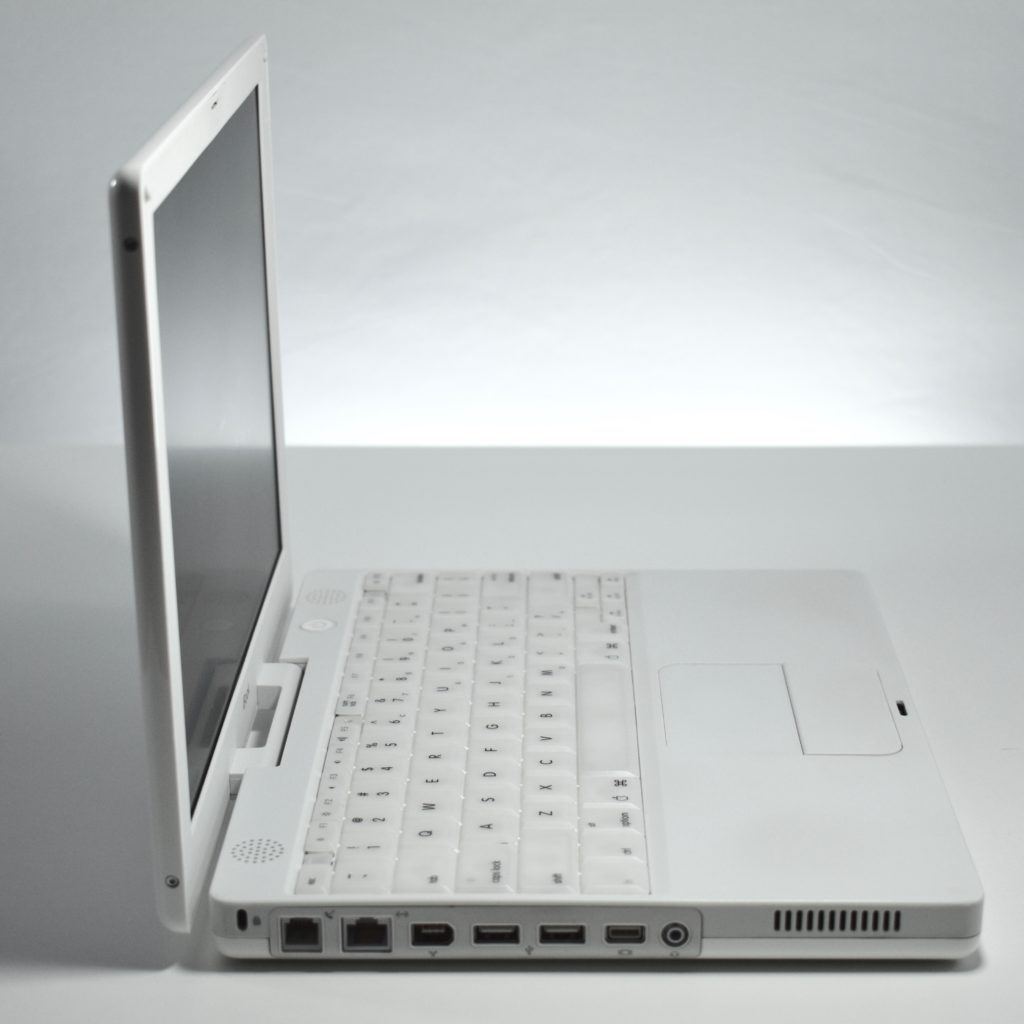
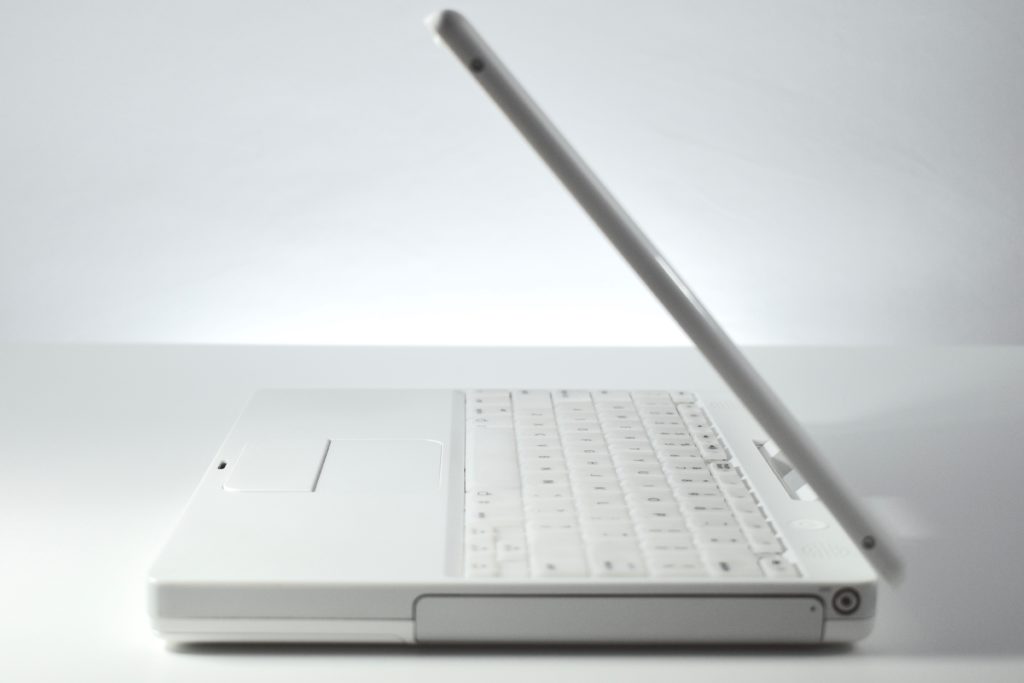
The iBook G3/900 (Early 2003) was similar to the Late 2002 models before them and mostly consisted of increased RAM, processor improvements, and larger hard drives. The case of the Early 2003 models was the identical shape as the Late 2002 models. However, the Late 2002 models had a translucent white case while the Early 2003 case was opaque white.
The iBook G3/900 (Early 2003) featured a 900 MHz PowerPC 750fx (G3) processor, 128 MB of RAM, a 40.0 GB Ultra ATA hard drive, a tray-loading 8X/24X/10X/24X DVD-ROM/CD-RW Combo drive, and an optional AirPort (802.11b) wireless card. The display was a 12.1-inch TFT XGA active matrix display at 1024×768.
The design of these white iBook laptops greatly increased the mobility of the iBook line, compared to the much bulkier “clamshell” design of the original iBook laptops.
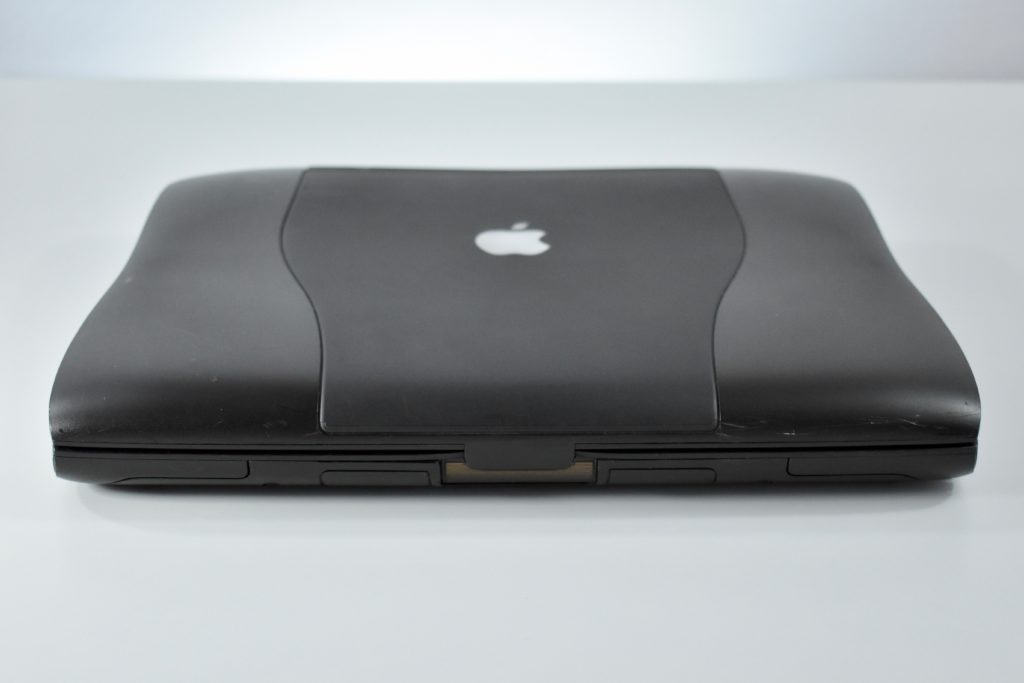
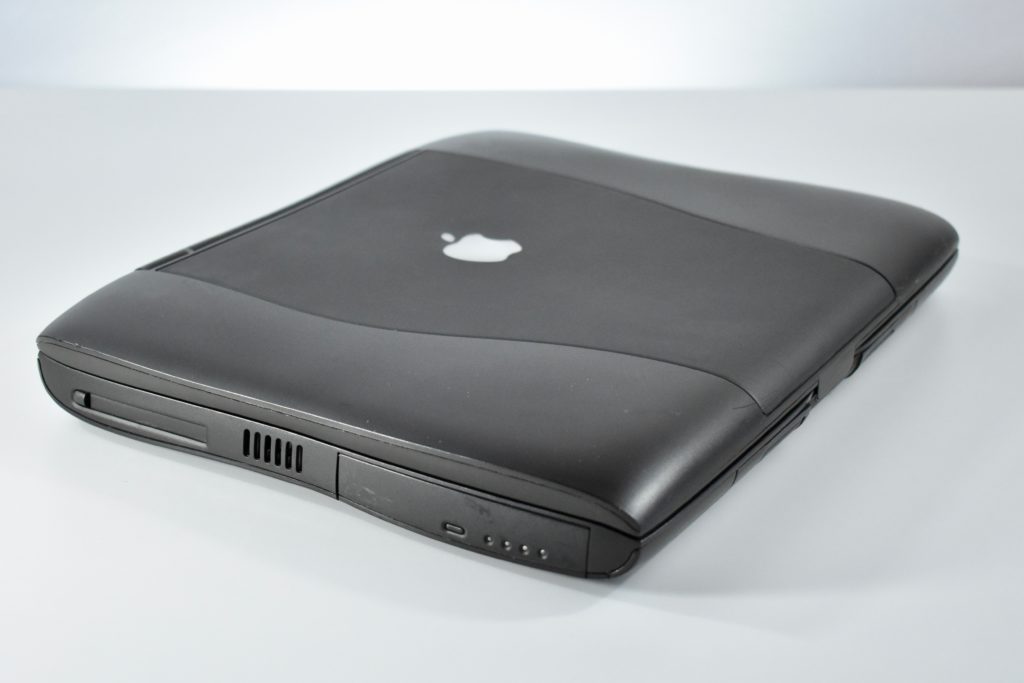
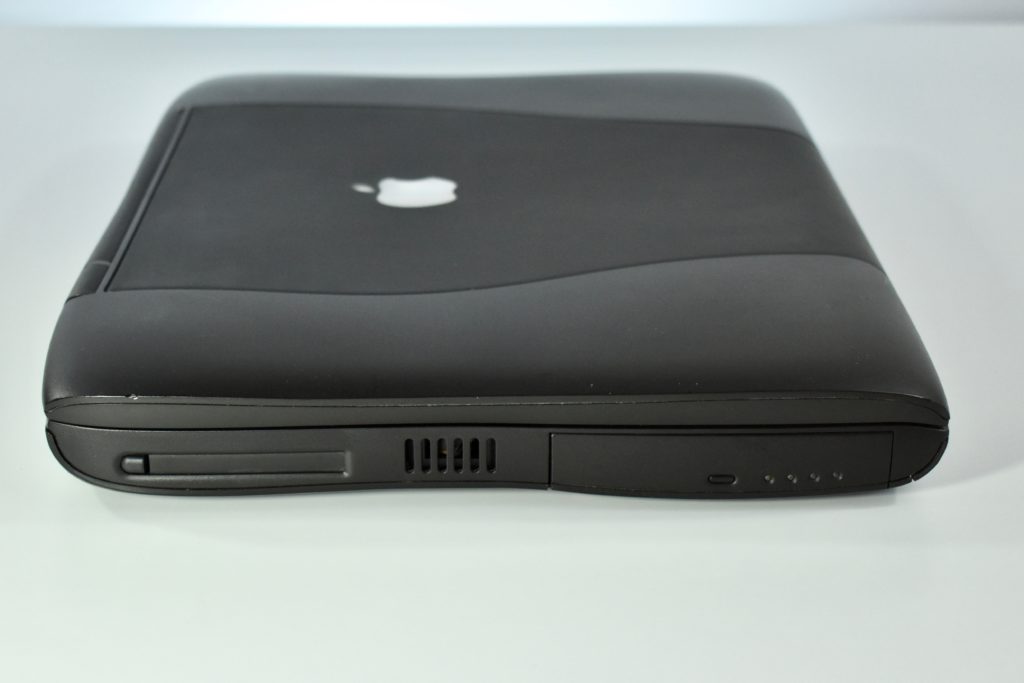
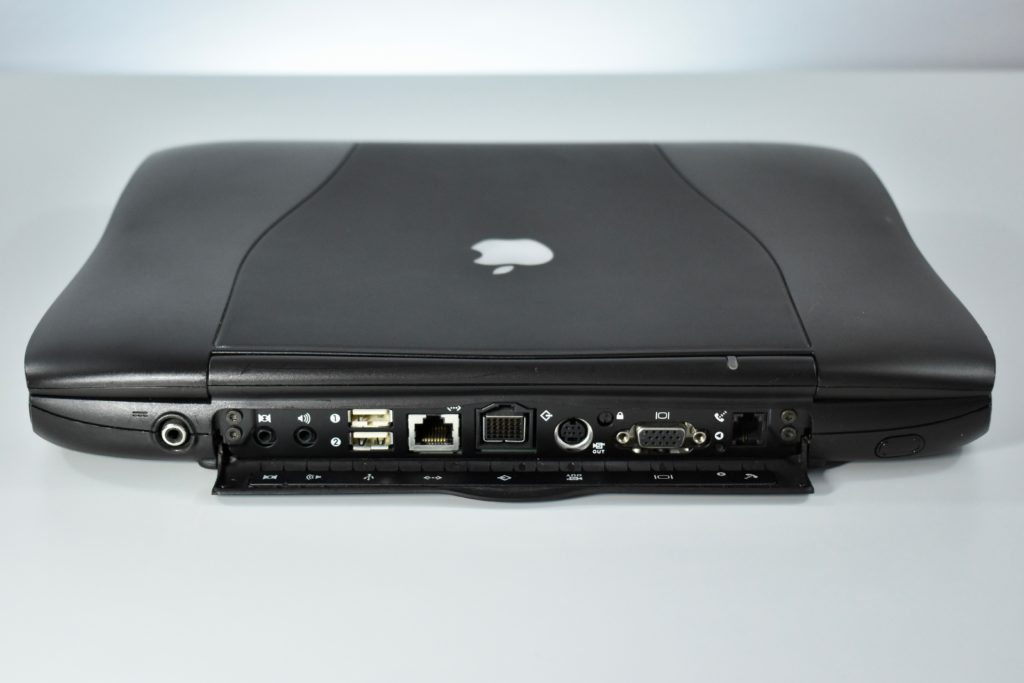
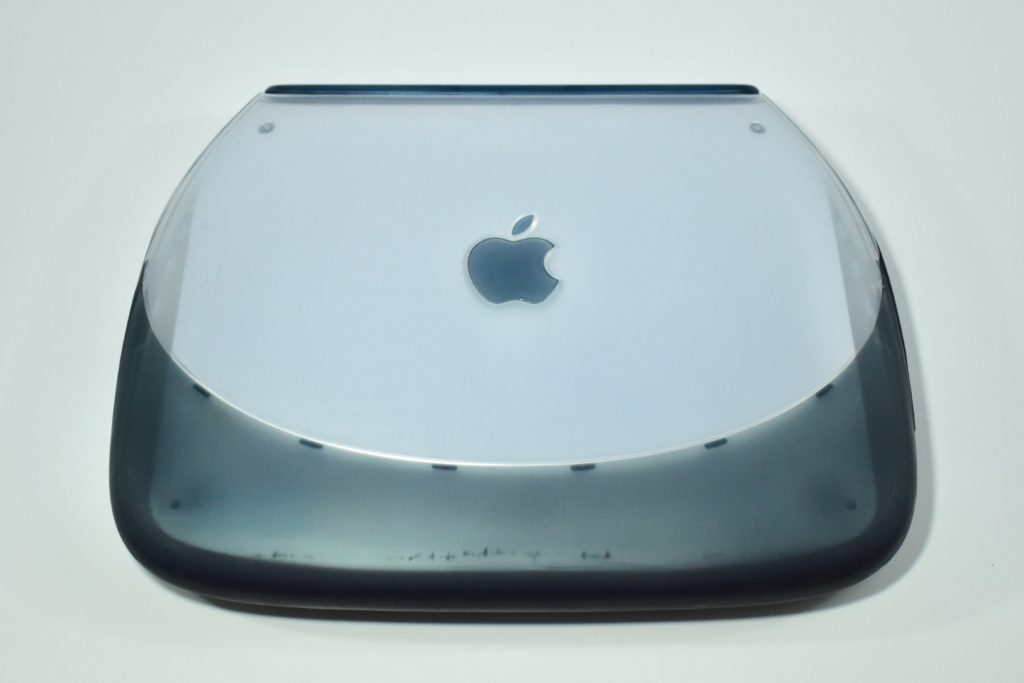
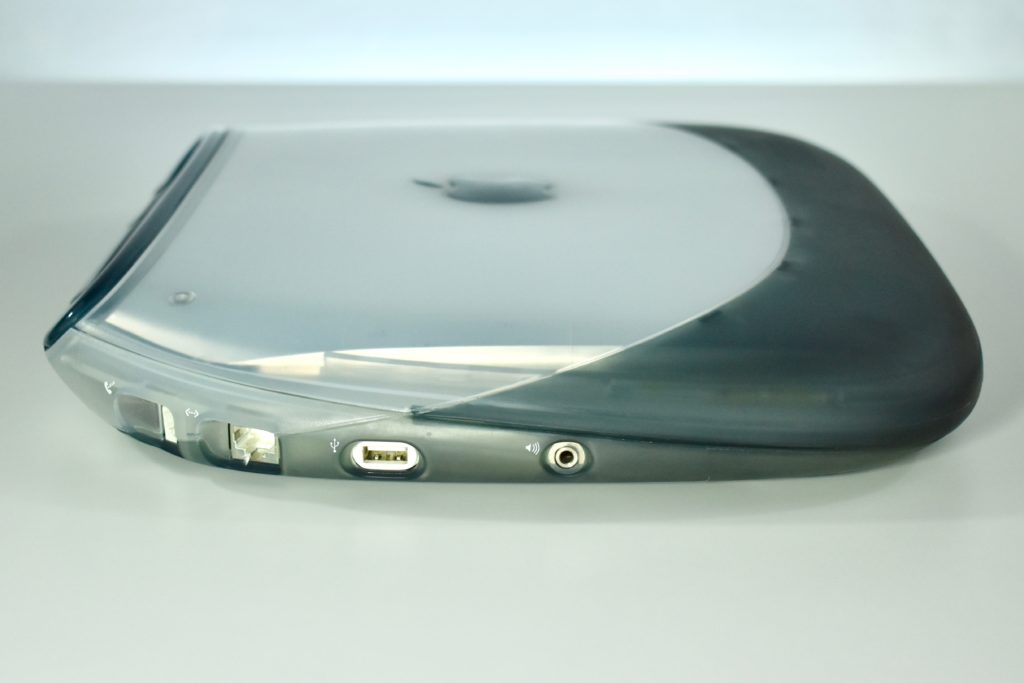
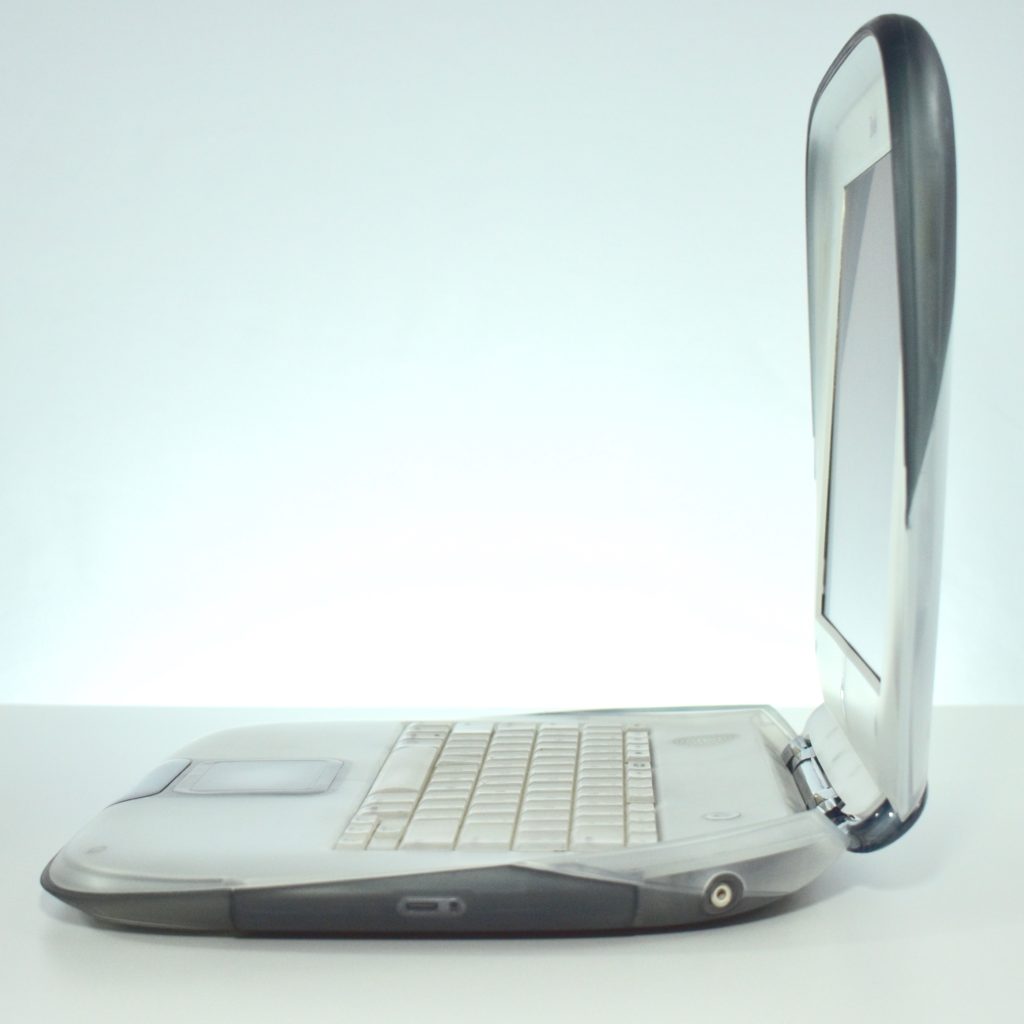
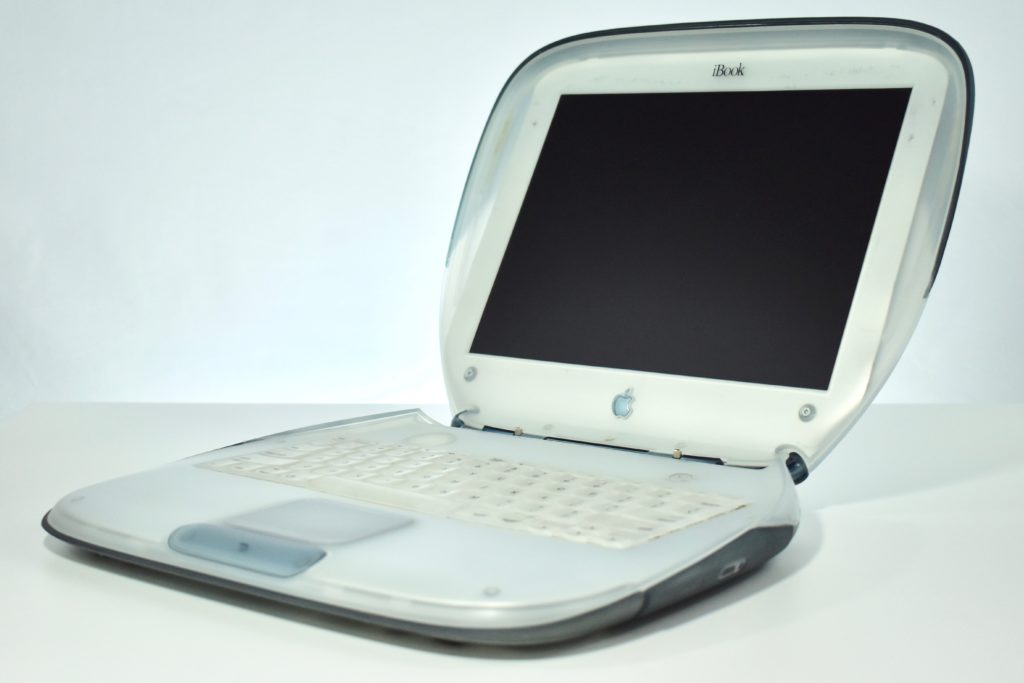
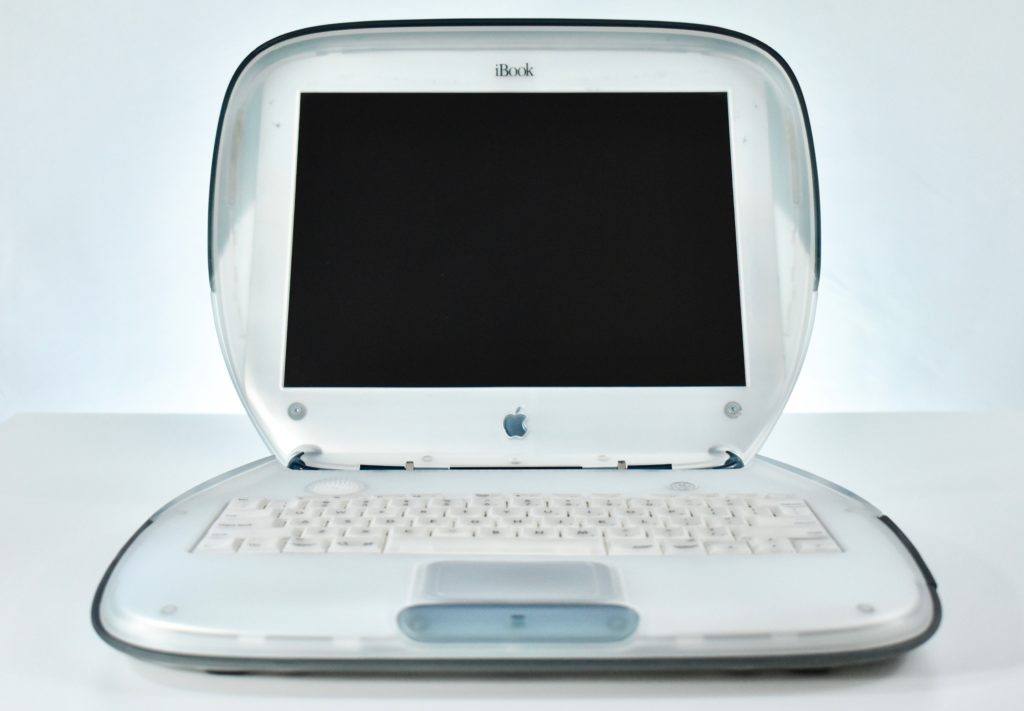
The iBook G3/366 Special Edition (SE) shares the same Apple model number as the original “clamshell” iBook, but has a few upgraded internal specifications. The iBook SE increased the processor power to 366 MHz and shipped with 64 MB of RAM and a 6.0 GB hard drive.
The SE was also offered in a more conservative case color that Apple referred to as “graphite and ice.”