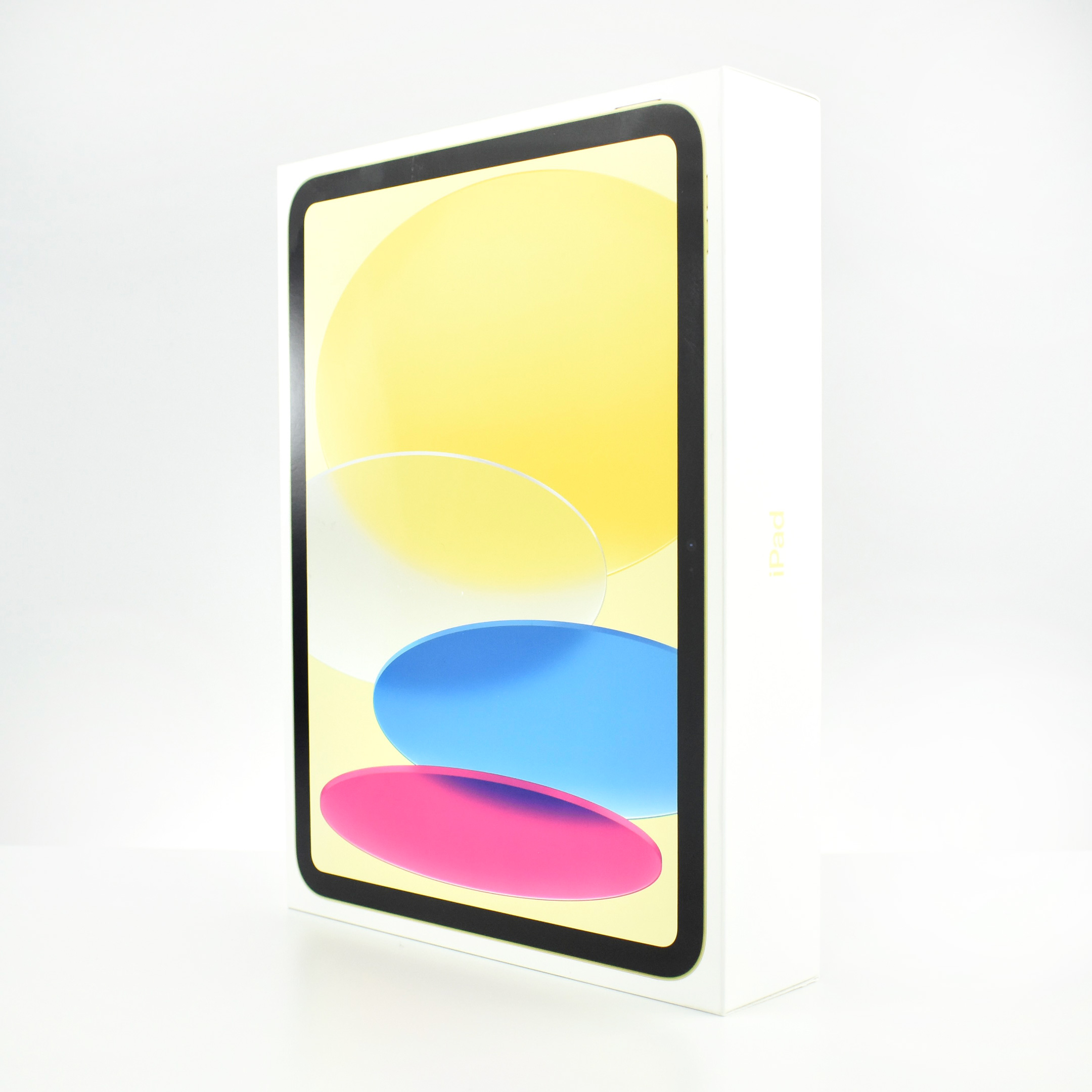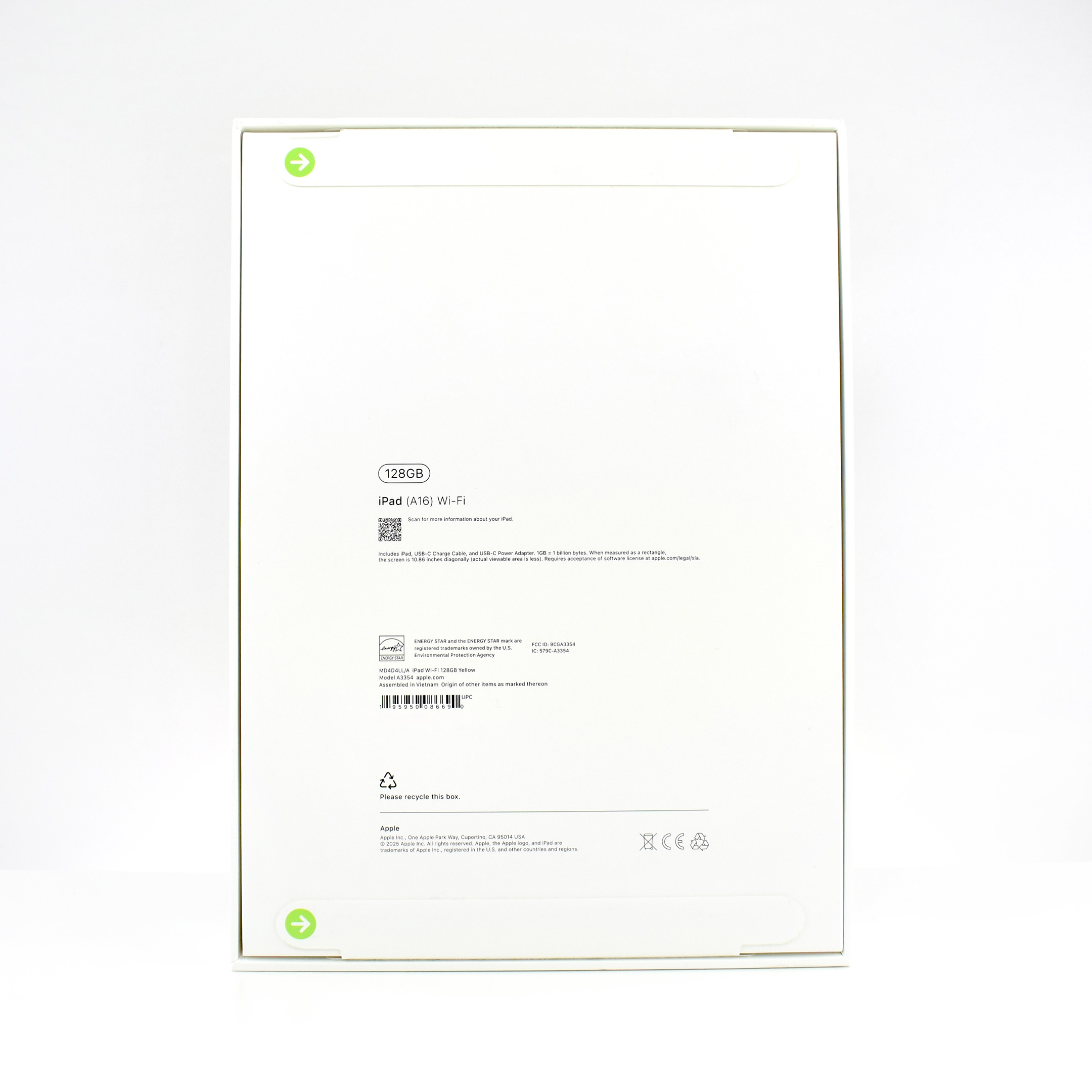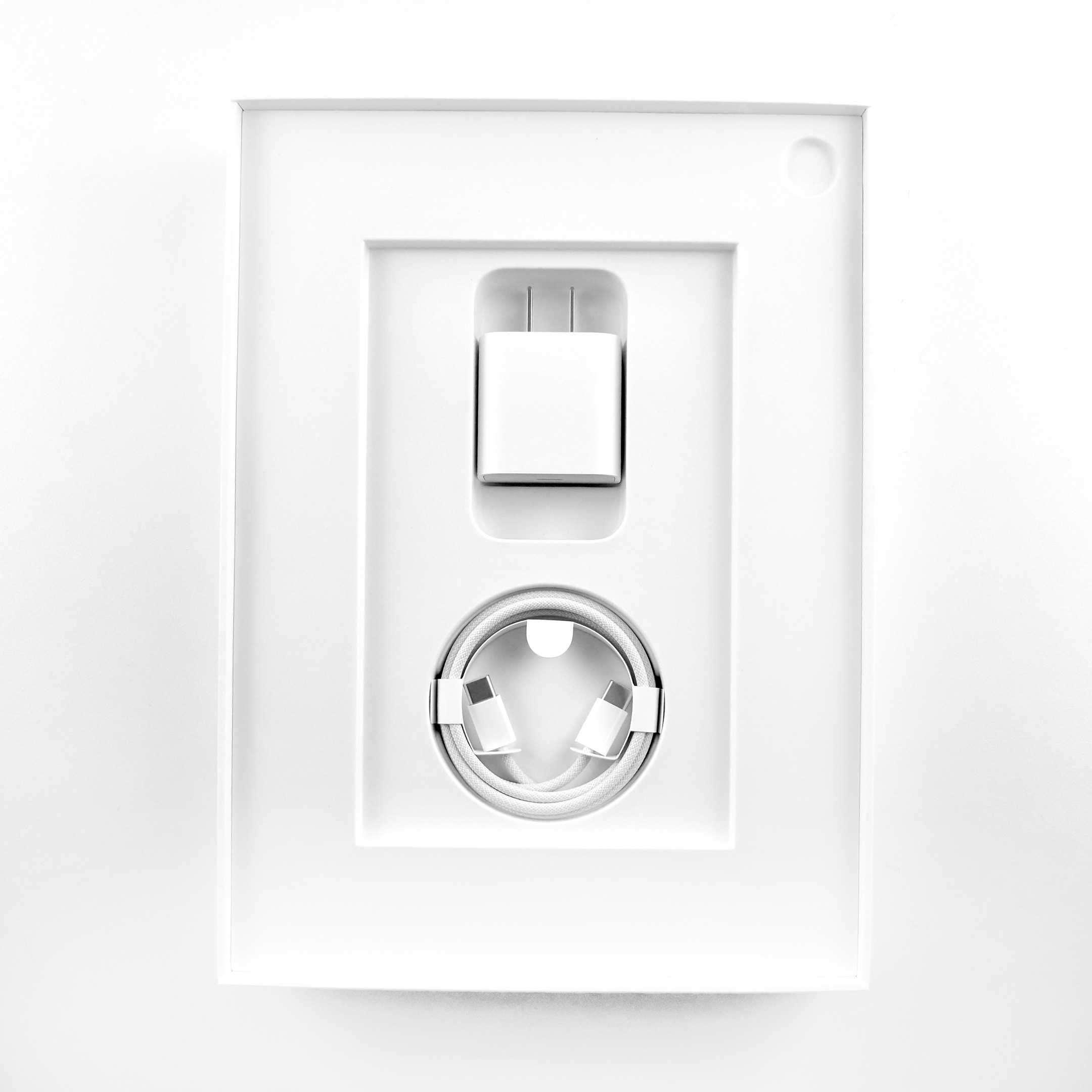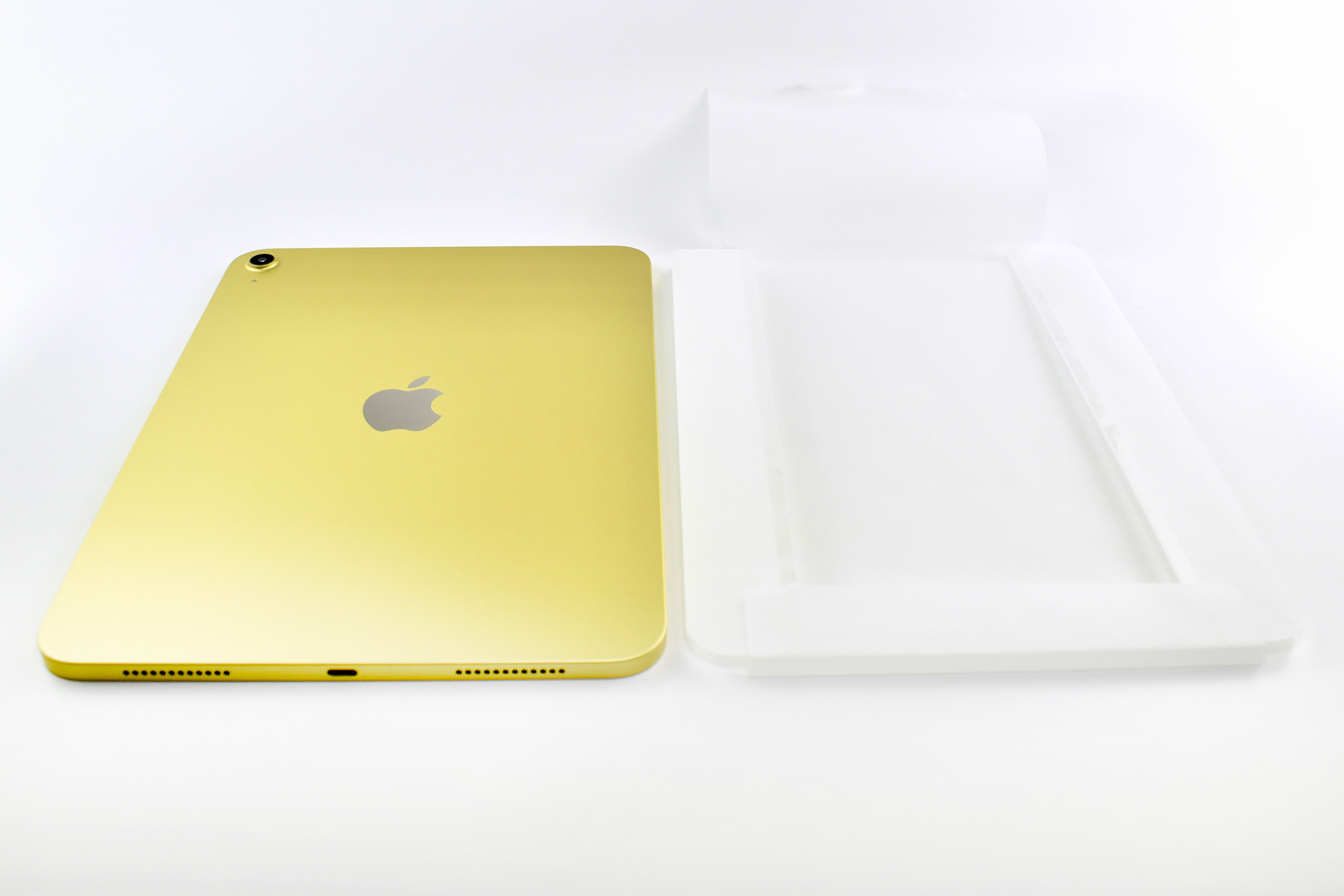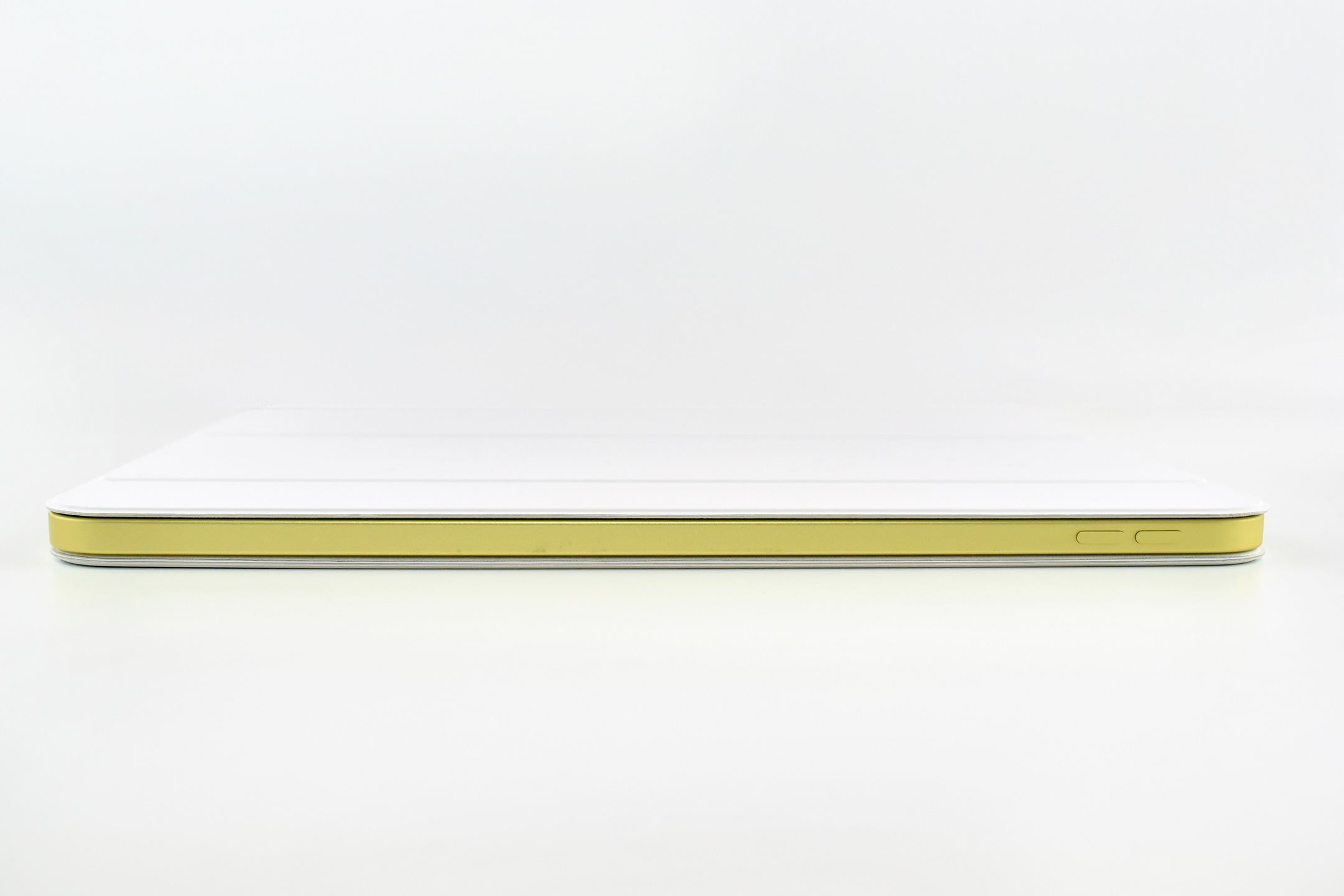
iPad (A16) (Generation 11, 11-inch, Wi-Fi, 128GB, Yellow, 2025)

On March 4, 2025, when Apple introduced the iPad Air with the M3 chip, they also announced the iPad Generation 11 with an A16 chip. The entire press release for this iPad device release amounted to one paragraph:

“Apple today also updated iPad with double the starting storage and the A16 chip, bringing even more value to customers. The A16 chip provides a jump in performance for everyday tasks and experiences in iPadOS, while still providing all-day battery life. Compared to the previous generation, the updated iPad with A16 is nearly 30 percent faster. In fact, compared to iPad with A13 Bionic, users will see up to a 50 percent improvement in overall performance, and A16 makes the updated iPad up to 6x faster than the best-selling Android tablet.”

This iPad update was released soon after the announcement of Apple Intelligence. While Apple was touting Apple Intelligence and updating its devices to take advantage of the new features, the iPad Generation 11 was given a chip that did not allow Apple Intelligence. While this updated iPad is faster than the previous Generation 10 model, it does not meet the minimum specification of the A17 Pro chip to allow Apple Intelligence compatibility. Apple provided no explanation for this omission.

One notable upgrade was in storage on the A16 iPad. The iPad Generation 11 doubled its base storage from 64 to 128GB and was also available in 256 and 512GB configurations. 

Except for the A16 chip and upgraded storage, this iPad was nearly identical to the iPad Generation 10. 

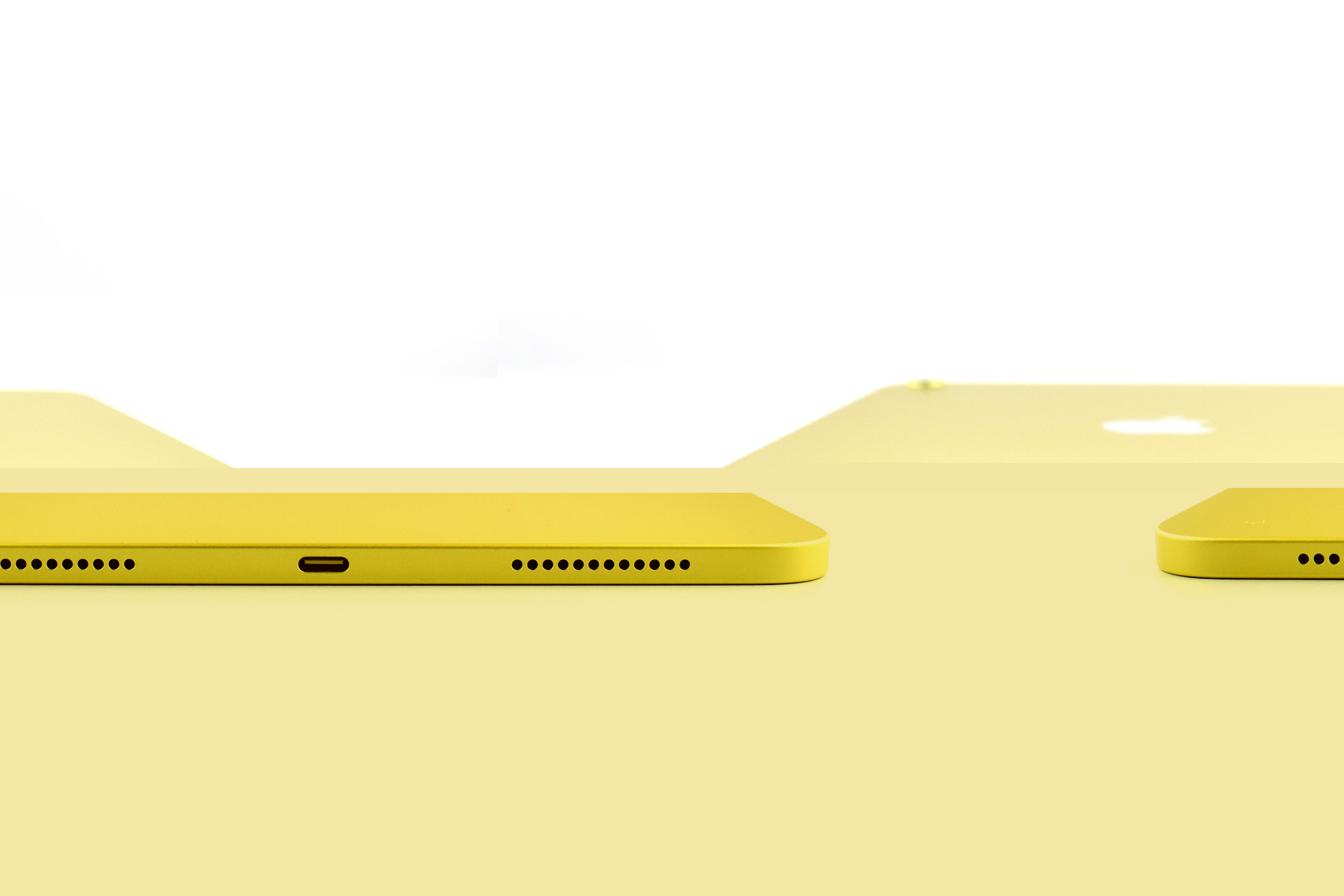
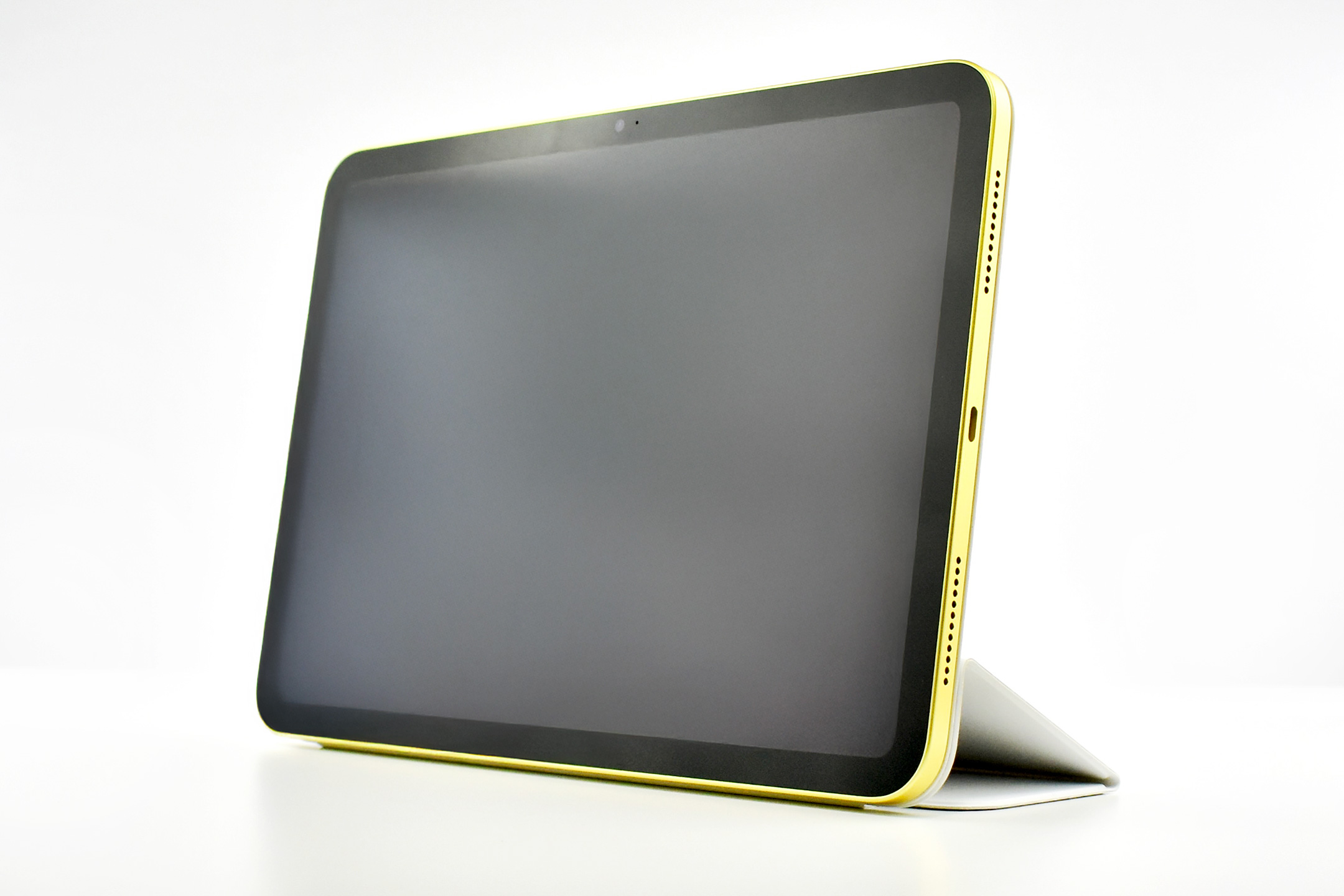
The iPad Generation 11 measured 9.79 x 7.07 inches, and was 0.28 inch thick. It weighed 1.05 pounds (Wi-Fi model). It had stereo speakers, a front camera and microphone centered on the “long”landscape” (long) side to enhance the FaceTime experience, and included both USB-C and a Smart Connector.

Its Liquid Retina display was 2360 x 1640 pixels at 264 ppi and delivered up to 500 nits brightness. It supported the Apple Pencil (USB-C) and also the Apple Pencil Generation 1 (although clumsily since the original Apple Pencil used a Lightning connector for charging). 

The back camera was 12MP with digital zoom up to 5x supporting Smart HDR 4, geotagging, auto image stabilization, and burst mode. It could capture video up to 4K. The similar front camera was also 12MP and supported Center Stage in Landscape mode. It supported Smart HDR 4, but only could record 1080p HD video. 

The iPad Generation 11 had 5 sensors, including Touch ID, 3‐axis gyro, accelerometer, barometer, and an ambient light sensor. 

Sources: Apple (Newsroom, Specs)

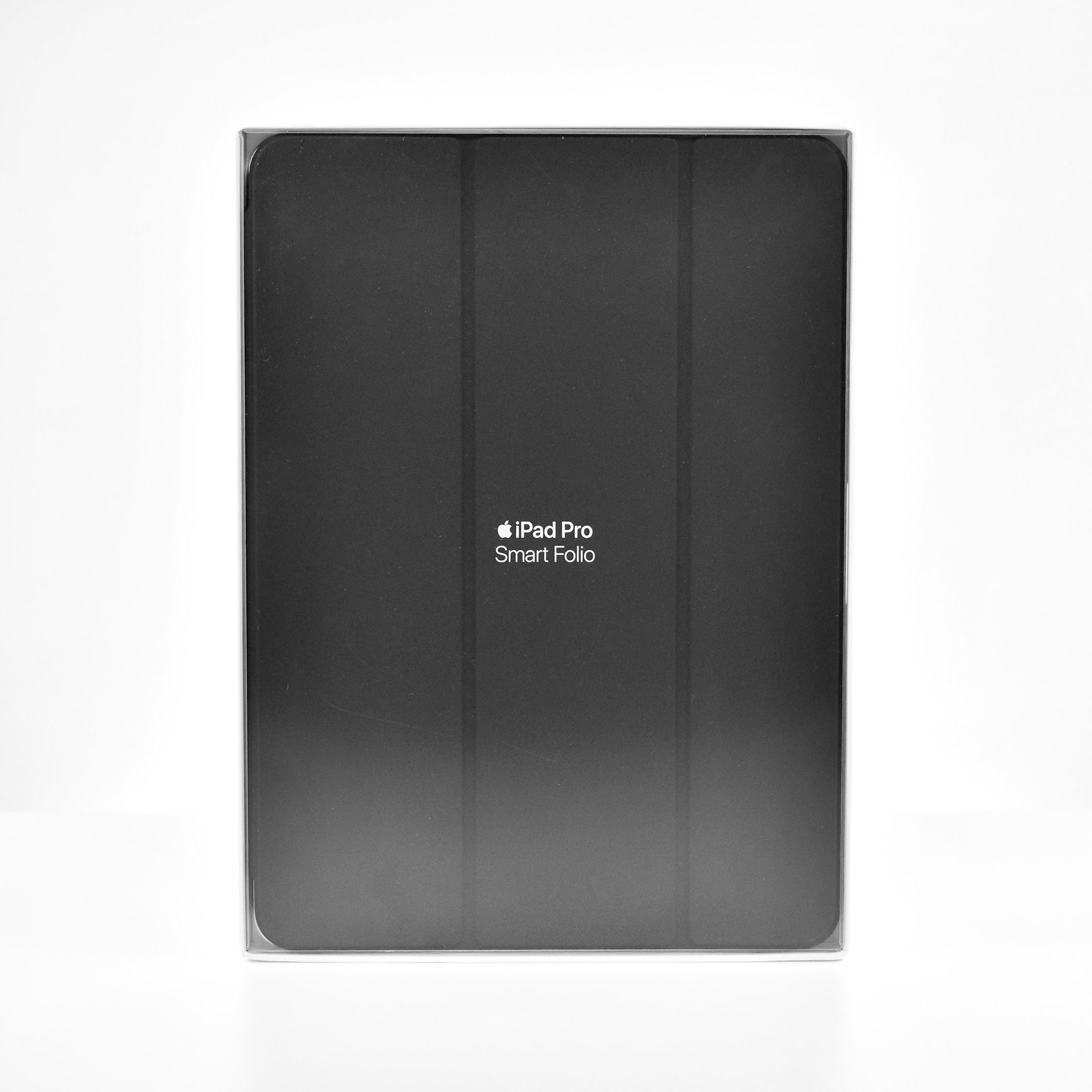
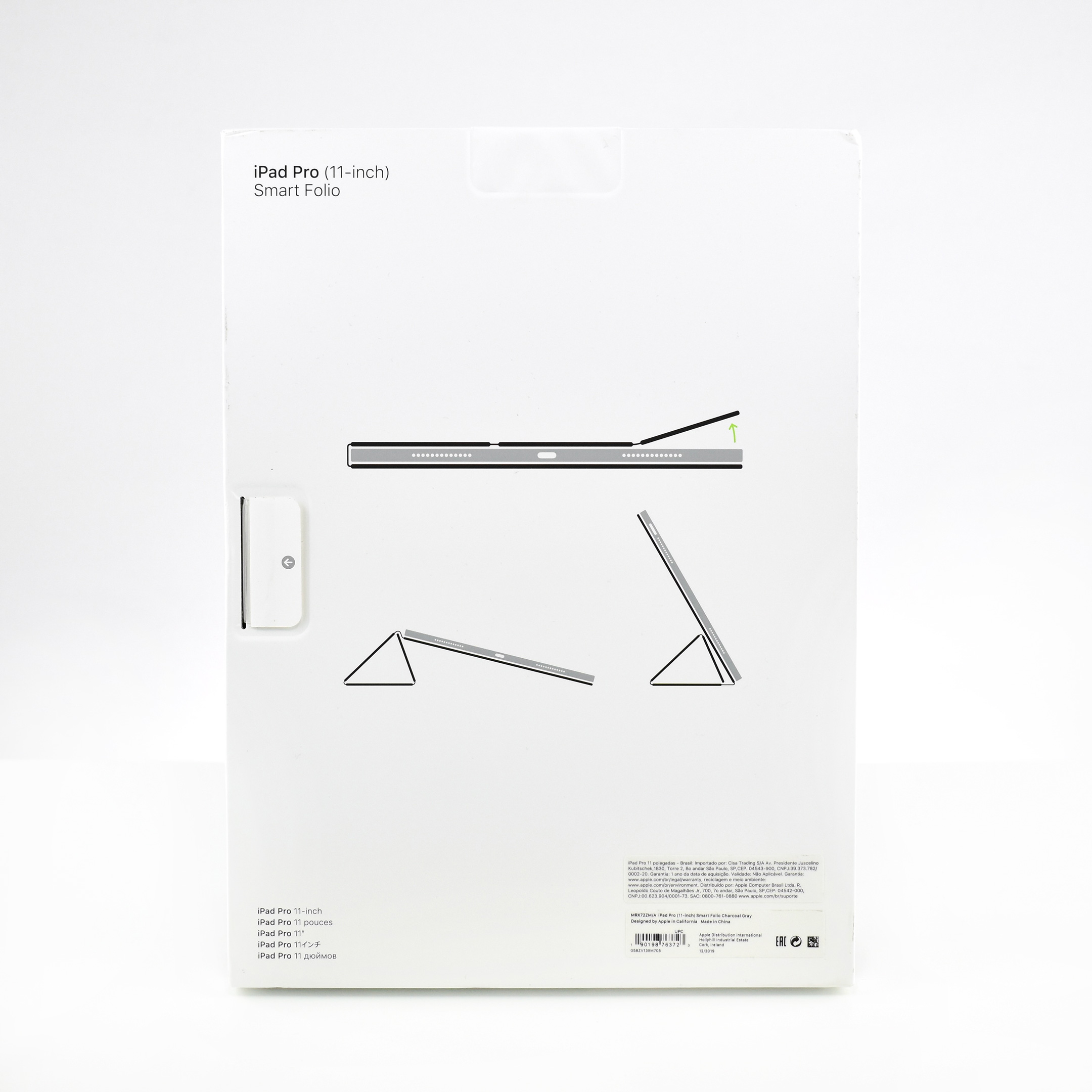
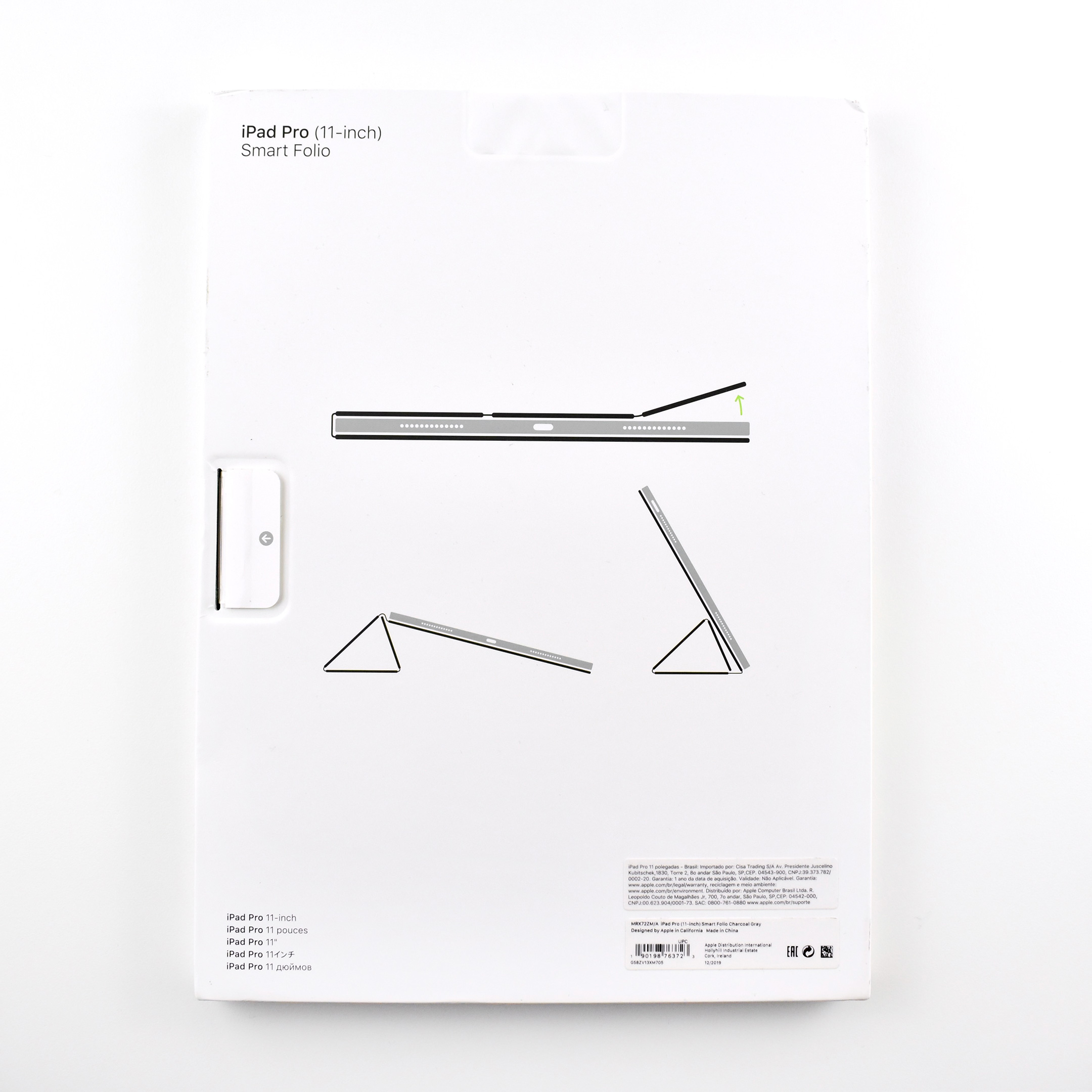
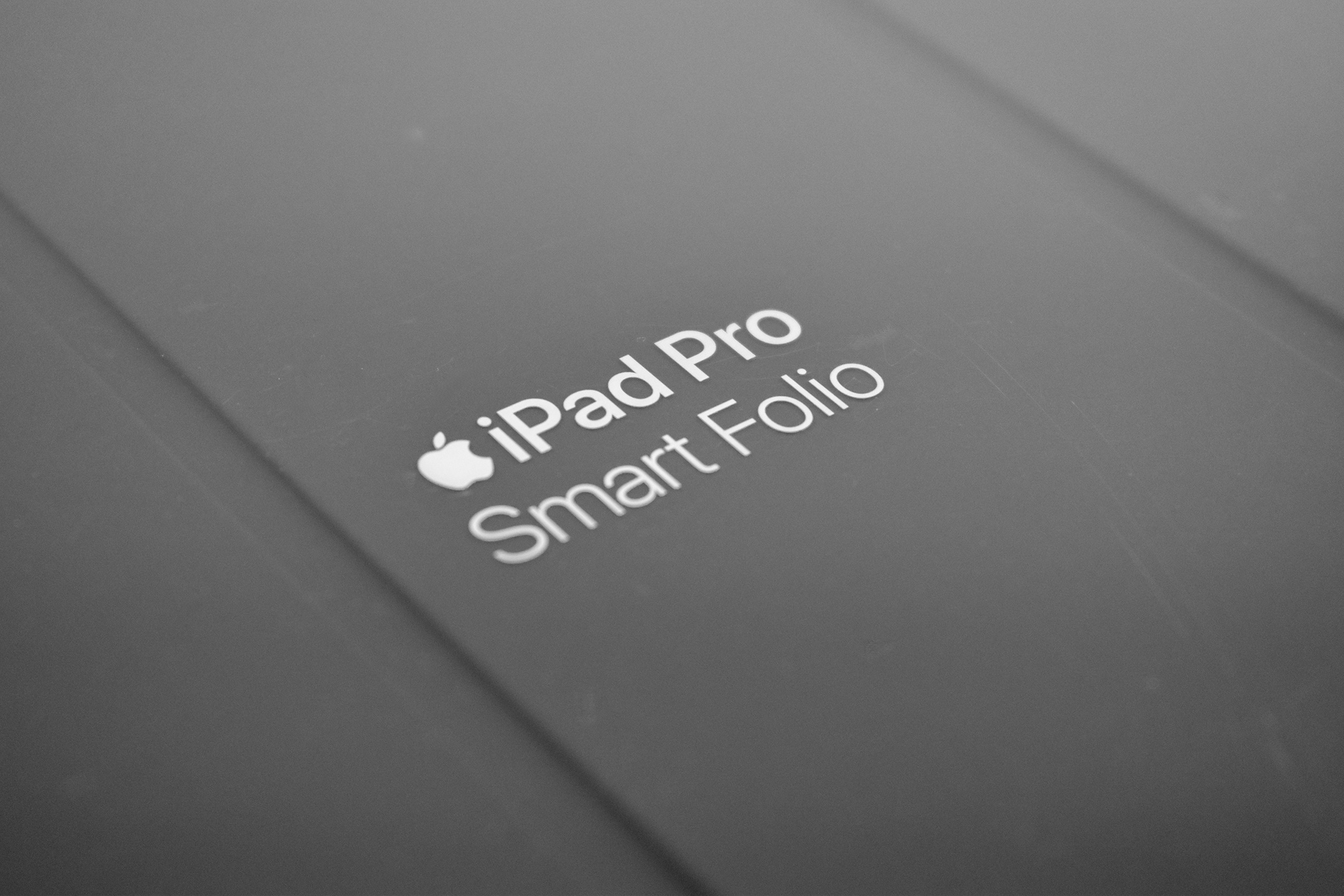
Smart Folio for iPad Pro 11-inch (Charcoal Gray, 2019)

Apple described the Smart Folio for iPad Pro 11-inch:

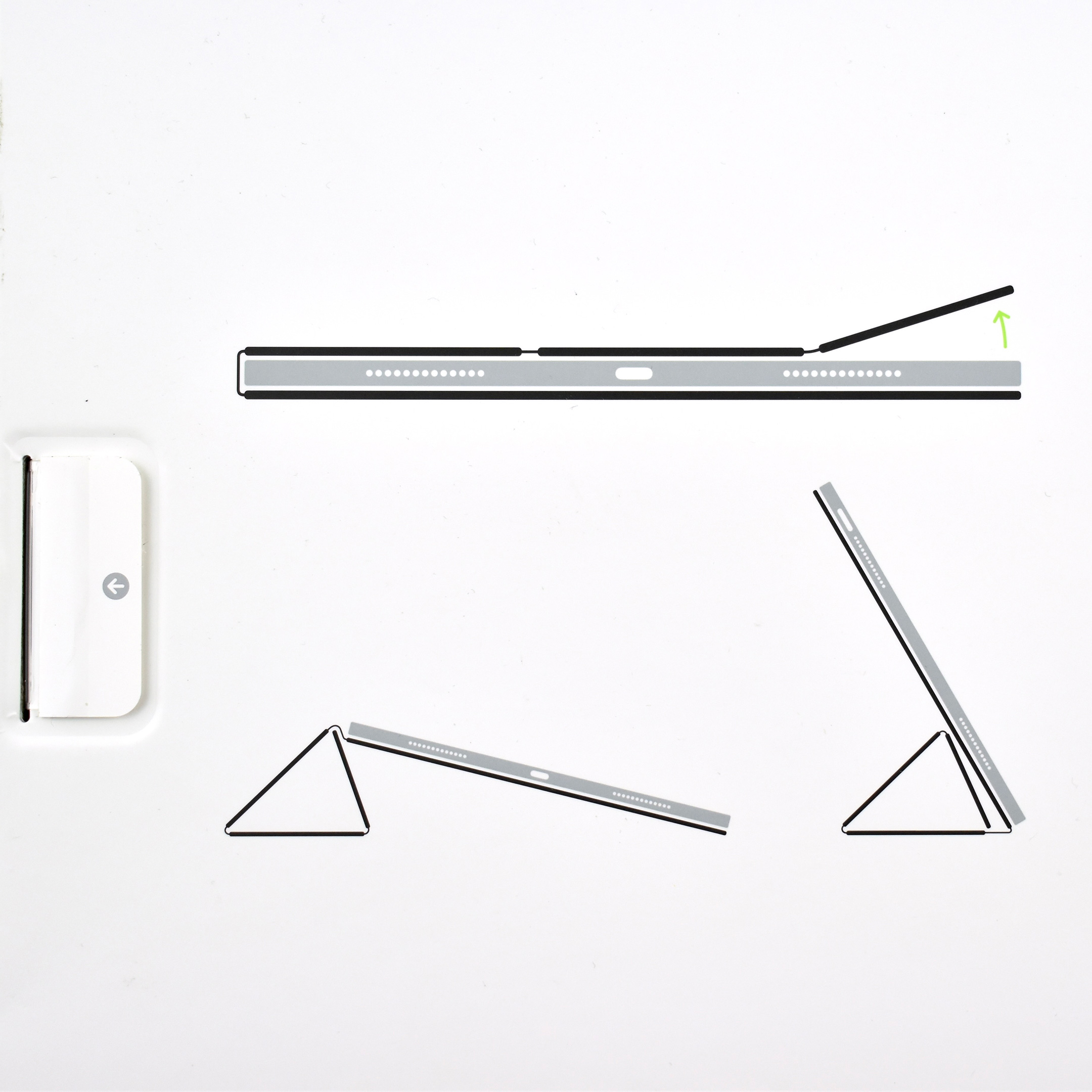
“The Smart Folio for iPad Pro is thin and light and offers front and back protection for your device. It automatically wakes your iPad when opened and puts it to sleep when closed. The Smart Folio attaches magnetically, and you can easily fold it into different positions to create a stand for reading, viewing, typing, or making FaceTime calls.”

The Smart Folio design was released along with the Smart Keyboard Folio design for the iPad Pro Generation 3. The Folio form factor added the functionality of allowing both folios to attach to the back of the iPad with strong magnets. Both Smart Folio designs offered back protection, while previous Smart Cover designs only offered front protection.

This Smart Folio is compatible with all iPad Pro 11-inch models released until 2023, including Generations 1–4.

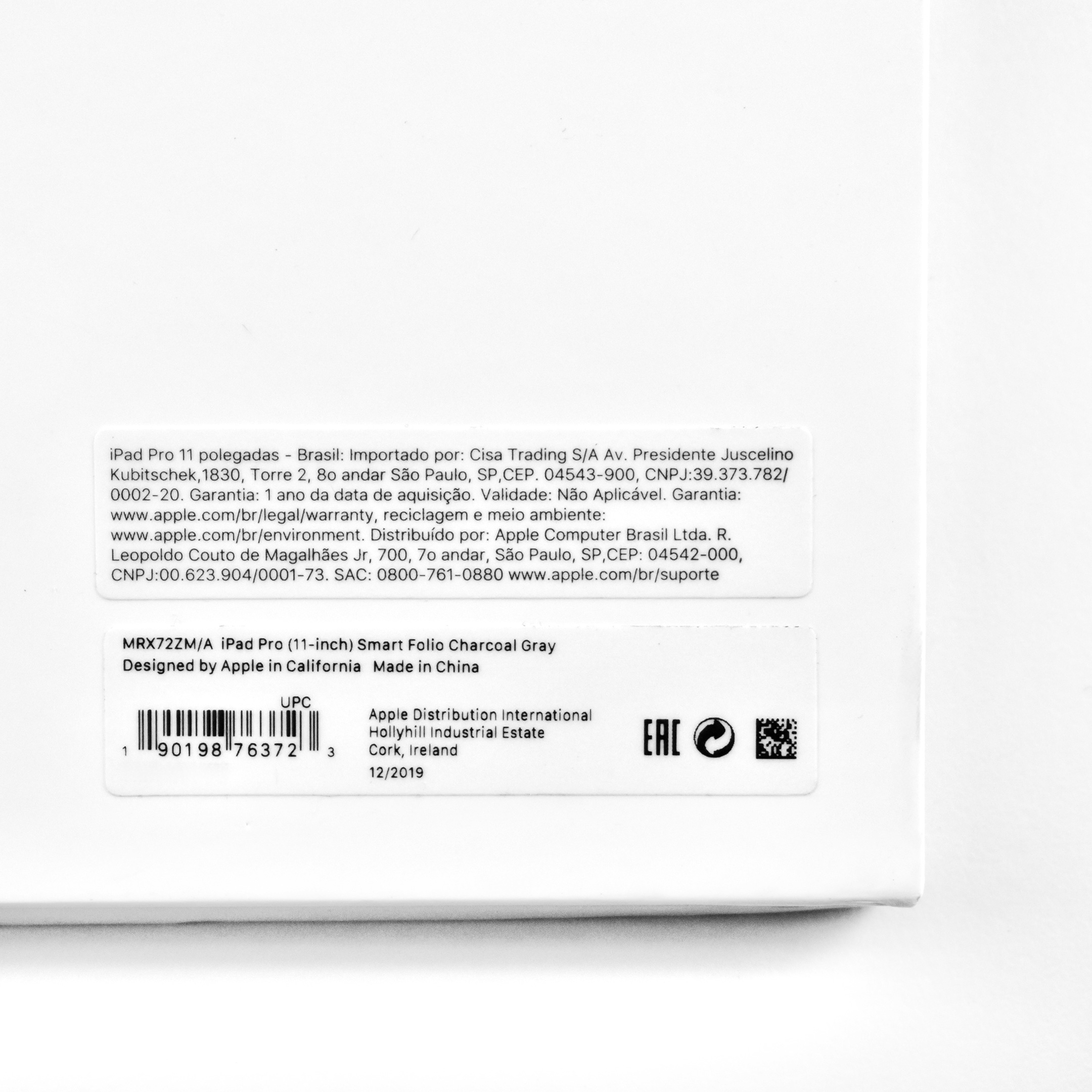
This Smart Folio is Charcoal Gray, a shade of dark gray.

Sources: Apple, Wikipedia

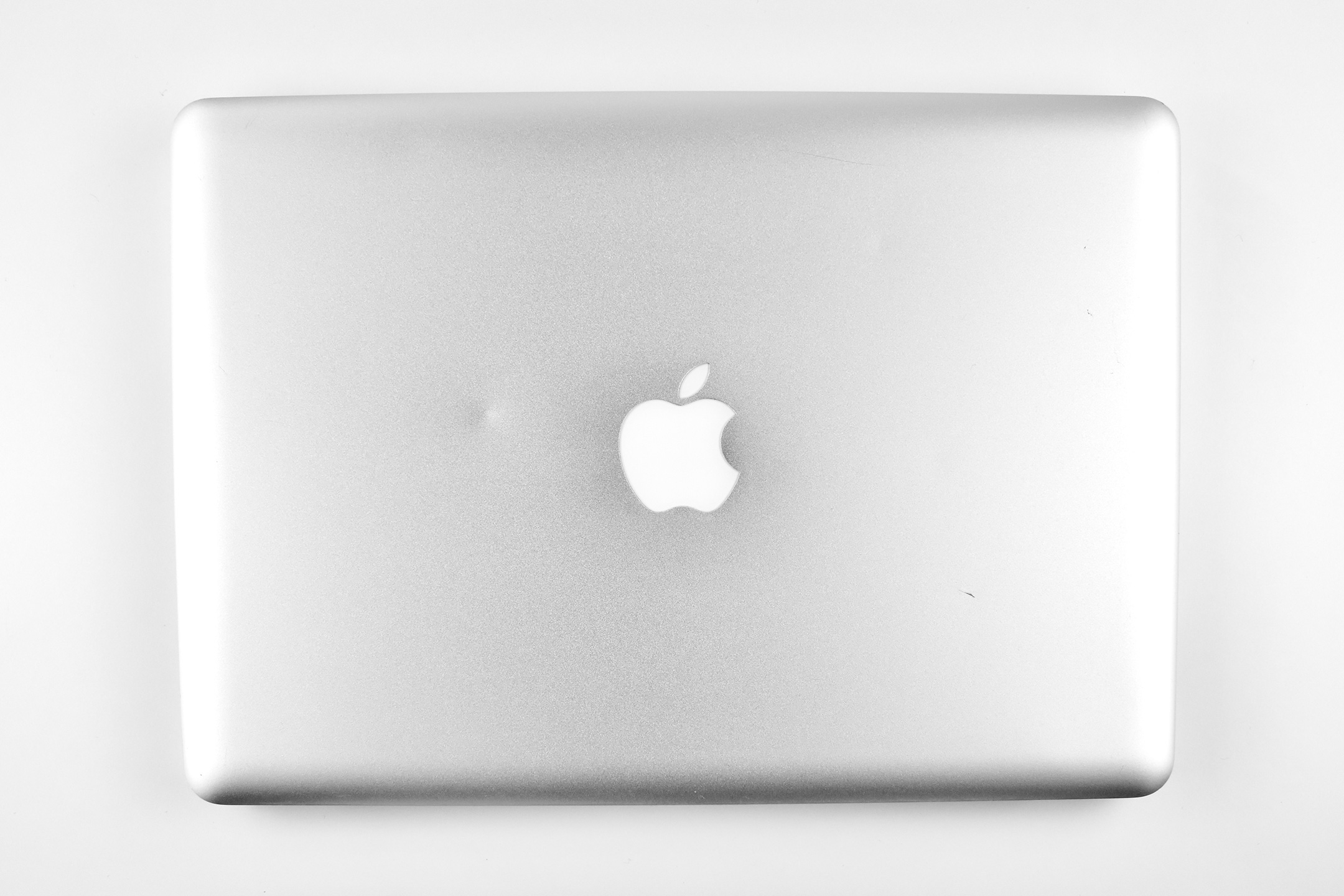
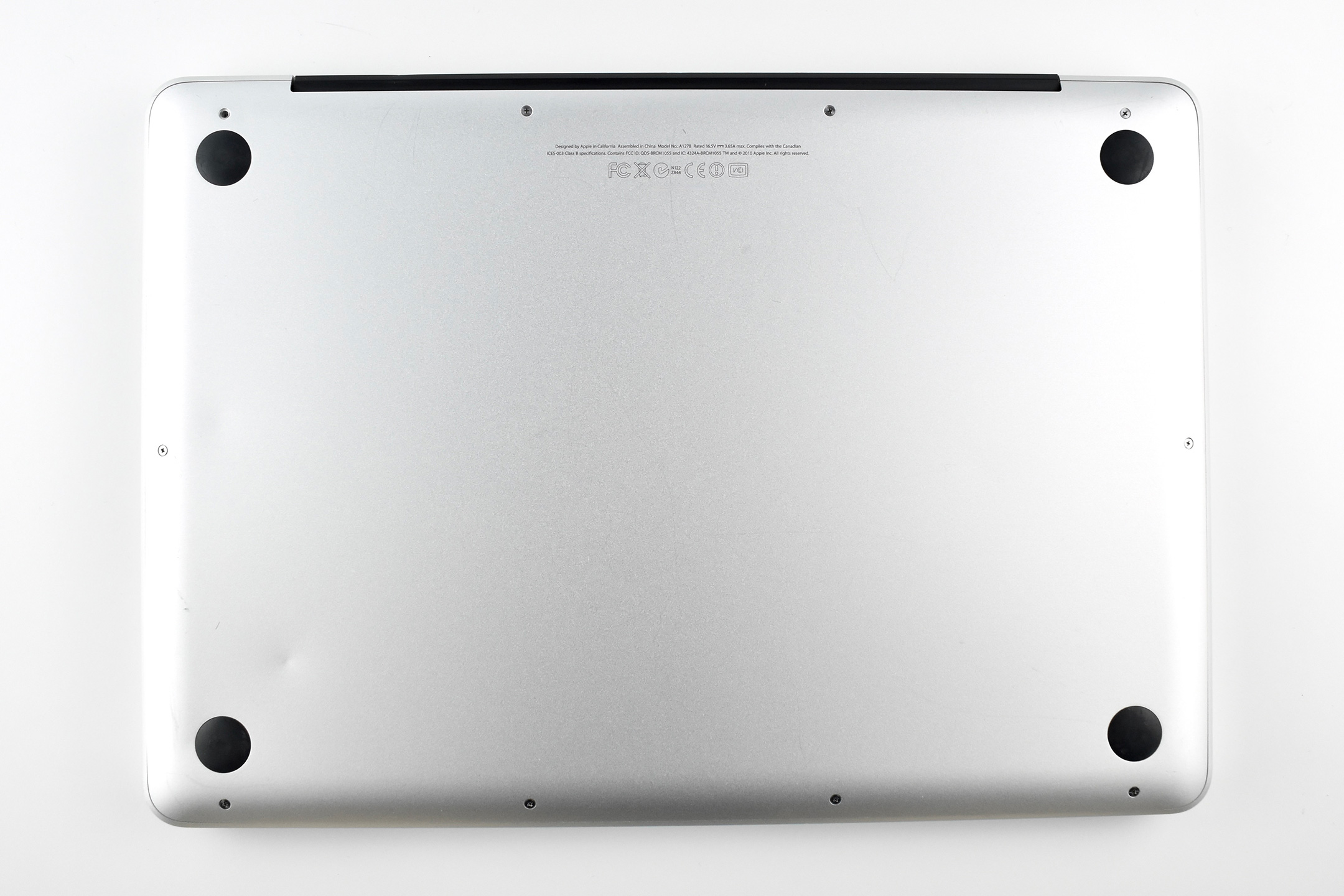
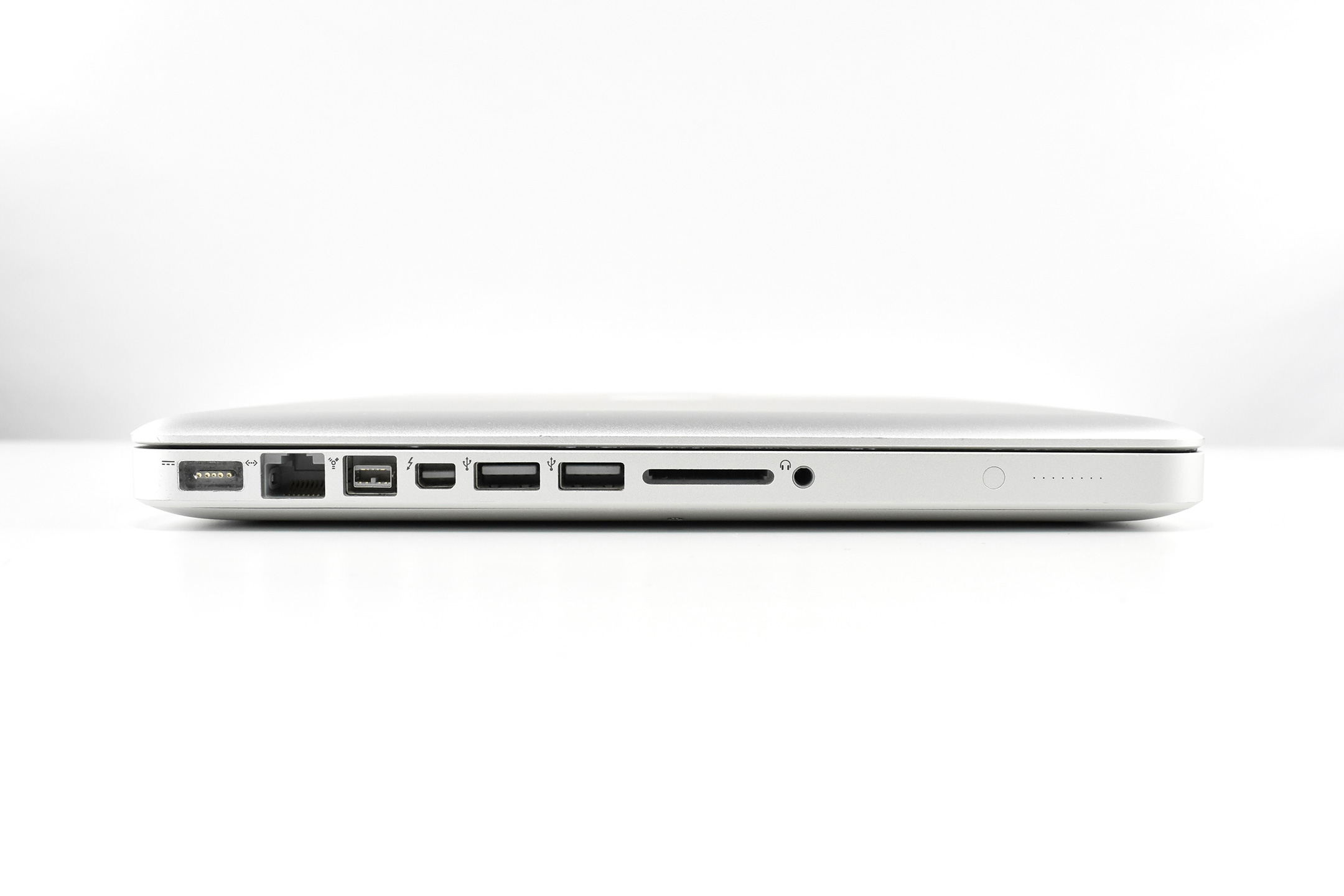
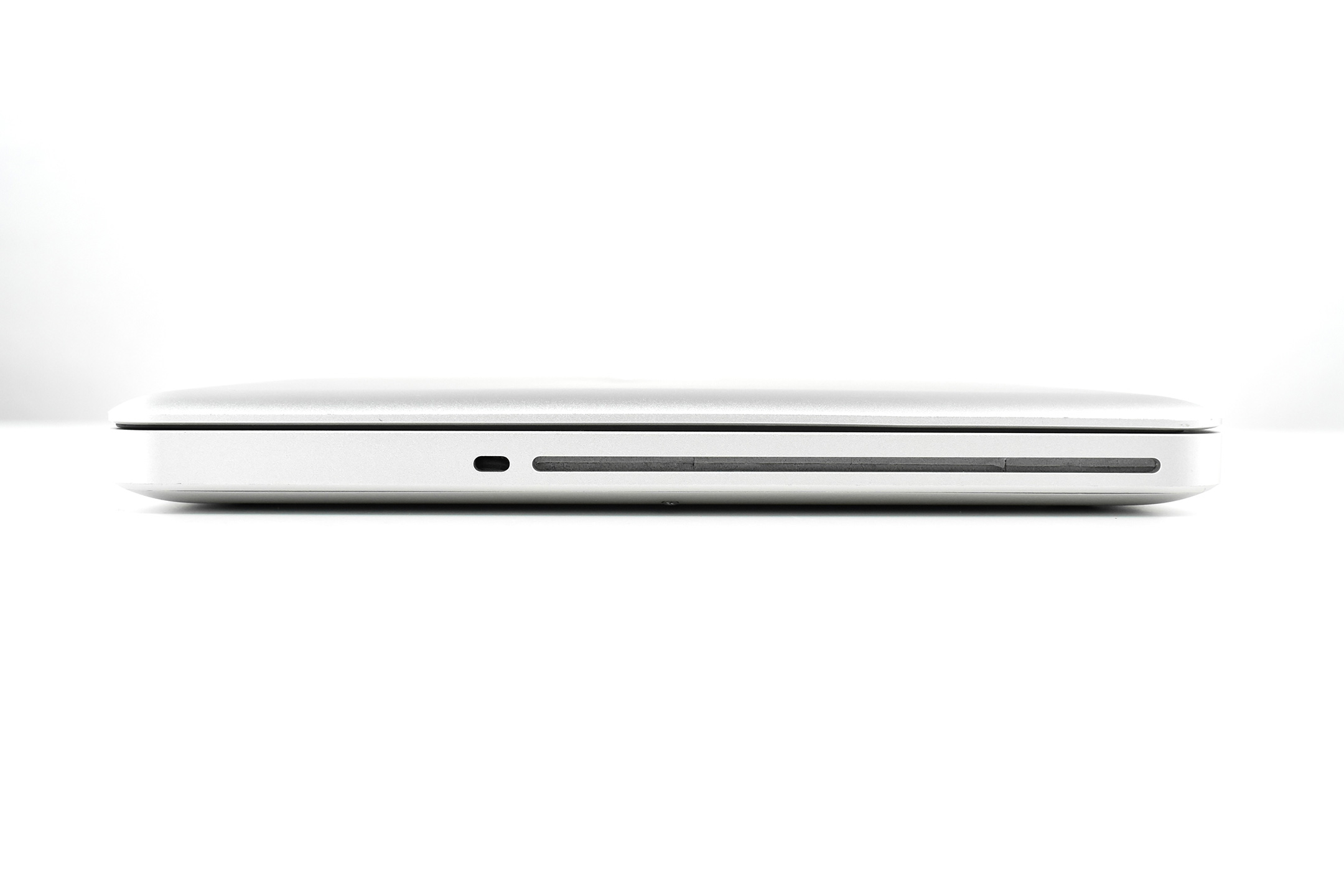
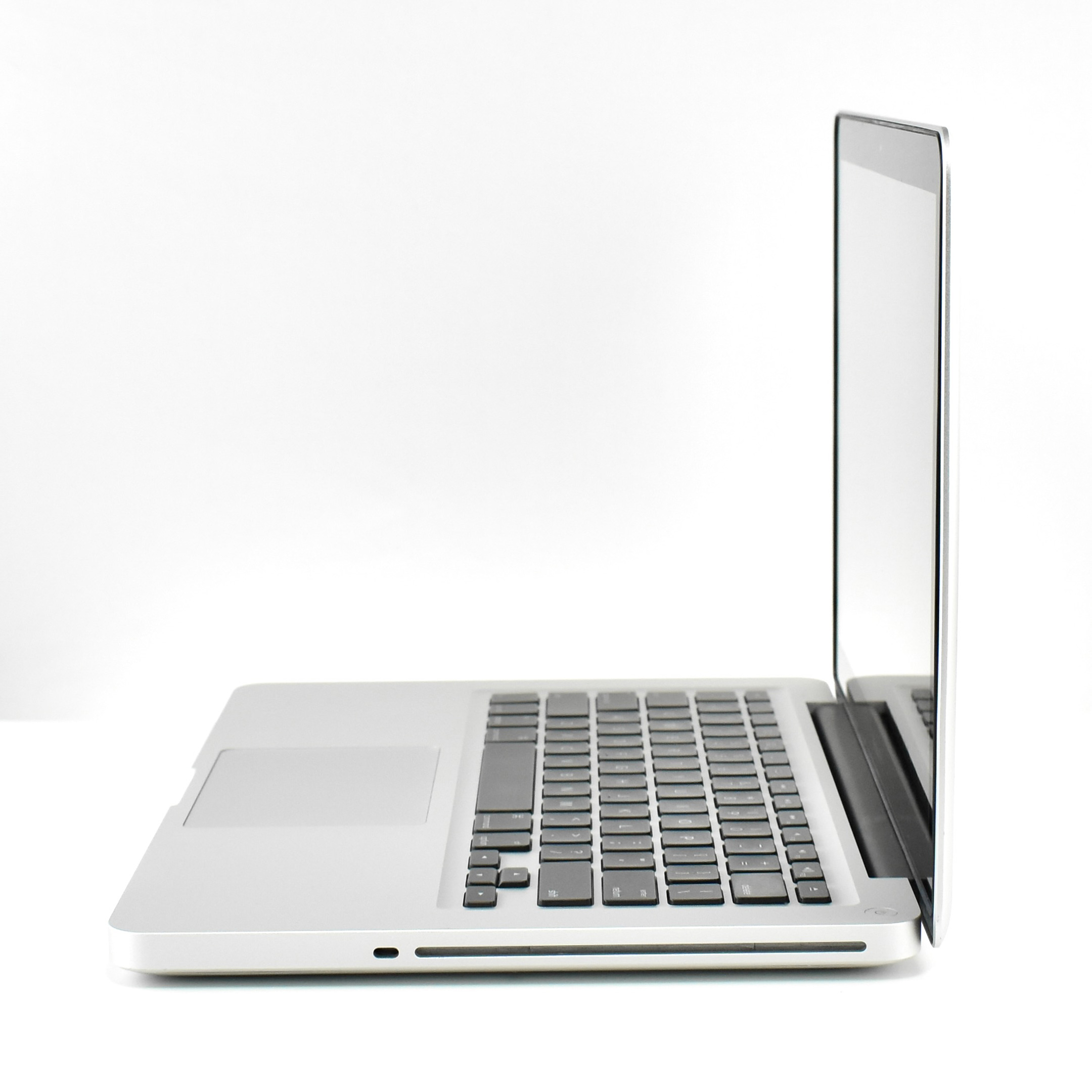
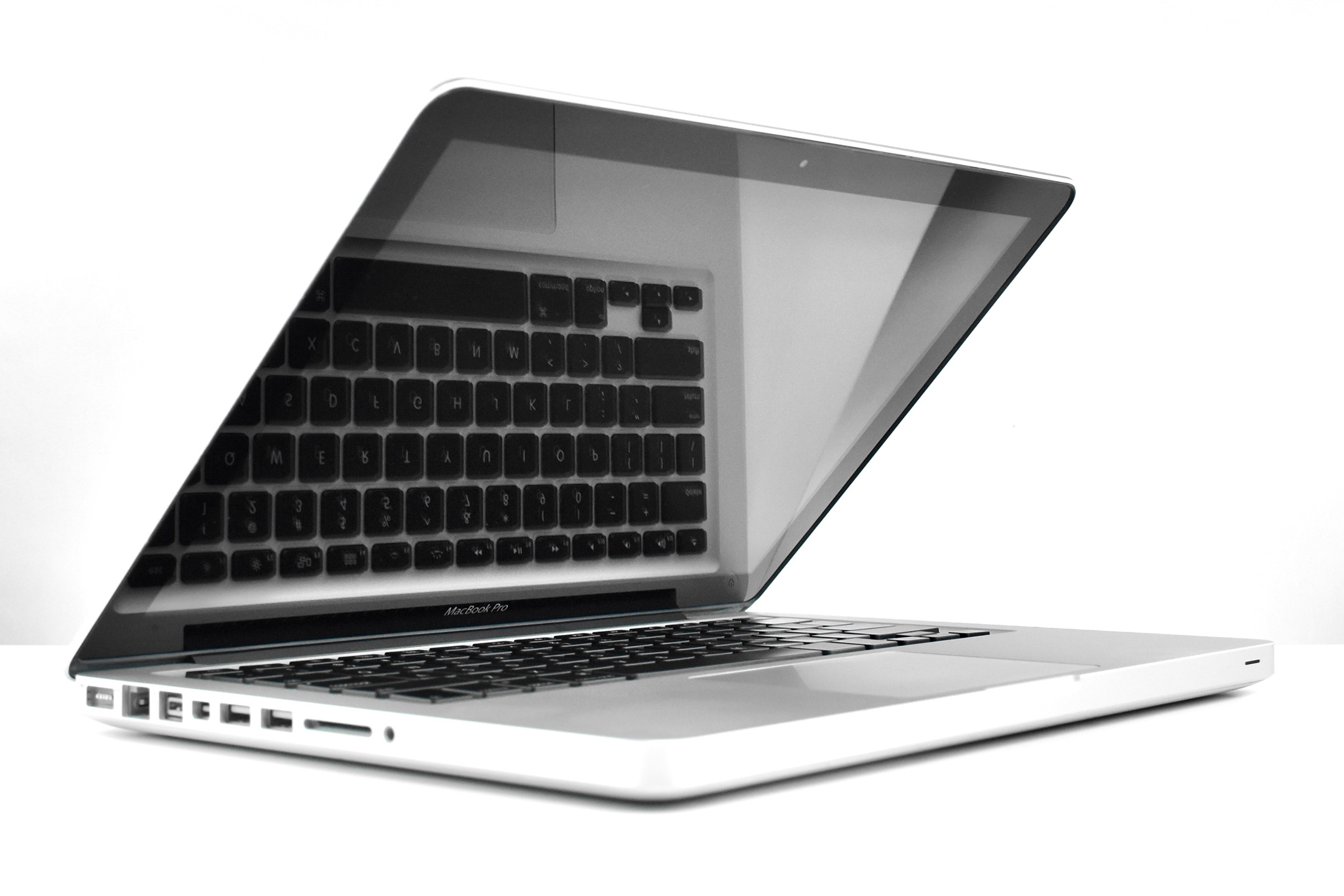
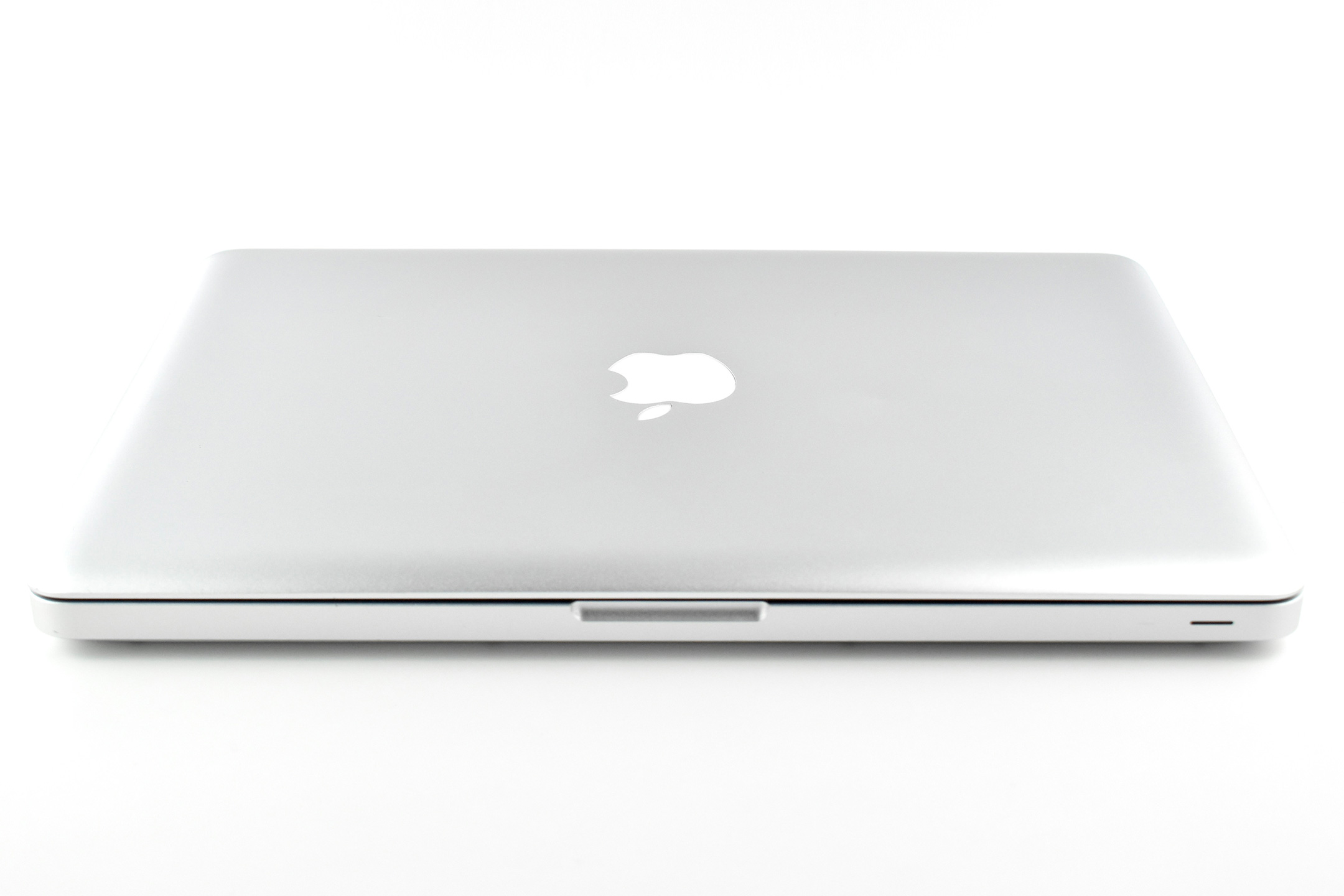
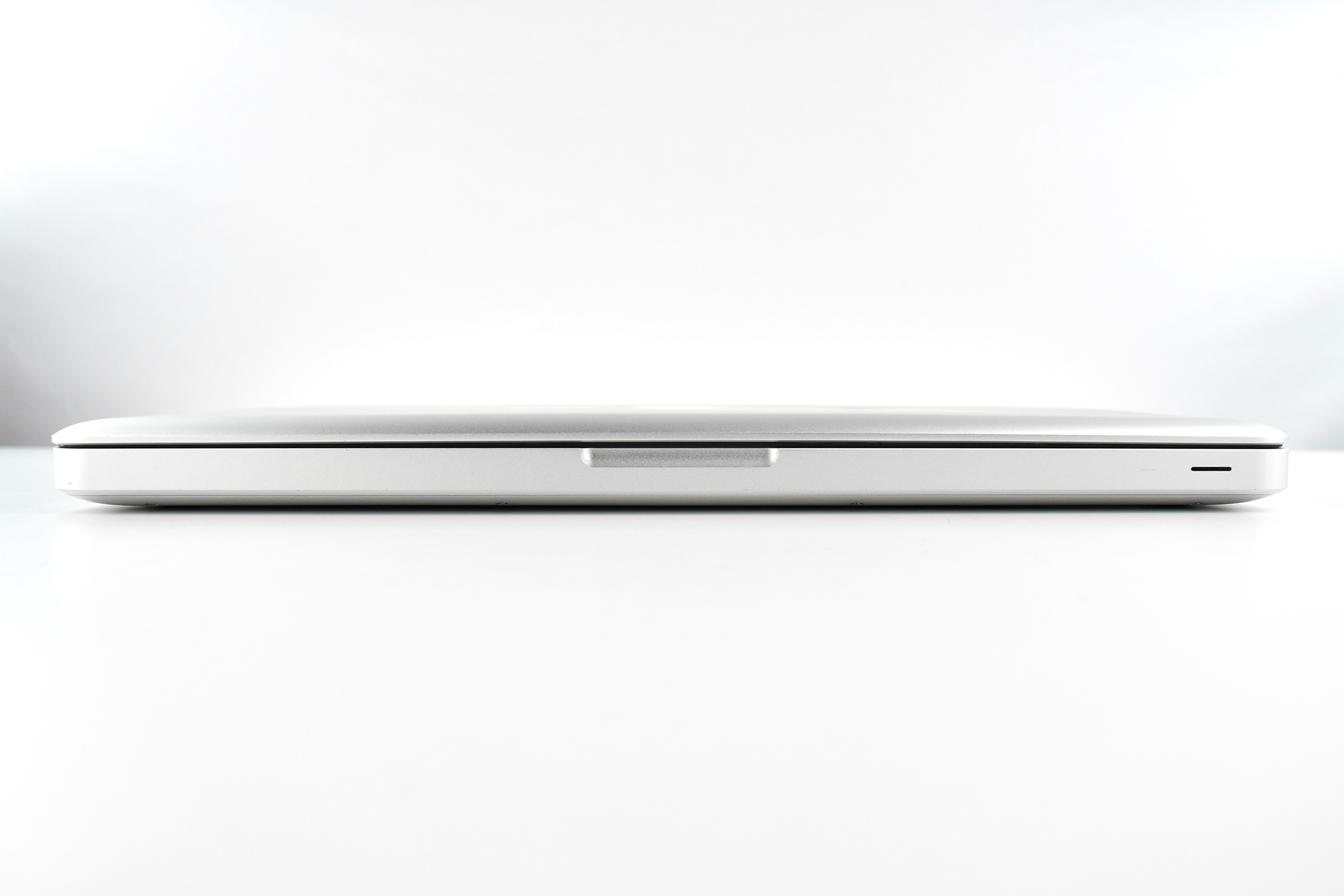
MacBook Pro 13-inch (Late 2011)

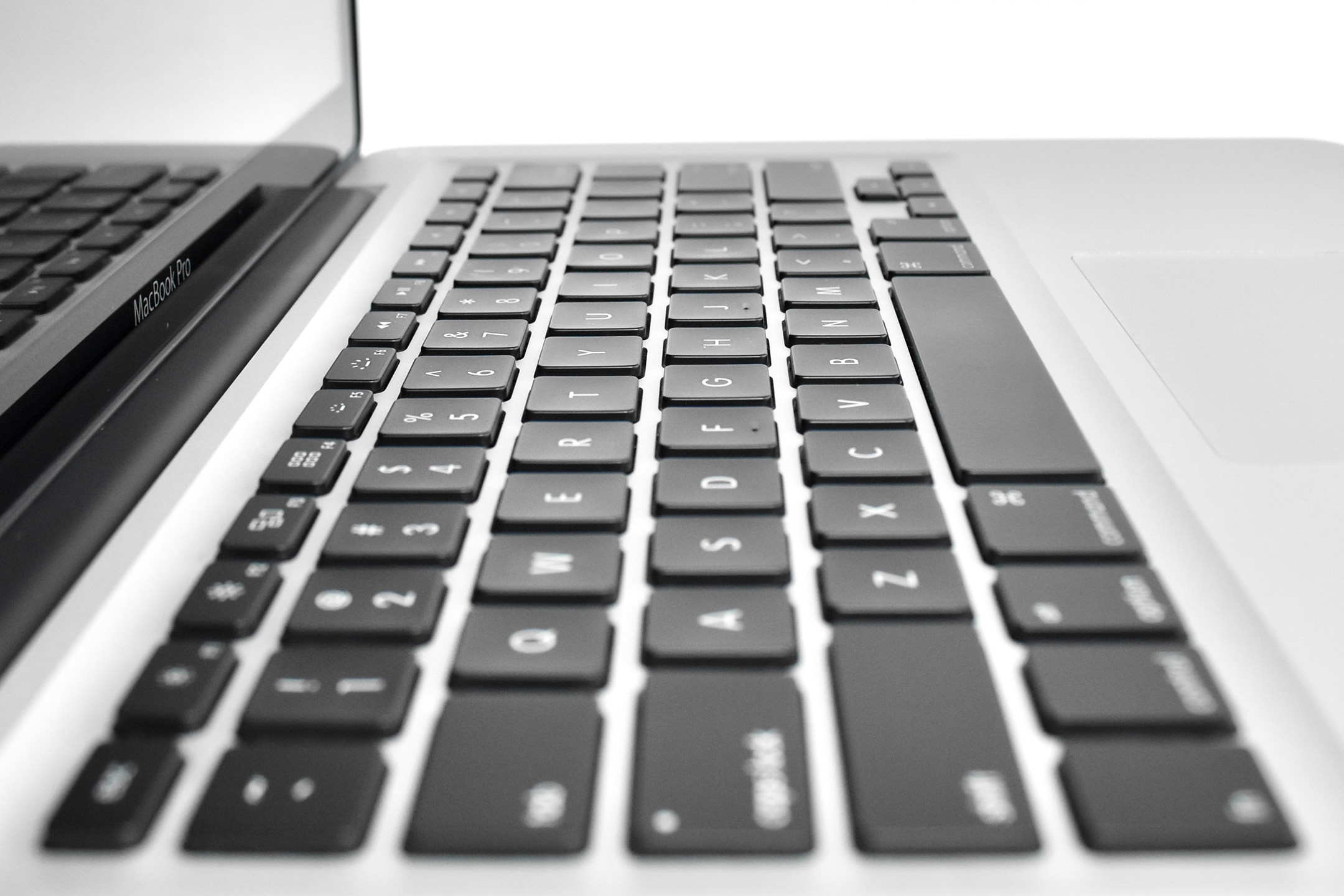
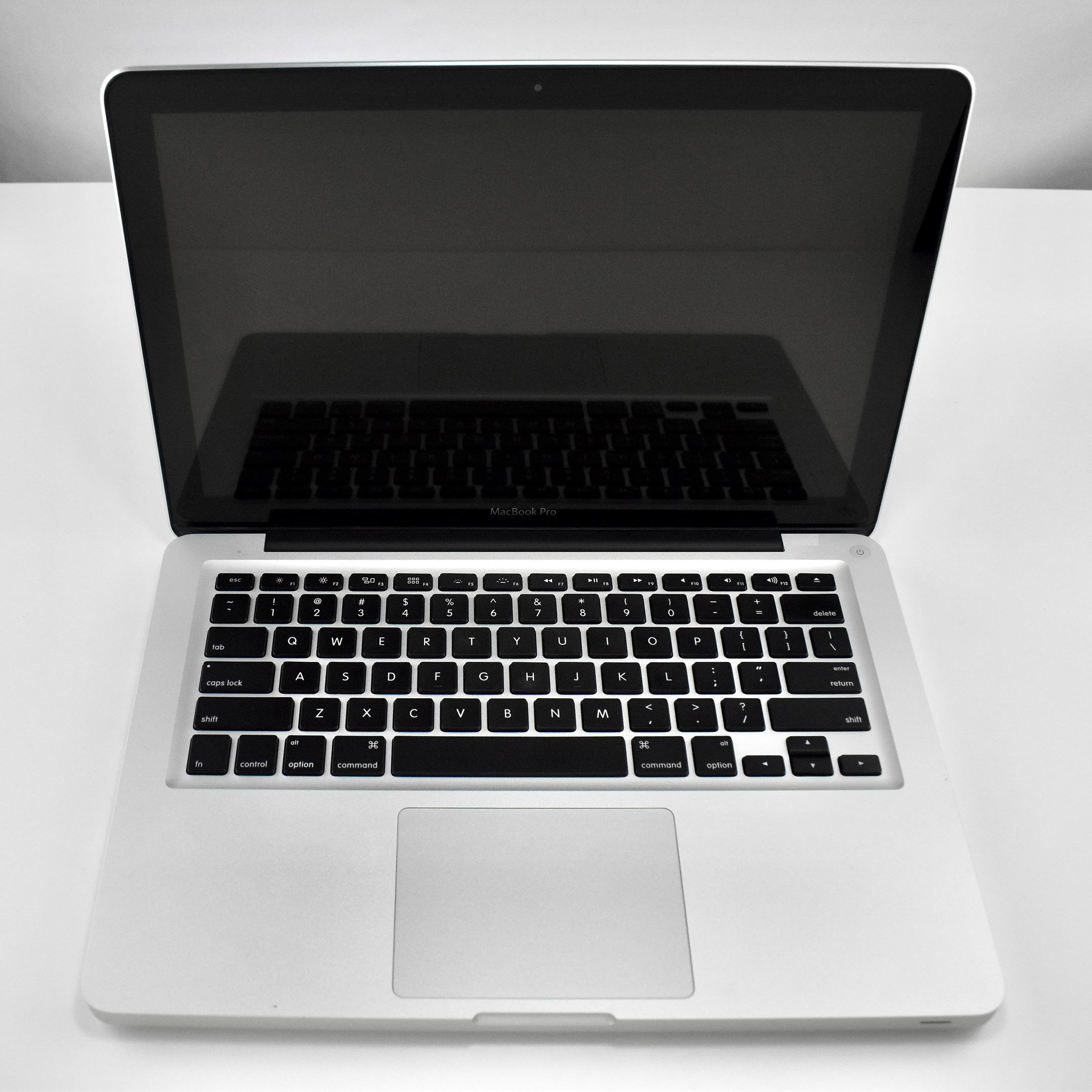
The MacBook Pro 13-inch (Late 2011) used the Intel Core i5 “Sandy Bridge” 2.4 GHz processor with two cores. It had a 500 GB Serial ATA (5400 RPM) hard drive, a SuperDrive, an Intel HD Graphics 3000 graphics processor, and an integrated FaceTime HD webcam. Its display used an LED-backlit 13.3-inch widescreen TFT active-matrix glossy display (at 1280×800 resolution).

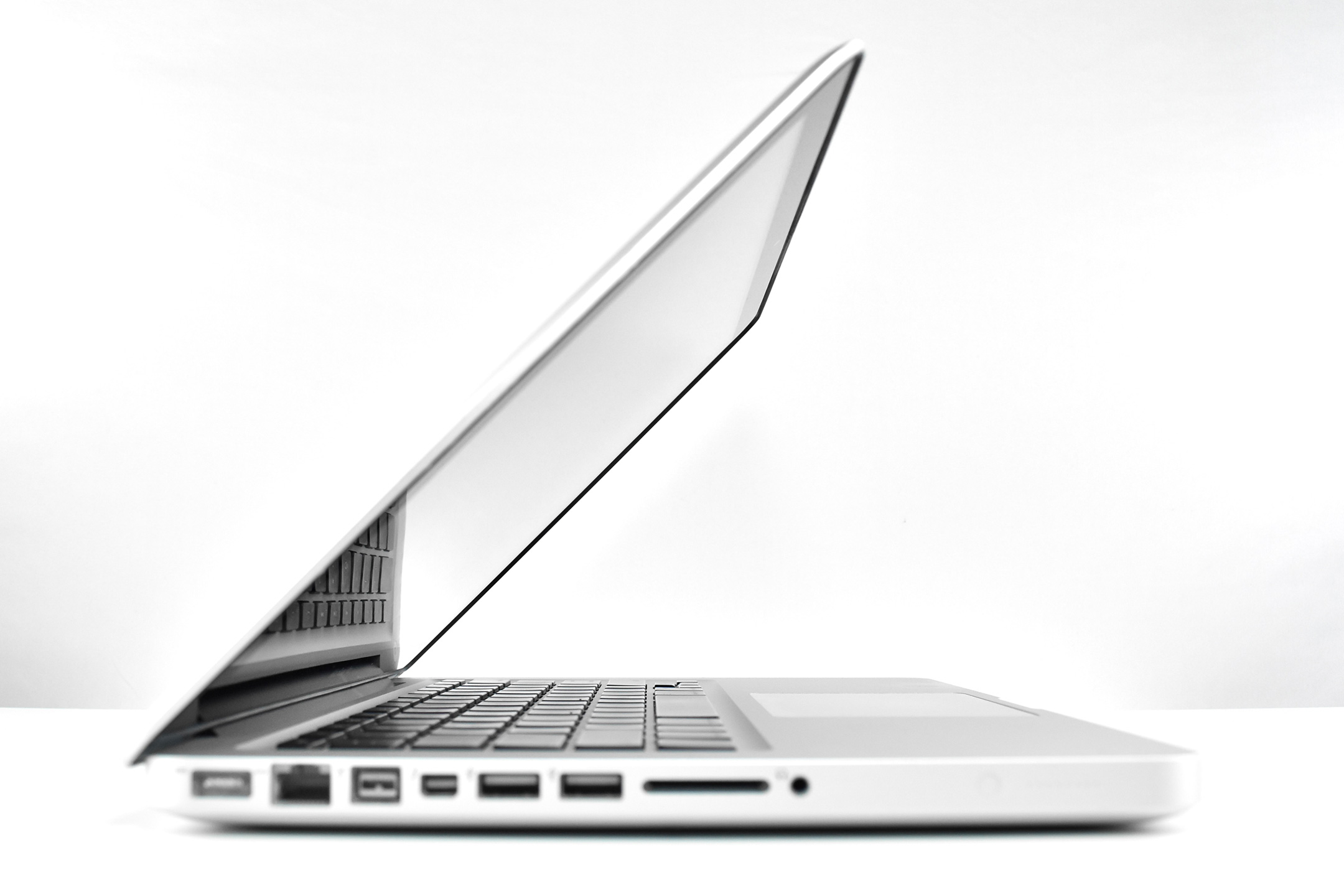
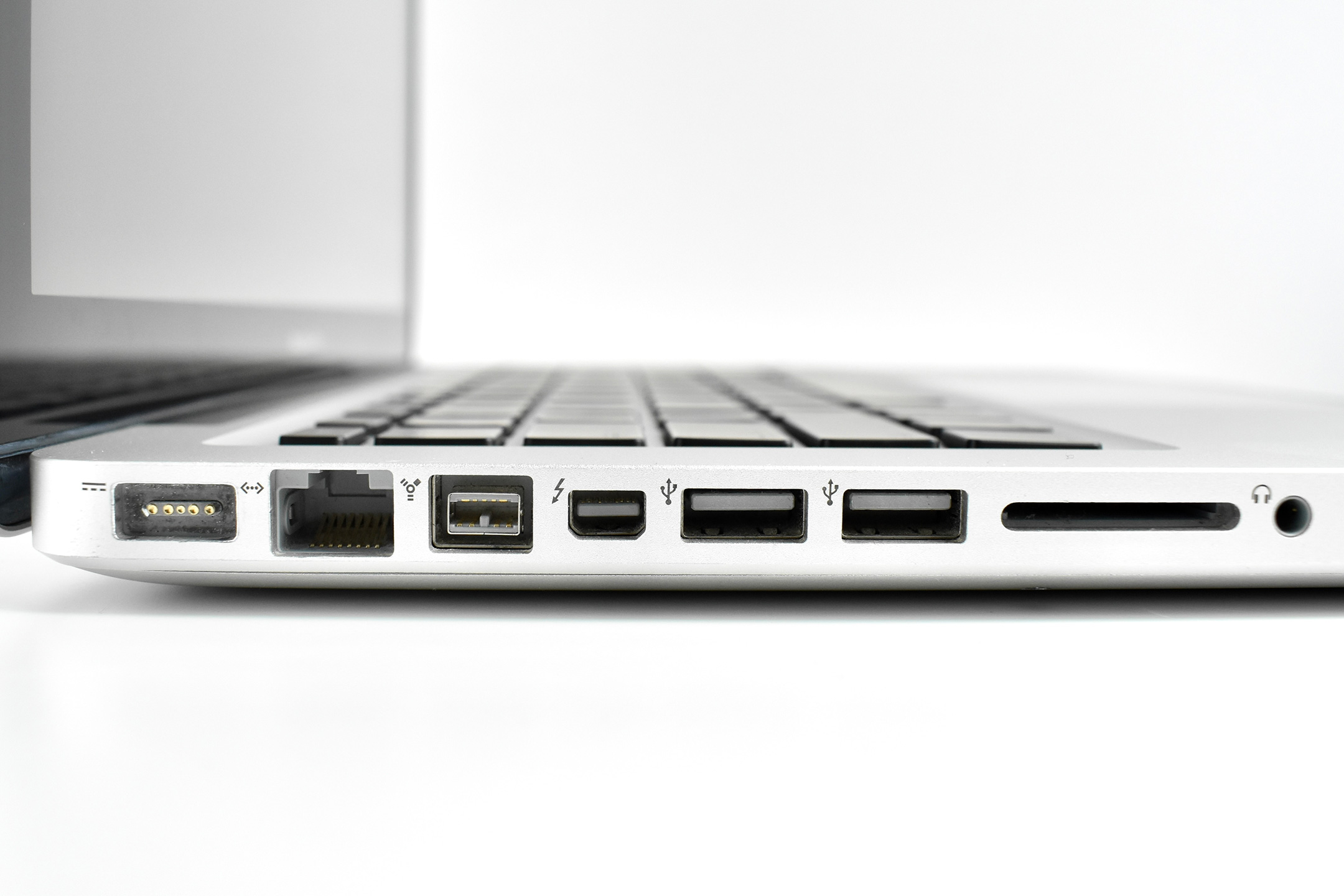
Wireless connectivity included AirPort Extreme (802.11a/b/g/n) and Bluetooth 2.1. Wired ports included Gigabit Ethernet, one Firewire 800 port, two USB 2.0 ports, audio in/out, an SDXC card slot, and a Thunderbolt port.

According to EveryMac, this laptop was identical to its predecessor, the MacBook Pro 13-inch (Early 2011) except for the faster processor. In fact, EveryMac indicated that this Late 2011 model was “quietly unveiled without a press release.”

This laptop was 0.95 inch high, 12.78 inches wide, 8.94 inches deep, and weighed 4.5 pounds. It originally shipped with OS X Lion.

Sources: EveryMac, Apple

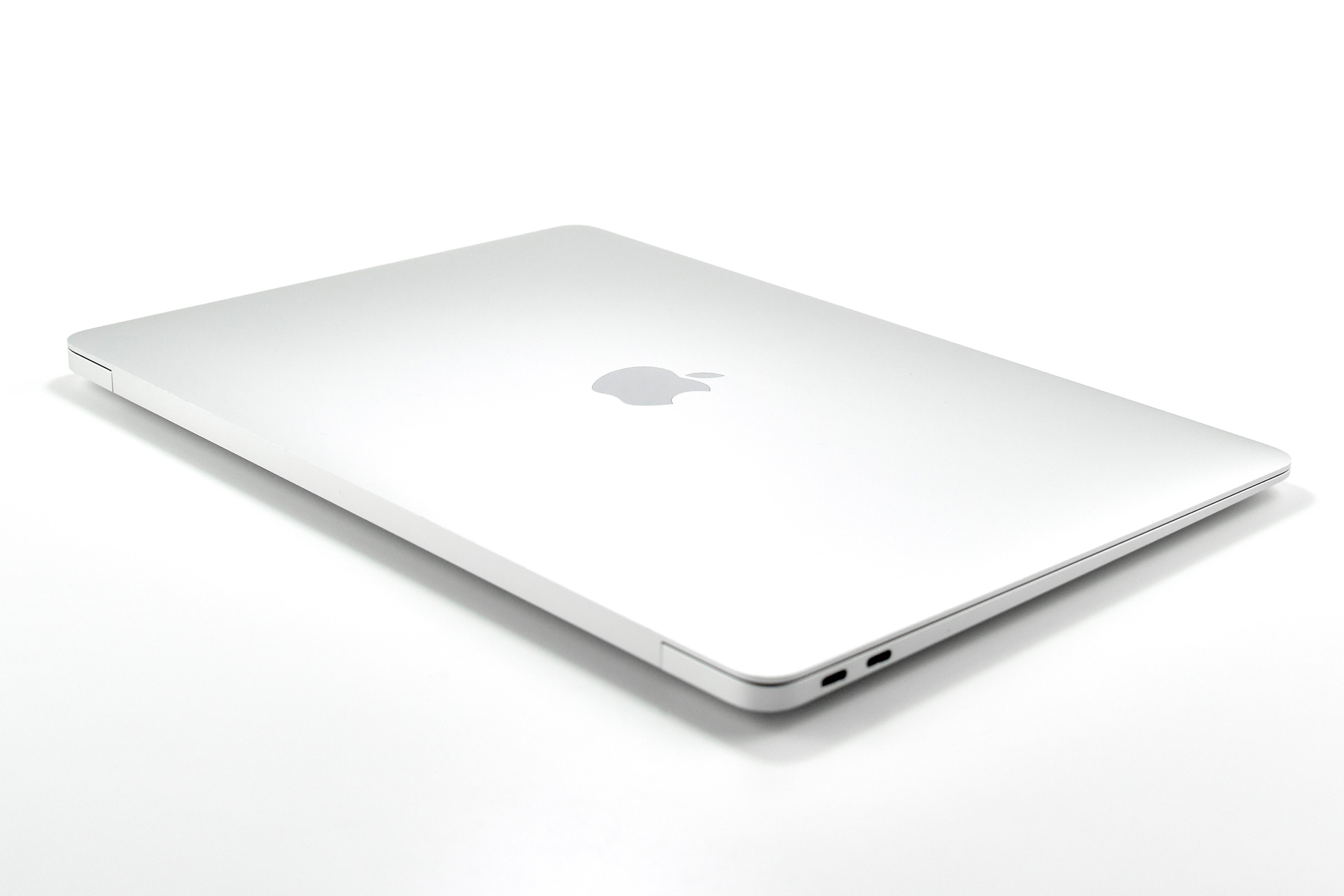
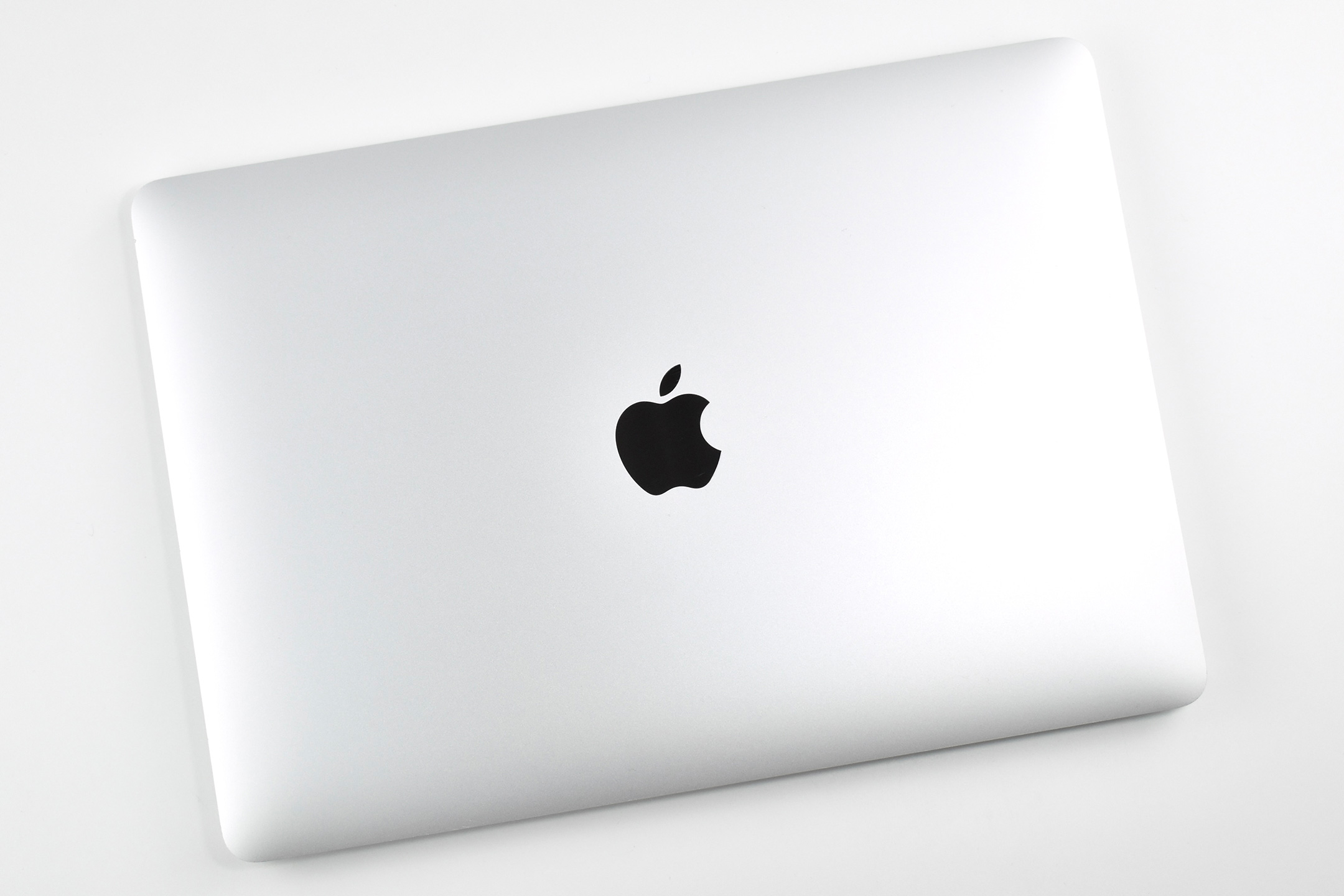
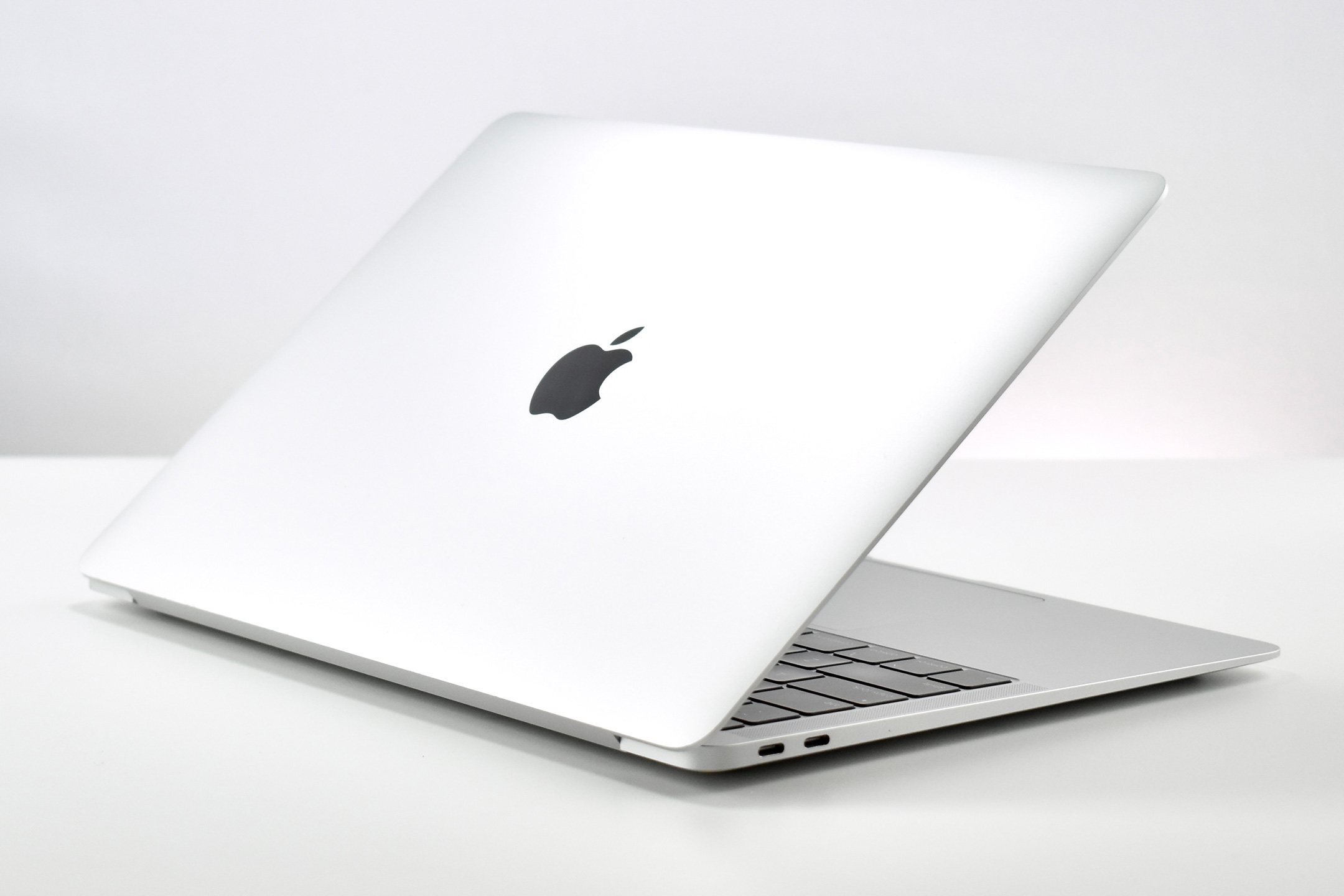
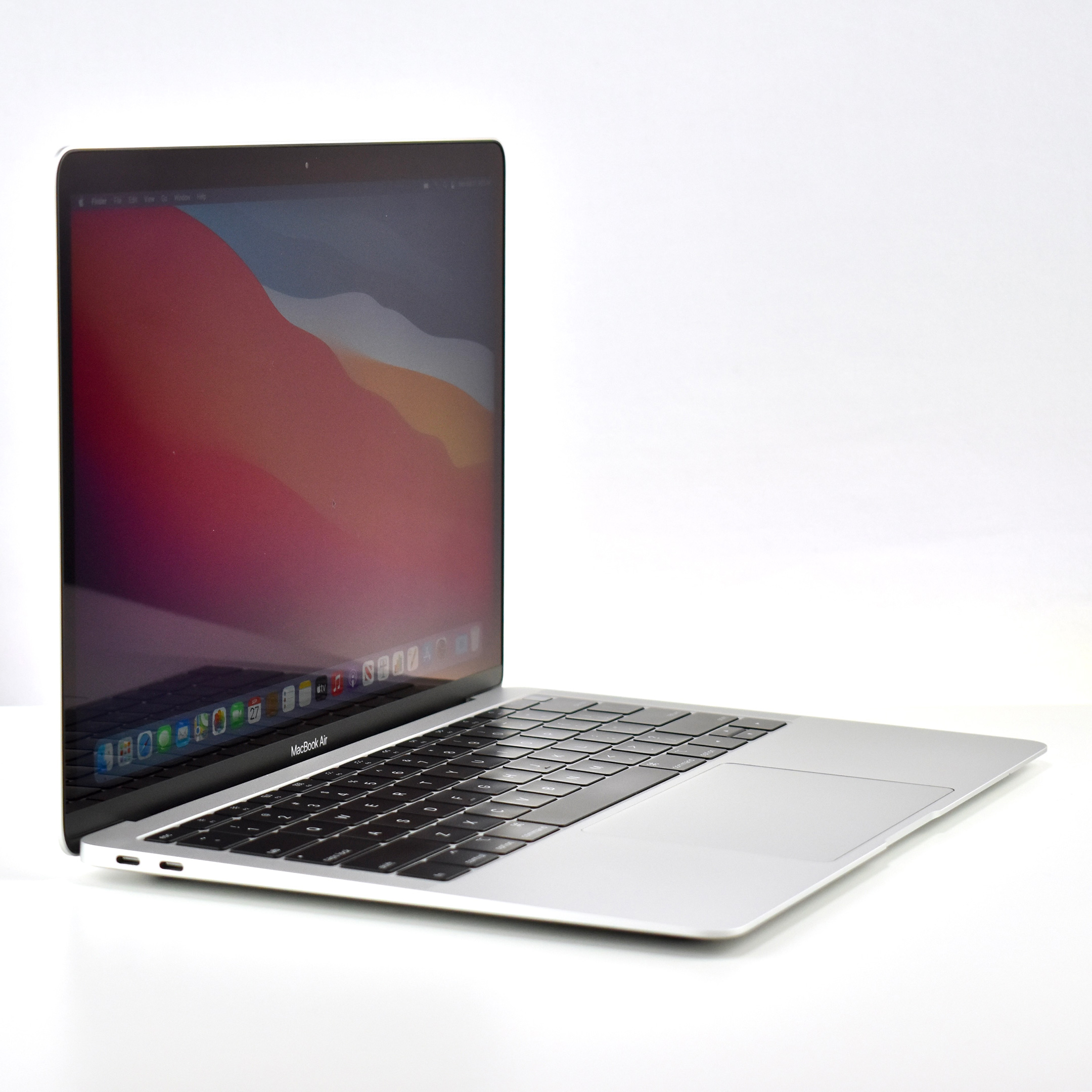
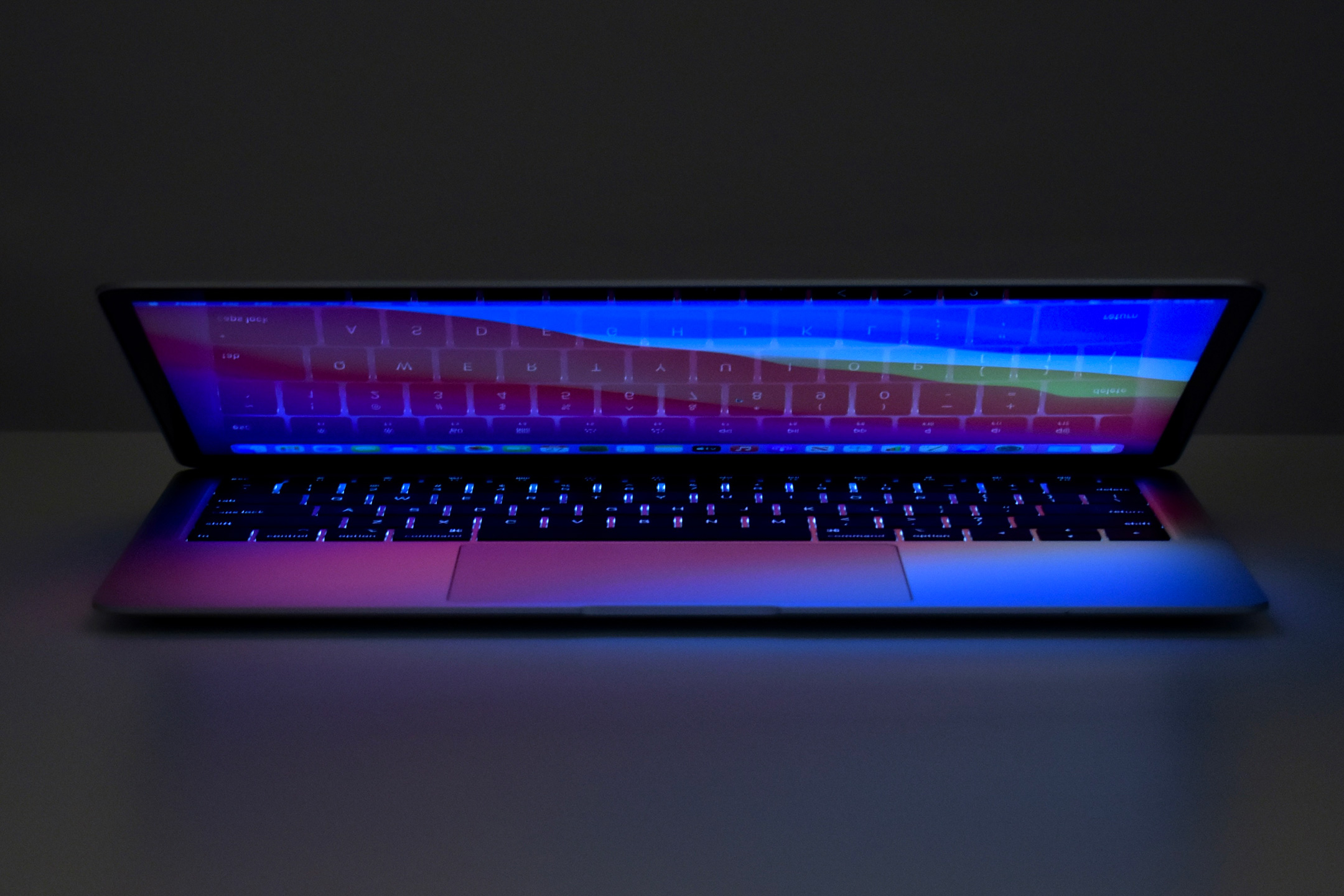
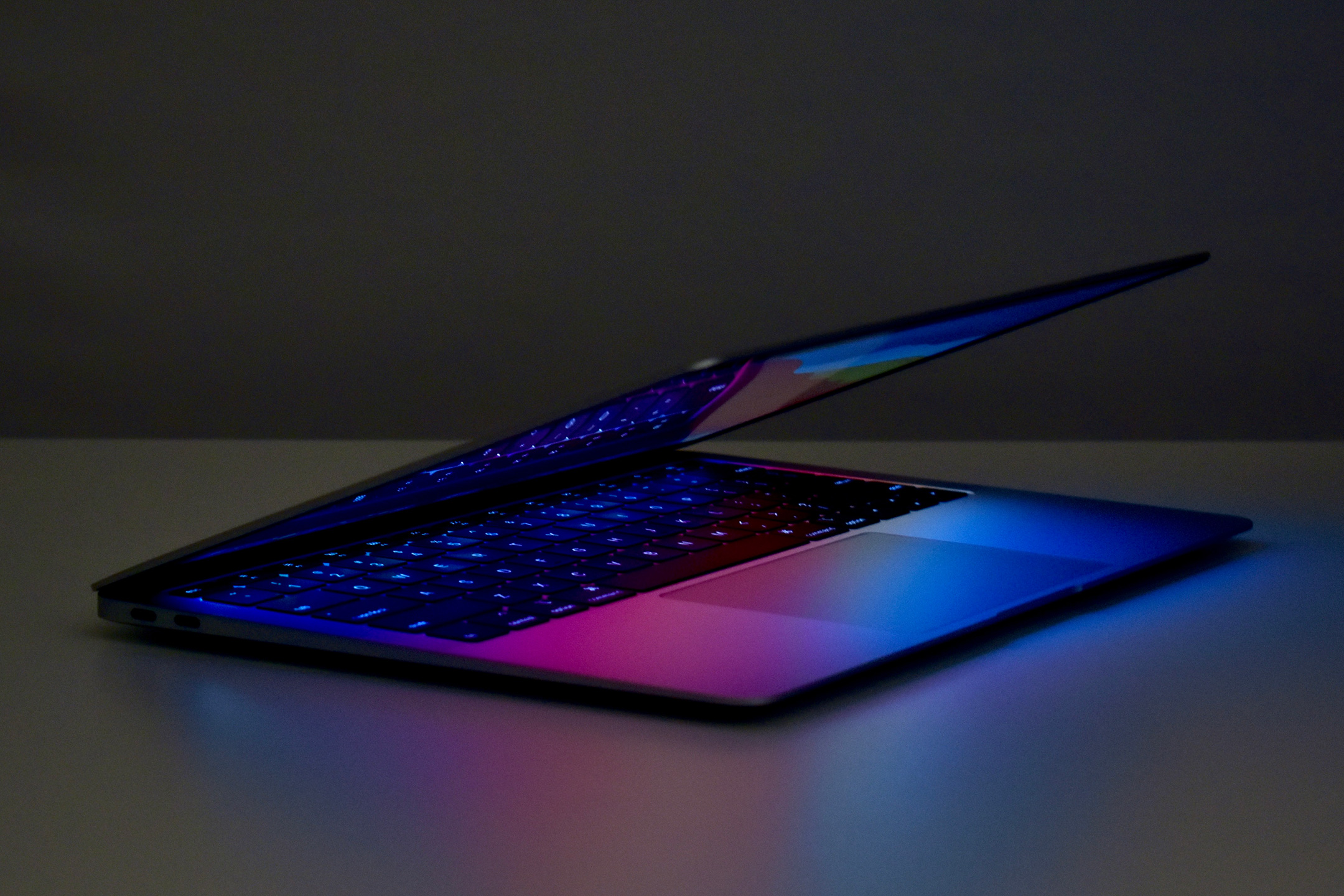
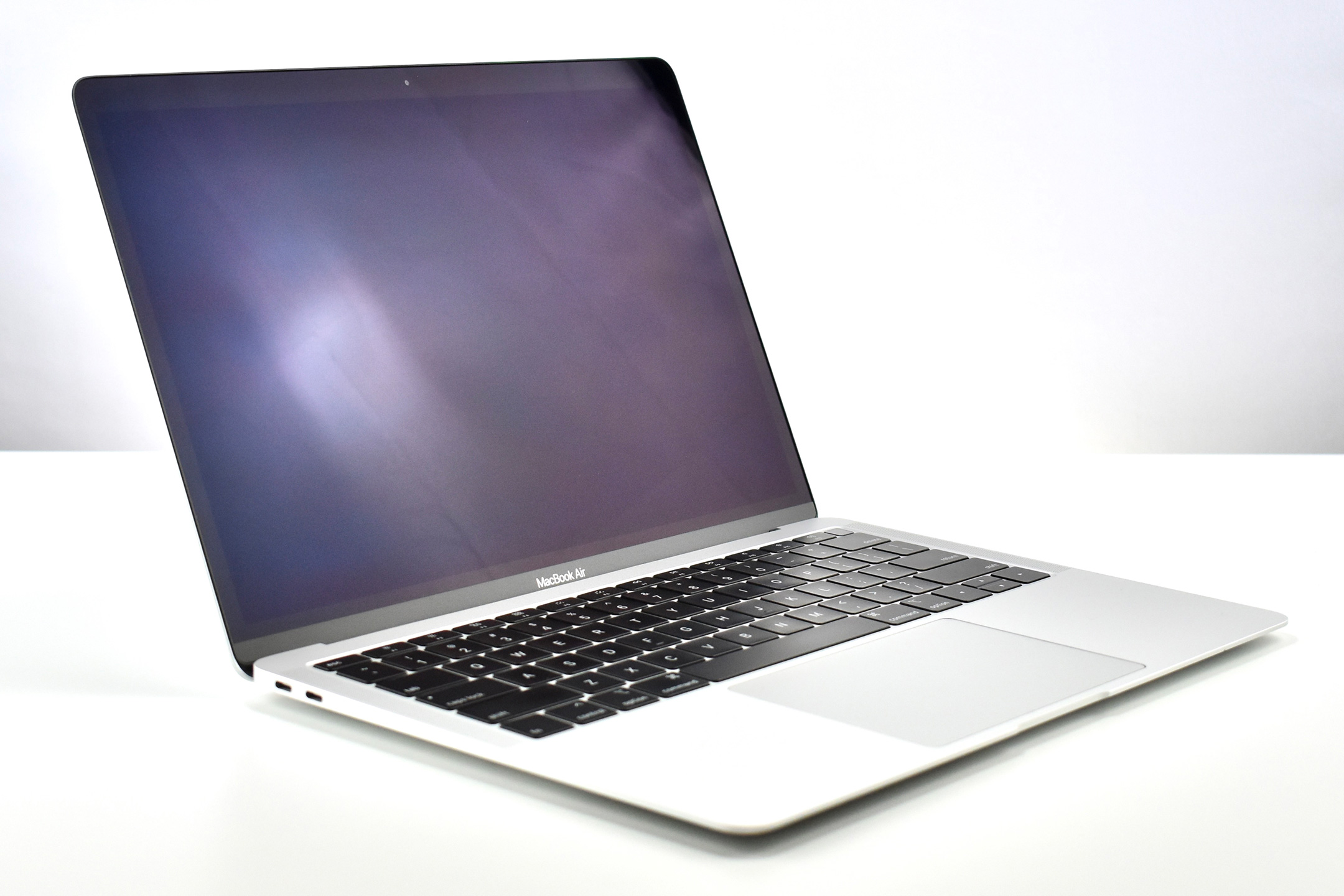
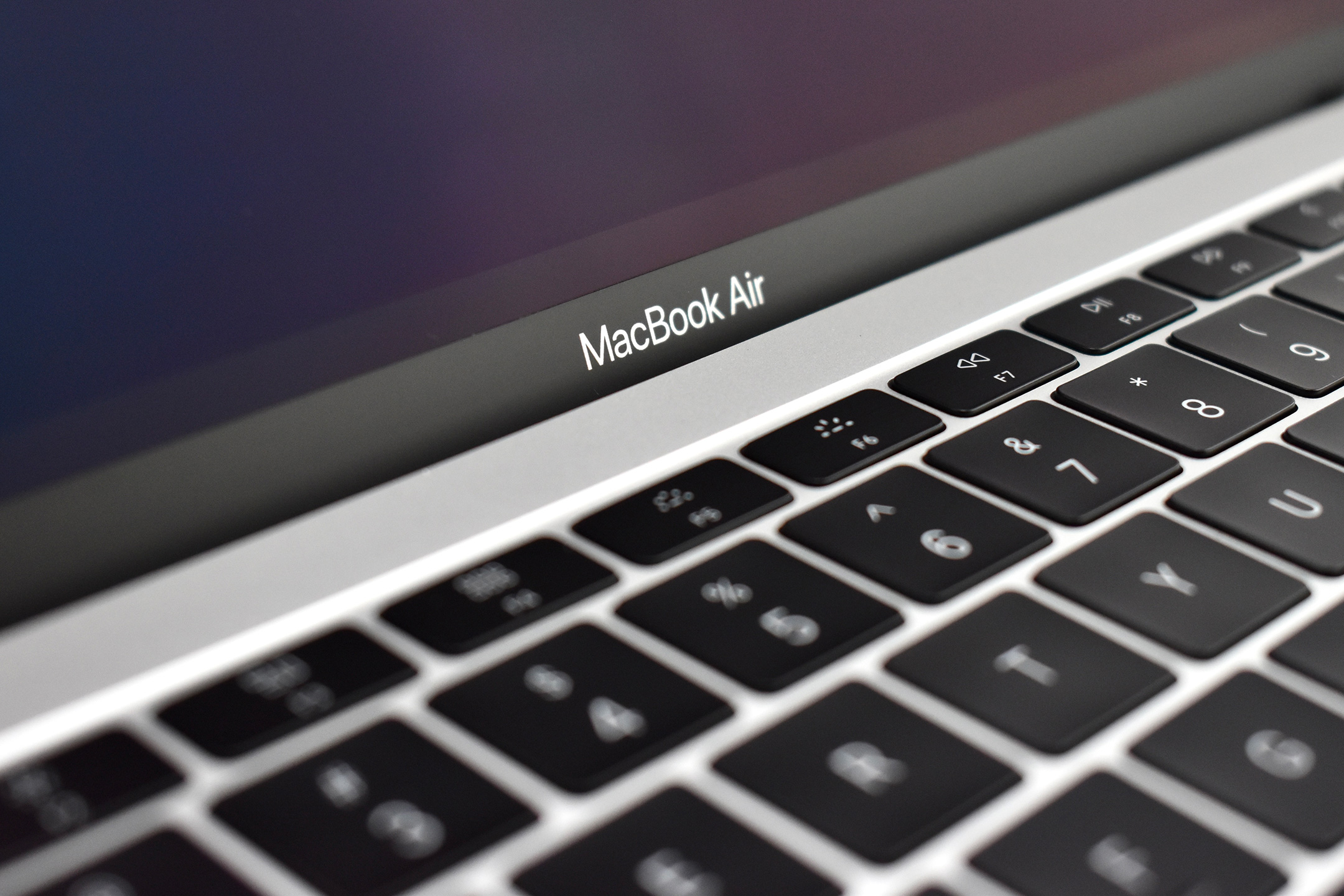
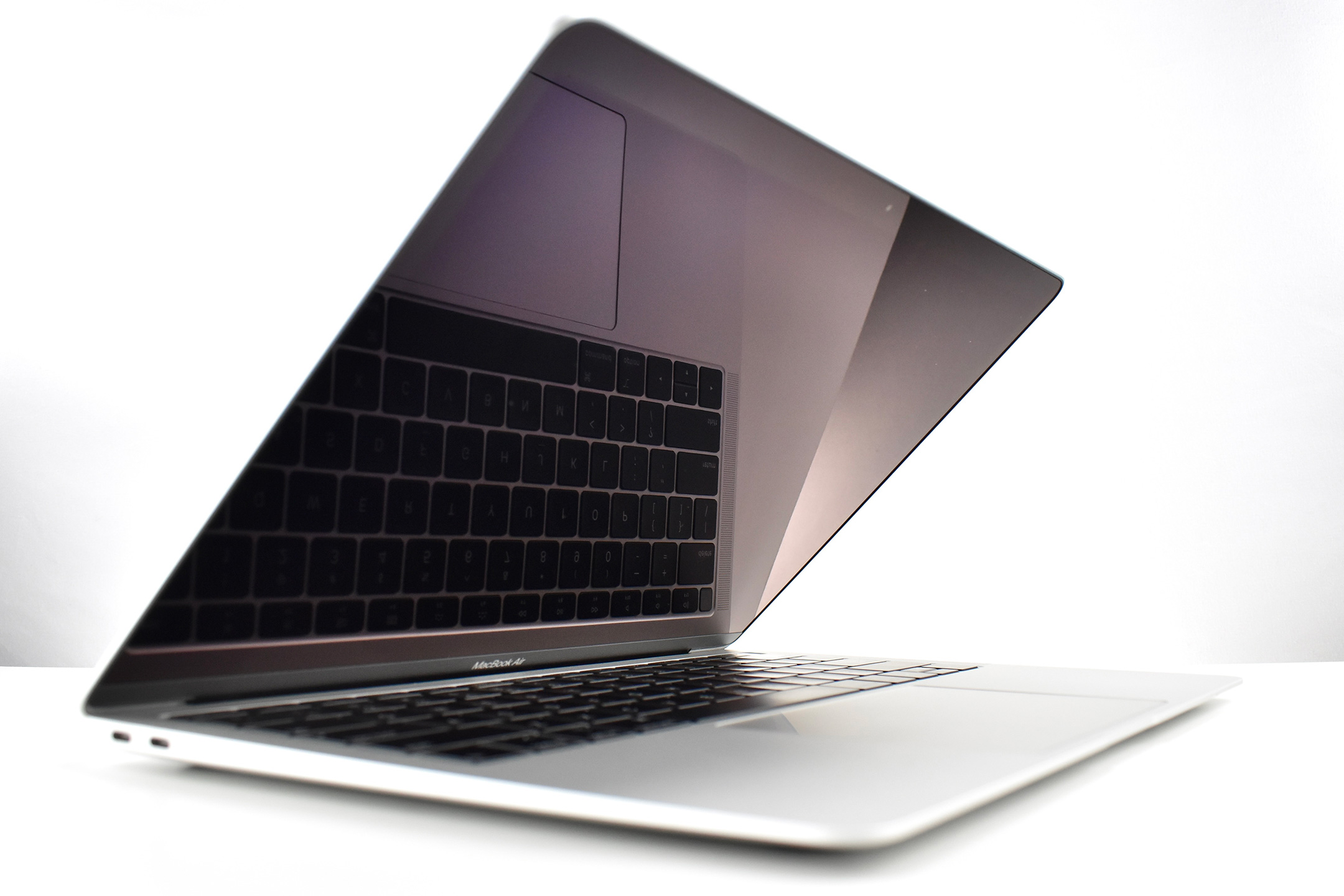
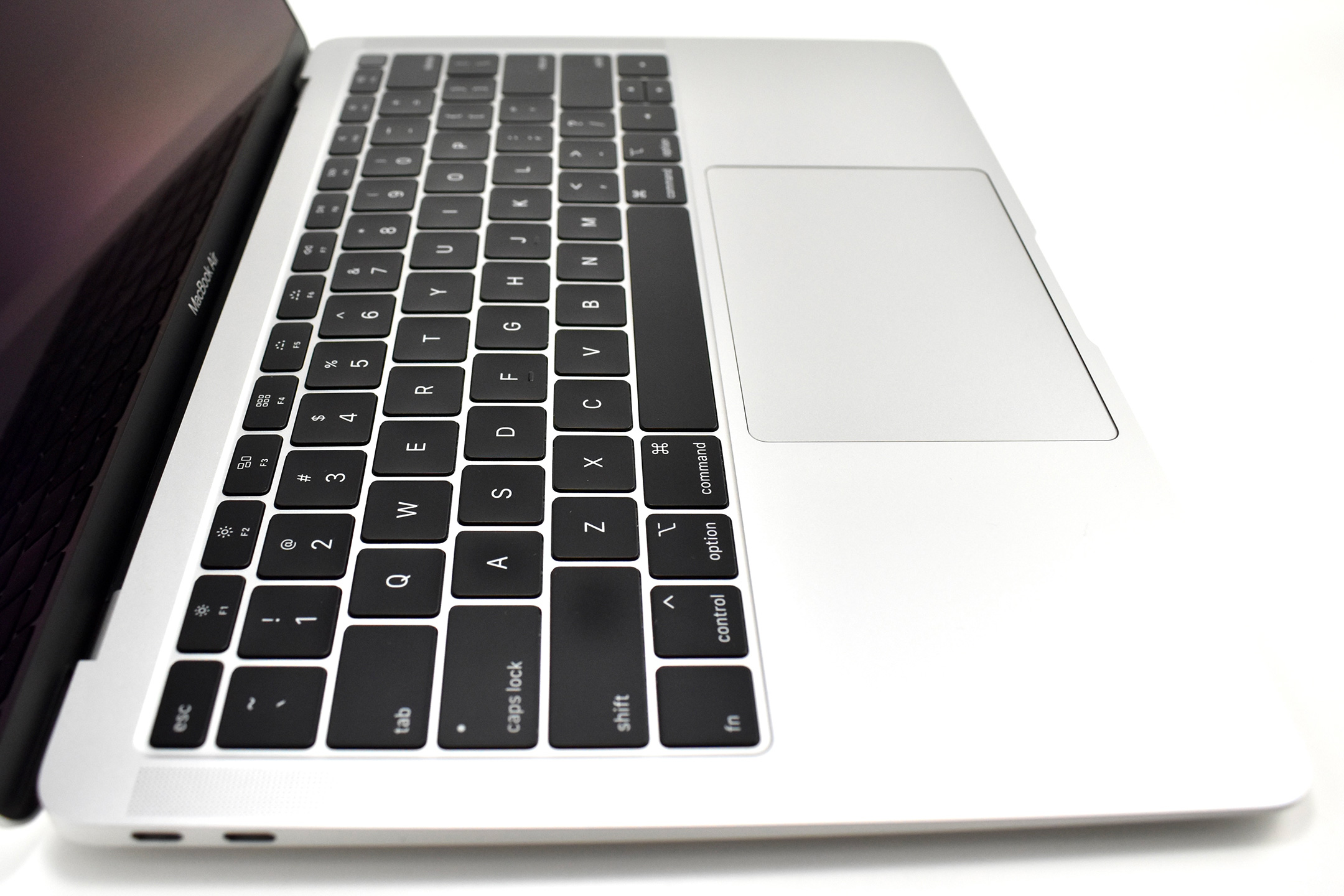
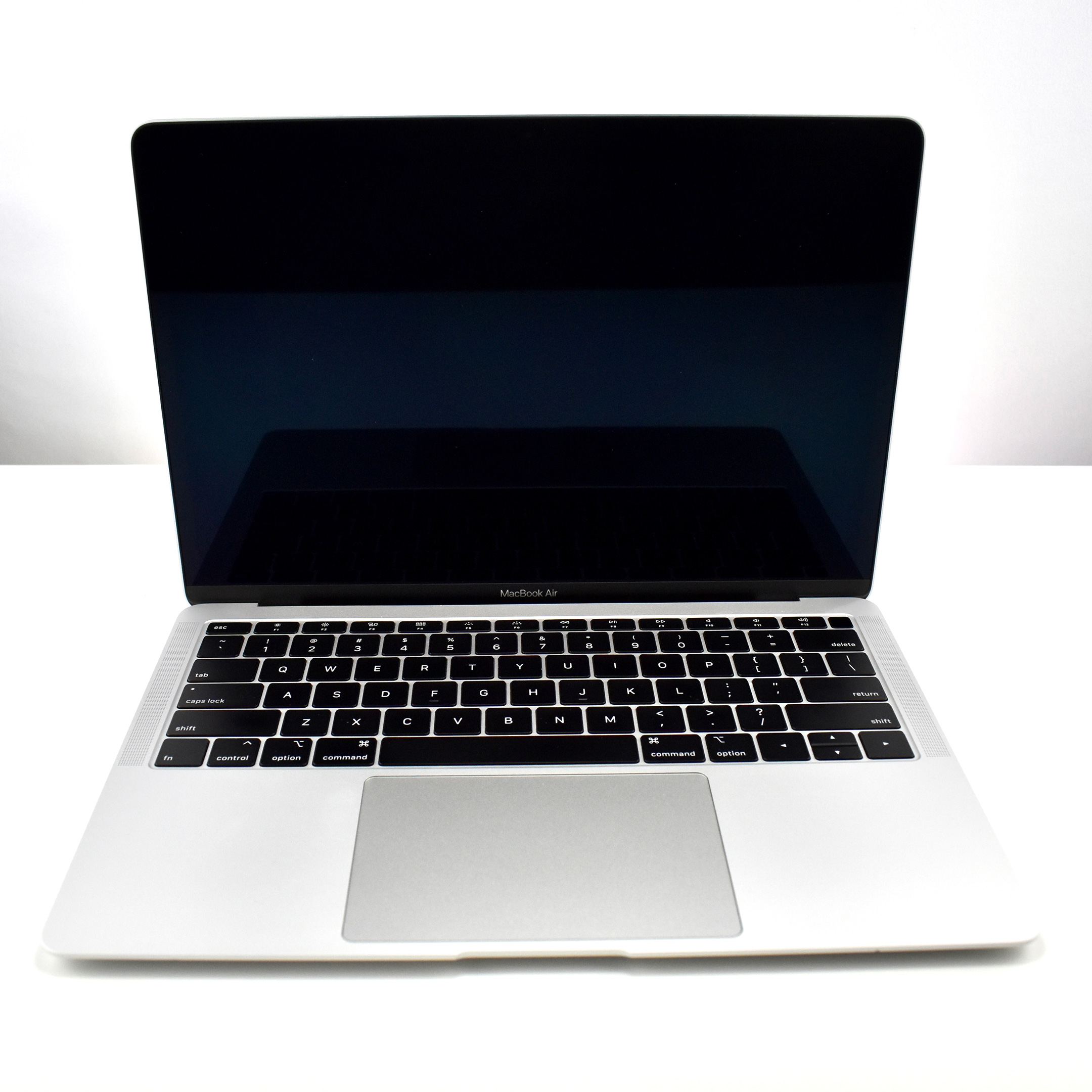
MacBook Air (Retina, 13-inch, 2018)

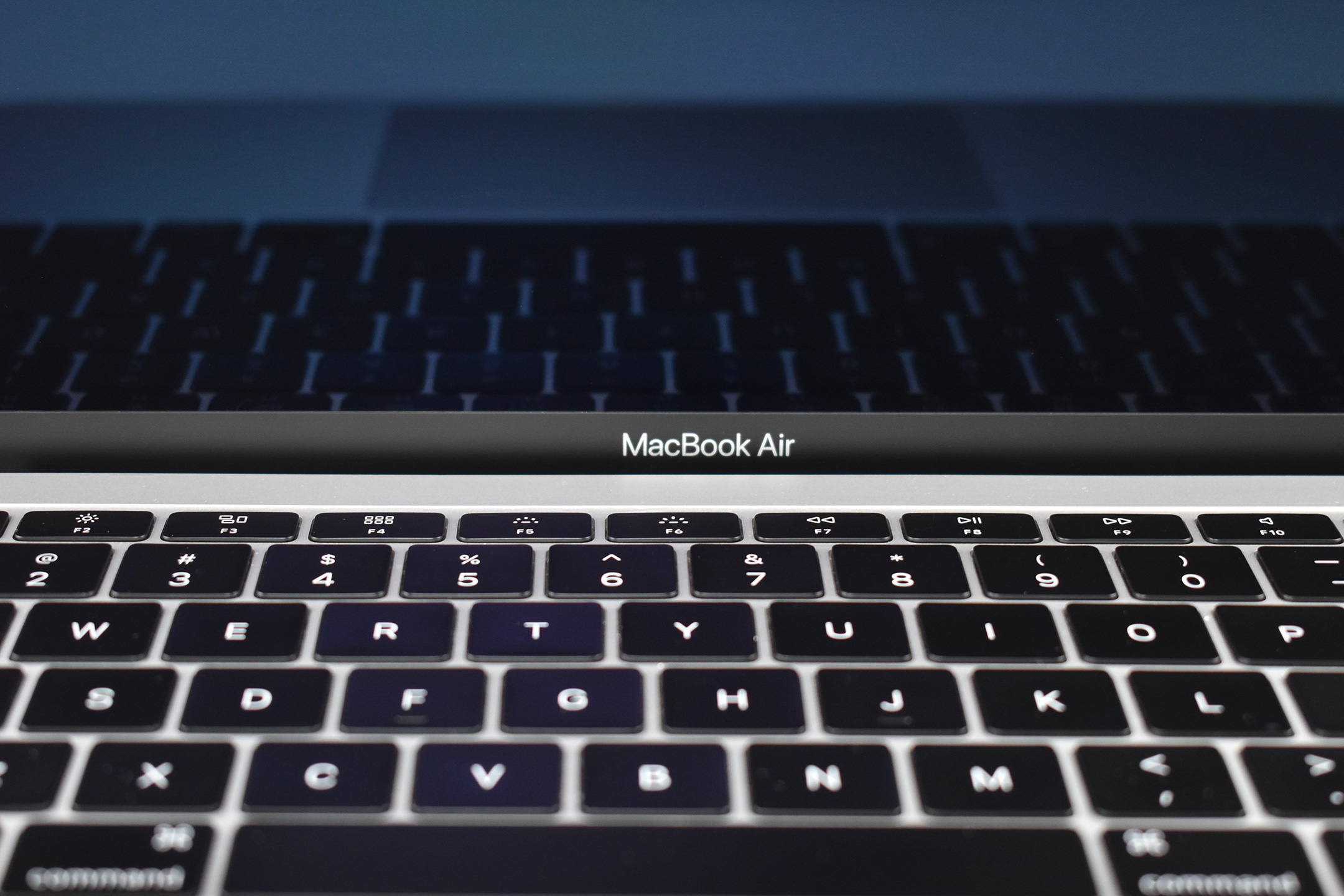
On October 18, 2018, Apple introduced an all-new MacBook Air model:

“Apple today introduced an all-new MacBook Air, bringing a stunning 13-inch Retina display, Touch ID, the latest processors and an even more portable design to the world’s most loved notebook. Delivering the all-day battery life it’s known for, the new MacBook Air is available in three gorgeous finishes — gold, space gray and silver. The most affordable Retina-display Mac ever also includes an Apple-designed keyboard, a spacious Force Touch trackpad, faster SSDs, wide stereo sound, the Apple T2 Security Chip and Thunderbolt 3, making the new MacBook Air the perfect notebook to take with you everywhere you go.”

The 13.3-inch Retina display was 2560 x 1600 (at 227ppi)—a 16:10 aspect ratio. It used a 1.6GHz dual-core Intel Core i5, and offered many storage options: 128GB, 256GB, 512GB, or 1.5TB SSD. RAM options included 8GB or 16GB.

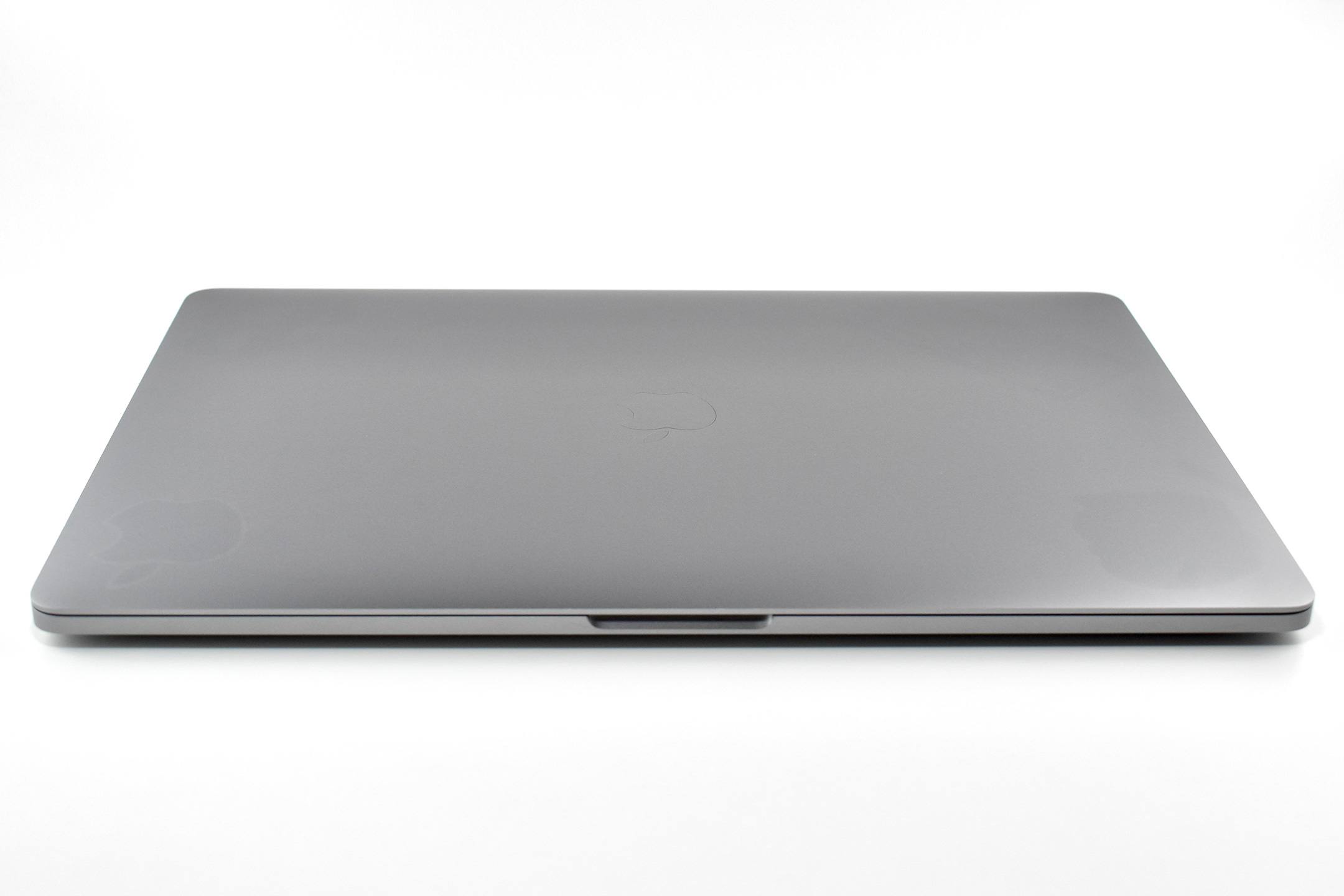
Like all previous MacBook Air models, this version used a tapered body design. It measured 0.16 inch in front to 0.61 inch in back (0.41–1.56 cm) thick, and was 11.97 inches (30.41 cm) wide and 8.36 inches (21.24 cm) deep. It weighed 2.75 pounds (1.25 kg).

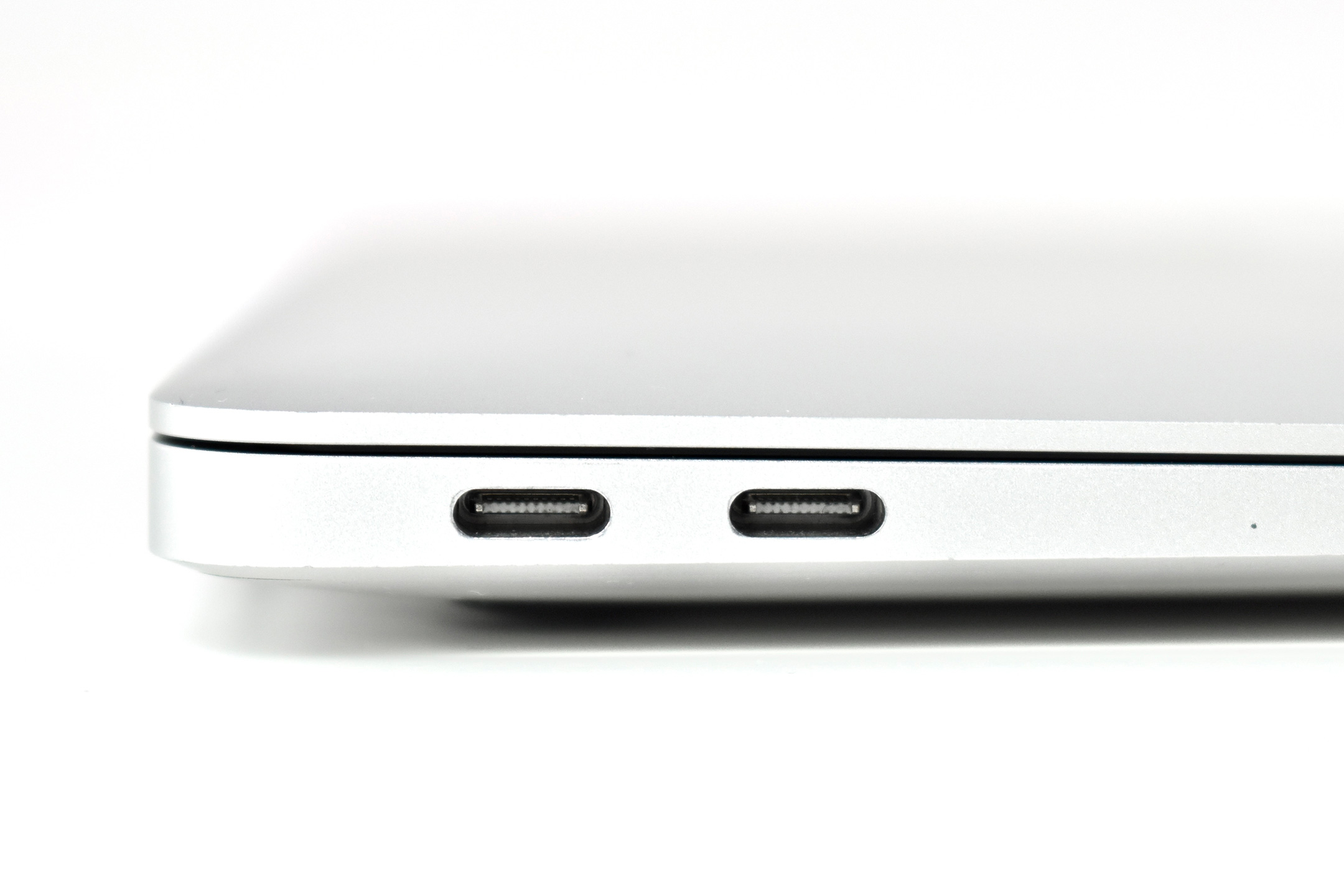
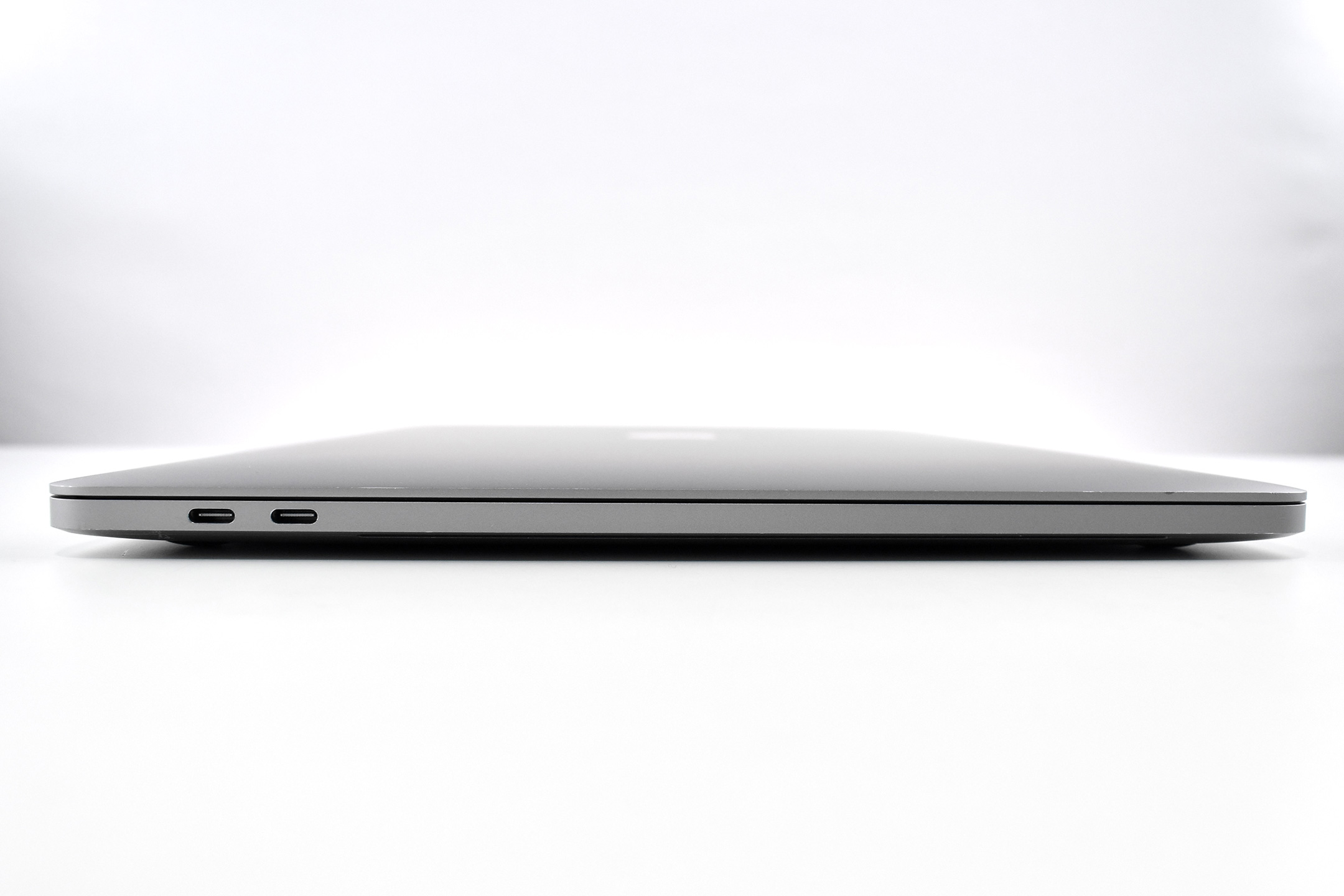
The front camera was a 720p FaceTime HD camera. This was the first MacBook Air to ship with 2 USB-C connections, and it also had a 3.5mm headphone jack. Further, this was the first MacBook Air to include an Integrated Touch ID sensor.

The 2018 MacBook Air was released at a time when its features were potentially confusing to customers when compared to other Apple laptop offerings at the time. A reviewer at The Verge noted:

“Is this new Air like a 12-inch MacBook, just blown up to a slightly bigger size? Is it more like a 13-inch MacBook Pro (sans Touch Bar), just with cheaper parts?”

When released, this this MacBook Air only was offered in a 13-inch option, dropping the 11-inch version available in the previous design. This was also the final MacBook Air with an Intel chip—future versions included Apple Silicon, such as the M1.

Source: Apple (Newsroom, Tech Specs), The Verge

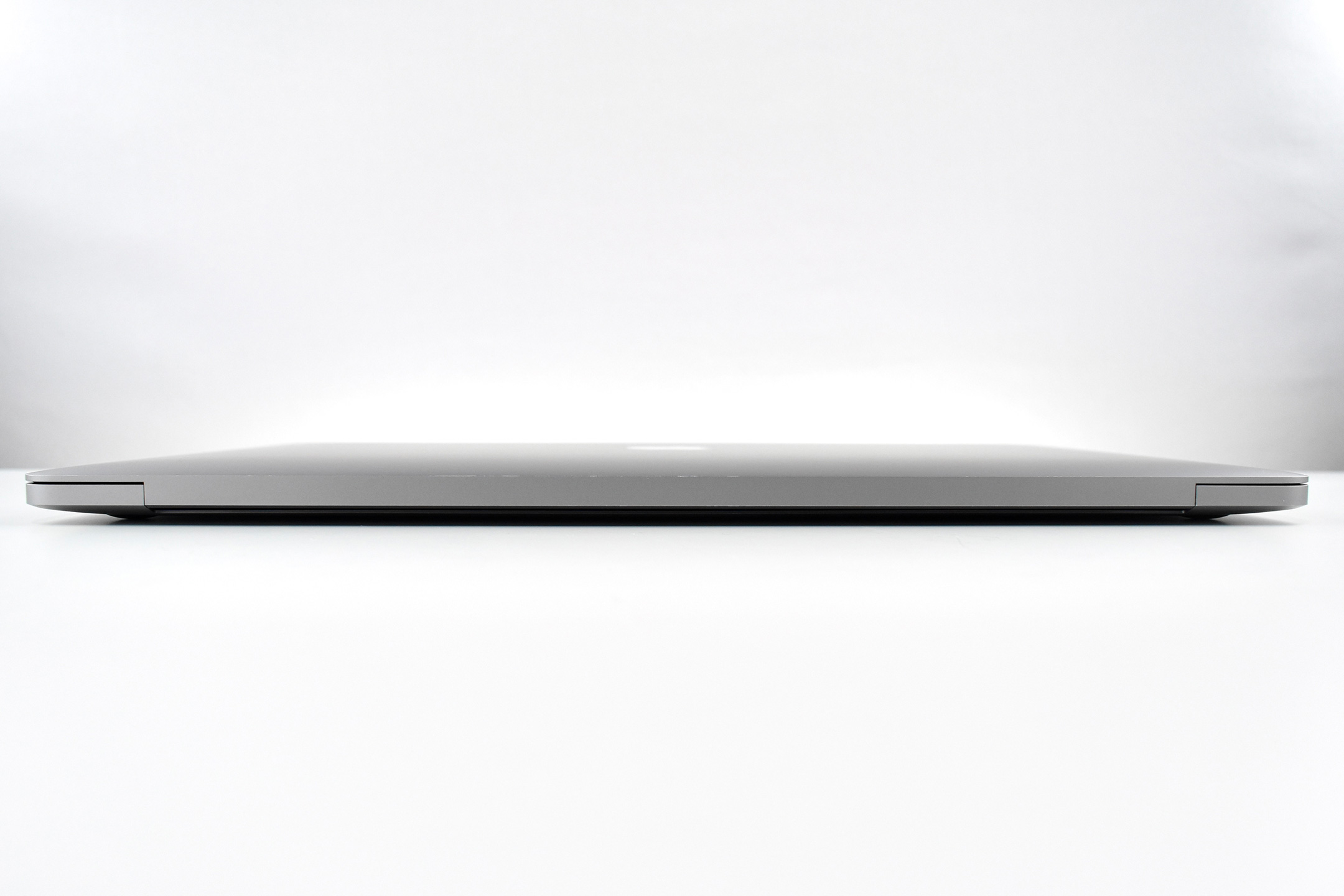
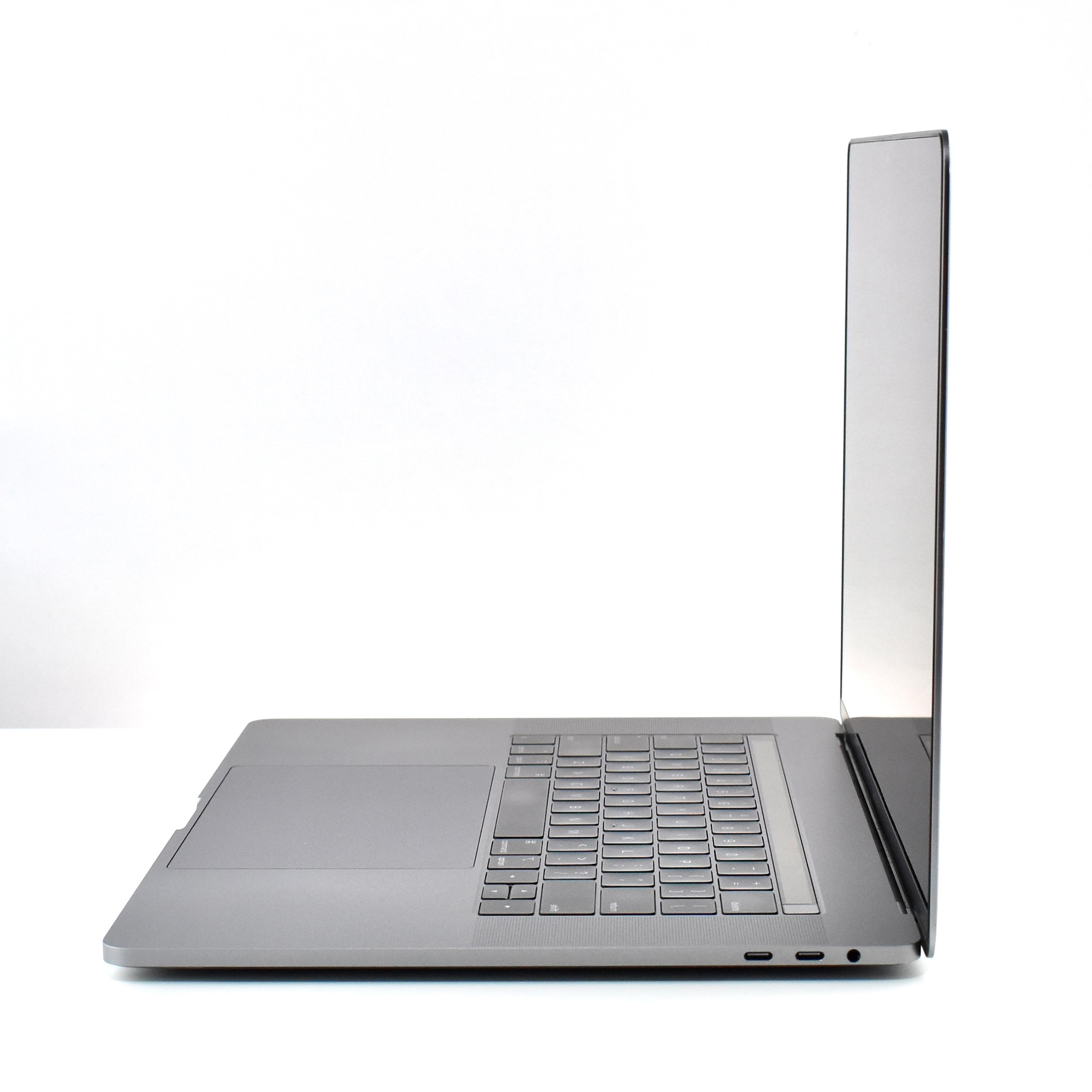
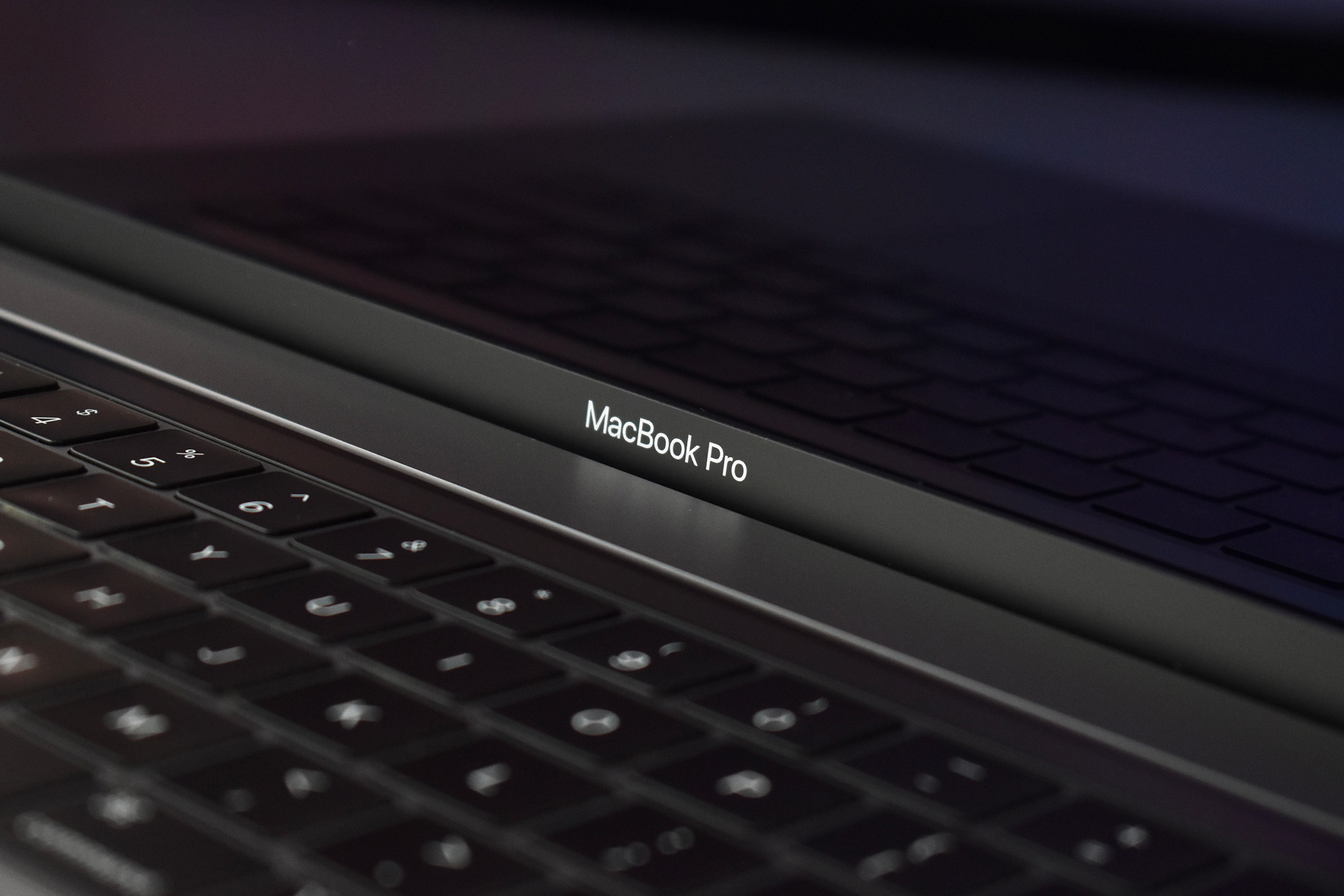
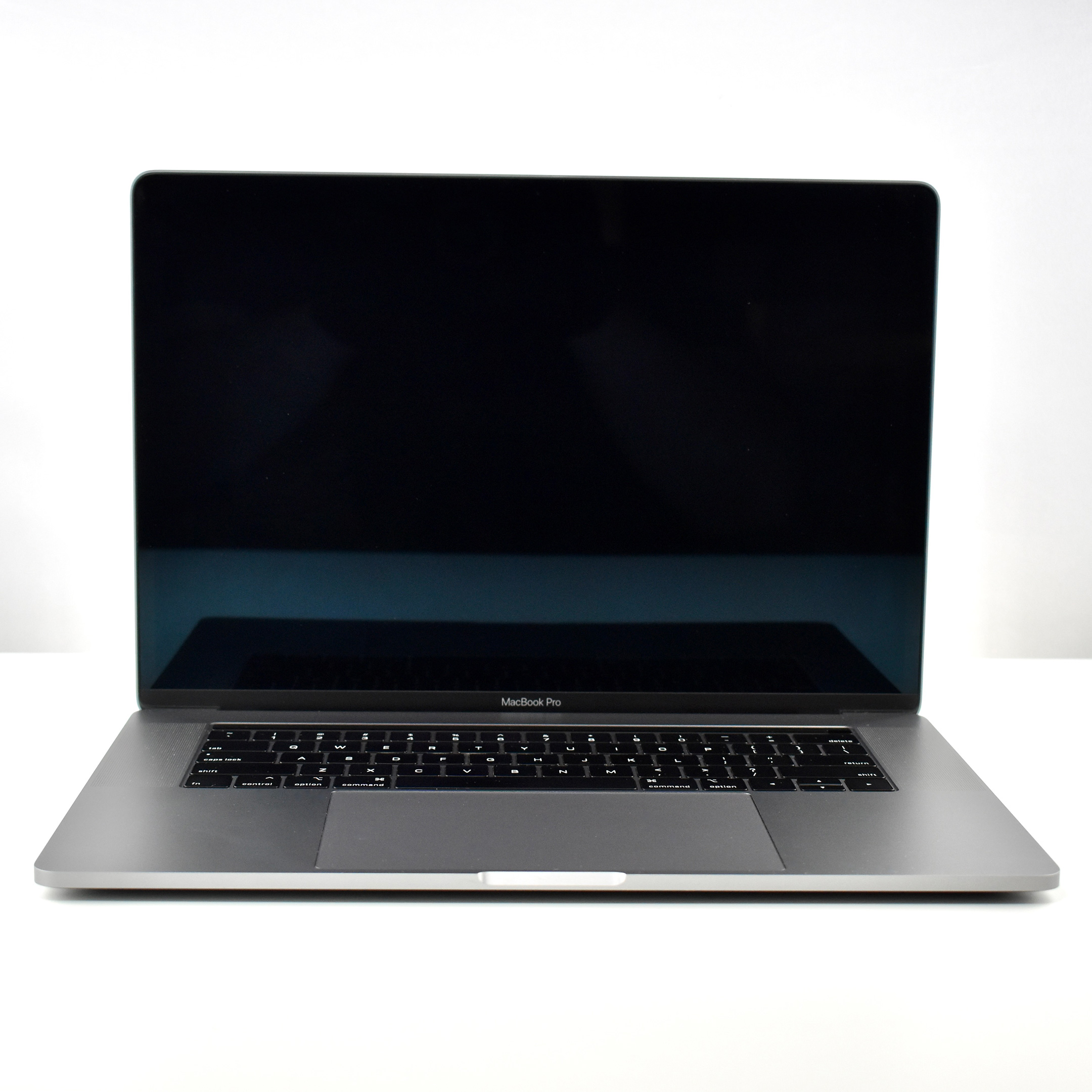
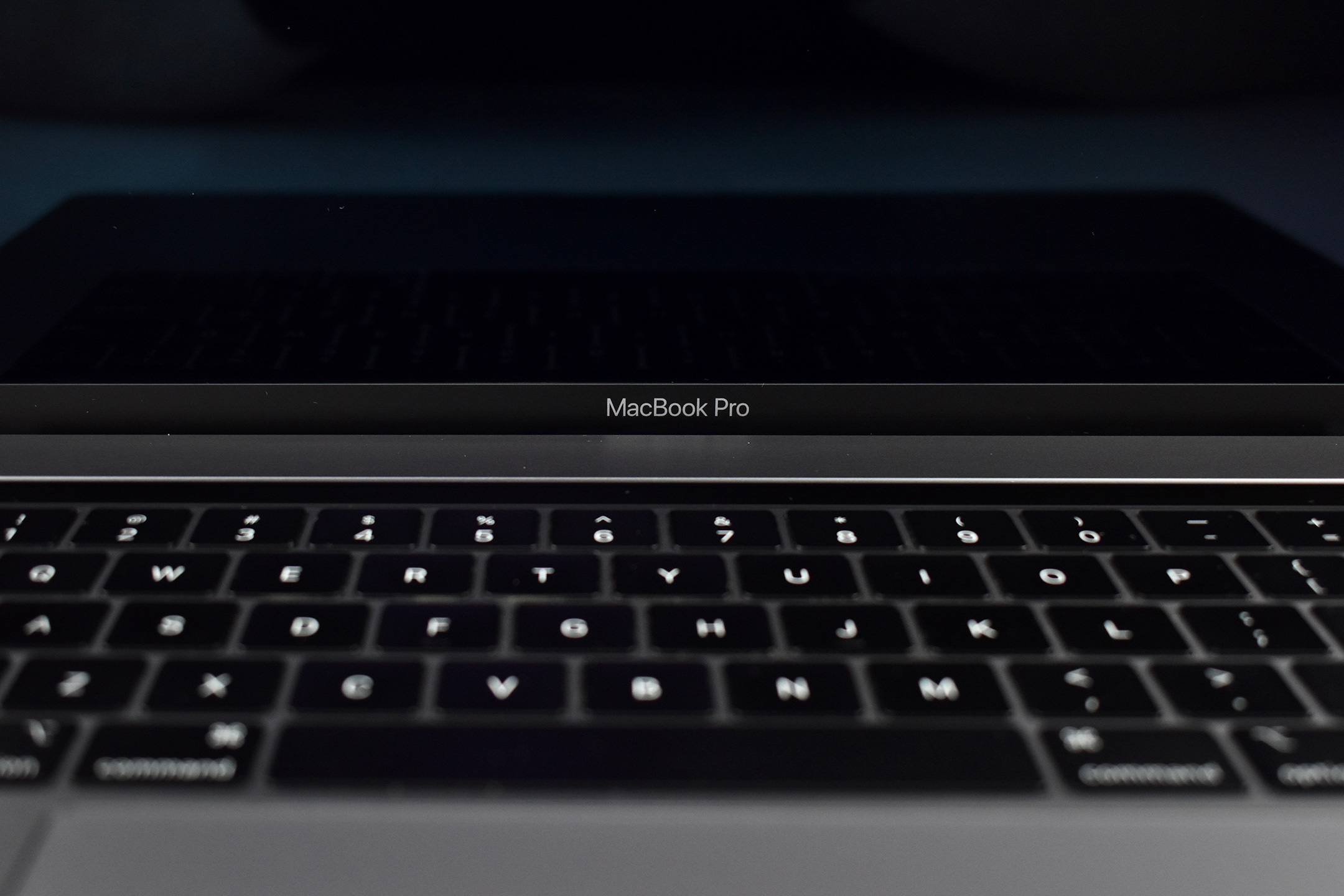
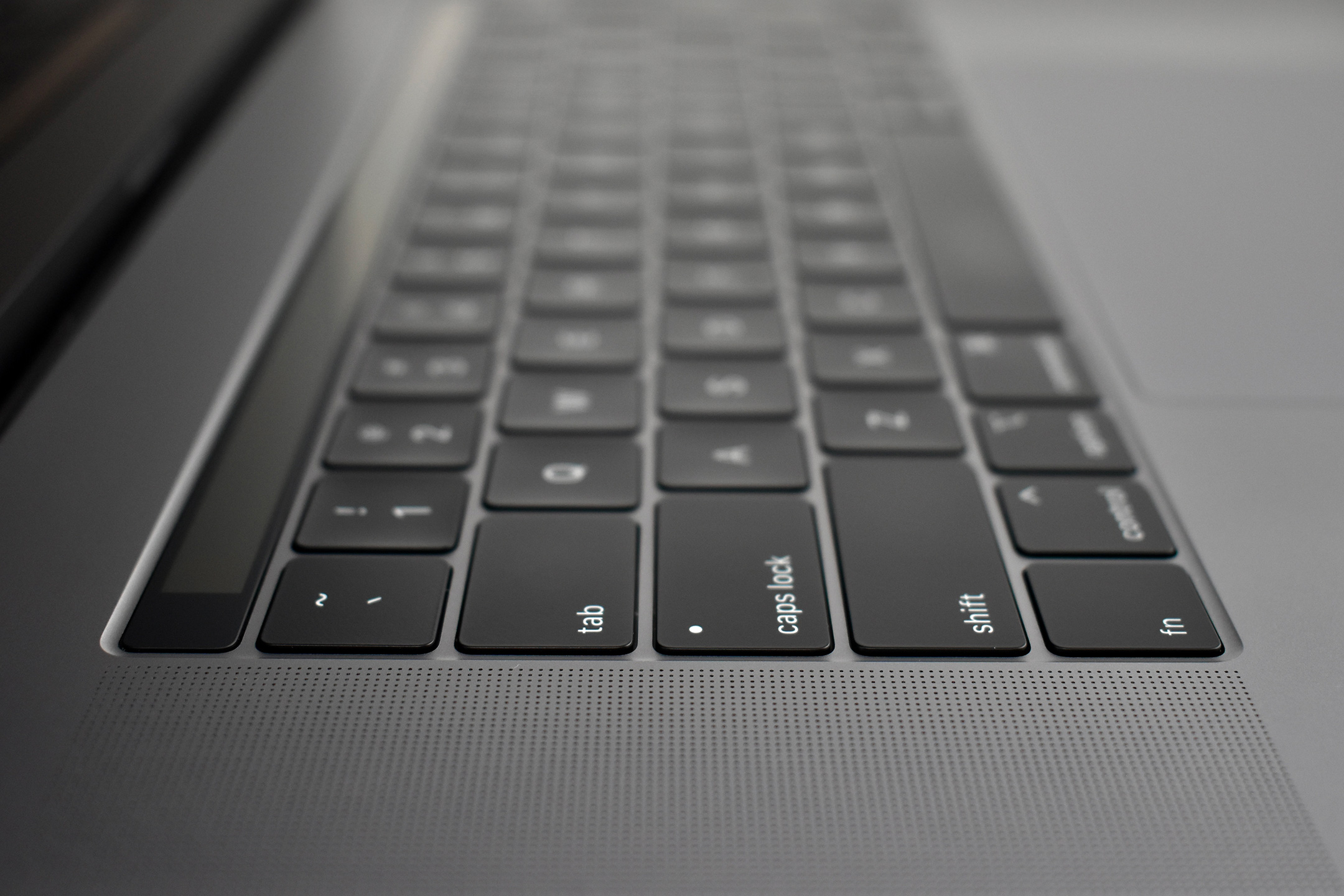
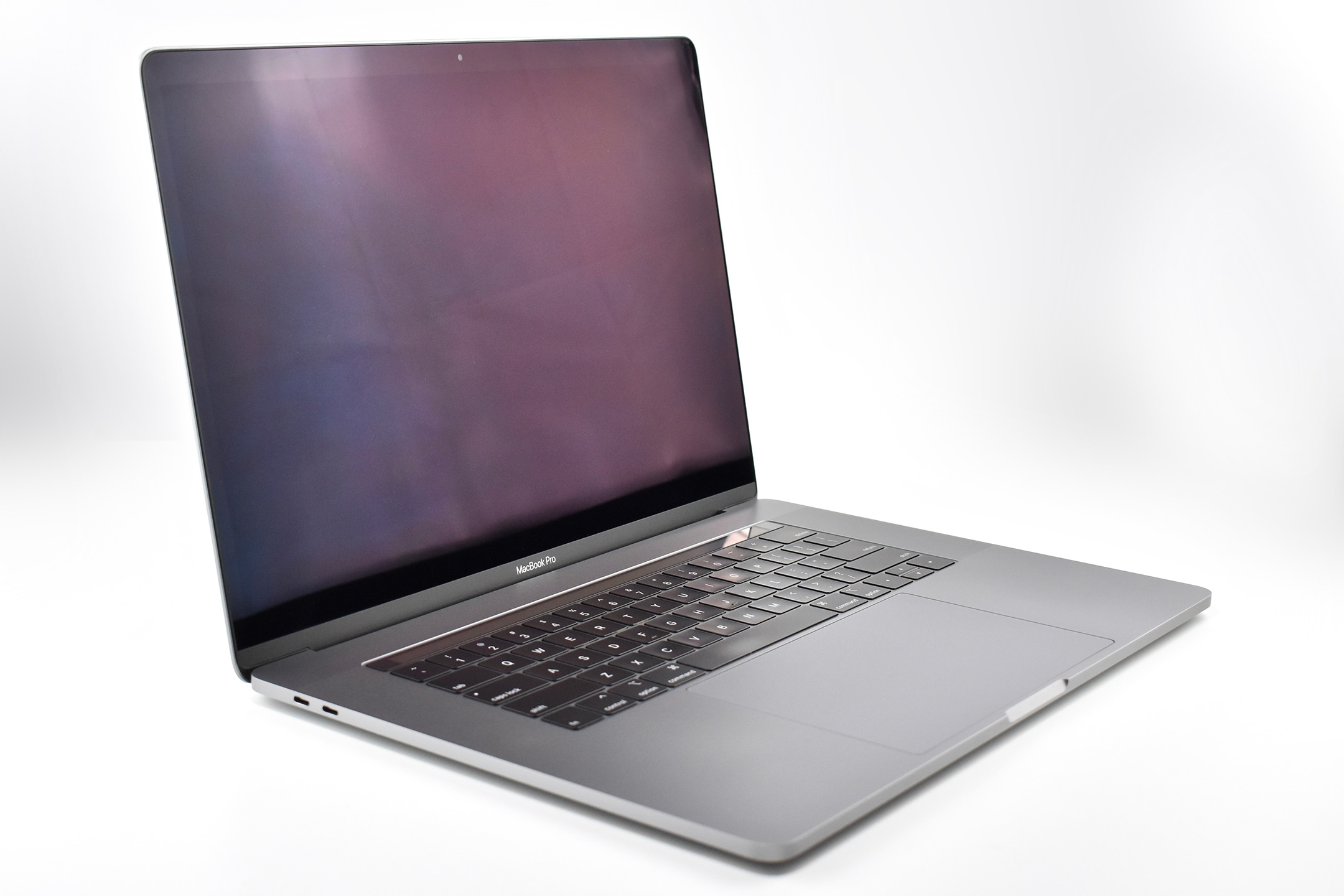
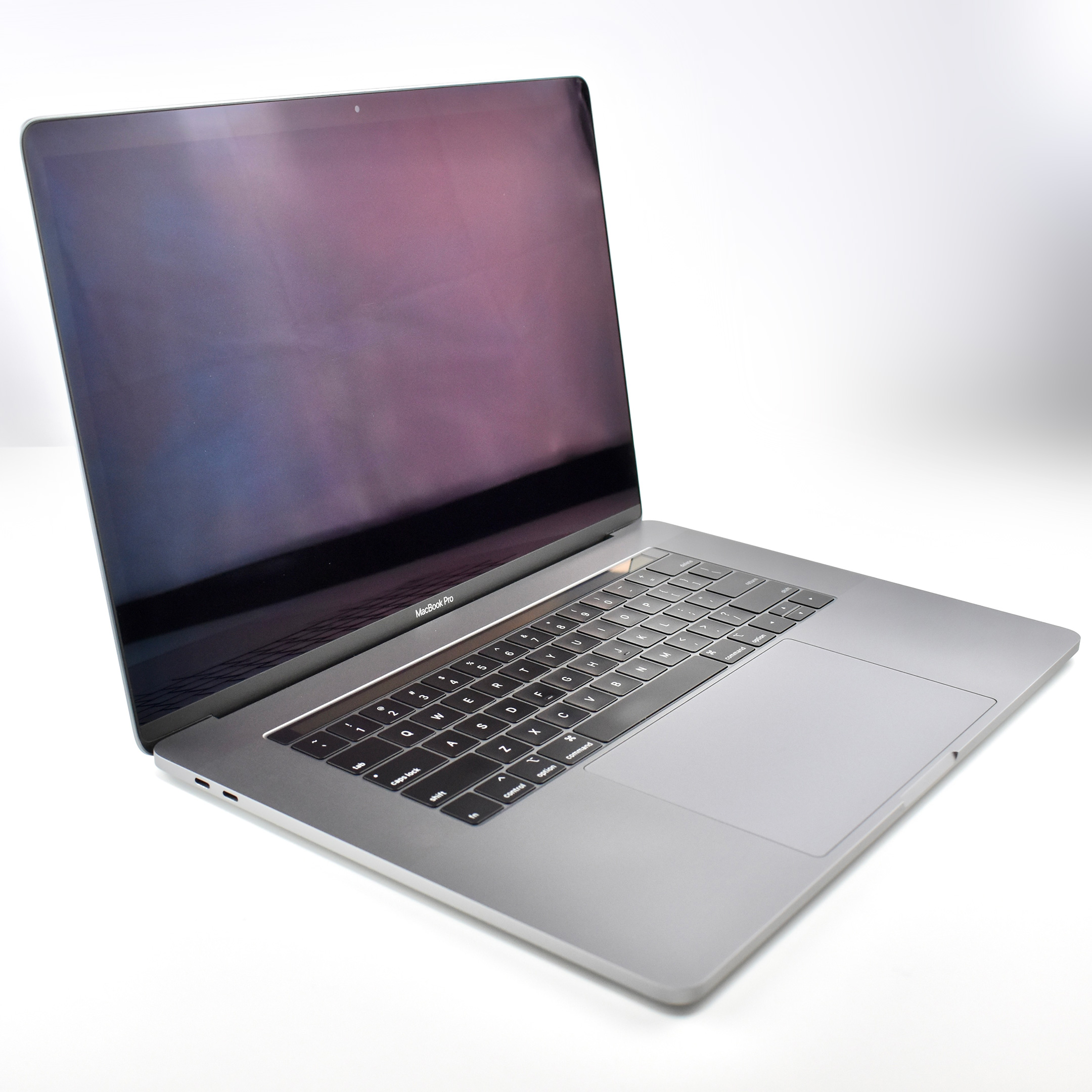
MacBook Pro (15-inch, 2019)

The 15-inch MacBook Pro (2019) model was the first to offer an 8-core processor in a MacBook. Apple’s press release announced:

“Apple updated MacBook Pro with faster 8th- and 9th-generation Intel Core processors, bringing eight cores to MacBook Pro for the first time. MacBook Pro now delivers two times faster performance than a quad-core MacBook Pro and 40 percent more performance than a 6-core MacBook Pro, making it the fastest Mac notebook ever. These new processors, combined with powerful graphics, the brilliant and colorful Retina display, super-fast SSDs, the Apple T2 Security Chip, all-day battery life and macOS, make MacBook Pro the world’s best pro notebook.”

Both a 6-core and 8-core version of this MacBook Pro was available.

This MacBook Pro was available in both Silver and Space Gray. It had a Touch Bar with integrated Touch ID sensor. Apple describes the Touch Bar:

“If your Mac has a Touch Bar, you can use familiar gestures—like tap, swipe, or slide—directly on the Touch Bar to adjust settings, use Siri, access function keys, and do tasks in different apps.”

The 15.4-inch Retina display was 2880 x 1800 (at 220ppi). This MacBook Pro was offered with a 256GB or 512GB SSD as standards, but was configurable to up to 4TB SSD. All models had 16GB of RAM. The front camera was a 720p FaceTime HD camera.

Physical ports included 4 USB-C ports (all had Thunderbolt 3 capability) and a headphone jack. Wireless interfaces included 802.11ac and Bluetooth 5.0.

This MacBook Pro was 0.61 inch (1.55 cm) thick, and measured 13.75 inches (34.93 cm) wide x 9.48 inches (24.07 cm) deep. It weighed 4.02 pounds (1.83 kg).

Its 10-hour battery charged with an 87W USB-C Power Adapter.

This MacBook Pro featured what Ars Technica referred to as the “new new new butterfly keyboard…which Apple believes will be more reliable than its problem-laden predecessors.” Later in the review, the author adds that “the touchpad is enormous” and describes it as “luxuriously large.”

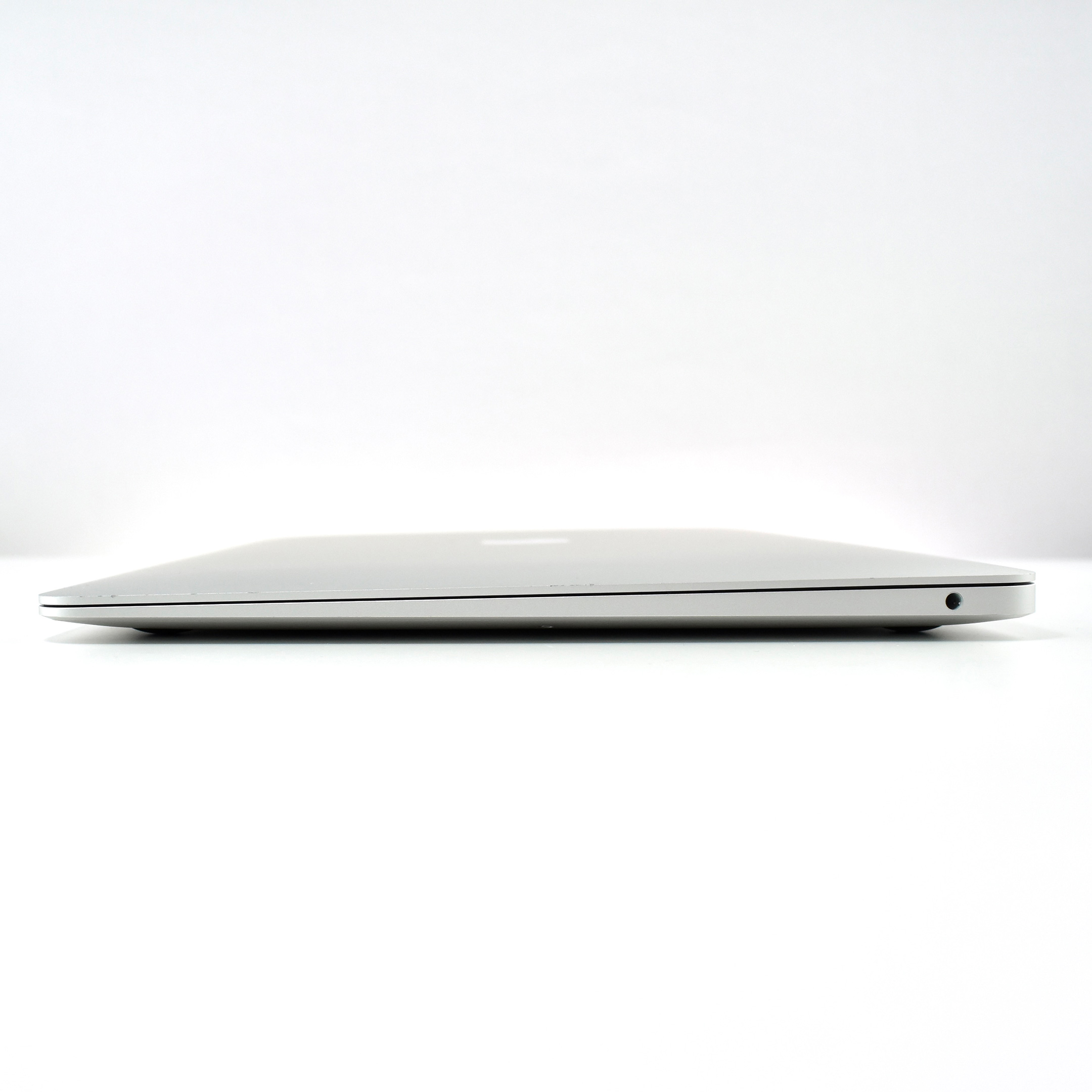
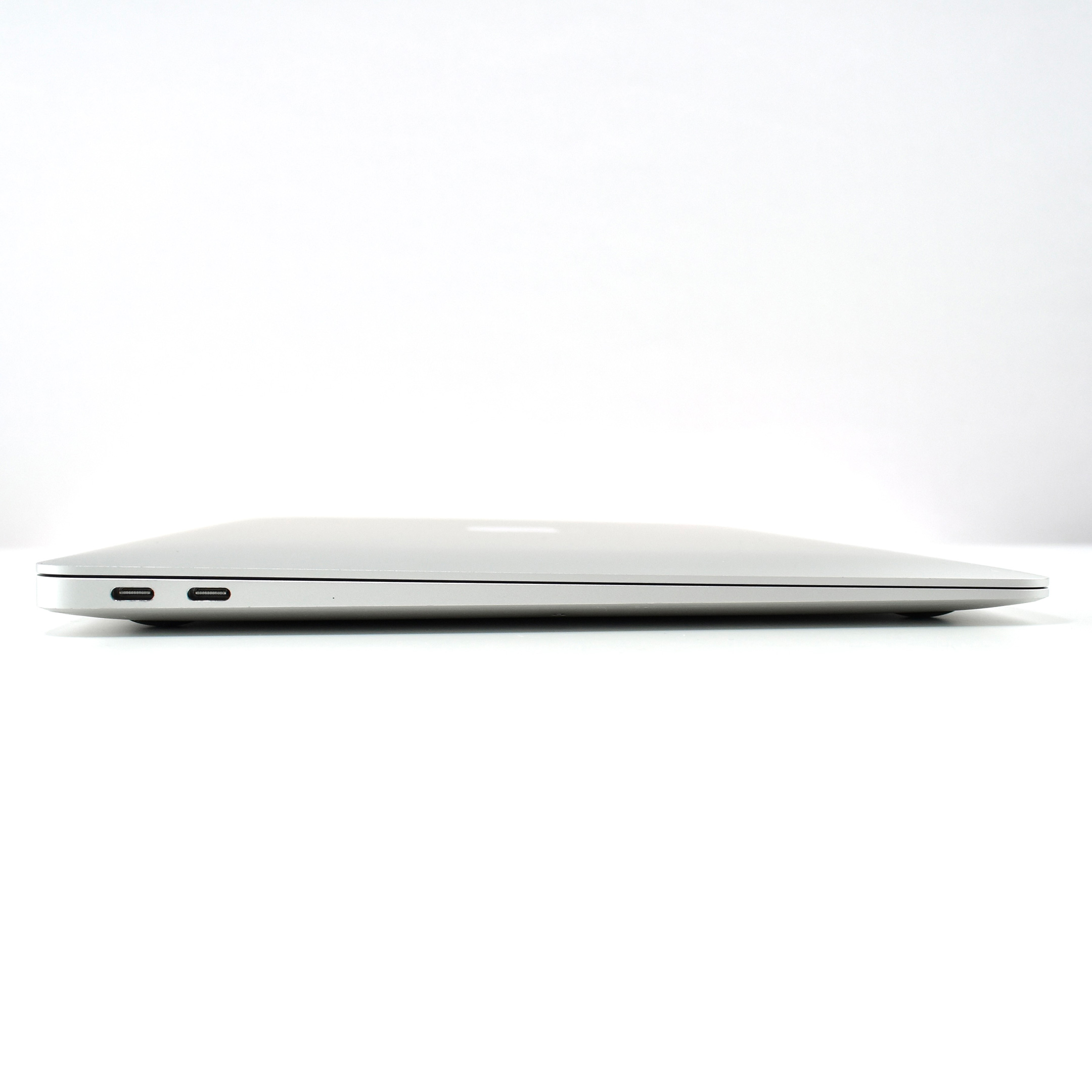
Although Apple’s press focuses on the 8-core version of this laptop, this particular MacBook Pro (2019) is the 6-core version in Space Gray.

Sources: Apple (Newsroom, Tech Specs, Touch Bar), Ars Technica

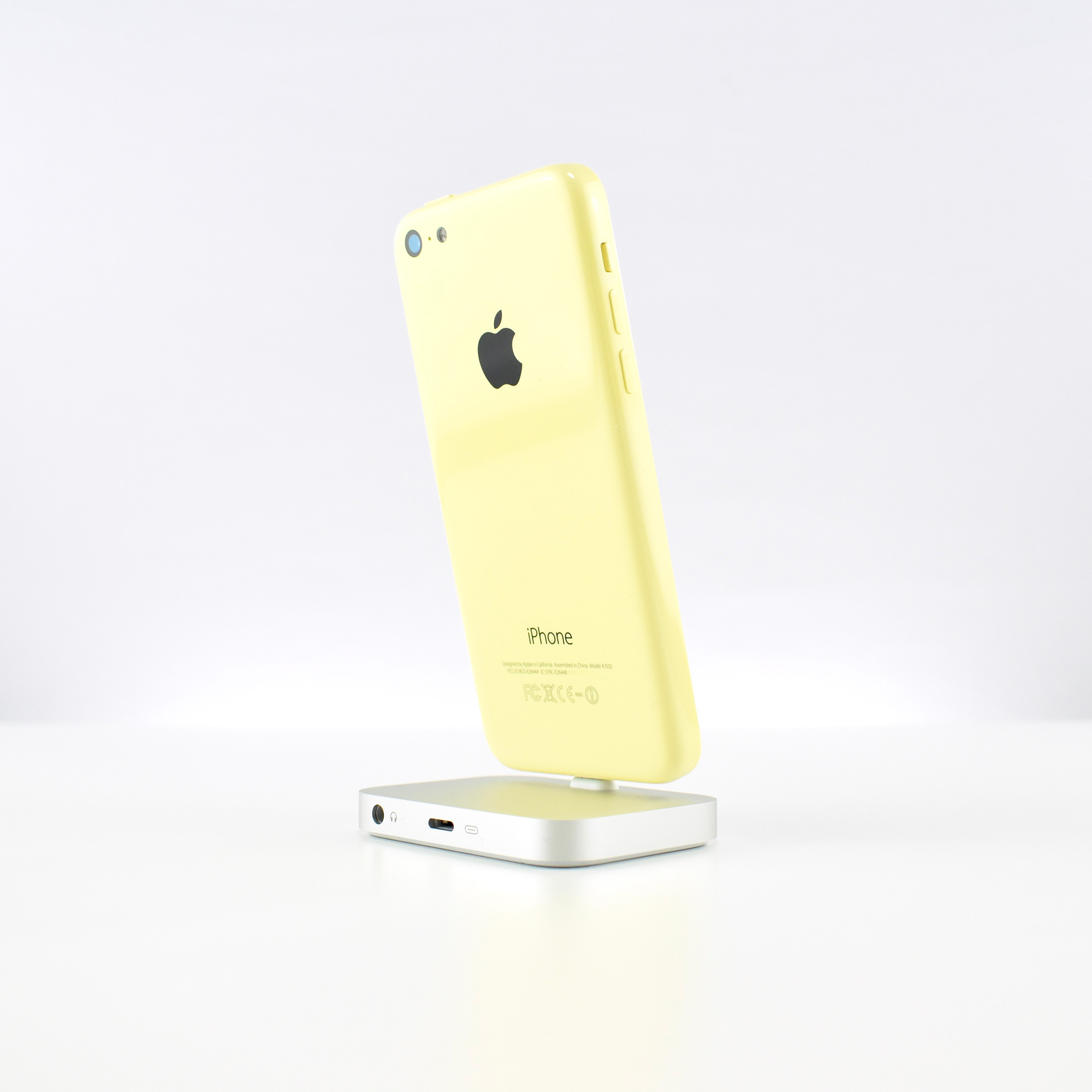
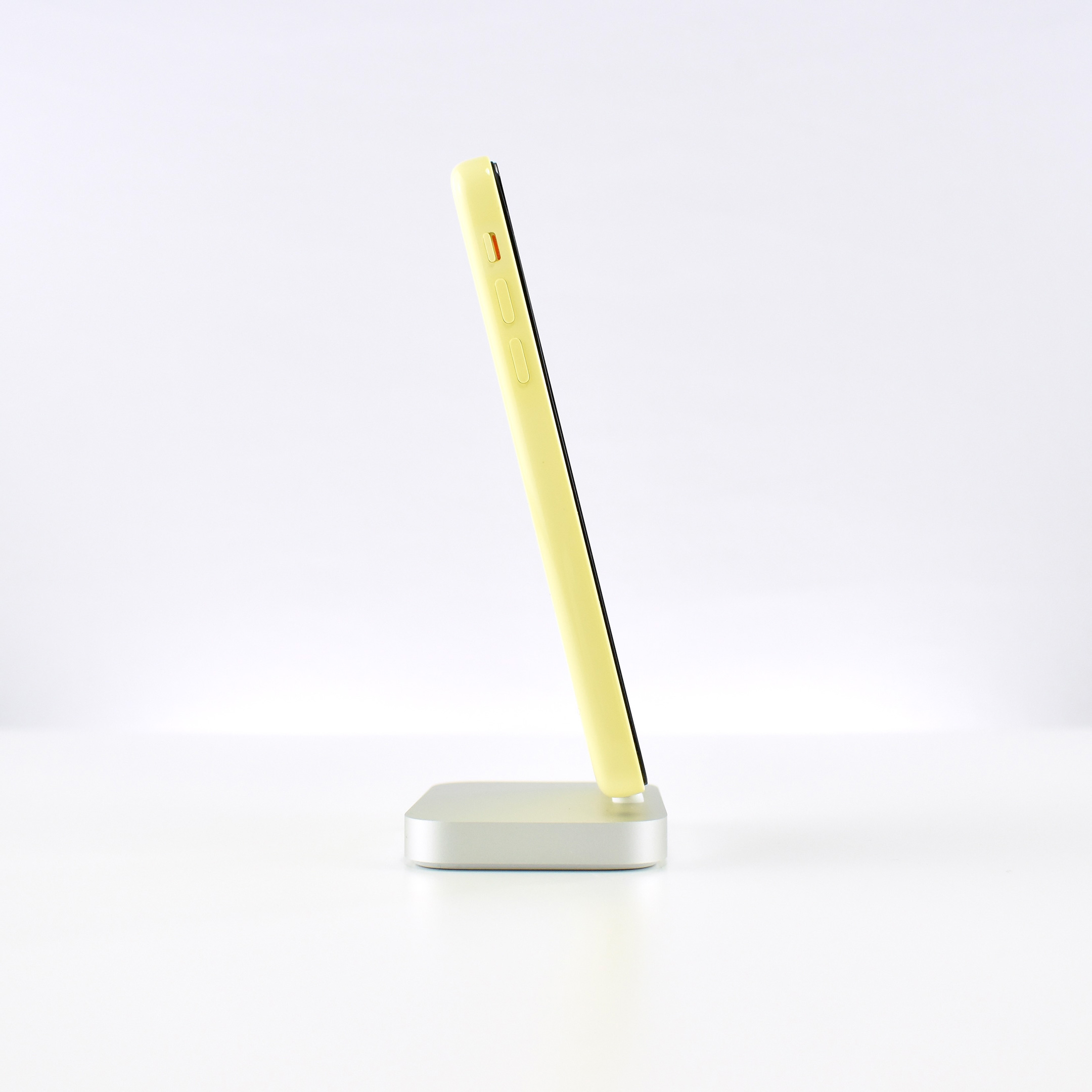
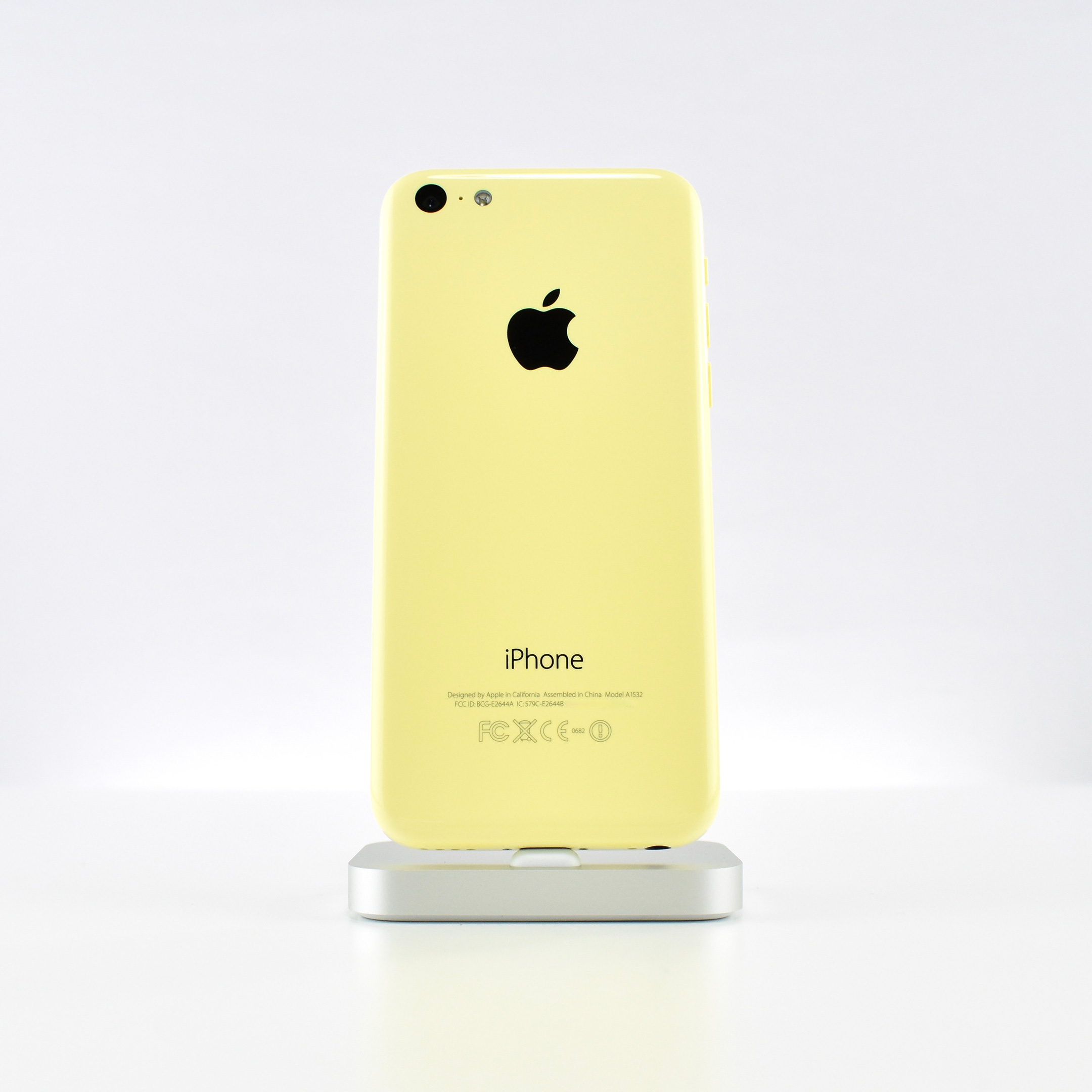
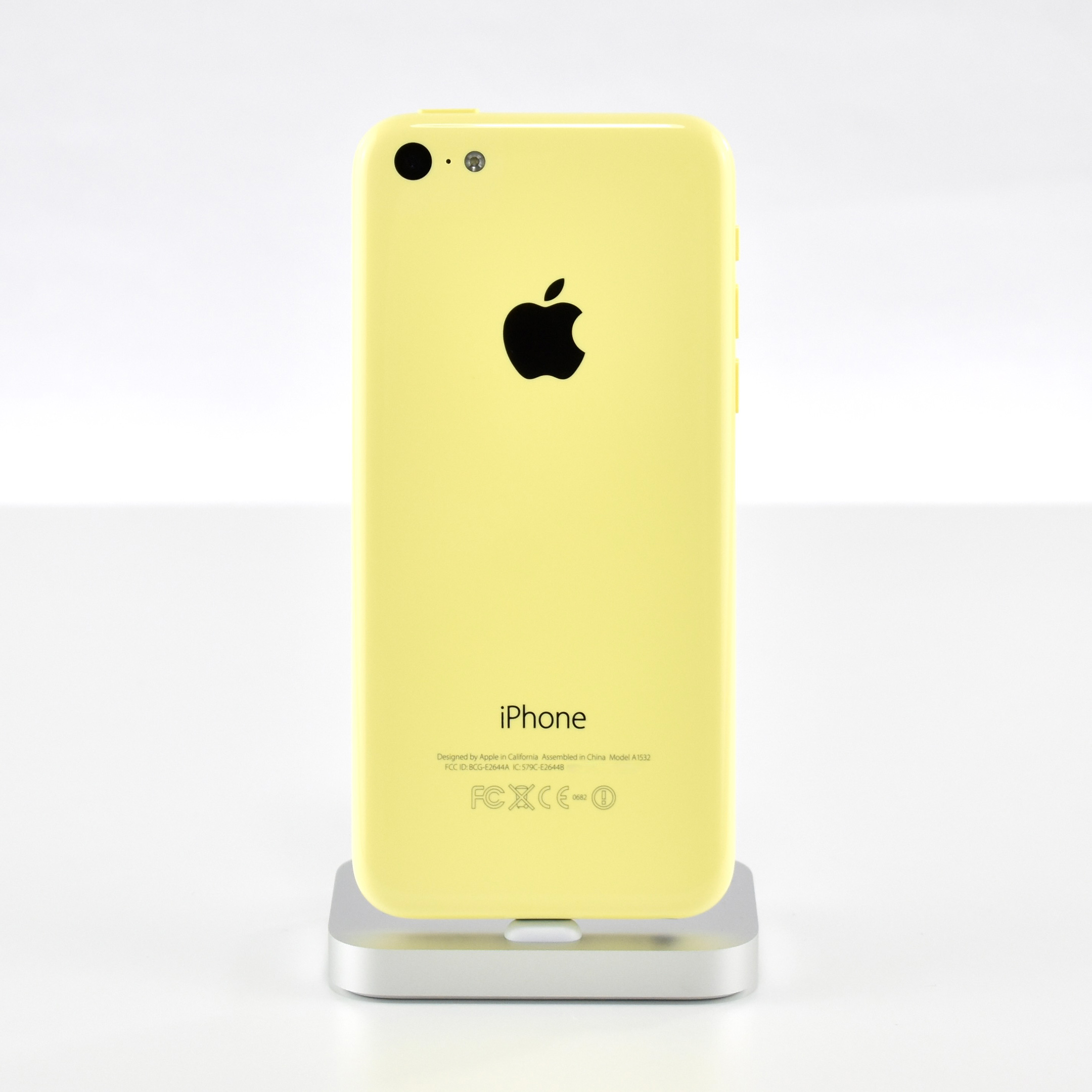
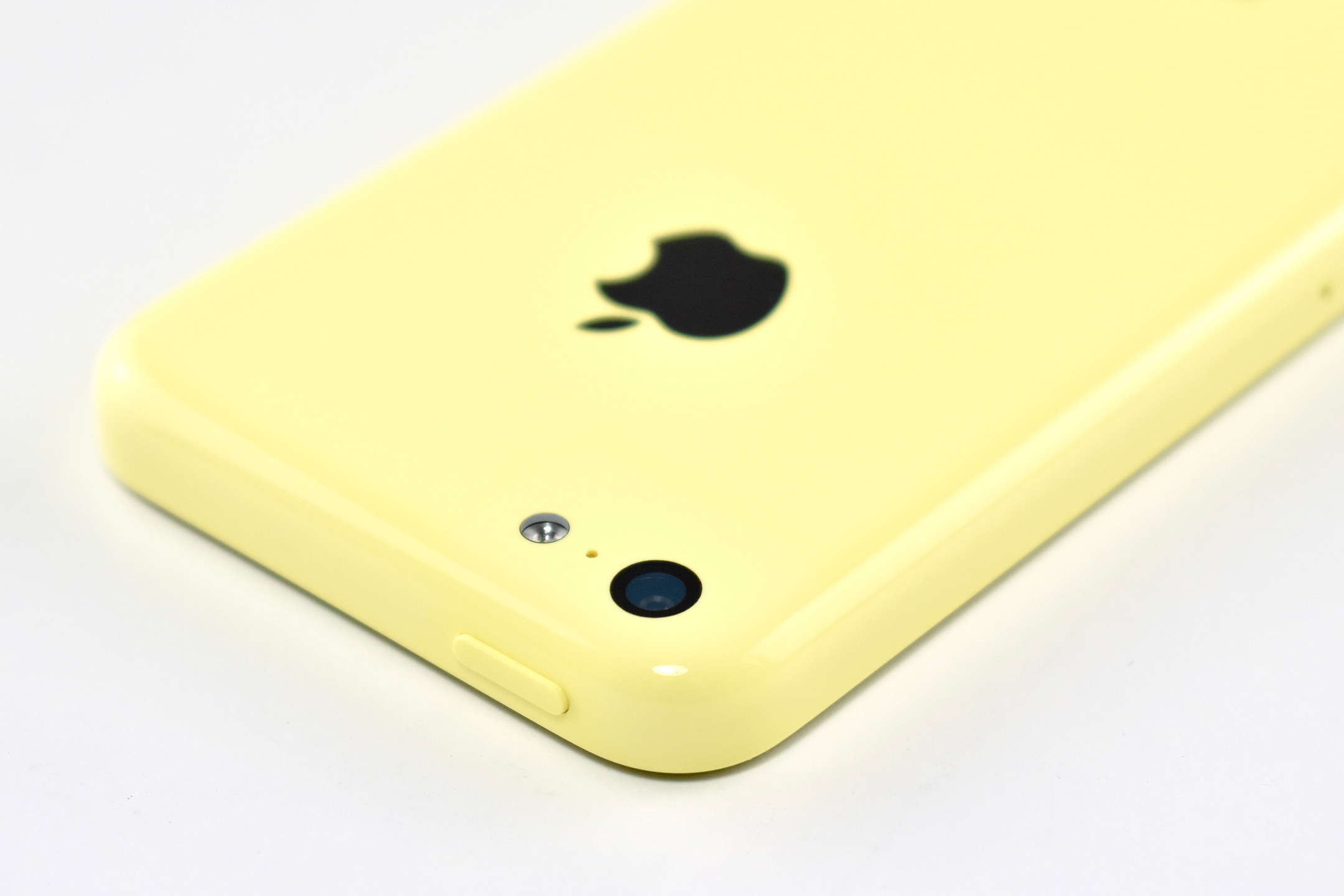
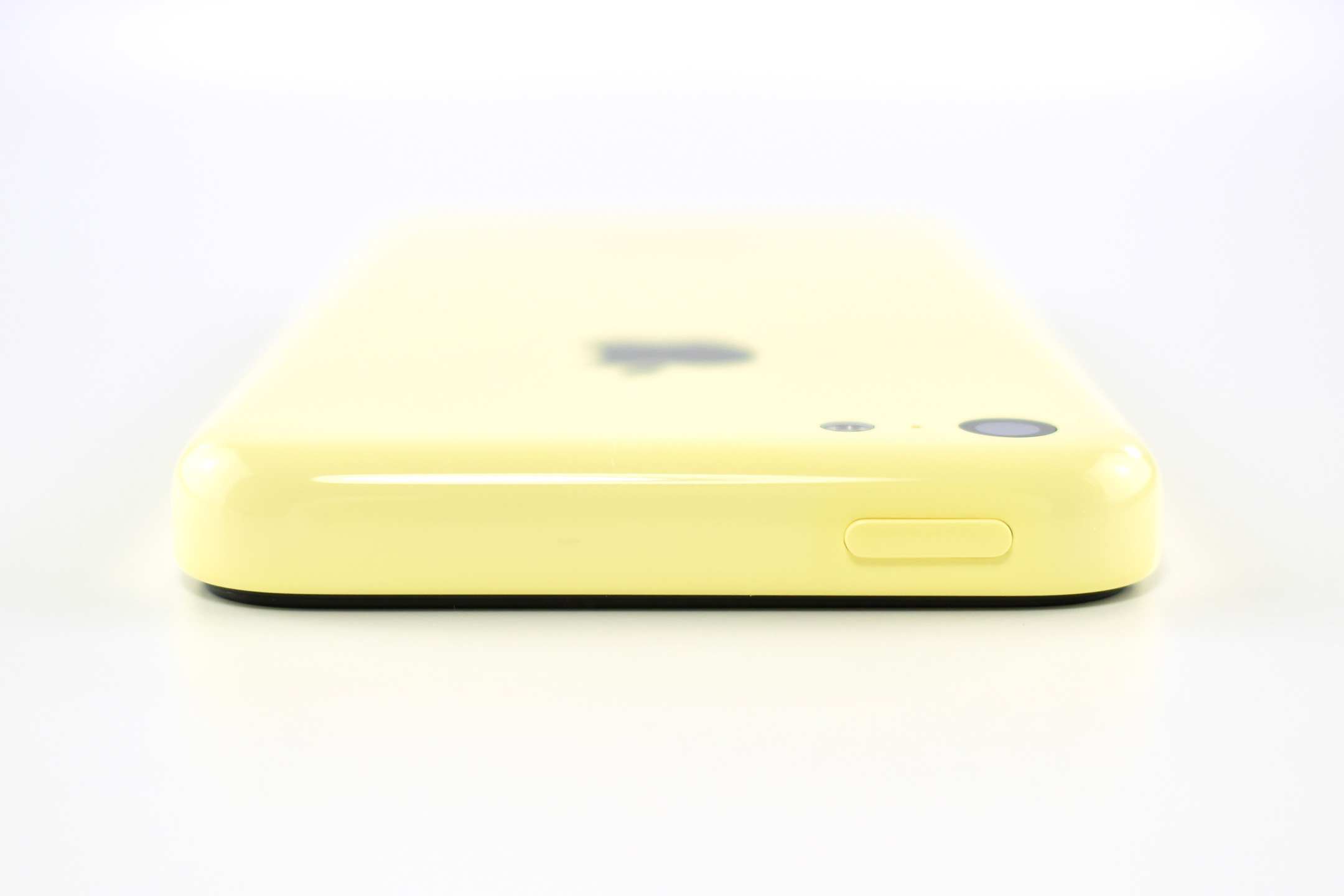
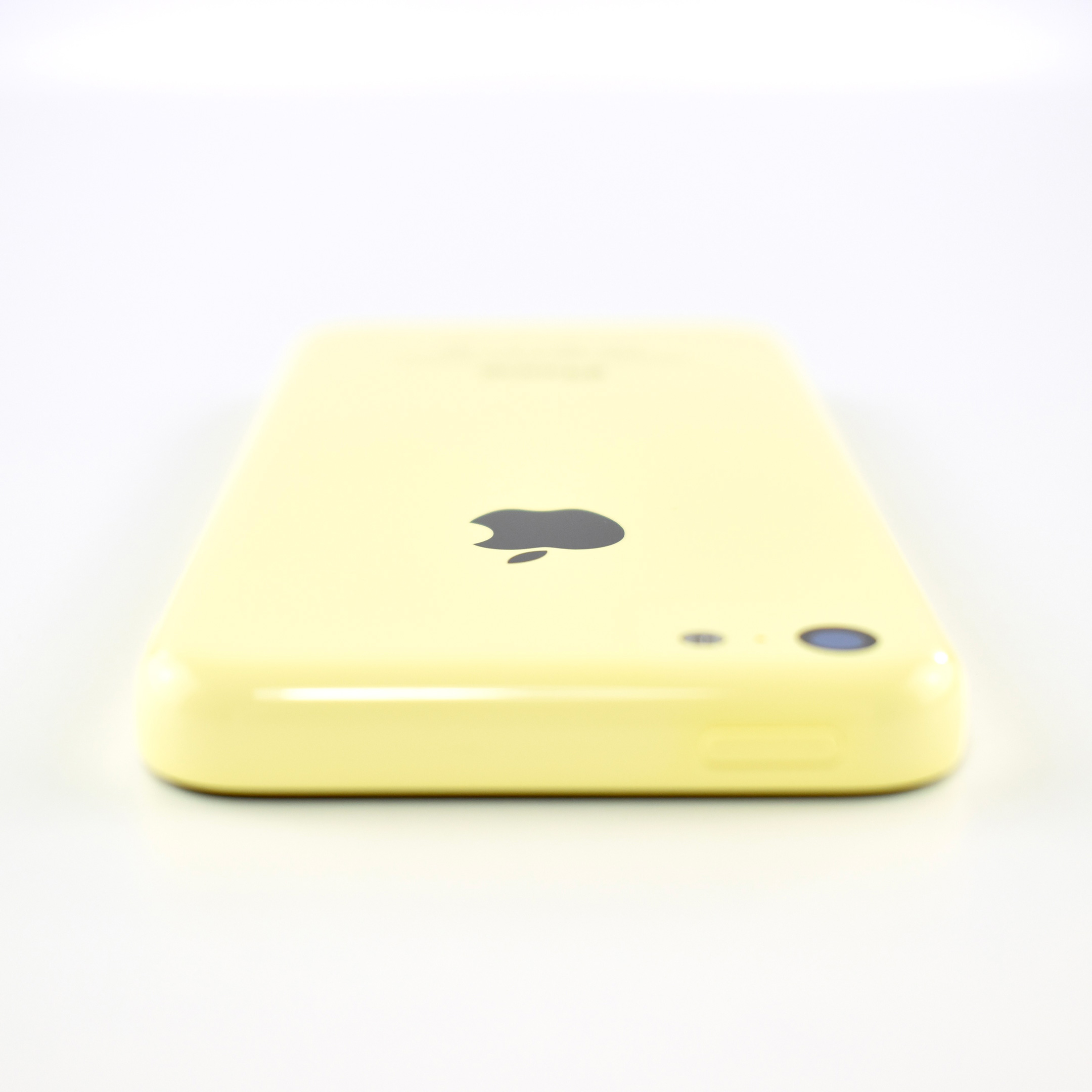
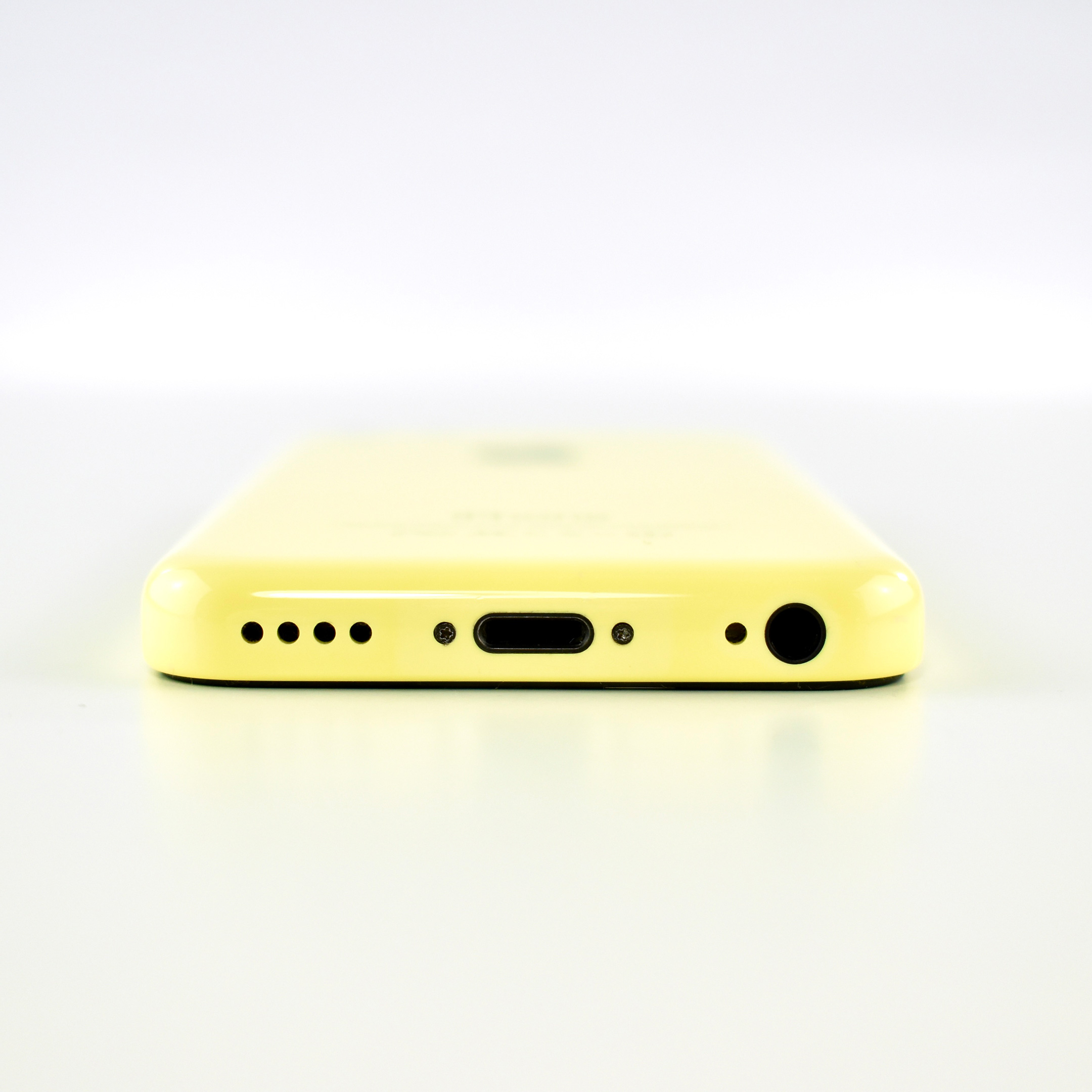
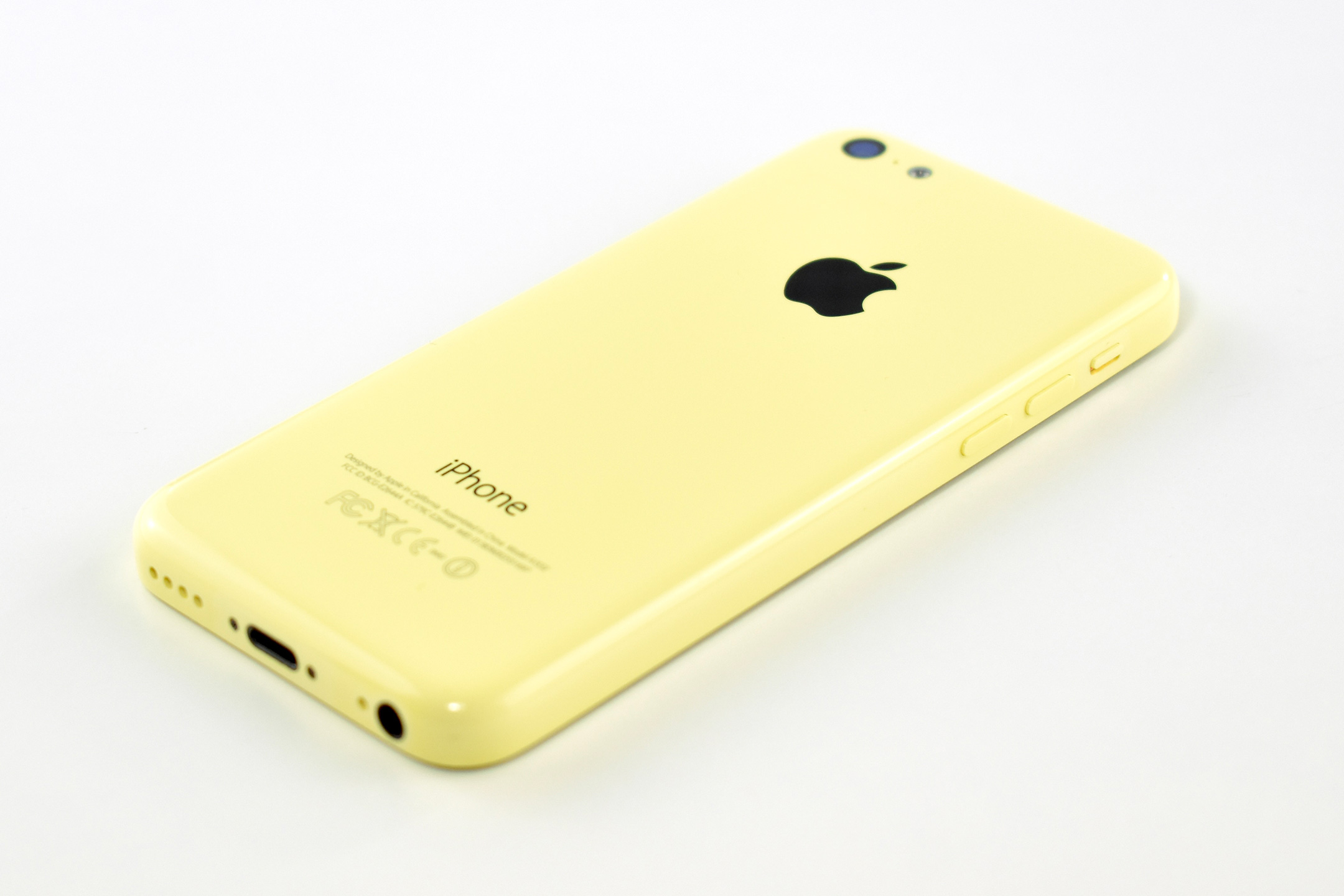
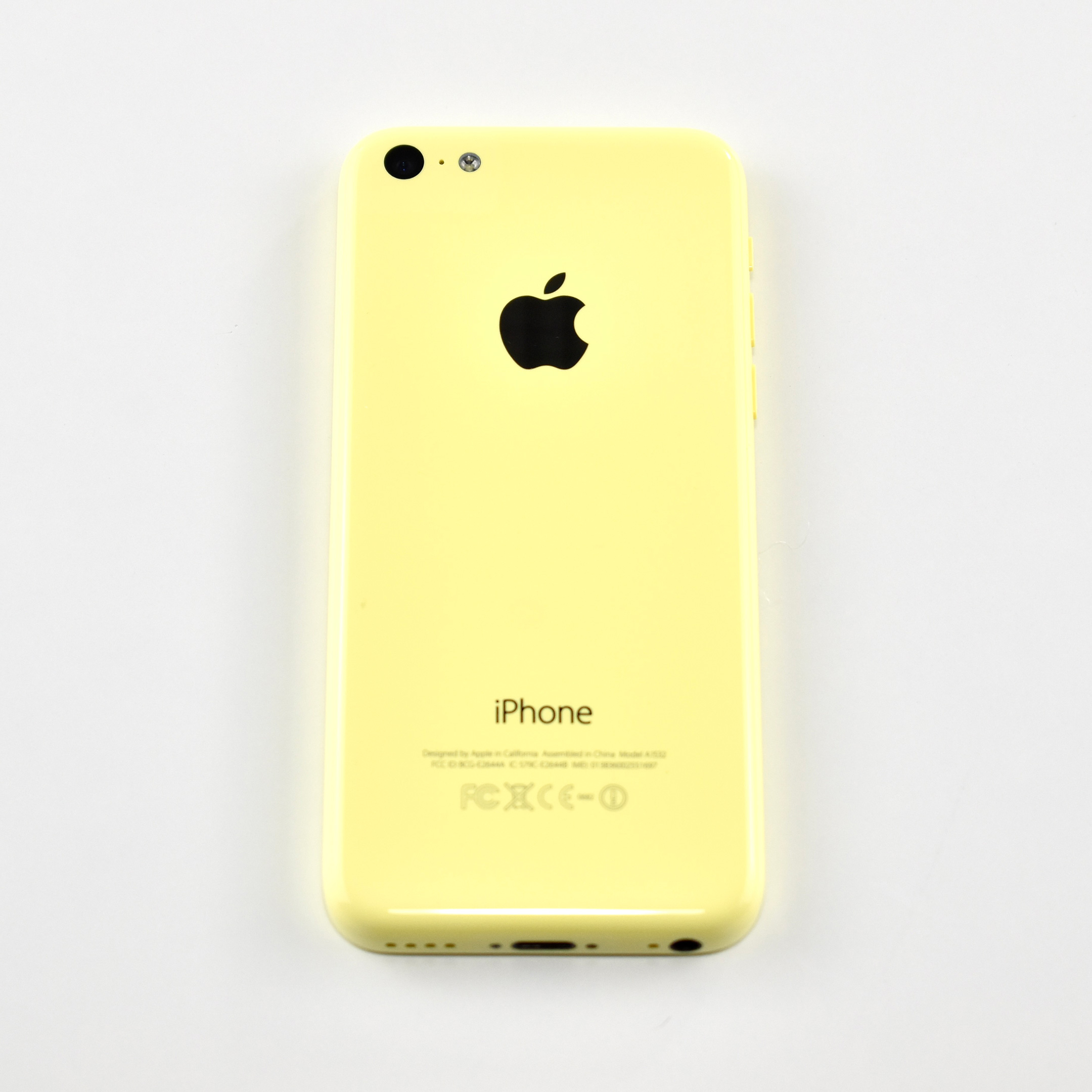
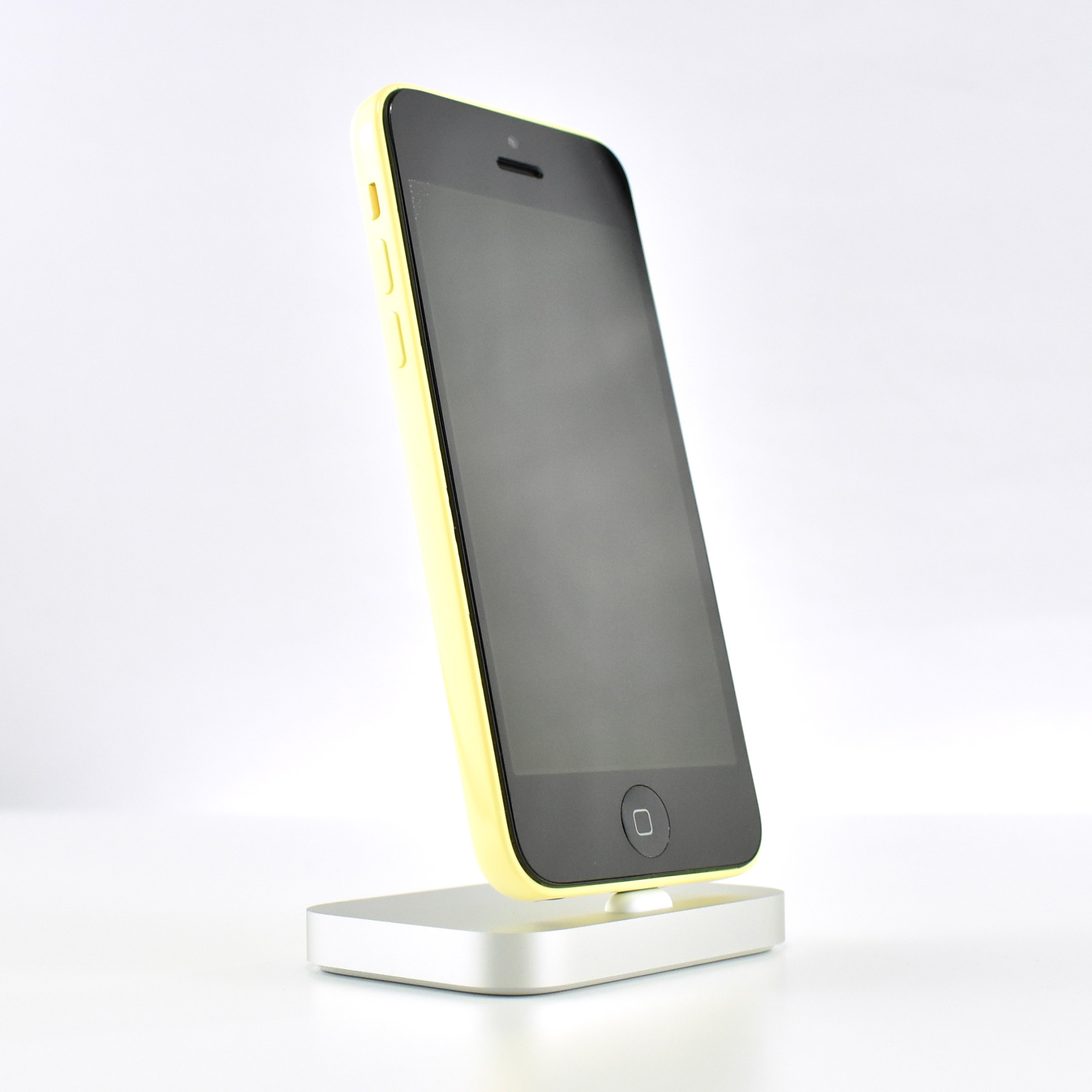
iPhone 5c (yellow, 2013)

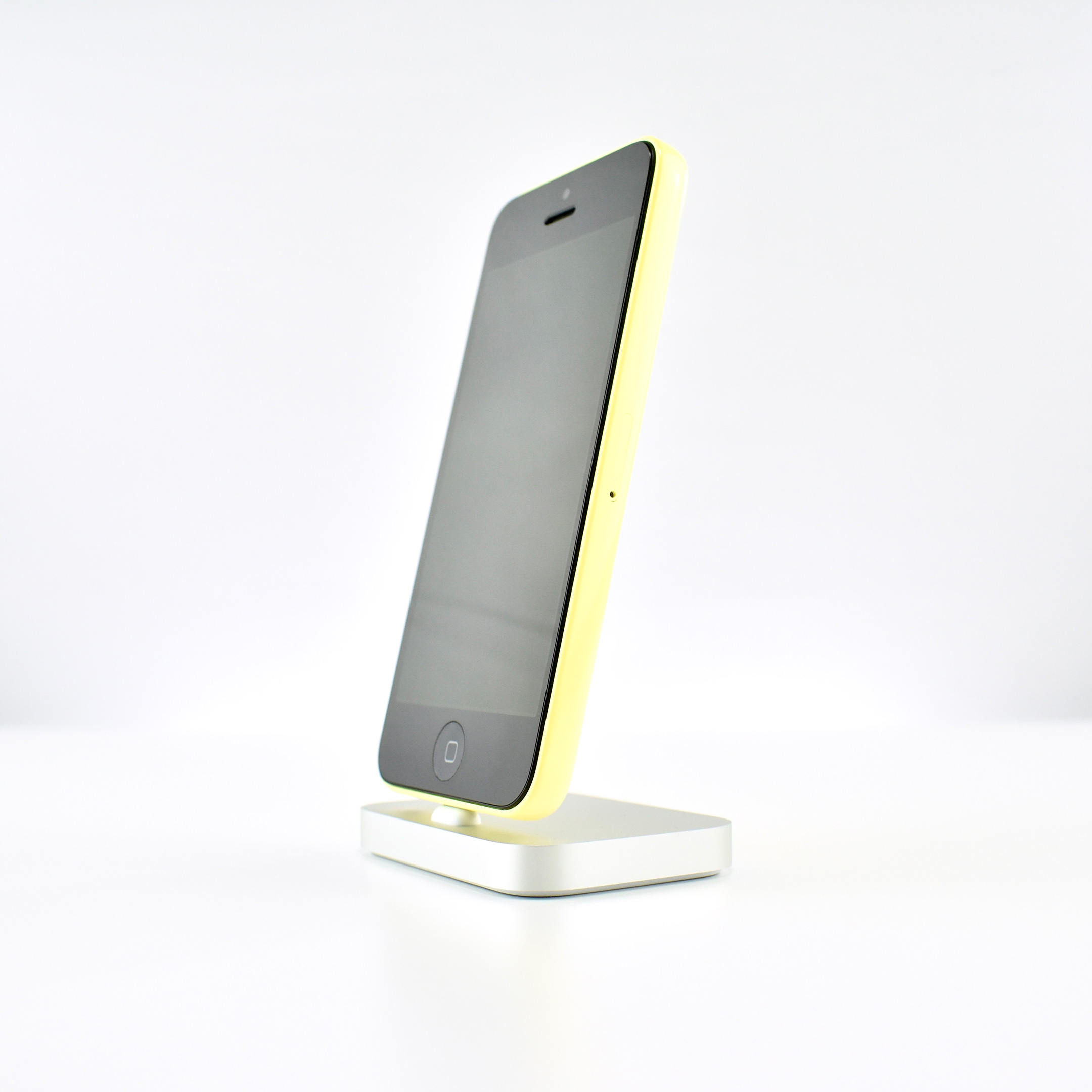
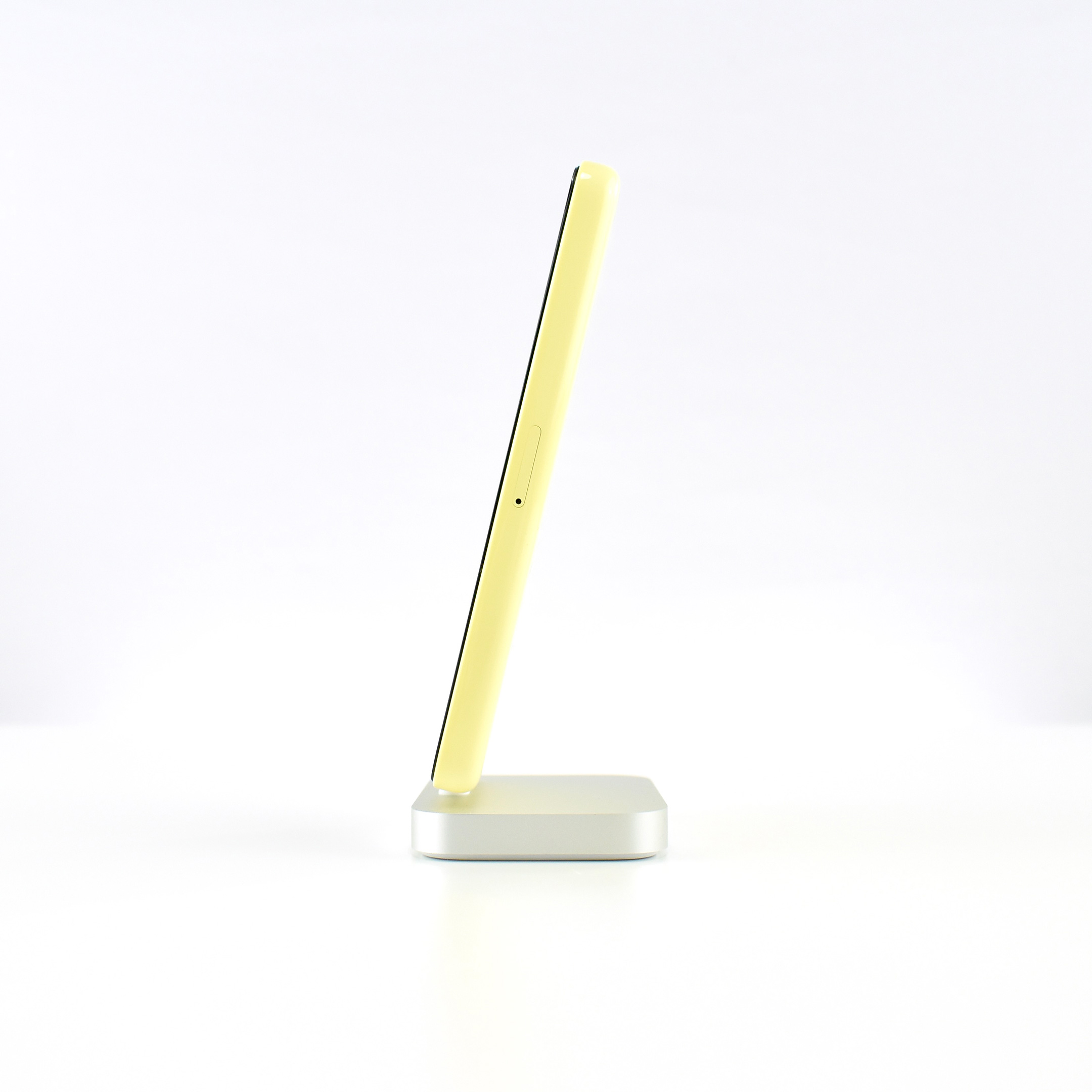
The iPhone 5c was released along with the iPhone 5s as a lower-cost addition to the iPhone 5 family. Instead of using a an aluminum back, it used a polycarbonate shell in one of five colors: white, blue, green, yellow, and pink. All colors used a black glass front. This example is yellow.

The iPhone 5c used the same screen and cameras as the iPhone 5s released at the same time. Its touch screen was a Retina display (1136 x 640). The back camera was an 8-megapixel iSight camera (1080p), and the front camera was a 1.2-megapixel FaceTime camera (720p).

Internally, the iPhone 5c used an A6 processor at 1.3 GHz. Its internal storage included 8, 16, or 32 GB. Also like the iPhone 5s, wireless connections included 802.11n Wi-Fi, Bluetooth 4.0, and 4G/LTE. Wired connections included the Lightning connector and a standard 3.5 mm headphone jack.

The similarities in features between the iPhone 5c and other iPhone 5 models—along with the iPhone 5c’s color choices and lower price—made this iPhone a popular choice.

Sources: Everymac, Wikipedia

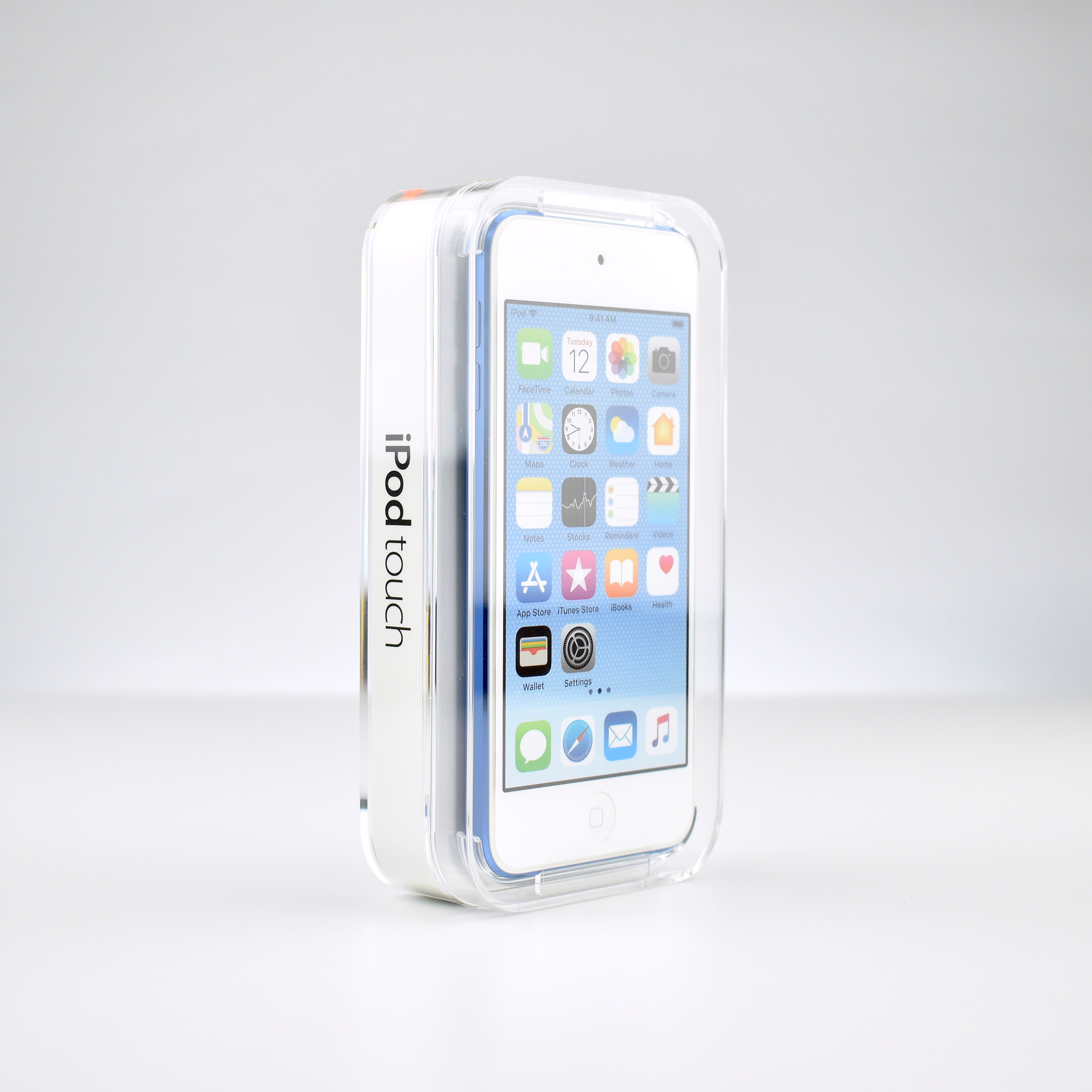
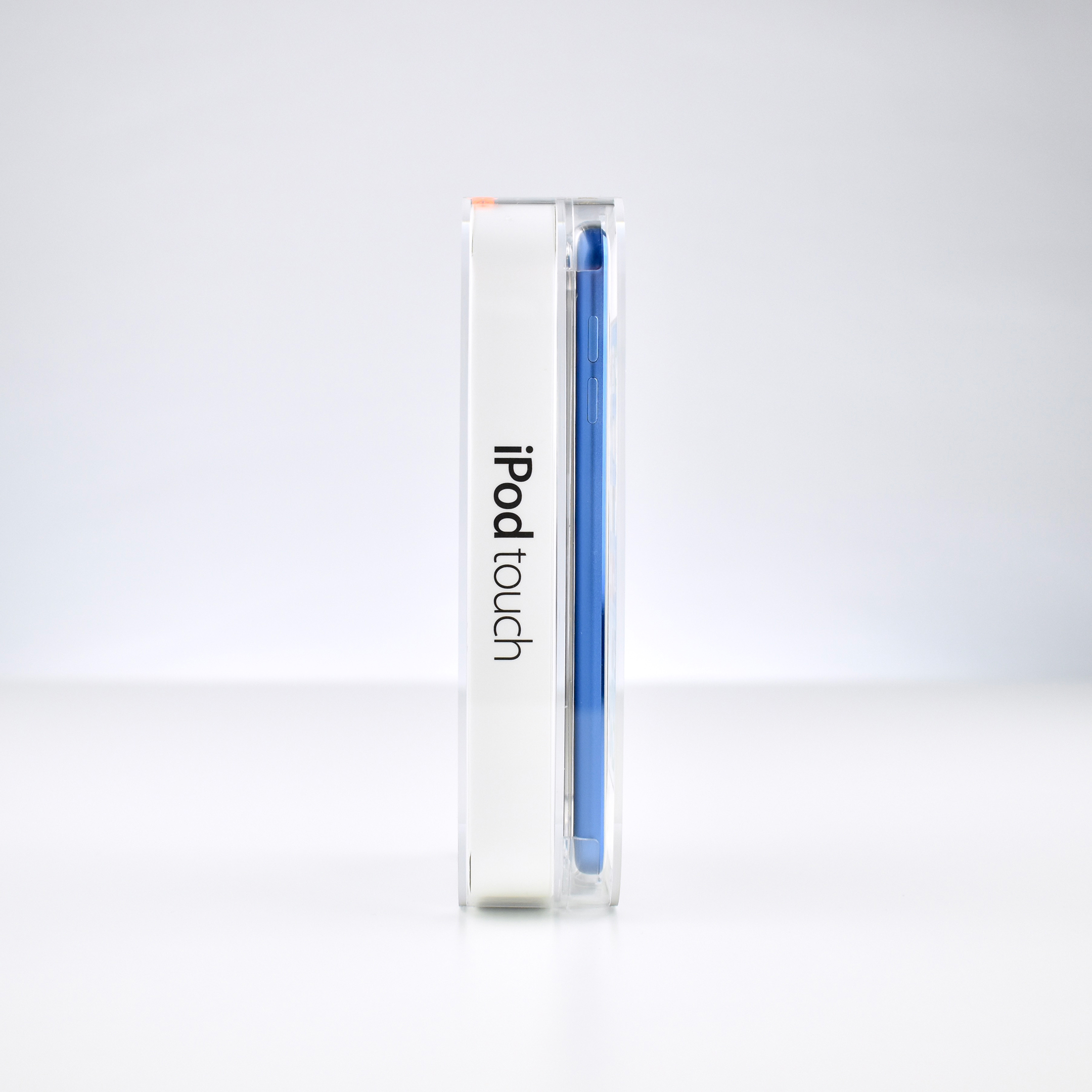
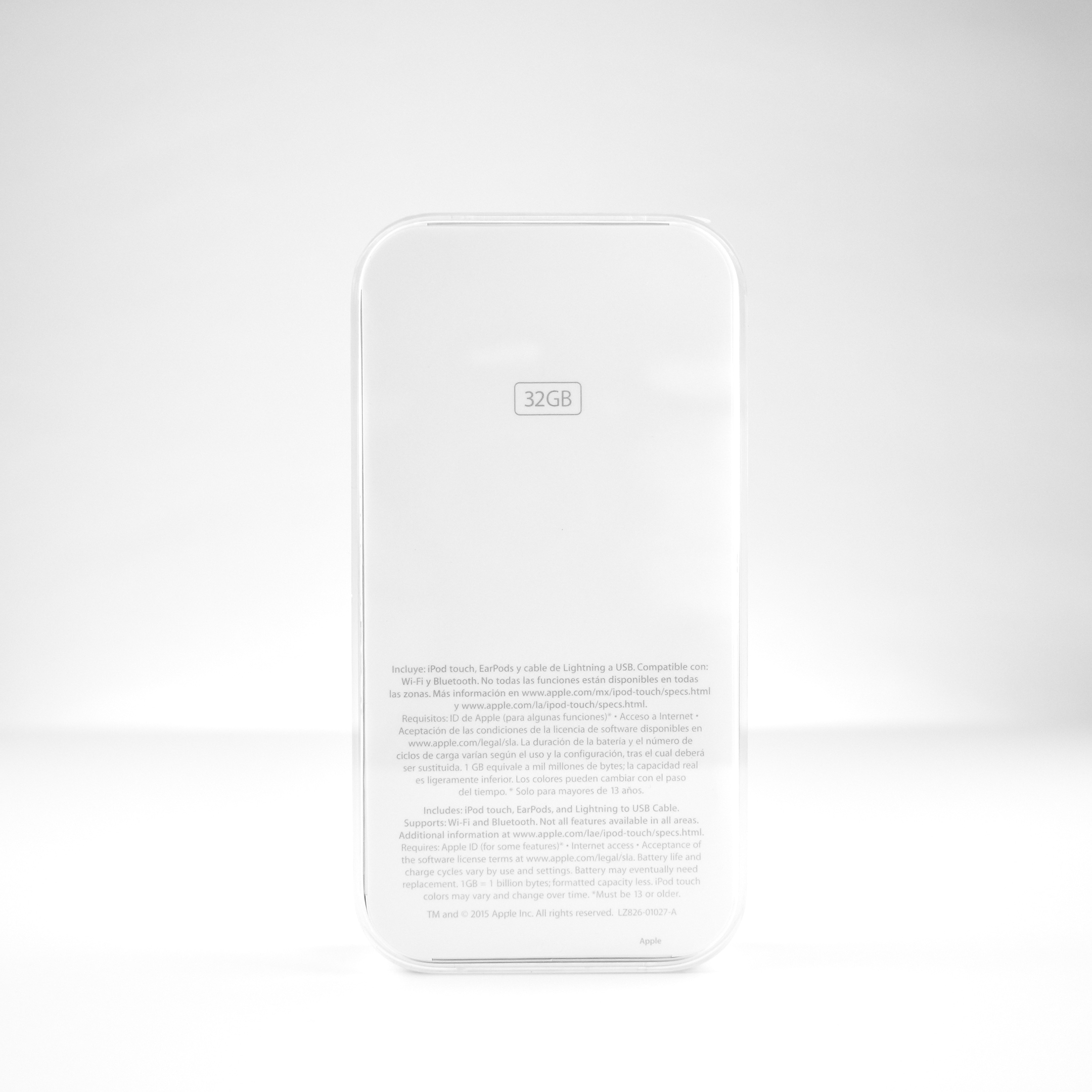
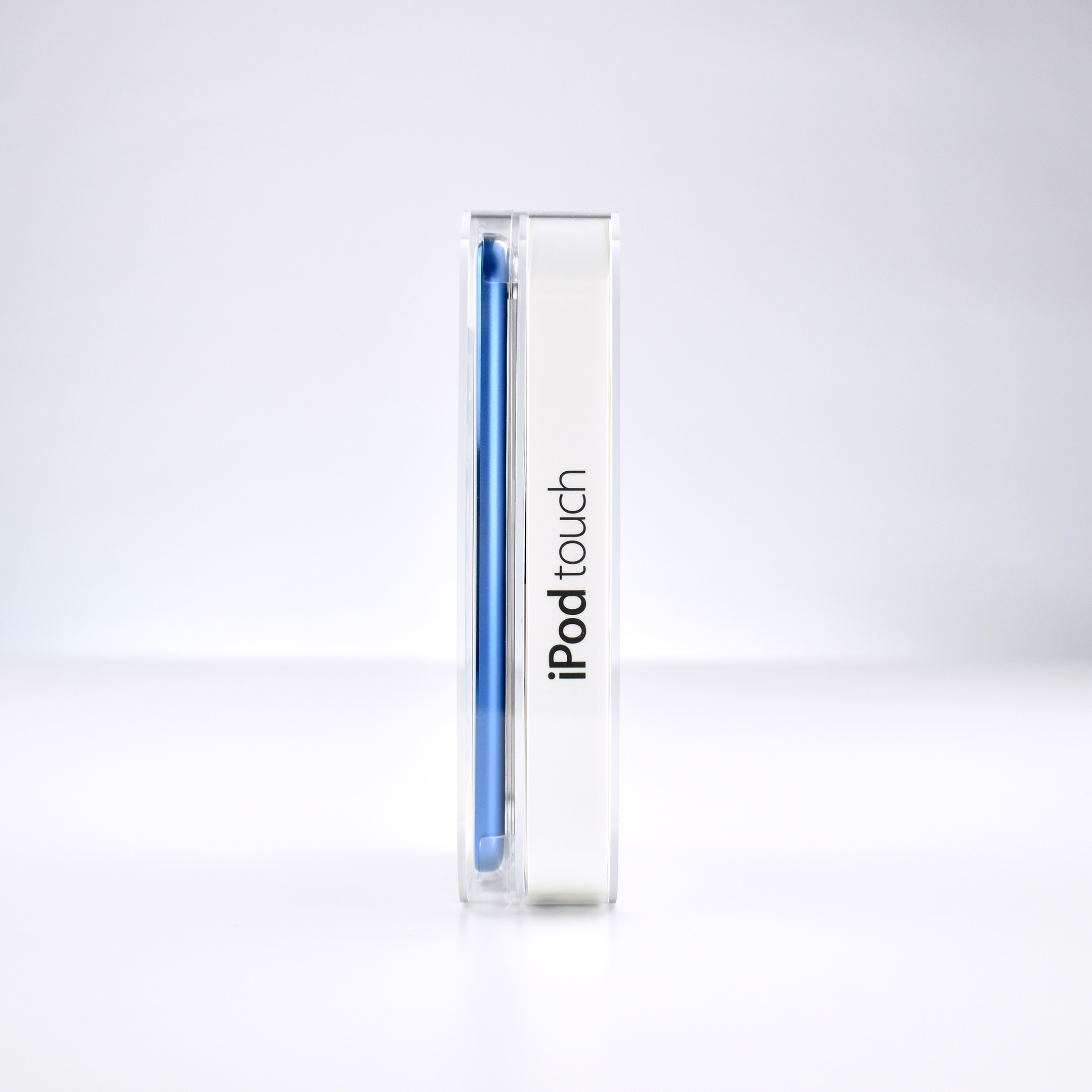
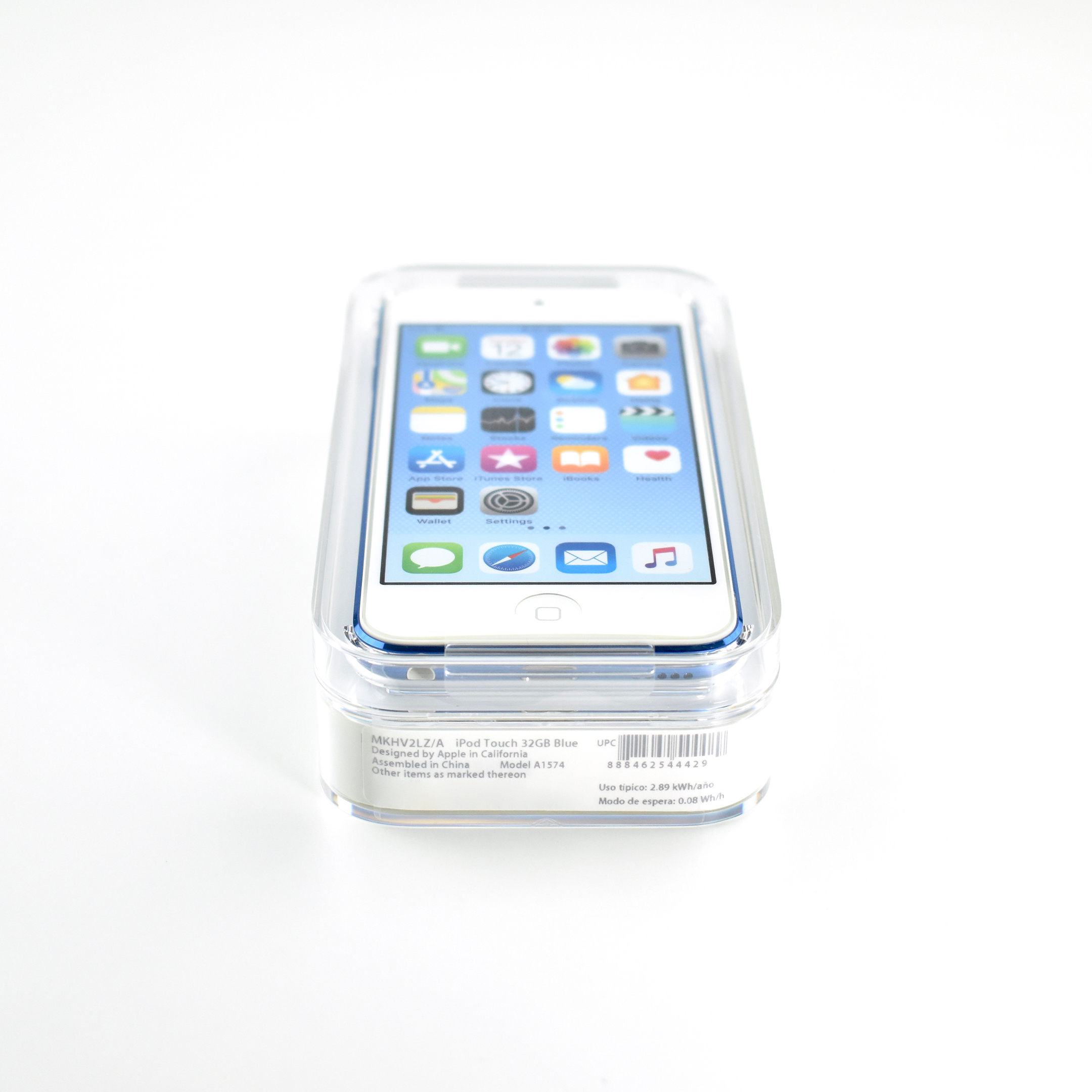
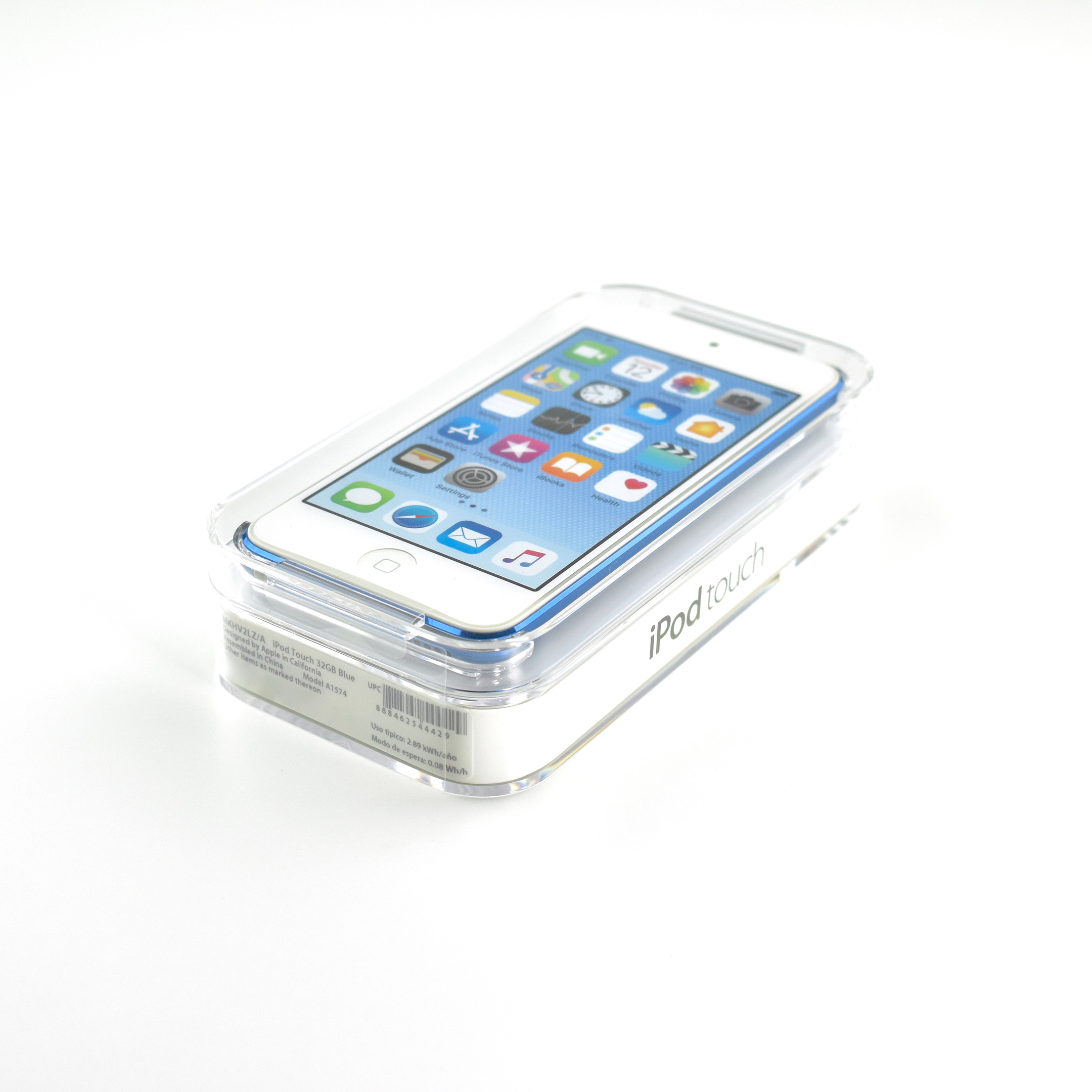
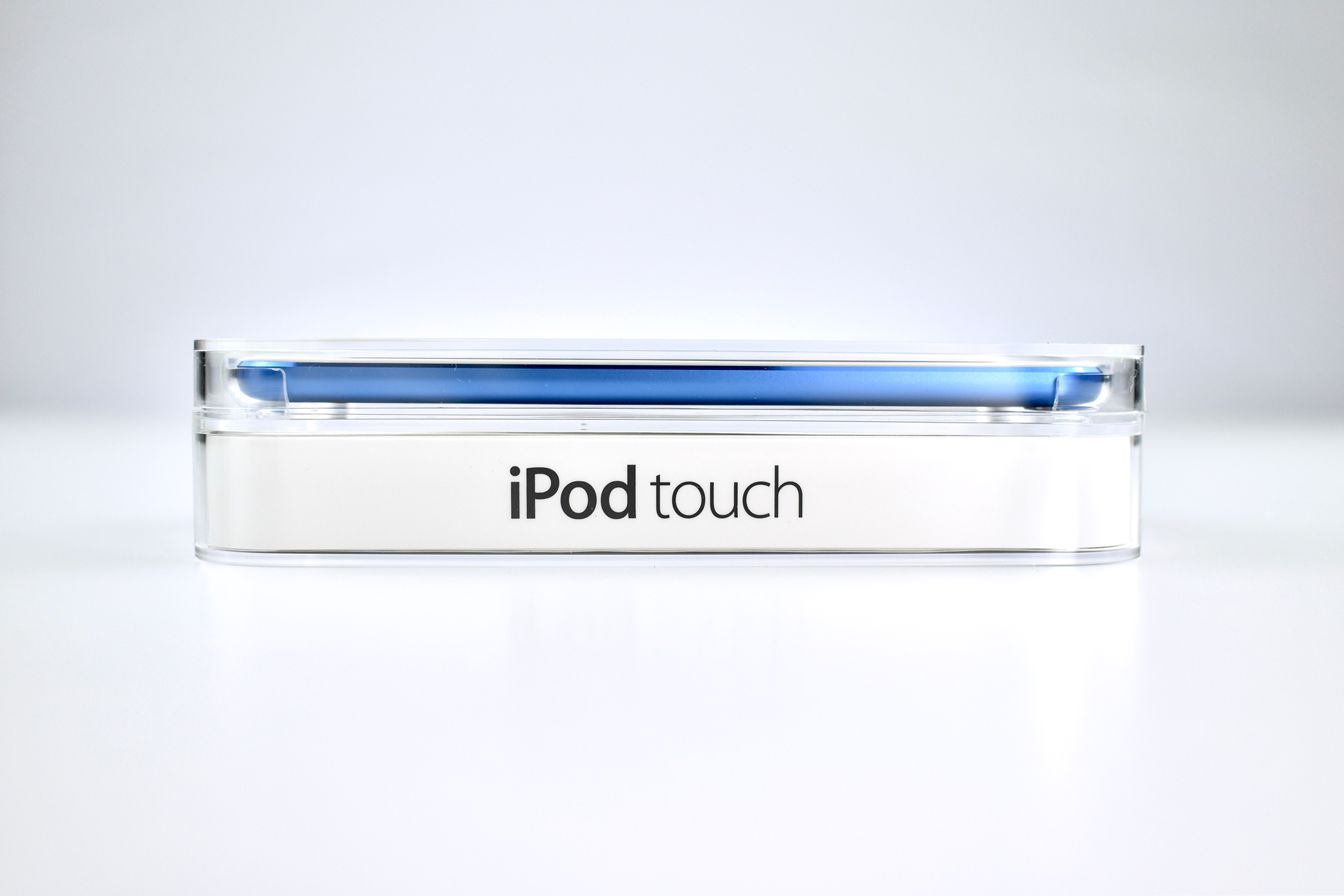
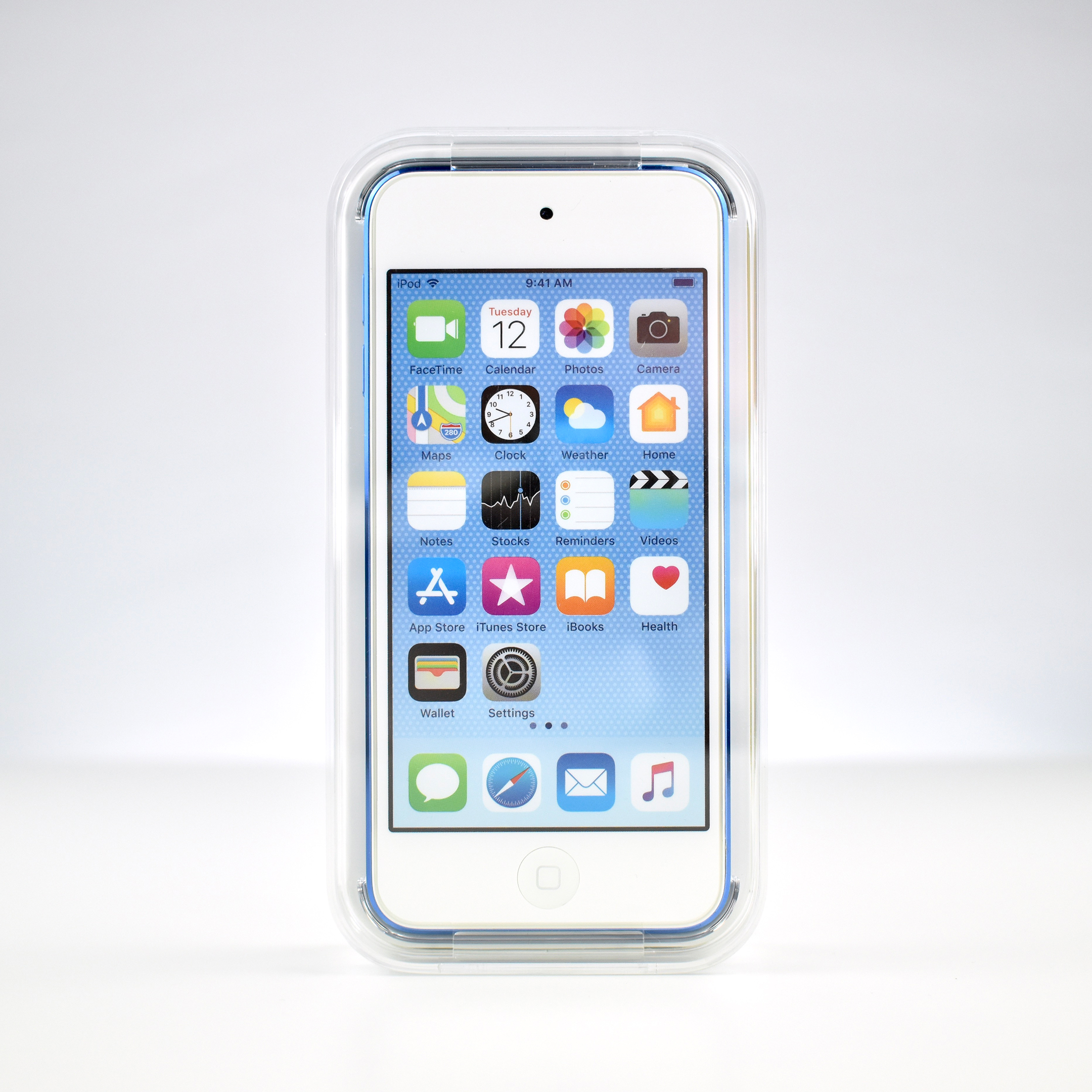
iPod touch (Generation 5, 32 GB, blue, unopened, 2015)

The iPod touch Generation 6 had a 4-inch Retina display at 1136 x 640 (326 ppi). It used a rear 8-megapixel iSight camera capable of recording 1080p video, and a front 1.2-megapixel FaceTime camera capable of recording 720p video. Wireless connectivity included Bluetooth 4.1 and 802.11a/b/g/n/ac Wi-Fi.

Externally, the iPod touch Generation 6 is very similar to the Generation 5 model, but it is quite different inside. The Generation 6 uses a dual-core A8 processor, 1 GB RAM, and was available with storage of 16, 32, 64, or 128 GB.

Six different colors were available, including space gray (black glass front with dark gray aluminum back), gold (white glass front with gold aluminum back), silver (white glass front with silver aluminum back), hot pink (white glass front with bright pink aluminum back), blue (white glass front with blue aluminum back), and red (white glass front with red aluminum back). The red version was a (PRODUCT)RED offering.

This example is blue with 32 GB of storage.

Source: Everymac

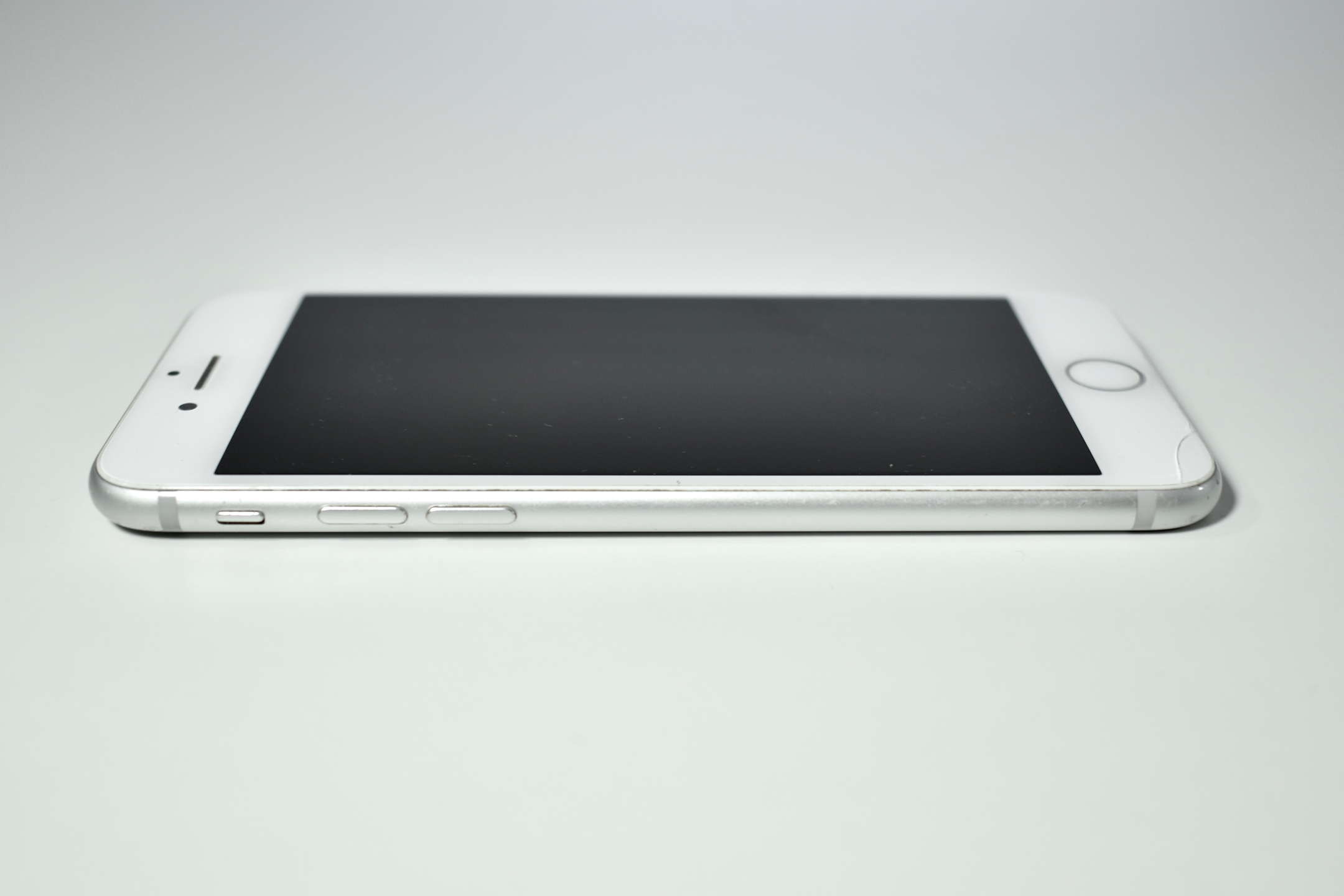
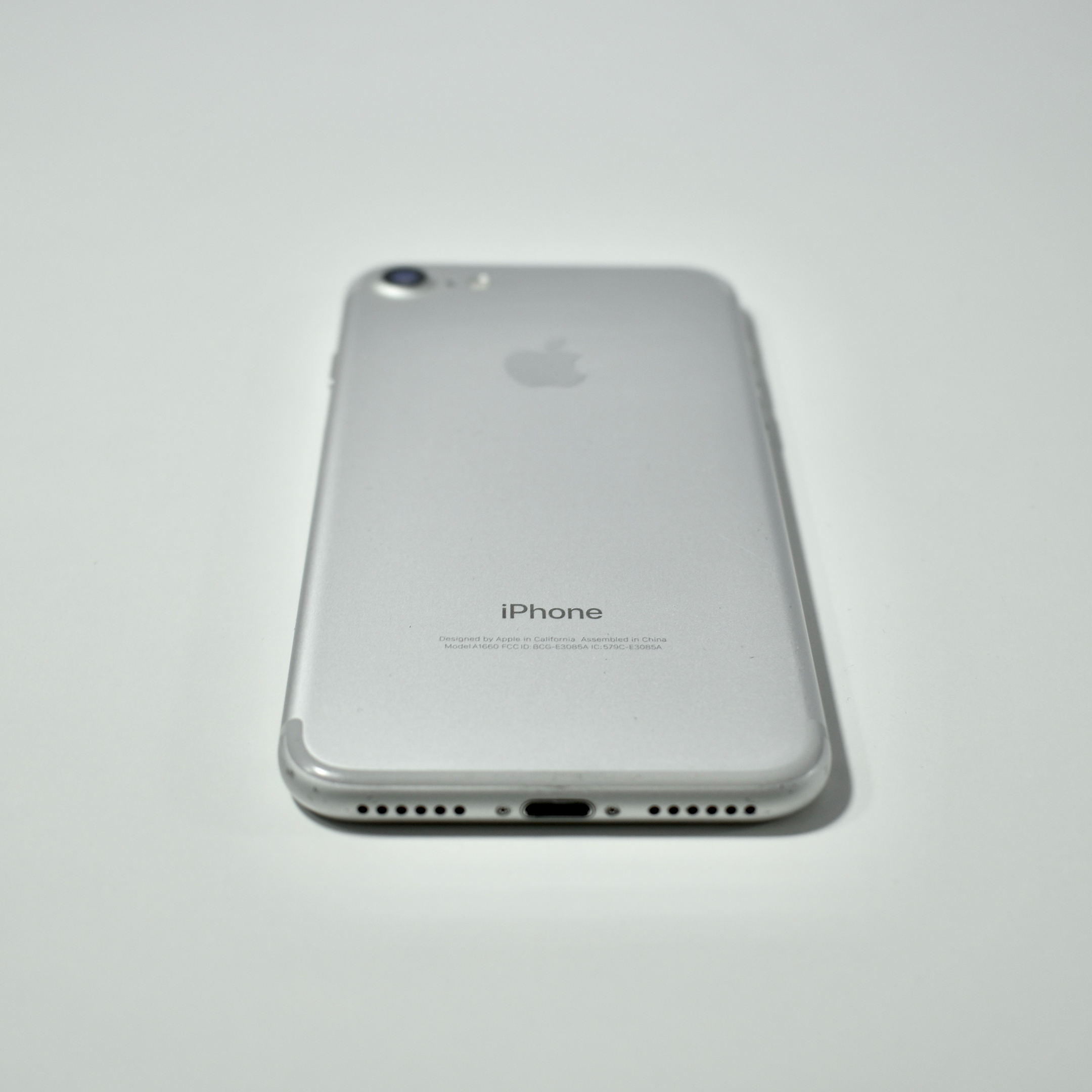
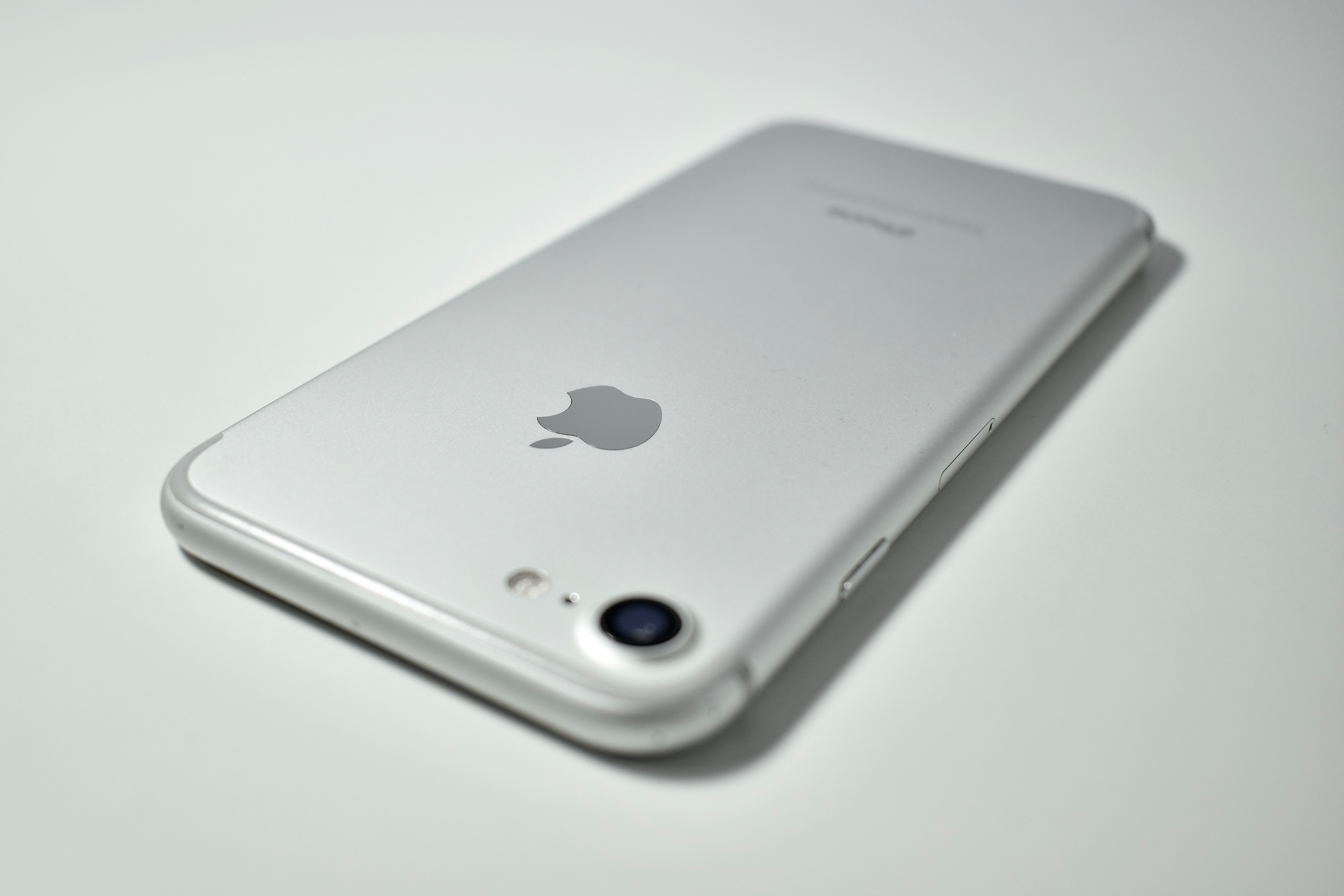
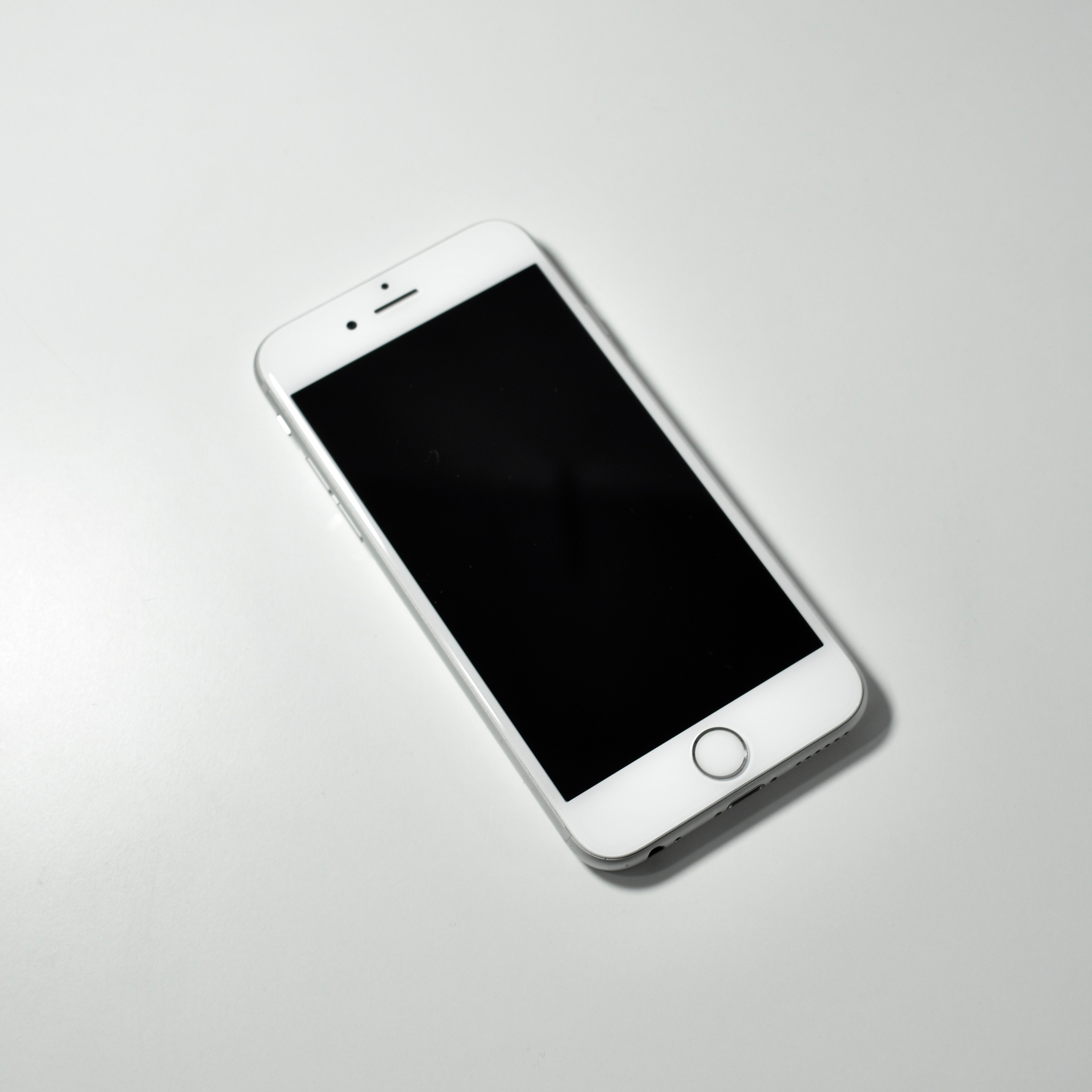
iPhone 7 (128 GB, silver, 2016)

The iPhone 7 has a 4.7-inch screen at 1334×750, also known by Apple as a Retina HD display. The iPhone has a front and back camera: the rear camera is 12-megapixel and the front camera is a 7-megapixel FaceTime HD camera with 1080p video. 

The iPhone 7 was the first iPhone (along with the iPhone 7 Plus) to remove the 3.5 mm headphone jack and only include a Lightning port for audio. Like the iPhone 6 and 6s before it, the iPhone 7 uses a “clickless” Home button that clicks using an internal Taptic-engine-powered solid state component. Although the iPhone 7 is not water-proof, it is splash, water, and dust-resistant. 
The iPhone 7 came in several colors: silver (white glass front, silver back); gold (white glass front, gold back); rose gold (white glass front, pink-tinted gold back); black (black glass front, matte black back); jet black (black glass front, a high-gloss black anodized and polished black aluminum back); and later added a (PRODUCT)RED Special Edition (white glass front, red aluminum back). 

The iPhone 7 uses the Apple A10 Fusion  processor, 2 GB of RAM, and was available with 32 GB, 128 GB, or 256 GB of flash storage.

While I opted for the iPhone 7 Plus as my personal phone in the iPhone 7 era, I chose the then-new (and not offered since) jet black color. I immediately covered the glossy finish with a case to heed Apple’s warning that jet black “may show fine micro-abrasions with use.” (It did scratch easily!)
Source: EveryMac

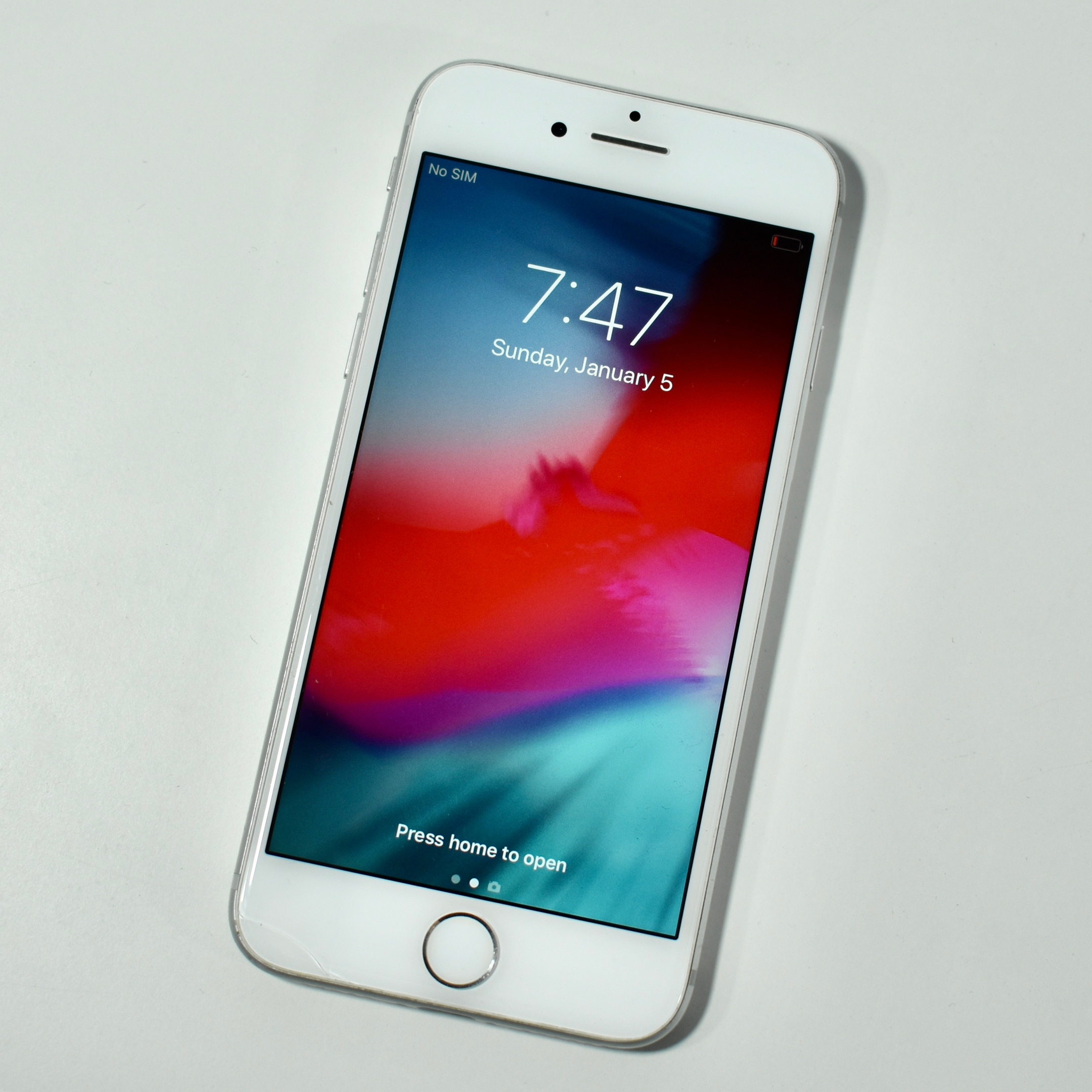
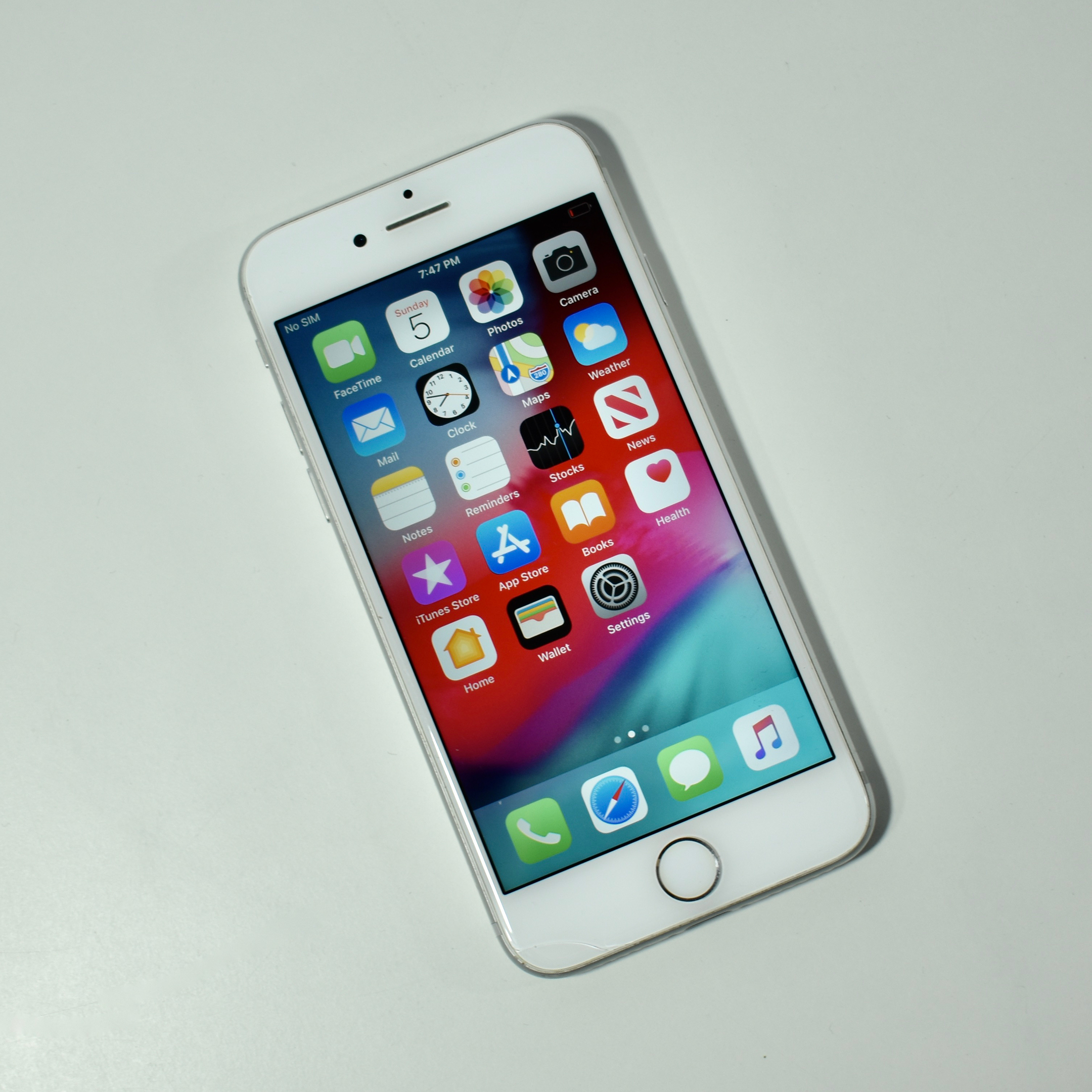
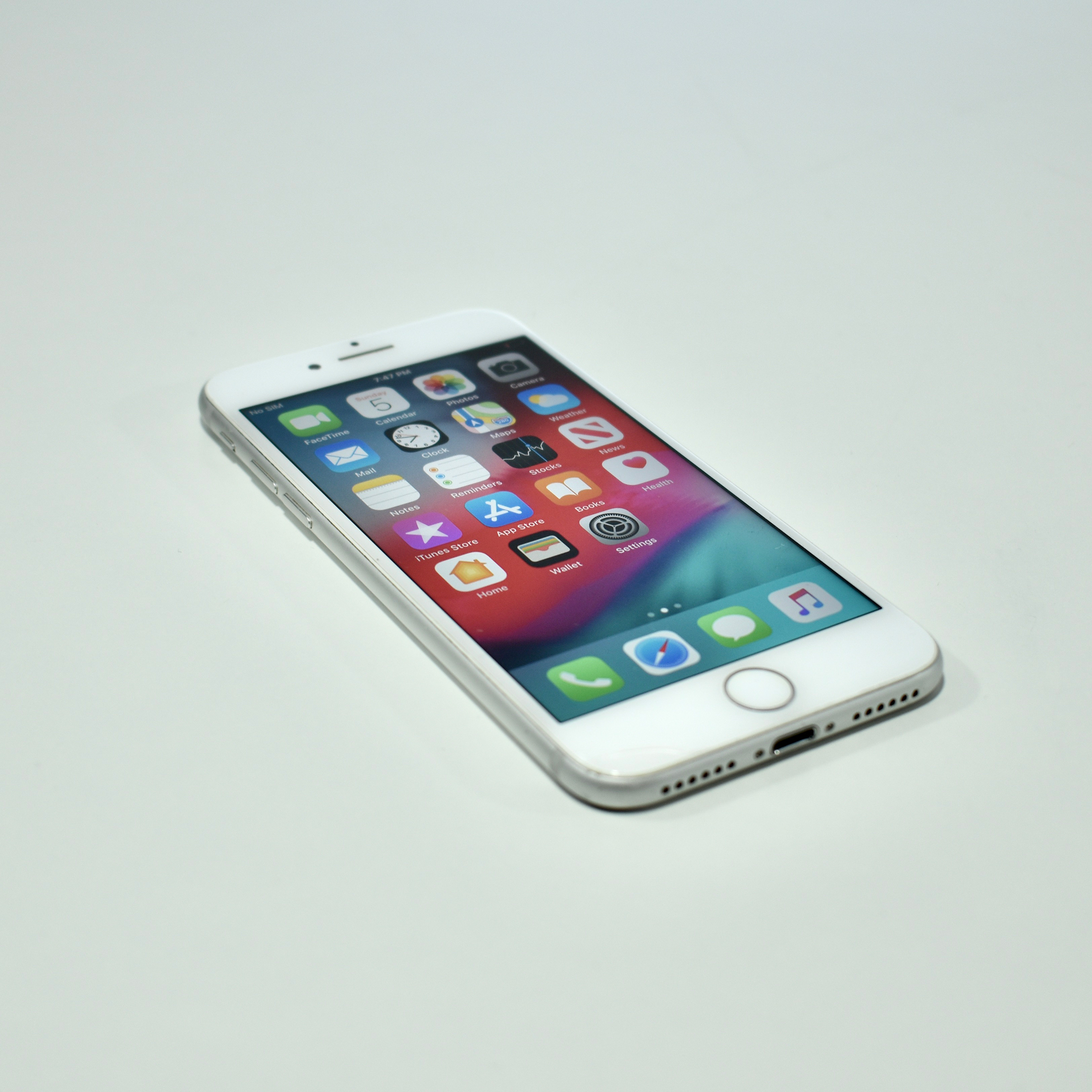
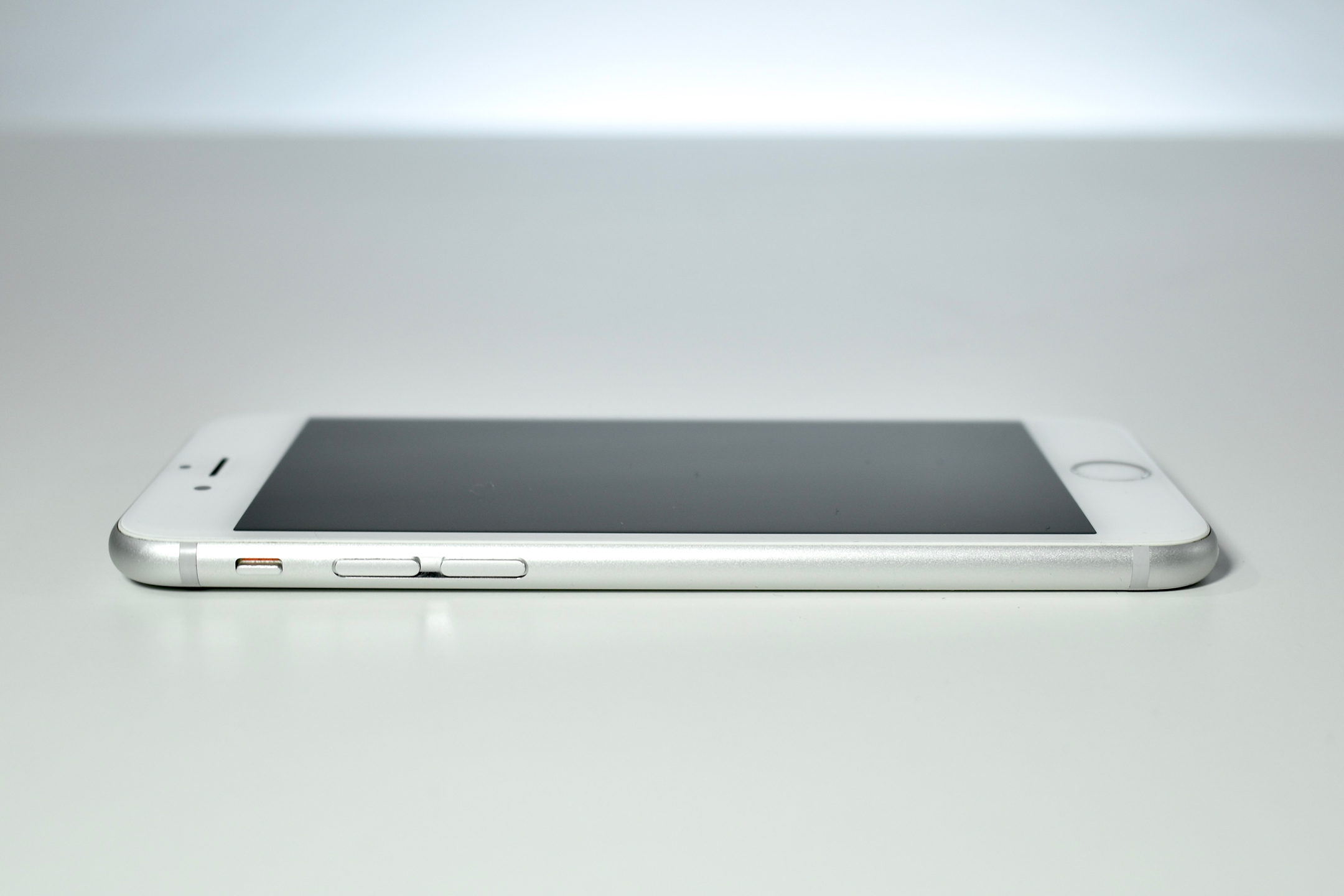
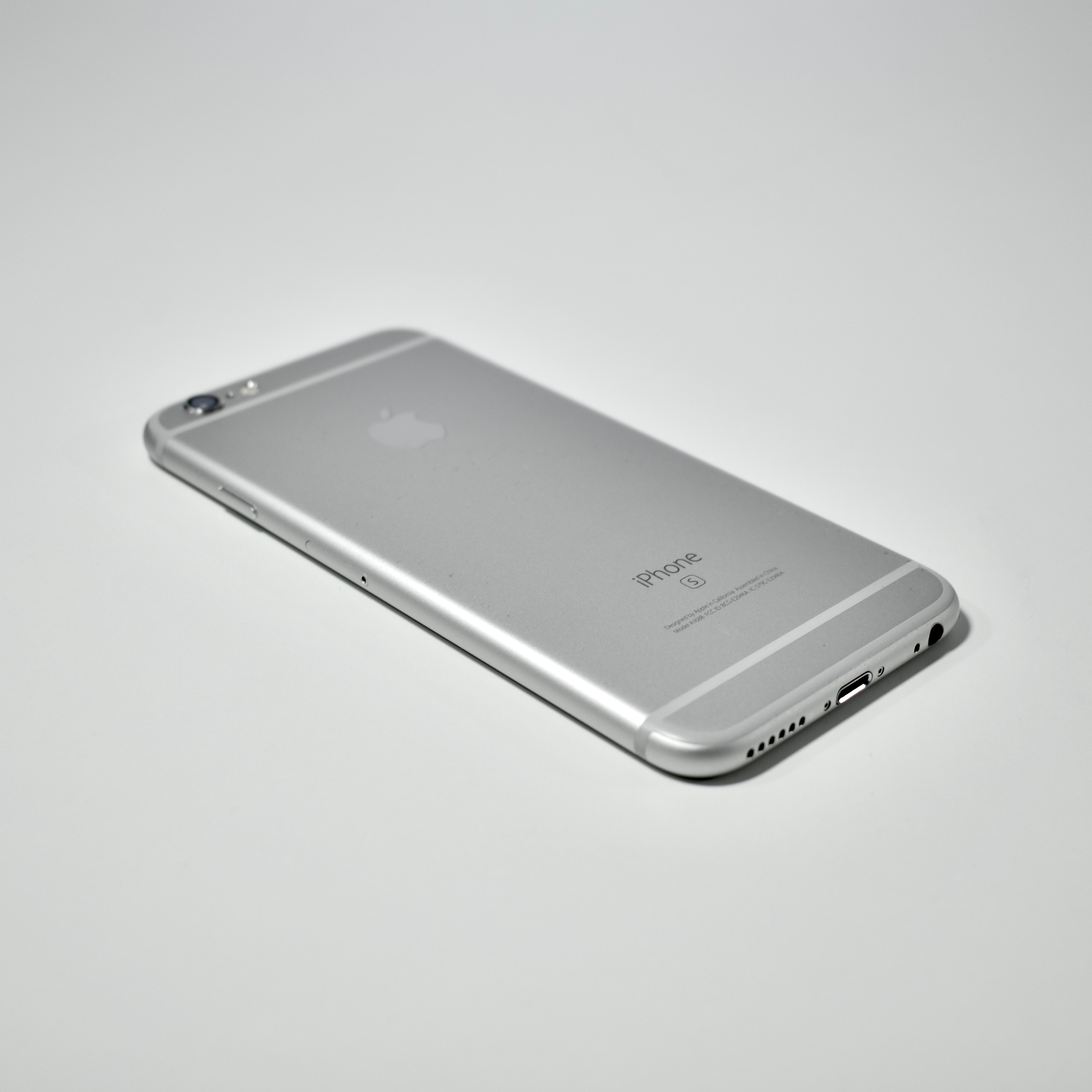
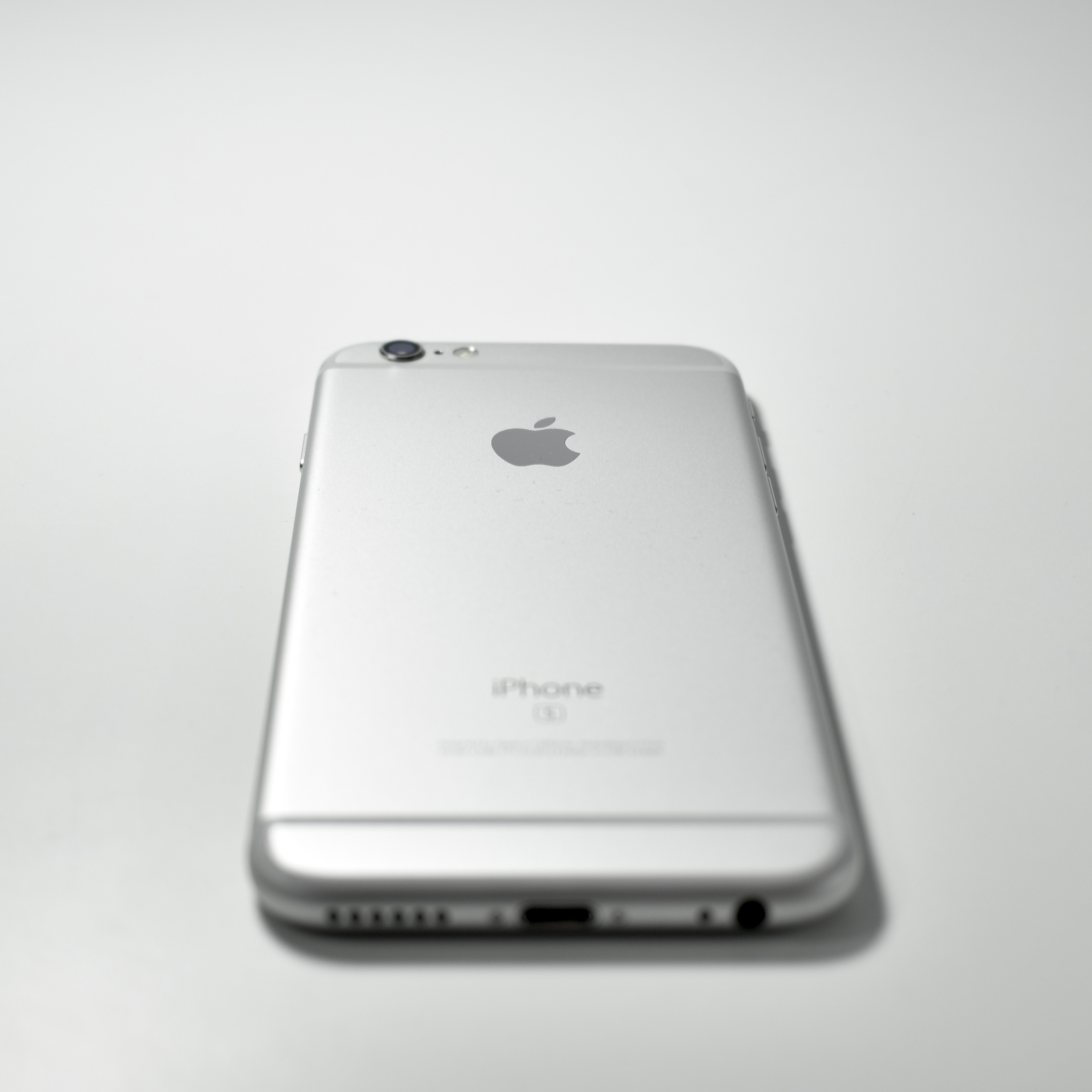
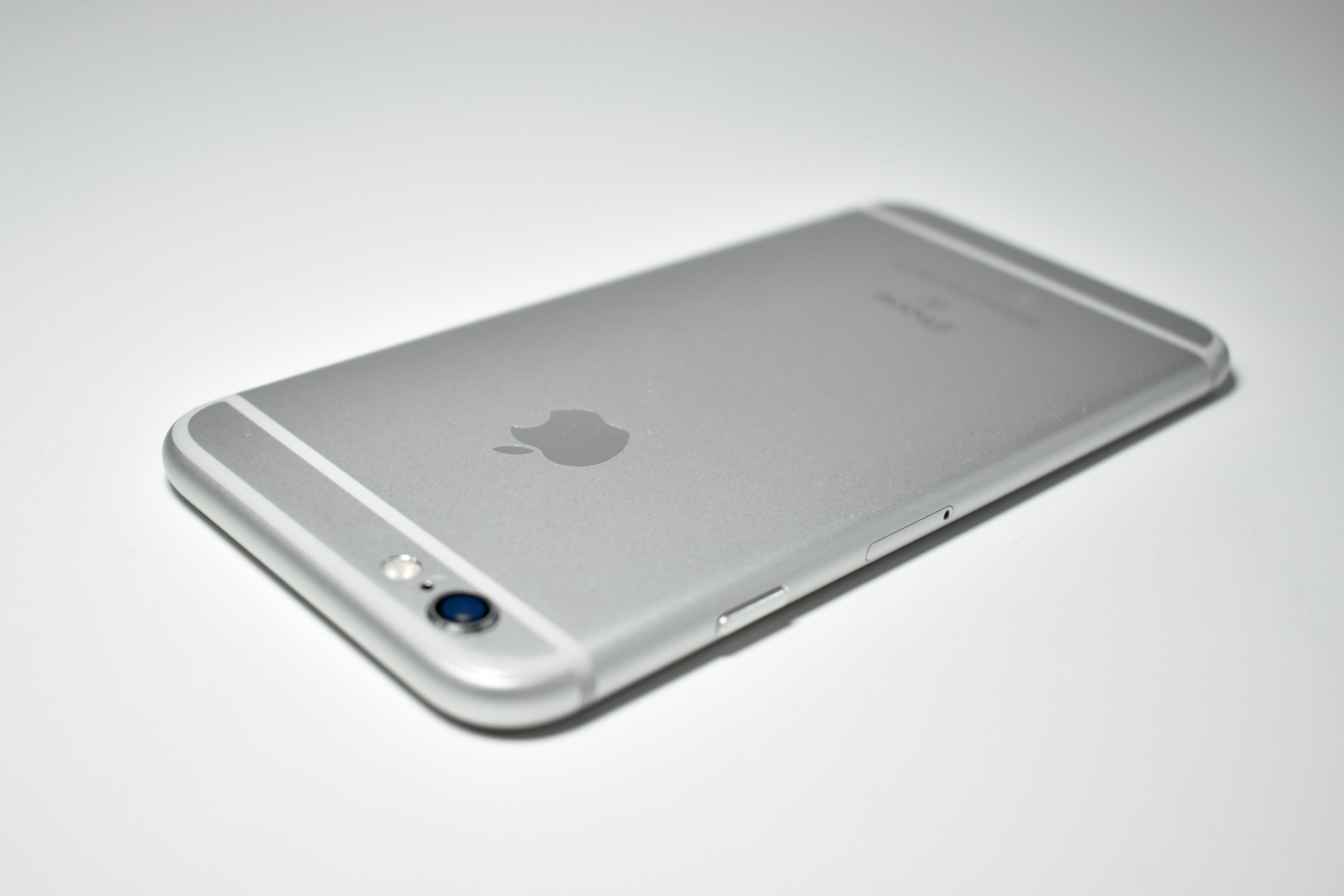
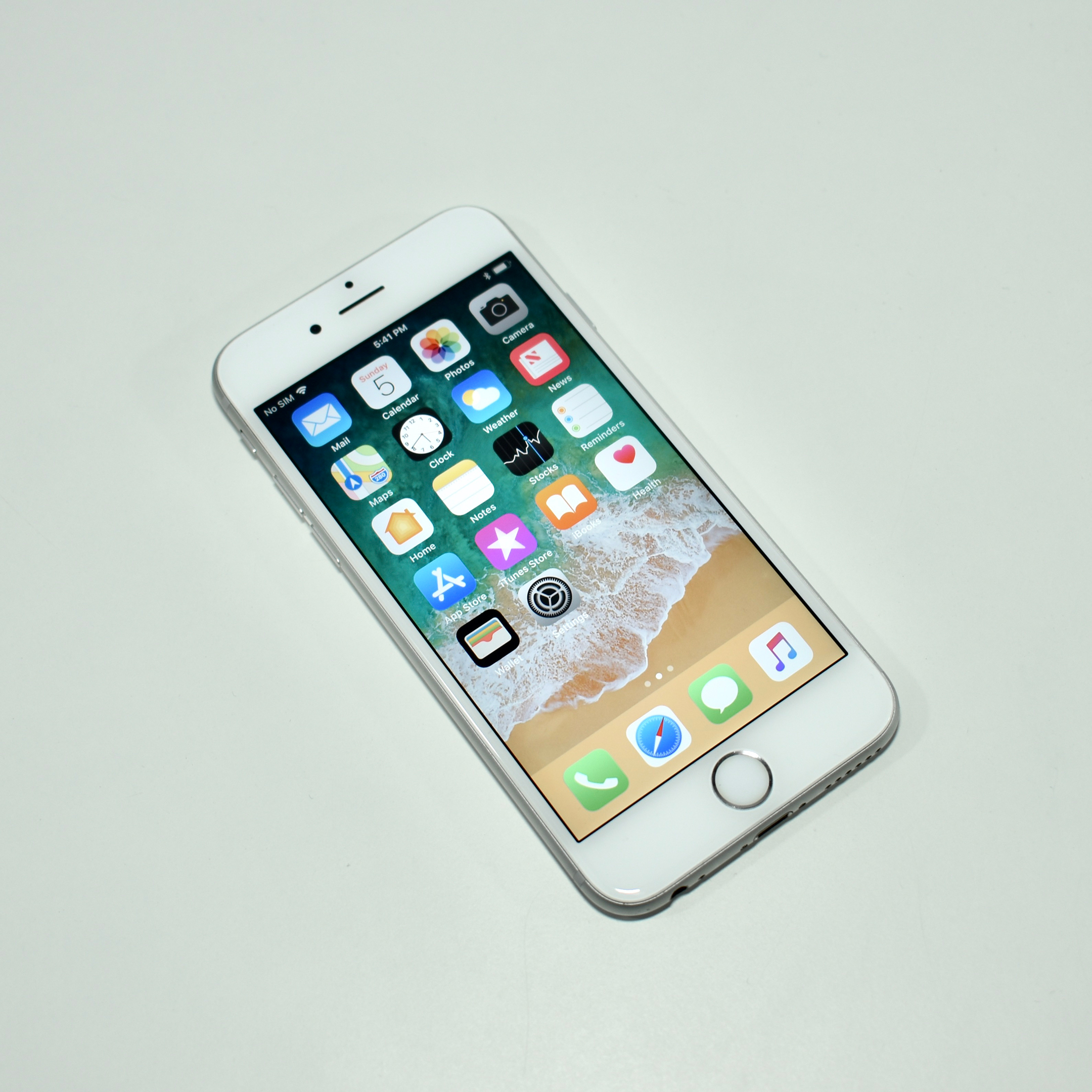
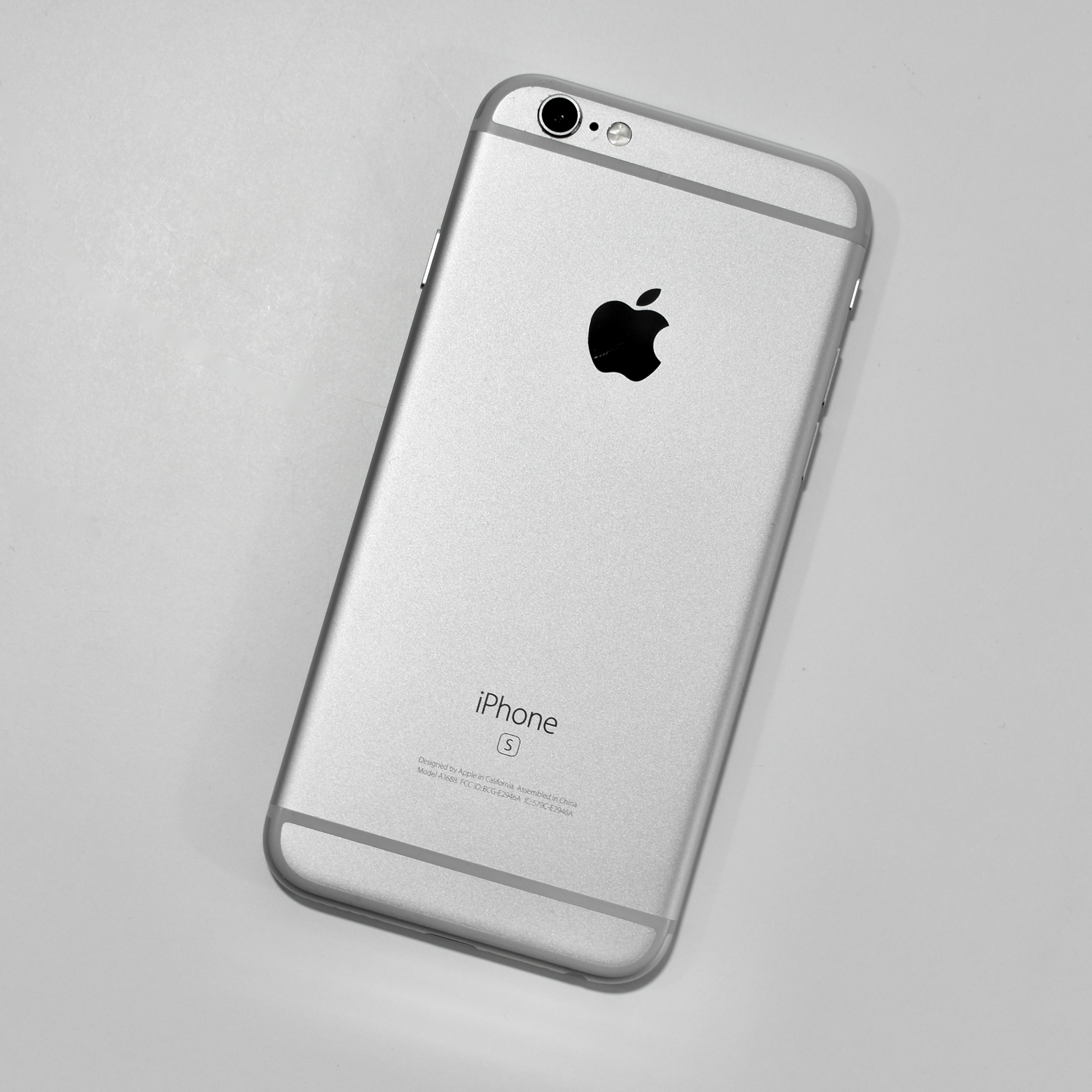
iPhone 6s (16 GB, silver, 2015)

The iPhone 6s had a 4.7-inch “3D Touch” screen at 1334×750 (326 ppi, Retina HD). The iPhone 6s cameras were vastly improved over the iPhone 6 that preceded it: a rear 12-megapixel 4K iSight camera and a front 5-megapixel FaceTime camera in 720p (the iPhone 6 used a, 8-megapixel back camera and 1.2-megapixel front camera).

The iPhone 6s was available in four colors: silver (white glass front, silver back); gold (white glass front, gold back); space gray (black glass front, medium-gray back); and rose gold (white glass front, pink-tinted gold back). 

The iPhone 6s did not use a physical Home button, but used its Taptic engine to simulate the click. It also used a Touch ID fingerprint sensor in the Home button. 

Inside, the iPhone 6s used the Apple A9 processor with 2 GB of RAM and was available in 16 GB, 32 GB, 64 GB, or 128 GB of flash storage. The iPhone 6s was the last iPhone to include a headphone jack (located on the bottom) and used  the Lightning port to connect to computer, dock, or power adapter.

This iPhone 6s example is an entry-level 16 GB model in silver with a white front. Unfortunately, this particular iPhone has a slight crack in the lower-left front screen glass (although it functions perfectly).

Source: EveryMac

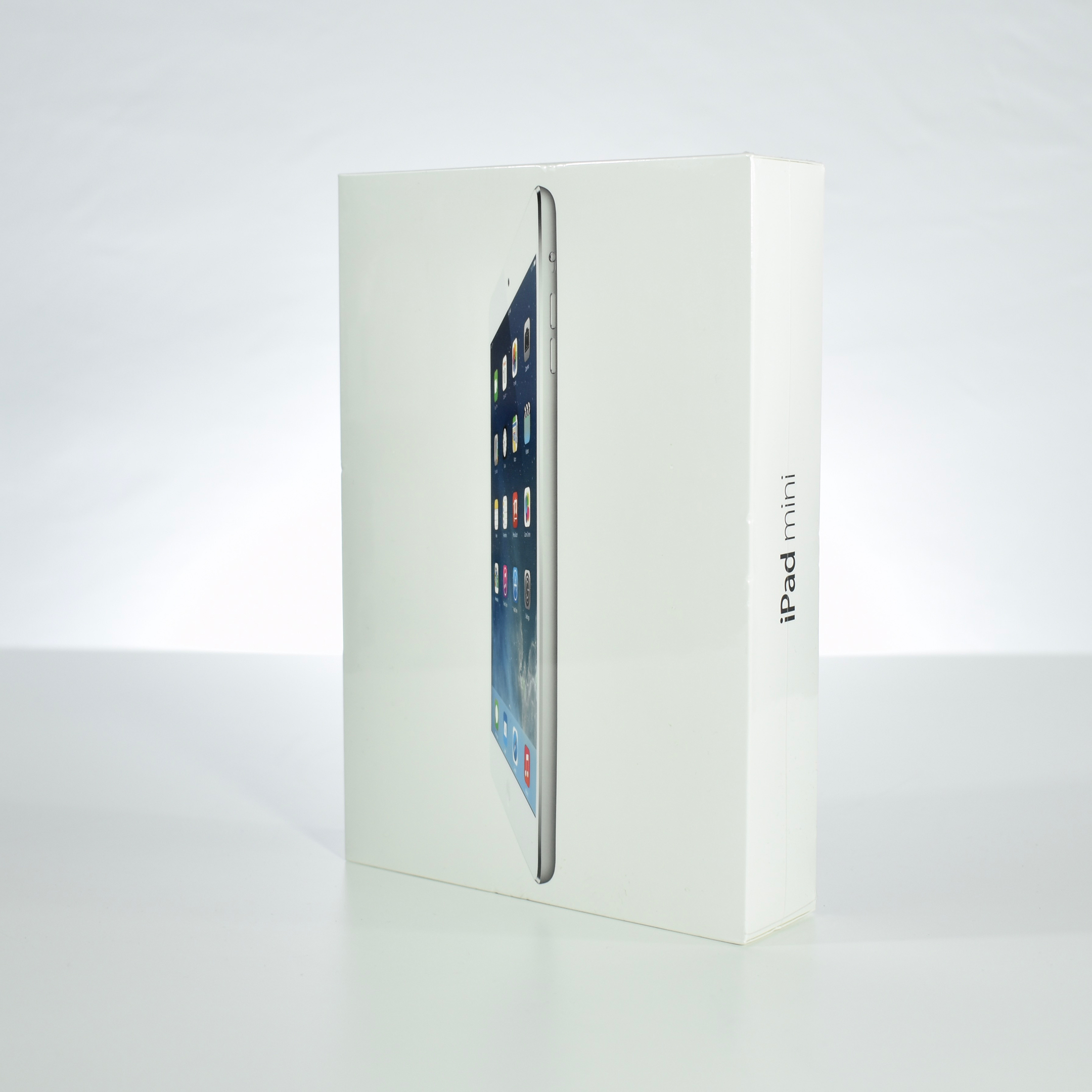
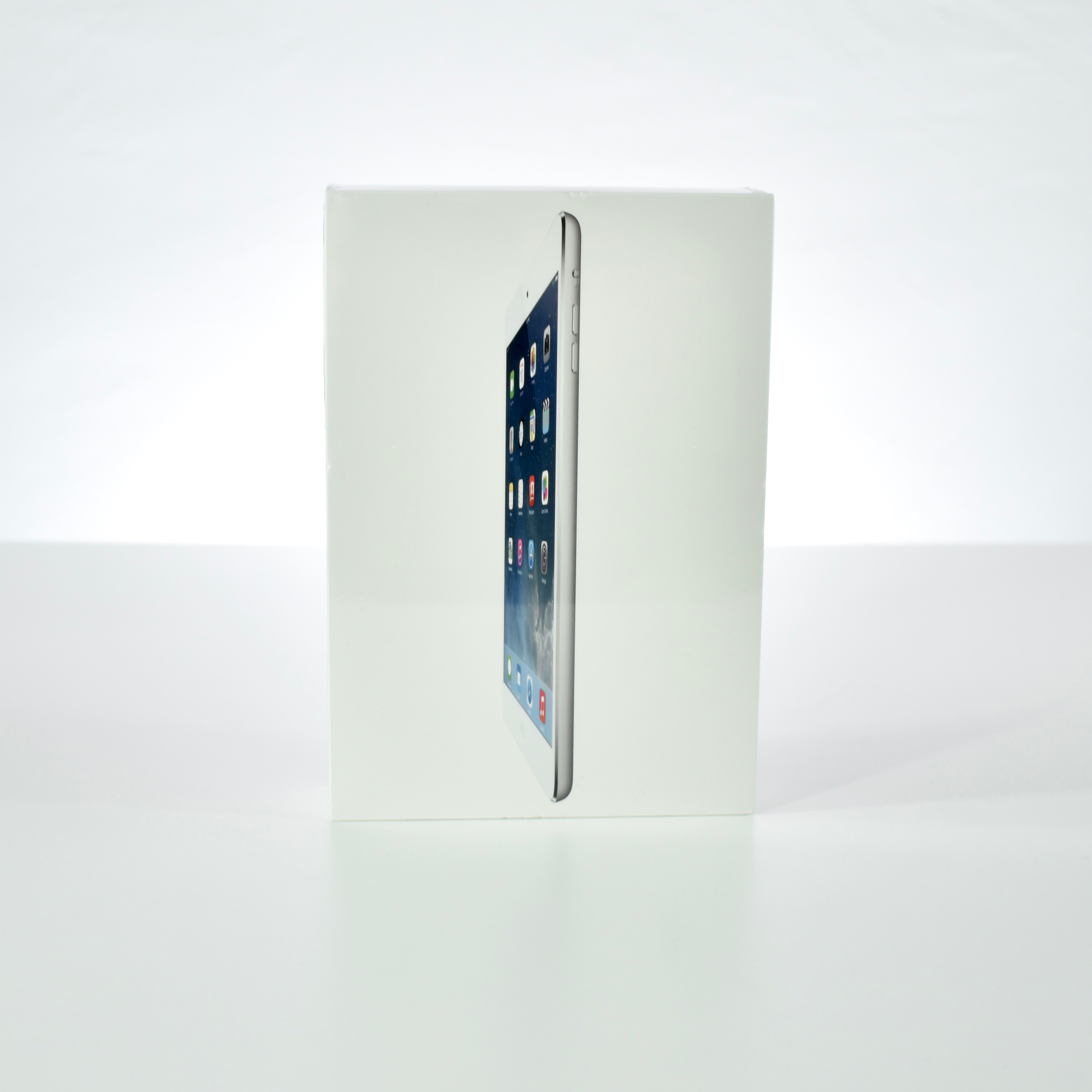
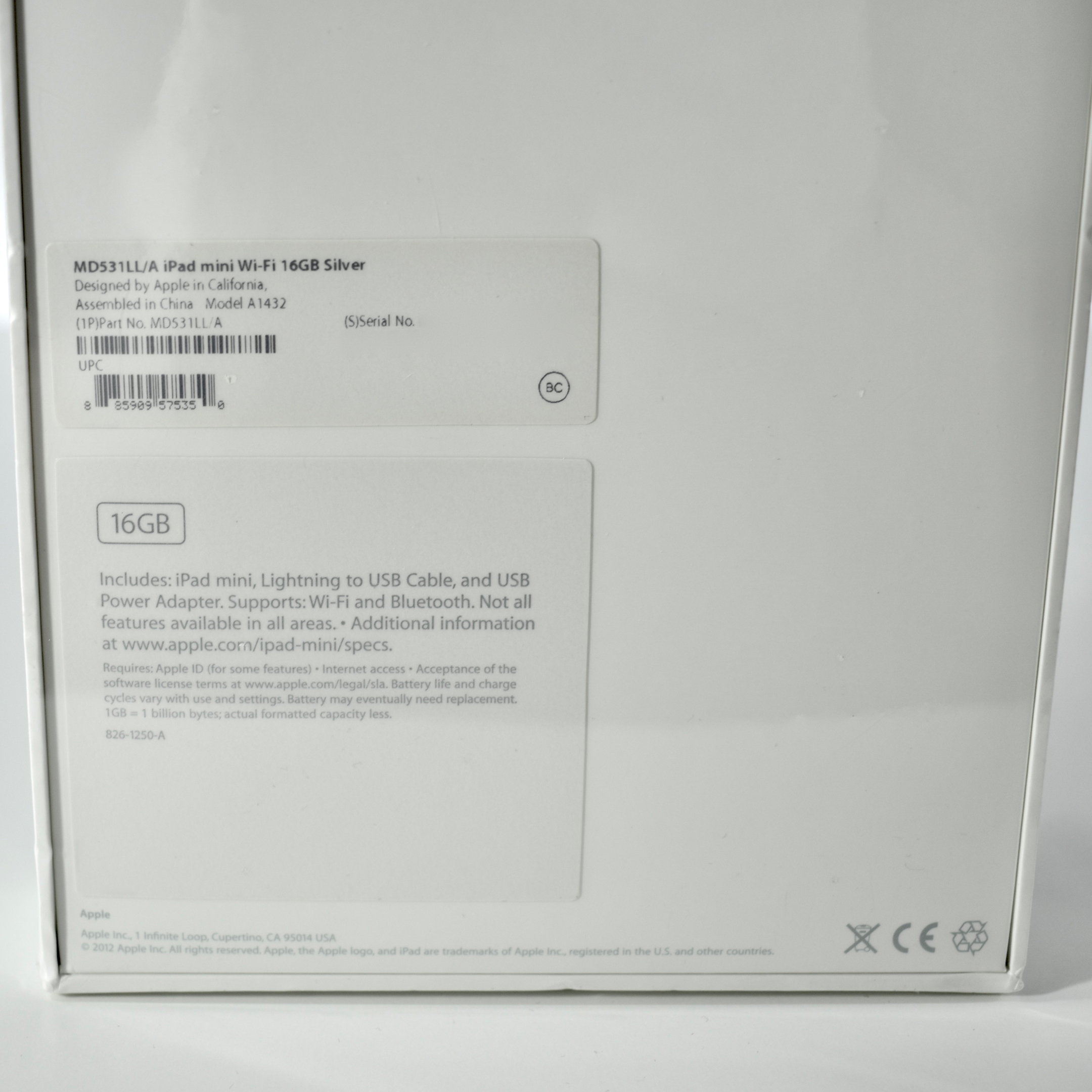
iPad mini (original, Wi-Fi, 16 GB, silver, unopened, 2012)

The original iPad mini featured a 7.9-inch screen at 1024×768 (163 ppi). Internally, it had a dual core 1 GHz Apple A5 processor; 512 MB of RAM; and 16, 32, or 64 GB of storage. It had two cameras: a rear-mounted 5 megapixel iSight camera (1080p) and a front-mounted 1.2 megapixel FaceTime HD camera (720p). The original iPad mini used a Lightning port.

I kept my original iPad mini in my daily backpack for a very long time due to its near perfect size and weight as a truly mobile device with the same 1024×768 screen as a standard iPad of the time (just with smaller pixels). I purchased this additional iPad mini as an example for my collection and never unboxed it. This version has a silver back and white front. 

Source: EveryMac