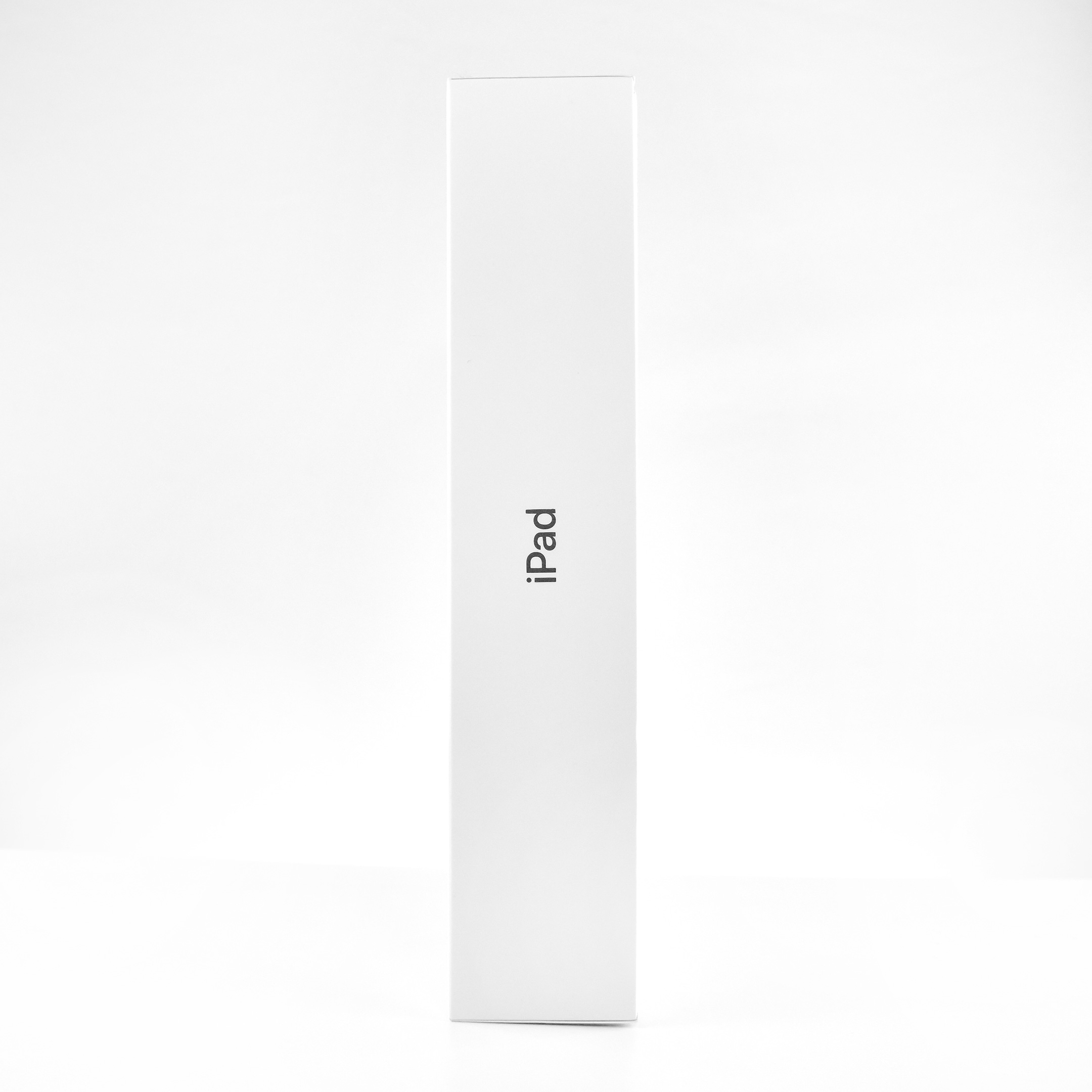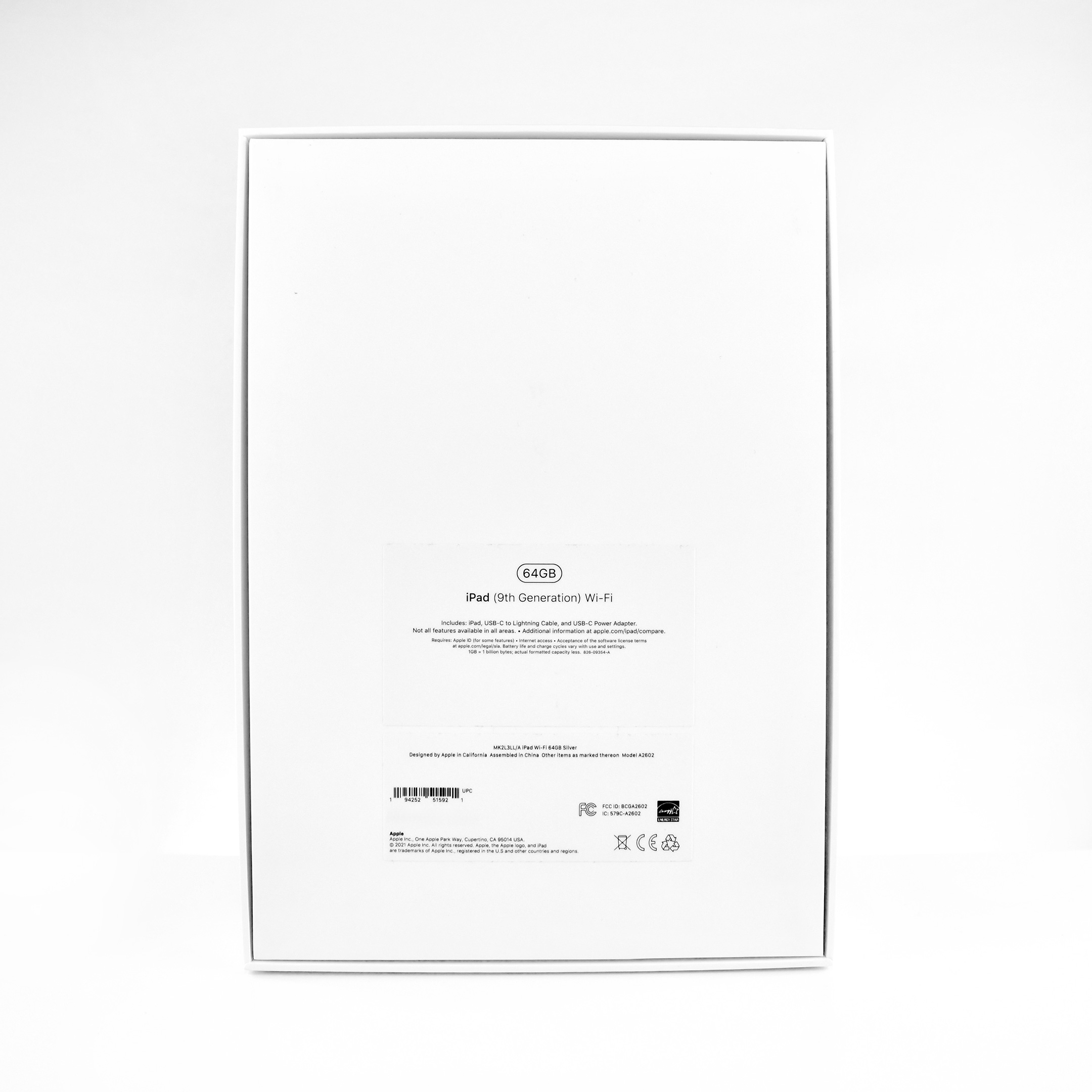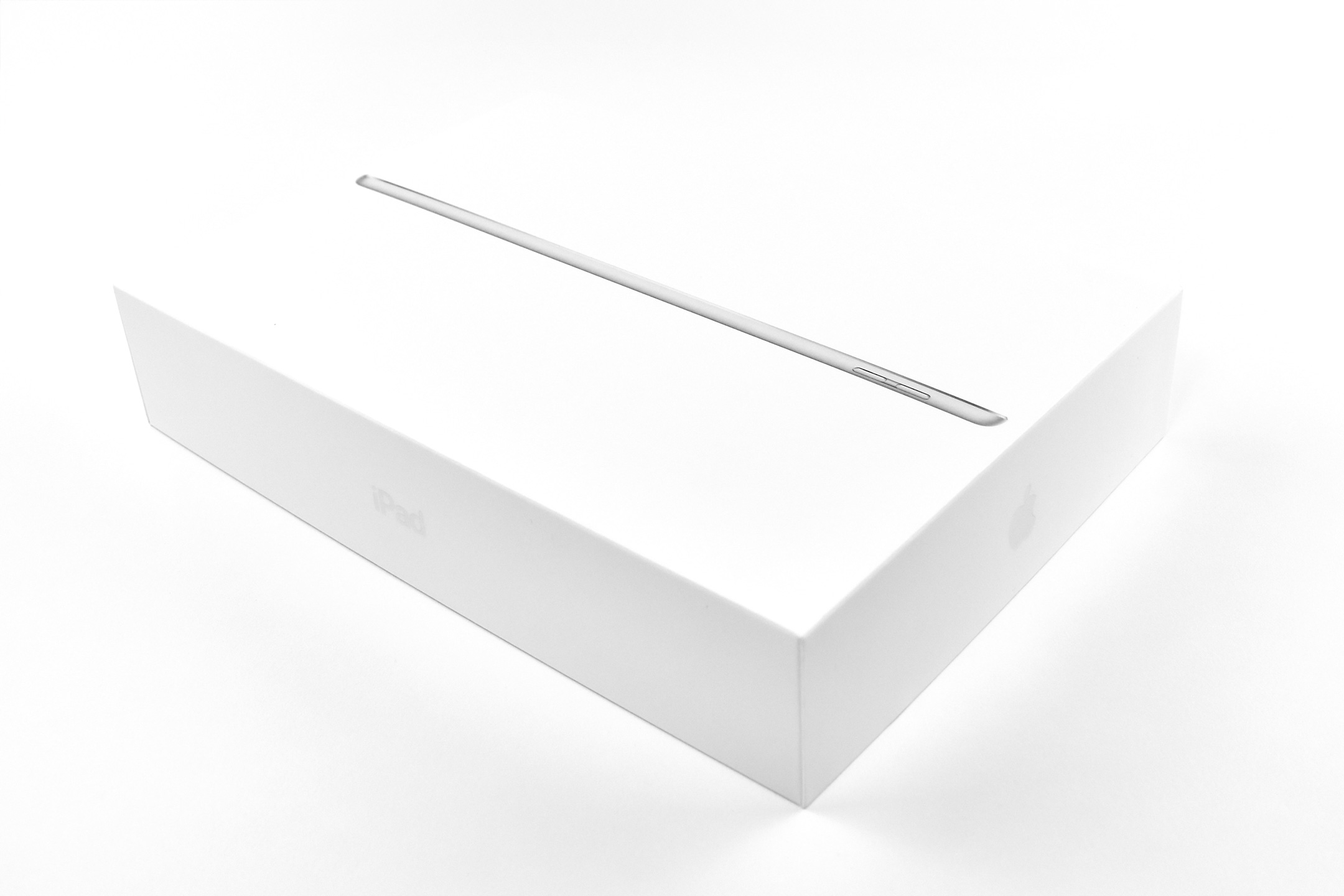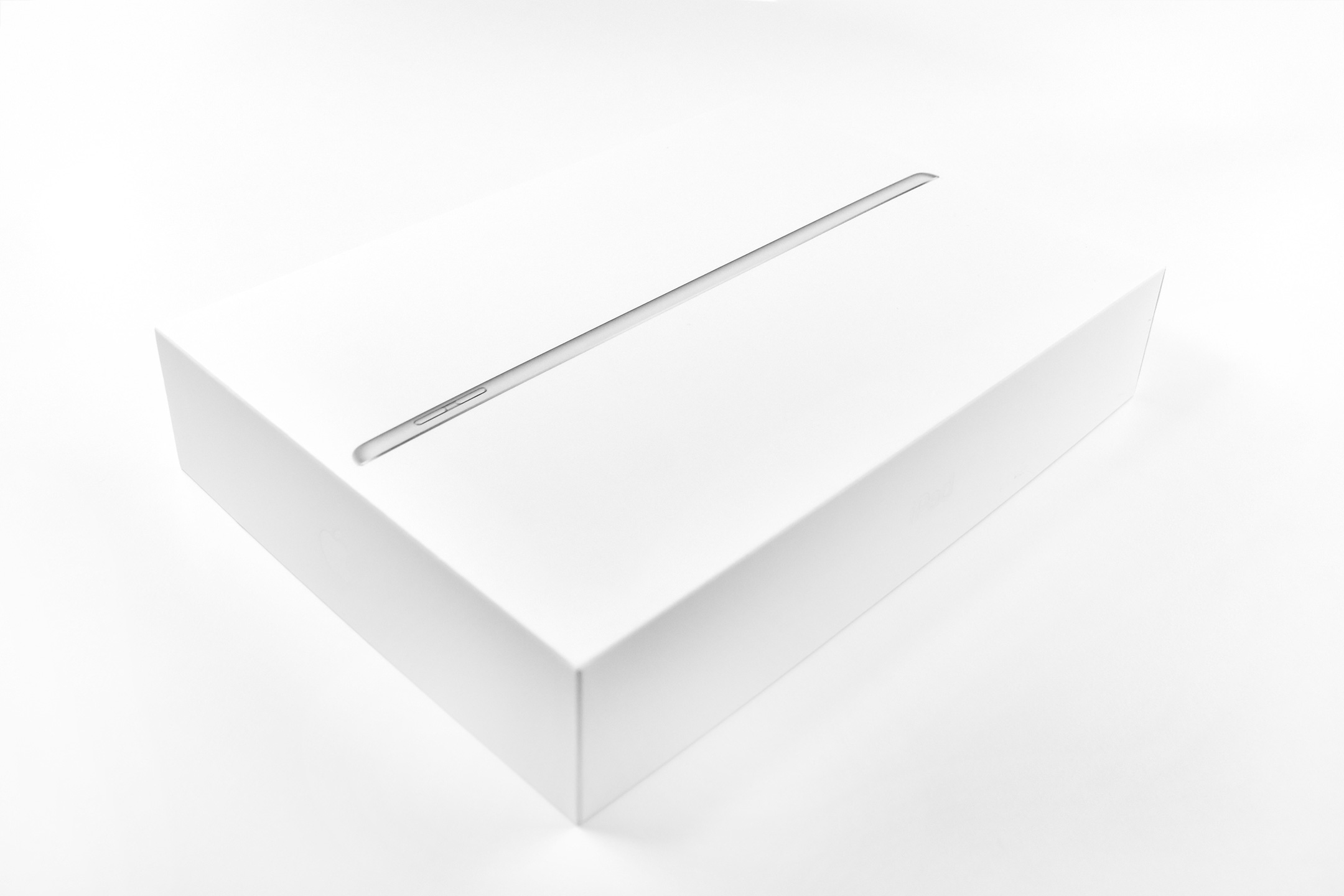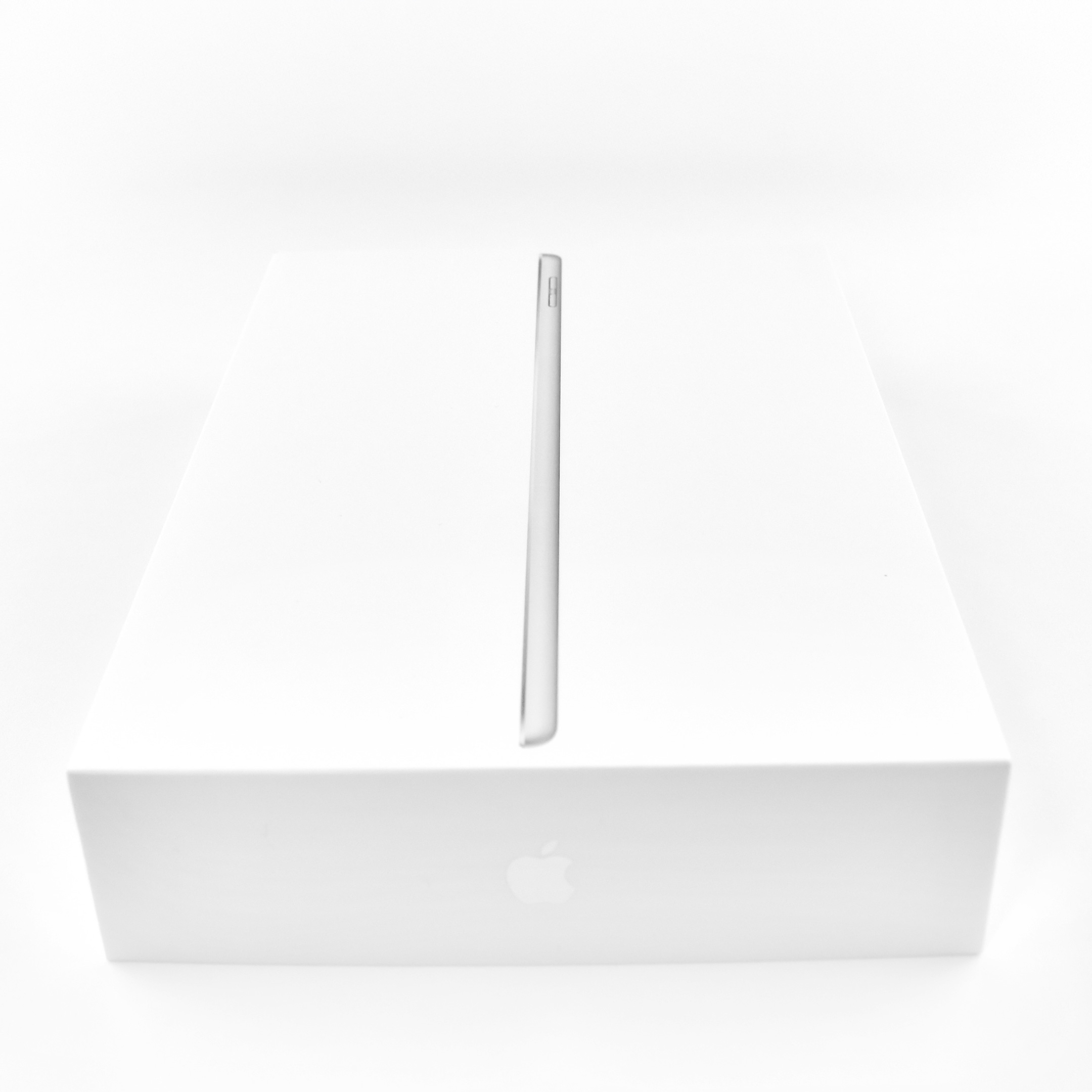
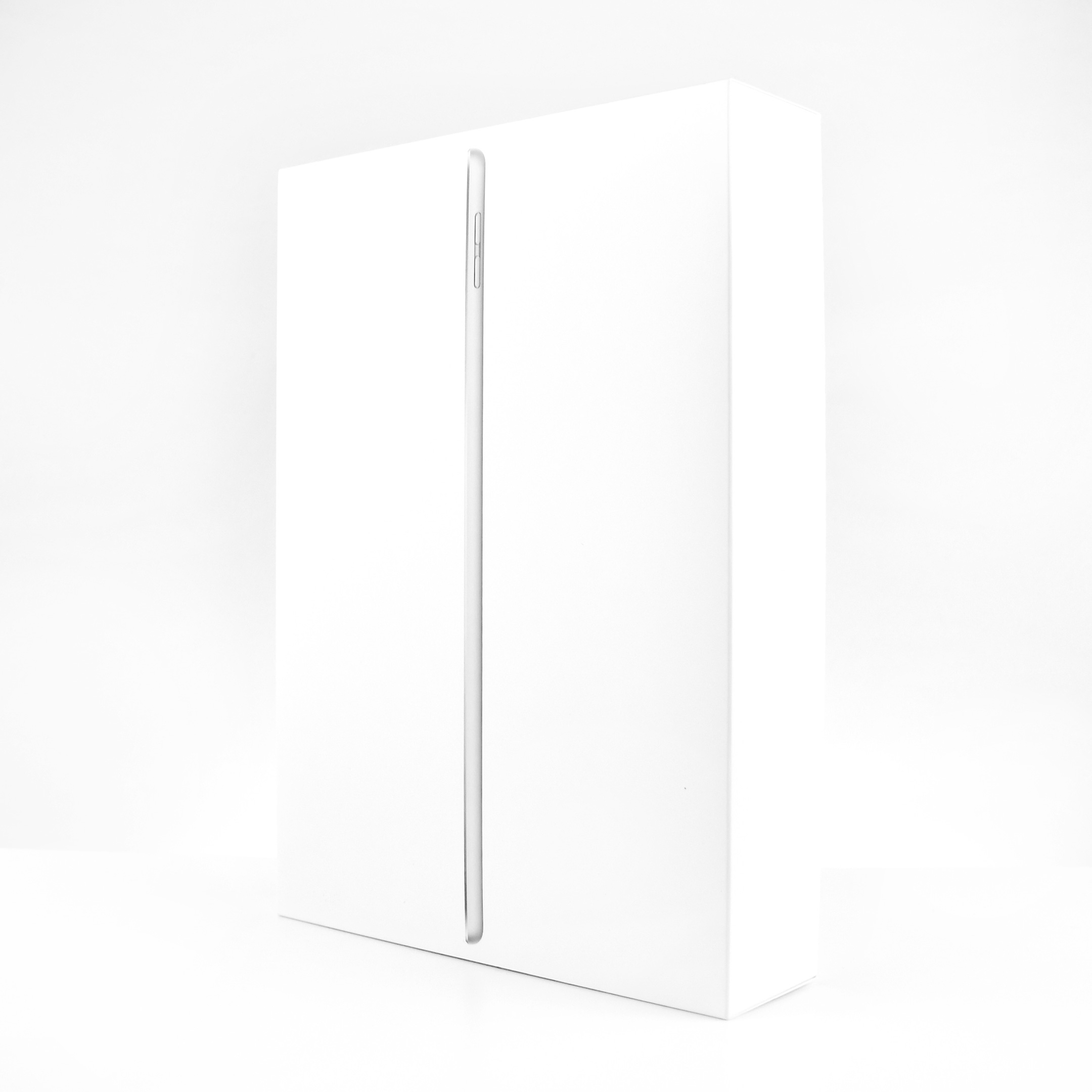
iPad (Generation 9, 64 GB, W-Fi, silver, 2021)

Apple released the iPad Generation 9 on September 14, 2021. The headline in Apple’s Press Release read, “Apple’s most popular iPad delivers even more performance and advanced features,” and listed its features as including “A13 Bionic, Center Stage, True Tone, and now starts with double the storage.”

Greg Joswiak, Apple’s senior vice president of Worldwide Marketing, reported:

“iPad has never been more essential for working, learning, and communicating, and we’re excited to bring one of the biggest updates ever to our most popular iPad… With the powerful A13 Bionic, more engaging video calls with Center Stage, and double the storage, the new iPad delivers advanced capabilities, versatility, and simplicity at an incredible value.”

The A13 Bionic chip with Neural Engine not only boosted performance compared to the previous iPad by 20%, it also allowed “next-level machine learning capabilities, including Live Text…which uses on-device intelligence to recognize text in a photo that users can take action on.” Thus, this iPad was able to use an early version of Apple’s on-device “Artificial Intelligence” capabilities—even if Apple chose not to use the term “AI.”

Apple also touted the iPad Generation 9’s Center Stage capabilities, a feature that enhanced video calls that was on the minds of many users after the worldwide COVID pandemic. The iPad was equipped with a new 12MP Ultra Wide front camera that used the Neural Engine: “Center Stage automatically pans the camera to keep [the user] in view. When others join in, the camera detects them too, and smoothly zooms out to include them in the conversation.” Center Stage worked in FaceTime and third-party video-calling apps such as Zoom.

The iPad Generation 9 was offered in Silver and Space Gray, and in two storage capacities, 64 GB and 256 GB. It measured 9.8 inches (250.6 mm) x 6.8 inches (174.1 mm), and was 0.29 inch (7.5 mm) thick. The Wi-Fi model weighed 1.07 pounds (487 grams), and the Wi-Fi + Cellular model weighed 1.09 pounds (498 grams).

The iPad Generation 9 was the last iPad to use a physical Home button, and it also had Touch ID.

It used a 10.2-inch (diagonal) Retina display that was 2160 x 1620 pixels at 264 pixels per inch. It used a True Tone display that could deliver up to 500 nits brightness. This iPad had both stereo speakers and dual microphones for calls, video recording, and audio recording.

Uncharacteristically, the back camera had lower resolution than the front camera. The back camera was an 8 MP Wide camera with digital zoom up to 5x using a 5-element lens. It could capture Panoramic photos (up to 43MP), and featured HDR, photo geotagging, auto image stabilization, and burst mode. The back camera could record 1080p HD video at 25 and 30 fps.

The front camera was a 12MP Ultra Wide camera with 122° field of view. It could record 1080p HD video at 25, 30, or 60 fps.

Wireless connectivity included Wi-Fi 5 (802.11ac) and Bluetooth 4.2. Its 5 sensors included Touch ID, 3‐axis gyro, accelerometer, barometer, and an ambient light sensor. The iPad Generation 9 charged and transferred data using a Lightning connector and shipped with a Lightning-to-USB-C Cable that connected to its included 20W USB-C Power Adapter.

Interestingly, Apple continued manufacturing and selling the iPad Generation 9 even after they announced the iPad Generation 10 13 months later. The iPad Generation 10 was released with a considerable price increase at $459 for a base iPad—from the iPad Generation 9 base price of $329. Apple noted in the “fine print” of the iPad Generation 10 press release: “iPad (9th generation) will remain in the iPad lineup. Wi-Fi models of iPad (9th generation) are available with a starting price of $329 (US), and Wi-Fi + Cellular models start at $459 (US), in silver and space gray finishes.”

Sources: Apple (Newsroom: Generation 9, Generation 10; Technical Specifications)
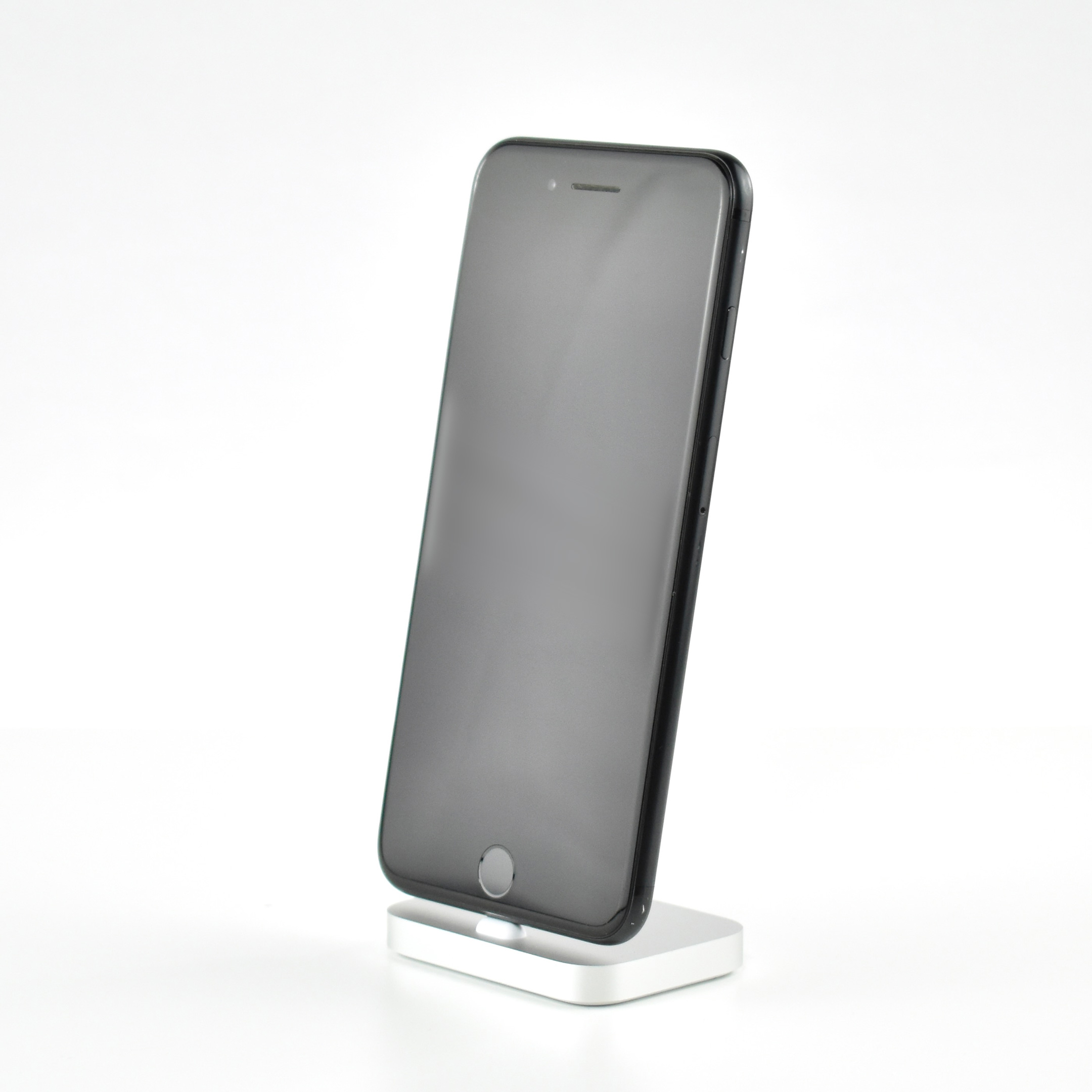
iPhone 7 (silver, 2016)

The iPhone 7 has a 4.7-inch, 1334×750 Retina HD display. The iPhone has a front and back camera: the rear camera is 12-megapixel and the front camera is a 7-megapixel FaceTime HD camera with 1080p video.

The iPhone 7 was the first iPhone (along with the iPhone 7 Plus) to remove the 3.5 mm headphone jack and only include a Lightning port for audio. Like the iPhone 6 and 6s before it, the iPhone 7 uses a “clickless” Home button that uses an internal Taptic-engine-powered solid state component. Although the iPhone 7 is not water-proof, it is splash, water, and dust-resistant.

The iPhone 7 came in several colors: silver (white glass front, silver back); gold (white glass front, gold back); rose gold (white glass front, pink-tinted gold back); black (black glass front, matte black back); jet black (black glass front, a high-gloss black anodized and polished black aluminum back); and later added a (PRODUCT)RED Special Edition (white glass front, red aluminum back).

The iPhone 7 uses the Apple A10 Fusion processor, 2 GB of RAM, and was available with 32 GB, 128 GB, or 256 GB of flash storage.

This iPhone 7 is silver.

Source: EveryMac

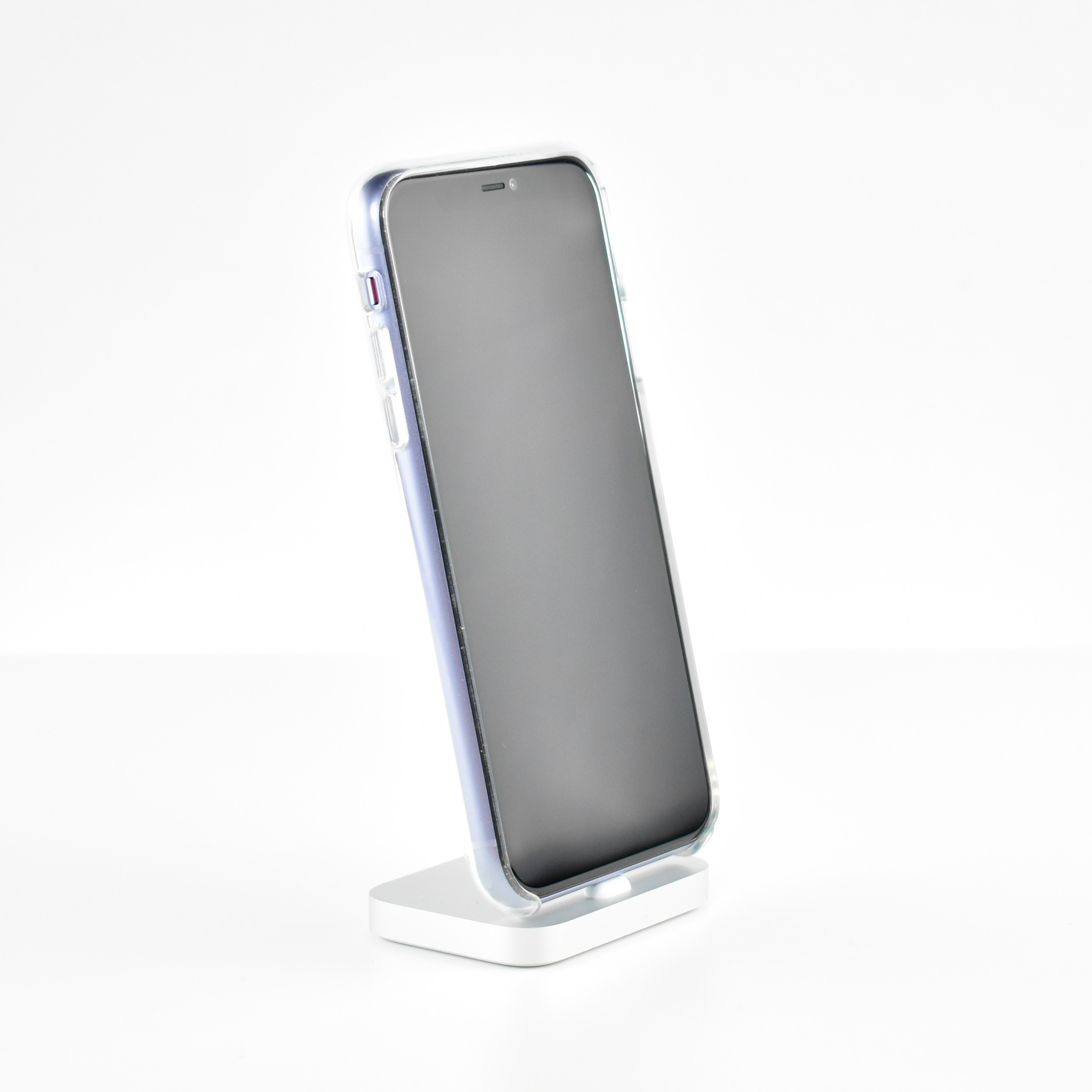
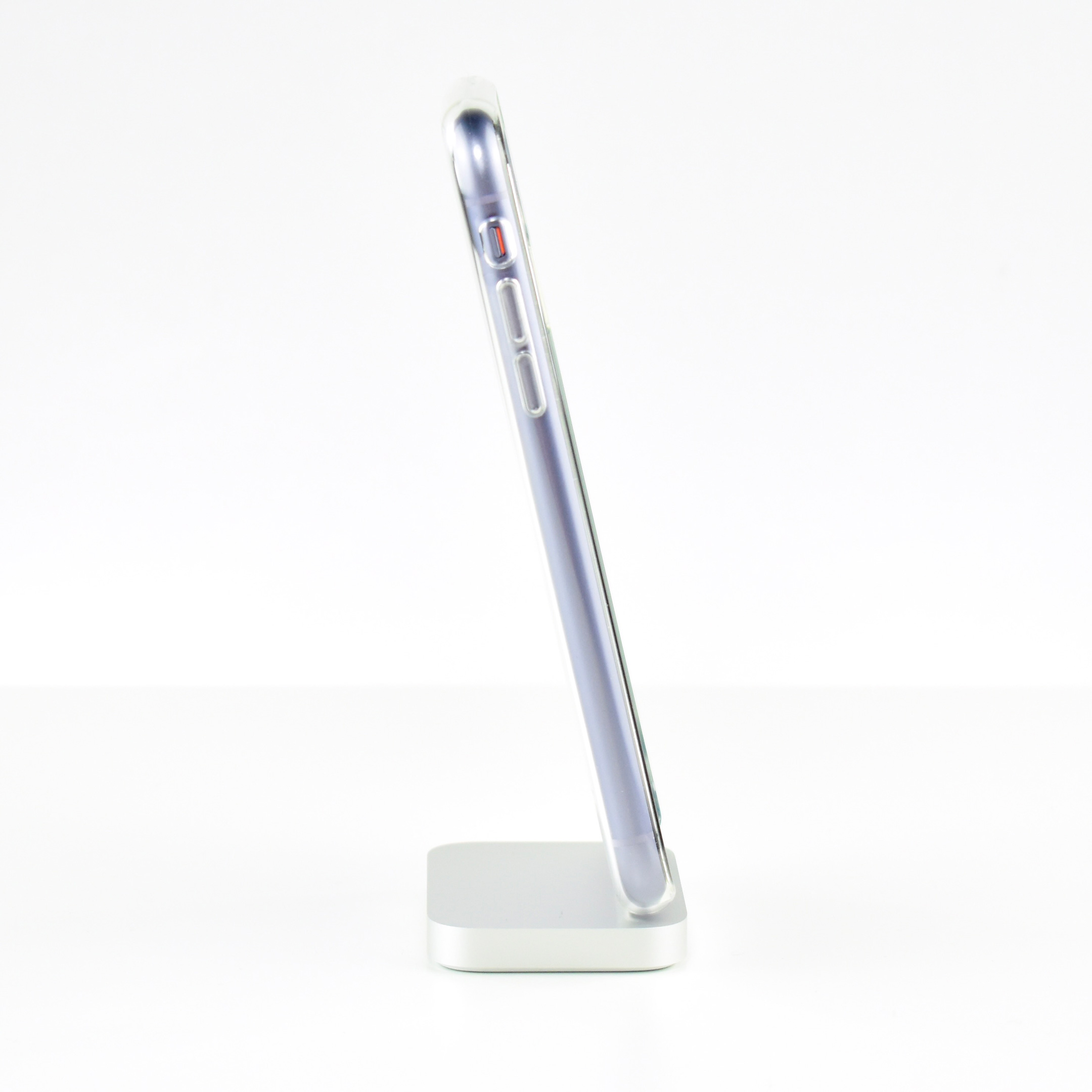
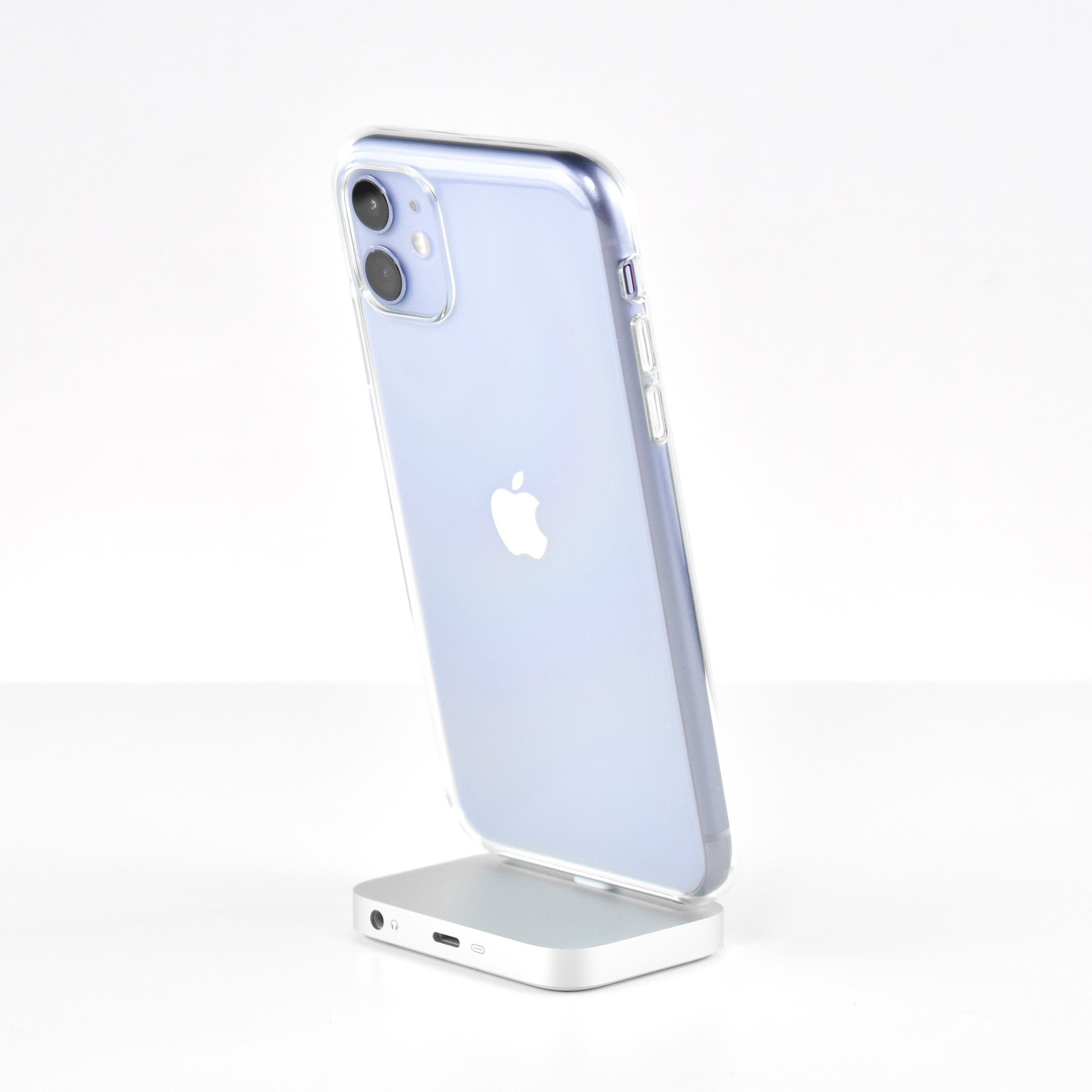
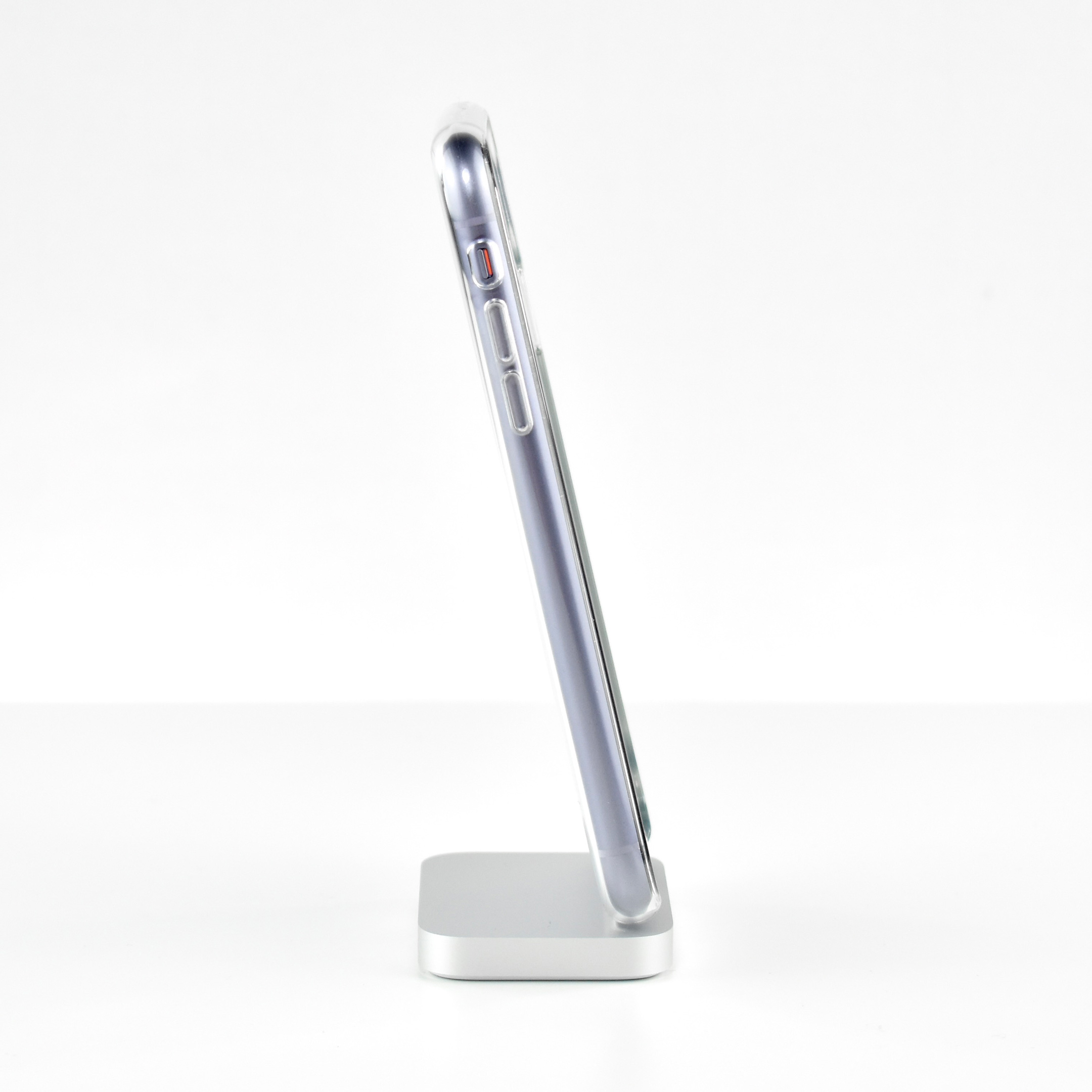
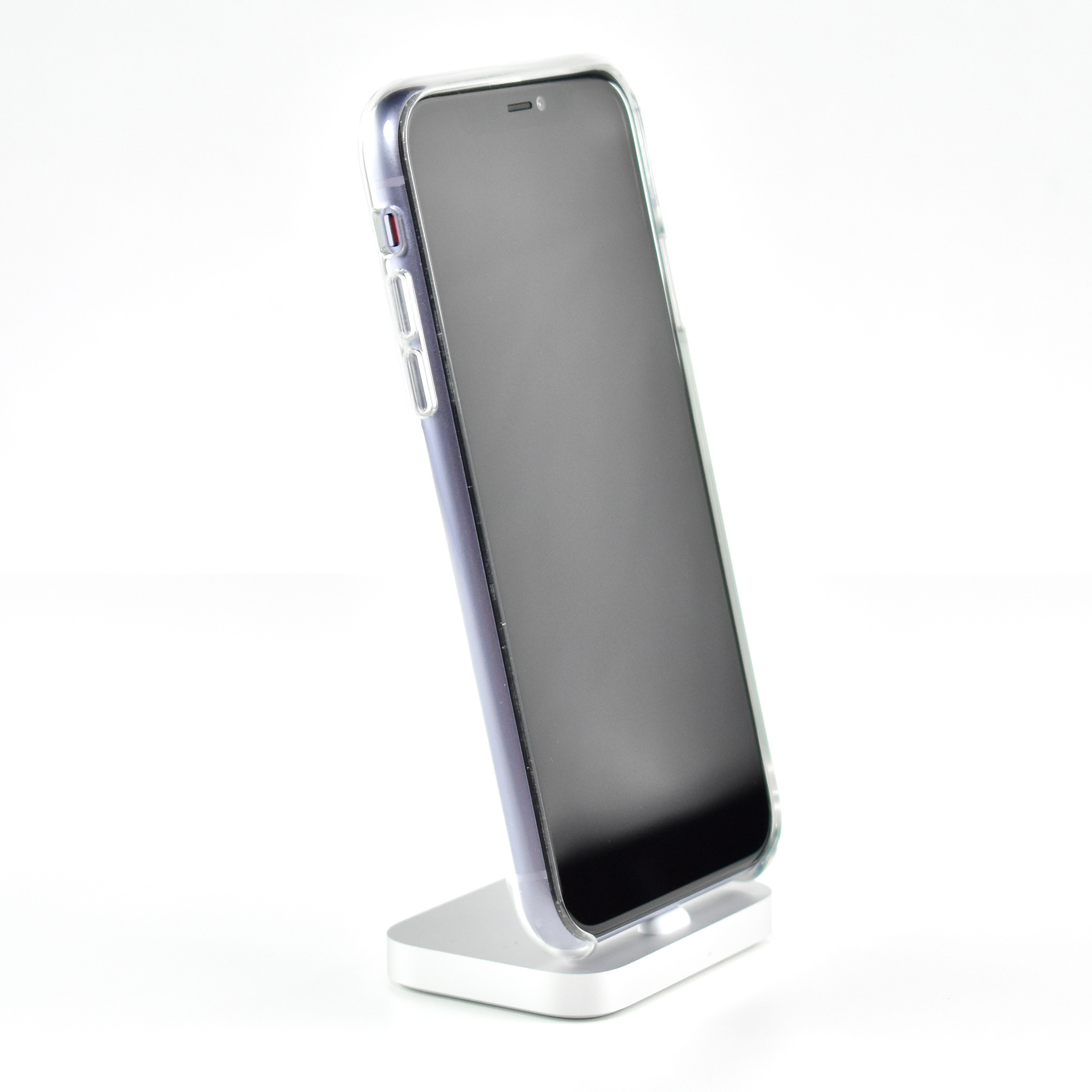
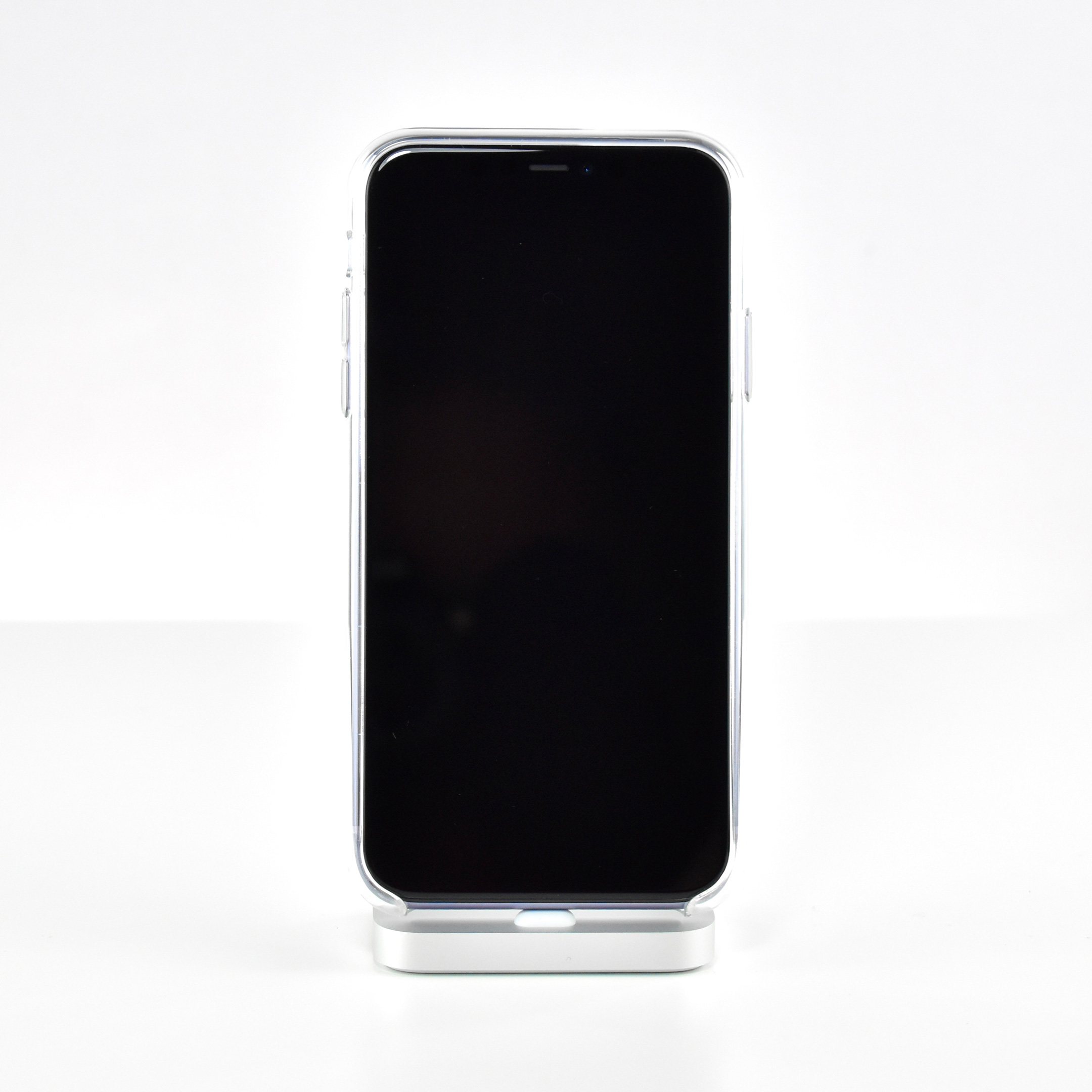
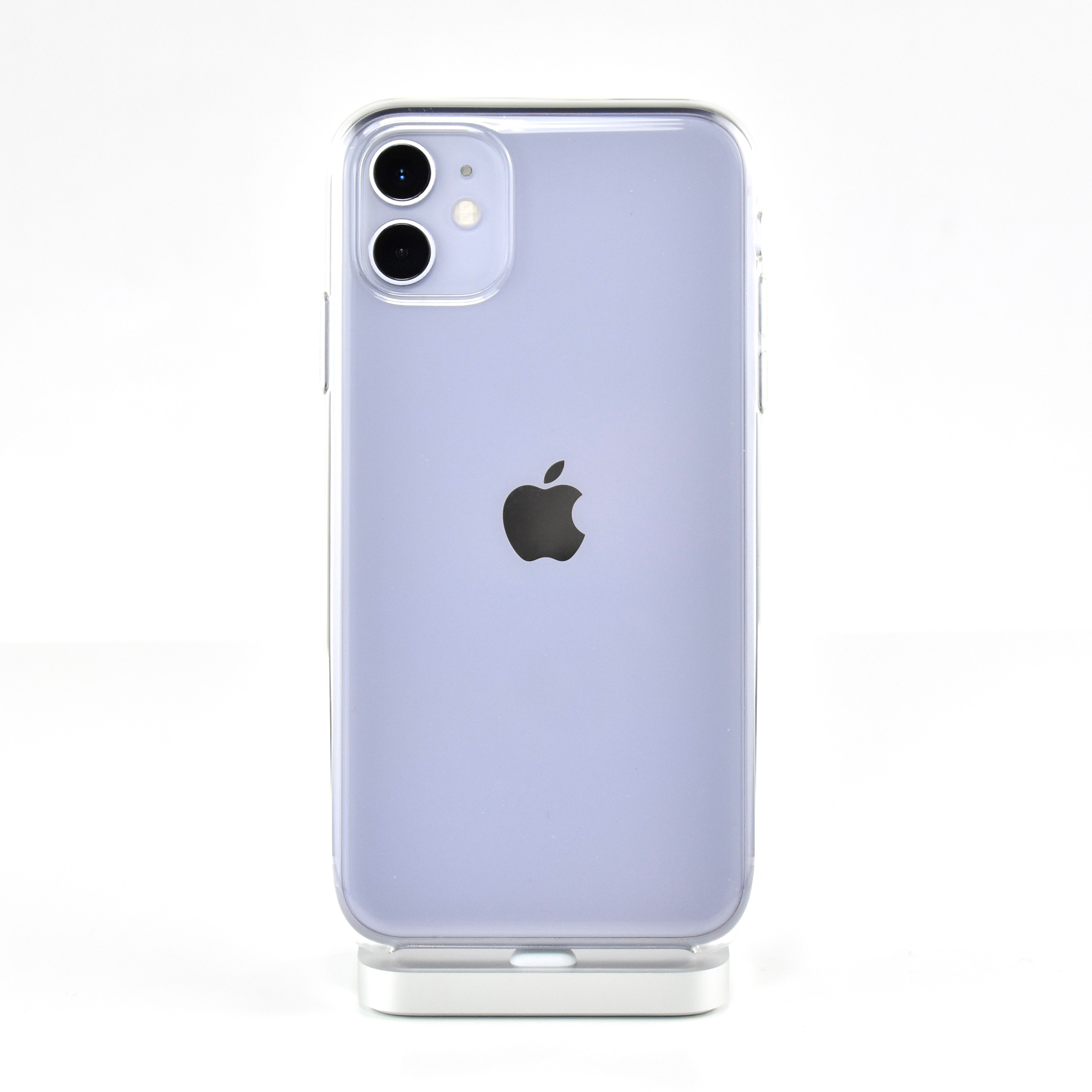
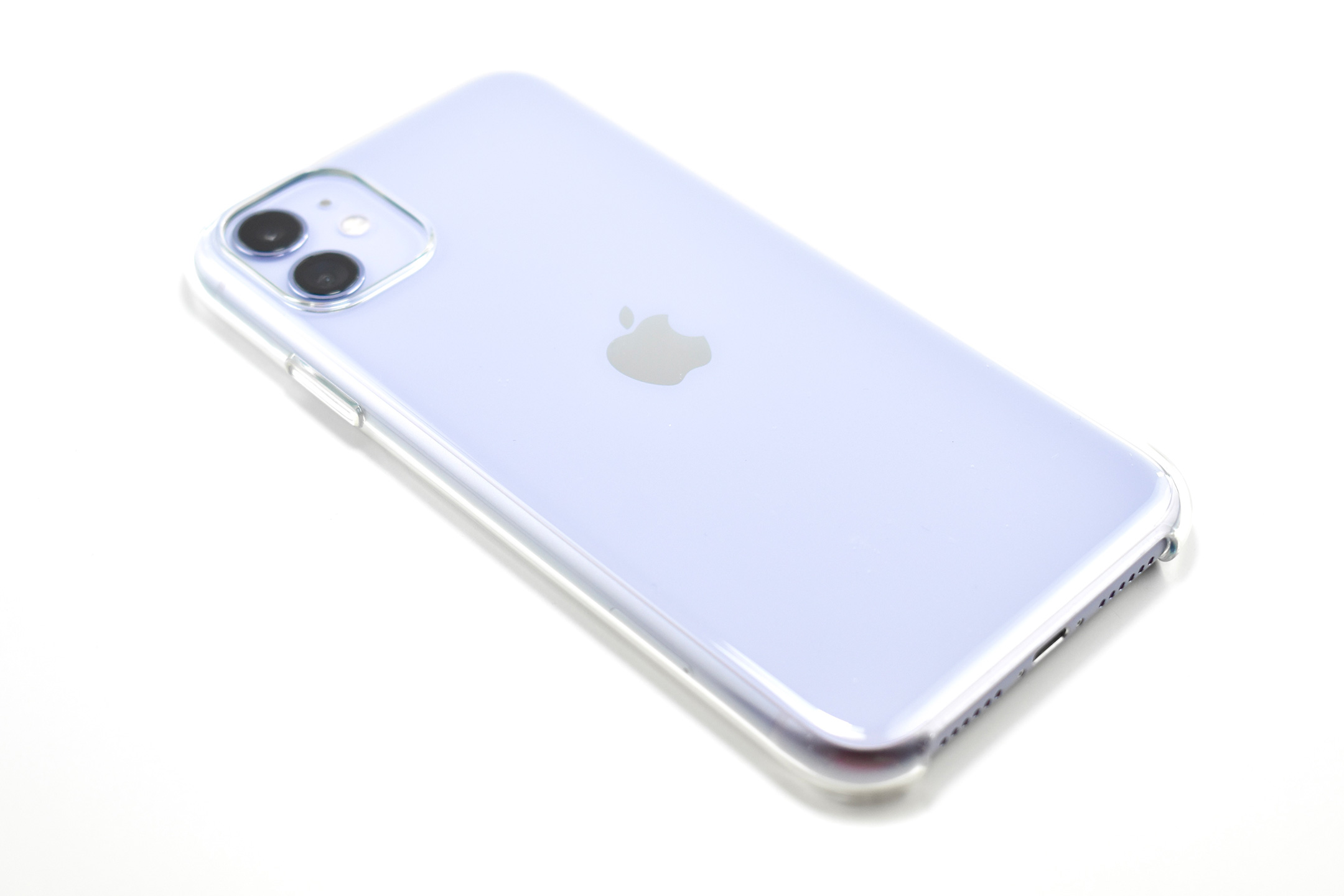
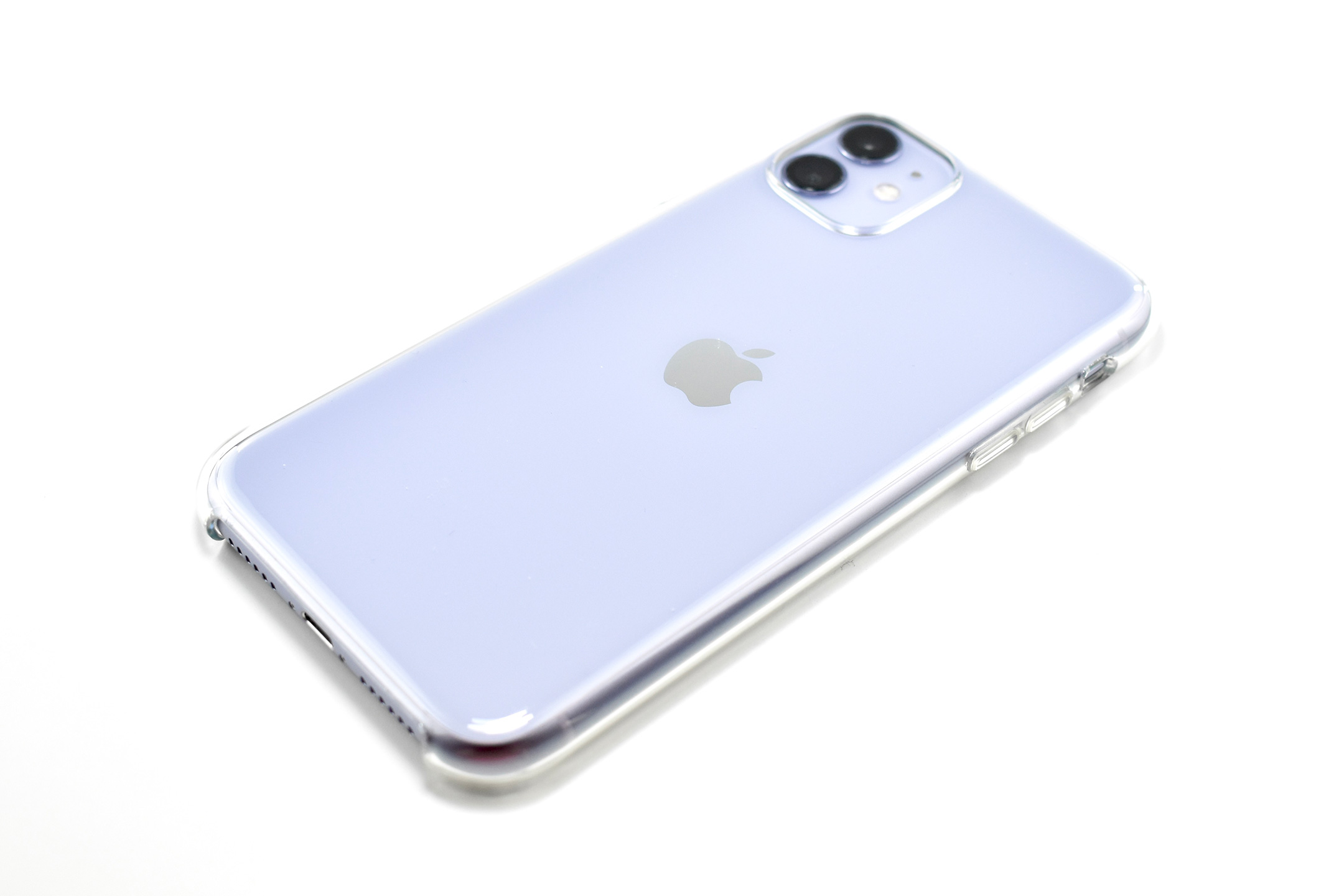
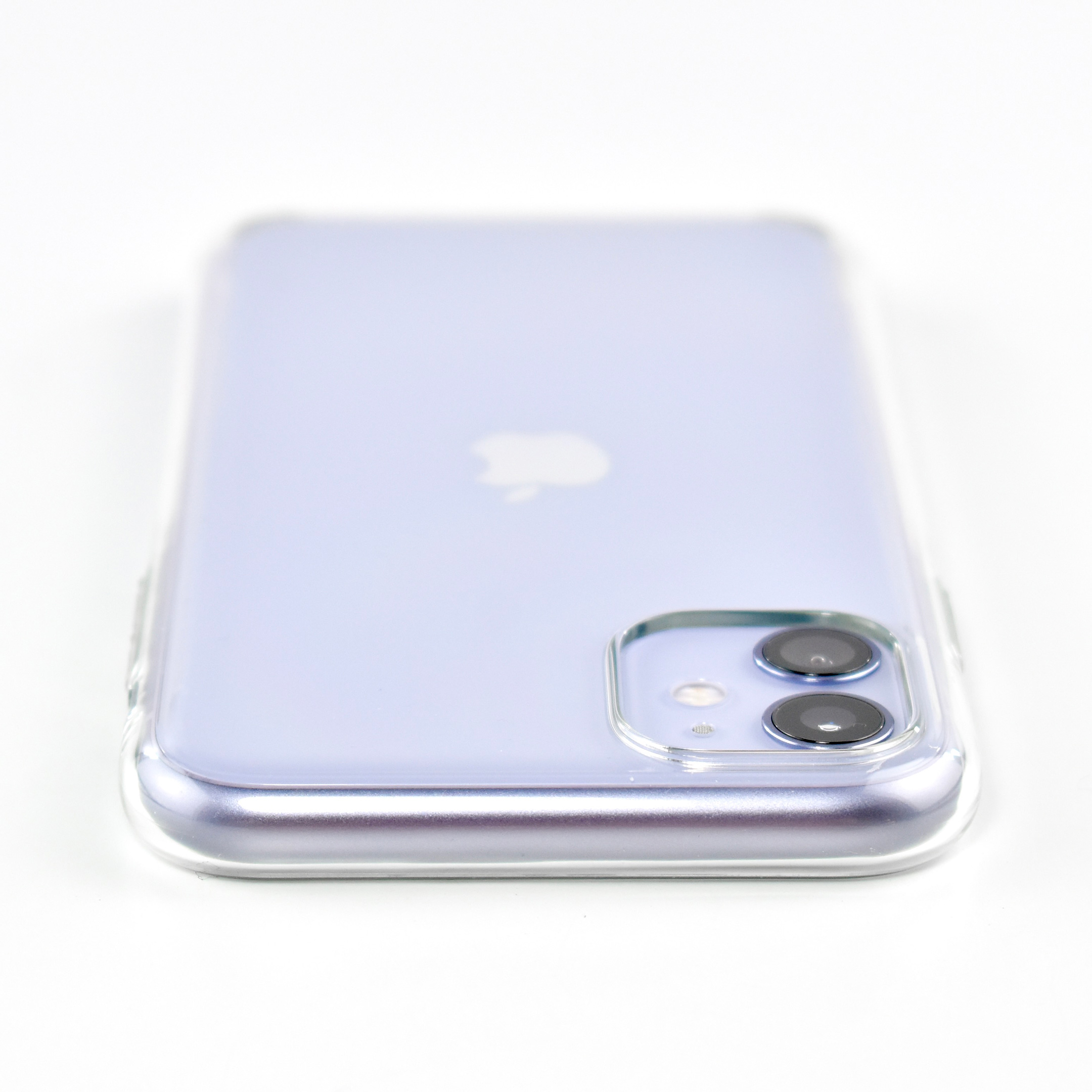
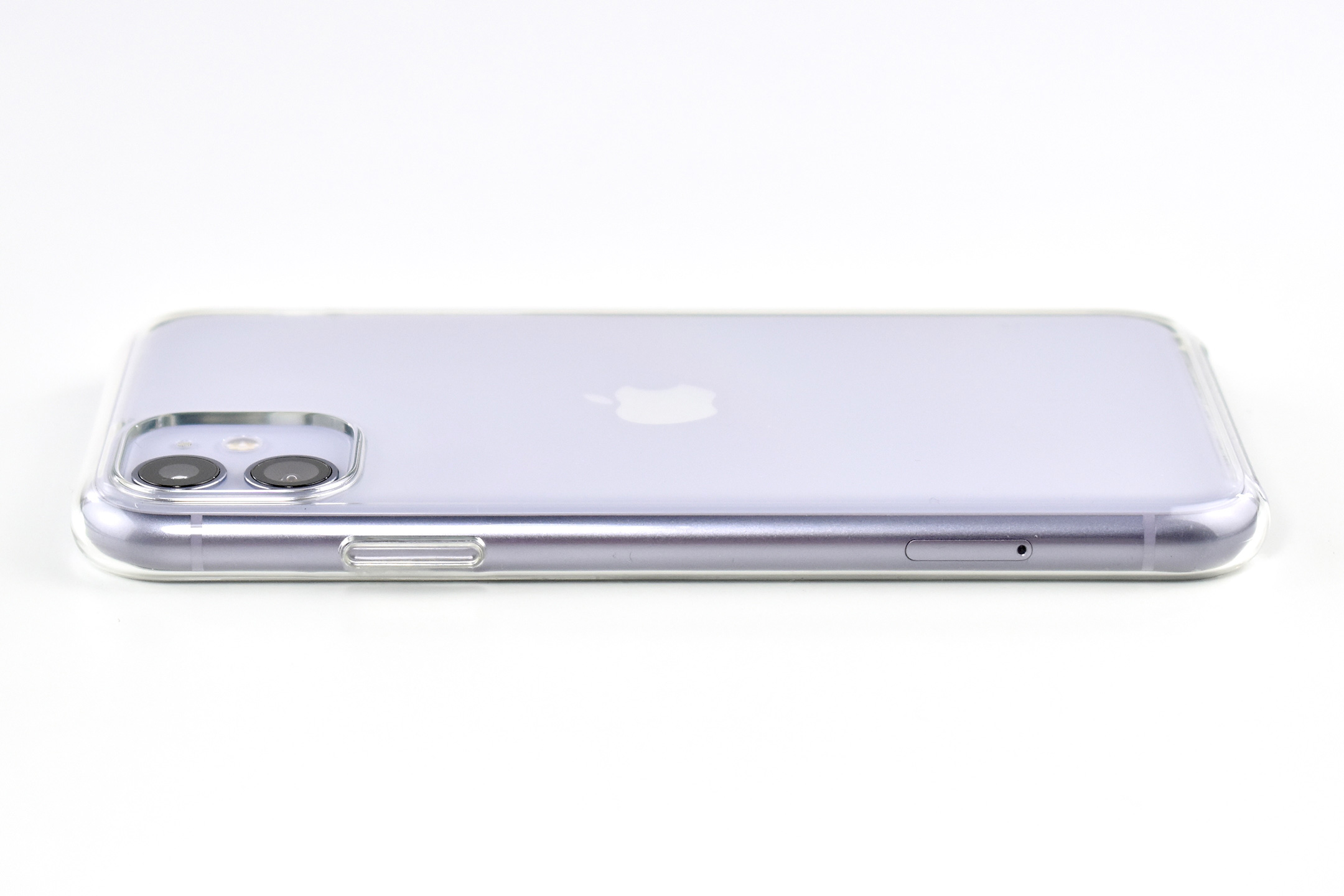
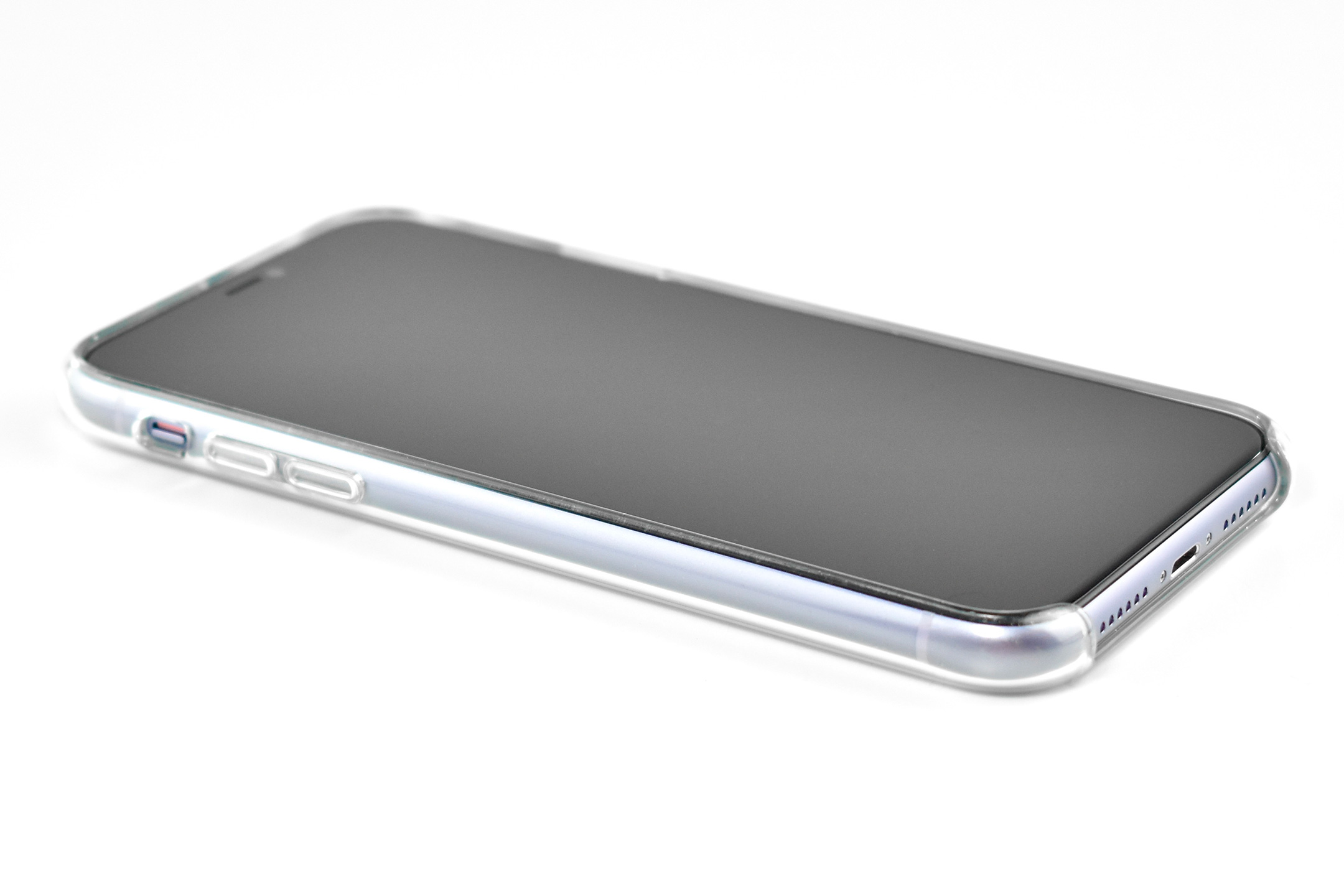
iPhone 11 (64GB, Purple, with iPhone 11 Clear Case, 2019)

When Phil Schiller introduced the iPhone 11 at a special event on September 10, 2019, he described the device:

“iPhone 11 is the next generation of iPhone, packed with great new capabilities in an incredible design, including new Ultra Wide and Wide cameras for gorgeous videos and photos, the power and ease of use of iOS 13, and A13 Bionic—the fastest chip ever in a smartphone that quickly handles the tasks that matter most to people every day.”

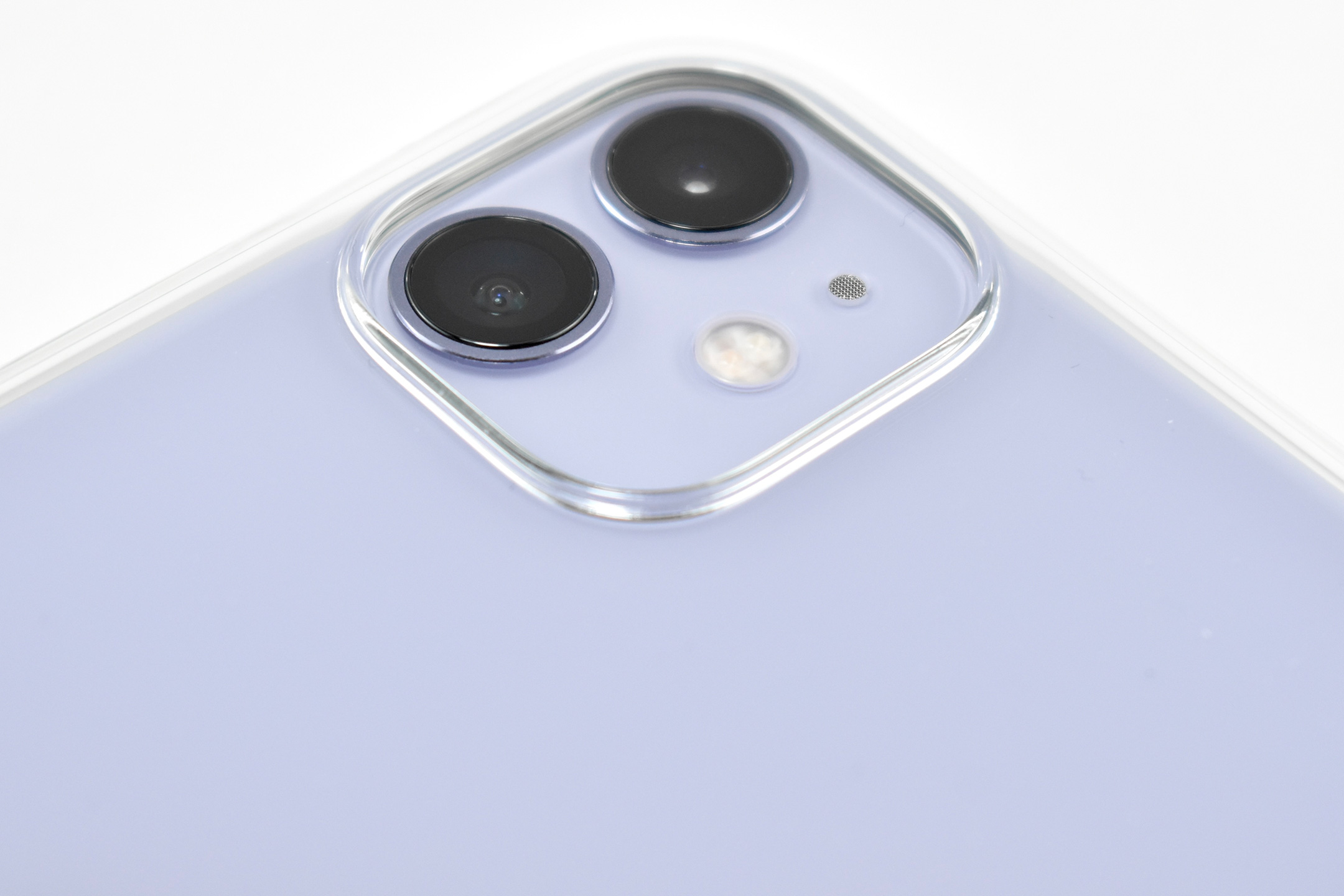
The iPhone 11 was the first of Apple’s base model phones to include a dual-camera system. Apple described the cameras in a press release:

“iPhone 11 introduces a dual-camera system with all-new Ultra Wide and Wide cameras that are deeply integrated into iOS 13, offering the highest quality video in a smartphone and major advancements in photography for the ultimate camera experience.”

Compared to previous models, the camera system was a major leap forward for iPhone. The camera system had two 12MP cameras (Ultra Wide and Wide). The A13 chip allowed Portrait mode with advanced bokeh and Depth Control, and Portrait Lighting included six effects: Natural, Studio, Contour, Stage, Stage Mono, and High-Key Mono. Panorama mode allowed photos of up to 63MP. Videos could be recorded at up to 4K (at 24, 25, 30, or 60 fps). Machine learning capabilities allowed Cinematic video stabilization (4K, 1080p, and 720p) and continuous autofocus video.

iPhone 11 was available in six “stunning colors” including purple, green, yellow, black, white and PRODUCT(RED). This example is purple, a lighter shade of purple sometimes referred to as “lilac.”

This phone had a Liquid Retina HD display that measured 6.1‑inch (diagonal) display at 1792 x 828‑pixel resolution (326 ppi). The A13 Bionic chip allowed for “the best machine learning platform in a smartphone” at the time of its release. It used a 6-core CPU with 2 performance and 4 efficiency cores, a 4-core GPU, and an 8-core Neural Engine.

The iPhone 11 was also the first base iPhone to lack a Home button. Its six sensors included Face ID, barometer, 3‑axis gyro, accelerometer, proximity sensor, and an ambient light sensor.

The design of the iPhone 11 included rounded edges and the front and back were made of glass. Apple noted, “With a back design that is precision milled and sculpted from a single piece of glass, iPhone 11 features the toughest glass ever in a smartphone.”

This iPhone is shown in an iPhone 11 Clear Case. Apple described the case as “Thin, light, and easy to grip.” According to Apple’s website:

“Made from a blend of optically clear polycarbonate and flexible TPU materials, the iPhone 11 Clear Case provides a solid, comfortable feel. The back is designed to be sturdy, while the sides are made from a softer, more flexible material that fits right over the buttons for an improved grip. And when it’s time to wirelessly charge, just leave the case on and set your iPhone on your Qi-certified charger. On the surface, a scratch-resistant coating has been applied to both the interior and exterior. And all materials and coatings are optimized to prevent yellowing over time.”

Sources: Apple (specs, Newsroom)

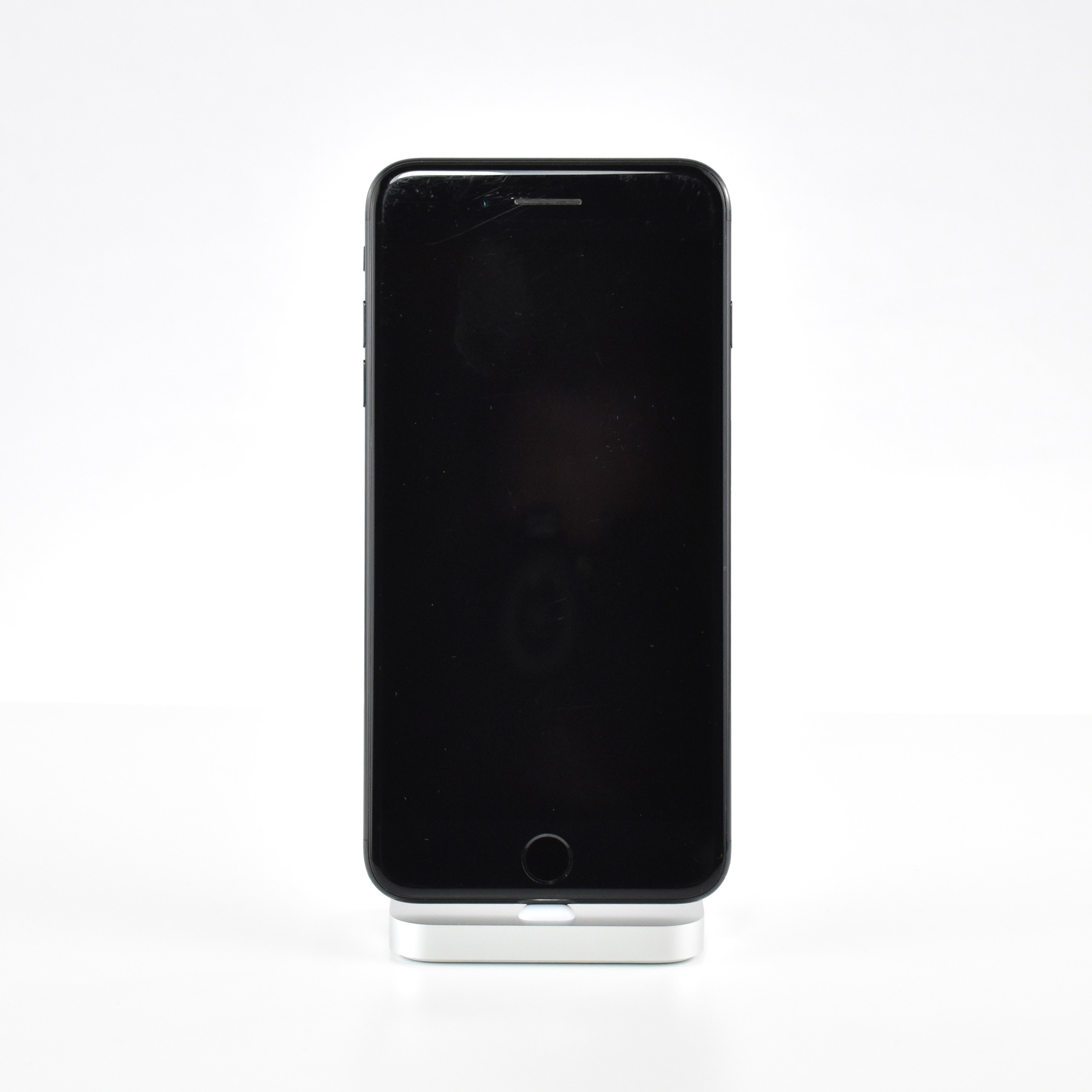
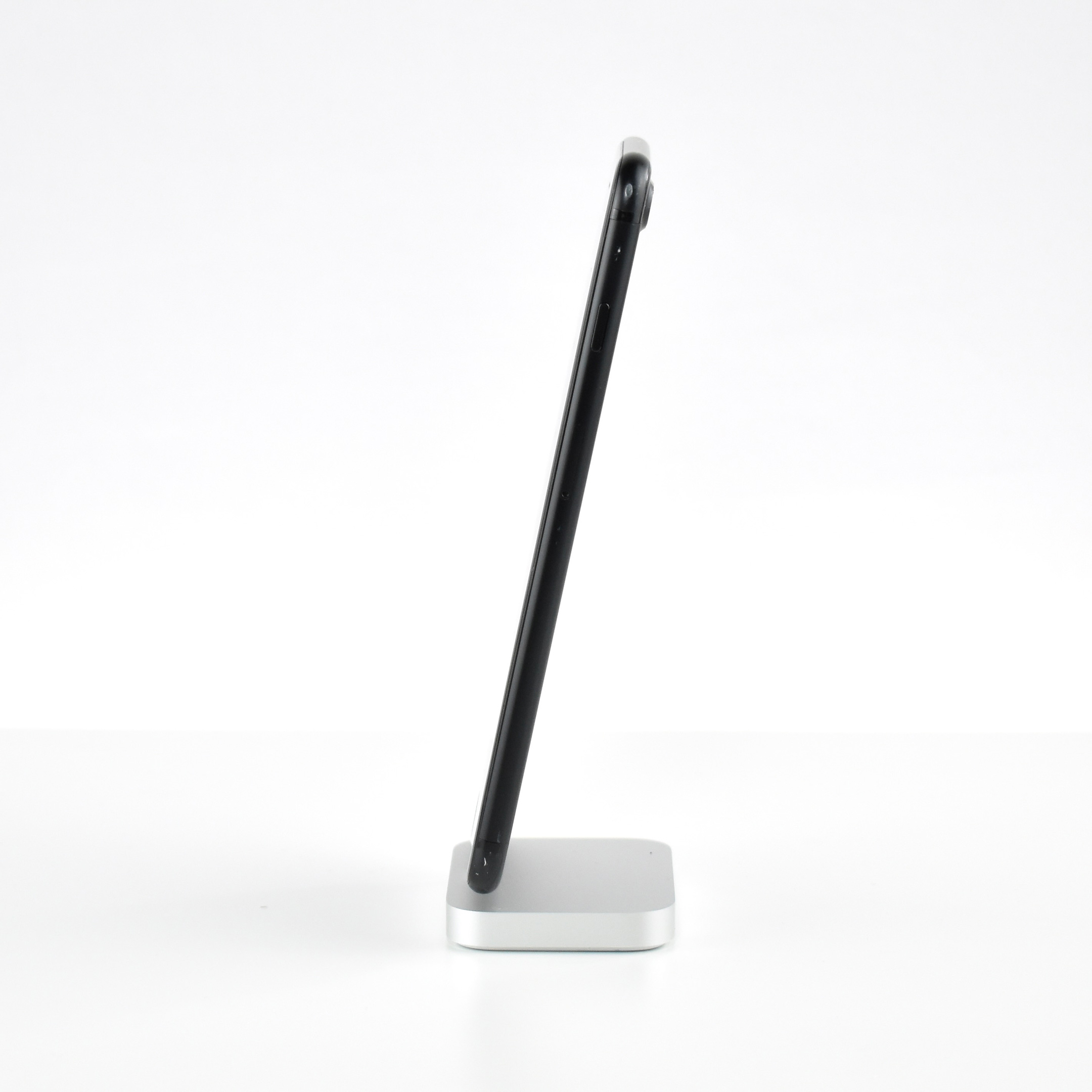
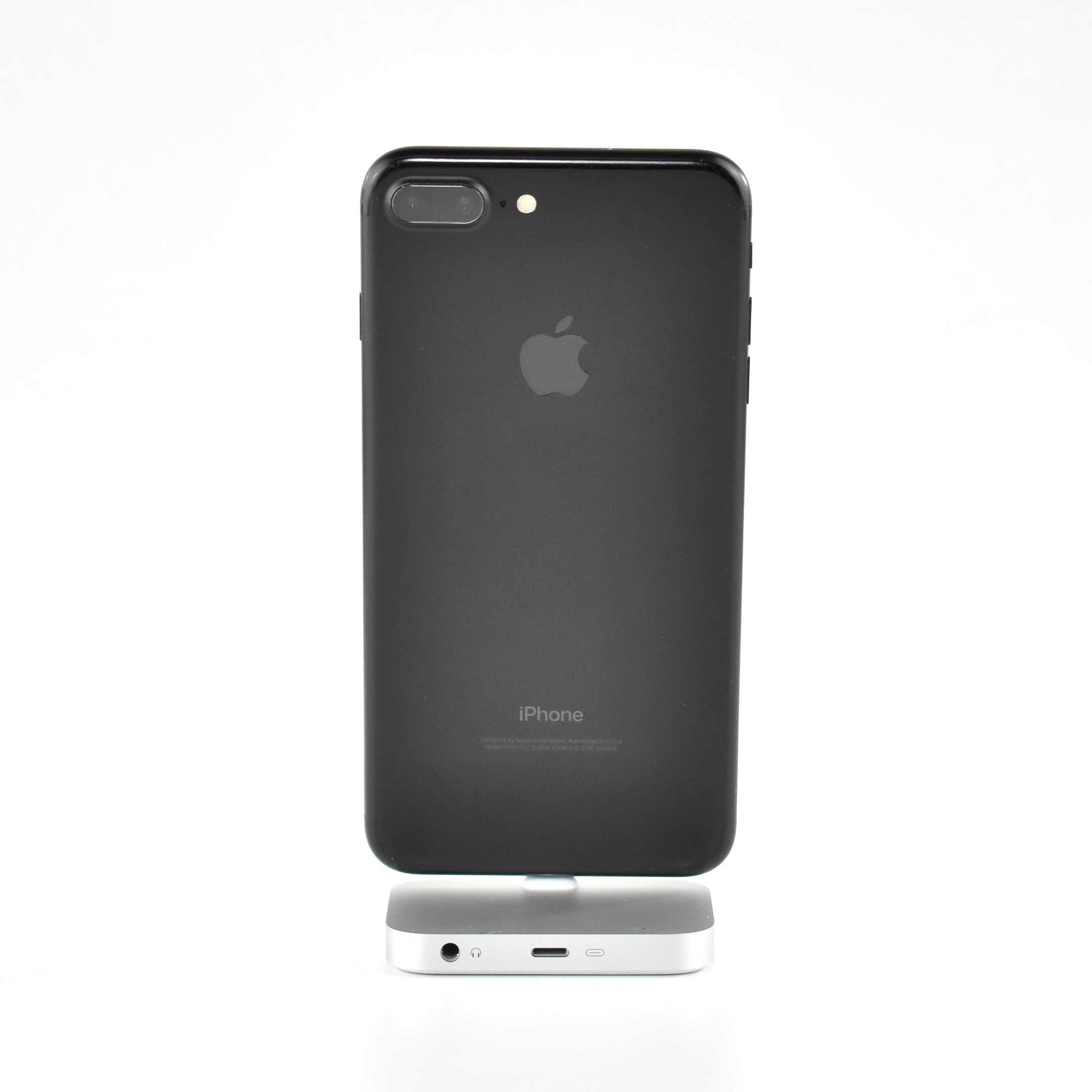
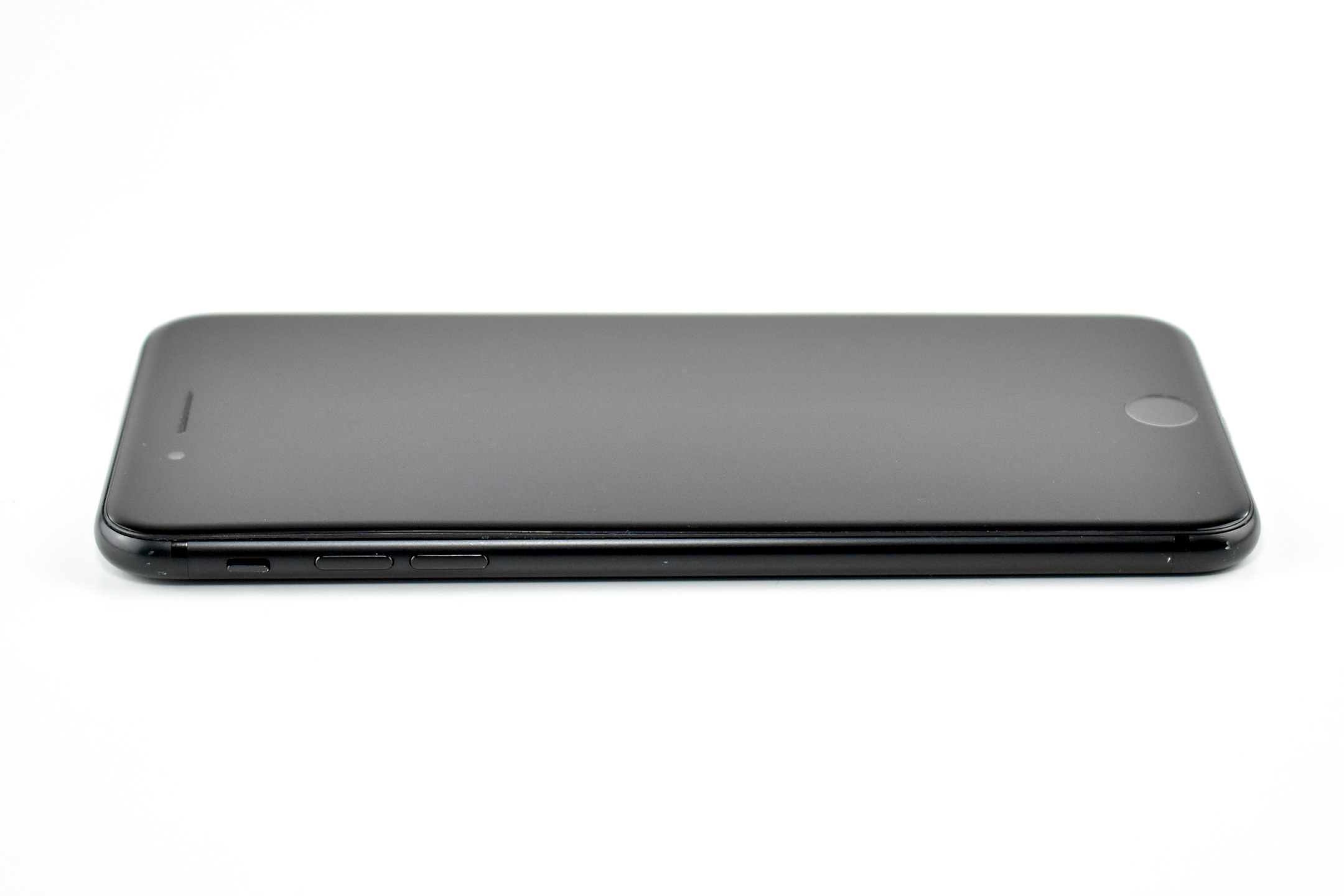
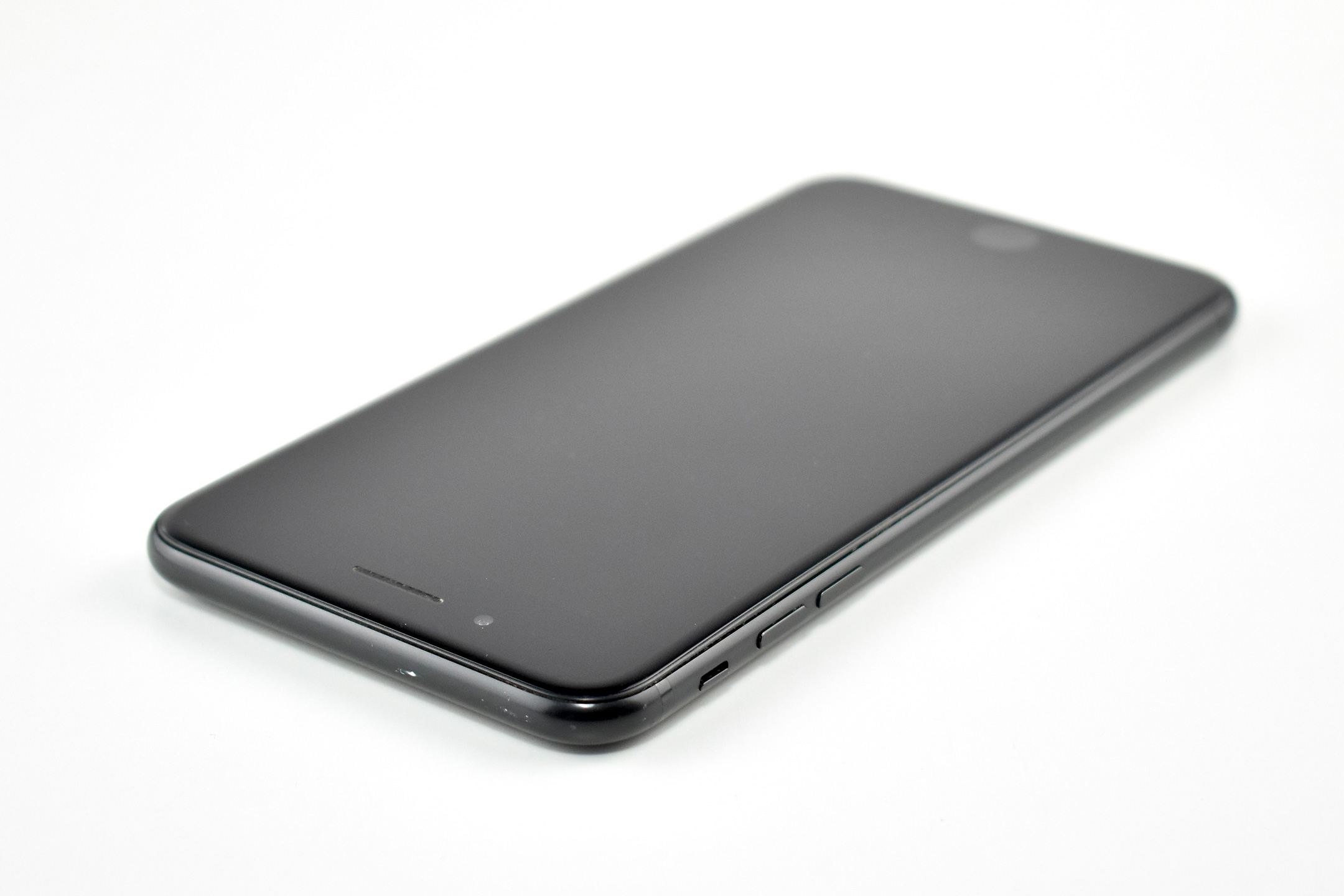
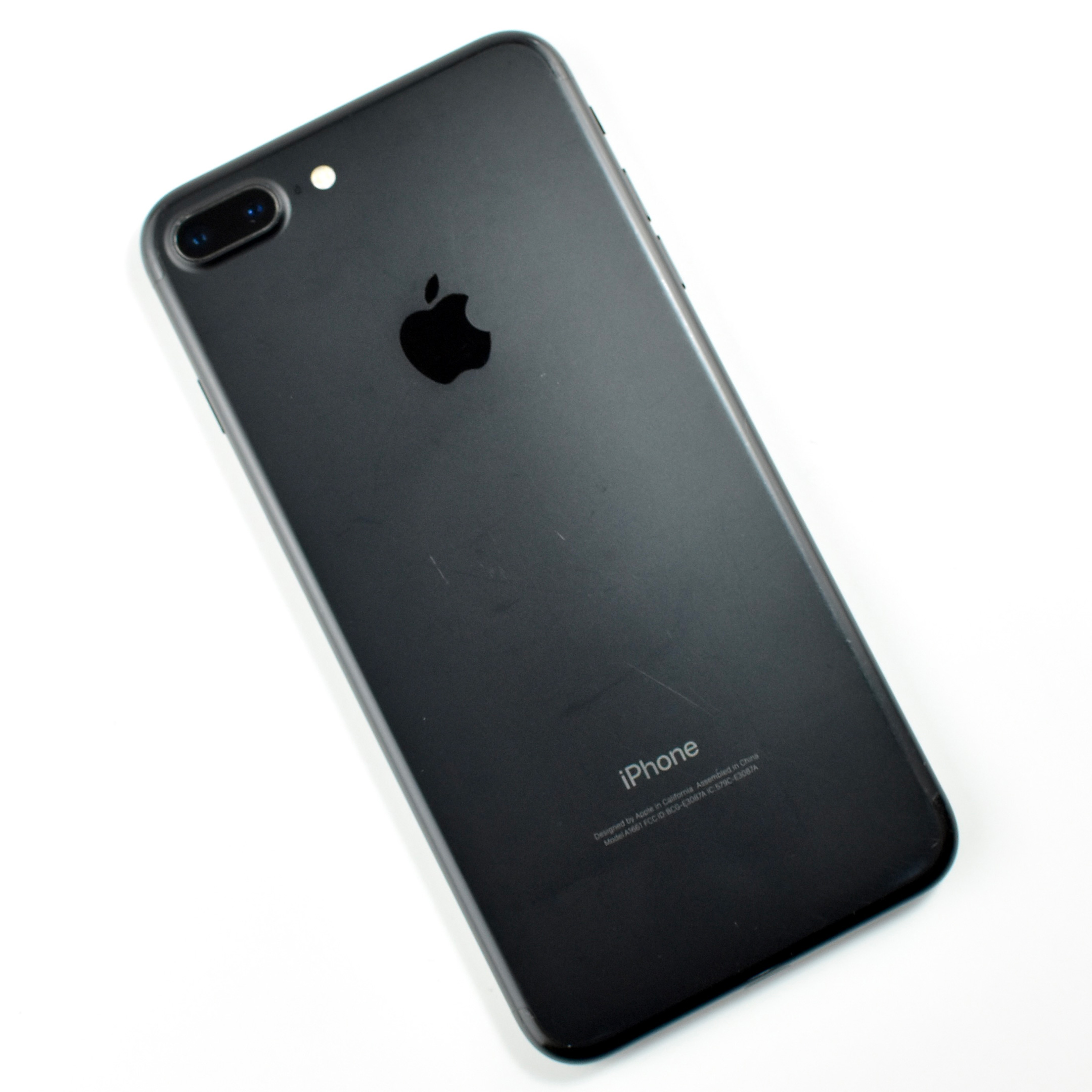
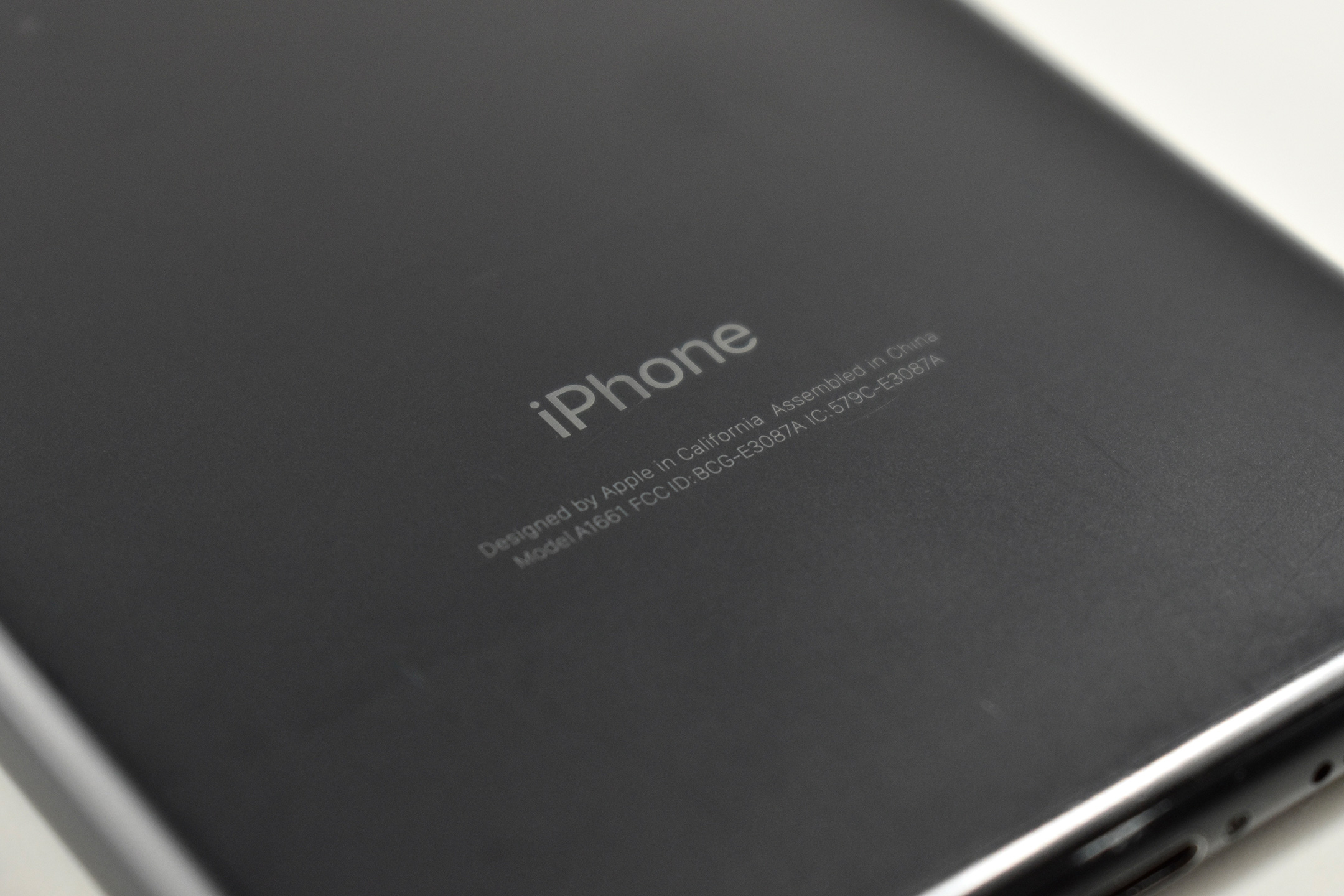
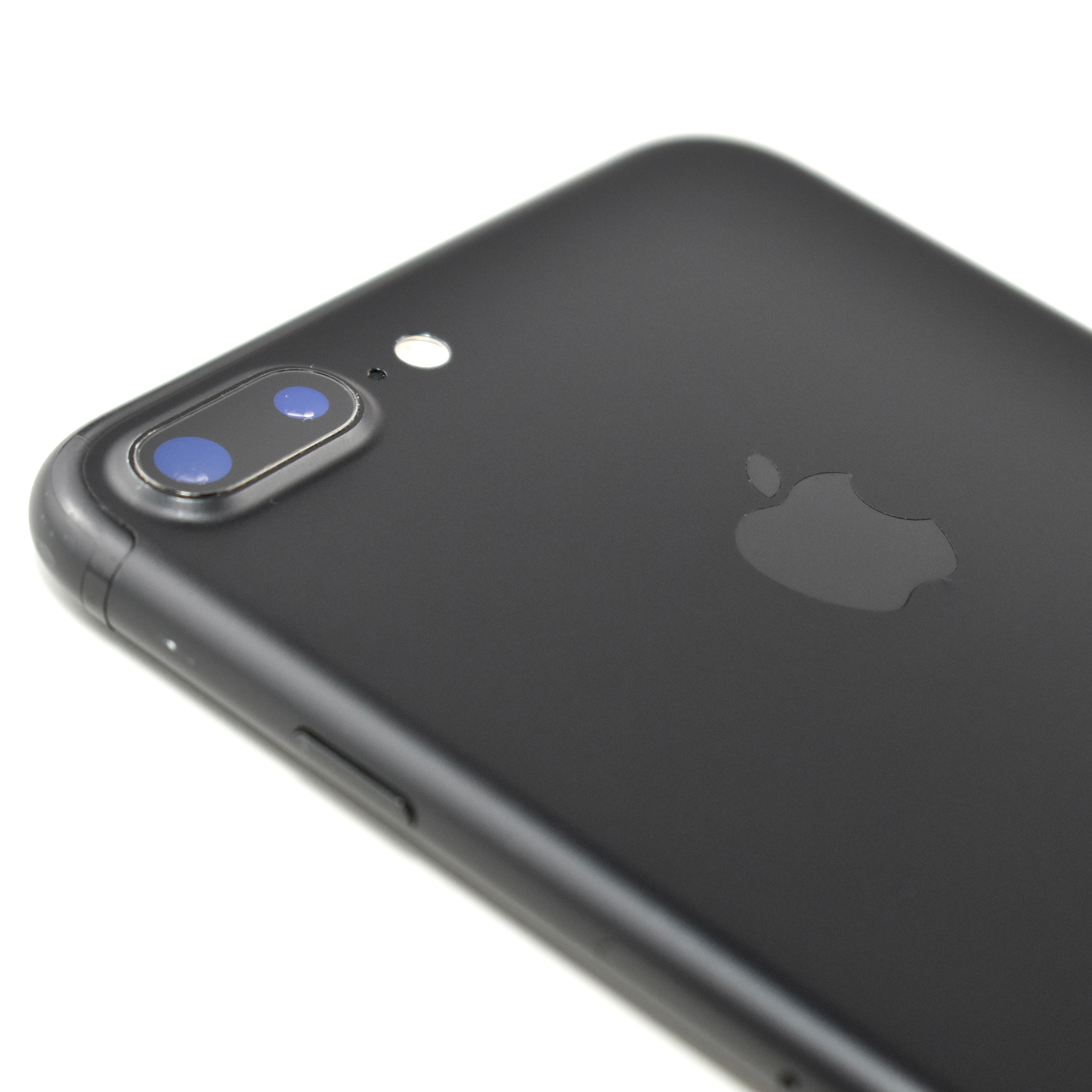
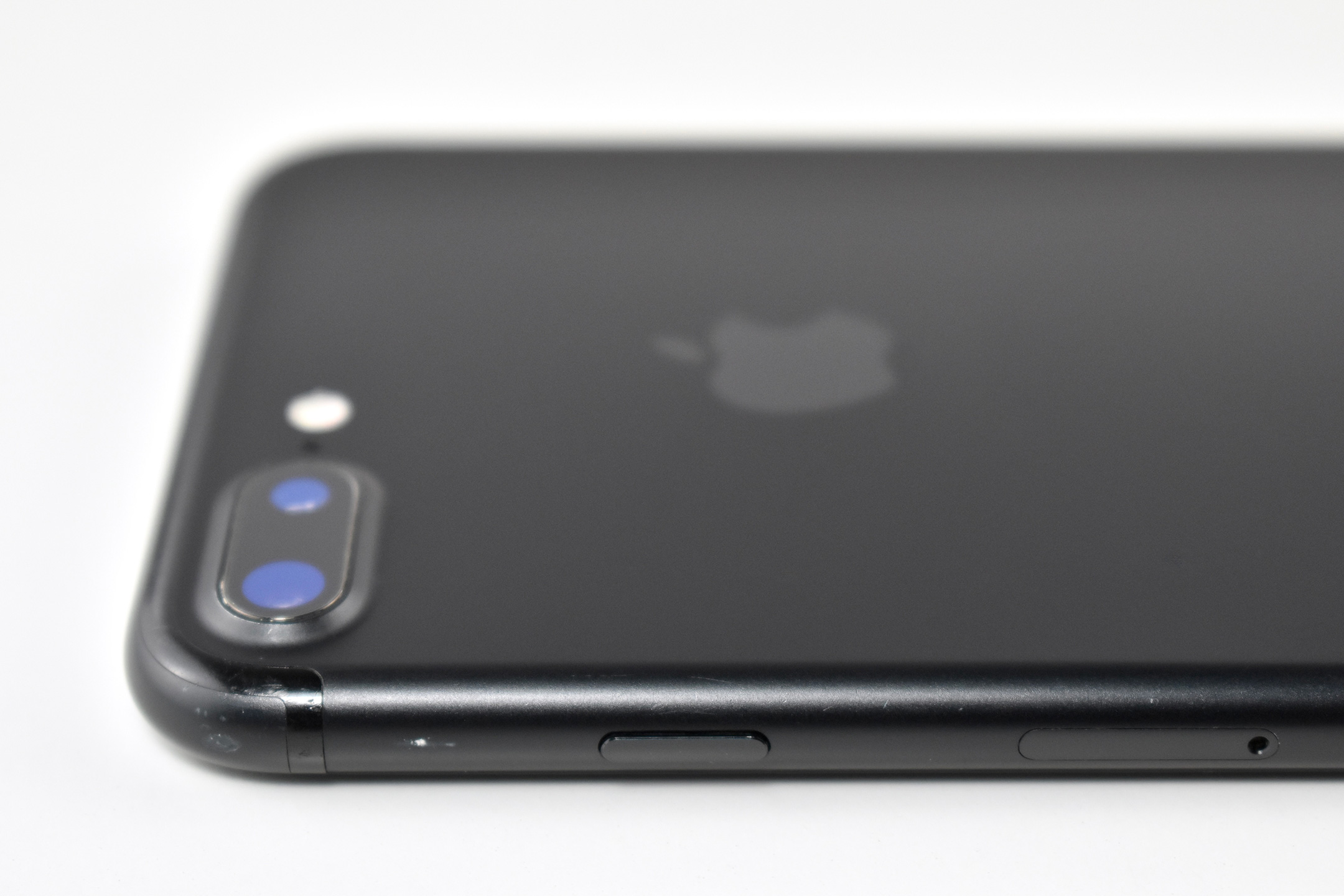
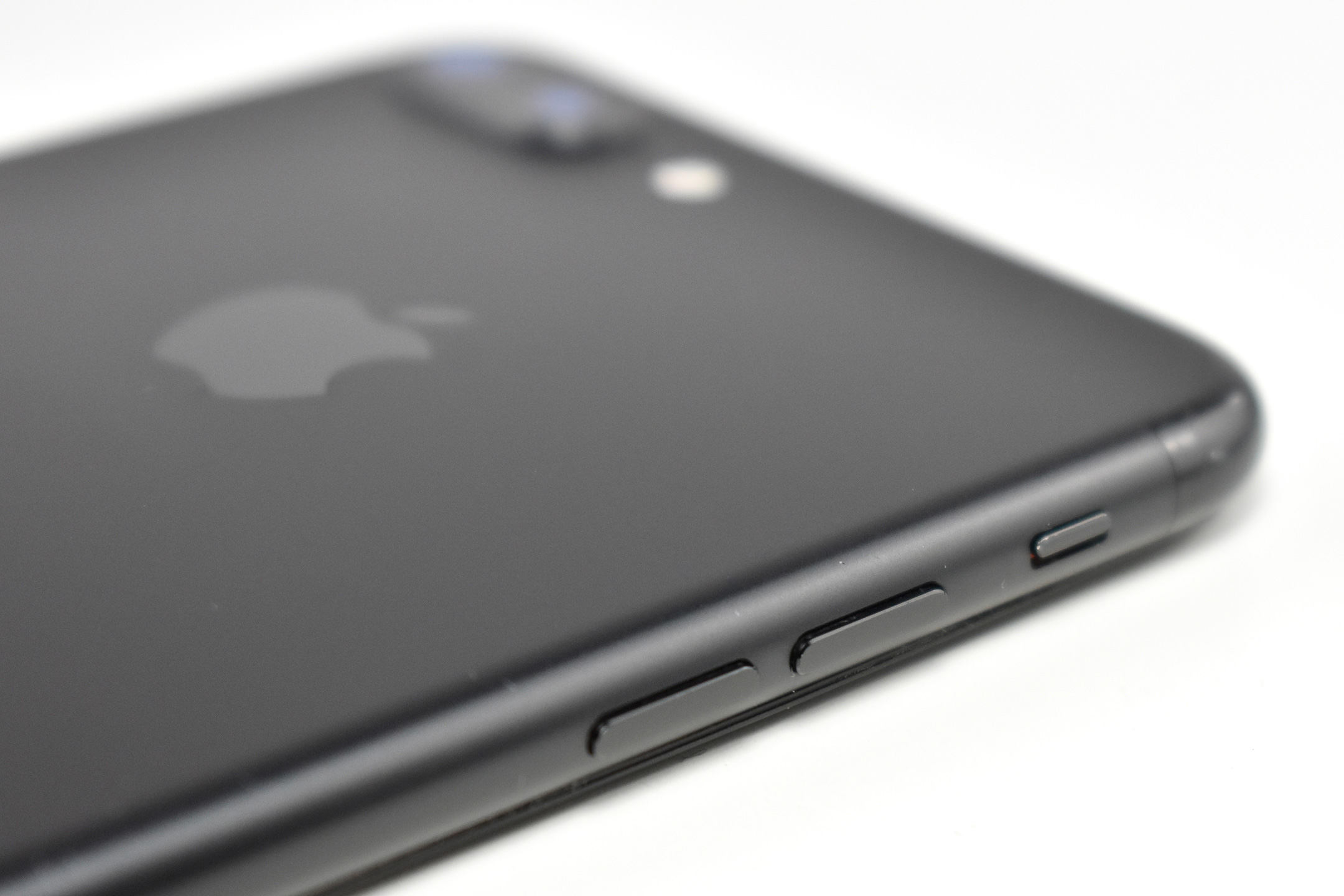
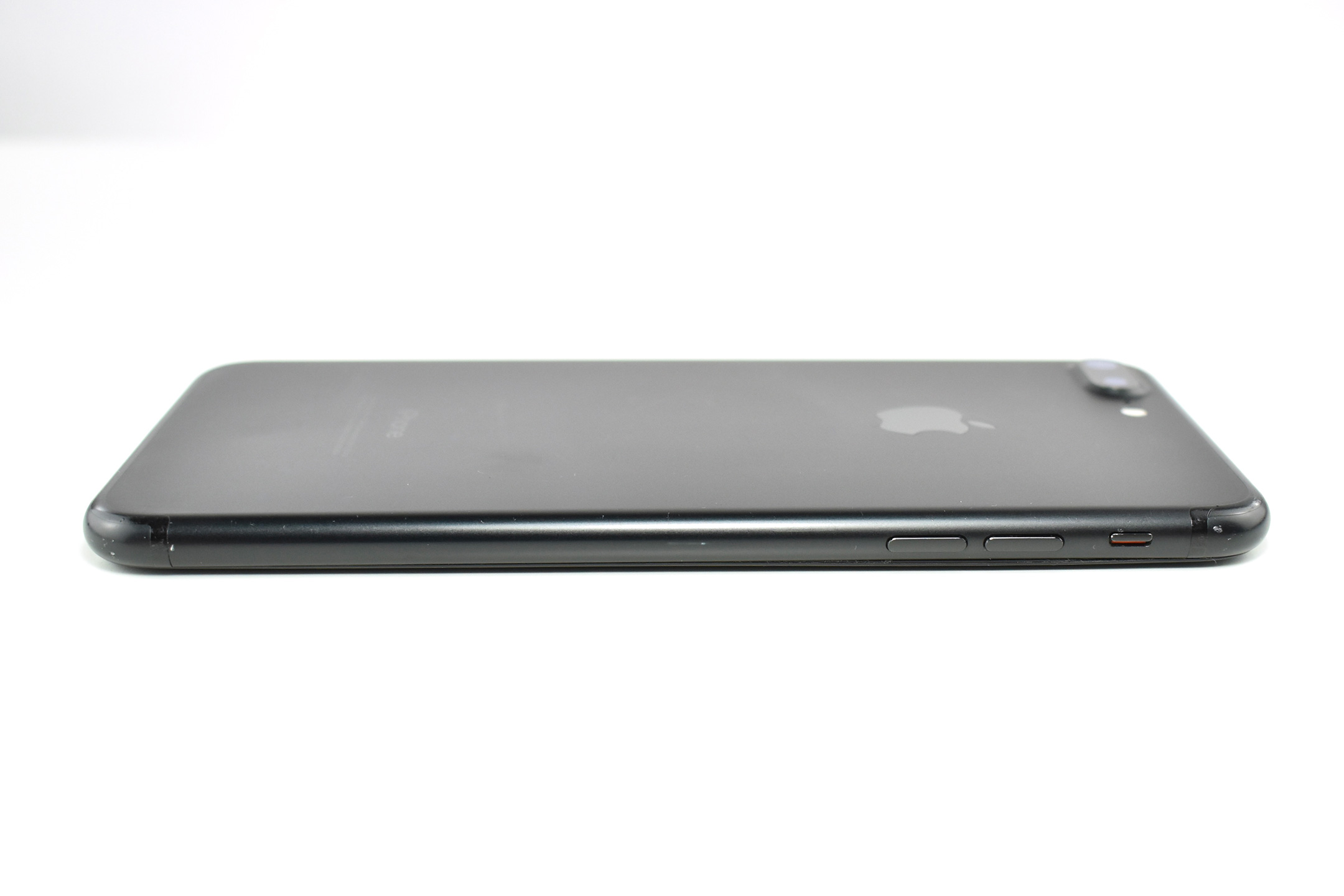
iPhone 7 Plus (black, 2016)

All iPhone 7 Plus models used a 5.5-inch widescreen multitouch Retina HD display at 1920×1080 (401 ppi). It used a taptic-engine that provided a clickless Home button. The iPhone 7 Plus used three cameras: two rear 12-megapixel cameras (one with a wide-angle and one with a 2x telephoto lens) and a front FaceTime HD camera (7 megapixels and 1080p).
The iPhone 7 Plus was originally available in five color options: silver (white glass front and a silver back), gold (white glass front and a gold back), rose gold (white glass front and a pink-tinted gold back), black (black glass front and a matte black back), and jet black (black glass front and a high-gloss anodized and polished black aluminum back). On March 21, 2017, Apple added a (PRODUCT) RED Special Edition with a white glass front and a red aluminum back.
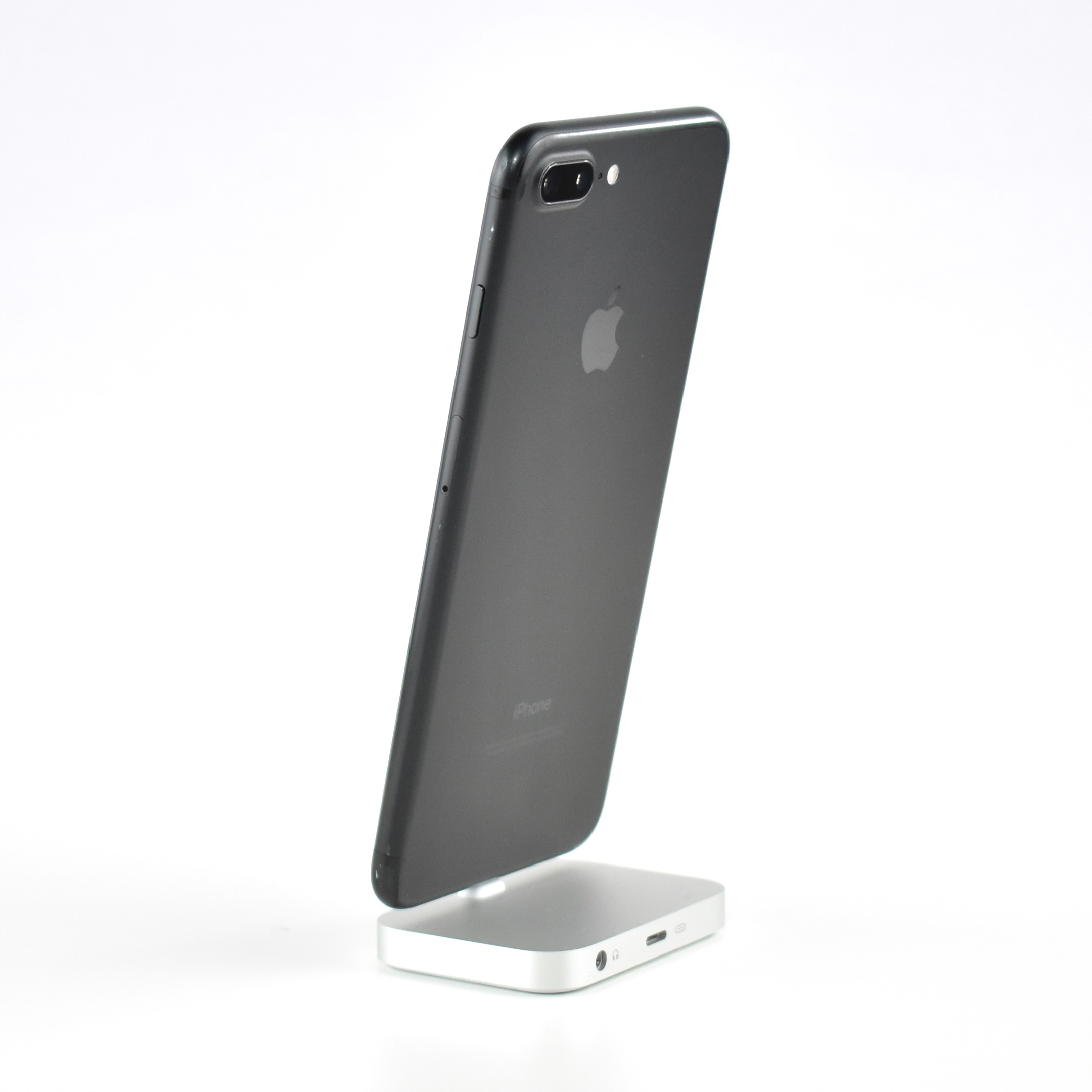
The iPhone 7 Plus was splash, water, and dust-resistant (but not waterproof). It had a Lightning port, but lacked a headphone jack.

Internally, the iPhone 7 Plus used a 64-bit Apple A10 Fusion processor with four cores; 3 GB of RAM; and 32, 128, or 256 GB of storage. It supported 802.11a/b/g/n/ac Wi-Fi, Bluetooth 4.2, LTE (4G), and NFC for Apple Pay.

This iPhone 7 Plus is black with a black glass front and a matte black back. The model number is A1661, indicating that it functioned on the Verizon/Sprint network in the United States (and on cellular networks in Hong Kong and China).

Source: EveryMac