Apple CD and DVD media (2003)

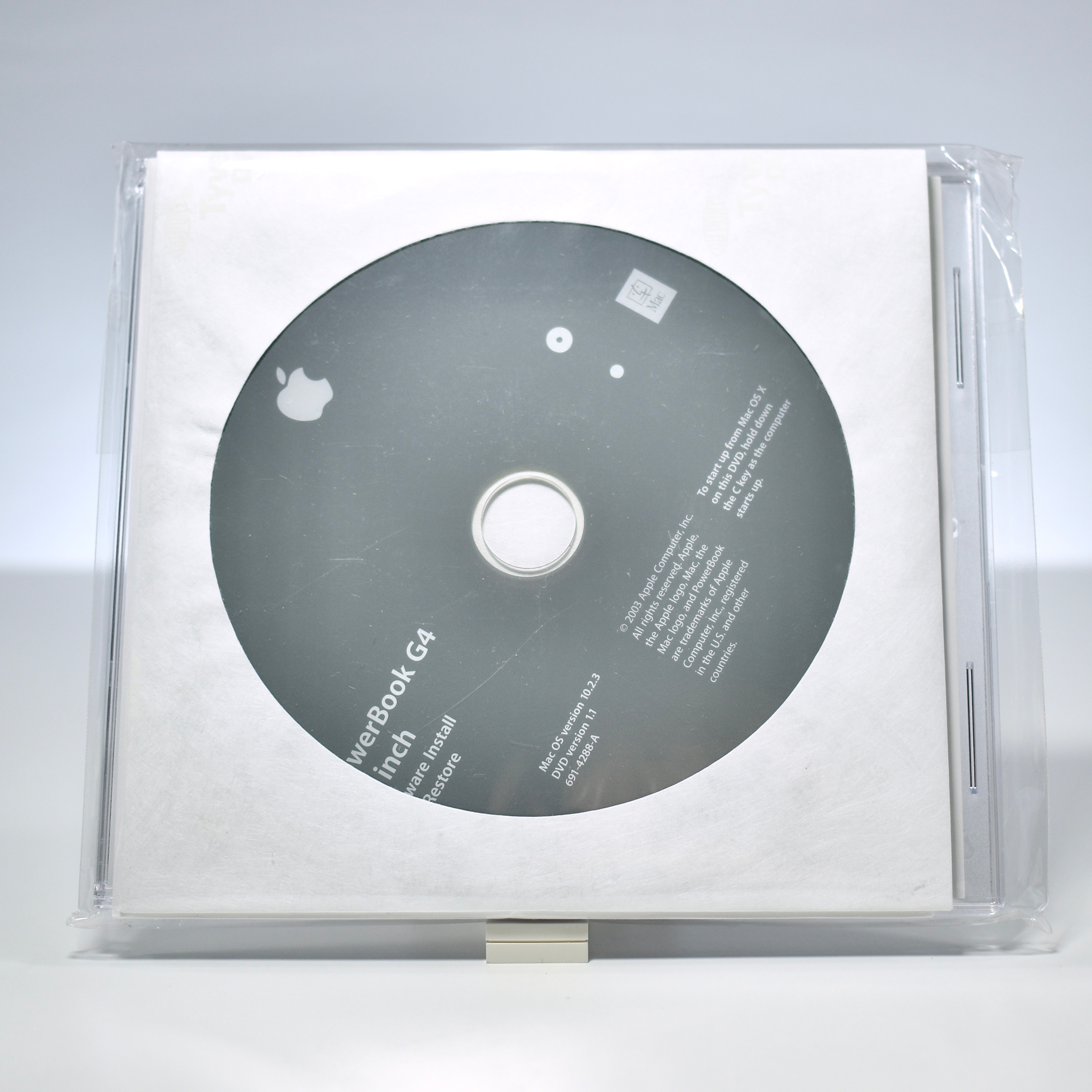
My collection of Apple CD and DVD media includes operating systems, applications, software collections that shipped with devices, promotional media, diagnostic tools, and educational content. In general, Apple-branded CD or DVD examples in original packaging have been presented separately, while single discs or collections of discs are presented chronologically.

Apple CDs and DVDs from 2003 include:

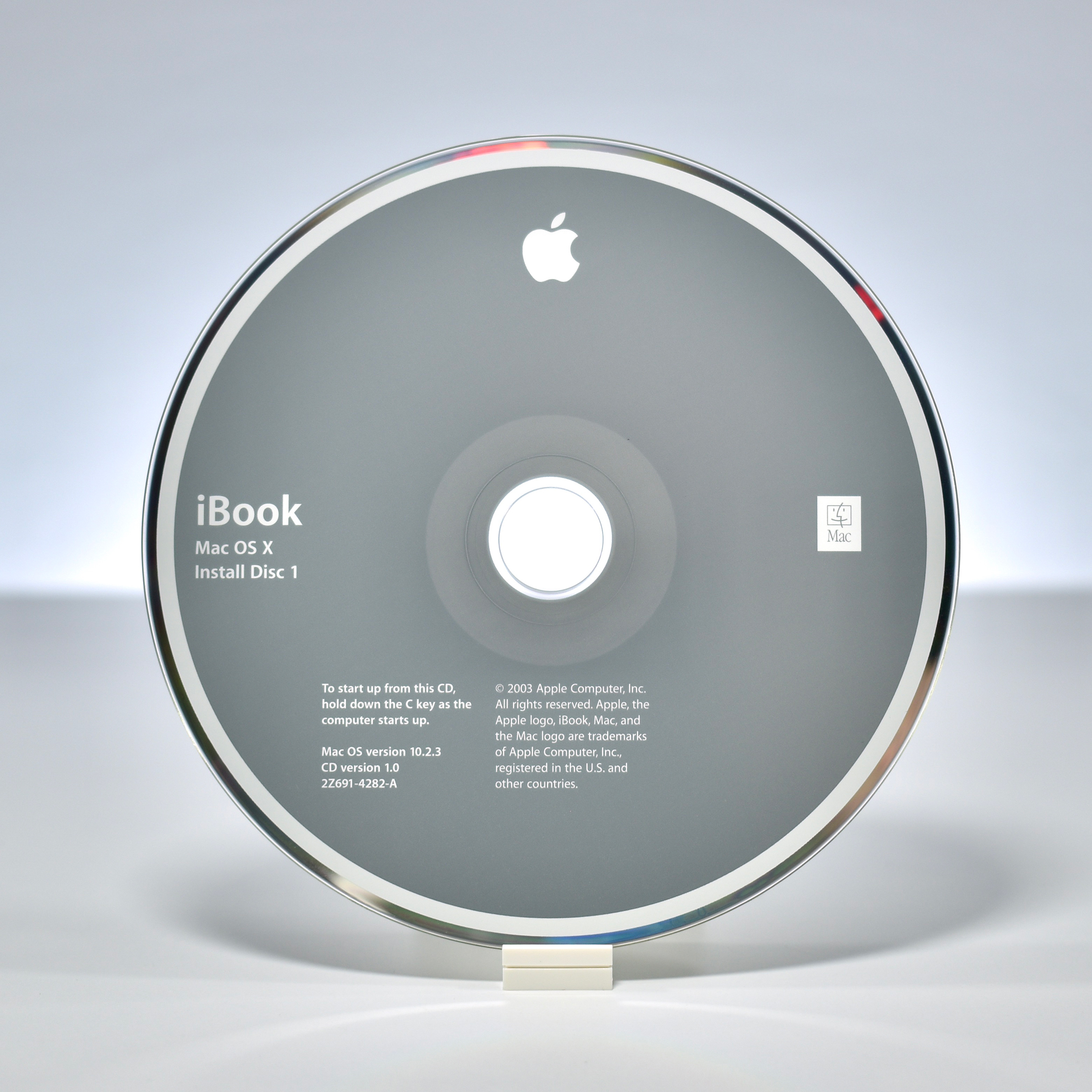
  • iBook Mac OS X Install Disc 1 (Mac OS version 10.2.3, CD version 1.0, 2Z691-4282-A, 2003)
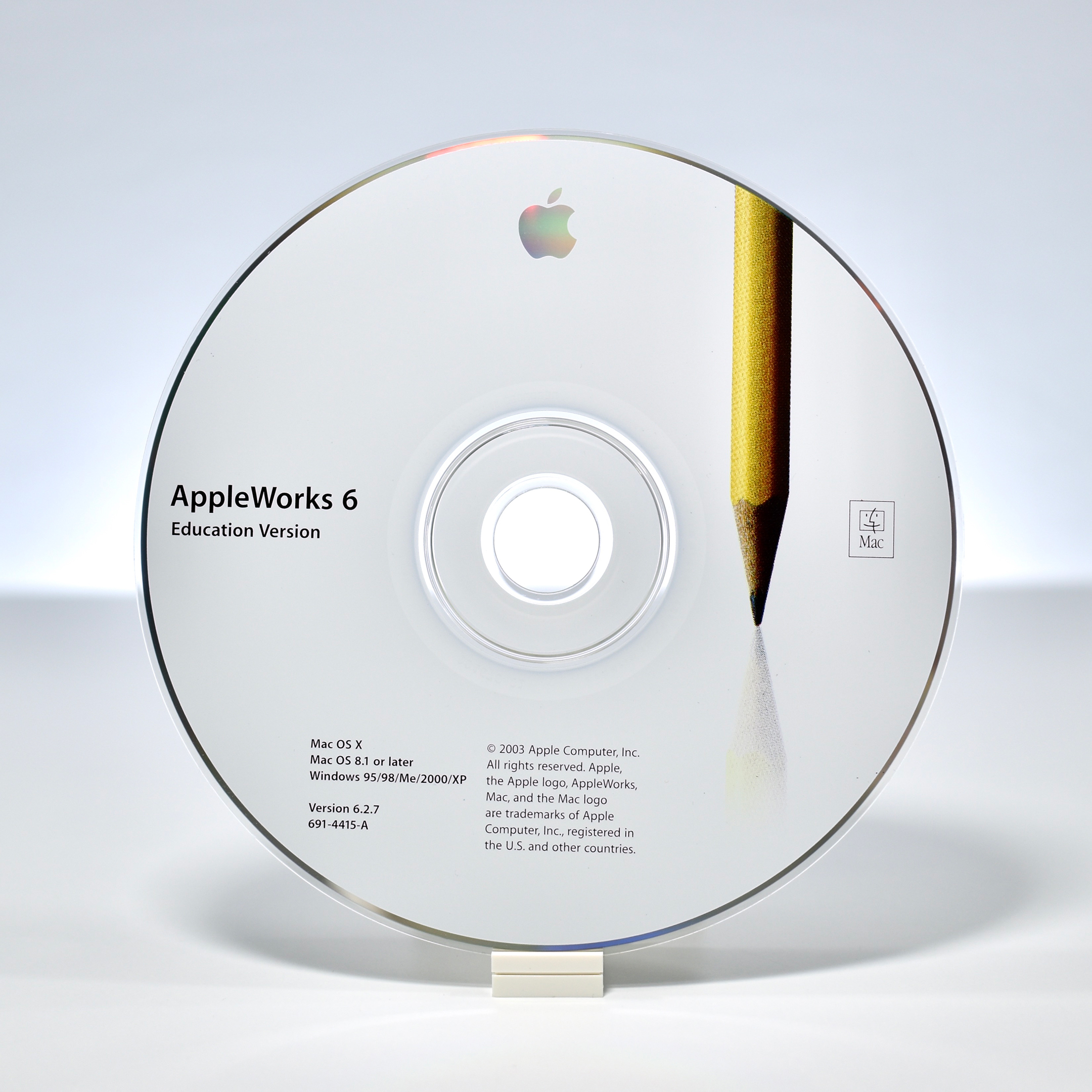
  • AppleWorks 6 Education Version (Mac OS X, Mac OS 8.1 or later, Windows 95/98/Me/2000/XP, Version 6.2.7, 691-4415-A, 2003)
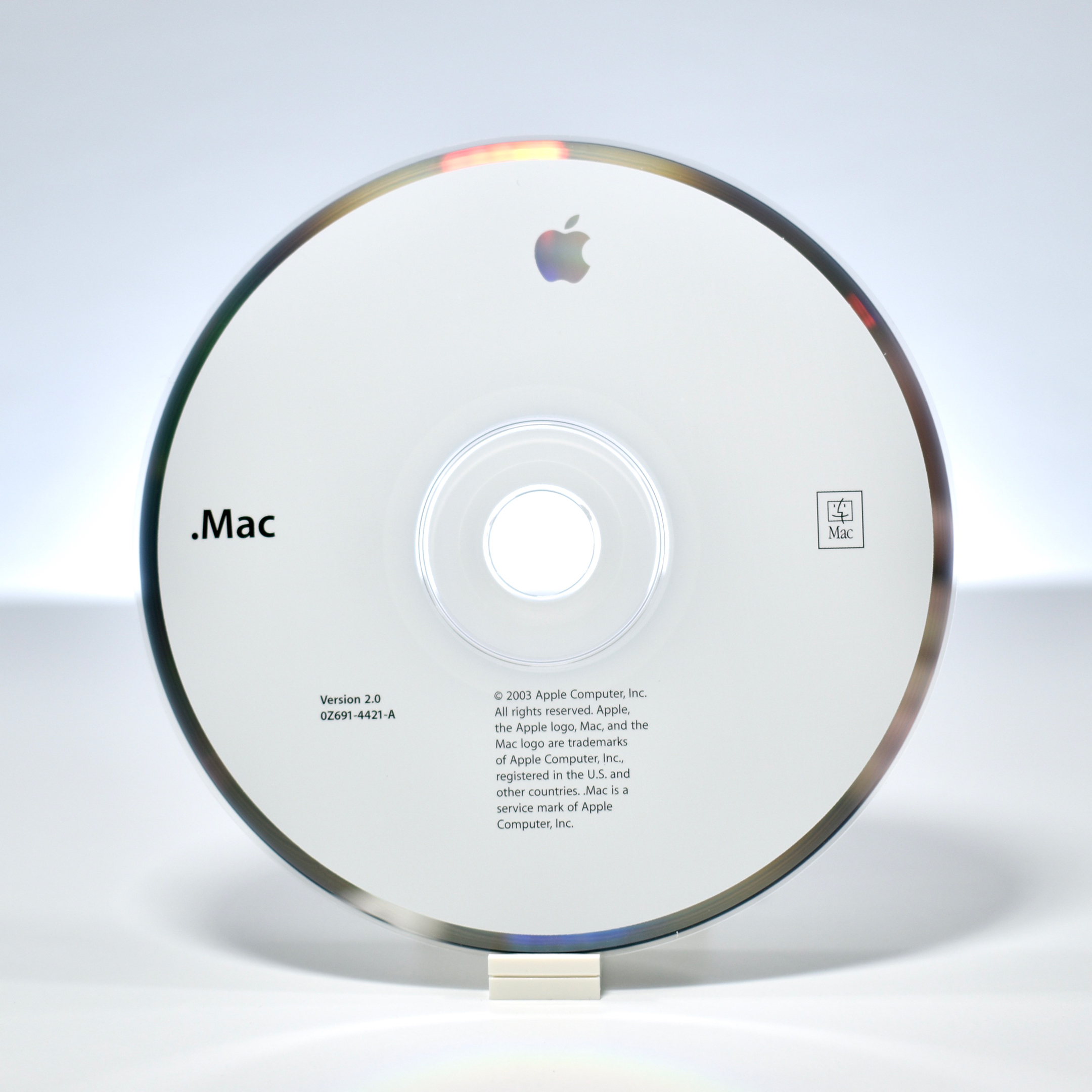
  • .Mac (Version 2.0, 0Z691-4421-A, 2003)
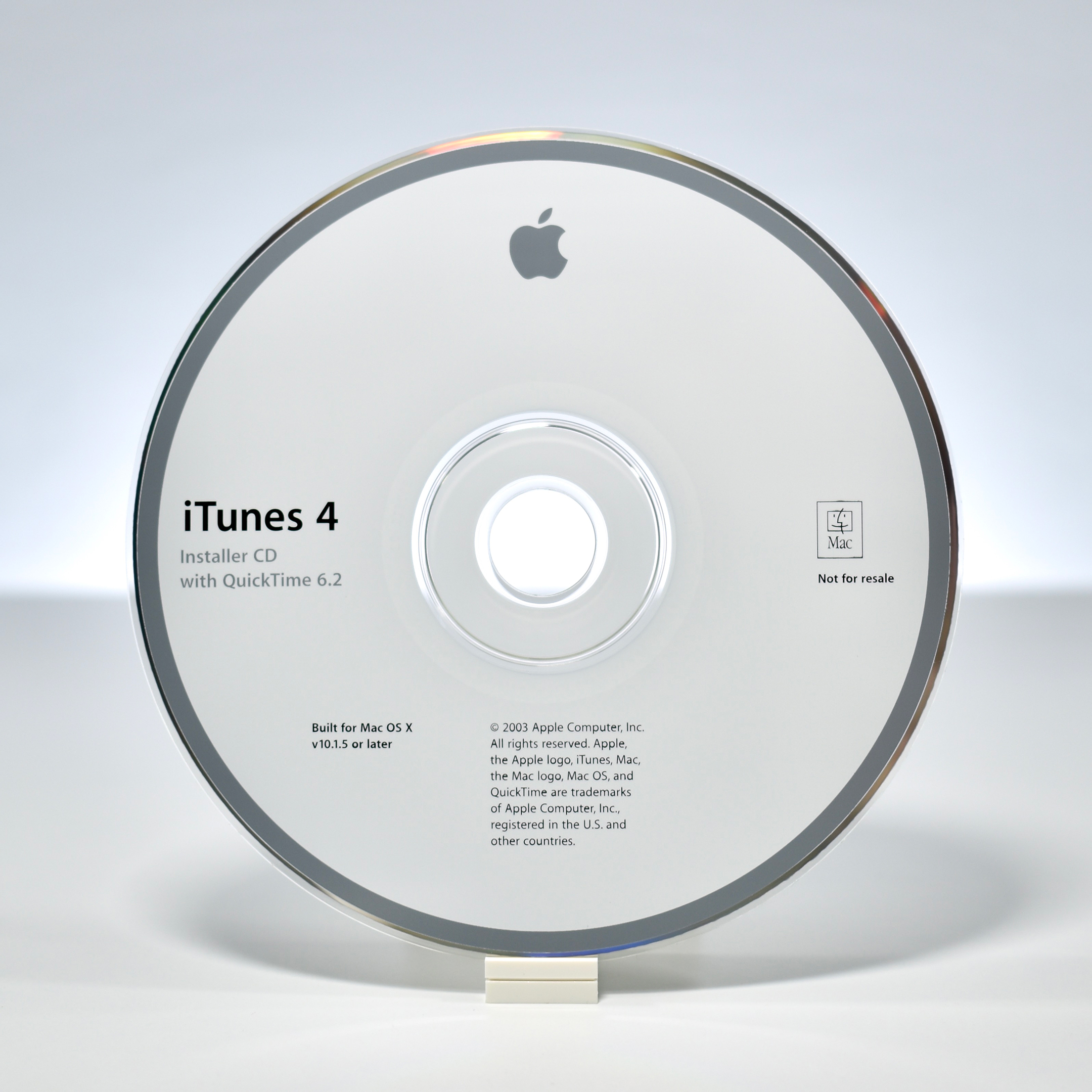
  • iTunes 4 Installer CD with QuickTime 6.2 (Built for Mac OS X v10.1.5 or later, 2003)
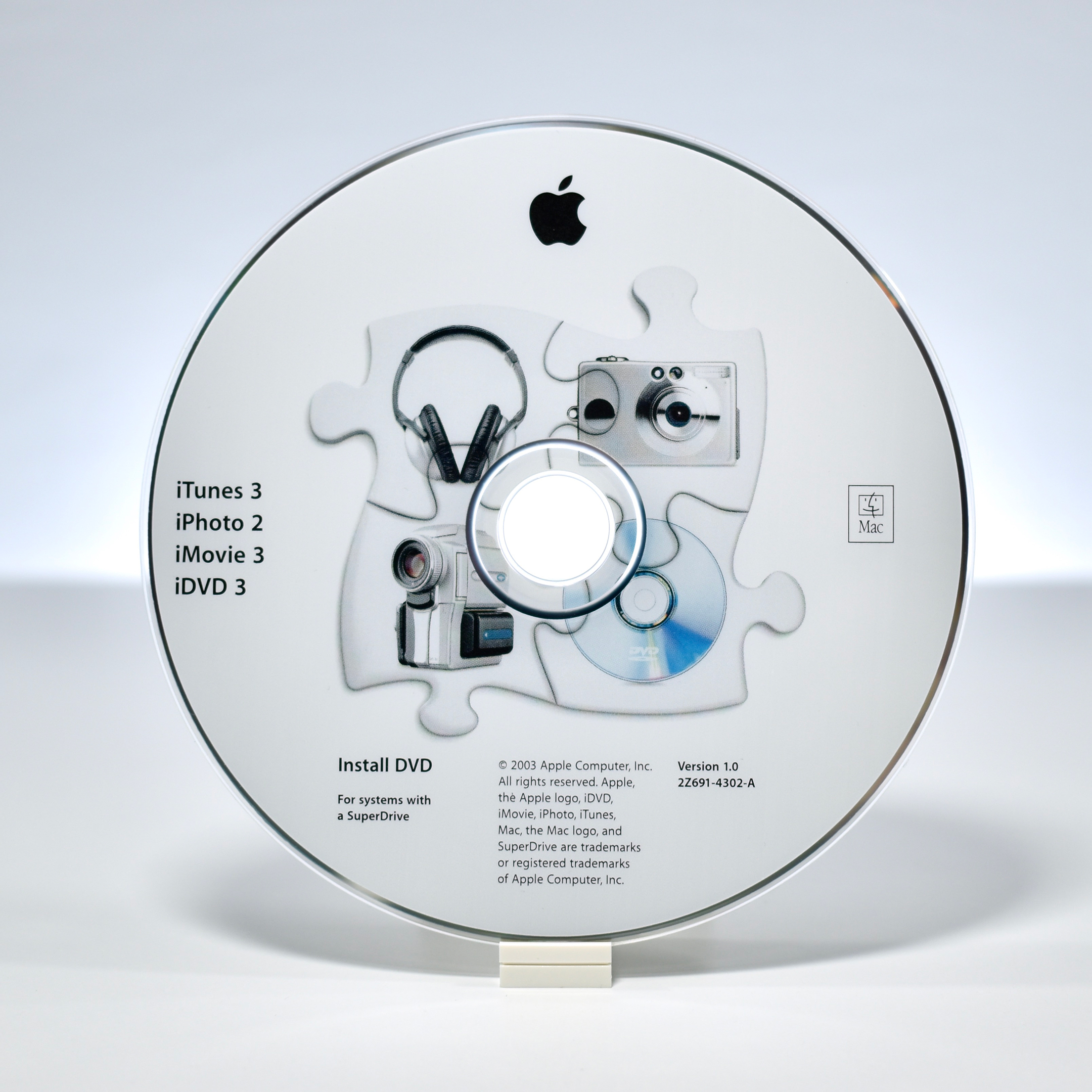
  • iTunes 3, iPhoto 2, iMovie 3, iDVD 3 Install DVD For systems with a SuperDrive (Version 1.0, 2Z691-4302-A, 2003)
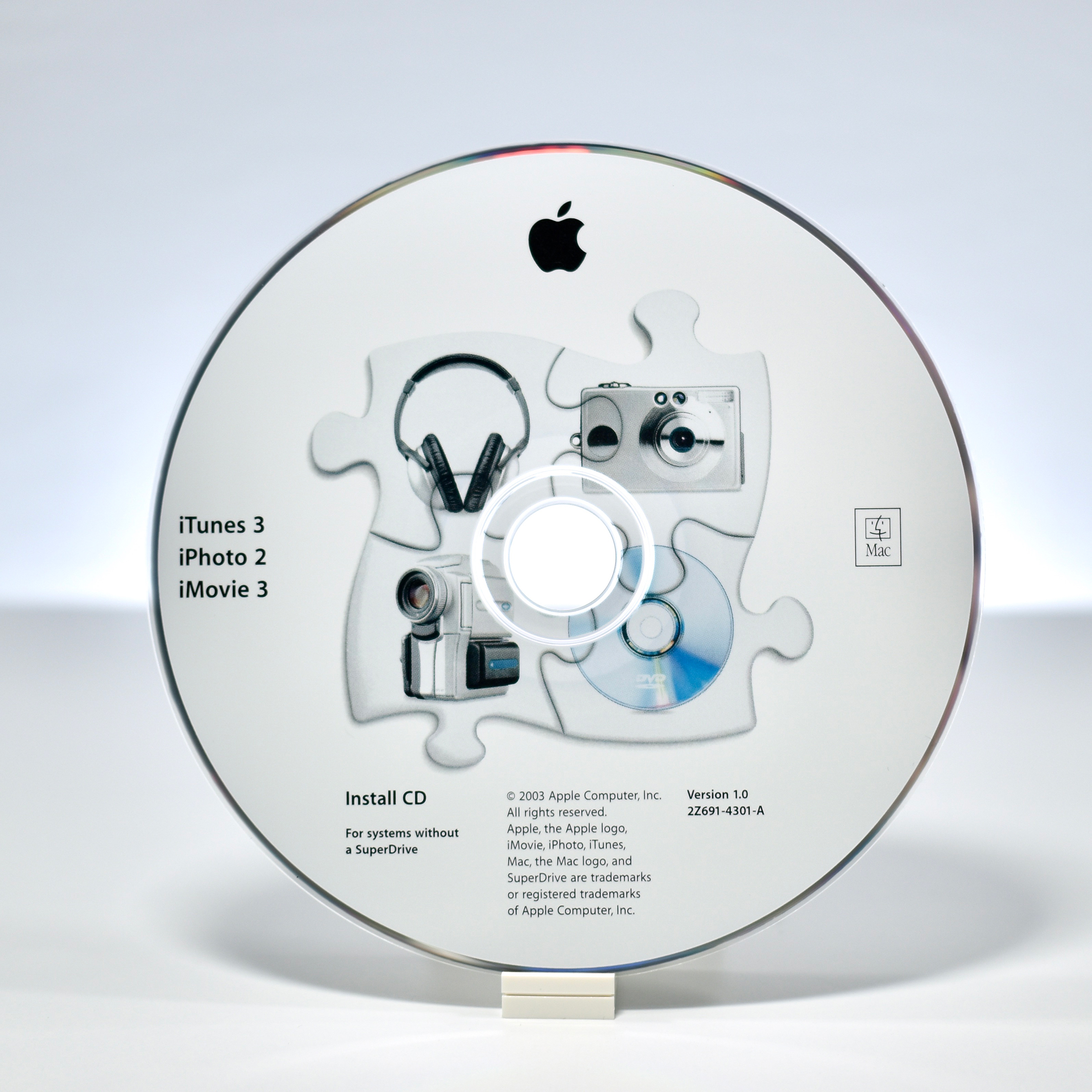
  • iTunes 3, iPhoto 2, iMovie 3 Install CD For systems without a SuperDrive (Version 1.0, 2Z691-4301-A, 2003)
  • Keynote (Version 1.0, 691-4149-A, 2003)
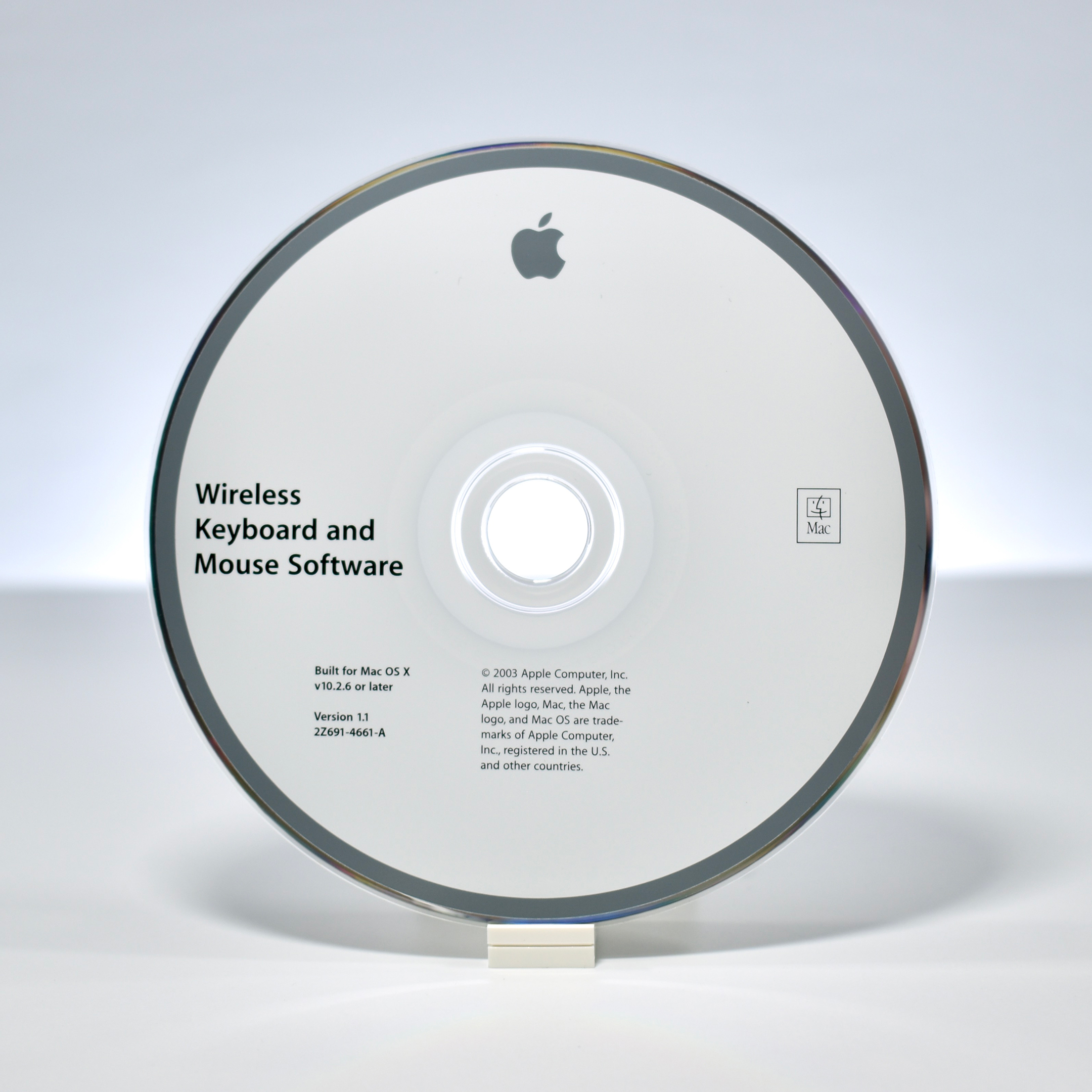
  • Wireless Keyboard and Mouse Software (Built for Mac OS X v10.2.6 or later, Version 1.1, 2Z691-4661-A, 2003)
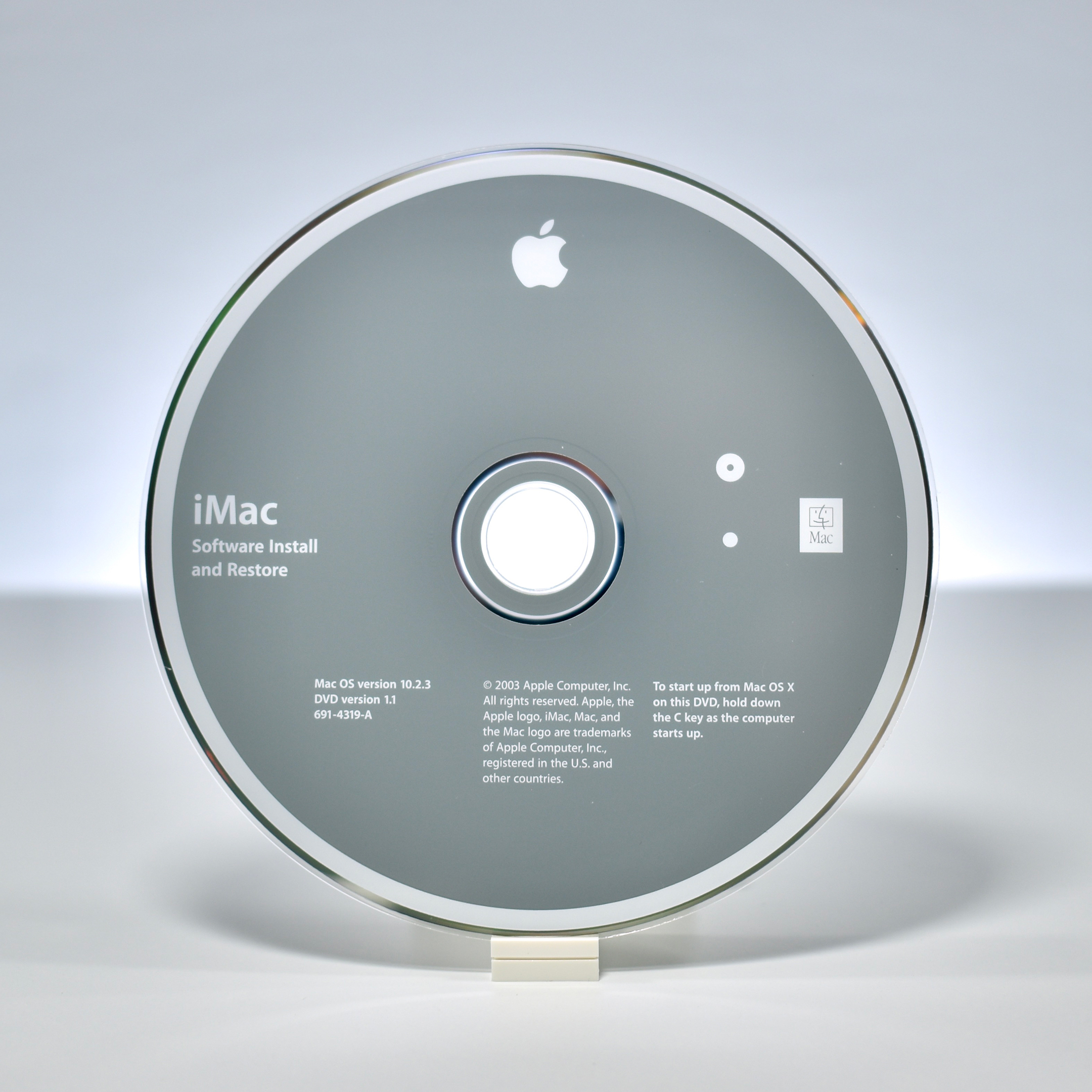
  • iMac Software Install and Restore (Mac OS version 10.2.3, DVD version 1.1, 691-4319-A, 2003)
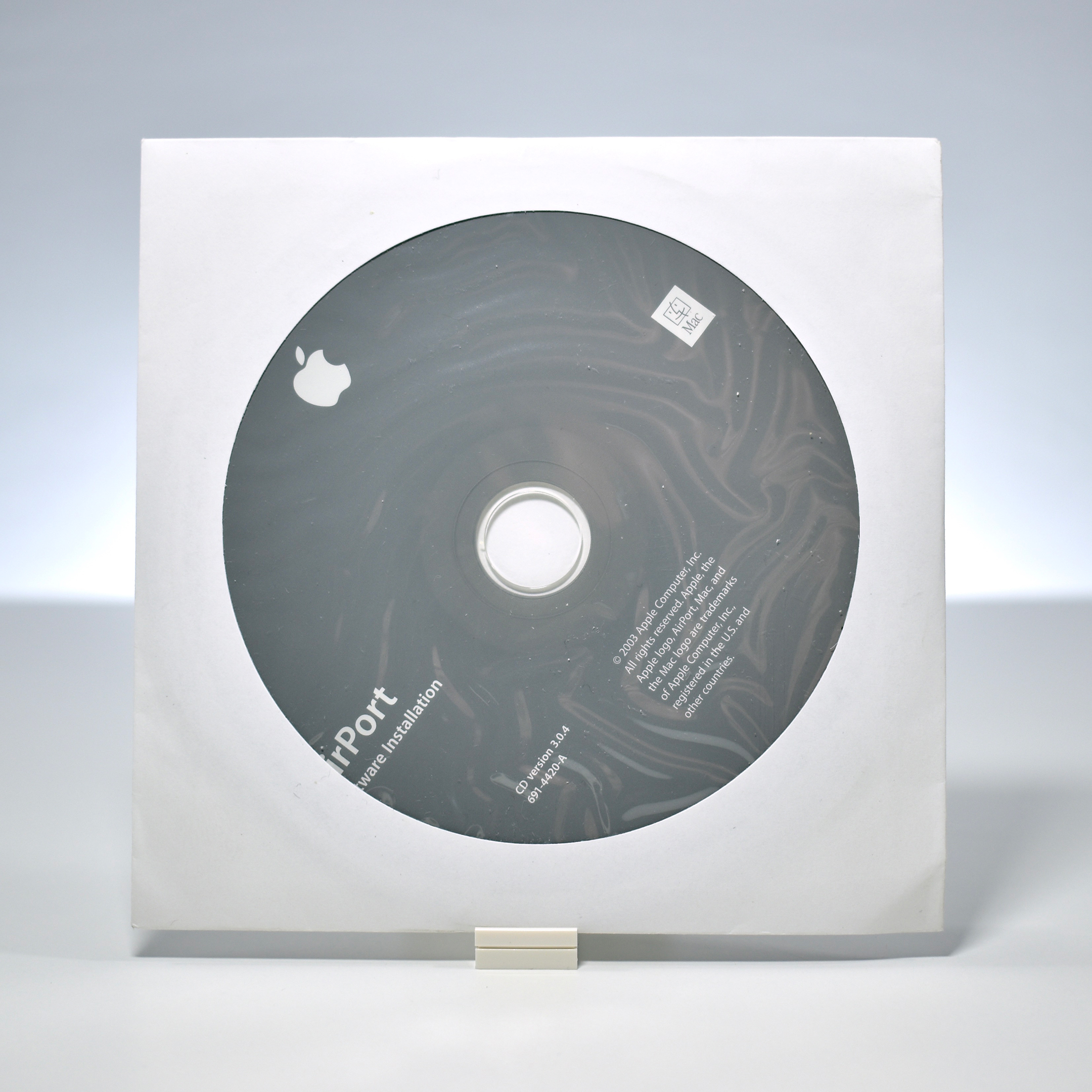
  • AirPort Software Installation (unopened, CD Version 3.0.4, 691-4420-A)
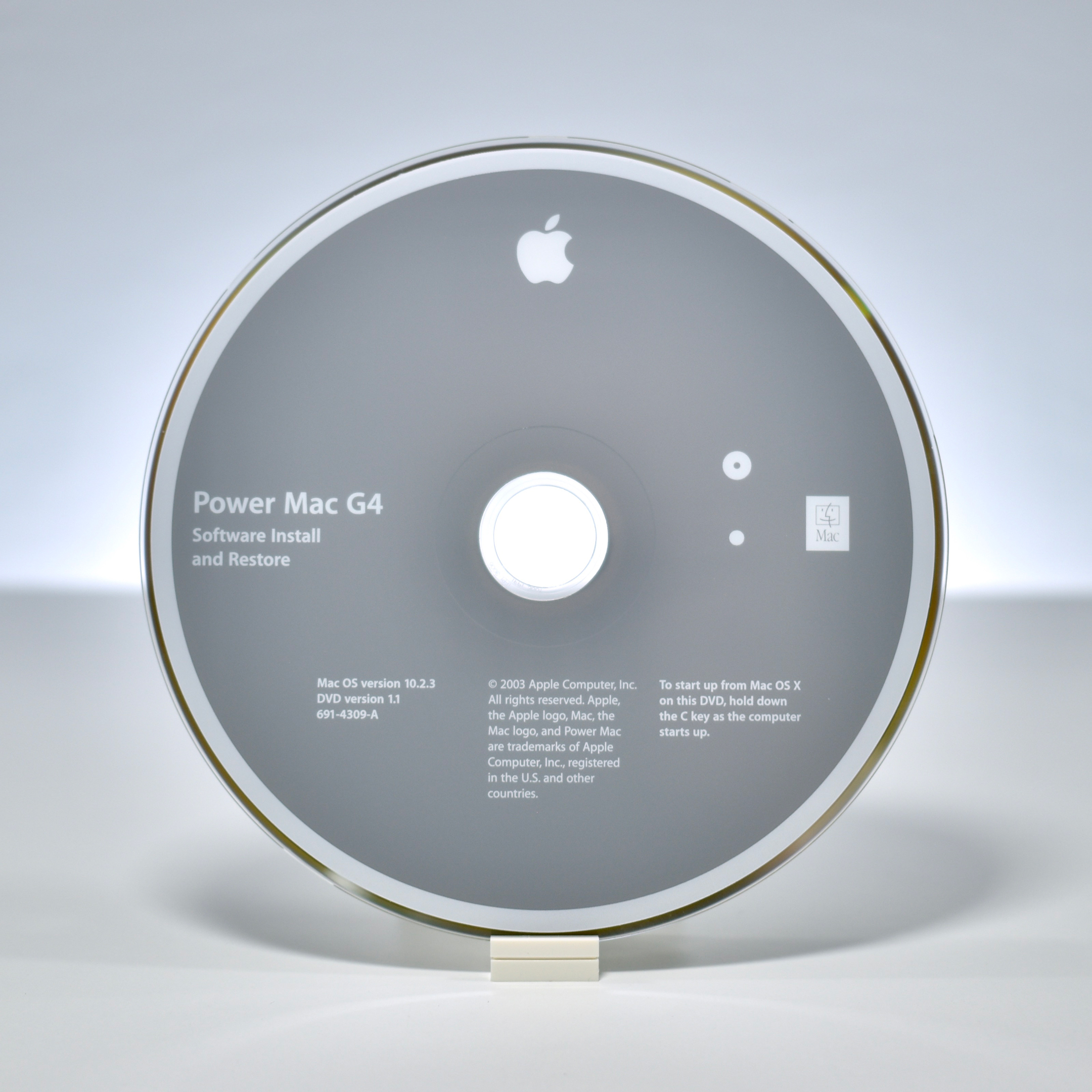
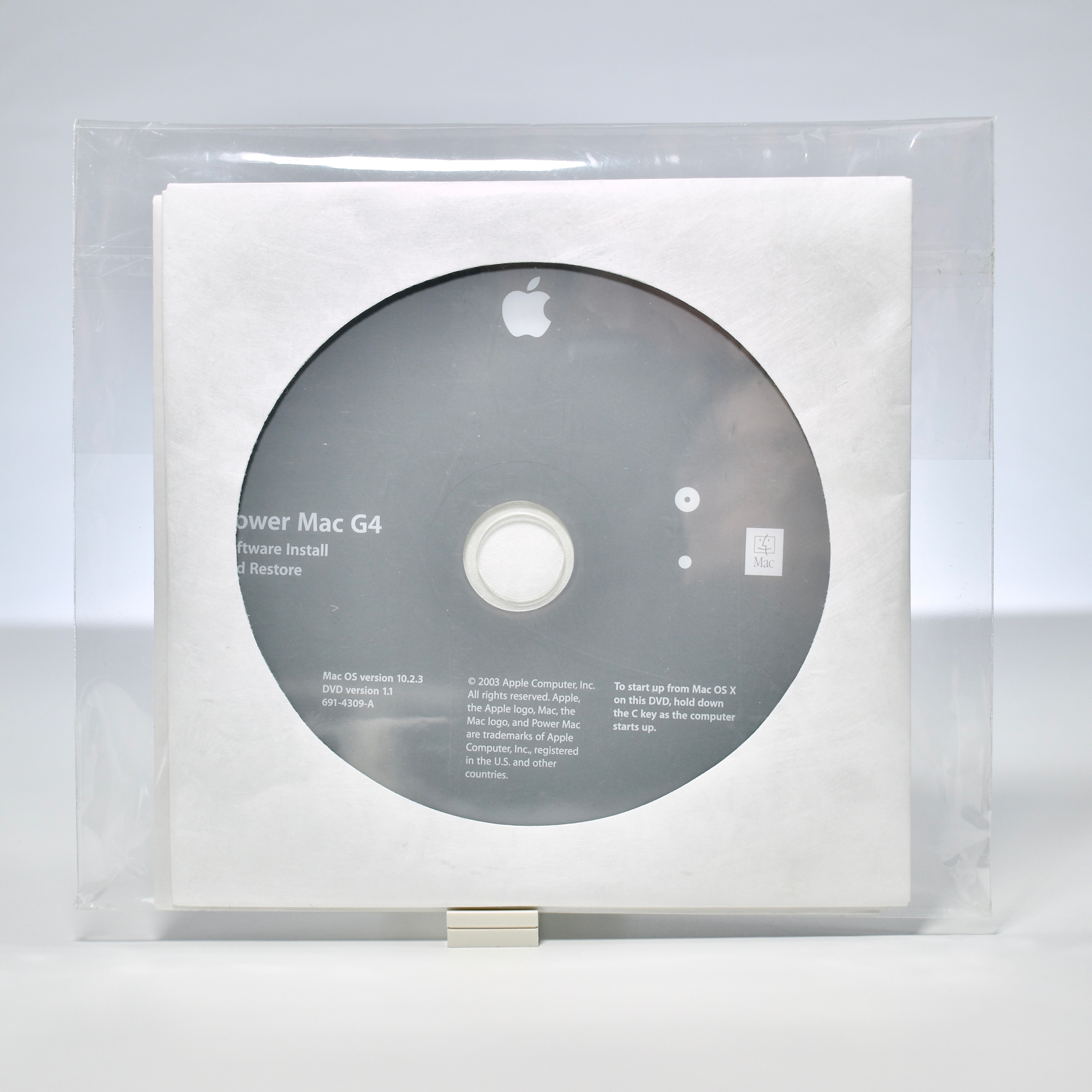
  • Power Mac G4 Software Install and Restore (Mac OS version 10.2.3, DVD version 1.1, 691-4309-A, 2003)
  • Software Bundle (Power Mac G4, 603-2795, 2003)
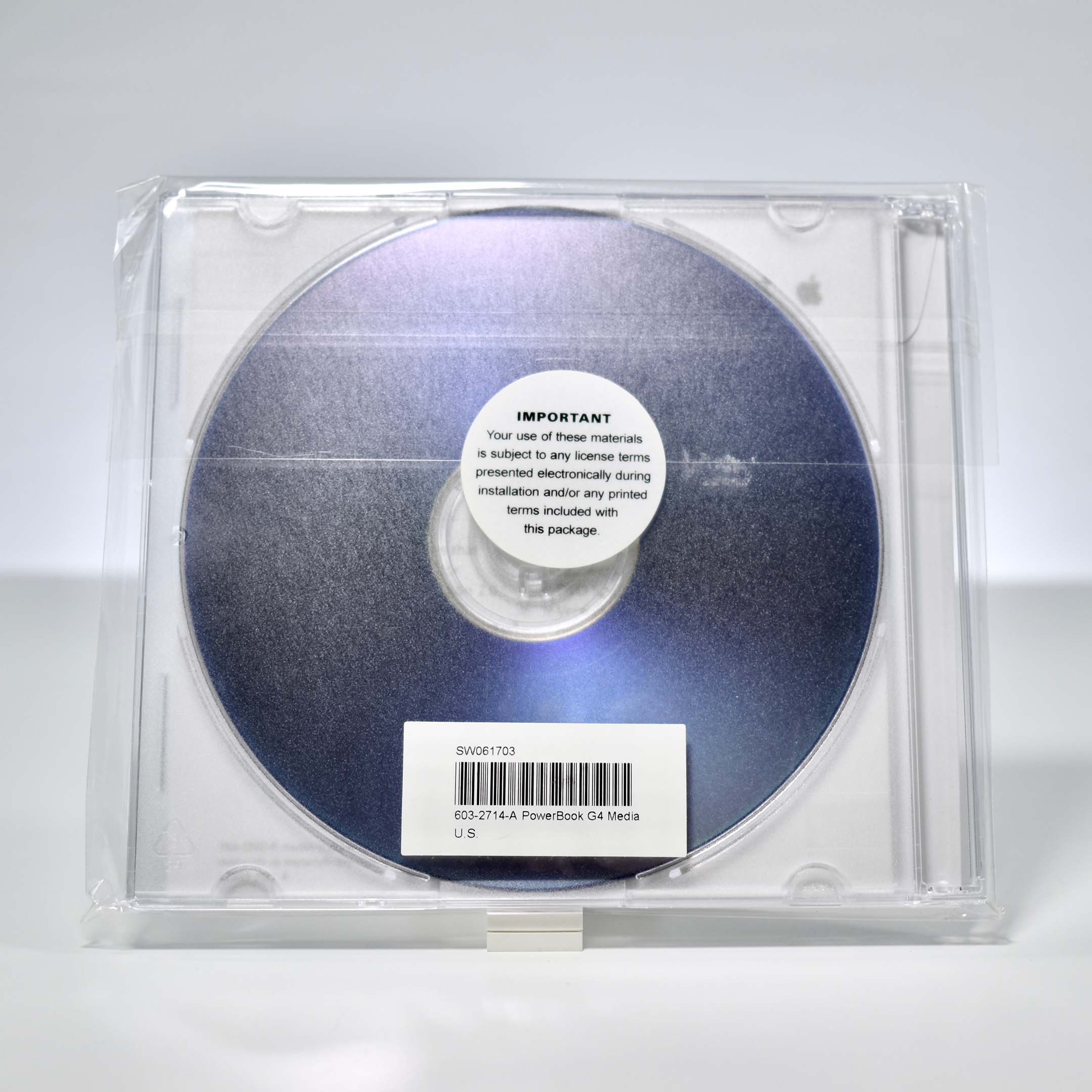
  • Software Bundle (PowerBook G4 Media, 603-2714-A, 2003)
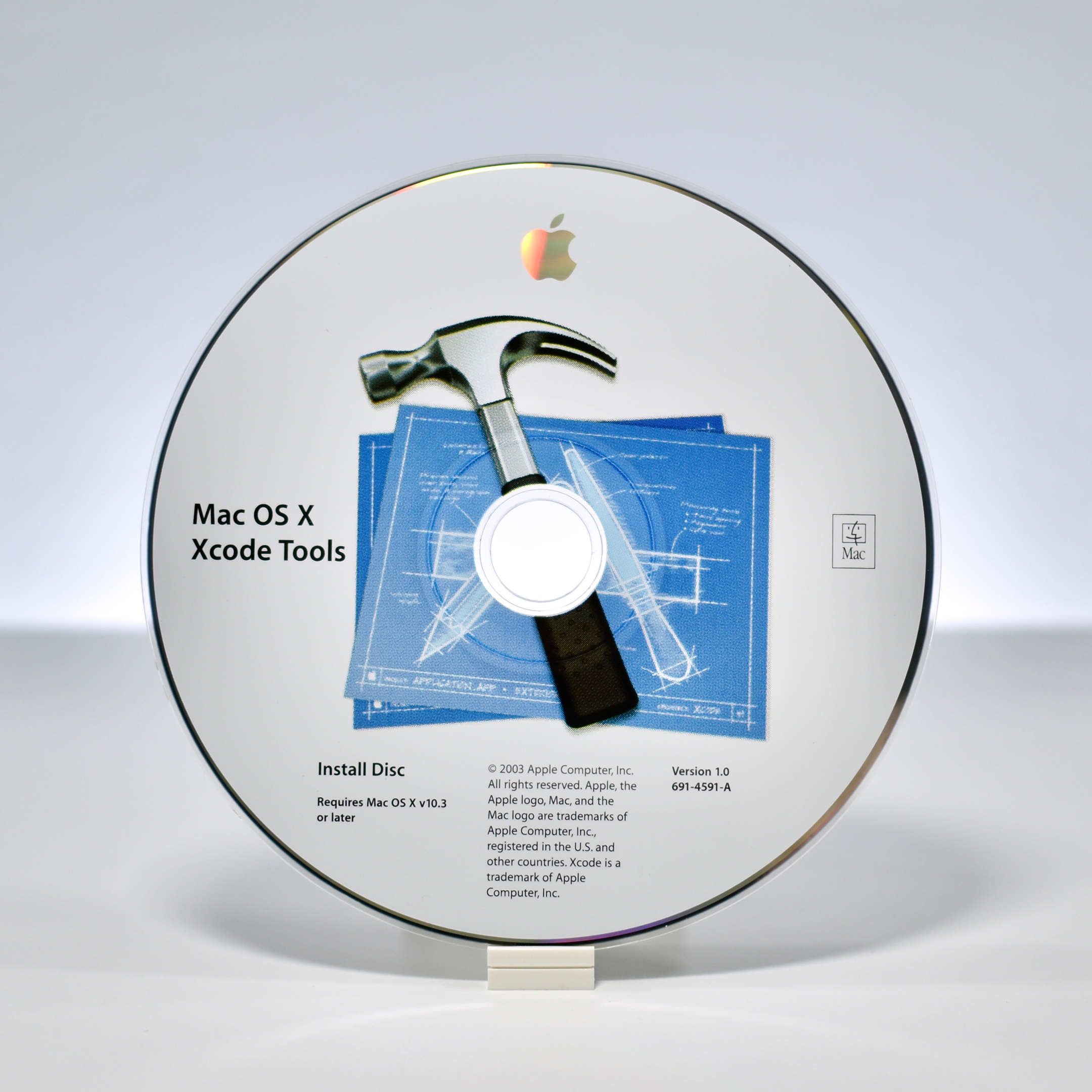
  • Mac OS X Xcode Tools Install Disc (Requires Mac OS X v10.3 or later, Version 1.0, 691-4591-A, 2003)

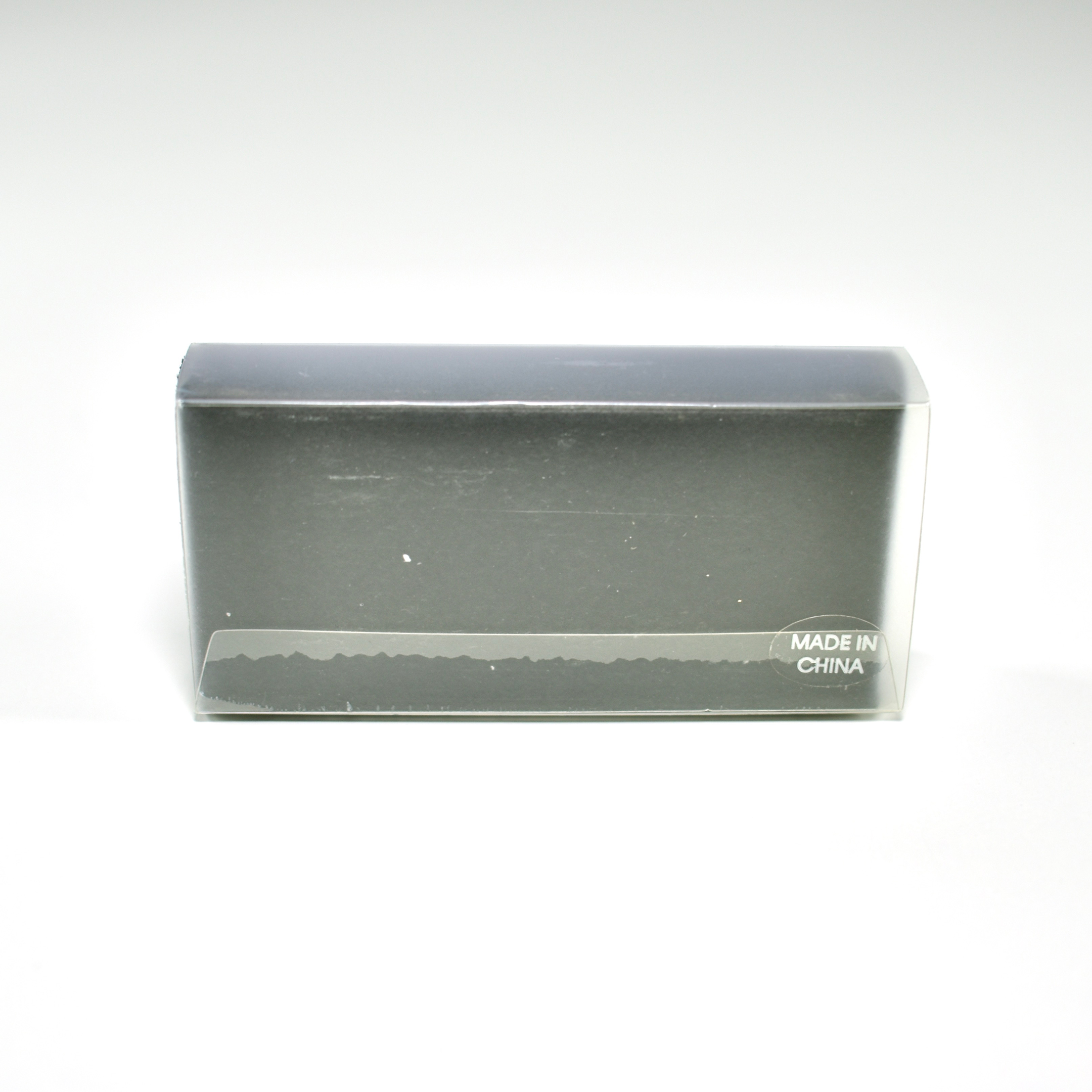
Previous software bundles were packaged in cardboard envelopes. In 2003 Apple changed to packaging software bundles in clear plastic packaging, shown here.
eMate 300 (1997)

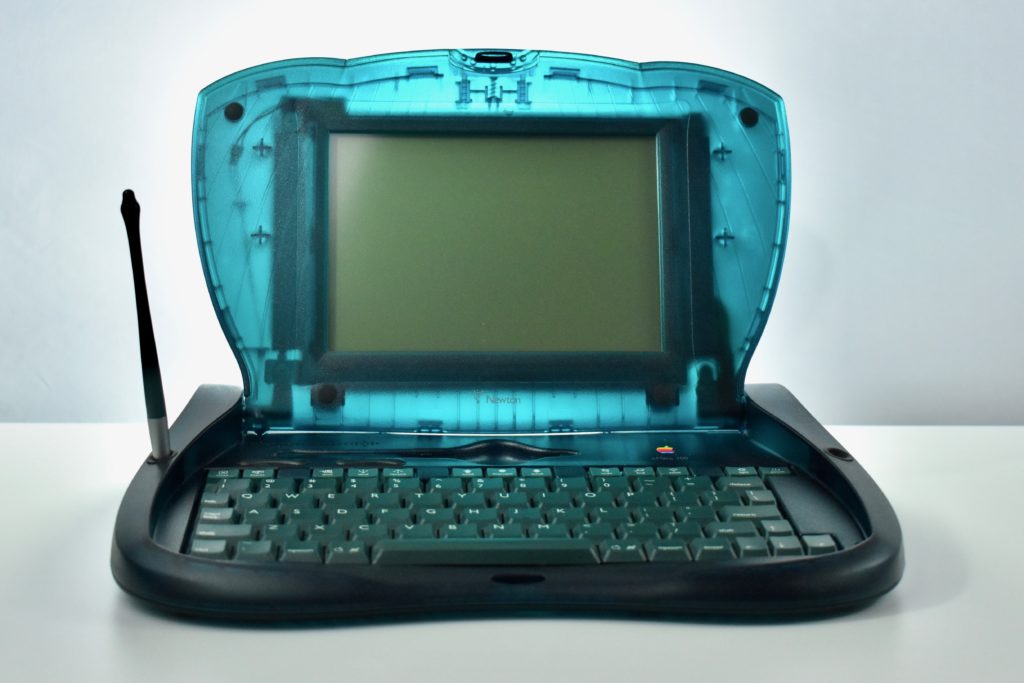
The eMate 300 was designed specifically for the education market and was used extensively in the schools where I was a Director of Technology in the late 1990s to early 2000s. 

At the time, students primarily used desktop computers in a computer lab setting, while laptops were used by some school administrators and few teachers. We used the lower-cost eMate 300 for students who had difficulty handwriting, and most students and teachers preferred typing on this device over an AlphaSmart keyboard device that was also available at the time.
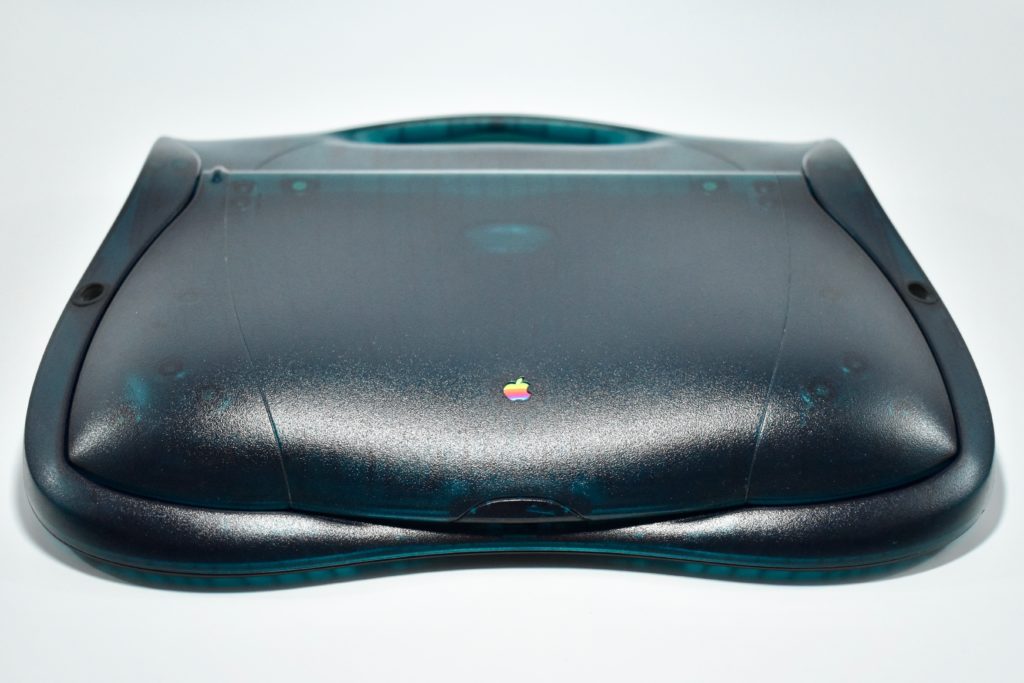
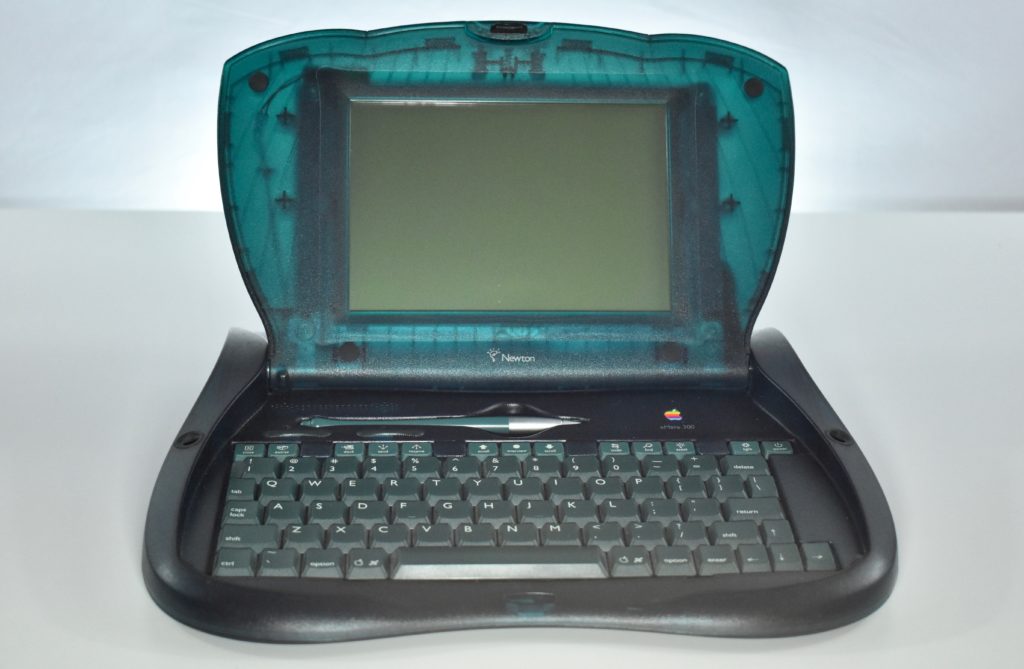
The eMate 300 ran the NewtonOS, a different operating system than the Macintosh computers of the time. The eMate 300 featured a 25 MHz ARM 710a processor, 8 MB of ROM, 3 MB of RAM (1MB of DRAM+2 MB of Flash Memory for user storage), a PCMCIA slot, IrDA-beaming capabilities, and a proprietary Newton InterConnect port.
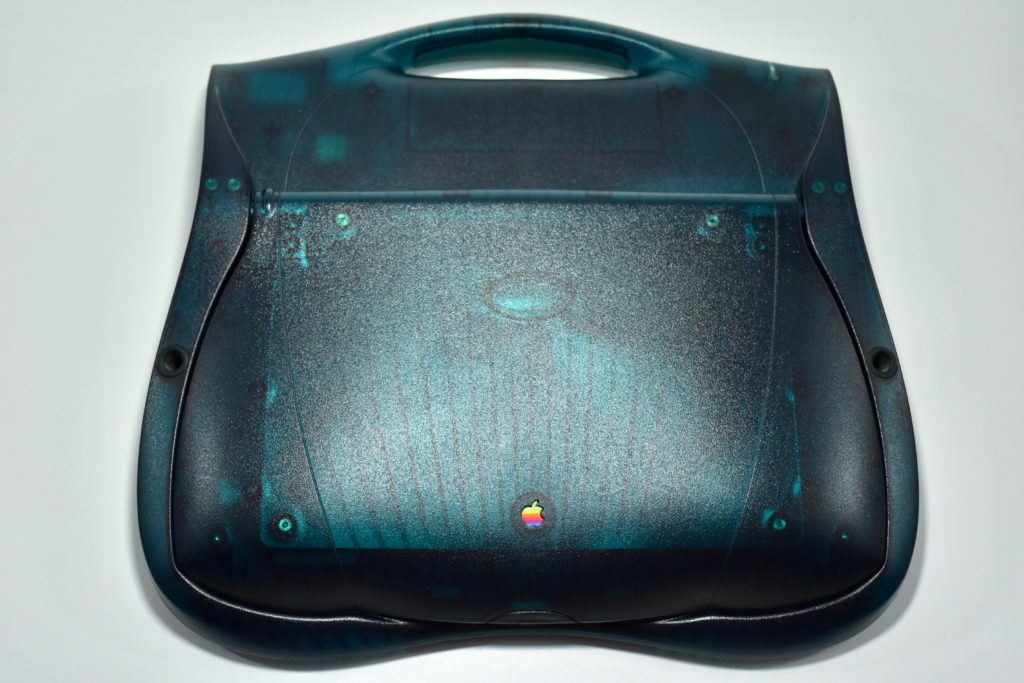
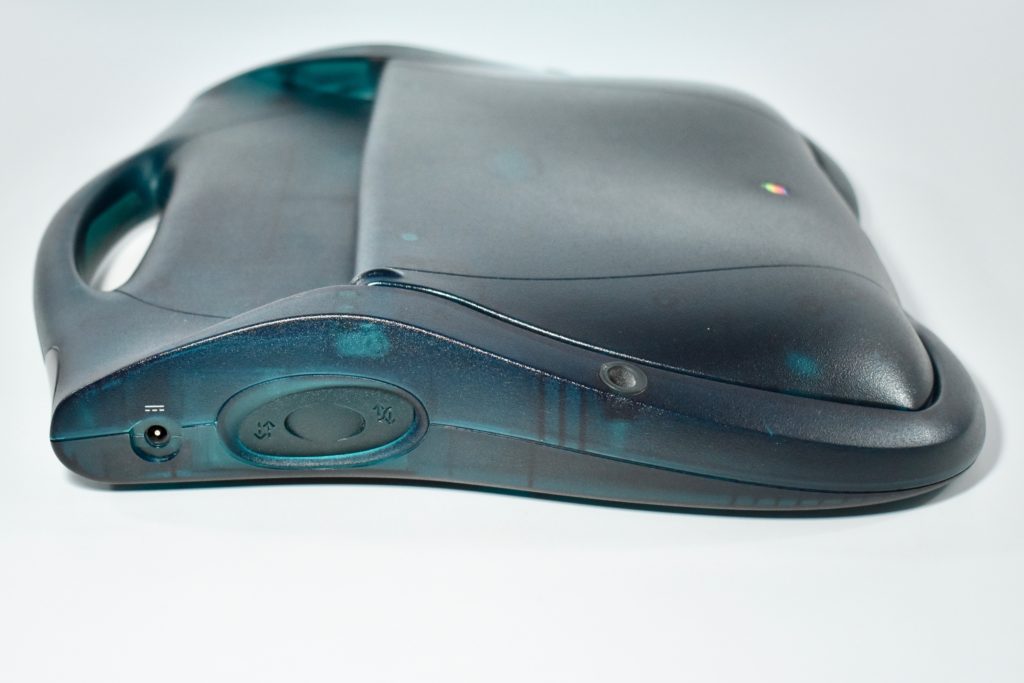
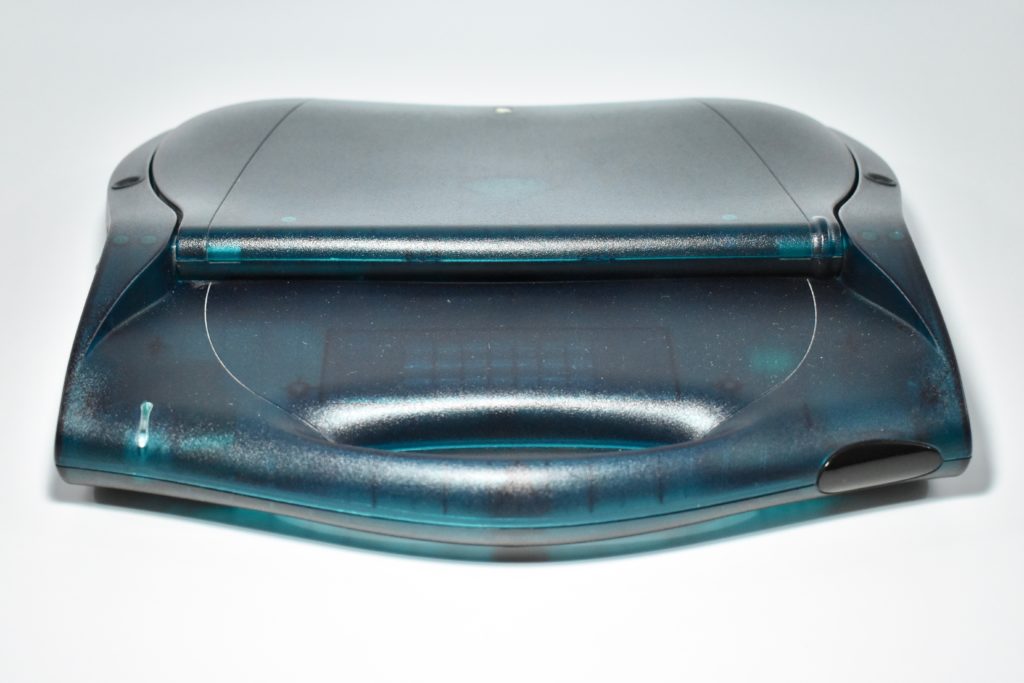
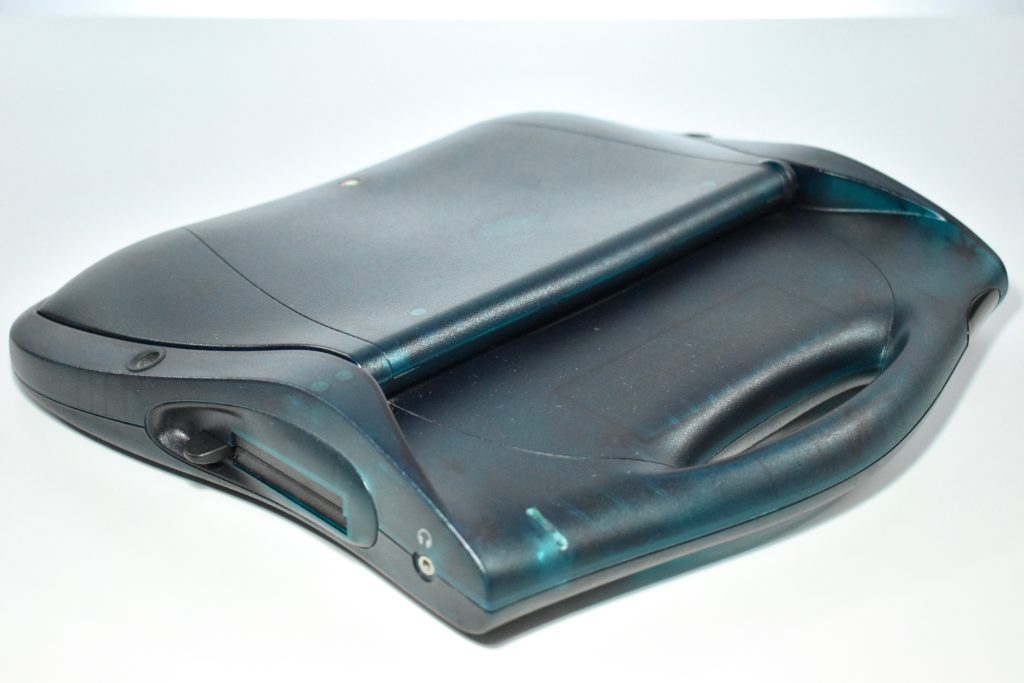
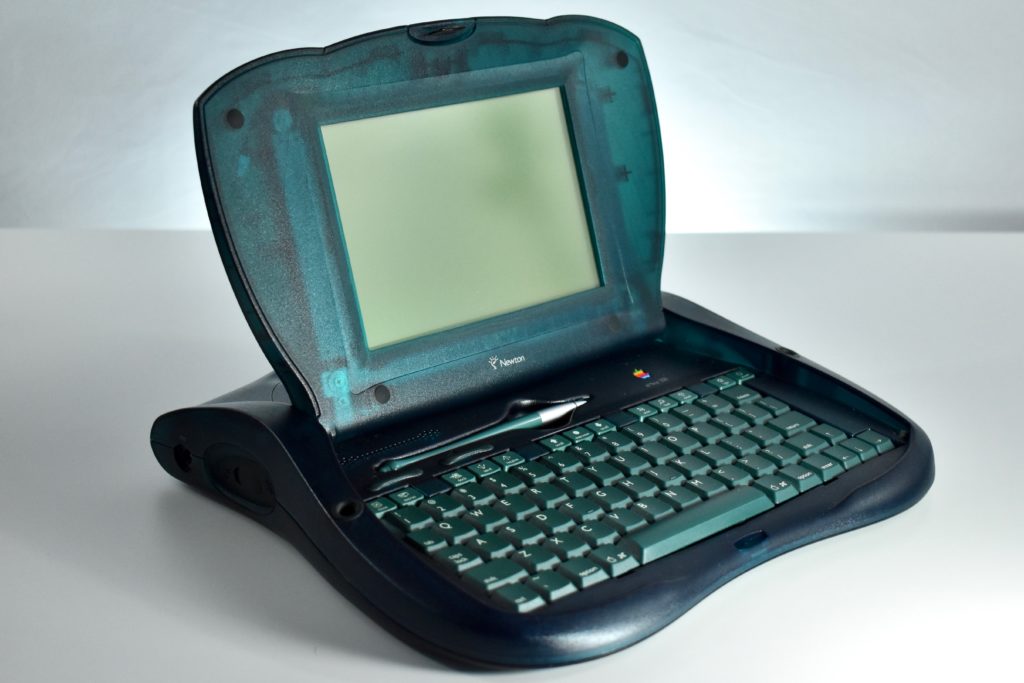
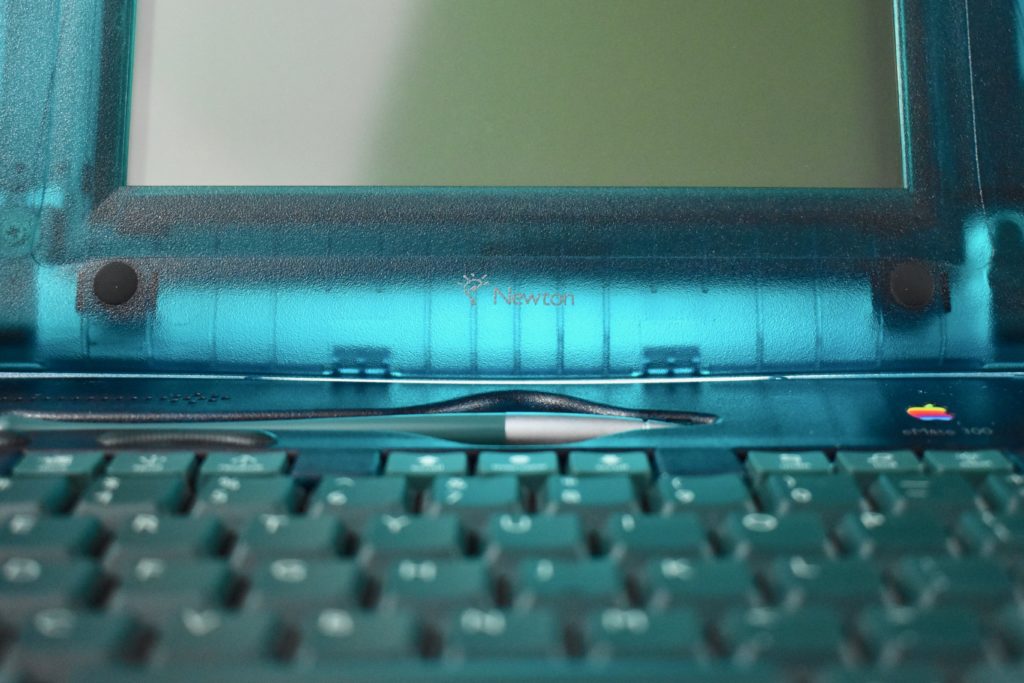
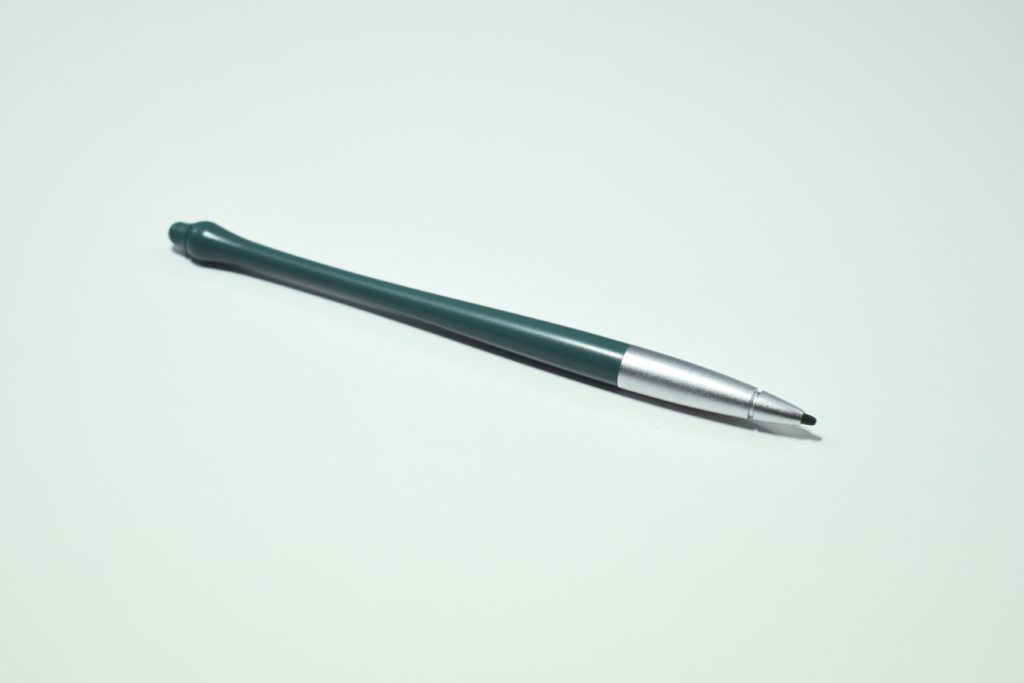
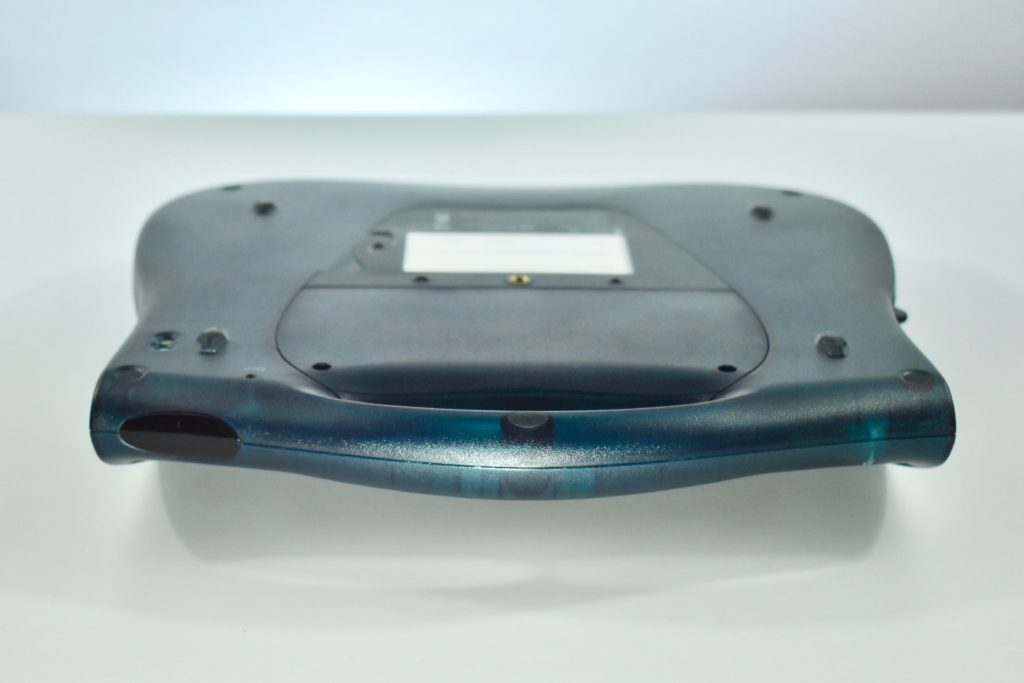
The design was quite unique with a translucent aquamarine and black “clamshell” portable case with a 480×320 16-shade grayscale backlit LCD display. The eMate 300 included a stylus and a built-in keyboard (and did not support a mouse).

The eMate was the only Newton model to resemble a traditional laptop rather than a handheld device. Although the device was called the eMate “300,” no other models were manufactured.

eMate 300 design elements were clearly used in later Apple designs: the translucent plastic would show up a year later in the original Bondi blue iMac and later in the original iBook designs; the retro-futuristic curves and overall shape was also echoed in the iMac and iBook; and the NewtonOS is often considered a precursor to the iPhoneOS that would later become iOS.

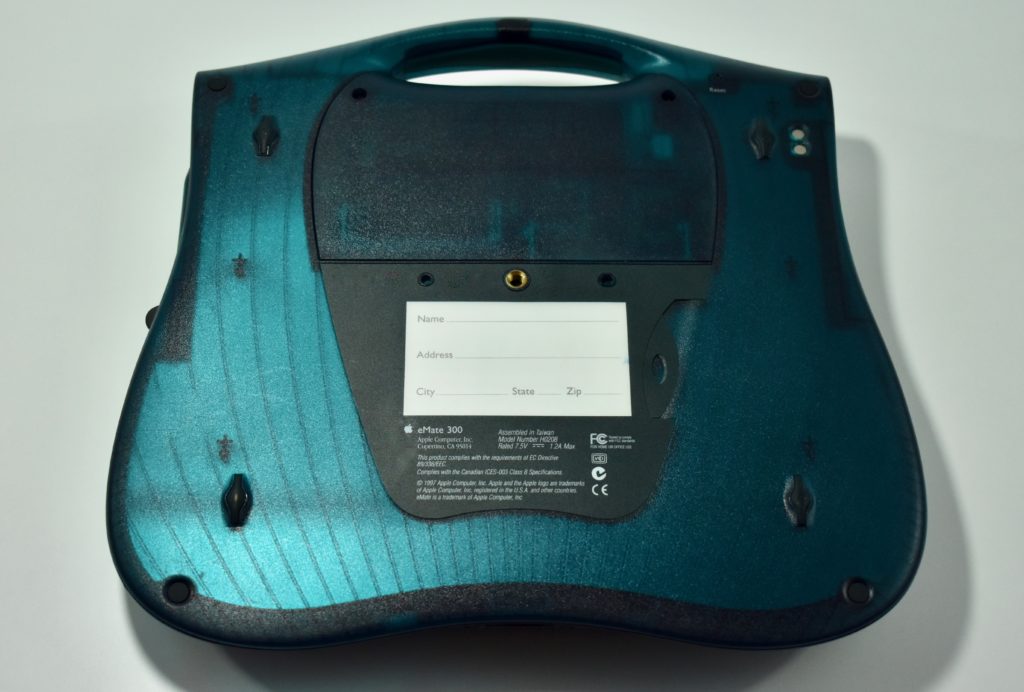
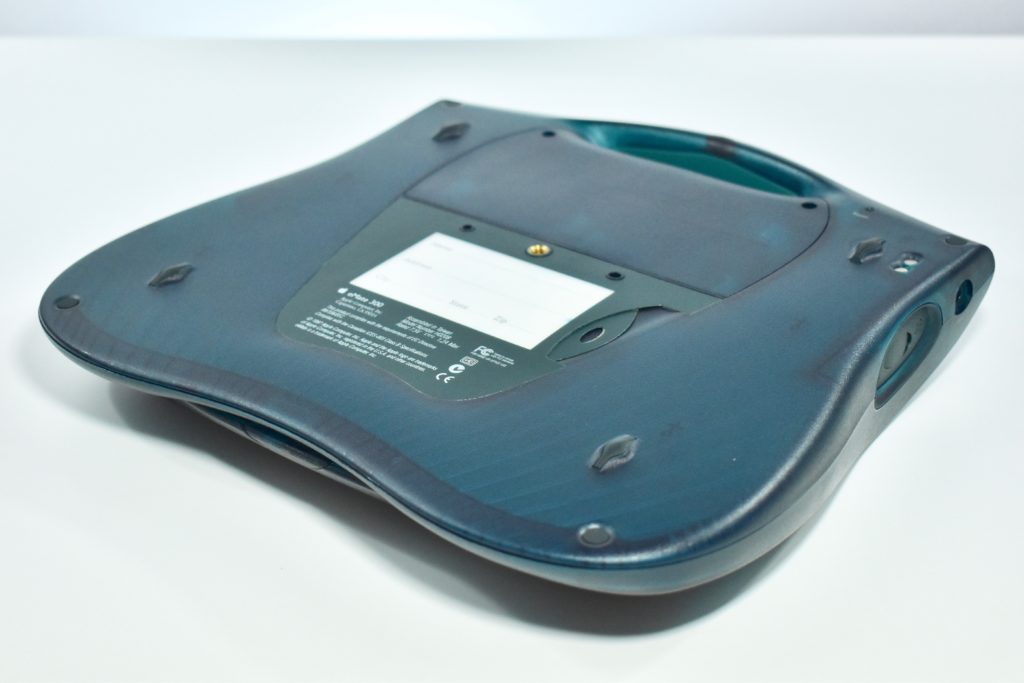
My collection features several eMate 300 devices, many of them including original packaging.

Source: EveryMac.com

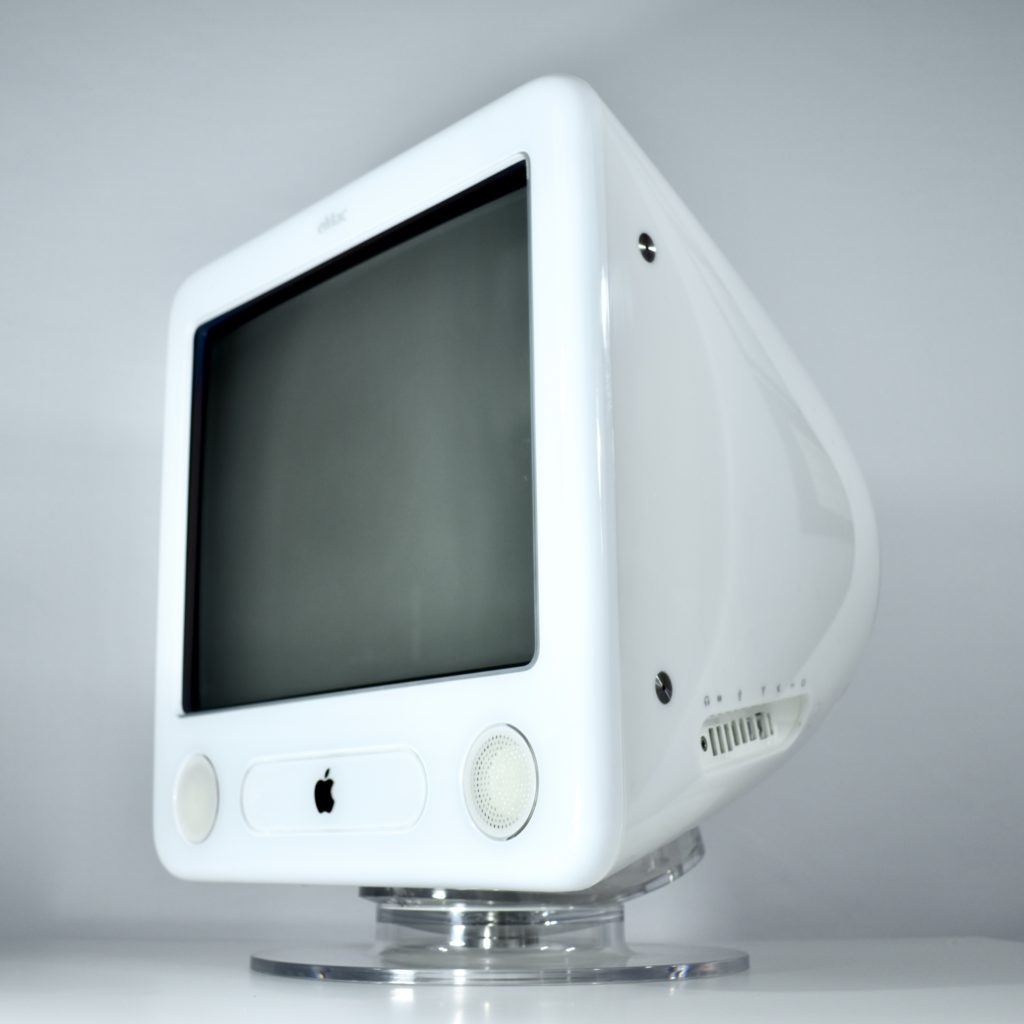
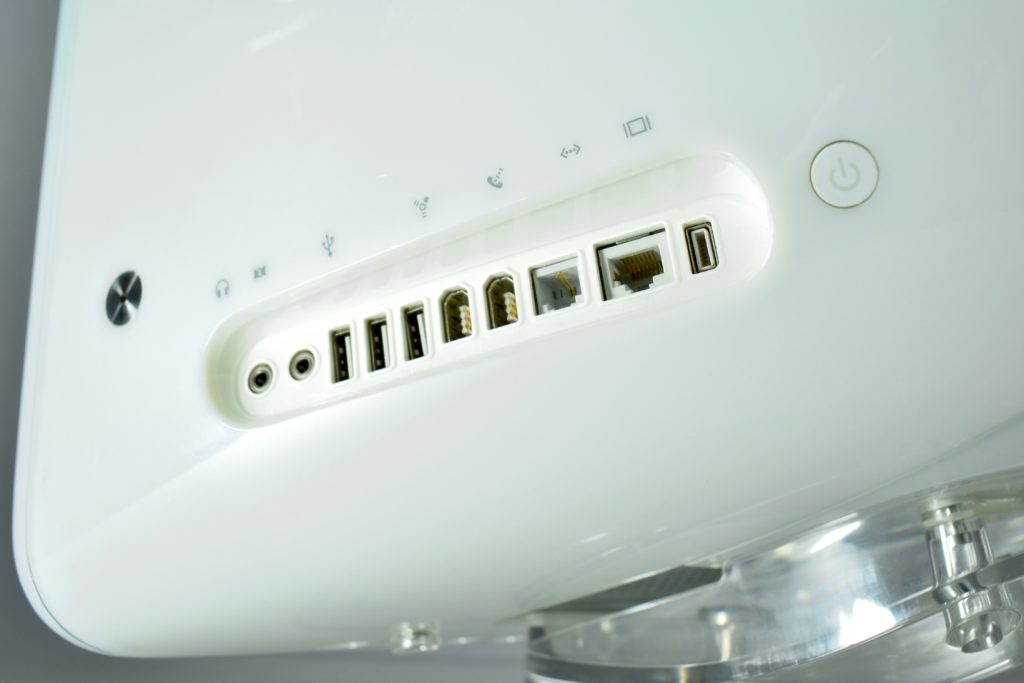
eMac (2003)

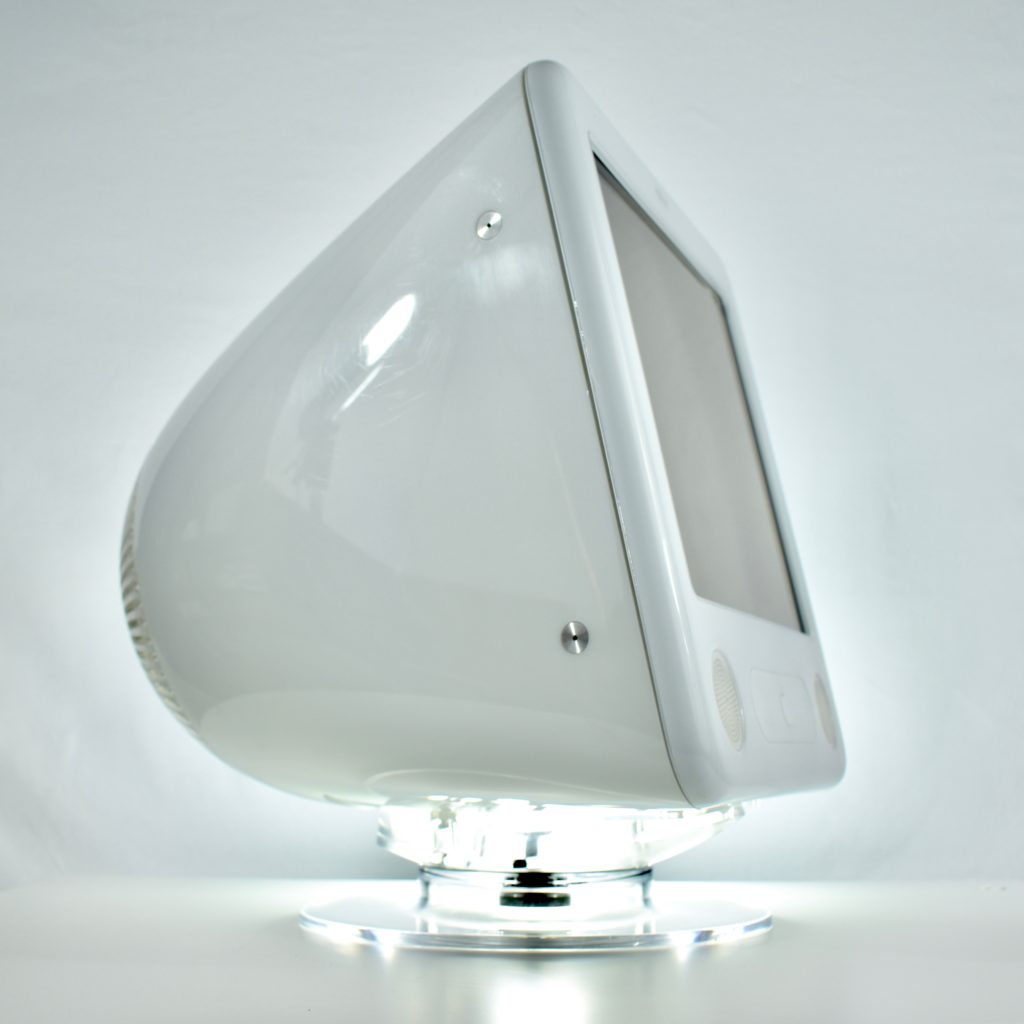
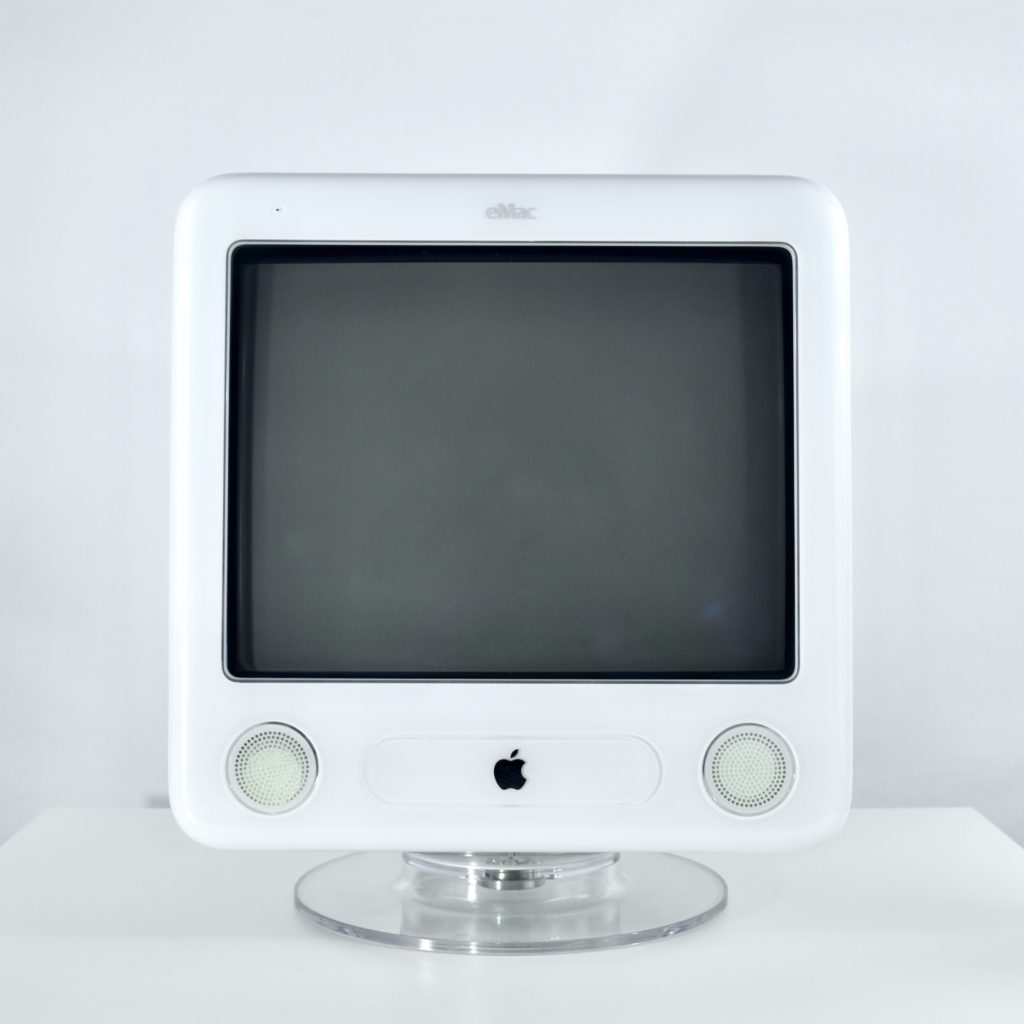
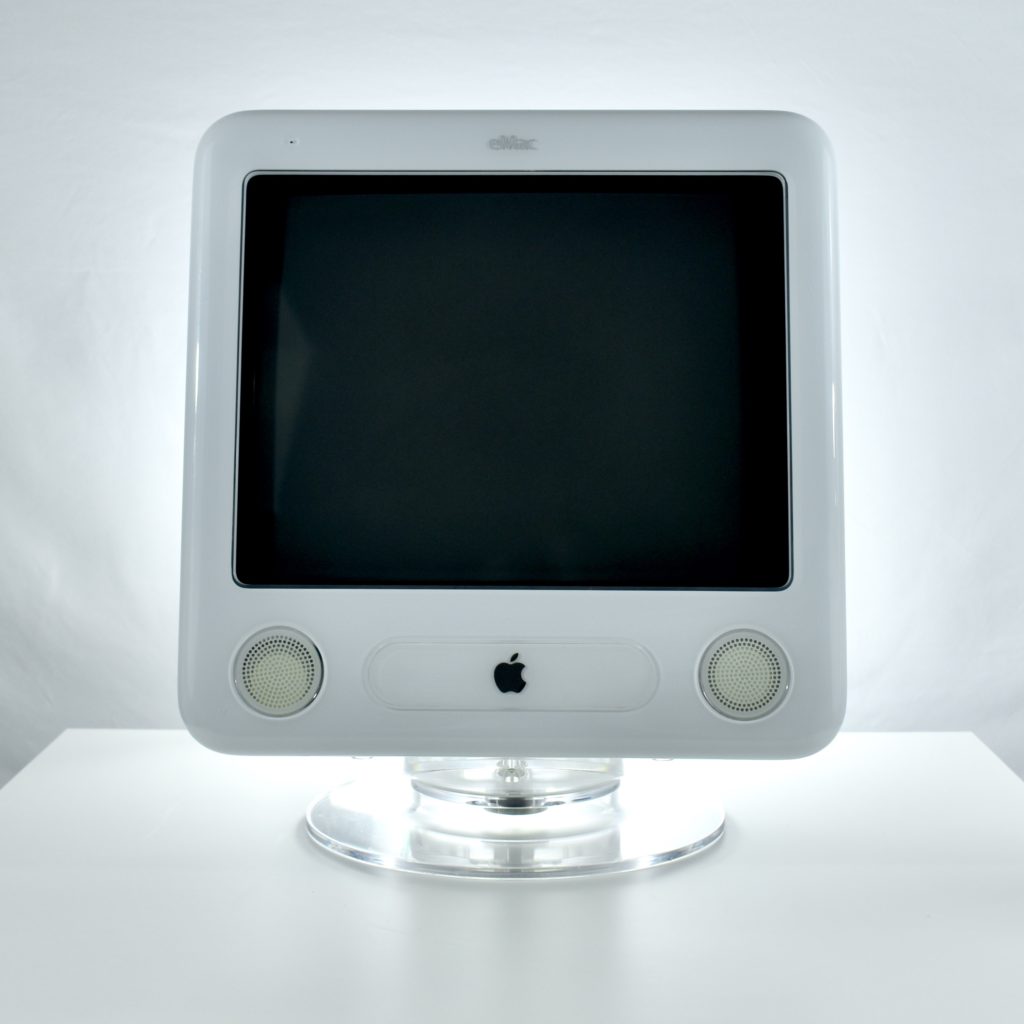
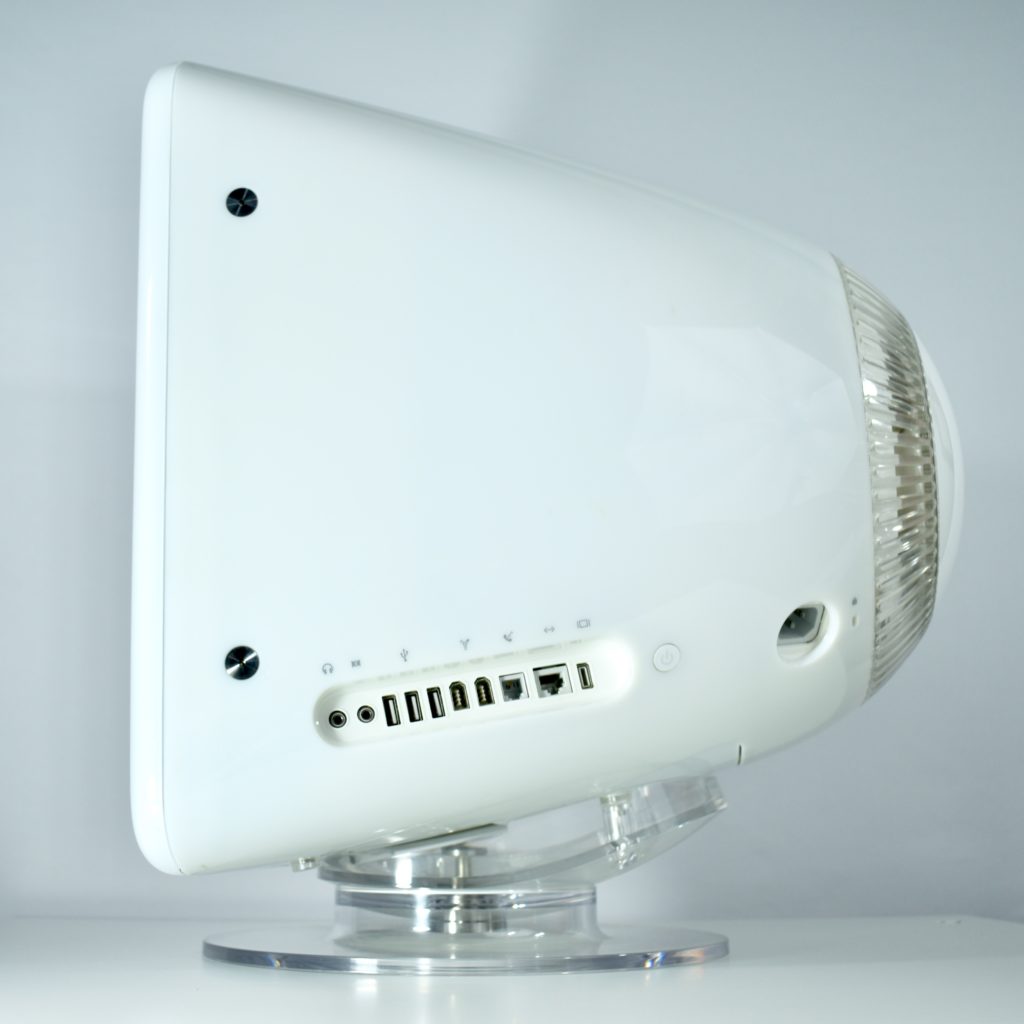
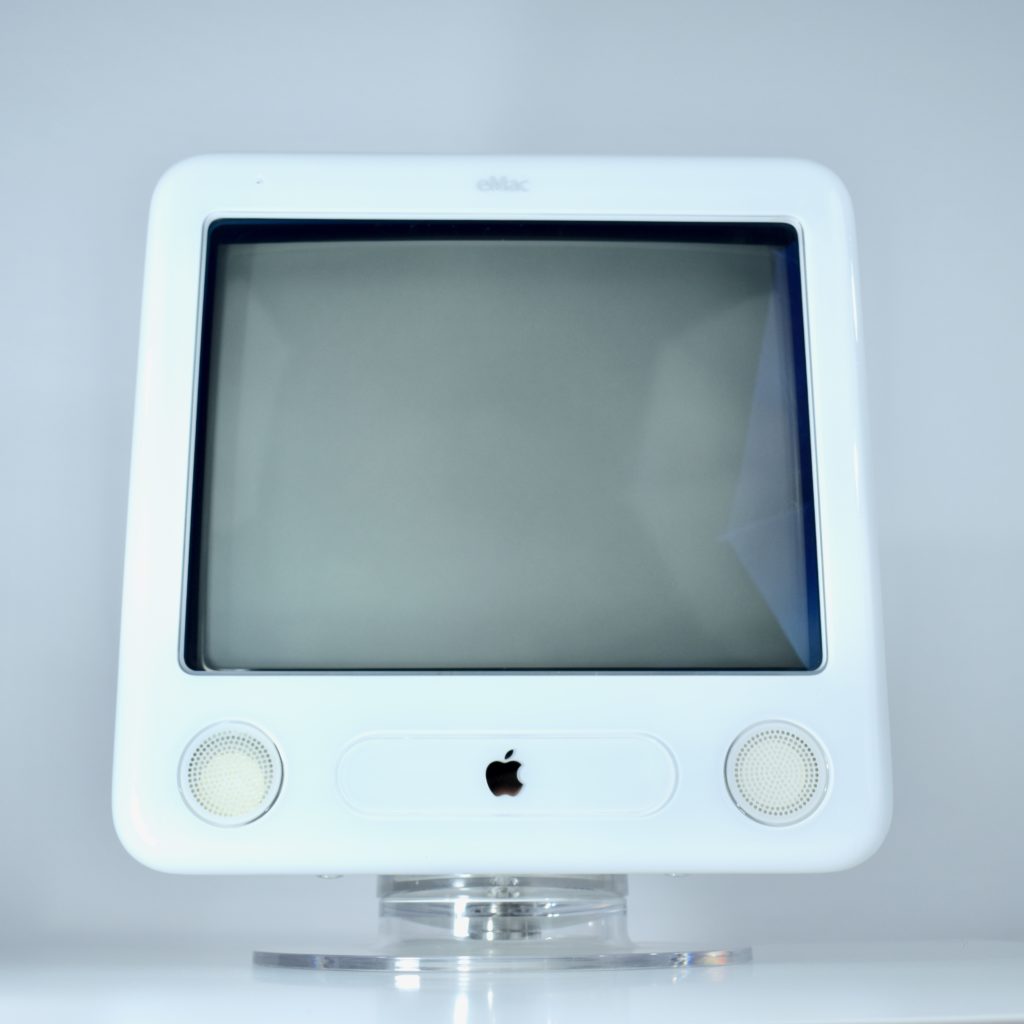
The eMac was released in 2002 as the final CRT-based all-in-one Mac. It was manufactured for a relatively long time—just over 4 years—and was discontinued in 2006. Although the design is similar to the CRT iMac, it lacks a handle and was extremely difficult to move with a weight of 50 pounds. In addition, the screen size is larger than the original iMac and the eMac features a G4 processor, making it significantly faster.

The eMac was intended to be an education-only Mac, but its popularity, power, and lower price made it attractive to the consumer market. When the eMac was released, the second-generation iMac had just been introduced with a flat-panel display on an adjustable chrome arm. At the time, LCD screens were considerably more expensive than CRT screens so an eMac could be purchased for $999, while second-generation iMac cost $1,299.

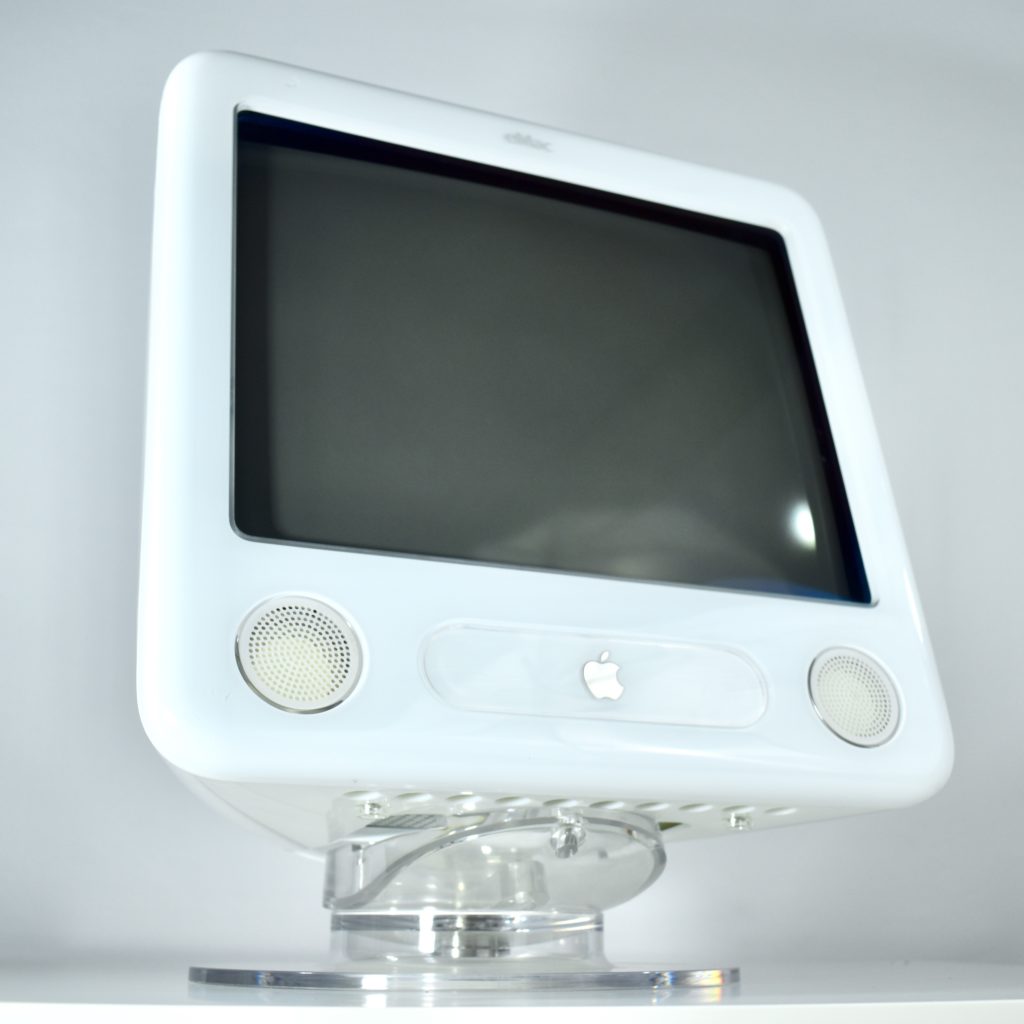
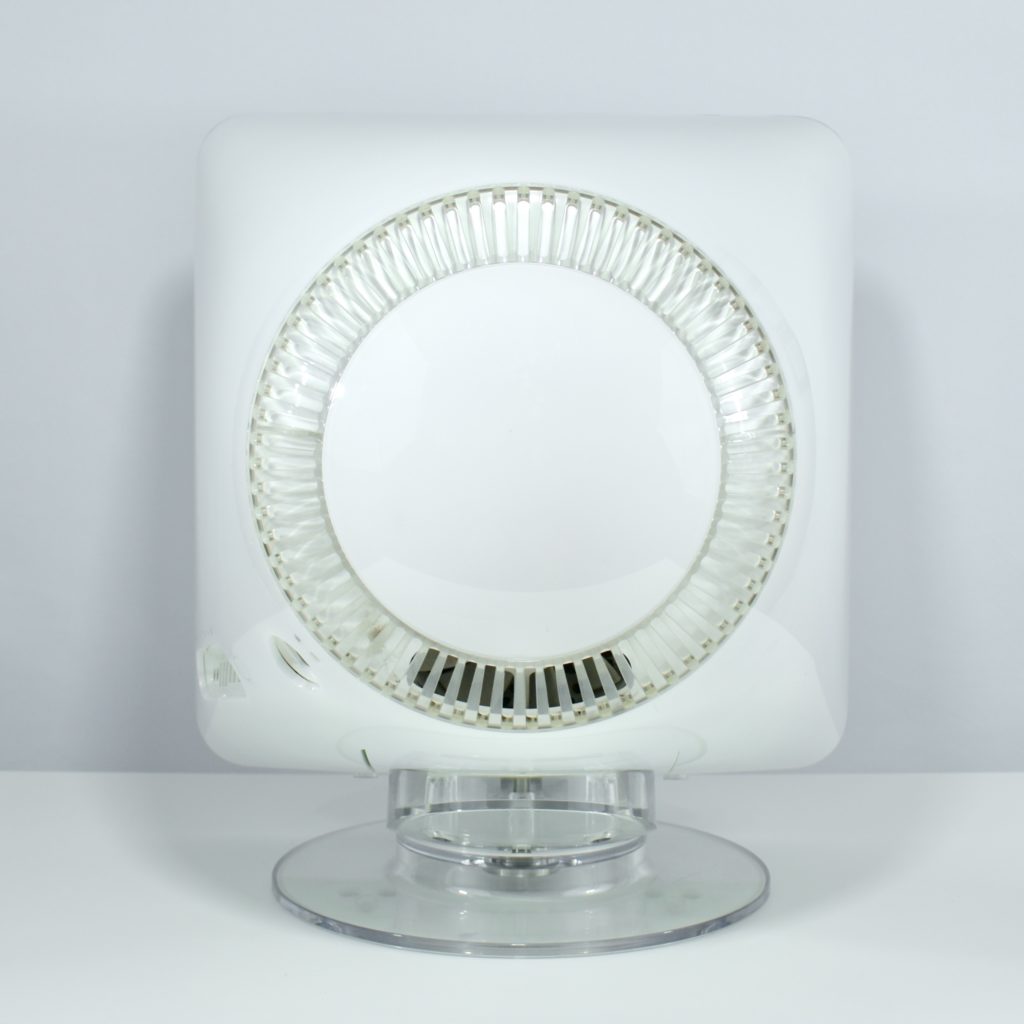
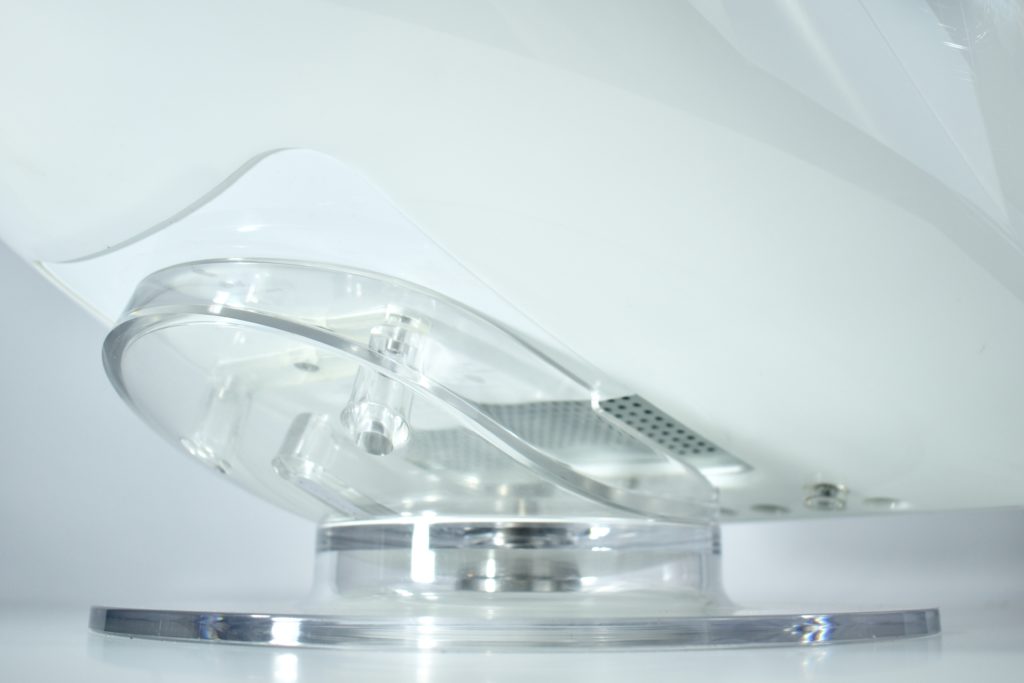
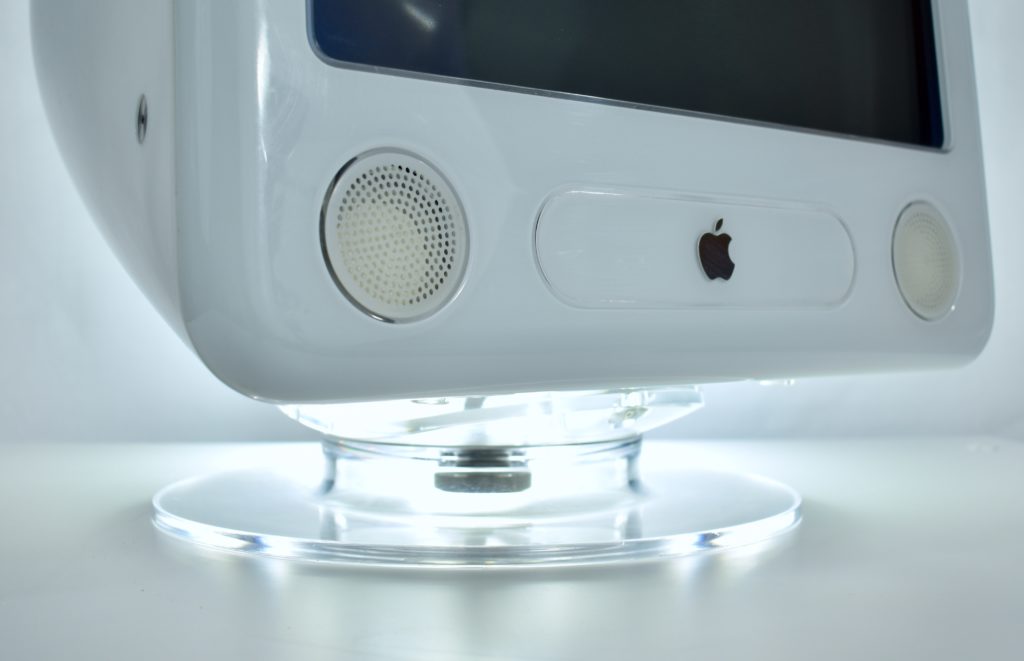
The eMac in my collection was manufactured in 2003. Almost 10 years after I acquired my eMac, I was able to get an Apple eMac Tilt and Swivel Stand (M8784G/A). The stand is attached to the bottom of the eMac to both raise it to a more comfortable viewing height and allow it to easily tilt.

Information adapted from EveryMac.com.