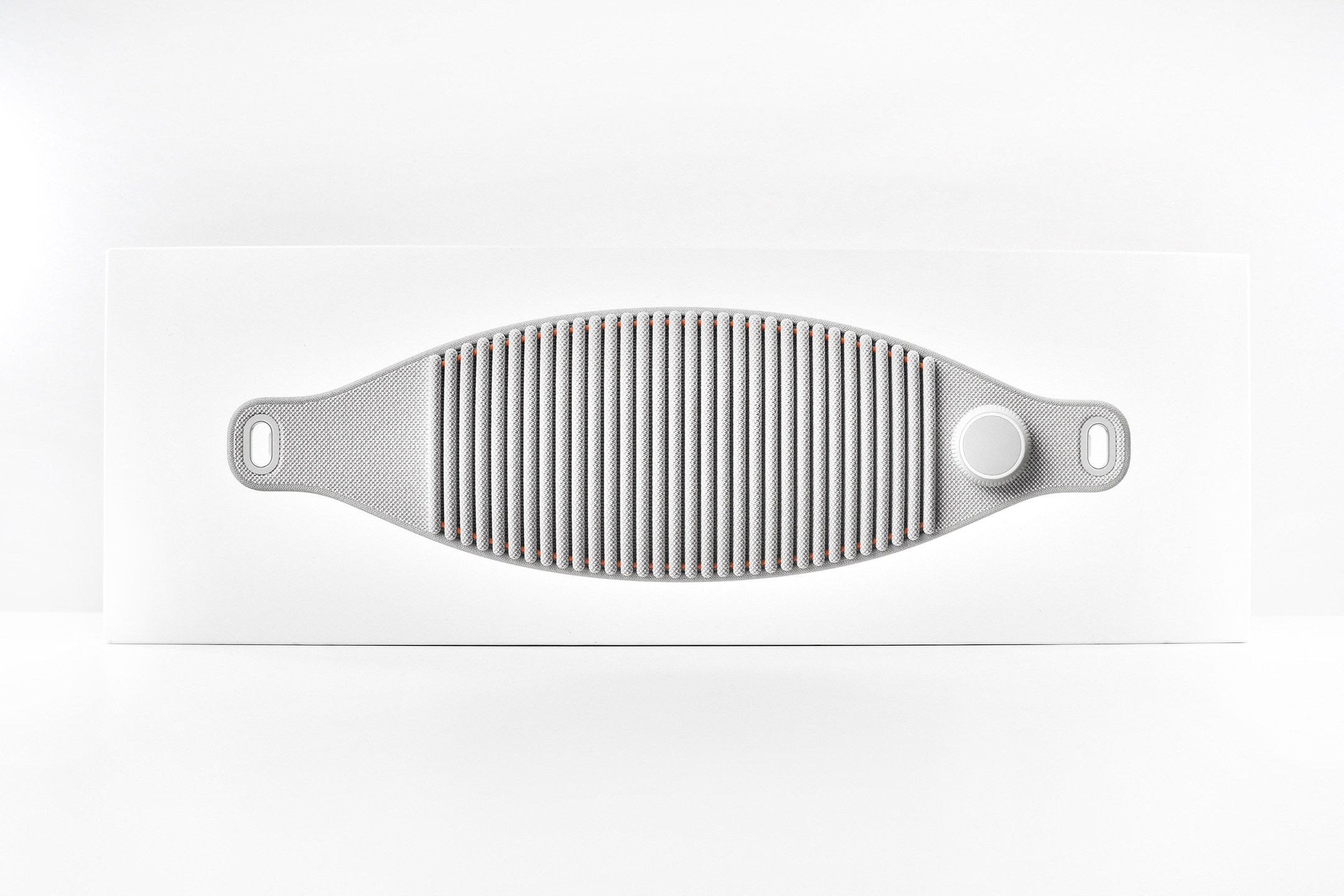
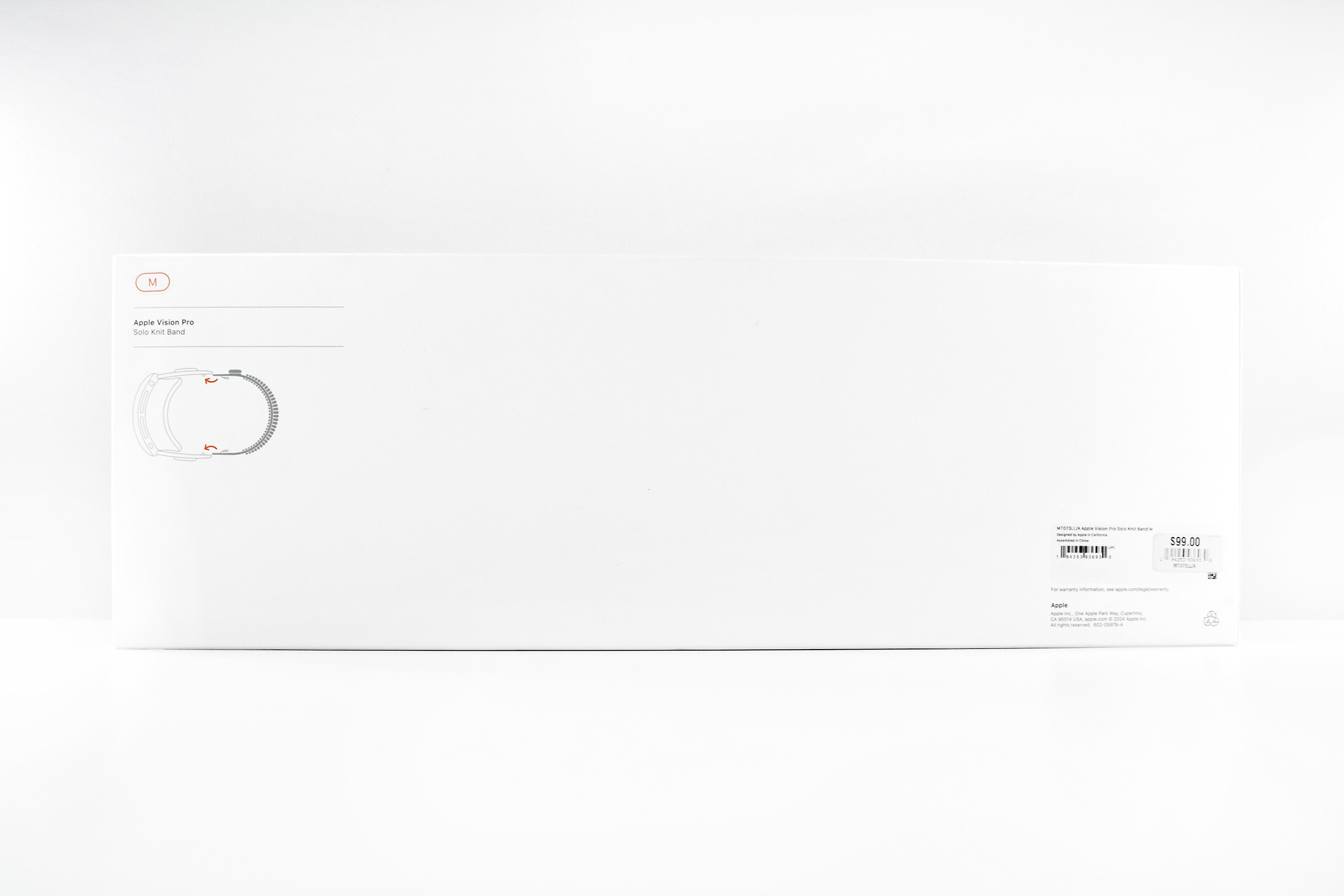
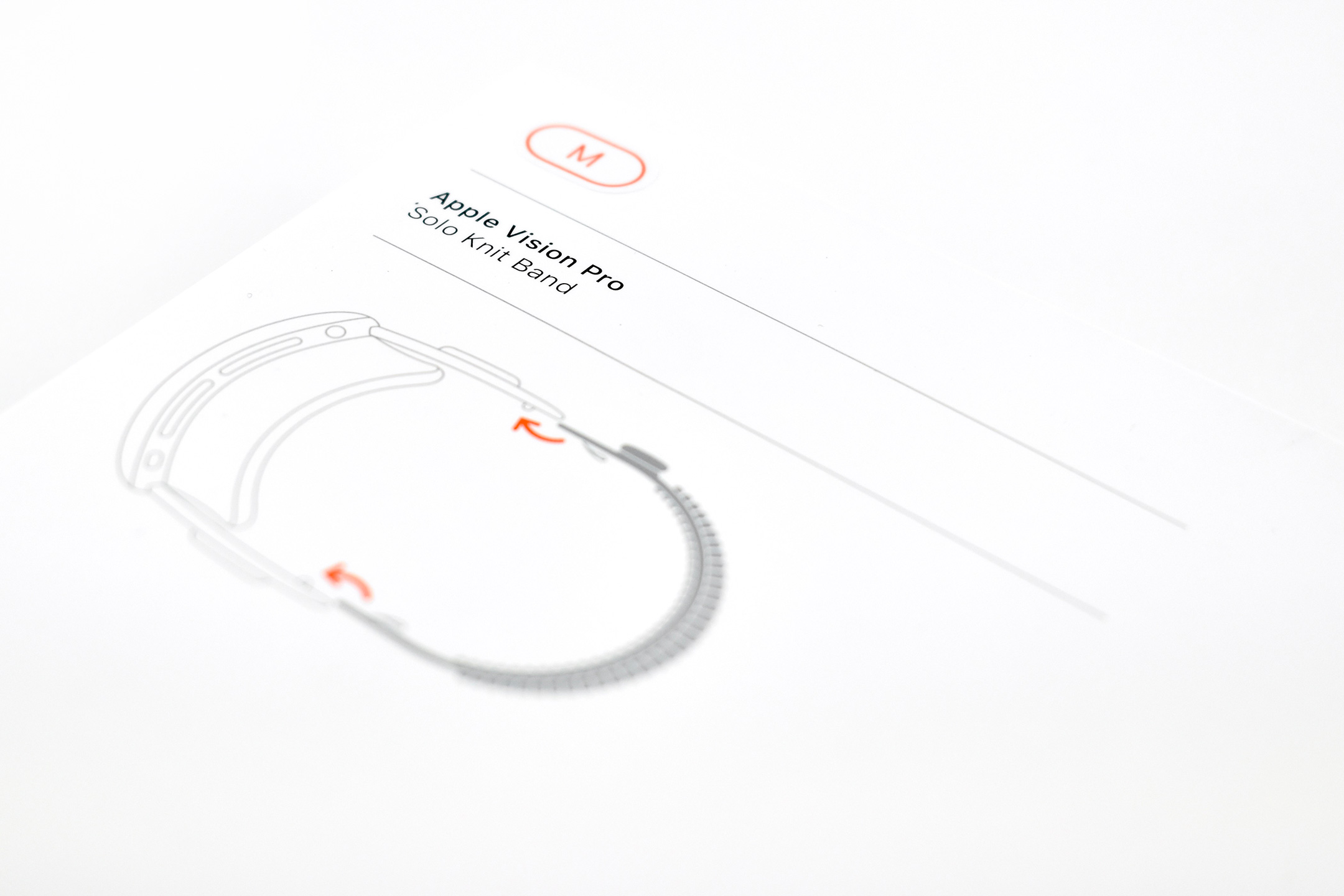
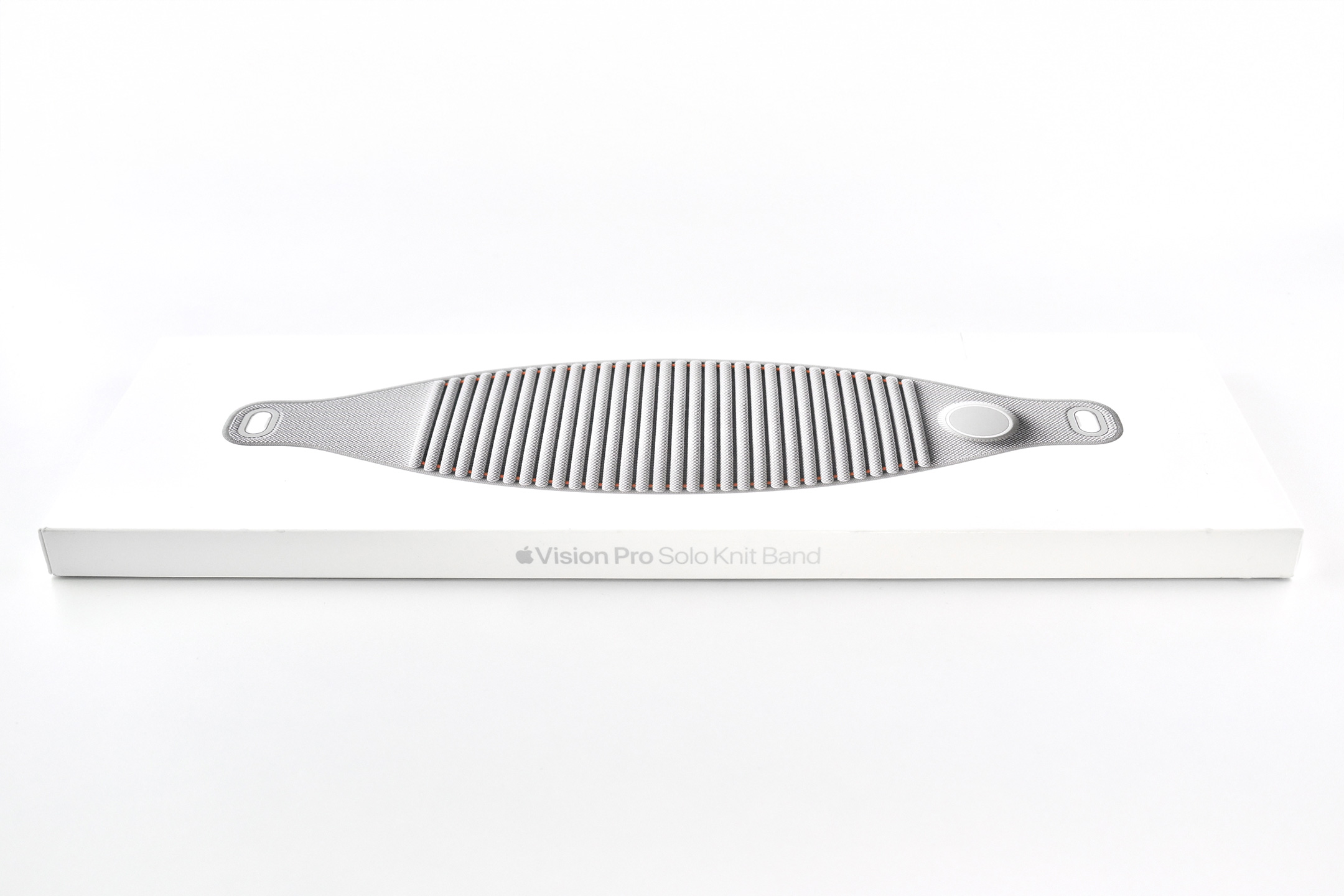
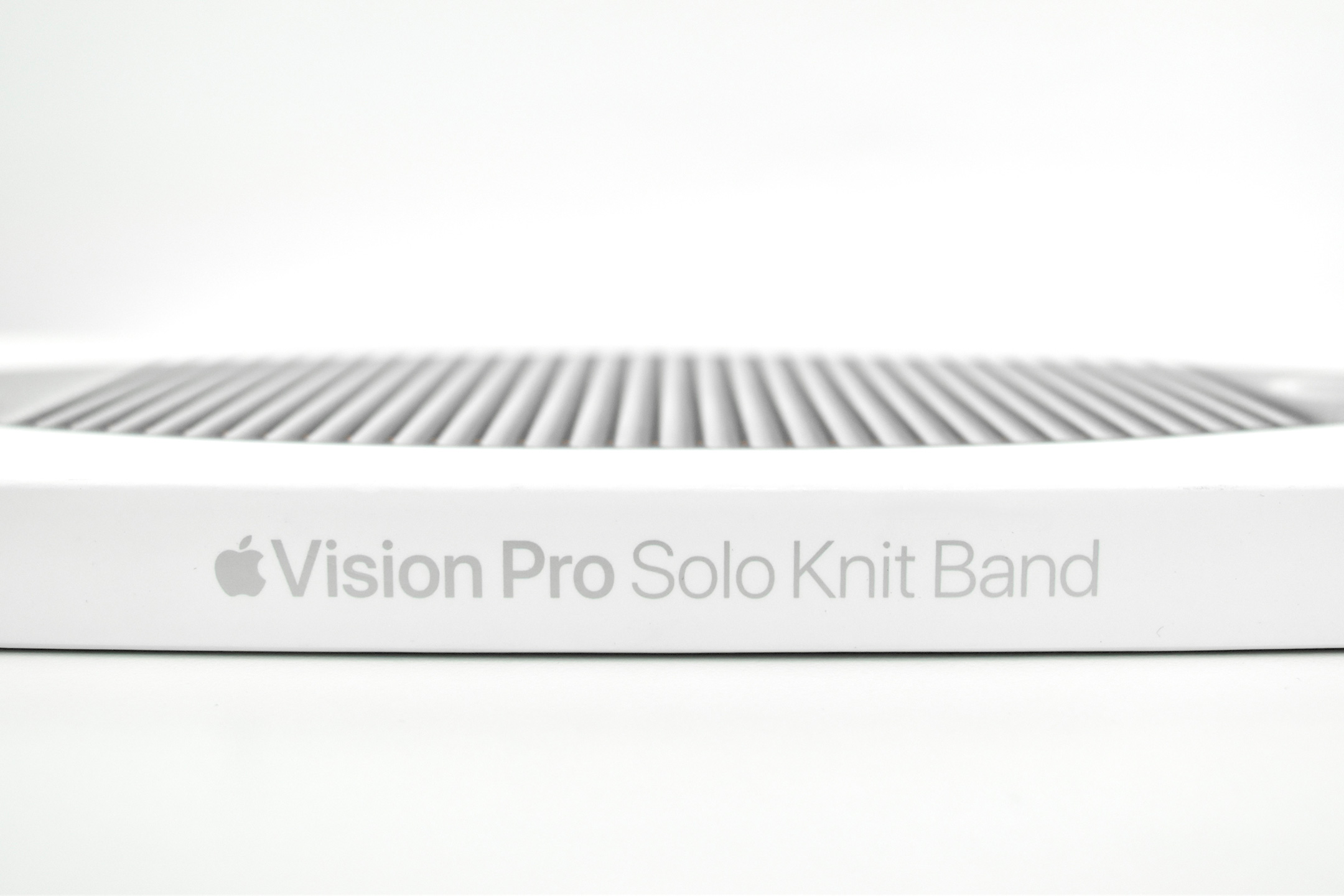
The Apple Vision Pro Apple Vision Pro Solo Knit Band is one of the required accessories that ships with the Apple Vision Pro and is custom-sized to the user. When purchasing an Apple Vision Pro, an app scans a user’s face and helps the user select an appropriately sized Solo Knit Band.
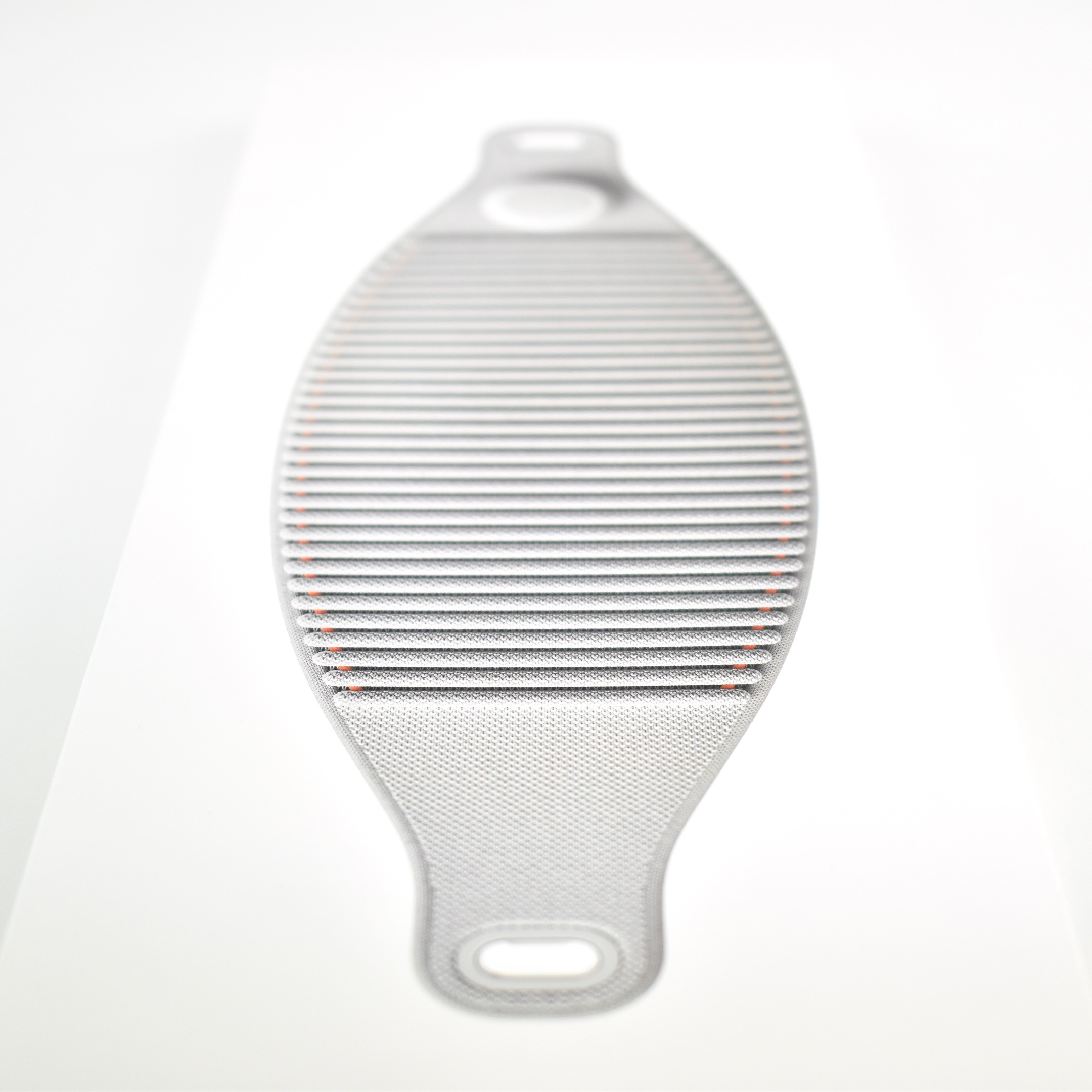
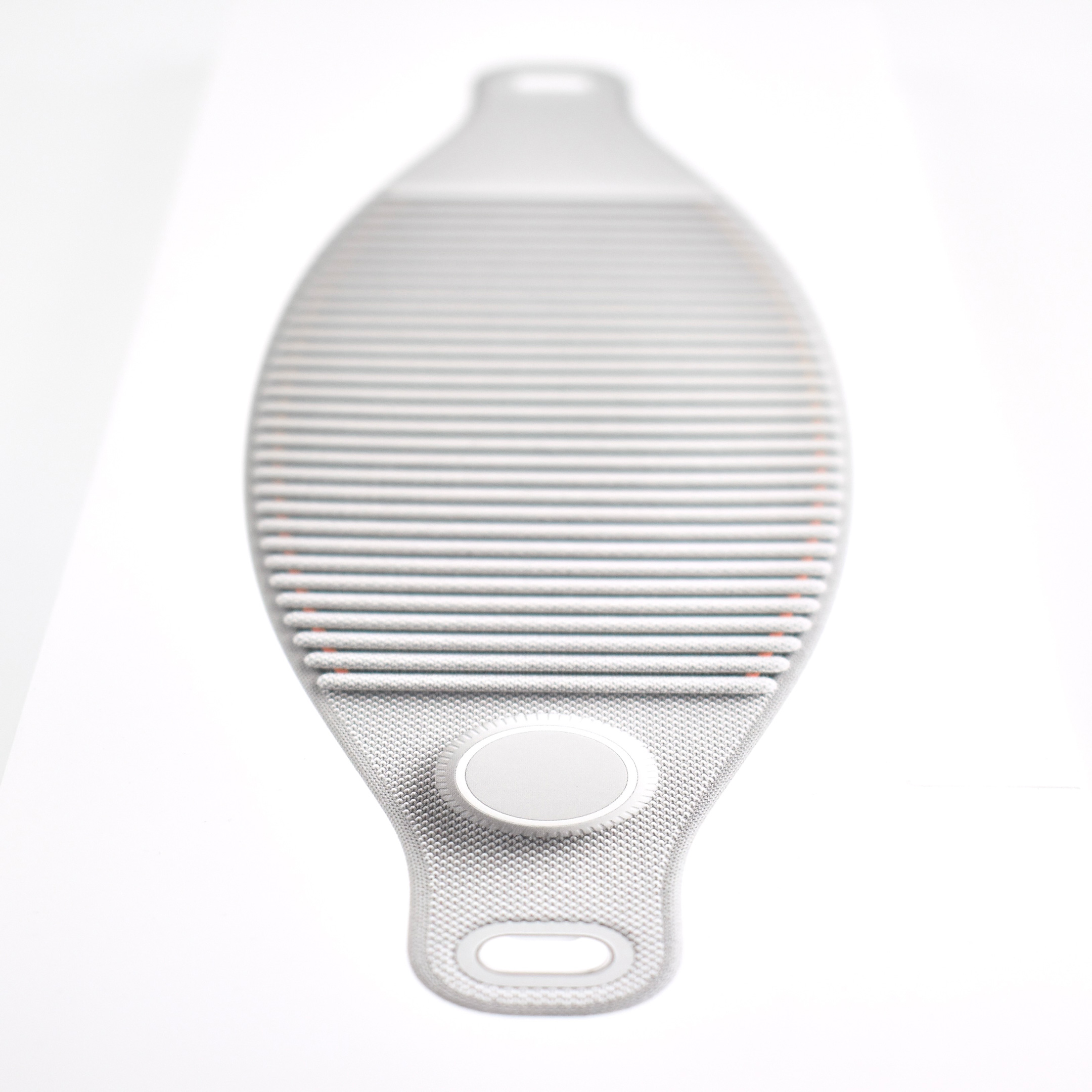
Solo Knit Bands were available in 3 sizes: S, M and L. This example is a size M. The size of the band is woven into the inside left of the band, near the orange release tab.
This Solo Knit Band is a replacement sold in retail packaging. The Product Information indicates:
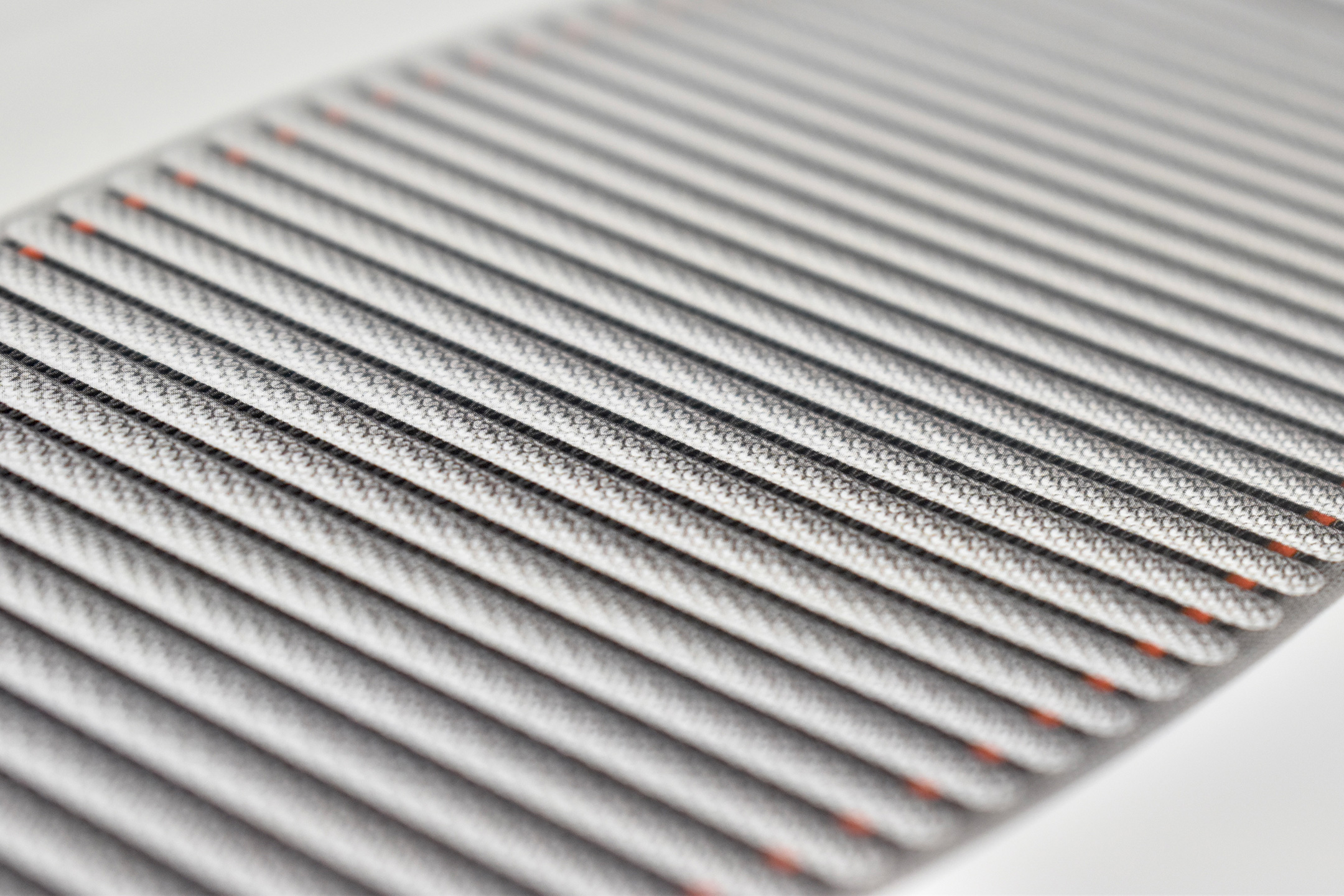
“Designed for Apple Vision Pro, the Solo Knit Band is 3D knitted as a single piece to create a unique rib structure that provides cushioning, breathability, and stretch. It has an easy-to-reach Fit Dial to let you adjust Apple Vision Pro to your head and enables microadjustments during use. The Solo Knit Band attaches to the Audio Straps with a simple and secure mechanism, and the release tabs allow you to detach it when needed.”
Among the two original options, the Solo Knit Band is my favorite in terms of comfort, and it has the least negative effect on my hair. In 2025, an new variant of this product was introduced, called the Apple Vision Pro Dual Knit Band. The second knit band extends over the head and has a separate Fit Dial adjustment.
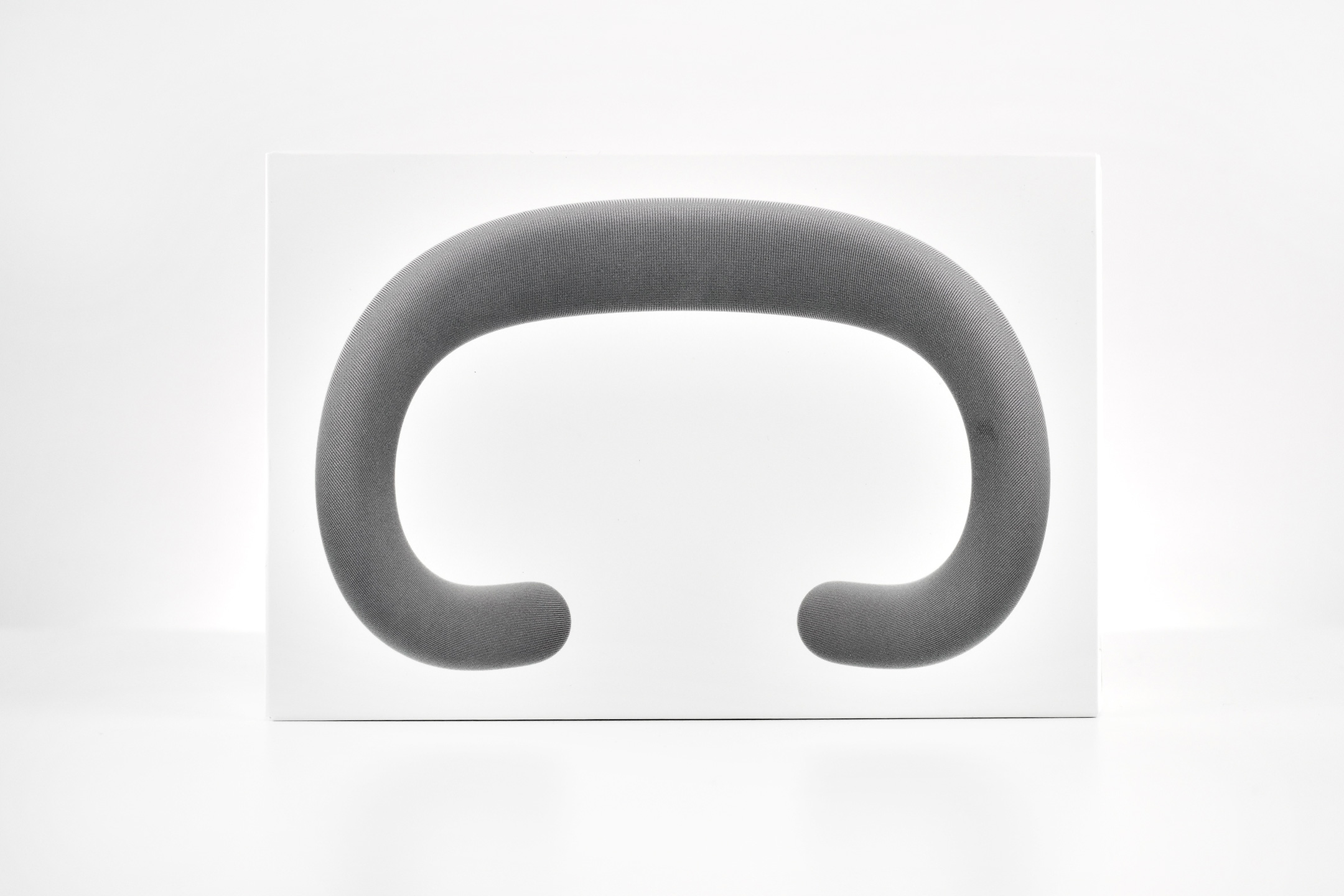
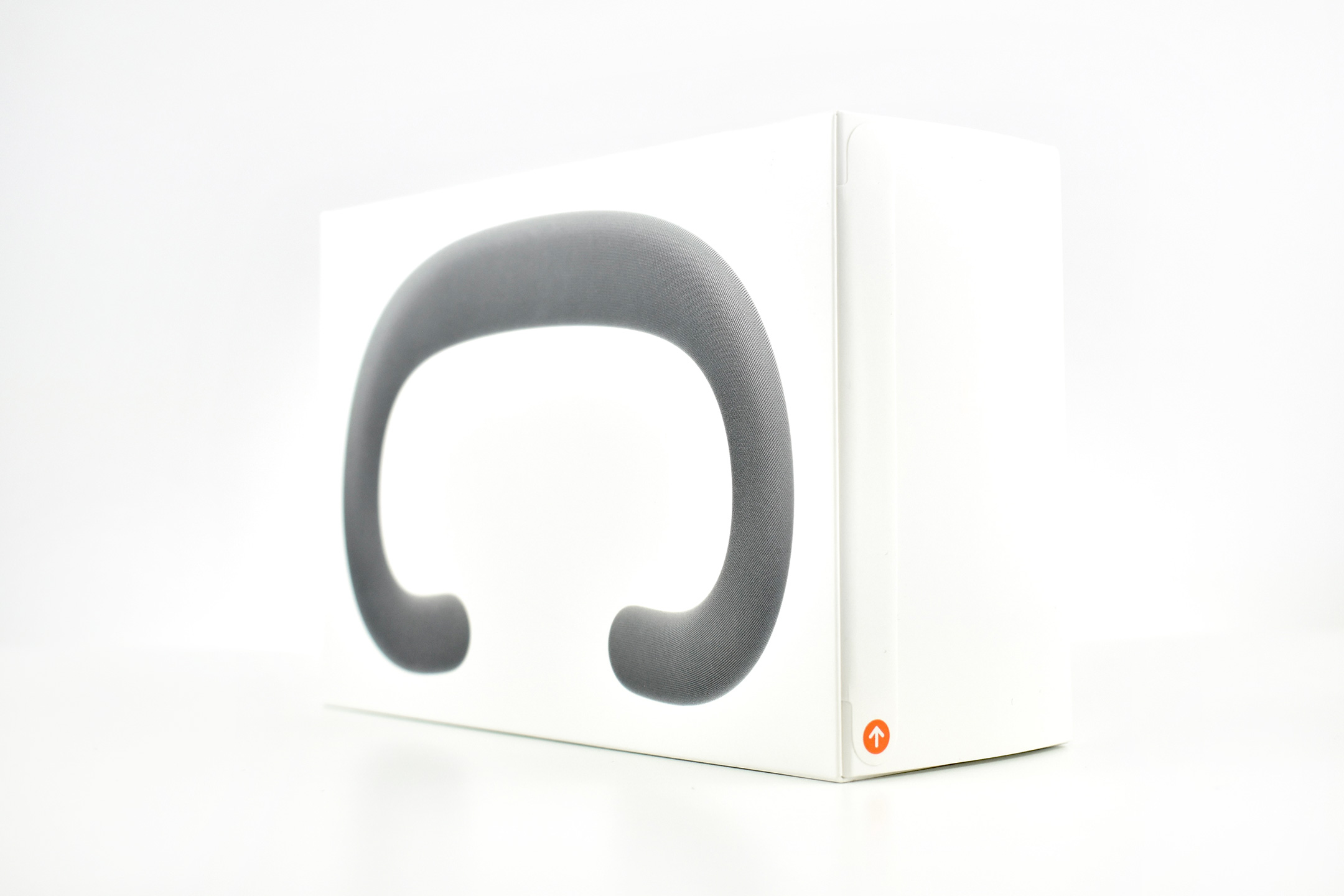
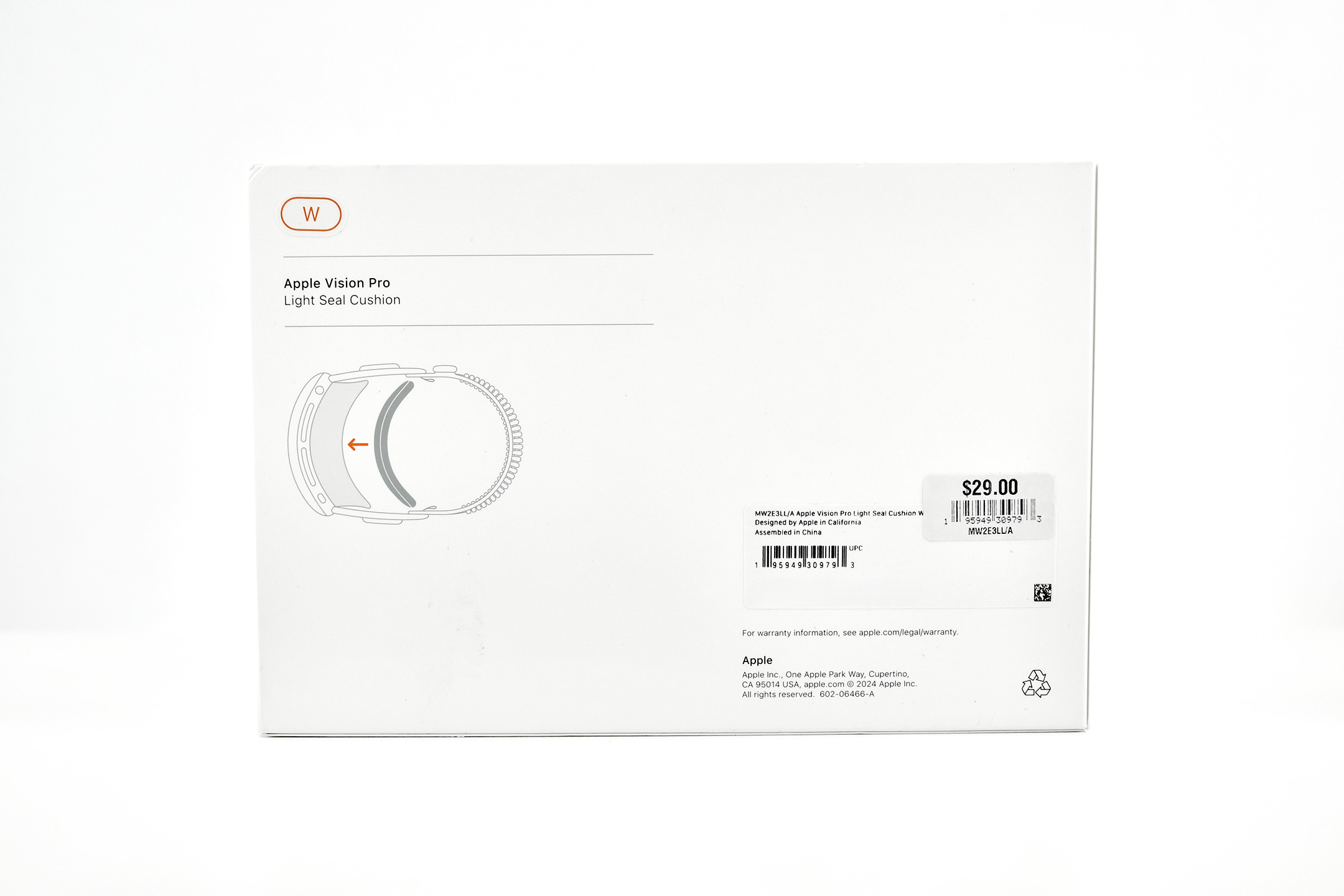
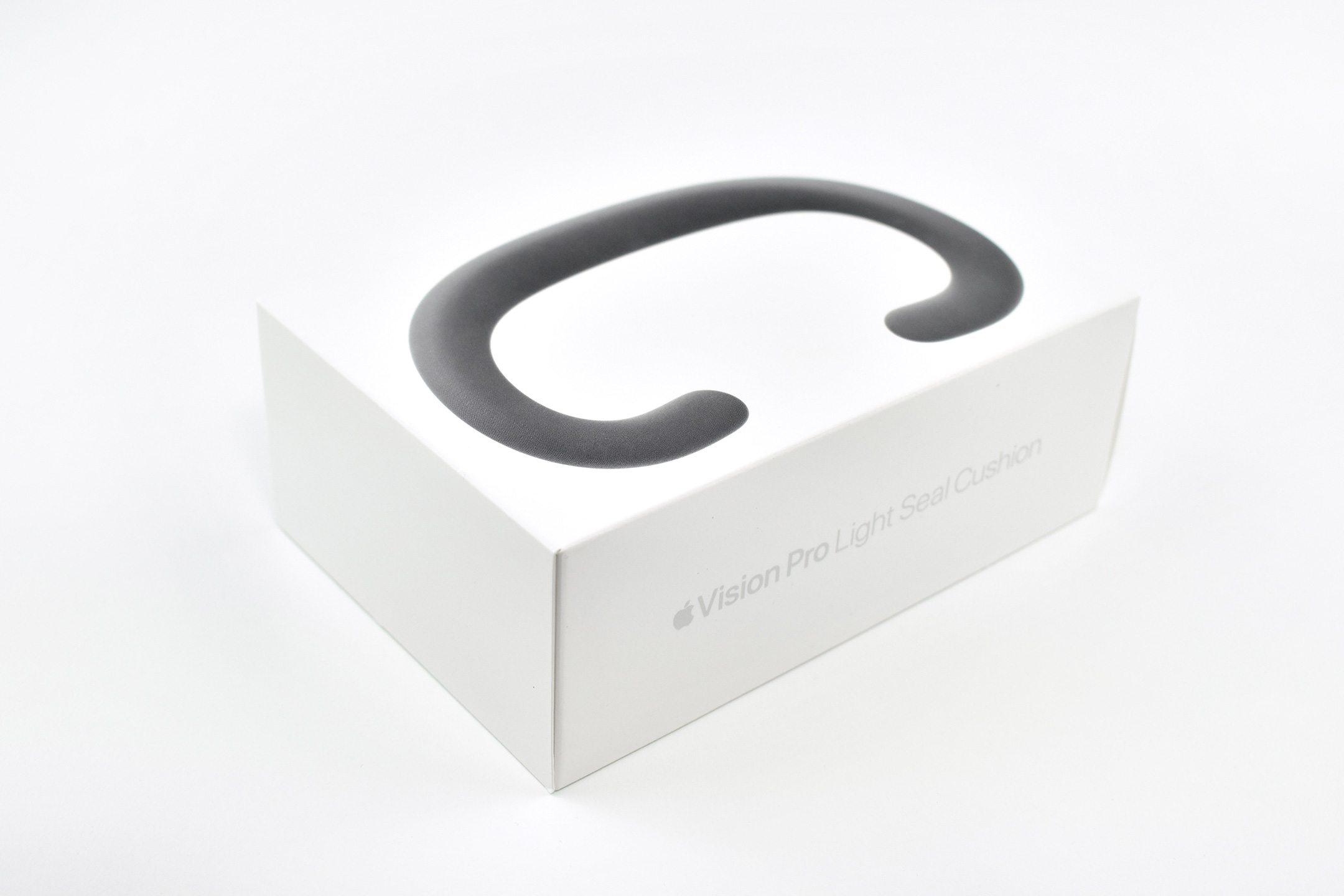
The Apple Vision Pro Light Seal Cushion is one of the required accessories that ships with the Apple Vision Pro and is custom-sized to the user. When purchasing an Apple Vision Pro, an app scans a user’s face and helps the user select an appropriately sized Light Seal Cushion.
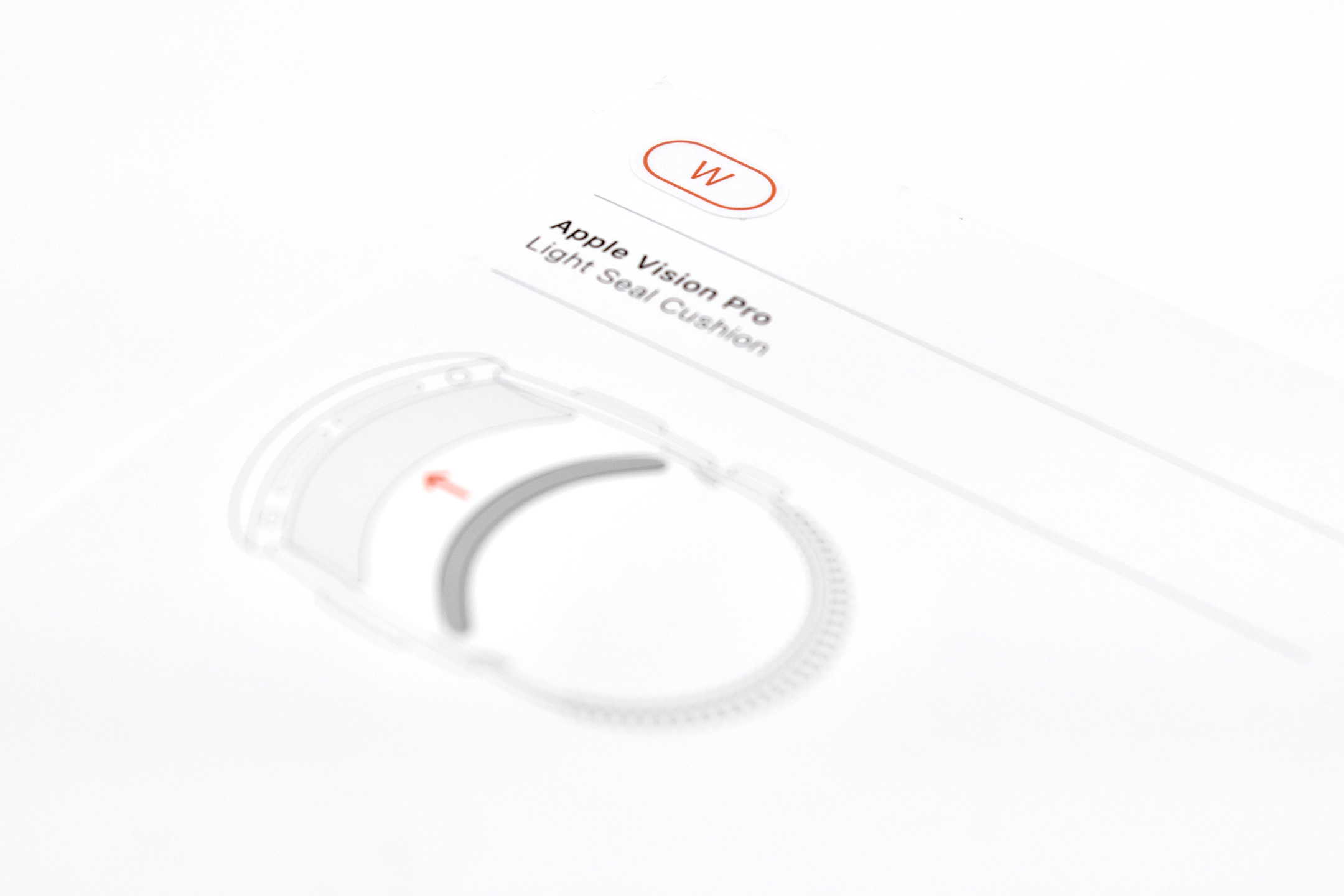
Light Seal Cushions were available in 4 sizes: N, N+, W, and W+ (the letters likely indicated “Narrow” and “Wide” sizes). This example is a size W.
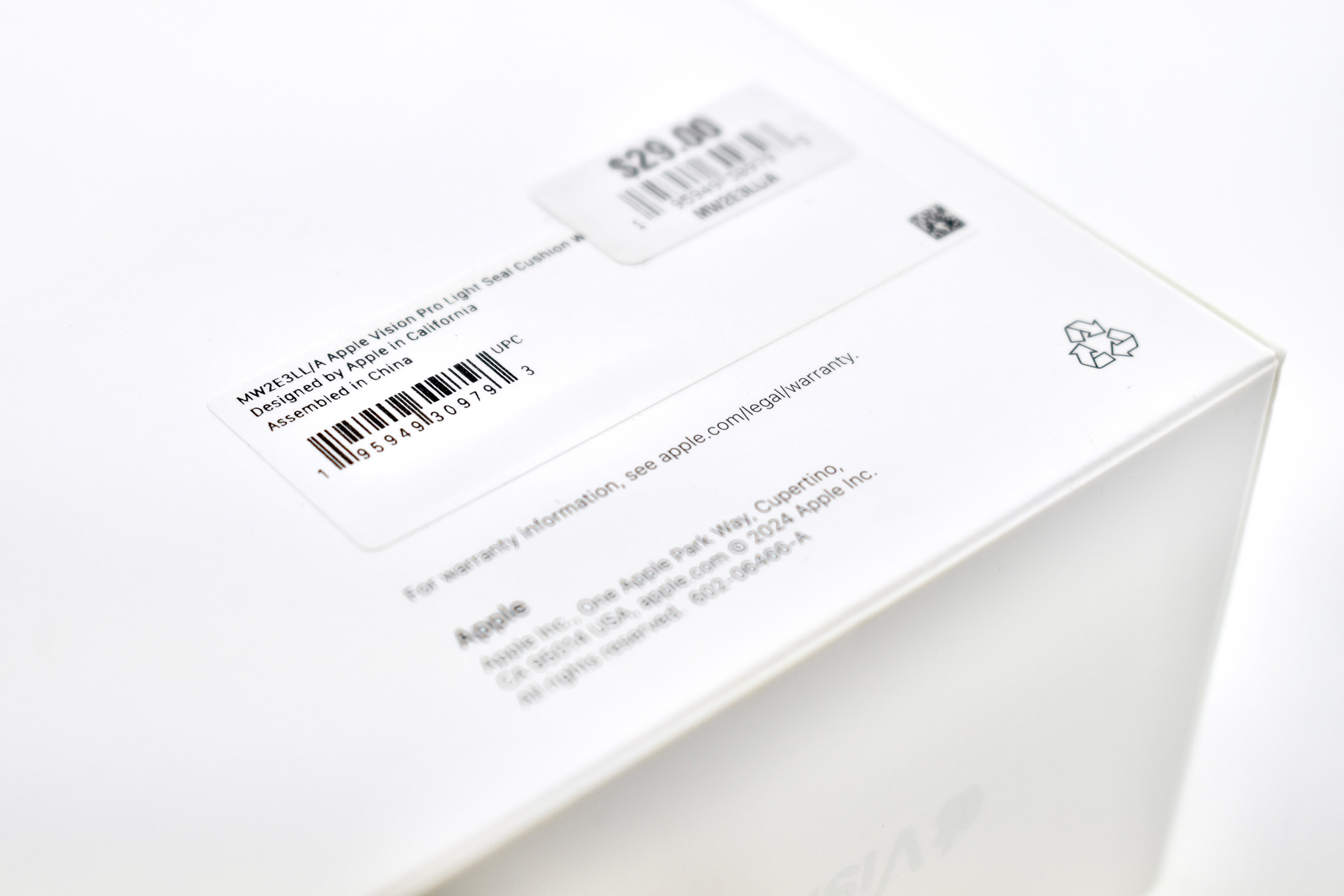
This Light Seal Cushion is a replacement sold in retail packaging. The Product Information section is very sparse, noting only:
“The Apple Vision Pro Light Seal Cushion magnetically attaches to the Apple Vision Pro Light Seal and can be easily removed for cleaning.”
In addition to listing the sizes, the Highlights list only: Attaches magnetically and Hand washable.
Beats by Dr. Dre (“Beats”) was founded in 2006 by Dr. Dre and Jimmy lovine. Beats makes a collection of headphones, earphones, and speakers, and aims to “bring the energy, emotion and excitement of playback in the recording studio back to the listening experience for music lovers worldwide.” Beats was acquired by Apple in July 2014.
As a company owned by Apple, Beats have many of the same features found in Apple-branded audio products, but Beats seems to more prominently feature Android compatibility in product specifications (compared to Apple’s AirPods products). The Beats product overview notes:
“The Beats Studio Pro custom acoustic platform delivers an immersive listening experience. Each custom 40mm driver has been engineered for optimal clarity, with near-zero distortion even at high volume – an improvement of up to 80% compared to Beats Studio3, providing increased audio fidelity. An integrated digital processor optimizes the final frequency response for a powerful, yet balanced sound profile crafted to bring out the subtle details of whatever you’re listening to.”
The product packaging touts the following features:
Sound that surrounds you with Personalized Spatial Audio and dynamic head tracking
Active Noise Cancelling (ANC) for immersive listening
Transparency mode blends your listening experience with the world around you
Two additional EQ-optimized sound profiles while using USB-C audio
Voice targeting mics for clear call performance
UltraPlush engineered leather cushions for extended comfort and durability
The “Enhanced Apple Compatibility” features of Beats Studio Pro Wireless Headphones include one-touch pairing with every device in your iCloud account, “Hey Siri” compatibility, Find My suport, and Over-the-air updates.
“Enhanced Android Compatibility” features include Google Fast Pair to all Android or Chrome devices registered to a Gmail account, Audio Switch between Android and Chromebook devices, Google Find My Device support, and a Beats app for Android to “unlock access to product customization, software updates, and new features to get the most out of your headphones.”
The headphones measure 7.125 inches high, by 7 inches long, by 3.1 inches wide, and weigh 9.17 ounces. They include a custom-fitted carrying case, USB-C-to-USB-C cable (charging and audio), and a 3.5 mm analog audio cable. Bluetooth (version 5.3) delivers up to 40 hours of listening time and offers a “Fast Fuel” charge that delivers up to 4 hours of playback from a 10-minute charge.
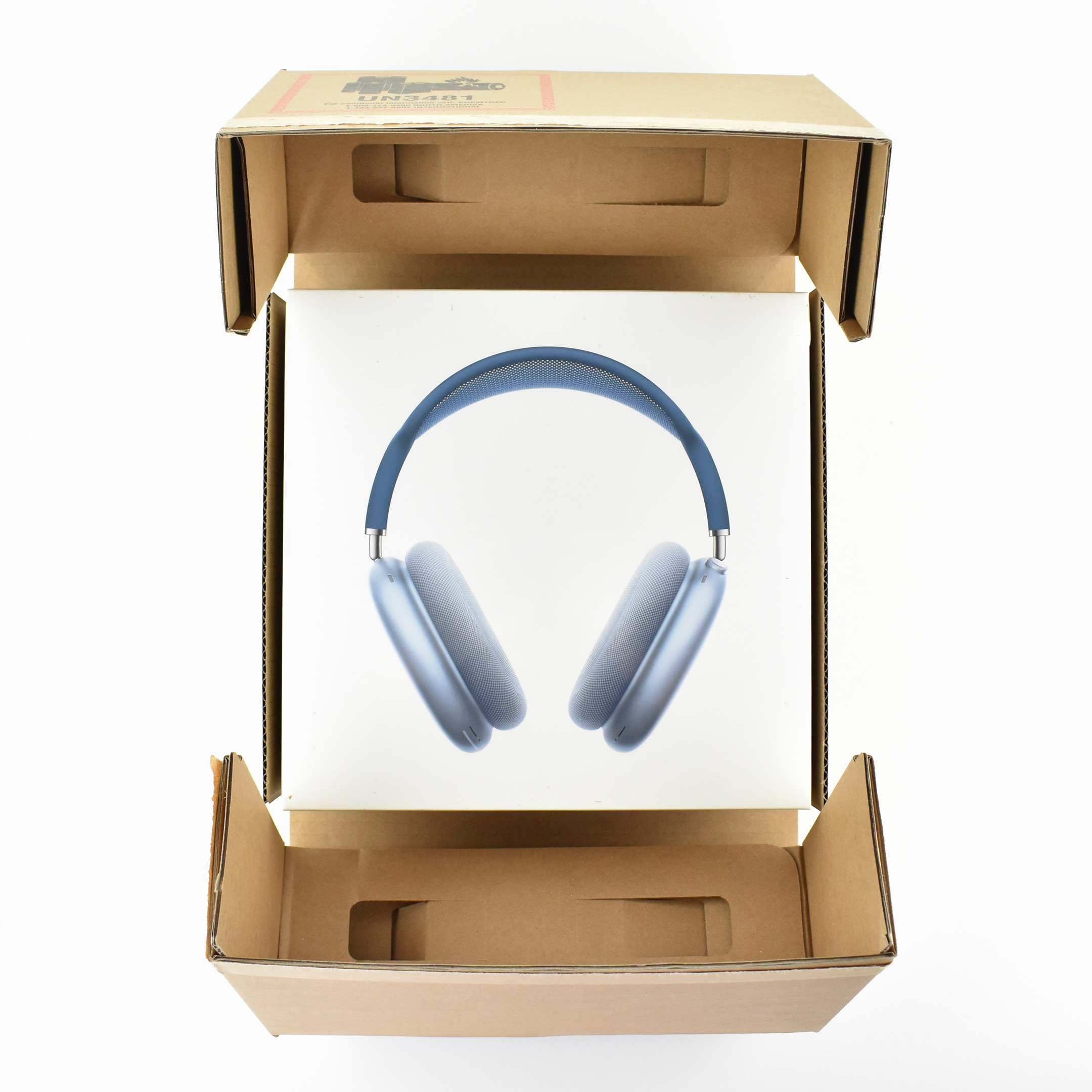
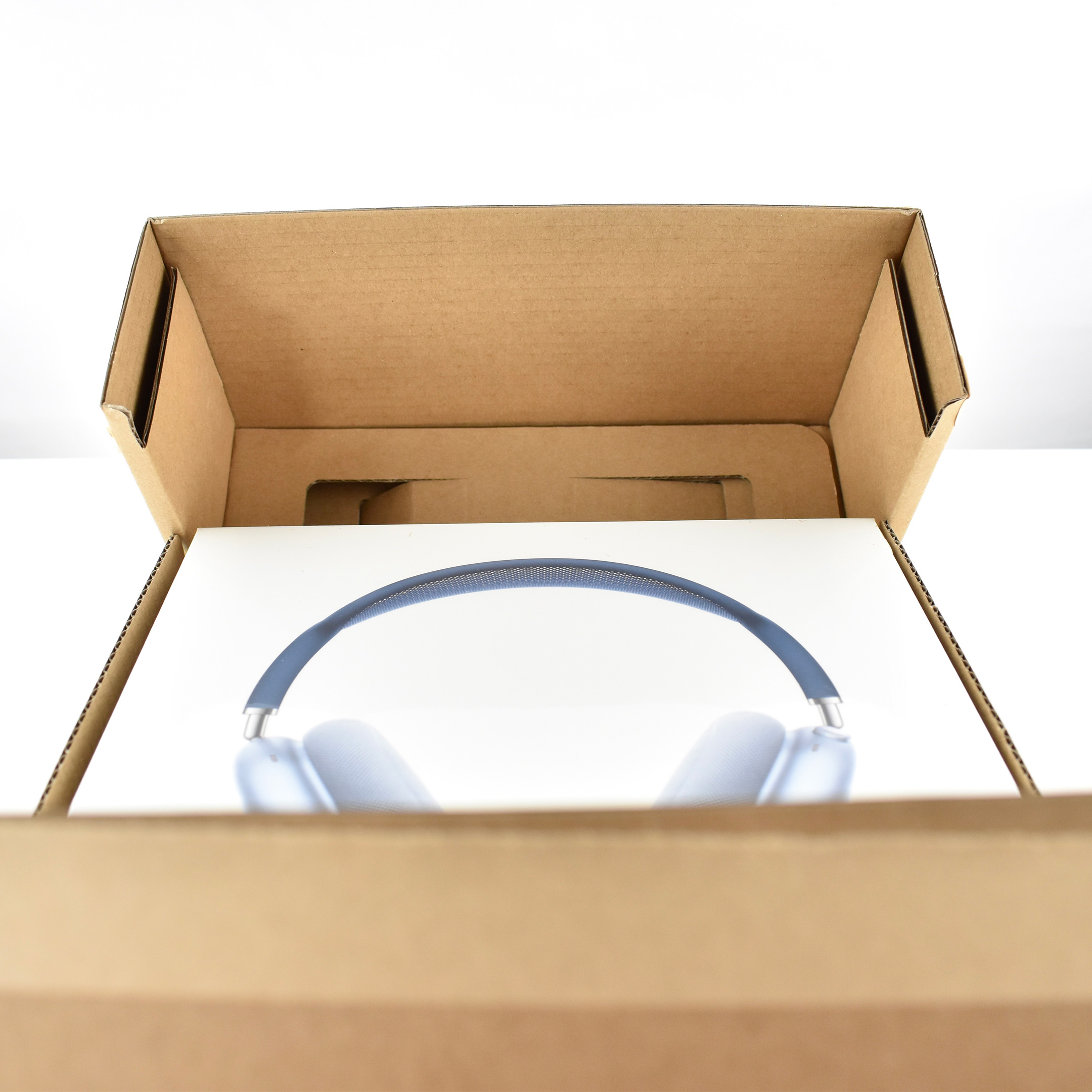
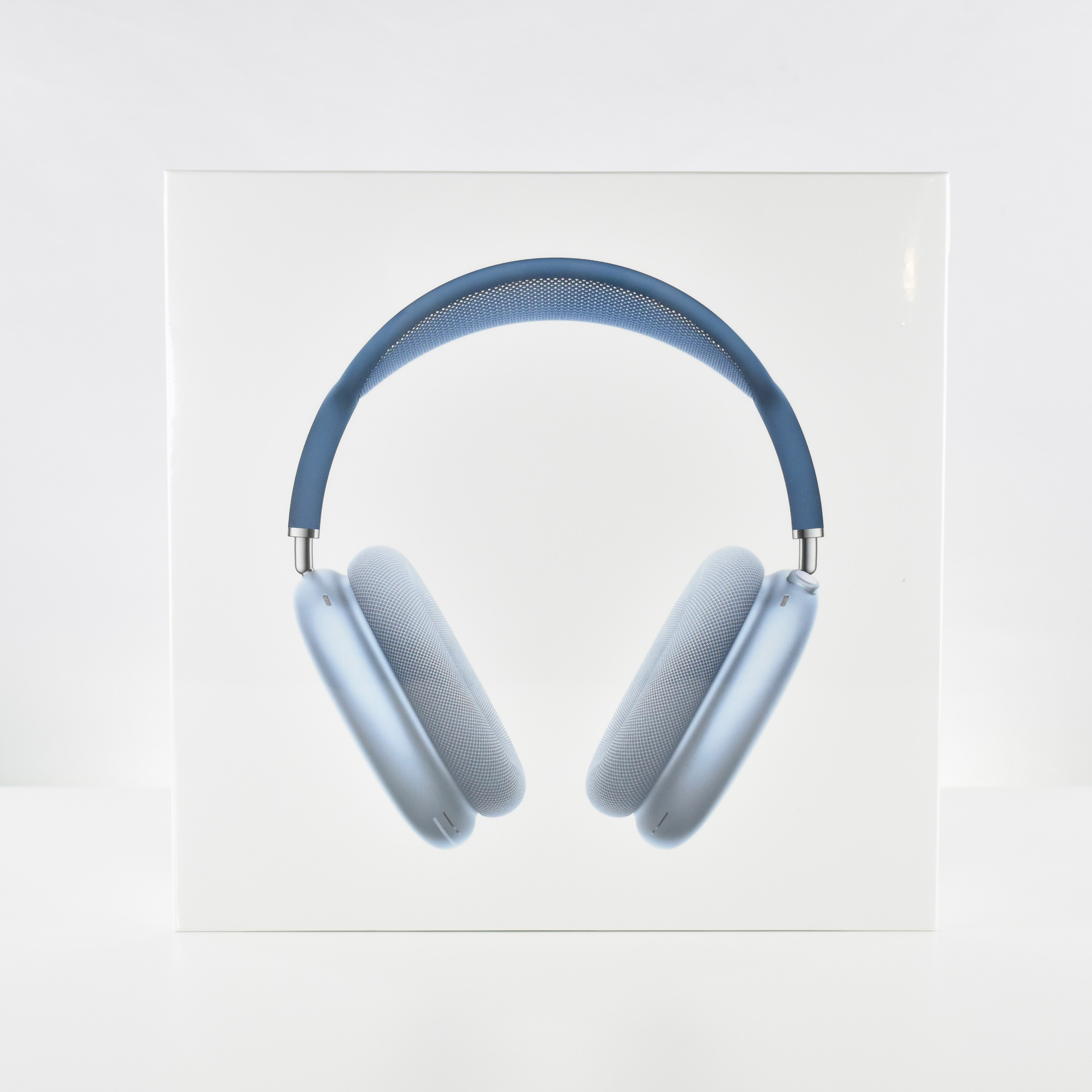
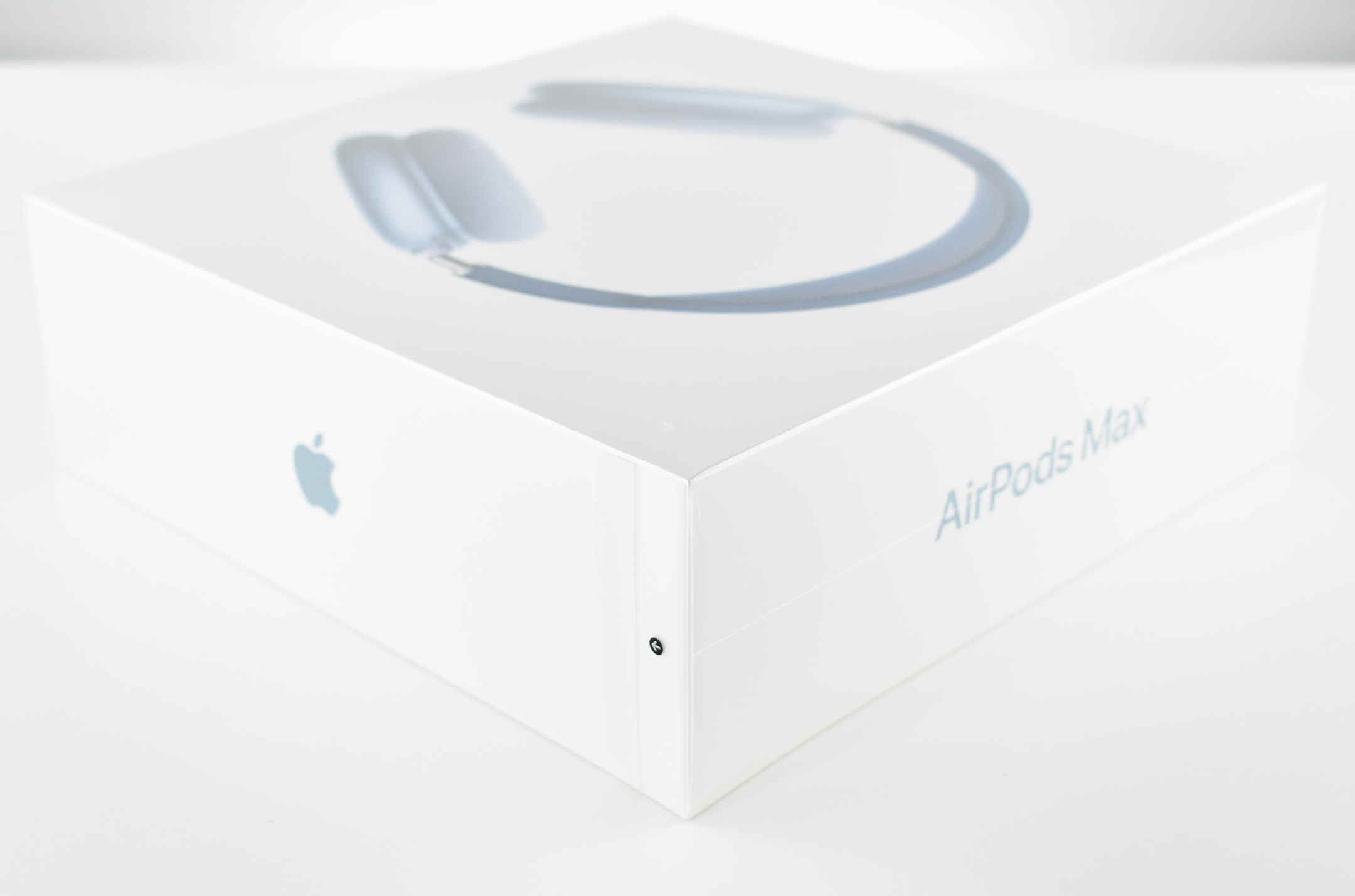
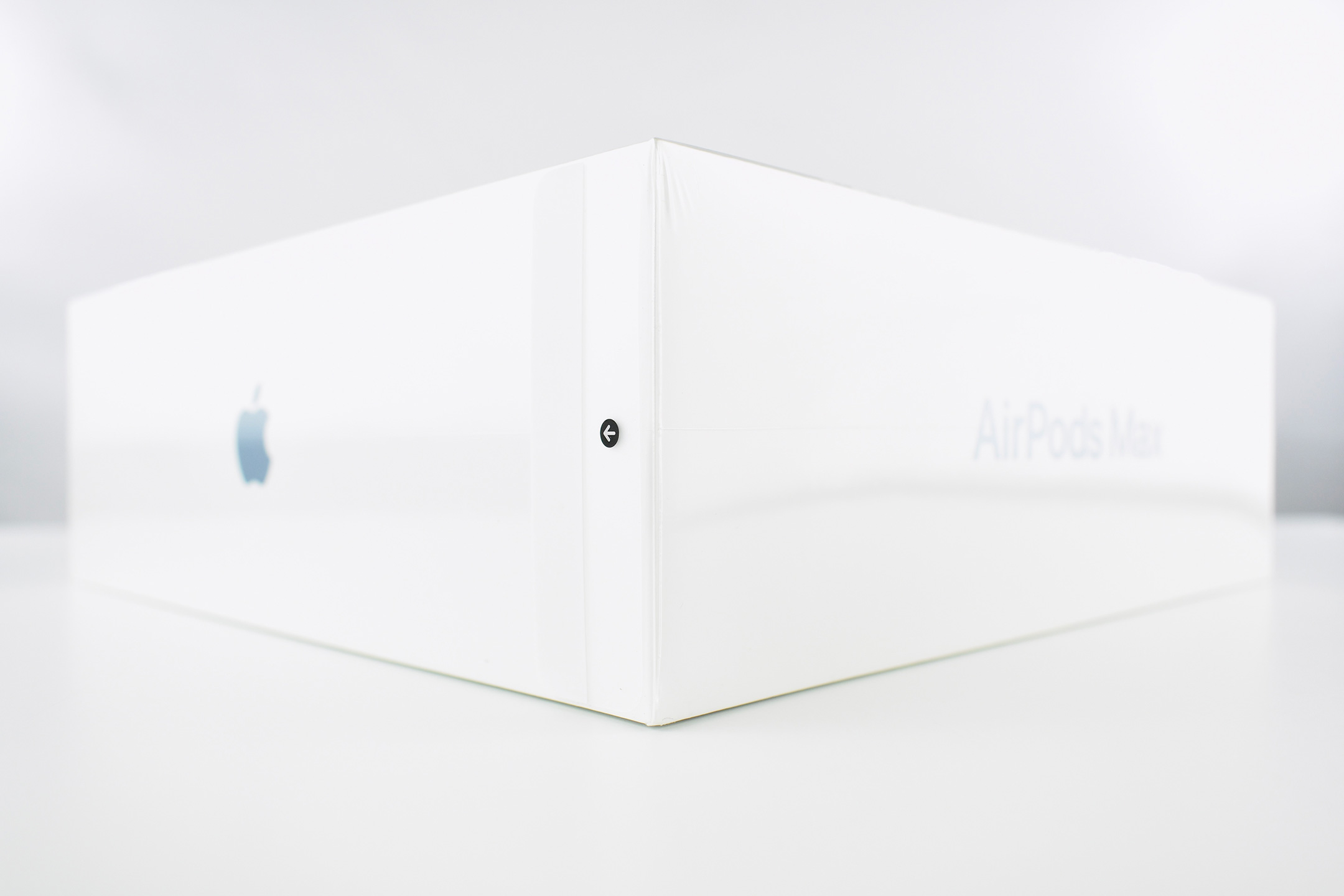
Apple announced their AirPods Max over-ear headphones on December 8, 2020, and they shipped one week later on December 15. The original press release touted:
“AirPods Max feature incredible high-fidelity audio, Adaptive EQ, Active Noise Cancellation, and spatial audio”
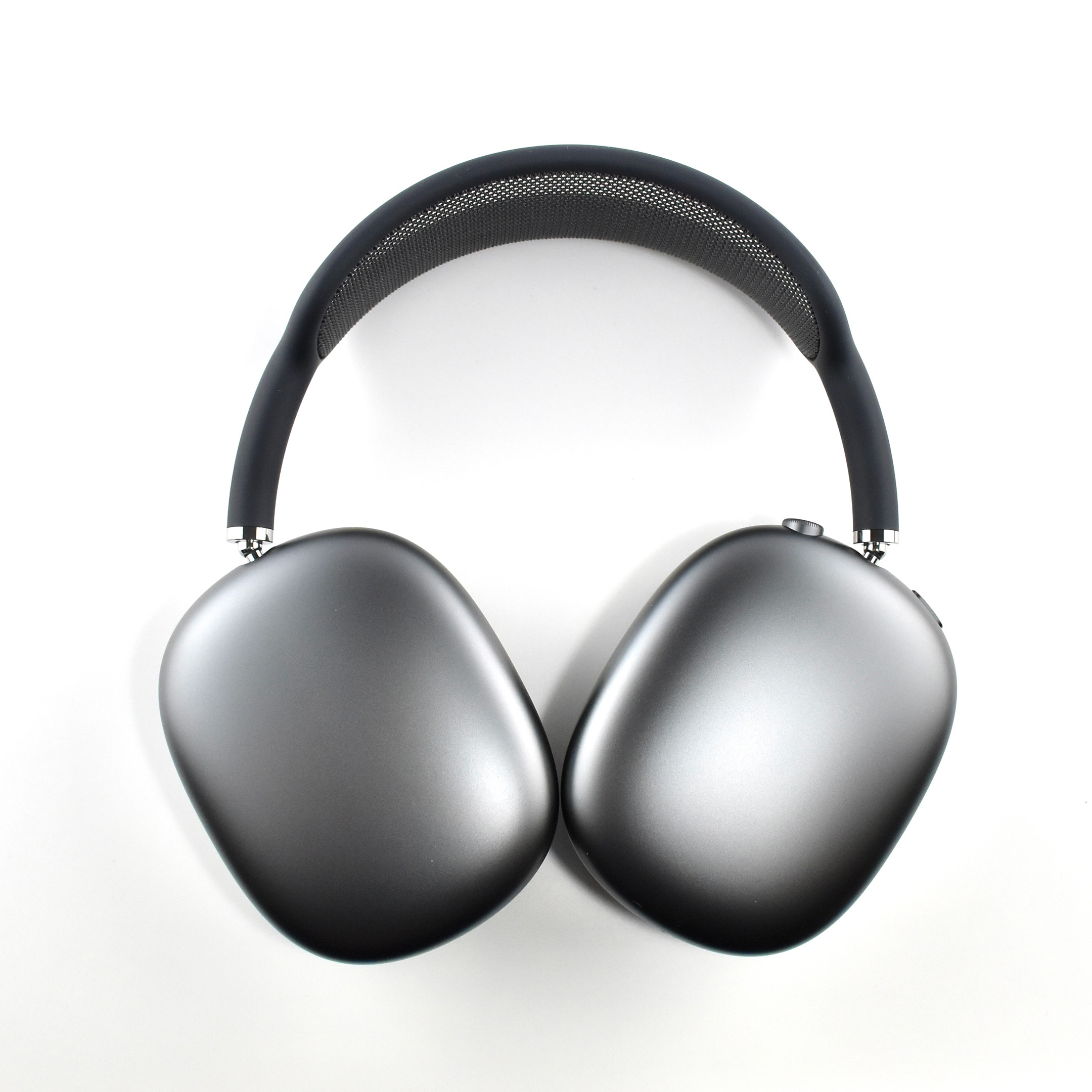
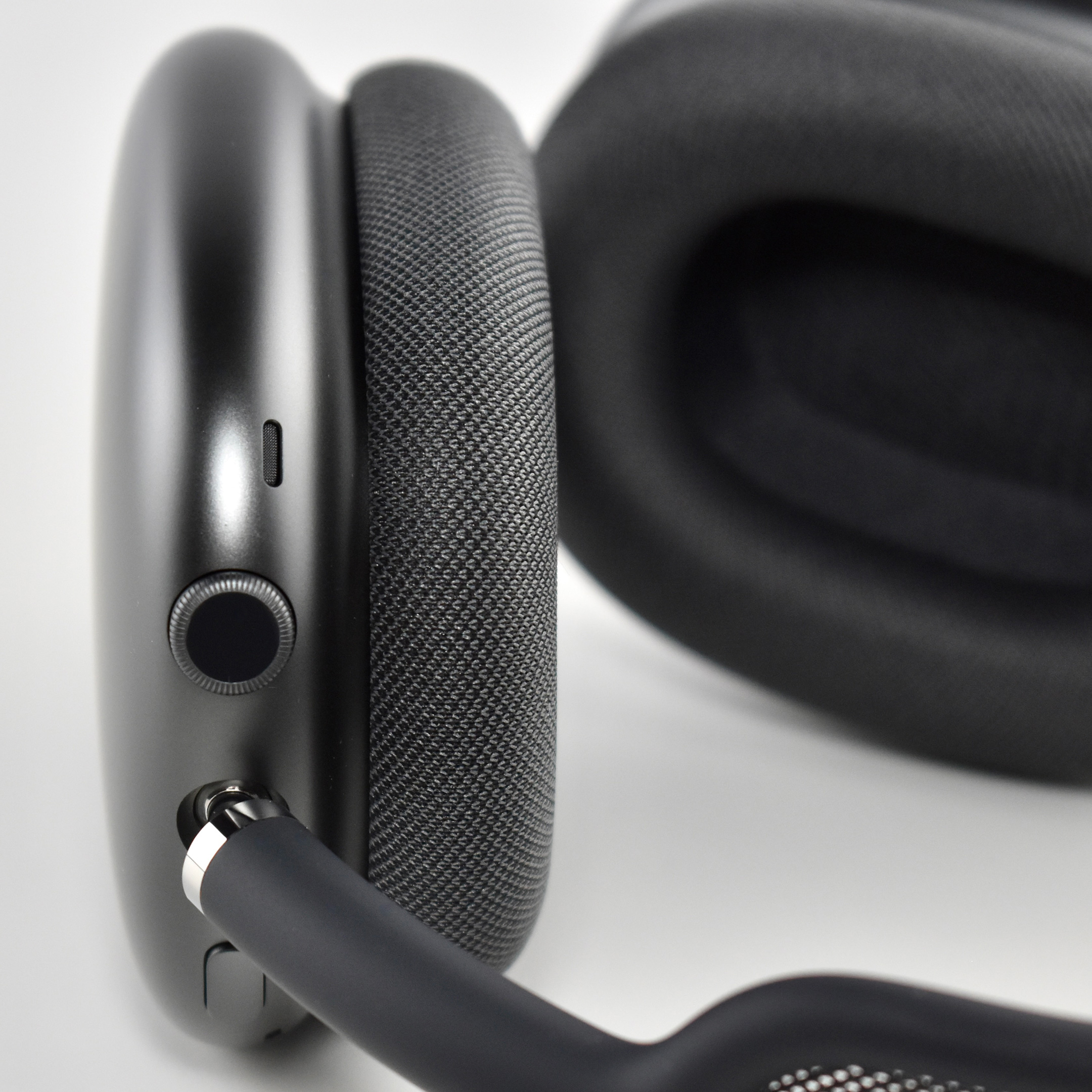
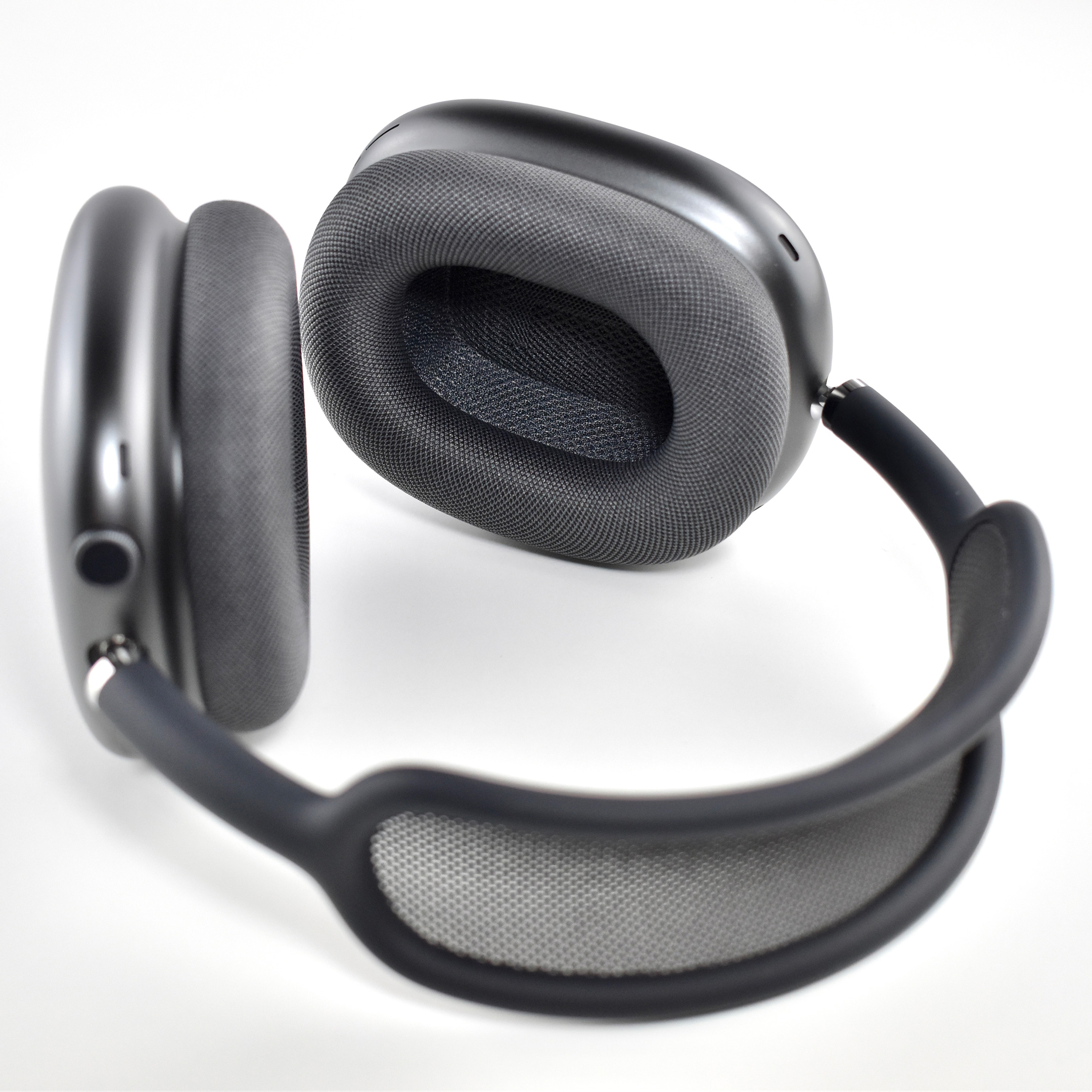
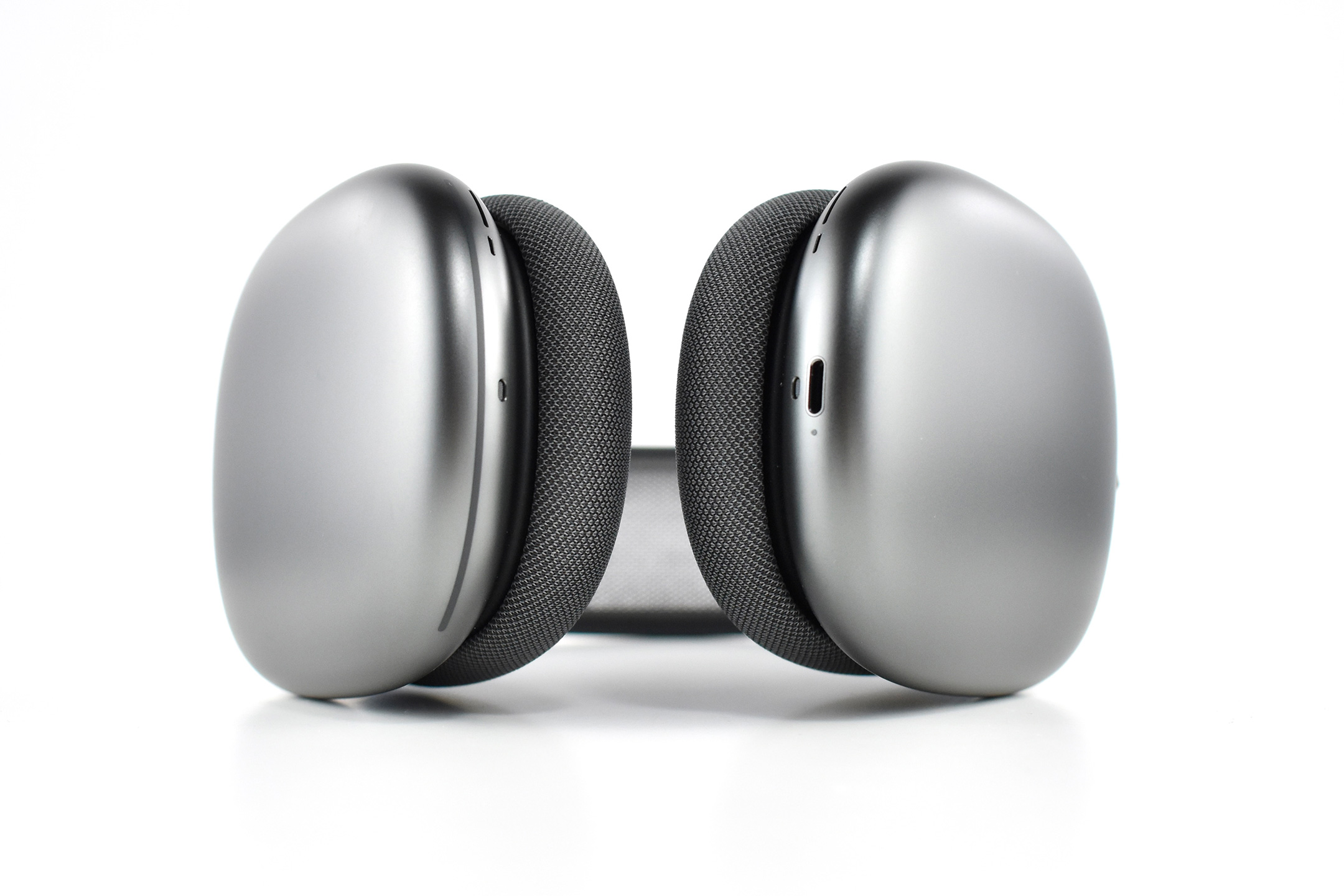
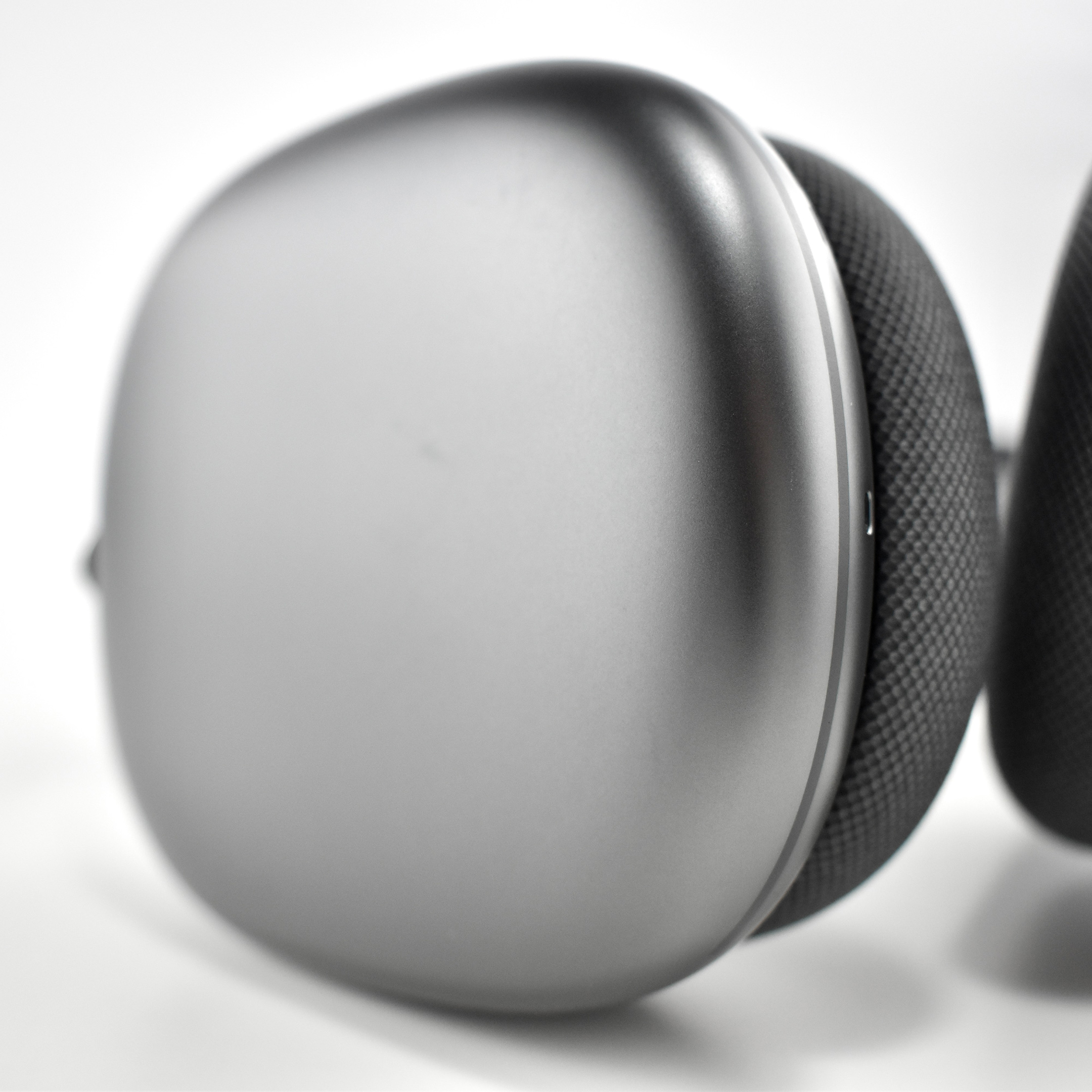
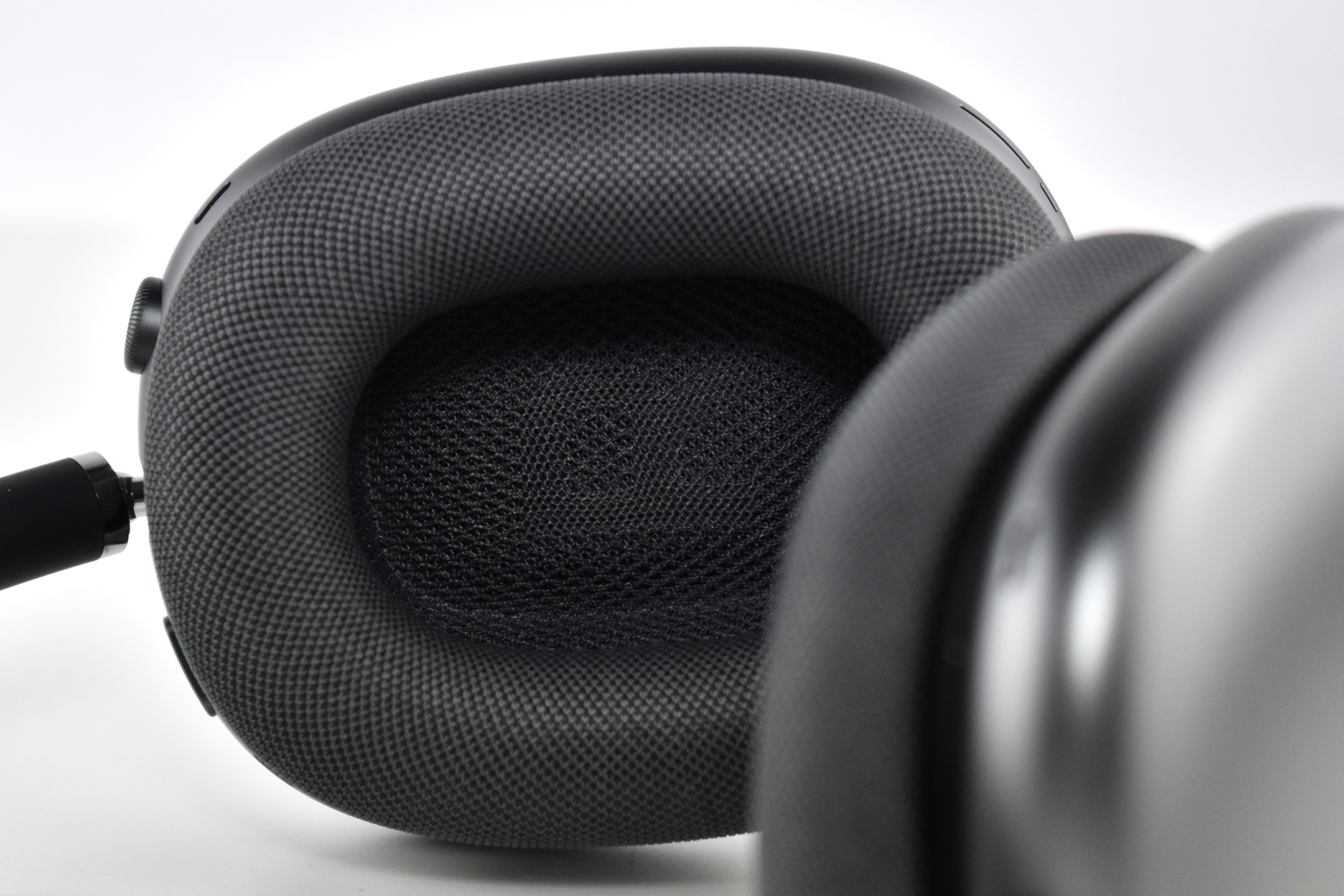
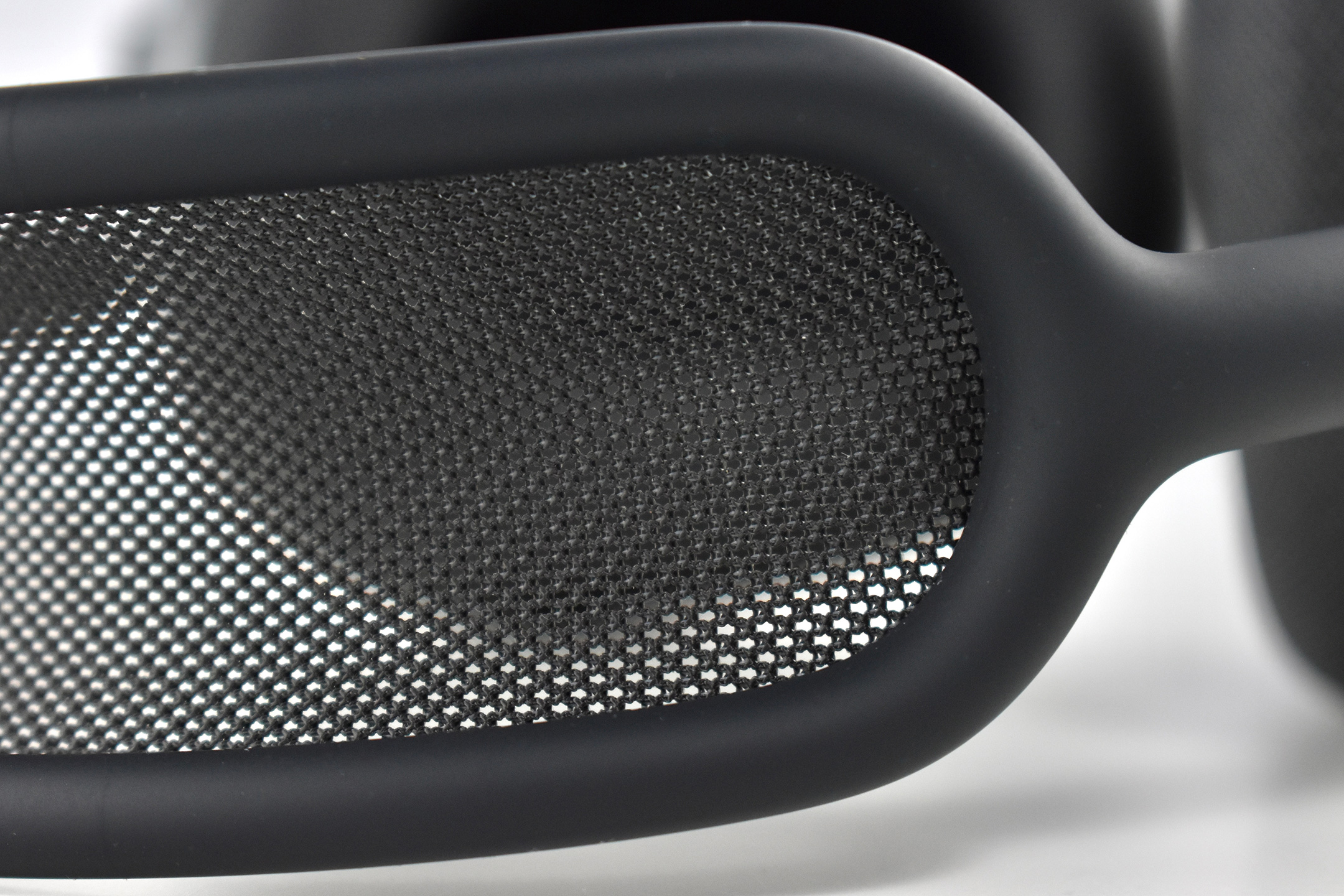
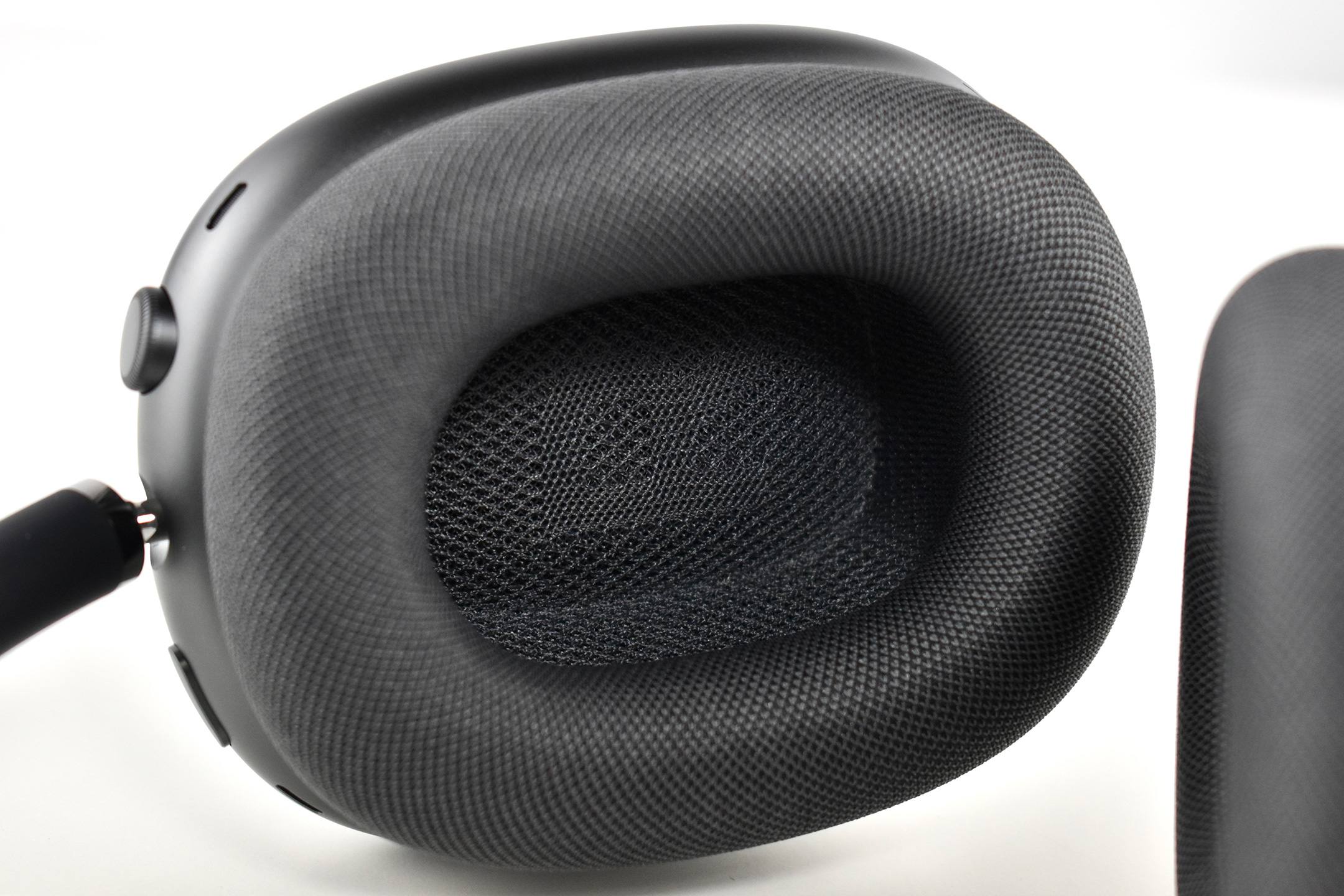
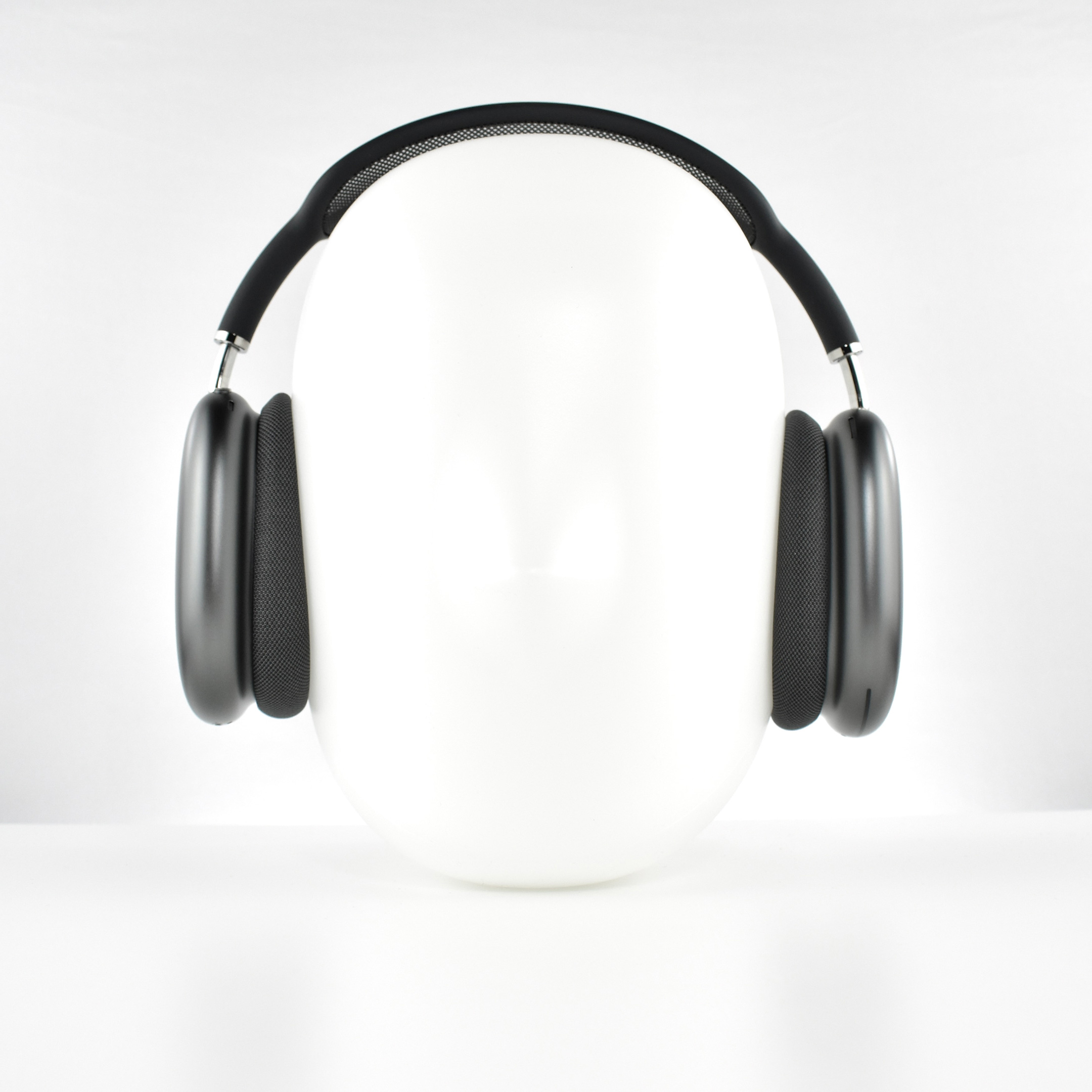
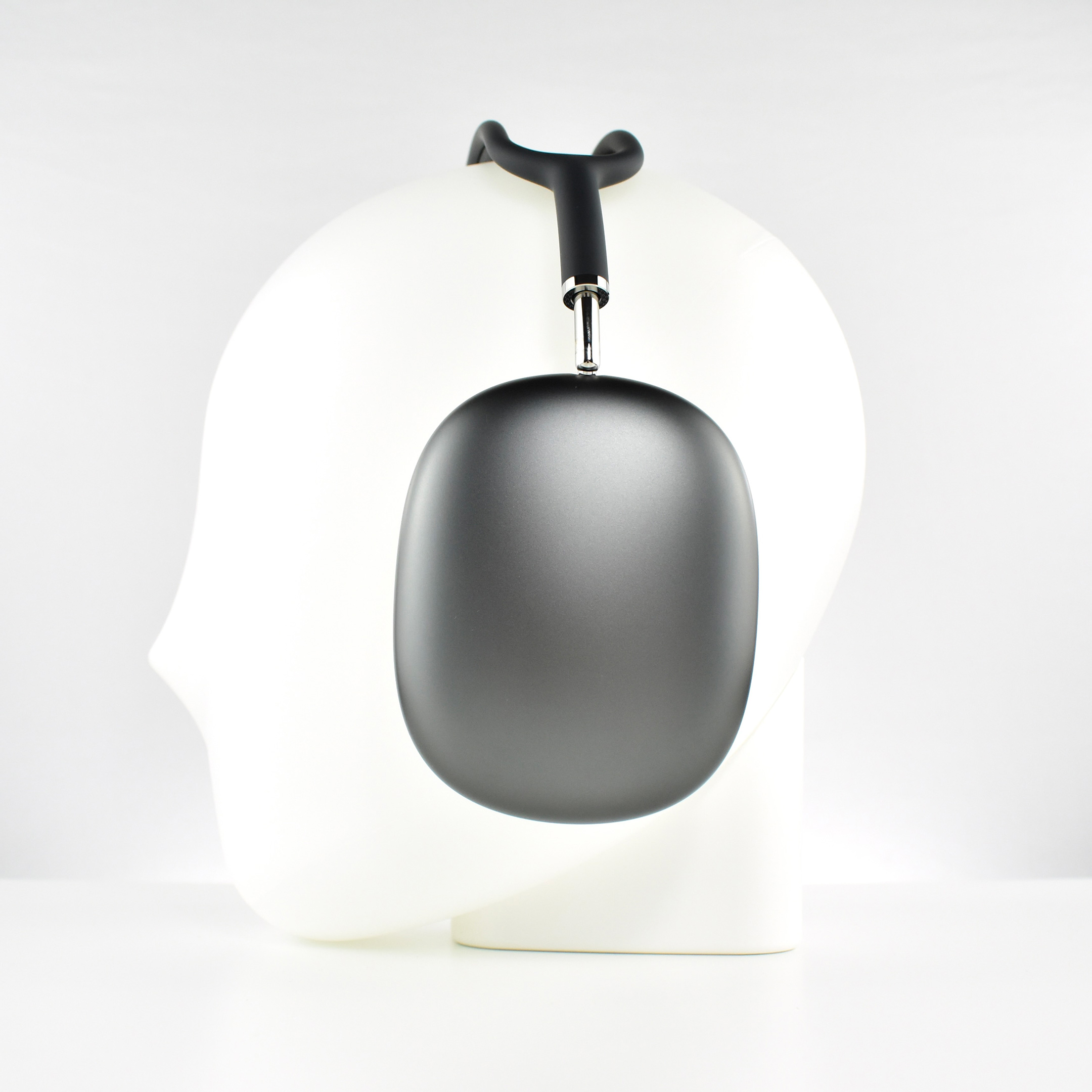
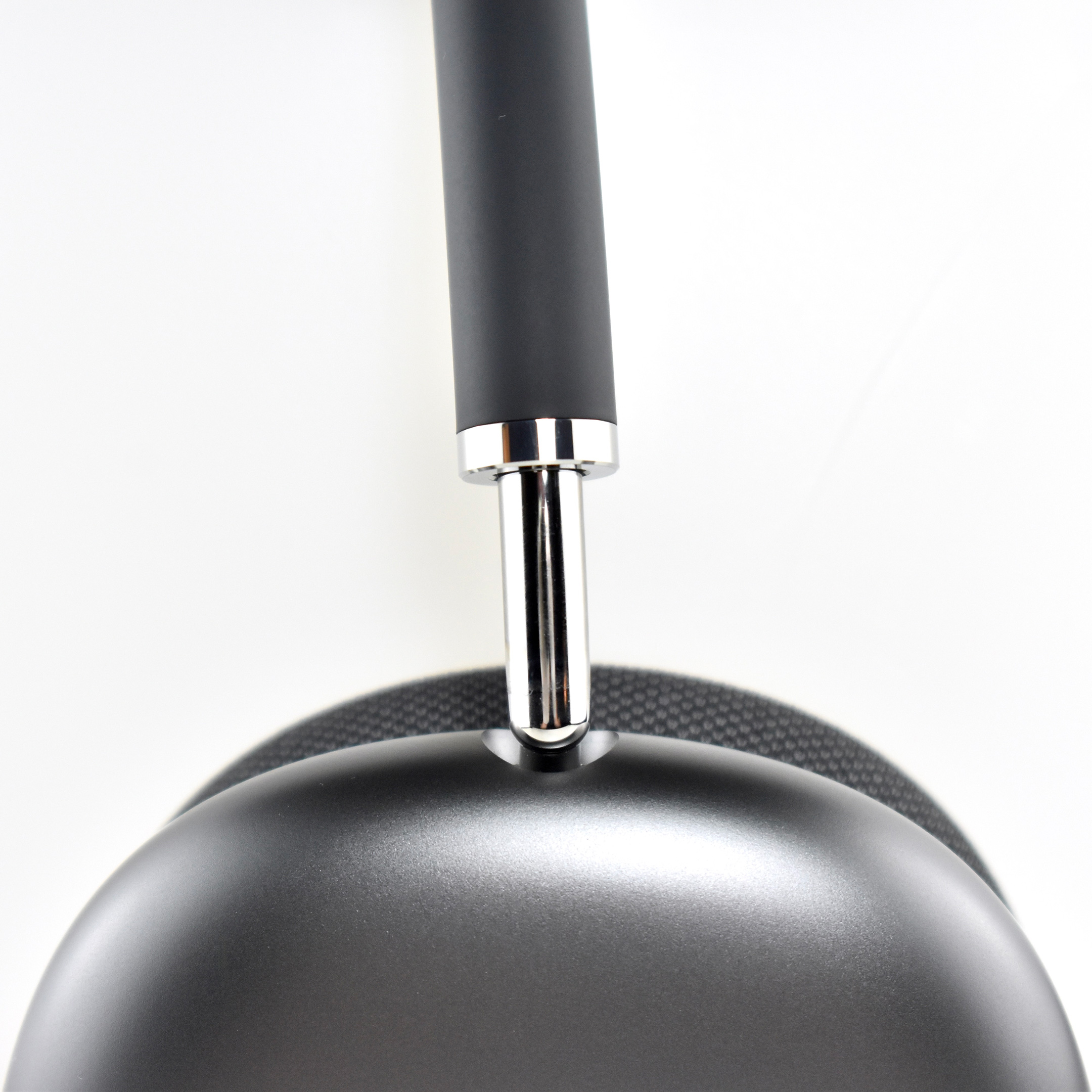
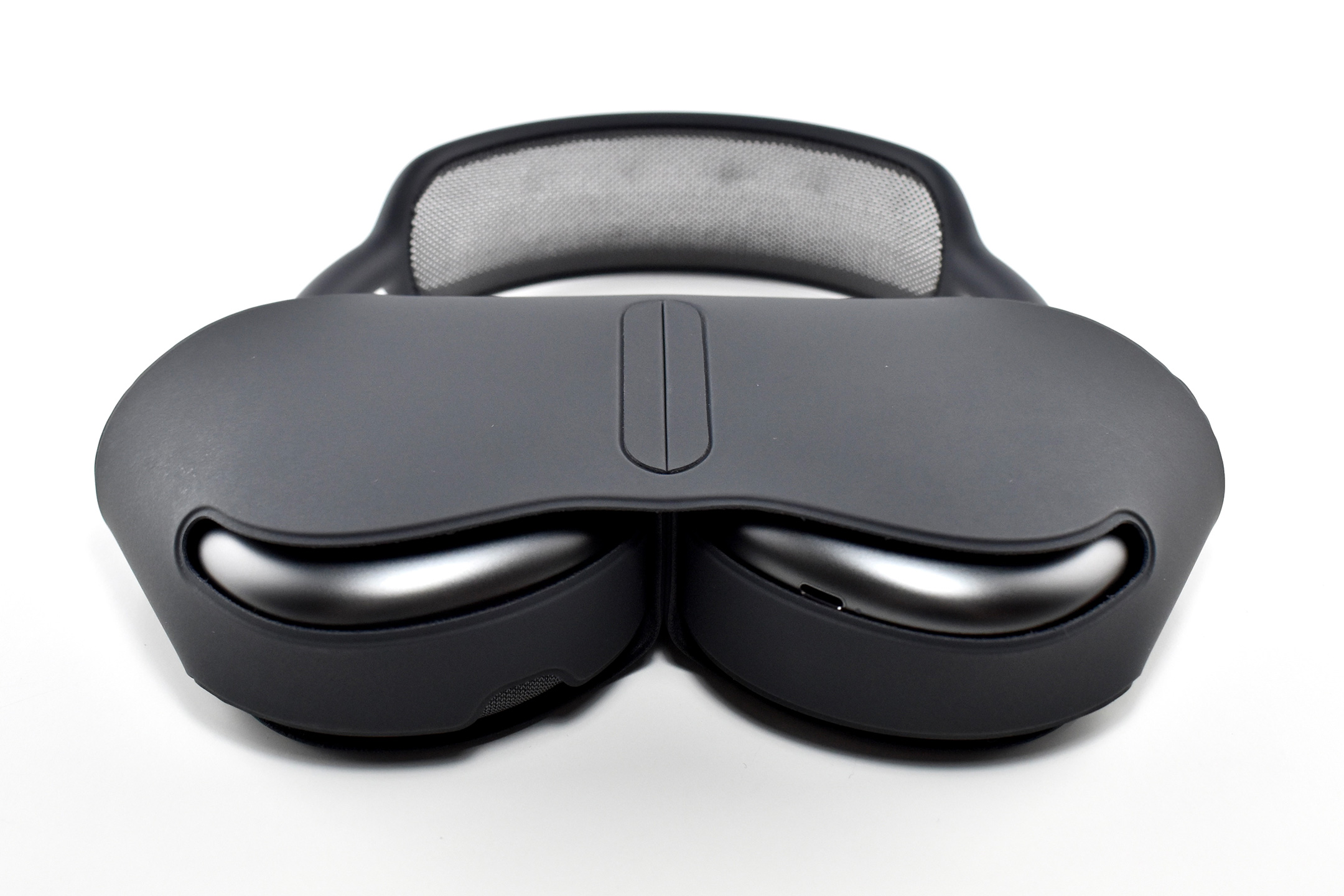
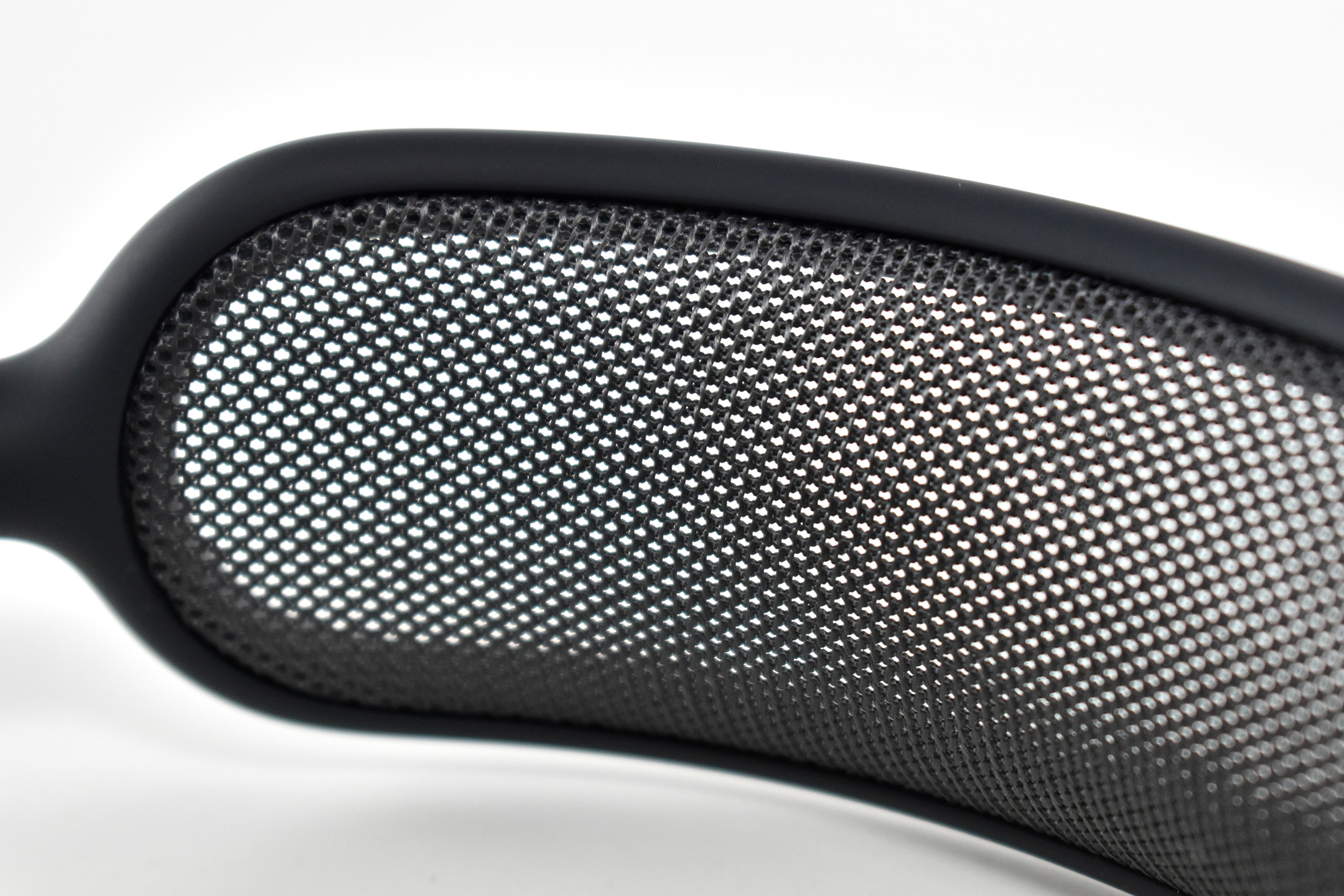
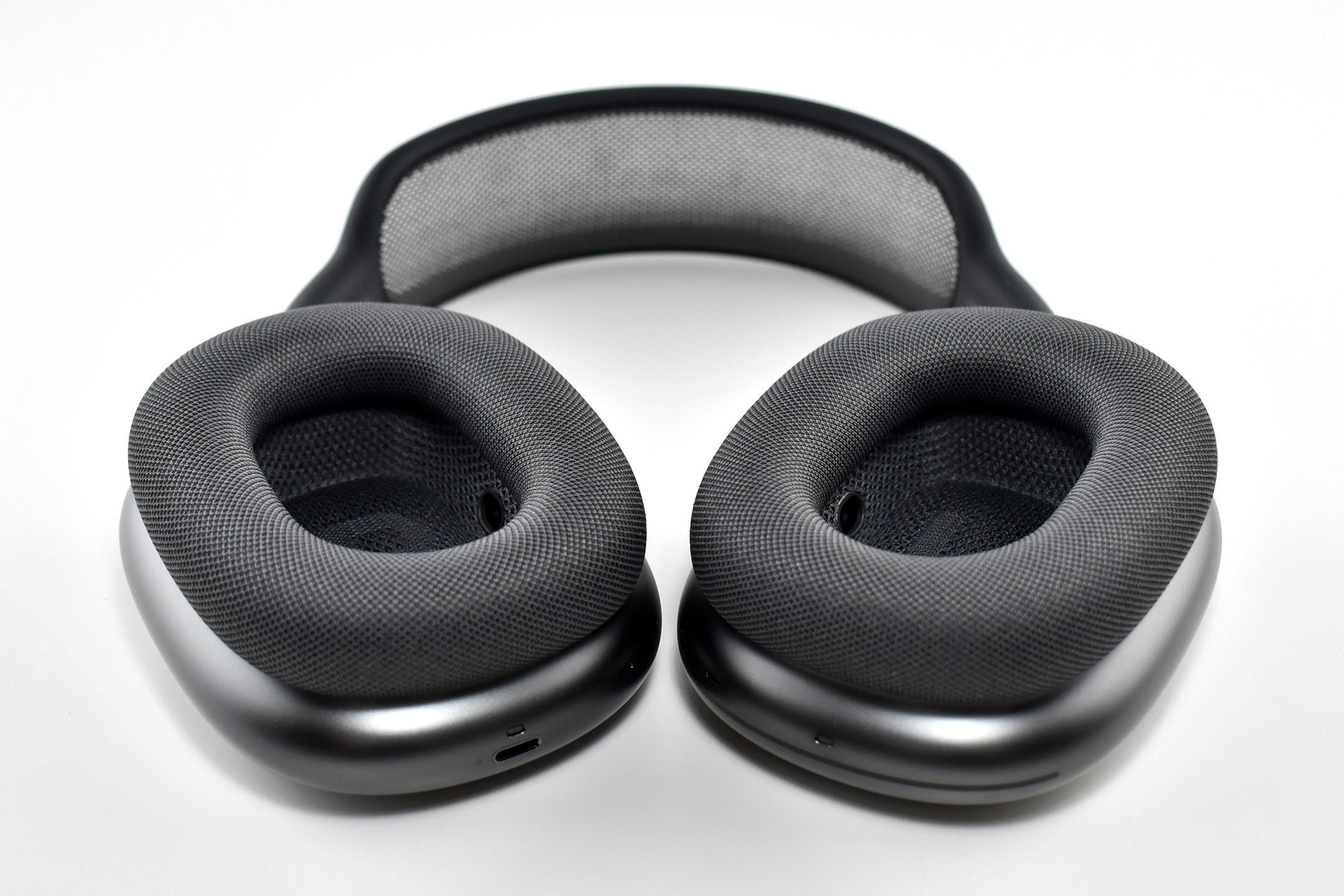
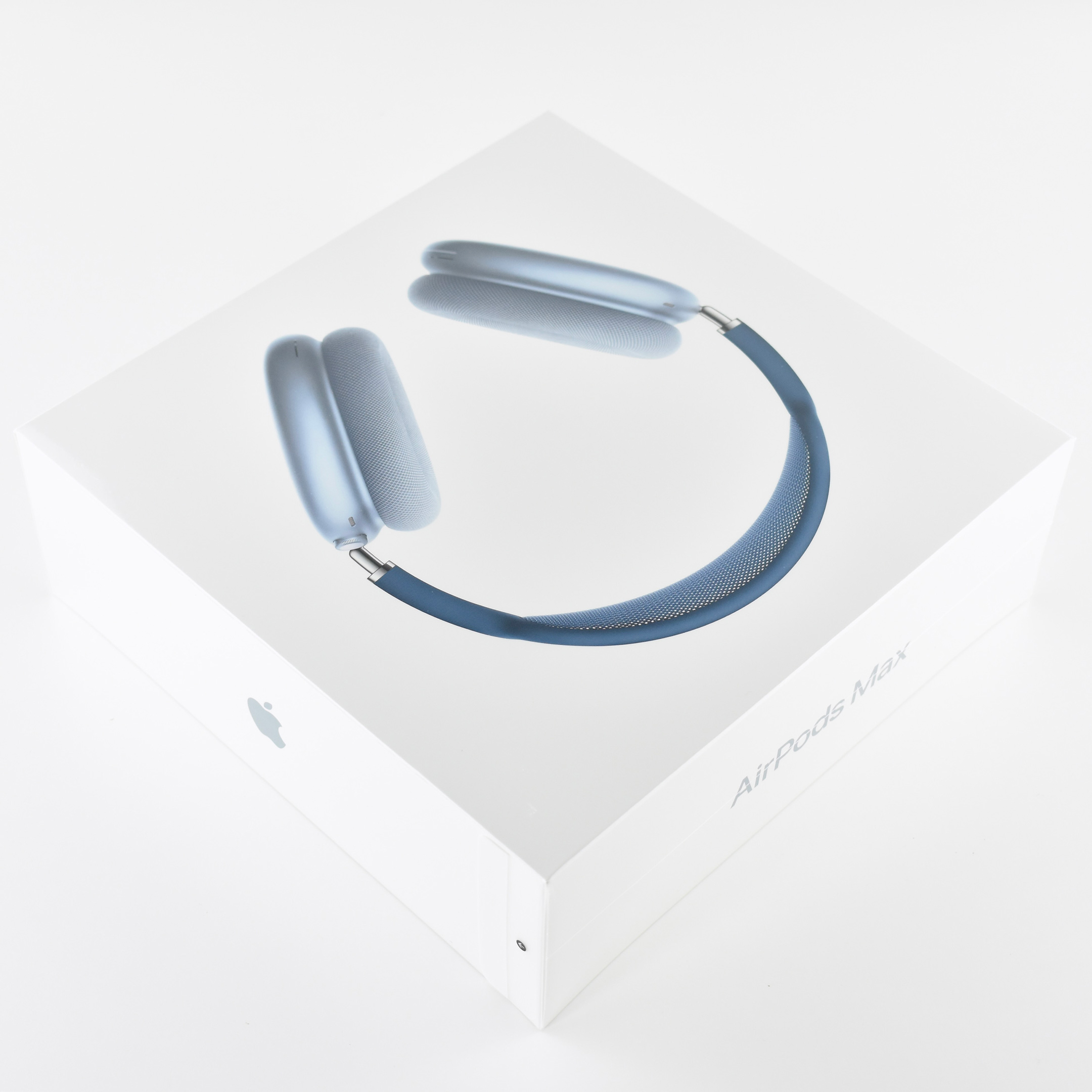
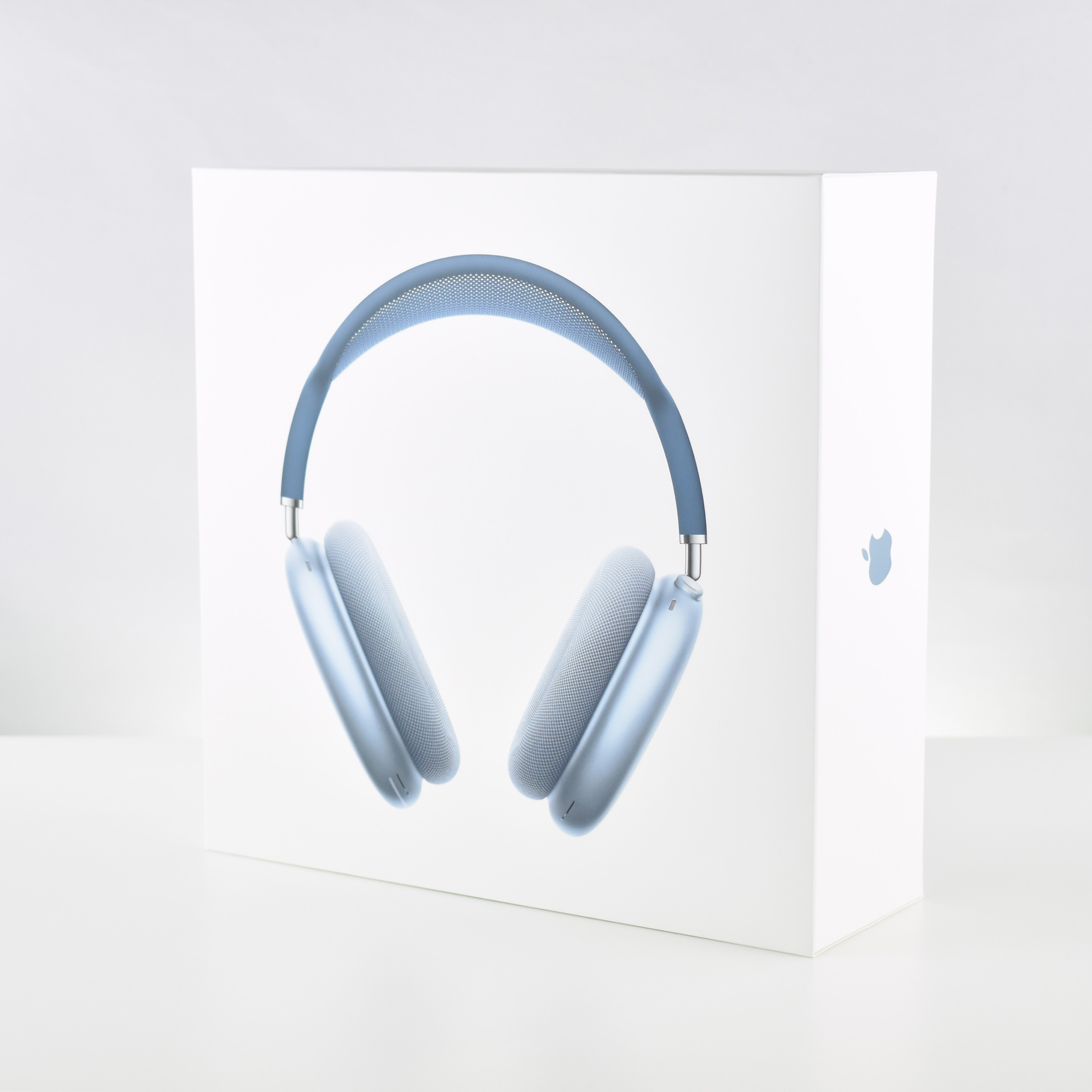
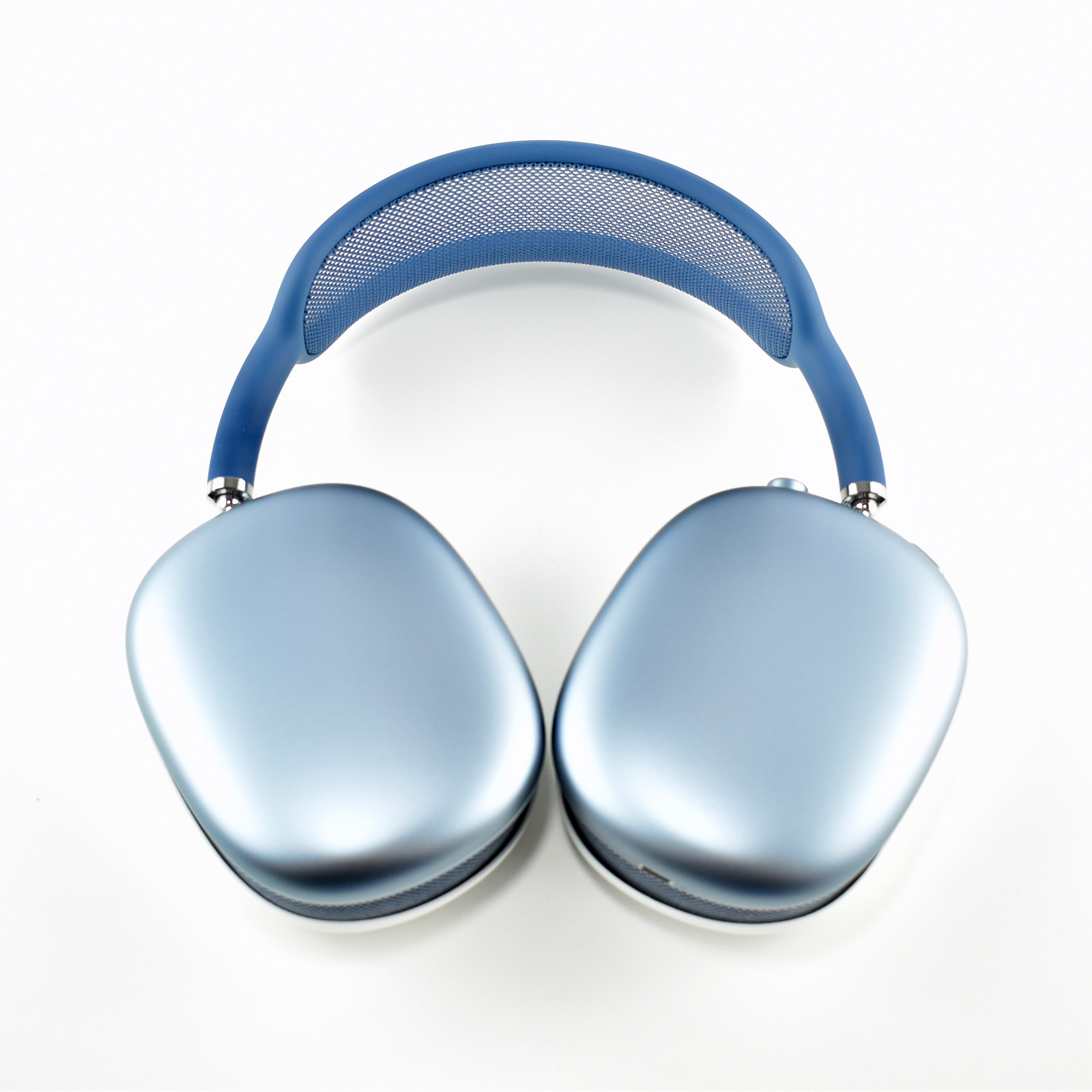
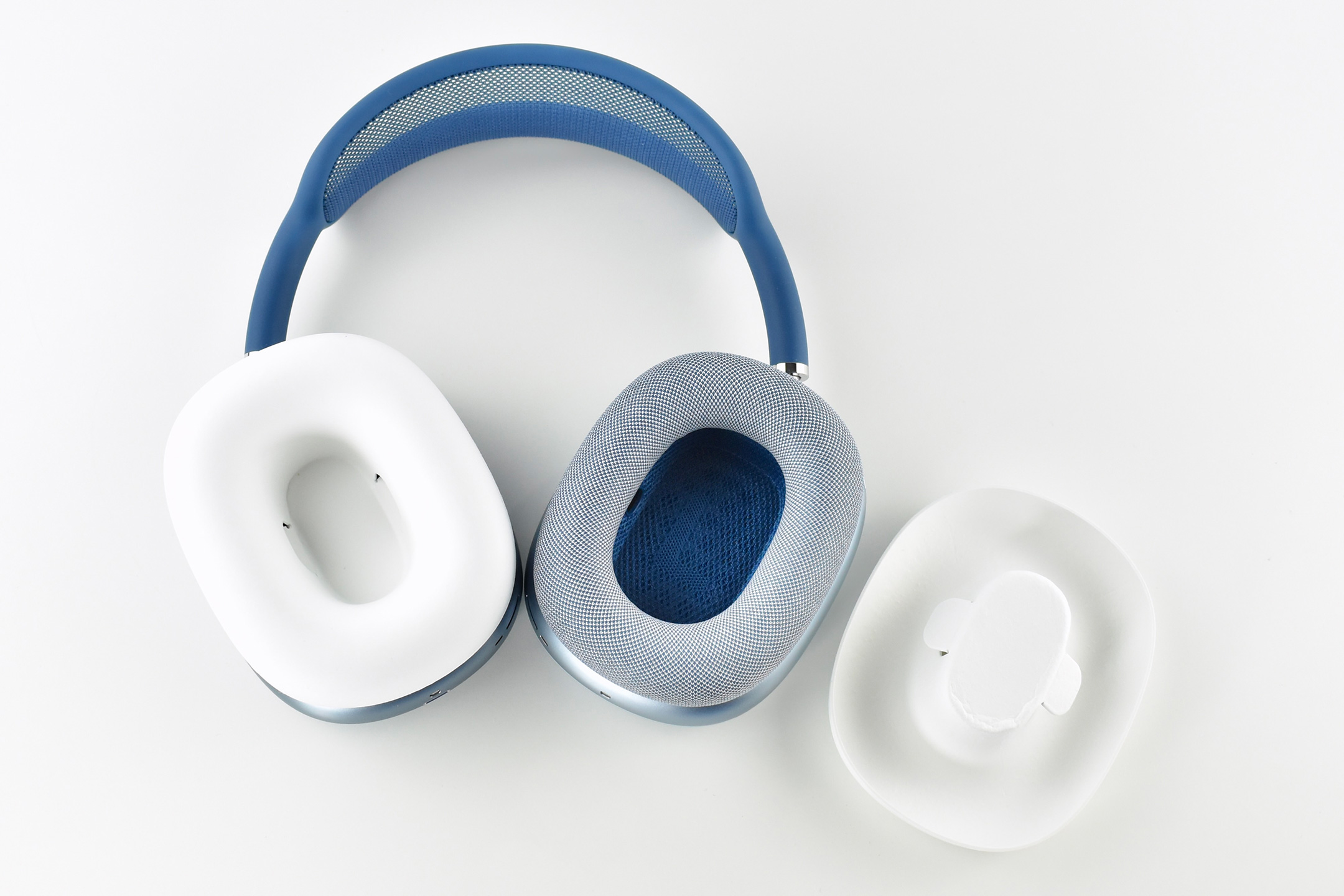
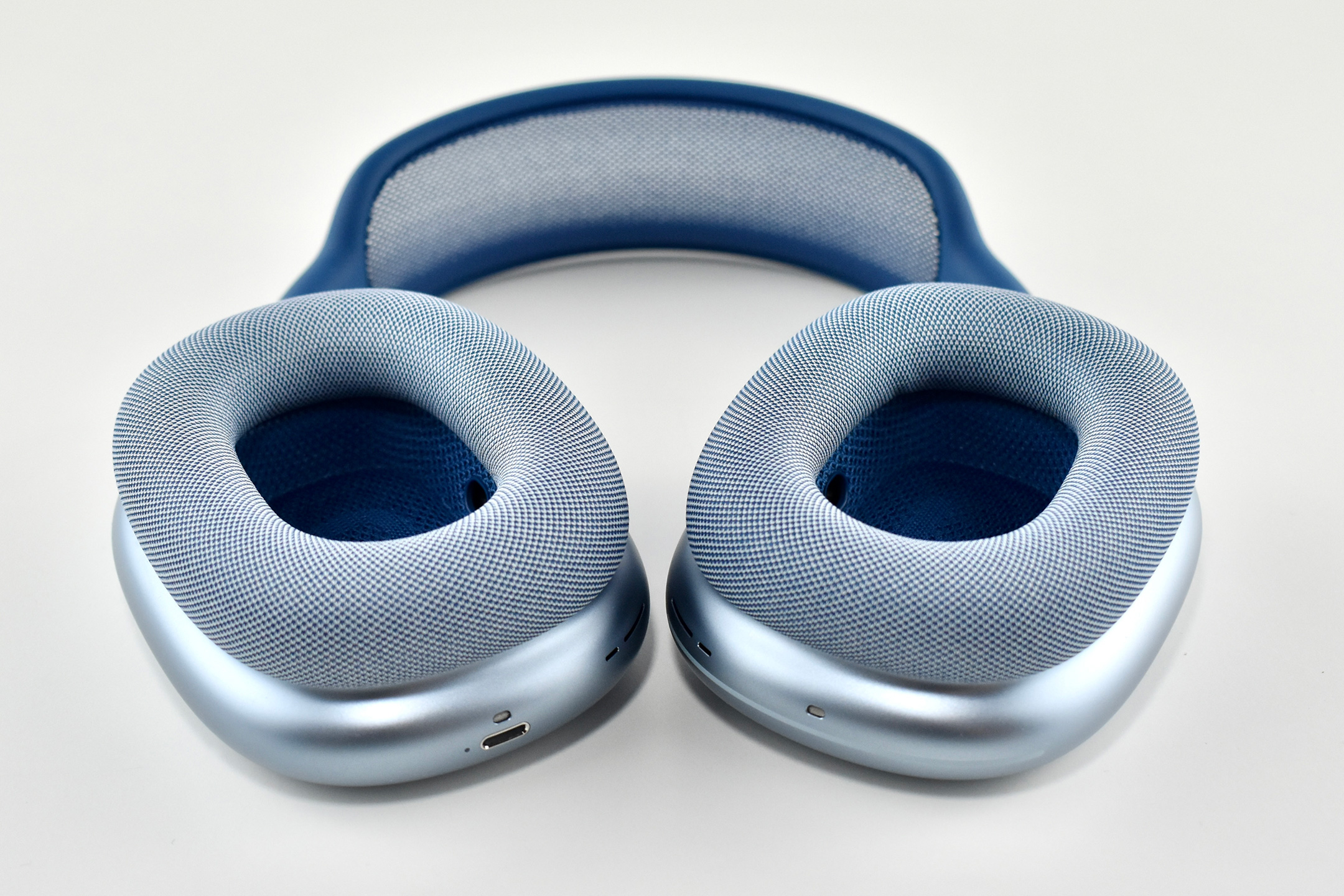
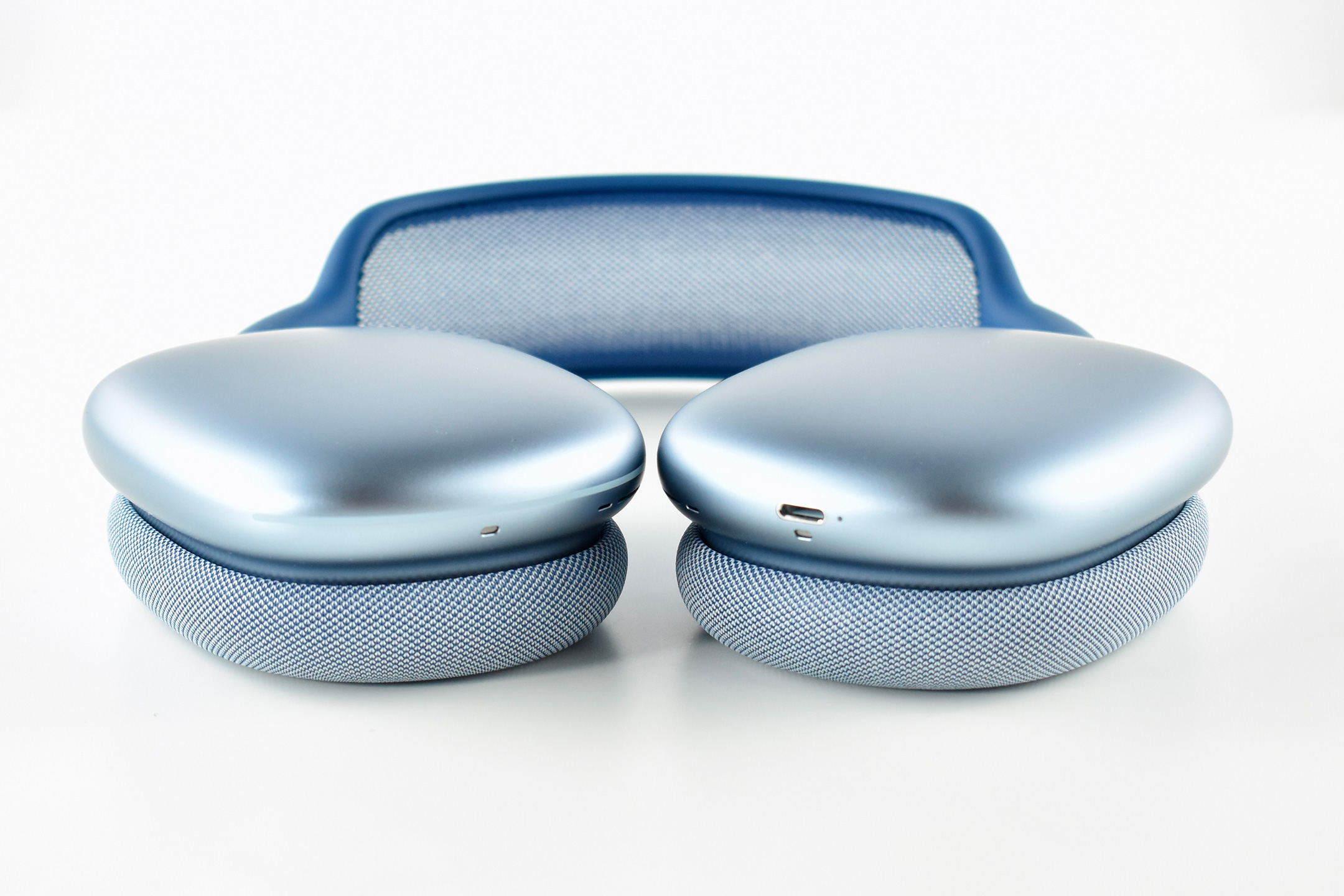
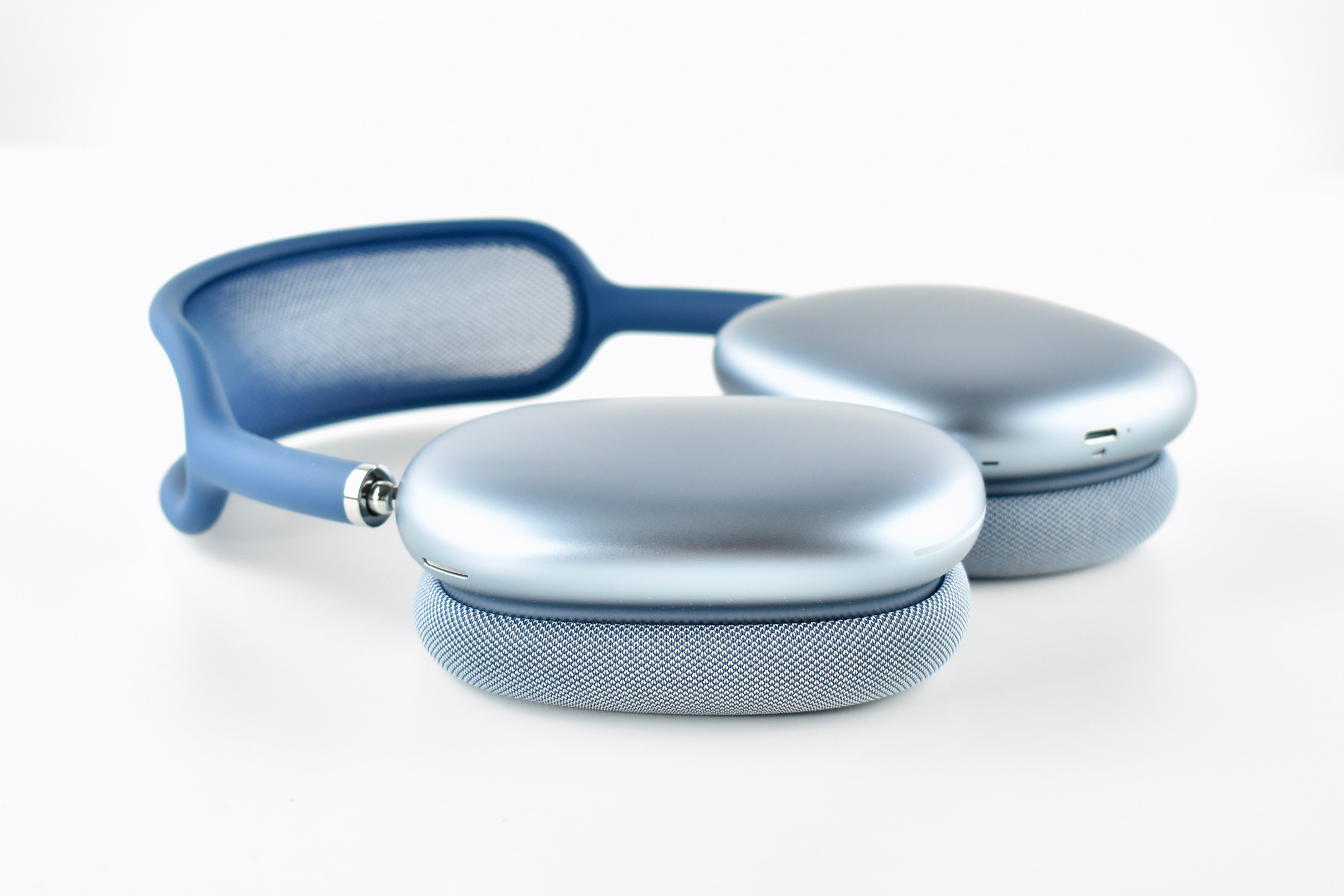
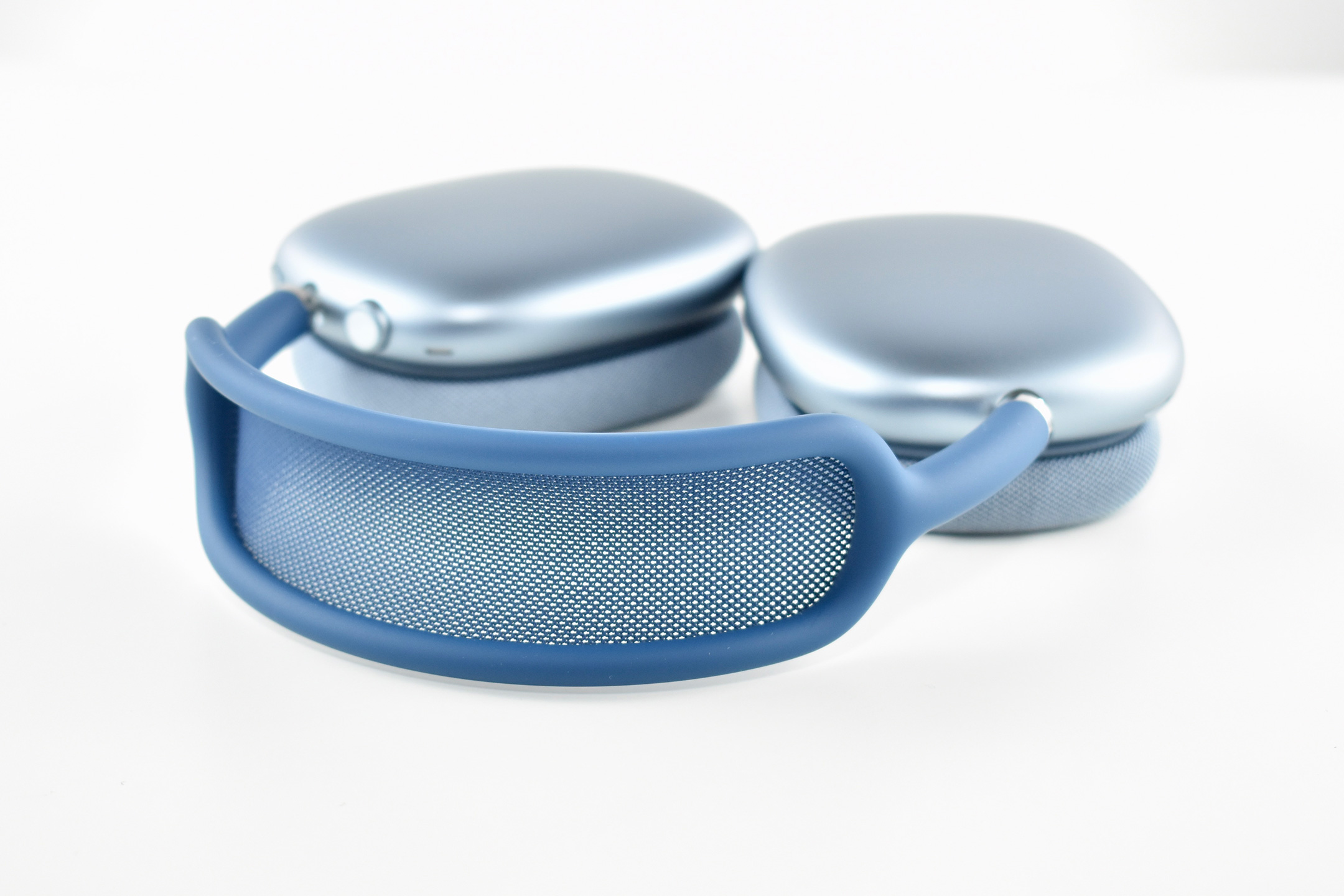
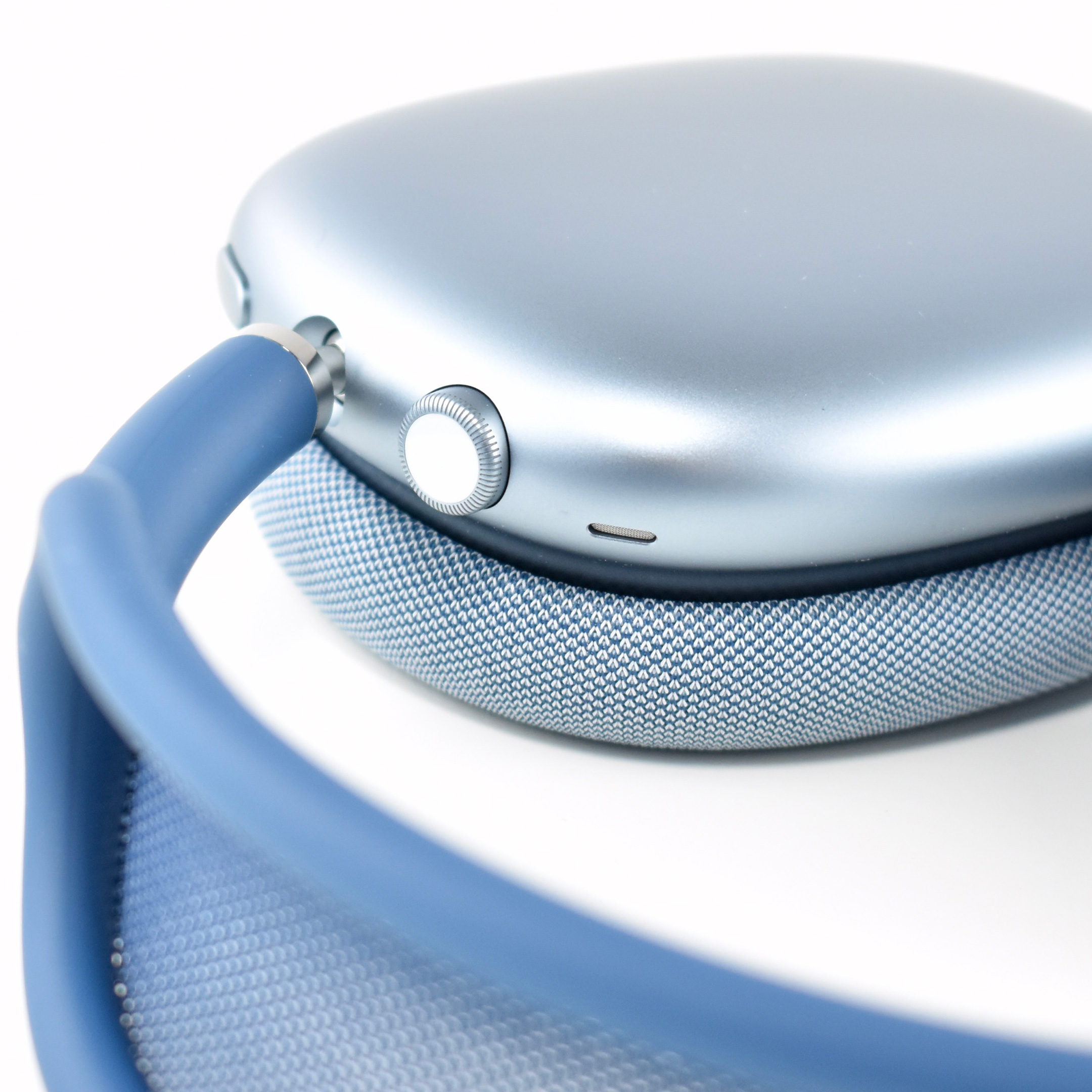
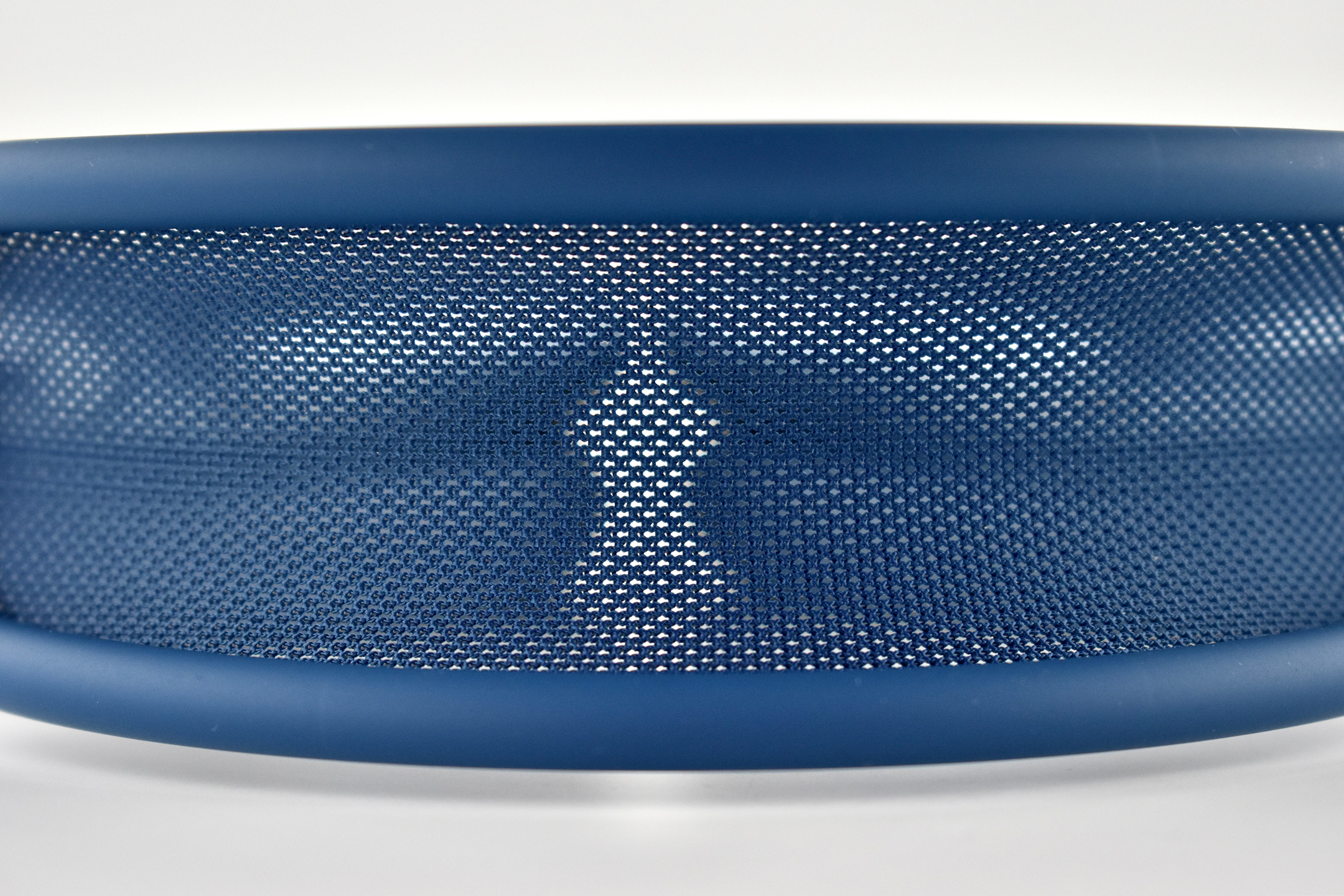
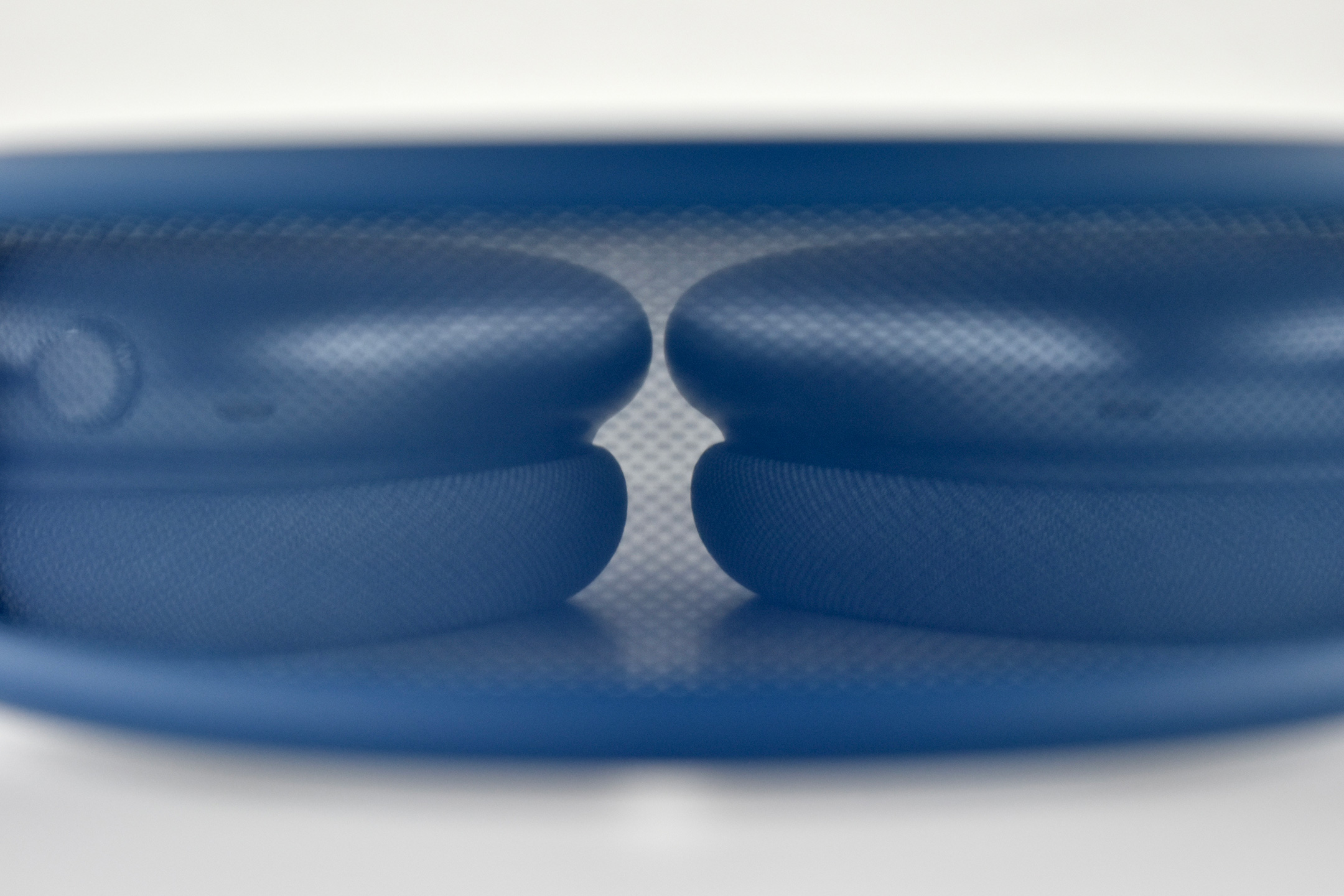
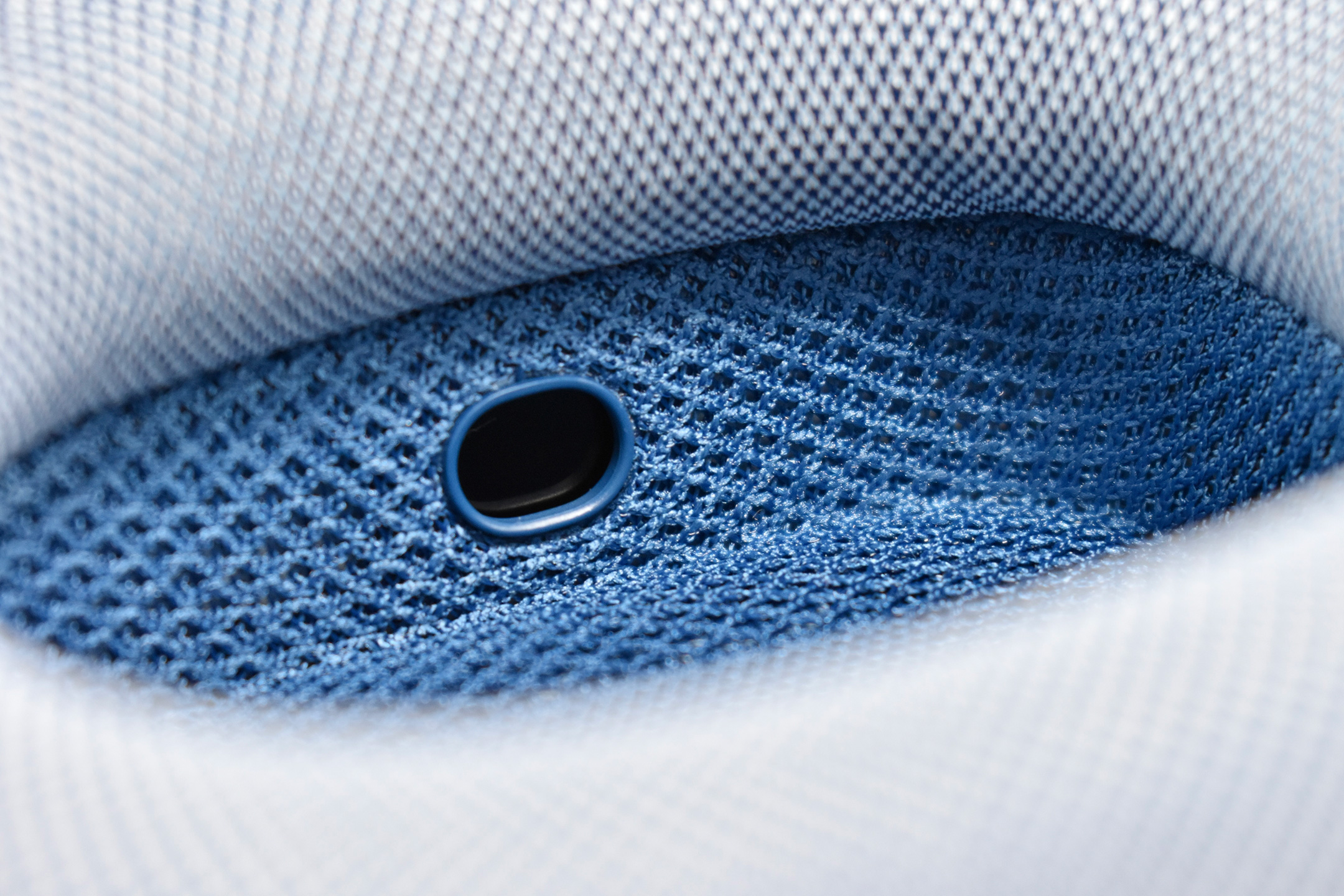
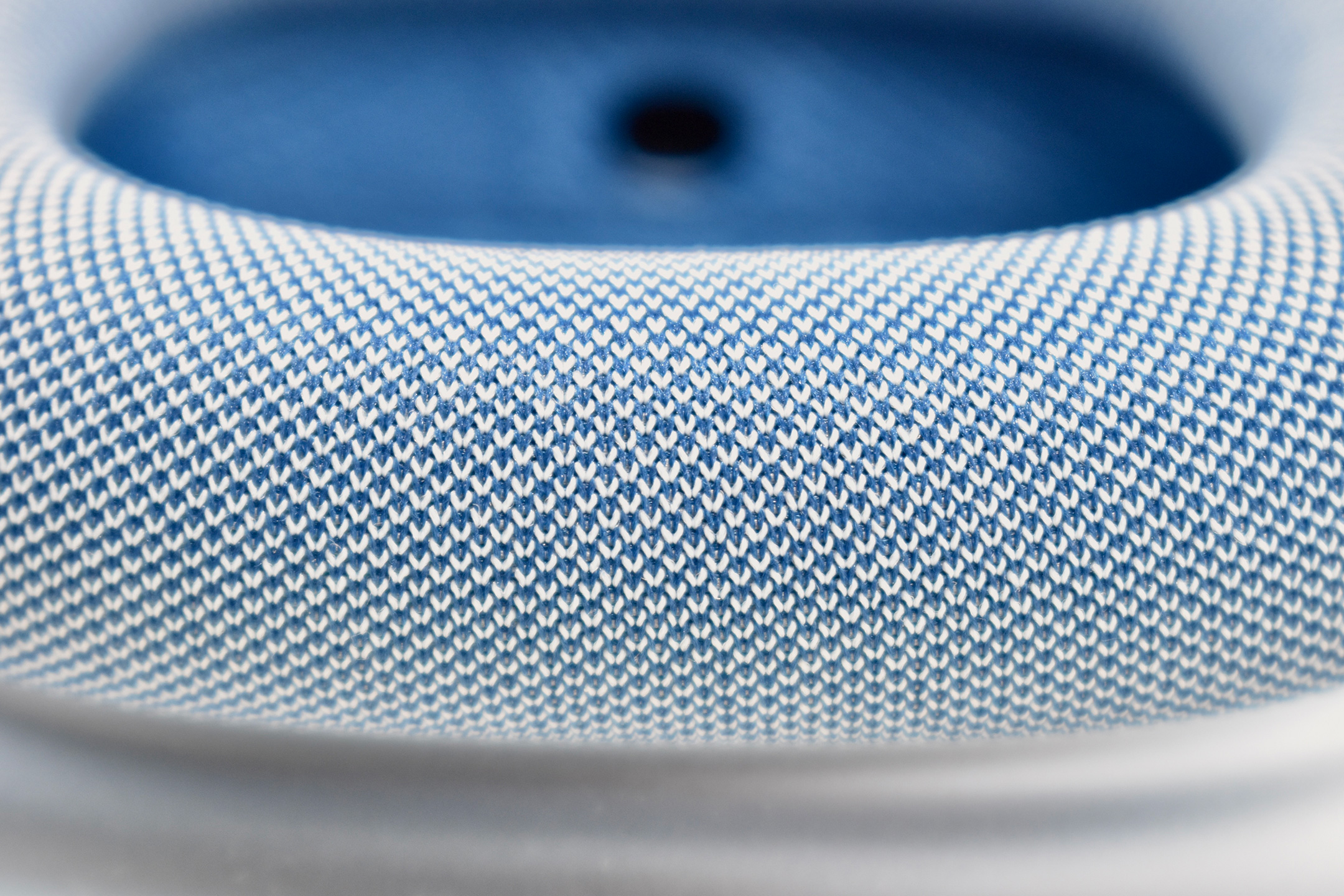
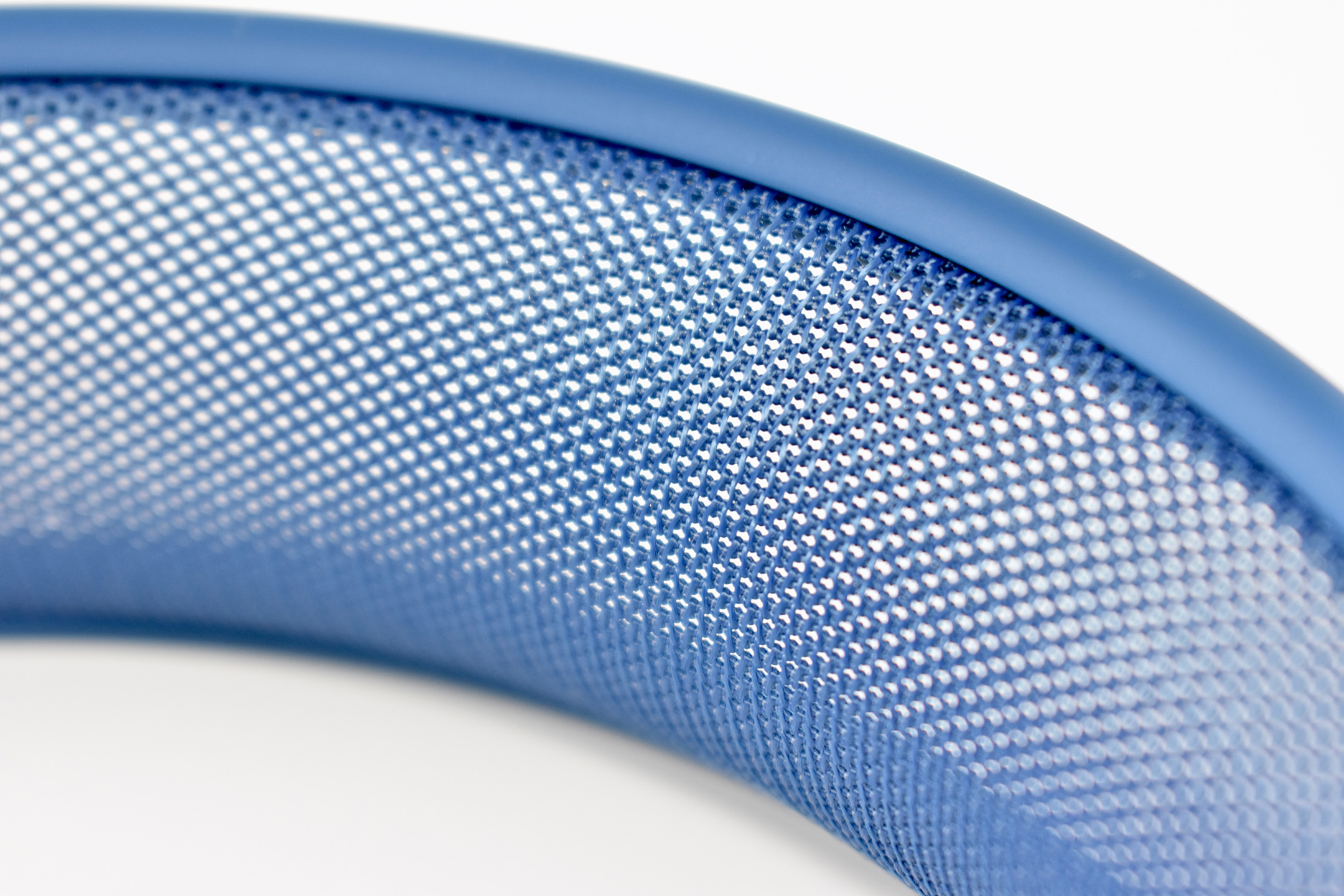
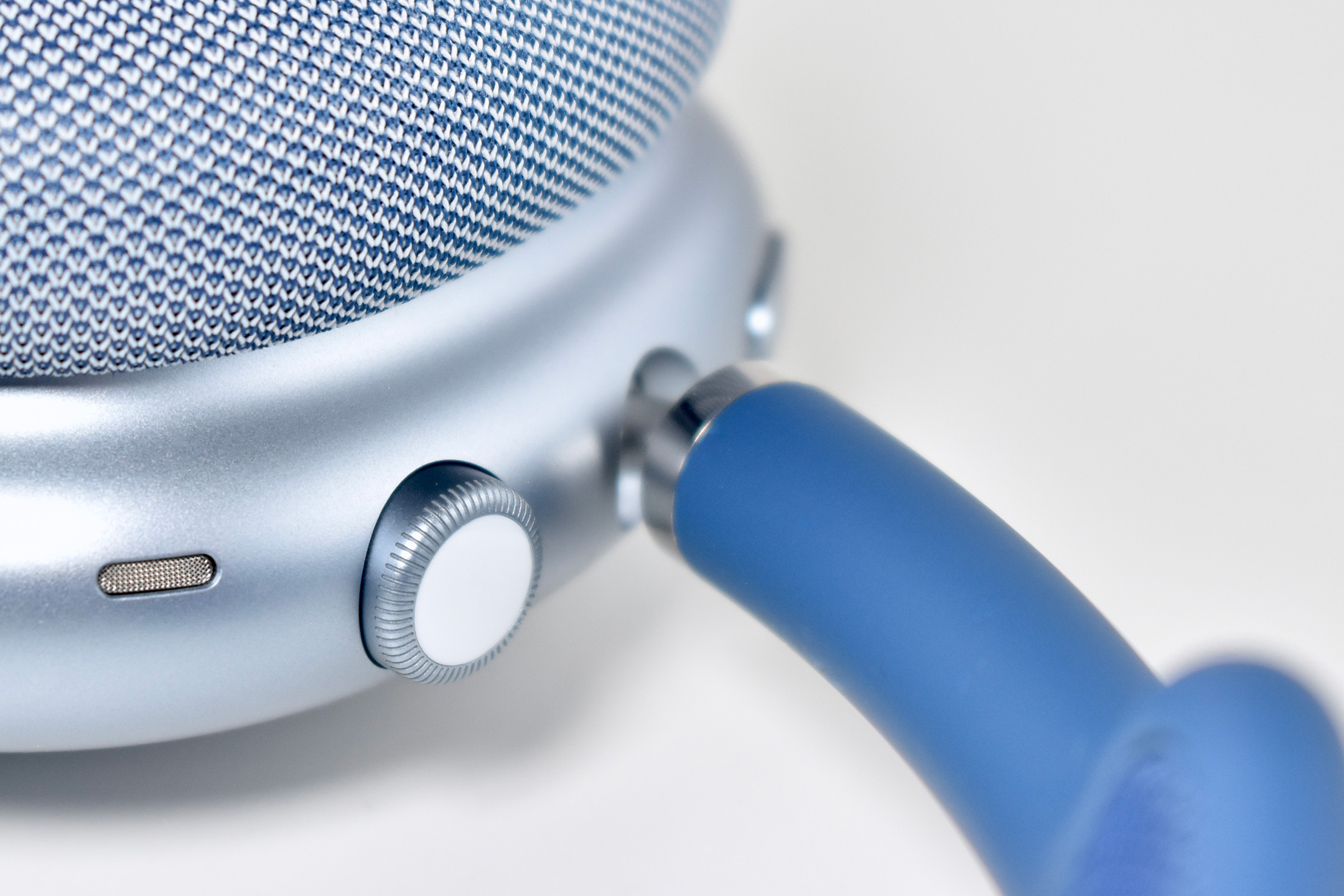
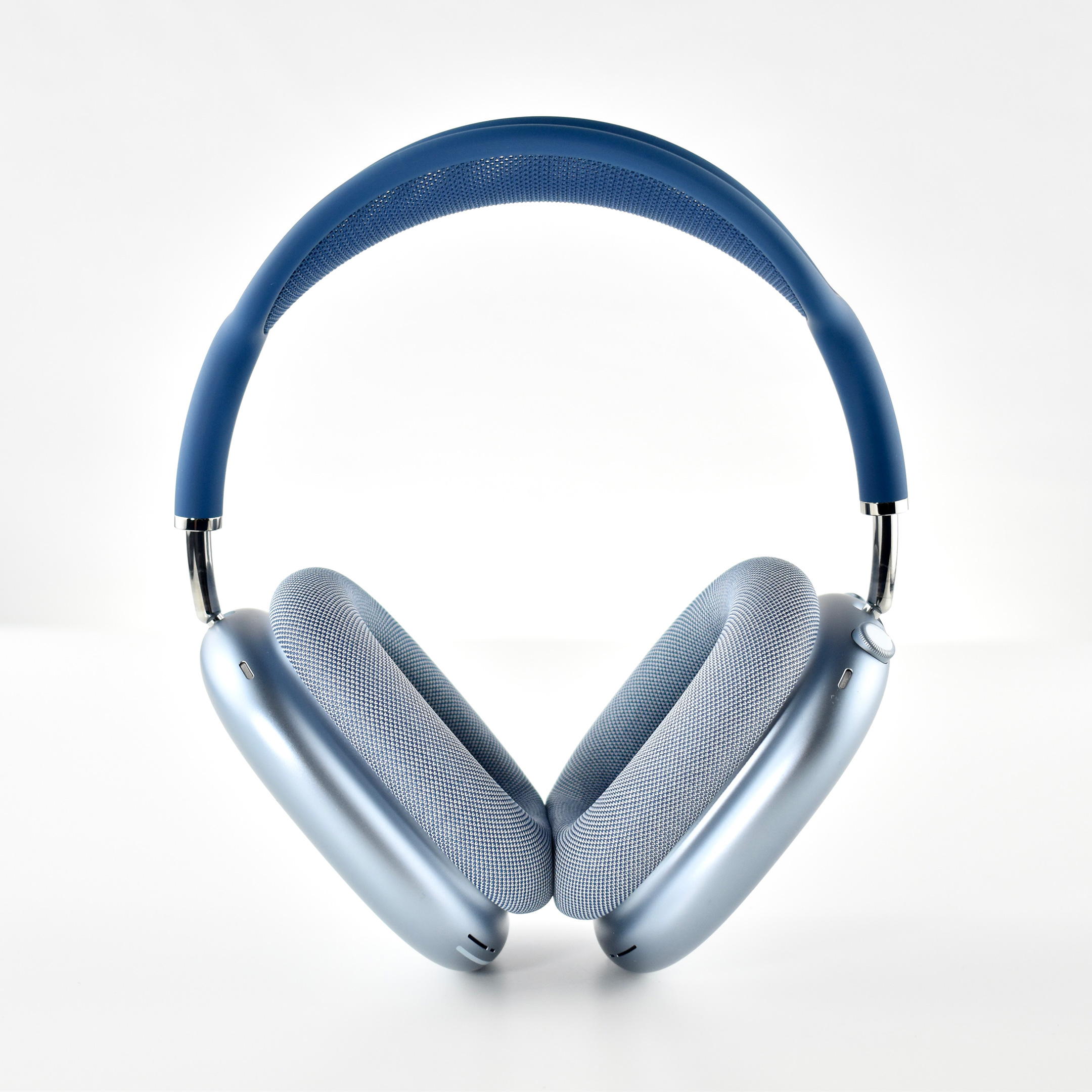
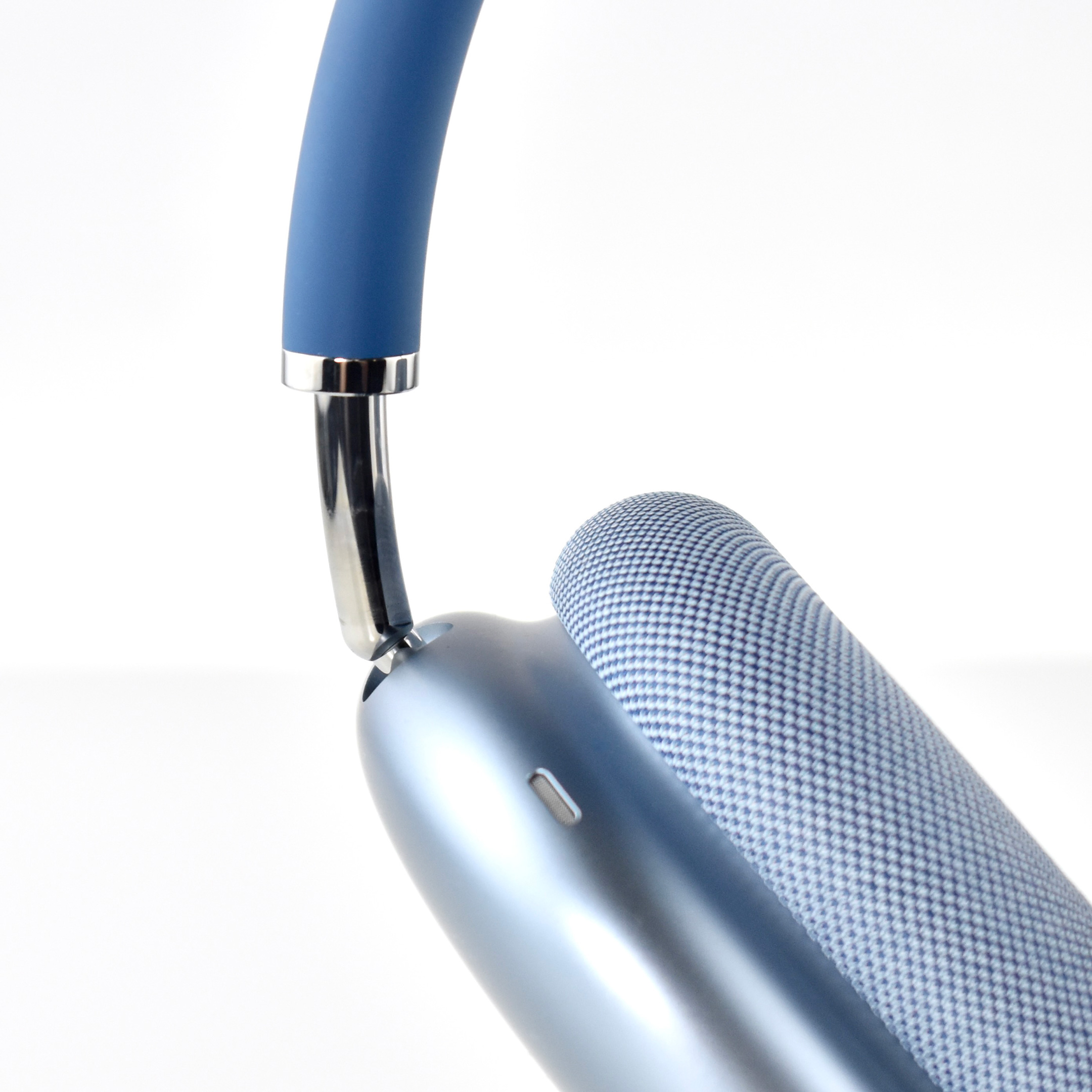
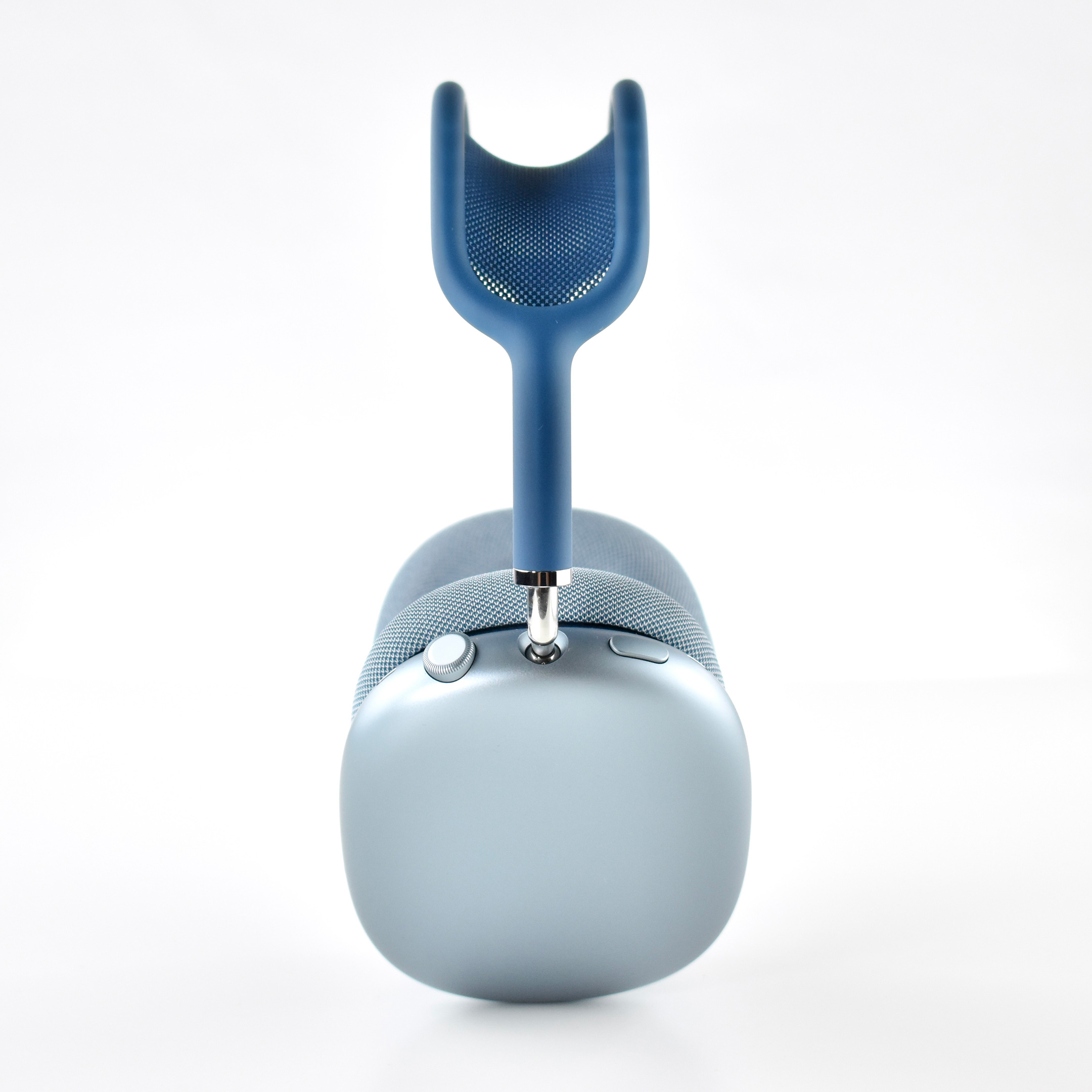
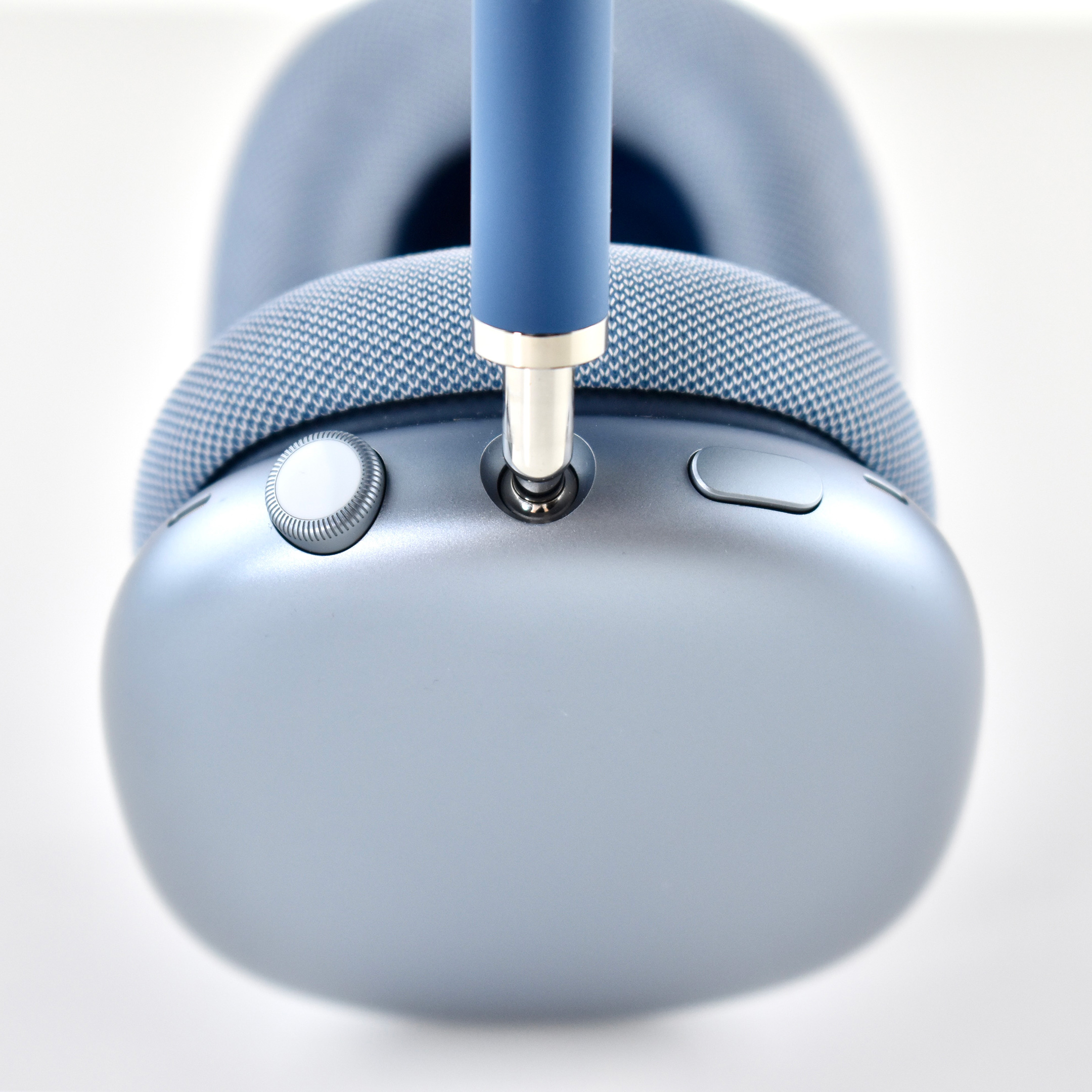
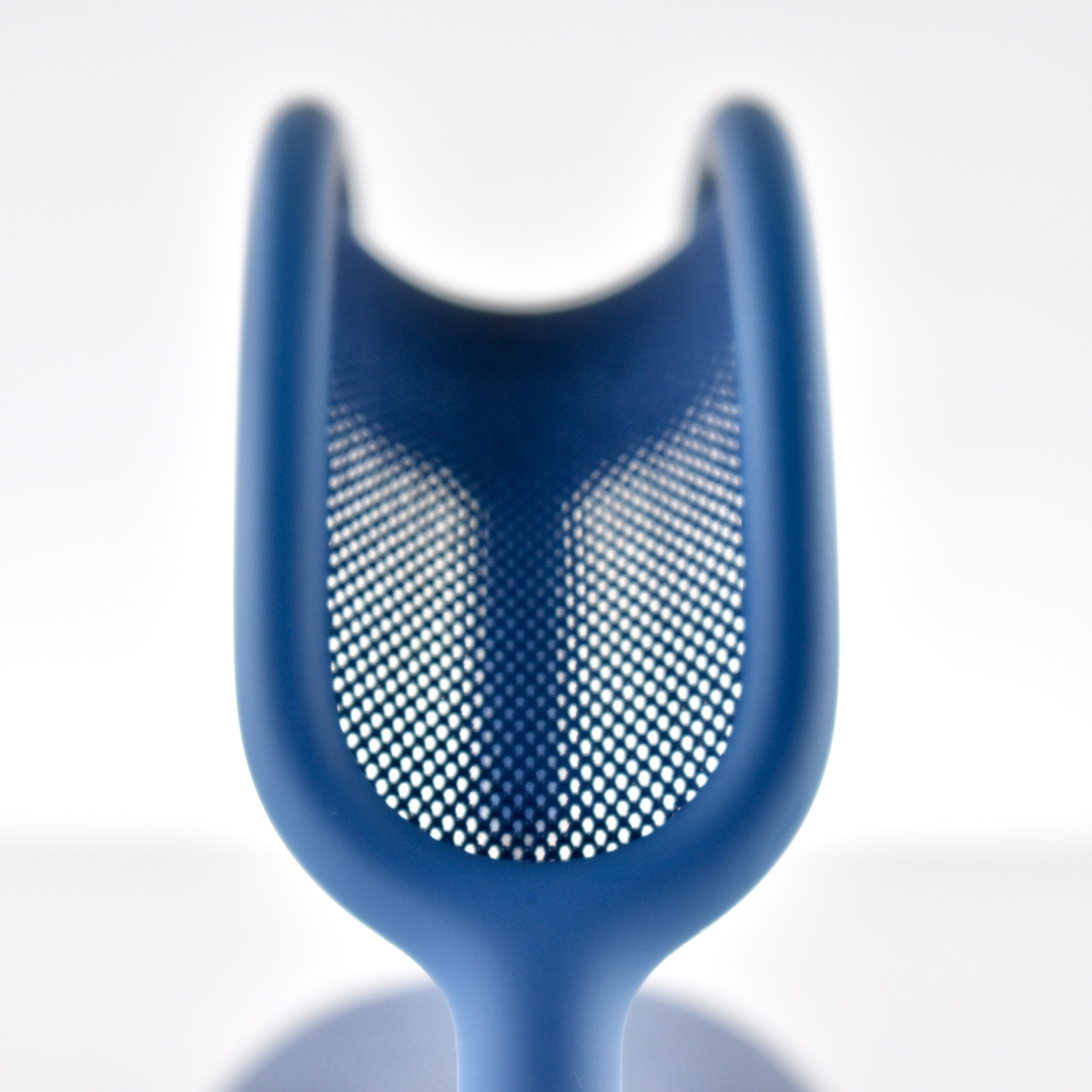
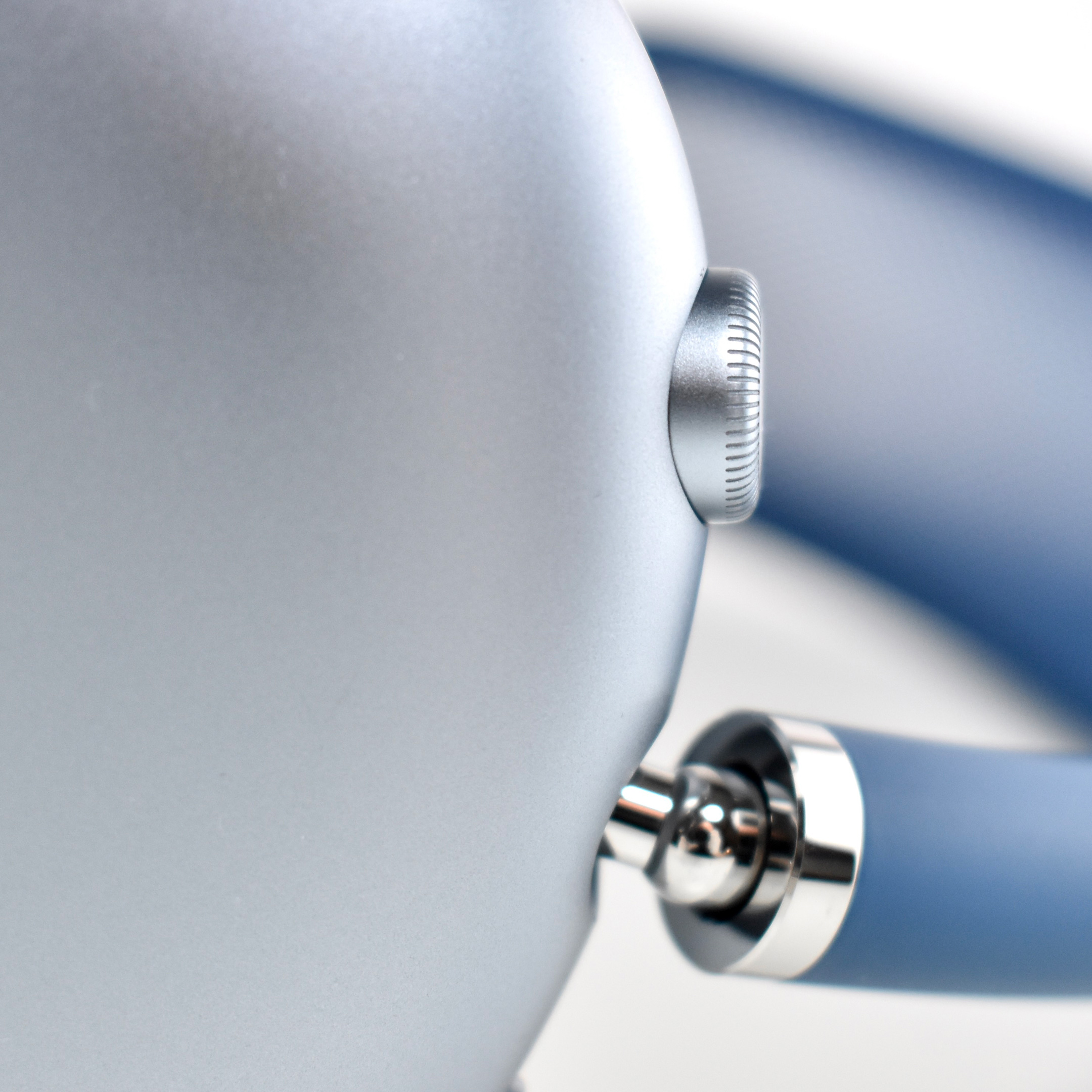
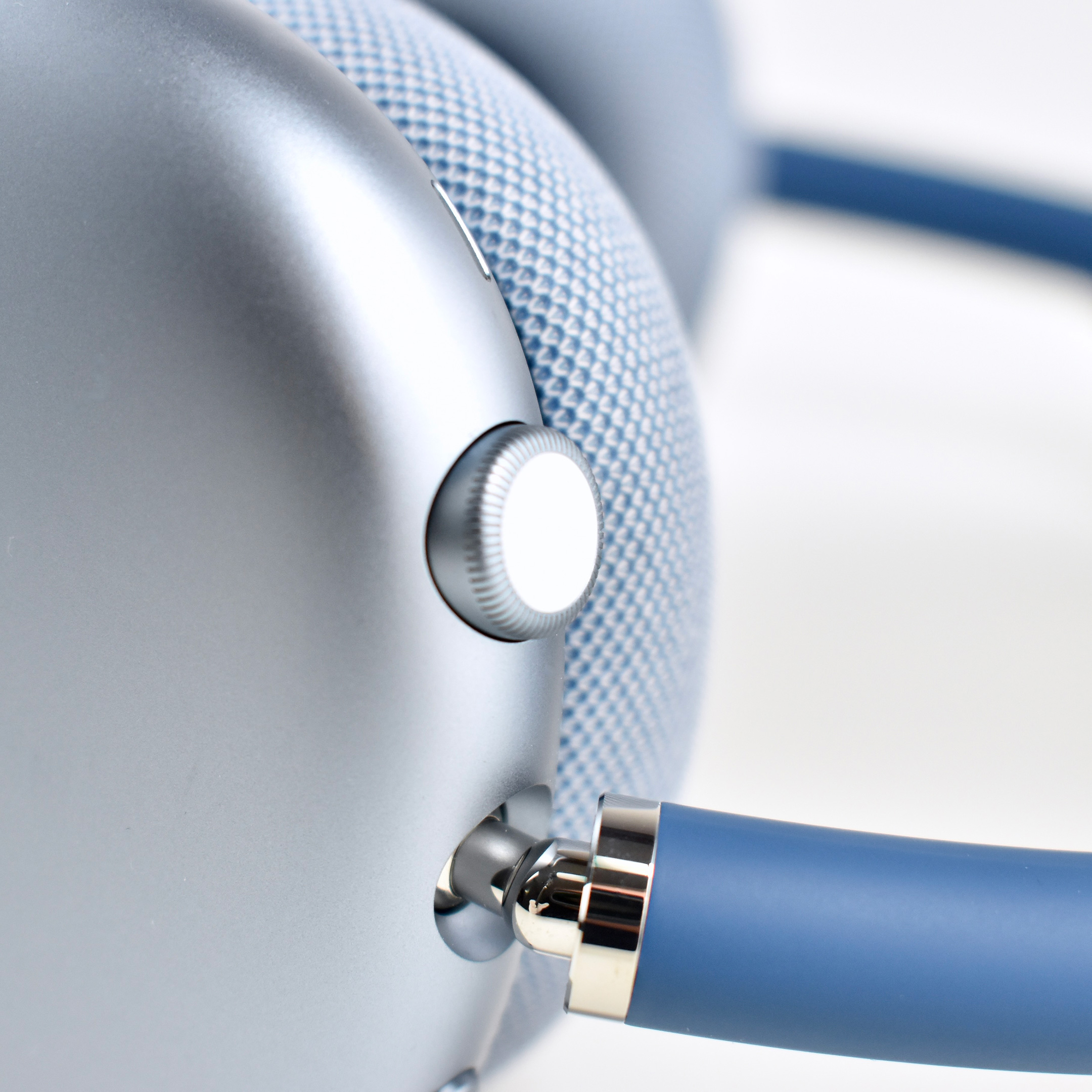
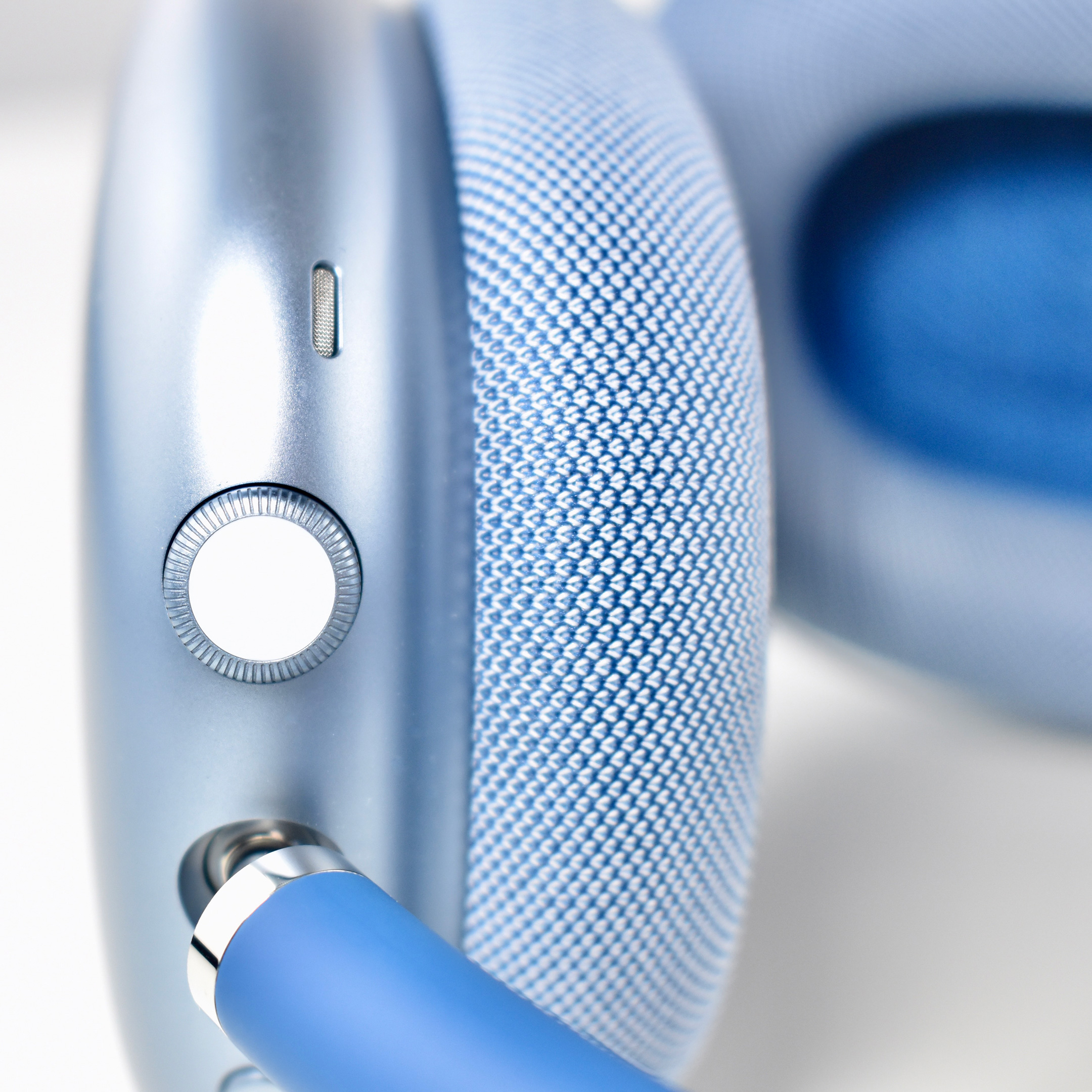
The headphones featured a brand new design and included the Digital Crown from the Apple Watch as the primary control interface. Materials included a “breathable knit mesh canopy” that spanned the headband to reduce pressure on the head while wearing the headphones for extended periods. The headband frame was made from stainless steel and telescoped to allow a custom fit. The ear cushions were made from a “custom-designed mesh textile [that] wraps the ear cushions to provide pillow-like softness while listening.” The outer ear cup was aluminum in a rectangular shape with rounded corners (as opposed to a round or oval design seen on other over-the-ear headphone designs).
The audio technology included “H1 chips, and advanced software to power computational audio for a breakthrough listening experience with Adaptive EQ, Active Noise Cancellation, Transparency mode, and spatial audio.” The battery on AirPods Max was advertised at 20 hours.
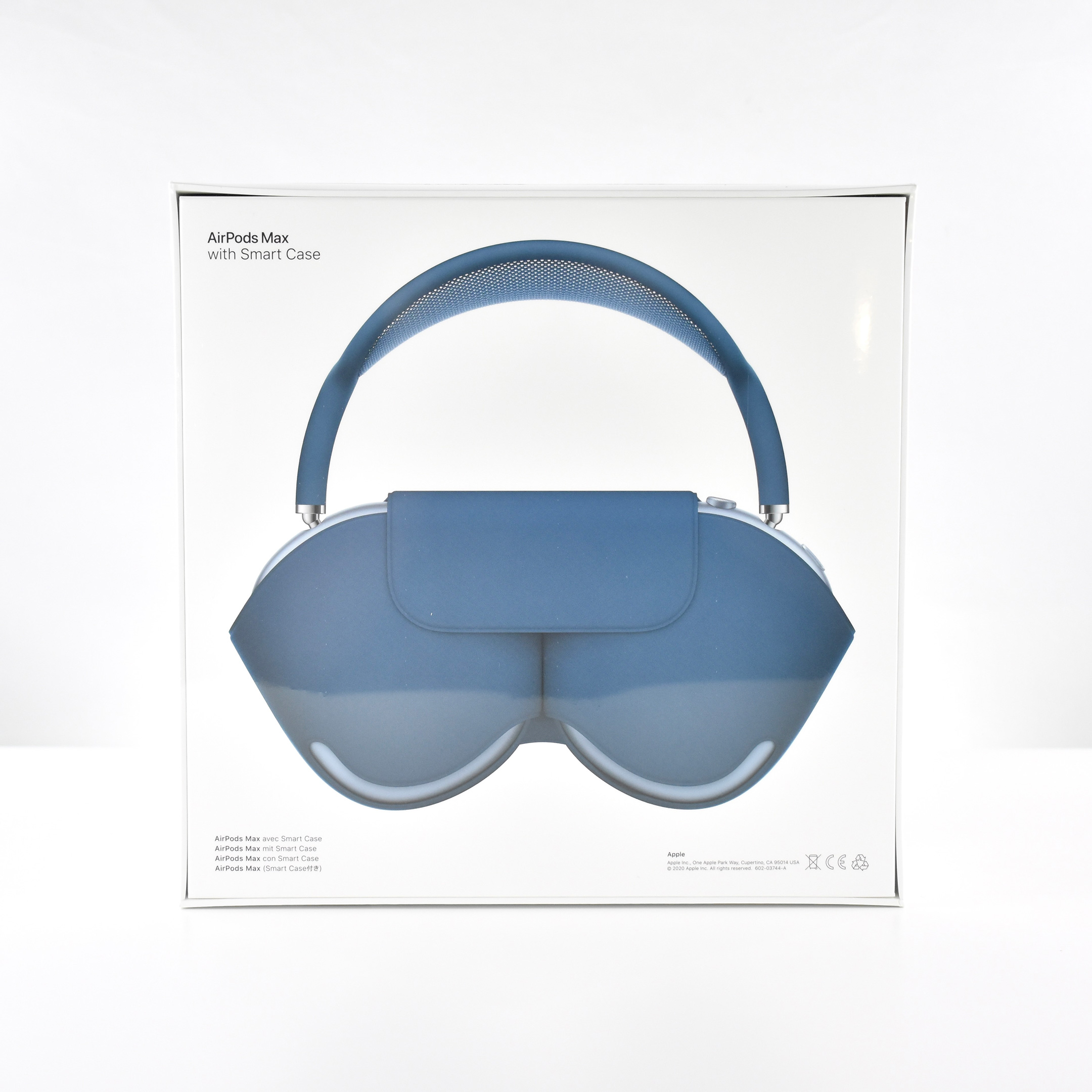
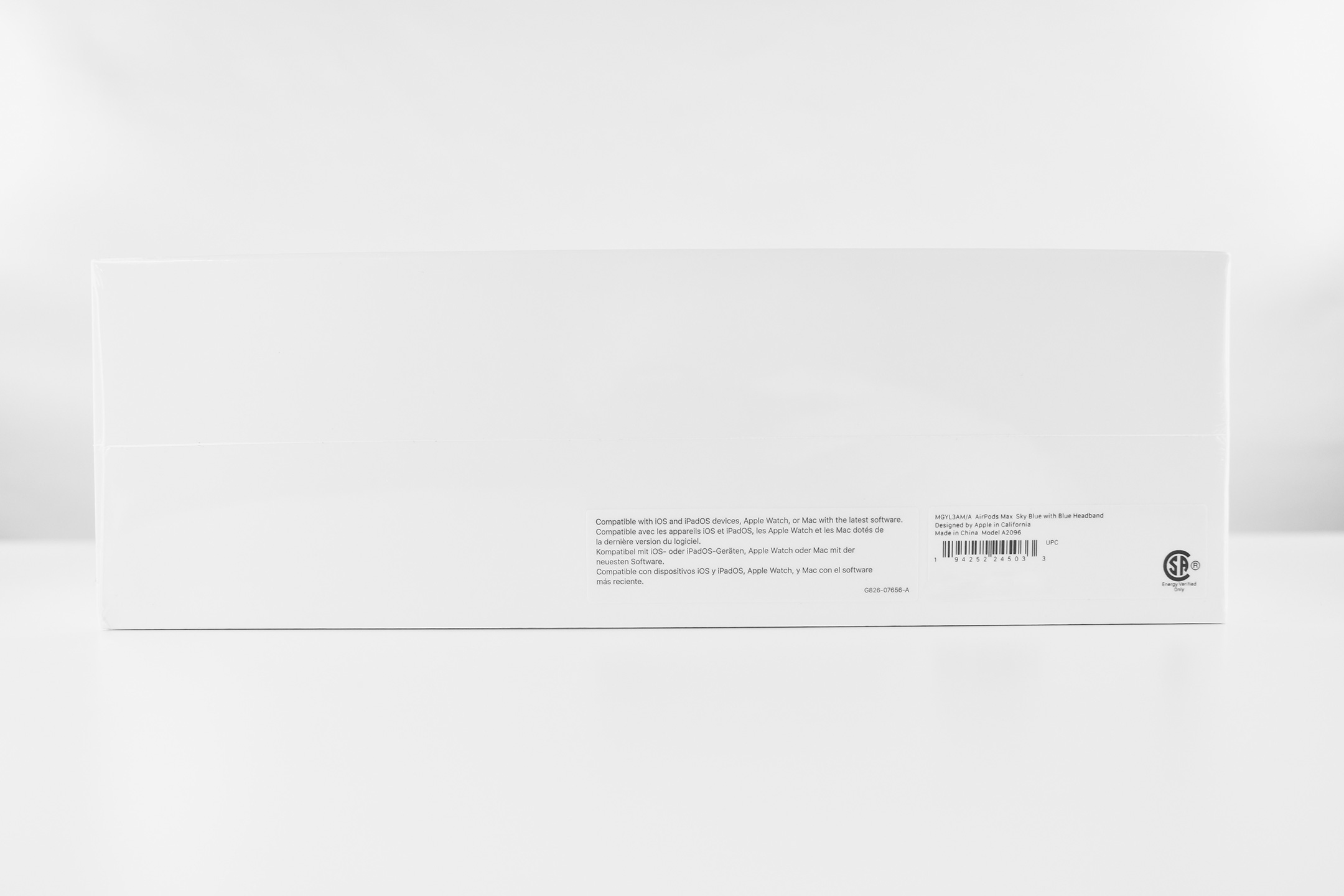
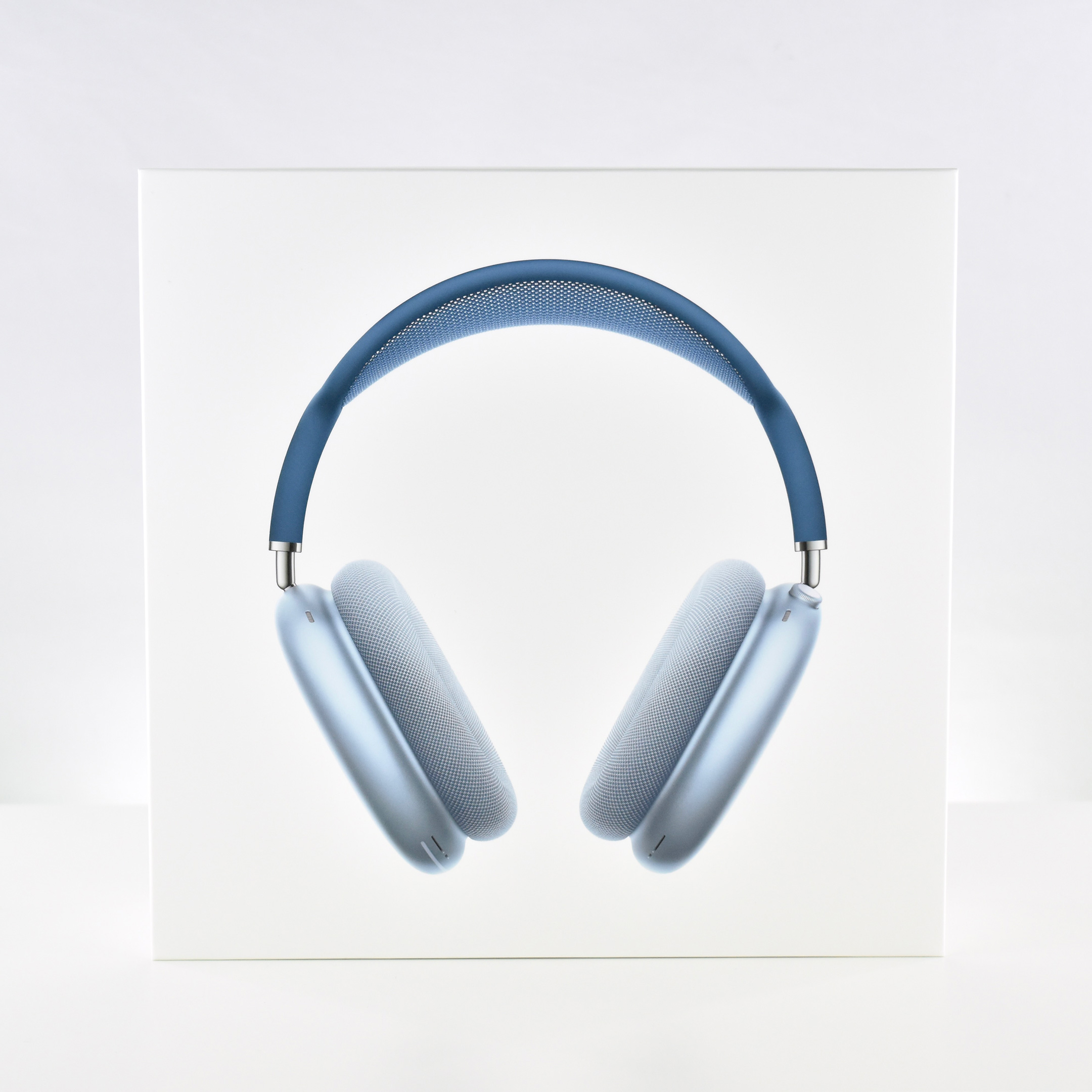
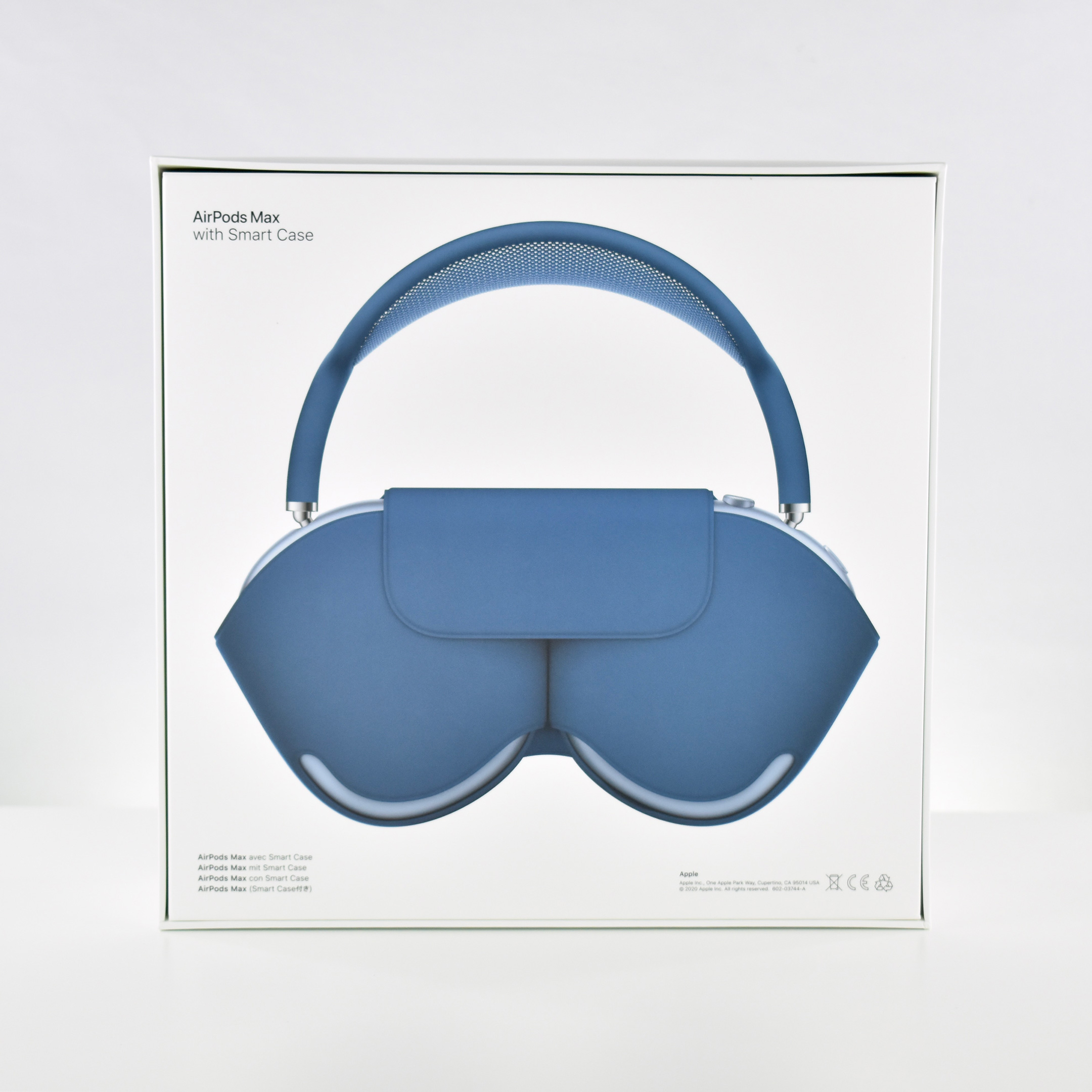
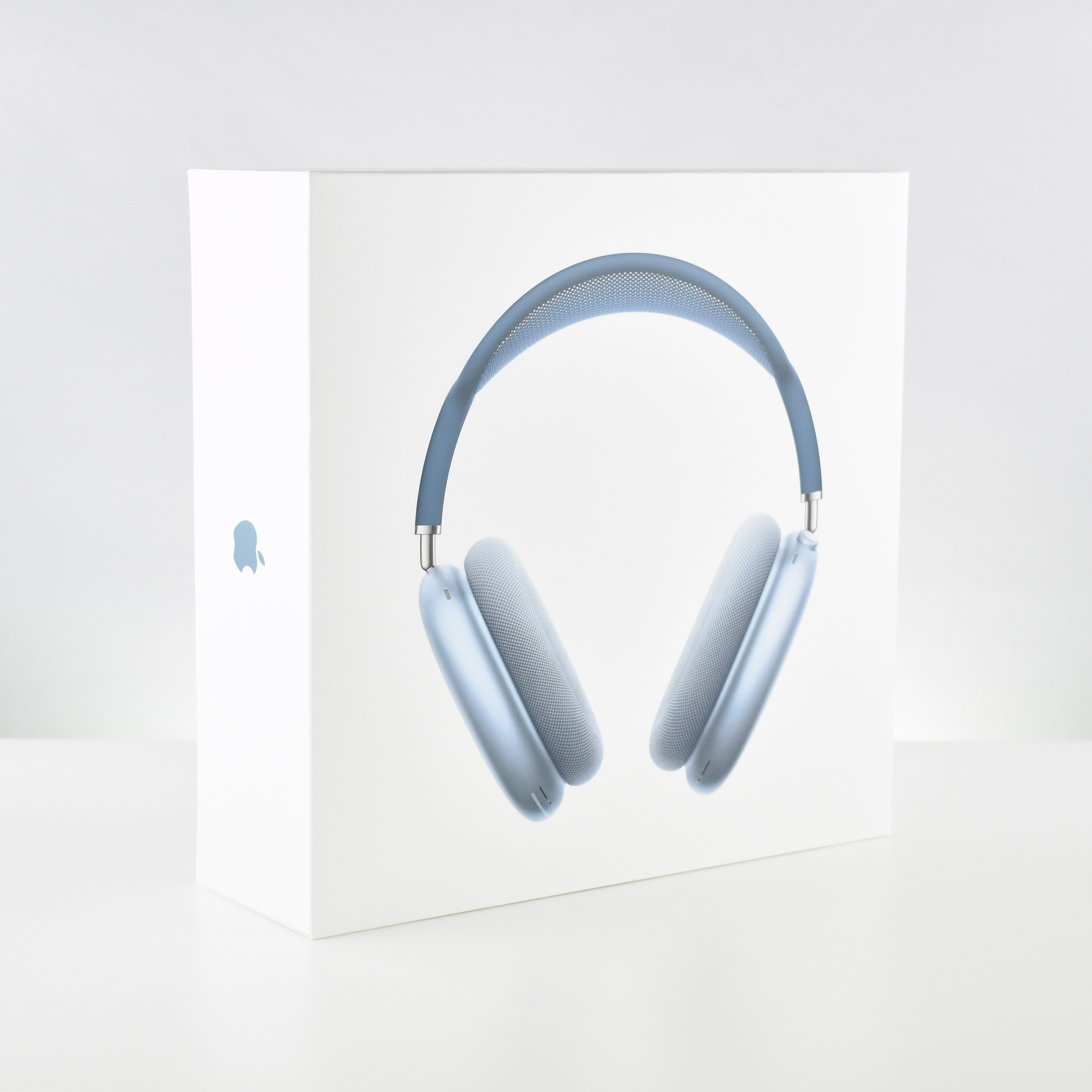
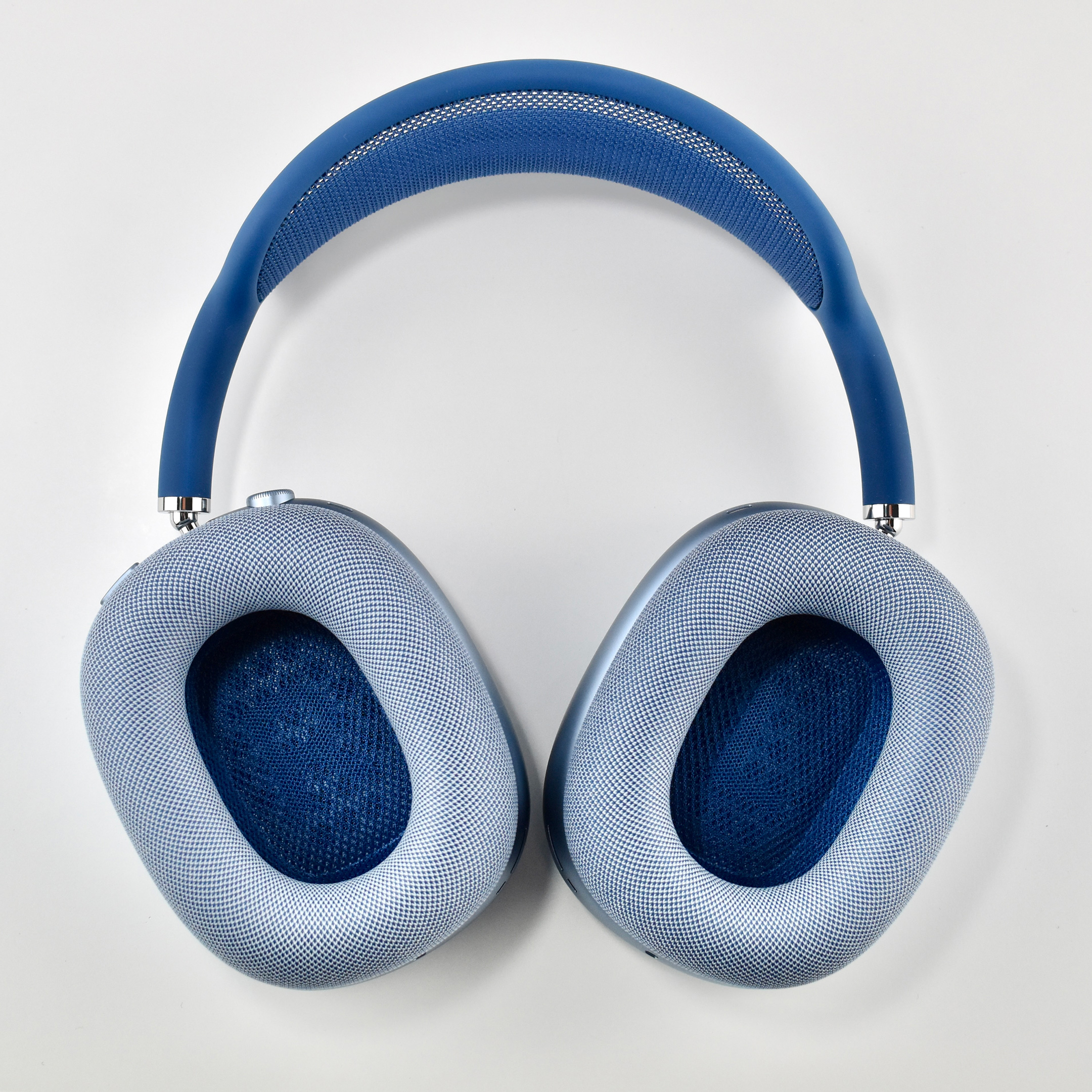
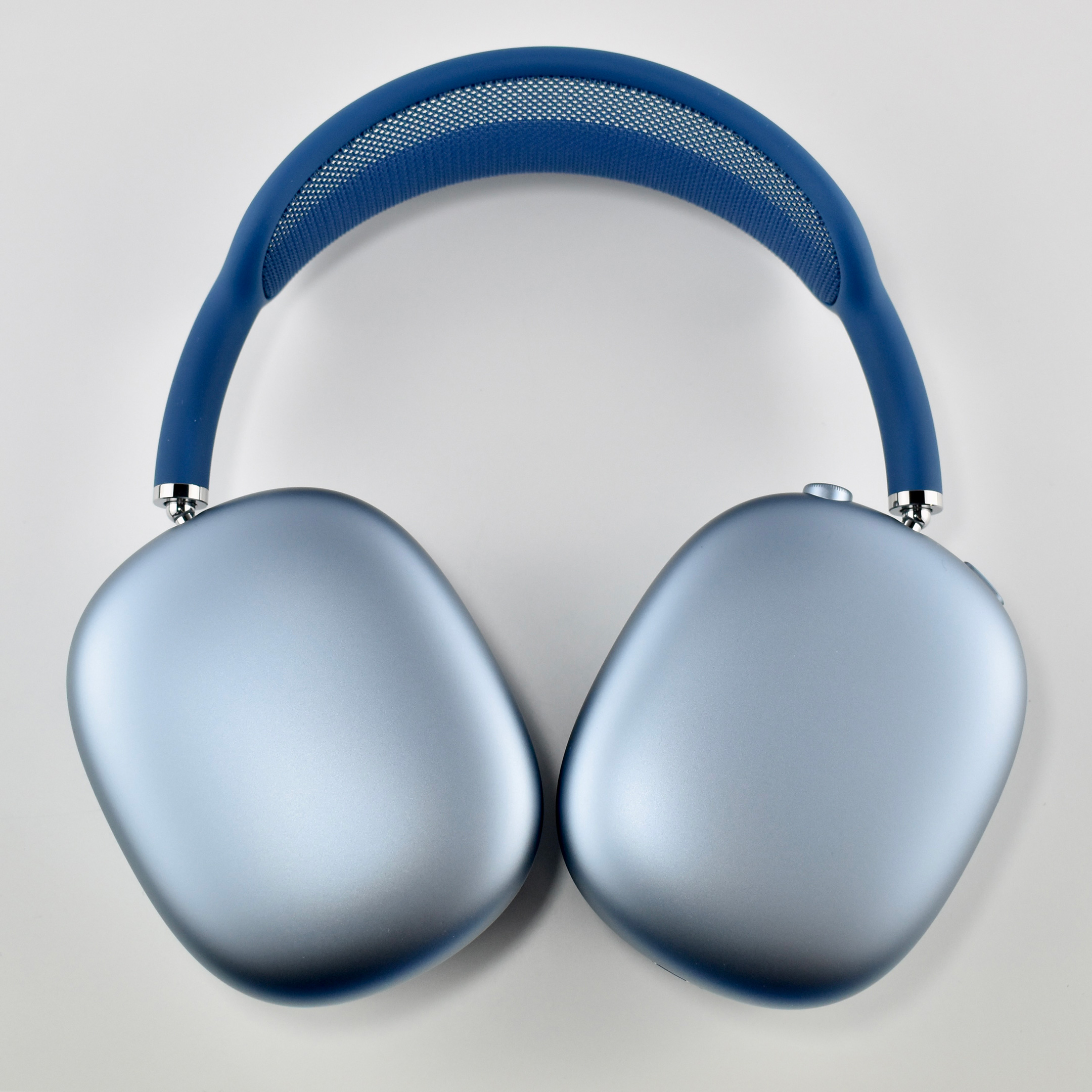
AirPods Max headphones were available in five colors: space gray, silver, sky blue, green, and pink. The colors consistently referred to the color of the outer ear cup of the AirPods Max—since each color option used a different combination of accent colors. Space gray used space gray outer ear cups with black ear cushions and headband. Silver used silver outer ear cups with white ear cushions and headband. Sky blue used light blue outer ear cups with light blue ear cushions and a dark blue headband. Green used light green outer ear cups with light green ear cushions and a pale green (white tinted with green) headband. Pink used pale pink (similar to Apple’s rose gold) outer ear cups with dark pink ear cushions and a red headband.
AirPods Max Ear Cushions were also sold separately by Apple as replacements—or to allow users to customize their headphone style. By mixing and matching the Ear Cushions, 25 color combinations were possible, or 125 combinations if two different ear cushion colors were used.
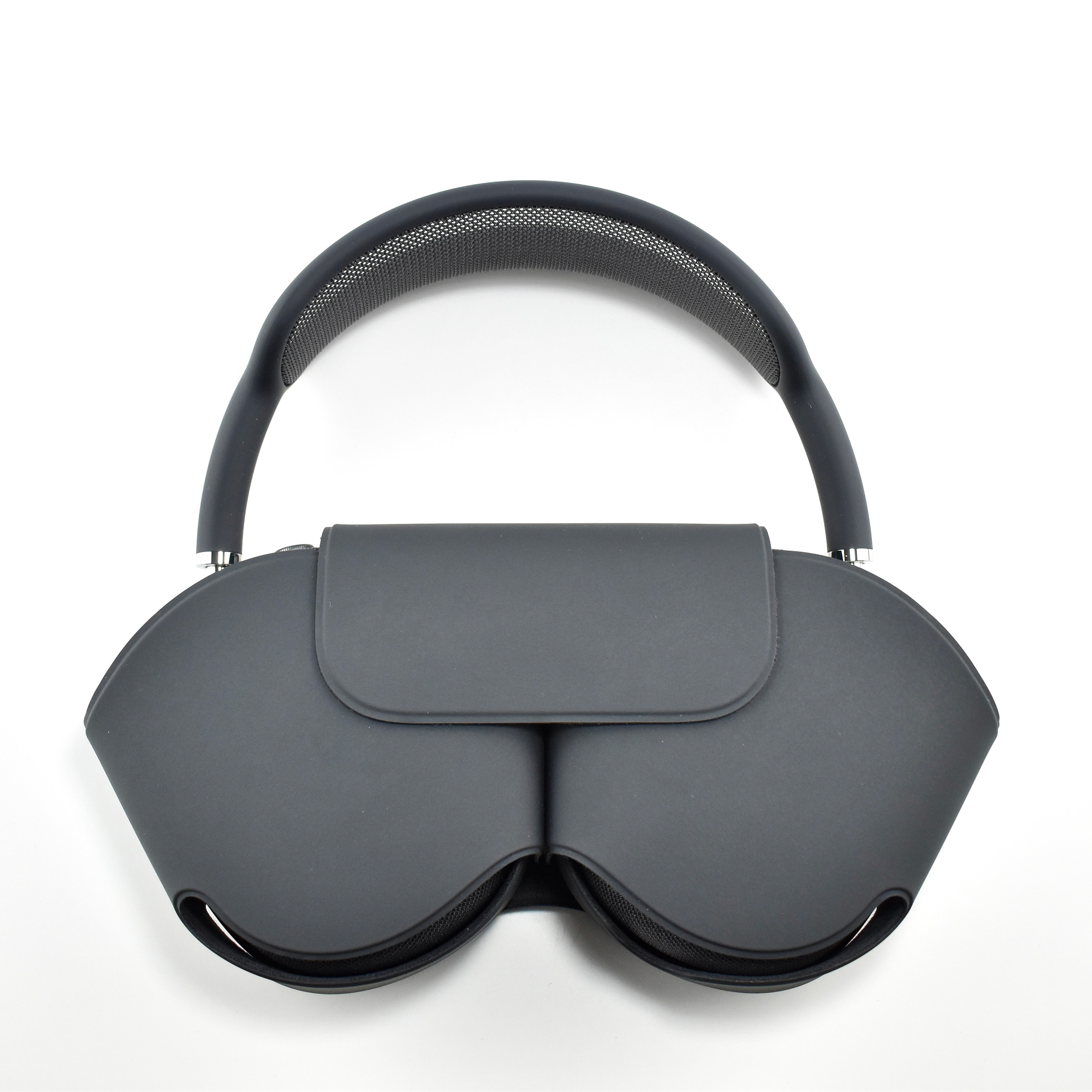
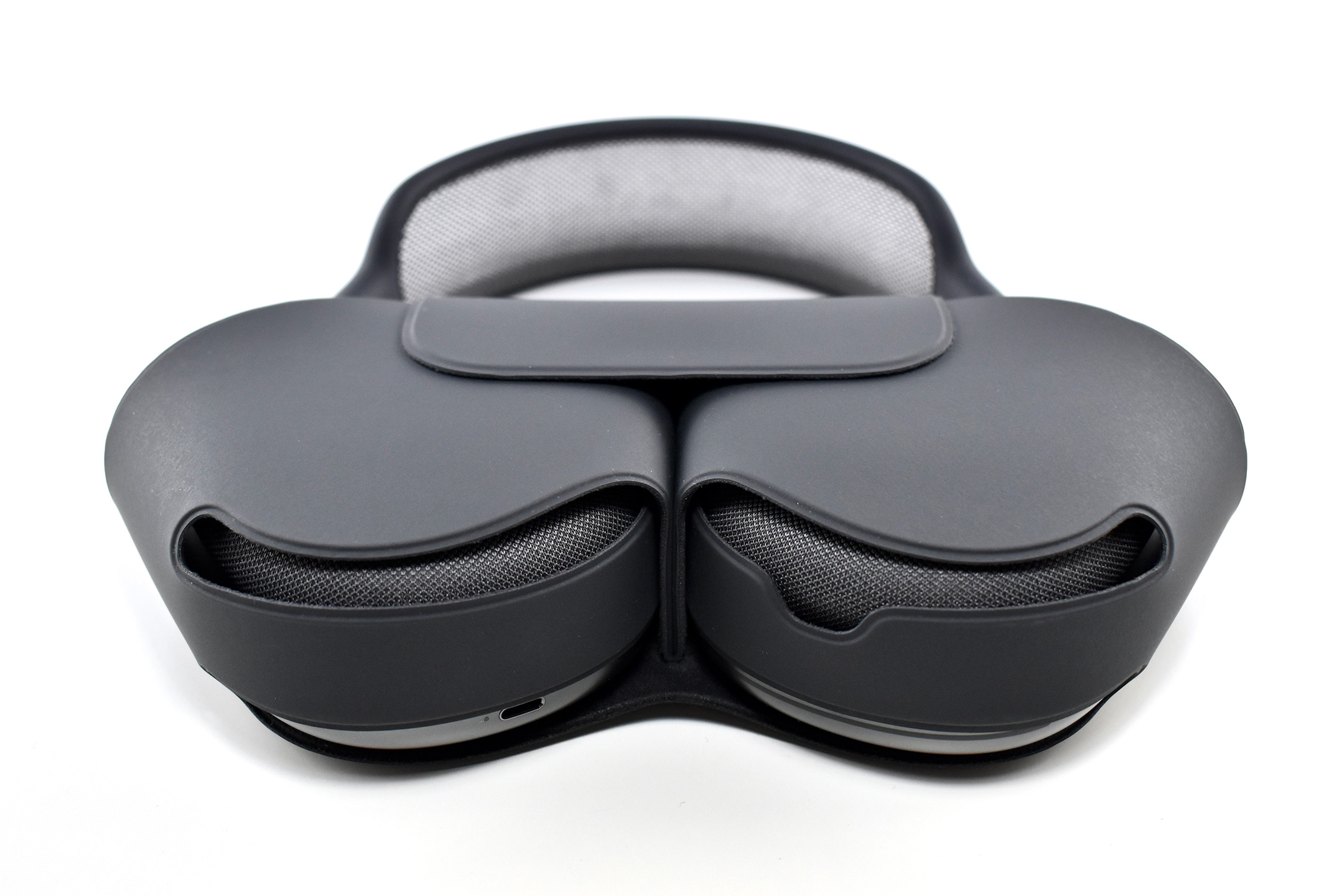
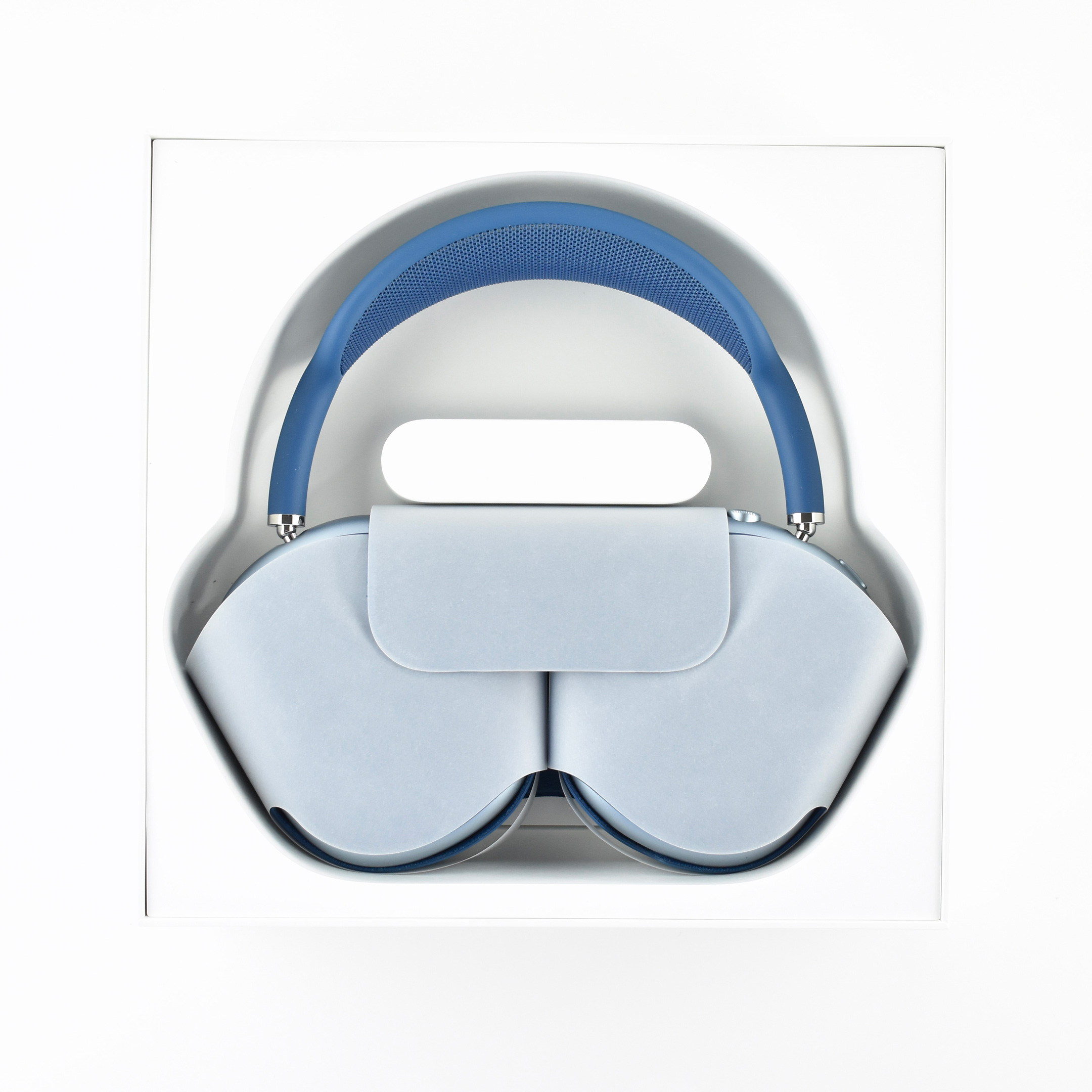
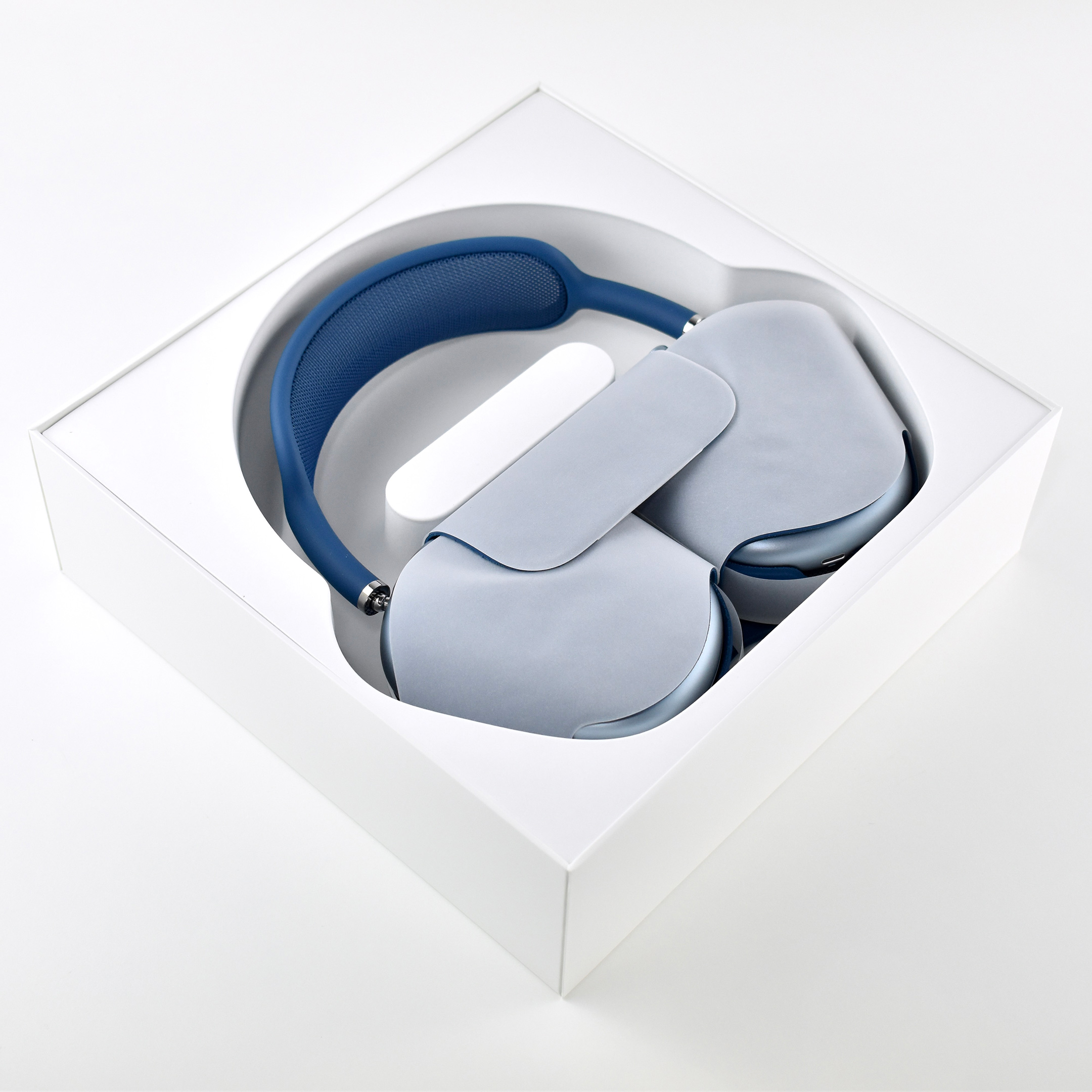
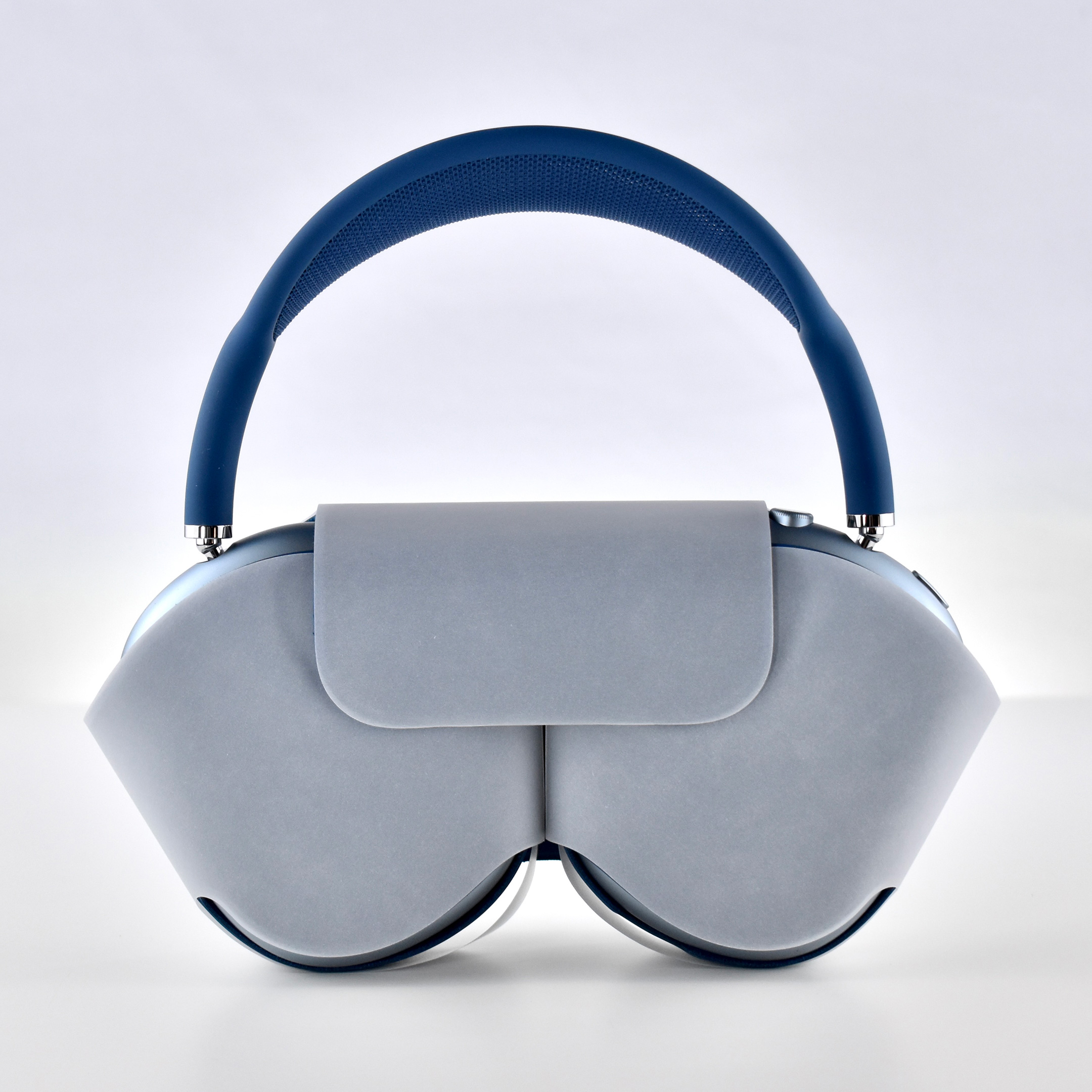
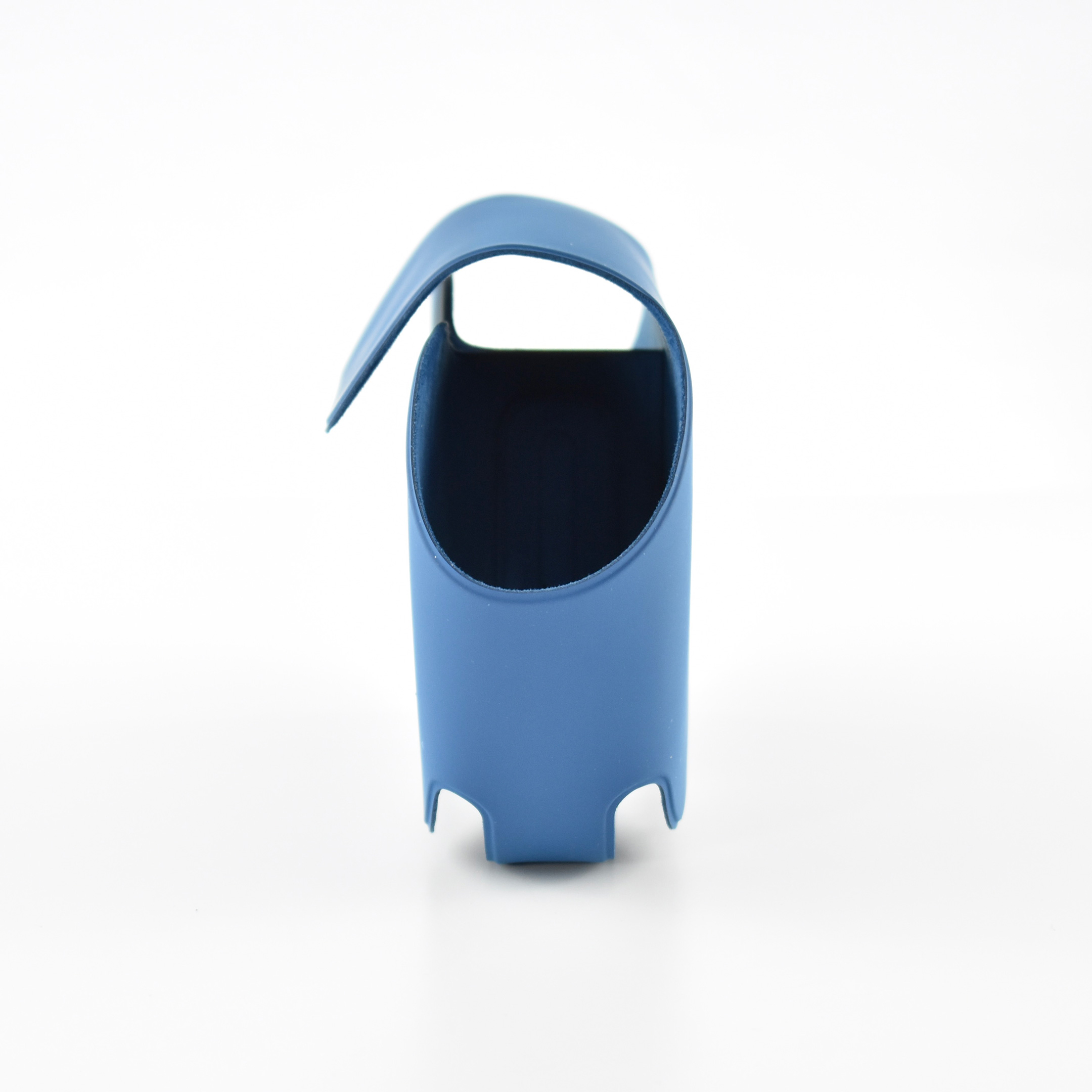
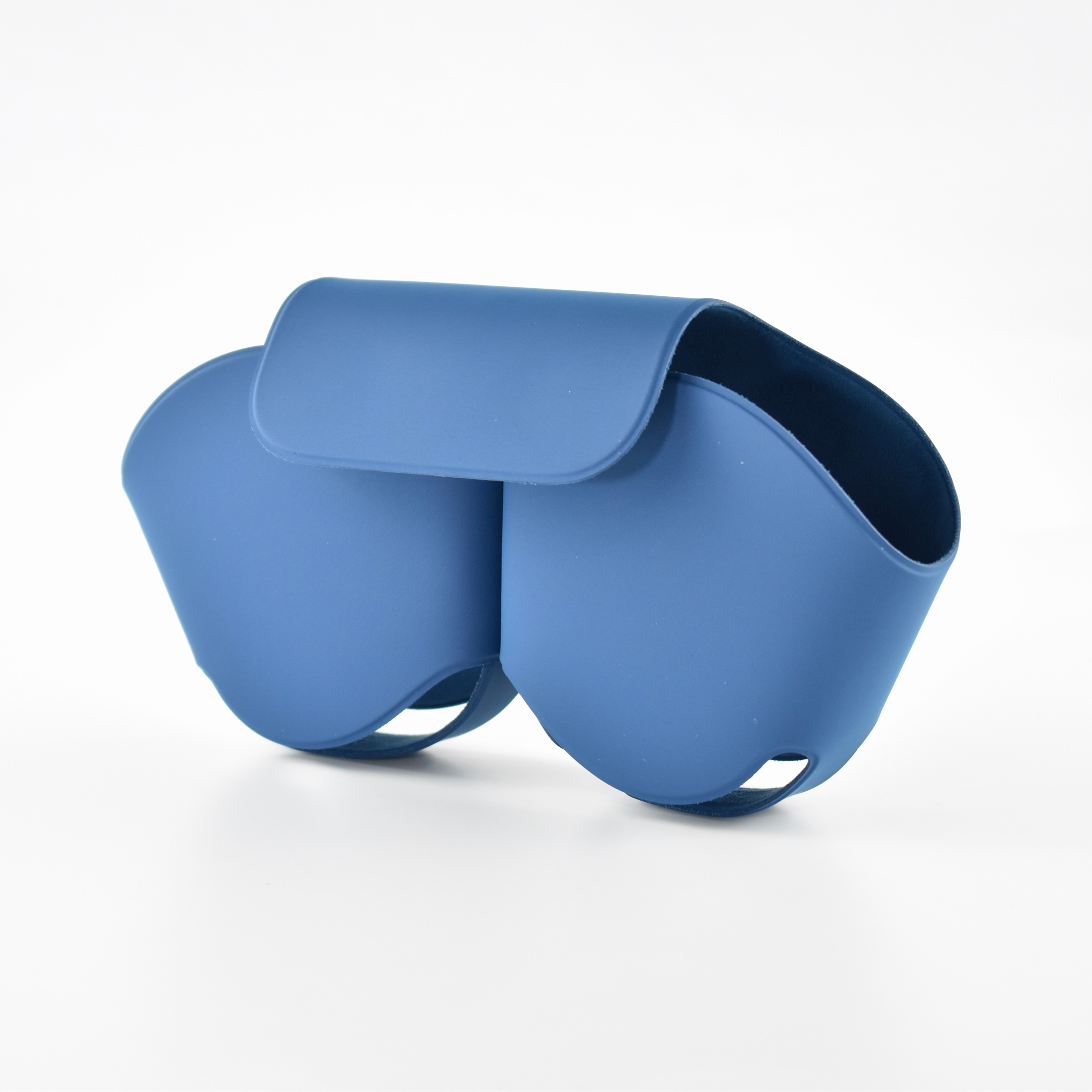
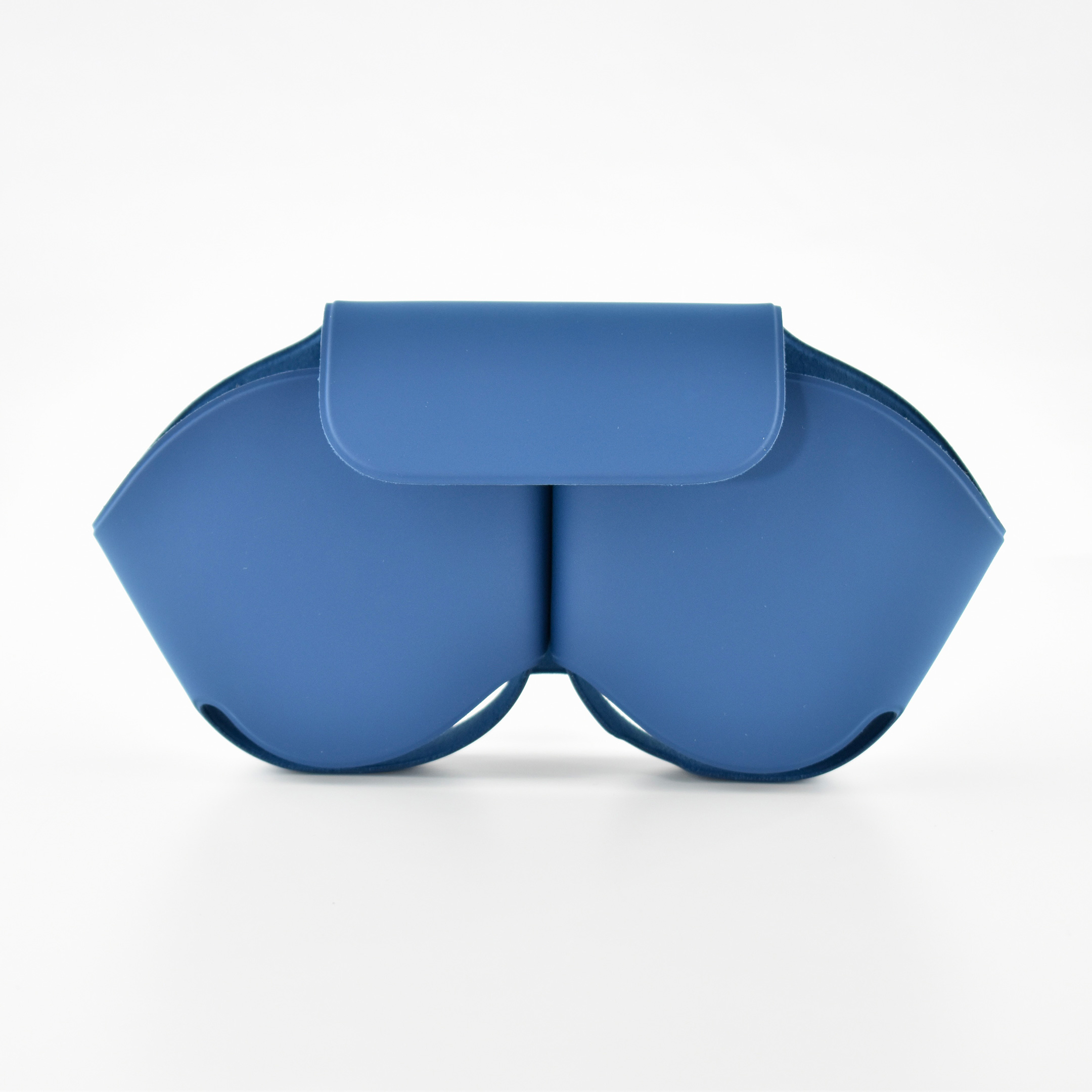
The AirPods Max shipped with an arguably unusual case design that provided little protection, but allowed the headphones to go into “an ultralow power state that helps to preserve battery charge when not in use.” The case was frequently maligned by critics.
When AirPods Max were released, they were almost universally praised for their superior sound quality and noise-cancelling features, but panned for their high price of $549. The primary technical issue shared by some reviewers was the tendency for AirPods Max to “form condensation under the earcups and the water that is formed gets inside the drivers causing ear detection problems.”
Apple announced their AirPods Max over-ear headphones on December 8, 2020, and they shipped one week later on December 15. The original press release touted:
“AirPods Max feature incredible high-fidelity audio, Adaptive EQ, Active Noise Cancellation, and spatial audio”
The headphones featured a brand new design and included the Digital Crown from the Apple Watch as the primary control interface. Materials included a “breathable knit mesh canopy” that spanned the entire headband that was meant to reduce pressure on the head while wearing the headphones for extended periods. The headband frame was made from stainless steel and telescoped to allow a custom fit. The ear cushions were made from a “custom-designed mesh textile [that] wraps the ear cushions to provide pillow-like softness while listening.” The outer ear cup was aluminum in a rectangular shape with steeply rounded corners (as opposed to a round or oval design seen on other over-the-ear headphone designs).
The audio technology included “H1 chips, and advanced software to power computational audio for a breakthrough listening experience with Adaptive EQ, Active Noise Cancellation, Transparency mode, and spatial audio.” The battery on AirPods Max was advertised at 20 hours.
AirPods Max headphones were available in five colors: space gray, silver, sky blue, green, and pink. The colors consistently referred to the color of the outer ear cup of the AirPods Max, since each color option used a different combination of accent colors. Space gray used space gray outer ear cups with black ear cushions and headband. Silver used silver outer ear cups with white ear cushions and headband. Sky blue used light blue outer ear cups with light blue ear cushions and a dark blue headband. Green used light green outer ear cups with light green ear cushions and a pale green (white tinted with green) headband. Pink used pale pink (similar to Apple’s Rose Gold) outer ear cups with dark pink ear cushions and a red headband.
AirPods Max Ear Cushions were also sold separately by Apple as replacements or to allow users to customize their headphone style. By mixing and matching the Ear Cushions, 25 color combinations were possible—or 125 combinations if two different ear cushion colors were used.
The AirPods Max shipped with an arguably unusual case design that provided little protection, but allowed the headphones to go into “an ultralow power state that helps to preserve battery charge when not in use.”
When AirPods Max were released, they were almost universally praised for their superior sound quality and noise-cancelling features, but panned for their high price of $549. The primary technical issue shared by some reviewers was the tendency for AirPods Max to “form condensation under the earcups and the water that is formed gets inside the drivers causing ear detection problems.”