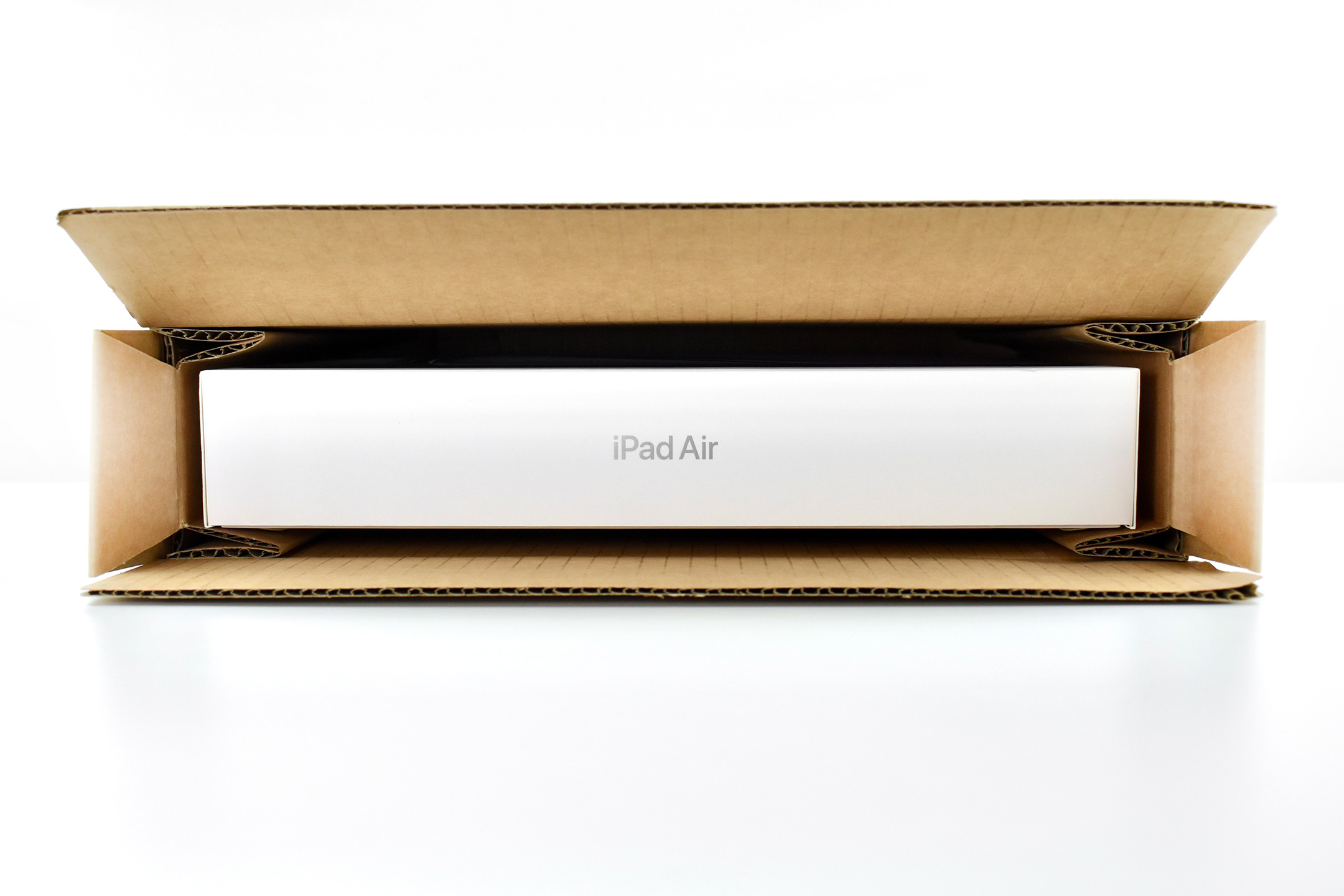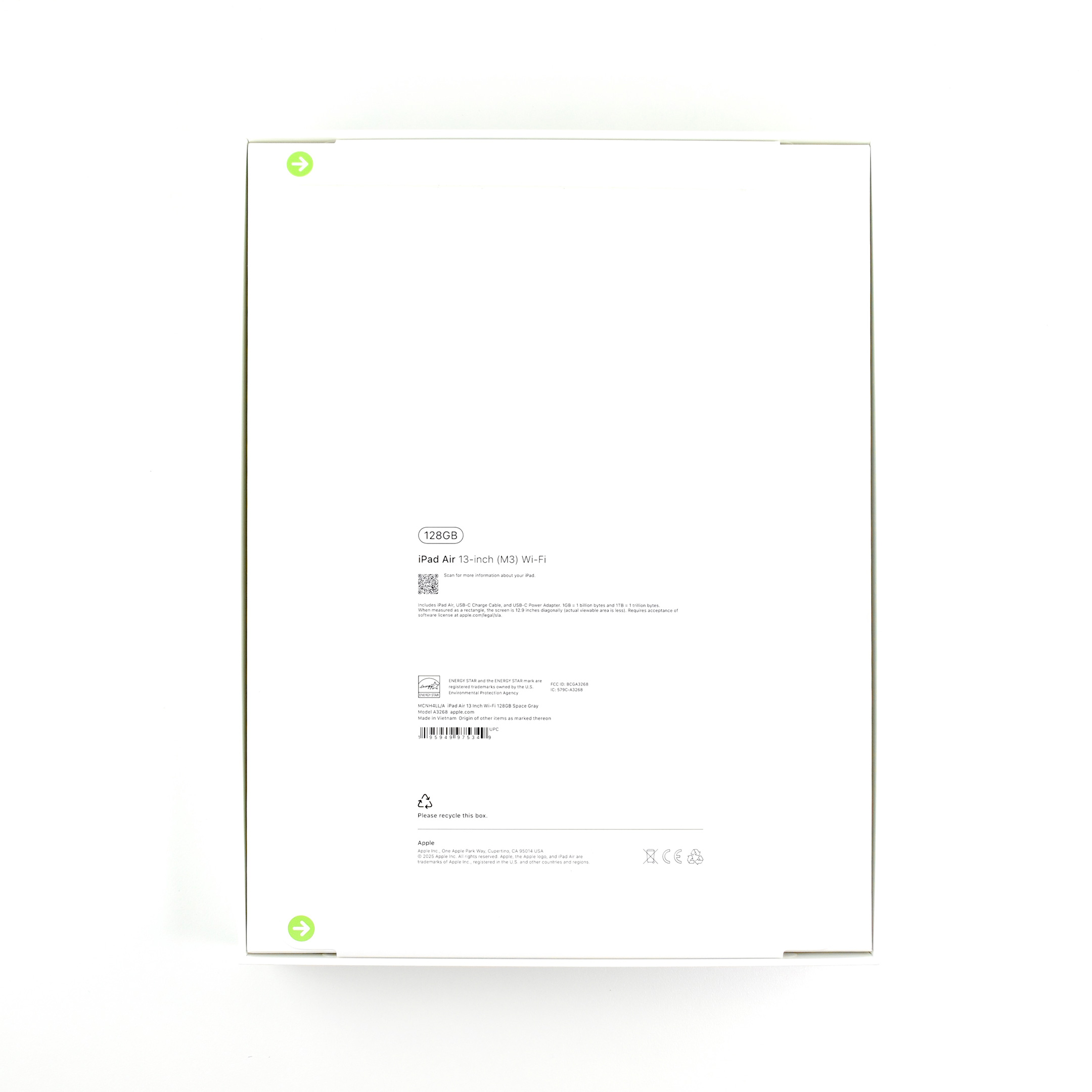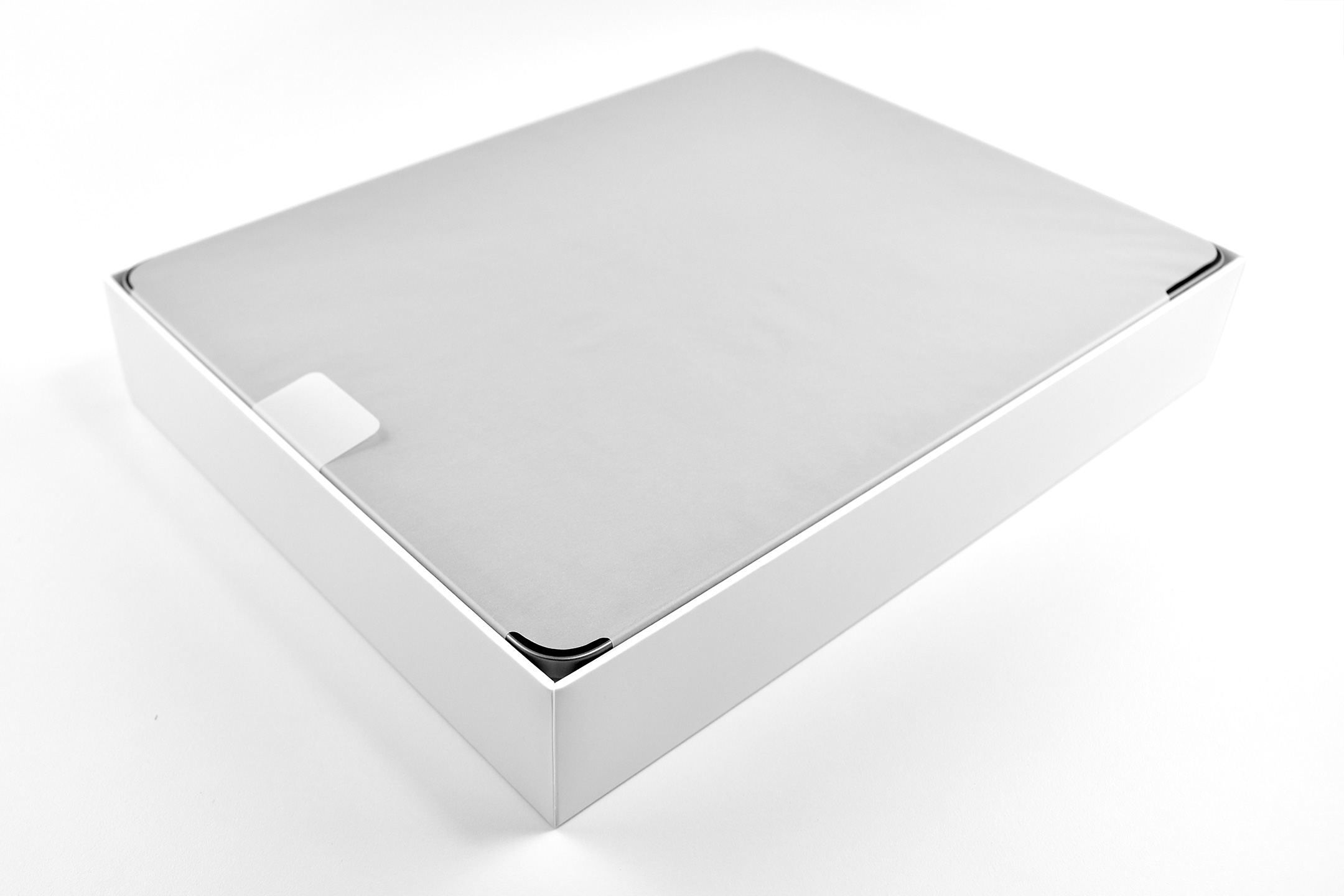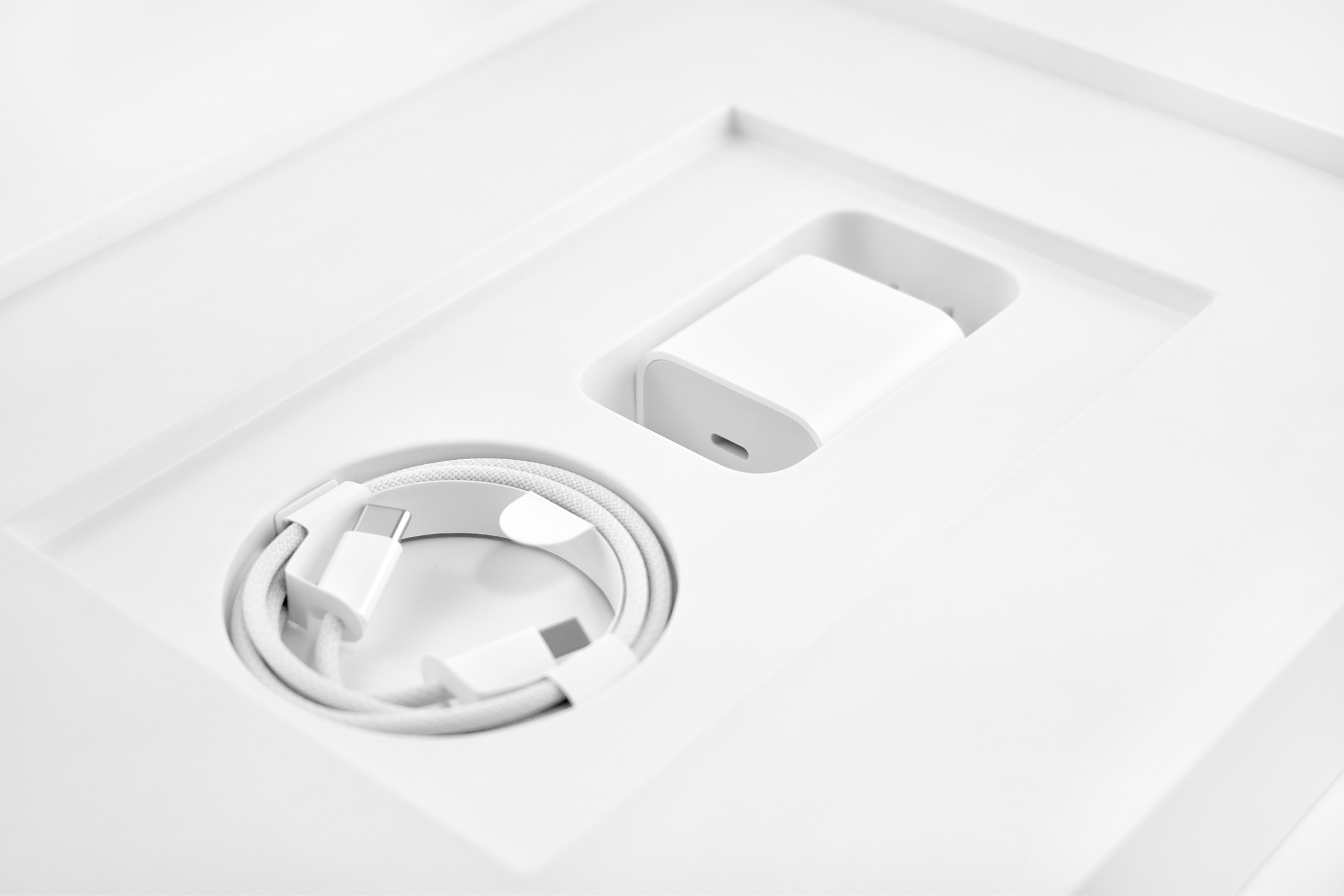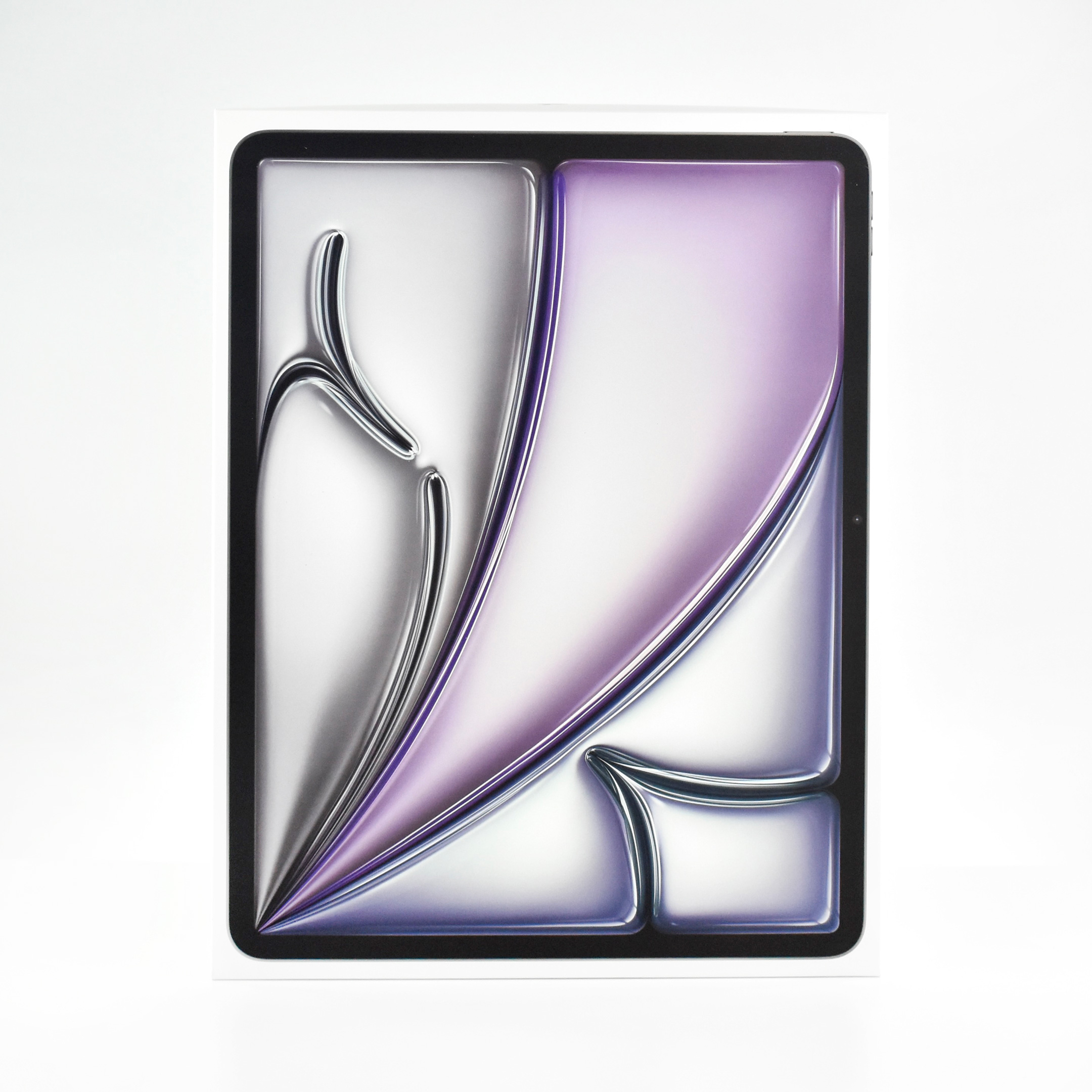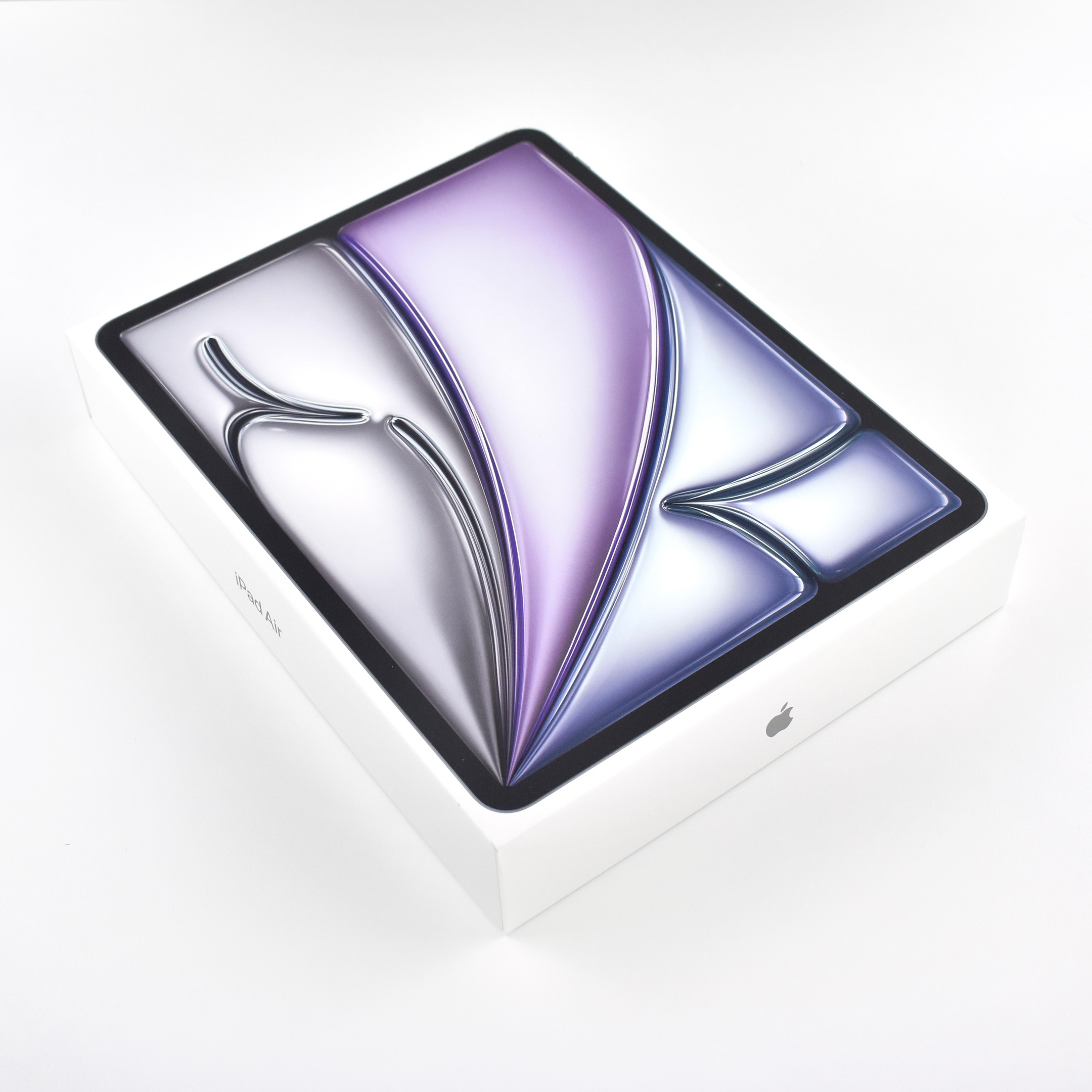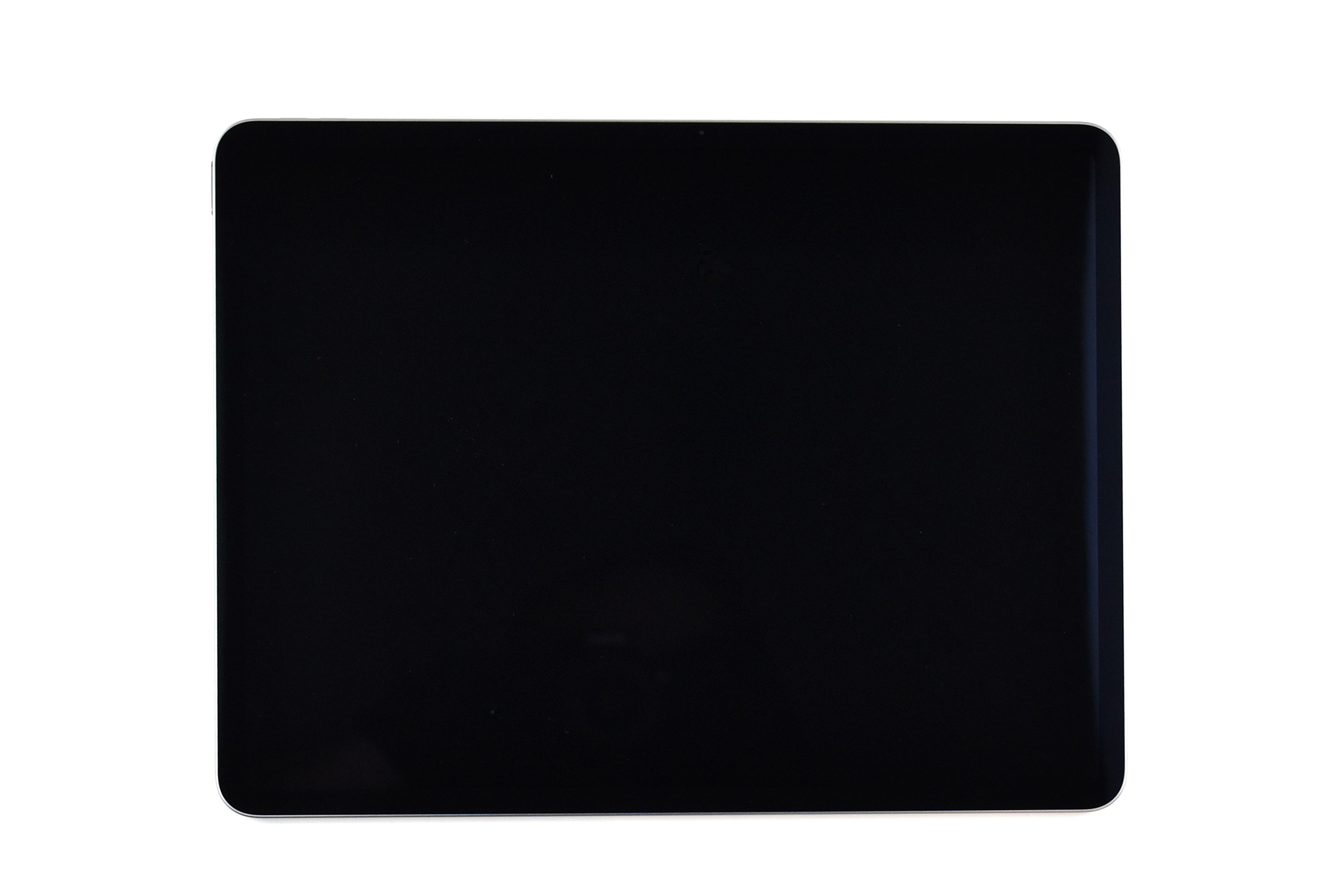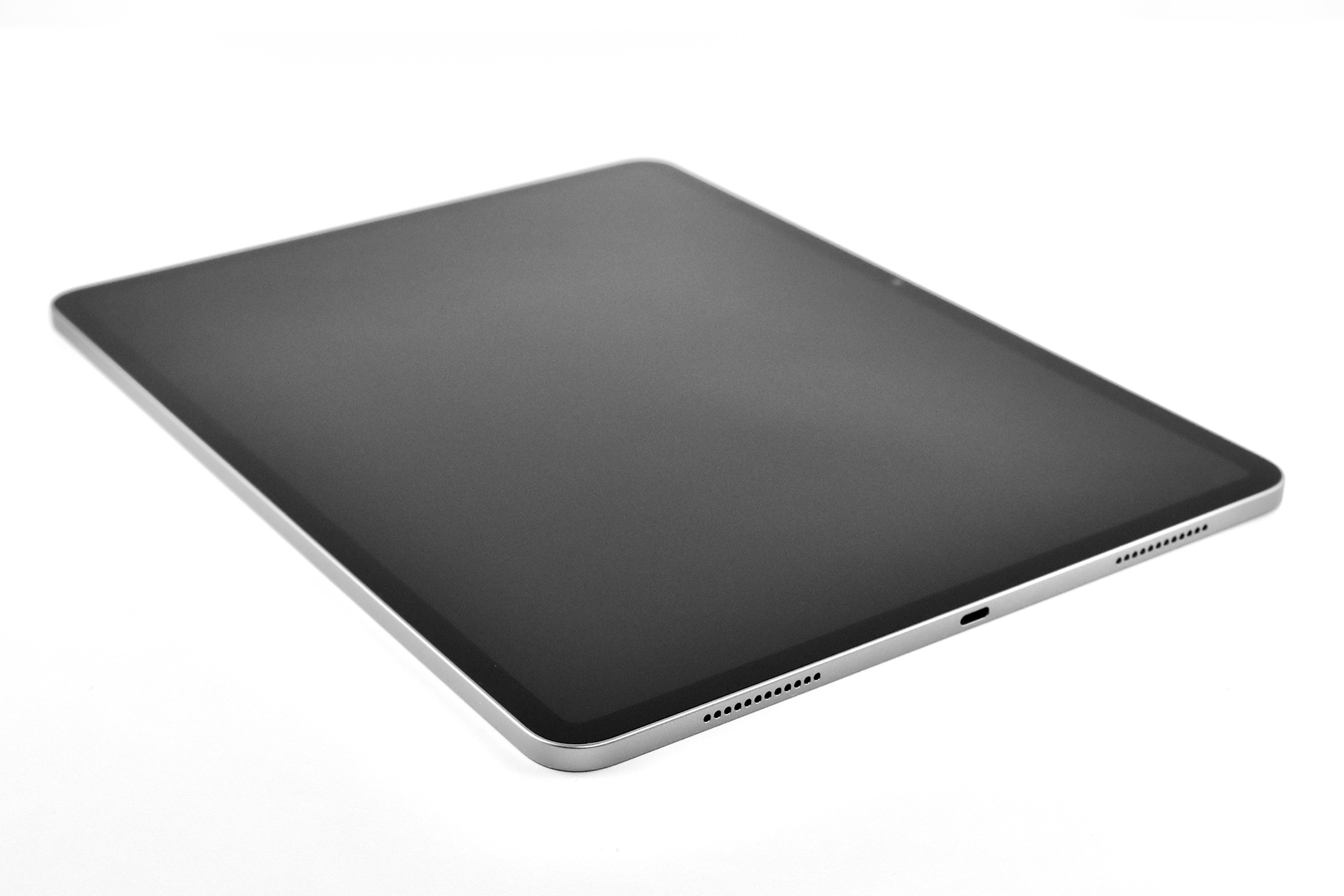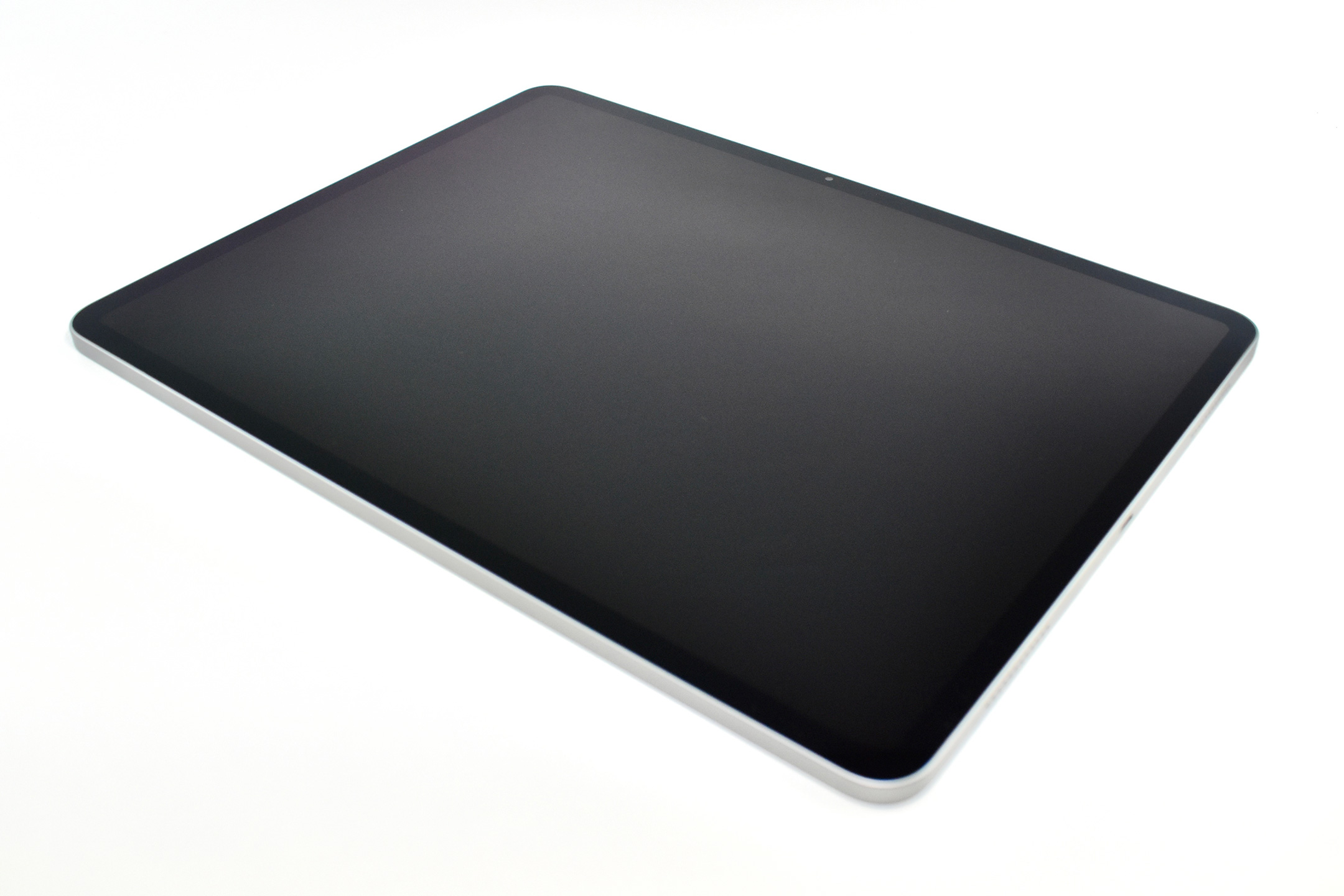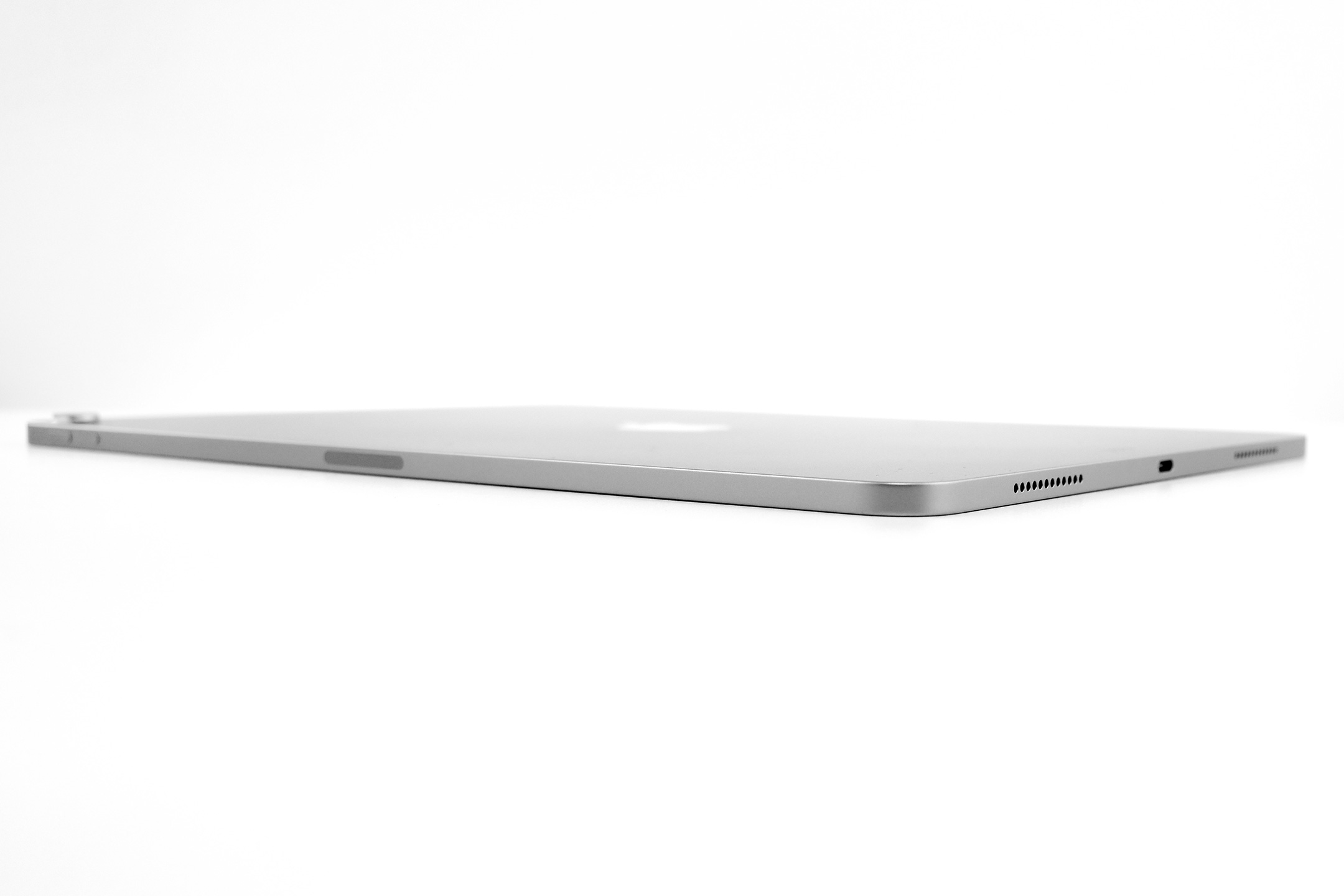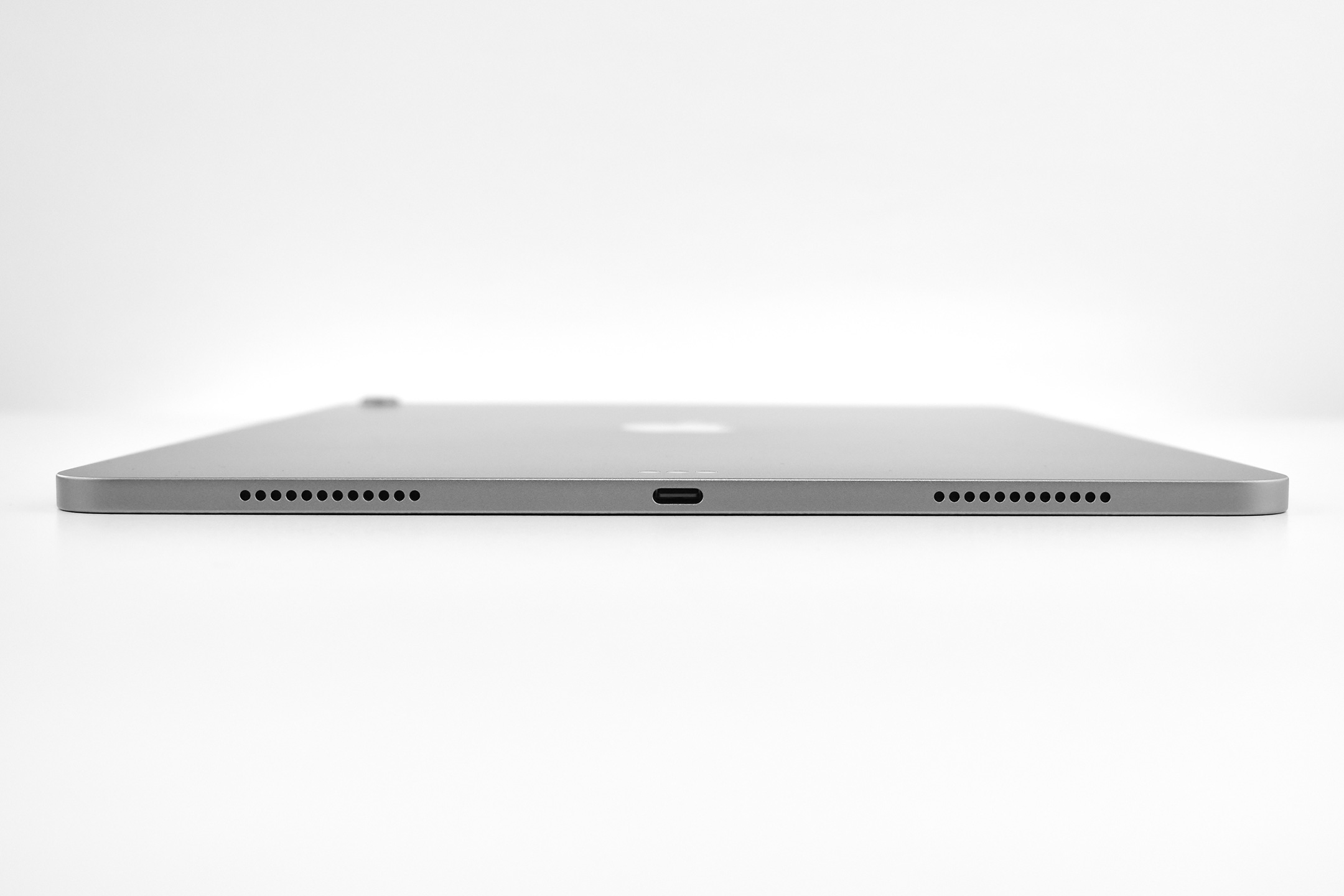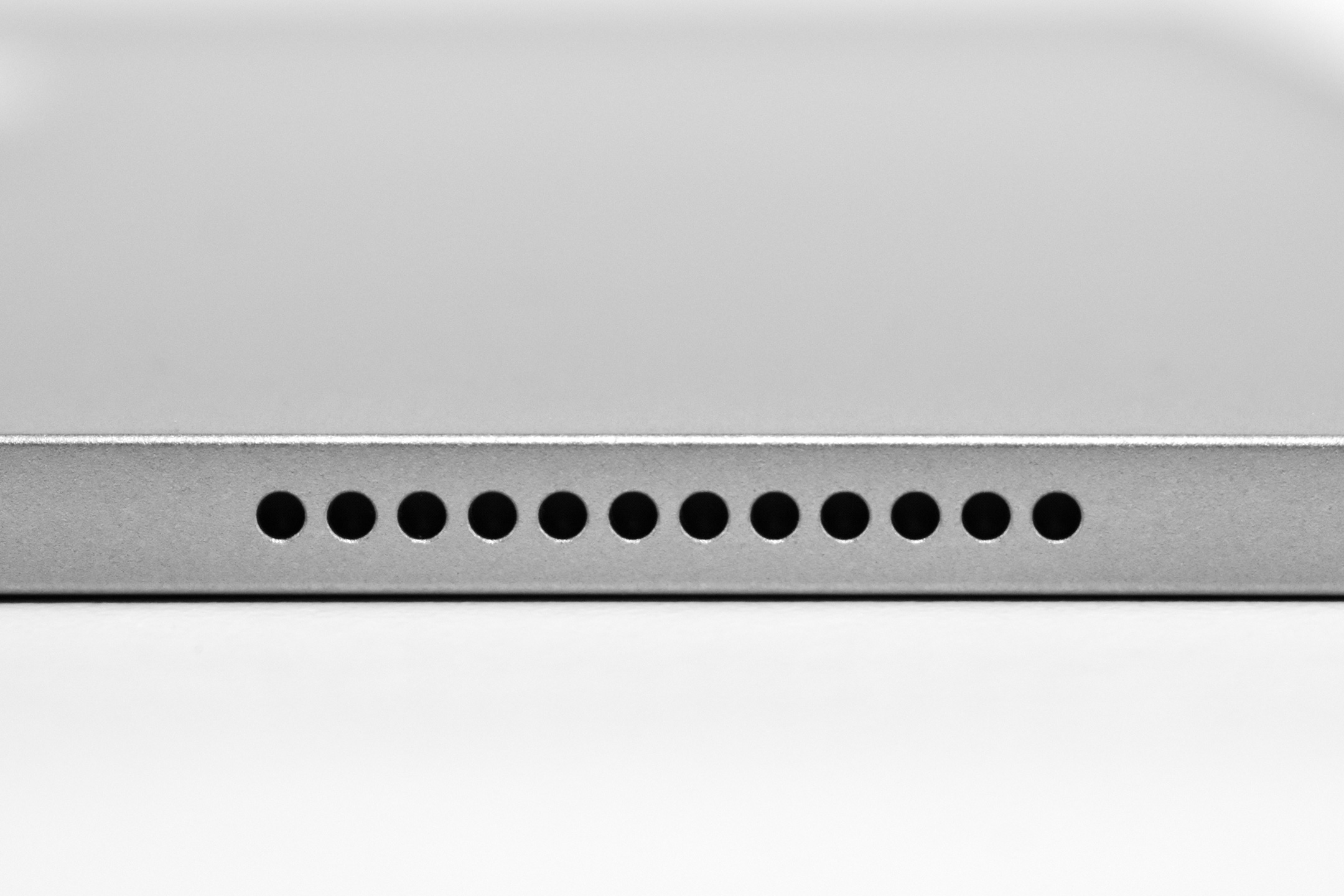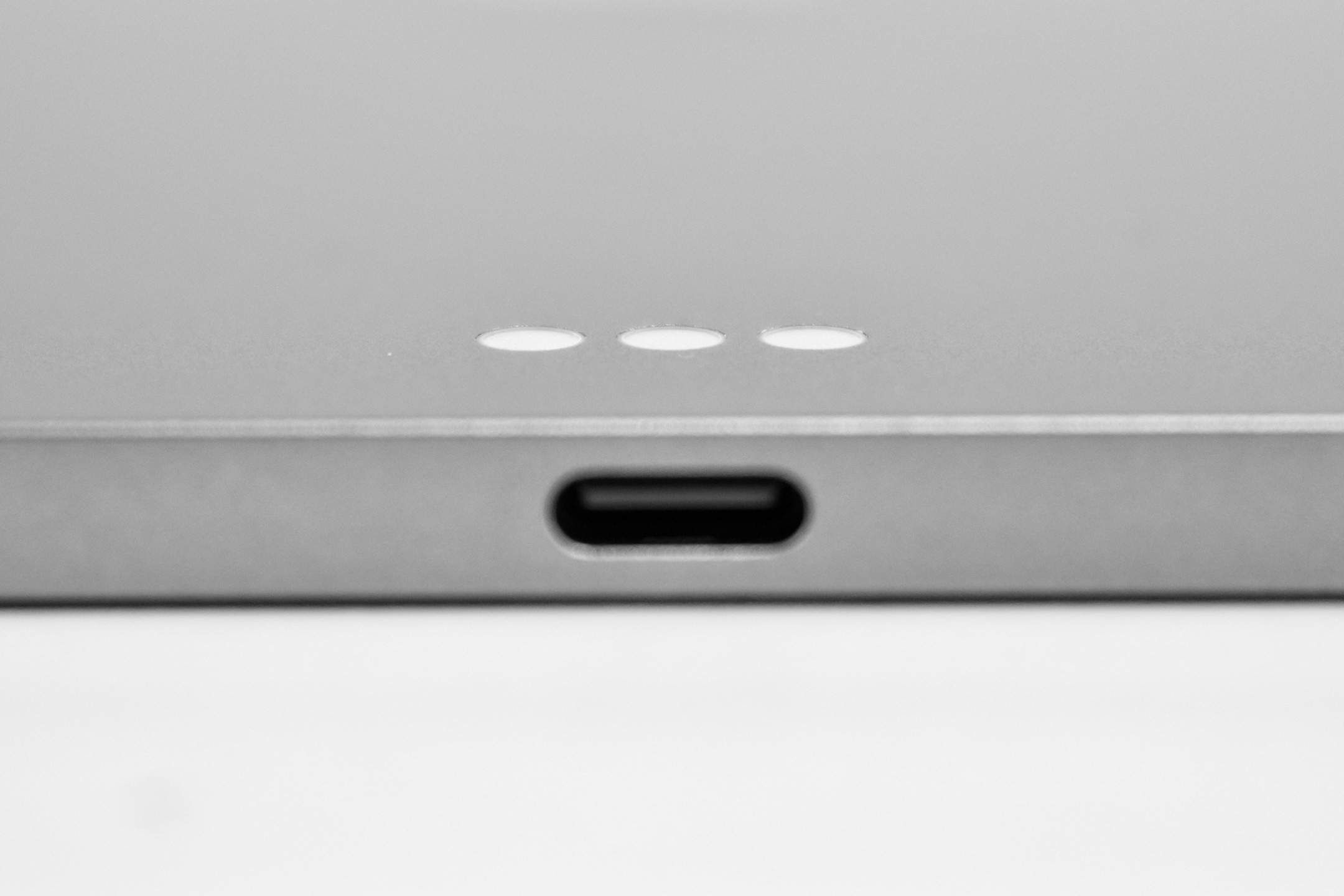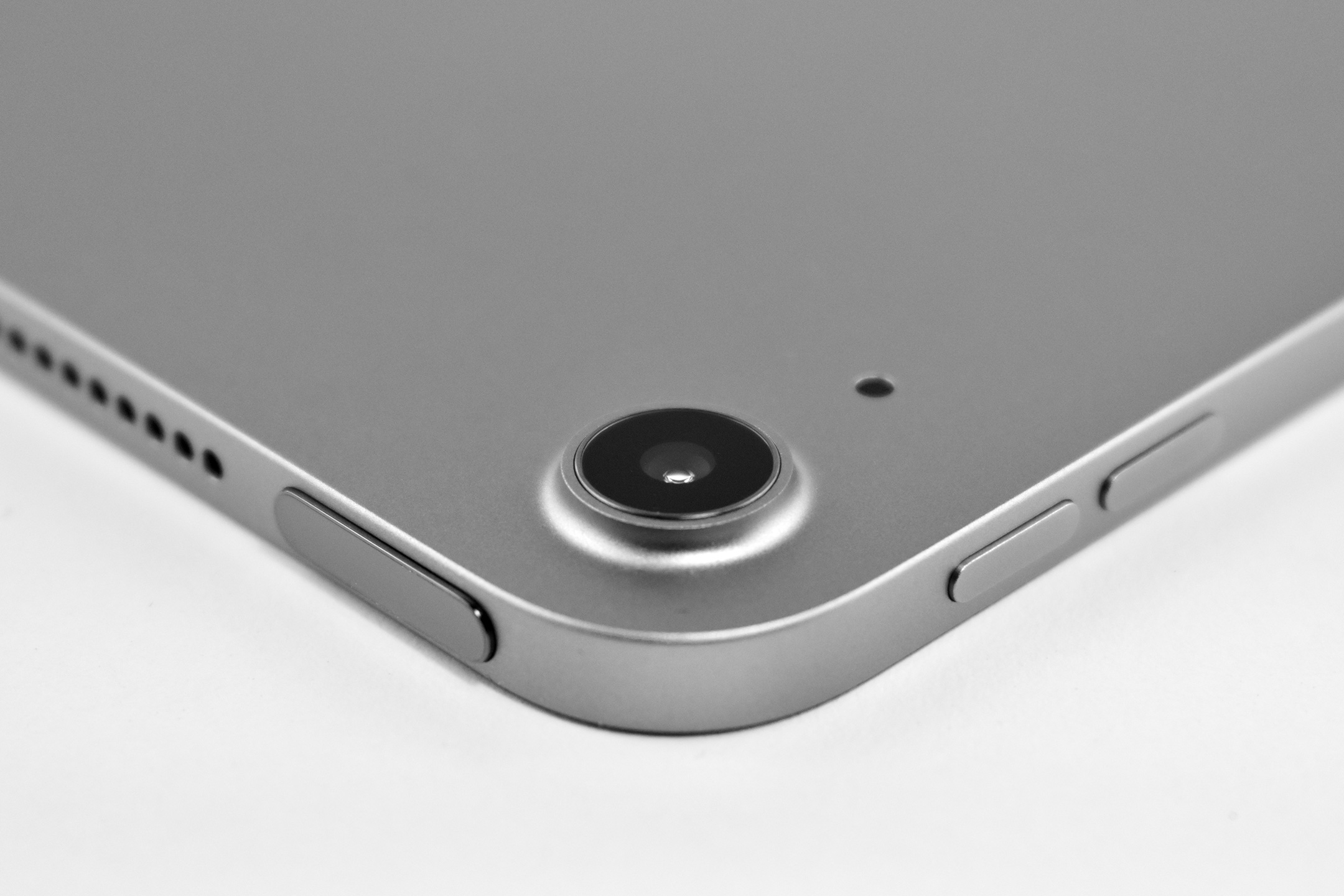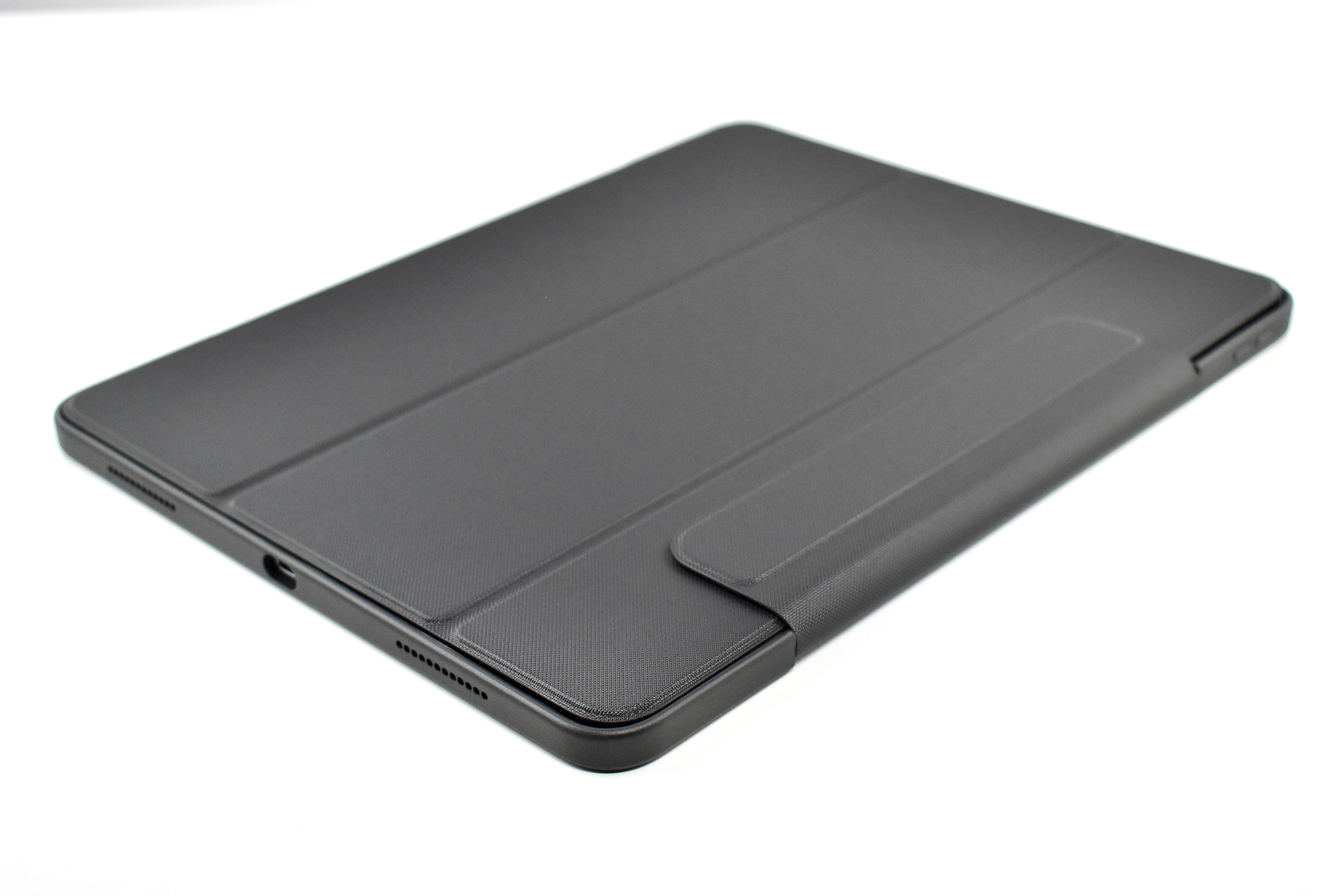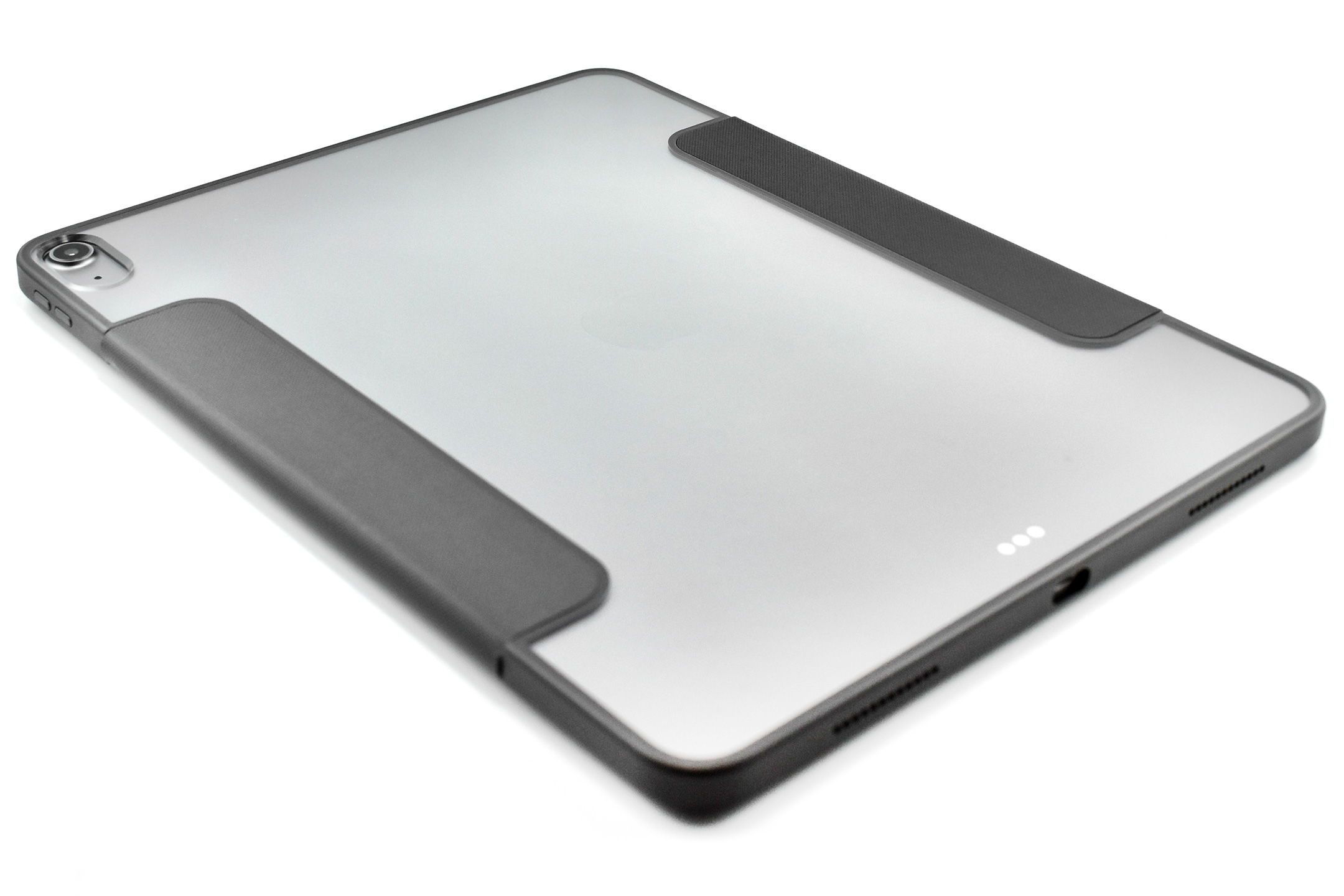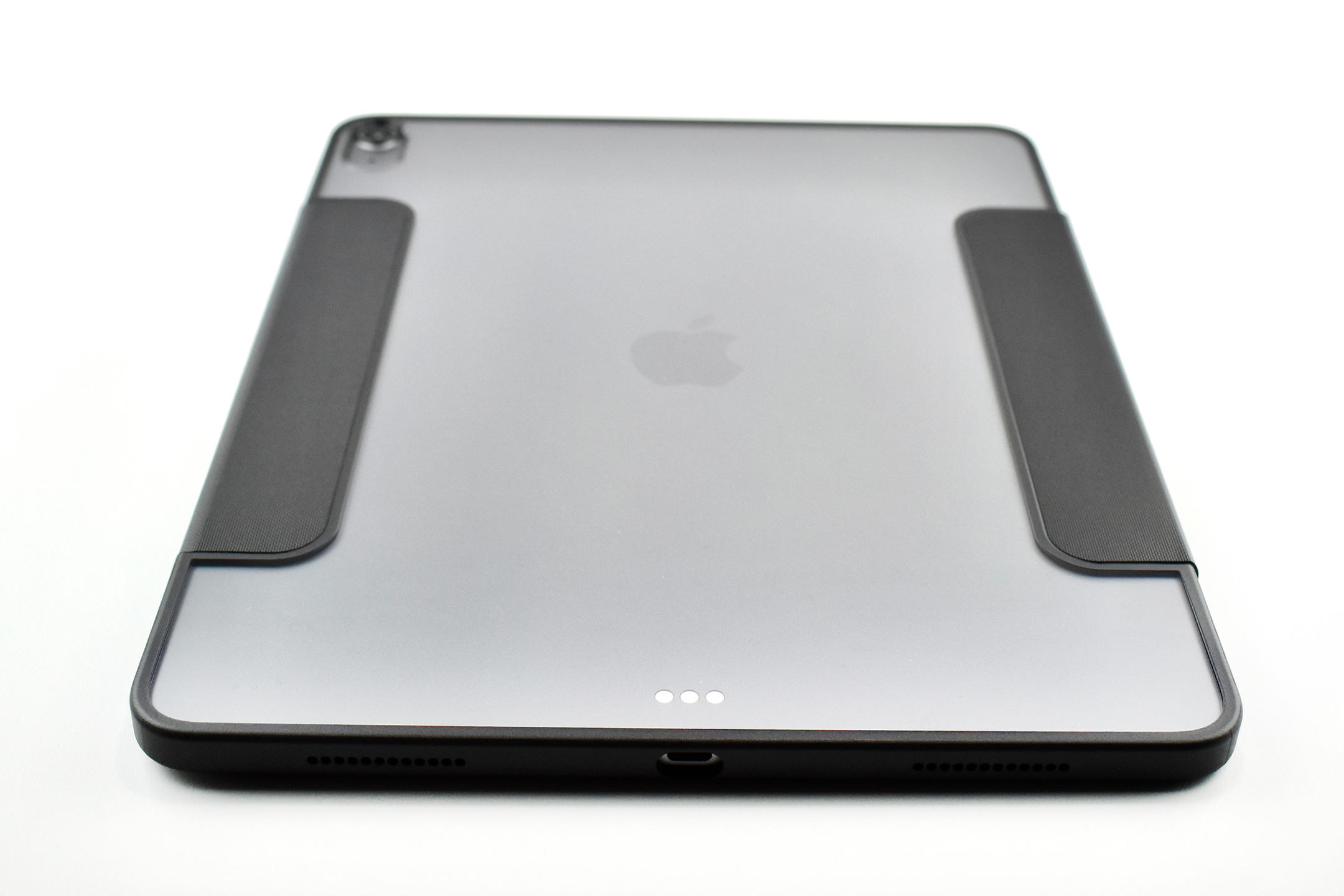
iPad Air 13-inch (Space Gray, M3, Wi-Fi, 128 GB, 2025)

The M3 iPad Air 13-inch was announced on March 4, 2025, and was described as being up to 2x faster than the M1 iPad Air. The press release also touted:

“iPad Air with M3 brings Apple’s advanced graphics architecture to iPad Air for the first time—taking its incredible combination of power-efficient performance and portability to a new level… Available in two sizes and four gorgeous finishes that users love, the 11-inch iPad Air is super portable while on the go, and the 13-inch model provides an even larger display for more room to be creative and productive.”

Apple mentioned that “The faster Neural Engine in M3 means iPad Air [is]…up to 60 percent faster for AI-based workloads…and support for advanced accessories, including the new Magic Keyboard and Apple Pencil Pro.”

The 11-inch and 13-inch M3 iPad Air devices were available in blue, purple, starlight, and space gray, with 128 GB, 256 GB, 512 GB, and 1 TB configurations. This example is the 13-inch version of the iPad Air in Space Gray with 128 GB storage.

This 13-inch iPad Air Wi-Fi is 11.04 inches (280.6 mm) x 8.46 inches (214.9 mm), is 0.24 inch (6.1 mm) thick, and weighs 1.36 pounds (616 grams).

The Liquid Retina display is 2732 x 2048 pixels at 264 ppi and can display up to 600 nits brightness. It is powered by Apple’s M3 chip (8-core CPU with 4 performance cores; 4 efficiency cores; 9-core GPU). It has a 16-core Neural Engine.

The back camera is a 12MP Wide camera with ƒ/1.8 aperture that allows digital zoom up to 5x using a 5-element lens. It can capture Panorama photos up to 63 MP. It can record video up to 4K at 24, 25, 30, or 60 fps. The front camera is a landscape 12 MP Center Stage camera with ƒ/2.0 aperture that can record video at up to 1080p (HD) at 25, 30, or 60 fps.

Its dual microphones can be used for calls, video recording, and audio recording and has landscape stereo speakers.

Wireless connectivity includes Wi-Fi 6E (802.11ax) with 2×2 MIMO5 and Bluetooth 5.3. Its sensors include Touch ID, 3‐axis gyro, accelerometer, barometer, and an ambient light sensor.

This iPad Air is using the Symmetry Series Folio case (for iPad Air 13-inch M2 and M3) by OtterBox in their “Starry Night” (black, clear, grey) color. The hinged folio design provides an adjustable stand, screen protection, magnetic sleep/wake, and protects the Apple Pencil while allowing charging while in storage.

Sources: Apple (newsroom, specs, product page), OtterBox

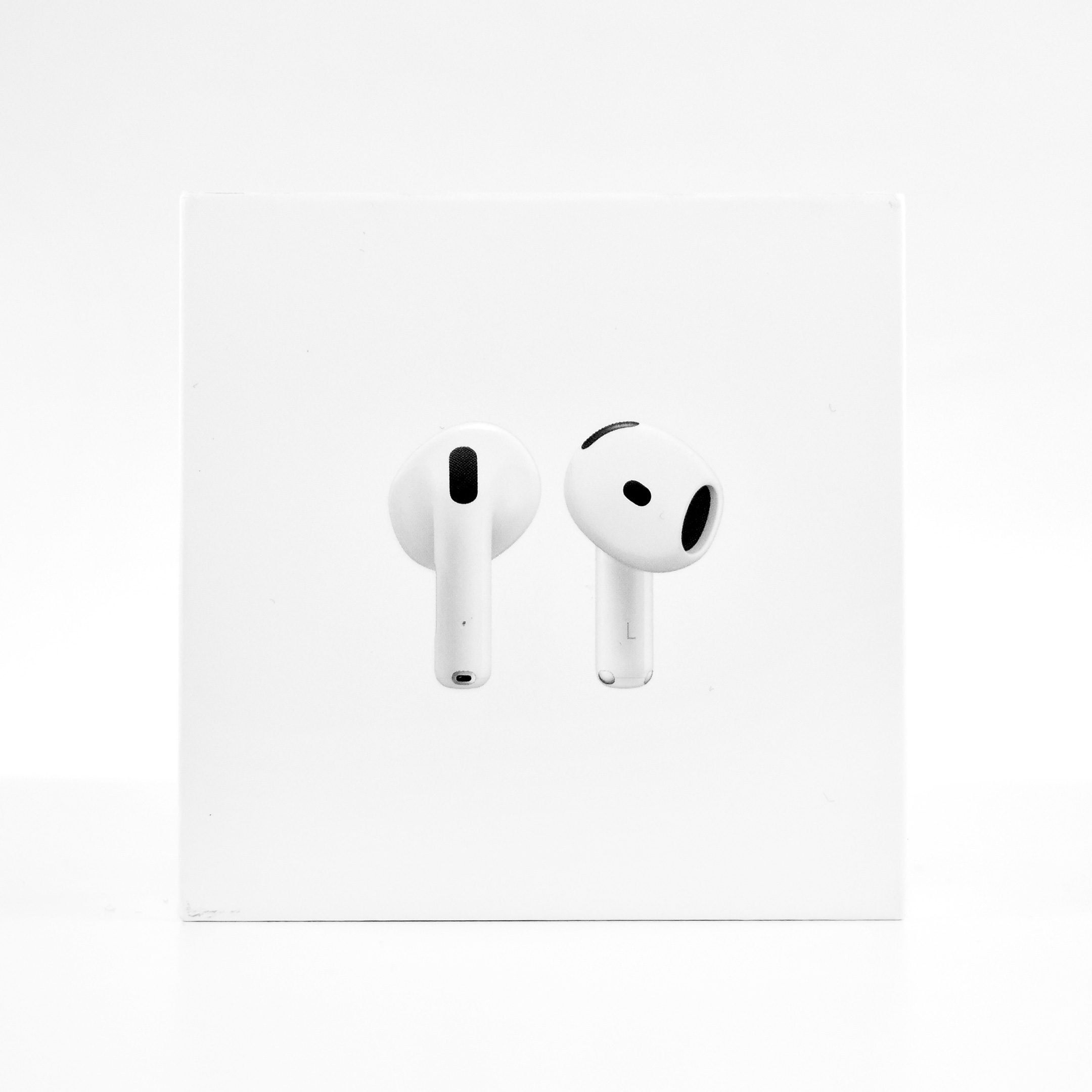
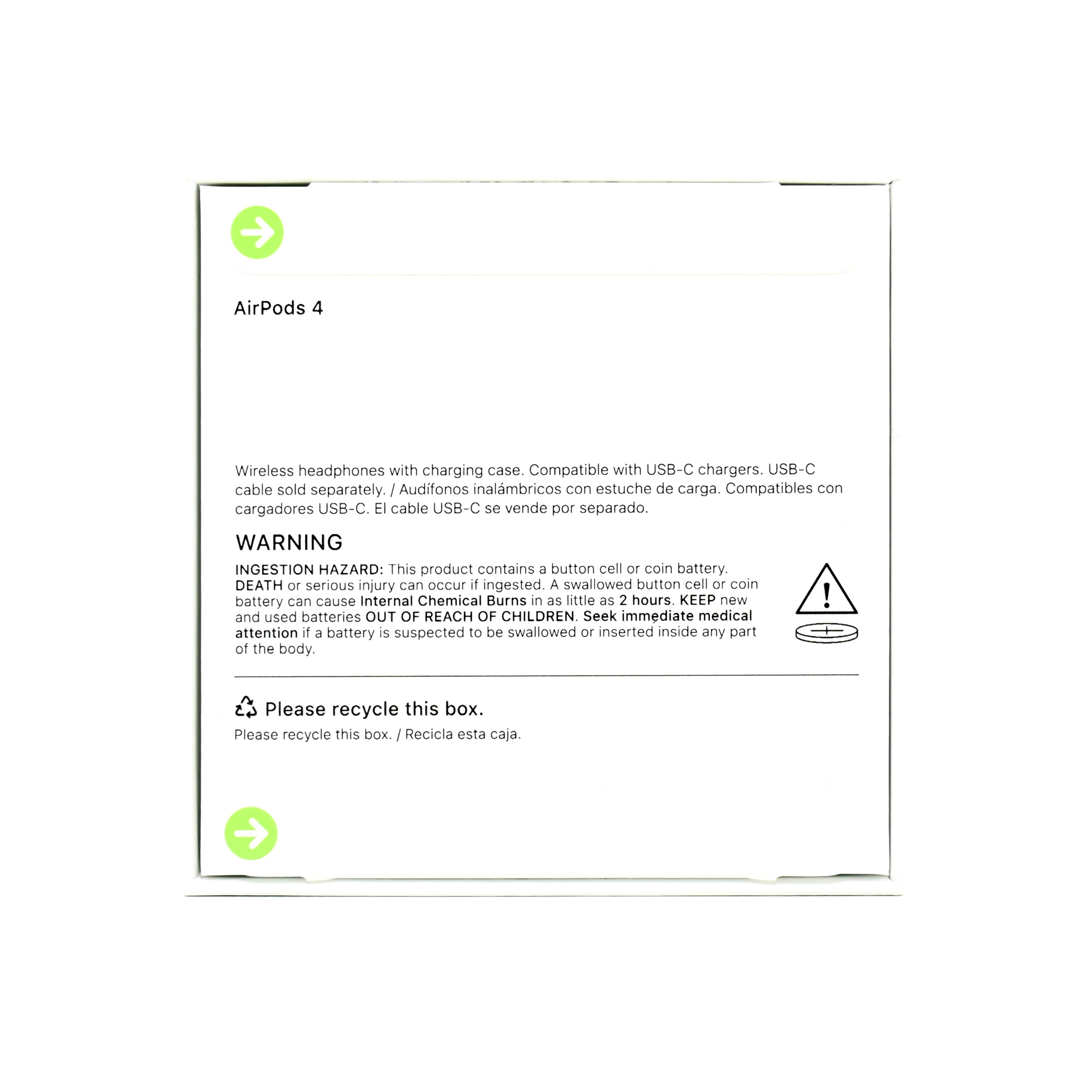
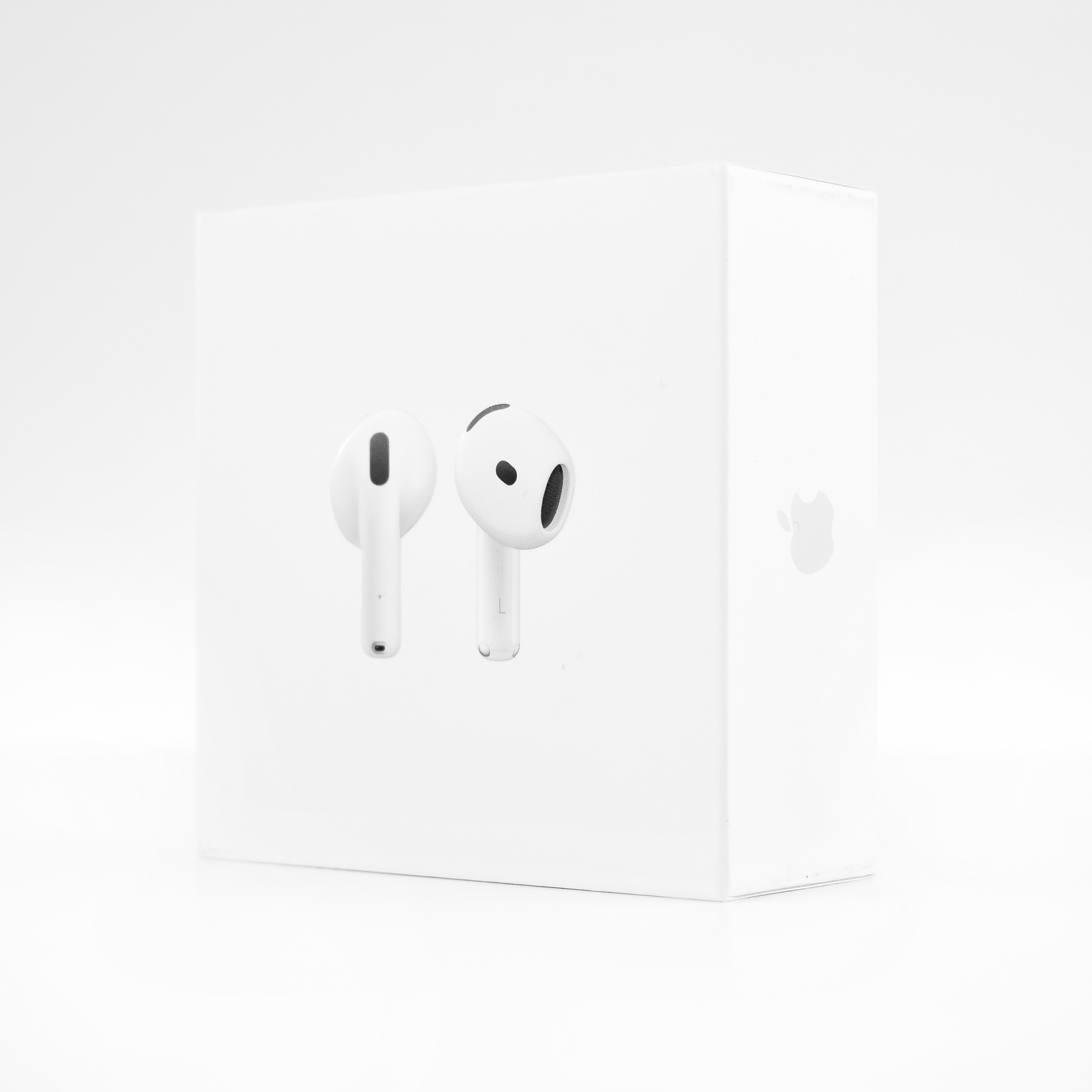
AirPods 4 (2024)

Beginning in 2024 Apple began offering the entry-level AirPods 4 product in two versions: AirPods 4 and AirPods 4 with Active Noise Cancellation. These AirPods 4 are the “base” model without the additional features.

As Apple often mentions, “AirPods 4 are the best headphones Apple has ever created.” The updated headphones offer “open-ear design, setting an entirely new benchmark for fit and comfort.”

Apple improved the fit and comfort of these AirPods:

“The new design is built with an unparalleled data set that uses advanced modeling tools, like 3D photogrammetry and laser topography, to precisely map and analyze thousands of ear shapes and over 50 million individual data points in total. This process helped refine the design to deliver the most comfortable AirPods ever with one shape that naturally fits even more users around the world.”

AirPods 4 offer the following core technologies:

  • Custom high-excursion Apple driver
  • Custom high dynamic range amplifier
  • Voice Isolation2
  • Personalized Spatial Audio with dynamic head tracking3
  • Adaptive EQ
  • Vent system for pressure equalization

The AirPods 4 with Active Noise Cancellation add 4 features, including Active Noise Cancellation, Adaptive Audio, Transparency mode, and Conversation Awareness. These additional features also allow this model to use Live Translation for communicating across languages.

AirPods 4 are powered by Apple’s H2 headphone chip. Built-in sensors include:

  • Dual beamforming microphones
  • Inward-facing microphone
  • Optical in-ear sensor
  • Motion-detecting accelerometer
  • Speech-detecting accelerometer
  • Force sensor

These sensors offer many new features not available in previous “base” AirPods models:

“With the H2 chip, AirPods 4 unlock intelligent audio experiences only Apple silicon can deliver, such as Voice Isolation, enabling clearer call quality no matter the environmental conditions, and Siri Interactions, allowing users to simply nod their head yes or gently shake their head no to respond to Siri announcements. For even more control, AirPods 4 also feature a new force sensor on the stem to play or pause media and mute or end calls with a quick press.”

Each AirPod 4 is 1.19 inches (30.2 mm) x 0.72 inch (18.3 mm) and 0.71 inch (18.1 mm) deep. Each weighs 0.15 ounce (4.3 grams). The AirPods 4 case measures 1.82 inches (46.2 mm) x 1.97 inches (50.1 mm) and is 0.83 inch (21.2 mm) deep. The case weighs 1.14 ounces (32.3 grams).
The base AirPods 4 allows only USB-C connector charging, while the AirPods 4 with Active Noise Cancellation adds Apple Watch or Qi‑certified charging. AirPods 4 allow up to 5 hours of listening time on a single charge, however, 5 minutes of charging provides around 1 hour of listening time.

AirPods 4 connect using Bluetooth 5.3.

Source: Apple (product page, newsroom)

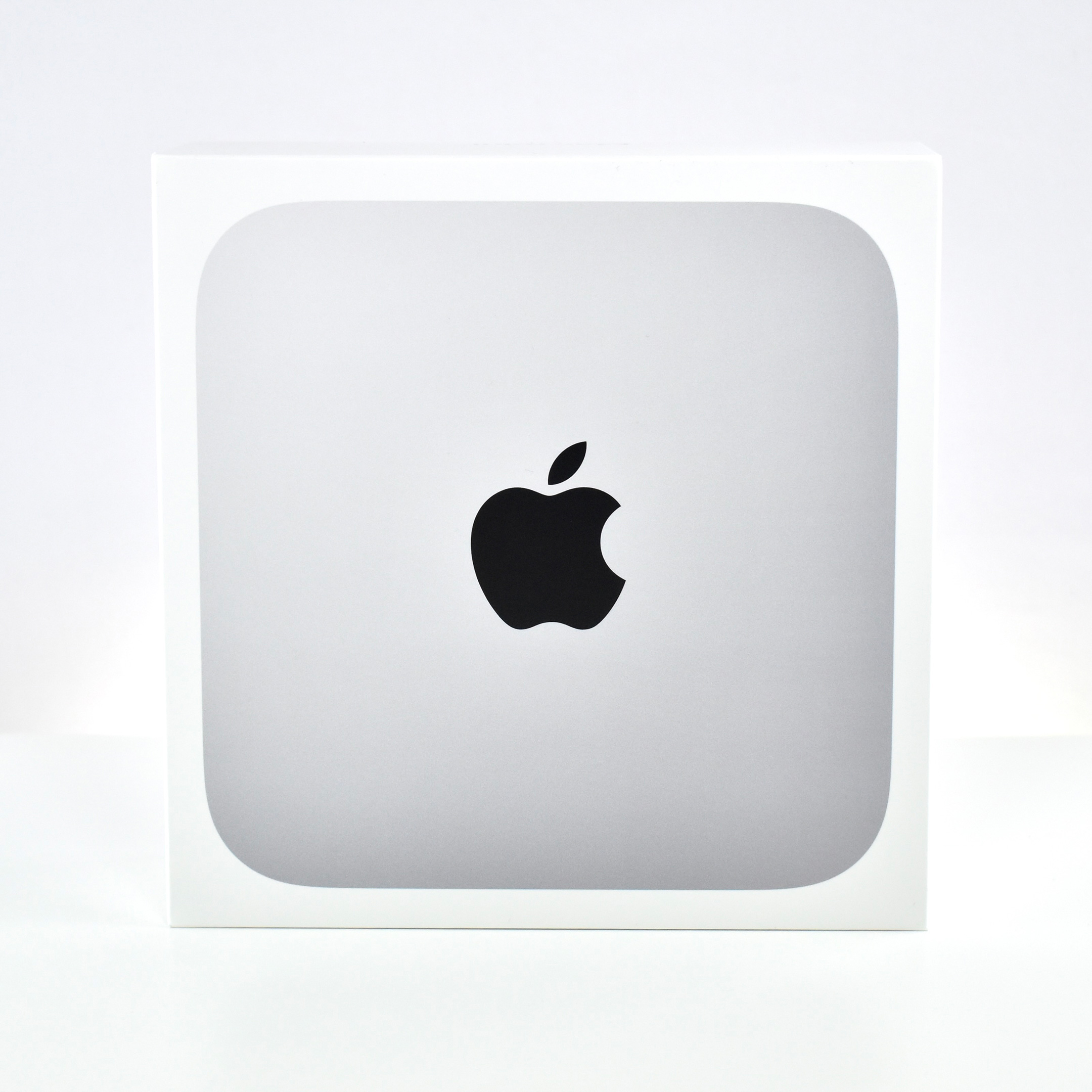
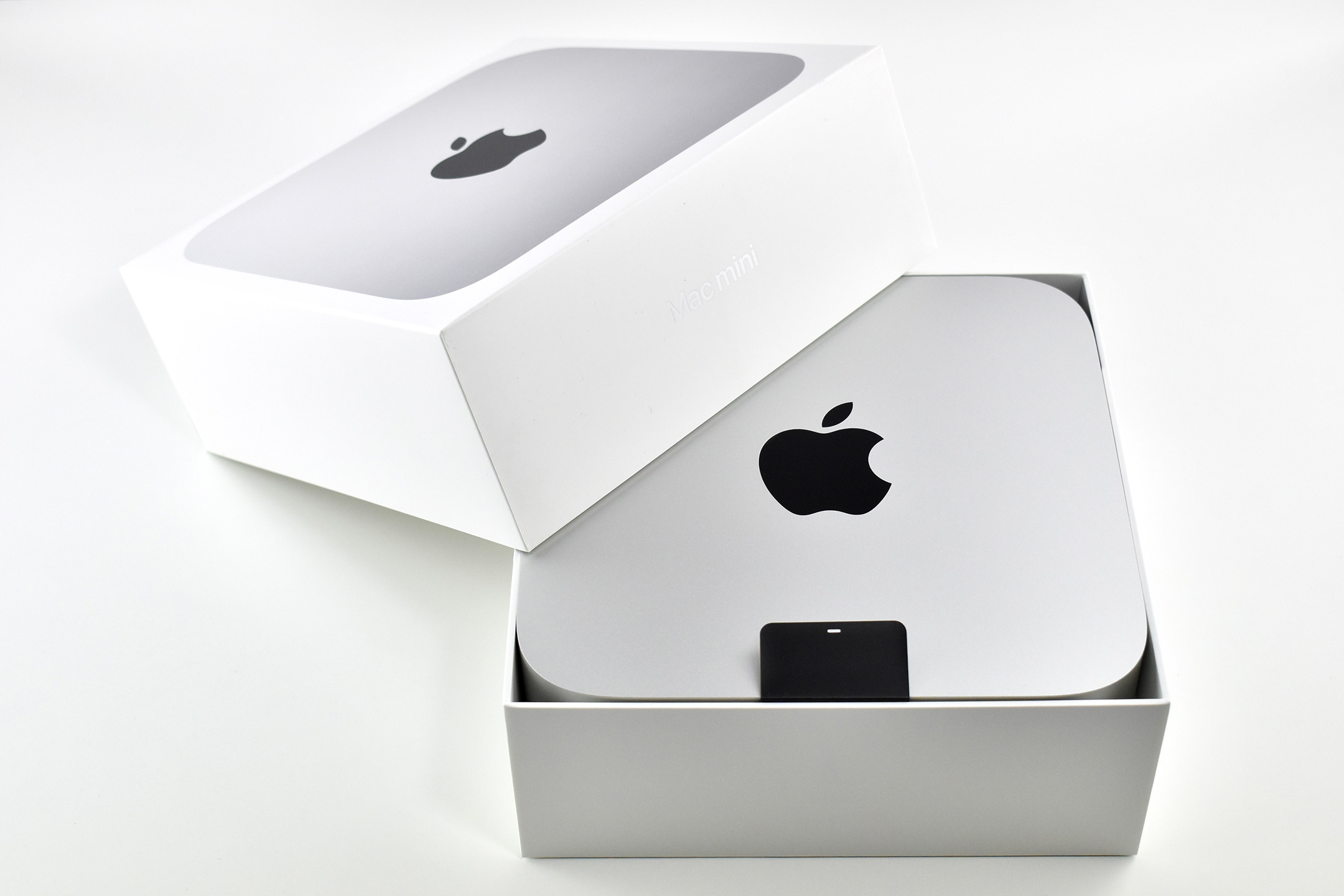
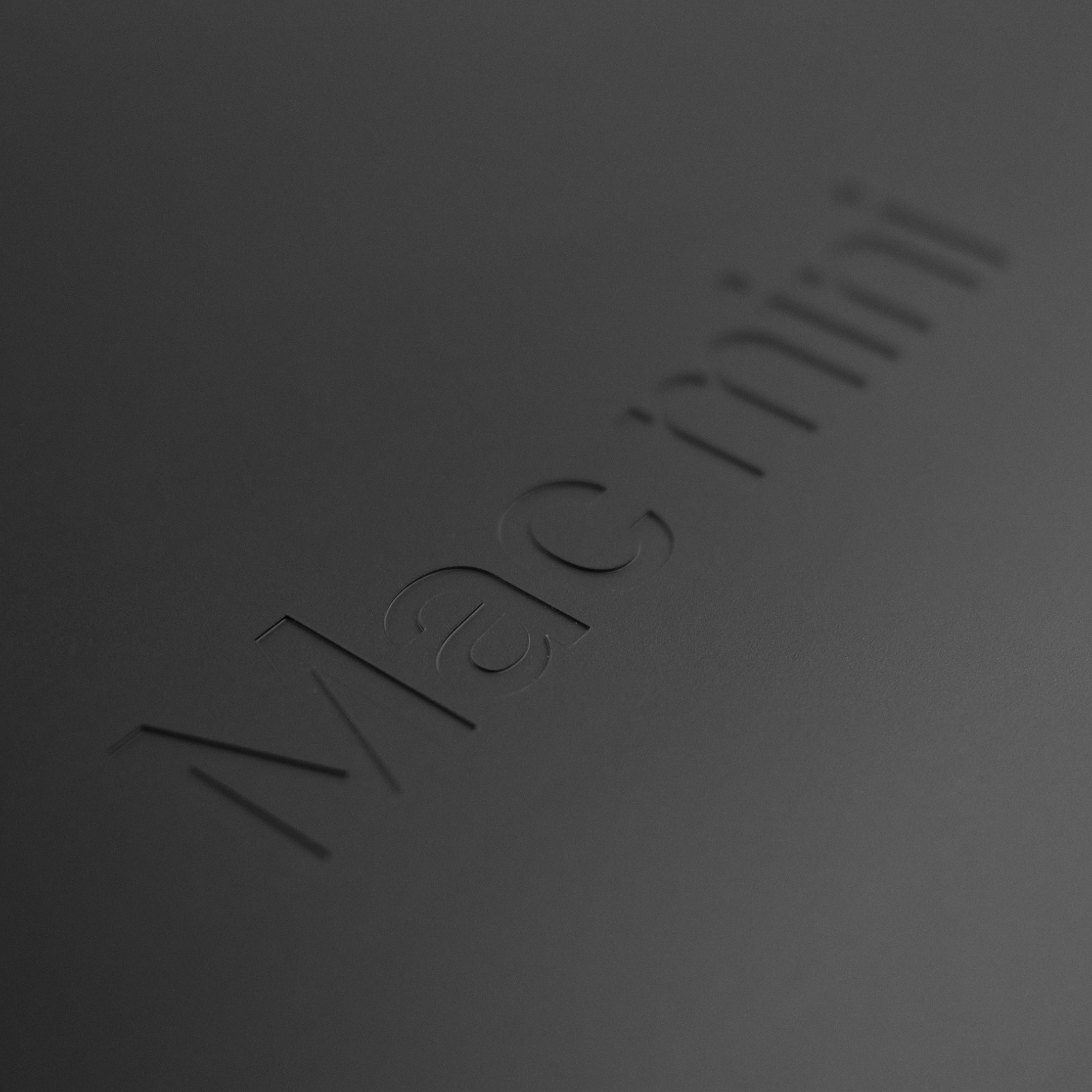
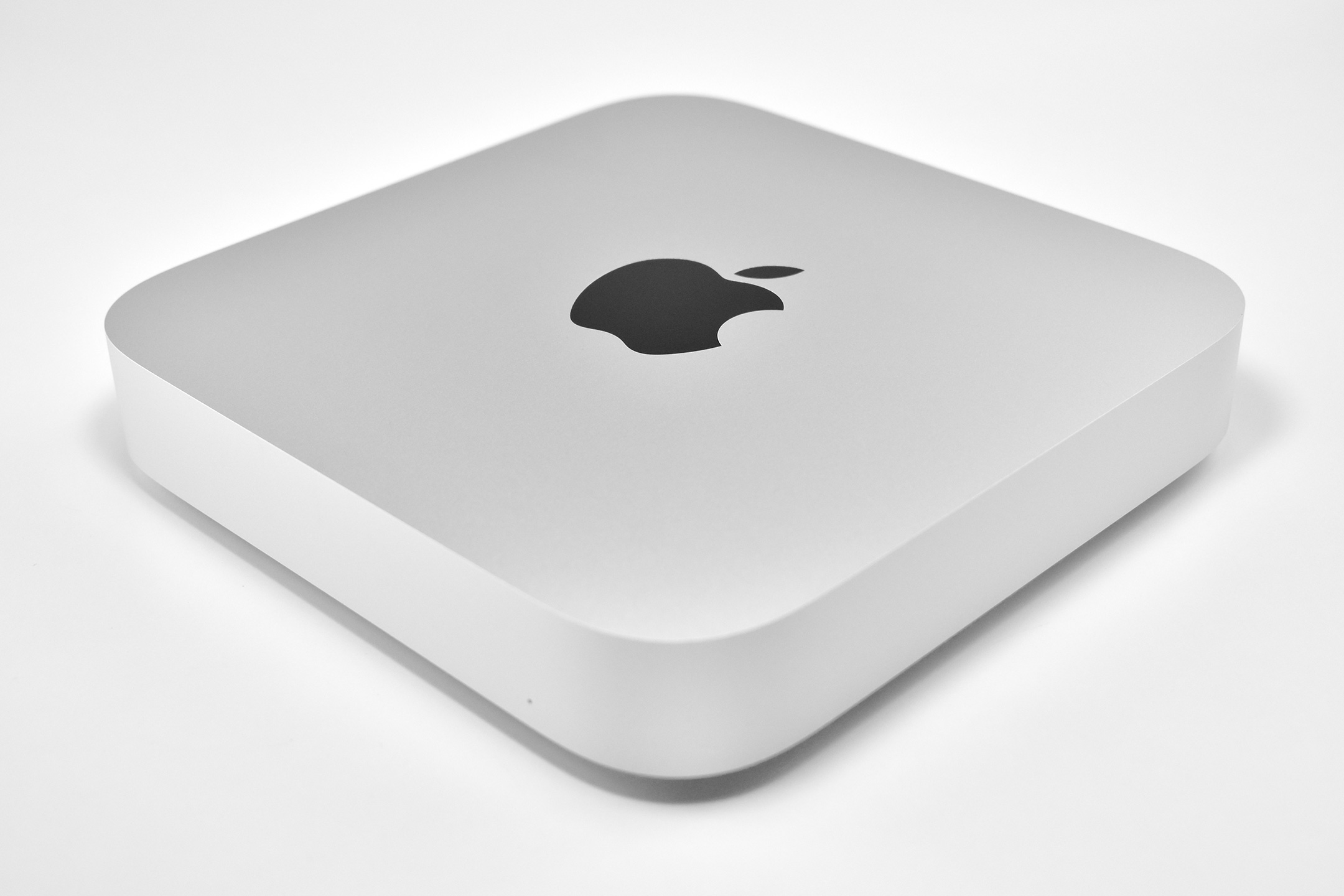
Mac mini (M2, 2023)

The Mac mini débuted in 2005 as a low-cost Mac for “switchers”—those running Windows who already had a display, keyboard, and mouse and wanted their very first Mac experience. When he announced it, Steve Jobs said,

“Starting at just $499, Mac mini is the most affordable way to enjoy Mac OS X and iLife. Just plug in your display, keyboard and mouse and you’ve got an incredibly compact Mac for a price that almost anyone can afford.”

The original Mac mini used a G4 processor (2005–2007), followed by various Intel-chip models (2007–2020), Apple’s M1 processor (2020–2023), and now Apple’s M2 chip.

Since its original release, I have always had a Mac mini, and I have always purchased the base model and attached it to my TV to function as my media “server.” At first—before iCloud—I primarily used my Mac mini as my “Music mini” computer, and as digital video became more pervasive, it is now used as a method to show digital videos and to play my very small collection of music not on Apple Music (yes…recorded music does exist that’s not on Apple’s, or any, streaming service!).

This new version of the Mac mini is available with both M2 and M2 Pro Apple Silicon configurations. According to the press release:

“Compared to the previous-generation Mac mini, M2 and M2 Pro bring a faster next-generation CPU and GPU, much higher memory bandwidth, and a more powerful media engine to Mac mini, delivering extraordinary performance and industry-leading power efficiency. Both models feature an advanced thermal system for exceptional sustained performance.”

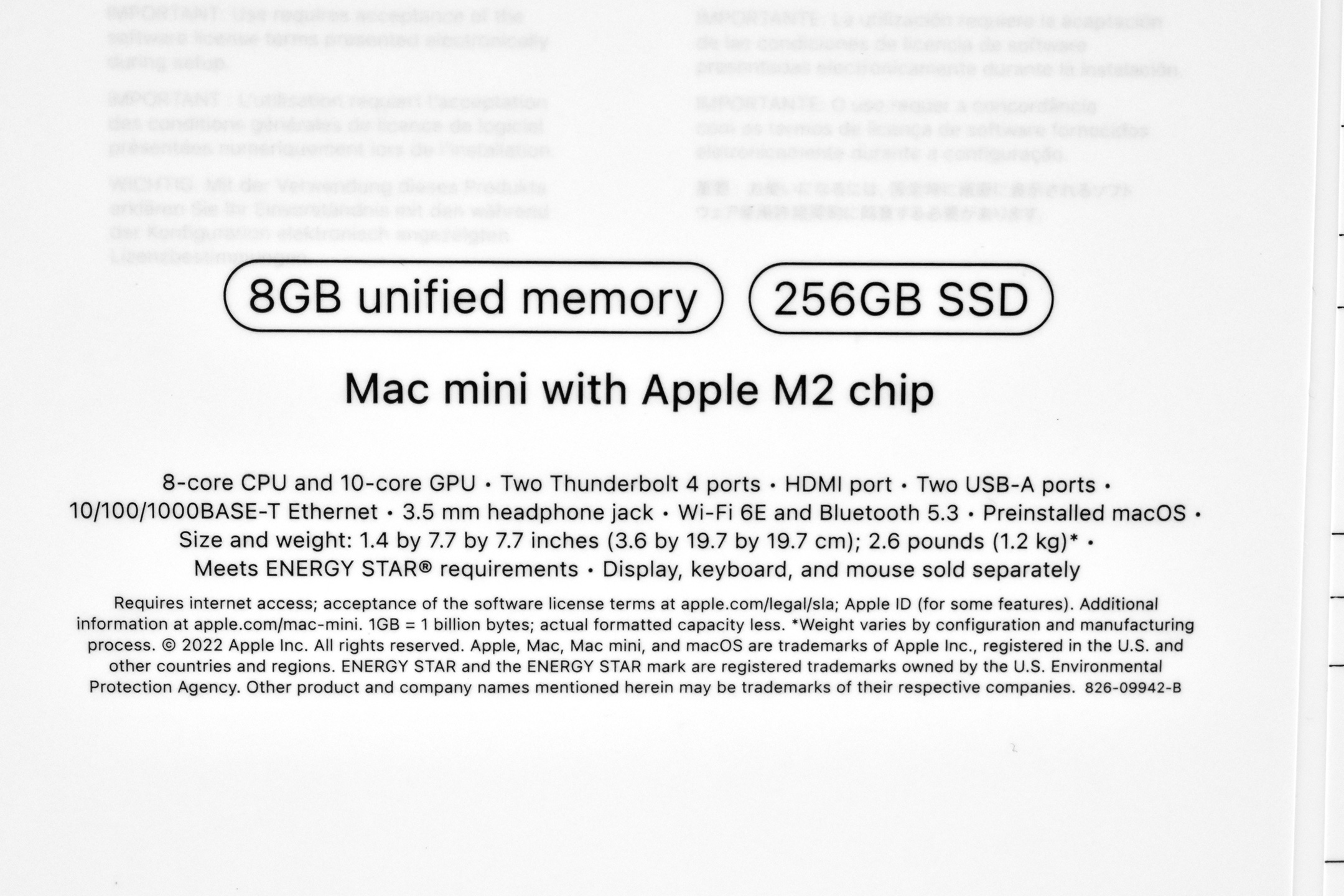
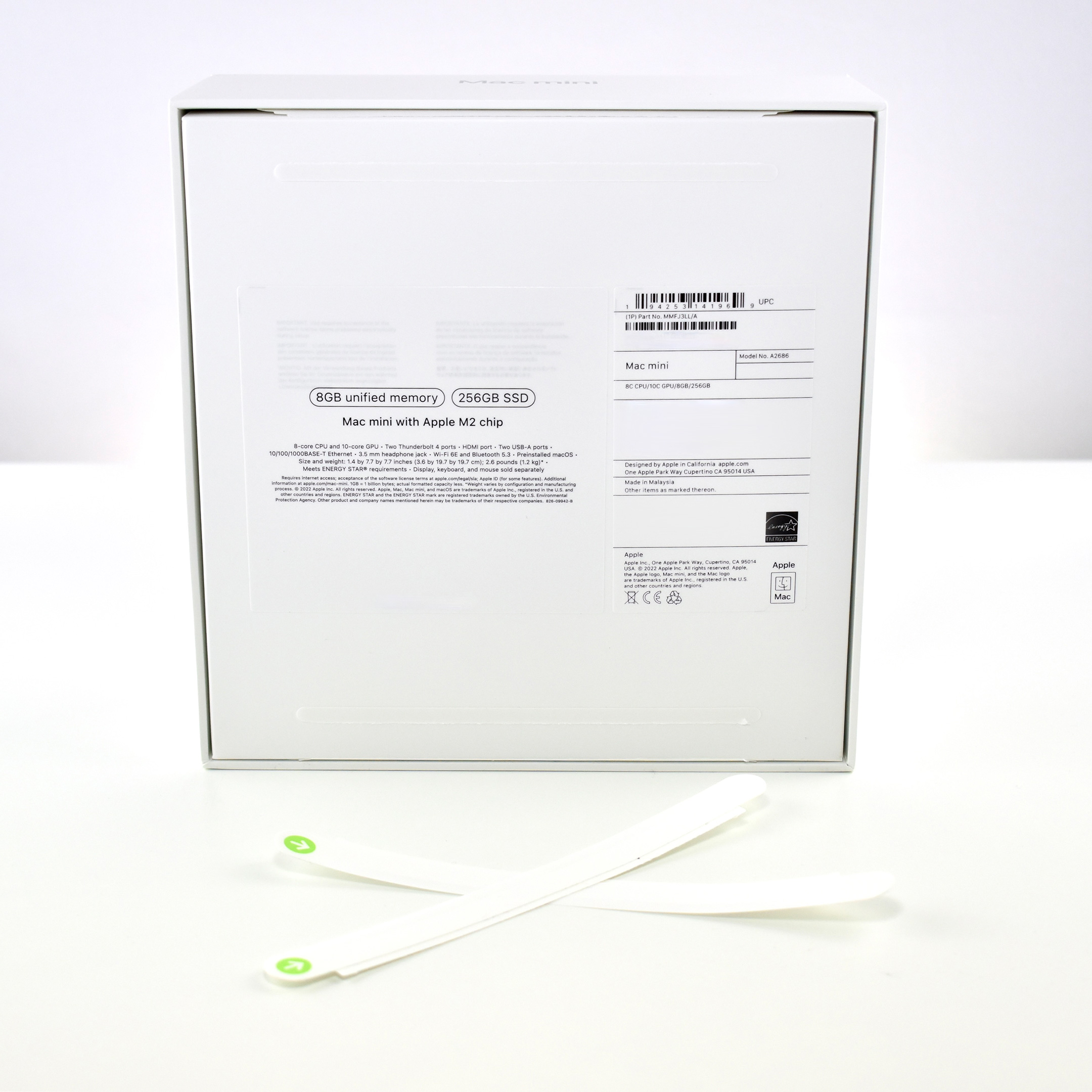
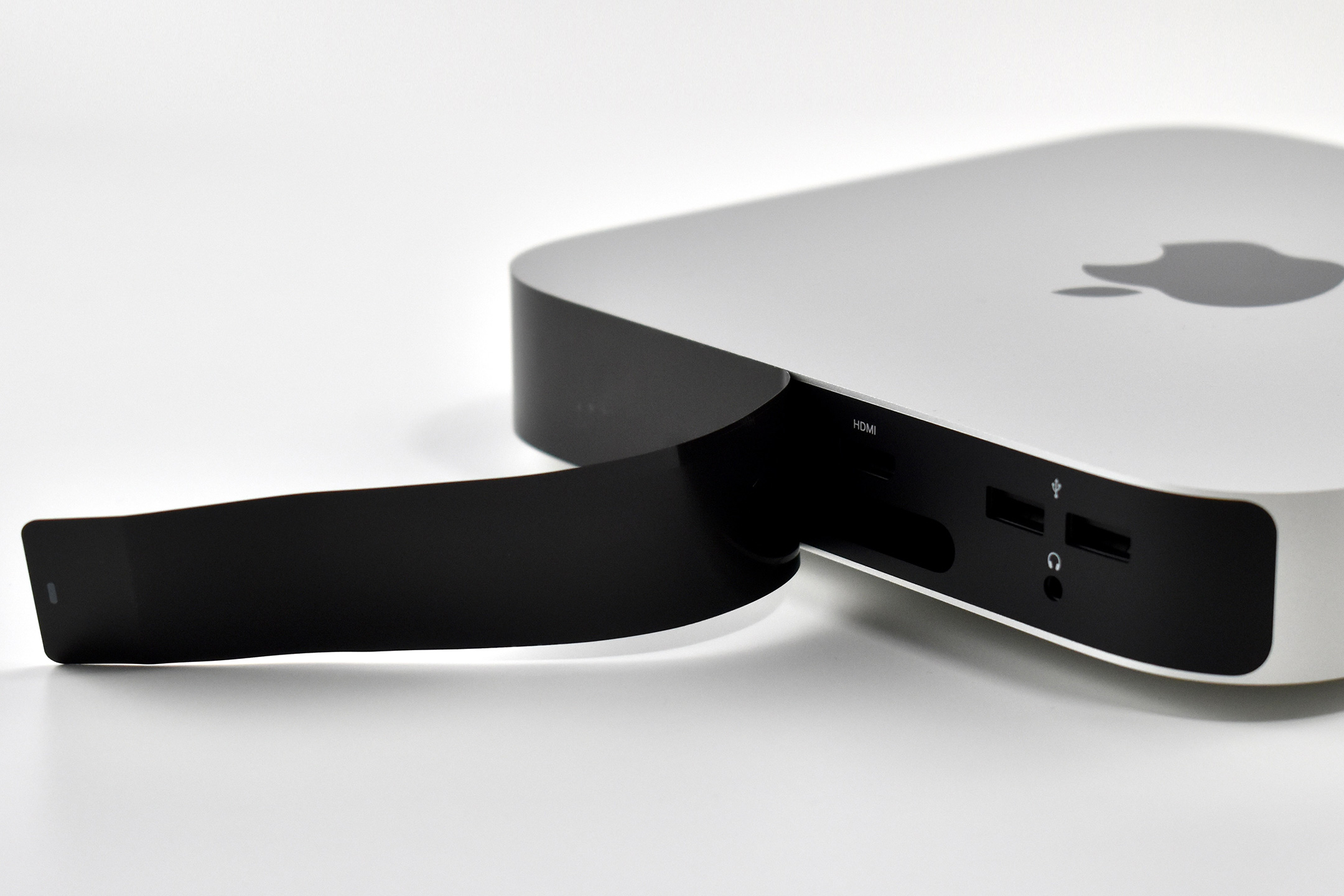
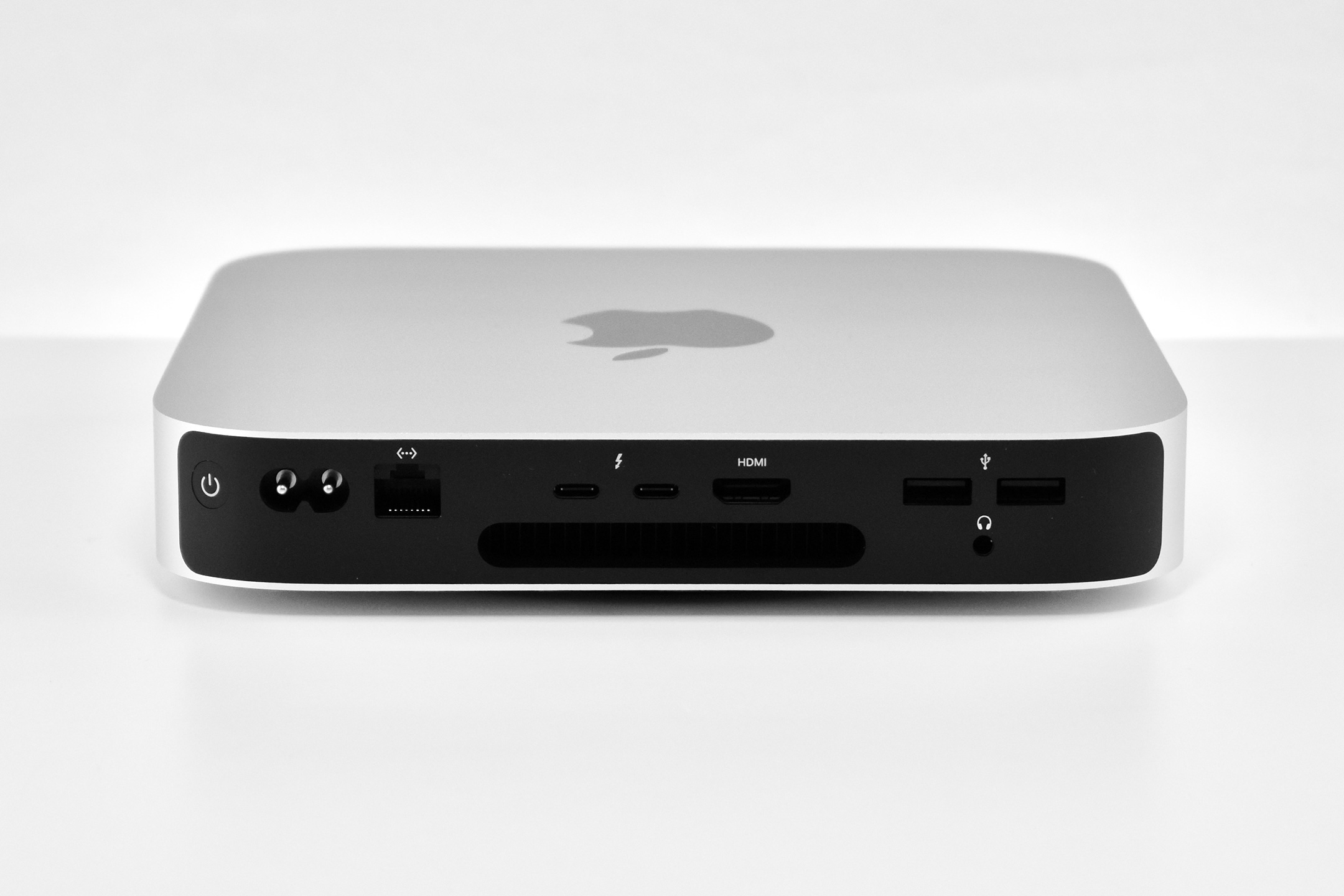
The base-model M2 Mac mini “features an 8-core CPU with four high-performance and four high-efficiency cores, along with a 10-core GPU.” It includes 8GB unified memory and 256GB SSD standard. The M2 includes the following physical ports:

  • 2 Thunderbolt 4 ports (DisplayPort, Thunderbolt 4, USB 4)
  • 2 USB-A ports (up to 5Gb/s)
  • HDMI port
  • Gigabit Ethernet port (configurable to 10Gb Ethernet)
  • 3.5 mm headphone jack

Wireless interfaces include Wi-Fi 6E (802.11ax), and Bluetooth 5.3.

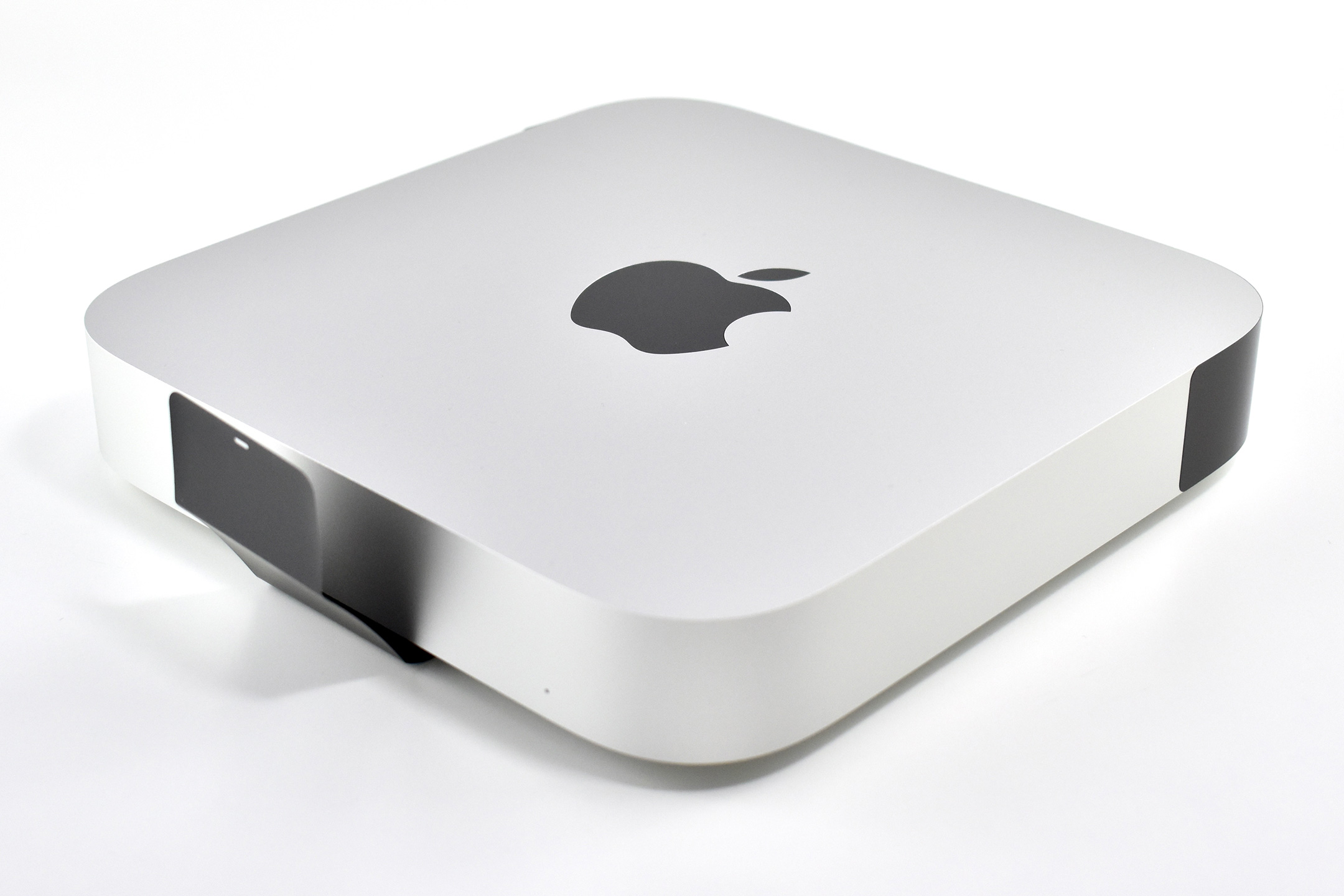
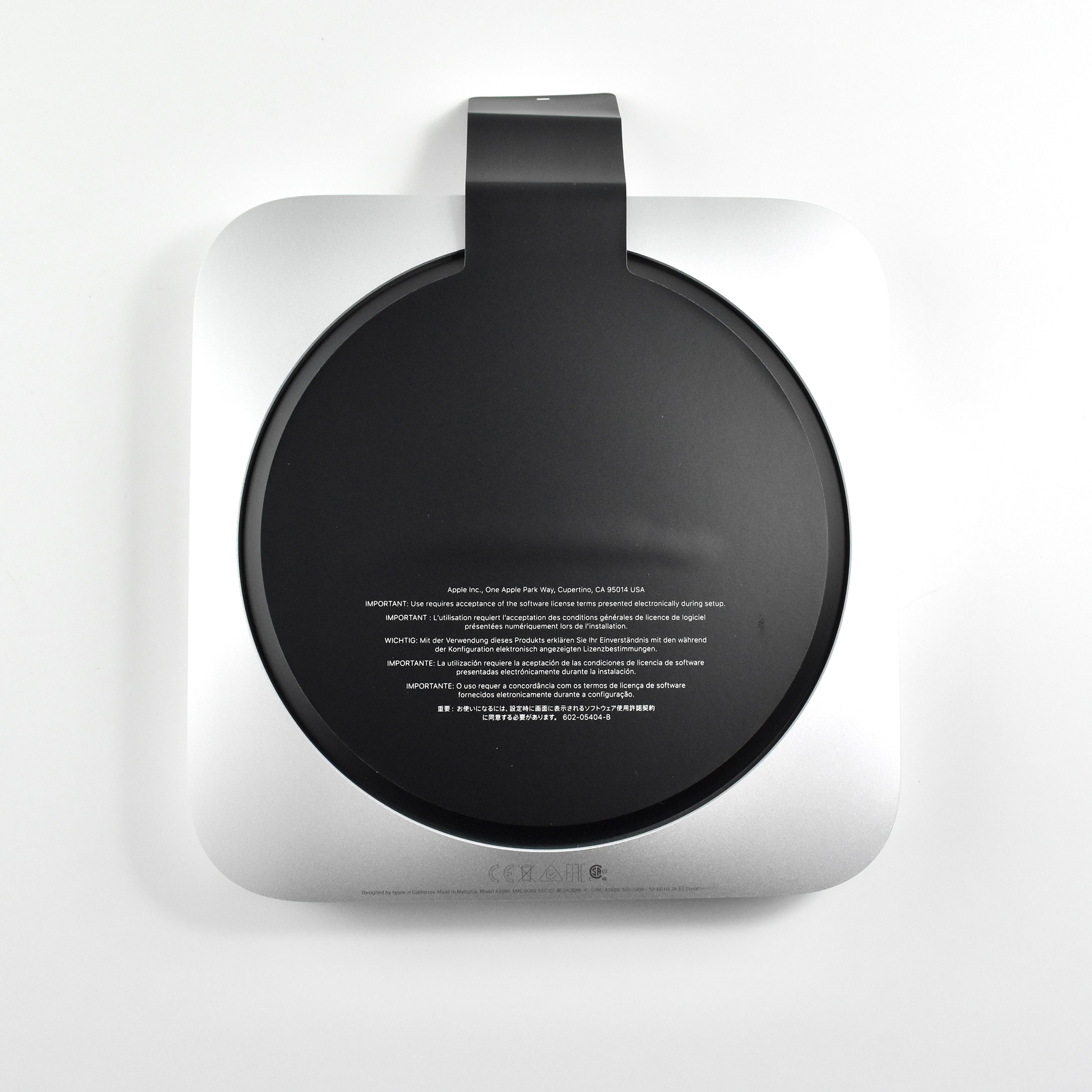
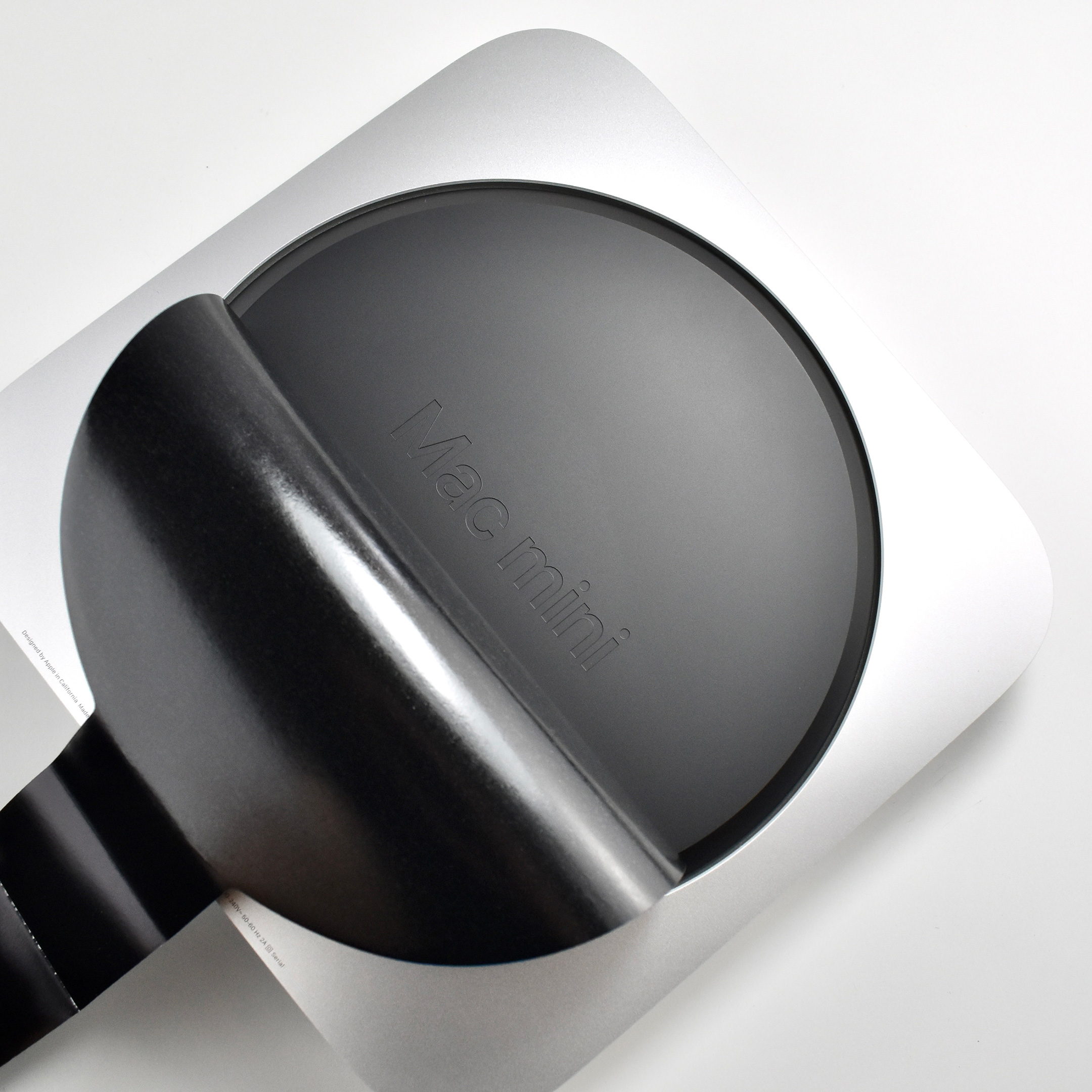
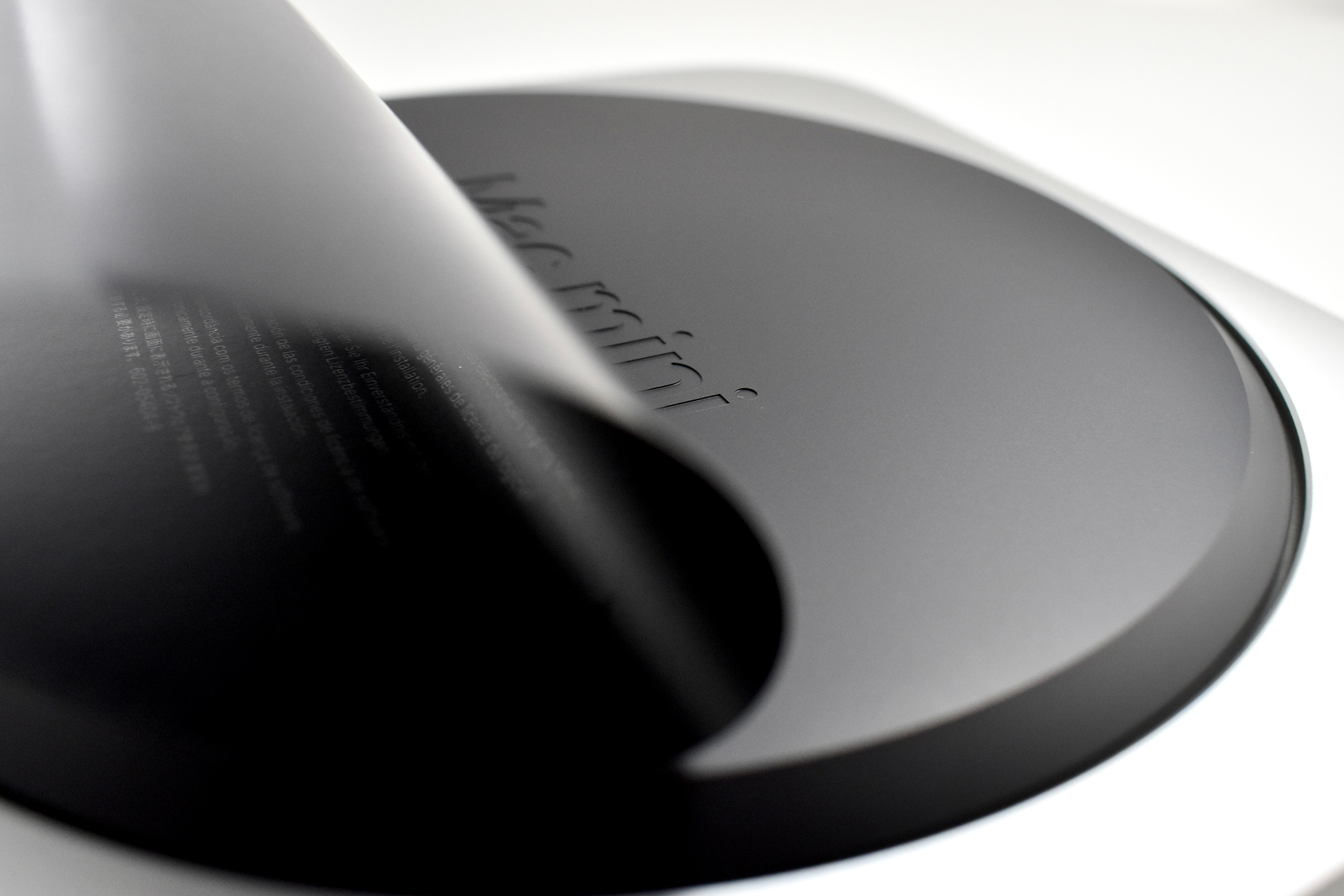
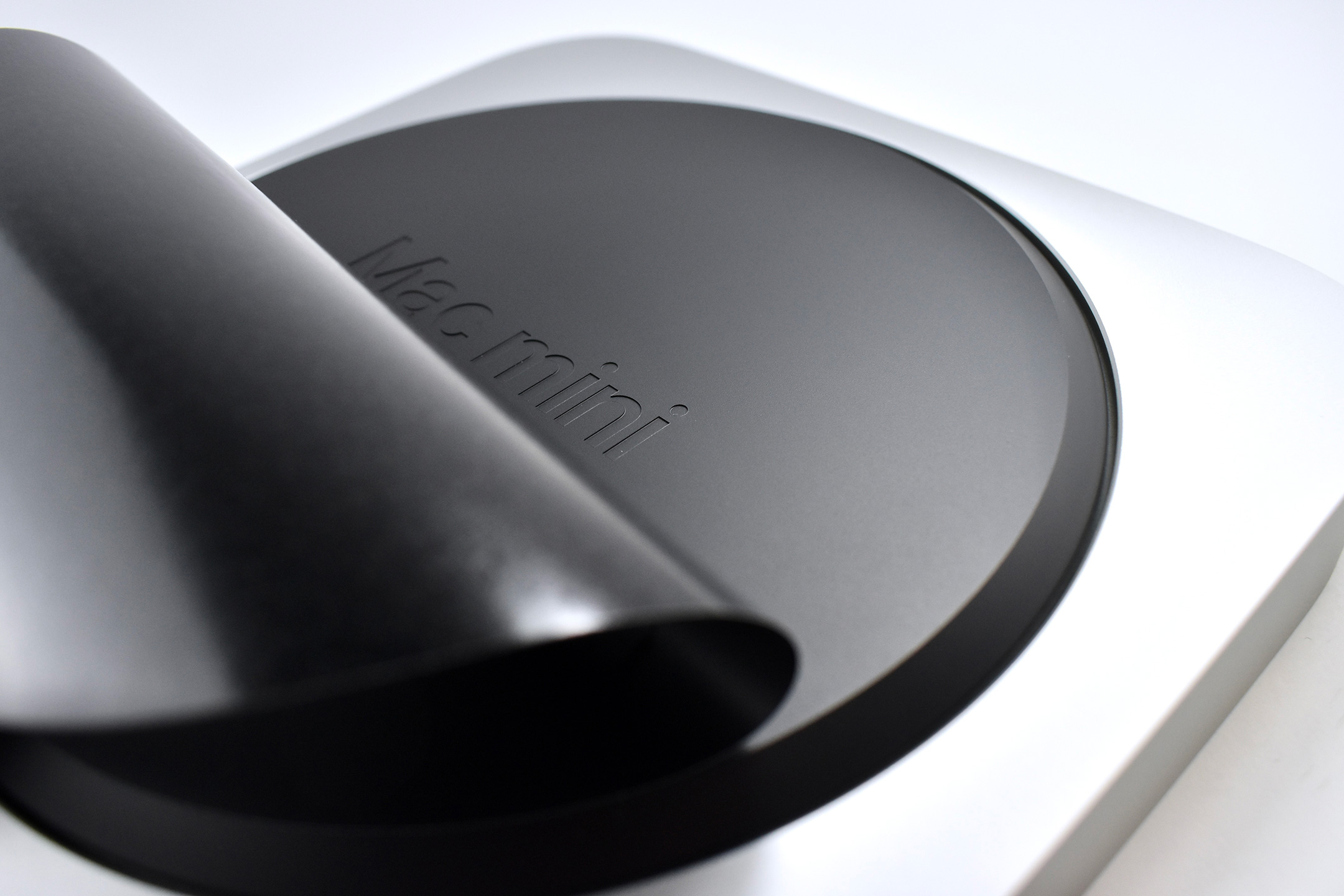
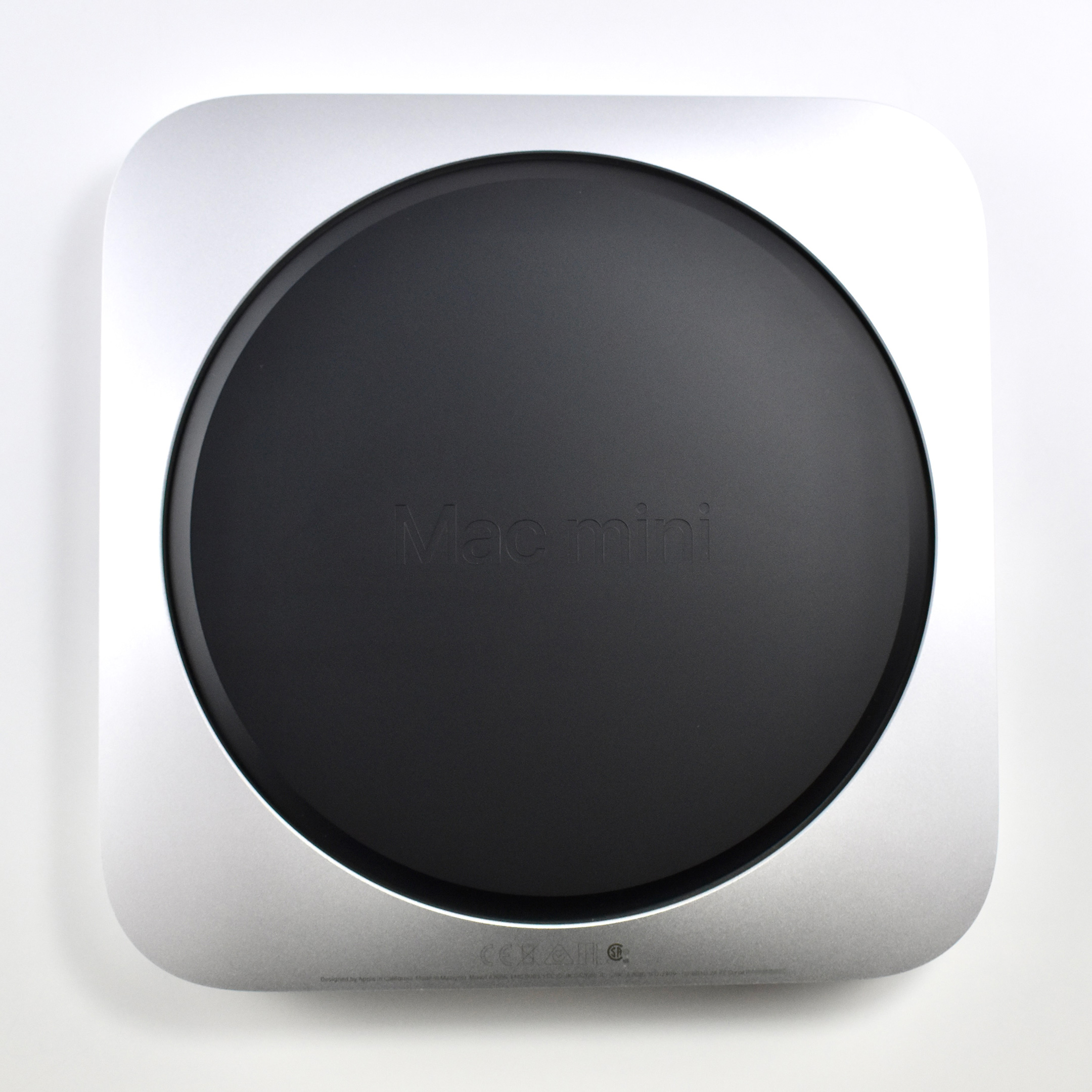
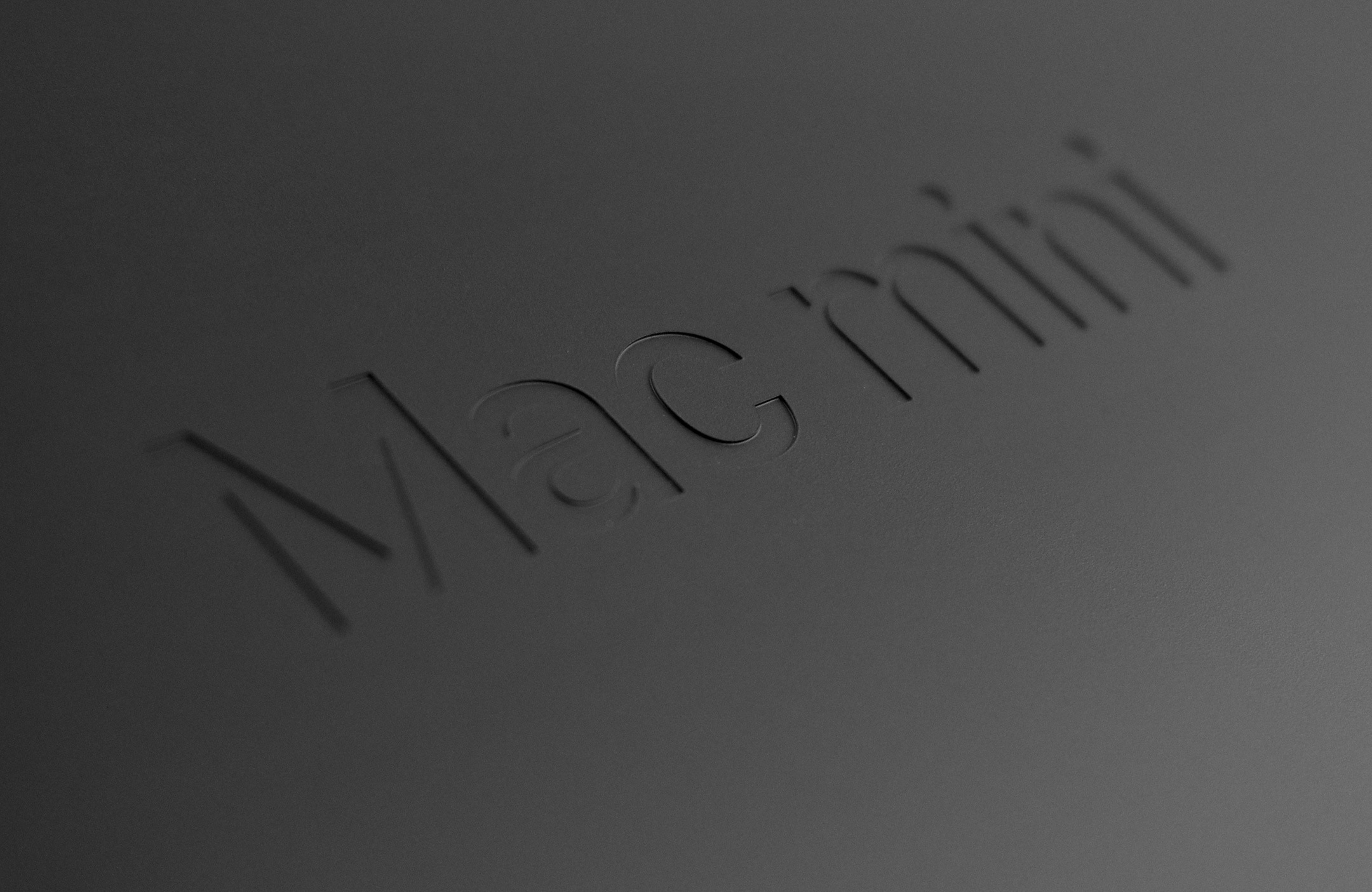
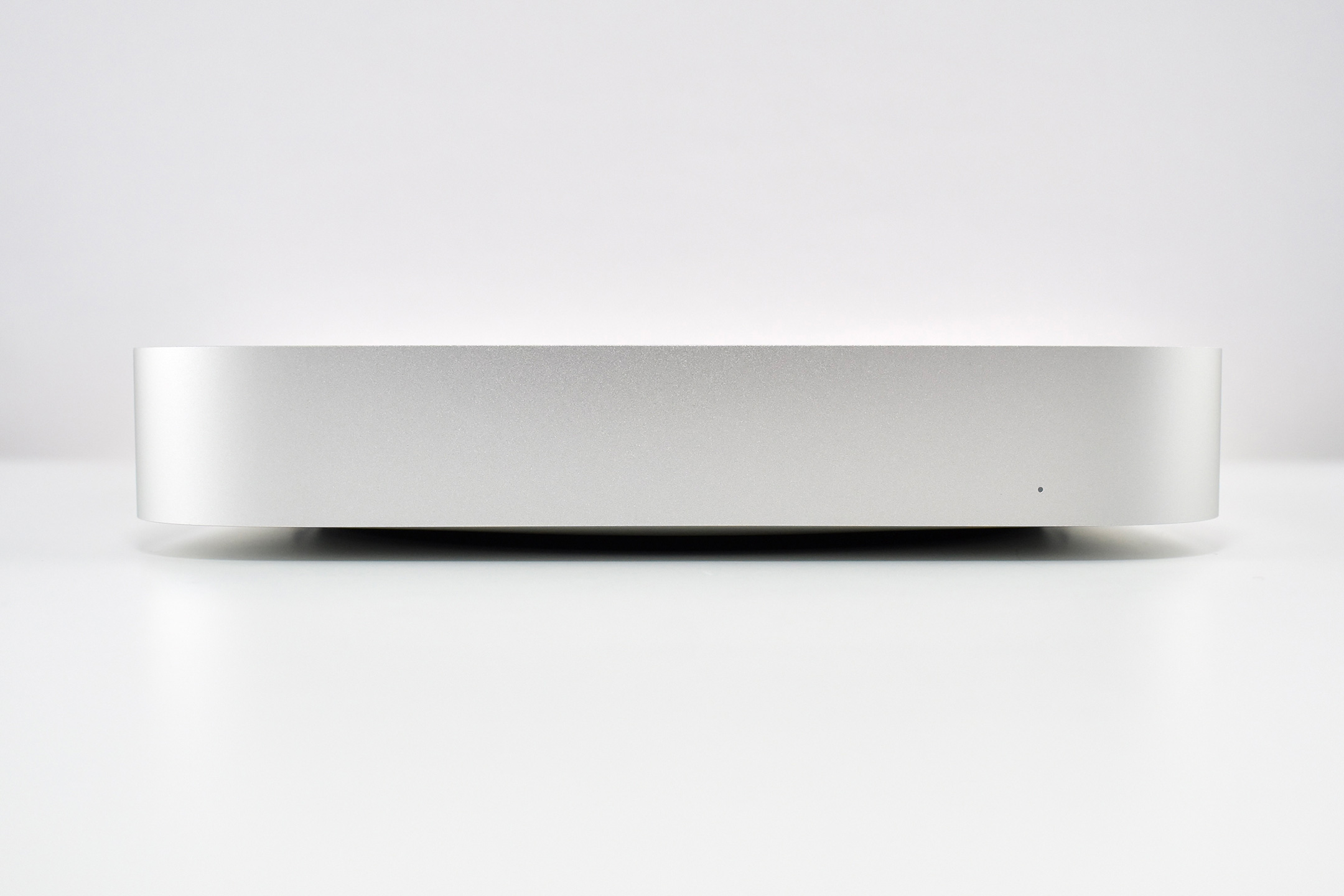
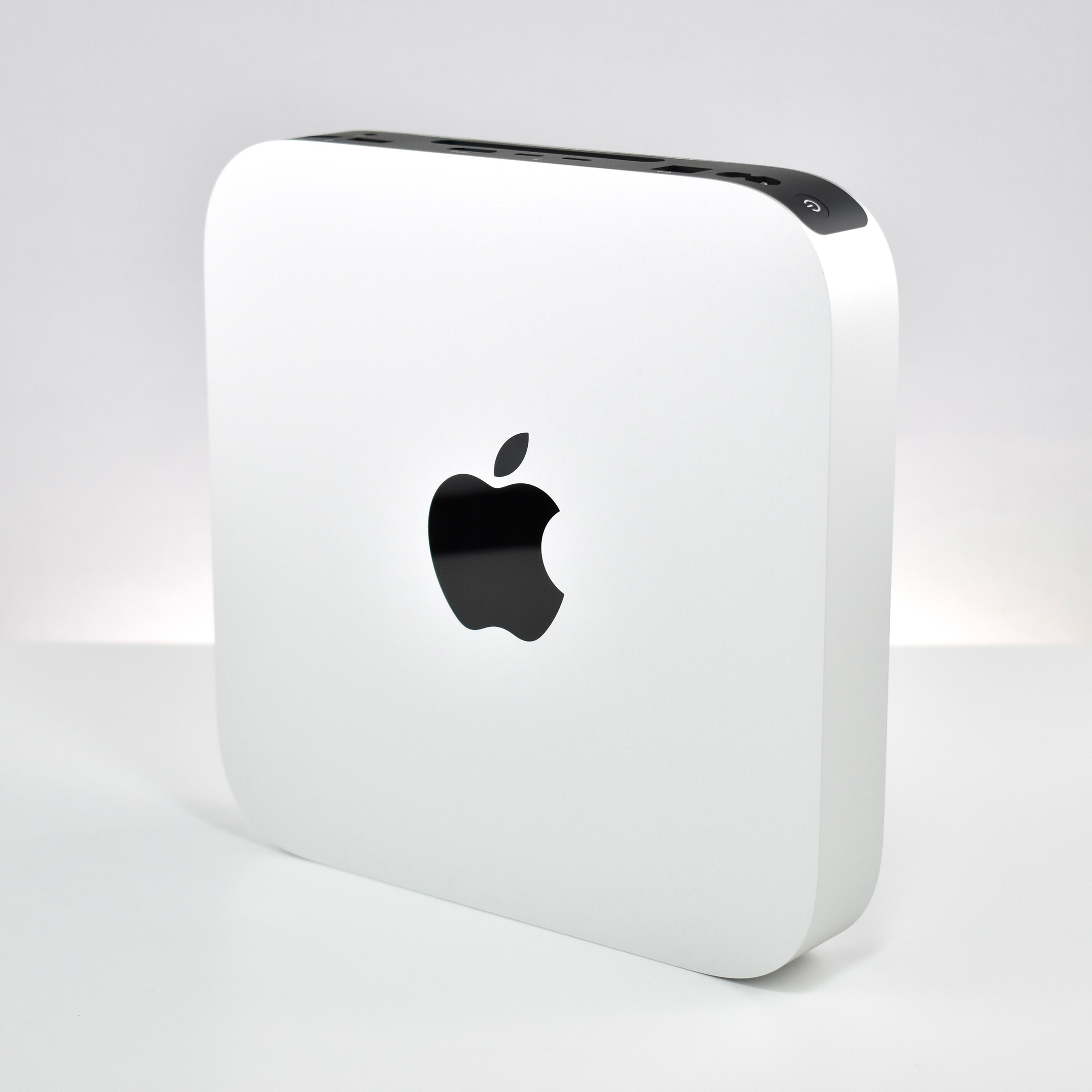
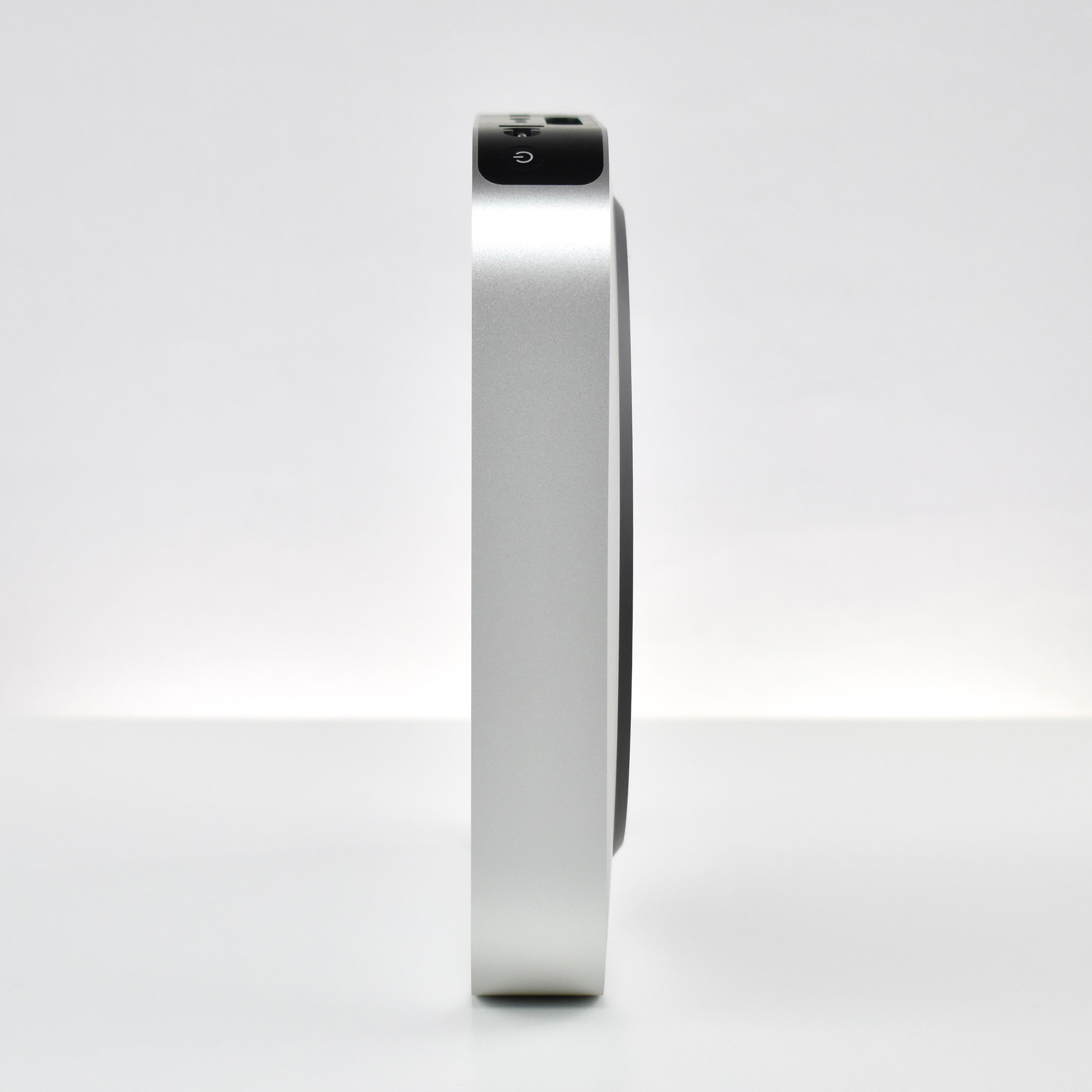
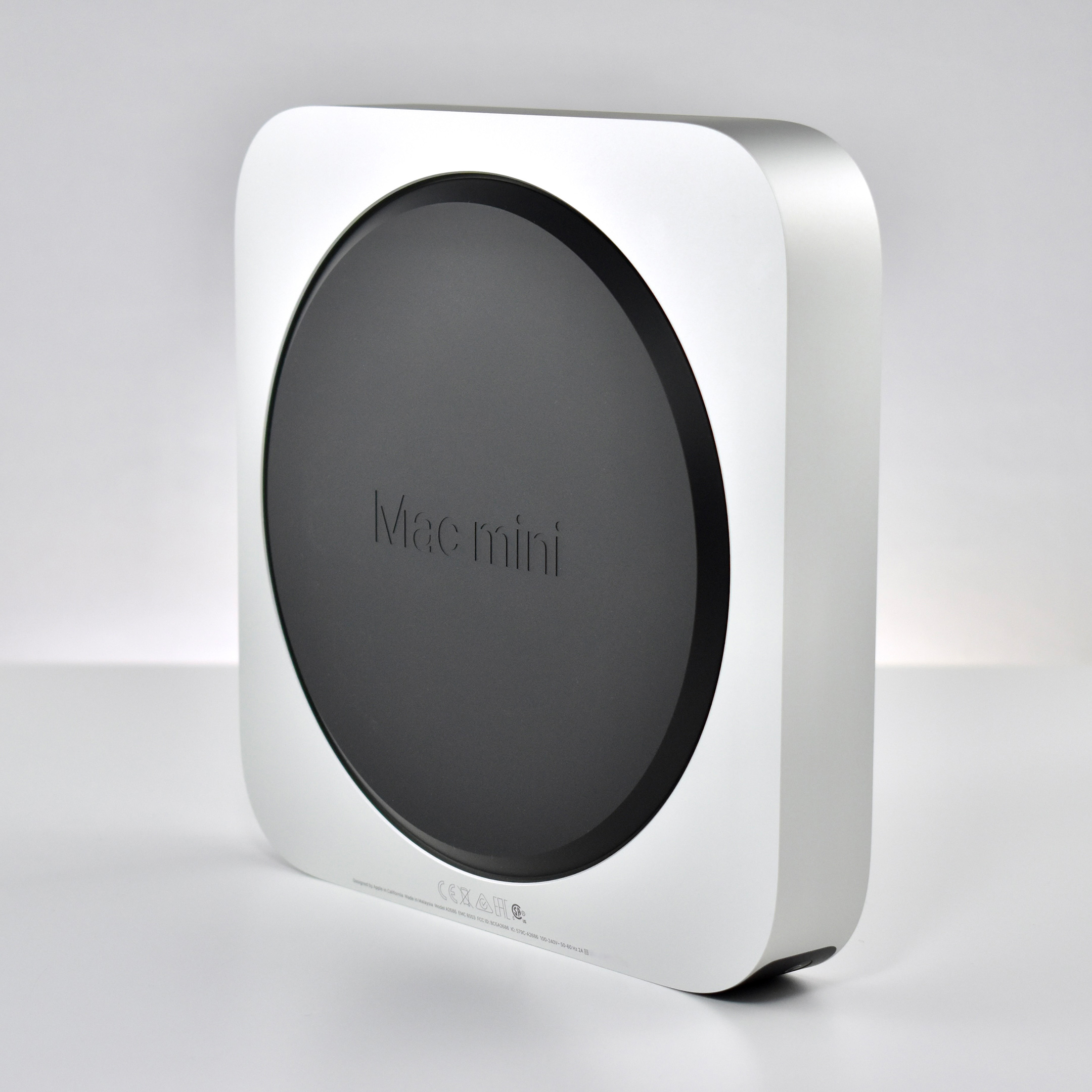
The M2 Mac mini has a slightly larger footprint than the previous Mac mini models. It measures 1.41 inches (3.58 cm) high, by 7.75 inches (19.70 cm) square, and weighs 2.6 pounds (1.18 kg). The slightly larger size matches the square dimensions of the Mac Studio.

When the M2 Mac mini had been released for only one week, media outlets were reporting that the base models had slower SSD performance compared to the previous M1 Mac mini models. A MacRumors review reported:

“While the new Mac mini with the M2 chip has a lower $599 starting price, the base model with 256GB of storage has slower SSD read and write speeds compared to the previous-generation model with the M1 chip and 256GB of storage.”

This Mac mini originally shipped with macOS Ventura.

In my setup, this Mac mini plays music and video from external drives, thus, its SSD speeds have been more than sufficient.

Sources: Apple (Newsroom 2005, Newsroom 2023, Mac mini, Mac Studio), MacRumors