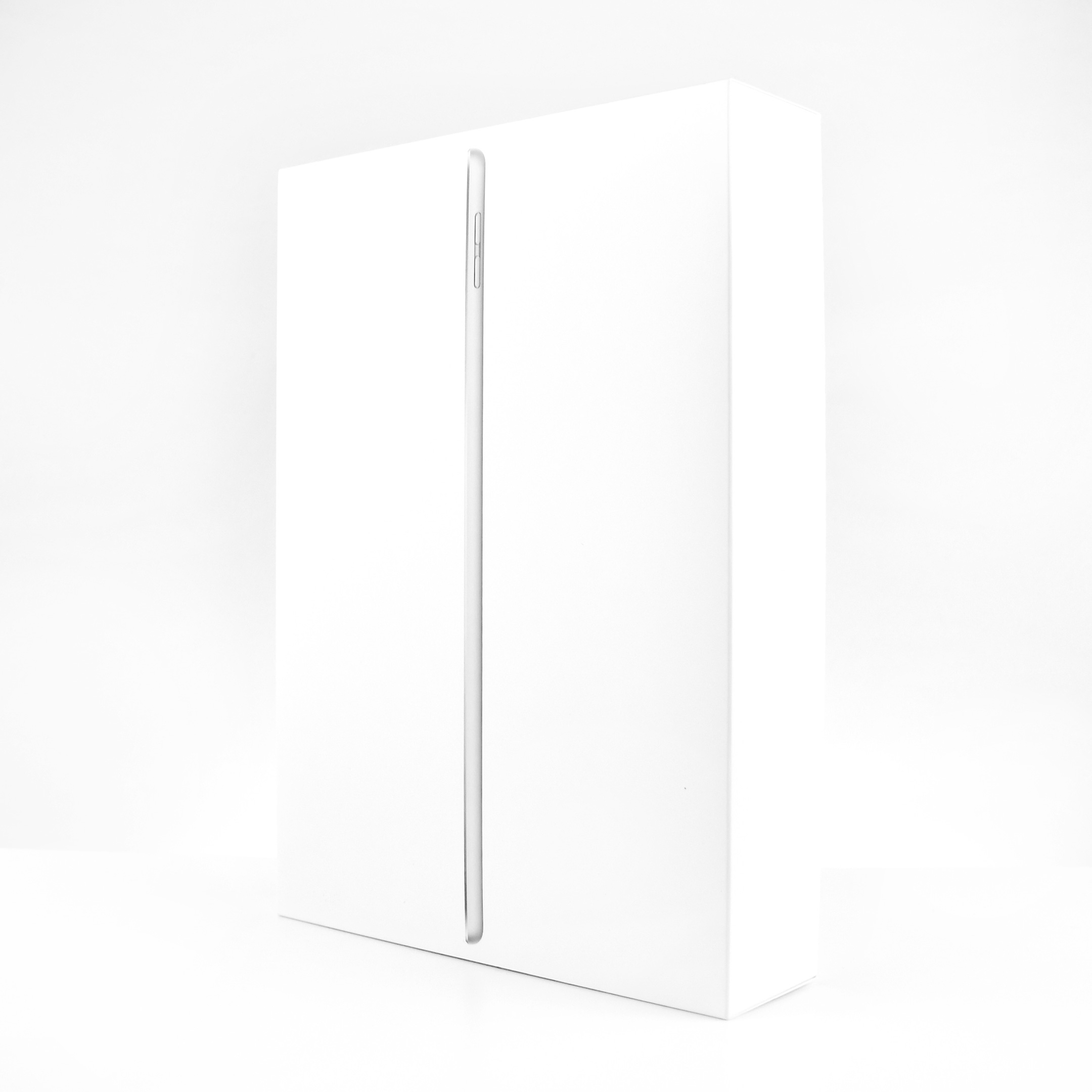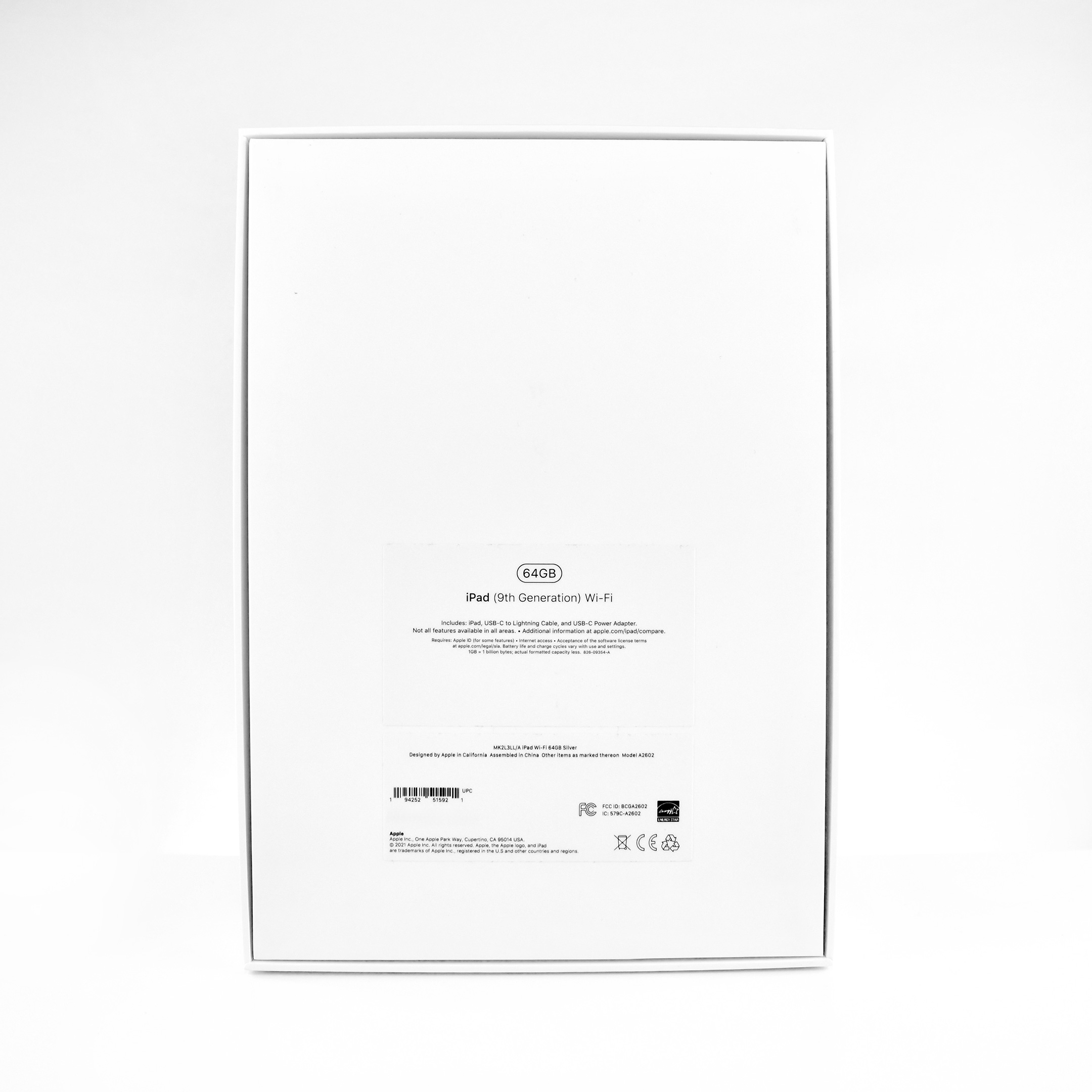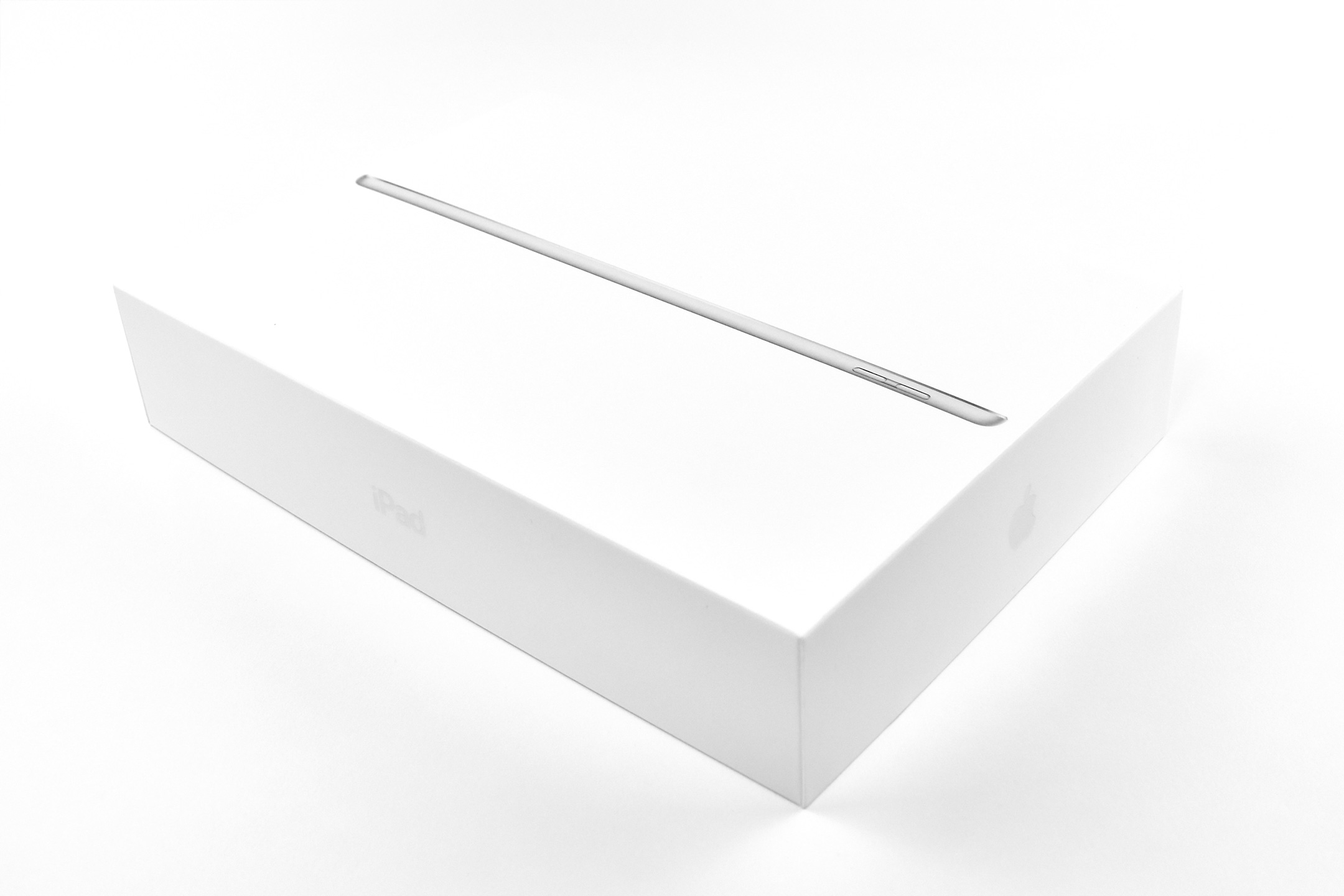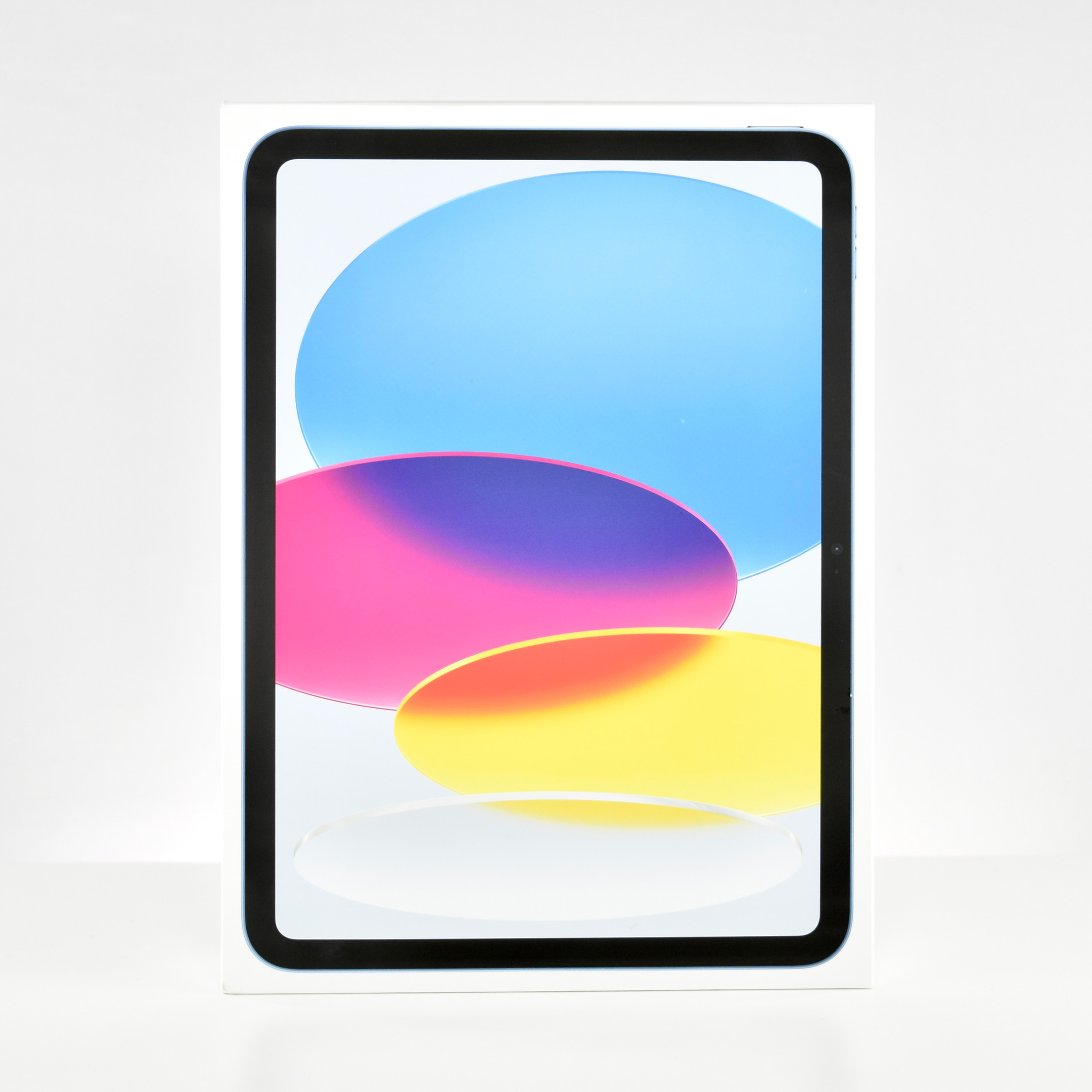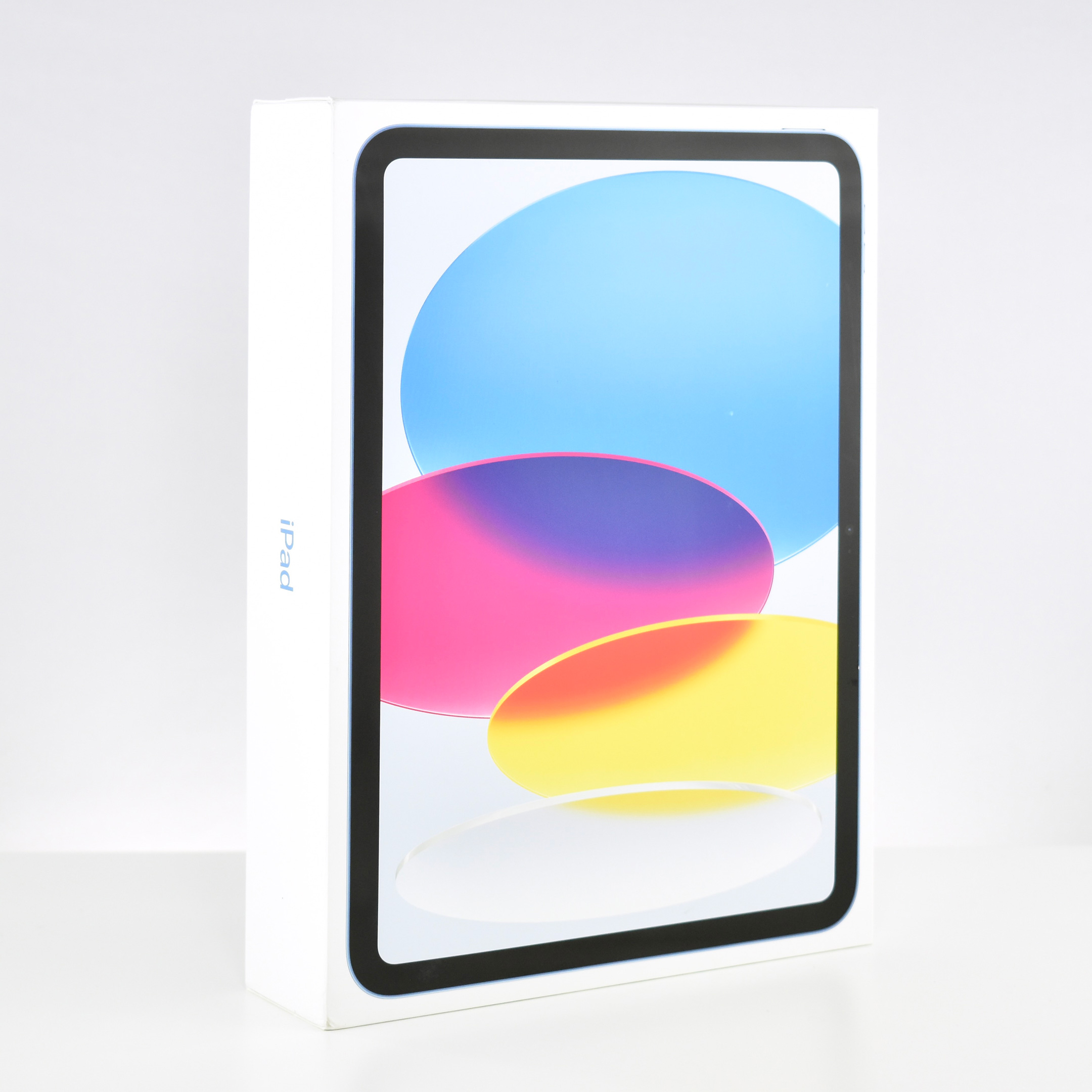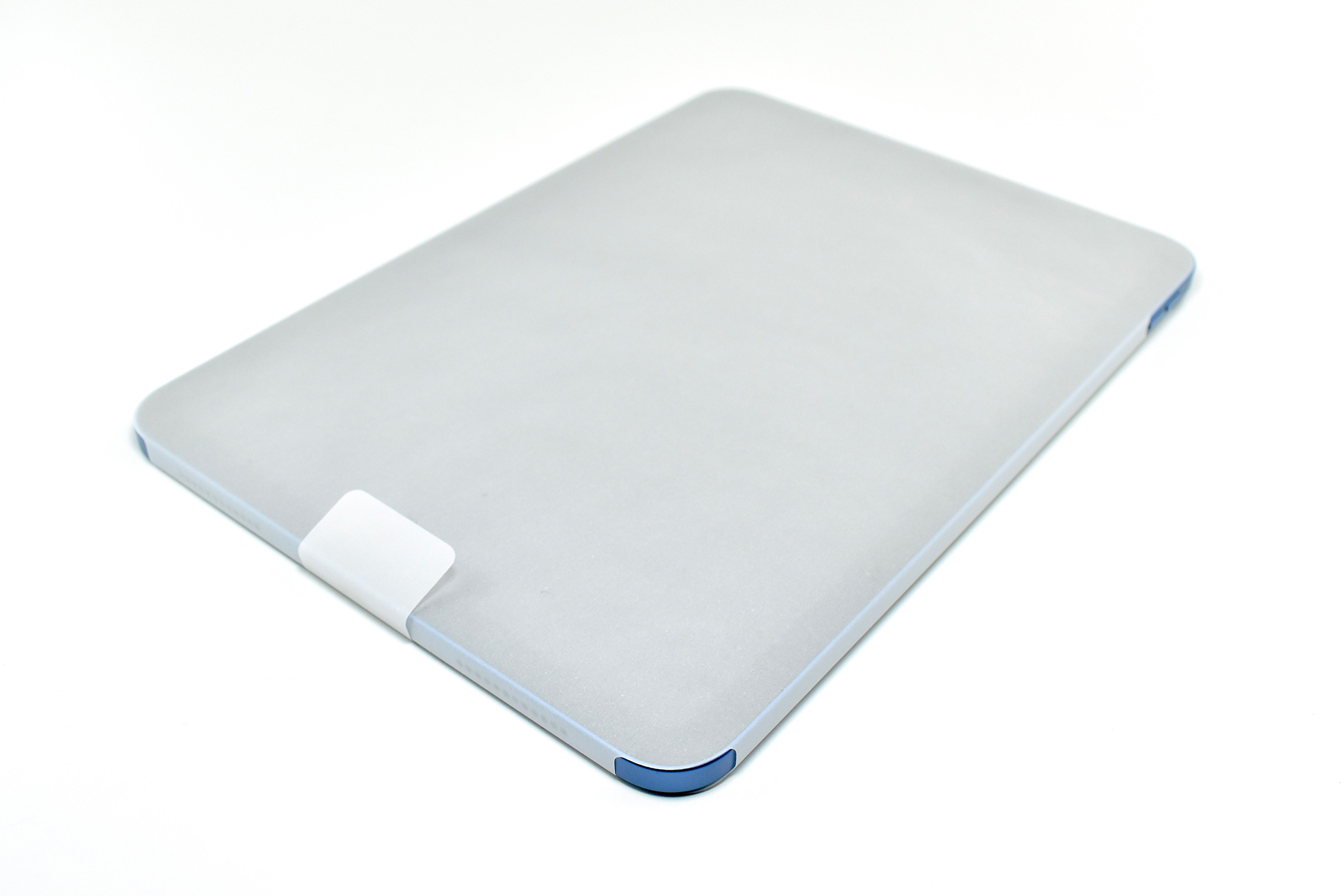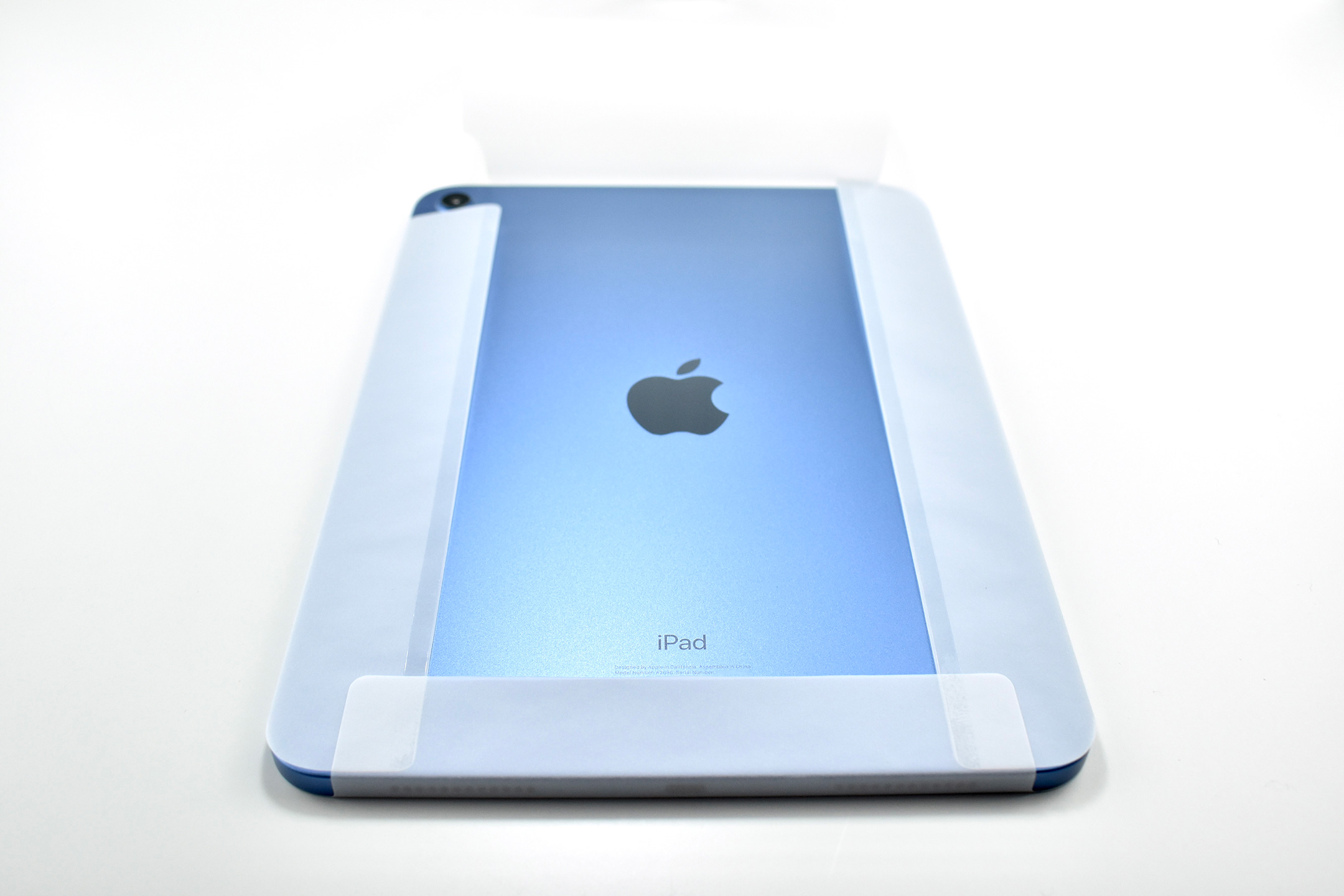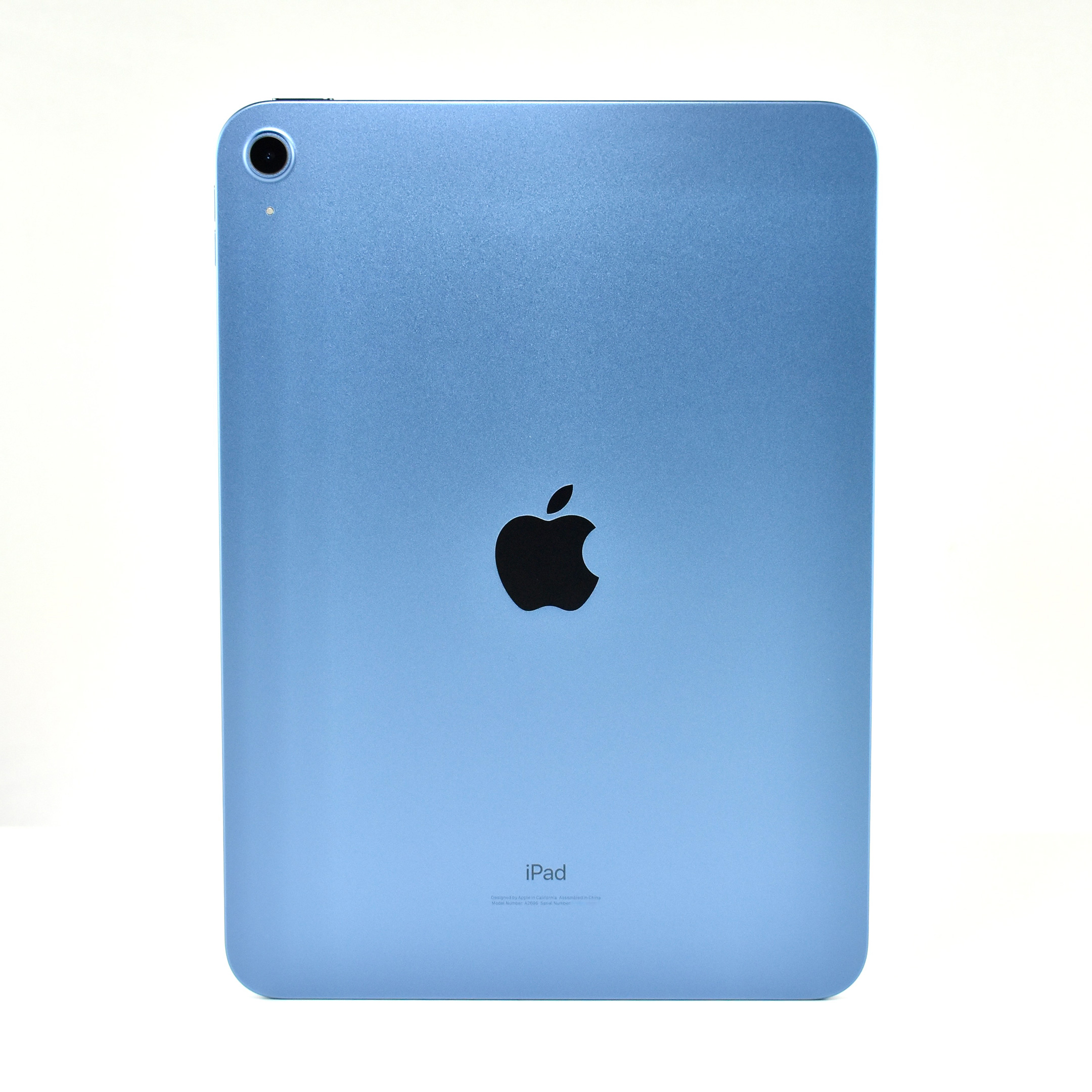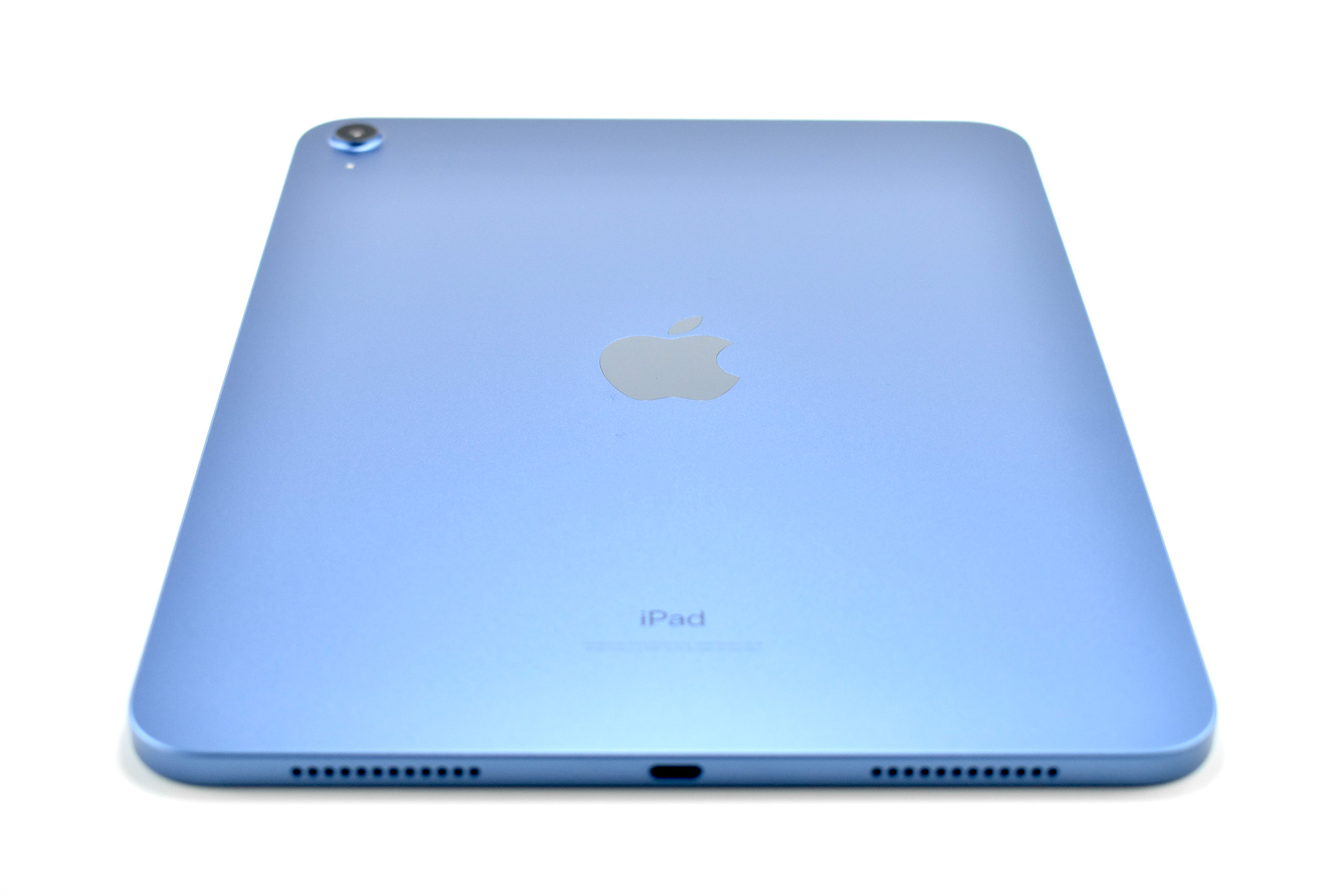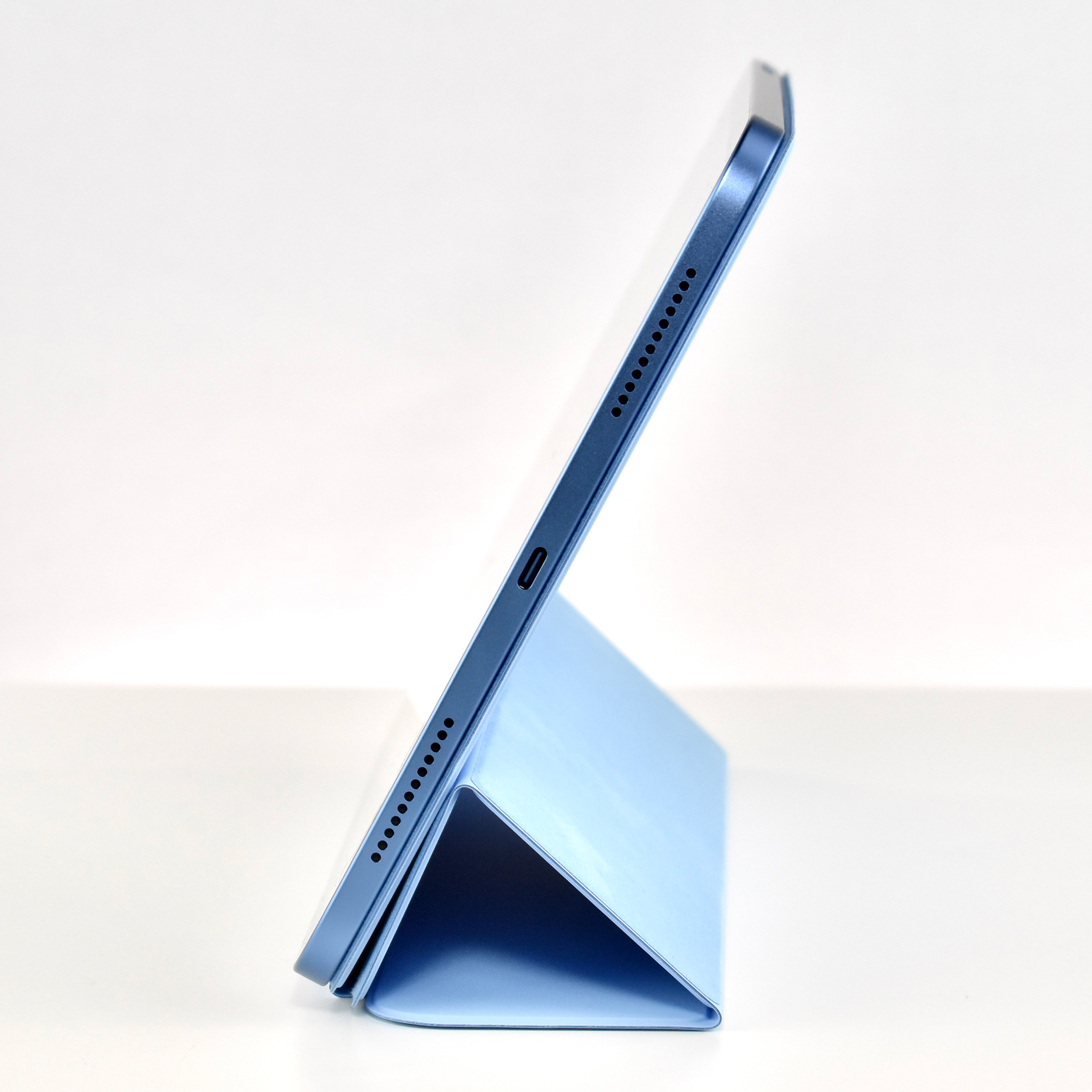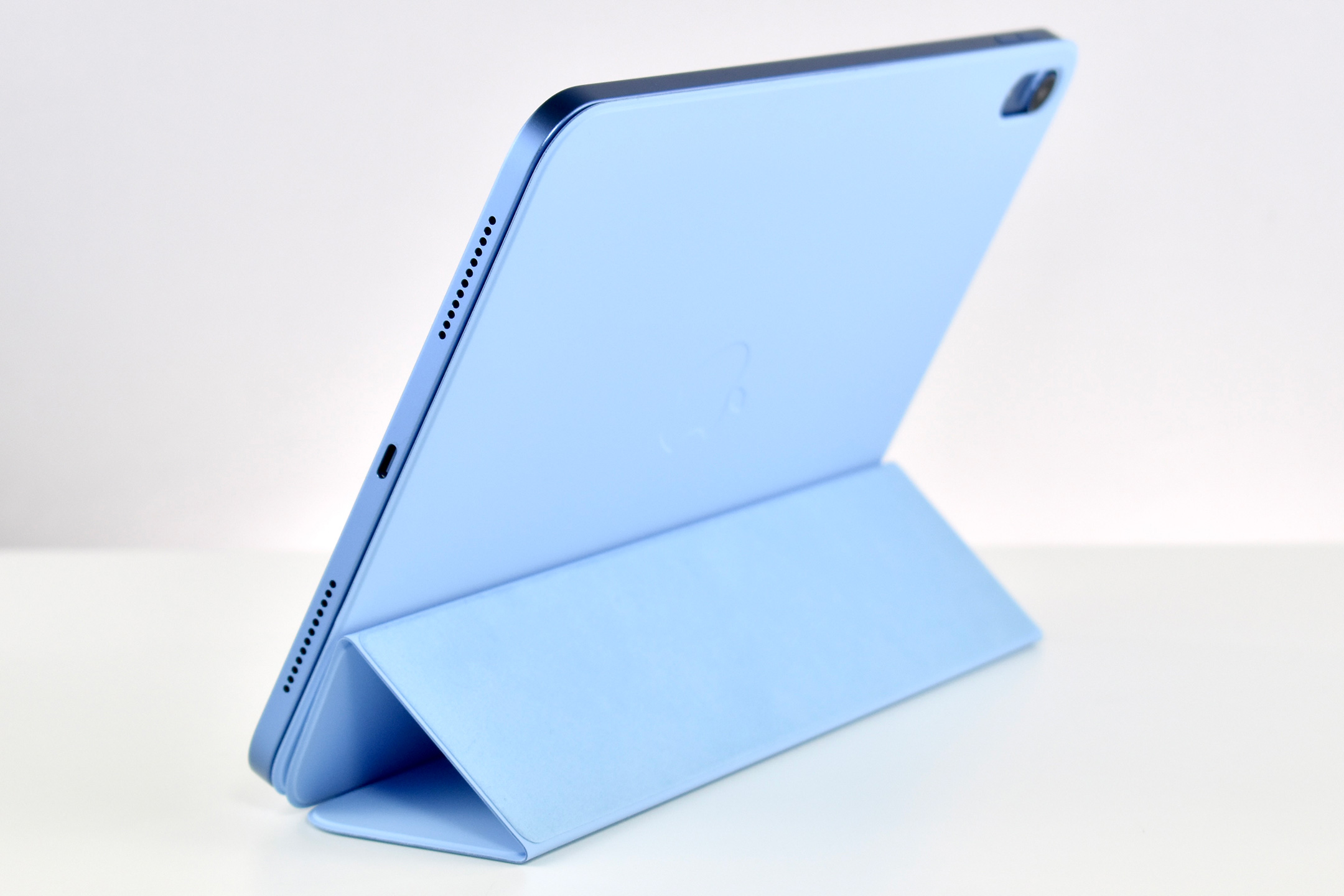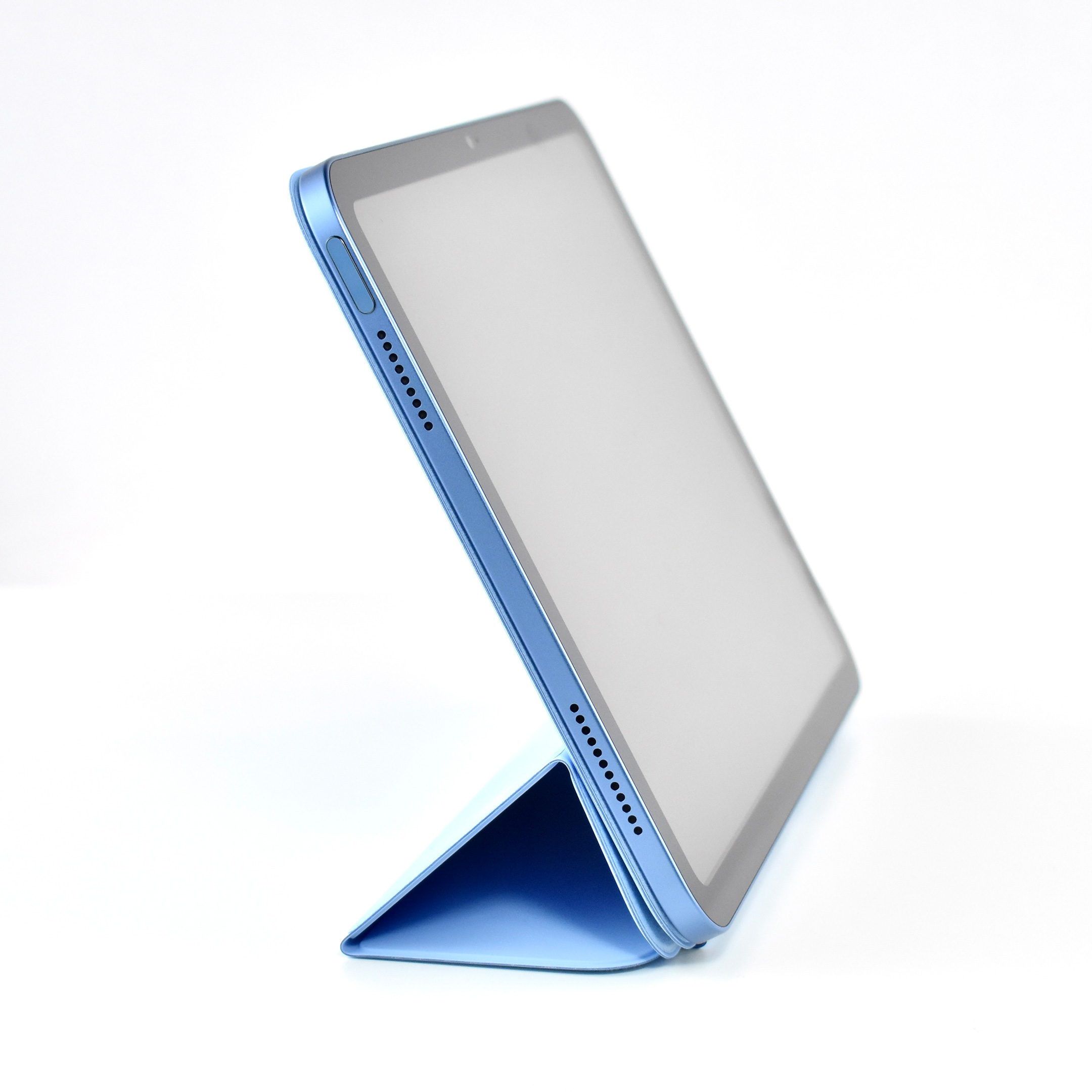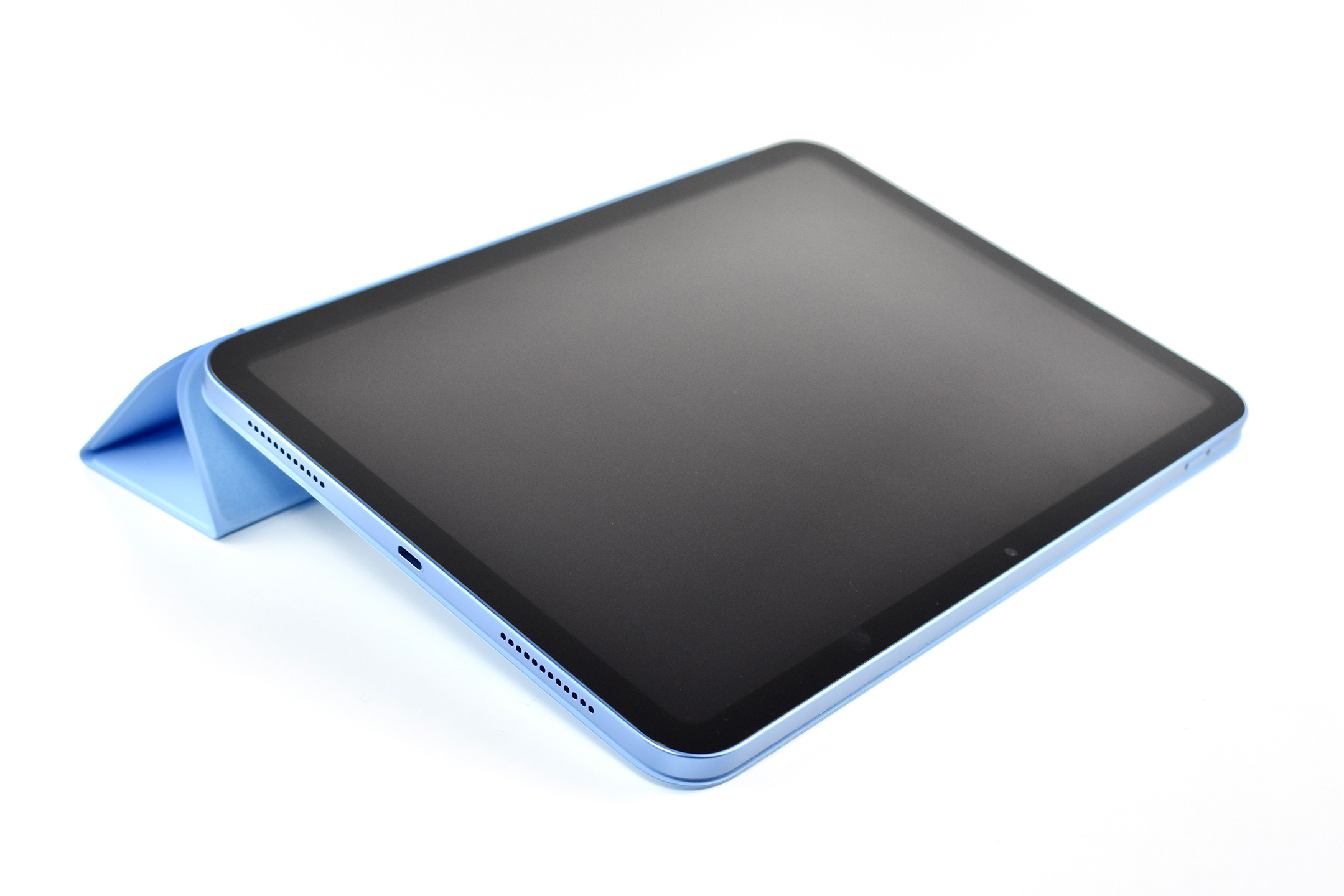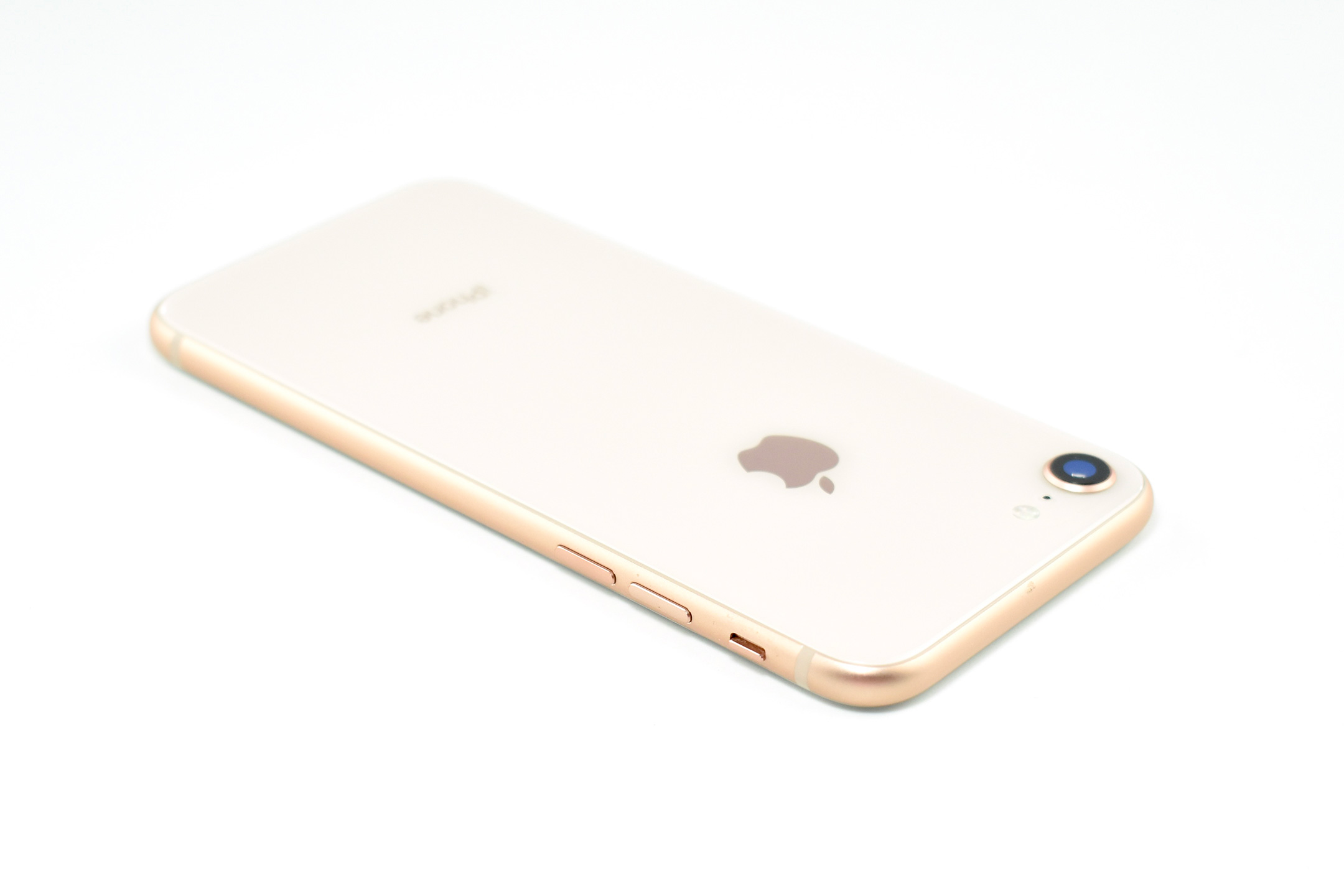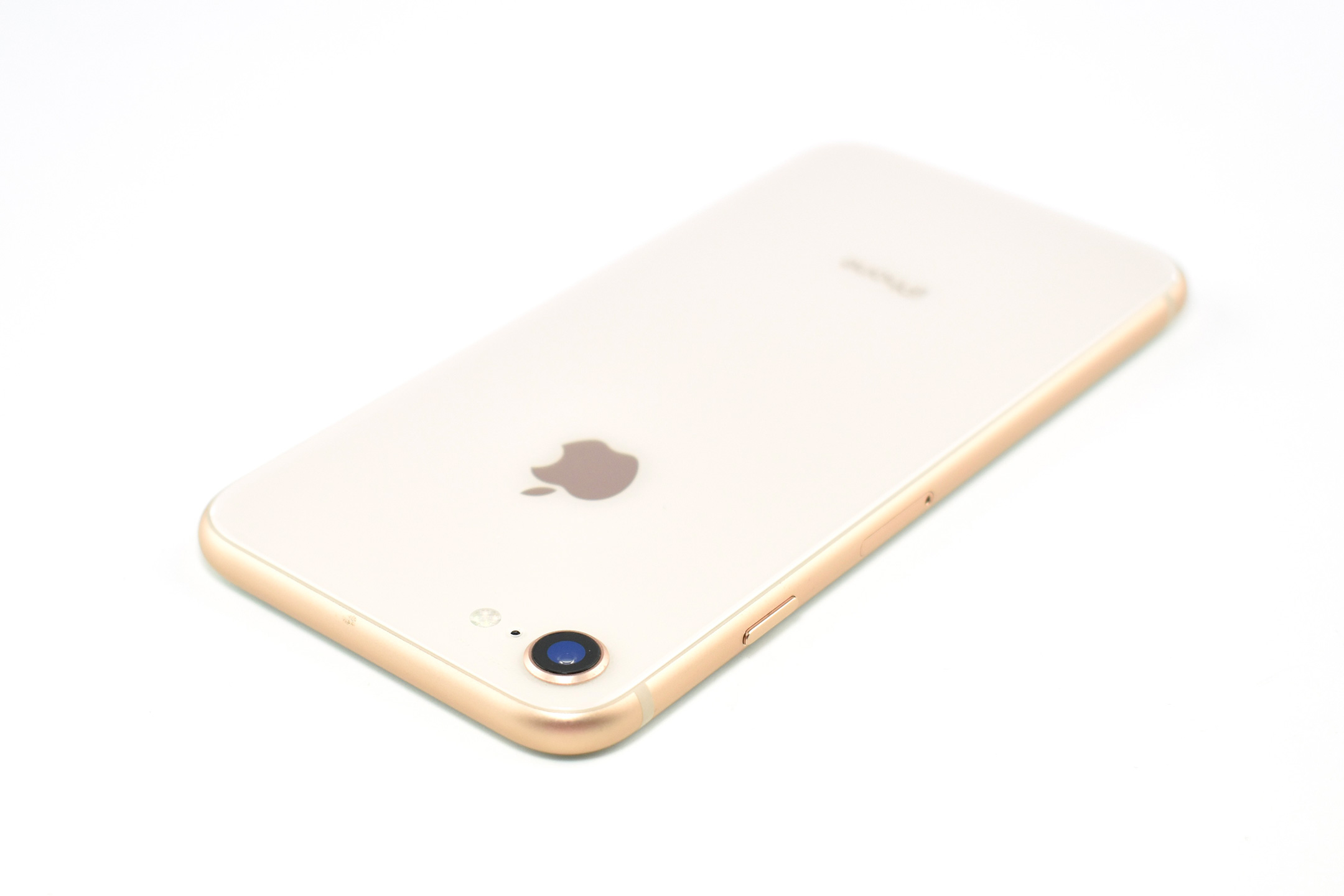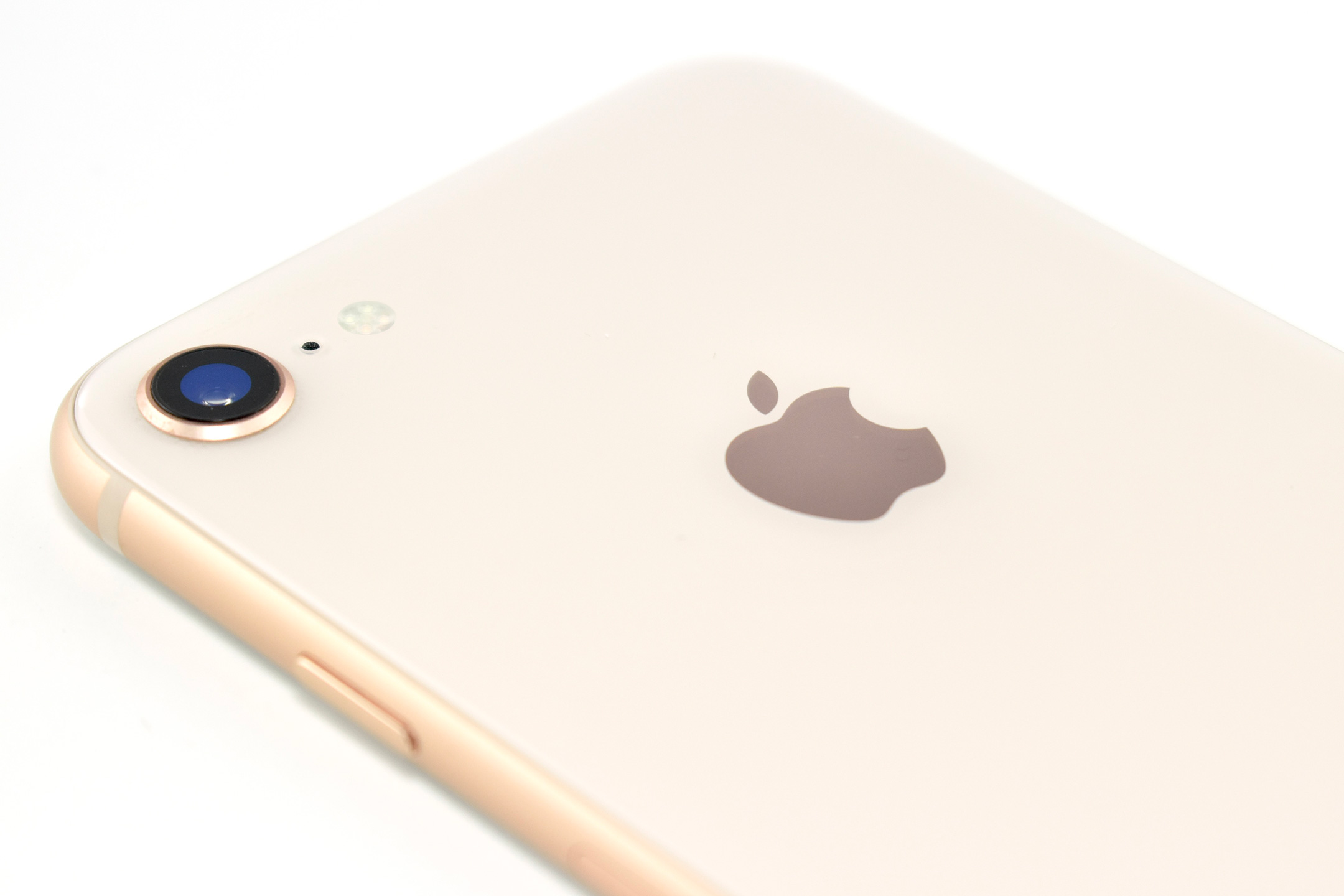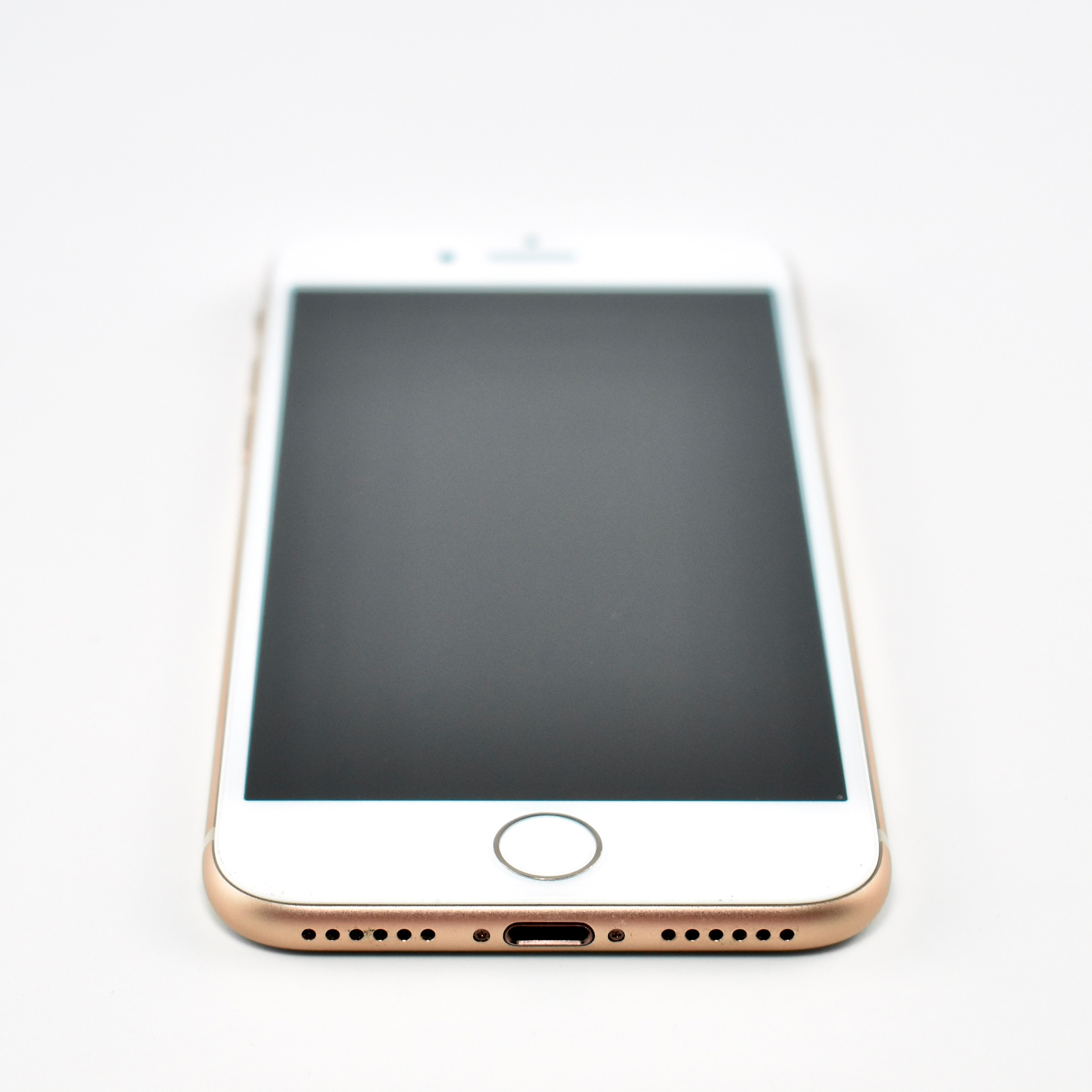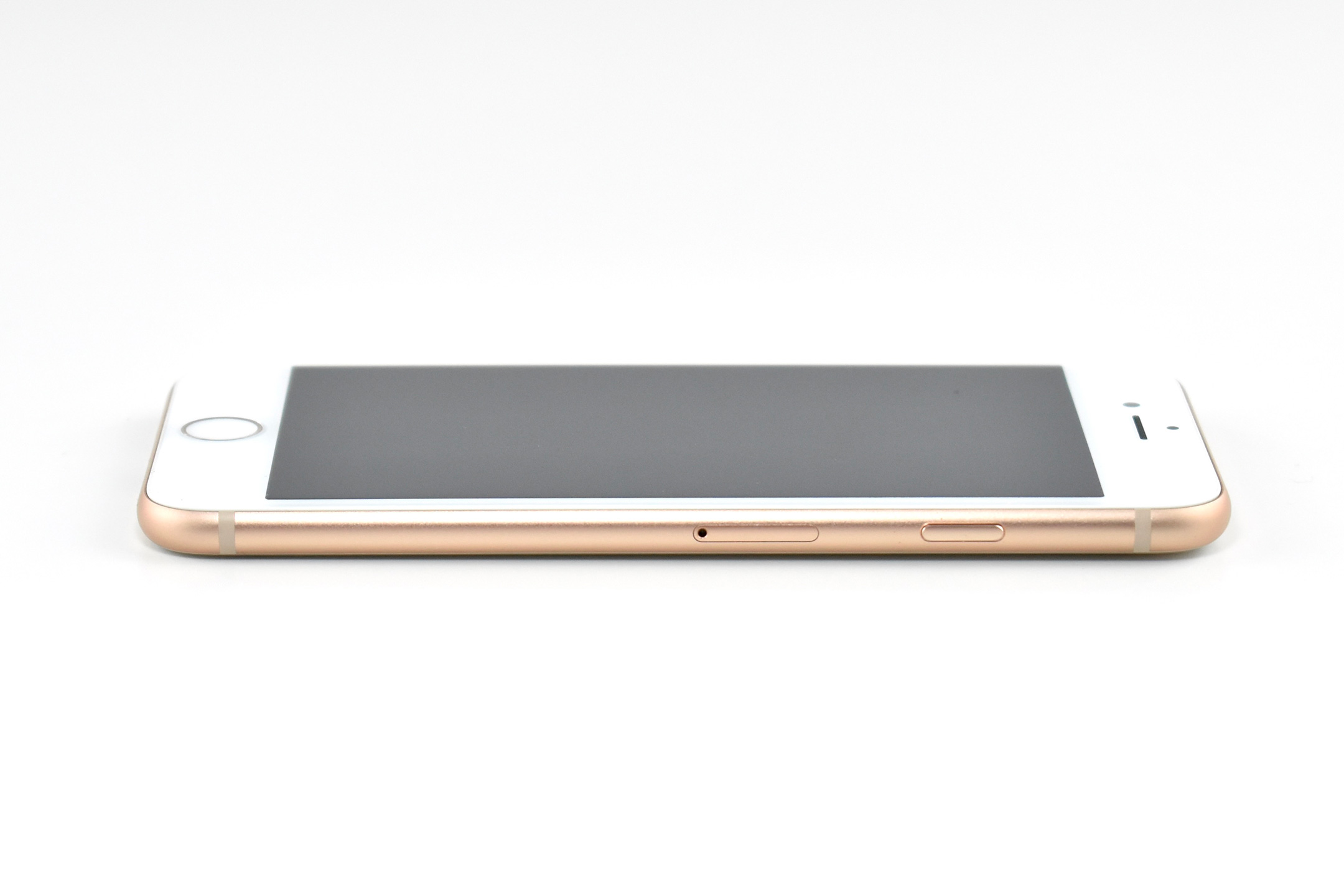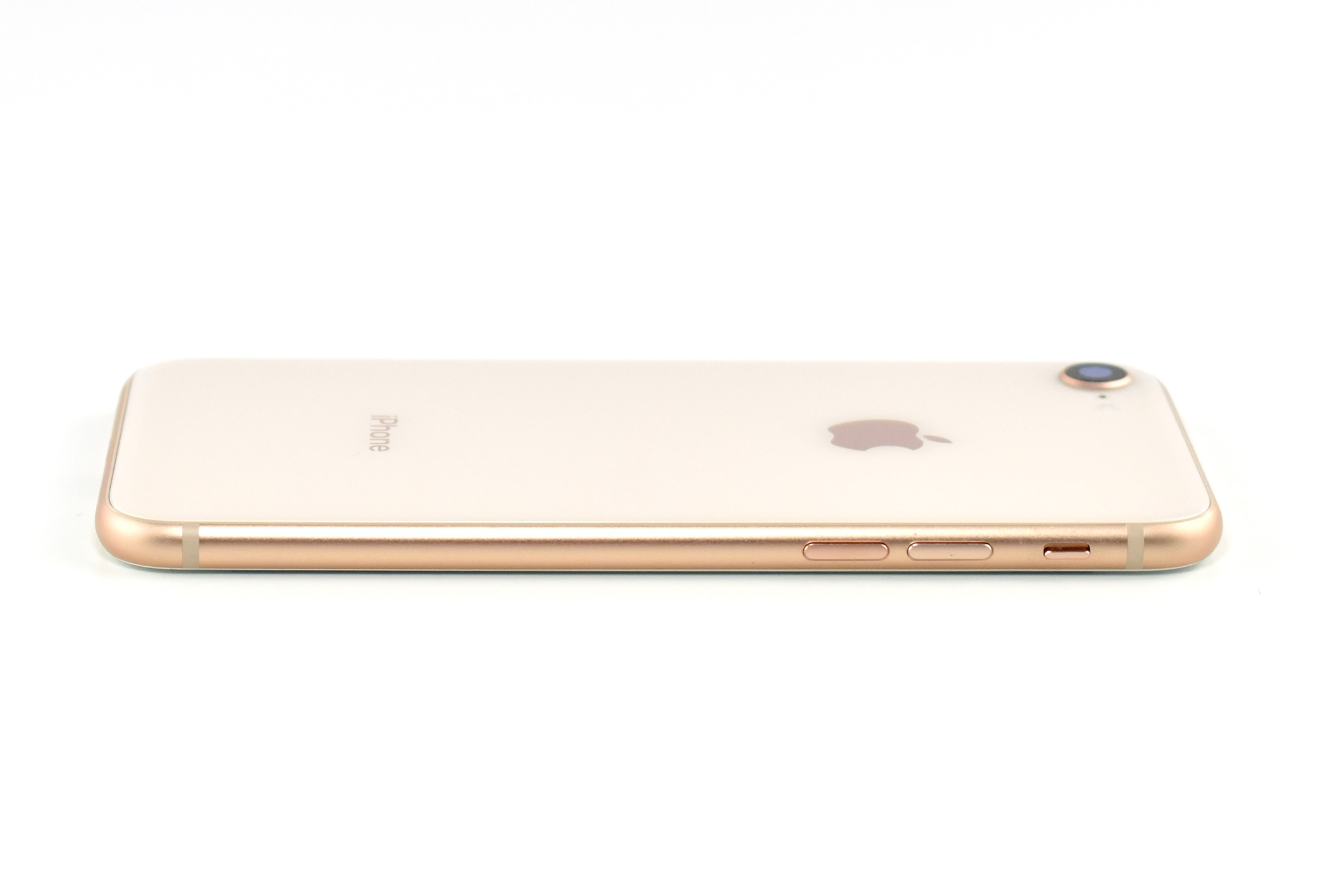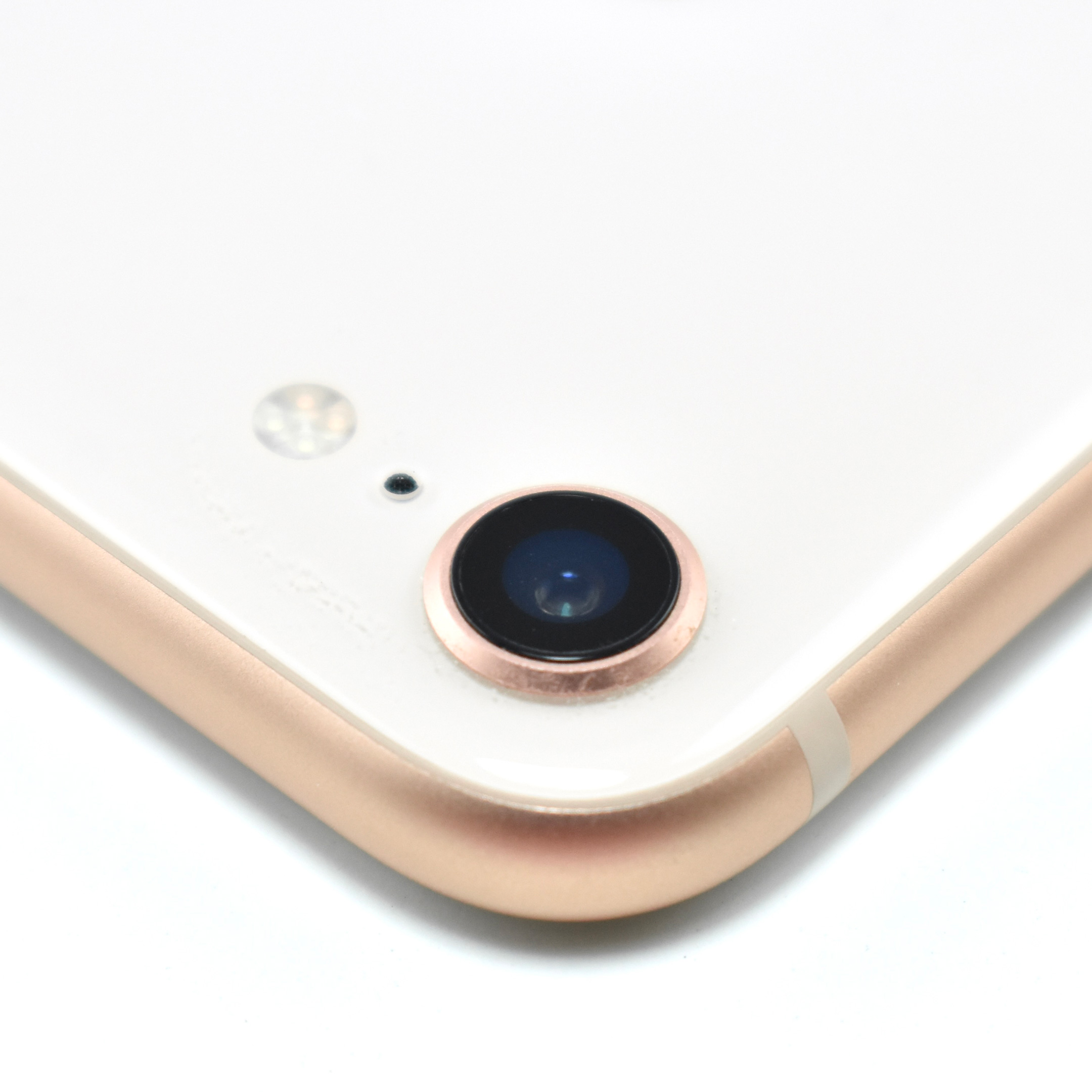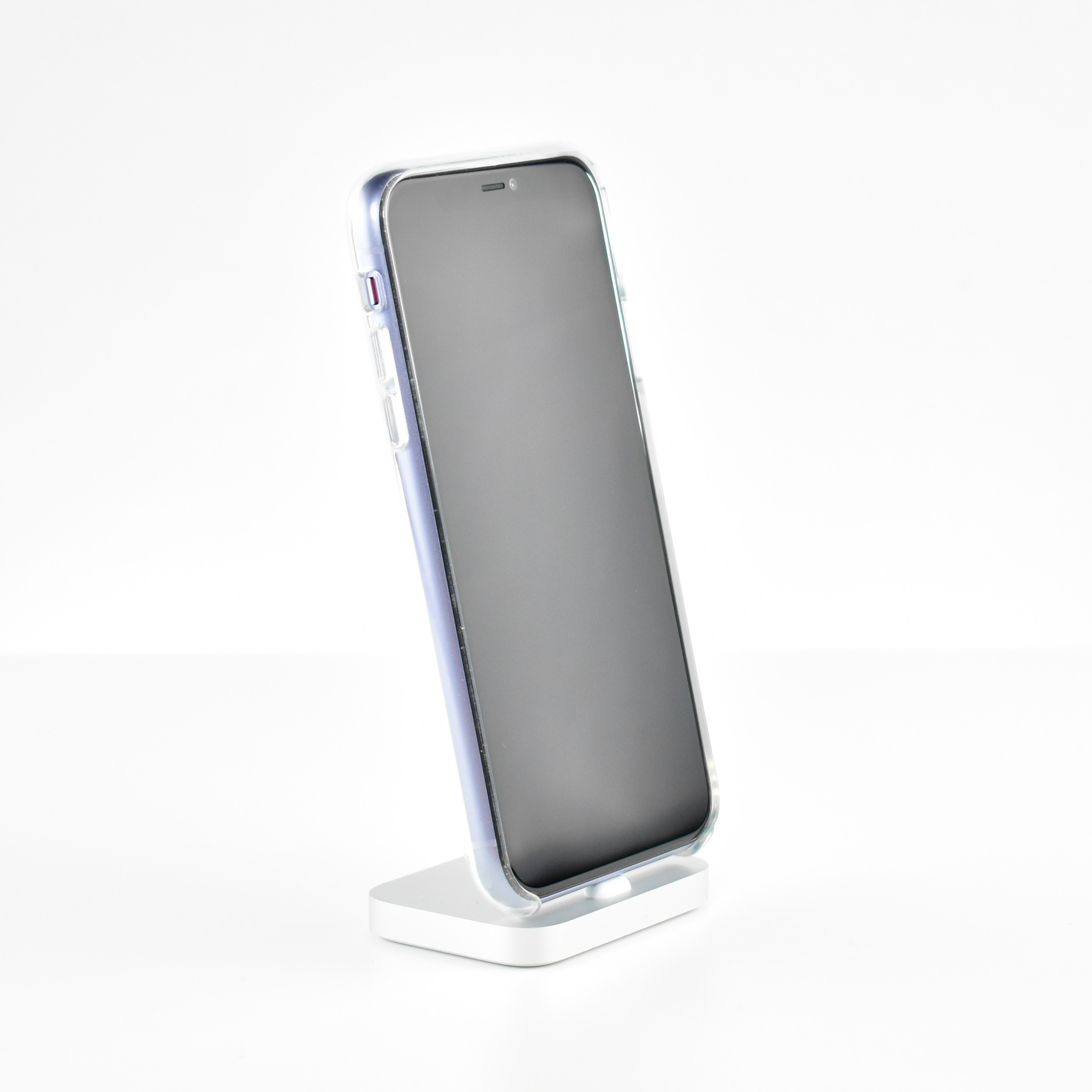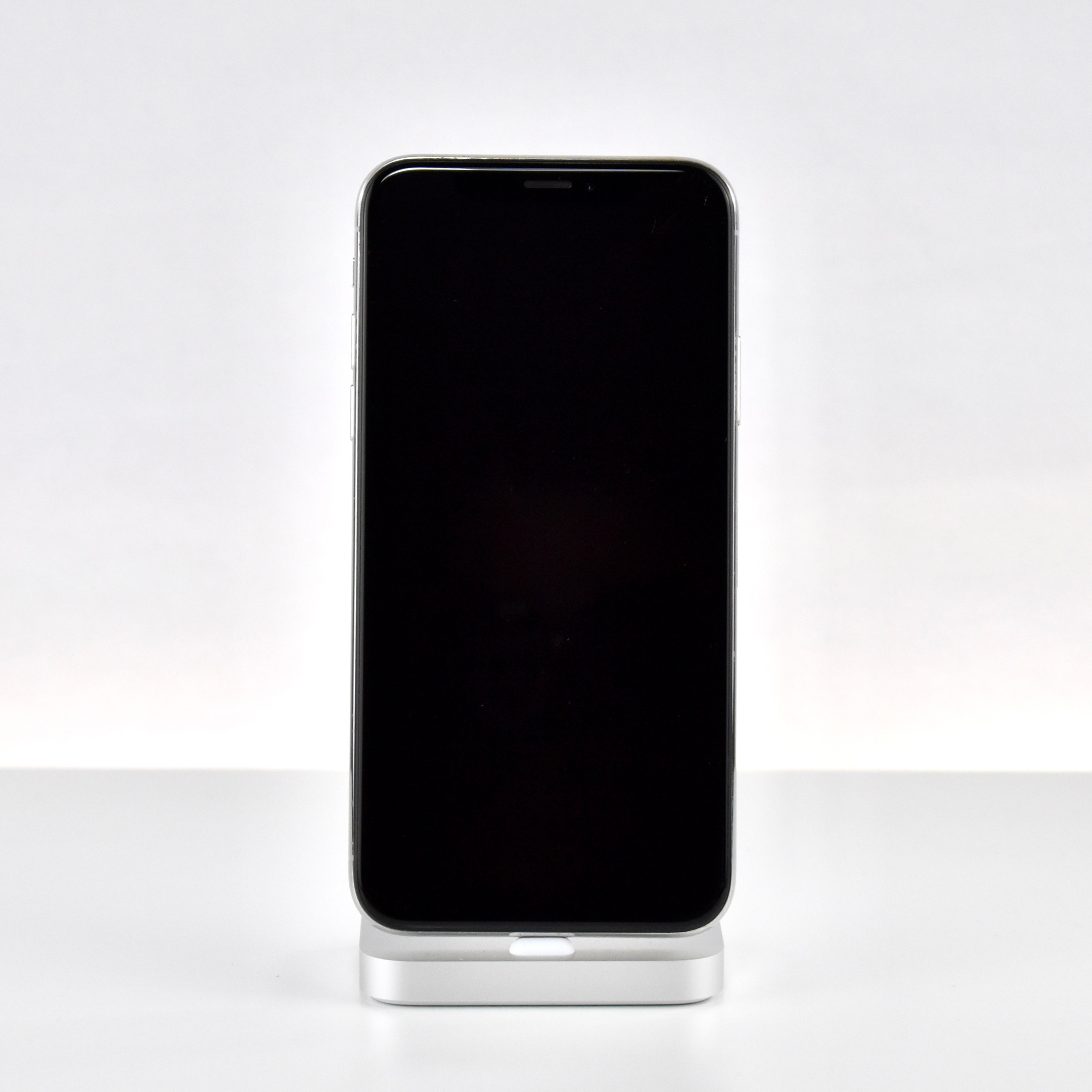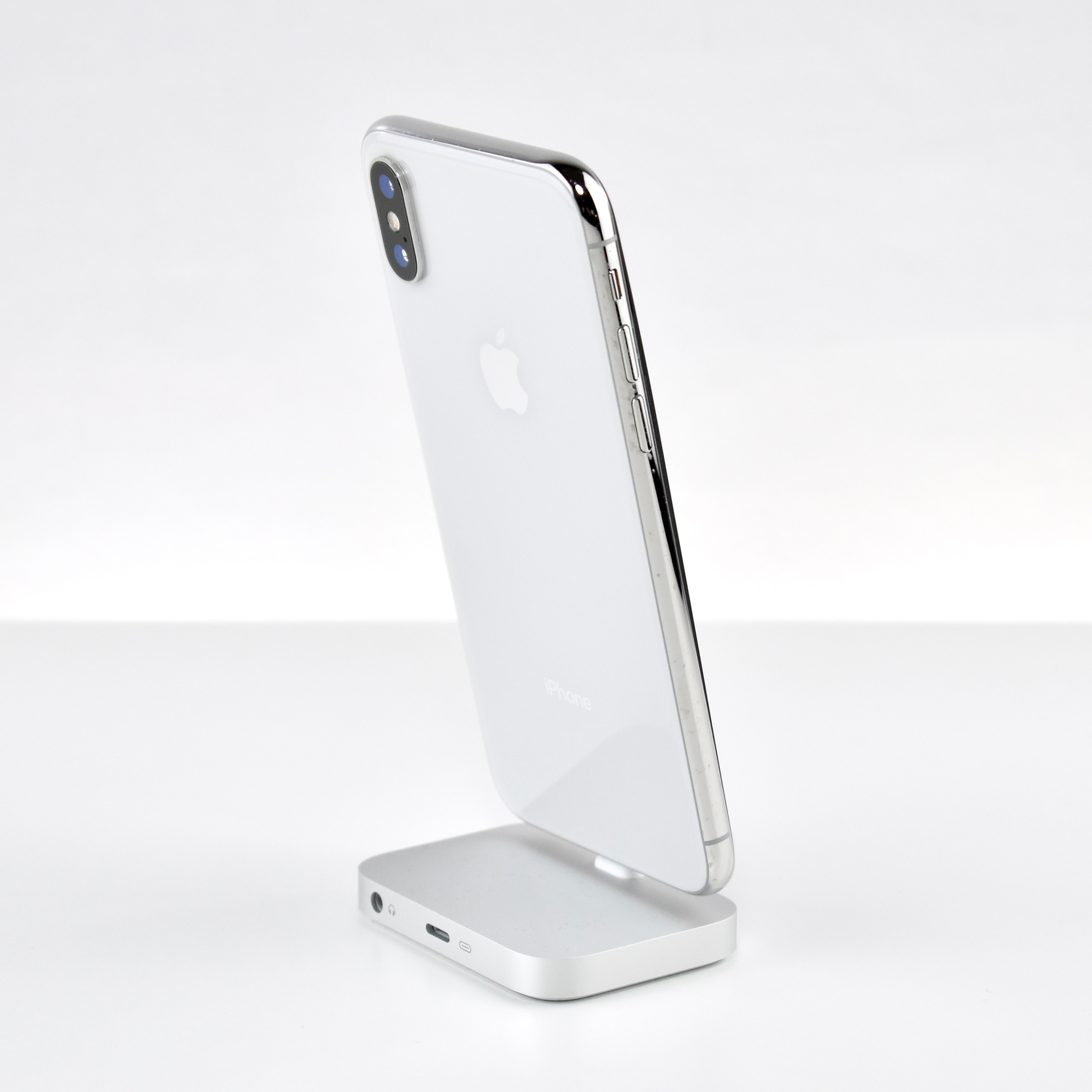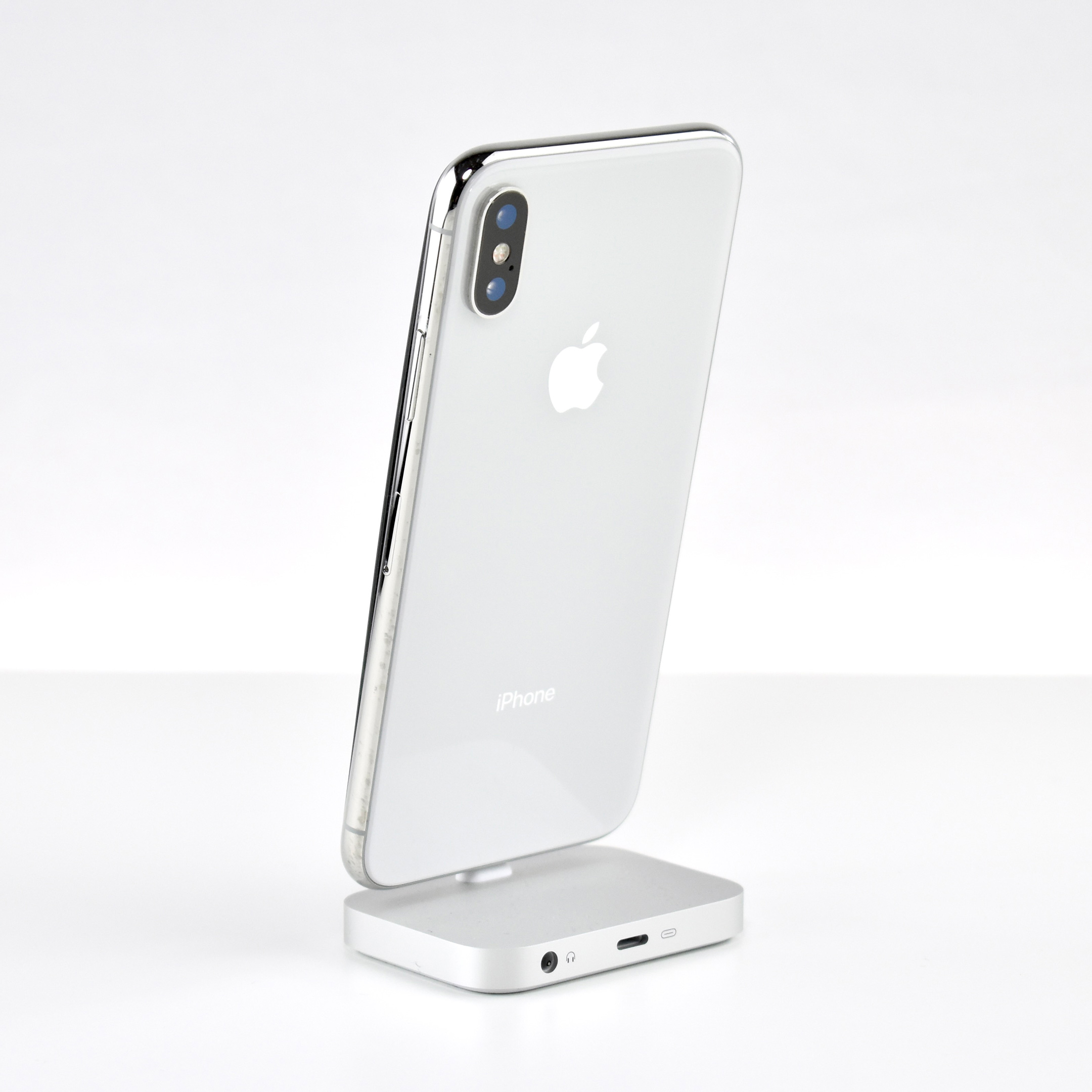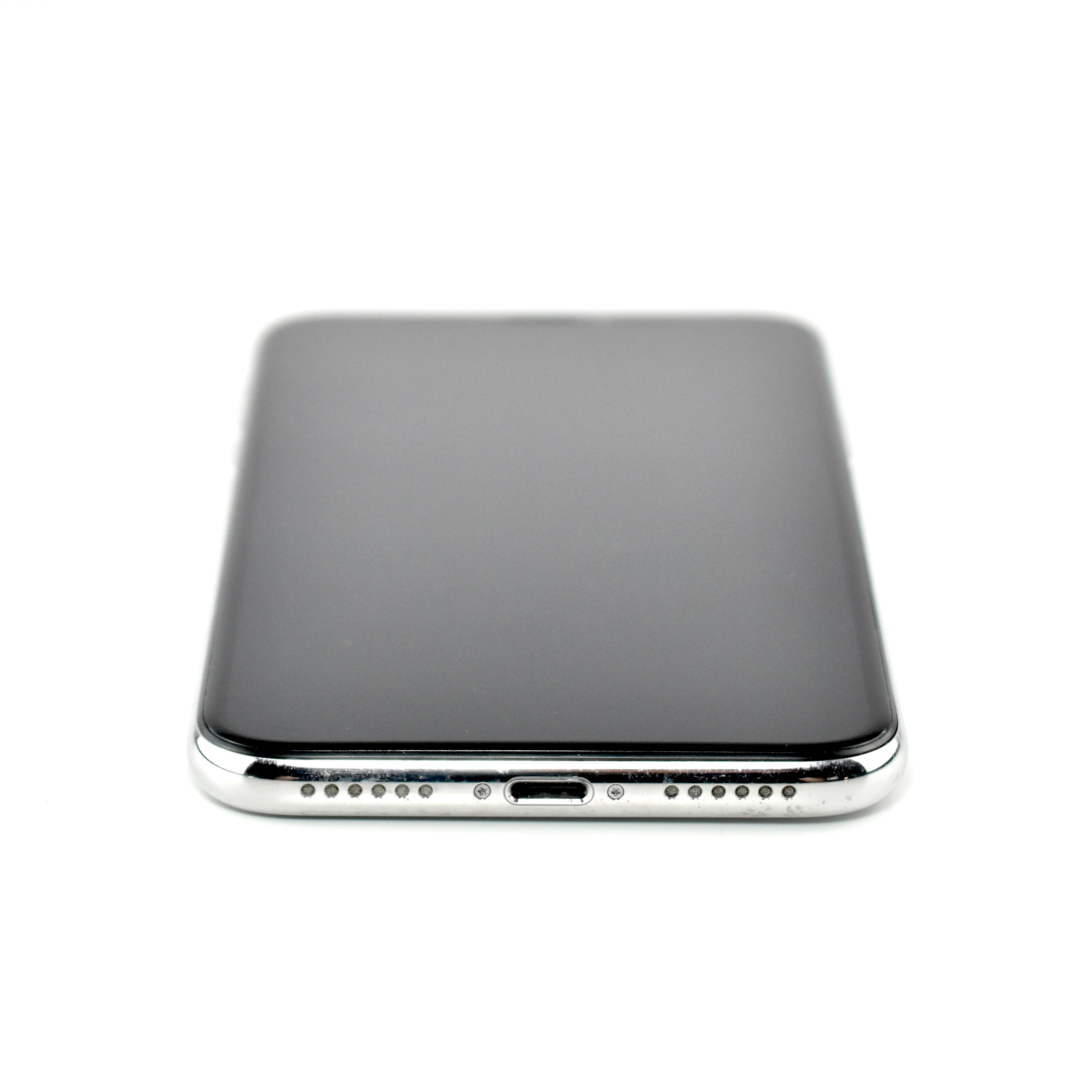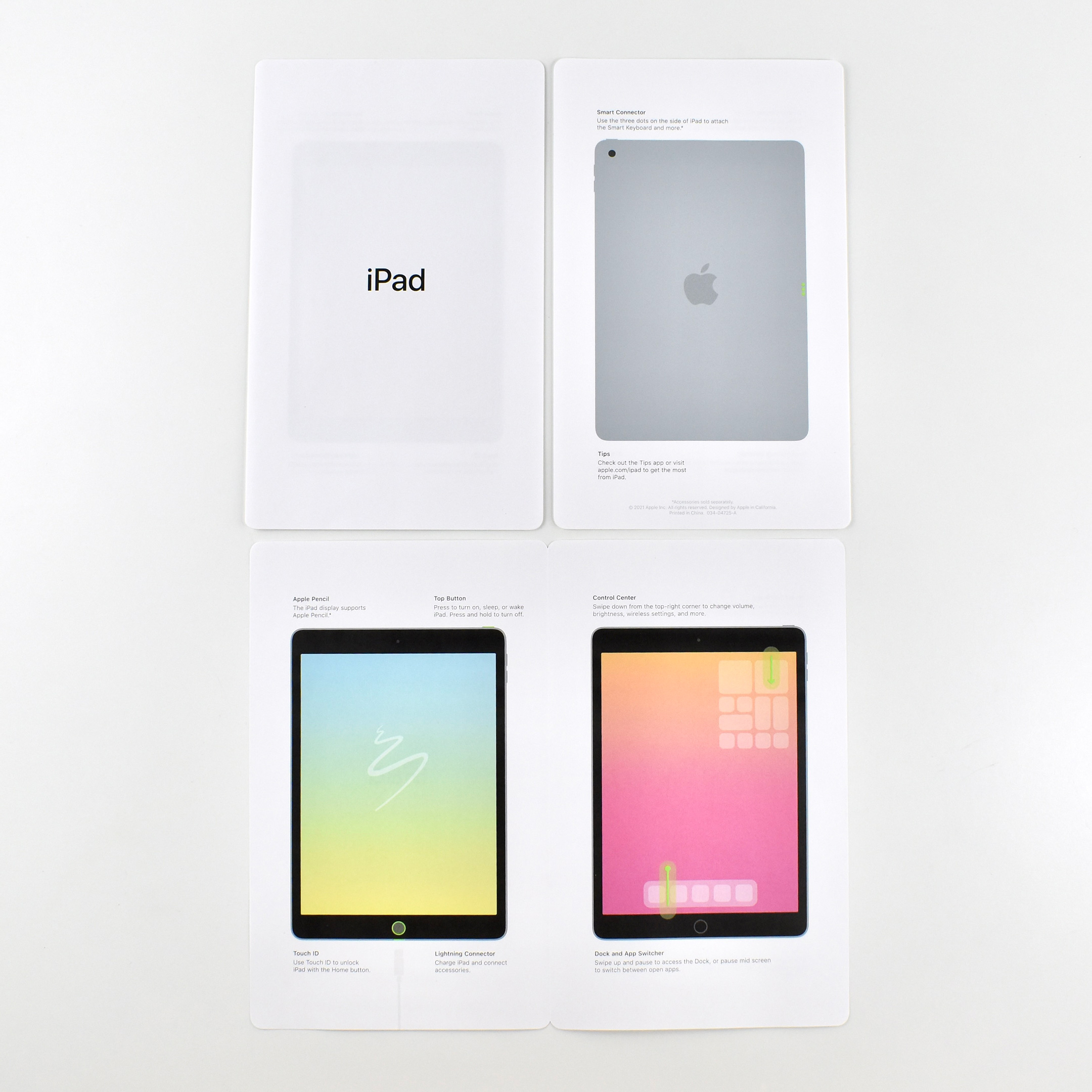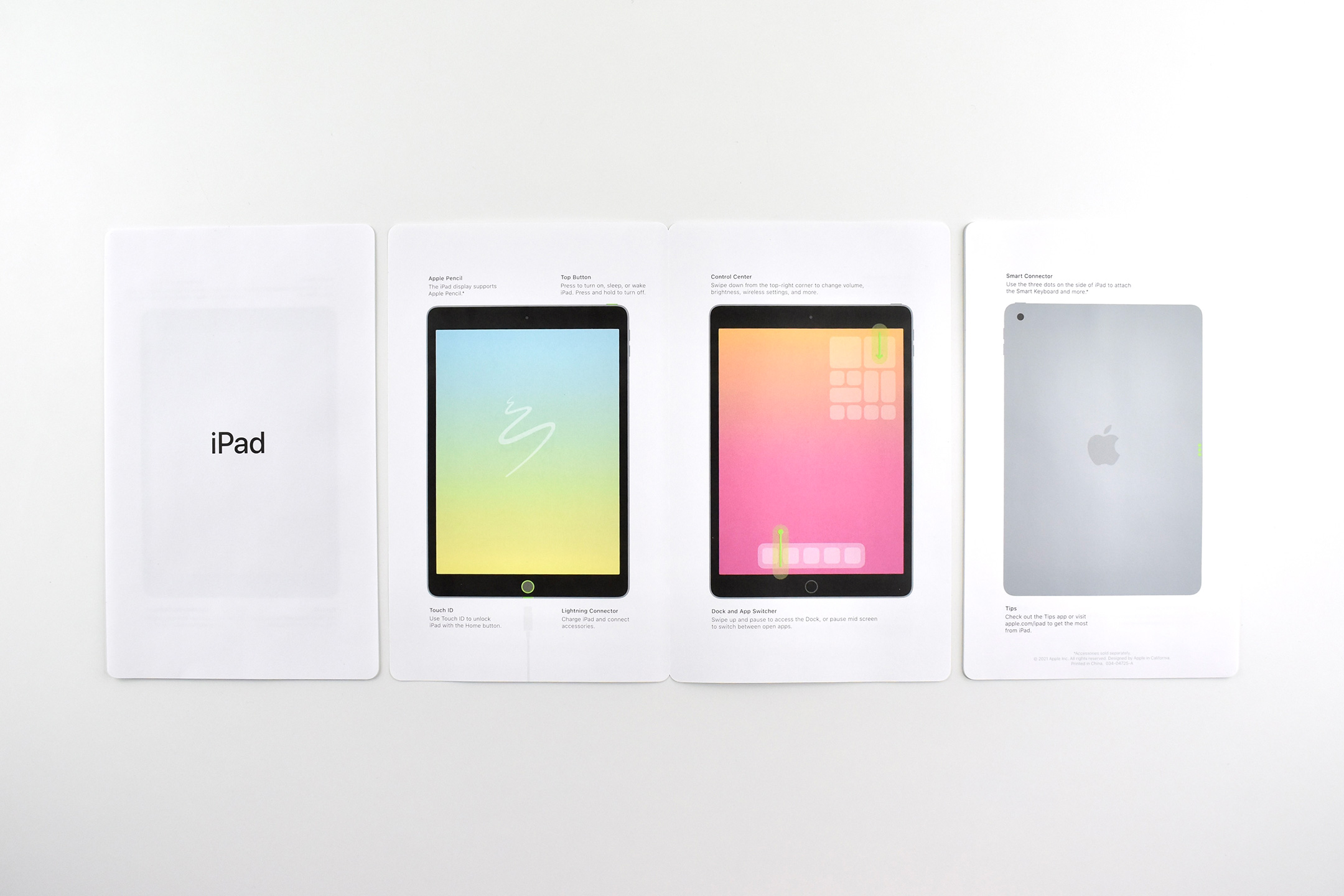
Apple released the iPad Generation 9 on September 14, 2021. The headline in Apple’s Press Release read, “Apple’s most popular iPad delivers even more performance and advanced features,” and listed its features as including “A13 Bionic, Center Stage, True Tone, and now starts with double the storage.”
Greg Joswiak, Apple’s senior vice president of Worldwide Marketing, reported:
“iPad has never been more essential for working, learning, and communicating, and we’re excited to bring one of the biggest updates ever to our most popular iPad… With the powerful A13 Bionic, more engaging video calls with Center Stage, and double the storage, the new iPad delivers advanced capabilities, versatility, and simplicity at an incredible value.”
The A13 Bionic chip with Neural Engine not only boosted performance compared to the previous iPad by 20%, it also allowed “next-level machine learning capabilities, including Live Text…which uses on-device intelligence to recognize text in a photo that users can take action on.” Thus, this iPad was able to use an early version of Apple’s on-device “Artificial Intelligence” capabilities—even if Apple chose not to use the term “AI.”
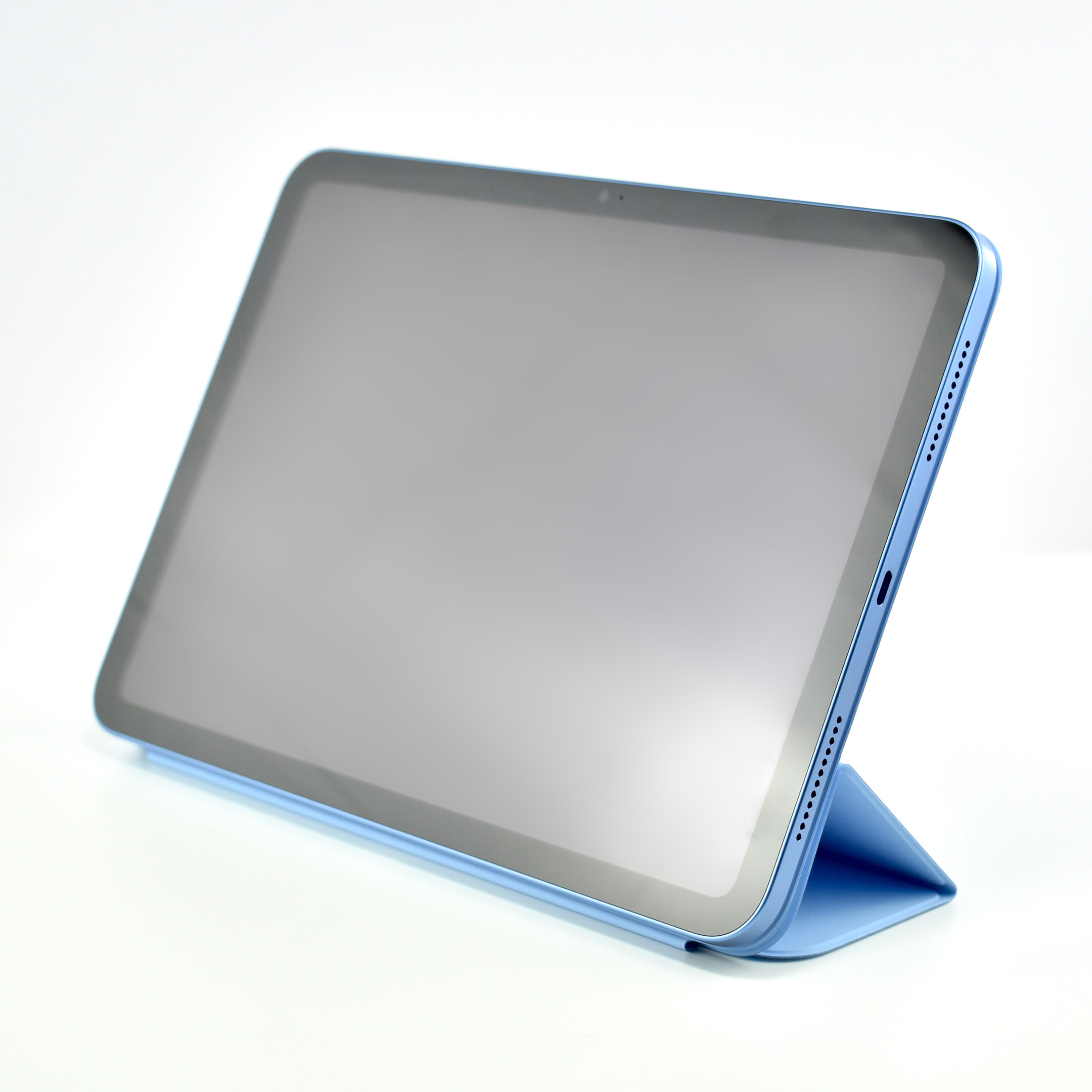
Apple also touted the iPad Generation 9’s Center Stage capabilities, a feature that enhanced video calls that was on the minds of many users after the worldwide COVID pandemic. The iPad was equipped with a new 12MP Ultra Wide front camera that used the Neural Engine: “Center Stage automatically pans the camera to keep [the user] in view. When others join in, the camera detects them too, and smoothly zooms out to include them in the conversation.” Center Stage worked in FaceTime and third-party video-calling apps such as Zoom.
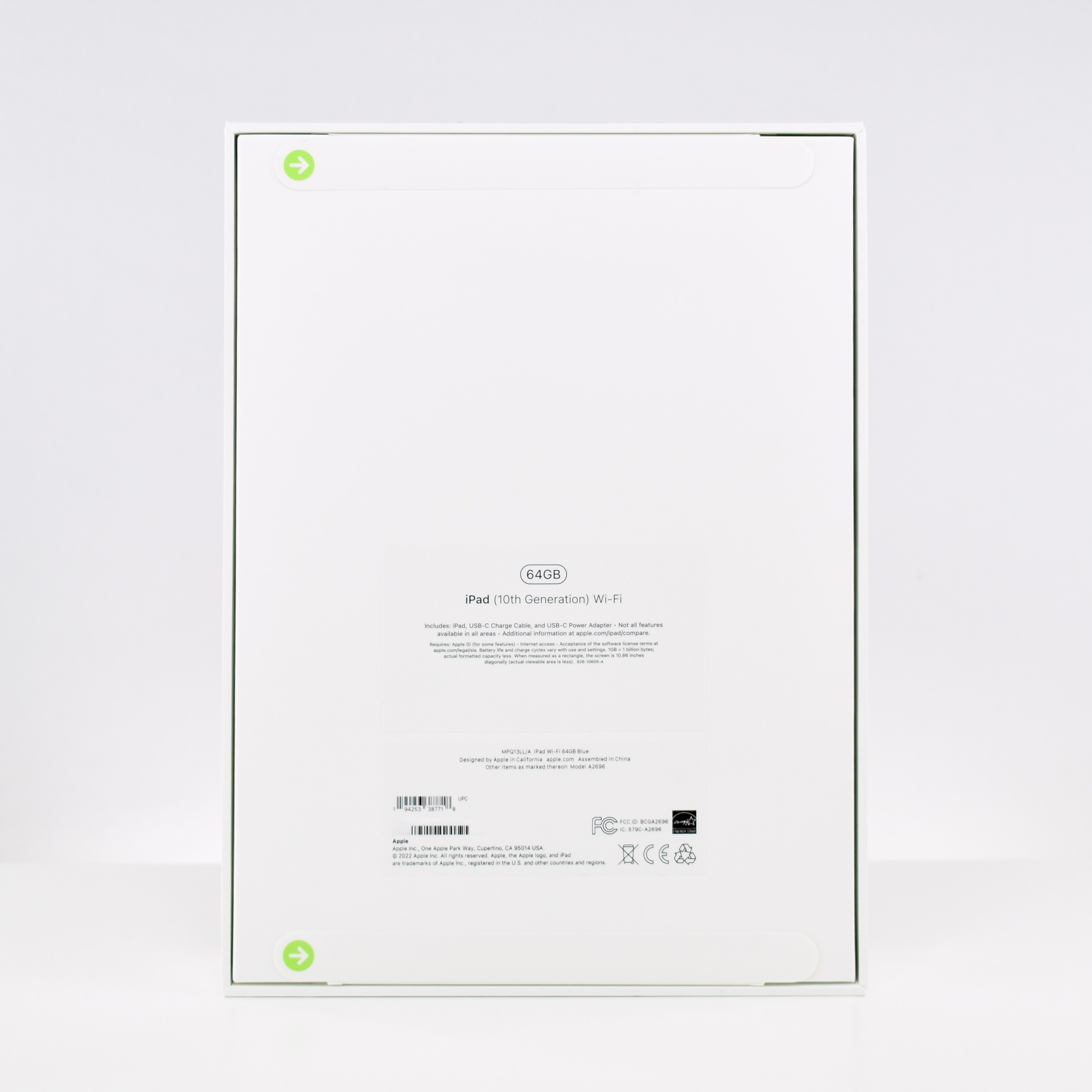
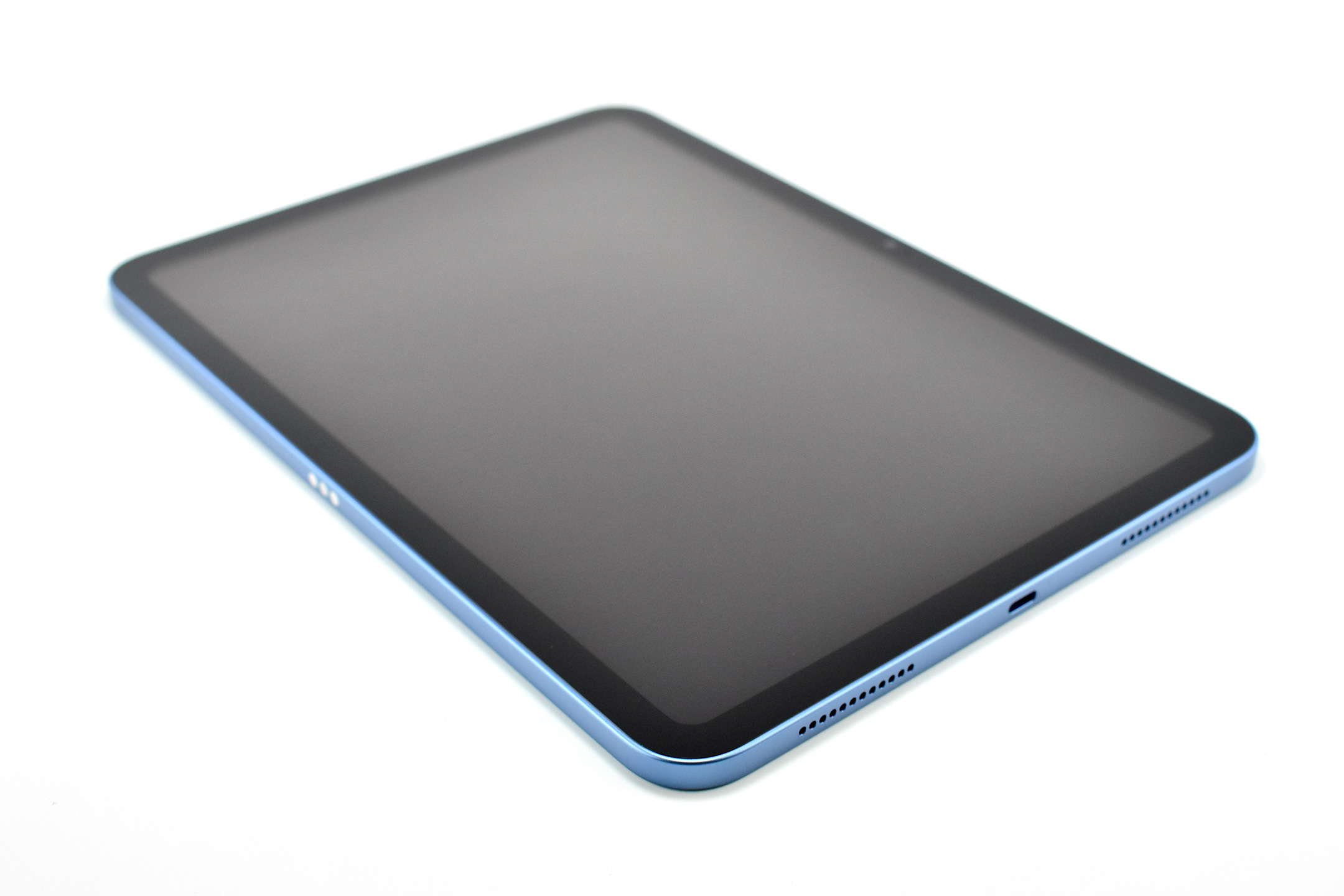
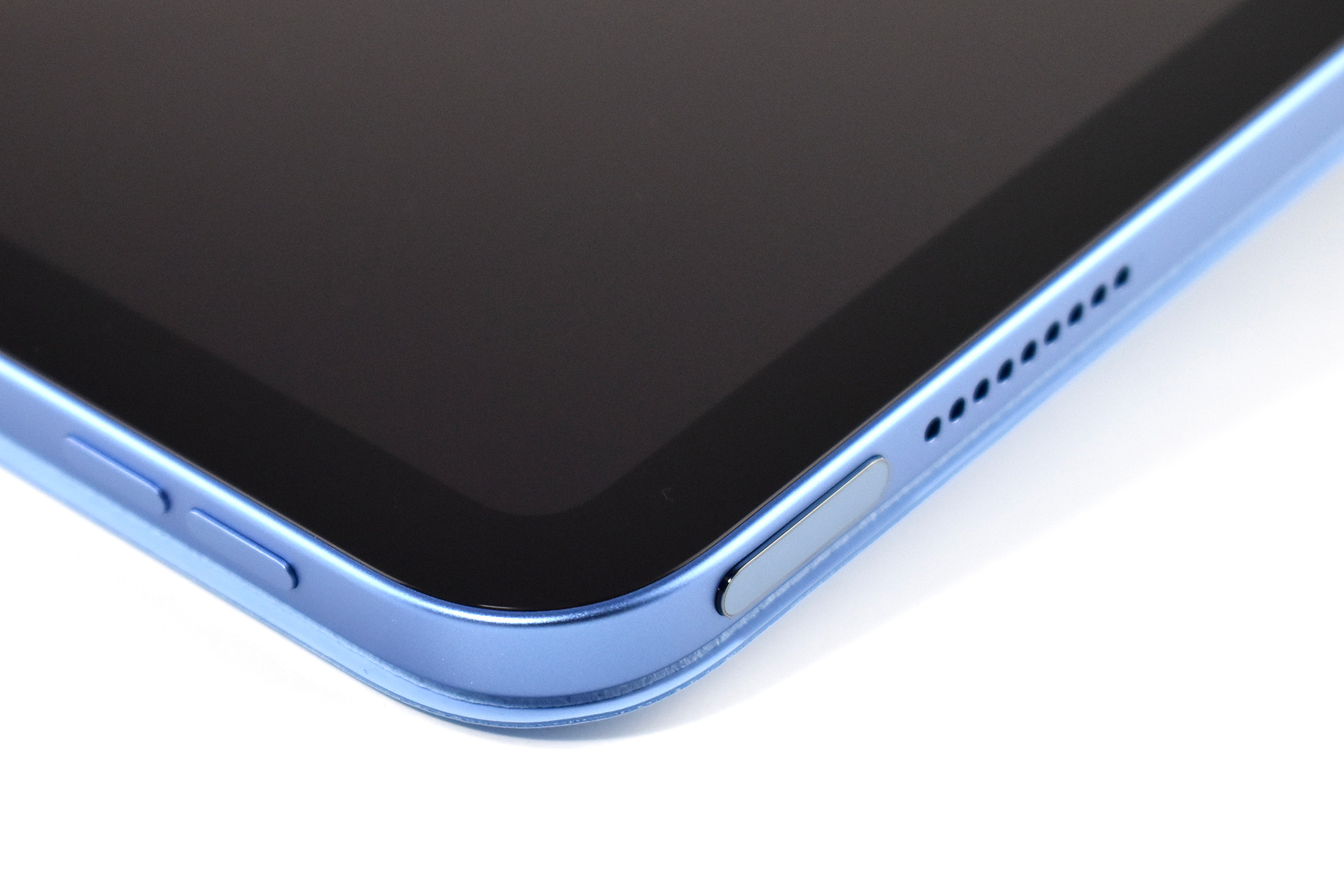
The iPad Generation 9 was offered in Silver and Space Gray, and in two storage capacities, 64 GB and 256 GB. It measured 9.8 inches (250.6 mm) x 6.8 inches (174.1 mm), and was 0.29 inch (7.5 mm) thick. The Wi-Fi model weighed 1.07 pounds (487 grams), and the Wi-Fi + Cellular model weighed 1.09 pounds (498 grams).
The iPad Generation 9 was the last iPad to use a physical Home button, and it also had Touch ID.
It used a 10.2-inch (diagonal) Retina display that was 2160 x 1620 pixels at 264 pixels per inch. It used a True Tone display that could deliver up to 500 nits brightness. This iPad had both stereo speakers and dual microphones for calls, video recording, and audio recording.
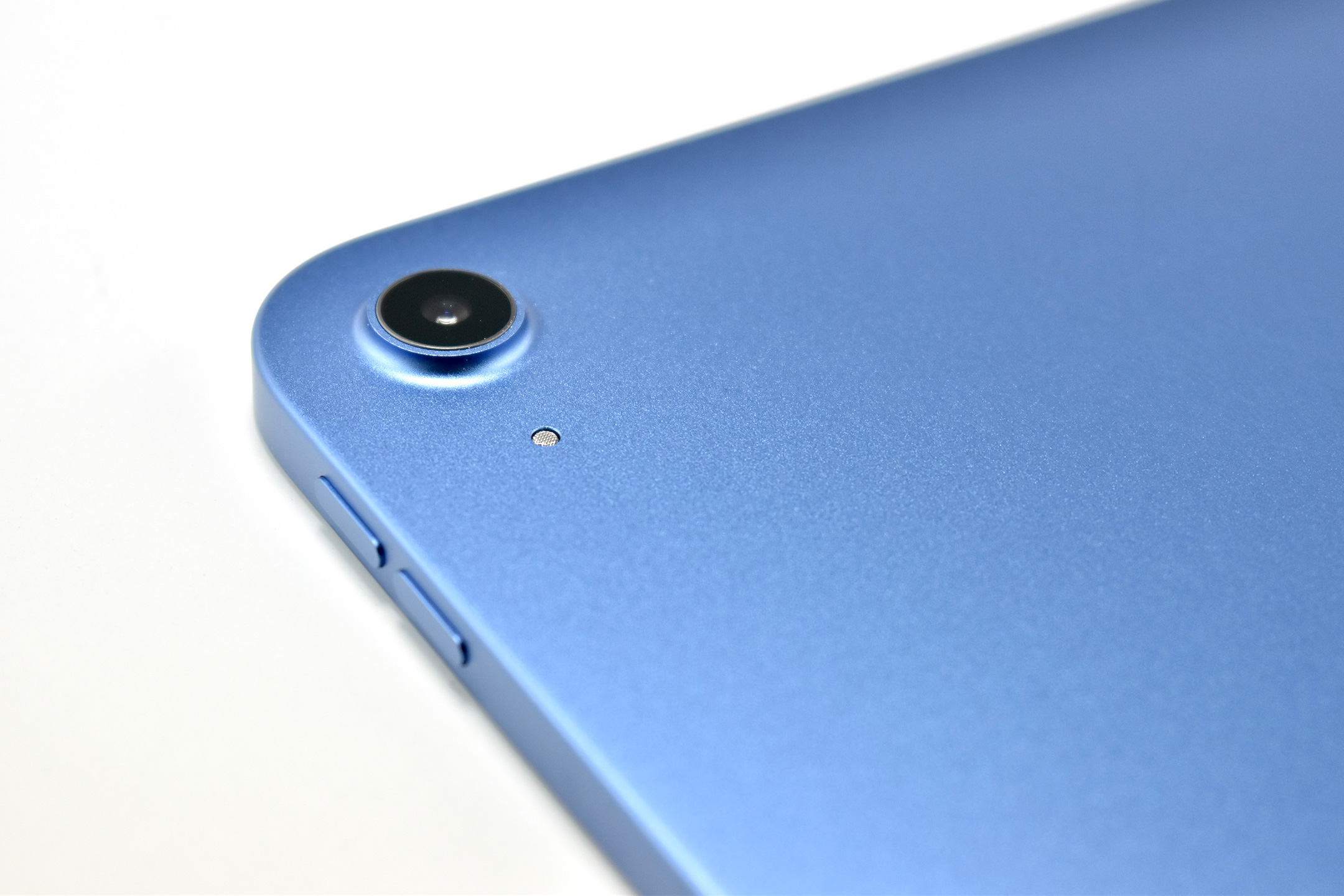
Uncharacteristically, the back camera had lower resolution than the front camera. The back camera was an 8 MP Wide camera with digital zoom up to 5x using a 5-element lens. It could capture Panoramic photos (up to 43MP), and featured HDR, photo geotagging, auto image stabilization, and burst mode. The back camera could record 1080p HD video at 25 and 30 fps.
The front camera was a 12MP Ultra Wide camera with 122° field of view. It could record 1080p HD video at 25, 30, or 60 fps.
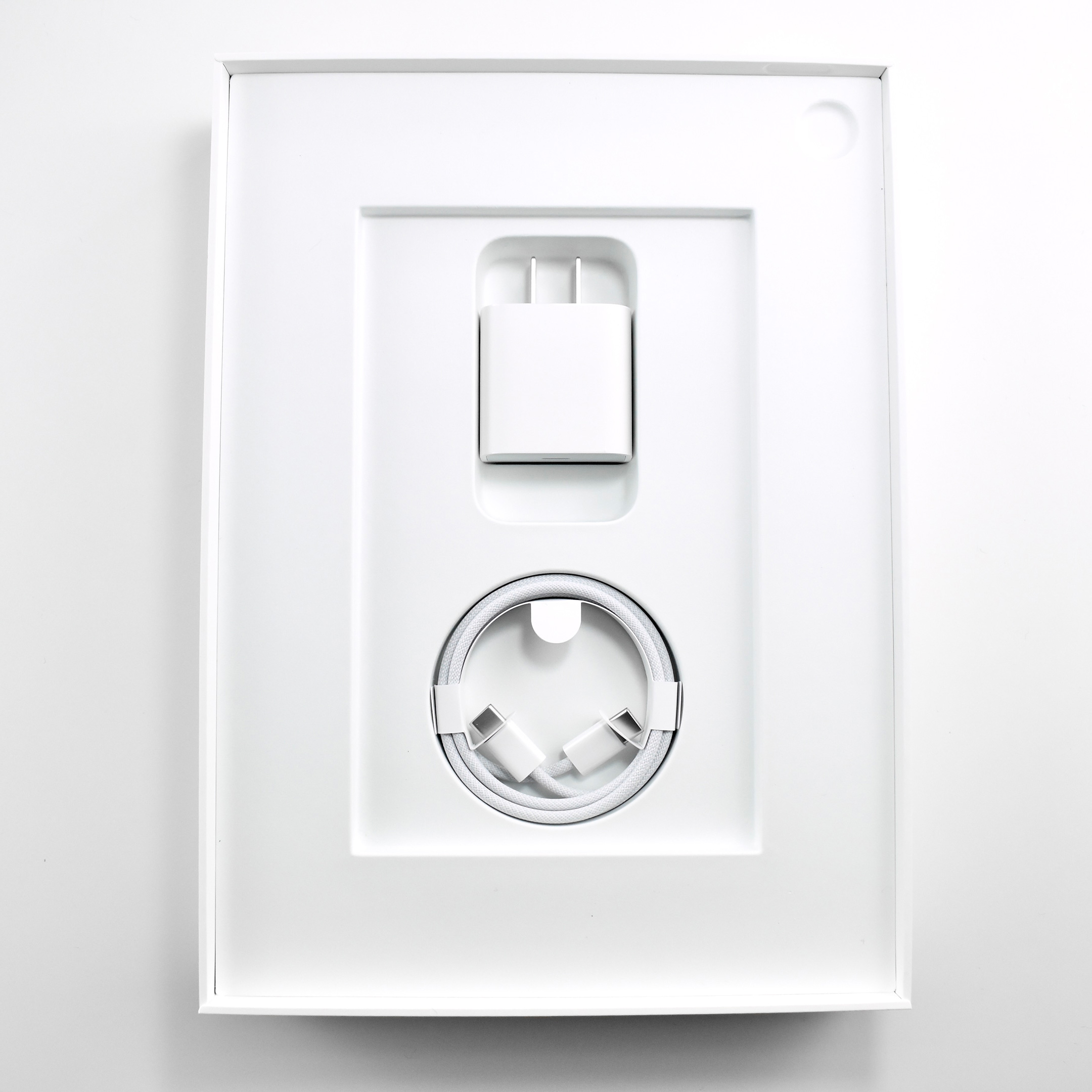
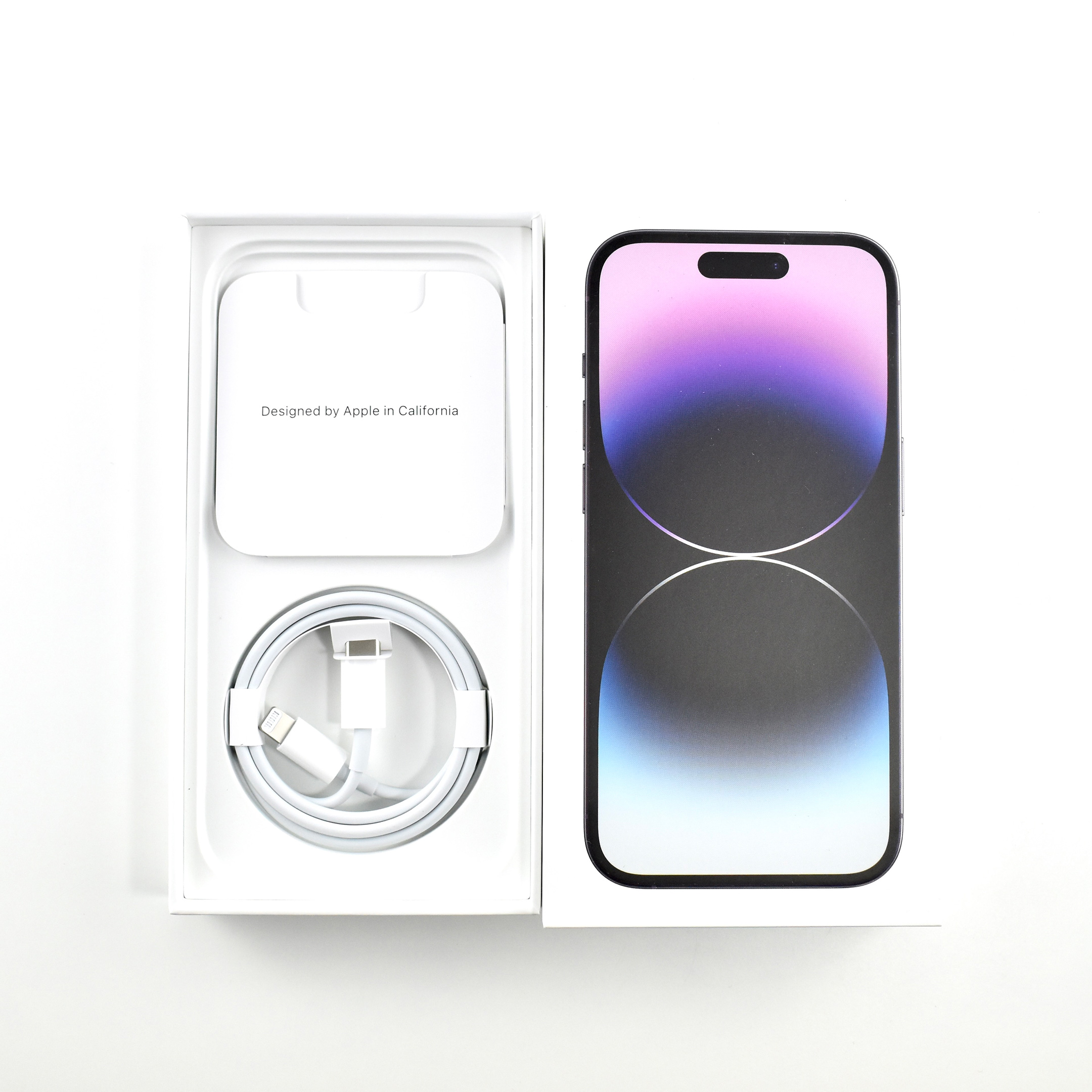
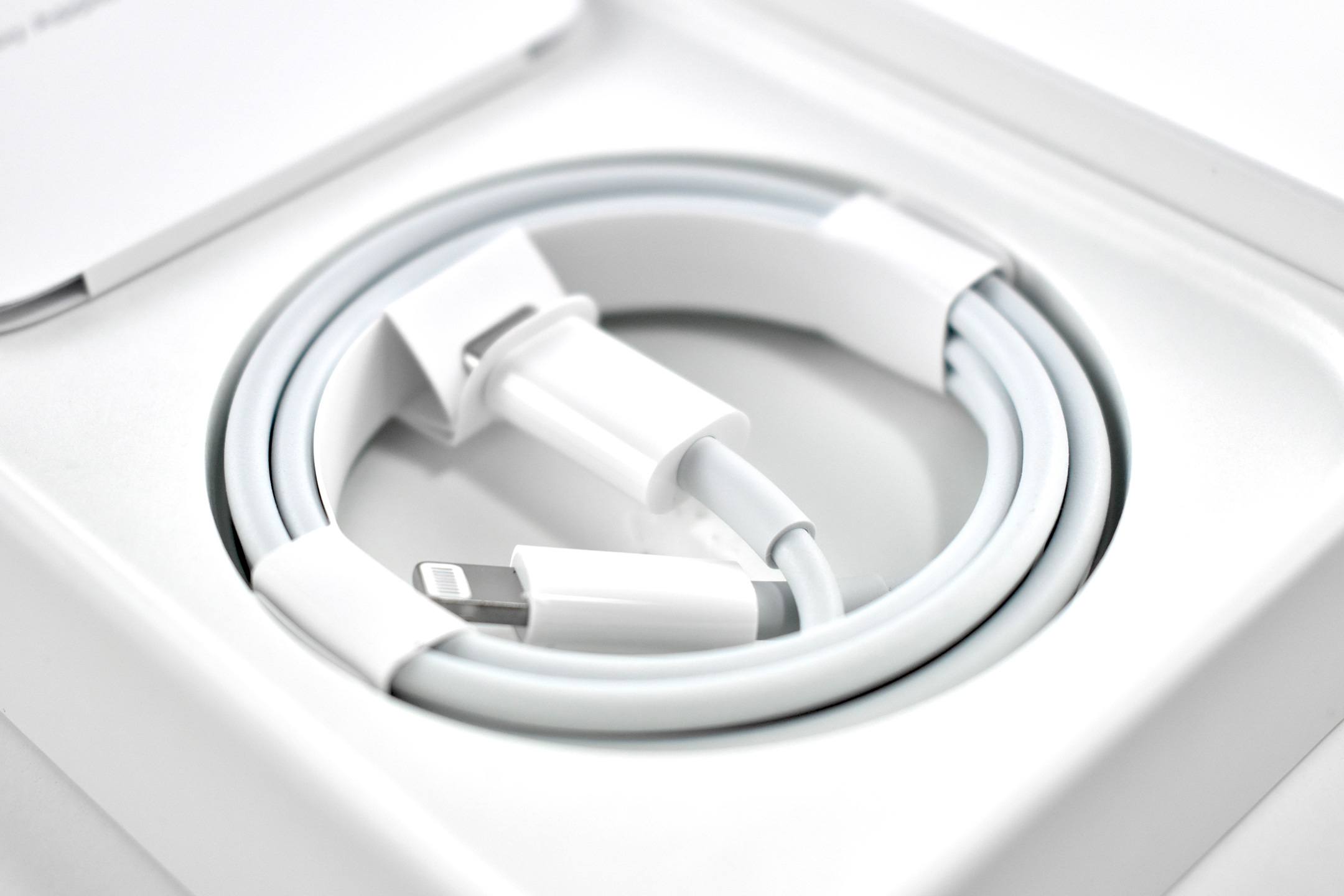
Wireless connectivity included Wi-Fi 5 (802.11ac) and Bluetooth 4.2. Its 5 sensors included Touch ID, 3‐axis gyro, accelerometer, barometer, and an ambient light sensor. The iPad Generation 9 charged and transferred data using a Lightning connector and shipped with a Lightning-to-USB-C Cable that connected to its included 20W USB-C Power Adapter.
Interestingly, Apple continued manufacturing and selling the iPad Generation 9 even after they announced the iPad Generation 10 13 months later. The iPad Generation 10 was released with a considerable price increase at $459 for a base iPad—from the iPad Generation 9 base price of $329. Apple noted in the “fine print” of the iPad Generation 10 press release: “iPad (9th generation) will remain in the iPad lineup. Wi-Fi models of iPad (9th generation) are available with a starting price of $329 (US), and Wi-Fi + Cellular models start at $459 (US), in silver and space gray finishes.”
Sources: Apple (Newsroom: Generation 9, Generation 10; Technical Specifications)