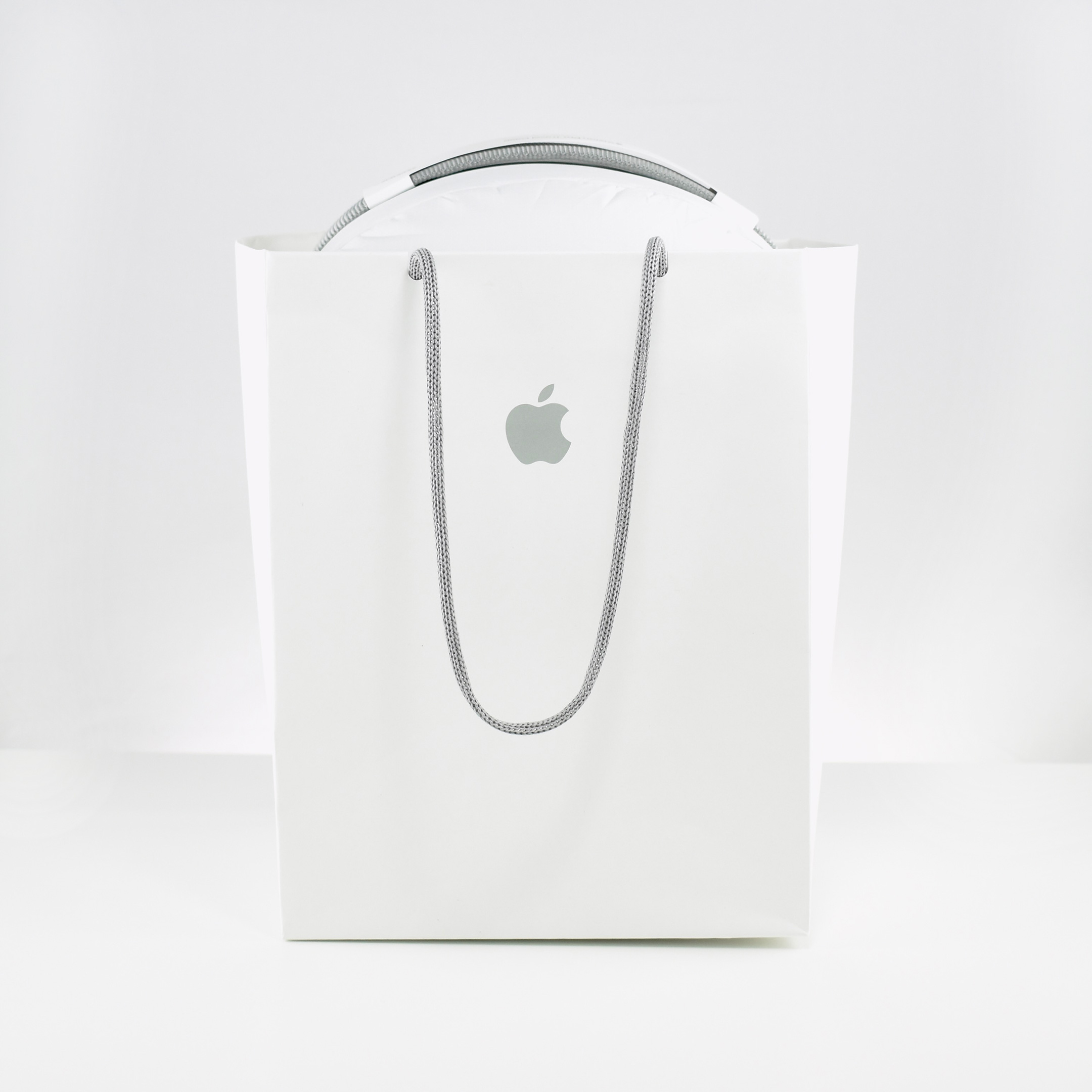
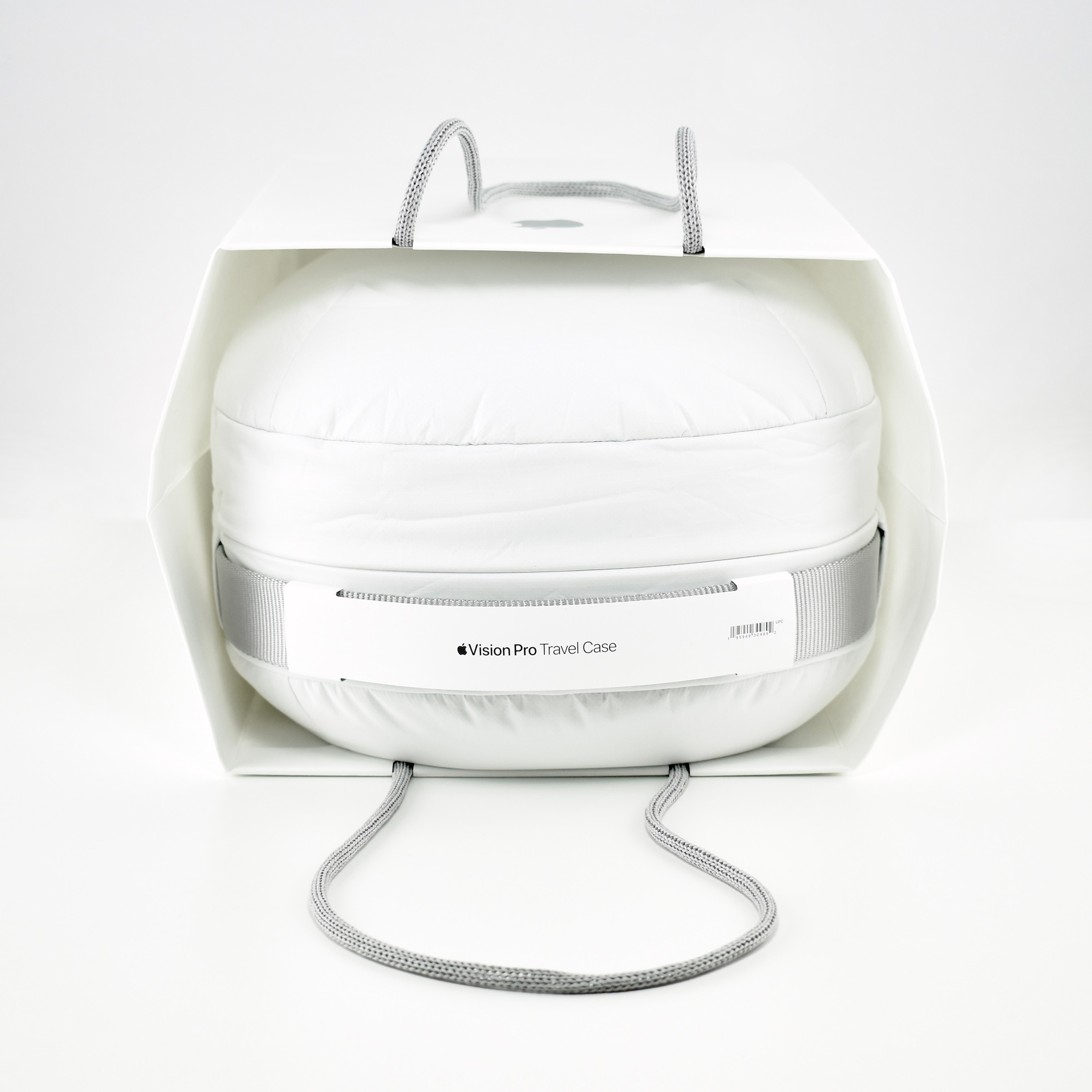
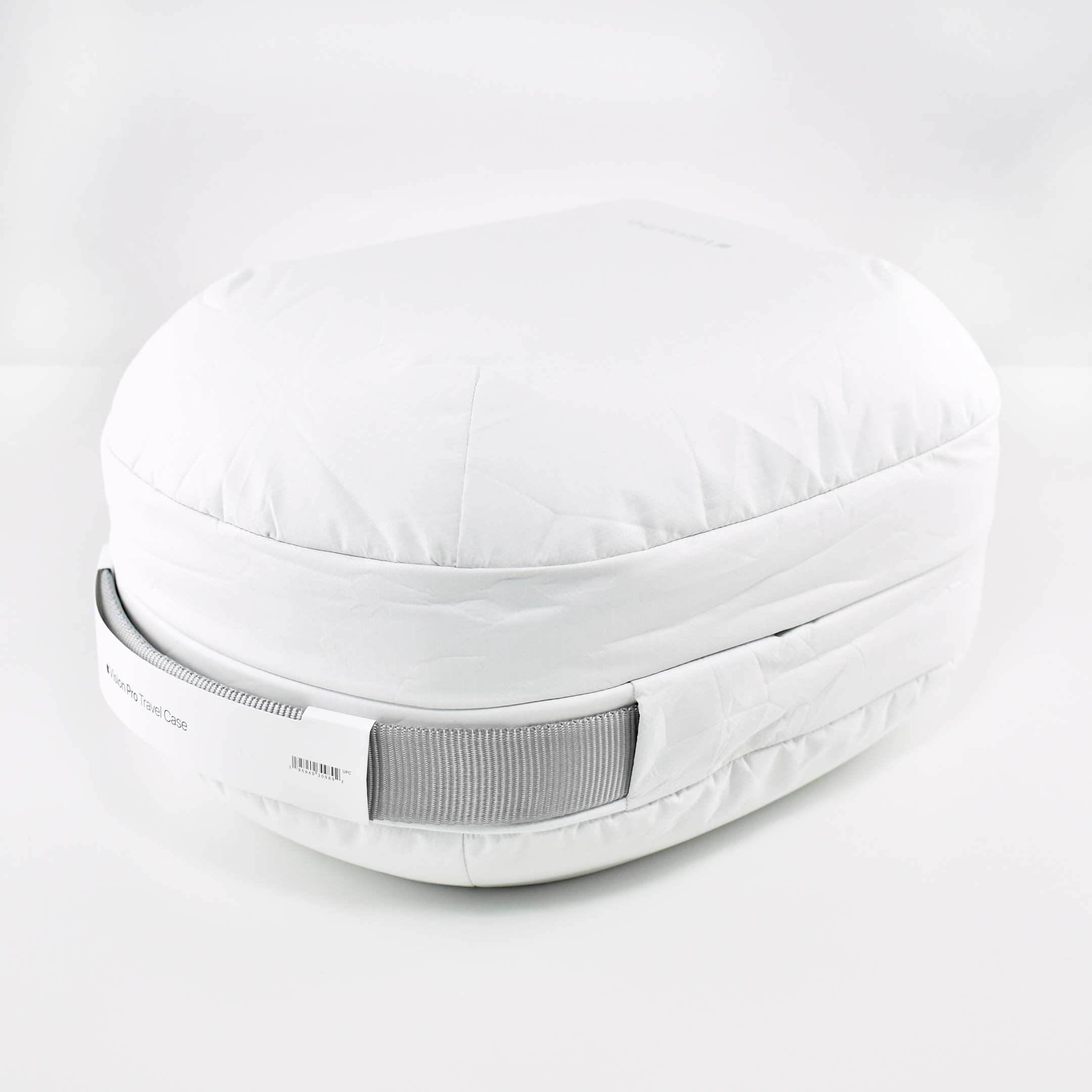
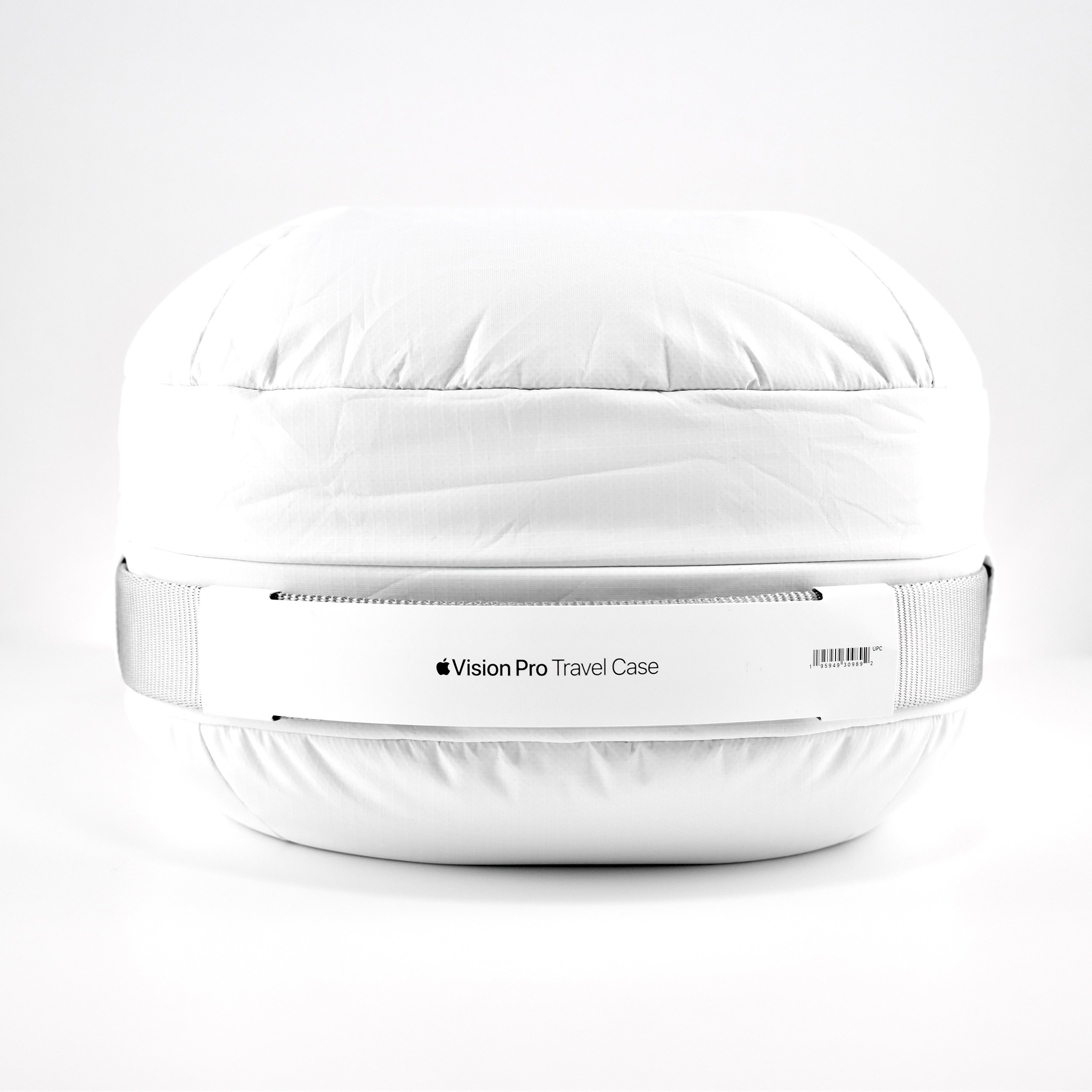
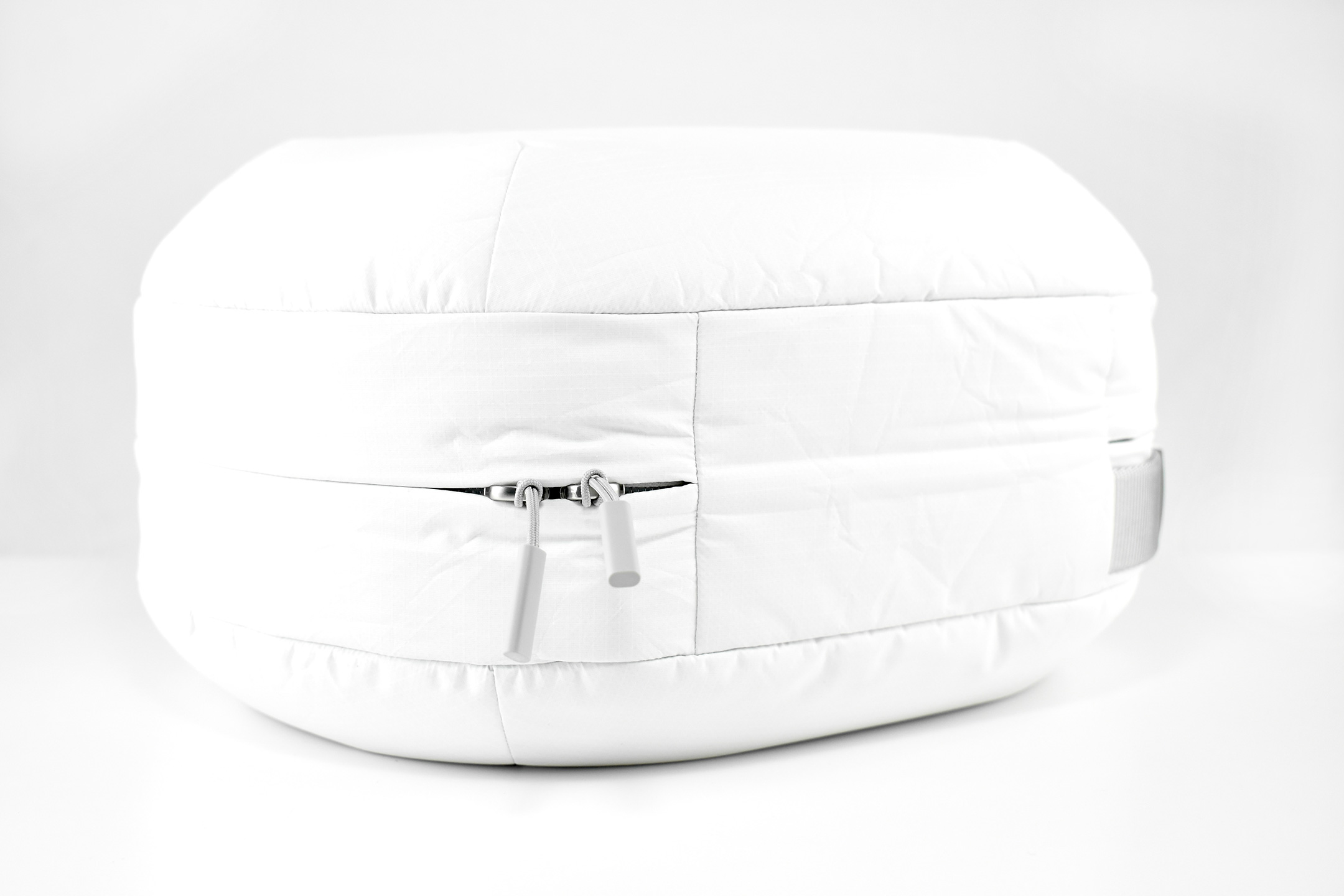
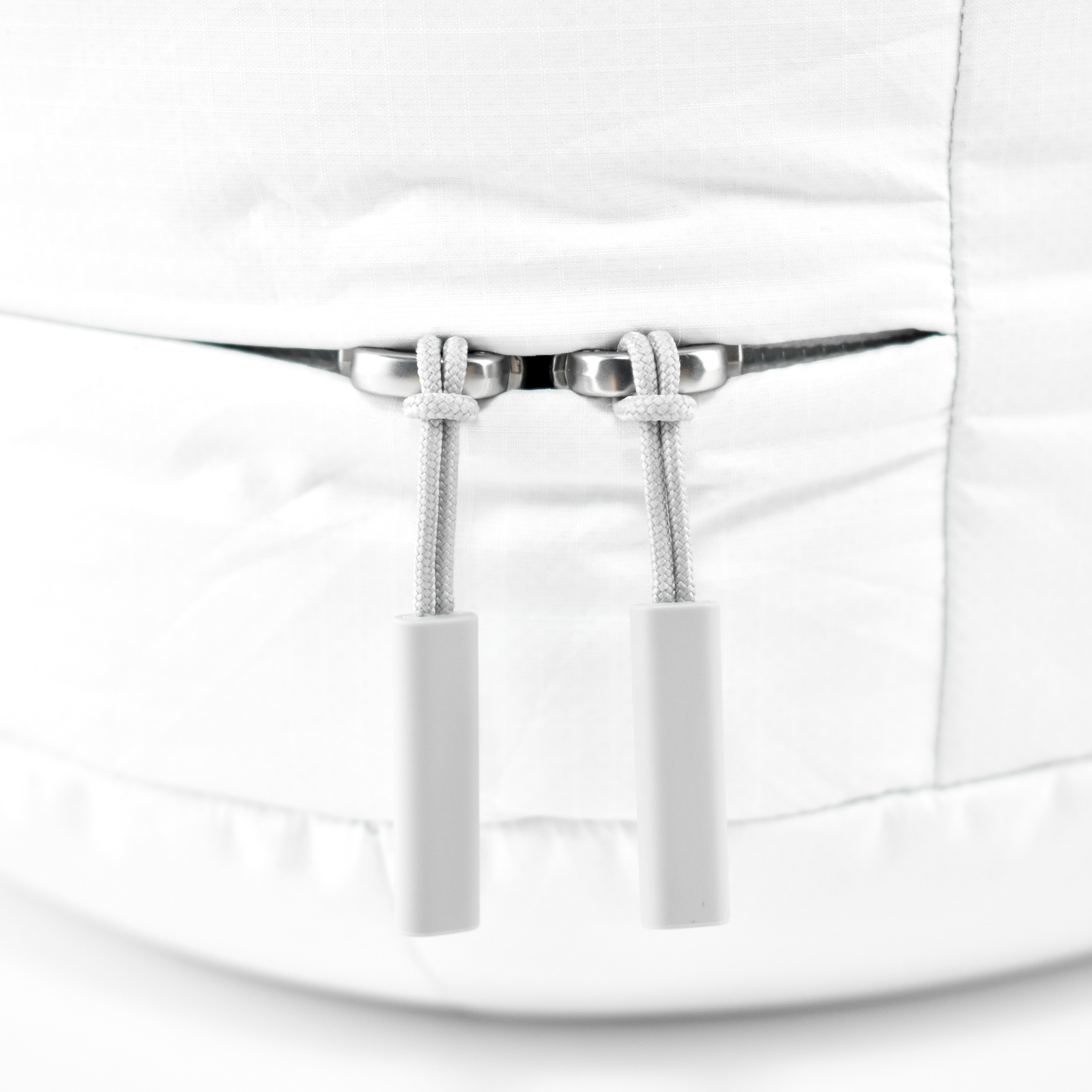
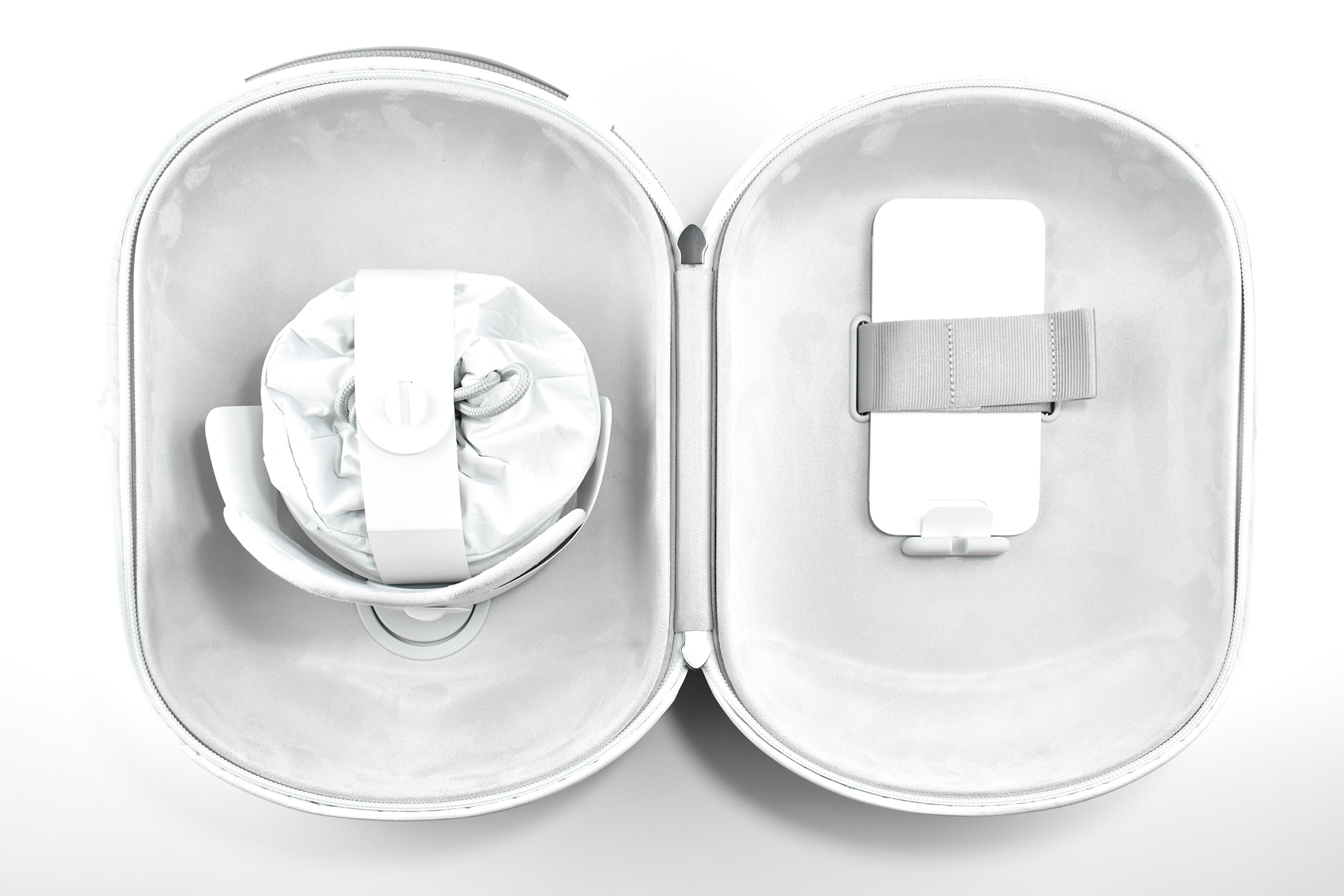
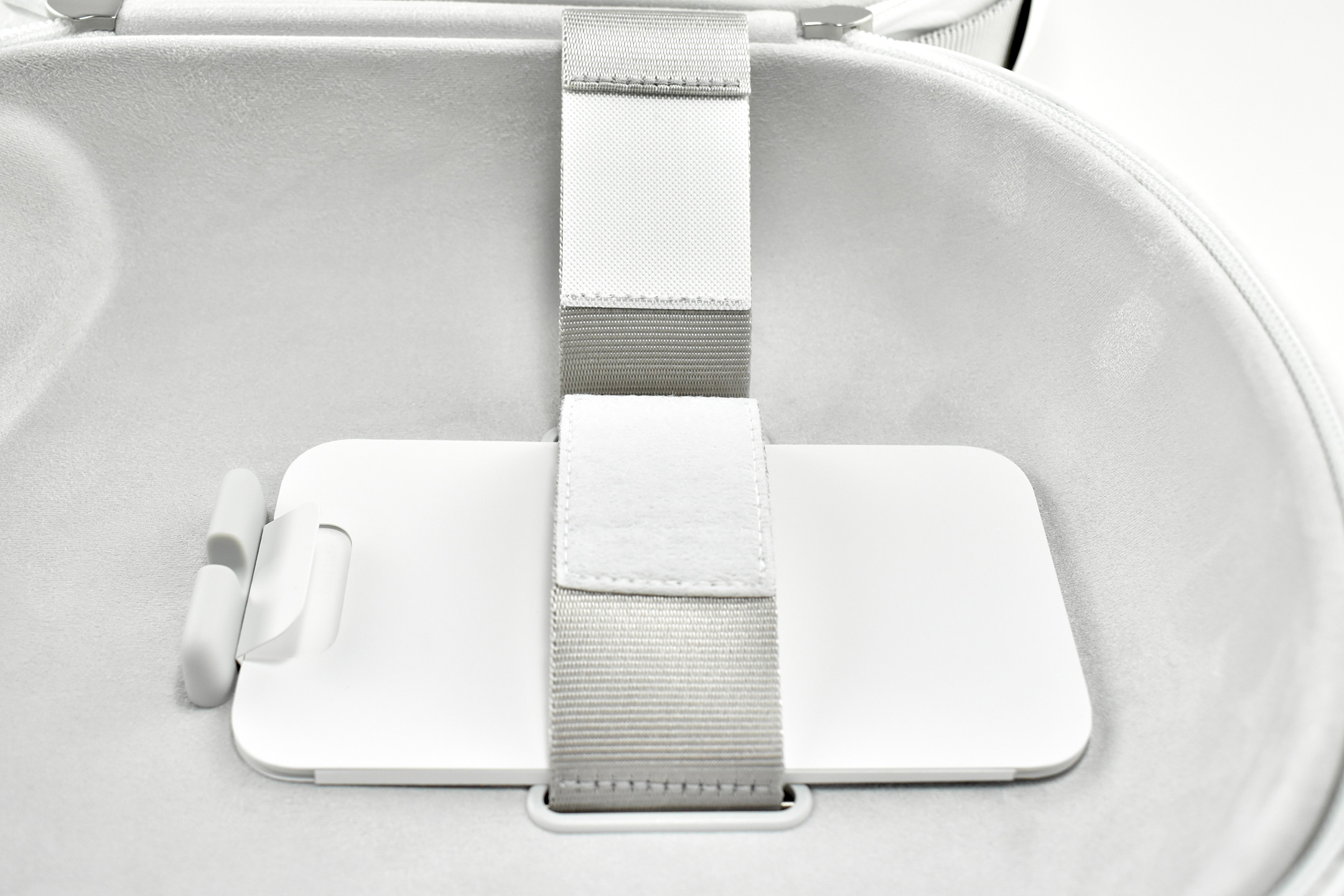
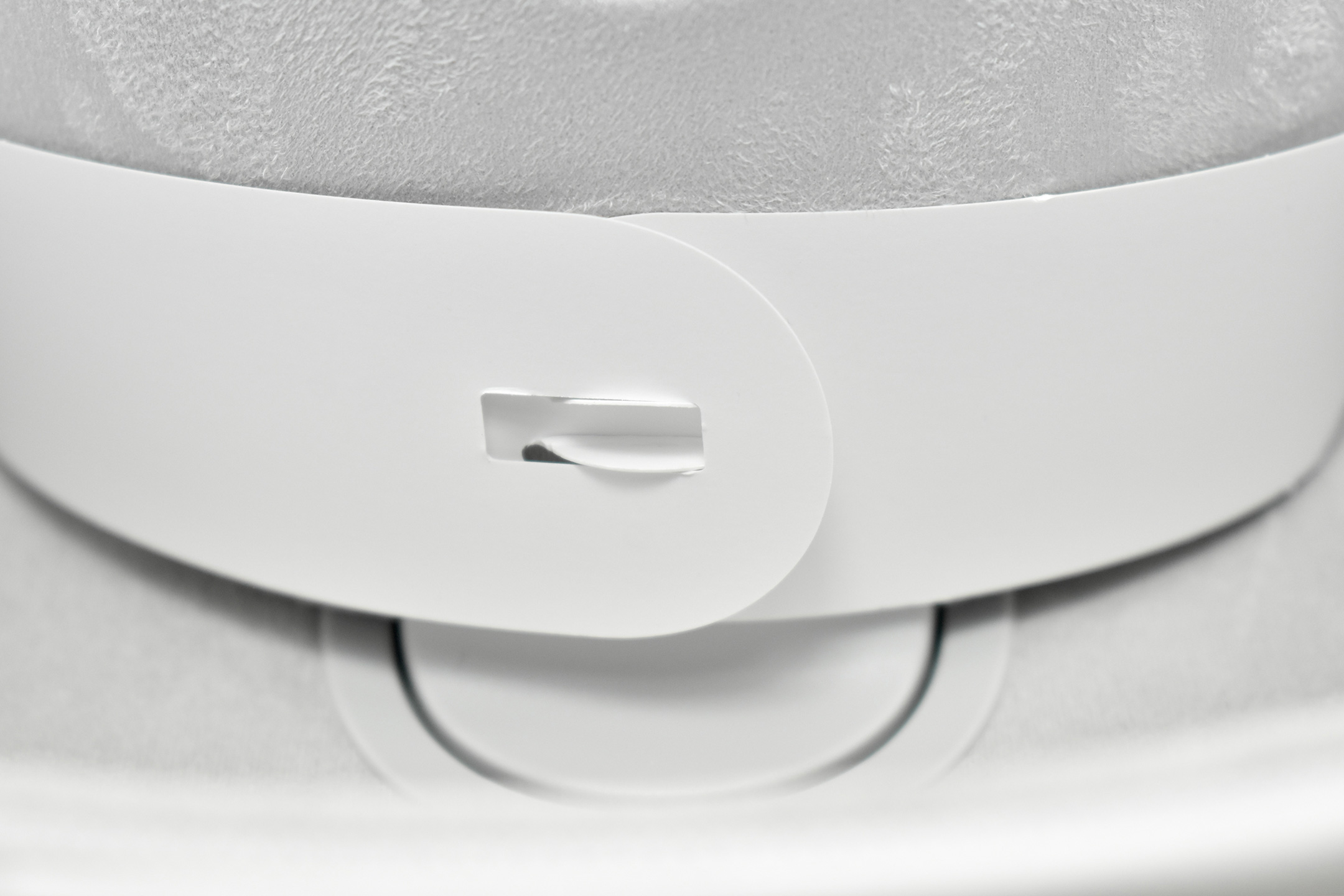
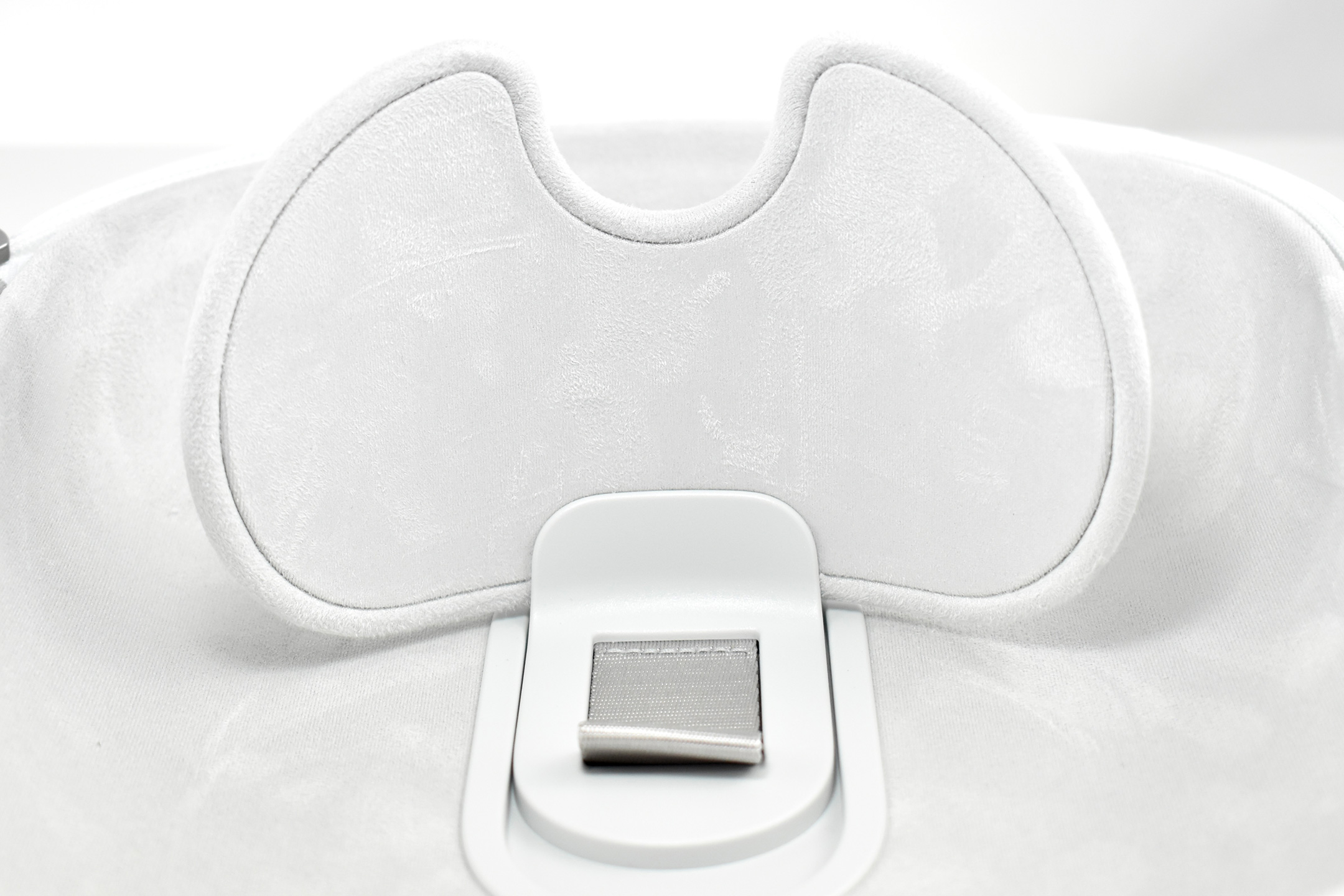
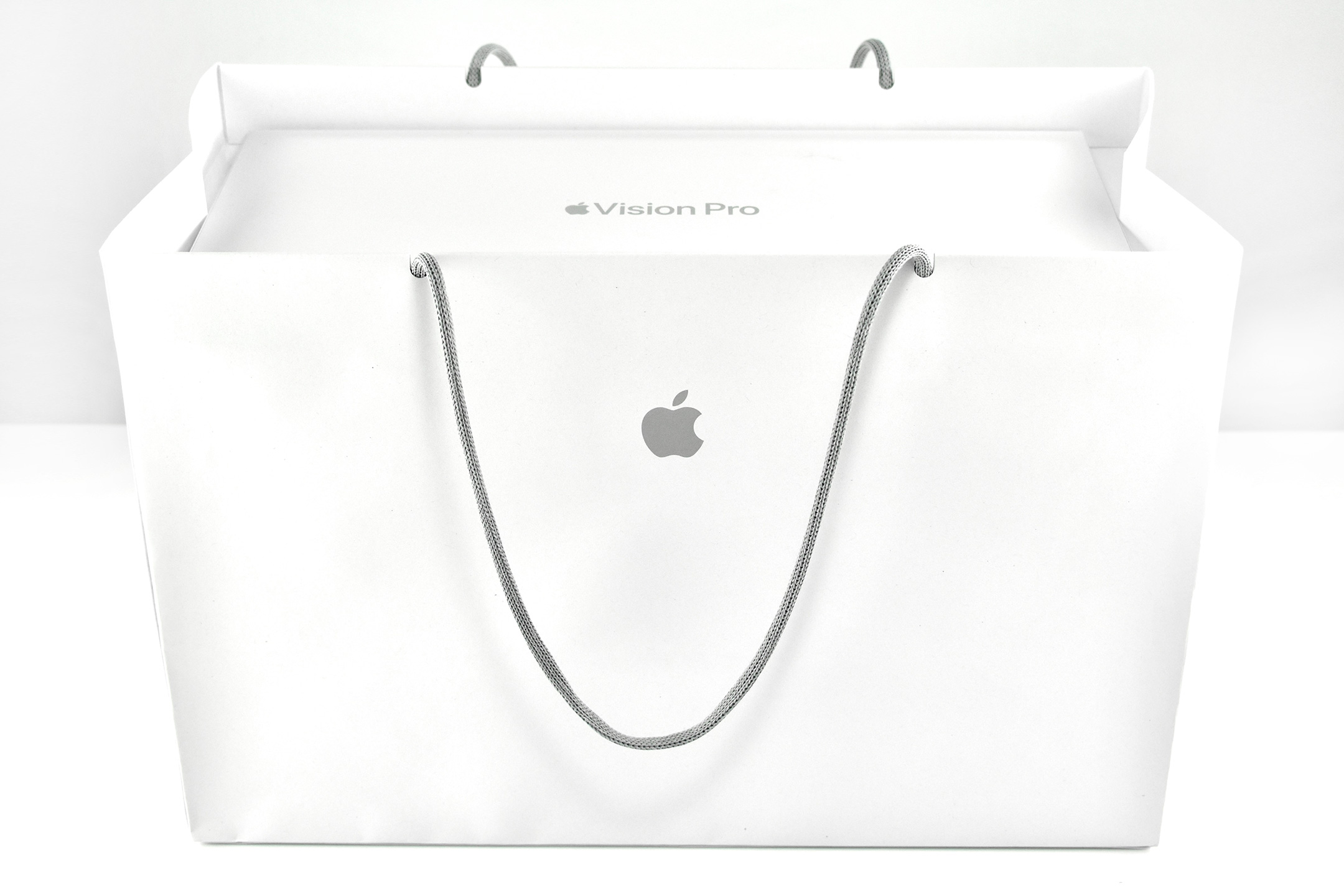
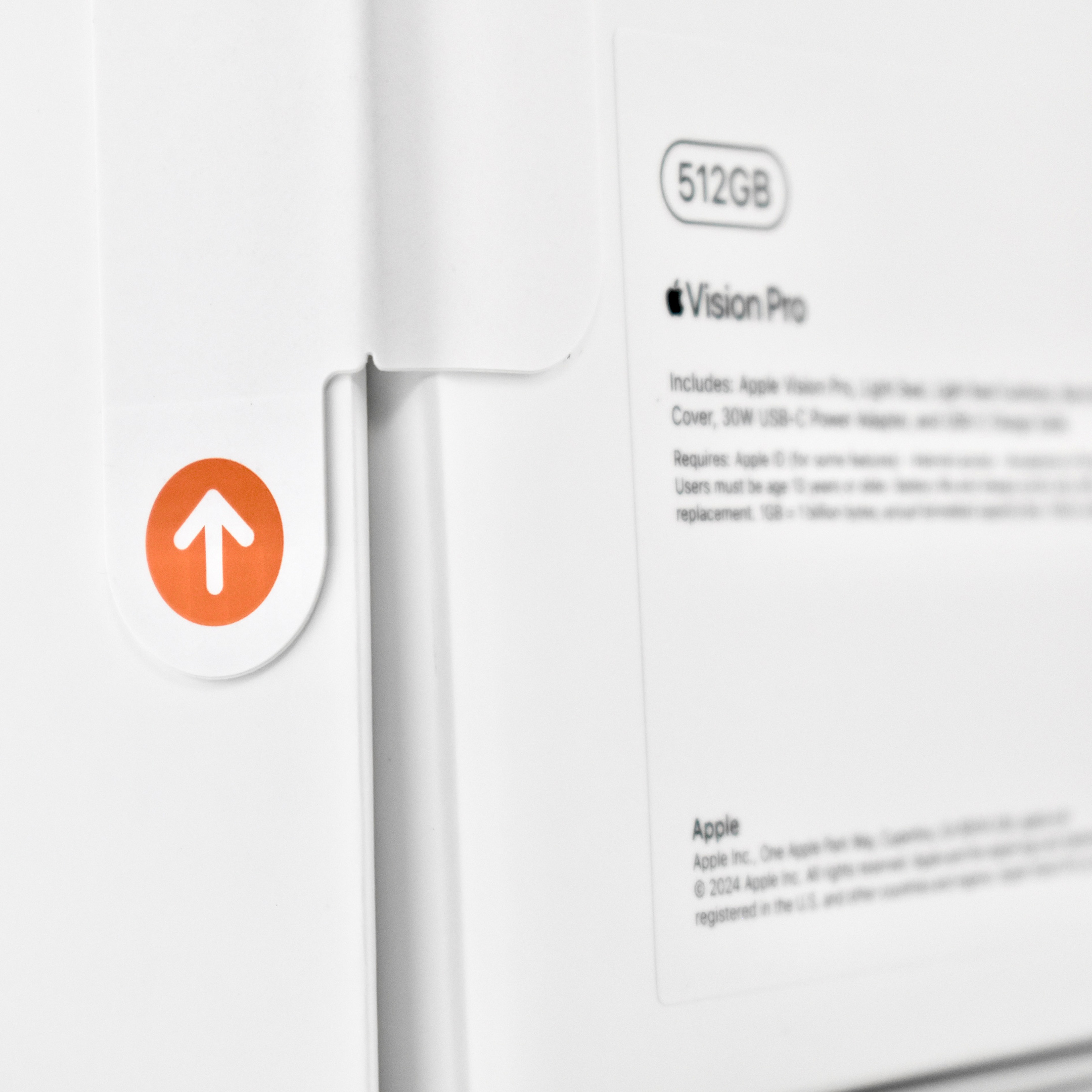
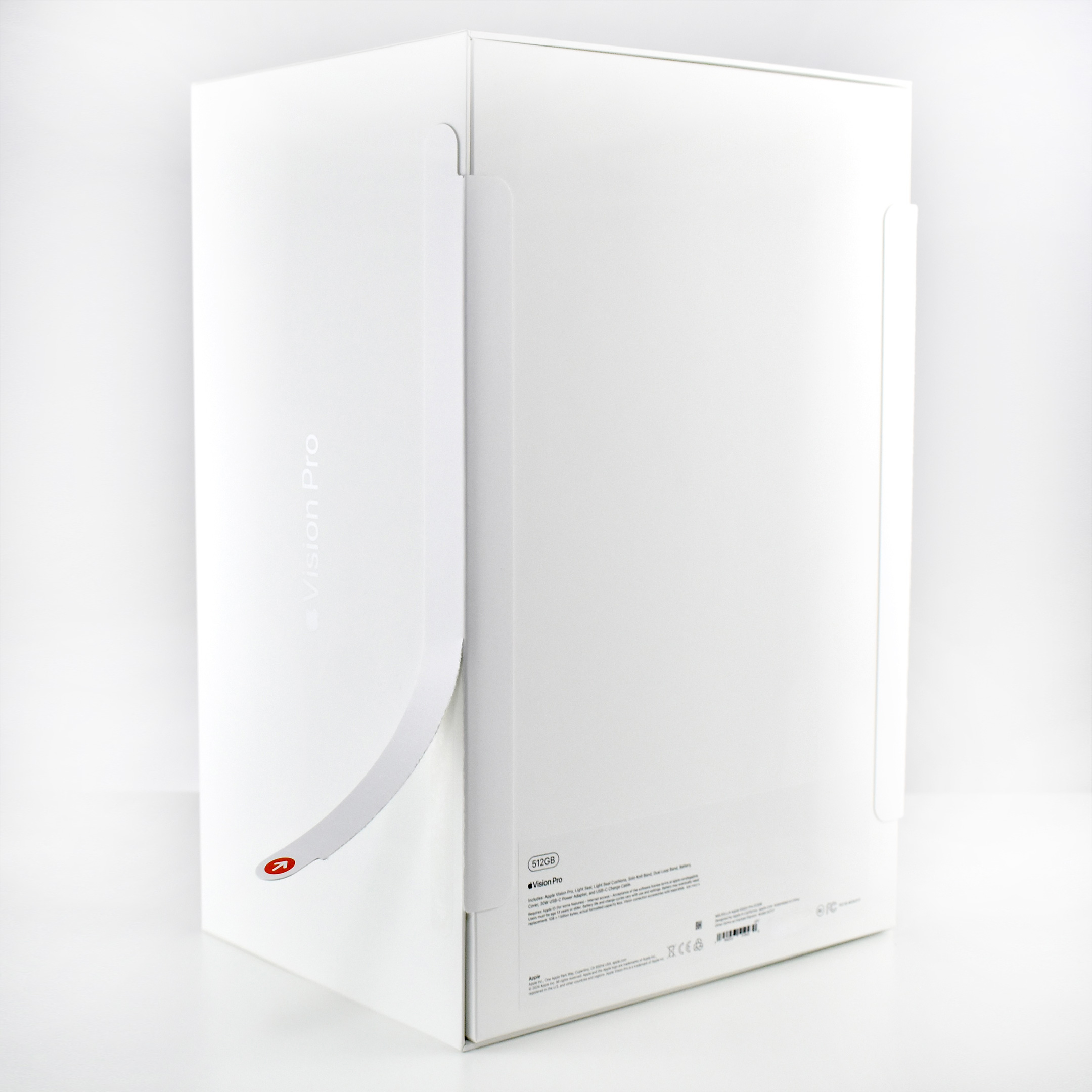
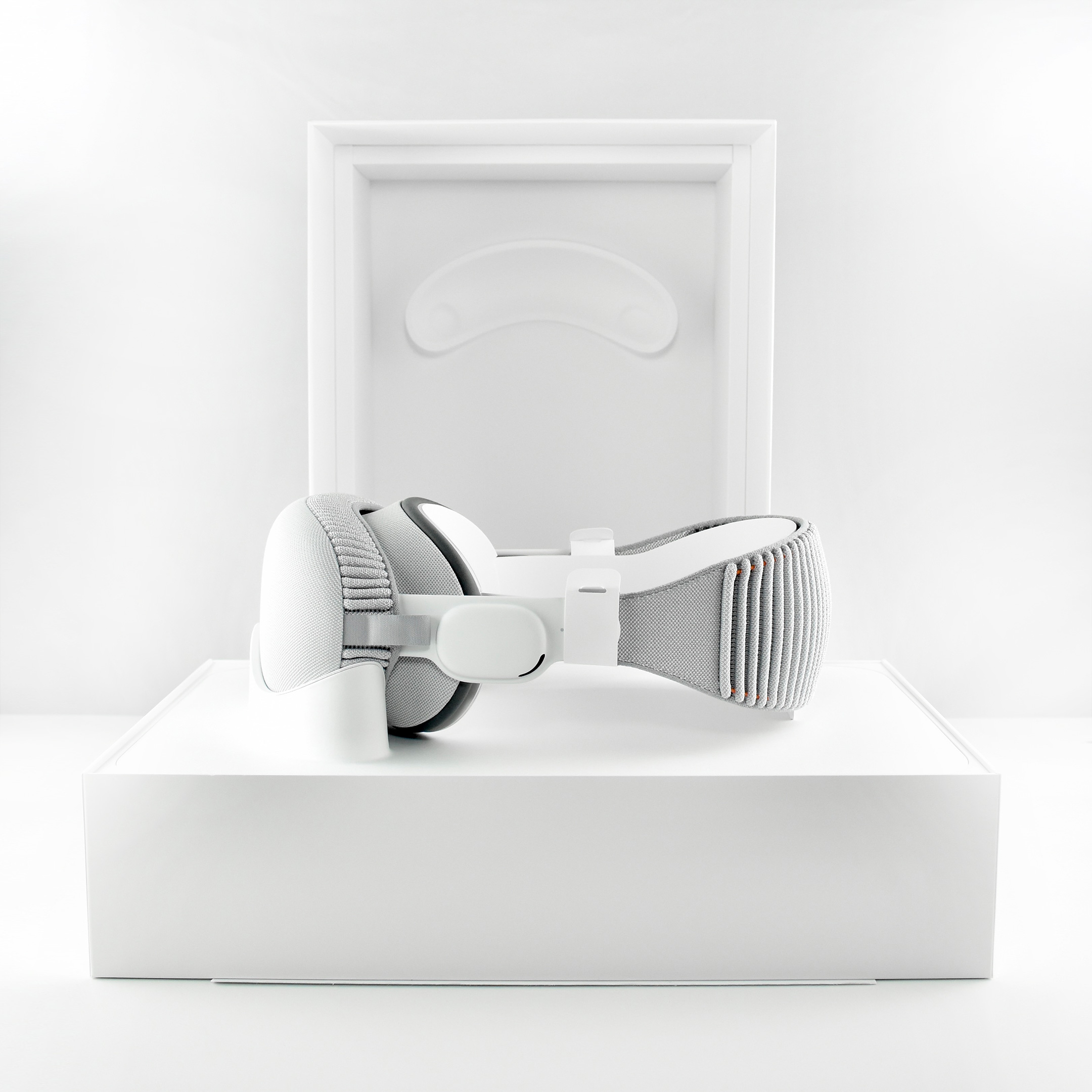
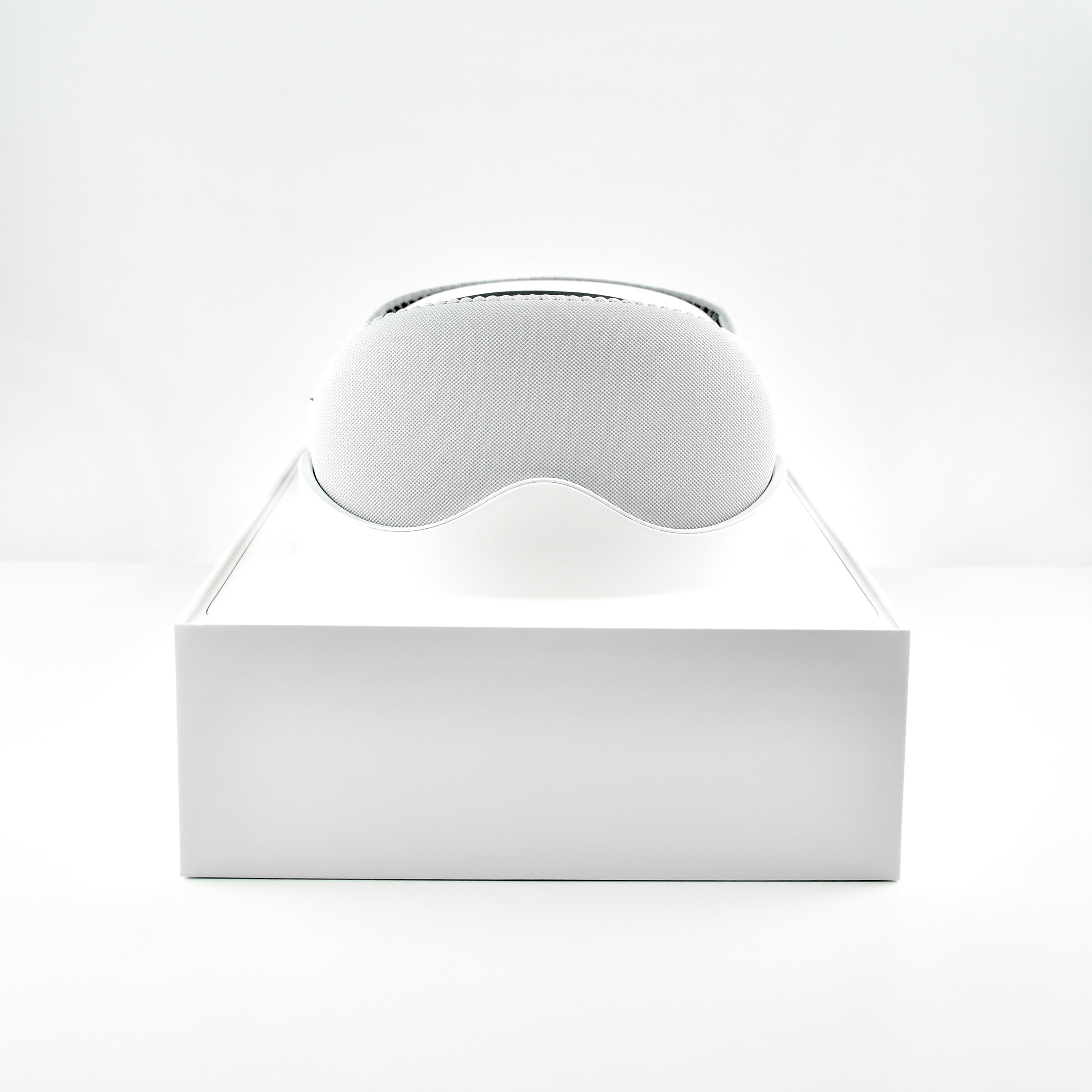
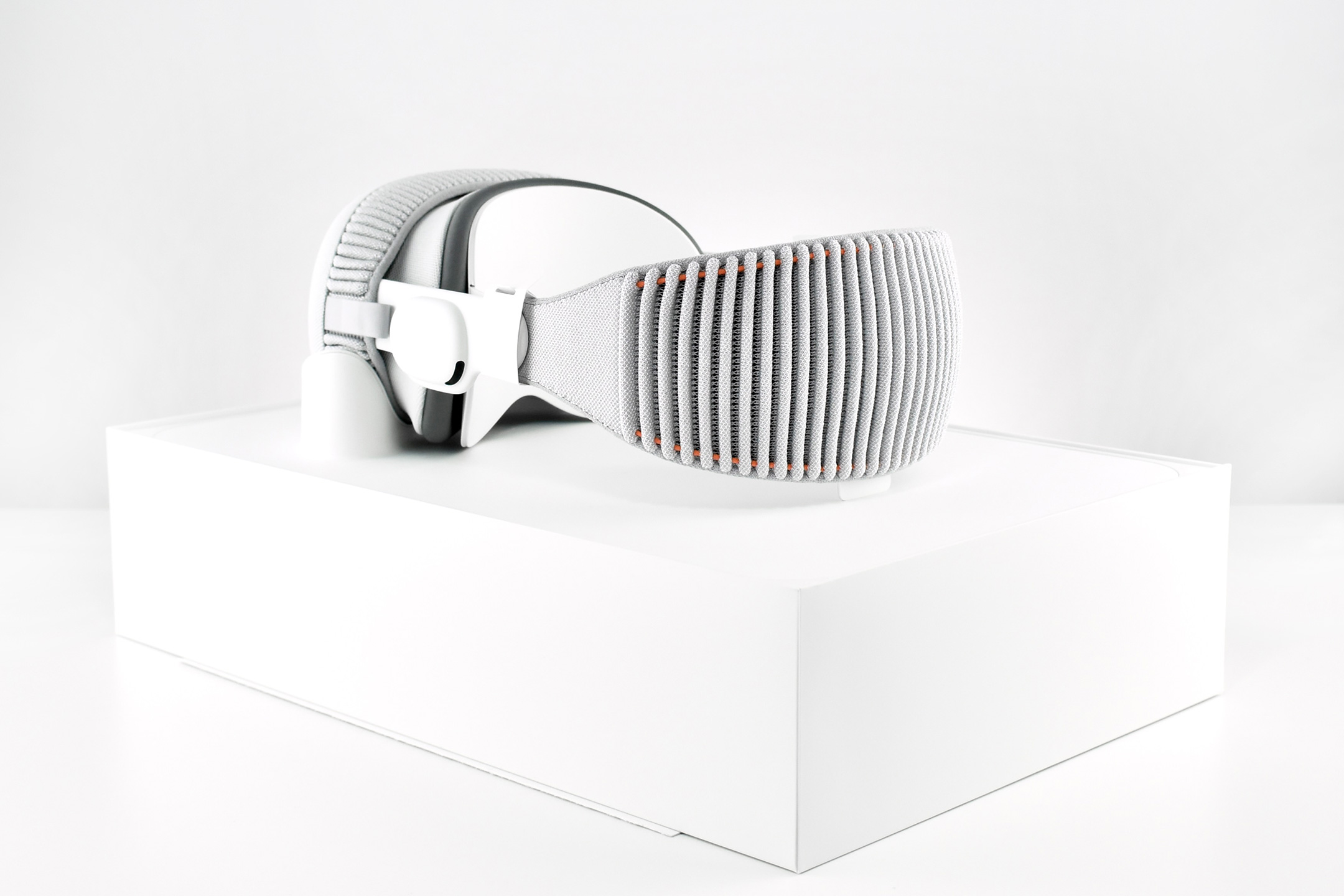
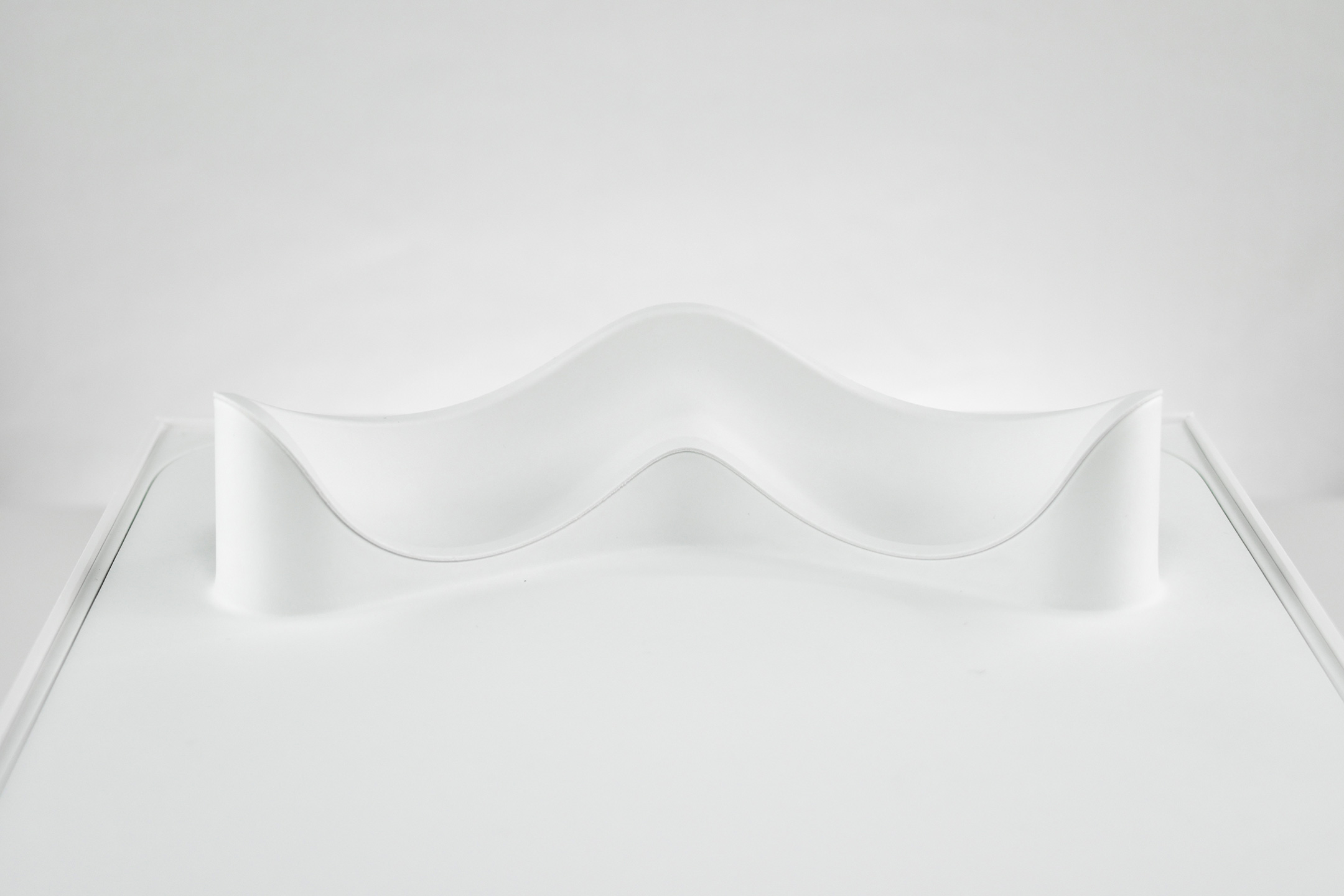
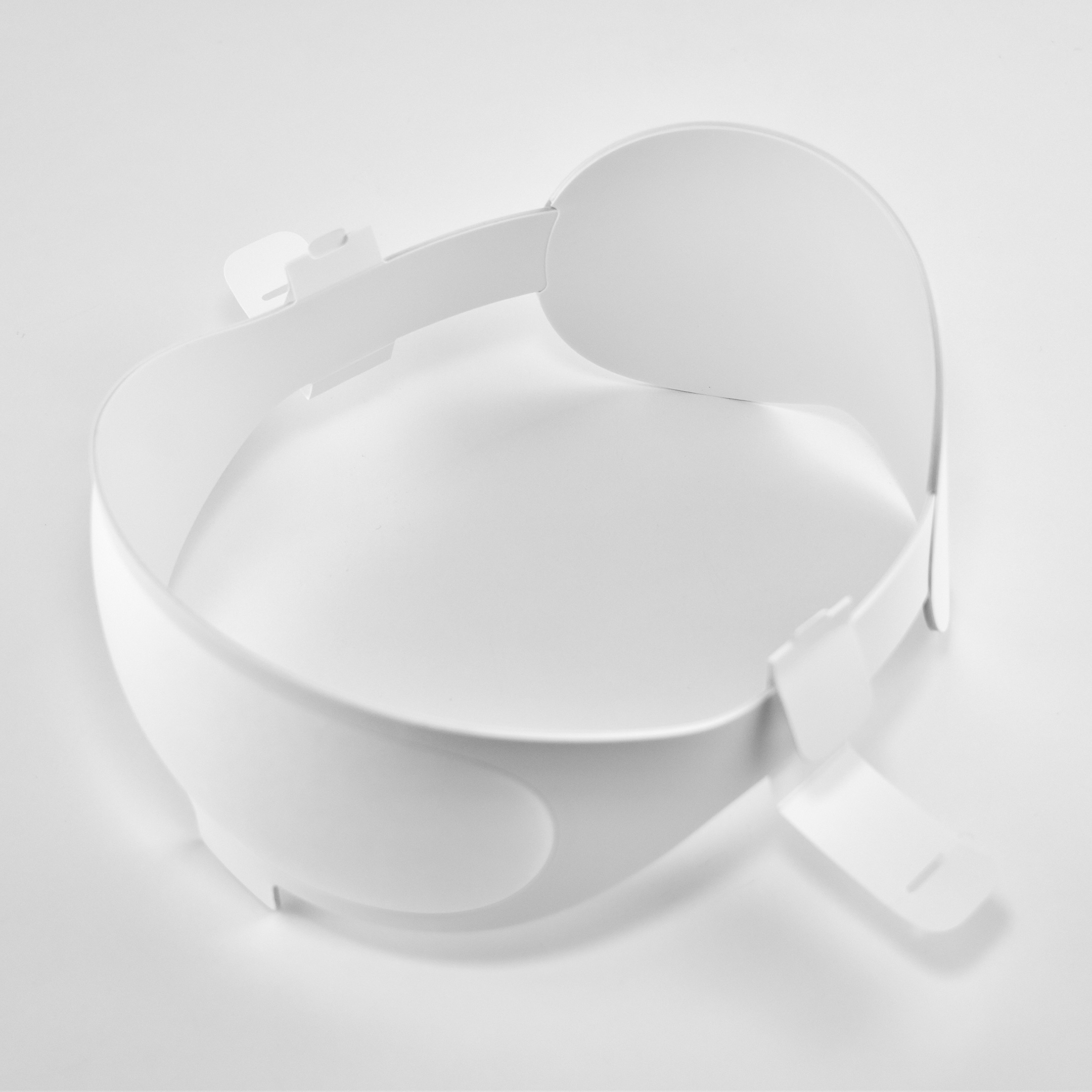
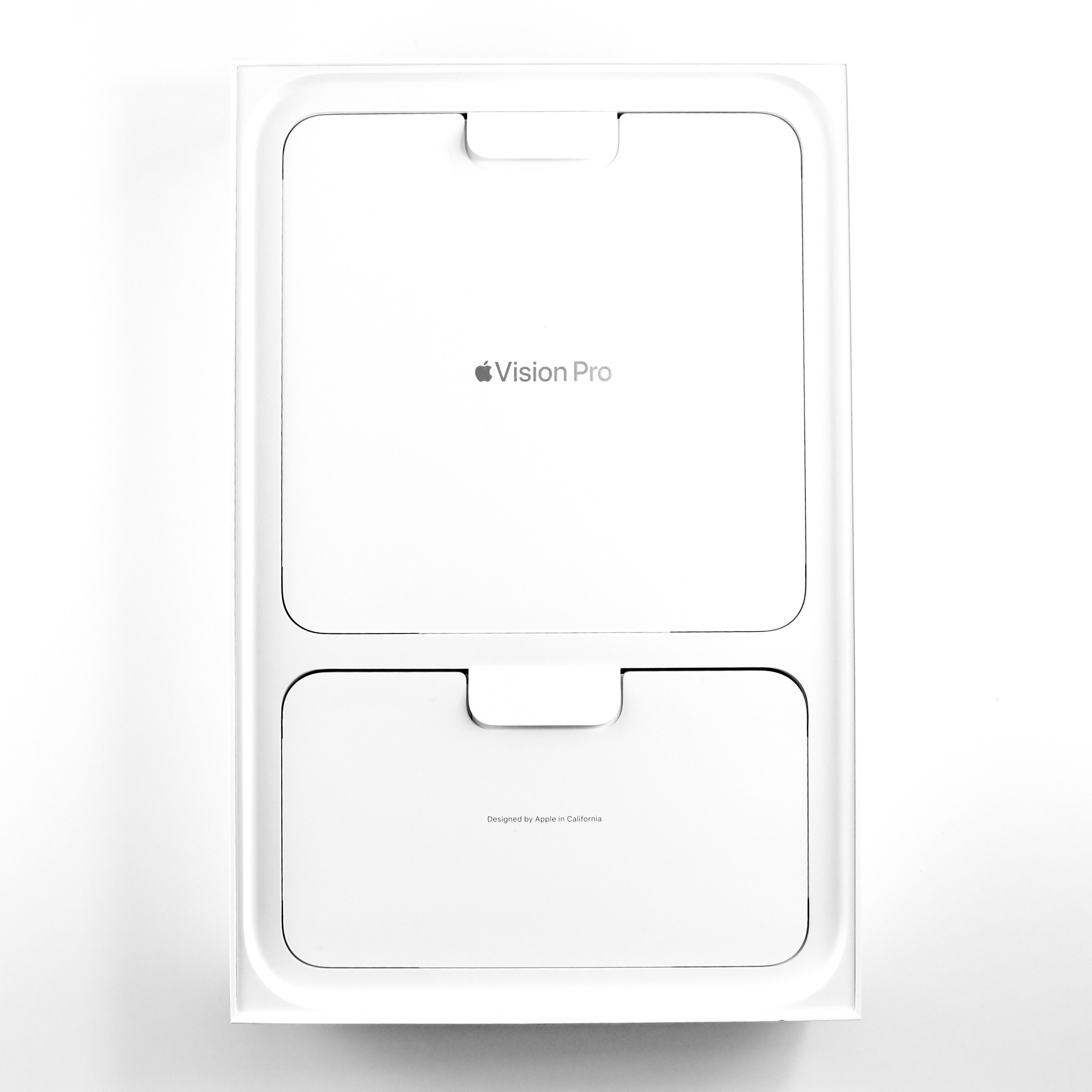
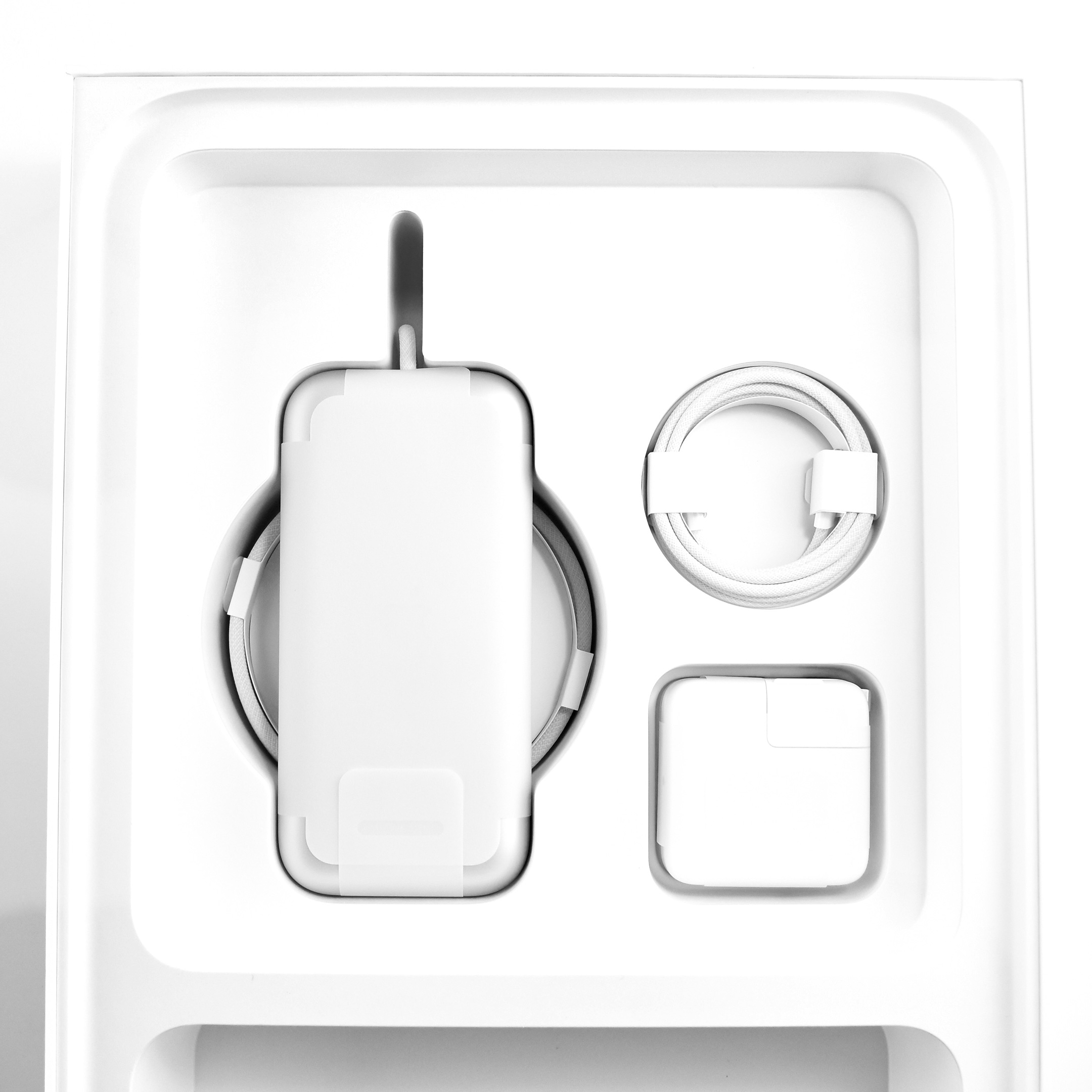
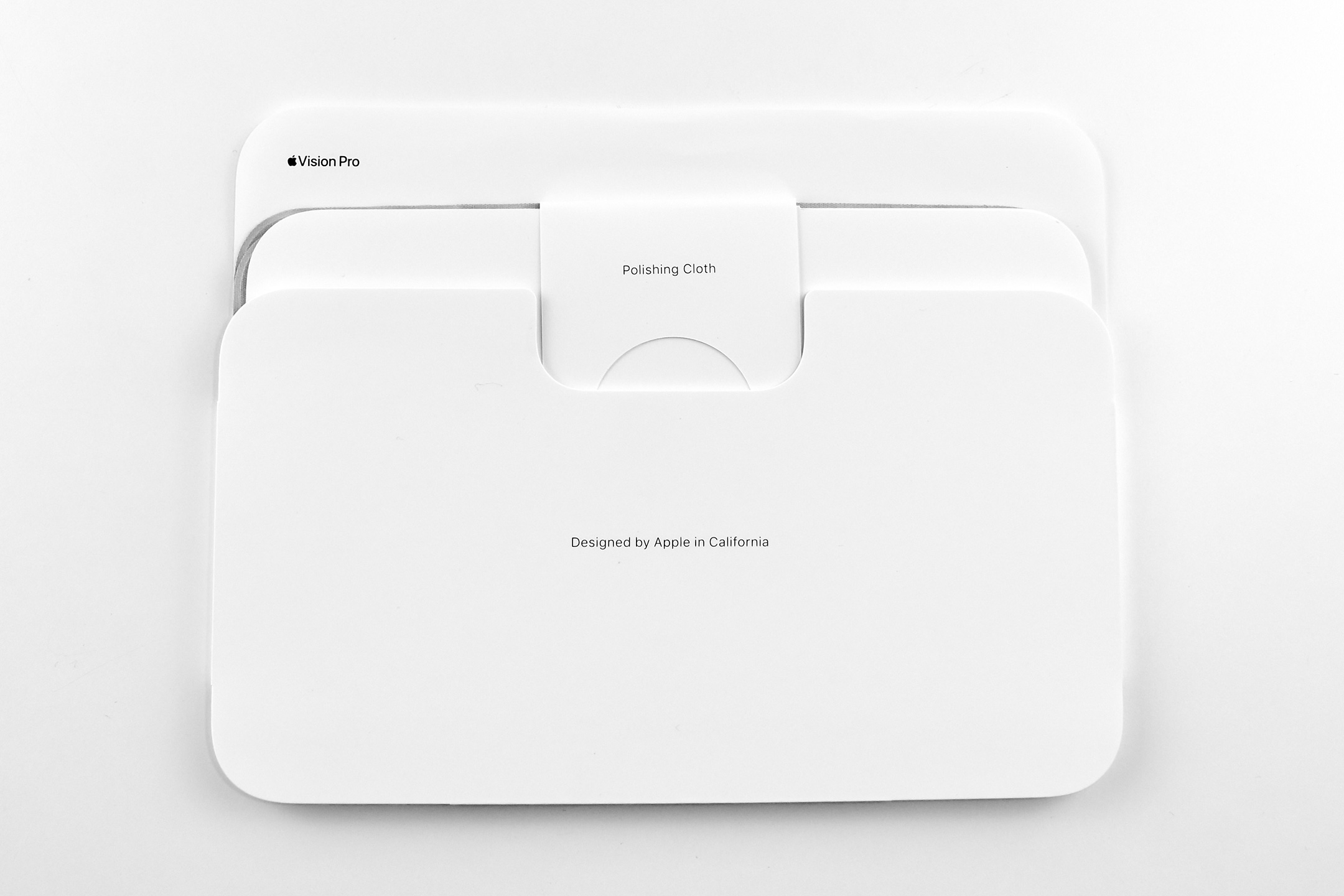
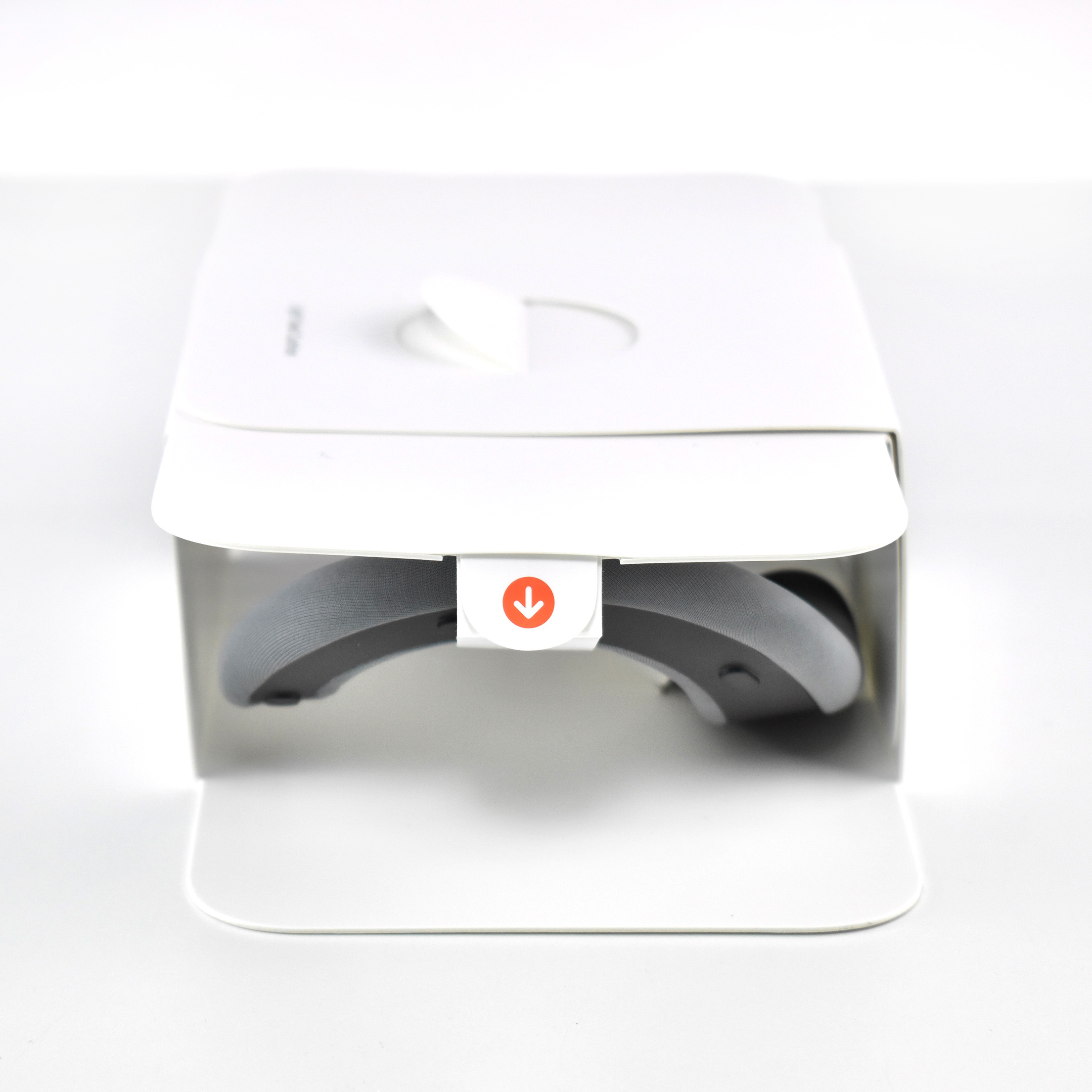
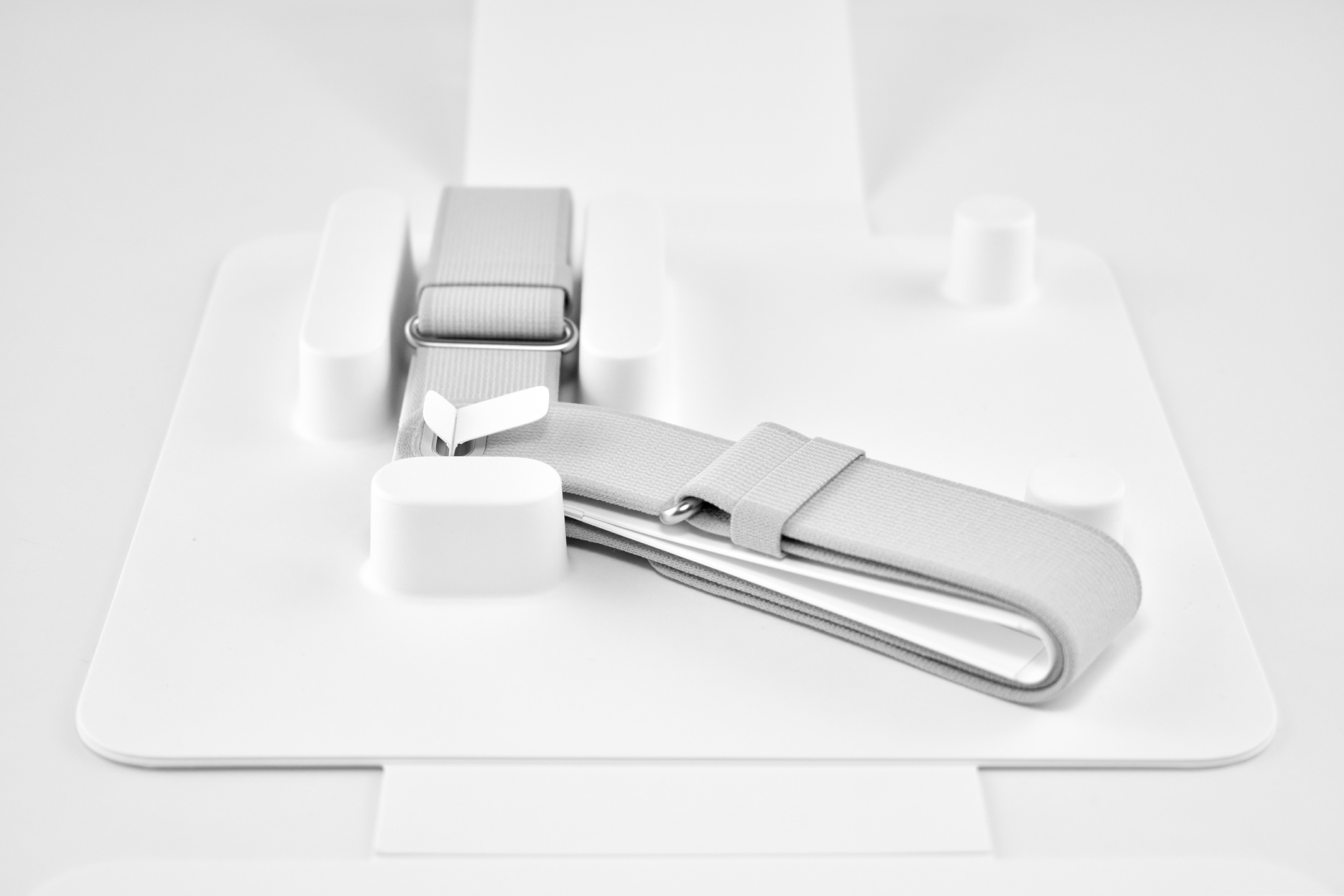
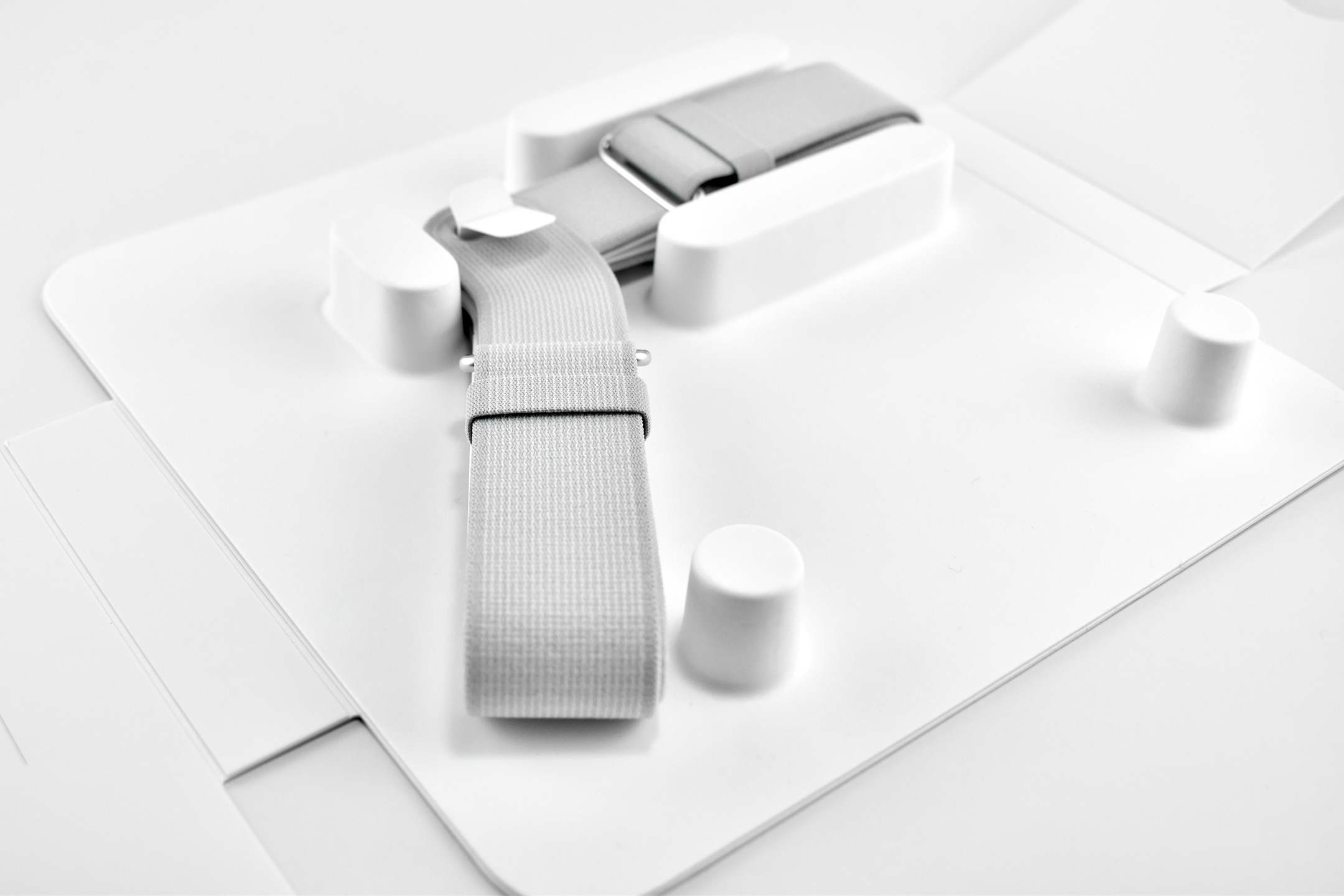
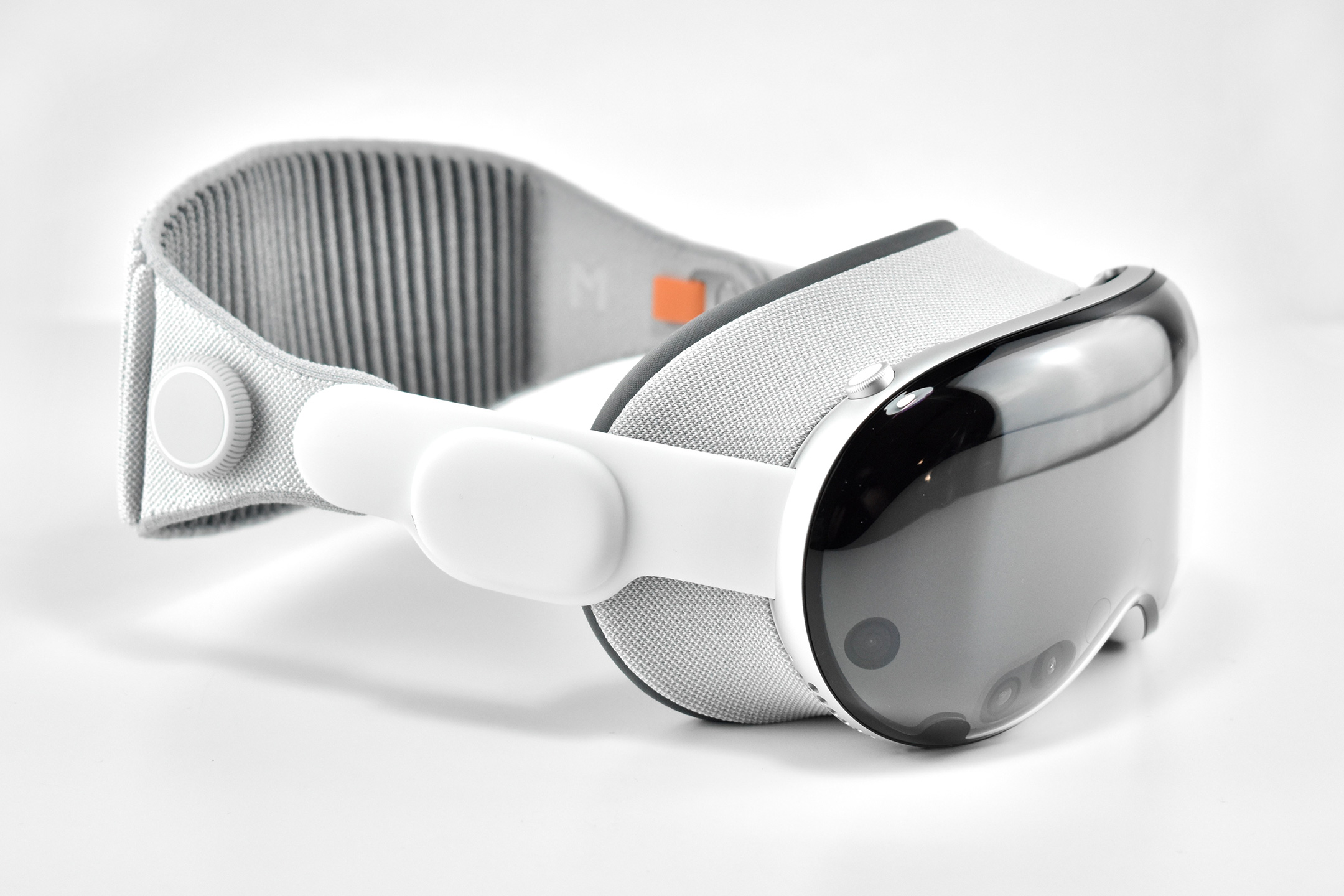
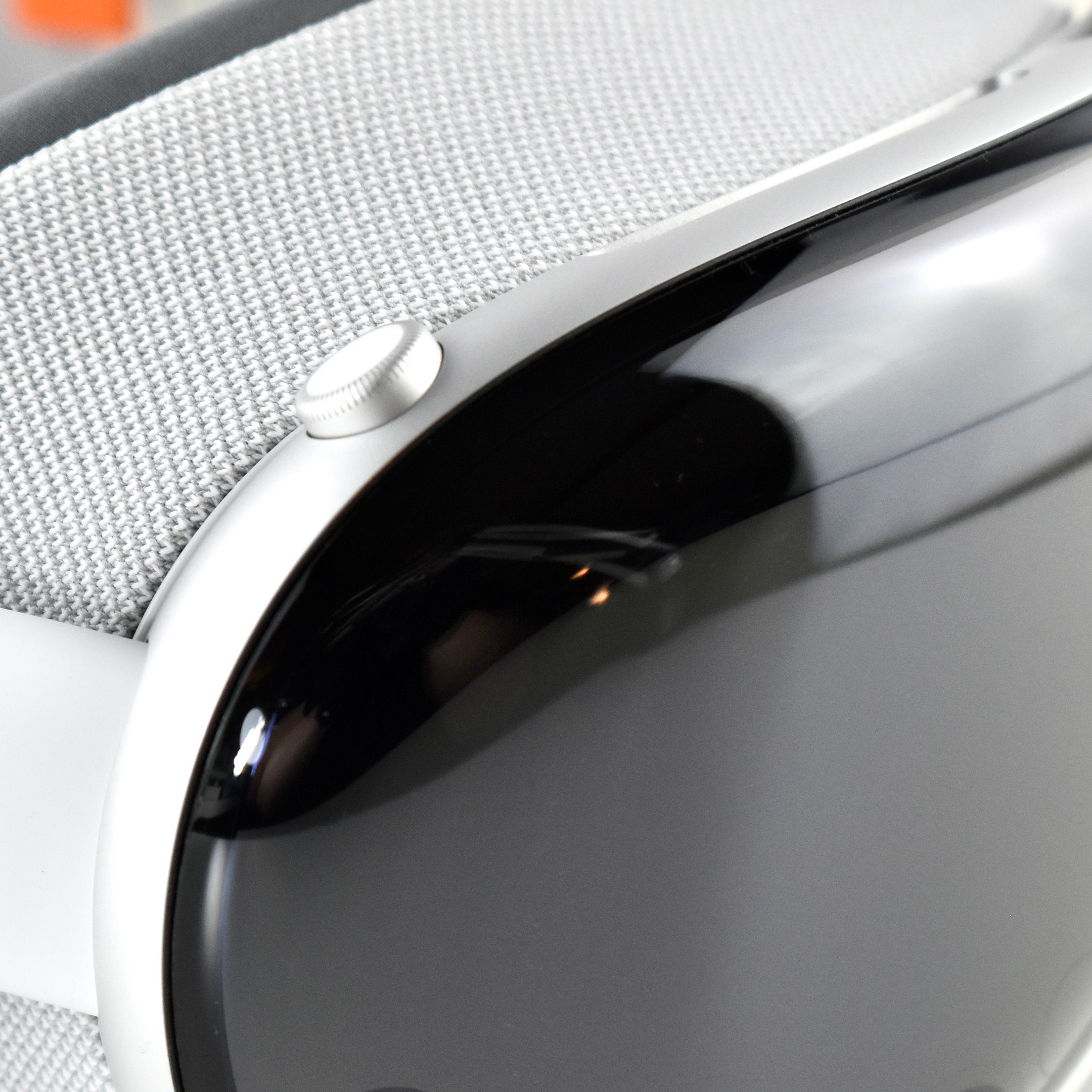
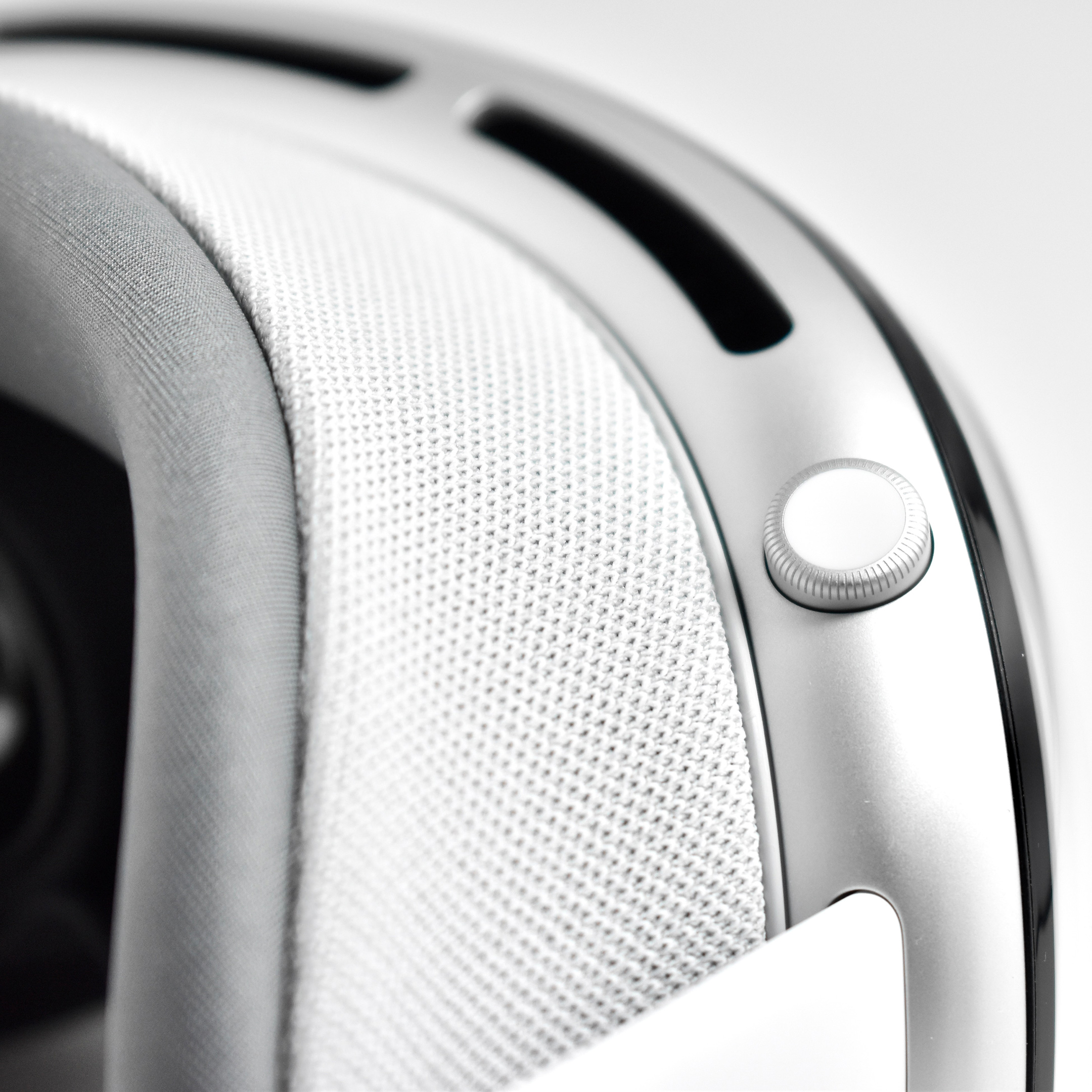
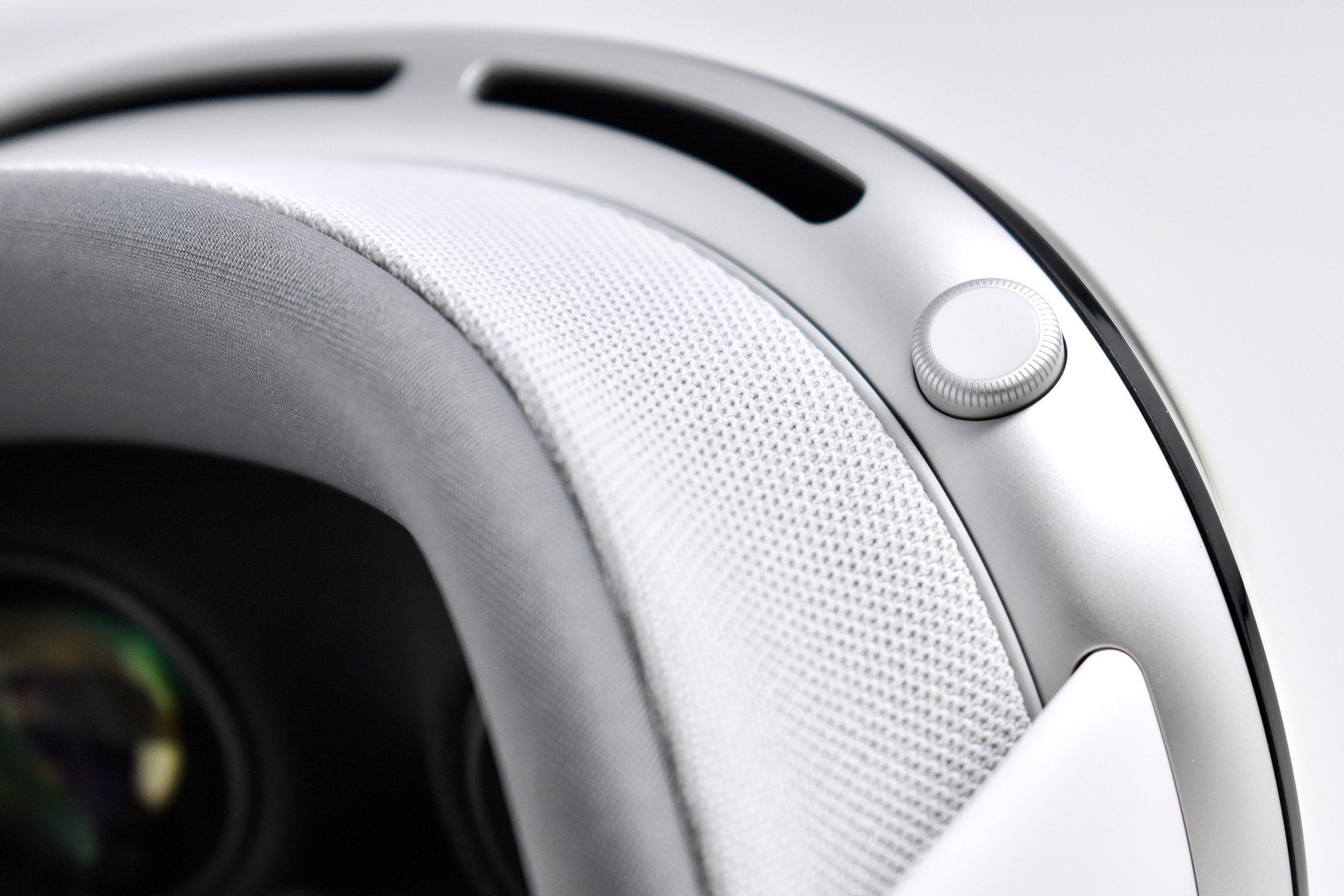
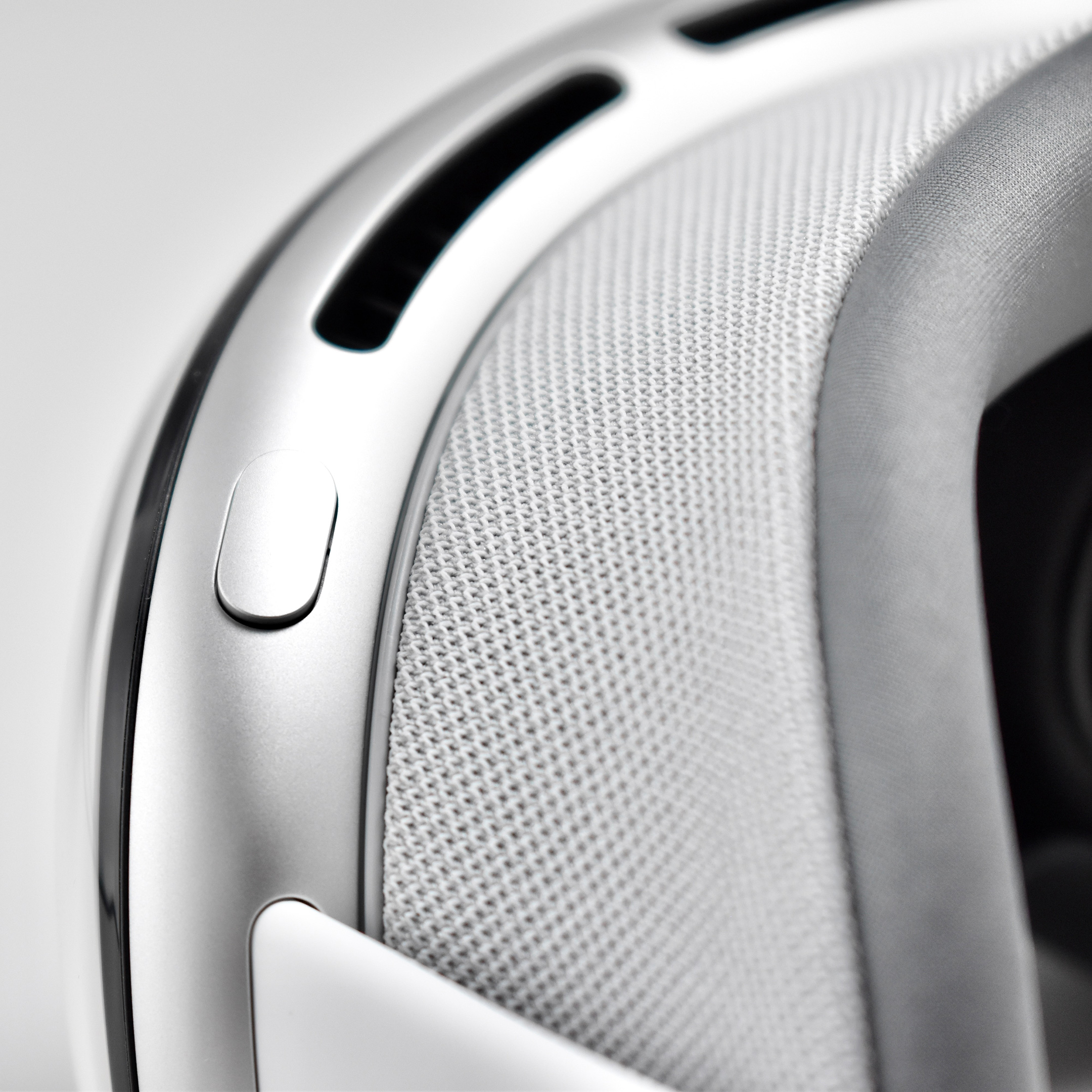
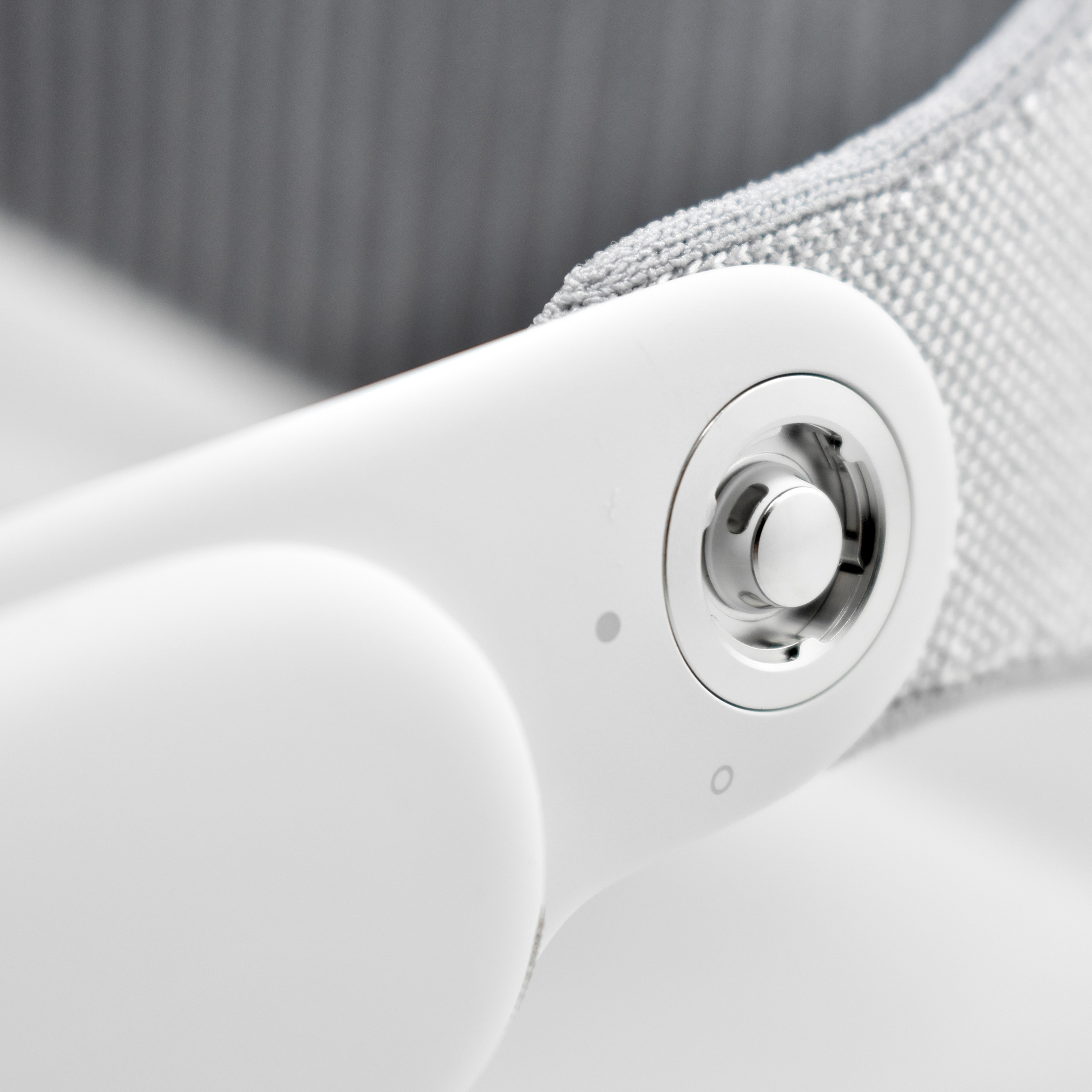
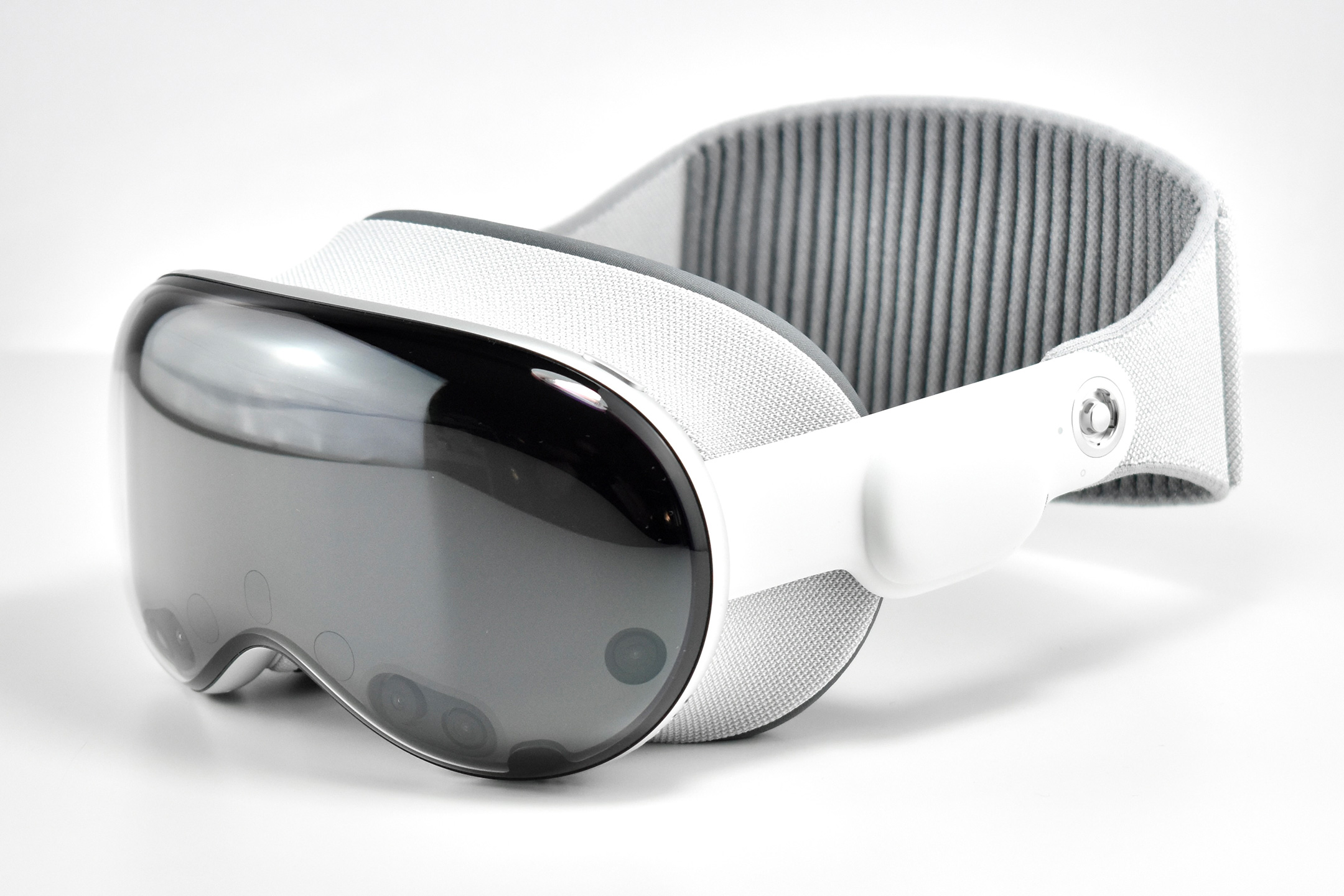
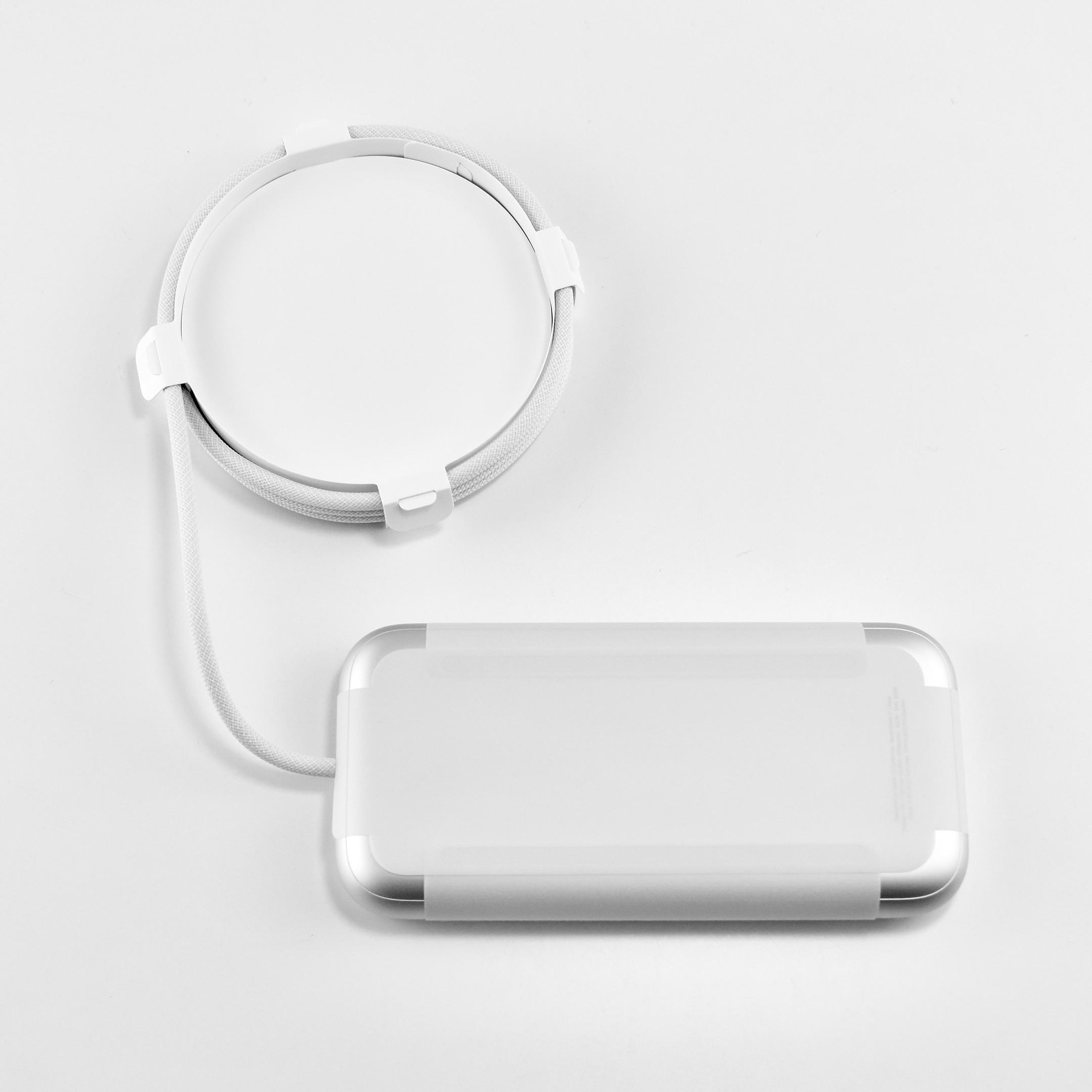
The Apple Vision Pro Travel Case is described by Apple as having “a retractable handle and specially designed compartments for your battery, ZEISS Optical Inserts, Apple Vision Pro Cover, and additional accessories.”
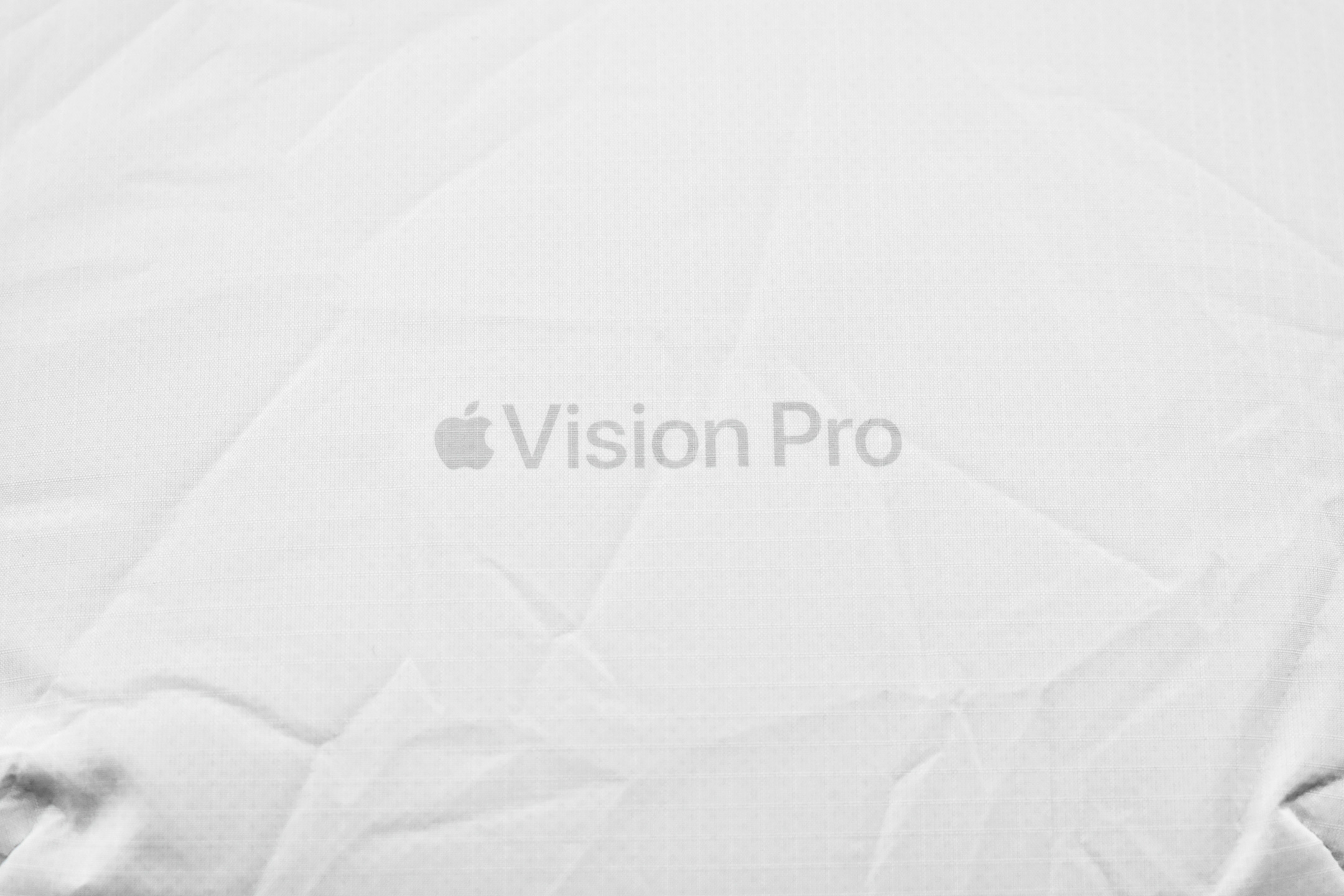
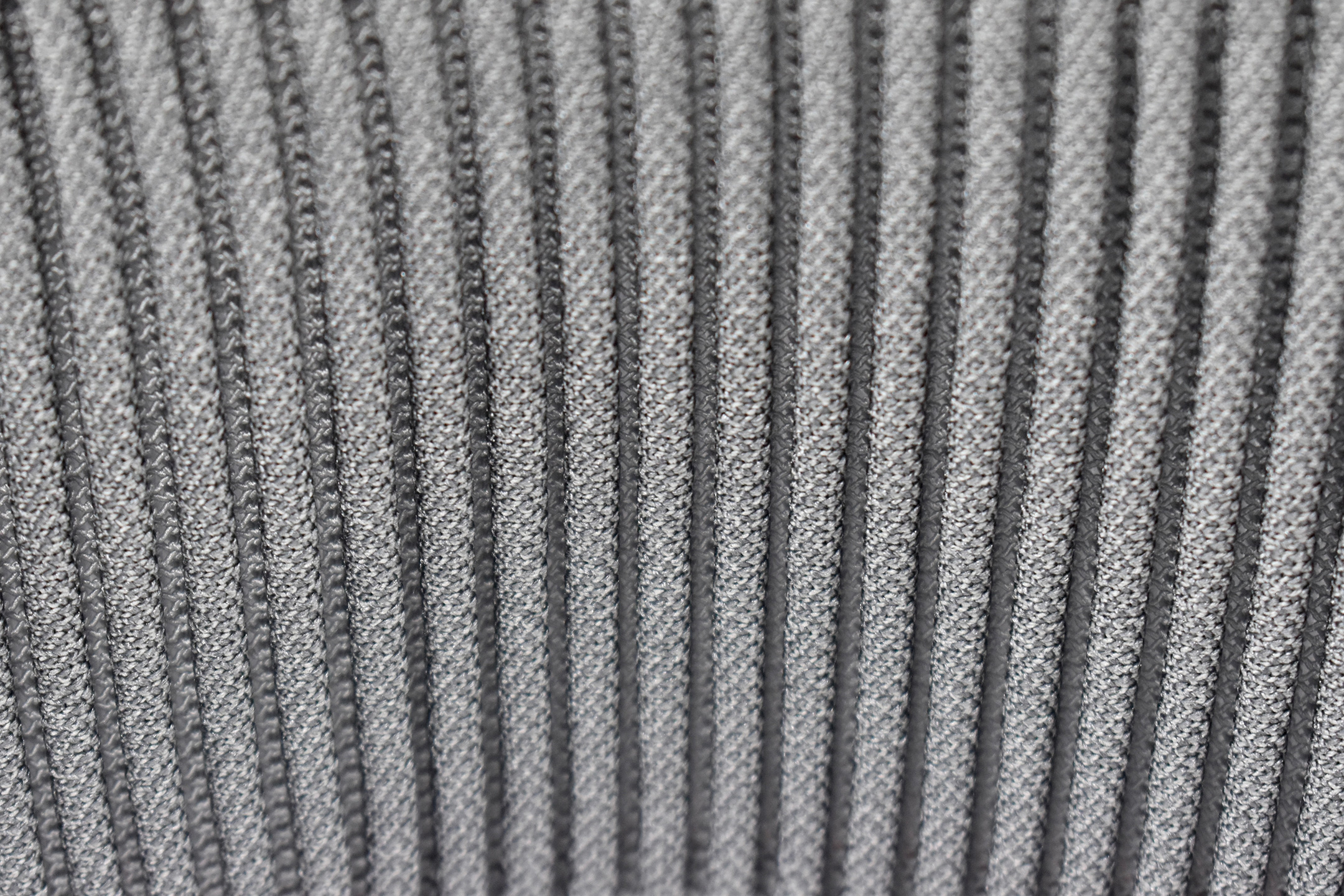
The exterior of the Apple Vision Pro Travel Case uses a material reminiscent of a windbreaker and loosely covers the polycarbonate protective structure. Apple refers to this white covering as “Ripstop,” defined by Wikipedia as “a woven fabric, often made of nylon, using a reinforcing technique that makes it more resistant to tearing and wear.” The case is printed on one side with the words “Apple Vision Pro” in light gray in Apple’s San Francisco font.
The outer retractable handle is light gray and borders the entire upper curve of the case. When not in use, it hugs tightly to the contour of the case.
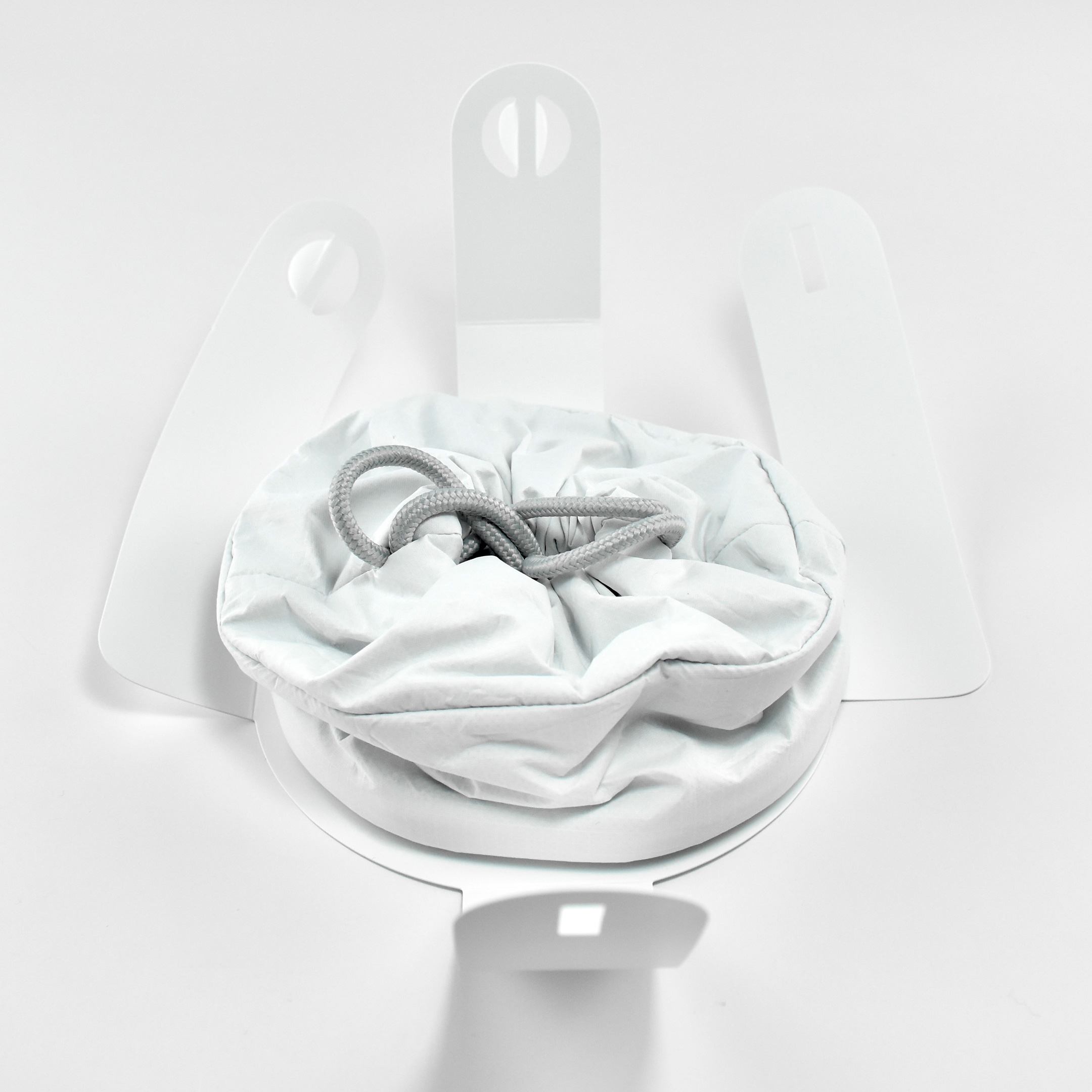
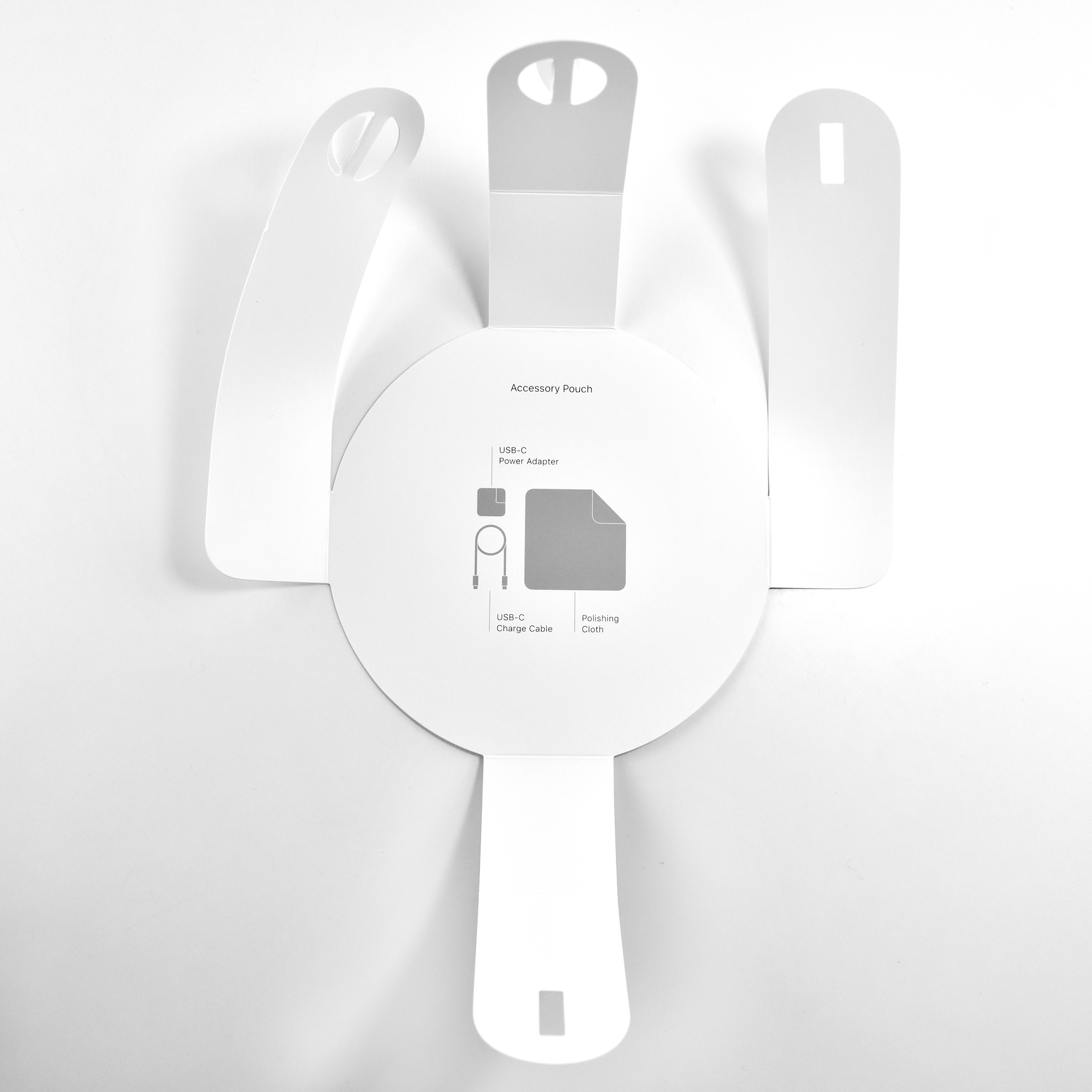
The interior of the Apple Vision Pro Travel Case is lined with microfiber in a color and texture similar to Apple’s infamous polishing cloth. The Apple Vision Pro fits perfectly in the case and includes a velcro strap to securely hold the battery. A white circular drawstring bag fits in the space in the open area between the front of the headset and the headband.
The Apple Vision Pro Travel Case measures 11.69 inches tall, 8.78 inches high, and 6.5 inches deep.
The Verge offered: “The huge case costs an additional $199 and looks like a marshmallow from space. I love it.” I concur wholeheartedly that the case looks like a marshmallow from space, and add that it would pair well with a NASA or SpaceX spacesuit.
Apple described the original Apple Vision Pro as “a revolutionary spatial computer that seamlessly blends digital content with the physical world, while allowing users to stay present and connected to others.” While other companies at the time were producing “Augmented Reality” and “Virtual Reality” headsets and glasses, Apple chose to forego the AR/VR descriptions completely use the term “Spatial Computing.”
Apple did not invent the term or concept of spatial computing. The term “Spatial Computing” in the context used by Apple Vision Pro is attributed to MIT researcher Simon Greenwold and is the title of a paper he wrote on 2003. Greenwold’s paper defined the term as “human interaction with a machine in which the machine retains and manipulates referents to real objects and spaces.” He added, “Ideally, these real objects and spaces have prior significance to the user.”
Apple does, however, claim that they created the world’s first spatial operating system, visionOS. Apple Vision Pro works with visionOS to allow “users interact with digital content in a way that feels like it is physically present in their space.” A FastCompany article explains the differences among AR, VR, and spatial computing by noting that the Vision Pro has:
“12 cameras and five sensors that help the device know everything from the level of light in a physical space to where objects are in relation to each other, to where your eyes are looking, and how your hands move… In spatial computing, you can interact with those virtual objects by simply using your hands in the physical space in front of you.”
By contrast, in virtual reality “you are completely immersed in a virtual world and can see none of the real world around you,” while augmented reality “displays virtual elements on top of the real world.” The three terms are related because spatial computing uses elements from both AR and VR.
Apple described the “breakthrough design” of the Vision Pro as featuring “an ultra-high-resolution display system that packs 23 million pixels across two displays, and custom Apple silicon in a unique dual-chip design to ensure every experience feels like it’s taking place in front of the user’s eyes in real time.” Mike Rockwell, Apple’s Vice President of the Technology Development Group said that “through a tight integration of hardware and software, we designed a standalone spatial computer in a compact wearable form factor that is the most advanced personal electronics device ever.”
The Apple Vision Pro “can transform any space into a personal movie theater with a screen that feels 100 feet wide.” Internally, the seamless display is accomplished by delivering “more pixels than a 4K display” to each eye.
To add to the visual realism, a new Spatial Audio system is also part of the Apple Vision Pro that Apple called “audio pods.” Apple describes the sound system:
“Dual-driver audio pods positioned next to each ear deliver personalized sound while letting you hear what’s around you. Spatial Audio makes sounds feel like they’re coming from your surroundings. Audio ray tracing analyzes your room’s acoustic properties to adapt and match sound to your space.” I have observed that first-time Vision Pro users are often surprised by the audio experience delivered by the audio pods and ask if others around them can hear the audio. (Others in the room can faintly hear the audio at a low volume level, even if the Vision Pro user has the volume at maximum.)
The Apple Vision Pro is also packed with cameras and sensors that all work together to deliver the overall experience, including:
2 high‑resolution main cameras
6 world‑facing tracking cameras
4 internal eye‑tracking cameras
TrueDepth camera
LiDAR Scanner
4 inertial measurement units (IMUs)
Flicker sensor
Ambient light sensor
Apple described the sensor functionality: “high-resolution cameras transmit over one billion pixels per second to the displays so you can see the world around you clearly. The system also helps deliver precise head and hand tracking and real‑time 3D mapping, all while understanding your hand gestures from a wide range of positions.” Similar to an augmented reality experience, Vision Pro users see the world through live “passthrough” video, and not through a transparent lens.
The original Apple Vision Pro was powered by two chips. Apple’s M2 chip provided an 8‑core CPU with 4 performance cores and 4 efficiency cores, a 10‑core GPU, a 16‑core Neural Engine, and 16 GB unified memory. The Apple R1 chip allowed 12‑millisecond photon‑to‑photon latency using 256 GB/s memory bandwidth.
In addition to the sensor cameras, the Apple Vision Pro could capture Spatial photos and video using the company’s first stereoscopic 3D main camera system. The 18 mm cameras used a ƒ/2.00 aperture and could capture 6.5 stereo megapixels. Upon release of the Apple Vision Pro, the iPhone 15 Pro, iPhone 15 Pro Max, and all iPhone 16 models could capture Spatial video using two cameras on each of those iPhone models (single-camera iPhones cannot capture Spatial video).
Inputs built in to the Apple Vision Pro included hand, eye, and voice. In addition, supported input accessories included keyboards, trackpads, game controllers, Bluetooth mouse support, and other third-party accessories such as the Logitech Muse pen (not released until 2025).
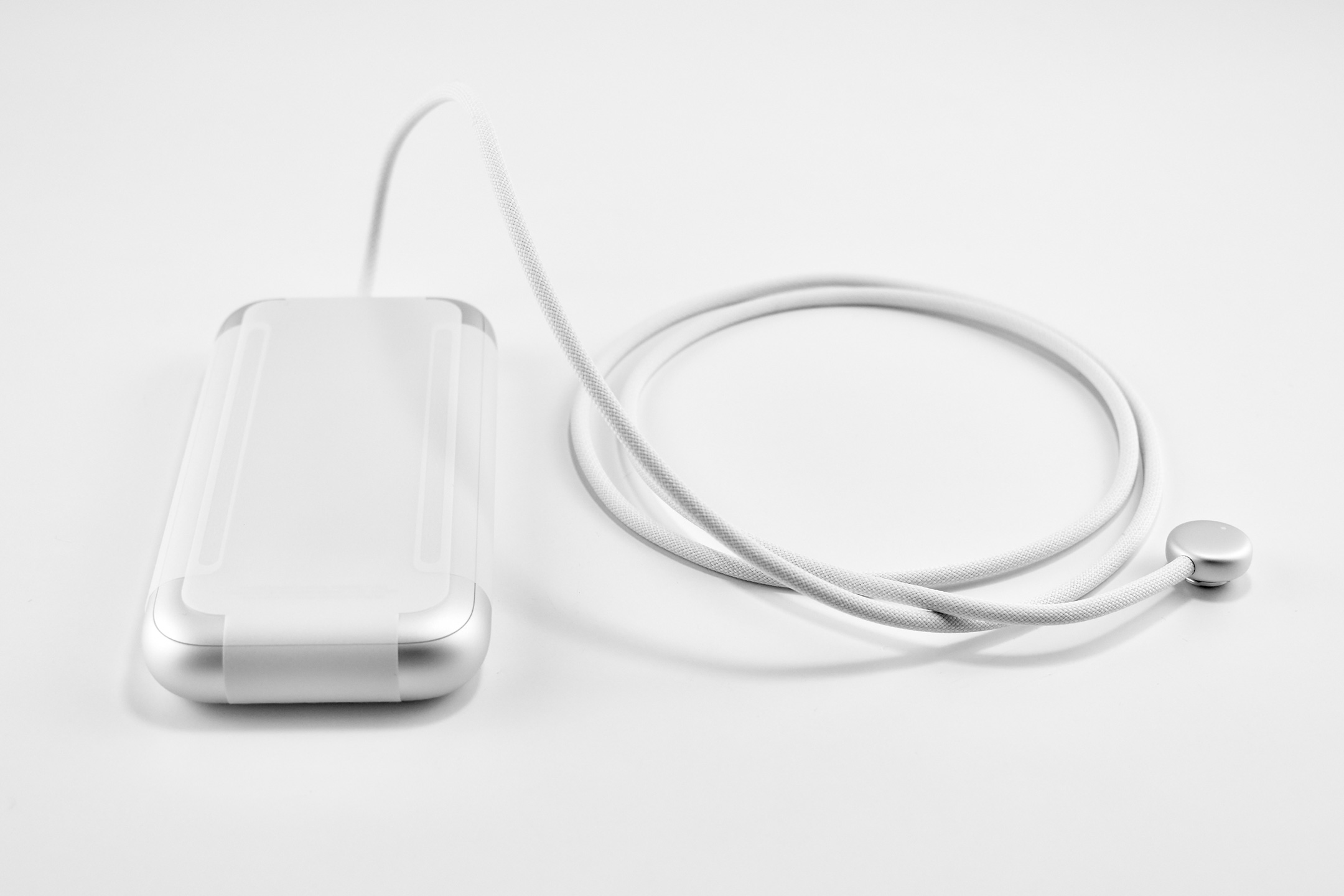
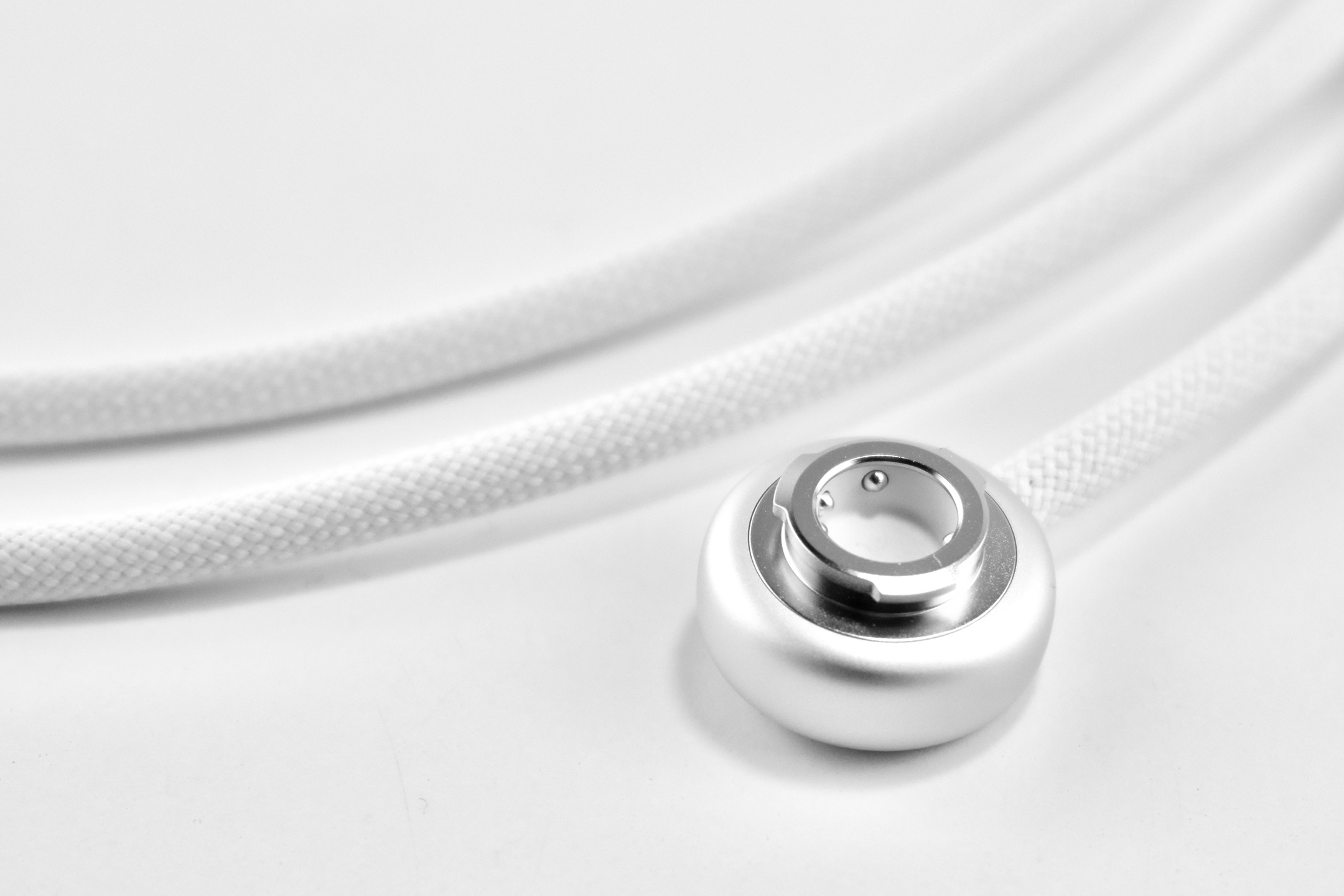
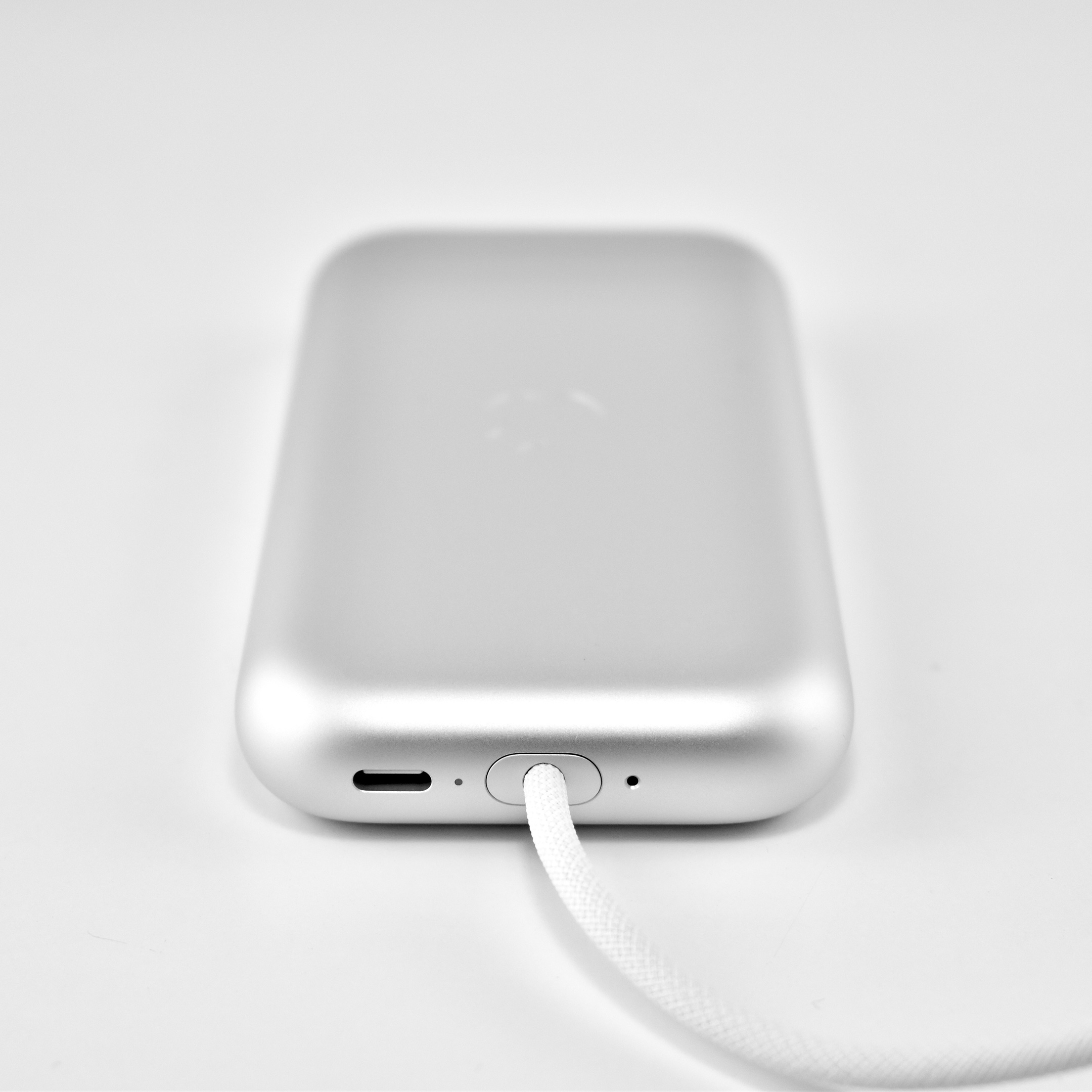
The Apple Vision Pro used a battery pack that delivered “up to 2 hours of general use” or up to 2.5 hours while watching videos. However, the device could also be used with the USB-C port plugged into power while charging the battery.
The Apple Vision Pro shipped with many accessories and custom-sized parts compared to Apple’s other devices. The following accessories were included with each Apple Vision Pro:
Light Seal
Light Seal Cushions (2 sizes)
Solo Knit Band
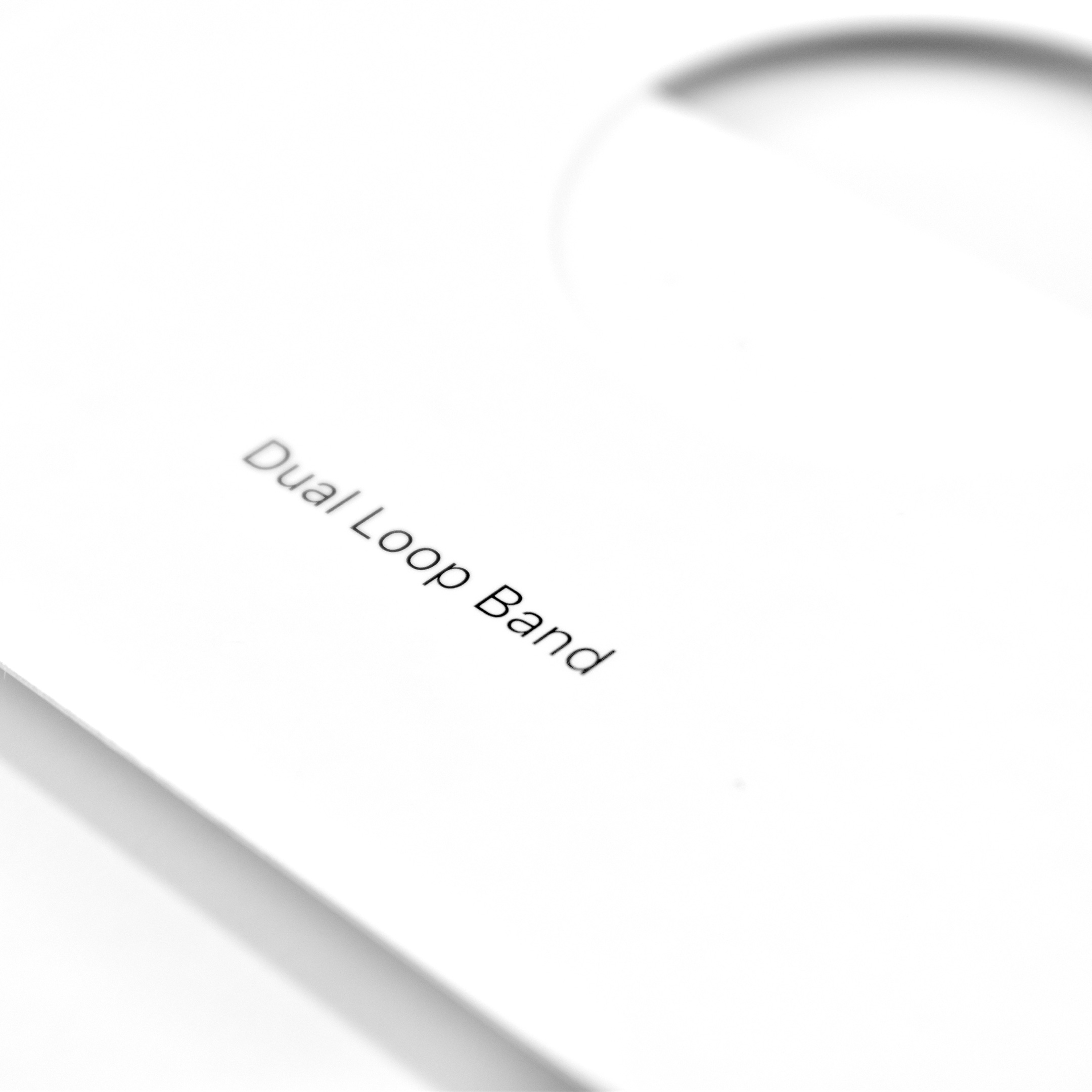
Dual Loop Band
Battery pack
Cover
30W USB-C Power Adapter
USB-C Charge Cable
Several of the parts and accessories that shipped with the Apple Vision Pro were impressive design innovations on their own, even if they were not often mentioned in reviews—or even by Apple. Some examples from my perspective included:
Light Seal—The light seal came in multiple sizes that were matched to the user through a custom app that scanned a user’s face to calculate the appropriate size. The light seal attached magnetically to the main body of the Apple Vision Pro.
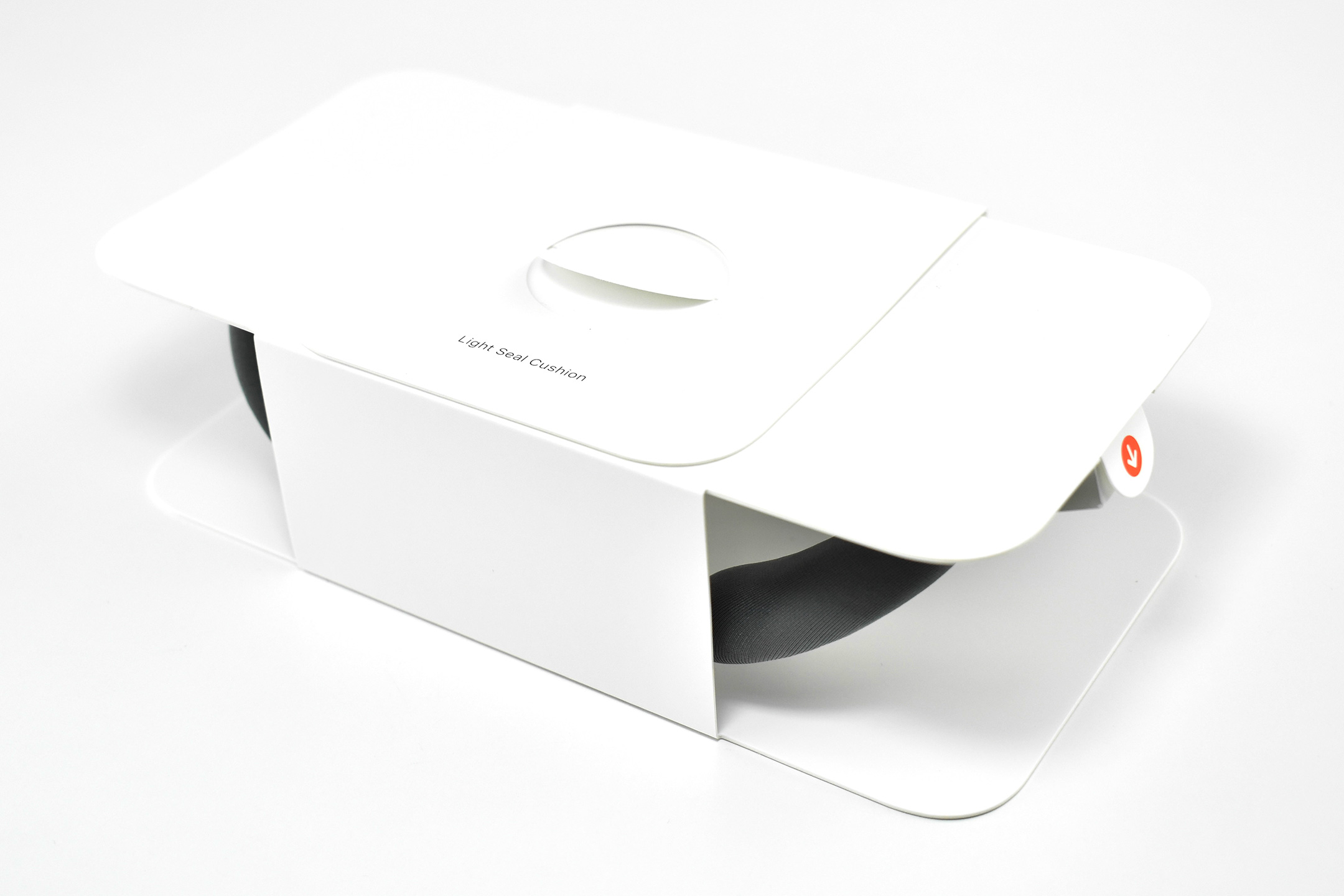
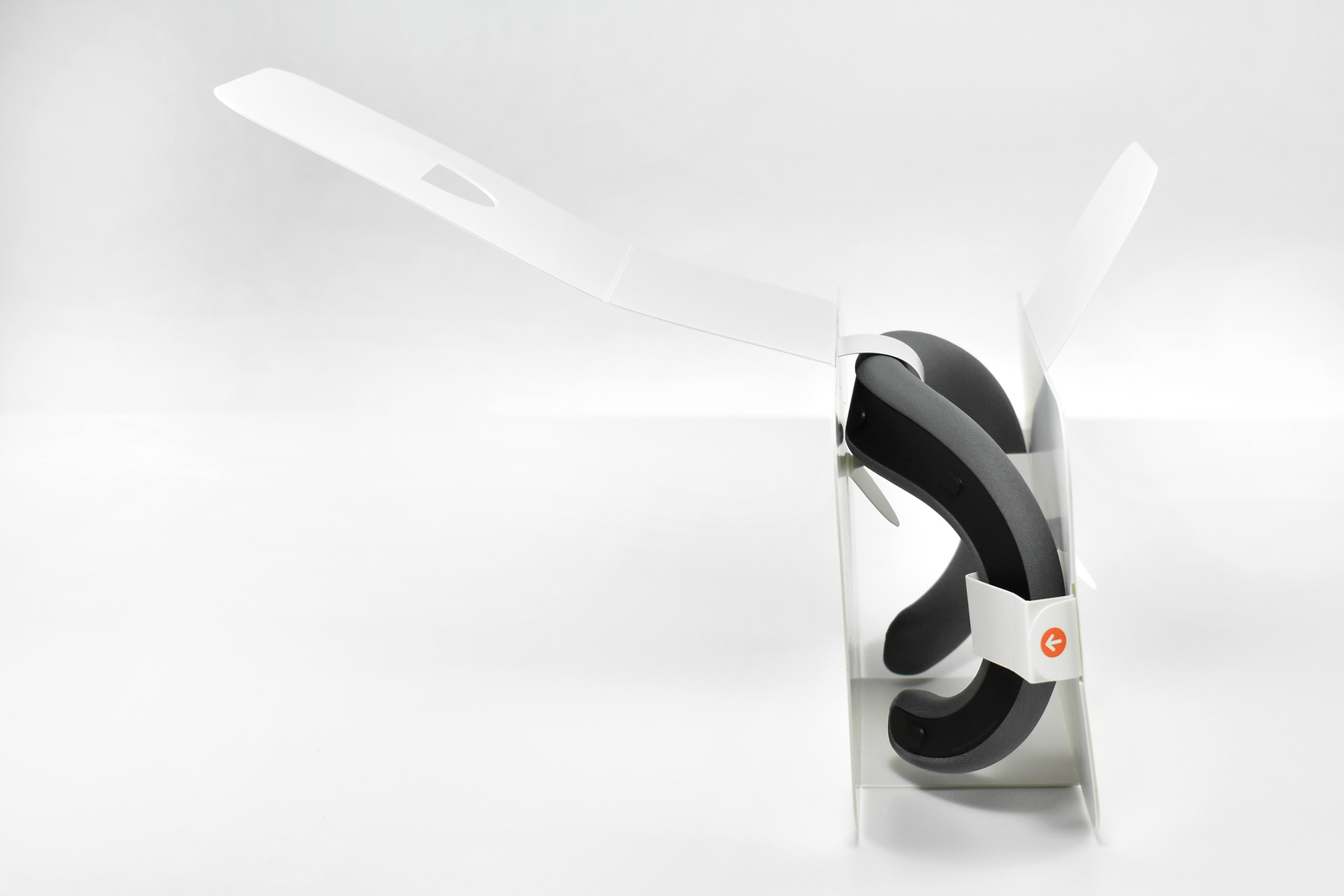
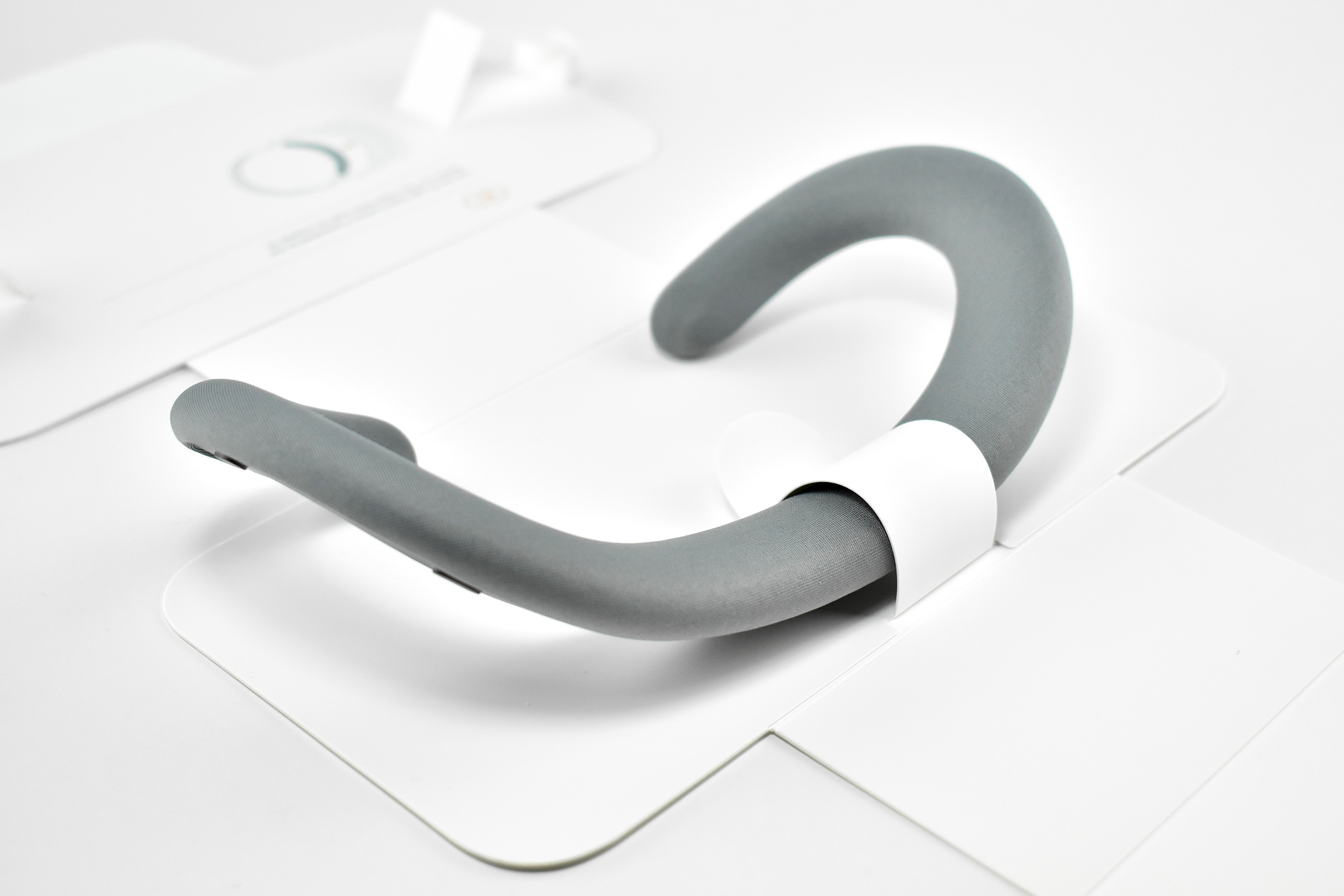
Light Seal Cushions—The light seal cushion was also sized for the user and attached with magnets to the light seal to provide a custom fit so light would not “leak” into the space around the eyes.
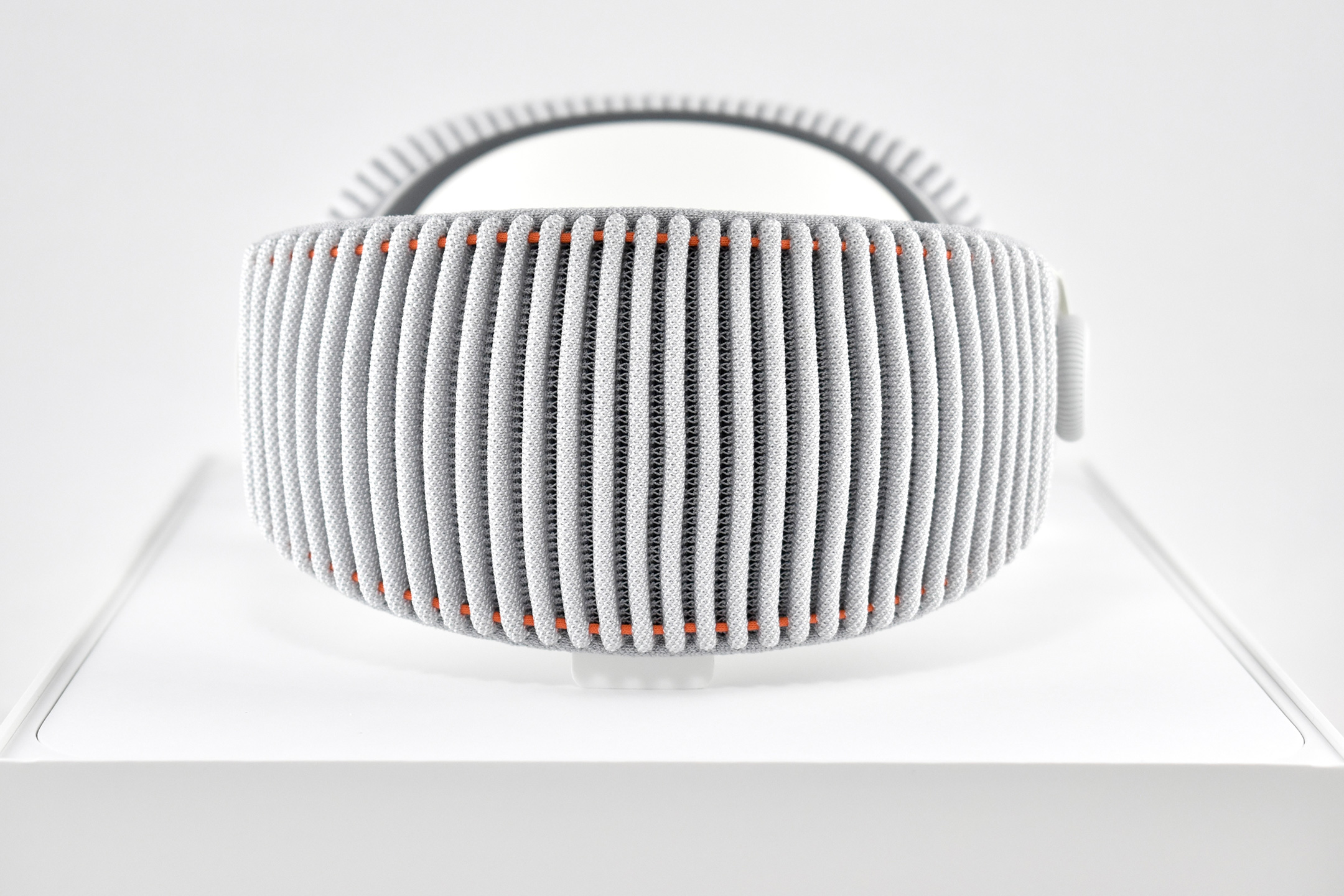
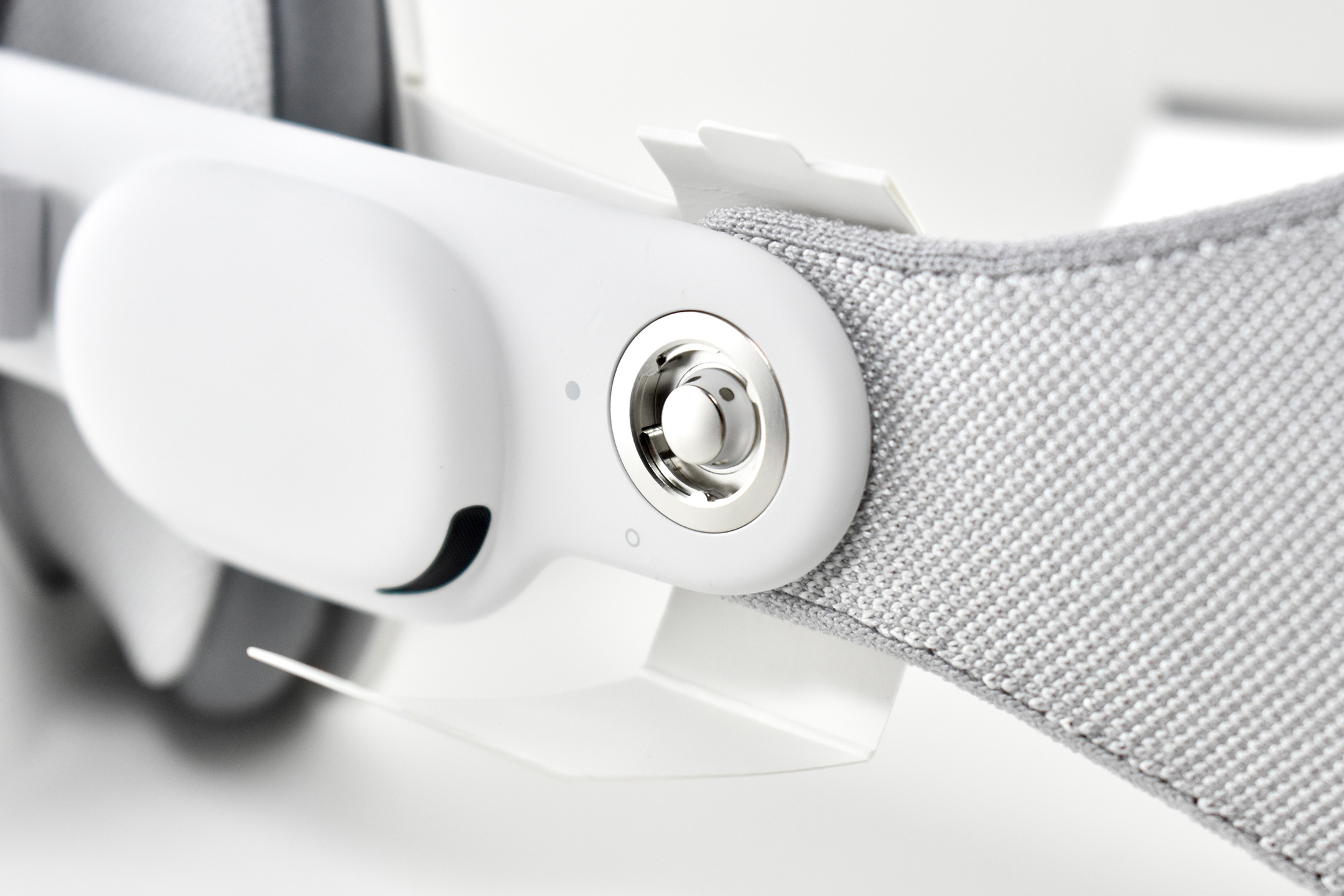
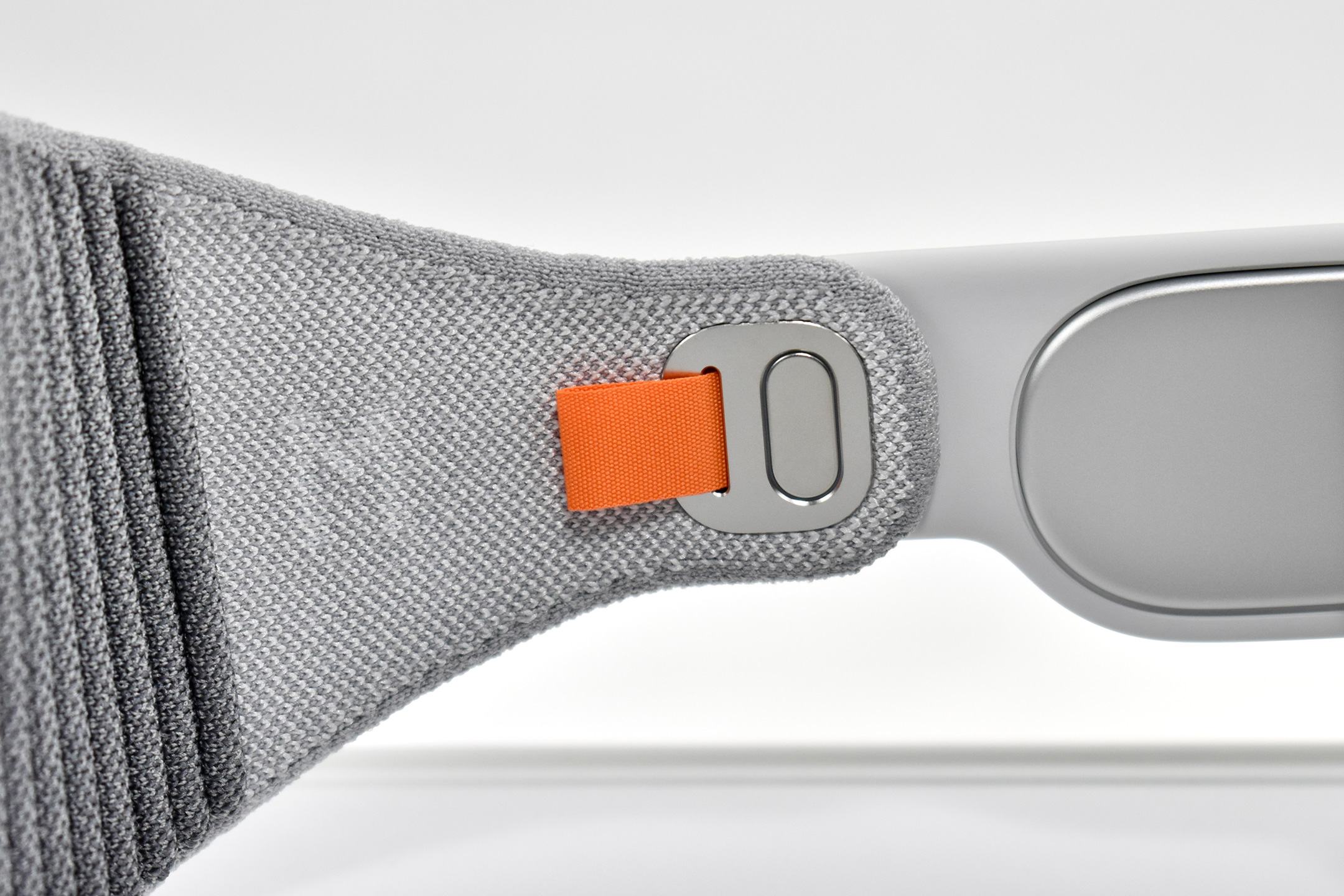
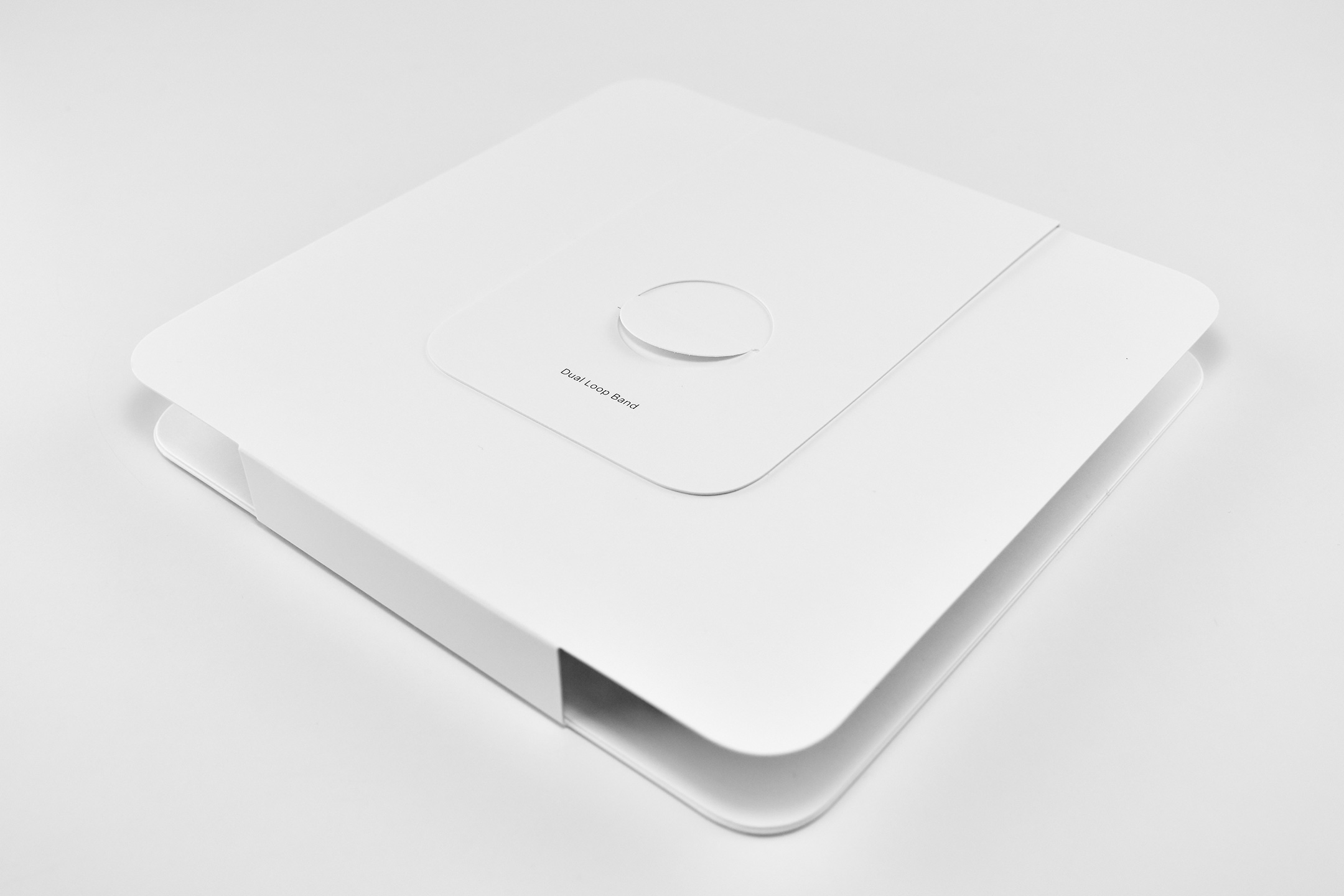
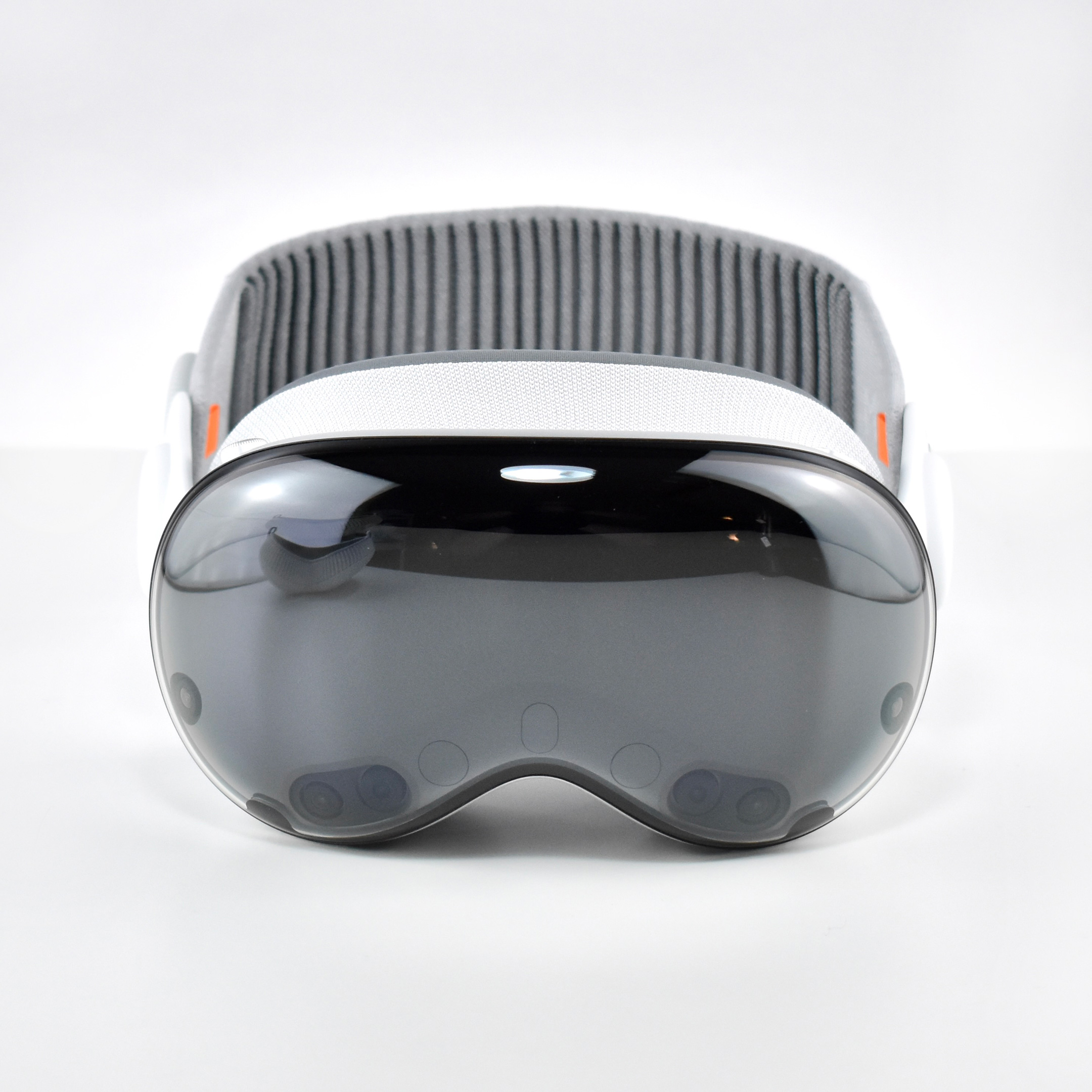
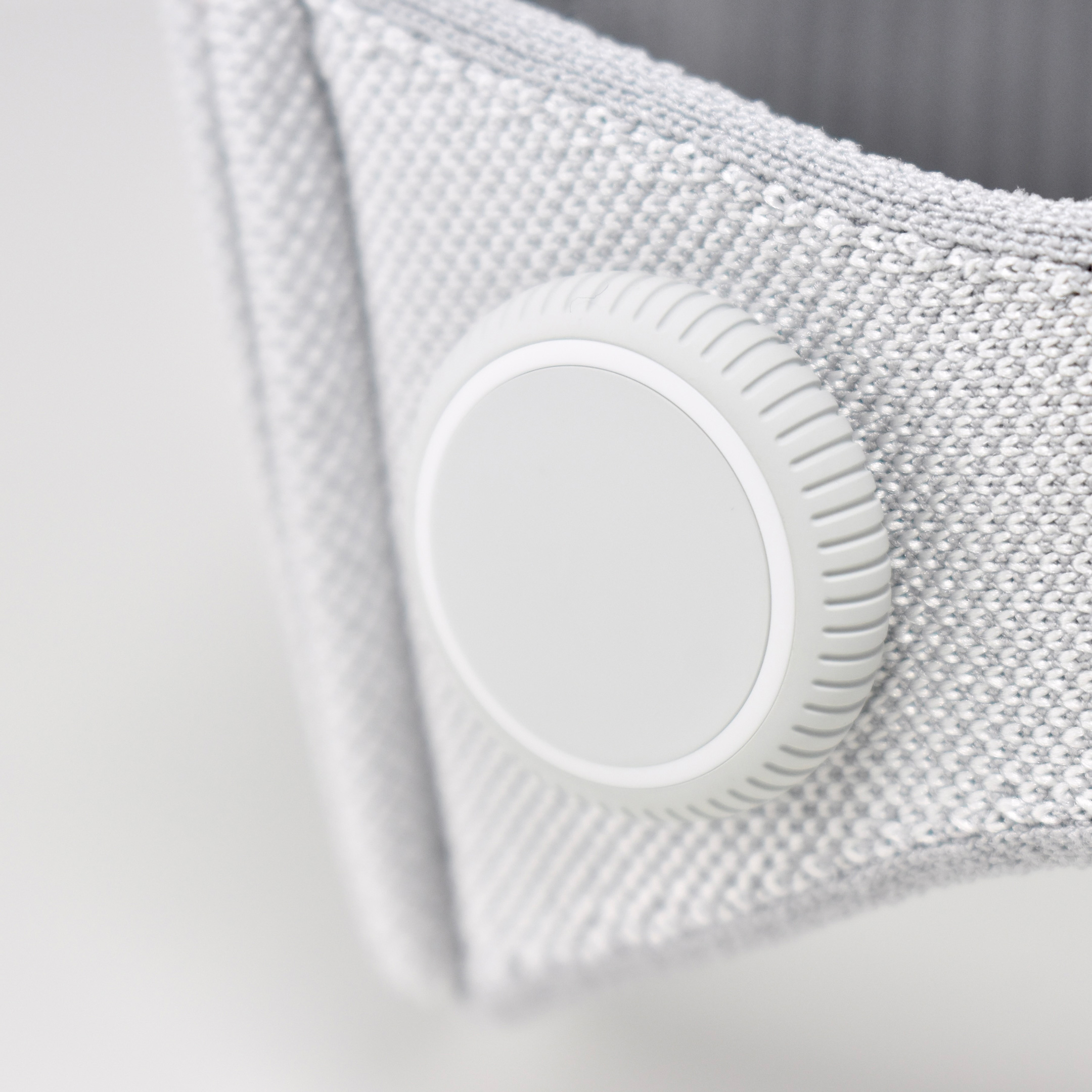
Dual Loop Band and Solo Knit Band—The two bands that shipped each represented impressive engineering and design to fit the 22.9 ounce (1.43 pounds) device to the head and provide relative comfort and support during use. The Dual Loop Band provided a 2-strap system that supported the device around the back and over the top of the head with adjustable velcro closures. The Solo Knit Band was a single thicker band that was “3D knitted as a single piece to create a unique rib structure that provides cushioning, breathability, and stretch. It has an easy-to-reach Fit Dial to let you adjust Apple Vision Pro to your head and enables microadjustments during use.” I personally prefer the Solo Knit Band.
Further, the Solo Knit Band was noted by journalists and reviewers as looking fashionable, especially compared to the utilitarian straps provided by other AR/VR headsets. One 9to5Mac author noted, “I just think the Solo Knit Band looks cooler, and comfort just hasn’t been an issue for me.”
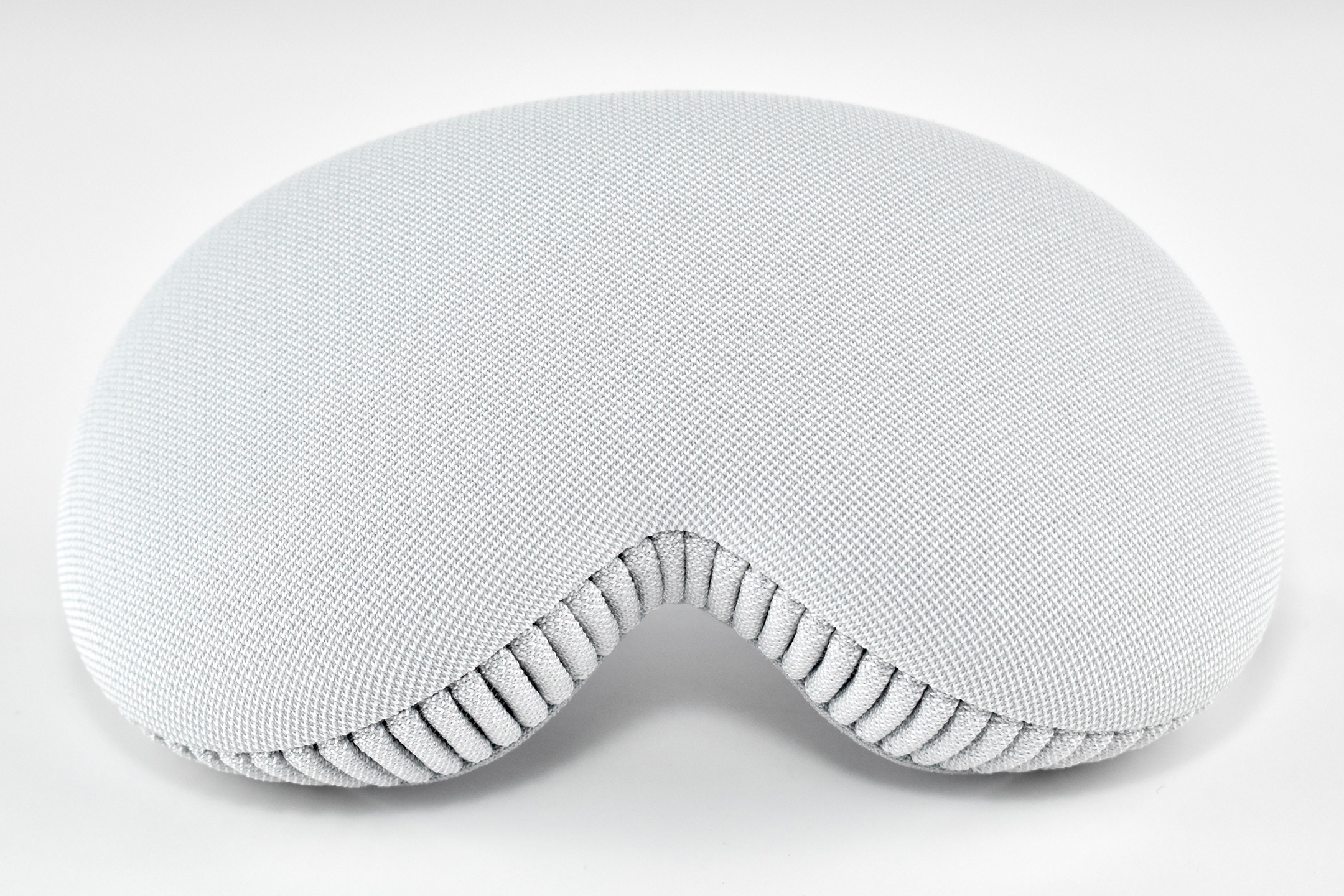
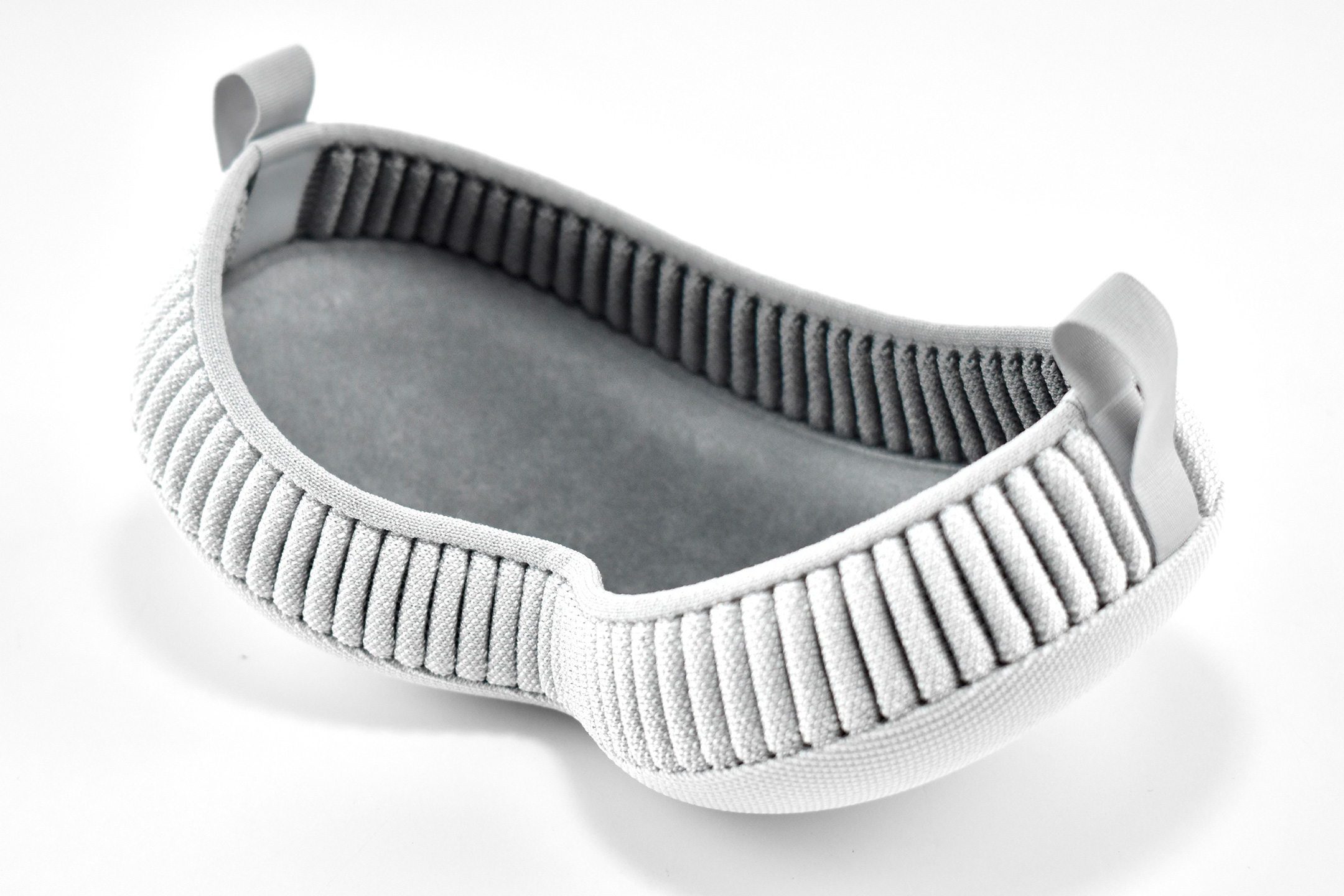
Cover—Even the lowly knit cover was an impressive piece of design in my opinion. The cover itself had knit edges, but allowed the Apple Vision Pro device to be effortlessly lowered into the accessory with a perfect fit that fully protected the glass front. Tabs on the edges also allowed it to be easily removed.
ZEISS Optical Inserts—For those of us who require vision correction and do not wear contact lenses, Prescription ZEISS Optical Inserts were available to be custom-made to an exact prescription. The inserts easily snapped in with magnets and were “recognized” by an Apple Vision Pro device by selecting the user’s account settings.
Although this entry is not intended as a review of the Apple Vision Pro, as a user I can attest that the device is extremely difficult to describe to someone who has not used it first-hand. In my experiences, the device and visionOS functioned seamlessly from the original visionOS through visionOS 2. In my Apple-user-experience lifetime (since the early-1980s), I have never experienced a more mature operating system for a brand new device—especially one with so many brand new user interface elements.
After a lifetime of keyboard typing, mouse clicking, and most recently touch-based interfaces, the Apple Vision Pro required a user to make the leap to looking at virtual interface elements (through eye tracking) and interacting though hand gestures (pinches, pulls, and a 2-hand pinch/pull motions). Having coached about 50 first-time users through using the Apple Vision Pro as of this writing, I have observed that every user was able to understand these UI paradigms within the first 5–10 minutes of using the device (most adapted more quickly).
Finally, I wrote a series of education-focused articles about my first impressions of the Apple Vision Pro after the device was first released. They are available on a separate blog at Blogger:
Apple announced the iPhone 16 lineup on September 9, 2024, and the phones were released on Friday, September 20, 2024. In a press release, Apple described the iPhone 16 Pro models:
“Powered by the A18 Pro chip and built for Apple Intelligence, the Pro lineup introduces larger display sizes, Camera Control, innovative pro camera features, and a huge leap in battery life.”
The iPhone 16 Pro, iPhone 16 Pro Max, and also the iPhone 16 and iPhone 16 Max were marketed specifically as “featuring Apple Intelligence.” However, no Apple Intelligence features were available at launch, and no release was was shared. Apple Intelligence, Apple’s name for Artificial Intelligence, was described as different than other versions of AI because it “harnesses the power of Apple silicon and Apple-built generative models to understand and create language and images, take action across apps, and draw from personal context to simplify and accelerate everyday tasks.” Further, Apple Intelligence “maintains the privacy and security of user data with Private Cloud Compute.”
The iPhone 16 Pro (and Pro Max) models were made from titanium with four available finishes: black titanium, natural titanium, white titanium, and desert titanium. The Pro iPhone options offered no colors, just “finishes.” This example is black titanium.
The iPhone 16 Pro featured a 48MP Fusion camera that could record 4K video at 120 fps. The camera was further enhanced with “a new 48MP Ultra Wide camera for higher-resolution photography, including macro; a 5x Telephoto camera on both Pro models; and studio-quality mics to record more true-to-life audio.”
Apple also touted the bezel of the iPhone 16 Pro by saying it had, “the thinnest borders of any Apple product” with sizes including a 6.3 inch display on iPhone 16 Pro and a 6.9 inch display on iPhone 16 Pro Max (“the largest iPhone display ever”). The display on the iPhone 16 Pro was described as the Super Retina XDR display and had 2622 x 1206 pixel resolution at 460 ppi. It used Apple’s “latest-generation Ceramic Shield material that’s two times tougher than any smartphone glass.”
The iPhone 16 line introduced a new Camera Control button on the lower-right side. When turned sideways, the button was positioned in the traditional location of a camera capture button. Pressing the Camera Control button gave immediate access to the camera, and sliding your finger across the surface of the button allowed access to “functions like exposure or depth of field, and toggle through each lens or use digital zoom to frame your shot.” At release, the “two-stage shutter that lets you automatically lock focus and exposure with a light press” was not yet available, but was announced as coming “later this year.”
In addition to advanced camera and video capture, a new Audio Mix technology was also included with three settings that allowed for adjusting the way voices were recorded. According to Apple’s description:
In-frame—Only captures the voices of the people on camera, even if people off-camera are talking during the recording.
Studio—Makes voices sound like you’re recording in a professional studio equipped with sound-dampening walls.
Cinematic—Captures all of the voices around you and consolidates them toward the front of the screen — just like sound is formatted for the movies.
The iPhone 16 Pro measured 5.89 inches high, 2.81 inches wide, and 0.32 inch thick. It weighed 7.03 ounces. All iPhone 16 models used a form of the A18 chip—a major bump from the A16 chip used in the iPhone 15, and an increase from the A17 Pro chip used in the iPhone 15 Pro. Notably, Apple never released an A17 chip (only anA17 Pro)—they apparently skipped it in favor of using A18 generation chips in the iPhone 16 models to power their yet-to-be-delivered-at-launch Apple Intelligence features.
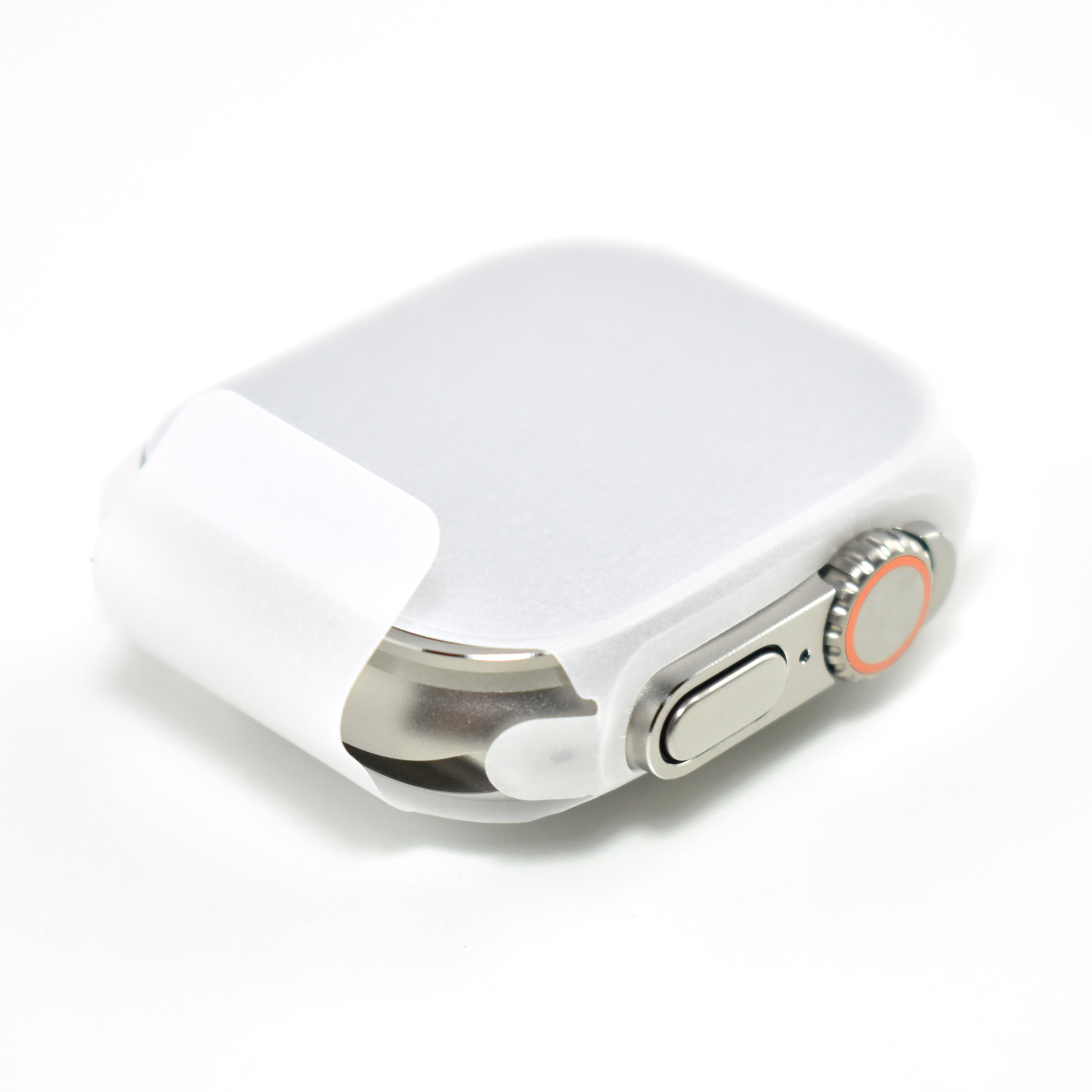
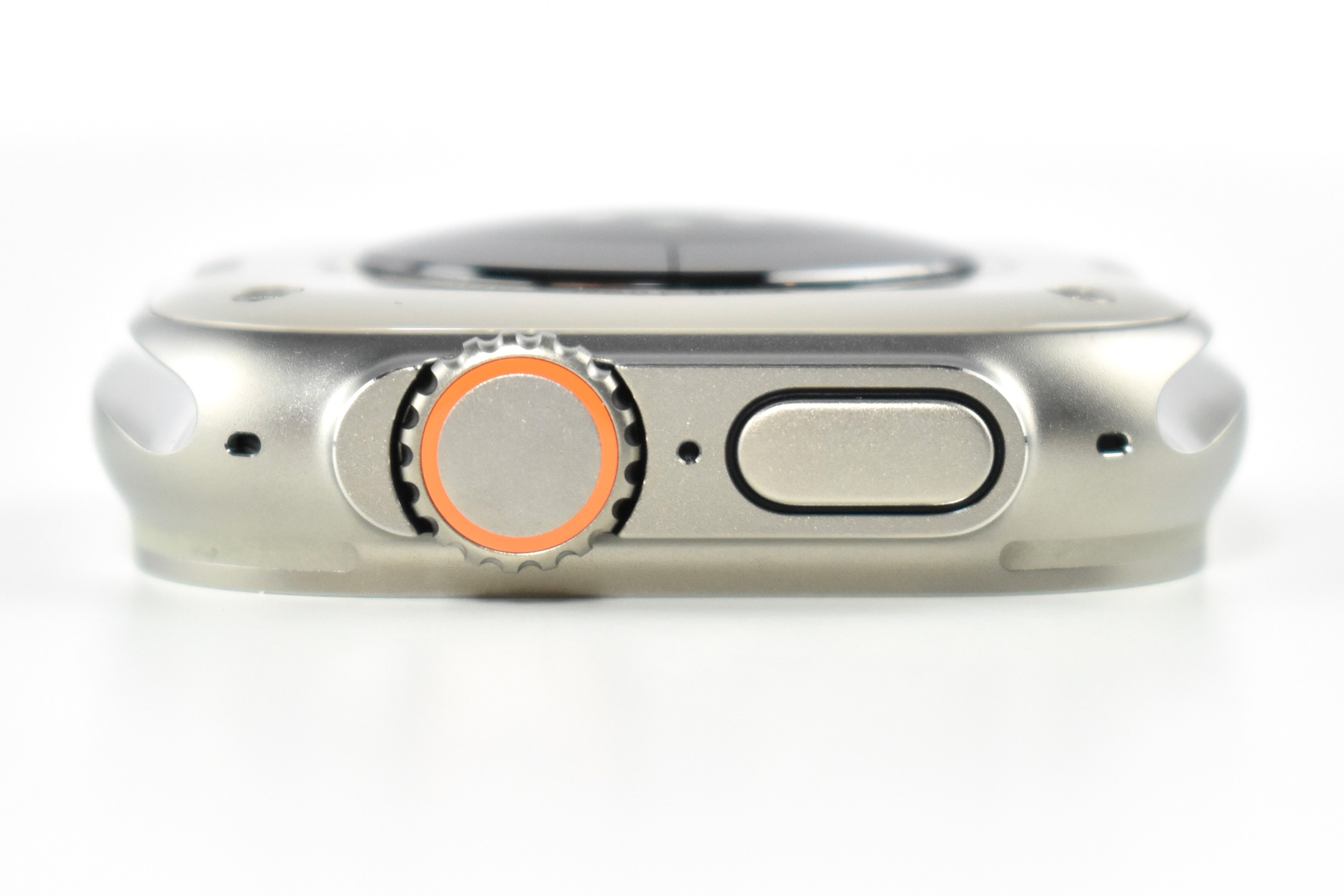
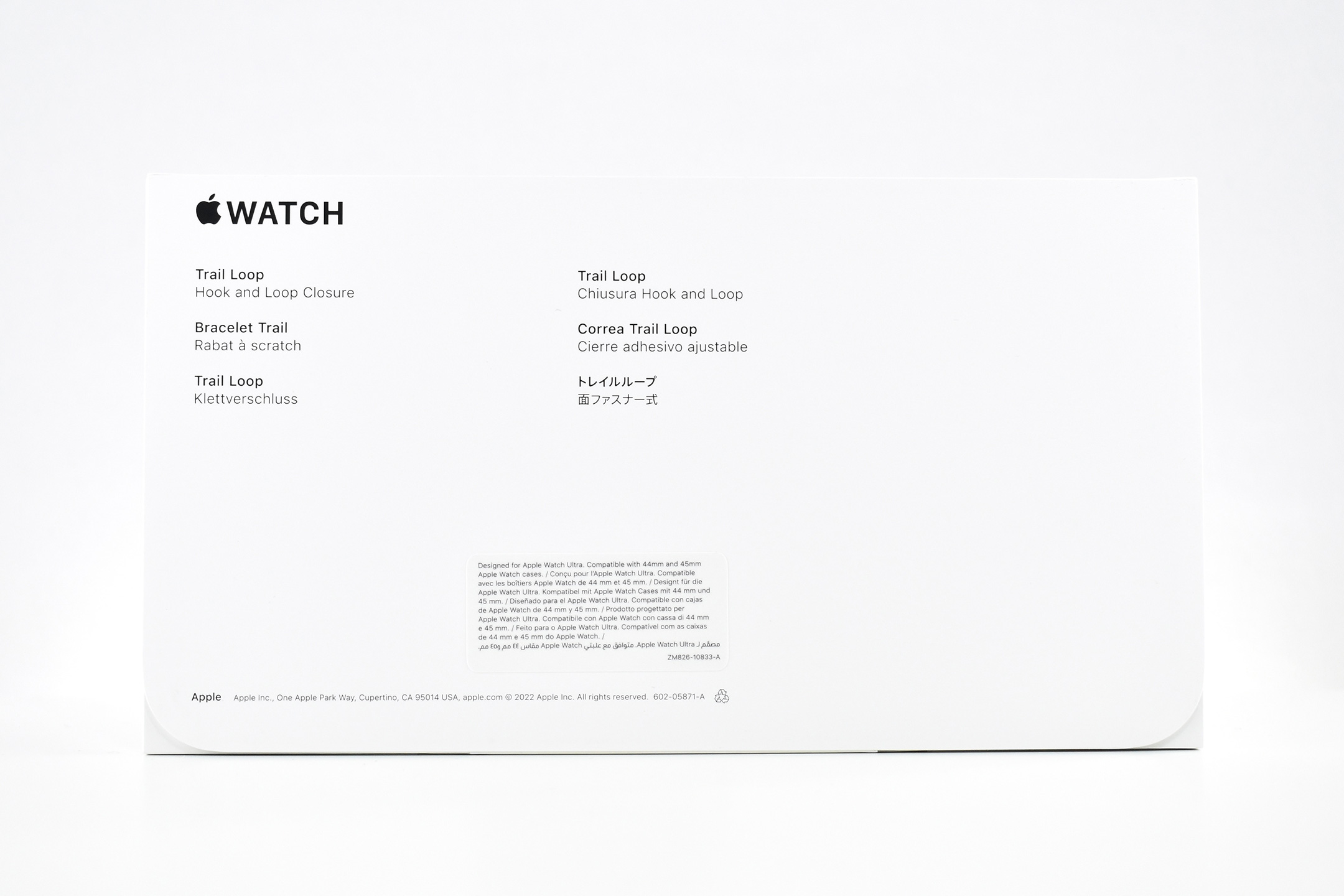
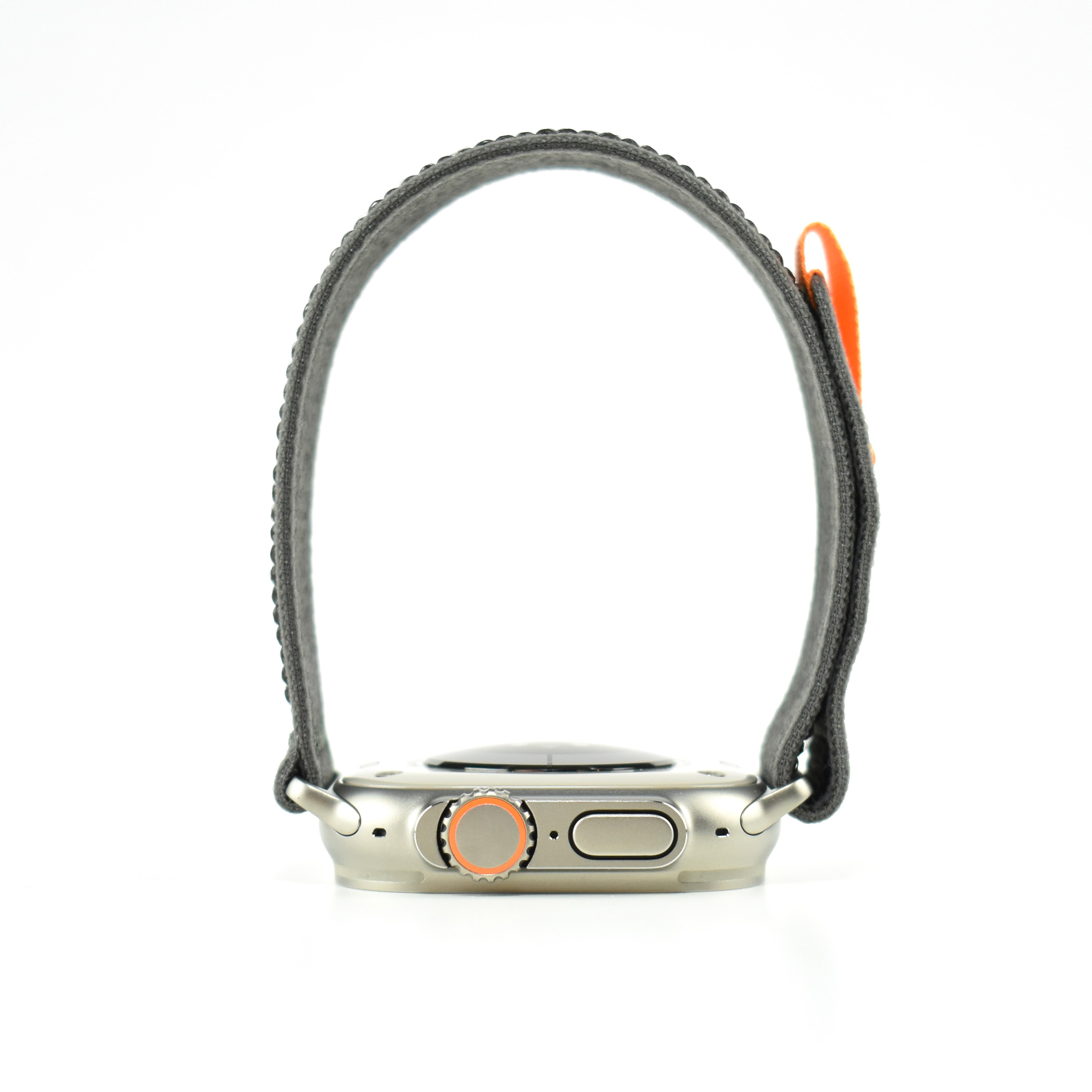
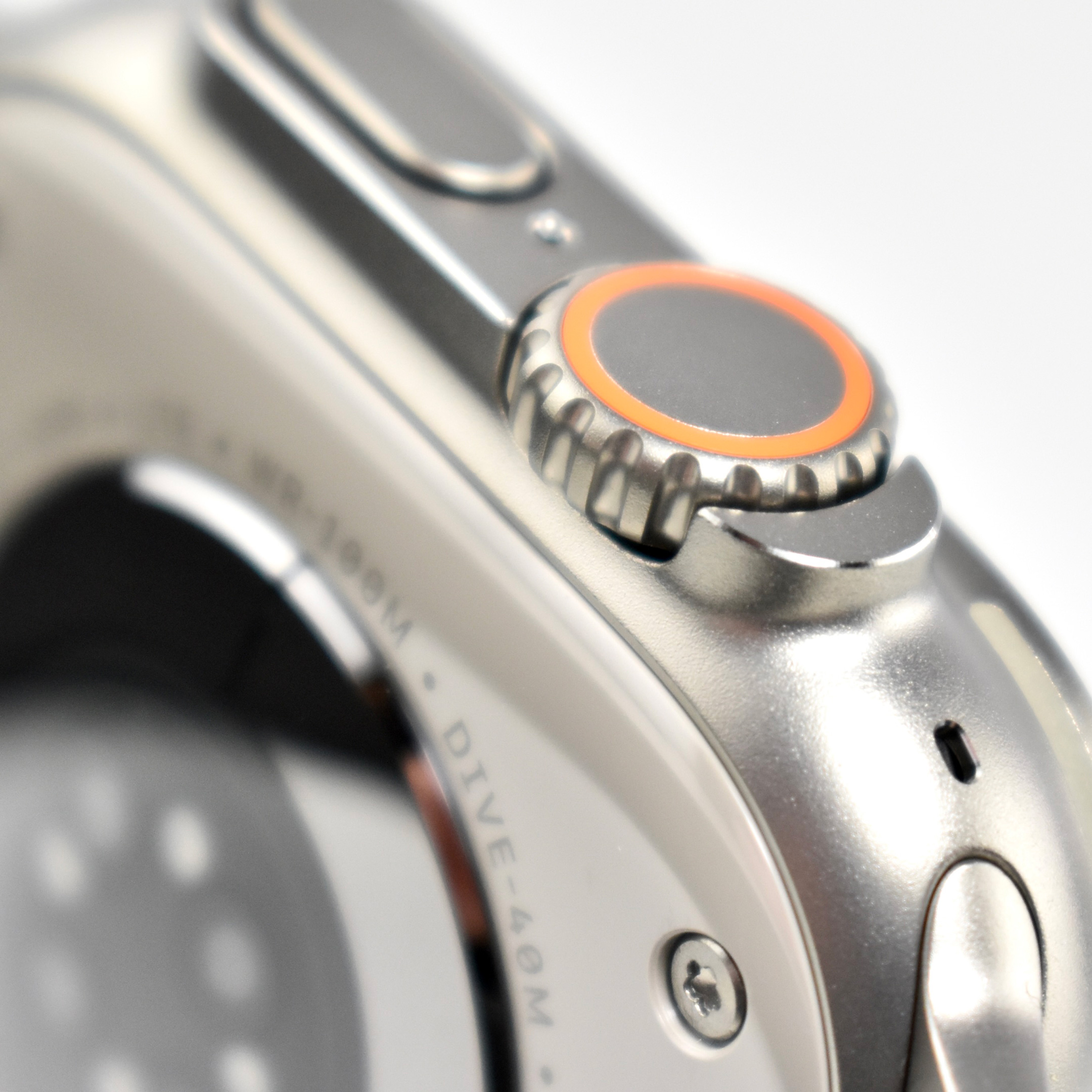
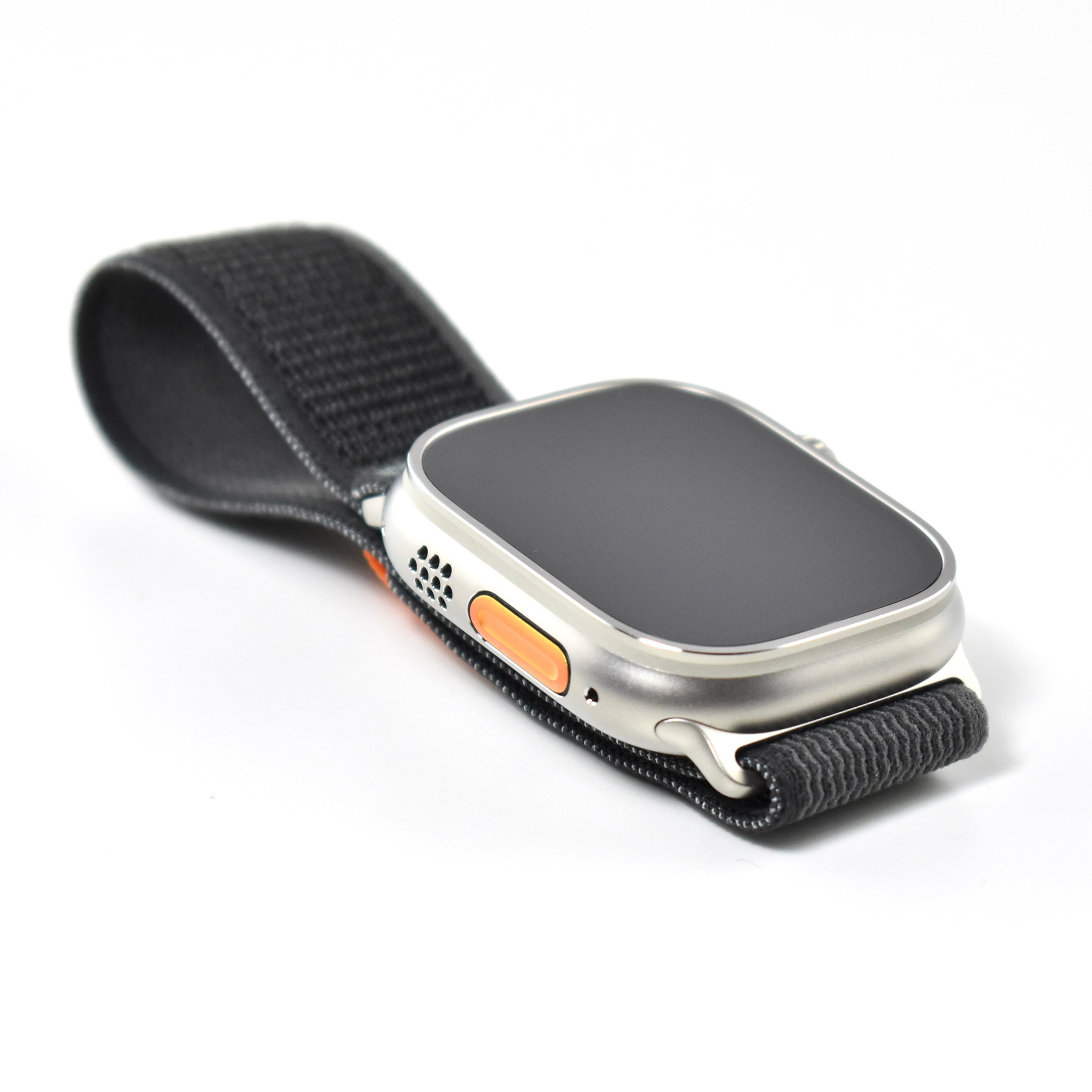
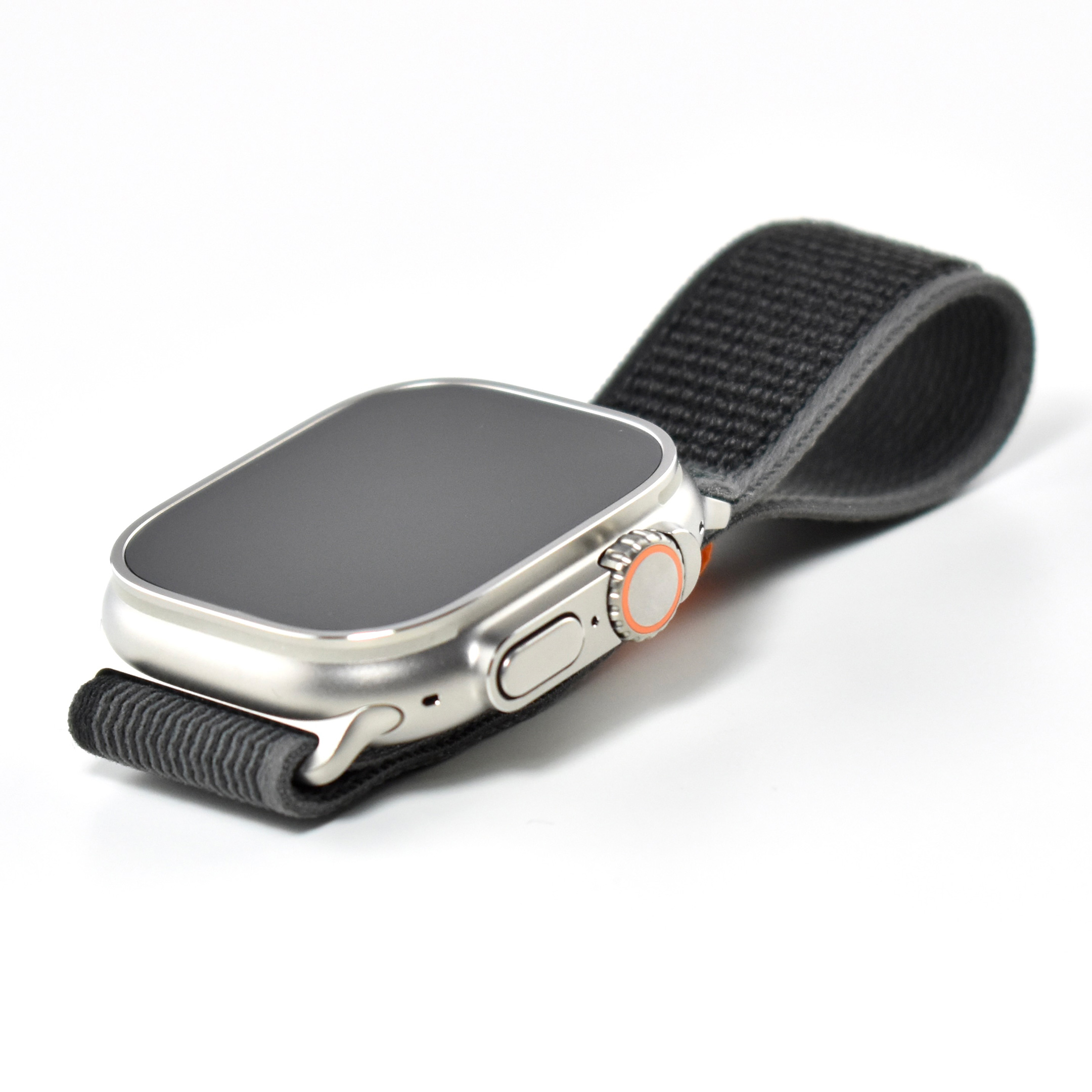
The Apple Watch Ultra was announced on September 7, 2022, and was described as having a “revolutionary new design with breakthrough capabilities.” Apple highlighted the Apple Watch Ultra as:
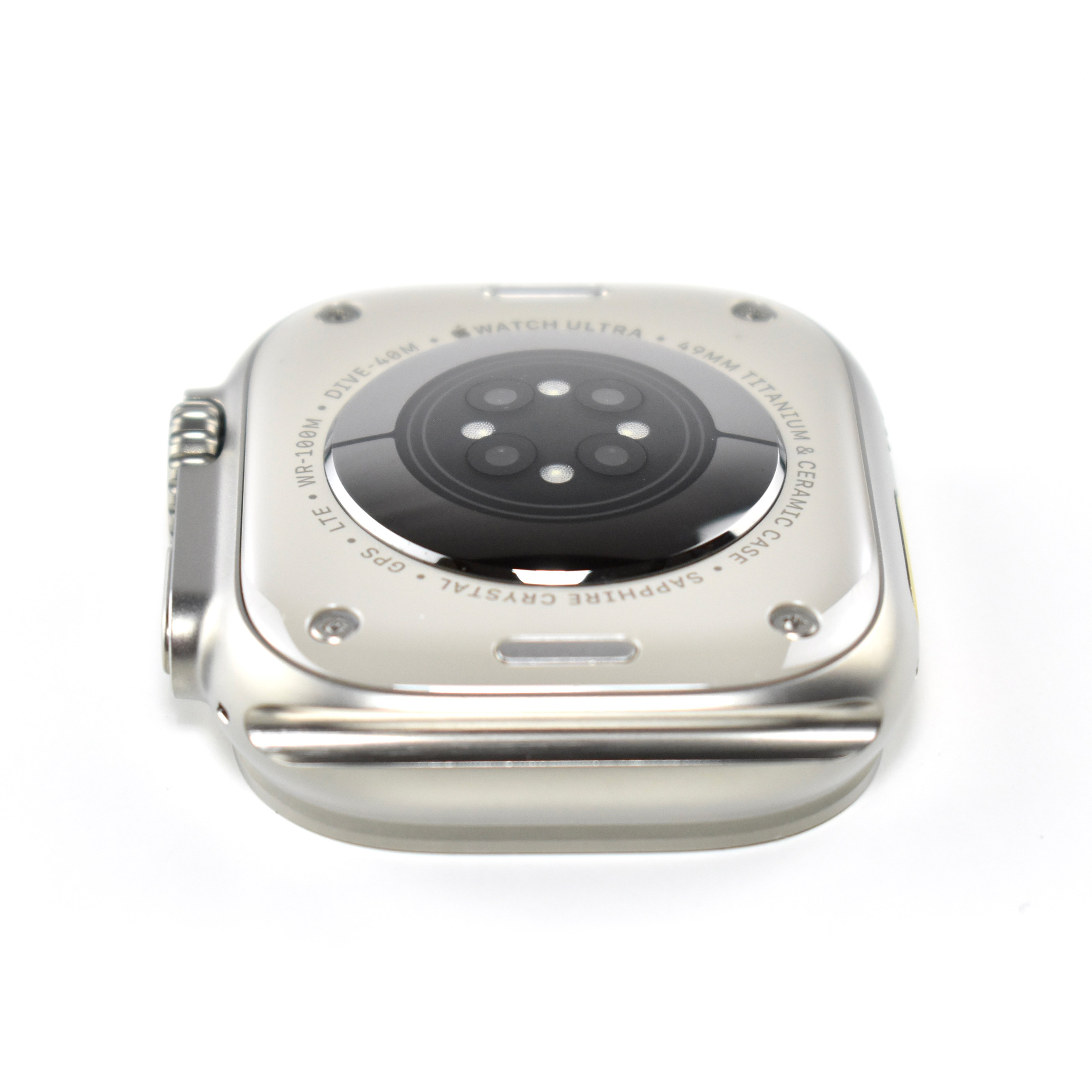
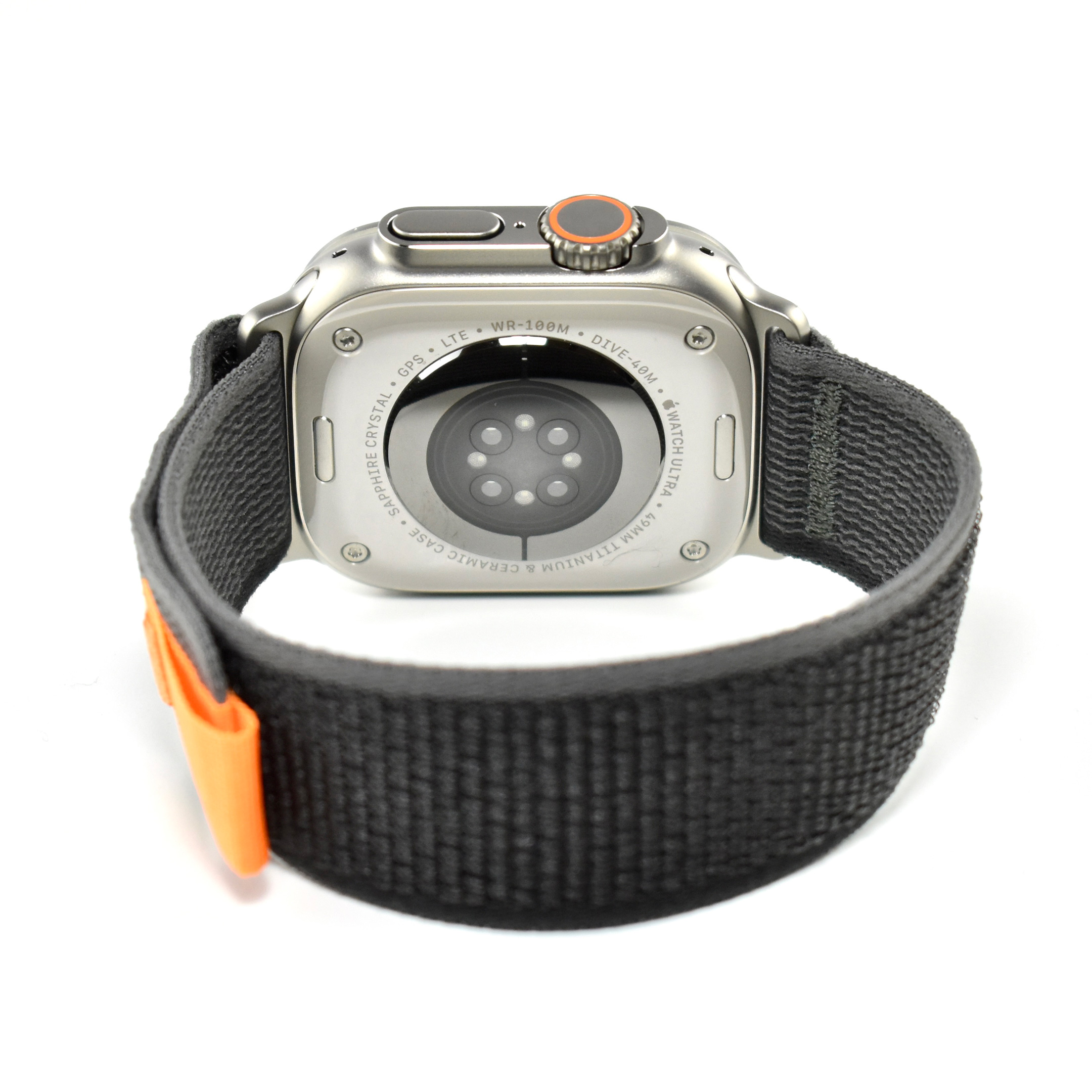
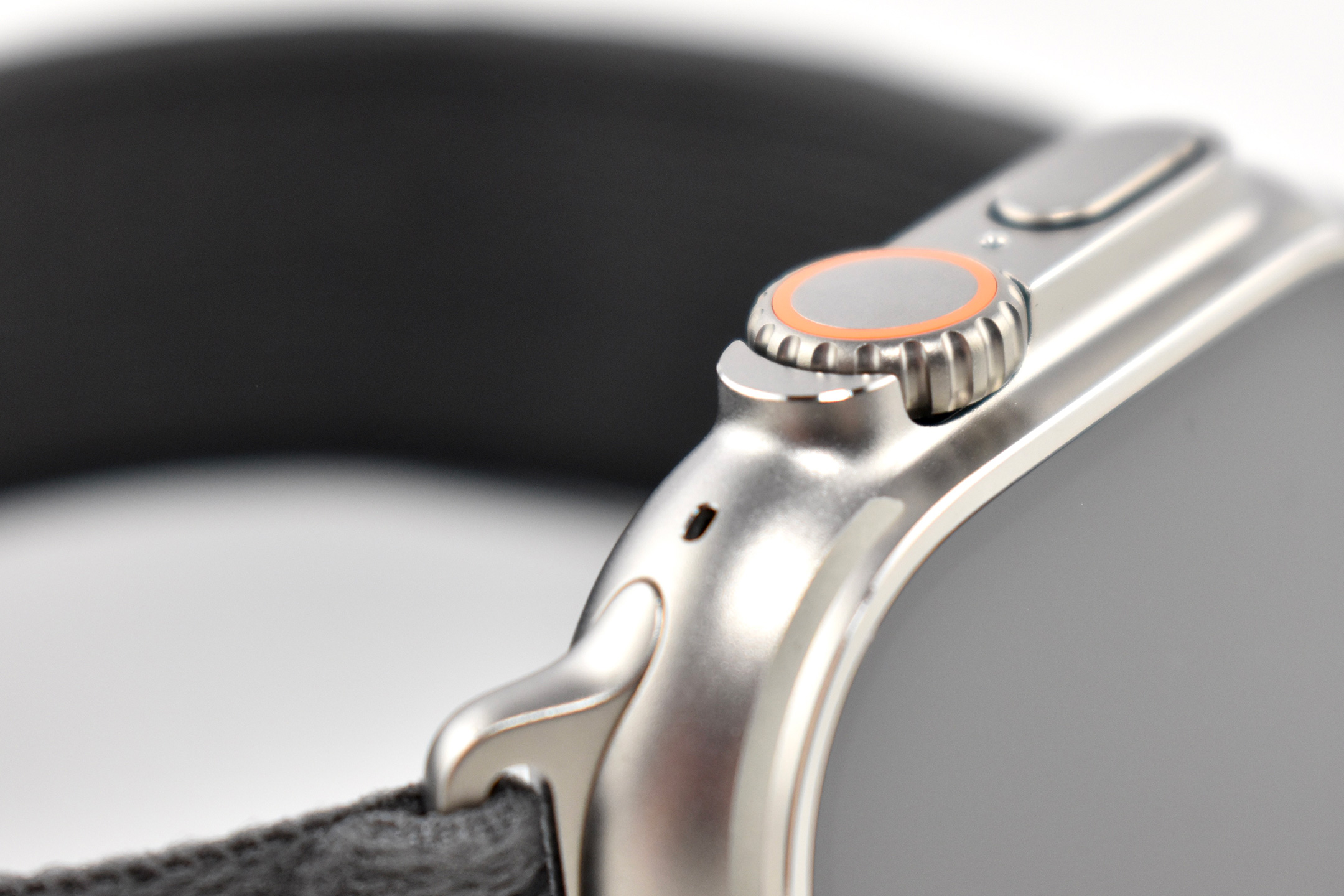
“built for endurance, exploration, and adventure. Apple Watch Ultra introduces a 49mm titanium case and flat sapphire front crystal that reveals the biggest and brightest Apple Watch display yet. A customizable Action button offers instant access to a wide range of useful features. Apple Watch Ultra has the best battery life of any Apple Watch, reaching up to 36 hours during normal use.”
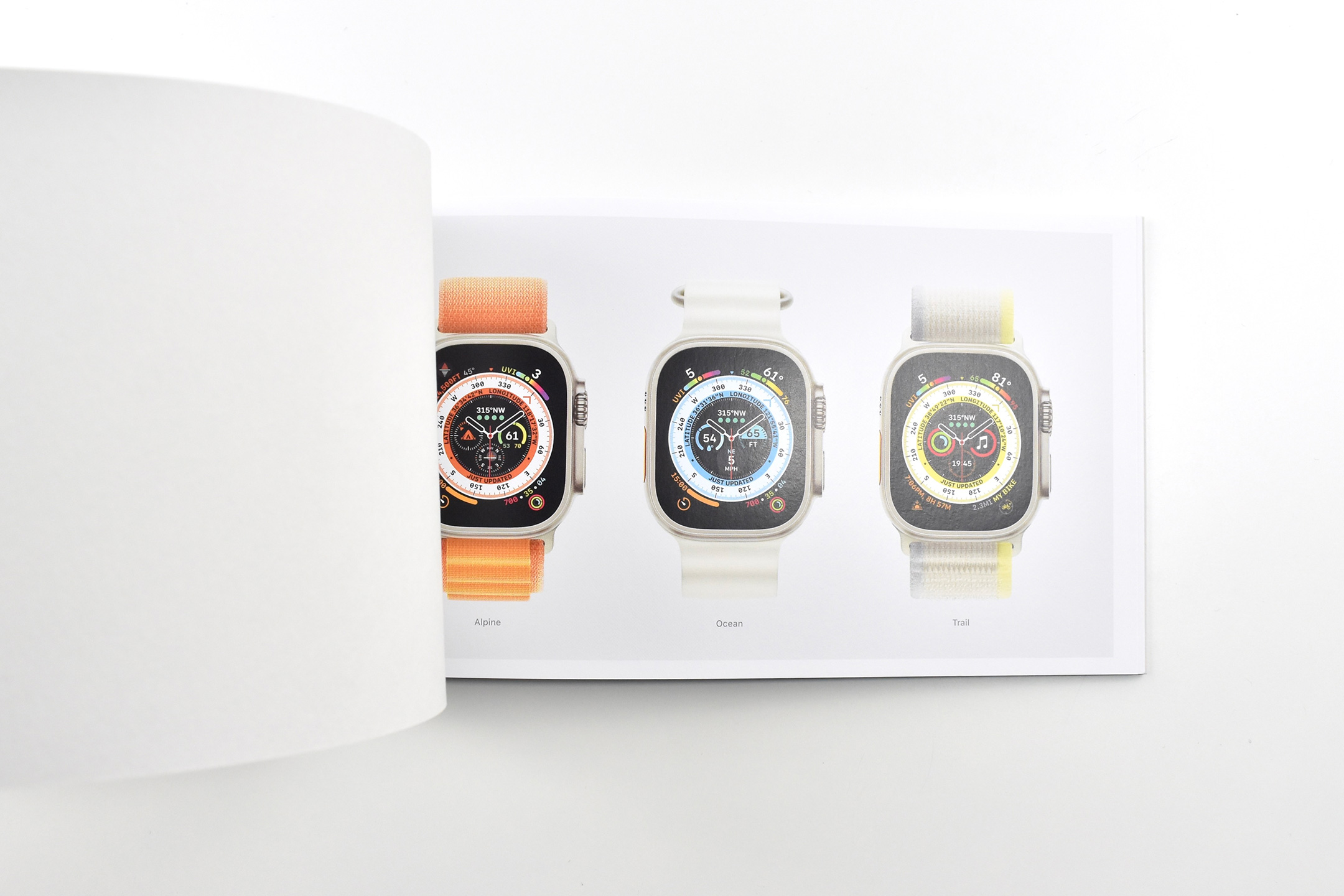
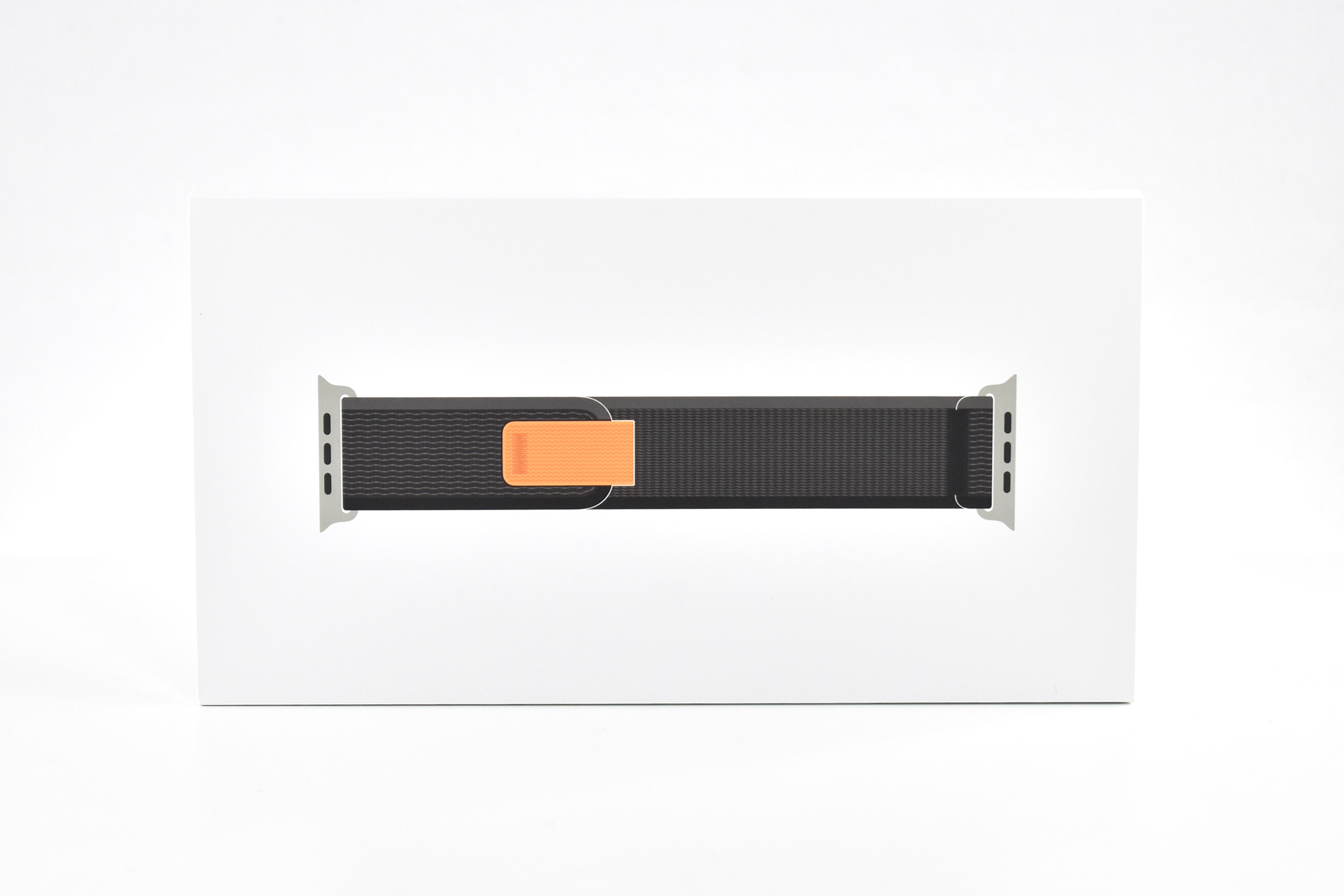
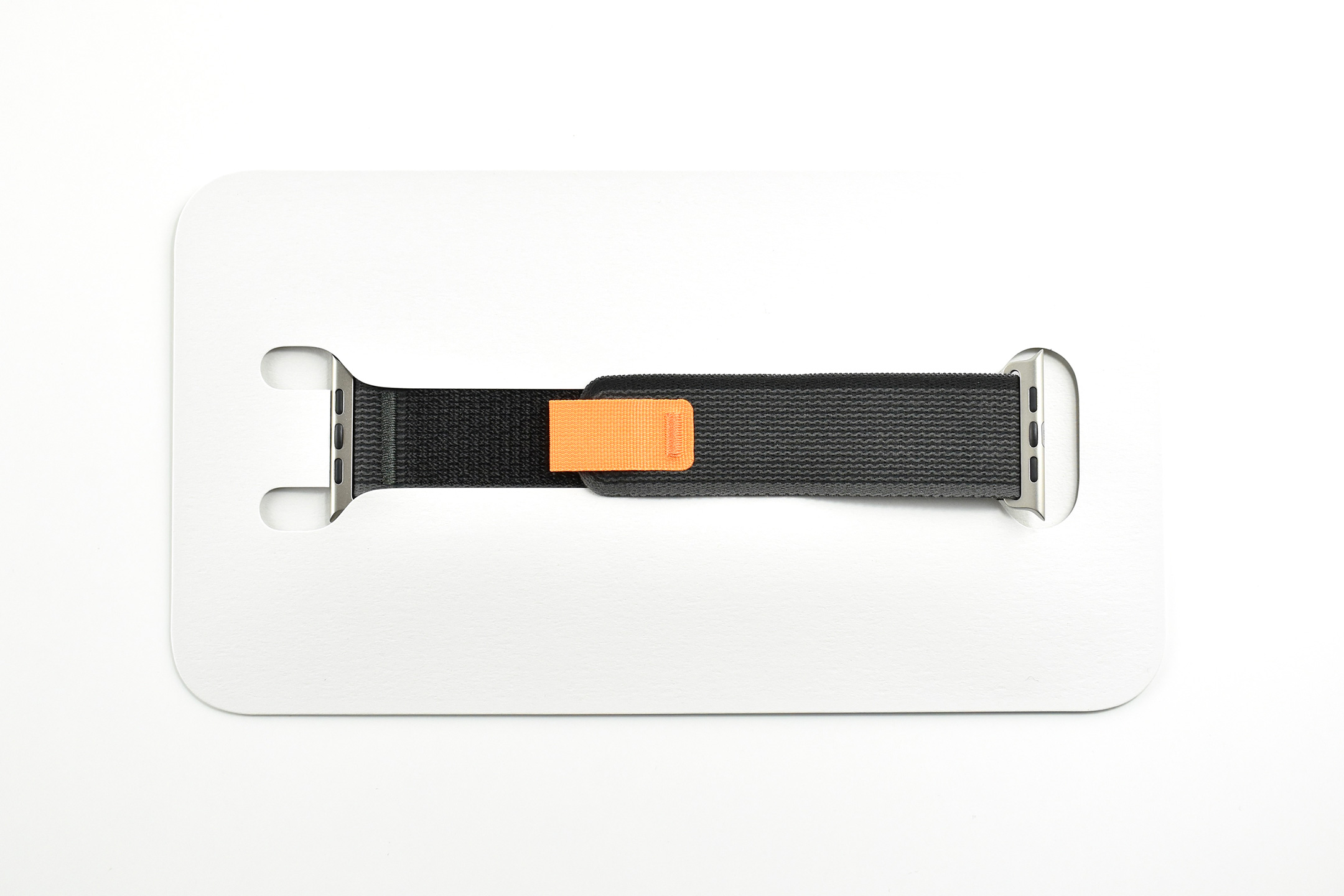
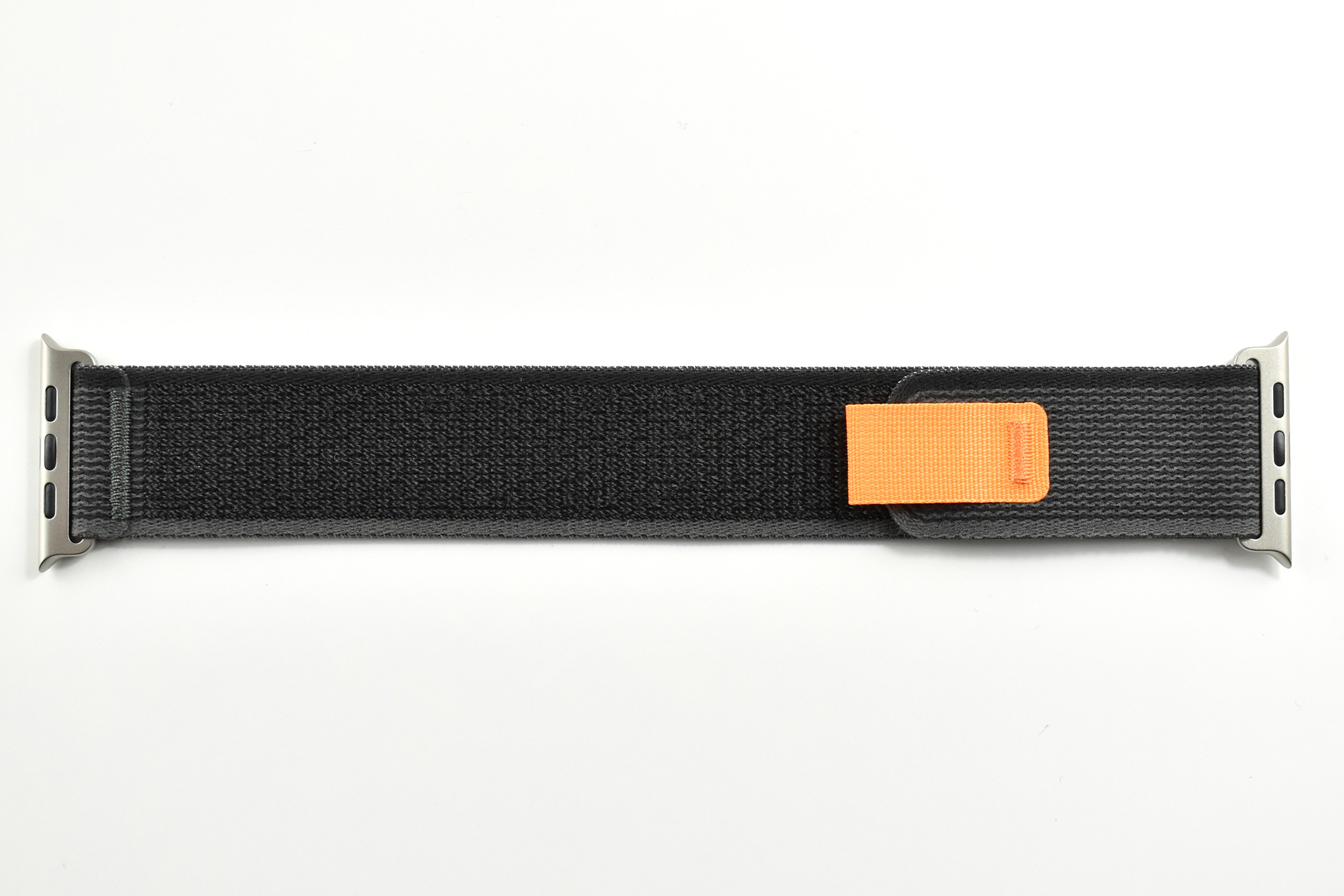
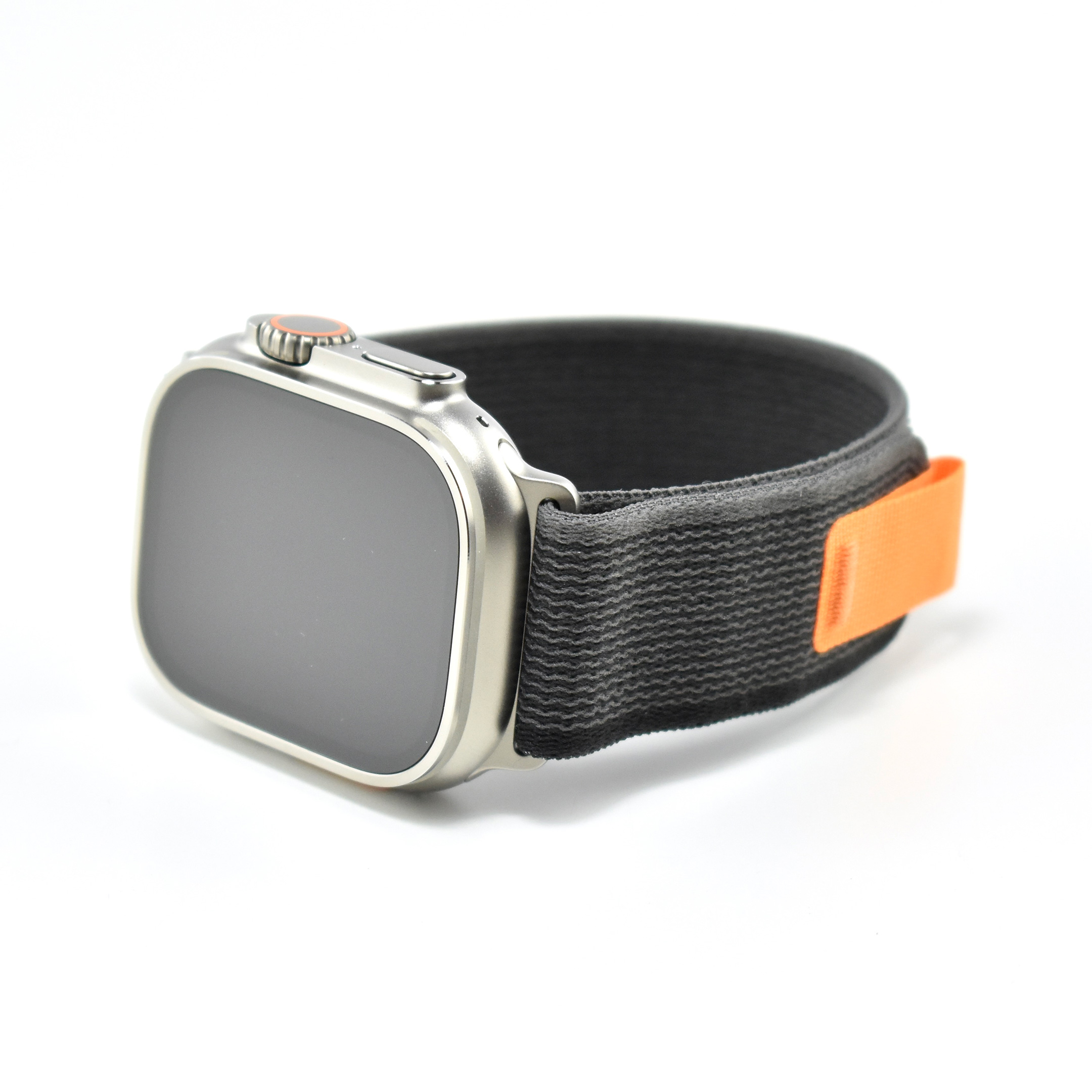
The Apple Watch Ultra website focused upon the ruggedness of the design and depicted users in “extreme sport” situations including running through a desert, climbing mountains, and scuba diving. To match these scenarios, the Apple Watch Ultra offered three new band designs, the Trail Loop, Alpine Loop, and Ocean Band. Apple described each new band:
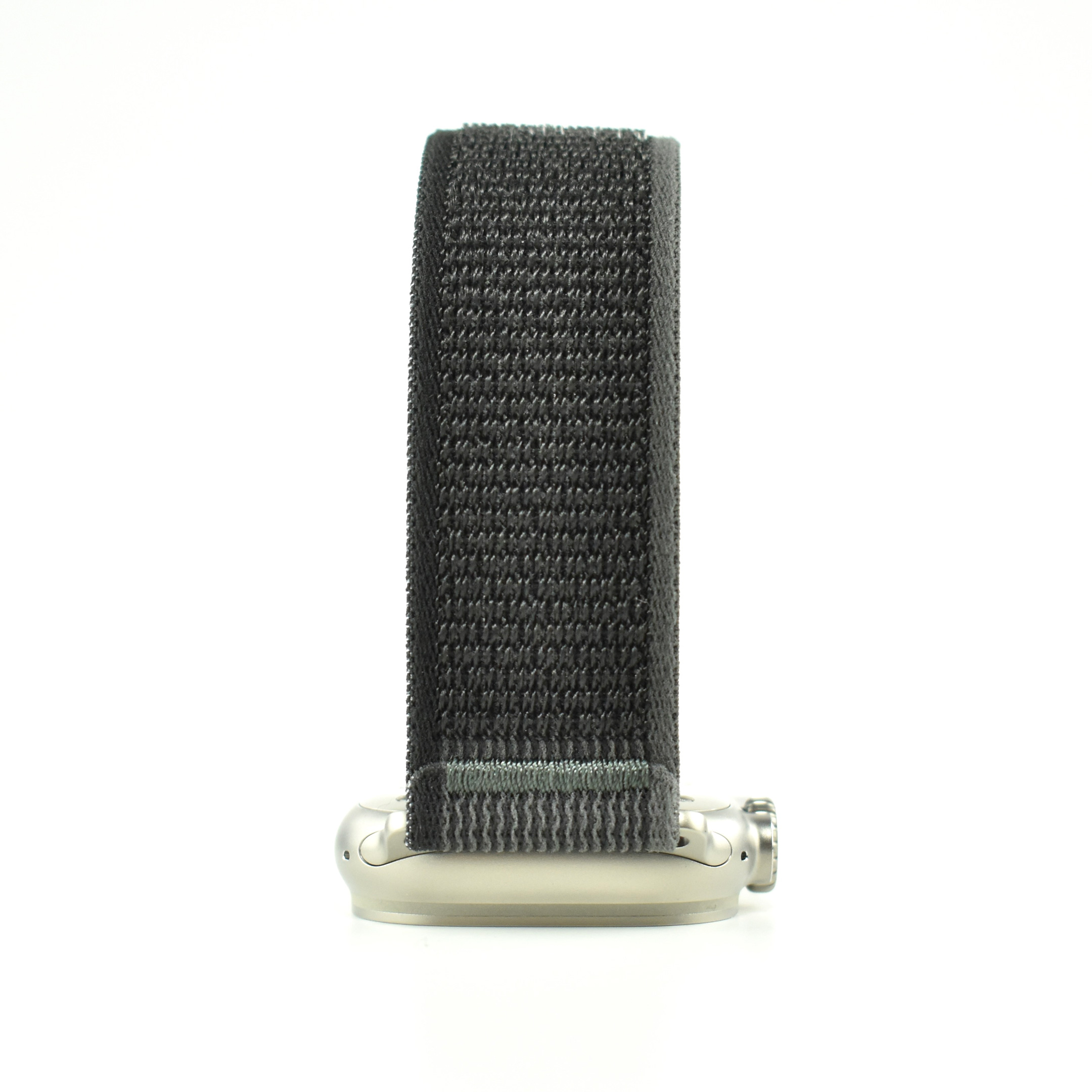
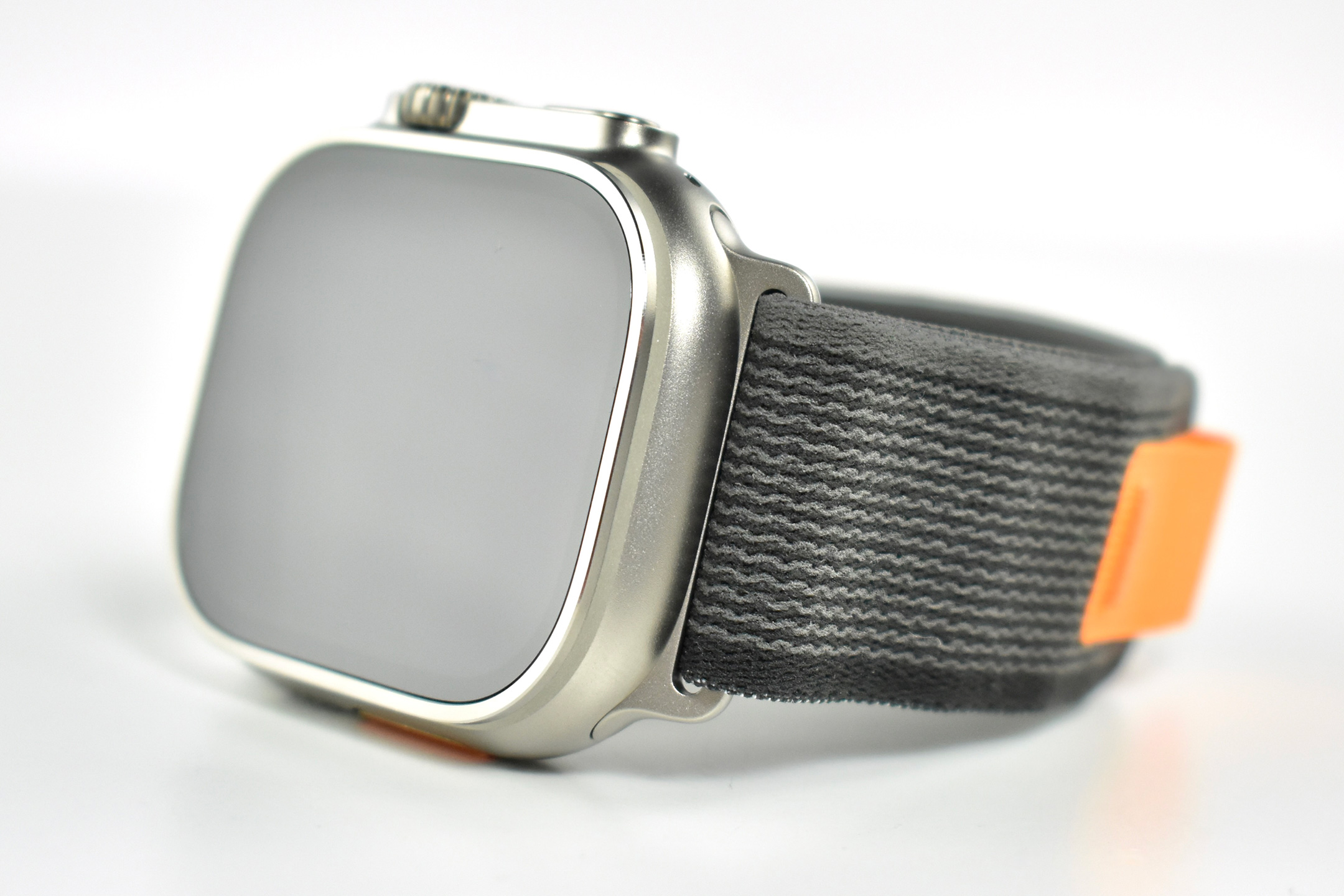
Trail Loop. Comfort for the long run. Designed to be light, thin, and flexible. It features a fuss-free loop closure for quick adjustments during workouts. Extra stretch built into the webbing makes it easy to cinch for optimal fit.
Alpine Loop. Tough as trails. Light, durable, and made from two textile layers seamlessly woven into one continuous piece without stitching. The corrosion‑resistant titanium G‑hook slips smoothly into the reinforced loops for a secure fit.
Ocean Band. The sea is calling. Molded from fluoroelastomer rubber, it’s lightweight and flexible. It has a titanium buckle and a spring‑loaded titanium adjustable loop that secures through the tubes for a hypersecure fit, even during high‑speed water sports. An attachable band extension lets you wear it over a thick wet suit.
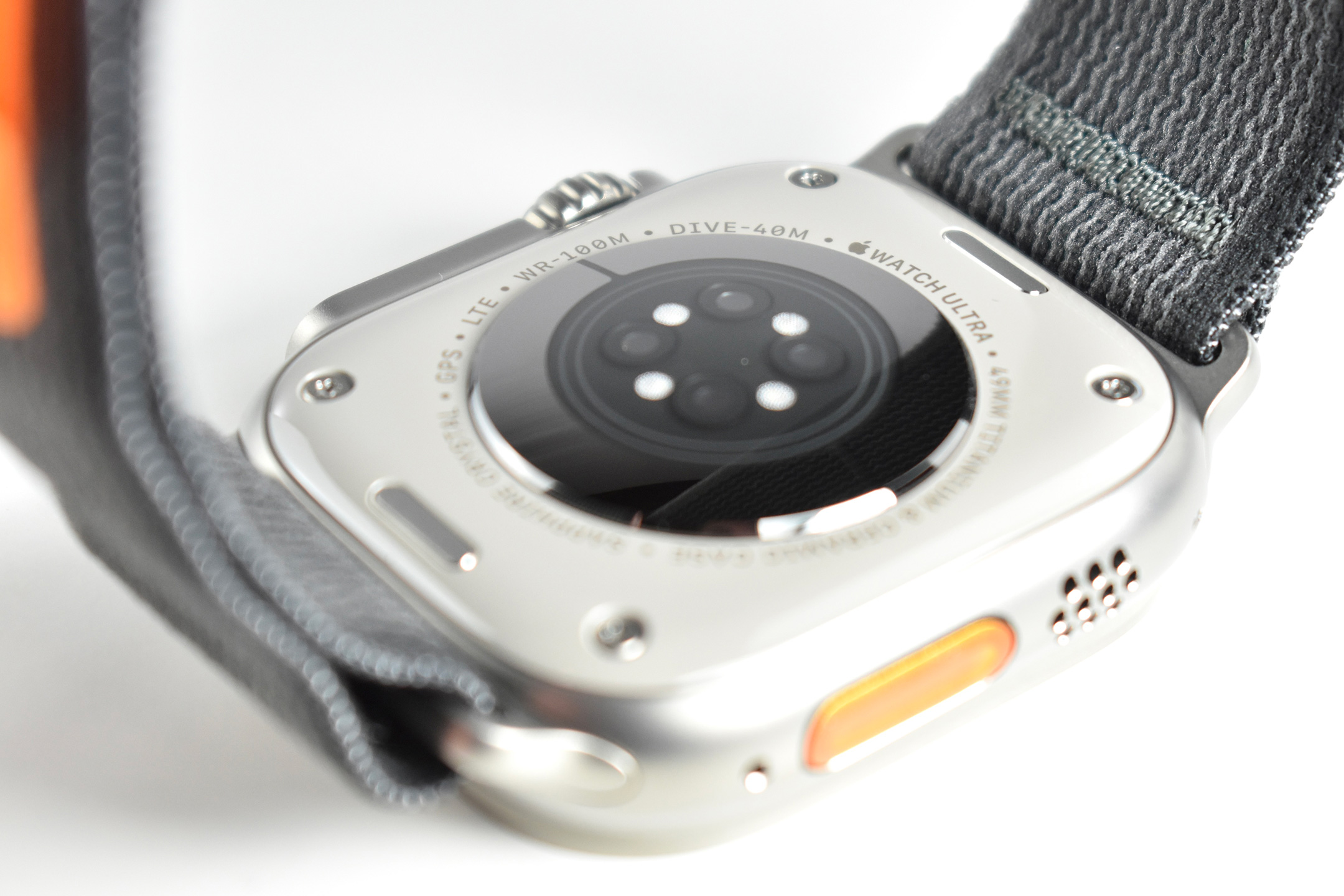
In addition to its rugged design, several features were exclusive to the Apple Watch Ultra. The Apple Watch Ultra had apps for scuba and free diving, a redesigned compass, a lightweight titanium case, a precision dual-frequency GPS, and its battery could last up to 36 hours (up to 60 hours in low power mode). It had a screen that was twice as bright as other Apple Watch models (up to 2000 nits) and had a night mode for low-light situations.
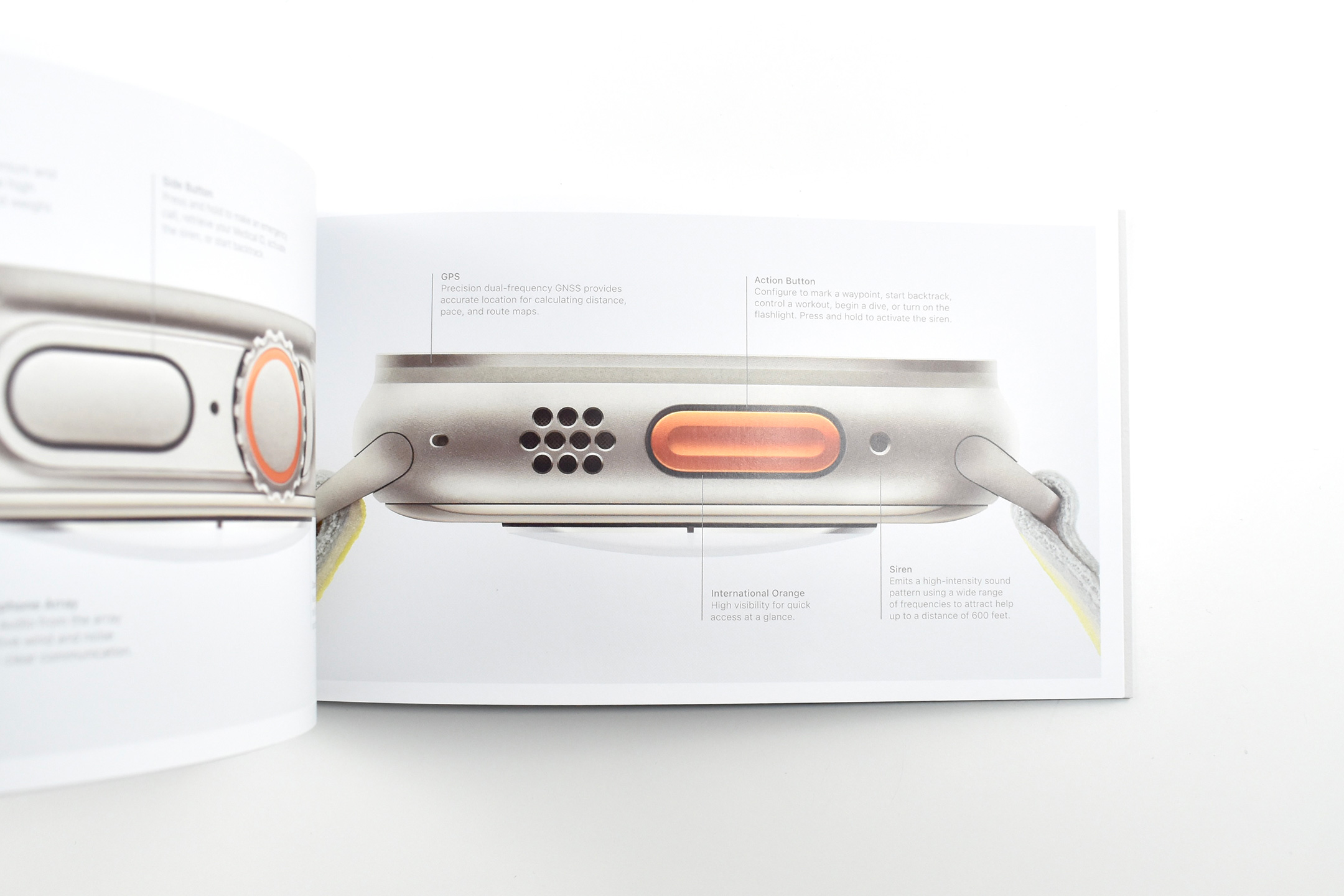
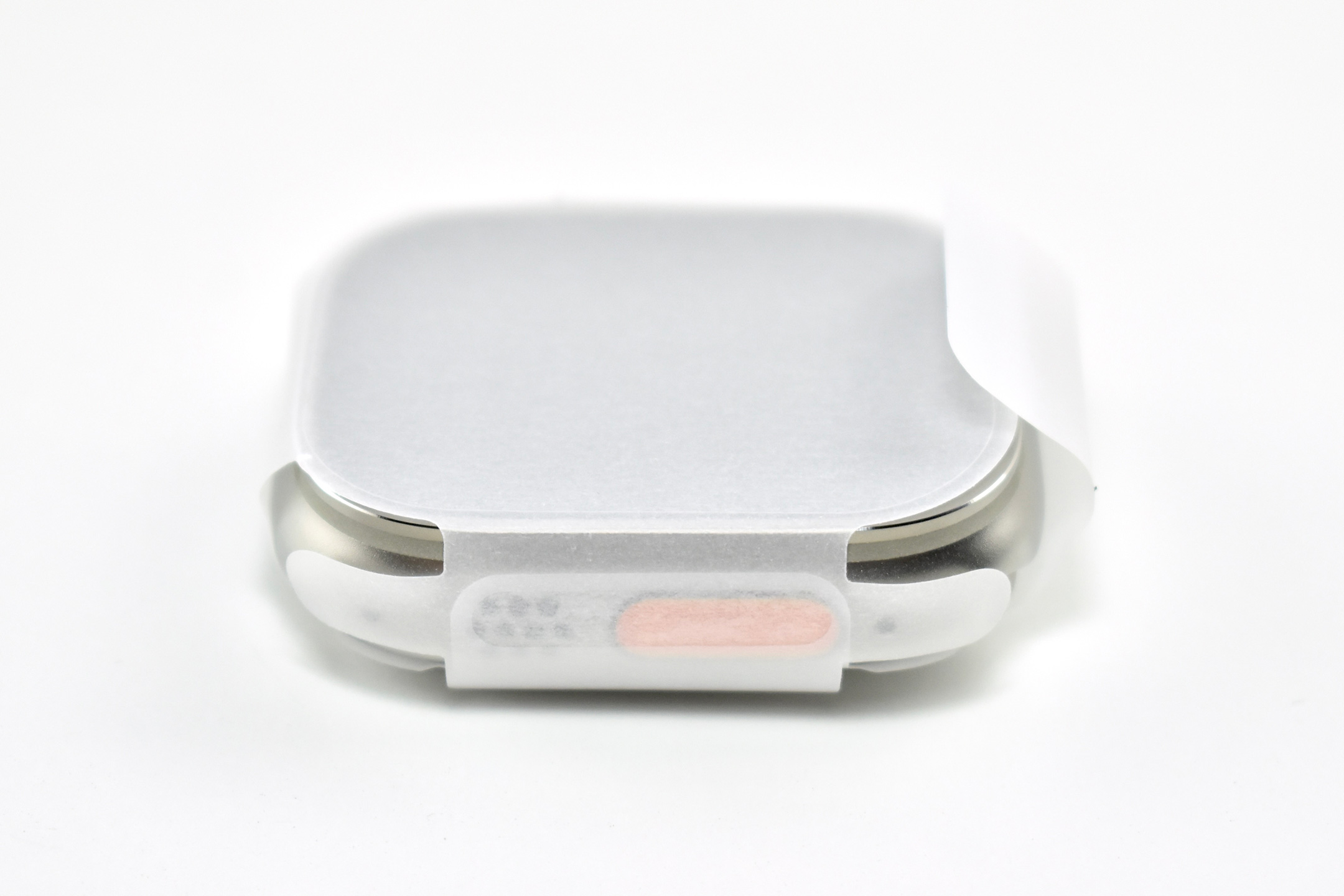
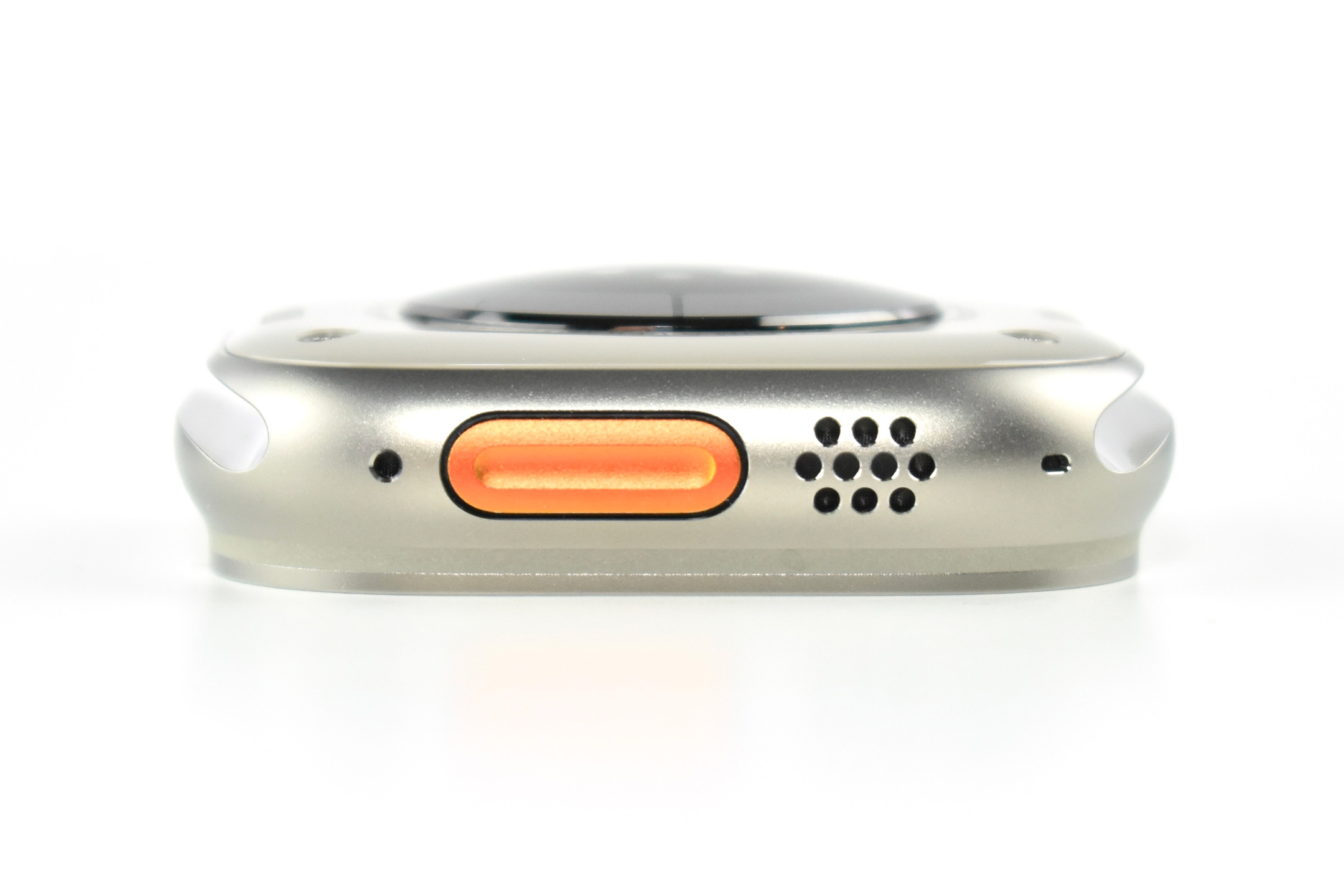
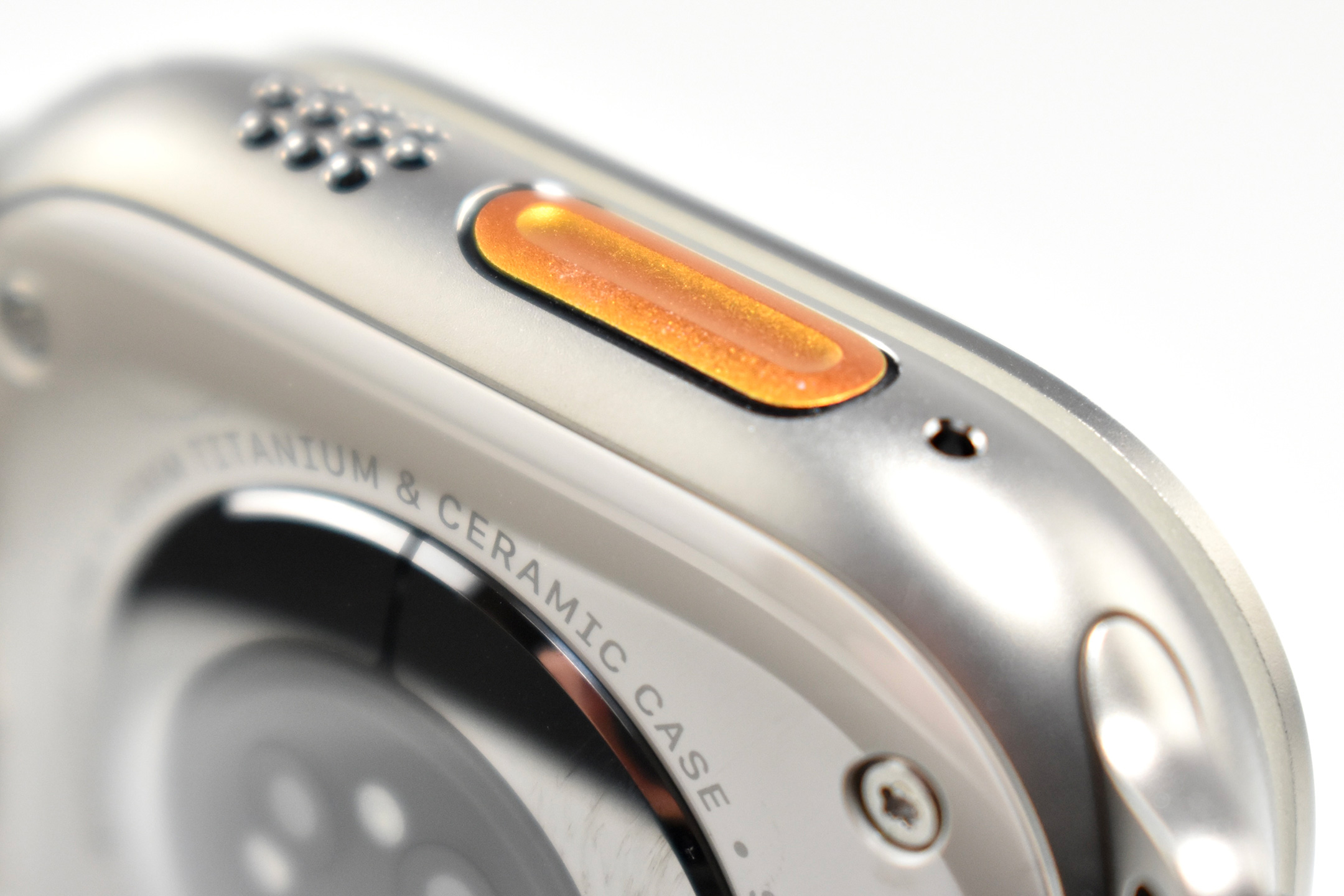
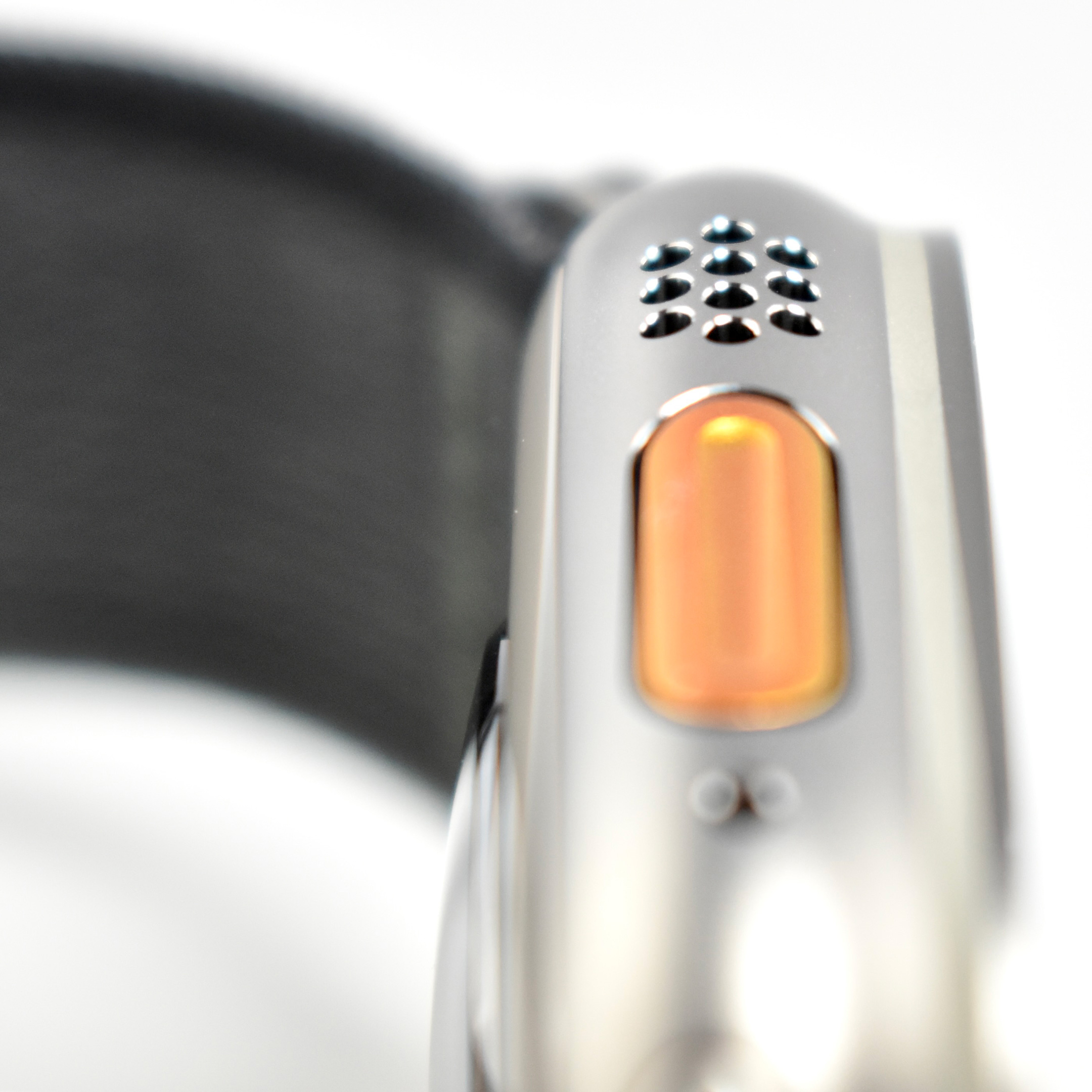
The Apple Watch Ultra also had an extra “Action button” on the left side that “gives you quick, physical control over a variety of functions. It’s customizable and can do things like control a workout, mark a Compass Waypoint, or begin a dive.” The “International Orange” button could be customized in the iPhone Watch app to control the following functions:
Workout
Stopwatch
Waypoint
Backtrack
Dive
Flashlight
Shortcut
When pressed and held, the Action Button activated an “86-decibel sound pattern to attract help” that “can be heard up to 600 feet or 180 meters away.”
The Apple Watch Ultra also had a Three‑Microphone Array to allow use in windy environments. The microphones used an adaptive algorithm that “picks the best microphone for audio. Machine learning filters noise for optimal voice clarity.”
The larger size of the Apple Watch Ultra screen allowed a few additional display features unavailable in other models. While working out, the display allowed viewing up to six simultaneous metrics. The redesigned Compass app could be accessed in a new ring display on certain watch face designs and offered real-time elevation, incline, longitude, and latitude along with the directional information.
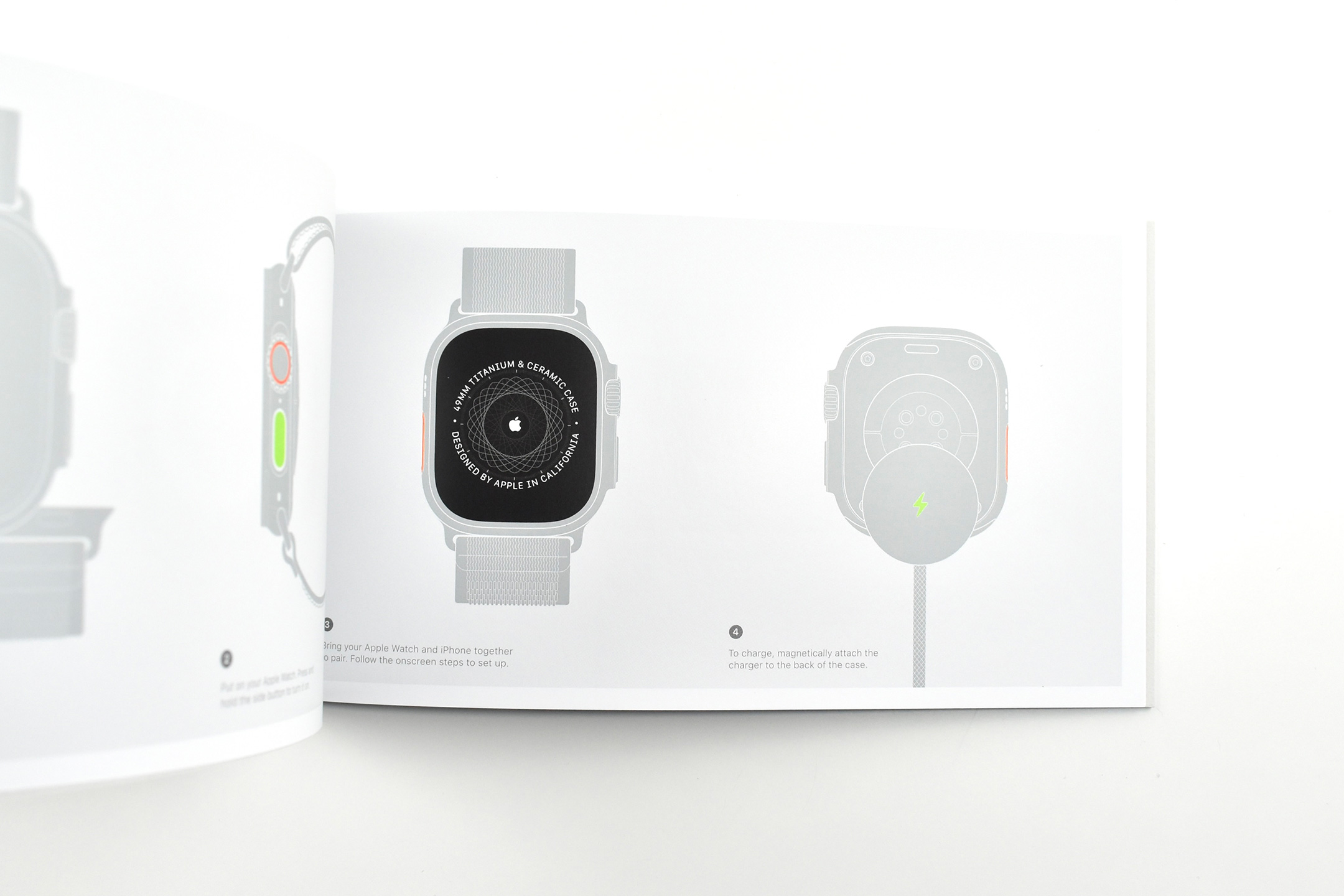
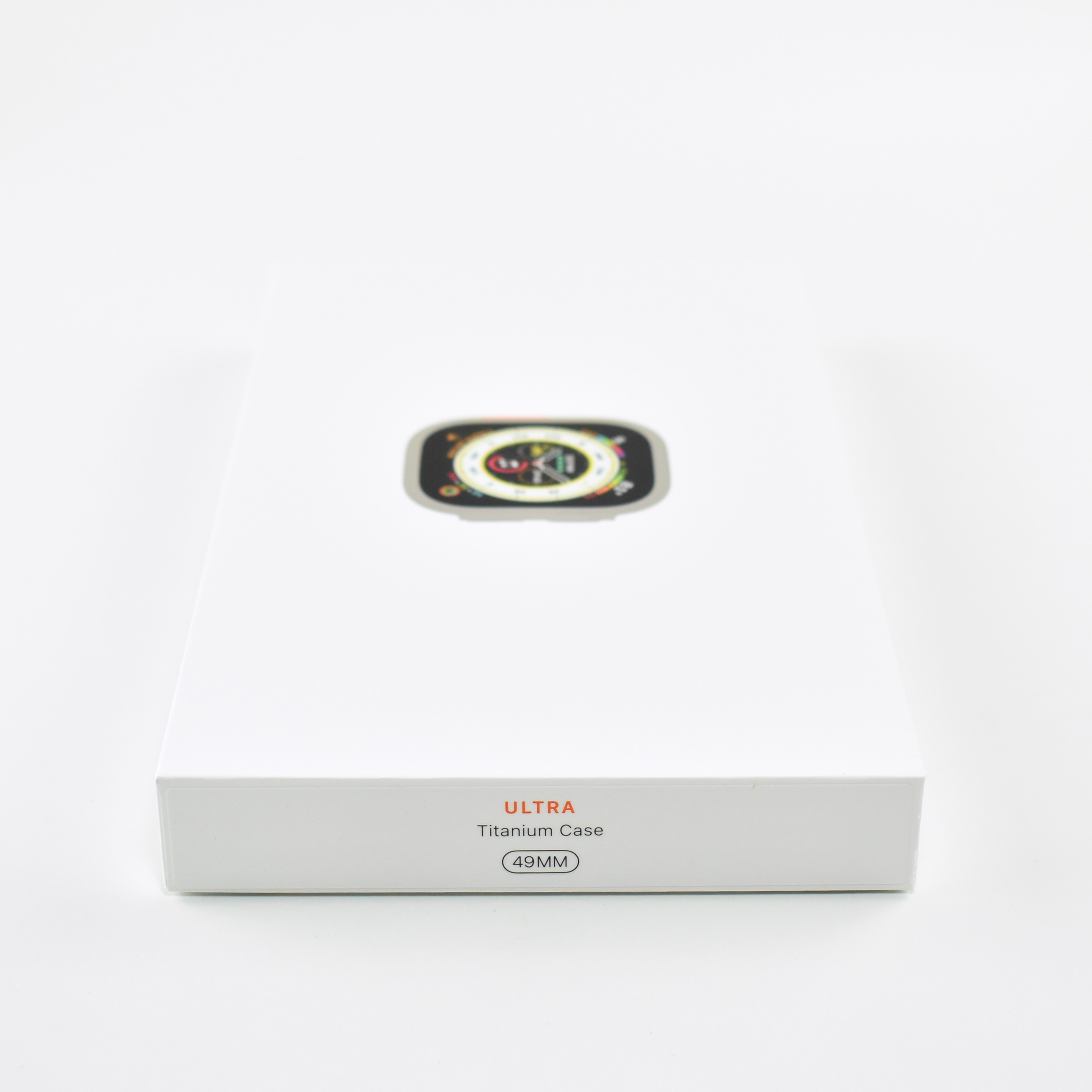
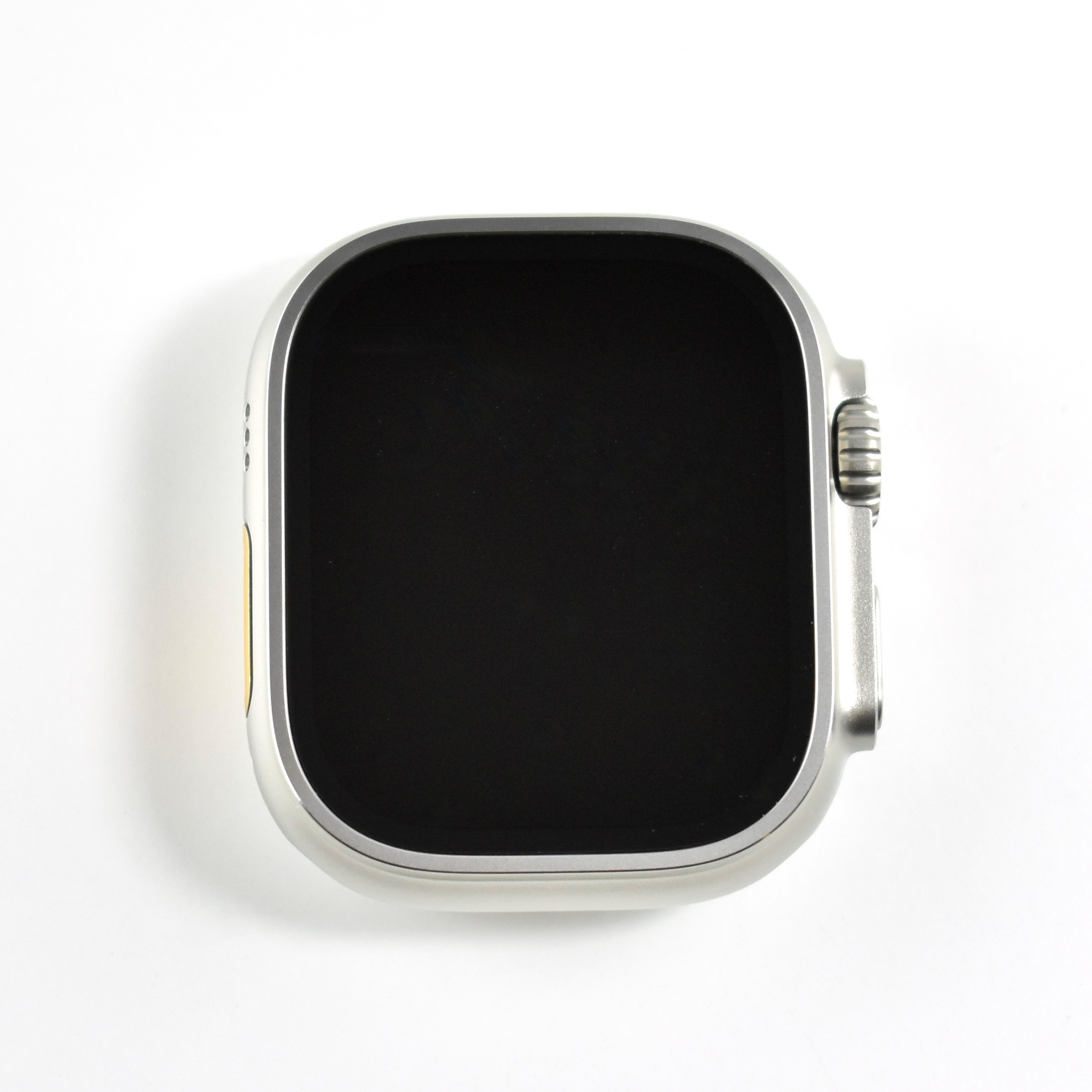
The Apple Watch Ultra was released in just one color, size, and finish: a metallic light-beige shade of titanium. The display was 49mm. All models used three chips, including the S8 with 64-bit dual-core processor, W3 Apple wireless chip, and U1 Ultra Wideband chip. GPS and Cellular were standard features along with 802.11b/g/n 2.4GHz and 5GHz Wi-Fi and Bluetooth 5.3. It measured 49 x 44mm and was 14.4mm deep. It weighed 61.3 grams.
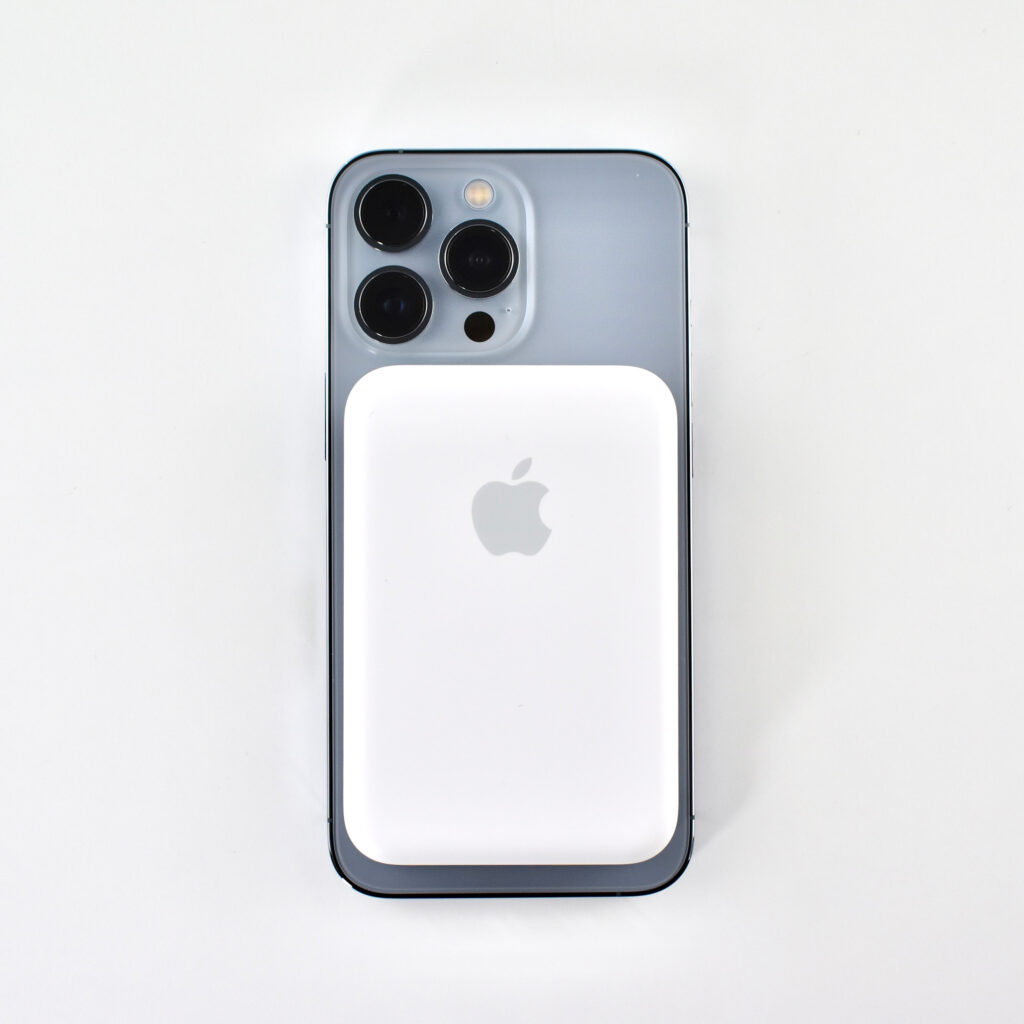
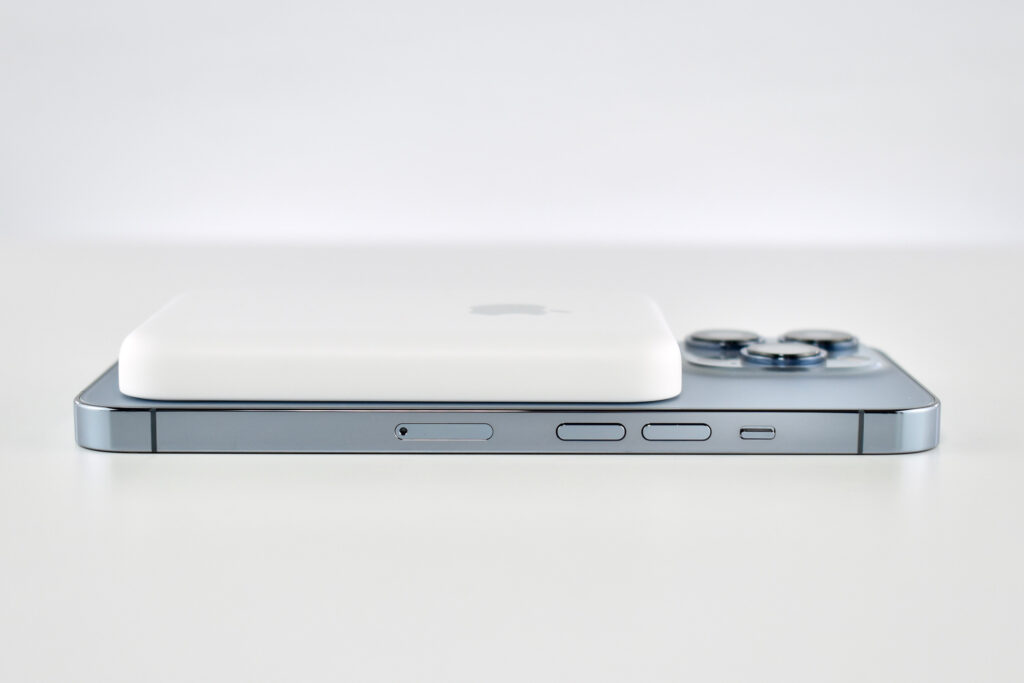
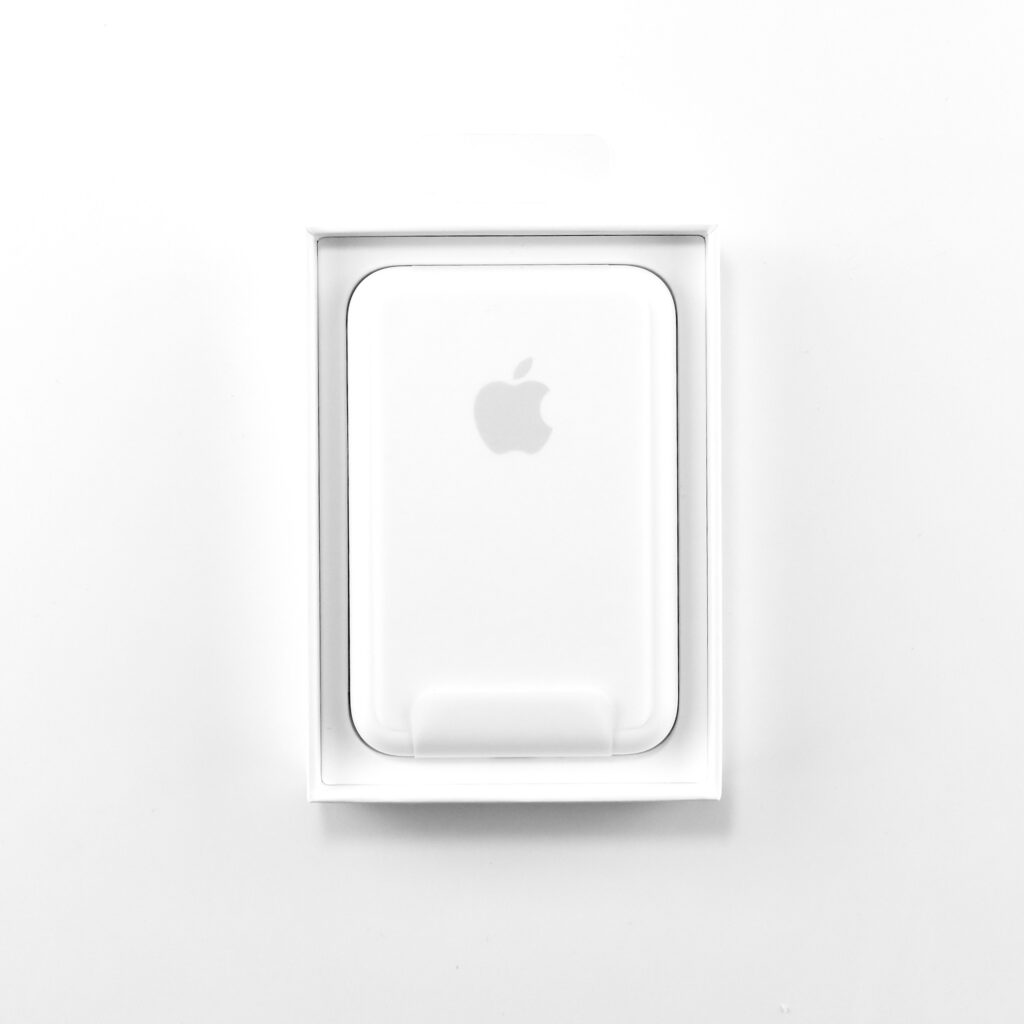
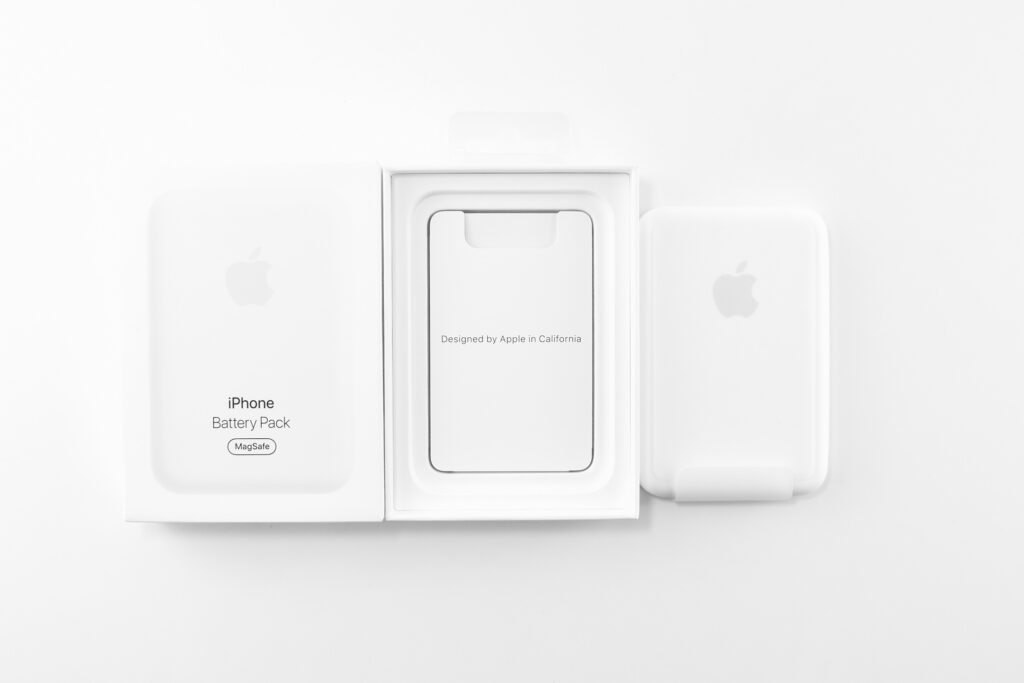
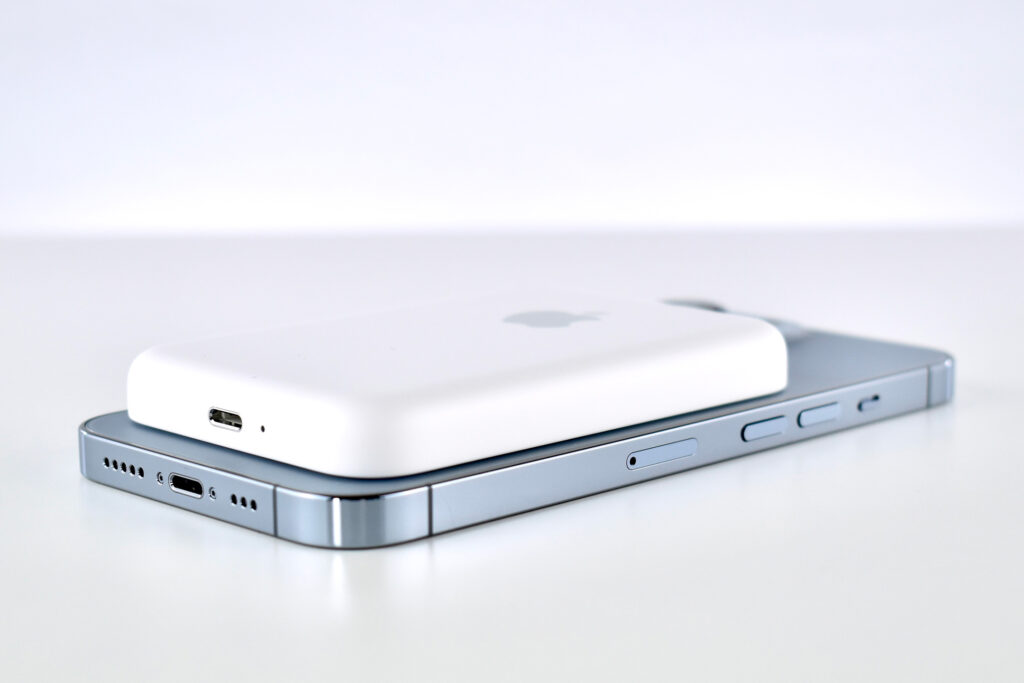
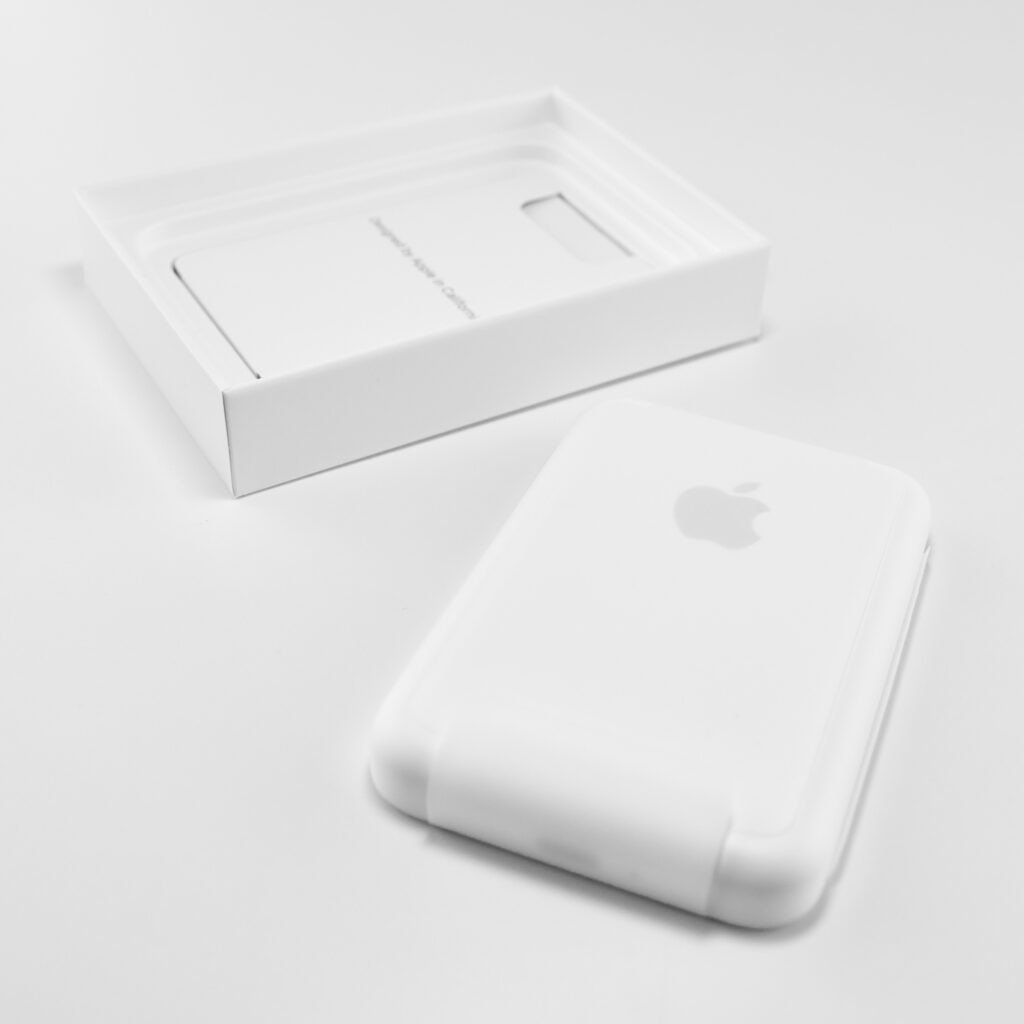
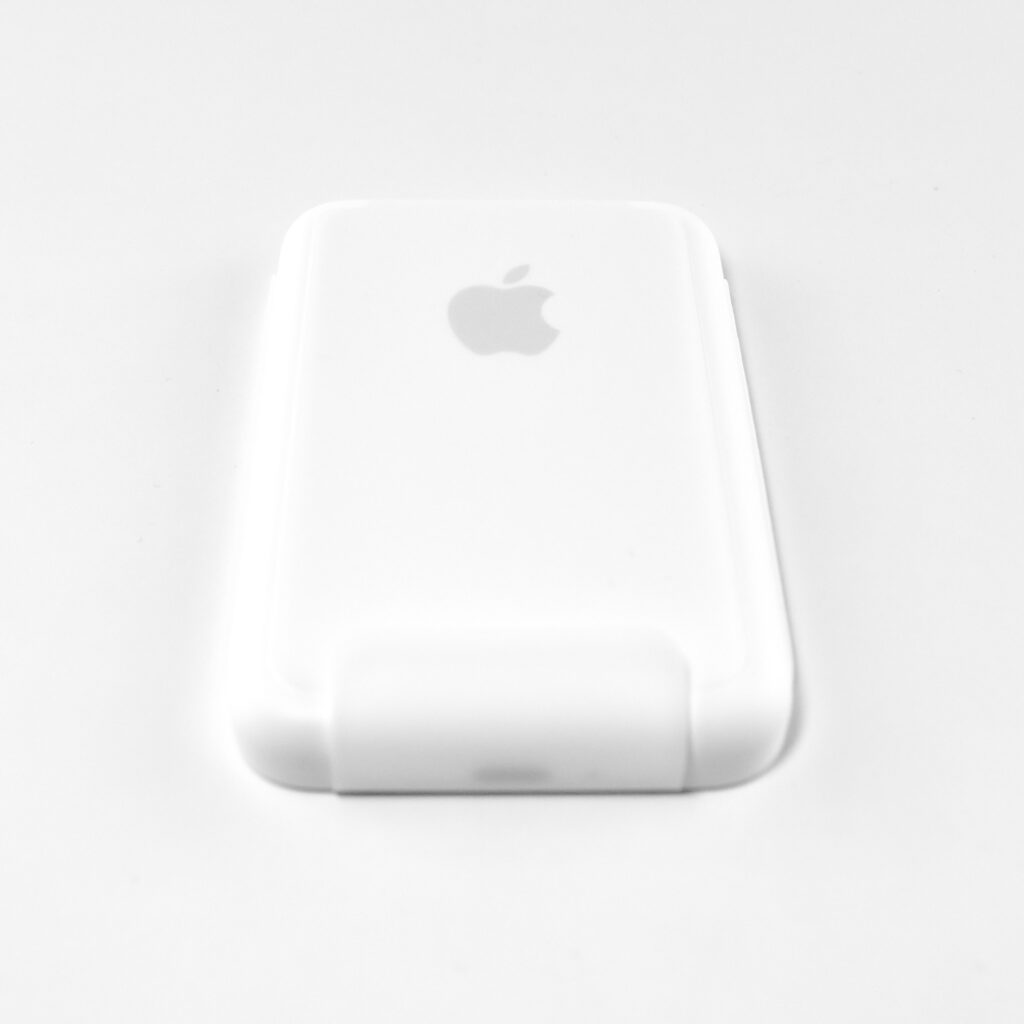
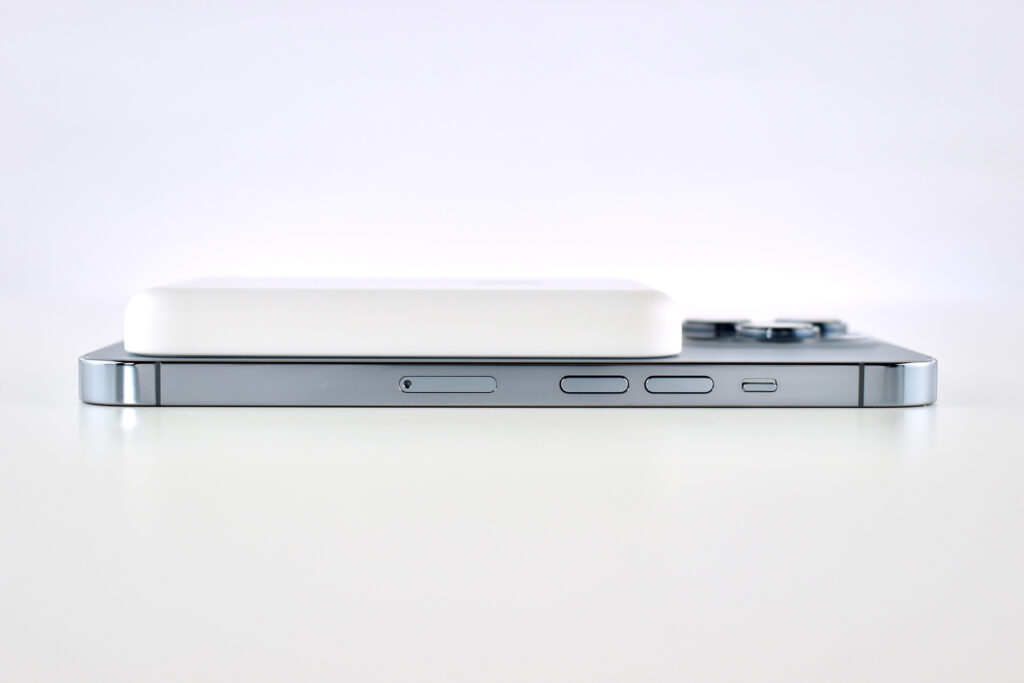
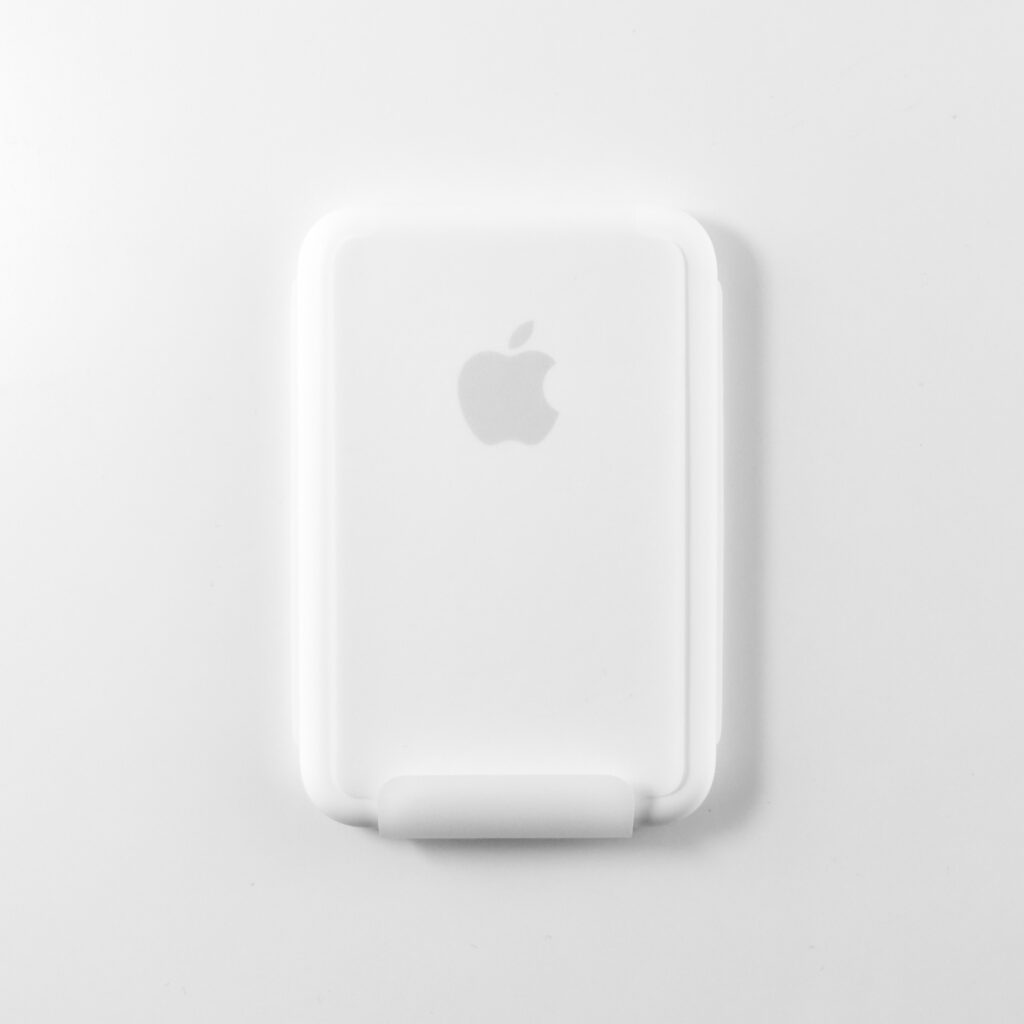
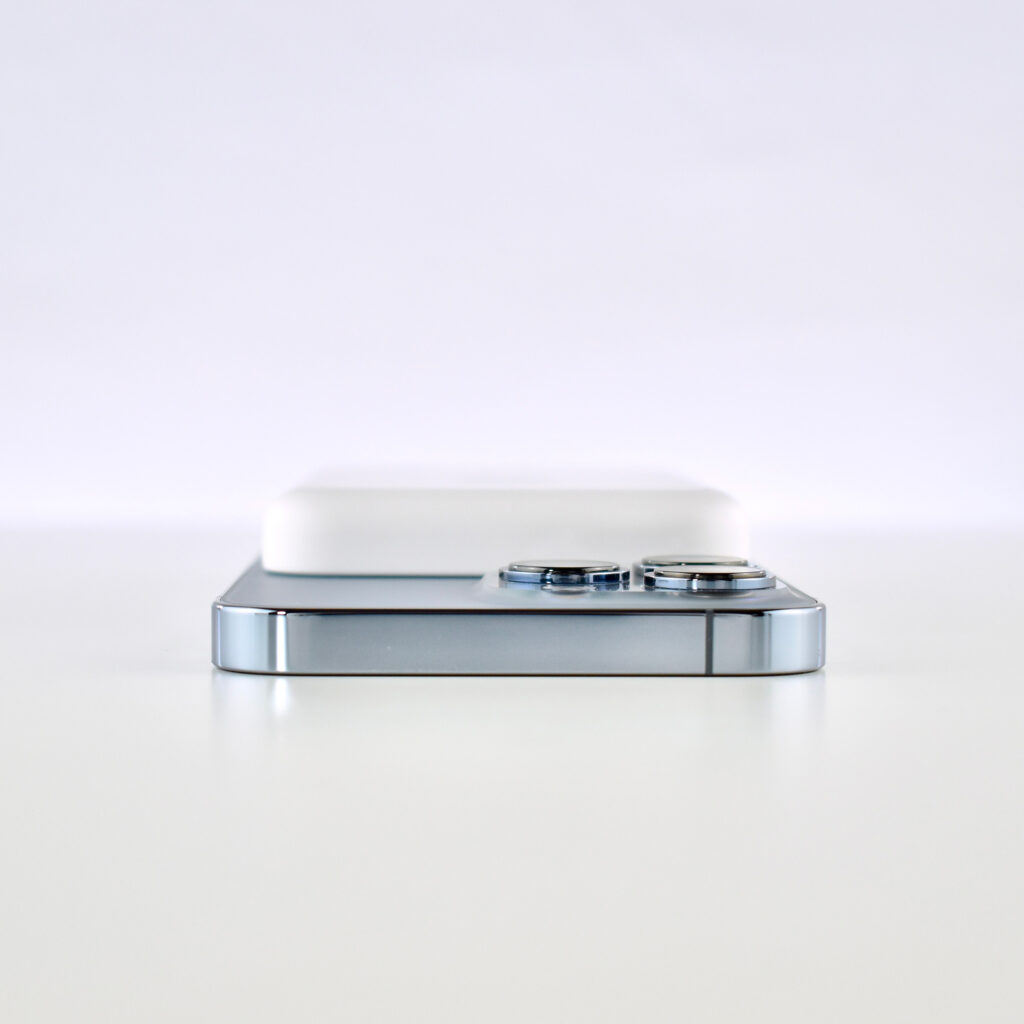
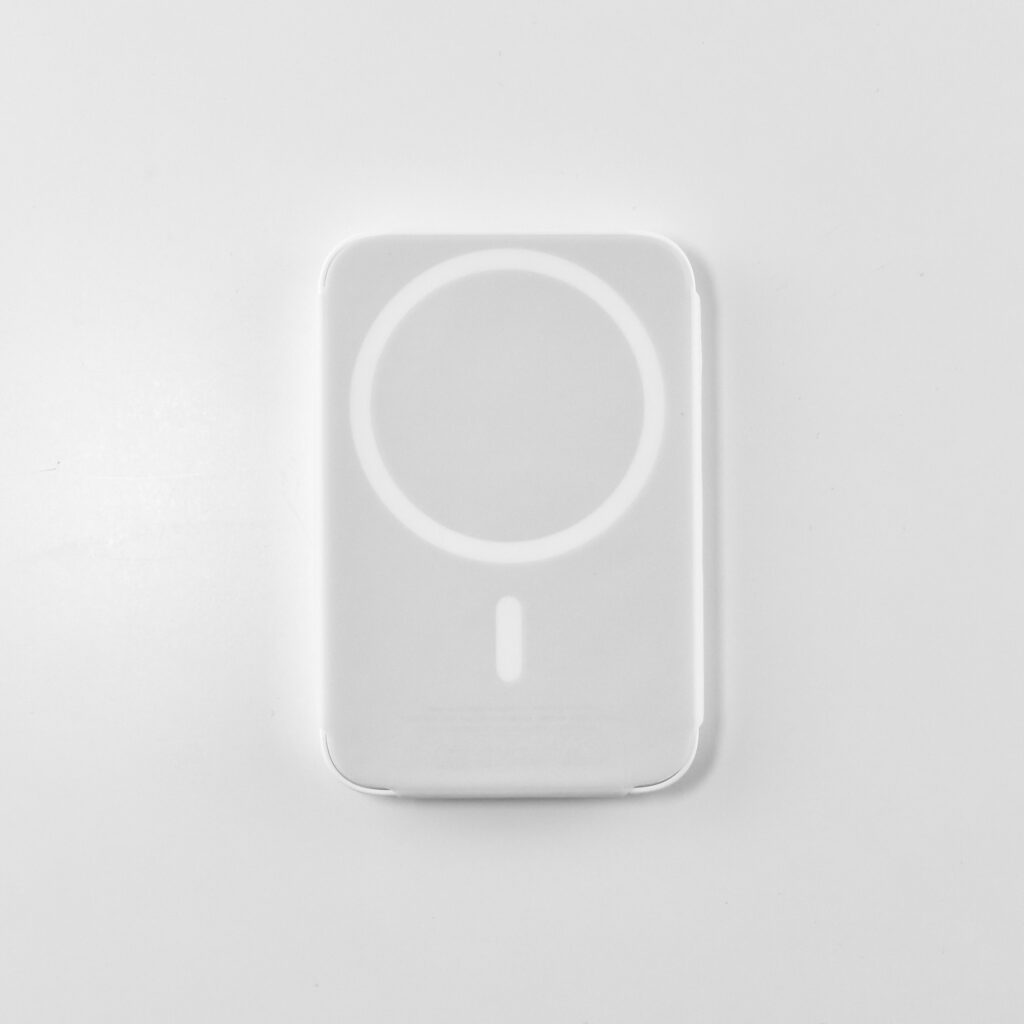
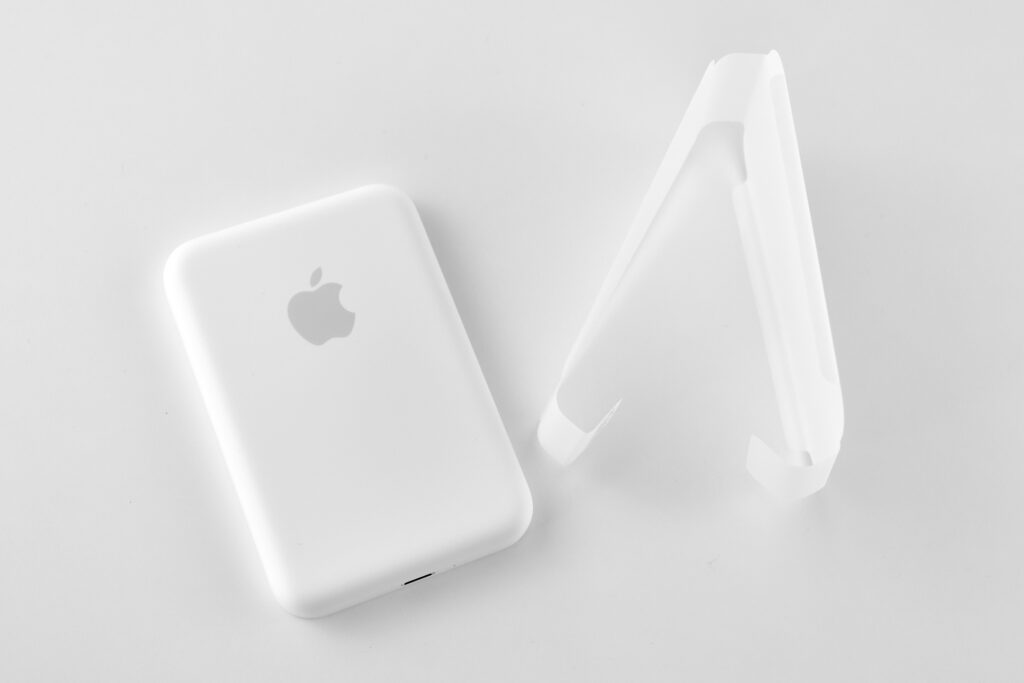
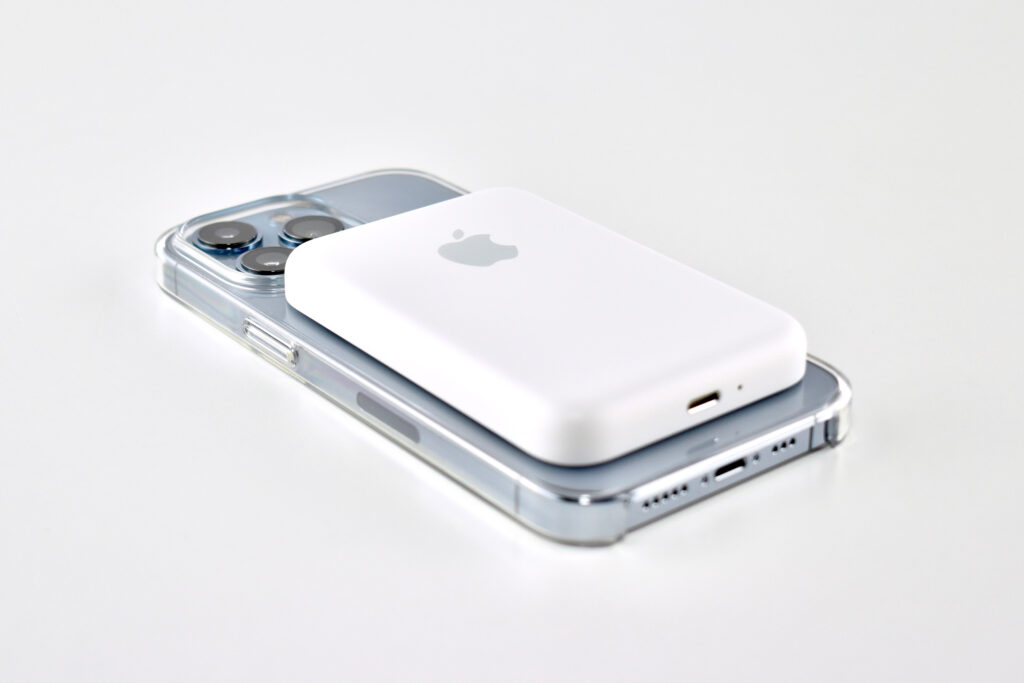
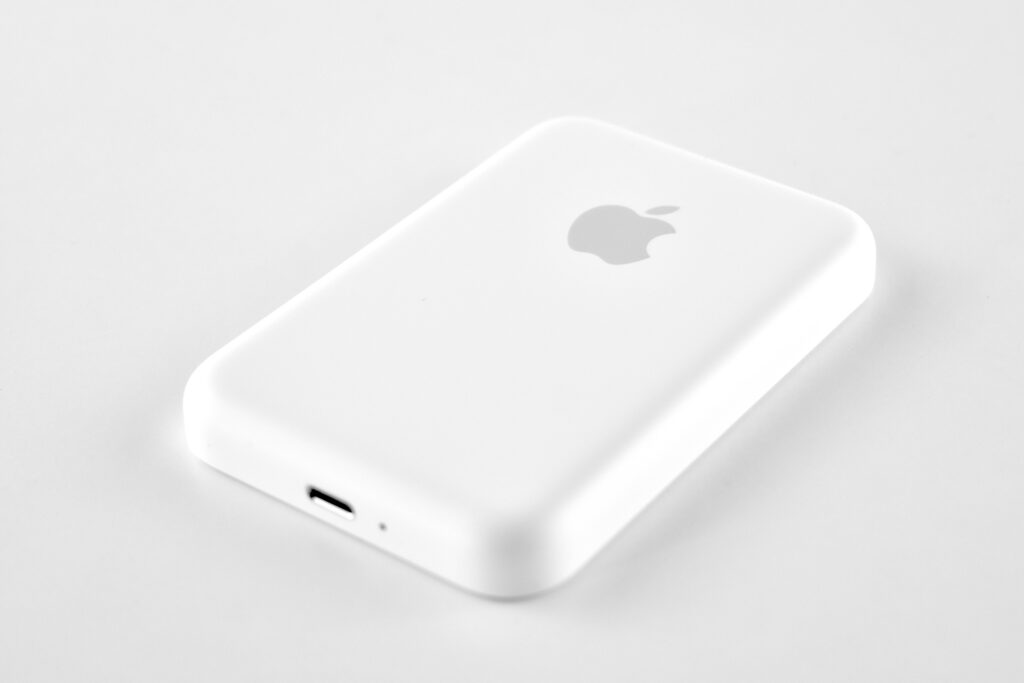
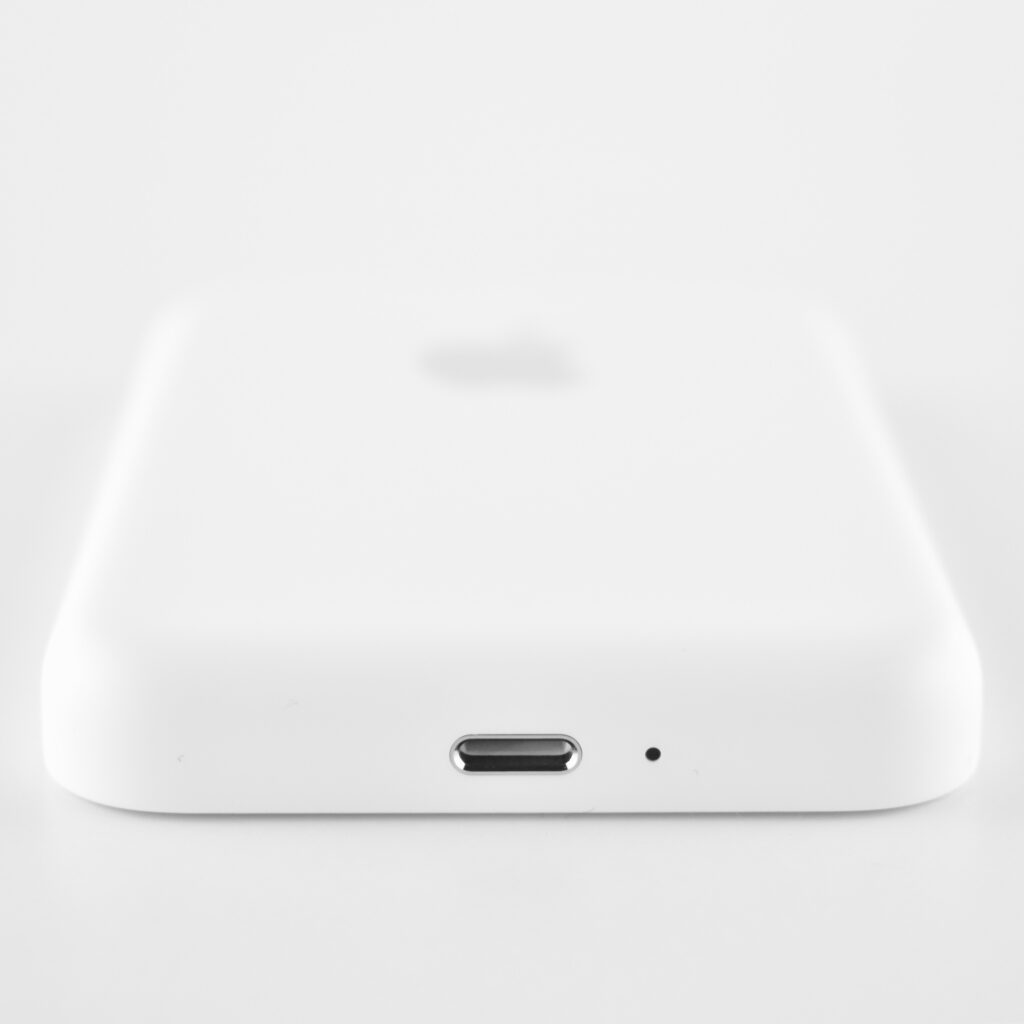
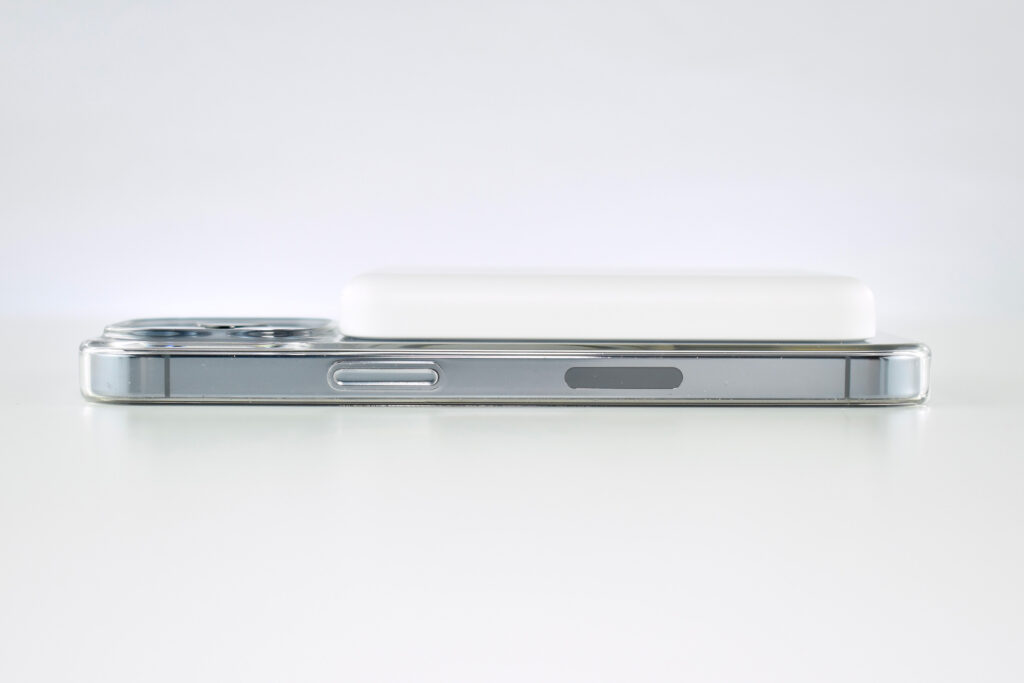
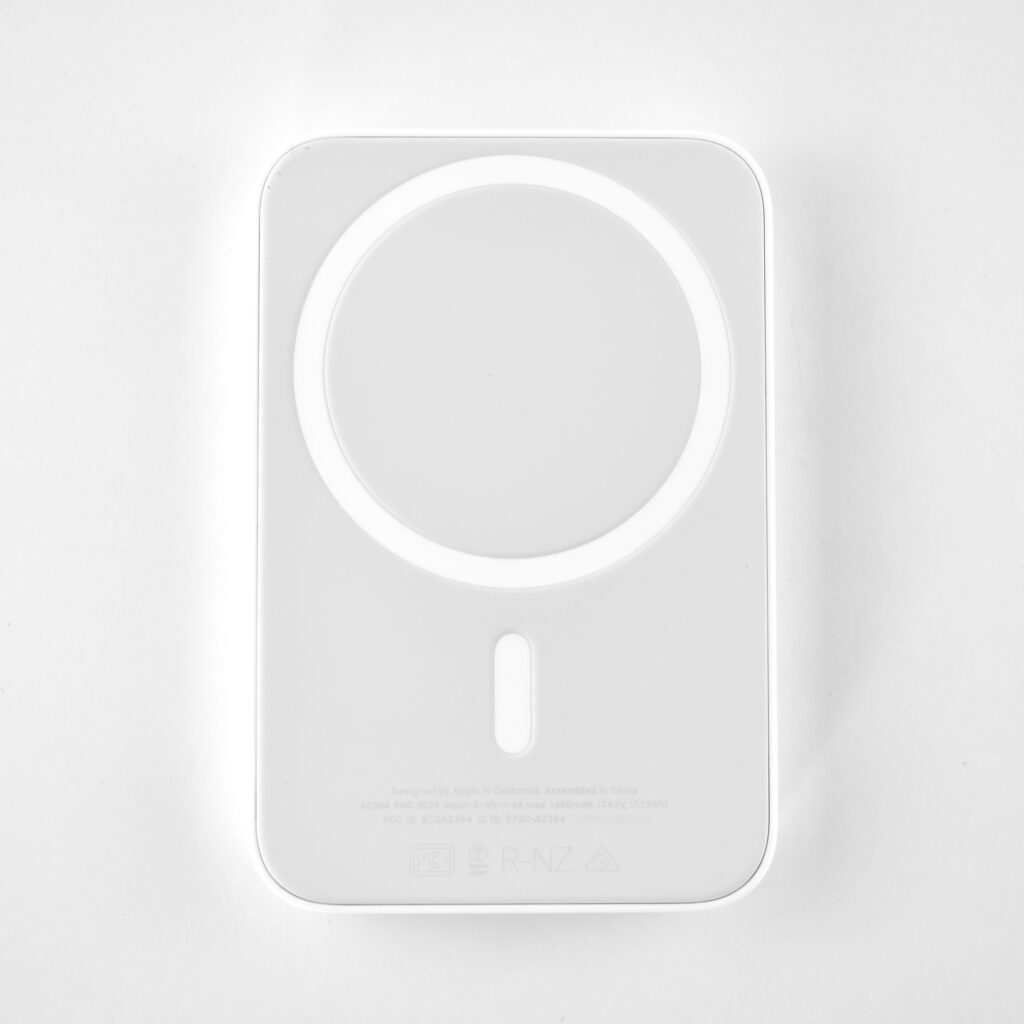
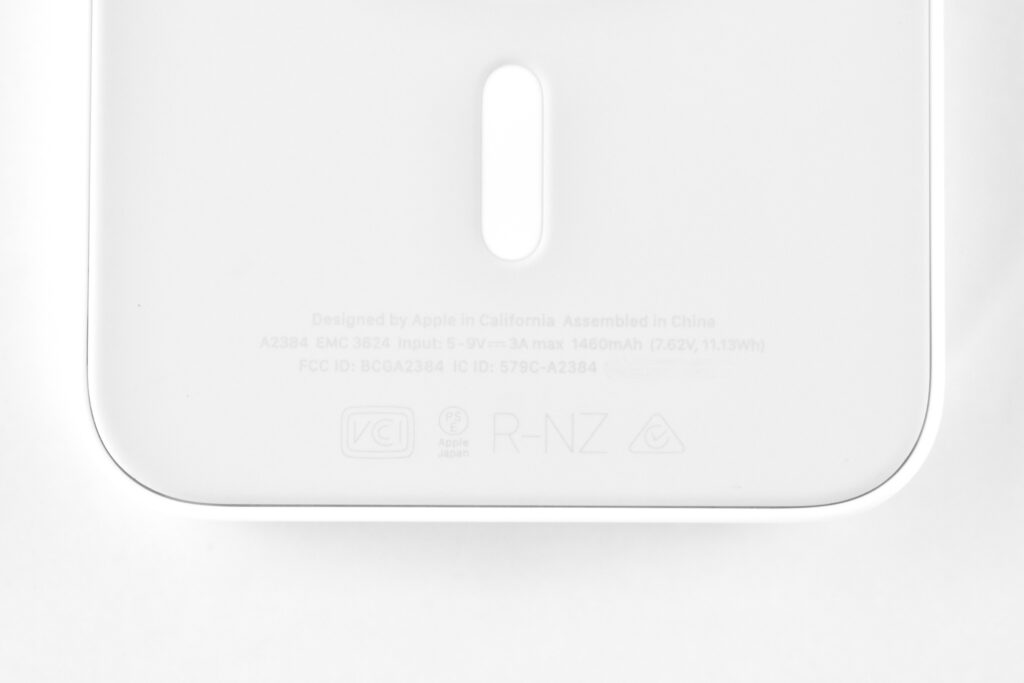
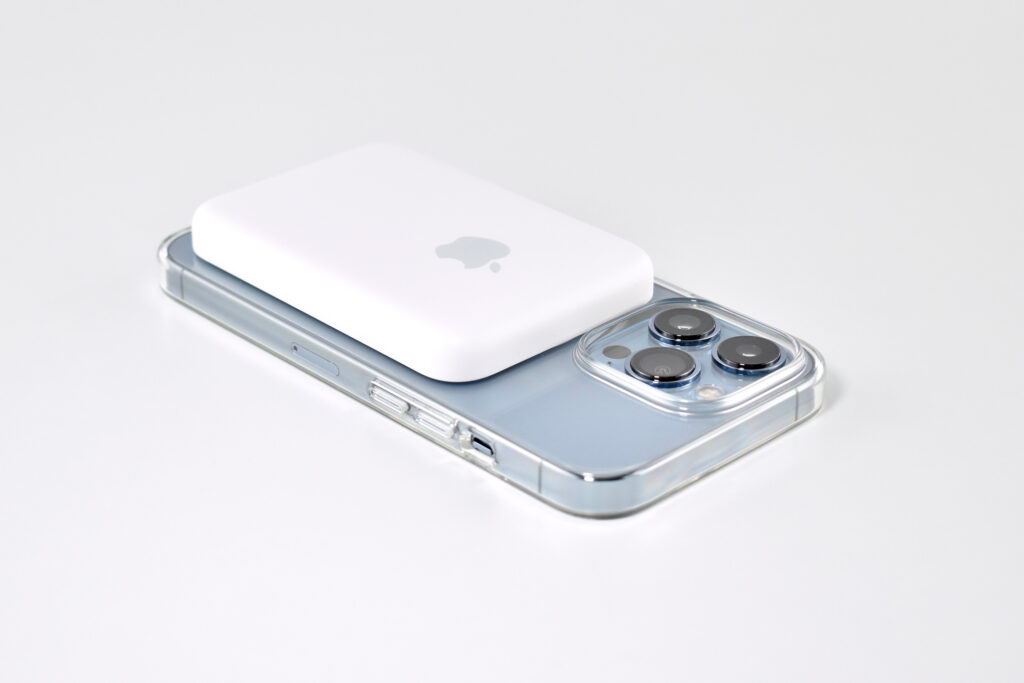
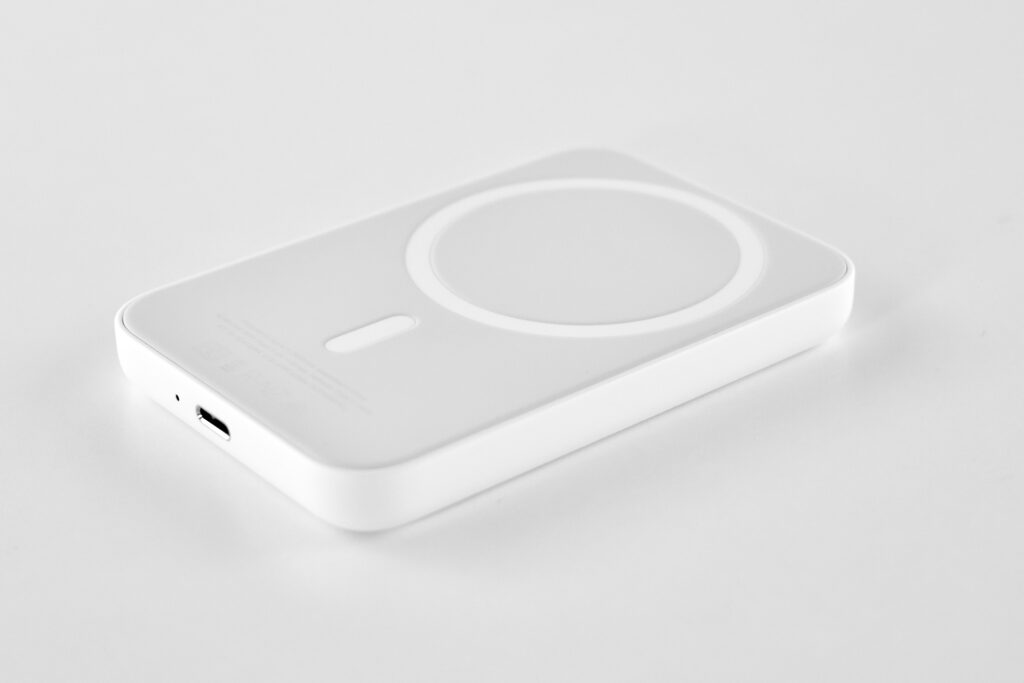
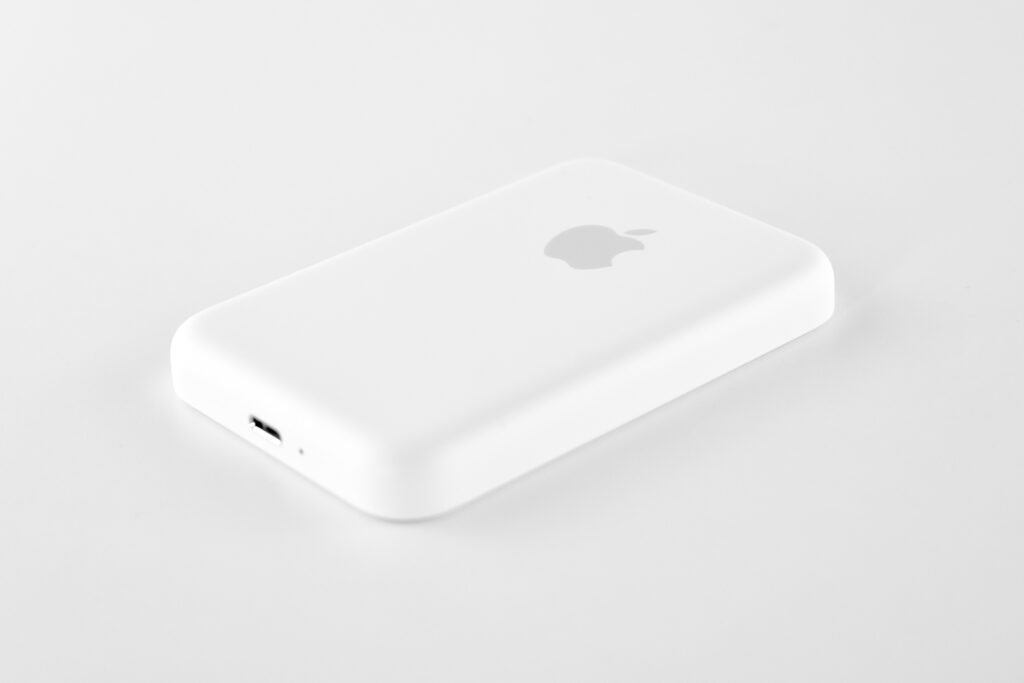
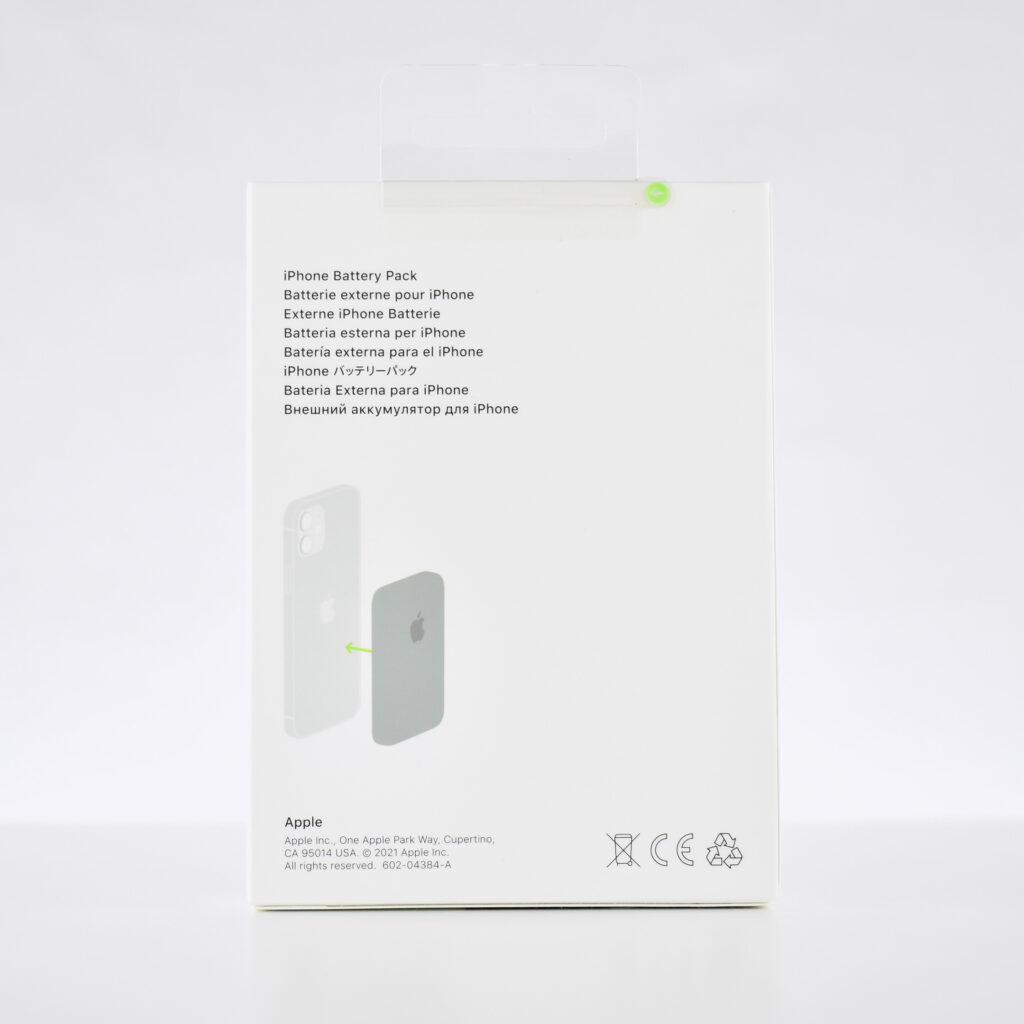
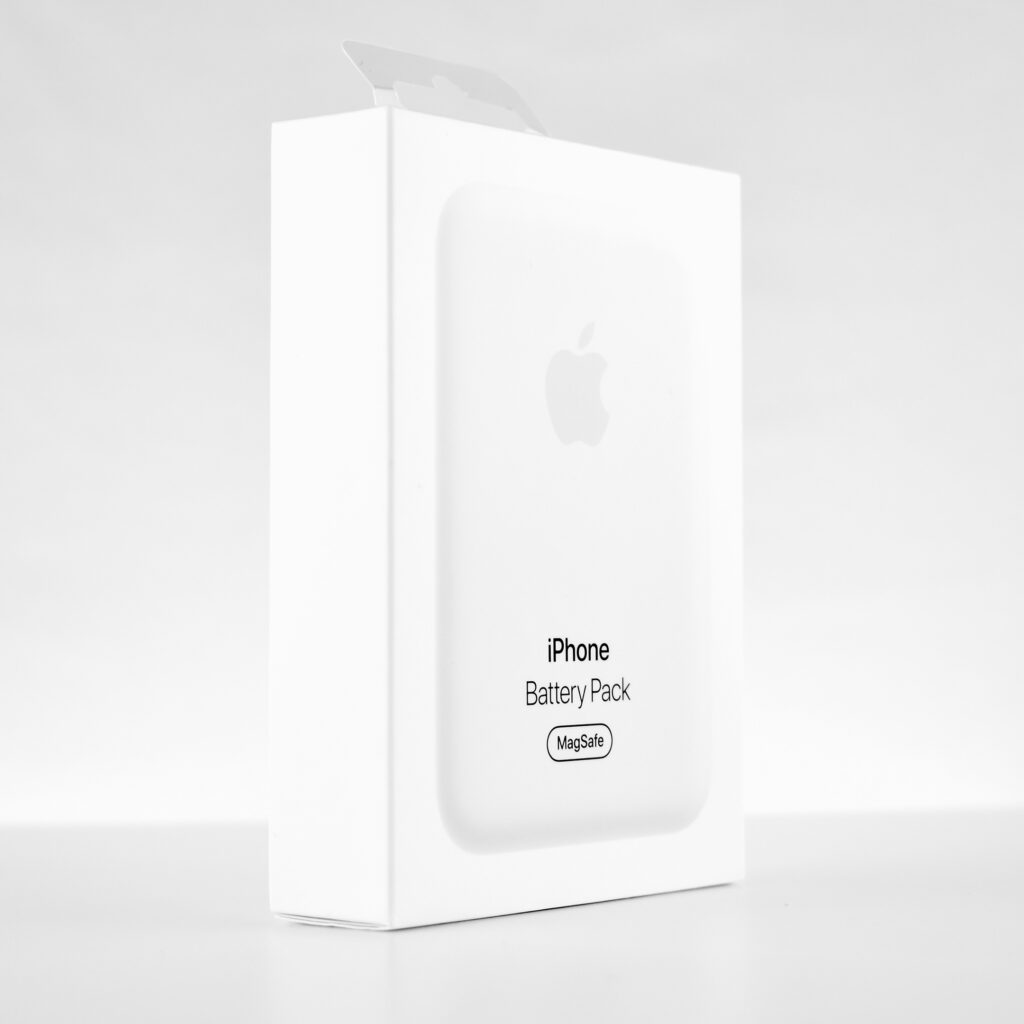
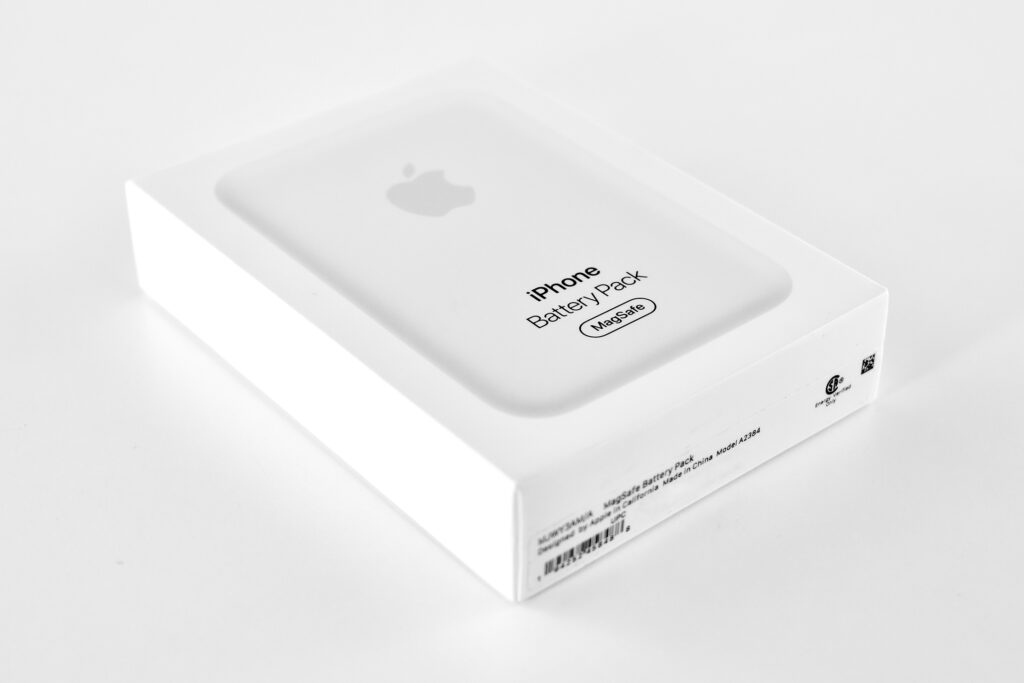
The MagSafe Battery Pack was introduced in July 2021. The battery pack can be attached to the back of any iPhone with MagSafe charging, including all iPhone 12 and 13 models. The product is designed “to quickly and safely wirelessly charge iPhone models with MagSafe, giving you more time to use your device.”
Apple describes the product:
“Attaching the MagSafe Battery Pack is a snap. Its compact, intuitive design makes on-the-go charging easy. The perfectly aligned magnets keep it attached to your iPhone 12 and iPhone 12 Pro or iPhone 13 and iPhone 13 Pro — providing safe and reliable wireless charging. And it automatically charges, so there’s no need to turn it on or off. There’s no interference with your credit cards or key fobs either.”
Like other Apple charging products of the time, they do not function out of the box and require a charging brick that is sold separately. Since so many charging bricks are available, the topic of charging the charger can be confusing and requires a full tech support document that states, “your MagSafe Battery Pack can charge your iPhone with up to 5W of power. If connected to a 20W or higher power source, it can charge with up to 15W of power.”
The MagSafe Battery Pack provides additional charge capacity to an iPhone based on the model and many other factors, including settings, usage, and environmental conditions. Apple specifies that the battery pack provides:
Up to 70% additional charge with iPhone 12 mini or iPhone 13 mini and MagSafe Battery Pack
Up to 60% additional charge with iPhone 12 or iPhone 13 and MagSafe Battery Pack
Up to 60% additional charge with iPhone 12 Pro or iPhone 13 Pro and MagSafe Battery Pack
Up to 40% additional charge with iPhone 12 Pro Max or iPhone 13 Pro Max and MagSafe Battery Pack
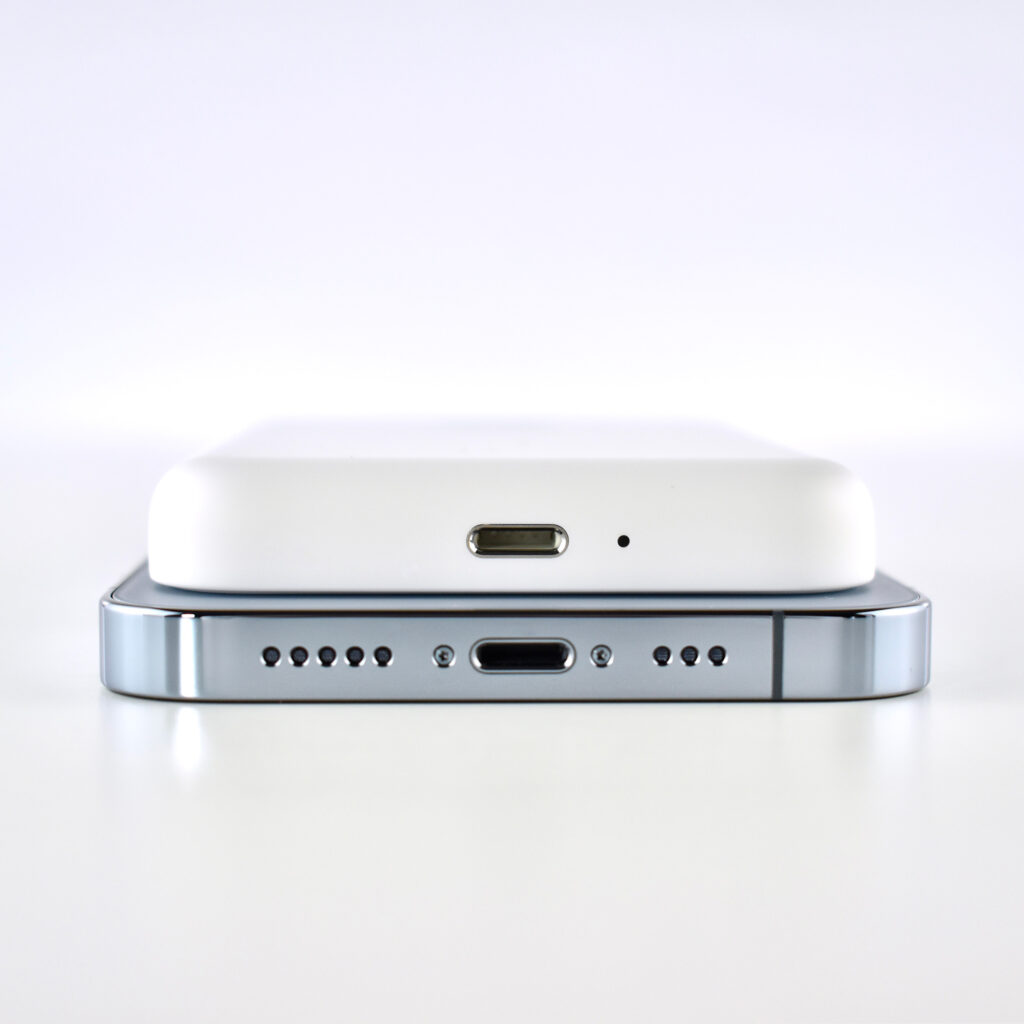
The MagSafe Battery Pack is the exact width of the iPhone 12/13 mini (with matching curved corners) so it fits all models of the iPhone 12/ 13, iPhone Pro 12/13 and iPhone Pro Max 12/13.
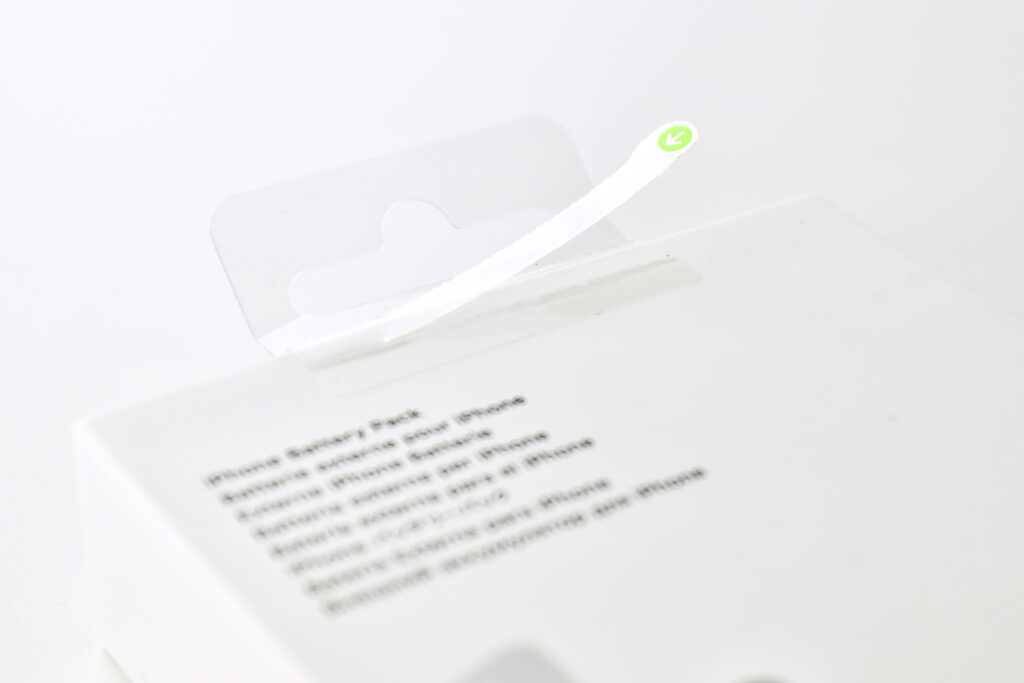
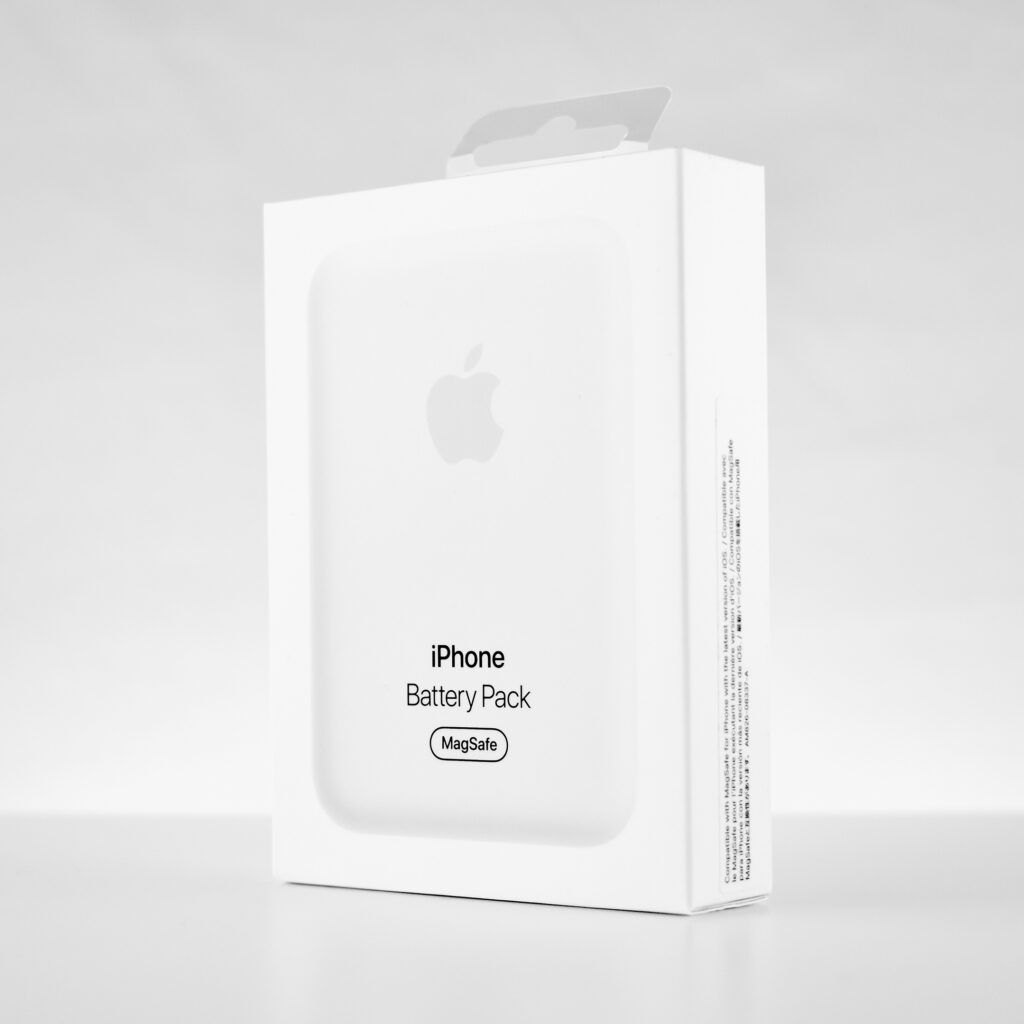
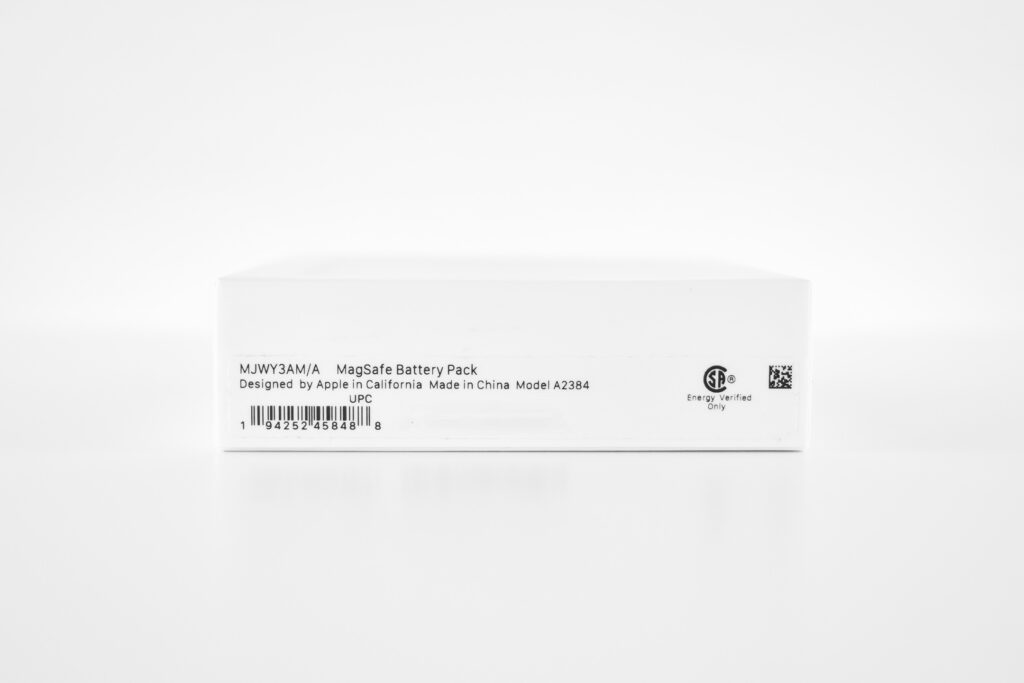
Although the product is referred to on the Apple website and on the bottom of the package as the “MagSafe Battery Pack,” the front of the package identifies it as an “iPhone Battery Pack MageSafe” and the “iPhone Battery Pack” on the back.
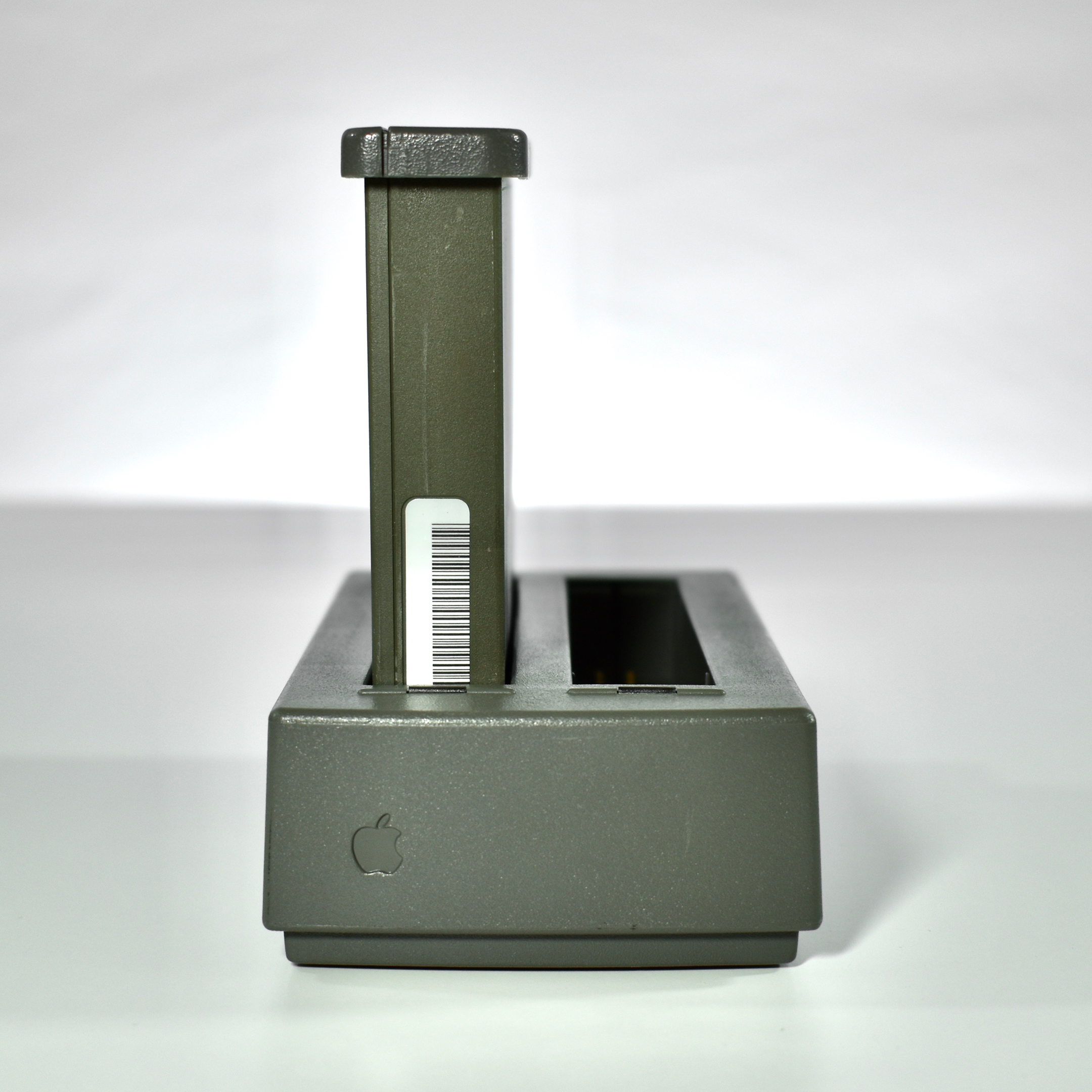
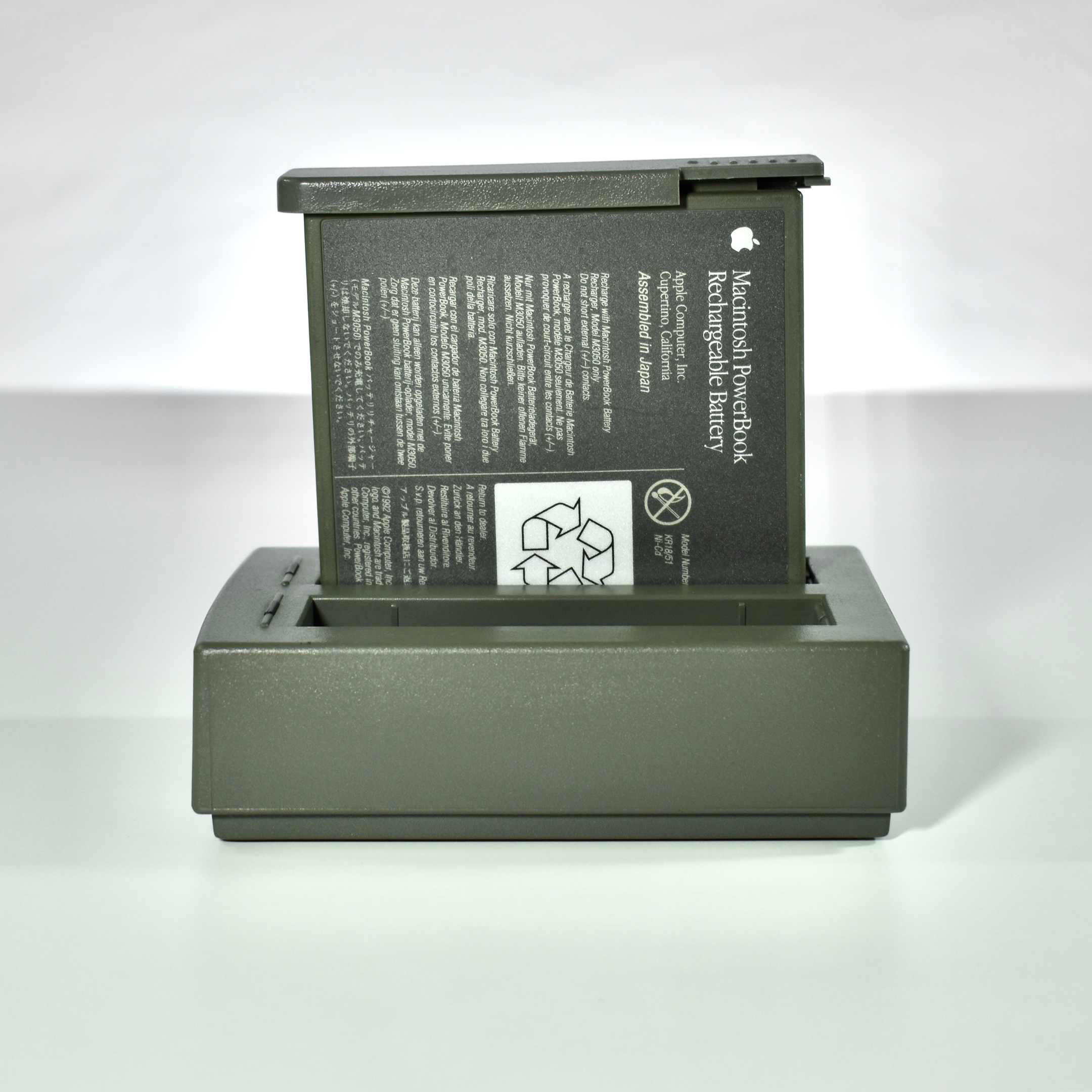
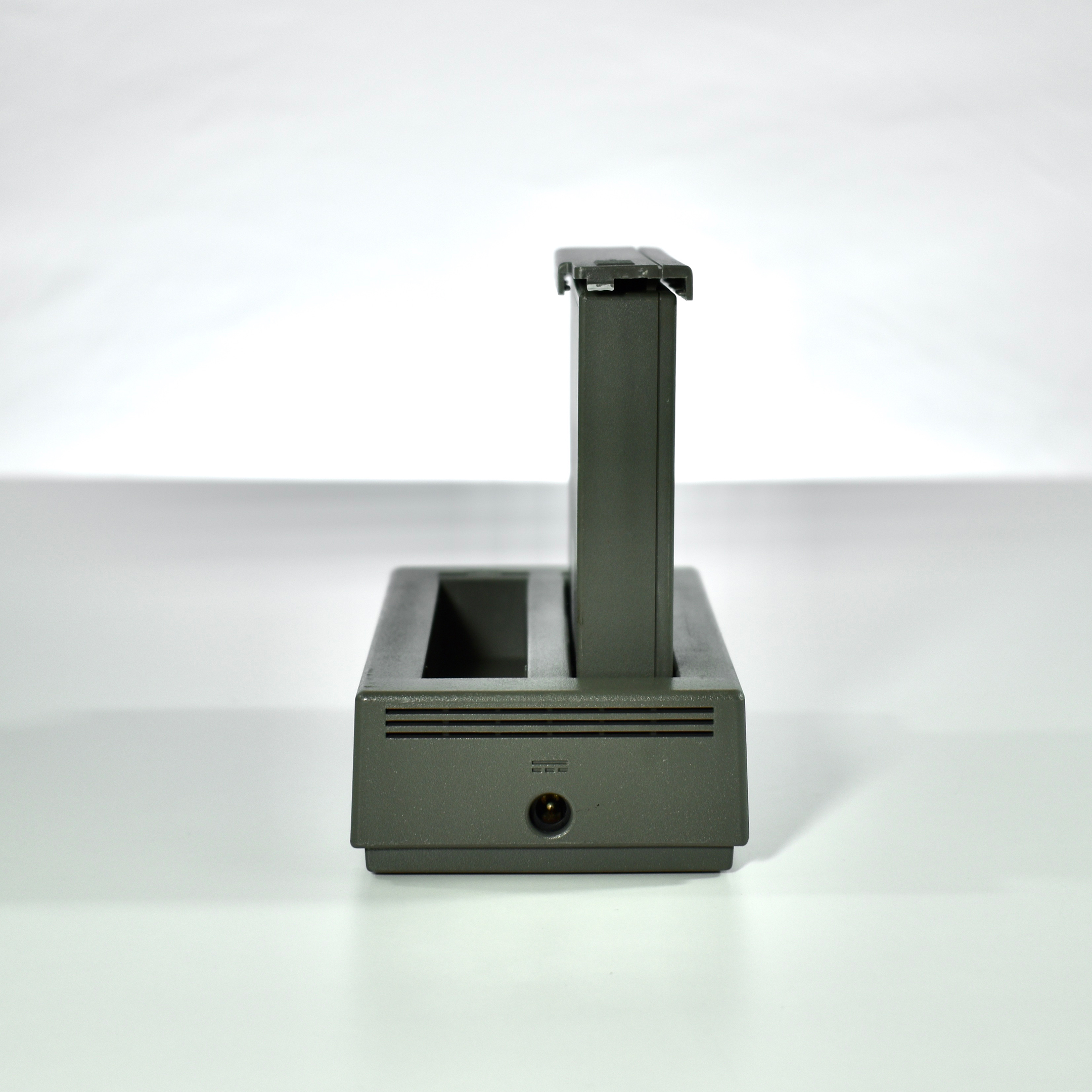
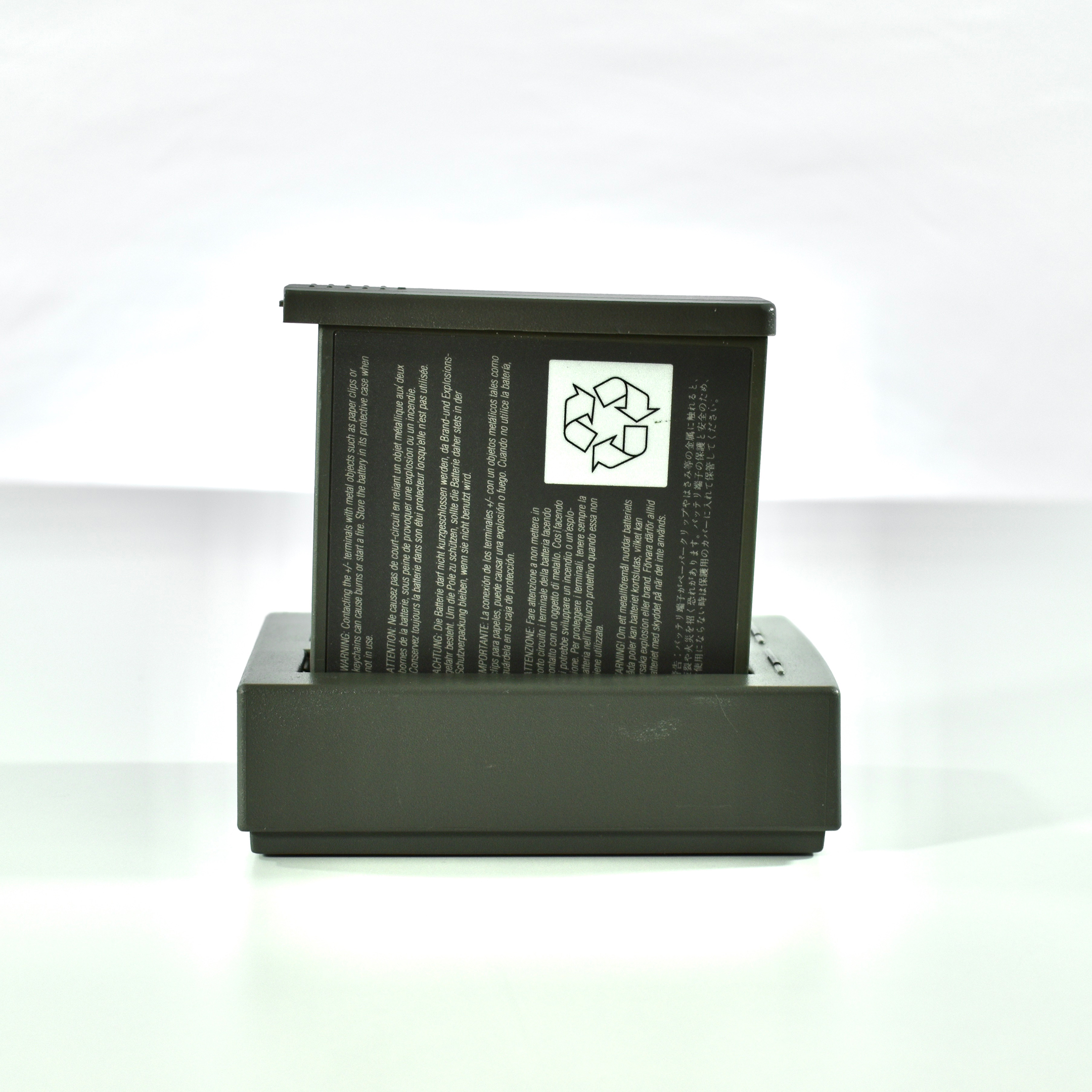
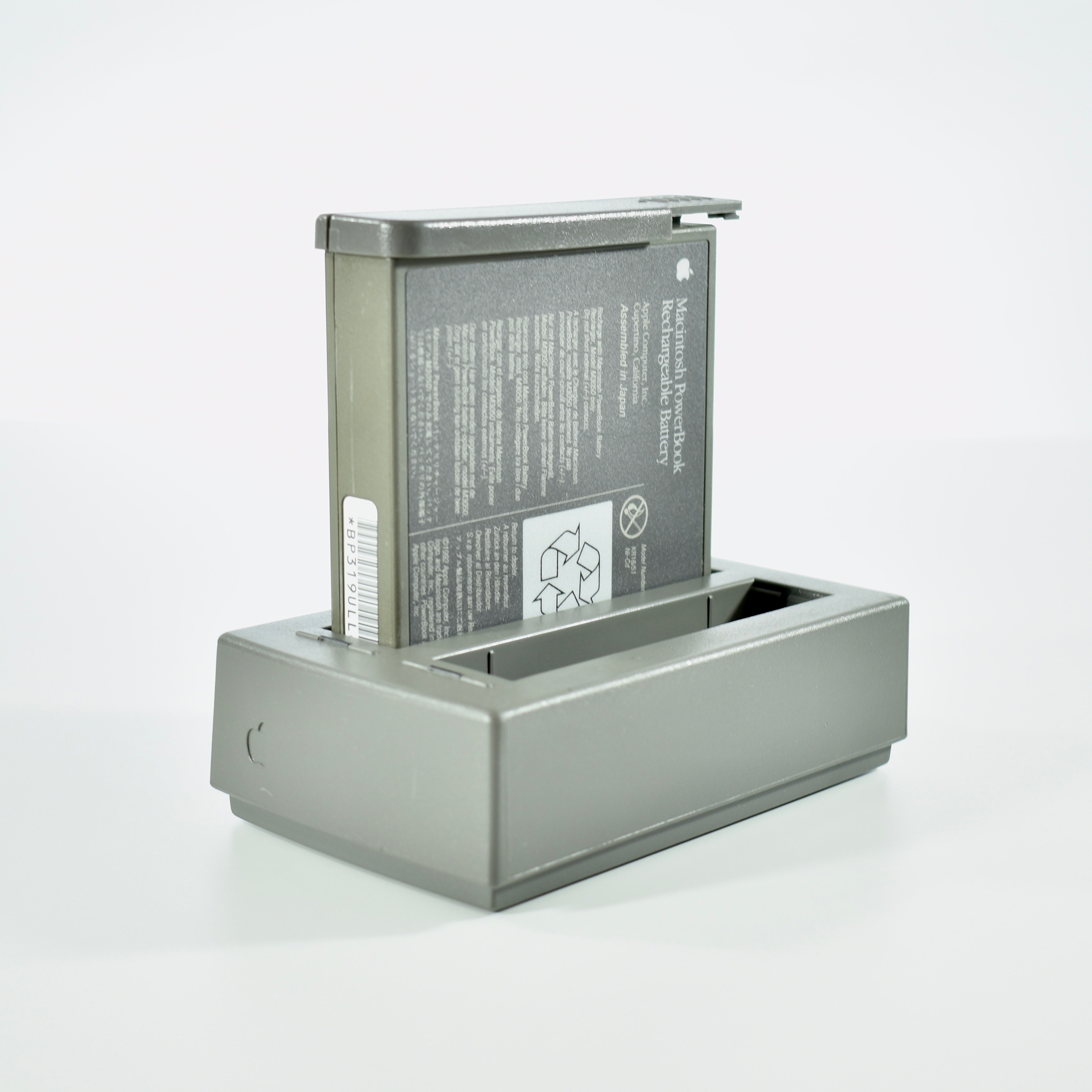
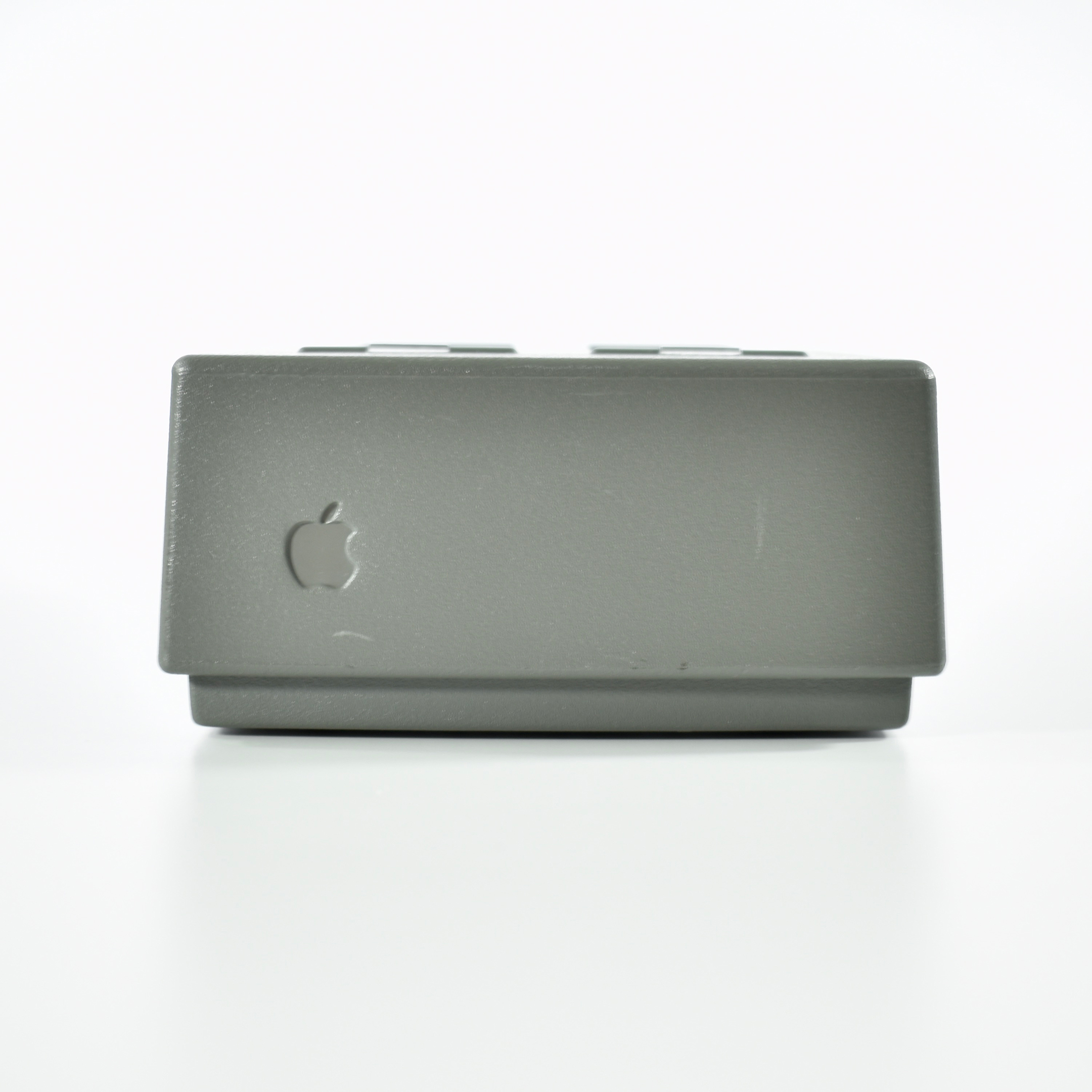
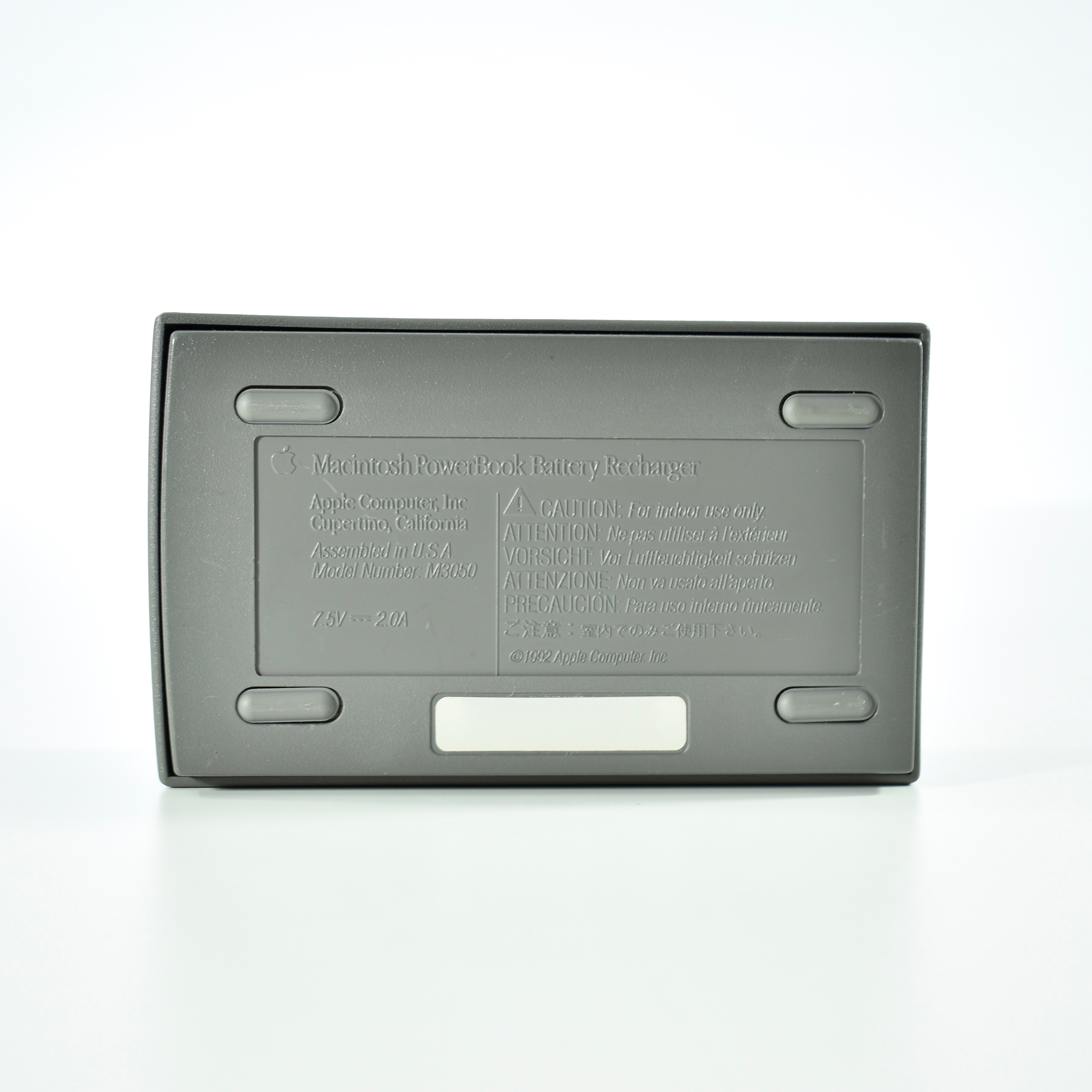
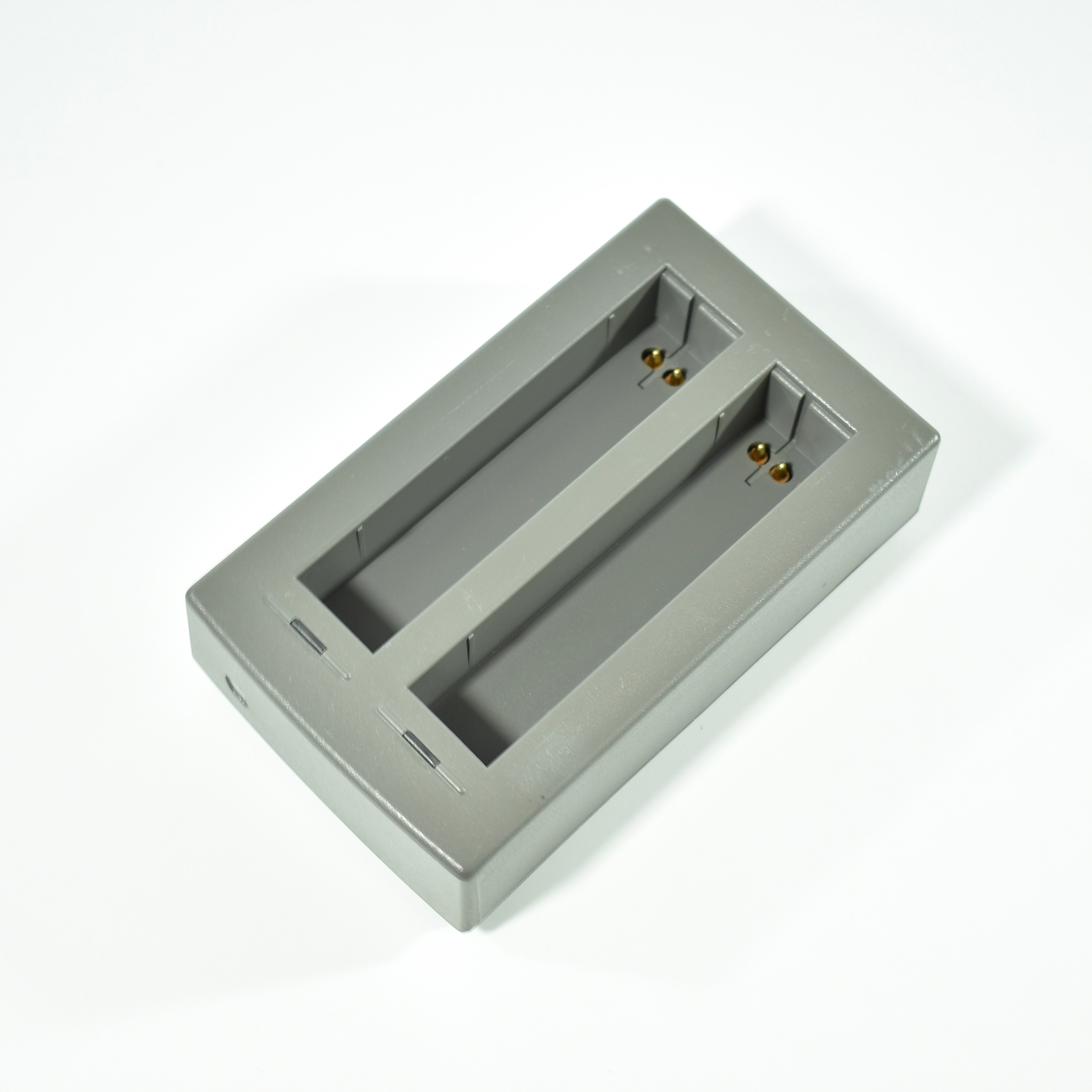
Several PowerBook models from the early- to mid-1990s all shared a common swappable battery, models including PowerBook 140–180. This PowerBook Battery Recharger was designed to charge two swappable PowerBook batteries. At the time, Apple’s laptop designs did not encase the battery inside the laptop, and users were able to swap a low battery for a charged one on the fly.
Until I acquired this PowerBook Battery Recharger, I had never seen one. The color is greenish gray and contrasts slightly from the PowerBook laptops of the time, but matches the tint of an Apple case designed for the same batteries. I acquired the this charger and the case at the same time.
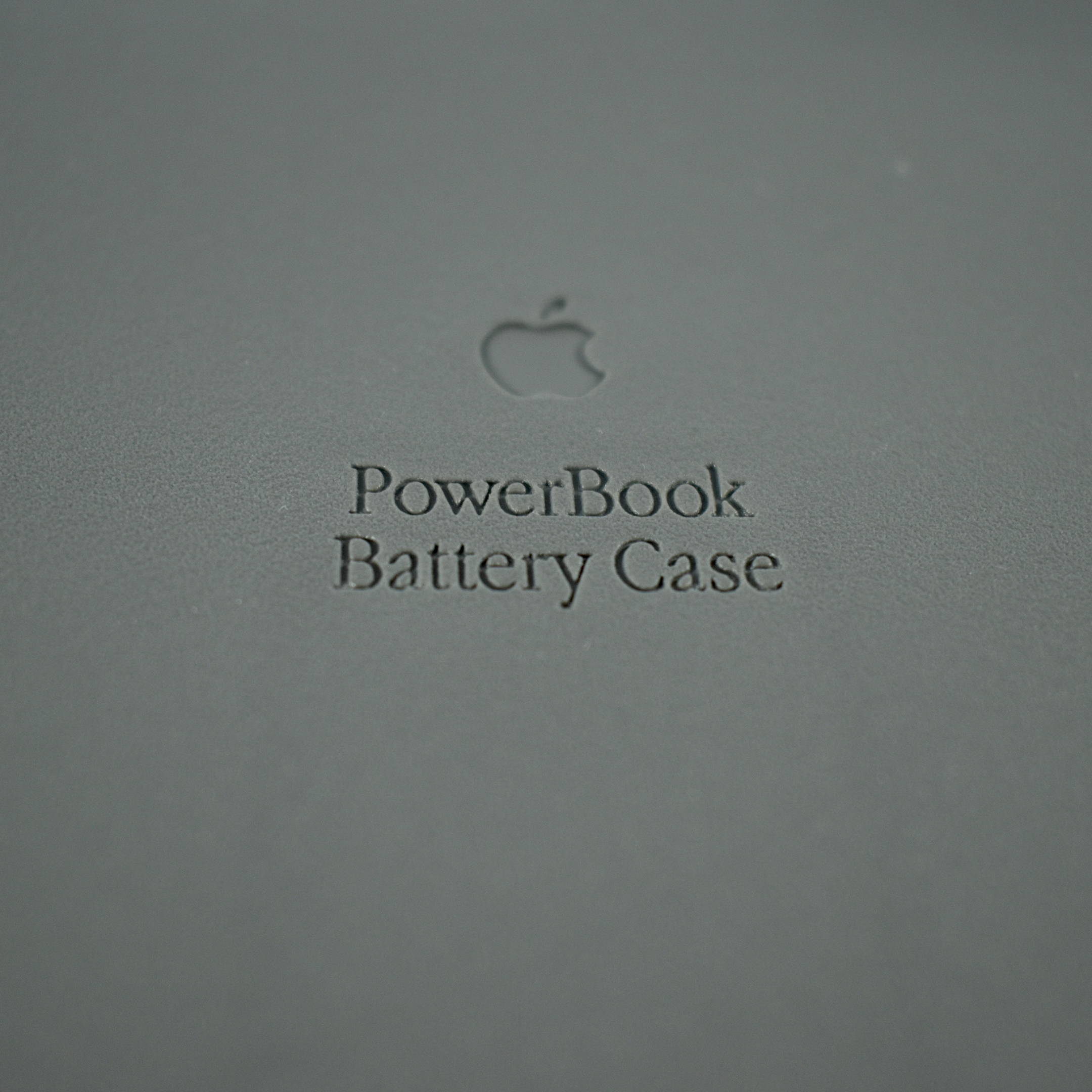
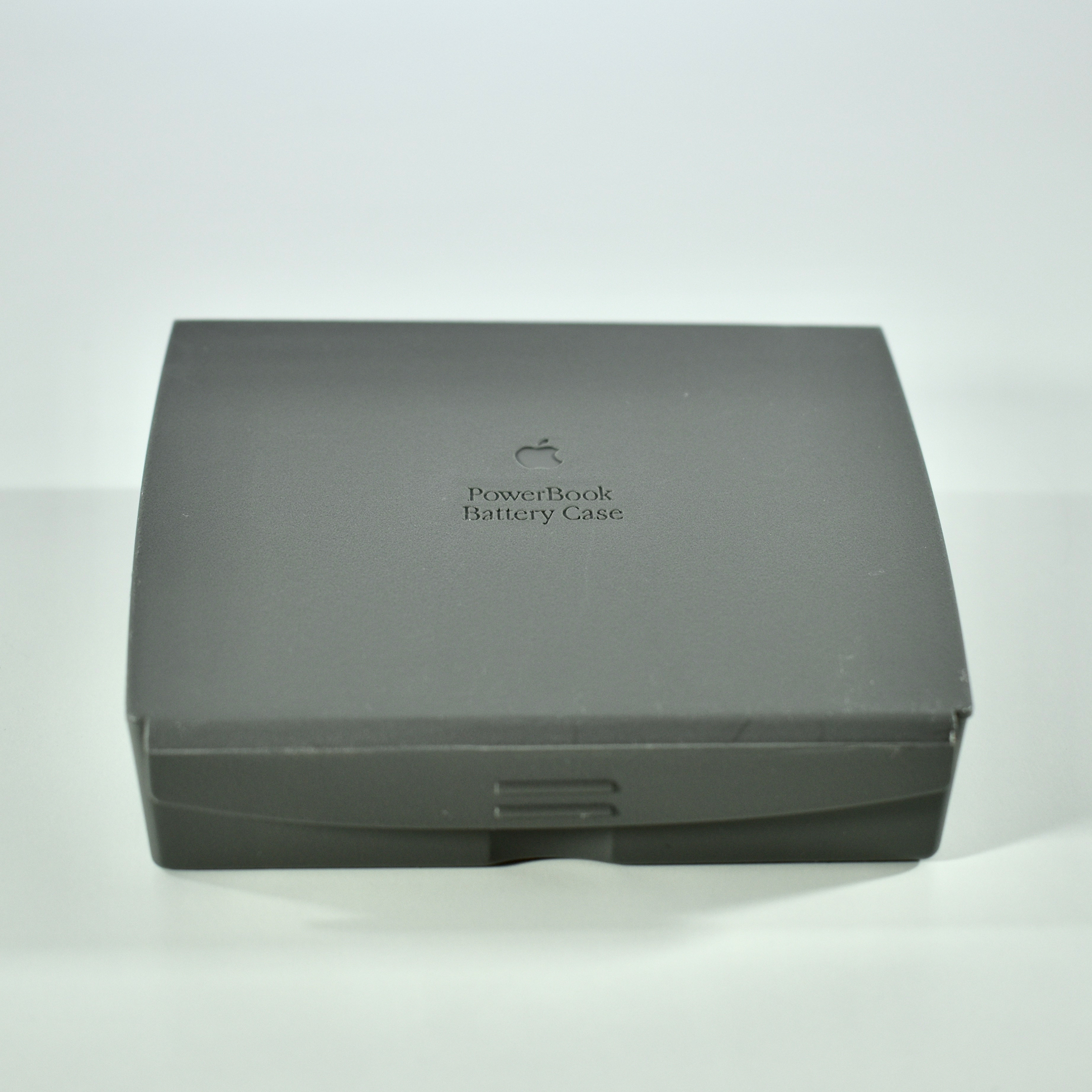
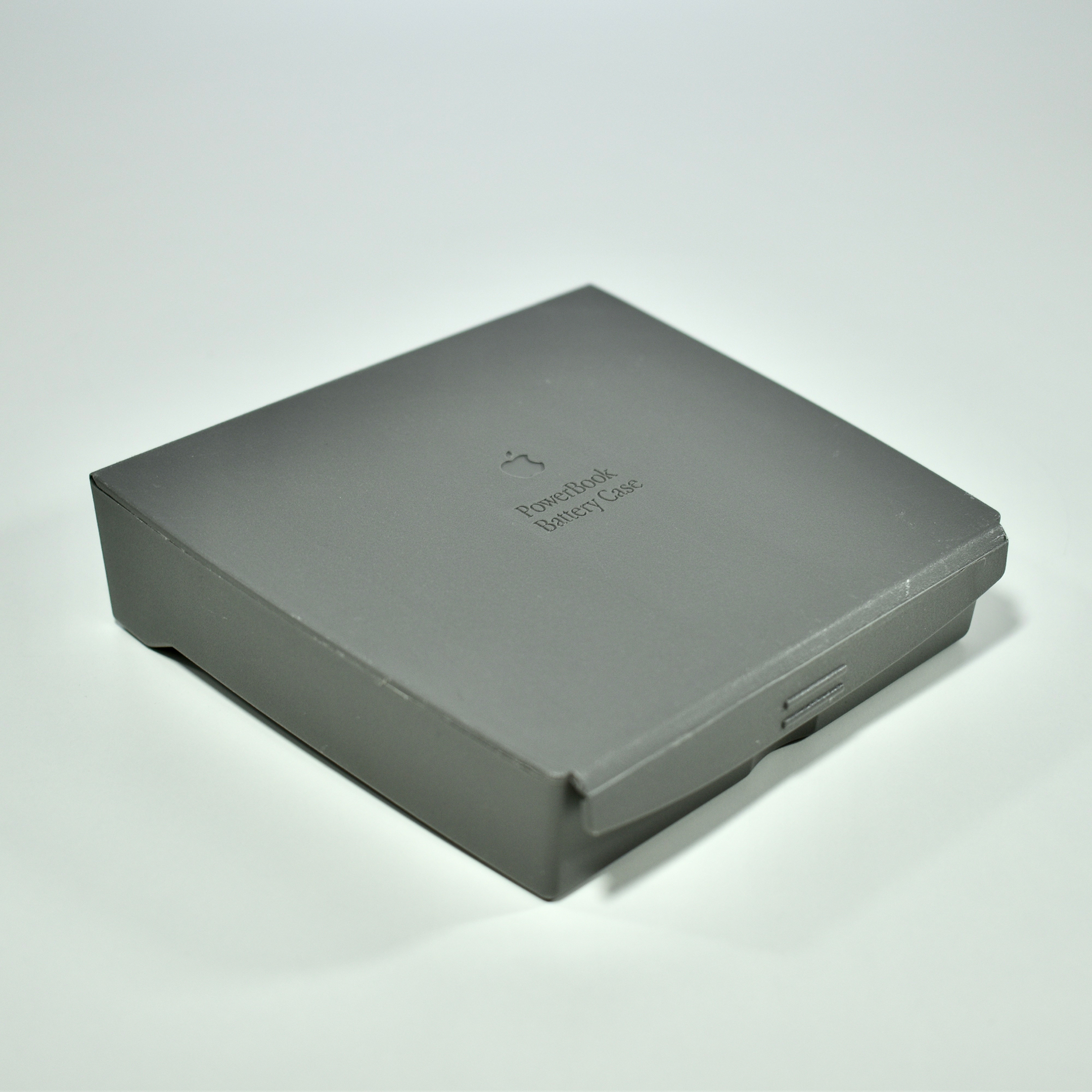
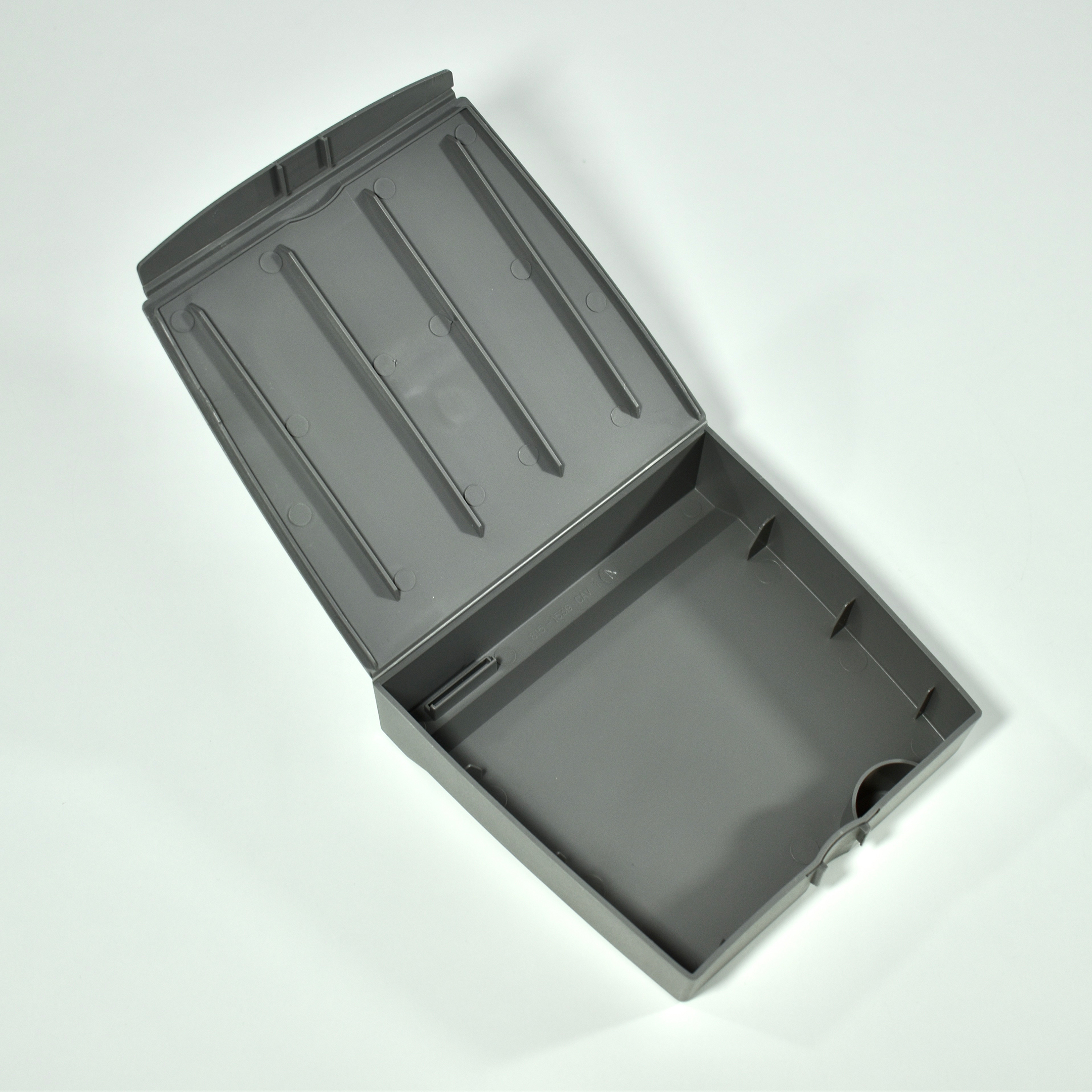
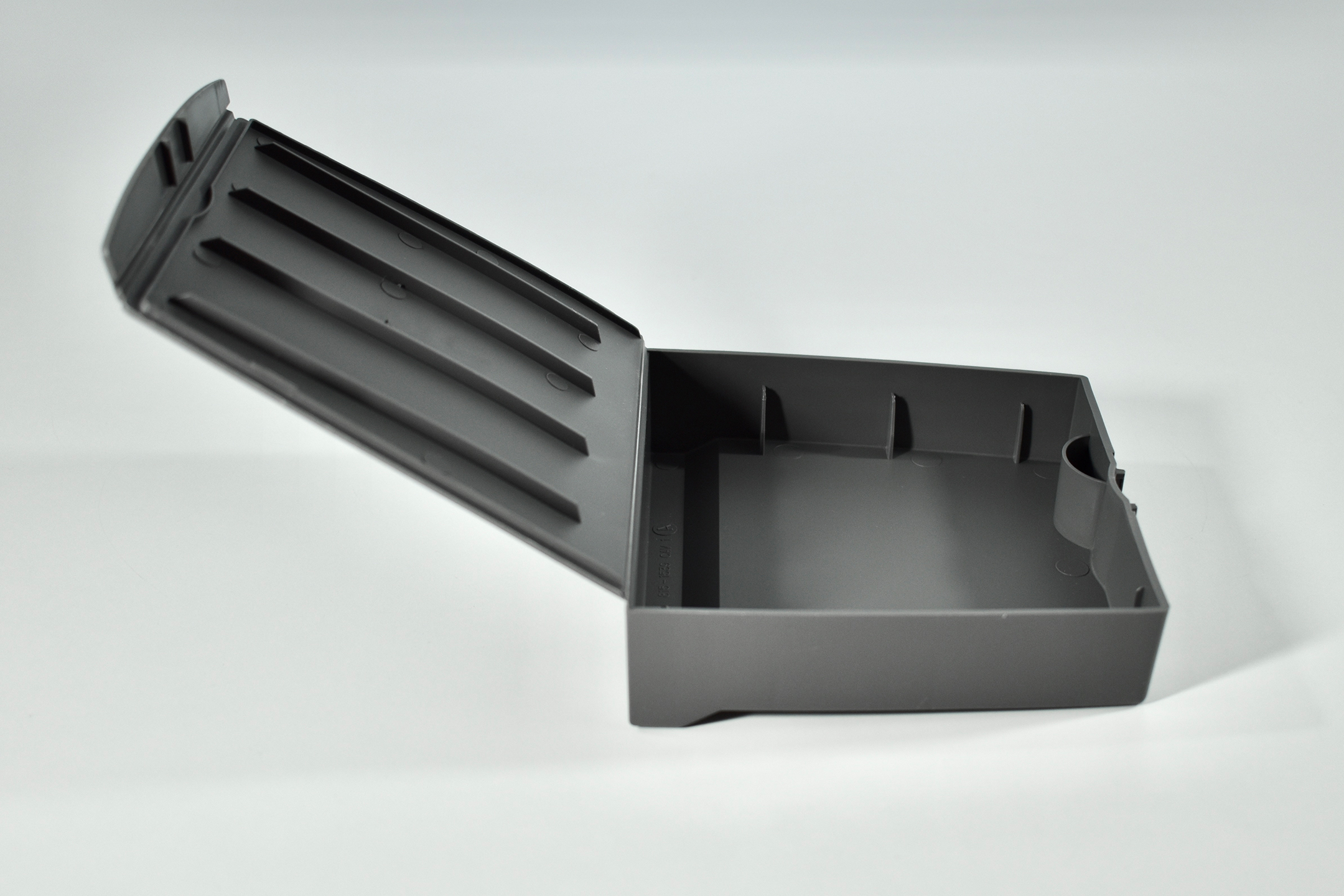
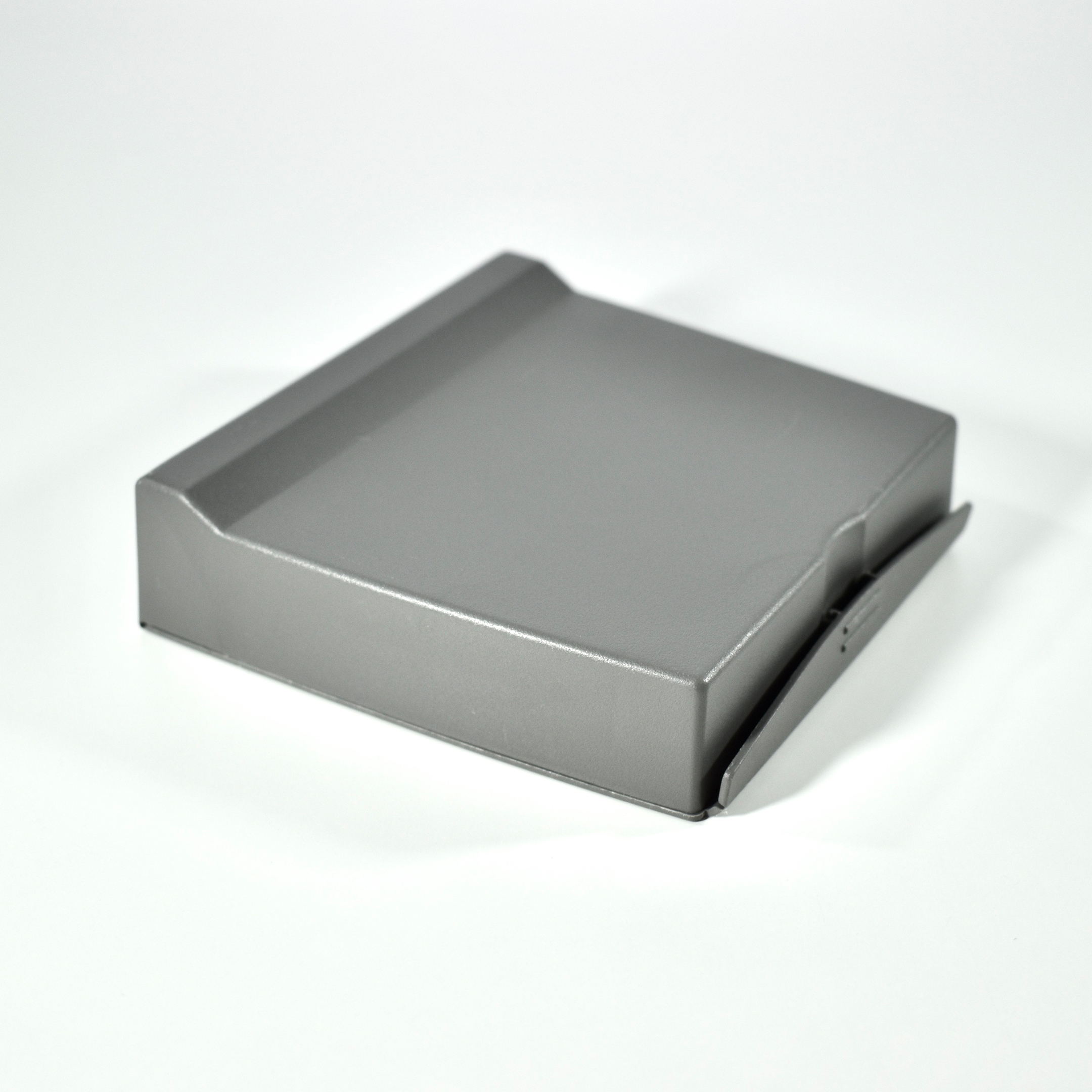
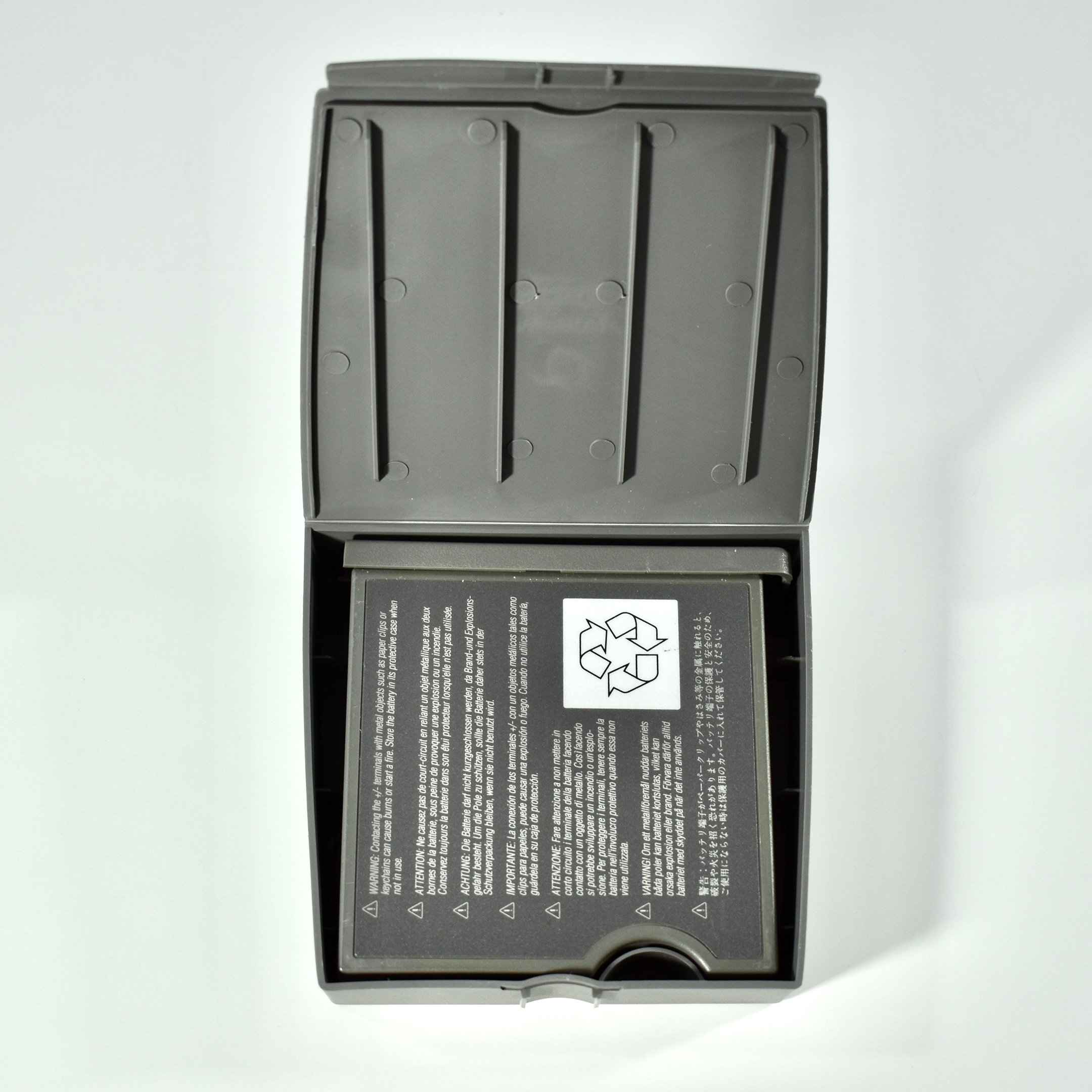
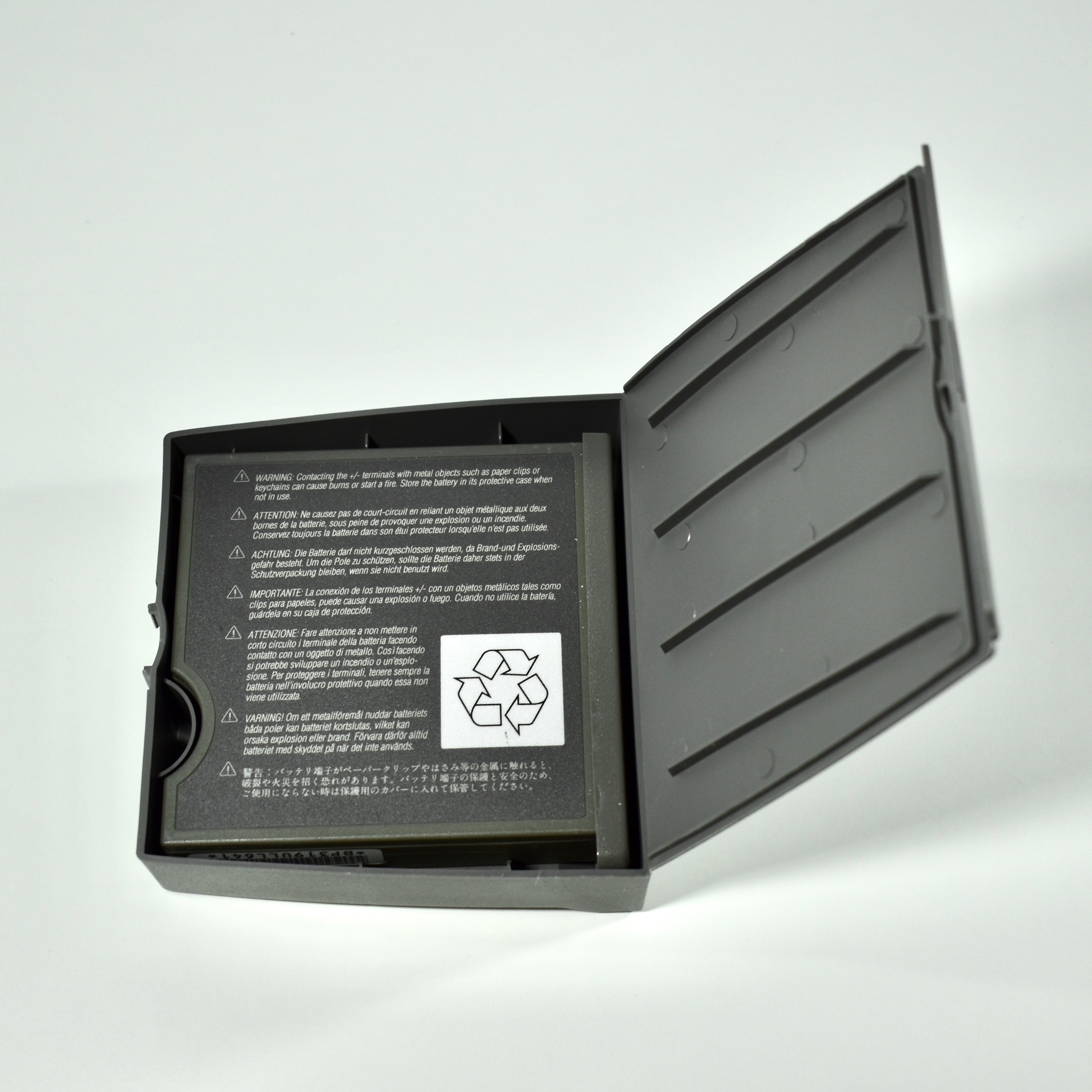
Several PowerBook models from the early- to mid-1990s all shared a common removable battery (i.e., PowerBook 140–180). This PowerBook Battery Case was designed to safely hold the PowerBook battery at the time, including its attached “battery door” that was removable, but generally remained connected to the battery to make changing batteries quick and easy.
Until I acquired this PowerBook Battery Case, I had never seen one, despite the fact that I owned a PowerBook 160 in the early 1990s. The color is greenish gray and contrasts slightly from the laptops available at the time, but matches the tint of an Apple battery charger for the same batteries I also have in my collection.
My guess is that this battery case shipped with the PowerBook 180c (which I acquired along with this battery case). The Macintosh User’s Guide for the PowerBook 180 states:
“Important care and safety instructions… Transport batteries either inside the computer or in the protective case provided with each battery. Do not transport unprotected batteries.”