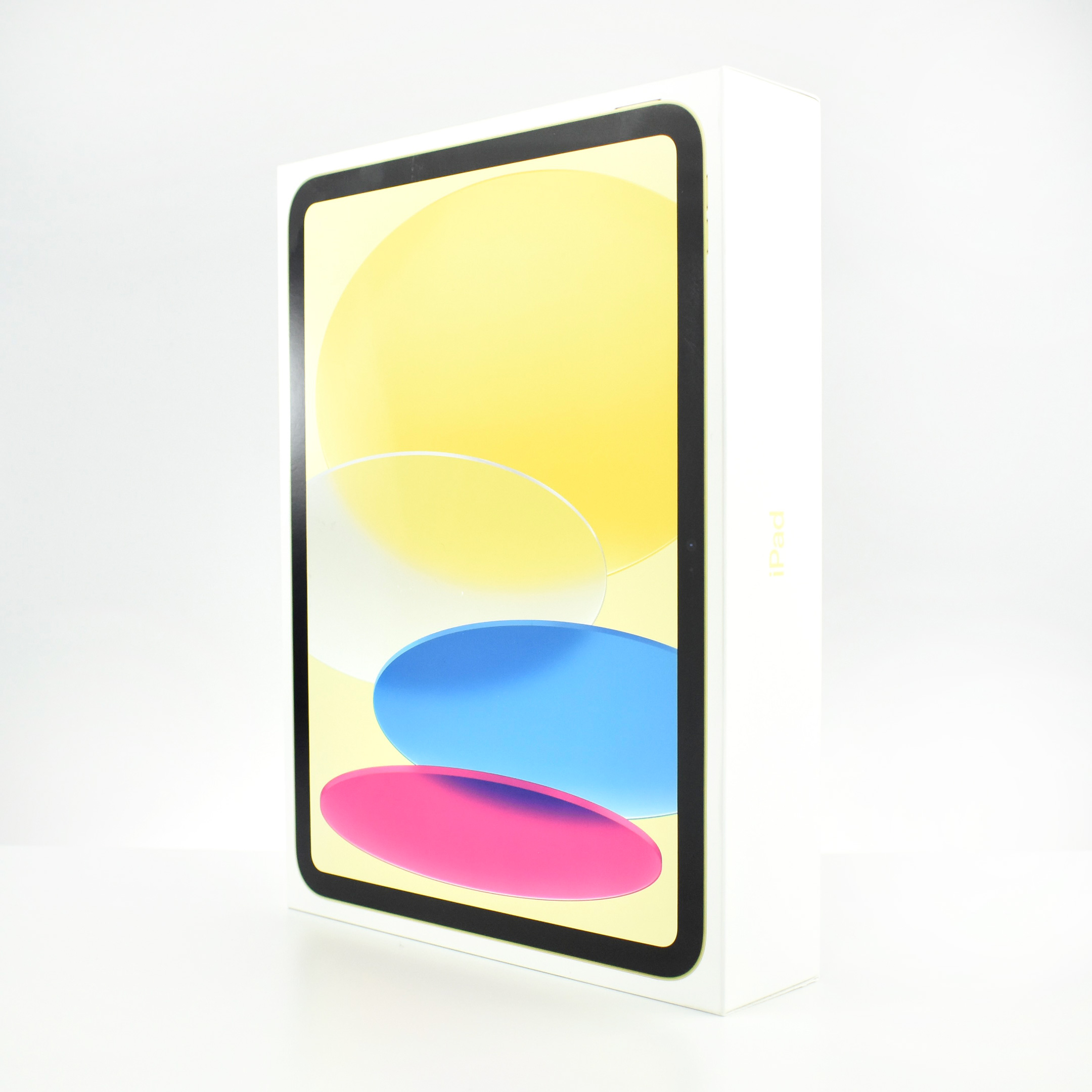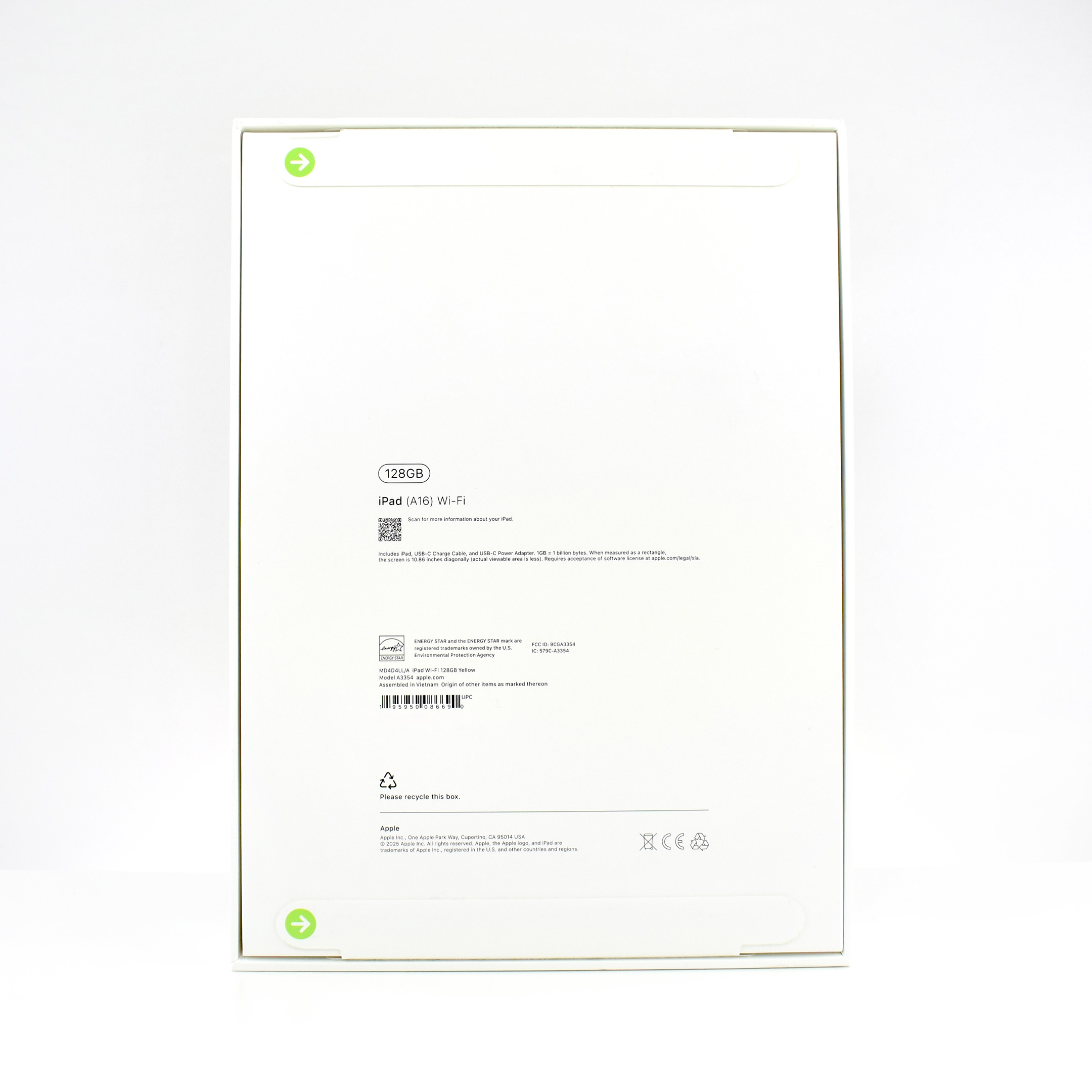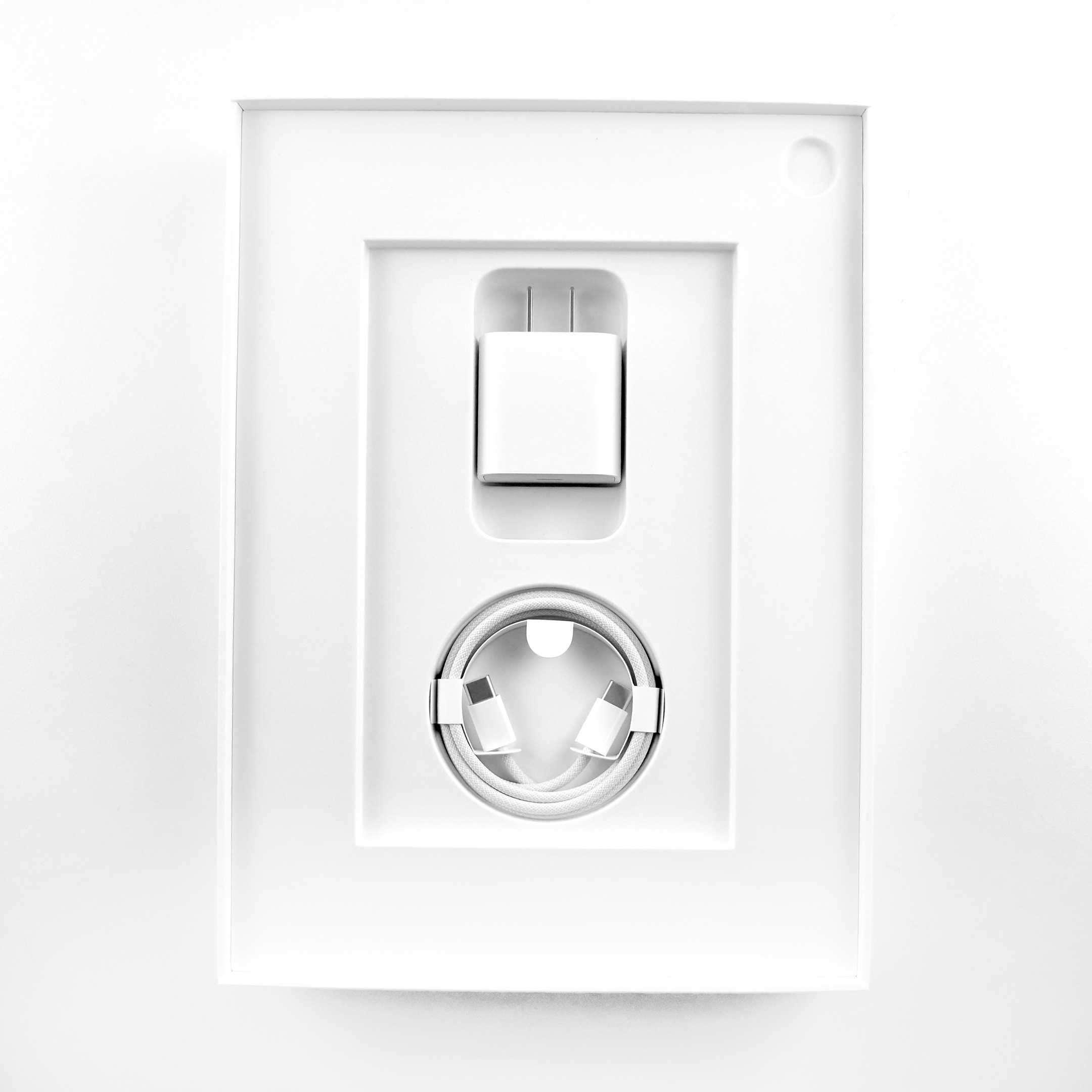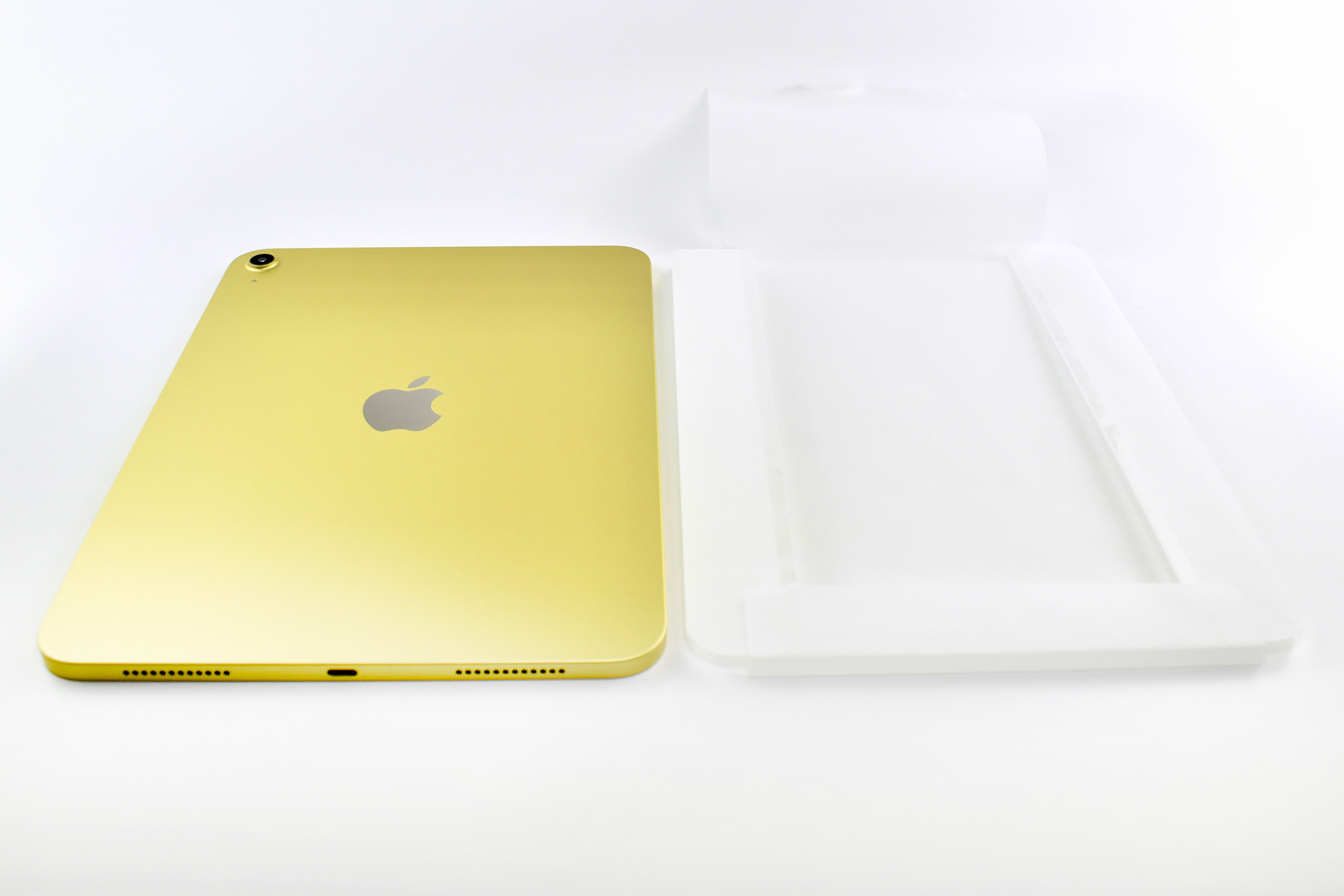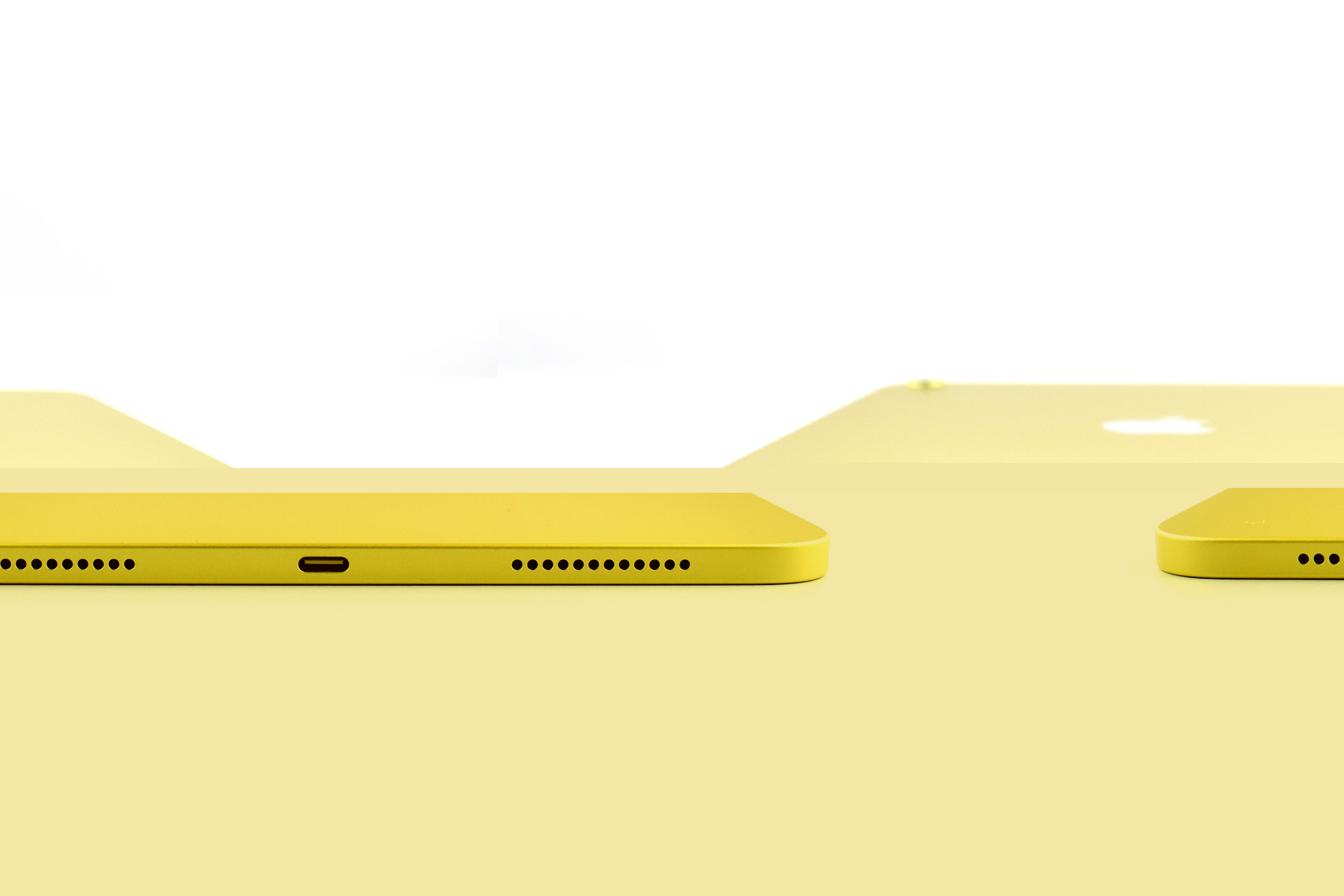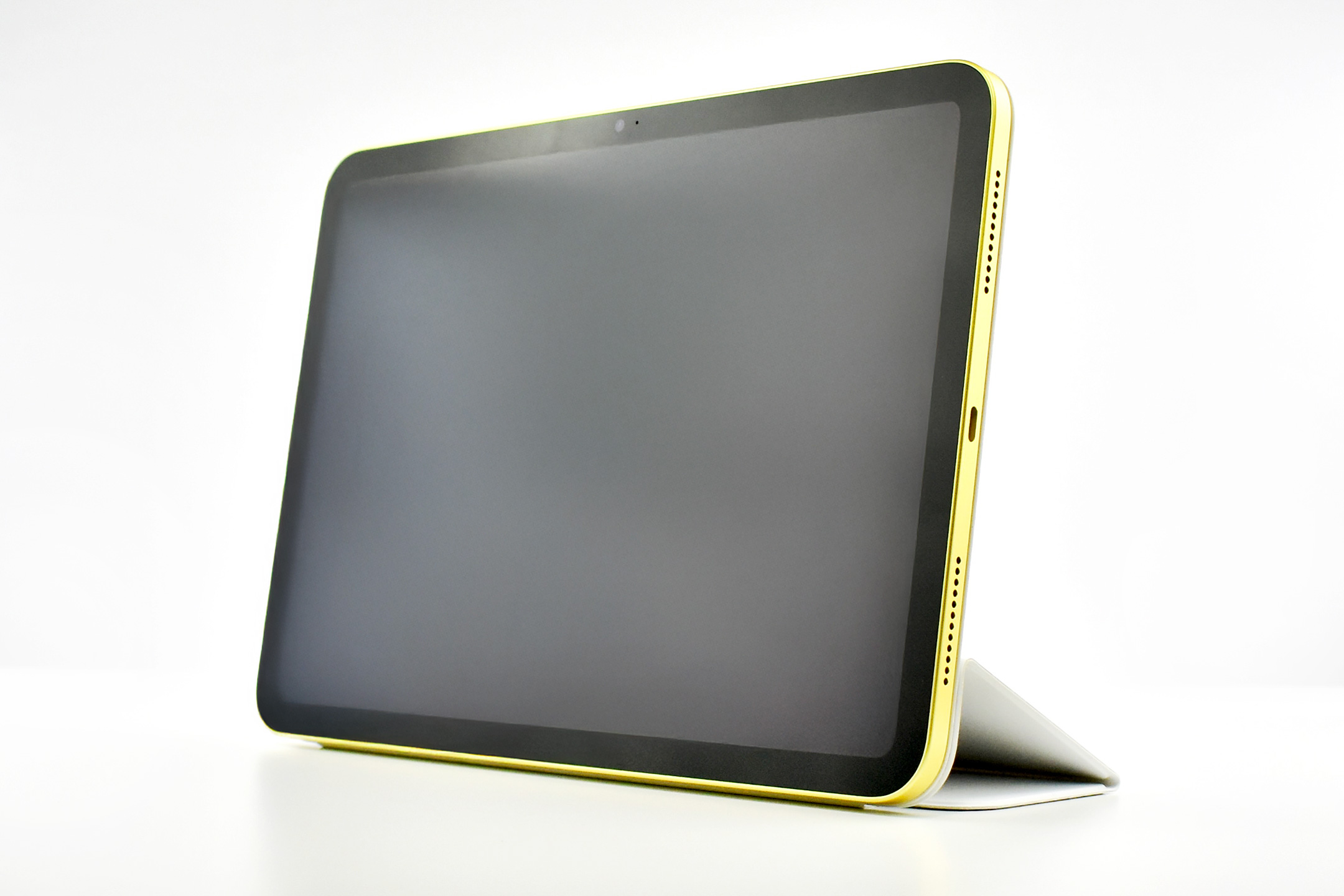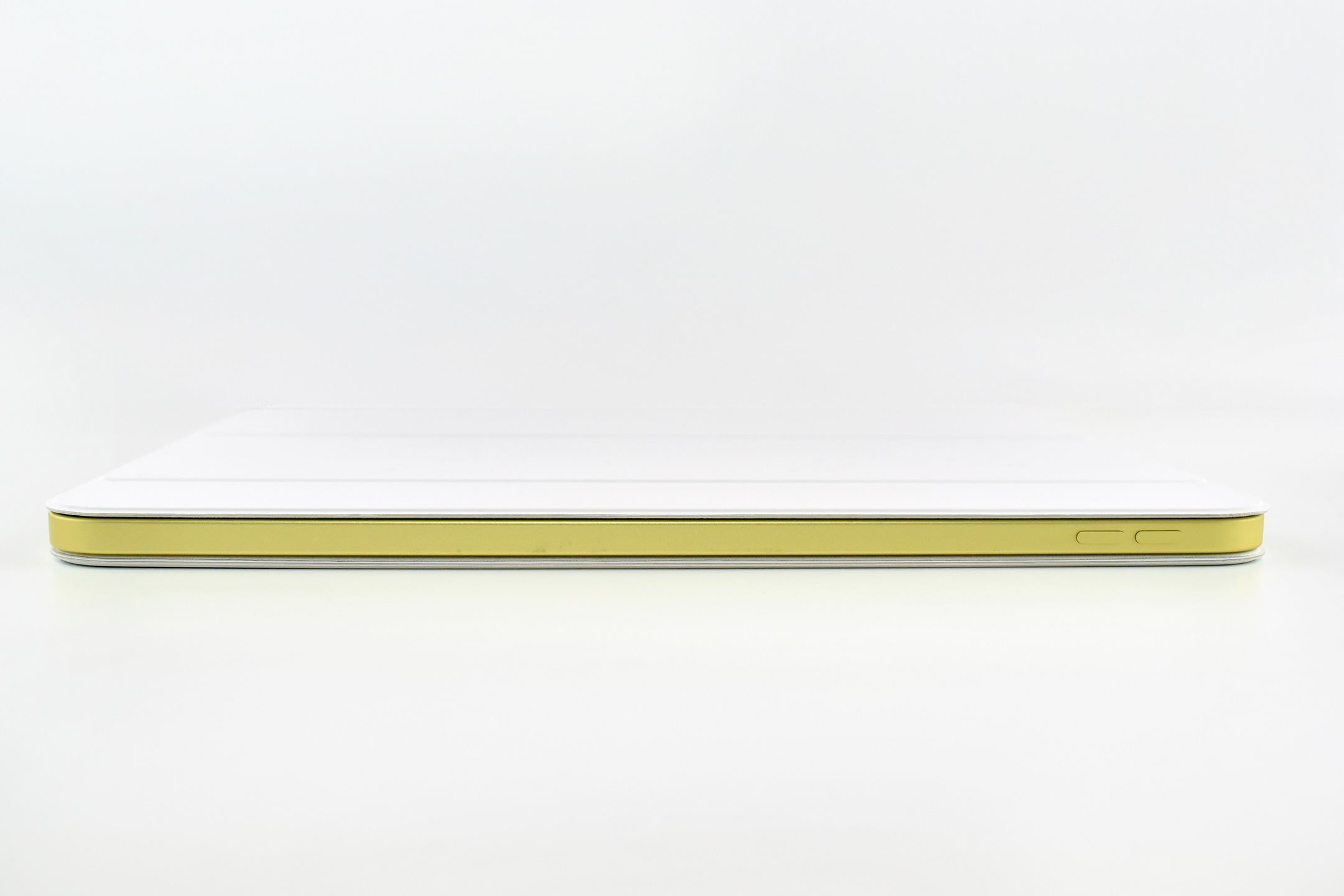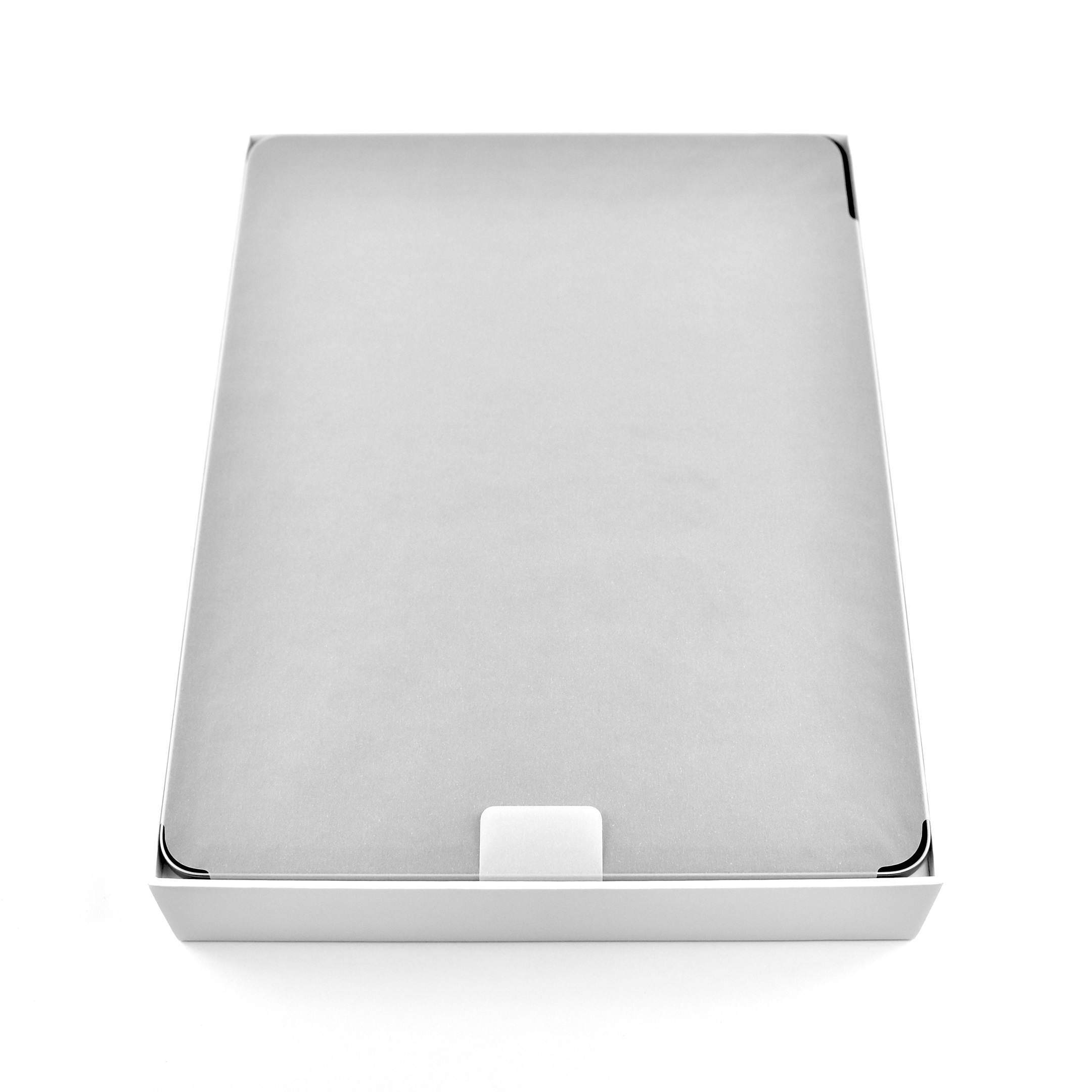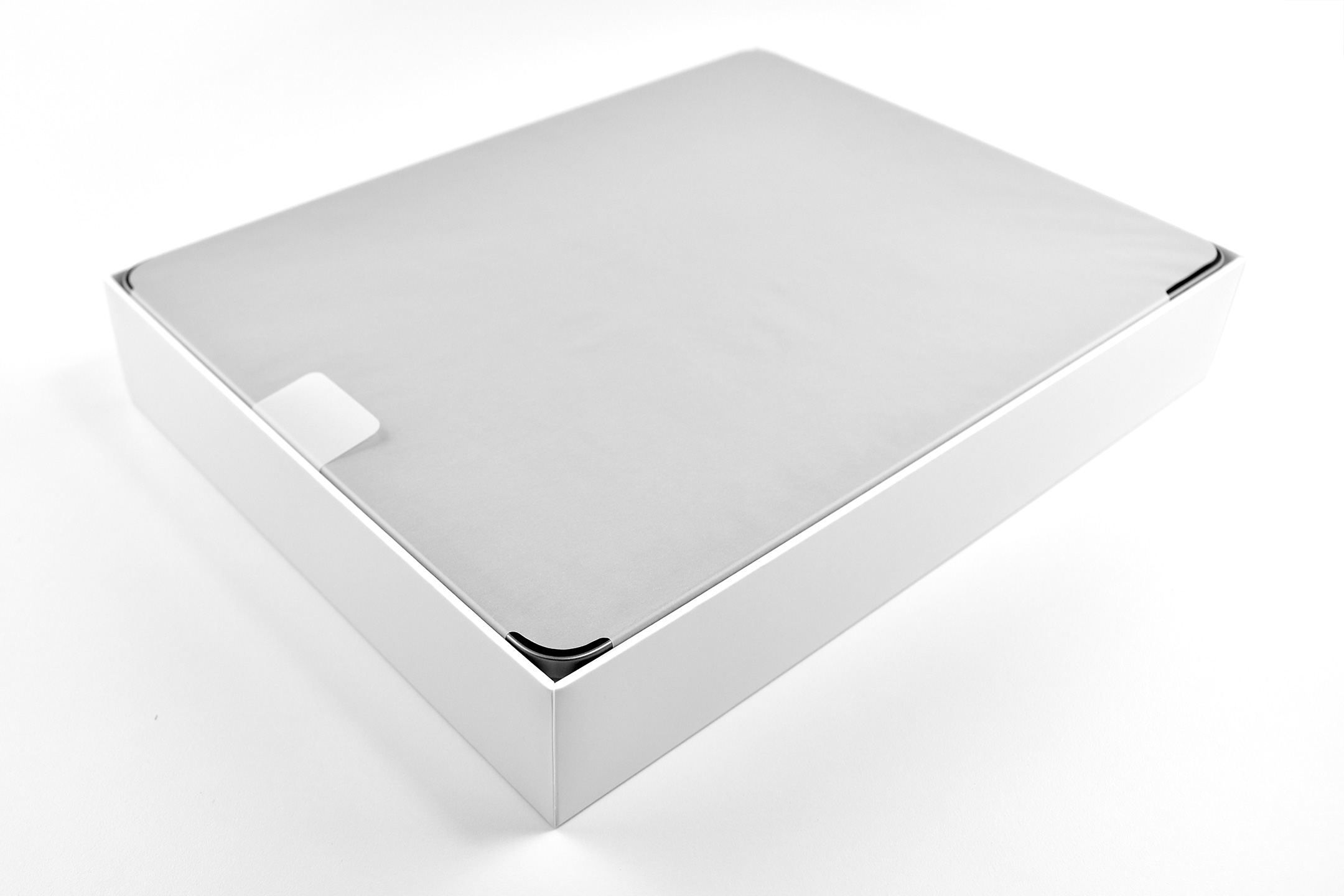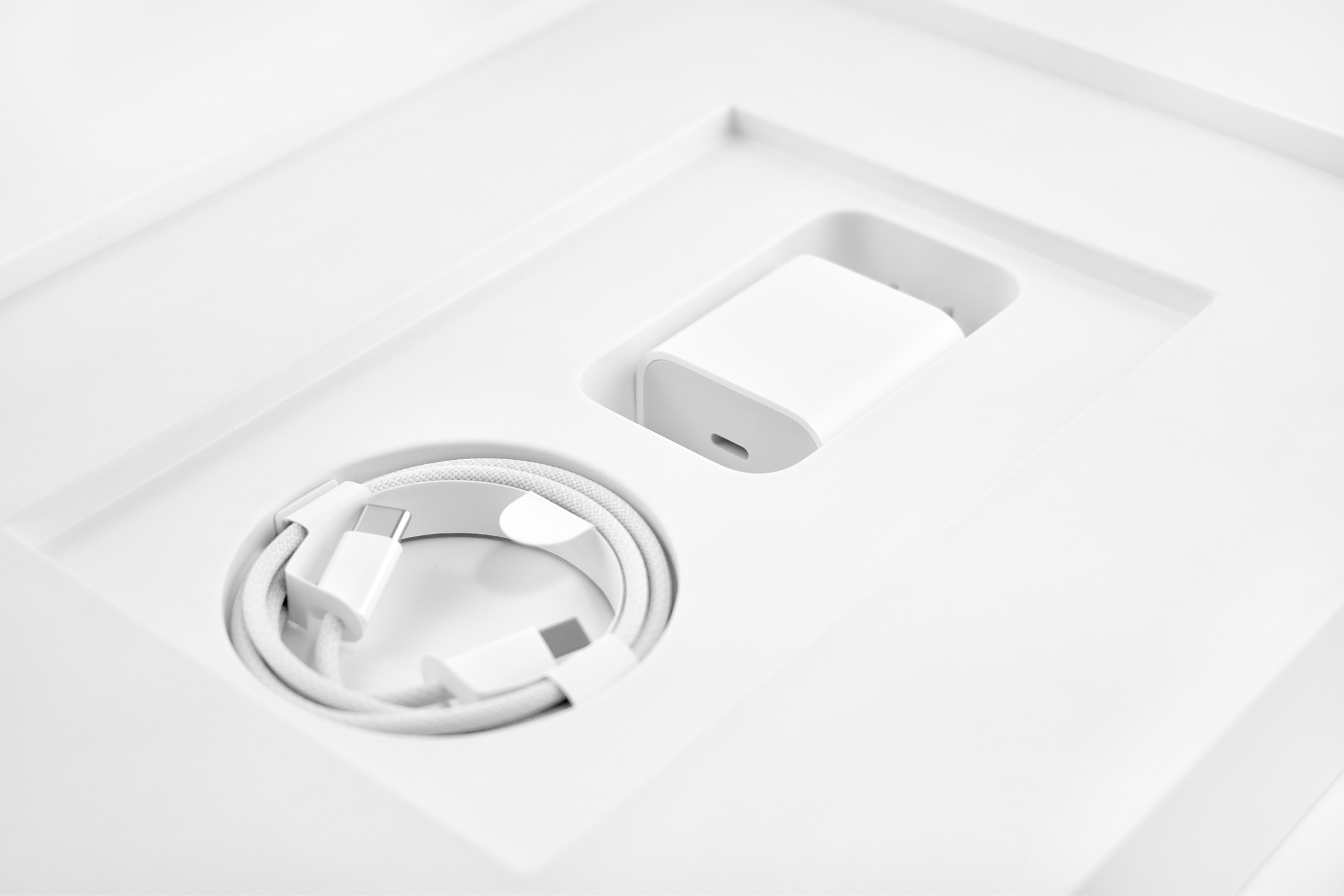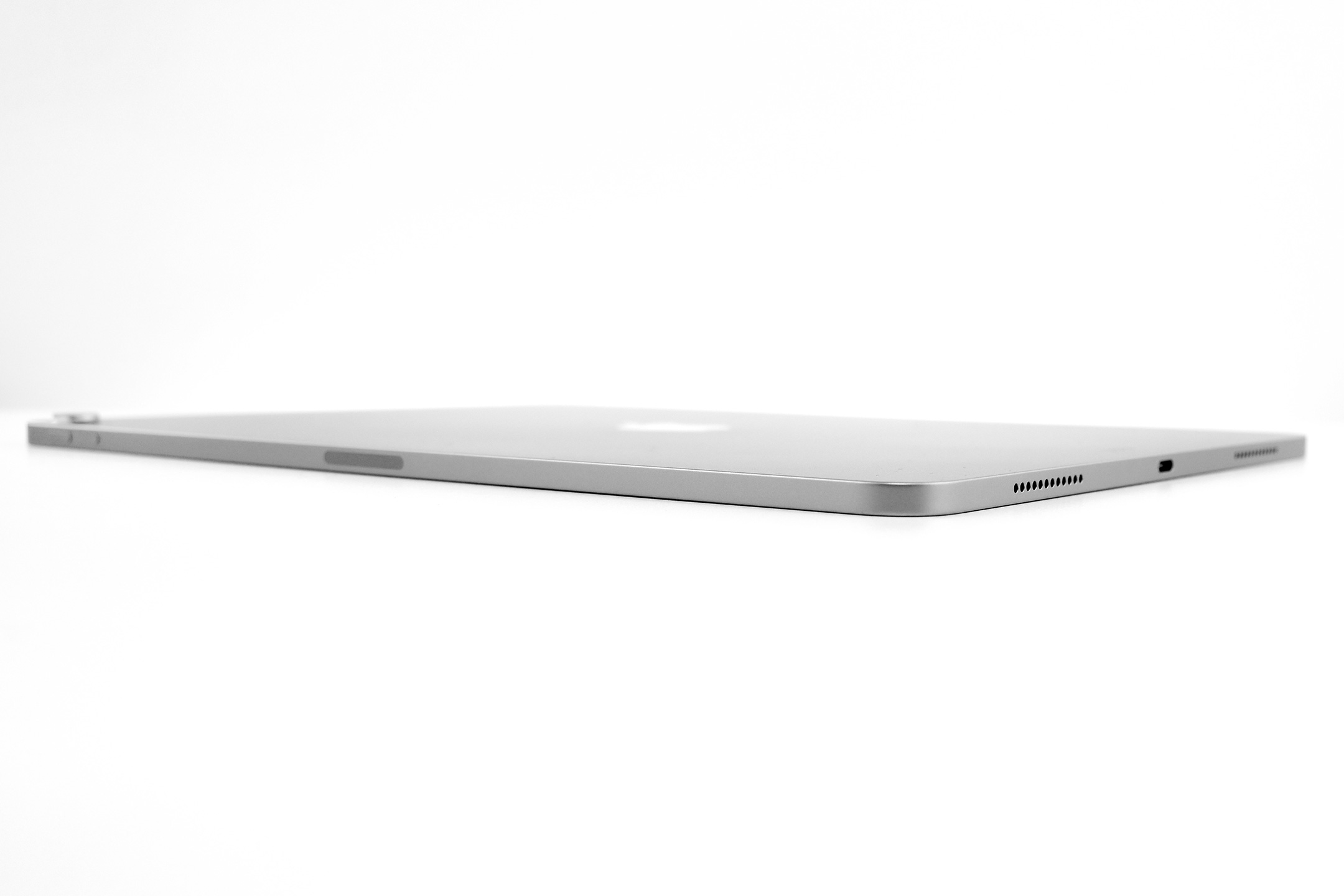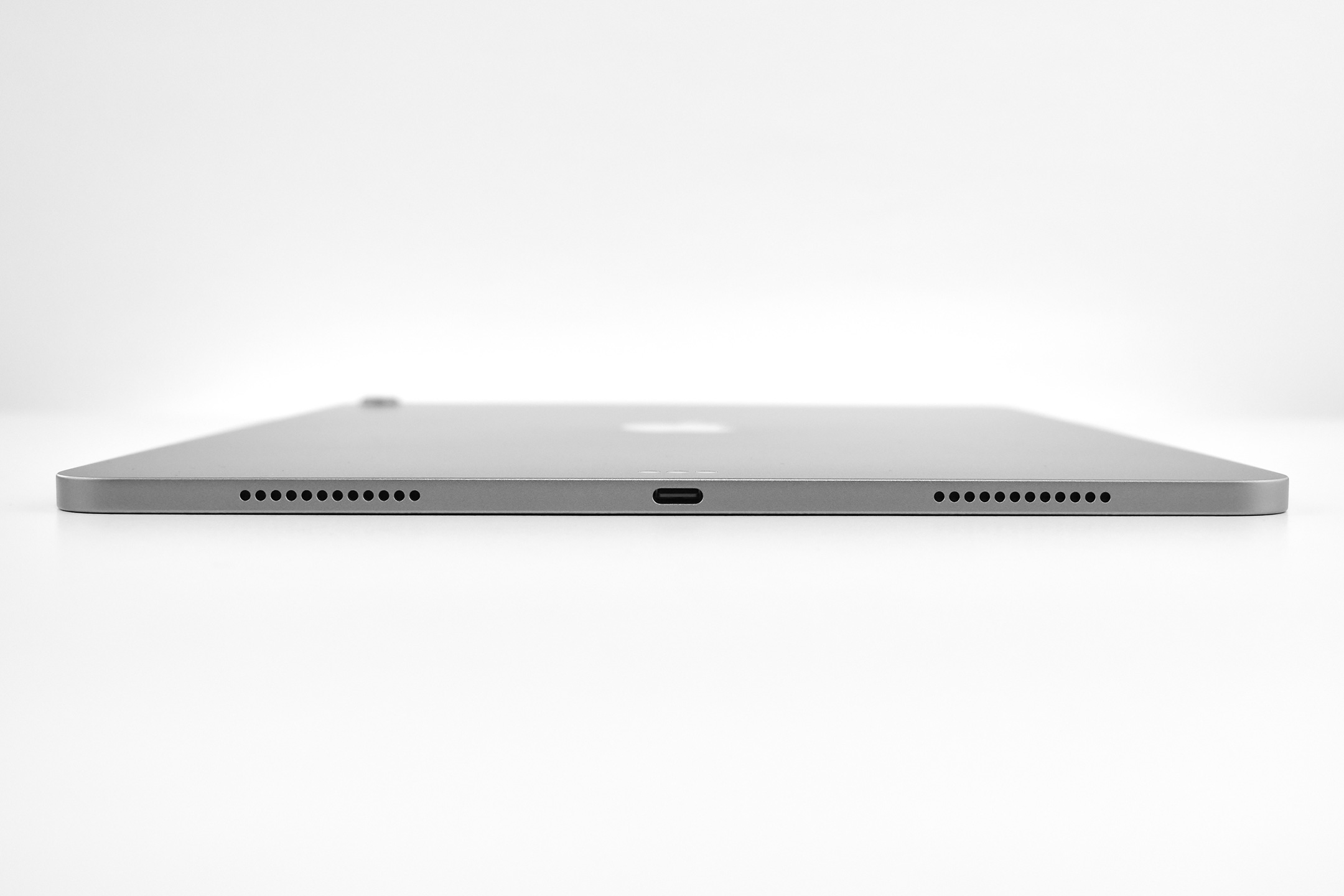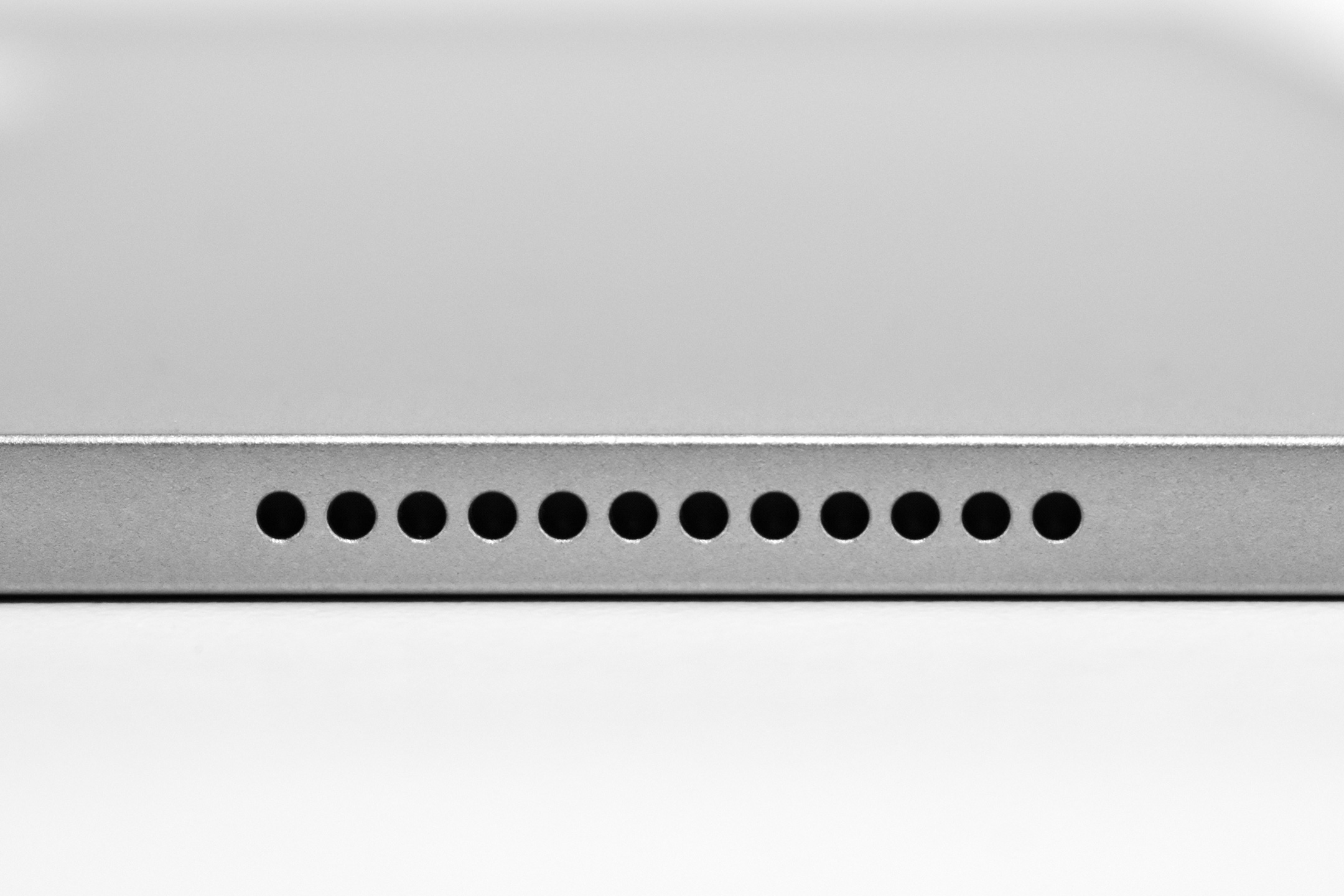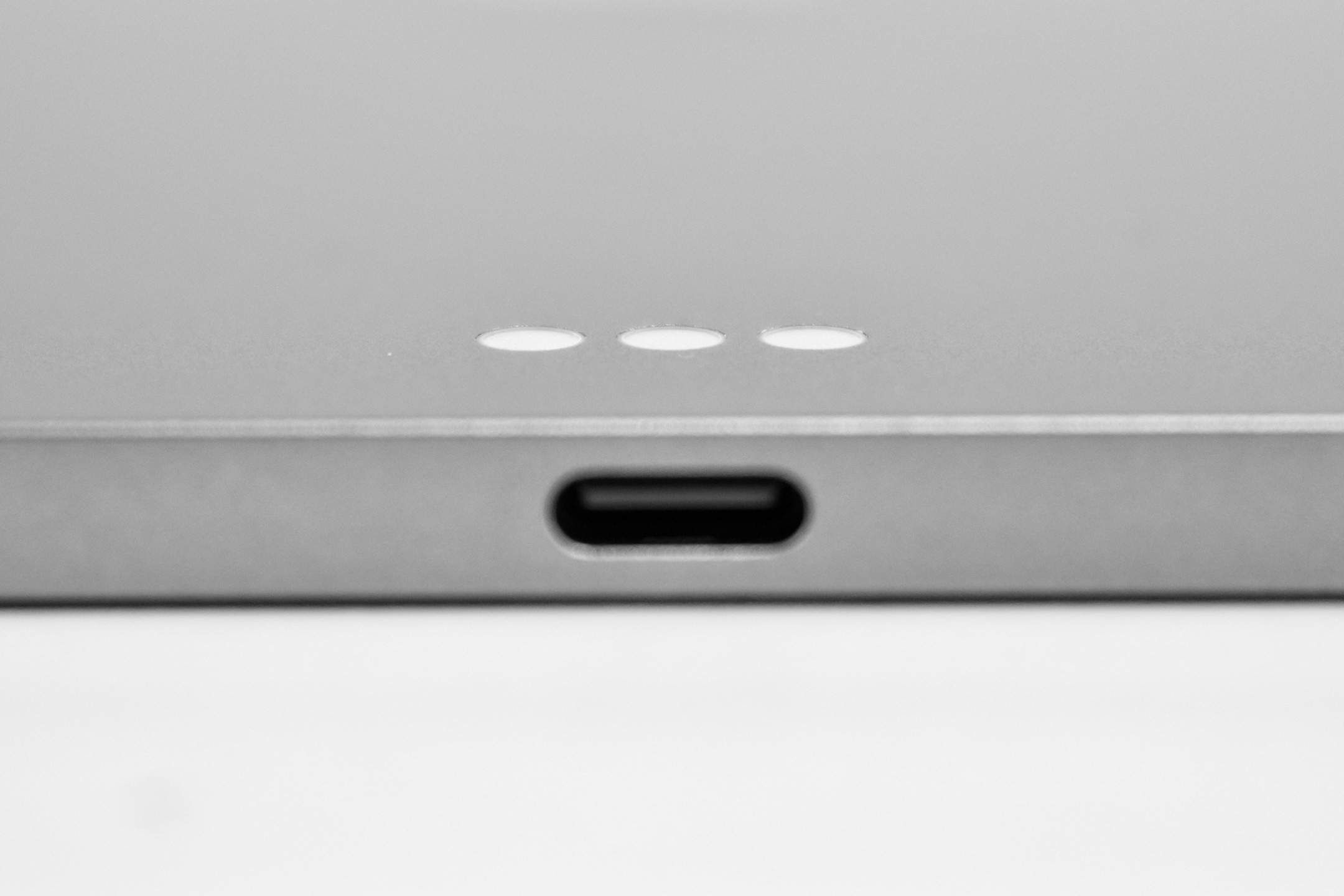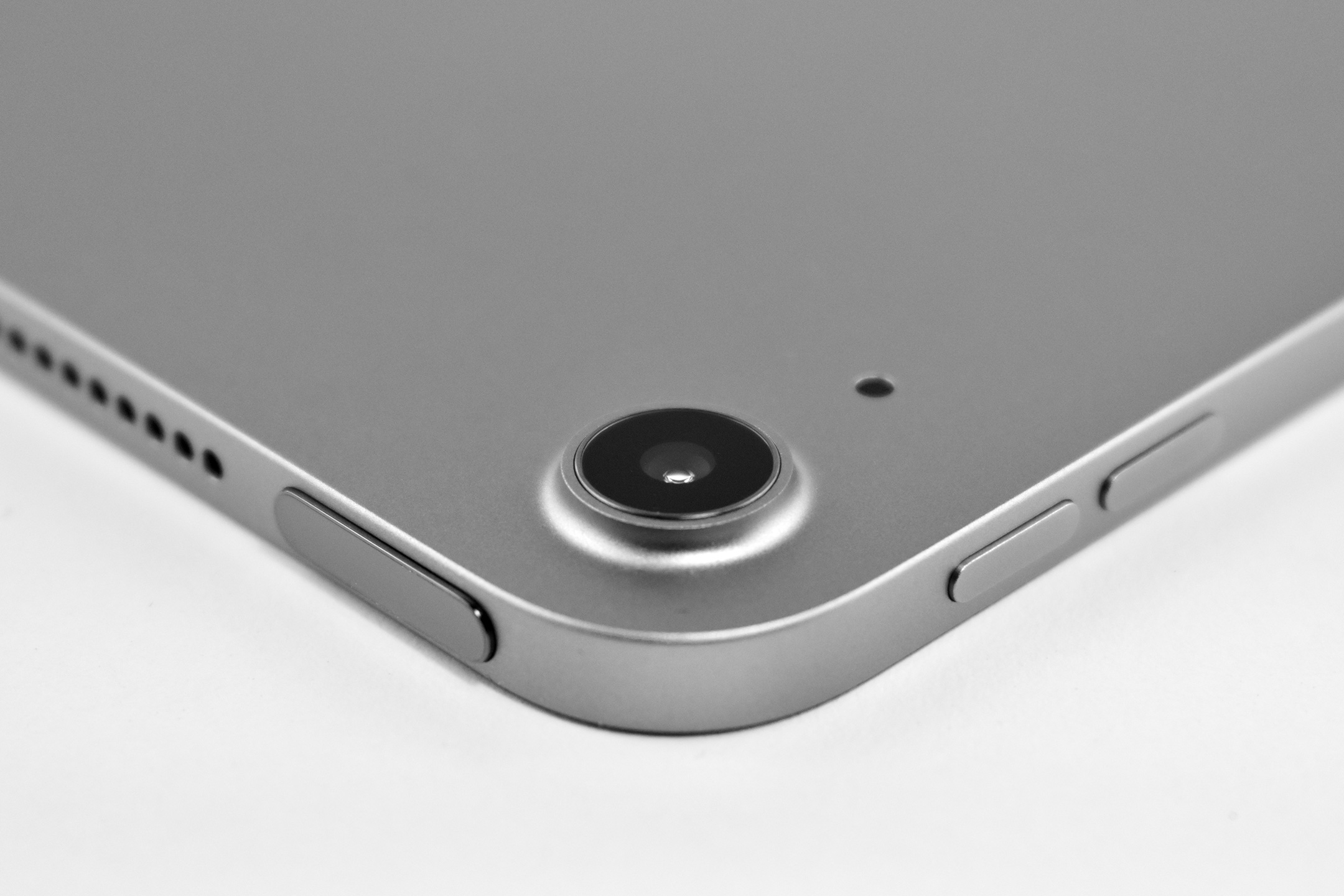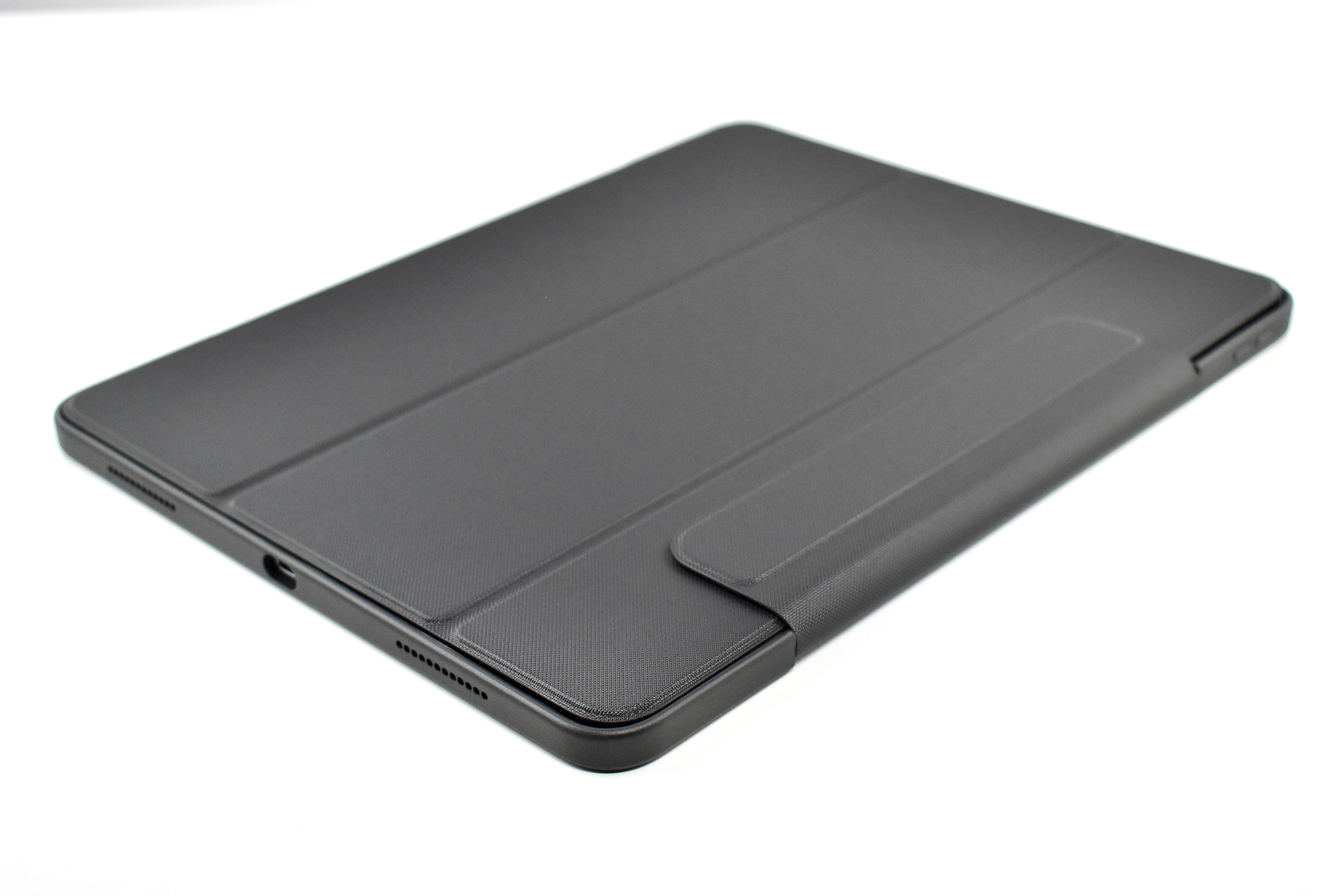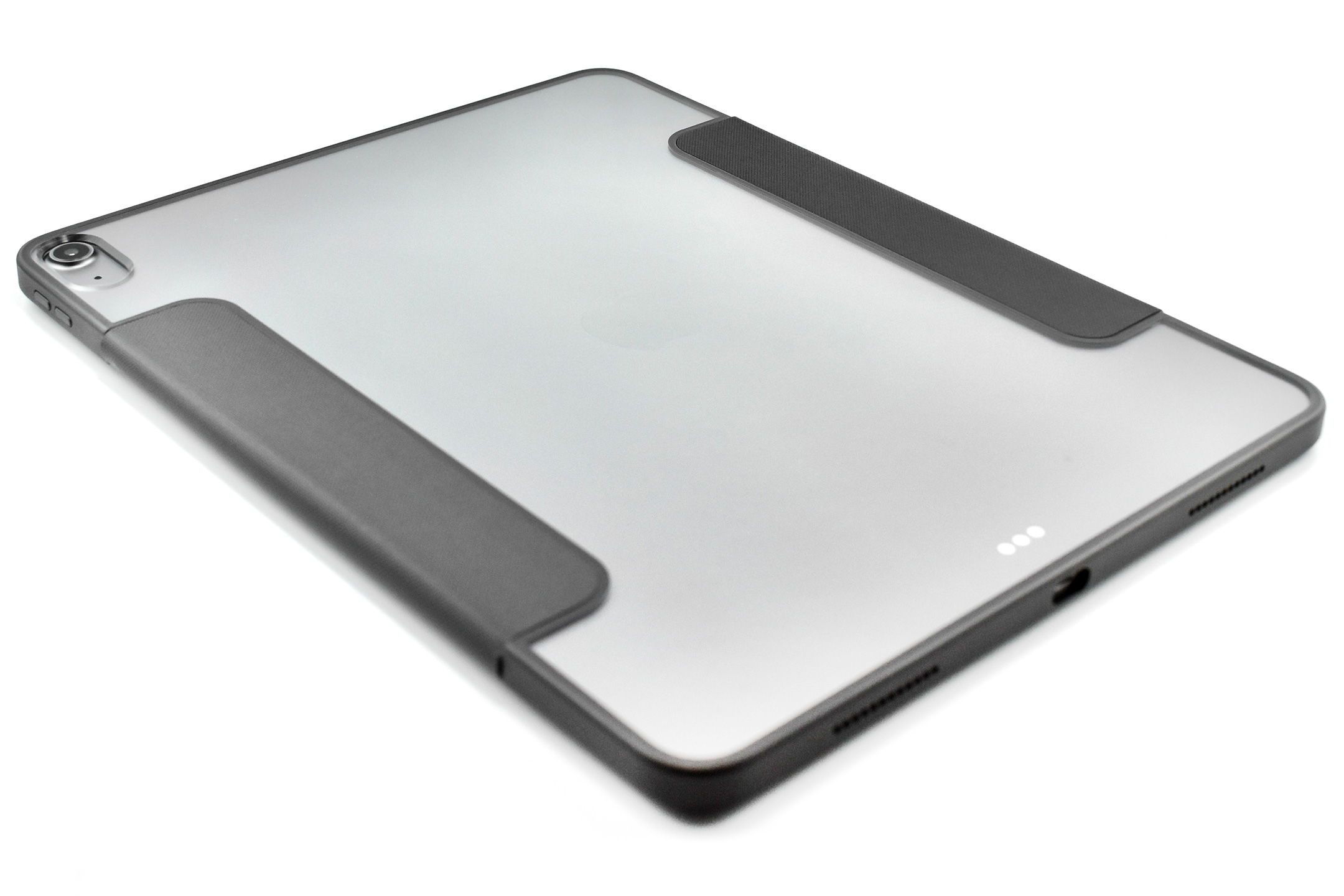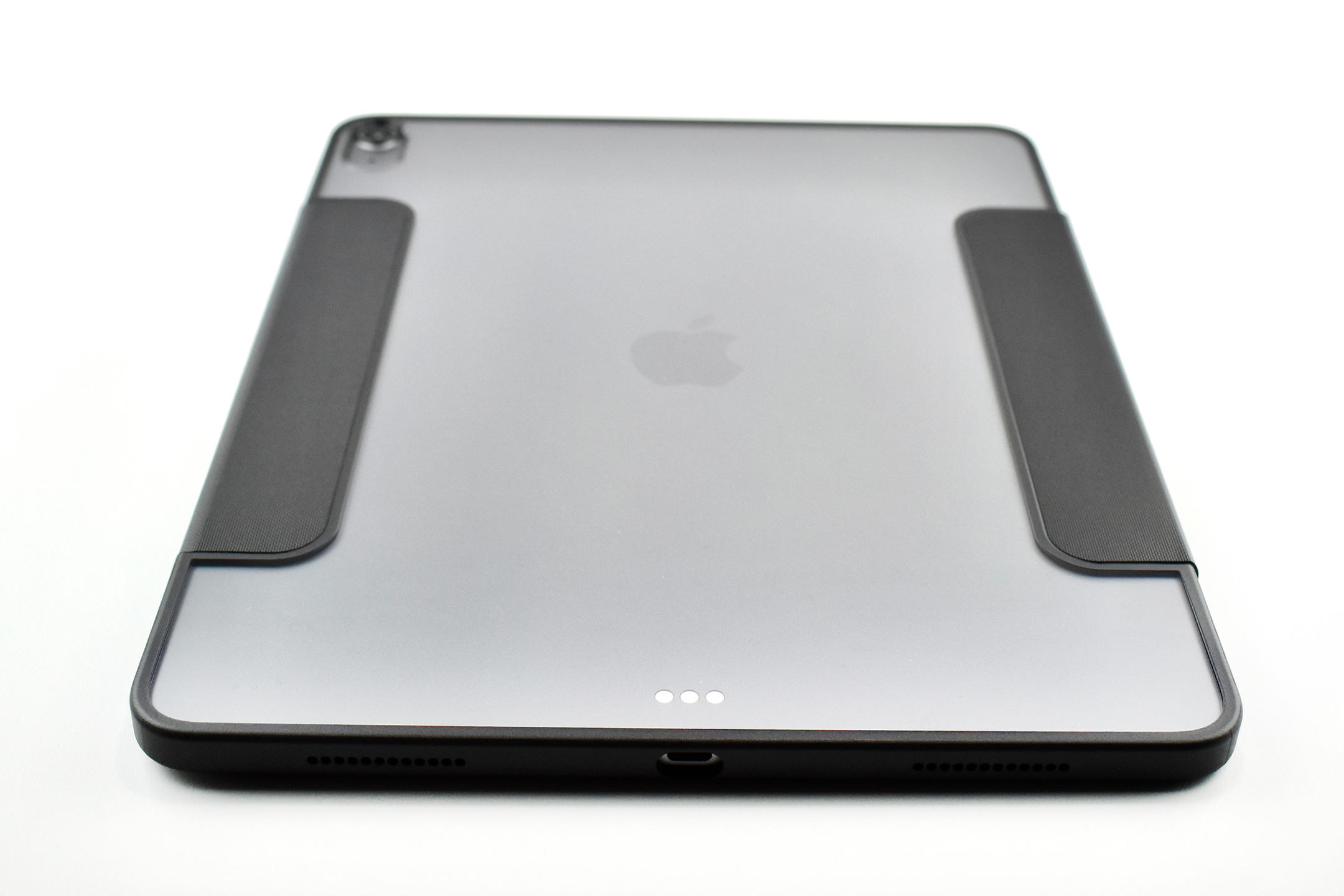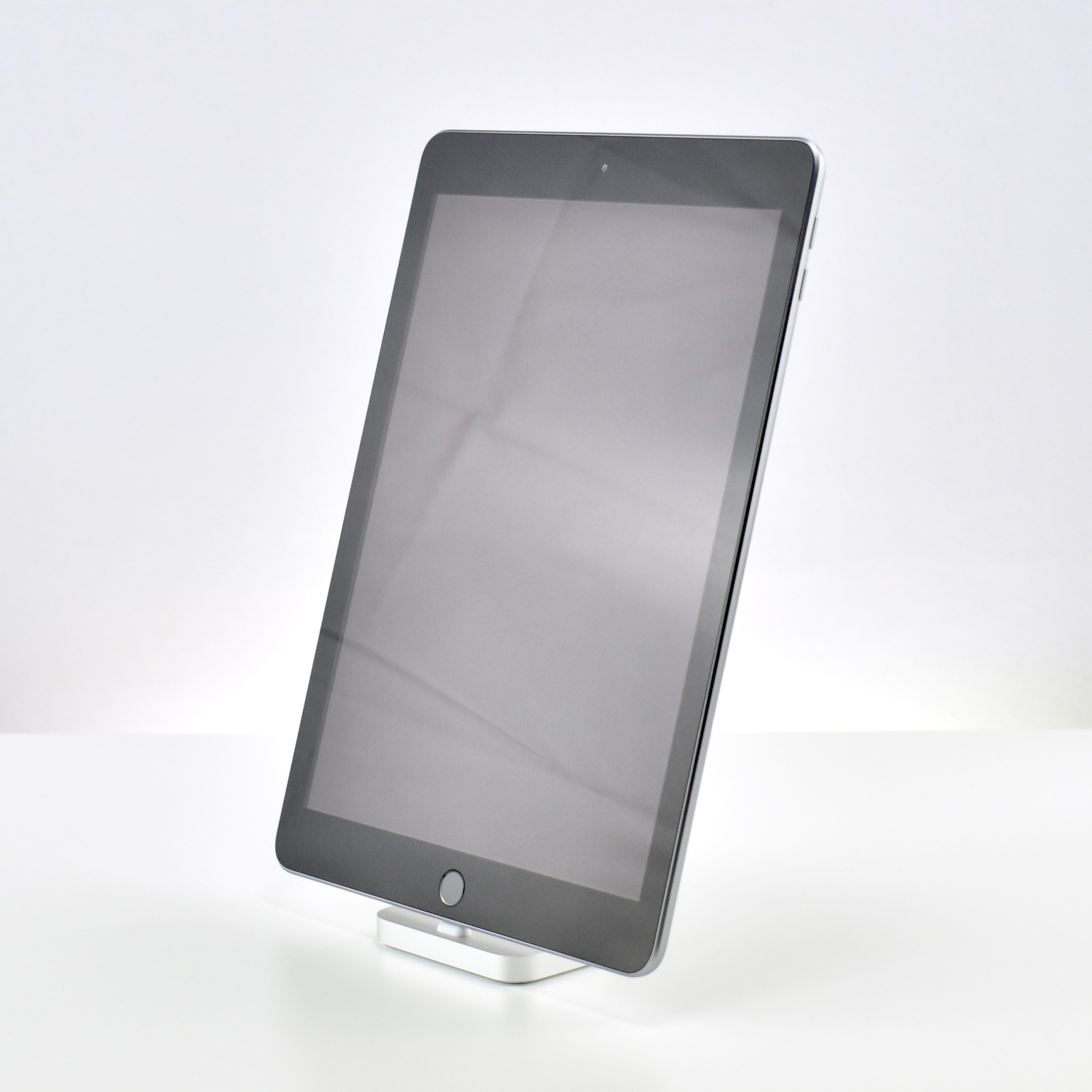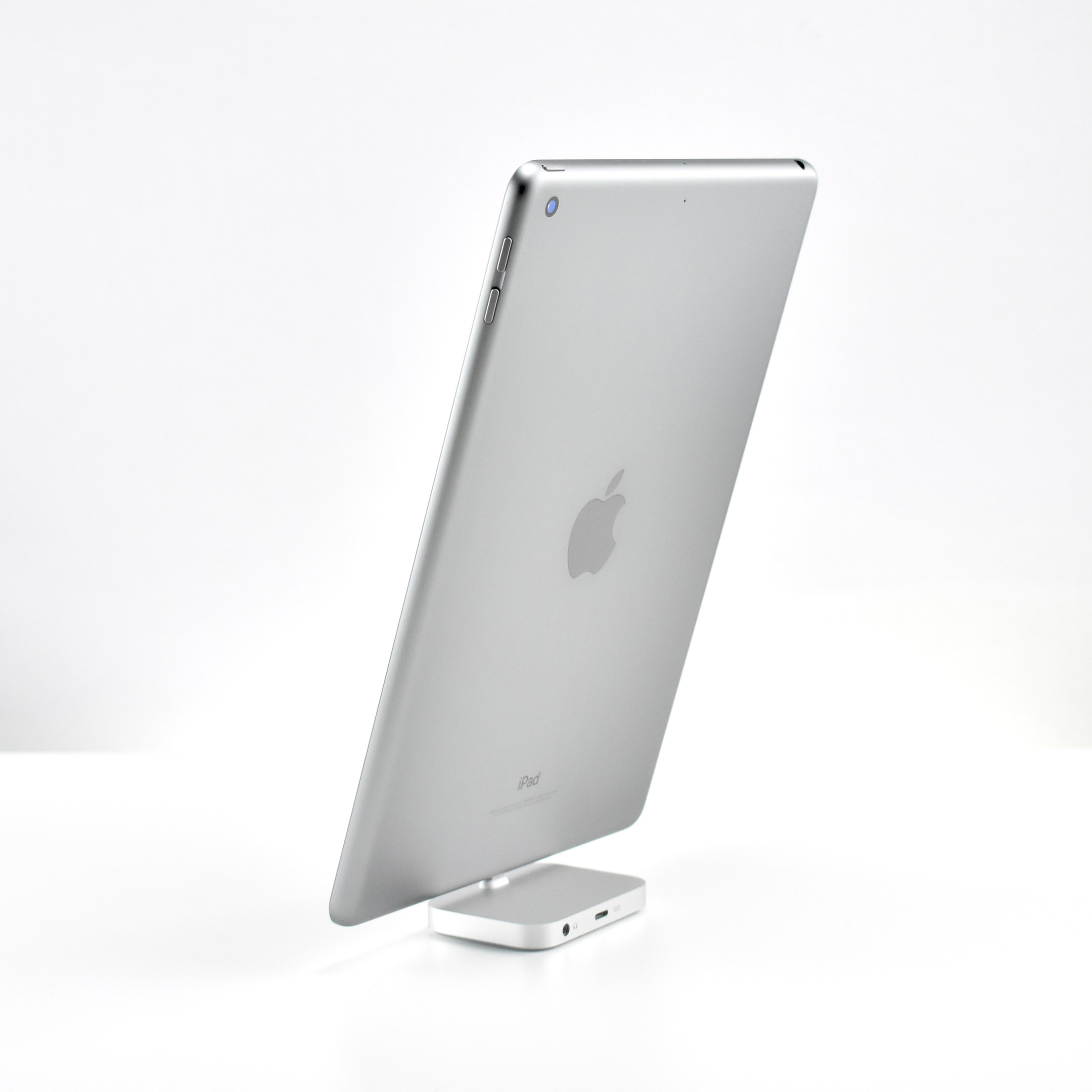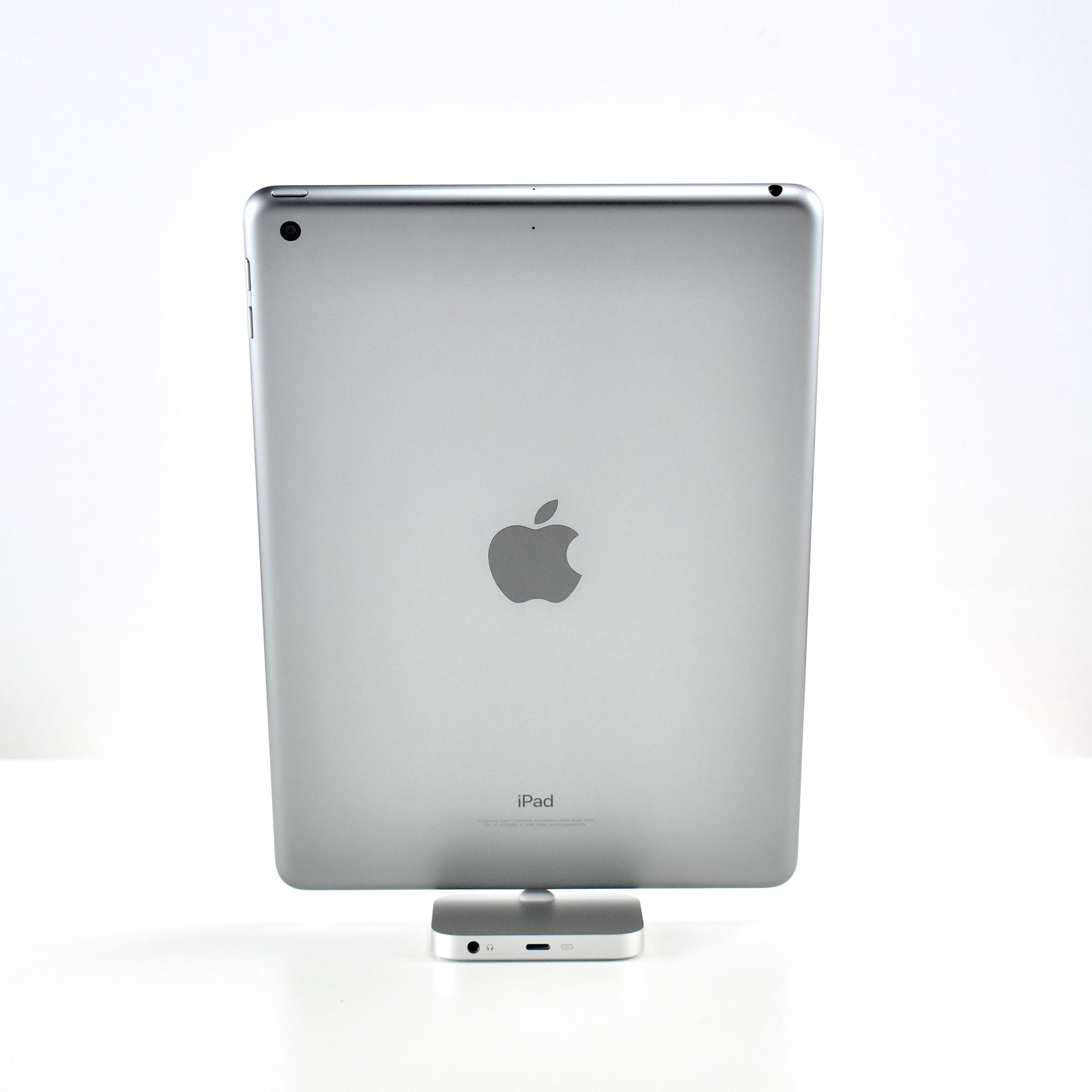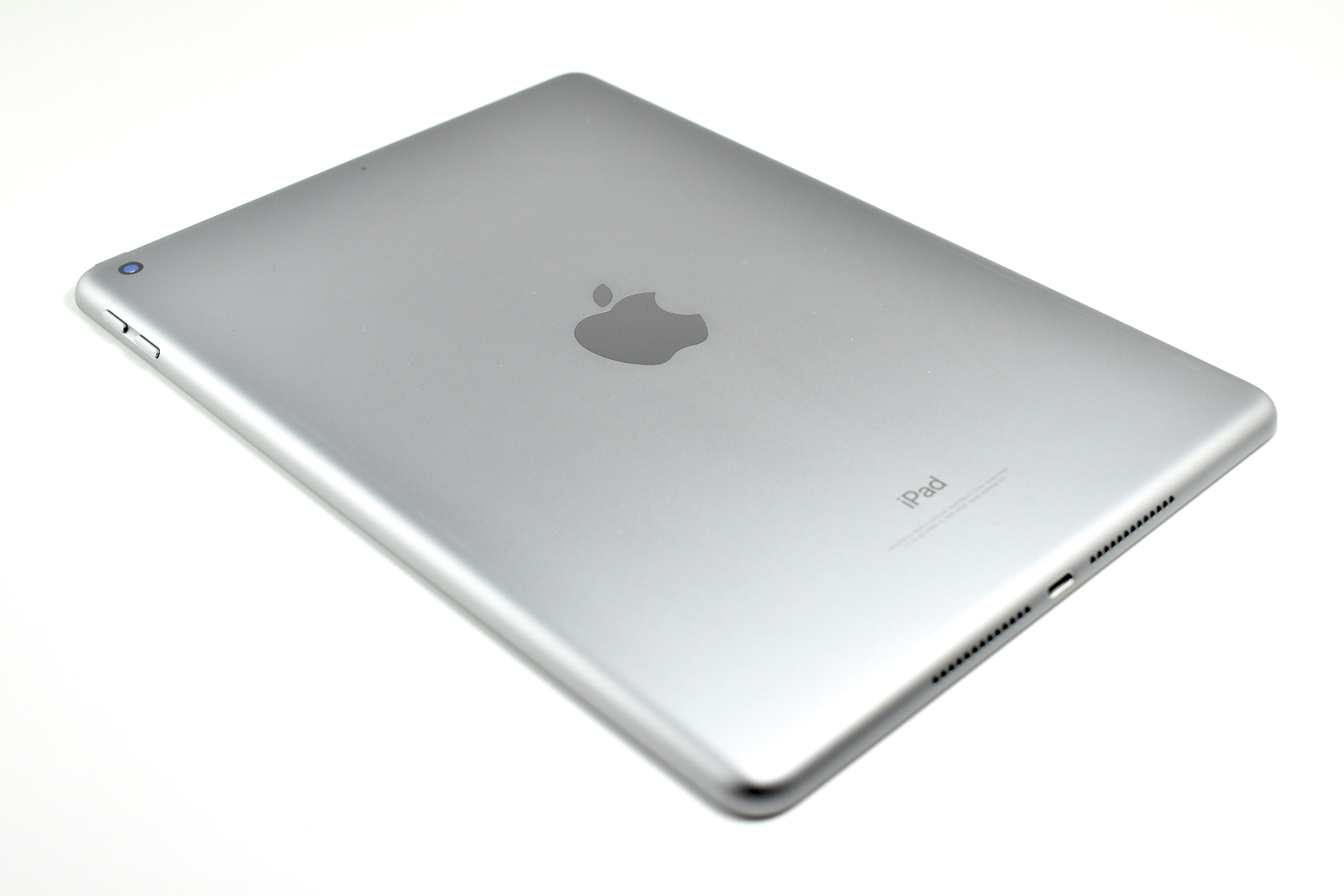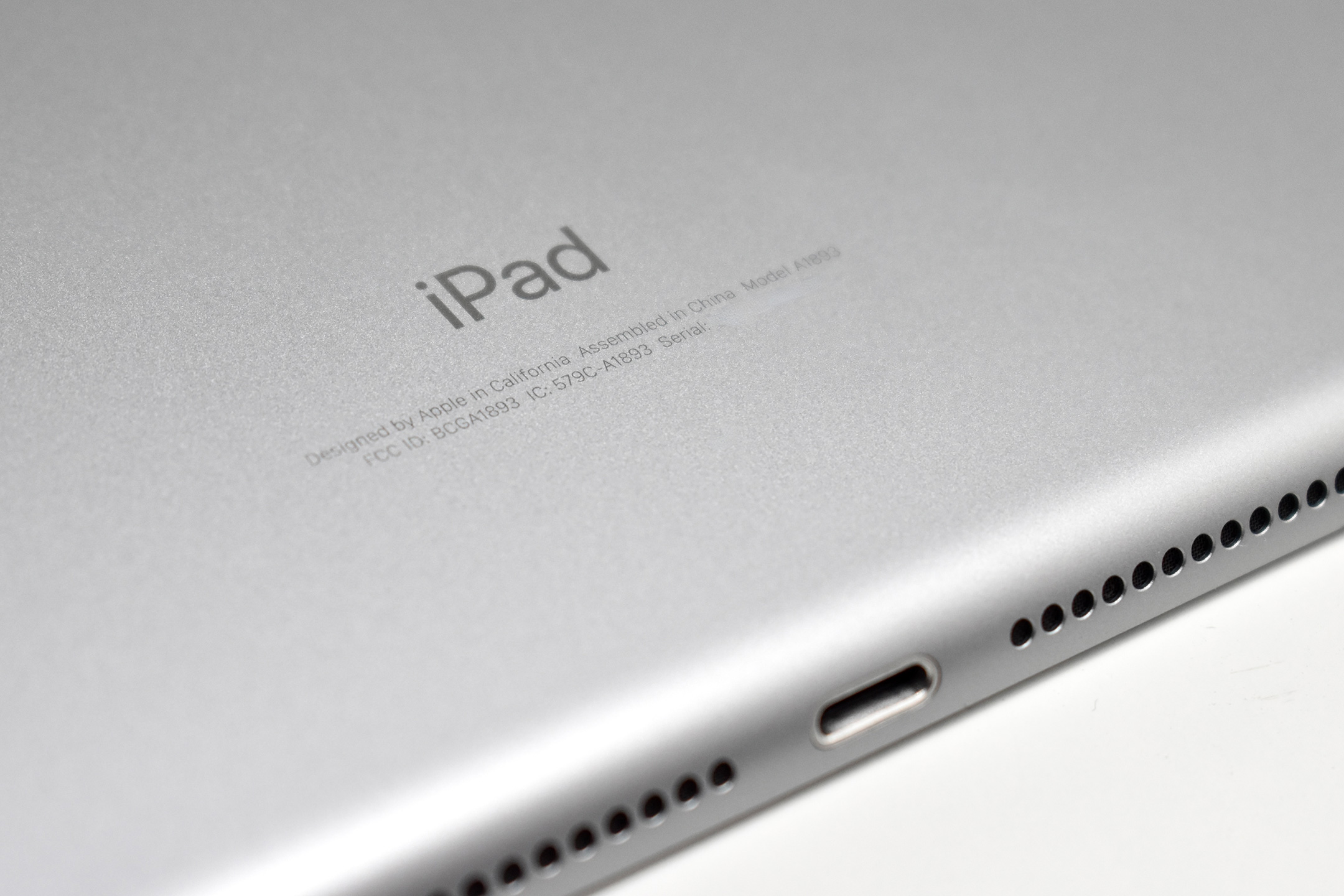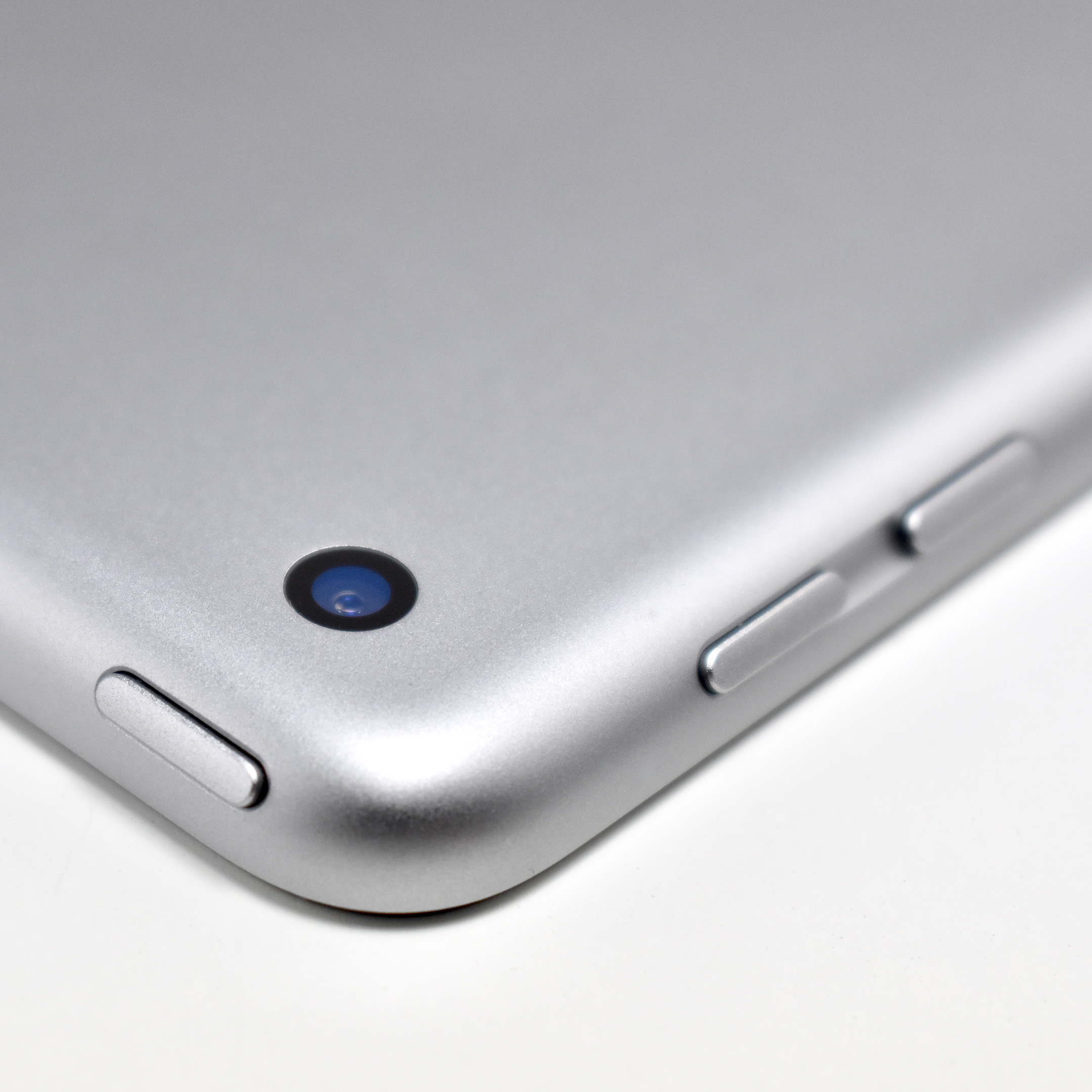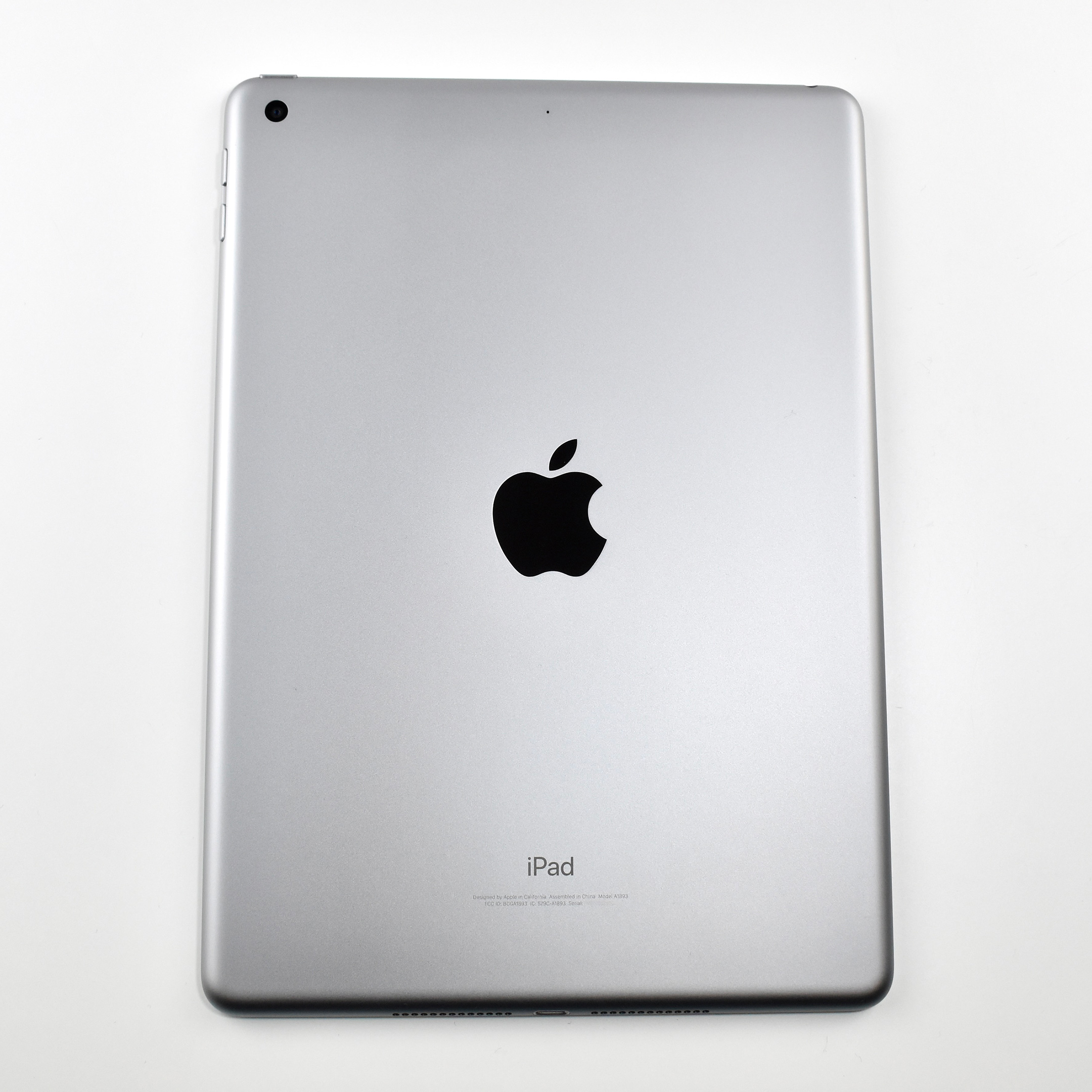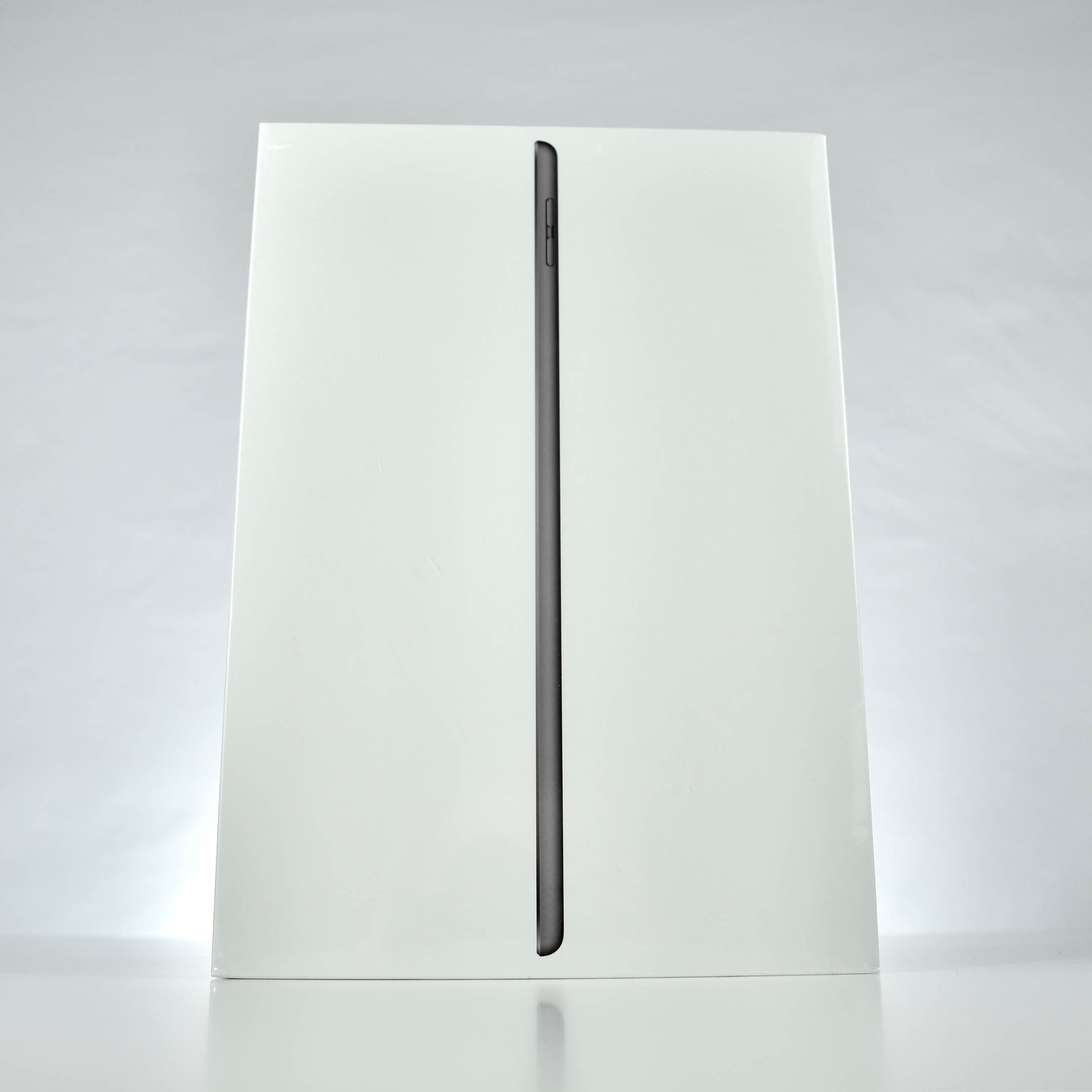
iPad (A16) (Generation 11, 11-inch, Wi-Fi, 128GB, Yellow, 2025)

On March 4, 2025, when Apple introduced the iPad Air with the M3 chip, they also announced the iPad Generation 11 with an A16 chip. The entire press release for this iPad device release amounted to one paragraph:

“Apple today also updated iPad with double the starting storage and the A16 chip, bringing even more value to customers. The A16 chip provides a jump in performance for everyday tasks and experiences in iPadOS, while still providing all-day battery life. Compared to the previous generation, the updated iPad with A16 is nearly 30 percent faster. In fact, compared to iPad with A13 Bionic, users will see up to a 50 percent improvement in overall performance, and A16 makes the updated iPad up to 6x faster than the best-selling Android tablet.”

This iPad update was released soon after the announcement of Apple Intelligence. While Apple was touting Apple Intelligence and updating its devices to take advantage of the new features, the iPad Generation 11 was given a chip that did not allow Apple Intelligence. While this updated iPad is faster than the previous Generation 10 model, it does not meet the minimum specification of the A17 Pro chip to allow Apple Intelligence compatibility. Apple provided no explanation for this omission.

One notable upgrade was in storage on the A16 iPad. The iPad Generation 11 doubled its base storage from 64 to 128GB and was also available in 256 and 512GB configurations. 

Except for the A16 chip and upgraded storage, this iPad was nearly identical to the iPad Generation 10. 

The iPad Generation 11 measured 9.79 x 7.07 inches, and was 0.28 inch thick. It weighed 1.05 pounds (Wi-Fi model). It had stereo speakers, a front camera and microphone centered on the “long”landscape” (long) side to enhance the FaceTime experience, and included both USB-C and a Smart Connector.

Its Liquid Retina display was 2360 x 1640 pixels at 264 ppi and delivered up to 500 nits brightness. It supported the Apple Pencil (USB-C) and also the Apple Pencil Generation 1 (although clumsily since the original Apple Pencil used a Lightning connector for charging). 

The back camera was 12MP with digital zoom up to 5x supporting Smart HDR 4, geotagging, auto image stabilization, and burst mode. It could capture video up to 4K. The similar front camera was also 12MP and supported Center Stage in Landscape mode. It supported Smart HDR 4, but only could record 1080p HD video. 

The iPad Generation 11 had 5 sensors, including Touch ID, 3‐axis gyro, accelerometer, barometer, and an ambient light sensor. 

Sources: Apple (Newsroom, Specs)

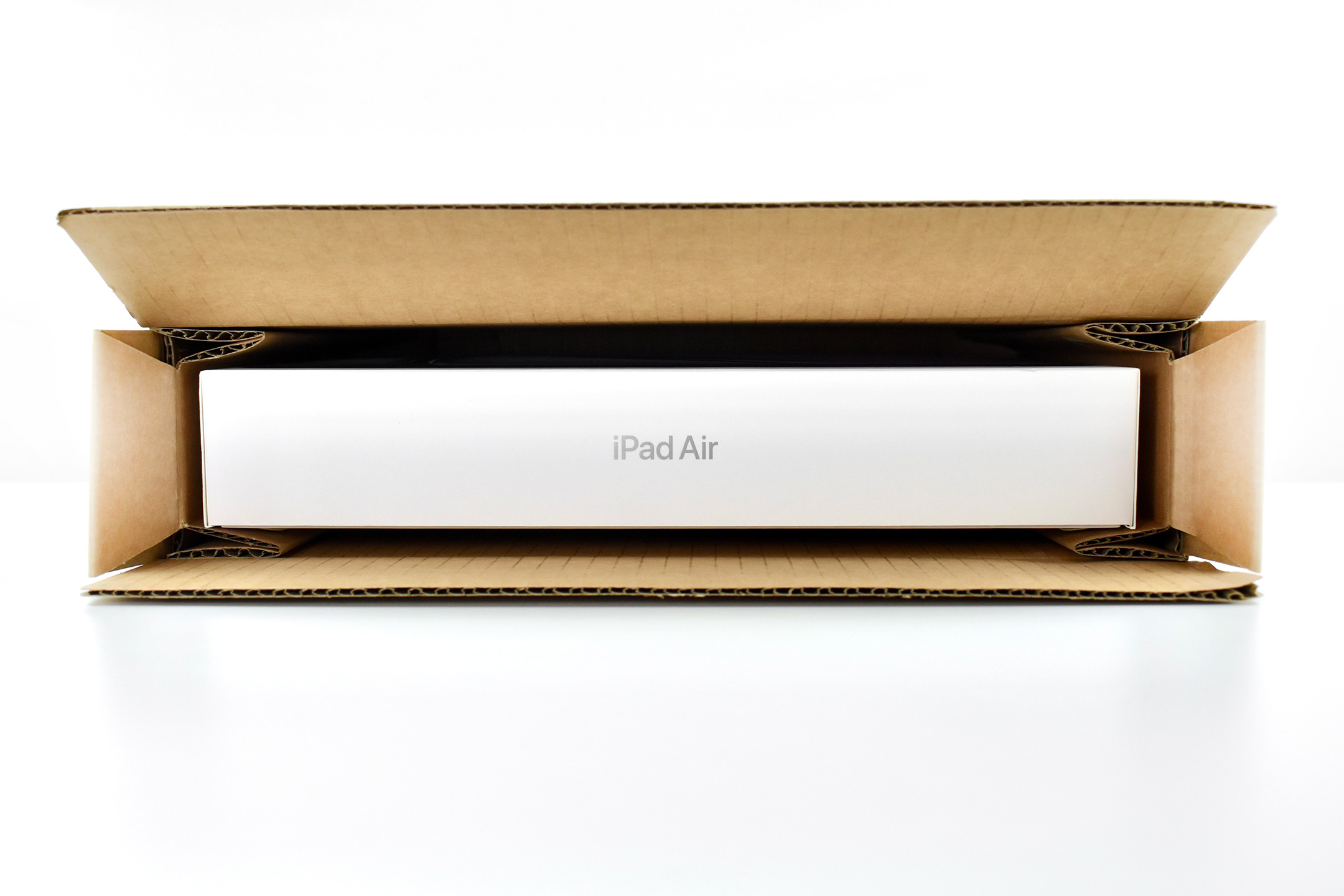
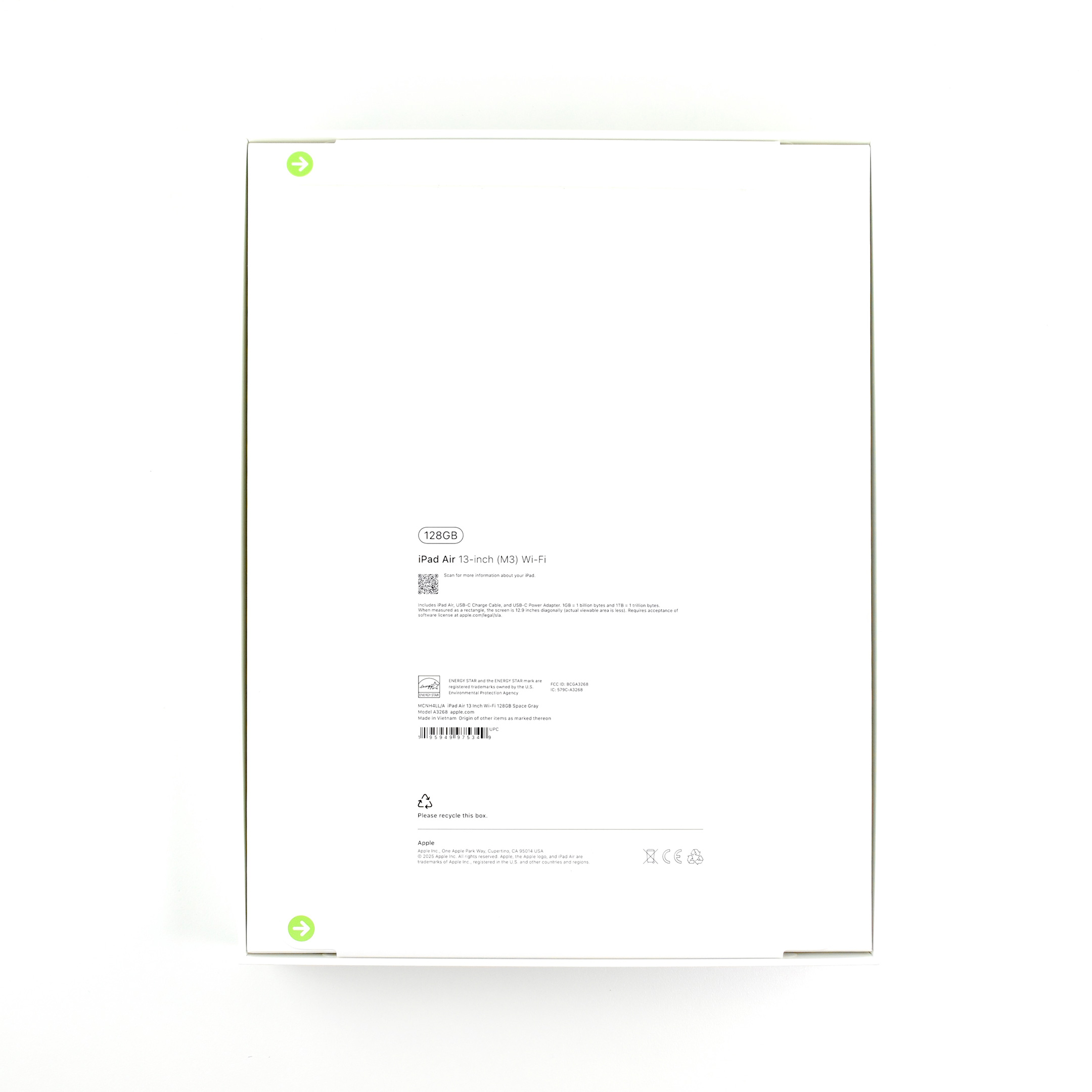
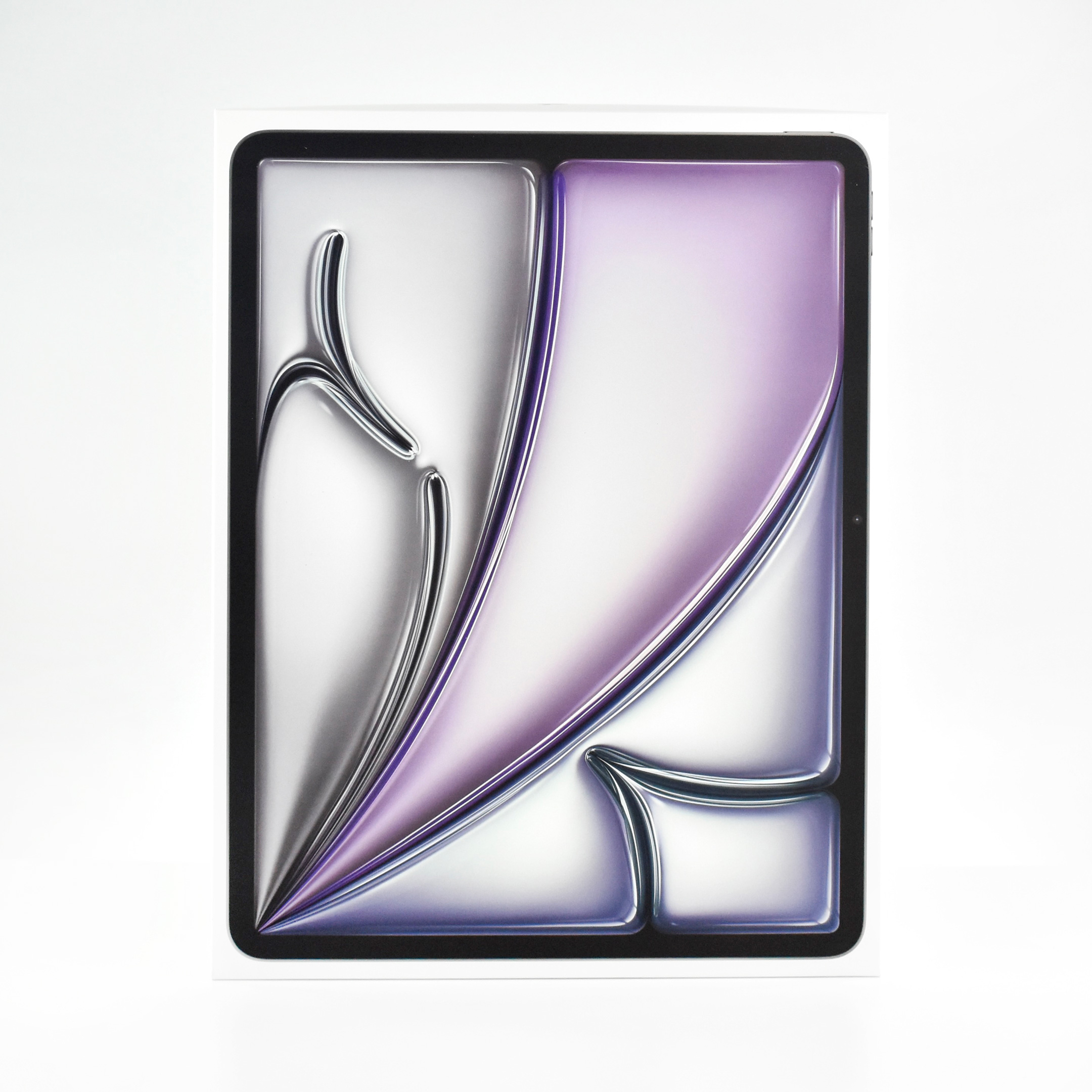
iPad Air 13-inch (Space Gray, M3, Wi-Fi, 128 GB, 2025)
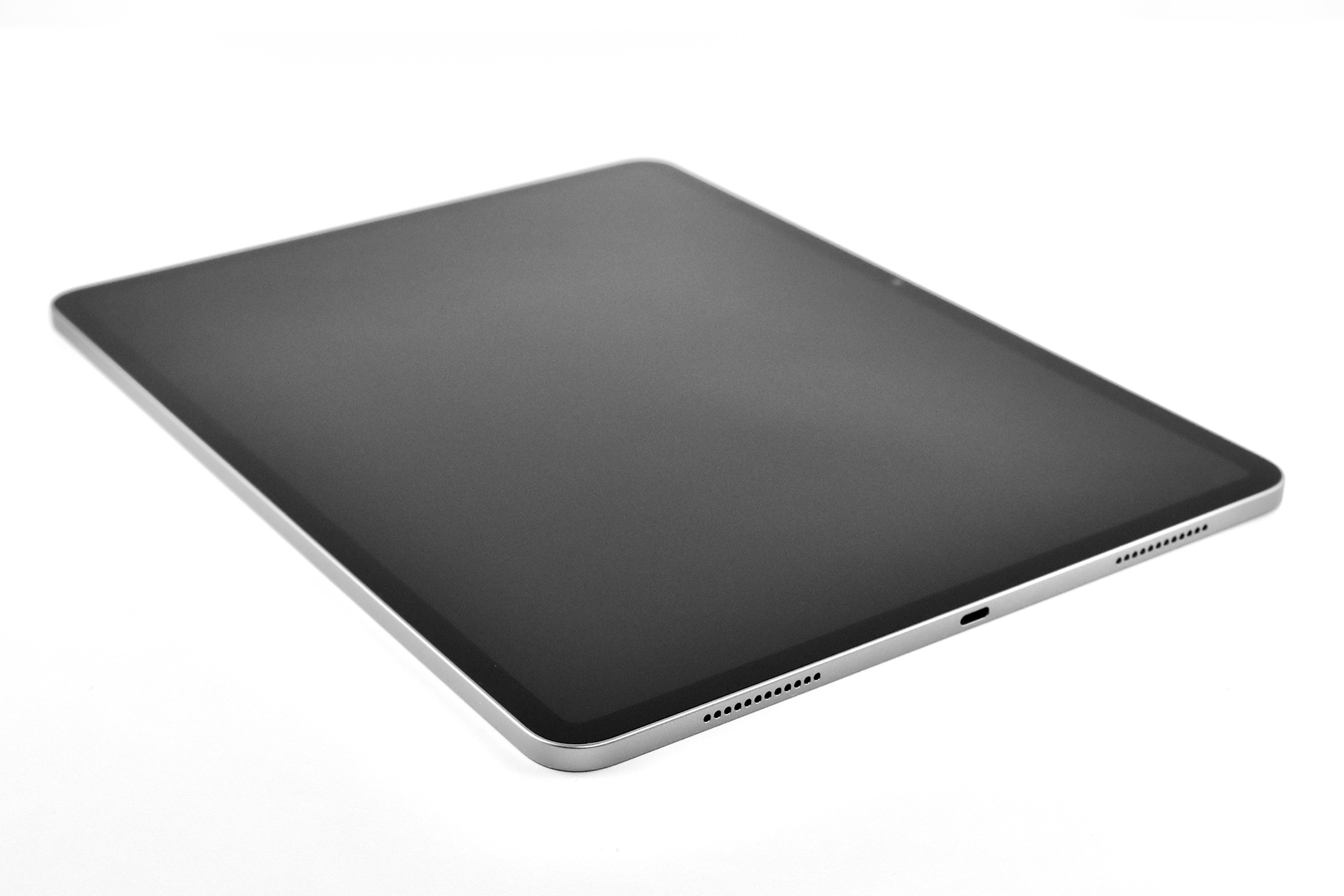
The M3 iPad Air 13-inch was announced on March 4, 2025, and was described as being up to 2x faster than the M1 iPad Air. The press release also touted:

“iPad Air with M3 brings Apple’s advanced graphics architecture to iPad Air for the first time—taking its incredible combination of power-efficient performance and portability to a new level… Available in two sizes and four gorgeous finishes that users love, the 11-inch iPad Air is super portable while on the go, and the 13-inch model provides an even larger display for more room to be creative and productive.”

Apple mentioned that “The faster Neural Engine in M3 means iPad Air [is]…up to 60 percent faster for AI-based workloads…and support for advanced accessories, including the new Magic Keyboard and Apple Pencil Pro.”

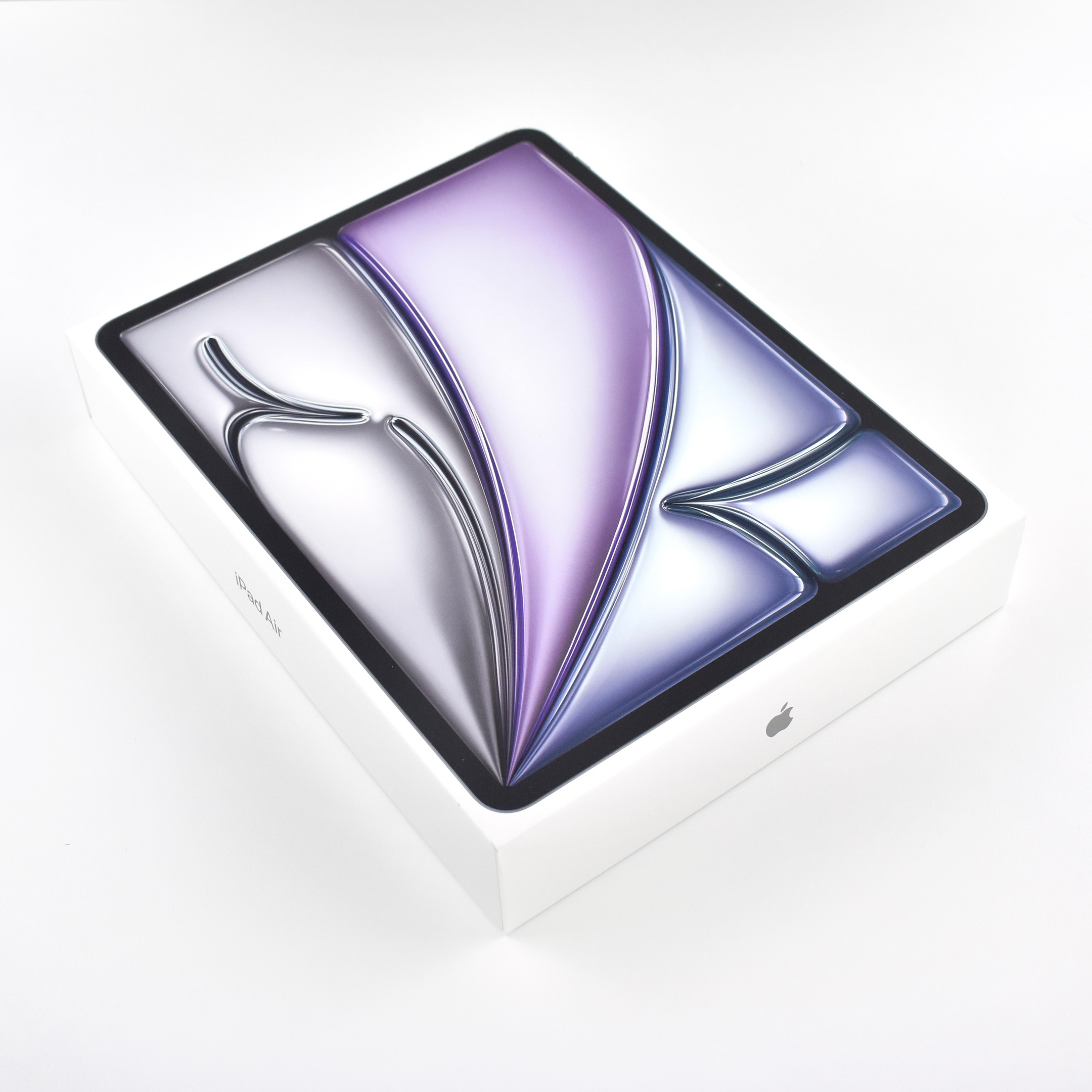
The 11-inch and 13-inch M3 iPad Air devices were available in blue, purple, starlight, and space gray, with 128 GB, 256 GB, 512 GB, and 1 TB configurations. This example is the 13-inch version of the iPad Air in Space Gray with 128 GB storage.

This 13-inch iPad Air Wi-Fi is 11.04 inches (280.6 mm) x 8.46 inches (214.9 mm), is 0.24 inch (6.1 mm) thick, and weighs 1.36 pounds (616 grams).
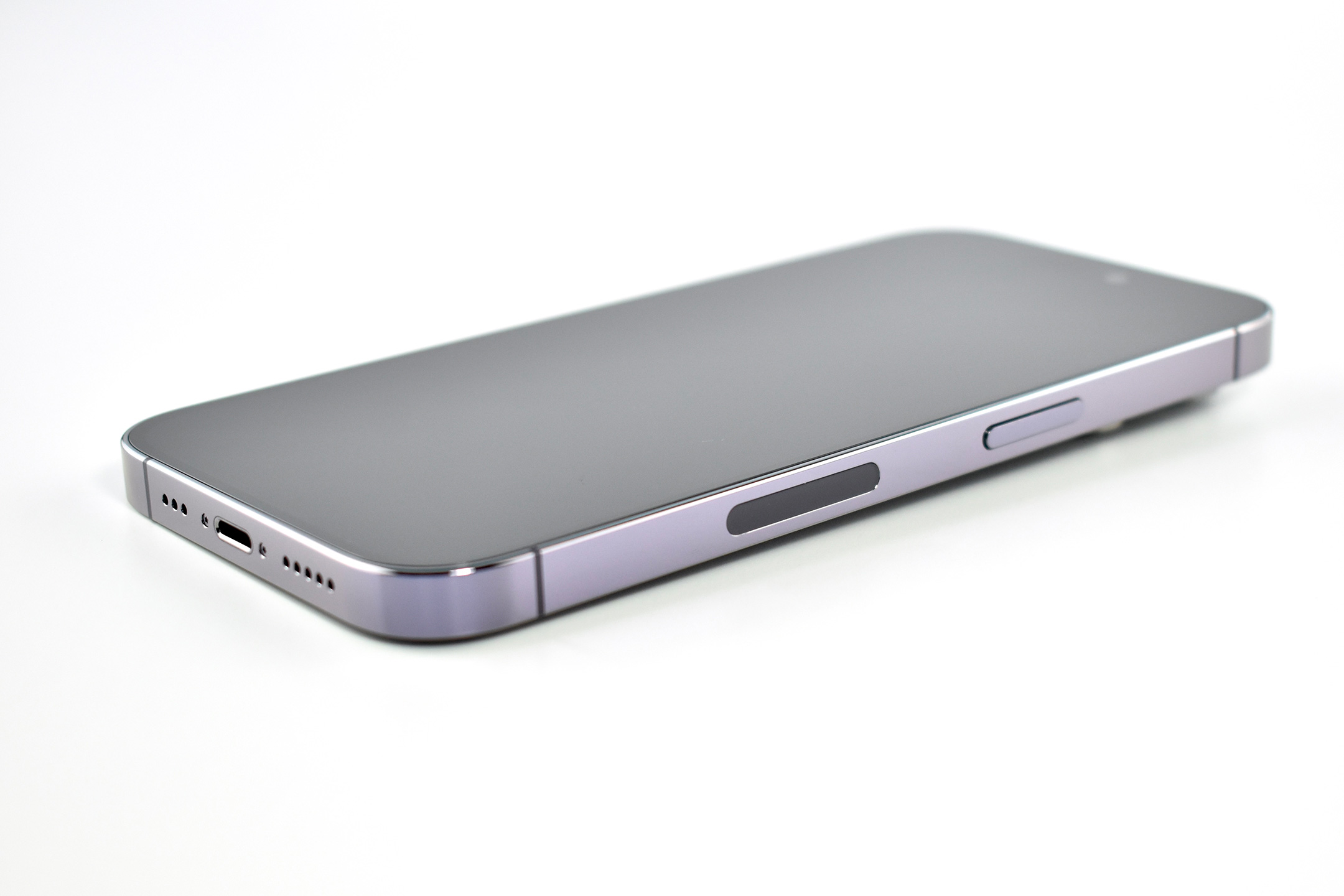
The Liquid Retina display is 2732 x 2048 pixels at 264 ppi and can display up to 600 nits brightness. It is powered by Apple’s M3 chip (8-core CPU with 4 performance cores; 4 efficiency cores; 9-core GPU). It has a 16-core Neural Engine.

The back camera is a 12MP Wide camera with ƒ/1.8 aperture that allows digital zoom up to 5x using a 5-element lens. It can capture Panorama photos up to 63 MP. It can record video up to 4K at 24, 25, 30, or 60 fps. The front camera is a landscape 12 MP Center Stage camera with ƒ/2.0 aperture that can record video at up to 1080p (HD) at 25, 30, or 60 fps.

Its dual microphones can be used for calls, video recording, and audio recording and has landscape stereo speakers.

Wireless connectivity includes Wi-Fi 6E (802.11ax) with 2×2 MIMO5 and Bluetooth 5.3. Its sensors include Touch ID, 3‐axis gyro, accelerometer, barometer, and an ambient light sensor.

This iPad Air is using the Symmetry Series Folio case (for iPad Air 13-inch M2 and M3) by OtterBox in their “Starry Night” (black, clear, grey) color. The hinged folio design provides an adjustable stand, screen protection, magnetic sleep/wake, and protects the Apple Pencil while allowing charging while in storage.

Sources: Apple (newsroom, specs, product page), OtterBox

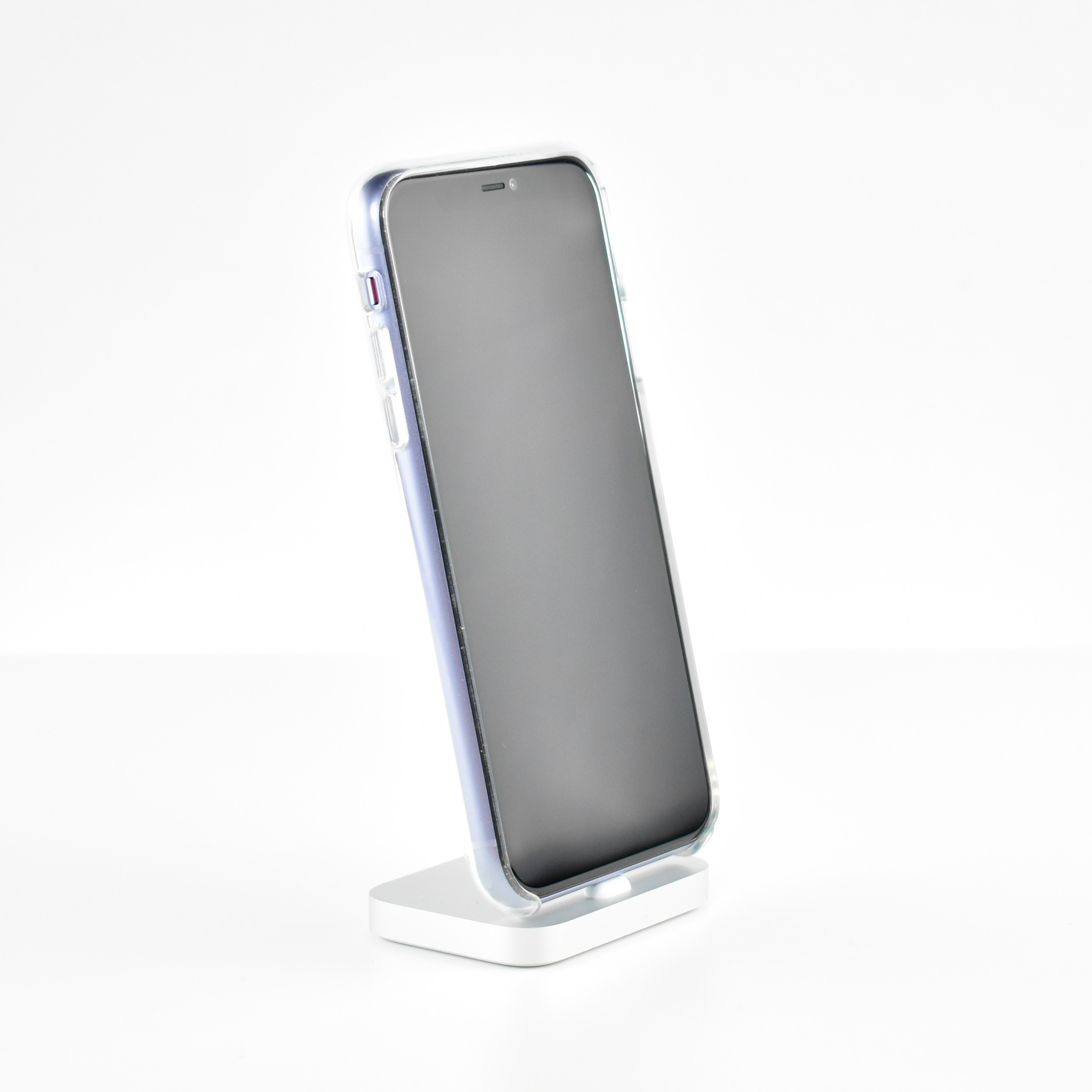
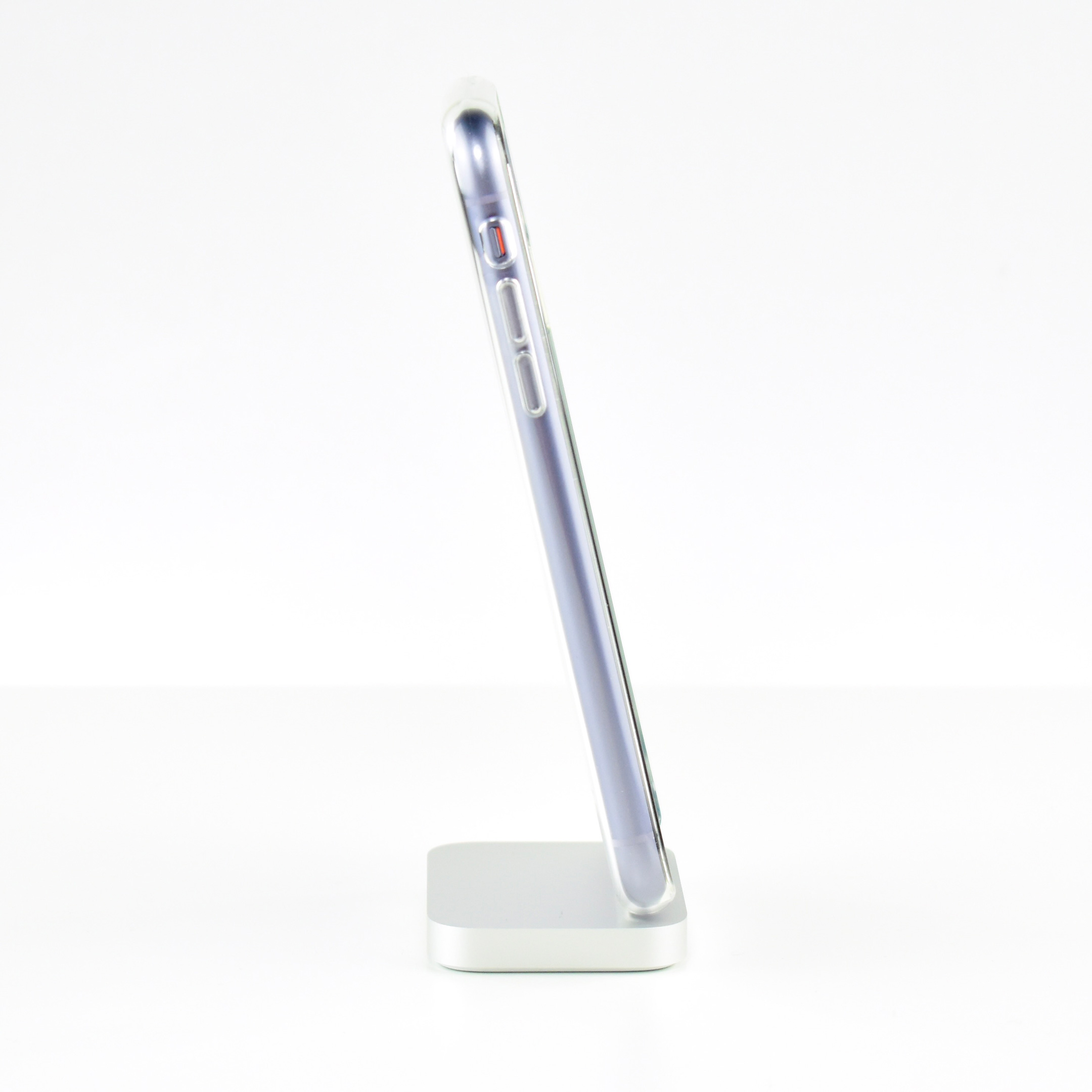
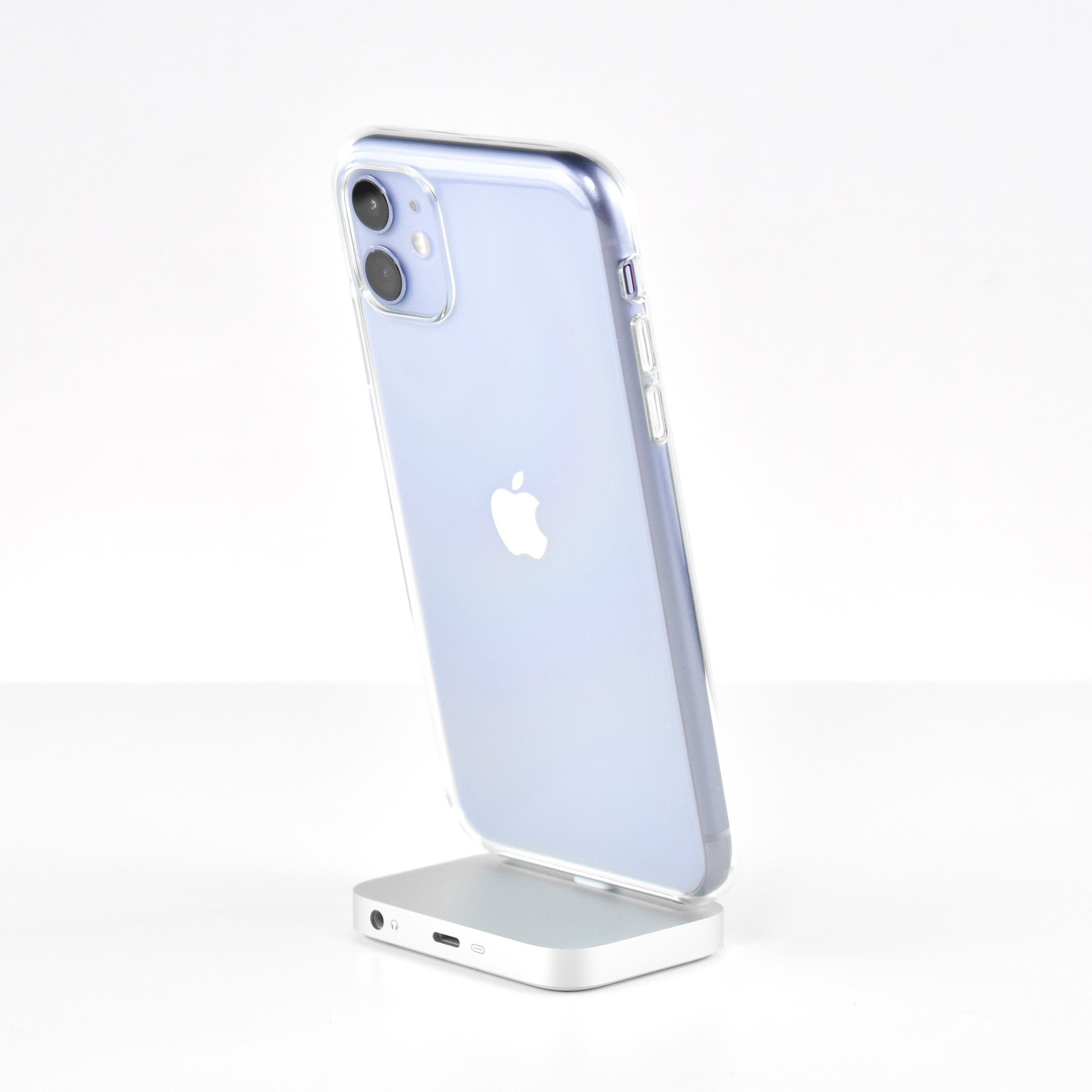
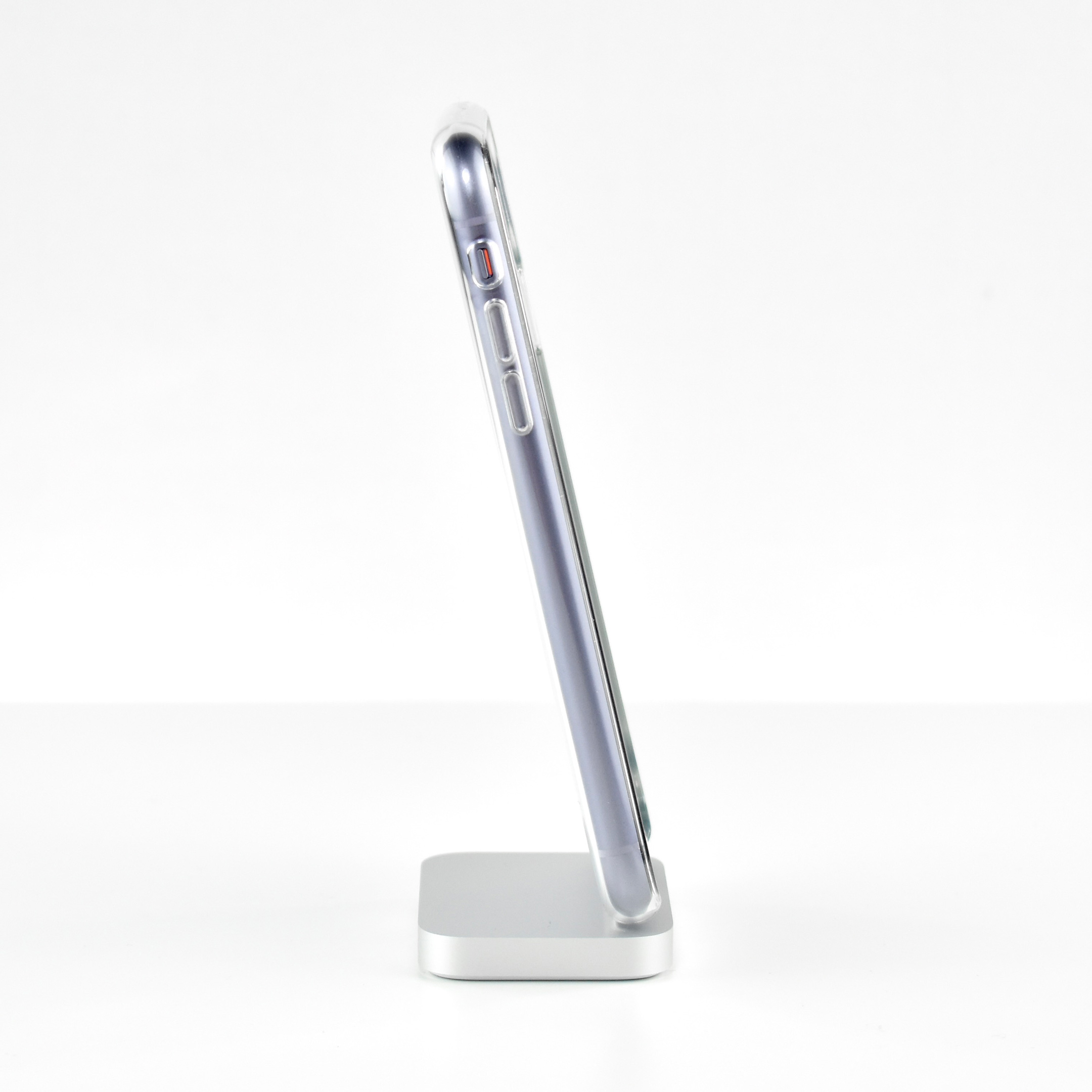
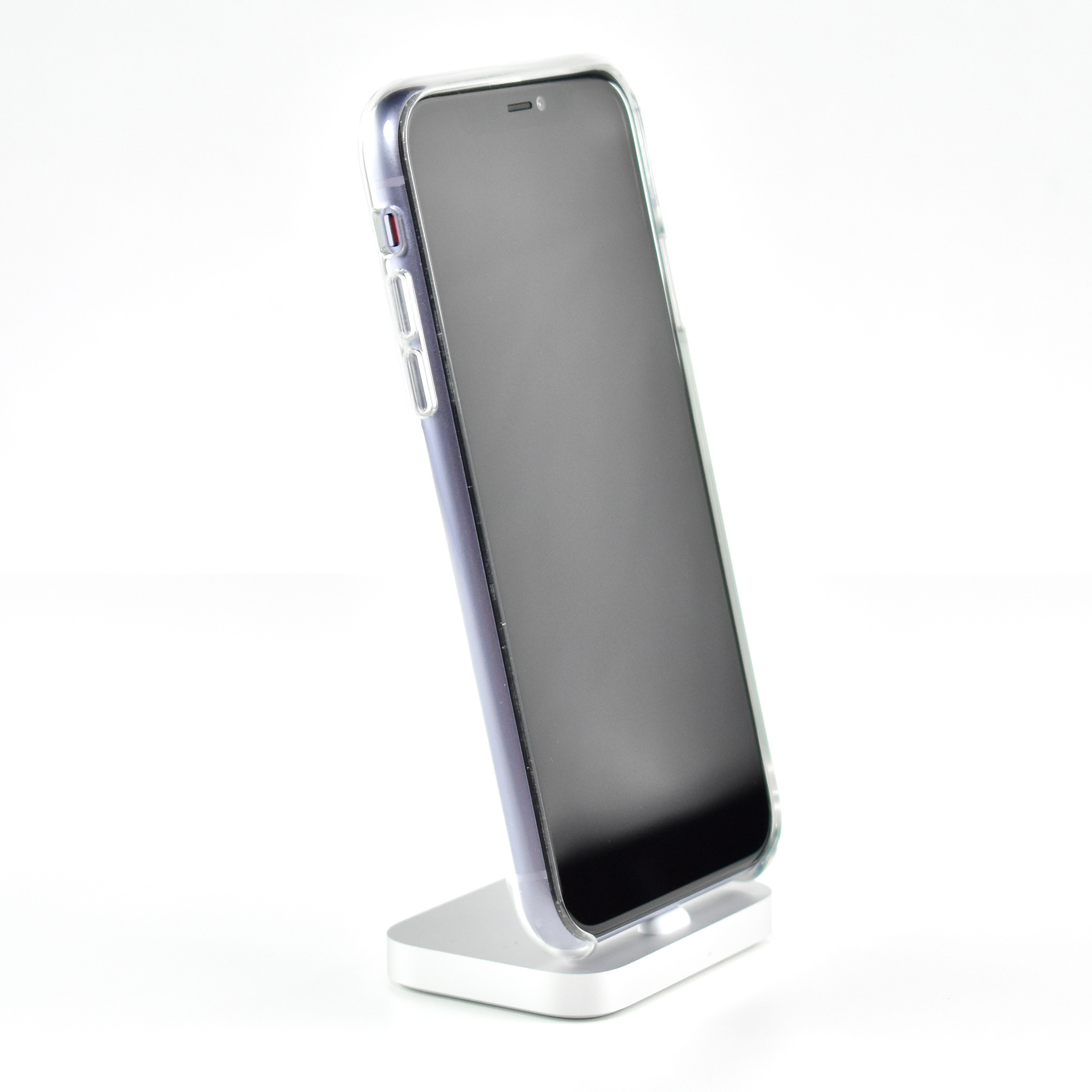
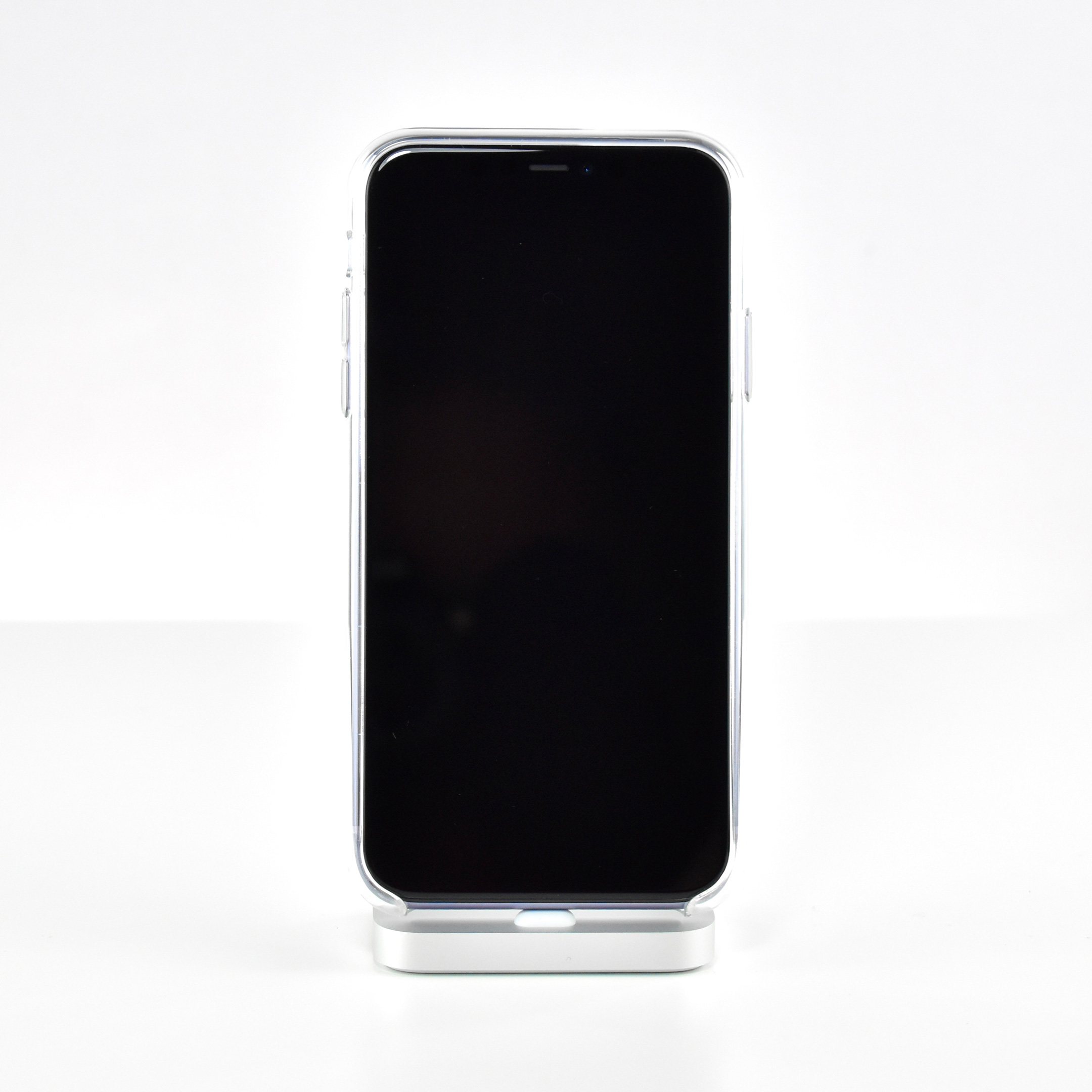
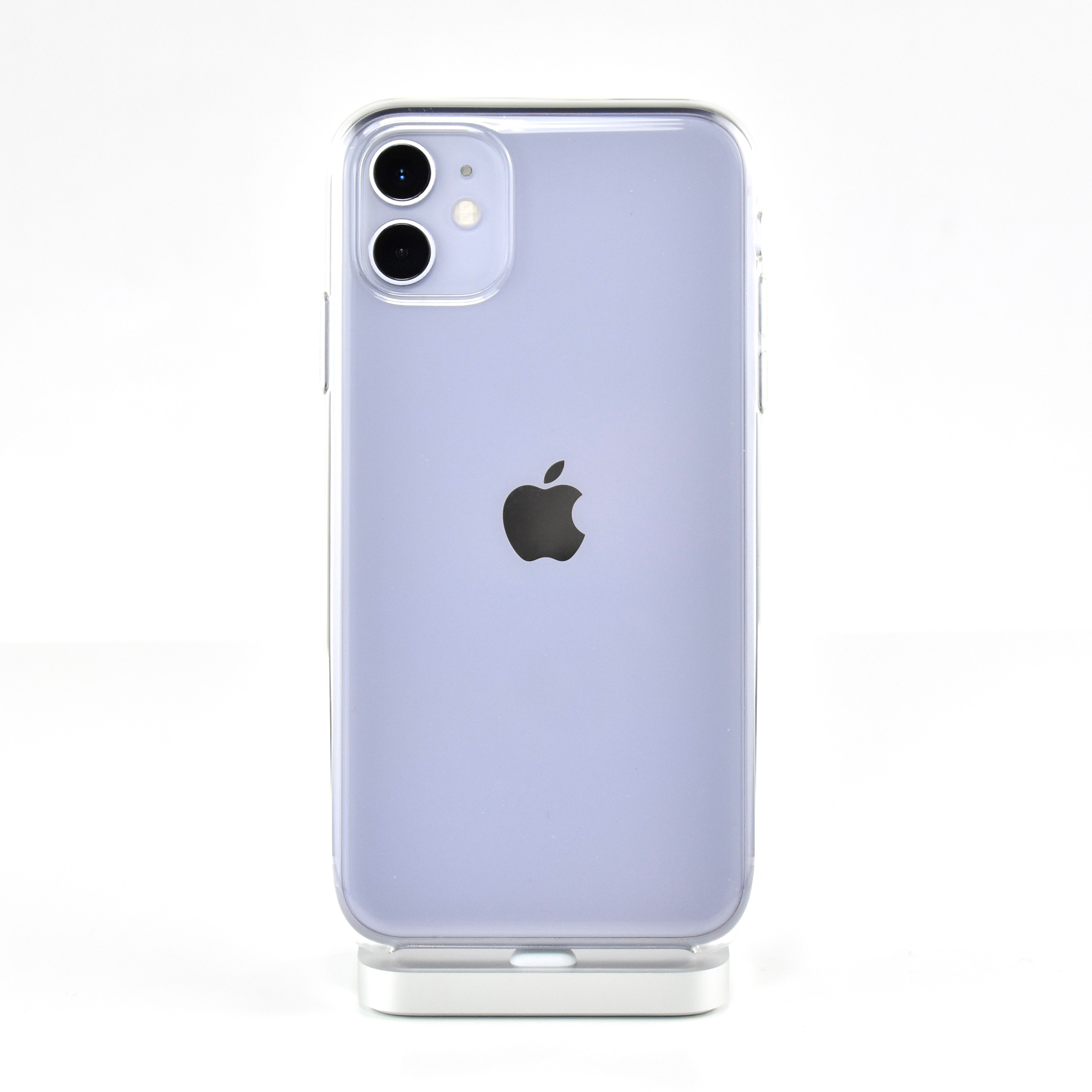
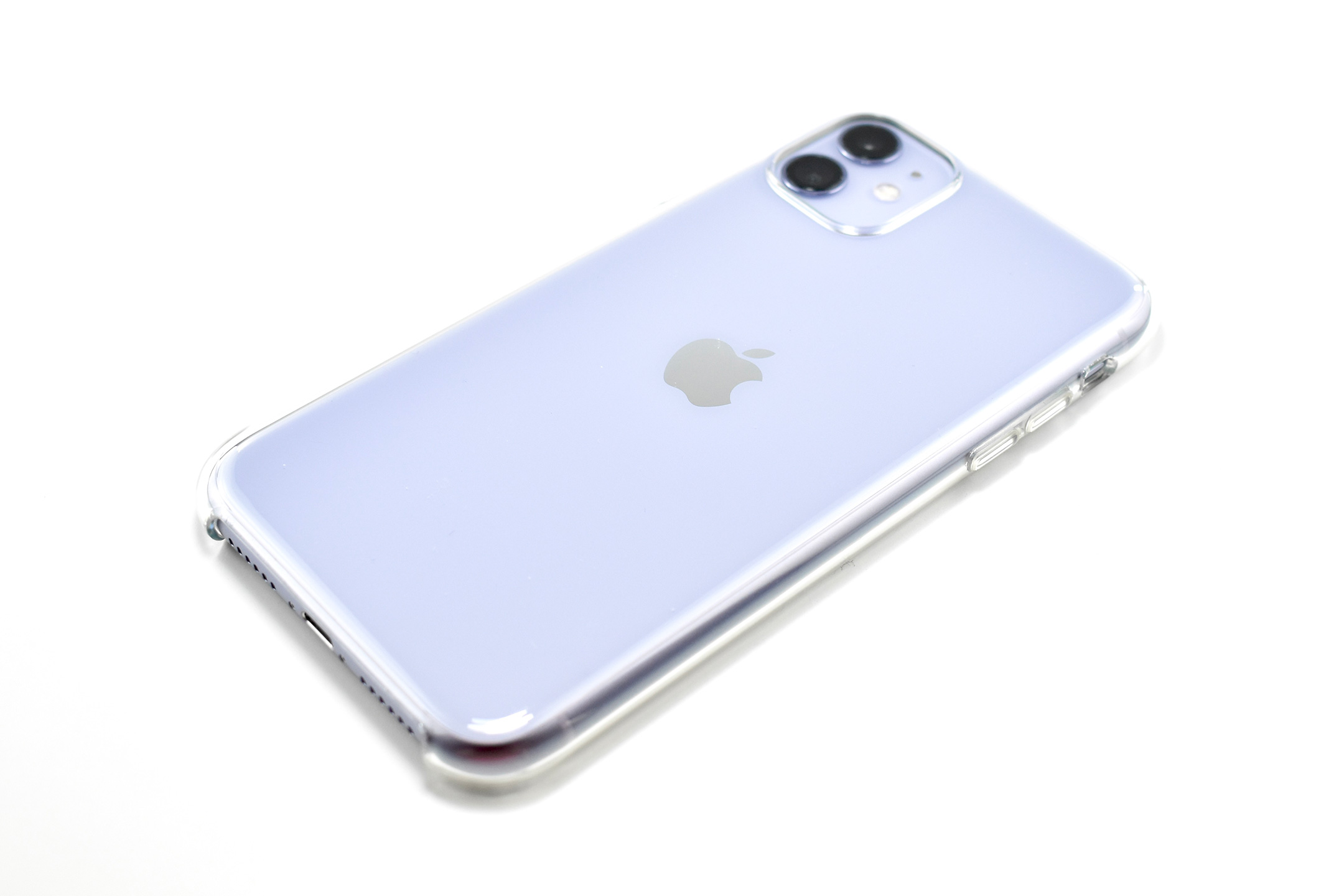
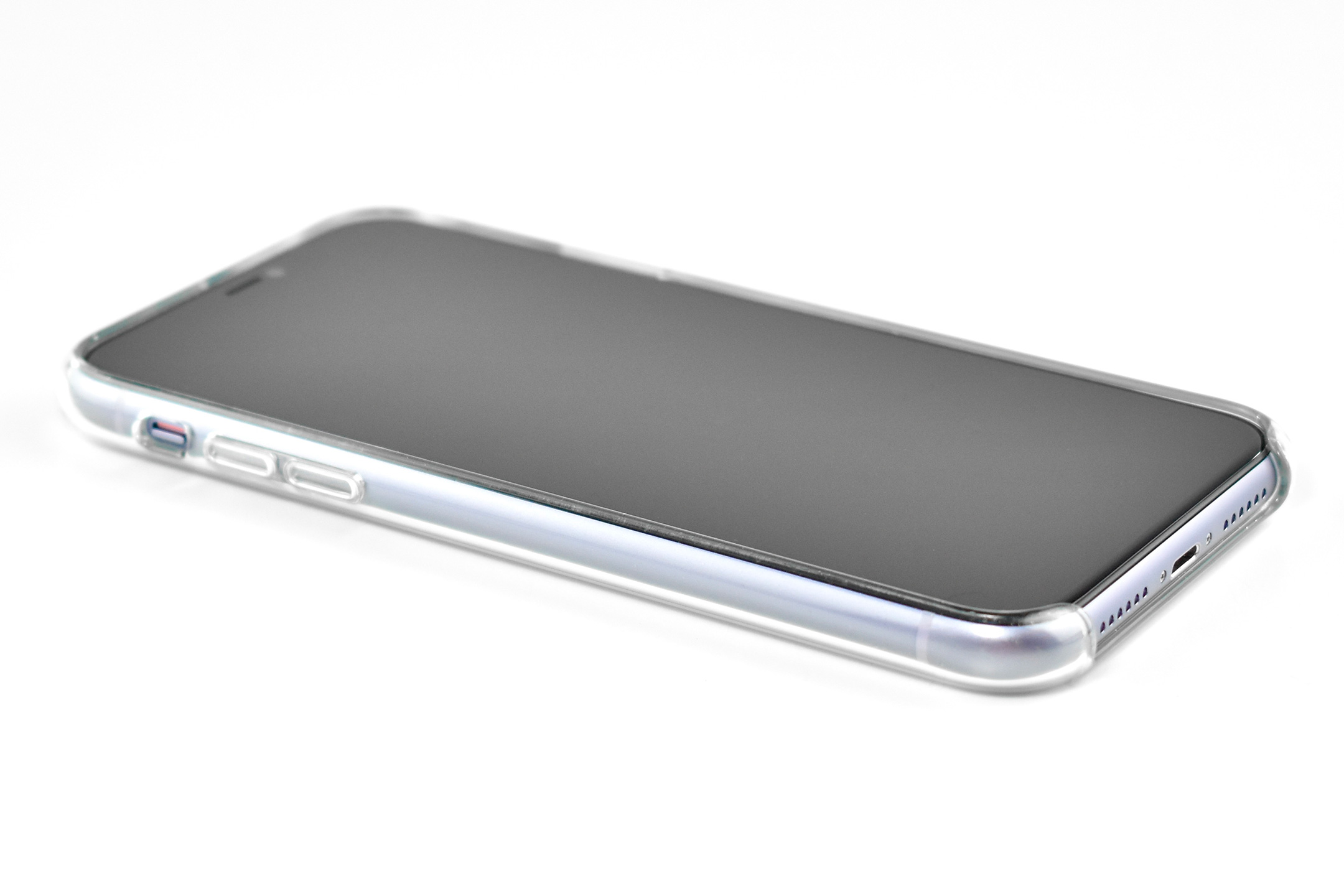
iPhone 11 (64GB, Purple, with iPhone 11 Clear Case, 2019)

When Phil Schiller introduced the iPhone 11 at a special event on September 10, 2019, he described the device:

“iPhone 11 is the next generation of iPhone, packed with great new capabilities in an incredible design, including new Ultra Wide and Wide cameras for gorgeous videos and photos, the power and ease of use of iOS 13, and A13 Bionic—the fastest chip ever in a smartphone that quickly handles the tasks that matter most to people every day.”

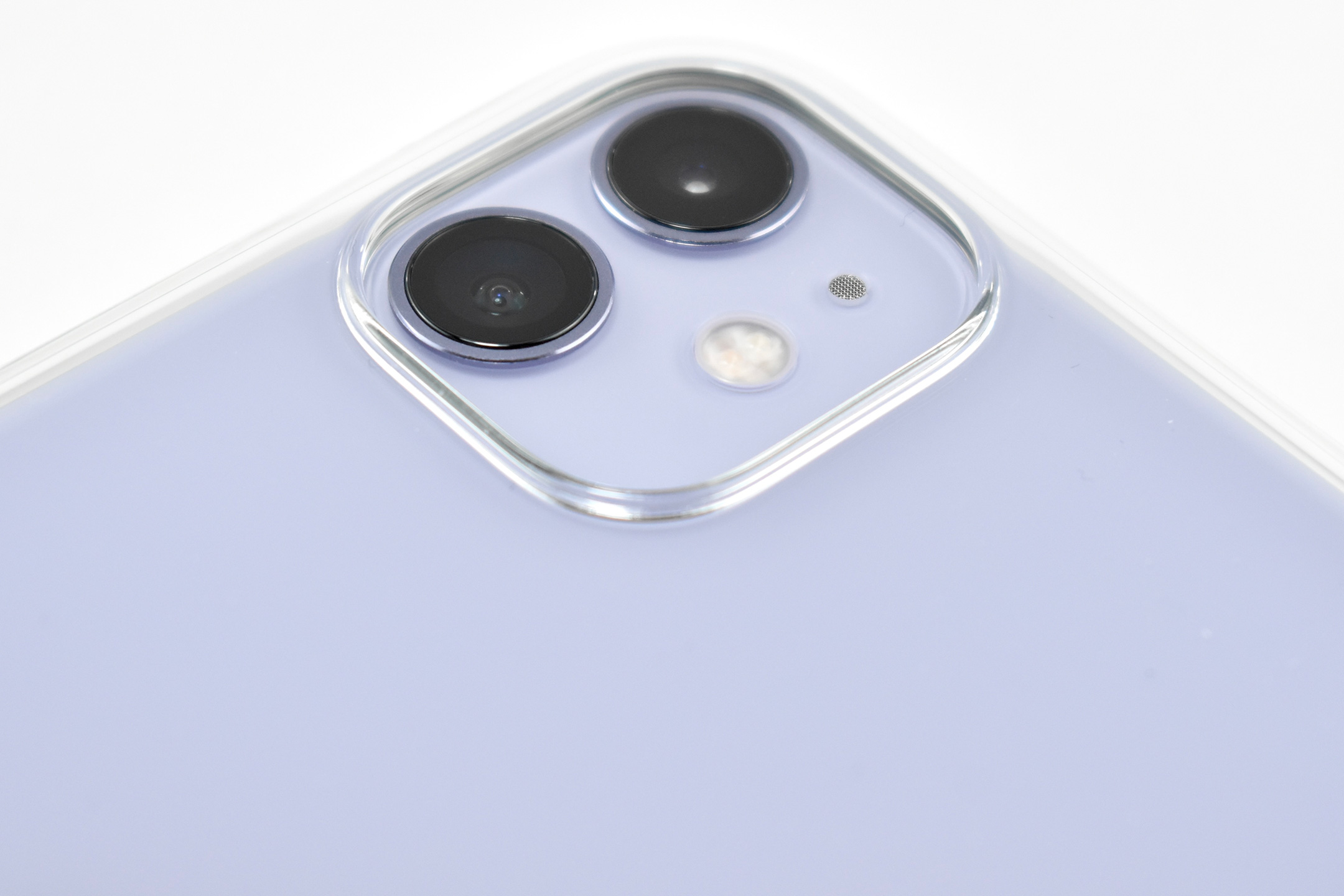
The iPhone 11 was the first of Apple’s base model phones to include a dual-camera system. Apple described the cameras in a press release:

“iPhone 11 introduces a dual-camera system with all-new Ultra Wide and Wide cameras that are deeply integrated into iOS 13, offering the highest quality video in a smartphone and major advancements in photography for the ultimate camera experience.”

Compared to previous models, the camera system was a major leap forward for iPhone. The camera system had two 12MP cameras (Ultra Wide and Wide). The A13 chip allowed Portrait mode with advanced bokeh and Depth Control, and Portrait Lighting included six effects: Natural, Studio, Contour, Stage, Stage Mono, and High-Key Mono. Panorama mode allowed photos of up to 63MP. Videos could be recorded at up to 4K (at 24, 25, 30, or 60 fps). Machine learning capabilities allowed Cinematic video stabilization (4K, 1080p, and 720p) and continuous autofocus video.

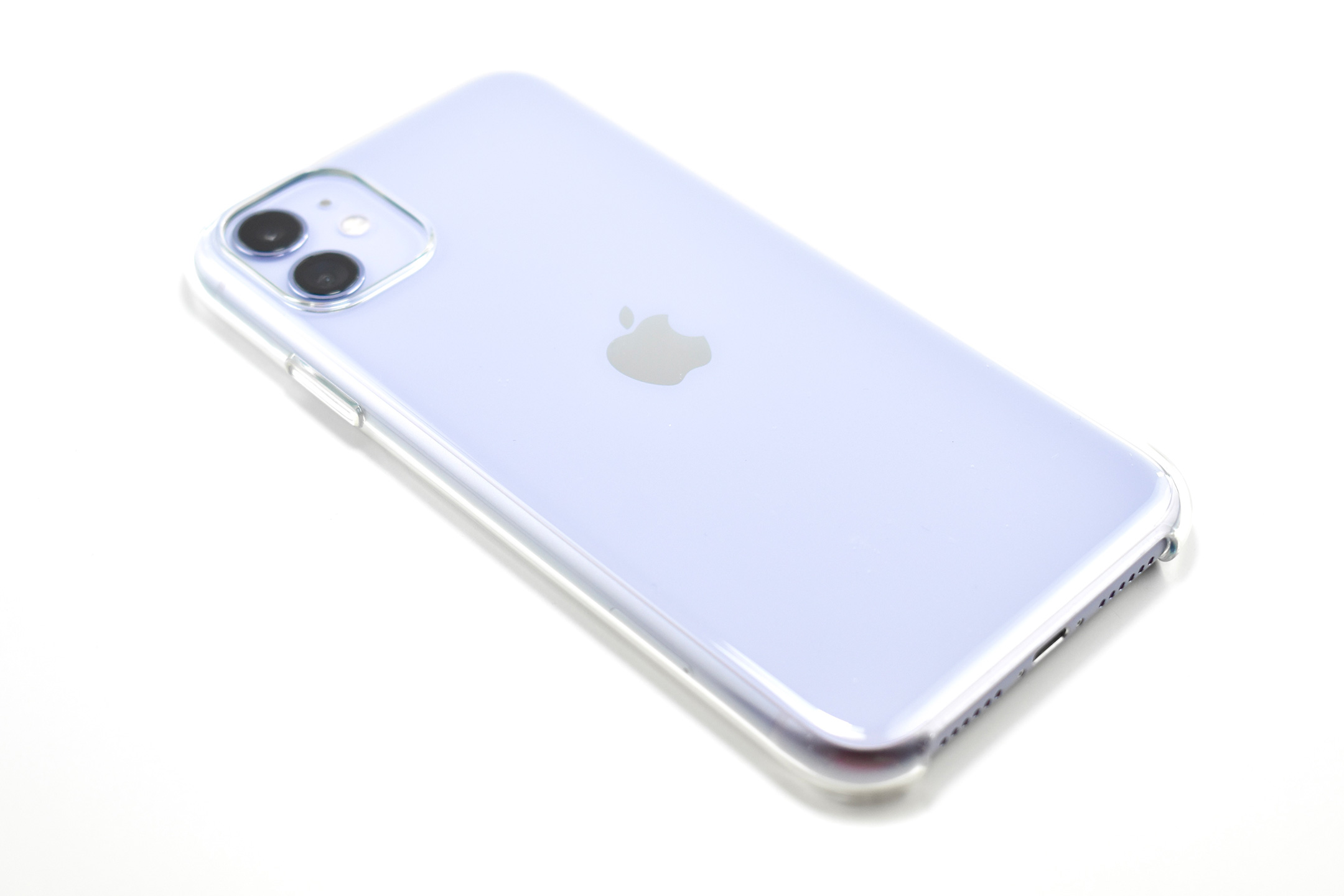
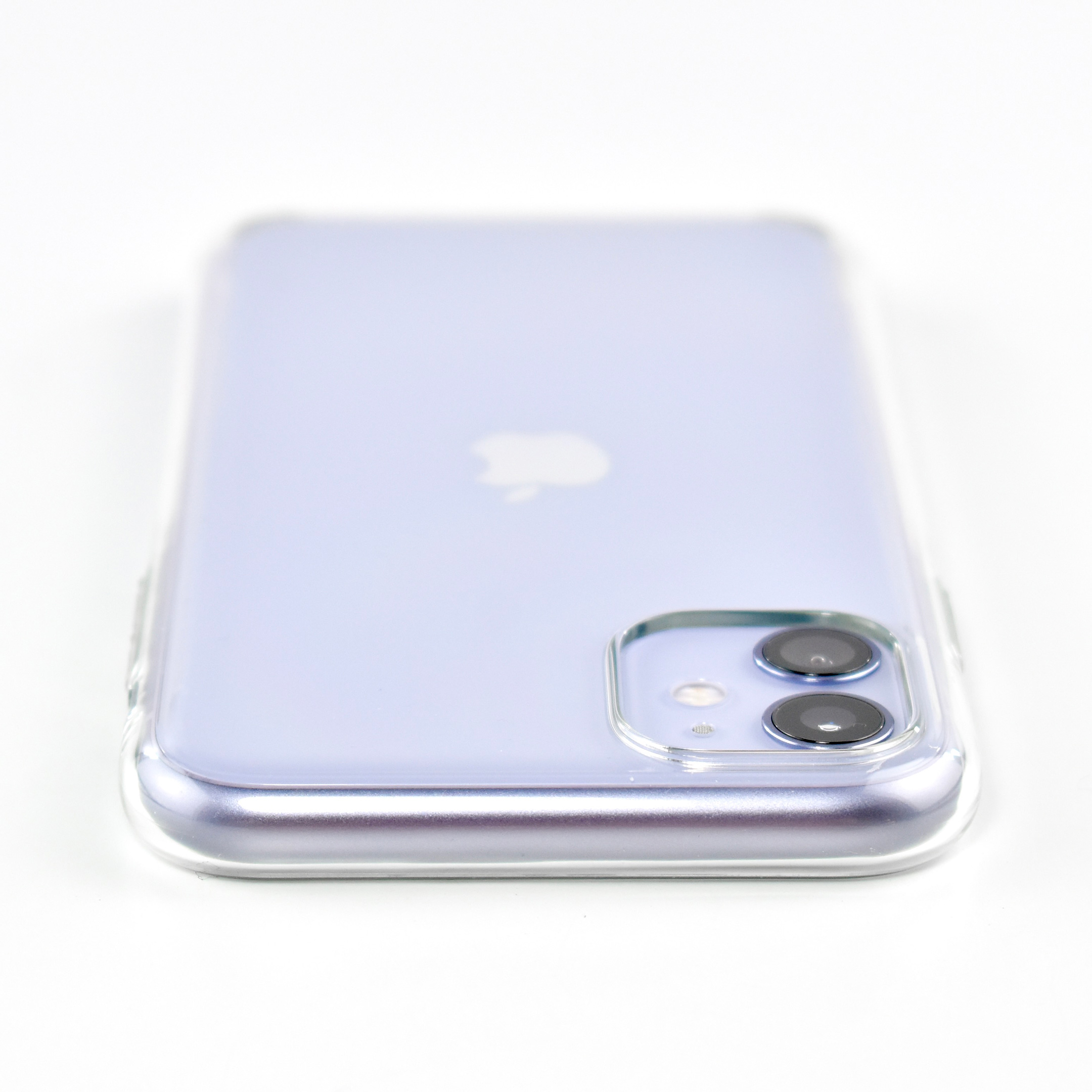
iPhone 11 was available in six “stunning colors” including purple, green, yellow, black, white and PRODUCT(RED). This example is purple, a lighter shade of purple sometimes referred to as “lilac.”

This phone had a Liquid Retina HD display that measured 6.1‑inch (diagonal) display at 1792 x 828‑pixel resolution (326 ppi). The A13 Bionic chip allowed for “the best machine learning platform in a smartphone” at the time of its release. It used a 6-core CPU with 2 performance and 4 efficiency cores, a 4-core GPU, and an 8-core Neural Engine.

The iPhone 11 was also the first base iPhone to lack a Home button. Its six sensors included Face ID, barometer, 3‑axis gyro, accelerometer, proximity sensor, and an ambient light sensor.

The design of the iPhone 11 included rounded edges and the front and back were made of glass. Apple noted, “With a back design that is precision milled and sculpted from a single piece of glass, iPhone 11 features the toughest glass ever in a smartphone.”

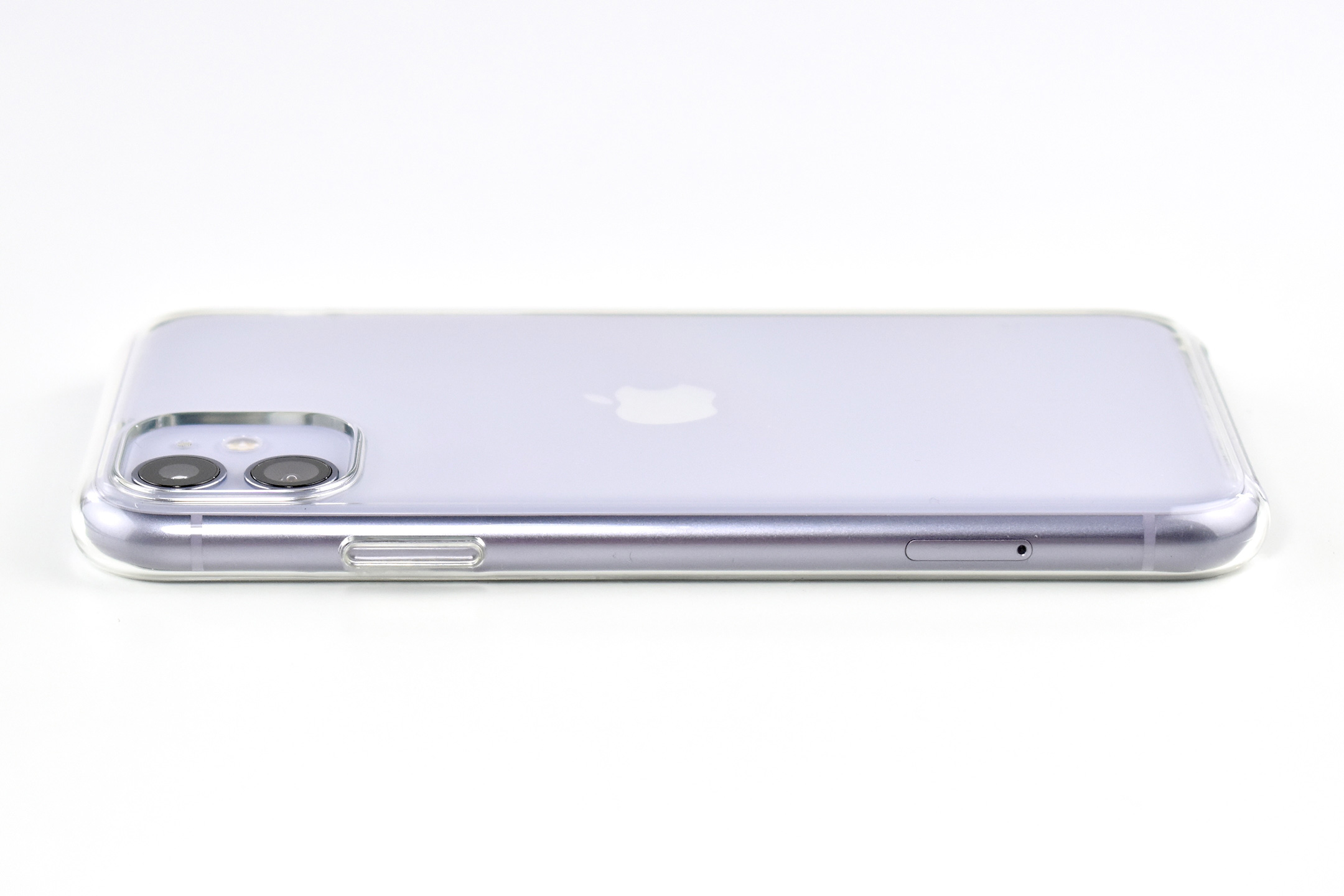
This iPhone is shown in an iPhone 11 Clear Case. Apple described the case as “Thin, light, and easy to grip.” According to Apple’s website:

“Made from a blend of optically clear polycarbonate and flexible TPU materials, the iPhone 11 Clear Case provides a solid, comfortable feel. The back is designed to be sturdy, while the sides are made from a softer, more flexible material that fits right over the buttons for an improved grip. And when it’s time to wirelessly charge, just leave the case on and set your iPhone on your Qi-certified charger. On the surface, a scratch-resistant coating has been applied to both the interior and exterior. And all materials and coatings are optimized to prevent yellowing over time.”

Sources: Apple (specs, Newsroom)

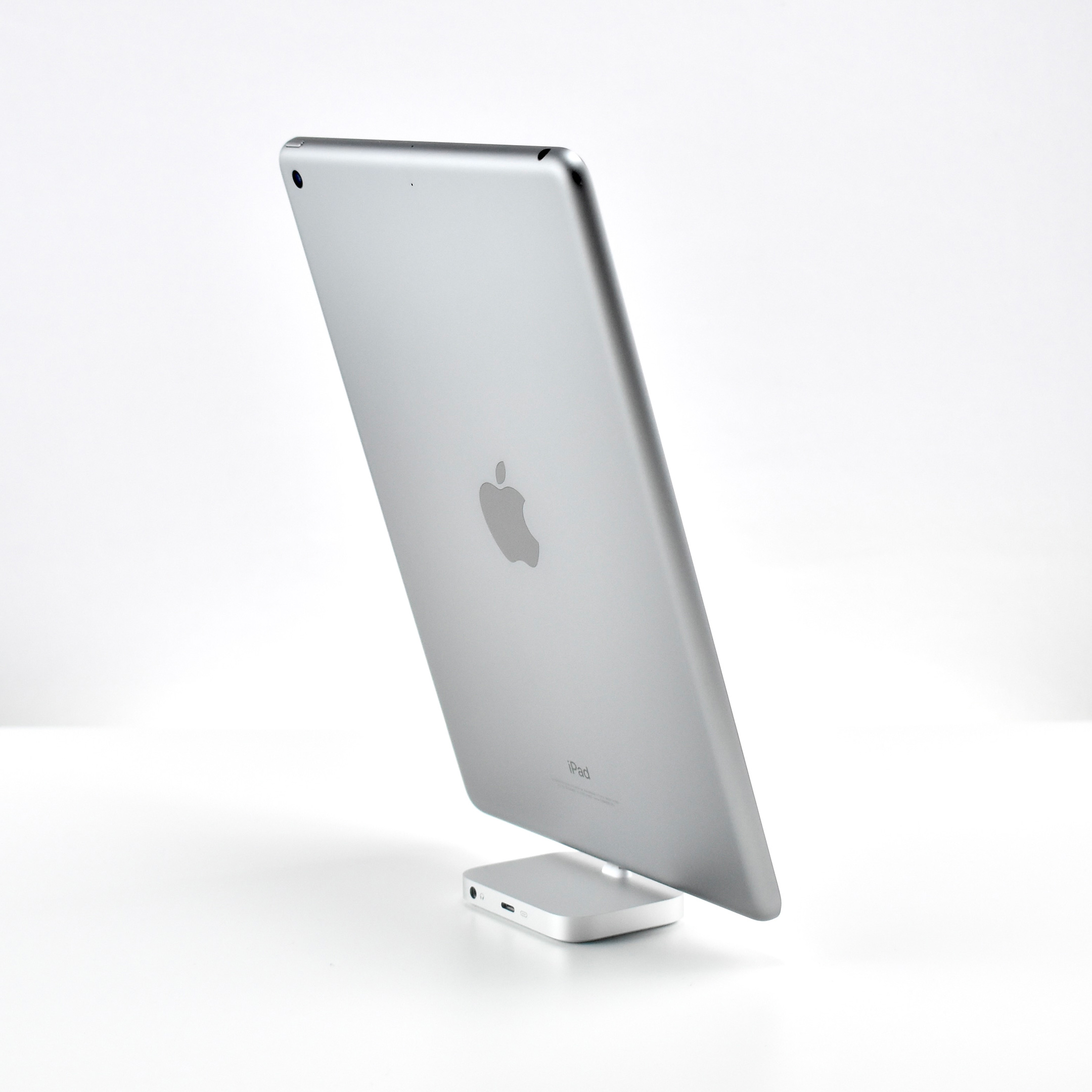
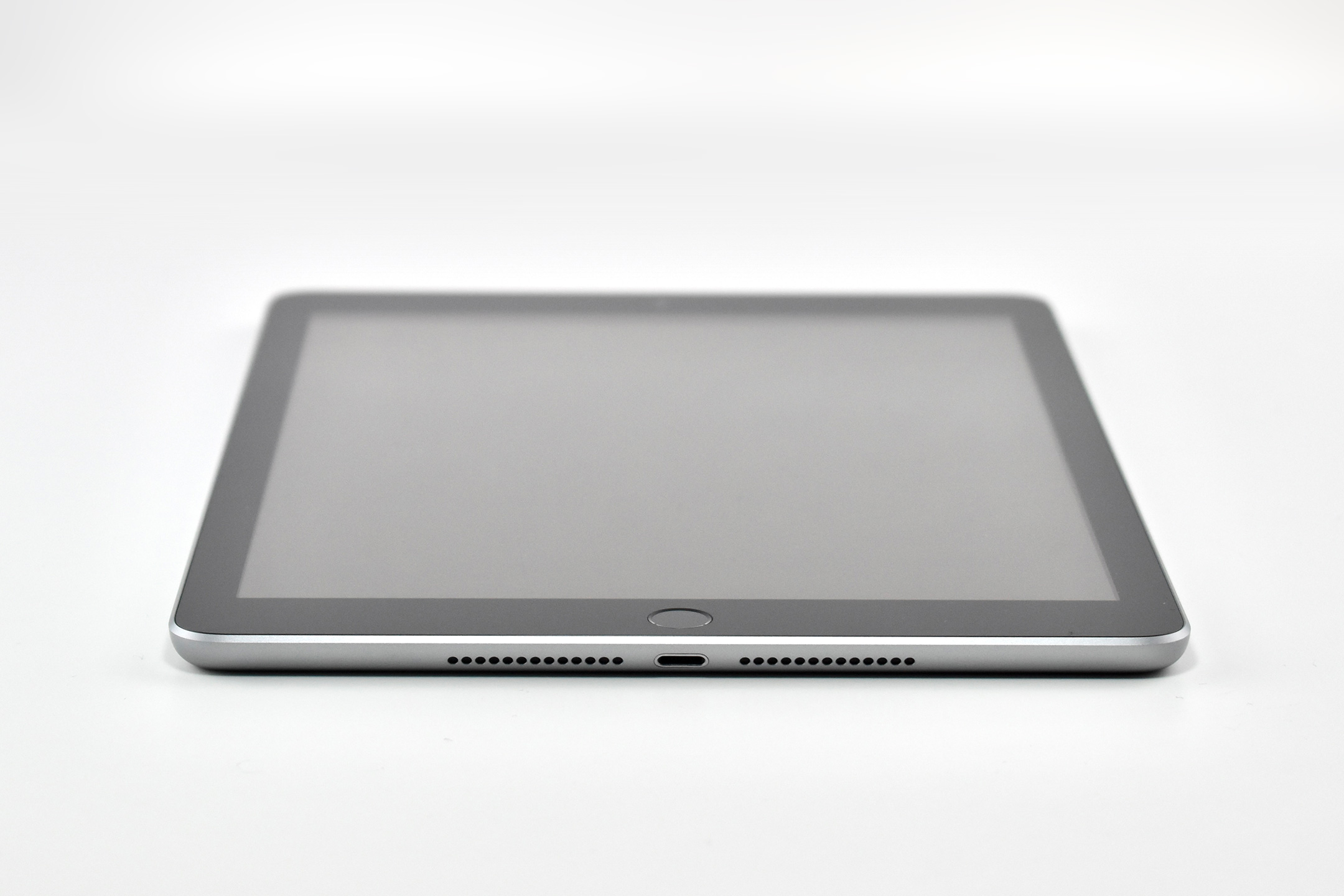
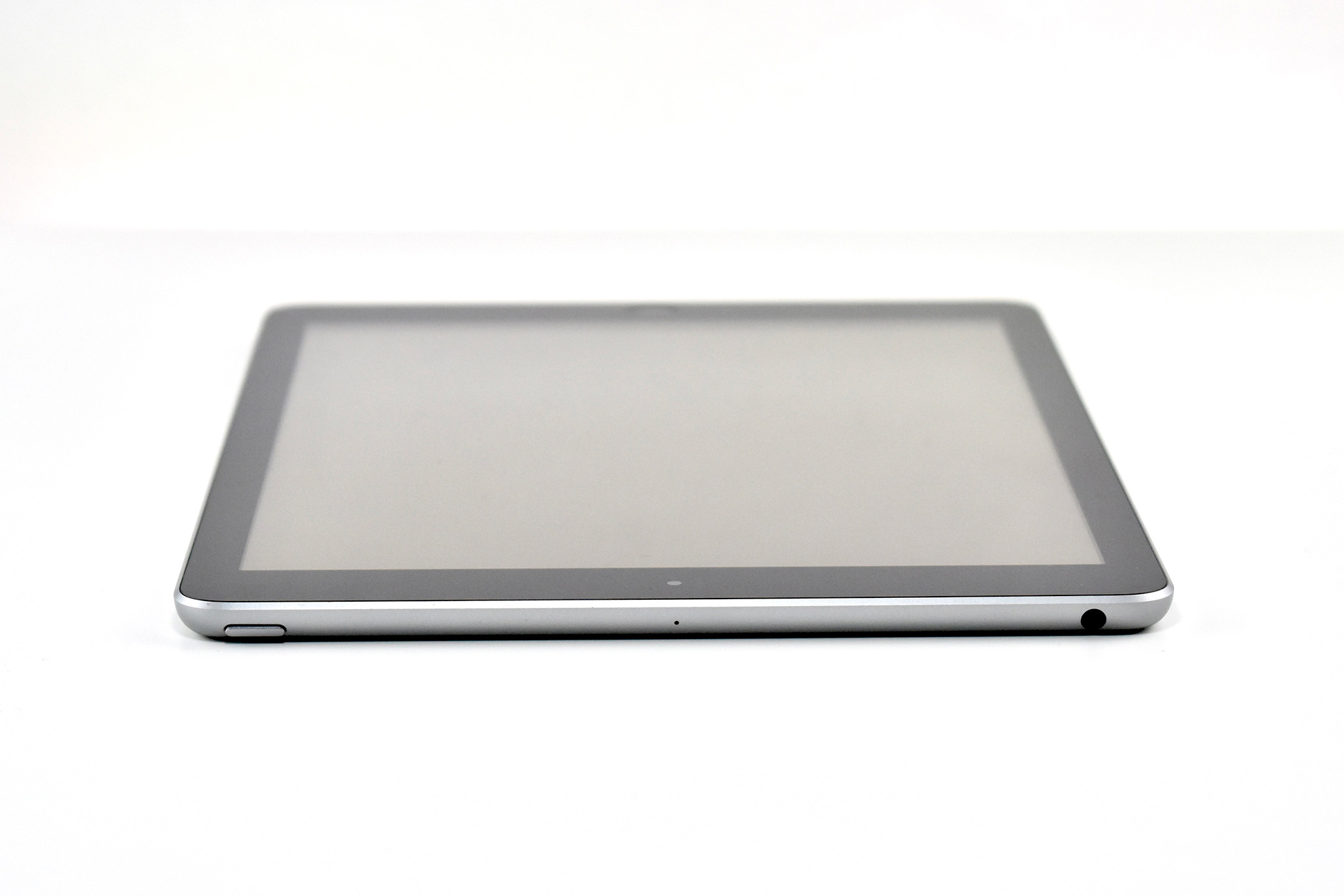
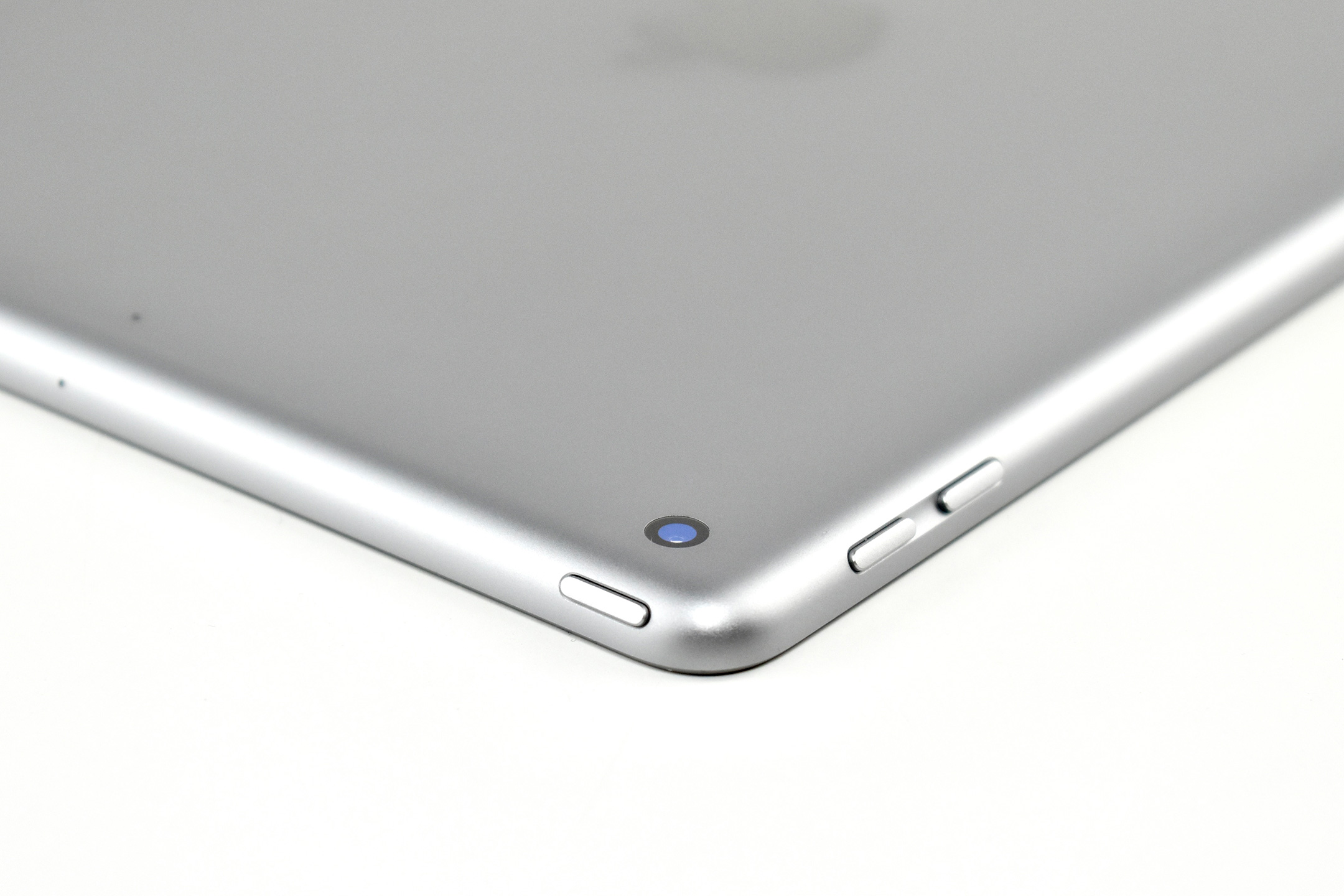
iPad (Generation 6, 2018)

The iPad Generation 6 was considered Apple’s “base” iPad when it was released on March 27, 2018. It was offered in Silver, Gold, and Space Gray. It was available in 32GB and 128GB configurations with Wi-Fi-only or with Wi-Fi+Cellular capabilities. This example is a 32GB Space Gray Wi-Fi-only model.

This iPad was announced in Chicago at an education-focused event at Lane Tech High School. An Apple Press Release stated:

“The new 9.7-inch iPad and Apple Pencil give users the ability to be even more creative and productive, from sketching ideas and jotting down handwritten notes to marking up screenshots. The new iPad is more versatile and capable than ever, features a large Retina display, the A10 Fusion chip and advanced sensors that help deliver immersive augmented reality, and provides unmatched portability, ease of use and all-day battery life.”

The iPad generation 6 used a 9.7-inch LED-backlit Multi-Touch Retina display at 2048 x 1536-pixel resolution (264 ppi). This iPad measured 9.4 inches (240 mm) x 6.6 inches (169.5 mm), and was 0.29 inch (7.5 mm) thick. It weighed 1.03 pounds (469 g). This iPad was powered by the A10 Fusion chip.

The back camera was 8 Megapixels with features such as Autofocus, Panorama (up to 43 megapixels), and HDR. The front FaceTime HD Camera was 1.2 Megapixels.

This iPad used five sensors including a 3-axis gyro, accelerometer, barometer, and an ambient light sensor. Its Home button included the Touch ID fingerprint identity sensor.

This was the first base-model iPad to support the Apple Pencil and the Logitech Crayon, and it originally shipped with iOS 12.

Source: Apple (Tech Specs, Newsroom)

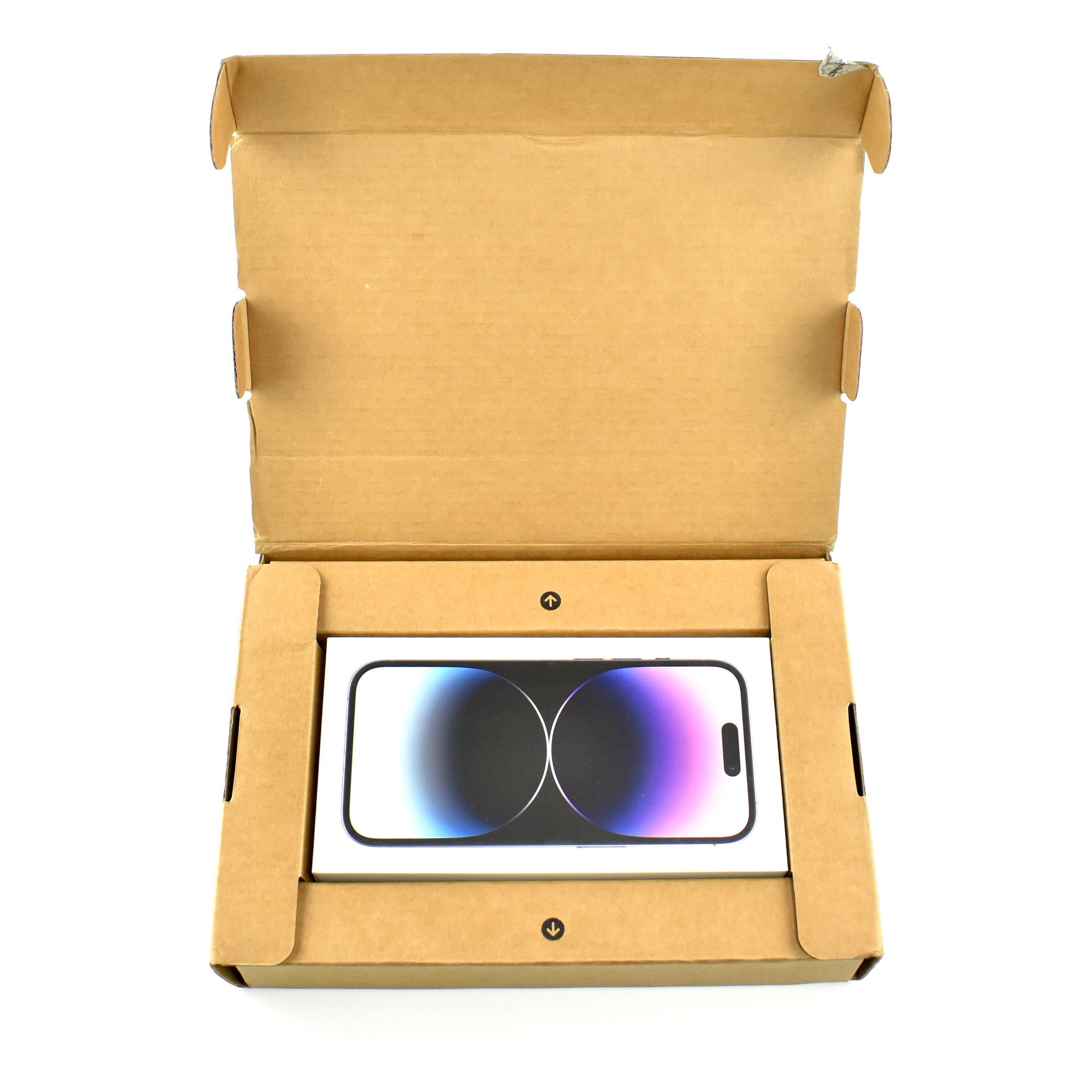
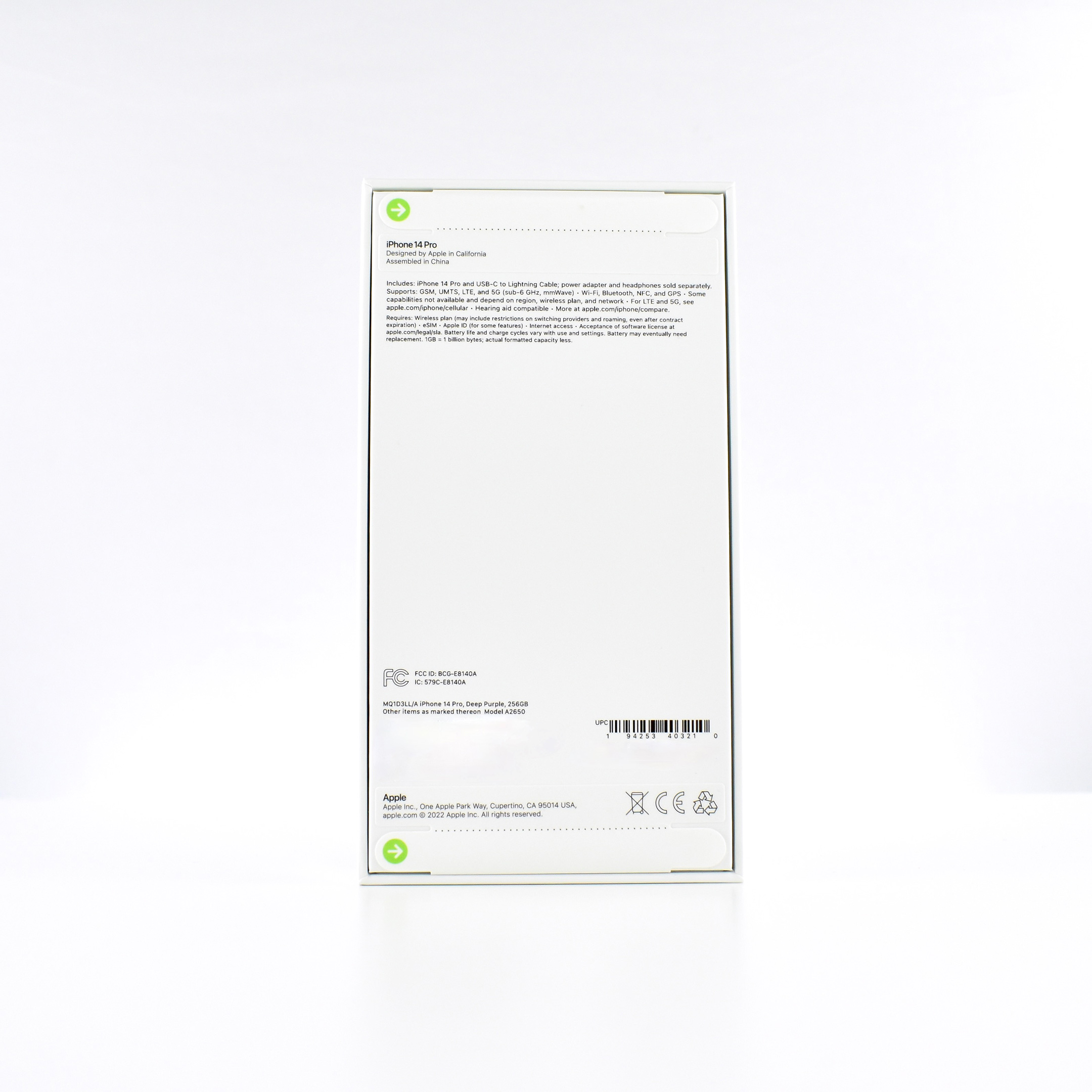
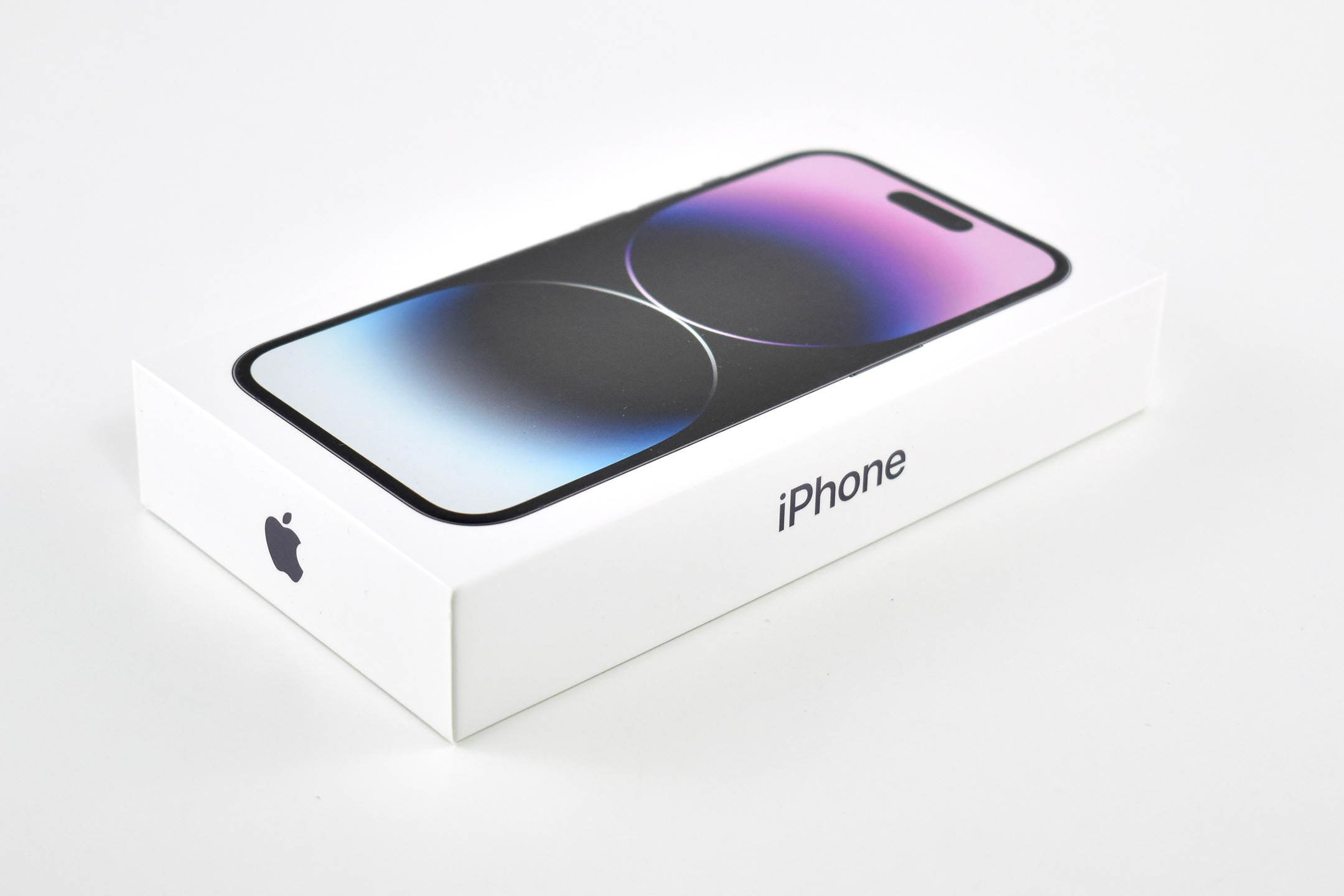
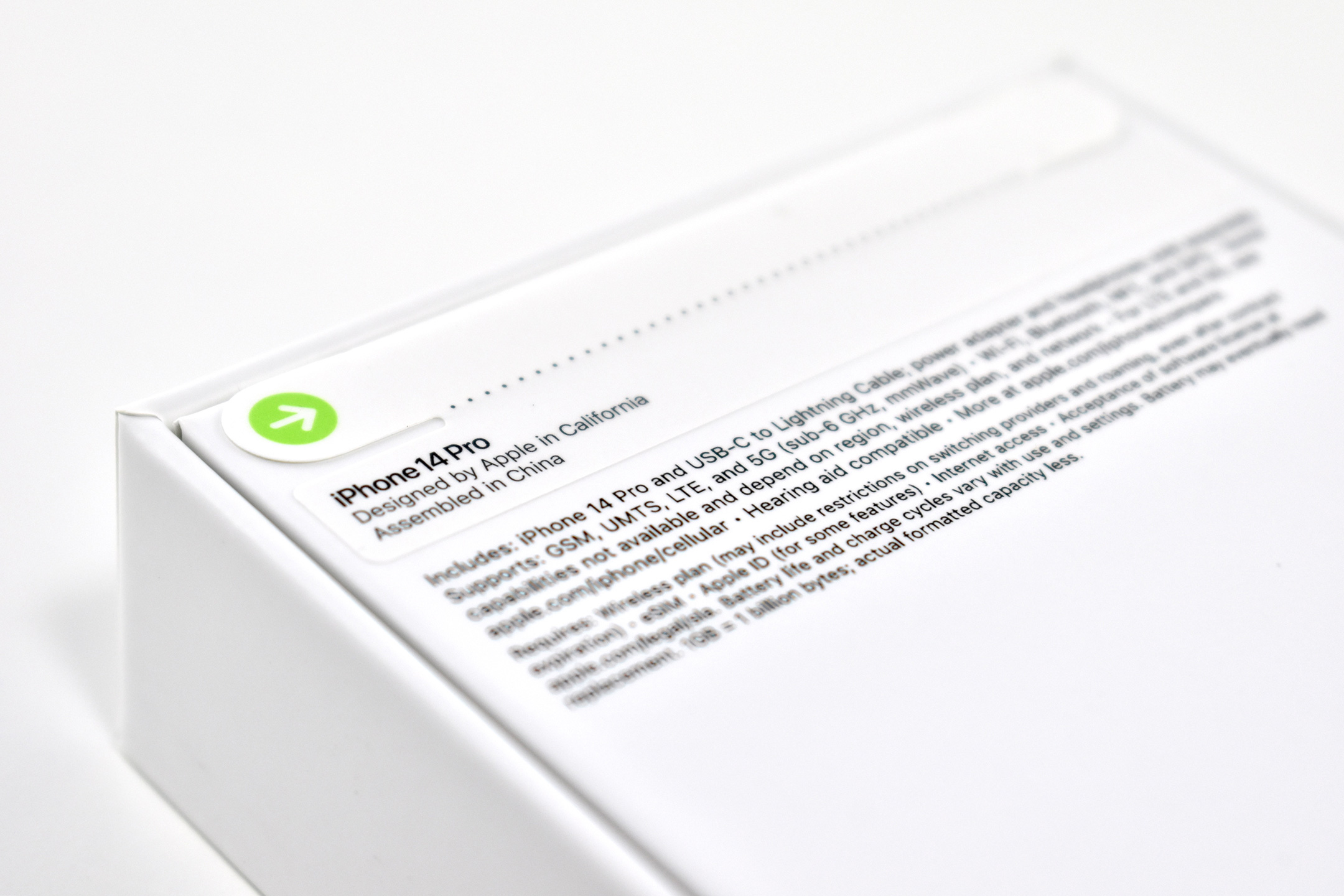
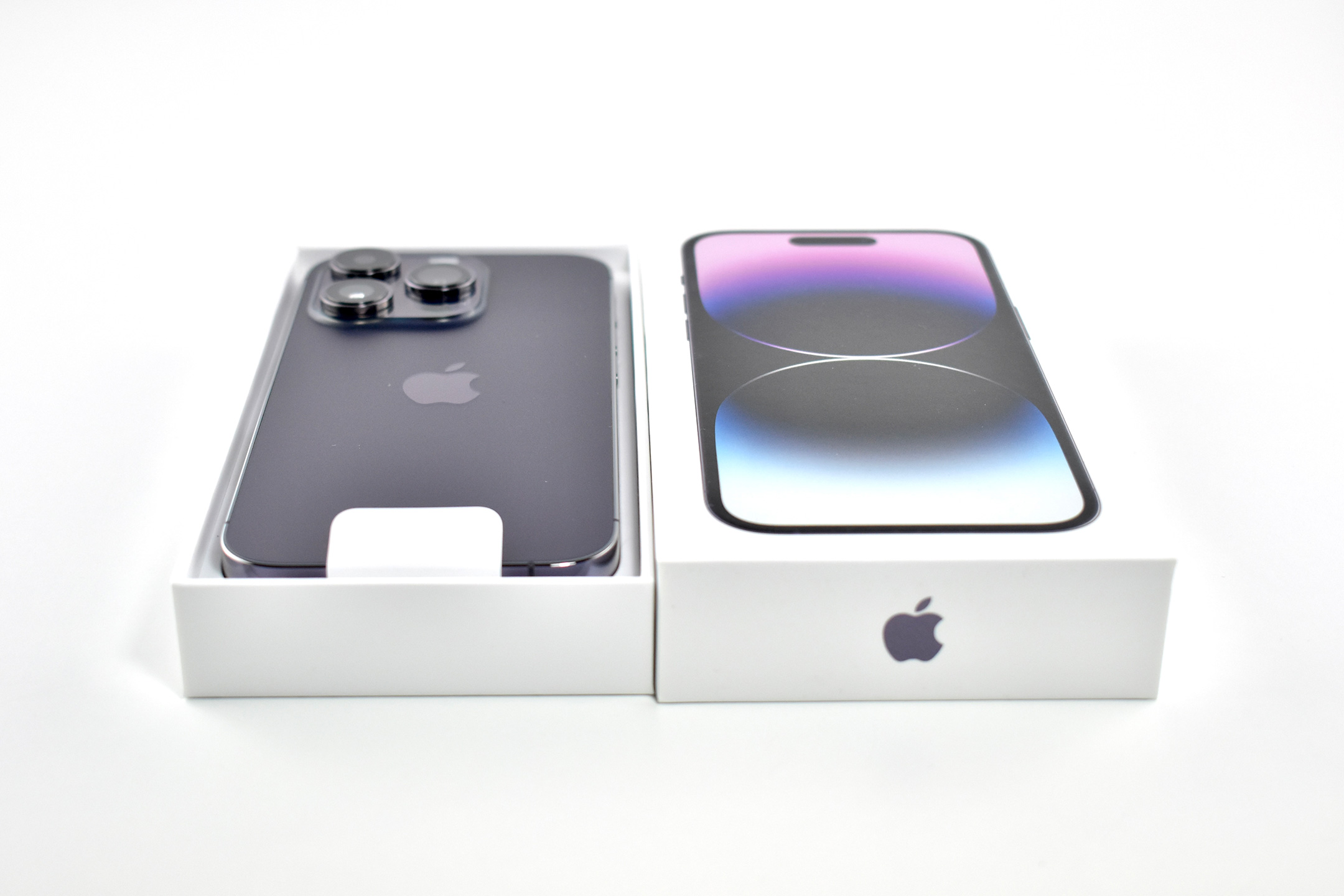
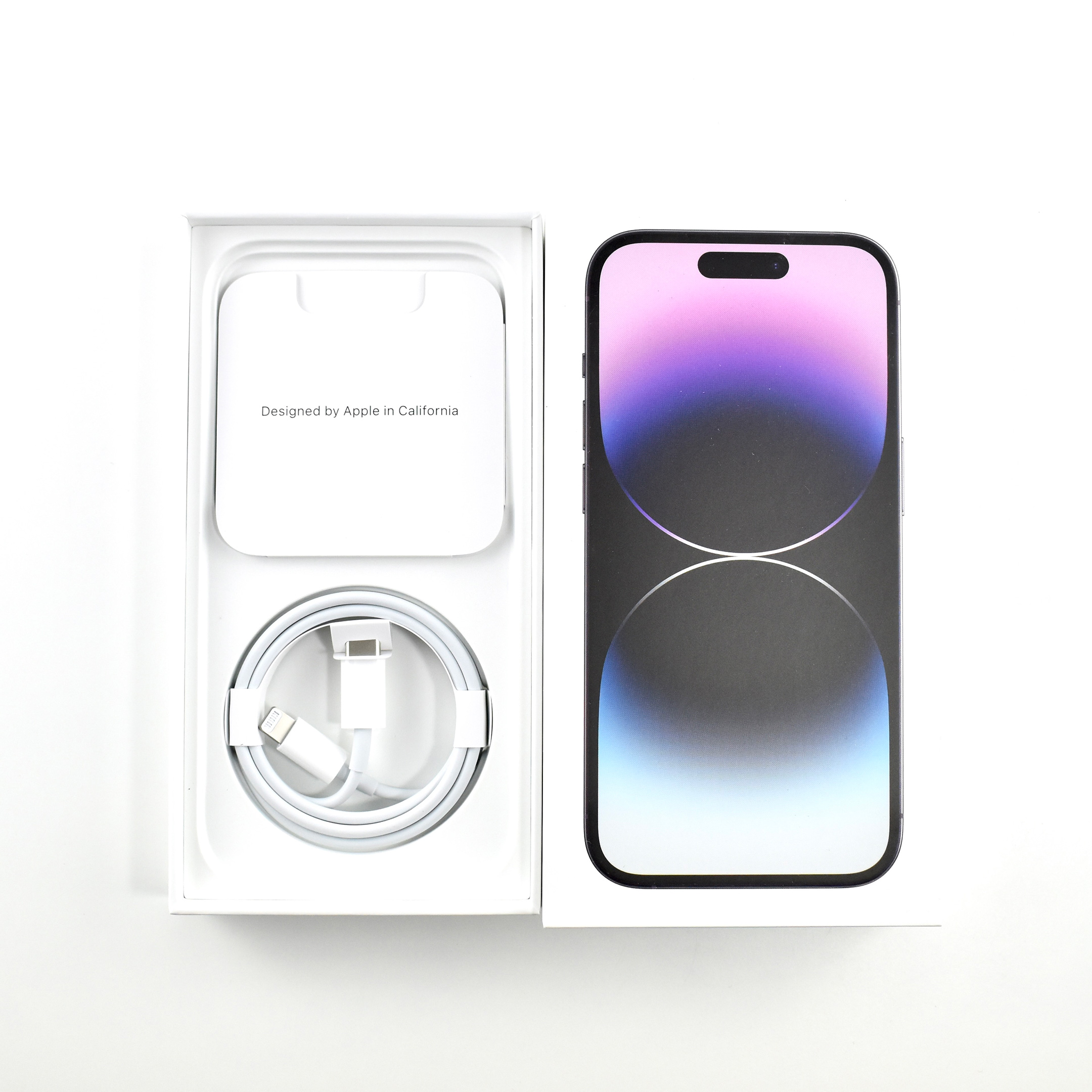
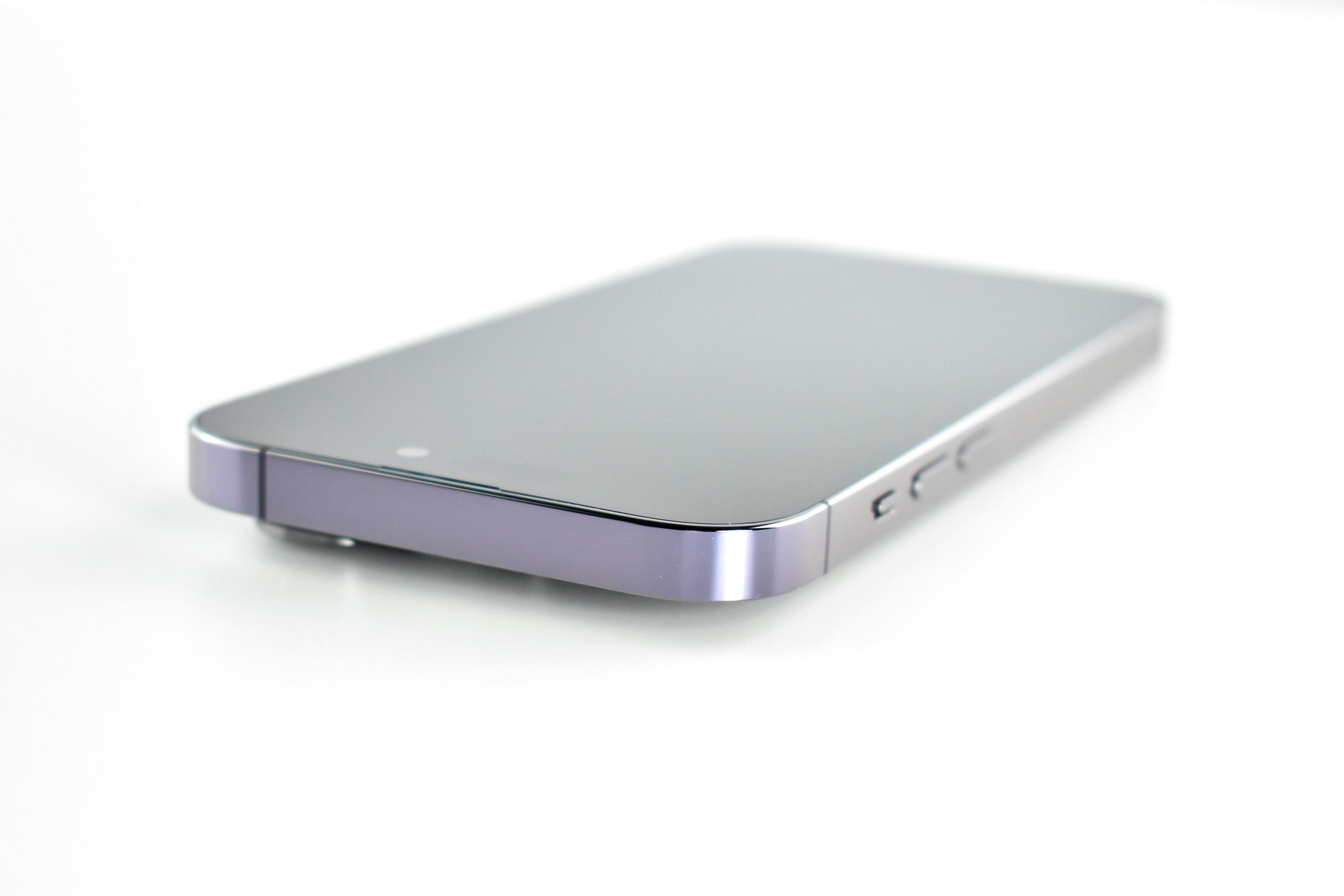
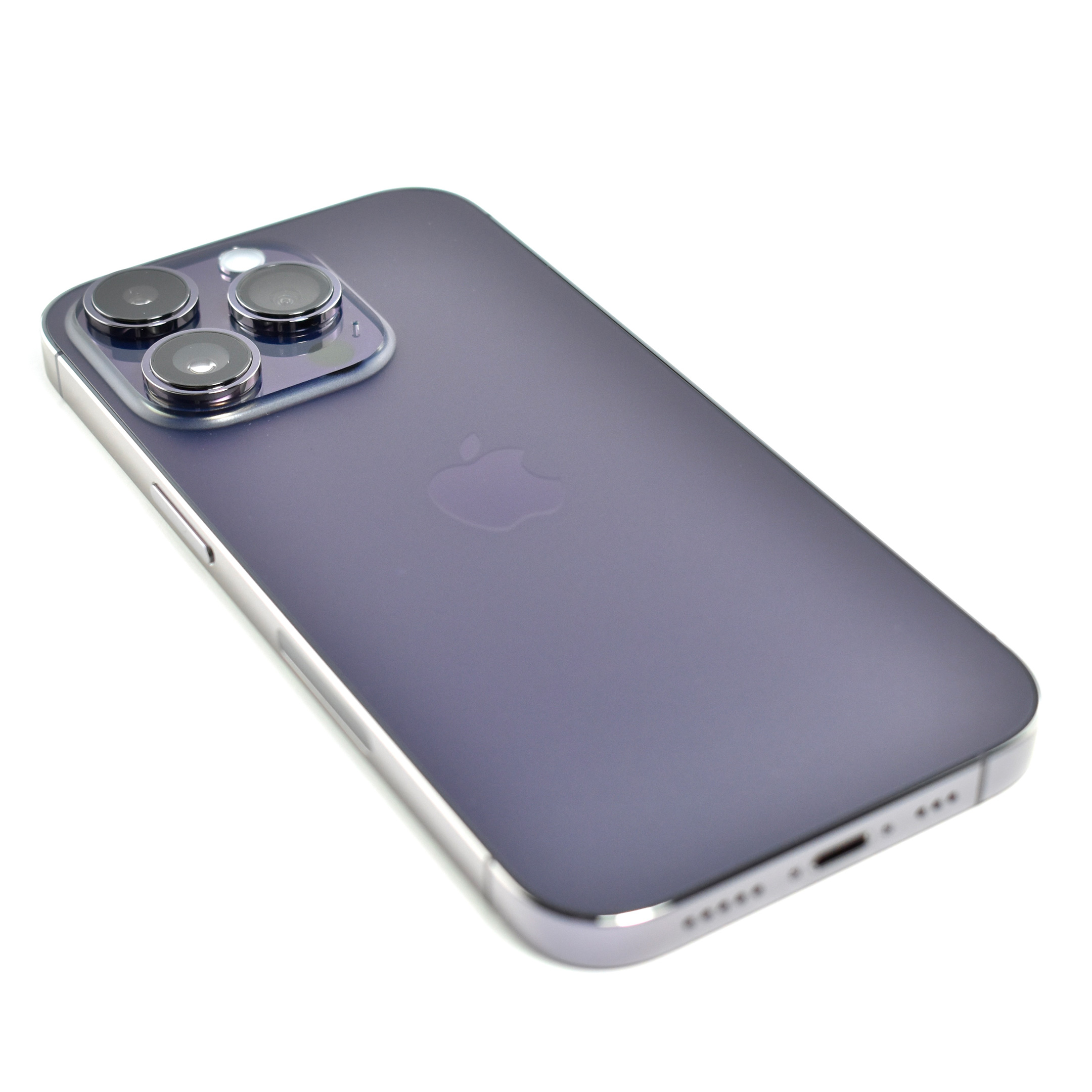
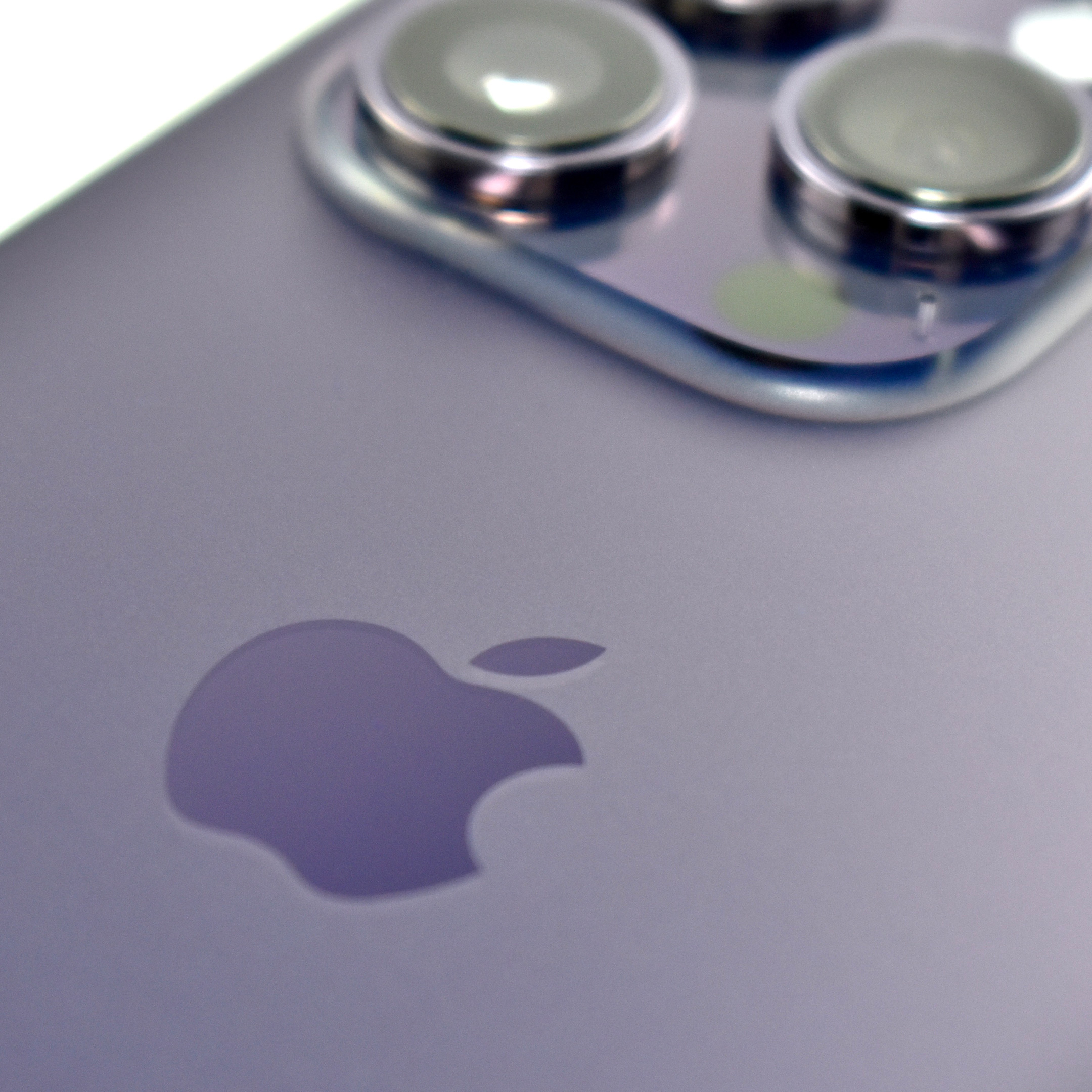
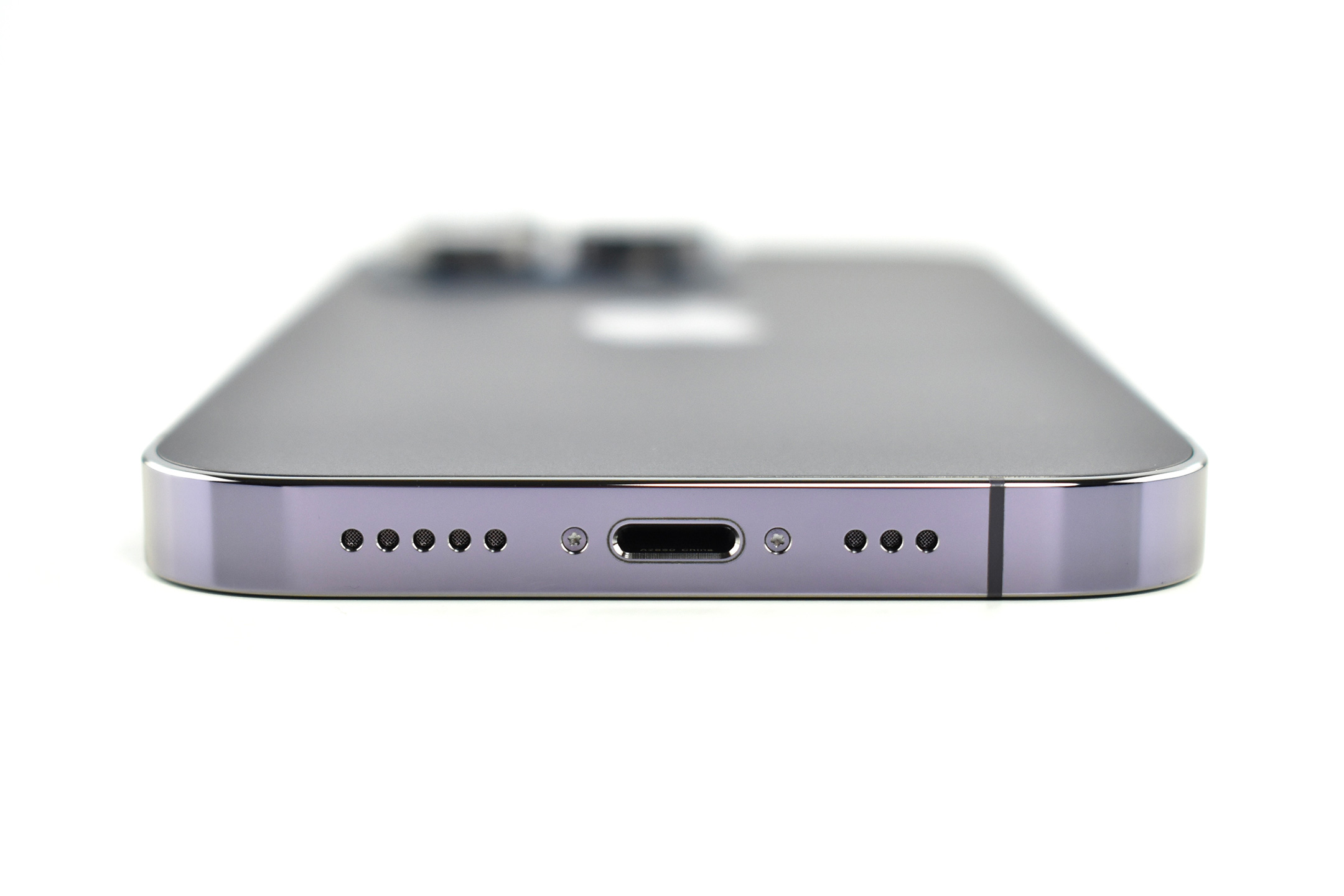
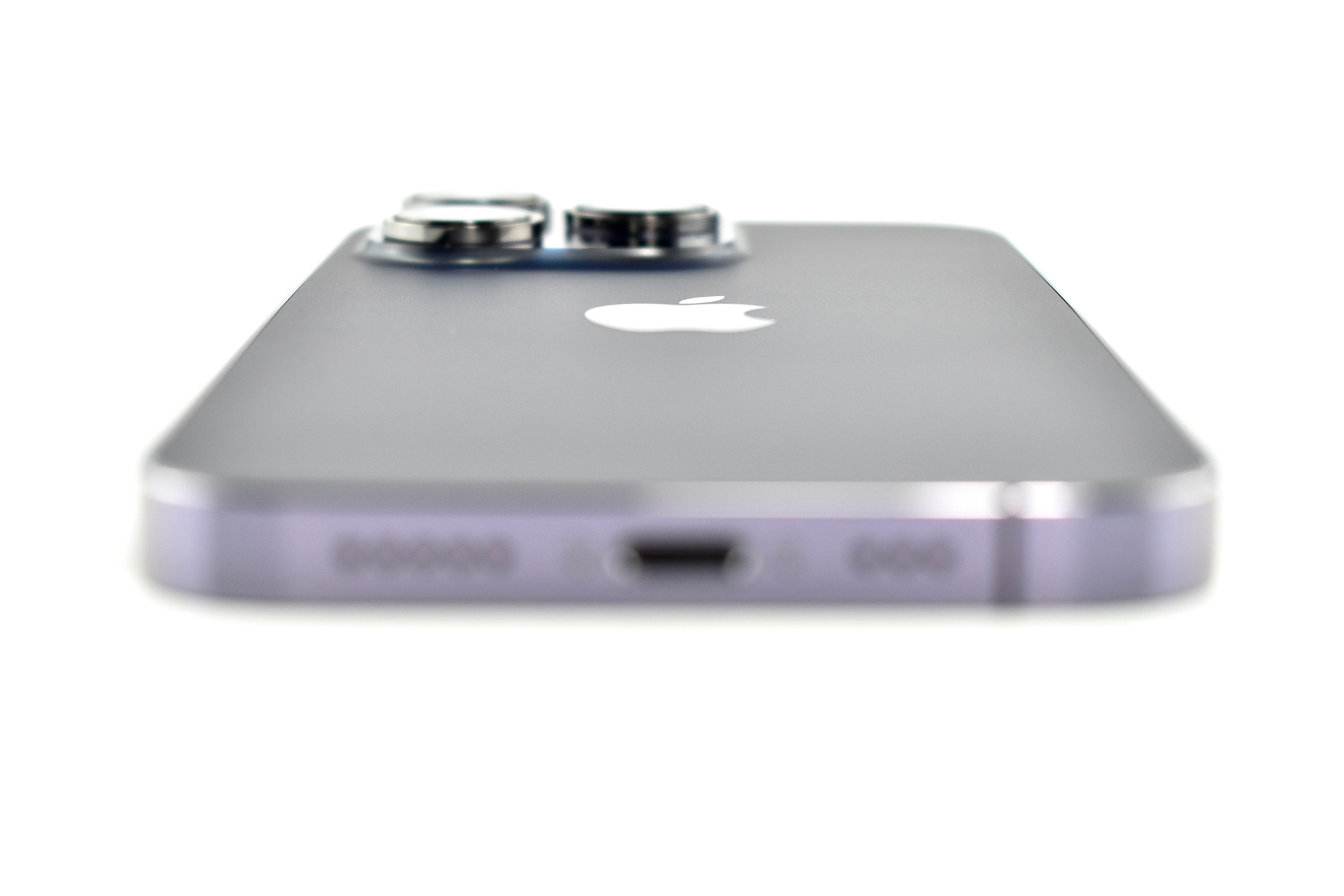
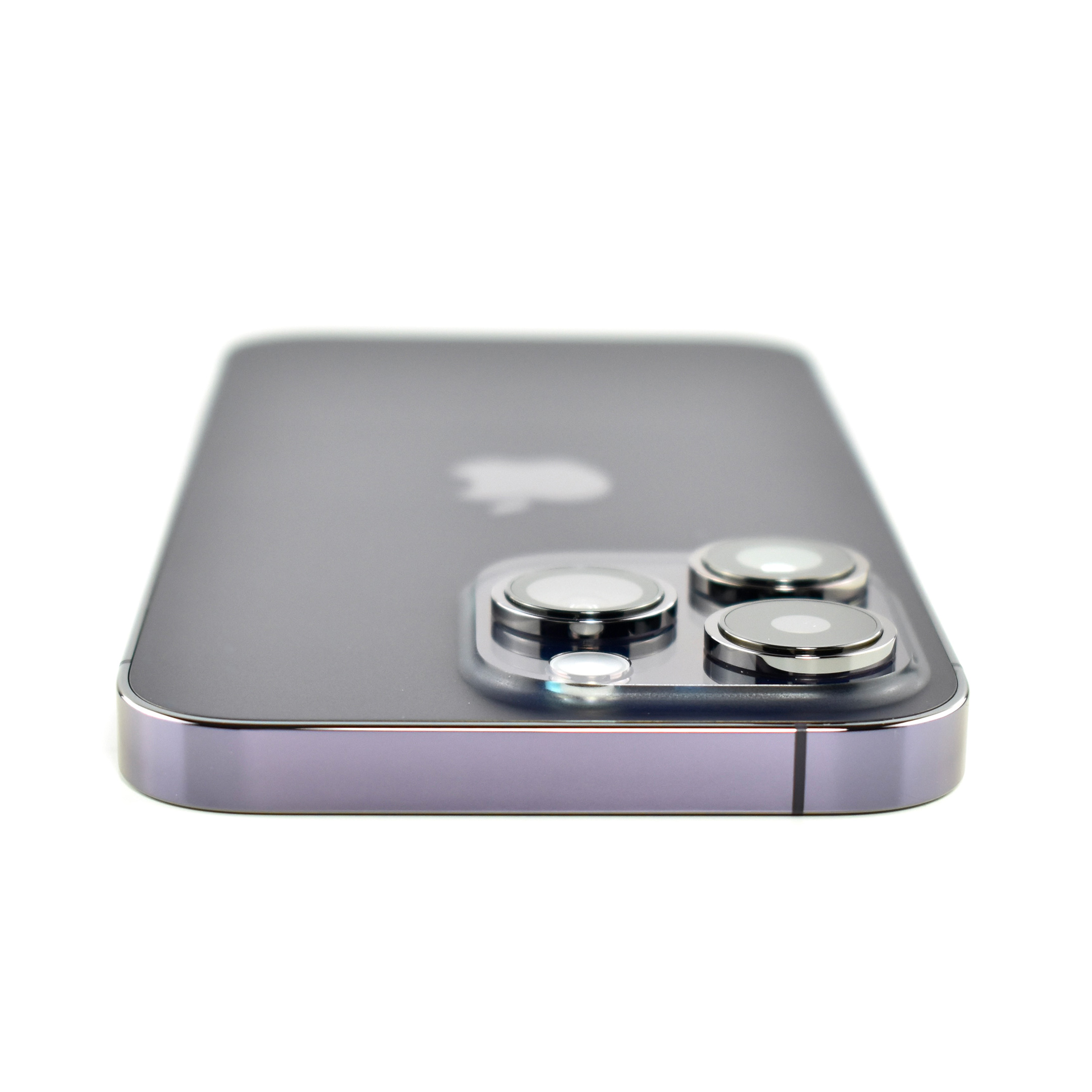
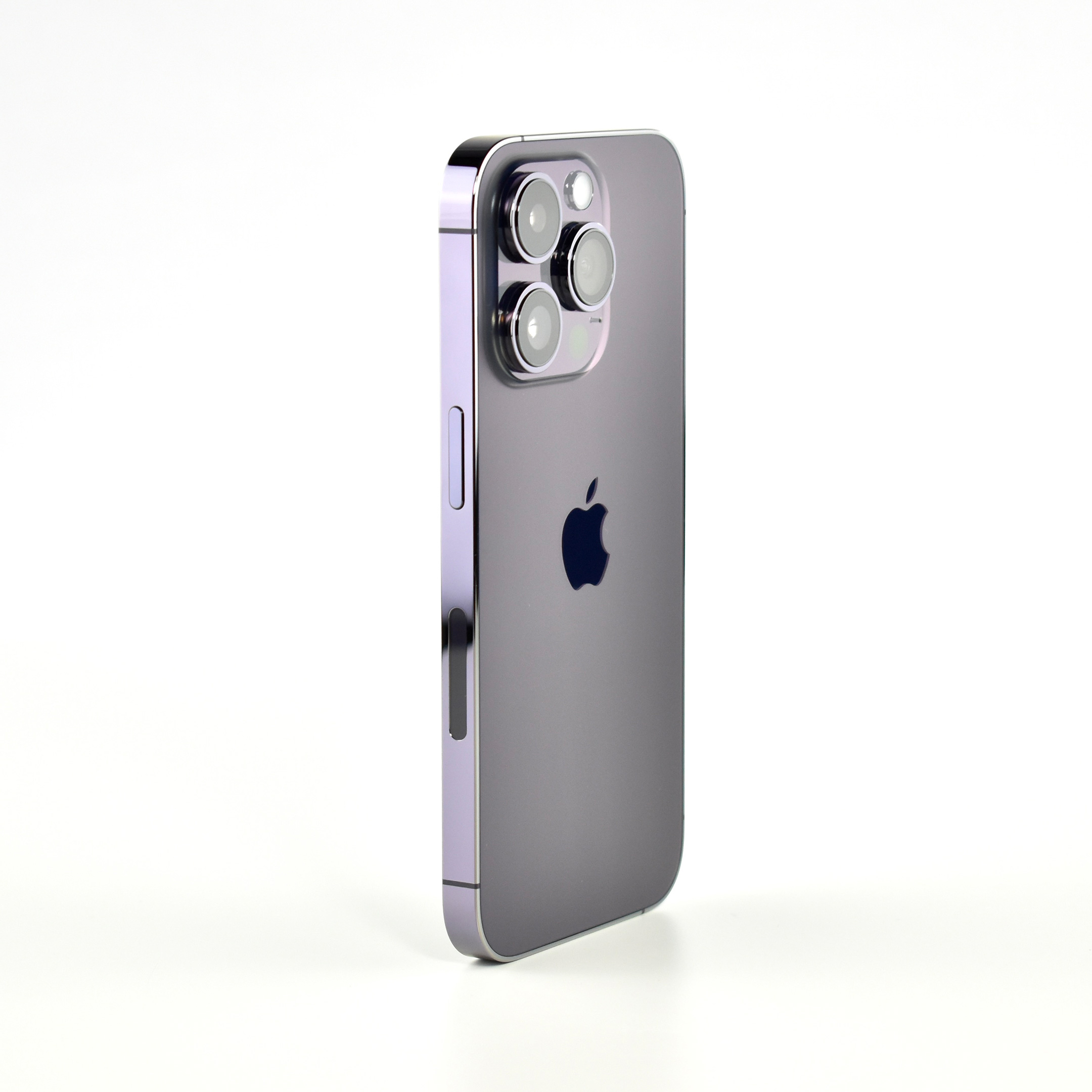
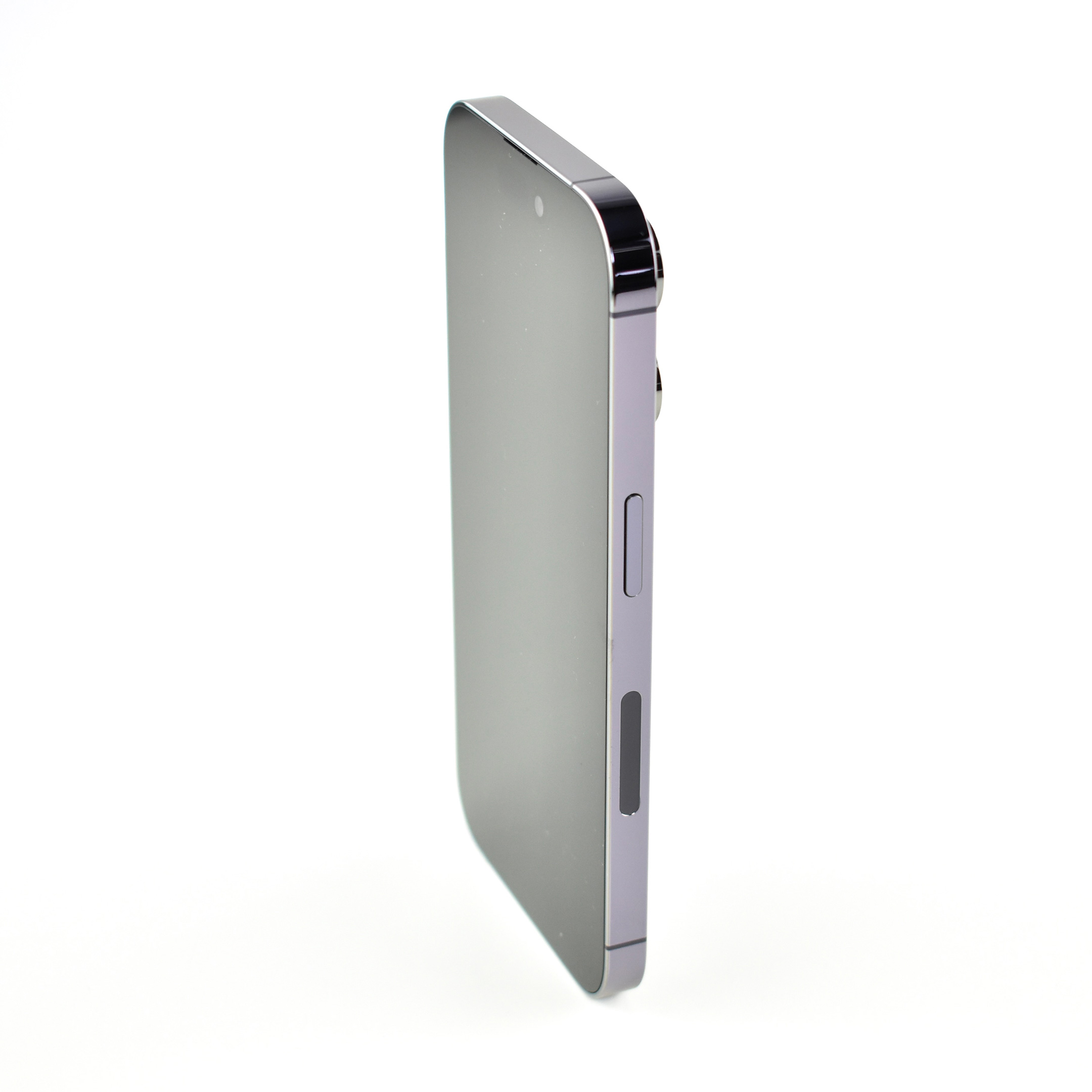
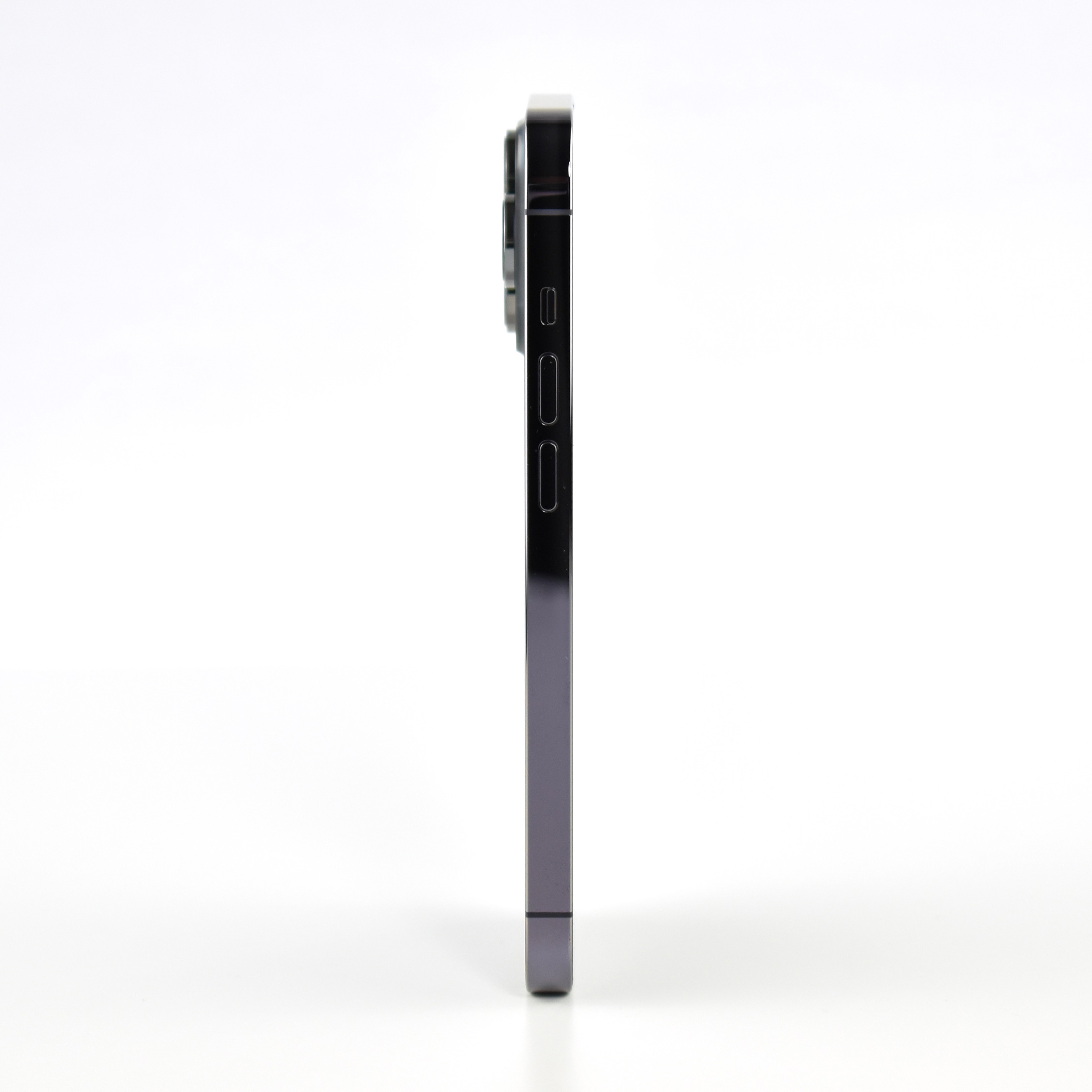
iPhone 14 Pro (Deep Purple, 2022)

The iPhone 14 Pro was announced on September 7, 2022; began pre-orders on Friday, September 9, 2022; and was available beginning Friday, September 16, 2022. Apple’s website led with the following description of the iPhone 14 Pro:

“A magical new way to interact with iPhone. Groundbreaking safety features designed to save lives. An innovative 48MP camera for mind-blowing detail. All powered by the ultimate smartphone chip.”

The primary new technologies used in the iPhone 14 Pro included: “Always-On display, the first-ever 48MP camera on iPhone, Crash Detection, Emergency SOS via satellite, and an innovative new way to receive notifications and activities with the Dynamic Island.”

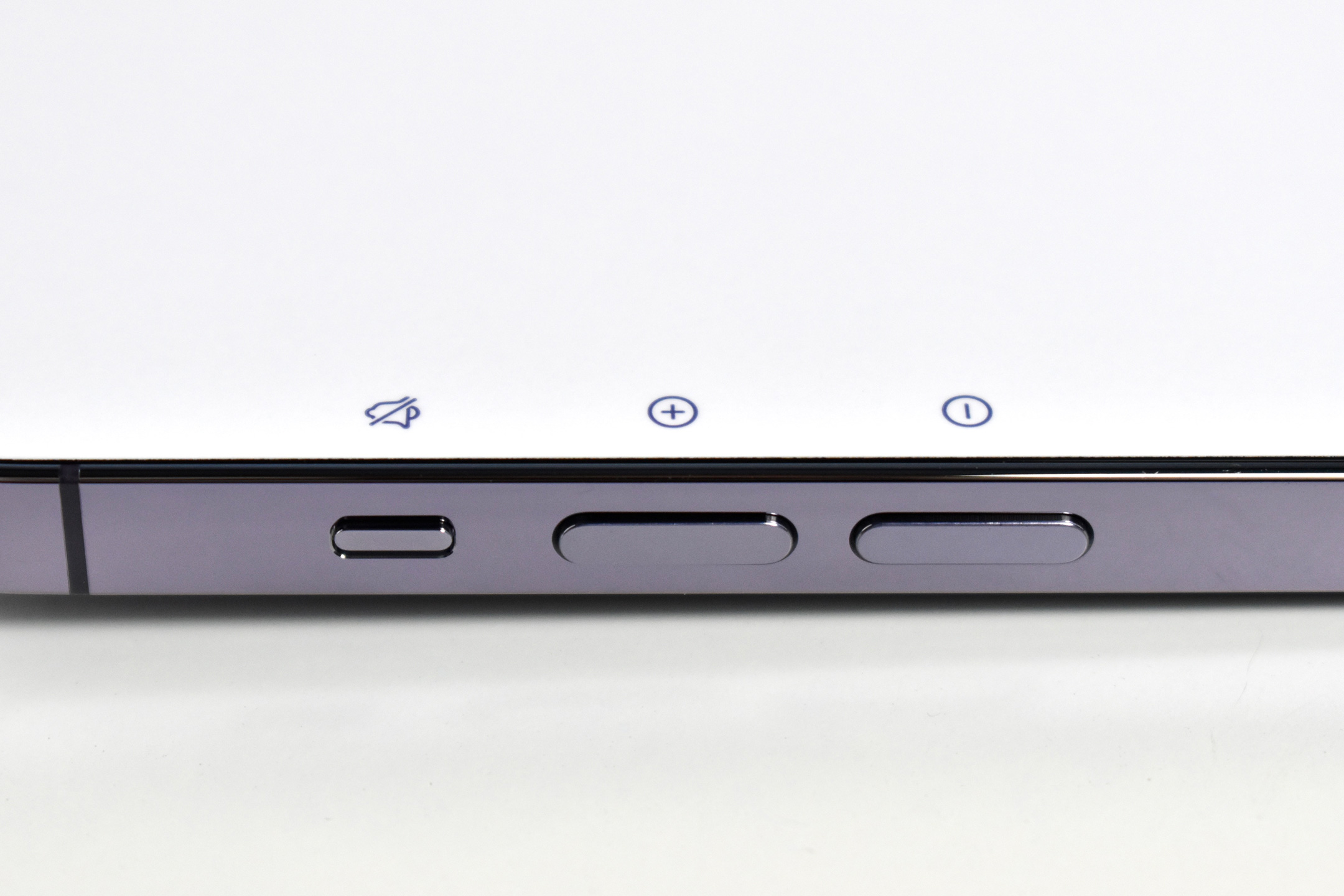
The four colors available at release were deep purple, silver, gold, and space black. The iPhone 14 Pro had a 6.1-inch “Super Retina XDR display with ProMotion” with an Always-On display (for the first time on an iPhone) that used a 1Hz refresh rate with power-efficient technologies. In practice, the Always-On display faded to a dim/dark version of the Wallpaper and allowed the time and up to four widgets to show (a widget above the time and up to 3 below the time). Other “Live Activities” showed in the bottom two-thirds of the Lock screen, including alerts and play/pause options for media.

The iPhone 14 Pro also delivered “the highest outdoor peak brightness in a smartphone: up to 2000 nits, which is twice as bright as iPhone 13 Pro.”

The Dynamic Island was also introduced in the iPhone 14 Pro. The design of this iPhone removed the “notch” that had been used since the iPhone X and moved the functions slightly lower into a pill shape. Apple described the Dynamic Island system as one “that blends the line between hardware and software, adapting in real time to show important alerts, notifications, and activities. With the introduction of the Dynamic Island, the TrueDepth camera has been redesigned to take up less of the display area.”

Apple continued, “Without impeding content on the screen, the Dynamic Island maintains an active state to allow users easier access to controls with a simple tap-and-hold. Ongoing background activities like Maps, Music, or a timer remain visible and interactive, and third-party apps in iOS 16 that provide information like sports scores and ride-sharing with Live Activities can take advantage of the Dynamic Island.”

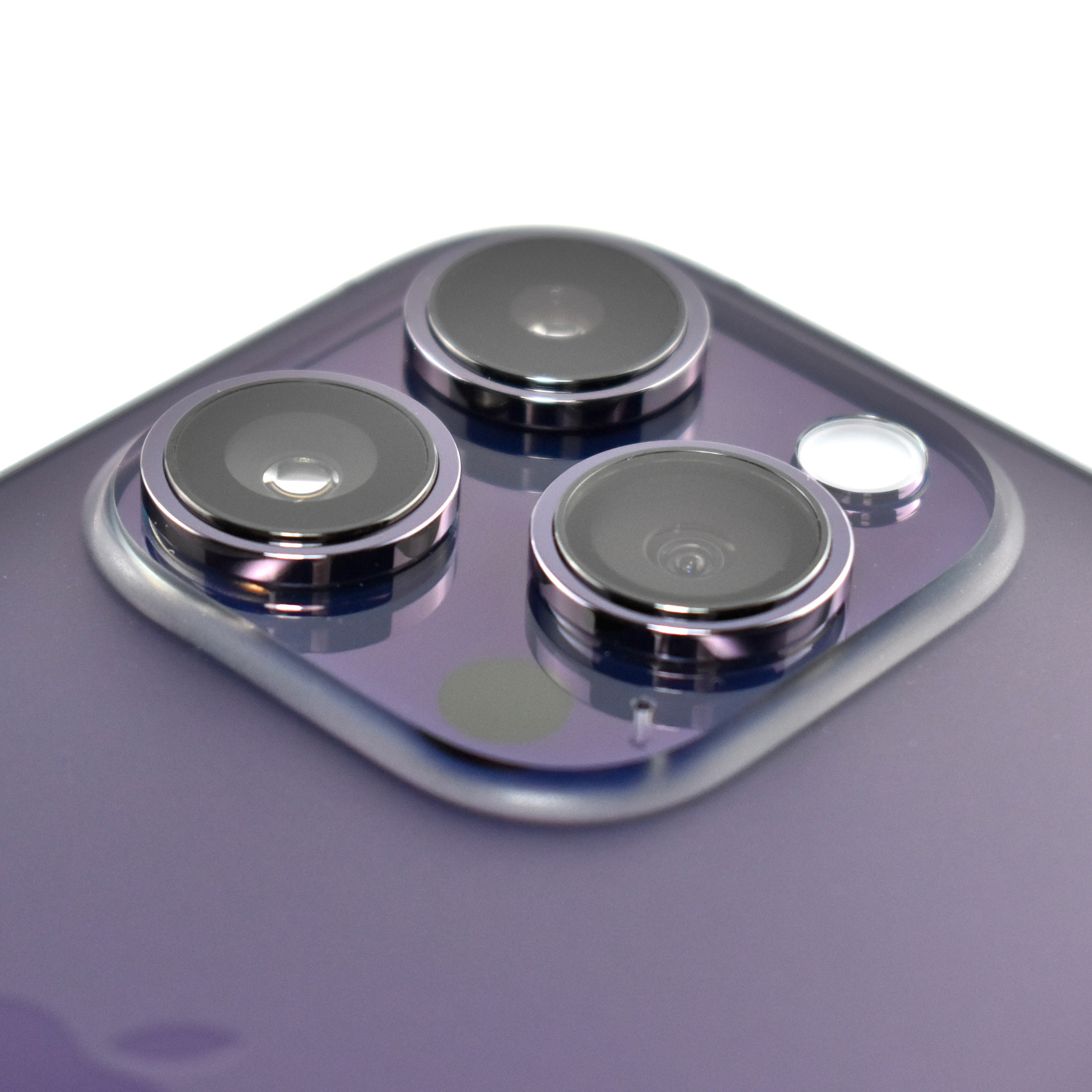
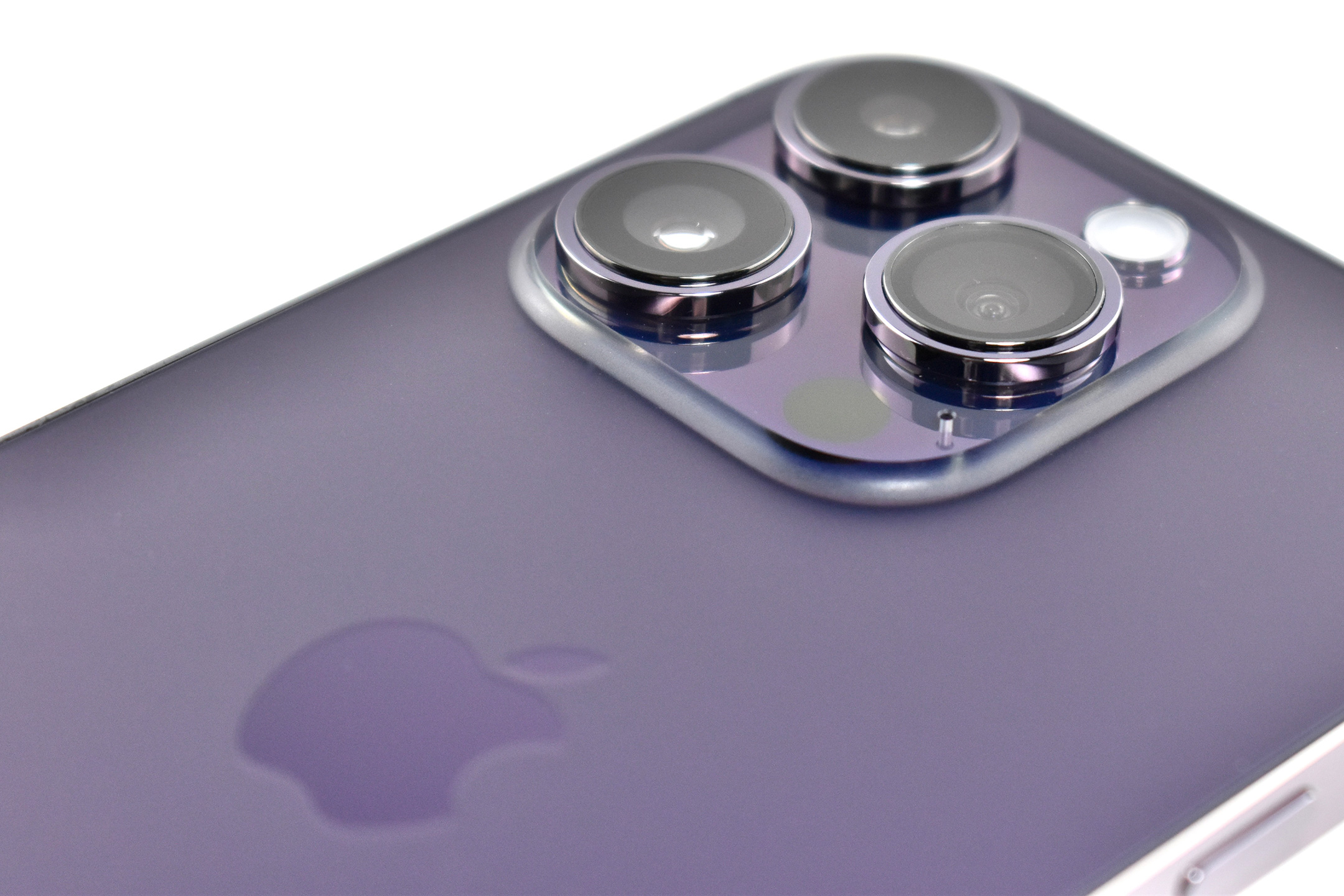
The iPhone 14 Pro camera system added a 2x camera (in addition to the 0.5x, 1x, and 3x options on the iPhone 13 Pro). The iPhone 14 Pro also offered a new “48MP Main camera with a quad-pixel sensor that adapts to the photo being captured, and features second-generation sensor-shift optical image stabilization.”

Other new camera features included a front TrueDepth camera with an ƒ/1.9 aperture for better low-light photos and video, adaptive True Tone flash with an array of nine LEDs, and Action mode for “incredibly smooth-looking video that adjusts to significant shakes, motion, and vibrations, even when video is being captured.”

All iPhone 14 models added Crash Detection that used a variety of built-in sensors (dual-core accelerometer, gyroscope, barometer, GPS, and microphone) to “detect a severe car crash and automatically dial emergency services when a user is unconscious or unable to reach their iPhone.” Additionally, Emergency SOS via satellite was added, “which combines custom components…to allow antennas to connect directly to a satellite, enabling messaging with emergency services when outside of cellular or Wi-Fi coverage.”

The iPhone 14 Pro models are powered by the A16 Bionic chip that includes two high-performance cores and four high-efficiency cores, an accelerated 5-core GPU with 50% more memory bandwidth, and a new 16-core Neural Engine capable of nearly 17 trillion operations per second.

Many of the new features of the iPhone 14 Pro were enabled by iOS 16, released along with the entire iPhone 14 line.

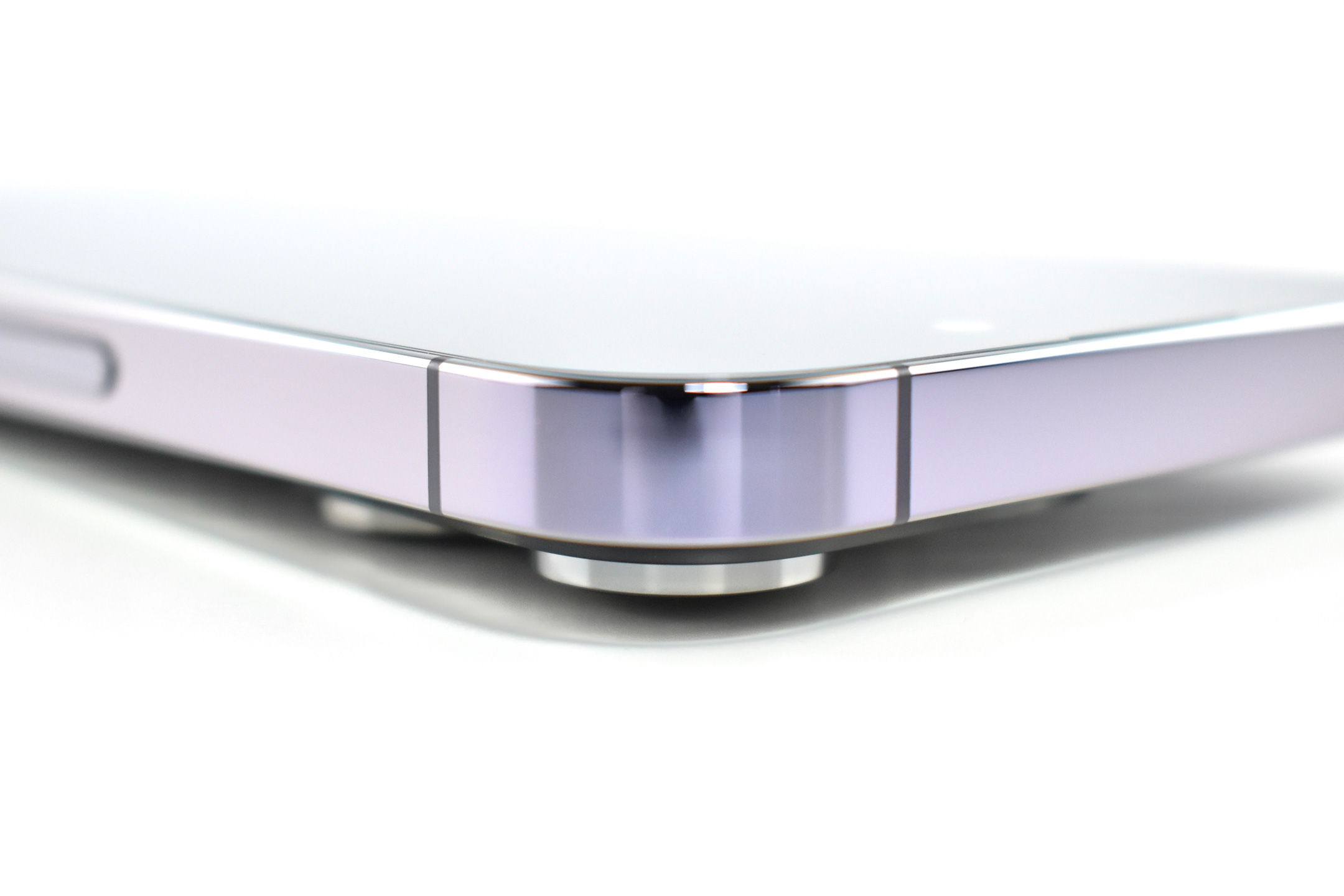
This iPhone 14 Pro example is Deep Purple.

Sources: Apple (iPhone 14 Pro, Newsroom)

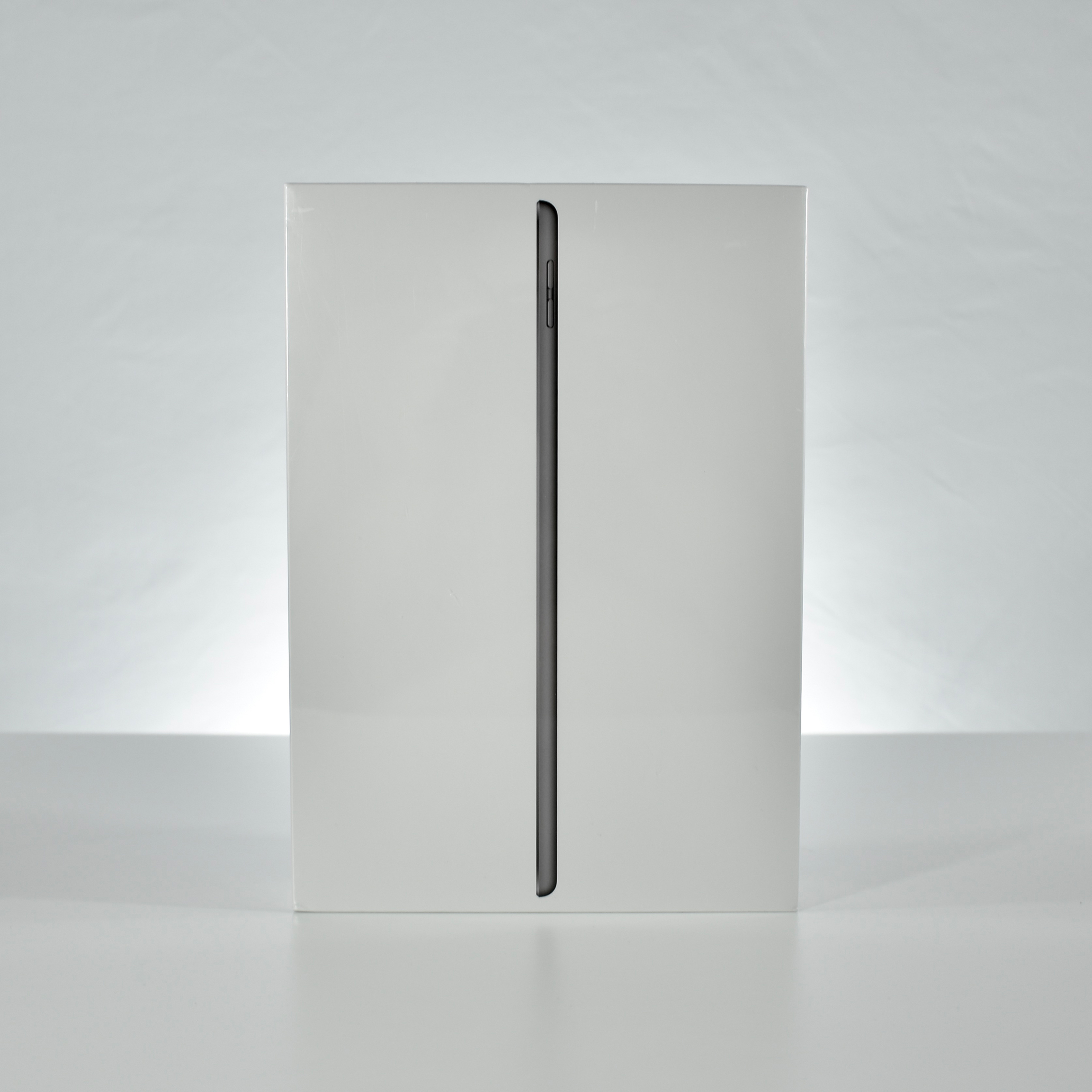
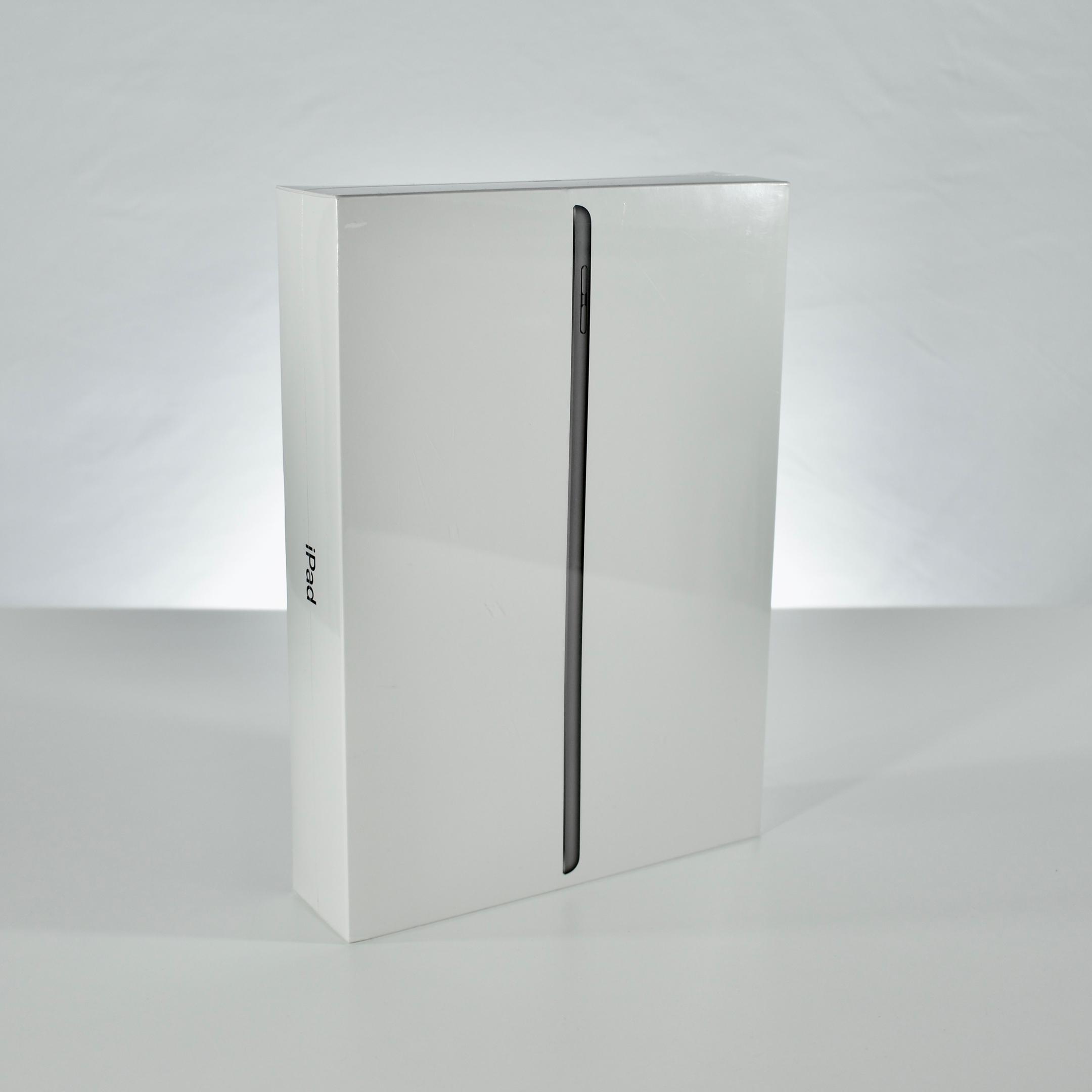
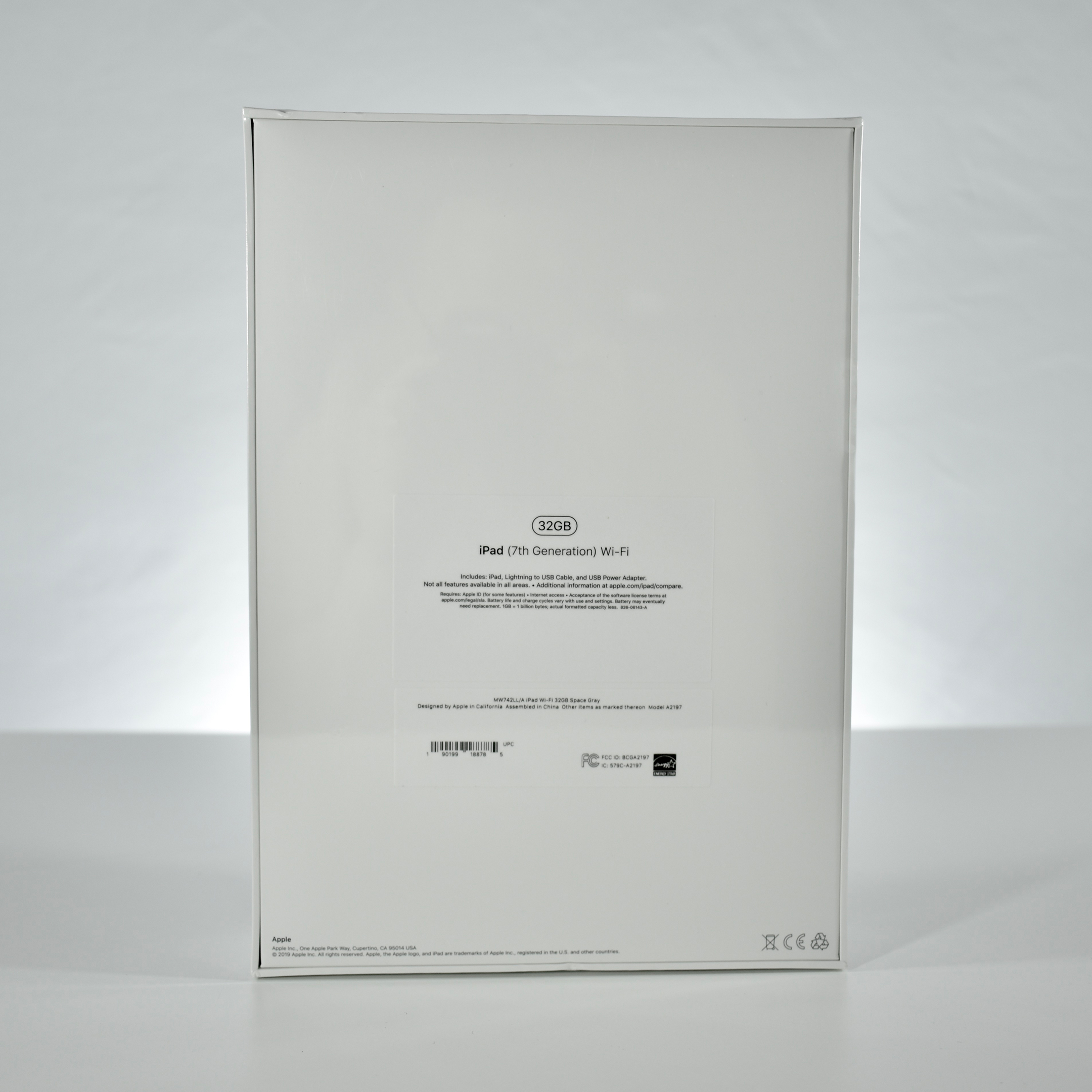
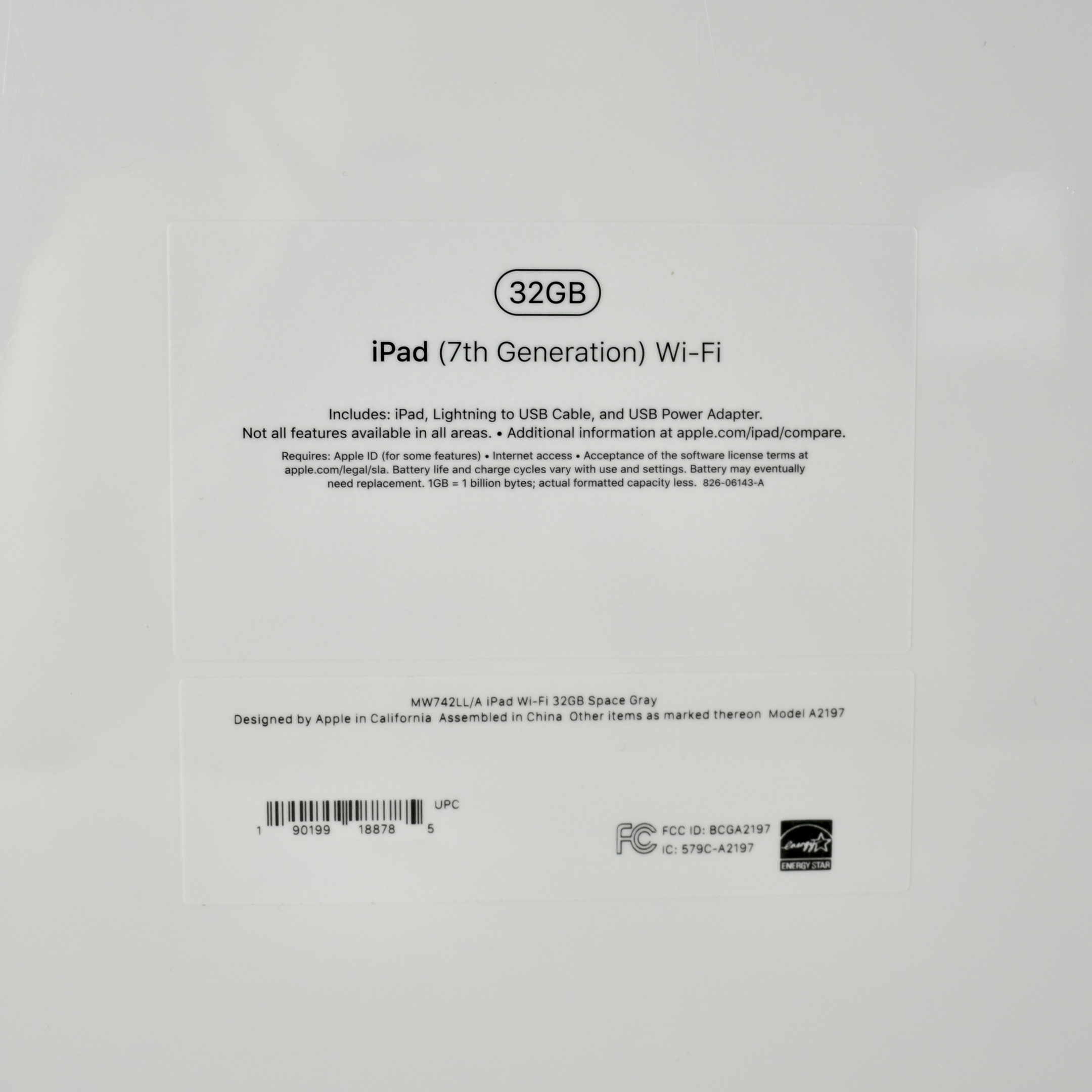
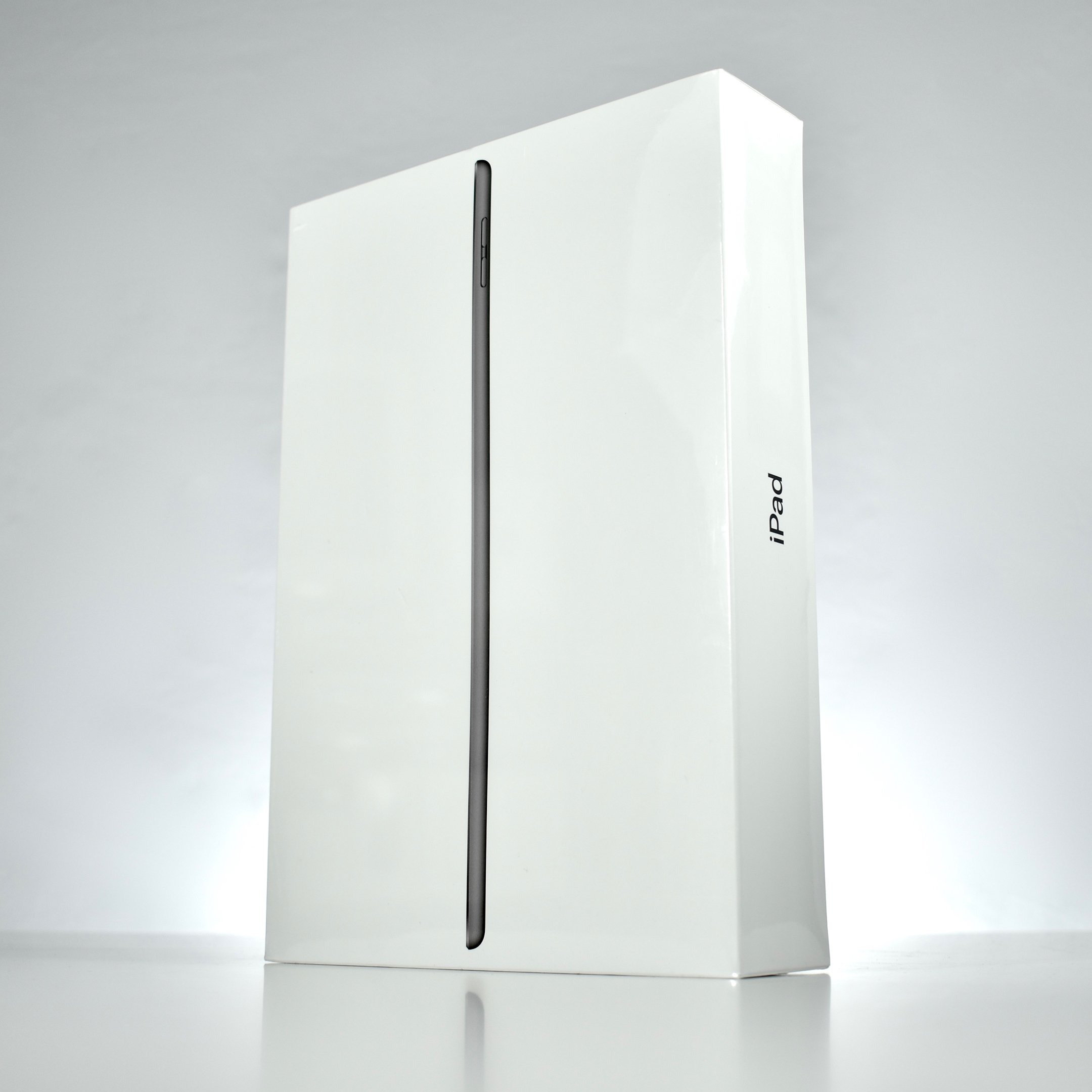
iPad (Generation 7, Wi-Fi, 32 GB, unopened, 2019)

The Generation 7 iPad differs from previous base iPad models with its larger 10.2-inch screen at 2160×1620 (264 ppi) (the Generation 6 iPad had a 9.7-inch screen) and the addition of the Smart Connector. The Smart Connector allows this iPad to use an Apple Smart Keyboard. This iPad was available in three colors: white front with a gold back, white front with silver back, and black front with a Space Gray back. This example is Space Gray.

The Generation 7 iPad uses the Apple A10 Fusion processor with 3 GB of RAM, and has 32 GB or 128 GB of internal storage. It also has an 8 Megapixel iSight camera on the back (1080p) and a 1.2 Megapixel FaceTime camera (720p) on the front. Wireless connectivity includes 802.11ac Wi-Fi and Bluetooth 4.2,. Its two wired ports are the Lightning port and a 3.5mm audio port. Internal sensors include accelerometer, gyroscope, ambient light sensor, compass, and barometer.

Aside from this Wi-Fi model, three Wi-Fi/Cellular models are available (US/CA, Global, and China).

Source: EveryMac