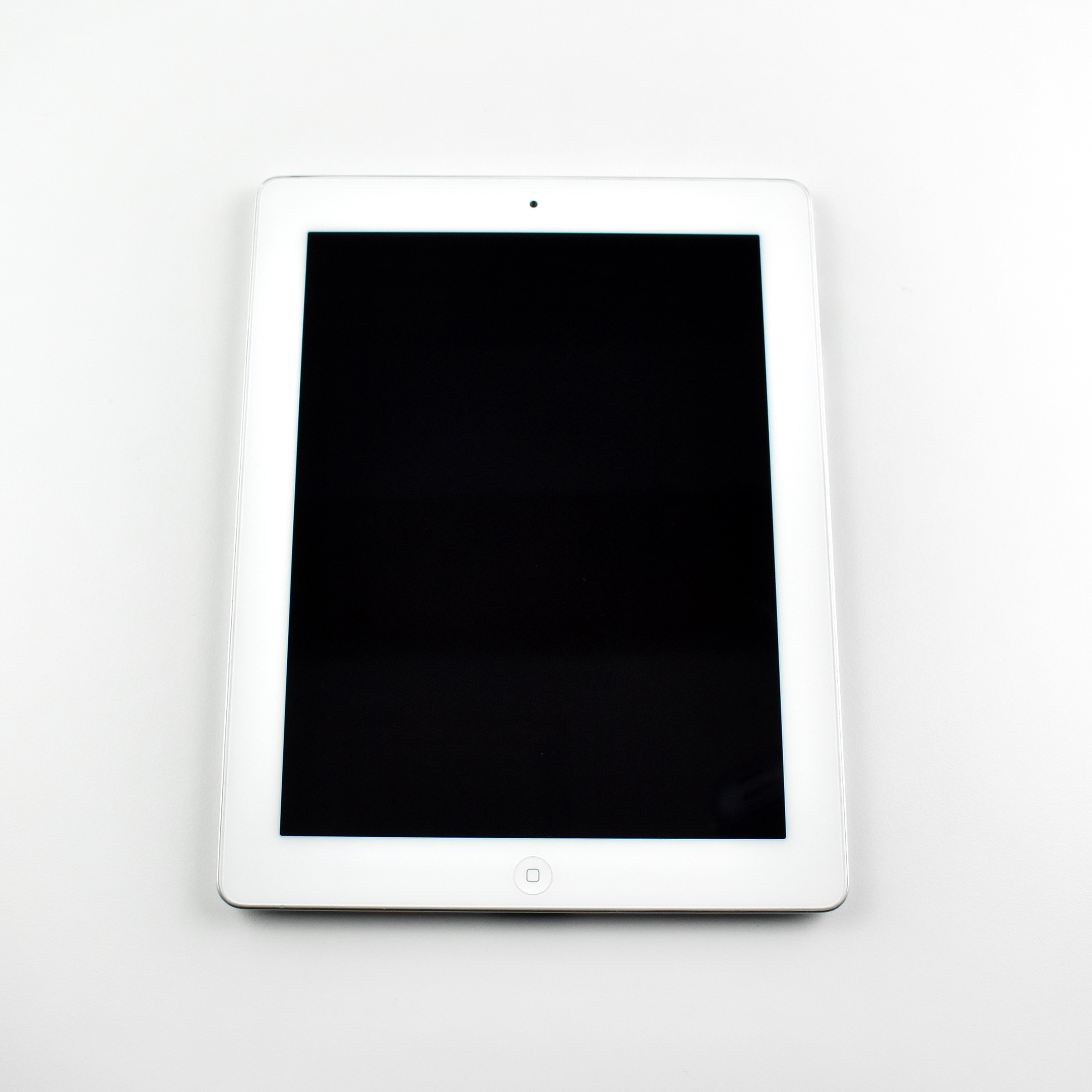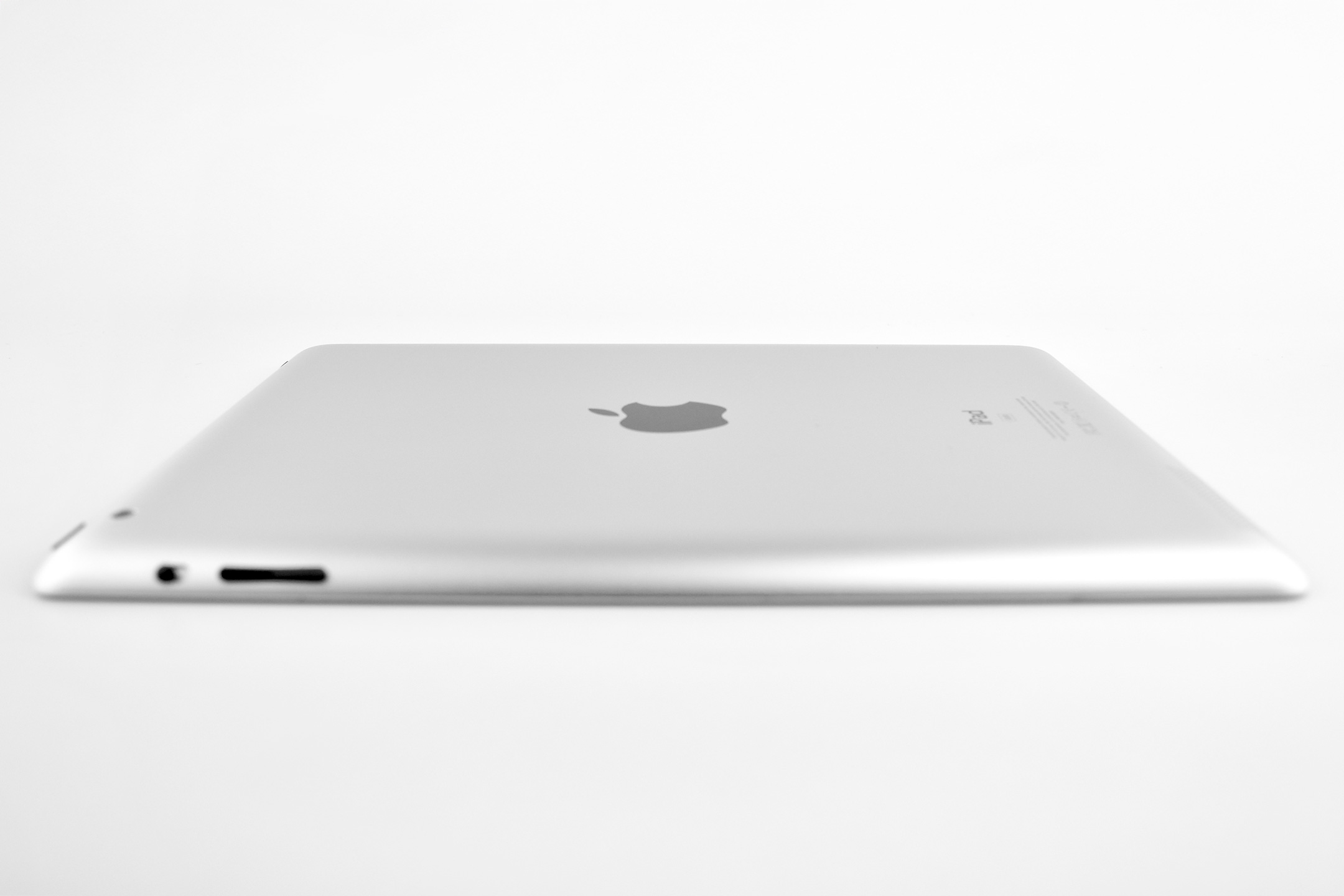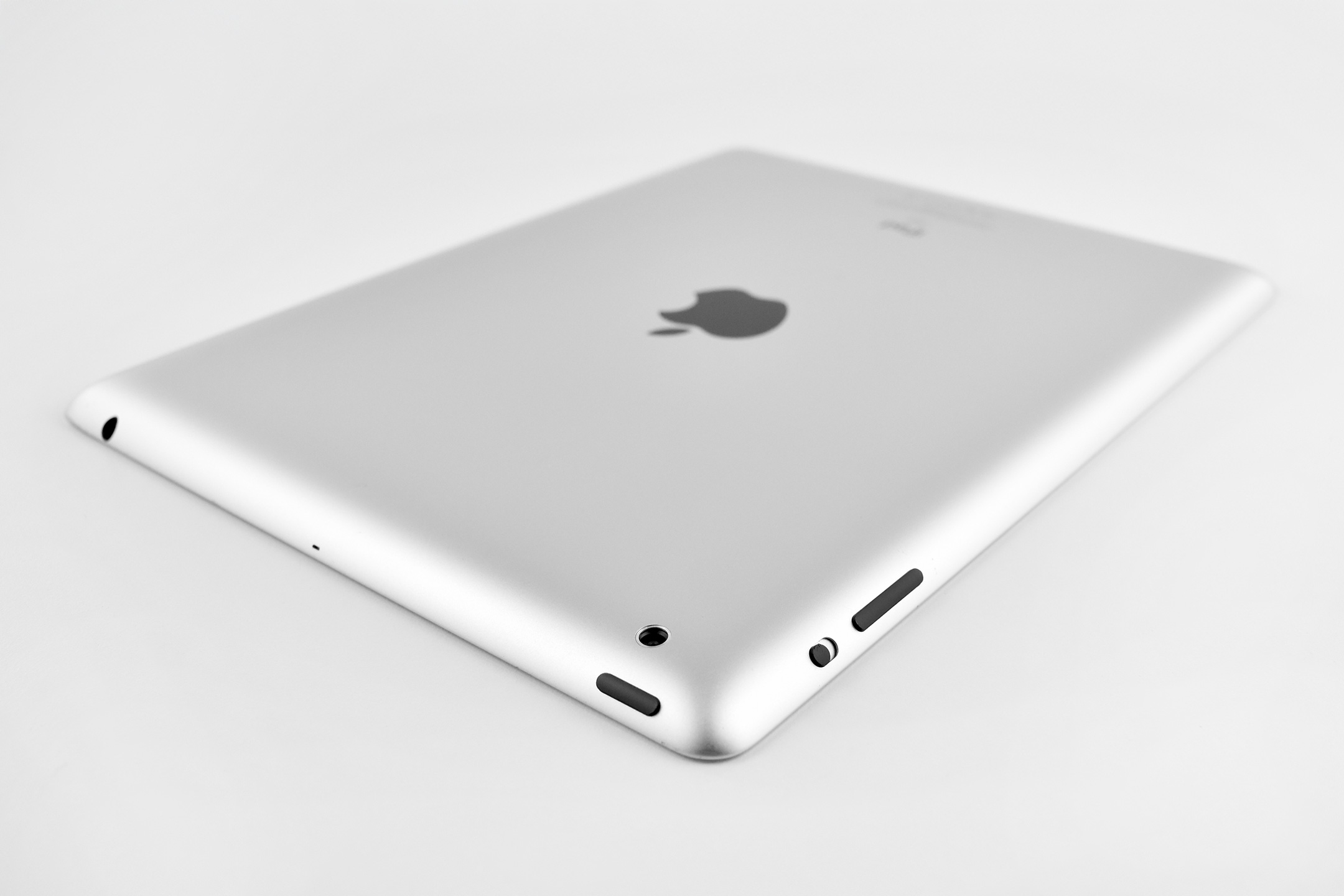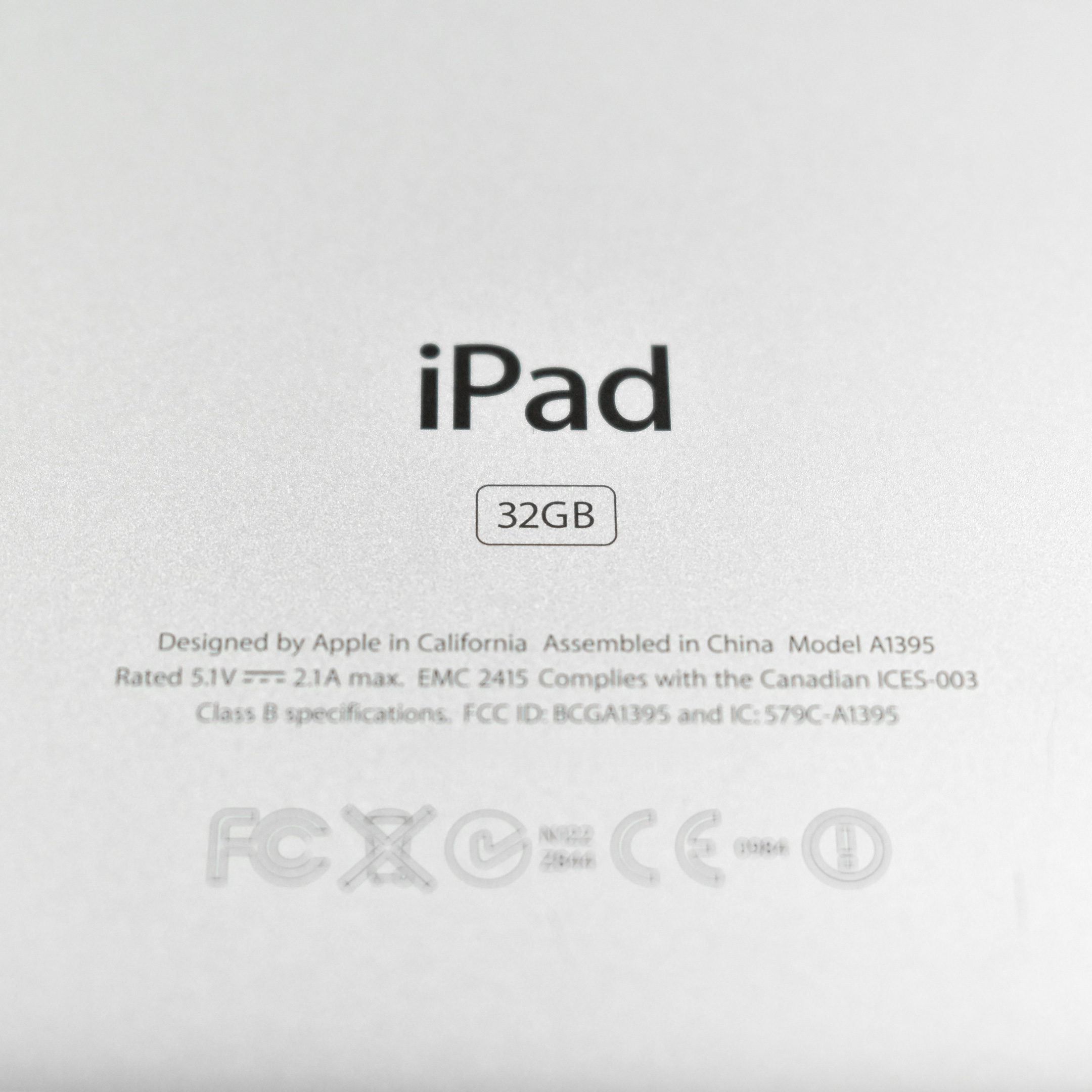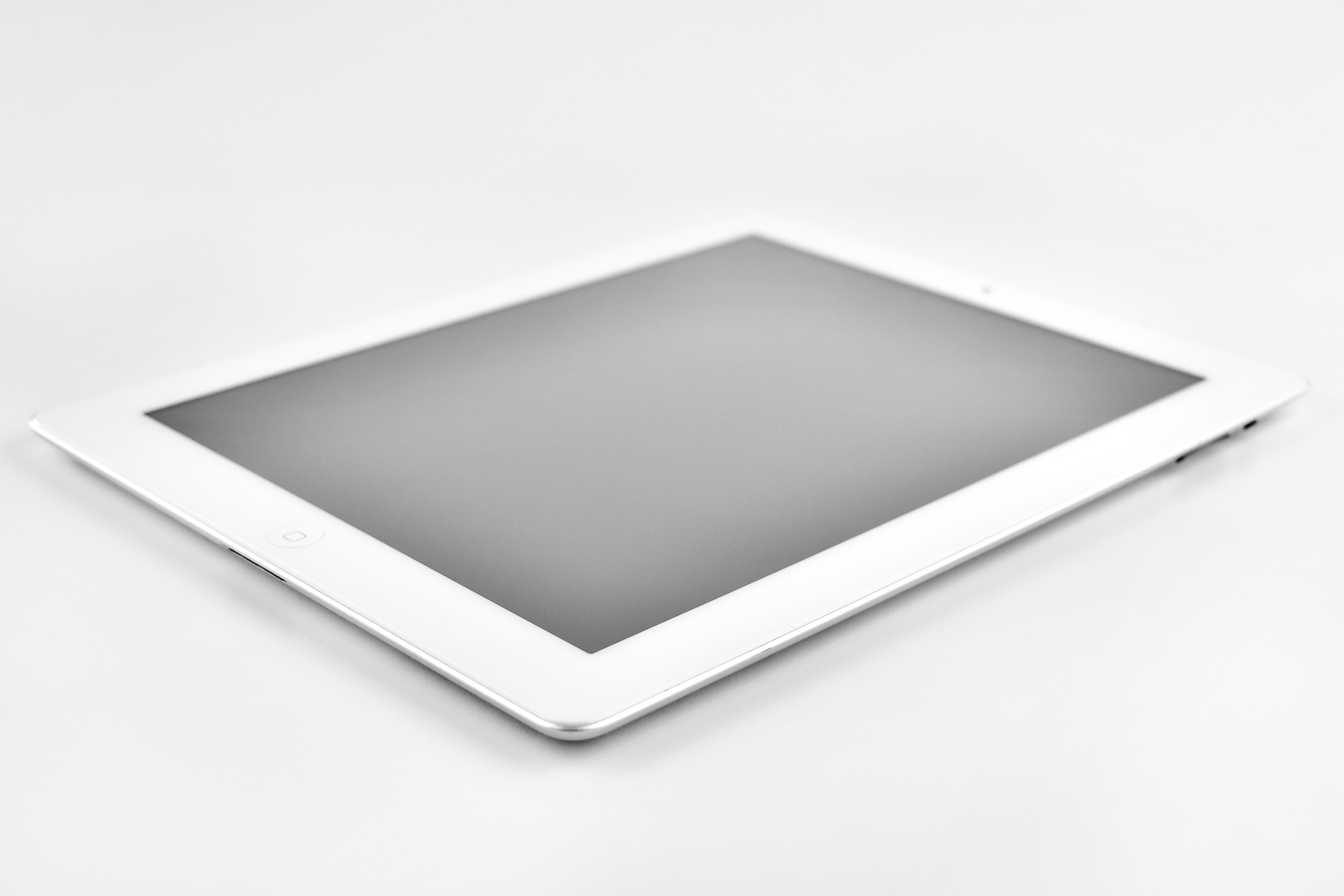
iPad (Generation 2, Wi-Fi, 32 GB, white, 2011)

The iPad 2 represented a major update to the original iPad by allowing the iPad to begin its move from a content-consumption device to a content-creation device, mostly due to the addition of front and back cameras. Apple’s press release led with its subhead, “All New Design is Thinner, Lighter & Faster with FaceTime, Smart Covers & 10 Hour Battery.”

Like the original iPad, the iPad 2 was described as a “magical device for browsing the web, reading and sending email, enjoying photos, watching videos, listening to music, playing games, reading ebooks and much more.” The iPad 2 added “two cameras, a front-facing VGA camera for FaceTime and Photo Booth, and a rear-facing camera that captures 720p HD video, bringing the innovative FaceTime feature to iPad users for the first time.”

The iPad 2 had a silver aluminum back and was available with a white or black front. This example is white.

The iPad 2 had a 9.7-inch glossy LED backlit display (1024×768 at 132 ppi) and could run both iPhone and iPad-specific apps. It shipped with the A5 processor with storage options including 16, 32, or 64 GB. In addition to its front and rear cameras, it had 802.11a/b/g/n Wi-Fi support, an accelerometer, a three-axis gyroscope, an ambient light sensor, digital compass, a speaker and a built-in microphone. The iPad 2 was 33% thinner than the original iPad and weighed 1.33 pounds.

The iPad 2 was also released with the Smart Cover. The Smart Cover used magnets to attach and, when closed, automatically put the iPad 2 into Sleep mode, and would wake the iPad when opened.

Source: EveryMac, Apple

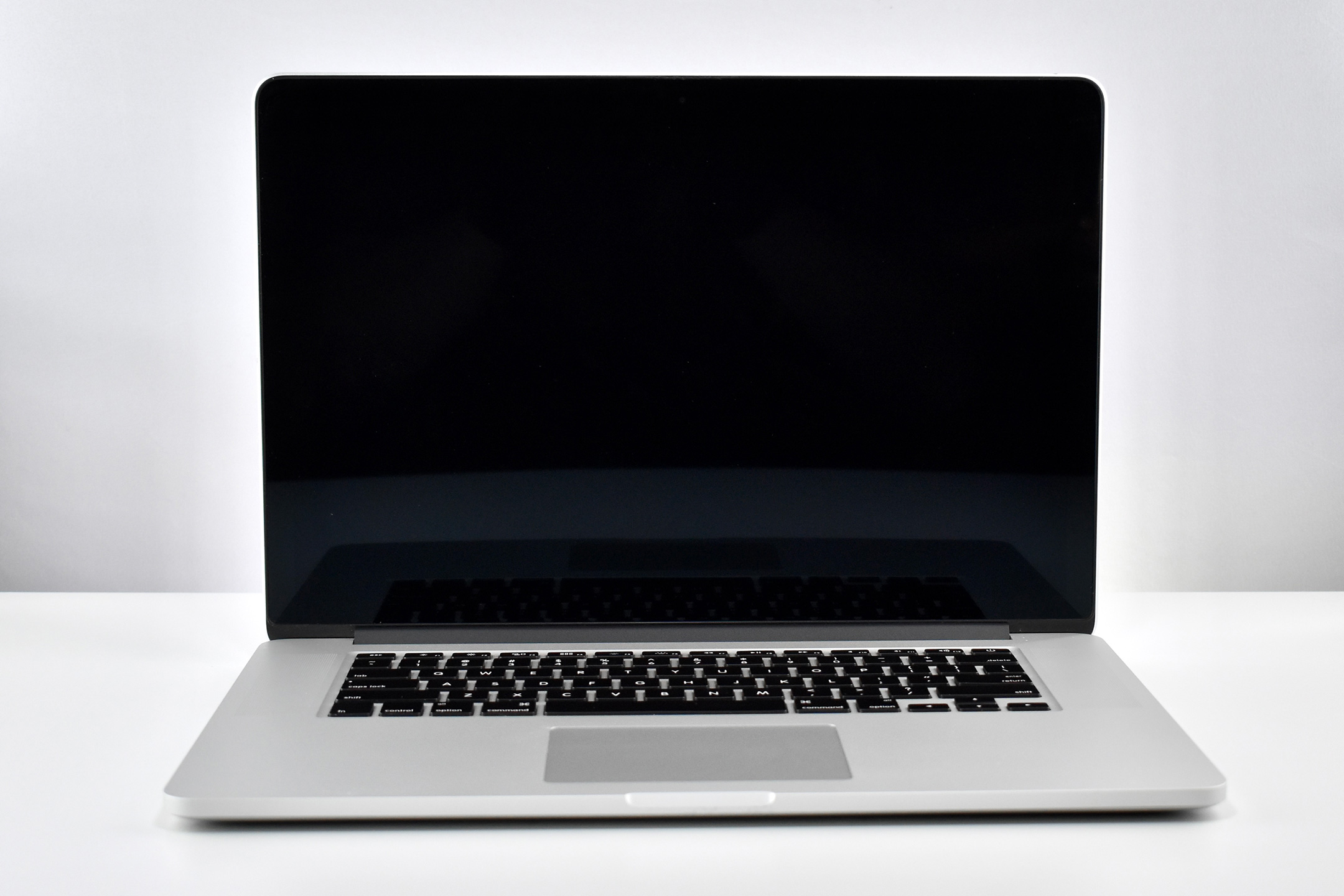
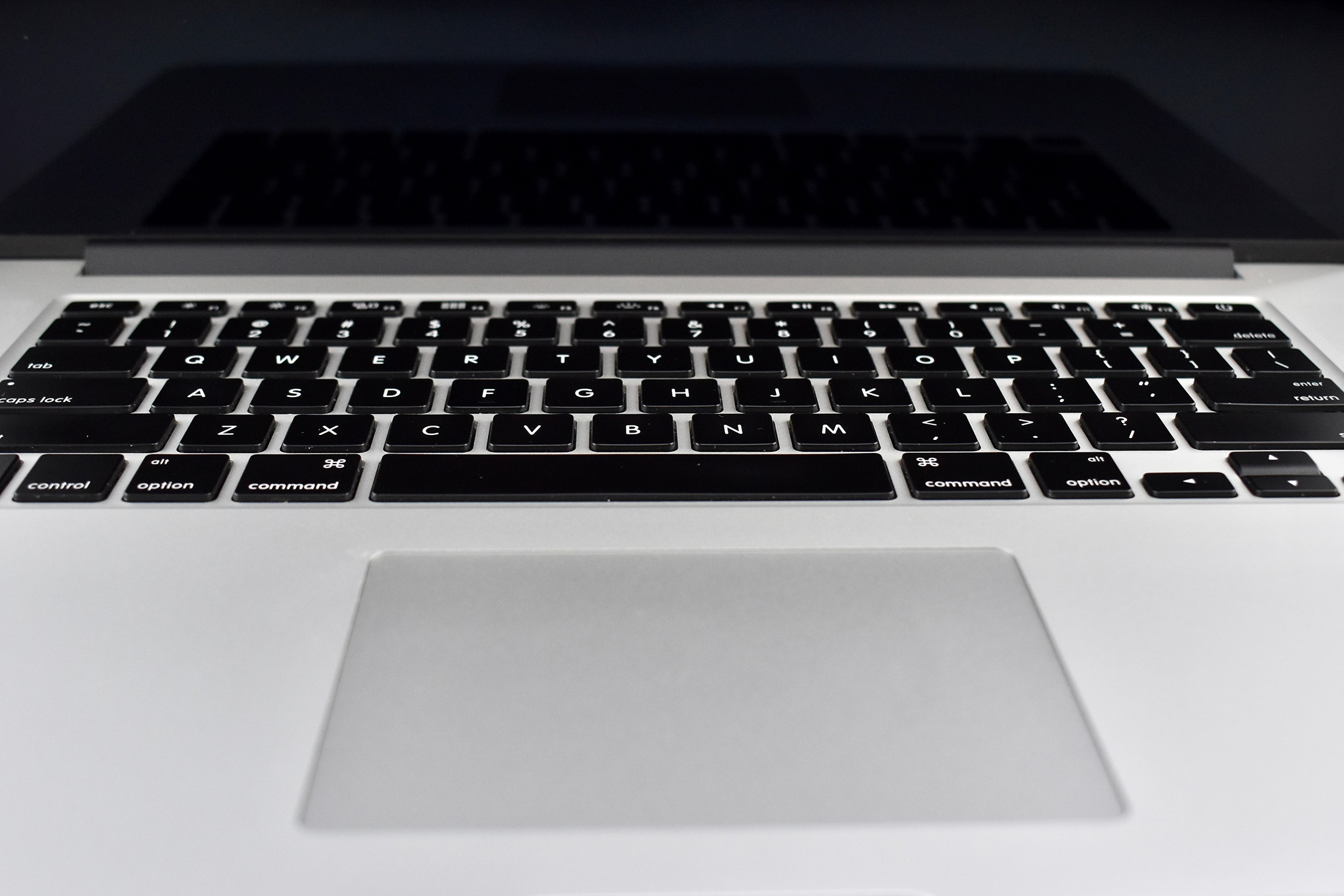
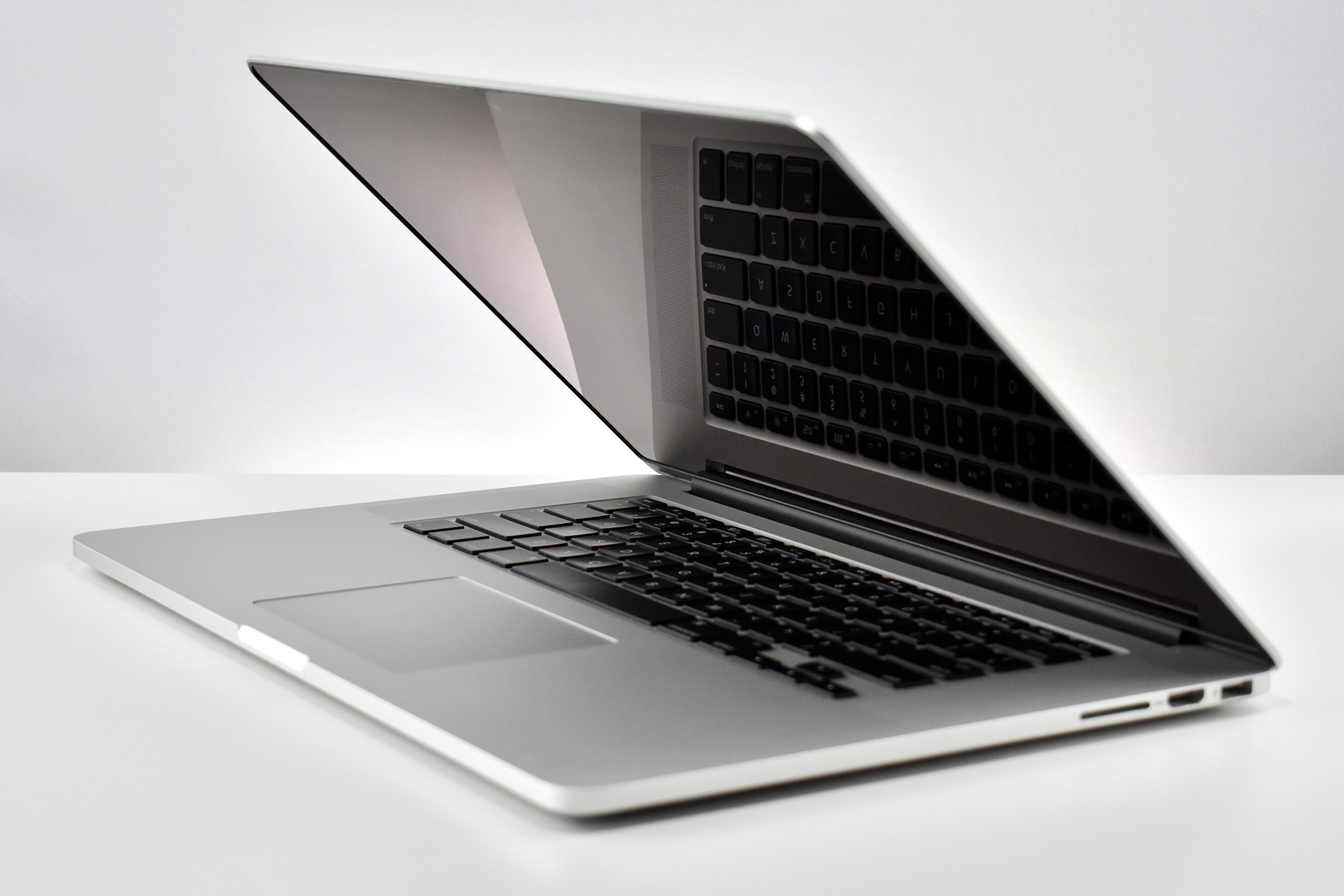
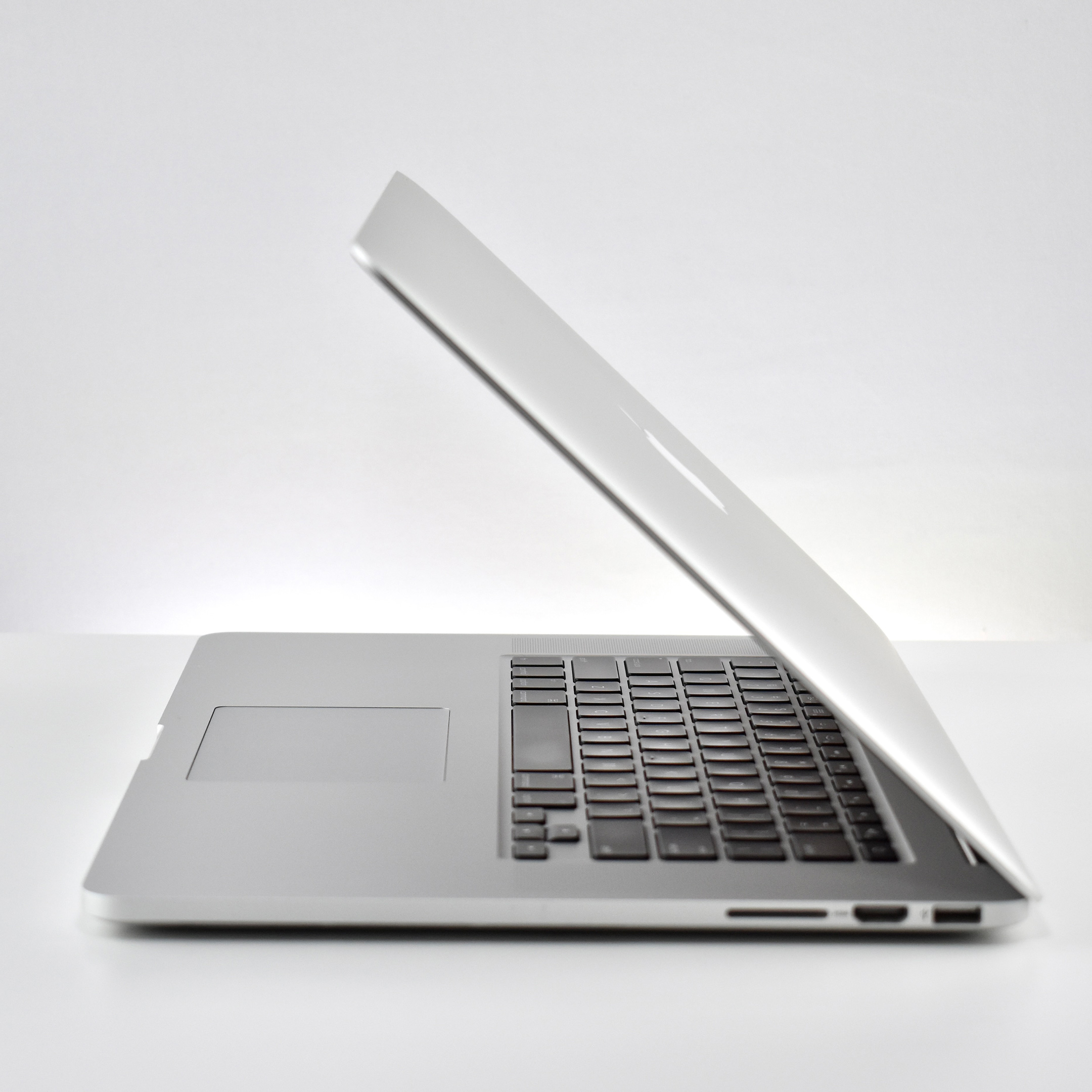
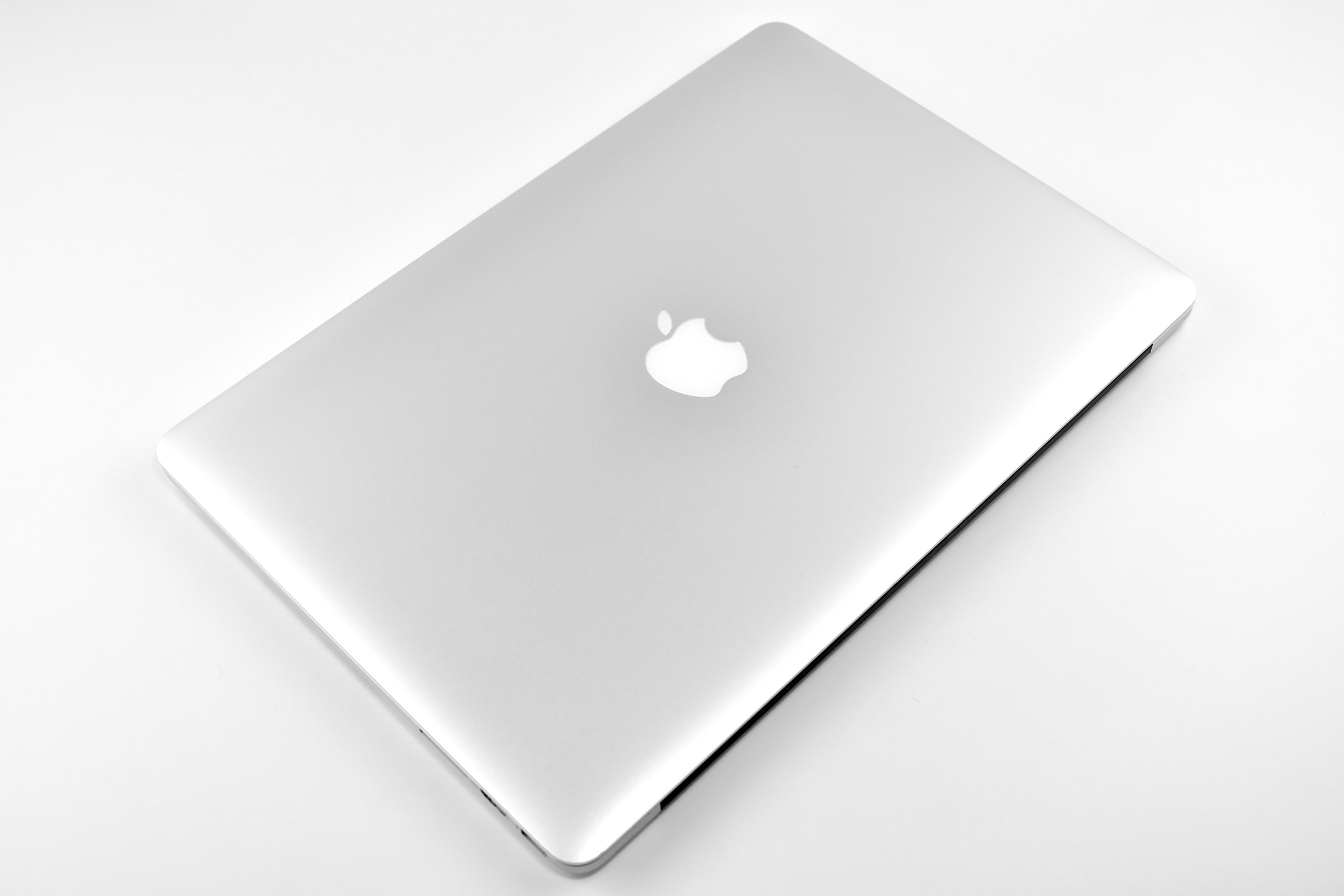
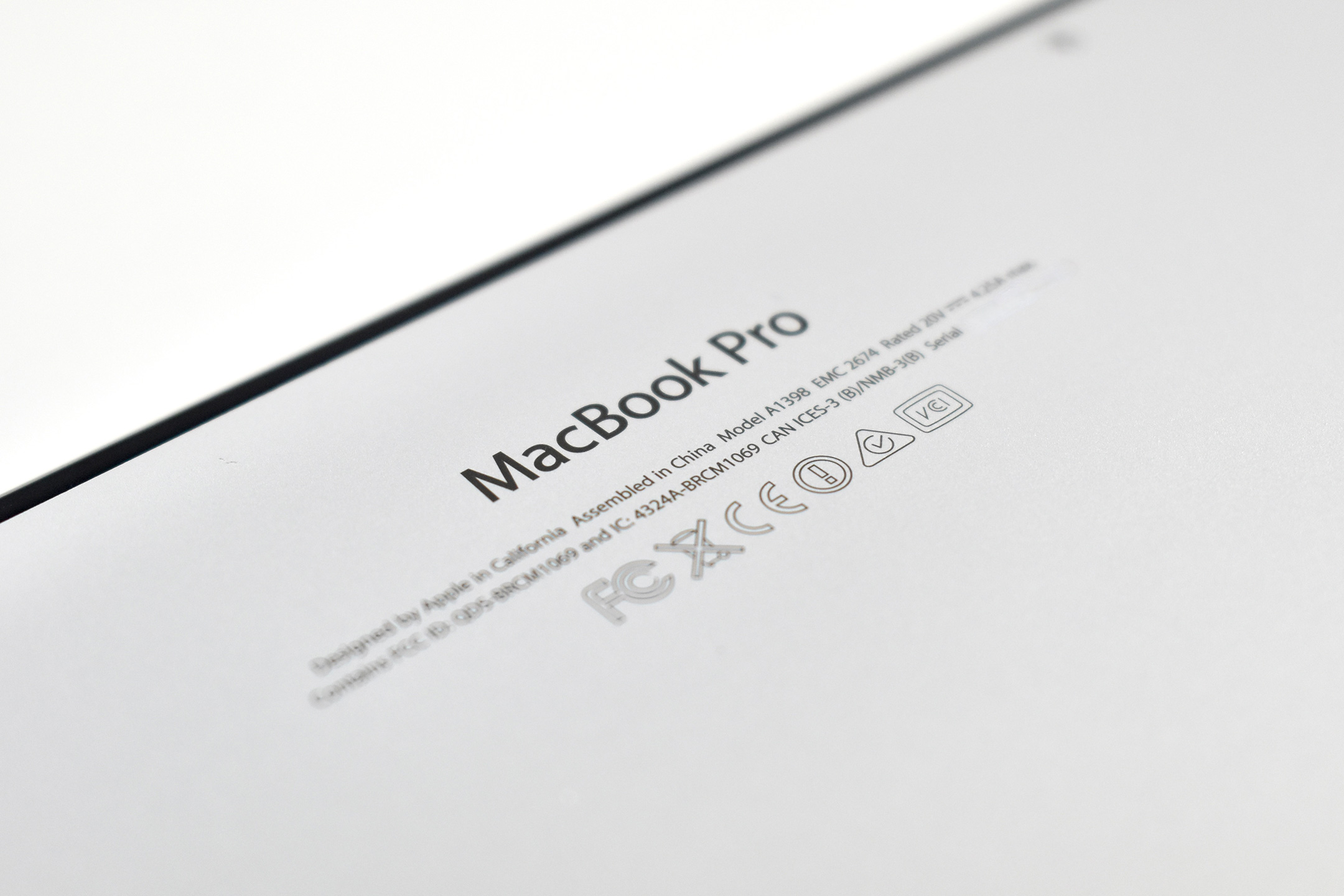
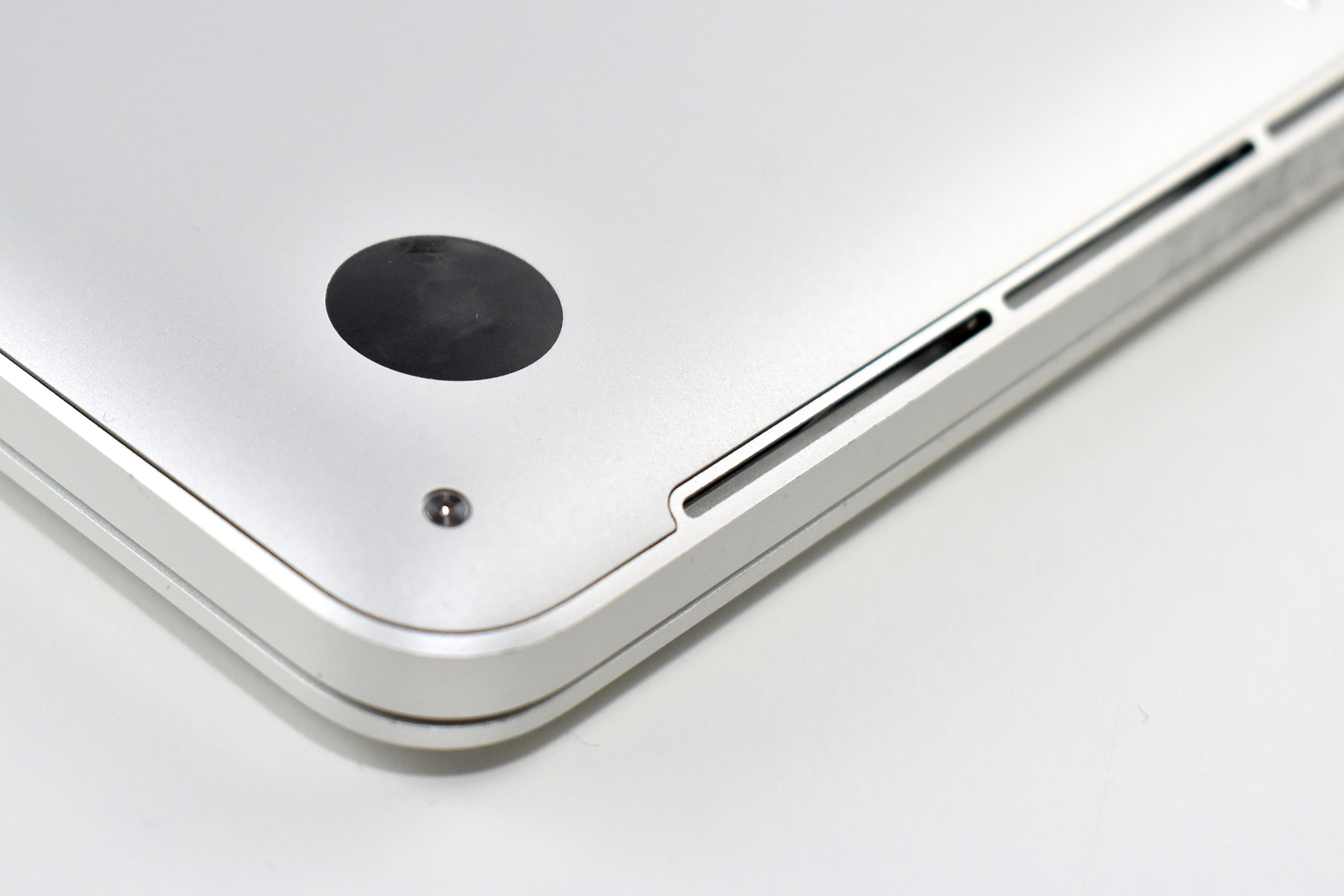
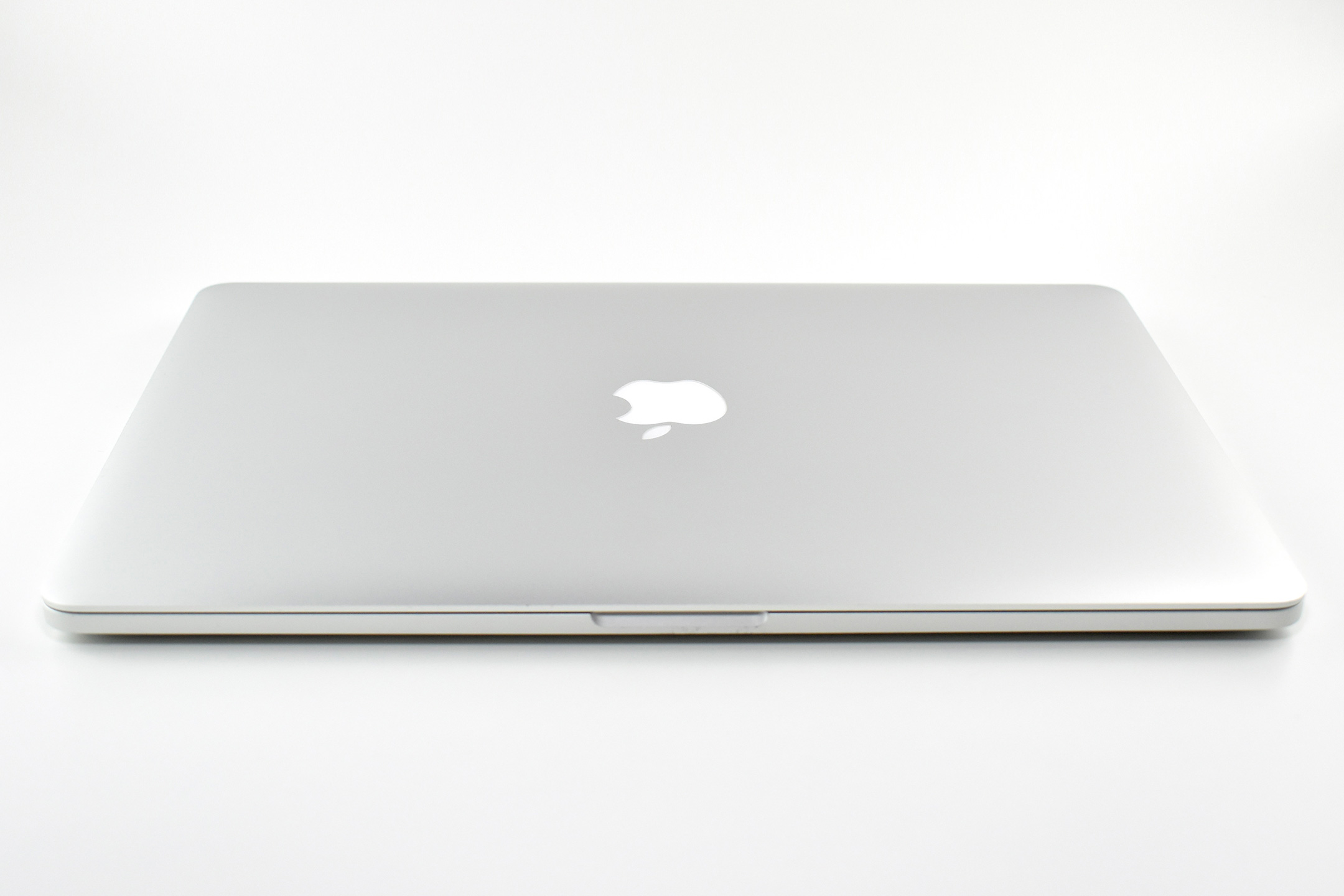
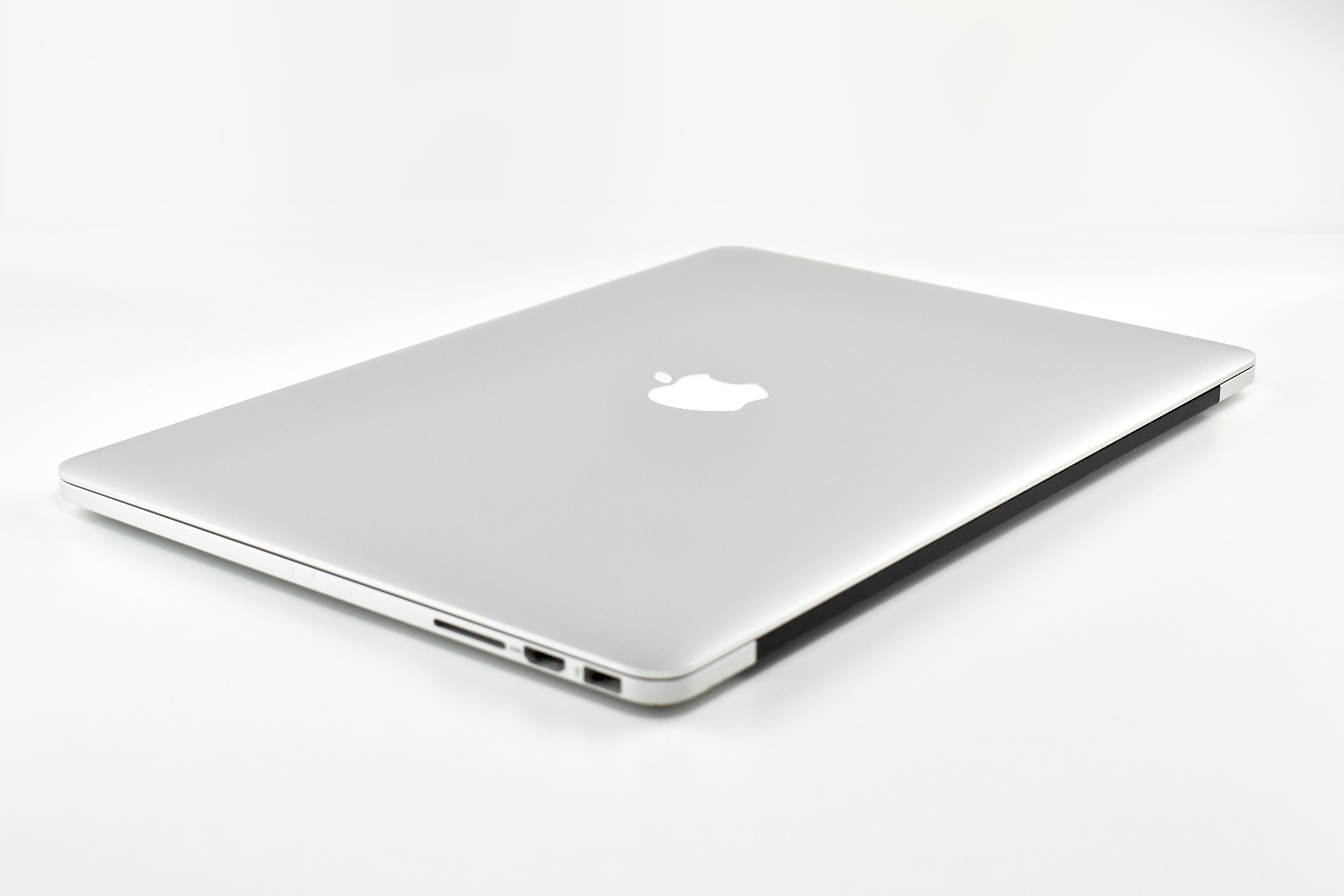
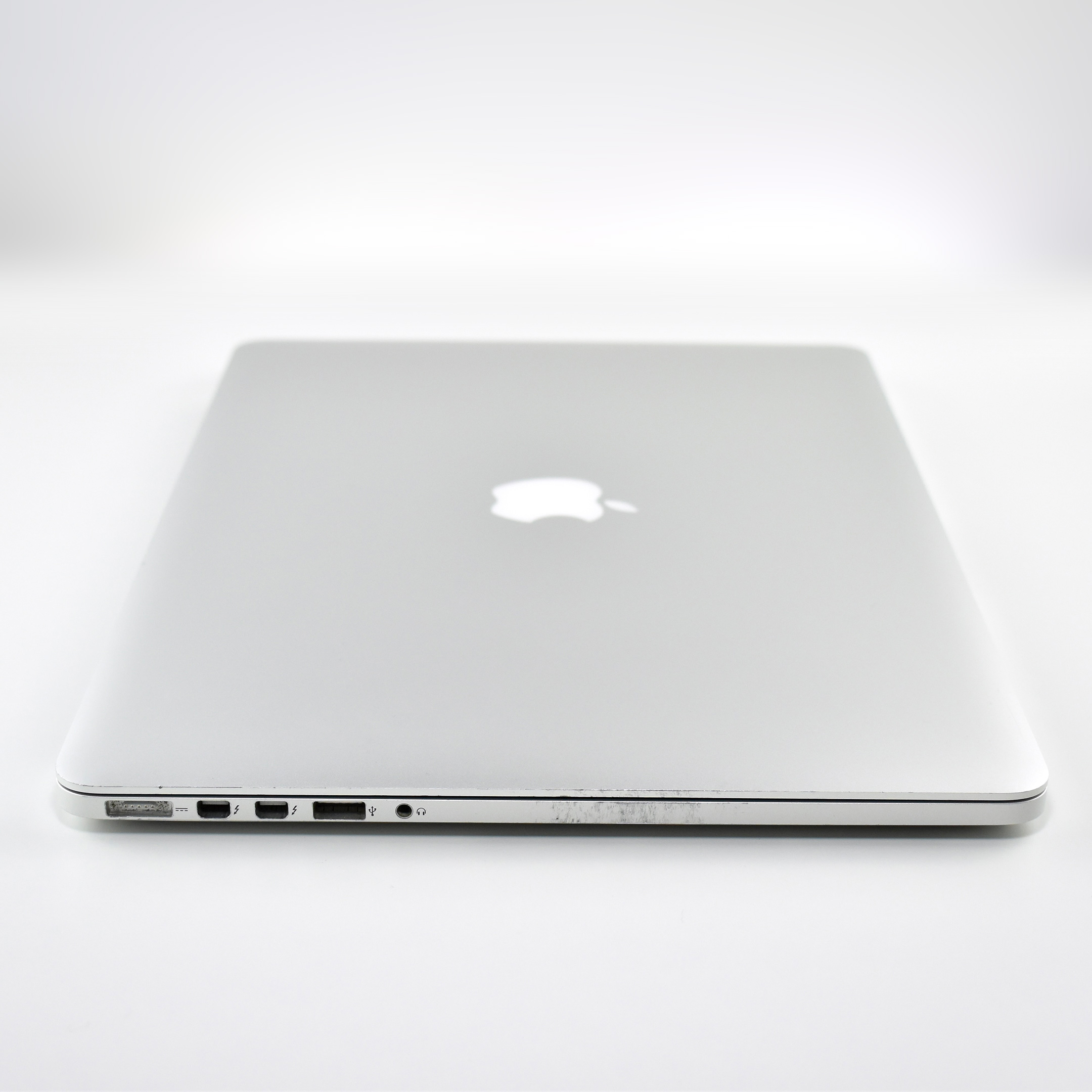
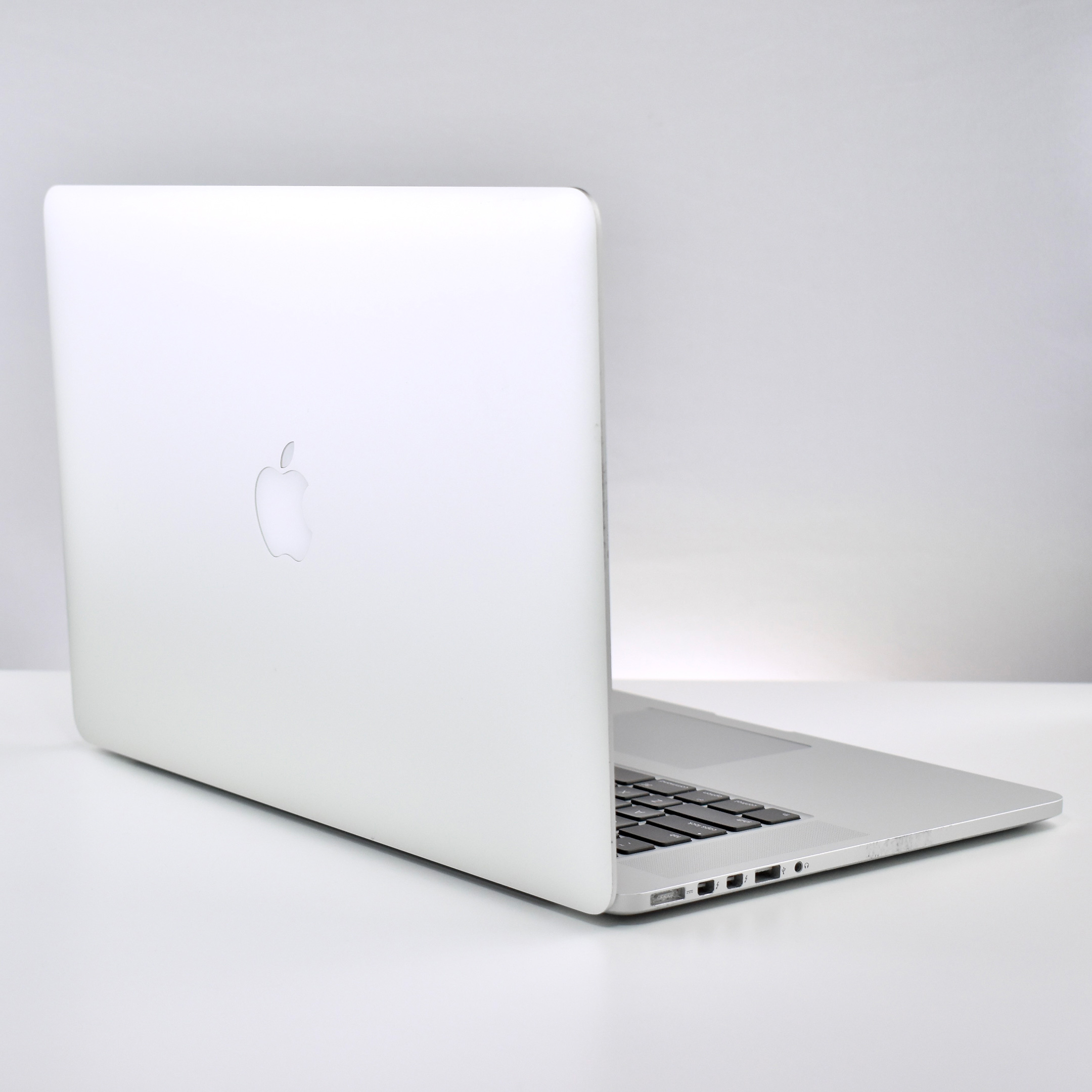
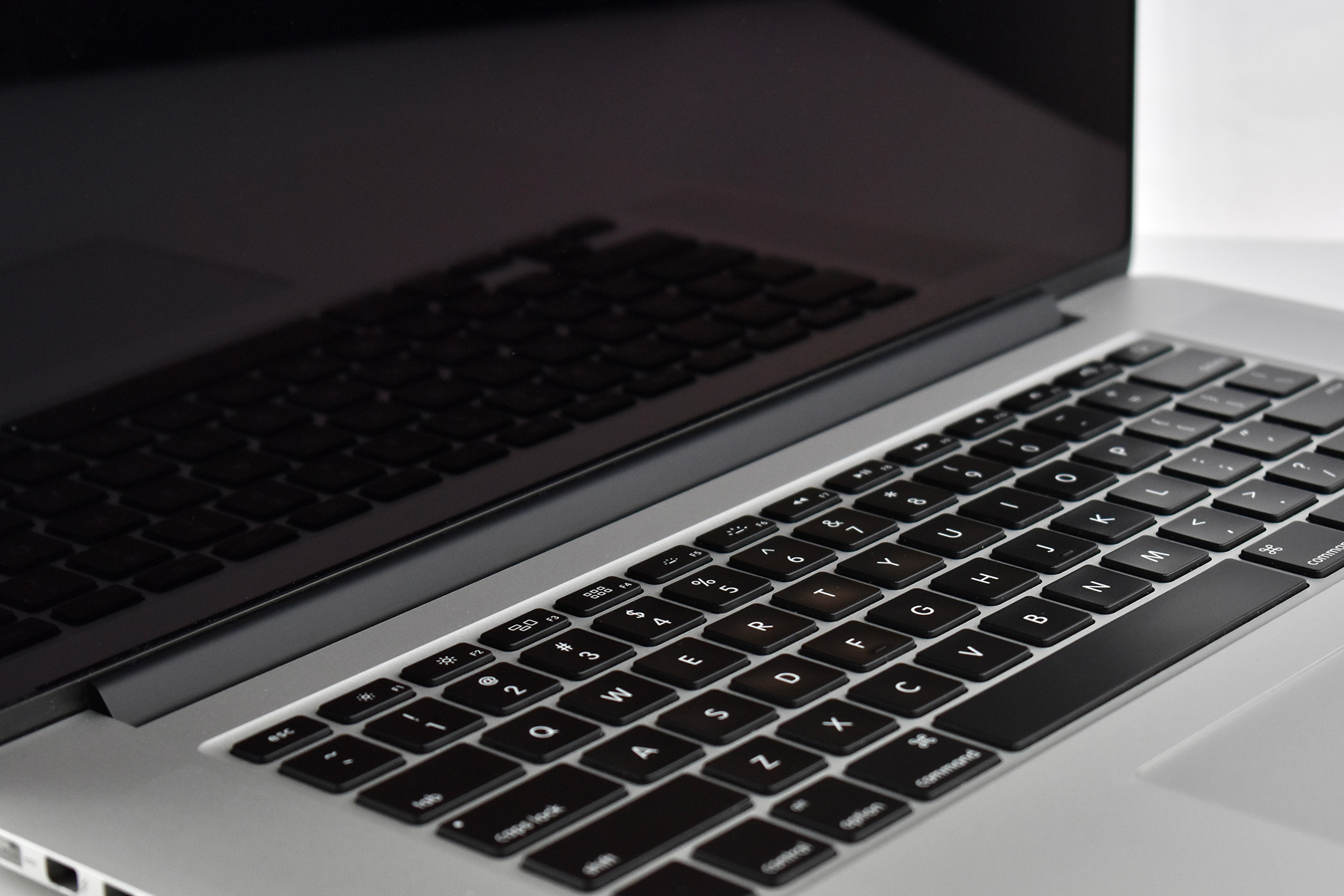
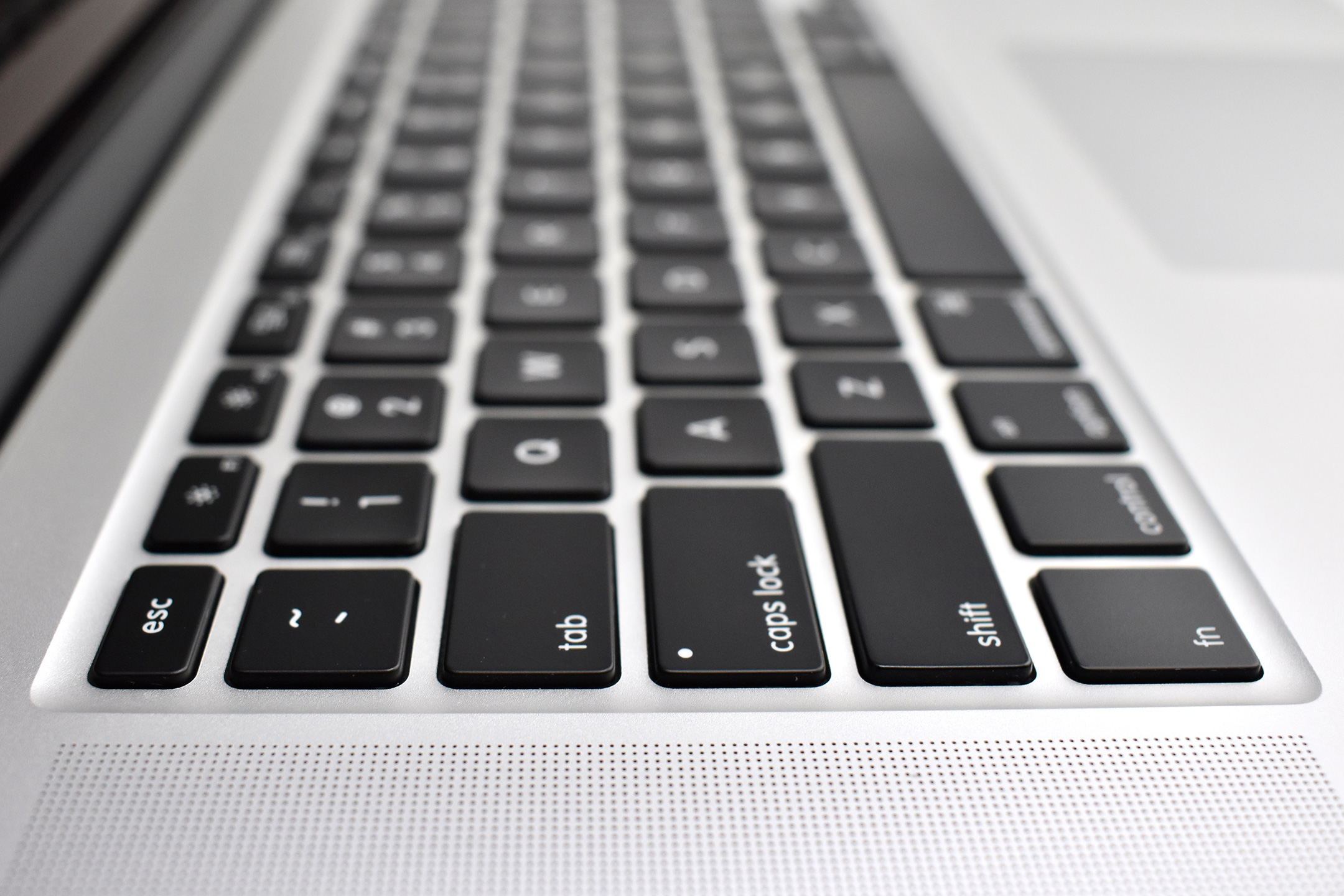
MacBook Pro (Retina, 15-inch, Late 2013)

At the time of its release, the MacBook Pro 15-inch with Retina Display was a solid “Pro” choice, but an iterative update from its predecessor with no new design elements, major features, or new technologies. This MacBook Pro used Intel’s Core i7 “Haswell/Crystalwell” processor with four cores. This example is the 2.0GHz model, and a 2.3GHz was also available.

The 15.4-inch Retina Display was LED-backlit display with 2880 x 1800 resolution (220ppi). The laptop measured 0.71 inch (1.8 cm) thick, and 14.13 inches (35.89 cm) wide x 9.73 inches (24.71 cm) tall. It weighed 4.46 pounds (2.02 kg).

According to Apple, the physical ports included:

  • MagSafe 2 power port
  • 2 Thunderbolt 2 ports (up to 20 Gbps)
  • 2 USB 3 ports (up to 5 Gbps)
  • HDMI port
  • Headphone port
  • SDXC card slot

Wireless technologies included 802.11ac and Bluetooth 4.0.

The full-size keyboard was backlit and used an ambient light sensor. Apple advertised the battery life as 8 hours, and it charged using an 85W MagSafe 2 Power Adapter.

Sources: Apple, EveryMac

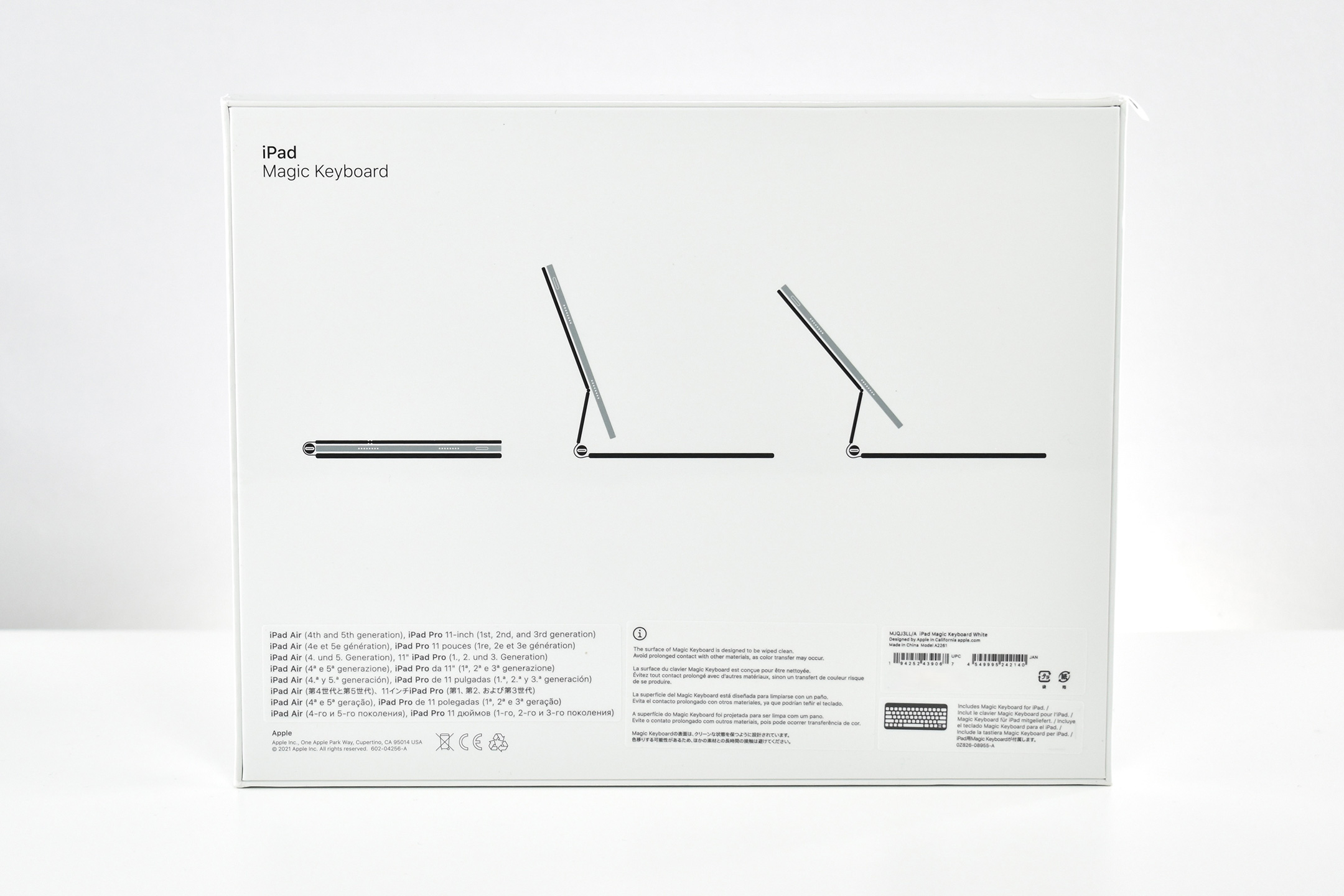
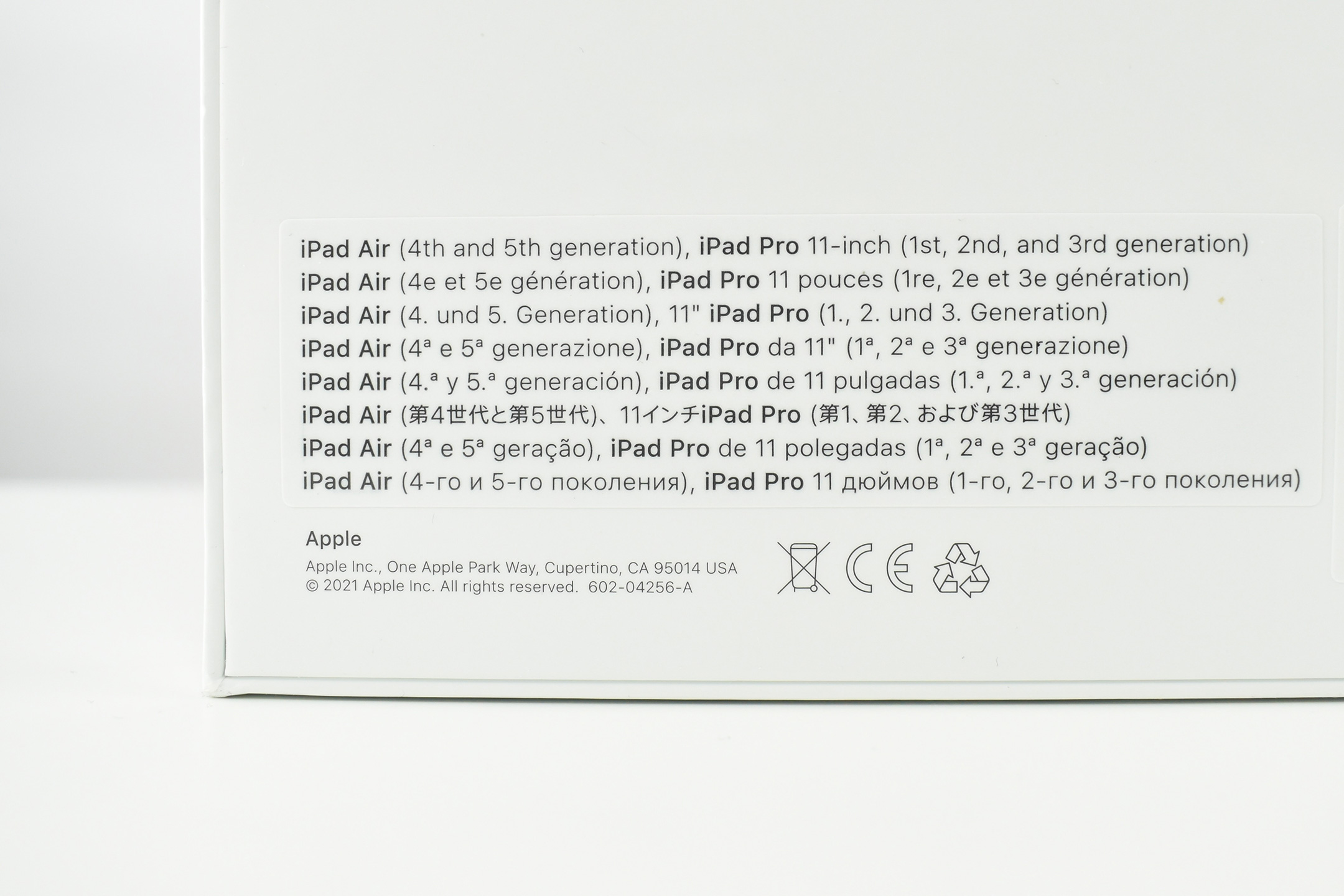
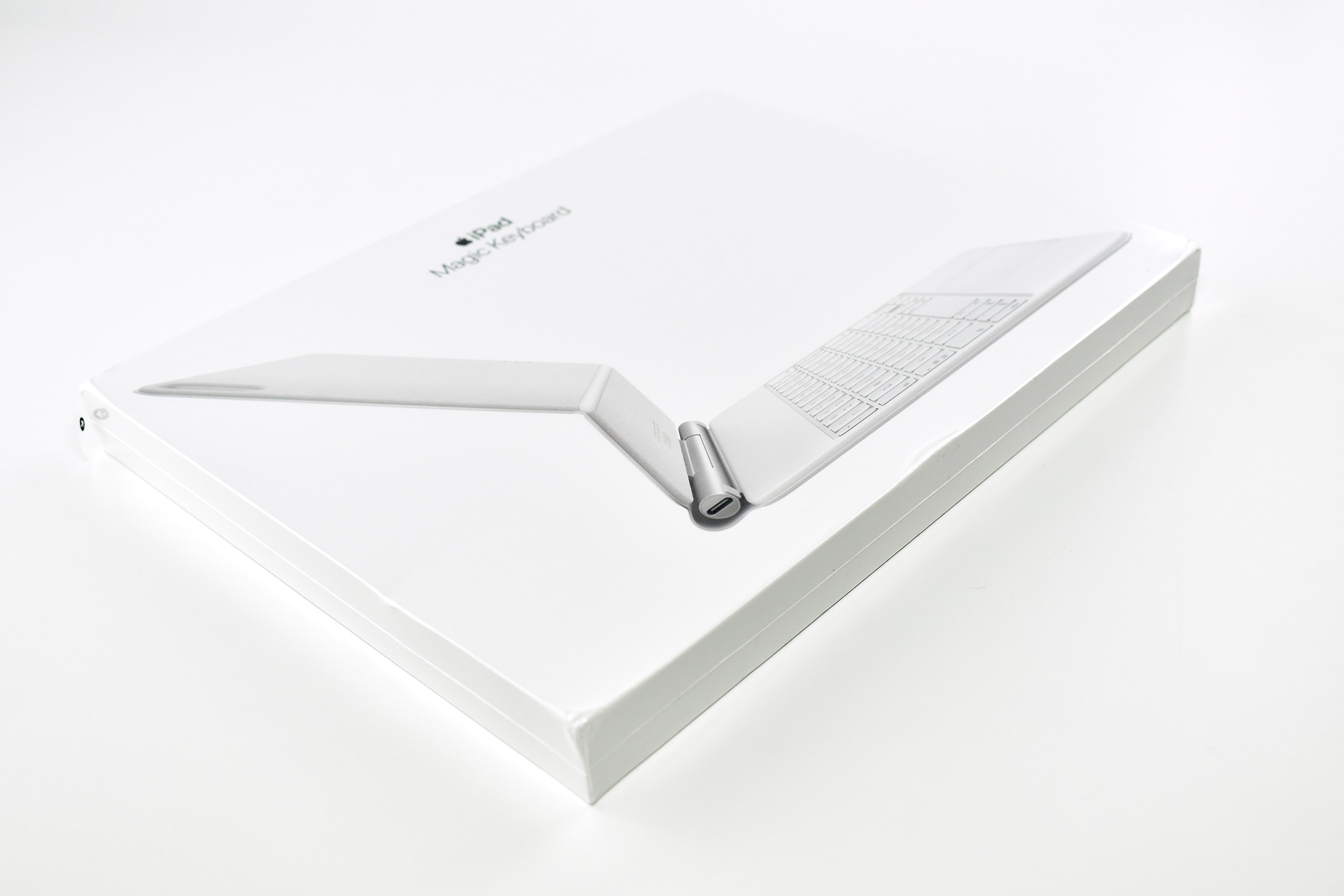
iPad Magic Keyboard (iPad Pro 11-inch Generation 4 and iPad Air Generation 5, white, 2021)

Apple describes the iPad Magic Keyboard as:

“…an amazing companion for iPad Pro 11-inch and iPad Air. It features an incredible typing experience, a trackpad that opens up new ways to work with iPadOS, a USB‑C port for pass-through charging, and front and back protection. The Magic Keyboard has a floating cantilever design, allowing you to attach iPad Pro and iPad Air magnetically and to smoothly adjust it to the perfect viewing angle for you.”

When it was originally released, Apple touted that the iPad Magic Keyboard provided “A Unique Floating Design, Backlit Keyboard and Trackpad Make for the Best Typing Experience Ever on iPad.”

This iPad Magic Keyboard (model A2261) attaches surprisingly firmly to the iPad with magnets and still allows you to adjust the angle without becoming unattached. Further, it “Folds into a case to provide front and back protection for traveling with iPad Pro and iPad Air.”
Other features listed by Apple include:

  • Comfortable backlit keys and a scissor mechanism with 1 mm travel for quiet, responsive typing.
  • Designed for Multi‑Touch gestures and the cursor in iPadOS.
  • Smooth angle adjustability delivers the perfect viewing angle.
  • USB-C port for charging iPad Pro and iPad Air, freeing up the port on the iPad for other accessories.

This particular Magic Keyboard is compatible with an impressive number of iPad models, including iPad Pro 11-inch (Generations 1–4) and the iPad Air (Generations 4–5).

Source: Apple (Product, Newsroom)

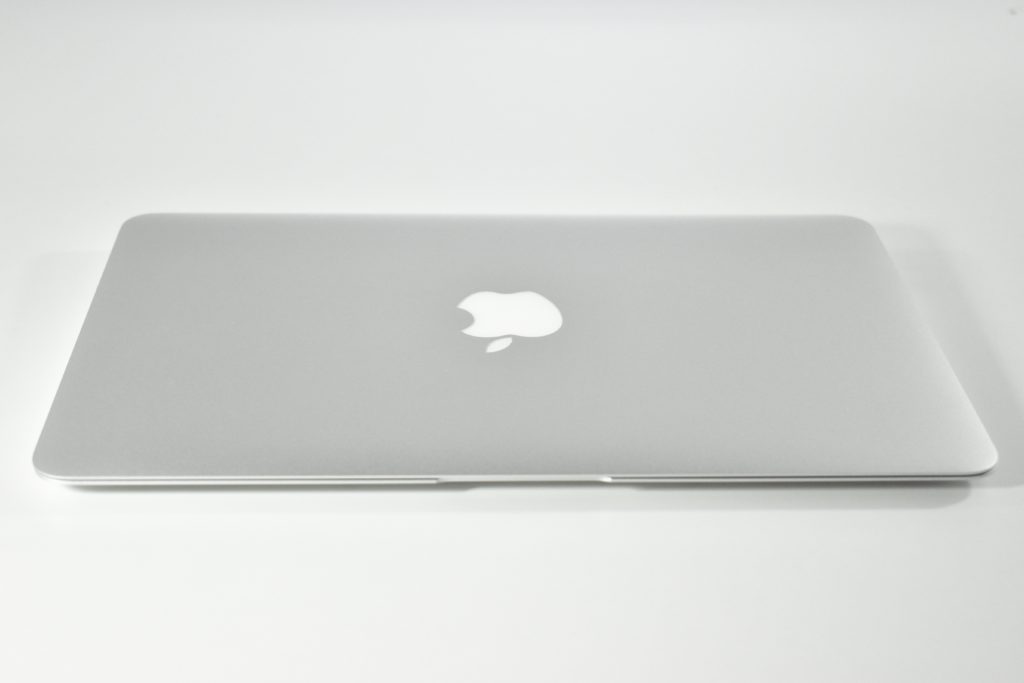
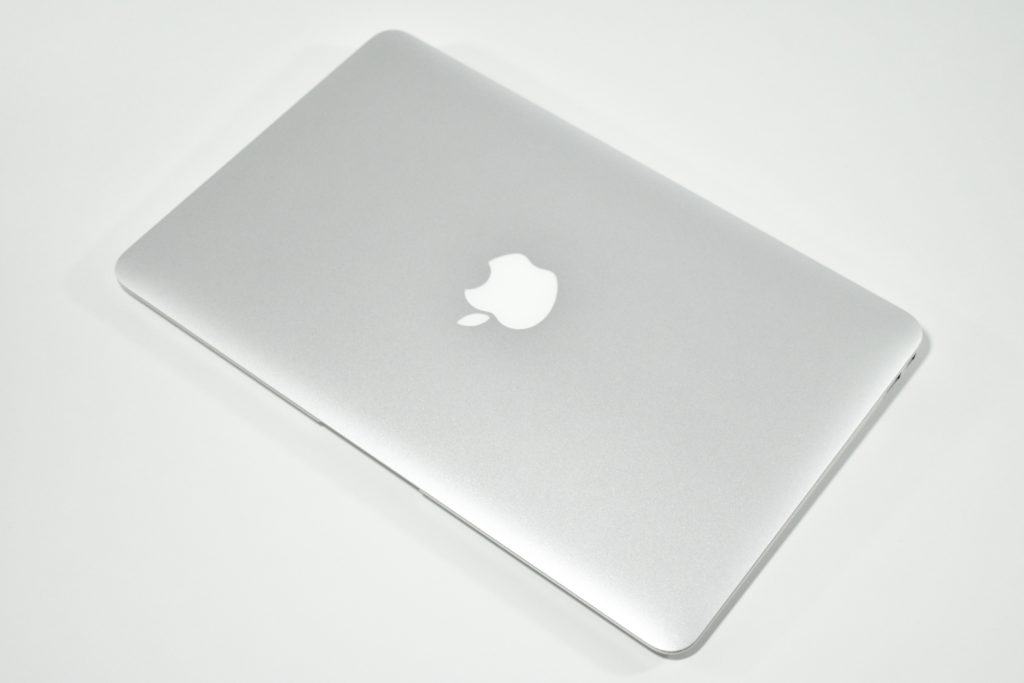
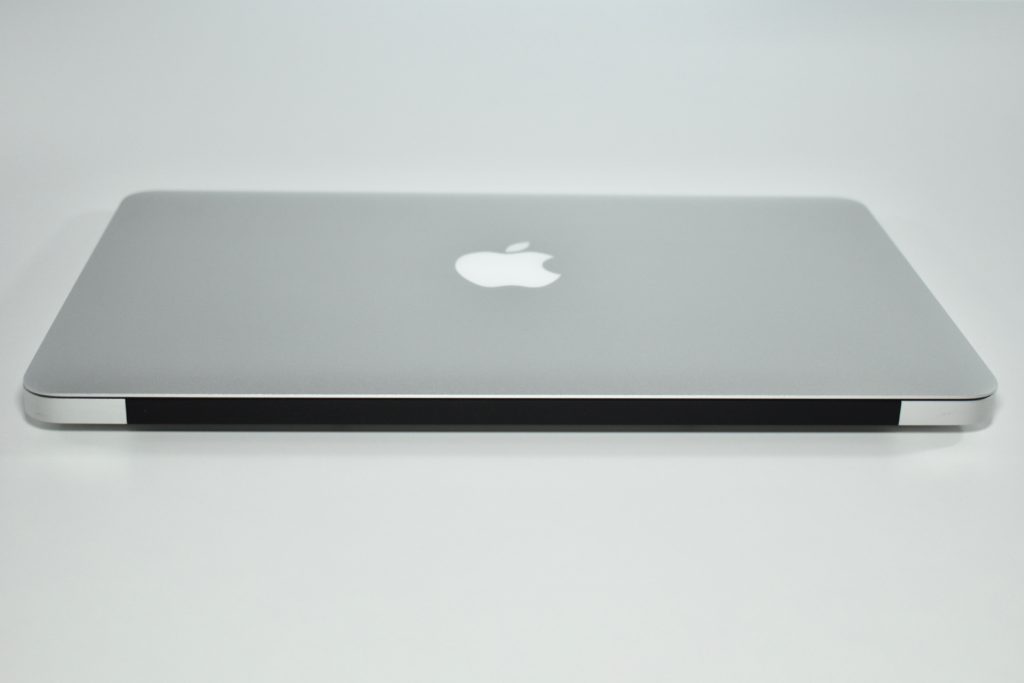
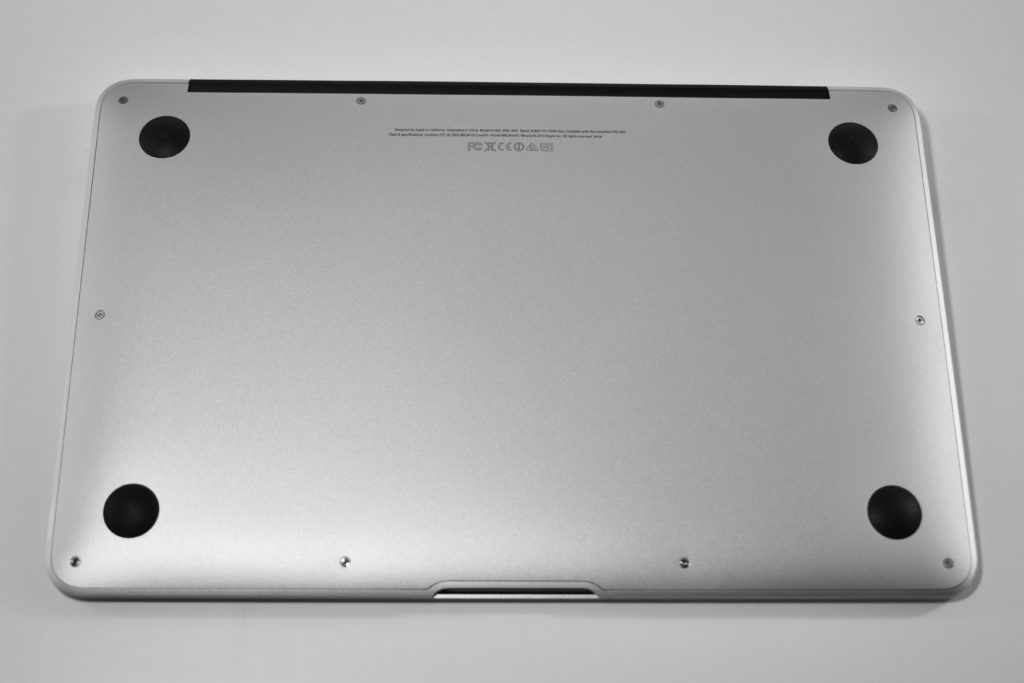
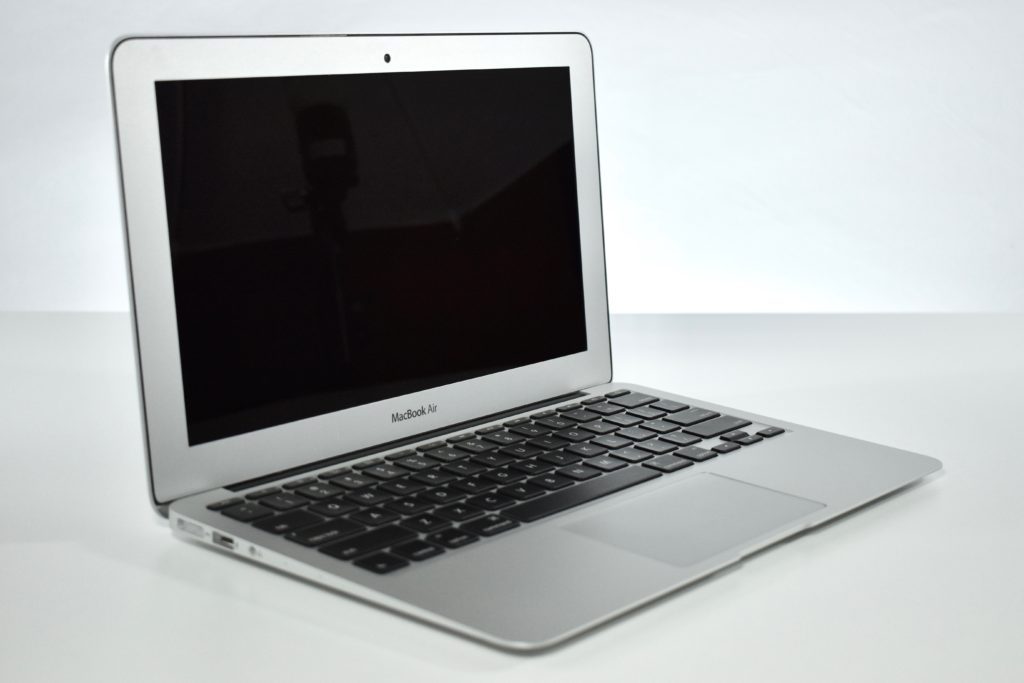
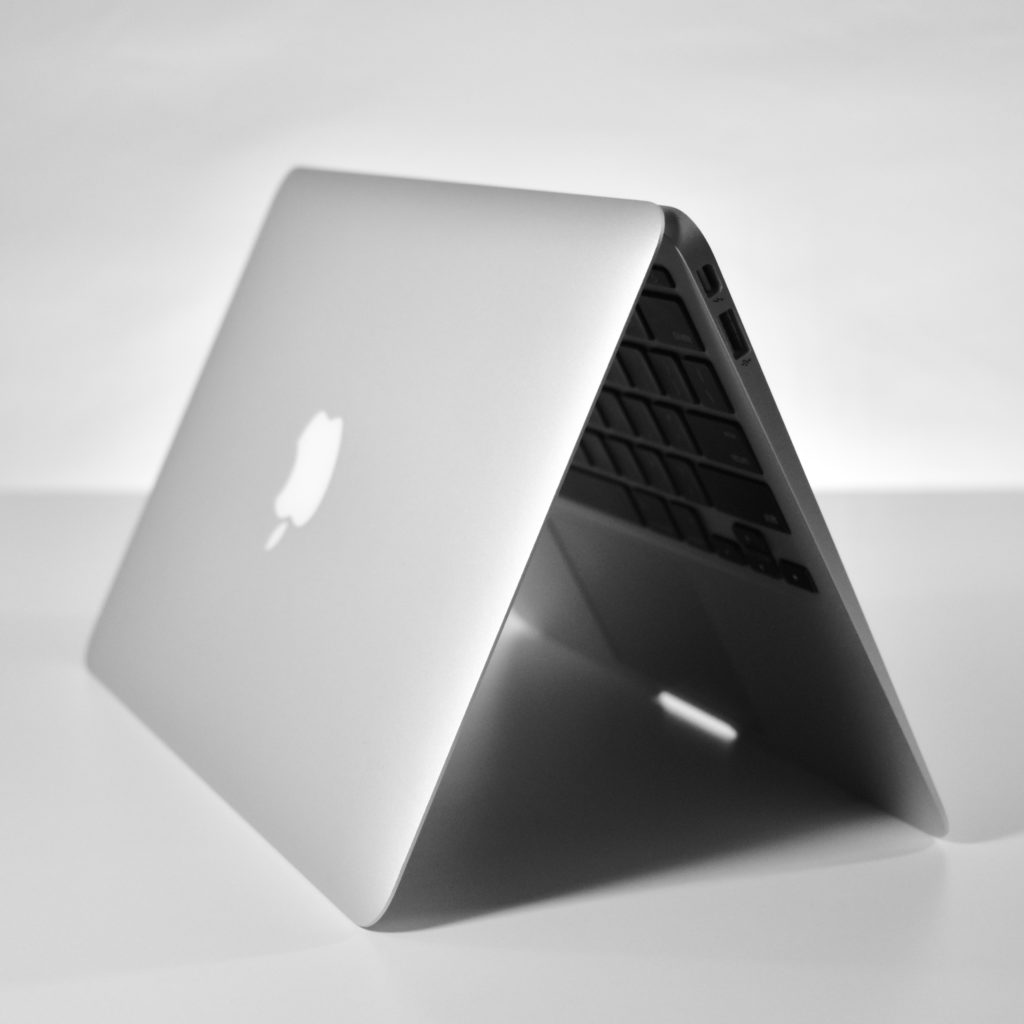
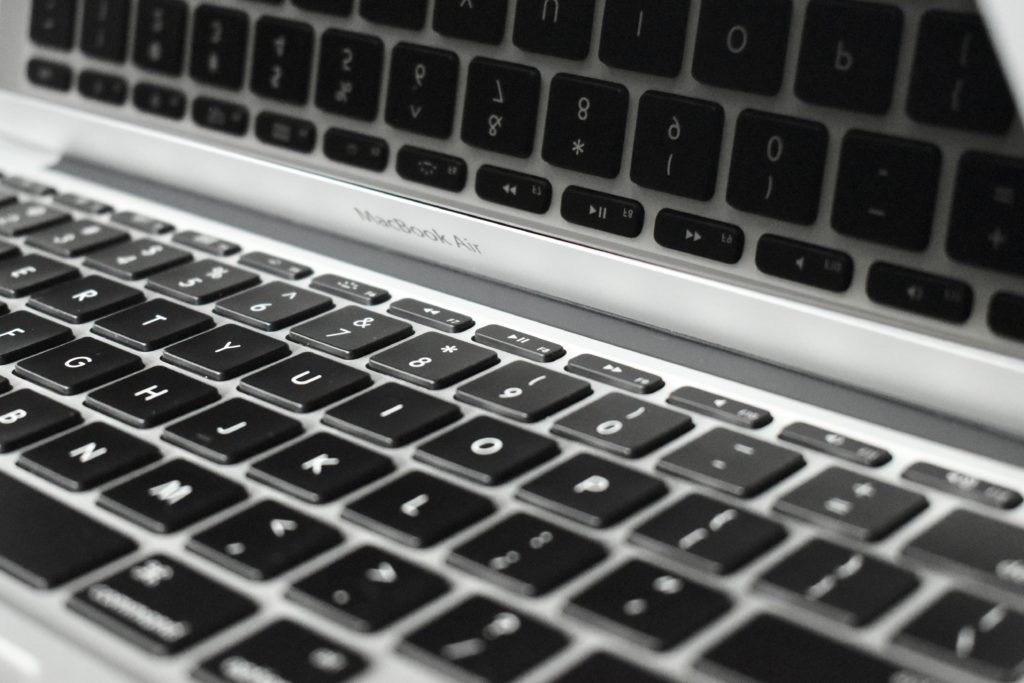
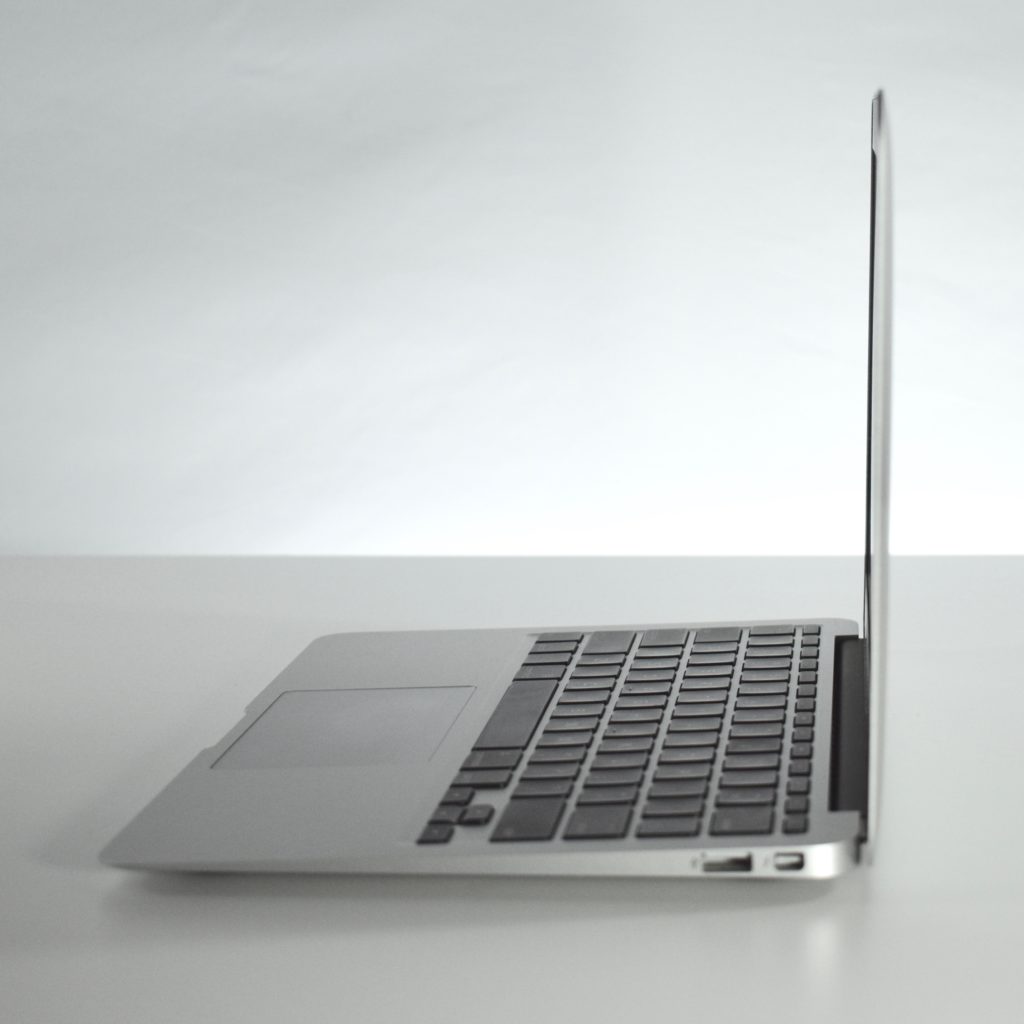
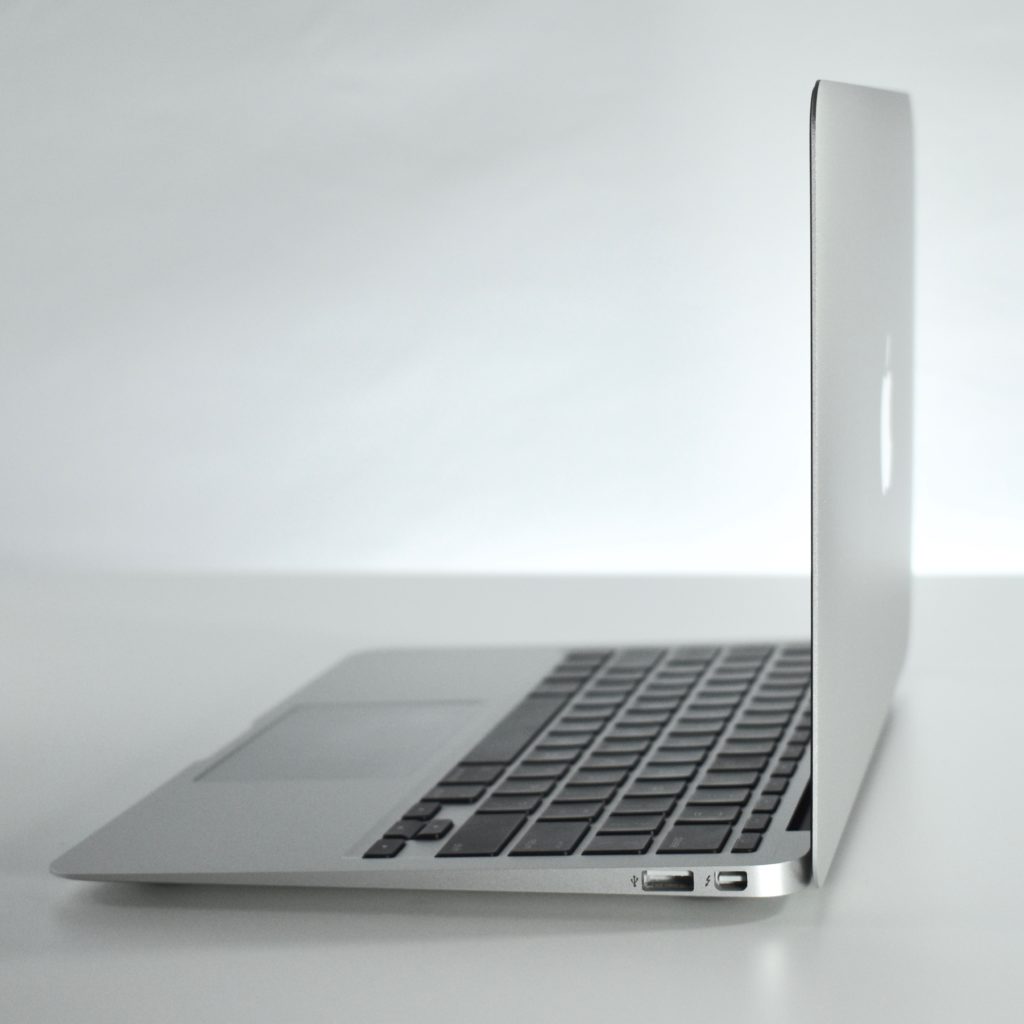
MacBook Air 11-inch (2014)

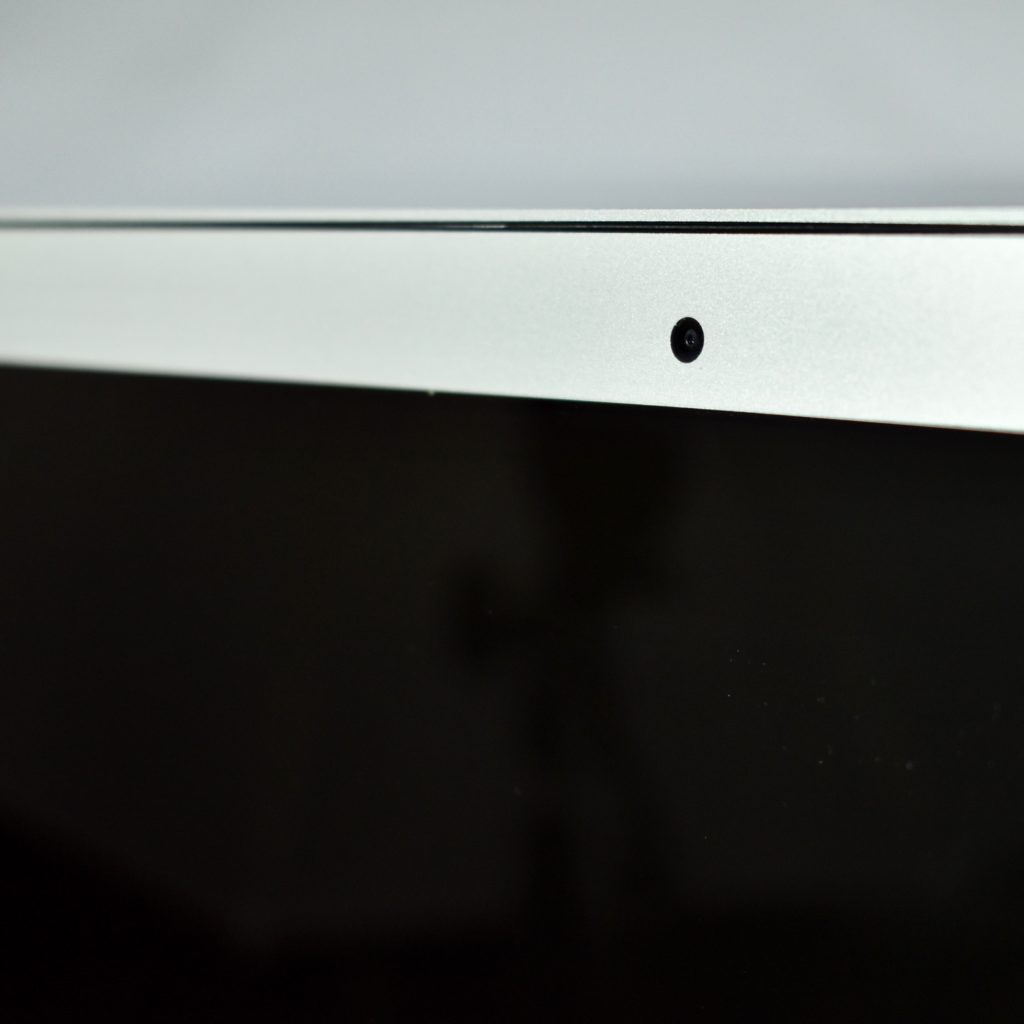
This MacBook Air 11-inch featured a 22-nm Haswell 1.4 GHz Intel Core i5 processor. It included 4 GB or 8 GB of memory and 128 GB or 256 GB of flash storage. This was the smallest of Apple’s MacBook Air line of laptops measuring 0.11 to 0.68 inches and weighed 2.3 pounds. It included a 720p FaceTime HD webcam, a backlit full-size keyboard, and an 11.6-inch widescreen TFT LED backlit active-matrix glossy display (1366×768).

Wireless connectivity included 802.11ac Wi-Fi and Bluetooth 4.0, while ports included analog audio out, one Thunderbolt port, and two USB 3.0 ports.

A previous version of the MacBook Air 11-inch nearly identical except for a slower processor and less available RAM and flash storage.

In my role as Assistant Superintendent for Technology & Innovation, I led the teams that managed nearly 4,500 of these laptops over a five-year period (2014–19). At the time, all high school students in the school district were issued a MacBook Air 11-inch and students used the same model for their 4-year high school career. Apple stopped manufacturing this laptop in 2018 and the high school switched to the iPad Generation 6.

Source: EveryMac.com