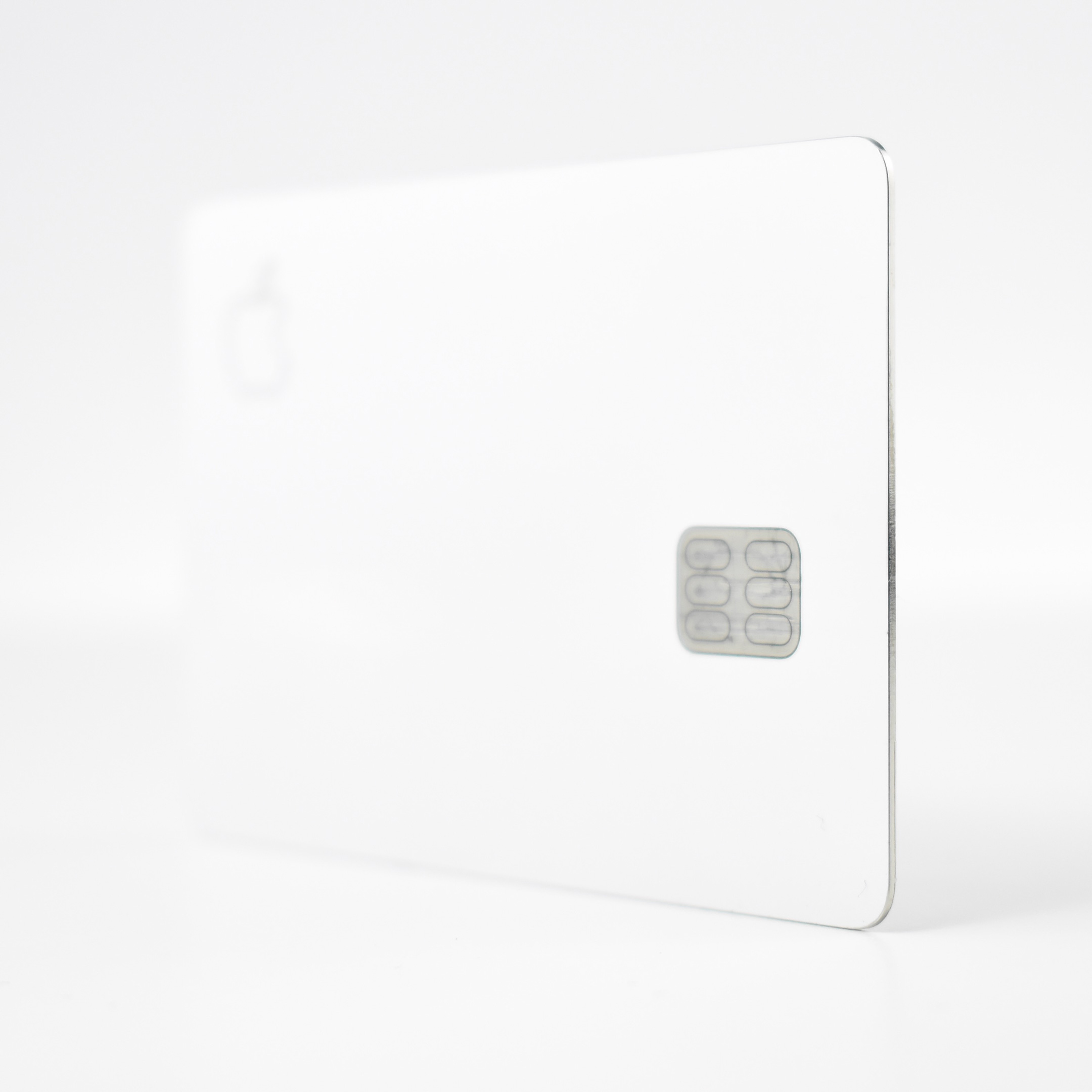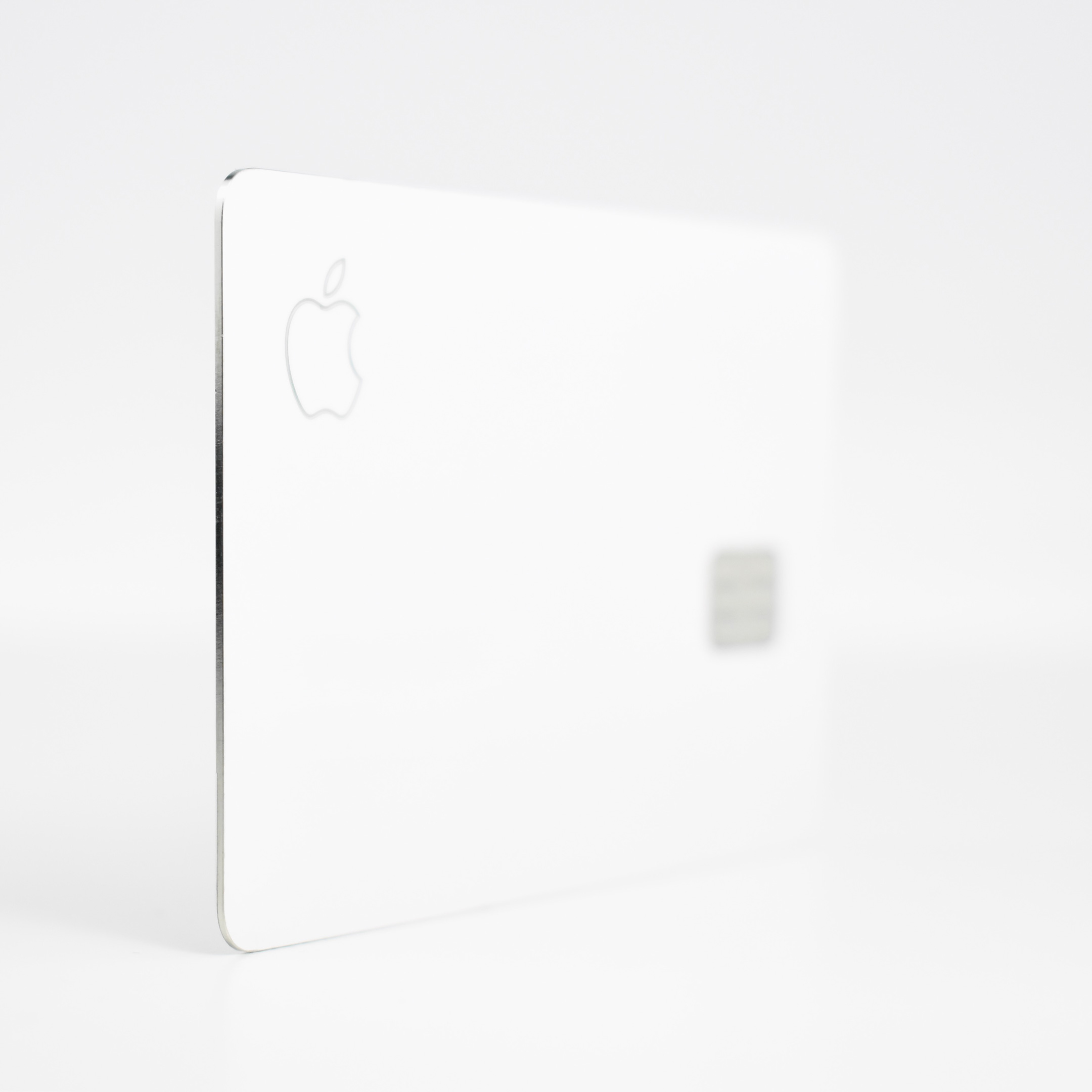
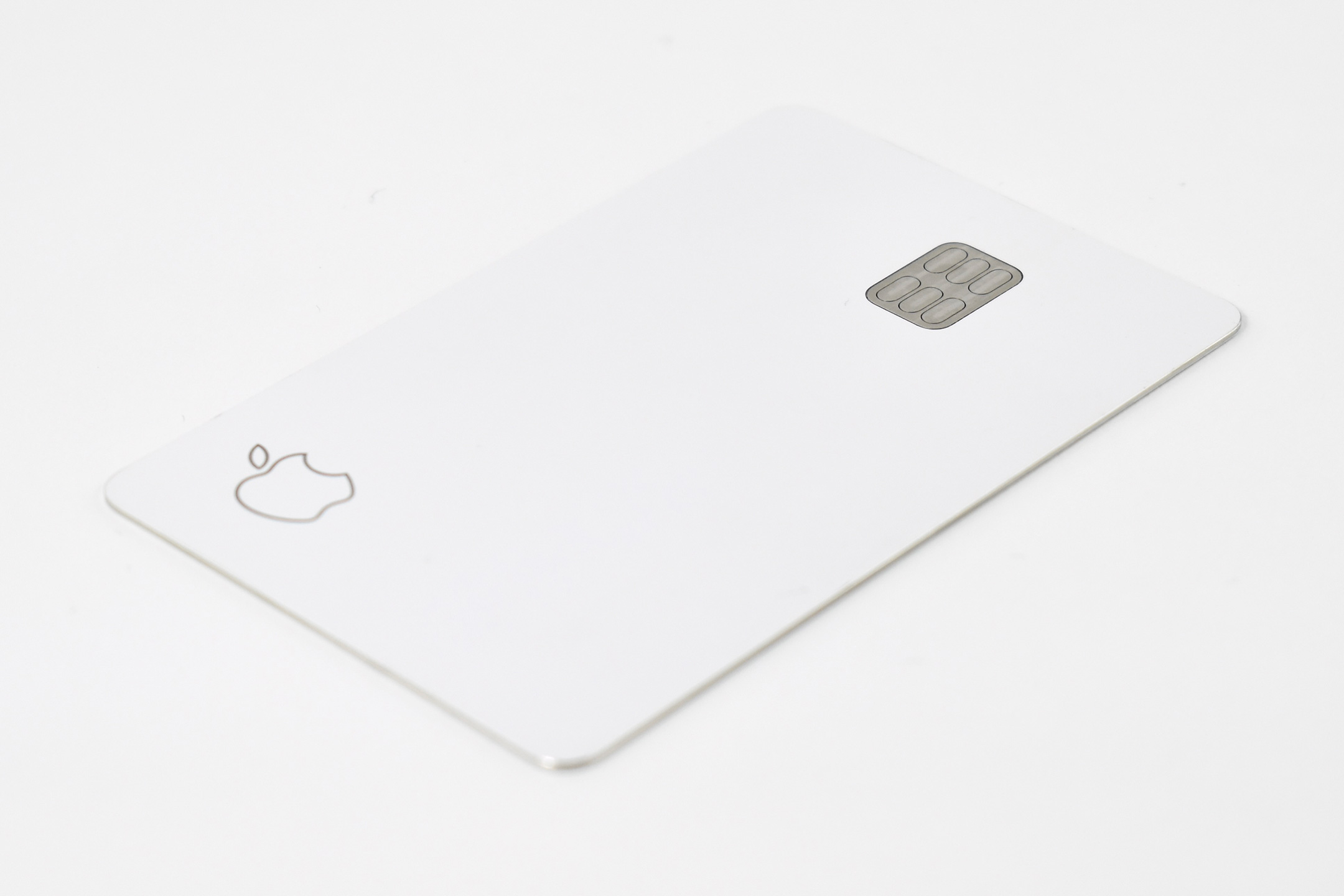
Apple Card (Titanium, Mastercard, 2019)

The Apple Card was a Mastercard credit card created by Apple and issued by Goldman Sachs. The Apple Card was designed primarily to be used with Apple Pay on an Apple device (e.g., iPhone, iPad, Apple Watch, Mac), but also included a physical credit card made of Titanium. The Apple Card was only available in the United States and reportedly had 12 million cardholders as of 2024.

This [expired] physical Apple card is made of titanium and could be used at locations where Apple Pay payments were not accepted. The logos and cardholder name on the card were laser-etched. The card does not have a card number, CVV security code, expiration date, or signature. Apple described the card:

“With laser etching and clean styling, Apple Card is designed with the same craftsmanship we bring to all our products. And it’s the only credit card made of titanium—a sustainable metal known for its beauty and durability. When you use the card, you’ll get 1% Daily Cash back on every purchase. Since Mastercard is our global payment network, you can use it all over the world. For apps and websites that don’t take Apple Pay yet, just enter the virtual card number stored securely in your Wallet app.”

These features are part of Apple’s philosophy of security. Apple explains:

“With advanced security technologies like Face ID, Touch ID, and unique transaction codes, Apple Card with Apple Pay is designed to make sure you’re the only one who can use it. The titanium card has no visible numbers. Not on the front. Not on the back. Which gives you an enhanced level of security. And your data isn’t sold to third parties for marketing or advertising.”

MacRumors offers a periodically updated Guide about the Apple Card that explains its features. The resource includes information such as:

  • If someone finds or steals your card, there’s no real way for them to use it, at least for online purchases.
  • There’s still a traditional magstripe on the back, along with a built-in chip. While the card number and CVV are not on the card itself, you can find them in the Wallet app if you need them.
  • The physical Apple Card does not support contactless payments itself — you need to use your iPhone for Apple Pay payments.
  • There is no cost for the card and there is no fee associated with replacing it if you lose it.
  • Monthly Apple Card statements are provided in the Wallet app. You can save a PDF of the statement from the Wallet app so that you can access it on other devices.

The titanium Apple Card weighs 14.7 grams.

Sources: Wikipedia, Apple, MacRumors Guide
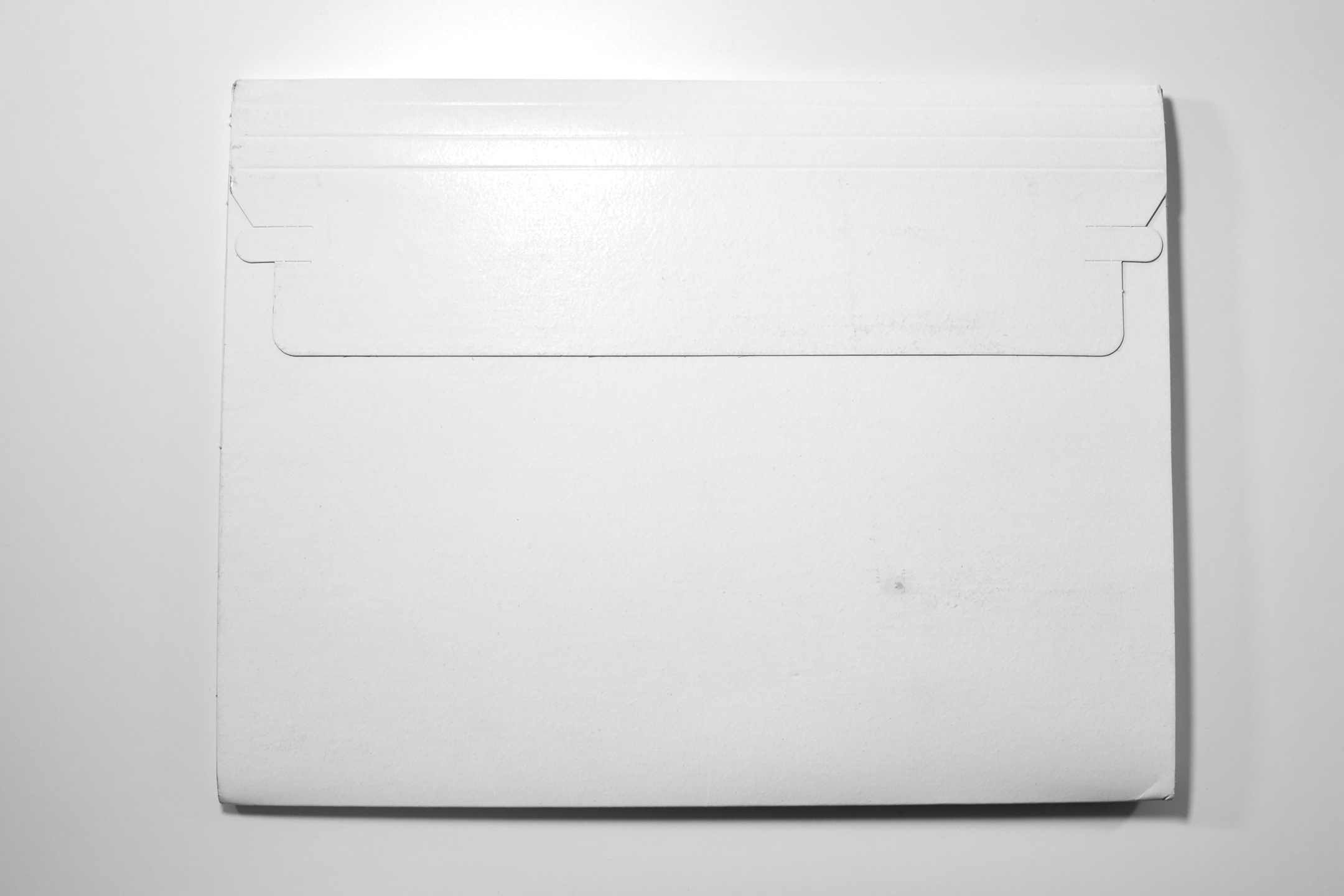
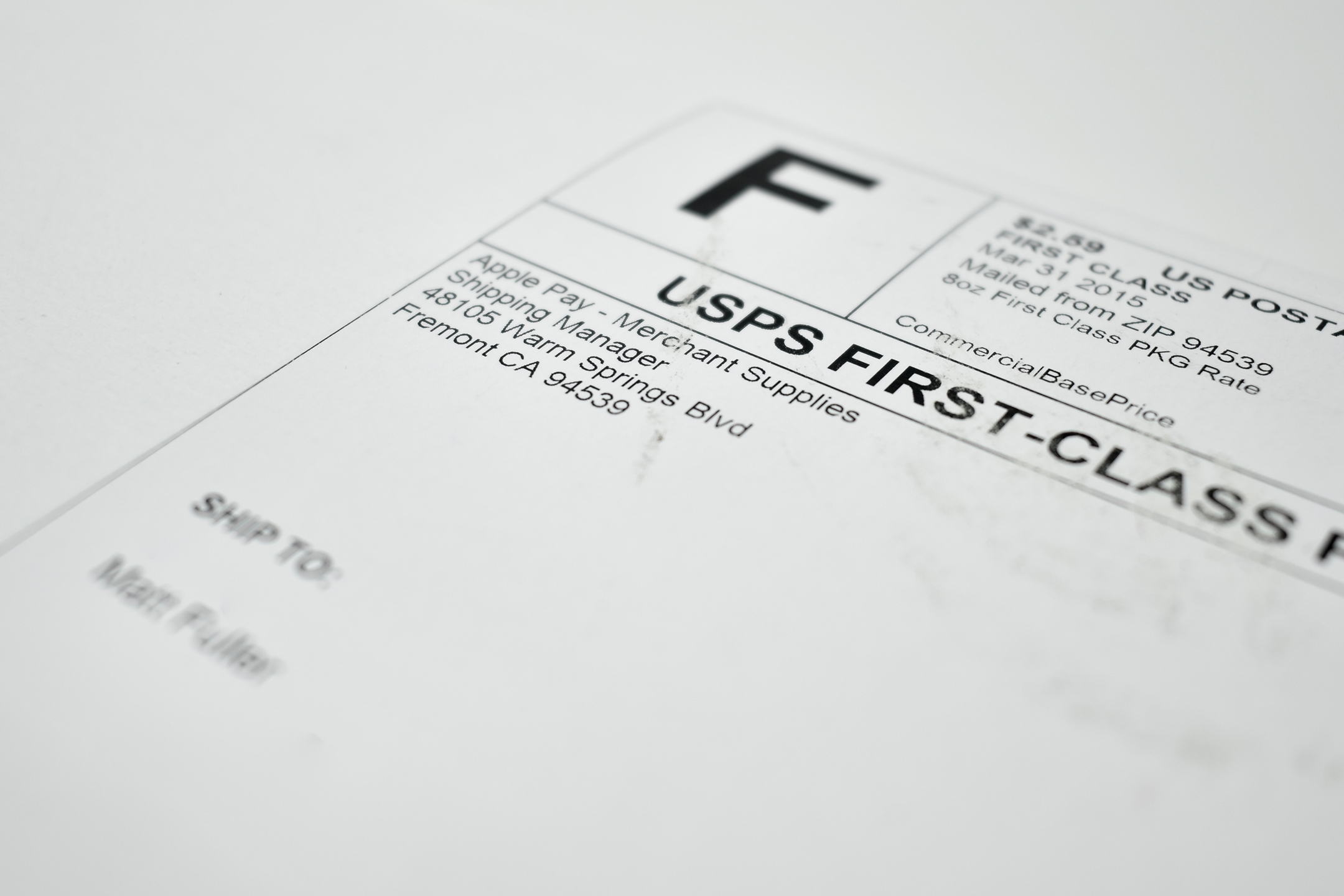
Apple Pay Retail Kit (unopened, 2015)

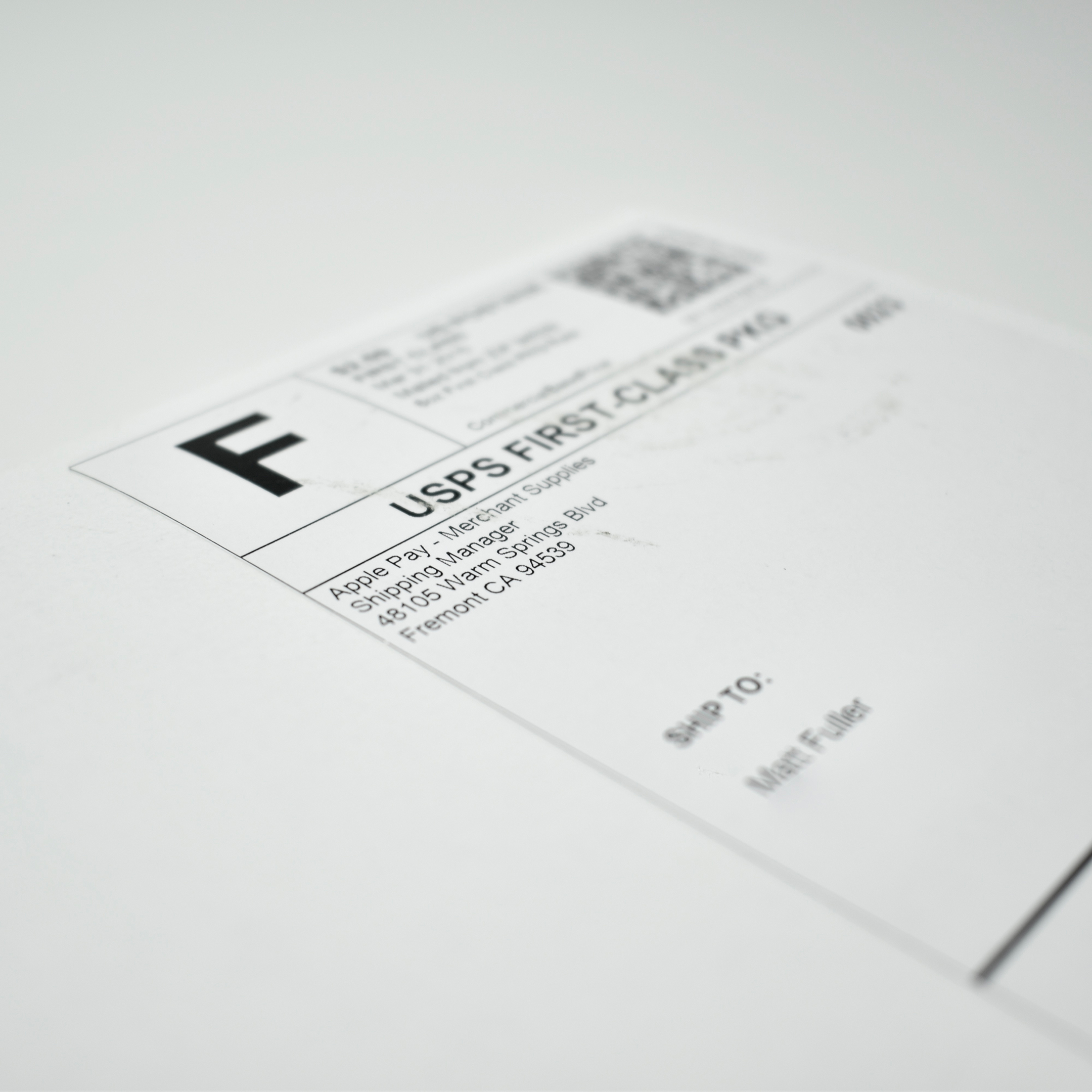
Just after the launch of Apple Pay, Apple offered an Apple Pay Retail Kit in early 2015 to businesses and organizations who would potentially accept Apple Pay. I requested and received the kit via mail. It is unopened, but presumably contains stickers and other retail Apple Pay signage.

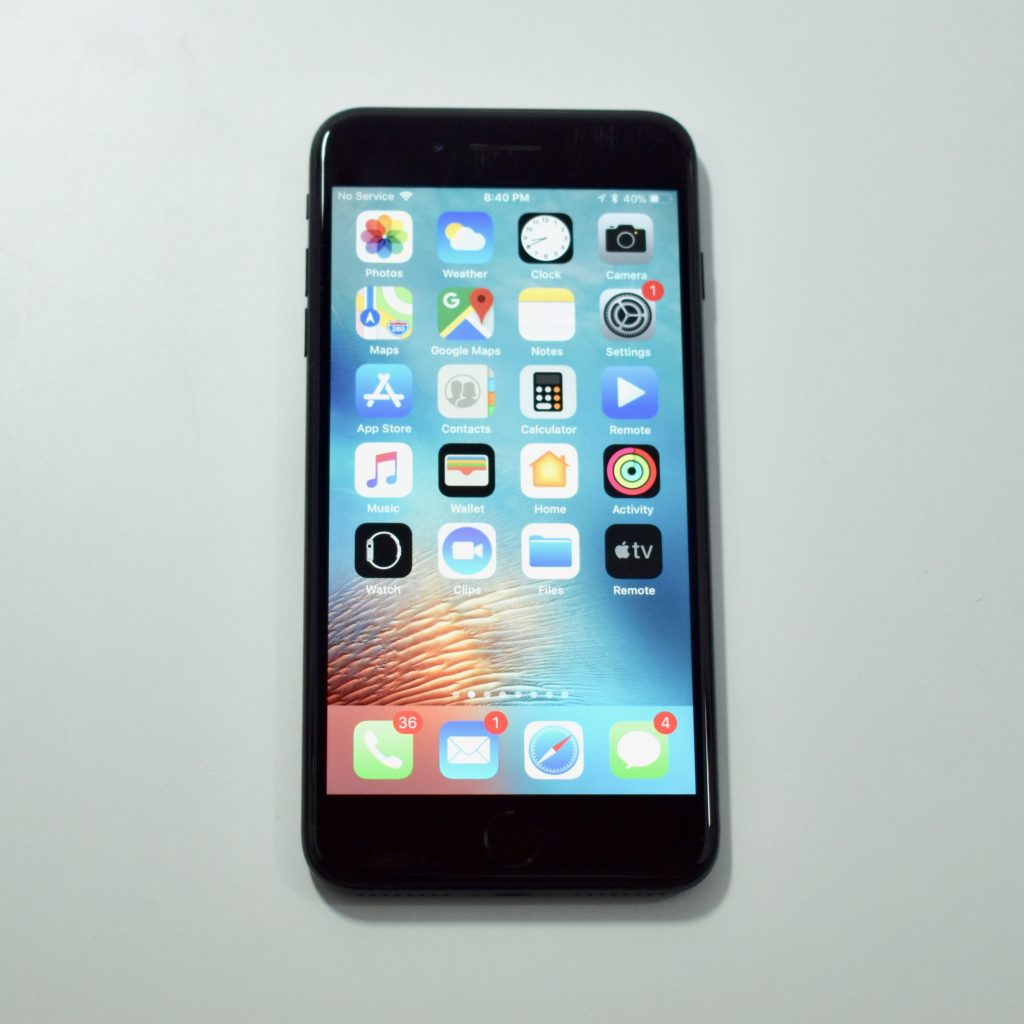
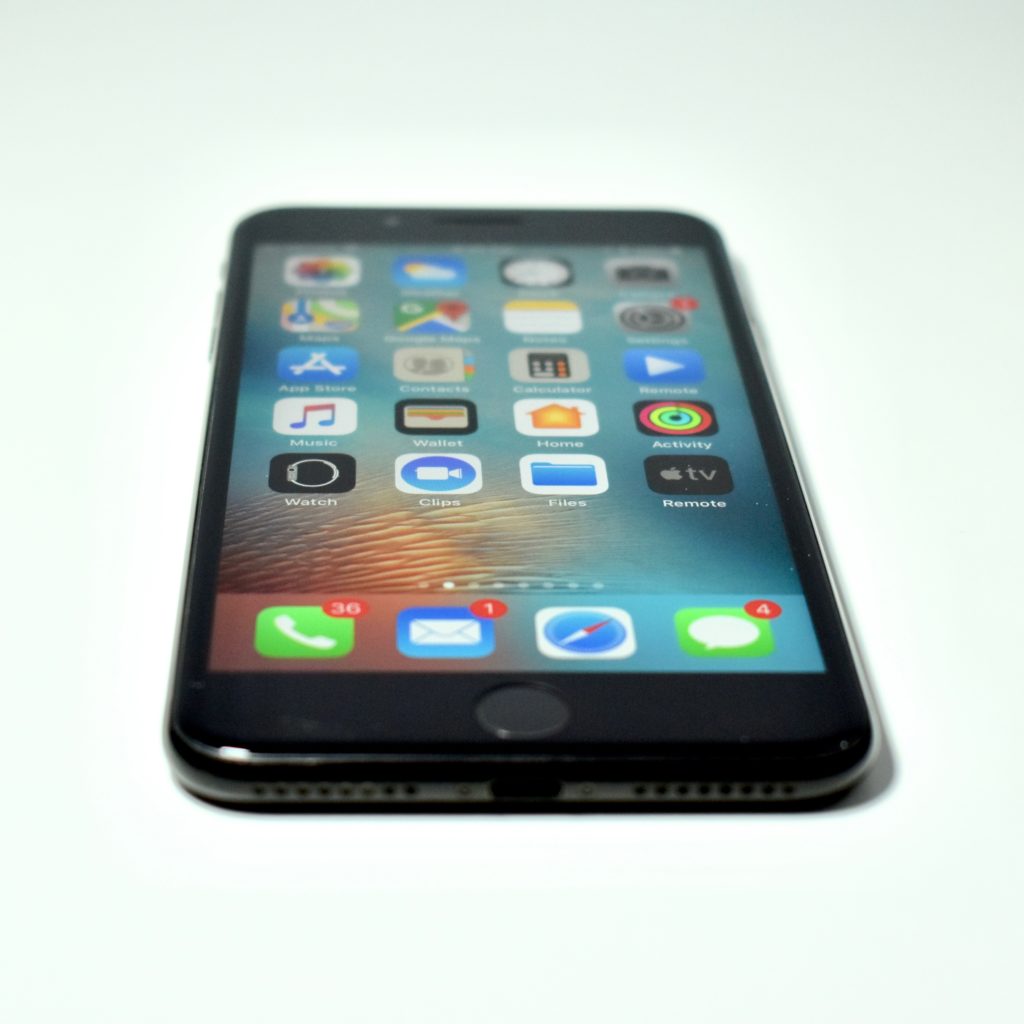
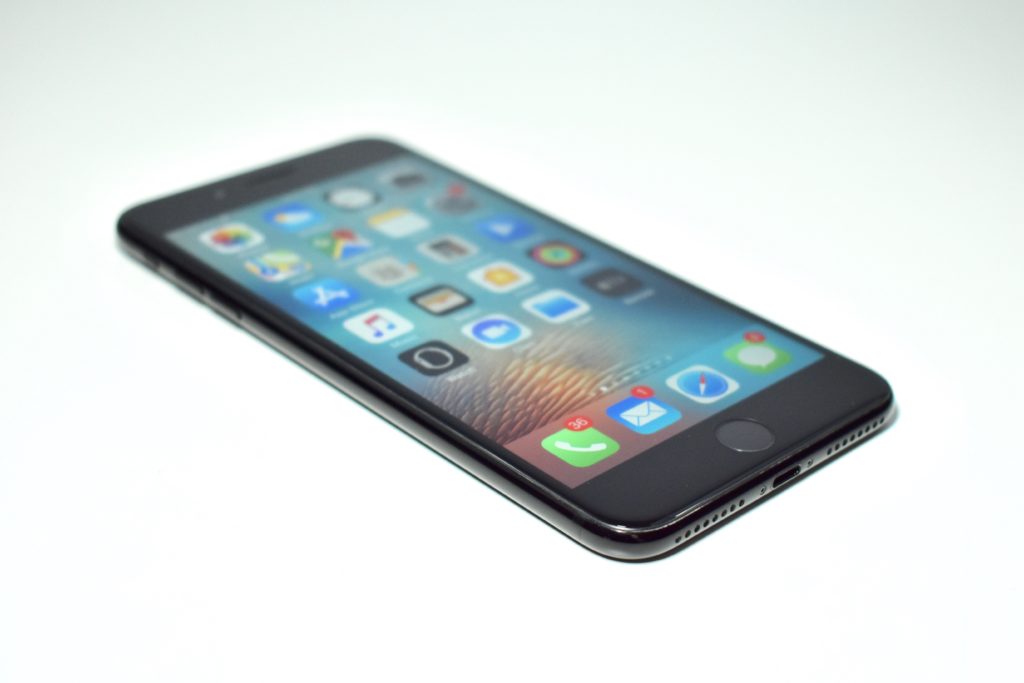
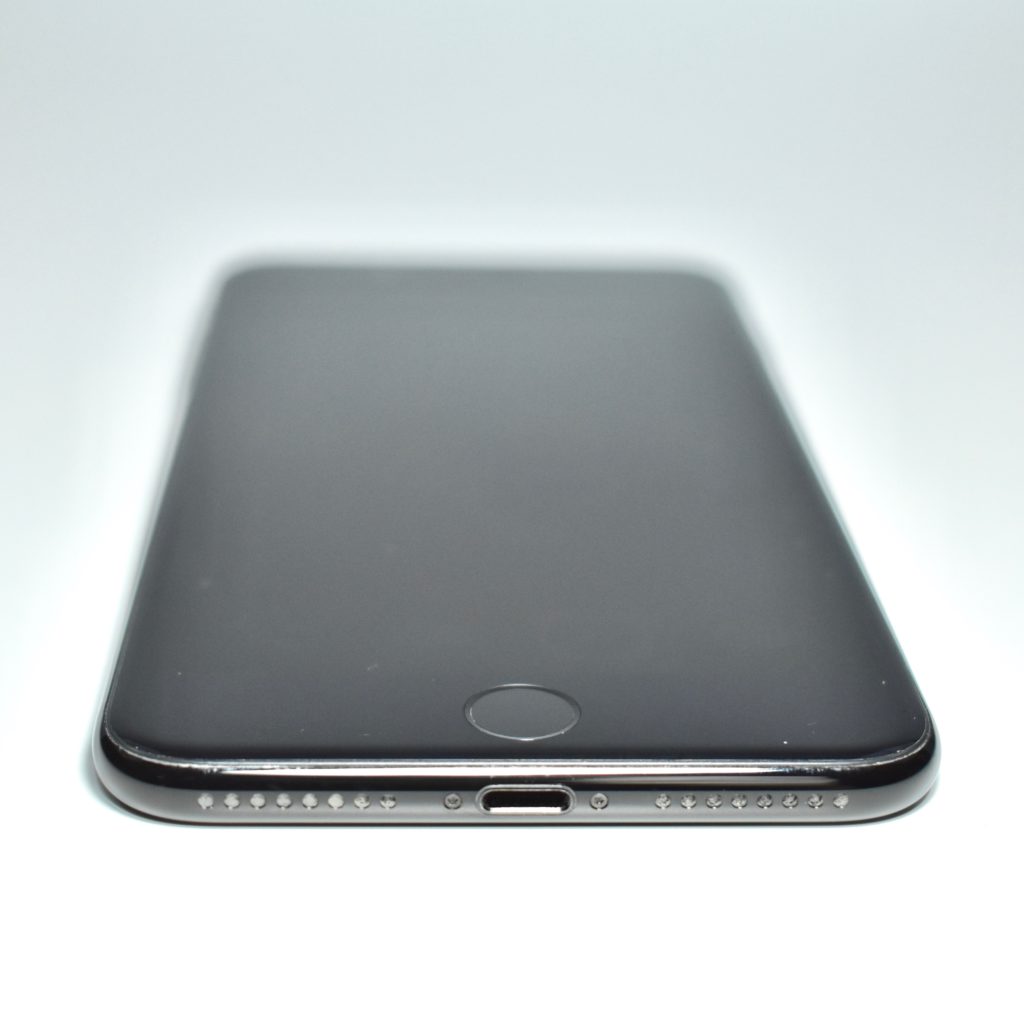
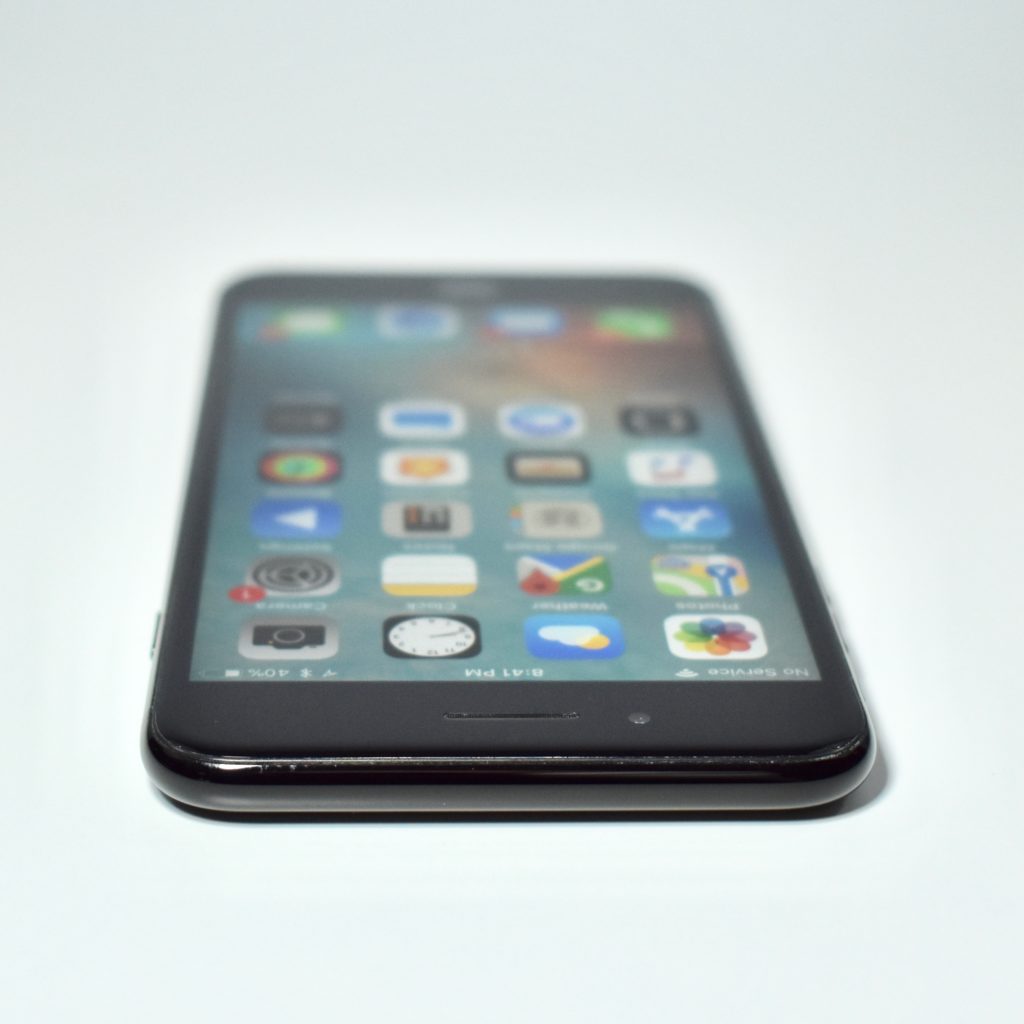
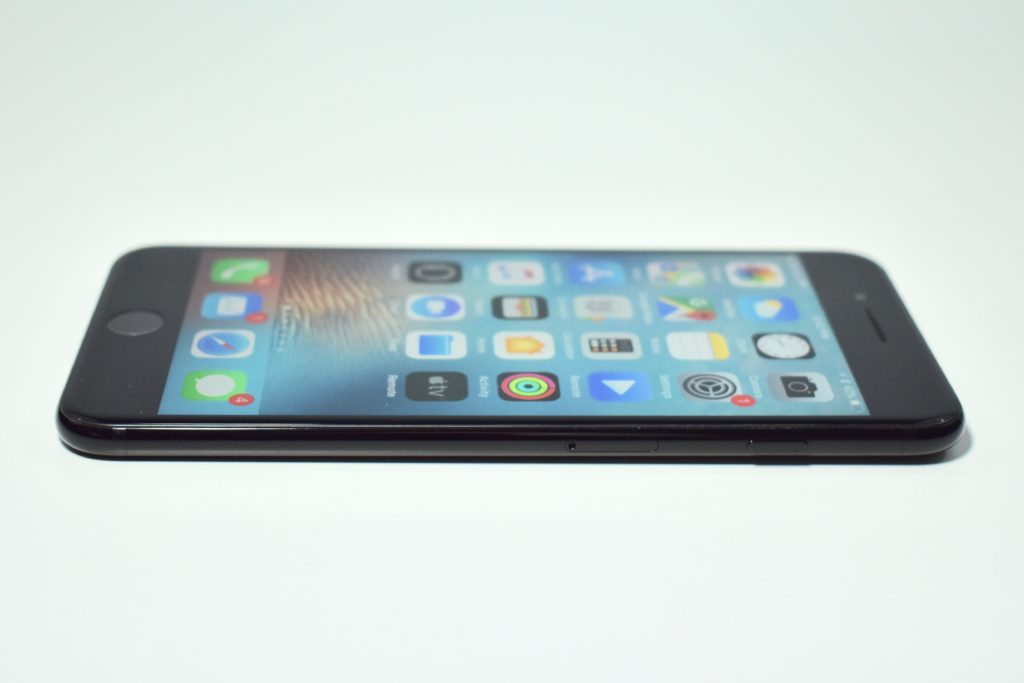
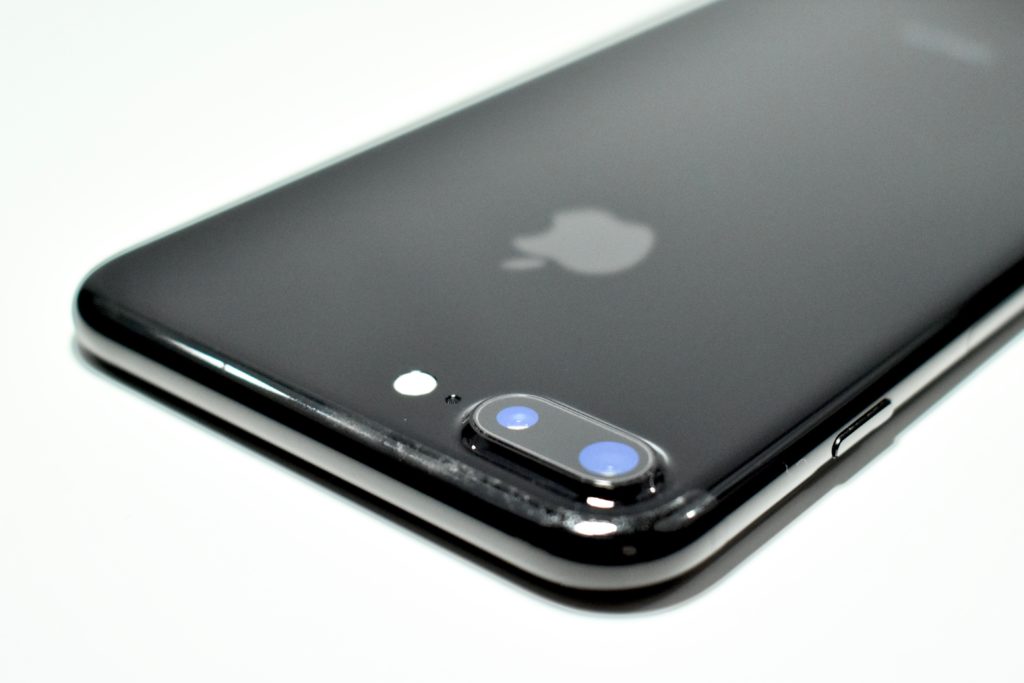
iPhone 7 Plus (128 GB, jet black, 2016)

This particular iPhone 7 Plus model was used with an AT&T network in the United States. All iPhone 7 Plus models used a 5.5-inch widescreen multitouch Retina HD display at 1920×1080 (401 ppi). It used a taptic-engine that provided a clickless Home button. The iPhone 7 Plus used three cameras: two rear 12-megapixel cameras (one with a wide-angle and one with a 2x telephoto lens) and a front FaceTime HD camera (7 megapixels and 1080p).

The iPhone 7 Plus was originally available in five color options: silver (white glass front and a silver back), gold (white glass front and a gold back), rose gold (white glass front and a pink-tinted gold back), black (black glass front and a matte black back), and jet black (black glass front and a high-gloss anodized and polished black aluminum back). On March 21, 2017, Apple added a (PRODUCT) RED Special Edition with a white glass front and a red aluminum back.

The iPhone 7 Plus was splash, water, and dust-resistant (but not waterproof). It had a Lightning port, but lacked a headphone jack.

Internally, the iPhone 7 Plus used a 64-bit Apple A10 Fusion processor with four cores; 3 GB of RAM; and 32, 128, or 256 GB of storage. It supported 802.11a/b/g/n/ac Wi-Fi, Bluetooth 4.2, LTE (4G), and NFC for Apple Pay.

Source: EveryMac.com

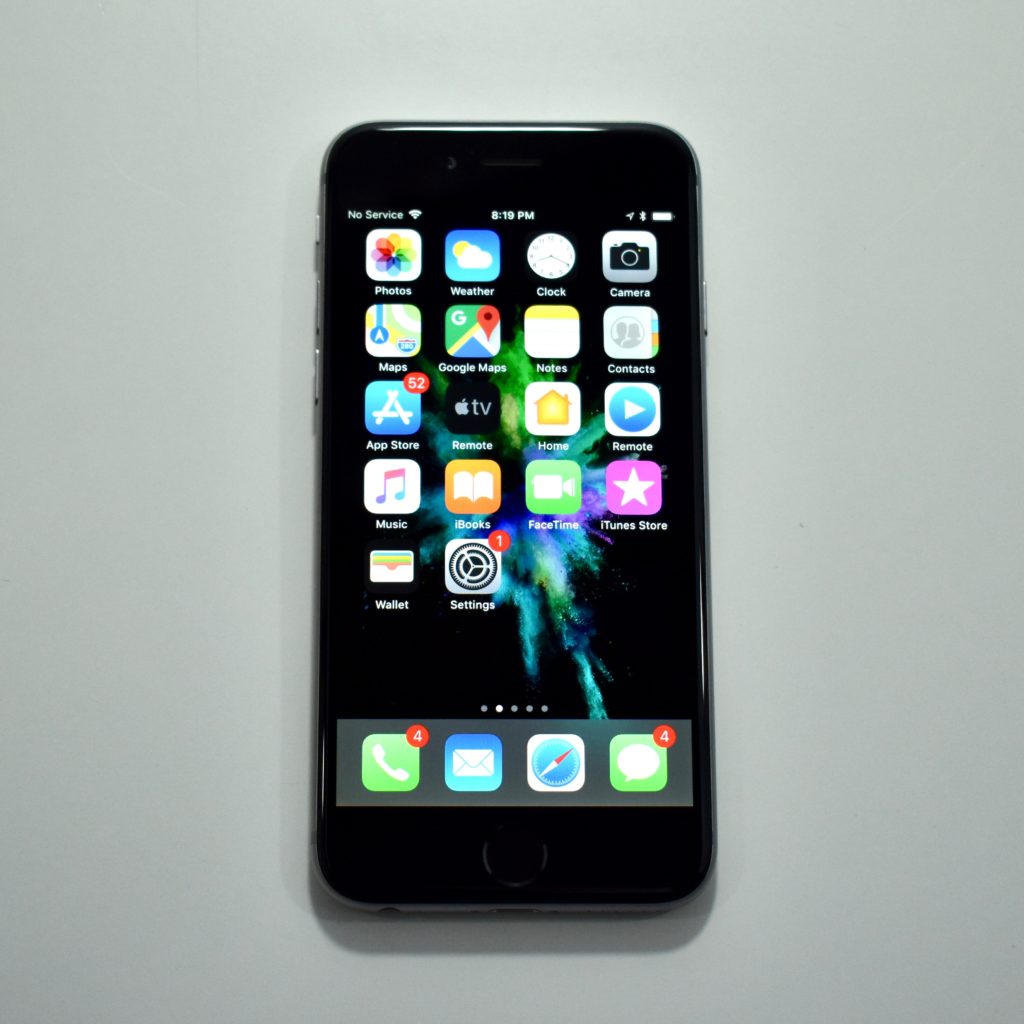
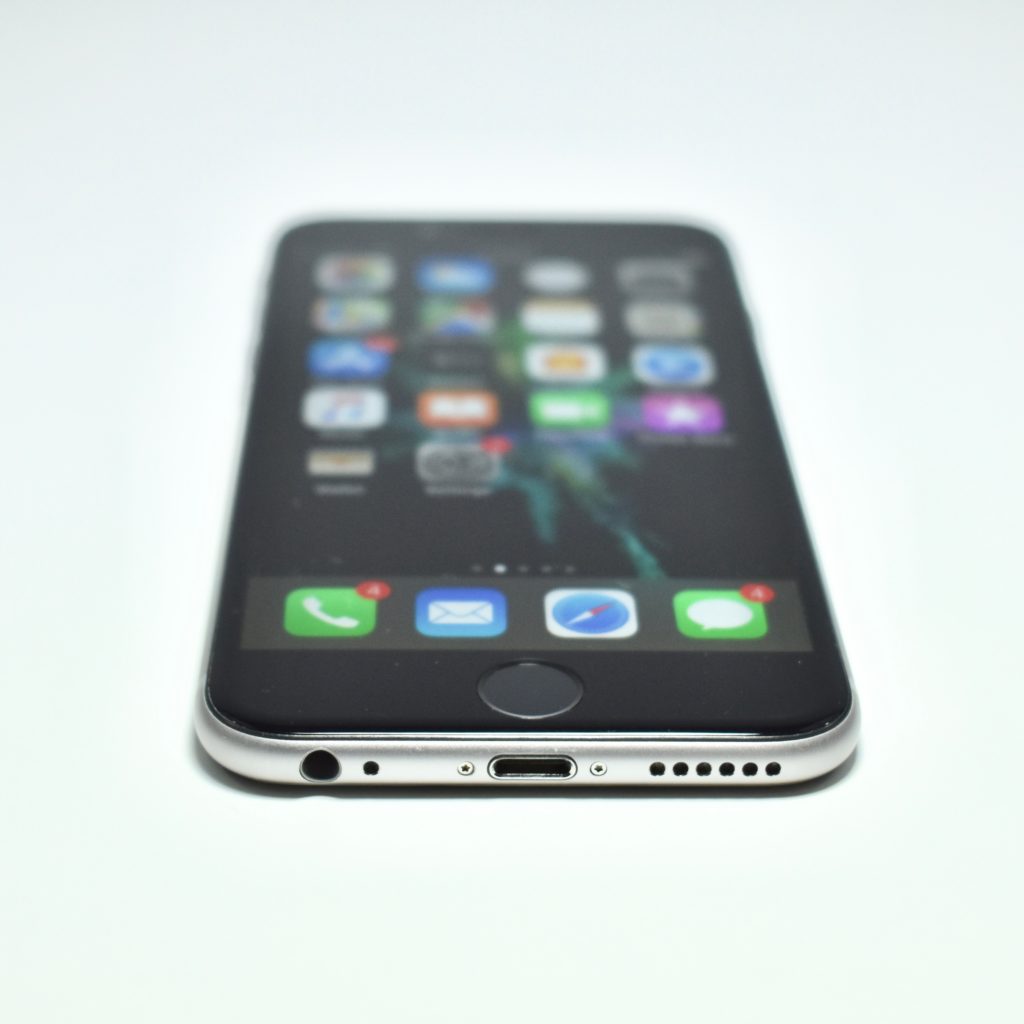
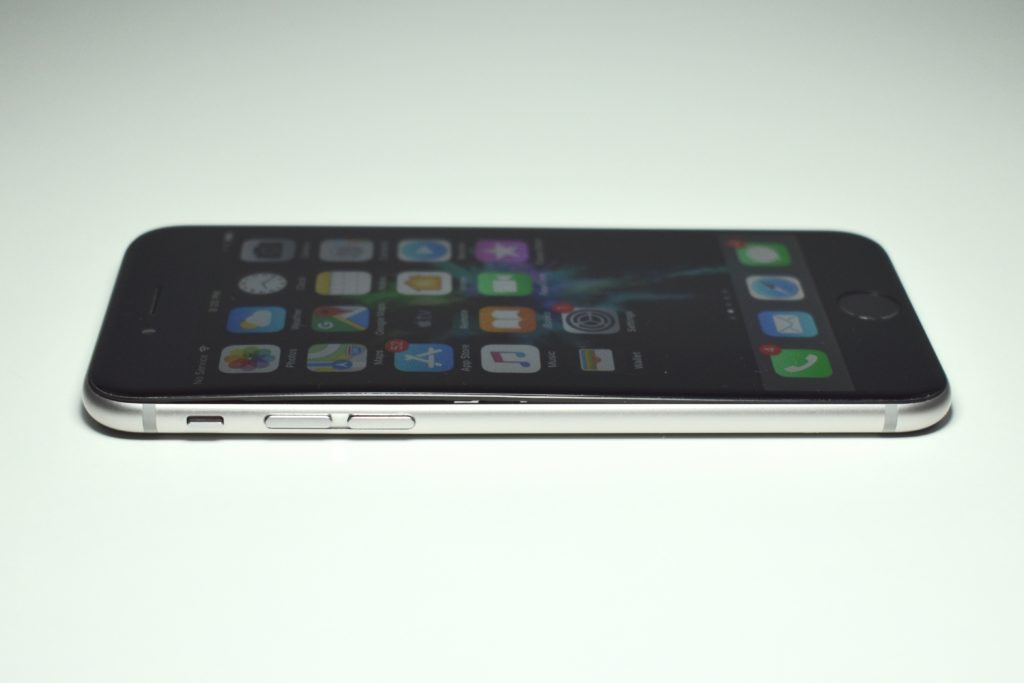
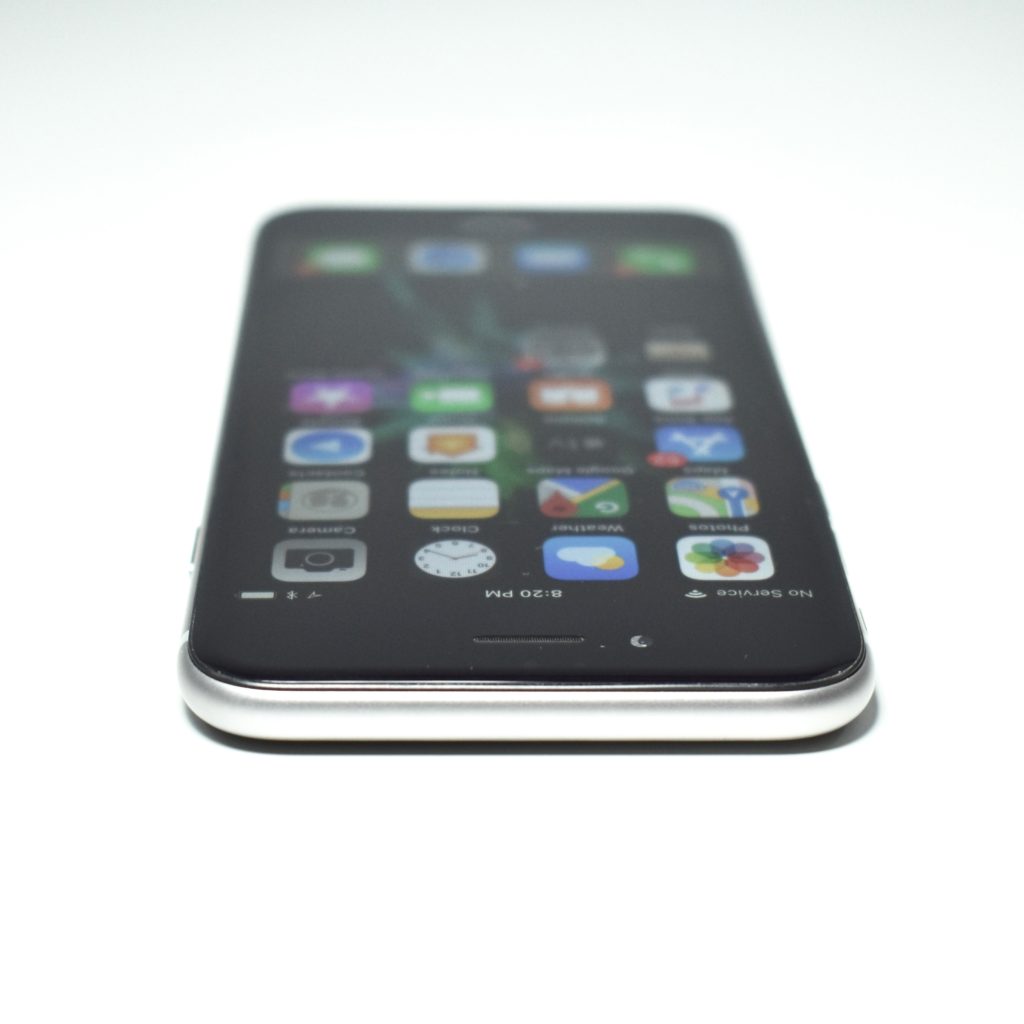
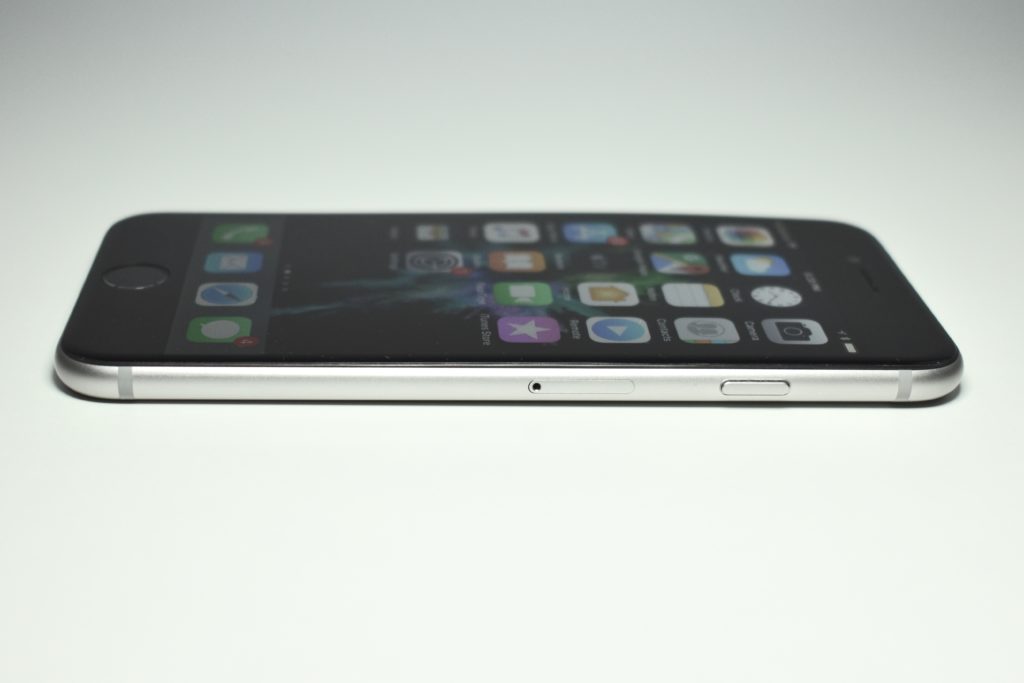
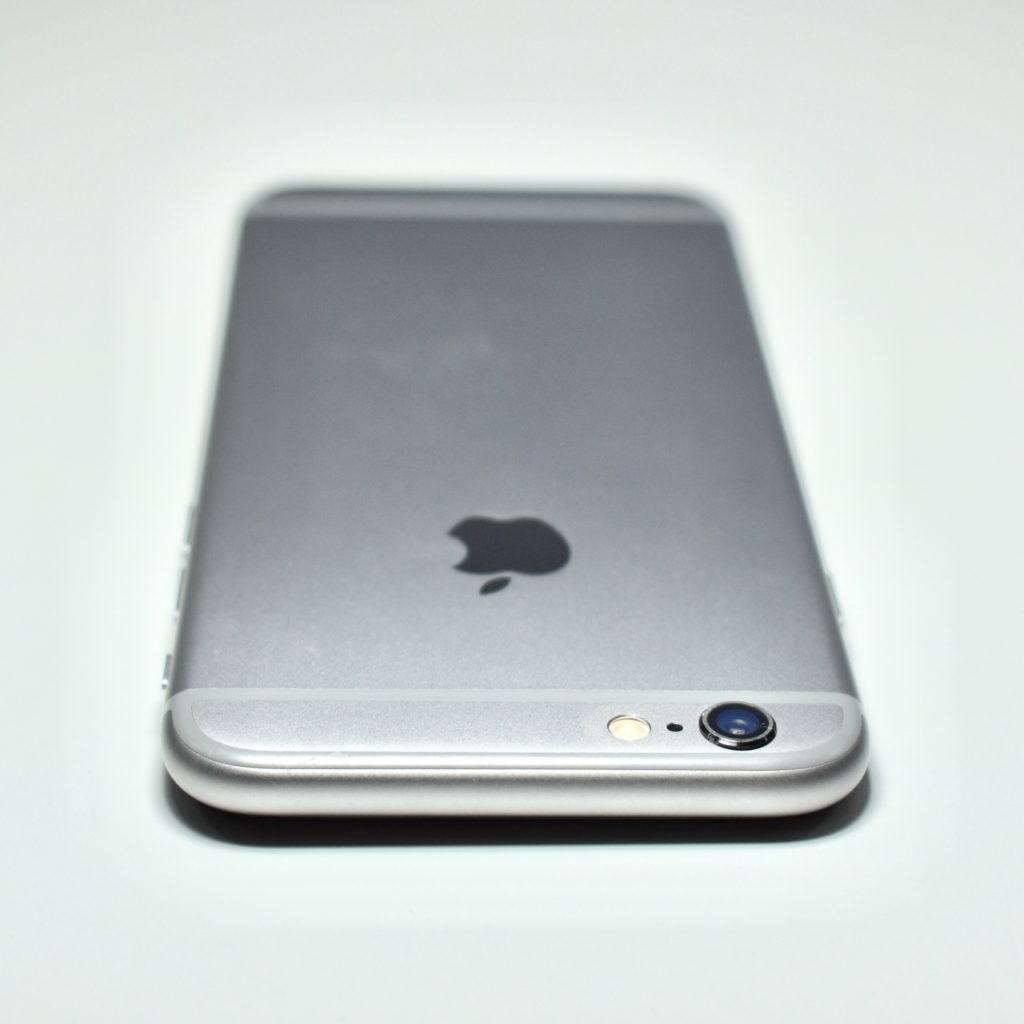
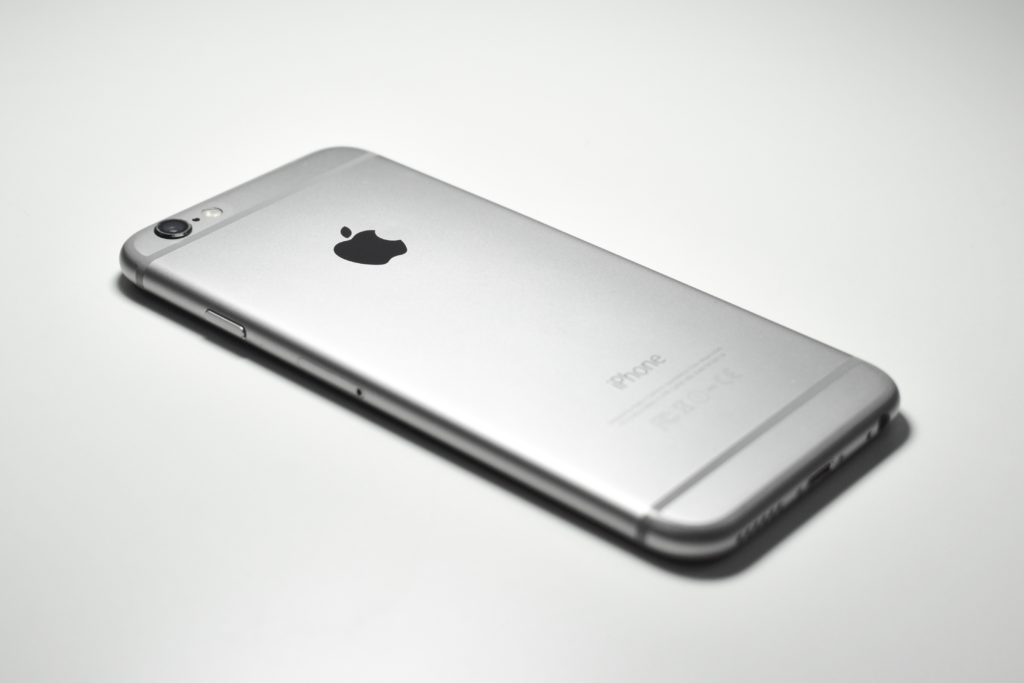
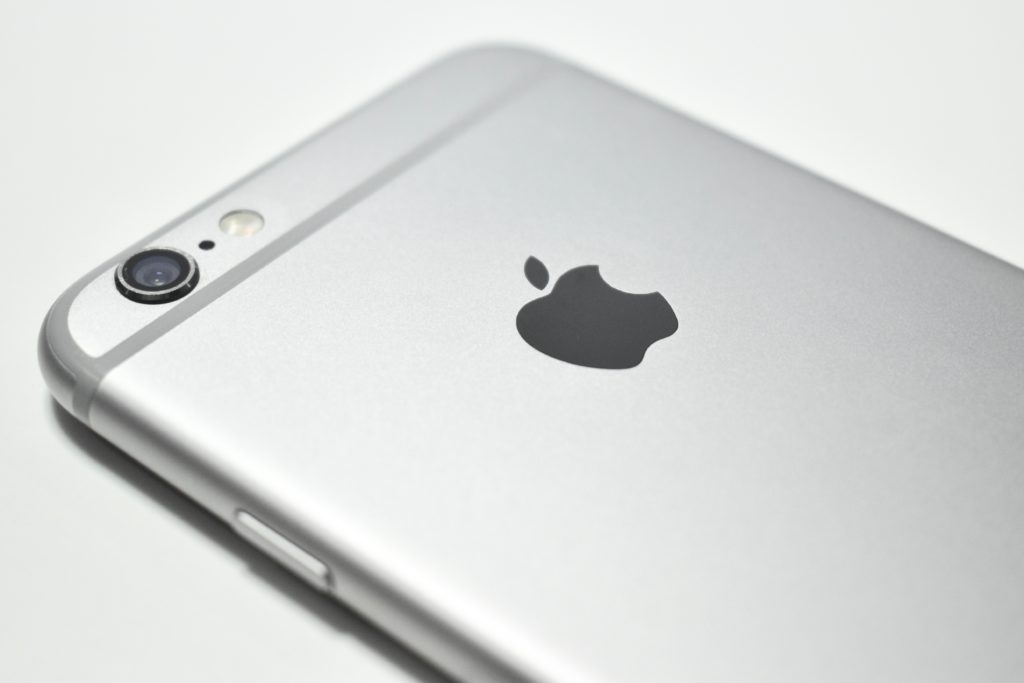
iPhone 6 (64 GB, space gray, 2014)

This particular iPhone 6 model was used an AT&T network (and functioned throughout North America). All iPhone 6 models had a 4.7-inch multi-touch screen at 1334×750 (326 ppi, Retina HD display). It had two cameras: a rear 8 megapixel iSight camera (1080p) and a front 1.2 megapixel FaceTime camera (720p).

The iPhone 6 was originally available in three color options: silver (white glass front and a silver aluminum back), gold (white glass front and a gold aluminum back), and space gray (black glass front and a medium-gray aluminum back). The iPhone used a unibody design with rounded sides (similar to the iPod touch Generation 5). The glass screen curved slightly at the edges. It also included a Touch ID fingerprint sensor.

The iPhone 6 used a 1.4 GHz 64-bit Apple A8 processor with 1 GB of RAM and 16, 32, 64, or 128 GB of storage. In addition to 802.11a/b/g/n/ac Wi-Fi, Bluetooth 4.0/4.2, and LTE (4G), it included NFC for Apple Pay transactions. It had both a bottom-mounted headphone jack and a Lightning port.

Source: EveryMac.com