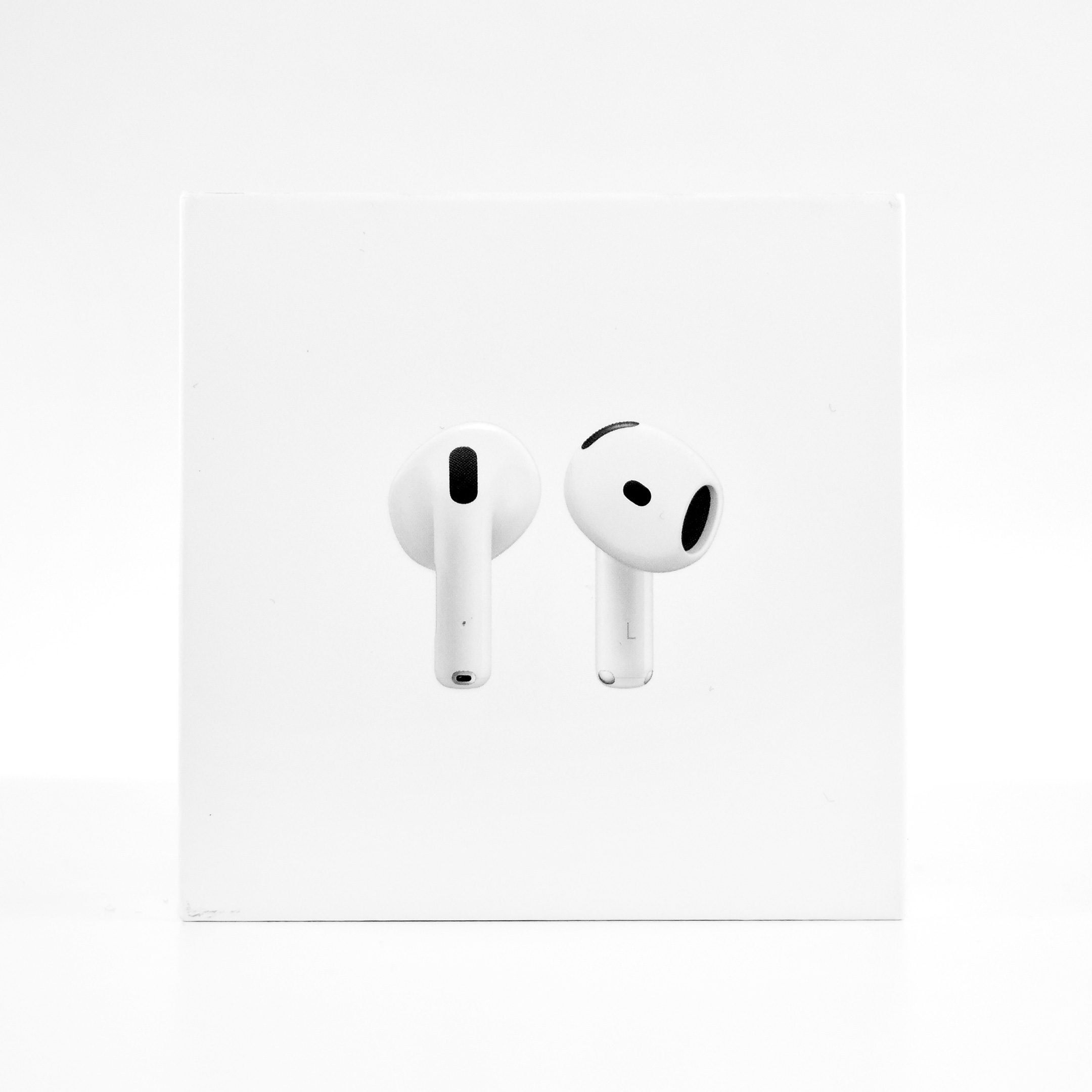
AirPods 4 (2024)

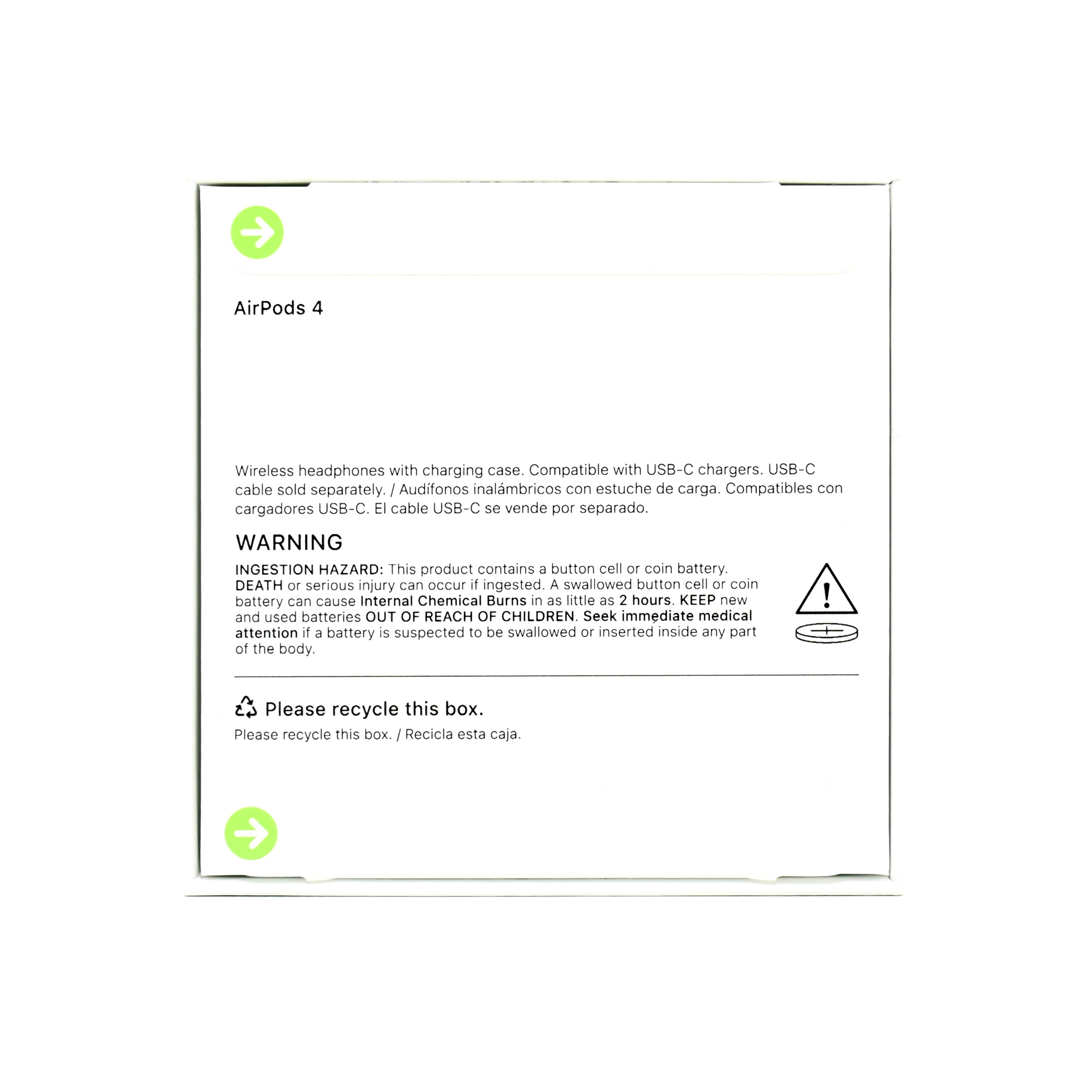
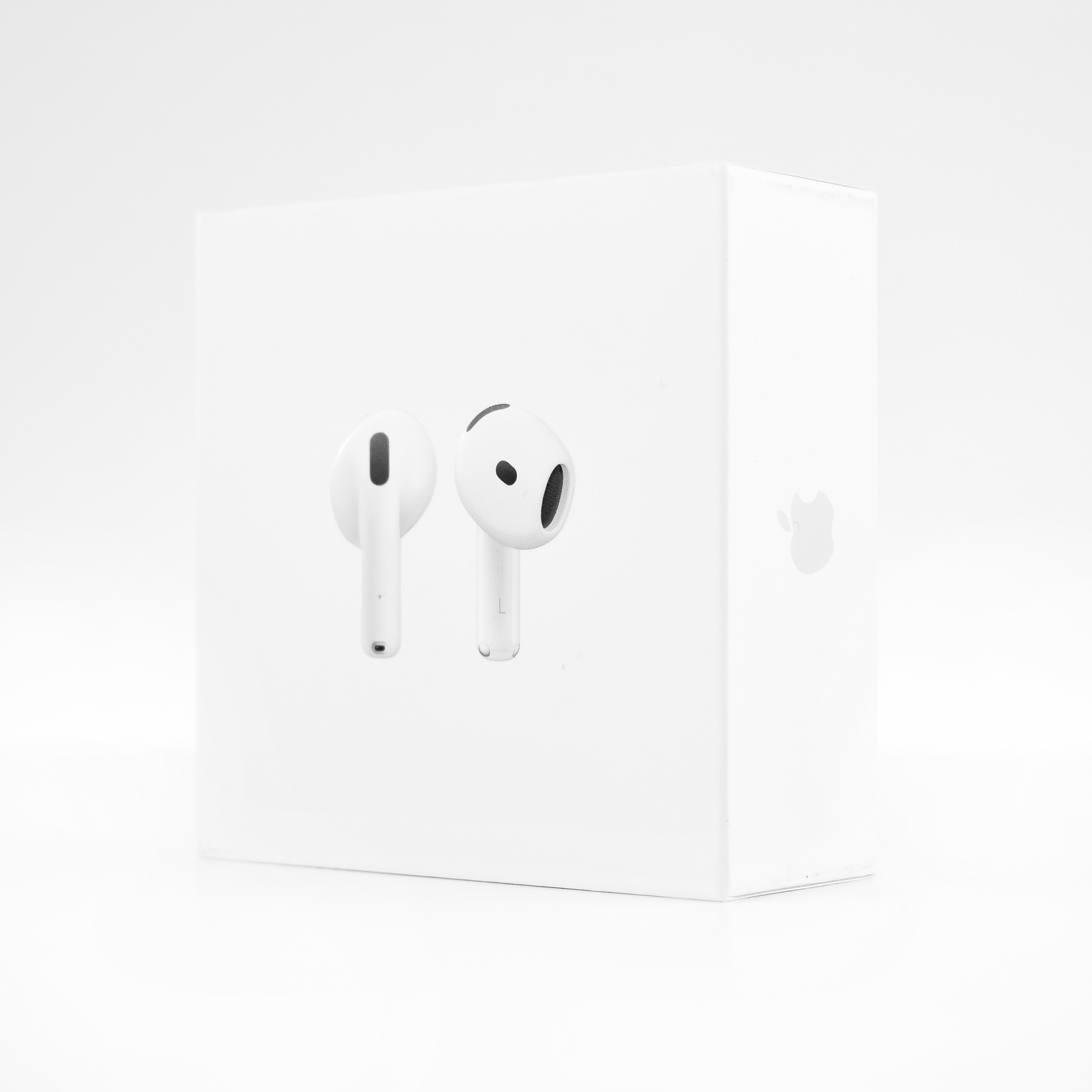
Beginning in 2024 Apple began offering the entry-level AirPods 4 product in two versions: AirPods 4 and AirPods 4 with Active Noise Cancellation. These AirPods 4 are the “base” model without the additional features.

As Apple often mentions, “AirPods 4 are the best headphones Apple has ever created.” The updated headphones offer “open-ear design, setting an entirely new benchmark for fit and comfort.”

Apple improved the fit and comfort of these AirPods:

“The new design is built with an unparalleled data set that uses advanced modeling tools, like 3D photogrammetry and laser topography, to precisely map and analyze thousands of ear shapes and over 50 million individual data points in total. This process helped refine the design to deliver the most comfortable AirPods ever with one shape that naturally fits even more users around the world.”

AirPods 4 offer the following core technologies:

  • Custom high-excursion Apple driver
  • Custom high dynamic range amplifier
  • Voice Isolation2
  • Personalized Spatial Audio with dynamic head tracking3
  • Adaptive EQ
  • Vent system for pressure equalization

The AirPods 4 with Active Noise Cancellation add 4 features, including Active Noise Cancellation, Adaptive Audio, Transparency mode, and Conversation Awareness. These additional features also allow this model to use Live Translation for communicating across languages.

AirPods 4 are powered by Apple’s H2 headphone chip. Built-in sensors include:

  • Dual beamforming microphones
  • Inward-facing microphone
  • Optical in-ear sensor
  • Motion-detecting accelerometer
  • Speech-detecting accelerometer
  • Force sensor

These sensors offer many new features not available in previous “base” AirPods models:

“With the H2 chip, AirPods 4 unlock intelligent audio experiences only Apple silicon can deliver, such as Voice Isolation, enabling clearer call quality no matter the environmental conditions, and Siri Interactions, allowing users to simply nod their head yes or gently shake their head no to respond to Siri announcements. For even more control, AirPods 4 also feature a new force sensor on the stem to play or pause media and mute or end calls with a quick press.”

Each AirPod 4 is 1.19 inches (30.2 mm) x 0.72 inch (18.3 mm) and 0.71 inch (18.1 mm) deep. Each weighs 0.15 ounce (4.3 grams). The AirPods 4 case measures 1.82 inches (46.2 mm) x 1.97 inches (50.1 mm) and is 0.83 inch (21.2 mm) deep. The case weighs 1.14 ounces (32.3 grams).

The base AirPods 4 allows only USB-C connector charging, while the AirPods 4 with Active Noise Cancellation adds Apple Watch or Qi‑certified charging. AirPods 4 allow up to 5 hours of listening time on a single charge, however, 5 minutes of charging provides around 1 hour of listening time.

AirPods 4 connect using Bluetooth 5.3.

Source: Apple (product page, newsroom)
GarageBand Jam Pack box (original, 2004)

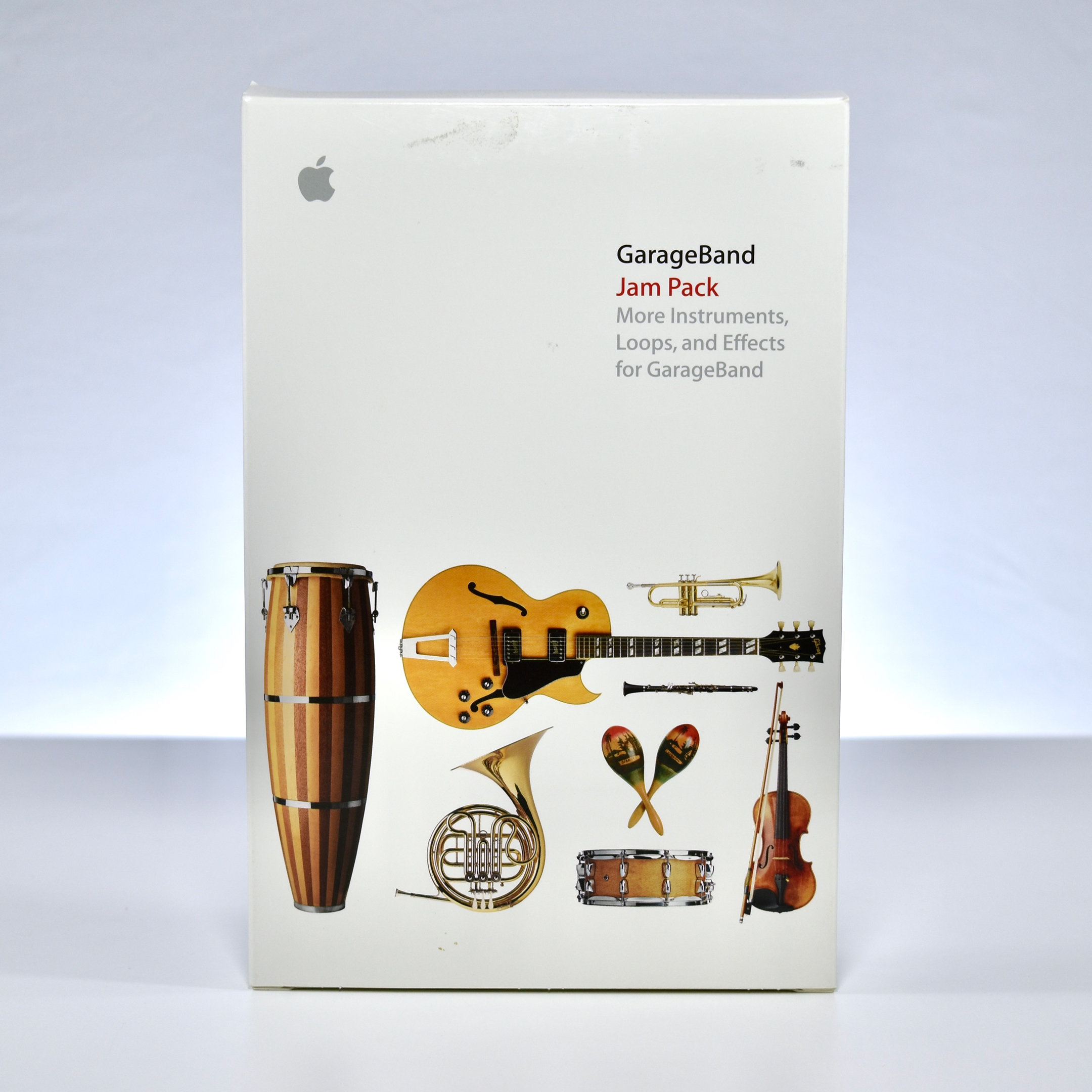
GarageBand was released on January 6, 2004. GarageBand has always included an extensive collection of sounds (loops), software instruments, and amplifier effects. Later in 2004, Apple released this first add-on pack to GarageBand, Jam Pack.

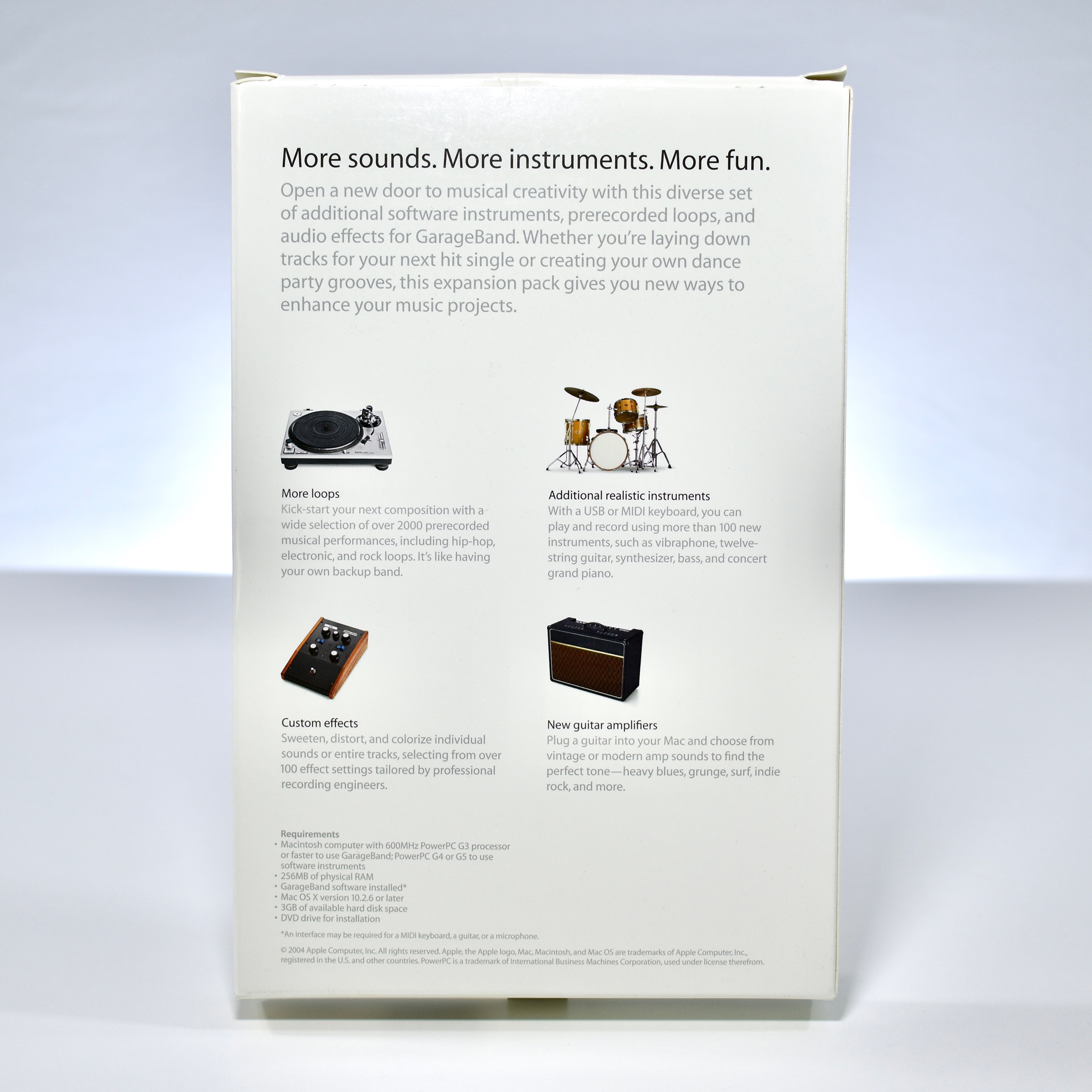
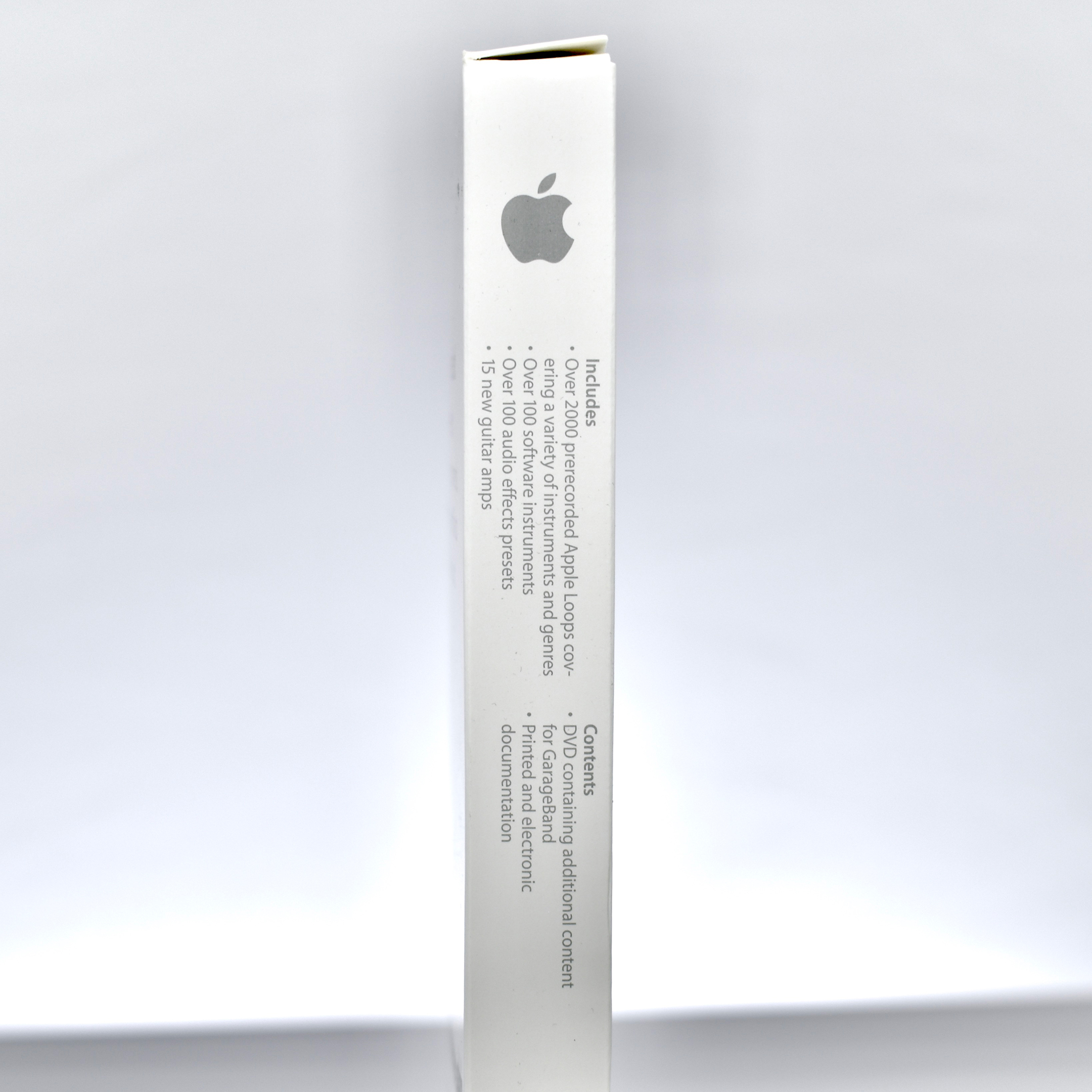
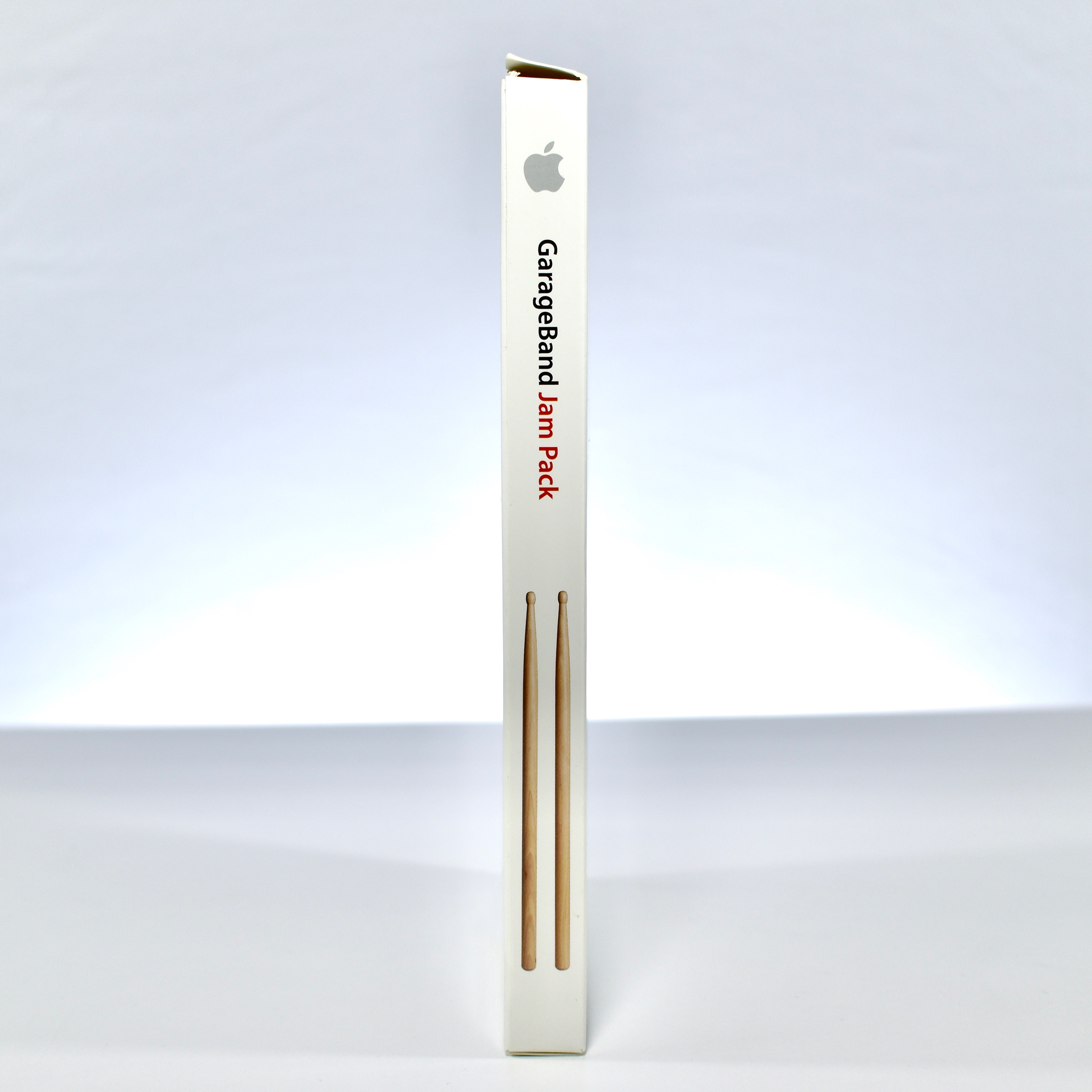
This is the original retail box for the first GarageBand JamPack from 2004.

The box indicates that this Jam Pack adds more loops (over 2,000), additional realistic instruments (over 100), custom effects (over 100), and 15 new guitar amplifiers.

Source: Wikipedia

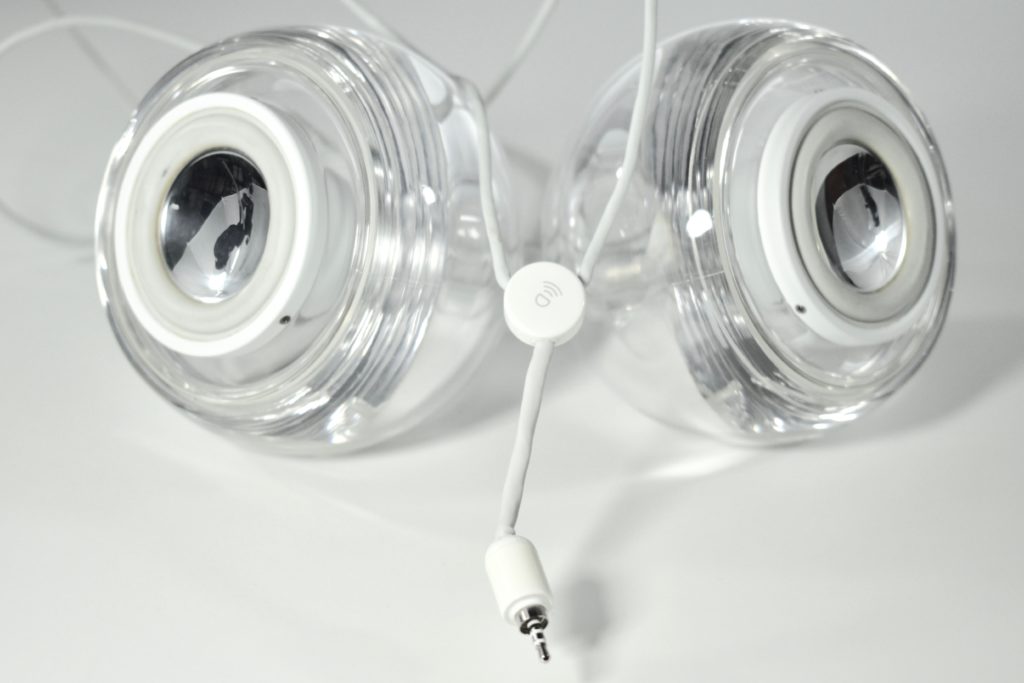
Pro Speakers (2001)

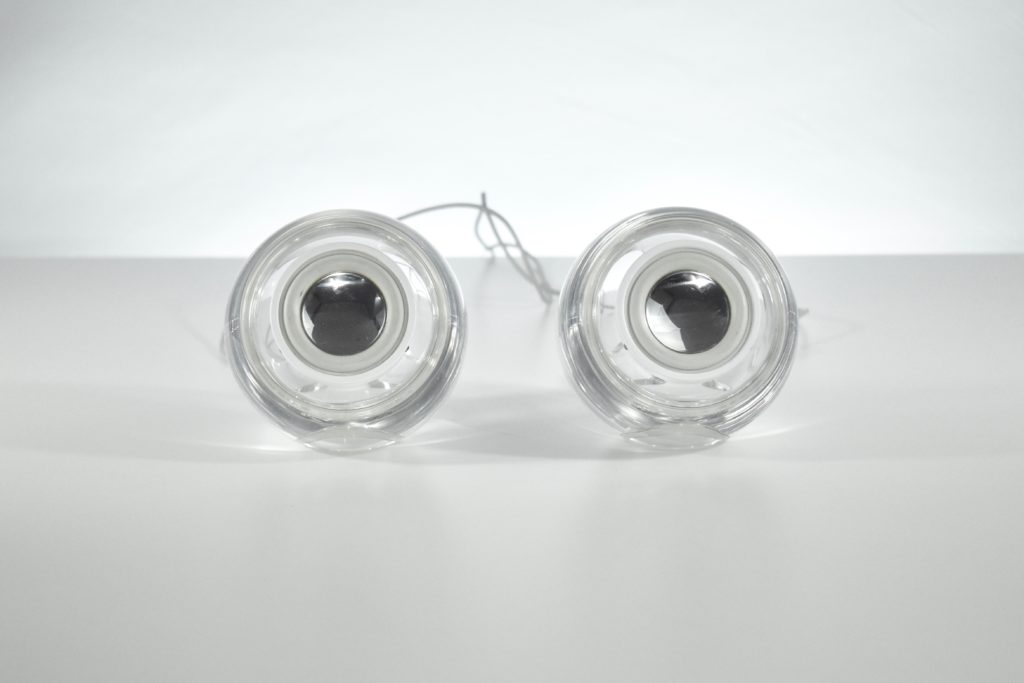
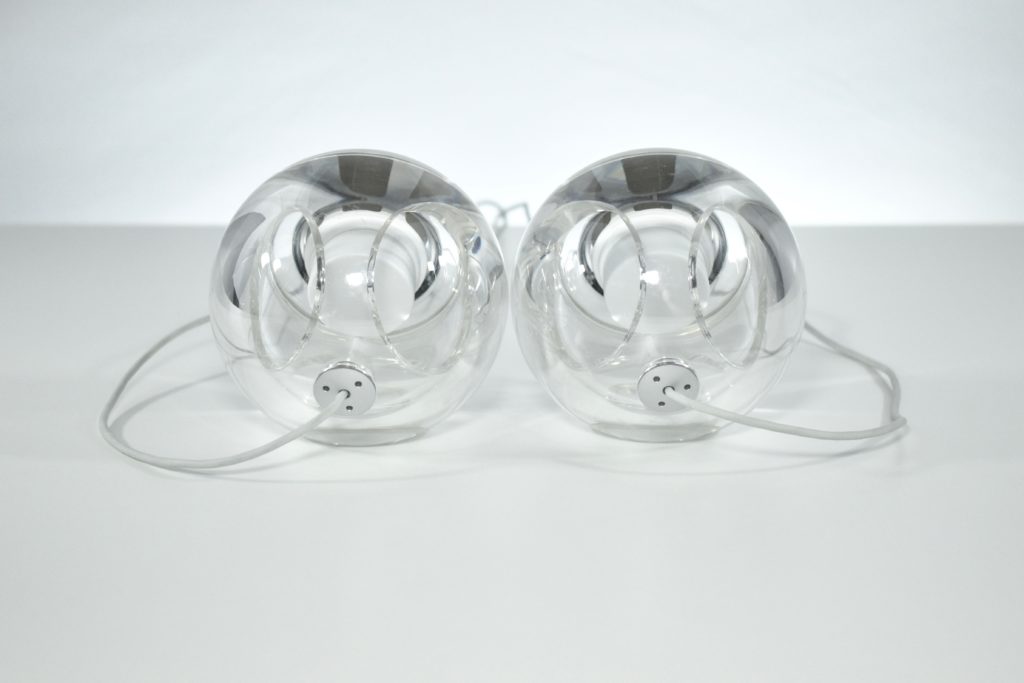
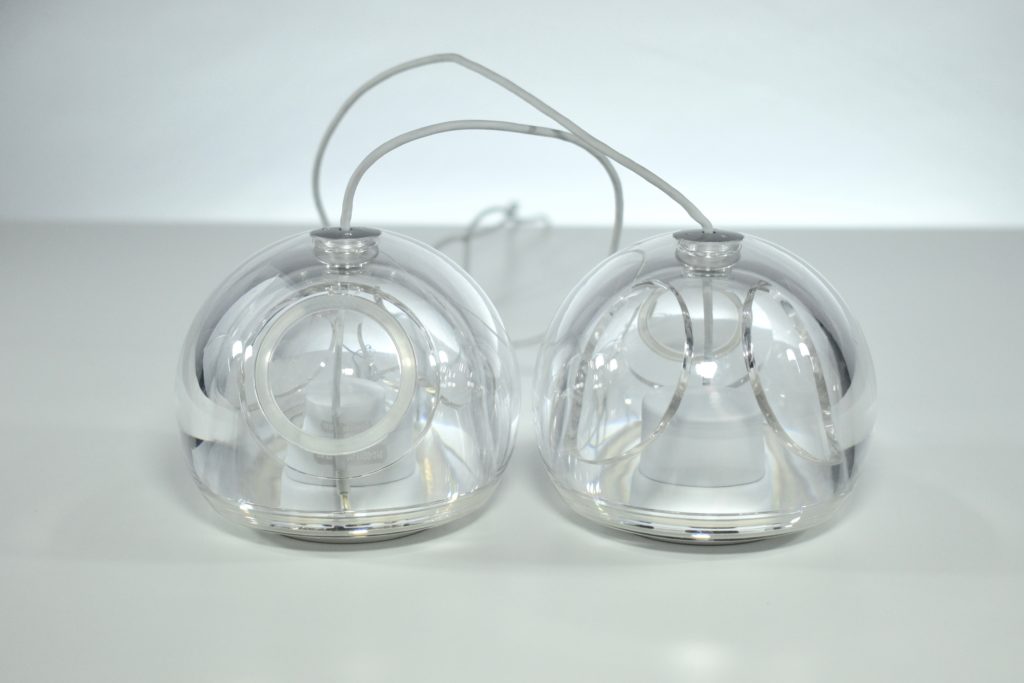
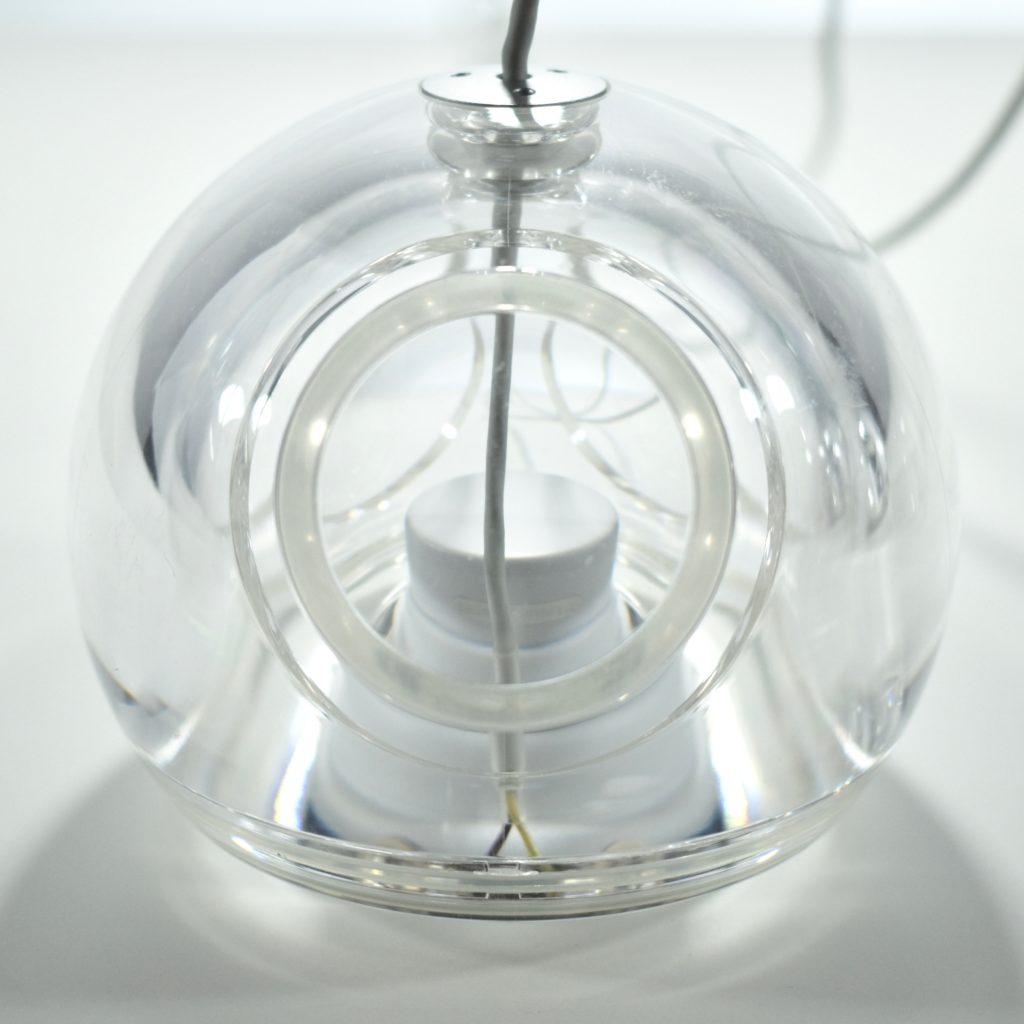
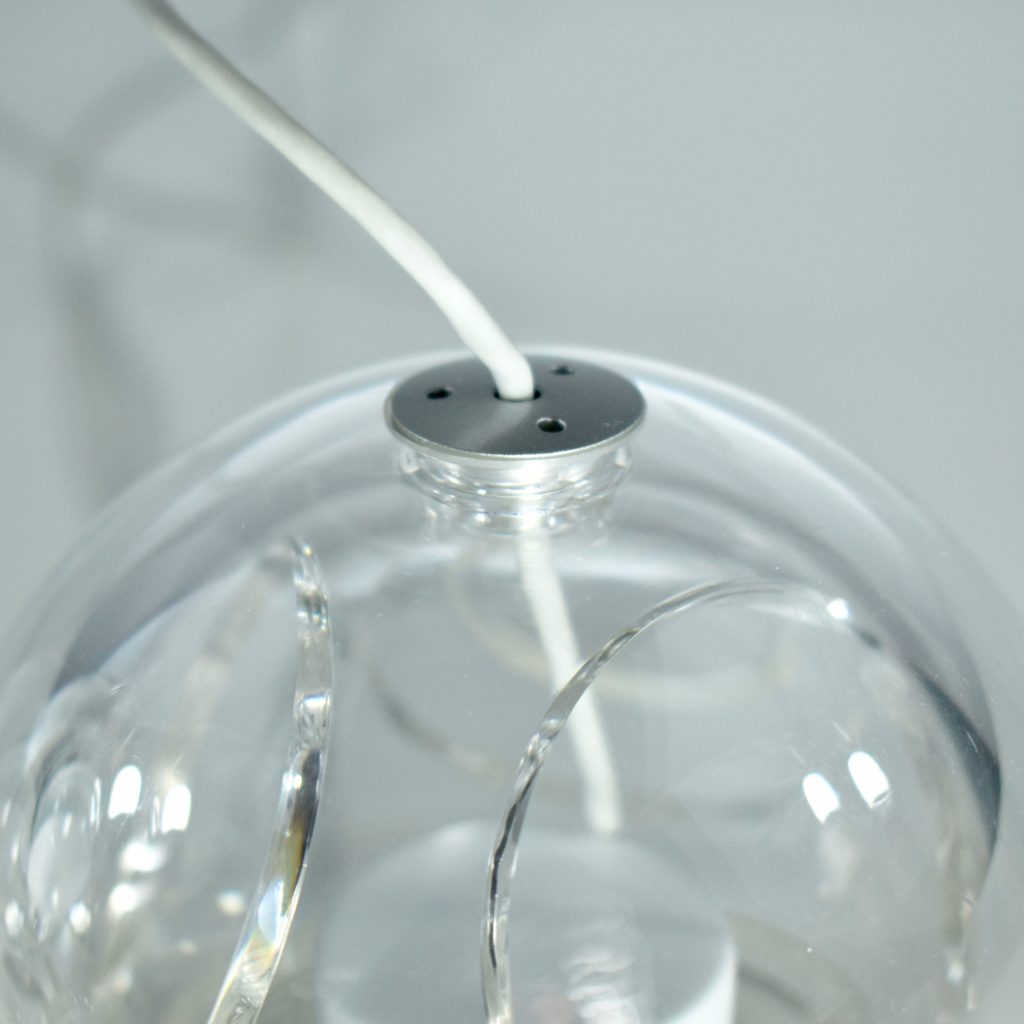
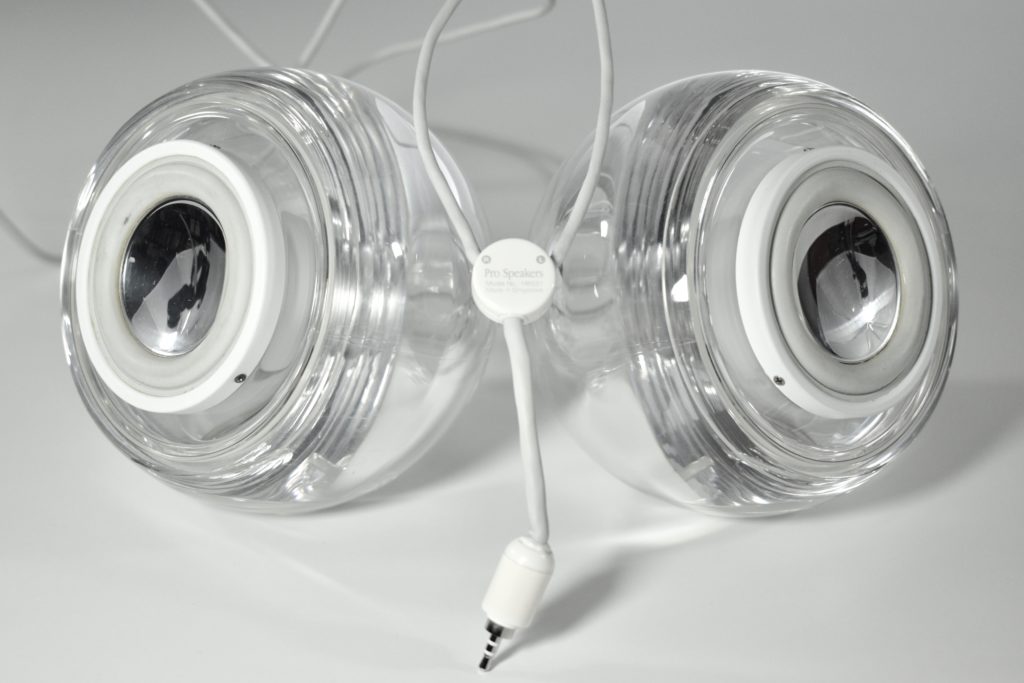
Apple Pro Speakers were introduced with the Power Mac G4 (Digital Audio) and later shipped with the iMac G4. These speakers required a Mac with a built-in amplifier and a proprietary audio jack to connect.

Apple described these speakers as “designed by Harman/Kardon,” once a high-end audio company now owned by Samsung. Harman/Kardon also designed the popular iSub subwoofer and SoundSticks in partnership with Apple that were released in 2000. In both the Apple Pro Speakers and SoundSticks, Apple contributed the industrial design and mechanical engineering, while Harman/Kardon manufactured the audio components of the product.

Sources: MacWorld, Wikipedia.org

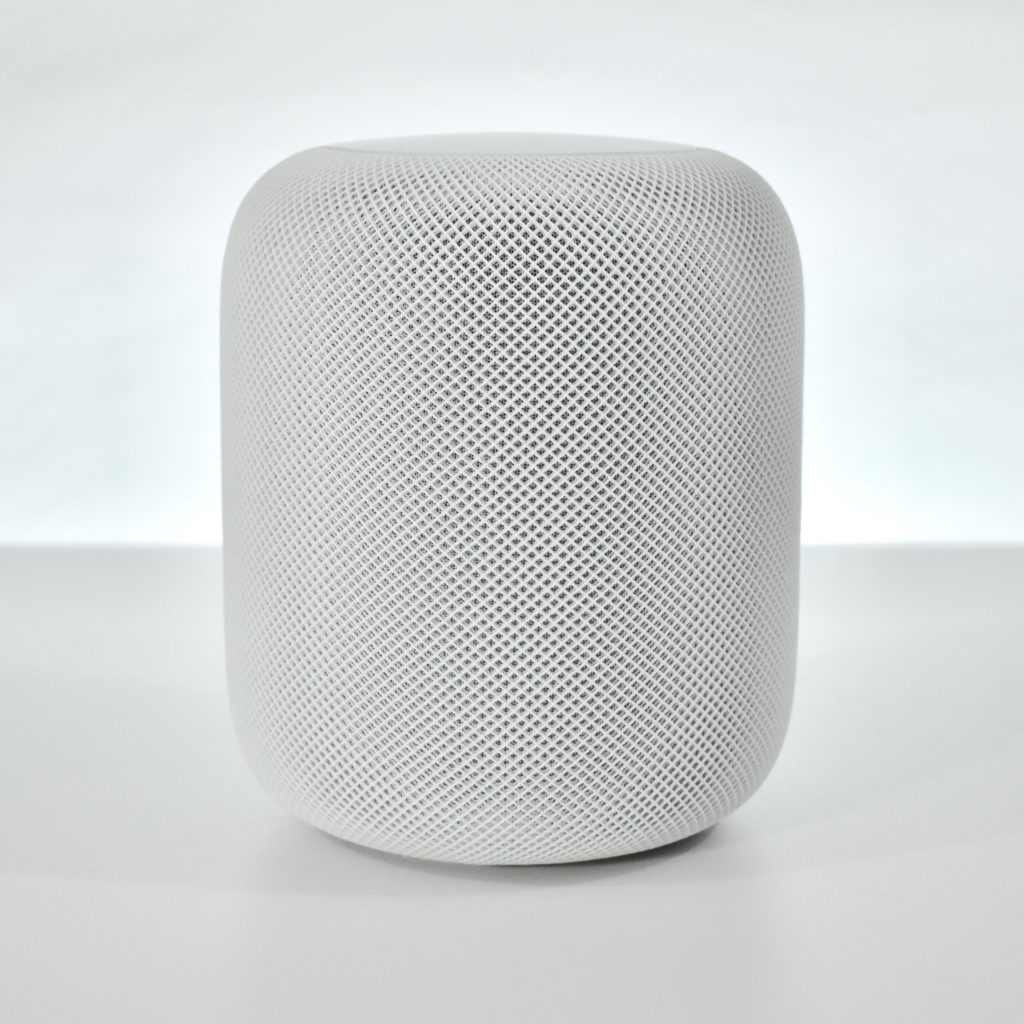
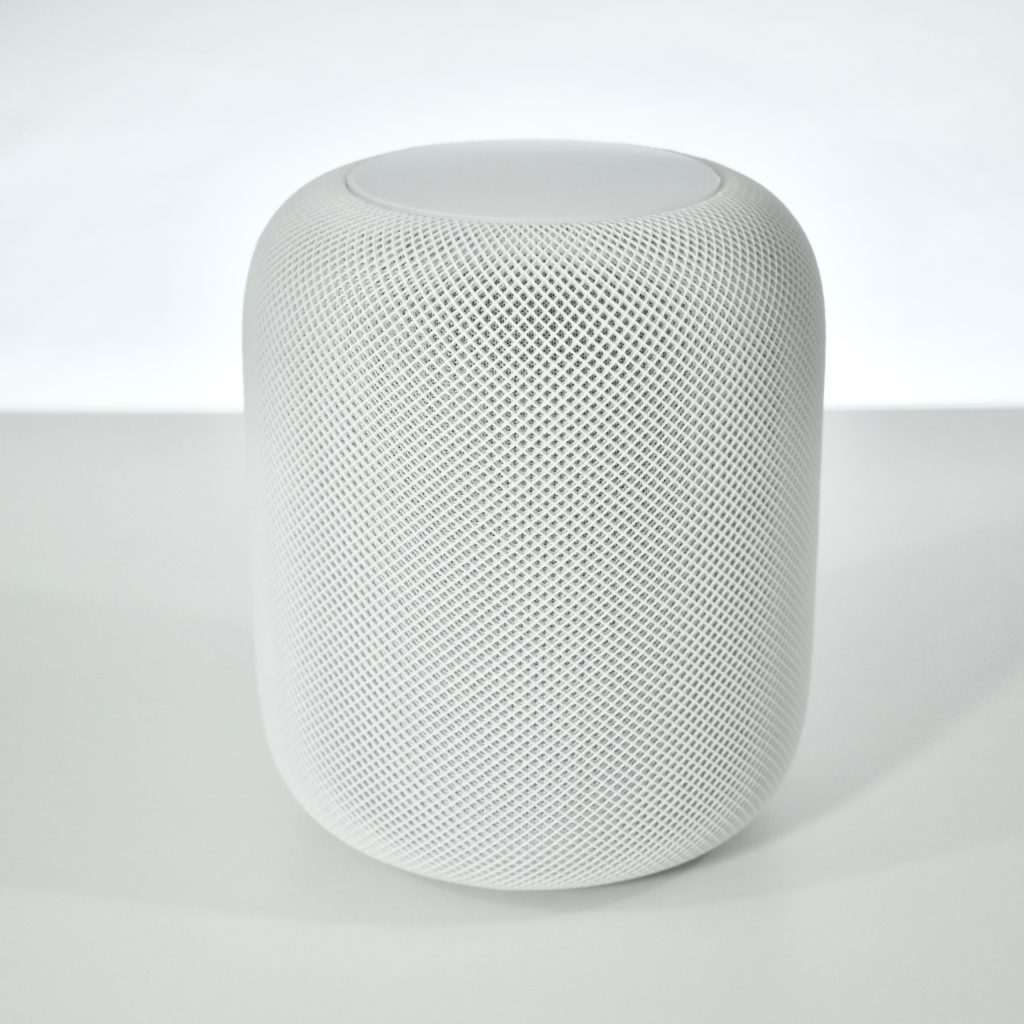
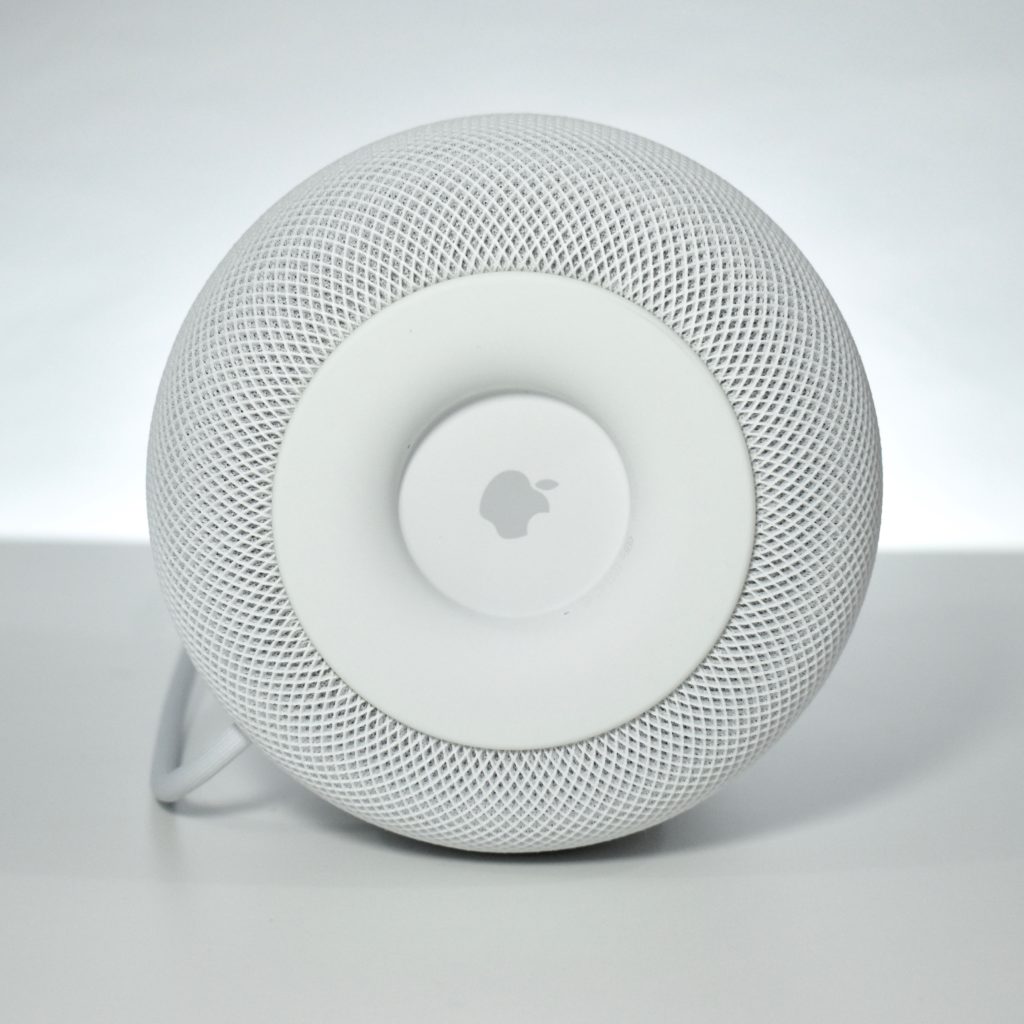
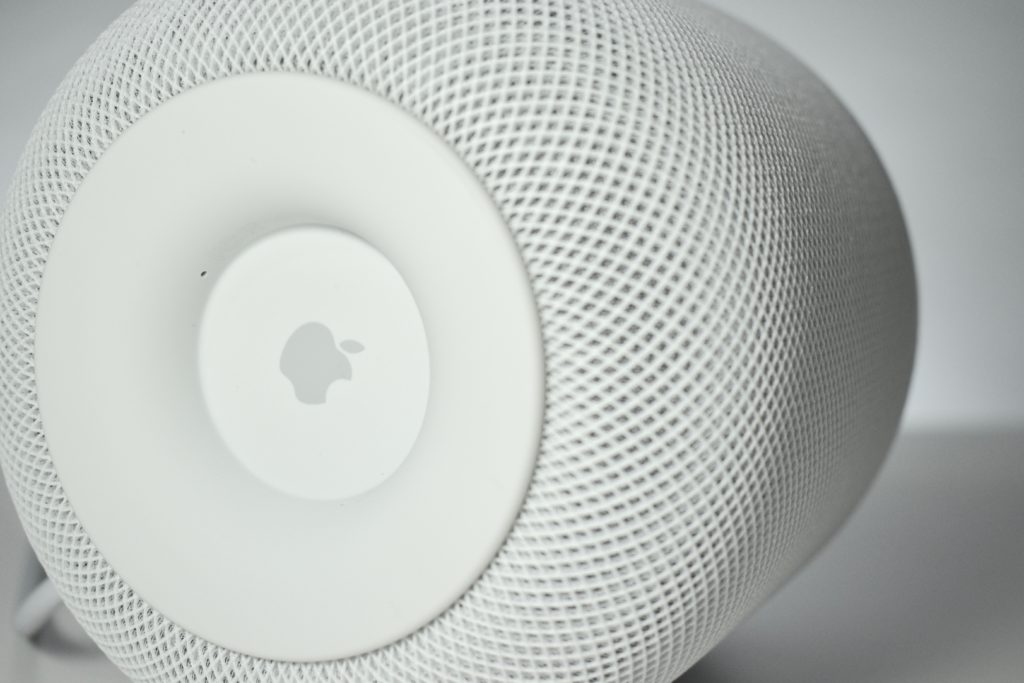
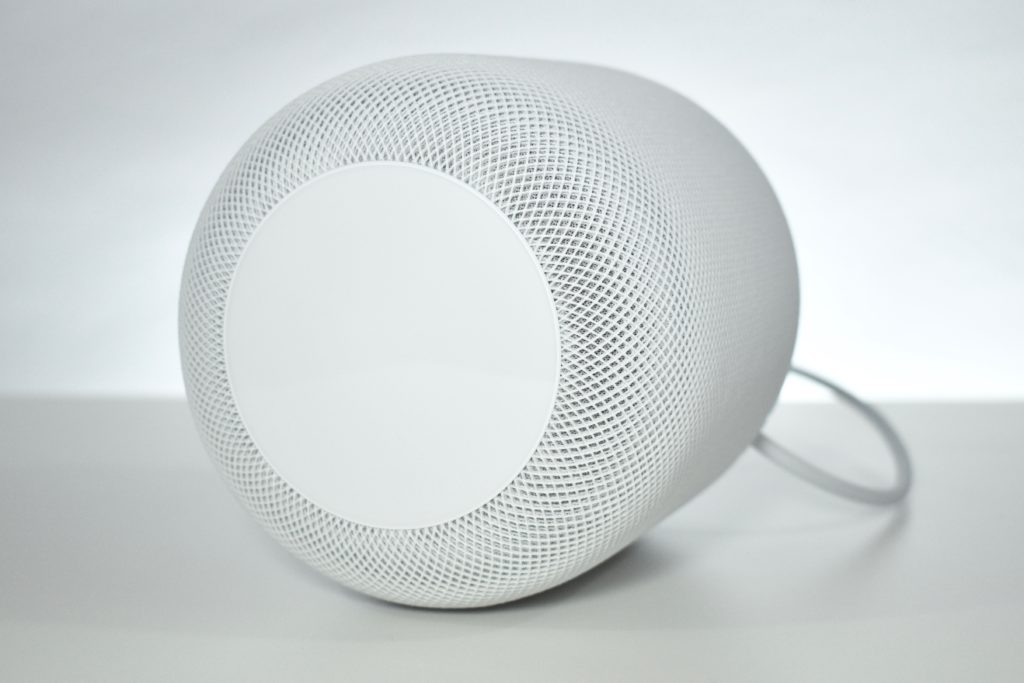
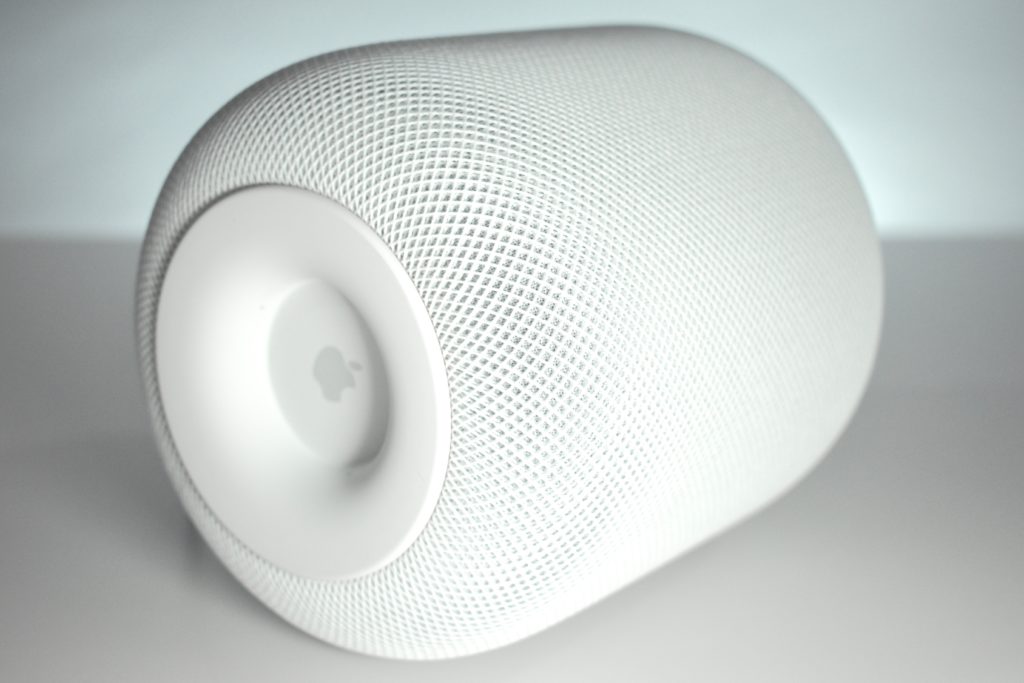
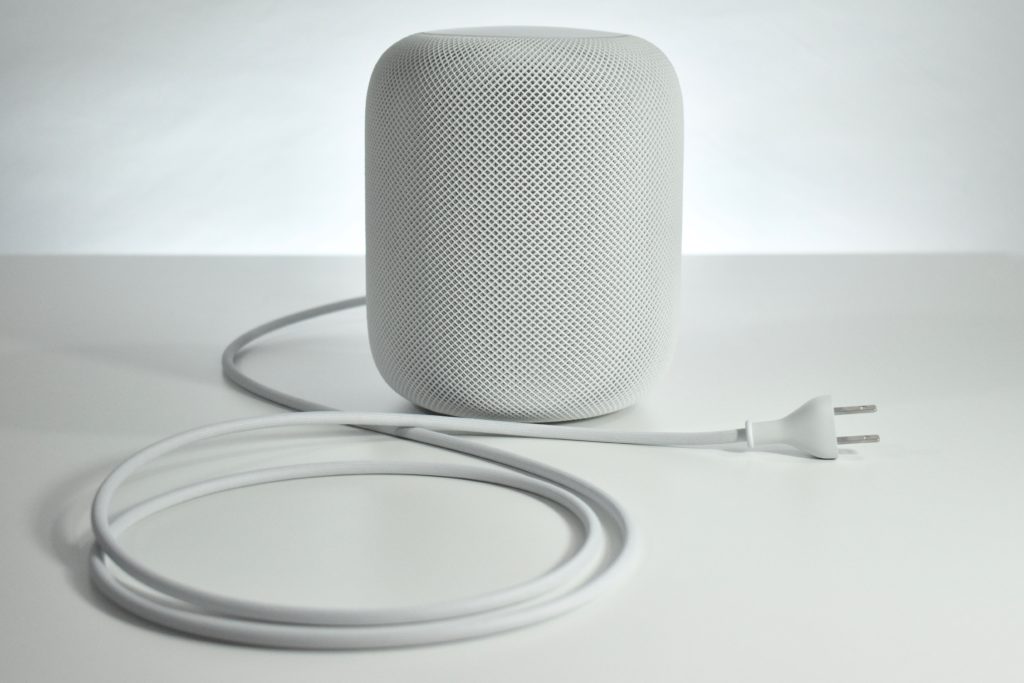
HomePod (white, 2017)

Apple described the HomePod a “breakthrough wireless speaker for the home that delivers amazing audio quality.” HomePod can be controlled using Siri, “with an array of six microphones…users can interact with it from across the room, even while loud music is playing.”

HomePod’s features include an upward-facing woofer, a custom A8 chip, seven beam-forming tweeters (each with an independent amplifier), automatic room-sensing technology to optimize sound, and a six-microphone array with advanced echo cancellation. When Siri is in use, a multicolor waveform appears on the top of the HomePod using a round 272×340 display. In addition, touch controls are also available on the top of the HomePod.

The HomePod was available in white and space gray. Inside, the HomePod was powered by a 1.4 GHz Apple A8 processor and used 1 GB of RAM, 16 GB of storage, 802.11ac Wi-Fi, and Bluetooth 5.0.

The device runs an operating system that Apple refers to as audioOS (based upon iOS). The audioOS is specifically designed for the HomePod to play audio, run Siri, and control the custom round screen.

When the HomePod was announced in February 2018, multi-speaker support was demonstrated, but the feature was not released until September 2018 along with AirPlay 2. The September 2018 update also added support for multiple timers, Find my Phone, Siri short-cuts, phone calls (while in proximity to iPhone), and music search by lyrics.

I am a fan of the HomePod. I use two in my living room as my primary way of accessing Apple Music and controlling smart home devices. I also added a single HomePod to my bedroom.

Sources: EveryMac.com, Apple.com, Wikipedia.com