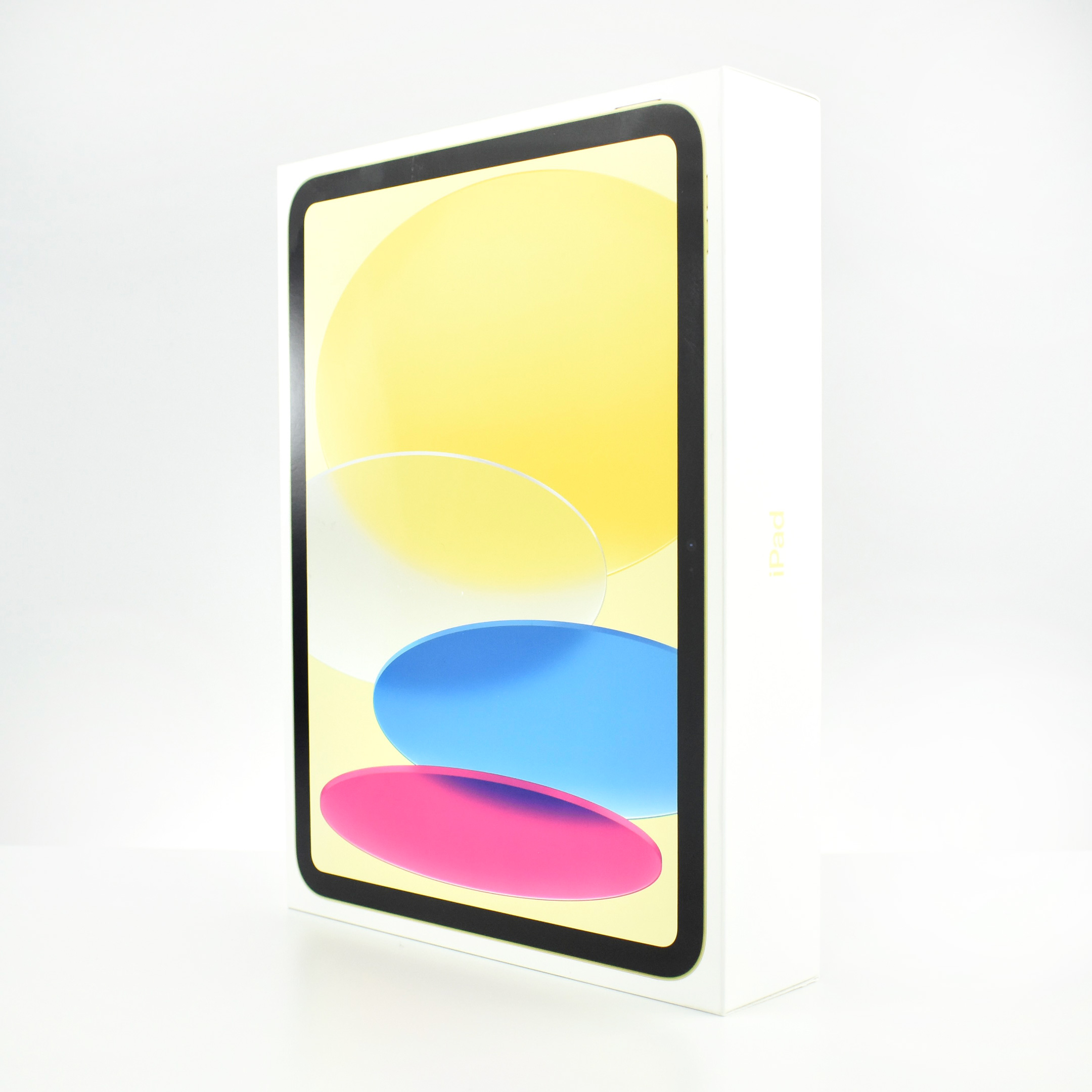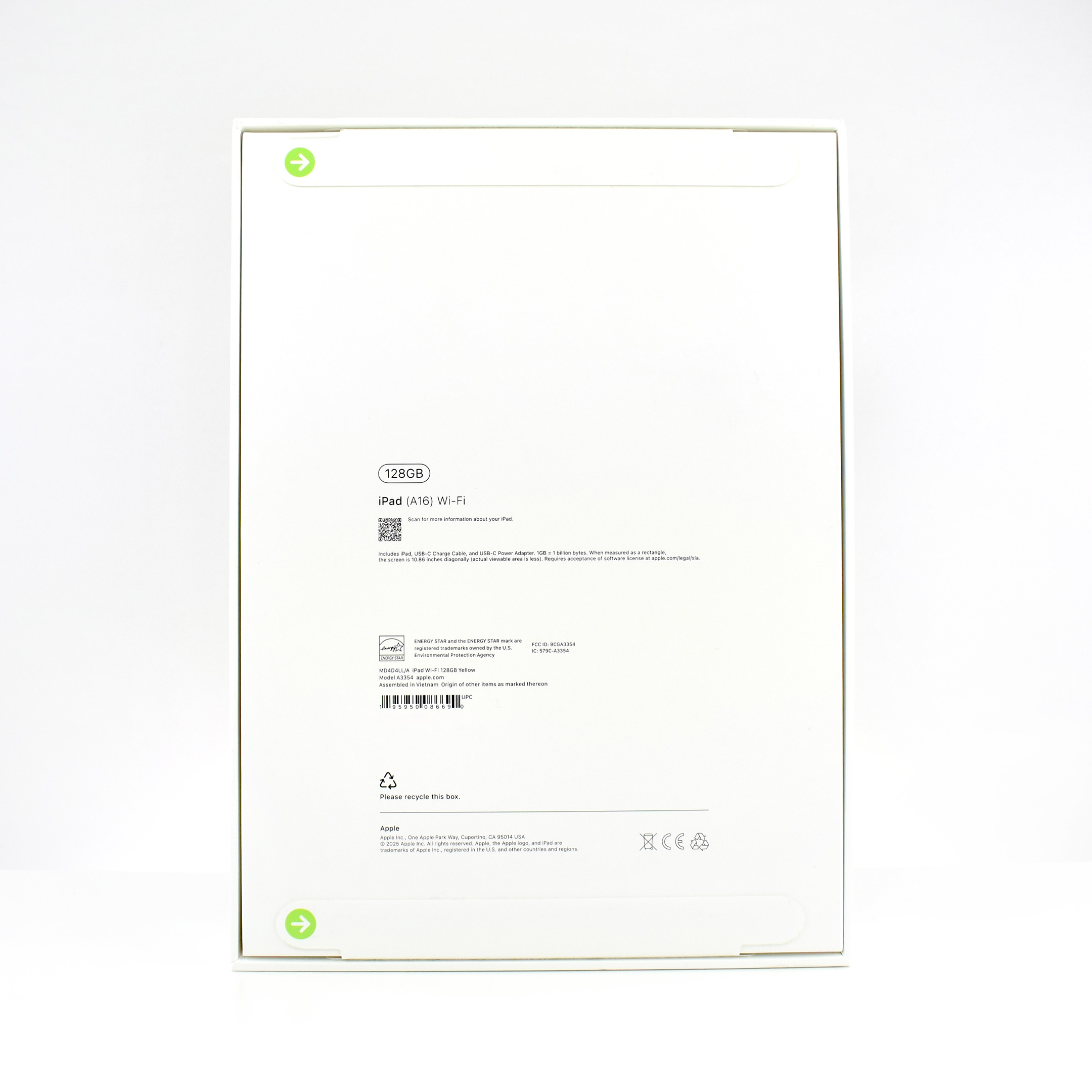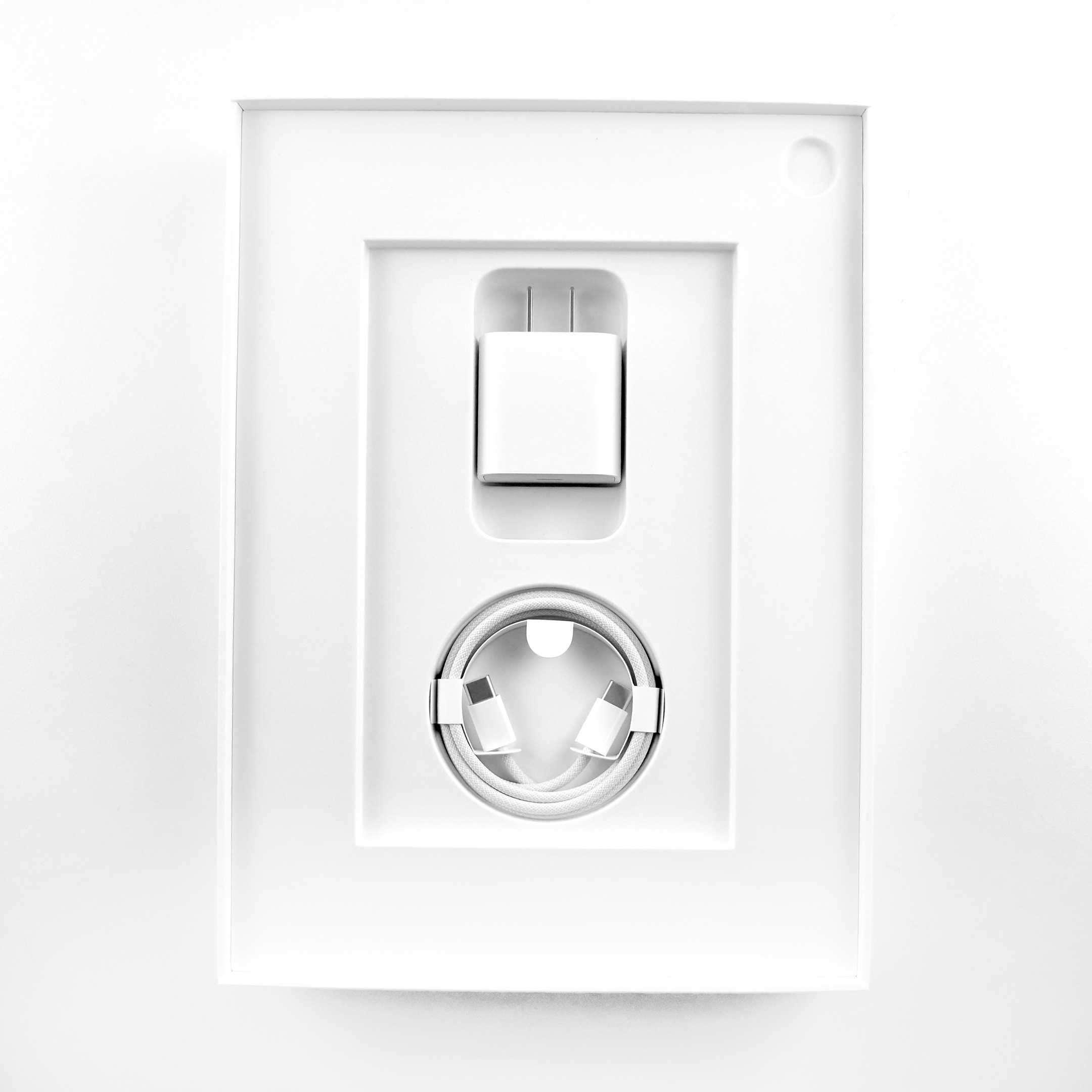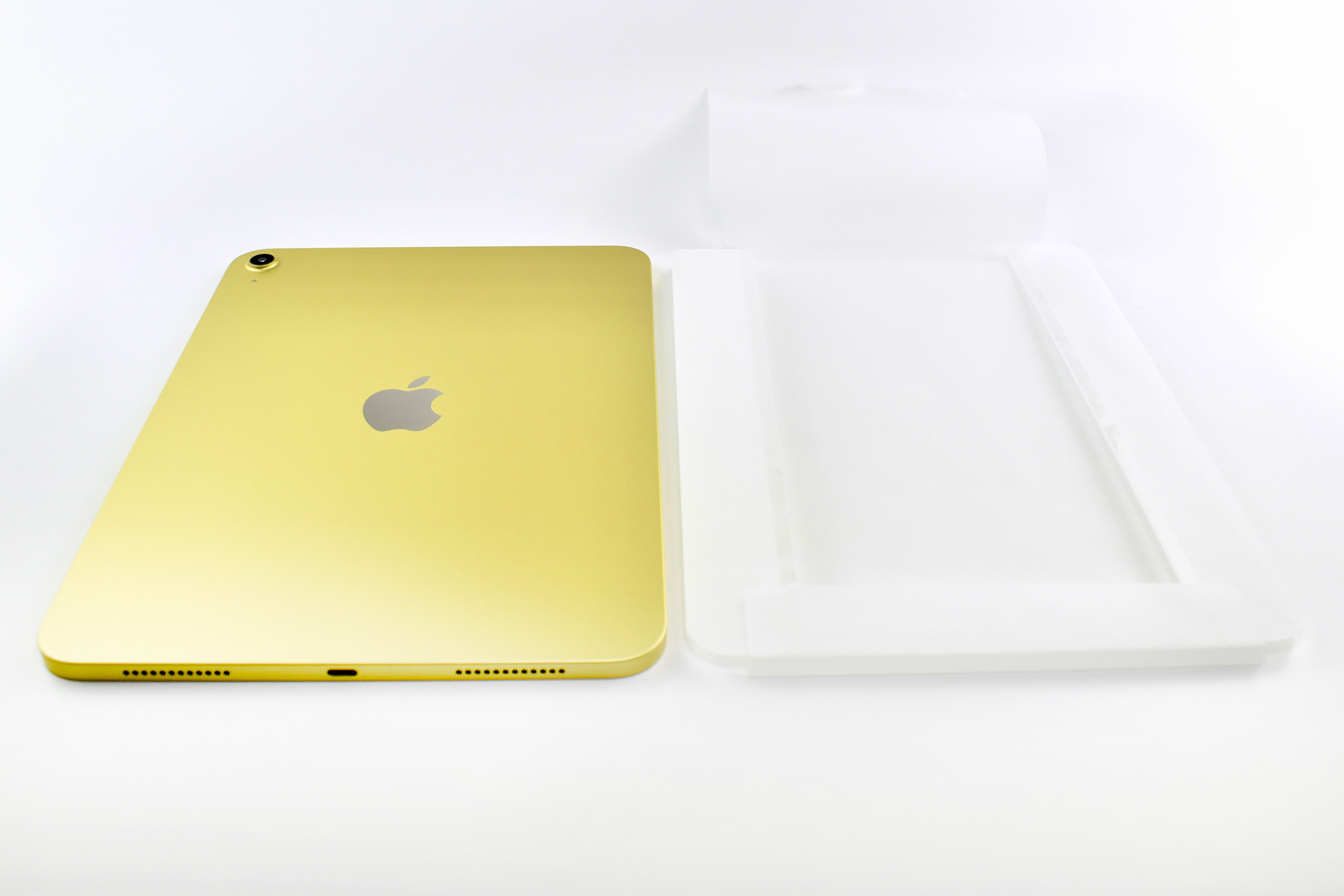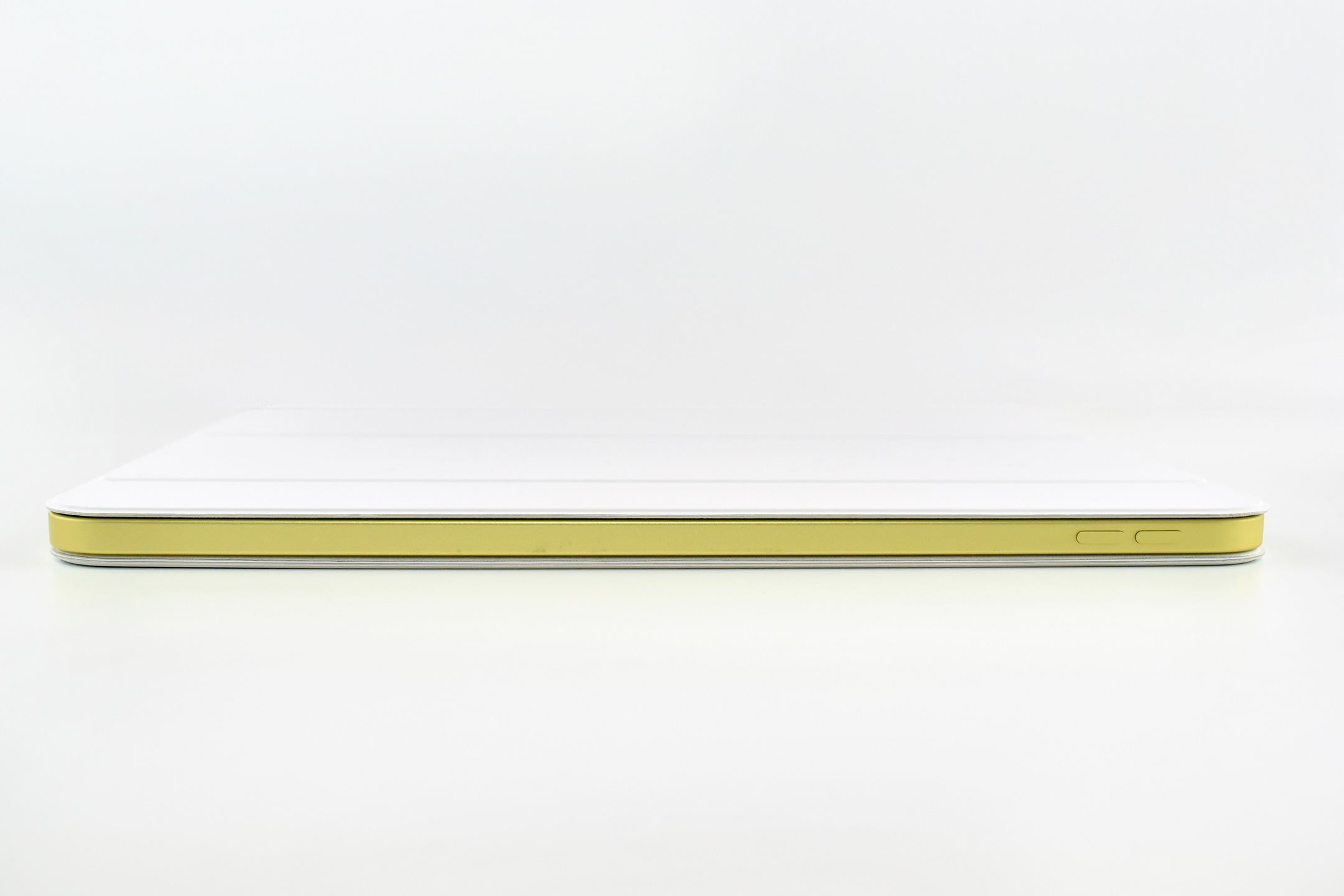
iPad (A16) (Generation 11, 11-inch, Wi-Fi, 128GB, Yellow, 2025)

On March 4, 2025, when Apple introduced the iPad Air with the M3 chip, they also announced the iPad Generation 11 with an A16 chip. The entire press release for this iPad device release amounted to one paragraph:

“Apple today also updated iPad with double the starting storage and the A16 chip, bringing even more value to customers. The A16 chip provides a jump in performance for everyday tasks and experiences in iPadOS, while still providing all-day battery life. Compared to the previous generation, the updated iPad with A16 is nearly 30 percent faster. In fact, compared to iPad with A13 Bionic, users will see up to a 50 percent improvement in overall performance, and A16 makes the updated iPad up to 6x faster than the best-selling Android tablet.”

This iPad update was released soon after the announcement of Apple Intelligence. While Apple was touting Apple Intelligence and updating its devices to take advantage of the new features, the iPad Generation 11 was given a chip that did not allow Apple Intelligence. While this updated iPad is faster than the previous Generation 10 model, it does not meet the minimum specification of the A17 Pro chip to allow Apple Intelligence compatibility. Apple provided no explanation for this omission.

One notable upgrade was in storage on the A16 iPad. The iPad Generation 11 doubled its base storage from 64 to 128GB and was also available in 256 and 512GB configurations. 

Except for the A16 chip and upgraded storage, this iPad was nearly identical to the iPad Generation 10. 

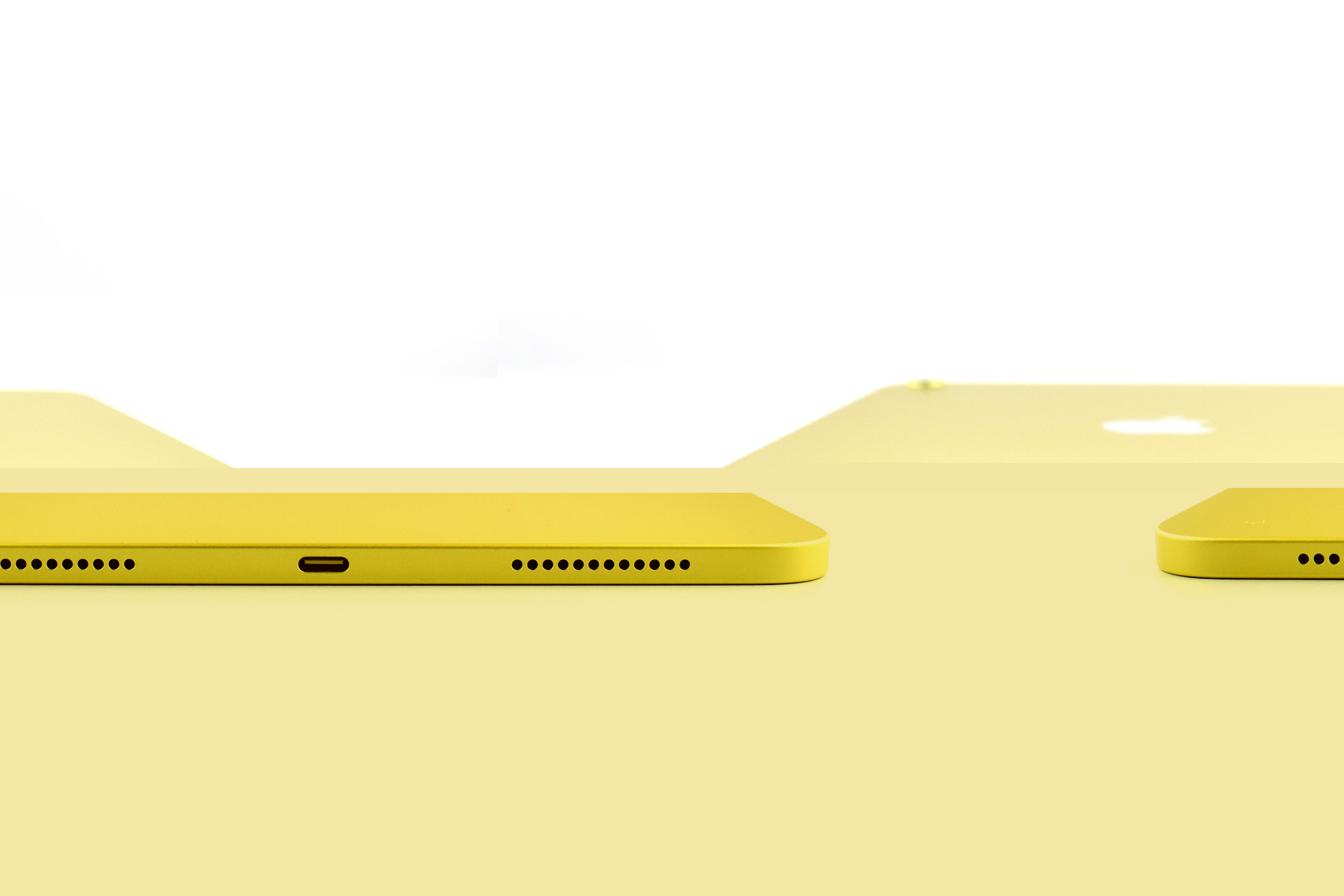
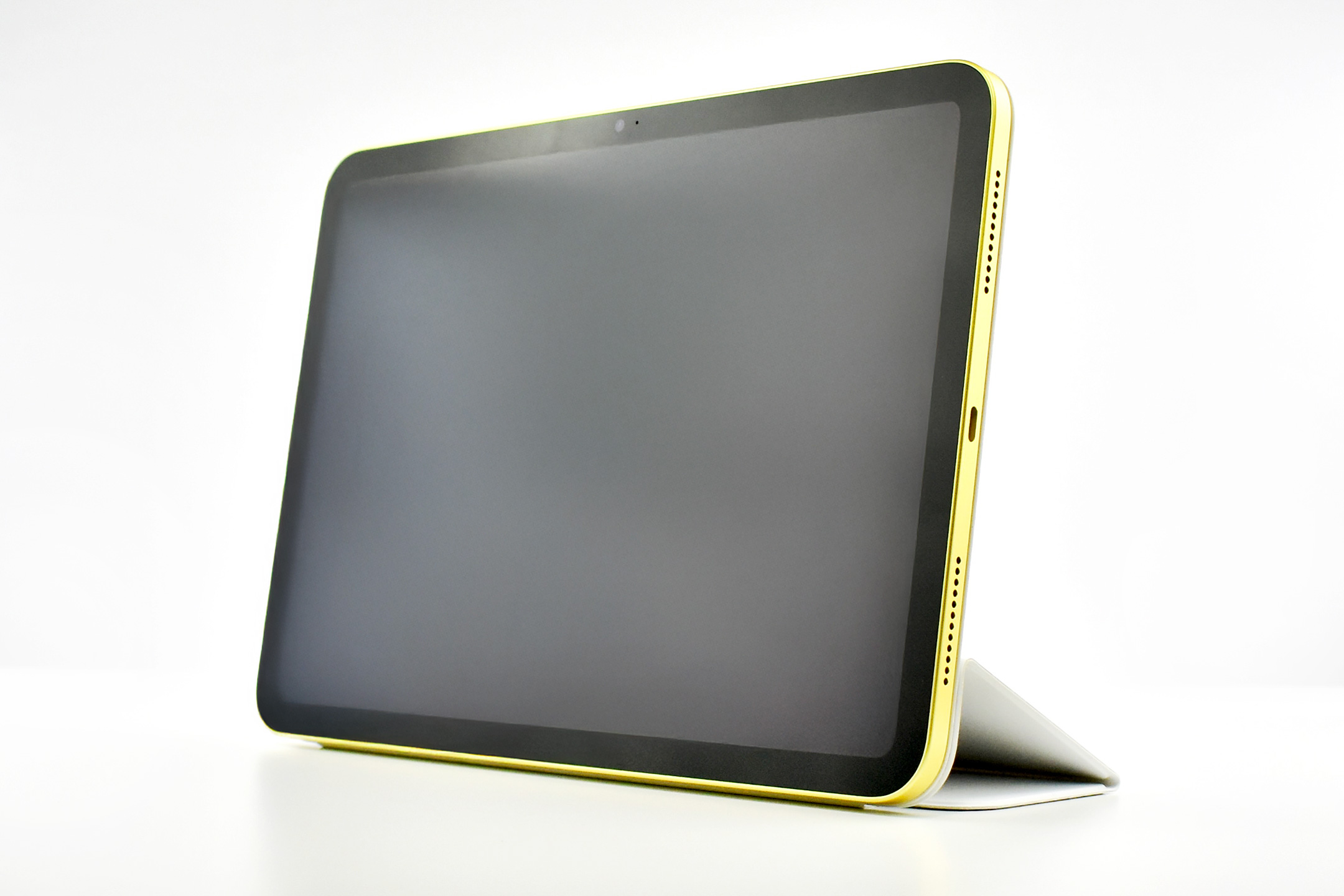
The iPad Generation 11 measured 9.79 x 7.07 inches, and was 0.28 inch thick. It weighed 1.05 pounds (Wi-Fi model). It had stereo speakers, a front camera and microphone centered on the “long”landscape” (long) side to enhance the FaceTime experience, and included both USB-C and a Smart Connector.

Its Liquid Retina display was 2360 x 1640 pixels at 264 ppi and delivered up to 500 nits brightness. It supported the Apple Pencil (USB-C) and also the Apple Pencil Generation 1 (although clumsily since the original Apple Pencil used a Lightning connector for charging). 

The back camera was 12MP with digital zoom up to 5x supporting Smart HDR 4, geotagging, auto image stabilization, and burst mode. It could capture video up to 4K. The similar front camera was also 12MP and supported Center Stage in Landscape mode. It supported Smart HDR 4, but only could record 1080p HD video. 

The iPad Generation 11 had 5 sensors, including Touch ID, 3‐axis gyro, accelerometer, barometer, and an ambient light sensor. 

Sources: Apple (Newsroom, Specs)

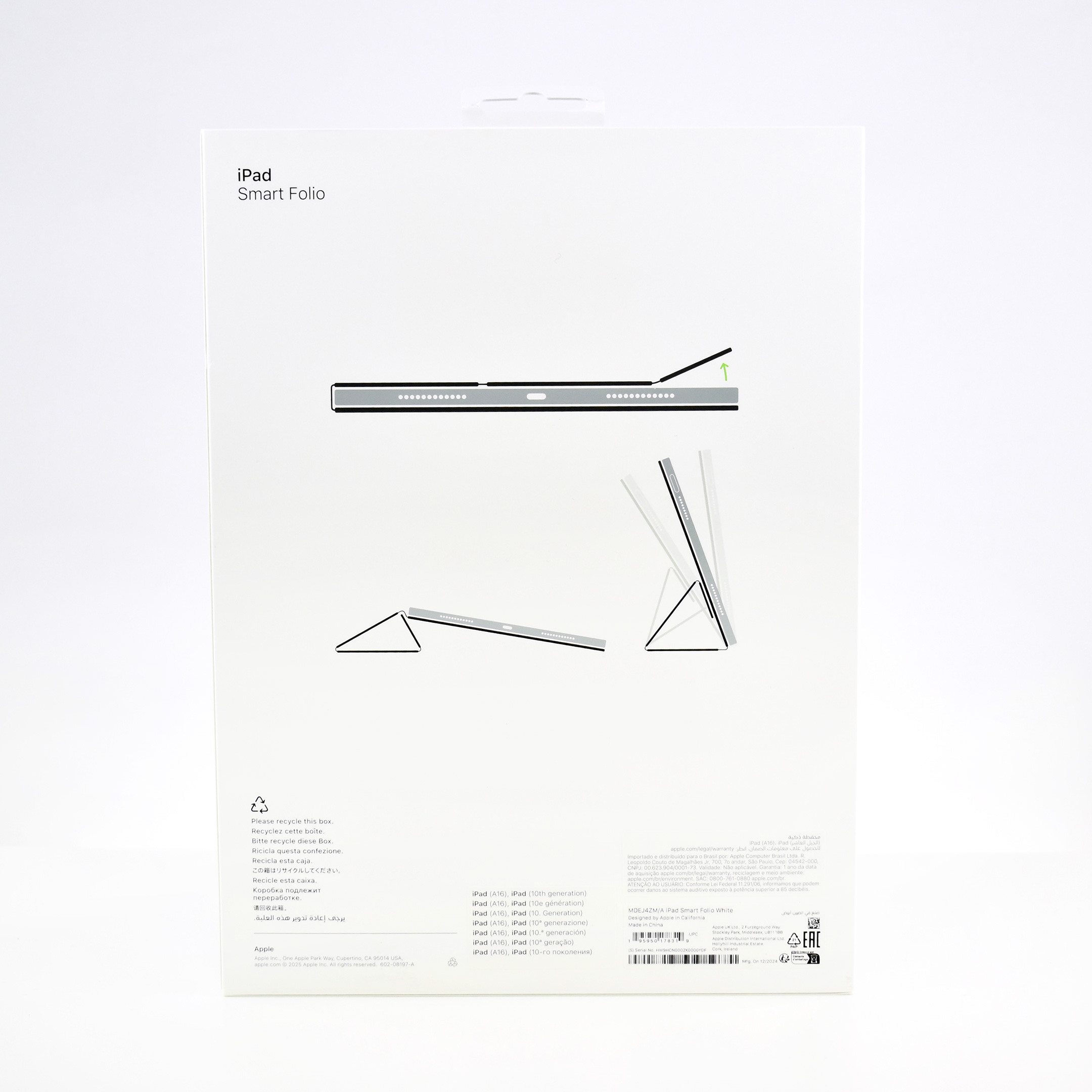
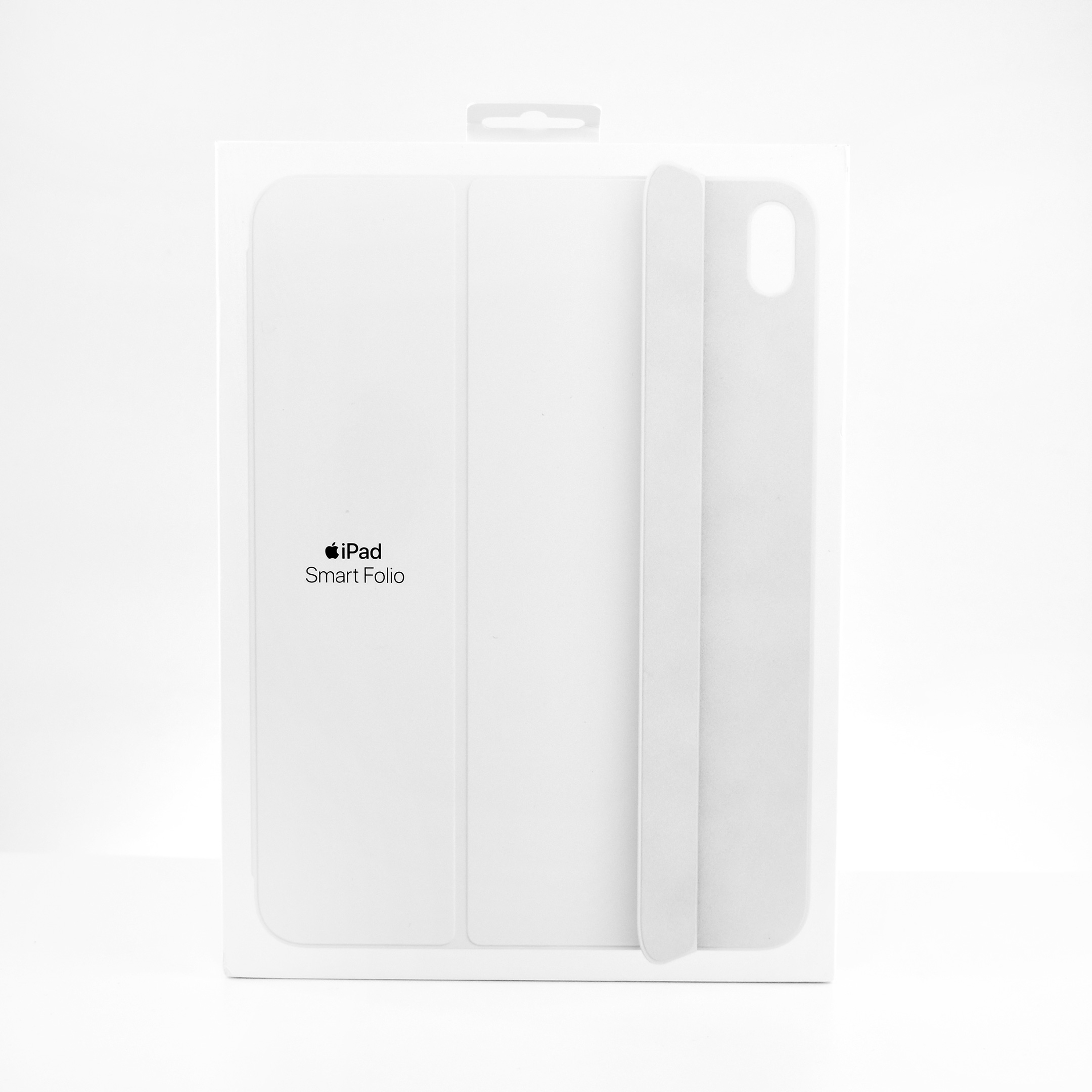
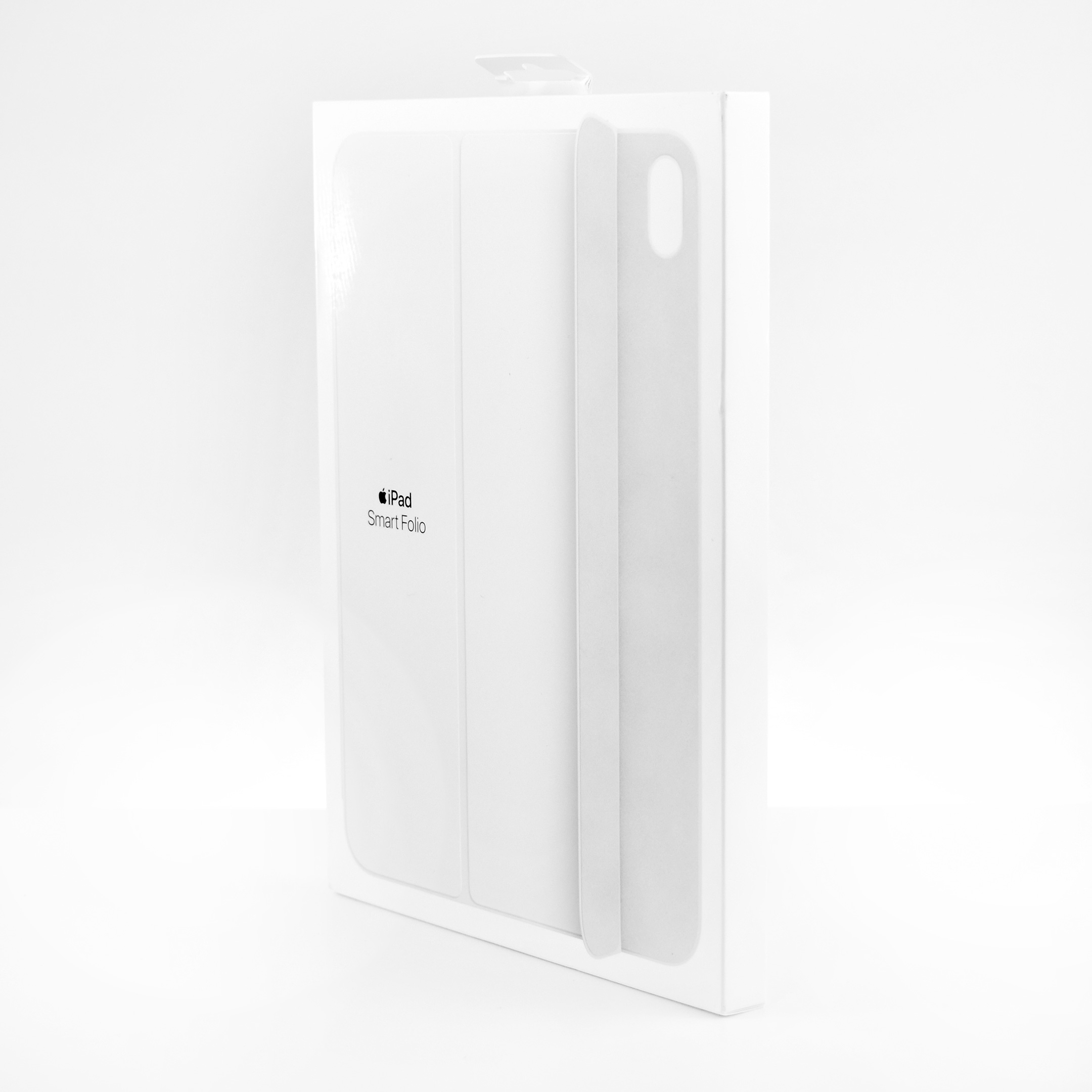
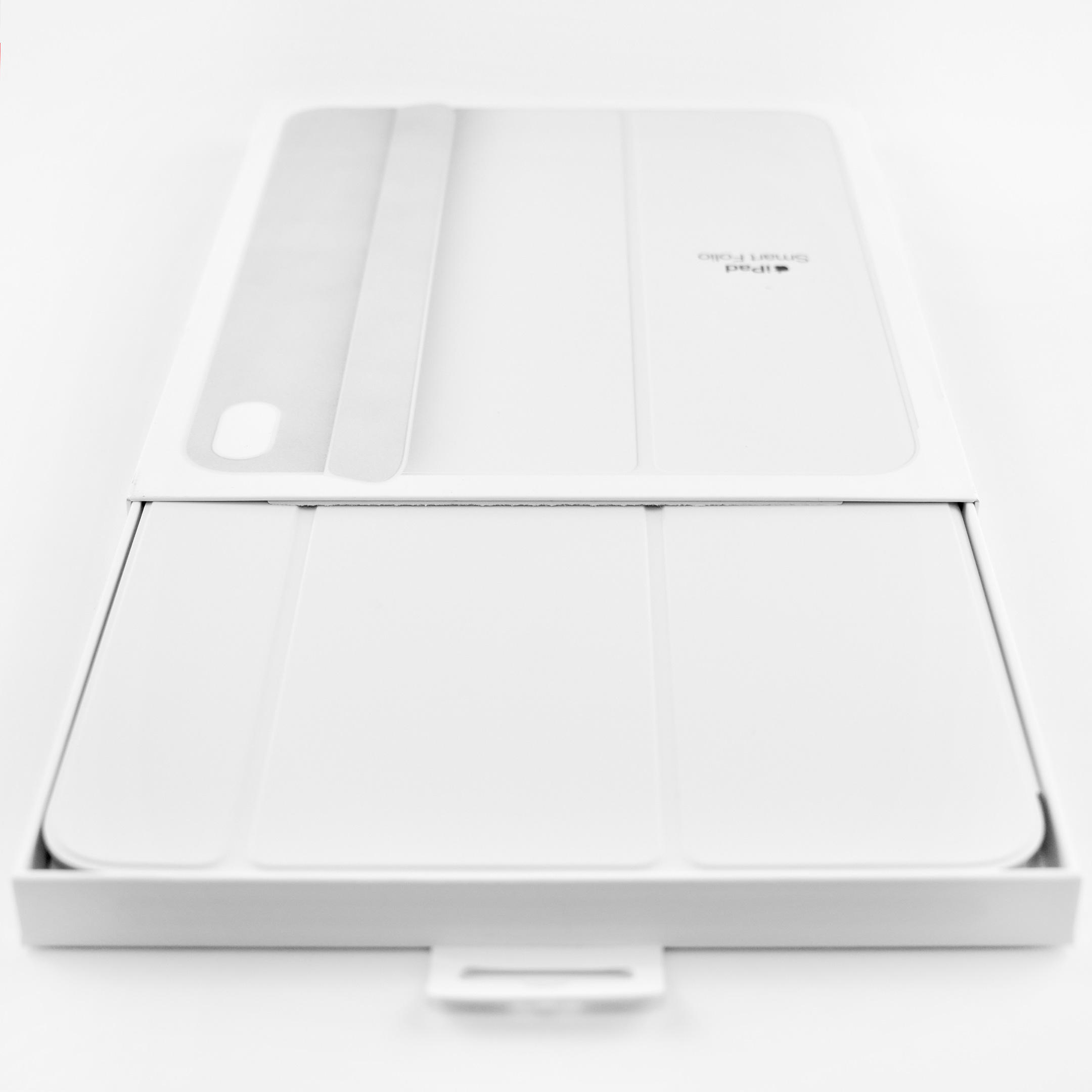
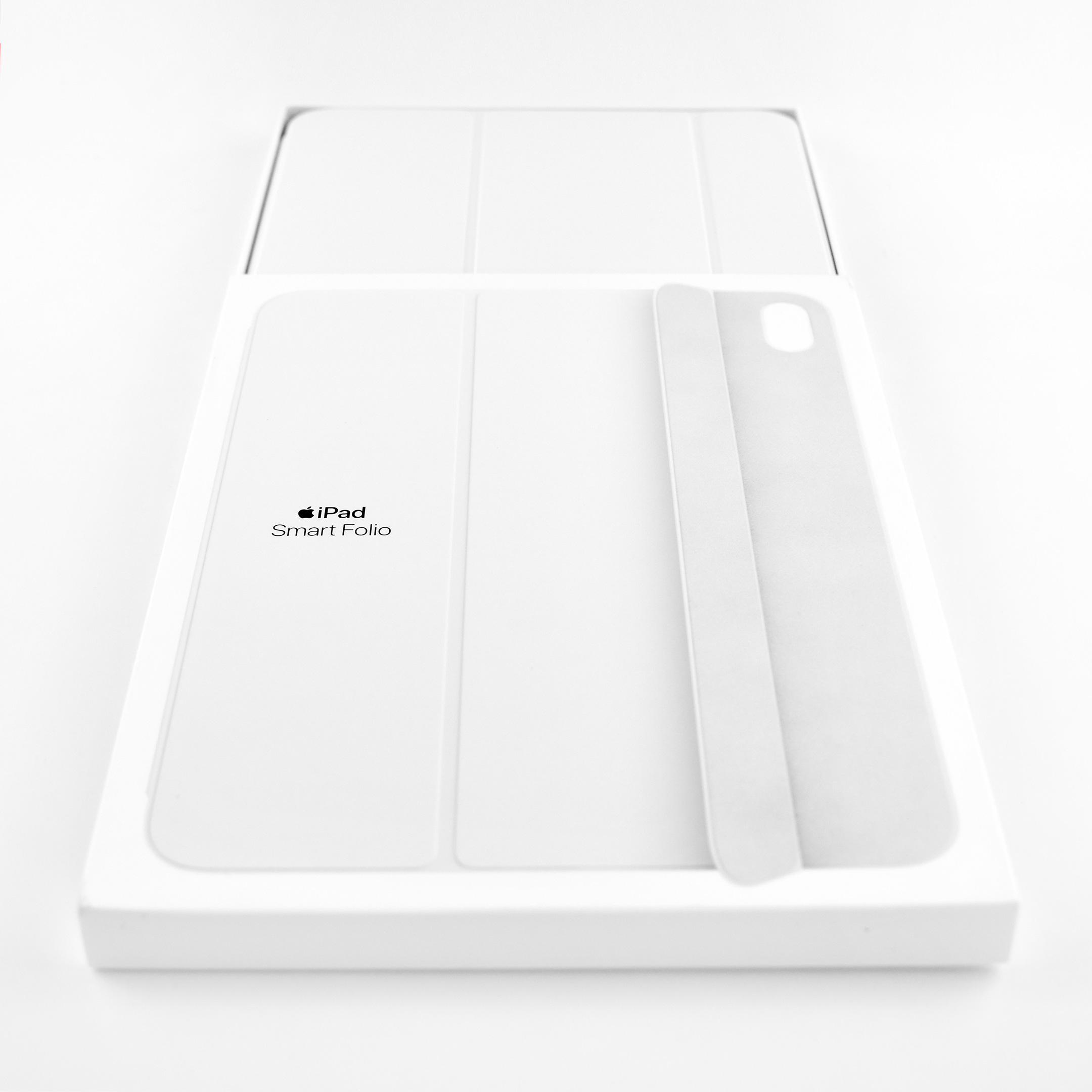
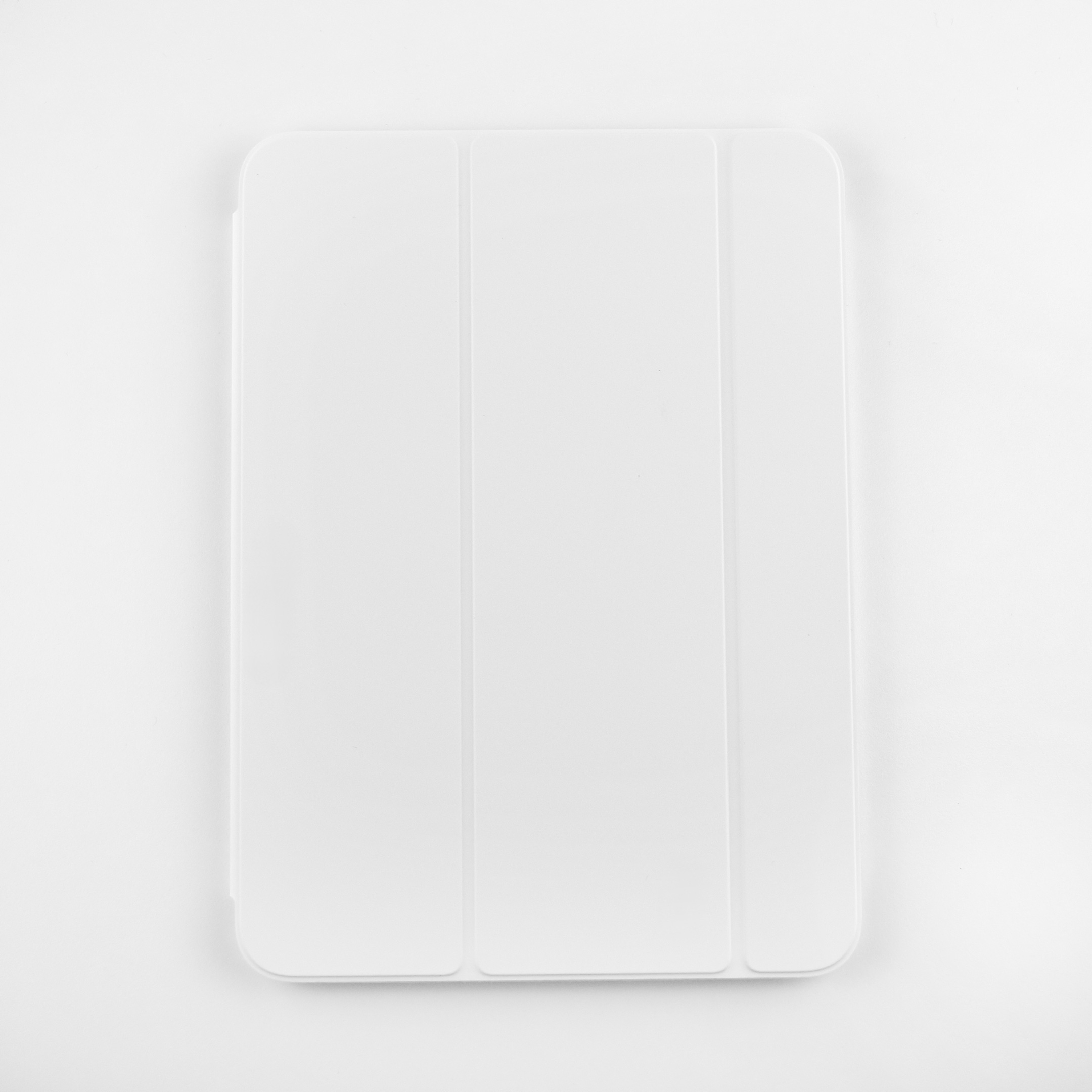
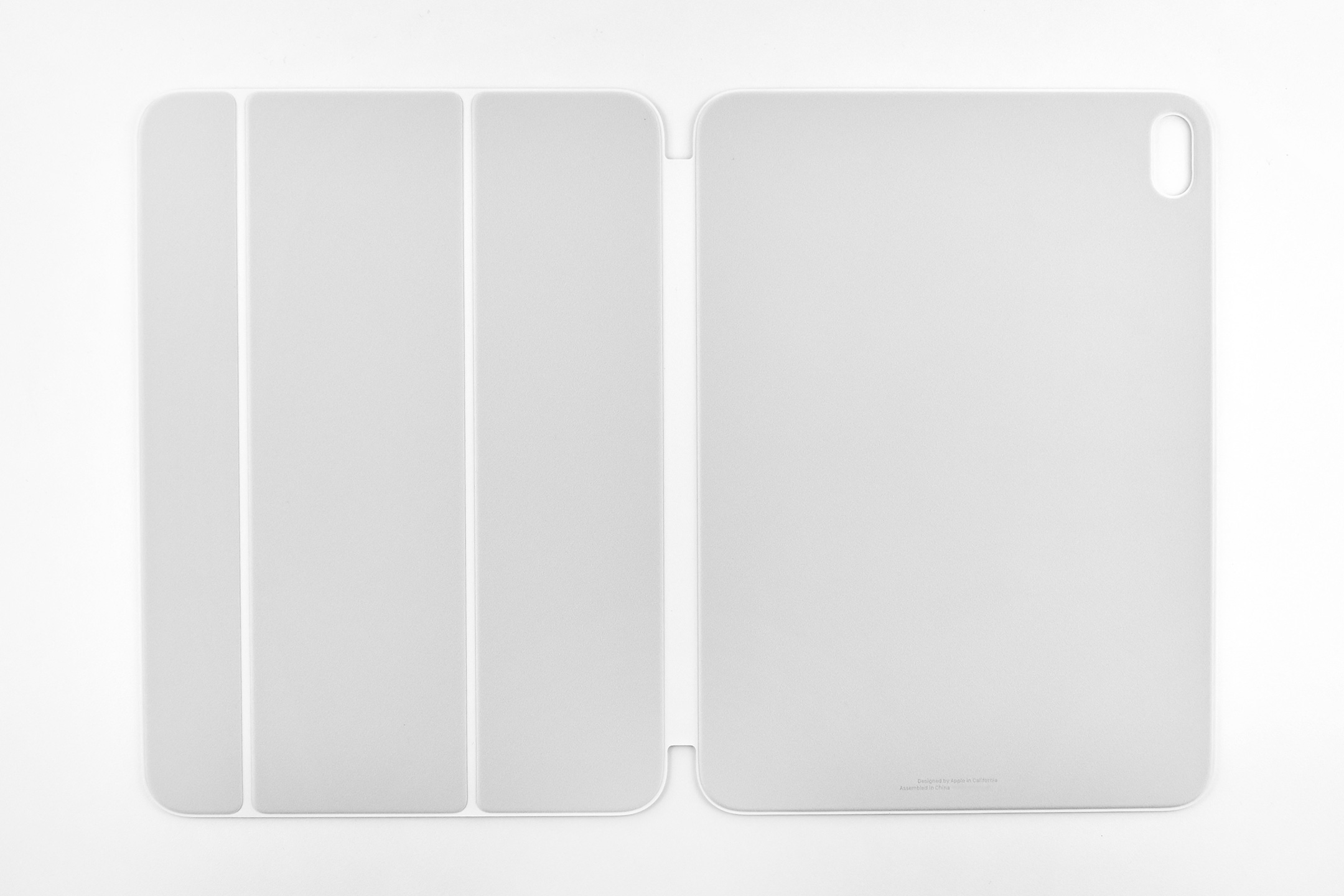
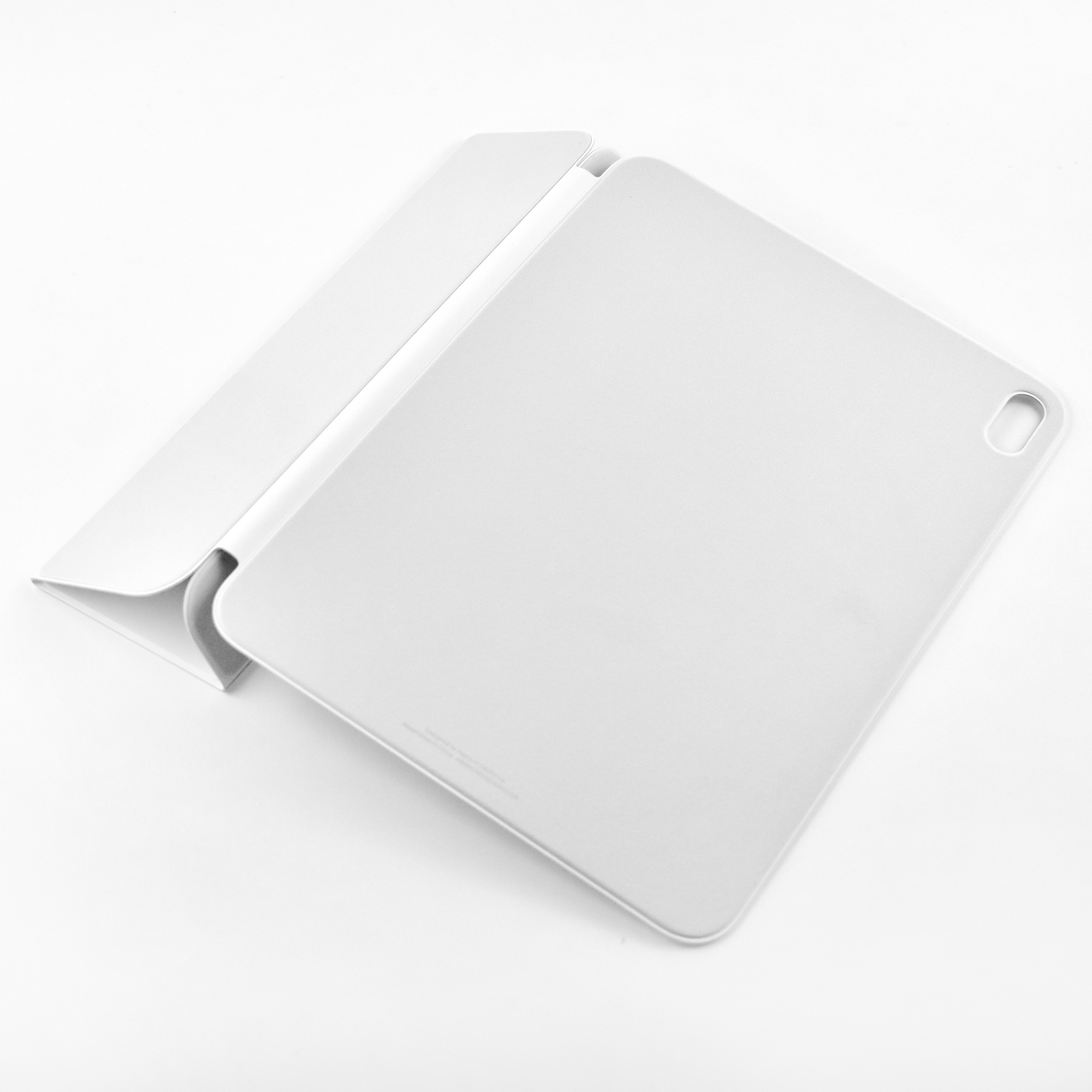
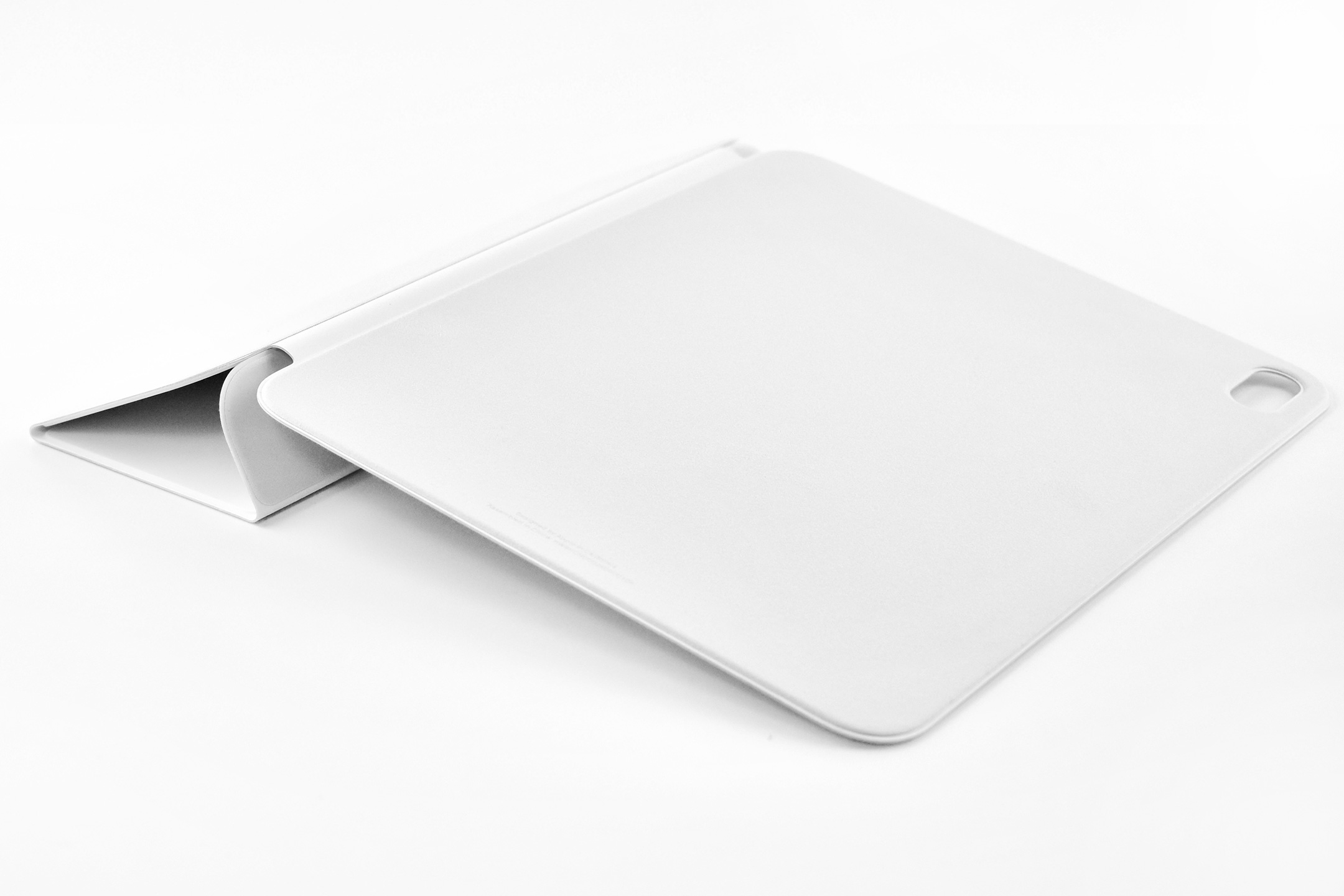
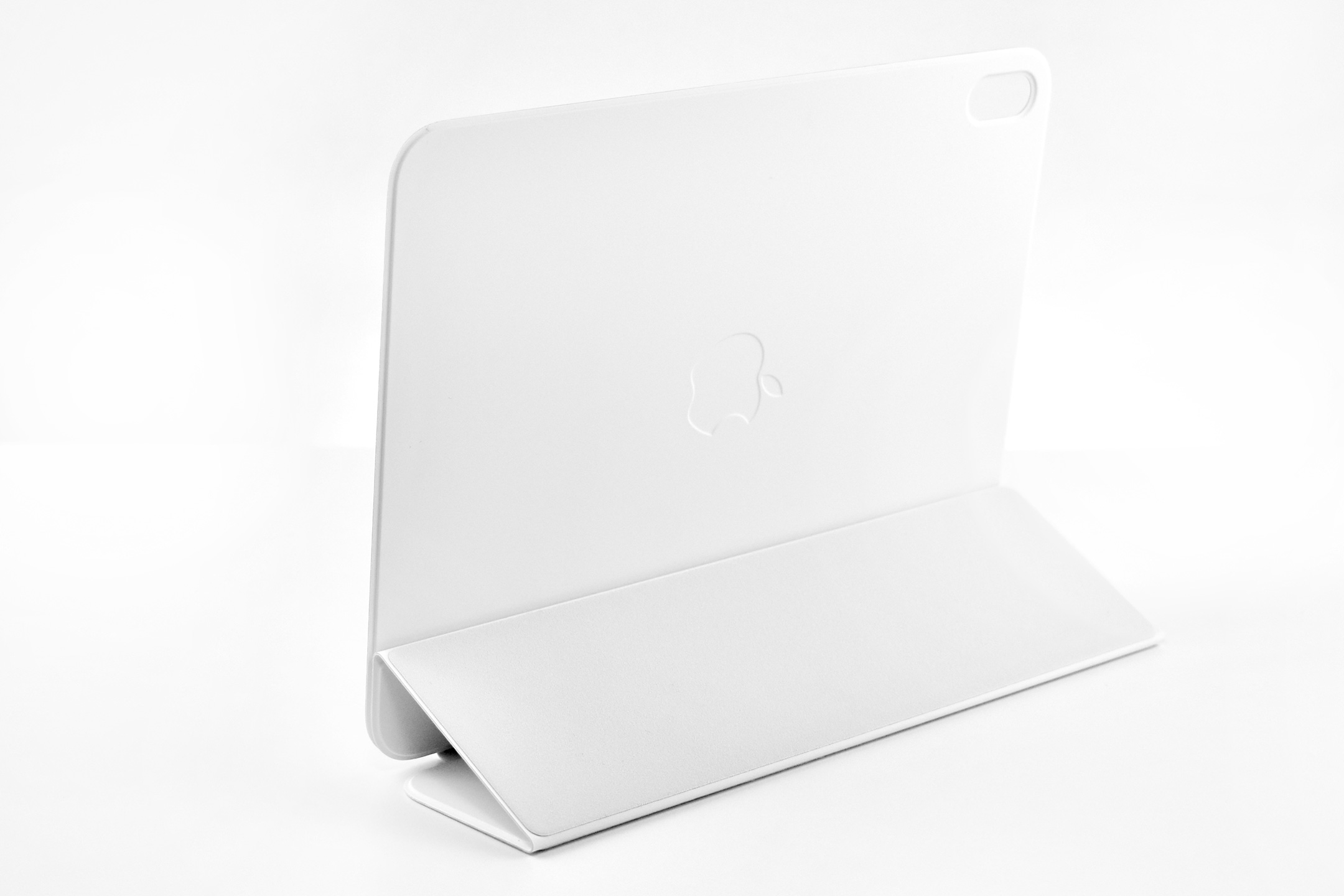
Apple Smart Folio for iPad (A16) (white, 2025)

The Smart Folio for iPad Generation 11 (A16) was identical to the model made for iPad Generation 10. It was “thin and light and offers front and back protection for your device.”

Apple also noted that it “automatically wakes your iPad when opened and puts it to sleep when closed. The Smart Folio attaches magnetically, and you can easily fold it into different positions to create a stand for reading, viewing, typing, or making FaceTime calls.”

This Smart Folio was available in Sky (light blue), White, Watermelon (dark pink), and Lemonade (bright yellow). This example is white.

Source: Apple

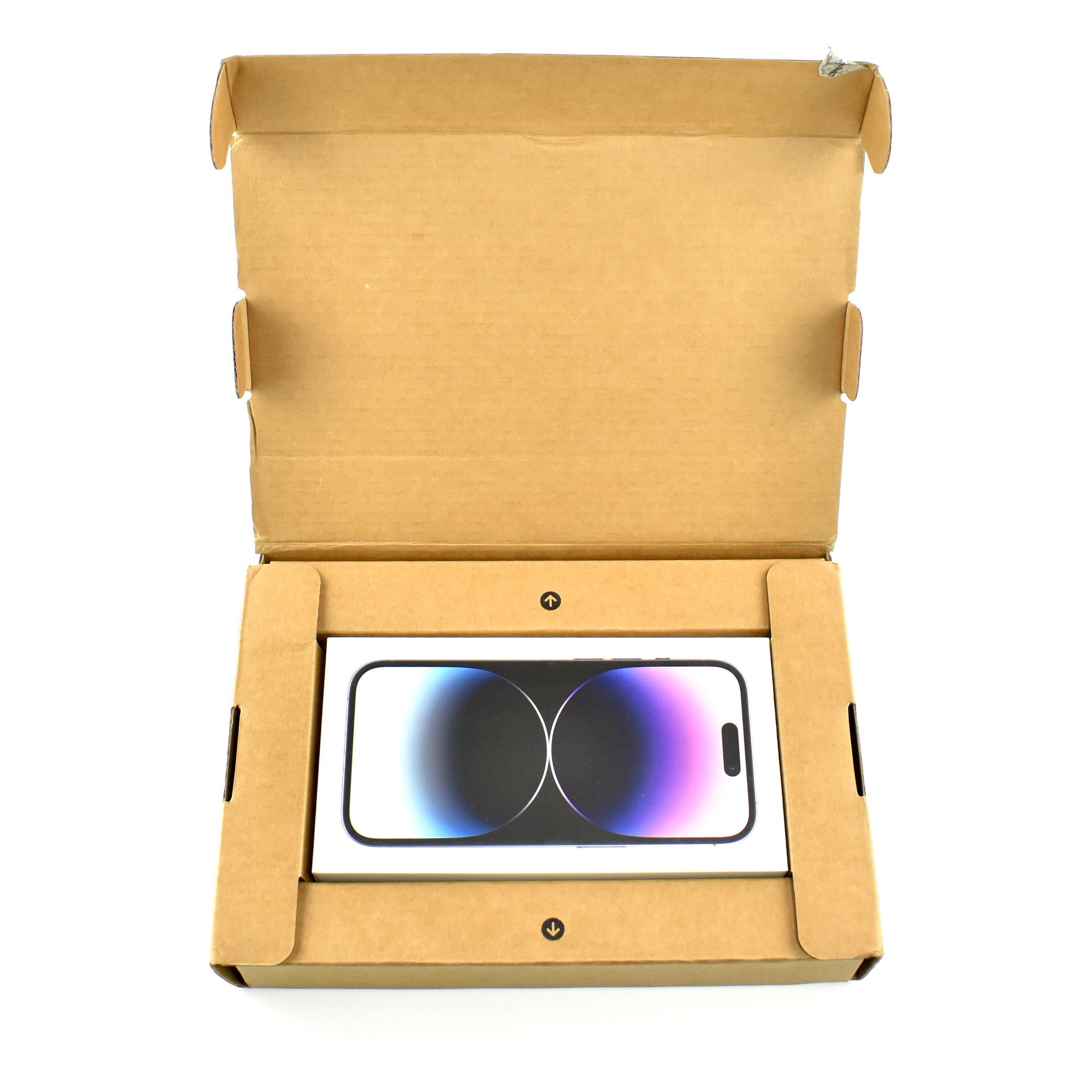
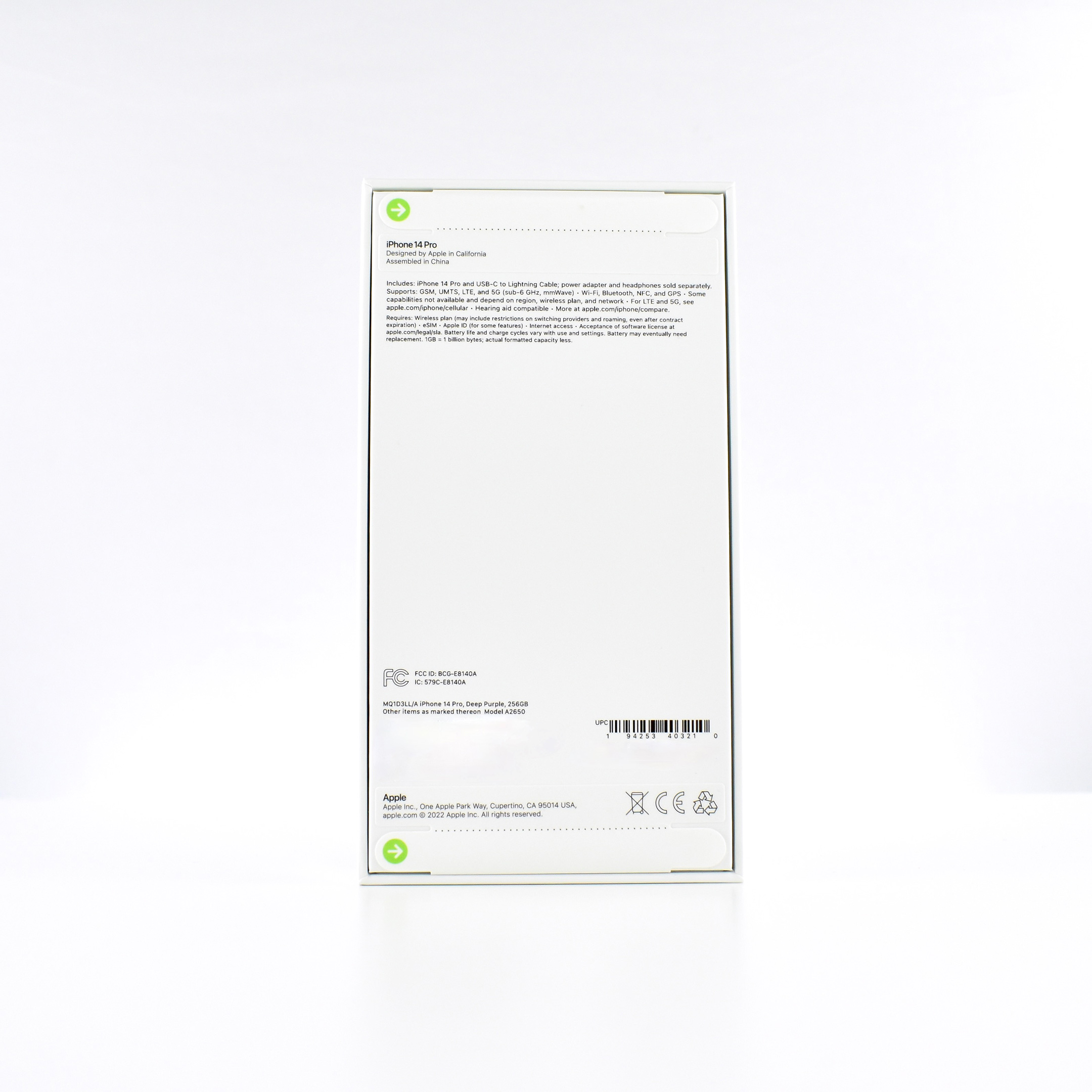
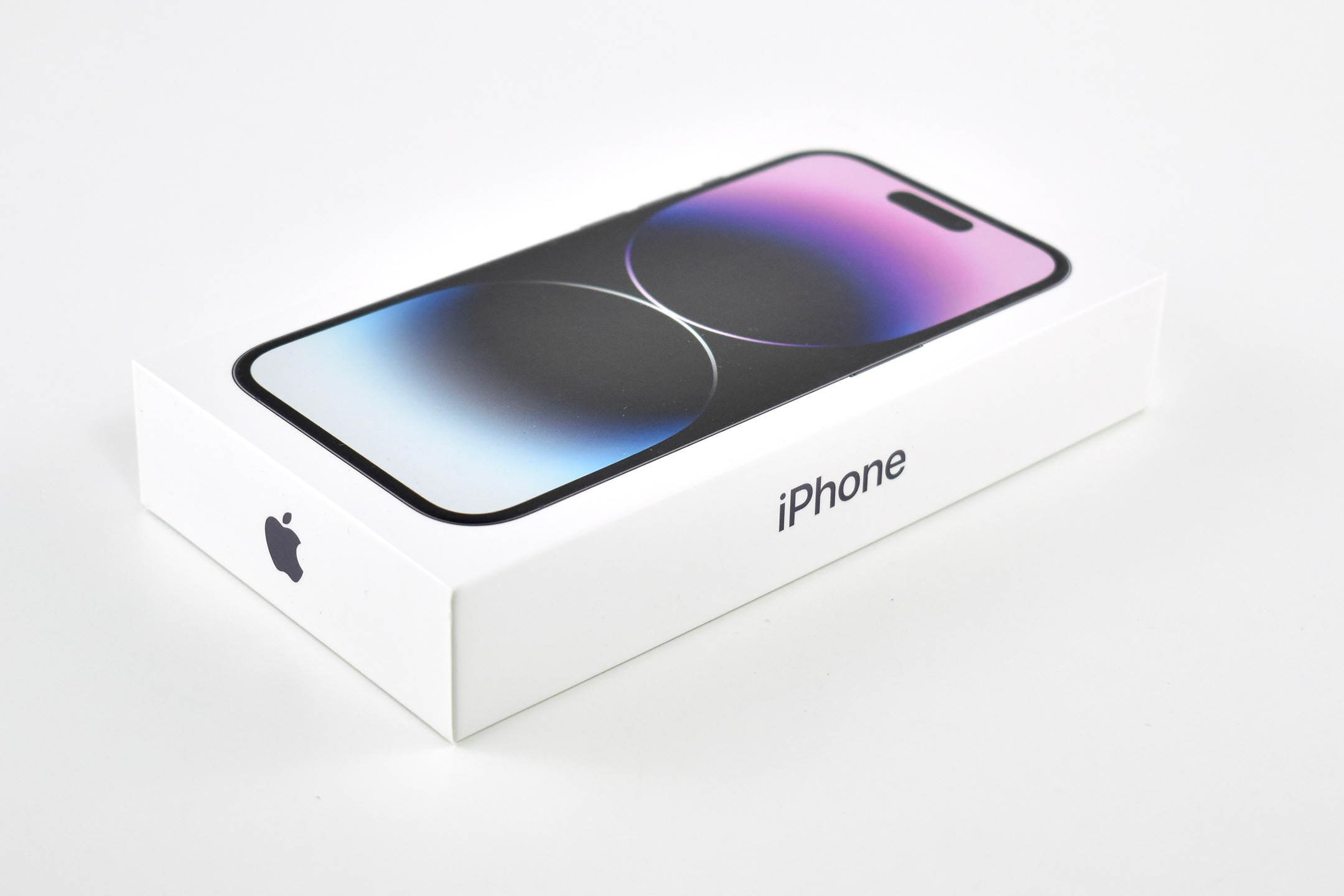
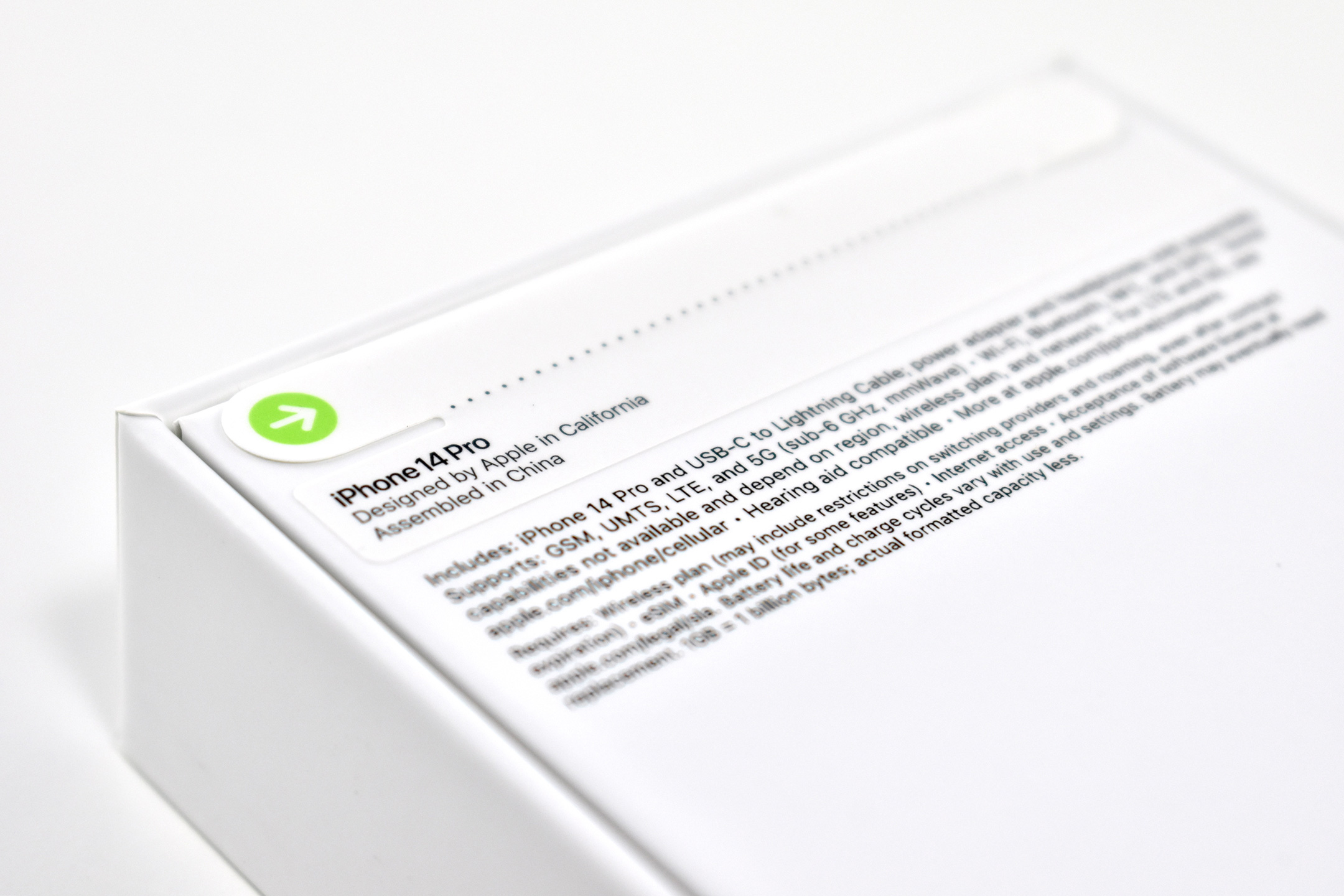
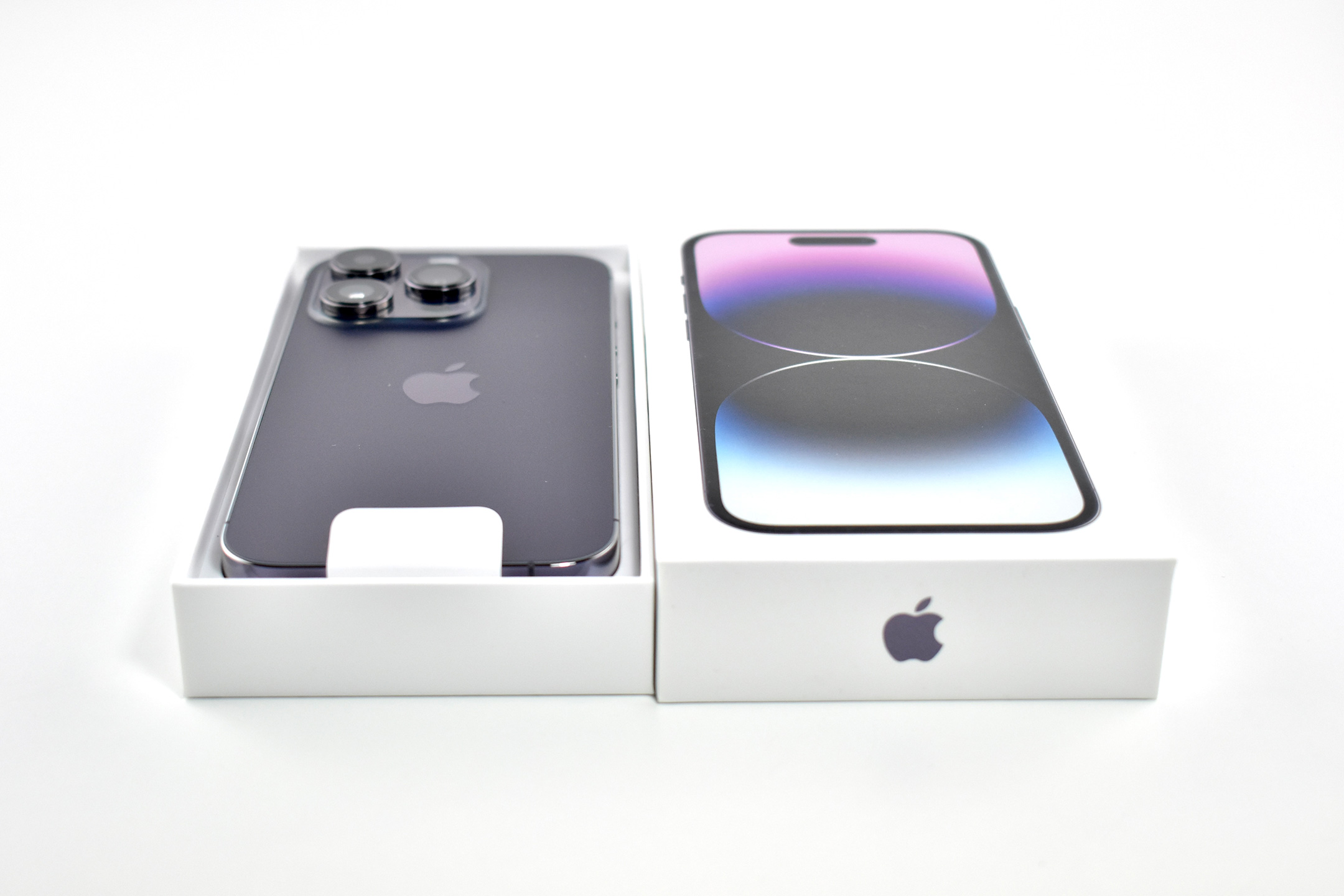
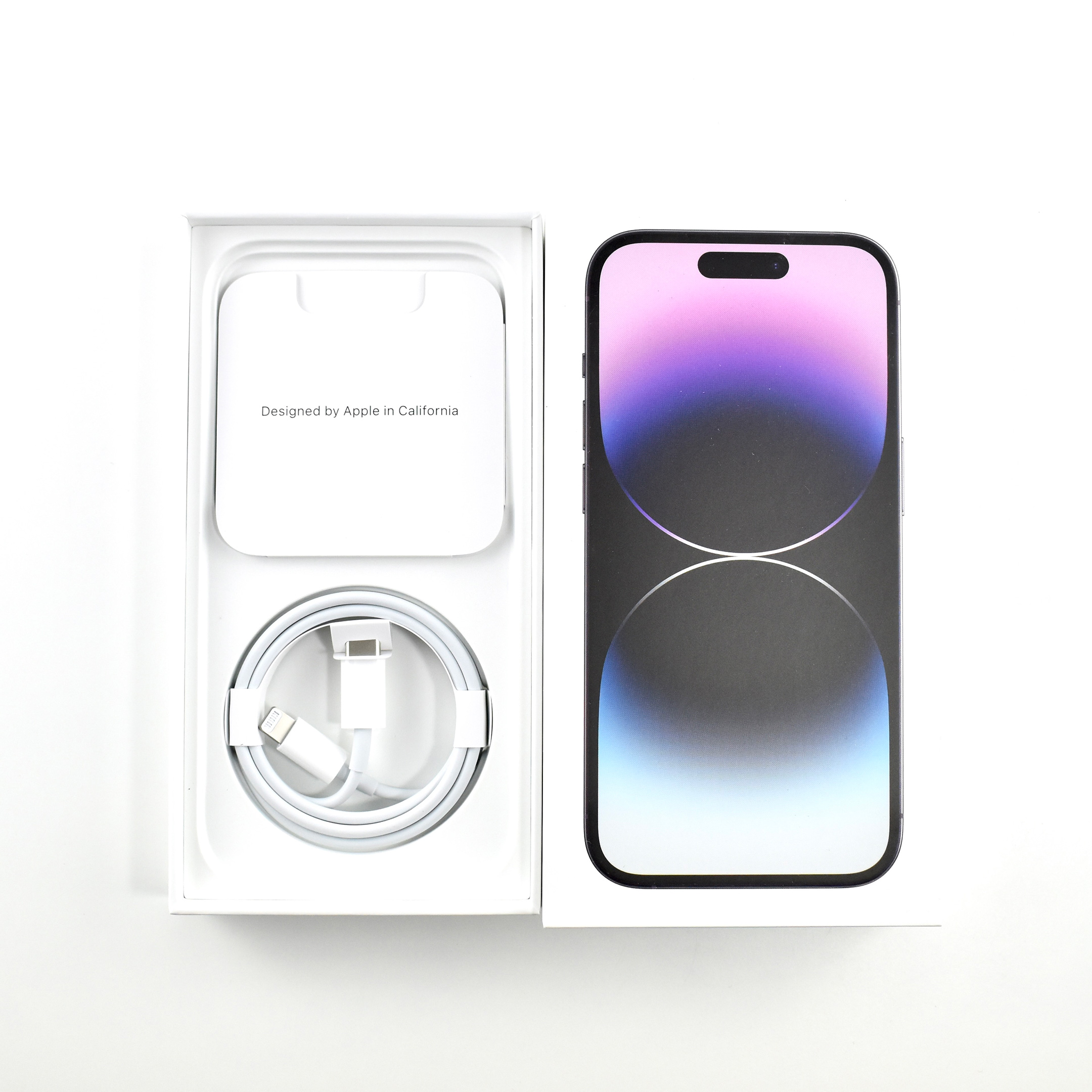
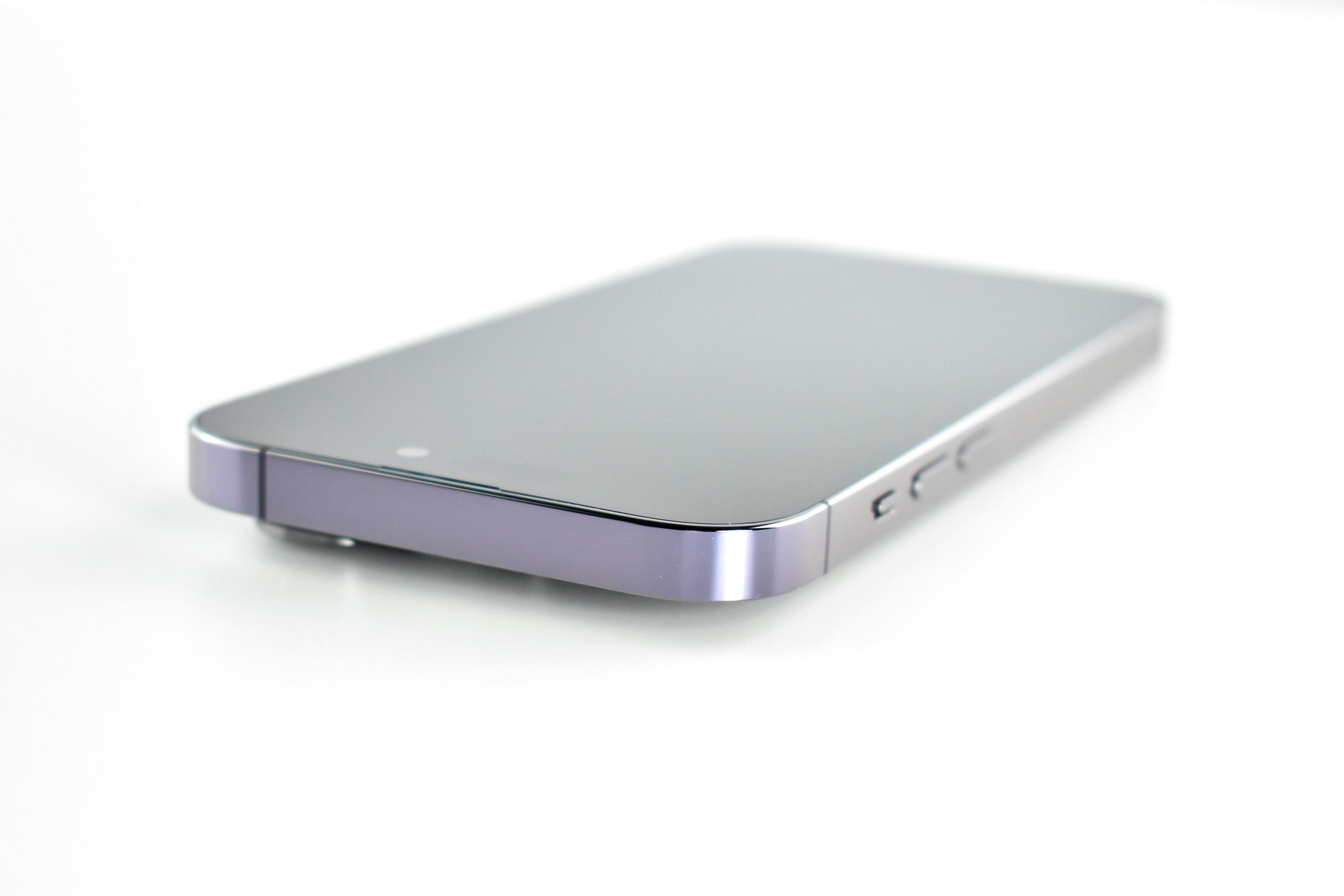
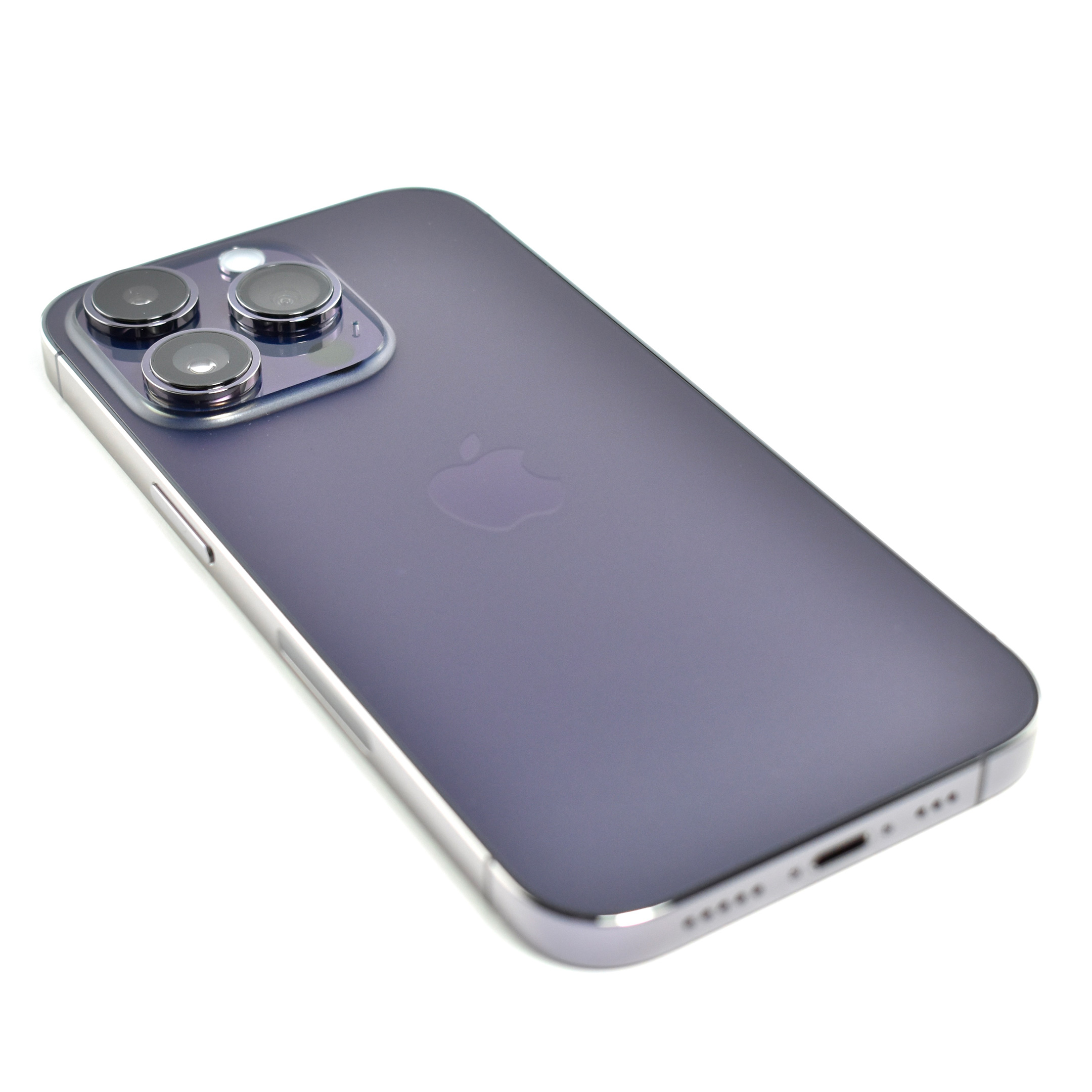
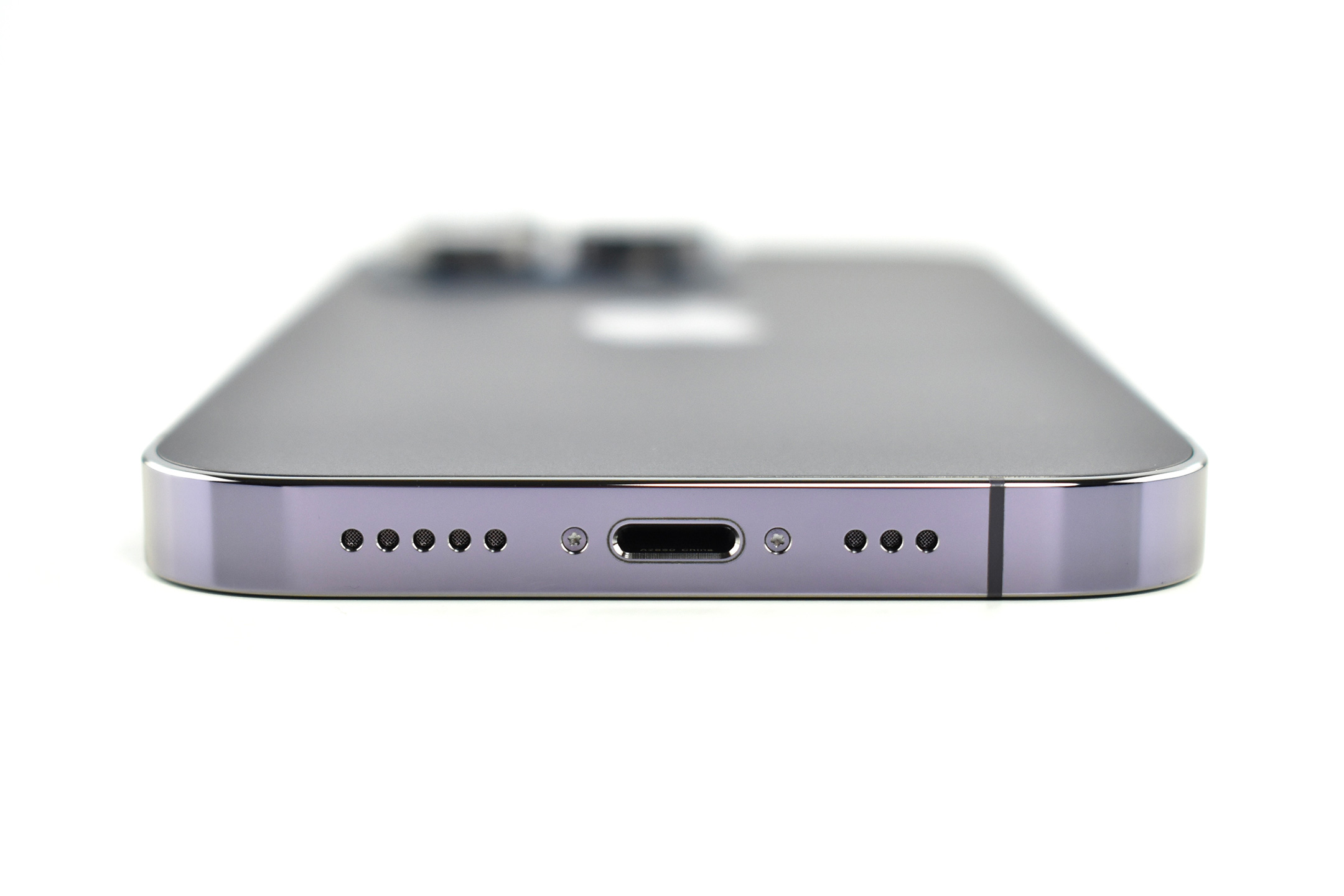
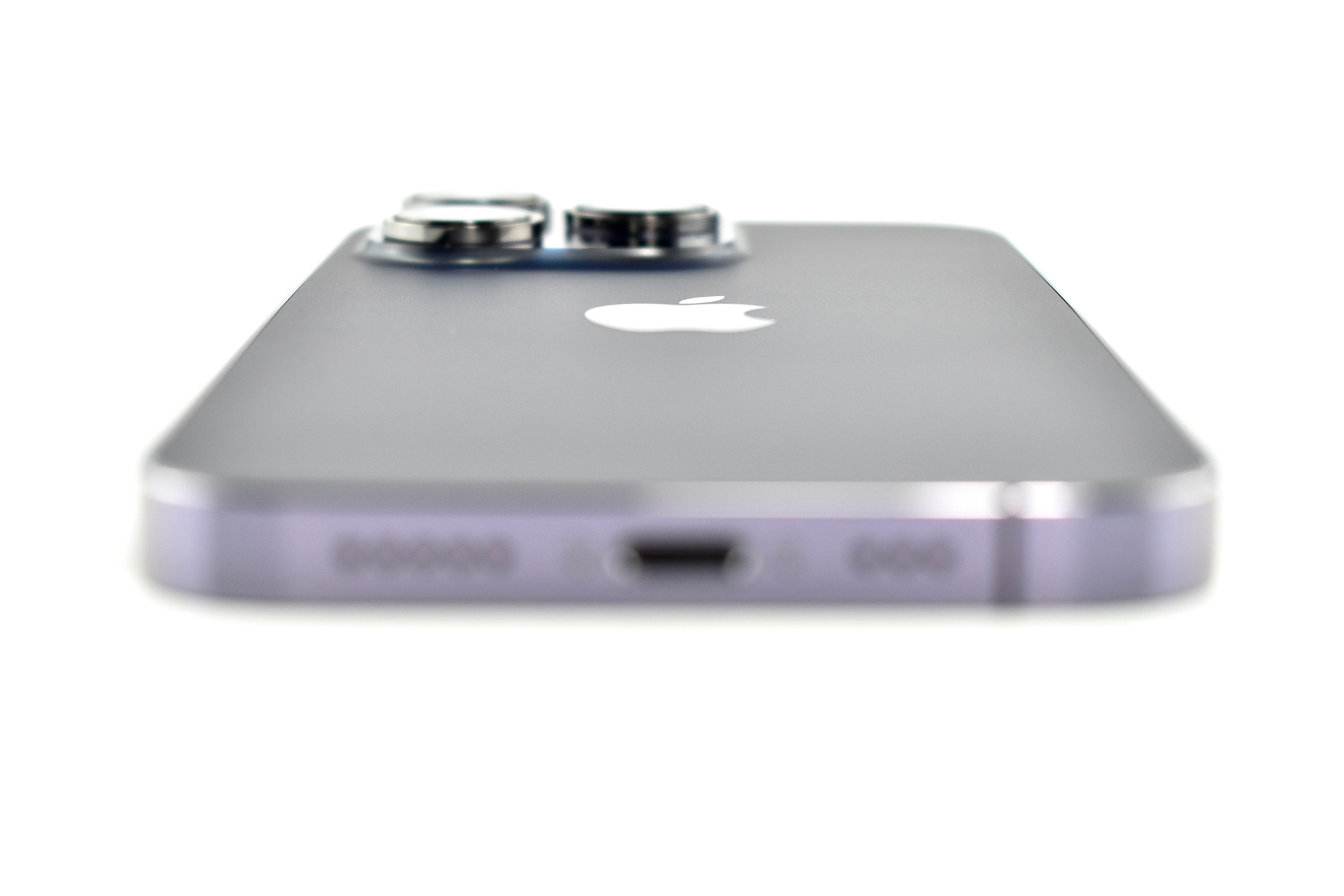
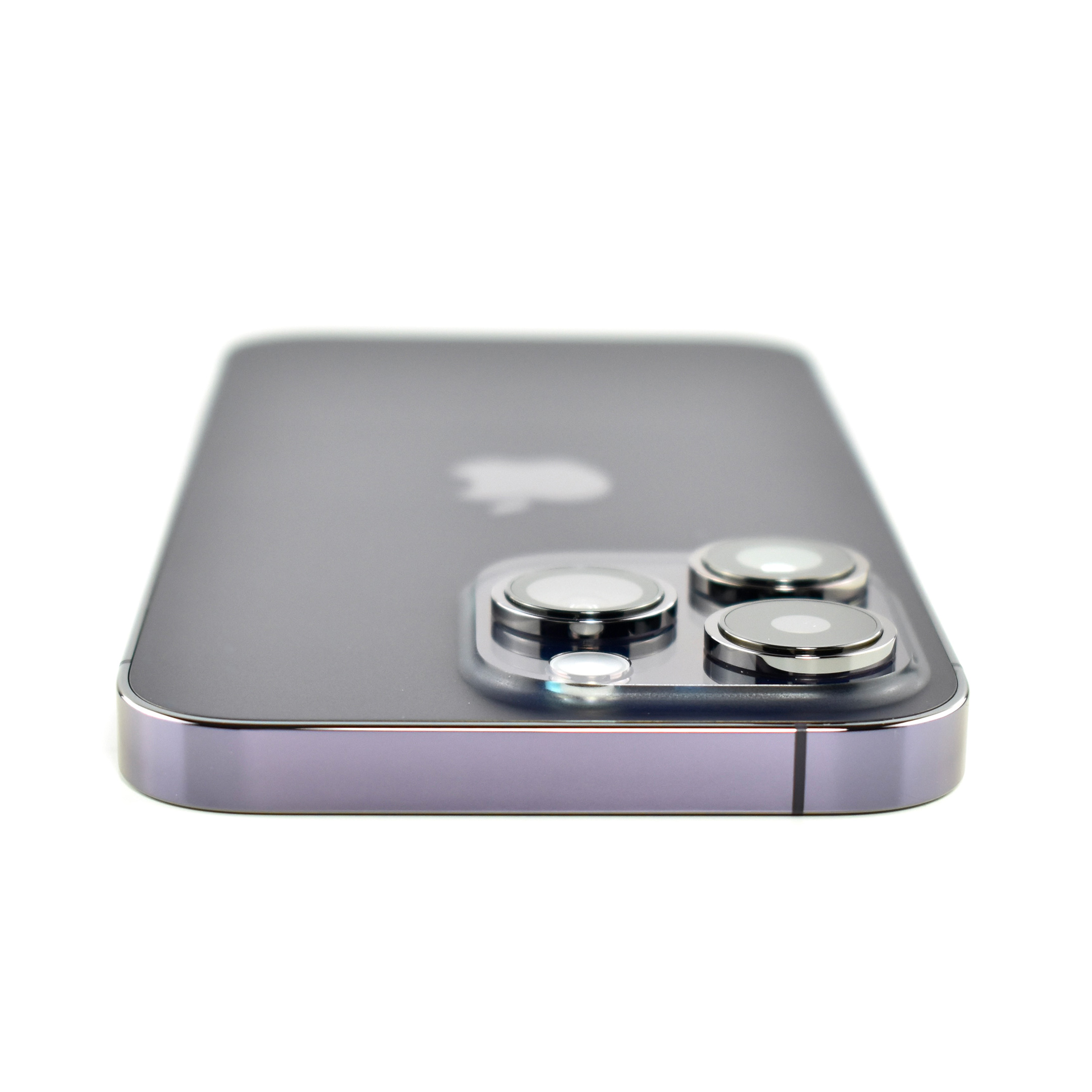
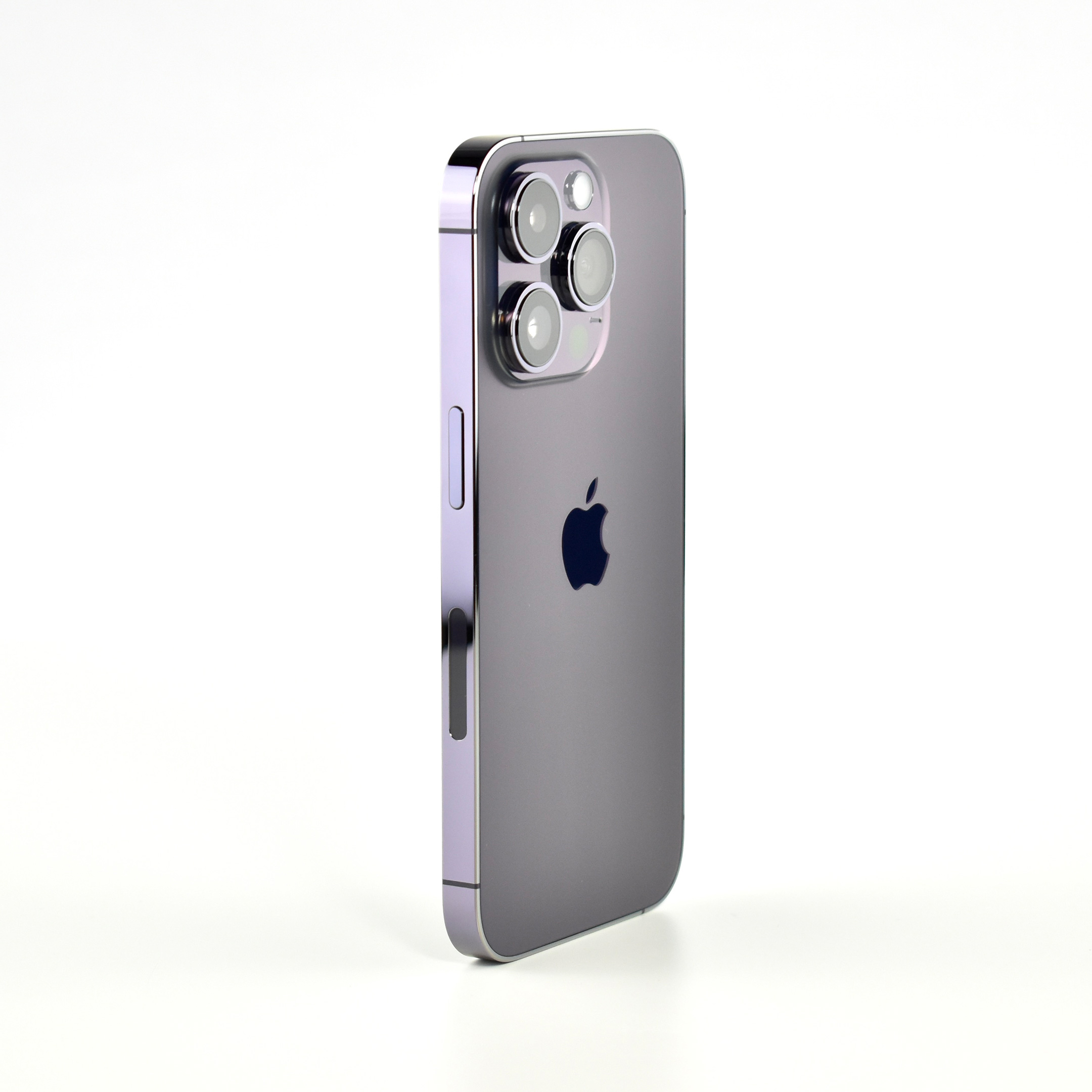
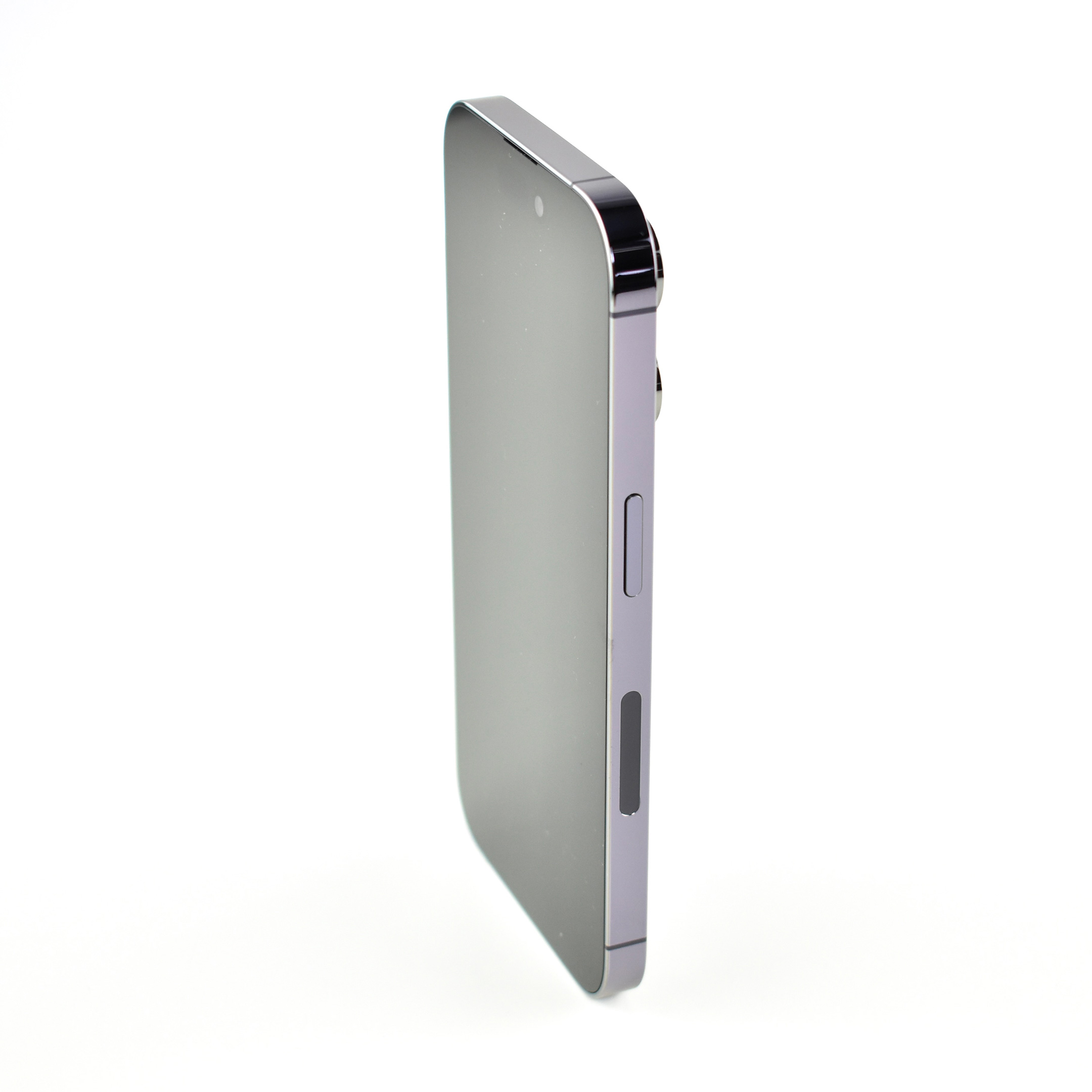
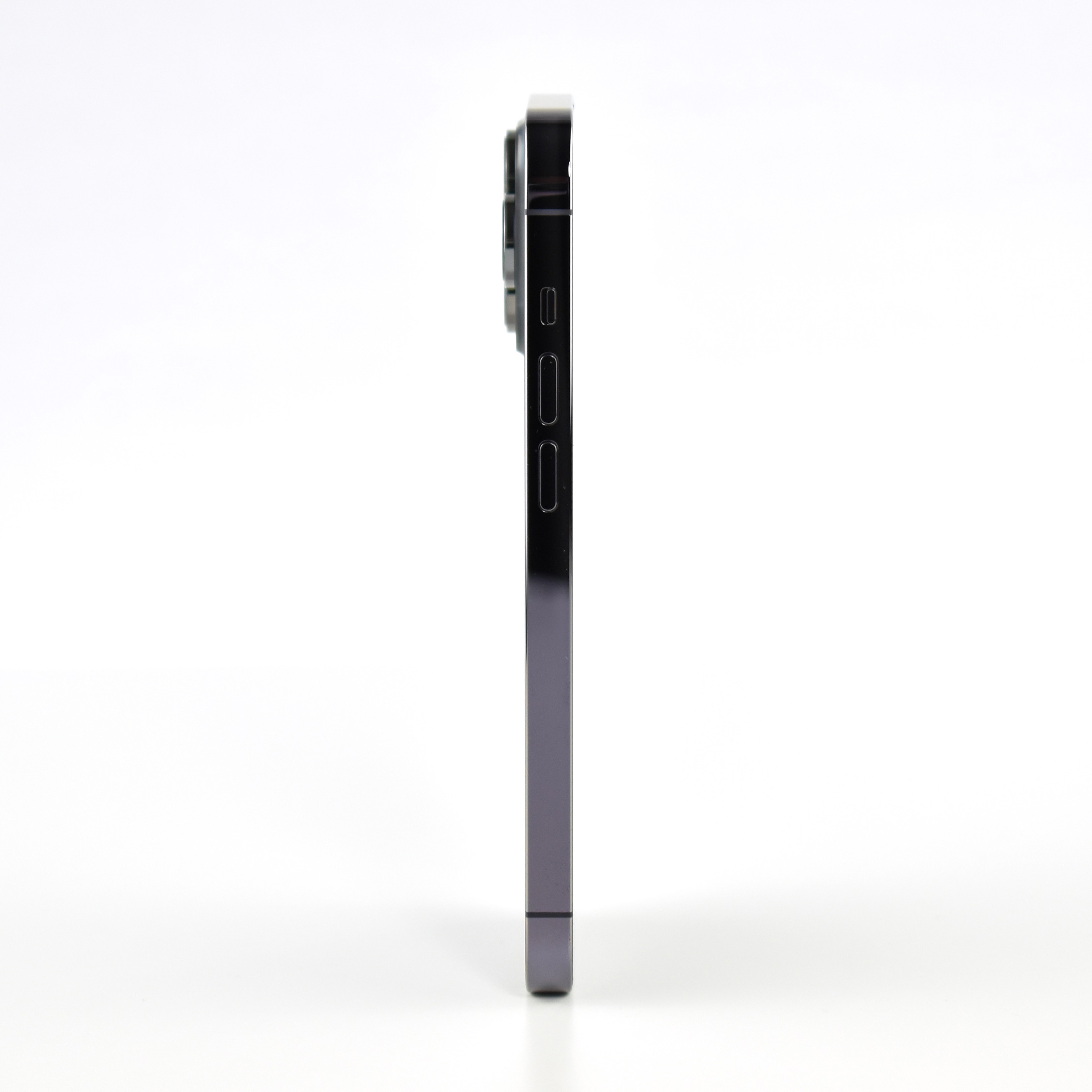
iPhone 14 Pro (Deep Purple, 2022)

The iPhone 14 Pro was announced on September 7, 2022; began pre-orders on Friday, September 9, 2022; and was available beginning Friday, September 16, 2022. Apple’s website led with the following description of the iPhone 14 Pro:

“A magical new way to interact with iPhone. Groundbreaking safety features designed to save lives. An innovative 48MP camera for mind-blowing detail. All powered by the ultimate smartphone chip.”

The primary new technologies used in the iPhone 14 Pro included: “Always-On display, the first-ever 48MP camera on iPhone, Crash Detection, Emergency SOS via satellite, and an innovative new way to receive notifications and activities with the Dynamic Island.”

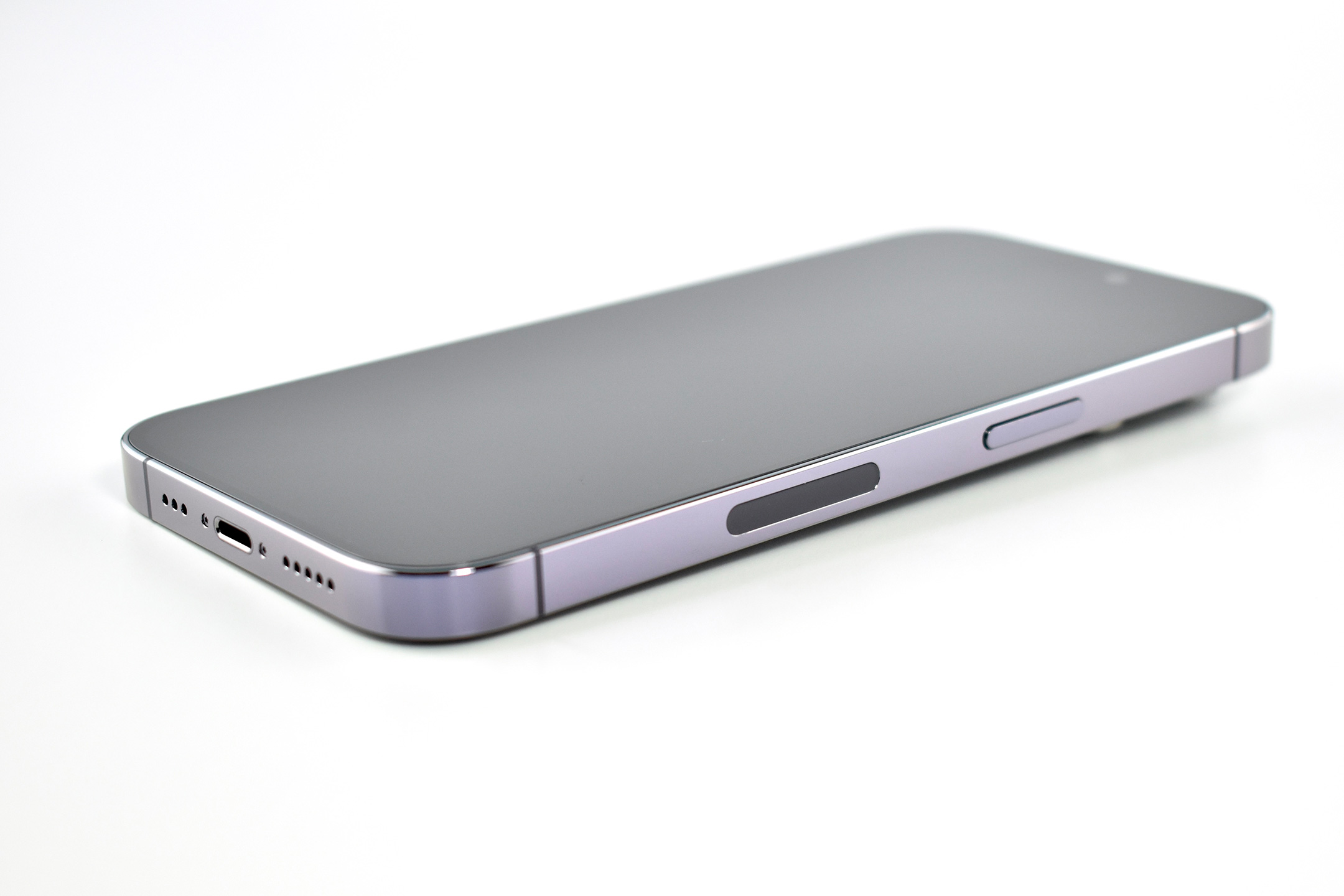
The four colors available at release were deep purple, silver, gold, and space black. The iPhone 14 Pro had a 6.1-inch “Super Retina XDR display with ProMotion” with an Always-On display (for the first time on an iPhone) that used a 1Hz refresh rate with power-efficient technologies. In practice, the Always-On display faded to a dim/dark version of the Wallpaper and allowed the time and up to four widgets to show (a widget above the time and up to 3 below the time). Other “Live Activities” showed in the bottom two-thirds of the Lock screen, including alerts and play/pause options for media.

The iPhone 14 Pro also delivered “the highest outdoor peak brightness in a smartphone: up to 2000 nits, which is twice as bright as iPhone 13 Pro.”

The Dynamic Island was also introduced in the iPhone 14 Pro. The design of this iPhone removed the “notch” that had been used since the iPhone X and moved the functions slightly lower into a pill shape. Apple described the Dynamic Island system as one “that blends the line between hardware and software, adapting in real time to show important alerts, notifications, and activities. With the introduction of the Dynamic Island, the TrueDepth camera has been redesigned to take up less of the display area.”

Apple continued, “Without impeding content on the screen, the Dynamic Island maintains an active state to allow users easier access to controls with a simple tap-and-hold. Ongoing background activities like Maps, Music, or a timer remain visible and interactive, and third-party apps in iOS 16 that provide information like sports scores and ride-sharing with Live Activities can take advantage of the Dynamic Island.”

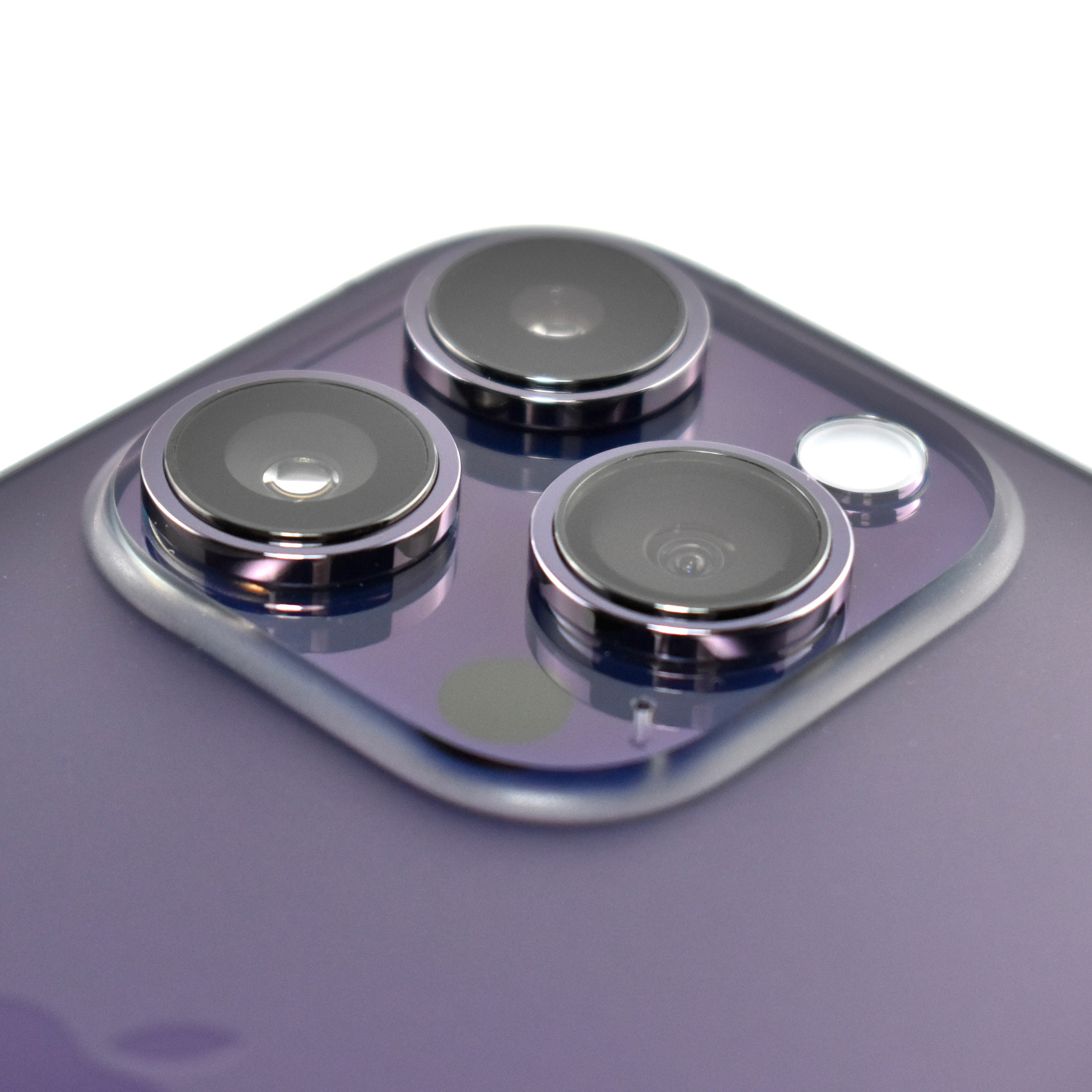
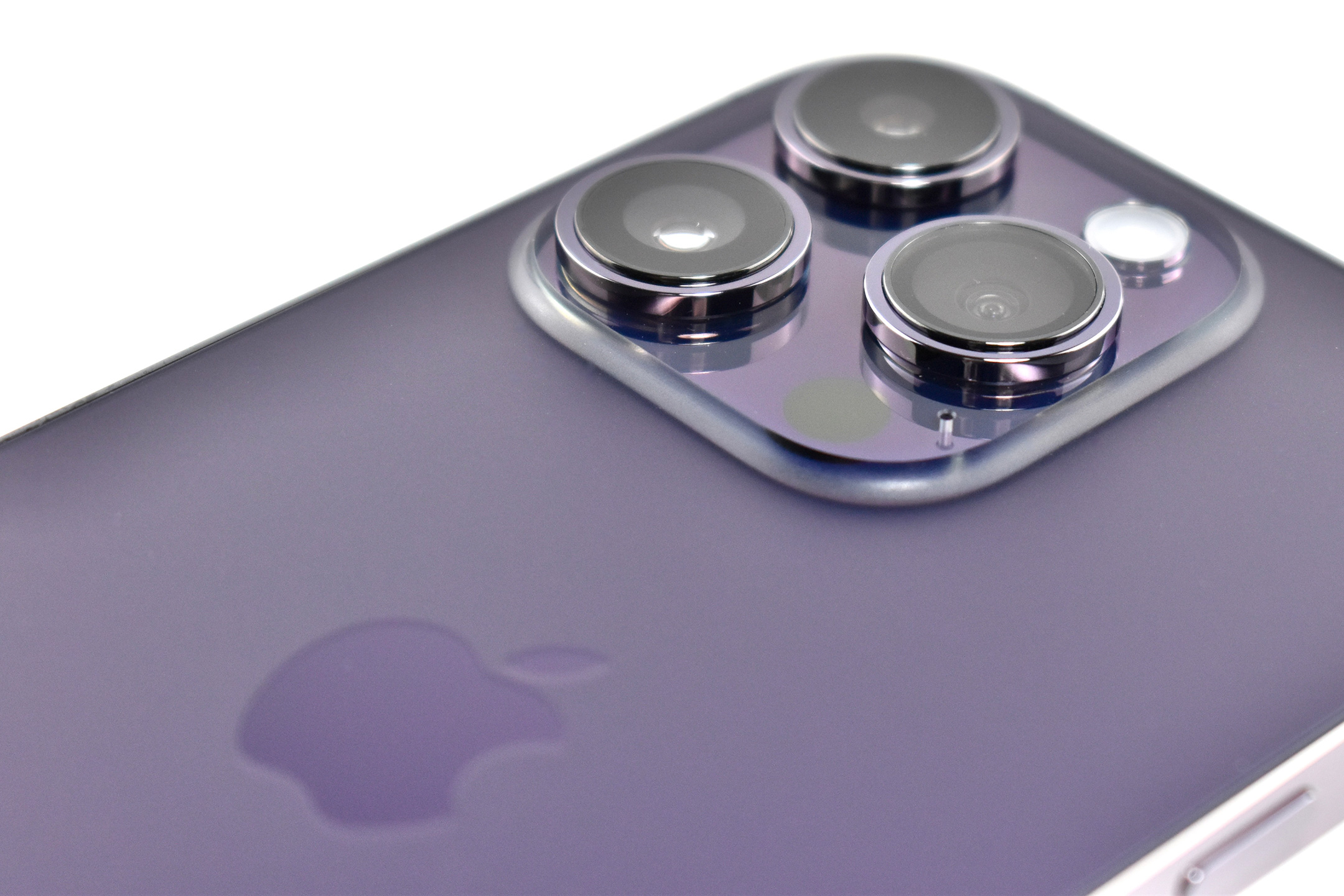
The iPhone 14 Pro camera system added a 2x camera (in addition to the 0.5x, 1x, and 3x options on the iPhone 13 Pro). The iPhone 14 Pro also offered a new “48MP Main camera with a quad-pixel sensor that adapts to the photo being captured, and features second-generation sensor-shift optical image stabilization.”

Other new camera features included a front TrueDepth camera with an ƒ/1.9 aperture for better low-light photos and video, adaptive True Tone flash with an array of nine LEDs, and Action mode for “incredibly smooth-looking video that adjusts to significant shakes, motion, and vibrations, even when video is being captured.”

All iPhone 14 models added Crash Detection that used a variety of built-in sensors (dual-core accelerometer, gyroscope, barometer, GPS, and microphone) to “detect a severe car crash and automatically dial emergency services when a user is unconscious or unable to reach their iPhone.” Additionally, Emergency SOS via satellite was added, “which combines custom components…to allow antennas to connect directly to a satellite, enabling messaging with emergency services when outside of cellular or Wi-Fi coverage.”

The iPhone 14 Pro models are powered by the A16 Bionic chip that includes two high-performance cores and four high-efficiency cores, an accelerated 5-core GPU with 50% more memory bandwidth, and a new 16-core Neural Engine capable of nearly 17 trillion operations per second.

Many of the new features of the iPhone 14 Pro were enabled by iOS 16, released along with the entire iPhone 14 line.

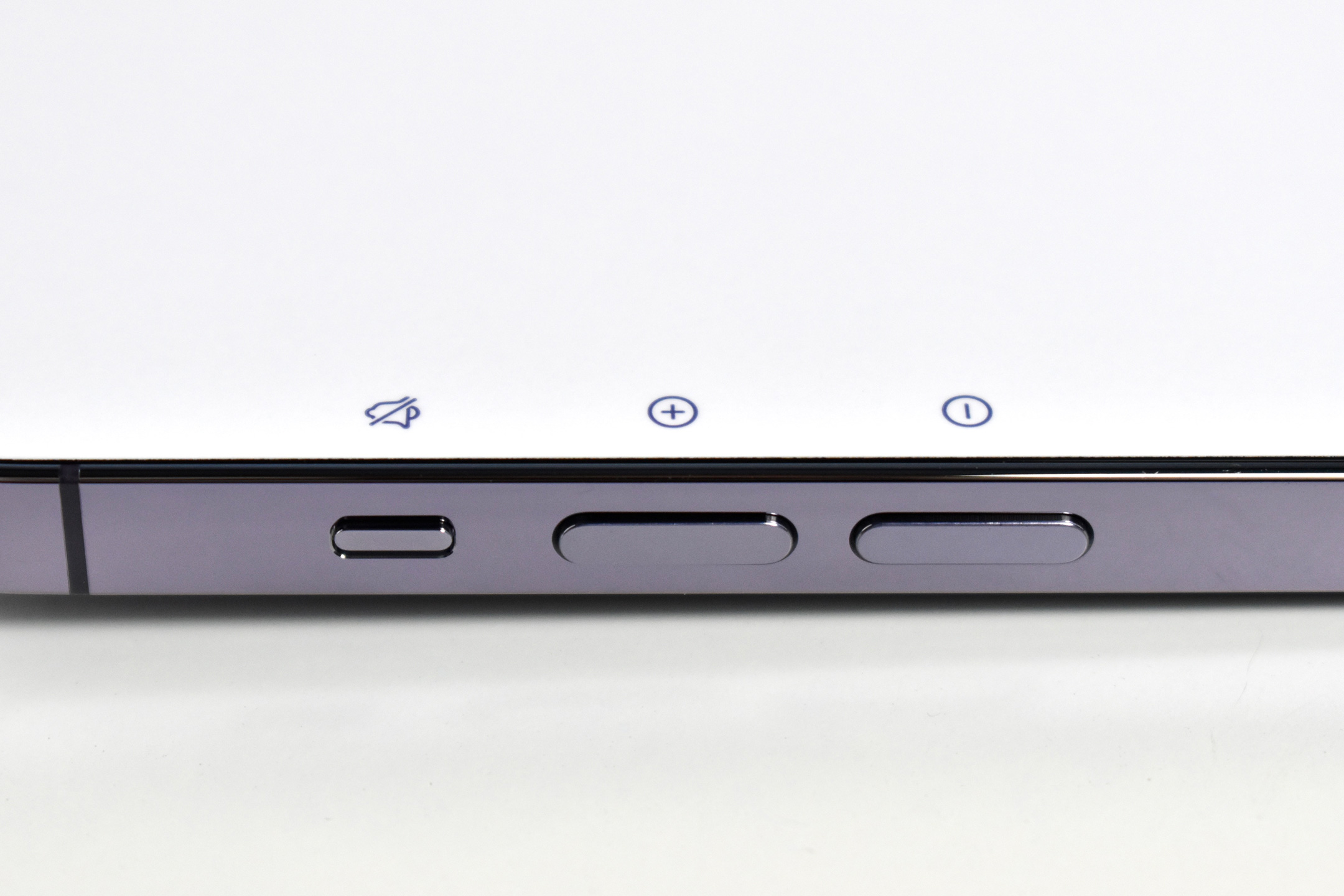
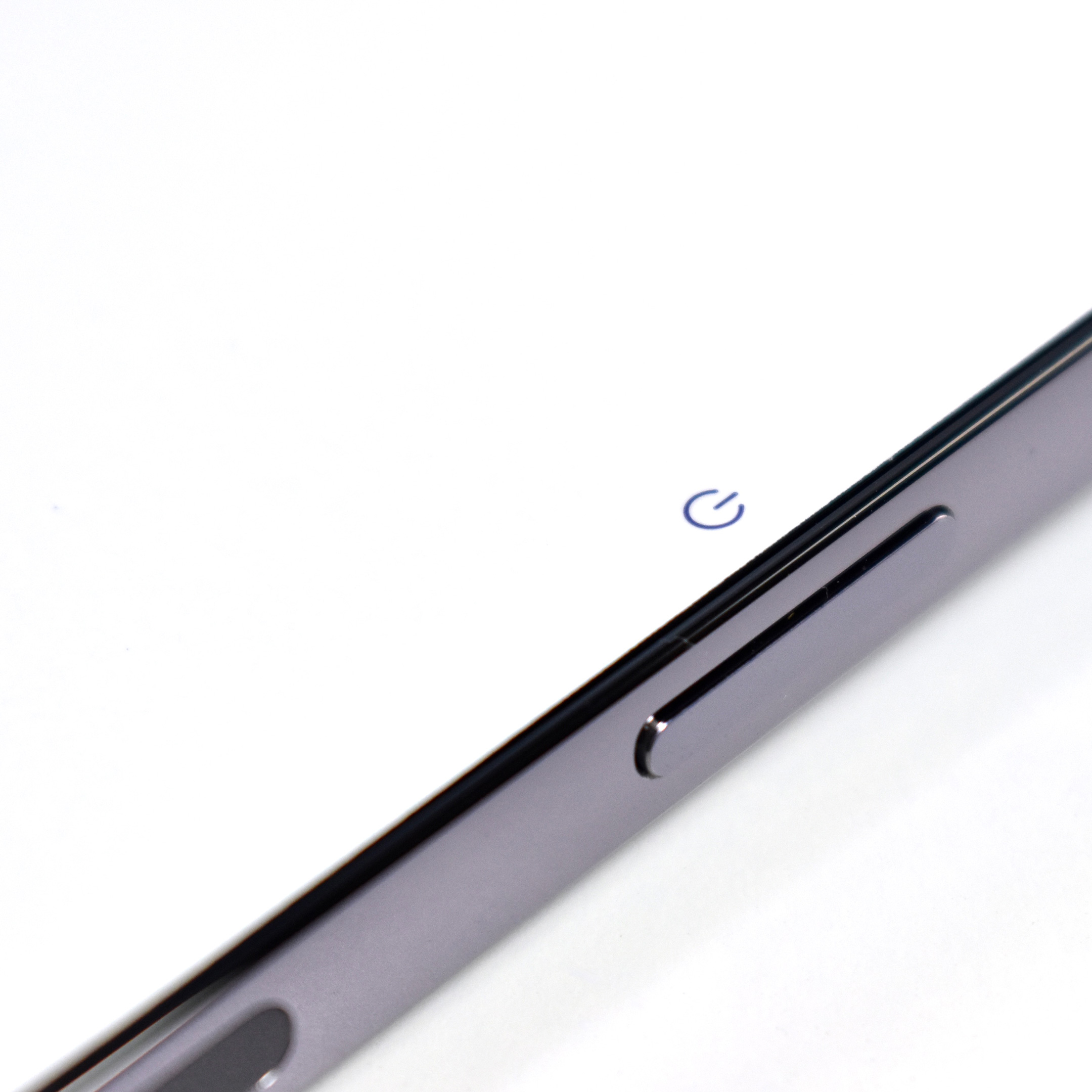
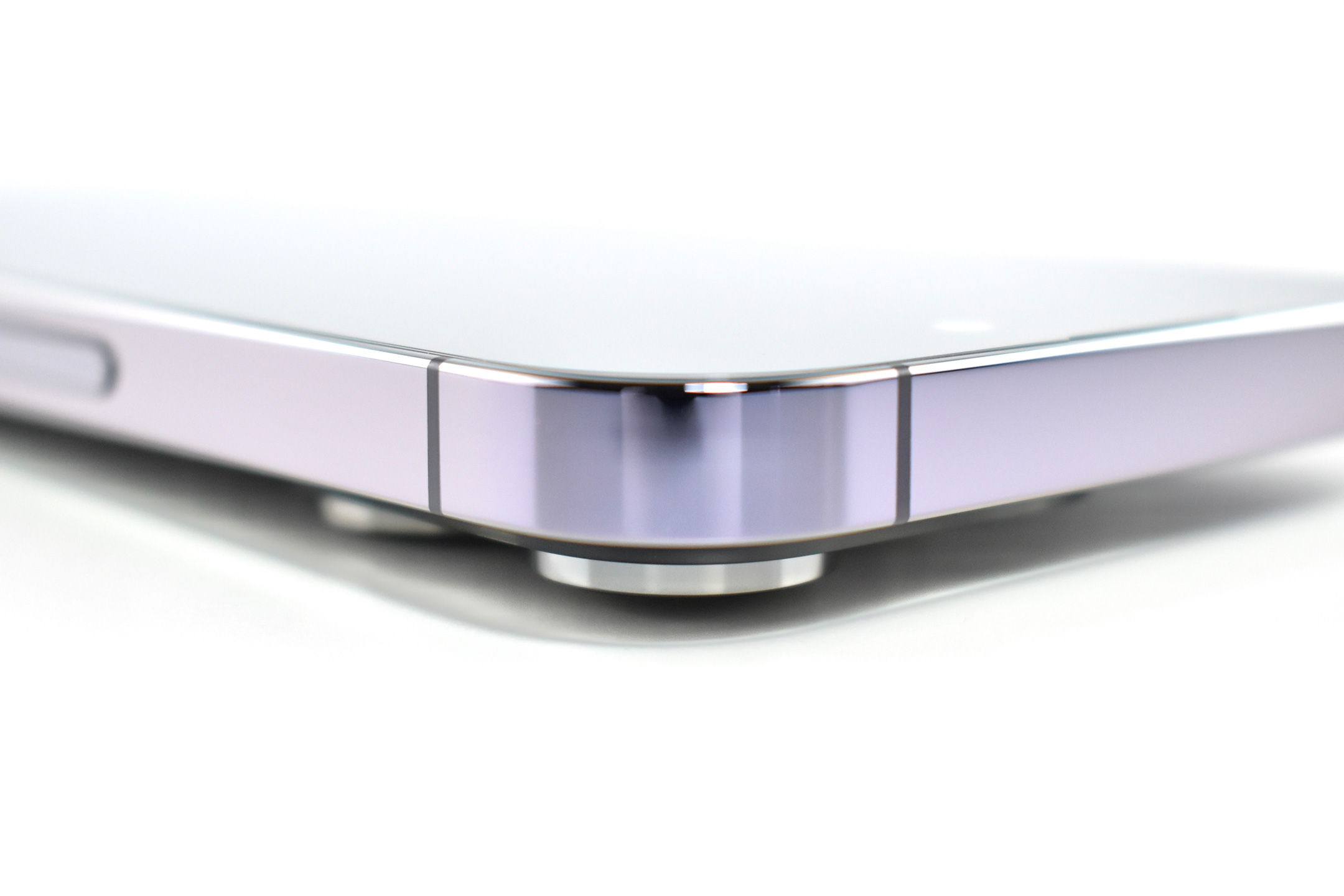
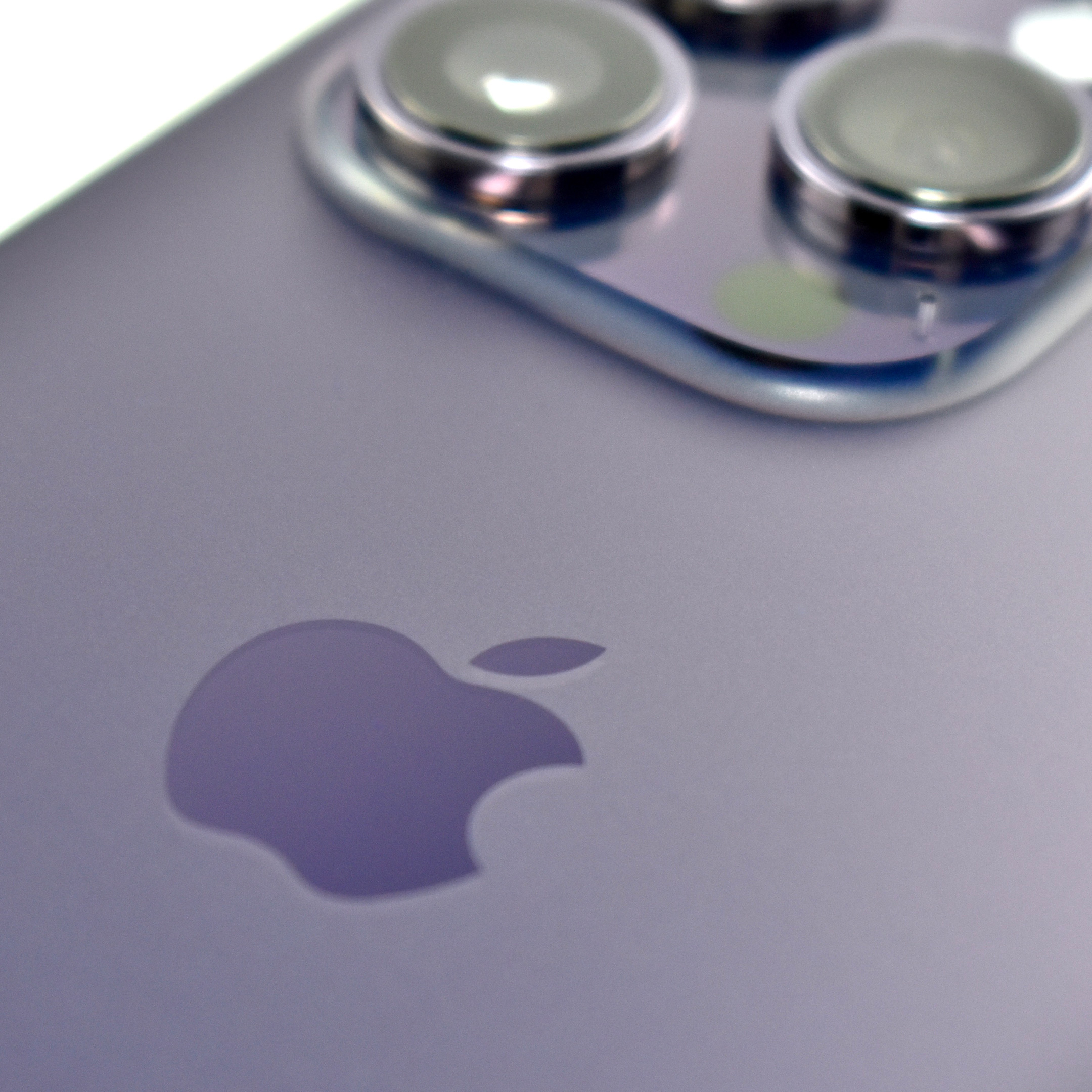
This iPhone 14 Pro example is Deep Purple.

Sources: Apple (iPhone 14 Pro, Newsroom)