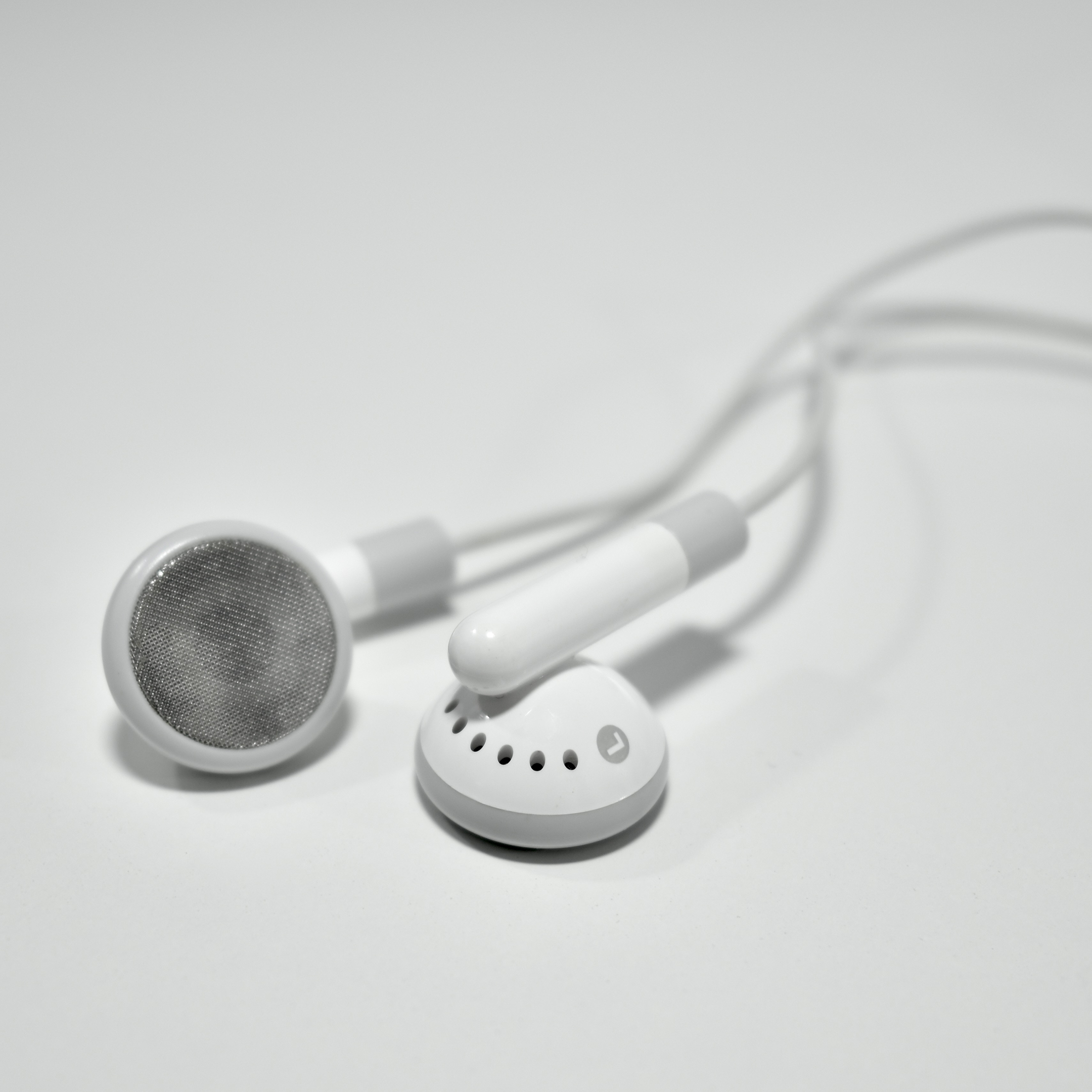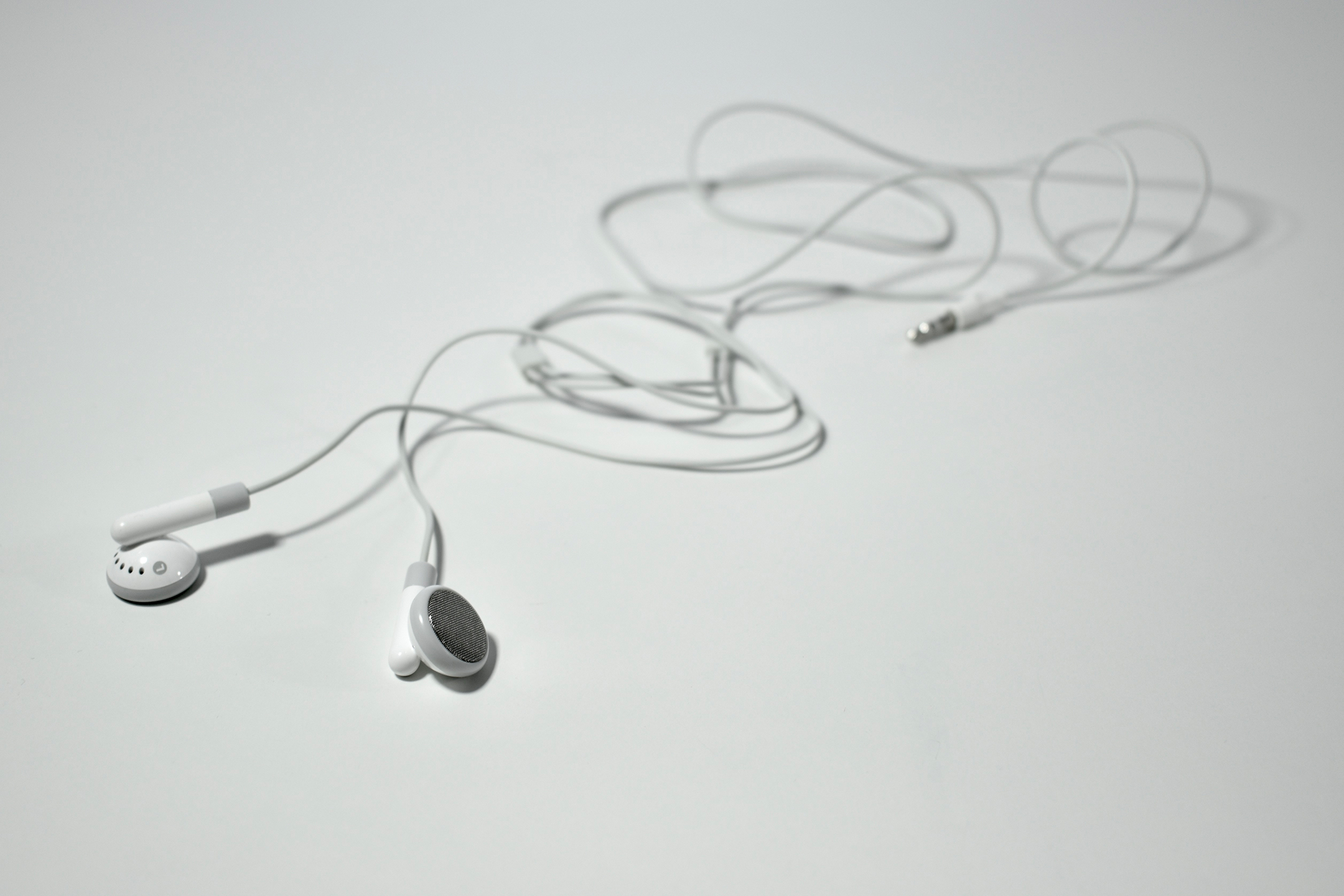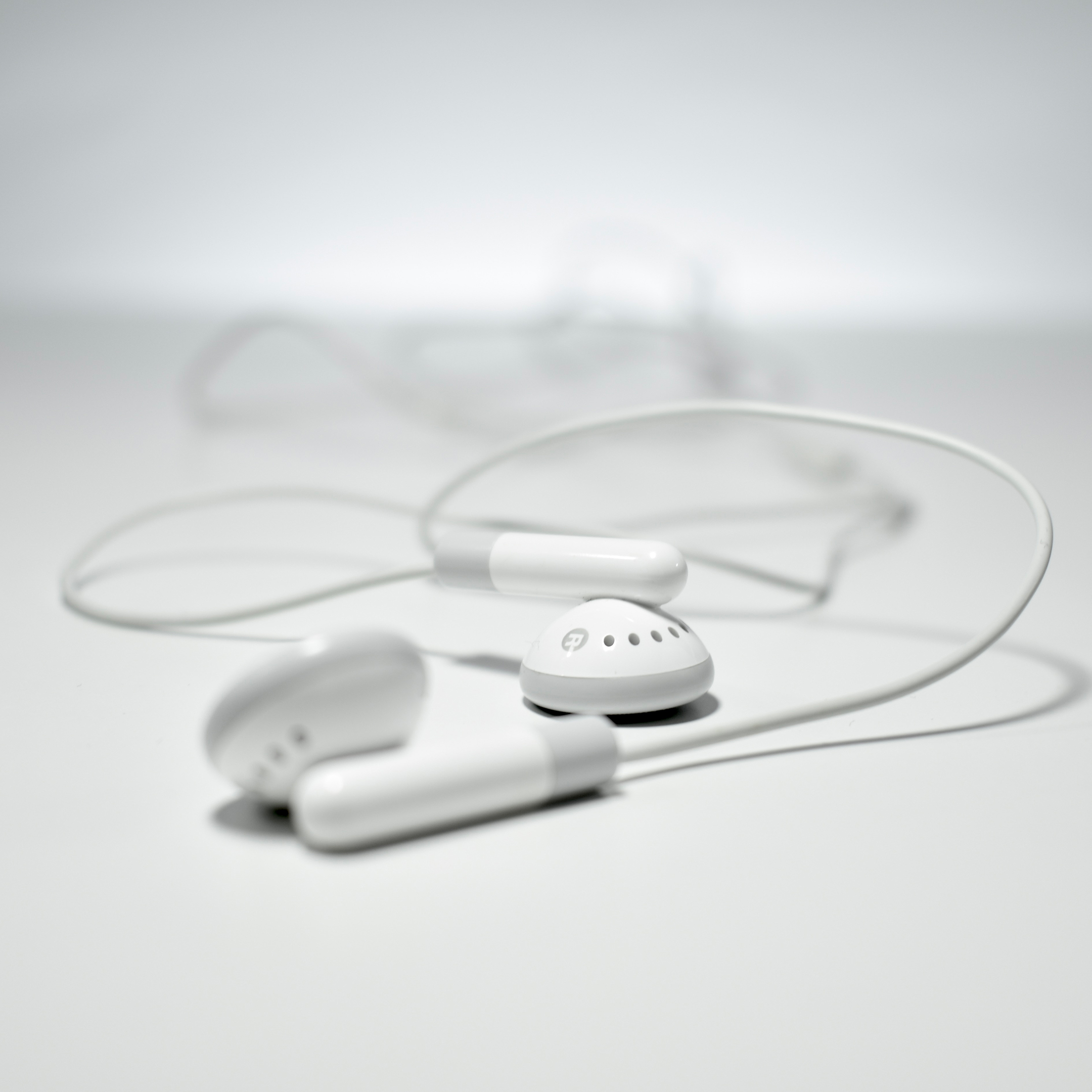
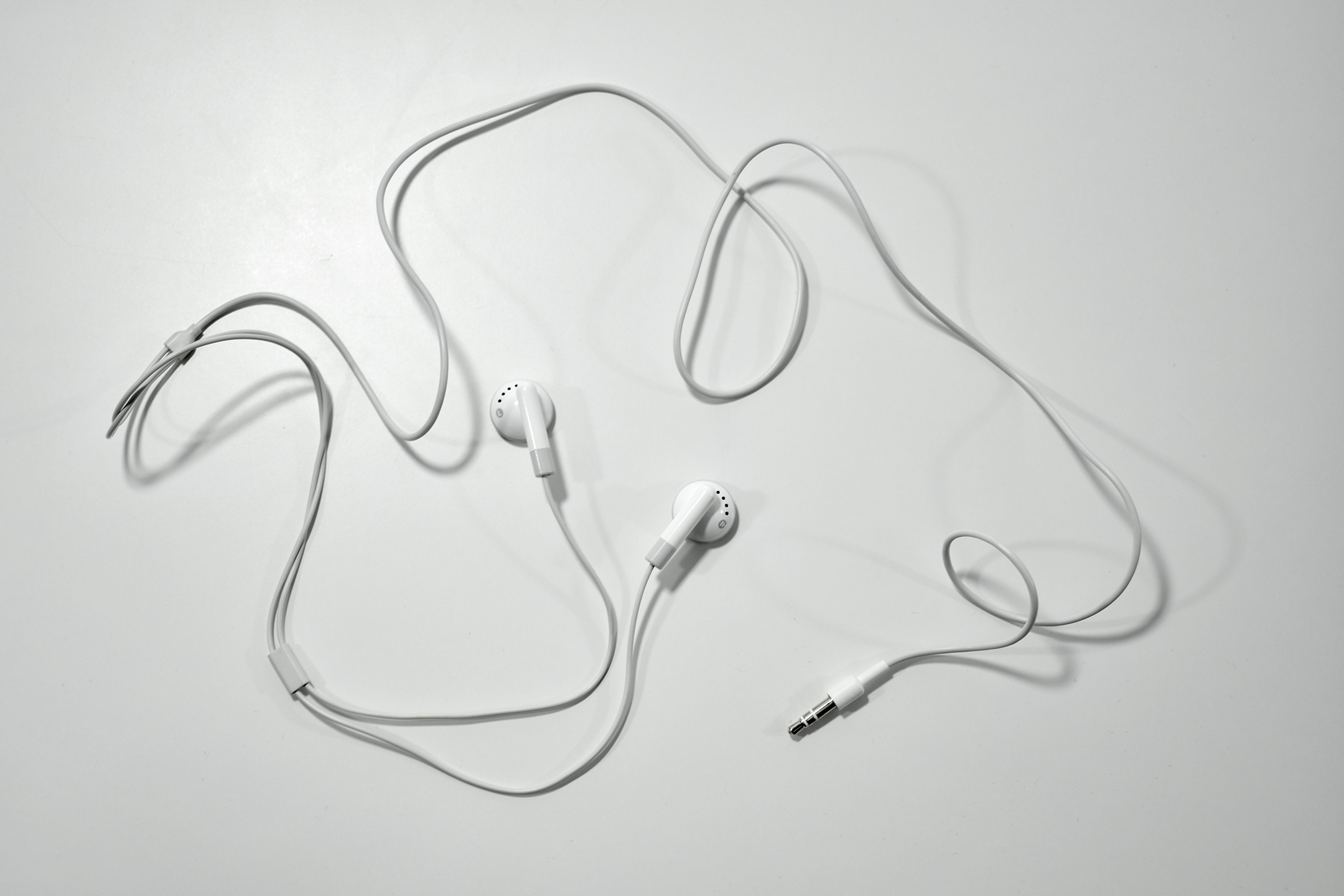
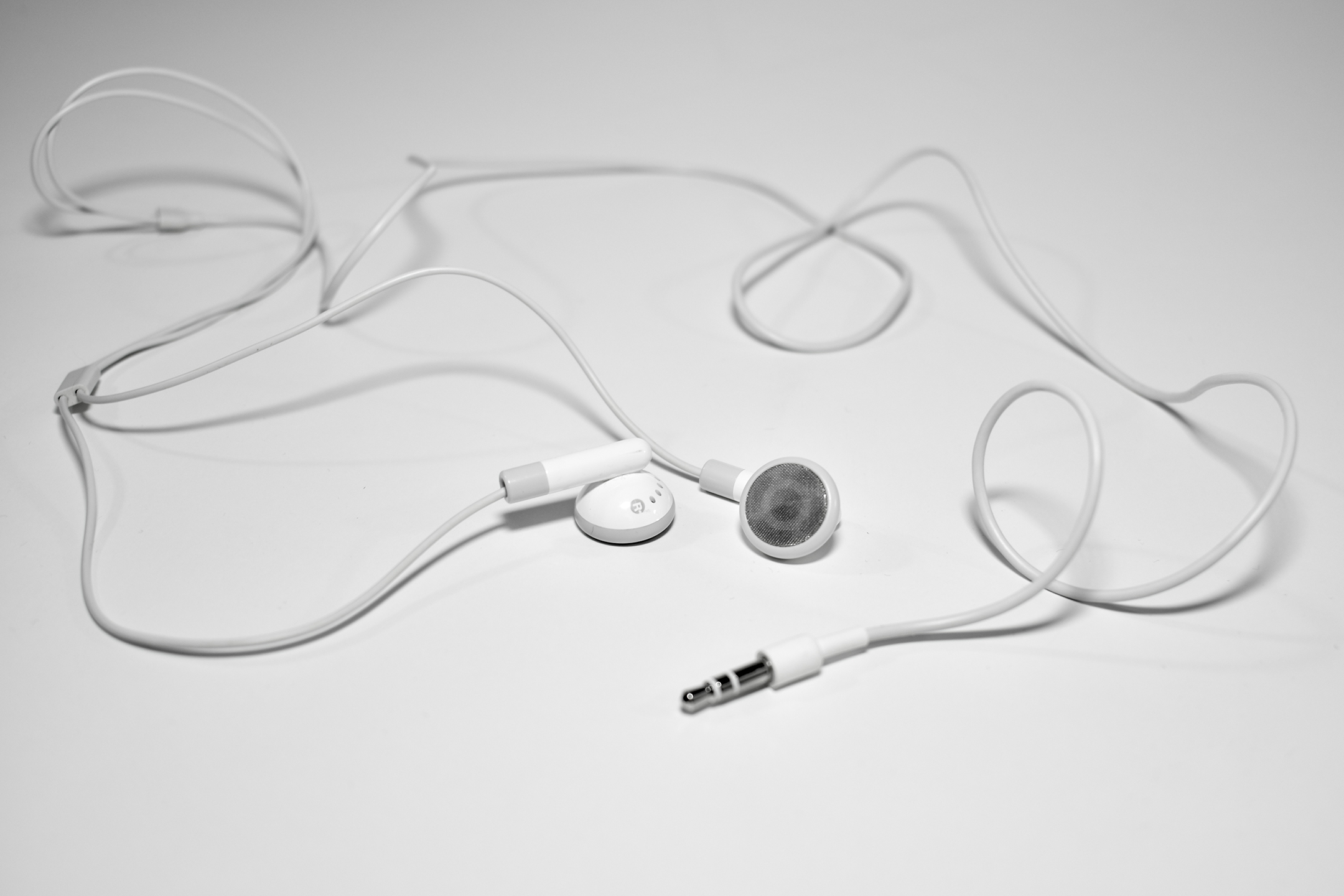
Original iPod headphones (Generation 2, 2002)

The Original iPod headphones were the earbuds that shipped with the original iPod. They sounded quite good, shipped with two sets of black foam ear covers, were sometimes panned for not fitting some people’s ears, and came with the iPod at no additional cost so most iPod users used them.

Perhaps the most important, and in my opinion overlooked, feature of these headphones was not the specs, but the color. Soon after the iPod was introduced in 2001, an iconic ad campaign was released in 2003 referred to as “silhouettes,” created by the company Chiat\Day. In each commercial, poster, print ad, or billboard, the all-black silhouette of a dancer moved over a brightly colored background (hot pink, lime green, yellow, or bright blue) while the highly-contrasted bright white headphone wire and iPod moved along with the dancer. The effect was striking and the white cord color effectively called attention to the product nearly screaming, “I’m using an iPod!”

The white earbud design not only became permanently associated with “cool” Apple gear, but 20 years later is still being used as the only color choice for Apple-branded headphones, EarPods, AirPods, and likely future Apple headphone iterations. (Apple-owned brand Beats, however, does produce many headphone styles in multiple colors.)

According to my research, this particular example of the original iPod headphone design is a Generation 2 release, identified as such due to the addition of a plastic slider to adjust the gap between the headphone wires.
Sources: GQ, Wikipedia

DVI to ADC Adapter (2002)

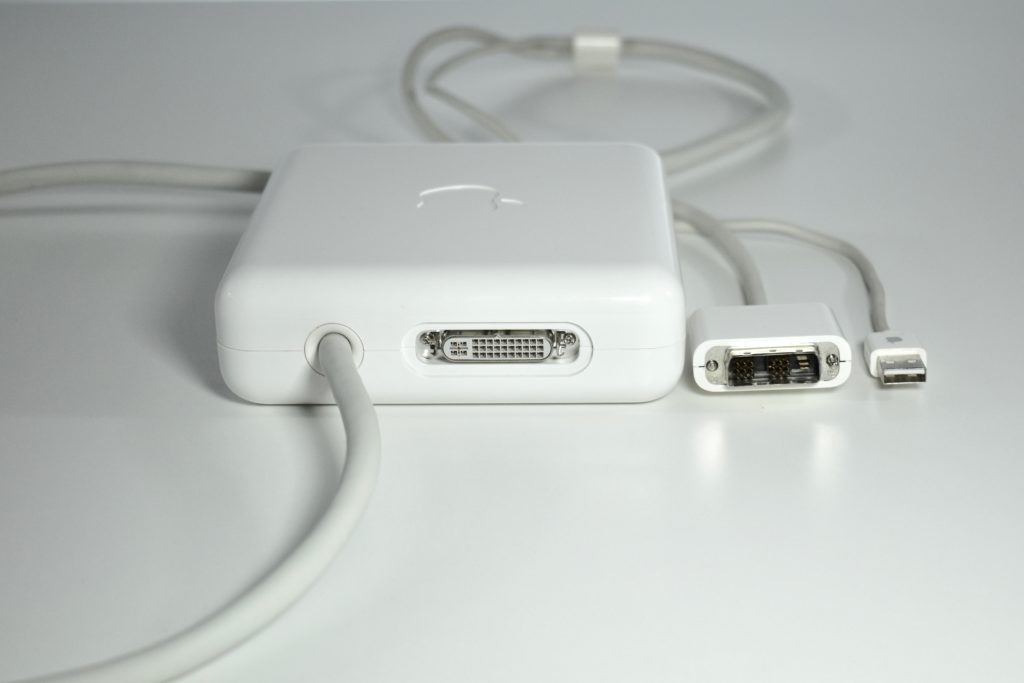
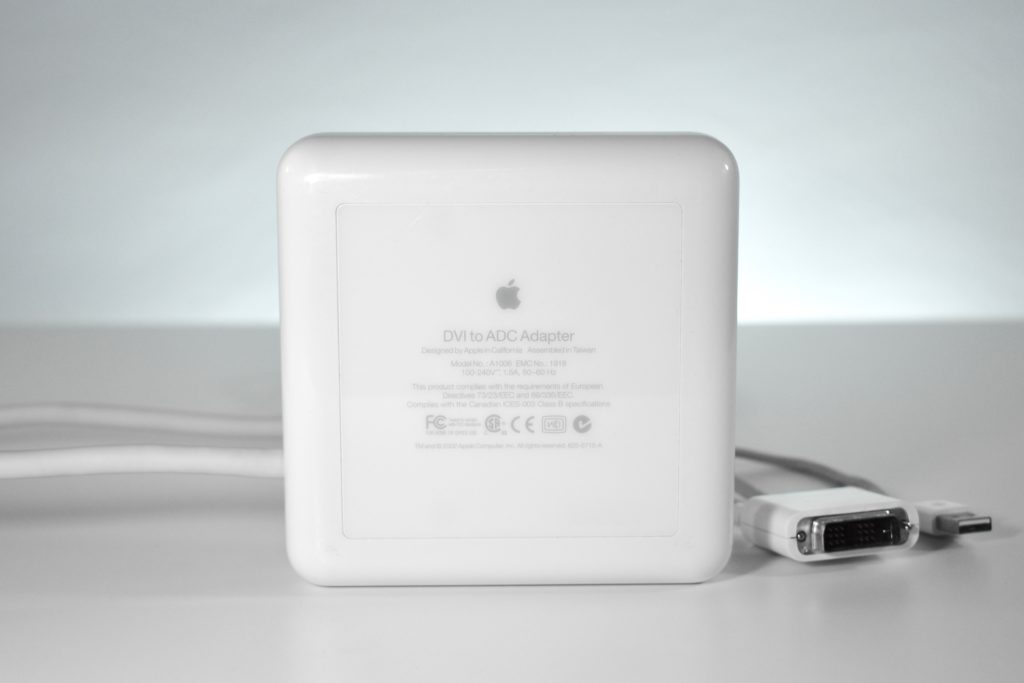
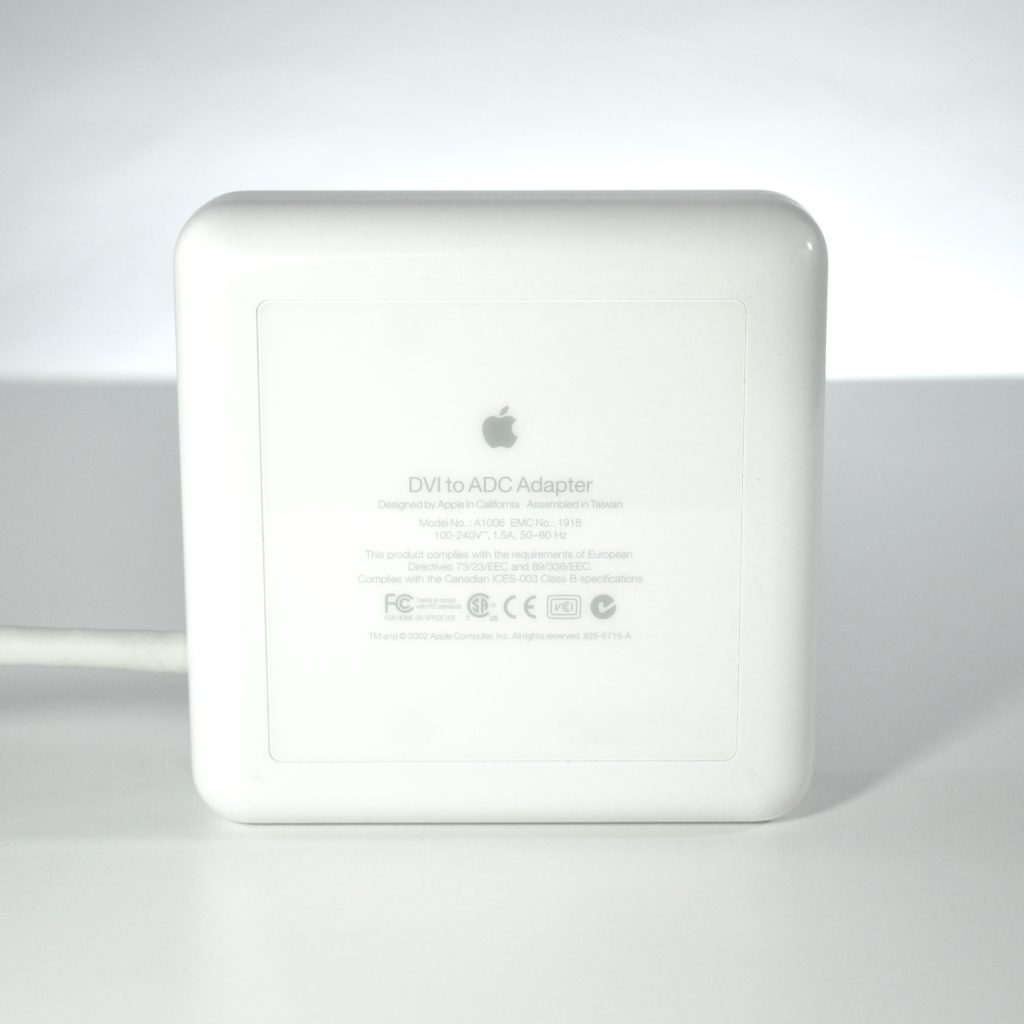
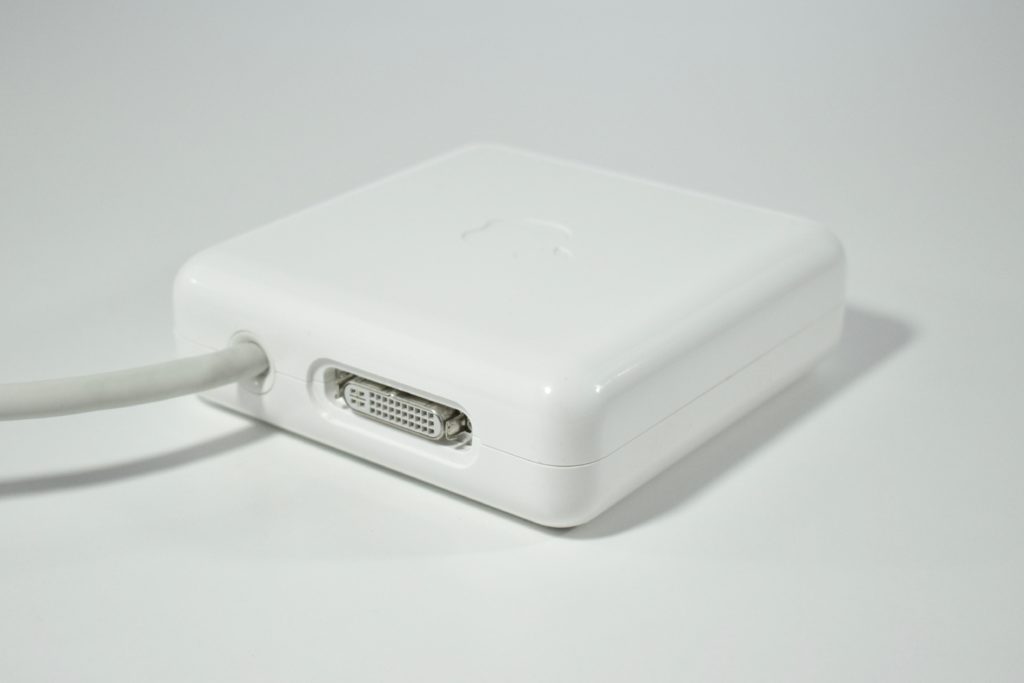
The Apple DVI to ADC Adapter allowed any Apple flat-panel display using an Apple Display Connector (ADC) to be used with any computer with a DVI port. The device included a power supply, power cord, and DVI/USB cable. Apple described the capabilities of the adapter:

“It has been carefully designed to maintain the digital integrity of the video signal for the best possible viewing experience. The adapter provides an all-digital signal path between the computer and the display. It features active components that regenerate both the digital graphics and USB signals coming from the computer. This ensures delivery of the highest-quality images even at the extremely fast signal rates used by the Apple Cinema HD Display.”

The purpose of the Apple Display Connector (ADC) was to reduce display cables. ADC combined DVI, power, and USB in a 30 pin (3 x 10) connector. ADC was used between 2000–2004. The primary issue with the proprietary ADC connection was that it carried power to the display (DVI does not), thus, a typical adapter was not possible. Instead, this adapter was relatively large because it included a power supply, measuring about 5 x 5 x 1.5 inches. It was also expensive for an adapter, selling for $99 when it was released.

Mac models that could use the Apple DVI to ADC adapter included Power Mac G4 (Mirrored Drive Doors, 2002–2003), Power Mac G5 (June 2003–Late 2005), PowerBook G4 15-inch (DVI, 2002–Double Layer SD, 2005), PowerBook G4 17-inch (2003–Double Layer SD, 2005), MacBook Pro 15-inch (Early 2006–Early 2008), MacBook Pro 17-inch (Early 2006–Late 2008), Mac mini (Early 2005–Mid 2007), and Mac Pro (Early 2006–Mid 2012).

Sources: macobserver.com, usedmacs.us, macofalltrades.com

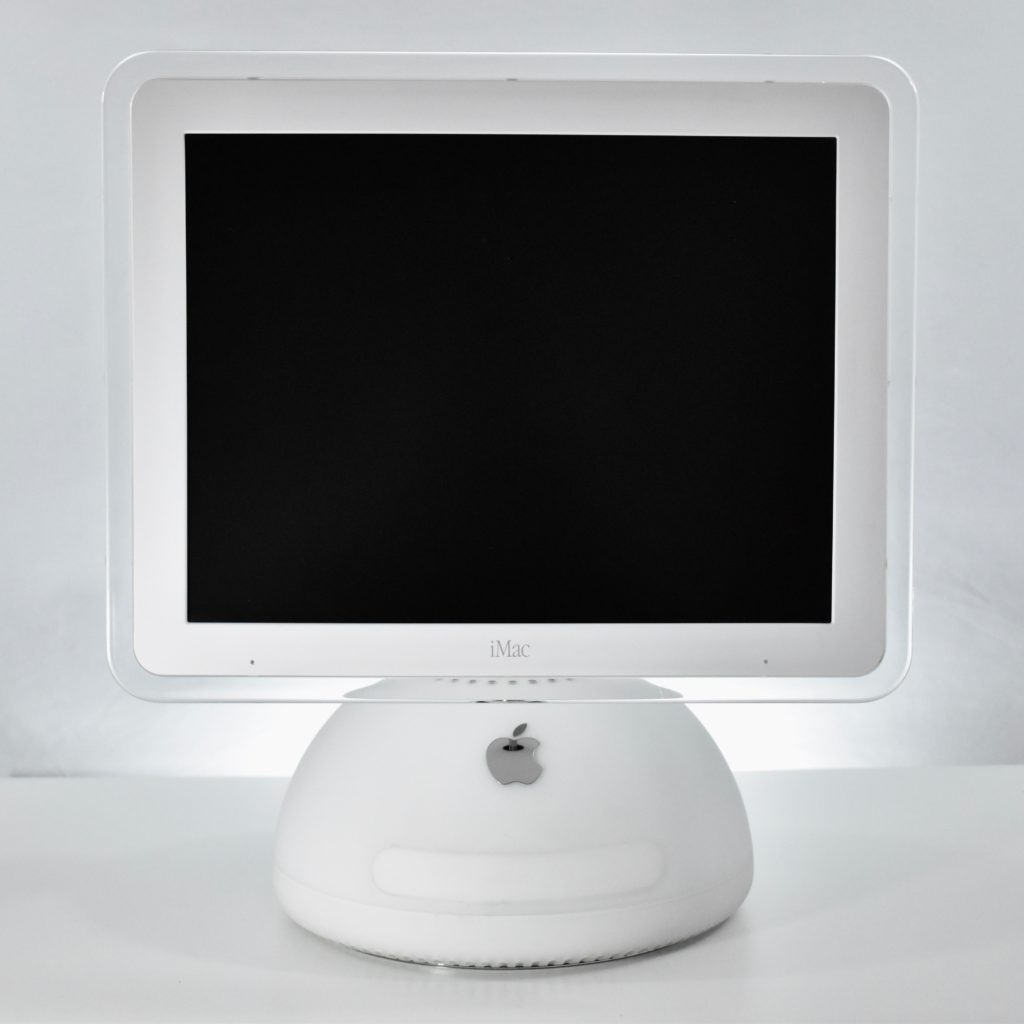
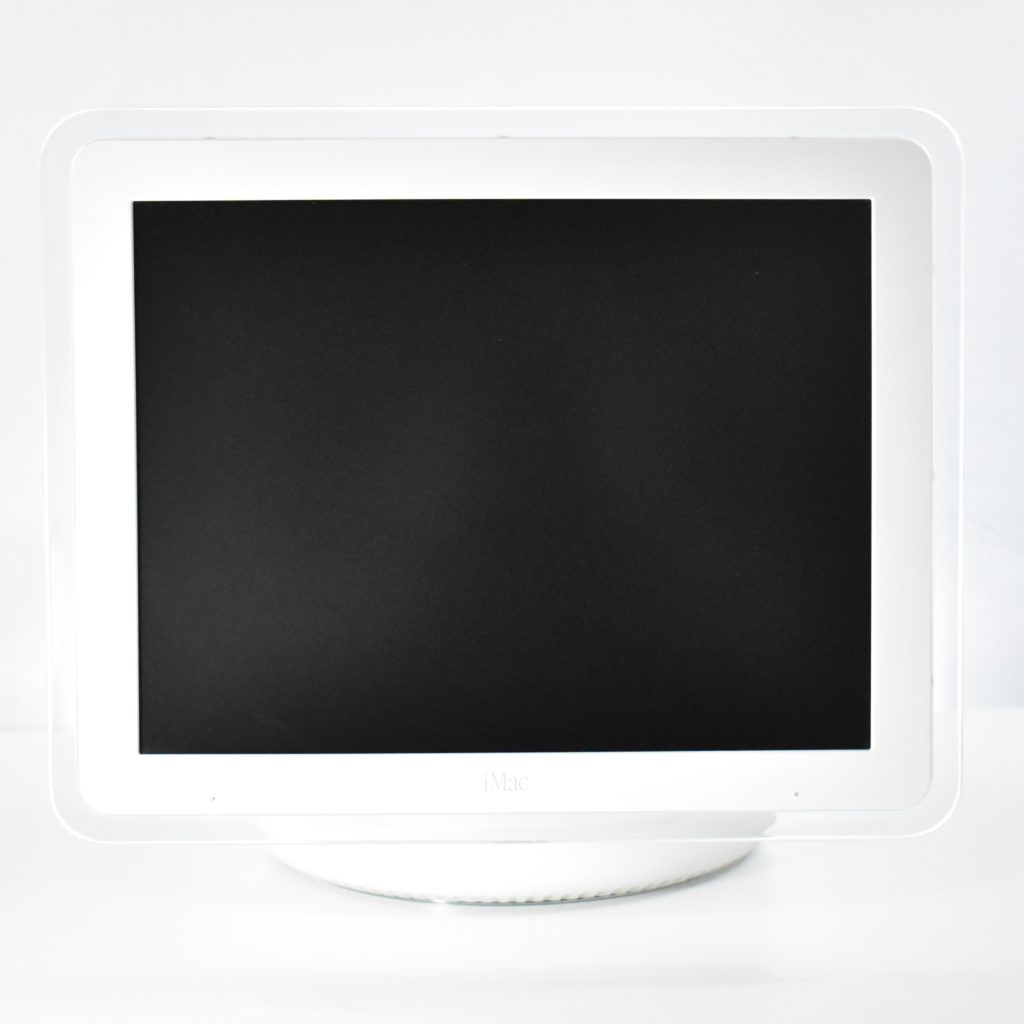
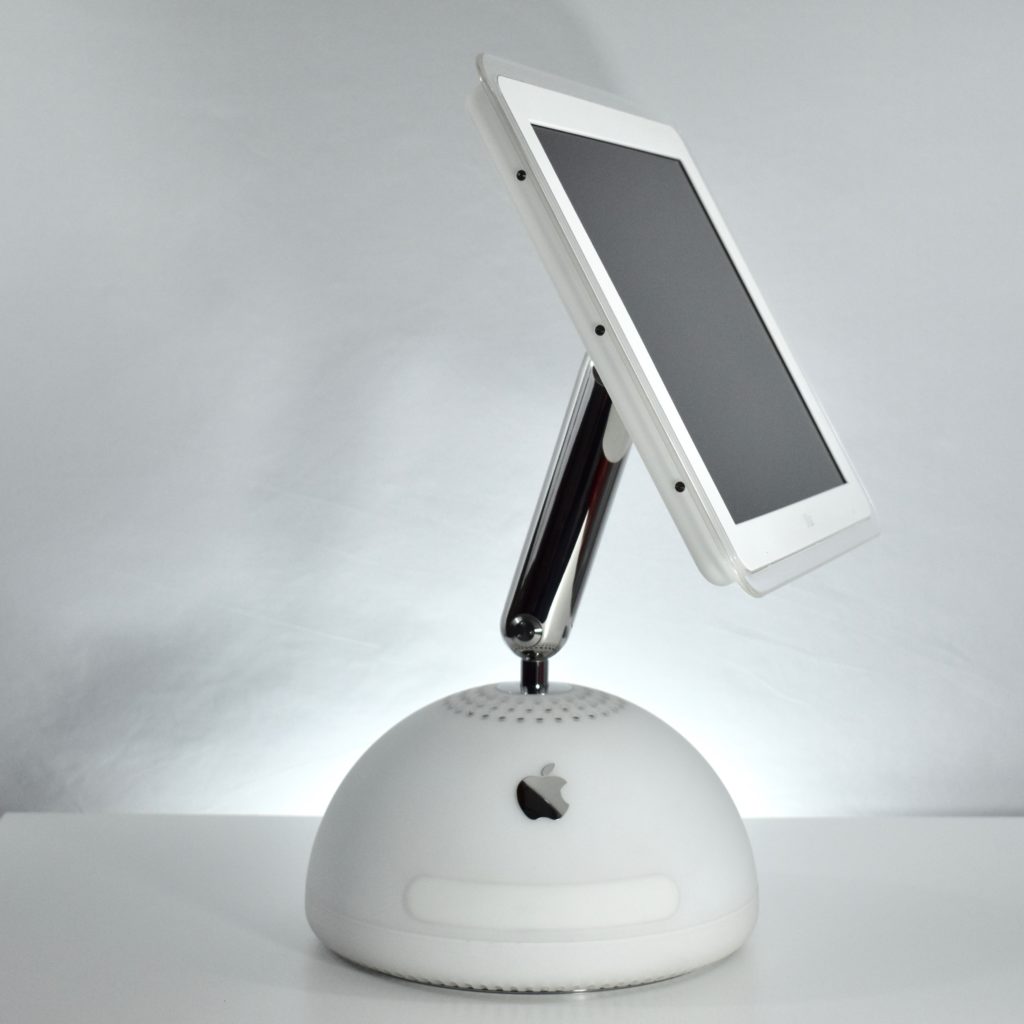
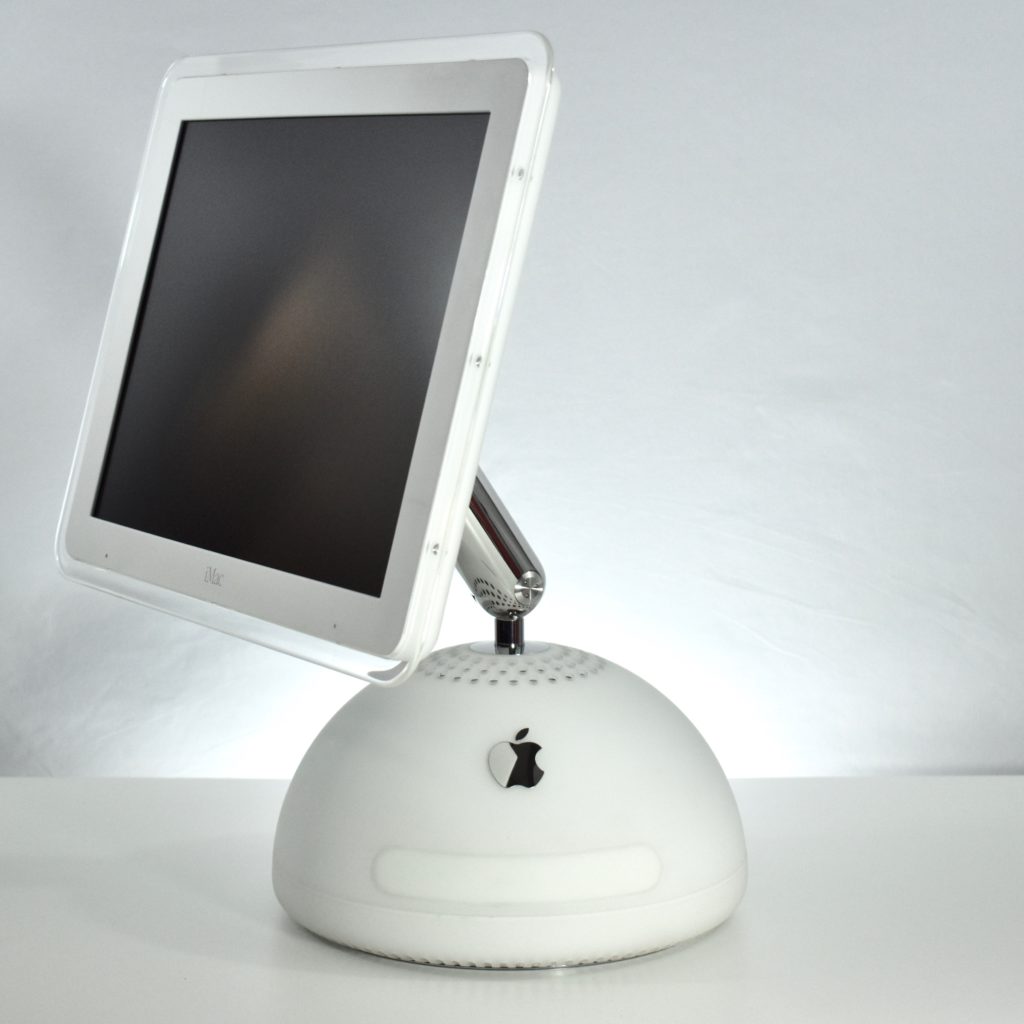
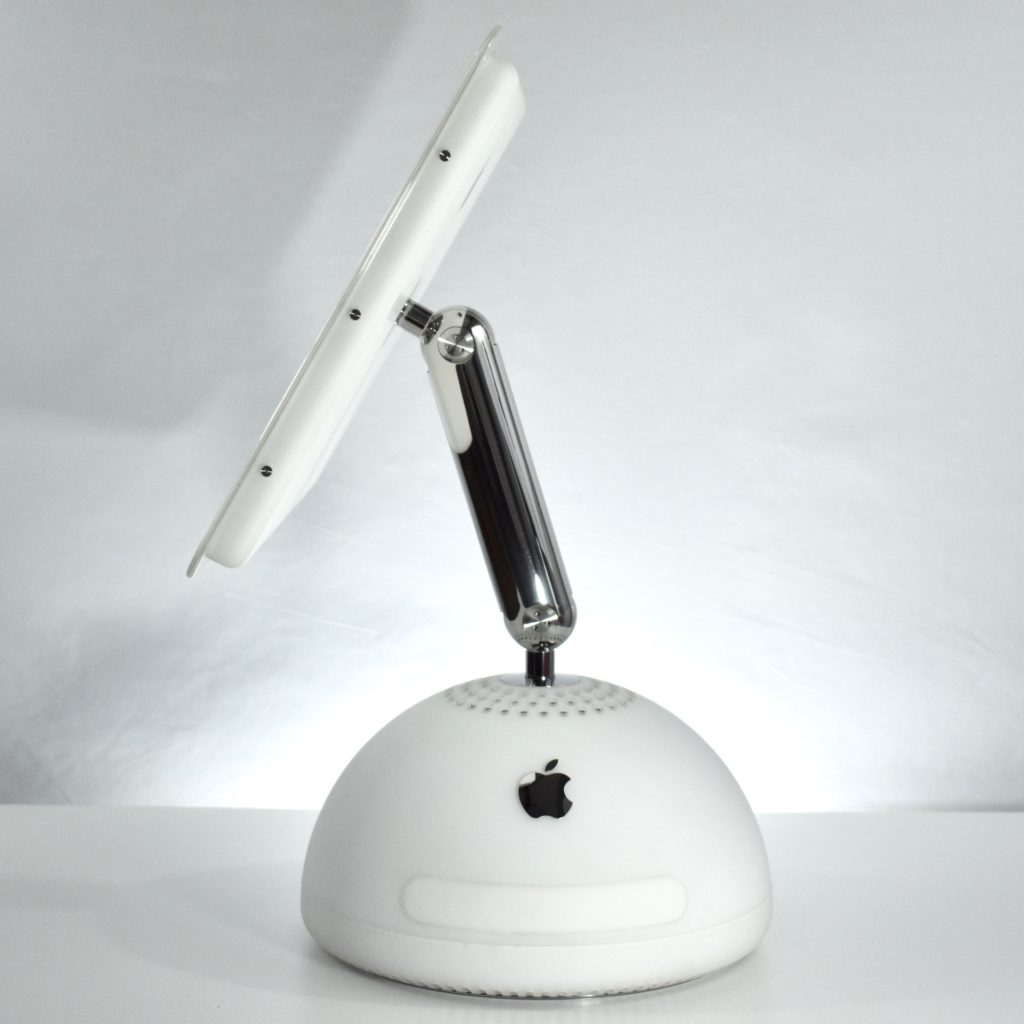
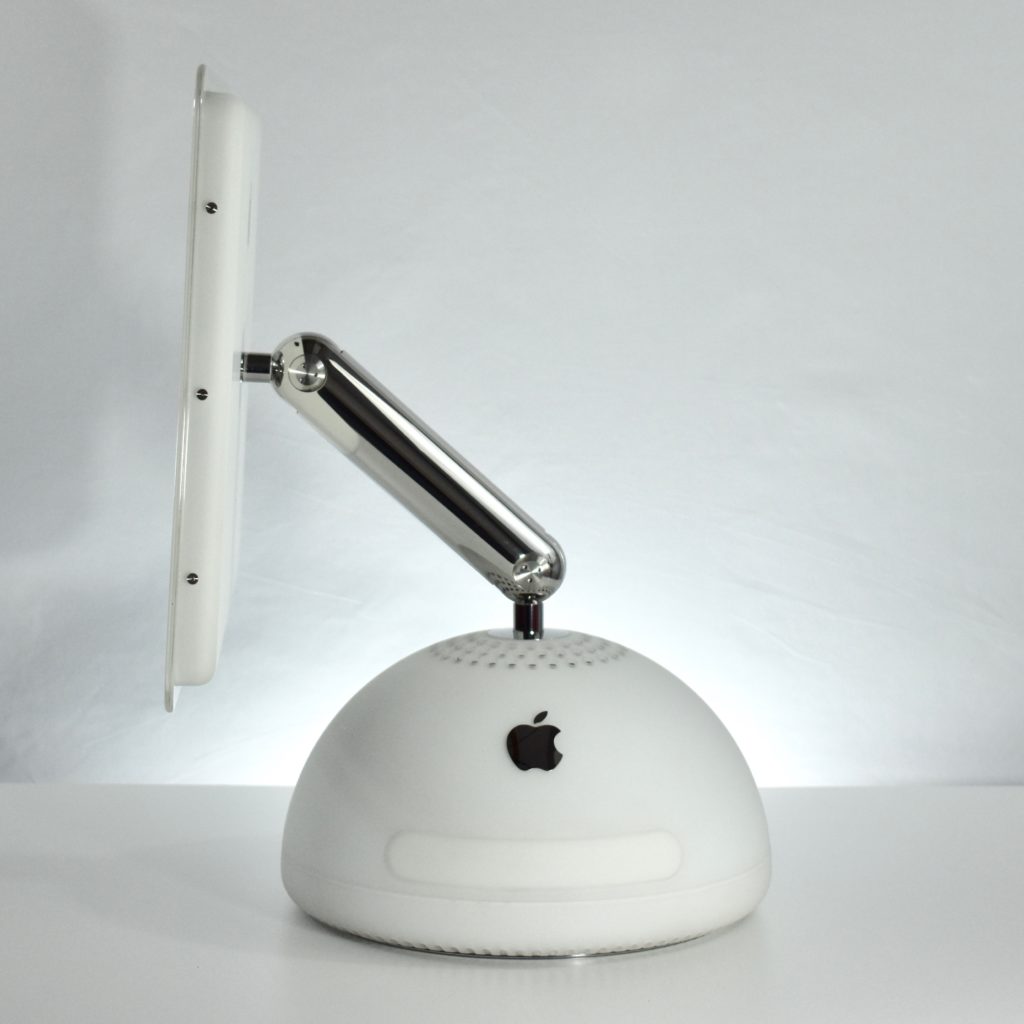
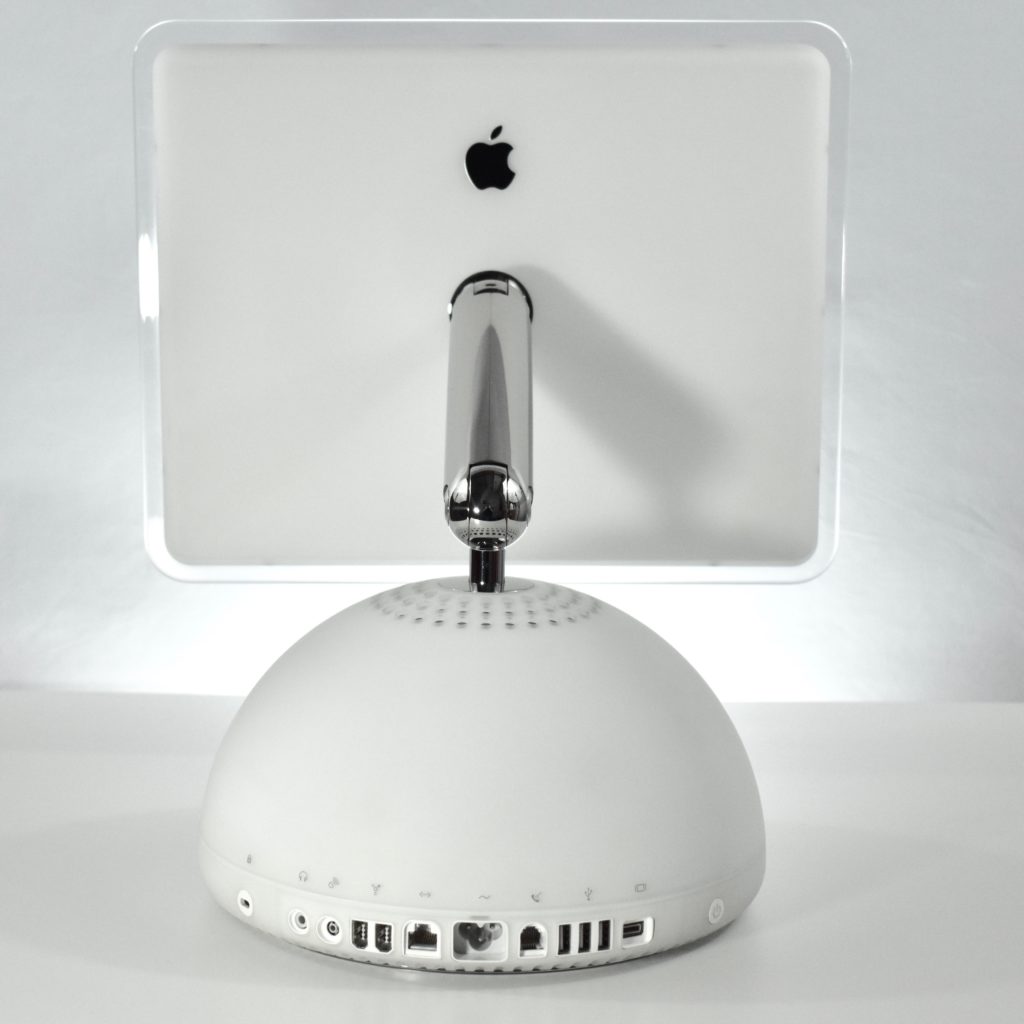
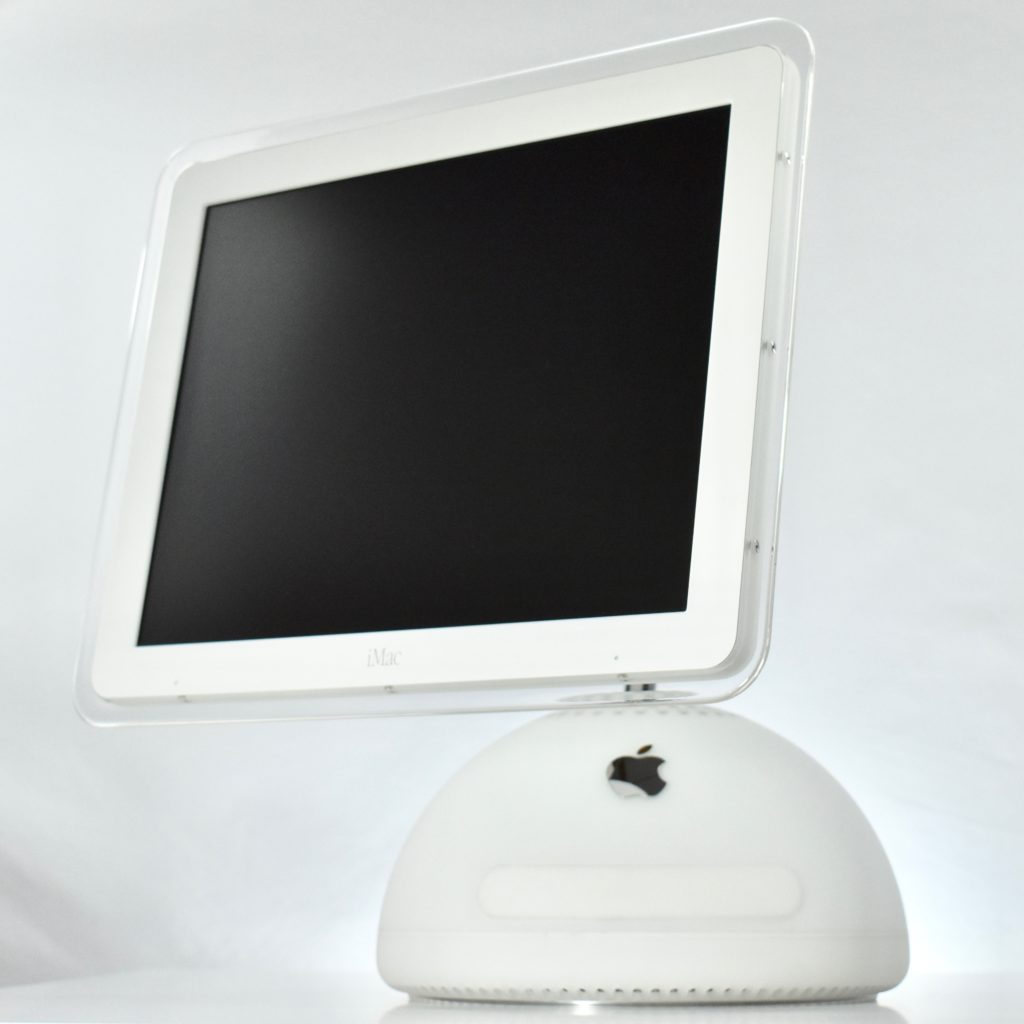
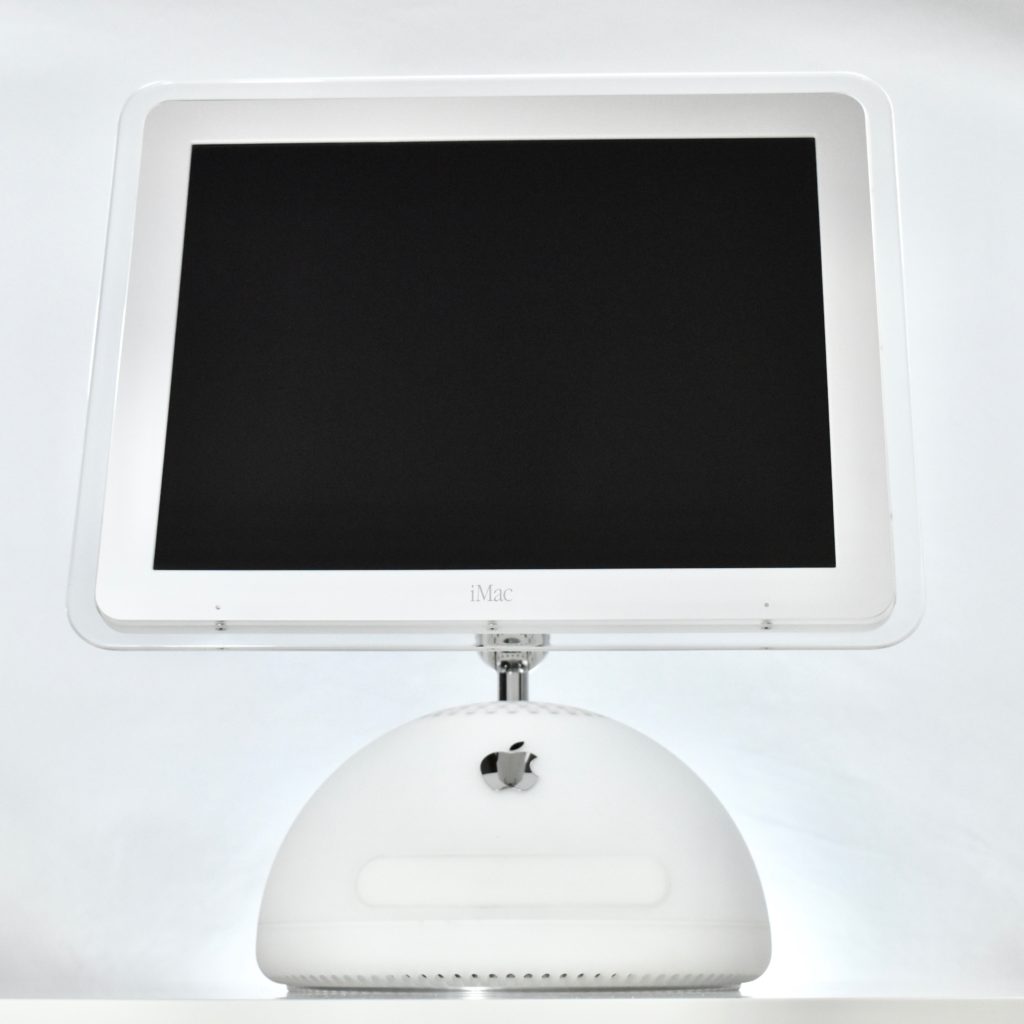
iMac G4/700 15-inch (flat panel, 2002)

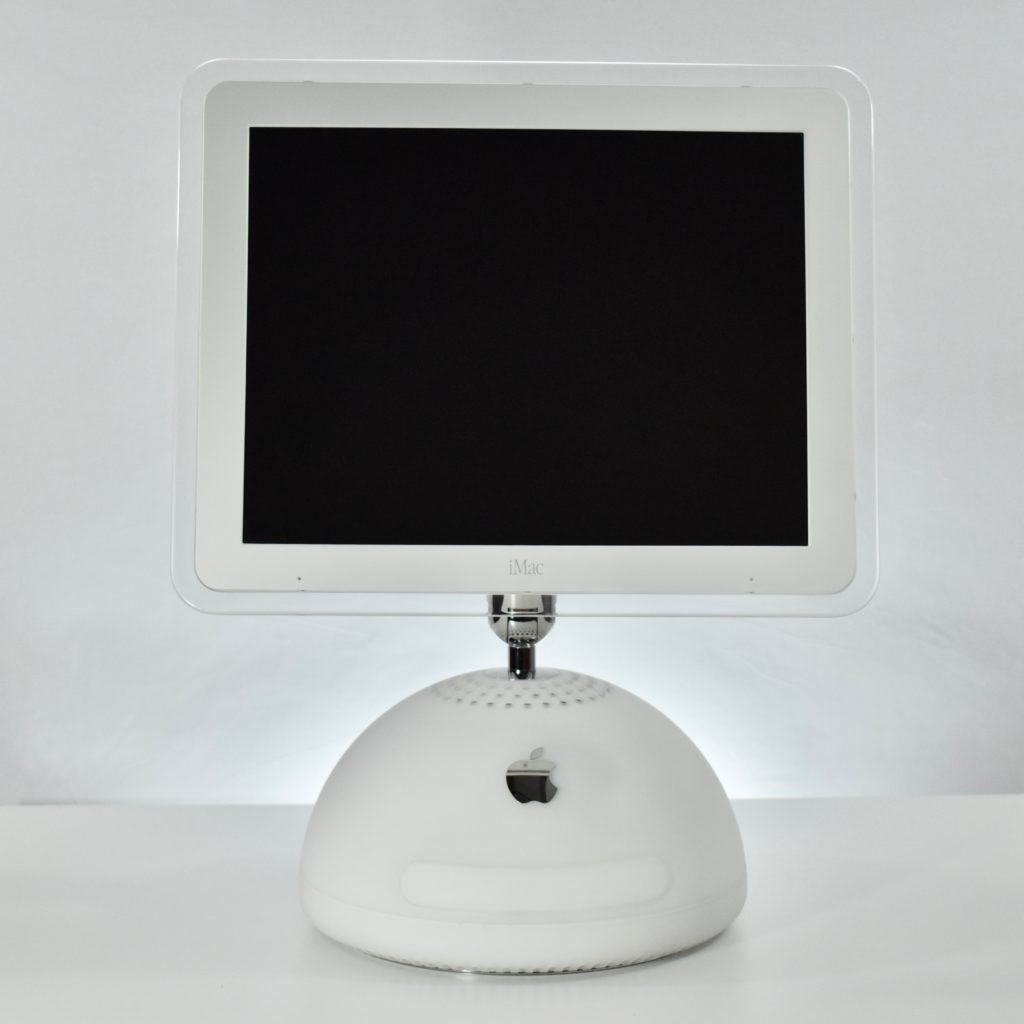
The iMac G4/700 (Flat Panel) featured a 700 MHz PowerPC 7441 (G4) processor, 128 MB or 256 MB of RAM (PC133 SDRAM), a 40.0 GB Ultra ATA/66 hard drive (5400 RPM), either a tray-loading CD-RW drive or DVD-ROM/CD-RW Combo Drive, and a 15-inch TFT Active Matrix LCD display.

The internal components of this iMac are contained in a 10.6-inch half-sphere. Protruding from the top of the half sphere was a chrome stainless steel neck supporting the display. This design is sometimes referred to as the “sunflower iMac.” In addition to the polished stainless steel, the case and display are “ice white.” This iMac also included a matching ice white Apple Pro Keyboard and Mouse. The more expensive Combo Drive configuration of this iMac shipped with two clear spherical external Apple Pro Speakers.

This iMac shipped with MacOS X 10.1 and MacOS 9.2 installed with MacOS X selected as the default OS. 

Source: EveryMac.com

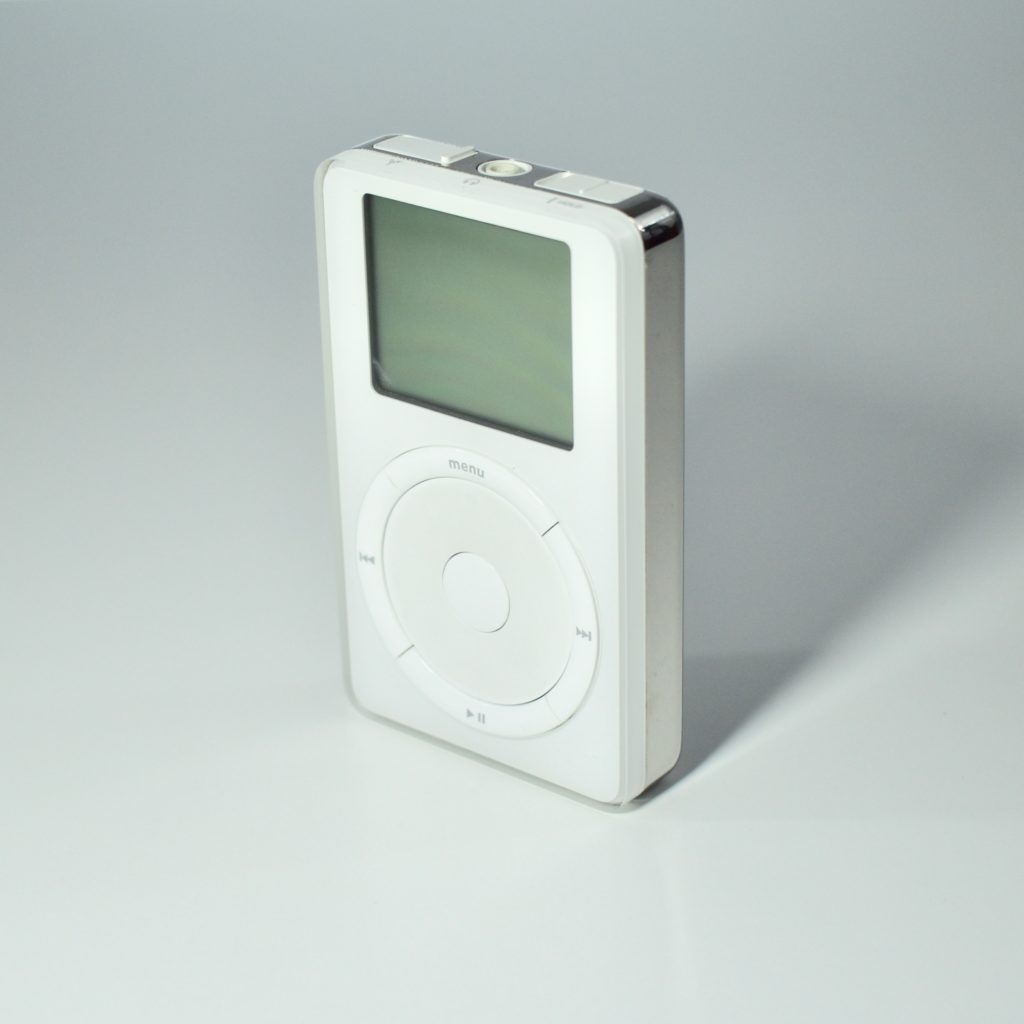
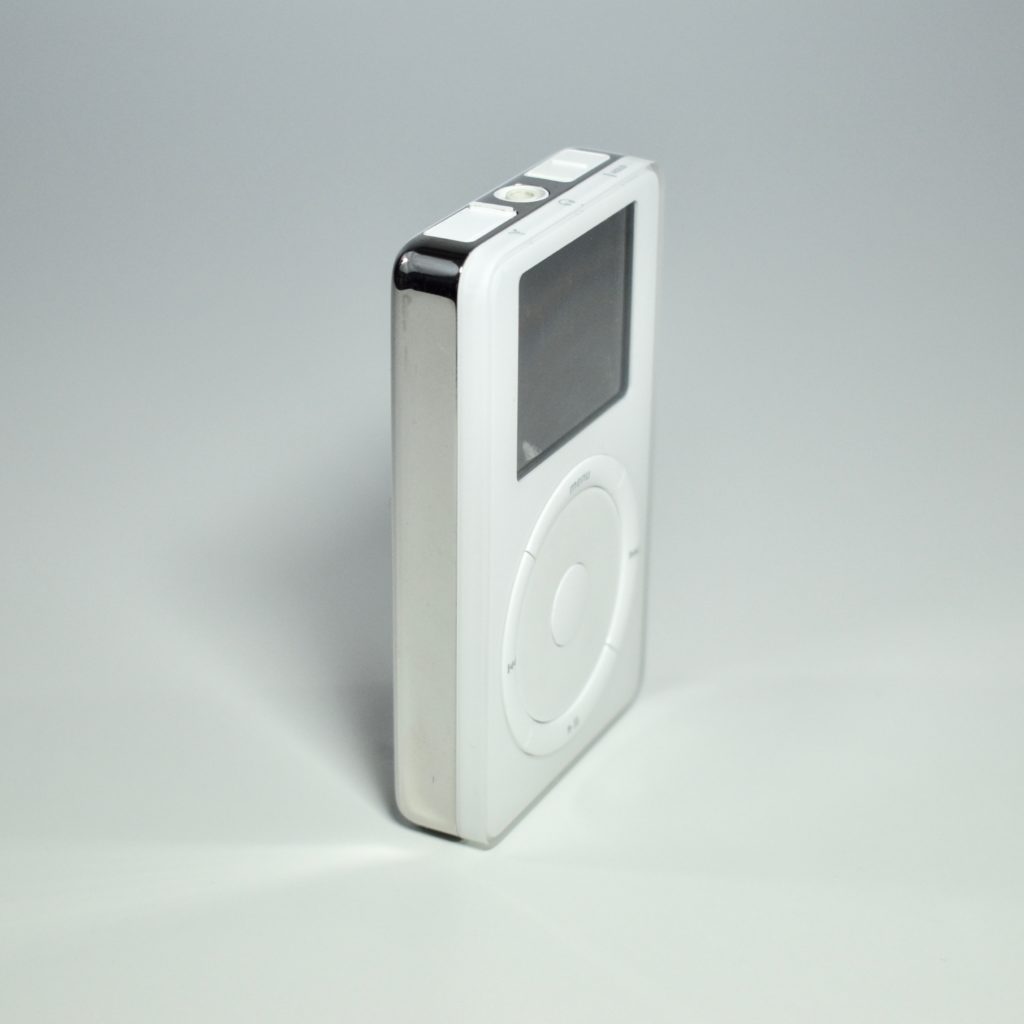
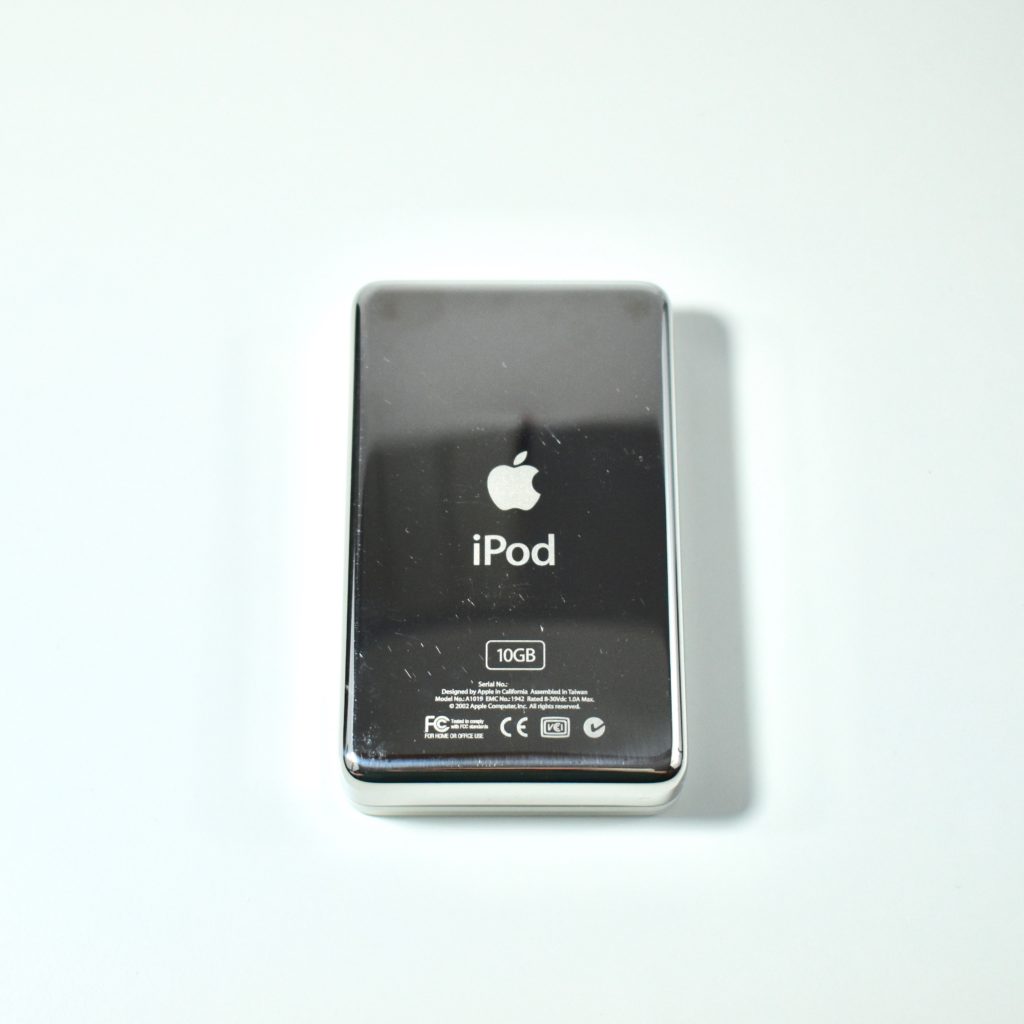
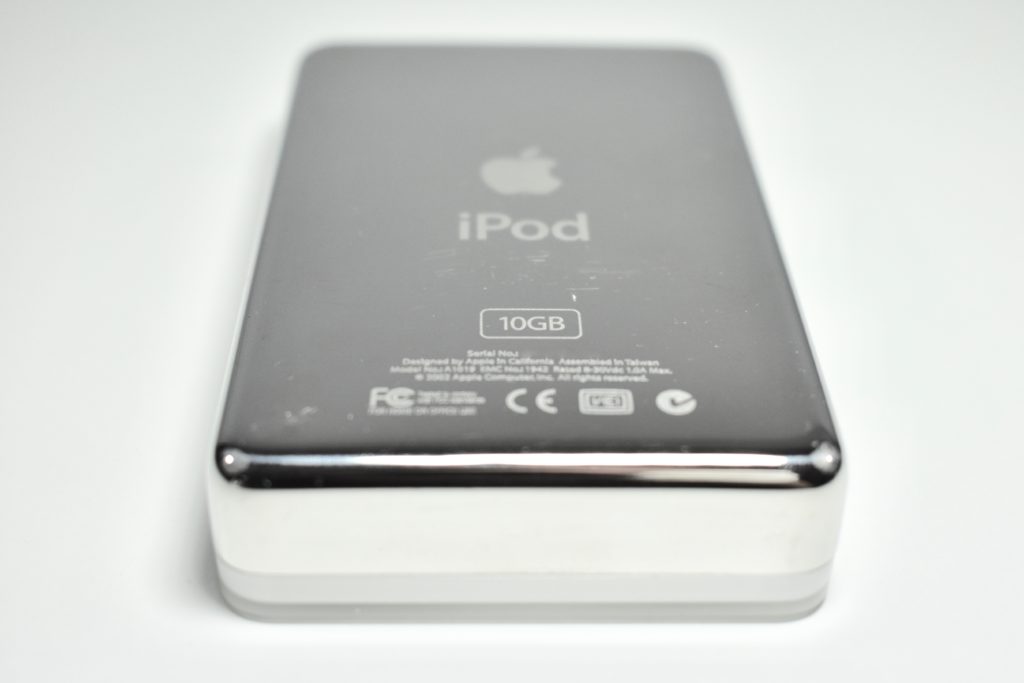
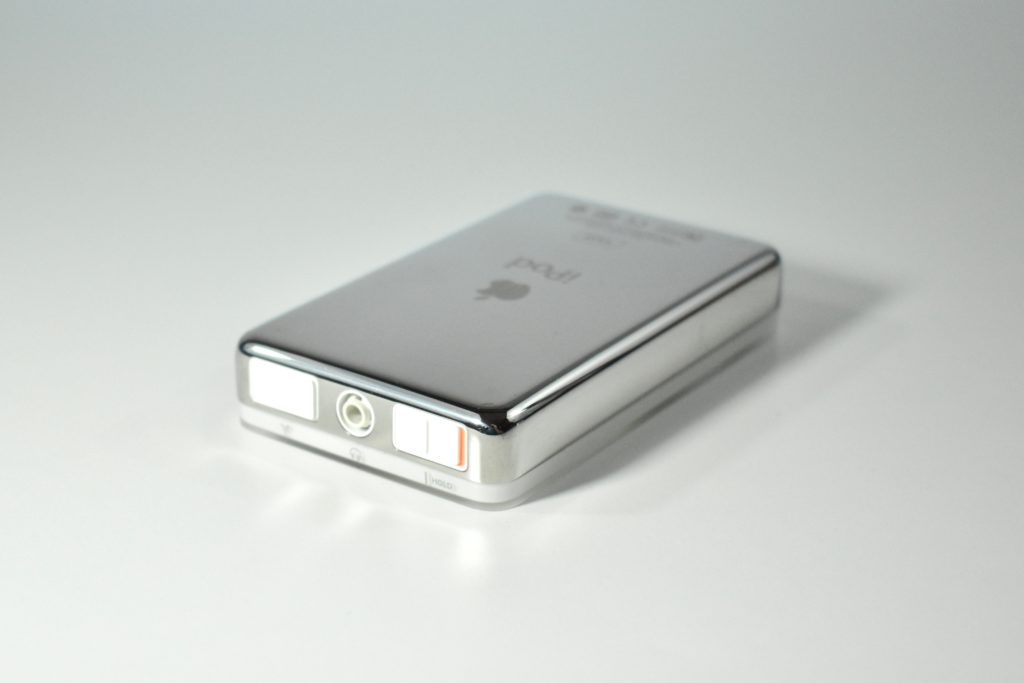
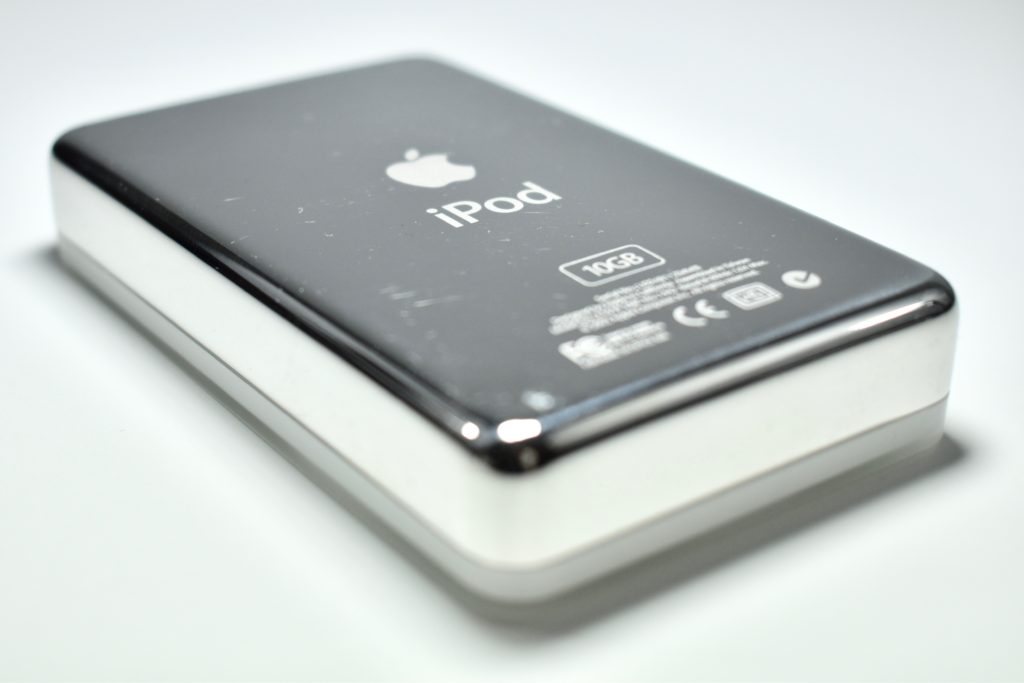
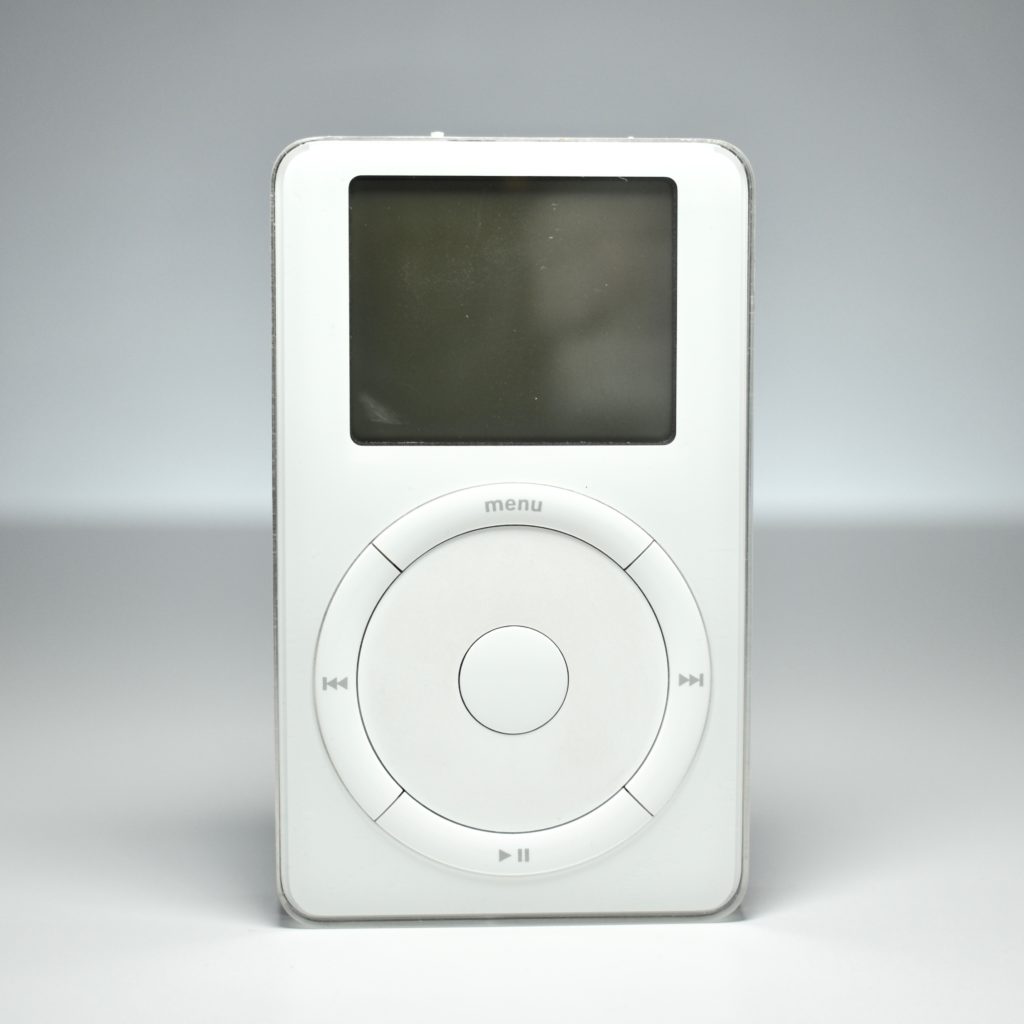
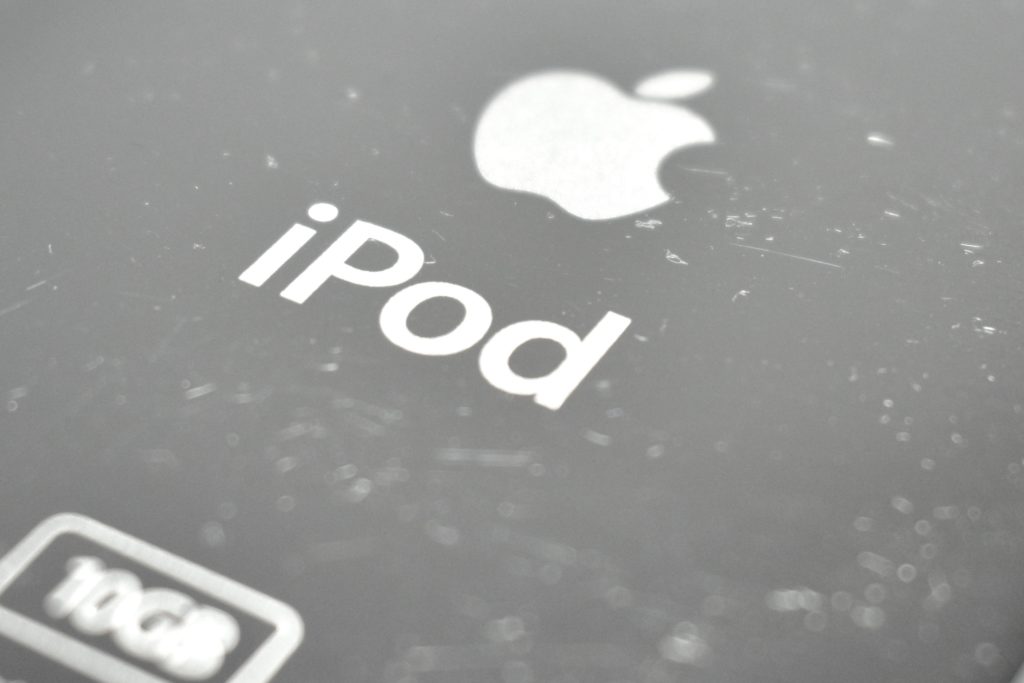
iPod Generation 2 (2002)

The iPod Generation 2 was similar to the original iPod in design, but the moving scroll wheel was replaced by a stationary touch-sensitive scroll wheel. In addition, the FireWire port gained a cover. The top of the iPod design also changed to allow the buttons to be surrounded by stainless steel cutouts instead of the plastic top used in the original iPod. Accessories were also added including a wired remote control, a thinner Firewire cable, and a carrying case.

The iPod Generation 2 was offered in 10 GB and 20 GB models and also added Windows compatibility.

Other than the increased hard drive sizes that allowed the iPod to hold up to 4,000 songs in the 20 GB model, the other specifications were the same as the original iPod: a 60-mW amplifier, a FireWire port, and a standard 3.5-mm headphone jack, and a 2-inch black and white backlit LCD display, and a 10-hour battery.

Source: EveryMac.com