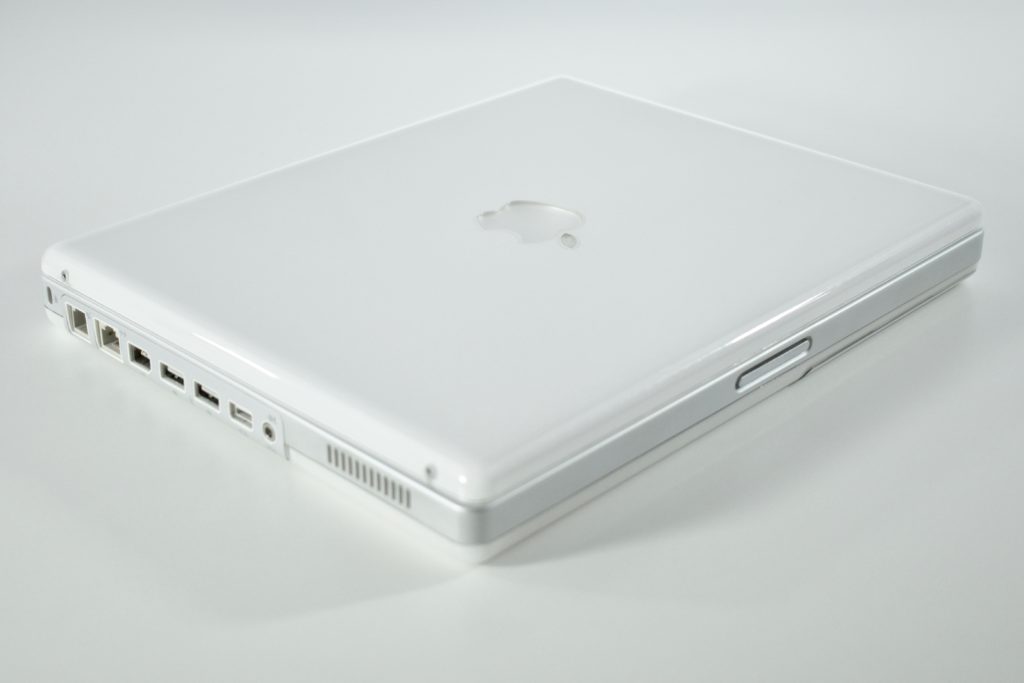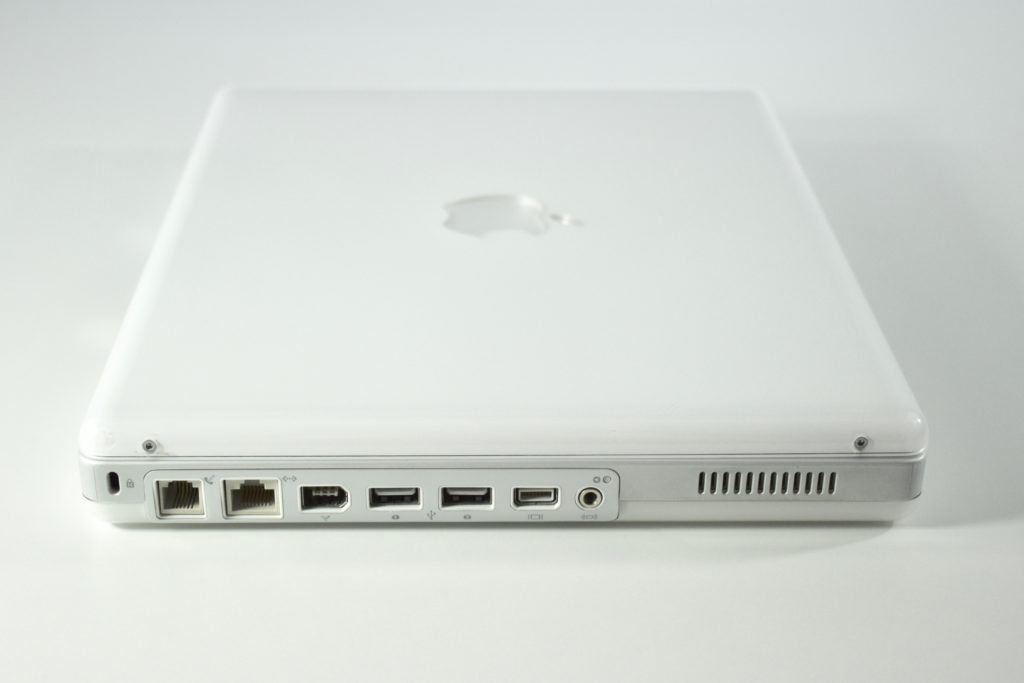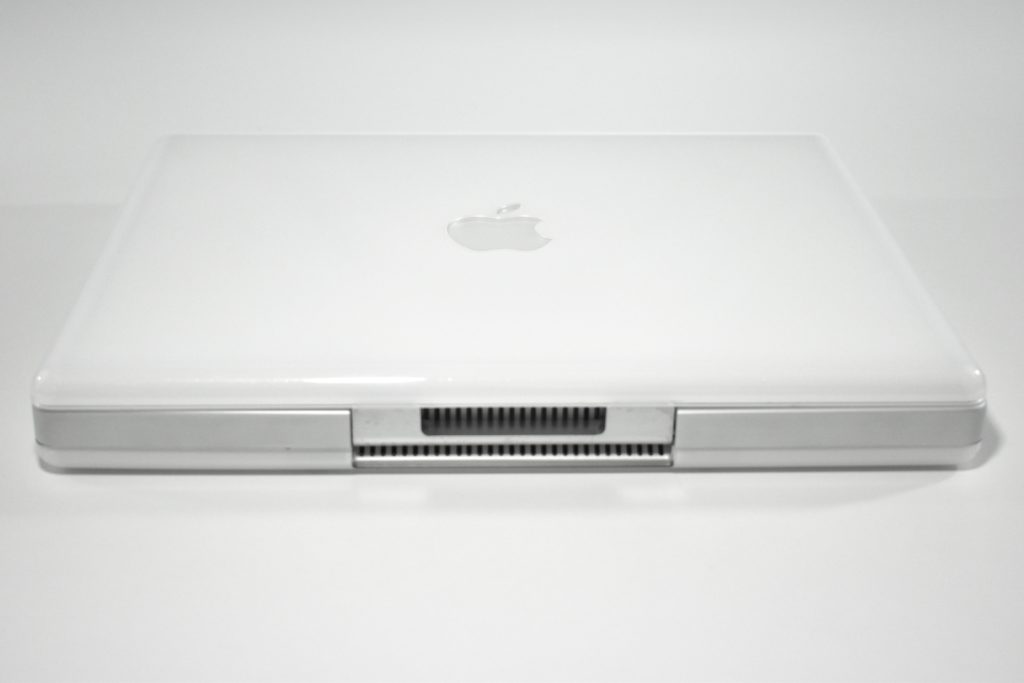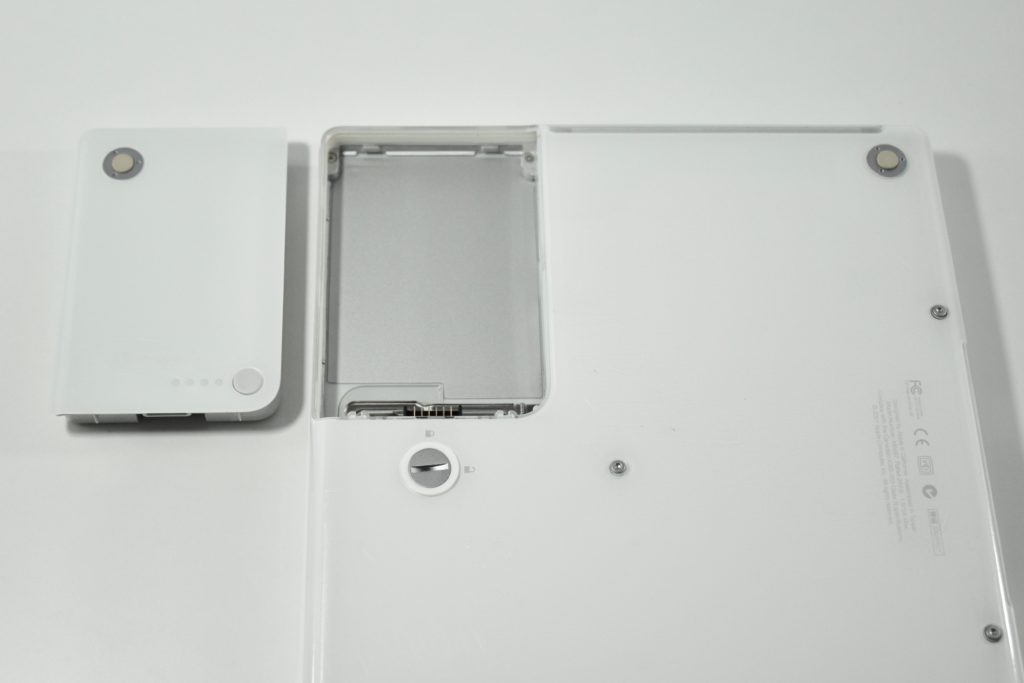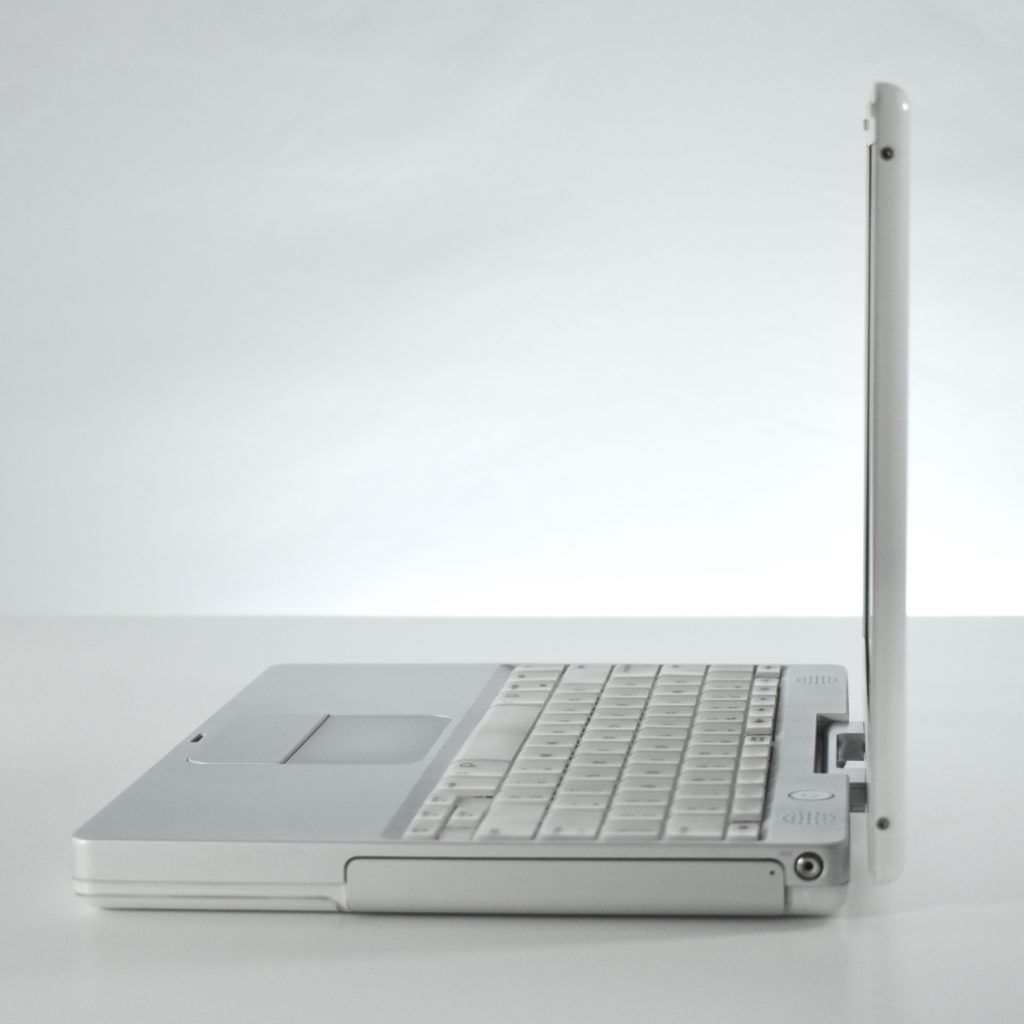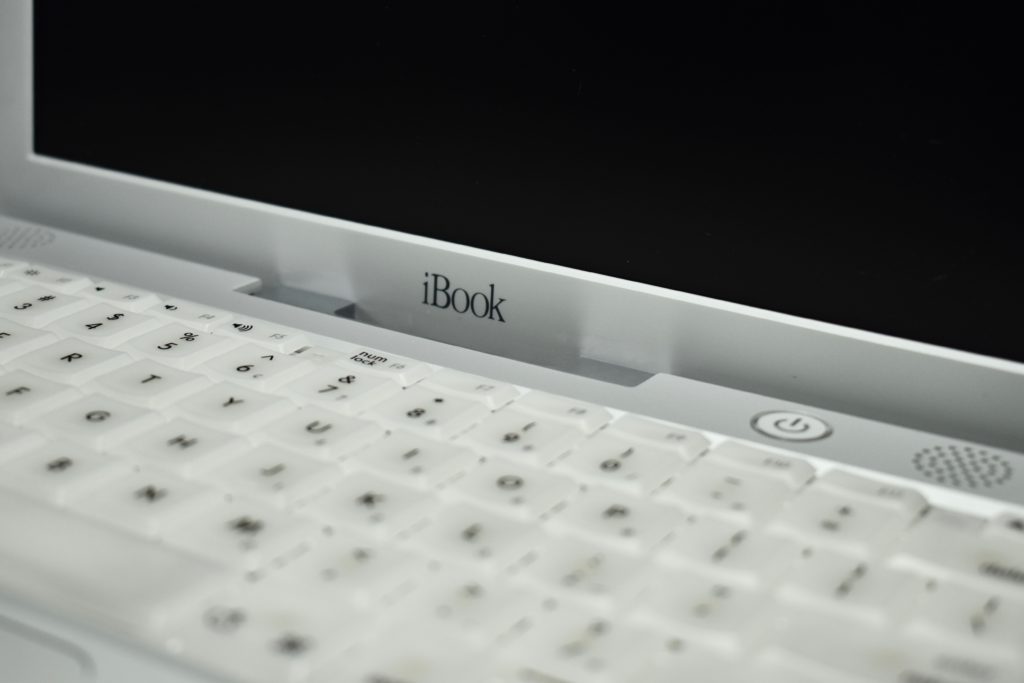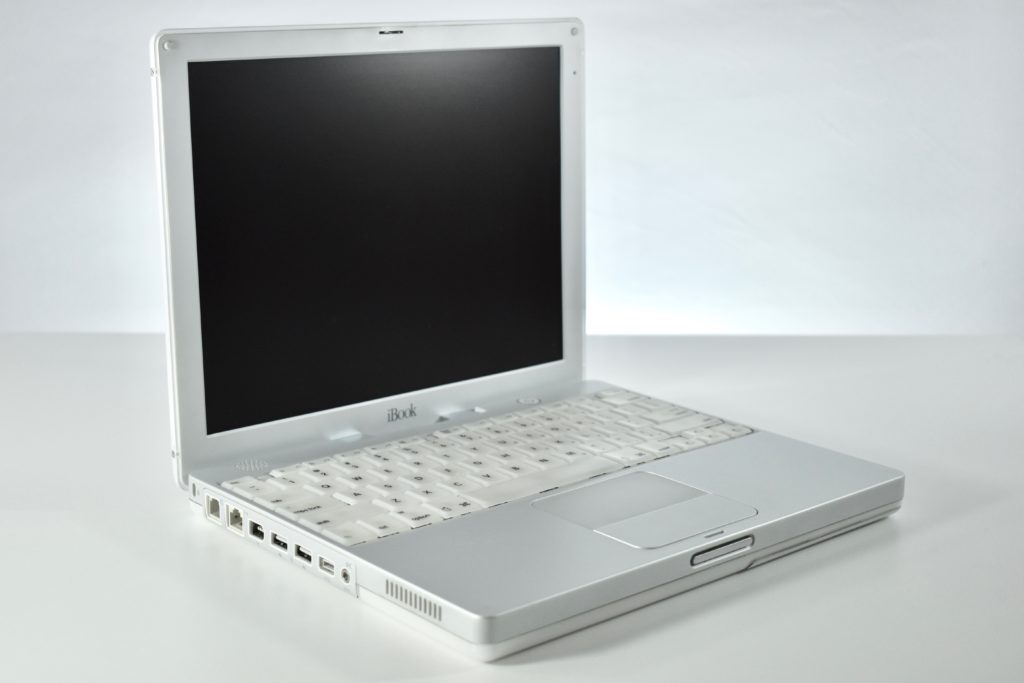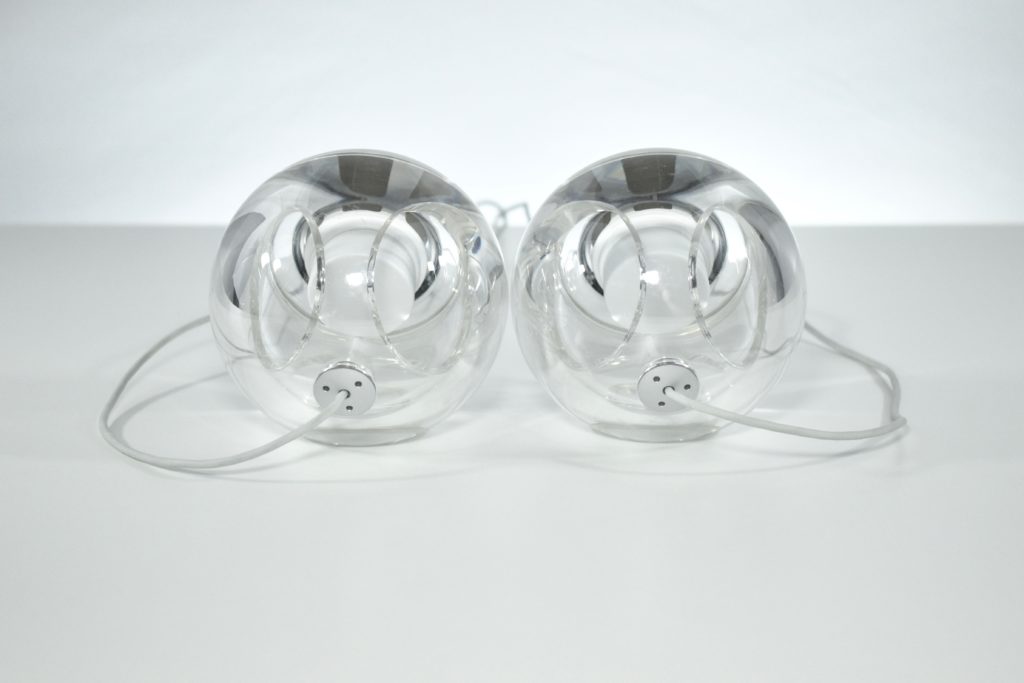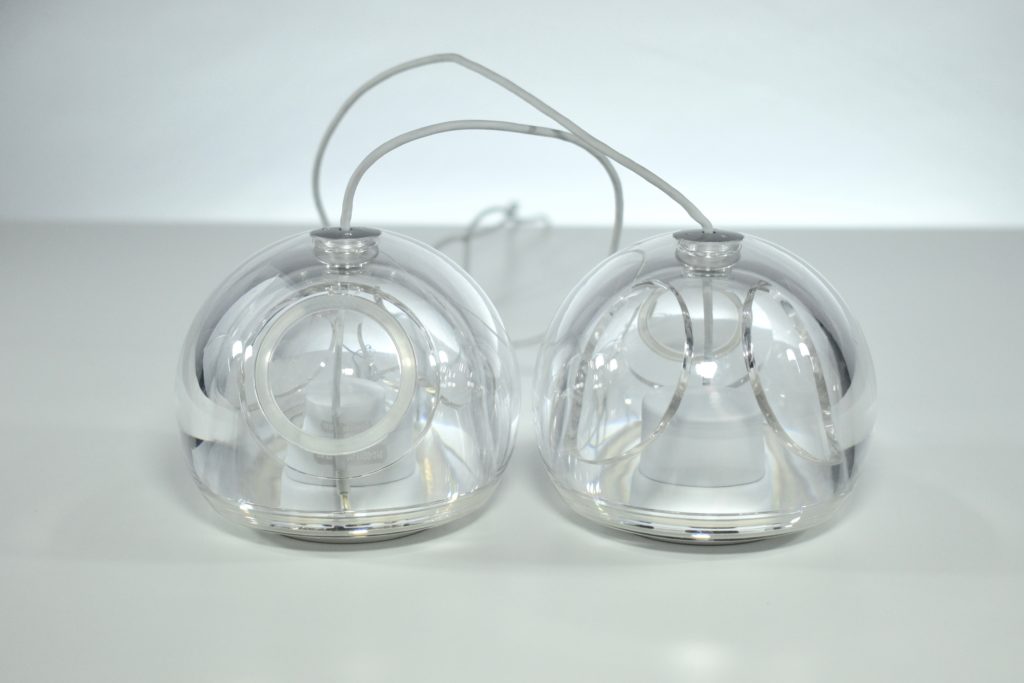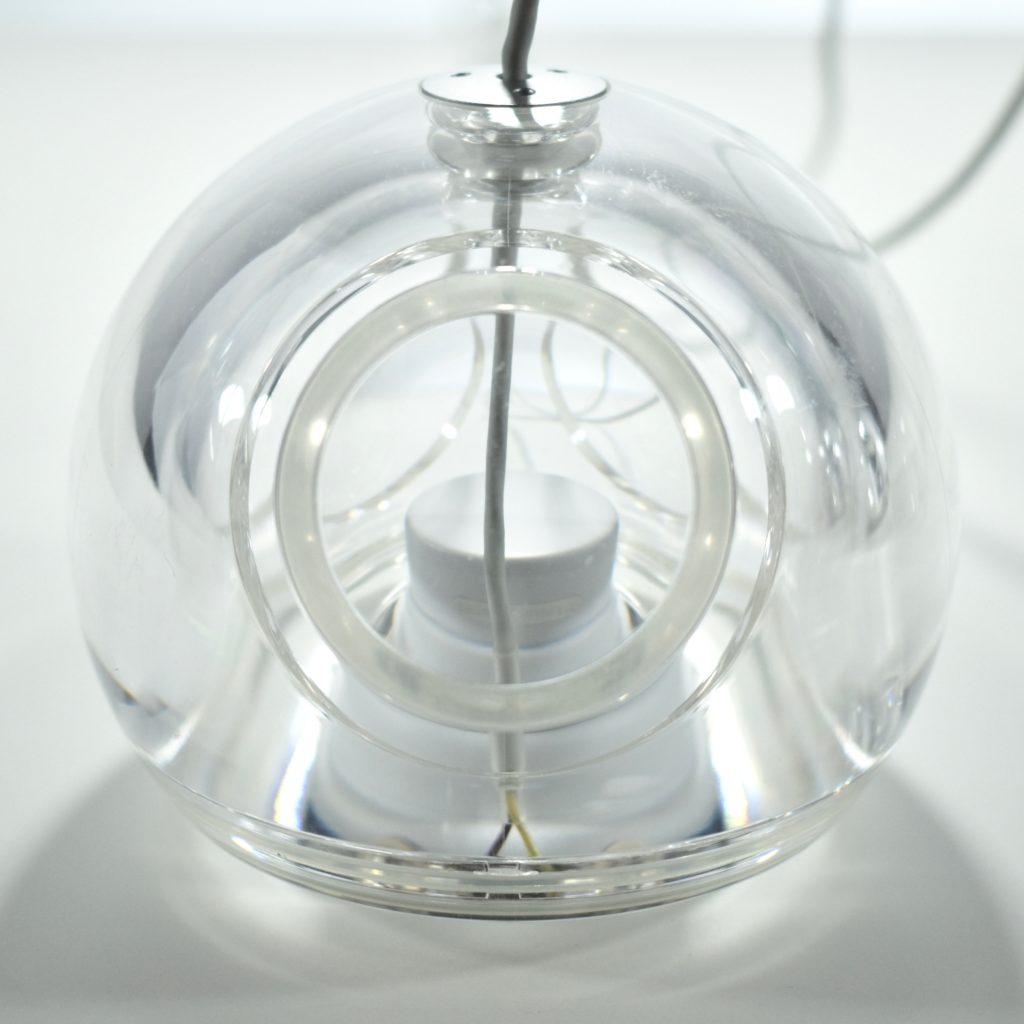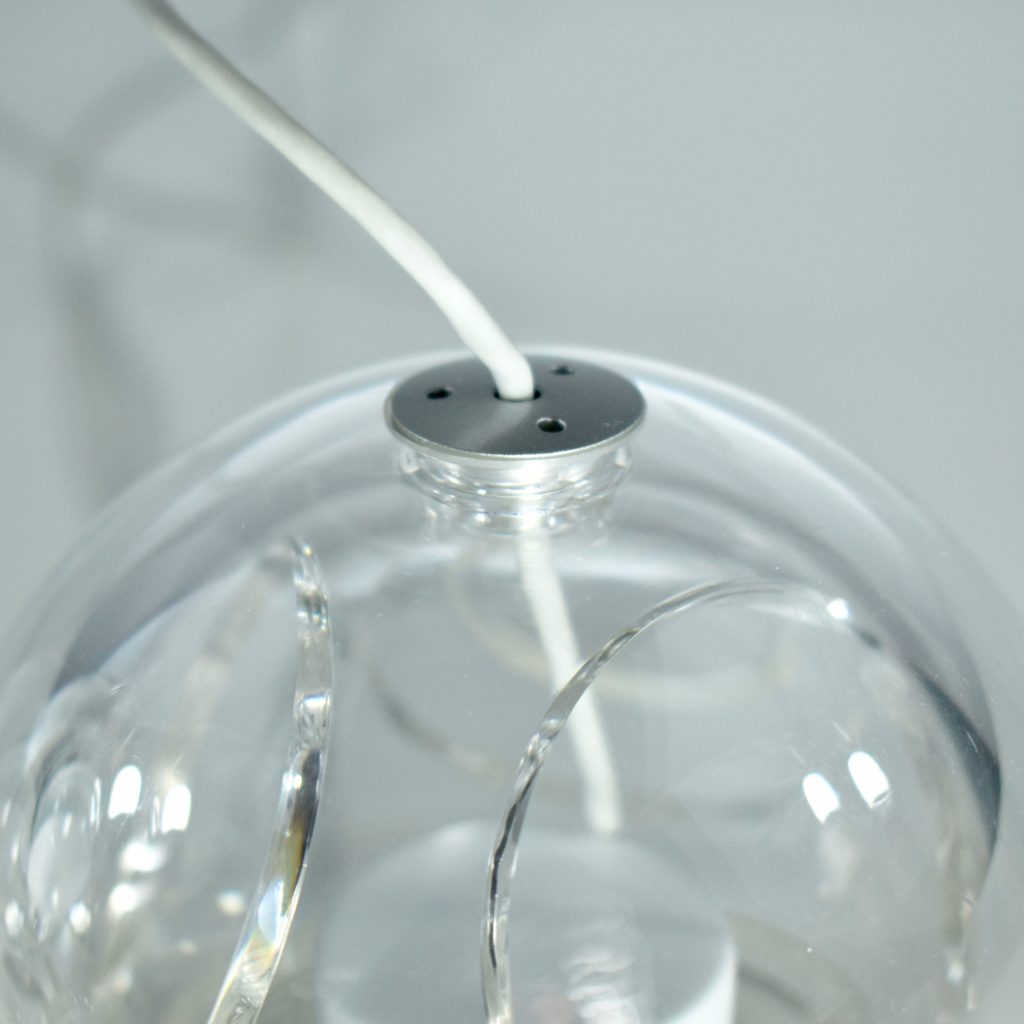
iBook G3/500 (Dual USB, 2001)

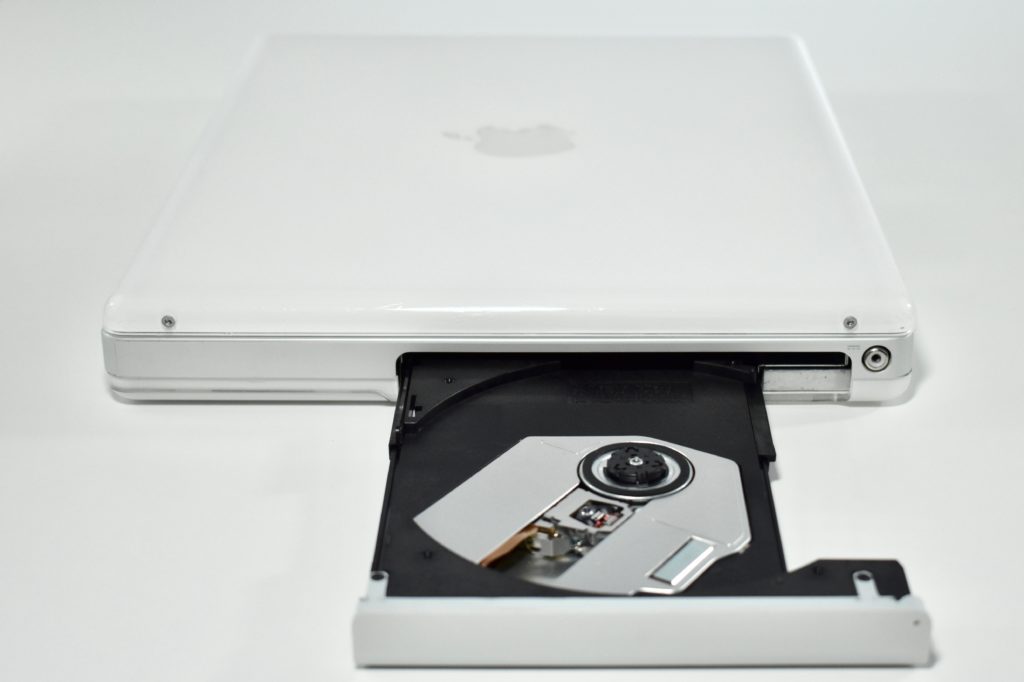
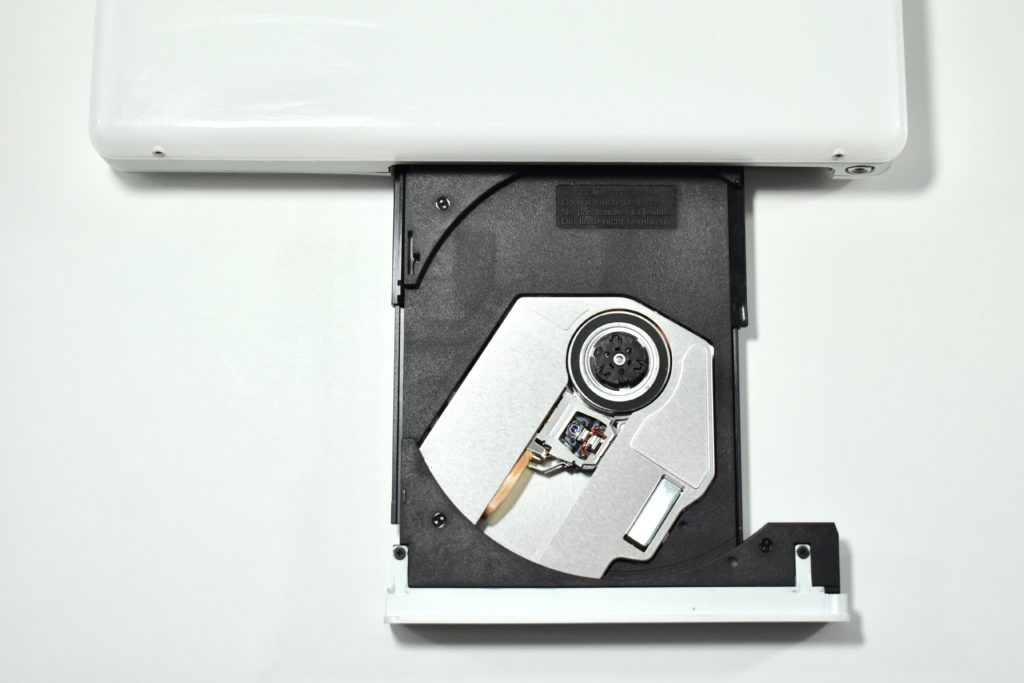
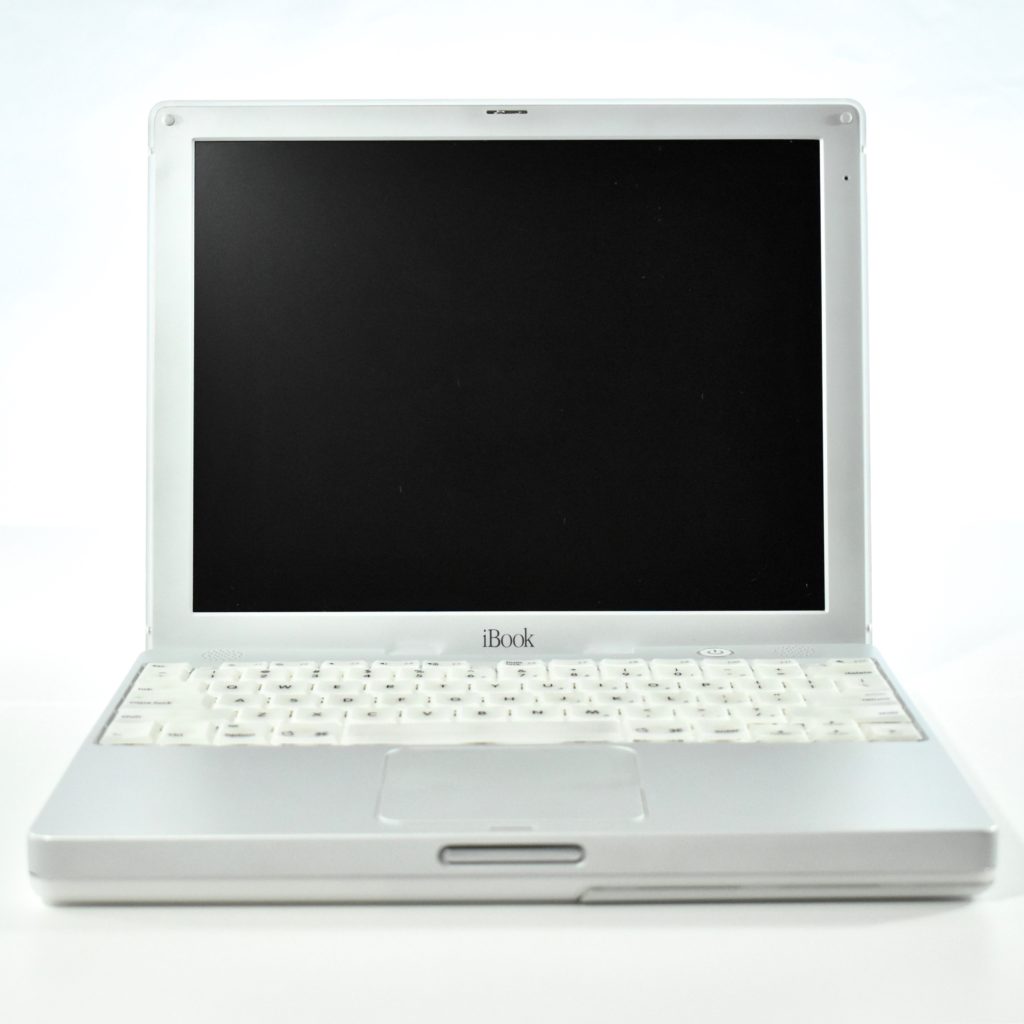
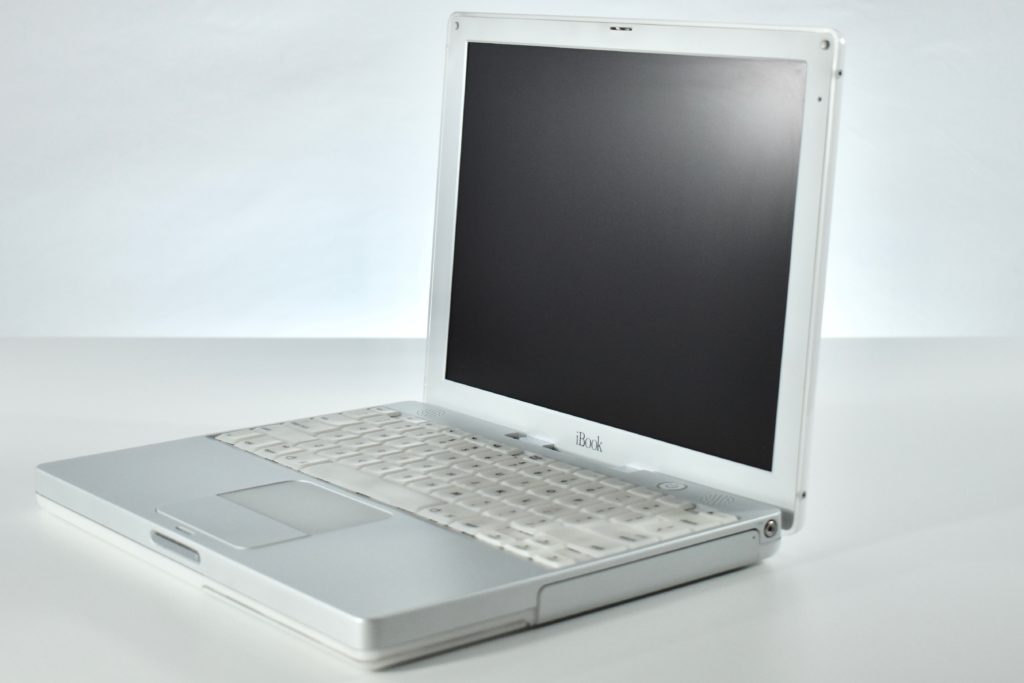
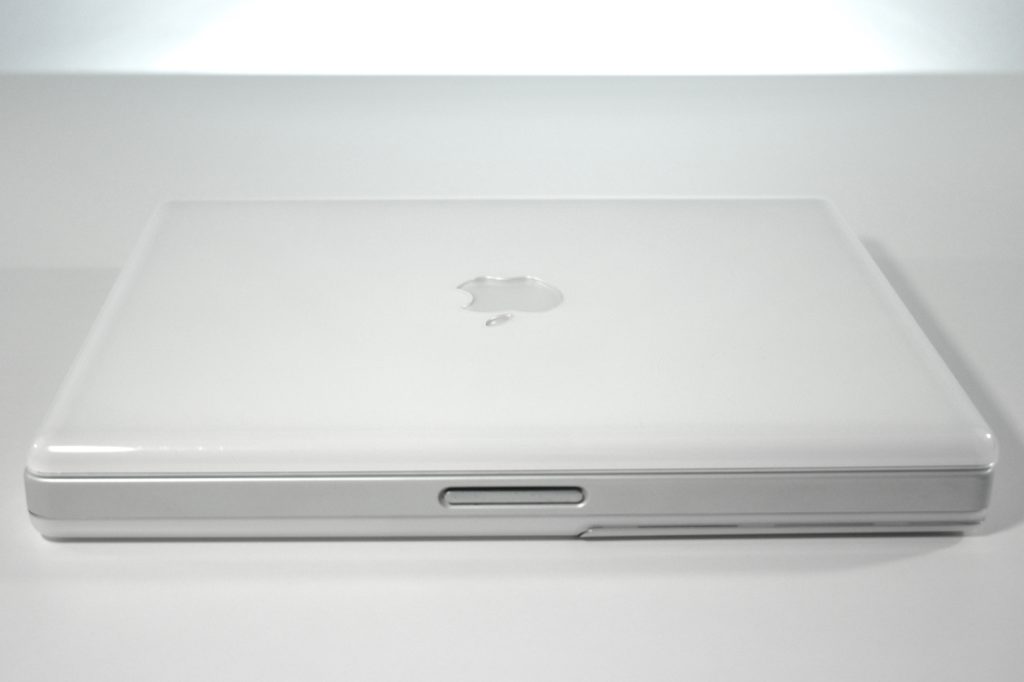
The iBook G3/500 featured a 500 MHz PowerPC 750cx (G3) processor; 64 MB or 128 MB of RAM; a 10.0 GB Ultra ATA hard drive; a tray-loading CD-ROM, DVD-ROM, CD-RW, or DVD-ROM/CD-RW Combo drive; and optional AirPort (802.11b) card. The screen was a 12.1-inch TFT XGA active matrix display (1024×768). The case of the laptop was translucent white (a similar later model used an opaque white case).

This iBook replaced the previous iBook models that were much larger and came in one of five colors (including blueberry, tangerine, graphite, indigo, and key lime).

EveryMac.com reports that four versions of this laptop were available: 64 MB RAM with CD-ROM drive ($1299); 128 MB RAM with DVD-ROM drive ($1499), 128 MB RAM with CD-RW drive ($1599); and 128 MB RAM with DVD-ROM/CD-RW Combo drive (build-to-order direct from Apple, $1799).

Source: EveryMac.com
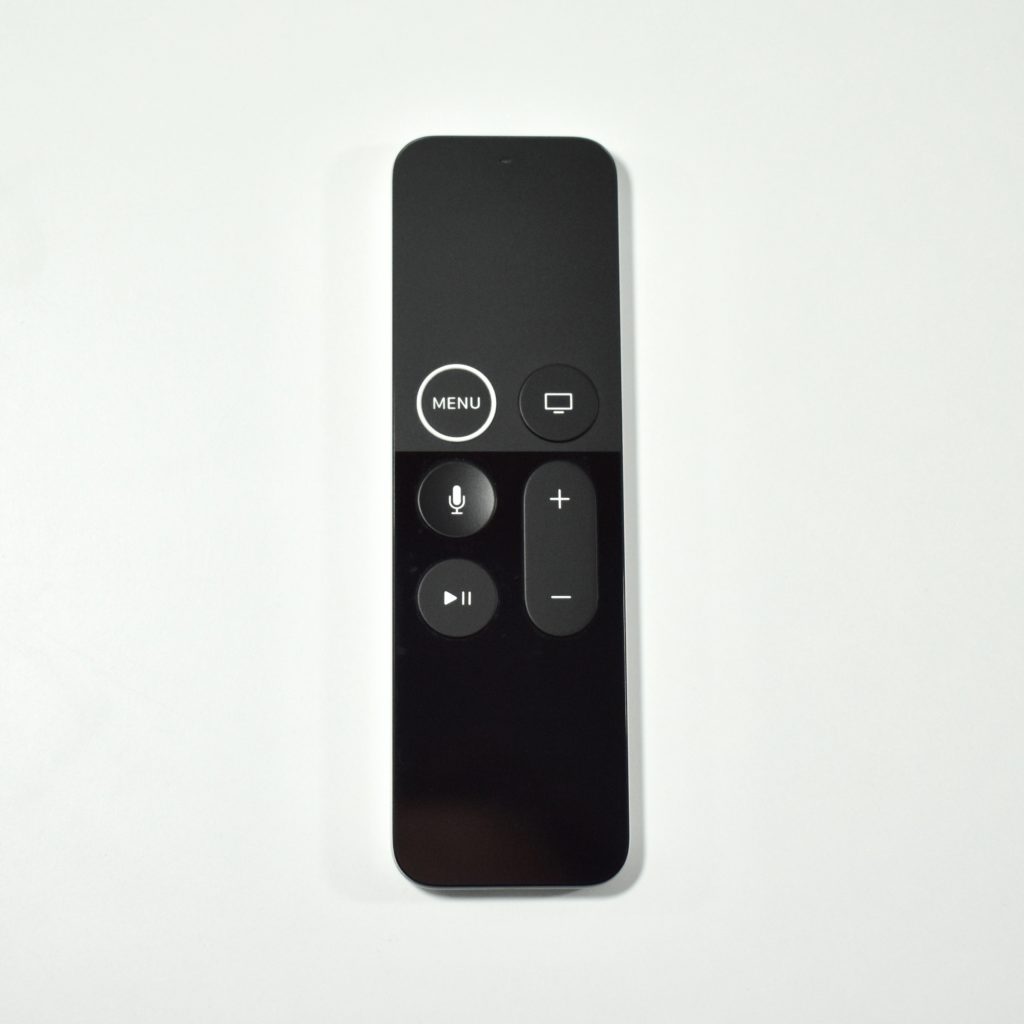
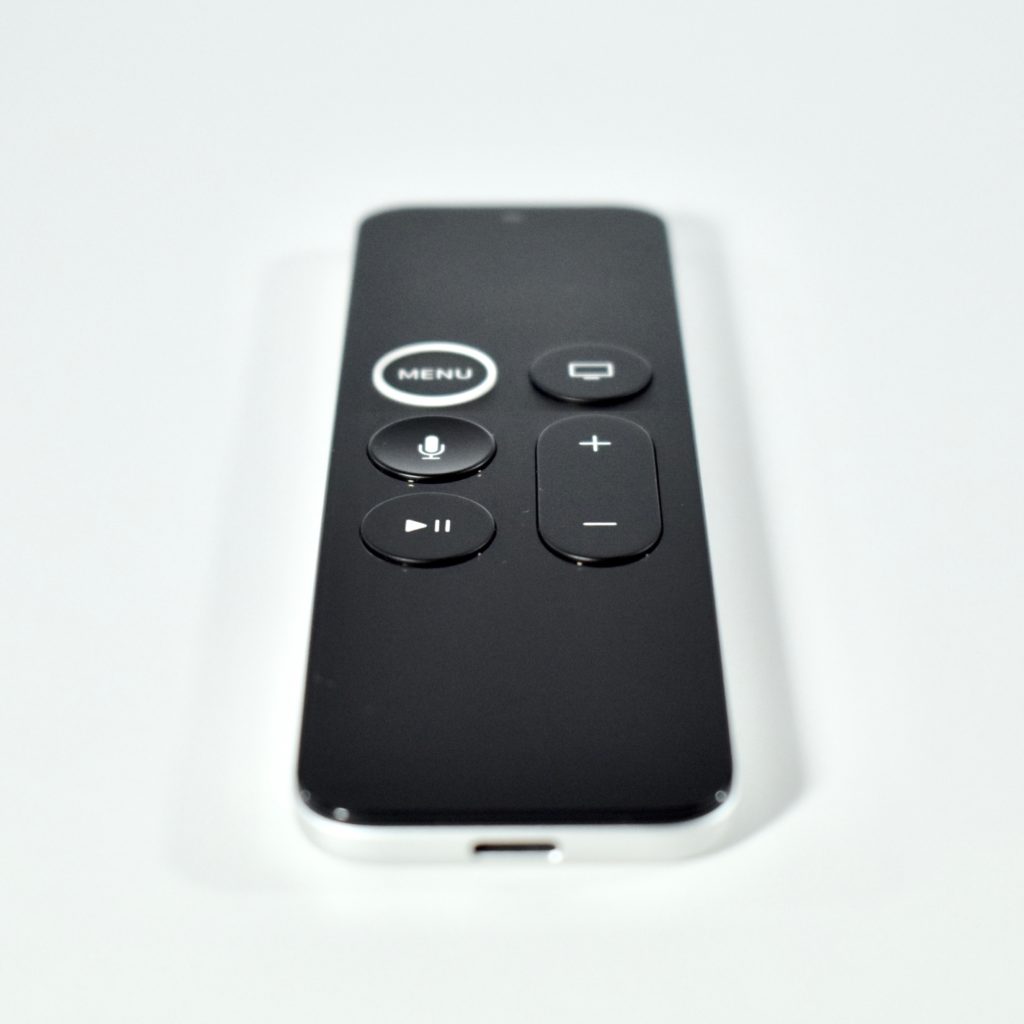
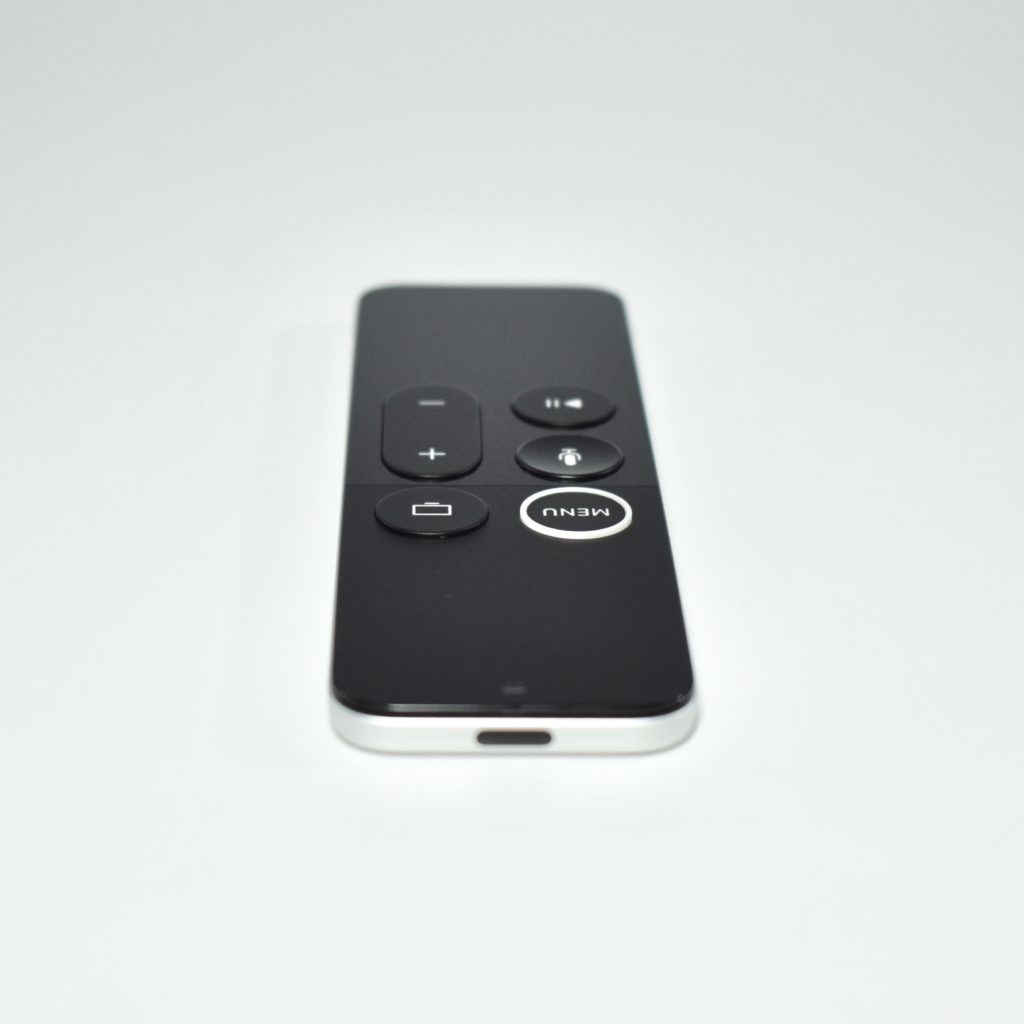
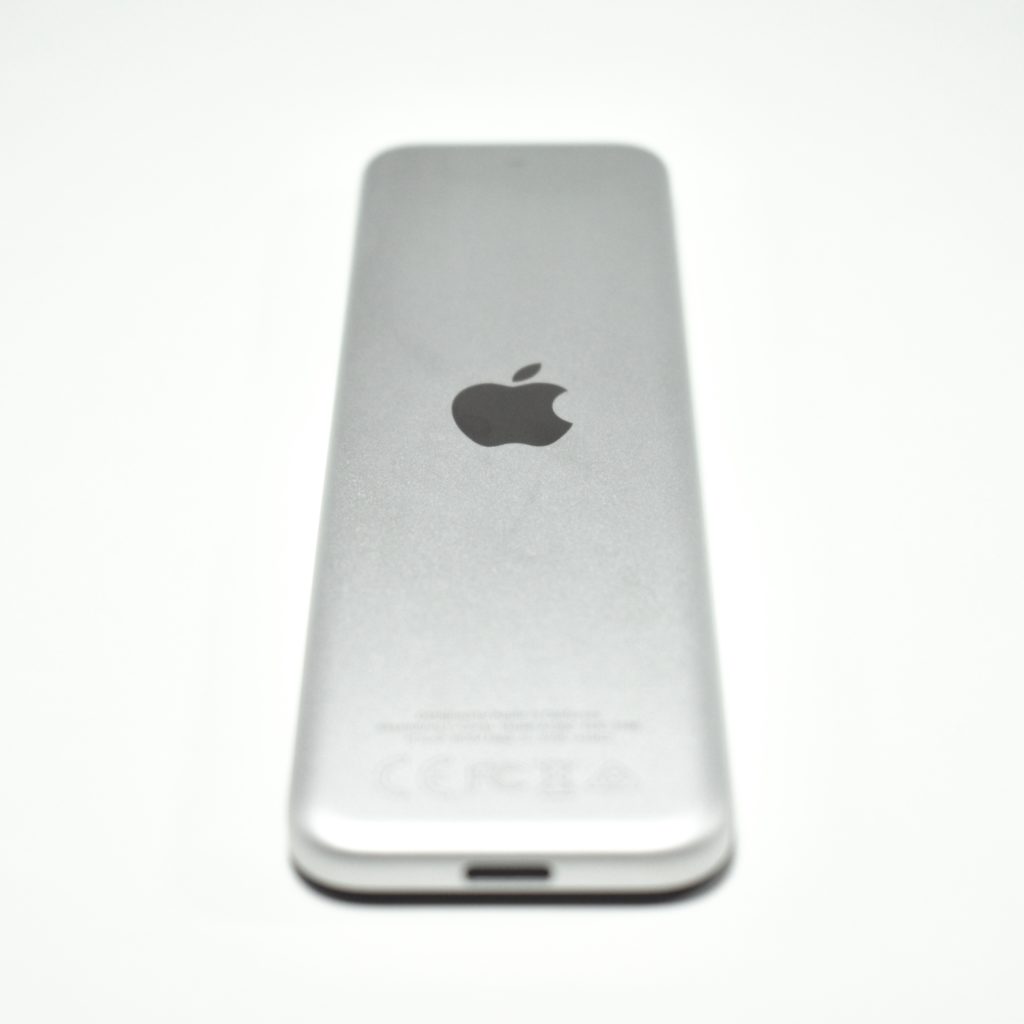
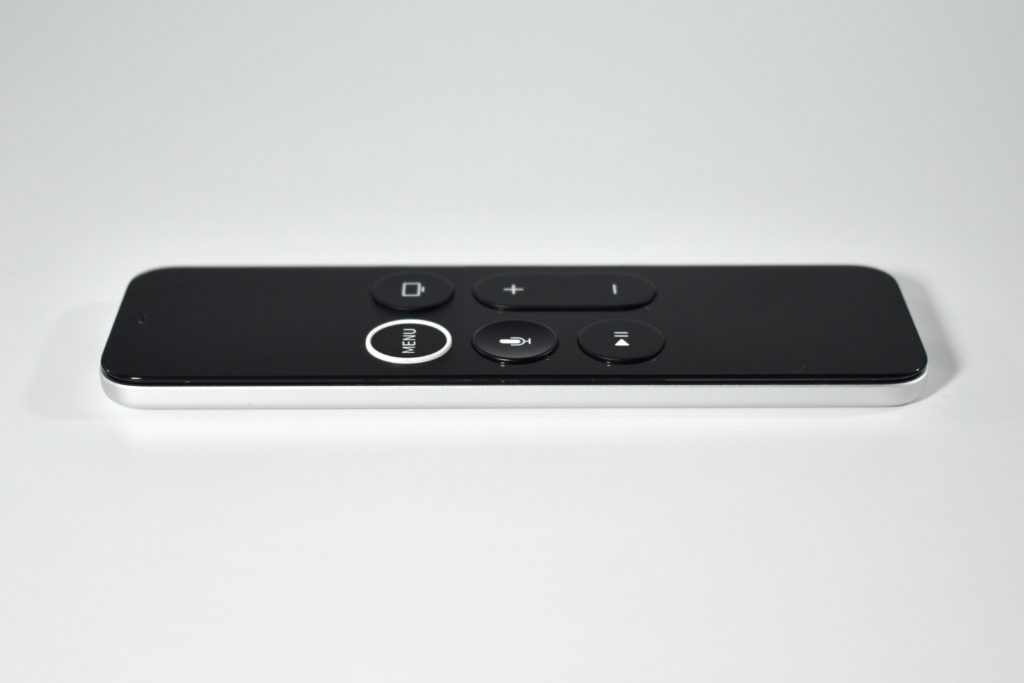
Siri Remote (2015)

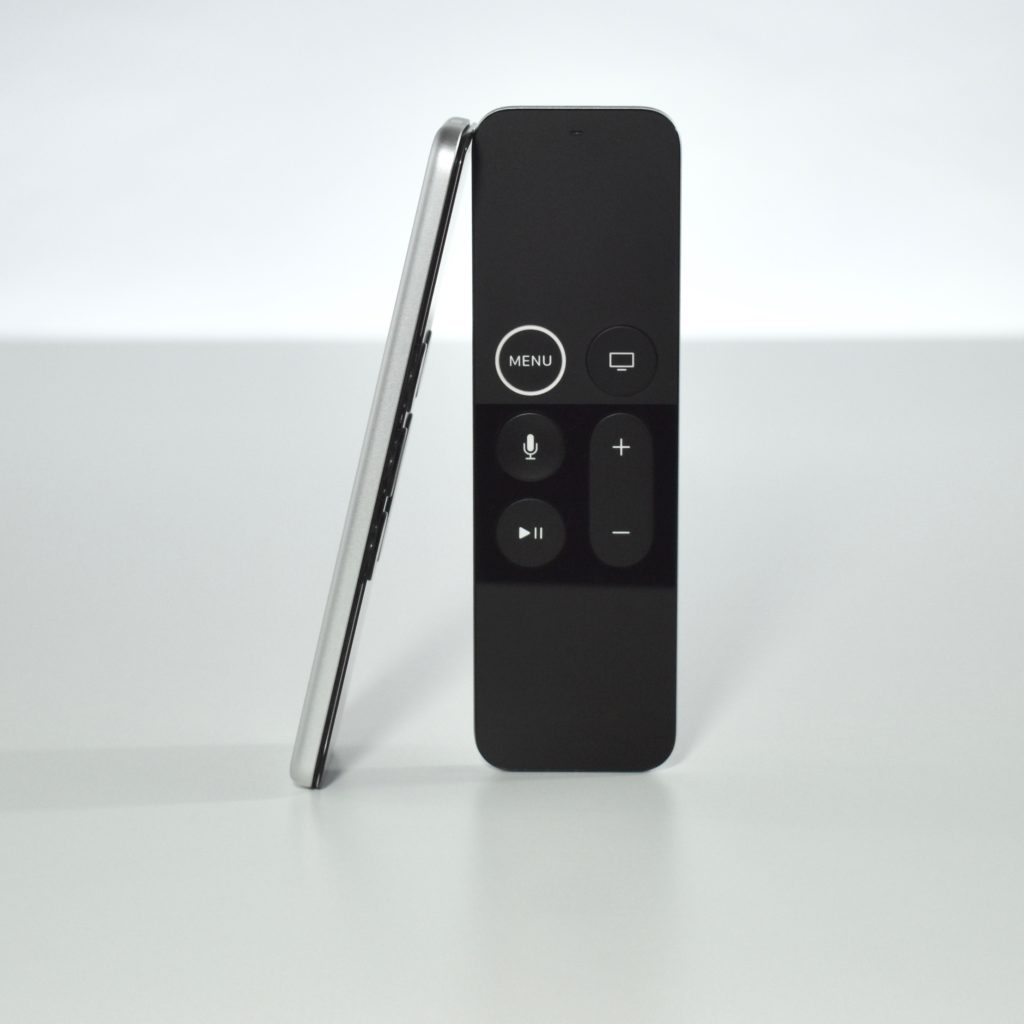
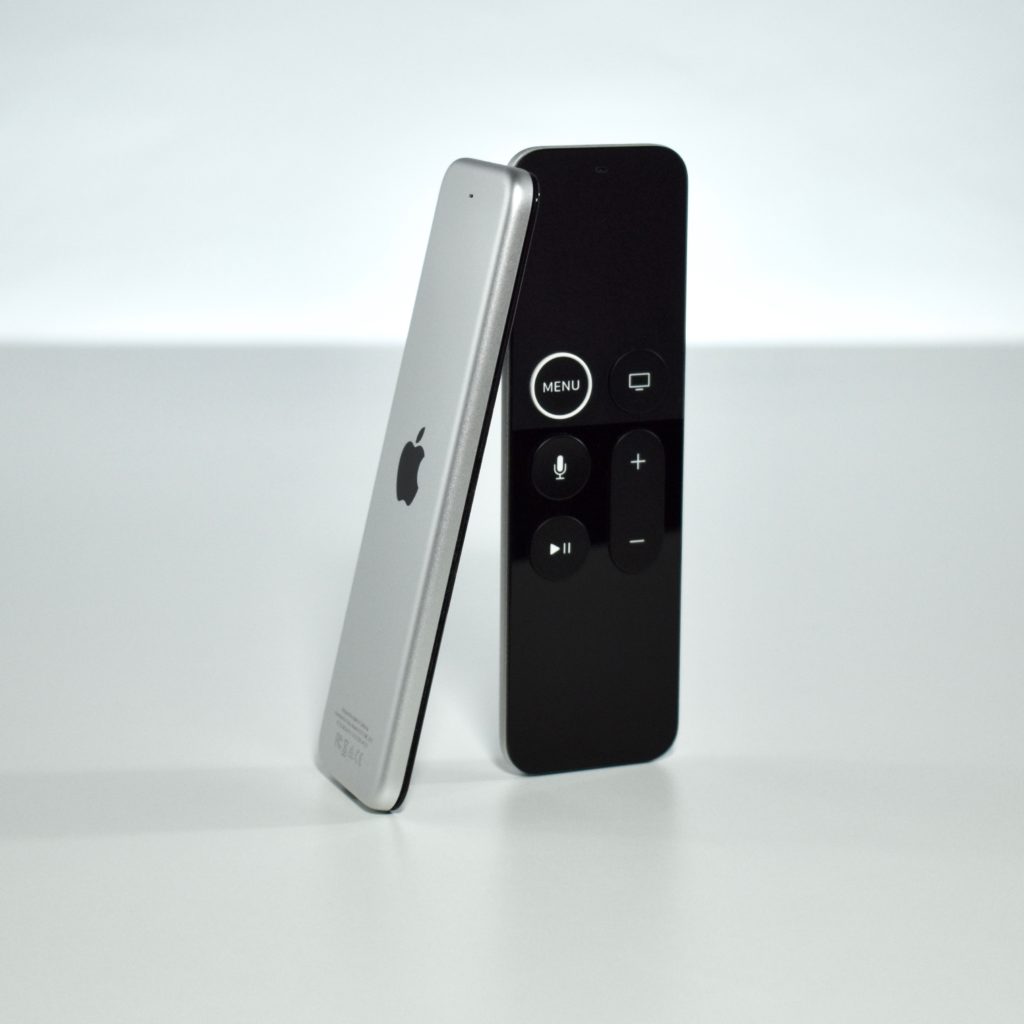
The Siri Remote was released in 2015 along with the Apple TV Generation 4. This remote had a glass trackpad, two microphones, and five buttons. The buttons included Menu, Home, Siri, Play/Pause, and a combined Volume up/down button. This remote used both IR and Bluetooth to connect to the Apple TV. The remote also included two sensors for gaming, an accelerometer and a gyroscope.

The finishes of the remote included a matte finish on the trackpad and a smooth, glossy finish at the bottom. The textured finishes helped differentiate the orientation of the remote when using it in the dark or by touch.

The trackpad on the Siri Remote supported limited gestures, including swipe, click, and tap.

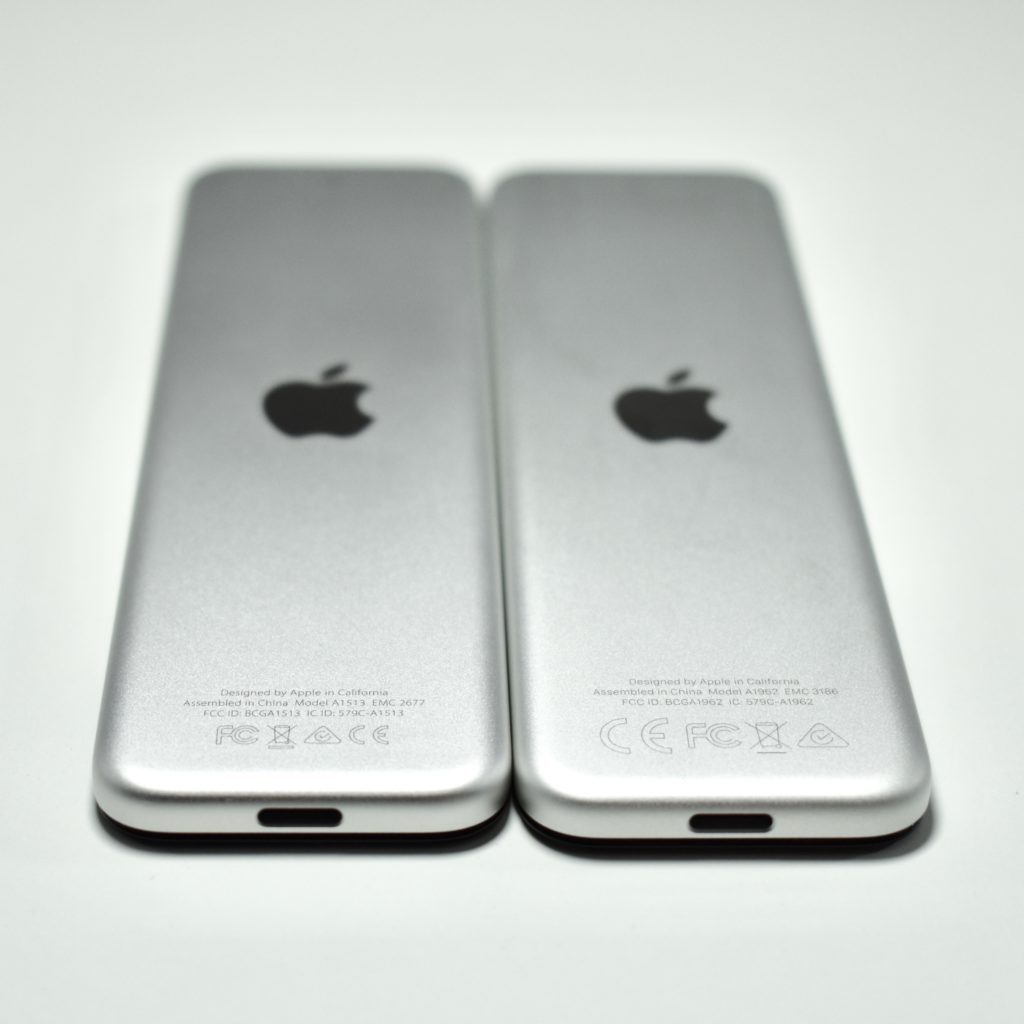
Unlike earlier Apple Remotes, the Siri Remote used a built-in rechargeable Lithium Polymer Battery that charged using a Lightning port at the bottom.

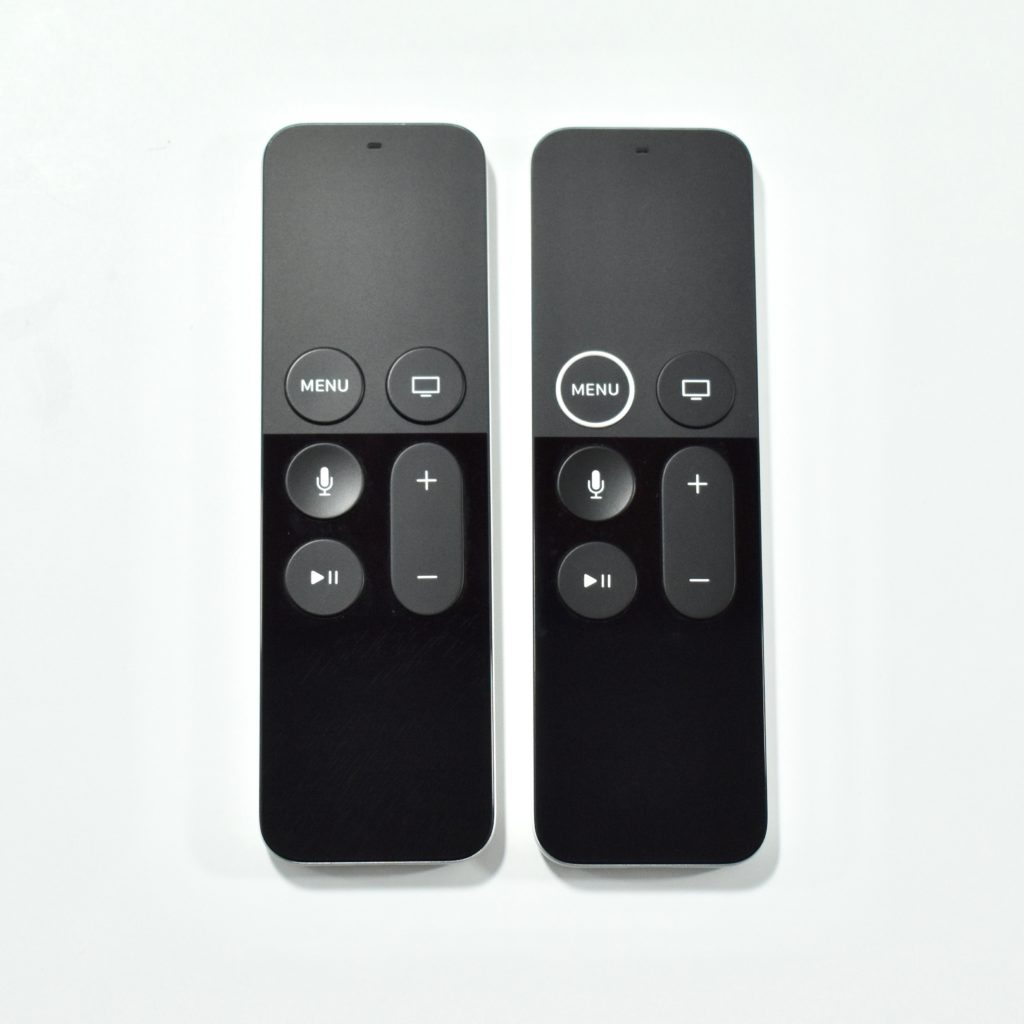
The design of this remote was slightly revised after initial production. The original design had a solid black Menu button. The revised design added a white raised ring around the the Menu button.

References: Wikipedia.com, Apple Developer

eMate Replacement Pens (1997)

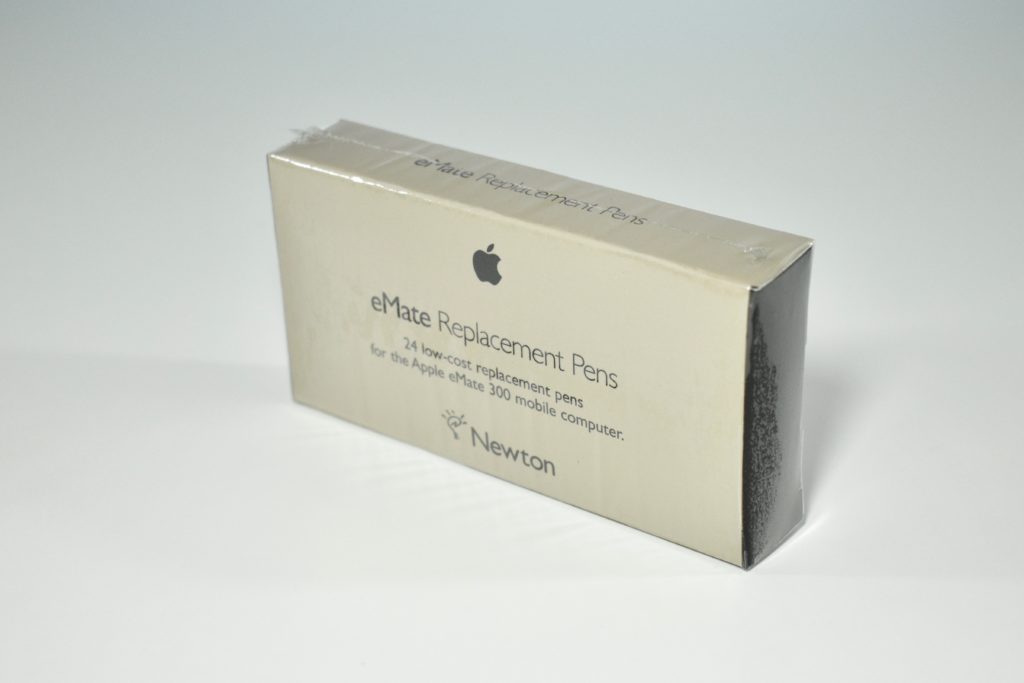
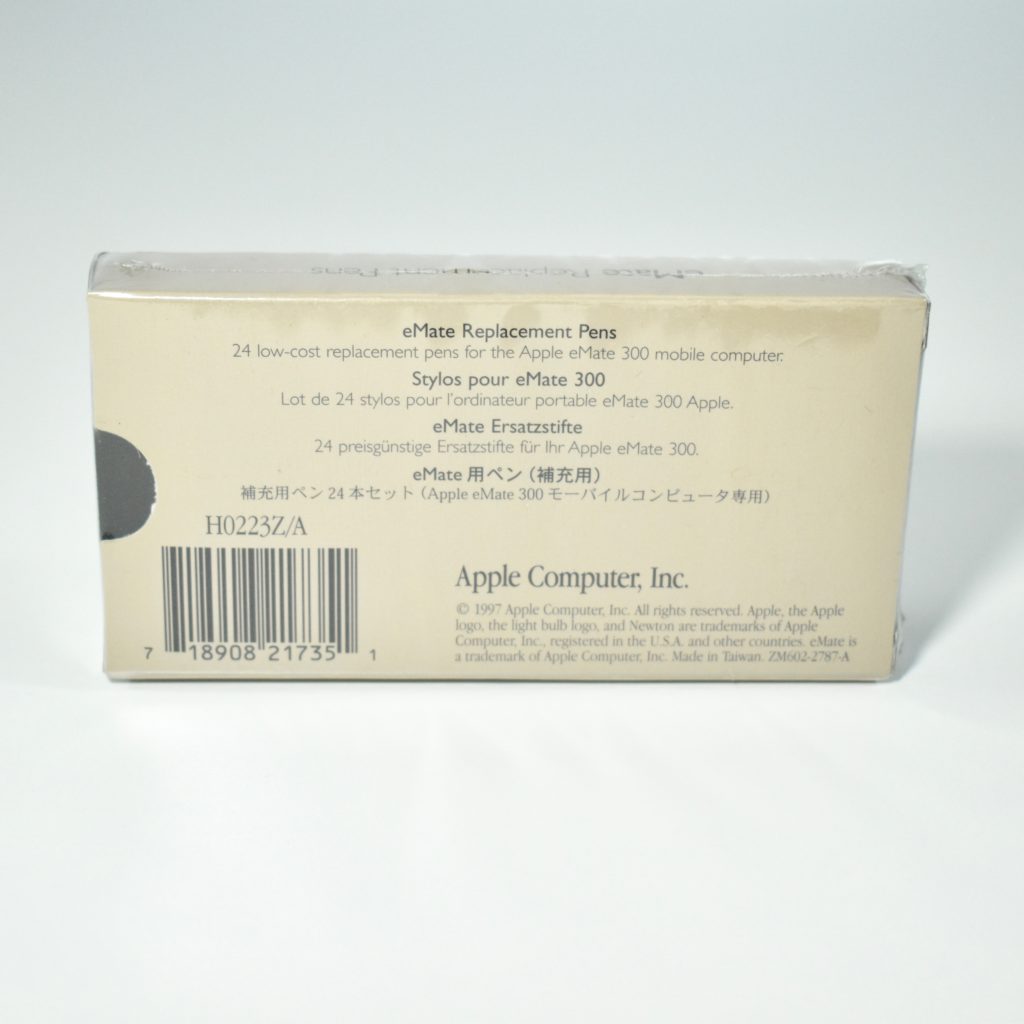
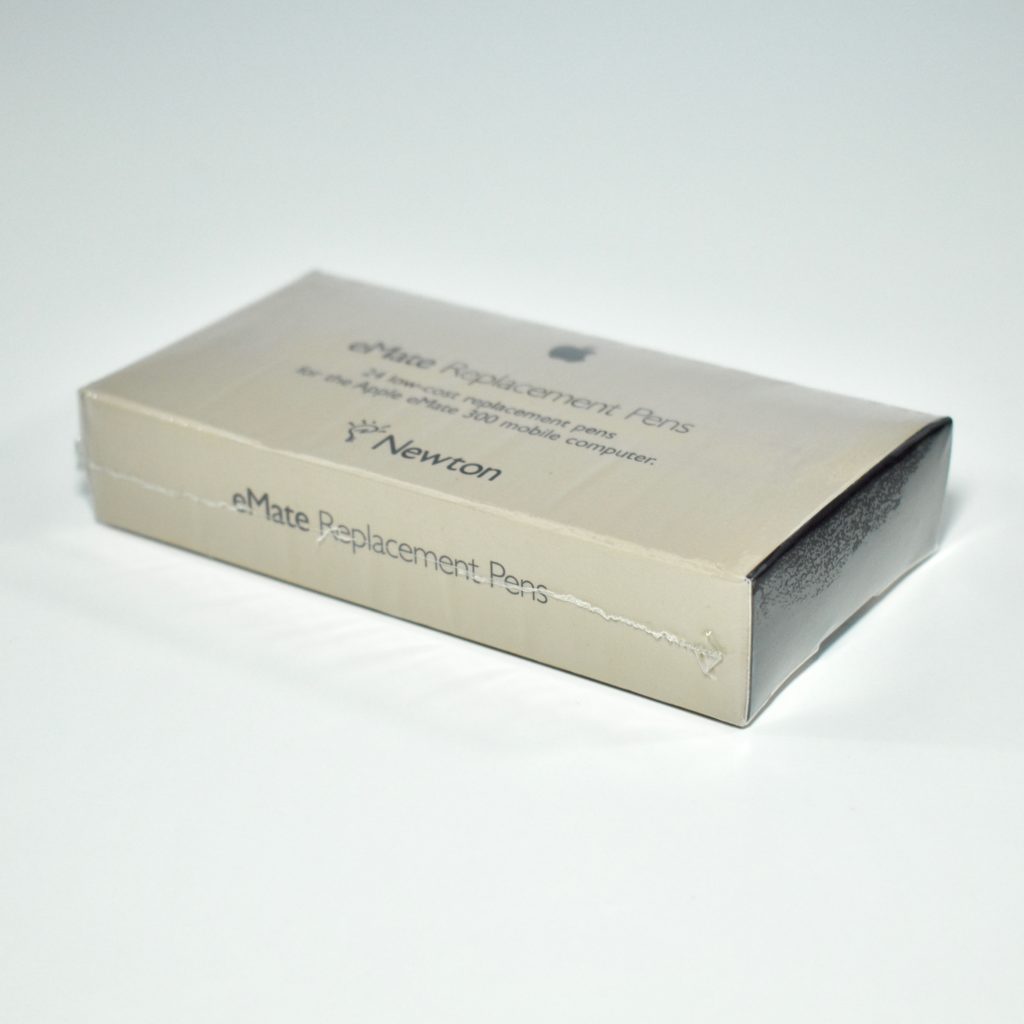
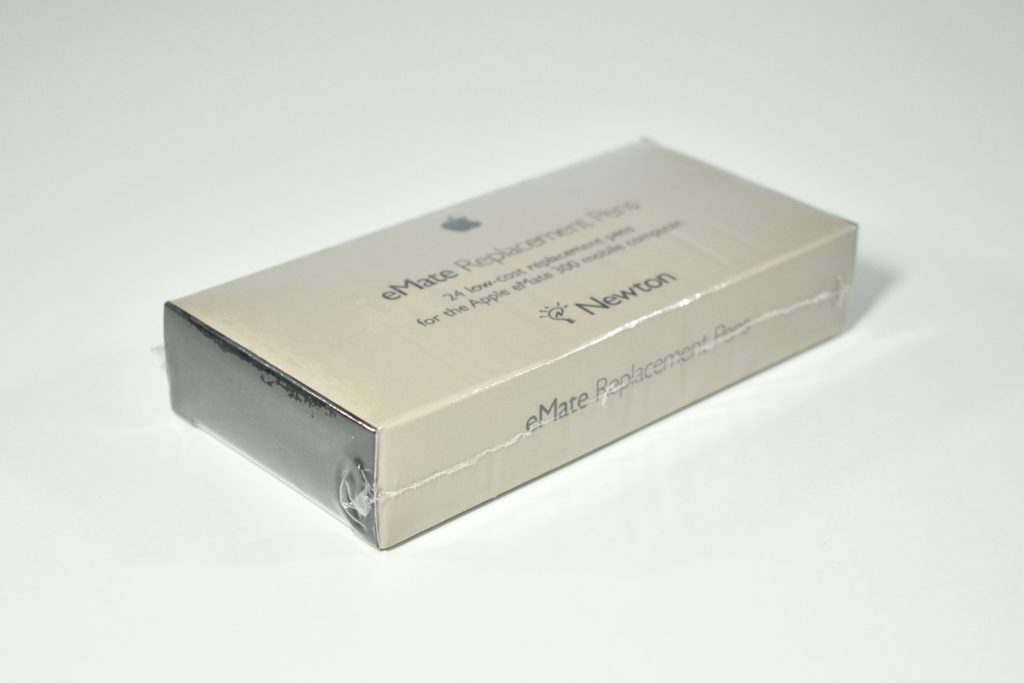
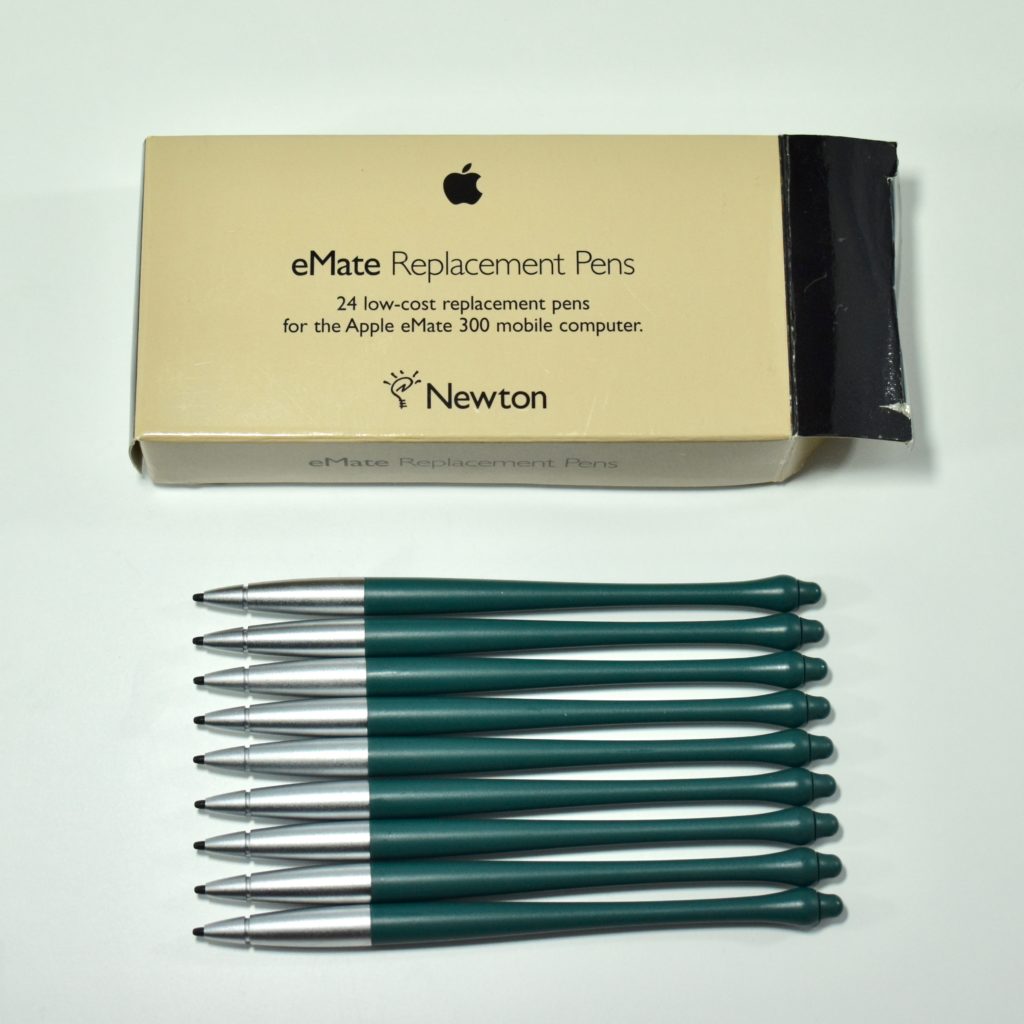
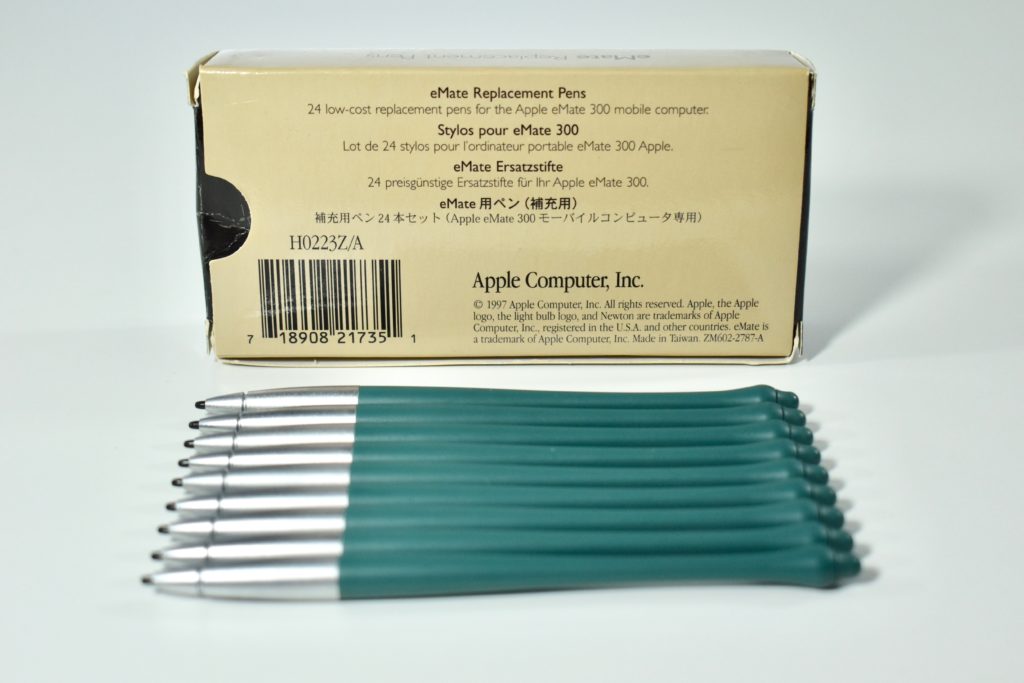
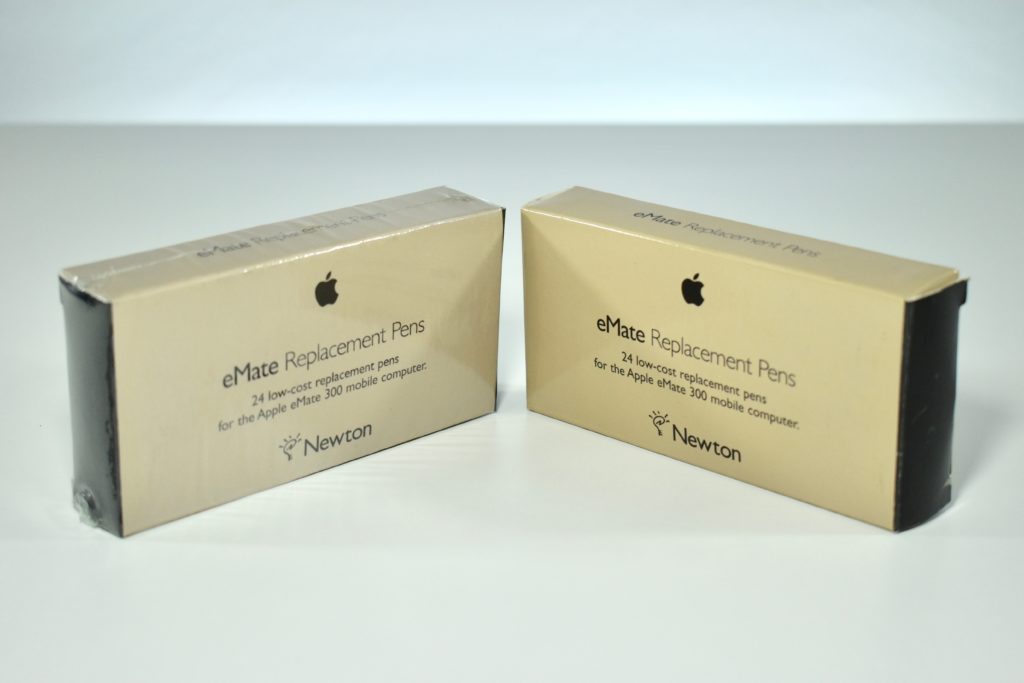
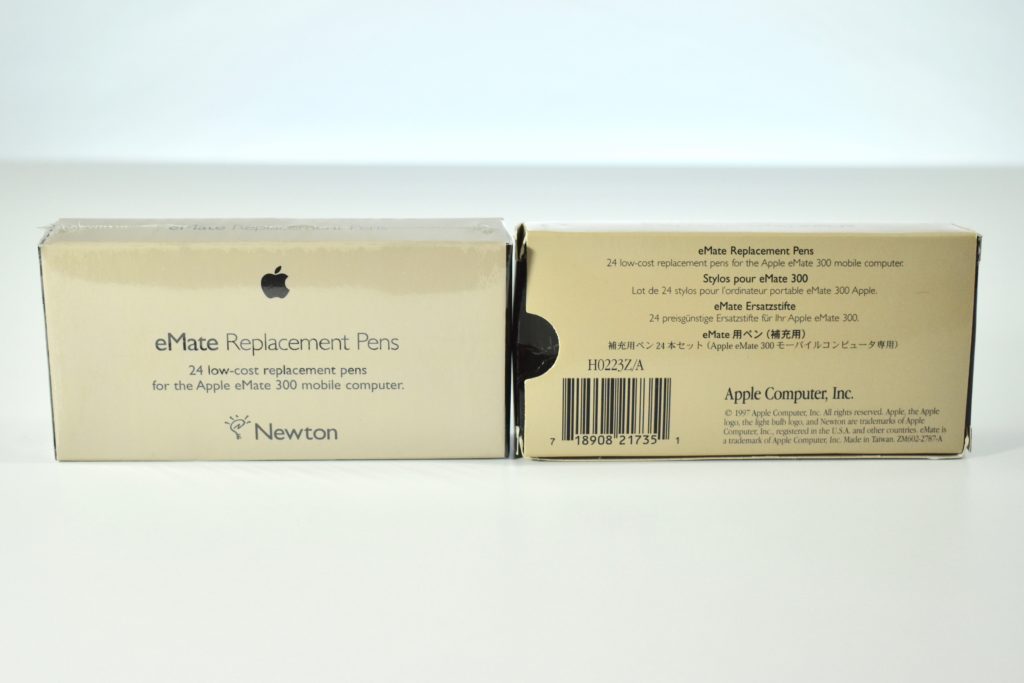
These boxes contain eMate Replacement Pens. The box is labeled “24 low-cost replacement pens for the Apple eMate 300 mobile computer.” One of the boxes I have is factory-shrink-wrapped and the other is an open partial box.

The eMate 300, a member of the Newton family, shipped with a stylus of the same design as these replacement pens. Comparing the pen that shipped with the eMate 300 and these replacement pens, the two appear identical.

Pro Speakers (2001)

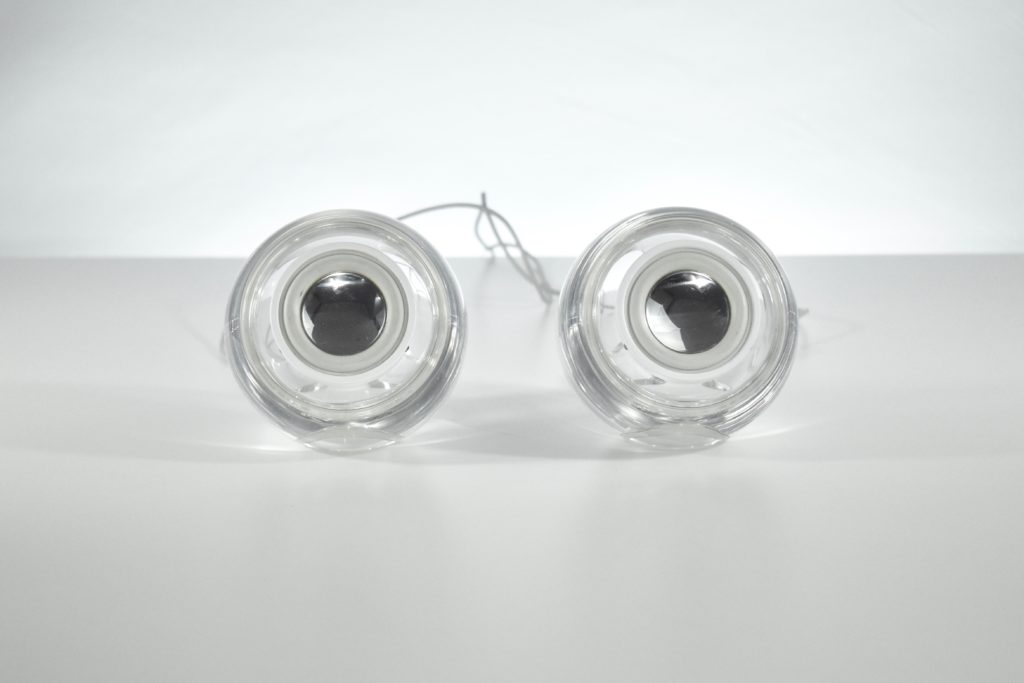
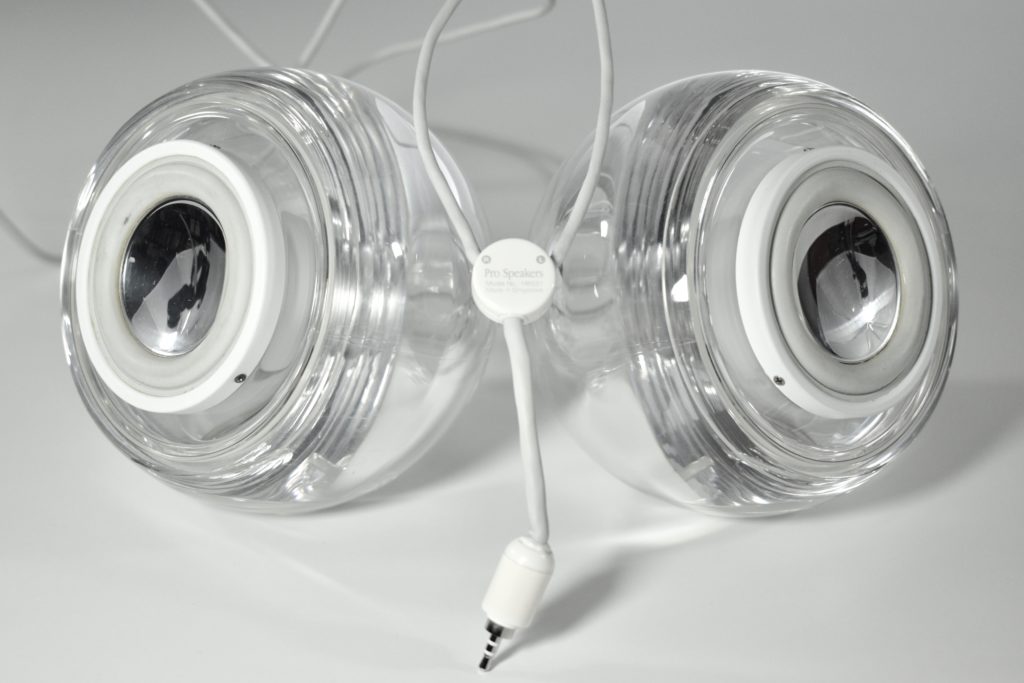
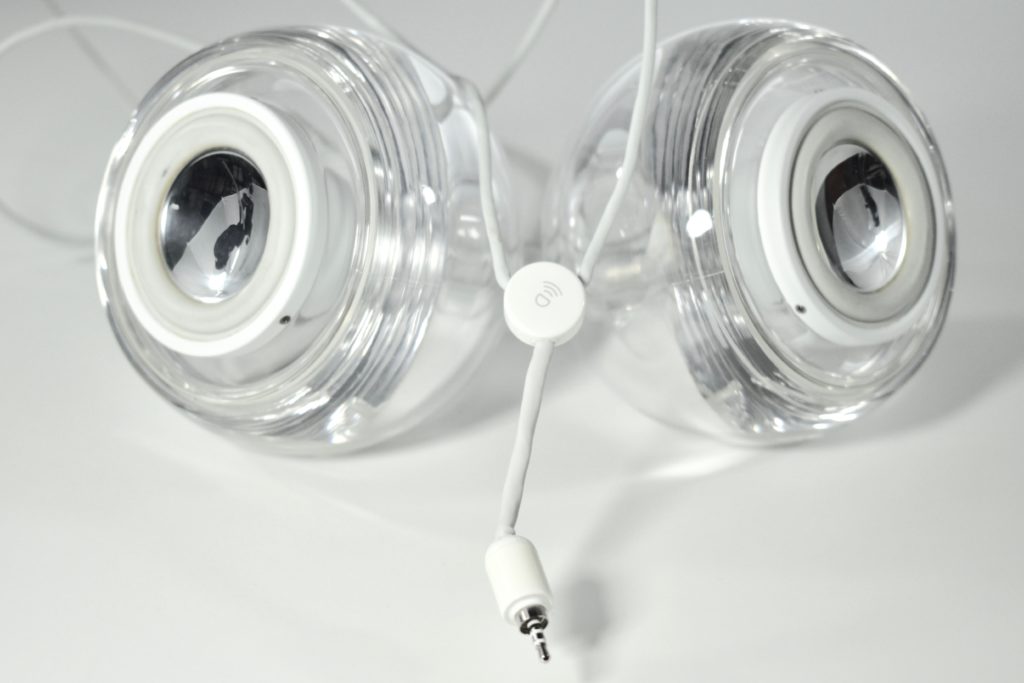
Apple Pro Speakers were introduced with the Power Mac G4 (Digital Audio) and later shipped with the iMac G4. These speakers required a Mac with a built-in amplifier and a proprietary audio jack to connect.

Apple described these speakers as “designed by Harman/Kardon,” once a high-end audio company now owned by Samsung. Harman/Kardon also designed the popular iSub subwoofer and SoundSticks in partnership with Apple that were released in 2000. In both the Apple Pro Speakers and SoundSticks, Apple contributed the industrial design and mechanical engineering, while Harman/Kardon manufactured the audio components of the product.

Sources: MacWorld, Wikipedia.org

Wireless Keyboard (original, French layout, 2003)

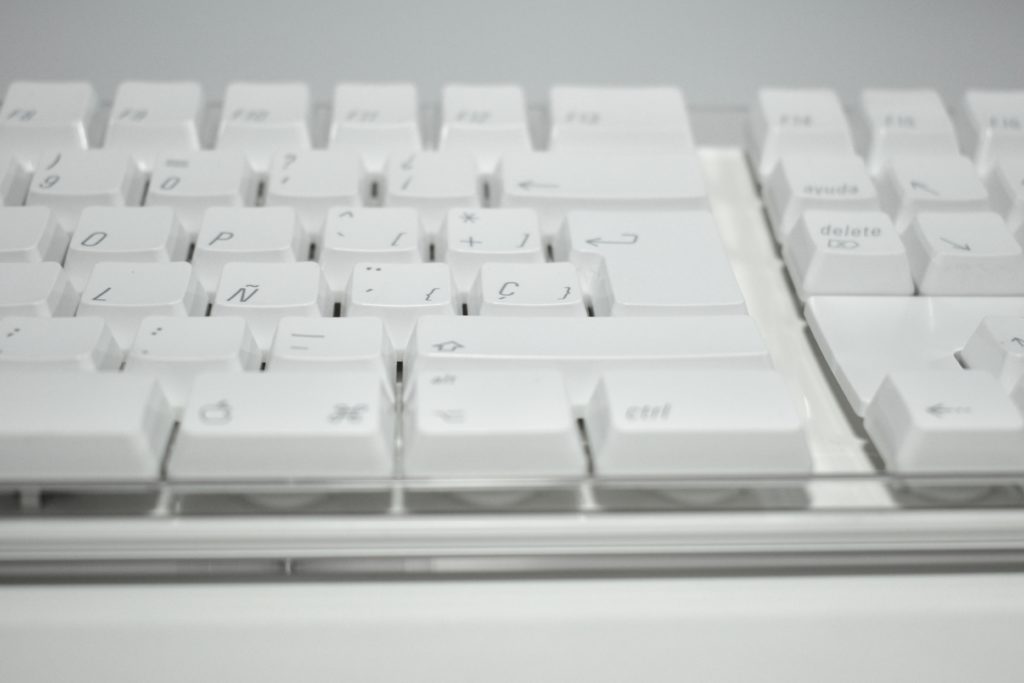
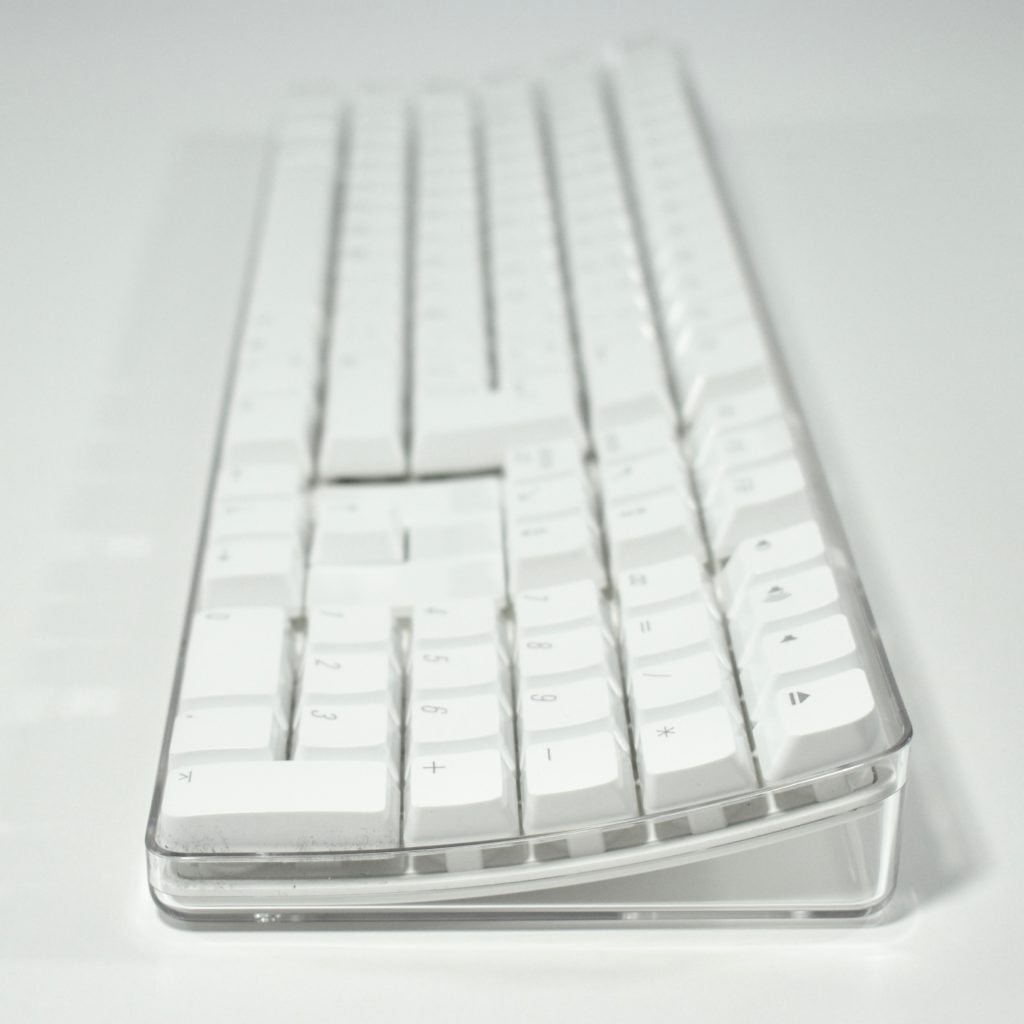
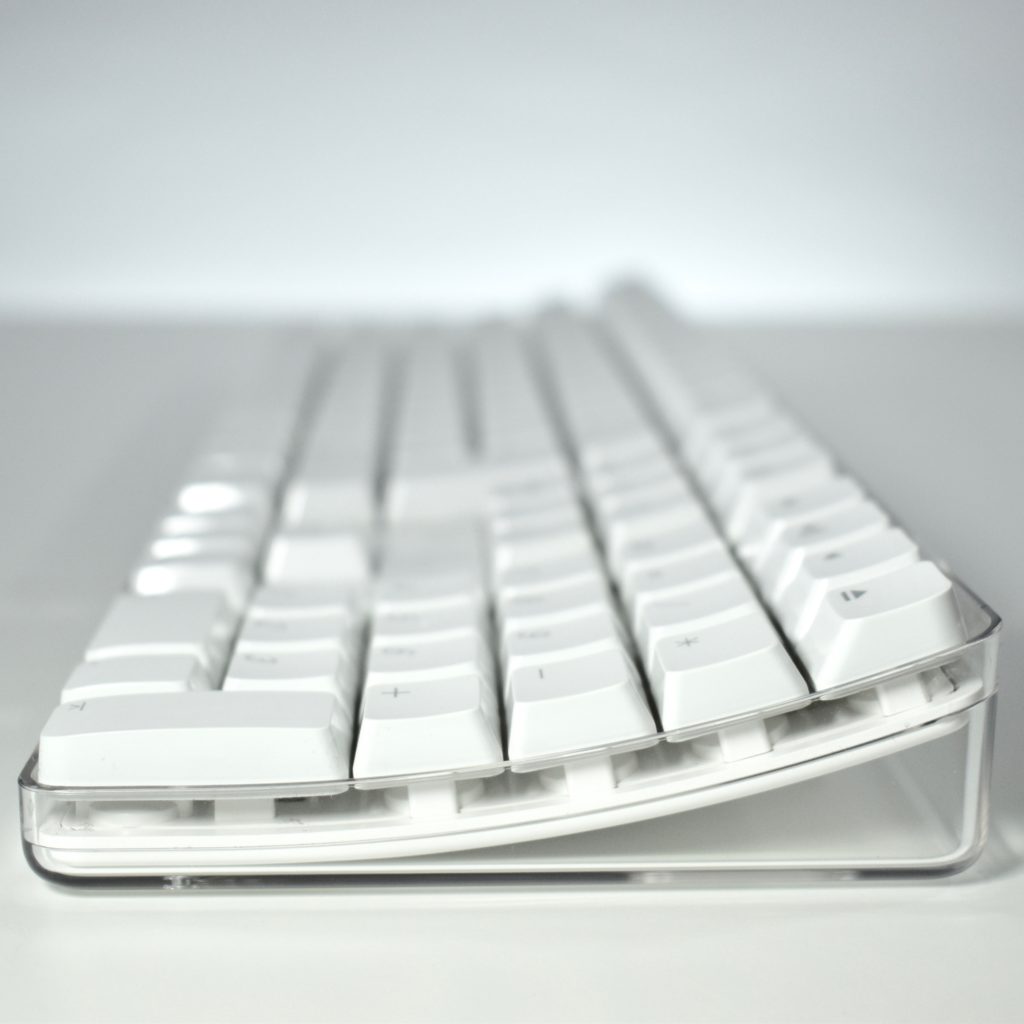
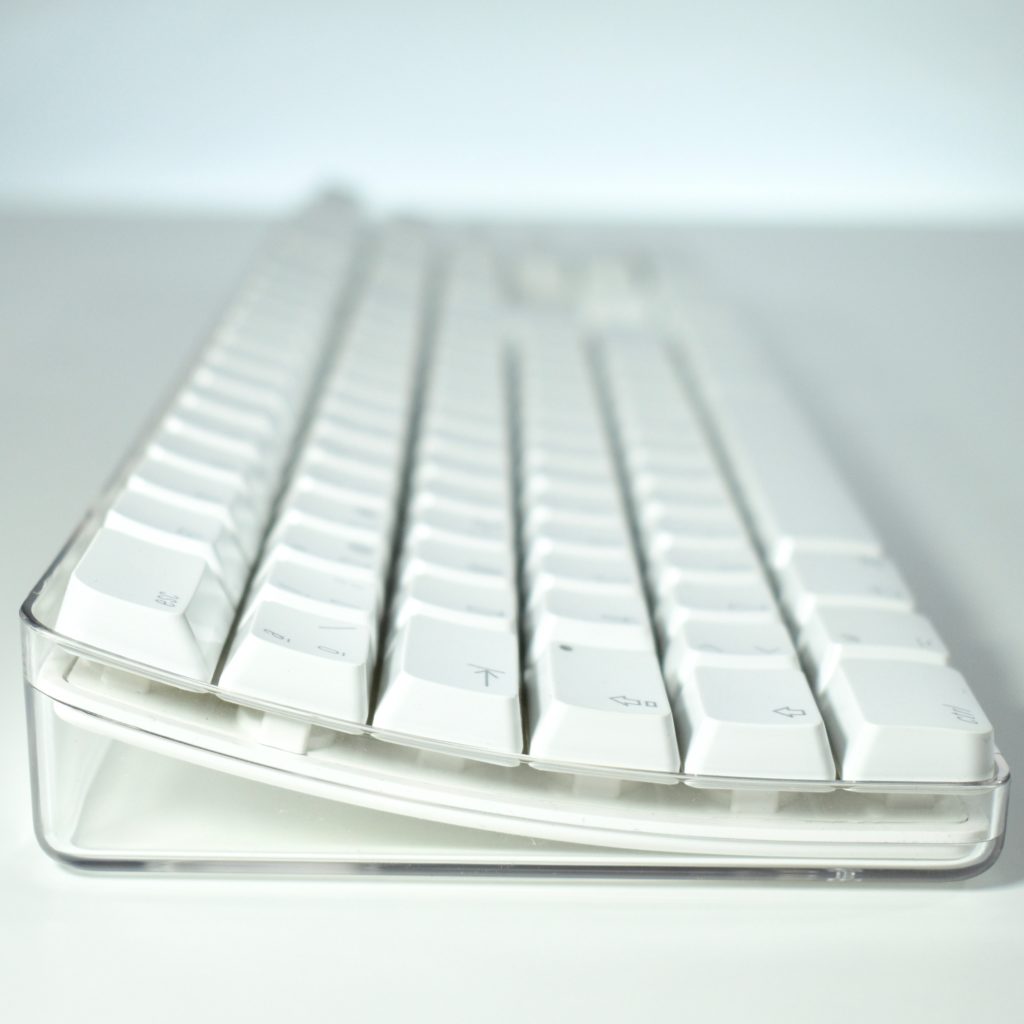
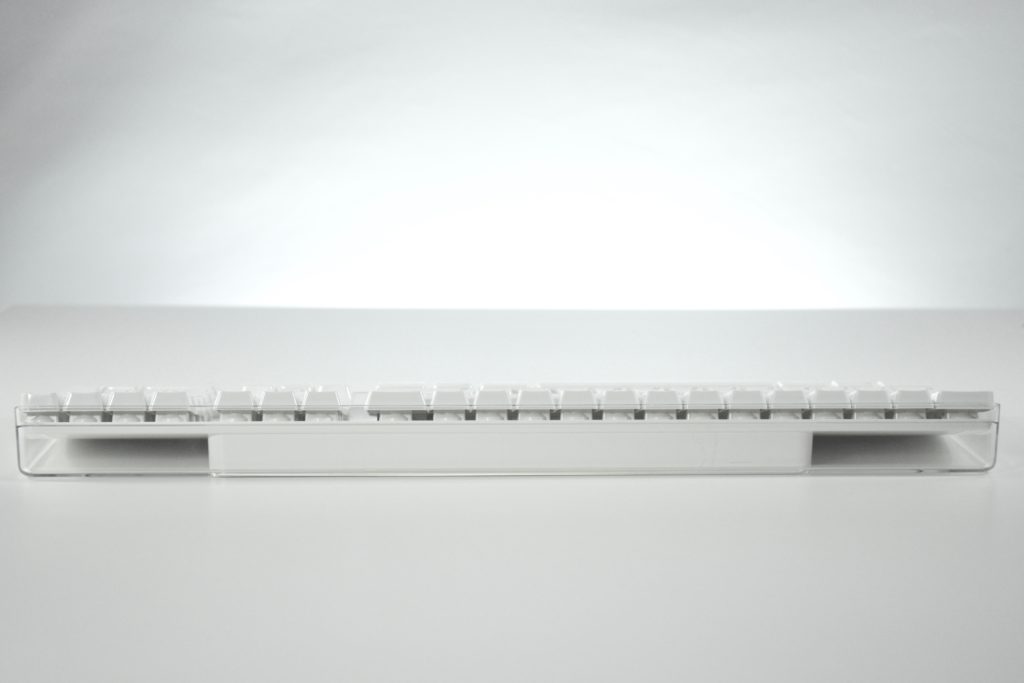
The original Apple Wireless Keyboard was released on September 16, 2003. It was based on the design of the white Apple Keyboard with white keys in a clear plastic case. Unlike the wired version, it did not have USB ports to connect external devices.

The Wireless Keyboard connected using Bluetooth and operated on four AA batteries. The batteries were accessed on the bottom of the keyboard behind a cover secured by two plastic screws that could be opened by turning one-quarter turn using a coin.

This keyboard can be used with Macintosh computers running Mac OS X 10.2.6 or later.

This particular Wireless Keyboard has a French key layout.

Source: Wikipedia.org

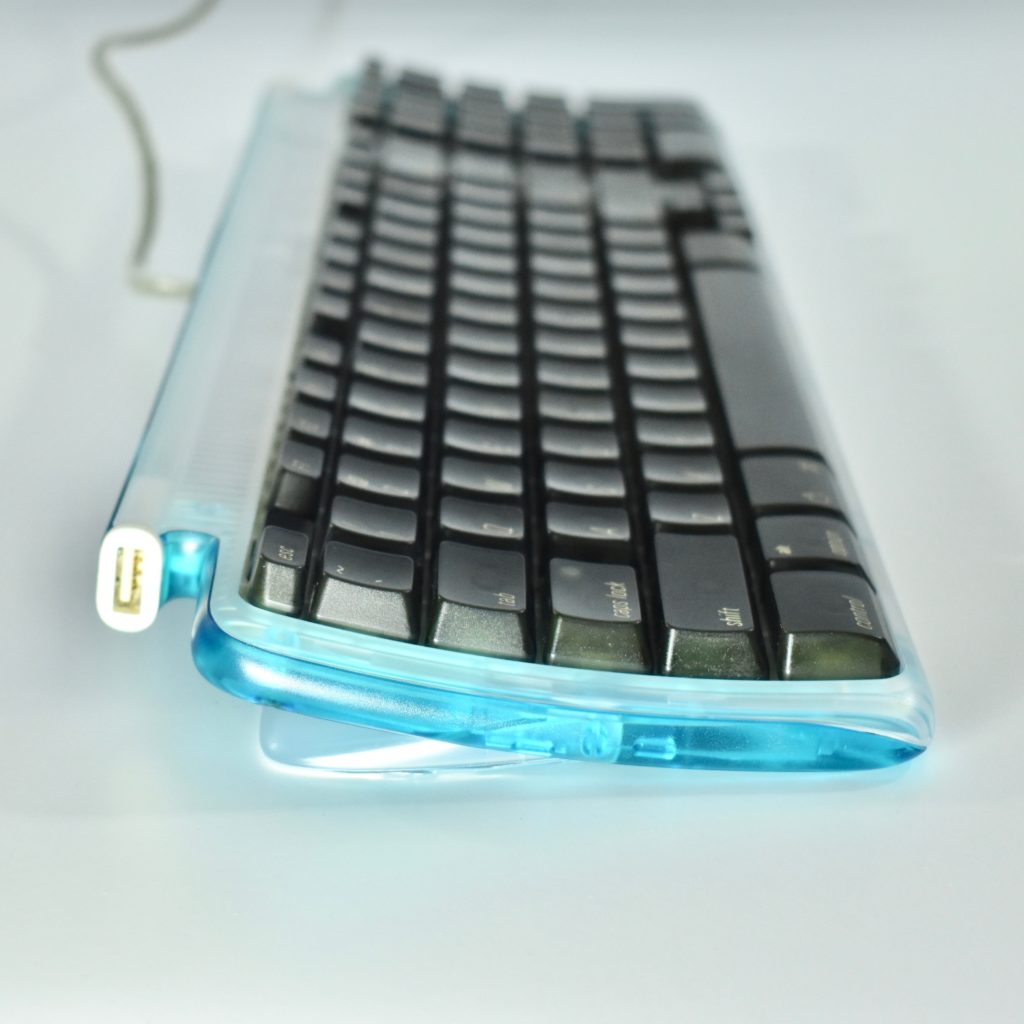
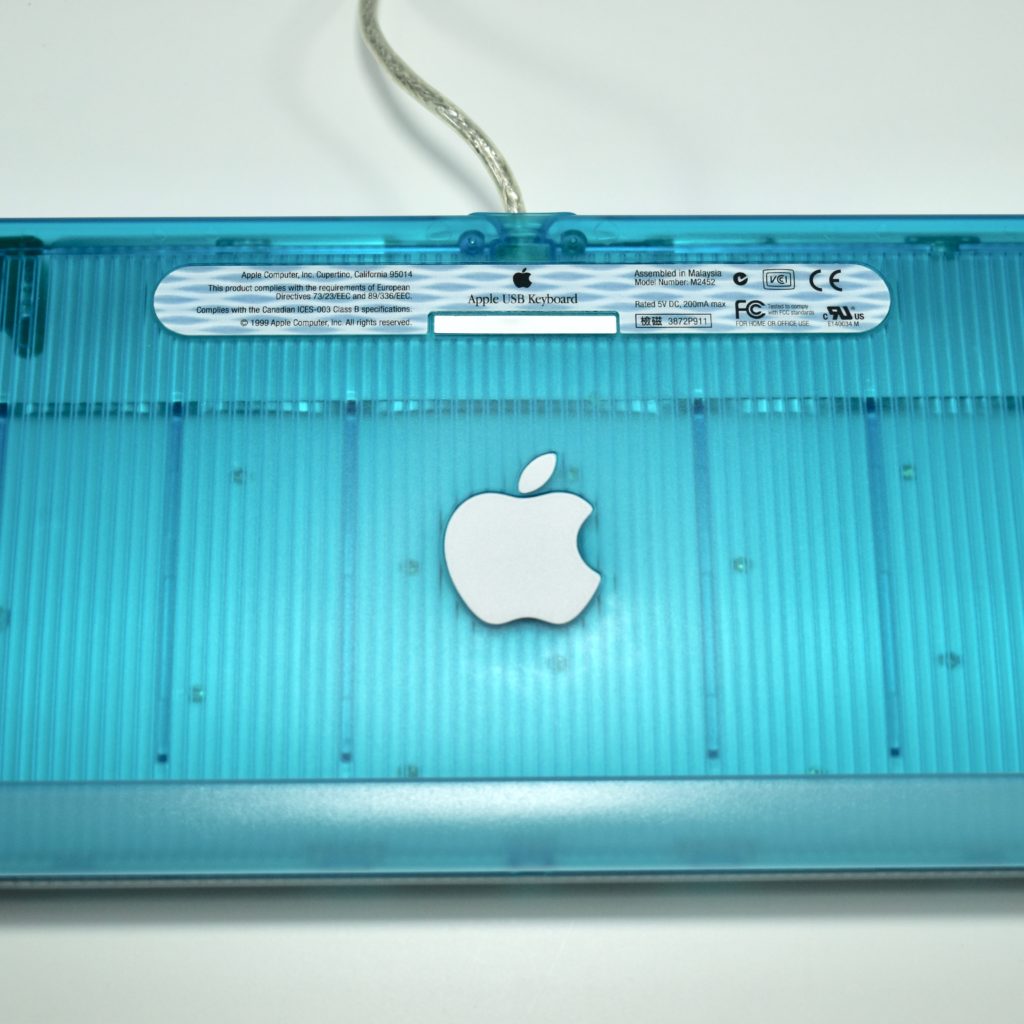
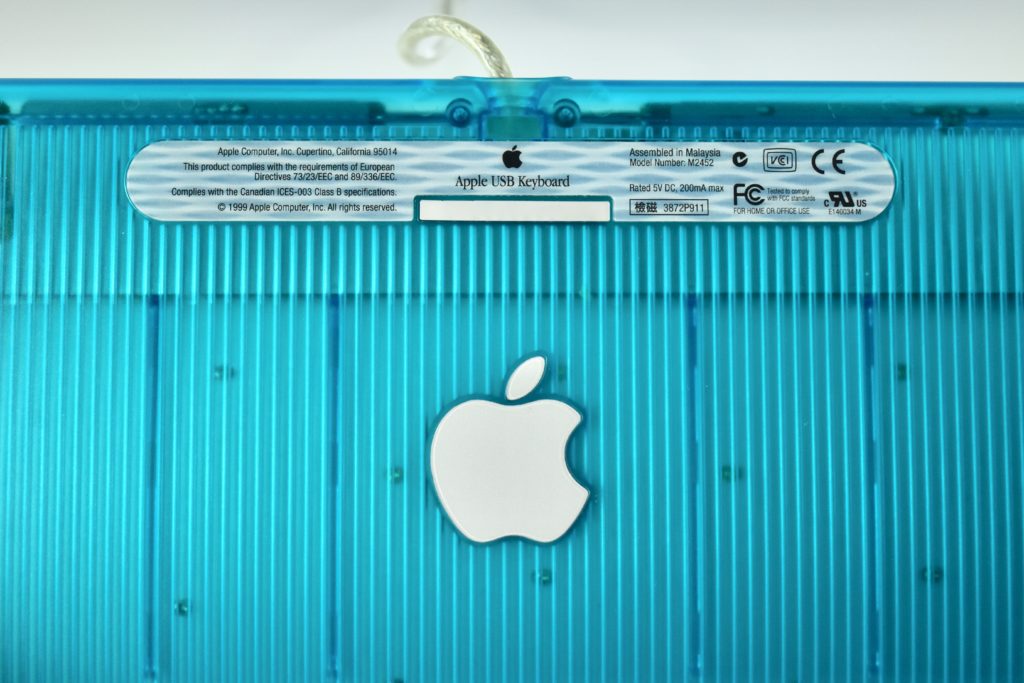
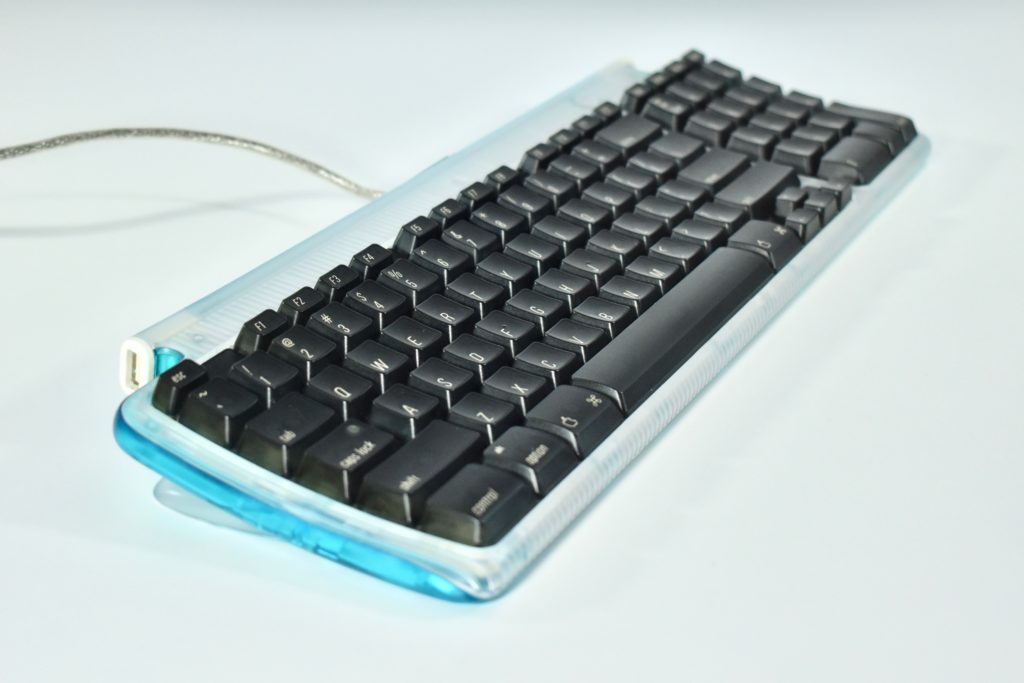
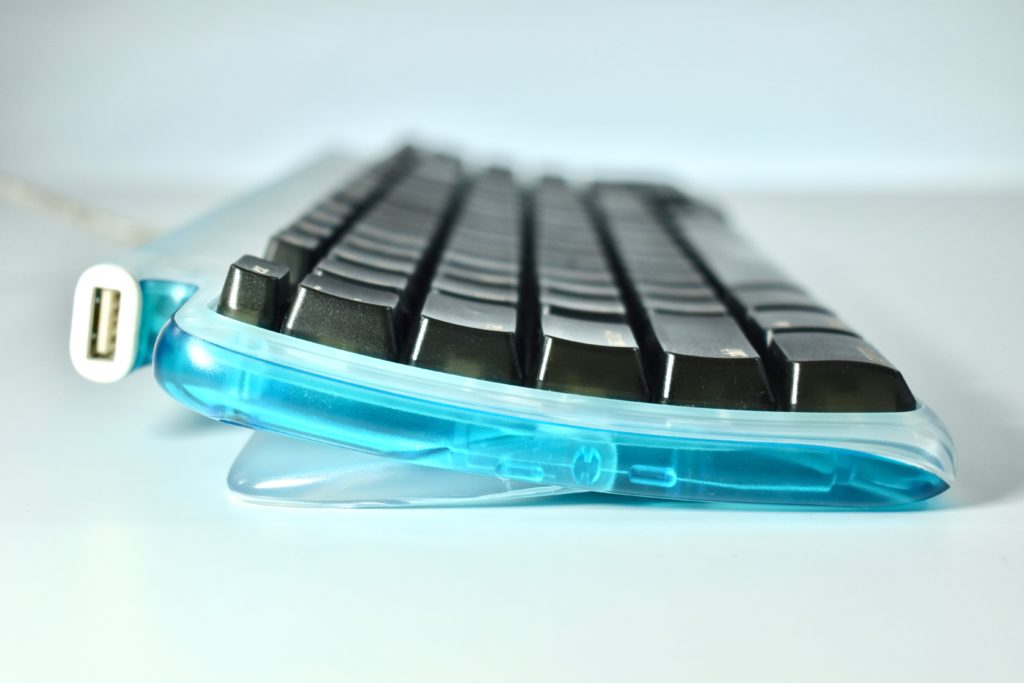
Apple USB Keyboard (blueberry, 1998)

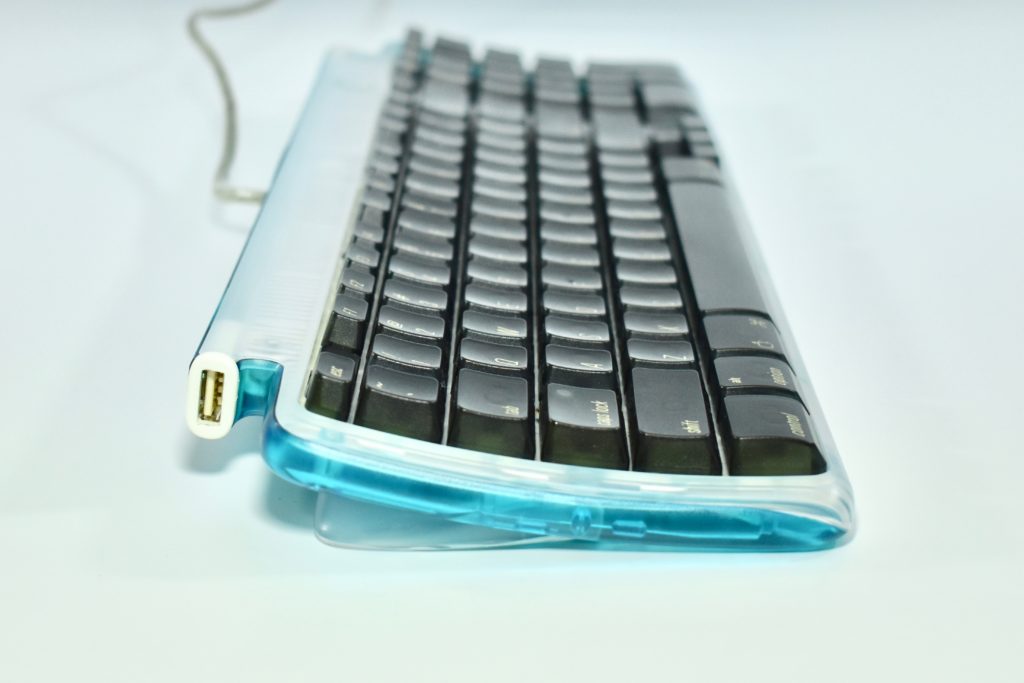
The Apple USB Keyboard was released with the original Bondi blue iMac in 1998. This keyboard used translucent plastics to match the iMac models that shipped with them for the next two years and was available in Bondi blue, blueberry, strawberry, lime, tangerine, grape, and graphite.

The bottom of the keyboard included a support leg that allowed the keyboard to lay flat or tilt up. The keyboard included a full row of half-height function (fn) keys, a keypad, and a dedicated power key in the upper-right corner.

Source: Wikipedia.org

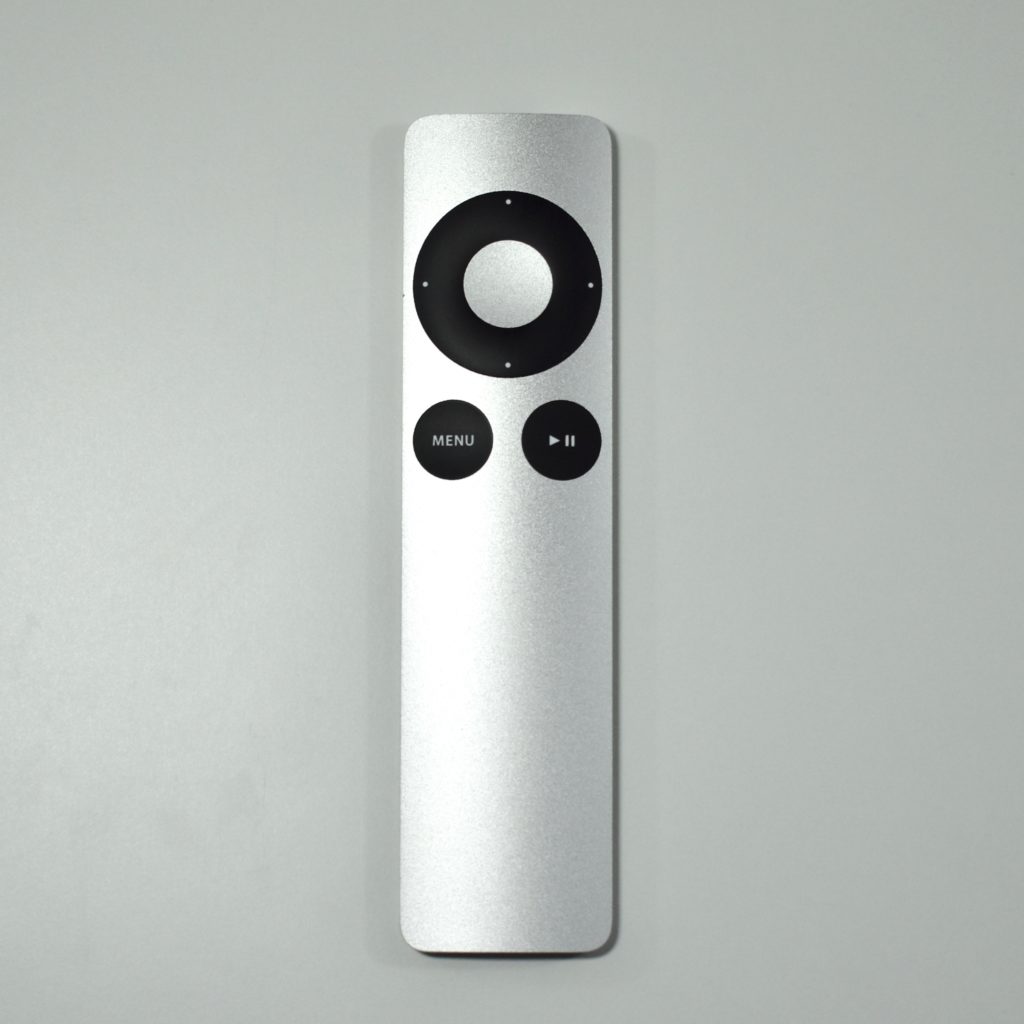
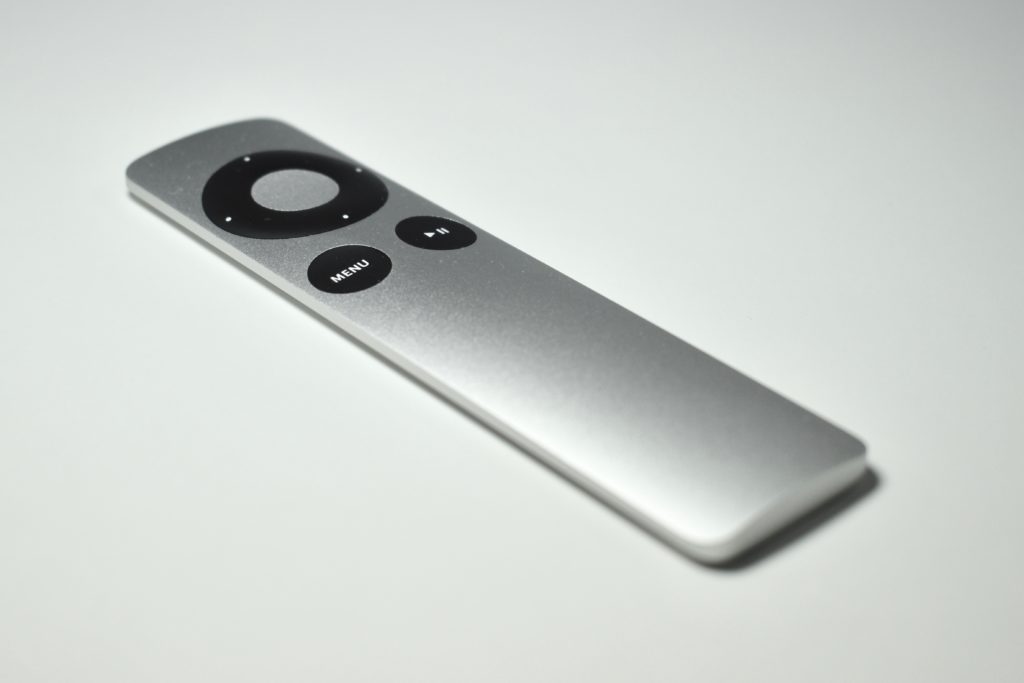
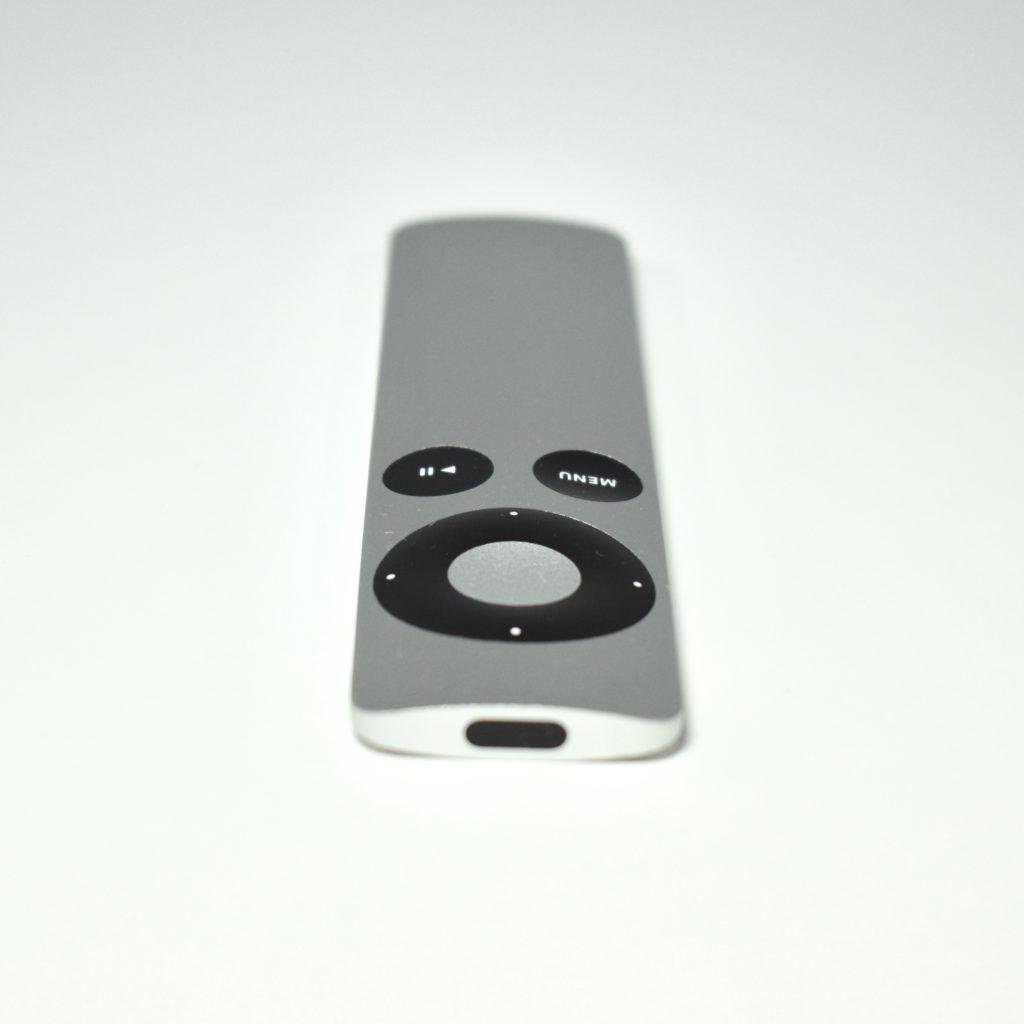
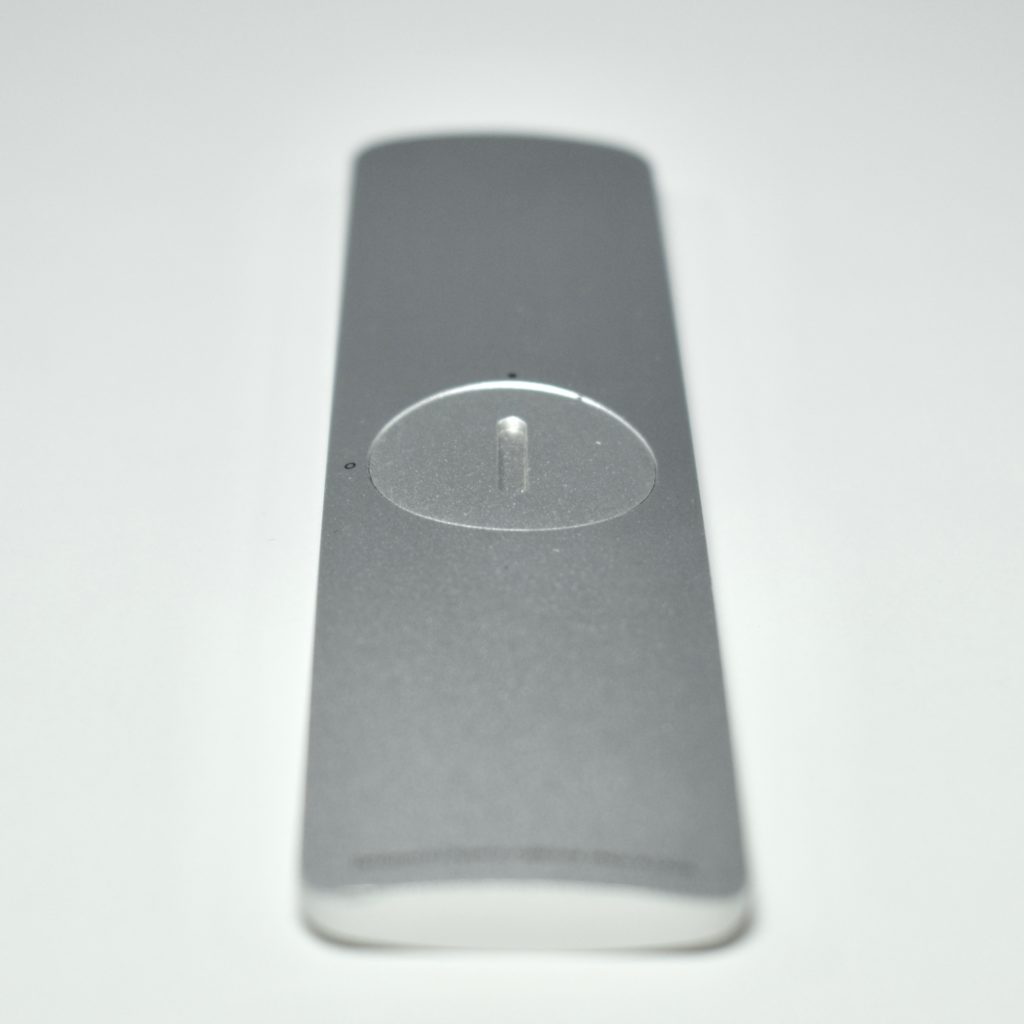
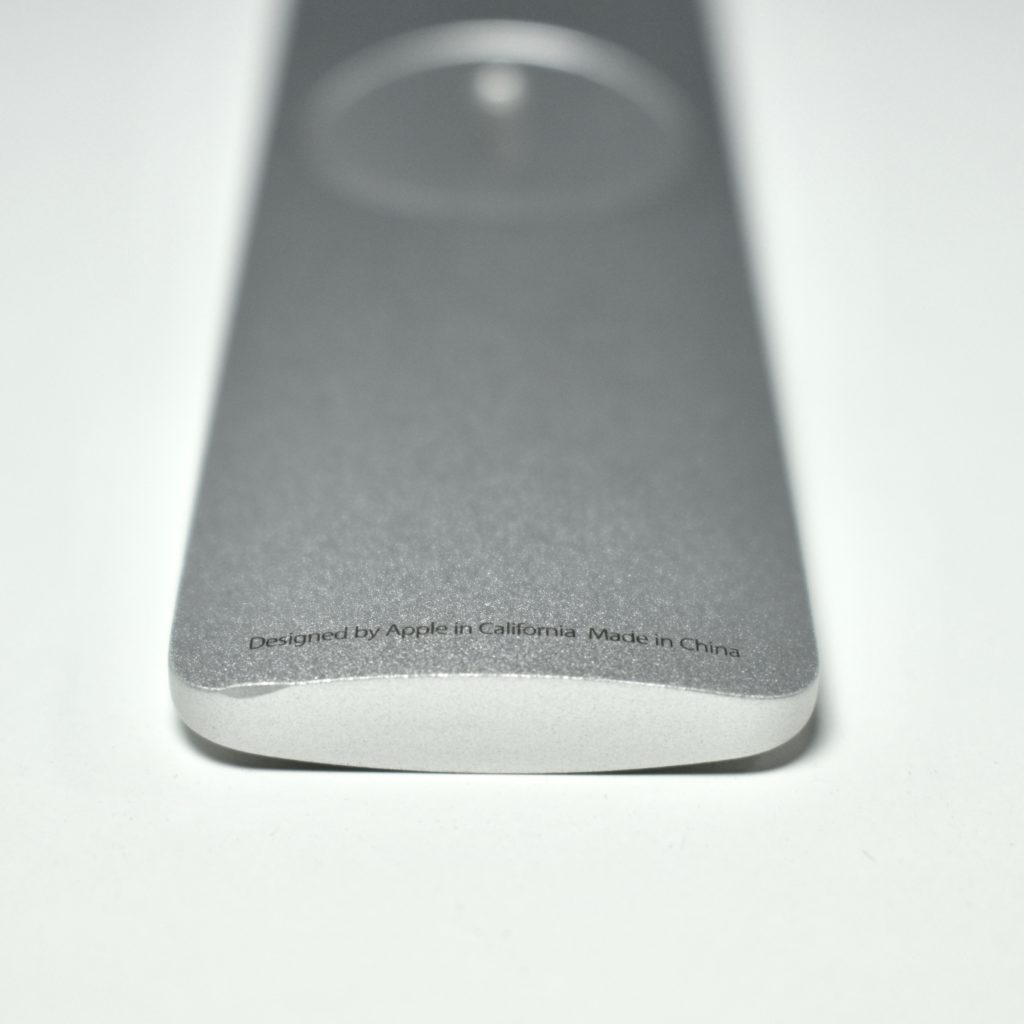
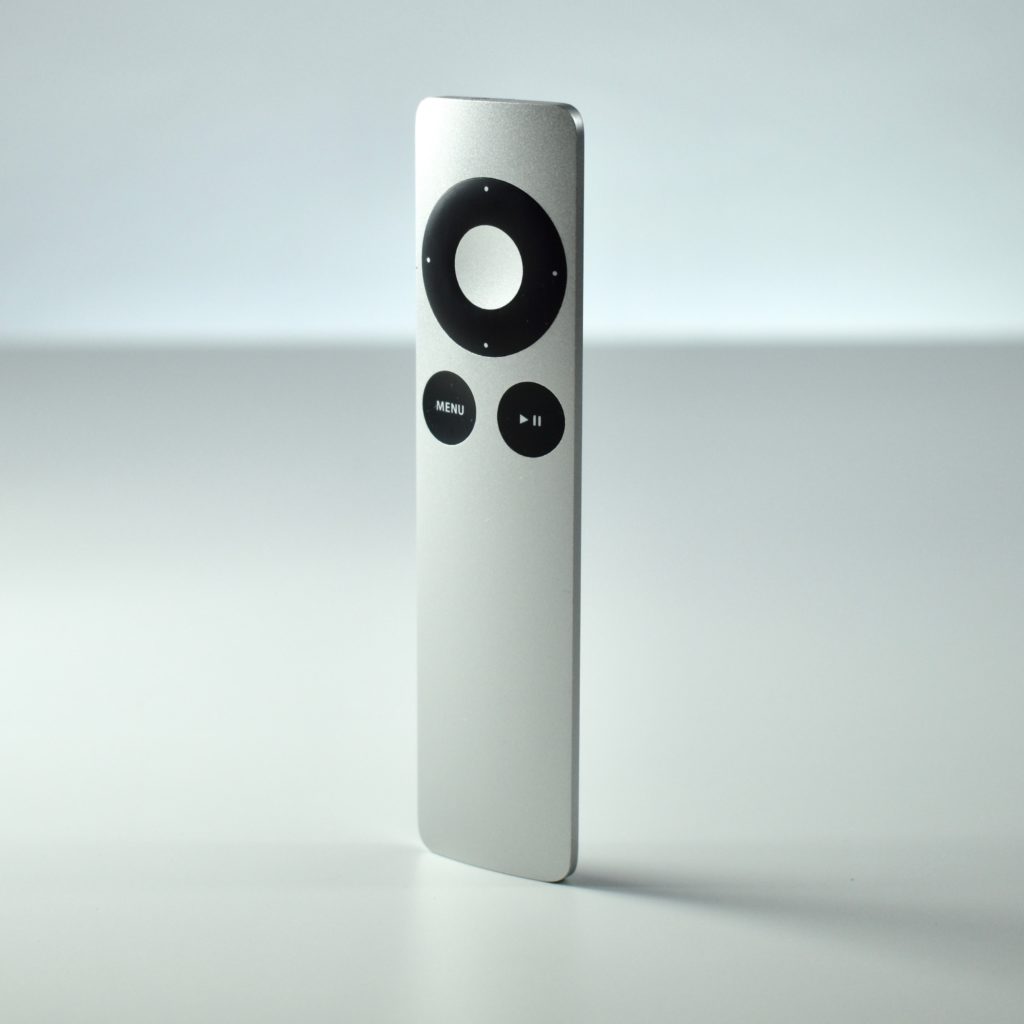
Apple Remote (aluminum, 2009)

The Apple Remote Generation 2 was made of aluminum and featured a circular button array at the top with two buttons below. The button array had an aluminum button at the center (unmarked) used to select, and four directional buttons on a single ring-shaped button marked with white dots at the top, bottom, right, and left positions. The dots were meant to serve multiple purposes. The up and down buttons could be used as volume up/down or moving up/down on menus, while the left and right buttons could be used as forward/rewind or moving right/left in menus. The two buttons below were marked “Menu” and Play/Pause (using symbols).

The remote was aluminum with black buttons and matched the aluminum iMac at the time. This remote was powered by a CR2032 battery accessed on the back of the remote using a coin.

The design of this remote was slightly revised after initial production. The original design had the ring of buttons flush with the aluminum front. The revised design of the ring button bulges out slightly. This example uses the revised button.

This remote shipped with the first generation Apple TV and could also be used with IR-capable Mac computers. This remote can be configured to pair with a single device.

References: Wikipedia.com, Apple.com, Apple Developer

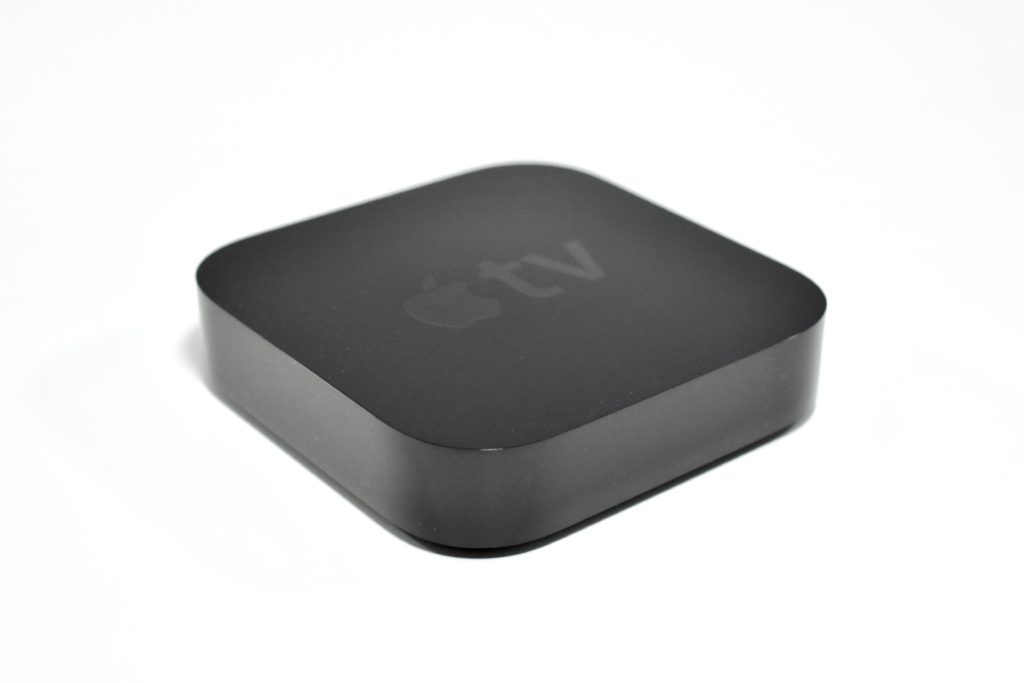
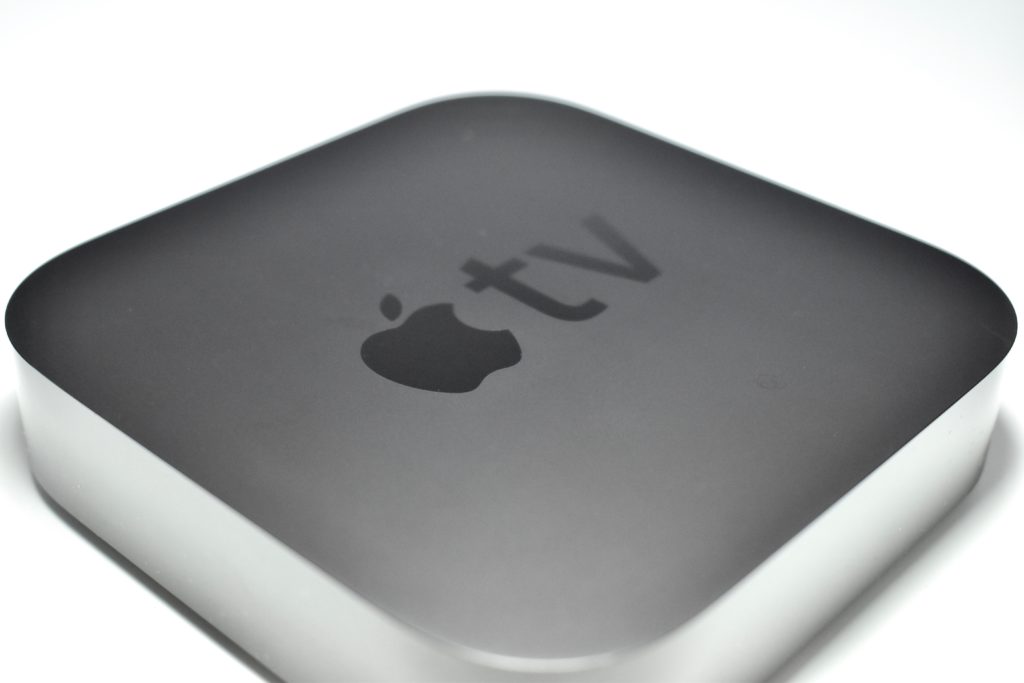
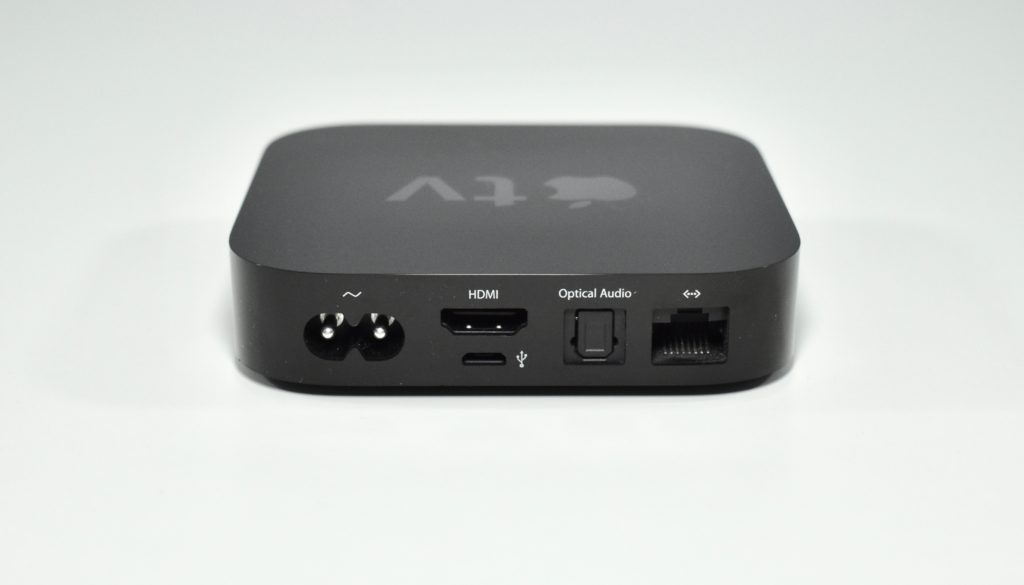
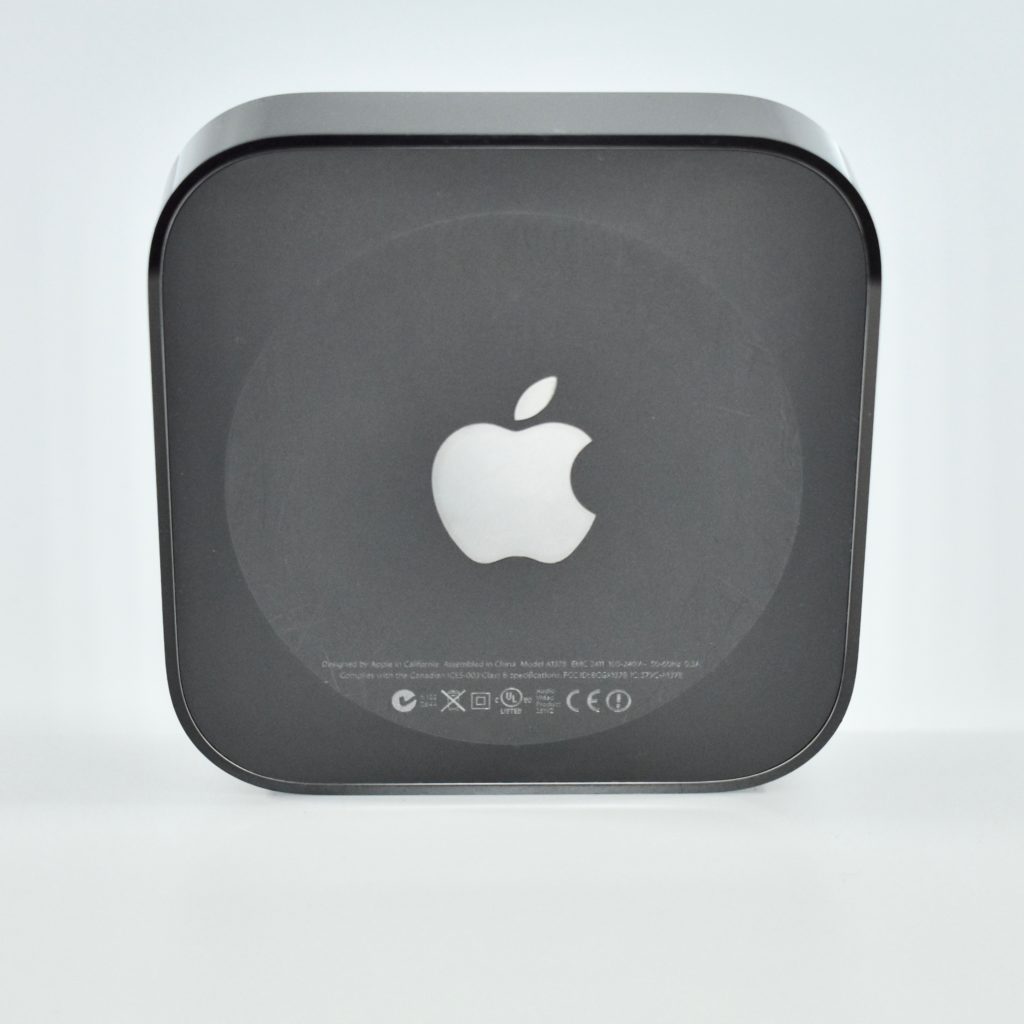
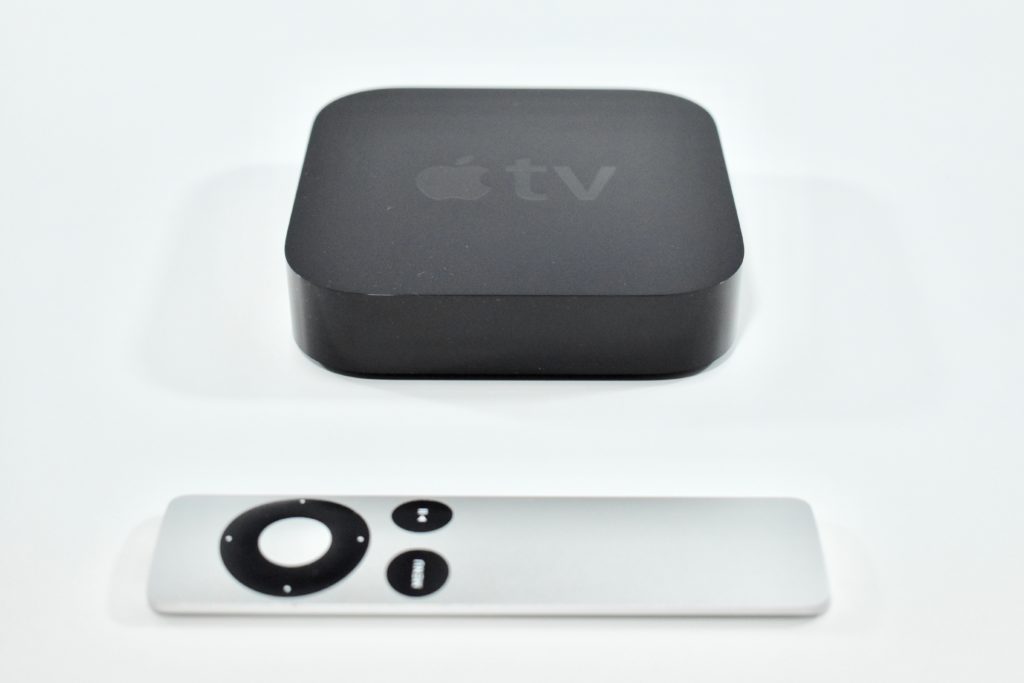
Apple TV (Generation 2, 2010)

The Apple TV Generation 2 was a major change from the original Apple TV. It was designed to stream rented movies and TV shows from Apple, and to stream movies, shows, photos, and other content from a Mac, PC, iPod, iPhone, or iPad at 720p (30 FPS). It also supported Netflix, YouTube, and Flickr using built-in apps.

The Apple TV Generation 2 used an Apple A4 processor and ran a version of iOS. Ports included HDMI, optical audio, 10/100Base-T Ethernet, and a Micro-USB port (used for service and diagnostics). It connected wirelessly using 802.11a/b/g/n Wi-Fi. Its all-black external case was 3.9 inches square and 0.9 inch tall.

The Apple TV Generation 2 shipped with the aluminum Generation 2 Apple Remote.

Source: EveryMac.com
USB Mouse balls (OEM replacement, 1998)

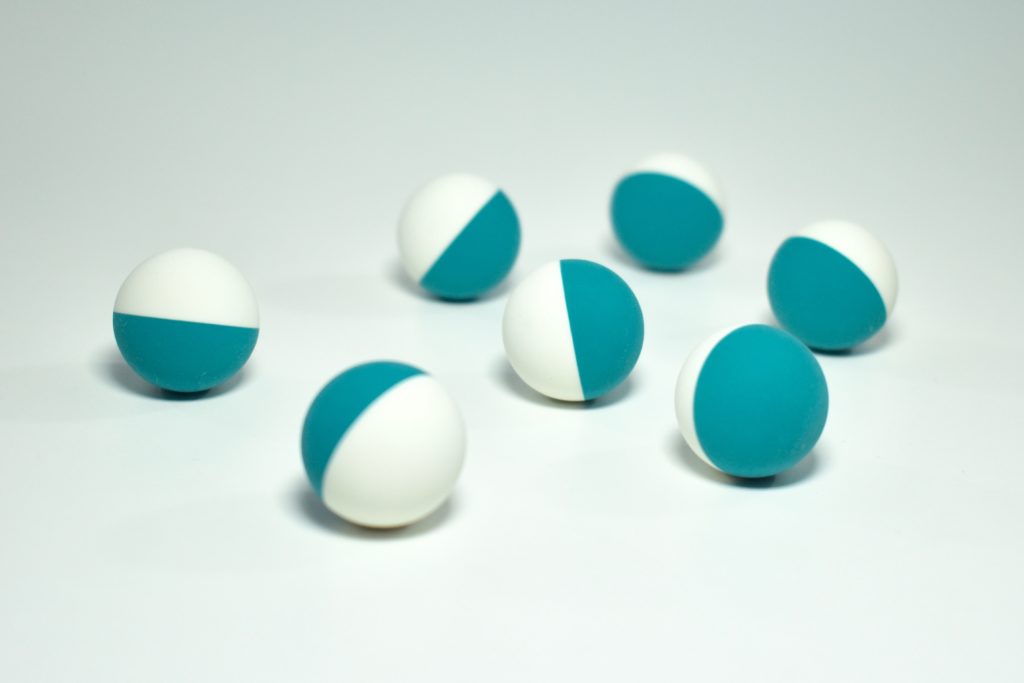
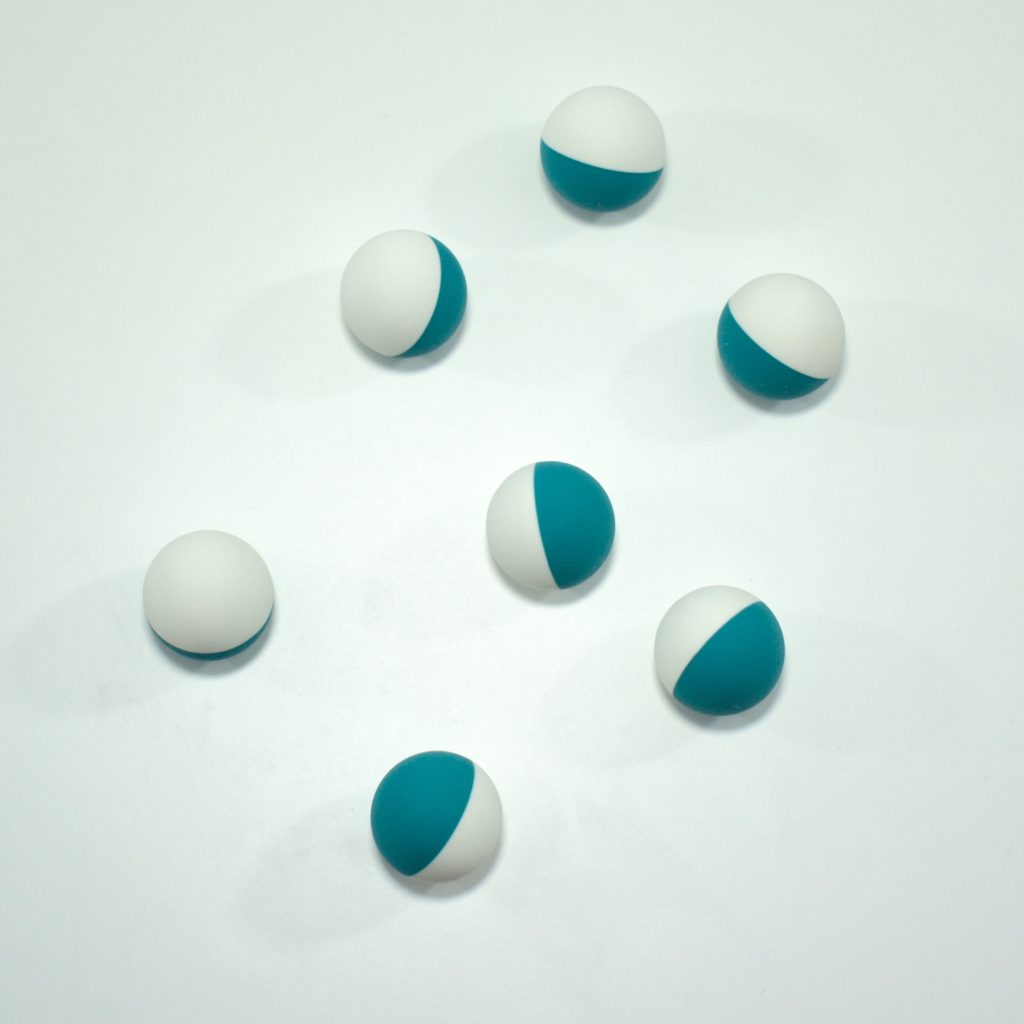
The original Apple USB Mouse, model M4848, used a half-teal blue and half-white ball that matched the Bondi blue iMac. When new iMac colors were introduced (blueberry, strawberry, lime, tangerine, and grape) the teal and white ball continued to be used until it was replaced with a gray and white ball.

These teal and white USB Mouse balls are official replacement parts provided by Apple.

Composite Video Cable (2000)

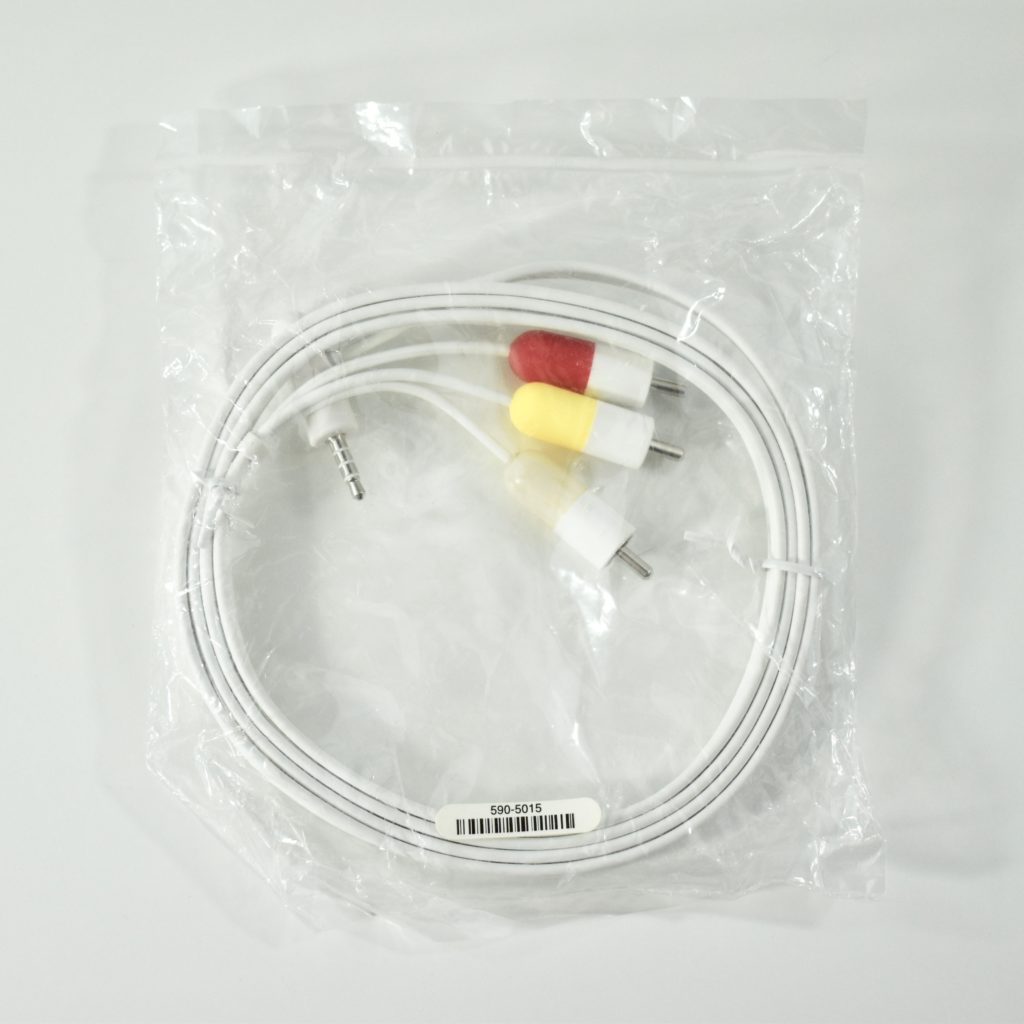
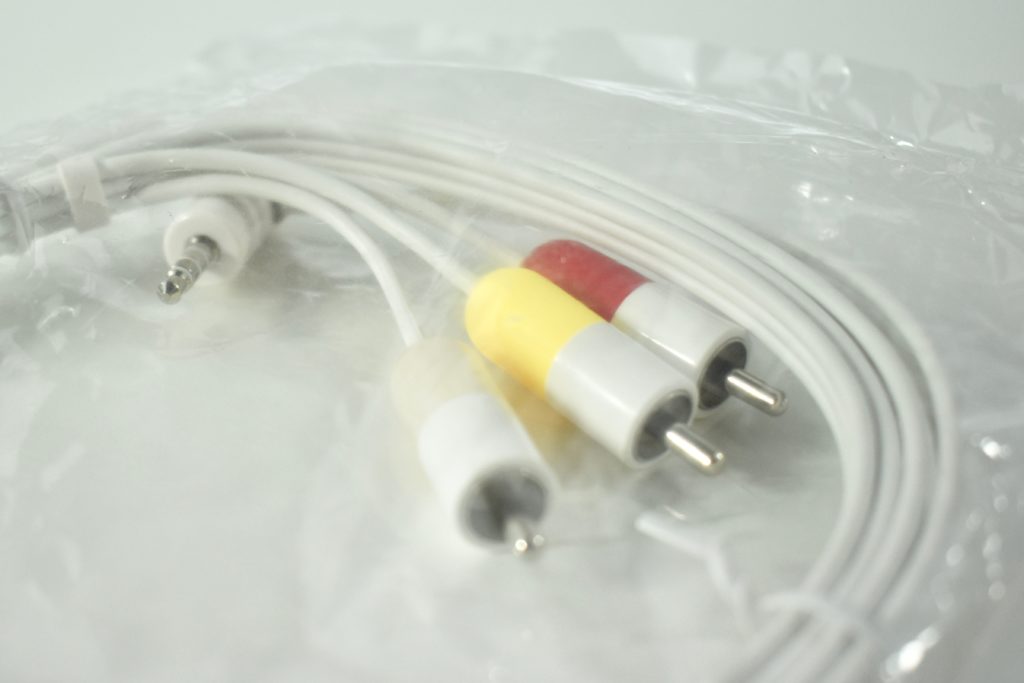
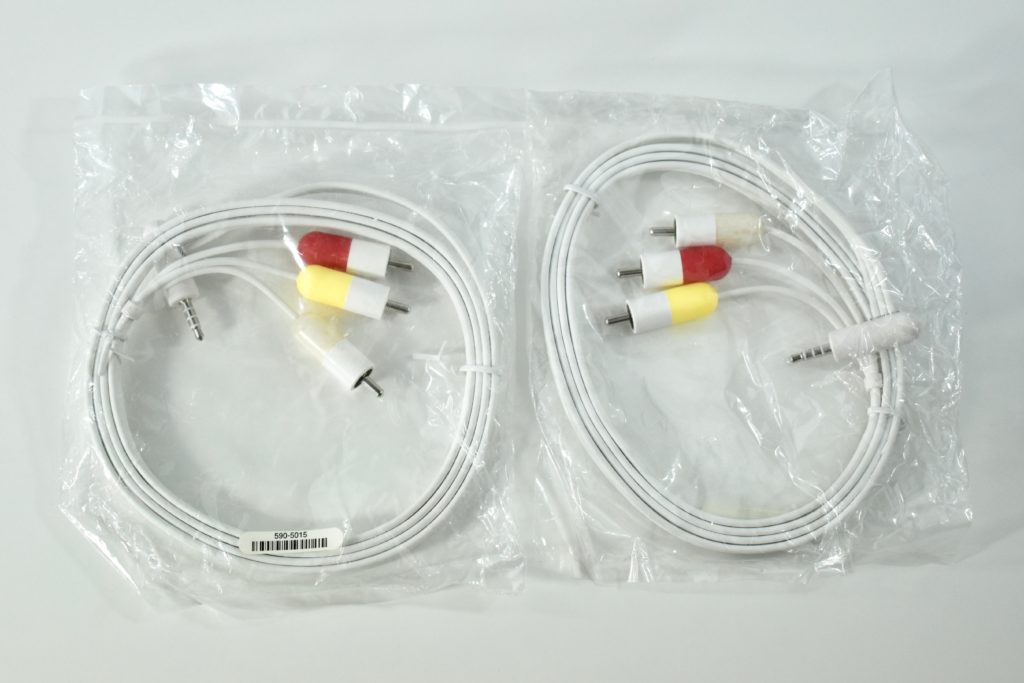
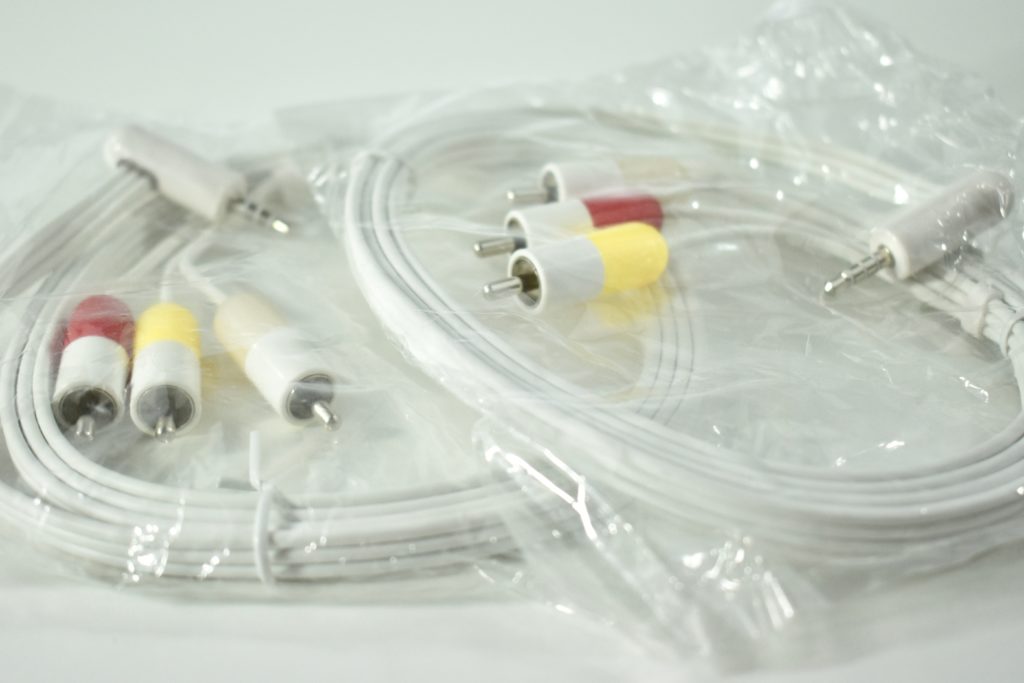
The Composite Video Cable shipped with various iBook models and allowed the iBook to be connected to an external TV and/or stereo.

The cable shipped with the following iBook laptops: iBook (FireWire), iBook (Dual USB), iBook (Late 2001), iBook (14.1-inch).

Source: emc2cs.com